window.__IS_SSR__=true
window.__INITIAL_STATE__={
"attachmentsReducer": {
"audio_0": {
"type": "attachments",
"id": "audio_0",
"imgSizes": {
"kqedFullSize": {
"file": "https://ww2.kqed.org/news/wp-content/themes/KQED-unified/img/audio_bgs/background0.jpg"
}
}
},
"audio_1": {
"type": "attachments",
"id": "audio_1",
"imgSizes": {
"kqedFullSize": {
"file": "https://ww2.kqed.org/news/wp-content/themes/KQED-unified/img/audio_bgs/background1.jpg"
}
}
},
"audio_2": {
"type": "attachments",
"id": "audio_2",
"imgSizes": {
"kqedFullSize": {
"file": "https://ww2.kqed.org/news/wp-content/themes/KQED-unified/img/audio_bgs/background2.jpg"
}
}
},
"audio_3": {
"type": "attachments",
"id": "audio_3",
"imgSizes": {
"kqedFullSize": {
"file": "https://ww2.kqed.org/news/wp-content/themes/KQED-unified/img/audio_bgs/background3.jpg"
}
}
},
"audio_4": {
"type": "attachments",
"id": "audio_4",
"imgSizes": {
"kqedFullSize": {
"file": "https://ww2.kqed.org/news/wp-content/themes/KQED-unified/img/audio_bgs/background4.jpg"
}
}
},
"placeholder": {
"type": "attachments",
"id": "placeholder",
"imgSizes": {
"thumbnail": {
"file": "https://cdn.kqed.org/wp-content/uploads/2024/12/KQED-Default-Image-816638274-2000x1333-1-160x107.jpg",
"width": 160,
"height": 107,
"mimeType": "image/jpeg"
},
"medium": {
"file": "https://cdn.kqed.org/wp-content/uploads/2024/12/KQED-Default-Image-816638274-2000x1333-1-800x533.jpg",
"width": 800,
"height": 533,
"mimeType": "image/jpeg"
},
"medium_large": {
"file": "https://cdn.kqed.org/wp-content/uploads/2024/12/KQED-Default-Image-816638274-2000x1333-1-768x512.jpg",
"width": 768,
"height": 512,
"mimeType": "image/jpeg"
},
"large": {
"file": "https://cdn.kqed.org/wp-content/uploads/2024/12/KQED-Default-Image-816638274-2000x1333-1-1020x680.jpg",
"width": 1020,
"height": 680,
"mimeType": "image/jpeg"
},
"1536x1536": {
"file": "https://cdn.kqed.org/wp-content/uploads/2024/12/KQED-Default-Image-816638274-2000x1333-1-1536x1024.jpg",
"width": 1536,
"height": 1024,
"mimeType": "image/jpeg"
},
"fd-lrg": {
"file": "https://cdn.kqed.org/wp-content/uploads/2024/12/KQED-Default-Image-816638274-2000x1333-1-1536x1024.jpg",
"width": 1536,
"height": 1024,
"mimeType": "image/jpeg"
},
"fd-med": {
"file": "https://cdn.kqed.org/wp-content/uploads/2024/12/KQED-Default-Image-816638274-2000x1333-1-1020x680.jpg",
"width": 1020,
"height": 680,
"mimeType": "image/jpeg"
},
"fd-sm": {
"file": "https://cdn.kqed.org/wp-content/uploads/2024/12/KQED-Default-Image-816638274-2000x1333-1-800x533.jpg",
"width": 800,
"height": 533,
"mimeType": "image/jpeg"
},
"post-thumbnail": {
"file": "https://cdn.kqed.org/wp-content/uploads/2024/12/KQED-Default-Image-816638274-2000x1333-1-672x372.jpg",
"width": 672,
"height": 372,
"mimeType": "image/jpeg"
},
"twentyfourteen-full-width": {
"file": "https://cdn.kqed.org/wp-content/uploads/2024/12/KQED-Default-Image-816638274-2000x1333-1-1038x576.jpg",
"width": 1038,
"height": 576,
"mimeType": "image/jpeg"
},
"xxsmall": {
"file": "https://cdn.kqed.org/wp-content/uploads/2024/12/KQED-Default-Image-816638274-2000x1333-1-160x107.jpg",
"width": 160,
"height": 107,
"mimeType": "image/jpeg"
},
"xsmall": {
"file": "https://cdn.kqed.org/wp-content/uploads/2024/12/KQED-Default-Image-816638274-2000x1333-1-672x372.jpg",
"width": 672,
"height": 372,
"mimeType": "image/jpeg"
},
"small": {
"file": "https://cdn.kqed.org/wp-content/uploads/2024/12/KQED-Default-Image-816638274-2000x1333-1-672x372.jpg",
"width": 672,
"height": 372,
"mimeType": "image/jpeg"
},
"xlarge": {
"file": "https://cdn.kqed.org/wp-content/uploads/2024/12/KQED-Default-Image-816638274-2000x1333-1-1020x680.jpg",
"width": 1020,
"height": 680,
"mimeType": "image/jpeg"
},
"full-width": {
"file": "https://cdn.kqed.org/wp-content/uploads/2024/12/KQED-Default-Image-816638274-2000x1333-1-1920x1280.jpg",
"width": 1920,
"height": 1280,
"mimeType": "image/jpeg"
},
"guest-author-32": {
"file": "https://cdn.kqed.org/wp-content/uploads/2025/01/KQED-Default-Image-816638274-1333x1333-1-160x160.jpg",
"width": 32,
"height": 32,
"mimeType": "image/jpeg"
},
"guest-author-50": {
"file": "https://cdn.kqed.org/wp-content/uploads/2025/01/KQED-Default-Image-816638274-1333x1333-1-160x160.jpg",
"width": 50,
"height": 50,
"mimeType": "image/jpeg"
},
"guest-author-64": {
"file": "https://cdn.kqed.org/wp-content/uploads/2025/01/KQED-Default-Image-816638274-1333x1333-1-160x160.jpg",
"width": 64,
"height": 64,
"mimeType": "image/jpeg"
},
"guest-author-96": {
"file": "https://cdn.kqed.org/wp-content/uploads/2025/01/KQED-Default-Image-816638274-1333x1333-1-160x160.jpg",
"width": 96,
"height": 96,
"mimeType": "image/jpeg"
},
"guest-author-128": {
"file": "https://cdn.kqed.org/wp-content/uploads/2025/01/KQED-Default-Image-816638274-1333x1333-1-160x160.jpg",
"width": 128,
"height": 128,
"mimeType": "image/jpeg"
},
"detail": {
"file": "https://cdn.kqed.org/wp-content/uploads/2025/01/KQED-Default-Image-816638274-1333x1333-1-160x160.jpg",
"width": 160,
"height": 160,
"mimeType": "image/jpeg"
},
"kqedFullSize": {
"file": "https://cdn.kqed.org/wp-content/uploads/2024/12/KQED-Default-Image-816638274-2000x1333-1.jpg",
"width": 2000,
"height": 1333
}
}
},
"news_11312374": {
"type": "attachments",
"id": "news_11312374",
"meta": {
"index": "attachments_1716263798",
"site": "news",
"id": "11312374",
"found": true
},
"parent": 11312367,
"imgSizes": {
"small": {
"file": "https://ww2.kqed.org/app/uploads/sites/10/2017/02/DK_Oro_spillway_damage_02_11_2017_3847-520x347.jpg",
"width": 520,
"mimeType": "image/jpeg",
"height": 347
},
"twentyfourteen-full-width": {
"file": "https://ww2.kqed.org/app/uploads/sites/10/2017/02/DK_Oro_spillway_damage_02_11_2017_3847-1038x576.jpg",
"width": 1038,
"mimeType": "image/jpeg",
"height": 576
},
"thumbnail": {
"file": "https://ww2.kqed.org/app/uploads/sites/10/2017/02/DK_Oro_spillway_damage_02_11_2017_3847-160x107.jpg",
"width": 160,
"mimeType": "image/jpeg",
"height": 107
},
"fd-sm": {
"file": "https://ww2.kqed.org/app/uploads/sites/10/2017/02/DK_Oro_spillway_damage_02_11_2017_3847-960x640.jpg",
"width": 960,
"mimeType": "image/jpeg",
"height": 640
},
"post-thumbnail": {
"file": "https://ww2.kqed.org/app/uploads/sites/10/2017/02/DK_Oro_spillway_damage_02_11_2017_3847-672x372.jpg",
"width": 672,
"mimeType": "image/jpeg",
"height": 372
},
"xsmall": {
"file": "https://ww2.kqed.org/app/uploads/sites/10/2017/02/DK_Oro_spillway_damage_02_11_2017_3847-375x250.jpg",
"width": 375,
"mimeType": "image/jpeg",
"height": 250
},
"kqedFullSize": {
"file": "https://ww2.kqed.org/app/uploads/sites/10/2017/02/DK_Oro_spillway_damage_02_11_2017_3847-e1486853798273.jpg",
"width": 1920,
"height": 1280
},
"large": {
"file": "https://ww2.kqed.org/app/uploads/sites/10/2017/02/DK_Oro_spillway_damage_02_11_2017_3847-1020x680.jpg",
"width": 1020,
"mimeType": "image/jpeg",
"height": 680
},
"xlarge": {
"file": "https://ww2.kqed.org/app/uploads/sites/10/2017/02/DK_Oro_spillway_damage_02_11_2017_3847-1180x787.jpg",
"width": 1180,
"mimeType": "image/jpeg",
"height": 787
},
"guest-author-50": {
"file": "https://ww2.kqed.org/app/uploads/sites/10/2017/02/DK_Oro_spillway_damage_02_11_2017_3847-50x50.jpg",
"width": 50,
"mimeType": "image/jpeg",
"height": 50
},
"guest-author-96": {
"file": "https://ww2.kqed.org/app/uploads/sites/10/2017/02/DK_Oro_spillway_damage_02_11_2017_3847-96x96.jpg",
"width": 96,
"mimeType": "image/jpeg",
"height": 96
},
"medium": {
"file": "https://ww2.kqed.org/app/uploads/sites/10/2017/02/DK_Oro_spillway_damage_02_11_2017_3847-800x533.jpg",
"width": 800,
"mimeType": "image/jpeg",
"height": 533
},
"guest-author-64": {
"file": "https://ww2.kqed.org/app/uploads/sites/10/2017/02/DK_Oro_spillway_damage_02_11_2017_3847-64x64.jpg",
"width": 64,
"mimeType": "image/jpeg",
"height": 64
},
"guest-author-32": {
"file": "https://ww2.kqed.org/app/uploads/sites/10/2017/02/DK_Oro_spillway_damage_02_11_2017_3847-32x32.jpg",
"width": 32,
"mimeType": "image/jpeg",
"height": 32
},
"fd-lrg": {
"file": "https://ww2.kqed.org/app/uploads/sites/10/2017/02/DK_Oro_spillway_damage_02_11_2017_3847-1920x1280.jpg",
"width": 1920,
"mimeType": "image/jpeg",
"height": 1280
},
"fd-med": {
"file": "https://ww2.kqed.org/app/uploads/sites/10/2017/02/DK_Oro_spillway_damage_02_11_2017_3847-1180x787.jpg",
"width": 1180,
"mimeType": "image/jpeg",
"height": 787
},
"full-width": {
"file": "https://ww2.kqed.org/app/uploads/sites/10/2017/02/DK_Oro_spillway_damage_02_11_2017_3847-1920x1280.jpg",
"width": 1920,
"mimeType": "image/jpeg",
"height": 1280
},
"detail": {
"file": "https://ww2.kqed.org/app/uploads/sites/10/2017/02/DK_Oro_spillway_damage_02_11_2017_3847-150x150.jpg",
"width": 150,
"mimeType": "image/jpeg",
"height": 150
},
"guest-author-128": {
"file": "https://ww2.kqed.org/app/uploads/sites/10/2017/02/DK_Oro_spillway_damage_02_11_2017_3847-128x128.jpg",
"width": 128,
"mimeType": "image/jpeg",
"height": 128
},
"xxsmall": {
"file": "https://ww2.kqed.org/app/uploads/sites/10/2017/02/DK_Oro_spillway_damage_02_11_2017_3847-240x160.jpg",
"width": 240,
"mimeType": "image/jpeg",
"height": 160
}
},
"publishDate": 1486853655,
"modified": 1486854622,
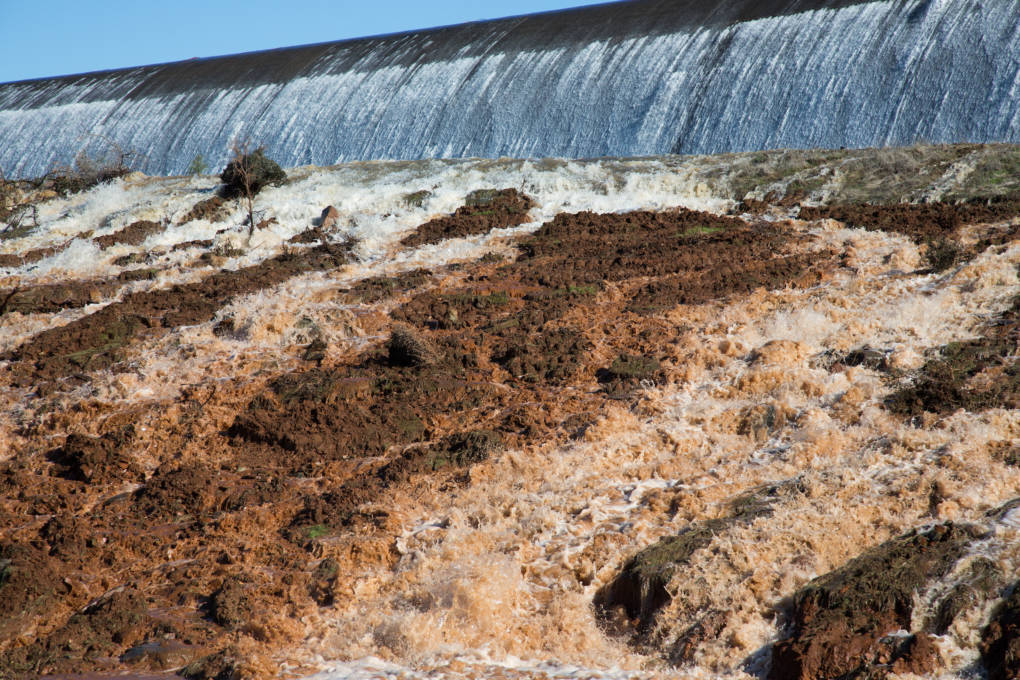
"caption": "Floodwater cascades down the face of Oroville Dam's emergency spillway on Saturday. Water officials say flows over the auxiliary structure are expected to continue through sometime Monday. ",
"description": null,
"title": "Oroville Dam-Spillway",
"credit": "Dale Kolke/California Department of Water Resources",
"status": "inherit",
"isLoading": false,
"fetchFailed": false
},
"news_11310953": {
"type": "attachments",
"id": "news_11310953",
"meta": {
"index": "attachments_1716263798",
"site": "news",
"id": "11310953",
"found": true
},
"parent": 11310716,
"imgSizes": {
"small": {
"file": "https://ww2.kqed.org/app/uploads/sites/10/2017/02/worker-hit-17-1486671317-520x293.jpeg",
"width": 520,
"mimeType": "image/jpeg",
"height": 293
},
"thumbnail": {
"file": "https://ww2.kqed.org/app/uploads/sites/10/2017/02/worker-hit-17-1486671317-160x90.jpeg",
"width": 160,
"mimeType": "image/jpeg",
"height": 90
},
"post-thumbnail": {
"file": "https://ww2.kqed.org/app/uploads/sites/10/2017/02/worker-hit-17-1486671317-672x372.jpeg",
"width": 672,
"mimeType": "image/jpeg",
"height": 372
},
"xsmall": {
"file": "https://ww2.kqed.org/app/uploads/sites/10/2017/02/worker-hit-17-1486671317-375x211.jpeg",
"width": 375,
"mimeType": "image/jpeg",
"height": 211
},
"kqedFullSize": {
"file": "https://ww2.kqed.org/app/uploads/sites/10/2017/02/worker-hit-17-1486671317.jpeg",
"width": 900,
"height": 507
},
"guest-author-50": {
"file": "https://ww2.kqed.org/app/uploads/sites/10/2017/02/worker-hit-17-1486671317-50x50.jpeg",
"width": 50,
"mimeType": "image/jpeg",
"height": 50
},
"guest-author-96": {
"file": "https://ww2.kqed.org/app/uploads/sites/10/2017/02/worker-hit-17-1486671317-96x96.jpeg",
"width": 96,
"mimeType": "image/jpeg",
"height": 96
},
"medium": {
"file": "https://ww2.kqed.org/app/uploads/sites/10/2017/02/worker-hit-17-1486671317-800x451.jpeg",
"width": 800,
"mimeType": "image/jpeg",
"height": 451
},
"guest-author-64": {
"file": "https://ww2.kqed.org/app/uploads/sites/10/2017/02/worker-hit-17-1486671317-64x64.jpeg",
"width": 64,
"mimeType": "image/jpeg",
"height": 64
},
"guest-author-32": {
"file": "https://ww2.kqed.org/app/uploads/sites/10/2017/02/worker-hit-17-1486671317-32x32.jpeg",
"width": 32,
"mimeType": "image/jpeg",
"height": 32
},
"detail": {
"file": "https://ww2.kqed.org/app/uploads/sites/10/2017/02/worker-hit-17-1486671317-150x150.jpeg",
"width": 150,
"mimeType": "image/jpeg",
"height": 150
},
"guest-author-128": {
"file": "https://ww2.kqed.org/app/uploads/sites/10/2017/02/worker-hit-17-1486671317-128x128.jpeg",
"width": 128,
"mimeType": "image/jpeg",
"height": 128
},
"xxsmall": {
"file": "https://ww2.kqed.org/app/uploads/sites/10/2017/02/worker-hit-17-1486671317-240x135.jpeg",
"width": 240,
"mimeType": "image/jpeg",
"height": 135
}
},
"publishDate": 1486772644,
"modified": 1486773855,
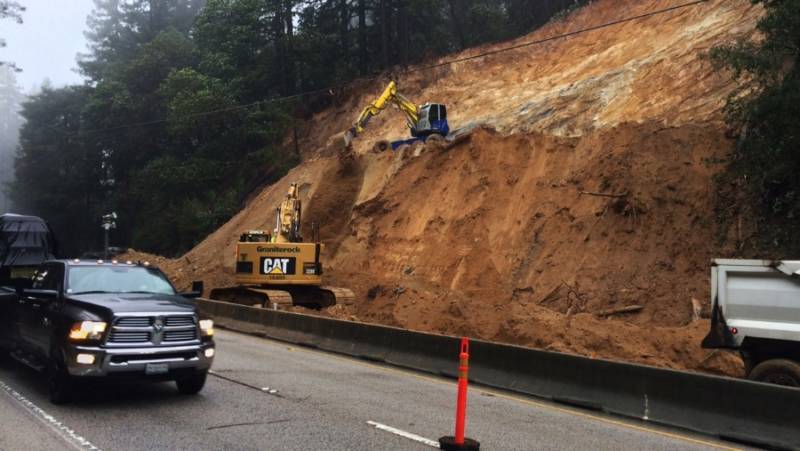
"caption": "Tractors work at clearing a slide on Highway 17 on Feb 9, 2017.",
"description": null,
"title": "worker-hit-17-1486671317",
"credit": "Courtesy of Phil Gomez/KSBW",
"status": "inherit",
"isLoading": false,
"fetchFailed": false
},
"news_11310548": {
"type": "attachments",
"id": "news_11310548",
"meta": {
"index": "attachments_1716263798",
"site": "news",
"id": "11310548",
"found": true
},
"parent": 11308763,
"imgSizes": {
"small": {
"file": "https://ww2.kqed.org/app/uploads/sites/10/2017/02/PorterRanchProtesters-520x363.jpg",
"width": 520,
"mimeType": "image/jpeg",
"height": 363
},
"twentyfourteen-full-width": {
"file": "https://ww2.kqed.org/app/uploads/sites/10/2017/02/PorterRanchProtesters-1038x576.jpg",
"width": 1038,
"mimeType": "image/jpeg",
"height": 576
},
"thumbnail": {
"file": "https://ww2.kqed.org/app/uploads/sites/10/2017/02/PorterRanchProtesters-160x112.jpg",
"width": 160,
"mimeType": "image/jpeg",
"height": 112
},
"fd-sm": {
"file": "https://ww2.kqed.org/app/uploads/sites/10/2017/02/PorterRanchProtesters-960x671.jpg",
"width": 960,
"mimeType": "image/jpeg",
"height": 671
},
"post-thumbnail": {
"file": "https://ww2.kqed.org/app/uploads/sites/10/2017/02/PorterRanchProtesters-672x372.jpg",
"width": 672,
"mimeType": "image/jpeg",
"height": 372
},
"xsmall": {
"file": "https://ww2.kqed.org/app/uploads/sites/10/2017/02/PorterRanchProtesters-375x262.jpg",
"width": 375,
"mimeType": "image/jpeg",
"height": 262
},
"kqedFullSize": {
"file": "https://ww2.kqed.org/app/uploads/sites/10/2017/02/PorterRanchProtesters.jpg",
"width": 1920,
"height": 1341
},
"large": {
"file": "https://ww2.kqed.org/app/uploads/sites/10/2017/02/PorterRanchProtesters-1020x712.jpg",
"width": 1020,
"mimeType": "image/jpeg",
"height": 712
},
"xlarge": {
"file": "https://ww2.kqed.org/app/uploads/sites/10/2017/02/PorterRanchProtesters-1180x824.jpg",
"width": 1180,
"mimeType": "image/jpeg",
"height": 824
},
"guest-author-50": {
"file": "https://ww2.kqed.org/app/uploads/sites/10/2017/02/PorterRanchProtesters-50x50.jpg",
"width": 50,
"mimeType": "image/jpeg",
"height": 50
},
"guest-author-96": {
"file": "https://ww2.kqed.org/app/uploads/sites/10/2017/02/PorterRanchProtesters-96x96.jpg",
"width": 96,
"mimeType": "image/jpeg",
"height": 96
},
"medium": {
"file": "https://ww2.kqed.org/app/uploads/sites/10/2017/02/PorterRanchProtesters-800x559.jpg",
"width": 800,
"mimeType": "image/jpeg",
"height": 559
},
"guest-author-64": {
"file": "https://ww2.kqed.org/app/uploads/sites/10/2017/02/PorterRanchProtesters-64x64.jpg",
"width": 64,
"mimeType": "image/jpeg",
"height": 64
},
"guest-author-32": {
"file": "https://ww2.kqed.org/app/uploads/sites/10/2017/02/PorterRanchProtesters-32x32.jpg",
"width": 32,
"mimeType": "image/jpeg",
"height": 32
},
"fd-lrg": {
"file": "https://ww2.kqed.org/app/uploads/sites/10/2017/02/PorterRanchProtesters-1920x1341.jpg",
"width": 1920,
"mimeType": "image/jpeg",
"height": 1341
},
"fd-med": {
"file": "https://ww2.kqed.org/app/uploads/sites/10/2017/02/PorterRanchProtesters-1180x824.jpg",
"width": 1180,
"mimeType": "image/jpeg",
"height": 824
},
"full-width": {
"file": "https://ww2.kqed.org/app/uploads/sites/10/2017/02/PorterRanchProtesters-1920x1341.jpg",
"width": 1920,
"mimeType": "image/jpeg",
"height": 1341
},
"detail": {
"file": "https://ww2.kqed.org/app/uploads/sites/10/2017/02/PorterRanchProtesters-150x150.jpg",
"width": 150,
"mimeType": "image/jpeg",
"height": 150
},
"guest-author-128": {
"file": "https://ww2.kqed.org/app/uploads/sites/10/2017/02/PorterRanchProtesters-128x128.jpg",
"width": 128,
"mimeType": "image/jpeg",
"height": 128
},
"xxsmall": {
"file": "https://ww2.kqed.org/app/uploads/sites/10/2017/02/PorterRanchProtesters-240x168.jpg",
"width": 240,
"mimeType": "image/jpeg",
"height": 168
}
},
"publishDate": 1486754427,
"modified": 1486770879,
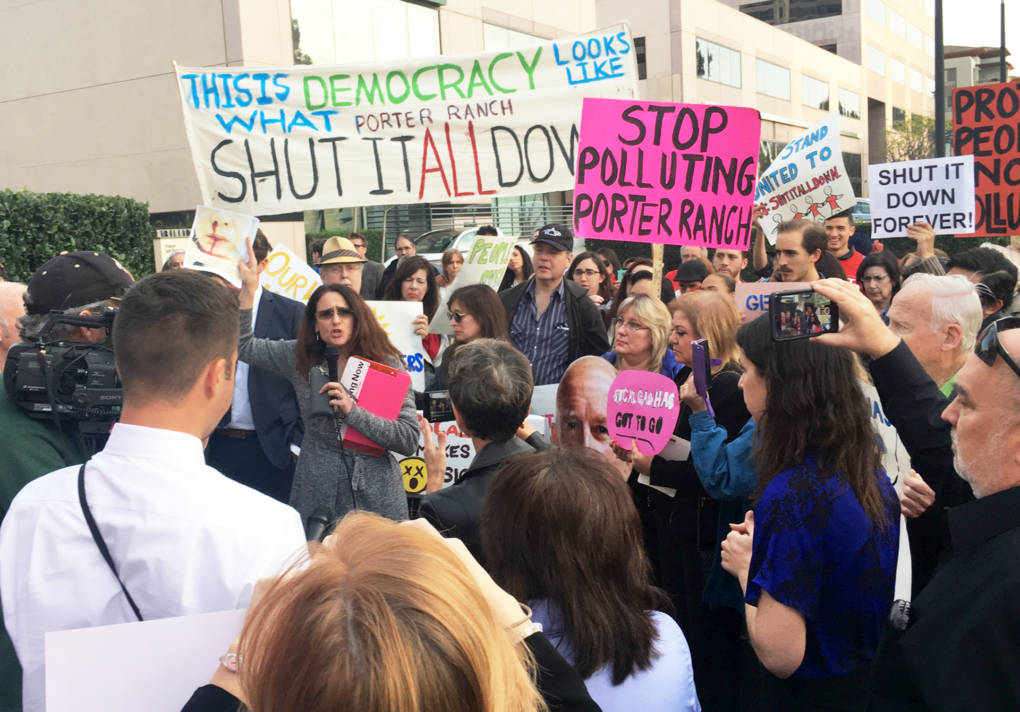
"caption": "Activists who want SoCalGas to shut down its Aliso Canyon natural gas storage field rally outside a public meeting on Feb. 1, 2017, in Woodland Hills.",
"description": "Activists who want SoCalGas to shut down its Aliso Canyon natural gas storage field rally outside of a public meeting on February 1, 2017, in Woodland Hills.",
"title": "PorterRanchProtesters",
"credit": "Molly Peterson/KQED",
"status": "inherit",
"isLoading": false,
"fetchFailed": false
},
"news_11309133": {
"type": "attachments",
"id": "news_11309133",
"meta": {
"index": "attachments_1716263798",
"site": "news",
"id": "11309133",
"found": true
},
"parent": 11309129,
"imgSizes": {
"small": {
"file": "https://ww2.kqed.org/app/uploads/sites/10/2017/02/FLBridge-520x304.jpg",
"width": 520,
"mimeType": "image/jpeg",
"height": 304
},
"twentyfourteen-full-width": {
"file": "https://ww2.kqed.org/app/uploads/sites/10/2017/02/FLBridge-1038x576.jpg",
"width": 1038,
"mimeType": "image/jpeg",
"height": 576
},
"thumbnail": {
"file": "https://ww2.kqed.org/app/uploads/sites/10/2017/02/FLBridge-160x93.jpg",
"width": 160,
"mimeType": "image/jpeg",
"height": 93
},
"fd-sm": {
"file": "https://ww2.kqed.org/app/uploads/sites/10/2017/02/FLBridge-960x561.jpg",
"width": 960,
"mimeType": "image/jpeg",
"height": 561
},
"post-thumbnail": {
"file": "https://ww2.kqed.org/app/uploads/sites/10/2017/02/FLBridge-672x372.jpg",
"width": 672,
"mimeType": "image/jpeg",
"height": 372
},
"xsmall": {
"file": "https://ww2.kqed.org/app/uploads/sites/10/2017/02/FLBridge-375x219.jpg",
"width": 375,
"mimeType": "image/jpeg",
"height": 219
},
"kqedFullSize": {
"file": "https://ww2.kqed.org/app/uploads/sites/10/2017/02/FLBridge.jpg",
"width": 1920,
"height": 1121
},
"large": {
"file": "https://ww2.kqed.org/app/uploads/sites/10/2017/02/FLBridge-1020x596.jpg",
"width": 1020,
"mimeType": "image/jpeg",
"height": 596
},
"xlarge": {
"file": "https://ww2.kqed.org/app/uploads/sites/10/2017/02/FLBridge-1180x689.jpg",
"width": 1180,
"mimeType": "image/jpeg",
"height": 689
},
"guest-author-50": {
"file": "https://ww2.kqed.org/app/uploads/sites/10/2017/02/FLBridge-50x50.jpg",
"width": 50,
"mimeType": "image/jpeg",
"height": 50
},
"guest-author-96": {
"file": "https://ww2.kqed.org/app/uploads/sites/10/2017/02/FLBridge-96x96.jpg",
"width": 96,
"mimeType": "image/jpeg",
"height": 96
},
"medium": {
"file": "https://ww2.kqed.org/app/uploads/sites/10/2017/02/FLBridge-800x467.jpg",
"width": 800,
"mimeType": "image/jpeg",
"height": 467
},
"guest-author-64": {
"file": "https://ww2.kqed.org/app/uploads/sites/10/2017/02/FLBridge-64x64.jpg",
"width": 64,
"mimeType": "image/jpeg",
"height": 64
},
"guest-author-32": {
"file": "https://ww2.kqed.org/app/uploads/sites/10/2017/02/FLBridge-32x32.jpg",
"width": 32,
"mimeType": "image/jpeg",
"height": 32
},
"fd-lrg": {
"file": "https://ww2.kqed.org/app/uploads/sites/10/2017/02/FLBridge-1920x1121.jpg",
"width": 1920,
"mimeType": "image/jpeg",
"height": 1121
},
"fd-med": {
"file": "https://ww2.kqed.org/app/uploads/sites/10/2017/02/FLBridge-1180x689.jpg",
"width": 1180,
"mimeType": "image/jpeg",
"height": 689
},
"full-width": {
"file": "https://ww2.kqed.org/app/uploads/sites/10/2017/02/FLBridge-1920x1121.jpg",
"width": 1920,
"mimeType": "image/jpeg",
"height": 1121
},
"detail": {
"file": "https://ww2.kqed.org/app/uploads/sites/10/2017/02/FLBridge-150x150.jpg",
"width": 150,
"mimeType": "image/jpeg",
"height": 150
},
"guest-author-128": {
"file": "https://ww2.kqed.org/app/uploads/sites/10/2017/02/FLBridge-128x128.jpg",
"width": 128,
"mimeType": "image/jpeg",
"height": 128
},
"xxsmall": {
"file": "https://ww2.kqed.org/app/uploads/sites/10/2017/02/FLBridge-240x140.jpg",
"width": 240,
"mimeType": "image/jpeg",
"height": 140
}
},
"publishDate": 1486678465,
"modified": 1486678554,
"caption": "The Russell Avenue bridge over the Delta-Mendota Canal in Firebaugh had subsided so much in July, 2015 that there was almost no space between the bottom of the bridge and the canal water.",
"description": "The Russell Avenue bridge over the Delta-Mendota Canal in Firebaugh had subsided so much in July, 2015 that there was almost no space between the bottom of the bridge and the canal water.",
"title": "FLBridge",
"credit": "Department of Water Resources",
"status": "inherit",
"isLoading": false,
"fetchFailed": false
},
"news_11307676": {
"type": "attachments",
"id": "news_11307676",
"meta": {
"index": "attachments_1716263798",
"site": "news",
"id": "11307676",
"found": true
},
"parent": 11307668,
"imgSizes": {
"small": {
"file": "https://ww2.kqed.org/app/uploads/sites/10/2017/02/PoppyField-520x289.jpg",
"width": 520,
"mimeType": "image/jpeg",
"height": 289
},
"twentyfourteen-full-width": {
"file": "https://ww2.kqed.org/app/uploads/sites/10/2017/02/PoppyField-1038x576.jpg",
"width": 1038,
"mimeType": "image/jpeg",
"height": 576
},
"thumbnail": {
"file": "https://ww2.kqed.org/app/uploads/sites/10/2017/02/PoppyField-160x89.jpg",
"width": 160,
"mimeType": "image/jpeg",
"height": 89
},
"fd-sm": {
"file": "https://ww2.kqed.org/app/uploads/sites/10/2017/02/PoppyField-960x534.jpg",
"width": 960,
"mimeType": "image/jpeg",
"height": 534
},
"post-thumbnail": {
"file": "https://ww2.kqed.org/app/uploads/sites/10/2017/02/PoppyField-672x372.jpg",
"width": 672,
"mimeType": "image/jpeg",
"height": 372
},
"xsmall": {
"file": "https://ww2.kqed.org/app/uploads/sites/10/2017/02/PoppyField-375x208.jpg",
"width": 375,
"mimeType": "image/jpeg",
"height": 208
},
"kqedFullSize": {
"file": "https://ww2.kqed.org/app/uploads/sites/10/2017/02/PoppyField.jpg",
"width": 1920,
"height": 1067
},
"large": {
"file": "https://ww2.kqed.org/app/uploads/sites/10/2017/02/PoppyField-1020x567.jpg",
"width": 1020,
"mimeType": "image/jpeg",
"height": 567
},
"xlarge": {
"file": "https://ww2.kqed.org/app/uploads/sites/10/2017/02/PoppyField-1180x656.jpg",
"width": 1180,
"mimeType": "image/jpeg",
"height": 656
},
"guest-author-50": {
"file": "https://ww2.kqed.org/app/uploads/sites/10/2017/02/PoppyField-50x50.jpg",
"width": 50,
"mimeType": "image/jpeg",
"height": 50
},
"guest-author-96": {
"file": "https://ww2.kqed.org/app/uploads/sites/10/2017/02/PoppyField-96x96.jpg",
"width": 96,
"mimeType": "image/jpeg",
"height": 96
},
"medium": {
"file": "https://ww2.kqed.org/app/uploads/sites/10/2017/02/PoppyField-800x445.jpg",
"width": 800,
"mimeType": "image/jpeg",
"height": 445
},
"guest-author-64": {
"file": "https://ww2.kqed.org/app/uploads/sites/10/2017/02/PoppyField-64x64.jpg",
"width": 64,
"mimeType": "image/jpeg",
"height": 64
},
"guest-author-32": {
"file": "https://ww2.kqed.org/app/uploads/sites/10/2017/02/PoppyField-32x32.jpg",
"width": 32,
"mimeType": "image/jpeg",
"height": 32
},
"fd-lrg": {
"file": "https://ww2.kqed.org/app/uploads/sites/10/2017/02/PoppyField-1920x1067.jpg",
"width": 1920,
"mimeType": "image/jpeg",
"height": 1067
},
"fd-med": {
"file": "https://ww2.kqed.org/app/uploads/sites/10/2017/02/PoppyField-1180x656.jpg",
"width": 1180,
"mimeType": "image/jpeg",
"height": 656
},
"full-width": {
"file": "https://ww2.kqed.org/app/uploads/sites/10/2017/02/PoppyField-1920x1067.jpg",
"width": 1920,
"mimeType": "image/jpeg",
"height": 1067
},
"detail": {
"file": "https://ww2.kqed.org/app/uploads/sites/10/2017/02/PoppyField-150x150.jpg",
"width": 150,
"mimeType": "image/jpeg",
"height": 150
},
"guest-author-128": {
"file": "https://ww2.kqed.org/app/uploads/sites/10/2017/02/PoppyField-128x128.jpg",
"width": 128,
"mimeType": "image/jpeg",
"height": 128
},
"xxsmall": {
"file": "https://ww2.kqed.org/app/uploads/sites/10/2017/02/PoppyField-240x133.jpg",
"width": 240,
"mimeType": "image/jpeg",
"height": 133
}
},
"publishDate": 1486598904,
"modified": 1486599020,
"caption": "California poppies carpet a valley near Lancaster. ",
"description": "California poppies carpet a valley near Lancaster. ",
"title": "PoppyField",
"credit": "Jerry Frausto/Flickr",
"status": "inherit",
"isLoading": false,
"fetchFailed": false
},
"science_1389302": {
"type": "attachments",
"id": "science_1389302",
"meta": {
"index": "attachments_1716263798",
"site": "science",
"id": "1389302",
"found": true
},
"parent": 1386675,
"imgSizes": {
"small": {
"file": "https://ww2.kqed.org/app/uploads/sites/35/2017/02/Urban-rain-520x347.jpg",
"width": 520,
"mimeType": "image/jpeg",
"height": 347
},
"thumbnail": {
"file": "https://ww2.kqed.org/app/uploads/sites/35/2017/02/Urban-rain-160x107.jpg",
"width": 160,
"mimeType": "image/jpeg",
"height": 107
},
"post-thumbnail": {
"file": "https://ww2.kqed.org/app/uploads/sites/35/2017/02/Urban-rain-672x372.jpg",
"width": 672,
"mimeType": "image/jpeg",
"height": 372
},
"xsmall": {
"file": "https://ww2.kqed.org/app/uploads/sites/35/2017/02/Urban-rain-375x250.jpg",
"width": 375,
"mimeType": "image/jpeg",
"height": 250
},
"kqedFullSize": {
"file": "https://ww2.kqed.org/app/uploads/sites/35/2017/02/Urban-rain.jpg",
"width": 850,
"height": 567
},
"guest-author-50": {
"file": "https://ww2.kqed.org/app/uploads/sites/35/2017/02/Urban-rain-50x50.jpg",
"width": 50,
"mimeType": "image/jpeg",
"height": 50
},
"guest-author-96": {
"file": "https://ww2.kqed.org/app/uploads/sites/35/2017/02/Urban-rain-96x96.jpg",
"width": 96,
"mimeType": "image/jpeg",
"height": 96
},
"medium": {
"file": "https://ww2.kqed.org/app/uploads/sites/35/2017/02/Urban-rain-800x534.jpg",
"width": 800,
"mimeType": "image/jpeg",
"height": 534
},
"guest-author-64": {
"file": "https://ww2.kqed.org/app/uploads/sites/35/2017/02/Urban-rain-64x64.jpg",
"width": 64,
"mimeType": "image/jpeg",
"height": 64
},
"guest-author-32": {
"file": "https://ww2.kqed.org/app/uploads/sites/35/2017/02/Urban-rain-32x32.jpg",
"width": 32,
"mimeType": "image/jpeg",
"height": 32
},
"detail": {
"file": "https://ww2.kqed.org/app/uploads/sites/35/2017/02/Urban-rain-150x150.jpg",
"width": 150,
"mimeType": "image/jpeg",
"height": 150
},
"medium_large": {
"file": "https://ww2.kqed.org/app/uploads/sites/35/2017/02/Urban-rain-768x512.jpg",
"width": 768,
"mimeType": "image/jpeg",
"height": 512
},
"guest-author-128": {
"file": "https://ww2.kqed.org/app/uploads/sites/35/2017/02/Urban-rain-128x128.jpg",
"width": 128,
"mimeType": "image/jpeg",
"height": 128
},
"xxsmall": {
"file": "https://ww2.kqed.org/app/uploads/sites/35/2017/02/Urban-rain-240x160.jpg",
"width": 240,
"mimeType": "image/jpeg",
"height": 160
}
},
"publishDate": 1486597414,
"modified": 1486604505,
"caption": "Many cities around California have already received a normal year's worth of precipitation -- with more than two months to go in the \"wet season.\"",
"description": "A pedestrian walks down Broadway in the rain in downtown Oakland.",
"title": "Urban rain",
"credit": "Mark Andrew Boyer/KQED",
"status": "inherit",
"isLoading": false,
"fetchFailed": false
},
"news_11307367": {
"type": "attachments",
"id": "news_11307367",
"meta": {
"index": "attachments_1716263798",
"site": "news",
"id": "11307367",
"found": true
},
"parent": 11307284,
"imgSizes": {
"small": {
"file": "https://ww2.kqed.org/app/uploads/sites/10/2017/02/WellsFargoPipelineProtest-520x347.jpg",
"width": 520,
"mimeType": "image/jpeg",
"height": 347
},
"twentyfourteen-full-width": {
"file": "https://ww2.kqed.org/app/uploads/sites/10/2017/02/WellsFargoPipelineProtest-1038x576.jpg",
"width": 1038,
"mimeType": "image/jpeg",
"height": 576
},
"thumbnail": {
"file": "https://ww2.kqed.org/app/uploads/sites/10/2017/02/WellsFargoPipelineProtest-160x107.jpg",
"width": 160,
"mimeType": "image/jpeg",
"height": 107
},
"fd-sm": {
"file": "https://ww2.kqed.org/app/uploads/sites/10/2017/02/WellsFargoPipelineProtest-960x640.jpg",
"width": 960,
"mimeType": "image/jpeg",
"height": 640
},
"post-thumbnail": {
"file": "https://ww2.kqed.org/app/uploads/sites/10/2017/02/WellsFargoPipelineProtest-672x372.jpg",
"width": 672,
"mimeType": "image/jpeg",
"height": 372
},
"xsmall": {
"file": "https://ww2.kqed.org/app/uploads/sites/10/2017/02/WellsFargoPipelineProtest-375x250.jpg",
"width": 375,
"mimeType": "image/jpeg",
"height": 250
},
"kqedFullSize": {
"file": "https://ww2.kqed.org/app/uploads/sites/10/2017/02/WellsFargoPipelineProtest.jpg",
"width": 1920,
"height": 1280
},
"large": {
"file": "https://ww2.kqed.org/app/uploads/sites/10/2017/02/WellsFargoPipelineProtest-1020x680.jpg",
"width": 1020,
"mimeType": "image/jpeg",
"height": 680
},
"xlarge": {
"file": "https://ww2.kqed.org/app/uploads/sites/10/2017/02/WellsFargoPipelineProtest-1180x787.jpg",
"width": 1180,
"mimeType": "image/jpeg",
"height": 787
},
"guest-author-50": {
"file": "https://ww2.kqed.org/app/uploads/sites/10/2017/02/WellsFargoPipelineProtest-50x50.jpg",
"width": 50,
"mimeType": "image/jpeg",
"height": 50
},
"guest-author-96": {
"file": "https://ww2.kqed.org/app/uploads/sites/10/2017/02/WellsFargoPipelineProtest-96x96.jpg",
"width": 96,
"mimeType": "image/jpeg",
"height": 96
},
"medium": {
"file": "https://ww2.kqed.org/app/uploads/sites/10/2017/02/WellsFargoPipelineProtest-800x533.jpg",
"width": 800,
"mimeType": "image/jpeg",
"height": 533
},
"guest-author-64": {
"file": "https://ww2.kqed.org/app/uploads/sites/10/2017/02/WellsFargoPipelineProtest-64x64.jpg",
"width": 64,
"mimeType": "image/jpeg",
"height": 64
},
"guest-author-32": {
"file": "https://ww2.kqed.org/app/uploads/sites/10/2017/02/WellsFargoPipelineProtest-32x32.jpg",
"width": 32,
"mimeType": "image/jpeg",
"height": 32
},
"fd-lrg": {
"file": "https://ww2.kqed.org/app/uploads/sites/10/2017/02/WellsFargoPipelineProtest-1920x1280.jpg",
"width": 1920,
"mimeType": "image/jpeg",
"height": 1280
},
"fd-med": {
"file": "https://ww2.kqed.org/app/uploads/sites/10/2017/02/WellsFargoPipelineProtest-1180x787.jpg",
"width": 1180,
"mimeType": "image/jpeg",
"height": 787
},
"full-width": {
"file": "https://ww2.kqed.org/app/uploads/sites/10/2017/02/WellsFargoPipelineProtest-1920x1280.jpg",
"width": 1920,
"mimeType": "image/jpeg",
"height": 1280
},
"detail": {
"file": "https://ww2.kqed.org/app/uploads/sites/10/2017/02/WellsFargoPipelineProtest-150x150.jpg",
"width": 150,
"mimeType": "image/jpeg",
"height": 150
},
"guest-author-128": {
"file": "https://ww2.kqed.org/app/uploads/sites/10/2017/02/WellsFargoPipelineProtest-128x128.jpg",
"width": 128,
"mimeType": "image/jpeg",
"height": 128
},
"xxsmall": {
"file": "https://ww2.kqed.org/app/uploads/sites/10/2017/02/WellsFargoPipelineProtest-240x160.jpg",
"width": 240,
"mimeType": "image/jpeg",
"height": 160
}
},
"publishDate": 1486585429,
"modified": 1486597837,
"caption": "Supporters of the Standing Rock Water Protectors call on banks to divest from the Dakota Access Pipeline in a protest outside a Wells Fargo branch in Los Angeles on Dec. 16, 2016.",
"description": "Supporters of the Standing Rock Water Protectors call on banks to divest from the Dakota Access Pipeline in a protest outside a Wells Fargo branch in Los Angeles on Dec. 16, 2016.",
"title": "WellsFargoPipelineProtest",
"credit": "David McNew/AFP/Getty Images",
"status": "inherit",
"isLoading": false,
"fetchFailed": false
},
"news_11372756": {
"type": "attachments",
"id": "news_11372756",
"meta": {
"index": "attachments_1716263798",
"site": "news",
"id": "11372756",
"found": true
},
"parent": 11306002,
"imgSizes": {
"small": {
"file": "https://ww2.kqed.org/app/uploads/sites/10/2017/03/RM_Oroville-5455_03_18_2017-520x315.jpg",
"width": 520,
"mimeType": "image/jpeg",
"height": 315
},
"twentyfourteen-full-width": {
"file": "https://ww2.kqed.org/app/uploads/sites/10/2017/03/RM_Oroville-5455_03_18_2017-1038x576.jpg",
"width": 1038,
"mimeType": "image/jpeg",
"height": 576
},
"thumbnail": {
"file": "https://ww2.kqed.org/app/uploads/sites/10/2017/03/RM_Oroville-5455_03_18_2017-160x97.jpg",
"width": 160,
"mimeType": "image/jpeg",
"height": 97
},
"fd-sm": {
"file": "https://ww2.kqed.org/app/uploads/sites/10/2017/03/RM_Oroville-5455_03_18_2017-960x582.jpg",
"width": 960,
"mimeType": "image/jpeg",
"height": 582
},
"post-thumbnail": {
"file": "https://ww2.kqed.org/app/uploads/sites/10/2017/03/RM_Oroville-5455_03_18_2017-672x372.jpg",
"width": 672,
"mimeType": "image/jpeg",
"height": 372
},
"xsmall": {
"file": "https://ww2.kqed.org/app/uploads/sites/10/2017/03/RM_Oroville-5455_03_18_2017-375x228.jpg",
"width": 375,
"mimeType": "image/jpeg",
"height": 228
},
"kqedFullSize": {
"file": "https://ww2.kqed.org/app/uploads/sites/10/2017/03/RM_Oroville-5455_03_18_2017-e1490302924971.jpg",
"width": 1920,
"height": 1165
},
"large": {
"file": "https://ww2.kqed.org/app/uploads/sites/10/2017/03/RM_Oroville-5455_03_18_2017-1020x619.jpg",
"width": 1020,
"mimeType": "image/jpeg",
"height": 619
},
"xlarge": {
"file": "https://ww2.kqed.org/app/uploads/sites/10/2017/03/RM_Oroville-5455_03_18_2017-1180x716.jpg",
"width": 1180,
"mimeType": "image/jpeg",
"height": 716
},
"guest-author-50": {
"file": "https://ww2.kqed.org/app/uploads/sites/10/2017/03/RM_Oroville-5455_03_18_2017-50x50.jpg",
"width": 50,
"mimeType": "image/jpeg",
"height": 50
},
"guest-author-96": {
"file": "https://ww2.kqed.org/app/uploads/sites/10/2017/03/RM_Oroville-5455_03_18_2017-96x96.jpg",
"width": 96,
"mimeType": "image/jpeg",
"height": 96
},
"medium": {
"file": "https://ww2.kqed.org/app/uploads/sites/10/2017/03/RM_Oroville-5455_03_18_2017-800x485.jpg",
"width": 800,
"mimeType": "image/jpeg",
"height": 485
},
"guest-author-64": {
"file": "https://ww2.kqed.org/app/uploads/sites/10/2017/03/RM_Oroville-5455_03_18_2017-64x64.jpg",
"width": 64,
"mimeType": "image/jpeg",
"height": 64
},
"guest-author-32": {
"file": "https://ww2.kqed.org/app/uploads/sites/10/2017/03/RM_Oroville-5455_03_18_2017-32x32.jpg",
"width": 32,
"mimeType": "image/jpeg",
"height": 32
},
"fd-lrg": {
"file": "https://ww2.kqed.org/app/uploads/sites/10/2017/03/RM_Oroville-5455_03_18_2017-1920x1165.jpg",
"width": 1920,
"mimeType": "image/jpeg",
"height": 1165
},
"fd-med": {
"file": "https://ww2.kqed.org/app/uploads/sites/10/2017/03/RM_Oroville-5455_03_18_2017-1180x716.jpg",
"width": 1180,
"mimeType": "image/jpeg",
"height": 716
},
"full-width": {
"file": "https://ww2.kqed.org/app/uploads/sites/10/2017/03/RM_Oroville-5455_03_18_2017-1920x1165.jpg",
"width": 1920,
"mimeType": "image/jpeg",
"height": 1165
},
"detail": {
"file": "https://ww2.kqed.org/app/uploads/sites/10/2017/03/RM_Oroville-5455_03_18_2017-150x150.jpg",
"width": 150,
"mimeType": "image/jpeg",
"height": 150
},
"guest-author-128": {
"file": "https://ww2.kqed.org/app/uploads/sites/10/2017/03/RM_Oroville-5455_03_18_2017-128x128.jpg",
"width": 128,
"mimeType": "image/jpeg",
"height": 128
},
"xxsmall": {
"file": "https://ww2.kqed.org/app/uploads/sites/10/2017/03/RM_Oroville-5455_03_18_2017-240x146.jpg",
"width": 240,
"mimeType": "image/jpeg",
"height": 146
}
},
"publishDate": 1490302844,
"modified": 1490302911,
"caption": "Crews continue to repair erosion areas with a concrete mixture over large rocks below the Lake Oroville emergency spillway. ",
"description": null,
"title": "Oroville Dam-Spillway",
"credit": "Ryan McKinney / California Department of Water Resources,",
"status": "inherit",
"isLoading": false,
"fetchFailed": false
},
"science_1386902": {
"type": "attachments",
"id": "science_1386902",
"meta": {
"index": "attachments_1716263798",
"site": "science",
"id": "1386902",
"found": true
},
"parent": 1386901,
"imgSizes": {
"small": {
"file": "https://ww2.kqed.org/app/uploads/sites/35/2017/02/1386901-thumb-520x390.jpg",
"width": 520,
"mimeType": "image/jpeg",
"height": 390
},
"twentyfourteen-full-width": {
"file": "https://ww2.kqed.org/app/uploads/sites/35/2017/02/1386901-thumb-1038x576.jpg",
"width": 1038,
"mimeType": "image/jpeg",
"height": 576
},
"thumbnail": {
"file": "https://ww2.kqed.org/app/uploads/sites/35/2017/02/1386901-thumb-160x120.jpg",
"width": 160,
"mimeType": "image/jpeg",
"height": 120
},
"fd-sm": {
"file": "https://ww2.kqed.org/app/uploads/sites/35/2017/02/1386901-thumb-960x720.jpg",
"width": 960,
"mimeType": "image/jpeg",
"height": 720
},
"post-thumbnail": {
"file": "https://ww2.kqed.org/app/uploads/sites/35/2017/02/1386901-thumb-672x372.jpg",
"width": 672,
"mimeType": "image/jpeg",
"height": 372
},
"xsmall": {
"file": "https://ww2.kqed.org/app/uploads/sites/35/2017/02/1386901-thumb-375x281.jpg",
"width": 375,
"mimeType": "image/jpeg",
"height": 281
},
"kqedFullSize": {
"file": "https://ww2.kqed.org/app/uploads/sites/35/2017/02/1386901-thumb.jpg",
"width": 1200,
"height": 900
},
"large": {
"file": "https://ww2.kqed.org/app/uploads/sites/35/2017/02/1386901-thumb-1020x765.jpg",
"width": 1020,
"mimeType": "image/jpeg",
"height": 765
},
"xlarge": {
"file": "https://ww2.kqed.org/app/uploads/sites/35/2017/02/1386901-thumb-1180x885.jpg",
"width": 1180,
"mimeType": "image/jpeg",
"height": 885
},
"guest-author-50": {
"file": "https://ww2.kqed.org/app/uploads/sites/35/2017/02/1386901-thumb-50x50.jpg",
"width": 50,
"mimeType": "image/jpeg",
"height": 50
},
"guest-author-96": {
"file": "https://ww2.kqed.org/app/uploads/sites/35/2017/02/1386901-thumb-96x96.jpg",
"width": 96,
"mimeType": "image/jpeg",
"height": 96
},
"medium": {
"file": "https://ww2.kqed.org/app/uploads/sites/35/2017/02/1386901-thumb-800x600.jpg",
"width": 800,
"mimeType": "image/jpeg",
"height": 600
},
"guest-author-64": {
"file": "https://ww2.kqed.org/app/uploads/sites/35/2017/02/1386901-thumb-64x64.jpg",
"width": 64,
"mimeType": "image/jpeg",
"height": 64
},
"guest-author-32": {
"file": "https://ww2.kqed.org/app/uploads/sites/35/2017/02/1386901-thumb-32x32.jpg",
"width": 32,
"mimeType": "image/jpeg",
"height": 32
},
"fd-med": {
"file": "https://ww2.kqed.org/app/uploads/sites/35/2017/02/1386901-thumb-1180x885.jpg",
"width": 1180,
"mimeType": "image/jpeg",
"height": 885
},
"detail": {
"file": "https://ww2.kqed.org/app/uploads/sites/35/2017/02/1386901-thumb-150x150.jpg",
"width": 150,
"mimeType": "image/jpeg",
"height": 150
},
"medium_large": {
"file": "https://ww2.kqed.org/app/uploads/sites/35/2017/02/1386901-thumb-768x576.jpg",
"width": 768,
"mimeType": "image/jpeg",
"height": 576
},
"guest-author-128": {
"file": "https://ww2.kqed.org/app/uploads/sites/35/2017/02/1386901-thumb-128x128.jpg",
"width": 128,
"mimeType": "image/jpeg",
"height": 128
},
"xxsmall": {
"file": "https://ww2.kqed.org/app/uploads/sites/35/2017/02/1386901-thumb-240x180.jpg",
"width": 240,
"mimeType": "image/jpeg",
"height": 180
}
},
"publishDate": 1486517677,
"modified": 1486517677,
"caption": null,
"description": null,
"title": "Thumbnail for 1386901",
"credit": null,
"status": "inherit",
"isLoading": false,
"fetchFailed": false
},
"science_1382175": {
"type": "attachments",
"id": "science_1382175",
"meta": {
"index": "attachments_1716263798",
"site": "science",
"id": "1382175",
"found": true
},
"parent": 1365412,
"imgSizes": {
"small": {
"file": "https://ww2.kqed.org/app/uploads/sites/35/2017/02/Carmel_River_featured_image-520x290.jpg",
"width": 520,
"mimeType": "image/jpeg",
"height": 290
},
"twentyfourteen-full-width": {
"file": "https://ww2.kqed.org/app/uploads/sites/35/2017/02/Carmel_River_featured_image-1038x576.jpg",
"width": 1038,
"mimeType": "image/jpeg",
"height": 576
},
"thumbnail": {
"file": "https://ww2.kqed.org/app/uploads/sites/35/2017/02/Carmel_River_featured_image-160x89.jpg",
"width": 160,
"mimeType": "image/jpeg",
"height": 89
},
"fd-sm": {
"file": "https://ww2.kqed.org/app/uploads/sites/35/2017/02/Carmel_River_featured_image-960x535.jpg",
"width": 960,
"mimeType": "image/jpeg",
"height": 535
},
"post-thumbnail": {
"file": "https://ww2.kqed.org/app/uploads/sites/35/2017/02/Carmel_River_featured_image-672x372.jpg",
"width": 672,
"mimeType": "image/jpeg",
"height": 372
},
"xsmall": {
"file": "https://ww2.kqed.org/app/uploads/sites/35/2017/02/Carmel_River_featured_image-375x209.jpg",
"width": 375,
"mimeType": "image/jpeg",
"height": 209
},
"kqedFullSize": {
"file": "https://ww2.kqed.org/app/uploads/sites/35/2017/02/Carmel_River_featured_image.jpg",
"width": 1724,
"height": 960
},
"large": {
"file": "https://ww2.kqed.org/app/uploads/sites/35/2017/02/Carmel_River_featured_image-1020x568.jpg",
"width": 1020,
"mimeType": "image/jpeg",
"height": 568
},
"xlarge": {
"file": "https://ww2.kqed.org/app/uploads/sites/35/2017/02/Carmel_River_featured_image-1180x657.jpg",
"width": 1180,
"mimeType": "image/jpeg",
"height": 657
},
"guest-author-50": {
"file": "https://ww2.kqed.org/app/uploads/sites/35/2017/02/Carmel_River_featured_image-50x50.jpg",
"width": 50,
"mimeType": "image/jpeg",
"height": 50
},
"guest-author-96": {
"file": "https://ww2.kqed.org/app/uploads/sites/35/2017/02/Carmel_River_featured_image-96x96.jpg",
"width": 96,
"mimeType": "image/jpeg",
"height": 96
},
"medium": {
"file": "https://ww2.kqed.org/app/uploads/sites/35/2017/02/Carmel_River_featured_image-800x445.jpg",
"width": 800,
"mimeType": "image/jpeg",
"height": 445
},
"guest-author-64": {
"file": "https://ww2.kqed.org/app/uploads/sites/35/2017/02/Carmel_River_featured_image-64x64.jpg",
"width": 64,
"mimeType": "image/jpeg",
"height": 64
},
"guest-author-32": {
"file": "https://ww2.kqed.org/app/uploads/sites/35/2017/02/Carmel_River_featured_image-32x32.jpg",
"width": 32,
"mimeType": "image/jpeg",
"height": 32
},
"fd-med": {
"file": "https://ww2.kqed.org/app/uploads/sites/35/2017/02/Carmel_River_featured_image-1180x657.jpg",
"width": 1180,
"mimeType": "image/jpeg",
"height": 657
},
"detail": {
"file": "https://ww2.kqed.org/app/uploads/sites/35/2017/02/Carmel_River_featured_image-150x150.jpg",
"width": 150,
"mimeType": "image/jpeg",
"height": 150
},
"medium_large": {
"file": "https://ww2.kqed.org/app/uploads/sites/35/2017/02/Carmel_River_featured_image-768x428.jpg",
"width": 768,
"mimeType": "image/jpeg",
"height": 428
},
"guest-author-128": {
"file": "https://ww2.kqed.org/app/uploads/sites/35/2017/02/Carmel_River_featured_image-128x128.jpg",
"width": 128,
"mimeType": "image/jpeg",
"height": 128
},
"xxsmall": {
"file": "https://ww2.kqed.org/app/uploads/sites/35/2017/02/Carmel_River_featured_image-240x134.jpg",
"width": 240,
"mimeType": "image/jpeg",
"height": 134
}
},
"publishDate": 1486361877,
"modified": 1486361899,
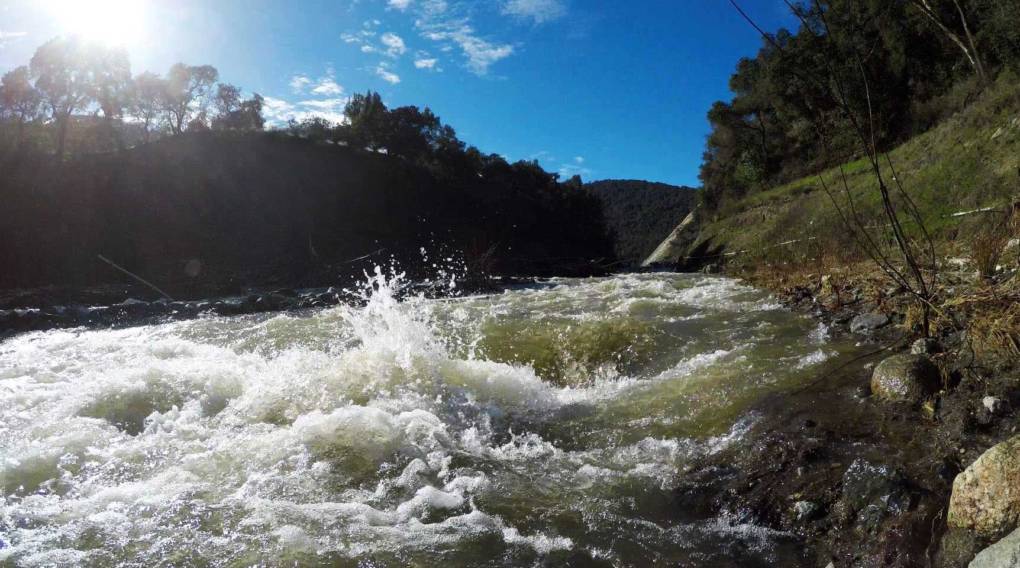
"caption": "A swath of the Carmel River, upstream from the former San Clemente Dam site, surged with water on January 26, 2017. ",
"description": null,
"title": "Carmel_River_featured_image",
"credit": "Lindsey Hoshaw/KQED",
"status": "inherit",
"isLoading": false,
"fetchFailed": false
},
"news_11296730": {
"type": "attachments",
"id": "news_11296730",
"meta": {
"index": "attachments_1716263798",
"site": "news",
"id": "11296730",
"found": true
},
"parent": 11296726,
"imgSizes": {
"small": {
"file": "https://ww2.kqed.org/app/uploads/sites/10/2017/02/EmissionsDTLA-520x292.jpg",
"width": 520,
"mimeType": "image/jpeg",
"height": 292
},
"twentyfourteen-full-width": {
"file": "https://ww2.kqed.org/app/uploads/sites/10/2017/02/EmissionsDTLA-1038x576.jpg",
"width": 1038,
"mimeType": "image/jpeg",
"height": 576
},
"thumbnail": {
"file": "https://ww2.kqed.org/app/uploads/sites/10/2017/02/EmissionsDTLA-160x90.jpg",
"width": 160,
"mimeType": "image/jpeg",
"height": 90
},
"fd-sm": {
"file": "https://ww2.kqed.org/app/uploads/sites/10/2017/02/EmissionsDTLA-960x539.jpg",
"width": 960,
"mimeType": "image/jpeg",
"height": 539
},
"post-thumbnail": {
"file": "https://ww2.kqed.org/app/uploads/sites/10/2017/02/EmissionsDTLA-672x372.jpg",
"width": 672,
"mimeType": "image/jpeg",
"height": 372
},
"xsmall": {
"file": "https://ww2.kqed.org/app/uploads/sites/10/2017/02/EmissionsDTLA-375x211.jpg",
"width": 375,
"mimeType": "image/jpeg",
"height": 211
},
"kqedFullSize": {
"file": "https://ww2.kqed.org/app/uploads/sites/10/2017/02/EmissionsDTLA.jpg",
"width": 1920,
"height": 1078
},
"large": {
"file": "https://ww2.kqed.org/app/uploads/sites/10/2017/02/EmissionsDTLA-1020x573.jpg",
"width": 1020,
"mimeType": "image/jpeg",
"height": 573
},
"xlarge": {
"file": "https://ww2.kqed.org/app/uploads/sites/10/2017/02/EmissionsDTLA-1180x663.jpg",
"width": 1180,
"mimeType": "image/jpeg",
"height": 663
},
"guest-author-50": {
"file": "https://ww2.kqed.org/app/uploads/sites/10/2017/02/EmissionsDTLA-50x50.jpg",
"width": 50,
"mimeType": "image/jpeg",
"height": 50
},
"guest-author-96": {
"file": "https://ww2.kqed.org/app/uploads/sites/10/2017/02/EmissionsDTLA-96x96.jpg",
"width": 96,
"mimeType": "image/jpeg",
"height": 96
},
"medium": {
"file": "https://ww2.kqed.org/app/uploads/sites/10/2017/02/EmissionsDTLA-800x449.jpg",
"width": 800,
"mimeType": "image/jpeg",
"height": 449
},
"guest-author-64": {
"file": "https://ww2.kqed.org/app/uploads/sites/10/2017/02/EmissionsDTLA-64x64.jpg",
"width": 64,
"mimeType": "image/jpeg",
"height": 64
},
"guest-author-32": {
"file": "https://ww2.kqed.org/app/uploads/sites/10/2017/02/EmissionsDTLA-32x32.jpg",
"width": 32,
"mimeType": "image/jpeg",
"height": 32
},
"jmtc-small-thumb": {
"file": "https://ww2.kqed.org/app/uploads/sites/10/2017/02/EmissionsDTLA-280x150.jpg",
"width": 280,
"mimeType": "image/jpeg",
"height": 150
},
"fd-lrg": {
"file": "https://ww2.kqed.org/app/uploads/sites/10/2017/02/EmissionsDTLA-1920x1078.jpg",
"width": 1920,
"mimeType": "image/jpeg",
"height": 1078
},
"fd-med": {
"file": "https://ww2.kqed.org/app/uploads/sites/10/2017/02/EmissionsDTLA-1180x663.jpg",
"width": 1180,
"mimeType": "image/jpeg",
"height": 663
},
"full-width": {
"file": "https://ww2.kqed.org/app/uploads/sites/10/2017/02/EmissionsDTLA-1920x1078.jpg",
"width": 1920,
"mimeType": "image/jpeg",
"height": 1078
},
"detail": {
"file": "https://ww2.kqed.org/app/uploads/sites/10/2017/02/EmissionsDTLA-150x150.jpg",
"width": 150,
"mimeType": "image/jpeg",
"height": 150
},
"guest-author-128": {
"file": "https://ww2.kqed.org/app/uploads/sites/10/2017/02/EmissionsDTLA-128x128.jpg",
"width": 128,
"mimeType": "image/jpeg",
"height": 128
},
"xxsmall": {
"file": "https://ww2.kqed.org/app/uploads/sites/10/2017/02/EmissionsDTLA-240x135.jpg",
"width": 240,
"mimeType": "image/jpeg",
"height": 135
}
},
"publishDate": 1485987146,
"modified": 1485987208,
"caption": "The Los Angeles skyline appears under a layer of smog -- but the city's air quality has vastly improved in recent years.",
"description": "The Los Angeles skyline appears under a layer of smog -- but the city's air quality has vastly improved in recent years.",
"title": "EmissionsDTLA",
"credit": "M. Weber/CALmatters",
"status": "inherit",
"isLoading": false,
"fetchFailed": false
},
"news_11295589": {
"type": "attachments",
"id": "news_11295589",
"meta": {
"index": "attachments_1716263798",
"site": "news",
"id": "11295589",
"found": true
},
"parent": 11295587,
"imgSizes": {
"small": {
"file": "https://ww2.kqed.org/app/uploads/sites/10/2017/01/8705259855_725d181754_o-1-520x453.jpg",
"width": 520,
"mimeType": "image/jpeg",
"height": 453
},
"twentyfourteen-full-width": {
"file": "https://ww2.kqed.org/app/uploads/sites/10/2017/01/8705259855_725d181754_o-1-1038x576.jpg",
"width": 1038,
"mimeType": "image/jpeg",
"height": 576
},
"thumbnail": {
"file": "https://ww2.kqed.org/app/uploads/sites/10/2017/01/8705259855_725d181754_o-1-160x140.jpg",
"width": 160,
"mimeType": "image/jpeg",
"height": 140
},
"fd-sm": {
"file": "https://ww2.kqed.org/app/uploads/sites/10/2017/01/8705259855_725d181754_o-1-960x837.jpg",
"width": 960,
"mimeType": "image/jpeg",
"height": 837
},
"post-thumbnail": {
"file": "https://ww2.kqed.org/app/uploads/sites/10/2017/01/8705259855_725d181754_o-1-672x372.jpg",
"width": 672,
"mimeType": "image/jpeg",
"height": 372
},
"xsmall": {
"file": "https://ww2.kqed.org/app/uploads/sites/10/2017/01/8705259855_725d181754_o-1-375x327.jpg",
"width": 375,
"mimeType": "image/jpeg",
"height": 327
},
"kqedFullSize": {
"file": "https://ww2.kqed.org/app/uploads/sites/10/2017/01/8705259855_725d181754_o-1.jpg",
"width": 2815,
"height": 2455
},
"large": {
"file": "https://ww2.kqed.org/app/uploads/sites/10/2017/01/8705259855_725d181754_o-1-1020x890.jpg",
"width": 1020,
"mimeType": "image/jpeg",
"height": 890
},
"xlarge": {
"file": "https://ww2.kqed.org/app/uploads/sites/10/2017/01/8705259855_725d181754_o-1-1180x1029.jpg",
"width": 1180,
"mimeType": "image/jpeg",
"height": 1029
},
"guest-author-50": {
"file": "https://ww2.kqed.org/app/uploads/sites/10/2017/01/8705259855_725d181754_o-1-50x50.jpg",
"width": 50,
"mimeType": "image/jpeg",
"height": 50
},
"guest-author-96": {
"file": "https://ww2.kqed.org/app/uploads/sites/10/2017/01/8705259855_725d181754_o-1-96x96.jpg",
"width": 96,
"mimeType": "image/jpeg",
"height": 96
},
"medium": {
"file": "https://ww2.kqed.org/app/uploads/sites/10/2017/01/8705259855_725d181754_o-1-800x698.jpg",
"width": 800,
"mimeType": "image/jpeg",
"height": 698
},
"guest-author-64": {
"file": "https://ww2.kqed.org/app/uploads/sites/10/2017/01/8705259855_725d181754_o-1-64x64.jpg",
"width": 64,
"mimeType": "image/jpeg",
"height": 64
},
"guest-author-32": {
"file": "https://ww2.kqed.org/app/uploads/sites/10/2017/01/8705259855_725d181754_o-1-32x32.jpg",
"width": 32,
"mimeType": "image/jpeg",
"height": 32
},
"jmtc-small-thumb": {
"file": "https://ww2.kqed.org/app/uploads/sites/10/2017/01/8705259855_725d181754_o-1-280x150.jpg",
"width": 280,
"mimeType": "image/jpeg",
"height": 150
},
"fd-lrg": {
"file": "https://ww2.kqed.org/app/uploads/sites/10/2017/01/8705259855_725d181754_o-1-1920x1674.jpg",
"width": 1920,
"mimeType": "image/jpeg",
"height": 1674
},
"fd-med": {
"file": "https://ww2.kqed.org/app/uploads/sites/10/2017/01/8705259855_725d181754_o-1-1180x1029.jpg",
"width": 1180,
"mimeType": "image/jpeg",
"height": 1029
},
"full-width": {
"file": "https://ww2.kqed.org/app/uploads/sites/10/2017/01/8705259855_725d181754_o-1-1920x1674.jpg",
"width": 1920,
"mimeType": "image/jpeg",
"height": 1674
},
"detail": {
"file": "https://ww2.kqed.org/app/uploads/sites/10/2017/01/8705259855_725d181754_o-1-150x150.jpg",
"width": 150,
"mimeType": "image/jpeg",
"height": 150
},
"guest-author-128": {
"file": "https://ww2.kqed.org/app/uploads/sites/10/2017/01/8705259855_725d181754_o-1-128x128.jpg",
"width": 128,
"mimeType": "image/jpeg",
"height": 128
},
"xxsmall": {
"file": "https://ww2.kqed.org/app/uploads/sites/10/2017/01/8705259855_725d181754_o-1-240x209.jpg",
"width": 240,
"mimeType": "image/jpeg",
"height": 209
}
},
"publishDate": 1485920073,
"modified": 1485920191,
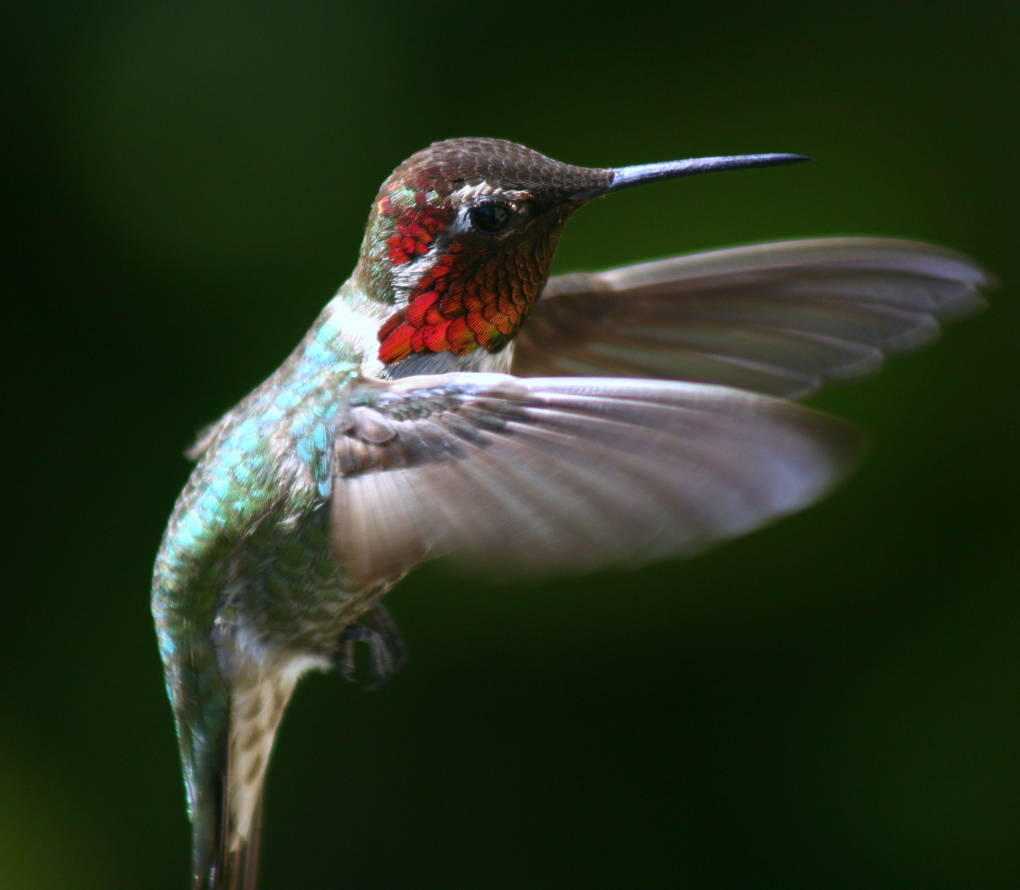
"caption": "A male Anna's hummingbird. ",
"description": null,
"title": "Anna's Hummingbird",
"credit": "\u003ca href=\"\" target=\"_blank\">T.J. Gehling/Flickr\u003c/a>",
"status": "inherit",
"isLoading": false,
"fetchFailed": false
}
},
"audioPlayerReducer": {
"postId": "stream_live",
"isPaused": true,
"isPlaying": false,
"pfsActive": false,
"pledgeModalIsOpen": true,
"playerDrawerIsOpen": false,
"liveAudioPlayStartedAt": 0,
"liveAudioPlayContext": ""
},
"authorsReducer": {
"byline_news_11309129": {
"type": "authors",
"id": "byline_news_11309129",
"meta": {
"override": true
},
"slug": "byline_news_11309129",
"name": "Scott Smith \u003cbr> Associated Press",
"isLoading": false
},
"byline_news_11307668": {
"type": "authors",
"id": "byline_news_11307668",
"meta": {
"override": true
},
"slug": "byline_news_11307668",
"name": "KPCC staff",
"isLoading": false
},
"byline_news_11307284": {
"type": "authors",
"id": "byline_news_11307284",
"meta": {
"override": true
},
"slug": "byline_news_11307284",
"name": "Bill Chappell",
"isLoading": false
},
"byline_news_11296726": {
"type": "authors",
"id": "byline_news_11296726",
"meta": {
"override": true
},
"slug": "byline_news_11296726",
"name": "\u003cstrong>\u003ca href=\"https://calmatters.org/about/staff/julie-cart/\">Julie Cart\u003c/a>\u003cbr>\u003ca href=\"https://calmatters.org/\">CALmatters\u003c/a>\u003c/strong>",
"isLoading": false
},
"byline_news_11295587": {
"type": "authors",
"id": "byline_news_11295587",
"meta": {
"override": true
},
"slug": "byline_news_11295587",
"name": "\u003cstrong>Kristin J. Bender\u003cbr />Associated Press\u003c/strong>",
"isLoading": false
},
"cmiller": {
"type": "authors",
"id": "221",
"meta": {
"index": "authors_1716337520",
"id": "221",
"found": true
},
"name": "Craig Miller",
"firstName": "Craig",
"lastName": "Miller",
"slug": "cmiller",
"email": "craig@voxterra.net",
"display_author_email": false,
"staff_mastheads": [
"science"
],
"title": "Editor Emeritus, Science",
"bio": "Craig is a former KQED Science editor, specializing in weather, climate, water & energy issues, with a little seismology thrown in just to shake things up. Prior to that, he launched and led the station's award-winning multimedia project, Climate Watch. Craig is also an accomplished writer/producer of television documentaries, with a focus on natural resource issues.",
"avatar": "https://secure.gravatar.com/avatar/b91661df645e001a9cafe0861fa685f9?s=600&d=blank&r=g",
"twitter": "voxterra",
"facebook": null,
"instagram": null,
"linkedin": null,
"sites": [
{
"site": "news",
"roles": [
"author"
]
},
{
"site": "futureofyou",
"roles": [
"editor"
]
},
{
"site": "stateofhealth",
"roles": [
"author"
]
},
{
"site": "science",
"roles": [
"editor"
]
},
{
"site": "quest",
"roles": [
"editor"
]
}
],
"headData": {
"title": "Craig Miller | KQED",
"description": "Editor Emeritus, Science",
"ogImgSrc": "https://secure.gravatar.com/avatar/b91661df645e001a9cafe0861fa685f9?s=600&d=blank&r=g",
"twImgSrc": "https://secure.gravatar.com/avatar/b91661df645e001a9cafe0861fa685f9?s=600&d=blank&r=g"
},
"isLoading": false,
"link": "/author/cmiller"
},
"danbrekke": {
"type": "authors",
"id": "222",
"meta": {
"index": "authors_1716337520",
"id": "222",
"found": true
},
"name": "Dan Brekke",
"firstName": "Dan",
"lastName": "Brekke",
"slug": "danbrekke",
"email": "dbrekke@kqed.org",
"display_author_email": true,
"staff_mastheads": [
"news",
"science"
],
"title": "KQED Editor and Reporter",
"bio": "Dan Brekke is a reporter and editor for KQED News, responsible for coverage of topics ranging from California water issues to the Bay Area's transportation challenges. In a newsroom career that began in Chicago in 1972, Dan has worked for \u003cem>The San Francisco Examiner,\u003c/em> Wired and TechTV and has been published in The New York Times, The New York Times Magazine, Business 2.0, Salon and elsewhere.\r\n\r\nSince joining KQED in 2007, Dan has reported, edited and produced both radio and online features and breaking news pieces. He has shared as both editor and reporter in four Society of Professional Journalists Norcal Excellence in Journalism awards and one Edward R. Murrow regional award. He was chosen for a spring 2017 residency at the Mesa Refuge to advance his research on California salmon.\r\n\r\nEmail Dan at: \u003ca href=\"mailto:dbrekke@kqed.org\">dbrekke@kqed.org\u003c/a>\r\n\r\n\u003cstrong>Twitter:\u003c/strong> \u003ca href=\"https://twitter.com/danbrekke\" rel=\"noopener noreferrer\">twitter.com/danbrekke\u003c/a>\r\n\u003cstrong>Facebook:\u003c/strong> \u003ca href=\"https://www.facebook.com/danbrekke\" rel=\"noopener noreferrer\">www.facebook.com/danbrekke\u003c/a>\r\n\u003cstrong>LinkedIn:\u003c/strong> \u003ca href=\"https://www.linkedin.com/in/danbrekke\" rel=\"noopener noreferrer\">www.linkedin.com/in/danbrekke\u003c/a>",
"avatar": "https://secure.gravatar.com/avatar/8f1f0d2a978fb3b23426c922c7e2af558fa36905b49c4ce76a97dc3c72d27226?s=600&d=mm&r=g",
"twitter": "danbrekke",
"bluesky": null,
"facebook": null,
"instagram": "https://www.instagram.com/dan.brekke/",
"linkedin": "https://www.linkedin.com/in/danbrekke/",
"sites": [
{
"site": "news",
"roles": [
"administrator",
"create_posts"
]
},
{
"site": "stateofhealth",
"roles": [
"editor"
]
},
{
"site": "science",
"roles": [
"editor"
]
},
{
"site": "quest",
"roles": [
"contributor"
]
},
{
"site": "food",
"roles": [
"contributor"
]
},
{
"site": "forum",
"roles": [
"contributor"
]
},
{
"site": "elections",
"roles": [
"editor"
]
},
{
"site": "liveblog",
"roles": [
"editor"
]
}
],
"headData": {
"title": "Dan Brekke | KQED",
"description": "KQED Editor and Reporter",
"ogImgSrc": "https://secure.gravatar.com/avatar/8f1f0d2a978fb3b23426c922c7e2af558fa36905b49c4ce76a97dc3c72d27226?s=600&d=mm&r=g",
"twImgSrc": "https://secure.gravatar.com/avatar/8f1f0d2a978fb3b23426c922c7e2af558fa36905b49c4ce76a97dc3c72d27226?s=600&d=mm&r=g"
},
"isLoading": false,
"link": "/author/danbrekke"
},
"tgoldberg": {
"type": "authors",
"id": "258",
"meta": {
"index": "authors_1716337520",
"id": "258",
"found": true
},
"name": "Ted Goldberg",
"firstName": "Ted",
"lastName": "Goldberg",
"slug": "tgoldberg",
"email": "tgoldberg@kqed.org",
"display_author_email": true,
"staff_mastheads": [
"news"
],
"title": "KQED Managing Editor, News and Newscasts",
"bio": "Ted Goldberg is Managing Editor of News and Newscasts at KQED. His main reporting beat is the Bay Area's oil refining industry.\r\n\r\nPrior to joining KQED in 2014, Ted worked at CBS News and WCBS AM in New York and Bay City News and KCBS Radio in San Francisco. He graduated from Oberlin College in Ohio in 1998.",
"avatar": "https://secure.gravatar.com/avatar/30ce2e4fe89135e104f89be2394d16225b9d36c121b5b3cb7651ce642978b96f?s=600&d=blank&r=g",
"twitter": "TedrickG",
"bluesky": null,
"facebook": null,
"instagram": null,
"linkedin": null,
"sites": [
{
"site": "news",
"roles": [
"editor"
]
},
{
"site": "science",
"roles": [
"editor"
]
}
],
"headData": {
"title": "Ted Goldberg | KQED",
"description": "KQED Managing Editor, News and Newscasts",
"ogImgSrc": "https://secure.gravatar.com/avatar/30ce2e4fe89135e104f89be2394d16225b9d36c121b5b3cb7651ce642978b96f?s=600&d=blank&r=g",
"twImgSrc": "https://secure.gravatar.com/avatar/30ce2e4fe89135e104f89be2394d16225b9d36c121b5b3cb7651ce642978b96f?s=600&d=blank&r=g"
},
"isLoading": false,
"link": "/author/tgoldberg"
},
"lindseyhoshaw": {
"type": "authors",
"id": "5432",
"meta": {
"index": "authors_1716337520",
"id": "5432",
"found": true
},
"name": "Lindsey Hoshaw",
"firstName": "Lindsey",
"lastName": "Hoshaw",
"slug": "lindseyhoshaw",
"email": "lhoshaw@kqed.org",
"display_author_email": false,
"staff_mastheads": [],
"title": "KQED Contributor",
"bio": "Lindsey Hoshaw is a former interactive producer for KQED Science. Before joining KQED, Lindsey was a science correspondent for The New York Times, The Boston Globe, Forbes and Scientific American. On Twitter @lindseyhoshaw",
"avatar": "https://secure.gravatar.com/avatar/274b07694c998eaa8f26cfabaa941186?s=600&d=mm&r=g",
"twitter": "lindseyhoshaw",
"facebook": "lindsey.hoshaw.9",
"instagram": null,
"linkedin": null,
"sites": [
{
"site": "arts",
"roles": [
"author"
]
},
{
"site": "news",
"roles": [
"subscriber"
]
},
{
"site": "futureofyou",
"roles": [
"editor"
]
},
{
"site": "bayareabites",
"roles": [
"contributor"
]
},
{
"site": "stateofhealth",
"roles": [
"author"
]
},
{
"site": "science",
"roles": [
"edit_theme_options",
"subscriber"
]
},
{
"site": "quest",
"roles": [
"edit_post_subscriptions",
"edit_usergroups",
"unfiltered_html",
"unfiltered_upload",
"leadcoordinator",
"editor"
]
},
{
"site": "food",
"roles": []
}
],
"headData": {
"title": "Lindsey Hoshaw | KQED",
"description": "KQED Contributor",
"ogImgSrc": "https://secure.gravatar.com/avatar/274b07694c998eaa8f26cfabaa941186?s=600&d=mm&r=g",
"twImgSrc": "https://secure.gravatar.com/avatar/274b07694c998eaa8f26cfabaa941186?s=600&d=mm&r=g"
},
"isLoading": false,
"link": "/author/lindseyhoshaw"
},
"kqedscience": {
"type": "authors",
"id": "6387",
"meta": {
"index": "authors_1716337520",
"id": "6387",
"found": true
},
"name": "KQED Science",
"firstName": "KQED",
"lastName": "Science",
"slug": "kqedscience",
"email": "kqedscience@gmail.com",
"display_author_email": false,
"staff_mastheads": [],
"title": null,
"bio": "KQED Science brings you award-winning science and environment coverage from the Bay Area and beyond by the flagship Northern California PBS and NPR affiliate.",
"avatar": "https://secure.gravatar.com/avatar/5a295ff49cf82a8c0f30937d3f788b2f?s=600&d=blank&r=g",
"twitter": null,
"facebook": null,
"instagram": null,
"linkedin": null,
"sites": [
{
"site": "science",
"roles": [
"contributor"
]
},
{
"site": "quest",
"roles": [
"editor"
]
},
{
"site": "food",
"roles": [
"contributor"
]
}
],
"headData": {
"title": "KQED Science | KQED",
"description": null,
"ogImgSrc": "https://secure.gravatar.com/avatar/5a295ff49cf82a8c0f30937d3f788b2f?s=600&d=blank&r=g",
"twImgSrc": "https://secure.gravatar.com/avatar/5a295ff49cf82a8c0f30937d3f788b2f?s=600&d=blank&r=g"
},
"isLoading": false,
"link": "/author/kqedscience"
},
"mpeterson": {
"type": "authors",
"id": "11223",
"meta": {
"index": "authors_1716337520",
"id": "11223",
"found": true
},
"name": "Molly Peterson",
"firstName": "Molly",
"lastName": "Peterson",
"slug": "mpeterson",
"email": "mpeterson@kqed.org",
"display_author_email": false,
"staff_mastheads": [],
"title": null,
"bio": "Molly Peterson reports for KQED science and news on climate change, catastrophe and risk. Previously she was environment correspondent at Southern California Public Radio. Her work has also appeared at The New York Times, The Guardian, on NPR, at High Country News, on Code Switch, and other national outlets. She has been honored with awards from Public Radio News Directors Incorporated, Investigative Reporters and Editors, the Society for Professional Journalists, the Los Angeles Press Club, and RTNDA Edward R. Murrow awards, among others.",
"avatar": "https://secure.gravatar.com/avatar/7908e2807131f776cc8165c649530b05?s=600&d=blank&r=g",
"twitter": "Mollydacious",
"facebook": null,
"instagram": "https://www.instagram.com/radiomolly/",
"linkedin": null,
"sites": [
{
"site": "news",
"roles": [
"subscriber"
]
},
{
"site": "futureofyou",
"roles": [
"editor"
]
},
{
"site": "science",
"roles": [
"editor"
]
}
],
"headData": {
"title": "Molly Peterson | KQED",
"description": null,
"ogImgSrc": "https://secure.gravatar.com/avatar/7908e2807131f776cc8165c649530b05?s=600&d=blank&r=g",
"twImgSrc": "https://secure.gravatar.com/avatar/7908e2807131f776cc8165c649530b05?s=600&d=blank&r=g"
},
"isLoading": false,
"link": "/author/mpeterson"
}
},
"pagesReducer": {
"science_category_environment": {
"type": "terms",
"id": "science_35",
"meta": {
"index": "terms_1716263798",
"site": "science",
"id": "35",
"score": 12.138481
},
"featImg": null,
"name": "Environment",
"description": null,
"taxonomy": "category",
"headData": {
"twImgId": null,
"twTitle": null,
"ogTitle": null,
"ogImgId": null,
"twDescription": null,
"description": null,
"title": "Environment Archives | KQED Science",
"ogDescription": null
},
"ttid": 37,
"slug": "environment",
"isLoading": false,
"title": "Environment",
"pageMeta": {
"site": "science",
"WpPageTemplate": "page-topic-editorial",
"currentPage": 120
},
"blocks": [
{
"blockName": "kqed/post-list",
"attrs": {
"layout": "cardArticle2",
"query": "posts/science?category=environment",
"seeMore": false,
"paginated": true,
"page": 120
}
},
{
"blockName": "kqed/ad"
}
]
}
},
"pfsSessionReducer": {},
"postsReducer": {
"stream_live": {
"type": "live",
"id": "stream_live",
"audioUrl": "https://streams.kqed.org/kqedradio",
"title": "Live Stream",
"excerpt": "Live Stream information currently unavailable.",
"link": "/radio",
"featImg": "",
"label": {
"name": "KQED Live",
"link": "/"
}
},
"stream_kqedNewscast": {
"type": "posts",
"id": "stream_kqedNewscast",
"audioUrl": "https://www.kqed.org/.stream/anon/radio/RDnews/newscast.mp3?_=1",
"title": "KQED Newscast",
"featImg": "",
"label": {
"name": "88.5 FM",
"link": "/"
}
},
"news_11312367": {
"type": "posts",
"id": "news_11312367",
"meta": {
"index": "posts_1716263798",
"site": "news",
"id": "11312367",
"score": null,
"sort": [
1486854757000
]
},
"parent": 0,
"labelTerm": {
"site": "news",
"term": 72
},
"blocks": [],
"publishDate": 1486854757,
"format": "aside",
"disqusTitle": "Lake Oroville Photo Gallery: Floodwater Cascades Over Emergency Spillway",
"title": "Lake Oroville Photo Gallery: Floodwater Cascades Over Emergency Spillway",
"headTitle": "The California Report | KQED News",
"content": "\u003cp>\u003c!-- iframe plugin v.4.3 wordpress.org/plugins/iframe/ -->\u003cbr>\n\u003ciframe width=\"800\" height=\"450\" src=\"https://www.youtube.com/embed/bephol1Ormg\" frameborder=\"0\" scrolling=\"yes\" class=\"iframe-class\">\u003c/iframe>\u003c/p>\n\u003cp>\u003ca href=\"https://ww2.kqed.org/news/2017/02/07/engineers-assess-spillway-problem-at-oroville-dam/\" target=\"_blank\">As Lake Oroville filled this week\u003c/a>, heading inexorably toward today's spill over a never-before-used emergency release point, one of the many things I couldn't quite get my mind around was: What will it look like?\u003c/p>\n\u003cp>Now we know. The state Department of Water Resources has provided some excellent images of the unfolding crisis this week, including the drone video at the top of this post, and shots taken today and featured in the photo gallery below.\u003c/p>\n\u003cp>Those pictures portray a more benign reality, though, than the YouTube video below, which shows the effect of the increasing emergency spillway flows as they hit the Thermalito Diversion Pool -- the waterway that carries the spillway flows to the Feather River at Oroville.\u003c/p>\n\u003cp>[youtube https://www.youtube.com/watch?v=uux0bjzSh7Y&w=800&h=450]\u003c/p>\n\u003cp>DWR officials have talked the past couple of days about the flow of mud and debris that could occur if water came over the emergency weir. Hearing it is one thing. Seeing it another.\u003cbr>\n\u003cem>\u003cbr>\n(Click on images below to open photo slideshow.)\u003c/em>\u003c/p>\n\u003cp>[ad fullwidth]\u003c/p>\n\u003cp>\u003c/p>\n\u003cp>[gallery type=\"rectangular\" size=\"medium\" ids=\"11312368,11312369,11312370,11312371,11312372,11312373,11312374,11312375,11312376,11312377,11313606,11313607,11313608,11313609,11313610,11313611,11313612,11313613\"]\u003c/p>\n\n",
"disqusIdentifier": "11312367 https://ww2.kqed.org/news/?p=11312367",
"disqusUrl": "https://ww2.kqed.org/news/2017/02/11/lake-oroville-photo-gallery-floodwater-cascades-over-emergency-spillway/",
"stats": {
"hasVideo": true,
"hasChartOrMap": false,
"hasAudio": false,
"hasPolis": false,
"wordCount": 205,
"hasGoogleForm": false,
"hasGallery": true,
"hasHearkenModule": false,
"iframeSrcs": [],
"paragraphCount": 9
},
"modified": 1486923235,
"excerpt": "As lake filled, it was hard to imagine what it would look like if it overflowed. Now we know. ",
"headData": {
"twImgId": "",
"twTitle": "",
"ogTitle": "",
"ogImgId": "",
"twDescription": "",
"description": "As lake filled, it was hard to imagine what it would look like if it overflowed. Now we know. ",
"title": "Lake Oroville Photo Gallery: Floodwater Cascades Over Emergency Spillway | KQED",
"ogDescription": "",
"schema": {
"@context": "https://schema.org",
"@type": "NewsArticle",
"headline": "Lake Oroville Photo Gallery: Floodwater Cascades Over Emergency Spillway",
"datePublished": "2017-02-11T15:12:37-08:00",
"dateModified": "2017-02-12T10:13:55-08:00",
"image": "https://cdn.kqed.org/wp-content/uploads/2020/02/KQED-OG-Image@1x.png",
"isAccessibleForFree": "True",
"publisher": {
"@type": "NewsMediaOrganization",
"@id": "https://www.kqed.org/#organization",
"name": "KQED",
"logo": "https://cdn.kqed.org/wp-content/uploads/2020/02/KQED-OG-Image@1x.png",
"url": "https://www.kqed.org",
"sameAs": [
"https://www.facebook.com/KQED",
"https://twitter.com/KQED",
"https://www.instagram.com/kqed/",
"https://www.tiktok.com/@kqedofficial",
"https://www.linkedin.com/company/kqed",
"https://www.youtube.com/channel/UCeC0IOo7i1P_61zVUWbJ4nw"
]
}
}
},
"guestAuthors": [],
"slug": "lake-oroville-photo-gallery-floodwater-cascades-over-emergency-spillway",
"status": "publish",
"path": "/news/11312367/lake-oroville-photo-gallery-floodwater-cascades-over-emergency-spillway",
"audioTrackLength": null,
"parsedContent": [
{
"type": "contentString",
"content": "\u003cdiv class=\"post-body\">\u003cp>\u003cp>\u003c!-- iframe plugin v.4.3 wordpress.org/plugins/iframe/ -->\u003cbr>\n\u003ciframe width=\"800\" height=\"450\" src=\"https://www.youtube.com/embed/bephol1Ormg\" frameborder=\"0\" scrolling=\"yes\" class=\"iframe-class\">\u003c/iframe>\u003c/p>\n\u003cp>\u003ca href=\"https://ww2.kqed.org/news/2017/02/07/engineers-assess-spillway-problem-at-oroville-dam/\" target=\"_blank\">As Lake Oroville filled this week\u003c/a>, heading inexorably toward today's spill over a never-before-used emergency release point, one of the many things I couldn't quite get my mind around was: What will it look like?\u003c/p>\n\u003cp>Now we know. The state Department of Water Resources has provided some excellent images of the unfolding crisis this week, including the drone video at the top of this post, and shots taken today and featured in the photo gallery below.\u003c/p>\n\u003cp>Those pictures portray a more benign reality, though, than the YouTube video below, which shows the effect of the increasing emergency spillway flows as they hit the Thermalito Diversion Pool -- the waterway that carries the spillway flows to the Feather River at Oroville.\u003c/p>\n\u003cp>\u003c/p>\u003cp>\u003cspan class='utils-parseShortcode-shortcodes-__youtubeShortcode__embedYoutube'>\n \u003cspan class='utils-parseShortcode-shortcodes-__youtubeShortcode__embedYoutubeInside'>\n \u003ciframe\n loading='lazy'\n class='utils-parseShortcode-shortcodes-__youtubeShortcode__youtubePlayer'\n type='text/html'\n src='//www.youtube.com/embed/uux0bjzSh7Y'\n title='//www.youtube.com/embed/uux0bjzSh7Y'\n allowfullscreen='true'\n style='border:0;'>\u003c/iframe>\n \u003c/span>\n \u003c/span>\u003c/p>\u003cp>\u003c/p>\n\u003cp>DWR officials have talked the past couple of days about the flow of mud and debris that could occur if water came over the emergency weir. Hearing it is one thing. Seeing it another.\u003cbr>\n\u003cem>\u003cbr>\n(Click on images below to open photo slideshow.)\u003c/em>\u003c/p>\n\u003cp>\u003c/p>\u003c/div>",
"attributes": {
"named": {},
"numeric": []
}
},
{
"type": "component",
"content": "",
"name": "ad",
"attributes": {
"named": {
"label": "fullwidth"
},
"numeric": [
"fullwidth"
]
}
},
{
"type": "contentString",
"content": "\u003cdiv class=\"post-body\">\u003cp>\u003c/p>\n\u003cp>\u003c/p>\n\u003cp>\u003c/p>\u003c/div>",
"attributes": {
"named": {},
"numeric": []
}
},
{
"type": "component",
"content": "",
"name": "gallery",
"attributes": {
"named": {
"type": "rectangular",
"size": "medium",
"ids": "11312368,11312369,11312370,11312371,11312372,11312373,11312374,11312375,11312376,11312377,11313606,11313607,11313608,11313609,11313610,11313611,11313612,11313613",
"label": ""
},
"numeric": []
}
},
{
"type": "contentString",
"content": "\u003cdiv class=\"post-body\">\u003cp>\u003c/p>\n\n\u003c/div>\u003c/p>",
"attributes": {
"named": {},
"numeric": []
}
}
],
"link": "/news/11312367/lake-oroville-photo-gallery-floodwater-cascades-over-emergency-spillway",
"authors": [
"222"
],
"programs": [
"news_6944",
"news_72"
],
"categories": [
"news_19906",
"news_8",
"news_356"
],
"tags": [
"news_4175",
"news_20509",
"news_5641"
],
"featImg": "news_11312374",
"label": "news_72"
},
"news_11310716": {
"type": "posts",
"id": "news_11310716",
"meta": {
"index": "posts_1716263798",
"site": "news",
"id": "11310716",
"score": null,
"sort": [
1486769823000
]
},
"parent": 0,
"labelTerm": {
"site": "news",
"term": 72
},
"blocks": [],
"publishDate": 1486769823,
"format": "standard",
"disqusTitle": "Fellow Workers Devastated by Accident That Killed Contractor After Santa Cruz County Mudslide",
"title": "Fellow Workers Devastated by Accident That Killed Contractor After Santa Cruz County Mudslide",
"headTitle": "The California Report | KQED News",
"content": "\u003cp>The California Highway Patrol is looking into the inspection history of the dump truck that backed over and killed a construction employee and pinned his co-worker on Highway 17 near Scotts Valley in Santa Cruz County on Thursday, a tragedy that has devastated their employer, one of California's oldest and largest construction companies.\u003c/p>\n\u003cp>The CHP investigation into the death of 54-year-old Robert Gill and the serious injury to 33-year-old Stephen Whitmire is also focusing on whether the truck had working backup warning alarms at the time, according to CHP officer Trista Drake.\u003c/p>\n\u003cp>Drake said Friday that the CHP inspected the truck in the hours after the incident and has interviewed witnesses, including the unidentified truck driver, but did not plan on releasing its investigative results any time soon.\u003c/p>\n\u003cp>Gill and Whitmire were doing contract work for Caltrans, helping to remove a mudslide from the highway around noon on Thursday so the agency could reopen the road to drivers.\u003c/p>\n\u003cp>Investigators believe the truck was backing up toward a hill when the workers were hit, Drake said. Gill was pronounced dead at the scene.\u003c/p>\n\u003cp>[ad fullwidth]\u003c/p>\n\u003cp>Whitmire was found pinned underneath the rear of the truck when CHP crews arrived, Drake said. Rescuers extricated him and took him by ambulance to a local hospital, conscious and talking at the time, she said. He is believed to be in stable condition.\u003c/p>\n\u003cp>Both men were employed by Watsonville-based \u003ca href=\"http://www.graniterock.com/\" target=\"_blank\">Graniterock\u003c/a>, a 117-year-old family-owned construction materials and services company, which holds offices and does work in the San Francisco and Monterey Bay areas.\u003c/p>\n\u003cp>The firm has deep history with California. In fact, it has been around longer than the state agency that regulates similar construction firms. Graniterock got its license from the Contractors State License Board in 1929, one of the first companies to do so, according to agency spokesman Rick Lopes.\u003c/p>\n\u003cp>The nearly 1,000 workers there are reeling, according to Shanna Crigger, spokeswoman for Graniterock.\u003c/p>\n\u003cp>\"We are all mourning. We are all in a state of shock,\" Crigger said. \"We are struggling to come to terms with losing someone who was just an incredible person and incredible team member.\"\u003c/p>\n\u003cp>Gill, who worked at the company for 15 years, was \"someone who everybody loved and knew ... he was funny, outgoing, hardworking, always on our high-profile jobs,\" she said.\u003c/p>\n\u003cp>The Santa Cruz County Coroner's Office plans to conduct an autopsy on Gill's body next week, according to Sgt. Chris Clark of the sheriff's office.\u003c/p>\n\u003cp>Along with the CHP, California’s Division of Occupational Safety and Health -- Cal/OSHA -- has opened an investigation into the incident, agency spokesman Erika Monterroza said.\u003c/p>\n\u003cp>Graniterock has set up an online \u003ca href=\"https://www.youcaring.com/bobbygillsfamily-754724\" target=\"_blank\">fundraiser \u003c/a>for Gill's wife and two children.\u003c/p>\n\u003cp>\u003c/p>\n\u003cp>\u003cem>KQED's Tiffany Camhi contributed reporting to this story.\u003c/em>\u003c/p>\n\n",
"disqusIdentifier": "11310716 https://ww2.kqed.org/news/?p=11310716",
"disqusUrl": "https://ww2.kqed.org/news/2017/02/10/santa-cruz-highway-mudslide-that-killed-contractor-injured-another-devastates-fellow-workers/",
"stats": {
"hasVideo": false,
"hasChartOrMap": false,
"hasAudio": false,
"hasPolis": false,
"wordCount": 488,
"hasGoogleForm": false,
"hasGallery": false,
"hasHearkenModule": false,
"iframeSrcs": [],
"paragraphCount": 17
},
"modified": 1486776094,
"excerpt": "'We are all mourning. We are all in a state of shock,' a Graniterock spokeswoman said.",
"headData": {
"twImgId": "",
"twTitle": "",
"ogTitle": "",
"ogImgId": "",
"twDescription": "",
"description": "'We are all mourning. We are all in a state of shock,' a Graniterock spokeswoman said.",
"title": "Fellow Workers Devastated by Accident That Killed Contractor After Santa Cruz County Mudslide | KQED",
"ogDescription": "",
"schema": {
"@context": "https://schema.org",
"@type": "NewsArticle",
"headline": "Fellow Workers Devastated by Accident That Killed Contractor After Santa Cruz County Mudslide",
"datePublished": "2017-02-10T15:37:03-08:00",
"dateModified": "2017-02-10T17:21:34-08:00",
"image": "https://cdn.kqed.org/wp-content/uploads/2020/02/KQED-OG-Image@1x.png",
"isAccessibleForFree": "True",
"publisher": {
"@type": "NewsMediaOrganization",
"@id": "https://www.kqed.org/#organization",
"name": "KQED",
"logo": "https://cdn.kqed.org/wp-content/uploads/2020/02/KQED-OG-Image@1x.png",
"url": "https://www.kqed.org",
"sameAs": [
"https://www.facebook.com/KQED",
"https://twitter.com/KQED",
"https://www.instagram.com/kqed/",
"https://www.tiktok.com/@kqedofficial",
"https://www.linkedin.com/company/kqed",
"https://www.youtube.com/channel/UCeC0IOo7i1P_61zVUWbJ4nw"
]
}
}
},
"guestAuthors": [],
"slug": "santa-cruz-highway-mudslide-that-killed-contractor-injured-another-devastates-fellow-workers",
"status": "publish",
"path": "/news/11310716/santa-cruz-highway-mudslide-that-killed-contractor-injured-another-devastates-fellow-workers",
"audioTrackLength": null,
"parsedContent": [
{
"type": "contentString",
"content": "\u003cdiv class=\"post-body\">\u003cp>\u003cp>The California Highway Patrol is looking into the inspection history of the dump truck that backed over and killed a construction employee and pinned his co-worker on Highway 17 near Scotts Valley in Santa Cruz County on Thursday, a tragedy that has devastated their employer, one of California's oldest and largest construction companies.\u003c/p>\n\u003cp>The CHP investigation into the death of 54-year-old Robert Gill and the serious injury to 33-year-old Stephen Whitmire is also focusing on whether the truck had working backup warning alarms at the time, according to CHP officer Trista Drake.\u003c/p>\n\u003cp>Drake said Friday that the CHP inspected the truck in the hours after the incident and has interviewed witnesses, including the unidentified truck driver, but did not plan on releasing its investigative results any time soon.\u003c/p>\n\u003cp>Gill and Whitmire were doing contract work for Caltrans, helping to remove a mudslide from the highway around noon on Thursday so the agency could reopen the road to drivers.\u003c/p>\n\u003cp>Investigators believe the truck was backing up toward a hill when the workers were hit, Drake said. Gill was pronounced dead at the scene.\u003c/p>\n\u003cp>\u003c/p>\u003c/div>",
"attributes": {
"named": {},
"numeric": []
}
},
{
"type": "component",
"content": "",
"name": "ad",
"attributes": {
"named": {
"label": "fullwidth"
},
"numeric": [
"fullwidth"
]
}
},
{
"type": "contentString",
"content": "\u003cdiv class=\"post-body\">\u003cp>\u003c/p>\n\u003cp>Whitmire was found pinned underneath the rear of the truck when CHP crews arrived, Drake said. Rescuers extricated him and took him by ambulance to a local hospital, conscious and talking at the time, she said. He is believed to be in stable condition.\u003c/p>\n\u003cp>Both men were employed by Watsonville-based \u003ca href=\"http://www.graniterock.com/\" target=\"_blank\">Graniterock\u003c/a>, a 117-year-old family-owned construction materials and services company, which holds offices and does work in the San Francisco and Monterey Bay areas.\u003c/p>\n\u003cp>The firm has deep history with California. In fact, it has been around longer than the state agency that regulates similar construction firms. Graniterock got its license from the Contractors State License Board in 1929, one of the first companies to do so, according to agency spokesman Rick Lopes.\u003c/p>\n\u003cp>The nearly 1,000 workers there are reeling, according to Shanna Crigger, spokeswoman for Graniterock.\u003c/p>\n\u003cp>\"We are all mourning. We are all in a state of shock,\" Crigger said. \"We are struggling to come to terms with losing someone who was just an incredible person and incredible team member.\"\u003c/p>\n\u003cp>Gill, who worked at the company for 15 years, was \"someone who everybody loved and knew ... he was funny, outgoing, hardworking, always on our high-profile jobs,\" she said.\u003c/p>\n\u003cp>The Santa Cruz County Coroner's Office plans to conduct an autopsy on Gill's body next week, according to Sgt. Chris Clark of the sheriff's office.\u003c/p>\n\u003cp>Along with the CHP, California’s Division of Occupational Safety and Health -- Cal/OSHA -- has opened an investigation into the incident, agency spokesman Erika Monterroza said.\u003c/p>\n\u003cp>Graniterock has set up an online \u003ca href=\"https://www.youcaring.com/bobbygillsfamily-754724\" target=\"_blank\">fundraiser \u003c/a>for Gill's wife and two children.\u003c/p>\n\u003cp>\u003c/p>\n\u003cp>\u003cem>KQED's Tiffany Camhi contributed reporting to this story.\u003c/em>\u003c/p>\n\n\u003c/div>\u003c/p>",
"attributes": {
"named": {},
"numeric": []
}
}
],
"link": "/news/11310716/santa-cruz-highway-mudslide-that-killed-contractor-injured-another-devastates-fellow-workers",
"authors": [
"258"
],
"programs": [
"news_6944",
"news_72"
],
"categories": [
"news_19906",
"news_457",
"news_8",
"news_356",
"news_1397"
],
"tags": [
"news_1101",
"news_19542",
"news_20527",
"news_20528",
"news_17041"
],
"featImg": "news_11310953",
"label": "news_72"
},
"news_11308763": {
"type": "posts",
"id": "news_11308763",
"meta": {
"index": "posts_1716263798",
"site": "news",
"id": "11308763",
"score": null,
"sort": [
1486759280000
]
},
"parent": 0,
"labelTerm": {
"site": "news",
"term": 72
},
"blocks": [],
"publishDate": 1486759280,
"format": "standard",
"disqusTitle": "Regulators May Reopen Aliso Canyon Gas Field Over Residents’ Objections",
"title": "Regulators May Reopen Aliso Canyon Gas Field Over Residents’ Objections",
"headTitle": "The California Report | KQED News",
"content": "\u003cp>About a year after plugging the \u003ca href=\"https://ww2.kqed.org/news/2016/02/25/study-porter-ranch-gas-leak-doubled-l-a-s-methane-emissions/\" target=\"_blank\">largest methane leak in U.S. history\u003c/a>, Southern California Gas Co. \u003ca href=\"https://ww2.kqed.org/news/2017/01/18/aliso-canyon-natural-gas-field-could-reopen-after-public-hearings/\" target=\"_blank\">may once again start pumping natural gas\u003c/a> into its Aliso Canyon storage field in Los Angeles County. State regulators are weighing whether to reopen the gas field over the objections of residents and politicians.\u003c/p>\n\u003cp>\"I think the wells are safe,\" says Ken Harris, California’s Oil and Gas supervisor, one of two regulators making the decision. He says SoCalGas has replaced miles of pipeline at the field. Inspectors have cleared 37 out of 114 gas wells for operation so far and are still checking out the rest. And Harris says new rules would require more and better inspections.\u003c/p>\n\u003cp>[contextly_sidebar id=\"Jhl3w6oZu7KadEljJ9gCN4m4fd05VXbY\"]\u003c/p>\n\u003cp>“It’s the present condition of the well we have confidence in. It’s how it’s going to be operated, and the fact that these tests will be carried out in the future, so we’ll be able to follow the health of the well, something that was not done in the past,\" Harris says. “I don’t think any gas field has been through the level of scrutiny Aliso Canyon has been under.”\u003c/p>\n\u003cp>Harris says the public has to trust the technical expertise of his agency, the Division of Oil, Gas, and Geothermal Resources (DOGGR) and the California Public Utilities Commission (CPUC).\u003c/p>\n\u003cp>[ad fullwidth]\u003c/p>\n\u003cp>But hundreds of people packed public meetings in Woodland Hills last week to oppose the reopening of Aliso Canyon and say they absolutely do not trust the regulators.\u003c/p>\n\u003cp>[audio src=\"http://www.kqed.org/.stream/anon/radio/tcr/2017/02/2017-02-09b-tcr.mp3\" Image=\"https://ww2.kqed.org/news/wp-content/uploads/sites/10/2017/02/PorterRanchProtesters-800x559.jpg\" Title=\"Regulators May Reopen Aliso Canyon Gas Field, Over Objections of Residents\" program=\"The California Report\"]\u003c/p>\n\u003cp>The initial leak temporarily \u003ca href=\"https://ww2.kqed.org/news/2016/03/03/court-gives-residents-30-days-not-8-to-return-home-after-porter-ranch-leak/\" target=\"_blank\">forced thousands of families\u003c/a> in the hillside community of Porter Ranch from their homes.\u003c/p>\n\u003cp>Over the last year some disputes with SoCalGas -- like relocation costs and home cleaning -- have been settled. As of the end of 2016, SoCalGas has spent $764 million on its response to the leak, a figure that includes both site safety and upgrades and community response.\u003c/p>\n\u003ch2>Health Study Hasn’t Begun\u003c/h2>\n\u003cp>But other major questions remain unresolved. Dissatisfied Porter Ranch residents still wonder exactly what's to blame for the headaches, nosebleeds, nausea and other health symptoms reported by some residents, first during the leak and intermittently since then.\u003c/p>\n\u003caside class=\"pullquote alignright\">'We don't need you to sell us on the need or the safety of this facility. What we need is to stop being sick.'\u003ccite>Helen Ritenour, former Porter Ranch resident\u003c/cite>\u003c/aside>\n\u003cp>Those complaints flared up again during a period when the company announced it was withdrawing small amounts of gas from Aliso Canyon to cover demand on cold days in January. Twenty-nine odor complaints were filed with the South Coast Air Quality Management District (AQMD), but SoCalGas points out that fenceline data from eight pairs of monitors showed normal background levels of airborne pollutants during that time.\u003c/p>\n\u003cp>No health study is yet underway, in part because of disputes between public officials and SoCalGas about any study's scope and cost. But that's changing. On Wednesday, the AQMD settled a civil lawsuit against SoCalGas for $8.5 million, which includes $1 million for a health investigation.\u003c/p>\n\u003cp>According to a release from the AQMD, that will include “an enhanced assessment of residents' exposure to air pollution from the leak; a community health survey; and an analysis of potential associations between reported health effects and exposure to air pollutants.”\u003c/p>\n\u003cp>[audio src=\"http://www.kqed.org/.stream/anon/radio/tcr/2017/02/2017-02-10c-tcr.mp3\" Image=\"https://ww2.kqed.org/news/wp-content/uploads/sites/10/2016/09/AlisoProtest-800x533.jpg\" Title=\"Porter Ranch Doctor Calls for Independent Health Study of Gas Leak\" program=\"The California Report\"]\u003c/p>\n\u003cp>The Los Angeles County Department of Public Health -- a potential partner in the AQMD’s effort -- seeks a multiyear, multimillion-dollar study, says Angelo Bellomo, the county’s director of environmental health.\u003c/p>\n\u003cp>“Whether this facility stays closed forever, or whether it resumes operation, having the kind of study we’re talking about is the only way this community will have closure to their health concerns and needs,” he says.\u003c/p>\n\u003cp>Bellomo notes that it will take $12-13 million to fund a multiyear, \"meaningful study\" for the residents of Porter Ranch.\u003c/p>\n\u003ch2>Is a 'Root-Cause Analysis' Necessary?\u003c/h2>\n\u003cp>Residents say they’re also waiting for someone to investigate the root cause of the natural gas blowout. On the first night of two public meetings, members of the activist group Save Porter Ranch seized control of the public meeting.\u003c/p>\n\u003cp>Calen McGee, the facilitator hired by the state to run the meeting, said, “You’re stopping this meeting,” and “Stop that,” as members of the audience chanted, “We are the public! We are the public!” and “Let them speak! Let them speak!”\u003c/p>\n\u003cp>https://twitter.com/Mollydacious/status/826998046860795907\u003c/p>\n\u003cp>A leader of Save Porter Ranch, Matt Pakucko, vented his frustration through a bullhorn once his microphone was cut off.\u003c/p>\n\u003cp>“If you cannot absolutely state, with the root-cause analysis completed, what caused the blowout, then you cannot claim that this facility is safe,” Pakucko shouted.\u003c/p>\n\u003cp>State Sen. Henry Stern has introduced a bill to require that analysis to be completed before the gas field reopens. Some Republican lawmakers and U.S. Sen. Dianne Feinstein have signed on, too.\u003c/p>\n\u003cp>\"The hope is we don’t have to push the bill all the way through and that they’ll take a pause here and reassess, not rush this thing but we’ll go that route if we have to.\"\u003c/p>\n\u003cp>SoCalGas says Stern’s legislation and a root-cause analysis are “unnecessary” because a federal report has identified an equipment problem for the well that failed, SS-25.\u003c/p>\n\u003cp>That report found a leak in the outer casing of the well, and SoCalGas points out that DOGGR’s well testing covers the outer casing of every well approved to return to service.\u003c/p>\n\u003ch2>Longer-Term Questions\u003c/h2>\n\u003cp>Independent experts, including a Louisiana-based engineering firm consulting for Los Angeles County, are raising technical questions to which DOGGR and CPUC must respond before making the decision to reopen the Aliso Canyon field.\u003c/p>\n\u003cp>The company says that this storage field is critical to meeting peak demand on the coldest and hottest days, another question disputed by consultants for the county and Food and Water Watch, an advocacy group seeking to shut the gas field down permanently.\u003c/p>\n\u003cp>Required by law, the state will soon begin to look into whether it can provide enough power without Aliso Canyon’s gas reserves.\u003c/p>\n\u003cp>CPUC executive director Tim Sullivan says that question is separate from the decision to reopen, the process underway now.\u003c/p>\n\u003cp>[contextly_sidebar id=\"ujuwk8f0jd3HxKAGIq9f4k7vRzLQw2DI\"]\u003c/p>\n\u003cp>“The first decision we have to make is, based on the facts and the investments and the repairs that have been done, is the facility safe enough to open? The second question is, does it make sense to have this facility here in the long run?” Sullivan says. “And decisions in the short term aren’t necessarily influencing decisions in the long term.”\u003c/p>\n\u003cp>Liza Tucker, with the advocacy group Consumer Watchdog, says the fact that so many questions remain unanswered is itself evidence that reopening Aliso Canyon is a bad idea.\u003c/p>\n\u003cp>\"The idea that we have communities living practically on top of those gas wells and that we had a terrible accident that displaced thousands of people and sickened hundreds of people tells you something,” Tucker says. “It’s not worth the risk of reopening the facility.”\u003c/p>\n\u003cp>Helen Ritenour, a former Porter Ranch resident who testified at the recent public meeting, says regulators should take action to protect her community.\u003c/p>\n\u003cp>Fifteen months ago, when a well first blew at Aliso Canyon, Ritenour and her husband had just bought their first home in Porter Ranch, and had a baby. She told DOGGR chief Harris and CPUC executive director Sullivan that her health risks remain unknown.\u003c/p>\n\u003cp>“We don’t need you to sell us on the need or the safety of this facility. What we need is to stop being sick,” she says.\u003c/p>\n\u003cp>[ad floatright]\u003c/p>\n\u003cp>Ritenour says she and her neighbors just want to feel safe again.\u003c/p>\n\n",
"disqusIdentifier": "11308763 https://ww2.kqed.org/news/?p=11308763",
"disqusUrl": "https://ww2.kqed.org/news/2017/02/10/regulators-may-reopen-aliso-canyon-gas-field-over-residents-objections/",
"stats": {
"hasVideo": false,
"hasChartOrMap": false,
"hasAudio": true,
"hasPolis": false,
"wordCount": 1428,
"hasGoogleForm": false,
"hasGallery": false,
"hasHearkenModule": false,
"iframeSrcs": [],
"paragraphCount": 37
},
"modified": 1486771700,
"excerpt": "One of the two officials making the decision says the wells are safe. Residents who seized control of a recent public meeting aren’t reassured.",
"headData": {
"twImgId": "",
"twTitle": "",
"ogTitle": "",
"ogImgId": "",
"twDescription": "",
"description": "One of the two officials making the decision says the wells are safe. Residents who seized control of a recent public meeting aren’t reassured.",
"title": "Regulators May Reopen Aliso Canyon Gas Field Over Residents’ Objections | KQED",
"ogDescription": "",
"schema": {
"@context": "https://schema.org",
"@type": "NewsArticle",
"headline": "Regulators May Reopen Aliso Canyon Gas Field Over Residents’ Objections",
"datePublished": "2017-02-10T12:41:20-08:00",
"dateModified": "2017-02-10T16:08:20-08:00",
"image": "https://cdn.kqed.org/wp-content/uploads/2020/02/KQED-OG-Image@1x.png",
"isAccessibleForFree": "True",
"publisher": {
"@type": "NewsMediaOrganization",
"@id": "https://www.kqed.org/#organization",
"name": "KQED",
"logo": "https://cdn.kqed.org/wp-content/uploads/2020/02/KQED-OG-Image@1x.png",
"url": "https://www.kqed.org",
"sameAs": [
"https://www.facebook.com/KQED",
"https://twitter.com/KQED",
"https://www.instagram.com/kqed/",
"https://www.tiktok.com/@kqedofficial",
"https://www.linkedin.com/company/kqed",
"https://www.youtube.com/channel/UCeC0IOo7i1P_61zVUWbJ4nw"
]
}
}
},
"guestAuthors": [],
"slug": "regulators-may-reopen-aliso-canyon-gas-field-over-residents-objections",
"status": "publish",
"path": "/news/11308763/regulators-may-reopen-aliso-canyon-gas-field-over-residents-objections",
"audioTrackLength": null,
"parsedContent": [
{
"type": "contentString",
"content": "\u003cdiv class=\"post-body\">\u003cp>\u003cp>About a year after plugging the \u003ca href=\"https://ww2.kqed.org/news/2016/02/25/study-porter-ranch-gas-leak-doubled-l-a-s-methane-emissions/\" target=\"_blank\">largest methane leak in U.S. history\u003c/a>, Southern California Gas Co. \u003ca href=\"https://ww2.kqed.org/news/2017/01/18/aliso-canyon-natural-gas-field-could-reopen-after-public-hearings/\" target=\"_blank\">may once again start pumping natural gas\u003c/a> into its Aliso Canyon storage field in Los Angeles County. State regulators are weighing whether to reopen the gas field over the objections of residents and politicians.\u003c/p>\n\u003cp>\"I think the wells are safe,\" says Ken Harris, California’s Oil and Gas supervisor, one of two regulators making the decision. He says SoCalGas has replaced miles of pipeline at the field. Inspectors have cleared 37 out of 114 gas wells for operation so far and are still checking out the rest. And Harris says new rules would require more and better inspections.\u003c/p>\n\u003cp>\u003c/p>\u003cp>\u003c/p>\u003cp>\u003c/p>\n\u003cp>“It’s the present condition of the well we have confidence in. It’s how it’s going to be operated, and the fact that these tests will be carried out in the future, so we’ll be able to follow the health of the well, something that was not done in the past,\" Harris says. “I don’t think any gas field has been through the level of scrutiny Aliso Canyon has been under.”\u003c/p>\n\u003cp>Harris says the public has to trust the technical expertise of his agency, the Division of Oil, Gas, and Geothermal Resources (DOGGR) and the California Public Utilities Commission (CPUC).\u003c/p>\n\u003cp>\u003c/p>\u003c/div>",
"attributes": {
"named": {},
"numeric": []
}
},
{
"type": "component",
"content": "",
"name": "ad",
"attributes": {
"named": {
"label": "fullwidth"
},
"numeric": [
"fullwidth"
]
}
},
{
"type": "contentString",
"content": "\u003cdiv class=\"post-body\">\u003cp>\u003c/p>\n\u003cp>But hundreds of people packed public meetings in Woodland Hills last week to oppose the reopening of Aliso Canyon and say they absolutely do not trust the regulators.\u003c/p>\n\u003cp>\u003c/p>\u003c/div>",
"attributes": {
"named": {},
"numeric": []
}
},
{
"type": "component",
"content": "",
"name": "audio",
"attributes": {
"named": {
"src": "http://www.kqed.org/.stream/anon/radio/tcr/2017/02/2017-02-09b-tcr.mp3",
"image": "https://ww2.kqed.org/news/wp-content/uploads/sites/10/2017/02/PorterRanchProtesters-800x559.jpg",
"title": "Regulators May Reopen Aliso Canyon Gas Field, Over Objections of Residents",
"program": "The California Report",
"label": ""
},
"numeric": []
}
},
{
"type": "contentString",
"content": "\u003cdiv class=\"post-body\">\u003cp>\u003c/p>\n\u003cp>The initial leak temporarily \u003ca href=\"https://ww2.kqed.org/news/2016/03/03/court-gives-residents-30-days-not-8-to-return-home-after-porter-ranch-leak/\" target=\"_blank\">forced thousands of families\u003c/a> in the hillside community of Porter Ranch from their homes.\u003c/p>\n\u003cp>Over the last year some disputes with SoCalGas -- like relocation costs and home cleaning -- have been settled. As of the end of 2016, SoCalGas has spent $764 million on its response to the leak, a figure that includes both site safety and upgrades and community response.\u003c/p>\n\u003ch2>Health Study Hasn’t Begun\u003c/h2>\n\u003cp>But other major questions remain unresolved. Dissatisfied Porter Ranch residents still wonder exactly what's to blame for the headaches, nosebleeds, nausea and other health symptoms reported by some residents, first during the leak and intermittently since then.\u003c/p>\n\u003caside class=\"pullquote alignright\">'We don't need you to sell us on the need or the safety of this facility. What we need is to stop being sick.'\u003ccite>Helen Ritenour, former Porter Ranch resident\u003c/cite>\u003c/aside>\n\u003cp>Those complaints flared up again during a period when the company announced it was withdrawing small amounts of gas from Aliso Canyon to cover demand on cold days in January. Twenty-nine odor complaints were filed with the South Coast Air Quality Management District (AQMD), but SoCalGas points out that fenceline data from eight pairs of monitors showed normal background levels of airborne pollutants during that time.\u003c/p>\n\u003cp>No health study is yet underway, in part because of disputes between public officials and SoCalGas about any study's scope and cost. But that's changing. On Wednesday, the AQMD settled a civil lawsuit against SoCalGas for $8.5 million, which includes $1 million for a health investigation.\u003c/p>\n\u003cp>According to a release from the AQMD, that will include “an enhanced assessment of residents' exposure to air pollution from the leak; a community health survey; and an analysis of potential associations between reported health effects and exposure to air pollutants.”\u003c/p>\n\u003cp>\u003c/p>\u003c/div>",
"attributes": {
"named": {},
"numeric": []
}
},
{
"type": "component",
"content": "",
"name": "audio",
"attributes": {
"named": {
"src": "http://www.kqed.org/.stream/anon/radio/tcr/2017/02/2017-02-10c-tcr.mp3",
"image": "https://ww2.kqed.org/news/wp-content/uploads/sites/10/2016/09/AlisoProtest-800x533.jpg",
"title": "Porter Ranch Doctor Calls for Independent Health Study of Gas Leak",
"program": "The California Report",
"label": ""
},
"numeric": []
}
},
{
"type": "contentString",
"content": "\u003cdiv class=\"post-body\">\u003cp>\u003c/p>\n\u003cp>The Los Angeles County Department of Public Health -- a potential partner in the AQMD’s effort -- seeks a multiyear, multimillion-dollar study, says Angelo Bellomo, the county’s director of environmental health.\u003c/p>\n\u003cp>“Whether this facility stays closed forever, or whether it resumes operation, having the kind of study we’re talking about is the only way this community will have closure to their health concerns and needs,” he says.\u003c/p>\n\u003cp>Bellomo notes that it will take $12-13 million to fund a multiyear, \"meaningful study\" for the residents of Porter Ranch.\u003c/p>\n\u003ch2>Is a 'Root-Cause Analysis' Necessary?\u003c/h2>\n\u003cp>Residents say they’re also waiting for someone to investigate the root cause of the natural gas blowout. On the first night of two public meetings, members of the activist group Save Porter Ranch seized control of the public meeting.\u003c/p>\n\u003cp>Calen McGee, the facilitator hired by the state to run the meeting, said, “You’re stopping this meeting,” and “Stop that,” as members of the audience chanted, “We are the public! We are the public!” and “Let them speak! Let them speak!”\u003c/p>\u003c/p>\u003c/div>",
"attributes": {
"named": {},
"numeric": []
}
},
{
"type": "component",
"content": "",
"name": "singleTwitterStatus",
"attributes": {
"named": {
"id": "826998046860795907"
},
"numeric": []
}
},
{
"type": "contentString",
"content": "\u003cdiv class=\"post-body\">\u003cp>\n\u003cp>A leader of Save Porter Ranch, Matt Pakucko, vented his frustration through a bullhorn once his microphone was cut off.\u003c/p>\n\u003cp>“If you cannot absolutely state, with the root-cause analysis completed, what caused the blowout, then you cannot claim that this facility is safe,” Pakucko shouted.\u003c/p>\n\u003cp>State Sen. Henry Stern has introduced a bill to require that analysis to be completed before the gas field reopens. Some Republican lawmakers and U.S. Sen. Dianne Feinstein have signed on, too.\u003c/p>\n\u003cp>\"The hope is we don’t have to push the bill all the way through and that they’ll take a pause here and reassess, not rush this thing but we’ll go that route if we have to.\"\u003c/p>\n\u003cp>SoCalGas says Stern’s legislation and a root-cause analysis are “unnecessary” because a federal report has identified an equipment problem for the well that failed, SS-25.\u003c/p>\n\u003cp>That report found a leak in the outer casing of the well, and SoCalGas points out that DOGGR’s well testing covers the outer casing of every well approved to return to service.\u003c/p>\n\u003ch2>Longer-Term Questions\u003c/h2>\n\u003cp>Independent experts, including a Louisiana-based engineering firm consulting for Los Angeles County, are raising technical questions to which DOGGR and CPUC must respond before making the decision to reopen the Aliso Canyon field.\u003c/p>\n\u003cp>The company says that this storage field is critical to meeting peak demand on the coldest and hottest days, another question disputed by consultants for the county and Food and Water Watch, an advocacy group seeking to shut the gas field down permanently.\u003c/p>\n\u003cp>Required by law, the state will soon begin to look into whether it can provide enough power without Aliso Canyon’s gas reserves.\u003c/p>\n\u003cp>CPUC executive director Tim Sullivan says that question is separate from the decision to reopen, the process underway now.\u003c/p>\n\u003cp>\u003c/p>\u003cp>\u003c/p>\u003cp>\u003c/p>\n\u003cp>“The first decision we have to make is, based on the facts and the investments and the repairs that have been done, is the facility safe enough to open? The second question is, does it make sense to have this facility here in the long run?” Sullivan says. “And decisions in the short term aren’t necessarily influencing decisions in the long term.”\u003c/p>\n\u003cp>Liza Tucker, with the advocacy group Consumer Watchdog, says the fact that so many questions remain unanswered is itself evidence that reopening Aliso Canyon is a bad idea.\u003c/p>\n\u003cp>\"The idea that we have communities living practically on top of those gas wells and that we had a terrible accident that displaced thousands of people and sickened hundreds of people tells you something,” Tucker says. “It’s not worth the risk of reopening the facility.”\u003c/p>\n\u003cp>Helen Ritenour, a former Porter Ranch resident who testified at the recent public meeting, says regulators should take action to protect her community.\u003c/p>\n\u003cp>Fifteen months ago, when a well first blew at Aliso Canyon, Ritenour and her husband had just bought their first home in Porter Ranch, and had a baby. She told DOGGR chief Harris and CPUC executive director Sullivan that her health risks remain unknown.\u003c/p>\n\u003cp>“We don’t need you to sell us on the need or the safety of this facility. What we need is to stop being sick,” she says.\u003c/p>\n\u003cp>\u003c/p>\u003c/div>",
"attributes": {
"named": {},
"numeric": []
}
},
{
"type": "component",
"content": "",
"name": "ad",
"attributes": {
"named": {
"label": "floatright"
},
"numeric": [
"floatright"
]
}
},
{
"type": "contentString",
"content": "\u003cdiv class=\"post-body\">\u003cp>\u003c/p>\n\u003cp>Ritenour says she and her neighbors just want to feel safe again.\u003c/p>\n\n\u003c/div>\u003c/p>",
"attributes": {
"named": {},
"numeric": []
}
}
],
"link": "/news/11308763/regulators-may-reopen-aliso-canyon-gas-field-over-residents-objections",
"authors": [
"11223"
],
"programs": [
"news_6944",
"news_72"
],
"categories": [
"news_19906",
"news_457",
"news_8",
"news_356"
],
"tags": [
"news_19436",
"news_18966",
"news_17286"
],
"featImg": "news_11310548",
"label": "news_72"
},
"news_11309129": {
"type": "posts",
"id": "news_11309129",
"meta": {
"index": "posts_1716263798",
"site": "news",
"id": "11309129",
"score": null,
"sort": [
1486681972000
]
},
"parent": 0,
"labelTerm": {
"site": "news",
"term": 72
},
"blocks": [],
"publishDate": 1486681972,
"format": "standard",
"disqusTitle": "Central Valley's Sinking Land Threatens Vital Canals",
"title": "Central Valley's Sinking Land Threatens Vital Canals",
"headTitle": "The California Report | KQED News",
"content": "\u003cp>FRESNO — Land in the Central Valley is sinking so much from over-pumping of groundwater during the drought that officials said Thursday they will press for new laws to limit drilling.\u003c/p>\n\u003cp>The sinking threatens to curtail as much as one-fifth of water deliveries through the vital California Aqueduct to San Joaquin Valley farms and millions of Southern California residents, state water managers said.\u003c/p>\n\u003cp>They cited NASA satellite images that show the land dropping in places by as much as a foot a year.\u003c/p>\n\u003cp>[contextly_sidebar id=\"WKsmUP3fsVnZWahCcIjUOXAyOIrKVWlG\"]\u003c/p>\n\u003cp>In 2014, \u003ca href=\"http://ww2.kqed.org/science/2014/09/17/what-to-know-about-californias-new-groundwater-law/\" target=\"_blank\">lawmakers approved legislation\u003c/a> ending a Gold Rush-era policy that generally let property owners pump as much water as they wanted. However, the law gave local agencies until 2040 to fully implement groundwater plans.\u003c/p>\n\u003cp>[ad fullwidth]\u003c/p>\n\u003cp>\"Considering the damage we've seen now, we can't wait until 2040,\" said Jeanine Jones, a California Department of Water Resources manager.\u003c/p>\n\u003cp>The California Aqueduct stretches 444 miles from the San Joaquin-Sacramento River Delta east of San Francisco to Southern California, providing water to 25 million people and nearly a million acres of farmland.\u003c/p>\n\u003cp>Sections of the concrete canal have dropped more than two feet in some places, officials say.\u003c/p>\n\u003cfigure id=\"attachment_11309208\" class=\"wp-caption aligncenter\" style=\"max-width: 800px\">\u003cimg src=\"https://ww2.kqed.org/news/wp-content/uploads/sites/10/2017/02/CAAqueduct-800x503.jpg\" alt=\"The sinking Central Valley threatens to curtail as much as one-fifth of water deliveries through the vital California Aqueduct to San Joaquin Valley farms and millions of Southern California residents.\" width=\"800\" height=\"503\" class=\"size-medium wp-image-11309208\" srcset=\"https://ww2.kqed.org/app/uploads/sites/10/2017/02/CAAqueduct-800x503.jpg 800w, https://ww2.kqed.org/app/uploads/sites/10/2017/02/CAAqueduct-160x101.jpg 160w, https://ww2.kqed.org/app/uploads/sites/10/2017/02/CAAqueduct-1020x641.jpg 1020w, https://ww2.kqed.org/app/uploads/sites/10/2017/02/CAAqueduct.jpg 1920w, https://ww2.kqed.org/app/uploads/sites/10/2017/02/CAAqueduct-1180x741.jpg 1180w, https://ww2.kqed.org/app/uploads/sites/10/2017/02/CAAqueduct-960x603.jpg 960w, https://ww2.kqed.org/app/uploads/sites/10/2017/02/CAAqueduct-240x151.jpg 240w, https://ww2.kqed.org/app/uploads/sites/10/2017/02/CAAqueduct-375x236.jpg 375w, https://ww2.kqed.org/app/uploads/sites/10/2017/02/CAAqueduct-520x327.jpg 520w\" sizes=\"(max-width: 800px) 100vw, 800px\">\u003cfigcaption class=\"wp-caption-text\">The sinking Central Valley threatens to curtail as much as one-fifth of water deliveries through the vital California Aqueduct to San Joaquin Valley farms and millions of Southern California residents. \u003ccite>(Dan Brekke/KQED)\u003c/cite>\u003c/figcaption>\u003c/figure>\n\u003cp>The NASA images also show the separate Delta-Mendota Canal in the valley has dropped 22 inches, threatening supplies to 2 million residents and 3 million acres of farmland, officials say.\u003c/p>\n\u003cp>Jones said the satellite images show thousands of existing wells within a few miles of low areas.\u003c/p>\n\u003cp>The state Department of Water Resources said it would like the Legislature to give it authority to establish zones where pumping is limited, she said.\u003c/p>\n\u003cp>[contextly_sidebar id=\"8YVOi7a3iOHtSAg3hAFB5QZkkSvhN5U7\"]\u003c/p>\n\u003cp>Signs of the sinking land have been visible since the 1920s. In the current drought, farmers in the agriculturally rich San Joaquin Valley relied heavily on well water because little rain and snow had fallen to fill reservoirs.\u003c/p>\n\u003cp>Chris White, general manager of the Central California Irrigation District, said he would prefer a more targeted approach because each problem caused by over-pumping is unique. He said his district has spent $7 million to repair a buckling canal and a waterlogged bridge.\u003c/p>\n\u003cp>\u003c/p>\n\u003cp>\"A big part of this answer is not adopting legislation that handles this in a one-size shoe fits all feet,\" said White, adding that he had not reviewed he state's latest plan. \"They will require understanding each of the specific problems and developing the solutions.\"\u003c/p>\n\n",
"disqusIdentifier": "11309129 https://ww2.kqed.org/news/?p=11309129",
"disqusUrl": "https://ww2.kqed.org/news/2017/02/09/central-valleys-sinking-land-threatens-vital-canals/",
"stats": {
"hasVideo": false,
"hasChartOrMap": false,
"hasAudio": false,
"hasPolis": false,
"wordCount": 437,
"hasGoogleForm": false,
"hasGallery": false,
"hasHearkenModule": false,
"iframeSrcs": [],
"paragraphCount": 17
},
"modified": 1486681972,
"excerpt": "The sinking threatens to curtail as much as one-fifth of water deliveries through the California Aqueduct to San Joaquin Valley farms and millions of Southern California residents.",
"headData": {
"twImgId": "",
"twTitle": "",
"ogTitle": "",
"ogImgId": "",
"twDescription": "",
"description": "The sinking threatens to curtail as much as one-fifth of water deliveries through the California Aqueduct to San Joaquin Valley farms and millions of Southern California residents.",
"title": "Central Valley's Sinking Land Threatens Vital Canals | KQED",
"ogDescription": "",
"schema": {
"@context": "https://schema.org",
"@type": "NewsArticle",
"headline": "Central Valley's Sinking Land Threatens Vital Canals",
"datePublished": "2017-02-09T15:12:52-08:00",
"dateModified": "2017-02-09T15:12:52-08:00",
"image": "https://cdn.kqed.org/wp-content/uploads/2020/02/KQED-OG-Image@1x.png",
"isAccessibleForFree": "True",
"publisher": {
"@type": "NewsMediaOrganization",
"@id": "https://www.kqed.org/#organization",
"name": "KQED",
"logo": "https://cdn.kqed.org/wp-content/uploads/2020/02/KQED-OG-Image@1x.png",
"url": "https://www.kqed.org",
"sameAs": [
"https://www.facebook.com/KQED",
"https://twitter.com/KQED",
"https://www.instagram.com/kqed/",
"https://www.tiktok.com/@kqedofficial",
"https://www.linkedin.com/company/kqed",
"https://www.youtube.com/channel/UCeC0IOo7i1P_61zVUWbJ4nw"
]
}
}
},
"guestAuthors": [],
"slug": "central-valleys-sinking-land-threatens-vital-canals",
"status": "publish",
"nprByline": "Scott Smith \u003cbr> Associated Press",
"path": "/news/11309129/central-valleys-sinking-land-threatens-vital-canals",
"audioTrackLength": null,
"parsedContent": [
{
"type": "contentString",
"content": "\u003cdiv class=\"post-body\">\u003cp>\u003cp>FRESNO — Land in the Central Valley is sinking so much from over-pumping of groundwater during the drought that officials said Thursday they will press for new laws to limit drilling.\u003c/p>\n\u003cp>The sinking threatens to curtail as much as one-fifth of water deliveries through the vital California Aqueduct to San Joaquin Valley farms and millions of Southern California residents, state water managers said.\u003c/p>\n\u003cp>They cited NASA satellite images that show the land dropping in places by as much as a foot a year.\u003c/p>\n\u003cp>\u003c/p>\u003cp>\u003c/p>\u003cp>\u003c/p>\n\u003cp>In 2014, \u003ca href=\"http://ww2.kqed.org/science/2014/09/17/what-to-know-about-californias-new-groundwater-law/\" target=\"_blank\">lawmakers approved legislation\u003c/a> ending a Gold Rush-era policy that generally let property owners pump as much water as they wanted. However, the law gave local agencies until 2040 to fully implement groundwater plans.\u003c/p>\n\u003cp>\u003c/p>\u003c/div>",
"attributes": {
"named": {},
"numeric": []
}
},
{
"type": "component",
"content": "",
"name": "ad",
"attributes": {
"named": {
"label": "fullwidth"
},
"numeric": [
"fullwidth"
]
}
},
{
"type": "contentString",
"content": "\u003cdiv class=\"post-body\">\u003cp>\u003c/p>\n\u003cp>\"Considering the damage we've seen now, we can't wait until 2040,\" said Jeanine Jones, a California Department of Water Resources manager.\u003c/p>\n\u003cp>The California Aqueduct stretches 444 miles from the San Joaquin-Sacramento River Delta east of San Francisco to Southern California, providing water to 25 million people and nearly a million acres of farmland.\u003c/p>\n\u003cp>Sections of the concrete canal have dropped more than two feet in some places, officials say.\u003c/p>\n\u003cfigure id=\"attachment_11309208\" class=\"wp-caption aligncenter\" style=\"max-width: 800px\">\u003cimg src=\"https://ww2.kqed.org/news/wp-content/uploads/sites/10/2017/02/CAAqueduct-800x503.jpg\" alt=\"The sinking Central Valley threatens to curtail as much as one-fifth of water deliveries through the vital California Aqueduct to San Joaquin Valley farms and millions of Southern California residents.\" width=\"800\" height=\"503\" class=\"size-medium wp-image-11309208\" srcset=\"https://ww2.kqed.org/app/uploads/sites/10/2017/02/CAAqueduct-800x503.jpg 800w, https://ww2.kqed.org/app/uploads/sites/10/2017/02/CAAqueduct-160x101.jpg 160w, https://ww2.kqed.org/app/uploads/sites/10/2017/02/CAAqueduct-1020x641.jpg 1020w, https://ww2.kqed.org/app/uploads/sites/10/2017/02/CAAqueduct.jpg 1920w, https://ww2.kqed.org/app/uploads/sites/10/2017/02/CAAqueduct-1180x741.jpg 1180w, https://ww2.kqed.org/app/uploads/sites/10/2017/02/CAAqueduct-960x603.jpg 960w, https://ww2.kqed.org/app/uploads/sites/10/2017/02/CAAqueduct-240x151.jpg 240w, https://ww2.kqed.org/app/uploads/sites/10/2017/02/CAAqueduct-375x236.jpg 375w, https://ww2.kqed.org/app/uploads/sites/10/2017/02/CAAqueduct-520x327.jpg 520w\" sizes=\"(max-width: 800px) 100vw, 800px\">\u003cfigcaption class=\"wp-caption-text\">The sinking Central Valley threatens to curtail as much as one-fifth of water deliveries through the vital California Aqueduct to San Joaquin Valley farms and millions of Southern California residents. \u003ccite>(Dan Brekke/KQED)\u003c/cite>\u003c/figcaption>\u003c/figure>\n\u003cp>The NASA images also show the separate Delta-Mendota Canal in the valley has dropped 22 inches, threatening supplies to 2 million residents and 3 million acres of farmland, officials say.\u003c/p>\n\u003cp>Jones said the satellite images show thousands of existing wells within a few miles of low areas.\u003c/p>\n\u003cp>The state Department of Water Resources said it would like the Legislature to give it authority to establish zones where pumping is limited, she said.\u003c/p>\n\u003cp>\u003c/p>\u003cp>\u003c/p>\u003cp>\u003c/p>\n\u003cp>Signs of the sinking land have been visible since the 1920s. In the current drought, farmers in the agriculturally rich San Joaquin Valley relied heavily on well water because little rain and snow had fallen to fill reservoirs.\u003c/p>\n\u003cp>Chris White, general manager of the Central California Irrigation District, said he would prefer a more targeted approach because each problem caused by over-pumping is unique. He said his district has spent $7 million to repair a buckling canal and a waterlogged bridge.\u003c/p>\n\u003cp>\u003c/p>\n\u003cp>\"A big part of this answer is not adopting legislation that handles this in a one-size shoe fits all feet,\" said White, adding that he had not reviewed he state's latest plan. \"They will require understanding each of the specific problems and developing the solutions.\"\u003c/p>\n\n\u003c/div>\u003c/p>",
"attributes": {
"named": {},
"numeric": []
}
}
],
"link": "/news/11309129/central-valleys-sinking-land-threatens-vital-canals",
"authors": [
"byline_news_11309129"
],
"programs": [
"news_6944",
"news_72"
],
"categories": [
"news_19906",
"news_8",
"news_356"
],
"tags": [
"news_311",
"news_5892",
"news_17286"
],
"featImg": "news_11309133",
"label": "news_72"
},
"news_11307668": {
"type": "posts",
"id": "news_11307668",
"meta": {
"index": "posts_1716263798",
"site": "news",
"id": "11307668",
"score": null,
"sort": [
1486634449000
]
},
"parent": 0,
"labelTerm": {},
"blocks": [],
"publishDate": 1486634449,
"format": "image",
"disqusTitle": "Heavy Rains May Bring a California Poppy Spectacle This Spring",
"title": "Heavy Rains May Bring a California Poppy Spectacle This Spring",
"headTitle": "The California Report | KQED News",
"content": "\u003cp>All the rainfall Southern California has seen this winter has \u003ca href=\"http://www.scpr.org/programs/take-two/2017/01/26/54675/nearly-half-of-california-is-out-of-the-drought/\">helped to ease the state's six-year drought\u003c/a> and may offer a flicker of hope for fans of a certain bright orange flower.\u003c/p>\n\u003cp>In a good year, the green fields of the \u003ca href=\"https://www.parks.ca.gov/?page_id=627\" target=\"_blank\">California Poppy Reserve\u003c/a> in Lancaster appear afire with the blooming of the state flower. Park officials told KPCC the reserve has already received the minimum amount of rainfall to make a bloom possible -- more than 7 inches -- and that the poppy stalks have sprouted.\u003c/p>\n\u003cp>But Jean Rhyne with California State Parks, who helps keep track of the bloom at the reserve, says it's still too early to tell what sort of spectacle awaits flower lovers this spring.\u003c/p>\n\u003cp>\"We actually don't really have a good count of how many we're going to be seeing later, but we are hoping that it's a good sign that we are already starting to see them coming up,\" Rhyne said.\u003c/p>\n\u003cp>When temperatures stay below 85 degrees and the soil stays saturated, park officials and scientists start to get their hopes up for a big bloom in April.\u003c/p>\n\u003cp>[ad fullwidth]\u003c/p>\n\u003cp>Rhyne said she usually knows by the end of February what to expect. By then, Rhyne gets a good idea of how plants are growing and how the year's temperature has affected the plants. If healthy, the flowers typically bloom in March and last through mid-April, sometimes longer.\u003c/p>\n\u003cp>https://twitter.com/andrew5957/status/819847118043172864\u003c/p>\n\u003cp>A number of factors could still throw off the poppies this year. A freeze could kill off the young sprouts. Rain could oversaturate the moisture. Or an unknown factor could sweep in and completely change the way scientists think of poppies, she said.\u003c/p>\n\u003cp>“Even when we think all the factors are lined up to have a really great season, and it looks like nothing can stop it, a new surprise will happen and we learn a little bit more about all the different factors,\" she said.\u003c/p>\n\u003cp>\u003c/p>\n\u003cp>https://twitter.com/AltCaStateParks/status/825087715175706624\u003c/p>\n\n",
"disqusIdentifier": "11307668 https://ww2.kqed.org/news/?p=11307668",
"disqusUrl": "https://ww2.kqed.org/news/2017/02/09/will-heavy-rains-bring-a-california-poppy-spectacle-this-spring/",
"stats": {
"hasVideo": false,
"hasChartOrMap": false,
"hasAudio": false,
"hasPolis": false,
"wordCount": 340,
"hasGoogleForm": false,
"hasGallery": false,
"hasHearkenModule": false,
"iframeSrcs": [],
"paragraphCount": 10
},
"modified": 1486601653,
"excerpt": "California Poppy Reserve officials say the reserve has already received the minimum amount of rainfall to make a bloom possible, and that the poppy stalks have sprouted.",
"headData": {
"twImgId": "",
"twTitle": "",
"ogTitle": "",
"ogImgId": "",
"twDescription": "",
"description": "California Poppy Reserve officials say the reserve has already received the minimum amount of rainfall to make a bloom possible, and that the poppy stalks have sprouted.",
"title": "Heavy Rains May Bring a California Poppy Spectacle This Spring | KQED",
"ogDescription": "",
"schema": {
"@context": "https://schema.org",
"@type": "NewsArticle",
"headline": "Heavy Rains May Bring a California Poppy Spectacle This Spring",
"datePublished": "2017-02-09T02:00:49-08:00",
"dateModified": "2017-02-08T16:54:13-08:00",
"image": "https://cdn.kqed.org/wp-content/uploads/2020/02/KQED-OG-Image@1x.png",
"isAccessibleForFree": "True",
"publisher": {
"@type": "NewsMediaOrganization",
"@id": "https://www.kqed.org/#organization",
"name": "KQED",
"logo": "https://cdn.kqed.org/wp-content/uploads/2020/02/KQED-OG-Image@1x.png",
"url": "https://www.kqed.org",
"sameAs": [
"https://www.facebook.com/KQED",
"https://twitter.com/KQED",
"https://www.instagram.com/kqed/",
"https://www.tiktok.com/@kqedofficial",
"https://www.linkedin.com/company/kqed",
"https://www.youtube.com/channel/UCeC0IOo7i1P_61zVUWbJ4nw"
]
}
}
},
"guestAuthors": [],
"slug": "will-heavy-rains-bring-a-california-poppy-spectacle-this-spring",
"status": "publish",
"sourceUrl": "http://www.scpr.org/",
"nprByline": "KPCC staff",
"source": "KPCC",
"path": "/news/11307668/will-heavy-rains-bring-a-california-poppy-spectacle-this-spring",
"audioTrackLength": null,
"parsedContent": [
{
"type": "contentString",
"content": "\u003cdiv class=\"post-body\">\u003cp>\u003cp>All the rainfall Southern California has seen this winter has \u003ca href=\"http://www.scpr.org/programs/take-two/2017/01/26/54675/nearly-half-of-california-is-out-of-the-drought/\">helped to ease the state's six-year drought\u003c/a> and may offer a flicker of hope for fans of a certain bright orange flower.\u003c/p>\n\u003cp>In a good year, the green fields of the \u003ca href=\"https://www.parks.ca.gov/?page_id=627\" target=\"_blank\">California Poppy Reserve\u003c/a> in Lancaster appear afire with the blooming of the state flower. Park officials told KPCC the reserve has already received the minimum amount of rainfall to make a bloom possible -- more than 7 inches -- and that the poppy stalks have sprouted.\u003c/p>\n\u003cp>But Jean Rhyne with California State Parks, who helps keep track of the bloom at the reserve, says it's still too early to tell what sort of spectacle awaits flower lovers this spring.\u003c/p>\n\u003cp>\"We actually don't really have a good count of how many we're going to be seeing later, but we are hoping that it's a good sign that we are already starting to see them coming up,\" Rhyne said.\u003c/p>\n\u003cp>When temperatures stay below 85 degrees and the soil stays saturated, park officials and scientists start to get their hopes up for a big bloom in April.\u003c/p>\n\u003cp>\u003c/p>\u003c/div>",
"attributes": {
"named": {},
"numeric": []
}
},
{
"type": "component",
"content": "",
"name": "ad",
"attributes": {
"named": {
"label": "fullwidth"
},
"numeric": [
"fullwidth"
]
}
},
{
"type": "contentString",
"content": "\u003cdiv class=\"post-body\">\u003cp>\u003c/p>\n\u003cp>Rhyne said she usually knows by the end of February what to expect. By then, Rhyne gets a good idea of how plants are growing and how the year's temperature has affected the plants. If healthy, the flowers typically bloom in March and last through mid-April, sometimes longer.\u003c/p>\u003c/p>\u003c/div>",
"attributes": {
"named": {},
"numeric": []
}
},
{
"type": "component",
"content": "",
"name": "singleTwitterStatus",
"attributes": {
"named": {
"id": "819847118043172864"
},
"numeric": []
}
},
{
"type": "contentString",
"content": "\u003cdiv class=\"post-body\">\u003cp>\n\u003cp>A number of factors could still throw off the poppies this year. A freeze could kill off the young sprouts. Rain could oversaturate the moisture. Or an unknown factor could sweep in and completely change the way scientists think of poppies, she said.\u003c/p>\n\u003cp>“Even when we think all the factors are lined up to have a really great season, and it looks like nothing can stop it, a new surprise will happen and we learn a little bit more about all the different factors,\" she said.\u003c/p>\n\u003cp>\u003c/p>\u003c/p>\u003c/div>",
"attributes": {
"named": {},
"numeric": []
}
},
{
"type": "component",
"content": "",
"name": "singleTwitterStatus",
"attributes": {
"named": {
"id": "825087715175706624"
},
"numeric": []
}
},
{
"type": "contentString",
"content": "\u003cdiv class=\"post-body\">\u003cp>\n\n\u003c/div>\u003c/p>",
"attributes": {
"named": {},
"numeric": []
}
}
],
"link": "/news/11307668/will-heavy-rains-bring-a-california-poppy-spectacle-this-spring",
"authors": [
"byline_news_11307668"
],
"programs": [
"news_6944",
"news_72"
],
"categories": [
"news_19906",
"news_8",
"news_356"
],
"tags": [
"news_17601",
"news_17286"
],
"affiliates": [
"news_7055"
],
"featImg": "news_11307676",
"label": "source_news_11307668"
},
"science_1386675": {
"type": "posts",
"id": "science_1386675",
"meta": {
"index": "posts_1716263798",
"site": "science",
"id": "1386675",
"score": null,
"sort": [
1486597455000
]
},
"parent": 0,
"labelTerm": {
"site": "science",
"term": 1151
},
"blocks": [],
"publishDate": 1486597455,
"format": "standard",
"title": "As Rains Continue, State Extends Drought Regulations Through Summer",
"headTitle": "As Rains Continue, State Extends Drought Regulations Through Summer | KQED",
"content": "\u003cp>It might seem like California’s marathon drought is over, but state water regulators beg to differ.\u003c/p>\n\u003cp>Citing California’s notoriously capricious winter weather, the State Water Resources Control Board voted unanimously on Wednesday to extend the current water conservation rules through September.\u003c/p>\n\u003cp>“If the state were to drop everything now, the headline would be: ‘State drops all restrictions, drought’s over, go back to watering,’ said Max Gomberg, head of climate and conservation for the water board. “We don’t want to send that message.”\u003c/p>\n\u003cp>Despite a whole average winter’s worth of snow blanketing the Sierra, and major reservoirs packing double their volume of water from last year at this time, the water board’s new regulation reflects continued angst over the few months left in California’s wet season.\u003c/p>\n\u003cp>“We don’t know what February, March, April will bring in terms of weather,” said Gomberg. “It could continue to be wet. It could be dry.”\u003c/p>\n\u003cp>[ad fullwidth]\u003c/p>\n\u003cp>Adding to the worry are lingering concerns over groundwater in the southern San Joaquin Valley and parts of the Central Coast. According to Jay Lund, who heads the Center for Watershed Sciences at UC Davis, “Groundwater in the southern part of the Central Valley remains more than 10 million acre-ft below pre-drought levels.” That’s more than twice the capacity of Lake Shasta, California’s largest reservoir.\u003c/p>\n\u003cp>Perhaps more significant is what the board did not do: it did not lift emergency rules all together, nor did it return to the previous state-imposed conservation quotas on local water suppliers.\u003c/p>\n\u003cp>That didn’t stop local water managers from lining up to protest the extension of emergency rules, asking, “Where’s the emergency?”\u003c/p>\n\u003cp>“The water conditions that we are seeing are nowhere near what we we would term an emergency,” said Paul Jones, who manages the Eastern Municipal Water District in Riverside County. “We really think you need to shift to more of a long-term efficiency strategy.”\u003c/p>\n\u003cp>Gomberg argues that the current rules are in line with that.\u003c/p>\n\u003cp>“This is a really commonsense set of requirements,” he told KQED. “We have made adjustments, we have made this flexible, we have made it responsive to local conditions.”\u003c/p>\n\u003cp>Locals will still determine their own conservation “tiers” using a stress test designed to show whether urban areas have enough supply to withstand a three-year drought. More than 80 percent of the state’s local suppliers passed that test.\u003c/p>\n\u003cp>Gov. Brown favors a five-year test and went so far as to write that into \u003ca href=\"https://www.gov.ca.gov/docs/5.9.16_Attested_Drought_Order.pdf\">an executive order\u003c/a> last May — but the water board says implementing that will require legislative action.\u003c/p>\n\u003cp>One new wrinkle was added to the rules: cities and counties may no longer penalize property owners for complying with water restrictions, even if it means letting their lawns go brown. Homeowners’ associations were already banned from doing so.\u003c/p>\n\u003cp>Brown has already ordered the water board to make certain prohibitions “permanent,” a process that will take months to codify. Those include excess watering of landscapes (that creates runoff), watering at all within 48 hours of rainfall, washing cars without using a shutoff nozzle, hosing down sidewalks and driveways, and the widely-ignored proscription on eateries from serving water unless customers ask for it.\u003c/p>\n\u003cp>\u003c/p>\n\u003cp>The temporary rules could be relaxed sooner than September. Gomberg says the board could opt to revisit the state’s water conditions in May and possibly rescind the rules at that time. Or, he says, the governor could decide to lift his statewide drought emergency declaration, in place since January of 2014.\u003c/p>\n\n",
"stats": {
"hasVideo": false,
"hasChartOrMap": false,
"hasAudio": false,
"hasPolis": false,
"wordCount": 637,
"hasGoogleForm": false,
"hasGallery": false,
"hasHearkenModule": false,
"iframeSrcs": [],
"paragraphCount": 18
},
"modified": 1704929104,
"excerpt": "In 'California's Wettest Drought,' regulators make a tough call to keep water consumers on the straight-and-narrow.",
"headData": {
"twImgId": "",
"twTitle": "",
"ogTitle": "",
"ogImgId": "",
"twDescription": "",
"description": "In 'California's Wettest Drought,' regulators make a tough call to keep water consumers on the straight-and-narrow.",
"title": "As Rains Continue, State Extends Drought Regulations Through Summer | KQED",
"ogDescription": "",
"schema": {
"@context": "https://schema.org",
"@type": "Article",
"headline": "As Rains Continue, State Extends Drought Regulations Through Summer",
"datePublished": "2017-02-08T15:44:15-08:00",
"dateModified": "2024-01-10T15:25:04-08:00",
"image": "https://cdn.kqed.org/wp-content/uploads/2020/02/KQED-OG-Image@1x.png"
}
},
"guestAuthors": [],
"slug": "as-rains-continue-state-extends-drought-regulations-through-summer",
"status": "publish",
"sticky": false,
"WpOldSlug": "water-board-post-hold-for-wed-vote",
"path": "/science/1386675/as-rains-continue-state-extends-drought-regulations-through-summer",
"audioTrackLength": null,
"parsedContent": [
{
"type": "contentString",
"content": "\u003cdiv class=\"post-body\">\u003cp>\u003cp>It might seem like California’s marathon drought is over, but state water regulators beg to differ.\u003c/p>\n\u003cp>Citing California’s notoriously capricious winter weather, the State Water Resources Control Board voted unanimously on Wednesday to extend the current water conservation rules through September.\u003c/p>\n\u003cp>“If the state were to drop everything now, the headline would be: ‘State drops all restrictions, drought’s over, go back to watering,’ said Max Gomberg, head of climate and conservation for the water board. “We don’t want to send that message.”\u003c/p>\n\u003cp>Despite a whole average winter’s worth of snow blanketing the Sierra, and major reservoirs packing double their volume of water from last year at this time, the water board’s new regulation reflects continued angst over the few months left in California’s wet season.\u003c/p>\n\u003cp>“We don’t know what February, March, April will bring in terms of weather,” said Gomberg. “It could continue to be wet. It could be dry.”\u003c/p>\n\u003cp>\u003c/p>\u003c/div>",
"attributes": {
"named": {},
"numeric": []
}
},
{
"type": "component",
"content": "",
"name": "ad",
"attributes": {
"named": {
"label": "fullwidth"
},
"numeric": [
"fullwidth"
]
}
},
{
"type": "contentString",
"content": "\u003cdiv class=\"post-body\">\u003cp>\u003c/p>\n\u003cp>Adding to the worry are lingering concerns over groundwater in the southern San Joaquin Valley and parts of the Central Coast. According to Jay Lund, who heads the Center for Watershed Sciences at UC Davis, “Groundwater in the southern part of the Central Valley remains more than 10 million acre-ft below pre-drought levels.” That’s more than twice the capacity of Lake Shasta, California’s largest reservoir.\u003c/p>\n\u003cp>Perhaps more significant is what the board did not do: it did not lift emergency rules all together, nor did it return to the previous state-imposed conservation quotas on local water suppliers.\u003c/p>\n\u003cp>That didn’t stop local water managers from lining up to protest the extension of emergency rules, asking, “Where’s the emergency?”\u003c/p>\n\u003cp>“The water conditions that we are seeing are nowhere near what we we would term an emergency,” said Paul Jones, who manages the Eastern Municipal Water District in Riverside County. “We really think you need to shift to more of a long-term efficiency strategy.”\u003c/p>\n\u003cp>Gomberg argues that the current rules are in line with that.\u003c/p>\n\u003cp>“This is a really commonsense set of requirements,” he told KQED. “We have made adjustments, we have made this flexible, we have made it responsive to local conditions.”\u003c/p>\n\u003cp>Locals will still determine their own conservation “tiers” using a stress test designed to show whether urban areas have enough supply to withstand a three-year drought. More than 80 percent of the state’s local suppliers passed that test.\u003c/p>\n\u003cp>Gov. Brown favors a five-year test and went so far as to write that into \u003ca href=\"https://www.gov.ca.gov/docs/5.9.16_Attested_Drought_Order.pdf\">an executive order\u003c/a> last May — but the water board says implementing that will require legislative action.\u003c/p>\n\u003cp>One new wrinkle was added to the rules: cities and counties may no longer penalize property owners for complying with water restrictions, even if it means letting their lawns go brown. Homeowners’ associations were already banned from doing so.\u003c/p>\n\u003cp>Brown has already ordered the water board to make certain prohibitions “permanent,” a process that will take months to codify. Those include excess watering of landscapes (that creates runoff), watering at all within 48 hours of rainfall, washing cars without using a shutoff nozzle, hosing down sidewalks and driveways, and the widely-ignored proscription on eateries from serving water unless customers ask for it.\u003c/p>\n\u003cp>\u003c/p>\n\u003cp>The temporary rules could be relaxed sooner than September. Gomberg says the board could opt to revisit the state’s water conditions in May and possibly rescind the rules at that time. Or, he says, the governor could decide to lift his statewide drought emergency declaration, in place since January of 2014.\u003c/p>\n\n\u003c/div>\u003c/p>",
"attributes": {
"named": {},
"numeric": []
}
}
],
"link": "/science/1386675/as-rains-continue-state-extends-drought-regulations-through-summer",
"authors": [
"221"
],
"series": [
"science_1151"
],
"categories": [
"science_31",
"science_35",
"science_40",
"science_98"
],
"tags": [
"science_1622",
"science_876",
"science_110"
],
"featImg": "science_1389302",
"label": "science_1151"
},
"news_11307284": {
"type": "posts",
"id": "news_11307284",
"meta": {
"index": "posts_1716263798",
"site": "news",
"id": "11307284",
"score": null,
"sort": [
1486586683000
]
},
"guestAuthors": [],
"slug": "davis-and-seattle-divest-more-than-3-billion-from-wells-fargo-over-dakota-pipeline",
"title": "Davis and Seattle Divest More Than $3 Billion From Wells Fargo Over Dakota Pipeline",
"publishDate": 1486586683,
"format": "image",
"headTitle": "Davis and Seattle Divest More Than $3 Billion From Wells Fargo Over Dakota Pipeline | KQED",
"labelTerm": {},
"content": "\u003cp>The Seattle City Council has voted not to renew its contract with Wells Fargo, in a move that cites the bank’s role as a lender to the Dakota Access Pipeline project as well as its \u003ca href=\"https://ww2.kqed.org/news/2016/10/19/san-francisco-legislation-would-cut-citys-ties-with-wells-fargo/\" target=\"_blank\" rel=\"noopener\">creation of millions of bogus accounts\u003c/a>. As a result, the city won’t renew its contract with the bank that expires next year.\u003c/p>\n\u003cp>The unanimous vote will pull more than $3 billion in city funds from the banking giant, the council says. The city says the bidding process for its next banking partner will “incentivize ‘social responsibility.’ ”\u003c/p>\n\u003cp>After Seattle’s council acted, the California city of Davis took a similar action, voting to find a new bank to handle its roughly $124 million in accounts by the end of 2017.\u003c/p>\n\u003cp>On the same day the two cities moved to leave Wells Fargo, the U.S. Army Corps of Engineers granted an easement allowing the Dakota Access Pipeline to cross under the Missouri River north of the Standing Rock Sioux Reservation. As \u003ca href=\"http://www.npr.org/sections/thetwo-way/2017/02/07/513951600/army-approves-dakota-access-pipeline-route-paving-way-for-the-projects-completio\">NPR’s Rebecca Hersher reported\u003c/a>, that agreement would clear the way for construction of the final 1.5 miles of the more than 1,700-mile pipeline.\u003c/p>\n\u003cp>[contextly_sidebar id=”4IKKzNIucYknx3M5t6V13DTh78erceng”]\u003c/p>\n\u003cp>“Protests in Seattle against the Dakota Access Pipeline project have been large and frequent, often organized by local tribal members,” \u003ca href=\"http://kuow.org/post/what-seattles-boycott-could-mean-wells-fargo\">member station KUOW reports\u003c/a>. “Protesters, many of them Native people from Washington state, share the concerns of the Standing Rock Sioux Tribe, which says the pipeline would threaten tribal water supplies, land and cultural sites.”\u003c/p>\n\u003cp>[ad fullwidth]\u003c/p>\n\u003cp>San Francisco-based Wells Fargo has been in the headlines since last fall over a scandal involving accusations that the bank’s employees \u003ca href=\"http://www.npr.org/sections/thetwo-way/2016/09/08/493130449/wells-fargo-to-pay-around-190-million-over-fake-accounts-that-sparked-bonuses\">created fake accounts in its customers’ names\u003c/a> to bolster performance results and boost bonuses. While other banks are also involved in the pipeline deal, Wells Fargo’s recent history seems to have helped make it a target once again.\u003c/p>\n\u003cp>Seattle’s plan to stop its dealings with Wells Fargo comes months after the city canceled a $100 million bond deal between its electric utility and the bank. That took place last fall, when the treasurers of California, Illinois and other entities said they would freeze their dealings with the bank — in some cases, for a one-year period.\u003c/p>\n\u003cp>Wells Fargo’s commercial banking manager for Washington state, Mary Knell, tells KUOW that she’s disappointed in Seattle’s new move, noting that the bank is bound by its contract with the pipeline project.\u003c/p>\n\u003cp>Knell tells KUOW that the bank has “enhanced our due diligence on projects such as this to include more research into whether indigenous communities are affected and that they have been properly consulted.”\u003c/p>\n\u003cp>[contextly_sidebar id=”cUO9k3notH9oRy774r3VhQTe5VDrpSEZ”]\u003c/p>\n\u003cp>Socialist City Council member Kshama Sawant, who spearheaded Seattle’s move away from Wells Fargo, says a rally against the bank is scheduled for this weekend.\u003c/p>\n\u003cp>And after noting that Wells Fargo is “one of the six primary financiers of the for-profit private prison industry,” \u003ca href=\"http://council.seattle.gov/2017/02/01/seattle-divestment-from-wells-fargo-moves-forward-in-a-stunning-rebuke-of-wall-street-big-oil-and-the-billionaire-class/\">Sawant ended a statement\u003c/a> about the bill’s initial passage earlier this month with a note of caution, saying, “All of the big banks are terrible, and, as long as we have capitalism, our contracts will be with institutions that put corporate greed over human need.”\u003c/p>\n\u003cp>Days before Seattle held an initial vote on divesting from the bank, \u003ca href=\"https://www.wellsfargo.com/about/press/2017/seattle-area-revitalization_0127.content\">Wells Fargo announced\u003c/a> it will donate $500,000 to five of the city’s nonprofit groups that work to revitalize Seattle neighborhoods.\u003c/p>\n\u003cp>When Seattle City Council member Debora Juarez \u003ca href=\"http://council.seattle.gov/2017/02/03/councilmember-juarezs-statement-on-mondays-wells-fargo-legislation/\">spoke of voting against Wells Fargo\u003c/a>, she repeatedly cited a need for integrity — even as she acknowledged the small direct impact Seattle’s move will likely have.\u003c/p>\n\u003cp>“For a company whose deposits totaled more than $1 trillion last year, it’s a drop in a very big bucket,” Juarez said. “But for Seattle, a city whose budget is approximately $4 billion, voting to withdraw our funds — money that covers the biweekly payroll of $30 million for about 12,000 employees — is an opportunity to send a message.”\u003c/p>\n\u003cp>In Davis, \u003ca href=\"http://documents.cityofdavis.org/Media/Default/Documents/PDF/CityCouncil/CouncilMeetings/Agendas/20170207/09-Banking-Services.pdf\">the city’s report\u003c/a> on the possibility of cutting ties with Wells Fargo noted that Philadelphia and Minneapolis are also considering the same move.\u003c/p>\n\u003cp>As for Seattle’s future options, KUOW reports:\u003c/p>\n\u003cblockquote>\u003cp>“It’s not clear which financial institutions the city will work with in the future. More than a dozen other banks are connected to the pipeline, including CitiBank, ING, Chase and Bank of America.\u003c/p>\n\u003cp>“City Council members including Sawant, Mike O’Brien and Lisa Herbold are interested in contracting with a credit union or state-run public bank. Both of those options, however, would require a change to state law.”\u003c/p>\u003c/blockquote>\n\u003cp>In addition to complaints about the pipeline and its business practices, Wells Fargo was hit with a lawsuit at the end of January that accused the bank of “illegally denying student loans to young immigrants who are protected from deportation and allowed to work and study in the U.S. under a program created by former President Barack Obama,” as \u003ca href=\"http://www.scpr.org/news/2017/01/30/68589/claim-accuses-wells-fargo-of-denying-loans-to-youn/\">member station KPCC reported\u003c/a>.\u003c/p>\n\u003cp>\u003c/p>\n\u003cp>Copyright 2017 NPR. To see more, visit \u003ca href=\"http://www.npr.org/\" target=\"_blank\" rel=\"noopener\">NPR.org\u003c/a>.\u003c/p>\n\n",
"blocks": [],
"excerpt": "In a unanimous vote, Seattle's City Council opted to pull more than $3 billion in city funds from the banking giant. Hours later, Davis followed suit.",
"status": "publish",
"parent": 0,
"modified": 1721109122,
"stats": {
"hasAudio": false,
"hasVideo": false,
"hasChartOrMap": false,
"iframeSrcs": [],
"hasGoogleForm": false,
"hasGallery": false,
"hasHearkenModule": false,
"hasPolis": false,
"paragraphCount": 24,
"wordCount": 894
},
"headData": {
"title": "Davis and Seattle Divest More Than $3 Billion From Wells Fargo Over Dakota Pipeline | KQED",
"description": "In a unanimous vote, Seattle's City Council opted to pull more than $3 billion in city funds from the banking giant. Hours later, Davis followed suit.",
"ogTitle": "",
"ogDescription": "",
"ogImgId": "",
"twTitle": "",
"twDescription": "",
"twImgId": "",
"schema": {
"@context": "https://schema.org",
"@type": "NewsArticle",
"headline": "Davis and Seattle Divest More Than $3 Billion From Wells Fargo Over Dakota Pipeline",
"datePublished": "2017-02-08T12:44:43-08:00",
"dateModified": "2024-07-15T22:52:02-07:00",
"image": "https://cdn.kqed.org/wp-content/uploads/2020/02/KQED-OG-Image@1x.png",
"isAccessibleForFree": "True",
"publisher": {
"@type": "NewsMediaOrganization",
"@id": "https://www.kqed.org/#organization",
"name": "KQED",
"logo": "https://cdn.kqed.org/wp-content/uploads/2020/02/KQED-OG-Image@1x.png",
"url": "https://www.kqed.org",
"sameAs": [
"https://www.facebook.com/KQED",
"https://twitter.com/KQED",
"https://www.instagram.com/kqed/",
"https://www.tiktok.com/@kqedofficial",
"https://www.linkedin.com/company/kqed",
"https://www.youtube.com/channel/UCeC0IOo7i1P_61zVUWbJ4nw"
]
}
}
},
"source": "NPR",
"sourceUrl": "http://www.npr.org/",
"sticky": false,
"nprImageCredit": "Elaine Thompson",
"nprByline": "Bill Chappell",
"nprImageAgency": "AP",
"nprStoryId": "514133514",
"nprApiLink": "http://api.npr.org/query?id=514133514&apiKey=MDAxOTAwOTE4MDEyMTkxMDAzNjczZDljZA004",
"nprHtmlLink": "http://www.npr.org/sections/thetwo-way/2017/02/08/514133514/two-cities-vote-to-pull-more-than-3-billion-from-wells-fargo-over-dakota-pipelin?ft=nprml&f=514133514",
"nprRetrievedStory": "1",
"nprPubDate": "Wed, 08 Feb 2017 14:18:00 -0500",
"nprStoryDate": "Wed, 08 Feb 2017 14:18:32 -0500",
"nprLastModifiedDate": "Wed, 08 Feb 2017 14:18:32 -0500",
"path": "/news/11307284/davis-and-seattle-divest-more-than-3-billion-from-wells-fargo-over-dakota-pipeline",
"audioTrackLength": null,
"parsedContent": [
{
"type": "contentString",
"content": "\u003cdiv class=\"post-body\">\u003cp>\u003cp>The Seattle City Council has voted not to renew its contract with Wells Fargo, in a move that cites the bank’s role as a lender to the Dakota Access Pipeline project as well as its \u003ca href=\"https://ww2.kqed.org/news/2016/10/19/san-francisco-legislation-would-cut-citys-ties-with-wells-fargo/\" target=\"_blank\" rel=\"noopener\">creation of millions of bogus accounts\u003c/a>. As a result, the city won’t renew its contract with the bank that expires next year.\u003c/p>\n\u003cp>The unanimous vote will pull more than $3 billion in city funds from the banking giant, the council says. The city says the bidding process for its next banking partner will “incentivize ‘social responsibility.’ ”\u003c/p>\n\u003cp>After Seattle’s council acted, the California city of Davis took a similar action, voting to find a new bank to handle its roughly $124 million in accounts by the end of 2017.\u003c/p>\n\u003cp>On the same day the two cities moved to leave Wells Fargo, the U.S. Army Corps of Engineers granted an easement allowing the Dakota Access Pipeline to cross under the Missouri River north of the Standing Rock Sioux Reservation. As \u003ca href=\"http://www.npr.org/sections/thetwo-way/2017/02/07/513951600/army-approves-dakota-access-pipeline-route-paving-way-for-the-projects-completio\">NPR’s Rebecca Hersher reported\u003c/a>, that agreement would clear the way for construction of the final 1.5 miles of the more than 1,700-mile pipeline.\u003c/p>\n\u003cp>\u003c/p>\u003cp>\u003c/p>\u003cp>\u003c/p>\n\u003cp>“Protests in Seattle against the Dakota Access Pipeline project have been large and frequent, often organized by local tribal members,” \u003ca href=\"http://kuow.org/post/what-seattles-boycott-could-mean-wells-fargo\">member station KUOW reports\u003c/a>. “Protesters, many of them Native people from Washington state, share the concerns of the Standing Rock Sioux Tribe, which says the pipeline would threaten tribal water supplies, land and cultural sites.”\u003c/p>\n\u003cp>\u003c/p>\u003c/div>",
"attributes": {
"named": {},
"numeric": []
}
},
{
"type": "component",
"content": "",
"name": "ad",
"attributes": {
"named": {
"label": "fullwidth"
},
"numeric": [
"fullwidth"
]
}
},
{
"type": "contentString",
"content": "\u003cdiv class=\"post-body\">\u003cp>\u003c/p>\n\u003cp>San Francisco-based Wells Fargo has been in the headlines since last fall over a scandal involving accusations that the bank’s employees \u003ca href=\"http://www.npr.org/sections/thetwo-way/2016/09/08/493130449/wells-fargo-to-pay-around-190-million-over-fake-accounts-that-sparked-bonuses\">created fake accounts in its customers’ names\u003c/a> to bolster performance results and boost bonuses. While other banks are also involved in the pipeline deal, Wells Fargo’s recent history seems to have helped make it a target once again.\u003c/p>\n\u003cp>Seattle’s plan to stop its dealings with Wells Fargo comes months after the city canceled a $100 million bond deal between its electric utility and the bank. That took place last fall, when the treasurers of California, Illinois and other entities said they would freeze their dealings with the bank — in some cases, for a one-year period.\u003c/p>\n\u003cp>Wells Fargo’s commercial banking manager for Washington state, Mary Knell, tells KUOW that she’s disappointed in Seattle’s new move, noting that the bank is bound by its contract with the pipeline project.\u003c/p>\n\u003cp>Knell tells KUOW that the bank has “enhanced our due diligence on projects such as this to include more research into whether indigenous communities are affected and that they have been properly consulted.”\u003c/p>\n\u003cp>\u003c/p>\u003cp>\u003c/p>\u003cp>\u003c/p>\n\u003cp>Socialist City Council member Kshama Sawant, who spearheaded Seattle’s move away from Wells Fargo, says a rally against the bank is scheduled for this weekend.\u003c/p>\n\u003cp>And after noting that Wells Fargo is “one of the six primary financiers of the for-profit private prison industry,” \u003ca href=\"http://council.seattle.gov/2017/02/01/seattle-divestment-from-wells-fargo-moves-forward-in-a-stunning-rebuke-of-wall-street-big-oil-and-the-billionaire-class/\">Sawant ended a statement\u003c/a> about the bill’s initial passage earlier this month with a note of caution, saying, “All of the big banks are terrible, and, as long as we have capitalism, our contracts will be with institutions that put corporate greed over human need.”\u003c/p>\n\u003cp>Days before Seattle held an initial vote on divesting from the bank, \u003ca href=\"https://www.wellsfargo.com/about/press/2017/seattle-area-revitalization_0127.content\">Wells Fargo announced\u003c/a> it will donate $500,000 to five of the city’s nonprofit groups that work to revitalize Seattle neighborhoods.\u003c/p>\n\u003cp>When Seattle City Council member Debora Juarez \u003ca href=\"http://council.seattle.gov/2017/02/03/councilmember-juarezs-statement-on-mondays-wells-fargo-legislation/\">spoke of voting against Wells Fargo\u003c/a>, she repeatedly cited a need for integrity — even as she acknowledged the small direct impact Seattle’s move will likely have.\u003c/p>\n\u003cp>“For a company whose deposits totaled more than $1 trillion last year, it’s a drop in a very big bucket,” Juarez said. “But for Seattle, a city whose budget is approximately $4 billion, voting to withdraw our funds — money that covers the biweekly payroll of $30 million for about 12,000 employees — is an opportunity to send a message.”\u003c/p>\n\u003cp>In Davis, \u003ca href=\"http://documents.cityofdavis.org/Media/Default/Documents/PDF/CityCouncil/CouncilMeetings/Agendas/20170207/09-Banking-Services.pdf\">the city’s report\u003c/a> on the possibility of cutting ties with Wells Fargo noted that Philadelphia and Minneapolis are also considering the same move.\u003c/p>\n\u003cp>As for Seattle’s future options, KUOW reports:\u003c/p>\n\u003cblockquote>\u003cp>“It’s not clear which financial institutions the city will work with in the future. More than a dozen other banks are connected to the pipeline, including CitiBank, ING, Chase and Bank of America.\u003c/p>\n\u003cp>“City Council members including Sawant, Mike O’Brien and Lisa Herbold are interested in contracting with a credit union or state-run public bank. Both of those options, however, would require a change to state law.”\u003c/p>\u003c/blockquote>\n\u003cp>In addition to complaints about the pipeline and its business practices, Wells Fargo was hit with a lawsuit at the end of January that accused the bank of “illegally denying student loans to young immigrants who are protected from deportation and allowed to work and study in the U.S. under a program created by former President Barack Obama,” as \u003ca href=\"http://www.scpr.org/news/2017/01/30/68589/claim-accuses-wells-fargo-of-denying-loans-to-youn/\">member station KPCC reported\u003c/a>.\u003c/p>\n\u003cp>\u003c/p>\n\u003cp>Copyright 2017 NPR. To see more, visit \u003ca href=\"http://www.npr.org/\" target=\"_blank\" rel=\"noopener\">NPR.org\u003c/a>.\u003c/p>\n\n\u003c/div>\u003c/p>",
"attributes": {
"named": {},
"numeric": []
}
}
],
"link": "/news/11307284/davis-and-seattle-divest-more-than-3-billion-from-wells-fargo-over-dakota-pipeline",
"authors": [
"byline_news_11307284"
],
"programs": [
"news_6944",
"news_72"
],
"categories": [
"news_1758",
"news_19906",
"news_8",
"news_356"
],
"tags": [
"news_20197",
"news_3111",
"news_17286",
"news_2424"
],
"affiliates": [
"news_253"
],
"featImg": "news_11307367",
"label": "source_news_11307284"
},
"news_11306002": {
"type": "posts",
"id": "news_11306002",
"meta": {
"index": "posts_1716263798",
"site": "news",
"id": "11306002",
"score": null,
"sort": [
1490301943000
]
},
"parent": 0,
"labelTerm": {
"site": "news",
"term": 72
},
"blocks": [],
"publishDate": 1490301943,
"format": "image",
"disqusTitle": "Oroville Update: Evacuation Advisory Finally Lifted",
"title": "Oroville Update: Evacuation Advisory Finally Lifted",
"headTitle": "The California Report | KQED News",
"content": "\u003cp>\u003ca id=\"post-top\">\u003c/a>\u003cbr>\n\u003ca id=\"mar23\">\u003c/a>\u003cbr>\n\u003cstrong>Update, 1:45 p.m., Wednesday, March 23:\u003c/strong> Nearly six weeks after downstream residents were ordered to flee their homes because of trouble with Oroville Dam's spillways, Butte County Sheriff Kory Honea has lifted all evacuation warnings and advisories.\u003c/p>\n\u003cp>Residents of Oroville were given just an hour to leave their homes on the afternoon of Feb.12. That was the day after Lake Oroville, rising rapidly after flood-control releases were reduced down the dam's main spillway, flowed over an ungated emergency weir. Severe erosion on the slope below raised concerns that the emergency structure would collapse and unleash a catastrophic flood down the Feather River.\u003c/p>\n\u003cp>[contextly_sidebar id=\"kSUah7JZIA0Ameah7mPu6THfcz9ueki2\"]\u003c/p>\n\u003cp>Residents as far as 35 miles downstream were told to leave immediately, and an estimated 180,000 people in Butte, Sutter and Yuba counties were under evacuation orders. They were cleared to return home Feb. 14, but Butte County had remained under an evacuation advisory while the California Department of Water Resources worked to lower Lake Oroville, shore up the emergency spillway and clear a mountain of debris from the adjacent river channel. The blocked river channel had shut down the dam's hydroelectric power plant and further limited managers' ability to release water from the reservoir.\u003c/p>\n\u003cp>Wednesday, Sheriff Honea said he was satisfied with the progress of the DWR's work, which has employed an army of contractors and cost something on the order of $200 million to date.\u003c/p>\n\u003cp>[ad fullwidth]\u003c/p>\n\u003cp>In a statement, Honea acknowledged that the evacuation had been chaotic. Residents complained about not being notified they needed to leave, and there was at least one case in which a disabled Oroville resident was left behind for hours after the evacuation warning because no emergency transport was available.\u003c/p>\n\u003caside class=\"alignright\">\n\u003ch4>Oroville Dam Crisis: A Diary\u003c/h4>\n\u003cp>Here's KQED News' day-by-day entries tracking the unfolding crisis at Oroville Dam, beginning Feb. 7, 2017:\u003c/p>\n\u003cp>\u003ca href=\"#feb07\">Feb. 7: Spillway problem detected\u003c/a>\u003cbr>\n\u003ca href=\"#feb08\">Feb. 8: Engineers assess damage\u003c/a>\u003cbr>\n\u003ca href=\"#feb09\">Feb. 9: Water likely to emergency spillway\u003c/a>\u003cbr>\n\u003ca href=\"#feb10\">Feb. 10: Water nears top of reservoir\u003c/a>\u003cbr>\n\u003ca href=\"#feb11\">Feb. 11: Emergency spillway overflows\u003c/a>\u003cbr>\n\u003ca href=\"#feb12\">Feb. 12: Evacuations ordered\u003c/a>\u003cbr>\n\u003ca href=\"#feb13\">Feb. 13: Releases lower lake\u003c/a>\u003cbr>\n\u003ca href=\"#feb14\">Feb. 14: Mandatory evacuation order lifted\u003c/a>\u003cbr>\n\u003ca href=\"#feb15\">Feb. 15: Shoring up emergency spillway area\u003c/a>\u003cbr>\n\u003ca href=\"#feb16\">Feb. 16: New storms arrive\u003c/a>\u003cbr>\n\u003ca href=\"#feb17\">Feb. 17: Reservoir releases reduced\u003c/a>\u003cbr>\n\u003ca href=\"#feb19\">Feb. 19: Focus on clearing river channel\u003c/a>\u003cbr>\n\u003ca href=\"#feb21\">Feb. 21: Lake inches upward as storms depart\u003c/a>\u003cbr>\n\u003ca href=\"#feb22\">Feb. 22: Lake crests again as storm runoff dwindles \u003c/a>\u003cbr>\n\u003ca href=\"#feb26\">Feb. 26: DWR stops flows down spillway\u003c/a>\u003cbr>\n\u003ca href=\"#feb27\">Feb. 27: Breathtaking destruction\u003c/a>\u003cbr>\n\u003ca href=\"#mar03\">March 3: Operators restart hydro plant\u003c/a>\u003cbr>\n\u003ca href=\"#mar04\">March 4: Power plant shut down again\u003c/a>\u003cbr>\n\u003ca href=\"#mar06\">March 6: Moving a mountain of debris\u003c/a>\u003cbr>\n\u003ca href=\"#mar10\">March 10: Power plant flows ramped up\u003c/a>\u003cbr>\n\u003ca href=\"#mar17\">March 17: Main spillway reopened\u003c/a>\u003cbr>\n\u003ca href=\"#mar23\">March 23: Evacuation advisory lifted\u003c/a>\u003c/p>\n\u003c/aside>\n\u003cp>\"These past six weeks have been a very difficult and unsettling time for many individuals and families affected by the danger posed by fast-moving erosion to the emergency spillway,\" Honea said. \"I couldn't be more proud of this community and the countless unsung heroes who helped their neighbors and cared for those who needed it most.\"\u003c/p>\n\u003cp>Honea's mantra at virtually every media briefing and public appearance over the last month and a half has been a request for residents to sign up for the county's emergency notification system. And despite lifting the evacuation advisory, county officials are working on developing new evacuation plans in case of a future emergency.\u003c/p>\n\u003cp>The county has designated 11 new flood evacuation zones, complete with assembly points and emergency departure routes, along the Feather River from Oroville to the town of Gridley. Officials are holding informational meetings in each zone.\u003c/p>\n\u003cp>The potential for future trouble with the Oroville Dam was \u003ca href=\"https://ww2.kqed.org/news/2017/03/22/experts-oroville-spillway-damage-continues-to-pose-very-significant-risk/\" target=\"_blank\">highlighted in a report\u003c/a> from a board of experts appointed to review the situation at the facility and oversee the process of repairing or rebuilding the spillway.\u003c/p>\n\u003cp>The report, obtained earlier this week by The Associated Press, says dam managers are facing a \"very significant risk\" if the main spillway is not operational in time for this fall's rainy season. The panel also said it's \"absolutely critical\" to avoid further flows over the emergency weir and down the hillside below.\u003c/p>\n\u003cp>The Department of Water Resources has placed thousands of tons of rock in eroded sections of the eroded hillside, \"armored\" sections of the slope with concrete, and built a series of walls and check dams to slow any flow of water down to the river channel below.\u003c/p>\n\u003cp>The \u003ca href=\"http://cdec.water.ca.gov/cgi-progs/queryDaily?s=ORO\" target=\"_blank\">current operational status of the spillway and reservoir\u003c/a>: Releases down the damaged concrete structure continue at about 40,000 cubic feet per second. Water is also being released through two of the five operational units in the dam's hydroelectric plants, for a total flow of about 45,000 cfs.\u003c/p>\n\u003cp>DWR officials said when flows were resumed down the main spillway last Friday that they intend to lower the lake's surface elevation to between 835 and 838 feet above sea level. That would represent a drop of 26 to 29 feet from last week and would put the lake level 63 to 66 feet below the now-dreaded emergency weir. The agency said it plans to shut down spillway releases at that point to allow resumption of preliminary work to repairing or replacing the structure.\u003c/p>\n\u003cp>One aspect of that work started this week, with crews drilling for rock and soil samples near the spillway to assess underlying conditions.\u003c/p>\n\u003cp>Flood-control releases down the main spillway are just one part of the equation determining how fast the lake level drops, of course. The other principal factor is the amount of water flowing into the lake from the Feather River watershed, or \"inflow.\"\u003c/p>\n\u003cp>Inflow peaked during the February spillway crisis at about 190,000 cfs. After a long run of mostly dry, clear and cool weather in the first half of March, it fell and leveled off between 15,000 cfs and 20,000 cfs. Now, with a series of storms marching through Northern California, inflow has periodically risen into the 45,000 to 50,000 cfs range -- meaning the lake's level has fallen very slowly, and some hours not at all, during the last several days.\u003c/p>\n\u003cp>One more big storm is expected in the week ahead -- a cold system that DWR forecasters say could drop 2 to 3 inches of rain or its snow equivalent on the Feather River basin over the weekend. \u003ca href=\"#post-top\">Back to top.\u003c/a>\u003c/p>\n\u003cp>\u003ca id=\"mar17\">\u003c/a>\u003cbr>\n\u003cstrong>Update, 1:45 p.m. Friday, March 17:\u003c/strong> The Department of Water Resources has reopened the Oroville Dam's badly damaged main spillway to make room for an expected surge of runoff amid a return of stormy weather and the onset of the spring runoff season.\u003c/p>\n\u003cp>The flow of water resumed down the spillway just after 11 a.m. Friday. Bill Croyle, the agency's acting director, said during a media briefing that flows would be increased to 50,000 cubic feet per second during the day. He said managers aimed to lower Lake Oroville, the state's second-largest reservoir, from its current surface level of 864 feet above sea level to between 835 and 838 feet. That would be 63 to 66 feet below the level of the dam's emergency spillway, which overflowed Feb. 11 and triggered a mass evacuation of Oroville and other communities along the Feather River.\u003c/p>\n\u003cp>Croyle said the relatively high rate of flow from Lake Oroville into the Feather River will continue for five or six days, depending on the amount of runoff coming into the lake. He said DWR would \"continuously evaluate the condition of the flood-control spillway to see how it's performing, and then we'll make decisions during the week on how we'll step down from 50,000 to 40,000 (cfs) and ultimately back down to zero.\"\u003c/p>\n\u003cp>Croyle said dam managers anticipate they will have to conduct as many as three releases during the spring as snow in the higher elevations of the Feather River melts and flows into the lake.\u003c/p>\n\u003cp>After nearly three weeks of mostly dry, sunny weather, a series of storms is expected to roll across Northern California over the next week.\u003c/p>\n\u003cp>The weather systems are expected to start out relatively warm, with freezing levels beginning about 7,500 feet over the Feather River watershed that feeds Lake Oroville, then falling to 4,000 to 5,500 feet as the heavier storms move in next week. The colder storms mean most precipitation will fall as snow over the watershed and slow the rush of runoff into the reservoir.\u003c/p>\n\u003cp>Releases down the shattered spillway chute were halted Feb. 27 so crews could bring in heavy equipment to clear a mountain of rubble, rock and sediment from the adjacent river channel. At the same time, workers have been scrambling to reinforce what remains of the main spillway -- grouting and cementing cracks and seams, bolting sections of the spillway to underlying rock, and enclosing an eroded area at the lip of the surviving structure in concrete.\u003c/p>\n\u003cp>DWR says the work -- which at various points has meant marshaling a contractor army of helicopters, cranes, bulldozers, loaders, trucks and barges -- has cost about $4.7 million a day. If that figure is accurate, the effort to deal with the broken spillway and severe erosion below the dam's emergency weir has cost about $180 million so far.\u003c/p>\n\u003cp>DWR has advised residents of downstream communities that the increased releases will trigger a rise of 13 to 15 feel along the Feather River. That has renewed fears among farmers along the stream whose land suffered severe erosion when river levels fell rapidly in late February.\u003c/p>\n\u003cp>Brad Foster, who farms near the Yuba County town of Marysville, \u003ca href=\"http://www.latimes.com/local/lanow/la-me-ln-feather-river-erosion-20170315-story.html\" target=\"_blank\">told the Los Angeles Time\u003c/a>s this week:\u003c/p>\n\u003cblockquote>\u003cp>“My concern right now is erosion,” Foster said. “We have 100-year-old oak trees lying in the river. Everything that was there, old growth that protected the banks, it was just sucked in. … This is all going to go under water and it’s all freshly slipped material. This is all going to start eroding. We don’t know if it’s going to take the banks. … The river could actually start a new channel.”\u003c/p>\n\u003cp>... Foster said a 300-foot buffer zone of bluffs, trees and vegetation protecting his walnut orchard was wiped out and now the orchard sits in the path of future rising waters. Debris turned the river brown.\u003c/p>\n\u003cp>“I’ve never seen it so dirty in my life,” he said.\u003c/p>\u003c/blockquote>\n\u003cp>\u003ca href=\"#post-top\">Back to top.\u003c/a>\u003cbr>\n\u003ca id=\"mar10\">\u003c/a>\u003cbr>\n\u003cstrong>Update, 7 p.m. Friday, March 10:\u003c/strong> To bring us up to date before the weekend:\u003c/p>\n\u003cul>\n\u003cli>\u003cstrong>Power plant:\u003c/strong> During the course of the week, the Department of Water Resources put all five of the available turbines at the Oroville Dam's Hyatt powerhouse into operation. The result: Releases from Lake Oroville, which had been halted Feb. 27 to allow crews to clear rock, rubble and mud from the river channel below the dam's devastated main spillway, have increased from 0 to about 13,000 cubic feet per second.\u003c/li>\n\u003cli>\u003cstrong>Lake level:\u003c/strong> The surface elevation of Lake Oroville, California's second-largest reservoir, is hovering right around 860 feet. That's 41 feet below the emergency spillway weir and right at the level that Bill Croyle, the DWR's acting chief, said last month the agency would consider restarting flows down the main spillway in order to maintain space in the reservoir for any incoming floodwaters. But runoff into the lake has remained modest as Northern California gets a prolonged break from rain and snow, and no new releases down the main spillway have been mentioned. On the other hand, much warmer weather over the next week in the Feather River basin could begin to melt the region's abundant snowpack and renew a rise in lake levels.\u003c/li>\n\u003cli>\u003cstrong>Main spillway:\u003c/strong> Crews have been engaged in patching and caulking cracks and holes along the surviving section of the concrete spillway and have also applied spray-on concrete -- shotcrete -- to a section under the concrete chute that showed signs of further erosion. That work is aimed at ensuring the structure can endure further releases without further major erosion.\u003c/li>\n\u003cli>\u003cstrong>Emergency spillway:\u003c/strong> Contractors continue to armor eroded areas below the dam's emergency weir, the slope where serious erosion the weekend of Feb. 11-12 threatened to undermine the weir and unleash a wall of water down the Feather River. The work now involves building a series of channels and check dams to slow the flow of water down the hill, should Lake Oroville go over the top of the weir again.\u003c/li>\n\u003cli>\u003cstrong>Debris removal:\u003c/strong> DWR has estimated that 1.7 million cubic yards of rubble, enough to cover a football field to a depth of 80 stories, would up in the river channel below the spillway. To get the Hyatt powerhouse running again, it was necessary to at least partially clear the channel. Friday, the agency said the army of contractors working on the job have removed about half the debris out of the channel.\u003c/li>\n\u003cli>\u003cstrong>Costs\u003c/strong>: A frequently asked question -- how much is this whole Oroville spillway emergency project costing the taxpayers? Here's an answer, \u003ca href=\"http://www.chicoer.com/general-news/20170308/dwr-tells-assemblyman-dam-repair-cost-estimated-daily-average-of-47-million\" target=\"_blank\">by way of the Chico Enterprise-Record\u003c/a>: $4.7 million a day. The details:\u003cbr>\n\u003cblockquote>\u003cp>Regarding estimated daily cost of labor, we’re focused on emergency response and recovery efforts. It would be premature to estimate costs at this time,” DWR public information officer Lauren Bisnett wrote in an email Monday.\u003c/p>\n\u003cp>Representatives from the California Office of Emergency Services and the state’s Finance Department previously told this newspaper DWR was accountable for keeping track of the costs for the project.\u003c/p>\n\u003cp>On Wednesday afternoon, Assemblyman James Gallagher, R-Yuba City, said he was expecting to hear about costs accrued, as the DWR met with the Federal Emergency Management Agency earlier Wednesday to discuss repair and maintenance costs related to damage of the spillways.\u003c/p>\n\u003cp>Curtis Grima, Gallagher’s chief of staff, later said in an email that according to conversations with DWR officials, the estimated daily average cost is $4.7 million.\u003c/p>\n\u003cp>It is estimated that between 75 percent-90 percent of the cost will be reimbursed by FEMA, Grima’s email said.\u003c/p>\u003c/blockquote>\n\u003c/li>\n\u003c/ul>\n\u003cp>\u003ca href=\"#post-top\">Back to top.\u003c/a>\u003c/p>\n\u003cp>\u003ca id=\"mar06\">\u003c/a>\u003cbr>\n\u003cstrong>Update, 4:35 p.m. Monday, March 6:\u003c/strong> The Department of Water Resources reopened the Oroville Dam hydroelectric plant at about 6 p.m. Sunday -- after suspending operations for 32 hours to allow crews to deepen the river channel downstream of the plant.\u003c/p>\n\u003cp>As of Monday afternoon, just one of the plant's five available turbines was running, resulting in a release of about 1,750 cubic feet per second. The water agency hopes to get all five units running soon, which would increase outflow from Lake Oroville to somewhere in the range of 13,000 to 14,000 cfs (DWR has cited both figures).\u003c/p>\n\u003cp>The reason the esoteric water release data is important: Higher flows through the powerhouse will allow the agency to limit the reservoir's rise as work continues on assessing the devastated main spillway and clearing debris from the river channel, formally known as the Thermalito Diversion Pool, below the shattered concrete structure.\u003c/p>\n\u003cp>[contextly_sidebar id=\"kSUah7JZIA0Ameah7mPu6THfcz9ueki2\"]\u003c/p>\n\u003cp>Lake Oroville's surface level at 4 p.m. Monday was 856 feet above sea level. That's 45 feet below the top of the problematic emergency spillway, where an overflow and severe erosion prompted a mass evacuation of Oroville and other communities downstream on Feb. 12. And it's 18 feet above the lake level a week ago, when flows were halted down the main spillway.\u003c/p>\n\u003cp>DWR estimates the pile of debris in the channel to be a shocking 1.7 million cubic yards. That's mostly rock blasted out of the terrain beneath and adjacent to the main spillway by emergency reservoir releases that reached a maximum of 100,000 cfs after the emergency spillway crisis. So far, the water agency says, a force of contractors driving cranes, bulldozers, heavy trucks and barges has removed about a quarter of the material to spoils sites on land along the river channels. \u003ca href=\"#post-top\">Back to top.\u003c/a>\u003c/p>\n\u003cp>\u003ca id=\"mar04\">\u003c/a>\u003cbr>\n\u003cstrong>Update, 1:30 p.m. Saturday, March 4:\u003c/strong> Friday, the Department of Water Resources declared that resuming operations through the Hyatt Power Plant at the base of Oroville Dam marked a \"pivot point\" in the effort to get a handle on water levels in Lake Oroville and to proceed with the immense job of recovering from the failure of the dam's main spillway.\u003c/p>\n\u003cp>After hearing a declaration like that, you might involuntarily say \"uh oh,\" when what you've been told is a big step forward is interrupted without explanation.\u003c/p>\n\u003cp>That was the case at midday Saturday. The power plant, which gives dam operators a way to let some water out of the reservoir and allows the closure of the crippled main spillway to continue, had been releasing a relatively modest but steady 2,500 cubic feet per second late Friday and early Saturday.\u003c/p>\n\u003cp>The water was coming through one of the power plant's five available turbines. DWR Acting Director Bill Croyle said the agency planned to have all five running by early next week, which would allow a release of about 14,000 cfs -- enough to minimize rises in the lake during a period of relatively low inflow from the Feather River watershed.\u003c/p>\n\u003cp>But Saturday, flows through the power plant stopped without a prior announcement. And that led to social media \"uh oh\" moments like this:\u003c/p>\n\u003cp>https://twitter.com/R1Lover/status/838113657582047232\u003c/p>\n\u003cp>Then, just after midday, DWR announced in a press release that it had shut down the powerhouse again. The reason: Crews need to remove more of the rock, rubble and sediment from the debris-choked channel downstream of the power facility to allow it to operate full bore. From the release:\u003c/p>\n\u003cblockquote>\u003cp>“We will dig deeper so we can fully ramp the plant up,” said DWR Acting Director Bill Croyle.\u003c/p>\n\u003cp>Initial flow from the plant on Friday was 1,750 cubic feet per second (cfs) and increased to 2550 cfs. Once fully operational, the plant can release up to 14,000 cfs, which is important for managing reservoir inflows and outflows through the spring runoff season.\u003c/p>\n\u003cp>DWR engineers have determined that further deepening of the channel will help the power plant reach full capacity and that it will take approximately 1-2 days, at which time the plant will be restarted.\u003c/p>\u003c/blockquote>\n\u003cp>We've asked for but haven't yet gotten details on how much more excavation needs to be done to prepare the channel for full operation of the power plant.\u003c/p>\n\u003cp>Meantime, \u003ca href=\"http://www.sfchronicle.com/bayarea/article/Riverbanks-collapse-after-Oroville-Dam-spillway-10976144.php\" target=\"_blank\">the San Francisco Chronicle's Kurtis Alexander reports\u003c/a> a serious problem down the Feather River from the dam.\u003c/p>\n\u003cp>Steep banks along the river started collapsing after DWR abruptly cut flows down the damaged spillway on Monday from 50,000 cfs to zero. Releases into the river have continued from smaller reservoirs near Oroville, but the Feather River is now flowing at something like a summertime rate of 2,500 cfs.\u003c/p>\n\u003cp>Here's the result, Alexander reports:\u003c/p>\n\u003cblockquote>\u003cp>With high water no longer propping up the shores, the still-wet soil crashed under its own weight, sometimes dragging in trees, rural roads and farmland, they said.\u003c/p>\n\u003cp>“The damage is catastrophic,” said Brad Foster, who has waterfront property in Marysville (Yuba County), about 25 miles south of Lake Oroville.\u003c/p>\n\u003cp>The farmer not only saw 25-foot bluffs collapse, but also lost irrigation lines to his almonds. “When the bank pulled in,” he said, “it pulled the pumps in with it. It busted the steel pipes.”\u003c/p>\n\u003cp>Officials at the state Department of Water Resources, which runs the dam, said Friday that they’re monitoring the river for erosion. But they declined to discuss the situation.\u003c/p>\u003c/blockquote>\n\u003cp>\u003ca href=\"#post-top\">Back to top.\u003c/a>\u003c/p>\n\u003cp>\u003ca id=\"mar03\">\u003c/a>\u003cbr>\n\u003cstrong>Update, 2:25 p.m. Friday, March 3:\u003c/strong> The Department of Water Resources halted flows down the shattered main spillway at Oroville Dam \u003ca href=\"#feb27\">earlier this week\u003c/a> with one purpose in mind: to begin clearing the monstrous pile of concrete, rock and sediment washed into the river channel below the spillway. That work, in turn, would allow the channel's water level to drop and allow the hydroelectric plant at the base of the dam to resume operations. (How monstrous is that debris pile? We'll get to that.)\u003c/p>\n\u003cp>Friday, the agency said it's making progress. The water level in the channel, which serves as a tailrace for the hydro plant and is formally called the Thermalito Diversion Pool, has fallen 22 feet over the last several days. That allowed dam managers to start up one of the plant's five available turbines, and they aim to have all of those units online by early next week.\u003c/p>\n\u003cp>\"Pretty exciting day for us,\" Bill Croyle, DWR's acting director, said during a midday media briefing in Oroville. \"This is a pivot point in how we are managing the inflows to the river (and) the reservoir elevation.\"\u003c/p>\n\u003cp>The crucial point there: Running water through the power plant gives DWR a route other than the partially obliterated main spillway of releasing water from Lake Oroville.\u003c/p>\n\u003cp>Keeping water moving down the river also allows the agency to maintain the flow of water for several fish species, including juvenile chinook salmon that have started making their way down the Feather River on their way to the Delta and the Pacific Ocean. The abrupt halt to flows from the spillway earlier this week led to \u003ca href=\"http://www.sacbee.com/news/state/california/water-and-drought/article135596368.html\" target=\"_blank\">the stranding\u003c/a> of both adult and juvenile fish downstream from Oroville.\u003c/p>\n\u003cp>With one turbine running, about 1,700 cubic feet of water is being discharged through the powerhouse. DWR says that rate will rise to 14,000 cfs when all five available units are online.\u003c/p>\n\u003cp>Having that water exiting the lake will help balance inflows -- which have stayed in the 14,000-20,000 cfs range most of the week since -- and slow the lake's rise while work continues to clear rubble from the river channel and assess the terrain around the badly damaged spillway.\u003c/p>\n\u003cp>And now, about that big pile of debris: DWR estimates it's about 1.7 million cubic yards. A cubic yard, as everyone knows, is a cube measuring 3 feet by 3 feet by 3 feet, or 27 cubic feet. How much material is 1.7 million of those cubes?\u003c/p>\n\u003cp>Our calculations, using our handy cultural reference of a football field -- 120 yards long and 53.33 yards wide: 1.7 million cubic yards would be enough to bury a football field to a depth of 797 feet. That's a little higher than San Francisco's Bank of America building (779 feet).\u003c/p>\n\u003cp>\u003ca id=\"feb27\">\u003c/a>\u003cbr>\n\u003cstrong>Update, 2:20 p.m. Monday, Feb. 27:\u003c/strong> The state Department of Water Resources has, as promised, halted flows down the damaged main spillway at Oroville Dam. Even if you've been following the progress of this incident since it began Feb. 7, and even if you understood the damage to the spillway was catastrophic, the first images of the structure are sobering.\u003c/p>\n\u003cp>\u003c!-- iframe plugin v.4.3 wordpress.org/plugins/iframe/ -->\u003cbr>\n\u003ciframe width=\"800\" height=\"450\" src=\"https://www.youtube.com/embed/UyvDPt-HU3g\" frameborder=\"0\" scrolling=\"yes\" class=\"iframe-class\">\u003c/iframe>\u003c/p>\n\u003cp>DWR stopped the release of water down the spillway early Monday afternoon with two main goals in mind.\u003c/p>\n\u003cp>First, it wants contractors to begin the task of removing a staggering amount of rubble, rock and sediment that have wound up at the bottom of the river channel below the spillway. Clearing the debris, in turn, will allow dam managers to resume operations at the hydroelectric power plant at the base of the dam, a facility that was shut down as water rose behind the blockage in the channel.\u003c/p>\n\u003cp>Second, shutting down the flows will allow geologists and other experts to inspect the shattered spillway structure and the surrounding terrain. That will give DWR officials a better understanding of the work ahead in designing a replacement spillway and the potential for further erosion when flows down the current spillway resume.\u003c/p>\n\u003cp>The amount of material to be removed from the channel, parts of which are 70 to 80 feet deep, is immense.\u003c/p>\n\u003cp>\"There are a lot of numbers being thrown around, anywhere from 150,000 cubic yards all the way up to a million,\" DWR Acting Director Bill Croyle said in an interview Monday.\u003c/p>\n\u003cp>He said with flows down to zero, laser mapping technology will be used to assess just how much debris now obstructs the channel.\u003c/p>\n\u003cp>\"I suspect it's going to be between a half-million and a million cubic yards,\" Croyle said. \"But again we won't know until that mapping tomorrow.\"\u003c/p>\n\u003cp>(A million cubic yards, if you're keeping score at home, would be enough material to cover five football fields, complete with end zones, to a depth of 100 feet.)\u003c/p>\n\u003cp>Croyle said contractors have been tasked with clearing a channel 30 feet deep, 150 wide and 1,500 feet long to help facilitate flows below the dam.\u003c/p>\n\u003cp>The water level in the Thermalito Diversion Pool early Monday was about 20 feet high to allow operation of the turbines in the dam's hydroelectric powerhouse. Getting the turbines back online will give water managers another way of releasing water from Lake Oroville, the state's second-largest reservoir, as the spring runoff season begins. \u003ca href=\"#post-top\">Back to top.\u003c/a>\u003c/p>\n\u003cp>\u003ca id=\"feb26\">\u003c/a>\u003cbr>\n\u003cstrong>Update, 4:25 p.m. Sunday, Feb. 26:\u003c/strong> Having drawn down the level of Lake Oroville 60 feet in the two weeks since a spillway emergency that triggered mass evacuations, and with the prospect of mostly dry weather for at least the next week, state water officials announced Sunday they will halt flows down Oroville Dam's badly damaged main spillway to speed up recovery work there.\u003c/p>\n\u003cp>The California Department of Water Resources said it would reduce reservoir releases from 50,000 cubic feet per second to zero during the day Monday.\u003c/p>\n\u003cp>DWR says stopping the flow of water down the main spillway will allow workers to \"aggressively attack\" a mountain of rubble that now lies submerged in the Feather River channel immediately below the broken concrete chute.\u003c/p>\n\u003cp>The blockage in the channel, formally called the Thermalito Diversion Pool, has caused water to back up to the hydroelectric power plant at the base of the 770-foot-high dam. That high water, in turn, has forced officials to suspect operations at the plant.\u003c/p>\n\u003cp>Flows down the main spillway were as high as 100,000 cfs -- 750,000 gallons a second, enough to supply four average California households for a year -- after an emergency at the dam earlier this month.\u003c/p>\n\u003cp>Damage to the spillway was detected on Feb. 7, just as a series of storms triggered a huge surge of runoff into Lake Oroville, the state's second-biggest reservoir.\u003c/p>\n\u003cp>With flow rates into the lake peaking at about 190,000 cfs, releases down the damaged spillway were limited to a maximum of 55,000 cfs. The result: The lake rose nearly 50 feet in just four days and, for the first time since Oroville Dam went into service in 1968, flowed over an emergency weir on Feb. 11.\u003c/p>\n\u003cp>The water cascading over the ungated 1,730-foot-long weir rapidly eroded the adjacent slope. Less than 36 hours after the flow began over the weir, officials became concerned that the erosion was undermining the massive weir structure -- a collapse of which could unleash a devastating surge of water. That concern led to the mass evacuation of Oroville, the town of 16,000 just downstream of the dam, and about 180,000 people along the Feather River in Butte, Sutter and Yuba counties.\u003c/p>\n\u003cp>The emergency prompted federal dam safety authorities to order the Department of Water Resources to immediately form a panel of experts to investigate the cause of the main spillway failure and the performance of the emergency spillway. The federal order directs DWR to report to the panel throughout the process of designing and building a replacement for the main spillway and enhancements for the emergency spillway. \u003ca href=\"#post-top\">Back to top.\u003c/a>\u003c/p>\n\u003cp>\u003ca id=\"feb22\">\u003c/a>\u003cbr>\n\u003cstrong>Update, 8:15 a.m. Wednesday, Feb. 22:\u003c/strong> With runoff from our most recent spate of stormy weather dwindling, it appears that Lake Oroville's level is also falling again. According to Department of Water Resource's \u003ca href=\"http://cdec.water.ca.gov/cgi-progs/queryF?s=ORO\" target=\"_blank\">hourly data\u003c/a>, the reservoir surface peaked at 852.93 feet above sea level at 5 a.m. and had fallen to 852.89 feet by 8 a.m.\u003c/p>\n\u003cp>OK, that's not much -- the decline amounts to a half-inch, a change imperceptible to all but the DWR's instruments. Overall, though, the lake is about 48 feet below the edge of Oroville Dam's emergency spillway and 4 feet above the low point it reached Monday amid managers' efforts to restore space in the reservoir to receive incoming floods.\u003c/p>\n\u003cp>A couple of notable Wednesday news pieces on the Oroville situation:\u003c/p>\n\u003cul>\n\u003cli>\u003cstrong>Sacramento Bee:\u003c/strong> \u003ca href=\"http://www.sacbee.com/news/politics-government/capitol-alert/article133932379.html\" target=\"_blank\">Continued erosion of Oroville Dam's main spillway part of 'normal process,' officials say\u003c/a>\u003c/li>\n\u003cli>\u003cstrong>Los Angeles Times:\u003c/strong> \u003ca href=\"http://www.latimes.com/local/lanow/la-me-ln-oroville-dam-recovery-20170221-story.html\" target=\"_blank\">Oroville hoping to turn dam crisis into tourism opportunity\u003c/a>\u003c/li>\n\u003c/ul>\n\u003cp>\u003ca href=\"#post-top\">Back to top.\u003c/a>\u003c/p>\n\u003cp>\u003cstrong>Update, 12:05 p.m. Tuesday, Feb. 21:\u003c/strong> Lake Oroville is on the rise again in the wake of a series of storms that soaked most of the state.\u003c/p>\n\u003cp>The rise, however, is very gradual. The lake remains 49 feet below the top of the emergency weir at the center of the Oroville Dam crisis that resulted in the Feb. 12 evacuation order for about 188,000 people in Butte, Sutter and Yuba counties.\u003c/p>\n\u003cp>The 120 hours of weather systems that culminated in the very wet Presidents Day storm dropped as much as a foot of precipitation -- rain or its snow equivalent -- in the Feather River watershed upstream of Lake Oroville. The gauge at Oroville Dam recorded 4.04 inches.\u003c/p>\n\u003cp>The precipitation triggered a spike in runoff into the giant reservoir. The volume of water flowing in had remained in the range of 15,000 to 45,000 cubic feet per second for most of the week. On Monday, though, it increased to as much as 90,000 cfs. That's 673,000 gallons, or 2 acre-feet per second -- enough water to supply about four average California household for a year.\u003c/p>\n\u003cp>Dam managers reduced the volume of water going down the facility's damaged main spillway from 100,000 cfs last week to about 60,000 cfs. The lower level allows crews to begin the work of clearing rubble, rock and sediment from the channel below the main spillway. That work, in turn, is designed to allow the hydroelectric power plant at the base of Oroville Dam to resume operations.\u003c/p>\n\u003cp>DWR has been quick to point out in each and every press release on the situation that work continues to \"armor\" and reinforce the severely eroded hillside below the emergency weir. That erosion occurred when floodwaters flowed across the structure for the first time since the dam was finished in 1968. \u003ca href=\"#post-top\">Back to top.\u003c/a>\u003c/p>\n\u003cp>\u003ca id=\"feb19\">\u003c/a>\u003cbr>\n\u003cstrong>Update, 1:45 p.m. Sunday, Feb. 19:\u003c/strong> The significant weekend news at Oroville Dam: The Department of Water Resources decreased flows down the damaged main spillway to 55,000 cubic feet per second on Saturday, then announced it would ramp them up again, to 60,000 cfs, on Sunday afternoon.\u003c/p>\n\u003cp>Those levels are far lower than the 100,000 cfs released down the spillway starting a week ago, amid fears that the dam's emergency spillway system was about to fail. Those very high flows, maintained for four straight days, helped lower the lake from a foot above the 1,700-foot emergency weir last Sunday afternoon to 50 feet below it.\u003c/p>\n\u003cp>The flow reductions over the last couple of days were intended to help crews assess how much rubble, rock and sediment has been swept into the 80-foot-deep channel beneath the main spillway and begin the process of removing it. The debris has dammed the channel and made it impossible to use the hydropower plant at the base of Oroville Dam.\u003c/p>\n\u003cp>Incoming weather will no doubt play a part in releases over the next several days, with a storm expected to drop 8 inches or more of water by early Wednesday on the Feather River watershed above Lake Oroville. Snow levels are forecast to remain low, however, which will help slow down runoff into the reservoir.\u003c/p>\n\u003cp>Below: DWR drone video showing the state of work to reinforce the badly eroded slope beneath the emergency weir, as well as the condition of the main spillway as of Saturday afternoon.\u003c/p>\n\u003cp>\u003c!-- iframe plugin v.4.3 wordpress.org/plugins/iframe/ -->\u003cbr>\n\u003ciframe width=\"800\" height=\"450\" src=\"https://www.youtube.com/embed/yxgtyOfwrj8?list=PLeod6x87Tu6eVFnSyEtQeOVbxvSWywPlx\" frameborder=\"0\" scrolling=\"yes\" class=\"iframe-class\">\u003c/iframe>\u003c/p>\n\u003cp>\u003ca href=\"#post-top\">Back to top.\u003c/a>\u003c/p>\n\u003cp>\u003ca id=\"feb17\">\u003c/a>\u003cbr>\n\u003cstrong>Update, 3:25 p.m. Friday, Feb. 17:\u003c/strong> To start with the numbers: Department of Water Resources data show that despite cutting back releases down Oroville Dam's shattered spillway and the return of storms to the Feather River basin, Lake Oroville continues to empty.\u003c/p>\n\u003cp>At 3 p.m. Friday, \u003ca href=\"http://cdec.water.ca.gov/cgi-progs/queryF?s=ORO&d=17-Feb-2017+15:05&span=25hours\" target=\"_blank\">DWR's running statistics on the reservoir\u003c/a> show that its surface is now a little more than 42 feet below the lip of the dam's emergency spillway. The lake is falling at a rate of roughly 3 to 4 inches an hour.\u003c/p>\n\u003cp>The second in a series of winter storms arrived in the region on Friday, dropping moderate amounts of rain and snow on the 3,600-square-mile Feather River watershed. Forty-eight-hour rain totals in the area ranged from 1.36 inches at Oroville Dam to 2.44 inches at the Humbug gauge in the mountains north of the reservoir.\u003c/p>\n\u003cp>Thursday, DWR cut releases from Lake Oroville from 100,000 cubic feet per second to 80,000 cfs. The reduction was designed to give crews a chance to begin removing the mass of concrete rubble, rock and sediment that tumbled into a channel that issues from the bottom of the dam. The agency said Friday it would cut spillway flows further -- down to 70,000 cfs -- as part of the effort to clear the channel.\u003c/p>\n\u003cp>As we've reported every day this week, work continues to repair erosion damage to the hillside below the dam's emergency spillway structure. That erosion, which occurred when the water rose above the weir at the top of the emergency spillway and gouged out huge sections of the slope below as it rushed downhill, prompted last Sunday evening's mass evacuation from Oroville and communities as far as 35 miles downriver from the dam.\u003c/p>\n\u003cp>Butte County Sheriff Kory Honea reiterated during a press briefing Friday that those who live downstream from the dam need to be prepared to leave if trouble recurs at the dam.\u003c/p>\n\u003cp>\"The likelihood (of trouble) is low,\" Honea said. \"But -- and I don't want to sound like a broken record, but that's my job. My job is to keep people prepared. So they've got to pay attention, they've got to be vigilant, they've got to be prepared, they've got to sign up for their emergency warning notification system. And if you're tired of hearing my say that, I'm sorry, but I'm going to keep saying it until this situation is well past us.\"\u003c/p>\n\u003cp>Honea also addressed again a question that has arisen in the aftermath of last weekend's evacuation: Whether Oroville or other communities in the evacuation zone had experienced looting after people left town.\u003c/p>\n\u003cp>The sheriff has said while there had been burglaries and thefts during the roughly 48-hour evacuation, there had been no looting. Friday, he clarified that a little.\u003c/p>\n\u003cp>\"Now that my staff has had a better opportunity to talk with me, we find that a couple of those burglary- or theft-related crimes, we can charge ... the individuals responsible with an enhancement of looting,\" Honea said. He did not immediately offer specific details of those episodes. \u003ca href=\"#post-top\">Back to top.\u003c/a>\u003c/p>\n\u003cp>\u003ca id=\"feb16\">\u003c/a>\u003cbr>\n\u003cstrong>Update, 3:20 p.m. Thursday, Feb. 16:\u003c/strong> The Feather River watershed has gotten its first dose of rain and snow from an expected series of storms, with moderate amounts of precipitation that haven't yet caused a major increase in flows into the reservoir behind Oroville Dam.\u003c/p>\n\u003cp>For the 12 hours ending at 9 a.m., precipitation totals ranged from about a half-inch at the dam itself to 1.50 inches near Bucks Lake, in the higher country of the Feather River watershed..\u003c/p>\n\u003cp>At the same time, the Department of Water Resources announced today it was reducing flows down the dam's main spillway as crews get ready to remove the large volume of debris that has fallen into the channel below.\u003c/p>\n\u003cp>Rubble from the main release structure, and rock and sediment eroded from the adjacent slope, have filled the 80-foot channel immediately below the spillway chute.\u003c/p>\n\u003cp>DWR reduced the spillway flows from 100,000 cubic feet per second to 80,000 cubic feet per second.\u003c/p>\n\u003cp>The 100,000 cfs rate, which commenced Sunday afternoon as fears mounted that the dam's emergency spillway system might fail and unleash an uncontrolled surge of water down the Feather River, helped lower the lake's level 34 feet over the past four days.\u003c/p>\n\u003cp>The DWR has said the reduced releases will be sufficient to continue lowering the lake and make room for runoff from future storms and snowmelt.\u003c/p>\n\u003cp>The wettest storm in the series of storms that began Thursday is expected to arrive Monday. One precipitation forecast, from NOAA's California-Nevada River Forecast Center, says that system could drop as much 6 inches of water -- either rain or snow -- on the higher elevations of the Feather River watershed. \u003ca href=\"#post-top\">Back to top.\u003c/a>\u003c/p>\n\u003cp>\u003ca id=\"feb15\">\u003c/a>\u003cbr>\n\u003cstrong>Update, 4:30 p.m. Wednesday:\u003c/strong> Officials raced to drain more water from Lake Oroville as new storms began rolling into Northern California on Wednesday.\u003c/p>\n\u003cp>The three storms were expected to stretch into next week. Forecasters said the first two storms could drop a total of 5 inches of rain in higher elevations.\u003c/p>\n\u003cp>However, the third storm, starting as early as Monday, could be more powerful.\u003c/p>\n\u003cp>\"There's a potential for several inches,\" National Weather Service forecaster Tom Dang said. \"It will be very wet.\"\u003c/p>\n\u003cp>Nonetheless, California Department of Water Resources chief Bill Croyle said water was draining at about four times the rate that it was flowing in and the repairs should hold at the nation's tallest dam.\u003c/p>\n\u003cp>About 100,000 cubic feet of water was flowing from the reservoir each second, enough to fill an Olympic-size swimming pool.\u003c/p>\n\u003cdiv class=\"sharedaddy show-for-medium-up\">\u003ca href=\"https://ww2.kqed.org/science/wp-content/uploads/sites/35/2017/02/KQED_Oroville_Desktop.jpg\">\u003cimg class=\"aligncenter size-medium wp-image-1408201\" src=\"https://ww2.kqed.org/science/wp-content/uploads/sites/35/2017/02/KQED_Oroville_Desktop-800x645.jpg\" alt=\"KQED_Oroville_Desktop\" width=\"800\" height=\"645\">\u003c/a>\u003c/div>\n\u003cdiv class=\"show-for-small-only\">\u003ca href=\"https://ww2.kqed.org/science/wp-content/uploads/sites/35/2017/02/KQED_Oroville_Mobile.jpg\">\u003cimg class=\"aligncenter size-full wp-image-1408199\" src=\"https://ww2.kqed.org/science/wp-content/uploads/sites/35/2017/02/KQED_Oroville_Mobile.jpg\" alt=\"KQED_Oroville_Mobile\" width=\"750\" height=\"1335\">\u003c/a>\u003c/div>\n\u003cp> \u003c/p>\n\u003cp>Croyle said work crews had made \"great progress\" cementing thousands of tons of rocks into holes in the spillways.\u003c/p>\n\u003cp>\"We shouldn't see a bump in the reservoir\" from the upcoming storms, he said.\u003c/p>\n\u003cp>The reservoir has dropped 20 feet since it reached capacity Sunday. Croyle said officials hope it falls 50 feet by this Sunday.\u003c/p>\n\u003cp>Still, officials warned residents who have returned to their homes that the area downstream of the dam remained under an evacuation warning and they should be prepared to leave if the risk increases.\u003c/p>\n\u003cp>KQED's Dan Brekke hosted a \u003ca href=\"https://www.facebook.com/KQEDnews/videos/1339741799433547/\" target=\"_blank\">live Facebook video\u003c/a> below the Oroville Dam spillway earlier Wednesday:\u003c/p>\n\u003cp>\u003c!-- iframe plugin v.4.3 wordpress.org/plugins/iframe/ -->\u003cbr>\n\u003ciframe src=\"https://www.facebook.com/plugins/video.php?href=https%3A%2F%2Fwww.facebook.com%2FKQEDnews%2Fvideos%2F1339741799433547%2F&show_text=1&width=560\" width=\"560\" height=\"983\" style=\"border:none;overflow:hidden\" scrolling=\"no\" frameborder=\"0\" allowtransparency=\"true\" class=\"iframe-class\">\u003c/iframe>\u003c/p>\n\u003cp>\u003cstrong>Update, 2:45 p.m. Tuesday, Feb. 14:\u003c/strong> The evacuation order affecting about 180,000 residents along the course of the Feather River below Oroville Dam has been reduced to a warning, allowing residents to return to their homes, Butte County Sheriff Kory Honea said during a press conference.\u003c/p>\n\u003cp>“Taking into account the current level of risk, the predicted strength of the next round of inclement weather and the capacity of the lake to accommodate increased inflow associated with those storms, we have concluded that it is safe to reduce the immediate evacuation order currently in place to an evacuation warning,” Honea said.\u003c/p>\n\u003cp>The Department of Water Resources indicated during the conference that the inflow of water to the reservoir continues to drop and that about 100,000 cubic feet of water per second is being released.\u003c/p>\n\u003cp>“We’re continuing to make significant gains in removing water from the reservoir,” acting DWR chief Bill Croyle said.\u003c/p>\n\u003cp>DWR officials said the goal is to get the level of the reservoir down to flood control storage, which is about 850 feet. \u003ca href=\"#post-top\">Back to top.\u003c/a>\u003c/p>\n\u003cp> \u003c/p>\n\u003cp>\u003cstrong>Update, 8:15 a.m. Tuesday, Feb. 14:\u003c/strong> Large-scale releases of water continue at Oroville Dam, and the level of the giant reservoir there has dropped to about 12 feet below the emergency spillway structure that engineers believed was on the verge of failure on Sunday.\u003c/p>\n\u003cp>The Department of Water Resources and other agencies are continuing to assess the condition of the slope below the dam, parts of which were scoured down to rock by the force of water rushing over the emergency release structure over the weekend.\u003c/p>\n\u003cp>The crisis was triggered a week ago, when serious damage to the dam's main spillway was detected just as runoff began cascading into the nearly full lake after a series of wet, warm storms.\u003c/p>\n\u003cp>Gov. Jerry Brown has issued \u003ca href=\"https://www.gov.ca.gov/news.php?id=19683\" target=\"_blank\">an emergency declaration\u003c/a> to help speed up state agencies' response to the Oroville crisis. On Monday, he told reporters at \u003ca href=\"http://www.sacbee.com/news/politics-government/capitol-alert/article132550884.html\" target=\"_blank\">a Sacramento-area media briefing\u003c/a> with emergency officials that he's confident the Trump administration will respond promptly to the state's requests for aid.\u003c/p>\n\u003cp>Responding to questions about whether the Department of Water Resources should have done more to reinforce the emergency spillway system -- as \u003ca href=\"http://www.mercurynews.com/2017/02/12/oroville-dam-feds-and-state-officials-ignored-warnings-12-years-ago/\" target=\"_blank\">suggested by environmental groups\u003c/a> during a 2005 relicensing process -- Brown said:\u003c/p>\n\u003cblockquote>\u003cp>\"Every time you have one of these disasters, people perk up and start looking at analogous situations and things that you might not have paid as much attention to. But we live in a world of risk – the earthquake shook the Bay Bridge, and then we the state and all the different governors had to put up a new bridge.\"\u003c/p>\u003c/blockquote>\n\u003cp>Tuesday morning, 180,000 people remain evacuated along the course of the Feather River in the east-central Sacramento Valley. At a media briefing Monday, Butte County Sheriff Kory Honea said the evacuation order, issued hurriedly on Sunday, would be in place until agencies handling the situation at the dam say the danger of a catastrophic emergency spillway failure has passed.\u003c/p>\n\u003cp>A series of storms expected to begin rolling across Northern California on Wednesday night are expected to trigger a new rise in Lake Oroville -- the reason dam managers are continuing to try to lower the lake as fast as the damaged main spillway will allow. \u003ca href=\"#post-top\">Back to top.\u003c/a>\u003c/p>\n\u003cp>\u003ca id=\"feb13\">\u003c/a>\u003cbr>\n\u003cstrong>Update, 1:20 p.m. Monday, Feb. 13:\u003c/strong> Here are four big takeaways from the Department of Water Resources (with other local officials' noontime briefing on the situation at Oroville Dam:\u003c/p>\n\u003cul>\n\u003cli>First: The evacuation order that forced 180,000 people from their homes on Sunday will remain in place for now. Butte County Sheriff Kory Honea, whose jurisdiction includes the dam and the communities immediately downstream, said he is depending on the advice of \"subject-matter experts\" from the DWR and other agencies before people are allowed to return home.\u003c/li>\n\u003cli>Second: The desperate effort to lower Lake Oroville's level after an imminent failure of the dam's emergency spillway continues. With water pounding down the severely damaged main spillway at nearly 100,000 cubic feet per second -- that's about 750,000 gallons, for those of us who don't measure water in cubic feet -- the giant reservoir is falling at about 4 inches per hour and is now about 5 feet from the top of the emergency spillway.\u003c/li>\n\u003cli>Third: Dam and water managers are preparing for the resumption of winter storms over the Feather River watershed above Lake Oroville. The DWR's 10-day precipitation forecast, based on analysis of weather models, suggests that the next round of storms will be much colder and drop less than half the precipitation than the very warm weather systems that helped trigger the Oroville crisis.\u003c/li>\n\u003cli>Fourth: The DWR and other state and federal agencies are going to face very tough questioning about whether something should have been done years ago to shore up the emergency spillway structure and adjacent hillside. Those questions will be prompted by a story by KQED Science Managing Editor and San Jose Mercury News reporter Paul Rogers, who \u003ca href=\"http://www.mercurynews.com/2017/02/12/oroville-dam-feds-and-state-officials-ignored-warnings-12-years-ago/\" target=\"_blank\">details concerns raised about the soundness of the emergency spillway system\u003c/a> back in 2005.\u003c/li>\n\u003c/ul>\n\u003cp>\u003ca href=\"#post-top\">Back to top.\u003c/a>\u003c/p>\n\u003cp>\u003ca id=\"feb12\">\u003c/a>\u003cbr>\n\u003cstrong>Update, 5:40 p.m. Sunday, Feb. 12: \u003c/strong>Officials say the emergency spillway at Oroville Dam could fail at any time and are ordering evacuations from Oroville to Gridley.\u003c/p>\n\u003cp>The California Department of Water Resources urged residents of Oroville to head north, toward Chico. Residents elsewhere downstream should follow the orders of their local law enforcement, the department said. Officials have set up an evacuation shelter at the Silver Dollar Fairgrounds in Chico.\u003c/p>\n\u003cp>The emergency spillway is separate from the main dam structure. It's a massive, ungated concrete weir that stretches for one-third of a mile to the north of the dam and began overflowing Saturday morning. Below an initial concrete lip, water courses over bare earth all the way to the river channel below, scouring the slope of earth, rocks and trees.\u003c/p>\n\u003cp>Erosion on the hillside has increased beyond expectations. Oroville Dam contains California's second-largest reservoir, and is currently holding back more than 3.5 million acre-feet of water.\u003c/p>\n\u003cp>\u003cstrong>Update, 9:40 a.m. Sunday, Feb. 12:\u003c/strong> After rising to record high levels, the water level in Lake Oroville appears to be dropping.\u003c/p>\n\u003cp>Data from the California Department of Water Resources -- see \u003ca href=\"http://cdec.water.ca.gov/cgi-progs/queryF?s=ORO\" target=\"_blank\">real-time Lake Oroville levels here\u003c/a> -- show the reservoir's surface crested at 902.59 feet above sea level at 3 a.m. Sunday.\u003c/p>\n\u003cp>With the volume of runoff into the lake decreasing and about 500,000 gallons of water flowing out of the lake every second down the badly damaged main spillway and the emergency outlet, reservoir levels had dropped to 902.39 feet by 9 a.m. That drop is equivalent to about 2.5 inches.\u003c/p>\n\u003cp>The lake is considered full at 901 feet, and it's at that level that it began pouring over an emergency spillway early Saturday. The emergency outlet is being used for the first time since the dam went into operation in 1968.\u003c/p>\n\u003cp>DWR managers say water should stop flowing over the emergency spillway sometime Monday. \u003ca href=\"#post-top\">Back to top.\u003c/a>\u003c/p>\n\u003cp>\u003ca id=\"feb11\">\u003c/a>\u003cbr>\n\u003cstrong>Update, 4:45 p.m. Saturday, Feb. 11:\u003c/strong> The real news of this afternoon came from a media briefing with acting Department of Water Resources chief Bill Croyle, who gave new details about the work ahead to replace Oroville Dam's shattered spillway.\u003c/p>\n\u003cp>Before we get to that, though, let's take a glance once more at Lake Oroville, which has continued to rise and spill over on this sparkling midwinter Saturday. The giant reservoir, California's second-largest, is now \u003ca href=\"http://cdec.water.ca.gov/cgi-progs/queryF?s=ORO\" target=\"_blank\">a foot over\u003c/a> the dam's never-before-used emergency spillway.\u003c/p>\n\u003cp>DWR officials say that with several days of dry weather in store and the volume of runoff dropping, they expect water to continue to flow over the emergency weir until sometime Monday. \u003ca href=\"https://youtu.be/uux0bjzSh7Y\" target=\"_blank\">Video posted Saturday afternoon\u003c/a> (see below) showed a muddy, debris-laden torrent pouring into the waterway below the spillway.\u003c/p>\n\u003cp>At his noon-hour media briefing, Croyle said the damaged main spillway will need to be completely rebuilt. He said he told Gov. Jerry Brown in a discussion on Friday the cost would come to $100 million to $200 million.\u003c/p>\n\u003cp>\"My objective is to get a spillway back in operation before the wet season next year, which is typically Oct. 15 or so,\" Croyle said.\u003c/p>\n\u003cp>Croyle said he can only give \"a very rough range\" of the eventual cost because of the many unknowns involved in the project, including exactly where the replacement spillway will be built.\u003c/p>\n\u003cp>\"We haven't gone in and looked at it, we don't know how much more damage we're going to do, decisions have to be made on a new one ... so the range is huge,\" Croyle said. \"What we told the governor yesterday afternoon is a hundred to two hundred million. Again, with the caveats we don't know a lot about the site itself.\"\u003c/p>\n\u003cp>He added that while the agency has the resources it needs to carry out the new spillway project and associated cleanup and repairs, he's hoping for support from the federal government.\u003c/p>\n\u003cp>Croyle said dam managers face a long, complex juggling act to deal with the impact of the spillway failure amid a continuing very wet winter.\u003c/p>\n\u003cp>One of the biggest challenges engineers and work crews face is how to clear the Thermalito Diversion Pool immediately below the wrecked spillway of a large volume of concrete debris and sediment that have dammed the waterway and forced closure of the hydroelectric plant at the base of Oroville Dam.\u003c/p>\n\u003cp>Muddy water rose and backed up toward the powerhouse as the lower section of the main spillway disintegrated under high flows. To avoid contaminating the power facility, it was shut down early Friday. That had an unfortunate side effect: Outflows through the plant, which can handle a maximum of 12,000 cubic feet per second, were halted. That, in turn, limited the amount of water managers could release from the fast-filling reservoir.\u003c/p>\n\u003cp>To remove the debris blocking the waterway, Croyle said, flows down the damaged main spillway will probably need to be halted temporarily. With another series of storms forecast to arrive in the region starting Thursday, that's not something that can be done immediately.\u003c/p>\n\u003cp>One piece of good news about the forecast, though: The next round of storms is expected to be colder, meaning they are far less likely to unleash the torrents of runoff produced by the last group of extremely warm weather systems.\u003c/p>\n\u003cp>\u003c!-- iframe plugin v.4.3 wordpress.org/plugins/iframe/ -->\u003cbr>\n\u003ciframe width=\"800\" height=\"450\" src=\"https://www.youtube.com/embed/uux0bjzSh7Y\" frameborder=\"0\" scrolling=\"yes\" class=\"iframe-class\">\u003c/iframe>\u003c/p>\n\u003cp>\u003cstrong>Update, 11:30 a.m. Saturday, Feb. 11:\u003c/strong> Floodwaters began flowing over Oroville Dam's emergency spillway early Saturday morning.\u003c/p>\n\u003cp>It's the first time since the dam went into operation in 1968 that the emergency outlet from Lake Oroville has been used. The lake filled rapidly this week after severe damage to the main spillway forced dam managers to decrease the volume of water being released at the same time a series of warm storms triggered heavy runoff into the reservoir.\u003c/p>\n\u003cp>California Department of Water Resources officials said water began moving over the 1,700-foot-long emergency weir just before 8 a.m.\u003c/p>\n\u003cp>\u003ca href=\"https://www.facebook.com/KCRA3/videos/10155022492371514/\" target=\"_blank\">TV helicopter video \u003c/a>soon after showed sheets of water cascading over the concrete structure, although heavy flows did not appear to have begun downhill.\u003c/p>\n\u003cp>\u003c!-- iframe plugin v.4.3 wordpress.org/plugins/iframe/ -->\u003cbr>\n\u003ciframe width=\"800\" height=\"450\" src=\"https://www.youtube.com/embed/DVNaPBlIxe4\" frameborder=\"0\" scrolling=\"yes\" class=\"iframe-class\">\u003c/iframe>\u003c/p>\n\u003cp>And the lake continues to rise. By 11 a.m., the reservoir's surface was 901.55 feet, 6 inches over the top of the emergency spillway.\u003c/p>\n\u003cp>DWR spokesman Doug Carlson said the rate of flow over the auxiliary release structure was expected to increase from an estimated 660 cubic feet per second at 9 a.m. to 6,000 to 12,000 cubic feet per second.\u003c/p>\n\u003cp>He said dam and water managers estimate the flow will continue for 40 to 56 hours -- a time frame that runs roughly between midnight Sunday and 4 p.m. Monday.\u003c/p>\n\u003cp>\u003cstrong>Update, 12:35 a.m. Saturday, Feb. 11:\u003c/strong> Anyone who's been watching \u003ca href=\"http://cdec.water.ca.gov/cgi-progs/queryF?s=ORO&d=11-Feb-2017+00:14&span=25hours\" target=\"_blank\">the numbers\u003c/a> associated with Oroville Dam and Lake Oroville this evening -- how much water is flowing into the lake, how much is flowing out through the partially destroyed spillway -- probably has come to a conclusion similar to this one: At some point during the next few hours, water from the state's second-largest reservoir is likely to start pouring across the dam's emergency spillway and start racing down an adjacent slope toward the waterway below.\u003c/p>\n\u003cp>At midnight Friday, Lake Oroville had risen to within about 18 inches of the lip of the emergency spillway. With water still coming into the lake from the Feather River watershed faster than it can be released down the damaged spillway, the level is rising at about 3 inches per hour. At that rate, simple spectator arithmetic tells you that the lake will overtop the emergency spillway as early as 6 a.m. Saturday.\u003c/p>\n\u003cp>Dam managers with the Department of Water Resources had calculated releasing 65,000 cubic feet of water per second down the damaged spillway would slow the lake's rise enough to keep water from reaching the emergency structure. Those hopes dimmed Friday evening when \u003ca href=\"http://www.water.ca.gov/news/newsreleases/2017/021017oroville.pdf\" target=\"_blank\">releases were cut\u003c/a> to 55,000 CFS to lower the risk of erosion that would threaten the stability of nearby power line towers.\u003c/p>\n\u003cp>DWR is unable to use another release point in the dam, a hydroelectric generating station that can handle another 12,000 CFS. Debris from the shattered spillway wound up in the channel just downstream from the power plant, causing water to back up and forcing officials to shut it down.\u003c/p>\n\u003cp>This would mark the first time water has flowed over the emergency facility since the dam began operating in 1968. (The closest call since then: June 2011, when late-season runoff from a lush snowpack brought the lake to within 15 inches of the emergency spillway.)\u003c/p>\n\u003cp>Beyond the history, the event brings uncertainty about what happens next. Crews from DWR, Cal Fire and private contractors scurried over the landscape immediately below the emergency weir over the last two days, trying to prepare the way for the cataract that soon might be pouring down the slope. Preparations included clearing trees and brush and cementing boulders into place at the edge of the emergency spillway. (See KCRA-Channel 3's \u003ca href=\"https://www.facebook.com/KCRA3/videos/10155020503816514/\" target=\"_blank\">helicopter footage of the scene Friday afternoon\u003c/a>.)\u003c/p>\n\u003cp>To corral any debris that comes tumbling down the slope as the water comes down, log booms have been placed in the channel below the spillway (a waterway known as the Thermalito Diversion Pool) with crews ready to tow large objects to a nearby cove.\u003c/p>\n\u003cp>Of the highest immediate concern to people residing downstream is whether the water coming over the emergency spillway will represent a flood threat. The Department of Water Resources says it will not.\u003c/p>\n\u003cp>Longer term, the deeper interest will be finding out whether DWR did everything it could and should have to ensure the integrity of the spillway, and what it will do to design and build a repaired structure.\u003c/p>\n\u003cp>And now, just after midnight early Saturday morning, we'll sign off by saying: We'll see what happens after day breaks. \u003ca href=\"#post-top\">Back to top.\u003c/a>\u003c/p>\n\u003cp>\u003ca id=\"feb10\">\u003c/a>\u003cstrong>Update, 12:45 p.m. Friday, Feb. 10:\u003c/strong> State Department of Water Resources officials now say they believe the volume of water rushing into Lake Oroville is slowing enough -- and releases down a badly damaged spillway have increased enough -- that the giant reservoir will not flow over an emergency spillway as feared.\u003c/p>\n\u003cp>Dam managers increased the flow of water down the broken main spillway to 65,000 cubic feet per second -- 486,000 gallons -- in the early morning hours Friday. While department officials say damage to the structure is continuing, the erosion does not appear to pose a threat to the spillway gates or other critical infrastructure.\u003c/p>\n\u003cp>At the same time, DWR officials noted at a noon media briefing, runoff into the lake is decreasing. The inflow hit a peak of 190,000 cubic feet per second Thursday evening and had fallen to 130,000 by midnight Friday.\u003c/p>\n\u003cp>The difference between the inflow and outflow means the lake is still rising -- about 4 inches per hour at noon. Lake Oroville's surface is about 5 feet below the lip of the emergency spillway. But DWR officials say with rains having stopped for the time being, the volume of water coming into the lake should continue to drop and the lake's rise will stop short of overflowing.\u003c/p>\n\u003cp>\u003cstrong>Update, 9:20 a.m. Friday, Feb. 10:\u003c/strong> Two things have changed overnight at Oroville Dam and the giant reservoir behind it.\u003c/p>\n\u003cp>First: Inflow from the Feather River watershed into Lake Oroville, while still very high, has dropped from its peak levels Thursday.\u003c/p>\n\u003cp>Second: California Department of Water Resources managers followed through with a plan to ramp up releases down the dam's wrecked spillway (for their rationale for doing that, see our earlier updates, below).\u003c/p>\n\u003cp>The rate of rise in the lake -- see \u003ca href=\"http://cdec.water.ca.gov/cgi-progs/queryF?s=ORO&d=10-Feb-2017+09:13&span=25hours\" target=\"_blank\">the DWR's real-time data\u003c/a> for yourself --has decreased from nearly a foot an hour at times Thursday to about 4 or 5 inches an hour Friday morning. The reservoir surface at 9 a.m. was reported to be 895 feet -- up 45 feet from Tuesday when the spillway damage was discovered and just 6 feet below the dam's emergency spillway.\u003c/p>\n\u003cp>The net result: That rate of increase would mean water from the reservoir would begin cascading over the emergency spillway sometime early Saturday morning. The lake, which has a stated maximum capacity of 3.5 million acre-feet, is now 98 percent full.\u003c/p>\n\u003cp>Mostly light rain and snow are expected across the Feather River watershed today before clear weather Saturday. Colder weather and a break from heavy rain could help reduce the volume of water flowing into the lake. \u003ca href=\"#post-top\">Back to top.\u003c/a>\u003c/p>\n\u003cp>\u003ca id=\"feb09\">\u003c/a>\u003cbr>\n\u003cstrong>Update, 7:15 p.m. Thursday, Feb. 9:\u003c/strong> The situation surrounding the damaged spillway at Oroville Dam has escalated into a crisis, with state water managers hoping they can dump enough water down the badly compromised structure to prevent the state's second-largest reservoir from pouring over an emergency release point that has never been used before.\u003c/p>\n\u003cp>Flow rates down the collapsing spillway were increased late Thursday morning to 35,000 cubic feet per second. The result was a spectacle of churning mud and water and further damage to the concrete structure.\u003c/p>\n\u003cp>https://twitter.com/DerekKCRA/status/829844037410574336\u003c/p>\n\u003cp>But with storms continuing to pound the northern Sierra and torrents of water quickly filling Lake Oroville, the huge reservoir behind the dam, crews from the Department of Water Resources and Cal Fire are getting ready for what officials previously called \"a very last-ditch measure.\"\u003c/p>\n\u003cp>Crews on Thursday began cutting down trees and bulldozing brush on the steep slope below an emergency spillway to try to minimize downstream debris flows should the lake exceed its 3.5 million acre-feet capacity.\u003c/p>\n\u003cp>\"We have crews out there just as a precaution,\" said DWR spokesman Eric See during a media briefing at midday Thursday. \"We're still taking every measure we can to not have to use the emergency spillway, but if we do, we're actually removing that debris right now so it doesn't get mobilized\" into an adjacent waterway.\u003c/p>\n\u003cp>But the possibility that Lake Oroville would overflow for the first time in its half-century history grew stronger as the day progressed, despite the water being released down the damaged spillway.\u003c/p>\n\u003cp>Acting DWR chief Bill Croyle said at an evening press conference that it was becoming more and more likely that water would pour uncontrolled over the emergency spillway.\u003c/p>\n\u003cp>\"To be very clear, with the hydraulic conditions we have now, and with the flow that we have coming down out of the spillway chute, unless conditions change, we anticipate there may be a release of water over the emergency spillway,\" Croyle said. \"Maybe sometime on Saturday.\"\u003c/p>\n\u003cp>That event has become imminent because the volume of water flowing into the lake increased dramatically during the day as heavy rain fell across the Feather River watershed. Some locations in upstream mountains had received 4 to 5 inches of rain in the last 24 hours, with another inch or two expected before clear weather arrives Saturday.\u003c/p>\n\u003cp>Lake Oroville will overflow the emergency spillway if it reaches an elevation of 901 feet above sea level. On Tuesday, when the spillway damaged was first noted, the lake's surface was at about 850 feet. With the spillway shut down for most of the last 48 hours, the lake has risen to 887 feet as of 7 p.m. Thursday. (See DWR's \u003ca href=\"https://twitter.com/DerekKCRA/status/829844037410574336\" target=\"_blank\">real-time Lake Oroville statistics\u003c/a>.)\u003c/p>\n\u003cp>\"The downside of having water go over the emergency spillway is that it would go down the hillside and take out trees and soil and create a big mess in the diversion down below,\" the DWR's See said.\u003c/p>\n\u003cp>See said the severe erosion seen on and around the spillway structure is being closely monitored by crews on the ground, remote cameras and drones. Engineers believe the heavy flow of water will scour its way down to bedrock before long, See said, but acknowledged there are risks to allowing the erosion to continue.\u003c/p>\n\u003cp>\"Erosion is occurring in multiple ways,\" See said. \"You can have erosion to the side and erosion going down the hill, and then you can have 'head cutting,' which is erosion that can actually work its way back upstream. So that's the one that's of most concern.\"\u003c/p>\n\u003cp>If engineers detect that uphill erosion, See said, it would be \"a trigger point\" that would prompt another shutdown of releases down the spillway.\u003c/p>\n\u003cp>The erosion has already released massive flows of sediment into the adjacent waterway, a canal called the Thermalito Diversion Pool. The canal carries water from the dam down to and around the city of Oroville. Among the facilities to which it conveys water is the Feather River Hatchery, which raises millions of chinook salmon and steelhead trout.\u003c/p>\n\u003cp>Heavy sediment in the water can kill juvenile salmonids. With muddy water cascading into the hatchery facility Thursday morning, the Department of Fish and Wildlife began an emergency rescue of salmon and steelhead, trucking the young fish to a satellite hatchery on the Thermalito Afterbay, west of Oroville.\u003c/p>\n\u003cp>From the \u003ca href=\"http://www.sacbee.com/news/state/california/water-and-drought/article131743014.html\" target=\"_blank\">Sacramento Bee's account \u003c/a>of the fish rescue:\u003c/p>\n\u003cblockquote>\u003cp>At the hatchery Thursday, workers waded waist-deep through concrete holding ponds filled with water the color of chocolate milk. They used screens to push baby fish toward tanker trucks that would transport them a few miles southwest to Thermalito.\u003c/p>\n\u003cp>[Department of Fish and Wildlife spokesman Harry] Morse said that wild steelhead and salmon are spawning in the Feather River, fueling concern that sediment could overwhelm their nests and kill eggs and juvenile fish.\u003c/p>\u003c/blockquote>\n\u003cp>Officials at the media briefing repeated further reassurances that the integrity of Oroville Dam, one of the largest in the United States, has not been affected by the spillway collapse.\u003c/p>\n\u003cp>Butte County Sheriff Kory Honea said that while local emergency agencies are preparing for evacuations downstream of the dam, he didn't believe the spillway situation posed an imminent threat.\u003c/p>\n\u003cp>\u003cstrong>Update, 11:55 a.m. Thursday, Feb. 9:\u003c/strong> The California Department of Water Resources is fast running out of time and options for dealing with the badly damaged spillway at Oroville Dam.\u003c/p>\n\u003cp>With Lake Oroville rapidly approaching full, water managers increased flows down the spillway Wednesday afternoon and early Thursday to test the effect on the damaged structure. The result was both unsurprising and sobering.\u003c/p>\n\u003cp>The department said it expected the test, which involved releasing about 20,000 cubic feet per second down the long concrete spillway chute, would cause further damage to the structure.\u003c/p>\n\u003cp>But they may not have anticipated the extent of the damage that daylight revealed early Thursday. Photos from the scene showed that the massive cavity in the face of the spillway had grown several times larger and that the adjacent slow had suffered extensive new erosion. Here are a couple of views tweeted out early Thursday:\u003c/p>\n\u003cp>https://twitter.com/MickWest/status/829746045290631168\u003c/p>\n\u003cp>https://twitter.com/billhusa1/status/829749590756700160\u003c/p>\n\u003cp>With the spillway mostly out of commission since major releases were curtailed, Lake Oroville has been rising at the rate of about half a foot an hour since midday Tuesday. Its level has increased 30 feet since then, with the reservoir's surface now 20 feet below an emergency spillway.\u003c/p>\n\u003cp>The emergency spillway, which would release water down a steep slope adjacent to the spillway, has never been used in the dam's half-century of operation. DWR officials and others say water flowing down the slope will likely result in a large volume of debris being dumped into the Feather River, which flows through the city of Oroville on its way to the Sacramento Valley.\u003c/p>\n\u003cp>That's one reason dam managers are willing to risk the destruction of the concrete spillway, calculating that would be preferable to the unknowns involved in an uncontrolled emergency spillover.\u003c/p>\n\u003cp>\"It's going to be rocks, trees, mud -- liquid concrete -- going down that river,\" retired DWR engineer Jerry Antonetti \u003ca href=\"http://www.kcra.com/article/officials-release-water-from-oroville-dam-to-test-damaged-spillway/8694754\" target=\"_blank\">told Sacramento's KCRA\u003c/a> as he watched the spillway Wednesday night. \"I'd open 'er up, sacrifice the bottom of that thing -- it's going to go in the river -- clean it out next year and build a new spillway.\"\u003c/p>\n\u003cp>\u003cstrong>Update, 8:45 a.m. Thursday, Feb. 9:\u003c/strong> State water officials say they may be forced to continue using a badly damaged spillway at Oroville Dam to prevent the lake from reaching capacity in the next few days.\u003c/p>\n\u003cp>Doing that would likely cause further damage to the spillway structure and continue eroding the surrounding area, Department of Water Resources spokesman Doug Carlson said Wednesday afternoon. But that could be preferable to allowing the lake to begin flowing over an emergency spillway on the dam.\u003c/p>\n\u003cp>Carlson called the alternate spillway -- which would send water cascading down a long tree- and brush-covered slope containing roads and power lines, a \"very last-ditch measure.\"\u003c/p>\n\u003cp>\"It's an outcome that DWR is committed to not allowing to happen,\" Carlson said. Like other DWR officials, he was quick to add that the spillway damage does not pose a threat to the dam itself, one of the largest ever built in the United States.\u003c/p>\n\u003cp>The department conducted an experiment during the day Wednesday in which it began sending a limited amount of water -- about 20,000 cubic feet per second -- down the damaged concrete spillway structure. The purpose of the test, Carlson said, was to see how much additional damage was done.\u003c/p>\n\u003cp>\"We may just let the spillway do its job\" despite the damage, Carlson said. Then, after the rainy season, \"we could shut off the spillway, keep it dry, put construction people in there, whatever has to be done -- rocks, fill, concrete mix, whatever -- and get it back to 100 percent efficiency.\"\u003c/p>\n\u003cp>The DWR's spillway test came as Lake Oroville, the state's second-largest reservoir, is filling rapidly with runoff from recent storms.\u003c/p>\n\u003cp>In order to maintain enough space in the lake to accommodate in-rushing floodwaters, managers would normally release water down the dam's massive concrete spillway. That was just what was happening Tuesday when bystanders alerted dam personnel that there appeared to be damage to the structure.\u003c/p>\n\u003cp>Releases that were being ramped up to about 60,000 cubic feet per second were abruptly halted so that Department of Water Resources crews could assess the situation.\u003c/p>\n\u003cp>In the meantime, a high volume of runoff into the lake has continued, raising it more than 20 feet since early Tuesday. Late Wednesday afternoon, the reservoir was just 30 feet below an emergency spillway that has never been used in the dam's half-century of use.\u003c/p>\n\u003cp>\"It's quite serious,\" Carlson said of the dam and reservoir's status. \"The good news is that we think we have it under control.\"\u003c/p>\n\u003cp>\u003cem>Below: DWR photo gallery depicting damage to spillway and erosion to adjacent area.\u003c/em>\u003c/p>\n\u003cp>[gallery type=\"rectangular\" size=\"medium\" ids=\"11307354,11307355,11307356,11307357,11307358,11307359,11307360,11307361,11307362,11307363,11307364,11307365\"]\u003cbr>\n\u003ca href=\"#post-top\">Back to top.\u003c/a>\u003c/p>\n\u003cp>\u003ca id=\"feb08\">\u003c/a>\u003cbr>\n\u003cstrong>Update, 12:25 p.m. Wednesday, Feb. 8:\u003c/strong> State water officials say engineers are still in the process of assessing damage to the spillway at Oroville Dam and figuring out what they can do to fix it.\u003c/p>\n\u003cp>\"They're evaluating the situation intensively this morning,\" said Ted Thomas, the chief spokesman for the Department of Water Resources. \"They're looking at what their options are for repair.\"\u003c/p>\n\u003cp>An extensive section of concrete on the spillway, which is used to manage the level of Lake Oroville, has peeled away or collapsed.\u003c/p>\n\u003cp>At the time the problem was spotted at midday Tuesday, water managers were in the process of ramping up the volume of water being dumped down the spillway into the Feather River. That was necessary to make room for high flows coming into the reservoir, the state's second largest, from a series of storms that have dumped very heavy rain over the Feather River watershed.\u003c/p>\n\u003cp>Releases were reduced from about 60,000 cubic feet per second to just 5,000 cfs -- the amount being routed through the dam's hydroelectric generating facility.\u003c/p>\n\u003cp>The immediate result of curtailing the releases while huge amounts of runoff stream into the reservoir has been a very rapid rise in the lake's level. In the 20 hours after releases were reduced at midday Tuesday, Lake Oroville has risen 10 feet and added 150,000 acre-feet.\u003c/p>\n\u003cp>If current release and flow rates persisted -- and that's not a sure thing by any means -- the reservoir would reach its 3.5 million acre-foot capacity in the next three or four days.\u003c/p>\n\u003cp>If that happens, Thomas said, the dam's emergency spillway -- which has not been used since the dam was finished in the late 1960s -- would channel floodwaters down a hillside into the river.\u003c/p>\n\u003cp>Thomas said he expected details on a proposed fix for the spillway damage later Wednesday. \u003ca href=\"#post-top\">Back to top.\u003c/a>\u003c/p>\n\u003cp>\u003ca id=\"feb07\">\u003c/a>\u003cbr>\n\u003cstrong>Original post, 5:35 p.m. Tuesday, Feb. 7:\u003c/strong> California Department of Water Resources crews are assessing a potentially serious problem with Oroville Dam, the giant structure that impounds the Feather River to create the state's second-largest reservoir.\u003c/p>\n\u003cp>Tuesday morning, the spillway that managers use to release water from Lake Oroville into the river appeared to suffer a partial collapse. That led to the shutdown of the spillway while engineers assess its condition.\u003c/p>\n\u003cp>Department officials say the dam itself, perched above the Sacramento Valley about 130 miles northeast of San Francisco, is not in danger.\u003c/p>\n\u003cp>The timing of the shutdown is critical: A huge amount of runoff is coming into Lake Oroville from the Feather River watershed after recent storms. To maintain room in the reservoir to contain the incoming flows, a high volume of water --- about 55,000 cubic feet per second -- was being released down the spillway.\u003c/p>\n\u003cp>With the spillway closed for the time being, there's no way to release water from the dam except through a hydroelectric powerhouse built into the structure. Only about 5,000 cubic feet per second can be released through the powerhouse.\u003c/p>\n\u003cp>The net effect is that with releases virtually halted and heavy inflows from a series of very wet winter storms continuing to pour into the reservoir, the lake is rising steadily.\u003c/p>\n\u003cp>https://twitter.com/kurtisalexander/status/829117361600933888\u003c/p>\n\u003cp>As of 3 p.m. Tuesday, \u003ca href=\"http://cdec.water.ca.gov/cgi-progs/queryF?s=ORO&d=07-Feb-2017+15:47&span=25hours\" target=\"_blank\">Lake Oroville was 82 percent full\u003c/a> and was 150,000 acre-feet above the storage level prescribed to maintain room for incoming floodwaters.\u003c/p>\n\u003cp>The Department of Water Resources said \u003ca href=\"http://www.water.ca.gov/news/newsreleases/2017/020717spillway.pdf\" target=\"_blank\">in a statement\u003c/a> that \"sufficient capacity exists within the reservoir to capture projected inflows for at least days, and DWR expects to resume releases from the gated spillway at a rate deemed later today after a thorough inspection is performed.\"\u003c/p>\n\u003cp>\u003ca href=\"http://www.water.ca.gov/swp/facilities/Oroville/LakeDam.cfm\" target=\"_blank\">Oroville Dam\u003c/a> is an earth-fill dam and was dedicated in 1968. At 770 feet high, it's the highest dam in the United States.\u003c/p>\n\u003cp>What does the spillway look like under normal conditions? Here's a video shot Monday, when managers had ramped up releases from 25,000 cubic feet per second top 50,000 CFS (see below for some perspective on the flow numbers):\u003c/p>\n\u003cp>\u003c!-- iframe plugin v.4.3 wordpress.org/plugins/iframe/ -->\u003cbr>\n\u003ciframe width=\"800\" height=\"450\" src=\"https://www.youtube.com/embed/coQnMRklVg4\" frameborder=\"0\" scrolling=\"yes\" class=\"iframe-class\">\u003c/iframe>\u003c/p>\n\u003cp>The flow perspective: One cubic foot of water is 7.48 gallons. So 55,000 cubic feet per second, roughly the volume being released down the spillway before problems were detected Tuesday, comes out to 411,400 gallons a second. That equals 1.26 acre-feet -- enough water to flood a football field to a depth of 15 inches.\u003c/p>\n\u003cp>[ad floatright]\u003c/p>\n\u003cp>An acre-foot, in turn, is roughly the amount of water used each year by two \"average\" California households. So the volume of water pounding down the spillway \u003cem>every second\u003c/em> is close to what three households would use in a year.\u003cbr>\n\u003cem>\u003cbr>\nMiranda Leitsinger, Don Clyde, Kat Snow, Craig Miller and David Marks of KQED contributed to this post. \u003c/em>\u003c/p>\n\n",
"disqusIdentifier": "11306002 https://ww2.kqed.org/news/?p=11306002",
"disqusUrl": "https://ww2.kqed.org/news/2017/03/23/engineers-assess-spillway-problem-at-oroville-dam/",
"stats": {
"hasVideo": true,
"hasChartOrMap": false,
"hasAudio": false,
"hasPolis": false,
"wordCount": 12012,
"hasGoogleForm": false,
"hasGallery": true,
"hasHearkenModule": false,
"iframeSrcs": [],
"paragraphCount": 273
},
"modified": 1490304328,
"excerpt": "Butte County sheriff says work on shoring up damaged spillways allows him to cancel orders. ",
"headData": {
"twImgId": "",
"twTitle": "",
"ogTitle": "",
"ogImgId": "",
"twDescription": "",
"description": "Butte County sheriff says work on shoring up damaged spillways allows him to cancel orders. ",
"title": "Oroville Update: Evacuation Advisory Finally Lifted | KQED",
"ogDescription": "",
"schema": {
"@context": "https://schema.org",
"@type": "NewsArticle",
"headline": "Oroville Update: Evacuation Advisory Finally Lifted",
"datePublished": "2017-03-23T13:45:43-07:00",
"dateModified": "2017-03-23T14:25:28-07:00",
"image": "https://cdn.kqed.org/wp-content/uploads/2020/02/KQED-OG-Image@1x.png",
"isAccessibleForFree": "True",
"publisher": {
"@type": "NewsMediaOrganization",
"@id": "https://www.kqed.org/#organization",
"name": "KQED",
"logo": "https://cdn.kqed.org/wp-content/uploads/2020/02/KQED-OG-Image@1x.png",
"url": "https://www.kqed.org",
"sameAs": [
"https://www.facebook.com/KQED",
"https://twitter.com/KQED",
"https://www.instagram.com/kqed/",
"https://www.tiktok.com/@kqedofficial",
"https://www.linkedin.com/company/kqed",
"https://www.youtube.com/channel/UCeC0IOo7i1P_61zVUWbJ4nw"
]
}
}
},
"guestAuthors": [],
"slug": "engineers-assess-spillway-problem-at-oroville-dam",
"status": "publish",
"customPermalink": "2017/02/07/engineers-assess-spillway-problem-at-oroville-dam/",
"path": "/news/11306002/engineers-assess-spillway-problem-at-oroville-dam",
"audioTrackLength": null,
"parsedContent": [
{
"type": "contentString",
"content": "\u003cdiv class=\"post-body\">\u003cp>\u003cp>\u003ca id=\"post-top\">\u003c/a>\u003cbr>\n\u003ca id=\"mar23\">\u003c/a>\u003cbr>\n\u003cstrong>Update, 1:45 p.m., Wednesday, March 23:\u003c/strong> Nearly six weeks after downstream residents were ordered to flee their homes because of trouble with Oroville Dam's spillways, Butte County Sheriff Kory Honea has lifted all evacuation warnings and advisories.\u003c/p>\n\u003cp>Residents of Oroville were given just an hour to leave their homes on the afternoon of Feb.12. That was the day after Lake Oroville, rising rapidly after flood-control releases were reduced down the dam's main spillway, flowed over an ungated emergency weir. Severe erosion on the slope below raised concerns that the emergency structure would collapse and unleash a catastrophic flood down the Feather River.\u003c/p>\n\u003cp>\u003c/p>\u003cp>\u003c/p>\u003cp>\u003c/p>\n\u003cp>Residents as far as 35 miles downstream were told to leave immediately, and an estimated 180,000 people in Butte, Sutter and Yuba counties were under evacuation orders. They were cleared to return home Feb. 14, but Butte County had remained under an evacuation advisory while the California Department of Water Resources worked to lower Lake Oroville, shore up the emergency spillway and clear a mountain of debris from the adjacent river channel. The blocked river channel had shut down the dam's hydroelectric power plant and further limited managers' ability to release water from the reservoir.\u003c/p>\n\u003cp>Wednesday, Sheriff Honea said he was satisfied with the progress of the DWR's work, which has employed an army of contractors and cost something on the order of $200 million to date.\u003c/p>\n\u003cp>\u003c/p>\u003c/div>",
"attributes": {
"named": {},
"numeric": []
}
},
{
"type": "component",
"content": "",
"name": "ad",
"attributes": {
"named": {
"label": "fullwidth"
},
"numeric": [
"fullwidth"
]
}
},
{
"type": "contentString",
"content": "\u003cdiv class=\"post-body\">\u003cp>\u003c/p>\n\u003cp>In a statement, Honea acknowledged that the evacuation had been chaotic. Residents complained about not being notified they needed to leave, and there was at least one case in which a disabled Oroville resident was left behind for hours after the evacuation warning because no emergency transport was available.\u003c/p>\n\u003caside class=\"alignright\">\n\u003ch4>Oroville Dam Crisis: A Diary\u003c/h4>\n\u003cp>Here's KQED News' day-by-day entries tracking the unfolding crisis at Oroville Dam, beginning Feb. 7, 2017:\u003c/p>\n\u003cp>\u003ca href=\"#feb07\">Feb. 7: Spillway problem detected\u003c/a>\u003cbr>\n\u003ca href=\"#feb08\">Feb. 8: Engineers assess damage\u003c/a>\u003cbr>\n\u003ca href=\"#feb09\">Feb. 9: Water likely to emergency spillway\u003c/a>\u003cbr>\n\u003ca href=\"#feb10\">Feb. 10: Water nears top of reservoir\u003c/a>\u003cbr>\n\u003ca href=\"#feb11\">Feb. 11: Emergency spillway overflows\u003c/a>\u003cbr>\n\u003ca href=\"#feb12\">Feb. 12: Evacuations ordered\u003c/a>\u003cbr>\n\u003ca href=\"#feb13\">Feb. 13: Releases lower lake\u003c/a>\u003cbr>\n\u003ca href=\"#feb14\">Feb. 14: Mandatory evacuation order lifted\u003c/a>\u003cbr>\n\u003ca href=\"#feb15\">Feb. 15: Shoring up emergency spillway area\u003c/a>\u003cbr>\n\u003ca href=\"#feb16\">Feb. 16: New storms arrive\u003c/a>\u003cbr>\n\u003ca href=\"#feb17\">Feb. 17: Reservoir releases reduced\u003c/a>\u003cbr>\n\u003ca href=\"#feb19\">Feb. 19: Focus on clearing river channel\u003c/a>\u003cbr>\n\u003ca href=\"#feb21\">Feb. 21: Lake inches upward as storms depart\u003c/a>\u003cbr>\n\u003ca href=\"#feb22\">Feb. 22: Lake crests again as storm runoff dwindles \u003c/a>\u003cbr>\n\u003ca href=\"#feb26\">Feb. 26: DWR stops flows down spillway\u003c/a>\u003cbr>\n\u003ca href=\"#feb27\">Feb. 27: Breathtaking destruction\u003c/a>\u003cbr>\n\u003ca href=\"#mar03\">March 3: Operators restart hydro plant\u003c/a>\u003cbr>\n\u003ca href=\"#mar04\">March 4: Power plant shut down again\u003c/a>\u003cbr>\n\u003ca href=\"#mar06\">March 6: Moving a mountain of debris\u003c/a>\u003cbr>\n\u003ca href=\"#mar10\">March 10: Power plant flows ramped up\u003c/a>\u003cbr>\n\u003ca href=\"#mar17\">March 17: Main spillway reopened\u003c/a>\u003cbr>\n\u003ca href=\"#mar23\">March 23: Evacuation advisory lifted\u003c/a>\u003c/p>\n\u003c/aside>\n\u003cp>\"These past six weeks have been a very difficult and unsettling time for many individuals and families affected by the danger posed by fast-moving erosion to the emergency spillway,\" Honea said. \"I couldn't be more proud of this community and the countless unsung heroes who helped their neighbors and cared for those who needed it most.\"\u003c/p>\n\u003cp>Honea's mantra at virtually every media briefing and public appearance over the last month and a half has been a request for residents to sign up for the county's emergency notification system. And despite lifting the evacuation advisory, county officials are working on developing new evacuation plans in case of a future emergency.\u003c/p>\n\u003cp>The county has designated 11 new flood evacuation zones, complete with assembly points and emergency departure routes, along the Feather River from Oroville to the town of Gridley. Officials are holding informational meetings in each zone.\u003c/p>\n\u003cp>The potential for future trouble with the Oroville Dam was \u003ca href=\"https://ww2.kqed.org/news/2017/03/22/experts-oroville-spillway-damage-continues-to-pose-very-significant-risk/\" target=\"_blank\">highlighted in a report\u003c/a> from a board of experts appointed to review the situation at the facility and oversee the process of repairing or rebuilding the spillway.\u003c/p>\n\u003cp>The report, obtained earlier this week by The Associated Press, says dam managers are facing a \"very significant risk\" if the main spillway is not operational in time for this fall's rainy season. The panel also said it's \"absolutely critical\" to avoid further flows over the emergency weir and down the hillside below.\u003c/p>\n\u003cp>The Department of Water Resources has placed thousands of tons of rock in eroded sections of the eroded hillside, \"armored\" sections of the slope with concrete, and built a series of walls and check dams to slow any flow of water down to the river channel below.\u003c/p>\n\u003cp>The \u003ca href=\"http://cdec.water.ca.gov/cgi-progs/queryDaily?s=ORO\" target=\"_blank\">current operational status of the spillway and reservoir\u003c/a>: Releases down the damaged concrete structure continue at about 40,000 cubic feet per second. Water is also being released through two of the five operational units in the dam's hydroelectric plants, for a total flow of about 45,000 cfs.\u003c/p>\n\u003cp>DWR officials said when flows were resumed down the main spillway last Friday that they intend to lower the lake's surface elevation to between 835 and 838 feet above sea level. That would represent a drop of 26 to 29 feet from last week and would put the lake level 63 to 66 feet below the now-dreaded emergency weir. The agency said it plans to shut down spillway releases at that point to allow resumption of preliminary work to repairing or replacing the structure.\u003c/p>\n\u003cp>One aspect of that work started this week, with crews drilling for rock and soil samples near the spillway to assess underlying conditions.\u003c/p>\n\u003cp>Flood-control releases down the main spillway are just one part of the equation determining how fast the lake level drops, of course. The other principal factor is the amount of water flowing into the lake from the Feather River watershed, or \"inflow.\"\u003c/p>\n\u003cp>Inflow peaked during the February spillway crisis at about 190,000 cfs. After a long run of mostly dry, clear and cool weather in the first half of March, it fell and leveled off between 15,000 cfs and 20,000 cfs. Now, with a series of storms marching through Northern California, inflow has periodically risen into the 45,000 to 50,000 cfs range -- meaning the lake's level has fallen very slowly, and some hours not at all, during the last several days.\u003c/p>\n\u003cp>One more big storm is expected in the week ahead -- a cold system that DWR forecasters say could drop 2 to 3 inches of rain or its snow equivalent on the Feather River basin over the weekend. \u003ca href=\"#post-top\">Back to top.\u003c/a>\u003c/p>\n\u003cp>\u003ca id=\"mar17\">\u003c/a>\u003cbr>\n\u003cstrong>Update, 1:45 p.m. Friday, March 17:\u003c/strong> The Department of Water Resources has reopened the Oroville Dam's badly damaged main spillway to make room for an expected surge of runoff amid a return of stormy weather and the onset of the spring runoff season.\u003c/p>\n\u003cp>The flow of water resumed down the spillway just after 11 a.m. Friday. Bill Croyle, the agency's acting director, said during a media briefing that flows would be increased to 50,000 cubic feet per second during the day. He said managers aimed to lower Lake Oroville, the state's second-largest reservoir, from its current surface level of 864 feet above sea level to between 835 and 838 feet. That would be 63 to 66 feet below the level of the dam's emergency spillway, which overflowed Feb. 11 and triggered a mass evacuation of Oroville and other communities along the Feather River.\u003c/p>\n\u003cp>Croyle said the relatively high rate of flow from Lake Oroville into the Feather River will continue for five or six days, depending on the amount of runoff coming into the lake. He said DWR would \"continuously evaluate the condition of the flood-control spillway to see how it's performing, and then we'll make decisions during the week on how we'll step down from 50,000 to 40,000 (cfs) and ultimately back down to zero.\"\u003c/p>\n\u003cp>Croyle said dam managers anticipate they will have to conduct as many as three releases during the spring as snow in the higher elevations of the Feather River melts and flows into the lake.\u003c/p>\n\u003cp>After nearly three weeks of mostly dry, sunny weather, a series of storms is expected to roll across Northern California over the next week.\u003c/p>\n\u003cp>The weather systems are expected to start out relatively warm, with freezing levels beginning about 7,500 feet over the Feather River watershed that feeds Lake Oroville, then falling to 4,000 to 5,500 feet as the heavier storms move in next week. The colder storms mean most precipitation will fall as snow over the watershed and slow the rush of runoff into the reservoir.\u003c/p>\n\u003cp>Releases down the shattered spillway chute were halted Feb. 27 so crews could bring in heavy equipment to clear a mountain of rubble, rock and sediment from the adjacent river channel. At the same time, workers have been scrambling to reinforce what remains of the main spillway -- grouting and cementing cracks and seams, bolting sections of the spillway to underlying rock, and enclosing an eroded area at the lip of the surviving structure in concrete.\u003c/p>\n\u003cp>DWR says the work -- which at various points has meant marshaling a contractor army of helicopters, cranes, bulldozers, loaders, trucks and barges -- has cost about $4.7 million a day. If that figure is accurate, the effort to deal with the broken spillway and severe erosion below the dam's emergency weir has cost about $180 million so far.\u003c/p>\n\u003cp>DWR has advised residents of downstream communities that the increased releases will trigger a rise of 13 to 15 feel along the Feather River. That has renewed fears among farmers along the stream whose land suffered severe erosion when river levels fell rapidly in late February.\u003c/p>\n\u003cp>Brad Foster, who farms near the Yuba County town of Marysville, \u003ca href=\"http://www.latimes.com/local/lanow/la-me-ln-feather-river-erosion-20170315-story.html\" target=\"_blank\">told the Los Angeles Time\u003c/a>s this week:\u003c/p>\n\u003cblockquote>\u003cp>“My concern right now is erosion,” Foster said. “We have 100-year-old oak trees lying in the river. Everything that was there, old growth that protected the banks, it was just sucked in. … This is all going to go under water and it’s all freshly slipped material. This is all going to start eroding. We don’t know if it’s going to take the banks. … The river could actually start a new channel.”\u003c/p>\n\u003cp>... Foster said a 300-foot buffer zone of bluffs, trees and vegetation protecting his walnut orchard was wiped out and now the orchard sits in the path of future rising waters. Debris turned the river brown.\u003c/p>\n\u003cp>“I’ve never seen it so dirty in my life,” he said.\u003c/p>\u003c/blockquote>\n\u003cp>\u003ca href=\"#post-top\">Back to top.\u003c/a>\u003cbr>\n\u003ca id=\"mar10\">\u003c/a>\u003cbr>\n\u003cstrong>Update, 7 p.m. Friday, March 10:\u003c/strong> To bring us up to date before the weekend:\u003c/p>\n\u003cul>\n\u003cli>\u003cstrong>Power plant:\u003c/strong> During the course of the week, the Department of Water Resources put all five of the available turbines at the Oroville Dam's Hyatt powerhouse into operation. The result: Releases from Lake Oroville, which had been halted Feb. 27 to allow crews to clear rock, rubble and mud from the river channel below the dam's devastated main spillway, have increased from 0 to about 13,000 cubic feet per second.\u003c/li>\n\u003cli>\u003cstrong>Lake level:\u003c/strong> The surface elevation of Lake Oroville, California's second-largest reservoir, is hovering right around 860 feet. That's 41 feet below the emergency spillway weir and right at the level that Bill Croyle, the DWR's acting chief, said last month the agency would consider restarting flows down the main spillway in order to maintain space in the reservoir for any incoming floodwaters. But runoff into the lake has remained modest as Northern California gets a prolonged break from rain and snow, and no new releases down the main spillway have been mentioned. On the other hand, much warmer weather over the next week in the Feather River basin could begin to melt the region's abundant snowpack and renew a rise in lake levels.\u003c/li>\n\u003cli>\u003cstrong>Main spillway:\u003c/strong> Crews have been engaged in patching and caulking cracks and holes along the surviving section of the concrete spillway and have also applied spray-on concrete -- shotcrete -- to a section under the concrete chute that showed signs of further erosion. That work is aimed at ensuring the structure can endure further releases without further major erosion.\u003c/li>\n\u003cli>\u003cstrong>Emergency spillway:\u003c/strong> Contractors continue to armor eroded areas below the dam's emergency weir, the slope where serious erosion the weekend of Feb. 11-12 threatened to undermine the weir and unleash a wall of water down the Feather River. The work now involves building a series of channels and check dams to slow the flow of water down the hill, should Lake Oroville go over the top of the weir again.\u003c/li>\n\u003cli>\u003cstrong>Debris removal:\u003c/strong> DWR has estimated that 1.7 million cubic yards of rubble, enough to cover a football field to a depth of 80 stories, would up in the river channel below the spillway. To get the Hyatt powerhouse running again, it was necessary to at least partially clear the channel. Friday, the agency said the army of contractors working on the job have removed about half the debris out of the channel.\u003c/li>\n\u003cli>\u003cstrong>Costs\u003c/strong>: A frequently asked question -- how much is this whole Oroville spillway emergency project costing the taxpayers? Here's an answer, \u003ca href=\"http://www.chicoer.com/general-news/20170308/dwr-tells-assemblyman-dam-repair-cost-estimated-daily-average-of-47-million\" target=\"_blank\">by way of the Chico Enterprise-Record\u003c/a>: $4.7 million a day. The details:\u003cbr>\n\u003cblockquote>\u003cp>Regarding estimated daily cost of labor, we’re focused on emergency response and recovery efforts. It would be premature to estimate costs at this time,” DWR public information officer Lauren Bisnett wrote in an email Monday.\u003c/p>\n\u003cp>Representatives from the California Office of Emergency Services and the state’s Finance Department previously told this newspaper DWR was accountable for keeping track of the costs for the project.\u003c/p>\n\u003cp>On Wednesday afternoon, Assemblyman James Gallagher, R-Yuba City, said he was expecting to hear about costs accrued, as the DWR met with the Federal Emergency Management Agency earlier Wednesday to discuss repair and maintenance costs related to damage of the spillways.\u003c/p>\n\u003cp>Curtis Grima, Gallagher’s chief of staff, later said in an email that according to conversations with DWR officials, the estimated daily average cost is $4.7 million.\u003c/p>\n\u003cp>It is estimated that between 75 percent-90 percent of the cost will be reimbursed by FEMA, Grima’s email said.\u003c/p>\u003c/blockquote>\n\u003c/li>\n\u003c/ul>\n\u003cp>\u003ca href=\"#post-top\">Back to top.\u003c/a>\u003c/p>\n\u003cp>\u003ca id=\"mar06\">\u003c/a>\u003cbr>\n\u003cstrong>Update, 4:35 p.m. Monday, March 6:\u003c/strong> The Department of Water Resources reopened the Oroville Dam hydroelectric plant at about 6 p.m. Sunday -- after suspending operations for 32 hours to allow crews to deepen the river channel downstream of the plant.\u003c/p>\n\u003cp>As of Monday afternoon, just one of the plant's five available turbines was running, resulting in a release of about 1,750 cubic feet per second. The water agency hopes to get all five units running soon, which would increase outflow from Lake Oroville to somewhere in the range of 13,000 to 14,000 cfs (DWR has cited both figures).\u003c/p>\n\u003cp>The reason the esoteric water release data is important: Higher flows through the powerhouse will allow the agency to limit the reservoir's rise as work continues on assessing the devastated main spillway and clearing debris from the river channel, formally known as the Thermalito Diversion Pool, below the shattered concrete structure.\u003c/p>\n\u003cp>\u003c/p>\u003cp>\u003c/p>\u003cp>\u003c/p>\n\u003cp>Lake Oroville's surface level at 4 p.m. Monday was 856 feet above sea level. That's 45 feet below the top of the problematic emergency spillway, where an overflow and severe erosion prompted a mass evacuation of Oroville and other communities downstream on Feb. 12. And it's 18 feet above the lake level a week ago, when flows were halted down the main spillway.\u003c/p>\n\u003cp>DWR estimates the pile of debris in the channel to be a shocking 1.7 million cubic yards. That's mostly rock blasted out of the terrain beneath and adjacent to the main spillway by emergency reservoir releases that reached a maximum of 100,000 cfs after the emergency spillway crisis. So far, the water agency says, a force of contractors driving cranes, bulldozers, heavy trucks and barges has removed about a quarter of the material to spoils sites on land along the river channels. \u003ca href=\"#post-top\">Back to top.\u003c/a>\u003c/p>\n\u003cp>\u003ca id=\"mar04\">\u003c/a>\u003cbr>\n\u003cstrong>Update, 1:30 p.m. Saturday, March 4:\u003c/strong> Friday, the Department of Water Resources declared that resuming operations through the Hyatt Power Plant at the base of Oroville Dam marked a \"pivot point\" in the effort to get a handle on water levels in Lake Oroville and to proceed with the immense job of recovering from the failure of the dam's main spillway.\u003c/p>\n\u003cp>After hearing a declaration like that, you might involuntarily say \"uh oh,\" when what you've been told is a big step forward is interrupted without explanation.\u003c/p>\n\u003cp>That was the case at midday Saturday. The power plant, which gives dam operators a way to let some water out of the reservoir and allows the closure of the crippled main spillway to continue, had been releasing a relatively modest but steady 2,500 cubic feet per second late Friday and early Saturday.\u003c/p>\n\u003cp>The water was coming through one of the power plant's five available turbines. DWR Acting Director Bill Croyle said the agency planned to have all five running by early next week, which would allow a release of about 14,000 cfs -- enough to minimize rises in the lake during a period of relatively low inflow from the Feather River watershed.\u003c/p>\n\u003cp>But Saturday, flows through the power plant stopped without a prior announcement. And that led to social media \"uh oh\" moments like this:\u003c/p>\u003c/p>\u003c/div>",
"attributes": {
"named": {},
"numeric": []
}
},
{
"type": "component",
"content": "",
"name": "singleTwitterStatus",
"attributes": {
"named": {
"id": "838113657582047232"
},
"numeric": []
}
},
{
"type": "contentString",
"content": "\u003cdiv class=\"post-body\">\u003cp>\n\u003cp>Then, just after midday, DWR announced in a press release that it had shut down the powerhouse again. The reason: Crews need to remove more of the rock, rubble and sediment from the debris-choked channel downstream of the power facility to allow it to operate full bore. From the release:\u003c/p>\n\u003cblockquote>\u003cp>“We will dig deeper so we can fully ramp the plant up,” said DWR Acting Director Bill Croyle.\u003c/p>\n\u003cp>Initial flow from the plant on Friday was 1,750 cubic feet per second (cfs) and increased to 2550 cfs. Once fully operational, the plant can release up to 14,000 cfs, which is important for managing reservoir inflows and outflows through the spring runoff season.\u003c/p>\n\u003cp>DWR engineers have determined that further deepening of the channel will help the power plant reach full capacity and that it will take approximately 1-2 days, at which time the plant will be restarted.\u003c/p>\u003c/blockquote>\n\u003cp>We've asked for but haven't yet gotten details on how much more excavation needs to be done to prepare the channel for full operation of the power plant.\u003c/p>\n\u003cp>Meantime, \u003ca href=\"http://www.sfchronicle.com/bayarea/article/Riverbanks-collapse-after-Oroville-Dam-spillway-10976144.php\" target=\"_blank\">the San Francisco Chronicle's Kurtis Alexander reports\u003c/a> a serious problem down the Feather River from the dam.\u003c/p>\n\u003cp>Steep banks along the river started collapsing after DWR abruptly cut flows down the damaged spillway on Monday from 50,000 cfs to zero. Releases into the river have continued from smaller reservoirs near Oroville, but the Feather River is now flowing at something like a summertime rate of 2,500 cfs.\u003c/p>\n\u003cp>Here's the result, Alexander reports:\u003c/p>\n\u003cblockquote>\u003cp>With high water no longer propping up the shores, the still-wet soil crashed under its own weight, sometimes dragging in trees, rural roads and farmland, they said.\u003c/p>\n\u003cp>“The damage is catastrophic,” said Brad Foster, who has waterfront property in Marysville (Yuba County), about 25 miles south of Lake Oroville.\u003c/p>\n\u003cp>The farmer not only saw 25-foot bluffs collapse, but also lost irrigation lines to his almonds. “When the bank pulled in,” he said, “it pulled the pumps in with it. It busted the steel pipes.”\u003c/p>\n\u003cp>Officials at the state Department of Water Resources, which runs the dam, said Friday that they’re monitoring the river for erosion. But they declined to discuss the situation.\u003c/p>\u003c/blockquote>\n\u003cp>\u003ca href=\"#post-top\">Back to top.\u003c/a>\u003c/p>\n\u003cp>\u003ca id=\"mar03\">\u003c/a>\u003cbr>\n\u003cstrong>Update, 2:25 p.m. Friday, March 3:\u003c/strong> The Department of Water Resources halted flows down the shattered main spillway at Oroville Dam \u003ca href=\"#feb27\">earlier this week\u003c/a> with one purpose in mind: to begin clearing the monstrous pile of concrete, rock and sediment washed into the river channel below the spillway. That work, in turn, would allow the channel's water level to drop and allow the hydroelectric plant at the base of the dam to resume operations. (How monstrous is that debris pile? We'll get to that.)\u003c/p>\n\u003cp>Friday, the agency said it's making progress. The water level in the channel, which serves as a tailrace for the hydro plant and is formally called the Thermalito Diversion Pool, has fallen 22 feet over the last several days. That allowed dam managers to start up one of the plant's five available turbines, and they aim to have all of those units online by early next week.\u003c/p>\n\u003cp>\"Pretty exciting day for us,\" Bill Croyle, DWR's acting director, said during a midday media briefing in Oroville. \"This is a pivot point in how we are managing the inflows to the river (and) the reservoir elevation.\"\u003c/p>\n\u003cp>The crucial point there: Running water through the power plant gives DWR a route other than the partially obliterated main spillway of releasing water from Lake Oroville.\u003c/p>\n\u003cp>Keeping water moving down the river also allows the agency to maintain the flow of water for several fish species, including juvenile chinook salmon that have started making their way down the Feather River on their way to the Delta and the Pacific Ocean. The abrupt halt to flows from the spillway earlier this week led to \u003ca href=\"http://www.sacbee.com/news/state/california/water-and-drought/article135596368.html\" target=\"_blank\">the stranding\u003c/a> of both adult and juvenile fish downstream from Oroville.\u003c/p>\n\u003cp>With one turbine running, about 1,700 cubic feet of water is being discharged through the powerhouse. DWR says that rate will rise to 14,000 cfs when all five available units are online.\u003c/p>\n\u003cp>Having that water exiting the lake will help balance inflows -- which have stayed in the 14,000-20,000 cfs range most of the week since -- and slow the lake's rise while work continues to clear rubble from the river channel and assess the terrain around the badly damaged spillway.\u003c/p>\n\u003cp>And now, about that big pile of debris: DWR estimates it's about 1.7 million cubic yards. A cubic yard, as everyone knows, is a cube measuring 3 feet by 3 feet by 3 feet, or 27 cubic feet. How much material is 1.7 million of those cubes?\u003c/p>\n\u003cp>Our calculations, using our handy cultural reference of a football field -- 120 yards long and 53.33 yards wide: 1.7 million cubic yards would be enough to bury a football field to a depth of 797 feet. That's a little higher than San Francisco's Bank of America building (779 feet).\u003c/p>\n\u003cp>\u003ca id=\"feb27\">\u003c/a>\u003cbr>\n\u003cstrong>Update, 2:20 p.m. Monday, Feb. 27:\u003c/strong> The state Department of Water Resources has, as promised, halted flows down the damaged main spillway at Oroville Dam. Even if you've been following the progress of this incident since it began Feb. 7, and even if you understood the damage to the spillway was catastrophic, the first images of the structure are sobering.\u003c/p>\n\u003cp>\u003c!-- iframe plugin v.4.3 wordpress.org/plugins/iframe/ -->\u003cbr>\n\u003ciframe width=\"800\" height=\"450\" src=\"https://www.youtube.com/embed/UyvDPt-HU3g\" frameborder=\"0\" scrolling=\"yes\" class=\"iframe-class\">\u003c/iframe>\u003c/p>\n\u003cp>DWR stopped the release of water down the spillway early Monday afternoon with two main goals in mind.\u003c/p>\n\u003cp>First, it wants contractors to begin the task of removing a staggering amount of rubble, rock and sediment that have wound up at the bottom of the river channel below the spillway. Clearing the debris, in turn, will allow dam managers to resume operations at the hydroelectric power plant at the base of the dam, a facility that was shut down as water rose behind the blockage in the channel.\u003c/p>\n\u003cp>Second, shutting down the flows will allow geologists and other experts to inspect the shattered spillway structure and the surrounding terrain. That will give DWR officials a better understanding of the work ahead in designing a replacement spillway and the potential for further erosion when flows down the current spillway resume.\u003c/p>\n\u003cp>The amount of material to be removed from the channel, parts of which are 70 to 80 feet deep, is immense.\u003c/p>\n\u003cp>\"There are a lot of numbers being thrown around, anywhere from 150,000 cubic yards all the way up to a million,\" DWR Acting Director Bill Croyle said in an interview Monday.\u003c/p>\n\u003cp>He said with flows down to zero, laser mapping technology will be used to assess just how much debris now obstructs the channel.\u003c/p>\n\u003cp>\"I suspect it's going to be between a half-million and a million cubic yards,\" Croyle said. \"But again we won't know until that mapping tomorrow.\"\u003c/p>\n\u003cp>(A million cubic yards, if you're keeping score at home, would be enough material to cover five football fields, complete with end zones, to a depth of 100 feet.)\u003c/p>\n\u003cp>Croyle said contractors have been tasked with clearing a channel 30 feet deep, 150 wide and 1,500 feet long to help facilitate flows below the dam.\u003c/p>\n\u003cp>The water level in the Thermalito Diversion Pool early Monday was about 20 feet high to allow operation of the turbines in the dam's hydroelectric powerhouse. Getting the turbines back online will give water managers another way of releasing water from Lake Oroville, the state's second-largest reservoir, as the spring runoff season begins. \u003ca href=\"#post-top\">Back to top.\u003c/a>\u003c/p>\n\u003cp>\u003ca id=\"feb26\">\u003c/a>\u003cbr>\n\u003cstrong>Update, 4:25 p.m. Sunday, Feb. 26:\u003c/strong> Having drawn down the level of Lake Oroville 60 feet in the two weeks since a spillway emergency that triggered mass evacuations, and with the prospect of mostly dry weather for at least the next week, state water officials announced Sunday they will halt flows down Oroville Dam's badly damaged main spillway to speed up recovery work there.\u003c/p>\n\u003cp>The California Department of Water Resources said it would reduce reservoir releases from 50,000 cubic feet per second to zero during the day Monday.\u003c/p>\n\u003cp>DWR says stopping the flow of water down the main spillway will allow workers to \"aggressively attack\" a mountain of rubble that now lies submerged in the Feather River channel immediately below the broken concrete chute.\u003c/p>\n\u003cp>The blockage in the channel, formally called the Thermalito Diversion Pool, has caused water to back up to the hydroelectric power plant at the base of the 770-foot-high dam. That high water, in turn, has forced officials to suspect operations at the plant.\u003c/p>\n\u003cp>Flows down the main spillway were as high as 100,000 cfs -- 750,000 gallons a second, enough to supply four average California households for a year -- after an emergency at the dam earlier this month.\u003c/p>\n\u003cp>Damage to the spillway was detected on Feb. 7, just as a series of storms triggered a huge surge of runoff into Lake Oroville, the state's second-biggest reservoir.\u003c/p>\n\u003cp>With flow rates into the lake peaking at about 190,000 cfs, releases down the damaged spillway were limited to a maximum of 55,000 cfs. The result: The lake rose nearly 50 feet in just four days and, for the first time since Oroville Dam went into service in 1968, flowed over an emergency weir on Feb. 11.\u003c/p>\n\u003cp>The water cascading over the ungated 1,730-foot-long weir rapidly eroded the adjacent slope. Less than 36 hours after the flow began over the weir, officials became concerned that the erosion was undermining the massive weir structure -- a collapse of which could unleash a devastating surge of water. That concern led to the mass evacuation of Oroville, the town of 16,000 just downstream of the dam, and about 180,000 people along the Feather River in Butte, Sutter and Yuba counties.\u003c/p>\n\u003cp>The emergency prompted federal dam safety authorities to order the Department of Water Resources to immediately form a panel of experts to investigate the cause of the main spillway failure and the performance of the emergency spillway. The federal order directs DWR to report to the panel throughout the process of designing and building a replacement for the main spillway and enhancements for the emergency spillway. \u003ca href=\"#post-top\">Back to top.\u003c/a>\u003c/p>\n\u003cp>\u003ca id=\"feb22\">\u003c/a>\u003cbr>\n\u003cstrong>Update, 8:15 a.m. Wednesday, Feb. 22:\u003c/strong> With runoff from our most recent spate of stormy weather dwindling, it appears that Lake Oroville's level is also falling again. According to Department of Water Resource's \u003ca href=\"http://cdec.water.ca.gov/cgi-progs/queryF?s=ORO\" target=\"_blank\">hourly data\u003c/a>, the reservoir surface peaked at 852.93 feet above sea level at 5 a.m. and had fallen to 852.89 feet by 8 a.m.\u003c/p>\n\u003cp>OK, that's not much -- the decline amounts to a half-inch, a change imperceptible to all but the DWR's instruments. Overall, though, the lake is about 48 feet below the edge of Oroville Dam's emergency spillway and 4 feet above the low point it reached Monday amid managers' efforts to restore space in the reservoir to receive incoming floods.\u003c/p>\n\u003cp>A couple of notable Wednesday news pieces on the Oroville situation:\u003c/p>\n\u003cul>\n\u003cli>\u003cstrong>Sacramento Bee:\u003c/strong> \u003ca href=\"http://www.sacbee.com/news/politics-government/capitol-alert/article133932379.html\" target=\"_blank\">Continued erosion of Oroville Dam's main spillway part of 'normal process,' officials say\u003c/a>\u003c/li>\n\u003cli>\u003cstrong>Los Angeles Times:\u003c/strong> \u003ca href=\"http://www.latimes.com/local/lanow/la-me-ln-oroville-dam-recovery-20170221-story.html\" target=\"_blank\">Oroville hoping to turn dam crisis into tourism opportunity\u003c/a>\u003c/li>\n\u003c/ul>\n\u003cp>\u003ca href=\"#post-top\">Back to top.\u003c/a>\u003c/p>\n\u003cp>\u003cstrong>Update, 12:05 p.m. Tuesday, Feb. 21:\u003c/strong> Lake Oroville is on the rise again in the wake of a series of storms that soaked most of the state.\u003c/p>\n\u003cp>The rise, however, is very gradual. The lake remains 49 feet below the top of the emergency weir at the center of the Oroville Dam crisis that resulted in the Feb. 12 evacuation order for about 188,000 people in Butte, Sutter and Yuba counties.\u003c/p>\n\u003cp>The 120 hours of weather systems that culminated in the very wet Presidents Day storm dropped as much as a foot of precipitation -- rain or its snow equivalent -- in the Feather River watershed upstream of Lake Oroville. The gauge at Oroville Dam recorded 4.04 inches.\u003c/p>\n\u003cp>The precipitation triggered a spike in runoff into the giant reservoir. The volume of water flowing in had remained in the range of 15,000 to 45,000 cubic feet per second for most of the week. On Monday, though, it increased to as much as 90,000 cfs. That's 673,000 gallons, or 2 acre-feet per second -- enough water to supply about four average California household for a year.\u003c/p>\n\u003cp>Dam managers reduced the volume of water going down the facility's damaged main spillway from 100,000 cfs last week to about 60,000 cfs. The lower level allows crews to begin the work of clearing rubble, rock and sediment from the channel below the main spillway. That work, in turn, is designed to allow the hydroelectric power plant at the base of Oroville Dam to resume operations.\u003c/p>\n\u003cp>DWR has been quick to point out in each and every press release on the situation that work continues to \"armor\" and reinforce the severely eroded hillside below the emergency weir. That erosion occurred when floodwaters flowed across the structure for the first time since the dam was finished in 1968. \u003ca href=\"#post-top\">Back to top.\u003c/a>\u003c/p>\n\u003cp>\u003ca id=\"feb19\">\u003c/a>\u003cbr>\n\u003cstrong>Update, 1:45 p.m. Sunday, Feb. 19:\u003c/strong> The significant weekend news at Oroville Dam: The Department of Water Resources decreased flows down the damaged main spillway to 55,000 cubic feet per second on Saturday, then announced it would ramp them up again, to 60,000 cfs, on Sunday afternoon.\u003c/p>\n\u003cp>Those levels are far lower than the 100,000 cfs released down the spillway starting a week ago, amid fears that the dam's emergency spillway system was about to fail. Those very high flows, maintained for four straight days, helped lower the lake from a foot above the 1,700-foot emergency weir last Sunday afternoon to 50 feet below it.\u003c/p>\n\u003cp>The flow reductions over the last couple of days were intended to help crews assess how much rubble, rock and sediment has been swept into the 80-foot-deep channel beneath the main spillway and begin the process of removing it. The debris has dammed the channel and made it impossible to use the hydropower plant at the base of Oroville Dam.\u003c/p>\n\u003cp>Incoming weather will no doubt play a part in releases over the next several days, with a storm expected to drop 8 inches or more of water by early Wednesday on the Feather River watershed above Lake Oroville. Snow levels are forecast to remain low, however, which will help slow down runoff into the reservoir.\u003c/p>\n\u003cp>Below: DWR drone video showing the state of work to reinforce the badly eroded slope beneath the emergency weir, as well as the condition of the main spillway as of Saturday afternoon.\u003c/p>\n\u003cp>\u003c!-- iframe plugin v.4.3 wordpress.org/plugins/iframe/ -->\u003cbr>\n\u003ciframe width=\"800\" height=\"450\" src=\"https://www.youtube.com/embed/yxgtyOfwrj8?list=PLeod6x87Tu6eVFnSyEtQeOVbxvSWywPlx\" frameborder=\"0\" scrolling=\"yes\" class=\"iframe-class\">\u003c/iframe>\u003c/p>\n\u003cp>\u003ca href=\"#post-top\">Back to top.\u003c/a>\u003c/p>\n\u003cp>\u003ca id=\"feb17\">\u003c/a>\u003cbr>\n\u003cstrong>Update, 3:25 p.m. Friday, Feb. 17:\u003c/strong> To start with the numbers: Department of Water Resources data show that despite cutting back releases down Oroville Dam's shattered spillway and the return of storms to the Feather River basin, Lake Oroville continues to empty.\u003c/p>\n\u003cp>At 3 p.m. Friday, \u003ca href=\"http://cdec.water.ca.gov/cgi-progs/queryF?s=ORO&d=17-Feb-2017+15:05&span=25hours\" target=\"_blank\">DWR's running statistics on the reservoir\u003c/a> show that its surface is now a little more than 42 feet below the lip of the dam's emergency spillway. The lake is falling at a rate of roughly 3 to 4 inches an hour.\u003c/p>\n\u003cp>The second in a series of winter storms arrived in the region on Friday, dropping moderate amounts of rain and snow on the 3,600-square-mile Feather River watershed. Forty-eight-hour rain totals in the area ranged from 1.36 inches at Oroville Dam to 2.44 inches at the Humbug gauge in the mountains north of the reservoir.\u003c/p>\n\u003cp>Thursday, DWR cut releases from Lake Oroville from 100,000 cubic feet per second to 80,000 cfs. The reduction was designed to give crews a chance to begin removing the mass of concrete rubble, rock and sediment that tumbled into a channel that issues from the bottom of the dam. The agency said Friday it would cut spillway flows further -- down to 70,000 cfs -- as part of the effort to clear the channel.\u003c/p>\n\u003cp>As we've reported every day this week, work continues to repair erosion damage to the hillside below the dam's emergency spillway structure. That erosion, which occurred when the water rose above the weir at the top of the emergency spillway and gouged out huge sections of the slope below as it rushed downhill, prompted last Sunday evening's mass evacuation from Oroville and communities as far as 35 miles downriver from the dam.\u003c/p>\n\u003cp>Butte County Sheriff Kory Honea reiterated during a press briefing Friday that those who live downstream from the dam need to be prepared to leave if trouble recurs at the dam.\u003c/p>\n\u003cp>\"The likelihood (of trouble) is low,\" Honea said. \"But -- and I don't want to sound like a broken record, but that's my job. My job is to keep people prepared. So they've got to pay attention, they've got to be vigilant, they've got to be prepared, they've got to sign up for their emergency warning notification system. And if you're tired of hearing my say that, I'm sorry, but I'm going to keep saying it until this situation is well past us.\"\u003c/p>\n\u003cp>Honea also addressed again a question that has arisen in the aftermath of last weekend's evacuation: Whether Oroville or other communities in the evacuation zone had experienced looting after people left town.\u003c/p>\n\u003cp>The sheriff has said while there had been burglaries and thefts during the roughly 48-hour evacuation, there had been no looting. Friday, he clarified that a little.\u003c/p>\n\u003cp>\"Now that my staff has had a better opportunity to talk with me, we find that a couple of those burglary- or theft-related crimes, we can charge ... the individuals responsible with an enhancement of looting,\" Honea said. He did not immediately offer specific details of those episodes. \u003ca href=\"#post-top\">Back to top.\u003c/a>\u003c/p>\n\u003cp>\u003ca id=\"feb16\">\u003c/a>\u003cbr>\n\u003cstrong>Update, 3:20 p.m. Thursday, Feb. 16:\u003c/strong> The Feather River watershed has gotten its first dose of rain and snow from an expected series of storms, with moderate amounts of precipitation that haven't yet caused a major increase in flows into the reservoir behind Oroville Dam.\u003c/p>\n\u003cp>For the 12 hours ending at 9 a.m., precipitation totals ranged from about a half-inch at the dam itself to 1.50 inches near Bucks Lake, in the higher country of the Feather River watershed..\u003c/p>\n\u003cp>At the same time, the Department of Water Resources announced today it was reducing flows down the dam's main spillway as crews get ready to remove the large volume of debris that has fallen into the channel below.\u003c/p>\n\u003cp>Rubble from the main release structure, and rock and sediment eroded from the adjacent slope, have filled the 80-foot channel immediately below the spillway chute.\u003c/p>\n\u003cp>DWR reduced the spillway flows from 100,000 cubic feet per second to 80,000 cubic feet per second.\u003c/p>\n\u003cp>The 100,000 cfs rate, which commenced Sunday afternoon as fears mounted that the dam's emergency spillway system might fail and unleash an uncontrolled surge of water down the Feather River, helped lower the lake's level 34 feet over the past four days.\u003c/p>\n\u003cp>The DWR has said the reduced releases will be sufficient to continue lowering the lake and make room for runoff from future storms and snowmelt.\u003c/p>\n\u003cp>The wettest storm in the series of storms that began Thursday is expected to arrive Monday. One precipitation forecast, from NOAA's California-Nevada River Forecast Center, says that system could drop as much 6 inches of water -- either rain or snow -- on the higher elevations of the Feather River watershed. \u003ca href=\"#post-top\">Back to top.\u003c/a>\u003c/p>\n\u003cp>\u003ca id=\"feb15\">\u003c/a>\u003cbr>\n\u003cstrong>Update, 4:30 p.m. Wednesday:\u003c/strong> Officials raced to drain more water from Lake Oroville as new storms began rolling into Northern California on Wednesday.\u003c/p>\n\u003cp>The three storms were expected to stretch into next week. Forecasters said the first two storms could drop a total of 5 inches of rain in higher elevations.\u003c/p>\n\u003cp>However, the third storm, starting as early as Monday, could be more powerful.\u003c/p>\n\u003cp>\"There's a potential for several inches,\" National Weather Service forecaster Tom Dang said. \"It will be very wet.\"\u003c/p>\n\u003cp>Nonetheless, California Department of Water Resources chief Bill Croyle said water was draining at about four times the rate that it was flowing in and the repairs should hold at the nation's tallest dam.\u003c/p>\n\u003cp>About 100,000 cubic feet of water was flowing from the reservoir each second, enough to fill an Olympic-size swimming pool.\u003c/p>\n\u003cdiv class=\"sharedaddy show-for-medium-up\">\u003ca href=\"https://ww2.kqed.org/science/wp-content/uploads/sites/35/2017/02/KQED_Oroville_Desktop.jpg\">\u003cimg class=\"aligncenter size-medium wp-image-1408201\" src=\"https://ww2.kqed.org/science/wp-content/uploads/sites/35/2017/02/KQED_Oroville_Desktop-800x645.jpg\" alt=\"KQED_Oroville_Desktop\" width=\"800\" height=\"645\">\u003c/a>\u003c/div>\n\u003cdiv class=\"show-for-small-only\">\u003ca href=\"https://ww2.kqed.org/science/wp-content/uploads/sites/35/2017/02/KQED_Oroville_Mobile.jpg\">\u003cimg class=\"aligncenter size-full wp-image-1408199\" src=\"https://ww2.kqed.org/science/wp-content/uploads/sites/35/2017/02/KQED_Oroville_Mobile.jpg\" alt=\"KQED_Oroville_Mobile\" width=\"750\" height=\"1335\">\u003c/a>\u003c/div>\n\u003cp> \u003c/p>\n\u003cp>Croyle said work crews had made \"great progress\" cementing thousands of tons of rocks into holes in the spillways.\u003c/p>\n\u003cp>\"We shouldn't see a bump in the reservoir\" from the upcoming storms, he said.\u003c/p>\n\u003cp>The reservoir has dropped 20 feet since it reached capacity Sunday. Croyle said officials hope it falls 50 feet by this Sunday.\u003c/p>\n\u003cp>Still, officials warned residents who have returned to their homes that the area downstream of the dam remained under an evacuation warning and they should be prepared to leave if the risk increases.\u003c/p>\n\u003cp>KQED's Dan Brekke hosted a \u003ca href=\"https://www.facebook.com/KQEDnews/videos/1339741799433547/\" target=\"_blank\">live Facebook video\u003c/a> below the Oroville Dam spillway earlier Wednesday:\u003c/p>\n\u003cp>\u003c!-- iframe plugin v.4.3 wordpress.org/plugins/iframe/ -->\u003cbr>\n\u003ciframe src=\"https://www.facebook.com/plugins/video.php?href=https%3A%2F%2Fwww.facebook.com%2FKQEDnews%2Fvideos%2F1339741799433547%2F&show_text=1&width=560\" width=\"560\" height=\"983\" style=\"border:none;overflow:hidden\" scrolling=\"no\" frameborder=\"0\" allowtransparency=\"true\" class=\"iframe-class\">\u003c/iframe>\u003c/p>\n\u003cp>\u003cstrong>Update, 2:45 p.m. Tuesday, Feb. 14:\u003c/strong> The evacuation order affecting about 180,000 residents along the course of the Feather River below Oroville Dam has been reduced to a warning, allowing residents to return to their homes, Butte County Sheriff Kory Honea said during a press conference.\u003c/p>\n\u003cp>“Taking into account the current level of risk, the predicted strength of the next round of inclement weather and the capacity of the lake to accommodate increased inflow associated with those storms, we have concluded that it is safe to reduce the immediate evacuation order currently in place to an evacuation warning,” Honea said.\u003c/p>\n\u003cp>The Department of Water Resources indicated during the conference that the inflow of water to the reservoir continues to drop and that about 100,000 cubic feet of water per second is being released.\u003c/p>\n\u003cp>“We’re continuing to make significant gains in removing water from the reservoir,” acting DWR chief Bill Croyle said.\u003c/p>\n\u003cp>DWR officials said the goal is to get the level of the reservoir down to flood control storage, which is about 850 feet. \u003ca href=\"#post-top\">Back to top.\u003c/a>\u003c/p>\n\u003cp> \u003c/p>\n\u003cp>\u003cstrong>Update, 8:15 a.m. Tuesday, Feb. 14:\u003c/strong> Large-scale releases of water continue at Oroville Dam, and the level of the giant reservoir there has dropped to about 12 feet below the emergency spillway structure that engineers believed was on the verge of failure on Sunday.\u003c/p>\n\u003cp>The Department of Water Resources and other agencies are continuing to assess the condition of the slope below the dam, parts of which were scoured down to rock by the force of water rushing over the emergency release structure over the weekend.\u003c/p>\n\u003cp>The crisis was triggered a week ago, when serious damage to the dam's main spillway was detected just as runoff began cascading into the nearly full lake after a series of wet, warm storms.\u003c/p>\n\u003cp>Gov. Jerry Brown has issued \u003ca href=\"https://www.gov.ca.gov/news.php?id=19683\" target=\"_blank\">an emergency declaration\u003c/a> to help speed up state agencies' response to the Oroville crisis. On Monday, he told reporters at \u003ca href=\"http://www.sacbee.com/news/politics-government/capitol-alert/article132550884.html\" target=\"_blank\">a Sacramento-area media briefing\u003c/a> with emergency officials that he's confident the Trump administration will respond promptly to the state's requests for aid.\u003c/p>\n\u003cp>Responding to questions about whether the Department of Water Resources should have done more to reinforce the emergency spillway system -- as \u003ca href=\"http://www.mercurynews.com/2017/02/12/oroville-dam-feds-and-state-officials-ignored-warnings-12-years-ago/\" target=\"_blank\">suggested by environmental groups\u003c/a> during a 2005 relicensing process -- Brown said:\u003c/p>\n\u003cblockquote>\u003cp>\"Every time you have one of these disasters, people perk up and start looking at analogous situations and things that you might not have paid as much attention to. But we live in a world of risk – the earthquake shook the Bay Bridge, and then we the state and all the different governors had to put up a new bridge.\"\u003c/p>\u003c/blockquote>\n\u003cp>Tuesday morning, 180,000 people remain evacuated along the course of the Feather River in the east-central Sacramento Valley. At a media briefing Monday, Butte County Sheriff Kory Honea said the evacuation order, issued hurriedly on Sunday, would be in place until agencies handling the situation at the dam say the danger of a catastrophic emergency spillway failure has passed.\u003c/p>\n\u003cp>A series of storms expected to begin rolling across Northern California on Wednesday night are expected to trigger a new rise in Lake Oroville -- the reason dam managers are continuing to try to lower the lake as fast as the damaged main spillway will allow. \u003ca href=\"#post-top\">Back to top.\u003c/a>\u003c/p>\n\u003cp>\u003ca id=\"feb13\">\u003c/a>\u003cbr>\n\u003cstrong>Update, 1:20 p.m. Monday, Feb. 13:\u003c/strong> Here are four big takeaways from the Department of Water Resources (with other local officials' noontime briefing on the situation at Oroville Dam:\u003c/p>\n\u003cul>\n\u003cli>First: The evacuation order that forced 180,000 people from their homes on Sunday will remain in place for now. Butte County Sheriff Kory Honea, whose jurisdiction includes the dam and the communities immediately downstream, said he is depending on the advice of \"subject-matter experts\" from the DWR and other agencies before people are allowed to return home.\u003c/li>\n\u003cli>Second: The desperate effort to lower Lake Oroville's level after an imminent failure of the dam's emergency spillway continues. With water pounding down the severely damaged main spillway at nearly 100,000 cubic feet per second -- that's about 750,000 gallons, for those of us who don't measure water in cubic feet -- the giant reservoir is falling at about 4 inches per hour and is now about 5 feet from the top of the emergency spillway.\u003c/li>\n\u003cli>Third: Dam and water managers are preparing for the resumption of winter storms over the Feather River watershed above Lake Oroville. The DWR's 10-day precipitation forecast, based on analysis of weather models, suggests that the next round of storms will be much colder and drop less than half the precipitation than the very warm weather systems that helped trigger the Oroville crisis.\u003c/li>\n\u003cli>Fourth: The DWR and other state and federal agencies are going to face very tough questioning about whether something should have been done years ago to shore up the emergency spillway structure and adjacent hillside. Those questions will be prompted by a story by KQED Science Managing Editor and San Jose Mercury News reporter Paul Rogers, who \u003ca href=\"http://www.mercurynews.com/2017/02/12/oroville-dam-feds-and-state-officials-ignored-warnings-12-years-ago/\" target=\"_blank\">details concerns raised about the soundness of the emergency spillway system\u003c/a> back in 2005.\u003c/li>\n\u003c/ul>\n\u003cp>\u003ca href=\"#post-top\">Back to top.\u003c/a>\u003c/p>\n\u003cp>\u003ca id=\"feb12\">\u003c/a>\u003cbr>\n\u003cstrong>Update, 5:40 p.m. Sunday, Feb. 12: \u003c/strong>Officials say the emergency spillway at Oroville Dam could fail at any time and are ordering evacuations from Oroville to Gridley.\u003c/p>\n\u003cp>The California Department of Water Resources urged residents of Oroville to head north, toward Chico. Residents elsewhere downstream should follow the orders of their local law enforcement, the department said. Officials have set up an evacuation shelter at the Silver Dollar Fairgrounds in Chico.\u003c/p>\n\u003cp>The emergency spillway is separate from the main dam structure. It's a massive, ungated concrete weir that stretches for one-third of a mile to the north of the dam and began overflowing Saturday morning. Below an initial concrete lip, water courses over bare earth all the way to the river channel below, scouring the slope of earth, rocks and trees.\u003c/p>\n\u003cp>Erosion on the hillside has increased beyond expectations. Oroville Dam contains California's second-largest reservoir, and is currently holding back more than 3.5 million acre-feet of water.\u003c/p>\n\u003cp>\u003cstrong>Update, 9:40 a.m. Sunday, Feb. 12:\u003c/strong> After rising to record high levels, the water level in Lake Oroville appears to be dropping.\u003c/p>\n\u003cp>Data from the California Department of Water Resources -- see \u003ca href=\"http://cdec.water.ca.gov/cgi-progs/queryF?s=ORO\" target=\"_blank\">real-time Lake Oroville levels here\u003c/a> -- show the reservoir's surface crested at 902.59 feet above sea level at 3 a.m. Sunday.\u003c/p>\n\u003cp>With the volume of runoff into the lake decreasing and about 500,000 gallons of water flowing out of the lake every second down the badly damaged main spillway and the emergency outlet, reservoir levels had dropped to 902.39 feet by 9 a.m. That drop is equivalent to about 2.5 inches.\u003c/p>\n\u003cp>The lake is considered full at 901 feet, and it's at that level that it began pouring over an emergency spillway early Saturday. The emergency outlet is being used for the first time since the dam went into operation in 1968.\u003c/p>\n\u003cp>DWR managers say water should stop flowing over the emergency spillway sometime Monday. \u003ca href=\"#post-top\">Back to top.\u003c/a>\u003c/p>\n\u003cp>\u003ca id=\"feb11\">\u003c/a>\u003cbr>\n\u003cstrong>Update, 4:45 p.m. Saturday, Feb. 11:\u003c/strong> The real news of this afternoon came from a media briefing with acting Department of Water Resources chief Bill Croyle, who gave new details about the work ahead to replace Oroville Dam's shattered spillway.\u003c/p>\n\u003cp>Before we get to that, though, let's take a glance once more at Lake Oroville, which has continued to rise and spill over on this sparkling midwinter Saturday. The giant reservoir, California's second-largest, is now \u003ca href=\"http://cdec.water.ca.gov/cgi-progs/queryF?s=ORO\" target=\"_blank\">a foot over\u003c/a> the dam's never-before-used emergency spillway.\u003c/p>\n\u003cp>DWR officials say that with several days of dry weather in store and the volume of runoff dropping, they expect water to continue to flow over the emergency weir until sometime Monday. \u003ca href=\"https://youtu.be/uux0bjzSh7Y\" target=\"_blank\">Video posted Saturday afternoon\u003c/a> (see below) showed a muddy, debris-laden torrent pouring into the waterway below the spillway.\u003c/p>\n\u003cp>At his noon-hour media briefing, Croyle said the damaged main spillway will need to be completely rebuilt. He said he told Gov. Jerry Brown in a discussion on Friday the cost would come to $100 million to $200 million.\u003c/p>\n\u003cp>\"My objective is to get a spillway back in operation before the wet season next year, which is typically Oct. 15 or so,\" Croyle said.\u003c/p>\n\u003cp>Croyle said he can only give \"a very rough range\" of the eventual cost because of the many unknowns involved in the project, including exactly where the replacement spillway will be built.\u003c/p>\n\u003cp>\"We haven't gone in and looked at it, we don't know how much more damage we're going to do, decisions have to be made on a new one ... so the range is huge,\" Croyle said. \"What we told the governor yesterday afternoon is a hundred to two hundred million. Again, with the caveats we don't know a lot about the site itself.\"\u003c/p>\n\u003cp>He added that while the agency has the resources it needs to carry out the new spillway project and associated cleanup and repairs, he's hoping for support from the federal government.\u003c/p>\n\u003cp>Croyle said dam managers face a long, complex juggling act to deal with the impact of the spillway failure amid a continuing very wet winter.\u003c/p>\n\u003cp>One of the biggest challenges engineers and work crews face is how to clear the Thermalito Diversion Pool immediately below the wrecked spillway of a large volume of concrete debris and sediment that have dammed the waterway and forced closure of the hydroelectric plant at the base of Oroville Dam.\u003c/p>\n\u003cp>Muddy water rose and backed up toward the powerhouse as the lower section of the main spillway disintegrated under high flows. To avoid contaminating the power facility, it was shut down early Friday. That had an unfortunate side effect: Outflows through the plant, which can handle a maximum of 12,000 cubic feet per second, were halted. That, in turn, limited the amount of water managers could release from the fast-filling reservoir.\u003c/p>\n\u003cp>To remove the debris blocking the waterway, Croyle said, flows down the damaged main spillway will probably need to be halted temporarily. With another series of storms forecast to arrive in the region starting Thursday, that's not something that can be done immediately.\u003c/p>\n\u003cp>One piece of good news about the forecast, though: The next round of storms is expected to be colder, meaning they are far less likely to unleash the torrents of runoff produced by the last group of extremely warm weather systems.\u003c/p>\n\u003cp>\u003c!-- iframe plugin v.4.3 wordpress.org/plugins/iframe/ -->\u003cbr>\n\u003ciframe width=\"800\" height=\"450\" src=\"https://www.youtube.com/embed/uux0bjzSh7Y\" frameborder=\"0\" scrolling=\"yes\" class=\"iframe-class\">\u003c/iframe>\u003c/p>\n\u003cp>\u003cstrong>Update, 11:30 a.m. Saturday, Feb. 11:\u003c/strong> Floodwaters began flowing over Oroville Dam's emergency spillway early Saturday morning.\u003c/p>\n\u003cp>It's the first time since the dam went into operation in 1968 that the emergency outlet from Lake Oroville has been used. The lake filled rapidly this week after severe damage to the main spillway forced dam managers to decrease the volume of water being released at the same time a series of warm storms triggered heavy runoff into the reservoir.\u003c/p>\n\u003cp>California Department of Water Resources officials said water began moving over the 1,700-foot-long emergency weir just before 8 a.m.\u003c/p>\n\u003cp>\u003ca href=\"https://www.facebook.com/KCRA3/videos/10155022492371514/\" target=\"_blank\">TV helicopter video \u003c/a>soon after showed sheets of water cascading over the concrete structure, although heavy flows did not appear to have begun downhill.\u003c/p>\n\u003cp>\u003c!-- iframe plugin v.4.3 wordpress.org/plugins/iframe/ -->\u003cbr>\n\u003ciframe width=\"800\" height=\"450\" src=\"https://www.youtube.com/embed/DVNaPBlIxe4\" frameborder=\"0\" scrolling=\"yes\" class=\"iframe-class\">\u003c/iframe>\u003c/p>\n\u003cp>And the lake continues to rise. By 11 a.m., the reservoir's surface was 901.55 feet, 6 inches over the top of the emergency spillway.\u003c/p>\n\u003cp>DWR spokesman Doug Carlson said the rate of flow over the auxiliary release structure was expected to increase from an estimated 660 cubic feet per second at 9 a.m. to 6,000 to 12,000 cubic feet per second.\u003c/p>\n\u003cp>He said dam and water managers estimate the flow will continue for 40 to 56 hours -- a time frame that runs roughly between midnight Sunday and 4 p.m. Monday.\u003c/p>\n\u003cp>\u003cstrong>Update, 12:35 a.m. Saturday, Feb. 11:\u003c/strong> Anyone who's been watching \u003ca href=\"http://cdec.water.ca.gov/cgi-progs/queryF?s=ORO&d=11-Feb-2017+00:14&span=25hours\" target=\"_blank\">the numbers\u003c/a> associated with Oroville Dam and Lake Oroville this evening -- how much water is flowing into the lake, how much is flowing out through the partially destroyed spillway -- probably has come to a conclusion similar to this one: At some point during the next few hours, water from the state's second-largest reservoir is likely to start pouring across the dam's emergency spillway and start racing down an adjacent slope toward the waterway below.\u003c/p>\n\u003cp>At midnight Friday, Lake Oroville had risen to within about 18 inches of the lip of the emergency spillway. With water still coming into the lake from the Feather River watershed faster than it can be released down the damaged spillway, the level is rising at about 3 inches per hour. At that rate, simple spectator arithmetic tells you that the lake will overtop the emergency spillway as early as 6 a.m. Saturday.\u003c/p>\n\u003cp>Dam managers with the Department of Water Resources had calculated releasing 65,000 cubic feet of water per second down the damaged spillway would slow the lake's rise enough to keep water from reaching the emergency structure. Those hopes dimmed Friday evening when \u003ca href=\"http://www.water.ca.gov/news/newsreleases/2017/021017oroville.pdf\" target=\"_blank\">releases were cut\u003c/a> to 55,000 CFS to lower the risk of erosion that would threaten the stability of nearby power line towers.\u003c/p>\n\u003cp>DWR is unable to use another release point in the dam, a hydroelectric generating station that can handle another 12,000 CFS. Debris from the shattered spillway wound up in the channel just downstream from the power plant, causing water to back up and forcing officials to shut it down.\u003c/p>\n\u003cp>This would mark the first time water has flowed over the emergency facility since the dam began operating in 1968. (The closest call since then: June 2011, when late-season runoff from a lush snowpack brought the lake to within 15 inches of the emergency spillway.)\u003c/p>\n\u003cp>Beyond the history, the event brings uncertainty about what happens next. Crews from DWR, Cal Fire and private contractors scurried over the landscape immediately below the emergency weir over the last two days, trying to prepare the way for the cataract that soon might be pouring down the slope. Preparations included clearing trees and brush and cementing boulders into place at the edge of the emergency spillway. (See KCRA-Channel 3's \u003ca href=\"https://www.facebook.com/KCRA3/videos/10155020503816514/\" target=\"_blank\">helicopter footage of the scene Friday afternoon\u003c/a>.)\u003c/p>\n\u003cp>To corral any debris that comes tumbling down the slope as the water comes down, log booms have been placed in the channel below the spillway (a waterway known as the Thermalito Diversion Pool) with crews ready to tow large objects to a nearby cove.\u003c/p>\n\u003cp>Of the highest immediate concern to people residing downstream is whether the water coming over the emergency spillway will represent a flood threat. The Department of Water Resources says it will not.\u003c/p>\n\u003cp>Longer term, the deeper interest will be finding out whether DWR did everything it could and should have to ensure the integrity of the spillway, and what it will do to design and build a repaired structure.\u003c/p>\n\u003cp>And now, just after midnight early Saturday morning, we'll sign off by saying: We'll see what happens after day breaks. \u003ca href=\"#post-top\">Back to top.\u003c/a>\u003c/p>\n\u003cp>\u003ca id=\"feb10\">\u003c/a>\u003cstrong>Update, 12:45 p.m. Friday, Feb. 10:\u003c/strong> State Department of Water Resources officials now say they believe the volume of water rushing into Lake Oroville is slowing enough -- and releases down a badly damaged spillway have increased enough -- that the giant reservoir will not flow over an emergency spillway as feared.\u003c/p>\n\u003cp>Dam managers increased the flow of water down the broken main spillway to 65,000 cubic feet per second -- 486,000 gallons -- in the early morning hours Friday. While department officials say damage to the structure is continuing, the erosion does not appear to pose a threat to the spillway gates or other critical infrastructure.\u003c/p>\n\u003cp>At the same time, DWR officials noted at a noon media briefing, runoff into the lake is decreasing. The inflow hit a peak of 190,000 cubic feet per second Thursday evening and had fallen to 130,000 by midnight Friday.\u003c/p>\n\u003cp>The difference between the inflow and outflow means the lake is still rising -- about 4 inches per hour at noon. Lake Oroville's surface is about 5 feet below the lip of the emergency spillway. But DWR officials say with rains having stopped for the time being, the volume of water coming into the lake should continue to drop and the lake's rise will stop short of overflowing.\u003c/p>\n\u003cp>\u003cstrong>Update, 9:20 a.m. Friday, Feb. 10:\u003c/strong> Two things have changed overnight at Oroville Dam and the giant reservoir behind it.\u003c/p>\n\u003cp>First: Inflow from the Feather River watershed into Lake Oroville, while still very high, has dropped from its peak levels Thursday.\u003c/p>\n\u003cp>Second: California Department of Water Resources managers followed through with a plan to ramp up releases down the dam's wrecked spillway (for their rationale for doing that, see our earlier updates, below).\u003c/p>\n\u003cp>The rate of rise in the lake -- see \u003ca href=\"http://cdec.water.ca.gov/cgi-progs/queryF?s=ORO&d=10-Feb-2017+09:13&span=25hours\" target=\"_blank\">the DWR's real-time data\u003c/a> for yourself --has decreased from nearly a foot an hour at times Thursday to about 4 or 5 inches an hour Friday morning. The reservoir surface at 9 a.m. was reported to be 895 feet -- up 45 feet from Tuesday when the spillway damage was discovered and just 6 feet below the dam's emergency spillway.\u003c/p>\n\u003cp>The net result: That rate of increase would mean water from the reservoir would begin cascading over the emergency spillway sometime early Saturday morning. The lake, which has a stated maximum capacity of 3.5 million acre-feet, is now 98 percent full.\u003c/p>\n\u003cp>Mostly light rain and snow are expected across the Feather River watershed today before clear weather Saturday. Colder weather and a break from heavy rain could help reduce the volume of water flowing into the lake. \u003ca href=\"#post-top\">Back to top.\u003c/a>\u003c/p>\n\u003cp>\u003ca id=\"feb09\">\u003c/a>\u003cbr>\n\u003cstrong>Update, 7:15 p.m. Thursday, Feb. 9:\u003c/strong> The situation surrounding the damaged spillway at Oroville Dam has escalated into a crisis, with state water managers hoping they can dump enough water down the badly compromised structure to prevent the state's second-largest reservoir from pouring over an emergency release point that has never been used before.\u003c/p>\n\u003cp>Flow rates down the collapsing spillway were increased late Thursday morning to 35,000 cubic feet per second. The result was a spectacle of churning mud and water and further damage to the concrete structure.\u003c/p>\u003c/p>\u003c/div>",
"attributes": {
"named": {},
"numeric": []
}
},
{
"type": "component",
"content": "",
"name": "singleTwitterStatus",
"attributes": {
"named": {
"id": "829844037410574336"
},
"numeric": []
}
},
{
"type": "contentString",
"content": "\u003cdiv class=\"post-body\">\u003cp>\n\u003cp>But with storms continuing to pound the northern Sierra and torrents of water quickly filling Lake Oroville, the huge reservoir behind the dam, crews from the Department of Water Resources and Cal Fire are getting ready for what officials previously called \"a very last-ditch measure.\"\u003c/p>\n\u003cp>Crews on Thursday began cutting down trees and bulldozing brush on the steep slope below an emergency spillway to try to minimize downstream debris flows should the lake exceed its 3.5 million acre-feet capacity.\u003c/p>\n\u003cp>\"We have crews out there just as a precaution,\" said DWR spokesman Eric See during a media briefing at midday Thursday. \"We're still taking every measure we can to not have to use the emergency spillway, but if we do, we're actually removing that debris right now so it doesn't get mobilized\" into an adjacent waterway.\u003c/p>\n\u003cp>But the possibility that Lake Oroville would overflow for the first time in its half-century history grew stronger as the day progressed, despite the water being released down the damaged spillway.\u003c/p>\n\u003cp>Acting DWR chief Bill Croyle said at an evening press conference that it was becoming more and more likely that water would pour uncontrolled over the emergency spillway.\u003c/p>\n\u003cp>\"To be very clear, with the hydraulic conditions we have now, and with the flow that we have coming down out of the spillway chute, unless conditions change, we anticipate there may be a release of water over the emergency spillway,\" Croyle said. \"Maybe sometime on Saturday.\"\u003c/p>\n\u003cp>That event has become imminent because the volume of water flowing into the lake increased dramatically during the day as heavy rain fell across the Feather River watershed. Some locations in upstream mountains had received 4 to 5 inches of rain in the last 24 hours, with another inch or two expected before clear weather arrives Saturday.\u003c/p>\n\u003cp>Lake Oroville will overflow the emergency spillway if it reaches an elevation of 901 feet above sea level. On Tuesday, when the spillway damaged was first noted, the lake's surface was at about 850 feet. With the spillway shut down for most of the last 48 hours, the lake has risen to 887 feet as of 7 p.m. Thursday. (See DWR's \u003ca href=\"https://twitter.com/DerekKCRA/status/829844037410574336\" target=\"_blank\">real-time Lake Oroville statistics\u003c/a>.)\u003c/p>\n\u003cp>\"The downside of having water go over the emergency spillway is that it would go down the hillside and take out trees and soil and create a big mess in the diversion down below,\" the DWR's See said.\u003c/p>\n\u003cp>See said the severe erosion seen on and around the spillway structure is being closely monitored by crews on the ground, remote cameras and drones. Engineers believe the heavy flow of water will scour its way down to bedrock before long, See said, but acknowledged there are risks to allowing the erosion to continue.\u003c/p>\n\u003cp>\"Erosion is occurring in multiple ways,\" See said. \"You can have erosion to the side and erosion going down the hill, and then you can have 'head cutting,' which is erosion that can actually work its way back upstream. So that's the one that's of most concern.\"\u003c/p>\n\u003cp>If engineers detect that uphill erosion, See said, it would be \"a trigger point\" that would prompt another shutdown of releases down the spillway.\u003c/p>\n\u003cp>The erosion has already released massive flows of sediment into the adjacent waterway, a canal called the Thermalito Diversion Pool. The canal carries water from the dam down to and around the city of Oroville. Among the facilities to which it conveys water is the Feather River Hatchery, which raises millions of chinook salmon and steelhead trout.\u003c/p>\n\u003cp>Heavy sediment in the water can kill juvenile salmonids. With muddy water cascading into the hatchery facility Thursday morning, the Department of Fish and Wildlife began an emergency rescue of salmon and steelhead, trucking the young fish to a satellite hatchery on the Thermalito Afterbay, west of Oroville.\u003c/p>\n\u003cp>From the \u003ca href=\"http://www.sacbee.com/news/state/california/water-and-drought/article131743014.html\" target=\"_blank\">Sacramento Bee's account \u003c/a>of the fish rescue:\u003c/p>\n\u003cblockquote>\u003cp>At the hatchery Thursday, workers waded waist-deep through concrete holding ponds filled with water the color of chocolate milk. They used screens to push baby fish toward tanker trucks that would transport them a few miles southwest to Thermalito.\u003c/p>\n\u003cp>[Department of Fish and Wildlife spokesman Harry] Morse said that wild steelhead and salmon are spawning in the Feather River, fueling concern that sediment could overwhelm their nests and kill eggs and juvenile fish.\u003c/p>\u003c/blockquote>\n\u003cp>Officials at the media briefing repeated further reassurances that the integrity of Oroville Dam, one of the largest in the United States, has not been affected by the spillway collapse.\u003c/p>\n\u003cp>Butte County Sheriff Kory Honea said that while local emergency agencies are preparing for evacuations downstream of the dam, he didn't believe the spillway situation posed an imminent threat.\u003c/p>\n\u003cp>\u003cstrong>Update, 11:55 a.m. Thursday, Feb. 9:\u003c/strong> The California Department of Water Resources is fast running out of time and options for dealing with the badly damaged spillway at Oroville Dam.\u003c/p>\n\u003cp>With Lake Oroville rapidly approaching full, water managers increased flows down the spillway Wednesday afternoon and early Thursday to test the effect on the damaged structure. The result was both unsurprising and sobering.\u003c/p>\n\u003cp>The department said it expected the test, which involved releasing about 20,000 cubic feet per second down the long concrete spillway chute, would cause further damage to the structure.\u003c/p>\n\u003cp>But they may not have anticipated the extent of the damage that daylight revealed early Thursday. Photos from the scene showed that the massive cavity in the face of the spillway had grown several times larger and that the adjacent slow had suffered extensive new erosion. Here are a couple of views tweeted out early Thursday:\u003c/p>\u003c/p>\u003c/div>",
"attributes": {
"named": {},
"numeric": []
}
},
{
"type": "component",
"content": "",
"name": "singleTwitterStatus",
"attributes": {
"named": {
"id": "829746045290631168"
},
"numeric": []
}
},
{
"type": "contentString",
"content": "\u003cdiv class=\"post-body\">\u003cp>\u003c/p>\u003c/div>",
"attributes": {
"named": {},
"numeric": []
}
},
{
"type": "component",
"content": "",
"name": "singleTwitterStatus",
"attributes": {
"named": {
"id": "829749590756700160"
},
"numeric": []
}
},
{
"type": "contentString",
"content": "\u003cdiv class=\"post-body\">\u003cp>\n\u003cp>With the spillway mostly out of commission since major releases were curtailed, Lake Oroville has been rising at the rate of about half a foot an hour since midday Tuesday. Its level has increased 30 feet since then, with the reservoir's surface now 20 feet below an emergency spillway.\u003c/p>\n\u003cp>The emergency spillway, which would release water down a steep slope adjacent to the spillway, has never been used in the dam's half-century of operation. DWR officials and others say water flowing down the slope will likely result in a large volume of debris being dumped into the Feather River, which flows through the city of Oroville on its way to the Sacramento Valley.\u003c/p>\n\u003cp>That's one reason dam managers are willing to risk the destruction of the concrete spillway, calculating that would be preferable to the unknowns involved in an uncontrolled emergency spillover.\u003c/p>\n\u003cp>\"It's going to be rocks, trees, mud -- liquid concrete -- going down that river,\" retired DWR engineer Jerry Antonetti \u003ca href=\"http://www.kcra.com/article/officials-release-water-from-oroville-dam-to-test-damaged-spillway/8694754\" target=\"_blank\">told Sacramento's KCRA\u003c/a> as he watched the spillway Wednesday night. \"I'd open 'er up, sacrifice the bottom of that thing -- it's going to go in the river -- clean it out next year and build a new spillway.\"\u003c/p>\n\u003cp>\u003cstrong>Update, 8:45 a.m. Thursday, Feb. 9:\u003c/strong> State water officials say they may be forced to continue using a badly damaged spillway at Oroville Dam to prevent the lake from reaching capacity in the next few days.\u003c/p>\n\u003cp>Doing that would likely cause further damage to the spillway structure and continue eroding the surrounding area, Department of Water Resources spokesman Doug Carlson said Wednesday afternoon. But that could be preferable to allowing the lake to begin flowing over an emergency spillway on the dam.\u003c/p>\n\u003cp>Carlson called the alternate spillway -- which would send water cascading down a long tree- and brush-covered slope containing roads and power lines, a \"very last-ditch measure.\"\u003c/p>\n\u003cp>\"It's an outcome that DWR is committed to not allowing to happen,\" Carlson said. Like other DWR officials, he was quick to add that the spillway damage does not pose a threat to the dam itself, one of the largest ever built in the United States.\u003c/p>\n\u003cp>The department conducted an experiment during the day Wednesday in which it began sending a limited amount of water -- about 20,000 cubic feet per second -- down the damaged concrete spillway structure. The purpose of the test, Carlson said, was to see how much additional damage was done.\u003c/p>\n\u003cp>\"We may just let the spillway do its job\" despite the damage, Carlson said. Then, after the rainy season, \"we could shut off the spillway, keep it dry, put construction people in there, whatever has to be done -- rocks, fill, concrete mix, whatever -- and get it back to 100 percent efficiency.\"\u003c/p>\n\u003cp>The DWR's spillway test came as Lake Oroville, the state's second-largest reservoir, is filling rapidly with runoff from recent storms.\u003c/p>\n\u003cp>In order to maintain enough space in the lake to accommodate in-rushing floodwaters, managers would normally release water down the dam's massive concrete spillway. That was just what was happening Tuesday when bystanders alerted dam personnel that there appeared to be damage to the structure.\u003c/p>\n\u003cp>Releases that were being ramped up to about 60,000 cubic feet per second were abruptly halted so that Department of Water Resources crews could assess the situation.\u003c/p>\n\u003cp>In the meantime, a high volume of runoff into the lake has continued, raising it more than 20 feet since early Tuesday. Late Wednesday afternoon, the reservoir was just 30 feet below an emergency spillway that has never been used in the dam's half-century of use.\u003c/p>\n\u003cp>\"It's quite serious,\" Carlson said of the dam and reservoir's status. \"The good news is that we think we have it under control.\"\u003c/p>\n\u003cp>\u003cem>Below: DWR photo gallery depicting damage to spillway and erosion to adjacent area.\u003c/em>\u003c/p>\n\u003cp>\u003c/p>\u003c/div>",
"attributes": {
"named": {},
"numeric": []
}
},
{
"type": "component",
"content": "",
"name": "gallery",
"attributes": {
"named": {
"type": "rectangular",
"size": "medium",
"ids": "11307354,11307355,11307356,11307357,11307358,11307359,11307360,11307361,11307362,11307363,11307364,11307365",
"label": ""
},
"numeric": []
}
},
{
"type": "contentString",
"content": "\u003cdiv class=\"post-body\">\u003cp>\u003cbr>\n\u003ca href=\"#post-top\">Back to top.\u003c/a>\u003c/p>\n\u003cp>\u003ca id=\"feb08\">\u003c/a>\u003cbr>\n\u003cstrong>Update, 12:25 p.m. Wednesday, Feb. 8:\u003c/strong> State water officials say engineers are still in the process of assessing damage to the spillway at Oroville Dam and figuring out what they can do to fix it.\u003c/p>\n\u003cp>\"They're evaluating the situation intensively this morning,\" said Ted Thomas, the chief spokesman for the Department of Water Resources. \"They're looking at what their options are for repair.\"\u003c/p>\n\u003cp>An extensive section of concrete on the spillway, which is used to manage the level of Lake Oroville, has peeled away or collapsed.\u003c/p>\n\u003cp>At the time the problem was spotted at midday Tuesday, water managers were in the process of ramping up the volume of water being dumped down the spillway into the Feather River. That was necessary to make room for high flows coming into the reservoir, the state's second largest, from a series of storms that have dumped very heavy rain over the Feather River watershed.\u003c/p>\n\u003cp>Releases were reduced from about 60,000 cubic feet per second to just 5,000 cfs -- the amount being routed through the dam's hydroelectric generating facility.\u003c/p>\n\u003cp>The immediate result of curtailing the releases while huge amounts of runoff stream into the reservoir has been a very rapid rise in the lake's level. In the 20 hours after releases were reduced at midday Tuesday, Lake Oroville has risen 10 feet and added 150,000 acre-feet.\u003c/p>\n\u003cp>If current release and flow rates persisted -- and that's not a sure thing by any means -- the reservoir would reach its 3.5 million acre-foot capacity in the next three or four days.\u003c/p>\n\u003cp>If that happens, Thomas said, the dam's emergency spillway -- which has not been used since the dam was finished in the late 1960s -- would channel floodwaters down a hillside into the river.\u003c/p>\n\u003cp>Thomas said he expected details on a proposed fix for the spillway damage later Wednesday. \u003ca href=\"#post-top\">Back to top.\u003c/a>\u003c/p>\n\u003cp>\u003ca id=\"feb07\">\u003c/a>\u003cbr>\n\u003cstrong>Original post, 5:35 p.m. Tuesday, Feb. 7:\u003c/strong> California Department of Water Resources crews are assessing a potentially serious problem with Oroville Dam, the giant structure that impounds the Feather River to create the state's second-largest reservoir.\u003c/p>\n\u003cp>Tuesday morning, the spillway that managers use to release water from Lake Oroville into the river appeared to suffer a partial collapse. That led to the shutdown of the spillway while engineers assess its condition.\u003c/p>\n\u003cp>Department officials say the dam itself, perched above the Sacramento Valley about 130 miles northeast of San Francisco, is not in danger.\u003c/p>\n\u003cp>The timing of the shutdown is critical: A huge amount of runoff is coming into Lake Oroville from the Feather River watershed after recent storms. To maintain room in the reservoir to contain the incoming flows, a high volume of water --- about 55,000 cubic feet per second -- was being released down the spillway.\u003c/p>\n\u003cp>With the spillway closed for the time being, there's no way to release water from the dam except through a hydroelectric powerhouse built into the structure. Only about 5,000 cubic feet per second can be released through the powerhouse.\u003c/p>\n\u003cp>The net effect is that with releases virtually halted and heavy inflows from a series of very wet winter storms continuing to pour into the reservoir, the lake is rising steadily.\u003c/p>\u003c/p>\u003c/div>",
"attributes": {
"named": {},
"numeric": []
}
},
{
"type": "component",
"content": "",
"name": "singleTwitterStatus",
"attributes": {
"named": {
"id": "829117361600933888"
},
"numeric": []
}
},
{
"type": "contentString",
"content": "\u003cdiv class=\"post-body\">\u003cp>\n\u003cp>As of 3 p.m. Tuesday, \u003ca href=\"http://cdec.water.ca.gov/cgi-progs/queryF?s=ORO&d=07-Feb-2017+15:47&span=25hours\" target=\"_blank\">Lake Oroville was 82 percent full\u003c/a> and was 150,000 acre-feet above the storage level prescribed to maintain room for incoming floodwaters.\u003c/p>\n\u003cp>The Department of Water Resources said \u003ca href=\"http://www.water.ca.gov/news/newsreleases/2017/020717spillway.pdf\" target=\"_blank\">in a statement\u003c/a> that \"sufficient capacity exists within the reservoir to capture projected inflows for at least days, and DWR expects to resume releases from the gated spillway at a rate deemed later today after a thorough inspection is performed.\"\u003c/p>\n\u003cp>\u003ca href=\"http://www.water.ca.gov/swp/facilities/Oroville/LakeDam.cfm\" target=\"_blank\">Oroville Dam\u003c/a> is an earth-fill dam and was dedicated in 1968. At 770 feet high, it's the highest dam in the United States.\u003c/p>\n\u003cp>What does the spillway look like under normal conditions? Here's a video shot Monday, when managers had ramped up releases from 25,000 cubic feet per second top 50,000 CFS (see below for some perspective on the flow numbers):\u003c/p>\n\u003cp>\u003c!-- iframe plugin v.4.3 wordpress.org/plugins/iframe/ -->\u003cbr>\n\u003ciframe width=\"800\" height=\"450\" src=\"https://www.youtube.com/embed/coQnMRklVg4\" frameborder=\"0\" scrolling=\"yes\" class=\"iframe-class\">\u003c/iframe>\u003c/p>\n\u003cp>The flow perspective: One cubic foot of water is 7.48 gallons. So 55,000 cubic feet per second, roughly the volume being released down the spillway before problems were detected Tuesday, comes out to 411,400 gallons a second. That equals 1.26 acre-feet -- enough water to flood a football field to a depth of 15 inches.\u003c/p>\n\u003cp>\u003c/p>\u003c/div>",
"attributes": {
"named": {},
"numeric": []
}
},
{
"type": "component",
"content": "",
"name": "ad",
"attributes": {
"named": {
"label": "floatright"
},
"numeric": [
"floatright"
]
}
},
{
"type": "contentString",
"content": "\u003cdiv class=\"post-body\">\u003cp>\u003c/p>\n\u003cp>An acre-foot, in turn, is roughly the amount of water used each year by two \"average\" California households. So the volume of water pounding down the spillway \u003cem>every second\u003c/em> is close to what three households would use in a year.\u003cbr>\n\u003cem>\u003cbr>\nMiranda Leitsinger, Don Clyde, Kat Snow, Craig Miller and David Marks of KQED contributed to this post. \u003c/em>\u003c/p>\n\n\u003c/div>\u003c/p>",
"attributes": {
"named": {},
"numeric": []
}
}
],
"link": "/news/11306002/engineers-assess-spillway-problem-at-oroville-dam",
"authors": [
"222"
],
"programs": [
"news_6944",
"news_72"
],
"categories": [
"news_19906",
"news_8",
"news_356"
],
"tags": [
"news_4175",
"news_20509",
"news_20559",
"news_5641"
],
"featImg": "news_11372756",
"label": "news_72"
},
"science_1386901": {
"type": "posts",
"id": "science_1386901",
"meta": {
"index": "posts_1716263798",
"site": "science",
"id": "1386901",
"score": null,
"sort": [
1486506625000
]
},
"parent": 0,
"labelTerm": {
"site": "news"
},
"blocks": [],
"publishDate": 1486506625,
"format": "standard",
"title": "Bay Area Storm Update: Another Very Wet Storm, Another Round of Flooding and Travel Woes",
"headTitle": "Bay Area Storm Update: Another Very Wet Storm, Another Round of Flooding and Travel Woes | KQED",
"content": "\u003cblockquote>\n\u003ch4>\u003ca target=\"_self\" rel=\"nofollow noopener\" href=\"https://twitter.com/highwayranger/status/829082429952397312\">Tony Jackson on Twitter\u003c/a>\u003c/h4>\n\u003cp>Drone video of oxbow bypass on Napa River @BillMartinKTVU @SPaulsonKTVU https://t.co/LWsY6hce1w\u003c/p>\n\u003c/blockquote>\n\u003cp>\u003cstrong>Update, 2:30 p.m.: \u003c/strong> Is it a long winter yet? The Bay Area’s latest dose of copious precipitation late Monday and early Tuesday caused flooding over a wide area and travel problems throughout the \u003ca href=\"https://ww2.kqed.org/news/2017/02/07/bay-area-storm-update-heavy-rain-flooding/\" target=\"_self\" rel=\"nofollow noopener\" id=\"rssmi_more\">Read More …\u003c/a> \u003c/p>\n\u003cp>Source:: \u003ca href=\"https://ww2.kqed.org/news/2017/02/07/bay-area-storm-update-heavy-rain-flooding/\" target=\"_self\" title=\"Bay Area Storm Update: Another Very Wet Storm, Another Round of Flooding and Travel Woes\" rel=\"nofollow noopener\">Newsfix – Science\u003c/a>\u003c/p>\n\u003cp>[ad fullwidth]\u003c/p>\u003cp>\u003c/p>\n",
"stats": {
"hasVideo": false,
"hasChartOrMap": false,
"hasAudio": false,
"hasPolis": false,
"wordCount": 64,
"hasGoogleForm": false,
"hasGallery": false,
"hasHearkenModule": false,
"iframeSrcs": [],
"paragraphCount": 5
},
"modified": 1704929109,
"excerpt": null,
"headData": {
"twImgId": "",
"twTitle": "",
"ogTitle": "",
"ogImgId": "",
"twDescription": "",
"description": "Tony Jackson on Twitter Drone video of oxbow bypass on Napa River @BillMartinKTVU @SPaulsonKTVU https://t.co/LWsY6hce1w Update, 2:30 p.m.: Is it a long winter yet? The Bay Area's latest dose of copious precipitation late Monday and early Tuesday caused flooding over a wide area and travel problems throughout the Read More ... Source:: Newsfix – Science",
"title": "Bay Area Storm Update: Another Very Wet Storm, Another Round of Flooding and Travel Woes | KQED",
"ogDescription": "",
"schema": {
"@context": "https://schema.org",
"@type": "Article",
"headline": "Bay Area Storm Update: Another Very Wet Storm, Another Round of Flooding and Travel Woes",
"datePublished": "2017-02-07T14:30:25-08:00",
"dateModified": "2024-01-10T15:25:09-08:00",
"image": "https://cdn.kqed.org/wp-content/uploads/2020/02/KQED-OG-Image@1x.png"
}
},
"guestAuthors": [],
"slug": "bay-area-storm-update-another-very-wet-storm-another-round-of-flooding-and-travel-woes",
"status": "publish",
"redirect": {
"type": "external",
"url": "https://ww2.kqed.org/news/2017/02/07/bay-area-storm-update-heavy-rain-flooding/"
},
"rssmiSourceLink": "https://ww2.kqed.org/news/2017/02/07/bay-area-storm-update-heavy-rain-flooding/",
"sticky": false,
"path": "/science/1386901/bay-area-storm-update-another-very-wet-storm-another-round-of-flooding-and-travel-woes",
"audioTrackLength": null,
"parsedContent": [
{
"type": "contentString",
"content": "\u003cdiv class=\"post-body\">\u003cp>\u003cblockquote>\n\u003ch4>\u003ca target=\"_self\" rel=\"nofollow noopener\" href=\"https://twitter.com/highwayranger/status/829082429952397312\">Tony Jackson on Twitter\u003c/a>\u003c/h4>\n\u003cp>Drone video of oxbow bypass on Napa River @BillMartinKTVU @SPaulsonKTVU https://t.co/LWsY6hce1w\u003c/p>\n\u003c/blockquote>\n\u003cp>\u003cstrong>Update, 2:30 p.m.: \u003c/strong> Is it a long winter yet? The Bay Area’s latest dose of copious precipitation late Monday and early Tuesday caused flooding over a wide area and travel problems throughout the \u003ca href=\"https://ww2.kqed.org/news/2017/02/07/bay-area-storm-update-heavy-rain-flooding/\" target=\"_self\" rel=\"nofollow noopener\" id=\"rssmi_more\">Read More …\u003c/a> \u003c/p>\n\u003cp>Source:: \u003ca href=\"https://ww2.kqed.org/news/2017/02/07/bay-area-storm-update-heavy-rain-flooding/\" target=\"_self\" title=\"Bay Area Storm Update: Another Very Wet Storm, Another Round of Flooding and Travel Woes\" rel=\"nofollow noopener\">Newsfix – Science\u003c/a>\u003c/p>\n\u003cp>\u003c/p>\u003c/div>",
"attributes": {
"named": {},
"numeric": []
}
},
{
"type": "component",
"content": "",
"name": "ad",
"attributes": {
"named": {
"label": "fullwidth"
},
"numeric": [
"fullwidth"
]
}
},
{
"type": "contentString",
"content": "\u003cdiv class=\"post-body\">\u003cp>\u003c/p>\u003cp>\u003c/p>\n\u003c/div>\u003c/p>",
"attributes": {
"named": {},
"numeric": []
}
}
],
"link": "https://ww2.kqed.org/news/2017/02/07/bay-area-storm-update-heavy-rain-flooding/",
"authors": [
"6387"
],
"categories": [
"science_35"
],
"featImg": "science_1386902",
"label": "science"
},
"science_1365412": {
"type": "posts",
"id": "science_1365412",
"meta": {
"index": "posts_1716263798",
"site": "science",
"id": "1365412",
"score": null,
"sort": [
1486396844000
]
},
"parent": 0,
"labelTerm": {
"site": "science"
},
"blocks": [],
"publishDate": 1486396844,
"format": "standard",
"title": "With Dam Gone, California River Comes Back to Life",
"headTitle": "With Dam Gone, California River Comes Back to Life | KQED",
"content": "\u003cp>\u003cspan style=\"font-size: 4.6875em;float: left;line-height: 0.733em;padding: 0.05em 0.1em 0 0;font-family: times, serif, georgia\">T\u003c/span>ommy Williams—a fisheries biologist whose enthusiasm bubbles forth so swiftly, he’s often interrupting himself mid-sentence—is pacing on the banks of the Carmel River. “Amazing,” he says, snapping pictures of newly formed sandbanks and twigs wedged in between white alder, black cottonwood and willow trunks.\u003c/p>\n\u003cp>It’s not the trees or twigs that delight him. It’s the thundering flow of a river that has been dammed for the last 94 years—and the sediment (dirt and rocks) that are pushing everything downstream.\u003c/p>\n\u003cfigure id=\"attachment_1371003\" class=\"wp-caption alignright\" style=\"max-width: 410px\">\u003cimg loading=\"lazy\" decoding=\"async\" class=\"wp-image-1371003 \" src=\"https://ww2.kqed.org/science/wp-content/uploads/sites/35/2017/02/San-Clemente-Dam_historic-1020x765.jpg\" alt=\"San Clemente Dam_historic\" width=\"410\" height=\"308\" srcset=\"https://cdn.kqed.org/wp-content/uploads/sites/35/2017/02/San-Clemente-Dam_historic-1020x765.jpg 1020w, https://cdn.kqed.org/wp-content/uploads/sites/35/2017/02/San-Clemente-Dam_historic-160x120.jpg 160w, https://cdn.kqed.org/wp-content/uploads/sites/35/2017/02/San-Clemente-Dam_historic-800x600.jpg 800w, https://cdn.kqed.org/wp-content/uploads/sites/35/2017/02/San-Clemente-Dam_historic-768x576.jpg 768w, https://cdn.kqed.org/wp-content/uploads/sites/35/2017/02/San-Clemente-Dam_historic-1920x1440.jpg 1920w, https://cdn.kqed.org/wp-content/uploads/sites/35/2017/02/San-Clemente-Dam_historic-1180x885.jpg 1180w, https://cdn.kqed.org/wp-content/uploads/sites/35/2017/02/San-Clemente-Dam_historic-960x720.jpg 960w, https://cdn.kqed.org/wp-content/uploads/sites/35/2017/02/San-Clemente-Dam_historic-240x180.jpg 240w, https://cdn.kqed.org/wp-content/uploads/sites/35/2017/02/San-Clemente-Dam_historic-375x281.jpg 375w, https://cdn.kqed.org/wp-content/uploads/sites/35/2017/02/San-Clemente-Dam_historic-520x390.jpg 520w\" sizes=\"(max-width: 410px) 100vw, 410px\">\u003cfigcaption class=\"wp-caption-text\">A view of the San Clemente Dam, before it was torn down in 2015. \u003ccite>(California American Water)\u003c/cite>\u003c/figcaption>\u003c/figure>\n\u003cp>“These trees have been growing in a place that haven’t had this kind of sediment flow here for 100 years,” says Williams, who works in the Santa Cruz office for \u003ca href=\"http://www.nmfs.noaa.gov/\" target=\"_blank\" rel=\"noopener\">NOAA Fisheries\u003c/a>. “This is rocking their world right now.”\u003c/p>\n\u003cp>Williams doesn’t even mind that recent high flows have stripped out some of the tree tags he’d tied to branches along the river’s edge to mark fish survey spots. NOAA’s collaborating agency, the \u003ca href=\"https://www.usgs.gov/\" target=\"_blank\" rel=\"noopener\">USGS\u003c/a>, has also lost several rebar survey markers (which designate geological study areas) to the floods.\u003c/p>\n\u003cp>In fact, Carmel River flows in January were the highest they’ve been since 1998. That’s due to winter storms which soaked the Carmel Basin with 25 inches of rain since the first of the year.\u003c/p>\n\u003cp>[ad fullwidth]\u003c/p>\n\u003cp>At its peak, the river water was rushing by at about 75,000 gallons a second. That’s 4.5 million gallons every minute, roughly enough water to fill six Olympic-size swimming pools.\u003c/p>\n\u003cp>The water sent boulders and broken tree branches crashing onto a service road alongside the river. By mid-January, it became impassable.\u003c/p>\n\u003ch4 style=\"text-align: center\">Carmel River Flows\u003c/h4>\n\u003cfigure id=\"attachment_1382063\" class=\"wp-caption aligncenter\" style=\"max-width: 1150px\">\u003cimg loading=\"lazy\" decoding=\"async\" class=\"size-full wp-image-1382063\" src=\"https://ww2.kqed.org/science/wp-content/uploads/sites/35/2017/02/USGS_graph_Carmel_River_Flows.jpg\" alt=\"In January 2017, Carmel River flows were the highest they’ve been since 1998.\" width=\"1150\" height=\"730\" srcset=\"https://cdn.kqed.org/wp-content/uploads/sites/35/2017/02/USGS_graph_Carmel_River_Flows.jpg 1150w, https://cdn.kqed.org/wp-content/uploads/sites/35/2017/02/USGS_graph_Carmel_River_Flows-160x102.jpg 160w, https://cdn.kqed.org/wp-content/uploads/sites/35/2017/02/USGS_graph_Carmel_River_Flows-800x508.jpg 800w, https://cdn.kqed.org/wp-content/uploads/sites/35/2017/02/USGS_graph_Carmel_River_Flows-768x488.jpg 768w, https://cdn.kqed.org/wp-content/uploads/sites/35/2017/02/USGS_graph_Carmel_River_Flows-1020x647.jpg 1020w, https://cdn.kqed.org/wp-content/uploads/sites/35/2017/02/USGS_graph_Carmel_River_Flows-960x609.jpg 960w, https://cdn.kqed.org/wp-content/uploads/sites/35/2017/02/USGS_graph_Carmel_River_Flows-240x152.jpg 240w, https://cdn.kqed.org/wp-content/uploads/sites/35/2017/02/USGS_graph_Carmel_River_Flows-375x238.jpg 375w, https://cdn.kqed.org/wp-content/uploads/sites/35/2017/02/USGS_graph_Carmel_River_Flows-520x330.jpg 520w\" sizes=\"(max-width: 1150px) 100vw, 1150px\">\u003cfigcaption class=\"wp-caption-text\">In January 2017, Carmel River flows were the highest they’ve been since 1998. \u003ccite>(USGS)\u003c/cite>\u003c/figcaption>\u003c/figure>\n\u003cp>“It’s kind of messy,” says Williams. “But messy is okay.”\u003c/p>\n\u003cp>Actually, “messy” is crucial. The roots of upturned trees capture gravel, which provides essential spawning ground for federally protected steelhead trout. The back eddies and side channels next to the unearthed trees give fish a place to hide from predators like kingfishers and garter snakes. Or rest, as they make their long trek up river to spawn.\u003c/p>\n\u003cp>\u003cstrong>Tearing Down a Relic, Restoring a River\u003c/strong>\u003c/p>\n\u003cp>The river hasn’t been this messy since Woodrow Wilson was president. All that debris used to be trapped behind the San Clemente Dam, a concrete behemoth built in 1921 that became choked with silt and was eventually declared seismically unsafe in 1991. The dam crossed where the Carmel River and the San Clemente Creek naturally converged.\u003c/p>\n\u003cp>San Clemente Dam stopped supplying water to Monterey residents in 2002, when it was 90 percent full of silt and there was only a sliver of storage capacity left for water.\u003c/p>\n\u003cp>Cranes and bulldozers chipped away at it, demolishing the dam in 2015 after state and federal agencies decided it was too hazardous. If it were flooded or if an earthquake struck, up to 250,000 dump trucks worth of sediment could spew forth, suffocating anything living in the river.\u003c/p>\n\u003cdiv class=\"sharedaddy show-for-medium-up\">\u003cimg loading=\"lazy\" decoding=\"async\" class=\"aligncenter size-full wp-image-1375780\" src=\"https://ww2.kqed.org/science/wp-content/uploads/sites/35/2017/02/Dam_desktop.jpg\" alt=\"Dam_desktop\" width=\"1334\" height=\"1075\" srcset=\"https://cdn.kqed.org/wp-content/uploads/sites/35/2017/02/Dam_desktop.jpg 1334w, https://cdn.kqed.org/wp-content/uploads/sites/35/2017/02/Dam_desktop-160x129.jpg 160w, https://cdn.kqed.org/wp-content/uploads/sites/35/2017/02/Dam_desktop-800x645.jpg 800w, https://cdn.kqed.org/wp-content/uploads/sites/35/2017/02/Dam_desktop-768x619.jpg 768w, https://cdn.kqed.org/wp-content/uploads/sites/35/2017/02/Dam_desktop-1020x822.jpg 1020w, https://cdn.kqed.org/wp-content/uploads/sites/35/2017/02/Dam_desktop-1180x951.jpg 1180w, https://cdn.kqed.org/wp-content/uploads/sites/35/2017/02/Dam_desktop-960x774.jpg 960w, https://cdn.kqed.org/wp-content/uploads/sites/35/2017/02/Dam_desktop-240x193.jpg 240w, https://cdn.kqed.org/wp-content/uploads/sites/35/2017/02/Dam_desktop-375x302.jpg 375w, https://cdn.kqed.org/wp-content/uploads/sites/35/2017/02/Dam_desktop-520x419.jpg 520w\" sizes=\"(max-width: 1334px) 100vw, 1334px\">\u003c/div>\n\u003cdiv class=\"show-for-small-only\">\u003cimg loading=\"lazy\" decoding=\"async\" class=\"aligncenter size-full wp-image-1375781\" src=\"https://ww2.kqed.org/science/wp-content/uploads/sites/35/2017/02/Dam_mobile.jpg\" alt=\"Dam_mobile\" width=\"752\" height=\"1335\" srcset=\"https://cdn.kqed.org/wp-content/uploads/sites/35/2017/02/Dam_mobile.jpg 752w, https://cdn.kqed.org/wp-content/uploads/sites/35/2017/02/Dam_mobile-160x284.jpg 160w, https://cdn.kqed.org/wp-content/uploads/sites/35/2017/02/Dam_mobile-240x426.jpg 240w, https://cdn.kqed.org/wp-content/uploads/sites/35/2017/02/Dam_mobile-375x666.jpg 375w, https://cdn.kqed.org/wp-content/uploads/sites/35/2017/02/Dam_mobile-520x923.jpg 520w\" sizes=\"(max-width: 752px) 100vw, 752px\">\u003c/div>\n\u003cp> \u003c/p>\n\u003cp>The project involved a major river reroute—getting half a mile of the Carmel to flow into an adjacent stream: San Clemente Creek. \u003cspan style=\"font-weight: 400\">This allowed engineers to stabilize the built-up sediment behind the dam and cover it with grass and tree saplings.\u003c/span>\u003c/p>\n\u003cp>Trish Chapman, regional manager for the \u003ca href=\"http://scc.ca.gov/\" target=\"_blank\" rel=\"noopener\">California State Coastal Conservancy\u003c/a>, says the removal “seemed so much smarter than just slapping more concrete on a dam that no longer had any function.”\u003c/p>\n\u003cp>\u003ca href=\"https://amwater.com/caaw/\" target=\"_blank\" rel=\"noopener\">California American Water Company\u003c/a>, the agency that owns the dam, could have retrofitted the structure for $49 million, which still would have presented problems as the dam weakened and aged. So for $84 million, the company tore it down.\u003c/p>\n\u003cp>\u003cstrong>Expanding Habitat for Steelhead to Spawn\u003c/strong>\u003c/p>\n\u003cp>Now the Carmel River is flowing freely again, carrying sediment downstream that was trapped behind the 106-foot wall for almost a century.\u003c/p>\n\u003cfigure id=\"attachment_1382193\" class=\"wp-caption alignleft\" style=\"max-width: 343px\">\u003cimg loading=\"lazy\" decoding=\"async\" class=\" wp-image-1382193\" src=\"https://ww2.kqed.org/science/wp-content/uploads/sites/35/2017/02/Steelhead_trout.jpg\" alt=\"Steelhead trout live in the Carmel River.\" width=\"343\" height=\"343\" srcset=\"https://cdn.kqed.org/wp-content/uploads/sites/35/2017/02/Steelhead_trout.jpg 450w, https://cdn.kqed.org/wp-content/uploads/sites/35/2017/02/Steelhead_trout-160x160.jpg 160w, https://cdn.kqed.org/wp-content/uploads/sites/35/2017/02/Steelhead_trout-240x240.jpg 240w, https://cdn.kqed.org/wp-content/uploads/sites/35/2017/02/Steelhead_trout-375x375.jpg 375w, https://cdn.kqed.org/wp-content/uploads/sites/35/2017/02/Steelhead_trout-32x32.jpg 32w, https://cdn.kqed.org/wp-content/uploads/sites/35/2017/02/Steelhead_trout-50x50.jpg 50w, https://cdn.kqed.org/wp-content/uploads/sites/35/2017/02/Steelhead_trout-64x64.jpg 64w, https://cdn.kqed.org/wp-content/uploads/sites/35/2017/02/Steelhead_trout-96x96.jpg 96w, https://cdn.kqed.org/wp-content/uploads/sites/35/2017/02/Steelhead_trout-128x128.jpg 128w, https://cdn.kqed.org/wp-content/uploads/sites/35/2017/02/Steelhead_trout-150x150.jpg 150w\" sizes=\"(max-width: 343px) 100vw, 343px\">\u003cfigcaption class=\"wp-caption-text\">Steelhead trout live in the Carmel River. \u003ccite>(The National Park Service)\u003c/cite>\u003c/figcaption>\u003c/figure>\n\u003cp>“Did I ever think we’d see dams coming down? Not really,” says Williams. The biologist is also involved in the \u003ca href=\"https://ww2.kqed.org/news/2016/10/24/removal-of-klamath-dams-would-be-largest-river-restoration-in-u-s-history/\" target=\"_blank\" rel=\"noopener\">planned removal of four hydroelectric dams\u003c/a> on the Klamath River.\u003c/p>\n\u003cp>“So it’s a pretty exciting time,” he adds.\u003c/p>\n\u003cp>Exciting and historic. The San Clemente deconstruction was the largest dam removal in state history.\u003c/p>\n\u003cp>Demolition of the dam opened 25 miles of upstream tributaries and creeks so that endangered steelhead can start to make their way up river to spawn.\u003c/p>\n\u003cp>The old dam impeded the fish’s migration to and from the ocean. There was a fish ladder, but it was the steepest fish ladder in western North America. Over time, the steelhead population dwindled from 1,350 in 1965 to 249 in 2013, the year the dam closed.\u003c/p>\n\u003cp>By 2016, the California State Coastal Conservancy was already seeing initial signs of recovery.\u003c/p>\n\u003cfigure id=\"attachment_1375543\" class=\"wp-caption alignright\" style=\"max-width: 2272px\">\u003cimg loading=\"lazy\" decoding=\"async\" class=\"size-full wp-image-1375543\" src=\"https://ww2.kqed.org/science/wp-content/uploads/sites/35/2017/02/Tommy-Williams_photo.jpg\" alt=\"Fisheries biologist Tommy Williams scans a juvenile steelhead trout for a passive integrated transponder (PIT) tag. PIT tags uniquely identify the fish and in mark-and-recapture studies, they allow scientists to estimate fish survival rates and population size.\" width=\"2272\" height=\"1704\" srcset=\"https://cdn.kqed.org/wp-content/uploads/sites/35/2017/02/Tommy-Williams_photo.jpg 2272w, https://cdn.kqed.org/wp-content/uploads/sites/35/2017/02/Tommy-Williams_photo-160x120.jpg 160w, https://cdn.kqed.org/wp-content/uploads/sites/35/2017/02/Tommy-Williams_photo-800x600.jpg 800w, https://cdn.kqed.org/wp-content/uploads/sites/35/2017/02/Tommy-Williams_photo-768x576.jpg 768w, https://cdn.kqed.org/wp-content/uploads/sites/35/2017/02/Tommy-Williams_photo-1020x765.jpg 1020w, https://cdn.kqed.org/wp-content/uploads/sites/35/2017/02/Tommy-Williams_photo-1920x1440.jpg 1920w, https://cdn.kqed.org/wp-content/uploads/sites/35/2017/02/Tommy-Williams_photo-1180x885.jpg 1180w, https://cdn.kqed.org/wp-content/uploads/sites/35/2017/02/Tommy-Williams_photo-960x720.jpg 960w, https://cdn.kqed.org/wp-content/uploads/sites/35/2017/02/Tommy-Williams_photo-240x180.jpg 240w, https://cdn.kqed.org/wp-content/uploads/sites/35/2017/02/Tommy-Williams_photo-375x281.jpg 375w, https://cdn.kqed.org/wp-content/uploads/sites/35/2017/02/Tommy-Williams_photo-520x390.jpg 520w\" sizes=\"(max-width: 2272px) 100vw, 2272px\">\u003cfigcaption class=\"wp-caption-text\">Fisheries biologist Tommy Williams scans a juvenile steelhead trout for a passive integrated transponder (PIT) tag. PIT tags uniquely identify each fish. \u003ccite>(NOAA Fisheries)\u003c/cite>\u003c/figcaption>\u003c/figure>\n\u003cp>Trish Chapman says fisheries biologists surveyed a “reach,” or section of the river they’d restored, and discovered steelhead nests above where the dam had been, evidence that the fish were making it past the old dam site.\u003c/p>\n\u003cp>“Finding out last year that fish had made it up above the reach that we worked on… that was pretty exciting,” says Chapman.\u003c/p>\n\u003cp>Williams says it will take years, maybe decades, before the biologists know whether the river has fully repaired itself and the fish are coming back.\u003c/p>\n\u003cp>“For me, extinction is not an option here,” says Williams. “We have to say, ‘what would we do to try to keep these fish around?'”\u003c/p>\n\u003cp>For now, that means allowing the river to run its course.\u003c/p>\n\u003cp>\u003c/p>\n\u003cp>This summer, Williams and his team will return to tag and measure fish after the roaring rush of the river—fueled by winter rains—has finally slowed to a crawl.\u003c/p>\n\n",
"stats": {
"hasVideo": false,
"hasChartOrMap": false,
"hasAudio": false,
"hasPolis": false,
"wordCount": 1105,
"hasGoogleForm": false,
"hasGallery": false,
"hasHearkenModule": false,
"iframeSrcs": [],
"paragraphCount": 32
},
"modified": 1704929113,
"excerpt": "After nearly 100 years, the Carmel River runs unobstructed again and set a record for high flow levels in January.\r\n",
"headData": {
"twImgId": "",
"twTitle": "",
"ogTitle": "",
"ogImgId": "",
"twDescription": "",
"description": "After nearly 100 years, the Carmel River runs unobstructed again and set a record for high flow levels in January.\r\n",
"title": "With Dam Gone, California River Comes Back to Life | KQED",
"ogDescription": "",
"schema": {
"@context": "https://schema.org",
"@type": "Article",
"headline": "With Dam Gone, California River Comes Back to Life",
"datePublished": "2017-02-06T08:00:44-08:00",
"dateModified": "2024-01-10T15:25:13-08:00",
"image": "https://cdn.kqed.org/wp-content/uploads/2020/02/KQED-OG-Image@1x.png"
}
},
"guestAuthors": [],
"slug": "with-dam-gone-california-river-comes-back-to-life",
"status": "publish",
"sticky": false,
"path": "/science/1365412/with-dam-gone-california-river-comes-back-to-life",
"audioTrackLength": null,
"parsedContent": [
{
"type": "contentString",
"content": "\u003cdiv class=\"post-body\">\u003cp>\u003cp>\u003cspan style=\"font-size: 4.6875em;float: left;line-height: 0.733em;padding: 0.05em 0.1em 0 0;font-family: times, serif, georgia\">T\u003c/span>ommy Williams—a fisheries biologist whose enthusiasm bubbles forth so swiftly, he’s often interrupting himself mid-sentence—is pacing on the banks of the Carmel River. “Amazing,” he says, snapping pictures of newly formed sandbanks and twigs wedged in between white alder, black cottonwood and willow trunks.\u003c/p>\n\u003cp>It’s not the trees or twigs that delight him. It’s the thundering flow of a river that has been dammed for the last 94 years—and the sediment (dirt and rocks) that are pushing everything downstream.\u003c/p>\n\u003cfigure id=\"attachment_1371003\" class=\"wp-caption alignright\" style=\"max-width: 410px\">\u003cimg loading=\"lazy\" decoding=\"async\" class=\"wp-image-1371003 \" src=\"https://ww2.kqed.org/science/wp-content/uploads/sites/35/2017/02/San-Clemente-Dam_historic-1020x765.jpg\" alt=\"San Clemente Dam_historic\" width=\"410\" height=\"308\" srcset=\"https://cdn.kqed.org/wp-content/uploads/sites/35/2017/02/San-Clemente-Dam_historic-1020x765.jpg 1020w, https://cdn.kqed.org/wp-content/uploads/sites/35/2017/02/San-Clemente-Dam_historic-160x120.jpg 160w, https://cdn.kqed.org/wp-content/uploads/sites/35/2017/02/San-Clemente-Dam_historic-800x600.jpg 800w, https://cdn.kqed.org/wp-content/uploads/sites/35/2017/02/San-Clemente-Dam_historic-768x576.jpg 768w, https://cdn.kqed.org/wp-content/uploads/sites/35/2017/02/San-Clemente-Dam_historic-1920x1440.jpg 1920w, https://cdn.kqed.org/wp-content/uploads/sites/35/2017/02/San-Clemente-Dam_historic-1180x885.jpg 1180w, https://cdn.kqed.org/wp-content/uploads/sites/35/2017/02/San-Clemente-Dam_historic-960x720.jpg 960w, https://cdn.kqed.org/wp-content/uploads/sites/35/2017/02/San-Clemente-Dam_historic-240x180.jpg 240w, https://cdn.kqed.org/wp-content/uploads/sites/35/2017/02/San-Clemente-Dam_historic-375x281.jpg 375w, https://cdn.kqed.org/wp-content/uploads/sites/35/2017/02/San-Clemente-Dam_historic-520x390.jpg 520w\" sizes=\"(max-width: 410px) 100vw, 410px\">\u003cfigcaption class=\"wp-caption-text\">A view of the San Clemente Dam, before it was torn down in 2015. \u003ccite>(California American Water)\u003c/cite>\u003c/figcaption>\u003c/figure>\n\u003cp>“These trees have been growing in a place that haven’t had this kind of sediment flow here for 100 years,” says Williams, who works in the Santa Cruz office for \u003ca href=\"http://www.nmfs.noaa.gov/\" target=\"_blank\" rel=\"noopener\">NOAA Fisheries\u003c/a>. “This is rocking their world right now.”\u003c/p>\n\u003cp>Williams doesn’t even mind that recent high flows have stripped out some of the tree tags he’d tied to branches along the river’s edge to mark fish survey spots. NOAA’s collaborating agency, the \u003ca href=\"https://www.usgs.gov/\" target=\"_blank\" rel=\"noopener\">USGS\u003c/a>, has also lost several rebar survey markers (which designate geological study areas) to the floods.\u003c/p>\n\u003cp>In fact, Carmel River flows in January were the highest they’ve been since 1998. That’s due to winter storms which soaked the Carmel Basin with 25 inches of rain since the first of the year.\u003c/p>\n\u003cp>\u003c/p>\u003c/div>",
"attributes": {
"named": {},
"numeric": []
}
},
{
"type": "component",
"content": "",
"name": "ad",
"attributes": {
"named": {
"label": "fullwidth"
},
"numeric": [
"fullwidth"
]
}
},
{
"type": "contentString",
"content": "\u003cdiv class=\"post-body\">\u003cp>\u003c/p>\n\u003cp>At its peak, the river water was rushing by at about 75,000 gallons a second. That’s 4.5 million gallons every minute, roughly enough water to fill six Olympic-size swimming pools.\u003c/p>\n\u003cp>The water sent boulders and broken tree branches crashing onto a service road alongside the river. By mid-January, it became impassable.\u003c/p>\n\u003ch4 style=\"text-align: center\">Carmel River Flows\u003c/h4>\n\u003cfigure id=\"attachment_1382063\" class=\"wp-caption aligncenter\" style=\"max-width: 1150px\">\u003cimg loading=\"lazy\" decoding=\"async\" class=\"size-full wp-image-1382063\" src=\"https://ww2.kqed.org/science/wp-content/uploads/sites/35/2017/02/USGS_graph_Carmel_River_Flows.jpg\" alt=\"In January 2017, Carmel River flows were the highest they’ve been since 1998.\" width=\"1150\" height=\"730\" srcset=\"https://cdn.kqed.org/wp-content/uploads/sites/35/2017/02/USGS_graph_Carmel_River_Flows.jpg 1150w, https://cdn.kqed.org/wp-content/uploads/sites/35/2017/02/USGS_graph_Carmel_River_Flows-160x102.jpg 160w, https://cdn.kqed.org/wp-content/uploads/sites/35/2017/02/USGS_graph_Carmel_River_Flows-800x508.jpg 800w, https://cdn.kqed.org/wp-content/uploads/sites/35/2017/02/USGS_graph_Carmel_River_Flows-768x488.jpg 768w, https://cdn.kqed.org/wp-content/uploads/sites/35/2017/02/USGS_graph_Carmel_River_Flows-1020x647.jpg 1020w, https://cdn.kqed.org/wp-content/uploads/sites/35/2017/02/USGS_graph_Carmel_River_Flows-960x609.jpg 960w, https://cdn.kqed.org/wp-content/uploads/sites/35/2017/02/USGS_graph_Carmel_River_Flows-240x152.jpg 240w, https://cdn.kqed.org/wp-content/uploads/sites/35/2017/02/USGS_graph_Carmel_River_Flows-375x238.jpg 375w, https://cdn.kqed.org/wp-content/uploads/sites/35/2017/02/USGS_graph_Carmel_River_Flows-520x330.jpg 520w\" sizes=\"(max-width: 1150px) 100vw, 1150px\">\u003cfigcaption class=\"wp-caption-text\">In January 2017, Carmel River flows were the highest they’ve been since 1998. \u003ccite>(USGS)\u003c/cite>\u003c/figcaption>\u003c/figure>\n\u003cp>“It’s kind of messy,” says Williams. “But messy is okay.”\u003c/p>\n\u003cp>Actually, “messy” is crucial. The roots of upturned trees capture gravel, which provides essential spawning ground for federally protected steelhead trout. The back eddies and side channels next to the unearthed trees give fish a place to hide from predators like kingfishers and garter snakes. Or rest, as they make their long trek up river to spawn.\u003c/p>\n\u003cp>\u003cstrong>Tearing Down a Relic, Restoring a River\u003c/strong>\u003c/p>\n\u003cp>The river hasn’t been this messy since Woodrow Wilson was president. All that debris used to be trapped behind the San Clemente Dam, a concrete behemoth built in 1921 that became choked with silt and was eventually declared seismically unsafe in 1991. The dam crossed where the Carmel River and the San Clemente Creek naturally converged.\u003c/p>\n\u003cp>San Clemente Dam stopped supplying water to Monterey residents in 2002, when it was 90 percent full of silt and there was only a sliver of storage capacity left for water.\u003c/p>\n\u003cp>Cranes and bulldozers chipped away at it, demolishing the dam in 2015 after state and federal agencies decided it was too hazardous. If it were flooded or if an earthquake struck, up to 250,000 dump trucks worth of sediment could spew forth, suffocating anything living in the river.\u003c/p>\n\u003cdiv class=\"sharedaddy show-for-medium-up\">\u003cimg loading=\"lazy\" decoding=\"async\" class=\"aligncenter size-full wp-image-1375780\" src=\"https://ww2.kqed.org/science/wp-content/uploads/sites/35/2017/02/Dam_desktop.jpg\" alt=\"Dam_desktop\" width=\"1334\" height=\"1075\" srcset=\"https://cdn.kqed.org/wp-content/uploads/sites/35/2017/02/Dam_desktop.jpg 1334w, https://cdn.kqed.org/wp-content/uploads/sites/35/2017/02/Dam_desktop-160x129.jpg 160w, https://cdn.kqed.org/wp-content/uploads/sites/35/2017/02/Dam_desktop-800x645.jpg 800w, https://cdn.kqed.org/wp-content/uploads/sites/35/2017/02/Dam_desktop-768x619.jpg 768w, https://cdn.kqed.org/wp-content/uploads/sites/35/2017/02/Dam_desktop-1020x822.jpg 1020w, https://cdn.kqed.org/wp-content/uploads/sites/35/2017/02/Dam_desktop-1180x951.jpg 1180w, https://cdn.kqed.org/wp-content/uploads/sites/35/2017/02/Dam_desktop-960x774.jpg 960w, https://cdn.kqed.org/wp-content/uploads/sites/35/2017/02/Dam_desktop-240x193.jpg 240w, https://cdn.kqed.org/wp-content/uploads/sites/35/2017/02/Dam_desktop-375x302.jpg 375w, https://cdn.kqed.org/wp-content/uploads/sites/35/2017/02/Dam_desktop-520x419.jpg 520w\" sizes=\"(max-width: 1334px) 100vw, 1334px\">\u003c/div>\n\u003cdiv class=\"show-for-small-only\">\u003cimg loading=\"lazy\" decoding=\"async\" class=\"aligncenter size-full wp-image-1375781\" src=\"https://ww2.kqed.org/science/wp-content/uploads/sites/35/2017/02/Dam_mobile.jpg\" alt=\"Dam_mobile\" width=\"752\" height=\"1335\" srcset=\"https://cdn.kqed.org/wp-content/uploads/sites/35/2017/02/Dam_mobile.jpg 752w, https://cdn.kqed.org/wp-content/uploads/sites/35/2017/02/Dam_mobile-160x284.jpg 160w, https://cdn.kqed.org/wp-content/uploads/sites/35/2017/02/Dam_mobile-240x426.jpg 240w, https://cdn.kqed.org/wp-content/uploads/sites/35/2017/02/Dam_mobile-375x666.jpg 375w, https://cdn.kqed.org/wp-content/uploads/sites/35/2017/02/Dam_mobile-520x923.jpg 520w\" sizes=\"(max-width: 752px) 100vw, 752px\">\u003c/div>\n\u003cp> \u003c/p>\n\u003cp>The project involved a major river reroute—getting half a mile of the Carmel to flow into an adjacent stream: San Clemente Creek. \u003cspan style=\"font-weight: 400\">This allowed engineers to stabilize the built-up sediment behind the dam and cover it with grass and tree saplings.\u003c/span>\u003c/p>\n\u003cp>Trish Chapman, regional manager for the \u003ca href=\"http://scc.ca.gov/\" target=\"_blank\" rel=\"noopener\">California State Coastal Conservancy\u003c/a>, says the removal “seemed so much smarter than just slapping more concrete on a dam that no longer had any function.”\u003c/p>\n\u003cp>\u003ca href=\"https://amwater.com/caaw/\" target=\"_blank\" rel=\"noopener\">California American Water Company\u003c/a>, the agency that owns the dam, could have retrofitted the structure for $49 million, which still would have presented problems as the dam weakened and aged. So for $84 million, the company tore it down.\u003c/p>\n\u003cp>\u003cstrong>Expanding Habitat for Steelhead to Spawn\u003c/strong>\u003c/p>\n\u003cp>Now the Carmel River is flowing freely again, carrying sediment downstream that was trapped behind the 106-foot wall for almost a century.\u003c/p>\n\u003cfigure id=\"attachment_1382193\" class=\"wp-caption alignleft\" style=\"max-width: 343px\">\u003cimg loading=\"lazy\" decoding=\"async\" class=\" wp-image-1382193\" src=\"https://ww2.kqed.org/science/wp-content/uploads/sites/35/2017/02/Steelhead_trout.jpg\" alt=\"Steelhead trout live in the Carmel River.\" width=\"343\" height=\"343\" srcset=\"https://cdn.kqed.org/wp-content/uploads/sites/35/2017/02/Steelhead_trout.jpg 450w, https://cdn.kqed.org/wp-content/uploads/sites/35/2017/02/Steelhead_trout-160x160.jpg 160w, https://cdn.kqed.org/wp-content/uploads/sites/35/2017/02/Steelhead_trout-240x240.jpg 240w, https://cdn.kqed.org/wp-content/uploads/sites/35/2017/02/Steelhead_trout-375x375.jpg 375w, https://cdn.kqed.org/wp-content/uploads/sites/35/2017/02/Steelhead_trout-32x32.jpg 32w, https://cdn.kqed.org/wp-content/uploads/sites/35/2017/02/Steelhead_trout-50x50.jpg 50w, https://cdn.kqed.org/wp-content/uploads/sites/35/2017/02/Steelhead_trout-64x64.jpg 64w, https://cdn.kqed.org/wp-content/uploads/sites/35/2017/02/Steelhead_trout-96x96.jpg 96w, https://cdn.kqed.org/wp-content/uploads/sites/35/2017/02/Steelhead_trout-128x128.jpg 128w, https://cdn.kqed.org/wp-content/uploads/sites/35/2017/02/Steelhead_trout-150x150.jpg 150w\" sizes=\"(max-width: 343px) 100vw, 343px\">\u003cfigcaption class=\"wp-caption-text\">Steelhead trout live in the Carmel River. \u003ccite>(The National Park Service)\u003c/cite>\u003c/figcaption>\u003c/figure>\n\u003cp>“Did I ever think we’d see dams coming down? Not really,” says Williams. The biologist is also involved in the \u003ca href=\"https://ww2.kqed.org/news/2016/10/24/removal-of-klamath-dams-would-be-largest-river-restoration-in-u-s-history/\" target=\"_blank\" rel=\"noopener\">planned removal of four hydroelectric dams\u003c/a> on the Klamath River.\u003c/p>\n\u003cp>“So it’s a pretty exciting time,” he adds.\u003c/p>\n\u003cp>Exciting and historic. The San Clemente deconstruction was the largest dam removal in state history.\u003c/p>\n\u003cp>Demolition of the dam opened 25 miles of upstream tributaries and creeks so that endangered steelhead can start to make their way up river to spawn.\u003c/p>\n\u003cp>The old dam impeded the fish’s migration to and from the ocean. There was a fish ladder, but it was the steepest fish ladder in western North America. Over time, the steelhead population dwindled from 1,350 in 1965 to 249 in 2013, the year the dam closed.\u003c/p>\n\u003cp>By 2016, the California State Coastal Conservancy was already seeing initial signs of recovery.\u003c/p>\n\u003cfigure id=\"attachment_1375543\" class=\"wp-caption alignright\" style=\"max-width: 2272px\">\u003cimg loading=\"lazy\" decoding=\"async\" class=\"size-full wp-image-1375543\" src=\"https://ww2.kqed.org/science/wp-content/uploads/sites/35/2017/02/Tommy-Williams_photo.jpg\" alt=\"Fisheries biologist Tommy Williams scans a juvenile steelhead trout for a passive integrated transponder (PIT) tag. PIT tags uniquely identify the fish and in mark-and-recapture studies, they allow scientists to estimate fish survival rates and population size.\" width=\"2272\" height=\"1704\" srcset=\"https://cdn.kqed.org/wp-content/uploads/sites/35/2017/02/Tommy-Williams_photo.jpg 2272w, https://cdn.kqed.org/wp-content/uploads/sites/35/2017/02/Tommy-Williams_photo-160x120.jpg 160w, https://cdn.kqed.org/wp-content/uploads/sites/35/2017/02/Tommy-Williams_photo-800x600.jpg 800w, https://cdn.kqed.org/wp-content/uploads/sites/35/2017/02/Tommy-Williams_photo-768x576.jpg 768w, https://cdn.kqed.org/wp-content/uploads/sites/35/2017/02/Tommy-Williams_photo-1020x765.jpg 1020w, https://cdn.kqed.org/wp-content/uploads/sites/35/2017/02/Tommy-Williams_photo-1920x1440.jpg 1920w, https://cdn.kqed.org/wp-content/uploads/sites/35/2017/02/Tommy-Williams_photo-1180x885.jpg 1180w, https://cdn.kqed.org/wp-content/uploads/sites/35/2017/02/Tommy-Williams_photo-960x720.jpg 960w, https://cdn.kqed.org/wp-content/uploads/sites/35/2017/02/Tommy-Williams_photo-240x180.jpg 240w, https://cdn.kqed.org/wp-content/uploads/sites/35/2017/02/Tommy-Williams_photo-375x281.jpg 375w, https://cdn.kqed.org/wp-content/uploads/sites/35/2017/02/Tommy-Williams_photo-520x390.jpg 520w\" sizes=\"(max-width: 2272px) 100vw, 2272px\">\u003cfigcaption class=\"wp-caption-text\">Fisheries biologist Tommy Williams scans a juvenile steelhead trout for a passive integrated transponder (PIT) tag. PIT tags uniquely identify each fish. \u003ccite>(NOAA Fisheries)\u003c/cite>\u003c/figcaption>\u003c/figure>\n\u003cp>Trish Chapman says fisheries biologists surveyed a “reach,” or section of the river they’d restored, and discovered steelhead nests above where the dam had been, evidence that the fish were making it past the old dam site.\u003c/p>\n\u003cp>“Finding out last year that fish had made it up above the reach that we worked on… that was pretty exciting,” says Chapman.\u003c/p>\n\u003cp>Williams says it will take years, maybe decades, before the biologists know whether the river has fully repaired itself and the fish are coming back.\u003c/p>\n\u003cp>“For me, extinction is not an option here,” says Williams. “We have to say, ‘what would we do to try to keep these fish around?'”\u003c/p>\n\u003cp>For now, that means allowing the river to run its course.\u003c/p>\n\u003cp>\u003c/p>\n\u003cp>This summer, Williams and his team will return to tag and measure fish after the roaring rush of the river—fueled by winter rains—has finally slowed to a crawl.\u003c/p>\n\n\u003c/div>\u003c/p>",
"attributes": {
"named": {},
"numeric": []
}
}
],
"link": "/science/1365412/with-dam-gone-california-river-comes-back-to-life",
"authors": [
"5432"
],
"categories": [
"science_2874",
"science_89",
"science_35",
"science_40",
"science_98"
],
"tags": [
"science_5182",
"science_838"
],
"featImg": "science_1382175",
"label": "science"
},
"news_11296726": {
"type": "posts",
"id": "news_11296726",
"meta": {
"index": "posts_1716263798",
"site": "news",
"id": "11296726",
"score": null,
"sort": [
1485989610000
]
},
"parent": 0,
"labelTerm": {},
"blocks": [],
"publishDate": 1485989610,
"format": "image",
"disqusTitle": "California's Climate Policy Depends on Federal Waivers -- What if Trump Doesn’t Grant Them?",
"title": "California's Climate Policy Depends on Federal Waivers -- What if Trump Doesn’t Grant Them?",
"headTitle": "The California Report | KQED News",
"content": "\u003cp>California officials have discerned a chilling signal that the Trump administration may be willing to halt the state’s unique authority to impose its own vehicle emission rules -- a move that could undercut its pioneering effort to battle climate change.\u003c/p>\n\u003cp>The threat arose during the confirmation hearing for \u003ca href=\"https://ww2.kqed.org/news/2017/01/18/epa-critic-to-get-sharp-questions-on-industry-ties-as-he-vies-to-run-agency/\" target=\"_blank\">Scott Pruitt\u003c/a>, Trump’s choice to head the Environmental Protection Agency. Pruitt was asked by California Democratic Sen. Kamala Harris if he would pledge to continue the EPA’s decades-long policy of granting California waivers from the federal Clean Air Act, giving the state the right to set its own more stringent clean air standards. Pruitt -- who as Oklahoma’s attorney general sued the EPA more than a dozen times -- refused to commit to continuing California’s authority, instead saying he would have to study the issue.\u003c/p>\n\u003cp>The waivers have been the bedrock on which much of California’s climate change goals stand. The state’s emissions from passenger cars and light trucks have been reduced by more than 30 percent since 2009, when California expanded its use of the air quality waiver to regulate greenhouse gas emissions.\u003c/p>\n\u003cp>The ability of the state to chart its own course has brought California to a place of national and international leadership in combating climate change, often without the partnership of recalcitrant elected officials in Washington. In many cases, California’s regulations have become the de facto federal standards.\u003c/p>\n\u003cp>[contextly_sidebar id=\"LWc9n20Vd2Wax7CwZJJMoTBbRQo7b8LC\"]\u003c/p>\n\u003cp>Fran Pavley, the recently retired Democratic state senator who authored most of California’s climate change legislation, said in an interview that the state would “absolutely not” have been able to achieve the current greenhouse gas reductions without waivers.\u003c/p>\n\u003cp>[ad fullwidth]\u003c/p>\n\u003cp>Losing that flexibility under the Trump administration would be a crushing blow to more than a decade of carefully crafted policies that, stitched together across multiple state and local agencies, aim to reduce California’s carbon footprint and dramatically reshape how the state generates and uses energy.\u003c/p>\n\u003cp>The clean air waivers also play a critical role in improving public health across California -- and although they’ve helped clean pollutants from the air, large parts of the state still have air quality that violates federal ozone thresholds.\u003c/p>\n\u003cp>“There is no way that the 10 million Californians living in areas with smoggy air will be able to breathe healthy air without the state keeping (waiver) authority,” said Bill Magavern, policy director for the Coalition for Clean Air.\u003c/p>\n\u003cp>Since 1967, California has requested more than 100 waivers, covering an array of issues related to air quality, ranging from requiring more advanced engine diagnostic information on heavy duty trucks to emissions standards for forklifts. All but one was approved. That pushback came as George W. Bush was leaving office, and the state’s application was granted in Barack Obama’s first term.\u003c/p>\n\u003cp>Dave Clegern, a spokesman for the California Air Resources Board, said the state does not have any waiver requests pending -- and that emission standards for passenger cars and light trucks are in place until 2025.\u003c/p>\n\u003cp>The Trump administration’s intentions are not yet clear. But should a Pruitt-run EPA elect not to grant, the state would likely mount a legal challenge bolstered by 50 years of precedent.\u003c/p>\n\u003cp>\"I think it would be a heavy lift to say no now,\" said David Pettit, a senior attorney in the Natural Resources Defense Council’s Southern California Air Program. “The EPA can’t do something that is arbitrary or capricious. If you show a judge a 1,000-page administrative record, that judge is going to ask EPA what has changed.\"\u003c/p>\n\u003cp>He said that because California’s right to seek an EPA waiver is written into statute, the \"nightmare scenario\" would come into play should Congress undertake to rewrite the Clean Air Act.\u003c/p>\n\u003cp>\"There have been rumblings,\" Pettit said.\u003c/p>\n\u003cfigure id=\"attachment_11296758\" class=\"wp-caption aligncenter\" style=\"max-width: 800px\">\u003cimg class=\"size-medium wp-image-11296758\" src=\"https://ww2.kqed.org/news/wp-content/uploads/sites/10/2017/02/Pruitt-800x533.jpg\" alt=\"Scott Pruitt, Trump's choice to head the EPA, testifies during his confirmation hearing. Pruitt refused to commit to continuing California's authority to set its own more stringent clean air standards.\" width=\"800\" height=\"533\" srcset=\"https://ww2.kqed.org/app/uploads/sites/10/2017/02/Pruitt-800x533.jpg 800w, https://ww2.kqed.org/app/uploads/sites/10/2017/02/Pruitt-160x107.jpg 160w, https://ww2.kqed.org/app/uploads/sites/10/2017/02/Pruitt-1020x680.jpg 1020w, https://ww2.kqed.org/app/uploads/sites/10/2017/02/Pruitt.jpg 1920w, https://ww2.kqed.org/app/uploads/sites/10/2017/02/Pruitt-1180x787.jpg 1180w, https://ww2.kqed.org/app/uploads/sites/10/2017/02/Pruitt-960x640.jpg 960w, https://ww2.kqed.org/app/uploads/sites/10/2017/02/Pruitt-240x160.jpg 240w, https://ww2.kqed.org/app/uploads/sites/10/2017/02/Pruitt-375x250.jpg 375w, https://ww2.kqed.org/app/uploads/sites/10/2017/02/Pruitt-520x347.jpg 520w\" sizes=\"(max-width: 800px) 100vw, 800px\">\u003cfigcaption class=\"wp-caption-text\">Scott Pruitt, Trump's choice to head the EPA, testifies during his confirmation hearing. Pruitt refused to commit to continuing California's authority to set its own more stringent clean air standards. \u003ccite>(Aaron P. Bernstein/Getty Images)\u003c/cite>\u003c/figcaption>\u003c/figure>\n\u003cp>But some conservatives, who contend that regulations often saddle businesses with unfair burdens, welcome the notion of eliminating the right of states to make their own rules. Former state Assemblyman Tim Donnelly recently wrote a column for the alt-right Breitbart website supporting dismantling both the state air board (CARB) and the EPA.\u003c/p>\n\u003cp>“But now, CARB could be on the ropes for a change,” Donnelly wrote. “If President Trump’s pick for EPA picks a serious fight with CARB, this could be the first ray of hope for the long-suffering Americans living behind enemy lines in the Socialist Republic of California.\"\u003c/p>\n\u003cp>Expect California’s leaders to strike back at any such move. Since the November election, the state has girded for a fight, bringing aboard a legal hired gun, former U.S. Attorney General Eric Holder, to look out for the state’s interests. California’s new attorney general, Xavier Becerra, also intends to defend state policies from erosion by federal decree.\u003c/p>\n\u003cp>[contextly_sidebar id=\"JqHZrjxo6NKLM3ZVFbu9WdmKBzHi3nky\"]\u003c/p>\n\u003cp>California’s right to set its own clean air standards dates back to the mid 1960s, when the federal Clean Air Act was written. In acknowledgement of the state’s smog crisis -- when the mountain backdrop of Los Angeles resembled a brown smudge -- California was the only state granted the ability to seek a waiver from federal regulations so that it could set stricter emission standards.\u003c/p>\n\u003cp>“We needed exceptional regulations in order to meet federal standards,” Clegern said. “We have unique geography, a large population and millions of vehicles on the road of all ages and conditions. The one-size-fits-all national rule did not get us anywhere.”\u003c/p>\n\u003cp>In many instances, policies California put in place through waivers were adopted as national and even international standards. For example, the state used waivers to mandate the adoption of unleaded gasoline and to require that vehicles be fitted with catalytic converters.\u003c/p>\n\u003cp>“An engineer from China told me several years ago, ‘If it weren’t for California, we wouldn’t have catalytic converters in China,’” Pavley said.\u003c/p>\n\u003cp>Pavley was in the delegation that went to Washington in 2008 to negotiate when the EPA issued its only waiver denial. She said that today California has a target on its back with the Trump administration, but the battle isn’t just about one state.\u003c/p>\n\u003cp>“I can’t believe that Americans and other states don’t care about clean air,” she said.\u003c/p>\n\u003cp>[ad floatright]\u003c/p>\n\u003cp>\u003cem>CALmatters.org is a nonprofit, nonpartisan news venture explaining California policies and politics.\u003c/em>\u003c/p>\n\n",
"disqusIdentifier": "11296726 https://ww2.kqed.org/news/?p=11296726",
"disqusUrl": "https://ww2.kqed.org/news/2017/02/01/californias-climate-policy-depends-on-federal-waivers-what-if-trump-doesnt-grant-them/",
"stats": {
"hasVideo": false,
"hasChartOrMap": false,
"hasAudio": false,
"hasPolis": false,
"wordCount": 1135,
"hasGoogleForm": false,
"hasGallery": false,
"hasHearkenModule": false,
"iframeSrcs": [],
"paragraphCount": 28
},
"modified": 1486054135,
"excerpt": "Officials have discerned a chilling signal that the Trump administration may be willing to halt California's unique authority to impose its own vehicle emission rules.",
"headData": {
"twImgId": "",
"twTitle": "",
"ogTitle": "",
"ogImgId": "",
"twDescription": "",
"description": "Officials have discerned a chilling signal that the Trump administration may be willing to halt California's unique authority to impose its own vehicle emission rules.",
"title": "California's Climate Policy Depends on Federal Waivers -- What if Trump Doesn’t Grant Them? | KQED",
"ogDescription": "",
"schema": {
"@context": "https://schema.org",
"@type": "NewsArticle",
"headline": "California's Climate Policy Depends on Federal Waivers -- What if Trump Doesn’t Grant Them?",
"datePublished": "2017-02-01T14:53:30-08:00",
"dateModified": "2017-02-02T08:48:55-08:00",
"image": "https://cdn.kqed.org/wp-content/uploads/2020/02/KQED-OG-Image@1x.png",
"isAccessibleForFree": "True",
"publisher": {
"@type": "NewsMediaOrganization",
"@id": "https://www.kqed.org/#organization",
"name": "KQED",
"logo": "https://cdn.kqed.org/wp-content/uploads/2020/02/KQED-OG-Image@1x.png",
"url": "https://www.kqed.org",
"sameAs": [
"https://www.facebook.com/KQED",
"https://twitter.com/KQED",
"https://www.instagram.com/kqed/",
"https://www.tiktok.com/@kqedofficial",
"https://www.linkedin.com/company/kqed",
"https://www.youtube.com/channel/UCeC0IOo7i1P_61zVUWbJ4nw"
]
}
}
},
"guestAuthors": [],
"slug": "californias-climate-policy-depends-on-federal-waivers-what-if-trump-doesnt-grant-them",
"status": "publish",
"nprByline": "\u003cstrong>\u003ca href=\"https://calmatters.org/about/staff/julie-cart/\">Julie Cart\u003c/a>\u003cbr>\u003ca href=\"https://calmatters.org/\">CALmatters\u003c/a>\u003c/strong>",
"source": "CALmatters",
"path": "/news/11296726/californias-climate-policy-depends-on-federal-waivers-what-if-trump-doesnt-grant-them",
"audioTrackLength": null,
"parsedContent": [
{
"type": "contentString",
"content": "\u003cdiv class=\"post-body\">\u003cp>\u003cp>California officials have discerned a chilling signal that the Trump administration may be willing to halt the state’s unique authority to impose its own vehicle emission rules -- a move that could undercut its pioneering effort to battle climate change.\u003c/p>\n\u003cp>The threat arose during the confirmation hearing for \u003ca href=\"https://ww2.kqed.org/news/2017/01/18/epa-critic-to-get-sharp-questions-on-industry-ties-as-he-vies-to-run-agency/\" target=\"_blank\">Scott Pruitt\u003c/a>, Trump’s choice to head the Environmental Protection Agency. Pruitt was asked by California Democratic Sen. Kamala Harris if he would pledge to continue the EPA’s decades-long policy of granting California waivers from the federal Clean Air Act, giving the state the right to set its own more stringent clean air standards. Pruitt -- who as Oklahoma’s attorney general sued the EPA more than a dozen times -- refused to commit to continuing California’s authority, instead saying he would have to study the issue.\u003c/p>\n\u003cp>The waivers have been the bedrock on which much of California’s climate change goals stand. The state’s emissions from passenger cars and light trucks have been reduced by more than 30 percent since 2009, when California expanded its use of the air quality waiver to regulate greenhouse gas emissions.\u003c/p>\n\u003cp>The ability of the state to chart its own course has brought California to a place of national and international leadership in combating climate change, often without the partnership of recalcitrant elected officials in Washington. In many cases, California’s regulations have become the de facto federal standards.\u003c/p>\n\u003cp>\u003c/p>\u003cp>\u003c/p>\u003cp>\u003c/p>\n\u003cp>Fran Pavley, the recently retired Democratic state senator who authored most of California’s climate change legislation, said in an interview that the state would “absolutely not” have been able to achieve the current greenhouse gas reductions without waivers.\u003c/p>\n\u003cp>\u003c/p>\u003c/div>",
"attributes": {
"named": {},
"numeric": []
}
},
{
"type": "component",
"content": "",
"name": "ad",
"attributes": {
"named": {
"label": "fullwidth"
},
"numeric": [
"fullwidth"
]
}
},
{
"type": "contentString",
"content": "\u003cdiv class=\"post-body\">\u003cp>\u003c/p>\n\u003cp>Losing that flexibility under the Trump administration would be a crushing blow to more than a decade of carefully crafted policies that, stitched together across multiple state and local agencies, aim to reduce California’s carbon footprint and dramatically reshape how the state generates and uses energy.\u003c/p>\n\u003cp>The clean air waivers also play a critical role in improving public health across California -- and although they’ve helped clean pollutants from the air, large parts of the state still have air quality that violates federal ozone thresholds.\u003c/p>\n\u003cp>“There is no way that the 10 million Californians living in areas with smoggy air will be able to breathe healthy air without the state keeping (waiver) authority,” said Bill Magavern, policy director for the Coalition for Clean Air.\u003c/p>\n\u003cp>Since 1967, California has requested more than 100 waivers, covering an array of issues related to air quality, ranging from requiring more advanced engine diagnostic information on heavy duty trucks to emissions standards for forklifts. All but one was approved. That pushback came as George W. Bush was leaving office, and the state’s application was granted in Barack Obama’s first term.\u003c/p>\n\u003cp>Dave Clegern, a spokesman for the California Air Resources Board, said the state does not have any waiver requests pending -- and that emission standards for passenger cars and light trucks are in place until 2025.\u003c/p>\n\u003cp>The Trump administration’s intentions are not yet clear. But should a Pruitt-run EPA elect not to grant, the state would likely mount a legal challenge bolstered by 50 years of precedent.\u003c/p>\n\u003cp>\"I think it would be a heavy lift to say no now,\" said David Pettit, a senior attorney in the Natural Resources Defense Council’s Southern California Air Program. “The EPA can’t do something that is arbitrary or capricious. If you show a judge a 1,000-page administrative record, that judge is going to ask EPA what has changed.\"\u003c/p>\n\u003cp>He said that because California’s right to seek an EPA waiver is written into statute, the \"nightmare scenario\" would come into play should Congress undertake to rewrite the Clean Air Act.\u003c/p>\n\u003cp>\"There have been rumblings,\" Pettit said.\u003c/p>\n\u003cfigure id=\"attachment_11296758\" class=\"wp-caption aligncenter\" style=\"max-width: 800px\">\u003cimg class=\"size-medium wp-image-11296758\" src=\"https://ww2.kqed.org/news/wp-content/uploads/sites/10/2017/02/Pruitt-800x533.jpg\" alt=\"Scott Pruitt, Trump's choice to head the EPA, testifies during his confirmation hearing. Pruitt refused to commit to continuing California's authority to set its own more stringent clean air standards.\" width=\"800\" height=\"533\" srcset=\"https://ww2.kqed.org/app/uploads/sites/10/2017/02/Pruitt-800x533.jpg 800w, https://ww2.kqed.org/app/uploads/sites/10/2017/02/Pruitt-160x107.jpg 160w, https://ww2.kqed.org/app/uploads/sites/10/2017/02/Pruitt-1020x680.jpg 1020w, https://ww2.kqed.org/app/uploads/sites/10/2017/02/Pruitt.jpg 1920w, https://ww2.kqed.org/app/uploads/sites/10/2017/02/Pruitt-1180x787.jpg 1180w, https://ww2.kqed.org/app/uploads/sites/10/2017/02/Pruitt-960x640.jpg 960w, https://ww2.kqed.org/app/uploads/sites/10/2017/02/Pruitt-240x160.jpg 240w, https://ww2.kqed.org/app/uploads/sites/10/2017/02/Pruitt-375x250.jpg 375w, https://ww2.kqed.org/app/uploads/sites/10/2017/02/Pruitt-520x347.jpg 520w\" sizes=\"(max-width: 800px) 100vw, 800px\">\u003cfigcaption class=\"wp-caption-text\">Scott Pruitt, Trump's choice to head the EPA, testifies during his confirmation hearing. Pruitt refused to commit to continuing California's authority to set its own more stringent clean air standards. \u003ccite>(Aaron P. Bernstein/Getty Images)\u003c/cite>\u003c/figcaption>\u003c/figure>\n\u003cp>But some conservatives, who contend that regulations often saddle businesses with unfair burdens, welcome the notion of eliminating the right of states to make their own rules. Former state Assemblyman Tim Donnelly recently wrote a column for the alt-right Breitbart website supporting dismantling both the state air board (CARB) and the EPA.\u003c/p>\n\u003cp>“But now, CARB could be on the ropes for a change,” Donnelly wrote. “If President Trump’s pick for EPA picks a serious fight with CARB, this could be the first ray of hope for the long-suffering Americans living behind enemy lines in the Socialist Republic of California.\"\u003c/p>\n\u003cp>Expect California’s leaders to strike back at any such move. Since the November election, the state has girded for a fight, bringing aboard a legal hired gun, former U.S. Attorney General Eric Holder, to look out for the state’s interests. California’s new attorney general, Xavier Becerra, also intends to defend state policies from erosion by federal decree.\u003c/p>\n\u003cp>\u003c/p>\u003cp>\u003c/p>\u003cp>\u003c/p>\n\u003cp>California’s right to set its own clean air standards dates back to the mid 1960s, when the federal Clean Air Act was written. In acknowledgement of the state’s smog crisis -- when the mountain backdrop of Los Angeles resembled a brown smudge -- California was the only state granted the ability to seek a waiver from federal regulations so that it could set stricter emission standards.\u003c/p>\n\u003cp>“We needed exceptional regulations in order to meet federal standards,” Clegern said. “We have unique geography, a large population and millions of vehicles on the road of all ages and conditions. The one-size-fits-all national rule did not get us anywhere.”\u003c/p>\n\u003cp>In many instances, policies California put in place through waivers were adopted as national and even international standards. For example, the state used waivers to mandate the adoption of unleaded gasoline and to require that vehicles be fitted with catalytic converters.\u003c/p>\n\u003cp>“An engineer from China told me several years ago, ‘If it weren’t for California, we wouldn’t have catalytic converters in China,’” Pavley said.\u003c/p>\n\u003cp>Pavley was in the delegation that went to Washington in 2008 to negotiate when the EPA issued its only waiver denial. She said that today California has a target on its back with the Trump administration, but the battle isn’t just about one state.\u003c/p>\n\u003cp>“I can’t believe that Americans and other states don’t care about clean air,” she said.\u003c/p>\n\u003cp>\u003c/p>\u003c/div>",
"attributes": {
"named": {},
"numeric": []
}
},
{
"type": "component",
"content": "",
"name": "ad",
"attributes": {
"named": {
"label": "floatright"
},
"numeric": [
"floatright"
]
}
},
{
"type": "contentString",
"content": "\u003cdiv class=\"post-body\">\u003cp>\u003c/p>\n\u003cp>\u003cem>CALmatters.org is a nonprofit, nonpartisan news venture explaining California policies and politics.\u003c/em>\u003c/p>\n\n\u003c/div>\u003c/p>",
"attributes": {
"named": {},
"numeric": []
}
}
],
"link": "/news/11296726/californias-climate-policy-depends-on-federal-waivers-what-if-trump-doesnt-grant-them",
"authors": [
"byline_news_11296726"
],
"programs": [
"news_6944",
"news_72"
],
"categories": [
"news_19906",
"news_457",
"news_8",
"news_13",
"news_356"
],
"tags": [
"news_1323",
"news_6402",
"news_17286",
"news_17041"
],
"affiliates": [
"news_18481"
],
"featImg": "news_11296730",
"label": "source_news_11296726"
},
"news_11295587": {
"type": "posts",
"id": "news_11295587",
"meta": {
"index": "posts_1716263798",
"site": "news",
"id": "11295587",
"score": null,
"sort": [
1485920332000
]
},
"parent": 0,
"labelTerm": {
"site": "news",
"term": 6944
},
"blocks": [],
"publishDate": 1485920332,
"format": "standard",
"disqusTitle": "A Tiny Bird Gets in the Way of a Big Bridge Project in Richmond",
"title": "A Tiny Bird Gets in the Way of a Big Bridge Project in Richmond",
"headTitle": "News Fix | KQED News",
"content": "\u003cp>A tiny unhatched hummingbird is getting in the way of -- but not stopping -- a project on the Richmond-San Rafael Bridge.\u003c/p>\n\u003cp>The discovery of a nest and egg in a tree is stalling the start of upgrades on the bridge, officials said Tuesday.\u003c/p>\n\u003cp>The species, \u003ca href=\"https://www.allaboutbirds.org/guide/Annas_Hummingbird/id\" target=\"_blank\">Anna's hummingbird\u003c/a>, is protected under the federal \u003ca href=\"https://www.fws.gov/birds/policies-and-regulations/laws-legislations/migratory-bird-treaty-act.php\" target=\"_blank\">Migratory Bird Treaty Act\u003c/a> that forbids the removal of the egg and offers other protections to birds.\u003c/p>\n\u003cp>The nest — about half the size of a fist — was discovered about a week ago when work was set to begin.\u003c/p>\n\u003cp>It was found on the Richmond side of the $70 million bridge project, in one of about two dozen trees that were to be removed to widen Interstate 580, officials said.\u003c/p>\n\u003cp>[ad fullwidth]\u003c/p>\n\u003cp>Under the federal law, the tree must stay put until the hummingbird baby is gone.\u003c/p>\n\u003cp>The goals of the act are to protect, restore and manage migratory bird populations to ensure long-term sustainability.\u003c/p>\n\u003cp>\"We've dealt with this on all sorts of things on every project we've worked with in the Bay Area,\" Metropolitan Transportation Commission spokesman Randy Rentschler said.\u003c/p>\n\u003cp>Audubon California spokesman Garrison Frost said cliff swallows were building their intricate nests beneath an overpass in Petaluma, and cormorants held up deconstruction of the old eastern span of the Bay Bridge.\u003c/p>\n\u003cp>Some work on the Richmond-San Rafael Bridge could be delayed a few weeks by the discovery of the egg.\u003c/p>\n\u003cp>But Rentschler said the lag is not expected to increase the cost of the project because there are other tasks that crews can do in the meantime.\u003c/p>\n\u003cp>\u003c/p>\n\u003cp>The project includes adding a bike path on the upper deck of the bridge that will allow riders to cross in both directions. Plans also call for a third traffic lane on the lower deck to ease congestion for drivers heading eastbound.\u003c/p>\n\n",
"disqusIdentifier": "11295587 https://ww2.kqed.org/news/?p=11295587",
"disqusUrl": "https://ww2.kqed.org/news/2017/01/31/a-tiny-bird-gets-in-the-way-of-a-big-bridge-project-in-richmond/",
"stats": {
"hasVideo": false,
"hasChartOrMap": false,
"hasAudio": false,
"hasPolis": false,
"wordCount": 309,
"hasGoogleForm": false,
"hasGallery": false,
"hasHearkenModule": false,
"iframeSrcs": [],
"paragraphCount": 14
},
"modified": 1485999757,
"excerpt": "An unhatched hummingbird egg in a nest near the Richmond-San Rafael Bridge stalls the start of a bridge upgrade. ",
"headData": {
"twImgId": "",
"twTitle": "",
"ogTitle": "",
"ogImgId": "",
"twDescription": "",
"description": "An unhatched hummingbird egg in a nest near the Richmond-San Rafael Bridge stalls the start of a bridge upgrade. ",
"title": "A Tiny Bird Gets in the Way of a Big Bridge Project in Richmond | KQED",
"ogDescription": "",
"schema": {
"@context": "https://schema.org",
"@type": "NewsArticle",
"headline": "A Tiny Bird Gets in the Way of a Big Bridge Project in Richmond",
"datePublished": "2017-01-31T19:38:52-08:00",
"dateModified": "2017-02-01T17:42:37-08:00",
"image": "https://cdn.kqed.org/wp-content/uploads/2020/02/KQED-OG-Image@1x.png",
"isAccessibleForFree": "True",
"publisher": {
"@type": "NewsMediaOrganization",
"@id": "https://www.kqed.org/#organization",
"name": "KQED",
"logo": "https://cdn.kqed.org/wp-content/uploads/2020/02/KQED-OG-Image@1x.png",
"url": "https://www.kqed.org",
"sameAs": [
"https://www.facebook.com/KQED",
"https://twitter.com/KQED",
"https://www.instagram.com/kqed/",
"https://www.tiktok.com/@kqedofficial",
"https://www.linkedin.com/company/kqed",
"https://www.youtube.com/channel/UCeC0IOo7i1P_61zVUWbJ4nw"
]
}
}
},
"guestAuthors": [],
"slug": "a-tiny-bird-gets-in-the-way-of-a-big-bridge-project-in-richmond",
"status": "publish",
"nprByline": "\u003cstrong>Kristin J. Bender\u003cbr />Associated Press\u003c/strong>",
"path": "/news/11295587/a-tiny-bird-gets-in-the-way-of-a-big-bridge-project-in-richmond",
"audioTrackLength": null,
"parsedContent": [
{
"type": "contentString",
"content": "\u003cdiv class=\"post-body\">\u003cp>\u003cp>A tiny unhatched hummingbird is getting in the way of -- but not stopping -- a project on the Richmond-San Rafael Bridge.\u003c/p>\n\u003cp>The discovery of a nest and egg in a tree is stalling the start of upgrades on the bridge, officials said Tuesday.\u003c/p>\n\u003cp>The species, \u003ca href=\"https://www.allaboutbirds.org/guide/Annas_Hummingbird/id\" target=\"_blank\">Anna's hummingbird\u003c/a>, is protected under the federal \u003ca href=\"https://www.fws.gov/birds/policies-and-regulations/laws-legislations/migratory-bird-treaty-act.php\" target=\"_blank\">Migratory Bird Treaty Act\u003c/a> that forbids the removal of the egg and offers other protections to birds.\u003c/p>\n\u003cp>The nest — about half the size of a fist — was discovered about a week ago when work was set to begin.\u003c/p>\n\u003cp>It was found on the Richmond side of the $70 million bridge project, in one of about two dozen trees that were to be removed to widen Interstate 580, officials said.\u003c/p>\n\u003cp>\u003c/p>\u003c/div>",
"attributes": {
"named": {},
"numeric": []
}
},
{
"type": "component",
"content": "",
"name": "ad",
"attributes": {
"named": {
"label": "fullwidth"
},
"numeric": [
"fullwidth"
]
}
},
{
"type": "contentString",
"content": "\u003cdiv class=\"post-body\">\u003cp>\u003c/p>\n\u003cp>Under the federal law, the tree must stay put until the hummingbird baby is gone.\u003c/p>\n\u003cp>The goals of the act are to protect, restore and manage migratory bird populations to ensure long-term sustainability.\u003c/p>\n\u003cp>\"We've dealt with this on all sorts of things on every project we've worked with in the Bay Area,\" Metropolitan Transportation Commission spokesman Randy Rentschler said.\u003c/p>\n\u003cp>Audubon California spokesman Garrison Frost said cliff swallows were building their intricate nests beneath an overpass in Petaluma, and cormorants held up deconstruction of the old eastern span of the Bay Bridge.\u003c/p>\n\u003cp>Some work on the Richmond-San Rafael Bridge could be delayed a few weeks by the discovery of the egg.\u003c/p>\n\u003cp>But Rentschler said the lag is not expected to increase the cost of the project because there are other tasks that crews can do in the meantime.\u003c/p>\n\u003cp>\u003c/p>\n\u003cp>The project includes adding a bike path on the upper deck of the bridge that will allow riders to cross in both directions. Plans also call for a third traffic lane on the lower deck to ease congestion for drivers heading eastbound.\u003c/p>\n\n\u003c/div>\u003c/p>",
"attributes": {
"named": {},
"numeric": []
}
}
],
"link": "/news/11295587/a-tiny-bird-gets-in-the-way-of-a-big-bridge-project-in-richmond",
"authors": [
"byline_news_11295587"
],
"programs": [
"news_6944"
],
"categories": [
"news_19906",
"news_356",
"news_1397"
],
"tags": [
"news_943",
"news_20477"
],
"featImg": "news_11295589",
"label": "news_6944"
}
},
"podcastsReducer": {
"isFetching": false,
"fetchFailed": false,
"hasFetched": false,
"podcasts": {}
},
"radioProgramsReducer": {
"isFetching": false,
"fetchFailed": false,
"hasFetched": false,
"radioPrograms": {}
},
"radioSearchSegmentsReducer": {},
"programsReducer": {
"all-things-considered": {
"id": "all-things-considered",
"title": "All Things Considered",
"info": "Every weekday, \u003cem>All Things Considered\u003c/em> hosts Robert Siegel, Audie Cornish, Ari Shapiro, and Kelly McEvers present the program's trademark mix of news, interviews, commentaries, reviews, and offbeat features. Michel Martin hosts on the weekends.",
"airtime": "MON-FRI 1pm-2pm, 4:30pm-6:30pm\u003cbr />SAT-SUN 5pm-6pm",
"imageSrc": "https://cdn.kqed.org/wp-content/uploads/2024/04/All-Things-Considered-Podcast-Tile-360x360-1.jpg",
"officialWebsiteLink": "https://www.npr.org/programs/all-things-considered/",
"meta": {
"site": "news",
"source": "npr"
},
"link": "/radio/program/all-things-considered"
},
"american-suburb-podcast": {
"id": "american-suburb-podcast",
"title": "American Suburb: The Podcast",
"tagline": "The flip side of gentrification, told through one town",
"info": "Gentrification is changing cities across America, forcing people from neighborhoods they have long called home. Call them the displaced. Now those priced out of the Bay Area are looking for a better life in an unlikely place. American Suburb follows this migration to one California town along the Delta, 45 miles from San Francisco. But is this once sleepy suburb ready for them?",
"imageSrc": "https://cdn.kqed.org/wp-content/uploads/2024/04/American-Suburb-Podcast-Tile-703x703-1.jpg",
"officialWebsiteLink": "/news/series/american-suburb-podcast",
"meta": {
"site": "news",
"source": "kqed",
"order": 19
},
"link": "/news/series/american-suburb-podcast/",
"subscribe": {
"npr": "https://rpb3r.app.goo.gl/RBrW",
"apple": "https://itunes.apple.com/WebObjects/MZStore.woa/wa/viewPodcast?mt=2&id=1287748328",
"tuneIn": "https://tunein.com/radio/American-Suburb-p1086805/",
"rss": "https://ww2.kqed.org/news/series/american-suburb-podcast/feed/podcast",
"google": "https://podcasts.google.com/feed/aHR0cHM6Ly9mZWVkcy5tZWdhcGhvbmUuZm0vS1FJTkMzMDExODgxNjA5"
}
},
"baycurious": {
"id": "baycurious",
"title": "Bay Curious",
"tagline": "Exploring the Bay Area, one question at a time",
"info": "KQED’s new podcast, Bay Curious, gets to the bottom of the mysteries — both profound and peculiar — that give the Bay Area its unique identity. And we’ll do it with your help! You ask the questions. You decide what Bay Curious investigates. And you join us on the journey to find the answers.",
"imageSrc": "https://cdn.kqed.org/wp-content/uploads/2024/04/Bay-Curious-Podcast-Tile-703x703-1.jpg",
"imageAlt": "KQED Bay Curious",
"officialWebsiteLink": "/news/series/baycurious",
"meta": {
"site": "news",
"source": "kqed",
"order": 3
},
"link": "/podcasts/baycurious",
"subscribe": {
"apple": "https://podcasts.apple.com/us/podcast/bay-curious/id1172473406",
"npr": "https://www.npr.org/podcasts/500557090/bay-curious",
"rss": "https://ww2.kqed.org/news/category/bay-curious-podcast/feed/podcast",
"amazon": "https://music.amazon.com/podcasts/9a90d476-aa04-455d-9a4c-0871ed6216d4/bay-curious",
"stitcher": "https://www.stitcher.com/podcast/kqed/bay-curious",
"spotify": "https://open.spotify.com/show/6O76IdmhixfijmhTZLIJ8k"
}
},
"bbc-world-service": {
"id": "bbc-world-service",
"title": "BBC World Service",
"info": "The day's top stories from BBC News compiled twice daily in the week, once at weekends.",
"airtime": "MON-FRI 9pm-10pm, TUE-FRI 1am-2am",
"imageSrc": "https://cdn.kqed.org/wp-content/uploads/2024/04/BBC-World-Service-Podcast-Tile-360x360-1.jpg",
"officialWebsiteLink": "https://www.bbc.co.uk/sounds/play/live:bbc_world_service",
"meta": {
"site": "news",
"source": "BBC World Service"
},
"link": "/radio/program/bbc-world-service",
"subscribe": {
"apple": "https://itunes.apple.com/us/podcast/global-news-podcast/id135067274?mt=2",
"tuneIn": "https://tunein.com/radio/BBC-World-Service-p455581/",
"rss": "https://podcasts.files.bbci.co.uk/p02nq0gn.rss"
}
},
"californiareport": {
"id": "californiareport",
"title": "The California Report",
"tagline": "California, day by day",
"info": "KQED’s statewide radio news program providing daily coverage of issues, trends and public policy decisions.",
"imageSrc": "https://cdn.kqed.org/wp-content/uploads/2024/04/The-California-Report-Podcast-Tile-703x703-1.jpg",
"imageAlt": "KQED The California Report",
"officialWebsiteLink": "/californiareport",
"meta": {
"site": "news",
"source": "kqed",
"order": 8
},
"link": "/californiareport",
"subscribe": {
"apple": "https://podcasts.apple.com/us/podcast/kqeds-the-california-report/id79681292",
"amazon": "https://music.amazon.com/podcasts/26099305-72af-4542-9dde-ac1807fe36d5/kqed-s-the-california-report",
"npr": "https://www.npr.org/podcasts/432285393/the-california-report",
"stitcher": "https://www.stitcher.com/podcast/kqedfm-kqeds-the-california-report-podcast-8838",
"rss": "https://ww2.kqed.org/news/tag/tcram/feed/podcast"
}
},
"californiareportmagazine": {
"id": "californiareportmagazine",
"title": "The California Report Magazine",
"tagline": "Your state, your stories",
"info": "Every week, The California Report Magazine takes you on a road trip for the ears: to visit the places and meet the people who make California unique. The in-depth storytelling podcast from the California Report.",
"airtime": "FRI 4:30pm-5pm, 6:30pm-7pm, 11pm-11:30pm",
"imageSrc": "https://cdn.kqed.org/wp-content/uploads/2024/04/The-California-Report-Magazine-Podcast-Tile-703x703-1.jpg",
"imageAlt": "KQED The California Report Magazine",
"officialWebsiteLink": "/californiareportmagazine",
"meta": {
"site": "news",
"source": "kqed",
"order": 10
},
"link": "/californiareportmagazine",
"subscribe": {
"apple": "https://podcasts.apple.com/us/podcast/the-california-report-magazine/id1314750545",
"google": "https://podcasts.google.com/feed/aHR0cHM6Ly9mZWVkcy5tZWdhcGhvbmUuZm0vS1FJTkM3NjkwNjk1OTAz",
"npr": "https://www.npr.org/podcasts/564733126/the-california-report-magazine",
"stitcher": "https://www.stitcher.com/podcast/kqed/the-california-report-magazine",
"rss": "https://ww2.kqed.org/news/tag/tcrmag/feed/podcast"
}
},
"city-arts": {
"id": "city-arts",
"title": "City Arts & Lectures",
"info": "A one-hour radio program to hear celebrated writers, artists and thinkers address contemporary ideas and values, often discussing the creative process. Please note: tapes or transcripts are not available",
"imageSrc": "https://ww2.kqed.org/radio/wp-content/uploads/sites/50/2018/05/cityartsandlecture-300x300.jpg",
"officialWebsiteLink": "https://www.cityarts.net/",
"airtime": "SUN 1pm-2pm, TUE 10pm, WED 1am",
"meta": {
"site": "news",
"source": "City Arts & Lectures"
},
"link": "https://www.cityarts.net",
"subscribe": {
"tuneIn": "https://tunein.com/radio/City-Arts-and-Lectures-p692/",
"rss": "https://www.cityarts.net/feed/"
}
},
"closealltabs": {
"id": "closealltabs",
"title": "Close All Tabs",
"tagline": "Your irreverent guide to the trends redefining our world",
"info": "Close All Tabs breaks down how digital culture shapes our world through thoughtful insights and irreverent humor.",
"imageSrc": "https://cdn.kqed.org/wp-content/uploads/2025/02/CAT_2_Tile-scaled.jpg",
"imageAlt": "KQED Close All Tabs",
"officialWebsiteLink": "/podcasts/closealltabs",
"meta": {
"site": "news",
"source": "kqed",
"order": 1
},
"link": "/podcasts/closealltabs",
"subscribe": {
"apple": "https://podcasts.apple.com/us/podcast/close-all-tabs/id214663465",
"rss": "https://feeds.megaphone.fm/KQINC6993880386",
"amazon": "https://music.amazon.com/podcasts/92d9d4ac-67a3-4eed-b10a-fb45d45b1ef2/close-all-tabs",
"spotify": "https://open.spotify.com/show/6LAJFHnGK1pYXYzv6SIol6?si=deb0cae19813417c"
}
},
"code-switch-life-kit": {
"id": "code-switch-life-kit",
"title": "Code Switch / Life Kit",
"info": "\u003cem>Code Switch\u003c/em>, which listeners will hear in the first part of the hour, has fearless and much-needed conversations about race. Hosted by journalists of color, the show tackles the subject of race head-on, exploring how it impacts every part of society — from politics and pop culture to history, sports and more.\u003cbr />\u003cbr />\u003cem>Life Kit\u003c/em>, which will be in the second part of the hour, guides you through spaces and feelings no one prepares you for — from finances to mental health, from workplace microaggressions to imposter syndrome, from relationships to parenting. The show features experts with real world experience and shares their knowledge. Because everyone needs a little help being human.\u003cbr />\u003cbr />\u003ca href=\"https://www.npr.org/podcasts/510312/codeswitch\">\u003cem>Code Switch\u003c/em> offical site and podcast\u003c/a>\u003cbr />\u003ca href=\"https://www.npr.org/lifekit\">\u003cem>Life Kit\u003c/em> offical site and podcast\u003c/a>\u003cbr />",
"airtime": "SUN 9pm-10pm",
"imageSrc": "https://cdn.kqed.org/wp-content/uploads/2024/04/Code-Switch-Life-Kit-Podcast-Tile-360x360-1.jpg",
"meta": {
"site": "radio",
"source": "npr"
},
"link": "/radio/program/code-switch-life-kit",
"subscribe": {
"apple": "https://podcasts.apple.com/podcast/1112190608?mt=2&at=11l79Y&ct=nprdirectory",
"google": "https://podcasts.google.com/feed/aHR0cHM6Ly93d3cubnByLm9yZy9yc3MvcG9kY2FzdC5waHA_aWQ9NTEwMzEy",
"spotify": "https://open.spotify.com/show/3bExJ9JQpkwNhoHvaIIuyV",
"rss": "https://feeds.npr.org/510312/podcast.xml"
}
},
"commonwealth-club": {
"id": "commonwealth-club",
"title": "Commonwealth Club of California Podcast",
"info": "The Commonwealth Club of California is the nation's oldest and largest public affairs forum. As a non-partisan forum, The Club brings to the public airwaves diverse viewpoints on important topics. The Club's weekly radio broadcast - the oldest in the U.S., dating back to 1924 - is carried across the nation on public radio stations and is now podcasting. Our website archive features audio of our recent programs, as well as selected speeches from our long and distinguished history. This podcast feed is usually updated twice a week and is always un-edited.",
"airtime": "THU 10pm, FRI 1am",
"imageSrc": "https://cdn.kqed.org/wp-content/uploads/2024/04/Commonwealth-Club-Podcast-Tile-360x360-1.jpg",
"officialWebsiteLink": "https://www.commonwealthclub.org/podcasts",
"meta": {
"site": "news",
"source": "Commonwealth Club of California"
},
"link": "/radio/program/commonwealth-club",
"subscribe": {
"apple": "https://itunes.apple.com/us/podcast/commonwealth-club-of-california-podcast/id976334034?mt=2",
"google": "https://podcasts.google.com/feed/aHR0cDovL3d3dy5jb21tb253ZWFsdGhjbHViLm9yZy9hdWRpby9wb2RjYXN0L3dlZWtseS54bWw",
"tuneIn": "https://tunein.com/radio/Commonwealth-Club-of-California-p1060/"
}
},
"forum": {
"id": "forum",
"title": "Forum",
"tagline": "The conversation starts here",
"info": "KQED’s live call-in program discussing local, state, national and international issues, as well as in-depth interviews.",
"airtime": "MON-FRI 9am-11am, 10pm-11pm",
"imageSrc": "https://cdn.kqed.org/wp-content/uploads/2024/04/Forum-Podcast-Tile-703x703-1.jpg",
"imageAlt": "KQED Forum with Mina Kim and Alexis Madrigal",
"officialWebsiteLink": "/forum",
"meta": {
"site": "news",
"source": "kqed",
"order": 9
},
"link": "/forum",
"subscribe": {
"apple": "https://podcasts.apple.com/us/podcast/kqeds-forum/id73329719",
"google": "https://podcasts.google.com/feed/aHR0cHM6Ly9mZWVkcy5tZWdhcGhvbmUuZm0vS1FJTkM5NTU3MzgxNjMz",
"npr": "https://www.npr.org/podcasts/432307980/forum",
"stitcher": "https://www.stitcher.com/podcast/kqedfm-kqeds-forum-podcast",
"rss": "https://feeds.megaphone.fm/KQINC9557381633"
}
},
"freakonomics-radio": {
"id": "freakonomics-radio",
"title": "Freakonomics Radio",
"info": "Freakonomics Radio is a one-hour award-winning podcast and public-radio project hosted by Stephen Dubner, with co-author Steve Levitt as a regular guest. It is produced in partnership with WNYC.",
"imageSrc": "https://ww2.kqed.org/news/wp-content/uploads/sites/10/2018/05/freakonomicsRadio.png",
"officialWebsiteLink": "http://freakonomics.com/",
"airtime": "SUN 1am-2am, SAT 3pm-4pm",
"meta": {
"site": "radio",
"source": "WNYC"
},
"link": "/radio/program/freakonomics-radio",
"subscribe": {
"npr": "https://rpb3r.app.goo.gl/4s8b",
"apple": "https://itunes.apple.com/us/podcast/freakonomics-radio/id354668519",
"tuneIn": "https://tunein.com/podcasts/WNYC-Podcasts/Freakonomics-Radio-p272293/",
"rss": "https://feeds.feedburner.com/freakonomicsradio"
}
},
"fresh-air": {
"id": "fresh-air",
"title": "Fresh Air",
"info": "Hosted by Terry Gross, \u003cem>Fresh Air from WHYY\u003c/em> is the Peabody Award-winning weekday magazine of contemporary arts and issues. One of public radio's most popular programs, Fresh Air features intimate conversations with today's biggest luminaries.",
"airtime": "MON-FRI 7pm-8pm",
"imageSrc": "https://cdn.kqed.org/wp-content/uploads/2024/04/Fresh-Air-Podcast-Tile-360x360-1.jpg",
"officialWebsiteLink": "https://www.npr.org/programs/fresh-air/",
"meta": {
"site": "radio",
"source": "npr"
},
"link": "/radio/program/fresh-air",
"subscribe": {
"npr": "https://rpb3r.app.goo.gl/4s8b",
"apple": "https://itunes.apple.com/WebObjects/MZStore.woa/wa/viewPodcast?s=143441&mt=2&id=214089682&at=11l79Y&ct=nprdirectory",
"tuneIn": "https://tunein.com/radio/Fresh-Air-p17/",
"rss": "https://feeds.npr.org/381444908/podcast.xml"
}
},
"here-and-now": {
"id": "here-and-now",
"title": "Here & Now",
"info": "A live production of NPR and WBUR Boston, in collaboration with stations across the country, Here & Now reflects the fluid world of news as it's happening in the middle of the day, with timely, in-depth news, interviews and conversation. Hosted by Robin Young, Jeremy Hobson and Tonya Mosley.",
"airtime": "MON-THU 11am-12pm",
"imageSrc": "https://cdn.kqed.org/wp-content/uploads/2024/04/Here-And-Now-Podcast-Tile-360x360-1.jpg",
"officialWebsiteLink": "http://www.wbur.org/hereandnow",
"meta": {
"site": "news",
"source": "npr"
},
"link": "/radio/program/here-and-now",
"subsdcribe": {
"apple": "https://itunes.apple.com/WebObjects/MZStore.woa/wa/viewPodcast?mt=2&id=426698661",
"tuneIn": "https://tunein.com/radio/Here--Now-p211/",
"rss": "https://feeds.npr.org/510051/podcast.xml"
}
},
"hidden-brain": {
"id": "hidden-brain",
"title": "Hidden Brain",
"info": "Shankar Vedantam uses science and storytelling to reveal the unconscious patterns that drive human behavior, shape our choices and direct our relationships.",
"imageSrc": "https://ww2.kqed.org/radio/wp-content/uploads/sites/50/2018/05/hiddenbrain.jpg",
"officialWebsiteLink": "https://www.npr.org/series/423302056/hidden-brain",
"airtime": "SUN 7pm-8pm",
"meta": {
"site": "news",
"source": "NPR"
},
"link": "/radio/program/hidden-brain",
"subscribe": {
"apple": "https://itunes.apple.com/us/podcast/hidden-brain/id1028908750?mt=2",
"tuneIn": "https://tunein.com/podcasts/Science-Podcasts/Hidden-Brain-p787503/",
"rss": "https://feeds.npr.org/510308/podcast.xml"
}
},
"how-i-built-this": {
"id": "how-i-built-this",
"title": "How I Built This with Guy Raz",
"info": "Guy Raz dives into the stories behind some of the world's best known companies. How I Built This weaves a narrative journey about innovators, entrepreneurs and idealists—and the movements they built.",
"imageSrc": "https://ww2.kqed.org/news/wp-content/uploads/sites/10/2018/05/howIBuiltThis.png",
"officialWebsiteLink": "https://www.npr.org/podcasts/510313/how-i-built-this",
"airtime": "SUN 7:30pm-8pm",
"meta": {
"site": "news",
"source": "npr"
},
"link": "/radio/program/how-i-built-this",
"subscribe": {
"npr": "https://rpb3r.app.goo.gl/3zxy",
"apple": "https://itunes.apple.com/us/podcast/how-i-built-this-with-guy-raz/id1150510297?mt=2",
"tuneIn": "https://tunein.com/podcasts/Arts--Culture-Podcasts/How-I-Built-This-p910896/",
"rss": "https://feeds.npr.org/510313/podcast.xml"
}
},
"hyphenacion": {
"id": "hyphenacion",
"title": "Hyphenación",
"tagline": "Where conversation and cultura meet",
"info": "What kind of no sabo word is Hyphenación? For us, it’s about living within a hyphenation. Like being a third-gen Mexican-American from the Texas border now living that Bay Area Chicano life. Like Xorje! Each week we bring together a couple of hyphenated Latinos to talk all about personal life choices: family, careers, relationships, belonging … everything is on the table. ",
"imageSrc": "https://cdn.kqed.org/wp-content/uploads/2025/03/Hyphenacion_FinalAssets_PodcastTile.png",
"imageAlt": "KQED Hyphenación",
"officialWebsiteLink": "/podcasts/hyphenacion",
"meta": {
"site": "news",
"source": "kqed",
"order": 15
},
"link": "/podcasts/hyphenacion",
"subscribe": {
"apple": "https://podcasts.apple.com/us/podcast/hyphenaci%C3%B3n/id1191591838",
"spotify": "https://open.spotify.com/show/2p3Fifq96nw9BPcmFdIq0o?si=39209f7b25774f38",
"youtube": "https://www.youtube.com/c/kqedarts",
"amazon": "https://music.amazon.com/podcasts/6c3dd23c-93fb-4aab-97ba-1725fa6315f1/hyphenaci%C3%B3n",
"rss": "https://feeds.megaphone.fm/KQINC2275451163"
}
},
"jerrybrown": {
"id": "jerrybrown",
"title": "The Political Mind of Jerry Brown",
"tagline": "Lessons from a lifetime in politics",
"info": "The Political Mind of Jerry Brown brings listeners the wisdom of the former Governor, Mayor, and presidential candidate. Scott Shafer interviewed Brown for more than 40 hours, covering the former governor's life and half-century in the political game – and Brown has some lessons he'd like to share. ",
"imageSrc": "https://cdn.kqed.org/wp-content/uploads/2024/04/The-Political-Mind-of-Jerry-Brown-Podcast-Tile-703x703-1.jpg",
"imageAlt": "KQED The Political Mind of Jerry Brown",
"officialWebsiteLink": "/podcasts/jerrybrown",
"meta": {
"site": "news",
"source": "kqed",
"order": 18
},
"link": "/podcasts/jerrybrown",
"subscribe": {
"npr": "https://www.npr.org/podcasts/790253322/the-political-mind-of-jerry-brown",
"apple": "https://itunes.apple.com/us/podcast/id1492194549",
"rss": "https://ww2.kqed.org/news/series/jerrybrown/feed/podcast/",
"tuneIn": "http://tun.in/pjGcK",
"stitcher": "https://www.stitcher.com/podcast/kqed/the-political-mind-of-jerry-brown",
"spotify": "https://open.spotify.com/show/54C1dmuyFyKMFttY6X2j6r?si=K8SgRCoISNK6ZbjpXrX5-w",
"amazon": "https://music.amazon.com/podcasts/44420f75-3b0e-4301-ab3b-16da6b09e543/the-political-mind-of-jerry-brown"
}
},
"latino-usa": {
"id": "latino-usa",
"title": "Latino USA",
"airtime": "MON 1am-2am, SUN 6pm-7pm",
"info": "Latino USA, the radio journal of news and culture, is the only national, English-language radio program produced from a Latino perspective.",
"imageSrc": "https://ww2.kqed.org/radio/wp-content/uploads/sites/50/2018/04/latinoUsa.jpg",
"officialWebsiteLink": "http://latinousa.org/",
"meta": {
"site": "news",
"source": "npr"
},
"link": "/radio/program/latino-usa",
"subscribe": {
"npr": "https://rpb3r.app.goo.gl/xtTd",
"apple": "https://itunes.apple.com/WebObjects/MZStore.woa/wa/viewPodcast?s=143441&mt=2&id=79681317&at=11l79Y&ct=nprdirectory",
"tuneIn": "https://tunein.com/radio/Latino-USA-p621/",
"rss": "https://feeds.npr.org/510016/podcast.xml"
}
},
"marketplace": {
"id": "marketplace",
"title": "Marketplace",
"info": "Our flagship program, helmed by Kai Ryssdal, examines what the day in money delivered, through stories, conversations, newsworthy numbers and more. Updated Monday through Friday at about 3:30 p.m. PT.",
"airtime": "MON-FRI 4pm-4:30pm, MON-WED 6:30pm-7pm",
"imageSrc": "https://cdn.kqed.org/wp-content/uploads/2024/04/Marketplace-Podcast-Tile-360x360-1.jpg",
"officialWebsiteLink": "https://www.marketplace.org/",
"meta": {
"site": "news",
"source": "American Public Media"
},
"link": "/radio/program/marketplace",
"subscribe": {
"apple": "https://itunes.apple.com/WebObjects/MZStore.woa/wa/viewPodcast?s=143441&mt=2&id=201853034&at=11l79Y&ct=nprdirectory",
"tuneIn": "https://tunein.com/radio/APM-Marketplace-p88/",
"rss": "https://feeds.publicradio.org/public_feeds/marketplace-pm/rss/rss"
}
},
"masters-of-scale": {
"id": "masters-of-scale",
"title": "Masters of Scale",
"info": "Masters of Scale is an original podcast in which LinkedIn co-founder and Greylock Partner Reid Hoffman sets out to describe and prove theories that explain how great entrepreneurs take their companies from zero to a gazillion in ingenious fashion.",
"airtime": "Every other Wednesday June 12 through October 16 at 8pm (repeats Thursdays at 2am)",
"imageSrc": "https://cdn.kqed.org/wp-content/uploads/2024/04/Masters-of-Scale-Podcast-Tile-360x360-1.jpg",
"officialWebsiteLink": "https://mastersofscale.com/",
"meta": {
"site": "radio",
"source": "WaitWhat"
},
"link": "/radio/program/masters-of-scale",
"subscribe": {
"apple": "http://mastersofscale.app.link/",
"rss": "https://rss.art19.com/masters-of-scale"
}
},
"mindshift": {
"id": "mindshift",
"title": "MindShift",
"tagline": "A podcast about the future of learning and how we raise our kids",
"info": "The MindShift podcast explores the innovations in education that are shaping how kids learn. Hosts Ki Sung and Katrina Schwartz introduce listeners to educators, researchers, parents and students who are developing effective ways to improve how kids learn. We cover topics like how fed-up administrators are developing surprising tactics to deal with classroom disruptions; how listening to podcasts are helping kids develop reading skills; the consequences of overparenting; and why interdisciplinary learning can engage students on all ends of the traditional achievement spectrum. This podcast is part of the MindShift education site, a division of KQED News. KQED is an NPR/PBS member station based in San Francisco. You can also visit the MindShift website for episodes and supplemental blog posts or tweet us \u003ca href=\"https://twitter.com/MindShiftKQED\">@MindShiftKQED\u003c/a> or visit us at \u003ca href=\"/mindshift\">MindShift.KQED.org\u003c/a>",
"imageSrc": "https://cdn.kqed.org/wp-content/uploads/2024/04/Mindshift-Podcast-Tile-703x703-1.jpg",
"imageAlt": "KQED MindShift: How We Will Learn",
"officialWebsiteLink": "/mindshift/",
"meta": {
"site": "news",
"source": "kqed",
"order": 12
},
"link": "/podcasts/mindshift",
"subscribe": {
"apple": "https://podcasts.apple.com/us/podcast/mindshift-podcast/id1078765985",
"google": "https://podcasts.google.com/feed/aHR0cHM6Ly9mZWVkcy5tZWdhcGhvbmUuZm0vS1FJTkM1NzY0NjAwNDI5",
"npr": "https://www.npr.org/podcasts/464615685/mind-shift-podcast",
"stitcher": "https://www.stitcher.com/podcast/kqed/stories-teachers-share",
"spotify": "https://open.spotify.com/show/0MxSpNYZKNprFLCl7eEtyx"
}
},
"morning-edition": {
"id": "morning-edition",
"title": "Morning Edition",
"info": "\u003cem>Morning Edition\u003c/em> takes listeners around the country and the world with multi-faceted stories and commentaries every weekday. Hosts Steve Inskeep, David Greene and Rachel Martin bring you the latest breaking news and features to prepare you for the day.",
"airtime": "MON-FRI 3am-9am",
"imageSrc": "https://cdn.kqed.org/wp-content/uploads/2024/04/Morning-Edition-Podcast-Tile-360x360-1.jpg",
"officialWebsiteLink": "https://www.npr.org/programs/morning-edition/",
"meta": {
"site": "news",
"source": "npr"
},
"link": "/radio/program/morning-edition"
},
"onourwatch": {
"id": "onourwatch",
"title": "On Our Watch",
"tagline": "Deeply-reported investigative journalism",
"info": "For decades, the process for how police police themselves has been inconsistent – if not opaque. In some states, like California, these proceedings were completely hidden. After a new police transparency law unsealed scores of internal affairs files, our reporters set out to examine these cases and the shadow world of police discipline. On Our Watch brings listeners into the rooms where officers are questioned and witnesses are interrogated to find out who this system is really protecting. Is it the officers, or the public they've sworn to serve?",
"imageSrc": "https://cdn.kqed.org/wp-content/uploads/2024/04/On-Our-Watch-Podcast-Tile-703x703-1.jpg",
"imageAlt": "On Our Watch from NPR and KQED",
"officialWebsiteLink": "/podcasts/onourwatch",
"meta": {
"site": "news",
"source": "kqed",
"order": 11
},
"link": "/podcasts/onourwatch",
"subscribe": {
"apple": "https://podcasts.apple.com/podcast/id1567098962",
"google": "https://podcasts.google.com/feed/aHR0cHM6Ly9mZWVkcy5ucHIub3JnLzUxMDM2MC9wb2RjYXN0LnhtbD9zYz1nb29nbGVwb2RjYXN0cw",
"npr": "https://rpb3r.app.goo.gl/onourwatch",
"spotify": "https://open.spotify.com/show/0OLWoyizopu6tY1XiuX70x",
"tuneIn": "https://tunein.com/radio/On-Our-Watch-p1436229/",
"stitcher": "https://www.stitcher.com/show/on-our-watch",
"rss": "https://feeds.npr.org/510360/podcast.xml"
}
},
"on-the-media": {
"id": "on-the-media",
"title": "On The Media",
"info": "Our weekly podcast explores how the media 'sausage' is made, casts an incisive eye on fluctuations in the marketplace of ideas, and examines threats to the freedom of information and expression in America and abroad. For one hour a week, the show tries to lift the veil from the process of \"making media,\" especially news media, because it's through that lens that we see the world and the world sees us",
"airtime": "SUN 2pm-3pm, MON 12am-1am",
"imageSrc": "https://ww2.kqed.org/radio/wp-content/uploads/sites/50/2018/04/onTheMedia.png",
"officialWebsiteLink": "https://www.wnycstudios.org/shows/otm",
"meta": {
"site": "news",
"source": "wnyc"
},
"link": "/radio/program/on-the-media",
"subscribe": {
"apple": "https://itunes.apple.com/us/podcast/on-the-media/id73330715?mt=2",
"tuneIn": "https://tunein.com/radio/On-the-Media-p69/",
"rss": "http://feeds.wnyc.org/onthemedia"
}
},
"pbs-newshour": {
"id": "pbs-newshour",
"title": "PBS NewsHour",
"info": "Analysis, background reports and updates from the PBS NewsHour putting today's news in context.",
"airtime": "MON-FRI 3pm-4pm",
"imageSrc": "https://cdn.kqed.org/wp-content/uploads/2024/04/PBS-News-Hour-Podcast-Tile-360x360-1.jpg",
"officialWebsiteLink": "https://www.pbs.org/newshour/",
"meta": {
"site": "news",
"source": "pbs"
},
"link": "/radio/program/pbs-newshour",
"subscribe": {
"apple": "https://itunes.apple.com/us/podcast/pbs-newshour-full-show/id394432287?mt=2",
"tuneIn": "https://tunein.com/radio/PBS-NewsHour---Full-Show-p425698/",
"rss": "https://www.pbs.org/newshour/feeds/rss/podcasts/show"
}
},
"perspectives": {
"id": "perspectives",
"title": "Perspectives",
"tagline": "KQED's series of daily listener commentaries since 1991",
"info": "KQED's series of daily listener commentaries since 1991.",
"imageSrc": "https://cdn.kqed.org/wp-content/uploads/2025/01/Perspectives_Tile_Final.jpg",
"imageAlt": "KQED Perspectives",
"officialWebsiteLink": "/perspectives/",
"meta": {
"site": "radio",
"source": "kqed",
"order": 14
},
"link": "/perspectives",
"subscribe": {
"apple": "https://podcasts.apple.com/us/podcast/id73801135",
"npr": "https://www.npr.org/podcasts/432309616/perspectives",
"rss": "https://ww2.kqed.org/perspectives/category/perspectives/feed/",
"google": "https://podcasts.google.com/feed/aHR0cHM6Ly93dzIua3FlZC5vcmcvcGVyc3BlY3RpdmVzL2NhdGVnb3J5L3BlcnNwZWN0aXZlcy9mZWVkLw"
}
},
"planet-money": {
"id": "planet-money",
"title": "Planet Money",
"info": "The economy explained. Imagine you could call up a friend and say, Meet me at the bar and tell me what's going on with the economy. Now imagine that's actually a fun evening.",
"airtime": "SUN 3pm-4pm",
"imageSrc": "https://ww2.kqed.org/radio/wp-content/uploads/sites/50/2018/04/planetmoney.jpg",
"officialWebsiteLink": "https://www.npr.org/sections/money/",
"meta": {
"site": "news",
"source": "npr"
},
"link": "/radio/program/planet-money",
"subscribe": {
"npr": "https://rpb3r.app.goo.gl/M4f5",
"apple": "https://itunes.apple.com/us/podcast/planet-money/id290783428?mt=2",
"tuneIn": "https://tunein.com/podcasts/Business--Economics-Podcasts/Planet-Money-p164680/",
"rss": "https://feeds.npr.org/510289/podcast.xml"
}
},
"politicalbreakdown": {
"id": "politicalbreakdown",
"title": "Political Breakdown",
"tagline": "Politics from a personal perspective",
"info": "Political Breakdown is a new series that explores the political intersection of California and the nation. Each week hosts Scott Shafer and Marisa Lagos are joined with a new special guest to unpack politics -- with personality — and offer an insider’s glimpse at how politics happens.",
"airtime": "THU 6:30pm-7pm",
"imageSrc": "https://cdn.kqed.org/wp-content/uploads/2024/04/Political-Breakdown-2024-Podcast-Tile-703x703-1.jpg",
"imageAlt": "KQED Political Breakdown",
"officialWebsiteLink": "/podcasts/politicalbreakdown",
"meta": {
"site": "radio",
"source": "kqed",
"order": 5
},
"link": "/podcasts/politicalbreakdown",
"subscribe": {
"apple": "https://podcasts.apple.com/us/podcast/political-breakdown/id1327641087",
"amazon": "https://music.amazon.com/podcasts/e0c2d153-ad36-4c8d-901d-f1da6a724824/political-breakdown",
"npr": "https://www.npr.org/podcasts/572155894/political-breakdown",
"stitcher": "https://www.stitcher.com/podcast/kqed/political-breakdown",
"spotify": "https://open.spotify.com/show/07RVyIjIdk2WDuVehvBMoN",
"rss": "https://ww2.kqed.org/news/tag/political-breakdown/feed/podcast"
}
},
"possible": {
"id": "possible",
"title": "Possible",
"info": "Possible is hosted by entrepreneur Reid Hoffman and writer Aria Finger. Together in Possible, Hoffman and Finger lead enlightening discussions about building a brighter collective future. The show features interviews with visionary guests like Trevor Noah, Sam Altman and Janette Sadik-Khan. Possible paints an optimistic portrait of the world we can create through science, policy, business, art and our shared humanity. It asks: What if everything goes right for once? How can we get there? Each episode also includes a short fiction story generated by advanced AI GPT-4, serving as a thought-provoking springboard to speculate how humanity could leverage technology for good.",
"airtime": "SUN 2pm",
"imageSrc": "https://cdn.kqed.org/wp-content/uploads/2024/04/Possible-Podcast-Tile-360x360-1.jpg",
"officialWebsiteLink": "https://www.possible.fm/",
"meta": {
"site": "news",
"source": "Possible"
},
"link": "/radio/program/possible",
"subscribe": {
"apple": "https://podcasts.apple.com/us/podcast/possible/id1677184070",
"spotify": "https://open.spotify.com/show/730YpdUSNlMyPQwNnyjp4k"
}
},
"pri-the-world": {
"id": "pri-the-world",
"title": "PRI's The World: Latest Edition",
"info": "Each weekday, host Marco Werman and his team of producers bring you the world's most interesting stories in an hour of radio that reminds us just how small our planet really is.",
"airtime": "MON-FRI 2pm-3pm",
"imageSrc": "https://cdn.kqed.org/wp-content/uploads/2024/04/The-World-Podcast-Tile-360x360-1.jpg",
"officialWebsiteLink": "https://www.pri.org/programs/the-world",
"meta": {
"site": "news",
"source": "PRI"
},
"link": "/radio/program/pri-the-world",
"subscribe": {
"apple": "https://itunes.apple.com/us/podcast/pris-the-world-latest-edition/id278196007?mt=2",
"tuneIn": "https://tunein.com/podcasts/News--Politics-Podcasts/PRIs-The-World-p24/",
"rss": "http://feeds.feedburner.com/pri/theworld"
}
},
"radiolab": {
"id": "radiolab",
"title": "Radiolab",
"info": "A two-time Peabody Award-winner, Radiolab is an investigation told through sounds and stories, and centered around one big idea. In the Radiolab world, information sounds like music and science and culture collide. Hosted by Jad Abumrad and Robert Krulwich, the show is designed for listeners who demand skepticism, but appreciate wonder. WNYC Studios is the producer of other leading podcasts including Freakonomics Radio, Death, Sex & Money, On the Media and many more.",
"airtime": "SUN 12am-1am, SAT 2pm-3pm",
"imageSrc": "https://ww2.kqed.org/radio/wp-content/uploads/sites/50/2018/04/radiolab1400.png",
"officialWebsiteLink": "https://www.wnycstudios.org/shows/radiolab/",
"meta": {
"site": "science",
"source": "WNYC"
},
"link": "/radio/program/radiolab",
"subscribe": {
"apple": "https://itunes.apple.com/us/podcast/radiolab/id152249110?mt=2",
"tuneIn": "https://tunein.com/radio/RadioLab-p68032/",
"rss": "https://feeds.wnyc.org/radiolab"
}
},
"reveal": {
"id": "reveal",
"title": "Reveal",
"info": "Created by The Center for Investigative Reporting and PRX, Reveal is public radios first one-hour weekly radio show and podcast dedicated to investigative reporting. Credible, fact based and without a partisan agenda, Reveal combines the power and artistry of driveway moment storytelling with data-rich reporting on critically important issues. The result is stories that inform and inspire, arming our listeners with information to right injustices, hold the powerful accountable and improve lives.Reveal is hosted by Al Letson and showcases the award-winning work of CIR and newsrooms large and small across the nation. In a radio and podcast market crowded with choices, Reveal focuses on important and often surprising stories that illuminate the world for our listeners.",
"airtime": "SAT 4pm-5pm",
"imageSrc": "https://ww2.kqed.org/radio/wp-content/uploads/sites/50/2018/04/reveal300px.png",
"officialWebsiteLink": "https://www.revealnews.org/episodes/",
"meta": {
"site": "news",
"source": "npr"
},
"link": "/radio/program/reveal",
"subscribe": {
"apple": "https://itunes.apple.com/us/podcast/reveal/id886009669",
"tuneIn": "https://tunein.com/radio/Reveal-p679597/",
"rss": "http://feeds.revealradio.org/revealpodcast"
}
},
"rightnowish": {
"id": "rightnowish",
"title": "Rightnowish",
"tagline": "Art is where you find it",
"info": "Rightnowish digs into life in the Bay Area right now… ish. Journalist Pendarvis Harshaw takes us to galleries painted on the sides of liquor stores in West Oakland. We'll dance in warehouses in the Bayview, make smoothies with kids in South Berkeley, and listen to classical music in a 1984 Cutlass Supreme in Richmond. Every week, Pen talks to movers and shakers about how the Bay Area shapes what they create, and how they shape the place we call home.",
"imageSrc": "https://cdn.kqed.org/wp-content/uploads/2024/04/Rightnowish-Podcast-Tile-500x500-1.jpg",
"imageAlt": "KQED Rightnowish with Pendarvis Harshaw",
"officialWebsiteLink": "/podcasts/rightnowish",
"meta": {
"site": "arts",
"source": "kqed",
"order": 16
},
"link": "/podcasts/rightnowish",
"subscribe": {
"npr": "https://www.npr.org/podcasts/721590300/rightnowish",
"rss": "https://ww2.kqed.org/arts/programs/rightnowish/feed/podcast",
"apple": "https://podcasts.apple.com/us/podcast/rightnowish/id1482187648",
"stitcher": "https://www.stitcher.com/podcast/kqed/rightnowish",
"google": "https://podcasts.google.com/feed/aHR0cHM6Ly9mZWVkcy5tZWdhcGhvbmUuZm0vS1FJTkMxMjU5MTY3NDc4",
"spotify": "https://open.spotify.com/show/7kEJuafTzTVan7B78ttz1I"
}
},
"science-friday": {
"id": "science-friday",
"title": "Science Friday",
"info": "Science Friday is a weekly science talk show, broadcast live over public radio stations nationwide. Each week, the show focuses on science topics that are in the news and tries to bring an educated, balanced discussion to bear on the scientific issues at hand. Panels of expert guests join host Ira Flatow, a veteran science journalist, to discuss science and to take questions from listeners during the call-in portion of the program.",
"airtime": "FRI 11am-1pm",
"imageSrc": "https://cdn.kqed.org/wp-content/uploads/2024/04/Science-Friday-Podcast-Tile-360x360-1.jpg",
"officialWebsiteLink": "https://www.wnycstudios.org/shows/science-friday",
"meta": {
"site": "news",
"source": "npr"
},
"link": "/radio/program/science-friday",
"subscribe": {
"apple": "https://itunes.apple.com/WebObjects/MZStore.woa/wa/viewPodcast?s=143441&mt=2&id=73329284&at=11l79Y&ct=nprdirectory",
"tuneIn": "https://tunein.com/radio/Science-Friday-p394/",
"rss": "http://feeds.wnyc.org/science-friday"
}
},
"snap-judgment": {
"id": "snap-judgment",
"title": "Snap Judgment",
"tagline": "Real stories with killer beats",
"info": "The Snap Judgment radio show and podcast mixes real stories with killer beats to produce cinematic, dramatic radio. Snap's musical brand of storytelling dares listeners to see the world through the eyes of another. This is storytelling... with a BEAT!! Snap first aired on public radio stations nationwide in July 2010. Today, Snap Judgment airs on over 450 public radio stations and is brought to the airwaves by KQED & PRX.",
"airtime": "SAT 1pm-2pm, 9pm-10pm",
"imageSrc": "https://cdn.kqed.org/wp-content/uploads/2024/05/Snap-Judgment-Podcast-Tile-703x703-1.jpg",
"imageAlt": "KQED Snap Judgment",
"officialWebsiteLink": "https://snapjudgment.org",
"meta": {
"site": "arts",
"source": "kqed",
"order": 4
},
"link": "https://snapjudgment.org",
"subscribe": {
"apple": "https://podcasts.apple.com/us/podcast/snap-judgment/id283657561",
"npr": "https://www.npr.org/podcasts/449018144/snap-judgment",
"stitcher": "https://www.pandora.com/podcast/snap-judgment/PC:241?source=stitcher-sunset",
"spotify": "https://open.spotify.com/show/3Cct7ZWmxHNAtLgBTqjC5v",
"rss": "https://snap.feed.snapjudgment.org/"
}
},
"soldout": {
"id": "soldout",
"title": "SOLD OUT: Rethinking Housing in America",
"tagline": "A new future for housing",
"info": "Sold Out: Rethinking Housing in America",
"imageSrc": "https://cdn.kqed.org/wp-content/uploads/2024/04/Sold-Out-Podcast-Tile-703x703-1.jpg",
"imageAlt": "KQED Sold Out: Rethinking Housing in America",
"officialWebsiteLink": "/podcasts/soldout",
"meta": {
"site": "news",
"source": "kqed",
"order": 13
},
"link": "/podcasts/soldout",
"subscribe": {
"npr": "https://www.npr.org/podcasts/911586047/s-o-l-d-o-u-t-a-new-future-for-housing",
"apple": "https://podcasts.apple.com/us/podcast/introducing-sold-out-rethinking-housing-in-america/id1531354937",
"rss": "https://feeds.megaphone.fm/soldout",
"spotify": "https://open.spotify.com/show/38dTBSk2ISFoPiyYNoKn1X",
"stitcher": "https://www.stitcher.com/podcast/kqed/sold-out-rethinking-housing-in-america",
"tunein": "https://tunein.com/radio/SOLD-OUT-Rethinking-Housing-in-America-p1365871/"
}
},
"spooked": {
"id": "spooked",
"title": "Spooked",
"tagline": "True-life supernatural stories",
"info": "",
"imageSrc": "https://cdn.kqed.org/wp-content/uploads/2024/10/Spooked-Podcast-Tile-703x703-1.jpg",
"imageAlt": "KQED Spooked",
"officialWebsiteLink": "https://spookedpodcast.org/",
"meta": {
"site": "news",
"source": "kqed",
"order": 7
},
"link": "https://spookedpodcast.org/",
"subscribe": {
"apple": "https://podcasts.apple.com/us/podcast/spooked/id1279361017",
"npr": "https://www.npr.org/podcasts/549547848/snap-judgment-presents-spooked",
"spotify": "https://open.spotify.com/show/76571Rfl3m7PLJQZKQIGCT",
"rss": "https://feeds.simplecast.com/TBotaapn"
}
},
"tech-nation": {
"id": "tech-nation",
"title": "Tech Nation Radio Podcast",
"info": "Tech Nation is a weekly public radio program, hosted by Dr. Moira Gunn. Founded in 1993, it has grown from a simple interview show to a multi-faceted production, featuring conversations with noted technology and science leaders, and a weekly science and technology-related commentary.",
"airtime": "FRI 10pm",
"imageSrc": "https://cdn.kqed.org/wp-content/uploads/2024/04/Tech-Nation-Radio-Podcast-Tile-360x360-1.jpg",
"officialWebsiteLink": "http://technation.podomatic.com/",
"meta": {
"site": "science",
"source": "Tech Nation Media"
},
"link": "/radio/program/tech-nation",
"subscribe": {
"rss": "https://technation.podomatic.com/rss2.xml"
}
},
"ted-radio-hour": {
"id": "ted-radio-hour",
"title": "TED Radio Hour",
"info": "The TED Radio Hour is a journey through fascinating ideas, astonishing inventions, fresh approaches to old problems, and new ways to think and create.",
"airtime": "SUN 3pm-4pm, SAT 10pm-11pm",
"imageSrc": "https://ww2.kqed.org/radio/wp-content/uploads/sites/50/2018/04/tedRadioHour.jpg",
"officialWebsiteLink": "https://www.npr.org/programs/ted-radio-hour/?showDate=2018-06-22",
"meta": {
"site": "news",
"source": "npr"
},
"link": "/radio/program/ted-radio-hour",
"subscribe": {
"npr": "https://rpb3r.app.goo.gl/8vsS",
"apple": "https://itunes.apple.com/WebObjects/MZStore.woa/wa/viewPodcast?s=143441&mt=2&id=523121474&at=11l79Y&ct=nprdirectory",
"tuneIn": "https://tunein.com/radio/TED-Radio-Hour-p418021/",
"rss": "https://feeds.npr.org/510298/podcast.xml"
}
},
"thebay": {
"id": "thebay",
"title": "The Bay",
"tagline": "Local news to keep you rooted",
"info": "Host Devin Katayama walks you through the biggest story of the day with reporters and newsmakers.",
"imageSrc": "https://cdn.kqed.org/wp-content/uploads/2024/04/The-Bay-Podcast-Tile-703x703-1.jpg",
"imageAlt": "KQED The Bay",
"officialWebsiteLink": "/podcasts/thebay",
"meta": {
"site": "radio",
"source": "kqed",
"order": 2
},
"link": "/podcasts/thebay",
"subscribe": {
"apple": "https://podcasts.apple.com/us/podcast/the-bay/id1350043452",
"amazon": "https://music.amazon.com/podcasts/d800ea4c-7a2c-42f2-b861-edaf78a5db0b/the-bay",
"npr": "https://www.npr.org/podcasts/586725995/the-bay",
"stitcher": "https://www.stitcher.com/podcast/kqed/the-bay",
"spotify": "https://open.spotify.com/show/4BIKBKIujizLHlIlBNaAqQ",
"rss": "https://feeds.megaphone.fm/KQINC8259786327"
}
},
"thelatest": {
"id": "thelatest",
"title": "The Latest",
"tagline": "Trusted local news in real time",
"info": "",
"imageSrc": "https://cdn.kqed.org/wp-content/uploads/2025/05/The-Latest-2025-Podcast-Tile-703x703-1.jpg",
"imageAlt": "KQED The Latest",
"officialWebsiteLink": "/thelatest",
"meta": {
"site": "news",
"source": "kqed",
"order": 6
},
"link": "/thelatest",
"subscribe": {
"apple": "https://podcasts.apple.com/us/podcast/the-latest-from-kqed/id1197721799",
"npr": "https://www.npr.org/podcasts/1257949365/the-latest-from-k-q-e-d",
"spotify": "https://open.spotify.com/show/5KIIXMgM9GTi5AepwOYvIZ?si=bd3053fec7244dba",
"rss": "https://feeds.megaphone.fm/KQINC9137121918"
}
},
"theleap": {
"id": "theleap",
"title": "The Leap",
"tagline": "What if you closed your eyes, and jumped?",
"info": "Stories about people making dramatic, risky changes, told by award-winning public radio reporter Judy Campbell.",
"imageSrc": "https://cdn.kqed.org/wp-content/uploads/2024/04/The-Leap-Podcast-Tile-703x703-1.jpg",
"imageAlt": "KQED The Leap",
"officialWebsiteLink": "/podcasts/theleap",
"meta": {
"site": "news",
"source": "kqed",
"order": 17
},
"link": "/podcasts/theleap",
"subscribe": {
"apple": "https://podcasts.apple.com/us/podcast/the-leap/id1046668171",
"npr": "https://www.npr.org/podcasts/447248267/the-leap",
"stitcher": "https://www.stitcher.com/podcast/kqed/the-leap",
"spotify": "https://open.spotify.com/show/3sSlVHHzU0ytLwuGs1SD1U",
"rss": "https://ww2.kqed.org/news/programs/the-leap/feed/podcast"
}
},
"the-moth-radio-hour": {
"id": "the-moth-radio-hour",
"title": "The Moth Radio Hour",
"info": "Since its launch in 1997, The Moth has presented thousands of true stories, told live and without notes, to standing-room-only crowds worldwide. Moth storytellers stand alone, under a spotlight, with only a microphone and a roomful of strangers. The storyteller and the audience embark on a high-wire act of shared experience which is both terrifying and exhilarating. Since 2008, The Moth podcast has featured many of our favorite stories told live on Moth stages around the country. For information on all of our programs and live events, visit themoth.org.",
"airtime": "SAT 8pm-9pm and SUN 11am-12pm",
"imageSrc": "https://ww2.kqed.org/radio/wp-content/uploads/sites/50/2018/04/theMoth.jpg",
"officialWebsiteLink": "https://themoth.org/",
"meta": {
"site": "arts",
"source": "prx"
},
"link": "/radio/program/the-moth-radio-hour",
"subscribe": {
"apple": "https://itunes.apple.com/us/podcast/the-moth-podcast/id275699983?mt=2",
"tuneIn": "https://tunein.com/radio/The-Moth-p273888/",
"rss": "http://feeds.themoth.org/themothpodcast"
}
},
"the-new-yorker-radio-hour": {
"id": "the-new-yorker-radio-hour",
"title": "The New Yorker Radio Hour",
"info": "The New Yorker Radio Hour is a weekly program presented by the magazine's editor, David Remnick, and produced by WNYC Studios and The New Yorker. Each episode features a diverse mix of interviews, profiles, storytelling, and an occasional burst of humor inspired by the magazine, and shaped by its writers, artists, and editors. This isn't a radio version of a magazine, but something all its own, reflecting the rich possibilities of audio storytelling and conversation. Theme music for the show was composed and performed by Merrill Garbus of tUnE-YArDs.",
"airtime": "SAT 10am-11am",
"imageSrc": "https://cdn.kqed.org/wp-content/uploads/2024/04/The-New-Yorker-Podcast-Tile-360x360-1.jpg",
"officialWebsiteLink": "https://www.wnycstudios.org/shows/tnyradiohour",
"meta": {
"site": "arts",
"source": "WNYC"
},
"link": "/radio/program/the-new-yorker-radio-hour",
"subscribe": {
"apple": "https://itunes.apple.com/us/podcast/id1050430296",
"tuneIn": "https://tunein.com/podcasts/WNYC-Podcasts/New-Yorker-Radio-Hour-p803804/",
"rss": "https://feeds.feedburner.com/newyorkerradiohour"
}
},
"the-sam-sanders-show": {
"id": "the-sam-sanders-show",
"title": "The Sam Sanders Show",
"info": "One of public radio's most dynamic voices, Sam Sanders helped launch The NPR Politics Podcast and hosted NPR's hit show It's Been A Minute. Now, the award-winning host returns with something brand new, The Sam Sanders Show. Every week, Sam Sanders and friends dig into the culture that shapes our lives: what's driving the biggest trends, how artists really think, and even the memes you can't stop scrolling past. Sam is beloved for his way of unpacking the world and bringing you up close to fresh currents and engaging conversations. The Sam Sanders Show is smart, funny and always a good time.",
"airtime": "FRI 12-1pm AND SAT 11am-12pm",
"imageSrc": "https://cdn.kqed.org/wp-content/uploads/2025/11/The-Sam-Sanders-Show-Podcast-Tile-400x400-1.jpg",
"officialWebsiteLink": "https://www.kcrw.com/shows/the-sam-sanders-show/latest",
"meta": {
"site": "arts",
"source": "KCRW"
},
"link": "https://www.kcrw.com/shows/the-sam-sanders-show/latest",
"subscribe": {
"rss": "https://feed.cdnstream1.com/zjb/feed/download/ac/28/59/ac28594c-e1d0-4231-8728-61865cdc80e8.xml"
}
},
"the-splendid-table": {
"id": "the-splendid-table",
"title": "The Splendid Table",
"info": "\u003cem>The Splendid Table\u003c/em> hosts our nation's conversations about cooking, sustainability and food culture.",
"imageSrc": "https://cdn.kqed.org/wp-content/uploads/2024/04/The-Splendid-Table-Podcast-Tile-360x360-1.jpg",
"officialWebsiteLink": "https://www.splendidtable.org/",
"airtime": "SUN 10-11 pm",
"meta": {
"site": "radio",
"source": "npr"
},
"link": "/radio/program/the-splendid-table"
},
"this-american-life": {
"id": "this-american-life",
"title": "This American Life",
"info": "This American Life is a weekly public radio show, heard by 2.2 million people on more than 500 stations. Another 2.5 million people download the weekly podcast. It is hosted by Ira Glass, produced in collaboration with Chicago Public Media, delivered to stations by PRX The Public Radio Exchange, and has won all of the major broadcasting awards.",
"airtime": "SAT 12pm-1pm, 7pm-8pm",
"imageSrc": "https://ww2.kqed.org/radio/wp-content/uploads/sites/50/2018/04/thisAmericanLife.png",
"officialWebsiteLink": "https://www.thisamericanlife.org/",
"meta": {
"site": "news",
"source": "wbez"
},
"link": "/radio/program/this-american-life",
"subscribe": {
"apple": "https://itunes.apple.com/WebObjects/MZStore.woa/wa/viewPodcast?s=143441&mt=2&id=201671138&at=11l79Y&ct=nprdirectory",
"rss": "https://www.thisamericanlife.org/podcast/rss.xml"
}
},
"tinydeskradio": {
"id": "tinydeskradio",
"title": "Tiny Desk Radio",
"info": "We're bringing the best of Tiny Desk to the airwaves, only on public radio.",
"airtime": "SUN 8pm and SAT 9pm",
"imageSrc": "https://cdn.kqed.org/wp-content/uploads/2025/04/300x300-For-Member-Station-Logo-Tiny-Desk-Radio-@2x.png",
"officialWebsiteLink": "https://www.npr.org/series/g-s1-52030/tiny-desk-radio",
"meta": {
"site": "news",
"source": "npr"
},
"link": "/radio/program/tinydeskradio",
"subscribe": {
"rss": "https://feeds.npr.org/g-s1-52030/rss.xml"
}
},
"wait-wait-dont-tell-me": {
"id": "wait-wait-dont-tell-me",
"title": "Wait Wait... Don't Tell Me!",
"info": "Peter Sagal and Bill Kurtis host the weekly NPR News quiz show alongside some of the best and brightest news and entertainment personalities.",
"airtime": "SUN 10am-11am, SAT 11am-12pm, SAT 6pm-7pm",
"imageSrc": "https://cdn.kqed.org/wp-content/uploads/2024/04/Wait-Wait-Podcast-Tile-300x300-1.jpg",
"officialWebsiteLink": "https://www.npr.org/programs/wait-wait-dont-tell-me/",
"meta": {
"site": "news",
"source": "npr"
},
"link": "/radio/program/wait-wait-dont-tell-me",
"subscribe": {
"npr": "https://rpb3r.app.goo.gl/Xogv",
"apple": "https://itunes.apple.com/WebObjects/MZStore.woa/wa/viewPodcast?s=143441&mt=2&id=121493804&at=11l79Y&ct=nprdirectory",
"tuneIn": "https://tunein.com/radio/Wait-Wait-Dont-Tell-Me-p46/",
"rss": "https://feeds.npr.org/344098539/podcast.xml"
}
},
"weekend-edition-saturday": {
"id": "weekend-edition-saturday",
"title": "Weekend Edition Saturday",
"info": "Weekend Edition Saturday wraps up the week's news and offers a mix of analysis and features on a wide range of topics, including arts, sports, entertainment, and human interest stories. The two-hour program is hosted by NPR's Peabody Award-winning Scott Simon.",
"airtime": "SAT 5am-10am",
"imageSrc": "https://cdn.kqed.org/wp-content/uploads/2024/04/Weekend-Edition-Podcast-Tile-360x360-1.jpg",
"officialWebsiteLink": "https://www.npr.org/programs/weekend-edition-saturday/",
"meta": {
"site": "news",
"source": "npr"
},
"link": "/radio/program/weekend-edition-saturday"
},
"weekend-edition-sunday": {
"id": "weekend-edition-sunday",
"title": "Weekend Edition Sunday",
"info": "Weekend Edition Sunday features interviews with newsmakers, artists, scientists, politicians, musicians, writers, theologians and historians. The program has covered news events from Nelson Mandela's 1990 release from a South African prison to the capture of Saddam Hussein.",
"airtime": "SUN 5am-10am",
"imageSrc": "https://cdn.kqed.org/wp-content/uploads/2024/04/Weekend-Edition-Podcast-Tile-360x360-1.jpg",
"officialWebsiteLink": "https://www.npr.org/programs/weekend-edition-sunday/",
"meta": {
"site": "news",
"source": "npr"
},
"link": "/radio/program/weekend-edition-sunday"
}
},
"racesReducer": {},
"racesGenElectionReducer": {},
"racesGenElection2026Reducer": {},
"racesGenElection2026PresidentialReducer": {},
"radioSchedulesReducer": {},
"listsReducer": {
"posts/science?category=environment": {
"isFetching": false,
"latestQuery": {
"from": 1428,
"size": 12
},
"vitalsOnly": false,
"totalRequested": 12,
"isLoading": false,
"isLoadingMore": true,
"total": {
"value": 2655,
"relation": "eq"
},
"items": [
"news_11312367",
"news_11310716",
"news_11308763",
"news_11309129",
"news_11307668",
"science_1386675",
"news_11307284",
"news_11306002",
"science_1386901",
"science_1365412",
"news_11296726",
"news_11295587"
],
"complete": true
}
},
"recallGuideReducer": {
"intros": {},
"policy": {},
"candidates": {}
},
"savedArticleReducer": {
"articles": [],
"status": {}
},
"newslettersReducer": {
"isFetching": false,
"fetchFailed": false,
"hasFetched": false,
"newsletters": {},
"isSubscribing": false,
"isUnsubscribing": false,
"subscribedNewsletters": {}
},
"termsReducer": {
"about": {
"name": "About",
"type": "terms",
"id": "about",
"slug": "about",
"link": "/about",
"taxonomy": "site"
},
"arts": {
"name": "Arts & Culture",
"grouping": [
"arts",
"pop",
"trulyca"
],
"description": "KQED Arts provides daily in-depth coverage of the Bay Area's music, art, film, performing arts, literature and arts news, as well as cultural commentary and criticism.",
"type": "terms",
"id": "arts",
"slug": "arts",
"link": "/arts",
"taxonomy": "site"
},
"artschool": {
"name": "Art School",
"parent": "arts",
"type": "terms",
"id": "artschool",
"slug": "artschool",
"link": "/artschool",
"taxonomy": "site"
},
"bayareabites": {
"name": "KQED food",
"grouping": [
"food",
"bayareabites",
"checkplease"
],
"parent": "food",
"type": "terms",
"id": "bayareabites",
"slug": "bayareabites",
"link": "/food",
"taxonomy": "site"
},
"bayareahiphop": {
"name": "Bay Area Hiphop",
"type": "terms",
"id": "bayareahiphop",
"slug": "bayareahiphop",
"link": "/bayareahiphop",
"taxonomy": "site"
},
"campaign21": {
"name": "Campaign 21",
"type": "terms",
"id": "campaign21",
"slug": "campaign21",
"link": "/campaign21",
"taxonomy": "site"
},
"careers": {
"name": "Careers",
"type": "terms",
"id": "careers",
"slug": "careers",
"link": "/careers",
"taxonomy": "site"
},
"checkplease": {
"name": "KQED food",
"grouping": [
"food",
"bayareabites",
"checkplease"
],
"parent": "food",
"type": "terms",
"id": "checkplease",
"slug": "checkplease",
"link": "/food",
"taxonomy": "site"
},
"education": {
"name": "Education",
"grouping": [
"education"
],
"type": "terms",
"id": "education",
"slug": "education",
"link": "/education",
"taxonomy": "site"
},
"elections": {
"name": "Elections",
"type": "terms",
"id": "elections",
"slug": "elections",
"link": "/elections",
"taxonomy": "site"
},
"events": {
"name": "Events",
"type": "terms",
"id": "events",
"slug": "events",
"link": "/events",
"taxonomy": "site"
},
"event": {
"name": "Event",
"alias": "events",
"type": "terms",
"id": "event",
"slug": "event",
"link": "/event",
"taxonomy": "site"
},
"filmschoolshorts": {
"name": "Film School Shorts",
"type": "terms",
"id": "filmschoolshorts",
"slug": "filmschoolshorts",
"link": "/filmschoolshorts",
"taxonomy": "site"
},
"food": {
"name": "KQED food",
"grouping": [
"food",
"bayareabites",
"checkplease"
],
"type": "terms",
"id": "food",
"slug": "food",
"link": "/food",
"taxonomy": "site"
},
"forum": {
"name": "Forum",
"relatedContentQuery": "posts/forum?",
"parent": "news",
"type": "terms",
"id": "forum",
"slug": "forum",
"link": "/forum",
"taxonomy": "site"
},
"futureofyou": {
"name": "Future of You",
"grouping": [
"science",
"futureofyou"
],
"parent": "science",
"type": "terms",
"id": "futureofyou",
"slug": "futureofyou",
"link": "/futureofyou",
"taxonomy": "site"
},
"jpepinheart": {
"name": "KQED food",
"relatedContentQuery": "posts/food,bayareabites,checkplease",
"parent": "food",
"type": "terms",
"id": "jpepinheart",
"slug": "jpepinheart",
"link": "/food",
"taxonomy": "site"
},
"liveblog": {
"name": "Live Blog",
"type": "terms",
"id": "liveblog",
"slug": "liveblog",
"link": "/liveblog",
"taxonomy": "site"
},
"livetv": {
"name": "Live TV",
"parent": "tv",
"type": "terms",
"id": "livetv",
"slug": "livetv",
"link": "/livetv",
"taxonomy": "site"
},
"lowdown": {
"name": "The Lowdown",
"relatedContentQuery": "posts/lowdown?",
"parent": "news",
"type": "terms",
"id": "lowdown",
"slug": "lowdown",
"link": "/lowdown",
"taxonomy": "site"
},
"mindshift": {
"name": "Mindshift",
"parent": "news",
"description": "MindShift explores the future of education by highlighting the innovative – and sometimes counterintuitive – ways educators and parents are helping all children succeed.",
"type": "terms",
"id": "mindshift",
"slug": "mindshift",
"link": "/mindshift",
"taxonomy": "site"
},
"news": {
"name": "News",
"grouping": [
"news",
"forum"
],
"type": "terms",
"id": "news",
"slug": "news",
"link": "/news",
"taxonomy": "site"
},
"newsletters": {
"name": "newsletters",
"type": "terms",
"id": "newsletters",
"slug": "newsletters",
"link": "/newsletters",
"taxonomy": "site"
},
"perspectives": {
"name": "Perspectives",
"parent": "radio",
"type": "terms",
"id": "perspectives",
"slug": "perspectives",
"link": "/perspectives",
"taxonomy": "site"
},
"podcasts": {
"name": "Podcasts",
"type": "terms",
"id": "podcasts",
"slug": "podcasts",
"link": "/podcasts",
"taxonomy": "site"
},
"pop": {
"name": "Pop",
"parent": "arts",
"type": "terms",
"id": "pop",
"slug": "pop",
"link": "/pop",
"taxonomy": "site"
},
"pressroom": {
"name": "Pressroom",
"type": "terms",
"id": "pressroom",
"slug": "pressroom",
"link": "/pressroom",
"taxonomy": "site"
},
"quest": {
"name": "Quest",
"parent": "science",
"type": "terms",
"id": "quest",
"slug": "quest",
"link": "/quest",
"taxonomy": "site"
},
"radio": {
"name": "Radio",
"grouping": [
"forum",
"perspectives"
],
"description": "Listen to KQED Public Radio – home of Forum and The California Report – on 88.5 FM in San Francisco, 89.3 FM in Sacramento, 88.3 FM in Santa Rosa and 88.1 FM in Martinez.",
"type": "terms",
"id": "radio",
"slug": "radio",
"link": "/radio",
"taxonomy": "site"
},
"root": {
"name": "KQED",
"image": "https://ww2.kqed.org/app/uploads/2020/02/KQED-OG-Image@1x.png",
"imageWidth": 1200,
"imageHeight": 630,
"headData": {
"title": "KQED | News, Radio, Podcasts, TV | Public Media for Northern California",
"description": "KQED provides public radio, television, and independent reporting on issues that matter to the Bay Area. We’re the NPR and PBS member station for Northern California."
},
"type": "terms",
"id": "root",
"slug": "root",
"link": "/root",
"taxonomy": "site"
},
"science": {
"name": "Science",
"grouping": [
"science",
"futureofyou"
],
"description": "KQED Science brings you award-winning science and environment coverage from the Bay Area and beyond.",
"type": "terms",
"id": "science",
"slug": "science",
"link": "/science",
"taxonomy": "site"
},
"stateofhealth": {
"name": "State of Health",
"parent": "science",
"type": "terms",
"id": "stateofhealth",
"slug": "stateofhealth",
"link": "/stateofhealth",
"taxonomy": "site"
},
"support": {
"name": "Support",
"type": "terms",
"id": "support",
"slug": "support",
"link": "/support",
"taxonomy": "site"
},
"thedolist": {
"name": "The Do List",
"parent": "arts",
"type": "terms",
"id": "thedolist",
"slug": "thedolist",
"link": "/thedolist",
"taxonomy": "site"
},
"trulyca": {
"name": "Truly CA",
"grouping": [
"arts",
"pop",
"trulyca"
],
"parent": "arts",
"type": "terms",
"id": "trulyca",
"slug": "trulyca",
"link": "/trulyca",
"taxonomy": "site"
},
"tv": {
"name": "TV",
"type": "terms",
"id": "tv",
"slug": "tv",
"link": "/tv",
"taxonomy": "site"
},
"voterguide": {
"name": "Voter Guide",
"parent": "elections",
"alias": "elections",
"type": "terms",
"id": "voterguide",
"slug": "voterguide",
"link": "/voterguide",
"taxonomy": "site"
},
"guiaelectoral": {
"name": "Guia Electoral",
"parent": "elections",
"alias": "elections",
"type": "terms",
"id": "guiaelectoral",
"slug": "guiaelectoral",
"link": "/guiaelectoral",
"taxonomy": "site"
},
"science_category_environment": {
"isLoading": true
},
"science_35": {
"type": "terms",
"id": "science_35",
"meta": {
"index": "terms_1716263798",
"site": "science",
"id": "35",
"found": true
},
"relationships": {},
"featImg": null,
"name": "Environment",
"description": null,
"taxonomy": "category",
"headData": {
"twImgId": null,
"twTitle": null,
"ogTitle": null,
"ogImgId": null,
"twDescription": null,
"description": null,
"title": "Environment Archives | KQED Science",
"ogDescription": null
},
"ttid": 37,
"slug": "environment",
"isLoading": false,
"link": "/science/category/environment"
},
"source_news_11307668": {
"type": "terms",
"id": "source_news_11307668",
"meta": {
"override": true
},
"name": "KPCC",
"link": "http://www.scpr.org/",
"isLoading": false
},
"source_news_11307284": {
"type": "terms",
"id": "source_news_11307284",
"meta": {
"override": true
},
"name": "NPR",
"link": "http://www.npr.org/",
"isLoading": false
},
"source_news_11296726": {
"type": "terms",
"id": "source_news_11296726",
"meta": {
"override": true
},
"name": "CALmatters",
"isLoading": false
},
"news_6944": {
"type": "terms",
"id": "news_6944",
"meta": {
"index": "terms_1716263798",
"site": "news",
"id": "6944",
"found": true
},
"relationships": {},
"featImg": "https://ww2.kqed.org/app/uploads/sites/10/2014/10/News-Fix-Logo-Web-Banners-04.png",
"name": "News Fix",
"description": null,
"taxonomy": "program",
"headData": {
"twImgId": null,
"twTitle": null,
"ogTitle": null,
"ogImgId": null,
"twDescription": null,
"description": "The News Fix is a daily news podcast from KQED that breaks down the latest headlines and provides in-depth analysis of the stories that matter to the Bay Area.",
"title": "News Fix - Daily Dose of Bay Area News | KQED",
"ogDescription": null
},
"ttid": 6968,
"slug": "news-fix",
"isLoading": false,
"link": "/news/program/news-fix"
},
"news_72": {
"type": "terms",
"id": "news_72",
"meta": {
"index": "terms_1716263798",
"site": "news",
"id": "72",
"found": true
},
"relationships": {},
"featImg": "https://ww2.kqed.org/app/uploads/sites/10/2014/10/TCR-2-Logo-Web-Banners-03.png",
"name": "The California Report",
"description": null,
"taxonomy": "program",
"headData": {
"twImgId": null,
"twTitle": null,
"ogTitle": null,
"ogImgId": null,
"twDescription": null,
"description": null,
"title": "The California Report Archives | KQED News",
"ogDescription": null
},
"ttid": 6969,
"slug": "the-california-report",
"isLoading": false,
"link": "/news/program/the-california-report"
},
"news_19906": {
"type": "terms",
"id": "news_19906",
"meta": {
"index": "terms_1716263798",
"site": "news",
"id": "19906",
"found": true
},
"relationships": {},
"featImg": null,
"name": "Environment",
"description": null,
"taxonomy": "category",
"headData": {
"twImgId": null,
"twTitle": null,
"ogTitle": null,
"ogImgId": null,
"twDescription": null,
"description": null,
"title": "Environment Archives | KQED News",
"ogDescription": null
},
"ttid": 19923,
"slug": "environment",
"isLoading": false,
"link": "/news/category/environment"
},
"news_8": {
"type": "terms",
"id": "news_8",
"meta": {
"index": "terms_1716263798",
"site": "news",
"id": "8",
"found": true
},
"relationships": {},
"featImg": null,
"name": "News",
"description": null,
"taxonomy": "category",
"headData": {
"twImgId": null,
"twTitle": null,
"ogTitle": null,
"ogImgId": null,
"twDescription": null,
"description": null,
"title": "News Archives | KQED News",
"ogDescription": null
},
"ttid": 8,
"slug": "news",
"isLoading": false,
"link": "/news/category/news"
},
"news_356": {
"type": "terms",
"id": "news_356",
"meta": {
"index": "terms_1716263798",
"site": "news",
"id": "356",
"found": true
},
"relationships": {},
"featImg": null,
"name": "Science",
"description": null,
"taxonomy": "category",
"headData": {
"twImgId": null,
"twTitle": null,
"ogTitle": null,
"ogImgId": null,
"twDescription": null,
"description": null,
"title": "Science Archives | KQED News",
"ogDescription": null
},
"ttid": 364,
"slug": "science",
"isLoading": false,
"link": "/news/category/science"
},
"news_4175": {
"type": "terms",
"id": "news_4175",
"meta": {
"index": "terms_1716263798",
"site": "news",
"id": "4175",
"found": true
},
"relationships": {},
"featImg": null,
"name": "Lake Oroville",
"description": null,
"taxonomy": "tag",
"headData": {
"twImgId": null,
"twTitle": null,
"ogTitle": null,
"ogImgId": null,
"twDescription": null,
"description": null,
"title": "Lake Oroville Archives | KQED News",
"ogDescription": null
},
"ttid": 4194,
"slug": "lake-oroville",
"isLoading": false,
"link": "/news/tag/lake-oroville"
},
"news_20509": {
"type": "terms",
"id": "news_20509",
"meta": {
"index": "terms_1716263798",
"site": "news",
"id": "20509",
"found": true
},
"relationships": {},
"featImg": null,
"name": "Oroville Dam",
"description": null,
"taxonomy": "tag",
"headData": {
"twImgId": null,
"twTitle": null,
"ogTitle": null,
"ogImgId": null,
"twDescription": null,
"description": null,
"title": "Oroville Dam Archives | KQED News",
"ogDescription": null
},
"ttid": 20526,
"slug": "oroville-dam",
"isLoading": false,
"link": "/news/tag/oroville-dam"
},
"news_5641": {
"type": "terms",
"id": "news_5641",
"meta": {
"index": "terms_1716263798",
"site": "news",
"id": "5641",
"found": true
},
"relationships": {},
"featImg": null,
"name": "State Water Project",
"description": null,
"taxonomy": "tag",
"headData": {
"twImgId": null,
"twTitle": null,
"ogTitle": null,
"ogImgId": null,
"twDescription": null,
"description": null,
"title": "State Water Project Archives | KQED News",
"ogDescription": null
},
"ttid": 5665,
"slug": "state-water-project",
"isLoading": false,
"link": "/news/tag/state-water-project"
},
"news_457": {
"type": "terms",
"id": "news_457",
"meta": {
"index": "terms_1716263798",
"site": "news",
"id": "457",
"found": true
},
"relationships": {},
"featImg": null,
"name": "Health",
"description": null,
"taxonomy": "category",
"headData": {
"twImgId": null,
"twTitle": null,
"ogTitle": null,
"ogImgId": null,
"twDescription": null,
"description": null,
"title": "Health Archives | KQED News",
"ogDescription": null
},
"ttid": 16998,
"slug": "health",
"isLoading": false,
"link": "/news/category/health"
},
"news_1397": {
"type": "terms",
"id": "news_1397",
"meta": {
"index": "terms_1716263798",
"site": "news",
"id": "1397",
"found": true
},
"relationships": {},
"featImg": null,
"name": "Transportation",
"description": null,
"taxonomy": "category",
"headData": {
"twImgId": null,
"twTitle": null,
"ogTitle": null,
"ogImgId": null,
"twDescription": null,
"description": null,
"title": "Transportation Archives | KQED News",
"ogDescription": null
},
"ttid": 1409,
"slug": "transportation",
"isLoading": false,
"link": "/news/category/transportation"
},
"news_1101": {
"type": "terms",
"id": "news_1101",
"meta": {
"index": "terms_1716263798",
"site": "news",
"id": "1101",
"found": true
},
"relationships": {},
"featImg": null,
"name": "Berkeley High School",
"description": null,
"taxonomy": "tag",
"headData": {
"twImgId": null,
"twTitle": null,
"ogTitle": null,
"ogImgId": null,
"twDescription": null,
"description": null,
"title": "Berkeley High School Archives | KQED News",
"ogDescription": null
},
"ttid": 1112,
"slug": "berkeley-high-school",
"isLoading": false,
"link": "/news/tag/berkeley-high-school"
},
"news_19542": {
"type": "terms",
"id": "news_19542",
"meta": {
"index": "terms_1716263798",
"site": "news",
"id": "19542",
"found": true
},
"relationships": {},
"featImg": null,
"name": "featured",
"description": null,
"taxonomy": "tag",
"headData": {
"twImgId": null,
"twTitle": null,
"ogTitle": null,
"ogImgId": null,
"twDescription": null,
"description": null,
"title": "featured Archives | KQED News",
"ogDescription": null
},
"ttid": 19559,
"slug": "featured",
"isLoading": false,
"link": "/news/tag/featured"
},
"news_20527": {
"type": "terms",
"id": "news_20527",
"meta": {
"index": "terms_1716263798",
"site": "news",
"id": "20527",
"found": true
},
"relationships": {},
"featImg": null,
"name": "Santa Cruz County",
"description": null,
"taxonomy": "tag",
"headData": {
"twImgId": null,
"twTitle": null,
"ogTitle": null,
"ogImgId": null,
"twDescription": null,
"description": null,
"title": "Santa Cruz County Archives | KQED News",
"ogDescription": null
},
"ttid": 20544,
"slug": "santa-cruz-county",
"isLoading": false,
"link": "/news/tag/santa-cruz-county"
},
"news_20528": {
"type": "terms",
"id": "news_20528",
"meta": {
"index": "terms_1716263798",
"site": "news",
"id": "20528",
"found": true
},
"relationships": {},
"name": "Scotts Valley",
"slug": "scotts-valley",
"taxonomy": "tag",
"description": null,
"featImg": null,
"headData": {
"title": "Scotts Valley | KQED News",
"description": null,
"ogTitle": null,
"ogDescription": null,
"ogImgId": null,
"twTitle": null,
"twDescription": null,
"twImgId": null,
"metaRobotsNoIndex": "noindex"
},
"ttid": 20545,
"isLoading": false,
"link": "/news/tag/scotts-valley"
},
"news_17041": {
"type": "terms",
"id": "news_17041",
"meta": {
"index": "terms_1716263798",
"site": "news",
"id": "17041",
"found": true
},
"relationships": {},
"featImg": null,
"name": "the-california-report-featured",
"description": null,
"taxonomy": "tag",
"headData": {
"twImgId": null,
"twTitle": null,
"ogTitle": null,
"ogImgId": null,
"twDescription": null,
"description": null,
"title": "the-california-report-featured Archives | KQED News",
"ogDescription": null
},
"ttid": 17067,
"slug": "the-california-report-featured",
"isLoading": false,
"link": "/news/tag/the-california-report-featured"
},
"news_19436": {
"type": "terms",
"id": "news_19436",
"meta": {
"index": "terms_1716263798",
"site": "news",
"id": "19436",
"found": true
},
"relationships": {},
"featImg": null,
"name": "natural gas",
"description": null,
"taxonomy": "tag",
"headData": {
"twImgId": null,
"twTitle": null,
"ogTitle": null,
"ogImgId": null,
"twDescription": null,
"description": null,
"title": "natural gas Archives | KQED News",
"ogDescription": null
},
"ttid": 19453,
"slug": "natural-gas",
"isLoading": false,
"link": "/news/tag/natural-gas"
},
"news_18966": {
"type": "terms",
"id": "news_18966",
"meta": {
"index": "terms_1716263798",
"site": "news",
"id": "18966",
"found": true
},
"relationships": {},
"featImg": null,
"name": "porter ranch",
"description": null,
"taxonomy": "tag",
"headData": {
"twImgId": null,
"twTitle": null,
"ogTitle": null,
"ogImgId": null,
"twDescription": null,
"description": null,
"title": "porter ranch Archives | KQED News",
"ogDescription": null
},
"ttid": 18983,
"slug": "porter-ranch",
"isLoading": false,
"link": "/news/tag/porter-ranch"
},
"news_17286": {
"type": "terms",
"id": "news_17286",
"meta": {
"index": "terms_1716263798",
"site": "news",
"id": "17286",
"found": true
},
"relationships": {},
"featImg": null,
"name": "tcr",
"description": null,
"taxonomy": "tag",
"headData": {
"twImgId": null,
"twTitle": null,
"ogTitle": null,
"ogImgId": null,
"twDescription": null,
"description": null,
"title": "tcr Archives | KQED News",
"ogDescription": null
},
"ttid": 17318,
"slug": "tcr",
"isLoading": false,
"link": "/news/tag/tcr"
},
"news_311": {
"type": "terms",
"id": "news_311",
"meta": {
"index": "terms_1716263798",
"site": "news",
"id": "311",
"found": true
},
"relationships": {},
"featImg": null,
"name": "Central Valley",
"description": null,
"taxonomy": "tag",
"headData": {
"twImgId": null,
"twTitle": null,
"ogTitle": null,
"ogImgId": null,
"twDescription": null,
"description": null,
"title": "Central Valley Archives | KQED News",
"ogDescription": null
},
"ttid": 319,
"slug": "central-valley",
"isLoading": false,
"link": "/news/tag/central-valley"
},
"news_5892": {
"type": "terms",
"id": "news_5892",
"meta": {
"index": "terms_1716263798",
"site": "news",
"id": "5892",
"found": true
},
"relationships": {},
"featImg": null,
"name": "groundwater",
"description": null,
"taxonomy": "tag",
"headData": {
"twImgId": null,
"twTitle": null,
"ogTitle": null,
"ogImgId": null,
"twDescription": null,
"description": null,
"title": "groundwater Archives | KQED News",
"ogDescription": null
},
"ttid": 5916,
"slug": "groundwater",
"isLoading": false,
"link": "/news/tag/groundwater"
},
"news_17601": {
"type": "terms",
"id": "news_17601",
"meta": {
"index": "terms_1716263798",
"site": "news",
"id": "17601",
"found": true
},
"relationships": {},
"featImg": null,
"name": "Drought",
"description": null,
"taxonomy": "tag",
"headData": {
"twImgId": null,
"twTitle": null,
"ogTitle": null,
"ogImgId": null,
"twDescription": null,
"description": null,
"title": "Drought Archives | KQED News",
"ogDescription": null
},
"ttid": 17635,
"slug": "drought",
"isLoading": false,
"link": "/news/tag/drought"
},
"news_7055": {
"type": "terms",
"id": "news_7055",
"meta": {
"index": "terms_1716263798",
"site": "news",
"id": "7055",
"found": true
},
"relationships": {},
"featImg": null,
"name": "KPCC",
"description": null,
"taxonomy": "affiliate",
"headData": {
"twImgId": null,
"twTitle": null,
"ogTitle": null,
"ogImgId": null,
"twDescription": null,
"description": null,
"title": "KPCC Archives | KQED Arts",
"ogDescription": null
},
"ttid": 7082,
"slug": "kpcc",
"isLoading": false,
"link": "/news/affiliate/kpcc"
},
"science_1151": {
"type": "terms",
"id": "science_1151",
"meta": {
"index": "terms_1716263798",
"site": "science",
"id": "1151",
"found": true
},
"relationships": {},
"featImg": null,
"name": "Drought Watch",
"description": "\u003cem>What California's reservoirs look like right now (From KQED's \u003ca href=\"http://ww2.kqed.org/lowdown/\">The Lowdown\u003c/a>)\u003c/em>\r\n\r\n[iframe src=\"http://kroodsma.com/KQED/water-supply-master/public/map.html\" width=\"640\" height=\"720\" frameborder=\"0\" scrolling=\"no\"]\r\n\r\n\u003cem>We’re collecting all of our California drought coverage here, starting with the current state of the drought, then providing the \u003ca href=\"#background\">background\u003c/a> and rounding up \u003ca href=\"#river\">all the stories\u003c/a> we’ve produced.\u003c/em>\r\n\r\n\u003cstrong>Relief at Last\r\n\u003c/strong>\r\n\r\nIn early April, after more than five years of the most withering drought on record, California Governor Jerry Brown finally lifted the emergency drought order he issued in January of 2014. By that time, the record-setting winter of 2016-17 had removed all doubt that the drought was over, though concerns over depleted groundwater levels still remain. According to the \u003ca href=\"http://droughtmonitor.unl.edu/\" target=\"_blank\">U.S. Drought Monitor\u003c/a>, less than 10 percent of California remains in “moderate drought” — compared to nearly 100 percent of the state a year ago.\r\n\r\n[http_redir]",
"taxonomy": "series",
"headData": {
"twImgId": null,
"twTitle": null,
"ogTitle": null,
"ogImgId": null,
"twDescription": null,
"description": "What California's reservoirs look like right now (From KQED's The Lowdown) [iframe src=\"http://kroodsma.com/KQED/water-supply-master/public/map.html\" width=\"640\" height=\"720\" frameborder=\"0\" scrolling=\"no\"] We’re collecting all of our California drought coverage here, starting with the current state of the drought, then providing the background and rounding up all the stories we’ve produced. Relief at Last In early April, after more than five years of the most withering drought on record, California Governor Jerry Brown finally lifted the emergency drought order he issued in January of 2014. By that time, the record-setting winter of 2016-17 had removed all doubt that the drought was over, though concerns over depleted groundwater levels still remain. According to the U.S. Drought Monitor, less than 10 percent of California remains in “moderate drought” — compared to nearly 100 percent of the state a year ago. [http_redir]",
"title": "Drought Watch Archives | KQED Science",
"ogDescription": null
},
"ttid": 1160,
"slug": "california-drought-watch",
"isLoading": false,
"link": "/science/series/california-drought-watch"
},
"science_31": {
"type": "terms",
"id": "science_31",
"meta": {
"index": "terms_1716263798",
"site": "science",
"id": "31",
"found": true
},
"relationships": {},
"featImg": null,
"name": "Climate",
"description": null,
"taxonomy": "category",
"headData": {
"twImgId": null,
"twTitle": null,
"ogTitle": null,
"ogImgId": null,
"twDescription": null,
"description": null,
"title": "Climate Archives | KQED Science",
"ogDescription": null
},
"ttid": 33,
"slug": "climate",
"isLoading": false,
"link": "/science/category/climate"
},
"science_40": {
"type": "terms",
"id": "science_40",
"meta": {
"index": "terms_1716263798",
"site": "science",
"id": "40",
"found": true
},
"relationships": {},
"featImg": null,
"name": "News",
"description": null,
"taxonomy": "category",
"headData": {
"twImgId": null,
"twTitle": null,
"ogTitle": null,
"ogImgId": null,
"twDescription": null,
"description": null,
"title": "News Archives | KQED Science",
"ogDescription": null
},
"ttid": 42,
"slug": "news",
"isLoading": false,
"link": "/science/category/news"
},
"science_98": {
"type": "terms",
"id": "science_98",
"meta": {
"index": "terms_1716263798",
"site": "science",
"id": "98",
"found": true
},
"relationships": {},
"featImg": null,
"name": "Water",
"description": null,
"taxonomy": "category",
"headData": {
"twImgId": null,
"twTitle": null,
"ogTitle": null,
"ogImgId": null,
"twDescription": null,
"description": null,
"title": "Water Archives | KQED Science",
"ogDescription": null
},
"ttid": 102,
"slug": "water",
"isLoading": false,
"link": "/science/category/water"
},
"science_1622": {
"type": "terms",
"id": "science_1622",
"meta": {
"index": "terms_1716263798",
"site": "science",
"id": "1622",
"found": true
},
"relationships": {},
"featImg": null,
"name": "California drought",
"description": null,
"taxonomy": "tag",
"headData": {
"twImgId": null,
"twTitle": null,
"ogTitle": null,
"ogImgId": null,
"twDescription": null,
"description": null,
"title": "California drought Archives | KQED Science",
"ogDescription": null
},
"ttid": 1631,
"slug": "california-drought",
"isLoading": false,
"link": "/science/tag/california-drought"
},
"science_876": {
"type": "terms",
"id": "science_876",
"meta": {
"index": "terms_1716263798",
"site": "science",
"id": "876",
"found": true
},
"relationships": {},
"featImg": null,
"name": "water conservation",
"description": null,
"taxonomy": "tag",
"headData": {
"twImgId": null,
"twTitle": null,
"ogTitle": null,
"ogImgId": null,
"twDescription": null,
"description": null,
"title": "water conservation Archives | KQED Science",
"ogDescription": null
},
"ttid": 882,
"slug": "water-conservation",
"isLoading": false,
"link": "/science/tag/water-conservation"
},
"science_110": {
"type": "terms",
"id": "science_110",
"meta": {
"index": "terms_1716263798",
"site": "science",
"id": "110",
"found": true
},
"relationships": {},
"featImg": null,
"name": "water supply",
"description": null,
"taxonomy": "tag",
"headData": {
"twImgId": null,
"twTitle": null,
"ogTitle": null,
"ogImgId": null,
"twDescription": null,
"description": null,
"title": "water supply Archives | KQED Science",
"ogDescription": null
},
"ttid": 114,
"slug": "water-supply",
"isLoading": false,
"link": "/science/tag/water-supply"
},
"news_1758": {
"type": "terms",
"id": "news_1758",
"meta": {
"index": "terms_1716263798",
"site": "news",
"id": "1758",
"found": true
},
"relationships": {},
"featImg": null,
"name": "Economy",
"description": null,
"taxonomy": "category",
"headData": {
"twImgId": null,
"twTitle": null,
"ogTitle": null,
"ogImgId": null,
"twDescription": null,
"description": "Full coverage of the economy",
"title": "Economy Archives | KQED News",
"ogDescription": null
},
"ttid": 2648,
"slug": "economy",
"isLoading": false,
"link": "/news/category/economy"
},
"news_20197": {
"type": "terms",
"id": "news_20197",
"meta": {
"index": "terms_1716263798",
"site": "news",
"id": "20197",
"found": true
},
"relationships": {},
"featImg": null,
"name": "dakota access pipeline",
"description": null,
"taxonomy": "tag",
"headData": {
"twImgId": null,
"twTitle": null,
"ogTitle": null,
"ogImgId": null,
"twDescription": null,
"description": null,
"title": "dakota access pipeline Archives | KQED News",
"ogDescription": null
},
"ttid": 20214,
"slug": "dakota-access-pipeline",
"isLoading": false,
"link": "/news/tag/dakota-access-pipeline"
},
"news_3111": {
"type": "terms",
"id": "news_3111",
"meta": {
"index": "terms_1716263798",
"site": "news",
"id": "3111",
"found": true
},
"relationships": {},
"featImg": null,
"name": "oil",
"description": null,
"taxonomy": "tag",
"headData": {
"twImgId": null,
"twTitle": null,
"ogTitle": null,
"ogImgId": null,
"twDescription": null,
"description": null,
"title": "oil Archives | KQED News",
"ogDescription": null
},
"ttid": 3129,
"slug": "oil",
"isLoading": false,
"link": "/news/tag/oil"
},
"news_2424": {
"type": "terms",
"id": "news_2424",
"meta": {
"index": "terms_1716263798",
"site": "news",
"id": "2424",
"found": true
},
"relationships": {},
"featImg": null,
"name": "Wells Fargo",
"description": null,
"taxonomy": "tag",
"headData": {
"twImgId": null,
"twTitle": null,
"ogTitle": null,
"ogImgId": null,
"twDescription": null,
"description": null,
"title": "Wells Fargo Archives | KQED News",
"ogDescription": null
},
"ttid": 2439,
"slug": "wells-fargo",
"isLoading": false,
"link": "/news/tag/wells-fargo"
},
"news_253": {
"type": "terms",
"id": "news_253",
"meta": {
"index": "terms_1716263798",
"site": "news",
"id": "253",
"found": true
},
"relationships": {},
"featImg": null,
"name": "NPR",
"description": null,
"taxonomy": "affiliate",
"headData": {
"twImgId": null,
"twTitle": null,
"ogTitle": null,
"ogImgId": null,
"twDescription": null,
"description": "KQED is the NPR station for the Bay Area, providing award-winning news, programming, and community engagement.",
"title": "NPR Archives - Get the Latest News and Reports from California | KQED",
"ogDescription": null
},
"ttid": 7083,
"slug": "npr",
"isLoading": false,
"link": "/news/affiliate/npr"
},
"news_20559": {
"type": "terms",
"id": "news_20559",
"meta": {
"index": "terms_1716263798",
"site": "news",
"id": "20559",
"found": true
},
"relationships": {},
"featImg": null,
"name": "Oroville spillway",
"description": null,
"taxonomy": "tag",
"headData": {
"twImgId": null,
"twTitle": null,
"ogTitle": null,
"ogImgId": null,
"twDescription": null,
"description": null,
"title": "Oroville spillway Archives | KQED News",
"ogDescription": null
},
"ttid": 20576,
"slug": "oroville-spillway",
"isLoading": false,
"link": "/news/tag/oroville-spillway"
},
"science_2874": {
"type": "terms",
"id": "science_2874",
"meta": {
"index": "terms_1716263798",
"site": "science",
"id": "2874",
"found": true
},
"relationships": {},
"featImg": null,
"name": "Animals",
"description": null,
"taxonomy": "category",
"headData": {
"twImgId": null,
"twTitle": null,
"ogTitle": null,
"ogImgId": null,
"twDescription": null,
"description": null,
"title": "Animals Archives | KQED Science",
"ogDescription": null
},
"ttid": 2874,
"slug": "animals",
"isLoading": false,
"link": "/science/category/animals"
},
"science_89": {
"type": "terms",
"id": "science_89",
"meta": {
"index": "terms_1716263798",
"site": "science",
"id": "89",
"found": true
},
"relationships": {},
"featImg": null,
"name": "Engineering",
"description": null,
"taxonomy": "category",
"headData": {
"twImgId": null,
"twTitle": null,
"ogTitle": null,
"ogImgId": null,
"twDescription": null,
"description": null,
"title": "Engineering Archives | KQED Science",
"ogDescription": null
},
"ttid": 92,
"slug": "engineering",
"isLoading": false,
"link": "/science/category/engineering"
},
"science_5182": {
"type": "terms",
"id": "science_5182",
"meta": {
"index": "terms_1716263798",
"site": "science",
"id": "5182",
"found": true
},
"relationships": {},
"featImg": null,
"name": "NOAA",
"description": null,
"taxonomy": "tag",
"headData": {
"twImgId": null,
"twTitle": null,
"ogTitle": null,
"ogImgId": null,
"twDescription": null,
"description": null,
"title": "NOAA Archives | KQED Science",
"ogDescription": null
},
"ttid": 5182,
"slug": "noaa",
"isLoading": false,
"link": "/science/tag/noaa"
},
"science_838": {
"type": "terms",
"id": "science_838",
"meta": {
"index": "terms_1716263798",
"site": "science",
"id": "838",
"found": true
},
"relationships": {},
"featImg": null,
"name": "USGS",
"description": null,
"taxonomy": "tag",
"headData": {
"twImgId": null,
"twTitle": null,
"ogTitle": null,
"ogImgId": null,
"twDescription": null,
"description": null,
"title": "USGS Archives | KQED Science",
"ogDescription": null
},
"ttid": 844,
"slug": "usgs-2",
"isLoading": false,
"link": "/science/tag/usgs-2"
},
"news_13": {
"type": "terms",
"id": "news_13",
"meta": {
"index": "terms_1716263798",
"site": "news",
"id": "13",
"found": true
},
"relationships": {},
"name": "Politics",
"slug": "politics",
"taxonomy": "category",
"description": null,
"featImg": null,
"headData": {
"title": "Politics | KQED News",
"description": null,
"ogTitle": null,
"ogDescription": null,
"ogImgId": null,
"twTitle": null,
"twDescription": null,
"twImgId": null
},
"ttid": 13,
"isLoading": false,
"link": "/news/category/politics"
},
"news_1323": {
"type": "terms",
"id": "news_1323",
"meta": {
"index": "terms_1716263798",
"site": "news",
"id": "1323",
"found": true
},
"relationships": {},
"featImg": null,
"name": "Donald Trump",
"description": null,
"taxonomy": "tag",
"headData": {
"twImgId": null,
"twTitle": null,
"ogTitle": null,
"ogImgId": null,
"twDescription": null,
"description": null,
"title": "Donald Trump Archives | KQED News",
"ogDescription": null
},
"ttid": 1335,
"slug": "donald-trump",
"isLoading": false,
"link": "/news/tag/donald-trump"
},
"news_6402": {
"type": "terms",
"id": "news_6402",
"meta": {
"index": "terms_1716263798",
"site": "news",
"id": "6402",
"found": true
},
"relationships": {},
"featImg": null,
"name": "greenhouse emissions",
"description": null,
"taxonomy": "tag",
"headData": {
"twImgId": null,
"twTitle": null,
"ogTitle": null,
"ogImgId": null,
"twDescription": null,
"description": null,
"title": "greenhouse emissions Archives | KQED News",
"ogDescription": null
},
"ttid": 6426,
"slug": "greenhouse-emissions",
"isLoading": false,
"link": "/news/tag/greenhouse-emissions"
},
"news_18481": {
"type": "terms",
"id": "news_18481",
"meta": {
"index": "terms_1716263798",
"site": "news",
"id": "18481",
"found": true
},
"relationships": {},
"featImg": null,
"name": "CALmatters",
"description": null,
"taxonomy": "affiliate",
"headData": {
"twImgId": null,
"twTitle": null,
"ogTitle": null,
"ogImgId": null,
"twDescription": null,
"description": null,
"title": "CALmatters Archives | KQED Arts",
"ogDescription": null
},
"ttid": 18515,
"slug": "calmatters",
"isLoading": false,
"link": "/news/affiliate/calmatters"
},
"news_943": {
"type": "terms",
"id": "news_943",
"meta": {
"index": "terms_1716263798",
"site": "news",
"id": "943",
"found": true
},
"relationships": {},
"featImg": null,
"name": "Caltrans",
"description": null,
"taxonomy": "tag",
"headData": {
"twImgId": null,
"twTitle": null,
"ogTitle": null,
"ogImgId": null,
"twDescription": null,
"description": null,
"title": "Caltrans Archives | KQED News",
"ogDescription": null
},
"ttid": 953,
"slug": "caltrans",
"isLoading": false,
"link": "/news/tag/caltrans"
},
"news_20477": {
"type": "terms",
"id": "news_20477",
"meta": {
"index": "terms_1716263798",
"site": "news",
"id": "20477",
"found": true
},
"relationships": {},
"featImg": null,
"name": "Richmond-San Rafael Bridge",
"description": null,
"taxonomy": "tag",
"headData": {
"twImgId": null,
"twTitle": null,
"ogTitle": null,
"ogImgId": null,
"twDescription": null,
"description": null,
"title": "Richmond-San Rafael Bridge Archives | KQED News",
"ogDescription": null
},
"ttid": 20494,
"slug": "richmond-san-rafael-bridge",
"isLoading": false,
"link": "/news/tag/richmond-san-rafael-bridge"
}
},
"userPermissionsReducer": {
"wpLoggedIn": false
},
"eventsReducer": {},
"fssReducer": {},
"tvDailyScheduleReducer": {},
"tvWeeklyScheduleReducer": {},
"tvPrimetimeScheduleReducer": {},
"tvMonthlyScheduleReducer": {},
"userAccountReducer": {
"user": {
"email": null,
"emailStatus": "EMAIL_UNVALIDATED",
"loggedStatus": "LOGGED_OUT",
"loggingChecked": false,
"articles": [],
"firstName": null,
"lastName": null,
"phoneNumber": null,
"fetchingMembership": false,
"membershipError": false,
"memberships": [
{
"id": null,
"startDate": null,
"firstName": null,
"lastName": null,
"familyNumber": null,
"memberNumber": null,
"memberSince": null,
"expirationDate": null,
"pfsEligible": false,
"isSustaining": false,
"membershipLevel": "Prospect",
"membershipStatus": "Non Member",
"lastGiftDate": null,
"renewalDate": null,
"lastDonationAmount": null
}
]
},
"authModal": {
"isOpen": false,
"view": "LANDING_VIEW"
},
"error": null
},
"youthMediaReducer": {},
"checkPleaseReducer": {
"filterData": {
"region": {
"key": "Restaurant Region",
"filters": [
"Any Region"
]
},
"cuisine": {
"key": "Restaurant Cuisine",
"filters": [
"Any Cuisine"
]
}
},
"restaurantDataById": {},
"restaurantIdsSorted": [],
"error": null
},
"userAgentReducer": {
"userAgent": "Mozilla/5.0 AppleWebKit/537.36 (KHTML, like Gecko; compatible; ClaudeBot/1.0; +claudebot@anthropic.com)",
"isBot": true
},
"requestOutcomesReducer": {
"notFound": []
}
}