window.__IS_SSR__=true
window.__INITIAL_STATE__={
"attachmentsReducer": {
"audio_0": {
"type": "attachments",
"id": "audio_0",
"imgSizes": {
"kqedFullSize": {
"file": "https://ww2.kqed.org/news/wp-content/themes/KQED-unified/img/audio_bgs/background0.jpg"
}
}
},
"audio_1": {
"type": "attachments",
"id": "audio_1",
"imgSizes": {
"kqedFullSize": {
"file": "https://ww2.kqed.org/news/wp-content/themes/KQED-unified/img/audio_bgs/background1.jpg"
}
}
},
"audio_2": {
"type": "attachments",
"id": "audio_2",
"imgSizes": {
"kqedFullSize": {
"file": "https://ww2.kqed.org/news/wp-content/themes/KQED-unified/img/audio_bgs/background2.jpg"
}
}
},
"audio_3": {
"type": "attachments",
"id": "audio_3",
"imgSizes": {
"kqedFullSize": {
"file": "https://ww2.kqed.org/news/wp-content/themes/KQED-unified/img/audio_bgs/background3.jpg"
}
}
},
"audio_4": {
"type": "attachments",
"id": "audio_4",
"imgSizes": {
"kqedFullSize": {
"file": "https://ww2.kqed.org/news/wp-content/themes/KQED-unified/img/audio_bgs/background4.jpg"
}
}
},
"placeholder": {
"type": "attachments",
"id": "placeholder",
"imgSizes": {
"thumbnail": {
"file": "https://cdn.kqed.org/wp-content/uploads/2024/12/KQED-Default-Image-816638274-2000x1333-1-160x107.jpg",
"width": 160,
"height": 107,
"mimeType": "image/jpeg"
},
"medium": {
"file": "https://cdn.kqed.org/wp-content/uploads/2024/12/KQED-Default-Image-816638274-2000x1333-1-800x533.jpg",
"width": 800,
"height": 533,
"mimeType": "image/jpeg"
},
"medium_large": {
"file": "https://cdn.kqed.org/wp-content/uploads/2024/12/KQED-Default-Image-816638274-2000x1333-1-768x512.jpg",
"width": 768,
"height": 512,
"mimeType": "image/jpeg"
},
"large": {
"file": "https://cdn.kqed.org/wp-content/uploads/2024/12/KQED-Default-Image-816638274-2000x1333-1-1020x680.jpg",
"width": 1020,
"height": 680,
"mimeType": "image/jpeg"
},
"1536x1536": {
"file": "https://cdn.kqed.org/wp-content/uploads/2024/12/KQED-Default-Image-816638274-2000x1333-1-1536x1024.jpg",
"width": 1536,
"height": 1024,
"mimeType": "image/jpeg"
},
"fd-lrg": {
"file": "https://cdn.kqed.org/wp-content/uploads/2024/12/KQED-Default-Image-816638274-2000x1333-1-1536x1024.jpg",
"width": 1536,
"height": 1024,
"mimeType": "image/jpeg"
},
"fd-med": {
"file": "https://cdn.kqed.org/wp-content/uploads/2024/12/KQED-Default-Image-816638274-2000x1333-1-1020x680.jpg",
"width": 1020,
"height": 680,
"mimeType": "image/jpeg"
},
"fd-sm": {
"file": "https://cdn.kqed.org/wp-content/uploads/2024/12/KQED-Default-Image-816638274-2000x1333-1-800x533.jpg",
"width": 800,
"height": 533,
"mimeType": "image/jpeg"
},
"post-thumbnail": {
"file": "https://cdn.kqed.org/wp-content/uploads/2024/12/KQED-Default-Image-816638274-2000x1333-1-672x372.jpg",
"width": 672,
"height": 372,
"mimeType": "image/jpeg"
},
"twentyfourteen-full-width": {
"file": "https://cdn.kqed.org/wp-content/uploads/2024/12/KQED-Default-Image-816638274-2000x1333-1-1038x576.jpg",
"width": 1038,
"height": 576,
"mimeType": "image/jpeg"
},
"xxsmall": {
"file": "https://cdn.kqed.org/wp-content/uploads/2024/12/KQED-Default-Image-816638274-2000x1333-1-160x107.jpg",
"width": 160,
"height": 107,
"mimeType": "image/jpeg"
},
"xsmall": {
"file": "https://cdn.kqed.org/wp-content/uploads/2024/12/KQED-Default-Image-816638274-2000x1333-1-672x372.jpg",
"width": 672,
"height": 372,
"mimeType": "image/jpeg"
},
"small": {
"file": "https://cdn.kqed.org/wp-content/uploads/2024/12/KQED-Default-Image-816638274-2000x1333-1-672x372.jpg",
"width": 672,
"height": 372,
"mimeType": "image/jpeg"
},
"xlarge": {
"file": "https://cdn.kqed.org/wp-content/uploads/2024/12/KQED-Default-Image-816638274-2000x1333-1-1020x680.jpg",
"width": 1020,
"height": 680,
"mimeType": "image/jpeg"
},
"full-width": {
"file": "https://cdn.kqed.org/wp-content/uploads/2024/12/KQED-Default-Image-816638274-2000x1333-1-1920x1280.jpg",
"width": 1920,
"height": 1280,
"mimeType": "image/jpeg"
},
"guest-author-32": {
"file": "https://cdn.kqed.org/wp-content/uploads/2025/01/KQED-Default-Image-816638274-1333x1333-1-160x160.jpg",
"width": 32,
"height": 32,
"mimeType": "image/jpeg"
},
"guest-author-50": {
"file": "https://cdn.kqed.org/wp-content/uploads/2025/01/KQED-Default-Image-816638274-1333x1333-1-160x160.jpg",
"width": 50,
"height": 50,
"mimeType": "image/jpeg"
},
"guest-author-64": {
"file": "https://cdn.kqed.org/wp-content/uploads/2025/01/KQED-Default-Image-816638274-1333x1333-1-160x160.jpg",
"width": 64,
"height": 64,
"mimeType": "image/jpeg"
},
"guest-author-96": {
"file": "https://cdn.kqed.org/wp-content/uploads/2025/01/KQED-Default-Image-816638274-1333x1333-1-160x160.jpg",
"width": 96,
"height": 96,
"mimeType": "image/jpeg"
},
"guest-author-128": {
"file": "https://cdn.kqed.org/wp-content/uploads/2025/01/KQED-Default-Image-816638274-1333x1333-1-160x160.jpg",
"width": 128,
"height": 128,
"mimeType": "image/jpeg"
},
"detail": {
"file": "https://cdn.kqed.org/wp-content/uploads/2025/01/KQED-Default-Image-816638274-1333x1333-1-160x160.jpg",
"width": 160,
"height": 160,
"mimeType": "image/jpeg"
},
"kqedFullSize": {
"file": "https://cdn.kqed.org/wp-content/uploads/2024/12/KQED-Default-Image-816638274-2000x1333-1.jpg",
"width": 2000,
"height": 1333
}
}
},
"science_1947457": {
"type": "attachments",
"id": "science_1947457",
"meta": {
"index": "attachments_1716263798",
"site": "science",
"id": "1947457",
"found": true
},
"parent": 1947436,
"imgSizes": {
"twentyfourteen-full-width": {
"file": "https://ww2.kqed.org/app/uploads/sites/35/2019/09/RS3285_Download090427-012-1038x576.jpg",
"width": 1038,
"mimeType": "image/jpeg",
"height": 576
},
"thumbnail": {
"file": "https://ww2.kqed.org/app/uploads/sites/35/2019/09/RS3285_Download090427-012-160x120.jpg",
"width": 160,
"mimeType": "image/jpeg",
"height": 120
},
"post-thumbnail": {
"file": "https://ww2.kqed.org/app/uploads/sites/35/2019/09/RS3285_Download090427-012-672x372.jpg",
"width": 672,
"mimeType": "image/jpeg",
"height": 372
},
"kqedFullSize": {
"file": "https://ww2.kqed.org/app/uploads/sites/35/2019/09/RS3285_Download090427-012.jpg",
"width": 2048,
"height": 1536
},
"large": {
"file": "https://ww2.kqed.org/app/uploads/sites/35/2019/09/RS3285_Download090427-012-1020x765.jpg",
"width": 1020,
"mimeType": "image/jpeg",
"height": 765
},
"complete_open_graph": {
"file": "https://ww2.kqed.org/app/uploads/sites/35/2019/09/RS3285_Download090427-012-1200x900.jpg",
"width": 1200,
"mimeType": "image/jpeg",
"height": 900
},
"full-width": {
"file": "https://ww2.kqed.org/app/uploads/sites/35/2019/09/RS3285_Download090427-012-1920x1440.jpg",
"width": 1920,
"mimeType": "image/jpeg",
"height": 1440
},
"medium": {
"file": "https://ww2.kqed.org/app/uploads/sites/35/2019/09/RS3285_Download090427-012-800x600.jpg",
"width": 800,
"mimeType": "image/jpeg",
"height": 600
},
"medium_large": {
"file": "https://ww2.kqed.org/app/uploads/sites/35/2019/09/RS3285_Download090427-012-768x576.jpg",
"width": 768,
"mimeType": "image/jpeg",
"height": 576
}
},
"publishDate": 1568689949,
"modified": 1568689999,
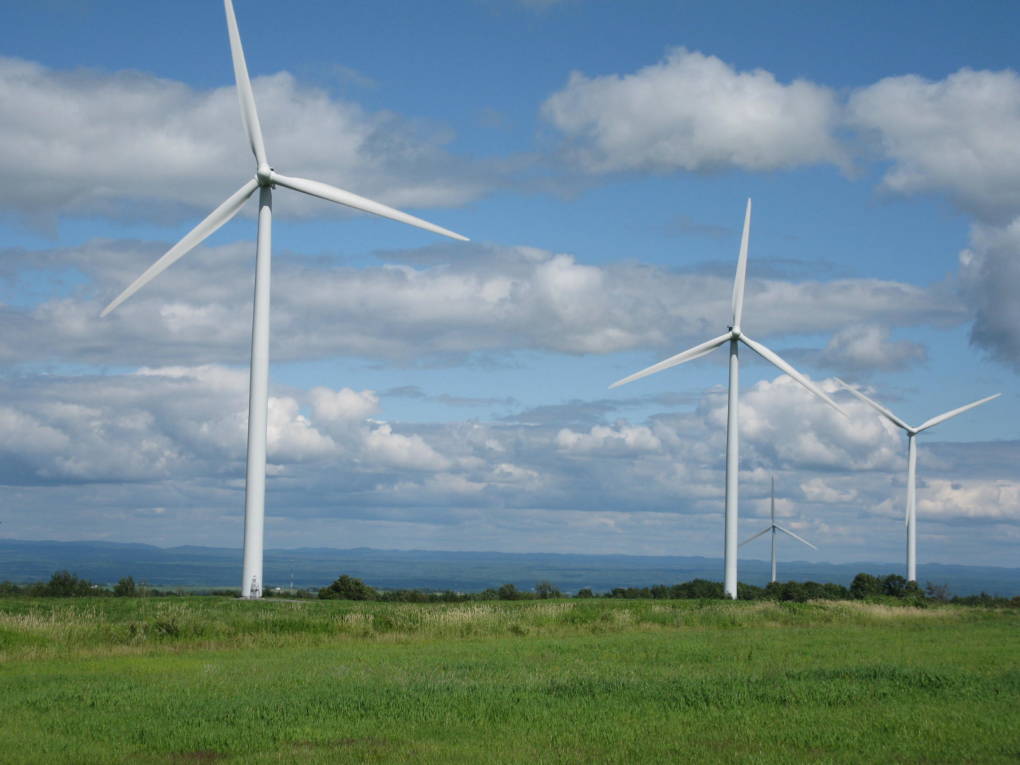
"caption": "Wind turbines in Maple Ridge, New York.",
"description": null,
"title": "RS3285_Download090427 012",
"credit": "Craig Miller/KQED",
"status": "inherit",
"isLoading": false,
"fetchFailed": false
},
"science_1947263": {
"type": "attachments",
"id": "science_1947263",
"meta": {
"index": "attachments_1716263798",
"site": "science",
"id": "1947263",
"found": true
},
"parent": 1947260,
"imgSizes": {
"twentyfourteen-full-width": {
"file": "https://ww2.kqed.org/app/uploads/sites/35/2019/09/iStock-1077963794-1038x576.jpg",
"width": 1038,
"mimeType": "image/jpeg",
"height": 576
},
"thumbnail": {
"file": "https://ww2.kqed.org/app/uploads/sites/35/2019/09/iStock-1077963794-160x107.jpg",
"width": 160,
"mimeType": "image/jpeg",
"height": 107
},
"post-thumbnail": {
"file": "https://ww2.kqed.org/app/uploads/sites/35/2019/09/iStock-1077963794-672x372.jpg",
"width": 672,
"mimeType": "image/jpeg",
"height": 372
},
"kqedFullSize": {
"file": "https://ww2.kqed.org/app/uploads/sites/35/2019/09/iStock-1077963794.jpg",
"width": 2048,
"height": 1367
},
"large": {
"file": "https://ww2.kqed.org/app/uploads/sites/35/2019/09/iStock-1077963794-1020x681.jpg",
"width": 1020,
"mimeType": "image/jpeg",
"height": 681
},
"complete_open_graph": {
"file": "https://ww2.kqed.org/app/uploads/sites/35/2019/09/iStock-1077963794-1200x801.jpg",
"width": 1200,
"mimeType": "image/jpeg",
"height": 801
},
"full-width": {
"file": "https://ww2.kqed.org/app/uploads/sites/35/2019/09/iStock-1077963794-1920x1281.jpg",
"width": 1920,
"mimeType": "image/jpeg",
"height": 1281
},
"medium": {
"file": "https://ww2.kqed.org/app/uploads/sites/35/2019/09/iStock-1077963794-800x534.jpg",
"width": 800,
"mimeType": "image/jpeg",
"height": 534
},
"medium_large": {
"file": "https://ww2.kqed.org/app/uploads/sites/35/2019/09/iStock-1077963794-768x512.jpg",
"width": 768,
"mimeType": "image/jpeg",
"height": 512
}
},
"publishDate": 1568142651,
"modified": 1568142686,
"caption": "Raw whole meat sample in laboratory Petri dish. ",
"description": null,
"title": "Clean cultured meat concept",
"credit": "iStock",
"status": "inherit",
"isLoading": false,
"fetchFailed": false
},
"science_1947291": {
"type": "attachments",
"id": "science_1947291",
"meta": {
"index": "attachments_1716263798",
"site": "science",
"id": "1947291",
"found": true
},
"parent": 1947224,
"imgSizes": {
"twentyfourteen-full-width": {
"file": "https://ww2.kqed.org/app/uploads/sites/35/2019/09/Jonathan-Franzen-1038x576.jpg",
"width": 1038,
"mimeType": "image/jpeg",
"height": 576
},
"thumbnail": {
"file": "https://ww2.kqed.org/app/uploads/sites/35/2019/09/Jonathan-Franzen-160x110.jpg",
"width": 160,
"mimeType": "image/jpeg",
"height": 110
},
"post-thumbnail": {
"file": "https://ww2.kqed.org/app/uploads/sites/35/2019/09/Jonathan-Franzen-672x372.jpg",
"width": 672,
"mimeType": "image/jpeg",
"height": 372
},
"kqedFullSize": {
"file": "https://ww2.kqed.org/app/uploads/sites/35/2019/09/Jonathan-Franzen.jpg",
"width": 1920,
"height": 1316
},
"large": {
"file": "https://ww2.kqed.org/app/uploads/sites/35/2019/09/Jonathan-Franzen-1020x699.jpg",
"width": 1020,
"mimeType": "image/jpeg",
"height": 699
},
"complete_open_graph": {
"file": "https://ww2.kqed.org/app/uploads/sites/35/2019/09/Jonathan-Franzen-1200x823.jpg",
"width": 1200,
"mimeType": "image/jpeg",
"height": 823
},
"full-width": {
"file": "https://ww2.kqed.org/app/uploads/sites/35/2019/09/Jonathan-Franzen-1920x1316.jpg",
"width": 1920,
"mimeType": "image/jpeg",
"height": 1316
},
"medium": {
"file": "https://ww2.kqed.org/app/uploads/sites/35/2019/09/Jonathan-Franzen-800x548.jpg",
"width": 800,
"mimeType": "image/jpeg",
"height": 548
},
"medium_large": {
"file": "https://ww2.kqed.org/app/uploads/sites/35/2019/09/Jonathan-Franzen-768x526.jpg",
"width": 768,
"mimeType": "image/jpeg",
"height": 526
}
},
"publishDate": 1568159345,
"modified": 1568760629,
"caption": "Author Jonathan Franzen in 2013. ",
"description": null,
"title": "Jonathan-Franzen",
"credit": " Slaven Vlasic/Getty Images",
"status": "inherit",
"isLoading": false,
"fetchFailed": false
},
"science_1947028": {
"type": "attachments",
"id": "science_1947028",
"meta": {
"index": "attachments_1716263798",
"site": "science",
"id": "1947028",
"found": true
},
"parent": 1947019,
"imgSizes": {
"twentyfourteen-full-width": {
"file": "https://ww2.kqed.org/app/uploads/sites/35/2019/09/GettyImages-508243292-1038x576.jpg",
"width": 1038,
"mimeType": "image/jpeg",
"height": 576
},
"thumbnail": {
"file": "https://ww2.kqed.org/app/uploads/sites/35/2019/09/GettyImages-508243292-160x106.jpg",
"width": 160,
"mimeType": "image/jpeg",
"height": 106
},
"post-thumbnail": {
"file": "https://ww2.kqed.org/app/uploads/sites/35/2019/09/GettyImages-508243292-672x372.jpg",
"width": 672,
"mimeType": "image/jpeg",
"height": 372
},
"kqedFullSize": {
"file": "https://ww2.kqed.org/app/uploads/sites/35/2019/09/GettyImages-508243292.jpg",
"width": 2048,
"height": 1356
},
"large": {
"file": "https://ww2.kqed.org/app/uploads/sites/35/2019/09/GettyImages-508243292-1020x676.jpg",
"width": 1020,
"mimeType": "image/jpeg",
"height": 676
},
"complete_open_graph": {
"file": "https://ww2.kqed.org/app/uploads/sites/35/2019/09/GettyImages-508243292-1200x795.jpg",
"width": 1200,
"mimeType": "image/jpeg",
"height": 795
},
"full-width": {
"file": "https://ww2.kqed.org/app/uploads/sites/35/2019/09/GettyImages-508243292-1920x1272.jpg",
"width": 1920,
"mimeType": "image/jpeg",
"height": 1272
},
"medium": {
"file": "https://ww2.kqed.org/app/uploads/sites/35/2019/09/GettyImages-508243292-800x530.jpg",
"width": 800,
"mimeType": "image/jpeg",
"height": 530
},
"medium_large": {
"file": "https://ww2.kqed.org/app/uploads/sites/35/2019/09/GettyImages-508243292-768x509.jpg",
"width": 768,
"mimeType": "image/jpeg",
"height": 509
}
},
"publishDate": 1567539994,
"modified": 1567540053,
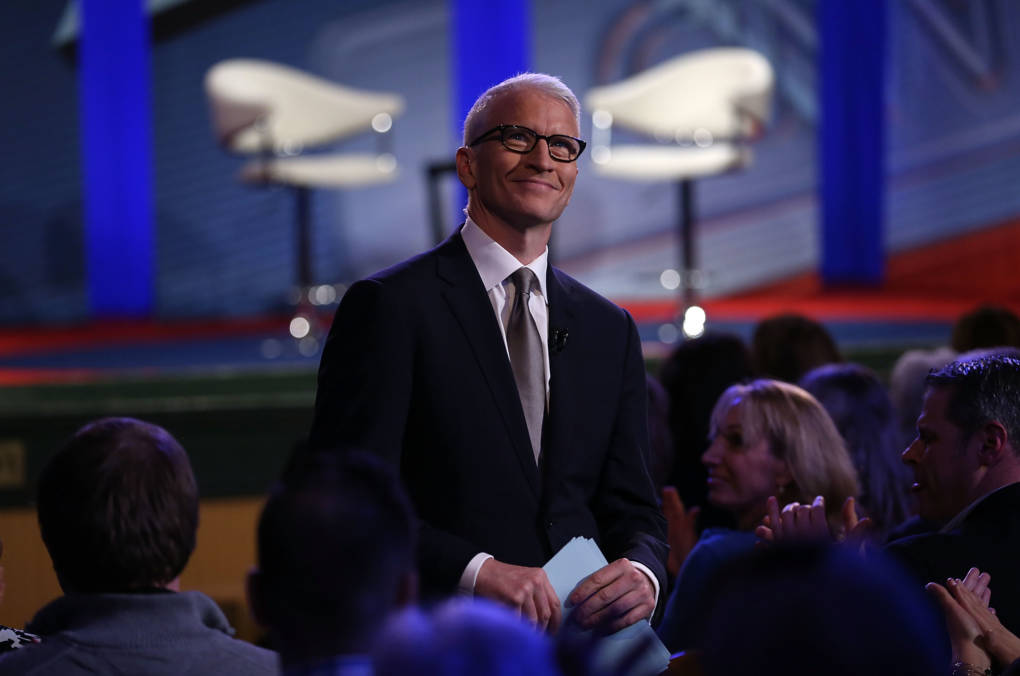
"caption": "CNN anchor Anderson Cooper looks on during a CNN Democratic Presidential Town Hall at the Derry Opera House on February 3, 2016 in Derry, New Hampshire. ",
"description": null,
"title": "Democratic Presidential Candidates Hillary Clinton And Bernie Sanders Take Part In Town Hall Meeting",
"credit": "Photo by Joe Raedle/Getty Images",
"status": "inherit",
"isLoading": false,
"fetchFailed": false
},
"science_1947071": {
"type": "attachments",
"id": "science_1947071",
"meta": {
"index": "attachments_1716263798",
"site": "science",
"id": "1947071",
"found": true
},
"parent": 1947069,
"imgSizes": {
"twentyfourteen-full-width": {
"file": "https://ww2.kqed.org/app/uploads/sites/35/2019/09/triptych501_001_custom-a0c66ebe250bff6ad2231f26956b02532ff807f3-1038x576.jpg",
"width": 1038,
"mimeType": "image/jpeg",
"height": 576
},
"thumbnail": {
"file": "https://ww2.kqed.org/app/uploads/sites/35/2019/09/triptych501_001_custom-a0c66ebe250bff6ad2231f26956b02532ff807f3-160x102.jpg",
"width": 160,
"mimeType": "image/jpeg",
"height": 102
},
"post-thumbnail": {
"file": "https://ww2.kqed.org/app/uploads/sites/35/2019/09/triptych501_001_custom-a0c66ebe250bff6ad2231f26956b02532ff807f3-672x372.jpg",
"width": 672,
"mimeType": "image/jpeg",
"height": 372
},
"kqedFullSize": {
"file": "https://ww2.kqed.org/app/uploads/sites/35/2019/09/triptych501_001_custom-a0c66ebe250bff6ad2231f26956b02532ff807f3.jpg",
"width": 2048,
"height": 1308
},
"large": {
"file": "https://ww2.kqed.org/app/uploads/sites/35/2019/09/triptych501_001_custom-a0c66ebe250bff6ad2231f26956b02532ff807f3-1020x651.jpg",
"width": 1020,
"mimeType": "image/jpeg",
"height": 651
},
"complete_open_graph": {
"file": "https://ww2.kqed.org/app/uploads/sites/35/2019/09/triptych501_001_custom-a0c66ebe250bff6ad2231f26956b02532ff807f3-1200x766.jpg",
"width": 1200,
"mimeType": "image/jpeg",
"height": 766
},
"full-width": {
"file": "https://ww2.kqed.org/app/uploads/sites/35/2019/09/triptych501_001_custom-a0c66ebe250bff6ad2231f26956b02532ff807f3-1920x1226.jpg",
"width": 1920,
"mimeType": "image/jpeg",
"height": 1226
},
"medium": {
"file": "https://ww2.kqed.org/app/uploads/sites/35/2019/09/triptych501_001_custom-a0c66ebe250bff6ad2231f26956b02532ff807f3-800x511.jpg",
"width": 800,
"mimeType": "image/jpeg",
"height": 511
},
"medium_large": {
"file": "https://ww2.kqed.org/app/uploads/sites/35/2019/09/triptych501_001_custom-a0c66ebe250bff6ad2231f26956b02532ff807f3-768x490.jpg",
"width": 768,
"mimeType": "image/jpeg",
"height": 490
}
},
"publishDate": 1567634291,
"modified": 1567634929,
"caption": "A tree grows beneath a power line in the Park DuValle neighborhood of Louisville, Ky. Urban environments can be especially harsh on trees.",
"description": "A tree grows beneath a power line in the Park DuValle neighborhood of Louisville, Ky. Urban environments can be especially harsh on trees.",
"title": "A tree grows beneath a power line in the Park DuValle neighborhood of Louisville, Ky. Urban environments can be especially harsh on trees.",
"credit": "Sean McMinn/NPR",
"status": "inherit",
"isLoading": false,
"fetchFailed": false
},
"science_1947042": {
"type": "attachments",
"id": "science_1947042",
"meta": {
"index": "attachments_1716263798",
"site": "science",
"id": "1947042",
"found": true
},
"parent": 1947031,
"imgSizes": {
"twentyfourteen-full-width": {
"file": "https://ww2.kqed.org/app/uploads/sites/35/2019/09/shakira_franklin-1_custom-5ab647c1e23659813af0c54171c42cf9cf45041c-s1300-c85-1038x576.jpg",
"width": 1038,
"mimeType": "image/jpeg",
"height": 576
},
"thumbnail": {
"file": "https://ww2.kqed.org/app/uploads/sites/35/2019/09/shakira_franklin-1_custom-5ab647c1e23659813af0c54171c42cf9cf45041c-s1300-c85-160x106.jpg",
"width": 160,
"mimeType": "image/jpeg",
"height": 106
},
"post-thumbnail": {
"file": "https://ww2.kqed.org/app/uploads/sites/35/2019/09/shakira_franklin-1_custom-5ab647c1e23659813af0c54171c42cf9cf45041c-s1300-c85-672x372.jpg",
"width": 672,
"mimeType": "image/jpeg",
"height": 372
},
"kqedFullSize": {
"file": "https://ww2.kqed.org/app/uploads/sites/35/2019/09/shakira_franklin-1_custom-5ab647c1e23659813af0c54171c42cf9cf45041c-s1300-c85.jpg",
"width": 1300,
"height": 859
},
"large": {
"file": "https://ww2.kqed.org/app/uploads/sites/35/2019/09/shakira_franklin-1_custom-5ab647c1e23659813af0c54171c42cf9cf45041c-s1300-c85-1020x674.jpg",
"width": 1020,
"mimeType": "image/jpeg",
"height": 674
},
"complete_open_graph": {
"file": "https://ww2.kqed.org/app/uploads/sites/35/2019/09/shakira_franklin-1_custom-5ab647c1e23659813af0c54171c42cf9cf45041c-s1300-c85-1200x793.jpg",
"width": 1200,
"mimeType": "image/jpeg",
"height": 793
},
"medium": {
"file": "https://ww2.kqed.org/app/uploads/sites/35/2019/09/shakira_franklin-1_custom-5ab647c1e23659813af0c54171c42cf9cf45041c-s1300-c85-800x529.jpg",
"width": 800,
"mimeType": "image/jpeg",
"height": 529
},
"medium_large": {
"file": "https://ww2.kqed.org/app/uploads/sites/35/2019/09/shakira_franklin-1_custom-5ab647c1e23659813af0c54171c42cf9cf45041c-s1300-c85-768x507.jpg",
"width": 768,
"mimeType": "image/jpeg",
"height": 507
}
},
"publishDate": 1567542018,
"modified": 1567542055,
"caption": "The Franklin Square neighborhood is hotter than about two-thirds of the other neighborhoods in Baltimore. Citywide, low-income neighborhoods tend to be hotter than wealthier neighborhoods.",
"description": null,
"title": "shakira_franklin-1_custom-5ab647c1e23659813af0c54171c42cf9cf45041c-s1300-c85",
"credit": "Ian Morton for NPR",
"status": "inherit",
"isLoading": false,
"fetchFailed": false
},
"science_1946935": {
"type": "attachments",
"id": "science_1946935",
"meta": {
"index": "attachments_1716263798",
"site": "science",
"id": "1946935",
"found": true
},
"parent": 1946868,
"imgSizes": {
"twentyfourteen-full-width": {
"file": "https://ww2.kqed.org/app/uploads/sites/35/2019/08/Woodstock_FI_KQED-1038x576.jpg",
"width": 1038,
"mimeType": "image/jpeg",
"height": 576
},
"thumbnail": {
"file": "https://ww2.kqed.org/app/uploads/sites/35/2019/08/Woodstock_FI_KQED-160x90.jpg",
"width": 160,
"mimeType": "image/jpeg",
"height": 90
},
"post-thumbnail": {
"file": "https://ww2.kqed.org/app/uploads/sites/35/2019/08/Woodstock_FI_KQED-672x372.jpg",
"width": 672,
"mimeType": "image/jpeg",
"height": 372
},
"kqedFullSize": {
"file": "https://ww2.kqed.org/app/uploads/sites/35/2019/08/Woodstock_FI_KQED.jpg",
"width": 1920,
"height": 1080
},
"large": {
"file": "https://ww2.kqed.org/app/uploads/sites/35/2019/08/Woodstock_FI_KQED-1020x574.jpg",
"width": 1020,
"mimeType": "image/jpeg",
"height": 574
},
"complete_open_graph": {
"file": "https://ww2.kqed.org/app/uploads/sites/35/2019/08/Woodstock_FI_KQED-1200x675.jpg",
"width": 1200,
"mimeType": "image/jpeg",
"height": 675
},
"full-width": {
"file": "https://ww2.kqed.org/app/uploads/sites/35/2019/08/Woodstock_FI_KQED-1920x1080.jpg",
"width": 1920,
"mimeType": "image/jpeg",
"height": 1080
},
"medium": {
"file": "https://ww2.kqed.org/app/uploads/sites/35/2019/08/Woodstock_FI_KQED-800x450.jpg",
"width": 800,
"mimeType": "image/jpeg",
"height": 450
},
"medium_large": {
"file": "https://ww2.kqed.org/app/uploads/sites/35/2019/08/Woodstock_FI_KQED-768x432.jpg",
"width": 768,
"mimeType": "image/jpeg",
"height": 432
}
},
"publishDate": 1567106329,
"modified": 1567106329,
"caption": null,
"description": null,
"title": "Woodstock_FI_KQED",
"credit": null,
"status": "inherit",
"isLoading": false,
"fetchFailed": false
},
"science_1946929": {
"type": "attachments",
"id": "science_1946929",
"meta": {
"index": "attachments_1716263798",
"site": "science",
"id": "1946929",
"found": true
},
"parent": 1946927,
"imgSizes": {
"twentyfourteen-full-width": {
"file": "https://ww2.kqed.org/app/uploads/sites/35/2019/08/RS10479_480337031-1038x576.jpg",
"width": 1038,
"mimeType": "image/jpeg",
"height": 576
},
"thumbnail": {
"file": "https://ww2.kqed.org/app/uploads/sites/35/2019/08/RS10479_480337031-160x107.jpg",
"width": 160,
"mimeType": "image/jpeg",
"height": 107
},
"post-thumbnail": {
"file": "https://ww2.kqed.org/app/uploads/sites/35/2019/08/RS10479_480337031-672x372.jpg",
"width": 672,
"mimeType": "image/jpeg",
"height": 372
},
"kqedFullSize": {
"file": "https://ww2.kqed.org/app/uploads/sites/35/2019/08/RS10479_480337031-e1567098915138.jpg",
"width": 1925,
"height": 1283
},
"large": {
"file": "https://ww2.kqed.org/app/uploads/sites/35/2019/08/RS10479_480337031-1020x680.jpg",
"width": 1020,
"mimeType": "image/jpeg",
"height": 680
},
"complete_open_graph": {
"file": "https://ww2.kqed.org/app/uploads/sites/35/2019/08/RS10479_480337031-1200x800.jpg",
"width": 1200,
"mimeType": "image/jpeg",
"height": 800
},
"full-width": {
"file": "https://ww2.kqed.org/app/uploads/sites/35/2019/08/RS10479_480337031-1920x1280.jpg",
"width": 1920,
"mimeType": "image/jpeg",
"height": 1280
},
"medium": {
"file": "https://ww2.kqed.org/app/uploads/sites/35/2019/08/RS10479_480337031-800x533.jpg",
"width": 800,
"mimeType": "image/jpeg",
"height": 533
},
"medium_large": {
"file": "https://ww2.kqed.org/app/uploads/sites/35/2019/08/RS10479_480337031-768x512.jpg",
"width": 768,
"mimeType": "image/jpeg",
"height": 512
}
},
"publishDate": 1567098786,
"modified": 1567098907,
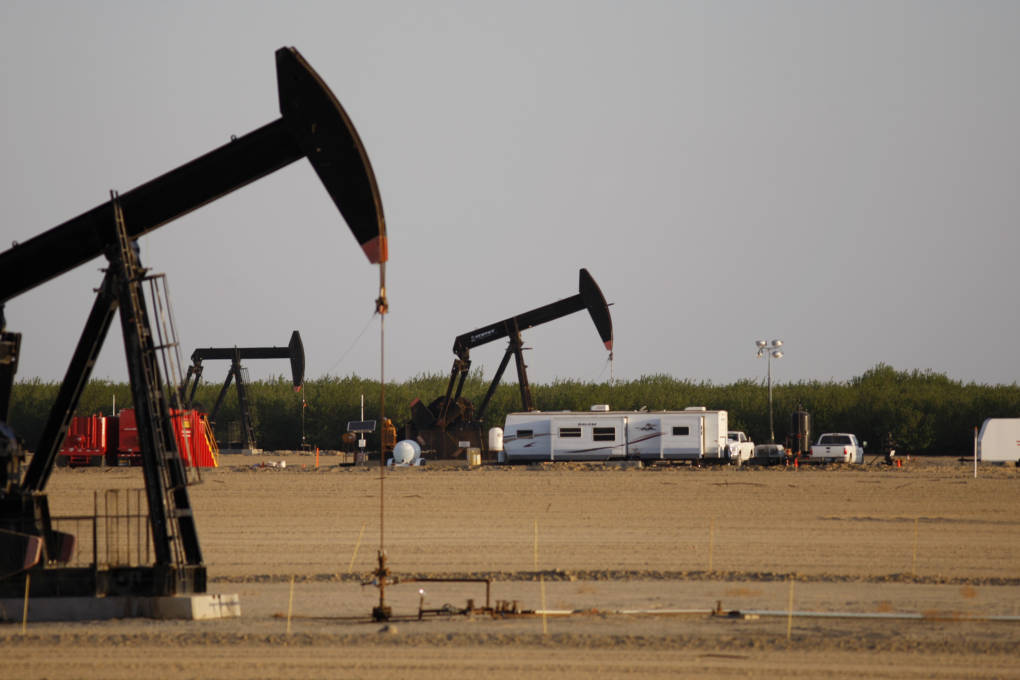
"caption": "A pump jack and frac tanks stand next to a farm over the Monterey Shale formation on March 24, 2014 near Lost Hills, California.",
"description": null,
"title": null,
"credit": "Photo by David McNew/Getty Image",
"status": "inherit",
"isLoading": false,
"fetchFailed": false
},
"science_1946861": {
"type": "attachments",
"id": "science_1946861",
"meta": {
"index": "attachments_1716263798",
"site": "science",
"id": "1946861",
"found": true
},
"parent": 1946858,
"imgSizes": {
"twentyfourteen-full-width": {
"file": "https://ww2.kqed.org/app/uploads/sites/35/2019/08/GettyImages-1003529038-1038x576.jpg",
"width": 1038,
"mimeType": "image/jpeg",
"height": 576
},
"thumbnail": {
"file": "https://ww2.kqed.org/app/uploads/sites/35/2019/08/GettyImages-1003529038-160x101.jpg",
"width": 160,
"mimeType": "image/jpeg",
"height": 101
},
"post-thumbnail": {
"file": "https://ww2.kqed.org/app/uploads/sites/35/2019/08/GettyImages-1003529038-672x372.jpg",
"width": 672,
"mimeType": "image/jpeg",
"height": 372
},
"kqedFullSize": {
"file": "https://ww2.kqed.org/app/uploads/sites/35/2019/08/GettyImages-1003529038.jpg",
"width": 2048,
"height": 1290
},
"large": {
"file": "https://ww2.kqed.org/app/uploads/sites/35/2019/08/GettyImages-1003529038-1020x642.jpg",
"width": 1020,
"mimeType": "image/jpeg",
"height": 642
},
"complete_open_graph": {
"file": "https://ww2.kqed.org/app/uploads/sites/35/2019/08/GettyImages-1003529038-1200x756.jpg",
"width": 1200,
"mimeType": "image/jpeg",
"height": 756
},
"full-width": {
"file": "https://ww2.kqed.org/app/uploads/sites/35/2019/08/GettyImages-1003529038-1920x1209.jpg",
"width": 1920,
"mimeType": "image/jpeg",
"height": 1209
},
"medium": {
"file": "https://ww2.kqed.org/app/uploads/sites/35/2019/08/GettyImages-1003529038-800x504.jpg",
"width": 800,
"mimeType": "image/jpeg",
"height": 504
},
"medium_large": {
"file": "https://ww2.kqed.org/app/uploads/sites/35/2019/08/GettyImages-1003529038-768x484.jpg",
"width": 768,
"mimeType": "image/jpeg",
"height": 484
}
},
"publishDate": 1566936719,
"modified": 1566936765,
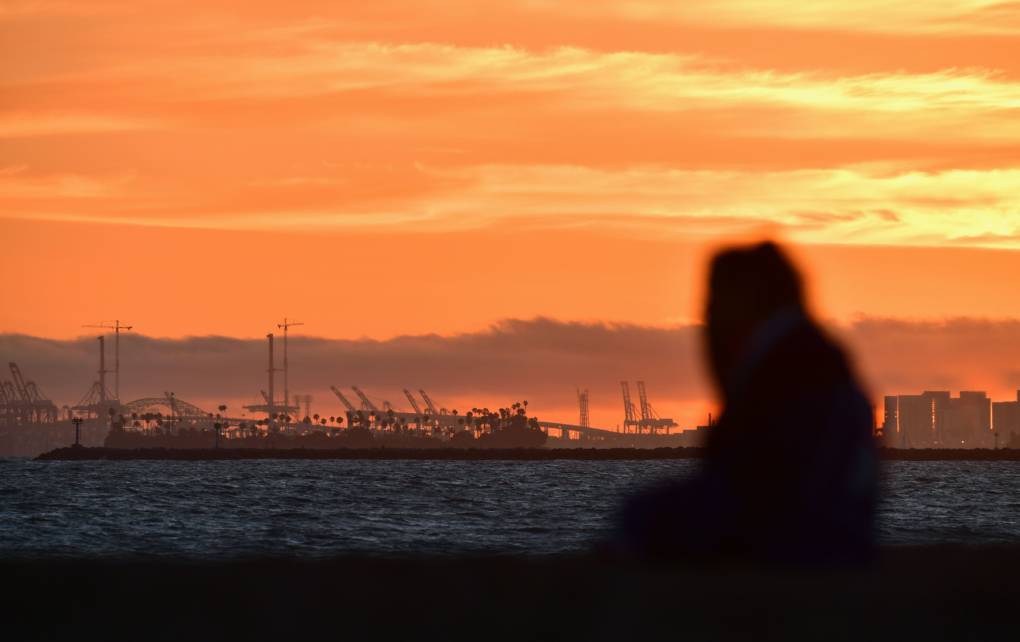
"caption": "The Port of Long Beach is seen in the distance as a woman views the sunset from Sunset Beach in Huntington Beach, California on July 21, 2018. ",
"description": null,
"title": "US-WEATHER-SUNSET-FEATURE",
"credit": "FREDERIC J. BROWN/AFP/Getty Images)",
"status": "inherit",
"isLoading": false,
"fetchFailed": false
},
"science_1946834": {
"type": "attachments",
"id": "science_1946834",
"meta": {
"index": "attachments_1716263798",
"site": "science",
"id": "1946834",
"found": true
},
"parent": 1946832,
"imgSizes": {
"twentyfourteen-full-width": {
"file": "https://ww2.kqed.org/app/uploads/sites/35/2019/08/GettyImages-103140095-1038x576.jpg",
"width": 1038,
"mimeType": "image/jpeg",
"height": 576
},
"thumbnail": {
"file": "https://ww2.kqed.org/app/uploads/sites/35/2019/08/GettyImages-103140095-160x107.jpg",
"width": 160,
"mimeType": "image/jpeg",
"height": 107
},
"post-thumbnail": {
"file": "https://ww2.kqed.org/app/uploads/sites/35/2019/08/GettyImages-103140095-672x372.jpg",
"width": 672,
"mimeType": "image/jpeg",
"height": 372
},
"kqedFullSize": {
"file": "https://ww2.kqed.org/app/uploads/sites/35/2019/08/GettyImages-103140095-e1566923098857.jpg",
"width": 1925,
"height": 1281
},
"large": {
"file": "https://ww2.kqed.org/app/uploads/sites/35/2019/08/GettyImages-103140095-1020x679.jpg",
"width": 1020,
"mimeType": "image/jpeg",
"height": 679
},
"complete_open_graph": {
"file": "https://ww2.kqed.org/app/uploads/sites/35/2019/08/GettyImages-103140095-1200x799.jpg",
"width": 1200,
"mimeType": "image/jpeg",
"height": 799
},
"full-width": {
"file": "https://ww2.kqed.org/app/uploads/sites/35/2019/08/GettyImages-103140095-1920x1278.jpg",
"width": 1920,
"mimeType": "image/jpeg",
"height": 1278
},
"medium": {
"file": "https://ww2.kqed.org/app/uploads/sites/35/2019/08/GettyImages-103140095-800x533.jpg",
"width": 800,
"mimeType": "image/jpeg",
"height": 533
},
"medium_large": {
"file": "https://ww2.kqed.org/app/uploads/sites/35/2019/08/GettyImages-103140095-768x511.jpg",
"width": 768,
"mimeType": "image/jpeg",
"height": 511
}
},
"publishDate": 1566922989,
"modified": 1566923110,
"caption": "A construction worker moves a piece of concrete with a crane on the first phase of the Exposition Light Rail Transit Line (Expo Line) that connects downtown Los Angeles and Culver City on July 27, 2010 in Los Angeles, California. ",
"description": null,
"title": null,
"credit": "Kevork Djansezian/Getty Images",
"status": "inherit",
"isLoading": false,
"fetchFailed": false
},
"science_1946807": {
"type": "attachments",
"id": "science_1946807",
"meta": {
"index": "attachments_1716263798",
"site": "science",
"id": "1946807",
"found": true
},
"parent": 1946804,
"imgSizes": {
"twentyfourteen-full-width": {
"file": "https://ww2.kqed.org/app/uploads/sites/35/2019/08/RS38657_CapandTrade_005-1038x576.jpg",
"width": 1038,
"mimeType": "image/jpeg",
"height": 576
},
"thumbnail": {
"file": "https://ww2.kqed.org/app/uploads/sites/35/2019/08/RS38657_CapandTrade_005-160x101.jpg",
"width": 160,
"mimeType": "image/jpeg",
"height": 101
},
"post-thumbnail": {
"file": "https://ww2.kqed.org/app/uploads/sites/35/2019/08/RS38657_CapandTrade_005-672x372.jpg",
"width": 672,
"mimeType": "image/jpeg",
"height": 372
},
"kqedFullSize": {
"file": "https://ww2.kqed.org/app/uploads/sites/35/2019/08/RS38657_CapandTrade_005.jpg",
"width": 1920,
"height": 1212
},
"large": {
"file": "https://ww2.kqed.org/app/uploads/sites/35/2019/08/RS38657_CapandTrade_005-1020x644.jpg",
"width": 1020,
"mimeType": "image/jpeg",
"height": 644
},
"complete_open_graph": {
"file": "https://ww2.kqed.org/app/uploads/sites/35/2019/08/RS38657_CapandTrade_005-1200x758.jpg",
"width": 1200,
"mimeType": "image/jpeg",
"height": 758
},
"full-width": {
"file": "https://ww2.kqed.org/app/uploads/sites/35/2019/08/RS38657_CapandTrade_005-1920x1212.jpg",
"width": 1920,
"mimeType": "image/jpeg",
"height": 1212
},
"medium": {
"file": "https://ww2.kqed.org/app/uploads/sites/35/2019/08/RS38657_CapandTrade_005-800x505.jpg",
"width": 800,
"mimeType": "image/jpeg",
"height": 505
},
"medium_large": {
"file": "https://ww2.kqed.org/app/uploads/sites/35/2019/08/RS38657_CapandTrade_005-768x485.jpg",
"width": 768,
"mimeType": "image/jpeg",
"height": 485
}
},
"publishDate": 1566853665,
"modified": 1566853685,
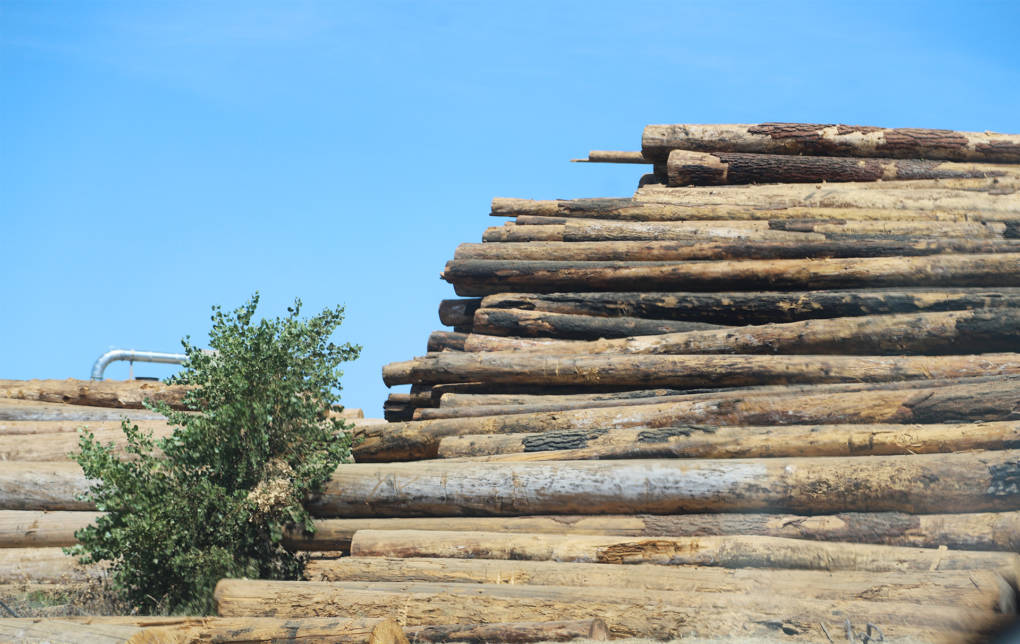
"caption": "Logs sit in a pile in a lumber yard in Sonora, California on Friday August 23, 2019. ",
"description": null,
"title": "RS38657_CapandTrade_005",
"credit": "Lindsey Moore/KQED",
"status": "inherit",
"isLoading": false,
"fetchFailed": false
},
"science_1946730": {
"type": "attachments",
"id": "science_1946730",
"meta": {
"index": "attachments_1716263798",
"site": "science",
"id": "1946730",
"found": true
},
"parent": 1946729,
"imgSizes": {
"twentyfourteen-full-width": {
"file": "https://ww2.kqed.org/app/uploads/sites/35/2019/08/rts2nfhc_custom-349fbdacd525a018dde2e8d85c582ba79d9423e7-1038x576.jpg",
"width": 1038,
"mimeType": "image/jpeg",
"height": 576
},
"thumbnail": {
"file": "https://ww2.kqed.org/app/uploads/sites/35/2019/08/rts2nfhc_custom-349fbdacd525a018dde2e8d85c582ba79d9423e7-160x106.jpg",
"width": 160,
"mimeType": "image/jpeg",
"height": 106
},
"post-thumbnail": {
"file": "https://ww2.kqed.org/app/uploads/sites/35/2019/08/rts2nfhc_custom-349fbdacd525a018dde2e8d85c582ba79d9423e7-672x372.jpg",
"width": 672,
"mimeType": "image/jpeg",
"height": 372
},
"kqedFullSize": {
"file": "https://ww2.kqed.org/app/uploads/sites/35/2019/08/rts2nfhc_custom-349fbdacd525a018dde2e8d85c582ba79d9423e7.jpg",
"width": 2048,
"height": 1357
},
"large": {
"file": "https://ww2.kqed.org/app/uploads/sites/35/2019/08/rts2nfhc_custom-349fbdacd525a018dde2e8d85c582ba79d9423e7-1020x676.jpg",
"width": 1020,
"mimeType": "image/jpeg",
"height": 676
},
"complete_open_graph": {
"file": "https://ww2.kqed.org/app/uploads/sites/35/2019/08/rts2nfhc_custom-349fbdacd525a018dde2e8d85c582ba79d9423e7-1200x795.jpg",
"width": 1200,
"mimeType": "image/jpeg",
"height": 795
},
"full-width": {
"file": "https://ww2.kqed.org/app/uploads/sites/35/2019/08/rts2nfhc_custom-349fbdacd525a018dde2e8d85c582ba79d9423e7-1920x1272.jpg",
"width": 1920,
"mimeType": "image/jpeg",
"height": 1272
},
"medium": {
"file": "https://ww2.kqed.org/app/uploads/sites/35/2019/08/rts2nfhc_custom-349fbdacd525a018dde2e8d85c582ba79d9423e7-800x530.jpg",
"width": 800,
"mimeType": "image/jpeg",
"height": 530
},
"medium_large": {
"file": "https://ww2.kqed.org/app/uploads/sites/35/2019/08/rts2nfhc_custom-349fbdacd525a018dde2e8d85c582ba79d9423e7-768x509.jpg",
"width": 768,
"mimeType": "image/jpeg",
"height": 509
}
},
"publishDate": 1566590444,
"modified": 1566591198,
"caption": "Smoke billows during a fire in an area of the Amazon rainforest near Humaita, Brazil, on Aug. 17.",
"description": null,
"title": "rts2nfhc_custom-349fbdacd525a018dde2e8d85c582ba79d9423e7",
"credit": "Ueslei Marcelino/Reuters",
"status": "inherit",
"isLoading": false,
"fetchFailed": false
}
},
"audioPlayerReducer": {
"postId": "stream_live",
"isPaused": true,
"isPlaying": false,
"pfsActive": false,
"pledgeModalIsOpen": true,
"playerDrawerIsOpen": false,
"liveAudioPlayStartedAt": 0,
"liveAudioPlayContext": ""
},
"authorsReducer": {
"byline_science_1947436": {
"type": "authors",
"id": "byline_science_1947436",
"meta": {
"override": true
},
"slug": "byline_science_1947436",
"name": "\u003cstrong>Mark Hertsgaard and Kyle Pope\u003c/strong>",
"isLoading": false
},
"byline_science_1947019": {
"type": "authors",
"id": "byline_science_1947019",
"meta": {
"override": true
},
"slug": "byline_science_1947019",
"name": "Elana Schor and Ellen Knickmeyer\u003cbr />Associated Press",
"isLoading": false
},
"byline_science_1947069": {
"type": "authors",
"id": "byline_science_1947069",
"meta": {
"override": true
},
"slug": "byline_science_1947069",
"name": "Sean McMinn\u003cbr />NPR",
"isLoading": false
},
"byline_science_1947031": {
"type": "authors",
"id": "byline_science_1947031",
"meta": {
"override": true
},
"slug": "byline_science_1947031",
"name": "Meg Anderson and Sean McMinn \u003cbr/>NPR\u003cbr>",
"isLoading": false
},
"byline_science_1946858": {
"type": "authors",
"id": "byline_science_1946858",
"meta": {
"override": true
},
"slug": "byline_science_1946858",
"name": "Bob Berwyn \u003cbr/>InsideClimate News \u003cbr>",
"isLoading": false
},
"byline_science_1946729": {
"type": "authors",
"id": "byline_science_1946729",
"meta": {
"override": true
},
"slug": "byline_science_1946729",
"name": "Suzette Lohmeyer \u003cbr/> NPR \u003cbr>",
"isLoading": false
},
"kqedscience": {
"type": "authors",
"id": "6387",
"meta": {
"index": "authors_1716337520",
"id": "6387",
"found": true
},
"name": "KQED Science",
"firstName": "KQED",
"lastName": "Science",
"slug": "kqedscience",
"email": "kqedscience@gmail.com",
"display_author_email": false,
"staff_mastheads": [],
"title": null,
"bio": "KQED Science brings you award-winning science and environment coverage from the Bay Area and beyond by the flagship Northern California PBS and NPR affiliate.",
"avatar": "https://secure.gravatar.com/avatar/5a295ff49cf82a8c0f30937d3f788b2f?s=600&d=blank&r=g",
"twitter": null,
"facebook": null,
"instagram": null,
"linkedin": null,
"sites": [
{
"site": "science",
"roles": [
"contributor"
]
},
{
"site": "quest",
"roles": [
"editor"
]
},
{
"site": "food",
"roles": [
"contributor"
]
}
],
"headData": {
"title": "KQED Science | KQED",
"description": null,
"ogImgSrc": "https://secure.gravatar.com/avatar/5a295ff49cf82a8c0f30937d3f788b2f?s=600&d=blank&r=g",
"twImgSrc": "https://secure.gravatar.com/avatar/5a295ff49cf82a8c0f30937d3f788b2f?s=600&d=blank&r=g"
},
"isLoading": false,
"link": "/author/kqedscience"
},
"lesleymcclurg": {
"type": "authors",
"id": "11229",
"meta": {
"index": "authors_1716337520",
"id": "11229",
"found": true
},
"name": "Lesley McClurg",
"firstName": "Lesley",
"lastName": "McClurg",
"slug": "lesleymcclurg",
"email": "lmcclurg@KQED.org",
"display_author_email": false,
"staff_mastheads": [
"news",
"science"
],
"title": "KQED Health Correspondent",
"bio": "Lesley McClurg is a health correspondent and fill-in host whose work is regularly rebroadcast on NPR and PBS programs. She’s earned multiple regional Emmy awards, a national and a regional Edward R. Murrow award, and was named Best Beat Reporter by the Association of Health Care Journalists. The Society of Professional Journalists has recognized her work several times, and the Society of Environmental Journalists spotlighted her coverage of California’s historic drought.\r\n\r\nBefore joining KQED in 2016, Lesley covered food and sustainability for Capital Public Radio, environmental issues for Colorado Public Radio, and reported for KUOW and KCTS 9 in Seattle. Away from the newsroom, she loves skiing with her daughter, mountain biking with her partner, and playing with Ollie, the family’s goldendoodle. On deadline, she runs almost entirely on chocolate chips.\r\n\r\n ",
"avatar": "https://secure.gravatar.com/avatar/bab49e972ea10c774fe0f5e29dba1722b158f7c0d58a360923d1389d380b2978?s=600&d=blank&r=g",
"twitter": "lesleywmcclurg",
"bluesky": null,
"facebook": null,
"instagram": null,
"linkedin": null,
"sites": [
{
"site": "arts",
"roles": [
"author"
]
},
{
"site": "news",
"roles": [
"editor"
]
},
{
"site": "futureofyou",
"roles": [
"editor"
]
},
{
"site": "stateofhealth",
"roles": [
"author"
]
},
{
"site": "science",
"roles": [
"editor"
]
},
{
"site": "quest",
"roles": [
"subscriber"
]
},
{
"site": "forum",
"roles": [
"administrator"
]
},
{
"site": "liveblog",
"roles": [
"author"
]
}
],
"headData": {
"title": "Lesley McClurg | KQED",
"description": "KQED Health Correspondent",
"ogImgSrc": "https://secure.gravatar.com/avatar/bab49e972ea10c774fe0f5e29dba1722b158f7c0d58a360923d1389d380b2978?s=600&d=blank&r=g",
"twImgSrc": "https://secure.gravatar.com/avatar/bab49e972ea10c774fe0f5e29dba1722b158f7c0d58a360923d1389d380b2978?s=600&d=blank&r=g"
},
"isLoading": false,
"link": "/author/lesleymcclurg"
},
"parcuni": {
"type": "authors",
"id": "11368",
"meta": {
"index": "authors_1716337520",
"id": "11368",
"found": true
},
"name": "Peter Arcuni",
"firstName": "Peter",
"lastName": "Arcuni",
"slug": "parcuni",
"email": "parcuni@KQED.org",
"display_author_email": false,
"staff_mastheads": [
"science"
],
"title": "Reporter",
"bio": "Peter reports radio and online stories for \u003cem>KQED Science\u003c/em>. His work has also appeared on the \u003cem>The California Report\u003c/em> morning show and \u003cem>KQED News\u003c/em>. His production credits include \u003cem>The California Report, The California Report Magazine\u003c/em> and KQED's local news podcast \u003cem>The Bay\u003c/em>. Other credits include NPR's \u003cem>All Things Considered\u003c/em>, WNYC's \u003cem>Science Friday\u003c/em>, WBUR's \u003cem>Here & Now\u003c/em>, WIRED and SFGate. Peter graduated from Brown University and earned a master's degree in journalism from Stanford. He's covered everything from homelessness to wildfires, health, the environment, arts and Thanksgiving in San Quentin prison. In other lives, he played rock n roll music and studied neuroscience. You can email him at: parcuni@kqed.org",
"avatar": "https://secure.gravatar.com/avatar/d5032f6f27199d478af34ad2e1d98732?s=600&d=blank&r=g",
"twitter": "peterarcuni",
"facebook": null,
"instagram": null,
"linkedin": null,
"sites": [
{
"site": "news",
"roles": [
"editor"
]
},
{
"site": "science",
"roles": [
"editor"
]
}
],
"headData": {
"title": "Peter Arcuni | KQED",
"description": "Reporter",
"ogImgSrc": "https://secure.gravatar.com/avatar/d5032f6f27199d478af34ad2e1d98732?s=600&d=blank&r=g",
"twImgSrc": "https://secure.gravatar.com/avatar/d5032f6f27199d478af34ad2e1d98732?s=600&d=blank&r=g"
},
"isLoading": false,
"link": "/author/parcuni"
},
"kevinstark": {
"type": "authors",
"id": "11608",
"meta": {
"index": "authors_1716337520",
"id": "11608",
"found": true
},
"name": "Kevin Stark",
"firstName": "Kevin",
"lastName": "Stark",
"slug": "kevinstark",
"email": "kstark@kqed.org",
"display_author_email": true,
"staff_mastheads": [
"science"
],
"title": "Senior Editor",
"bio": "Kevin is a senior editor for KQED Science, managing the station's health and climate desks. His journalism career began in the Pacific Northwest, and he later became a lead reporter for the San Francisco Public Press. His work has appeared in Pacific Standard magazine, the Energy News Network, the Center for Investigative Reporting's Reveal and WBEZ in Chicago. Kevin joined KQED in 2019, and has covered issues related to energy, wildfire, climate change and the environment.",
"avatar": "https://secure.gravatar.com/avatar/365aaa4b597d3a8374f67504ff0facd323d7906e8eb4be0a7efd2427408e802c?s=600&d=blank&r=g",
"twitter": "starkkev",
"bluesky": null,
"facebook": null,
"instagram": null,
"linkedin": null,
"sites": [
{
"site": "",
"roles": [
"editor"
]
},
{
"site": "news",
"roles": [
"editor"
]
},
{
"site": "science",
"roles": [
"administrator"
]
}
],
"headData": {
"title": "Kevin Stark | KQED",
"description": "Senior Editor",
"ogImgSrc": "https://secure.gravatar.com/avatar/365aaa4b597d3a8374f67504ff0facd323d7906e8eb4be0a7efd2427408e802c?s=600&d=blank&r=g",
"twImgSrc": "https://secure.gravatar.com/avatar/365aaa4b597d3a8374f67504ff0facd323d7906e8eb4be0a7efd2427408e802c?s=600&d=blank&r=g"
},
"isLoading": false,
"link": "/author/kevinstark"
}
},
"pagesReducer": {
"science_category_climate": {
"type": "terms",
"id": "science_31",
"meta": {
"index": "terms_1716263798",
"site": "science",
"id": "31",
"score": 11.061988
},
"featImg": null,
"name": "Climate",
"description": null,
"taxonomy": "category",
"headData": {
"twImgId": null,
"twTitle": null,
"ogTitle": null,
"ogImgId": null,
"twDescription": null,
"description": null,
"title": "Climate Archives | KQED Science",
"ogDescription": null
},
"ttid": 33,
"slug": "climate",
"isLoading": false,
"title": "Climate",
"pageMeta": {
"site": "science",
"WpPageTemplate": "page-topic-editorial",
"currentPage": 56
},
"blocks": [
{
"blockName": "kqed/post-list",
"attrs": {
"layout": "cardArticle2",
"query": "posts/science?category=climate",
"seeMore": false,
"paginated": true,
"page": 56
}
},
{
"blockName": "kqed/ad"
}
]
}
},
"pfsSessionReducer": {},
"postsReducer": {
"stream_live": {
"type": "live",
"id": "stream_live",
"audioUrl": "https://streams.kqed.org/kqedradio",
"title": "Live Stream",
"excerpt": "Live Stream information currently unavailable.",
"link": "/radio",
"featImg": "",
"label": {
"name": "KQED Live",
"link": "/"
}
},
"stream_kqedNewscast": {
"type": "posts",
"id": "stream_kqedNewscast",
"audioUrl": "https://www.kqed.org/.stream/anon/radio/RDnews/newscast.mp3?_=1",
"title": "KQED Newscast",
"featImg": "",
"label": {
"name": "88.5 FM",
"link": "/"
}
},
"science_1947436": {
"type": "posts",
"id": "science_1947436",
"meta": {
"index": "posts_1716263798",
"site": "science",
"id": "1947436",
"score": null,
"sort": [
1568703706000
]
},
"parent": 0,
"labelTerm": {},
"blocks": [],
"publishDate": 1568703706,
"format": "standard",
"title": "A New Beginning for Climate Reporting",
"headTitle": "A New Beginning for Climate Reporting | KQED",
"content": "\u003cul>\n\u003cli>\u003cstrong>KQED has joined Covering Climate Now, a global collaboration of more than 250 news outlets to strengthen climate coverage. Here, you’ll find stories about science, culture, laws and solutions. These are stories about the central task of our time: how to reshape human life to live in cooperation with Earth. \u003c/strong>\u003c/li>\n\u003c/ul>\n\u003cp>Could it be that the press, especially the U.S. press, is finally waking up to the climate story?\u003c/p>\n\u003cp>It’s been 30 years since Bill McKibben rang the warning bells about the threat of man-made climate change—first in a piece in The New Yorker, and then in his book, “The End of Nature.” For most of that time, the response from most quarters of the media, especially in the U.S., has been either silence or, worse, getting the story wrong. Reporters and their news organizations sidelined climate stories as too technical or too political or too depressing. Spun by the fossil-fuel industry and vexed by their own business problems, media outlets often leaned on a false balance between the views of genuine scientists and those of paid corporate mouthpieces. The media’s minimization of the looming disaster is one of our great journalistic failures.\u003c/p>\n\u003cp>It is heartening, then, to report that the press may at last be waking up to the defining story of our time. At the end of April, the \u003ci>Columbia Journalism Review\u003c/i> and \u003ci>The Nation\u003c/i> launched Covering Climate Now, a project aimed at encouraging news organizations, here and abroad, to raise their game when it comes to climate coverage. We weren’t going to tell people what to write or broadcast; we just wanted them to do more coverage, and to do it better. \u003ci>Close the gap\u003c/i>, we urged them, \u003ci>between the size of the story and the ambition of your efforts. Try it for a week, then report back on what you learned\u003c/i>.\u003c/p>\n\u003cp>We had a hunch that there was a critical mass of reporters and news outlets that wanted to do more climate coverage, and hoped that by highlighting that critical mass, we could also help to grow it. That’s exactly what has happened. Our initiative has been embraced by more than 250 news outlets from across the US and around the world—big outlets and small, print and digital, TV and radio—with a combined audience of well over 1 billion people. Their response has been amazing, and gratifying.\u003c/p>\n\u003cp>We believe that Covering Climate Now is the biggest effort ever undertaken to organize the world’s press around a single topic. (You’ll find a list of partners \u003ca href=\"https://www.coveringclimatenow.org/partners\" target=\"_blank\" rel=\"noopener noreferrer\">here\u003c/a>, and you can follow all of us on Twitter at #CoveringClimateNow.)\u003c/p>\n\u003cp>Our week of focused climate coverage began yesterday and will continue through next Monday, September 23, the day of the United Nations Climate Action Summit in New York. \u003cem>(KQED’s coverage will continue through September 27.)\u003c/em> And there’s more to come after this week is over; the climate story is not going away, so neither are we. We’ll be talking to our newsroom partners about what they learned this week, what they need to continue the momentum, what they can learn from one another, and where we go from here.\u003c/p>\n\u003cp>\u003ca href=\"https://ww2.kqed.org/science/wp-content/uploads/sites/35/2019/09/Covering-Climate-Now-Logo.png\">\u003cimg loading=\"lazy\" decoding=\"async\" class=\"alignleft wp-image-1947420\" src=\"https://ww2.kqed.org/science/wp-content/uploads/sites/35/2019/09/Covering-Climate-Now-Logo-800x799.png\" alt=\"\" width=\"244\" height=\"243\" srcset=\"https://cdn.kqed.org/wp-content/uploads/sites/35/2019/09/Covering-Climate-Now-Logo-800x799.png 800w, https://cdn.kqed.org/wp-content/uploads/sites/35/2019/09/Covering-Climate-Now-Logo-160x160.png 160w, https://cdn.kqed.org/wp-content/uploads/sites/35/2019/09/Covering-Climate-Now-Logo-768x767.png 768w, https://cdn.kqed.org/wp-content/uploads/sites/35/2019/09/Covering-Climate-Now-Logo-1020x1019.png 1020w, https://cdn.kqed.org/wp-content/uploads/sites/35/2019/09/Covering-Climate-Now-Logo.png 1116w\" sizes=\"(max-width: 244px) 100vw, 244px\">\u003c/a>We are thrilled that Covering Climate Now has flourished. Yet what has also become clear in the five months since we began this effort is the enormous amount of work that remains to be done in order for the media to get this story right. In talking with dozens of reporters, producers, editors, we’ve learned a lot about the ambitions that newsrooms have for improving their climate coverage, but we’ve also seen where roadblocks remain.\u003c/p>\n\u003cp>As the scientists have been telling us with increasing urgency, humanity’s window to transform our world is shrinking fast. Transforming the news media is fundamental to achieving that goal.\u003c/p>\n\u003cp>What misconceptions remain? What’s keeping newsrooms from doing more? Here are some roadblocks that stood out in our conversations.\u003c/p>\n\u003cp>\u003cb>We Don’t Know Where to Start\u003c/b>\u003c/p>\n\u003cp>One of our most sobering conversations came during a meeting inside one of the world’s biggest news organizations, with a group of people asked by their boss to improve their climate coverage. These people were eager to embrace our project and had the resources to do it. But they had no idea how to begin: Where do we come up with story ideas? Who should our sources be? Can you help us think this through? Their response stunned us, given the size of the newsroom around us, but it reminded us early on in this process that in many cases, we’re starting from scratch. \u003ca href=\"https://www.cjr.org/special_report/climate-change-media.php\">We’ve written before\u003c/a>, critically, about why this should not be the case, about how the media’s avoidance of the climate story has been an epic fail. Going forward, our focus will be on helping this newsroom, and others like it, get better.\u003c/p>\n\u003cp>\u003cb>Our Viewers Will Think We’re Activists\u003c/b>\u003c/p>\n\u003cp>Many journalists and news executives continue to see climate coverage as political, and worry that more coverage will be seen as activism. We heard it from numerous newsrooms, and not just in those places where climate-denying politicians still hold sway. We think this concern distorts what newsgathering is about. Journalism has always been about righting wrongs, holding the powerful to account, calling out lies. It is in our best traditions to shine a light on our most vexing problems, in order to help fix them.\u003c/p>\n\u003cp>\u003cb>It’s Too Late; The Problem is Too Big for Us To Make Any Difference\u003c/b>\u003c/p>\n\u003cp>Good journalism often makes things happen, though not always on the timeline we’d like—if at all. The public doesn’t respond; readers feel powerless; entrenched players outmaneuver reporters. That is part of how it works, too. But few reporters would still do the work if they believed it made no difference. It’s our journalistic responsibility to convey what is happening and why, as well as who is trying to fix it, and how. That’s our job as storytellers.\u003c/p>\n\u003cp>\u003cb>Readers Will Find This Depressing and Tune Out\u003c/b>\u003c/p>\n\u003cp>News organizations that have embraced climate coverage find that audiences—particularly younger viewers, listeners, and readers—are, in fact, enormously engaged in the coverage. They may get angry or energized or organized by climate stories, but they don’t tune them out. It is a strange time when journalism’s leaders argue against covering a subject that’s undeniably important simply because they’re worried their audience may find it challenging. Is this really where you want your newsroom to be?\u003c/p>\n\u003cp>[ad fullwidth]\u003c/p>\n\u003cp>\u003cb>We’re Already Pulling Our Weight\u003c/b>\u003c/p>\n\u003cp>There are a number of media outlets—not enough, but a number—that already are producing excellent climate coverage. (Our lead media partner, \u003ci>The Guardian,\u003c/i> is at the top of that list.) But others declined to join this effort because they didn’t see how it would help them; they already know the climate story, and believe they are covering it aggressively. We found those responses disappointing. This is a chance for big media organizations to lead, and to help others along. The climate story stretches across all journalistic beats; it demands that we dismantle the usual siloes. Covering it well may require a bit of cooperation and collaboration that is antithetical to how we usually work. Take this on as a problem that is bigger than your own newsroom.\u003c/p>\n\u003cp>All of these challenges are surmountable. Throughout this week, you’ll hear from hundreds of newsrooms that have overcome them. Two hundred and fifty media organizations, more than 1 billion people. Those are big numbers. And they are just the beginning.\u003c/p>\n\u003cdiv class=\"page\" title=\"Page 2\">\n\u003cdiv class=\"layoutArea\">\n\u003cdiv class=\"column\">\n\u003cp>\u003cem>This story originally appeared in \u003ca href=\"https://www.cjr.org\" target=\"_blank\" rel=\"noopener\">Columbia Journalism Review\u003c/a> and \u003ca href=\"https://www.thenation.com\" target=\"_blank\" rel=\"noopener\">The Nation\u003c/a>. It is republished here as part of KQED’s partnership with Covering Climate Now, \u003c/em>\u003cem>a global \u003c/em>\u003cem>collaboration of more than 250 news outlets to \u003c/em>\u003cem>strengthen coverage of the climate story.\u003c/em>\u003c/p>\n\u003c/div>\n\u003c/div>\n\u003c/div>\n\u003cp>\u003cem>Mark Hertsgaard, The Nation’s environment correspondent, has covered climate change since 1989. His books include “On Bended Knee: The Press And The Reagan Presidency,” “Earth Odyssey: Around The World In Search Of Our Environmental Future,” and “HOT: Living Through The Next Fifty Years On Earth.” Kyle Pope is the editor and publisher of Columbia Journalism Review.\u003c/em>\u003c/p>\n\u003cp>[ad floatright]\u003c/p>\n",
"stats": {
"hasVideo": false,
"hasChartOrMap": false,
"hasAudio": false,
"hasPolis": false,
"wordCount": 1433,
"hasGoogleForm": false,
"hasGallery": false,
"hasHearkenModule": false,
"iframeSrcs": [],
"paragraphCount": 24
},
"modified": 1704848331,
"excerpt": "KQED has joined Covering Climate Now, a global collaboration of more than 250 news outlets, to bring you stories about the central task of our time: how to reshape human life to live in cooperation with Earth. ",
"headData": {
"twImgId": "",
"twTitle": "",
"ogTitle": "",
"ogImgId": "",
"twDescription": "",
"description": "KQED has joined Covering Climate Now, a global collaboration of more than 250 news outlets, to bring you stories about the central task of our time: how to reshape human life to live in cooperation with Earth. ",
"title": "A New Beginning for Climate Reporting | KQED",
"ogDescription": "",
"schema": {
"@context": "https://schema.org",
"@type": "Article",
"headline": "A New Beginning for Climate Reporting",
"datePublished": "2019-09-17T00:01:46-07:00",
"dateModified": "2024-01-09T16:58:51-08:00",
"image": "https://cdn.kqed.org/wp-content/uploads/2020/02/KQED-OG-Image@1x.png"
}
},
"guestAuthors": [],
"slug": "a-new-beginning-for-climate-reporting",
"status": "publish",
"nprByline": "\u003cstrong>Mark Hertsgaard and Kyle Pope\u003c/strong>",
"sticky": false,
"source": "Covering Climate Now",
"path": "/science/1947436/a-new-beginning-for-climate-reporting",
"audioTrackLength": null,
"parsedContent": [
{
"type": "contentString",
"content": "\u003cdiv class=\"post-body\">\u003cp>\u003cul>\n\u003cli>\u003cstrong>KQED has joined Covering Climate Now, a global collaboration of more than 250 news outlets to strengthen climate coverage. Here, you’ll find stories about science, culture, laws and solutions. These are stories about the central task of our time: how to reshape human life to live in cooperation with Earth. \u003c/strong>\u003c/li>\n\u003c/ul>\n\u003cp>Could it be that the press, especially the U.S. press, is finally waking up to the climate story?\u003c/p>\n\u003cp>It’s been 30 years since Bill McKibben rang the warning bells about the threat of man-made climate change—first in a piece in The New Yorker, and then in his book, “The End of Nature.” For most of that time, the response from most quarters of the media, especially in the U.S., has been either silence or, worse, getting the story wrong. Reporters and their news organizations sidelined climate stories as too technical or too political or too depressing. Spun by the fossil-fuel industry and vexed by their own business problems, media outlets often leaned on a false balance between the views of genuine scientists and those of paid corporate mouthpieces. The media’s minimization of the looming disaster is one of our great journalistic failures.\u003c/p>\n\u003cp>It is heartening, then, to report that the press may at last be waking up to the defining story of our time. At the end of April, the \u003ci>Columbia Journalism Review\u003c/i> and \u003ci>The Nation\u003c/i> launched Covering Climate Now, a project aimed at encouraging news organizations, here and abroad, to raise their game when it comes to climate coverage. We weren’t going to tell people what to write or broadcast; we just wanted them to do more coverage, and to do it better. \u003ci>Close the gap\u003c/i>, we urged them, \u003ci>between the size of the story and the ambition of your efforts. Try it for a week, then report back on what you learned\u003c/i>.\u003c/p>\n\u003cp>We had a hunch that there was a critical mass of reporters and news outlets that wanted to do more climate coverage, and hoped that by highlighting that critical mass, we could also help to grow it. That’s exactly what has happened. Our initiative has been embraced by more than 250 news outlets from across the US and around the world—big outlets and small, print and digital, TV and radio—with a combined audience of well over 1 billion people. Their response has been amazing, and gratifying.\u003c/p>\n\u003cp>We believe that Covering Climate Now is the biggest effort ever undertaken to organize the world’s press around a single topic. (You’ll find a list of partners \u003ca href=\"https://www.coveringclimatenow.org/partners\" target=\"_blank\" rel=\"noopener noreferrer\">here\u003c/a>, and you can follow all of us on Twitter at #CoveringClimateNow.)\u003c/p>\n\u003cp>Our week of focused climate coverage began yesterday and will continue through next Monday, September 23, the day of the United Nations Climate Action Summit in New York. \u003cem>(KQED’s coverage will continue through September 27.)\u003c/em> And there’s more to come after this week is over; the climate story is not going away, so neither are we. We’ll be talking to our newsroom partners about what they learned this week, what they need to continue the momentum, what they can learn from one another, and where we go from here.\u003c/p>\n\u003cp>\u003ca href=\"https://ww2.kqed.org/science/wp-content/uploads/sites/35/2019/09/Covering-Climate-Now-Logo.png\">\u003cimg loading=\"lazy\" decoding=\"async\" class=\"alignleft wp-image-1947420\" src=\"https://ww2.kqed.org/science/wp-content/uploads/sites/35/2019/09/Covering-Climate-Now-Logo-800x799.png\" alt=\"\" width=\"244\" height=\"243\" srcset=\"https://cdn.kqed.org/wp-content/uploads/sites/35/2019/09/Covering-Climate-Now-Logo-800x799.png 800w, https://cdn.kqed.org/wp-content/uploads/sites/35/2019/09/Covering-Climate-Now-Logo-160x160.png 160w, https://cdn.kqed.org/wp-content/uploads/sites/35/2019/09/Covering-Climate-Now-Logo-768x767.png 768w, https://cdn.kqed.org/wp-content/uploads/sites/35/2019/09/Covering-Climate-Now-Logo-1020x1019.png 1020w, https://cdn.kqed.org/wp-content/uploads/sites/35/2019/09/Covering-Climate-Now-Logo.png 1116w\" sizes=\"(max-width: 244px) 100vw, 244px\">\u003c/a>We are thrilled that Covering Climate Now has flourished. Yet what has also become clear in the five months since we began this effort is the enormous amount of work that remains to be done in order for the media to get this story right. In talking with dozens of reporters, producers, editors, we’ve learned a lot about the ambitions that newsrooms have for improving their climate coverage, but we’ve also seen where roadblocks remain.\u003c/p>\n\u003cp>As the scientists have been telling us with increasing urgency, humanity’s window to transform our world is shrinking fast. Transforming the news media is fundamental to achieving that goal.\u003c/p>\n\u003cp>What misconceptions remain? What’s keeping newsrooms from doing more? Here are some roadblocks that stood out in our conversations.\u003c/p>\n\u003cp>\u003cb>We Don’t Know Where to Start\u003c/b>\u003c/p>\n\u003cp>One of our most sobering conversations came during a meeting inside one of the world’s biggest news organizations, with a group of people asked by their boss to improve their climate coverage. These people were eager to embrace our project and had the resources to do it. But they had no idea how to begin: Where do we come up with story ideas? Who should our sources be? Can you help us think this through? Their response stunned us, given the size of the newsroom around us, but it reminded us early on in this process that in many cases, we’re starting from scratch. \u003ca href=\"https://www.cjr.org/special_report/climate-change-media.php\">We’ve written before\u003c/a>, critically, about why this should not be the case, about how the media’s avoidance of the climate story has been an epic fail. Going forward, our focus will be on helping this newsroom, and others like it, get better.\u003c/p>\n\u003cp>\u003cb>Our Viewers Will Think We’re Activists\u003c/b>\u003c/p>\n\u003cp>Many journalists and news executives continue to see climate coverage as political, and worry that more coverage will be seen as activism. We heard it from numerous newsrooms, and not just in those places where climate-denying politicians still hold sway. We think this concern distorts what newsgathering is about. Journalism has always been about righting wrongs, holding the powerful to account, calling out lies. It is in our best traditions to shine a light on our most vexing problems, in order to help fix them.\u003c/p>\n\u003cp>\u003cb>It’s Too Late; The Problem is Too Big for Us To Make Any Difference\u003c/b>\u003c/p>\n\u003cp>Good journalism often makes things happen, though not always on the timeline we’d like—if at all. The public doesn’t respond; readers feel powerless; entrenched players outmaneuver reporters. That is part of how it works, too. But few reporters would still do the work if they believed it made no difference. It’s our journalistic responsibility to convey what is happening and why, as well as who is trying to fix it, and how. That’s our job as storytellers.\u003c/p>\n\u003cp>\u003cb>Readers Will Find This Depressing and Tune Out\u003c/b>\u003c/p>\n\u003cp>News organizations that have embraced climate coverage find that audiences—particularly younger viewers, listeners, and readers—are, in fact, enormously engaged in the coverage. They may get angry or energized or organized by climate stories, but they don’t tune them out. It is a strange time when journalism’s leaders argue against covering a subject that’s undeniably important simply because they’re worried their audience may find it challenging. Is this really where you want your newsroom to be?\u003c/p>\n\u003cp>\u003c/p>\u003c/div>",
"attributes": {
"named": {},
"numeric": []
}
},
{
"type": "component",
"content": "",
"name": "ad",
"attributes": {
"named": {
"label": "fullwidth"
},
"numeric": [
"fullwidth"
]
}
},
{
"type": "contentString",
"content": "\u003cdiv class=\"post-body\">\u003cp>\u003c/p>\n\u003cp>\u003cb>We’re Already Pulling Our Weight\u003c/b>\u003c/p>\n\u003cp>There are a number of media outlets—not enough, but a number—that already are producing excellent climate coverage. (Our lead media partner, \u003ci>The Guardian,\u003c/i> is at the top of that list.) But others declined to join this effort because they didn’t see how it would help them; they already know the climate story, and believe they are covering it aggressively. We found those responses disappointing. This is a chance for big media organizations to lead, and to help others along. The climate story stretches across all journalistic beats; it demands that we dismantle the usual siloes. Covering it well may require a bit of cooperation and collaboration that is antithetical to how we usually work. Take this on as a problem that is bigger than your own newsroom.\u003c/p>\n\u003cp>All of these challenges are surmountable. Throughout this week, you’ll hear from hundreds of newsrooms that have overcome them. Two hundred and fifty media organizations, more than 1 billion people. Those are big numbers. And they are just the beginning.\u003c/p>\n\u003cdiv class=\"page\" title=\"Page 2\">\n\u003cdiv class=\"layoutArea\">\n\u003cdiv class=\"column\">\n\u003cp>\u003cem>This story originally appeared in \u003ca href=\"https://www.cjr.org\" target=\"_blank\" rel=\"noopener\">Columbia Journalism Review\u003c/a> and \u003ca href=\"https://www.thenation.com\" target=\"_blank\" rel=\"noopener\">The Nation\u003c/a>. It is republished here as part of KQED’s partnership with Covering Climate Now, \u003c/em>\u003cem>a global \u003c/em>\u003cem>collaboration of more than 250 news outlets to \u003c/em>\u003cem>strengthen coverage of the climate story.\u003c/em>\u003c/p>\n\u003c/div>\n\u003c/div>\n\u003c/div>\n\u003cp>\u003cem>Mark Hertsgaard, The Nation’s environment correspondent, has covered climate change since 1989. His books include “On Bended Knee: The Press And The Reagan Presidency,” “Earth Odyssey: Around The World In Search Of Our Environmental Future,” and “HOT: Living Through The Next Fifty Years On Earth.” Kyle Pope is the editor and publisher of Columbia Journalism Review.\u003c/em>\u003c/p>\n\u003cp>\u003c/p>\u003c/div>",
"attributes": {
"named": {},
"numeric": []
}
},
{
"type": "component",
"content": "",
"name": "ad",
"attributes": {
"named": {
"label": "floatright"
},
"numeric": [
"floatright"
]
}
},
{
"type": "contentString",
"content": "\u003cdiv class=\"post-body\">\u003cp>\u003c/p>\n\u003c/div>\u003c/p>",
"attributes": {
"named": {},
"numeric": []
}
}
],
"link": "/science/1947436/a-new-beginning-for-climate-reporting",
"authors": [
"byline_science_1947436"
],
"categories": [
"science_31",
"science_40"
],
"tags": [
"science_194",
"science_4193",
"science_3370",
"science_3838"
],
"featImg": "science_1947457",
"label": "source_science_1947436"
},
"science_1947260": {
"type": "posts",
"id": "science_1947260",
"meta": {
"index": "posts_1716263798",
"site": "science",
"id": "1947260",
"score": null,
"sort": [
1568206886000
]
},
"guestAuthors": [],
"slug": "hows-our-appetite-for-lab-grown-meat",
"title": "How About a Burger With Everything - Except the Animals?",
"publishDate": 1568206886,
"format": "audio",
"headTitle": "How About a Burger With Everything – Except the Animals? | KQED",
"labelTerm": {},
"content": "\u003cp>Someday you could slice into a steak from a Petri dish, or savor sashimi from a test tube. By growing meat in labs, a slew of Bay Area startups promise a future of tasty dishes for carnivores without making billions of animals suffer.\u003c/p>\n\u003cp>\u003ca href=\"https://www.ju.st/en-us\">Just Inc.\u003c/a>, \u003ca href=\"https://finlessfoods.com/\">Finless Foods\u003c/a> and \u003ca href=\"https://www.memphismeats.com/\">Memphis Meats\u003c/a> are making beef, pork, poultry and seafood by harvesting cells from muscle tissue instead of living animals. Others like \u003ca href=\"https://www.clarafoods.com/\">Clara Foods\u003c/a> and \u003ca href=\"https://geltor.com/\">Geltor\u003c/a> ferment yeast cells to make egg whites and collagen.\u003c/p>\n\u003cp>Recently, teams from many of these companies gathered to discuss this trend at the \u003ca href=\"https://goodfoodconference.com/\" target=\"_blank\" rel=\"noopener\">Good Food Conference \u003c/a>in San Francisco.\u003c/p>\n\u003cp>\u003cstrong>The Process\u003c/strong>\u003c/p>\n\u003cp>\u003cspan style=\"font-weight: 400\">To make cultured meat, companies use techniques very similar to what doctors do to help burn victims heal. Physicians take skin grafts, replicate the cells outside the body and add the new cells back to the wound. The biggest difference with growing cultured meat is the result. \u003c/span>\u003c/p>\n\u003cp>[ad fullwidth]\u003c/p>\n\u003cp>\u003cspan style=\"font-weight: 400\">Scientists begin with a biopsy of animal muscle tissue. Technicians collect stem cells from the tissue, multiply them dramatically and allow them to differentiate into fibers that eventually bulk up and form muscle tissue. \u003c/span>\u003c/p>\n\u003cp>\u003cspan style=\"font-weight: 400\">Voila! Sirloin without a slaughterhouse. \u003c/span>\u003c/p>\n\u003cp>\u003cspan style=\"font-weight: 400\">Well, not yet.\u003c/span>\u003c/p>\n\u003cp>\u003cspan style=\"font-weight: 400\">For now, companies focus on ground products like chicken nuggets, sausages and hamburger. This first line of offerings will likely include fillers, flavors and additives to help lab grown meat look, taste and feel the way people expect it to. Before scientists can create pork chops and filet mignon, they must learn how to design and replicate blood vessels. \u003c/span>\u003c/p>\n\u003cp>\u003cstrong>From Yuck…to Yum!?!\u003c/strong>\u003c/p>\n\u003cp>Customers’ aversion to genetic engineering and artificial flavors in food could make it tricky to market lab-grown meat. Cultured meat companies are quick to point out that labs allow much more control over flavor and food safety than farms do. Also, their products could save farm animals from enormous suffering and help the planet by reducing the number of methane-producing cattle and other livestock.\u003c/p>\n\u003cp>Farms generate a hefty carbon footprint. Raising animals in California \u003ca href=\"https://ww3.arb.ca.gov/cc/inventory/data/tables/ghg_inventory_sector_sum_2000-17.pdf\" target=\"_blank\" rel=\"noopener\">emits 8 percent\u003c/a> of the state’s total greenhouse gases. That’s more than all the state’s oil refineries combined.\u003c/p>\n\u003cp>\u003cspan style=\"font-weight: 400\">In theory, lab-grown meat is a sensible solution because it removes the need for vast acres of land to grow cattle, chickens and pigs. Not to mention chemical fertilizers that pollute air and water. That said,\u003c/span>\u003cspan style=\"font-weight: 400\"> the environmental reality is much less certain. \u003c/span>\u003c/p>\n\u003cp>\u003cspan style=\"font-weight: 400\">A\u003c/span>\u003ca href=\"https://www.frontiersin.org/articles/10.3389/fsufs.2019.00005/full\"> new study\u003c/a> suggests lab-grown meat could accelerate climate change more than regular beef does. The claims, pro and con, are based on theoretical models. We won’t know what cultured meat on a commercial scale requires until labs are able to feed large populations.\u003c/p>\n\u003cp>\u003cstrong>When Can I Order a Lab-Grown Burger?\u003c/strong>\u003c/p>\n\u003cp>Bay Area CEOs promise their products will be ready for public consumption in a year or two. Industry buzz suggests that’ll happen in Asia first. In countries like Singapore and Japan – where land is limited and meat imports are very expensive – excitement is brewing. Asian cultures tend to embrace, instead of scoff, novel foods.\u003c/p>\n\u003cp>But the industry faces significant scientific, regulatory, manufacturing, economic and cultural hurdles before it catches on in the U.S.\u003c/p>\n\u003cp>There’s no proof that producing meat in labs could endanger human health, but the federal Food and Drug Administration would need to regulate an entirely new industry. There’s also pushback from traditional farmers and ranchers who argue vehemently against labeling these products as meat. Marketers will have to coax consumers past the gross-out factor.\u003c/p>\n\u003cp>Finally, companies need to create a commercially viable product. Mark Post, the co-founder of Mosa Meat, developed the first lab-grown burger in 2013. That patty cost $300,000. Prices have dropped a lot since then, but not to a level that can compete with U.S. beef on the hoof. For all these reasons, food industry skeptics suggest it will be at least a decade or even two before diners can order cultured meat on local menus.\u003c/p>\n\u003cp>\u003c/p>\n\u003cp> \u003c/p>\n\n",
"blocks": [],
"excerpt": "Bay Area start-ups hope to replace slaughterhouses with Petri dishes by growing meat in a lab. ",
"status": "publish",
"parent": 0,
"modified": 1725577917,
"stats": {
"hasAudio": false,
"hasVideo": false,
"hasChartOrMap": false,
"iframeSrcs": [],
"hasGoogleForm": false,
"hasGallery": false,
"hasHearkenModule": false,
"hasPolis": false,
"paragraphCount": 21,
"wordCount": 689
},
"headData": {
"title": "How About a Burger With Everything - Except the Animals? | KQED",
"description": "Bay Area start-ups hope to replace slaughterhouses with Petri dishes by growing meat in a lab. ",
"ogTitle": "",
"ogDescription": "",
"ogImgId": "",
"twTitle": "",
"twDescription": "",
"twImgId": "",
"schema": {
"@context": "https://schema.org",
"@type": "Article",
"headline": "How About a Burger With Everything - Except the Animals?",
"datePublished": "2019-09-11T06:01:26-07:00",
"dateModified": "2024-09-05T16:11:57-07:00",
"image": "https://cdn.kqed.org/wp-content/uploads/2020/02/KQED-OG-Image@1x.png"
}
},
"source": "Food",
"sourceUrl": "/food/",
"audioUrl": "https://www.kqed.org/.stream/anon/radio/RDnews/2019/09/McClurgCulturedMeat.mp3",
"sticky": false,
"path": "/science/1947260/hows-our-appetite-for-lab-grown-meat",
"audioTrackLength": null,
"parsedContent": [
{
"type": "contentString",
"content": "\u003cdiv class=\"post-body\">\u003cp>\u003cp>Someday you could slice into a steak from a Petri dish, or savor sashimi from a test tube. By growing meat in labs, a slew of Bay Area startups promise a future of tasty dishes for carnivores without making billions of animals suffer.\u003c/p>\n\u003cp>\u003ca href=\"https://www.ju.st/en-us\">Just Inc.\u003c/a>, \u003ca href=\"https://finlessfoods.com/\">Finless Foods\u003c/a> and \u003ca href=\"https://www.memphismeats.com/\">Memphis Meats\u003c/a> are making beef, pork, poultry and seafood by harvesting cells from muscle tissue instead of living animals. Others like \u003ca href=\"https://www.clarafoods.com/\">Clara Foods\u003c/a> and \u003ca href=\"https://geltor.com/\">Geltor\u003c/a> ferment yeast cells to make egg whites and collagen.\u003c/p>\n\u003cp>Recently, teams from many of these companies gathered to discuss this trend at the \u003ca href=\"https://goodfoodconference.com/\" target=\"_blank\" rel=\"noopener\">Good Food Conference \u003c/a>in San Francisco.\u003c/p>\n\u003cp>\u003cstrong>The Process\u003c/strong>\u003c/p>\n\u003cp>\u003cspan style=\"font-weight: 400\">To make cultured meat, companies use techniques very similar to what doctors do to help burn victims heal. Physicians take skin grafts, replicate the cells outside the body and add the new cells back to the wound. The biggest difference with growing cultured meat is the result. \u003c/span>\u003c/p>\n\u003cp>\u003c/p>\u003c/div>",
"attributes": {
"named": {},
"numeric": []
}
},
{
"type": "component",
"content": "",
"name": "ad",
"attributes": {
"named": {
"label": "fullwidth"
},
"numeric": [
"fullwidth"
]
}
},
{
"type": "contentString",
"content": "\u003cdiv class=\"post-body\">\u003cp>\u003c/p>\n\u003cp>\u003cspan style=\"font-weight: 400\">Scientists begin with a biopsy of animal muscle tissue. Technicians collect stem cells from the tissue, multiply them dramatically and allow them to differentiate into fibers that eventually bulk up and form muscle tissue. \u003c/span>\u003c/p>\n\u003cp>\u003cspan style=\"font-weight: 400\">Voila! Sirloin without a slaughterhouse. \u003c/span>\u003c/p>\n\u003cp>\u003cspan style=\"font-weight: 400\">Well, not yet.\u003c/span>\u003c/p>\n\u003cp>\u003cspan style=\"font-weight: 400\">For now, companies focus on ground products like chicken nuggets, sausages and hamburger. This first line of offerings will likely include fillers, flavors and additives to help lab grown meat look, taste and feel the way people expect it to. Before scientists can create pork chops and filet mignon, they must learn how to design and replicate blood vessels. \u003c/span>\u003c/p>\n\u003cp>\u003cstrong>From Yuck…to Yum!?!\u003c/strong>\u003c/p>\n\u003cp>Customers’ aversion to genetic engineering and artificial flavors in food could make it tricky to market lab-grown meat. Cultured meat companies are quick to point out that labs allow much more control over flavor and food safety than farms do. Also, their products could save farm animals from enormous suffering and help the planet by reducing the number of methane-producing cattle and other livestock.\u003c/p>\n\u003cp>Farms generate a hefty carbon footprint. Raising animals in California \u003ca href=\"https://ww3.arb.ca.gov/cc/inventory/data/tables/ghg_inventory_sector_sum_2000-17.pdf\" target=\"_blank\" rel=\"noopener\">emits 8 percent\u003c/a> of the state’s total greenhouse gases. That’s more than all the state’s oil refineries combined.\u003c/p>\n\u003cp>\u003cspan style=\"font-weight: 400\">In theory, lab-grown meat is a sensible solution because it removes the need for vast acres of land to grow cattle, chickens and pigs. Not to mention chemical fertilizers that pollute air and water. That said,\u003c/span>\u003cspan style=\"font-weight: 400\"> the environmental reality is much less certain. \u003c/span>\u003c/p>\n\u003cp>\u003cspan style=\"font-weight: 400\">A\u003c/span>\u003ca href=\"https://www.frontiersin.org/articles/10.3389/fsufs.2019.00005/full\"> new study\u003c/a> suggests lab-grown meat could accelerate climate change more than regular beef does. The claims, pro and con, are based on theoretical models. We won’t know what cultured meat on a commercial scale requires until labs are able to feed large populations.\u003c/p>\n\u003cp>\u003cstrong>When Can I Order a Lab-Grown Burger?\u003c/strong>\u003c/p>\n\u003cp>Bay Area CEOs promise their products will be ready for public consumption in a year or two. Industry buzz suggests that’ll happen in Asia first. In countries like Singapore and Japan – where land is limited and meat imports are very expensive – excitement is brewing. Asian cultures tend to embrace, instead of scoff, novel foods.\u003c/p>\n\u003cp>But the industry faces significant scientific, regulatory, manufacturing, economic and cultural hurdles before it catches on in the U.S.\u003c/p>\n\u003cp>There’s no proof that producing meat in labs could endanger human health, but the federal Food and Drug Administration would need to regulate an entirely new industry. There’s also pushback from traditional farmers and ranchers who argue vehemently against labeling these products as meat. Marketers will have to coax consumers past the gross-out factor.\u003c/p>\n\u003cp>Finally, companies need to create a commercially viable product. Mark Post, the co-founder of Mosa Meat, developed the first lab-grown burger in 2013. That patty cost $300,000. Prices have dropped a lot since then, but not to a level that can compete with U.S. beef on the hoof. For all these reasons, food industry skeptics suggest it will be at least a decade or even two before diners can order cultured meat on local menus.\u003c/p>\n\u003cp>\u003c/p>\n\u003cp> \u003c/p>\n\n\u003c/div>\u003c/p>",
"attributes": {
"named": {},
"numeric": []
}
}
],
"link": "/science/1947260/hows-our-appetite-for-lab-grown-meat",
"authors": [
"11229"
],
"categories": [
"science_2874",
"science_30",
"science_29",
"science_31",
"science_33",
"science_35",
"science_36"
],
"tags": [
"science_392",
"science_194",
"science_3370"
],
"featImg": "science_1947263",
"label": "source_science_1947260"
},
"science_1947224": {
"type": "posts",
"id": "science_1947224",
"meta": {
"index": "posts_1716263798",
"site": "science",
"id": "1947224",
"score": null,
"sort": [
1568159419000
]
},
"parent": 0,
"labelTerm": {},
"blocks": [],
"publishDate": 1568159419,
"format": "standard",
"title": "Jonathan Franzen Says It's Too Late For Us on Climate Change. Scientists Immediately Push Back",
"headTitle": "Jonathan Franzen Says It’s Too Late For Us on Climate Change. Scientists Immediately Push Back | KQED",
"content": "\u003cp>The climate apocalypse is coming and there’s nothing we can do to stop it.\u003c/p>\n\u003cp>At least that’s the thesis of writer Jonathan Franzen, whose recent essay in The New Yorker — “\u003ca href=\"https://www.newyorker.com/culture/cultural-comment/what-if-we-stopped-pretending\" target=\"_blank\" rel=\"noopener\">What if We Stopped Pretending?\u003c/a>” — tapped into fear of a climate apocalypse that many people are grappling with.\u003c/p>\n\u003cp>But in the wake of Franzen’s piece, published on the magazine’s website Sunday, climate scientists, advocates and journalists quickly took to social media to pick apart his interpretation of the current scientific outlook, and his framing of the world’s goal of reducing carbon emissions to the point of staving off global catastrophe as nearly impossible.\u003c/p>\n\u003cp>Franzen wrote:\u003c/p>\n\u003cblockquote>\u003cp>The goal has been clear for thirty years, and despite earnest efforts we’ve made essentially no progress toward reaching it. Today, the scientific evidence verges on irrefutable. If you’re younger than sixty, you have a good chance of witnessing the radical destabilization of life on earth—massive crop failures, apocalyptic fires, imploding economies, epic flooding, hundreds of millions of refugees fleeing regions made uninhabitable by extreme heat or permanent drought. If you’re under thirty, you’re all but guaranteed to witness it.\u003c/p>\u003c/blockquote>\n\u003cp>Critics of the piece were quick to assert that Franzen’s argument is based upon misreading reports from the Intergovernmental Panel on Climate Change and prominent scientific journals like \u003cem>Nature.\u003cbr>\n\u003c/em>\u003c/p>\n\u003cp>A particular sticking point for some was Franzen’s assertion that roughly 2 degrees Celsius of warming above preindustrial levels represents a tipping point from which there is no coming back.\u003c/p>\n\u003cp>Sean Hecht, the co-director of the \u003ca href=\"https://law.ucla.edu/centers/environmental-law/emmett-institute-on-climate-change-and-the-environment/main/\" target=\"_blank\" rel=\"noopener\">Emmett Institute on Climate Change and the Environment\u003c/a> at UCLA Law School, responded on Twitter:\u003c/p>\n\u003cp>https://twitter.com/seanhecht/status/1170742396264402945\u003c/p>\n\u003cp>Daniel Kammen, a UC Berkeley climate physicist and co-author of previous IPCC reports, says the reality is not that black and white. “No one has a precise year, has a precise number, that if you exceed this all hope is lost,” he said. “That is just not the scientific fact.”\u003c/p>\n\u003cp>“It’s just really unfortunate because it doesn’t reflect any of the current science. It’s as if he ignored the comments of the IPCC reports,” Kammen said. “This piece clearly got no fact checking.”\u003c/p>\n\u003cp>Franzen argues that in order to collectively make a go at averting all-out disaster, “The first condition is that every one of the world’s major polluting countries institute draconian conservation measures, shut down much of its energy and transportation infrastructure, and completely retool its economy.\u003cem>“\u003c/em> He adds: “Call me a pessimist or call me a humanist, but I don’t see human nature fundamentally changing anytime soon.”\u003c/p>\n\u003cp>But, Kammen says, it’s far from a given that 1.5 or 2 degrees of warming is unpreventable.\u003c/p>\n\u003cp>“While the U.S. is ignoring this, the rest of the world is proceeding,” Kammen said. And within the U.S., he pointed out, California, New York and New Mexico are making significant progress in reducing greenhouse gas emissions.\u003c/p>\n\u003cp>With advances in electric vehicles, energy storage, and solar and wind power, Kammen said, “the technology base to make it happen is there.”\u003c/p>\n\u003cp>https://twitter.com/leahstokes/status/1170734860534714368\u003c/p>\n\u003cp>Franzen’s essay does make a case for the benefits of reducing the world’s carbon footprint.\u003c/p>\n\u003cp>“Even if we can no longer hope to be saved from two degrees of warming,” he wrote, “there’s still a strong practical and ethical case for reducing carbon emissions.”\u003c/p>\n\u003cp>Postponing what may be inevitable and mitigating the fallout of climate collapse are worthwhile pursuits, he says. As are investing in communities, local farming and conservation. But he also argues against putting all of our collective eggs (i.e., precious resources and hope) in a long-shot war against carbon when other, more addressable problems, such as water depletion and the overuse of pesticides, merit attention.\u003c/p>\n\u003cp>Franzen writes that, “a false hope of salvation can be actively harmful.” Personal initiatives like biking to work and voting green, he says, may lure the public into a state of “complacency.” Instead, he argues, we should be preparing for life in a radically different — and hotter — future, where wildfires and floods persist and the threat of destabilization looms over civilization.\u003cstrong>\u003cbr>\n\u003c/strong>\u003c/p>\n\u003cp>[ad fullwidth]\u003c/p>\n\u003cp>\u003cstrong>Doom and Gloom\u003c/strong>\u003c/p>\n\u003cp>Some of Franzen’s critics say that kind of apocalyptic rhetoric can be dangerous.\u003c/p>\n\u003cp>“All the discussions of doom and gloom have not led to change we need,” said Rob Jackson, chair of Stanford University’s Earth Systems Science Department. “It almost relieves us of responsibility. If an apocalypse is inevitable, why should I do anything to stave it off, to minimize its effects? It reduces actions, rather than enhancing action.”\u003c/p>\n\u003cp>While Jackson says he thinks Franzen is correct to point out that we need to better prepare for a changing world, “We are not locked into a Mad Max world.”\u003c/p>\n\u003cp>The fallout from climate change is on a continuum, he says, and “Every tenth of a degree matters. Every tenth of a degree increases the chances of runaway permafrost melt and methane release. Every tenth of a degree will increase the amount of ice melt and sea level rise we face over the next millennium.”\u003c/p>\n\u003cp>“We don’t know where all the tipping points are. A two degree threshold is an arbitrary threshold. The farther we go, the more likely we make it that catastrophic things will happen.”\u003c/p>\n\u003cp>But Franzen is right that climate is an existential threat, Jackson said, “so we should vote and act like it.”\u003c/p>\n\u003cp>Not everyone thought Frazen’s arguments were completely off base. In an \u003ca href=\"https://www.motherjones.com/kevin-drum/2019/09/jonathan-franzen-isnt-quite-right-but-he-has-a-point/\" target=\"_blank\" rel=\"noopener\">article \u003c/a>published Monday by Mother Jones, Kevin Drum points out that while the use of renewable energy sources is on the rise — up from 19 to 22 percent of the world’s energy capacity since 1990 — so is our dependence on fossil fuels.\u003c/p>\n\u003cp>“All told, our reliance on fossil fuels has increased from 62 percent to 65 percent,” Drum wrote. “We haven’t even managed to stabilize carbon emissions, let alone reduce them.”\u003c/p>\n\u003cp>But, Drum continues:\u003c/p>\n\u003cblockquote>\u003cp>Franzen’s prescription is wrong: we shouldn’t give up hope. Success is still possible, even if it’s hardly certain. However, his assessment of human nature is something to be taken seriously and it should illuminate the way we approach climate change. Working with human nature is far more likely to produce results than fighting it, and that means finding new ways to make green energy cheap and plentiful instead of fruitlessly pleading with people to use less of it.\u003c/p>\u003c/blockquote>\n\u003cp>Here are a few more reactions from around the web prompted by Franzen’s essay:\u003c/p>\n\u003cul>\n\u003cli>\u003ca href=\"https://grist.org/article/4-corrections-for-jonathan-franzen-and-other-climate-cowards/\">4 corrections for Jonathan Franzen and other climate cowards\u003c/a> (Eve Andrews, Grist)\u003c/li>\n\u003cli>\u003ca href=\"http://nymag.com/intelligencer/2019/09/what-jonathan-franzen-gets-wrong-ab\">Jonathan Franzen’s Climate Pessimism Is Justified. His Fatalism is Not.\u003c/a> (Eric Levitz, New York magazine)\u003c/li>\n\u003cli>\u003ca href=\"https://www.thenation.com/article/climate-change-jonathan-franzen/\">Jonathan Franzen Pens Another Environmental Disaster Story\u003c/a> (Jeet Herr, The Nation)\u003c/li>\n\u003c/ul>\n\u003cp>[ad floatright]\u003c/p>\n",
"stats": {
"hasVideo": false,
"hasChartOrMap": false,
"hasAudio": false,
"hasPolis": false,
"wordCount": 1224,
"hasGoogleForm": false,
"hasGallery": false,
"hasHearkenModule": false,
"iframeSrcs": [],
"paragraphCount": 32
},
"modified": 1704848339,
"excerpt": "The celebrated novelist's New Yorker essay argues that people should stop pretending that there's still time to prevent climate catastrophe. Climate researchers said he's misreading the science.",
"headData": {
"twImgId": "",
"twTitle": "",
"ogTitle": "",
"ogImgId": "",
"twDescription": "",
"description": "The celebrated novelist's New Yorker essay argues that people should stop pretending that there's still time to prevent climate catastrophe. Climate researchers said he's misreading the science.",
"title": "Jonathan Franzen Says It's Too Late For Us on Climate Change. Scientists Immediately Push Back | KQED",
"ogDescription": "",
"schema": {
"@context": "https://schema.org",
"@type": "Article",
"headline": "Jonathan Franzen Says It's Too Late For Us on Climate Change. Scientists Immediately Push Back",
"datePublished": "2019-09-10T16:50:19-07:00",
"dateModified": "2024-01-09T16:58:59-08:00",
"image": "https://cdn.kqed.org/wp-content/uploads/2020/02/KQED-OG-Image@1x.png"
}
},
"guestAuthors": [],
"slug": "jonathan-franzen-says-its-too-late-for-us-on-climate-change-scientists-immediately-push-back",
"status": "publish",
"sticky": false,
"source": "Climate change",
"path": "/science/1947224/jonathan-franzen-says-its-too-late-for-us-on-climate-change-scientists-immediately-push-back",
"audioTrackLength": null,
"parsedContent": [
{
"type": "contentString",
"content": "\u003cdiv class=\"post-body\">\u003cp>\u003cp>The climate apocalypse is coming and there’s nothing we can do to stop it.\u003c/p>\n\u003cp>At least that’s the thesis of writer Jonathan Franzen, whose recent essay in The New Yorker — “\u003ca href=\"https://www.newyorker.com/culture/cultural-comment/what-if-we-stopped-pretending\" target=\"_blank\" rel=\"noopener\">What if We Stopped Pretending?\u003c/a>” — tapped into fear of a climate apocalypse that many people are grappling with.\u003c/p>\n\u003cp>But in the wake of Franzen’s piece, published on the magazine’s website Sunday, climate scientists, advocates and journalists quickly took to social media to pick apart his interpretation of the current scientific outlook, and his framing of the world’s goal of reducing carbon emissions to the point of staving off global catastrophe as nearly impossible.\u003c/p>\n\u003cp>Franzen wrote:\u003c/p>\n\u003cblockquote>\u003cp>The goal has been clear for thirty years, and despite earnest efforts we’ve made essentially no progress toward reaching it. Today, the scientific evidence verges on irrefutable. If you’re younger than sixty, you have a good chance of witnessing the radical destabilization of life on earth—massive crop failures, apocalyptic fires, imploding economies, epic flooding, hundreds of millions of refugees fleeing regions made uninhabitable by extreme heat or permanent drought. If you’re under thirty, you’re all but guaranteed to witness it.\u003c/p>\u003c/blockquote>\n\u003cp>Critics of the piece were quick to assert that Franzen’s argument is based upon misreading reports from the Intergovernmental Panel on Climate Change and prominent scientific journals like \u003cem>Nature.\u003cbr>\n\u003c/em>\u003c/p>\n\u003cp>A particular sticking point for some was Franzen’s assertion that roughly 2 degrees Celsius of warming above preindustrial levels represents a tipping point from which there is no coming back.\u003c/p>\n\u003cp>Sean Hecht, the co-director of the \u003ca href=\"https://law.ucla.edu/centers/environmental-law/emmett-institute-on-climate-change-and-the-environment/main/\" target=\"_blank\" rel=\"noopener\">Emmett Institute on Climate Change and the Environment\u003c/a> at UCLA Law School, responded on Twitter:\u003c/p>\u003c/p>\u003c/div>",
"attributes": {
"named": {},
"numeric": []
}
},
{
"type": "component",
"content": "",
"name": "singleTwitterStatus",
"attributes": {
"named": {
"id": "1170742396264402945"
},
"numeric": []
}
},
{
"type": "contentString",
"content": "\u003cdiv class=\"post-body\">\u003cp>\n\u003cp>Daniel Kammen, a UC Berkeley climate physicist and co-author of previous IPCC reports, says the reality is not that black and white. “No one has a precise year, has a precise number, that if you exceed this all hope is lost,” he said. “That is just not the scientific fact.”\u003c/p>\n\u003cp>“It’s just really unfortunate because it doesn’t reflect any of the current science. It’s as if he ignored the comments of the IPCC reports,” Kammen said. “This piece clearly got no fact checking.”\u003c/p>\n\u003cp>Franzen argues that in order to collectively make a go at averting all-out disaster, “The first condition is that every one of the world’s major polluting countries institute draconian conservation measures, shut down much of its energy and transportation infrastructure, and completely retool its economy.\u003cem>“\u003c/em> He adds: “Call me a pessimist or call me a humanist, but I don’t see human nature fundamentally changing anytime soon.”\u003c/p>\n\u003cp>But, Kammen says, it’s far from a given that 1.5 or 2 degrees of warming is unpreventable.\u003c/p>\n\u003cp>“While the U.S. is ignoring this, the rest of the world is proceeding,” Kammen said. And within the U.S., he pointed out, California, New York and New Mexico are making significant progress in reducing greenhouse gas emissions.\u003c/p>\n\u003cp>With advances in electric vehicles, energy storage, and solar and wind power, Kammen said, “the technology base to make it happen is there.”\u003c/p>\u003c/p>\u003c/div>",
"attributes": {
"named": {},
"numeric": []
}
},
{
"type": "component",
"content": "",
"name": "singleTwitterStatus",
"attributes": {
"named": {
"id": "1170734860534714368"
},
"numeric": []
}
},
{
"type": "contentString",
"content": "\u003cdiv class=\"post-body\">\u003cp>\n\u003cp>Franzen’s essay does make a case for the benefits of reducing the world’s carbon footprint.\u003c/p>\n\u003cp>“Even if we can no longer hope to be saved from two degrees of warming,” he wrote, “there’s still a strong practical and ethical case for reducing carbon emissions.”\u003c/p>\n\u003cp>Postponing what may be inevitable and mitigating the fallout of climate collapse are worthwhile pursuits, he says. As are investing in communities, local farming and conservation. But he also argues against putting all of our collective eggs (i.e., precious resources and hope) in a long-shot war against carbon when other, more addressable problems, such as water depletion and the overuse of pesticides, merit attention.\u003c/p>\n\u003cp>Franzen writes that, “a false hope of salvation can be actively harmful.” Personal initiatives like biking to work and voting green, he says, may lure the public into a state of “complacency.” Instead, he argues, we should be preparing for life in a radically different — and hotter — future, where wildfires and floods persist and the threat of destabilization looms over civilization.\u003cstrong>\u003cbr>\n\u003c/strong>\u003c/p>\n\u003cp>\u003c/p>\u003c/div>",
"attributes": {
"named": {},
"numeric": []
}
},
{
"type": "component",
"content": "",
"name": "ad",
"attributes": {
"named": {
"label": "fullwidth"
},
"numeric": [
"fullwidth"
]
}
},
{
"type": "contentString",
"content": "\u003cdiv class=\"post-body\">\u003cp>\u003c/p>\n\u003cp>\u003cstrong>Doom and Gloom\u003c/strong>\u003c/p>\n\u003cp>Some of Franzen’s critics say that kind of apocalyptic rhetoric can be dangerous.\u003c/p>\n\u003cp>“All the discussions of doom and gloom have not led to change we need,” said Rob Jackson, chair of Stanford University’s Earth Systems Science Department. “It almost relieves us of responsibility. If an apocalypse is inevitable, why should I do anything to stave it off, to minimize its effects? It reduces actions, rather than enhancing action.”\u003c/p>\n\u003cp>While Jackson says he thinks Franzen is correct to point out that we need to better prepare for a changing world, “We are not locked into a Mad Max world.”\u003c/p>\n\u003cp>The fallout from climate change is on a continuum, he says, and “Every tenth of a degree matters. Every tenth of a degree increases the chances of runaway permafrost melt and methane release. Every tenth of a degree will increase the amount of ice melt and sea level rise we face over the next millennium.”\u003c/p>\n\u003cp>“We don’t know where all the tipping points are. A two degree threshold is an arbitrary threshold. The farther we go, the more likely we make it that catastrophic things will happen.”\u003c/p>\n\u003cp>But Franzen is right that climate is an existential threat, Jackson said, “so we should vote and act like it.”\u003c/p>\n\u003cp>Not everyone thought Frazen’s arguments were completely off base. In an \u003ca href=\"https://www.motherjones.com/kevin-drum/2019/09/jonathan-franzen-isnt-quite-right-but-he-has-a-point/\" target=\"_blank\" rel=\"noopener\">article \u003c/a>published Monday by Mother Jones, Kevin Drum points out that while the use of renewable energy sources is on the rise — up from 19 to 22 percent of the world’s energy capacity since 1990 — so is our dependence on fossil fuels.\u003c/p>\n\u003cp>“All told, our reliance on fossil fuels has increased from 62 percent to 65 percent,” Drum wrote. “We haven’t even managed to stabilize carbon emissions, let alone reduce them.”\u003c/p>\n\u003cp>But, Drum continues:\u003c/p>\n\u003cblockquote>\u003cp>Franzen’s prescription is wrong: we shouldn’t give up hope. Success is still possible, even if it’s hardly certain. However, his assessment of human nature is something to be taken seriously and it should illuminate the way we approach climate change. Working with human nature is far more likely to produce results than fighting it, and that means finding new ways to make green energy cheap and plentiful instead of fruitlessly pleading with people to use less of it.\u003c/p>\u003c/blockquote>\n\u003cp>Here are a few more reactions from around the web prompted by Franzen’s essay:\u003c/p>\n\u003cul>\n\u003cli>\u003ca href=\"https://grist.org/article/4-corrections-for-jonathan-franzen-and-other-climate-cowards/\">4 corrections for Jonathan Franzen and other climate cowards\u003c/a> (Eve Andrews, Grist)\u003c/li>\n\u003cli>\u003ca href=\"http://nymag.com/intelligencer/2019/09/what-jonathan-franzen-gets-wrong-ab\">Jonathan Franzen’s Climate Pessimism Is Justified. His Fatalism is Not.\u003c/a> (Eric Levitz, New York magazine)\u003c/li>\n\u003cli>\u003ca href=\"https://www.thenation.com/article/climate-change-jonathan-franzen/\">Jonathan Franzen Pens Another Environmental Disaster Story\u003c/a> (Jeet Herr, The Nation)\u003c/li>\n\u003c/ul>\n\u003cp>\u003c/p>\u003c/div>",
"attributes": {
"named": {},
"numeric": []
}
},
{
"type": "component",
"content": "",
"name": "ad",
"attributes": {
"named": {
"label": "floatright"
},
"numeric": [
"floatright"
]
}
},
{
"type": "contentString",
"content": "\u003cdiv class=\"post-body\">\u003cp>\u003c/p>\n\u003c/div>\u003c/p>",
"attributes": {
"named": {},
"numeric": []
}
}
],
"link": "/science/1947224/jonathan-franzen-says-its-too-late-for-us-on-climate-change-scientists-immediately-push-back",
"authors": [
"11368"
],
"categories": [
"science_31"
],
"tags": [
"science_194",
"science_3370"
],
"featImg": "science_1947291",
"label": "source_science_1947224"
},
"science_1947019": {
"type": "posts",
"id": "science_1947019",
"meta": {
"index": "posts_1716263798",
"site": "science",
"id": "1947019",
"score": null,
"sort": [
1567701947000
]
},
"parent": 0,
"labelTerm": {},
"blocks": [],
"publishDate": 1567701947,
"format": "aside",
"title": "Video: Biden, Warren, Other Candidates Discuss Climate Change at CNN Town Hall",
"headTitle": "Video: Biden, Warren, Other Candidates Discuss Climate Change at CNN Town Hall | KQED",
"content": "\u003cp>Top Democratic presidential contenders talked tough Wednesday on cutting climate-damaging emissions from oil, gas and coal, turning their focus to global warming in a marathon evening of town halls that gave the candidates a chance to distinguish themselves on a topic of growing importance to their party’s liberal base.\u003c/p>\n\u003cp>https://www.youtube.com/watch?v=tVD2YSdbjkw&t=1s\u003c/p>\n\u003cp>The lengthy climate conversations promised to hand Republicans ammunition for next year’s general election fight by emphasizing one common element in the Democrats’ climate change plans: their overwhelming — and overwhelmingly costly — scope. But the 10 Democrats who participated in the seven-hour series of climate change forums on CNN didn’t shy away from making sweeping promises to reshape the American economy in service of what their party’s grassroots supporters see as the paramount goal of averting global warming’s most devastating effects.\u003c/p>\n\u003cp>[aside link1='https://www.cnn.com/videos/politics/2019/09/05/climate-crisis-town-halls-best-moments-llr-orig.cnn,Highlights from more of the candidates']\u003c/p>\n\u003cp>“We have a moral responsibility to act and act boldly. And to do that, yes, it is going to be expensive,” said Vermont Sen. Bernie Sanders, who billed his $16 trillion climate change plan as a necessary response to scientists’ calls for dramatic cuts to carbon emissions.\u003c/p>\n\u003cp>Former Vice President Joe Biden took a more pragmatic view than Sanders, even as he defended his own climate proposal as “aggressive enough” to meet the challenge. Biden, who has held an early lead in the Democratic primary, has pledged to regulate the oilfield production method known as hydraulic fracturing — though not abolish it, as some rivals have — and said Wednesday that he doubted an outright ban could be feasible.\u003c/p>\n\u003cp>https://www.youtube.com/watch?v=go_ELOsVPWg&t=26s\u003c/p>\n\u003cp>After facing sharp questions about his plans to attend a Thursday fundraiser hosted by the co-founder of a natural gas company, Biden defended his decision as consistent with a pledge he signed to turn away any contributions from fossil fuel executives or lobbyists. The energy investor in question, his former aide Andrew Goldman, is described in a company press release as “a long-term investor in the liquefied natural gas sector.”\u003cbr>\nCalifornia Sen. Kamala Harris vowed that, as president, she would ban hydraulic fracturing, also called fracking, and take other steps to cut fossil fuel emissions, regardless of whether Republicans cooperated. Harris said she would eliminate the Senate filibuster, if necessary, to get liberal Democrats’ sweeping Green New Deal proposal passed with a simple majority vote — a significant move from a candidate who had previously stopped short of a pledge to change congressional procedure.\u003c/p>\n\u003cp>In targeting oil and gas and coal production, “this is a fight against powerful interests,” Harris said. “It’s lead, follow or get out of the way … starting with Donald Trump.”\u003c/p>\n\u003cp>Sanders declined to support a full end to the filibuster, asserting that he could get climate change legislation through Congress without needing to eliminate the Senate’s 60-vote requirement for many bills by using a procedural maneuver that the GOP most recently used in 2017 to pass massive tax legislation.\u003c/p>\n\u003cp>https://www.youtube.com/watch?v=I7TjxOkbP3U\u003c/p>\n\u003cp>All 10 candidates have proposed plans starting at $1 trillion for investment and research designed to wean the U.S. economy off oil, gas and coal by mid-century, with varying focuses on sharp emissions cuts and technological solutions, among other measures. Former Housing Secretary Julián Castro led off the town halls, defending his own decision to stop short of endorsing a national fracking ban by saying that natural gas — some of it from fracking — had served as a bridge while the economy moves to renewable energy sources like solar and wind.\u003c/p>\n\u003cp>He cited the extreme weather over the summer to illustrate the urgency of the moment.\u003c/p>\n\u003cp>“We see that now with Hurricane Dorian,” said Castro, who joined Biden, New Jersey Sen. Cory Booker and Minnesota Sen. Amy Klobuchar in calling for regulating but not completely ending fracking. “The Arctic ice caps melting. The Amazon on fire.”\u003c/p>\n\u003cp>Trump began tweeting almost as soon as the forums kicked off, calling Democrats’ proposals to address climate change unnecessary and costly.\u003cbr>\n“The Democrats’ destructive “environmental” proposals will raise your energy bill and prices at the pump,” Trump warned.\u003c/p>\n\u003cp>[ad fullwidth]\u003c/p>\n\u003cp>Candidates suggested, at turns throughout the night, an array of smaller-scale ideas to limit emissions — from banning plastic straws to adjusting dietary guidelines to washing clothes in cold water. Massachusetts Sen. Elizabeth Warren, for her part, brushed aside questions about those lifestyle changes by noting that the resulting public debate is “what the fossil fuel industry wants us” to engage in while they remain considerable contributors to carbon emissions.\u003c/p>\n\u003cp>The candidates also differed on the issue of nuclear power, which currently generates an estimated one-fifth of U.S. electricity. Warren said she would seek to gradually phase the nation away from nuclear power if she’s elected. Sanders would seek to eliminate it outright, while Biden’s and Booker’s plans leave room for nuclear to remain a power-generation option.\u003c/p>\n\u003cp>“People who think that we can get there without nuclear being part of the blend just aren’t looking at the facts,” Booker said.\u003cbr>\nPete Buttigieg spoke broadly about addressing climate change not just as an economic issue but also as a moral and national security imperative. The Afghanistan War veteran proposed that the military should be “leading the way” in solving the issue, by making sure bases are carbon neutral and by purchasing zero-emissions vehicles, among other things.\u003c/p>\n\u003cp>Democrats spent the run-up to the town halls burnishing their environmental credentials, with five candidates releasing in-depth proposals to slash carbon emissions. Sanders went further, challenging his rivals for the party’s presidential nomination to join him in supporting a full ban on fracking, which is strongly opposed by most environmentalists who view it as an unmanageable risk to local water and air quality as well as the broader climate.\u003cbr>\n___\u003cbr>\nAssociated Press writer Alexandra Jaffe in Des Moines, Iowa, contributed to this report.\u003c/p>\n\u003cp>\u003c/p>\n",
"stats": {
"hasVideo": true,
"hasChartOrMap": false,
"hasAudio": false,
"hasPolis": false,
"wordCount": 1071,
"hasGoogleForm": false,
"hasGallery": false,
"hasHearkenModule": false,
"iframeSrcs": [],
"paragraphCount": 18
},
"modified": 1704848349,
"excerpt": "Top Democratic presidential contenders talked tough Wednesday on cutting climate-damaging emissions from oil, gas and coal, turning their focus to global warming in a marathon evening of town halls.",
"headData": {
"twImgId": "",
"twTitle": "",
"ogTitle": "",
"ogImgId": "",
"twDescription": "",
"description": "Top Democratic presidential contenders talked tough Wednesday on cutting climate-damaging emissions from oil, gas and coal, turning their focus to global warming in a marathon evening of town halls.",
"title": "Video: Biden, Warren, Other Candidates Discuss Climate Change at CNN Town Hall | KQED",
"ogDescription": "",
"schema": {
"@context": "https://schema.org",
"@type": "Article",
"headline": "Video: Biden, Warren, Other Candidates Discuss Climate Change at CNN Town Hall",
"datePublished": "2019-09-05T09:45:47-07:00",
"dateModified": "2024-01-09T16:59:09-08:00",
"image": "https://cdn.kqed.org/wp-content/uploads/2020/02/KQED-OG-Image@1x.png"
}
},
"guestAuthors": [],
"slug": "heres-the-schedule-for-cnns-7-hour-climate-town-hall-with-2020-candidates",
"status": "publish",
"nprByline": "Elana Schor and Ellen Knickmeyer\u003cbr />Associated Press",
"sticky": false,
"source": "Climate",
"path": "/science/1947019/heres-the-schedule-for-cnns-7-hour-climate-town-hall-with-2020-candidates",
"audioTrackLength": null,
"parsedContent": [
{
"type": "contentString",
"content": "\u003cdiv class=\"post-body\">\u003cp>\u003cp>Top Democratic presidential contenders talked tough Wednesday on cutting climate-damaging emissions from oil, gas and coal, turning their focus to global warming in a marathon evening of town halls that gave the candidates a chance to distinguish themselves on a topic of growing importance to their party’s liberal base.\u003c/p>\u003c/p>\u003cp>\u003cspan class='utils-parseShortcode-shortcodes-__youtubeShortcode__embedYoutube'>\n \u003cspan class='utils-parseShortcode-shortcodes-__youtubeShortcode__embedYoutubeInside'>\n \u003ciframe\n loading='lazy'\n class='utils-parseShortcode-shortcodes-__youtubeShortcode__youtubePlayer'\n type='text/html'\n src='//www.youtube.com/embed/tVD2YSdbjkw'\n title='//www.youtube.com/embed/tVD2YSdbjkw'\n allowfullscreen='true'\n style='border:0;'>\u003c/iframe>\n \u003c/span>\n \u003c/span>\u003c/p>\u003cp>\u003cp>The lengthy climate conversations promised to hand Republicans ammunition for next year’s general election fight by emphasizing one common element in the Democrats’ climate change plans: their overwhelming — and overwhelmingly costly — scope. But the 10 Democrats who participated in the seven-hour series of climate change forums on CNN didn’t shy away from making sweeping promises to reshape the American economy in service of what their party’s grassroots supporters see as the paramount goal of averting global warming’s most devastating effects.\u003c/p>\n\u003cp>\u003c/p>\u003c/div>",
"attributes": {
"named": {},
"numeric": []
}
},
{
"type": "component",
"content": "",
"name": "aside",
"attributes": {
"named": {
"link1": "https://www.cnn.com/videos/politics/2019/09/05/climate-crisis-town-halls-best-moments-llr-orig.cnn,Highlights from more of the candidates",
"label": ""
},
"numeric": []
}
},
{
"type": "contentString",
"content": "\u003cdiv class=\"post-body\">\u003cp>\u003c/p>\n\u003cp>“We have a moral responsibility to act and act boldly. And to do that, yes, it is going to be expensive,” said Vermont Sen. Bernie Sanders, who billed his $16 trillion climate change plan as a necessary response to scientists’ calls for dramatic cuts to carbon emissions.\u003c/p>\n\u003cp>Former Vice President Joe Biden took a more pragmatic view than Sanders, even as he defended his own climate proposal as “aggressive enough” to meet the challenge. Biden, who has held an early lead in the Democratic primary, has pledged to regulate the oilfield production method known as hydraulic fracturing — though not abolish it, as some rivals have — and said Wednesday that he doubted an outright ban could be feasible.\u003c/p>\u003c/p>\u003cp>\u003cspan class='utils-parseShortcode-shortcodes-__youtubeShortcode__embedYoutube'>\n \u003cspan class='utils-parseShortcode-shortcodes-__youtubeShortcode__embedYoutubeInside'>\n \u003ciframe\n loading='lazy'\n class='utils-parseShortcode-shortcodes-__youtubeShortcode__youtubePlayer'\n type='text/html'\n src='//www.youtube.com/embed/go_ELOsVPWg'\n title='//www.youtube.com/embed/go_ELOsVPWg'\n allowfullscreen='true'\n style='border:0;'>\u003c/iframe>\n \u003c/span>\n \u003c/span>\u003c/p>\u003cp>\u003cp>After facing sharp questions about his plans to attend a Thursday fundraiser hosted by the co-founder of a natural gas company, Biden defended his decision as consistent with a pledge he signed to turn away any contributions from fossil fuel executives or lobbyists. The energy investor in question, his former aide Andrew Goldman, is described in a company press release as “a long-term investor in the liquefied natural gas sector.”\u003cbr>\nCalifornia Sen. Kamala Harris vowed that, as president, she would ban hydraulic fracturing, also called fracking, and take other steps to cut fossil fuel emissions, regardless of whether Republicans cooperated. Harris said she would eliminate the Senate filibuster, if necessary, to get liberal Democrats’ sweeping Green New Deal proposal passed with a simple majority vote — a significant move from a candidate who had previously stopped short of a pledge to change congressional procedure.\u003c/p>\n\u003cp>In targeting oil and gas and coal production, “this is a fight against powerful interests,” Harris said. “It’s lead, follow or get out of the way … starting with Donald Trump.”\u003c/p>\n\u003cp>Sanders declined to support a full end to the filibuster, asserting that he could get climate change legislation through Congress without needing to eliminate the Senate’s 60-vote requirement for many bills by using a procedural maneuver that the GOP most recently used in 2017 to pass massive tax legislation.\u003c/p>\u003c/p>\u003cp>\u003cspan class='utils-parseShortcode-shortcodes-__youtubeShortcode__embedYoutube'>\n \u003cspan class='utils-parseShortcode-shortcodes-__youtubeShortcode__embedYoutubeInside'>\n \u003ciframe\n loading='lazy'\n class='utils-parseShortcode-shortcodes-__youtubeShortcode__youtubePlayer'\n type='text/html'\n src='//www.youtube.com/embed/I7TjxOkbP3U'\n title='//www.youtube.com/embed/I7TjxOkbP3U'\n allowfullscreen='true'\n style='border:0;'>\u003c/iframe>\n \u003c/span>\n \u003c/span>\u003c/p>\u003cp>\u003cp>All 10 candidates have proposed plans starting at $1 trillion for investment and research designed to wean the U.S. economy off oil, gas and coal by mid-century, with varying focuses on sharp emissions cuts and technological solutions, among other measures. Former Housing Secretary Julián Castro led off the town halls, defending his own decision to stop short of endorsing a national fracking ban by saying that natural gas — some of it from fracking — had served as a bridge while the economy moves to renewable energy sources like solar and wind.\u003c/p>\n\u003cp>He cited the extreme weather over the summer to illustrate the urgency of the moment.\u003c/p>\n\u003cp>“We see that now with Hurricane Dorian,” said Castro, who joined Biden, New Jersey Sen. Cory Booker and Minnesota Sen. Amy Klobuchar in calling for regulating but not completely ending fracking. “The Arctic ice caps melting. The Amazon on fire.”\u003c/p>\n\u003cp>Trump began tweeting almost as soon as the forums kicked off, calling Democrats’ proposals to address climate change unnecessary and costly.\u003cbr>\n“The Democrats’ destructive “environmental” proposals will raise your energy bill and prices at the pump,” Trump warned.\u003c/p>\n\u003cp>\u003c/p>\u003c/div>",
"attributes": {
"named": {},
"numeric": []
}
},
{
"type": "component",
"content": "",
"name": "ad",
"attributes": {
"named": {
"label": "fullwidth"
},
"numeric": [
"fullwidth"
]
}
},
{
"type": "contentString",
"content": "\u003cdiv class=\"post-body\">\u003cp>\u003c/p>\n\u003cp>Candidates suggested, at turns throughout the night, an array of smaller-scale ideas to limit emissions — from banning plastic straws to adjusting dietary guidelines to washing clothes in cold water. Massachusetts Sen. Elizabeth Warren, for her part, brushed aside questions about those lifestyle changes by noting that the resulting public debate is “what the fossil fuel industry wants us” to engage in while they remain considerable contributors to carbon emissions.\u003c/p>\n\u003cp>The candidates also differed on the issue of nuclear power, which currently generates an estimated one-fifth of U.S. electricity. Warren said she would seek to gradually phase the nation away from nuclear power if she’s elected. Sanders would seek to eliminate it outright, while Biden’s and Booker’s plans leave room for nuclear to remain a power-generation option.\u003c/p>\n\u003cp>“People who think that we can get there without nuclear being part of the blend just aren’t looking at the facts,” Booker said.\u003cbr>\nPete Buttigieg spoke broadly about addressing climate change not just as an economic issue but also as a moral and national security imperative. The Afghanistan War veteran proposed that the military should be “leading the way” in solving the issue, by making sure bases are carbon neutral and by purchasing zero-emissions vehicles, among other things.\u003c/p>\n\u003cp>Democrats spent the run-up to the town halls burnishing their environmental credentials, with five candidates releasing in-depth proposals to slash carbon emissions. Sanders went further, challenging his rivals for the party’s presidential nomination to join him in supporting a full ban on fracking, which is strongly opposed by most environmentalists who view it as an unmanageable risk to local water and air quality as well as the broader climate.\u003cbr>\n___\u003cbr>\nAssociated Press writer Alexandra Jaffe in Des Moines, Iowa, contributed to this report.\u003c/p>\n\u003cp>\u003c/p>\n\u003c/div>\u003c/p>",
"attributes": {
"named": {},
"numeric": []
}
}
],
"link": "/science/1947019/heres-the-schedule-for-cnns-7-hour-climate-town-hall-with-2020-candidates",
"authors": [
"byline_science_1947019"
],
"categories": [
"science_31",
"science_33",
"science_40"
],
"tags": [
"science_194",
"science_3840",
"science_2006",
"science_3322"
],
"featImg": "science_1947028",
"label": "source_science_1947019"
},
"science_1947069": {
"type": "posts",
"id": "science_1947069",
"meta": {
"index": "posts_1716263798",
"site": "science",
"id": "1947069",
"score": null,
"sort": [
1567634937000
]
},
"parent": 0,
"labelTerm": {
"site": "science"
},
"blocks": [],
"publishDate": 1567634937,
"format": "standard",
"title": "Trees Are Key to Fighting Urban Heat — But Poorer Areas Keep Losing Them",
"headTitle": "Trees Are Key to Fighting Urban Heat — But Poorer Areas Keep Losing Them | KQED",
"content": "\u003cp>Annie Haigler steps out of her home in Louisville, Ky., pulling a handkerchief out of her pocket to dab sweat off her forehead. She enjoys sitting on her porch, especially to watch the sunrise. She has always been a morning person.\u003c/p>\n\u003cp>But as the day progresses, the heat can be unbearable for her. On summer days like this, when highs reach into the 90s, the lack of trees in her neighborhood is hard for Haigler to ignore.\u003c/p>\n\u003cp>“That’s what I’m accustomed to trees doing: They bring comfort. You don’t notice it, you don’t think about it. But they bring comfort to you,” she says.\u003c/p>\n\u003cp>The tree cover in her neighborhood, Park DuValle, is about \u003ca href=\"https://louisvilleky.gov/sites/default/files/community_forestry/community_foresty_files/louisvilleutcreport-24march2015_draft.pdf\">half the city average\u003c/a>. As one of the lower-income areas of Louisville, it’s in line with a citywide trend: Wealthier areas of the city have \u003ca href=\"https://louisvilleky.gov/sites/default/files/community_forestry/community_foresty_files/louisvilleutcreport-24march2015_draft.pdf\">up to twice\u003c/a> as many trees as do poorer areas.\u003c/p>\n\u003cp>Trees can play a huge role in the health of people living in cities, but across the country, cities are losing millions of trees year after year. And many poor urban neighborhoods — often home to a city’s most vulnerable — are starting at a disadvantage.\u003c/p>\n\u003cp>[ad fullwidth]\u003c/p>\n\u003cp>“If we show you a map of tree canopy in virtually any city in America, we’re also showing you a map of income,” says Jad Daley, president and CEO of the nonprofit American Forests. “And in many cases we’re showing you a map of race and ethnicity.”\u003c/p>\n\u003cp>That lack of tree cover can make a neighborhood hotter, and a joint investigation by NPR and the University of Maryland’s Howard Center for Investigative Journalism found just that: Low-income areas in dozens of major U.S. cities are more likely to be hotter than their wealthier counterparts, and those areas are disproportionately communities of color.\u003c/p>\n\u003cp>“If you live in an area in cities that is seeing more extreme heat days, but you don’t have tree cover to cool down your neighborhood, that can literally be a life or death issue,” says Daley. “The folks who are least likely to have air conditioning to weather heat waves, the folks who are most likely to have preexisting health conditions that put them at greater risk from those heat waves, aren’t getting the benefits of trees.”\u003c/p>\n\u003cp>A \u003ca href=\"https://wfpl.org/louisville-needs-more-trees-curb-fast-growing-urban-heat-island-effect-researcher-says/\" target=\"_blank\" rel=\"noopener\">study by the Georgia Institute of Technology\u003c/a> found Louisville to be getting hotter faster than any of the other 50 largest U.S. metropolitan areas, compared with the rural areas around them. One reason cities tend to be hotter? Fewer trees.\u003c/p>\n\u003cp>Louisville is losing \u003ca href=\"https://louisvilleky.gov/sites/default/files/community_forestry/community_foresty_files/louisvilleutcreport-24march2015_draft.pdf\" target=\"_blank\" rel=\"noopener\">54,000 trees\u003c/a> each year from development, natural disasters, disease, invasive species and lack of tree care. And it’s not alone. From 2009 to 2014, \u003ca href=\"https://www.fs.fed.us/nrs/pubs/jrnl/2018/nrs_2018_nowak_005.pdf\" target=\"_blank\" rel=\"noopener\">44 states\u003c/a> lost tree cover in urban areas — that’s around 28.5 million trees lost every year, according to the U.S. Forest Service.\u003c/p>\n\u003cp>“Make no mistake, we are losing trees all around the U.S., and cities are struggling to keep up with restoring and establishing a healthy, thriving tree canopy,” says Dan Lambe, president of the Arbor Day Foundation.\u003c/p>\n\u003cp>\u003cstrong>In Keeping Neighborhoods Cool, Money Matters\u003c/strong>\u003c/p>\n\u003cp>In Louisville, St. James Court is an oasis: A fountain bubbles in the center of a scenic boulevard. There are few spots left unshaded by the dense tree canopy that stretches overhead.\u003c/p>\n\u003cp>But maintaining the quarter-mile stretch of land will cost around $20,000 this year, according to the St. James Court Association. That money comes from the annual St. James Court Art Show. Not all neighborhoods can afford that kind of tree maintenance, and neither can the city government.\u003c/p>\n\u003cp>Louisville is facing a \u003ca href=\"https://www.courier-journal.com/story/news/politics/metro-government/2019/03/01/what-to-know-louisville-budget-crisis-2019/3002382002/\" target=\"_blank\" rel=\"noopener\">$35 million budget deficit\u003c/a>, which has already resulted in cuts to libraries, pools and firehouses. The city also eliminated the Office of Sustainability, which was coordinating tree planting and heat island issues in the city.\u003c/p>\n\u003cp>Still, the city estimates it has planted and donated nearly 30,000 trees since 2013. That ends up being more than 5,000 trees on average each year — not nearly enough to make up for the more than 50,000 lost annually.\u003c/p>\n\u003cp>“We’ve got to wrestle with this great American challenge, right? People want everything but they don’t want to pay for anything,” says Louisville Mayor Greg Fischer. When it comes to increasing tree cover, “city government is not going to be able to do all that by itself,” he says.\u003c/p>\n\u003cp>Maria Koetter, the former director of the Office of Sustainability, says one of the reasons sustainability initiatives can lack political support and resources is that their benefits often aren’t immediate. That is especially true, she says, when it comes to trees.\u003c/p>\n\u003cp>“With a tree, you plant it now, it won’t hit a 30-foot crown for 15 years,” says Koetter. “A lot of that work of today is about a future payoff.”\u003c/p>\n\u003cp>\u003cstrong>“Instead of giving pills, we plant trees”\u003c/strong>\u003c/p>\n\u003cp>In one Louisville neighborhood, a team of researchers is trying to prove that trees are just as important to the health of people in cities as are widely accepted practices like building codes and water treatment.\u003c/p>\n\u003cp>The Green Heart Project — a multimillion-dollar effort funded in large part by the National Institutes of Health and the Nature Conservancy — is starting to plant fully grown trees, as tall as 30 feet, in a test area within the city. The five-year study will measure health indicators, particularly those for heart health, for around 700 participants, half of whom will be living under the shade of those new trees. The other half will be part of a control group, who live where new trees haven’t yet been planted.\u003c/p>\n\u003cp>“The idea was to run this whole project as a clinical trial, but instead of giving pills, we plant trees,” says Aruni Bhatnagar, director of the University of Louisville’s Christina Lee Brown Envirome Institute, which is leading the study.\u003c/p>\n\u003cp>Beyond cooling a city’s temperature down, which on its own can improve health, trees have been linked in prior studies to myriad positive health outcomes: longer life spans, lower levels of stress, better air quality and lower rates of cardiac disease. But Bhatnagar says those studies haven’t been enough to get city leaders to prioritize trees.\u003c/p>\n\u003cp>[ad floatright]\u003c/p>\n\u003cp>“We’re trying to convince other cities that this is worth doing,” says Bhatnagar. “Design cities and neighborhoods that first think about health, not last. That should be the first consideration before you put a single brick into a neighborhood.”\u003c/p>\n\u003cdiv class=\"fullattribution\">Copyright 2019 NPR. To see more, visit https://www.npr.org.\u003cimg decoding=\"async\" src=\"https://www.google-analytics.com/__utm.gif?utmac=UA-5828686-4&utmdt=Trees+Are+Key+To+Fighting+Urban+Heat+%E2%80%94+But+Cities+Keep+Losing+Them&utme=8(APIKey)9(MDAxOTAwOTE4MDEyMTkxMDAzNjczZDljZA004)\">\u003c/div>\n\n",
"stats": {
"hasVideo": false,
"hasChartOrMap": false,
"hasAudio": false,
"hasPolis": false,
"wordCount": 1156,
"hasGoogleForm": false,
"hasGallery": false,
"hasHearkenModule": false,
"iframeSrcs": [],
"paragraphCount": 27
},
"modified": 1704848351,
"excerpt": "Trees are one of the best ways to fight deadly urban heat, but U.S. cities lose millions every year. And many low-income areas are starting at a disadvantage.",
"headData": {
"twImgId": "",
"twTitle": "",
"ogTitle": "",
"ogImgId": "",
"twDescription": "",
"description": "Trees are one of the best ways to fight deadly urban heat, but U.S. cities lose millions every year. And many low-income areas are starting at a disadvantage.",
"title": "Trees Are Key to Fighting Urban Heat — But Poorer Areas Keep Losing Them | KQED",
"ogDescription": "",
"schema": {
"@context": "https://schema.org",
"@type": "Article",
"headline": "Trees Are Key to Fighting Urban Heat — But Poorer Areas Keep Losing Them",
"datePublished": "2019-09-04T15:08:57-07:00",
"dateModified": "2024-01-09T16:59:11-08:00",
"image": "https://cdn.kqed.org/wp-content/uploads/2020/02/KQED-OG-Image@1x.png"
}
},
"guestAuthors": [],
"slug": "trees-are-key-to-fighting-urban-heat-but-poorer-areas-keep-losing-them",
"status": "publish",
"nprApiLink": "http://api.npr.org/query?id=755349748&apiKey=MDAxOTAwOTE4MDEyMTkxMDAzNjczZDljZA004",
"nprStoryDate": "Wed, 04 Sep 2019 05:12:00 -0400",
"nprLastModifiedDate": "Wed, 04 Sep 2019 16:32:41 -0400",
"nprHtmlLink": "https://www.npr.org/2019/09/04/755349748/trees-are-key-to-fighting-urban-heat-but-cities-keep-losing-them?ft=nprml&f=755349748",
"nprAudio": "https://ondemand.npr.org/anon.npr-mp3/npr/atc/2019/09/20190904_atc_trees_are_key_to_fighting_urban_heat_but_cities_keep_losing_them.mp3?orgId=1&topicId=1150&aggIds=756048128&d=336&p=2&story=755349748&ft=nprml&f=755349748",
"nprImageAgency": "NPR",
"nprAudioM3u": "http://api.npr.org/m3u/1757626267-d11392.m3u?orgId=1&topicId=1150&aggIds=756048128&d=336&p=2&story=755349748&ft=nprml&f=755349748",
"nprStoryId": "755349748",
"nprByline": "Sean McMinn\u003cbr />NPR",
"sticky": false,
"audioTrackLength": 336,
"nprImageCredit": "Sean McMinn",
"nprRetrievedStory": "1",
"nprPubDate": "Wed, 04 Sep 2019 17:48:00 -0400",
"path": "/science/1947069/trees-are-key-to-fighting-urban-heat-but-poorer-areas-keep-losing-them",
"audioUrl": "https://ondemand.npr.org/anon.npr-mp3/npr/atc/2019/09/20190904_atc_trees_are_key_to_fighting_urban_heat_but_cities_keep_losing_them.mp3?orgId=1&topicId=1150&aggIds=756048128&d=336&p=2&story=755349748&ft=nprml&f=755349748",
"parsedContent": [
{
"type": "contentString",
"content": "\u003cdiv class=\"post-body\">\u003cp>\u003cp>Annie Haigler steps out of her home in Louisville, Ky., pulling a handkerchief out of her pocket to dab sweat off her forehead. She enjoys sitting on her porch, especially to watch the sunrise. She has always been a morning person.\u003c/p>\n\u003cp>But as the day progresses, the heat can be unbearable for her. On summer days like this, when highs reach into the 90s, the lack of trees in her neighborhood is hard for Haigler to ignore.\u003c/p>\n\u003cp>“That’s what I’m accustomed to trees doing: They bring comfort. You don’t notice it, you don’t think about it. But they bring comfort to you,” she says.\u003c/p>\n\u003cp>The tree cover in her neighborhood, Park DuValle, is about \u003ca href=\"https://louisvilleky.gov/sites/default/files/community_forestry/community_foresty_files/louisvilleutcreport-24march2015_draft.pdf\">half the city average\u003c/a>. As one of the lower-income areas of Louisville, it’s in line with a citywide trend: Wealthier areas of the city have \u003ca href=\"https://louisvilleky.gov/sites/default/files/community_forestry/community_foresty_files/louisvilleutcreport-24march2015_draft.pdf\">up to twice\u003c/a> as many trees as do poorer areas.\u003c/p>\n\u003cp>Trees can play a huge role in the health of people living in cities, but across the country, cities are losing millions of trees year after year. And many poor urban neighborhoods — often home to a city’s most vulnerable — are starting at a disadvantage.\u003c/p>\n\u003cp>\u003c/p>\u003c/div>",
"attributes": {
"named": {},
"numeric": []
}
},
{
"type": "component",
"content": "",
"name": "ad",
"attributes": {
"named": {
"label": "fullwidth"
},
"numeric": [
"fullwidth"
]
}
},
{
"type": "contentString",
"content": "\u003cdiv class=\"post-body\">\u003cp>\u003c/p>\n\u003cp>“If we show you a map of tree canopy in virtually any city in America, we’re also showing you a map of income,” says Jad Daley, president and CEO of the nonprofit American Forests. “And in many cases we’re showing you a map of race and ethnicity.”\u003c/p>\n\u003cp>That lack of tree cover can make a neighborhood hotter, and a joint investigation by NPR and the University of Maryland’s Howard Center for Investigative Journalism found just that: Low-income areas in dozens of major U.S. cities are more likely to be hotter than their wealthier counterparts, and those areas are disproportionately communities of color.\u003c/p>\n\u003cp>“If you live in an area in cities that is seeing more extreme heat days, but you don’t have tree cover to cool down your neighborhood, that can literally be a life or death issue,” says Daley. “The folks who are least likely to have air conditioning to weather heat waves, the folks who are most likely to have preexisting health conditions that put them at greater risk from those heat waves, aren’t getting the benefits of trees.”\u003c/p>\n\u003cp>A \u003ca href=\"https://wfpl.org/louisville-needs-more-trees-curb-fast-growing-urban-heat-island-effect-researcher-says/\" target=\"_blank\" rel=\"noopener\">study by the Georgia Institute of Technology\u003c/a> found Louisville to be getting hotter faster than any of the other 50 largest U.S. metropolitan areas, compared with the rural areas around them. One reason cities tend to be hotter? Fewer trees.\u003c/p>\n\u003cp>Louisville is losing \u003ca href=\"https://louisvilleky.gov/sites/default/files/community_forestry/community_foresty_files/louisvilleutcreport-24march2015_draft.pdf\" target=\"_blank\" rel=\"noopener\">54,000 trees\u003c/a> each year from development, natural disasters, disease, invasive species and lack of tree care. And it’s not alone. From 2009 to 2014, \u003ca href=\"https://www.fs.fed.us/nrs/pubs/jrnl/2018/nrs_2018_nowak_005.pdf\" target=\"_blank\" rel=\"noopener\">44 states\u003c/a> lost tree cover in urban areas — that’s around 28.5 million trees lost every year, according to the U.S. Forest Service.\u003c/p>\n\u003cp>“Make no mistake, we are losing trees all around the U.S., and cities are struggling to keep up with restoring and establishing a healthy, thriving tree canopy,” says Dan Lambe, president of the Arbor Day Foundation.\u003c/p>\n\u003cp>\u003cstrong>In Keeping Neighborhoods Cool, Money Matters\u003c/strong>\u003c/p>\n\u003cp>In Louisville, St. James Court is an oasis: A fountain bubbles in the center of a scenic boulevard. There are few spots left unshaded by the dense tree canopy that stretches overhead.\u003c/p>\n\u003cp>But maintaining the quarter-mile stretch of land will cost around $20,000 this year, according to the St. James Court Association. That money comes from the annual St. James Court Art Show. Not all neighborhoods can afford that kind of tree maintenance, and neither can the city government.\u003c/p>\n\u003cp>Louisville is facing a \u003ca href=\"https://www.courier-journal.com/story/news/politics/metro-government/2019/03/01/what-to-know-louisville-budget-crisis-2019/3002382002/\" target=\"_blank\" rel=\"noopener\">$35 million budget deficit\u003c/a>, which has already resulted in cuts to libraries, pools and firehouses. The city also eliminated the Office of Sustainability, which was coordinating tree planting and heat island issues in the city.\u003c/p>\n\u003cp>Still, the city estimates it has planted and donated nearly 30,000 trees since 2013. That ends up being more than 5,000 trees on average each year — not nearly enough to make up for the more than 50,000 lost annually.\u003c/p>\n\u003cp>“We’ve got to wrestle with this great American challenge, right? People want everything but they don’t want to pay for anything,” says Louisville Mayor Greg Fischer. When it comes to increasing tree cover, “city government is not going to be able to do all that by itself,” he says.\u003c/p>\n\u003cp>Maria Koetter, the former director of the Office of Sustainability, says one of the reasons sustainability initiatives can lack political support and resources is that their benefits often aren’t immediate. That is especially true, she says, when it comes to trees.\u003c/p>\n\u003cp>“With a tree, you plant it now, it won’t hit a 30-foot crown for 15 years,” says Koetter. “A lot of that work of today is about a future payoff.”\u003c/p>\n\u003cp>\u003cstrong>“Instead of giving pills, we plant trees”\u003c/strong>\u003c/p>\n\u003cp>In one Louisville neighborhood, a team of researchers is trying to prove that trees are just as important to the health of people in cities as are widely accepted practices like building codes and water treatment.\u003c/p>\n\u003cp>The Green Heart Project — a multimillion-dollar effort funded in large part by the National Institutes of Health and the Nature Conservancy — is starting to plant fully grown trees, as tall as 30 feet, in a test area within the city. The five-year study will measure health indicators, particularly those for heart health, for around 700 participants, half of whom will be living under the shade of those new trees. The other half will be part of a control group, who live where new trees haven’t yet been planted.\u003c/p>\n\u003cp>“The idea was to run this whole project as a clinical trial, but instead of giving pills, we plant trees,” says Aruni Bhatnagar, director of the University of Louisville’s Christina Lee Brown Envirome Institute, which is leading the study.\u003c/p>\n\u003cp>Beyond cooling a city’s temperature down, which on its own can improve health, trees have been linked in prior studies to myriad positive health outcomes: longer life spans, lower levels of stress, better air quality and lower rates of cardiac disease. But Bhatnagar says those studies haven’t been enough to get city leaders to prioritize trees.\u003c/p>\n\u003cp>\u003c/p>\u003c/div>",
"attributes": {
"named": {},
"numeric": []
}
},
{
"type": "component",
"content": "",
"name": "ad",
"attributes": {
"named": {
"label": "floatright"
},
"numeric": [
"floatright"
]
}
},
{
"type": "contentString",
"content": "\u003cdiv class=\"post-body\">\u003cp>\u003c/p>\n\u003cp>“We’re trying to convince other cities that this is worth doing,” says Bhatnagar. “Design cities and neighborhoods that first think about health, not last. That should be the first consideration before you put a single brick into a neighborhood.”\u003c/p>\n\u003cdiv class=\"fullattribution\">Copyright 2019 NPR. To see more, visit https://www.npr.org.\u003cimg decoding=\"async\" src=\"https://www.google-analytics.com/__utm.gif?utmac=UA-5828686-4&utmdt=Trees+Are+Key+To+Fighting+Urban+Heat+%E2%80%94+But+Cities+Keep+Losing+Them&utme=8(APIKey)9(MDAxOTAwOTE4MDEyMTkxMDAzNjczZDljZA004)\">\u003c/div>\n\n\u003c/div>\u003c/p>",
"attributes": {
"named": {},
"numeric": []
}
}
],
"link": "/science/1947069/trees-are-key-to-fighting-urban-heat-but-poorer-areas-keep-losing-them",
"authors": [
"byline_science_1947069"
],
"categories": [
"science_31"
],
"tags": [
"science_3370"
],
"featImg": "science_1947071",
"label": "science"
},
"science_1947031": {
"type": "posts",
"id": "science_1947031",
"meta": {
"index": "posts_1716263798",
"site": "science",
"id": "1947031",
"score": null,
"sort": [
1567543876000
]
},
"parent": 0,
"labelTerm": {},
"blocks": [],
"publishDate": 1567543876,
"format": "standard",
"title": "As Rising Heat Bakes U.S. Cities, The Poor Often Feel It Most",
"headTitle": "As Rising Heat Bakes U.S. Cities, The Poor Often Feel It Most | KQED",
"content": "\u003cp>When Shakira Franklin drives from West Baltimore to her job near the city’s Inner Harbor, she can feel the summer heat ease up like a fist loosening its grip.[aside postID=science_1944972,science_1934110]“I can actually feel me riding out of the heat. When I get to a certain place when I’m on my way, I’ll turn off my air and I’ll roll my windows down,” says Franklin. “It just seems like the sun is beaming down on this neighborhood.”\u003c/p>\n\u003cp>Franklin isn’t imagining that. Her neighborhood, Franklin Square, is hotter than about two-thirds of the other neighborhoods in Baltimore — about 6 degrees hotter than the city’s coolest neighborhood. It’s also in one of the city’s poorest communities, with more than one-third of residents living in poverty.\u003c/p>\n\u003cfigure id=\"attachment_1947040\" class=\"wp-caption alignnone\" style=\"max-width: 671px\">\u003cimg loading=\"lazy\" decoding=\"async\" class=\"size-full wp-image-1947040\" src=\"https://ww2.kqed.org/science/wp-content/uploads/sites/35/2019/09/baltimore.snip_.png\" alt=\"\" width=\"671\" height=\"637\" srcset=\"https://cdn.kqed.org/wp-content/uploads/sites/35/2019/09/baltimore.snip_.png 671w, https://cdn.kqed.org/wp-content/uploads/sites/35/2019/09/baltimore.snip_-160x152.png 160w\" sizes=\"(max-width: 671px) 100vw, 671px\">\u003cfigcaption class=\"wp-caption-text\">Source: NASA, Census Bureau \u003ccite>(Sean McMinn/NPR)\u003c/cite>\u003c/figcaption>\u003c/figure>\n\u003cp>(Explore this information with NPR’s interactive tool \u003ca href=\"https://www.npr.org/2019/09/03/754044732/as-rising-heat-bakes-u-s-cities-the-poor-often-feel-it-most\" target=\"_blank\" rel=\"noopener\">here\u003c/a>).\u003c/p>\n\u003cp>Across Baltimore, the hottest areas tend to be the poorest and that pattern is not unusual. In dozens of major U.S. cities, low-income neighborhoods are more likely to be hotter than their wealthier counterparts, according to a joint investigation by NPR and the University of Maryland’s Howard Center for Investigative Journalism.\u003c/p>\n\u003cp>Those exposed to that extra heat are often a city’s most vulnerable: the poorest and, our data show, disproportionately people of color. And living day after day in an environment that’s literally hotter isn’t just uncomfortable, it can have dire and sometimes deadly health consequences — a fact we found reflected in Baltimore’s soaring rates of emergency calls when the heat index spiked to dangerous levels.\u003c/p>\n\u003cp>[ad fullwidth]\u003c/p>\n\u003cp>According to a Howard Center analysis of U.S. census data and air temperature data obtained from Portland State University and the Science Museum of Virginia, the hottest neighborhoods in Baltimore can differ by as much as 10 degrees from the coolest.\u003c/p>\n\u003cp>And Baltimore is not an extreme case. NPR analyzed 97 of the most populous U.S. cities using the median household income from U.S. Census Bureau data and NASA’s thermal satellite images. In more than three-quarters of those cities, we found that where it’s hotter, it also tends to be poorer. And at least 69 had an even stronger relationship than Baltimore, the first city we mapped.\u003c/p>\n\u003cp>This means that as the planet warms, the urban poor in dozens of large U.S. cities will actually experience more heat than the wealthy, simply by virtue of where they live. And not only will more people get sick from rising temperatures in the future, we found they likely already are.\u003c/p>\n\u003cfigure id=\"attachment_1947039\" class=\"wp-caption alignnone\" style=\"max-width: 800px\">\u003cimg loading=\"lazy\" decoding=\"async\" class=\"size-medium wp-image-1947039\" src=\"https://ww2.kqed.org/science/wp-content/uploads/sites/35/2019/09/Oakland.snip_-800x663.png\" alt=\"\" width=\"800\" height=\"663\" srcset=\"https://cdn.kqed.org/wp-content/uploads/sites/35/2019/09/Oakland.snip_-800x663.png 800w, https://cdn.kqed.org/wp-content/uploads/sites/35/2019/09/Oakland.snip_-160x133.png 160w, https://cdn.kqed.org/wp-content/uploads/sites/35/2019/09/Oakland.snip_-768x637.png 768w, https://cdn.kqed.org/wp-content/uploads/sites/35/2019/09/Oakland.snip_.png 831w\" sizes=\"(max-width: 800px) 100vw, 800px\">\u003cfigcaption class=\"wp-caption-text\">Source: NASA, Census Bureau \u003ccite>(Sean McMinn/NPR)\u003c/cite>\u003c/figcaption>\u003c/figure>\n\u003cp>\u003cstrong>‘Before I Knew It, I Was Gasping For Air’\u003c/strong>\u003c/p>\n\u003cp>In the summer of 2018 in Baltimore, when the heat index reached 103 degrees — the threshold deemed dangerous by the National Weather Service — EMS calls increased dramatically citywide for potentially fatal heat stroke. But calls increased for chronic conditions too: EMS calls for chronic obstructive pulmonary disorder (COPD) increased by nearly 70%. Calls for respiratory distress increased by 20%. Calls for cardiac arrest rose by 80%. And those for high blood pressure more than doubled. Other conditions also spiked: psychiatric disorders, substance abuse, and dehydration, among others.\u003c/p>\n\u003cp>The heat affected residents citywide, but even when controlling for income by looking only at the patterns of Medicaid patients, there were differences across the city. From 2013 to 2018, Medicaid patients in Baltimore’s hottest areas visited the hospital at higher rates than Medicaid patients in the city’s coolest areas. The low-income patients in the city’s hot spots visited more often with several conditions, including asthma, COPD and heart disease, according to hospital inpatient and emergency room admissions data from Maryland’s Health Services Cost Review Commission.\u003c/p>\n\u003cp>In the Franklin Square neighborhood of West Baltimore, Shakira Franklin knows the link between heat and health all too well. She says her asthma is triggered by heat.\u003c/p>\n\u003cp>On a Saturday in July, Franklin says she was making the same drive she often makes from her home to the city’s harbor. A heat wave was gripping the city, with temperatures reaching 100 degrees and above. Franklin says she normally tries to stay inside on days like that, but she had to get to work. That’s when she had her first asthma attack in nearly five years.\u003c/p>\n\u003cp>“Before I knew it, I was gasping for air. It doesn’t even take me 10 minutes to get from home to my other job. Just like that,” says Franklin, who says an attack feels like drinking water through a pinched straw.\u003c/p>\n\u003cp>“Your windpipe is that straw and that water is the breaths you can take,” Franklin says. “You’re trying to bring your air through as much as you can.”\u003c/p>\n\u003cp>Doctors in emergency departments near Baltimore’s hotter neighborhoods say they prepare each summer for an increase in heat-related conditions.\u003c/p>\n\u003cp>“A lot of times the heat played a factor in making a chronic condition acutely worse,” says Dr. Amit Chandra, chief of emergency medicine at the University of Maryland Medical Center Midtown Campus. He says that’s especially true for cardiovascular conditions.\u003c/p>\n\u003cp>“The worse your circulatory system is, the worse you are at getting cool,” Chandra says. A weak or damaged heart might struggle to pump extra blood to the skin so heat can radiate off the body. Even sweating, which also gets rid of heat by evaporation, can put stress on the heart.\u003c/p>\n\u003cp>Respiratory conditions can become aggravated too, in part, because heat can actually \u003ca href=\"https://www.weather.gov/wrn/summer-article-clearing-the-air\">worsen air quality\u003c/a> and because conditions like asthma and COPD can be triggered by high heat and humidity.\u003c/p>\n\u003cp>Chandra says even looking at patients’ medical records wouldn’t necessarily tell the full story of how heat could be harming their health.\u003c/p>\n\u003cp>“We wouldn’t diagnose them at the end of the day with heat exhaustion or heat stroke necessarily unless their temperature went up,” Chandra says. “So there’s probably quite a few folks that are affected by the heat, and we’re not really tracking or measuring.”\u003c/p>\n\u003cp>Regardless of where they live, people in poverty \u003ca href=\"https://www.who.int/chp/chronic_disease_report/part2_ch2/en/\">are more vulnerable\u003c/a> to many chronic conditions, including some made worse by heat, like asthma and heart disease.\u003c/p>\n\u003cp>“Our patients are plagued by poverty, substance abuse and unfortunately some of the patients don’t have great access to health care,” says Dr. Reginald Brown, chair of emergency medicine at Bon Secours Hospital Baltimore in West Baltimore. “As far as the impact [of heat] to our patients, it’s just another thing that complicates their lives.”\u003c/p>\n\u003cp>\u003cstrong>The urban heat island\u003c/strong>\u003c/p>\n\u003cp>https://youtu.be/Y-bVwPRy_no\u003c/p>\n\u003cp>Cities in general tend to be hotter than their natural surroundings, thanks to a phenomenon known as the \u003ca href=\"https://scied.ucar.edu/longcontent/urban-heat-islands\">urban heat island\u003c/a>.\u003c/p>\n\u003cp>“If you have less green cover, you will almost always have higher temperatures, and greater exposure to heat,” says Brian Stone, director of the urban climate lab at the Georgia Institute of Technology.\u003c/p>\n\u003cp>Trees provide shade, but they also cool the environment down through the evaporation of water from their leaves — a process similar to how humans sweat to cool down.\u003c/p>\n\u003cp>“When you pave over an area, particularly if it had green plants, you have interrupted that cycle,” Stone says. “Not only have you sealed the surface, you have put a lid on it, so evaporation cannot happen.”\u003c/p>\n\u003cp>Pavement — particularly if it’s black — absorbs heat and holds it in. At night, a city of more than 1 million people can be as much as \u003ca href=\"https://www.epa.gov/heat-islands/learn-about-heat-islands\">22 degrees warmer\u003c/a> than its surroundings. Even the buildings themselves, Stone says, can create a sort of canyon that traps heat.\u003c/p>\n\u003cp>Given these elements, Stone says it makes sense that many low-income areas are hotter than richer areas.\u003c/p>\n\u003cp>“Lower-income parts of the city tend to have less green cover,” Stone says. “That’s something that we see across a lot of cities.”\u003c/p>\n\u003cp>It’s also not unusual, Stone says, for poorer areas to be located near “undesirable land uses” such as \u003ca href=\"https://www.nytimes.com/interactive/2019/08/14/magazine/traffic-atlanta-segregation.html\">nearby highways\u003c/a> or \u003ca href=\"https://www.washingtonpost.com/news/wonk/wp/2014/04/15/pollution-is-substantially-worse-in-minority-neighborhoods-across-the-u-s/\">industrial areas\u003c/a>, which create even more heat.\u003c/p>\n\u003cp>The pattern of who lives closer to those sources of heat is not just a matter of poor versus rich, it is also often a matter of black and brown versus white. Nationwide, many of the low-income communities NPR found to be hotter — often with fewer trees, more concrete and closer to highways and factories — are also communities of color.\u003c/p>\n\u003cp>“It wasn’t just a coincidence that communities of color end up in some of the most undesirable places,” says Miya Yoshitani, executive director of the Asian Pacific Environmental Network, which focuses on environmental justice issues affecting working-class Asian and Pacific Islander immigrant and refugee communities.\u003c/p>\n\u003cp>Yoshitani explains that \u003ca href=\"https://www.npr.org/sections/thetwo-way/2016/10/19/498536077/interactive-redlining-map-zooms-in-on-americas-history-of-discrimination\">policies like redlining\u003c/a> — a practice, beginning in the 1930s and banned by the Fair Housing Act in 1968, in which neighborhoods were marked high risk for mortgage lenders in large part based on their racial makeup — forced people of color into less desirable areas. In Baltimore, the city’s hottest neighborhoods, many of which are predominantly African American, still \u003ca href=\"https://dsl.richmond.edu/panorama/redlining/#loc=11/39.293/-76.677&city=baltimore-md&adview=full\">line up fairly consistently\u003c/a> with the neighborhoods marked “hazardous” on a 1937 map created by the Home Owners’ Loan Corp.\u003c/p>\n\u003cp>“People of color, African American communities, indigenous communities in the beginning and then immigrant communities as they came to the United States were not given a choice about where they could live, where they could raise their families, where they could work,” Yoshitani says. “Those choices were made for them and that legacy continues today.”\u003c/p>\n\u003cp>\u003cstrong>“They can’t escape it”\u003c/strong>\u003c/p>\n\u003cp>In the majority of the cities NPR mapped, poverty was linked to heat, adding a second layer of risk to an already at-risk population. This is not only because poverty itself is a health hazard, but because poverty is also tied to other factors that can make it harder to get cool.\u003c/p>\n\u003cp>“People with money, of course, can do that a lot better than people with less money,” says Dr. Georges Benjamin, executive director of the American Public Health Association.\u003c/p>\n\u003cp>He says no one is immune to climate change, but wealthier people can more easily control their exposure to heat by using air conditioning — which on its own \u003ca href=\"https://climate.org/cooling-your-home-but-warming-the-planet-how-we-can-stop-air-conditioning-from-worsening-climate-change/\">contributes to climate change\u003c/a> — or even by moving to a cooler part of the city.\u003c/p>\n\u003cp>“On the other hand, the folks with less money, they’re going to be in their one home. And they’re going to have to deal with the conditions in their one home,” Benjamin says. “If they’re going to be in an area where it’s real hot, they’re going to have to find other ways to adapt, but they can’t escape it.”\u003c/p>\n\u003cp>The urban poor, already often in hotter environments and already at higher risk for health problems, will have a harder time escaping climate change.\u003c/p>\n\u003cp>“It is the most significant public health problem that we have. It’s going to be here for a long time. And it’s getting worse,” Benjamin says.\u003c/p>\n\u003cp>\u003cstrong>“This is ours”\u003c/strong>\u003c/p>\n\u003cp>There are \u003ca href=\"https://www.epa.gov/heat-islands/climate-change-and-heat-islands\">strategies to cool down\u003c/a> a city: investing in public transit, designing roofs that reflect sunlight, and planting more trees, among others.\u003c/p>\n\u003cp>In Baltimore, the city is \u003ca href=\"https://www.baltimoresustainability.org/wp-content/uploads/2018/12/Appendix-5-1-All-Strategies-and-Actions.pdf\">working to combat urban heat\u003c/a>. The government has installed cool roofs, turned vacant lots into community green space and strategically planted and maintained trees in low-income neighborhoods, among other initiatives. But the city’s own arborist told the Howard Center that Baltimore is not on track to meet its goal of increasing the tree canopy to 40% by 2037.\u003c/p>\n\u003cp>“We’re doing a lot with a little,” says Anne Draddy, the city’s sustainability coordinator.\u003c/p>\n\u003cp>The neighborhood where Shakira Franklin lives has increased its tree canopy over time. But by 2015, it still was among the city’s lowest. Franklin says she’s not optimistic the city will be able to cool down her neighborhood anytime soon.\u003c/p>\n\u003cp>“The city has a lot of responsibility. And I think that we would be close to the bottom of the list to be honest,” she says.\u003c/p>\n\u003cp>There’s a grassy vacant lot near her apartment where Franklin often takes a break from her job as a landscaping crew supervisor at Bon Secours Community Works, a nearby community organization owned by Bon Secours Health System.\u003c/p>\n\u003cp>It’s one of the few places in the neighborhood with a lot of shade — mainly from a large tree Franklin calls the mother shade. She helped come up with the idea to build a free splash park in the lot for residents to cool down in the heat. Now Bon Secours is taking on the project.\u003c/p>\n\u003cp>“This was me taking my stand,” Franklin says. “I didn’t sit around and wait for everybody to say, ‘Well, who’s going to redo the park?’ ”\u003c/p>\n\u003cp>Daniel Greenspan, an architectural fellow working on the project, says they’re about halfway to their current fundraising goal — with plans to buy the lot from the city.\u003c/p>\n\u003cp>On a hot Saturday this summer, Bon Secours and the neighborhood’s community association threw a party in the lot. Children ran through streams of water from a pop-up fountain, while adults discussed and voted on potential designs for the new park.\u003c/p>\n\u003cp>“Our kids, they deserve it,” says Franklin, who has two children. “I just feel like it’s a long time coming to just have something to say that we built this here for us. This is ours.”\u003c/p>\n\u003cp>Franklin says the park would become a refuge for people who can’t escape the heat — and it will indeed be a place to cool off in this neighborhood. But worldwide, heat waves are getting hotter and more frequent, and \u003ca href=\"https://climate.nasa.gov/news/2841/2018-fourth-warmest-year-in-continued-warming-trend-according-to-nasa-noaa/\">the past five years\u003c/a> have been the hottest ever recorded.\u003c/p>\n\u003chr>\n\u003ch3>Methodology\u003c/h3>\n\u003cp>\u003cem>To determine the link between heat and income in U.S. cities, NPR used NASA satellite imagery and U.S. Census American Community Survey data. An \u003c/em>\u003ca href=\"https://github.com/nprapps/heat-income\">\u003cem>open-source computer program developed by NPR\u003c/em>\u003c/a>\u003cem> downloaded median household income data for census tracts in the 100 most populated American cities, as well as geographic boundaries for census tracts. NPR combined these data with TIGER/Line shapefiles of the cities.\u003c/em>\u003c/p>\n\u003cp>\u003cem>The software also downloaded thermal imagery for each city from NASA’s Landsat 8 satellite, looking for days since 2011 in June, July and August when there was less than 4% cloud cover. NPR reviewed each of the satellite images and removed images that contained clouds or other obscuring features over the city of interest. In cases when there were multiple clear images of a city, we used the thermal reading that showed a greater contrast between the warm and cool parts of the area of interest. In cases where there were no acceptable images, we manually searched for additional satellite images and found acceptable images from Landsat 8 for every city except for Hialeah and Miami, Fla., and Honolulu, which are frequently covered by clouds.\u003c/em>\u003c/p>\n\u003cp>\u003cem>For each city, NPR aligned the satellite surface temperature data with the census tracts. For each census tract, the software trimmed the geography to only what is contained within the city of interest’s boundaries, then removed any lakes, rivers, ocean, etc. It calculated a median temperature reading for each census tract. When all of the tracts in a city were completed, it calculated a correlation coefficient (R) of the tracts to find the relationship between income and heat. \u003c/em>\u003c/p>\n\u003cp>\u003cem>The satellite data measure temperature at a surface, such as the ground or a rooftop. We used this measurement rather than ambient temperature, which measures the air about 2 meters above the ground. Measuring air is a more accurate measure of how people experience heat, but satellite data are more widely available than air temperature data. Using that data allowed us to provide a more complete snapshot of temperature trends across many cities.\u003c/em>\u003c/p>\n\u003cp>\u003ca href=\"https://github.com/nprapps/heat-income\">\u003cem>View NPR’s full data and code on Github.\u003c/em>\u003c/a>\u003c/p>\n\u003cp>[ad floatright]\u003c/p>\n\u003cp>\u003cem>To determine the relationship between heat and poverty in Baltimore, the Howard Center for Investigative Journalism used block-by-block temperature data showing variations in Baltimore’s urban heat island captured by researchers at Portland State University and the Science Museum of Virginia on Aug. 29, 2018. For each “community statistical area” in Baltimore, the Howard Center computed a median temperature and joined it to a U.S. Census American Community Survey data set with the poverty rate for each area and then calculated the correlation coefficient (R).\u003c/em>\u003c/p>\n\u003cdiv class=\"fullattribution\">Copyright 2019 NPR. To see more, visit https://www.npr.org.\u003cimg decoding=\"async\" src=\"https://www.google-analytics.com/__utm.gif?utmac=UA-5828686-4&utmdt=As+Rising+Heat+Bakes+U.S.+Cities%2C+The+Poor+Often+Feel+It+Most&utme=8(APIKey)9(MDAxOTAwOTE4MDEyMTkxMDAzNjczZDljZA004)\">\u003c/div>\n\n",
"stats": {
"hasVideo": false,
"hasChartOrMap": false,
"hasAudio": false,
"hasPolis": false,
"wordCount": 2907,
"hasGoogleForm": false,
"hasGallery": false,
"hasHearkenModule": false,
"iframeSrcs": [],
"paragraphCount": 64
},
"modified": 1704848353,
"excerpt": "Hotter neighborhoods tend to be poorer in dozens of major U.S. cities. That extra heat can have serious health effects for those living there.",
"headData": {
"twImgId": "",
"twTitle": "",
"ogTitle": "",
"ogImgId": "",
"twDescription": "",
"description": "Hotter neighborhoods tend to be poorer in dozens of major U.S. cities. That extra heat can have serious health effects for those living there.",
"title": "As Rising Heat Bakes U.S. Cities, The Poor Often Feel It Most | KQED",
"ogDescription": "",
"schema": {
"@context": "https://schema.org",
"@type": "Article",
"headline": "As Rising Heat Bakes U.S. Cities, The Poor Often Feel It Most",
"datePublished": "2019-09-03T13:51:16-07:00",
"dateModified": "2024-01-09T16:59:13-08:00",
"image": "https://cdn.kqed.org/wp-content/uploads/2020/02/KQED-OG-Image@1x.png"
}
},
"guestAuthors": [],
"slug": "as-rising-heat-bakes-u-s-cities-the-poor-often-feel-it-most",
"status": "publish",
"nprByline": "Meg Anderson and Sean McMinn \u003cbr/>NPR\u003cbr>",
"sticky": false,
"nprImageAgency": "NPR",
"nprImageCredit": "Sean McMinn",
"source": "Heat",
"path": "/science/1947031/as-rising-heat-bakes-u-s-cities-the-poor-often-feel-it-most",
"audioTrackLength": null,
"parsedContent": [
{
"type": "contentString",
"content": "\u003cdiv class=\"post-body\">\u003cp>\u003cp>When Shakira Franklin drives from West Baltimore to her job near the city’s Inner Harbor, she can feel the summer heat ease up like a fist loosening its grip.\u003c/p>\u003c/div>",
"attributes": {
"named": {},
"numeric": []
}
},
{
"type": "component",
"content": "",
"name": "aside",
"attributes": {
"named": {
"postid": "science_1944972,science_1934110",
"label": ""
},
"numeric": []
}
},
{
"type": "contentString",
"content": "\u003cdiv class=\"post-body\">\u003cp>“I can actually feel me riding out of the heat. When I get to a certain place when I’m on my way, I’ll turn off my air and I’ll roll my windows down,” says Franklin. “It just seems like the sun is beaming down on this neighborhood.”\u003c/p>\n\u003cp>Franklin isn’t imagining that. Her neighborhood, Franklin Square, is hotter than about two-thirds of the other neighborhoods in Baltimore — about 6 degrees hotter than the city’s coolest neighborhood. It’s also in one of the city’s poorest communities, with more than one-third of residents living in poverty.\u003c/p>\n\u003cfigure id=\"attachment_1947040\" class=\"wp-caption alignnone\" style=\"max-width: 671px\">\u003cimg loading=\"lazy\" decoding=\"async\" class=\"size-full wp-image-1947040\" src=\"https://ww2.kqed.org/science/wp-content/uploads/sites/35/2019/09/baltimore.snip_.png\" alt=\"\" width=\"671\" height=\"637\" srcset=\"https://cdn.kqed.org/wp-content/uploads/sites/35/2019/09/baltimore.snip_.png 671w, https://cdn.kqed.org/wp-content/uploads/sites/35/2019/09/baltimore.snip_-160x152.png 160w\" sizes=\"(max-width: 671px) 100vw, 671px\">\u003cfigcaption class=\"wp-caption-text\">Source: NASA, Census Bureau \u003ccite>(Sean McMinn/NPR)\u003c/cite>\u003c/figcaption>\u003c/figure>\n\u003cp>(Explore this information with NPR’s interactive tool \u003ca href=\"https://www.npr.org/2019/09/03/754044732/as-rising-heat-bakes-u-s-cities-the-poor-often-feel-it-most\" target=\"_blank\" rel=\"noopener\">here\u003c/a>).\u003c/p>\n\u003cp>Across Baltimore, the hottest areas tend to be the poorest and that pattern is not unusual. In dozens of major U.S. cities, low-income neighborhoods are more likely to be hotter than their wealthier counterparts, according to a joint investigation by NPR and the University of Maryland’s Howard Center for Investigative Journalism.\u003c/p>\n\u003cp>Those exposed to that extra heat are often a city’s most vulnerable: the poorest and, our data show, disproportionately people of color. And living day after day in an environment that’s literally hotter isn’t just uncomfortable, it can have dire and sometimes deadly health consequences — a fact we found reflected in Baltimore’s soaring rates of emergency calls when the heat index spiked to dangerous levels.\u003c/p>\n\u003cp>\u003c/p>\u003c/div>",
"attributes": {
"named": {},
"numeric": []
}
},
{
"type": "component",
"content": "",
"name": "ad",
"attributes": {
"named": {
"label": "fullwidth"
},
"numeric": [
"fullwidth"
]
}
},
{
"type": "contentString",
"content": "\u003cdiv class=\"post-body\">\u003cp>\u003c/p>\n\u003cp>According to a Howard Center analysis of U.S. census data and air temperature data obtained from Portland State University and the Science Museum of Virginia, the hottest neighborhoods in Baltimore can differ by as much as 10 degrees from the coolest.\u003c/p>\n\u003cp>And Baltimore is not an extreme case. NPR analyzed 97 of the most populous U.S. cities using the median household income from U.S. Census Bureau data and NASA’s thermal satellite images. In more than three-quarters of those cities, we found that where it’s hotter, it also tends to be poorer. And at least 69 had an even stronger relationship than Baltimore, the first city we mapped.\u003c/p>\n\u003cp>This means that as the planet warms, the urban poor in dozens of large U.S. cities will actually experience more heat than the wealthy, simply by virtue of where they live. And not only will more people get sick from rising temperatures in the future, we found they likely already are.\u003c/p>\n\u003cfigure id=\"attachment_1947039\" class=\"wp-caption alignnone\" style=\"max-width: 800px\">\u003cimg loading=\"lazy\" decoding=\"async\" class=\"size-medium wp-image-1947039\" src=\"https://ww2.kqed.org/science/wp-content/uploads/sites/35/2019/09/Oakland.snip_-800x663.png\" alt=\"\" width=\"800\" height=\"663\" srcset=\"https://cdn.kqed.org/wp-content/uploads/sites/35/2019/09/Oakland.snip_-800x663.png 800w, https://cdn.kqed.org/wp-content/uploads/sites/35/2019/09/Oakland.snip_-160x133.png 160w, https://cdn.kqed.org/wp-content/uploads/sites/35/2019/09/Oakland.snip_-768x637.png 768w, https://cdn.kqed.org/wp-content/uploads/sites/35/2019/09/Oakland.snip_.png 831w\" sizes=\"(max-width: 800px) 100vw, 800px\">\u003cfigcaption class=\"wp-caption-text\">Source: NASA, Census Bureau \u003ccite>(Sean McMinn/NPR)\u003c/cite>\u003c/figcaption>\u003c/figure>\n\u003cp>\u003cstrong>‘Before I Knew It, I Was Gasping For Air’\u003c/strong>\u003c/p>\n\u003cp>In the summer of 2018 in Baltimore, when the heat index reached 103 degrees — the threshold deemed dangerous by the National Weather Service — EMS calls increased dramatically citywide for potentially fatal heat stroke. But calls increased for chronic conditions too: EMS calls for chronic obstructive pulmonary disorder (COPD) increased by nearly 70%. Calls for respiratory distress increased by 20%. Calls for cardiac arrest rose by 80%. And those for high blood pressure more than doubled. Other conditions also spiked: psychiatric disorders, substance abuse, and dehydration, among others.\u003c/p>\n\u003cp>The heat affected residents citywide, but even when controlling for income by looking only at the patterns of Medicaid patients, there were differences across the city. From 2013 to 2018, Medicaid patients in Baltimore’s hottest areas visited the hospital at higher rates than Medicaid patients in the city’s coolest areas. The low-income patients in the city’s hot spots visited more often with several conditions, including asthma, COPD and heart disease, according to hospital inpatient and emergency room admissions data from Maryland’s Health Services Cost Review Commission.\u003c/p>\n\u003cp>In the Franklin Square neighborhood of West Baltimore, Shakira Franklin knows the link between heat and health all too well. She says her asthma is triggered by heat.\u003c/p>\n\u003cp>On a Saturday in July, Franklin says she was making the same drive she often makes from her home to the city’s harbor. A heat wave was gripping the city, with temperatures reaching 100 degrees and above. Franklin says she normally tries to stay inside on days like that, but she had to get to work. That’s when she had her first asthma attack in nearly five years.\u003c/p>\n\u003cp>“Before I knew it, I was gasping for air. It doesn’t even take me 10 minutes to get from home to my other job. Just like that,” says Franklin, who says an attack feels like drinking water through a pinched straw.\u003c/p>\n\u003cp>“Your windpipe is that straw and that water is the breaths you can take,” Franklin says. “You’re trying to bring your air through as much as you can.”\u003c/p>\n\u003cp>Doctors in emergency departments near Baltimore’s hotter neighborhoods say they prepare each summer for an increase in heat-related conditions.\u003c/p>\n\u003cp>“A lot of times the heat played a factor in making a chronic condition acutely worse,” says Dr. Amit Chandra, chief of emergency medicine at the University of Maryland Medical Center Midtown Campus. He says that’s especially true for cardiovascular conditions.\u003c/p>\n\u003cp>“The worse your circulatory system is, the worse you are at getting cool,” Chandra says. A weak or damaged heart might struggle to pump extra blood to the skin so heat can radiate off the body. Even sweating, which also gets rid of heat by evaporation, can put stress on the heart.\u003c/p>\n\u003cp>Respiratory conditions can become aggravated too, in part, because heat can actually \u003ca href=\"https://www.weather.gov/wrn/summer-article-clearing-the-air\">worsen air quality\u003c/a> and because conditions like asthma and COPD can be triggered by high heat and humidity.\u003c/p>\n\u003cp>Chandra says even looking at patients’ medical records wouldn’t necessarily tell the full story of how heat could be harming their health.\u003c/p>\n\u003cp>“We wouldn’t diagnose them at the end of the day with heat exhaustion or heat stroke necessarily unless their temperature went up,” Chandra says. “So there’s probably quite a few folks that are affected by the heat, and we’re not really tracking or measuring.”\u003c/p>\n\u003cp>Regardless of where they live, people in poverty \u003ca href=\"https://www.who.int/chp/chronic_disease_report/part2_ch2/en/\">are more vulnerable\u003c/a> to many chronic conditions, including some made worse by heat, like asthma and heart disease.\u003c/p>\n\u003cp>“Our patients are plagued by poverty, substance abuse and unfortunately some of the patients don’t have great access to health care,” says Dr. Reginald Brown, chair of emergency medicine at Bon Secours Hospital Baltimore in West Baltimore. “As far as the impact [of heat] to our patients, it’s just another thing that complicates their lives.”\u003c/p>\n\u003cp>\u003cstrong>The urban heat island\u003c/strong>\u003c/p>\u003c/p>\u003cp>\u003cspan class='utils-parseShortcode-shortcodes-__youtubeShortcode__embedYoutube'>\n \u003cspan class='utils-parseShortcode-shortcodes-__youtubeShortcode__embedYoutubeInside'>\n \u003ciframe\n loading='lazy'\n class='utils-parseShortcode-shortcodes-__youtubeShortcode__youtubePlayer'\n type='text/html'\n src='//www.youtube.com/embed/Y-bVwPRy_no'\n title='//www.youtube.com/embed/Y-bVwPRy_no'\n allowfullscreen='true'\n style='border:0;'>\u003c/iframe>\n \u003c/span>\n \u003c/span>\u003c/p>\u003cp>\u003cp>Cities in general tend to be hotter than their natural surroundings, thanks to a phenomenon known as the \u003ca href=\"https://scied.ucar.edu/longcontent/urban-heat-islands\">urban heat island\u003c/a>.\u003c/p>\n\u003cp>“If you have less green cover, you will almost always have higher temperatures, and greater exposure to heat,” says Brian Stone, director of the urban climate lab at the Georgia Institute of Technology.\u003c/p>\n\u003cp>Trees provide shade, but they also cool the environment down through the evaporation of water from their leaves — a process similar to how humans sweat to cool down.\u003c/p>\n\u003cp>“When you pave over an area, particularly if it had green plants, you have interrupted that cycle,” Stone says. “Not only have you sealed the surface, you have put a lid on it, so evaporation cannot happen.”\u003c/p>\n\u003cp>Pavement — particularly if it’s black — absorbs heat and holds it in. At night, a city of more than 1 million people can be as much as \u003ca href=\"https://www.epa.gov/heat-islands/learn-about-heat-islands\">22 degrees warmer\u003c/a> than its surroundings. Even the buildings themselves, Stone says, can create a sort of canyon that traps heat.\u003c/p>\n\u003cp>Given these elements, Stone says it makes sense that many low-income areas are hotter than richer areas.\u003c/p>\n\u003cp>“Lower-income parts of the city tend to have less green cover,” Stone says. “That’s something that we see across a lot of cities.”\u003c/p>\n\u003cp>It’s also not unusual, Stone says, for poorer areas to be located near “undesirable land uses” such as \u003ca href=\"https://www.nytimes.com/interactive/2019/08/14/magazine/traffic-atlanta-segregation.html\">nearby highways\u003c/a> or \u003ca href=\"https://www.washingtonpost.com/news/wonk/wp/2014/04/15/pollution-is-substantially-worse-in-minority-neighborhoods-across-the-u-s/\">industrial areas\u003c/a>, which create even more heat.\u003c/p>\n\u003cp>The pattern of who lives closer to those sources of heat is not just a matter of poor versus rich, it is also often a matter of black and brown versus white. Nationwide, many of the low-income communities NPR found to be hotter — often with fewer trees, more concrete and closer to highways and factories — are also communities of color.\u003c/p>\n\u003cp>“It wasn’t just a coincidence that communities of color end up in some of the most undesirable places,” says Miya Yoshitani, executive director of the Asian Pacific Environmental Network, which focuses on environmental justice issues affecting working-class Asian and Pacific Islander immigrant and refugee communities.\u003c/p>\n\u003cp>Yoshitani explains that \u003ca href=\"https://www.npr.org/sections/thetwo-way/2016/10/19/498536077/interactive-redlining-map-zooms-in-on-americas-history-of-discrimination\">policies like redlining\u003c/a> — a practice, beginning in the 1930s and banned by the Fair Housing Act in 1968, in which neighborhoods were marked high risk for mortgage lenders in large part based on their racial makeup — forced people of color into less desirable areas. In Baltimore, the city’s hottest neighborhoods, many of which are predominantly African American, still \u003ca href=\"https://dsl.richmond.edu/panorama/redlining/#loc=11/39.293/-76.677&city=baltimore-md&adview=full\">line up fairly consistently\u003c/a> with the neighborhoods marked “hazardous” on a 1937 map created by the Home Owners’ Loan Corp.\u003c/p>\n\u003cp>“People of color, African American communities, indigenous communities in the beginning and then immigrant communities as they came to the United States were not given a choice about where they could live, where they could raise their families, where they could work,” Yoshitani says. “Those choices were made for them and that legacy continues today.”\u003c/p>\n\u003cp>\u003cstrong>“They can’t escape it”\u003c/strong>\u003c/p>\n\u003cp>In the majority of the cities NPR mapped, poverty was linked to heat, adding a second layer of risk to an already at-risk population. This is not only because poverty itself is a health hazard, but because poverty is also tied to other factors that can make it harder to get cool.\u003c/p>\n\u003cp>“People with money, of course, can do that a lot better than people with less money,” says Dr. Georges Benjamin, executive director of the American Public Health Association.\u003c/p>\n\u003cp>He says no one is immune to climate change, but wealthier people can more easily control their exposure to heat by using air conditioning — which on its own \u003ca href=\"https://climate.org/cooling-your-home-but-warming-the-planet-how-we-can-stop-air-conditioning-from-worsening-climate-change/\">contributes to climate change\u003c/a> — or even by moving to a cooler part of the city.\u003c/p>\n\u003cp>“On the other hand, the folks with less money, they’re going to be in their one home. And they’re going to have to deal with the conditions in their one home,” Benjamin says. “If they’re going to be in an area where it’s real hot, they’re going to have to find other ways to adapt, but they can’t escape it.”\u003c/p>\n\u003cp>The urban poor, already often in hotter environments and already at higher risk for health problems, will have a harder time escaping climate change.\u003c/p>\n\u003cp>“It is the most significant public health problem that we have. It’s going to be here for a long time. And it’s getting worse,” Benjamin says.\u003c/p>\n\u003cp>\u003cstrong>“This is ours”\u003c/strong>\u003c/p>\n\u003cp>There are \u003ca href=\"https://www.epa.gov/heat-islands/climate-change-and-heat-islands\">strategies to cool down\u003c/a> a city: investing in public transit, designing roofs that reflect sunlight, and planting more trees, among others.\u003c/p>\n\u003cp>In Baltimore, the city is \u003ca href=\"https://www.baltimoresustainability.org/wp-content/uploads/2018/12/Appendix-5-1-All-Strategies-and-Actions.pdf\">working to combat urban heat\u003c/a>. The government has installed cool roofs, turned vacant lots into community green space and strategically planted and maintained trees in low-income neighborhoods, among other initiatives. But the city’s own arborist told the Howard Center that Baltimore is not on track to meet its goal of increasing the tree canopy to 40% by 2037.\u003c/p>\n\u003cp>“We’re doing a lot with a little,” says Anne Draddy, the city’s sustainability coordinator.\u003c/p>\n\u003cp>The neighborhood where Shakira Franklin lives has increased its tree canopy over time. But by 2015, it still was among the city’s lowest. Franklin says she’s not optimistic the city will be able to cool down her neighborhood anytime soon.\u003c/p>\n\u003cp>“The city has a lot of responsibility. And I think that we would be close to the bottom of the list to be honest,” she says.\u003c/p>\n\u003cp>There’s a grassy vacant lot near her apartment where Franklin often takes a break from her job as a landscaping crew supervisor at Bon Secours Community Works, a nearby community organization owned by Bon Secours Health System.\u003c/p>\n\u003cp>It’s one of the few places in the neighborhood with a lot of shade — mainly from a large tree Franklin calls the mother shade. She helped come up with the idea to build a free splash park in the lot for residents to cool down in the heat. Now Bon Secours is taking on the project.\u003c/p>\n\u003cp>“This was me taking my stand,” Franklin says. “I didn’t sit around and wait for everybody to say, ‘Well, who’s going to redo the park?’ ”\u003c/p>\n\u003cp>Daniel Greenspan, an architectural fellow working on the project, says they’re about halfway to their current fundraising goal — with plans to buy the lot from the city.\u003c/p>\n\u003cp>On a hot Saturday this summer, Bon Secours and the neighborhood’s community association threw a party in the lot. Children ran through streams of water from a pop-up fountain, while adults discussed and voted on potential designs for the new park.\u003c/p>\n\u003cp>“Our kids, they deserve it,” says Franklin, who has two children. “I just feel like it’s a long time coming to just have something to say that we built this here for us. This is ours.”\u003c/p>\n\u003cp>Franklin says the park would become a refuge for people who can’t escape the heat — and it will indeed be a place to cool off in this neighborhood. But worldwide, heat waves are getting hotter and more frequent, and \u003ca href=\"https://climate.nasa.gov/news/2841/2018-fourth-warmest-year-in-continued-warming-trend-according-to-nasa-noaa/\">the past five years\u003c/a> have been the hottest ever recorded.\u003c/p>\n\u003chr>\n\u003ch3>Methodology\u003c/h3>\n\u003cp>\u003cem>To determine the link between heat and income in U.S. cities, NPR used NASA satellite imagery and U.S. Census American Community Survey data. An \u003c/em>\u003ca href=\"https://github.com/nprapps/heat-income\">\u003cem>open-source computer program developed by NPR\u003c/em>\u003c/a>\u003cem> downloaded median household income data for census tracts in the 100 most populated American cities, as well as geographic boundaries for census tracts. NPR combined these data with TIGER/Line shapefiles of the cities.\u003c/em>\u003c/p>\n\u003cp>\u003cem>The software also downloaded thermal imagery for each city from NASA’s Landsat 8 satellite, looking for days since 2011 in June, July and August when there was less than 4% cloud cover. NPR reviewed each of the satellite images and removed images that contained clouds or other obscuring features over the city of interest. In cases when there were multiple clear images of a city, we used the thermal reading that showed a greater contrast between the warm and cool parts of the area of interest. In cases where there were no acceptable images, we manually searched for additional satellite images and found acceptable images from Landsat 8 for every city except for Hialeah and Miami, Fla., and Honolulu, which are frequently covered by clouds.\u003c/em>\u003c/p>\n\u003cp>\u003cem>For each city, NPR aligned the satellite surface temperature data with the census tracts. For each census tract, the software trimmed the geography to only what is contained within the city of interest’s boundaries, then removed any lakes, rivers, ocean, etc. It calculated a median temperature reading for each census tract. When all of the tracts in a city were completed, it calculated a correlation coefficient (R) of the tracts to find the relationship between income and heat. \u003c/em>\u003c/p>\n\u003cp>\u003cem>The satellite data measure temperature at a surface, such as the ground or a rooftop. We used this measurement rather than ambient temperature, which measures the air about 2 meters above the ground. Measuring air is a more accurate measure of how people experience heat, but satellite data are more widely available than air temperature data. Using that data allowed us to provide a more complete snapshot of temperature trends across many cities.\u003c/em>\u003c/p>\n\u003cp>\u003ca href=\"https://github.com/nprapps/heat-income\">\u003cem>View NPR’s full data and code on Github.\u003c/em>\u003c/a>\u003c/p>\n\u003cp>\u003c/p>\u003c/div>",
"attributes": {
"named": {},
"numeric": []
}
},
{
"type": "component",
"content": "",
"name": "ad",
"attributes": {
"named": {
"label": "floatright"
},
"numeric": [
"floatright"
]
}
},
{
"type": "contentString",
"content": "\u003cdiv class=\"post-body\">\u003cp>\u003c/p>\n\u003cp>\u003cem>To determine the relationship between heat and poverty in Baltimore, the Howard Center for Investigative Journalism used block-by-block temperature data showing variations in Baltimore’s urban heat island captured by researchers at Portland State University and the Science Museum of Virginia on Aug. 29, 2018. For each “community statistical area” in Baltimore, the Howard Center computed a median temperature and joined it to a U.S. Census American Community Survey data set with the poverty rate for each area and then calculated the correlation coefficient (R).\u003c/em>\u003c/p>\n\u003cdiv class=\"fullattribution\">Copyright 2019 NPR. To see more, visit https://www.npr.org.\u003cimg decoding=\"async\" src=\"https://www.google-analytics.com/__utm.gif?utmac=UA-5828686-4&utmdt=As+Rising+Heat+Bakes+U.S.+Cities%2C+The+Poor+Often+Feel+It+Most&utme=8(APIKey)9(MDAxOTAwOTE4MDEyMTkxMDAzNjczZDljZA004)\">\u003c/div>\n\n\u003c/div>\u003c/p>",
"attributes": {
"named": {},
"numeric": []
}
}
],
"link": "/science/1947031/as-rising-heat-bakes-u-s-cities-the-poor-often-feel-it-most",
"authors": [
"byline_science_1947031"
],
"categories": [
"science_31",
"science_33",
"science_35",
"science_39",
"science_40"
],
"tags": [
"science_194",
"science_3370",
"science_2184",
"science_3838"
],
"featImg": "science_1947042",
"label": "source_science_1947031"
},
"science_1946868": {
"type": "posts",
"id": "science_1946868",
"meta": {
"index": "posts_1716263798",
"site": "science",
"id": "1946868",
"score": null,
"sort": [
1567170089000
]
},
"parent": 0,
"labelTerm": {
"site": "science"
},
"blocks": [],
"publishDate": 1567170089,
"format": "standard",
"title": "Start September With Science — Our Recommended Reads",
"headTitle": "Start September With Science — Our Recommended Reads | KQED",
"content": "\u003cp>As the sand trickles through summer’s hourglass, Labor Day weekend offers one more opportunity this season to spend a few leisurely hours with a book. Here are a few favorites from the KQED Science and Environment team.\u003c/p>\n\u003cp>\u003ca href=\"https://www.indiebound.org/book/9780140178241\">Cadillac Desert: The American West and its Disappearing Water\u003c/a> By Marc Reisner\u003c/p>\n\u003cp>Many of California’s cities — San Jose, Los Angeles, Fresno — receive an average of 15 inches of rain a year. That’s the same amount as Casablanca, Morocco. Yet in this arid landscape, California built the world’s fifth-largest economy, home to 40 million people, with America’s largest farming industry, Silicon Valley and Hollywood. All of it exists only because of a massively complex system of dams, canals and water systems that made the desert bloom and also killed spectacular rivers and reshaped nature. “Water flows uphill toward money,” Marc Reisner wrote in this landmark work explaining the history, the bounty and the corruption of the West’s water. Reisner, a Marin County resident who died of cancer in 2000, wrote the book mostly on yellow legal pads at coffee shops. It’s essential reading for anyone who wants to truly understand California’s oldest and most intractable environmental issue. — \u003cem>Paul Rogers, KQED Science managing editor and environment writer, Mercury News\u003c/em>\u003c/p>\n\u003cp>\u003ca href=\"https://www.indiebound.org/book/9780812994711\">Cloud Atlas\u003c/a> By David Mitchell\u003c/p>\n\u003cp>I personally love an apocalyptic climate story. But because so many of them only see one way to go — down, dark, and depressing — many people I know \u003cem>don’t\u003c/em>. That’s why I love to tell them to read Cloud Atlas. Its dazzling structure includes six nested stories-within-stories, each from a different genre. The whole novel takes in different lengths of time: the span of a relationship, or a human life, of a country or a civilization, of the planet itself. By the end of the last story, almost the entire planet is uninhabitable, and that’s what makes it a novel concerned with environmental damage and changing climate. What I take away from it is a feeling of possibility: that even if violence, greed, and barbarism are always present, our ability to reject those things is, continually, renewed. — \u003cem>Molly Peterson, reporter\u003c/em>\u003c/p>\n\u003cp>[ad fullwidth]\u003c/p>\n\u003cp>\u003ca href=\"https://www.indiebound.org/book/9781101947883\">Exhalation\u003c/a> By Ted Chiang\u003c/p>\n\u003cp>Do humans have free will? How can we, if we are just a collection of atoms? If we are subject to the forces of nature, not one of them? In his second collection of stories, Ted Chiang, giant of science fiction, isn’t interested in answering the question about will. Like some physicists and \u003ca href=\"https://www.scientificamerican.com/article/finding-free-will/\">determinists\u003c/a>, he assumes that humans can’t choose. His characters set out to live within this constraint and still experience joy, curiosity, love, and – of course – science. (David Kestenbaum attempted something similar in a \u003ca href=\"https://www.thisamericanlife.org/662/where-there-is-a-will/act-two-7\">terrific\u003c/a> episode of \u003cem>This American Life). \u003c/em>Here, you’ll find time portals, robots, supercomputers, and wonderfully rendered characters – a terrific follow to his first collection, which included the seed story for the movie “Arrival.” Reading this volume allows you to, as one of his narrators puts it: “contemplate the marvel that is existence, and rejoice that you are able to do so.” — \u003cem>Kevin Stark, digital producer\u003c/em>\u003c/p>\n\u003cp>\u003ca href=\"https://www.indiebound.org/book/9781101873724\">Lab Girl \u003c/a> By Hope Jahren\u003c/p>\n\u003cp>For a while there were a lot of science books — biographies and memoirs — with the word “girl” in the title and I wouldn’t read them. But this paleobiologist’s account hooked me and made me laugh out loud. She weaves together chapters about the life cycle of trees and plants with her own self-discovery as a scientist — a woman scientist, and a colleague to what New Orleanians would call her “running partner,” Bill. In one review of Lab Girl, the Washington Post wrote, “It’s hard to tell the truth about another person in their presence.” That’s the essence of the best stories, and Jahren accomplishes it. (Relatedly, she also wrote the best obituary I’ve read of the poet W.S. Merwin, and it’s all in \u003ca href=\"https://www.nytimes.com/2019/03/19/opinion/w-s-merwin-poet-trees.html\">the last five sentences\u003c/a> of her visit with him.) — \u003cem>Molly Peterson, reporter\u003c/em>\u003c/p>\n\u003cp>\u003ca href=\"https://www.indiebound.org/book/9780306825507\">Poached: Inside the Dark World of Wildlife Poaching\u003c/a> By Rachel Nuwer\u003c/p>\n\u003cp>This book reads like an adventure story that brings you along on a journey into the illegal wildlife trade. You accompany the author as she joins a Vietnamese hunter setting traps in the jungle. You visit shops selling illegal ivory and pangolin scales. You observe a remote outpost rumored to be a center of black market trade. It’s an engrossing read that paints a nuanced view of the forces driving the global supply chain of illegal wildlife products — from hunter to consumer. (Disclaimer: The author is a personal friend. You should still read her book.) — \u003cem>Danielle Venton, editor\u003c/em>\u003c/p>\n\u003cp>\u003ca href=\"https://www.indiebound.org/search/book?keys=Rising+Elizabeth+Rush\">Rising: Dispatches from the New American Shore\u003c/a> By Elizabeth Rush\u003c/p>\n\u003cp>The science of sea level rise draws you in. The luminous writing keeps you reading this book-length sorrow song about climate crisis and the species at risk — including ours. The author applies her naturalist’s eye and humanist’s empathy to the stories of people who’d expected to spend their lives in by the water — not manicured resorts with golf courses, but gritty outposts where they’d hoped to fish as their grandparents did, operate small businesses and break bread with longtime neighbors. Her survey sweeps the continent, from places trying to recover from Hurricane Sandy to those sinking into the Gulf of Mexico and skirting the old Leslie Salt flats south of San Francisco.\u003cem> — Cheryl Devall, on-call editor\u003c/em>\u003c/p>\n\u003cp>\u003ca href=\"https://www.indiebound.org/book/9781501144325\">Why We Sleep: Unlocking the Power of Sleep and Dreams\u003c/a> By Matthew Walker\u003c/p>\n\u003cp>[ad floatright]\u003c/p>\n\u003cp>“[The] silent sleep loss epidemic is the greatest public health challenge we face in the twenty-first century in developed nations.” Neuroscientist Matthew Walker’s argument doesn’t quite convince me. But after more than a decade after wrecking my circadian rhythm with night shift work at NPR, I appreciate his attempt to persuade us. We’re still far from full understanding the functions of sleep but in a fascinating way he explains how REM and non-REM sleep shapes and cements memory. My sleep hygiene is abominable, yet I know this: don’t read this book in bed. Read it at the beach or the lake, and maybe you can use what’s in it to make a resolution. — \u003cem>Molly Peterson, reporter\u003c/em>\u003c/p>\n\n",
"stats": {
"hasVideo": false,
"hasChartOrMap": false,
"hasAudio": false,
"hasPolis": false,
"wordCount": 1126,
"hasGoogleForm": false,
"hasGallery": false,
"hasHearkenModule": false,
"iframeSrcs": [],
"paragraphCount": 17
},
"modified": 1704848361,
"excerpt": null,
"headData": {
"twImgId": "",
"twTitle": "",
"ogTitle": "",
"ogImgId": "",
"twDescription": "",
"description": "As the sand trickles through summer's hourglass, Labor Day weekend offers one more opportunity this season to spend a few leisurely hours with a book. Here are a few favorites from the KQED Science and Environment team. Cadillac Desert: The American West and its Disappearing Water By Marc Reisner Many of California's cities — San",
"title": "Start September With Science — Our Recommended Reads | KQED",
"ogDescription": "",
"schema": {
"@context": "https://schema.org",
"@type": "Article",
"headline": "Start September With Science — Our Recommended Reads",
"datePublished": "2019-08-30T06:01:29-07:00",
"dateModified": "2024-01-09T16:59:21-08:00",
"image": "https://cdn.kqed.org/wp-content/uploads/2020/02/KQED-OG-Image@1x.png"
}
},
"guestAuthors": [],
"slug": "start-september-with-science-our-recommended-reads",
"status": "publish",
"sticky": false,
"path": "/science/1946868/start-september-with-science-our-recommended-reads",
"audioTrackLength": null,
"parsedContent": [
{
"type": "contentString",
"content": "\u003cdiv class=\"post-body\">\u003cp>\u003cp>As the sand trickles through summer’s hourglass, Labor Day weekend offers one more opportunity this season to spend a few leisurely hours with a book. Here are a few favorites from the KQED Science and Environment team.\u003c/p>\n\u003cp>\u003ca href=\"https://www.indiebound.org/book/9780140178241\">Cadillac Desert: The American West and its Disappearing Water\u003c/a> By Marc Reisner\u003c/p>\n\u003cp>Many of California’s cities — San Jose, Los Angeles, Fresno — receive an average of 15 inches of rain a year. That’s the same amount as Casablanca, Morocco. Yet in this arid landscape, California built the world’s fifth-largest economy, home to 40 million people, with America’s largest farming industry, Silicon Valley and Hollywood. All of it exists only because of a massively complex system of dams, canals and water systems that made the desert bloom and also killed spectacular rivers and reshaped nature. “Water flows uphill toward money,” Marc Reisner wrote in this landmark work explaining the history, the bounty and the corruption of the West’s water. Reisner, a Marin County resident who died of cancer in 2000, wrote the book mostly on yellow legal pads at coffee shops. It’s essential reading for anyone who wants to truly understand California’s oldest and most intractable environmental issue. — \u003cem>Paul Rogers, KQED Science managing editor and environment writer, Mercury News\u003c/em>\u003c/p>\n\u003cp>\u003ca href=\"https://www.indiebound.org/book/9780812994711\">Cloud Atlas\u003c/a> By David Mitchell\u003c/p>\n\u003cp>I personally love an apocalyptic climate story. But because so many of them only see one way to go — down, dark, and depressing — many people I know \u003cem>don’t\u003c/em>. That’s why I love to tell them to read Cloud Atlas. Its dazzling structure includes six nested stories-within-stories, each from a different genre. The whole novel takes in different lengths of time: the span of a relationship, or a human life, of a country or a civilization, of the planet itself. By the end of the last story, almost the entire planet is uninhabitable, and that’s what makes it a novel concerned with environmental damage and changing climate. What I take away from it is a feeling of possibility: that even if violence, greed, and barbarism are always present, our ability to reject those things is, continually, renewed. — \u003cem>Molly Peterson, reporter\u003c/em>\u003c/p>\n\u003cp>\u003c/p>\u003c/div>",
"attributes": {
"named": {},
"numeric": []
}
},
{
"type": "component",
"content": "",
"name": "ad",
"attributes": {
"named": {
"label": "fullwidth"
},
"numeric": [
"fullwidth"
]
}
},
{
"type": "contentString",
"content": "\u003cdiv class=\"post-body\">\u003cp>\u003c/p>\n\u003cp>\u003ca href=\"https://www.indiebound.org/book/9781101947883\">Exhalation\u003c/a> By Ted Chiang\u003c/p>\n\u003cp>Do humans have free will? How can we, if we are just a collection of atoms? If we are subject to the forces of nature, not one of them? In his second collection of stories, Ted Chiang, giant of science fiction, isn’t interested in answering the question about will. Like some physicists and \u003ca href=\"https://www.scientificamerican.com/article/finding-free-will/\">determinists\u003c/a>, he assumes that humans can’t choose. His characters set out to live within this constraint and still experience joy, curiosity, love, and – of course – science. (David Kestenbaum attempted something similar in a \u003ca href=\"https://www.thisamericanlife.org/662/where-there-is-a-will/act-two-7\">terrific\u003c/a> episode of \u003cem>This American Life). \u003c/em>Here, you’ll find time portals, robots, supercomputers, and wonderfully rendered characters – a terrific follow to his first collection, which included the seed story for the movie “Arrival.” Reading this volume allows you to, as one of his narrators puts it: “contemplate the marvel that is existence, and rejoice that you are able to do so.” — \u003cem>Kevin Stark, digital producer\u003c/em>\u003c/p>\n\u003cp>\u003ca href=\"https://www.indiebound.org/book/9781101873724\">Lab Girl \u003c/a> By Hope Jahren\u003c/p>\n\u003cp>For a while there were a lot of science books — biographies and memoirs — with the word “girl” in the title and I wouldn’t read them. But this paleobiologist’s account hooked me and made me laugh out loud. She weaves together chapters about the life cycle of trees and plants with her own self-discovery as a scientist — a woman scientist, and a colleague to what New Orleanians would call her “running partner,” Bill. In one review of Lab Girl, the Washington Post wrote, “It’s hard to tell the truth about another person in their presence.” That’s the essence of the best stories, and Jahren accomplishes it. (Relatedly, she also wrote the best obituary I’ve read of the poet W.S. Merwin, and it’s all in \u003ca href=\"https://www.nytimes.com/2019/03/19/opinion/w-s-merwin-poet-trees.html\">the last five sentences\u003c/a> of her visit with him.) — \u003cem>Molly Peterson, reporter\u003c/em>\u003c/p>\n\u003cp>\u003ca href=\"https://www.indiebound.org/book/9780306825507\">Poached: Inside the Dark World of Wildlife Poaching\u003c/a> By Rachel Nuwer\u003c/p>\n\u003cp>This book reads like an adventure story that brings you along on a journey into the illegal wildlife trade. You accompany the author as she joins a Vietnamese hunter setting traps in the jungle. You visit shops selling illegal ivory and pangolin scales. You observe a remote outpost rumored to be a center of black market trade. It’s an engrossing read that paints a nuanced view of the forces driving the global supply chain of illegal wildlife products — from hunter to consumer. (Disclaimer: The author is a personal friend. You should still read her book.) — \u003cem>Danielle Venton, editor\u003c/em>\u003c/p>\n\u003cp>\u003ca href=\"https://www.indiebound.org/search/book?keys=Rising+Elizabeth+Rush\">Rising: Dispatches from the New American Shore\u003c/a> By Elizabeth Rush\u003c/p>\n\u003cp>The science of sea level rise draws you in. The luminous writing keeps you reading this book-length sorrow song about climate crisis and the species at risk — including ours. The author applies her naturalist’s eye and humanist’s empathy to the stories of people who’d expected to spend their lives in by the water — not manicured resorts with golf courses, but gritty outposts where they’d hoped to fish as their grandparents did, operate small businesses and break bread with longtime neighbors. Her survey sweeps the continent, from places trying to recover from Hurricane Sandy to those sinking into the Gulf of Mexico and skirting the old Leslie Salt flats south of San Francisco.\u003cem> — Cheryl Devall, on-call editor\u003c/em>\u003c/p>\n\u003cp>\u003ca href=\"https://www.indiebound.org/book/9781501144325\">Why We Sleep: Unlocking the Power of Sleep and Dreams\u003c/a> By Matthew Walker\u003c/p>\n\u003cp>\u003c/p>\u003c/div>",
"attributes": {
"named": {},
"numeric": []
}
},
{
"type": "component",
"content": "",
"name": "ad",
"attributes": {
"named": {
"label": "floatright"
},
"numeric": [
"floatright"
]
}
},
{
"type": "contentString",
"content": "\u003cdiv class=\"post-body\">\u003cp>\u003c/p>\n\u003cp>“[The] silent sleep loss epidemic is the greatest public health challenge we face in the twenty-first century in developed nations.” Neuroscientist Matthew Walker’s argument doesn’t quite convince me. But after more than a decade after wrecking my circadian rhythm with night shift work at NPR, I appreciate his attempt to persuade us. We’re still far from full understanding the functions of sleep but in a fascinating way he explains how REM and non-REM sleep shapes and cements memory. My sleep hygiene is abominable, yet I know this: don’t read this book in bed. Read it at the beach or the lake, and maybe you can use what’s in it to make a resolution. — \u003cem>Molly Peterson, reporter\u003c/em>\u003c/p>\n\n\u003c/div>\u003c/p>",
"attributes": {
"named": {},
"numeric": []
}
}
],
"link": "/science/1946868/start-september-with-science-our-recommended-reads",
"authors": [
"6387"
],
"categories": [
"science_30",
"science_31",
"science_35",
"science_2873",
"science_98"
],
"tags": [
"science_194",
"science_192",
"science_3370",
"science_3832",
"science_843",
"science_206",
"science_201"
],
"featImg": "science_1946935",
"label": "science"
},
"science_1946927": {
"type": "posts",
"id": "science_1946927",
"meta": {
"index": "posts_1716263798",
"site": "science",
"id": "1946927",
"score": null,
"sort": [
1567099410000
]
},
"parent": 0,
"labelTerm": {},
"blocks": [],
"publishDate": 1567099410,
"format": "standard",
"title": "'Monumentally Stupid': California's AG Rebukes EPA Plan to Ease Methane Rules",
"headTitle": "‘Monumentally Stupid’: California’s AG Rebukes EPA Plan to Ease Methane Rules | KQED",
"content": "\u003cp>California’s Attorney General Xavier Becerra is chastising the Trump Administration over its plan to revoke Obama-era regulations on climate-changing methane leaks from many oil facilities.\u003c/p>\n\u003cp>The state’s top lawyer called the plan “a monumentally stupid decision” and promised, once again, to fight the federal Environmental Protection Agency over its easing of environmental rules.\u003c/p>\n\u003cp>“As we face a catastrophic climate emergency, now is not the time to go backwards,” Becerra said in a statement. “It is beyond foolish to gut rules that reduce emissions of super pollutants and protect against increased ozone. The EPA must get back to its mission of protecting our environment and public health, not the profits of corporate polluters.”\u003c/p>\n\u003cp>Becerra issued his comments shortly after the New York Times \u003ca href=\"https://www.nytimes.com/2019/08/29/climate/epa-methane-greenhouse-gas.html?action=click&module=Top%20Stories&pgtype=Homepage\">reported\u003c/a> that EPA officials wanted to cut back on the regulation of methane emissions, a potent greenhouse gas and a major contributor to climate change.\u003c/p>\n\u003cp>Methane is a component of natural gas that’s frequently wasted through leaks or intentional releases during drilling operations.\u003c/p>\n\u003cp>[ad fullwidth]\u003c/p>\n\u003cp>While carbon dioxide is the main greenhouse gas driving climate change, methane gas is 84 times more potent in terms of global warming over the first 20 years it is released.\u003c/p>\n\u003cp>“Even if you don’t believe in climate change, this is a bad idea,” said Rob Jackson, chair of the Earth System Science Department at Stanford.\u003c/p>\n\u003cp>Jackson called the proposal “irresponsible” and added that it undercuts companies that make money by selling captured gas for fuel.\u003c/p>\n\u003cp>“There are many reasons for cutting methane emissions beyond climate,” he said. “When we cut leaks, we save lives and improve human health.”\u003c/p>\n\u003cp>Often, toxics like cancer-causing \u003ca href=\"https://emergency.cdc.gov/agent/benzene/basics/facts.asp\">benzene\u003c/a> are released along with the methane, Jackson said. \u003cstrong>\u003cbr>\n\u003c/strong>\u003cbr>\nEnvironmental groups said the EPA’s plan is meant to restrict the agency’s overall legal authority to regulate the gas in the fight against global warming.\u003c/p>\n\u003cp>EPA Administrator Andrew Wheeler said the proposed rule followed President Donald Trump’s directions to remove “unnecessary and duplicative regulatory burdens from the oil and gas industry.”\u003c/p>\n\u003cp>\u003cstrong>California’s Methane Rules\u003c/strong>\u003c/p>\n\u003cp>In 2017, the California Air Resources Board \u003ca href=\"https://www.scientificamerican.com/article/california-adopts-strict-rules-for-methane-emissions/\">passed\u003c/a> strong regulations that require oil and natural gas producers to reduce methane leaks.\u003c/p>\n\u003cp>Private interests own the vast majority of California’s large oil fields. Because the EPA proposal only applies to federal land, if adopted, the changes will not affect these places.\u003c/p>\n\u003cp>Jackson expressed concern that the rollbacks could apply to the oil fields that are on land managed by the Bureau of Land Management and the Forest Service. They account for about 10% of the state’s \u003ca href=\"https://www.blm.gov/programs/energy-and-minerals/oil-and-gas/about/california\">total\u003c/a> oil and gas production.\u003c/p>\n\u003cp>But a spokesperson for the board said in an email that California’s methane \u003ca href=\"https://ww2.arb.ca.gov/resources/fact-sheets/oil-and-gas-methane-regulation\" target=\"_blank\" rel=\"noopener\">rules \u003c/a>apply to federal land, too.\u003c/p>\n\u003cp>California is one of the largest importers of oil and gas in the U.S. The state imports about half of its oil and close to 90% of its natural gas, said Los Angeles-based Tim O’Connor, senior director of the Environmental Defense Fund’s energy program.\u003c/p>\n\u003cp>“Whether it’s gas being imported from Texas and the Permian Basin or from the Four Corners region, that fuel will be much dirtier and more impactful to the climate,” he said.\u003c/p>\n\u003cp>O’Connor said the rollbacks could push California completely away from natural gas.\u003c/p>\n\u003cp>“This will continue California’s march toward the end of natural gas,” he said.\u003c/p>\n\u003cp>\u003cstrong>Federal Environmental Deregulation\u003c/strong>\u003c/p>\n\u003cp>The step would be the \u003ca href=\"https://apnews.com/36c94da43d664b2393ea41c37f577bdb\">latest\u003c/a> \u003ca href=\"https://apnews.com/36c94da43d664b2393ea41c37f577bdb\">in\u003c/a> \u003ca href=\"https://apnews.com/36c94da43d664b2393ea41c37f577bdb\">a\u003c/a> \u003ca href=\"https://apnews.com/36c94da43d664b2393ea41c37f577bdb\">series\u003c/a> easing the previous administration’s emissions controls on the oil, gas and \u003ca href=\"https://www.apnews.com/d48562a8d7ee4df1bceec0990205e5b3\">coal\u003c/a> industries, including a 2016 rule regulating oil-industry methane leaks as a pollutant under the federal Clean Air Act.\u003c/p>\n\u003cp>Under Trump, both the \u003ca href=\"https://apnews.com/8388dfc9f24f4e42a14e51c0a666323f\">Interior\u003c/a> \u003ca href=\"https://apnews.com/8388dfc9f24f4e42a14e51c0a666323f\">Department\u003c/a> and the EPA have proposed a series of rules — some blocked by courts — to loosen regulations of methane emissions.\u003c/p>\n\u003cp>Environmental advocates and former EPA officials had said they expected the new methane plan to go further than previous proposals, with a goal of exempting companies from requirements to detect and stop methane leaks at existing oil and gas sites.\u003c/p>\n\u003cp>“Essentially, this is the umpteenth iteration of the EPA’s exercise to define away its Clean Air Act authority … to address air pollution and greenhouse gases,” said Joseph Goffman, an EPA air official under President Barack Obama.\u003c/p>\n\u003cp>The oil and gas industry is the country’s primary source of methane emissions, according to the EPA, accounting for nearly one-third in 2016.\u003c/p>\n\u003cp>While environmental groups pointed to the long-term impact, the oil industry said the direct immediate effect on methane emissions would be negligible. Controls on other, regulated pollutants would also capture methane in the pipeline, said Erik Milito of the American Petroleum Institute.\u003c/p>\n\u003cp>The Obama-era methane limits imposed “a disproportionate effect on small businesses” in the oil industry, Milito said. “A lot of mom and pops would have their wells shut in, elderly people with wells on their properties that could be shut down.”\u003c/p>\n\u003cp>The rollbacks on emissions from oilfields, storage sites and pipelines have split the oil industry, worrying some in the industry about growing blowback in a world increasingly mindful of climate change.\u003c/p>\n\u003cp>Royal Dutch Shell this year urged the administration to crack down — not ease up — on the emissions. Many others in the oil and industry have welcomed the easing, however.\u003c/p>\n\u003cp>The latest rollback “highlights the Trump administration’s complete contempt for our climate,” Kassie Siegel of the Center for Biological Diversity, an environmental group, said in a statement. “The EPA is now so determined to actually increase greenhouse pollution that it’s even shrugging off concerns from oil and gas companies about gutting these protections.”\u003c/p>\n\u003cp>\u003c/p>\n\u003cp>\u003cem>Ellen Knickmeyer from the Associated Press contributed to this report. \u003c/em>\u003c/p>\n\n",
"stats": {
"hasVideo": false,
"hasChartOrMap": false,
"hasAudio": false,
"hasPolis": false,
"wordCount": 1004,
"hasGoogleForm": false,
"hasGallery": false,
"hasHearkenModule": false,
"iframeSrcs": [],
"paragraphCount": 34
},
"modified": 1704848363,
"excerpt": "EPA leadership said the proposed rule followed President Trump’s directives to ease regulations. ",
"headData": {
"twImgId": "",
"twTitle": "",
"ogTitle": "",
"ogImgId": "",
"twDescription": "",
"description": "EPA leadership said the proposed rule followed President Trump’s directives to ease regulations. ",
"title": "'Monumentally Stupid': California's AG Rebukes EPA Plan to Ease Methane Rules | KQED",
"ogDescription": "",
"schema": {
"@context": "https://schema.org",
"@type": "Article",
"headline": "'Monumentally Stupid': California's AG Rebukes EPA Plan to Ease Methane Rules",
"datePublished": "2019-08-29T10:23:30-07:00",
"dateModified": "2024-01-09T16:59:23-08:00",
"image": "https://cdn.kqed.org/wp-content/uploads/2020/02/KQED-OG-Image@1x.png"
}
},
"guestAuthors": [],
"slug": "feds-propose-rolling-back-rules-on-climate-changing-methane-emissions",
"status": "publish",
"sticky": false,
"source": "Environment",
"path": "/science/1946927/feds-propose-rolling-back-rules-on-climate-changing-methane-emissions",
"audioTrackLength": null,
"parsedContent": [
{
"type": "contentString",
"content": "\u003cdiv class=\"post-body\">\u003cp>\u003cp>California’s Attorney General Xavier Becerra is chastising the Trump Administration over its plan to revoke Obama-era regulations on climate-changing methane leaks from many oil facilities.\u003c/p>\n\u003cp>The state’s top lawyer called the plan “a monumentally stupid decision” and promised, once again, to fight the federal Environmental Protection Agency over its easing of environmental rules.\u003c/p>\n\u003cp>“As we face a catastrophic climate emergency, now is not the time to go backwards,” Becerra said in a statement. “It is beyond foolish to gut rules that reduce emissions of super pollutants and protect against increased ozone. The EPA must get back to its mission of protecting our environment and public health, not the profits of corporate polluters.”\u003c/p>\n\u003cp>Becerra issued his comments shortly after the New York Times \u003ca href=\"https://www.nytimes.com/2019/08/29/climate/epa-methane-greenhouse-gas.html?action=click&module=Top%20Stories&pgtype=Homepage\">reported\u003c/a> that EPA officials wanted to cut back on the regulation of methane emissions, a potent greenhouse gas and a major contributor to climate change.\u003c/p>\n\u003cp>Methane is a component of natural gas that’s frequently wasted through leaks or intentional releases during drilling operations.\u003c/p>\n\u003cp>\u003c/p>\u003c/div>",
"attributes": {
"named": {},
"numeric": []
}
},
{
"type": "component",
"content": "",
"name": "ad",
"attributes": {
"named": {
"label": "fullwidth"
},
"numeric": [
"fullwidth"
]
}
},
{
"type": "contentString",
"content": "\u003cdiv class=\"post-body\">\u003cp>\u003c/p>\n\u003cp>While carbon dioxide is the main greenhouse gas driving climate change, methane gas is 84 times more potent in terms of global warming over the first 20 years it is released.\u003c/p>\n\u003cp>“Even if you don’t believe in climate change, this is a bad idea,” said Rob Jackson, chair of the Earth System Science Department at Stanford.\u003c/p>\n\u003cp>Jackson called the proposal “irresponsible” and added that it undercuts companies that make money by selling captured gas for fuel.\u003c/p>\n\u003cp>“There are many reasons for cutting methane emissions beyond climate,” he said. “When we cut leaks, we save lives and improve human health.”\u003c/p>\n\u003cp>Often, toxics like cancer-causing \u003ca href=\"https://emergency.cdc.gov/agent/benzene/basics/facts.asp\">benzene\u003c/a> are released along with the methane, Jackson said. \u003cstrong>\u003cbr>\n\u003c/strong>\u003cbr>\nEnvironmental groups said the EPA’s plan is meant to restrict the agency’s overall legal authority to regulate the gas in the fight against global warming.\u003c/p>\n\u003cp>EPA Administrator Andrew Wheeler said the proposed rule followed President Donald Trump’s directions to remove “unnecessary and duplicative regulatory burdens from the oil and gas industry.”\u003c/p>\n\u003cp>\u003cstrong>California’s Methane Rules\u003c/strong>\u003c/p>\n\u003cp>In 2017, the California Air Resources Board \u003ca href=\"https://www.scientificamerican.com/article/california-adopts-strict-rules-for-methane-emissions/\">passed\u003c/a> strong regulations that require oil and natural gas producers to reduce methane leaks.\u003c/p>\n\u003cp>Private interests own the vast majority of California’s large oil fields. Because the EPA proposal only applies to federal land, if adopted, the changes will not affect these places.\u003c/p>\n\u003cp>Jackson expressed concern that the rollbacks could apply to the oil fields that are on land managed by the Bureau of Land Management and the Forest Service. They account for about 10% of the state’s \u003ca href=\"https://www.blm.gov/programs/energy-and-minerals/oil-and-gas/about/california\">total\u003c/a> oil and gas production.\u003c/p>\n\u003cp>But a spokesperson for the board said in an email that California’s methane \u003ca href=\"https://ww2.arb.ca.gov/resources/fact-sheets/oil-and-gas-methane-regulation\" target=\"_blank\" rel=\"noopener\">rules \u003c/a>apply to federal land, too.\u003c/p>\n\u003cp>California is one of the largest importers of oil and gas in the U.S. The state imports about half of its oil and close to 90% of its natural gas, said Los Angeles-based Tim O’Connor, senior director of the Environmental Defense Fund’s energy program.\u003c/p>\n\u003cp>“Whether it’s gas being imported from Texas and the Permian Basin or from the Four Corners region, that fuel will be much dirtier and more impactful to the climate,” he said.\u003c/p>\n\u003cp>O’Connor said the rollbacks could push California completely away from natural gas.\u003c/p>\n\u003cp>“This will continue California’s march toward the end of natural gas,” he said.\u003c/p>\n\u003cp>\u003cstrong>Federal Environmental Deregulation\u003c/strong>\u003c/p>\n\u003cp>The step would be the \u003ca href=\"https://apnews.com/36c94da43d664b2393ea41c37f577bdb\">latest\u003c/a> \u003ca href=\"https://apnews.com/36c94da43d664b2393ea41c37f577bdb\">in\u003c/a> \u003ca href=\"https://apnews.com/36c94da43d664b2393ea41c37f577bdb\">a\u003c/a> \u003ca href=\"https://apnews.com/36c94da43d664b2393ea41c37f577bdb\">series\u003c/a> easing the previous administration’s emissions controls on the oil, gas and \u003ca href=\"https://www.apnews.com/d48562a8d7ee4df1bceec0990205e5b3\">coal\u003c/a> industries, including a 2016 rule regulating oil-industry methane leaks as a pollutant under the federal Clean Air Act.\u003c/p>\n\u003cp>Under Trump, both the \u003ca href=\"https://apnews.com/8388dfc9f24f4e42a14e51c0a666323f\">Interior\u003c/a> \u003ca href=\"https://apnews.com/8388dfc9f24f4e42a14e51c0a666323f\">Department\u003c/a> and the EPA have proposed a series of rules — some blocked by courts — to loosen regulations of methane emissions.\u003c/p>\n\u003cp>Environmental advocates and former EPA officials had said they expected the new methane plan to go further than previous proposals, with a goal of exempting companies from requirements to detect and stop methane leaks at existing oil and gas sites.\u003c/p>\n\u003cp>“Essentially, this is the umpteenth iteration of the EPA’s exercise to define away its Clean Air Act authority … to address air pollution and greenhouse gases,” said Joseph Goffman, an EPA air official under President Barack Obama.\u003c/p>\n\u003cp>The oil and gas industry is the country’s primary source of methane emissions, according to the EPA, accounting for nearly one-third in 2016.\u003c/p>\n\u003cp>While environmental groups pointed to the long-term impact, the oil industry said the direct immediate effect on methane emissions would be negligible. Controls on other, regulated pollutants would also capture methane in the pipeline, said Erik Milito of the American Petroleum Institute.\u003c/p>\n\u003cp>The Obama-era methane limits imposed “a disproportionate effect on small businesses” in the oil industry, Milito said. “A lot of mom and pops would have their wells shut in, elderly people with wells on their properties that could be shut down.”\u003c/p>\n\u003cp>The rollbacks on emissions from oilfields, storage sites and pipelines have split the oil industry, worrying some in the industry about growing blowback in a world increasingly mindful of climate change.\u003c/p>\n\u003cp>Royal Dutch Shell this year urged the administration to crack down — not ease up — on the emissions. Many others in the oil and industry have welcomed the easing, however.\u003c/p>\n\u003cp>The latest rollback “highlights the Trump administration’s complete contempt for our climate,” Kassie Siegel of the Center for Biological Diversity, an environmental group, said in a statement. “The EPA is now so determined to actually increase greenhouse pollution that it’s even shrugging off concerns from oil and gas companies about gutting these protections.”\u003c/p>\n\u003cp>\u003c/p>\n\u003cp>\u003cem>Ellen Knickmeyer from the Associated Press contributed to this report. \u003c/em>\u003c/p>\n\n\u003c/div>\u003c/p>",
"attributes": {
"named": {},
"numeric": []
}
}
],
"link": "/science/1946927/feds-propose-rolling-back-rules-on-climate-changing-methane-emissions",
"authors": [
"11608"
],
"categories": [
"science_31",
"science_33",
"science_39",
"science_40"
],
"tags": [
"science_4081",
"science_3840",
"science_354",
"science_2080",
"science_3370",
"science_784",
"science_3322"
],
"featImg": "science_1946929",
"label": "source_science_1946927"
},
"science_1946858": {
"type": "posts",
"id": "science_1946858",
"meta": {
"index": "posts_1716263798",
"site": "science",
"id": "1946858",
"score": null,
"sort": [
1566938056000
]
},
"parent": 0,
"labelTerm": {},
"blocks": [],
"publishDate": 1566938056,
"format": "standard",
"title": "What Does '12 Years to Act on Climate Change' (Now 11 Years) Really Mean?",
"headTitle": "What Does ’12 Years to Act on Climate Change’ (Now 11 Years) Really Mean? | KQED",
"content": "\u003cp style=\"font-weight: 400;\">\u003cem>\u003ca href=\"https://protect-us.mimecast.com/s/Neq_CwpkPvsGmMG7hVOy7A?domain=insideclimatenews.org\" target=\"_blank\" rel=\"noopener\">InsideClimate News\u003c/a> is a nonprofit, independent news organization that covers climate, energy and the environment. Sign up for the ICN newsletter \u003c/em>\u003cem>\u003ca href=\"https://protect-us.mimecast.com/s/pD-rCxklQwf1V61yTviMEq?domain=insideclimatenews.org\" target=\"_blank\" rel=\"noopener\">here\u003c/a>.\u003c/em>\u003c/p>\n\u003cp>We’ve been hearing variations of the phrase “the world only has 12 years to deal with climate change” a lot lately. \u003cem>\u003cbr>\n\u003cspan style=\"font-weight: 400;\">\u003cbr>\n\u003c/span>\u003c/em>Sen. Bernie Sanders put a version of it front and center of his presidential \u003cb>\u003ca href=\"https://insideclimatenews.org/news/22082019/sanders-green-new-deal-climate-change-plan-fossil-fuels-transition-16-trillion\">campaign\u003c/a>\u003c/b> last week, \u003cb>\u003ca href=\"https://berniesanders.com/issues/the-green-new-deal/\">saying\u003c/a>\u003c/b> we now have “less than 11 years left to transform our energy system away from fossil fuels to energy efficiency and sustainable energy, if we are going to leave this planet healthy and habitable.”\u003cem>\u003cspan style=\"font-weight: 400;\">[aside postID=science_1944972,news_11728595]\u003c/span>\u003c/em>\u003c/p>\n\u003cp style=\"font-weight: 400;\">But where does the idea of having 11 or 12 years come from, and what does it actually mean?\u003c/p>\n\u003cp dir=\"ltr\">The number began drawing attention in 2018, when the United Nations’ Intergovernmental Panel on Climate Change released a \u003ca href=\"https://insideclimatenews.org/news/07102018/ipcc-climate-change-science-report-data-carbon-emissions-heat-waves-extreme-weather-oil-gas-agriculture\">report\u003c/a> describing what it would take to keep global temperatures from rising more than 1.5 degrees Celsius, a goal of the \u003ca href=\"https://unfccc.int/process-and-meetings/the-paris-agreement/the-paris-agreement\">Paris climate agreement\u003c/a>.\u003c/p>\n\u003cp>The report explained that countries would have to cut their anthropogenic carbon dioxide emissions, such as from power plants and vehicles, to net zero by around 2050. To reach that goal, it said, CO2 emissions would have to start dropping “well before 2030” and be on a \u003ca href=\"http://www.ipcc.ch/site/assets/uploads/sites/2/2019/02/SPM3a.png\">path\u003c/a> to fall by about 45 percent by around 2030 (12 years away at that time).\u003c/p>\n\u003cp>[ad fullwidth]\u003c/p>\n\u003cp dir=\"ltr\">Mid-century is actually the more significant target date in the report, but acting now is crucial to being able to meet that goal, said Duke University climate researcher Drew Shindell, a lead author on the mitigation chapter of the IPCC report.\u003c/p>\n\u003cp dir=\"ltr\">“We need to get the world on a path to net zero CO2 emissions by mid-century,” Shindell said. “That’s a huge transformation, so that if we don’t make a good start on it during the 2020s, we won’t be able to get there at a reasonable cost.”\u003c/p>\n\u003cp>\u003cstrong>How Do Scientists Know?\u003c/strong>\u003c/p>\n\u003cp style=\"font-weight: 400;\">Basic physics and climate science allow scientists to calculate how much CO2 it takes to raise the global temperature—and how much CO2 can still be emitted before global warming exceeds 1.5°C (2.7°F) compared to pre-industrial times.\u003c/p>\n\u003cp style=\"font-weight: 400;\">Scientists worked backward from that basic knowledge to come up with timelines for what would have to happen to stay under 1.5°C warming, said \u003cb>\u003ca href=\"https://twitter.com/airscottdenning\">Scott Denning\u003c/a>\u003c/b>, who studies the warming atmosphere at Colorado State University.\u003c/p>\n\u003cp style=\"font-weight: 400;\">“They figured out how much extra heat we can stand. They calculated how much CO2 would produce that much heat, then how much total fuel would produce that much CO2. Then they considered ‘glide paths’ for getting emissions to zero before we burn too much carbon to avoid catastrophe,” he said.\u003c/p>\n\u003cp style=\"font-weight: 400;\">“All this work gets summarized as ‘in order to avoid really bad outcomes, we have to be on a realistic glide path toward a carbon-free global economy by 2030.’ And that gets translated to something like ’emissions have to fall by half in a decade,’ and that gets oversimplified to ’12 years left.’\u003c/p>\n\u003cp style=\"font-weight: 400;\">“There’s certainly a grain of truth in the phrase, but it’s so oversimplified that it leads to comically bad misconceptions about how to get there, conjuring up ridiculous cartoon imagery suggesting we just go on with life normally for the next 11 years and then the world ends,” Denning said.\u003c/p>\n\u003cp style=\"font-weight: 400;\">That’s not what the IPCC writers envisioned, he said.\u003c/p>\n\u003cp style=\"font-weight: 400;\">The science on the 2030 date is clear, said \u003cb>\u003ca href=\"https://twitter.com/MichaelEMann\">Michael Mann\u003c/a>\u003c/b>, a climate scientist at Pennsylvania State University. The controversy stems from people mischaracterizing the carbon reduction timeline as a threshold for climate disaster. He noted that people promoting climate science denial and delay have also latched on to the phrase “to intentionally try to caricature the concern about climate change.”\u003c/p>\n\u003cp>\u003cstrong>What Would Success Look Like? \u003c/strong>\u003c/p>\n\u003cp style=\"font-weight: 400;\">It would be helpful if people looked at the 2030 target in terms of what success looks like rather than what failure means, Denning said.\u003c/p>\n\u003cp style=\"font-weight: 400;\">“Solving the problem by 2030, 2040 or 2050 requires a new global energy infrastructure, which is arguably easier and less expensive than past infrastructure shifts like indoor plumbing, rural electrification, the automobile and paved roads, telecommunications, computers, mobile phones or the internet.\u003c/p>\n\u003cp style=\"font-weight: 400;\">“All of these past changes cost tens of trillions of dollars, adjusted for inflation. All of them were hugely disruptive. All of them took a decade or more, completely changed the industrial and economic and social landscape, and created bursts of growth and productivity and jobs. And arguably, all of them made life better for huge numbers of people.”\u003c/p>\n\u003cp style=\"font-weight: 400;\">This time, the shift is from heavy reliance on carbon-emitting fossil fuels to carbon-free energy sources, like wind power. And even with a speedy energy transition, the IPCC says keeping temperatures from warming more than 1.5°C will also likely require \u003cb>\u003ca href=\"https://insideclimatenews.org/news/12102018/global-warming-solutions-negative-emissions-carbon-capture-technology-ipcc-climate-change-report\">removing CO2 from the atmosphere\u003c/a>\u003c/b> on a large scale.\u003cimg loading=\"lazy\" decoding=\"async\" class=\"size-full wp-image-1946860 alignright\" src=\"https://ww2.kqed.org/science/wp-content/uploads/sites/35/2019/08/Carbon-Budget-Chart-529px.png\" alt=\"\" width=\"529\" height=\"576\" srcset=\"https://cdn.kqed.org/wp-content/uploads/sites/35/2019/08/Carbon-Budget-Chart-529px.png 529w, https://cdn.kqed.org/wp-content/uploads/sites/35/2019/08/Carbon-Budget-Chart-529px-160x174.png 160w\" sizes=\"(max-width: 529px) 100vw, 529px\">\u003c/p>\n\u003cp style=\"font-weight: 400;\">\u003cstrong> \u003c/strong>\u003c/p>\n\u003cp>Missing the target doesn’t imply the onset of cataclysmic \u003ca href=\"https://insideclimatenews.org/topic/climate-change\">climate change\u003c/a> in 2030, Denning said.\u003c/p>\n\u003cp>“Things just keep getting worse and worse until we stop making them worse, and then they never get better,” he said. “But no matter what, the world has to move on from fossil fuels just as we moved on from tallow candles and outhouses and land lines.”\u003c/p>\n\u003cp>\u003cstrong>What Would Exceeding 1.5°C Warming Mean?\u003c/strong>\u003c/p>\n\u003cp>The IPCC report described how increasing greenhouse gas emissions will result in more dangerous and costly disruptions to global societies and ecosystems, including longer, hotter \u003ca href=\"https://insideclimatenews.org/news/02082017/heatwaves-deadly-heat-humidity-wet-bulb-human-survivability-threshold\">heat waves\u003c/a> and more frequent crop-killing \u003ca href=\"https://insideclimatenews.org/news/01052019/drought-climate-change-fingerprints-global-warming-20th-century-tree-rings-marvel-cook\">droughts\u003c/a>.\u003c/p>\n\u003cp>Mountain glaciers will melt faster as the planet warms, creating \u003ca href=\"https://insideclimatenews.org/news/26092018/climate-change-mountains-landslide-hazard-thawing-permafrost-rockfall-extreme-weather-glaciers-global-warming\">new risks\u003c/a>for settlements in the valleys below. The meltdown of polar ice sheets is also projected to accelerate, \u003ca href=\"https://insideclimatenews.org/news/06082018/global-warming-climate-change-floods-california-oroville-dam-scientists\">intensifying flooding\u003c/a> and speeding up sea level rise to a rate that will be hard to adapt to. More \u003ca href=\"https://insideclimatenews.org/news/16012019/permafrost-thaw-climate-change-temperature-data-arctic-antarctica-mountains-study\">Arctic permafrost will thaw\u003c/a>, releasing more greenhouse gases to the atmosphere.\u003c/p>\n\u003cp>Despite the rising risks, it’s important to understand that, “in the physical climate system, there are no scientists claiming that there is a magical threshold that we breach or don’t breach that determines whether we have a habitable climate system,” said \u003ca href=\"https://twitter.com/Weather_West\">Daniel Swain\u003c/a>, a climate scientist at UCLA and the National Center for Atmospheric Research’s \u003ca href=\"https://www.c3we.ucar.edu/\">Center for Climate and Weather Extremes\u003c/a>.\u003c/p>\n\u003cp>The 2030 target is useful because it shows how the “next decade is incredibly consequential for what we do.” Swain said. “But I think the emphasis that’s being placed on this specific 12-year window as a differentiator between existential crisis or not is problematic.\u003c/p>\n\u003cp>“First of all, it negates some of the risks that already exist and that will continue to build no matter what. And it also potentially suggests that anything short of complete victory in the next 12 years is pointless, which is exactly the opposite of the truth. At any point along the spectrum, more progress is always going to be better than less progress, less warming is always going to be better than more warming.”\u003c/p>\n\u003cp>\u003cstrong>Have We Passed Tipping Points Already?\u003c/strong>\u003c/p>\n\u003cp>In some ways, the “12 years” narrative may set up a deadline that’s too lenient, because some key part of the climate system may already be at or past tipping points, Swain said.\u003c/p>\n\u003cp>It creates the false illusion that there is some sort of guardrail moving forward, that if we just get in under the deadline we’ll be OK, he said. But “twelve years from now, it could be too late for some of these things, like the ice sheets.”\u003c/p>\n\u003cp>Research in the past few years reinforces the idea that some climate tipping points have already been breached. Studies show some parts of the Greenland Ice Sheet are \u003ca href=\"https://insideclimatenews.org/news/31032017/-climate-change-science-greenland-global-warming-ice-melt\">unlikely to recover\u003c/a>, and parts of the West Antarctic Ice Sheet may also be at or very near a \u003ca href=\"https://insideclimatenews.org/news/12082019/antarctica-climate-change-ocean-wind-ice-melting-glaciers-global-warming\">tipping point to rapid disintegration\u003c/a>.\u003c/p>\n\u003cp>A study published in June suggested that the \u003ca href=\"https://agupubs.onlinelibrary.wiley.com/doi/full/10.1029/2019GL082187\">rate of permafrost thawing\u003c/a>is progressing much faster than climate models projected. And scientists studying the link between global warming and European heat waves said those recent extremes are also \u003ca href=\"https://insideclimatenews.org/news/02072019/climate-change-attribution-europe-heat-wave-hottest-june-record-wildfires-world-weather-data\">outside the scope\u003c/a> of what they expected at current levels of warming.\u003c/p>\n\u003cp>The world will still exist if we breach 1.5°C and 2°C, but “the climate impacts and risks will be higher and the temperature will be higher,” said \u003ca href=\"https://twitter.com/Peters_Glen\">Glen Peters\u003c/a>, research director at the CICERO climate research center in Oslo. That all seems to be sinking in to public awareness, he said.\u003c/p>\n\u003cp>“But in terms of deadlines, we have already missed the deadline,” he said. “We should have started mitigating decades ago, then we would have the problem solved.”\u003c/p>\n\u003cp> \u003c/p>\n\u003cp>[ad floatright]\u003c/p>\n\u003cp> \u003c/p>\n\n",
"stats": {
"hasVideo": false,
"hasChartOrMap": false,
"hasAudio": false,
"hasPolis": false,
"wordCount": 1547,
"hasGoogleForm": false,
"hasGallery": false,
"hasHearkenModule": false,
"iframeSrcs": [],
"paragraphCount": 21
},
"modified": 1704848367,
"excerpt": "Where does the idea of having about a decade to deal with climate change come from? ",
"headData": {
"twImgId": "",
"twTitle": "",
"ogTitle": "",
"ogImgId": "",
"twDescription": "",
"description": "Where does the idea of having about a decade to deal with climate change come from? ",
"title": "What Does '12 Years to Act on Climate Change' (Now 11 Years) Really Mean? | KQED",
"ogDescription": "",
"schema": {
"@context": "https://schema.org",
"@type": "Article",
"headline": "What Does '12 Years to Act on Climate Change' (Now 11 Years) Really Mean?",
"datePublished": "2019-08-27T13:34:16-07:00",
"dateModified": "2024-01-09T16:59:27-08:00",
"image": "https://cdn.kqed.org/wp-content/uploads/2020/02/KQED-OG-Image@1x.png"
}
},
"guestAuthors": [],
"slug": "what-does-12-years-to-act-on-climate-change-now-11-years-really-mean",
"status": "publish",
"nprByline": "Bob Berwyn \u003cbr/>InsideClimate News \u003cbr>",
"sticky": false,
"source": "InsideClimate News",
"path": "/science/1946858/what-does-12-years-to-act-on-climate-change-now-11-years-really-mean",
"audioTrackLength": null,
"parsedContent": [
{
"type": "contentString",
"content": "\u003cdiv class=\"post-body\">\u003cp>\u003cp style=\"font-weight: 400;\">\u003cem>\u003ca href=\"https://protect-us.mimecast.com/s/Neq_CwpkPvsGmMG7hVOy7A?domain=insideclimatenews.org\" target=\"_blank\" rel=\"noopener\">InsideClimate News\u003c/a> is a nonprofit, independent news organization that covers climate, energy and the environment. Sign up for the ICN newsletter \u003c/em>\u003cem>\u003ca href=\"https://protect-us.mimecast.com/s/pD-rCxklQwf1V61yTviMEq?domain=insideclimatenews.org\" target=\"_blank\" rel=\"noopener\">here\u003c/a>.\u003c/em>\u003c/p>\n\u003cp>We’ve been hearing variations of the phrase “the world only has 12 years to deal with climate change” a lot lately. \u003cem>\u003cbr>\n\u003cspan style=\"font-weight: 400;\">\u003cbr>\n\u003c/span>\u003c/em>Sen. Bernie Sanders put a version of it front and center of his presidential \u003cb>\u003ca href=\"https://insideclimatenews.org/news/22082019/sanders-green-new-deal-climate-change-plan-fossil-fuels-transition-16-trillion\">campaign\u003c/a>\u003c/b> last week, \u003cb>\u003ca href=\"https://berniesanders.com/issues/the-green-new-deal/\">saying\u003c/a>\u003c/b> we now have “less than 11 years left to transform our energy system away from fossil fuels to energy efficiency and sustainable energy, if we are going to leave this planet healthy and habitable.”\u003cem>\u003cspan style=\"font-weight: 400;\">\u003c/p>\u003c/div>",
"attributes": {
"named": {},
"numeric": []
}
},
{
"type": "component",
"content": "",
"name": "aside",
"attributes": {
"named": {
"postid": "science_1944972,news_11728595",
"label": ""
},
"numeric": []
}
},
{
"type": "contentString",
"content": "\u003cdiv class=\"post-body\">\u003cp>\u003c/span>\u003c/em>\u003c/p>\n\u003cp style=\"font-weight: 400;\">But where does the idea of having 11 or 12 years come from, and what does it actually mean?\u003c/p>\n\u003cp dir=\"ltr\">The number began drawing attention in 2018, when the United Nations’ Intergovernmental Panel on Climate Change released a \u003ca href=\"https://insideclimatenews.org/news/07102018/ipcc-climate-change-science-report-data-carbon-emissions-heat-waves-extreme-weather-oil-gas-agriculture\">report\u003c/a> describing what it would take to keep global temperatures from rising more than 1.5 degrees Celsius, a goal of the \u003ca href=\"https://unfccc.int/process-and-meetings/the-paris-agreement/the-paris-agreement\">Paris climate agreement\u003c/a>.\u003c/p>\n\u003cp>The report explained that countries would have to cut their anthropogenic carbon dioxide emissions, such as from power plants and vehicles, to net zero by around 2050. To reach that goal, it said, CO2 emissions would have to start dropping “well before 2030” and be on a \u003ca href=\"http://www.ipcc.ch/site/assets/uploads/sites/2/2019/02/SPM3a.png\">path\u003c/a> to fall by about 45 percent by around 2030 (12 years away at that time).\u003c/p>\n\u003cp>\u003c/p>\u003c/div>",
"attributes": {
"named": {},
"numeric": []
}
},
{
"type": "component",
"content": "",
"name": "ad",
"attributes": {
"named": {
"label": "fullwidth"
},
"numeric": [
"fullwidth"
]
}
},
{
"type": "contentString",
"content": "\u003cdiv class=\"post-body\">\u003cp>\u003c/p>\n\u003cp dir=\"ltr\">Mid-century is actually the more significant target date in the report, but acting now is crucial to being able to meet that goal, said Duke University climate researcher Drew Shindell, a lead author on the mitigation chapter of the IPCC report.\u003c/p>\n\u003cp dir=\"ltr\">“We need to get the world on a path to net zero CO2 emissions by mid-century,” Shindell said. “That’s a huge transformation, so that if we don’t make a good start on it during the 2020s, we won’t be able to get there at a reasonable cost.”\u003c/p>\n\u003cp>\u003cstrong>How Do Scientists Know?\u003c/strong>\u003c/p>\n\u003cp style=\"font-weight: 400;\">Basic physics and climate science allow scientists to calculate how much CO2 it takes to raise the global temperature—and how much CO2 can still be emitted before global warming exceeds 1.5°C (2.7°F) compared to pre-industrial times.\u003c/p>\n\u003cp style=\"font-weight: 400;\">Scientists worked backward from that basic knowledge to come up with timelines for what would have to happen to stay under 1.5°C warming, said \u003cb>\u003ca href=\"https://twitter.com/airscottdenning\">Scott Denning\u003c/a>\u003c/b>, who studies the warming atmosphere at Colorado State University.\u003c/p>\n\u003cp style=\"font-weight: 400;\">“They figured out how much extra heat we can stand. They calculated how much CO2 would produce that much heat, then how much total fuel would produce that much CO2. Then they considered ‘glide paths’ for getting emissions to zero before we burn too much carbon to avoid catastrophe,” he said.\u003c/p>\n\u003cp style=\"font-weight: 400;\">“All this work gets summarized as ‘in order to avoid really bad outcomes, we have to be on a realistic glide path toward a carbon-free global economy by 2030.’ And that gets translated to something like ’emissions have to fall by half in a decade,’ and that gets oversimplified to ’12 years left.’\u003c/p>\n\u003cp style=\"font-weight: 400;\">“There’s certainly a grain of truth in the phrase, but it’s so oversimplified that it leads to comically bad misconceptions about how to get there, conjuring up ridiculous cartoon imagery suggesting we just go on with life normally for the next 11 years and then the world ends,” Denning said.\u003c/p>\n\u003cp style=\"font-weight: 400;\">That’s not what the IPCC writers envisioned, he said.\u003c/p>\n\u003cp style=\"font-weight: 400;\">The science on the 2030 date is clear, said \u003cb>\u003ca href=\"https://twitter.com/MichaelEMann\">Michael Mann\u003c/a>\u003c/b>, a climate scientist at Pennsylvania State University. The controversy stems from people mischaracterizing the carbon reduction timeline as a threshold for climate disaster. He noted that people promoting climate science denial and delay have also latched on to the phrase “to intentionally try to caricature the concern about climate change.”\u003c/p>\n\u003cp>\u003cstrong>What Would Success Look Like? \u003c/strong>\u003c/p>\n\u003cp style=\"font-weight: 400;\">It would be helpful if people looked at the 2030 target in terms of what success looks like rather than what failure means, Denning said.\u003c/p>\n\u003cp style=\"font-weight: 400;\">“Solving the problem by 2030, 2040 or 2050 requires a new global energy infrastructure, which is arguably easier and less expensive than past infrastructure shifts like indoor plumbing, rural electrification, the automobile and paved roads, telecommunications, computers, mobile phones or the internet.\u003c/p>\n\u003cp style=\"font-weight: 400;\">“All of these past changes cost tens of trillions of dollars, adjusted for inflation. All of them were hugely disruptive. All of them took a decade or more, completely changed the industrial and economic and social landscape, and created bursts of growth and productivity and jobs. And arguably, all of them made life better for huge numbers of people.”\u003c/p>\n\u003cp style=\"font-weight: 400;\">This time, the shift is from heavy reliance on carbon-emitting fossil fuels to carbon-free energy sources, like wind power. And even with a speedy energy transition, the IPCC says keeping temperatures from warming more than 1.5°C will also likely require \u003cb>\u003ca href=\"https://insideclimatenews.org/news/12102018/global-warming-solutions-negative-emissions-carbon-capture-technology-ipcc-climate-change-report\">removing CO2 from the atmosphere\u003c/a>\u003c/b> on a large scale.\u003cimg loading=\"lazy\" decoding=\"async\" class=\"size-full wp-image-1946860 alignright\" src=\"https://ww2.kqed.org/science/wp-content/uploads/sites/35/2019/08/Carbon-Budget-Chart-529px.png\" alt=\"\" width=\"529\" height=\"576\" srcset=\"https://cdn.kqed.org/wp-content/uploads/sites/35/2019/08/Carbon-Budget-Chart-529px.png 529w, https://cdn.kqed.org/wp-content/uploads/sites/35/2019/08/Carbon-Budget-Chart-529px-160x174.png 160w\" sizes=\"(max-width: 529px) 100vw, 529px\">\u003c/p>\n\u003cp style=\"font-weight: 400;\">\u003cstrong> \u003c/strong>\u003c/p>\n\u003cp>Missing the target doesn’t imply the onset of cataclysmic \u003ca href=\"https://insideclimatenews.org/topic/climate-change\">climate change\u003c/a> in 2030, Denning said.\u003c/p>\n\u003cp>“Things just keep getting worse and worse until we stop making them worse, and then they never get better,” he said. “But no matter what, the world has to move on from fossil fuels just as we moved on from tallow candles and outhouses and land lines.”\u003c/p>\n\u003cp>\u003cstrong>What Would Exceeding 1.5°C Warming Mean?\u003c/strong>\u003c/p>\n\u003cp>The IPCC report described how increasing greenhouse gas emissions will result in more dangerous and costly disruptions to global societies and ecosystems, including longer, hotter \u003ca href=\"https://insideclimatenews.org/news/02082017/heatwaves-deadly-heat-humidity-wet-bulb-human-survivability-threshold\">heat waves\u003c/a> and more frequent crop-killing \u003ca href=\"https://insideclimatenews.org/news/01052019/drought-climate-change-fingerprints-global-warming-20th-century-tree-rings-marvel-cook\">droughts\u003c/a>.\u003c/p>\n\u003cp>Mountain glaciers will melt faster as the planet warms, creating \u003ca href=\"https://insideclimatenews.org/news/26092018/climate-change-mountains-landslide-hazard-thawing-permafrost-rockfall-extreme-weather-glaciers-global-warming\">new risks\u003c/a>for settlements in the valleys below. The meltdown of polar ice sheets is also projected to accelerate, \u003ca href=\"https://insideclimatenews.org/news/06082018/global-warming-climate-change-floods-california-oroville-dam-scientists\">intensifying flooding\u003c/a> and speeding up sea level rise to a rate that will be hard to adapt to. More \u003ca href=\"https://insideclimatenews.org/news/16012019/permafrost-thaw-climate-change-temperature-data-arctic-antarctica-mountains-study\">Arctic permafrost will thaw\u003c/a>, releasing more greenhouse gases to the atmosphere.\u003c/p>\n\u003cp>Despite the rising risks, it’s important to understand that, “in the physical climate system, there are no scientists claiming that there is a magical threshold that we breach or don’t breach that determines whether we have a habitable climate system,” said \u003ca href=\"https://twitter.com/Weather_West\">Daniel Swain\u003c/a>, a climate scientist at UCLA and the National Center for Atmospheric Research’s \u003ca href=\"https://www.c3we.ucar.edu/\">Center for Climate and Weather Extremes\u003c/a>.\u003c/p>\n\u003cp>The 2030 target is useful because it shows how the “next decade is incredibly consequential for what we do.” Swain said. “But I think the emphasis that’s being placed on this specific 12-year window as a differentiator between existential crisis or not is problematic.\u003c/p>\n\u003cp>“First of all, it negates some of the risks that already exist and that will continue to build no matter what. And it also potentially suggests that anything short of complete victory in the next 12 years is pointless, which is exactly the opposite of the truth. At any point along the spectrum, more progress is always going to be better than less progress, less warming is always going to be better than more warming.”\u003c/p>\n\u003cp>\u003cstrong>Have We Passed Tipping Points Already?\u003c/strong>\u003c/p>\n\u003cp>In some ways, the “12 years” narrative may set up a deadline that’s too lenient, because some key part of the climate system may already be at or past tipping points, Swain said.\u003c/p>\n\u003cp>It creates the false illusion that there is some sort of guardrail moving forward, that if we just get in under the deadline we’ll be OK, he said. But “twelve years from now, it could be too late for some of these things, like the ice sheets.”\u003c/p>\n\u003cp>Research in the past few years reinforces the idea that some climate tipping points have already been breached. Studies show some parts of the Greenland Ice Sheet are \u003ca href=\"https://insideclimatenews.org/news/31032017/-climate-change-science-greenland-global-warming-ice-melt\">unlikely to recover\u003c/a>, and parts of the West Antarctic Ice Sheet may also be at or very near a \u003ca href=\"https://insideclimatenews.org/news/12082019/antarctica-climate-change-ocean-wind-ice-melting-glaciers-global-warming\">tipping point to rapid disintegration\u003c/a>.\u003c/p>\n\u003cp>A study published in June suggested that the \u003ca href=\"https://agupubs.onlinelibrary.wiley.com/doi/full/10.1029/2019GL082187\">rate of permafrost thawing\u003c/a>is progressing much faster than climate models projected. And scientists studying the link between global warming and European heat waves said those recent extremes are also \u003ca href=\"https://insideclimatenews.org/news/02072019/climate-change-attribution-europe-heat-wave-hottest-june-record-wildfires-world-weather-data\">outside the scope\u003c/a> of what they expected at current levels of warming.\u003c/p>\n\u003cp>The world will still exist if we breach 1.5°C and 2°C, but “the climate impacts and risks will be higher and the temperature will be higher,” said \u003ca href=\"https://twitter.com/Peters_Glen\">Glen Peters\u003c/a>, research director at the CICERO climate research center in Oslo. That all seems to be sinking in to public awareness, he said.\u003c/p>\n\u003cp>“But in terms of deadlines, we have already missed the deadline,” he said. “We should have started mitigating decades ago, then we would have the problem solved.”\u003c/p>\n\u003cp> \u003c/p>\n\u003cp>\u003c/p>\u003c/div>",
"attributes": {
"named": {},
"numeric": []
}
},
{
"type": "component",
"content": "",
"name": "ad",
"attributes": {
"named": {
"label": "floatright"
},
"numeric": [
"floatright"
]
}
},
{
"type": "contentString",
"content": "\u003cdiv class=\"post-body\">\u003cp>\u003c/p>\n\u003cp> \u003c/p>\n\n\u003c/div>\u003c/p>",
"attributes": {
"named": {},
"numeric": []
}
}
],
"link": "/science/1946858/what-does-12-years-to-act-on-climate-change-now-11-years-really-mean",
"authors": [
"byline_science_1946858"
],
"categories": [
"science_31",
"science_33",
"science_35",
"science_40"
],
"tags": [
"science_194",
"science_556",
"science_3838",
"science_4122",
"science_1460"
],
"featImg": "science_1946861",
"label": "source_science_1946858"
},
"science_1946832": {
"type": "posts",
"id": "science_1946832",
"meta": {
"index": "posts_1716263798",
"site": "science",
"id": "1946832",
"score": null,
"sort": [
1566923542000
]
},
"parent": 0,
"labelTerm": {},
"blocks": [],
"publishDate": 1566923542,
"format": "standard",
"title": "California Challenges Trump Plan to Ease Review of Climate Impacts",
"headTitle": "California Challenges Trump Plan to Ease Review of Climate Impacts | KQED",
"content": "\u003cp>Another day, another environmental policy skirmish.\u003c/p>\n\u003cp>California, 17 other states, and Washington, D.C. today challenged a Trump administration plan to limit climate change analysis for major energy and infrastructure projects.\u003c/p>\n\u003cp>In a statement emailed to reporters, California Attorney General Xavier Becerra called Trump’s plan “reckless” and said it “leads agencies to ignore the climate crisis, the most pressing environmental challenge of our time.”\u003c/p>\n\u003cp>“We’re reminding President Trump once again: if you try to backslide on the safeguards protecting our nation’s environment and put polluters in the driver’s seat, we will hold you accountable,” he said.\u003c/p>\n\u003cp>In June, the White House floated new environmental review guidelines for federal projects like gas pipelines and highways. The draft guidance on consideration of greenhouse gas emissions under the National Environmental Policy Act doesn’t mention climate change or global warming.\u003c/p>\n\u003cp>[ad fullwidth]\u003c/p>\n\u003cp>Critics of the draft say the Trump administration seeks to downplay climate change and warming as it approves infrastructure projects.\u003c/p>\n\u003cp>The changes would ease regulations, and the administration says they’d allow for faster permitting.\u003c/p>\n\u003cp>It’s been two years since President Trump rescinded an Obama-era rule that required agencies to study and quantify planet-warming gas emissions as part of their decision-making process.\u003c/p>\n\u003cp>\u003c/p>\n\u003cp>The coalition this morning released its \u003ca href=\"https://oag.ca.gov/system/files/attachments/press-docs/NEPA%20GHG%20Guidance%20Multistate%20Comments_8-26-19.finalsubmission-w-Attachments.pdf\">comment\u003c/a> \u003ca href=\"https://oag.ca.gov/system/files/attachments/press-docs/NEPA%20GHG%20Guidance%20Multistate%20Comments_8-26-19.finalsubmission-w-Attachments.pdf\">letter\u003c/a>, which argues that the proposal encourages agencies to violate federal environmental rules.\u003c/p>\n\n",
"stats": {
"hasVideo": false,
"hasChartOrMap": false,
"hasAudio": false,
"hasPolis": false,
"wordCount": 242,
"hasGoogleForm": false,
"hasGallery": false,
"hasHearkenModule": false,
"iframeSrcs": [],
"paragraphCount": 11
},
"modified": 1704848369,
"excerpt": "California Attorney General Xavier Becerra called Trump’s plans “reckless.”",
"headData": {
"twImgId": "",
"twTitle": "",
"ogTitle": "",
"ogImgId": "",
"twDescription": "",
"description": "California Attorney General Xavier Becerra called Trump’s plans “reckless.”",
"title": "California Challenges Trump Plan to Ease Review of Climate Impacts | KQED",
"ogDescription": "",
"schema": {
"@context": "https://schema.org",
"@type": "Article",
"headline": "California Challenges Trump Plan to Ease Review of Climate Impacts",
"datePublished": "2019-08-27T09:32:22-07:00",
"dateModified": "2024-01-09T16:59:29-08:00",
"image": "https://cdn.kqed.org/wp-content/uploads/2020/02/KQED-OG-Image@1x.png"
}
},
"guestAuthors": [],
"slug": "california-challenges-trump-plan-to-ease-review-of-climate-impacts",
"status": "publish",
"audioUrl": "https://od1.kqed.org/anon.kqed/radio/tcr/2019/08/293125StarkBecerraClimateChange.mp3",
"sticky": false,
"audioTrackLength": 66,
"source": "Climate Change",
"path": "/science/1946832/california-challenges-trump-plan-to-ease-review-of-climate-impacts",
"parsedContent": [
{
"type": "contentString",
"content": "\u003cdiv class=\"post-body\">\u003cp>\u003cp>Another day, another environmental policy skirmish.\u003c/p>\n\u003cp>California, 17 other states, and Washington, D.C. today challenged a Trump administration plan to limit climate change analysis for major energy and infrastructure projects.\u003c/p>\n\u003cp>In a statement emailed to reporters, California Attorney General Xavier Becerra called Trump’s plan “reckless” and said it “leads agencies to ignore the climate crisis, the most pressing environmental challenge of our time.”\u003c/p>\n\u003cp>“We’re reminding President Trump once again: if you try to backslide on the safeguards protecting our nation’s environment and put polluters in the driver’s seat, we will hold you accountable,” he said.\u003c/p>\n\u003cp>In June, the White House floated new environmental review guidelines for federal projects like gas pipelines and highways. The draft guidance on consideration of greenhouse gas emissions under the National Environmental Policy Act doesn’t mention climate change or global warming.\u003c/p>\n\u003cp>\u003c/p>\u003c/div>",
"attributes": {
"named": {},
"numeric": []
}
},
{
"type": "component",
"content": "",
"name": "ad",
"attributes": {
"named": {
"label": "fullwidth"
},
"numeric": [
"fullwidth"
]
}
},
{
"type": "contentString",
"content": "\u003cdiv class=\"post-body\">\u003cp>\u003c/p>\n\u003cp>Critics of the draft say the Trump administration seeks to downplay climate change and warming as it approves infrastructure projects.\u003c/p>\n\u003cp>The changes would ease regulations, and the administration says they’d allow for faster permitting.\u003c/p>\n\u003cp>It’s been two years since President Trump rescinded an Obama-era rule that required agencies to study and quantify planet-warming gas emissions as part of their decision-making process.\u003c/p>\n\u003cp>\u003c/p>\n\u003cp>The coalition this morning released its \u003ca href=\"https://oag.ca.gov/system/files/attachments/press-docs/NEPA%20GHG%20Guidance%20Multistate%20Comments_8-26-19.finalsubmission-w-Attachments.pdf\">comment\u003c/a> \u003ca href=\"https://oag.ca.gov/system/files/attachments/press-docs/NEPA%20GHG%20Guidance%20Multistate%20Comments_8-26-19.finalsubmission-w-Attachments.pdf\">letter\u003c/a>, which argues that the proposal encourages agencies to violate federal environmental rules.\u003c/p>\n\n\u003c/div>\u003c/p>",
"attributes": {
"named": {},
"numeric": []
}
}
],
"link": "/science/1946832/california-challenges-trump-plan-to-ease-review-of-climate-impacts",
"authors": [
"11608"
],
"categories": [
"science_31",
"science_33",
"science_35",
"science_40"
],
"tags": [
"science_194",
"science_3840",
"science_3830"
],
"featImg": "science_1946834",
"label": "source_science_1946832"
},
"science_1946804": {
"type": "posts",
"id": "science_1946804",
"meta": {
"index": "posts_1716263798",
"site": "science",
"id": "1946804",
"score": null,
"sort": [
1566889364000
]
},
"parent": 0,
"labelTerm": {},
"blocks": [],
"publishDate": 1566889364,
"format": "standard",
"title": "Researchers Press California to Strengthen Landmark Climate Law",
"headTitle": "Researchers Press California to Strengthen Landmark Climate Law | KQED",
"content": "\u003cp>California’s cornerstone climate law for reducing planet warming emissions is coming under fire from a group of high-profile researchers.\u003c/p>\n\u003cp>The legal and policy experts are challenging California’s top regulators to strengthen oversight of the state’s cap-and-trade law and to adopt changes to ensure that the state’s marketplace is reducing greenhouse gas pollution at the rate it claims.\u003c/p>\n\u003cp>Authors from Stanford Law School, UC Berkeley, UC Santa Barbara, among other institutions released a\u003ca href=\"https://www-cdn.law.stanford.edu/wp-content/uploads/2015/03/Managing-Uncertainty-in-Carbon-Offsets-SLS-Working-Paper.pdf\" target=\"_blank\" rel=\"noopener\"> paper\u003c/a> today pressing the California Air Resources Board to strengthen accounting reviews and ensure the state’s landmark climate change law is achieving its goals.\u003c/p>\n\u003cp>The board monitors the cap-and-trade program, and agency leadership are vigorously defending it.\u003c/p>\n\u003cp>The researchers — many of whom have been active in the program’s rule making and have challenged the agency before — argue in the working paper that the emissions reductions in California’s offset program are inherently uncertain. In some cases, they wrote, the rules create “perverse incentives” toward increasing planet-warming gases.\u003c/p>\n\u003cp>[ad fullwidth]\u003c/p>\n\u003cp>The California law is at the center of the state’s plans to fight climate change and the state is counting on the initiative to \u003ca href=\"https://www.c2es.org/content/california-cap-and-trade/\">reduce\u003c/a> its total emissions by 40% by 2030.\u003c/p>\n\u003cp>“So far, cap-and-trade programs have relied heavily on carbon offsets, as a way to meet the cap,” said lead author Barbara Haya, a UC Berkeley research fellow. “But carbon offsets have not worked very well.”\u003c/p>\n\u003cp>In May, Haya examined the board’s assumptions around its offset program for forests in the U.S. (the agency refers to it as the U.S. Forest Projects \u003ca href=\"https://ww3.arb.ca.gov/cc/capandtrade/protocols/usforest/forestprotocol2015.pdf\">protocol\u003c/a>). She \u003ca href=\"https://gspp.berkeley.edu/assets/uploads/research/pdf/Policy_Brief-US_Forest_Projects-Leakage-Haya_2.pdf\">estimates\u003c/a> landowners earn millions for reductions in planet warming emissions that might not be real.\u003c/p>\n\u003cp>She argues that California overestimated carbon dioxide emissions reductions by 80 million tons, and the program may only have accomplished 18% of the emission reductions it claims to have made.\u003c/p>\n\u003cp>When you consider that U.S. forests comprise the vast majority of the credits the agency has issued to date, that’s a big discrepancy. The analysis raises questions about how well the state’s landmark climate program — a model for other states and even countries — is working.\u003c/p>\n\u003cp>But the agency is aggressively defending its cap-and-trade program saying it’s a model for the international community and the forest initiative is the product of years of policy making, hearings, and stakeholder input.\u003c/p>\n\u003cp>Mary Nichols, the Air Resource Board’s chair and top official, said in a letter to members of the Legislature that the agency reviewed Haya’s forest study and strongly disagreed with her analysis because it “contains errors and misunderstandings of the Forest Protocol.”\u003c/p>\n\u003cp>Beyond the letter, the agency released a detailed \u003ca href=\"https://ww3.arb.ca.gov/cc/capandtrade/offsets/overview.pdf\">rebuttal\u003c/a>, to which Haya \u003ca href=\"https://gspp.berkeley.edu/research/working-paper-series/policy-brief-arbas-us-forest-projects-offset-protocol-underestimates-leaka\">responded\u003c/a>.\u003c/p>\n\u003cp>Rajinder Sahota, who manages the cap-and-trade program for the agency, said she’s fully confident that the program is working. “We categorically disagree with these assertions,” she said.\u003c/p>\n\u003cp>She vigorously defended the forest program calling it the “global gold standard” and saying that it was designed over many years, thousands of review comments, and dozens of public meetings.\u003c/p>\n\u003cp>Also, Sahota categorized Haya’s studies as representing “old arguments” and pointed to the fact that in 2015 the First District Court of Appeals rejected a lawsuit from environmental groups that charged the offset program could not be ensured.\u003c/p>\n\u003cp>“They brought the assertion that the offset program didn’t meet the requirements for being real, quantifiable emissions reductions,” Sahota said. “We litigated that and we prevailed in the lawsuit.”\u003c/p>\n\u003cp>\u003cstrong>Strengthening the Program\u003c/strong>\u003c/p>\n\u003cp>California cap-and-trade works in two ways. It places a limit on industrial emissions — a “cap” that is lowered over time — and it creates a marketplace for companies to buy emissions offset credits from forest managers, dairy farmers, or others who are taking steps to remove carbon from the atmosphere or prevent its release.\u003c/p>\n\u003cp>Carbon offsets are central to California’s landmark climate change policy, and are organized into different areas the agency calls “\u003ca href=\"https://ww3.arb.ca.gov/cc/capandtrade/offsets/offsets.htm\">protocols\u003c/a>.”\u003c/p>\n\u003cp>Rather than reduce its own pollution, for example, an oil refinery can buy an offset that represents a ton of carbon emissions reductions from sustainable practices in another industry.\u003c/p>\n\u003cp>“Our goal was to explore how can an offset program be designed,” Haya said, “so that we can trust that the credits generated represent real emissions reductions and don’t undermine the effectiveness of our cap-and-trade programs.”\u003c/p>\n\u003cfigure id=\"attachment_1946806\" class=\"wp-caption alignright\" style=\"max-width: 531px\">\u003cimg loading=\"lazy\" decoding=\"async\" class=\"size-full wp-image-1946806\" src=\"https://ww2.kqed.org/science/wp-content/uploads/sites/35/2019/08/RS38656_CapandTrade_004-sfi.jpg\" alt=\"\" width=\"531\" height=\"360\" srcset=\"https://cdn.kqed.org/wp-content/uploads/sites/35/2019/08/RS38656_CapandTrade_004-sfi.jpg 531w, https://cdn.kqed.org/wp-content/uploads/sites/35/2019/08/RS38656_CapandTrade_004-sfi-160x108.jpg 160w\" sizes=\"(max-width: 531px) 100vw, 531px\">\u003cfigcaption class=\"wp-caption-text\">Barbara Haya, a research fellow at UC Berkeley. A portrait of Haya was taken near the Alumni House at UC Berkeley on Saturday August 24, 2019. \u003ccite>(Lindsey Moore/KQED)\u003c/cite>\u003c/figcaption>\u003c/figure>\n\u003cp>The key issue, she added, has to do with California’s marketplace for “trading” emissions. State law requires that all of the offset credits be “real, permanent, quantifiable, verifiable, and enforceable.” Haya’s research found something different.\u003c/p>\n\u003cp>“What we saw really clearly looking at California’s program is that the reductions from offsets are inherently uncertain,” she said. “We know how to measure emissions under a cap, but it is much harder to measure emissions reductions.”\u003c/p>\n\u003cp>Danny Cullenward, an energy economist and co-author of the paper, said that California doesn’t maintain an ongoing, formal structure to monitor how well the program is working.\u003c/p>\n\u003cp>“People think that these protocols can be used and used well, and we rely heavily on them, and invoke the idea that they’re high quality,” he said, adding that the California approach to ensuring quality with its offsets is “ad hoc.”\u003c/p>\n\u003cp>Sahota disagrees, saying that all of the emissions offsets are verified by a third party; if any fraud is detected, the offsets are invalidated; and all of the underlying reports are made available to the public. Also, since the forest program was first adopted, the agency has updated its rules on different occasions after a review of the latest science.\u003c/p>\n\u003cp>‘\u003cstrong>Perverse Incentives’ \u003c/strong>\u003c/p>\n\u003cp>When researchers examined California’s recent initiatives that allow regulated industries to trade emissions, they found that, in some cases, they create what Haya calls “perverse incentives” that can lead to more emissions.\u003c/p>\n\u003cp>For example, with one of its new initiatives, coal mines can make money by burning off the methane gas that leaks during production. While burning methane releases carbon dioxide — the main greenhouse gas driving climate change — methane gas is 84 times more potent in terms of global warming over the first 20 years it is released.\u003c/p>\n\u003cp>Burning the methane, even though it increases the carbon wafting in the air, is a net positive.\u003c/p>\n\u003cp>But the researchers identified a problem. By destroying methane, the gassiest mines in the U.S. could earn enough money to remain open for longer than they would have at a moment when coal and natural gas are competing and mines closing. “Those profits can be substantial for those mines,” Haya said.\u003c/p>\n\u003cp>Also, California’s marketplace for emissions can deter governments from instituting other climate change regulations. Once an agency requires coal mines to flare their leaky gas, for example, the mines can no longer sell methane offsets.\u003c/p>\n\u003cp>“Someone can’t pay someone else to reduce emissions because they are already required by law,” Haya said.\u003c/p>\n\u003cp>Sahota disagrees, and points to the fact that before California adopted the coal mine program in 2014, agency staff \u003ca href=\"https://ww3.arb.ca.gov/regact/2013/capandtrade13/1mmcecon.pdf\">estimated\u003c/a> its potential impacts and found the potential revenue for the industry was minimal, a half a percent of the value of overall domestic coal production. “The protocol does not make any financial impact on bottom line decisions,” she said.\u003c/p>\n\u003cp>Also, Sahota pushed back on the notion that the cap-and-trade program could deter other agencies away from regulations calling it “another falsehood.”\u003c/p>\n\u003cp>She pointed to the fact that after the board adopted a market for capturing methane from dairy farms, California \u003ca href=\"https://www.kqed.org/science/1201862/california-targets-dairy-cows-to-combat-global-warming\">passed\u003c/a> a bill regulating heat-trapping gases from livestock operations and landfills (when cows belch, pass gas and make manure they release methane).\u003c/p>\n\u003cp>But, she acknowledged that other agencies might use California’s cap-and-trade law as an excuse not to pass regulations that they don’t want.\u003c/p>\n\u003cp>“Regulation is the best way to achieve these emissions reductions because it guarantees action,” she said. “But until such time that regulations can be formulated, offset protocols incentivize early action and actually get people doing something.”\u003c/p>\n\u003cp>Basically, it’s a carrot rather than the stick way to produce emissions reductions.\u003c/p>\n\u003cp>\u003cstrong>U.S. Forests and Amazon Fires\u003c/strong>\u003c/p>\n\u003cp>One reason that the quality of the program is so important is because California is a testing ground for climate policy, and the state exports its ideas to other countries, and also states like Oregon, which was poised to pass a similar law this year (until 11 Republican senators revolted, fled the state in protest, and \u003ca href=\"https://www.wweek.com/news/2019/07/30/boeing-killed-oregons-cap-and-trade-deal-by-peeling-away-the-key-democrats-vote/\">killed\u003c/a> the bill).\u003c/p>\n\u003cp>The quality of the state’s landmark climate law is all the more important because the board will meet next month to consider framework rules for a new tropical forest program.\u003c/p>\n\u003cp>While the agency is not yet considering adopting a program for international rainforest — that would require years of environmental review and public comment — the board will consider a methodology for what such a program might look like, a precursor to adoption.\u003c/p>\n\u003cp>This is important because fires are ripping across the Brazilian Amazon after a \u003ca href=\"https://www.kqed.org/science/1946696/fires-spread-across-brazilian-amazon-after-surge-in-deforestation\" target=\"_blank\" rel=\"noopener\">surge\u003c/a> in deforestation, and supporters of expanding California’s market \u003ca href=\"https://calmatters.org/commentary/climate-change-2/\" target=\"_blank\" rel=\"noopener\">argue\u003c/a> that the state can fight climate change while saving tropical forests throughout the globe.\u003c/p>\n\u003cp>If California approved a new program, forest managers in Brazil could earn money by sustainably managing their forests.\u003c/p>\n\u003cp>But ensuring the quality of the program in other countries with different types of governments is a difficult challenge, Cullenward said.\u003c/p>\n\u003cp>“If California will be overseeing the program, who’s going to do that?” he said. “If you think it’s challenging to manage a forest protocol in the continental United States and Alaska, how about operating in Acre, Brazil, right now?”\u003c/p>\n\u003cp>Germany, Norway, and other governments invested in a fund to support sustainable forestry in this part of Brazil. But recently, they \u003ca href=\"https://www.npr.org/2019/08/23/753836508/why-norway-and-germany-have-frozen-money-going-to-the-amazon-fund\">withdrew\u003c/a> their investment because Brazil’s right-of-center president, Jair Bolsonaro, encourages deforestation.\u003c/p>\n\u003cp>NPR \u003ca href=\"https://www.npr.org/2019/08/21/753140642/tens-of-thousands-of-fires-ravage-brazilian-amazon-where-deforestation-has-spike\">reporting\u003c/a> has Bolsonaro on the record saying he wants the Amazon open to development and describing rainforest protection measures as “obstacles” to the economy.\u003c/p>\n\u003cp>\u003cstrong>Early Pushback \u003c/strong>\u003c/p>\n\u003cp>California’s cap-and-trade law is a second generation carbon offset program. European leaders promoted the first generation program following the 1997 Kyoto Protocol, when an international coalition of countries promised to reduce emissions.\u003c/p>\n\u003cp>The Kyoto’s offsets didn’t work very well. One \u003ca href=\"https://ec.europa.eu/clima/sites/clima/files/ets/docs/clean_dev_mechanism_en.pdf\">study\u003c/a> found that only 2% of the projects have a “high likelihood” of ensuring that emission reductions were additional and not over-estimated.\u003c/p>\n\u003cp>Reporting in \u003ca href=\"https://features.propublica.org/brazil-carbon-offsets/inconvenient-truth-carbon-credits-dont-work-deforestation-redd-acre-cambodia/\">ProPublica\u003c/a> revealed that the program subsidized thousands of projects, including coal plants, that claimed credits for being more efficient than they would have been. The European Union stopped accepting the credits after the program became mired in technical and human rights scandals.\u003c/p>\n\u003cp>California’s market is meant to respond to some of the criticisms of the dysfunctional first generation program created under the United Nations climate trading regime and is different in a few key ways.\u003c/p>\n\u003cp>Kyoto’s initiative was voluntary and underfunded. But California’s program allows companies to offset a small percentage of their carbon output and only recognizes forests in the U.S., where the state can presumably have more oversight.\u003c/p>\n\u003cp>“The offset program is one of the most transparent parts of the cap-and-trade program,” Sahota said. “We were sensitive to the concerns about distrust of offsets when we were designing it.”\u003c/p>\n\u003cp>But from the get-go, environmental justice groups like the Asian Pacific Environmental Network and Leadership Counsel for Justice and Accountability debated whether California’s cap-and-trade offsets would improve on the old model.\u003c/p>\n\u003cp>They argue it allows industry to pay to pollute in areas already suffering from toxic pollution.\u003c/p>\n\u003cp>[ad floatright]\u003c/p>\n\u003cp>Even so, they’ve recently eased back on their protests as long as the revenue from the market be used to meet the needs of neighborhoods most prone to dirty air; as, they hope, will be the case with California’s \u003ca href=\"https://www.kqed.org/science/1943578/climate-funds-for-clean-water-democrats-enviro-groups-are-split\">plan\u003c/a> to use cap-and-trade money to clean dirty drinking water.\u003c/p>\n\n",
"stats": {
"hasVideo": false,
"hasChartOrMap": false,
"hasAudio": false,
"hasPolis": false,
"wordCount": 2158,
"hasGoogleForm": false,
"hasGallery": false,
"hasHearkenModule": false,
"iframeSrcs": [],
"paragraphCount": 62
},
"modified": 1704848371,
"excerpt": "California is vigorously defending its cap-and-trade law from research that found the state is overestimating emissions reductions.",
"headData": {
"twImgId": "",
"twTitle": "",
"ogTitle": "",
"ogImgId": "",
"twDescription": "",
"description": "California is vigorously defending its cap-and-trade law from research that found the state is overestimating emissions reductions.",
"title": "Researchers Press California to Strengthen Landmark Climate Law | KQED",
"ogDescription": "",
"schema": {
"@context": "https://schema.org",
"@type": "Article",
"headline": "Researchers Press California to Strengthen Landmark Climate Law",
"datePublished": "2019-08-27T00:02:44-07:00",
"dateModified": "2024-01-09T16:59:31-08:00",
"image": "https://cdn.kqed.org/wp-content/uploads/2020/02/KQED-OG-Image@1x.png"
}
},
"guestAuthors": [],
"slug": "researchers-press-california-to-strengthen-landmark-climate-law",
"status": "publish",
"audioUrl": "https://www.kqed.org/.stream/anon/radio/tcr/2019/08/294649StarkCamhiCapandTrade2way.mp3",
"sticky": false,
"audioTrackLength": 200,
"source": "Climate change",
"path": "/science/1946804/researchers-press-california-to-strengthen-landmark-climate-law",
"audioDuration": 200000,
"parsedContent": [
{
"type": "contentString",
"content": "\u003cdiv class=\"post-body\">\u003cp>\u003cp>California’s cornerstone climate law for reducing planet warming emissions is coming under fire from a group of high-profile researchers.\u003c/p>\n\u003cp>The legal and policy experts are challenging California’s top regulators to strengthen oversight of the state’s cap-and-trade law and to adopt changes to ensure that the state’s marketplace is reducing greenhouse gas pollution at the rate it claims.\u003c/p>\n\u003cp>Authors from Stanford Law School, UC Berkeley, UC Santa Barbara, among other institutions released a\u003ca href=\"https://www-cdn.law.stanford.edu/wp-content/uploads/2015/03/Managing-Uncertainty-in-Carbon-Offsets-SLS-Working-Paper.pdf\" target=\"_blank\" rel=\"noopener\"> paper\u003c/a> today pressing the California Air Resources Board to strengthen accounting reviews and ensure the state’s landmark climate change law is achieving its goals.\u003c/p>\n\u003cp>The board monitors the cap-and-trade program, and agency leadership are vigorously defending it.\u003c/p>\n\u003cp>The researchers — many of whom have been active in the program’s rule making and have challenged the agency before — argue in the working paper that the emissions reductions in California’s offset program are inherently uncertain. In some cases, they wrote, the rules create “perverse incentives” toward increasing planet-warming gases.\u003c/p>\n\u003cp>\u003c/p>\u003c/div>",
"attributes": {
"named": {},
"numeric": []
}
},
{
"type": "component",
"content": "",
"name": "ad",
"attributes": {
"named": {
"label": "fullwidth"
},
"numeric": [
"fullwidth"
]
}
},
{
"type": "contentString",
"content": "\u003cdiv class=\"post-body\">\u003cp>\u003c/p>\n\u003cp>The California law is at the center of the state’s plans to fight climate change and the state is counting on the initiative to \u003ca href=\"https://www.c2es.org/content/california-cap-and-trade/\">reduce\u003c/a> its total emissions by 40% by 2030.\u003c/p>\n\u003cp>“So far, cap-and-trade programs have relied heavily on carbon offsets, as a way to meet the cap,” said lead author Barbara Haya, a UC Berkeley research fellow. “But carbon offsets have not worked very well.”\u003c/p>\n\u003cp>In May, Haya examined the board’s assumptions around its offset program for forests in the U.S. (the agency refers to it as the U.S. Forest Projects \u003ca href=\"https://ww3.arb.ca.gov/cc/capandtrade/protocols/usforest/forestprotocol2015.pdf\">protocol\u003c/a>). She \u003ca href=\"https://gspp.berkeley.edu/assets/uploads/research/pdf/Policy_Brief-US_Forest_Projects-Leakage-Haya_2.pdf\">estimates\u003c/a> landowners earn millions for reductions in planet warming emissions that might not be real.\u003c/p>\n\u003cp>She argues that California overestimated carbon dioxide emissions reductions by 80 million tons, and the program may only have accomplished 18% of the emission reductions it claims to have made.\u003c/p>\n\u003cp>When you consider that U.S. forests comprise the vast majority of the credits the agency has issued to date, that’s a big discrepancy. The analysis raises questions about how well the state’s landmark climate program — a model for other states and even countries — is working.\u003c/p>\n\u003cp>But the agency is aggressively defending its cap-and-trade program saying it’s a model for the international community and the forest initiative is the product of years of policy making, hearings, and stakeholder input.\u003c/p>\n\u003cp>Mary Nichols, the Air Resource Board’s chair and top official, said in a letter to members of the Legislature that the agency reviewed Haya’s forest study and strongly disagreed with her analysis because it “contains errors and misunderstandings of the Forest Protocol.”\u003c/p>\n\u003cp>Beyond the letter, the agency released a detailed \u003ca href=\"https://ww3.arb.ca.gov/cc/capandtrade/offsets/overview.pdf\">rebuttal\u003c/a>, to which Haya \u003ca href=\"https://gspp.berkeley.edu/research/working-paper-series/policy-brief-arbas-us-forest-projects-offset-protocol-underestimates-leaka\">responded\u003c/a>.\u003c/p>\n\u003cp>Rajinder Sahota, who manages the cap-and-trade program for the agency, said she’s fully confident that the program is working. “We categorically disagree with these assertions,” she said.\u003c/p>\n\u003cp>She vigorously defended the forest program calling it the “global gold standard” and saying that it was designed over many years, thousands of review comments, and dozens of public meetings.\u003c/p>\n\u003cp>Also, Sahota categorized Haya’s studies as representing “old arguments” and pointed to the fact that in 2015 the First District Court of Appeals rejected a lawsuit from environmental groups that charged the offset program could not be ensured.\u003c/p>\n\u003cp>“They brought the assertion that the offset program didn’t meet the requirements for being real, quantifiable emissions reductions,” Sahota said. “We litigated that and we prevailed in the lawsuit.”\u003c/p>\n\u003cp>\u003cstrong>Strengthening the Program\u003c/strong>\u003c/p>\n\u003cp>California cap-and-trade works in two ways. It places a limit on industrial emissions — a “cap” that is lowered over time — and it creates a marketplace for companies to buy emissions offset credits from forest managers, dairy farmers, or others who are taking steps to remove carbon from the atmosphere or prevent its release.\u003c/p>\n\u003cp>Carbon offsets are central to California’s landmark climate change policy, and are organized into different areas the agency calls “\u003ca href=\"https://ww3.arb.ca.gov/cc/capandtrade/offsets/offsets.htm\">protocols\u003c/a>.”\u003c/p>\n\u003cp>Rather than reduce its own pollution, for example, an oil refinery can buy an offset that represents a ton of carbon emissions reductions from sustainable practices in another industry.\u003c/p>\n\u003cp>“Our goal was to explore how can an offset program be designed,” Haya said, “so that we can trust that the credits generated represent real emissions reductions and don’t undermine the effectiveness of our cap-and-trade programs.”\u003c/p>\n\u003cfigure id=\"attachment_1946806\" class=\"wp-caption alignright\" style=\"max-width: 531px\">\u003cimg loading=\"lazy\" decoding=\"async\" class=\"size-full wp-image-1946806\" src=\"https://ww2.kqed.org/science/wp-content/uploads/sites/35/2019/08/RS38656_CapandTrade_004-sfi.jpg\" alt=\"\" width=\"531\" height=\"360\" srcset=\"https://cdn.kqed.org/wp-content/uploads/sites/35/2019/08/RS38656_CapandTrade_004-sfi.jpg 531w, https://cdn.kqed.org/wp-content/uploads/sites/35/2019/08/RS38656_CapandTrade_004-sfi-160x108.jpg 160w\" sizes=\"(max-width: 531px) 100vw, 531px\">\u003cfigcaption class=\"wp-caption-text\">Barbara Haya, a research fellow at UC Berkeley. A portrait of Haya was taken near the Alumni House at UC Berkeley on Saturday August 24, 2019. \u003ccite>(Lindsey Moore/KQED)\u003c/cite>\u003c/figcaption>\u003c/figure>\n\u003cp>The key issue, she added, has to do with California’s marketplace for “trading” emissions. State law requires that all of the offset credits be “real, permanent, quantifiable, verifiable, and enforceable.” Haya’s research found something different.\u003c/p>\n\u003cp>“What we saw really clearly looking at California’s program is that the reductions from offsets are inherently uncertain,” she said. “We know how to measure emissions under a cap, but it is much harder to measure emissions reductions.”\u003c/p>\n\u003cp>Danny Cullenward, an energy economist and co-author of the paper, said that California doesn’t maintain an ongoing, formal structure to monitor how well the program is working.\u003c/p>\n\u003cp>“People think that these protocols can be used and used well, and we rely heavily on them, and invoke the idea that they’re high quality,” he said, adding that the California approach to ensuring quality with its offsets is “ad hoc.”\u003c/p>\n\u003cp>Sahota disagrees, saying that all of the emissions offsets are verified by a third party; if any fraud is detected, the offsets are invalidated; and all of the underlying reports are made available to the public. Also, since the forest program was first adopted, the agency has updated its rules on different occasions after a review of the latest science.\u003c/p>\n\u003cp>‘\u003cstrong>Perverse Incentives’ \u003c/strong>\u003c/p>\n\u003cp>When researchers examined California’s recent initiatives that allow regulated industries to trade emissions, they found that, in some cases, they create what Haya calls “perverse incentives” that can lead to more emissions.\u003c/p>\n\u003cp>For example, with one of its new initiatives, coal mines can make money by burning off the methane gas that leaks during production. While burning methane releases carbon dioxide — the main greenhouse gas driving climate change — methane gas is 84 times more potent in terms of global warming over the first 20 years it is released.\u003c/p>\n\u003cp>Burning the methane, even though it increases the carbon wafting in the air, is a net positive.\u003c/p>\n\u003cp>But the researchers identified a problem. By destroying methane, the gassiest mines in the U.S. could earn enough money to remain open for longer than they would have at a moment when coal and natural gas are competing and mines closing. “Those profits can be substantial for those mines,” Haya said.\u003c/p>\n\u003cp>Also, California’s marketplace for emissions can deter governments from instituting other climate change regulations. Once an agency requires coal mines to flare their leaky gas, for example, the mines can no longer sell methane offsets.\u003c/p>\n\u003cp>“Someone can’t pay someone else to reduce emissions because they are already required by law,” Haya said.\u003c/p>\n\u003cp>Sahota disagrees, and points to the fact that before California adopted the coal mine program in 2014, agency staff \u003ca href=\"https://ww3.arb.ca.gov/regact/2013/capandtrade13/1mmcecon.pdf\">estimated\u003c/a> its potential impacts and found the potential revenue for the industry was minimal, a half a percent of the value of overall domestic coal production. “The protocol does not make any financial impact on bottom line decisions,” she said.\u003c/p>\n\u003cp>Also, Sahota pushed back on the notion that the cap-and-trade program could deter other agencies away from regulations calling it “another falsehood.”\u003c/p>\n\u003cp>She pointed to the fact that after the board adopted a market for capturing methane from dairy farms, California \u003ca href=\"https://www.kqed.org/science/1201862/california-targets-dairy-cows-to-combat-global-warming\">passed\u003c/a> a bill regulating heat-trapping gases from livestock operations and landfills (when cows belch, pass gas and make manure they release methane).\u003c/p>\n\u003cp>But, she acknowledged that other agencies might use California’s cap-and-trade law as an excuse not to pass regulations that they don’t want.\u003c/p>\n\u003cp>“Regulation is the best way to achieve these emissions reductions because it guarantees action,” she said. “But until such time that regulations can be formulated, offset protocols incentivize early action and actually get people doing something.”\u003c/p>\n\u003cp>Basically, it’s a carrot rather than the stick way to produce emissions reductions.\u003c/p>\n\u003cp>\u003cstrong>U.S. Forests and Amazon Fires\u003c/strong>\u003c/p>\n\u003cp>One reason that the quality of the program is so important is because California is a testing ground for climate policy, and the state exports its ideas to other countries, and also states like Oregon, which was poised to pass a similar law this year (until 11 Republican senators revolted, fled the state in protest, and \u003ca href=\"https://www.wweek.com/news/2019/07/30/boeing-killed-oregons-cap-and-trade-deal-by-peeling-away-the-key-democrats-vote/\">killed\u003c/a> the bill).\u003c/p>\n\u003cp>The quality of the state’s landmark climate law is all the more important because the board will meet next month to consider framework rules for a new tropical forest program.\u003c/p>\n\u003cp>While the agency is not yet considering adopting a program for international rainforest — that would require years of environmental review and public comment — the board will consider a methodology for what such a program might look like, a precursor to adoption.\u003c/p>\n\u003cp>This is important because fires are ripping across the Brazilian Amazon after a \u003ca href=\"https://www.kqed.org/science/1946696/fires-spread-across-brazilian-amazon-after-surge-in-deforestation\" target=\"_blank\" rel=\"noopener\">surge\u003c/a> in deforestation, and supporters of expanding California’s market \u003ca href=\"https://calmatters.org/commentary/climate-change-2/\" target=\"_blank\" rel=\"noopener\">argue\u003c/a> that the state can fight climate change while saving tropical forests throughout the globe.\u003c/p>\n\u003cp>If California approved a new program, forest managers in Brazil could earn money by sustainably managing their forests.\u003c/p>\n\u003cp>But ensuring the quality of the program in other countries with different types of governments is a difficult challenge, Cullenward said.\u003c/p>\n\u003cp>“If California will be overseeing the program, who’s going to do that?” he said. “If you think it’s challenging to manage a forest protocol in the continental United States and Alaska, how about operating in Acre, Brazil, right now?”\u003c/p>\n\u003cp>Germany, Norway, and other governments invested in a fund to support sustainable forestry in this part of Brazil. But recently, they \u003ca href=\"https://www.npr.org/2019/08/23/753836508/why-norway-and-germany-have-frozen-money-going-to-the-amazon-fund\">withdrew\u003c/a> their investment because Brazil’s right-of-center president, Jair Bolsonaro, encourages deforestation.\u003c/p>\n\u003cp>NPR \u003ca href=\"https://www.npr.org/2019/08/21/753140642/tens-of-thousands-of-fires-ravage-brazilian-amazon-where-deforestation-has-spike\">reporting\u003c/a> has Bolsonaro on the record saying he wants the Amazon open to development and describing rainforest protection measures as “obstacles” to the economy.\u003c/p>\n\u003cp>\u003cstrong>Early Pushback \u003c/strong>\u003c/p>\n\u003cp>California’s cap-and-trade law is a second generation carbon offset program. European leaders promoted the first generation program following the 1997 Kyoto Protocol, when an international coalition of countries promised to reduce emissions.\u003c/p>\n\u003cp>The Kyoto’s offsets didn’t work very well. One \u003ca href=\"https://ec.europa.eu/clima/sites/clima/files/ets/docs/clean_dev_mechanism_en.pdf\">study\u003c/a> found that only 2% of the projects have a “high likelihood” of ensuring that emission reductions were additional and not over-estimated.\u003c/p>\n\u003cp>Reporting in \u003ca href=\"https://features.propublica.org/brazil-carbon-offsets/inconvenient-truth-carbon-credits-dont-work-deforestation-redd-acre-cambodia/\">ProPublica\u003c/a> revealed that the program subsidized thousands of projects, including coal plants, that claimed credits for being more efficient than they would have been. The European Union stopped accepting the credits after the program became mired in technical and human rights scandals.\u003c/p>\n\u003cp>California’s market is meant to respond to some of the criticisms of the dysfunctional first generation program created under the United Nations climate trading regime and is different in a few key ways.\u003c/p>\n\u003cp>Kyoto’s initiative was voluntary and underfunded. But California’s program allows companies to offset a small percentage of their carbon output and only recognizes forests in the U.S., where the state can presumably have more oversight.\u003c/p>\n\u003cp>“The offset program is one of the most transparent parts of the cap-and-trade program,” Sahota said. “We were sensitive to the concerns about distrust of offsets when we were designing it.”\u003c/p>\n\u003cp>But from the get-go, environmental justice groups like the Asian Pacific Environmental Network and Leadership Counsel for Justice and Accountability debated whether California’s cap-and-trade offsets would improve on the old model.\u003c/p>\n\u003cp>They argue it allows industry to pay to pollute in areas already suffering from toxic pollution.\u003c/p>\n\u003cp>\u003c/p>\u003c/div>",
"attributes": {
"named": {},
"numeric": []
}
},
{
"type": "component",
"content": "",
"name": "ad",
"attributes": {
"named": {
"label": "floatright"
},
"numeric": [
"floatright"
]
}
},
{
"type": "contentString",
"content": "\u003cdiv class=\"post-body\">\u003cp>\u003c/p>\n\u003cp>Even so, they’ve recently eased back on their protests as long as the revenue from the market be used to meet the needs of neighborhoods most prone to dirty air; as, they hope, will be the case with California’s \u003ca href=\"https://www.kqed.org/science/1943578/climate-funds-for-clean-water-democrats-enviro-groups-are-split\">plan\u003c/a> to use cap-and-trade money to clean dirty drinking water.\u003c/p>\n\n\u003c/div>\u003c/p>",
"attributes": {
"named": {},
"numeric": []
}
}
],
"link": "/science/1946804/researchers-press-california-to-strengthen-landmark-climate-law",
"authors": [
"11608"
],
"categories": [
"science_31",
"science_89",
"science_35",
"science_40"
],
"tags": [
"science_5178",
"science_121",
"science_4093",
"science_3832",
"science_3830"
],
"featImg": "science_1946807",
"label": "source_science_1946804"
},
"science_1946729": {
"type": "posts",
"id": "science_1946729",
"meta": {
"index": "posts_1716263798",
"site": "science",
"id": "1946729",
"score": null,
"sort": [
1566592954000
]
},
"parent": 0,
"labelTerm": {},
"blocks": [],
"publishDate": 1566592954,
"format": "standard",
"title": "Harrowing Photos From the Amazon Rainforest Wildfires",
"headTitle": "Harrowing Photos From the Amazon Rainforest Wildfires | KQED",
"content": "\u003cp>Fires in Brazil’s Amazon rainforest are proliferating at an alarming rate.\u003c/p>\n\u003cp>“Our house is burning. Literally. The Amazon rain forest – the lungs which produces 20% of our planet’s oxygen – is on fire,” French President Emmanuel Macron \u003ca href=\"https://twitter.com/EmmanuelMacron/status/1164617008962527232\">wrote in a tweet Thursday\u003c/a>.\u003c/p>\n\u003cp>He called it an “international crisis” and urged members of the G7 to \u003ca href=\"https://www.npr.org/2019/08/23/753639869/macron-urges-g7-members-to-put-amazon-fires-at-top-of-agenda\">prioritize the issue at its summit this weekend\u003c/a>.\u003c/p>\n\u003cfigure id=\"attachment_1946739\" class=\"wp-caption alignnone\" style=\"max-width: 800px\">\u003cimg loading=\"lazy\" decoding=\"async\" class=\"size-medium wp-image-1946739\" src=\"https://ww2.kqed.org/science/wp-content/uploads/sites/35/2019/08/rts2nebx_custom-b79cd0eaccb6a8c9324c8a516121605a4b8ba376-2-800x534.jpg\" alt=\"\" width=\"800\" height=\"534\" srcset=\"https://cdn.kqed.org/wp-content/uploads/sites/35/2019/08/rts2nebx_custom-b79cd0eaccb6a8c9324c8a516121605a4b8ba376-2-800x534.jpg 800w, https://cdn.kqed.org/wp-content/uploads/sites/35/2019/08/rts2nebx_custom-b79cd0eaccb6a8c9324c8a516121605a4b8ba376-2-160x107.jpg 160w, https://cdn.kqed.org/wp-content/uploads/sites/35/2019/08/rts2nebx_custom-b79cd0eaccb6a8c9324c8a516121605a4b8ba376-2-768x513.jpg 768w, https://cdn.kqed.org/wp-content/uploads/sites/35/2019/08/rts2nebx_custom-b79cd0eaccb6a8c9324c8a516121605a4b8ba376-2-1020x681.jpg 1020w, https://cdn.kqed.org/wp-content/uploads/sites/35/2019/08/rts2nebx_custom-b79cd0eaccb6a8c9324c8a516121605a4b8ba376-2-1200x801.jpg 1200w, https://cdn.kqed.org/wp-content/uploads/sites/35/2019/08/rts2nebx_custom-b79cd0eaccb6a8c9324c8a516121605a4b8ba376-2-1920x1282.jpg 1920w, https://cdn.kqed.org/wp-content/uploads/sites/35/2019/08/rts2nebx_custom-b79cd0eaccb6a8c9324c8a516121605a4b8ba376-2.jpg 2048w\" sizes=\"(max-width: 800px) 100vw, 800px\">\u003cfigcaption class=\"wp-caption-text\">Smoke billows during a fire in an area of the Amazon rainforest near Porto Velho, Rondonia State, Brazil, on Wednesday. \u003ccite>(Ueslei Marcelino/Reuters)\u003c/cite>\u003c/figcaption>\u003c/figure>\n\u003cfigure id=\"attachment_1946741\" class=\"wp-caption alignnone\" style=\"max-width: 800px\">\u003cimg loading=\"lazy\" decoding=\"async\" class=\"size-medium wp-image-1946741\" src=\"https://ww2.kqed.org/science/wp-content/uploads/sites/35/2019/08/web-03_close-up-view-of-a-fire_15august2019_southwest-of-porto-velho-brazil_wv3__custom-480f95cb50aa08bbc233624d8441aa2c3da15686-s800-c85-800x560.jpg\" alt=\"\" width=\"800\" height=\"560\" srcset=\"https://cdn.kqed.org/wp-content/uploads/sites/35/2019/08/web-03_close-up-view-of-a-fire_15august2019_southwest-of-porto-velho-brazil_wv3__custom-480f95cb50aa08bbc233624d8441aa2c3da15686-s800-c85.jpg 800w, https://cdn.kqed.org/wp-content/uploads/sites/35/2019/08/web-03_close-up-view-of-a-fire_15august2019_southwest-of-porto-velho-brazil_wv3__custom-480f95cb50aa08bbc233624d8441aa2c3da15686-s800-c85-160x112.jpg 160w, https://cdn.kqed.org/wp-content/uploads/sites/35/2019/08/web-03_close-up-view-of-a-fire_15august2019_southwest-of-porto-velho-brazil_wv3__custom-480f95cb50aa08bbc233624d8441aa2c3da15686-s800-c85-768x538.jpg 768w\" sizes=\"(max-width: 800px) 100vw, 800px\">\u003cfigcaption class=\"wp-caption-text\">A satellite image shows smoke rising from Amazon rainforest fires in Rondonia State, just southwest of Porto Velho, Brazil, in the upper Amazon River basin on Aug. 15. \u003ccite>(Maxar Technologies)\u003c/cite>\u003c/figcaption>\u003c/figure>\n\u003cp>Many of the fires are believed to have been set by farmers clearing land. Environmentalists say the attitude of Brazil’s right-wing president, Jair Bolsonaro, has encouraged the farmers, as well as cattle ranchers, loggers and miners, NPR’s Scott Neumann reports.\u003c/p>\n\u003cfigure id=\"attachment_1946742\" class=\"wp-caption alignnone\" style=\"max-width: 800px\">\u003cimg loading=\"lazy\" decoding=\"async\" class=\"size-medium wp-image-1946742\" src=\"https://ww2.kqed.org/science/wp-content/uploads/sites/35/2019/08/rts2nbvn_custom-77bc2a1493706213e13ec4bbfefa159d78dba65e-s800-c85-800x533.jpg\" alt=\"\" width=\"800\" height=\"533\" srcset=\"https://cdn.kqed.org/wp-content/uploads/sites/35/2019/08/rts2nbvn_custom-77bc2a1493706213e13ec4bbfefa159d78dba65e-s800-c85.jpg 800w, https://cdn.kqed.org/wp-content/uploads/sites/35/2019/08/rts2nbvn_custom-77bc2a1493706213e13ec4bbfefa159d78dba65e-s800-c85-160x107.jpg 160w, https://cdn.kqed.org/wp-content/uploads/sites/35/2019/08/rts2nbvn_custom-77bc2a1493706213e13ec4bbfefa159d78dba65e-s800-c85-768x512.jpg 768w\" sizes=\"(max-width: 800px) 100vw, 800px\">\u003cfigcaption class=\"wp-caption-text\">A view of the devastation caused by a fire during the dry season in Brasilia, Brazil, on Wednesday. \u003ccite>(Adriano Machado/Reuters)\u003c/cite>\u003c/figcaption>\u003c/figure>\n\u003cp>Bolsonaro has described measures to protect the rainforest as “obstacles” to economic growth. Bolsonaro, who took office in January, has said repeatedly that he wants to open the Amazon to development.\u003c/p>\n\u003cfigure id=\"attachment_1946743\" class=\"wp-caption alignnone\" style=\"max-width: 800px\">\u003cimg loading=\"lazy\" decoding=\"async\" class=\"size-medium wp-image-1946743\" src=\"https://ww2.kqed.org/science/wp-content/uploads/sites/35/2019/08/rts2nh3w_custom-b78db5925e777ff5b00e60880e33a865c2399df4-s800-c85-800x528.jpg\" alt=\"\" width=\"800\" height=\"528\" srcset=\"https://cdn.kqed.org/wp-content/uploads/sites/35/2019/08/rts2nh3w_custom-b78db5925e777ff5b00e60880e33a865c2399df4-s800-c85.jpg 800w, https://cdn.kqed.org/wp-content/uploads/sites/35/2019/08/rts2nh3w_custom-b78db5925e777ff5b00e60880e33a865c2399df4-s800-c85-160x106.jpg 160w, https://cdn.kqed.org/wp-content/uploads/sites/35/2019/08/rts2nh3w_custom-b78db5925e777ff5b00e60880e33a865c2399df4-s800-c85-768x507.jpg 768w\" sizes=\"(max-width: 800px) 100vw, 800px\">\u003cfigcaption class=\"wp-caption-text\">Smoke billows during a fire in an area of the Amazon rainforest near Humaita, Brazil, on Aug. 14. \u003ccite>(Ueslei Marcelino/Reuters)\u003c/cite>\u003c/figcaption>\u003c/figure>\n\u003cfigure id=\"attachment_1946744\" class=\"wp-caption alignnone\" style=\"max-width: 800px\">\u003cimg loading=\"lazy\" decoding=\"async\" class=\"size-medium wp-image-1946744\" src=\"https://ww2.kqed.org/science/wp-content/uploads/sites/35/2019/08/rts2nc8d_custom-1ed747a2516df8e98b9b3712198eccd7593065cd-s800-c85-800x540.jpg\" alt=\"\" width=\"800\" height=\"540\" srcset=\"https://cdn.kqed.org/wp-content/uploads/sites/35/2019/08/rts2nc8d_custom-1ed747a2516df8e98b9b3712198eccd7593065cd-s800-c85.jpg 800w, https://cdn.kqed.org/wp-content/uploads/sites/35/2019/08/rts2nc8d_custom-1ed747a2516df8e98b9b3712198eccd7593065cd-s800-c85-160x108.jpg 160w, https://cdn.kqed.org/wp-content/uploads/sites/35/2019/08/rts2nc8d_custom-1ed747a2516df8e98b9b3712198eccd7593065cd-s800-c85-768x518.jpg 768w\" sizes=\"(max-width: 800px) 100vw, 800px\">\u003cfigcaption class=\"wp-caption-text\">A tract of Amazon jungle being cleared by loggers and farmers burns in Novo Airao, Brazil, on Wednesday. \u003ccite>(Bruno Kelly/Reuters)\u003c/cite>\u003c/figcaption>\u003c/figure>\n\u003cp>According to Brazil’s National Institute for Space Research, there have been 74,155 fires in Brazil so far this year — \u003ca href=\"https://www.npr.org/2019/08/21/753140642/tens-of-thousands-of-fires-ravage-brazilian-amazon-where-deforestation-has-spike\">most of which erupted in the Amazon\u003c/a>, reports NPR’s Colin Dwyer. That represents an astonishing leap of more than 80% over last year and by far the most that the agency has recorded since it began compiling this data in 2013.\u003c/p>\n\u003cfigure id=\"attachment_1946745\" class=\"wp-caption alignnone\" style=\"max-width: 800px\">\u003cimg loading=\"lazy\" decoding=\"async\" class=\"size-medium wp-image-1946745\" src=\"https://ww2.kqed.org/science/wp-content/uploads/sites/35/2019/08/rts2nec81_custom-b1e593ad6a6d41811b748a410274b6e23fd9c896-s800-c85-1-800x533.jpg\" alt=\"\" width=\"800\" height=\"533\" srcset=\"https://cdn.kqed.org/wp-content/uploads/sites/35/2019/08/rts2nec81_custom-b1e593ad6a6d41811b748a410274b6e23fd9c896-s800-c85-1.jpg 800w, https://cdn.kqed.org/wp-content/uploads/sites/35/2019/08/rts2nec81_custom-b1e593ad6a6d41811b748a410274b6e23fd9c896-s800-c85-1-160x107.jpg 160w, https://cdn.kqed.org/wp-content/uploads/sites/35/2019/08/rts2nec81_custom-b1e593ad6a6d41811b748a410274b6e23fd9c896-s800-c85-1-768x512.jpg 768w\" sizes=\"(max-width: 800px) 100vw, 800px\">\u003cfigcaption class=\"wp-caption-text\">Smoke billows during a fire in an area of the Amazon rainforest near Porto Velho, Rondonia State, Brazil, on Wednesday. \u003ccite>(Ueslei Marcelino/Reuters)\u003c/cite>\u003c/figcaption>\u003c/figure>\n\u003cp>About half those fires, or nearly 36,000 of them, have ignited in just the past month. That’s nearly as many as in all of 2018. Smoke from the fires has darkened the skies over major Brazilian cities such as São Paulo.\u003c/p>\n\u003cdiv class=\"fullattribution\">Copyright 2019 NPR. To see more, visit https://www.npr.org.\u003cimg decoding=\"async\" src=\"https://www.google-analytics.com/__utm.gif?utmac=UA-5828686-4&utmdt=The+Amazon+Rainforest%2C+Ablaze+In+Brazil&utme=8(APIKey)9(MDAxOTAwOTE4MDEyMTkxMDAzNjczZDljZA004)\">\u003c/div>\n\u003cp>[ad fullwidth]\u003c/p>\u003cp>\u003c/p>\n",
"stats": {
"hasVideo": false,
"hasChartOrMap": false,
"hasAudio": false,
"hasPolis": false,
"wordCount": 415,
"hasGoogleForm": false,
"hasGallery": false,
"hasHearkenModule": false,
"iframeSrcs": [],
"paragraphCount": 9
},
"modified": 1704848378,
"excerpt": "There have been 74,155 fires in Brazil so far this year, mostly in the Amazon, and about half of which have ignited in just the past month. Some international leaders are raising the alarm.",
"headData": {
"twImgId": "",
"twTitle": "",
"ogTitle": "",
"ogImgId": "",
"twDescription": "",
"description": "There have been 74,155 fires in Brazil so far this year, mostly in the Amazon, and about half of which have ignited in just the past month. Some international leaders are raising the alarm.",
"title": "Harrowing Photos From the Amazon Rainforest Wildfires | KQED",
"ogDescription": "",
"schema": {
"@context": "https://schema.org",
"@type": "Article",
"headline": "Harrowing Photos From the Amazon Rainforest Wildfires",
"datePublished": "2019-08-23T13:42:34-07:00",
"dateModified": "2024-01-09T16:59:38-08:00",
"image": "https://cdn.kqed.org/wp-content/uploads/2020/02/KQED-OG-Image@1x.png"
}
},
"guestAuthors": [],
"slug": "harrowing-photos-from-the-amazon-rainforest-wildfires",
"status": "publish",
"nprByline": "Suzette Lohmeyer \u003cbr/> NPR \u003cbr>",
"sticky": false,
"nprImageAgency": "Reuters",
"nprImageCredit": "Ueslei Marcelino",
"source": "NPR",
"path": "/science/1946729/harrowing-photos-from-the-amazon-rainforest-wildfires",
"audioTrackLength": null,
"parsedContent": [
{
"type": "contentString",
"content": "\u003cdiv class=\"post-body\">\u003cp>\u003cp>Fires in Brazil’s Amazon rainforest are proliferating at an alarming rate.\u003c/p>\n\u003cp>“Our house is burning. Literally. The Amazon rain forest – the lungs which produces 20% of our planet’s oxygen – is on fire,” French President Emmanuel Macron \u003ca href=\"https://twitter.com/EmmanuelMacron/status/1164617008962527232\">wrote in a tweet Thursday\u003c/a>.\u003c/p>\n\u003cp>He called it an “international crisis” and urged members of the G7 to \u003ca href=\"https://www.npr.org/2019/08/23/753639869/macron-urges-g7-members-to-put-amazon-fires-at-top-of-agenda\">prioritize the issue at its summit this weekend\u003c/a>.\u003c/p>\n\u003cfigure id=\"attachment_1946739\" class=\"wp-caption alignnone\" style=\"max-width: 800px\">\u003cimg loading=\"lazy\" decoding=\"async\" class=\"size-medium wp-image-1946739\" src=\"https://ww2.kqed.org/science/wp-content/uploads/sites/35/2019/08/rts2nebx_custom-b79cd0eaccb6a8c9324c8a516121605a4b8ba376-2-800x534.jpg\" alt=\"\" width=\"800\" height=\"534\" srcset=\"https://cdn.kqed.org/wp-content/uploads/sites/35/2019/08/rts2nebx_custom-b79cd0eaccb6a8c9324c8a516121605a4b8ba376-2-800x534.jpg 800w, https://cdn.kqed.org/wp-content/uploads/sites/35/2019/08/rts2nebx_custom-b79cd0eaccb6a8c9324c8a516121605a4b8ba376-2-160x107.jpg 160w, https://cdn.kqed.org/wp-content/uploads/sites/35/2019/08/rts2nebx_custom-b79cd0eaccb6a8c9324c8a516121605a4b8ba376-2-768x513.jpg 768w, https://cdn.kqed.org/wp-content/uploads/sites/35/2019/08/rts2nebx_custom-b79cd0eaccb6a8c9324c8a516121605a4b8ba376-2-1020x681.jpg 1020w, https://cdn.kqed.org/wp-content/uploads/sites/35/2019/08/rts2nebx_custom-b79cd0eaccb6a8c9324c8a516121605a4b8ba376-2-1200x801.jpg 1200w, https://cdn.kqed.org/wp-content/uploads/sites/35/2019/08/rts2nebx_custom-b79cd0eaccb6a8c9324c8a516121605a4b8ba376-2-1920x1282.jpg 1920w, https://cdn.kqed.org/wp-content/uploads/sites/35/2019/08/rts2nebx_custom-b79cd0eaccb6a8c9324c8a516121605a4b8ba376-2.jpg 2048w\" sizes=\"(max-width: 800px) 100vw, 800px\">\u003cfigcaption class=\"wp-caption-text\">Smoke billows during a fire in an area of the Amazon rainforest near Porto Velho, Rondonia State, Brazil, on Wednesday. \u003ccite>(Ueslei Marcelino/Reuters)\u003c/cite>\u003c/figcaption>\u003c/figure>\n\u003cfigure id=\"attachment_1946741\" class=\"wp-caption alignnone\" style=\"max-width: 800px\">\u003cimg loading=\"lazy\" decoding=\"async\" class=\"size-medium wp-image-1946741\" src=\"https://ww2.kqed.org/science/wp-content/uploads/sites/35/2019/08/web-03_close-up-view-of-a-fire_15august2019_southwest-of-porto-velho-brazil_wv3__custom-480f95cb50aa08bbc233624d8441aa2c3da15686-s800-c85-800x560.jpg\" alt=\"\" width=\"800\" height=\"560\" srcset=\"https://cdn.kqed.org/wp-content/uploads/sites/35/2019/08/web-03_close-up-view-of-a-fire_15august2019_southwest-of-porto-velho-brazil_wv3__custom-480f95cb50aa08bbc233624d8441aa2c3da15686-s800-c85.jpg 800w, https://cdn.kqed.org/wp-content/uploads/sites/35/2019/08/web-03_close-up-view-of-a-fire_15august2019_southwest-of-porto-velho-brazil_wv3__custom-480f95cb50aa08bbc233624d8441aa2c3da15686-s800-c85-160x112.jpg 160w, https://cdn.kqed.org/wp-content/uploads/sites/35/2019/08/web-03_close-up-view-of-a-fire_15august2019_southwest-of-porto-velho-brazil_wv3__custom-480f95cb50aa08bbc233624d8441aa2c3da15686-s800-c85-768x538.jpg 768w\" sizes=\"(max-width: 800px) 100vw, 800px\">\u003cfigcaption class=\"wp-caption-text\">A satellite image shows smoke rising from Amazon rainforest fires in Rondonia State, just southwest of Porto Velho, Brazil, in the upper Amazon River basin on Aug. 15. \u003ccite>(Maxar Technologies)\u003c/cite>\u003c/figcaption>\u003c/figure>\n\u003cp>Many of the fires are believed to have been set by farmers clearing land. Environmentalists say the attitude of Brazil’s right-wing president, Jair Bolsonaro, has encouraged the farmers, as well as cattle ranchers, loggers and miners, NPR’s Scott Neumann reports.\u003c/p>\n\u003cfigure id=\"attachment_1946742\" class=\"wp-caption alignnone\" style=\"max-width: 800px\">\u003cimg loading=\"lazy\" decoding=\"async\" class=\"size-medium wp-image-1946742\" src=\"https://ww2.kqed.org/science/wp-content/uploads/sites/35/2019/08/rts2nbvn_custom-77bc2a1493706213e13ec4bbfefa159d78dba65e-s800-c85-800x533.jpg\" alt=\"\" width=\"800\" height=\"533\" srcset=\"https://cdn.kqed.org/wp-content/uploads/sites/35/2019/08/rts2nbvn_custom-77bc2a1493706213e13ec4bbfefa159d78dba65e-s800-c85.jpg 800w, https://cdn.kqed.org/wp-content/uploads/sites/35/2019/08/rts2nbvn_custom-77bc2a1493706213e13ec4bbfefa159d78dba65e-s800-c85-160x107.jpg 160w, https://cdn.kqed.org/wp-content/uploads/sites/35/2019/08/rts2nbvn_custom-77bc2a1493706213e13ec4bbfefa159d78dba65e-s800-c85-768x512.jpg 768w\" sizes=\"(max-width: 800px) 100vw, 800px\">\u003cfigcaption class=\"wp-caption-text\">A view of the devastation caused by a fire during the dry season in Brasilia, Brazil, on Wednesday. \u003ccite>(Adriano Machado/Reuters)\u003c/cite>\u003c/figcaption>\u003c/figure>\n\u003cp>Bolsonaro has described measures to protect the rainforest as “obstacles” to economic growth. Bolsonaro, who took office in January, has said repeatedly that he wants to open the Amazon to development.\u003c/p>\n\u003cfigure id=\"attachment_1946743\" class=\"wp-caption alignnone\" style=\"max-width: 800px\">\u003cimg loading=\"lazy\" decoding=\"async\" class=\"size-medium wp-image-1946743\" src=\"https://ww2.kqed.org/science/wp-content/uploads/sites/35/2019/08/rts2nh3w_custom-b78db5925e777ff5b00e60880e33a865c2399df4-s800-c85-800x528.jpg\" alt=\"\" width=\"800\" height=\"528\" srcset=\"https://cdn.kqed.org/wp-content/uploads/sites/35/2019/08/rts2nh3w_custom-b78db5925e777ff5b00e60880e33a865c2399df4-s800-c85.jpg 800w, https://cdn.kqed.org/wp-content/uploads/sites/35/2019/08/rts2nh3w_custom-b78db5925e777ff5b00e60880e33a865c2399df4-s800-c85-160x106.jpg 160w, https://cdn.kqed.org/wp-content/uploads/sites/35/2019/08/rts2nh3w_custom-b78db5925e777ff5b00e60880e33a865c2399df4-s800-c85-768x507.jpg 768w\" sizes=\"(max-width: 800px) 100vw, 800px\">\u003cfigcaption class=\"wp-caption-text\">Smoke billows during a fire in an area of the Amazon rainforest near Humaita, Brazil, on Aug. 14. \u003ccite>(Ueslei Marcelino/Reuters)\u003c/cite>\u003c/figcaption>\u003c/figure>\n\u003cfigure id=\"attachment_1946744\" class=\"wp-caption alignnone\" style=\"max-width: 800px\">\u003cimg loading=\"lazy\" decoding=\"async\" class=\"size-medium wp-image-1946744\" src=\"https://ww2.kqed.org/science/wp-content/uploads/sites/35/2019/08/rts2nc8d_custom-1ed747a2516df8e98b9b3712198eccd7593065cd-s800-c85-800x540.jpg\" alt=\"\" width=\"800\" height=\"540\" srcset=\"https://cdn.kqed.org/wp-content/uploads/sites/35/2019/08/rts2nc8d_custom-1ed747a2516df8e98b9b3712198eccd7593065cd-s800-c85.jpg 800w, https://cdn.kqed.org/wp-content/uploads/sites/35/2019/08/rts2nc8d_custom-1ed747a2516df8e98b9b3712198eccd7593065cd-s800-c85-160x108.jpg 160w, https://cdn.kqed.org/wp-content/uploads/sites/35/2019/08/rts2nc8d_custom-1ed747a2516df8e98b9b3712198eccd7593065cd-s800-c85-768x518.jpg 768w\" sizes=\"(max-width: 800px) 100vw, 800px\">\u003cfigcaption class=\"wp-caption-text\">A tract of Amazon jungle being cleared by loggers and farmers burns in Novo Airao, Brazil, on Wednesday. \u003ccite>(Bruno Kelly/Reuters)\u003c/cite>\u003c/figcaption>\u003c/figure>\n\u003cp>According to Brazil’s National Institute for Space Research, there have been 74,155 fires in Brazil so far this year — \u003ca href=\"https://www.npr.org/2019/08/21/753140642/tens-of-thousands-of-fires-ravage-brazilian-amazon-where-deforestation-has-spike\">most of which erupted in the Amazon\u003c/a>, reports NPR’s Colin Dwyer. That represents an astonishing leap of more than 80% over last year and by far the most that the agency has recorded since it began compiling this data in 2013.\u003c/p>\n\u003cfigure id=\"attachment_1946745\" class=\"wp-caption alignnone\" style=\"max-width: 800px\">\u003cimg loading=\"lazy\" decoding=\"async\" class=\"size-medium wp-image-1946745\" src=\"https://ww2.kqed.org/science/wp-content/uploads/sites/35/2019/08/rts2nec81_custom-b1e593ad6a6d41811b748a410274b6e23fd9c896-s800-c85-1-800x533.jpg\" alt=\"\" width=\"800\" height=\"533\" srcset=\"https://cdn.kqed.org/wp-content/uploads/sites/35/2019/08/rts2nec81_custom-b1e593ad6a6d41811b748a410274b6e23fd9c896-s800-c85-1.jpg 800w, https://cdn.kqed.org/wp-content/uploads/sites/35/2019/08/rts2nec81_custom-b1e593ad6a6d41811b748a410274b6e23fd9c896-s800-c85-1-160x107.jpg 160w, https://cdn.kqed.org/wp-content/uploads/sites/35/2019/08/rts2nec81_custom-b1e593ad6a6d41811b748a410274b6e23fd9c896-s800-c85-1-768x512.jpg 768w\" sizes=\"(max-width: 800px) 100vw, 800px\">\u003cfigcaption class=\"wp-caption-text\">Smoke billows during a fire in an area of the Amazon rainforest near Porto Velho, Rondonia State, Brazil, on Wednesday. \u003ccite>(Ueslei Marcelino/Reuters)\u003c/cite>\u003c/figcaption>\u003c/figure>\n\u003cp>About half those fires, or nearly 36,000 of them, have ignited in just the past month. That’s nearly as many as in all of 2018. Smoke from the fires has darkened the skies over major Brazilian cities such as São Paulo.\u003c/p>\n\u003cdiv class=\"fullattribution\">Copyright 2019 NPR. To see more, visit https://www.npr.org.\u003cimg decoding=\"async\" src=\"https://www.google-analytics.com/__utm.gif?utmac=UA-5828686-4&utmdt=The+Amazon+Rainforest%2C+Ablaze+In+Brazil&utme=8(APIKey)9(MDAxOTAwOTE4MDEyMTkxMDAzNjczZDljZA004)\">\u003c/div>\n\u003cp>\u003c/p>\u003c/div>",
"attributes": {
"named": {},
"numeric": []
}
},
{
"type": "component",
"content": "",
"name": "ad",
"attributes": {
"named": {
"label": "fullwidth"
},
"numeric": [
"fullwidth"
]
}
},
{
"type": "contentString",
"content": "\u003cdiv class=\"post-body\">\u003cp>\u003c/p>\u003cp>\u003c/p>\n\u003c/div>\u003c/p>",
"attributes": {
"named": {},
"numeric": []
}
}
],
"link": "/science/1946729/harrowing-photos-from-the-amazon-rainforest-wildfires",
"authors": [
"byline_science_1946729"
],
"categories": [
"science_31",
"science_35",
"science_39",
"science_40",
"science_3730"
],
"tags": [
"science_3838",
"science_2936",
"science_113"
],
"featImg": "science_1946730",
"label": "source_science_1946729"
}
},
"podcastsReducer": {
"isFetching": false,
"fetchFailed": false,
"hasFetched": false,
"podcasts": {}
},
"radioProgramsReducer": {
"isFetching": false,
"fetchFailed": false,
"hasFetched": false,
"radioPrograms": {}
},
"radioSearchSegmentsReducer": {},
"programsReducer": {
"all-things-considered": {
"id": "all-things-considered",
"title": "All Things Considered",
"info": "Every weekday, \u003cem>All Things Considered\u003c/em> hosts Robert Siegel, Audie Cornish, Ari Shapiro, and Kelly McEvers present the program's trademark mix of news, interviews, commentaries, reviews, and offbeat features. Michel Martin hosts on the weekends.",
"airtime": "MON-FRI 1pm-2pm, 4:30pm-6:30pm\u003cbr />SAT-SUN 5pm-6pm",
"imageSrc": "https://cdn.kqed.org/wp-content/uploads/2024/04/All-Things-Considered-Podcast-Tile-360x360-1.jpg",
"officialWebsiteLink": "https://www.npr.org/programs/all-things-considered/",
"meta": {
"site": "news",
"source": "npr"
},
"link": "/radio/program/all-things-considered"
},
"american-suburb-podcast": {
"id": "american-suburb-podcast",
"title": "American Suburb: The Podcast",
"tagline": "The flip side of gentrification, told through one town",
"info": "Gentrification is changing cities across America, forcing people from neighborhoods they have long called home. Call them the displaced. Now those priced out of the Bay Area are looking for a better life in an unlikely place. American Suburb follows this migration to one California town along the Delta, 45 miles from San Francisco. But is this once sleepy suburb ready for them?",
"imageSrc": "https://cdn.kqed.org/wp-content/uploads/2024/04/American-Suburb-Podcast-Tile-703x703-1.jpg",
"officialWebsiteLink": "/news/series/american-suburb-podcast",
"meta": {
"site": "news",
"source": "kqed",
"order": 19
},
"link": "/news/series/american-suburb-podcast/",
"subscribe": {
"npr": "https://rpb3r.app.goo.gl/RBrW",
"apple": "https://itunes.apple.com/WebObjects/MZStore.woa/wa/viewPodcast?mt=2&id=1287748328",
"tuneIn": "https://tunein.com/radio/American-Suburb-p1086805/",
"rss": "https://ww2.kqed.org/news/series/american-suburb-podcast/feed/podcast",
"google": "https://podcasts.google.com/feed/aHR0cHM6Ly9mZWVkcy5tZWdhcGhvbmUuZm0vS1FJTkMzMDExODgxNjA5"
}
},
"baycurious": {
"id": "baycurious",
"title": "Bay Curious",
"tagline": "Exploring the Bay Area, one question at a time",
"info": "KQED’s new podcast, Bay Curious, gets to the bottom of the mysteries — both profound and peculiar — that give the Bay Area its unique identity. And we’ll do it with your help! You ask the questions. You decide what Bay Curious investigates. And you join us on the journey to find the answers.",
"imageSrc": "https://cdn.kqed.org/wp-content/uploads/2024/04/Bay-Curious-Podcast-Tile-703x703-1.jpg",
"imageAlt": "KQED Bay Curious",
"officialWebsiteLink": "/news/series/baycurious",
"meta": {
"site": "news",
"source": "kqed",
"order": 3
},
"link": "/podcasts/baycurious",
"subscribe": {
"apple": "https://podcasts.apple.com/us/podcast/bay-curious/id1172473406",
"npr": "https://www.npr.org/podcasts/500557090/bay-curious",
"rss": "https://ww2.kqed.org/news/category/bay-curious-podcast/feed/podcast",
"amazon": "https://music.amazon.com/podcasts/9a90d476-aa04-455d-9a4c-0871ed6216d4/bay-curious",
"stitcher": "https://www.stitcher.com/podcast/kqed/bay-curious",
"spotify": "https://open.spotify.com/show/6O76IdmhixfijmhTZLIJ8k"
}
},
"bbc-world-service": {
"id": "bbc-world-service",
"title": "BBC World Service",
"info": "The day's top stories from BBC News compiled twice daily in the week, once at weekends.",
"airtime": "MON-FRI 9pm-10pm, TUE-FRI 1am-2am",
"imageSrc": "https://cdn.kqed.org/wp-content/uploads/2024/04/BBC-World-Service-Podcast-Tile-360x360-1.jpg",
"officialWebsiteLink": "https://www.bbc.co.uk/sounds/play/live:bbc_world_service",
"meta": {
"site": "news",
"source": "BBC World Service"
},
"link": "/radio/program/bbc-world-service",
"subscribe": {
"apple": "https://itunes.apple.com/us/podcast/global-news-podcast/id135067274?mt=2",
"tuneIn": "https://tunein.com/radio/BBC-World-Service-p455581/",
"rss": "https://podcasts.files.bbci.co.uk/p02nq0gn.rss"
}
},
"californiareport": {
"id": "californiareport",
"title": "The California Report",
"tagline": "California, day by day",
"info": "KQED’s statewide radio news program providing daily coverage of issues, trends and public policy decisions.",
"imageSrc": "https://cdn.kqed.org/wp-content/uploads/2024/04/The-California-Report-Podcast-Tile-703x703-1.jpg",
"imageAlt": "KQED The California Report",
"officialWebsiteLink": "/californiareport",
"meta": {
"site": "news",
"source": "kqed",
"order": 8
},
"link": "/californiareport",
"subscribe": {
"apple": "https://podcasts.apple.com/us/podcast/kqeds-the-california-report/id79681292",
"amazon": "https://music.amazon.com/podcasts/26099305-72af-4542-9dde-ac1807fe36d5/kqed-s-the-california-report",
"npr": "https://www.npr.org/podcasts/432285393/the-california-report",
"stitcher": "https://www.stitcher.com/podcast/kqedfm-kqeds-the-california-report-podcast-8838",
"rss": "https://ww2.kqed.org/news/tag/tcram/feed/podcast"
}
},
"californiareportmagazine": {
"id": "californiareportmagazine",
"title": "The California Report Magazine",
"tagline": "Your state, your stories",
"info": "Every week, The California Report Magazine takes you on a road trip for the ears: to visit the places and meet the people who make California unique. The in-depth storytelling podcast from the California Report.",
"airtime": "FRI 4:30pm-5pm, 6:30pm-7pm, 11pm-11:30pm",
"imageSrc": "https://cdn.kqed.org/wp-content/uploads/2024/04/The-California-Report-Magazine-Podcast-Tile-703x703-1.jpg",
"imageAlt": "KQED The California Report Magazine",
"officialWebsiteLink": "/californiareportmagazine",
"meta": {
"site": "news",
"source": "kqed",
"order": 10
},
"link": "/californiareportmagazine",
"subscribe": {
"apple": "https://podcasts.apple.com/us/podcast/the-california-report-magazine/id1314750545",
"google": "https://podcasts.google.com/feed/aHR0cHM6Ly9mZWVkcy5tZWdhcGhvbmUuZm0vS1FJTkM3NjkwNjk1OTAz",
"npr": "https://www.npr.org/podcasts/564733126/the-california-report-magazine",
"stitcher": "https://www.stitcher.com/podcast/kqed/the-california-report-magazine",
"rss": "https://ww2.kqed.org/news/tag/tcrmag/feed/podcast"
}
},
"city-arts": {
"id": "city-arts",
"title": "City Arts & Lectures",
"info": "A one-hour radio program to hear celebrated writers, artists and thinkers address contemporary ideas and values, often discussing the creative process. Please note: tapes or transcripts are not available",
"imageSrc": "https://ww2.kqed.org/radio/wp-content/uploads/sites/50/2018/05/cityartsandlecture-300x300.jpg",
"officialWebsiteLink": "https://www.cityarts.net/",
"airtime": "SUN 1pm-2pm, TUE 10pm, WED 1am",
"meta": {
"site": "news",
"source": "City Arts & Lectures"
},
"link": "https://www.cityarts.net",
"subscribe": {
"tuneIn": "https://tunein.com/radio/City-Arts-and-Lectures-p692/",
"rss": "https://www.cityarts.net/feed/"
}
},
"closealltabs": {
"id": "closealltabs",
"title": "Close All Tabs",
"tagline": "Your irreverent guide to the trends redefining our world",
"info": "Close All Tabs breaks down how digital culture shapes our world through thoughtful insights and irreverent humor.",
"imageSrc": "https://cdn.kqed.org/wp-content/uploads/2025/02/CAT_2_Tile-scaled.jpg",
"imageAlt": "KQED Close All Tabs",
"officialWebsiteLink": "/podcasts/closealltabs",
"meta": {
"site": "news",
"source": "kqed",
"order": 1
},
"link": "/podcasts/closealltabs",
"subscribe": {
"apple": "https://podcasts.apple.com/us/podcast/close-all-tabs/id214663465",
"rss": "https://feeds.megaphone.fm/KQINC6993880386",
"amazon": "https://music.amazon.com/podcasts/92d9d4ac-67a3-4eed-b10a-fb45d45b1ef2/close-all-tabs",
"spotify": "https://open.spotify.com/show/6LAJFHnGK1pYXYzv6SIol6?si=deb0cae19813417c"
}
},
"code-switch-life-kit": {
"id": "code-switch-life-kit",
"title": "Code Switch / Life Kit",
"info": "\u003cem>Code Switch\u003c/em>, which listeners will hear in the first part of the hour, has fearless and much-needed conversations about race. Hosted by journalists of color, the show tackles the subject of race head-on, exploring how it impacts every part of society — from politics and pop culture to history, sports and more.\u003cbr />\u003cbr />\u003cem>Life Kit\u003c/em>, which will be in the second part of the hour, guides you through spaces and feelings no one prepares you for — from finances to mental health, from workplace microaggressions to imposter syndrome, from relationships to parenting. The show features experts with real world experience and shares their knowledge. Because everyone needs a little help being human.\u003cbr />\u003cbr />\u003ca href=\"https://www.npr.org/podcasts/510312/codeswitch\">\u003cem>Code Switch\u003c/em> offical site and podcast\u003c/a>\u003cbr />\u003ca href=\"https://www.npr.org/lifekit\">\u003cem>Life Kit\u003c/em> offical site and podcast\u003c/a>\u003cbr />",
"airtime": "SUN 9pm-10pm",
"imageSrc": "https://cdn.kqed.org/wp-content/uploads/2024/04/Code-Switch-Life-Kit-Podcast-Tile-360x360-1.jpg",
"meta": {
"site": "radio",
"source": "npr"
},
"link": "/radio/program/code-switch-life-kit",
"subscribe": {
"apple": "https://podcasts.apple.com/podcast/1112190608?mt=2&at=11l79Y&ct=nprdirectory",
"google": "https://podcasts.google.com/feed/aHR0cHM6Ly93d3cubnByLm9yZy9yc3MvcG9kY2FzdC5waHA_aWQ9NTEwMzEy",
"spotify": "https://open.spotify.com/show/3bExJ9JQpkwNhoHvaIIuyV",
"rss": "https://feeds.npr.org/510312/podcast.xml"
}
},
"commonwealth-club": {
"id": "commonwealth-club",
"title": "Commonwealth Club of California Podcast",
"info": "The Commonwealth Club of California is the nation's oldest and largest public affairs forum. As a non-partisan forum, The Club brings to the public airwaves diverse viewpoints on important topics. The Club's weekly radio broadcast - the oldest in the U.S., dating back to 1924 - is carried across the nation on public radio stations and is now podcasting. Our website archive features audio of our recent programs, as well as selected speeches from our long and distinguished history. This podcast feed is usually updated twice a week and is always un-edited.",
"airtime": "THU 10pm, FRI 1am",
"imageSrc": "https://cdn.kqed.org/wp-content/uploads/2024/04/Commonwealth-Club-Podcast-Tile-360x360-1.jpg",
"officialWebsiteLink": "https://www.commonwealthclub.org/podcasts",
"meta": {
"site": "news",
"source": "Commonwealth Club of California"
},
"link": "/radio/program/commonwealth-club",
"subscribe": {
"apple": "https://itunes.apple.com/us/podcast/commonwealth-club-of-california-podcast/id976334034?mt=2",
"google": "https://podcasts.google.com/feed/aHR0cDovL3d3dy5jb21tb253ZWFsdGhjbHViLm9yZy9hdWRpby9wb2RjYXN0L3dlZWtseS54bWw",
"tuneIn": "https://tunein.com/radio/Commonwealth-Club-of-California-p1060/"
}
},
"forum": {
"id": "forum",
"title": "Forum",
"tagline": "The conversation starts here",
"info": "KQED’s live call-in program discussing local, state, national and international issues, as well as in-depth interviews.",
"airtime": "MON-FRI 9am-11am, 10pm-11pm",
"imageSrc": "https://cdn.kqed.org/wp-content/uploads/2024/04/Forum-Podcast-Tile-703x703-1.jpg",
"imageAlt": "KQED Forum with Mina Kim and Alexis Madrigal",
"officialWebsiteLink": "/forum",
"meta": {
"site": "news",
"source": "kqed",
"order": 9
},
"link": "/forum",
"subscribe": {
"apple": "https://podcasts.apple.com/us/podcast/kqeds-forum/id73329719",
"google": "https://podcasts.google.com/feed/aHR0cHM6Ly9mZWVkcy5tZWdhcGhvbmUuZm0vS1FJTkM5NTU3MzgxNjMz",
"npr": "https://www.npr.org/podcasts/432307980/forum",
"stitcher": "https://www.stitcher.com/podcast/kqedfm-kqeds-forum-podcast",
"rss": "https://feeds.megaphone.fm/KQINC9557381633"
}
},
"freakonomics-radio": {
"id": "freakonomics-radio",
"title": "Freakonomics Radio",
"info": "Freakonomics Radio is a one-hour award-winning podcast and public-radio project hosted by Stephen Dubner, with co-author Steve Levitt as a regular guest. It is produced in partnership with WNYC.",
"imageSrc": "https://ww2.kqed.org/news/wp-content/uploads/sites/10/2018/05/freakonomicsRadio.png",
"officialWebsiteLink": "http://freakonomics.com/",
"airtime": "SUN 1am-2am, SAT 3pm-4pm",
"meta": {
"site": "radio",
"source": "WNYC"
},
"link": "/radio/program/freakonomics-radio",
"subscribe": {
"npr": "https://rpb3r.app.goo.gl/4s8b",
"apple": "https://itunes.apple.com/us/podcast/freakonomics-radio/id354668519",
"tuneIn": "https://tunein.com/podcasts/WNYC-Podcasts/Freakonomics-Radio-p272293/",
"rss": "https://feeds.feedburner.com/freakonomicsradio"
}
},
"fresh-air": {
"id": "fresh-air",
"title": "Fresh Air",
"info": "Hosted by Terry Gross, \u003cem>Fresh Air from WHYY\u003c/em> is the Peabody Award-winning weekday magazine of contemporary arts and issues. One of public radio's most popular programs, Fresh Air features intimate conversations with today's biggest luminaries.",
"airtime": "MON-FRI 7pm-8pm",
"imageSrc": "https://cdn.kqed.org/wp-content/uploads/2024/04/Fresh-Air-Podcast-Tile-360x360-1.jpg",
"officialWebsiteLink": "https://www.npr.org/programs/fresh-air/",
"meta": {
"site": "radio",
"source": "npr"
},
"link": "/radio/program/fresh-air",
"subscribe": {
"npr": "https://rpb3r.app.goo.gl/4s8b",
"apple": "https://itunes.apple.com/WebObjects/MZStore.woa/wa/viewPodcast?s=143441&mt=2&id=214089682&at=11l79Y&ct=nprdirectory",
"tuneIn": "https://tunein.com/radio/Fresh-Air-p17/",
"rss": "https://feeds.npr.org/381444908/podcast.xml"
}
},
"here-and-now": {
"id": "here-and-now",
"title": "Here & Now",
"info": "A live production of NPR and WBUR Boston, in collaboration with stations across the country, Here & Now reflects the fluid world of news as it's happening in the middle of the day, with timely, in-depth news, interviews and conversation. Hosted by Robin Young, Jeremy Hobson and Tonya Mosley.",
"airtime": "MON-THU 11am-12pm",
"imageSrc": "https://cdn.kqed.org/wp-content/uploads/2024/04/Here-And-Now-Podcast-Tile-360x360-1.jpg",
"officialWebsiteLink": "http://www.wbur.org/hereandnow",
"meta": {
"site": "news",
"source": "npr"
},
"link": "/radio/program/here-and-now",
"subsdcribe": {
"apple": "https://itunes.apple.com/WebObjects/MZStore.woa/wa/viewPodcast?mt=2&id=426698661",
"tuneIn": "https://tunein.com/radio/Here--Now-p211/",
"rss": "https://feeds.npr.org/510051/podcast.xml"
}
},
"hidden-brain": {
"id": "hidden-brain",
"title": "Hidden Brain",
"info": "Shankar Vedantam uses science and storytelling to reveal the unconscious patterns that drive human behavior, shape our choices and direct our relationships.",
"imageSrc": "https://ww2.kqed.org/radio/wp-content/uploads/sites/50/2018/05/hiddenbrain.jpg",
"officialWebsiteLink": "https://www.npr.org/series/423302056/hidden-brain",
"airtime": "SUN 7pm-8pm",
"meta": {
"site": "news",
"source": "NPR"
},
"link": "/radio/program/hidden-brain",
"subscribe": {
"apple": "https://itunes.apple.com/us/podcast/hidden-brain/id1028908750?mt=2",
"tuneIn": "https://tunein.com/podcasts/Science-Podcasts/Hidden-Brain-p787503/",
"rss": "https://feeds.npr.org/510308/podcast.xml"
}
},
"how-i-built-this": {
"id": "how-i-built-this",
"title": "How I Built This with Guy Raz",
"info": "Guy Raz dives into the stories behind some of the world's best known companies. How I Built This weaves a narrative journey about innovators, entrepreneurs and idealists—and the movements they built.",
"imageSrc": "https://ww2.kqed.org/news/wp-content/uploads/sites/10/2018/05/howIBuiltThis.png",
"officialWebsiteLink": "https://www.npr.org/podcasts/510313/how-i-built-this",
"airtime": "SUN 7:30pm-8pm",
"meta": {
"site": "news",
"source": "npr"
},
"link": "/radio/program/how-i-built-this",
"subscribe": {
"npr": "https://rpb3r.app.goo.gl/3zxy",
"apple": "https://itunes.apple.com/us/podcast/how-i-built-this-with-guy-raz/id1150510297?mt=2",
"tuneIn": "https://tunein.com/podcasts/Arts--Culture-Podcasts/How-I-Built-This-p910896/",
"rss": "https://feeds.npr.org/510313/podcast.xml"
}
},
"hyphenacion": {
"id": "hyphenacion",
"title": "Hyphenación",
"tagline": "Where conversation and cultura meet",
"info": "What kind of no sabo word is Hyphenación? For us, it’s about living within a hyphenation. Like being a third-gen Mexican-American from the Texas border now living that Bay Area Chicano life. Like Xorje! Each week we bring together a couple of hyphenated Latinos to talk all about personal life choices: family, careers, relationships, belonging … everything is on the table. ",
"imageSrc": "https://cdn.kqed.org/wp-content/uploads/2025/03/Hyphenacion_FinalAssets_PodcastTile.png",
"imageAlt": "KQED Hyphenación",
"officialWebsiteLink": "/podcasts/hyphenacion",
"meta": {
"site": "news",
"source": "kqed",
"order": 15
},
"link": "/podcasts/hyphenacion",
"subscribe": {
"apple": "https://podcasts.apple.com/us/podcast/hyphenaci%C3%B3n/id1191591838",
"spotify": "https://open.spotify.com/show/2p3Fifq96nw9BPcmFdIq0o?si=39209f7b25774f38",
"youtube": "https://www.youtube.com/c/kqedarts",
"amazon": "https://music.amazon.com/podcasts/6c3dd23c-93fb-4aab-97ba-1725fa6315f1/hyphenaci%C3%B3n",
"rss": "https://feeds.megaphone.fm/KQINC2275451163"
}
},
"jerrybrown": {
"id": "jerrybrown",
"title": "The Political Mind of Jerry Brown",
"tagline": "Lessons from a lifetime in politics",
"info": "The Political Mind of Jerry Brown brings listeners the wisdom of the former Governor, Mayor, and presidential candidate. Scott Shafer interviewed Brown for more than 40 hours, covering the former governor's life and half-century in the political game – and Brown has some lessons he'd like to share. ",
"imageSrc": "https://cdn.kqed.org/wp-content/uploads/2024/04/The-Political-Mind-of-Jerry-Brown-Podcast-Tile-703x703-1.jpg",
"imageAlt": "KQED The Political Mind of Jerry Brown",
"officialWebsiteLink": "/podcasts/jerrybrown",
"meta": {
"site": "news",
"source": "kqed",
"order": 18
},
"link": "/podcasts/jerrybrown",
"subscribe": {
"npr": "https://www.npr.org/podcasts/790253322/the-political-mind-of-jerry-brown",
"apple": "https://itunes.apple.com/us/podcast/id1492194549",
"rss": "https://ww2.kqed.org/news/series/jerrybrown/feed/podcast/",
"tuneIn": "http://tun.in/pjGcK",
"stitcher": "https://www.stitcher.com/podcast/kqed/the-political-mind-of-jerry-brown",
"spotify": "https://open.spotify.com/show/54C1dmuyFyKMFttY6X2j6r?si=K8SgRCoISNK6ZbjpXrX5-w",
"amazon": "https://music.amazon.com/podcasts/44420f75-3b0e-4301-ab3b-16da6b09e543/the-political-mind-of-jerry-brown"
}
},
"latino-usa": {
"id": "latino-usa",
"title": "Latino USA",
"airtime": "MON 1am-2am, SUN 6pm-7pm",
"info": "Latino USA, the radio journal of news and culture, is the only national, English-language radio program produced from a Latino perspective.",
"imageSrc": "https://ww2.kqed.org/radio/wp-content/uploads/sites/50/2018/04/latinoUsa.jpg",
"officialWebsiteLink": "http://latinousa.org/",
"meta": {
"site": "news",
"source": "npr"
},
"link": "/radio/program/latino-usa",
"subscribe": {
"npr": "https://rpb3r.app.goo.gl/xtTd",
"apple": "https://itunes.apple.com/WebObjects/MZStore.woa/wa/viewPodcast?s=143441&mt=2&id=79681317&at=11l79Y&ct=nprdirectory",
"tuneIn": "https://tunein.com/radio/Latino-USA-p621/",
"rss": "https://feeds.npr.org/510016/podcast.xml"
}
},
"marketplace": {
"id": "marketplace",
"title": "Marketplace",
"info": "Our flagship program, helmed by Kai Ryssdal, examines what the day in money delivered, through stories, conversations, newsworthy numbers and more. Updated Monday through Friday at about 3:30 p.m. PT.",
"airtime": "MON-FRI 4pm-4:30pm, MON-WED 6:30pm-7pm",
"imageSrc": "https://cdn.kqed.org/wp-content/uploads/2024/04/Marketplace-Podcast-Tile-360x360-1.jpg",
"officialWebsiteLink": "https://www.marketplace.org/",
"meta": {
"site": "news",
"source": "American Public Media"
},
"link": "/radio/program/marketplace",
"subscribe": {
"apple": "https://itunes.apple.com/WebObjects/MZStore.woa/wa/viewPodcast?s=143441&mt=2&id=201853034&at=11l79Y&ct=nprdirectory",
"tuneIn": "https://tunein.com/radio/APM-Marketplace-p88/",
"rss": "https://feeds.publicradio.org/public_feeds/marketplace-pm/rss/rss"
}
},
"masters-of-scale": {
"id": "masters-of-scale",
"title": "Masters of Scale",
"info": "Masters of Scale is an original podcast in which LinkedIn co-founder and Greylock Partner Reid Hoffman sets out to describe and prove theories that explain how great entrepreneurs take their companies from zero to a gazillion in ingenious fashion.",
"airtime": "Every other Wednesday June 12 through October 16 at 8pm (repeats Thursdays at 2am)",
"imageSrc": "https://cdn.kqed.org/wp-content/uploads/2024/04/Masters-of-Scale-Podcast-Tile-360x360-1.jpg",
"officialWebsiteLink": "https://mastersofscale.com/",
"meta": {
"site": "radio",
"source": "WaitWhat"
},
"link": "/radio/program/masters-of-scale",
"subscribe": {
"apple": "http://mastersofscale.app.link/",
"rss": "https://rss.art19.com/masters-of-scale"
}
},
"mindshift": {
"id": "mindshift",
"title": "MindShift",
"tagline": "A podcast about the future of learning and how we raise our kids",
"info": "The MindShift podcast explores the innovations in education that are shaping how kids learn. Hosts Ki Sung and Katrina Schwartz introduce listeners to educators, researchers, parents and students who are developing effective ways to improve how kids learn. We cover topics like how fed-up administrators are developing surprising tactics to deal with classroom disruptions; how listening to podcasts are helping kids develop reading skills; the consequences of overparenting; and why interdisciplinary learning can engage students on all ends of the traditional achievement spectrum. This podcast is part of the MindShift education site, a division of KQED News. KQED is an NPR/PBS member station based in San Francisco. You can also visit the MindShift website for episodes and supplemental blog posts or tweet us \u003ca href=\"https://twitter.com/MindShiftKQED\">@MindShiftKQED\u003c/a> or visit us at \u003ca href=\"/mindshift\">MindShift.KQED.org\u003c/a>",
"imageSrc": "https://cdn.kqed.org/wp-content/uploads/2024/04/Mindshift-Podcast-Tile-703x703-1.jpg",
"imageAlt": "KQED MindShift: How We Will Learn",
"officialWebsiteLink": "/mindshift/",
"meta": {
"site": "news",
"source": "kqed",
"order": 12
},
"link": "/podcasts/mindshift",
"subscribe": {
"apple": "https://podcasts.apple.com/us/podcast/mindshift-podcast/id1078765985",
"google": "https://podcasts.google.com/feed/aHR0cHM6Ly9mZWVkcy5tZWdhcGhvbmUuZm0vS1FJTkM1NzY0NjAwNDI5",
"npr": "https://www.npr.org/podcasts/464615685/mind-shift-podcast",
"stitcher": "https://www.stitcher.com/podcast/kqed/stories-teachers-share",
"spotify": "https://open.spotify.com/show/0MxSpNYZKNprFLCl7eEtyx"
}
},
"morning-edition": {
"id": "morning-edition",
"title": "Morning Edition",
"info": "\u003cem>Morning Edition\u003c/em> takes listeners around the country and the world with multi-faceted stories and commentaries every weekday. Hosts Steve Inskeep, David Greene and Rachel Martin bring you the latest breaking news and features to prepare you for the day.",
"airtime": "MON-FRI 3am-9am",
"imageSrc": "https://cdn.kqed.org/wp-content/uploads/2024/04/Morning-Edition-Podcast-Tile-360x360-1.jpg",
"officialWebsiteLink": "https://www.npr.org/programs/morning-edition/",
"meta": {
"site": "news",
"source": "npr"
},
"link": "/radio/program/morning-edition"
},
"onourwatch": {
"id": "onourwatch",
"title": "On Our Watch",
"tagline": "Deeply-reported investigative journalism",
"info": "For decades, the process for how police police themselves has been inconsistent – if not opaque. In some states, like California, these proceedings were completely hidden. After a new police transparency law unsealed scores of internal affairs files, our reporters set out to examine these cases and the shadow world of police discipline. On Our Watch brings listeners into the rooms where officers are questioned and witnesses are interrogated to find out who this system is really protecting. Is it the officers, or the public they've sworn to serve?",
"imageSrc": "https://cdn.kqed.org/wp-content/uploads/2024/04/On-Our-Watch-Podcast-Tile-703x703-1.jpg",
"imageAlt": "On Our Watch from NPR and KQED",
"officialWebsiteLink": "/podcasts/onourwatch",
"meta": {
"site": "news",
"source": "kqed",
"order": 11
},
"link": "/podcasts/onourwatch",
"subscribe": {
"apple": "https://podcasts.apple.com/podcast/id1567098962",
"google": "https://podcasts.google.com/feed/aHR0cHM6Ly9mZWVkcy5ucHIub3JnLzUxMDM2MC9wb2RjYXN0LnhtbD9zYz1nb29nbGVwb2RjYXN0cw",
"npr": "https://rpb3r.app.goo.gl/onourwatch",
"spotify": "https://open.spotify.com/show/0OLWoyizopu6tY1XiuX70x",
"tuneIn": "https://tunein.com/radio/On-Our-Watch-p1436229/",
"stitcher": "https://www.stitcher.com/show/on-our-watch",
"rss": "https://feeds.npr.org/510360/podcast.xml"
}
},
"on-the-media": {
"id": "on-the-media",
"title": "On The Media",
"info": "Our weekly podcast explores how the media 'sausage' is made, casts an incisive eye on fluctuations in the marketplace of ideas, and examines threats to the freedom of information and expression in America and abroad. For one hour a week, the show tries to lift the veil from the process of \"making media,\" especially news media, because it's through that lens that we see the world and the world sees us",
"airtime": "SUN 2pm-3pm, MON 12am-1am",
"imageSrc": "https://ww2.kqed.org/radio/wp-content/uploads/sites/50/2018/04/onTheMedia.png",
"officialWebsiteLink": "https://www.wnycstudios.org/shows/otm",
"meta": {
"site": "news",
"source": "wnyc"
},
"link": "/radio/program/on-the-media",
"subscribe": {
"apple": "https://itunes.apple.com/us/podcast/on-the-media/id73330715?mt=2",
"tuneIn": "https://tunein.com/radio/On-the-Media-p69/",
"rss": "http://feeds.wnyc.org/onthemedia"
}
},
"pbs-newshour": {
"id": "pbs-newshour",
"title": "PBS NewsHour",
"info": "Analysis, background reports and updates from the PBS NewsHour putting today's news in context.",
"airtime": "MON-FRI 3pm-4pm",
"imageSrc": "https://cdn.kqed.org/wp-content/uploads/2024/04/PBS-News-Hour-Podcast-Tile-360x360-1.jpg",
"officialWebsiteLink": "https://www.pbs.org/newshour/",
"meta": {
"site": "news",
"source": "pbs"
},
"link": "/radio/program/pbs-newshour",
"subscribe": {
"apple": "https://itunes.apple.com/us/podcast/pbs-newshour-full-show/id394432287?mt=2",
"tuneIn": "https://tunein.com/radio/PBS-NewsHour---Full-Show-p425698/",
"rss": "https://www.pbs.org/newshour/feeds/rss/podcasts/show"
}
},
"perspectives": {
"id": "perspectives",
"title": "Perspectives",
"tagline": "KQED's series of daily listener commentaries since 1991",
"info": "KQED's series of daily listener commentaries since 1991.",
"imageSrc": "https://cdn.kqed.org/wp-content/uploads/2025/01/Perspectives_Tile_Final.jpg",
"imageAlt": "KQED Perspectives",
"officialWebsiteLink": "/perspectives/",
"meta": {
"site": "radio",
"source": "kqed",
"order": 14
},
"link": "/perspectives",
"subscribe": {
"apple": "https://podcasts.apple.com/us/podcast/id73801135",
"npr": "https://www.npr.org/podcasts/432309616/perspectives",
"rss": "https://ww2.kqed.org/perspectives/category/perspectives/feed/",
"google": "https://podcasts.google.com/feed/aHR0cHM6Ly93dzIua3FlZC5vcmcvcGVyc3BlY3RpdmVzL2NhdGVnb3J5L3BlcnNwZWN0aXZlcy9mZWVkLw"
}
},
"planet-money": {
"id": "planet-money",
"title": "Planet Money",
"info": "The economy explained. Imagine you could call up a friend and say, Meet me at the bar and tell me what's going on with the economy. Now imagine that's actually a fun evening.",
"airtime": "SUN 3pm-4pm",
"imageSrc": "https://ww2.kqed.org/radio/wp-content/uploads/sites/50/2018/04/planetmoney.jpg",
"officialWebsiteLink": "https://www.npr.org/sections/money/",
"meta": {
"site": "news",
"source": "npr"
},
"link": "/radio/program/planet-money",
"subscribe": {
"npr": "https://rpb3r.app.goo.gl/M4f5",
"apple": "https://itunes.apple.com/us/podcast/planet-money/id290783428?mt=2",
"tuneIn": "https://tunein.com/podcasts/Business--Economics-Podcasts/Planet-Money-p164680/",
"rss": "https://feeds.npr.org/510289/podcast.xml"
}
},
"politicalbreakdown": {
"id": "politicalbreakdown",
"title": "Political Breakdown",
"tagline": "Politics from a personal perspective",
"info": "Political Breakdown is a new series that explores the political intersection of California and the nation. Each week hosts Scott Shafer and Marisa Lagos are joined with a new special guest to unpack politics -- with personality — and offer an insider’s glimpse at how politics happens.",
"airtime": "THU 6:30pm-7pm",
"imageSrc": "https://cdn.kqed.org/wp-content/uploads/2024/04/Political-Breakdown-2024-Podcast-Tile-703x703-1.jpg",
"imageAlt": "KQED Political Breakdown",
"officialWebsiteLink": "/podcasts/politicalbreakdown",
"meta": {
"site": "radio",
"source": "kqed",
"order": 5
},
"link": "/podcasts/politicalbreakdown",
"subscribe": {
"apple": "https://podcasts.apple.com/us/podcast/political-breakdown/id1327641087",
"amazon": "https://music.amazon.com/podcasts/e0c2d153-ad36-4c8d-901d-f1da6a724824/political-breakdown",
"npr": "https://www.npr.org/podcasts/572155894/political-breakdown",
"stitcher": "https://www.stitcher.com/podcast/kqed/political-breakdown",
"spotify": "https://open.spotify.com/show/07RVyIjIdk2WDuVehvBMoN",
"rss": "https://ww2.kqed.org/news/tag/political-breakdown/feed/podcast"
}
},
"possible": {
"id": "possible",
"title": "Possible",
"info": "Possible is hosted by entrepreneur Reid Hoffman and writer Aria Finger. Together in Possible, Hoffman and Finger lead enlightening discussions about building a brighter collective future. The show features interviews with visionary guests like Trevor Noah, Sam Altman and Janette Sadik-Khan. Possible paints an optimistic portrait of the world we can create through science, policy, business, art and our shared humanity. It asks: What if everything goes right for once? How can we get there? Each episode also includes a short fiction story generated by advanced AI GPT-4, serving as a thought-provoking springboard to speculate how humanity could leverage technology for good.",
"airtime": "SUN 2pm",
"imageSrc": "https://cdn.kqed.org/wp-content/uploads/2024/04/Possible-Podcast-Tile-360x360-1.jpg",
"officialWebsiteLink": "https://www.possible.fm/",
"meta": {
"site": "news",
"source": "Possible"
},
"link": "/radio/program/possible",
"subscribe": {
"apple": "https://podcasts.apple.com/us/podcast/possible/id1677184070",
"spotify": "https://open.spotify.com/show/730YpdUSNlMyPQwNnyjp4k"
}
},
"pri-the-world": {
"id": "pri-the-world",
"title": "PRI's The World: Latest Edition",
"info": "Each weekday, host Marco Werman and his team of producers bring you the world's most interesting stories in an hour of radio that reminds us just how small our planet really is.",
"airtime": "MON-FRI 2pm-3pm",
"imageSrc": "https://cdn.kqed.org/wp-content/uploads/2024/04/The-World-Podcast-Tile-360x360-1.jpg",
"officialWebsiteLink": "https://www.pri.org/programs/the-world",
"meta": {
"site": "news",
"source": "PRI"
},
"link": "/radio/program/pri-the-world",
"subscribe": {
"apple": "https://itunes.apple.com/us/podcast/pris-the-world-latest-edition/id278196007?mt=2",
"tuneIn": "https://tunein.com/podcasts/News--Politics-Podcasts/PRIs-The-World-p24/",
"rss": "http://feeds.feedburner.com/pri/theworld"
}
},
"radiolab": {
"id": "radiolab",
"title": "Radiolab",
"info": "A two-time Peabody Award-winner, Radiolab is an investigation told through sounds and stories, and centered around one big idea. In the Radiolab world, information sounds like music and science and culture collide. Hosted by Jad Abumrad and Robert Krulwich, the show is designed for listeners who demand skepticism, but appreciate wonder. WNYC Studios is the producer of other leading podcasts including Freakonomics Radio, Death, Sex & Money, On the Media and many more.",
"airtime": "SUN 12am-1am, SAT 2pm-3pm",
"imageSrc": "https://ww2.kqed.org/radio/wp-content/uploads/sites/50/2018/04/radiolab1400.png",
"officialWebsiteLink": "https://www.wnycstudios.org/shows/radiolab/",
"meta": {
"site": "science",
"source": "WNYC"
},
"link": "/radio/program/radiolab",
"subscribe": {
"apple": "https://itunes.apple.com/us/podcast/radiolab/id152249110?mt=2",
"tuneIn": "https://tunein.com/radio/RadioLab-p68032/",
"rss": "https://feeds.wnyc.org/radiolab"
}
},
"reveal": {
"id": "reveal",
"title": "Reveal",
"info": "Created by The Center for Investigative Reporting and PRX, Reveal is public radios first one-hour weekly radio show and podcast dedicated to investigative reporting. Credible, fact based and without a partisan agenda, Reveal combines the power and artistry of driveway moment storytelling with data-rich reporting on critically important issues. The result is stories that inform and inspire, arming our listeners with information to right injustices, hold the powerful accountable and improve lives.Reveal is hosted by Al Letson and showcases the award-winning work of CIR and newsrooms large and small across the nation. In a radio and podcast market crowded with choices, Reveal focuses on important and often surprising stories that illuminate the world for our listeners.",
"airtime": "SAT 4pm-5pm",
"imageSrc": "https://ww2.kqed.org/radio/wp-content/uploads/sites/50/2018/04/reveal300px.png",
"officialWebsiteLink": "https://www.revealnews.org/episodes/",
"meta": {
"site": "news",
"source": "npr"
},
"link": "/radio/program/reveal",
"subscribe": {
"apple": "https://itunes.apple.com/us/podcast/reveal/id886009669",
"tuneIn": "https://tunein.com/radio/Reveal-p679597/",
"rss": "http://feeds.revealradio.org/revealpodcast"
}
},
"rightnowish": {
"id": "rightnowish",
"title": "Rightnowish",
"tagline": "Art is where you find it",
"info": "Rightnowish digs into life in the Bay Area right now… ish. Journalist Pendarvis Harshaw takes us to galleries painted on the sides of liquor stores in West Oakland. We'll dance in warehouses in the Bayview, make smoothies with kids in South Berkeley, and listen to classical music in a 1984 Cutlass Supreme in Richmond. Every week, Pen talks to movers and shakers about how the Bay Area shapes what they create, and how they shape the place we call home.",
"imageSrc": "https://cdn.kqed.org/wp-content/uploads/2024/04/Rightnowish-Podcast-Tile-500x500-1.jpg",
"imageAlt": "KQED Rightnowish with Pendarvis Harshaw",
"officialWebsiteLink": "/podcasts/rightnowish",
"meta": {
"site": "arts",
"source": "kqed",
"order": 16
},
"link": "/podcasts/rightnowish",
"subscribe": {
"npr": "https://www.npr.org/podcasts/721590300/rightnowish",
"rss": "https://ww2.kqed.org/arts/programs/rightnowish/feed/podcast",
"apple": "https://podcasts.apple.com/us/podcast/rightnowish/id1482187648",
"stitcher": "https://www.stitcher.com/podcast/kqed/rightnowish",
"google": "https://podcasts.google.com/feed/aHR0cHM6Ly9mZWVkcy5tZWdhcGhvbmUuZm0vS1FJTkMxMjU5MTY3NDc4",
"spotify": "https://open.spotify.com/show/7kEJuafTzTVan7B78ttz1I"
}
},
"science-friday": {
"id": "science-friday",
"title": "Science Friday",
"info": "Science Friday is a weekly science talk show, broadcast live over public radio stations nationwide. Each week, the show focuses on science topics that are in the news and tries to bring an educated, balanced discussion to bear on the scientific issues at hand. Panels of expert guests join host Ira Flatow, a veteran science journalist, to discuss science and to take questions from listeners during the call-in portion of the program.",
"airtime": "FRI 11am-1pm",
"imageSrc": "https://cdn.kqed.org/wp-content/uploads/2024/04/Science-Friday-Podcast-Tile-360x360-1.jpg",
"officialWebsiteLink": "https://www.wnycstudios.org/shows/science-friday",
"meta": {
"site": "news",
"source": "npr"
},
"link": "/radio/program/science-friday",
"subscribe": {
"apple": "https://itunes.apple.com/WebObjects/MZStore.woa/wa/viewPodcast?s=143441&mt=2&id=73329284&at=11l79Y&ct=nprdirectory",
"tuneIn": "https://tunein.com/radio/Science-Friday-p394/",
"rss": "http://feeds.wnyc.org/science-friday"
}
},
"snap-judgment": {
"id": "snap-judgment",
"title": "Snap Judgment",
"tagline": "Real stories with killer beats",
"info": "The Snap Judgment radio show and podcast mixes real stories with killer beats to produce cinematic, dramatic radio. Snap's musical brand of storytelling dares listeners to see the world through the eyes of another. This is storytelling... with a BEAT!! Snap first aired on public radio stations nationwide in July 2010. Today, Snap Judgment airs on over 450 public radio stations and is brought to the airwaves by KQED & PRX.",
"airtime": "SAT 1pm-2pm, 9pm-10pm",
"imageSrc": "https://cdn.kqed.org/wp-content/uploads/2024/05/Snap-Judgment-Podcast-Tile-703x703-1.jpg",
"imageAlt": "KQED Snap Judgment",
"officialWebsiteLink": "https://snapjudgment.org",
"meta": {
"site": "arts",
"source": "kqed",
"order": 4
},
"link": "https://snapjudgment.org",
"subscribe": {
"apple": "https://podcasts.apple.com/us/podcast/snap-judgment/id283657561",
"npr": "https://www.npr.org/podcasts/449018144/snap-judgment",
"stitcher": "https://www.pandora.com/podcast/snap-judgment/PC:241?source=stitcher-sunset",
"spotify": "https://open.spotify.com/show/3Cct7ZWmxHNAtLgBTqjC5v",
"rss": "https://snap.feed.snapjudgment.org/"
}
},
"soldout": {
"id": "soldout",
"title": "SOLD OUT: Rethinking Housing in America",
"tagline": "A new future for housing",
"info": "Sold Out: Rethinking Housing in America",
"imageSrc": "https://cdn.kqed.org/wp-content/uploads/2024/04/Sold-Out-Podcast-Tile-703x703-1.jpg",
"imageAlt": "KQED Sold Out: Rethinking Housing in America",
"officialWebsiteLink": "/podcasts/soldout",
"meta": {
"site": "news",
"source": "kqed",
"order": 13
},
"link": "/podcasts/soldout",
"subscribe": {
"npr": "https://www.npr.org/podcasts/911586047/s-o-l-d-o-u-t-a-new-future-for-housing",
"apple": "https://podcasts.apple.com/us/podcast/introducing-sold-out-rethinking-housing-in-america/id1531354937",
"rss": "https://feeds.megaphone.fm/soldout",
"spotify": "https://open.spotify.com/show/38dTBSk2ISFoPiyYNoKn1X",
"stitcher": "https://www.stitcher.com/podcast/kqed/sold-out-rethinking-housing-in-america",
"tunein": "https://tunein.com/radio/SOLD-OUT-Rethinking-Housing-in-America-p1365871/"
}
},
"spooked": {
"id": "spooked",
"title": "Spooked",
"tagline": "True-life supernatural stories",
"info": "",
"imageSrc": "https://cdn.kqed.org/wp-content/uploads/2024/10/Spooked-Podcast-Tile-703x703-1.jpg",
"imageAlt": "KQED Spooked",
"officialWebsiteLink": "https://spookedpodcast.org/",
"meta": {
"site": "news",
"source": "kqed",
"order": 7
},
"link": "https://spookedpodcast.org/",
"subscribe": {
"apple": "https://podcasts.apple.com/us/podcast/spooked/id1279361017",
"npr": "https://www.npr.org/podcasts/549547848/snap-judgment-presents-spooked",
"spotify": "https://open.spotify.com/show/76571Rfl3m7PLJQZKQIGCT",
"rss": "https://feeds.simplecast.com/TBotaapn"
}
},
"tech-nation": {
"id": "tech-nation",
"title": "Tech Nation Radio Podcast",
"info": "Tech Nation is a weekly public radio program, hosted by Dr. Moira Gunn. Founded in 1993, it has grown from a simple interview show to a multi-faceted production, featuring conversations with noted technology and science leaders, and a weekly science and technology-related commentary.",
"airtime": "FRI 10pm",
"imageSrc": "https://cdn.kqed.org/wp-content/uploads/2024/04/Tech-Nation-Radio-Podcast-Tile-360x360-1.jpg",
"officialWebsiteLink": "http://technation.podomatic.com/",
"meta": {
"site": "science",
"source": "Tech Nation Media"
},
"link": "/radio/program/tech-nation",
"subscribe": {
"rss": "https://technation.podomatic.com/rss2.xml"
}
},
"ted-radio-hour": {
"id": "ted-radio-hour",
"title": "TED Radio Hour",
"info": "The TED Radio Hour is a journey through fascinating ideas, astonishing inventions, fresh approaches to old problems, and new ways to think and create.",
"airtime": "SUN 3pm-4pm, SAT 10pm-11pm",
"imageSrc": "https://ww2.kqed.org/radio/wp-content/uploads/sites/50/2018/04/tedRadioHour.jpg",
"officialWebsiteLink": "https://www.npr.org/programs/ted-radio-hour/?showDate=2018-06-22",
"meta": {
"site": "news",
"source": "npr"
},
"link": "/radio/program/ted-radio-hour",
"subscribe": {
"npr": "https://rpb3r.app.goo.gl/8vsS",
"apple": "https://itunes.apple.com/WebObjects/MZStore.woa/wa/viewPodcast?s=143441&mt=2&id=523121474&at=11l79Y&ct=nprdirectory",
"tuneIn": "https://tunein.com/radio/TED-Radio-Hour-p418021/",
"rss": "https://feeds.npr.org/510298/podcast.xml"
}
},
"thebay": {
"id": "thebay",
"title": "The Bay",
"tagline": "Local news to keep you rooted",
"info": "Host Devin Katayama walks you through the biggest story of the day with reporters and newsmakers.",
"imageSrc": "https://cdn.kqed.org/wp-content/uploads/2024/04/The-Bay-Podcast-Tile-703x703-1.jpg",
"imageAlt": "KQED The Bay",
"officialWebsiteLink": "/podcasts/thebay",
"meta": {
"site": "radio",
"source": "kqed",
"order": 2
},
"link": "/podcasts/thebay",
"subscribe": {
"apple": "https://podcasts.apple.com/us/podcast/the-bay/id1350043452",
"amazon": "https://music.amazon.com/podcasts/d800ea4c-7a2c-42f2-b861-edaf78a5db0b/the-bay",
"npr": "https://www.npr.org/podcasts/586725995/the-bay",
"stitcher": "https://www.stitcher.com/podcast/kqed/the-bay",
"spotify": "https://open.spotify.com/show/4BIKBKIujizLHlIlBNaAqQ",
"rss": "https://feeds.megaphone.fm/KQINC8259786327"
}
},
"thelatest": {
"id": "thelatest",
"title": "The Latest",
"tagline": "Trusted local news in real time",
"info": "",
"imageSrc": "https://cdn.kqed.org/wp-content/uploads/2025/05/The-Latest-2025-Podcast-Tile-703x703-1.jpg",
"imageAlt": "KQED The Latest",
"officialWebsiteLink": "/thelatest",
"meta": {
"site": "news",
"source": "kqed",
"order": 6
},
"link": "/thelatest",
"subscribe": {
"apple": "https://podcasts.apple.com/us/podcast/the-latest-from-kqed/id1197721799",
"npr": "https://www.npr.org/podcasts/1257949365/the-latest-from-k-q-e-d",
"spotify": "https://open.spotify.com/show/5KIIXMgM9GTi5AepwOYvIZ?si=bd3053fec7244dba",
"rss": "https://feeds.megaphone.fm/KQINC9137121918"
}
},
"theleap": {
"id": "theleap",
"title": "The Leap",
"tagline": "What if you closed your eyes, and jumped?",
"info": "Stories about people making dramatic, risky changes, told by award-winning public radio reporter Judy Campbell.",
"imageSrc": "https://cdn.kqed.org/wp-content/uploads/2024/04/The-Leap-Podcast-Tile-703x703-1.jpg",
"imageAlt": "KQED The Leap",
"officialWebsiteLink": "/podcasts/theleap",
"meta": {
"site": "news",
"source": "kqed",
"order": 17
},
"link": "/podcasts/theleap",
"subscribe": {
"apple": "https://podcasts.apple.com/us/podcast/the-leap/id1046668171",
"npr": "https://www.npr.org/podcasts/447248267/the-leap",
"stitcher": "https://www.stitcher.com/podcast/kqed/the-leap",
"spotify": "https://open.spotify.com/show/3sSlVHHzU0ytLwuGs1SD1U",
"rss": "https://ww2.kqed.org/news/programs/the-leap/feed/podcast"
}
},
"the-moth-radio-hour": {
"id": "the-moth-radio-hour",
"title": "The Moth Radio Hour",
"info": "Since its launch in 1997, The Moth has presented thousands of true stories, told live and without notes, to standing-room-only crowds worldwide. Moth storytellers stand alone, under a spotlight, with only a microphone and a roomful of strangers. The storyteller and the audience embark on a high-wire act of shared experience which is both terrifying and exhilarating. Since 2008, The Moth podcast has featured many of our favorite stories told live on Moth stages around the country. For information on all of our programs and live events, visit themoth.org.",
"airtime": "SAT 8pm-9pm and SUN 11am-12pm",
"imageSrc": "https://ww2.kqed.org/radio/wp-content/uploads/sites/50/2018/04/theMoth.jpg",
"officialWebsiteLink": "https://themoth.org/",
"meta": {
"site": "arts",
"source": "prx"
},
"link": "/radio/program/the-moth-radio-hour",
"subscribe": {
"apple": "https://itunes.apple.com/us/podcast/the-moth-podcast/id275699983?mt=2",
"tuneIn": "https://tunein.com/radio/The-Moth-p273888/",
"rss": "http://feeds.themoth.org/themothpodcast"
}
},
"the-new-yorker-radio-hour": {
"id": "the-new-yorker-radio-hour",
"title": "The New Yorker Radio Hour",
"info": "The New Yorker Radio Hour is a weekly program presented by the magazine's editor, David Remnick, and produced by WNYC Studios and The New Yorker. Each episode features a diverse mix of interviews, profiles, storytelling, and an occasional burst of humor inspired by the magazine, and shaped by its writers, artists, and editors. This isn't a radio version of a magazine, but something all its own, reflecting the rich possibilities of audio storytelling and conversation. Theme music for the show was composed and performed by Merrill Garbus of tUnE-YArDs.",
"airtime": "SAT 10am-11am",
"imageSrc": "https://cdn.kqed.org/wp-content/uploads/2024/04/The-New-Yorker-Podcast-Tile-360x360-1.jpg",
"officialWebsiteLink": "https://www.wnycstudios.org/shows/tnyradiohour",
"meta": {
"site": "arts",
"source": "WNYC"
},
"link": "/radio/program/the-new-yorker-radio-hour",
"subscribe": {
"apple": "https://itunes.apple.com/us/podcast/id1050430296",
"tuneIn": "https://tunein.com/podcasts/WNYC-Podcasts/New-Yorker-Radio-Hour-p803804/",
"rss": "https://feeds.feedburner.com/newyorkerradiohour"
}
},
"the-sam-sanders-show": {
"id": "the-sam-sanders-show",
"title": "The Sam Sanders Show",
"info": "One of public radio's most dynamic voices, Sam Sanders helped launch The NPR Politics Podcast and hosted NPR's hit show It's Been A Minute. Now, the award-winning host returns with something brand new, The Sam Sanders Show. Every week, Sam Sanders and friends dig into the culture that shapes our lives: what's driving the biggest trends, how artists really think, and even the memes you can't stop scrolling past. Sam is beloved for his way of unpacking the world and bringing you up close to fresh currents and engaging conversations. The Sam Sanders Show is smart, funny and always a good time.",
"airtime": "FRI 12-1pm AND SAT 11am-12pm",
"imageSrc": "https://cdn.kqed.org/wp-content/uploads/2025/11/The-Sam-Sanders-Show-Podcast-Tile-400x400-1.jpg",
"officialWebsiteLink": "https://www.kcrw.com/shows/the-sam-sanders-show/latest",
"meta": {
"site": "arts",
"source": "KCRW"
},
"link": "https://www.kcrw.com/shows/the-sam-sanders-show/latest",
"subscribe": {
"rss": "https://feed.cdnstream1.com/zjb/feed/download/ac/28/59/ac28594c-e1d0-4231-8728-61865cdc80e8.xml"
}
},
"the-splendid-table": {
"id": "the-splendid-table",
"title": "The Splendid Table",
"info": "\u003cem>The Splendid Table\u003c/em> hosts our nation's conversations about cooking, sustainability and food culture.",
"imageSrc": "https://cdn.kqed.org/wp-content/uploads/2024/04/The-Splendid-Table-Podcast-Tile-360x360-1.jpg",
"officialWebsiteLink": "https://www.splendidtable.org/",
"airtime": "SUN 10-11 pm",
"meta": {
"site": "radio",
"source": "npr"
},
"link": "/radio/program/the-splendid-table"
},
"this-american-life": {
"id": "this-american-life",
"title": "This American Life",
"info": "This American Life is a weekly public radio show, heard by 2.2 million people on more than 500 stations. Another 2.5 million people download the weekly podcast. It is hosted by Ira Glass, produced in collaboration with Chicago Public Media, delivered to stations by PRX The Public Radio Exchange, and has won all of the major broadcasting awards.",
"airtime": "SAT 12pm-1pm, 7pm-8pm",
"imageSrc": "https://ww2.kqed.org/radio/wp-content/uploads/sites/50/2018/04/thisAmericanLife.png",
"officialWebsiteLink": "https://www.thisamericanlife.org/",
"meta": {
"site": "news",
"source": "wbez"
},
"link": "/radio/program/this-american-life",
"subscribe": {
"apple": "https://itunes.apple.com/WebObjects/MZStore.woa/wa/viewPodcast?s=143441&mt=2&id=201671138&at=11l79Y&ct=nprdirectory",
"rss": "https://www.thisamericanlife.org/podcast/rss.xml"
}
},
"tinydeskradio": {
"id": "tinydeskradio",
"title": "Tiny Desk Radio",
"info": "We're bringing the best of Tiny Desk to the airwaves, only on public radio.",
"airtime": "SUN 8pm and SAT 9pm",
"imageSrc": "https://cdn.kqed.org/wp-content/uploads/2025/04/300x300-For-Member-Station-Logo-Tiny-Desk-Radio-@2x.png",
"officialWebsiteLink": "https://www.npr.org/series/g-s1-52030/tiny-desk-radio",
"meta": {
"site": "news",
"source": "npr"
},
"link": "/radio/program/tinydeskradio",
"subscribe": {
"rss": "https://feeds.npr.org/g-s1-52030/rss.xml"
}
},
"wait-wait-dont-tell-me": {
"id": "wait-wait-dont-tell-me",
"title": "Wait Wait... Don't Tell Me!",
"info": "Peter Sagal and Bill Kurtis host the weekly NPR News quiz show alongside some of the best and brightest news and entertainment personalities.",
"airtime": "SUN 10am-11am, SAT 11am-12pm, SAT 6pm-7pm",
"imageSrc": "https://cdn.kqed.org/wp-content/uploads/2024/04/Wait-Wait-Podcast-Tile-300x300-1.jpg",
"officialWebsiteLink": "https://www.npr.org/programs/wait-wait-dont-tell-me/",
"meta": {
"site": "news",
"source": "npr"
},
"link": "/radio/program/wait-wait-dont-tell-me",
"subscribe": {
"npr": "https://rpb3r.app.goo.gl/Xogv",
"apple": "https://itunes.apple.com/WebObjects/MZStore.woa/wa/viewPodcast?s=143441&mt=2&id=121493804&at=11l79Y&ct=nprdirectory",
"tuneIn": "https://tunein.com/radio/Wait-Wait-Dont-Tell-Me-p46/",
"rss": "https://feeds.npr.org/344098539/podcast.xml"
}
},
"weekend-edition-saturday": {
"id": "weekend-edition-saturday",
"title": "Weekend Edition Saturday",
"info": "Weekend Edition Saturday wraps up the week's news and offers a mix of analysis and features on a wide range of topics, including arts, sports, entertainment, and human interest stories. The two-hour program is hosted by NPR's Peabody Award-winning Scott Simon.",
"airtime": "SAT 5am-10am",
"imageSrc": "https://cdn.kqed.org/wp-content/uploads/2024/04/Weekend-Edition-Podcast-Tile-360x360-1.jpg",
"officialWebsiteLink": "https://www.npr.org/programs/weekend-edition-saturday/",
"meta": {
"site": "news",
"source": "npr"
},
"link": "/radio/program/weekend-edition-saturday"
},
"weekend-edition-sunday": {
"id": "weekend-edition-sunday",
"title": "Weekend Edition Sunday",
"info": "Weekend Edition Sunday features interviews with newsmakers, artists, scientists, politicians, musicians, writers, theologians and historians. The program has covered news events from Nelson Mandela's 1990 release from a South African prison to the capture of Saddam Hussein.",
"airtime": "SUN 5am-10am",
"imageSrc": "https://cdn.kqed.org/wp-content/uploads/2024/04/Weekend-Edition-Podcast-Tile-360x360-1.jpg",
"officialWebsiteLink": "https://www.npr.org/programs/weekend-edition-sunday/",
"meta": {
"site": "news",
"source": "npr"
},
"link": "/radio/program/weekend-edition-sunday"
}
},
"racesReducer": {},
"racesGenElectionReducer": {},
"racesGenElection2026Reducer": {},
"radioSchedulesReducer": {},
"listsReducer": {
"posts/science?category=climate": {
"isFetching": false,
"latestQuery": {
"from": 660,
"size": 12
},
"vitalsOnly": false,
"totalRequested": 12,
"isLoading": false,
"isLoadingMore": true,
"total": {
"value": 1586,
"relation": "eq"
},
"items": [
"science_1947436",
"science_1947260",
"science_1947224",
"science_1947019",
"science_1947069",
"science_1947031",
"science_1946868",
"science_1946927",
"science_1946858",
"science_1946832",
"science_1946804",
"science_1946729"
],
"complete": true
}
},
"recallGuideReducer": {
"intros": {},
"policy": {},
"candidates": {}
},
"savedArticleReducer": {
"articles": [],
"status": {}
},
"newslettersReducer": {
"isFetching": false,
"fetchFailed": false,
"hasFetched": false,
"newsletters": {},
"isSubscribing": false,
"isUnsubscribing": false,
"subscribedNewsletters": {}
},
"termsReducer": {
"about": {
"name": "About",
"type": "terms",
"id": "about",
"slug": "about",
"link": "/about",
"taxonomy": "site"
},
"arts": {
"name": "Arts & Culture",
"grouping": [
"arts",
"pop",
"trulyca"
],
"description": "KQED Arts provides daily in-depth coverage of the Bay Area's music, art, film, performing arts, literature and arts news, as well as cultural commentary and criticism.",
"type": "terms",
"id": "arts",
"slug": "arts",
"link": "/arts",
"taxonomy": "site"
},
"artschool": {
"name": "Art School",
"parent": "arts",
"type": "terms",
"id": "artschool",
"slug": "artschool",
"link": "/artschool",
"taxonomy": "site"
},
"bayareabites": {
"name": "KQED food",
"grouping": [
"food",
"bayareabites",
"checkplease"
],
"parent": "food",
"type": "terms",
"id": "bayareabites",
"slug": "bayareabites",
"link": "/food",
"taxonomy": "site"
},
"bayareahiphop": {
"name": "Bay Area Hiphop",
"type": "terms",
"id": "bayareahiphop",
"slug": "bayareahiphop",
"link": "/bayareahiphop",
"taxonomy": "site"
},
"campaign21": {
"name": "Campaign 21",
"type": "terms",
"id": "campaign21",
"slug": "campaign21",
"link": "/campaign21",
"taxonomy": "site"
},
"careers": {
"name": "Careers",
"type": "terms",
"id": "careers",
"slug": "careers",
"link": "/careers",
"taxonomy": "site"
},
"checkplease": {
"name": "KQED food",
"grouping": [
"food",
"bayareabites",
"checkplease"
],
"parent": "food",
"type": "terms",
"id": "checkplease",
"slug": "checkplease",
"link": "/food",
"taxonomy": "site"
},
"education": {
"name": "Education",
"grouping": [
"education"
],
"type": "terms",
"id": "education",
"slug": "education",
"link": "/education",
"taxonomy": "site"
},
"elections": {
"name": "Elections",
"type": "terms",
"id": "elections",
"slug": "elections",
"link": "/elections",
"taxonomy": "site"
},
"events": {
"name": "Events",
"type": "terms",
"id": "events",
"slug": "events",
"link": "/events",
"taxonomy": "site"
},
"event": {
"name": "Event",
"alias": "events",
"type": "terms",
"id": "event",
"slug": "event",
"link": "/event",
"taxonomy": "site"
},
"filmschoolshorts": {
"name": "Film School Shorts",
"type": "terms",
"id": "filmschoolshorts",
"slug": "filmschoolshorts",
"link": "/filmschoolshorts",
"taxonomy": "site"
},
"food": {
"name": "KQED food",
"grouping": [
"food",
"bayareabites",
"checkplease"
],
"type": "terms",
"id": "food",
"slug": "food",
"link": "/food",
"taxonomy": "site"
},
"forum": {
"name": "Forum",
"relatedContentQuery": "posts/forum?",
"parent": "news",
"type": "terms",
"id": "forum",
"slug": "forum",
"link": "/forum",
"taxonomy": "site"
},
"futureofyou": {
"name": "Future of You",
"grouping": [
"science",
"futureofyou"
],
"parent": "science",
"type": "terms",
"id": "futureofyou",
"slug": "futureofyou",
"link": "/futureofyou",
"taxonomy": "site"
},
"jpepinheart": {
"name": "KQED food",
"relatedContentQuery": "posts/food,bayareabites,checkplease",
"parent": "food",
"type": "terms",
"id": "jpepinheart",
"slug": "jpepinheart",
"link": "/food",
"taxonomy": "site"
},
"liveblog": {
"name": "Live Blog",
"type": "terms",
"id": "liveblog",
"slug": "liveblog",
"link": "/liveblog",
"taxonomy": "site"
},
"livetv": {
"name": "Live TV",
"parent": "tv",
"type": "terms",
"id": "livetv",
"slug": "livetv",
"link": "/livetv",
"taxonomy": "site"
},
"lowdown": {
"name": "The Lowdown",
"relatedContentQuery": "posts/lowdown?",
"parent": "news",
"type": "terms",
"id": "lowdown",
"slug": "lowdown",
"link": "/lowdown",
"taxonomy": "site"
},
"mindshift": {
"name": "Mindshift",
"parent": "news",
"description": "MindShift explores the future of education by highlighting the innovative – and sometimes counterintuitive – ways educators and parents are helping all children succeed.",
"type": "terms",
"id": "mindshift",
"slug": "mindshift",
"link": "/mindshift",
"taxonomy": "site"
},
"news": {
"name": "News",
"grouping": [
"news",
"forum"
],
"type": "terms",
"id": "news",
"slug": "news",
"link": "/news",
"taxonomy": "site"
},
"newsletters": {
"name": "newsletters",
"type": "terms",
"id": "newsletters",
"slug": "newsletters",
"link": "/newsletters",
"taxonomy": "site"
},
"perspectives": {
"name": "Perspectives",
"parent": "radio",
"type": "terms",
"id": "perspectives",
"slug": "perspectives",
"link": "/perspectives",
"taxonomy": "site"
},
"podcasts": {
"name": "Podcasts",
"type": "terms",
"id": "podcasts",
"slug": "podcasts",
"link": "/podcasts",
"taxonomy": "site"
},
"pop": {
"name": "Pop",
"parent": "arts",
"type": "terms",
"id": "pop",
"slug": "pop",
"link": "/pop",
"taxonomy": "site"
},
"pressroom": {
"name": "Pressroom",
"type": "terms",
"id": "pressroom",
"slug": "pressroom",
"link": "/pressroom",
"taxonomy": "site"
},
"quest": {
"name": "Quest",
"parent": "science",
"type": "terms",
"id": "quest",
"slug": "quest",
"link": "/quest",
"taxonomy": "site"
},
"radio": {
"name": "Radio",
"grouping": [
"forum",
"perspectives"
],
"description": "Listen to KQED Public Radio – home of Forum and The California Report – on 88.5 FM in San Francisco, 89.3 FM in Sacramento, 88.3 FM in Santa Rosa and 88.1 FM in Martinez.",
"type": "terms",
"id": "radio",
"slug": "radio",
"link": "/radio",
"taxonomy": "site"
},
"root": {
"name": "KQED",
"image": "https://ww2.kqed.org/app/uploads/2020/02/KQED-OG-Image@1x.png",
"imageWidth": 1200,
"imageHeight": 630,
"headData": {
"title": "KQED | News, Radio, Podcasts, TV | Public Media for Northern California",
"description": "KQED provides public radio, television, and independent reporting on issues that matter to the Bay Area. We’re the NPR and PBS member station for Northern California."
},
"type": "terms",
"id": "root",
"slug": "root",
"link": "/root",
"taxonomy": "site"
},
"science": {
"name": "Science",
"grouping": [
"science",
"futureofyou"
],
"description": "KQED Science brings you award-winning science and environment coverage from the Bay Area and beyond.",
"type": "terms",
"id": "science",
"slug": "science",
"link": "/science",
"taxonomy": "site"
},
"stateofhealth": {
"name": "State of Health",
"parent": "science",
"type": "terms",
"id": "stateofhealth",
"slug": "stateofhealth",
"link": "/stateofhealth",
"taxonomy": "site"
},
"support": {
"name": "Support",
"type": "terms",
"id": "support",
"slug": "support",
"link": "/support",
"taxonomy": "site"
},
"thedolist": {
"name": "The Do List",
"parent": "arts",
"type": "terms",
"id": "thedolist",
"slug": "thedolist",
"link": "/thedolist",
"taxonomy": "site"
},
"trulyca": {
"name": "Truly CA",
"grouping": [
"arts",
"pop",
"trulyca"
],
"parent": "arts",
"type": "terms",
"id": "trulyca",
"slug": "trulyca",
"link": "/trulyca",
"taxonomy": "site"
},
"tv": {
"name": "TV",
"type": "terms",
"id": "tv",
"slug": "tv",
"link": "/tv",
"taxonomy": "site"
},
"voterguide": {
"name": "Voter Guide",
"parent": "elections",
"alias": "elections",
"type": "terms",
"id": "voterguide",
"slug": "voterguide",
"link": "/voterguide",
"taxonomy": "site"
},
"guiaelectoral": {
"name": "Guia Electoral",
"parent": "elections",
"alias": "elections",
"type": "terms",
"id": "guiaelectoral",
"slug": "guiaelectoral",
"link": "/guiaelectoral",
"taxonomy": "site"
},
"science_category_climate": {
"isLoading": true
},
"science_31": {
"type": "terms",
"id": "science_31",
"meta": {
"index": "terms_1716263798",
"site": "science",
"id": "31",
"found": true
},
"relationships": {},
"featImg": null,
"name": "Climate",
"description": null,
"taxonomy": "category",
"headData": {
"twImgId": null,
"twTitle": null,
"ogTitle": null,
"ogImgId": null,
"twDescription": null,
"description": null,
"title": "Climate Archives | KQED Science",
"ogDescription": null
},
"ttid": 33,
"slug": "climate",
"isLoading": false,
"link": "/science/category/climate"
},
"source_science_1947436": {
"type": "terms",
"id": "source_science_1947436",
"meta": {
"override": true
},
"name": "Covering Climate Now",
"isLoading": false
},
"source_science_1947260": {
"type": "terms",
"id": "source_science_1947260",
"meta": {
"override": true
},
"name": "Food",
"link": "/food/",
"isLoading": false
},
"source_science_1947224": {
"type": "terms",
"id": "source_science_1947224",
"meta": {
"override": true
},
"name": "Climate change",
"isLoading": false
},
"source_science_1947019": {
"type": "terms",
"id": "source_science_1947019",
"meta": {
"override": true
},
"name": "Climate",
"isLoading": false
},
"source_science_1947031": {
"type": "terms",
"id": "source_science_1947031",
"meta": {
"override": true
},
"name": "Heat",
"isLoading": false
},
"source_science_1946927": {
"type": "terms",
"id": "source_science_1946927",
"meta": {
"override": true
},
"name": "Environment",
"isLoading": false
},
"source_science_1946858": {
"type": "terms",
"id": "source_science_1946858",
"meta": {
"override": true
},
"name": "InsideClimate News",
"isLoading": false
},
"source_science_1946832": {
"type": "terms",
"id": "source_science_1946832",
"meta": {
"override": true
},
"name": "Climate Change",
"isLoading": false
},
"source_science_1946804": {
"type": "terms",
"id": "source_science_1946804",
"meta": {
"override": true
},
"name": "Climate change",
"isLoading": false
},
"source_science_1946729": {
"type": "terms",
"id": "source_science_1946729",
"meta": {
"override": true
},
"name": "NPR",
"isLoading": false
},
"science_40": {
"type": "terms",
"id": "science_40",
"meta": {
"index": "terms_1716263798",
"site": "science",
"id": "40",
"found": true
},
"relationships": {},
"featImg": null,
"name": "News",
"description": null,
"taxonomy": "category",
"headData": {
"twImgId": null,
"twTitle": null,
"ogTitle": null,
"ogImgId": null,
"twDescription": null,
"description": null,
"title": "News Archives | KQED Science",
"ogDescription": null
},
"ttid": 42,
"slug": "news",
"isLoading": false,
"link": "/science/category/news"
},
"science_194": {
"type": "terms",
"id": "science_194",
"meta": {
"index": "terms_1716263798",
"site": "science",
"id": "194",
"found": true
},
"relationships": {},
"featImg": null,
"name": "climate change",
"description": null,
"taxonomy": "tag",
"headData": {
"twImgId": null,
"twTitle": null,
"ogTitle": null,
"ogImgId": null,
"twDescription": null,
"description": null,
"title": "climate change Archives | KQED Science",
"ogDescription": null
},
"ttid": 198,
"slug": "climate-change",
"isLoading": false,
"link": "/science/tag/climate-change"
},
"science_4193": {
"type": "terms",
"id": "science_4193",
"meta": {
"index": "terms_1716263798",
"site": "science",
"id": "4193",
"found": true
},
"relationships": {},
"featImg": null,
"name": "Covering Climate Now",
"description": "It's the defining question of our time—can humans live cooperatively with Earth? We're joining a global media collaboration called \u003ca href=\"https://www.cjr.org/covering_climate_now/covering-climate-partnerships.php\">Covering Climate Now\u003c/a> to tell stories of people breaking new ground through action, science, laws and innovation. Because climate change is everyone's story.",
"taxonomy": "tag",
"headData": {
"twImgId": null,
"twTitle": null,
"ogTitle": null,
"ogImgId": null,
"twDescription": null,
"description": "It's the defining question of our time—can humans live cooperatively with Earth? We're joining a global media collaboration called Covering Climate Now to tell stories of people breaking new ground through action, science, laws and innovation. Because climate change is everyone's story.",
"title": "Covering Climate Now Archives | KQED Science",
"ogDescription": null
},
"ttid": 4193,
"slug": "climatenow",
"isLoading": false,
"link": "/science/tag/climatenow"
},
"science_3370": {
"type": "terms",
"id": "science_3370",
"meta": {
"index": "terms_1716263798",
"site": "science",
"id": "3370",
"found": true
},
"relationships": {},
"featImg": null,
"name": "featured",
"description": null,
"taxonomy": "tag",
"headData": {
"twImgId": null,
"twTitle": null,
"ogTitle": null,
"ogImgId": null,
"twDescription": null,
"description": null,
"title": "featured Archives | KQED Science",
"ogDescription": null
},
"ttid": 3370,
"slug": "featured",
"isLoading": false,
"link": "/science/tag/featured"
},
"science_3838": {
"type": "terms",
"id": "science_3838",
"meta": {
"index": "terms_1716263798",
"site": "science",
"id": "3838",
"found": true
},
"relationships": {},
"featImg": null,
"name": "ingest",
"description": null,
"taxonomy": "tag",
"headData": {
"twImgId": null,
"twTitle": null,
"ogTitle": null,
"ogImgId": null,
"twDescription": null,
"description": null,
"title": "ingest Archives | KQED Science",
"ogDescription": null
},
"ttid": 3838,
"slug": "ingest",
"isLoading": false,
"link": "/science/tag/ingest"
},
"science_2874": {
"type": "terms",
"id": "science_2874",
"meta": {
"index": "terms_1716263798",
"site": "science",
"id": "2874",
"found": true
},
"relationships": {},
"featImg": null,
"name": "Animals",
"description": null,
"taxonomy": "category",
"headData": {
"twImgId": null,
"twTitle": null,
"ogTitle": null,
"ogImgId": null,
"twDescription": null,
"description": null,
"title": "Animals Archives | KQED Science",
"ogDescription": null
},
"ttid": 2874,
"slug": "animals",
"isLoading": false,
"link": "/science/category/animals"
},
"science_30": {
"type": "terms",
"id": "science_30",
"meta": {
"index": "terms_1716263798",
"site": "science",
"id": "30",
"found": true
},
"relationships": {},
"featImg": null,
"name": "Biology",
"description": null,
"taxonomy": "category",
"headData": {
"twImgId": null,
"twTitle": null,
"ogTitle": null,
"ogImgId": null,
"twDescription": null,
"description": null,
"title": "Biology Archives | KQED Science",
"ogDescription": null
},
"ttid": 32,
"slug": "biology",
"isLoading": false,
"link": "/science/category/biology"
},
"science_29": {
"type": "terms",
"id": "science_29",
"meta": {
"index": "terms_1716263798",
"site": "science",
"id": "29",
"found": true
},
"relationships": {},
"featImg": null,
"name": "Chemistry",
"description": null,
"taxonomy": "category",
"headData": {
"twImgId": null,
"twTitle": null,
"ogTitle": null,
"ogImgId": null,
"twDescription": null,
"description": null,
"title": "Chemistry Archives | KQED Science",
"ogDescription": null
},
"ttid": 31,
"slug": "chemistry",
"isLoading": false,
"link": "/science/category/chemistry"
},
"science_33": {
"type": "terms",
"id": "science_33",
"meta": {
"index": "terms_1716263798",
"site": "science",
"id": "33",
"found": true
},
"relationships": {},
"featImg": null,
"name": "Energy",
"description": null,
"taxonomy": "category",
"headData": {
"twImgId": null,
"twTitle": null,
"ogTitle": null,
"ogImgId": null,
"twDescription": null,
"description": null,
"title": "Energy Archives | KQED Science",
"ogDescription": null
},
"ttid": 35,
"slug": "energy",
"isLoading": false,
"link": "/science/category/energy"
},
"science_35": {
"type": "terms",
"id": "science_35",
"meta": {
"index": "terms_1716263798",
"site": "science",
"id": "35",
"found": true
},
"relationships": {},
"featImg": null,
"name": "Environment",
"description": null,
"taxonomy": "category",
"headData": {
"twImgId": null,
"twTitle": null,
"ogTitle": null,
"ogImgId": null,
"twDescription": null,
"description": null,
"title": "Environment Archives | KQED Science",
"ogDescription": null
},
"ttid": 37,
"slug": "environment",
"isLoading": false,
"link": "/science/category/environment"
},
"science_36": {
"type": "terms",
"id": "science_36",
"meta": {
"index": "terms_1716263798",
"site": "science",
"id": "36",
"found": true
},
"relationships": {},
"featImg": null,
"name": "Food",
"description": null,
"taxonomy": "category",
"headData": {
"twImgId": null,
"twTitle": null,
"ogTitle": null,
"ogImgId": null,
"twDescription": null,
"description": null,
"title": "Food Archives | KQED Science",
"ogDescription": null
},
"ttid": 38,
"slug": "food",
"isLoading": false,
"link": "/science/category/food"
},
"science_392": {
"type": "terms",
"id": "science_392",
"meta": {
"index": "terms_1716263798",
"site": "science",
"id": "392",
"found": true
},
"relationships": {},
"featImg": null,
"name": "agriculture",
"description": null,
"taxonomy": "tag",
"headData": {
"twImgId": null,
"twTitle": null,
"ogTitle": null,
"ogImgId": null,
"twDescription": null,
"description": null,
"title": "agriculture Archives | KQED Science",
"ogDescription": null
},
"ttid": 398,
"slug": "agriculture",
"isLoading": false,
"link": "/science/tag/agriculture"
},
"science_3840": {
"type": "terms",
"id": "science_3840",
"meta": {
"index": "terms_1716263798",
"site": "science",
"id": "3840",
"found": true
},
"relationships": {},
"featImg": null,
"name": "daily",
"description": null,
"taxonomy": "tag",
"headData": {
"twImgId": null,
"twTitle": null,
"ogTitle": null,
"ogImgId": null,
"twDescription": null,
"description": null,
"title": "daily Archives | KQED Science",
"ogDescription": null
},
"ttid": 3840,
"slug": "daily",
"isLoading": false,
"link": "/science/tag/daily"
},
"science_2006": {
"type": "terms",
"id": "science_2006",
"meta": {
"index": "terms_1716263798",
"site": "science",
"id": "2006",
"found": true
},
"relationships": {},
"featImg": null,
"name": "election",
"description": null,
"taxonomy": "tag",
"headData": {
"twImgId": null,
"twTitle": null,
"ogTitle": null,
"ogImgId": null,
"twDescription": null,
"description": null,
"title": "election Archives | KQED Science",
"ogDescription": null
},
"ttid": 2017,
"slug": "election",
"isLoading": false,
"link": "/science/tag/election"
},
"science_3322": {
"type": "terms",
"id": "science_3322",
"meta": {
"index": "terms_1716263798",
"site": "science",
"id": "3322",
"found": true
},
"relationships": {},
"featImg": null,
"name": "Trump",
"description": null,
"taxonomy": "tag",
"headData": {
"twImgId": null,
"twTitle": null,
"ogTitle": null,
"ogImgId": null,
"twDescription": null,
"description": null,
"title": "Trump Archives | KQED Science",
"ogDescription": null
},
"ttid": 3322,
"slug": "trump",
"isLoading": false,
"link": "/science/tag/trump"
},
"science_39": {
"type": "terms",
"id": "science_39",
"meta": {
"index": "terms_1716263798",
"site": "science",
"id": "39",
"found": true
},
"relationships": {},
"featImg": null,
"name": "Health",
"description": null,
"taxonomy": "category",
"headData": {
"twImgId": null,
"twTitle": null,
"ogTitle": null,
"ogImgId": null,
"twDescription": null,
"description": null,
"title": "Health Archives | KQED Science",
"ogDescription": null
},
"ttid": 41,
"slug": "health",
"isLoading": false,
"link": "/science/category/health"
},
"science_2184": {
"type": "terms",
"id": "science_2184",
"meta": {
"index": "terms_1716263798",
"site": "science",
"id": "2184",
"found": true
},
"relationships": {},
"featImg": null,
"name": "heat",
"description": null,
"taxonomy": "tag",
"headData": {
"twImgId": null,
"twTitle": null,
"ogTitle": null,
"ogImgId": null,
"twDescription": null,
"description": null,
"title": "heat Archives | KQED Science",
"ogDescription": null
},
"ttid": 2196,
"slug": "heat",
"isLoading": false,
"link": "/science/tag/heat"
},
"science_2873": {
"type": "terms",
"id": "science_2873",
"meta": {
"index": "terms_1716263798",
"site": "science",
"id": "2873",
"found": true
},
"relationships": {},
"featImg": null,
"name": "Oceans",
"description": null,
"taxonomy": "category",
"headData": {
"twImgId": null,
"twTitle": null,
"ogTitle": null,
"ogImgId": null,
"twDescription": null,
"description": null,
"title": "Oceans Archives | KQED Science",
"ogDescription": null
},
"ttid": 2873,
"slug": "oceans",
"isLoading": false,
"link": "/science/category/oceans"
},
"science_98": {
"type": "terms",
"id": "science_98",
"meta": {
"index": "terms_1716263798",
"site": "science",
"id": "98",
"found": true
},
"relationships": {},
"featImg": null,
"name": "Water",
"description": null,
"taxonomy": "category",
"headData": {
"twImgId": null,
"twTitle": null,
"ogTitle": null,
"ogImgId": null,
"twDescription": null,
"description": null,
"title": "Water Archives | KQED Science",
"ogDescription": null
},
"ttid": 102,
"slug": "water",
"isLoading": false,
"link": "/science/category/water"
},
"science_192": {
"type": "terms",
"id": "science_192",
"meta": {
"index": "terms_1716263798",
"site": "science",
"id": "192",
"found": true
},
"relationships": {},
"featImg": null,
"name": "environment",
"description": null,
"taxonomy": "tag",
"headData": {
"twImgId": null,
"twTitle": null,
"ogTitle": null,
"ogImgId": null,
"twDescription": null,
"description": null,
"title": "environment Archives | KQED Science",
"ogDescription": null
},
"ttid": 196,
"slug": "environment-2",
"isLoading": false,
"link": "/science/tag/environment-2"
},
"science_3832": {
"type": "terms",
"id": "science_3832",
"meta": {
"index": "terms_1716263798",
"site": "science",
"id": "3832",
"found": true
},
"relationships": {},
"featImg": null,
"name": "FeatureText",
"description": null,
"taxonomy": "tag",
"headData": {
"twImgId": null,
"twTitle": null,
"ogTitle": null,
"ogImgId": null,
"twDescription": null,
"description": null,
"title": "FeatureText Archives | KQED Science",
"ogDescription": null
},
"ttid": 3832,
"slug": "featuretext",
"isLoading": false,
"link": "/science/tag/featuretext"
},
"science_843": {
"type": "terms",
"id": "science_843",
"meta": {
"index": "terms_1716263798",
"site": "science",
"id": "843",
"found": true
},
"relationships": {},
"featImg": null,
"name": "ocean",
"description": null,
"taxonomy": "tag",
"headData": {
"twImgId": null,
"twTitle": null,
"ogTitle": null,
"ogImgId": null,
"twDescription": null,
"description": null,
"title": "ocean Archives | KQED Science",
"ogDescription": null
},
"ttid": 849,
"slug": "ocean",
"isLoading": false,
"link": "/science/tag/ocean"
},
"science_206": {
"type": "terms",
"id": "science_206",
"meta": {
"index": "terms_1716263798",
"site": "science",
"id": "206",
"found": true
},
"relationships": {},
"featImg": null,
"name": "sea level rise",
"description": null,
"taxonomy": "tag",
"headData": {
"twImgId": null,
"twTitle": null,
"ogTitle": null,
"ogImgId": null,
"twDescription": null,
"description": null,
"title": "sea level rise Archives | KQED Science",
"ogDescription": null
},
"ttid": 210,
"slug": "sea-level-rise",
"isLoading": false,
"link": "/science/tag/sea-level-rise"
},
"science_201": {
"type": "terms",
"id": "science_201",
"meta": {
"index": "terms_1716263798",
"site": "science",
"id": "201",
"found": true
},
"relationships": {},
"featImg": null,
"name": "water",
"description": null,
"taxonomy": "tag",
"headData": {
"twImgId": null,
"twTitle": null,
"ogTitle": null,
"ogImgId": null,
"twDescription": null,
"description": null,
"title": "water Archives | KQED Science",
"ogDescription": null
},
"ttid": 205,
"slug": "water-2",
"isLoading": false,
"link": "/science/tag/water-2"
},
"science_4081": {
"type": "terms",
"id": "science_4081",
"meta": {
"index": "terms_1716263798",
"site": "science",
"id": "4081",
"found": true
},
"relationships": {},
"featImg": null,
"name": "Associated Press",
"description": null,
"taxonomy": "tag",
"headData": {
"twImgId": null,
"twTitle": null,
"ogTitle": null,
"ogImgId": null,
"twDescription": null,
"description": null,
"title": "Associated Press Archives | KQED Science",
"ogDescription": null
},
"ttid": 4081,
"slug": "associated-press",
"isLoading": false,
"link": "/science/tag/associated-press"
},
"science_354": {
"type": "terms",
"id": "science_354",
"meta": {
"index": "terms_1716263798",
"site": "science",
"id": "354",
"found": true
},
"relationships": {},
"featImg": null,
"name": "emissions",
"description": null,
"taxonomy": "tag",
"headData": {
"twImgId": null,
"twTitle": null,
"ogTitle": null,
"ogImgId": null,
"twDescription": null,
"description": null,
"title": "emissions Archives | KQED Science",
"ogDescription": null
},
"ttid": 360,
"slug": "emissions",
"isLoading": false,
"link": "/science/tag/emissions"
},
"science_2080": {
"type": "terms",
"id": "science_2080",
"meta": {
"index": "terms_1716263798",
"site": "science",
"id": "2080",
"found": true
},
"relationships": {},
"featImg": null,
"name": "EPA",
"description": null,
"taxonomy": "tag",
"headData": {
"twImgId": null,
"twTitle": null,
"ogTitle": null,
"ogImgId": null,
"twDescription": null,
"description": null,
"title": "EPA Archives | KQED Science",
"ogDescription": null
},
"ttid": 2091,
"slug": "epa",
"isLoading": false,
"link": "/science/tag/epa"
},
"science_784": {
"type": "terms",
"id": "science_784",
"meta": {
"index": "terms_1716263798",
"site": "science",
"id": "784",
"found": true
},
"relationships": {},
"featImg": null,
"name": "methane",
"description": null,
"taxonomy": "tag",
"headData": {
"twImgId": null,
"twTitle": null,
"ogTitle": null,
"ogImgId": null,
"twDescription": null,
"description": null,
"title": "methane Archives | KQED Science",
"ogDescription": null
},
"ttid": 791,
"slug": "methane",
"isLoading": false,
"link": "/science/tag/methane"
},
"science_556": {
"type": "terms",
"id": "science_556",
"meta": {
"index": "terms_1716263798",
"site": "science",
"id": "556",
"found": true
},
"relationships": {},
"featImg": null,
"name": "global warming",
"description": null,
"taxonomy": "tag",
"headData": {
"twImgId": null,
"twTitle": null,
"ogTitle": null,
"ogImgId": null,
"twDescription": null,
"description": null,
"title": "global warming Archives | KQED Science",
"ogDescription": null
},
"ttid": 562,
"slug": "global-warming",
"isLoading": false,
"link": "/science/tag/global-warming"
},
"science_4122": {
"type": "terms",
"id": "science_4122",
"meta": {
"index": "terms_1716263798",
"site": "science",
"id": "4122",
"found": true
},
"relationships": {},
"featImg": null,
"name": "InsideClimate News",
"description": null,
"taxonomy": "tag",
"headData": {
"twImgId": null,
"twTitle": null,
"ogTitle": null,
"ogImgId": null,
"twDescription": null,
"description": null,
"title": "InsideClimate News Archives | KQED Science",
"ogDescription": null
},
"ttid": 4122,
"slug": "insideclimate-news",
"isLoading": false,
"link": "/science/tag/insideclimate-news"
},
"science_1460": {
"type": "terms",
"id": "science_1460",
"meta": {
"index": "terms_1716263798",
"site": "science",
"id": "1460",
"found": true
},
"relationships": {},
"featImg": null,
"name": "ipcc",
"description": null,
"taxonomy": "tag",
"headData": {
"twImgId": null,
"twTitle": null,
"ogTitle": null,
"ogImgId": null,
"twDescription": null,
"description": null,
"title": "ipcc Archives | KQED Science",
"ogDescription": null
},
"ttid": 1469,
"slug": "ipcc",
"isLoading": false,
"link": "/science/tag/ipcc"
},
"science_3830": {
"type": "terms",
"id": "science_3830",
"meta": {
"index": "terms_1716263798",
"site": "science",
"id": "3830",
"found": true
},
"relationships": {},
"featImg": null,
"name": "Staff",
"description": null,
"taxonomy": "tag",
"headData": {
"twImgId": null,
"twTitle": null,
"ogTitle": null,
"ogImgId": null,
"twDescription": null,
"description": null,
"title": "Staff Archives | KQED Science",
"ogDescription": null
},
"ttid": 3830,
"slug": "staff",
"isLoading": false,
"link": "/science/tag/staff"
},
"science_89": {
"type": "terms",
"id": "science_89",
"meta": {
"index": "terms_1716263798",
"site": "science",
"id": "89",
"found": true
},
"relationships": {},
"featImg": null,
"name": "Engineering",
"description": null,
"taxonomy": "category",
"headData": {
"twImgId": null,
"twTitle": null,
"ogTitle": null,
"ogImgId": null,
"twDescription": null,
"description": null,
"title": "Engineering Archives | KQED Science",
"ogDescription": null
},
"ttid": 92,
"slug": "engineering",
"isLoading": false,
"link": "/science/category/engineering"
},
"science_5178": {
"type": "terms",
"id": "science_5178",
"meta": {
"index": "terms_1716263798",
"site": "science",
"id": "5178",
"found": true
},
"relationships": {},
"featImg": null,
"name": "California",
"description": null,
"taxonomy": "tag",
"headData": {
"twImgId": null,
"twTitle": null,
"ogTitle": null,
"ogImgId": null,
"twDescription": null,
"description": null,
"title": "California Archives | KQED Science",
"ogDescription": null
},
"ttid": 5178,
"slug": "california",
"isLoading": false,
"link": "/science/tag/california"
},
"science_121": {
"type": "terms",
"id": "science_121",
"meta": {
"index": "terms_1716263798",
"site": "science",
"id": "121",
"found": true
},
"relationships": {},
"featImg": null,
"name": "cap and trade",
"description": null,
"taxonomy": "tag",
"headData": {
"twImgId": null,
"twTitle": null,
"ogTitle": null,
"ogImgId": null,
"twDescription": null,
"description": null,
"title": "cap and trade Archives | KQED Science",
"ogDescription": null
},
"ttid": 125,
"slug": "cap-and-trade",
"isLoading": false,
"link": "/science/tag/cap-and-trade"
},
"science_4093": {
"type": "terms",
"id": "science_4093",
"meta": {
"index": "terms_1716263798",
"site": "science",
"id": "4093",
"found": true
},
"relationships": {},
"featImg": null,
"name": "CARB",
"description": null,
"taxonomy": "tag",
"headData": {
"twImgId": null,
"twTitle": null,
"ogTitle": null,
"ogImgId": null,
"twDescription": null,
"description": null,
"title": "CARB Archives | KQED Science",
"ogDescription": null
},
"ttid": 4093,
"slug": "carb",
"isLoading": false,
"link": "/science/tag/carb"
},
"science_3730": {
"type": "terms",
"id": "science_3730",
"meta": {
"index": "terms_1716263798",
"site": "science",
"id": "3730",
"found": true
},
"relationships": {},
"featImg": null,
"name": "Wildfires",
"description": null,
"taxonomy": "category",
"headData": {
"twImgId": null,
"twTitle": null,
"ogTitle": null,
"ogImgId": null,
"twDescription": null,
"description": null,
"title": "Wildfires Archives | KQED Science",
"ogDescription": null
},
"ttid": 3730,
"slug": "wildfires",
"isLoading": false,
"link": "/science/category/wildfires"
},
"science_2936": {
"type": "terms",
"id": "science_2936",
"meta": {
"index": "terms_1716263798",
"site": "science",
"id": "2936",
"found": true
},
"relationships": {},
"featImg": null,
"name": "NPR",
"description": null,
"taxonomy": "tag",
"headData": {
"twImgId": null,
"twTitle": null,
"ogTitle": null,
"ogImgId": null,
"twDescription": null,
"description": null,
"title": "NPR Archives | KQED Science",
"ogDescription": null
},
"ttid": 2936,
"slug": "npr",
"isLoading": false,
"link": "/science/tag/npr"
},
"science_113": {
"type": "terms",
"id": "science_113",
"meta": {
"index": "terms_1716263798",
"site": "science",
"id": "113",
"found": true
},
"relationships": {},
"featImg": null,
"name": "wildfire",
"description": null,
"taxonomy": "tag",
"headData": {
"twImgId": null,
"twTitle": null,
"ogTitle": null,
"ogImgId": null,
"twDescription": null,
"description": null,
"title": "wildfire Archives | KQED Science",
"ogDescription": null
},
"ttid": 117,
"slug": "wildfire",
"isLoading": false,
"link": "/science/tag/wildfire"
}
},
"userPermissionsReducer": {
"wpLoggedIn": false
},
"eventsReducer": {},
"fssReducer": {},
"tvDailyScheduleReducer": {},
"tvWeeklyScheduleReducer": {},
"tvPrimetimeScheduleReducer": {},
"tvMonthlyScheduleReducer": {},
"userAccountReducer": {
"user": {
"email": null,
"emailStatus": "EMAIL_UNVALIDATED",
"loggedStatus": "LOGGED_OUT",
"loggingChecked": false,
"articles": [],
"firstName": null,
"lastName": null,
"phoneNumber": null,
"fetchingMembership": false,
"membershipError": false,
"memberships": [
{
"id": null,
"startDate": null,
"firstName": null,
"lastName": null,
"familyNumber": null,
"memberNumber": null,
"memberSince": null,
"expirationDate": null,
"pfsEligible": false,
"isSustaining": false,
"membershipLevel": "Prospect",
"membershipStatus": "Non Member",
"lastGiftDate": null,
"renewalDate": null,
"lastDonationAmount": null
}
]
},
"authModal": {
"isOpen": false,
"view": "LANDING_VIEW"
},
"error": null
},
"youthMediaReducer": {},
"checkPleaseReducer": {
"filterData": {
"region": {
"key": "Restaurant Region",
"filters": [
"Any Region"
]
},
"cuisine": {
"key": "Restaurant Cuisine",
"filters": [
"Any Cuisine"
]
}
},
"restaurantDataById": {},
"restaurantIdsSorted": [],
"error": null
},
"userAgentReducer": {
"userAgent": "Mozilla/5.0 AppleWebKit/537.36 (KHTML, like Gecko; compatible; ClaudeBot/1.0; +claudebot@anthropic.com)",
"isBot": true
},
"requestOutcomesReducer": {
"notFound": []
}
}