window.__IS_SSR__=true
window.__INITIAL_STATE__={
"attachmentsReducer": {
"audio_0": {
"type": "attachments",
"id": "audio_0",
"imgSizes": {
"kqedFullSize": {
"file": "https://ww2.kqed.org/news/wp-content/themes/KQED-unified/img/audio_bgs/background0.jpg"
}
}
},
"audio_1": {
"type": "attachments",
"id": "audio_1",
"imgSizes": {
"kqedFullSize": {
"file": "https://ww2.kqed.org/news/wp-content/themes/KQED-unified/img/audio_bgs/background1.jpg"
}
}
},
"audio_2": {
"type": "attachments",
"id": "audio_2",
"imgSizes": {
"kqedFullSize": {
"file": "https://ww2.kqed.org/news/wp-content/themes/KQED-unified/img/audio_bgs/background2.jpg"
}
}
},
"audio_3": {
"type": "attachments",
"id": "audio_3",
"imgSizes": {
"kqedFullSize": {
"file": "https://ww2.kqed.org/news/wp-content/themes/KQED-unified/img/audio_bgs/background3.jpg"
}
}
},
"audio_4": {
"type": "attachments",
"id": "audio_4",
"imgSizes": {
"kqedFullSize": {
"file": "https://ww2.kqed.org/news/wp-content/themes/KQED-unified/img/audio_bgs/background4.jpg"
}
}
},
"placeholder": {
"type": "attachments",
"id": "placeholder",
"imgSizes": {
"thumbnail": {
"file": "https://cdn.kqed.org/wp-content/uploads/2024/12/KQED-Default-Image-816638274-2000x1333-1-160x107.jpg",
"width": 160,
"height": 107,
"mimeType": "image/jpeg"
},
"medium": {
"file": "https://cdn.kqed.org/wp-content/uploads/2024/12/KQED-Default-Image-816638274-2000x1333-1-800x533.jpg",
"width": 800,
"height": 533,
"mimeType": "image/jpeg"
},
"medium_large": {
"file": "https://cdn.kqed.org/wp-content/uploads/2024/12/KQED-Default-Image-816638274-2000x1333-1-768x512.jpg",
"width": 768,
"height": 512,
"mimeType": "image/jpeg"
},
"large": {
"file": "https://cdn.kqed.org/wp-content/uploads/2024/12/KQED-Default-Image-816638274-2000x1333-1-1020x680.jpg",
"width": 1020,
"height": 680,
"mimeType": "image/jpeg"
},
"1536x1536": {
"file": "https://cdn.kqed.org/wp-content/uploads/2024/12/KQED-Default-Image-816638274-2000x1333-1-1536x1024.jpg",
"width": 1536,
"height": 1024,
"mimeType": "image/jpeg"
},
"fd-lrg": {
"file": "https://cdn.kqed.org/wp-content/uploads/2024/12/KQED-Default-Image-816638274-2000x1333-1-1536x1024.jpg",
"width": 1536,
"height": 1024,
"mimeType": "image/jpeg"
},
"fd-med": {
"file": "https://cdn.kqed.org/wp-content/uploads/2024/12/KQED-Default-Image-816638274-2000x1333-1-1020x680.jpg",
"width": 1020,
"height": 680,
"mimeType": "image/jpeg"
},
"fd-sm": {
"file": "https://cdn.kqed.org/wp-content/uploads/2024/12/KQED-Default-Image-816638274-2000x1333-1-800x533.jpg",
"width": 800,
"height": 533,
"mimeType": "image/jpeg"
},
"post-thumbnail": {
"file": "https://cdn.kqed.org/wp-content/uploads/2024/12/KQED-Default-Image-816638274-2000x1333-1-672x372.jpg",
"width": 672,
"height": 372,
"mimeType": "image/jpeg"
},
"twentyfourteen-full-width": {
"file": "https://cdn.kqed.org/wp-content/uploads/2024/12/KQED-Default-Image-816638274-2000x1333-1-1038x576.jpg",
"width": 1038,
"height": 576,
"mimeType": "image/jpeg"
},
"xxsmall": {
"file": "https://cdn.kqed.org/wp-content/uploads/2024/12/KQED-Default-Image-816638274-2000x1333-1-160x107.jpg",
"width": 160,
"height": 107,
"mimeType": "image/jpeg"
},
"xsmall": {
"file": "https://cdn.kqed.org/wp-content/uploads/2024/12/KQED-Default-Image-816638274-2000x1333-1-672x372.jpg",
"width": 672,
"height": 372,
"mimeType": "image/jpeg"
},
"small": {
"file": "https://cdn.kqed.org/wp-content/uploads/2024/12/KQED-Default-Image-816638274-2000x1333-1-672x372.jpg",
"width": 672,
"height": 372,
"mimeType": "image/jpeg"
},
"xlarge": {
"file": "https://cdn.kqed.org/wp-content/uploads/2024/12/KQED-Default-Image-816638274-2000x1333-1-1020x680.jpg",
"width": 1020,
"height": 680,
"mimeType": "image/jpeg"
},
"full-width": {
"file": "https://cdn.kqed.org/wp-content/uploads/2024/12/KQED-Default-Image-816638274-2000x1333-1-1920x1280.jpg",
"width": 1920,
"height": 1280,
"mimeType": "image/jpeg"
},
"guest-author-32": {
"file": "https://cdn.kqed.org/wp-content/uploads/2025/01/KQED-Default-Image-816638274-1333x1333-1-160x160.jpg",
"width": 32,
"height": 32,
"mimeType": "image/jpeg"
},
"guest-author-50": {
"file": "https://cdn.kqed.org/wp-content/uploads/2025/01/KQED-Default-Image-816638274-1333x1333-1-160x160.jpg",
"width": 50,
"height": 50,
"mimeType": "image/jpeg"
},
"guest-author-64": {
"file": "https://cdn.kqed.org/wp-content/uploads/2025/01/KQED-Default-Image-816638274-1333x1333-1-160x160.jpg",
"width": 64,
"height": 64,
"mimeType": "image/jpeg"
},
"guest-author-96": {
"file": "https://cdn.kqed.org/wp-content/uploads/2025/01/KQED-Default-Image-816638274-1333x1333-1-160x160.jpg",
"width": 96,
"height": 96,
"mimeType": "image/jpeg"
},
"guest-author-128": {
"file": "https://cdn.kqed.org/wp-content/uploads/2025/01/KQED-Default-Image-816638274-1333x1333-1-160x160.jpg",
"width": 128,
"height": 128,
"mimeType": "image/jpeg"
},
"detail": {
"file": "https://cdn.kqed.org/wp-content/uploads/2025/01/KQED-Default-Image-816638274-1333x1333-1-160x160.jpg",
"width": 160,
"height": 160,
"mimeType": "image/jpeg"
},
"kqedFullSize": {
"file": "https://cdn.kqed.org/wp-content/uploads/2024/12/KQED-Default-Image-816638274-2000x1333-1.jpg",
"width": 2000,
"height": 1333
}
}
},
"science_1994109": {
"type": "attachments",
"id": "science_1994109",
"meta": {
"index": "attachments_1716263798",
"site": "science",
"id": "1994109",
"found": true
},
"title": "California Power Grid Strained By Heat Wave",
"publishDate": 1725384177,
"status": "inherit",
"parent": 1994107,
"modified": 1725384312,
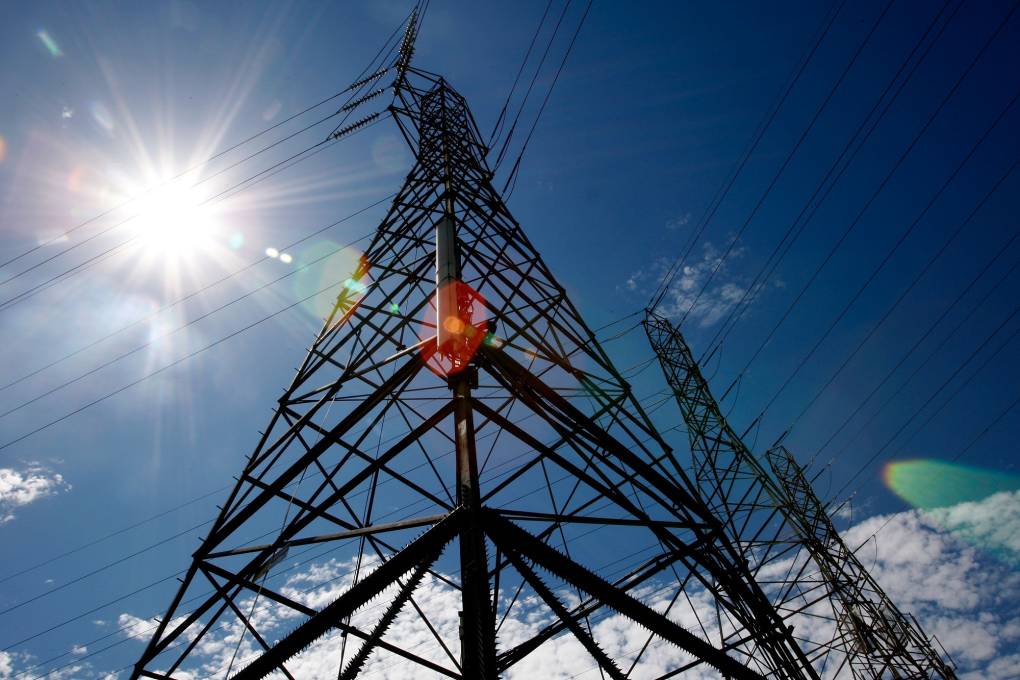
"caption": "The sun shines over towers carrying electrical lines in South San Francisco. With a Bay Area heat wave starting this week, California's grid operator has ordered providers to delay maintenance to handle the surge in electricity demand.",
"credit": "Justin Sullivan/Getty Images",
"altTag": null,
"description": null,
"imgSizes": {
"medium": {
"file": "https://cdn.kqed.org/wp-content/uploads/sites/35/2024/09/SFEnergyGridGetty1-800x533.jpg",
"width": 800,
"height": 533,
"mimeType": "image/jpeg"
},
"large": {
"file": "https://cdn.kqed.org/wp-content/uploads/sites/35/2024/09/SFEnergyGridGetty1-1020x680.jpg",
"width": 1020,
"height": 680,
"mimeType": "image/jpeg"
},
"thumbnail": {
"file": "https://cdn.kqed.org/wp-content/uploads/sites/35/2024/09/SFEnergyGridGetty1-160x107.jpg",
"width": 160,
"height": 107,
"mimeType": "image/jpeg"
},
"medium_large": {
"file": "https://cdn.kqed.org/wp-content/uploads/sites/35/2024/09/SFEnergyGridGetty1-768x512.jpg",
"width": 768,
"height": 512,
"mimeType": "image/jpeg"
},
"1536x1536": {
"file": "https://cdn.kqed.org/wp-content/uploads/sites/35/2024/09/SFEnergyGridGetty1-1536x1024.jpg",
"width": 1536,
"height": 1024,
"mimeType": "image/jpeg"
},
"post-thumbnail": {
"file": "https://cdn.kqed.org/wp-content/uploads/sites/35/2024/09/SFEnergyGridGetty1-672x372.jpg",
"width": 672,
"height": 372,
"mimeType": "image/jpeg"
},
"twentyfourteen-full-width": {
"file": "https://cdn.kqed.org/wp-content/uploads/sites/35/2024/09/SFEnergyGridGetty1-1038x576.jpg",
"width": 1038,
"height": 576,
"mimeType": "image/jpeg"
},
"full-width": {
"file": "https://cdn.kqed.org/wp-content/uploads/sites/35/2024/09/SFEnergyGridGetty1-1920x1280.jpg",
"width": 1920,
"height": 1280,
"mimeType": "image/jpeg"
},
"kqedFullSize": {
"file": "https://cdn.kqed.org/wp-content/uploads/sites/35/2024/09/SFEnergyGridGetty1.jpg",
"width": 2000,
"height": 1333
}
},
"isLoading": false,
"fetchFailed": false
},
"science_1993911": {
"type": "attachments",
"id": "science_1993911",
"meta": {
"index": "attachments_1716263798",
"site": "science",
"id": "1993911",
"found": true
},
"title": "US-ENVIRONMENT-CLIMATE-ECONOMY-STARTUP",
"publishDate": 1723161383,
"status": "inherit",
"parent": 1993898,
"modified": 1723174865,
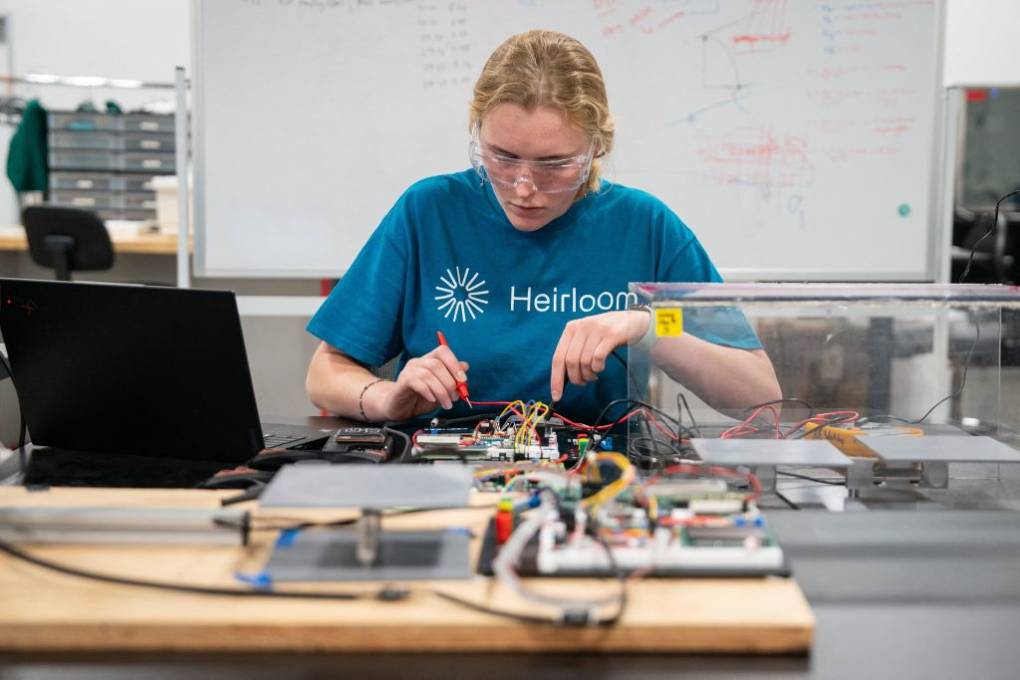
"caption": "Research scientist Emily Hagood troubleshoots instrumentation for measuring carbon dioxide removal from the atmosphere, inside the laboratory at Heirloom Carbon on Sept. 21, 2023, in Brisbane, California. ",
"credit": "Loren Elliott/AFP via Getty Images",
"altTag": "A young white woman uses tools to work on technical instrumentation at a workbench.",
"description": null,
"imgSizes": {
"medium": {
"file": "https://cdn.kqed.org/wp-content/uploads/sites/35/2024/08/GettyImages-1753047057-800x534.jpg",
"width": 800,
"height": 534,
"mimeType": "image/jpeg"
},
"large": {
"file": "https://cdn.kqed.org/wp-content/uploads/sites/35/2024/08/GettyImages-1753047057-1020x680.jpg",
"width": 1020,
"height": 680,
"mimeType": "image/jpeg"
},
"thumbnail": {
"file": "https://cdn.kqed.org/wp-content/uploads/sites/35/2024/08/GettyImages-1753047057-160x107.jpg",
"width": 160,
"height": 107,
"mimeType": "image/jpeg"
},
"medium_large": {
"file": "https://cdn.kqed.org/wp-content/uploads/sites/35/2024/08/GettyImages-1753047057-768x512.jpg",
"width": 768,
"height": 512,
"mimeType": "image/jpeg"
},
"post-thumbnail": {
"file": "https://cdn.kqed.org/wp-content/uploads/sites/35/2024/08/GettyImages-1753047057-672x372.jpg",
"width": 672,
"height": 372,
"mimeType": "image/jpeg"
},
"twentyfourteen-full-width": {
"file": "https://cdn.kqed.org/wp-content/uploads/sites/35/2024/08/GettyImages-1753047057-1024x576.jpg",
"width": 1024,
"height": 576,
"mimeType": "image/jpeg"
},
"kqedFullSize": {
"file": "https://cdn.kqed.org/wp-content/uploads/sites/35/2024/08/GettyImages-1753047057.jpg",
"width": 1024,
"height": 683
}
},
"isLoading": false,
"fetchFailed": false
},
"science_1993887": {
"type": "attachments",
"id": "science_1993887",
"meta": {
"index": "attachments_1716263798",
"site": "science",
"id": "1993887",
"found": true
},
"title": "The entrance to Mill Valley Middle School on Tuesday, June 4 2024.",
"publishDate": 1723058640,
"status": "inherit",
"parent": 1993883,
"modified": 1723060635,
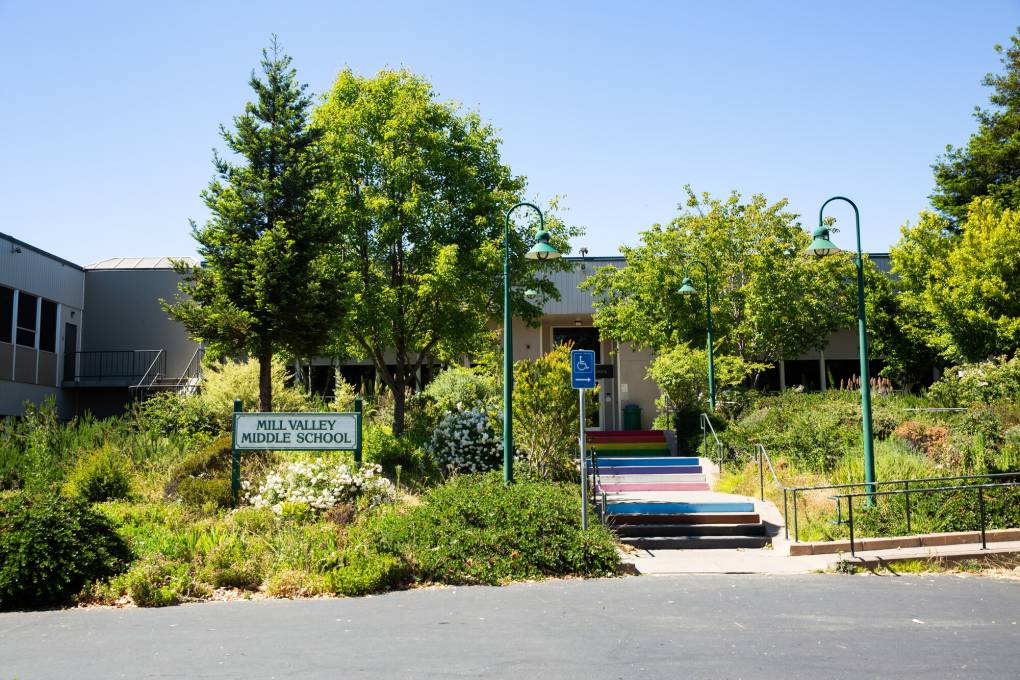
"caption": "The entrance to Mill Valley Middle School on Tuesday, June 4, 2024. The school has closed down in the past due to flooding and storm damage caused by rain-induced flooding and high tides.",
"credit": "Gina Castro/KQED",
"altTag": null,
"description": null,
"imgSizes": {
"medium": {
"file": "https://cdn.kqed.org/wp-content/uploads/sites/35/2024/08/20240604_FloodedSchool-37_qed-1-800x533.jpg",
"width": 800,
"height": 533,
"mimeType": "image/jpeg"
},
"large": {
"file": "https://cdn.kqed.org/wp-content/uploads/sites/35/2024/08/20240604_FloodedSchool-37_qed-1-1020x680.jpg",
"width": 1020,
"height": 680,
"mimeType": "image/jpeg"
},
"thumbnail": {
"file": "https://cdn.kqed.org/wp-content/uploads/sites/35/2024/08/20240604_FloodedSchool-37_qed-1-160x107.jpg",
"width": 160,
"height": 107,
"mimeType": "image/jpeg"
},
"medium_large": {
"file": "https://cdn.kqed.org/wp-content/uploads/sites/35/2024/08/20240604_FloodedSchool-37_qed-1-768x512.jpg",
"width": 768,
"height": 512,
"mimeType": "image/jpeg"
},
"1536x1536": {
"file": "https://cdn.kqed.org/wp-content/uploads/sites/35/2024/08/20240604_FloodedSchool-37_qed-1-1536x1024.jpg",
"width": 1536,
"height": 1024,
"mimeType": "image/jpeg"
},
"post-thumbnail": {
"file": "https://cdn.kqed.org/wp-content/uploads/sites/35/2024/08/20240604_FloodedSchool-37_qed-1-672x372.jpg",
"width": 672,
"height": 372,
"mimeType": "image/jpeg"
},
"twentyfourteen-full-width": {
"file": "https://cdn.kqed.org/wp-content/uploads/sites/35/2024/08/20240604_FloodedSchool-37_qed-1-1038x576.jpg",
"width": 1038,
"height": 576,
"mimeType": "image/jpeg"
},
"full-width": {
"file": "https://cdn.kqed.org/wp-content/uploads/sites/35/2024/08/20240604_FloodedSchool-37_qed-1-1920x1280.jpg",
"width": 1920,
"height": 1280,
"mimeType": "image/jpeg"
},
"kqedFullSize": {
"file": "https://cdn.kqed.org/wp-content/uploads/sites/35/2024/08/20240604_FloodedSchool-37_qed-1.jpg",
"width": 2000,
"height": 1333
}
},
"isLoading": false,
"fetchFailed": false
},
"science_1993840": {
"type": "attachments",
"id": "science_1993840",
"meta": {
"index": "attachments_1716263798",
"site": "science",
"id": "1993840",
"found": true
},
"title": "FloodMap",
"publishDate": 1722641911,
"status": "inherit",
"parent": 1993798,
"modified": 1722641936,
"caption": null,
"credit": "Matthew Green/KQED",
"altTag": null,
"description": null,
"imgSizes": {
"medium": {
"file": "https://cdn.kqed.org/wp-content/uploads/sites/35/2024/08/FloodMap-800x501.jpg",
"width": 800,
"height": 501,
"mimeType": "image/jpeg"
},
"large": {
"file": "https://cdn.kqed.org/wp-content/uploads/sites/35/2024/08/FloodMap-1020x638.jpg",
"width": 1020,
"height": 638,
"mimeType": "image/jpeg"
},
"thumbnail": {
"file": "https://cdn.kqed.org/wp-content/uploads/sites/35/2024/08/FloodMap-160x100.jpg",
"width": 160,
"height": 100,
"mimeType": "image/jpeg"
},
"medium_large": {
"file": "https://cdn.kqed.org/wp-content/uploads/sites/35/2024/08/FloodMap-768x481.jpg",
"width": 768,
"height": 481,
"mimeType": "image/jpeg"
},
"post-thumbnail": {
"file": "https://cdn.kqed.org/wp-content/uploads/sites/35/2024/08/FloodMap-672x372.jpg",
"width": 672,
"height": 372,
"mimeType": "image/jpeg"
},
"twentyfourteen-full-width": {
"file": "https://cdn.kqed.org/wp-content/uploads/sites/35/2024/08/FloodMap-1038x576.jpg",
"width": 1038,
"height": 576,
"mimeType": "image/jpeg"
},
"kqedFullSize": {
"file": "https://cdn.kqed.org/wp-content/uploads/sites/35/2024/08/FloodMap.jpg",
"width": 1459,
"height": 913
}
},
"isLoading": false,
"fetchFailed": false
},
"science_1993786": {
"type": "attachments",
"id": "science_1993786",
"meta": {
"index": "attachments_1716263798",
"site": "science",
"id": "1993786",
"found": true
},
"title": "20240604_FloodedSchool-13_qed",
"publishDate": 1722553025,
"status": "inherit",
"parent": 1993783,
"modified": 1722638519,
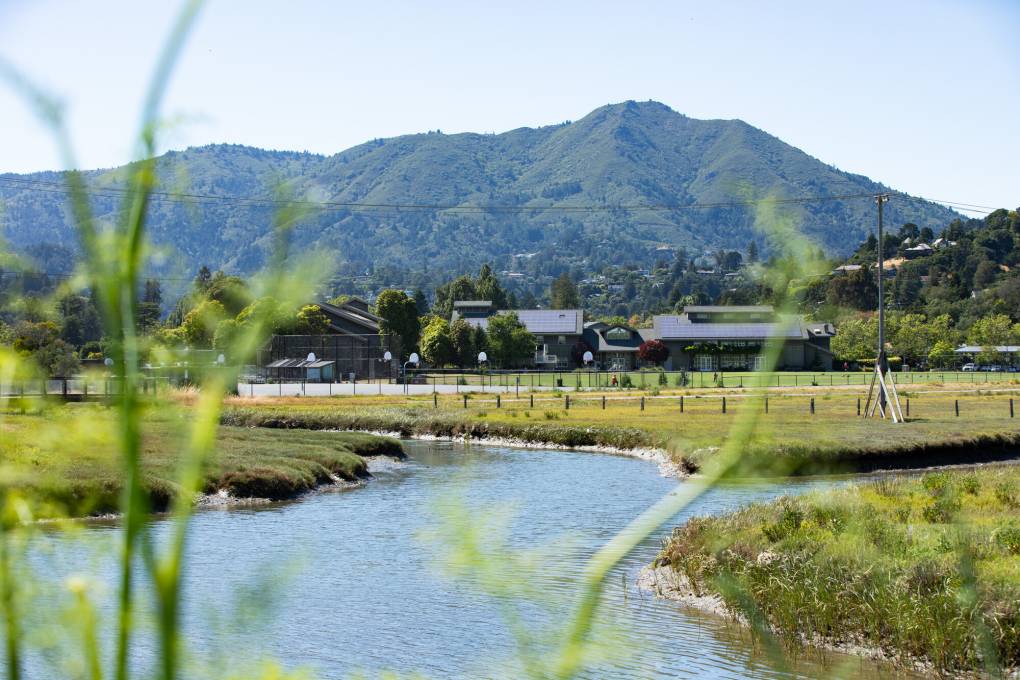
"caption": "An inlet of Richardson Bay, with Mill Valley Community Center seen in the distance, on June 4. In October 2021, the nearby Mill Valley Middle School closed down for a day due to flooding and storm damage caused by rain-induced flooding and high tides.",
"credit": "Gina Castro/KQED",
"altTag": null,
"description": null,
"imgSizes": {
"medium": {
"file": "https://cdn.kqed.org/wp-content/uploads/sites/35/2024/08/20240604_FloodedSchool-13_qed-800x533.jpg",
"width": 800,
"height": 533,
"mimeType": "image/jpeg"
},
"large": {
"file": "https://cdn.kqed.org/wp-content/uploads/sites/35/2024/08/20240604_FloodedSchool-13_qed-1020x680.jpg",
"width": 1020,
"height": 680,
"mimeType": "image/jpeg"
},
"thumbnail": {
"file": "https://cdn.kqed.org/wp-content/uploads/sites/35/2024/08/20240604_FloodedSchool-13_qed-160x107.jpg",
"width": 160,
"height": 107,
"mimeType": "image/jpeg"
},
"medium_large": {
"file": "https://cdn.kqed.org/wp-content/uploads/sites/35/2024/08/20240604_FloodedSchool-13_qed-768x512.jpg",
"width": 768,
"height": 512,
"mimeType": "image/jpeg"
},
"1536x1536": {
"file": "https://cdn.kqed.org/wp-content/uploads/sites/35/2024/08/20240604_FloodedSchool-13_qed-1536x1024.jpg",
"width": 1536,
"height": 1024,
"mimeType": "image/jpeg"
},
"post-thumbnail": {
"file": "https://cdn.kqed.org/wp-content/uploads/sites/35/2024/08/20240604_FloodedSchool-13_qed-672x372.jpg",
"width": 672,
"height": 372,
"mimeType": "image/jpeg"
},
"twentyfourteen-full-width": {
"file": "https://cdn.kqed.org/wp-content/uploads/sites/35/2024/08/20240604_FloodedSchool-13_qed-1038x576.jpg",
"width": 1038,
"height": 576,
"mimeType": "image/jpeg"
},
"full-width": {
"file": "https://cdn.kqed.org/wp-content/uploads/sites/35/2024/08/20240604_FloodedSchool-13_qed-1920x1280.jpg",
"width": 1920,
"height": 1280,
"mimeType": "image/jpeg"
},
"kqedFullSize": {
"file": "https://cdn.kqed.org/wp-content/uploads/sites/35/2024/08/20240604_FloodedSchool-13_qed.jpg",
"width": 2000,
"height": 1333
}
},
"isLoading": false,
"fetchFailed": false
},
"science_1993764": {
"type": "attachments",
"id": "science_1993764",
"meta": {
"index": "attachments_1716263798",
"site": "science",
"id": "1993764",
"found": true
},
"title": null,
"publishDate": 1722460884,
"status": "inherit",
"parent": 0,
"modified": 1722533326,
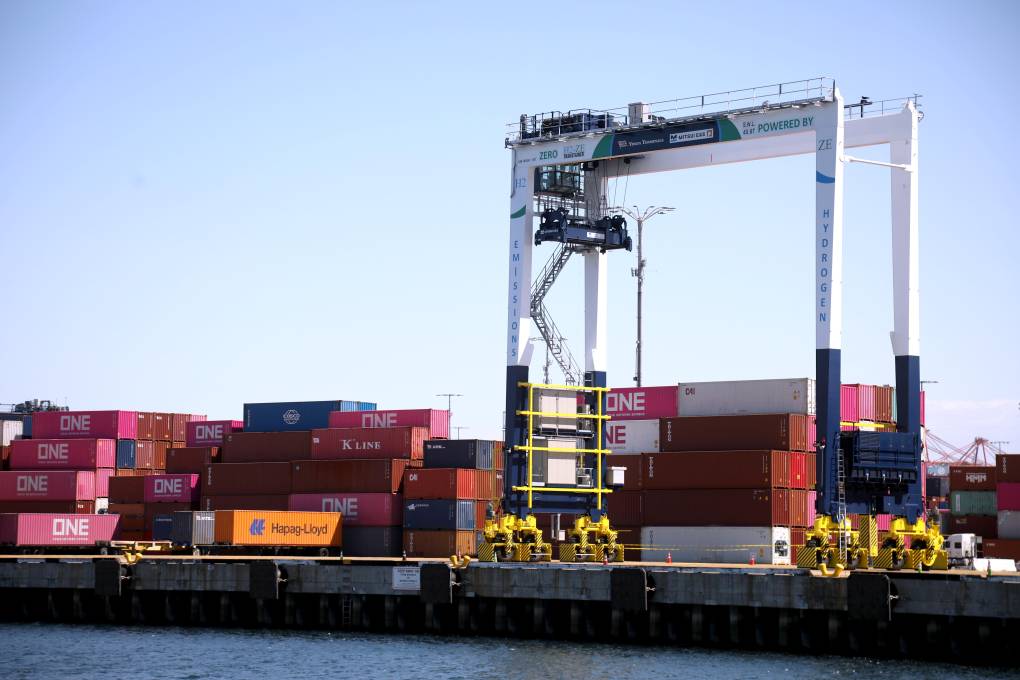
"caption": "A hydrogen-powered crane with zero emissions waits to move cargo containers in Los Angeles Harbor on March 14, 2024.",
"credit": "Genaro Molina/Los Angeles Times via Getty Images",
"altTag": null,
"description": null,
"imgSizes": {
"medium": {
"file": "https://cdn.kqed.org/wp-content/uploads/sites/35/2024/07/GettyImages-2082107731-800x533.jpg",
"width": 800,
"height": 533,
"mimeType": "image/jpeg"
},
"large": {
"file": "https://cdn.kqed.org/wp-content/uploads/sites/35/2024/07/GettyImages-2082107731-1020x680.jpg",
"width": 1020,
"height": 680,
"mimeType": "image/jpeg"
},
"thumbnail": {
"file": "https://cdn.kqed.org/wp-content/uploads/sites/35/2024/07/GettyImages-2082107731-160x107.jpg",
"width": 160,
"height": 107,
"mimeType": "image/jpeg"
},
"medium_large": {
"file": "https://cdn.kqed.org/wp-content/uploads/sites/35/2024/07/GettyImages-2082107731-768x512.jpg",
"width": 768,
"height": 512,
"mimeType": "image/jpeg"
},
"1536x1536": {
"file": "https://cdn.kqed.org/wp-content/uploads/sites/35/2024/07/GettyImages-2082107731-1536x1024.jpg",
"width": 1536,
"height": 1024,
"mimeType": "image/jpeg"
},
"2048x2048": {
"file": "https://cdn.kqed.org/wp-content/uploads/sites/35/2024/07/GettyImages-2082107731-2048x1365.jpg",
"width": 2048,
"height": 1365,
"mimeType": "image/jpeg"
},
"post-thumbnail": {
"file": "https://cdn.kqed.org/wp-content/uploads/sites/35/2024/07/GettyImages-2082107731-672x372.jpg",
"width": 672,
"height": 372,
"mimeType": "image/jpeg"
},
"twentyfourteen-full-width": {
"file": "https://cdn.kqed.org/wp-content/uploads/sites/35/2024/07/GettyImages-2082107731-1038x576.jpg",
"width": 1038,
"height": 576,
"mimeType": "image/jpeg"
},
"full-width": {
"file": "https://cdn.kqed.org/wp-content/uploads/sites/35/2024/07/GettyImages-2082107731-1920x1280.jpg",
"width": 1920,
"height": 1280,
"mimeType": "image/jpeg"
},
"kqedFullSize": {
"file": "https://cdn.kqed.org/wp-content/uploads/sites/35/2024/07/GettyImages-2082107731-scaled.jpg",
"width": 2560,
"height": 1707
}
},
"isLoading": false,
"fetchFailed": false
},
"science_1993740": {
"type": "attachments",
"id": "science_1993740",
"meta": {
"index": "attachments_1716263798",
"site": "science",
"id": "1993740",
"found": true
},
"title": null,
"publishDate": 1722262314,
"status": "inherit",
"parent": 0,
"modified": 1722262380,
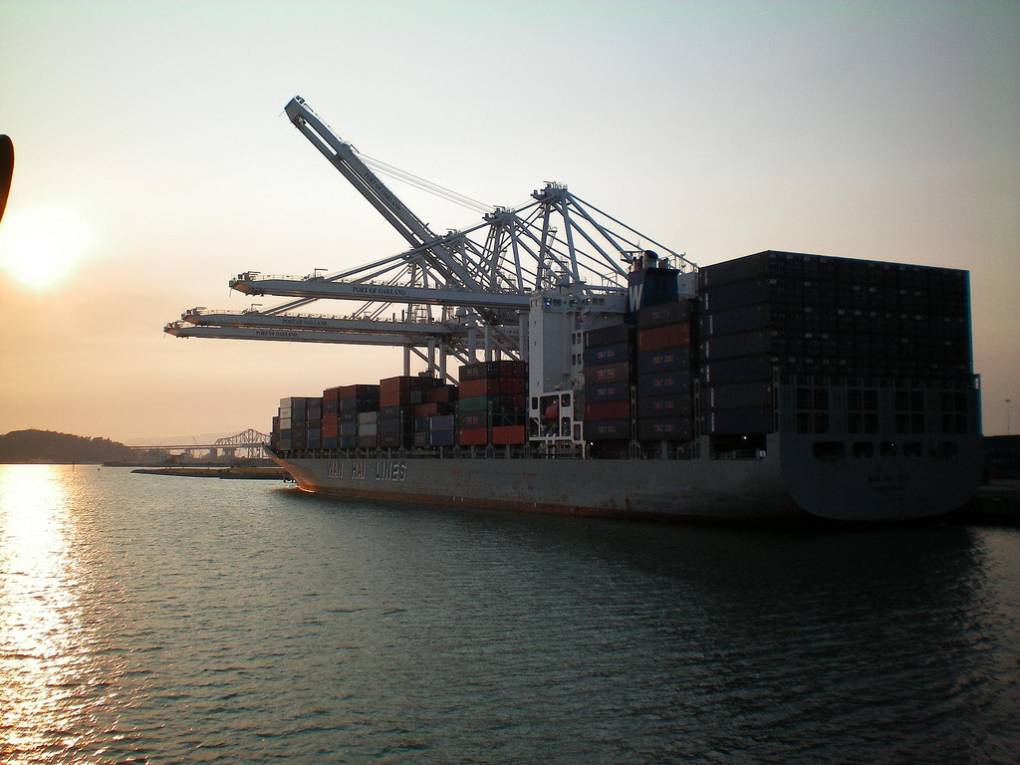
"caption": "At Oakland and other California ports, federal funding managed by ARCHES could support hydrogen fueling stations and build cargo handling equipment that runs on the clean fuel. ",
"credit": "Mark Hogan/Flickr",
"altTag": null,
"description": null,
"imgSizes": {
"medium": {
"file": "https://cdn.kqed.org/wp-content/uploads/sites/35/2024/07/2688719813_eb17fe3b82_b-800x600.jpg",
"width": 800,
"height": 600,
"mimeType": "image/jpeg"
},
"large": {
"file": "https://cdn.kqed.org/wp-content/uploads/sites/35/2024/07/2688719813_eb17fe3b82_b-1020x765.jpg",
"width": 1020,
"height": 765,
"mimeType": "image/jpeg"
},
"thumbnail": {
"file": "https://cdn.kqed.org/wp-content/uploads/sites/35/2024/07/2688719813_eb17fe3b82_b-160x120.jpg",
"width": 160,
"height": 120,
"mimeType": "image/jpeg"
},
"medium_large": {
"file": "https://cdn.kqed.org/wp-content/uploads/sites/35/2024/07/2688719813_eb17fe3b82_b-768x576.jpg",
"width": 768,
"height": 576,
"mimeType": "image/jpeg"
},
"post-thumbnail": {
"file": "https://cdn.kqed.org/wp-content/uploads/sites/35/2024/07/2688719813_eb17fe3b82_b-672x372.jpg",
"width": 672,
"height": 372,
"mimeType": "image/jpeg"
},
"twentyfourteen-full-width": {
"file": "https://cdn.kqed.org/wp-content/uploads/sites/35/2024/07/2688719813_eb17fe3b82_b-1024x576.jpg",
"width": 1024,
"height": 576,
"mimeType": "image/jpeg"
},
"kqedFullSize": {
"file": "https://cdn.kqed.org/wp-content/uploads/sites/35/2024/07/2688719813_eb17fe3b82_b.jpg",
"width": 1024,
"height": 768
}
},
"isLoading": false,
"fetchFailed": false
},
"science_1993584": {
"type": "attachments",
"id": "science_1993584",
"meta": {
"index": "attachments_1716263798",
"site": "science",
"id": "1993584",
"found": true
},
"title": "California Wildfires",
"publishDate": 1720649769,
"status": "inherit",
"parent": 1993578,
"modified": 1720653884,
"caption": "Firefighters battle the Thompson Fire burning in Oroville, Butte County, Tuesday, July 2, 2024. An extended heat wave blanketing Northern California has resulted in red flag fire warnings and power shutoffs.",
"credit": "Noah Berger/AP Photo",
"altTag": null,
"description": null,
"imgSizes": {
"medium": {
"file": "https://cdn.kqed.org/wp-content/uploads/sites/35/2024/07/AP24185283082565-800x533.jpg",
"width": 800,
"height": 533,
"mimeType": "image/jpeg"
},
"large": {
"file": "https://cdn.kqed.org/wp-content/uploads/sites/35/2024/07/AP24185283082565-1020x680.jpg",
"width": 1020,
"height": 680,
"mimeType": "image/jpeg"
},
"thumbnail": {
"file": "https://cdn.kqed.org/wp-content/uploads/sites/35/2024/07/AP24185283082565-160x107.jpg",
"width": 160,
"height": 107,
"mimeType": "image/jpeg"
},
"medium_large": {
"file": "https://cdn.kqed.org/wp-content/uploads/sites/35/2024/07/AP24185283082565-768x512.jpg",
"width": 768,
"height": 512,
"mimeType": "image/jpeg"
},
"1536x1536": {
"file": "https://cdn.kqed.org/wp-content/uploads/sites/35/2024/07/AP24185283082565-1536x1024.jpg",
"width": 1536,
"height": 1024,
"mimeType": "image/jpeg"
},
"2048x2048": {
"file": "https://cdn.kqed.org/wp-content/uploads/sites/35/2024/07/AP24185283082565-2048x1365.jpg",
"width": 2048,
"height": 1365,
"mimeType": "image/jpeg"
},
"post-thumbnail": {
"file": "https://cdn.kqed.org/wp-content/uploads/sites/35/2024/07/AP24185283082565-672x372.jpg",
"width": 672,
"height": 372,
"mimeType": "image/jpeg"
},
"twentyfourteen-full-width": {
"file": "https://cdn.kqed.org/wp-content/uploads/sites/35/2024/07/AP24185283082565-1038x576.jpg",
"width": 1038,
"height": 576,
"mimeType": "image/jpeg"
},
"full-width": {
"file": "https://cdn.kqed.org/wp-content/uploads/sites/35/2024/07/AP24185283082565-1920x1280.jpg",
"width": 1920,
"height": 1280,
"mimeType": "image/jpeg"
},
"kqedFullSize": {
"file": "https://cdn.kqed.org/wp-content/uploads/sites/35/2024/07/AP24185283082565-scaled.jpg",
"width": 2560,
"height": 1707
}
},
"isLoading": false,
"fetchFailed": false
},
"science_1993543": {
"type": "attachments",
"id": "science_1993543",
"meta": {
"index": "attachments_1716263798",
"site": "science",
"id": "1993543",
"found": true
},
"title": "Sheep graze on farmland west of Rio Vista on May 2, 2024.",
"publishDate": 1719693884,
"status": "inherit",
"parent": 1993540,
"modified": 1719694020,
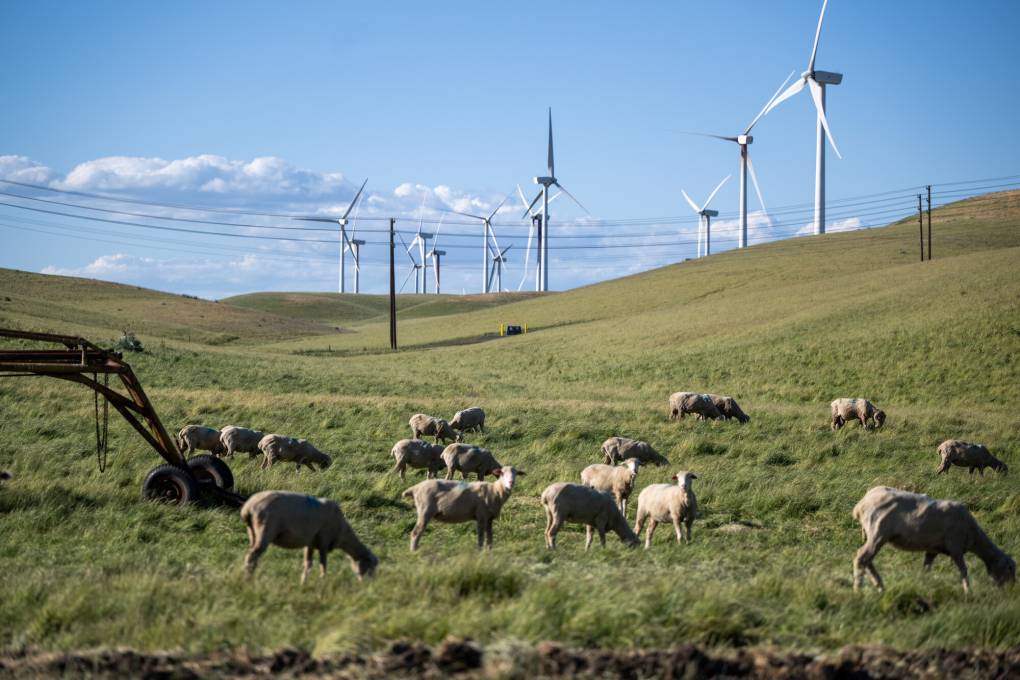
"caption": "Windmills around farmland west of Rio Vista, Solano County, on May 2, 2024.",
"credit": "Bath LaBerge/KQED",
"altTag": null,
"description": null,
"imgSizes": {
"medium": {
"file": "https://cdn.kqed.org/wp-content/uploads/sites/35/2024/06/240502-CaliforniaForever-88-BL_qed-800x533.jpg",
"width": 800,
"height": 533,
"mimeType": "image/jpeg"
},
"large": {
"file": "https://cdn.kqed.org/wp-content/uploads/sites/35/2024/06/240502-CaliforniaForever-88-BL_qed-1020x680.jpg",
"width": 1020,
"height": 680,
"mimeType": "image/jpeg"
},
"thumbnail": {
"file": "https://cdn.kqed.org/wp-content/uploads/sites/35/2024/06/240502-CaliforniaForever-88-BL_qed-160x107.jpg",
"width": 160,
"height": 107,
"mimeType": "image/jpeg"
},
"medium_large": {
"file": "https://cdn.kqed.org/wp-content/uploads/sites/35/2024/06/240502-CaliforniaForever-88-BL_qed-768x512.jpg",
"width": 768,
"height": 512,
"mimeType": "image/jpeg"
},
"1536x1536": {
"file": "https://cdn.kqed.org/wp-content/uploads/sites/35/2024/06/240502-CaliforniaForever-88-BL_qed-1536x1024.jpg",
"width": 1536,
"height": 1024,
"mimeType": "image/jpeg"
},
"post-thumbnail": {
"file": "https://cdn.kqed.org/wp-content/uploads/sites/35/2024/06/240502-CaliforniaForever-88-BL_qed-672x372.jpg",
"width": 672,
"height": 372,
"mimeType": "image/jpeg"
},
"twentyfourteen-full-width": {
"file": "https://cdn.kqed.org/wp-content/uploads/sites/35/2024/06/240502-CaliforniaForever-88-BL_qed-1038x576.jpg",
"width": 1038,
"height": 576,
"mimeType": "image/jpeg"
},
"full-width": {
"file": "https://cdn.kqed.org/wp-content/uploads/sites/35/2024/06/240502-CaliforniaForever-88-BL_qed-1920x1280.jpg",
"width": 1920,
"height": 1280,
"mimeType": "image/jpeg"
},
"kqedFullSize": {
"file": "https://cdn.kqed.org/wp-content/uploads/sites/35/2024/06/240502-CaliforniaForever-88-BL_qed.jpg",
"width": 2000,
"height": 1333
}
},
"isLoading": false,
"fetchFailed": false
},
"science_1993415": {
"type": "attachments",
"id": "science_1993415",
"meta": {
"index": "attachments_1716263798",
"site": "science",
"id": "1993415",
"found": true
},
"title": "California Wildfires",
"publishDate": 1718655136,
"status": "inherit",
"parent": 1993411,
"modified": 1718655176,
"caption": "A firefighter carries a hose while battling the Point Fire along West Dry Creek Road in Healdsburg, Calif. on Sunday, June 16, 2024.",
"credit": "Noah Berger/AP Photo",
"altTag": null,
"description": null,
"imgSizes": {
"medium": {
"file": "https://cdn.kqed.org/wp-content/uploads/sites/35/2024/06/SonomaCountyPointFire01-800x532.jpg",
"width": 800,
"height": 532,
"mimeType": "image/jpeg"
},
"large": {
"file": "https://cdn.kqed.org/wp-content/uploads/sites/35/2024/06/SonomaCountyPointFire01-1020x678.jpg",
"width": 1020,
"height": 678,
"mimeType": "image/jpeg"
},
"thumbnail": {
"file": "https://cdn.kqed.org/wp-content/uploads/sites/35/2024/06/SonomaCountyPointFire01-160x106.jpg",
"width": 160,
"height": 106,
"mimeType": "image/jpeg"
},
"medium_large": {
"file": "https://cdn.kqed.org/wp-content/uploads/sites/35/2024/06/SonomaCountyPointFire01-768x511.jpg",
"width": 768,
"height": 511,
"mimeType": "image/jpeg"
},
"1536x1536": {
"file": "https://cdn.kqed.org/wp-content/uploads/sites/35/2024/06/SonomaCountyPointFire01-1536x1022.jpg",
"width": 1536,
"height": 1022,
"mimeType": "image/jpeg"
},
"post-thumbnail": {
"file": "https://cdn.kqed.org/wp-content/uploads/sites/35/2024/06/SonomaCountyPointFire01-672x372.jpg",
"width": 672,
"height": 372,
"mimeType": "image/jpeg"
},
"twentyfourteen-full-width": {
"file": "https://cdn.kqed.org/wp-content/uploads/sites/35/2024/06/SonomaCountyPointFire01-1038x576.jpg",
"width": 1038,
"height": 576,
"mimeType": "image/jpeg"
},
"kqedFullSize": {
"file": "https://cdn.kqed.org/wp-content/uploads/sites/35/2024/06/SonomaCountyPointFire01.jpg",
"width": 1920,
"height": 1277
}
},
"isLoading": false,
"fetchFailed": false
},
"science_1993375": {
"type": "attachments",
"id": "science_1993375",
"meta": {
"index": "attachments_1716263798",
"site": "science",
"id": "1993375",
"found": true
},
"title": "Dairy Digesters Pollution",
"publishDate": 1718474743,
"status": "inherit",
"parent": 1993372,
"modified": 1718474825,
"caption": "Cows stand in a corral at a dairy farm in Pixley, Tulare County, on May 20, 2024. In recent decades, digesters that convert cow manure and other organic waste into biogas to create electricity or to fuel vehicles have spread nationally, and the number is expected to grow. ",
"credit": "Noah Berger/AP Photo",
"altTag": null,
"description": null,
"imgSizes": {
"medium": {
"file": "https://cdn.kqed.org/wp-content/uploads/sites/35/2024/06/AP24164554349822-800x533.jpg",
"width": 800,
"height": 533,
"mimeType": "image/jpeg"
},
"large": {
"file": "https://cdn.kqed.org/wp-content/uploads/sites/35/2024/06/AP24164554349822-1020x680.jpg",
"width": 1020,
"height": 680,
"mimeType": "image/jpeg"
},
"thumbnail": {
"file": "https://cdn.kqed.org/wp-content/uploads/sites/35/2024/06/AP24164554349822-160x107.jpg",
"width": 160,
"height": 107,
"mimeType": "image/jpeg"
},
"medium_large": {
"file": "https://cdn.kqed.org/wp-content/uploads/sites/35/2024/06/AP24164554349822-768x512.jpg",
"width": 768,
"height": 512,
"mimeType": "image/jpeg"
},
"1536x1536": {
"file": "https://cdn.kqed.org/wp-content/uploads/sites/35/2024/06/AP24164554349822-1536x1023.jpg",
"width": 1536,
"height": 1023,
"mimeType": "image/jpeg"
},
"2048x2048": {
"file": "https://cdn.kqed.org/wp-content/uploads/sites/35/2024/06/AP24164554349822-2048x1365.jpg",
"width": 2048,
"height": 1365,
"mimeType": "image/jpeg"
},
"post-thumbnail": {
"file": "https://cdn.kqed.org/wp-content/uploads/sites/35/2024/06/AP24164554349822-672x372.jpg",
"width": 672,
"height": 372,
"mimeType": "image/jpeg"
},
"twentyfourteen-full-width": {
"file": "https://cdn.kqed.org/wp-content/uploads/sites/35/2024/06/AP24164554349822-1038x576.jpg",
"width": 1038,
"height": 576,
"mimeType": "image/jpeg"
},
"full-width": {
"file": "https://cdn.kqed.org/wp-content/uploads/sites/35/2024/06/AP24164554349822-1920x1279.jpg",
"width": 1920,
"height": 1279,
"mimeType": "image/jpeg"
},
"kqedFullSize": {
"file": "https://cdn.kqed.org/wp-content/uploads/sites/35/2024/06/AP24164554349822-scaled.jpg",
"width": 2560,
"height": 1706
}
},
"isLoading": false,
"fetchFailed": false
},
"science_1980742": {
"type": "attachments",
"id": "science_1980742",
"meta": {
"index": "attachments_1716263798",
"site": "science",
"id": "1980742",
"found": true
},
"title": "US-FIRE-CALIFORNIA",
"publishDate": 1667848284,
"status": "inherit",
"parent": 1980720,
"modified": 1718225867,
"caption": "An aerial view shows burned properties in Santa Rosa on Oct. 12, 2017, after a massive wildfire swept through.",
"credit": "Josh Edelson/AFP/Getty Images",
"altTag": "Row and after row of a suburban neighborhood lay in shambles. The homes are no longer intact. The plots are strewn about with debris and char from fire. Naked trees line each street.",
"description": null,
"imgSizes": {
"medium": {
"file": "https://cdn.kqed.org/wp-content/uploads/sites/35/2022/11/RS27514_GettyImages-860684916-qut-800x533.jpg",
"width": 800,
"height": 533,
"mimeType": "image/jpeg"
},
"large": {
"file": "https://cdn.kqed.org/wp-content/uploads/sites/35/2022/11/RS27514_GettyImages-860684916-qut-1020x680.jpg",
"width": 1020,
"height": 680,
"mimeType": "image/jpeg"
},
"thumbnail": {
"file": "https://cdn.kqed.org/wp-content/uploads/sites/35/2022/11/RS27514_GettyImages-860684916-qut-160x107.jpg",
"width": 160,
"height": 107,
"mimeType": "image/jpeg"
},
"medium_large": {
"file": "https://cdn.kqed.org/wp-content/uploads/sites/35/2022/11/RS27514_GettyImages-860684916-qut-768x512.jpg",
"width": 768,
"height": 512,
"mimeType": "image/jpeg"
},
"1536x1536": {
"file": "https://cdn.kqed.org/wp-content/uploads/sites/35/2022/11/RS27514_GettyImages-860684916-qut-1536x1024.jpg",
"width": 1536,
"height": 1024,
"mimeType": "image/jpeg"
},
"post-thumbnail": {
"file": "https://cdn.kqed.org/wp-content/uploads/sites/35/2022/11/RS27514_GettyImages-860684916-qut-672x372.jpg",
"width": 672,
"height": 372,
"mimeType": "image/jpeg"
},
"twentyfourteen-full-width": {
"file": "https://cdn.kqed.org/wp-content/uploads/sites/35/2022/11/RS27514_GettyImages-860684916-qut-1038x576.jpg",
"width": 1038,
"height": 576,
"mimeType": "image/jpeg"
},
"kqedFullSize": {
"file": "https://cdn.kqed.org/wp-content/uploads/sites/35/2022/11/RS27514_GettyImages-860684916-qut.jpg",
"width": 1920,
"height": 1280
}
},
"isLoading": false,
"fetchFailed": false
}
},
"audioPlayerReducer": {
"postId": "stream_live",
"isPaused": true,
"isPlaying": false,
"pfsActive": false,
"pledgeModalIsOpen": true,
"playerDrawerIsOpen": false,
"liveAudioPlayStartedAt": 0,
"liveAudioPlayContext": ""
},
"authorsReducer": {
"byline_science_1993798": {
"type": "authors",
"id": "byline_science_1993798",
"meta": {
"override": true
},
"slug": "byline_science_1993798",
"name": "Katie Worth, Climate Central; Sirui Zhu, Climate Central; \u003ca href=\"https://www.kqed.org/author/eromero\">Ezra David Romero\u003c/a>, KQED",
"isLoading": false
},
"byline_science_1993783": {
"type": "authors",
"id": "byline_science_1993783",
"meta": {
"override": true
},
"slug": "byline_science_1993783",
"name": "\u003ca href=\"https://www.kqed.org/author/eromero\">Ezra David Romero\u003c/a>, KQED; \u003ca href=\"https://twitter.com/katieworth\">Katie Worth\u003c/a>, Climate Central",
"isLoading": false
},
"byline_science_1993734": {
"type": "authors",
"id": "byline_science_1993734",
"meta": {
"override": true
},
"slug": "byline_science_1993734",
"name": "Molly Peterson, Public Health Watch",
"isLoading": false
},
"byline_science_1993714": {
"type": "authors",
"id": "byline_science_1993714",
"meta": {
"override": true
},
"slug": "byline_science_1993714",
"name": "Molly Peterson, Public Health Watch",
"isLoading": false
},
"byline_science_1993372": {
"type": "authors",
"id": "byline_science_1993372",
"meta": {
"override": true
},
"slug": "byline_science_1993372",
"name": "Dorany Pineda and Terry Chea, Associated Press",
"isLoading": false
},
"lklivans": {
"type": "authors",
"id": "8648",
"meta": {
"index": "authors_1716337520",
"id": "8648",
"found": true
},
"name": "Laura Klivans",
"firstName": "Laura",
"lastName": "Klivans",
"slug": "lklivans",
"email": "lklivans@kqed.org",
"display_author_email": true,
"staff_mastheads": [
"news",
"science"
],
"title": "Reporter",
"bio": "Laura Klivans is an award-winning science reporter for KQED News, where she covers climate change with an eye on both groundbreaking progress and gaps in action. She is the former host of KQED's blockbuster video series about tiny, amazing animals, \u003cem>Deep Look\u003c/em>. Her work reaches national audiences through NPR, \u003cem>Here & Now, \u003c/em>PRI, and other major outlets. \r\n\r\nLaura’s won five Northern California Area Emmy Awards for Deep Look and First Place in the Greater Bay Area Journalism Awards for a podcast exploring how one Oakland neighborhood teamed up to reduce planet-heating pollution.\r\n\r\nBeyond her reporting, she hosts and moderates events. In the past, she taught audio storytelling at the UC Berkeley Graduate School of Journalism, led international education programs, worked with immigrants and refugees along the Thai-Burmese border, taught high schoolers sex ed, and was an actress. \r\n\r\nShe's a former UC Berkeley Human Rights Fellow, USC Center for Health Journalism's California Fellow and Coro Fellow in Public Affairs. Laura has a master’s in journalism from UC Berkeley, a master’s in education from Harvard, and an undergraduate degree from Northwestern University.\r\n\r\nShe loves trying to riddle the meaning out of vanity license plates.",
"avatar": "https://secure.gravatar.com/avatar/2d2ecd1550a494cc10ad4a503406965585902124739e775a9b3817eebf1d88be?s=600&d=blank&r=g",
"twitter": "lauraklivans",
"bluesky": null,
"facebook": null,
"instagram": null,
"linkedin": null,
"sites": [
{
"site": "news",
"roles": [
"editor"
]
},
{
"site": "stateofhealth",
"roles": [
"contributor",
"editor"
]
},
{
"site": "science",
"roles": [
"editor"
]
},
{
"site": "forum",
"roles": [
"editor"
]
}
],
"headData": {
"title": "Laura Klivans | KQED",
"description": "Reporter",
"ogImgSrc": "https://secure.gravatar.com/avatar/2d2ecd1550a494cc10ad4a503406965585902124739e775a9b3817eebf1d88be?s=600&d=blank&r=g",
"twImgSrc": "https://secure.gravatar.com/avatar/2d2ecd1550a494cc10ad4a503406965585902124739e775a9b3817eebf1d88be?s=600&d=blank&r=g"
},
"isLoading": false,
"link": "/author/lklivans"
},
"dventon": {
"type": "authors",
"id": "11088",
"meta": {
"index": "authors_1716337520",
"id": "11088",
"found": true
},
"name": "Danielle Venton",
"firstName": "Danielle",
"lastName": "Venton",
"slug": "dventon",
"email": "dventon@kqed.org",
"display_author_email": true,
"staff_mastheads": [
"science"
],
"title": "Science reporter",
"bio": "Danielle Venton is a reporter for KQED Science. She covers wildfires, space and oceans (though she is prone to sea sickness).\r\n\r\nBefore joining KQED in 2015, Danielle was a staff reporter at KRCB in Sonoma County and a freelancer. She studied science communication at UC Santa Cruz and formerly worked at CERN in Geneva, Switzerland where she wrote about computing. She lives in Sonoma County and enjoys backpacking.",
"avatar": "https://secure.gravatar.com/avatar/37b292b5c40c8d93959c4f48d73b5286f41b7abd8588277e941905a3ed4c801c?s=600&d=blank&r=g",
"twitter": "DanielleVenton",
"bluesky": null,
"facebook": null,
"instagram": null,
"linkedin": null,
"sites": [
{
"site": "arts",
"roles": [
"contributor"
]
},
{
"site": "news",
"roles": [
"editor"
]
},
{
"site": "futureofyou",
"roles": [
"editor"
]
},
{
"site": "science",
"roles": [
"editor"
]
},
{
"site": "liveblog",
"roles": [
"contributor"
]
}
],
"headData": {
"title": "Danielle Venton | KQED",
"description": "Science reporter",
"ogImgSrc": "https://secure.gravatar.com/avatar/37b292b5c40c8d93959c4f48d73b5286f41b7abd8588277e941905a3ed4c801c?s=600&d=blank&r=g",
"twImgSrc": "https://secure.gravatar.com/avatar/37b292b5c40c8d93959c4f48d73b5286f41b7abd8588277e941905a3ed4c801c?s=600&d=blank&r=g"
},
"isLoading": false,
"link": "/author/dventon"
},
"eromero": {
"type": "authors",
"id": "11746",
"meta": {
"index": "authors_1716337520",
"id": "11746",
"found": true
},
"name": "Ezra David Romero",
"firstName": "Ezra David",
"lastName": "Romero",
"slug": "eromero",
"email": "eromero@kqed.org",
"display_author_email": true,
"staff_mastheads": [
"news",
"science"
],
"title": "Climate Reporter",
"bio": "Ezra David Romero is a climate reporter for KQED News. He covers the absence and excess of water in the Bay Area — think sea level rise, flooding and drought. For nearly a decade he’s covered how warming temperatures are altering the lives of Californians. He’s reported on farmers worried their pistachio trees aren’t getting enough sleep, families desperate for water, scientists studying dying giant sequoias, and alongside firefighters containing wildfires. His work has appeared on local stations across California and nationally on public radio shows like Morning Edition, Here and Now, All Things Considered and Science Friday. ",
"avatar": "https://secure.gravatar.com/avatar/c76404d287c10ed40224227551ac36e24352c7306f106632caf6fead76f8801f?s=600&d=blank&r=g",
"twitter": "ezraromero",
"bluesky": null,
"facebook": null,
"instagram": null,
"linkedin": null,
"sites": [
{
"site": "arts",
"roles": [
"editor"
]
},
{
"site": "news",
"roles": [
"editor"
]
},
{
"site": "science",
"roles": [
"editor"
]
},
{
"site": "liveblog",
"roles": [
"author"
]
}
],
"headData": {
"title": "Ezra David Romero | KQED",
"description": "Climate Reporter",
"ogImgSrc": "https://secure.gravatar.com/avatar/c76404d287c10ed40224227551ac36e24352c7306f106632caf6fead76f8801f?s=600&d=blank&r=g",
"twImgSrc": "https://secure.gravatar.com/avatar/c76404d287c10ed40224227551ac36e24352c7306f106632caf6fead76f8801f?s=600&d=blank&r=g"
},
"isLoading": false,
"link": "/author/eromero"
},
"kdebenedetti": {
"type": "authors",
"id": "11913",
"meta": {
"index": "authors_1716337520",
"id": "11913",
"found": true
},
"name": "Katie DeBenedetti",
"firstName": "Katie",
"lastName": "DeBenedetti",
"slug": "kdebenedetti",
"email": "kdebenedetti@kqed.org",
"display_author_email": false,
"staff_mastheads": [
"news",
"science"
],
"title": "KQED Contributor",
"bio": "Katie DeBenedetti is a digital reporter covering daily news for the Express Desk. Prior to joining KQED as a culture reporting intern in January 2024, she covered education and city government for the Napa Valley Register.",
"avatar": "https://secure.gravatar.com/avatar/6e31073cb8f7e4214ab03f42771d0f45?s=600&d=blank&r=g",
"twitter": null,
"facebook": null,
"instagram": null,
"linkedin": null,
"sites": [
{
"site": "news",
"roles": [
"author"
]
},
{
"site": "science",
"roles": [
"author"
]
},
{
"site": "liveblog",
"roles": [
"author"
]
}
],
"headData": {
"title": "Katie DeBenedetti | KQED",
"description": "KQED Contributor",
"ogImgSrc": "https://secure.gravatar.com/avatar/6e31073cb8f7e4214ab03f42771d0f45?s=600&d=blank&r=g",
"twImgSrc": "https://secure.gravatar.com/avatar/6e31073cb8f7e4214ab03f42771d0f45?s=600&d=blank&r=g"
},
"isLoading": false,
"link": "/author/kdebenedetti"
}
},
"pagesReducer": {
"science_category_climate": {
"type": "terms",
"id": "science_31",
"meta": {
"index": "terms_1716263798",
"site": "science",
"id": "31",
"score": 11.061988
},
"featImg": null,
"name": "Climate",
"description": null,
"taxonomy": "category",
"headData": {
"twImgId": null,
"twTitle": null,
"ogTitle": null,
"ogImgId": null,
"twDescription": null,
"description": null,
"title": "Climate Archives | KQED Science",
"ogDescription": null
},
"ttid": 33,
"slug": "climate",
"isLoading": false,
"title": "Climate",
"pageMeta": {
"site": "science",
"WpPageTemplate": "page-topic-editorial",
"currentPage": 18
},
"blocks": [
{
"blockName": "kqed/post-list",
"attrs": {
"layout": "cardArticle2",
"query": "posts/science?category=climate",
"seeMore": false,
"paginated": true,
"page": 18
}
},
{
"blockName": "kqed/ad"
}
]
}
},
"pfsSessionReducer": {},
"postsReducer": {
"stream_live": {
"type": "live",
"id": "stream_live",
"audioUrl": "https://streams.kqed.org/kqedradio",
"title": "Live Stream",
"excerpt": "Live Stream information currently unavailable.",
"link": "/radio",
"featImg": "",
"label": {
"name": "KQED Live",
"link": "/"
}
},
"stream_kqedNewscast": {
"type": "posts",
"id": "stream_kqedNewscast",
"audioUrl": "https://www.kqed.org/.stream/anon/radio/RDnews/newscast.mp3?_=1",
"title": "KQED Newscast",
"featImg": "",
"label": {
"name": "88.5 FM",
"link": "/"
}
},
"science_1994107": {
"type": "posts",
"id": "science_1994107",
"meta": {
"index": "posts_1716263798",
"site": "science",
"id": "1994107",
"score": null,
"sort": [
1725402614000
]
},
"guestAuthors": [],
"slug": "bay-area-dances-on-the-edge-of-a-heat-wave-fire-danger-looms",
"title": "Bay Area Dances on the Edge of a Heat Wave, Fire Danger Looms",
"publishDate": 1725402614,
"format": "standard",
"headTitle": "Bay Area Dances on the Edge of a Heat Wave, Fire Danger Looms | KQED",
"labelTerm": {
"site": "science"
},
"content": "\u003cp>Homes in \u003ca href=\"https://www.kqed.org/news/tag/san-francisco\">San Francisco\u003c/a>’s sunnier neighborhoods, like the Mission District, aren’t known for having air conditioning, so with temperatures expected to peak up to 85 degrees over the next few days, forecasters said residents should open windows and let down their blinds — or escape the heat altogether by heading to Fort Funston to cool off.\u003c/p>\n\u003cp>“If it gets really hot inside, go find a local park where you can sit under a shade tree or head west to find that breeze at Ocean Beach,” said Brian Garcia, the National Weather Service’s Bay Area warning coordination meteorologist. “It’s going to be a lot cooler out there, and it’s going to keep you a lot safer.”\u003c/p>\n\u003cp>Across the city by the bay, Garcia said temperatures could sneak above average in neighborhoods along the bay shore and only slightly cool off at night. That’s why he said the weather service issued a heat advisory for Tuesday for the entire city, which he calls a “rare event.”\u003c/p>\n\u003cp>[ad fullwidth]\u003c/p>\n\u003cp>“It’s going to take some time for these places to cool off,” he said. “We’re crossing some thresholds in the city that put us outside the norm, with minimum temperatures only dropping into the low 60s.”\u003c/p>\n\u003cp>Through Friday, temperatures in inland cities like Healdsburg, Concord, Livermore and Morgan Hill could spike into the triple digits. A heat advisory will be in effect on Wednesday and Thursday for temperatures ranging 10 to 20 degrees above average for inland areas, according to the weather service’s daily forecast discussion for the Bay Area.\u003c/p>\n\u003cp>https://twitter.com/NWSBayArea/status/1831016323754926568\u003c/p>\n\u003cp>Farther inland in the Central Valley, the weather service has issued a moderate to major heat risk advisory with triple-digit temperatures from Redding to Sacramento.\u003c/p>\n\u003cp>“We expect about 10 to 15 degrees above the climatological normal in many of these cities,” said Katrina Hand, meteorologist with the weather service in Sacramento. “We expect high temperatures in the triple digits up to 107 degrees.”\u003c/p>\n\u003cp>\u003c!-- iframe plugin v.4.3 wordpress.org/plugins/iframe/ -->\u003cbr>\n\u003ciframe loading=\"lazy\" src=\"https://kqedsf.maps.arcgis.com/apps/instant/basic/index.html?appid=bf643abda876496db0b74dacc2620b53\" width=\"1000\" height=\"700\" frameborder=\"0\" style=\"border:0\" scrolling=\"yes\" class=\"iframe-class\">\u003c/iframe>\u003c/p>\n\u003cp>The warming trend in the Bay Area doesn’t quite equate to a heat wave, but Garcia said such conditions — mainly a spike from average temperatures for several days — are “teetering right on the edge” of becoming a reality.\u003c/p>\n\u003cp>Garcia also expects nighttime lows, especially at high elevations around the region, to remain relatively warm. Combined with wind gusts of 20 to 30 mph and ample dry grass and brush, that makes for the perfect conditions for igniting wildfires.\u003c/p>\n\u003cp>“Fire danger is widespread across the Bay Area now,” he said. “Essentially, what we’re looking at right now is a tinderbox of dry fuels at elevation. If a spark occurs, it could expand quickly into flames and spread rapidly.”\u003c/p>\n\u003cp>Electricity grid operators also worry that several days of heat could increase the risk of power outages. In a heat bulletin issued late last week, the California Independent System Operator \u003ca href=\"https://www.caiso.com/about/news/heat-forecasted-for-much-of-the-western-united-states\">cautioned utility companies to defer maintenance scheduled between Wednesday and Friday to ensure enough generation\u003c/a>. Meanwhile, the Bay Area Air Quality Management District has issued a Spare the Air Alert for smog for Tuesday and Wednesday.\u003c/p>\n\u003cp>\u003c/p>\n",
"blocks": [],
"excerpt": "The National Weather Service is advising Bay Area residents to find solace on the coast as temperatures peak above average across the region this week.",
"status": "publish",
"parent": 0,
"modified": 1725483852,
"stats": {
"hasAudio": false,
"hasVideo": false,
"hasChartOrMap": true,
"iframeSrcs": [
"https://kqedsf.maps.arcgis.com/apps/instant/basic/index.html"
],
"hasGoogleForm": false,
"hasGallery": false,
"hasHearkenModule": false,
"hasPolis": false,
"paragraphCount": 14,
"wordCount": 553
},
"headData": {
"title": "Bay Area Dances on the Edge of a Heat Wave, Fire Danger Looms | KQED",
"description": "The National Weather Service is advising Bay Area residents to find solace on the coast as temperatures peak above average across the region this week.",
"ogTitle": "",
"ogDescription": "",
"ogImgId": "",
"twTitle": "",
"twDescription": "",
"twImgId": "",
"schema": {
"@context": "https://schema.org",
"@type": "Article",
"headline": "Bay Area Dances on the Edge of a Heat Wave, Fire Danger Looms",
"datePublished": "2024-09-03T15:30:14-07:00",
"dateModified": "2024-09-04T14:04:12-07:00",
"image": "https://cdn.kqed.org/wp-content/uploads/2020/02/KQED-OG-Image@1x.png"
}
},
"sticky": false,
"nprStoryId": "kqed-1994107",
"excludeFromSiteSearch": "Include",
"articleAge": "0",
"path": "/science/1994107/bay-area-dances-on-the-edge-of-a-heat-wave-fire-danger-looms",
"audioTrackLength": null,
"parsedContent": [
{
"type": "contentString",
"content": "\u003cdiv class=\"post-body\">\u003cp>\u003cp>Homes in \u003ca href=\"https://www.kqed.org/news/tag/san-francisco\">San Francisco\u003c/a>’s sunnier neighborhoods, like the Mission District, aren’t known for having air conditioning, so with temperatures expected to peak up to 85 degrees over the next few days, forecasters said residents should open windows and let down their blinds — or escape the heat altogether by heading to Fort Funston to cool off.\u003c/p>\n\u003cp>“If it gets really hot inside, go find a local park where you can sit under a shade tree or head west to find that breeze at Ocean Beach,” said Brian Garcia, the National Weather Service’s Bay Area warning coordination meteorologist. “It’s going to be a lot cooler out there, and it’s going to keep you a lot safer.”\u003c/p>\n\u003cp>Across the city by the bay, Garcia said temperatures could sneak above average in neighborhoods along the bay shore and only slightly cool off at night. That’s why he said the weather service issued a heat advisory for Tuesday for the entire city, which he calls a “rare event.”\u003c/p>\n\u003cp>\u003c/p>\u003c/div>",
"attributes": {
"named": {},
"numeric": []
}
},
{
"type": "component",
"content": "",
"name": "ad",
"attributes": {
"named": {
"label": "fullwidth"
},
"numeric": [
"fullwidth"
]
}
},
{
"type": "contentString",
"content": "\u003cdiv class=\"post-body\">\u003cp>\u003c/p>\n\u003cp>“It’s going to take some time for these places to cool off,” he said. “We’re crossing some thresholds in the city that put us outside the norm, with minimum temperatures only dropping into the low 60s.”\u003c/p>\n\u003cp>Through Friday, temperatures in inland cities like Healdsburg, Concord, Livermore and Morgan Hill could spike into the triple digits. A heat advisory will be in effect on Wednesday and Thursday for temperatures ranging 10 to 20 degrees above average for inland areas, according to the weather service’s daily forecast discussion for the Bay Area.\u003c/p>\u003c/p>\u003c/div>",
"attributes": {
"named": {},
"numeric": []
}
},
{
"type": "component",
"content": "",
"name": "singleTwitterStatus",
"attributes": {
"named": {
"id": "1831016323754926568"
},
"numeric": []
}
},
{
"type": "contentString",
"content": "\u003cdiv class=\"post-body\">\u003cp>\n\u003cp>Farther inland in the Central Valley, the weather service has issued a moderate to major heat risk advisory with triple-digit temperatures from Redding to Sacramento.\u003c/p>\n\u003cp>“We expect about 10 to 15 degrees above the climatological normal in many of these cities,” said Katrina Hand, meteorologist with the weather service in Sacramento. “We expect high temperatures in the triple digits up to 107 degrees.”\u003c/p>\n\u003cp>\u003c!-- iframe plugin v.4.3 wordpress.org/plugins/iframe/ -->\u003cbr>\n\u003ciframe loading=\"lazy\" src=\"https://kqedsf.maps.arcgis.com/apps/instant/basic/index.html?appid=bf643abda876496db0b74dacc2620b53\" width=\"1000\" height=\"700\" frameborder=\"0\" style=\"border:0\" scrolling=\"yes\" class=\"iframe-class\">\u003c/iframe>\u003c/p>\n\u003cp>The warming trend in the Bay Area doesn’t quite equate to a heat wave, but Garcia said such conditions — mainly a spike from average temperatures for several days — are “teetering right on the edge” of becoming a reality.\u003c/p>\n\u003cp>Garcia also expects nighttime lows, especially at high elevations around the region, to remain relatively warm. Combined with wind gusts of 20 to 30 mph and ample dry grass and brush, that makes for the perfect conditions for igniting wildfires.\u003c/p>\n\u003cp>“Fire danger is widespread across the Bay Area now,” he said. “Essentially, what we’re looking at right now is a tinderbox of dry fuels at elevation. If a spark occurs, it could expand quickly into flames and spread rapidly.”\u003c/p>\n\u003cp>Electricity grid operators also worry that several days of heat could increase the risk of power outages. In a heat bulletin issued late last week, the California Independent System Operator \u003ca href=\"https://www.caiso.com/about/news/heat-forecasted-for-much-of-the-western-united-states\">cautioned utility companies to defer maintenance scheduled between Wednesday and Friday to ensure enough generation\u003c/a>. Meanwhile, the Bay Area Air Quality Management District has issued a Spare the Air Alert for smog for Tuesday and Wednesday.\u003c/p>\n\u003cp>\u003c/p>\n\u003c/div>\u003c/p>",
"attributes": {
"named": {},
"numeric": []
}
}
],
"link": "/science/1994107/bay-area-dances-on-the-edge-of-a-heat-wave-fire-danger-looms",
"authors": [
"11746"
],
"categories": [
"science_31",
"science_35",
"science_40"
],
"tags": [
"science_5178",
"science_134",
"science_4414",
"science_2184",
"science_365"
],
"featImg": "science_1994109",
"label": "science"
},
"science_1993898": {
"type": "posts",
"id": "science_1993898",
"meta": {
"index": "posts_1716263798",
"site": "science",
"id": "1993898",
"score": null,
"sort": [
1723201210000
]
},
"guestAuthors": [],
"slug": "california-needs-to-pull-carbon-from-the-air-to-meet-climate-goals-this-bill-promises-a-plan",
"title": "California Needs to Pull Carbon From the Air to Meet Its Climate Goals. This Bill Lays Out a Plan",
"publishDate": 1723201210,
"format": "standard",
"headTitle": "California Needs to Pull Carbon From the Air to Meet Its Climate Goals. This Bill Lays Out a Plan | KQED",
"labelTerm": {
"site": "science"
},
"content": "\u003cp>To achieve its ambitious climate goals, California will likely need to not only slash emissions but also remove huge amounts of carbon dioxide from the atmosphere using technology that’s new and very expensive.\u003c/p>\n\u003cp>\u003ca href=\"https://leginfo.legislature.ca.gov/faces/billTextClient.xhtml?bill_id=202320240SB308\">A newly introduced bill\u003c/a> making its way through the state Legislature aims to push the carbon removal industry to be able to pull 75 million tons of carbon dioxide — the amount created by \u003ca href=\"https://ww2.arb.ca.gov/sites/default/files/2022-11/2022-sp.pdf\">roughly 200 gas-fired power plants\u003c/a> — from the air every year by 2045.\u003c/p>\n\u003cp>But that plan is not without controversy. Its critics include big oil, business associations and some environmental justice groups.\u003c/p>\n\u003cp>State Sen. Josh Becker (D-Menlo Park) said he authored the \u003ca href=\"https://leginfo.legislature.ca.gov/faces/billTextClient.xhtml?bill_id=202320240SB308\">bill\u003c/a> — SB 308 — to show companies that California is committed to carbon dioxide removal.\u003c/p>\n\u003cp>“We need to let these entrepreneurs know that there’s a long-term market for carbon removal so they can continue to work,” Becker said. “Investors will invest, and we can bring down the cost of these solutions, just like we’ve done with wind and solar.”\u003c/p>\n\u003cp>[ad fullwidth]\u003c/p>\n\u003cp>There are already several California-based carbon dioxide removal companies, but none of them are yet able to remove the planet-warming gas from the atmosphere in a cost-effective way, according to industry experts, who argue it should cost close to $100 per ton of carbon dioxide removed — a fraction of the current estimates.\u003c/p>\n\u003cp>Becker’s bill would require the California Air Resources Board, the state agency tasked with reducing air pollution, to set targets to scale up the amount of carbon dioxide removed annually and report on that progress. Becker thinks this will also help assure carbon-removal companies that they will have a robust market.\u003c/p>\n\u003cp>[aside postID=\"science_1982049\" hero='https://ww2.kqed.org/app/uploads/sites/35/2023/03/image5-2-1020x702.jpg']\u003c/p>\n\u003cp>The legislation would also establish guardrails for the carbon-removal industry, including how long the pulled carbon dioxide must be stored for — whether that be in deep underground wells, concrete, the ocean or other locations. It would also mandate that companies directly involve communities who live near project sites. Additionally, it would require that the efforts be focused on true carbon dioxide removal rather than projects used to extract oil from an existing well — a process known as enhanced oil recovery.\u003c/p>\n\u003cp>Carbon removal means pulling the gas out of the atmosphere through either nature-based approaches — like conserving existing wetlands — or through technological engineering methods that speed the process of carbon dioxide absorption using air, rocks, land and oceans and then sequester it.\u003c/p>\n\u003cp>Carbon removal is different from \u003ca href=\"https://www.c2es.org/content/carbon-capture/\">carbon capture\u003c/a>, which involves trapping greenhouse gasses at their source of emissions — like smokestacks — a process environmentalists have criticized as allowing fossil-fuel companies to continue burning gases that warm the planet.\u003c/p>\n\u003cp>Supporters of Becker’s bill, including carbon-removal companies and some environmental groups, emphasize that first and foremost, California must reduce emissions, like the pollution that comes from smokestacks and tailpipes. However, they argue that the gas must also be pulled from the atmosphere to meet the state’s goal of carbon neutrality by 2045. Realizing that goal means the state will have to\u003cspan style=\"font-weight: 400;\"> remove as many carbon emissions from the atmosphere as it emits.\u003c/span>\u003c/p>\n\u003cp>“This is a strategy that is necessary,” said Katelyn Roedner Sutter, California state director of the Environmental Defense Fund. “We have to design good rules now so we can start developing and scaling up these projects.”\u003c/p>\n\u003cp>However, a number of influential business groups, like the California Chamber of Commerce, oppose the bill, arguing it would be redundant and \u003ca href=\"https://advocacy.calchamber.com/wp-content/uploads/2023/10/Alert-10-20-23.pdf\">add unnecessary regulations\u003c/a>.\u003c/p>\n\u003cp>Environmental justice groups, like the Central Valley Air Quality Coalition, also oppose the bill but for entirely different reasons. They say carbon dioxide removal projects are popping up across the Central Valley, directly impacting low-income communities there, and that the money would be better spent on cutting emissions in the first place.\u003c/p>\n\u003cp>“We accept that direct air capture is a part of California’s climate strategy,” said Katie Valenzuela, the coalition’s senior policy advocate and a Sacramento City Council member. “But we have deep concerns about potentially replicating some of the same harms that we see from traditional industrial processes.”\u003c/p>\n\u003cp>Valenzuela said she worries about how the projects might negatively impact local air quality and how the chemicals used in the process will be disposed of. The way the captured carbon will be transported through those communities and the consequences of the gas potentially leaking out of storage areas are also major concerns, she adds.\u003c/p>\n\u003cp>\u003c/p>\n\u003cp>“Think about long term: Say there’s a leakage at a carbon storage site in 50 years. Whose job is it going to be to monitor that?” she asked. “Whose job is it going to be to pay for that?”\u003c/p>\n\n",
"blocks": [],
"excerpt": null,
"status": "publish",
"parent": 0,
"modified": 1725576784,
"stats": {
"hasAudio": false,
"hasVideo": false,
"hasChartOrMap": false,
"iframeSrcs": [],
"hasGoogleForm": false,
"hasGallery": false,
"hasHearkenModule": false,
"hasPolis": false,
"paragraphCount": 20,
"wordCount": 828
},
"headData": {
"title": "California Needs to Pull Carbon From the Air to Meet Its Climate Goals. This Bill Lays Out a Plan | KQED",
"description": "To achieve its ambitious climate goals, California will likely need to not only slash emissions but also remove huge amounts of carbon dioxide from the atmosphere using technology that’s new and very expensive. A newly introduced bill making its way through the state Legislature aims to push the carbon removal industry to be able to pull 75 million tons of carbon dioxide — the amount created by roughly 200 gas-fired power plants — from the air every year by 2045. But that plan is not without controversy. Its critics include big oil, business associations and some environmental justice groups. State",
"ogTitle": "",
"ogDescription": "",
"ogImgId": "",
"twTitle": "",
"twDescription": "",
"twImgId": "",
"schema": {
"@context": "https://schema.org",
"@type": "Article",
"headline": "California Needs to Pull Carbon From the Air to Meet Its Climate Goals. This Bill Lays Out a Plan",
"datePublished": "2024-08-09T04:00:10-07:00",
"dateModified": "2024-09-05T15:53:04-07:00",
"image": "https://cdn.kqed.org/wp-content/uploads/2020/02/KQED-OG-Image@1x.png"
}
},
"sticky": false,
"excludeFromSiteSearch": "Include",
"articleAge": "0",
"path": "/science/1993898/california-needs-to-pull-carbon-from-the-air-to-meet-climate-goals-this-bill-promises-a-plan",
"audioTrackLength": null,
"parsedContent": [
{
"type": "contentString",
"content": "\u003cdiv class=\"post-body\">\u003cp>\u003cp>To achieve its ambitious climate goals, California will likely need to not only slash emissions but also remove huge amounts of carbon dioxide from the atmosphere using technology that’s new and very expensive.\u003c/p>\n\u003cp>\u003ca href=\"https://leginfo.legislature.ca.gov/faces/billTextClient.xhtml?bill_id=202320240SB308\">A newly introduced bill\u003c/a> making its way through the state Legislature aims to push the carbon removal industry to be able to pull 75 million tons of carbon dioxide — the amount created by \u003ca href=\"https://ww2.arb.ca.gov/sites/default/files/2022-11/2022-sp.pdf\">roughly 200 gas-fired power plants\u003c/a> — from the air every year by 2045.\u003c/p>\n\u003cp>But that plan is not without controversy. Its critics include big oil, business associations and some environmental justice groups.\u003c/p>\n\u003cp>State Sen. Josh Becker (D-Menlo Park) said he authored the \u003ca href=\"https://leginfo.legislature.ca.gov/faces/billTextClient.xhtml?bill_id=202320240SB308\">bill\u003c/a> — SB 308 — to show companies that California is committed to carbon dioxide removal.\u003c/p>\n\u003cp>“We need to let these entrepreneurs know that there’s a long-term market for carbon removal so they can continue to work,” Becker said. “Investors will invest, and we can bring down the cost of these solutions, just like we’ve done with wind and solar.”\u003c/p>\n\u003cp>\u003c/p>\u003c/div>",
"attributes": {
"named": {},
"numeric": []
}
},
{
"type": "component",
"content": "",
"name": "ad",
"attributes": {
"named": {
"label": "fullwidth"
},
"numeric": [
"fullwidth"
]
}
},
{
"type": "contentString",
"content": "\u003cdiv class=\"post-body\">\u003cp>\u003c/p>\n\u003cp>There are already several California-based carbon dioxide removal companies, but none of them are yet able to remove the planet-warming gas from the atmosphere in a cost-effective way, according to industry experts, who argue it should cost close to $100 per ton of carbon dioxide removed — a fraction of the current estimates.\u003c/p>\n\u003cp>Becker’s bill would require the California Air Resources Board, the state agency tasked with reducing air pollution, to set targets to scale up the amount of carbon dioxide removed annually and report on that progress. Becker thinks this will also help assure carbon-removal companies that they will have a robust market.\u003c/p>\n\u003cp>\u003c/p>\u003c/div>",
"attributes": {
"named": {},
"numeric": []
}
},
{
"type": "component",
"content": "",
"name": "aside",
"attributes": {
"named": {
"postid": "science_1982049",
"hero": "https://ww2.kqed.org/app/uploads/sites/35/2023/03/image5-2-1020x702.jpg",
"label": ""
},
"numeric": []
}
},
{
"type": "contentString",
"content": "\u003cdiv class=\"post-body\">\u003cp>\u003c/p>\n\u003cp>The legislation would also establish guardrails for the carbon-removal industry, including how long the pulled carbon dioxide must be stored for — whether that be in deep underground wells, concrete, the ocean or other locations. It would also mandate that companies directly involve communities who live near project sites. Additionally, it would require that the efforts be focused on true carbon dioxide removal rather than projects used to extract oil from an existing well — a process known as enhanced oil recovery.\u003c/p>\n\u003cp>Carbon removal means pulling the gas out of the atmosphere through either nature-based approaches — like conserving existing wetlands — or through technological engineering methods that speed the process of carbon dioxide absorption using air, rocks, land and oceans and then sequester it.\u003c/p>\n\u003cp>Carbon removal is different from \u003ca href=\"https://www.c2es.org/content/carbon-capture/\">carbon capture\u003c/a>, which involves trapping greenhouse gasses at their source of emissions — like smokestacks — a process environmentalists have criticized as allowing fossil-fuel companies to continue burning gases that warm the planet.\u003c/p>\n\u003cp>Supporters of Becker’s bill, including carbon-removal companies and some environmental groups, emphasize that first and foremost, California must reduce emissions, like the pollution that comes from smokestacks and tailpipes. However, they argue that the gas must also be pulled from the atmosphere to meet the state’s goal of carbon neutrality by 2045. Realizing that goal means the state will have to\u003cspan style=\"font-weight: 400;\"> remove as many carbon emissions from the atmosphere as it emits.\u003c/span>\u003c/p>\n\u003cp>“This is a strategy that is necessary,” said Katelyn Roedner Sutter, California state director of the Environmental Defense Fund. “We have to design good rules now so we can start developing and scaling up these projects.”\u003c/p>\n\u003cp>However, a number of influential business groups, like the California Chamber of Commerce, oppose the bill, arguing it would be redundant and \u003ca href=\"https://advocacy.calchamber.com/wp-content/uploads/2023/10/Alert-10-20-23.pdf\">add unnecessary regulations\u003c/a>.\u003c/p>\n\u003cp>Environmental justice groups, like the Central Valley Air Quality Coalition, also oppose the bill but for entirely different reasons. They say carbon dioxide removal projects are popping up across the Central Valley, directly impacting low-income communities there, and that the money would be better spent on cutting emissions in the first place.\u003c/p>\n\u003cp>“We accept that direct air capture is a part of California’s climate strategy,” said Katie Valenzuela, the coalition’s senior policy advocate and a Sacramento City Council member. “But we have deep concerns about potentially replicating some of the same harms that we see from traditional industrial processes.”\u003c/p>\n\u003cp>Valenzuela said she worries about how the projects might negatively impact local air quality and how the chemicals used in the process will be disposed of. The way the captured carbon will be transported through those communities and the consequences of the gas potentially leaking out of storage areas are also major concerns, she adds.\u003c/p>\n\u003cp>\u003c/p>\n\u003cp>“Think about long term: Say there’s a leakage at a carbon storage site in 50 years. Whose job is it going to be to monitor that?” she asked. “Whose job is it going to be to pay for that?”\u003c/p>\n\n\u003c/div>\u003c/p>",
"attributes": {
"named": {},
"numeric": []
}
}
],
"link": "/science/1993898/california-needs-to-pull-carbon-from-the-air-to-meet-climate-goals-this-bill-promises-a-plan",
"authors": [
"8648"
],
"categories": [
"science_31",
"science_40",
"science_4450"
],
"tags": [
"science_765",
"science_2856",
"science_5360",
"science_194",
"science_4414",
"science_2164"
],
"featImg": "science_1993911",
"label": "science"
},
"science_1993883": {
"type": "posts",
"id": "science_1993883",
"meta": {
"index": "posts_1716263798",
"site": "science",
"id": "1993883",
"score": null,
"sort": [
1723059269000
]
},
"guestAuthors": [],
"slug": "rising-seas-already-flood-some-bay-area-schools-the-risk-will-only-get-worse",
"title": "Rising Seas Already Flood Some Bay Area Schools. The Risk Will Only Get Worse",
"publishDate": 1723059269,
"format": "standard",
"headTitle": "Rising Seas Already Flood Some Bay Area Schools. The Risk Will Only Get Worse | KQED",
"labelTerm": {
"site": "science"
},
"content": "\u003cp>The Bay Area will become much wetter in the coming decades as rising sea levels push water into shoreline communities, putting highways, homes and \u003ca href=\"https://www.kqed.org/science/1993783/schools-in-deep-water-bay-area-faces-uphill-battle-against-climate-change\">schools\u003c/a> in the path of flooding.\u003c/p>\n\u003cp>A new analysis from KQED and Climate Central, a nonadvocacy science and newsgroup, found that more than 50 public schools are so close to the bay’s high-tide line that \u003ca href=\"https://www.kqed.org/science/1993798/see-which-bay-area-schools-are-at-risk-from-rising-seas\">they’re already in danger of being inundated with ocean and groundwater\u003c/a> — and the risk will grow as seas continue to rise from the effects of climate change.\u003c/p>\n\u003cp>While many major sea-level rise solutions could indirectly protect schools, our analysis alerts the public to areas that may flood and gives school districts around the Bay Area agency to prepare for what’s to come.\u003c/p>\n\u003cp>[ad fullwidth]\u003c/p>\n\u003cp>\u003cstrong>The big picture: \u003c/strong>Human-caused climate change is raising seas around the globe, and Bay Area scientists believe that will wreak havoc on the region in the coming decades. We’ve known that unless action is taken, much of the 400-plus miles of bay shore will be inundated and shallow groundwater will be pushed up to the surface, flooding property and potentially damaging underground infrastructure. Our new analysis shows how schools are already being affected by flooding due in part to sea-level rise.\u003c/p>\n\u003cfigure id=\"attachment_1993889\" class=\"wp-caption aligncenter\" style=\"max-width: 2000px\">\u003cimg loading=\"lazy\" decoding=\"async\" class=\"size-full wp-image-1993889\" src=\"https://cdn.kqed.org/wp-content/uploads/sites/35/2024/08/20240604_FloodedSchool-19_qed.jpg\" alt=\"\" width=\"2000\" height=\"1333\" srcset=\"https://cdn.kqed.org/wp-content/uploads/sites/35/2024/08/20240604_FloodedSchool-19_qed.jpg 2000w, https://cdn.kqed.org/wp-content/uploads/sites/35/2024/08/20240604_FloodedSchool-19_qed-800x533.jpg 800w, https://cdn.kqed.org/wp-content/uploads/sites/35/2024/08/20240604_FloodedSchool-19_qed-1020x680.jpg 1020w, https://cdn.kqed.org/wp-content/uploads/sites/35/2024/08/20240604_FloodedSchool-19_qed-160x107.jpg 160w, https://cdn.kqed.org/wp-content/uploads/sites/35/2024/08/20240604_FloodedSchool-19_qed-768x512.jpg 768w, https://cdn.kqed.org/wp-content/uploads/sites/35/2024/08/20240604_FloodedSchool-19_qed-1536x1024.jpg 1536w, https://cdn.kqed.org/wp-content/uploads/sites/35/2024/08/20240604_FloodedSchool-19_qed-1920x1280.jpg 1920w\" sizes=\"(max-width: 2000px) 100vw, 2000px\">\u003cfigcaption class=\"wp-caption-text\">Richardson Bay, the body of water next to Mill Valley Middle School, is seen on Tuesday, June 4, 2024. In October 2021, Mill Valley Middle School closed down for two days due to flooding and storm damage caused by rain-induced flooding and high tides. \u003ccite>(Gina Castro/KQED)\u003c/cite>\u003c/figcaption>\u003c/figure>\n\u003cp>\u003cstrong>The context: \u003c/strong>The high-tide line in the San Francisco Bay has risen by 8 inches over the last century as heat trapped by pollution has melted ice and heated and expanded the world’s oceans. As human-caused climate change accelerates, scientists expect floods to become more regular because about 250 square miles of the Bay Area sit just above — and in some cases below — that line.\u003c/p>\n\u003cp>\u003cstrong>Warning signs: \u003c/strong>Three Marin County schools already cope with routine floods: Redwood High School has installed a pump to keep its parking lot dry during high tides, Mill Valley Middle School’s drop-off zone floods multiple times a year, and Tamalpais High School’s parking lot sits below the bay’s high tide levels, causing the storm drains to sometimes run backward from the bay onto campus.\u003c/p>\n\u003cp>\u003cspan style=\"font-weight: 400\">[aside postID=science_1993783 hero='https://cdn.kqed.org/wp-content/uploads/sites/35/2024/08/20240604_FloodedSchool-13_qed-1020x680.jpg']\u003c/span>\u003c/p>\n\u003cp>\u003cstrong>Zoom in: \u003c/strong>Flooding is a significant reason parents are upset that the district plans to rebuild the aging Mill Valley Middle School in the same spot it’s been in for more than 50 years rather than find a new site on safer ground. The Mill Valley School District shares the concerns about flooding, and board members said they’re determined to rebuild the school in a way that will keep its students safe, using bond dollars to modernize it.\u003c/p>\n\u003cp>But even if the district raises the school above the area that will likely flood in the coming decades, climate scientists said it won’t take much more sea-level rise to turn the school periodically into an “island.” The school’s sea-level rise solution might protect the property, but the district’s choice to raise the school doesn’t fix the parents’ woes of getting kids to class on flooded streets.\u003c/p>\n\u003cp>\u003cstrong>Zoom out: \u003c/strong>Across the Bay Area, 52 schools are already at risk of groundwater floods linked to sea-level rise, and seven also face coastal flooding. By 2050, 16 schools will face both risks. San Mateo, Alameda, and Marin are the counties with the most flood-prone schools.\u003c/p>\n\u003cp>\u003cspan style=\"font-weight: 400\">[aside postID=science_1993798 hero='https://cdn.kqed.org/wp-content/uploads/sites/35/2024/08/FloodMap.jpg']\u003c/span>\u003c/p>\n\u003cp>\u003cstrong>Solutions: \u003c/strong>School districts can rebuild schools at elevations above flood zones or move them entirely away from risky areas. But there’s an equity issue for school districts that may want to address the rising sea level independently.\u003c/p>\n\u003cp>Districts in less economically privileged communities may not have the funds or ability to move a school and must rely on community or region-wide efforts — sea walls, levees, or out-of-the-box solutions — to protect schools. That means city, county, and state leaders must come alongside communities to develop plans for a wetter future.\u003c/p>\n\u003cp>\u003cstrong>What’s new: \u003c/strong>While seawalls and levees are the usual options to protect communities from floodwaters, they come with a sizable price tag. Plus, sea-level rise scientists behind a new paper published in Scientific Reports suggest that \u003ca href=\"https://news.uark.edu/articles/70841/barriers-designed-to-prevent-saltwater-intrusion-may-worsen-inland-flooding?utm_source=arkansas-news&utm_medium=email_2024-07-31&utm_campaign=news_headlines&utm_content=barriers-designed-to-prevent-saltwater-intrusion-may-worsen-inland-flooding\">sea walls or other shoreline barriers “can backfire,” leading to more groundwater flooding inland\u003c/a>, said Xin Su, a research assistant professor at the University of Memphis. As a result, the researchers suggest any solution with a barrier in mind needs a secondary plan — like pumps — to deal with the extra water inland.\u003c/p>\n\u003cp>\u003cstrong>The bottom line: \u003c/strong>The Bay Area needs to develop large-scale sea-level rise solutions — for schools, highways, homes, major infrastructure, etc. — in the coming decades as the pace of flooding increases. It will \u003ca href=\"https://abag.ca.gov/sites/default/files/documents/2023-07/SLR_Framework_Final_Report.pdf\">cost as much as $110 billion\u003c/a> to protect the entire bay shore from nearly a foot and a half of sea-level rise and a 100-year storm, according to a funding report from last summer by various Bay Area governments. Failing to do so could push the cost of preparing the region for rising tides to over $230 billion, the authors note. The good news is that the Bay Area Conservation and Development Commission is working on \u003ca href=\"https://www.bayadapt.org/regional-shoreline-adaptation-plan/\">a regional sea-level rise plan with a draft due at the end of the year\u003c/a>.\u003c/p>\n\u003cp>\u003c/p>\n",
"blocks": [],
"excerpt": "More than 50 Bay Area public schools are already at risk of flooding as seas continue to rise. Here’s what to know about a new analysis from KQED and Climate Central.",
"status": "publish",
"parent": 0,
"modified": 1723223518,
"stats": {
"hasAudio": false,
"hasVideo": false,
"hasChartOrMap": false,
"iframeSrcs": [],
"hasGoogleForm": false,
"hasGallery": false,
"hasHearkenModule": false,
"hasPolis": false,
"paragraphCount": 17,
"wordCount": 976
},
"headData": {
"title": "Rising Seas Already Flood Some Bay Area Schools. The Risk Will Only Get Worse | KQED",
"description": "More than 50 Bay Area public schools are already at risk of flooding as seas continue to rise. Here’s what to know about a new analysis from KQED and Climate Central.",
"ogTitle": "",
"ogDescription": "",
"ogImgId": "",
"twTitle": "",
"twDescription": "",
"twImgId": "",
"schema": {
"@context": "https://schema.org",
"@type": "Article",
"headline": "Rising Seas Already Flood Some Bay Area Schools. The Risk Will Only Get Worse",
"datePublished": "2024-08-07T12:34:29-07:00",
"dateModified": "2024-08-09T10:11:58-07:00",
"image": "https://cdn.kqed.org/wp-content/uploads/2020/02/KQED-OG-Image@1x.png"
}
},
"sticky": false,
"nprStoryId": "kqed-1993883",
"excludeFromSiteSearch": "Include",
"articleAge": "0",
"path": "/science/1993883/rising-seas-already-flood-some-bay-area-schools-the-risk-will-only-get-worse",
"audioTrackLength": null,
"parsedContent": [
{
"type": "contentString",
"content": "\u003cdiv class=\"post-body\">\u003cp>\u003cp>The Bay Area will become much wetter in the coming decades as rising sea levels push water into shoreline communities, putting highways, homes and \u003ca href=\"https://www.kqed.org/science/1993783/schools-in-deep-water-bay-area-faces-uphill-battle-against-climate-change\">schools\u003c/a> in the path of flooding.\u003c/p>\n\u003cp>A new analysis from KQED and Climate Central, a nonadvocacy science and newsgroup, found that more than 50 public schools are so close to the bay’s high-tide line that \u003ca href=\"https://www.kqed.org/science/1993798/see-which-bay-area-schools-are-at-risk-from-rising-seas\">they’re already in danger of being inundated with ocean and groundwater\u003c/a> — and the risk will grow as seas continue to rise from the effects of climate change.\u003c/p>\n\u003cp>While many major sea-level rise solutions could indirectly protect schools, our analysis alerts the public to areas that may flood and gives school districts around the Bay Area agency to prepare for what’s to come.\u003c/p>\n\u003cp>\u003c/p>\u003c/div>",
"attributes": {
"named": {},
"numeric": []
}
},
{
"type": "component",
"content": "",
"name": "ad",
"attributes": {
"named": {
"label": "fullwidth"
},
"numeric": [
"fullwidth"
]
}
},
{
"type": "contentString",
"content": "\u003cdiv class=\"post-body\">\u003cp>\u003c/p>\n\u003cp>\u003cstrong>The big picture: \u003c/strong>Human-caused climate change is raising seas around the globe, and Bay Area scientists believe that will wreak havoc on the region in the coming decades. We’ve known that unless action is taken, much of the 400-plus miles of bay shore will be inundated and shallow groundwater will be pushed up to the surface, flooding property and potentially damaging underground infrastructure. Our new analysis shows how schools are already being affected by flooding due in part to sea-level rise.\u003c/p>\n\u003cfigure id=\"attachment_1993889\" class=\"wp-caption aligncenter\" style=\"max-width: 2000px\">\u003cimg loading=\"lazy\" decoding=\"async\" class=\"size-full wp-image-1993889\" src=\"https://cdn.kqed.org/wp-content/uploads/sites/35/2024/08/20240604_FloodedSchool-19_qed.jpg\" alt=\"\" width=\"2000\" height=\"1333\" srcset=\"https://cdn.kqed.org/wp-content/uploads/sites/35/2024/08/20240604_FloodedSchool-19_qed.jpg 2000w, https://cdn.kqed.org/wp-content/uploads/sites/35/2024/08/20240604_FloodedSchool-19_qed-800x533.jpg 800w, https://cdn.kqed.org/wp-content/uploads/sites/35/2024/08/20240604_FloodedSchool-19_qed-1020x680.jpg 1020w, https://cdn.kqed.org/wp-content/uploads/sites/35/2024/08/20240604_FloodedSchool-19_qed-160x107.jpg 160w, https://cdn.kqed.org/wp-content/uploads/sites/35/2024/08/20240604_FloodedSchool-19_qed-768x512.jpg 768w, https://cdn.kqed.org/wp-content/uploads/sites/35/2024/08/20240604_FloodedSchool-19_qed-1536x1024.jpg 1536w, https://cdn.kqed.org/wp-content/uploads/sites/35/2024/08/20240604_FloodedSchool-19_qed-1920x1280.jpg 1920w\" sizes=\"(max-width: 2000px) 100vw, 2000px\">\u003cfigcaption class=\"wp-caption-text\">Richardson Bay, the body of water next to Mill Valley Middle School, is seen on Tuesday, June 4, 2024. In October 2021, Mill Valley Middle School closed down for two days due to flooding and storm damage caused by rain-induced flooding and high tides. \u003ccite>(Gina Castro/KQED)\u003c/cite>\u003c/figcaption>\u003c/figure>\n\u003cp>\u003cstrong>The context: \u003c/strong>The high-tide line in the San Francisco Bay has risen by 8 inches over the last century as heat trapped by pollution has melted ice and heated and expanded the world’s oceans. As human-caused climate change accelerates, scientists expect floods to become more regular because about 250 square miles of the Bay Area sit just above — and in some cases below — that line.\u003c/p>\n\u003cp>\u003cstrong>Warning signs: \u003c/strong>Three Marin County schools already cope with routine floods: Redwood High School has installed a pump to keep its parking lot dry during high tides, Mill Valley Middle School’s drop-off zone floods multiple times a year, and Tamalpais High School’s parking lot sits below the bay’s high tide levels, causing the storm drains to sometimes run backward from the bay onto campus.\u003c/p>\n\u003cp>\u003cspan style=\"font-weight: 400\">\u003c/p>\u003c/div>",
"attributes": {
"named": {},
"numeric": []
}
},
{
"type": "component",
"content": "",
"name": "aside",
"attributes": {
"named": {
"postid": "science_1993783",
"hero": "https://cdn.kqed.org/wp-content/uploads/sites/35/2024/08/20240604_FloodedSchool-13_qed-1020x680.jpg",
"label": ""
},
"numeric": []
}
},
{
"type": "contentString",
"content": "\u003cdiv class=\"post-body\">\u003cp>\u003c/span>\u003c/p>\n\u003cp>\u003cstrong>Zoom in: \u003c/strong>Flooding is a significant reason parents are upset that the district plans to rebuild the aging Mill Valley Middle School in the same spot it’s been in for more than 50 years rather than find a new site on safer ground. The Mill Valley School District shares the concerns about flooding, and board members said they’re determined to rebuild the school in a way that will keep its students safe, using bond dollars to modernize it.\u003c/p>\n\u003cp>But even if the district raises the school above the area that will likely flood in the coming decades, climate scientists said it won’t take much more sea-level rise to turn the school periodically into an “island.” The school’s sea-level rise solution might protect the property, but the district’s choice to raise the school doesn’t fix the parents’ woes of getting kids to class on flooded streets.\u003c/p>\n\u003cp>\u003cstrong>Zoom out: \u003c/strong>Across the Bay Area, 52 schools are already at risk of groundwater floods linked to sea-level rise, and seven also face coastal flooding. By 2050, 16 schools will face both risks. San Mateo, Alameda, and Marin are the counties with the most flood-prone schools.\u003c/p>\n\u003cp>\u003cspan style=\"font-weight: 400\">\u003c/p>\u003c/div>",
"attributes": {
"named": {},
"numeric": []
}
},
{
"type": "component",
"content": "",
"name": "aside",
"attributes": {
"named": {
"postid": "science_1993798",
"hero": "https://cdn.kqed.org/wp-content/uploads/sites/35/2024/08/FloodMap.jpg",
"label": ""
},
"numeric": []
}
},
{
"type": "contentString",
"content": "\u003cdiv class=\"post-body\">\u003cp>\u003c/span>\u003c/p>\n\u003cp>\u003cstrong>Solutions: \u003c/strong>School districts can rebuild schools at elevations above flood zones or move them entirely away from risky areas. But there’s an equity issue for school districts that may want to address the rising sea level independently.\u003c/p>\n\u003cp>Districts in less economically privileged communities may not have the funds or ability to move a school and must rely on community or region-wide efforts — sea walls, levees, or out-of-the-box solutions — to protect schools. That means city, county, and state leaders must come alongside communities to develop plans for a wetter future.\u003c/p>\n\u003cp>\u003cstrong>What’s new: \u003c/strong>While seawalls and levees are the usual options to protect communities from floodwaters, they come with a sizable price tag. Plus, sea-level rise scientists behind a new paper published in Scientific Reports suggest that \u003ca href=\"https://news.uark.edu/articles/70841/barriers-designed-to-prevent-saltwater-intrusion-may-worsen-inland-flooding?utm_source=arkansas-news&utm_medium=email_2024-07-31&utm_campaign=news_headlines&utm_content=barriers-designed-to-prevent-saltwater-intrusion-may-worsen-inland-flooding\">sea walls or other shoreline barriers “can backfire,” leading to more groundwater flooding inland\u003c/a>, said Xin Su, a research assistant professor at the University of Memphis. As a result, the researchers suggest any solution with a barrier in mind needs a secondary plan — like pumps — to deal with the extra water inland.\u003c/p>\n\u003cp>\u003cstrong>The bottom line: \u003c/strong>The Bay Area needs to develop large-scale sea-level rise solutions — for schools, highways, homes, major infrastructure, etc. — in the coming decades as the pace of flooding increases. It will \u003ca href=\"https://abag.ca.gov/sites/default/files/documents/2023-07/SLR_Framework_Final_Report.pdf\">cost as much as $110 billion\u003c/a> to protect the entire bay shore from nearly a foot and a half of sea-level rise and a 100-year storm, according to a funding report from last summer by various Bay Area governments. Failing to do so could push the cost of preparing the region for rising tides to over $230 billion, the authors note. The good news is that the Bay Area Conservation and Development Commission is working on \u003ca href=\"https://www.bayadapt.org/regional-shoreline-adaptation-plan/\">a regional sea-level rise plan with a draft due at the end of the year\u003c/a>.\u003c/p>\n\u003cp>\u003c/p>\n\u003c/div>\u003c/p>",
"attributes": {
"named": {},
"numeric": []
}
}
],
"link": "/science/1993883/rising-seas-already-flood-some-bay-area-schools-the-risk-will-only-get-worse",
"authors": [
"11746"
],
"categories": [
"science_31",
"science_40",
"science_4450"
],
"tags": [
"science_856",
"science_2455",
"science_182",
"science_1947",
"science_4417",
"science_2114",
"science_2828",
"science_271",
"science_4833"
],
"featImg": "science_1993887",
"label": "science"
},
"science_1993798": {
"type": "posts",
"id": "science_1993798",
"meta": {
"index": "posts_1716263798",
"site": "science",
"id": "1993798",
"score": null,
"sort": [
1722855718000
]
},
"guestAuthors": [],
"slug": "see-which-bay-area-schools-are-at-risk-from-rising-seas",
"title": "See Which Bay Area Schools Are at Risk From Rising Seas",
"publishDate": 1722855718,
"format": "aside",
"headTitle": "See Which Bay Area Schools Are at Risk From Rising Seas | KQED",
"labelTerm": {
"site": "science"
},
"content": "\u003cp>Fifty-two Bay Area public schools sit so close to the bay’s high-tide line that they’re already at risk of being inundated with ocean and ground water, and their risk will grow as seas continue to rise, according to an analysis by KQED and Climate Central.\u003c/p>\n\u003cp>Some schools already cope with routine floods, like Marin County’s Redwood High School, which has installed a pump to keep its parking lot dry during high tides, and \u003ca href=\"https://www.kqed.org/science/1993783/schools-in-deep-water-bay-area-faces-uphill-battle-against-climate-change\">Mill Valley Middle School, where the drop-off zone floods multiple times a year\u003c/a>.\u003c/p>\n\u003cp>“The biggest risk to these schools is that they’re in areas with high groundwater, and they get flooding when it’s a combination of a high tide and a heavy rain,” said Kristina Hill, director of UC Berkeley’s Institute of Urban and Regional Development.\u003c/p>\n\u003cp>[ad fullwidth]\u003c/p>\n\u003cp>The high-tide line in the San Francisco Bay has risen by \u003ca href=\"https://oehha.ca.gov/climate-change/epic-2022/impacts-physical-systems/sea-level-rise#:~:text=Sea%20levels%20have%20increased%20over,mm%20or%200.03%E2%80%B3%20each%20year.\">8 inches\u003c/a> as heat trapped by pollution has melted ice and heated and expanded the world’s oceans over the last century. As that creep accelerates scientists expect floods to become more regular because about \u003ca href=\"https://www.kqed.org/news/11799297/large-parts-of-the-bay-area-are-built-on-fill-why-and-where\">250 square miles\u003c/a> of the Bay Area sits just above — and in some cases below — that line, on former wetlands that were drained and piled up with rocks, rubble and soil for development.\u003c/p>\n\u003cp>By 2050, moderate projections show seas rising \u003ca href=\"https://opc.ca.gov/wp-content/uploads/2024/01/SLR-Guidance-DRAFT-Jan-2024-508.pdf\">an additional 7 inches (PDF)\u003c/a>, at which point floods will become even more common at most of the schools, our analysis found. By 2100, the projections show the bay rising 3 feet above today’s levels, at which point the number of flood-risky schools will multiply.\u003c/p>\n\u003cp>We aimed to identify Bay Area schools with flood risk today, and those likely to have problems by the middle of the century. We looked at two types of floods, both of which will become more common with sea level rise: coastal floods, where high tides and storm surges push the ocean up onto dry land; and groundwater floods, where saltwater saturates the soil under the shore, driving up the layer of freshwater floating above it so much that it emerges and inundates properties.\u003c/p>\n\u003cp>The KQED and Climate Central analysis found:\u003c/p>\n\u003cul>\n\u003cli>Fifty-two schools are already at risk of groundwater floods linked to sea level rise.\u003c/li>\n\u003cli>Seven of them also carry the risk of coastal floods, compounding the likelihood of inundation. By 2050, 16 will carry both risks.\u003c/li>\n\u003cli>By 2050, another school — Design Tech High in Redwood City — will be at risk of flooding.\u003c/li>\n\u003cli>The bulk of the flood-risky schools are located in San Mateo, Alameda and Marin counties.\u003c/li>\n\u003c/ul>\n\u003cp>\u003c!-- iframe plugin v.4.3 wordpress.org/plugins/iframe/ -->\u003cbr>\n\u003ciframe loading=\"lazy\" src=\"https://kqedsf.maps.arcgis.com/apps/instant/basic/index.html?appid=ba558582b94c47f3b683552282c70ef4\" width=\"1000\" height=\"700\" frameborder=\"0\" style=\"border:0\" scrolling=\"yes\" class=\"iframe-class\">\u003c/iframe>\u003cbr>\n\u003cem>(Map produced by Matthew Green/KQED) \u003c/em>\u003c/p>\n\u003ch2>\u003cstrong>Data sources and methodology\u003c/strong>\u003c/h2>\n\u003cp>To identify flood-risky schools, KQED and Climate Central pulled location data for more than 1,700 public schools in the Bay Area’s nine counties from the \u003ca href=\"https://gis.data.ca.gov/datasets/61a4260e68b14a5ab91daf27d4415e7d_0/explore?location=0.036826%2C-119.081787%2C0.00\">California State Geoportal\u003c/a>. Using QGIS, we mapped those schools onto flood risk data from the U.S. Geological Survey’s \u003ca href=\"https://ourcoastourfuture.org/hazard-map/\">Our Coast Our Future hazard map\u003c/a>, focusing on the risk as it stood in 2010, the model’s baseline, and with a moderate sea level rise \u003ca href=\"https://opc.ca.gov/wp-content/uploads/2024/01/SLR-Guidance-DRAFT-Jan-2024-508.pdf\">projected (PDF)\u003c/a> by 2050.\u003c/p>\n\u003cp>We added a radius of 150 meters for each school, to capture flooding impacts outside the single point location coordinates provided by the state. That’s about a 17.5 acre circle, about the size of the median school campus of 10 acres, according to a \u003ca href=\"https://www.californiaschoolcampusdatabase.org/\">database\u003c/a> of California school sizes.\u003c/p>\n\u003cp>[aside postID=science_1993783]\u003c/p>\n\u003cp>Our analysis likely underestimates the real-life flood risk, according to flood experts we spoke with, because it doesn’t capture other factors, like intensifying rainfall and localized land subsidence.\u003c/p>\n\u003cp>For the coastal flood analysis, we considered the risk of inundation during a 100-year-storm, which state law requires all schools to be constructed to withstand.\u003c/p>\n\u003cp>We did not include four schools in Foster City and seven schools in San Mateo from the results, because those cities have recently built flood-protective levees not accounted for by the database.\u003c/p>\n\u003cfigure id=\"attachment_1993803\" class=\"wp-caption alignnone\" style=\"max-width: 2000px\">\u003cimg loading=\"lazy\" decoding=\"async\" class=\"size-full wp-image-1993803\" src=\"https://cdn.kqed.org/wp-content/uploads/sites/35/2024/08/20240604_FloodedSchool-17_qed.jpg\" alt=\"\" width=\"2000\" height=\"1333\" srcset=\"https://cdn.kqed.org/wp-content/uploads/sites/35/2024/08/20240604_FloodedSchool-17_qed.jpg 2000w, https://cdn.kqed.org/wp-content/uploads/sites/35/2024/08/20240604_FloodedSchool-17_qed-800x533.jpg 800w, https://cdn.kqed.org/wp-content/uploads/sites/35/2024/08/20240604_FloodedSchool-17_qed-1020x680.jpg 1020w, https://cdn.kqed.org/wp-content/uploads/sites/35/2024/08/20240604_FloodedSchool-17_qed-160x107.jpg 160w, https://cdn.kqed.org/wp-content/uploads/sites/35/2024/08/20240604_FloodedSchool-17_qed-768x512.jpg 768w, https://cdn.kqed.org/wp-content/uploads/sites/35/2024/08/20240604_FloodedSchool-17_qed-1536x1024.jpg 1536w, https://cdn.kqed.org/wp-content/uploads/sites/35/2024/08/20240604_FloodedSchool-17_qed-1920x1280.jpg 1920w\" sizes=\"(max-width: 2000px) 100vw, 2000px\">\u003cfigcaption class=\"wp-caption-text\">Flood warning signs are posted at the Mill Valley Middle School parking lot on Tuesday, June 4, 2024. \u003ccite>(Gina Castro/KQED)\u003c/cite>\u003c/figcaption>\u003c/figure>\n\u003ch2>\u003cstrong>Groundwater floods\u003c/strong>\u003c/h2>\n\u003cp>Unlike coastal inundation, groundwater floods depend on underground, out-of-sight factors like topography, soil composition and the water table. In the absence of a detailed subsurface geology map for the region, the model uses a range of plausible geologies based on the research that does exist. We limited our results to campuses that the USGS model indicates already have emergent water, at or above the surface of the land.\u003c/p>\n\u003cp>The model requires an assumption of soil permeability: In highly permeable soil, water drains quickly, limiting the likelihood of a flood. In the least permeable soil, groundwater drains slowly, increasing that likelihood. Research by UC Berkeley’s Hill on groundwater floods in the Bay Area has shown that the least-permeable assumption best matches up with real-life flood risk.\u003c/p>\n\u003cp>To zero in on schools whose groundwater flood risk is related to sea level rise, we consulted with Hill and Patrick Barnard, research director for USGS’ Climate Impacts and Coastal Processes Team. We constrained our results to campuses under 10 feet of elevation, which we determined with \u003ca href=\"https://www.usgs.gov/3d-elevation-program\">this USGS tool\u003c/a>, and within a half-mile of the bay or a tidally influenced river, which we determined using Google Maps’ \u003ca href=\"https://support.google.com/maps/answer/1628031?hl=en&co=GENIE.Platform%3DDesktop\">distance calculator\u003c/a> and by researching rivers’ head of tide.\u003c/p>\n\u003cp>Barriers like levees don’t protect against rising groundwater, so in this case, we did not eliminate the schools in Foster City or San Mateo.\u003c/p>\n\u003cp>\u003cem>This story was produced by KQED and Climate Central, a nonadvocacy science and news group.\u003c/em>\u003c/p>\n\u003cp>\u003c/p>\n",
"blocks": [],
"excerpt": "Fifty-two Bay Area public schools sit so close to high-tide line that they’re already at risk of being inundated with ocean and groundwater. And the risk will grow as seas continue to rise, according to an analysis by KQED and Climate Central.",
"status": "publish",
"parent": 0,
"modified": 1722891384,
"stats": {
"hasAudio": false,
"hasVideo": false,
"hasChartOrMap": true,
"iframeSrcs": [
"https://kqedsf.maps.arcgis.com/apps/instant/basic/index.html"
],
"hasGoogleForm": false,
"hasGallery": false,
"hasHearkenModule": false,
"hasPolis": false,
"paragraphCount": 21,
"wordCount": 963
},
"headData": {
"title": "See Which Bay Area Schools Are at Risk From Rising Seas | KQED",
"description": "Fifty-two Bay Area public schools sit so close to high-tide line that they’re already at risk of being inundated with ocean and groundwater. And the risk will grow as seas continue to rise, according to an analysis by KQED and Climate Central.",
"ogTitle": "",
"ogDescription": "",
"ogImgId": "",
"twTitle": "",
"twDescription": "",
"twImgId": "",
"schema": {
"@context": "https://schema.org",
"@type": "Article",
"headline": "See Which Bay Area Schools Are at Risk From Rising Seas",
"datePublished": "2024-08-05T04:01:58-07:00",
"dateModified": "2024-08-05T13:56:24-07:00",
"image": "https://cdn.kqed.org/wp-content/uploads/2020/02/KQED-OG-Image@1x.png"
}
},
"sticky": false,
"nprByline": "Katie Worth, Climate Central; Sirui Zhu, Climate Central; \u003ca href=\"https://www.kqed.org/author/eromero\">Ezra David Romero\u003c/a>, KQED",
"nprStoryId": "kqed-1993798",
"excludeFromSiteSearch": "Include",
"showOnAuthorArchivePages": "No",
"articleAge": "0",
"path": "/science/1993798/see-which-bay-area-schools-are-at-risk-from-rising-seas",
"audioTrackLength": null,
"parsedContent": [
{
"type": "contentString",
"content": "\u003cdiv class=\"post-body\">\u003cp>\u003cp>Fifty-two Bay Area public schools sit so close to the bay’s high-tide line that they’re already at risk of being inundated with ocean and ground water, and their risk will grow as seas continue to rise, according to an analysis by KQED and Climate Central.\u003c/p>\n\u003cp>Some schools already cope with routine floods, like Marin County’s Redwood High School, which has installed a pump to keep its parking lot dry during high tides, and \u003ca href=\"https://www.kqed.org/science/1993783/schools-in-deep-water-bay-area-faces-uphill-battle-against-climate-change\">Mill Valley Middle School, where the drop-off zone floods multiple times a year\u003c/a>.\u003c/p>\n\u003cp>“The biggest risk to these schools is that they’re in areas with high groundwater, and they get flooding when it’s a combination of a high tide and a heavy rain,” said Kristina Hill, director of UC Berkeley’s Institute of Urban and Regional Development.\u003c/p>\n\u003cp>\u003c/p>\u003c/div>",
"attributes": {
"named": {},
"numeric": []
}
},
{
"type": "component",
"content": "",
"name": "ad",
"attributes": {
"named": {
"label": "fullwidth"
},
"numeric": [
"fullwidth"
]
}
},
{
"type": "contentString",
"content": "\u003cdiv class=\"post-body\">\u003cp>\u003c/p>\n\u003cp>The high-tide line in the San Francisco Bay has risen by \u003ca href=\"https://oehha.ca.gov/climate-change/epic-2022/impacts-physical-systems/sea-level-rise#:~:text=Sea%20levels%20have%20increased%20over,mm%20or%200.03%E2%80%B3%20each%20year.\">8 inches\u003c/a> as heat trapped by pollution has melted ice and heated and expanded the world’s oceans over the last century. As that creep accelerates scientists expect floods to become more regular because about \u003ca href=\"https://www.kqed.org/news/11799297/large-parts-of-the-bay-area-are-built-on-fill-why-and-where\">250 square miles\u003c/a> of the Bay Area sits just above — and in some cases below — that line, on former wetlands that were drained and piled up with rocks, rubble and soil for development.\u003c/p>\n\u003cp>By 2050, moderate projections show seas rising \u003ca href=\"https://opc.ca.gov/wp-content/uploads/2024/01/SLR-Guidance-DRAFT-Jan-2024-508.pdf\">an additional 7 inches (PDF)\u003c/a>, at which point floods will become even more common at most of the schools, our analysis found. By 2100, the projections show the bay rising 3 feet above today’s levels, at which point the number of flood-risky schools will multiply.\u003c/p>\n\u003cp>We aimed to identify Bay Area schools with flood risk today, and those likely to have problems by the middle of the century. We looked at two types of floods, both of which will become more common with sea level rise: coastal floods, where high tides and storm surges push the ocean up onto dry land; and groundwater floods, where saltwater saturates the soil under the shore, driving up the layer of freshwater floating above it so much that it emerges and inundates properties.\u003c/p>\n\u003cp>The KQED and Climate Central analysis found:\u003c/p>\n\u003cul>\n\u003cli>Fifty-two schools are already at risk of groundwater floods linked to sea level rise.\u003c/li>\n\u003cli>Seven of them also carry the risk of coastal floods, compounding the likelihood of inundation. By 2050, 16 will carry both risks.\u003c/li>\n\u003cli>By 2050, another school — Design Tech High in Redwood City — will be at risk of flooding.\u003c/li>\n\u003cli>The bulk of the flood-risky schools are located in San Mateo, Alameda and Marin counties.\u003c/li>\n\u003c/ul>\n\u003cp>\u003c!-- iframe plugin v.4.3 wordpress.org/plugins/iframe/ -->\u003cbr>\n\u003ciframe loading=\"lazy\" src=\"https://kqedsf.maps.arcgis.com/apps/instant/basic/index.html?appid=ba558582b94c47f3b683552282c70ef4\" width=\"1000\" height=\"700\" frameborder=\"0\" style=\"border:0\" scrolling=\"yes\" class=\"iframe-class\">\u003c/iframe>\u003cbr>\n\u003cem>(Map produced by Matthew Green/KQED) \u003c/em>\u003c/p>\n\u003ch2>\u003cstrong>Data sources and methodology\u003c/strong>\u003c/h2>\n\u003cp>To identify flood-risky schools, KQED and Climate Central pulled location data for more than 1,700 public schools in the Bay Area’s nine counties from the \u003ca href=\"https://gis.data.ca.gov/datasets/61a4260e68b14a5ab91daf27d4415e7d_0/explore?location=0.036826%2C-119.081787%2C0.00\">California State Geoportal\u003c/a>. Using QGIS, we mapped those schools onto flood risk data from the U.S. Geological Survey’s \u003ca href=\"https://ourcoastourfuture.org/hazard-map/\">Our Coast Our Future hazard map\u003c/a>, focusing on the risk as it stood in 2010, the model’s baseline, and with a moderate sea level rise \u003ca href=\"https://opc.ca.gov/wp-content/uploads/2024/01/SLR-Guidance-DRAFT-Jan-2024-508.pdf\">projected (PDF)\u003c/a> by 2050.\u003c/p>\n\u003cp>We added a radius of 150 meters for each school, to capture flooding impacts outside the single point location coordinates provided by the state. That’s about a 17.5 acre circle, about the size of the median school campus of 10 acres, according to a \u003ca href=\"https://www.californiaschoolcampusdatabase.org/\">database\u003c/a> of California school sizes.\u003c/p>\n\u003cp>\u003c/p>\u003c/div>",
"attributes": {
"named": {},
"numeric": []
}
},
{
"type": "component",
"content": "",
"name": "aside",
"attributes": {
"named": {
"postid": "science_1993783",
"label": ""
},
"numeric": []
}
},
{
"type": "contentString",
"content": "\u003cdiv class=\"post-body\">\u003cp>\u003c/p>\n\u003cp>Our analysis likely underestimates the real-life flood risk, according to flood experts we spoke with, because it doesn’t capture other factors, like intensifying rainfall and localized land subsidence.\u003c/p>\n\u003cp>For the coastal flood analysis, we considered the risk of inundation during a 100-year-storm, which state law requires all schools to be constructed to withstand.\u003c/p>\n\u003cp>We did not include four schools in Foster City and seven schools in San Mateo from the results, because those cities have recently built flood-protective levees not accounted for by the database.\u003c/p>\n\u003cfigure id=\"attachment_1993803\" class=\"wp-caption alignnone\" style=\"max-width: 2000px\">\u003cimg loading=\"lazy\" decoding=\"async\" class=\"size-full wp-image-1993803\" src=\"https://cdn.kqed.org/wp-content/uploads/sites/35/2024/08/20240604_FloodedSchool-17_qed.jpg\" alt=\"\" width=\"2000\" height=\"1333\" srcset=\"https://cdn.kqed.org/wp-content/uploads/sites/35/2024/08/20240604_FloodedSchool-17_qed.jpg 2000w, https://cdn.kqed.org/wp-content/uploads/sites/35/2024/08/20240604_FloodedSchool-17_qed-800x533.jpg 800w, https://cdn.kqed.org/wp-content/uploads/sites/35/2024/08/20240604_FloodedSchool-17_qed-1020x680.jpg 1020w, https://cdn.kqed.org/wp-content/uploads/sites/35/2024/08/20240604_FloodedSchool-17_qed-160x107.jpg 160w, https://cdn.kqed.org/wp-content/uploads/sites/35/2024/08/20240604_FloodedSchool-17_qed-768x512.jpg 768w, https://cdn.kqed.org/wp-content/uploads/sites/35/2024/08/20240604_FloodedSchool-17_qed-1536x1024.jpg 1536w, https://cdn.kqed.org/wp-content/uploads/sites/35/2024/08/20240604_FloodedSchool-17_qed-1920x1280.jpg 1920w\" sizes=\"(max-width: 2000px) 100vw, 2000px\">\u003cfigcaption class=\"wp-caption-text\">Flood warning signs are posted at the Mill Valley Middle School parking lot on Tuesday, June 4, 2024. \u003ccite>(Gina Castro/KQED)\u003c/cite>\u003c/figcaption>\u003c/figure>\n\u003ch2>\u003cstrong>Groundwater floods\u003c/strong>\u003c/h2>\n\u003cp>Unlike coastal inundation, groundwater floods depend on underground, out-of-sight factors like topography, soil composition and the water table. In the absence of a detailed subsurface geology map for the region, the model uses a range of plausible geologies based on the research that does exist. We limited our results to campuses that the USGS model indicates already have emergent water, at or above the surface of the land.\u003c/p>\n\u003cp>The model requires an assumption of soil permeability: In highly permeable soil, water drains quickly, limiting the likelihood of a flood. In the least permeable soil, groundwater drains slowly, increasing that likelihood. Research by UC Berkeley’s Hill on groundwater floods in the Bay Area has shown that the least-permeable assumption best matches up with real-life flood risk.\u003c/p>\n\u003cp>To zero in on schools whose groundwater flood risk is related to sea level rise, we consulted with Hill and Patrick Barnard, research director for USGS’ Climate Impacts and Coastal Processes Team. We constrained our results to campuses under 10 feet of elevation, which we determined with \u003ca href=\"https://www.usgs.gov/3d-elevation-program\">this USGS tool\u003c/a>, and within a half-mile of the bay or a tidally influenced river, which we determined using Google Maps’ \u003ca href=\"https://support.google.com/maps/answer/1628031?hl=en&co=GENIE.Platform%3DDesktop\">distance calculator\u003c/a> and by researching rivers’ head of tide.\u003c/p>\n\u003cp>Barriers like levees don’t protect against rising groundwater, so in this case, we did not eliminate the schools in Foster City or San Mateo.\u003c/p>\n\u003cp>\u003cem>This story was produced by KQED and Climate Central, a nonadvocacy science and news group.\u003c/em>\u003c/p>\n\u003cp>\u003c/p>\n\u003c/div>\u003c/p>",
"attributes": {
"named": {},
"numeric": []
}
}
],
"link": "/science/1993798/see-which-bay-area-schools-are-at-risk-from-rising-seas",
"authors": [
"byline_science_1993798"
],
"categories": [
"science_31",
"science_32",
"science_35",
"science_40",
"science_4450",
"science_98"
],
"tags": [
"science_1947",
"science_4417",
"science_2114",
"science_4859",
"science_206",
"science_201"
],
"featImg": "science_1993840",
"label": "science"
},
"science_1993783": {
"type": "posts",
"id": "science_1993783",
"meta": {
"index": "posts_1716263798",
"site": "science",
"id": "1993783",
"score": null,
"sort": [
1722855629000
]
},
"guestAuthors": [],
"slug": "schools-in-deep-water-bay-area-faces-uphill-battle-against-climate-change",
"title": "Schools in Deep Water: Bay Area Faces Uphill Battle Against Climate Change",
"publishDate": 1722855629,
"format": "standard",
"headTitle": "Schools in Deep Water: Bay Area Faces Uphill Battle Against Climate Change | KQED",
"labelTerm": {
"site": "science"
},
"content": "\u003cp>\u003cem>This story was produced by KQED and Climate Central, a nonadvocacy science and newsgroup. Climate Central’s Sirui Zhu contributed. \u003c/em>\u003c/p>\n\u003cp>Even on a good day, Miranda O’Connell finds it stressful to drop her children off at Mill Valley Middle School: There’s only one road in and out of campus, and to turn onto it requires crossing over a busy artery perennially clogged with traffic.\u003c/p>\n\u003cp>But every time the road in and out of the school floods, she said the kids are in danger.\u003c/p>\n\u003cp>[ad fullwidth]\u003c/p>\n\u003cp>Cars can’t reach the school, traffic backs up, and harried parents pull creative U-turns in a rush to get to work. “It just causes a huge safety mess,” O’Connell said. Her daughter recently graduated, and her son starts sixth grade at the school later this month. “The kids kind of end up jumping out at random spots on a very busy road.”\u003c/p>\n\u003cp>Nestled at the edge of Richardson Bay with Mount Tamalpais glowering to its north, the campus is abutted on two sides by a marsh, a creek and human-made channels meant to drain water away. Water in the channels flows in the wrong direction — from the bay toward the school — several times a year, inundating the drop-off zone, along with a parking area with permanent yellow and black signs posted above them warning parents to “PARK AT YOUR OWN RISK.”\u003c/p>\n\u003cfigure id=\"attachment_1993788\" class=\"wp-caption alignnone\" style=\"max-width: 2000px\">\u003cimg loading=\"lazy\" decoding=\"async\" class=\"size-full wp-image-1993788\" src=\"https://cdn.kqed.org/wp-content/uploads/sites/35/2024/08/20240604_FloodedSchool-16_qed.jpg\" alt=\"\" width=\"2000\" height=\"1333\" srcset=\"https://cdn.kqed.org/wp-content/uploads/sites/35/2024/08/20240604_FloodedSchool-16_qed.jpg 2000w, https://cdn.kqed.org/wp-content/uploads/sites/35/2024/08/20240604_FloodedSchool-16_qed-800x533.jpg 800w, https://cdn.kqed.org/wp-content/uploads/sites/35/2024/08/20240604_FloodedSchool-16_qed-1020x680.jpg 1020w, https://cdn.kqed.org/wp-content/uploads/sites/35/2024/08/20240604_FloodedSchool-16_qed-160x107.jpg 160w, https://cdn.kqed.org/wp-content/uploads/sites/35/2024/08/20240604_FloodedSchool-16_qed-768x512.jpg 768w, https://cdn.kqed.org/wp-content/uploads/sites/35/2024/08/20240604_FloodedSchool-16_qed-1536x1024.jpg 1536w, https://cdn.kqed.org/wp-content/uploads/sites/35/2024/08/20240604_FloodedSchool-16_qed-1920x1280.jpg 1920w\" sizes=\"(max-width: 2000px) 100vw, 2000px\">\u003cfigcaption class=\"wp-caption-text\">Flood warning signs are posted at the Mill Valley Middle School staff parking lot on Tuesday, June 4, 2024. \u003ccite>(Gina Castro/KQED)\u003c/cite>\u003c/figcaption>\u003c/figure>\n\u003cp>“There are whole areas where you cannot pass a car or ride a bike,” she said.\u003c/p>\n\u003cp>This flooding is a major reason parents like O’Connell are upset that the district plans to rebuild the aging school in the same spot it’s been in for more than 50 years rather than finding a new site on safer ground.\u003c/p>\n\u003cp>Mill Valley Middle School is one of 52 Bay Area public kindergarten through 12th-grade schools that a KQED and Climate Central analysis found already face flood risks, as the effects of human-caused climate change raise water levels in the bay. The bulk of the at-risk schools are in Alameda, Marin and San Mateo counties, and most sit on low-lying land that was once marshland. \u003ca href=\"https://oehha.ca.gov/climate-change/epic-2022/impacts-physical-systems/sea-level-rise#:~:text=Sea%20levels%20have%20increased%20over,mm%20or%200.03%E2%80%B3%20each%20year.\">Assuming\u003c/a> moderate sea-level rise projections, the bay’s high tide line will rise precipitously by the end of the century, as will the number of flood-prone schools.\u003c/p>\n\u003cfigure id=\"attachment_1993789\" class=\"wp-caption alignnone\" style=\"max-width: 2000px\">\u003cimg loading=\"lazy\" decoding=\"async\" class=\"size-full wp-image-1993789\" src=\"https://cdn.kqed.org/wp-content/uploads/sites/35/2024/08/20240604_FloodedSchool-41_qed.jpg\" alt=\"\" width=\"2000\" height=\"1333\" srcset=\"https://cdn.kqed.org/wp-content/uploads/sites/35/2024/08/20240604_FloodedSchool-41_qed.jpg 2000w, https://cdn.kqed.org/wp-content/uploads/sites/35/2024/08/20240604_FloodedSchool-41_qed-800x533.jpg 800w, https://cdn.kqed.org/wp-content/uploads/sites/35/2024/08/20240604_FloodedSchool-41_qed-1020x680.jpg 1020w, https://cdn.kqed.org/wp-content/uploads/sites/35/2024/08/20240604_FloodedSchool-41_qed-160x107.jpg 160w, https://cdn.kqed.org/wp-content/uploads/sites/35/2024/08/20240604_FloodedSchool-41_qed-768x512.jpg 768w, https://cdn.kqed.org/wp-content/uploads/sites/35/2024/08/20240604_FloodedSchool-41_qed-1536x1024.jpg 1536w, https://cdn.kqed.org/wp-content/uploads/sites/35/2024/08/20240604_FloodedSchool-41_qed-1920x1280.jpg 1920w\" sizes=\"(max-width: 2000px) 100vw, 2000px\">\u003cfigcaption class=\"wp-caption-text\">An inlet of Richardson Bay, the body of water next to Mill Valley Middle School, on Tuesday, June 4, 2024. \u003ccite>(Gina Castro/KQED)\u003c/cite>\u003c/figcaption>\u003c/figure>\n\u003cp>Unlike most schools, Mill Valley Middle School leaders must decide how to address the problem now. In 2022, Mill Valley voters passed the $194 million \u003ca href=\"https://www.mvschools.org/Page/8736\">Measure G\u003c/a> to modernize the city’s schools, and the district plans to use as much as $130 million to rebuild its middle school.\u003c/p>\n\u003cp>It won’t take much more sea-level rise to convert the school into an “island,” said Kevin Befus, assistant professor at the University of Arkansas Department of Geosciences who has extensively studied the hydrogeology of the Bay Area. “Administrators will have to be keeping track of king tides and the size of storms coming through,” Befus said, and perhaps institute “high-water days,” where students learn remotely or take the day off entirely.\u003c/p>\n\u003cp>The Mill Valley School District shares the concerns about flooding, and board members said they’re determined to rebuild the school in a way that will keep its students safe.\u003c/p>\n\u003cp>Climate scientists like Befus said the ability to plan for the school’s future as seas rise is a preventative measure — or a luxury — that most schools lack.\u003c/p>\n\u003cfigure id=\"attachment_1993790\" class=\"wp-caption alignnone\" style=\"max-width: 2000px\">\u003cimg loading=\"lazy\" decoding=\"async\" class=\"size-full wp-image-1993790\" src=\"https://cdn.kqed.org/wp-content/uploads/sites/35/2024/08/20240604_FloodedSchool-37_qed.jpg\" alt=\"\" width=\"2000\" height=\"1333\" srcset=\"https://cdn.kqed.org/wp-content/uploads/sites/35/2024/08/20240604_FloodedSchool-37_qed.jpg 2000w, https://cdn.kqed.org/wp-content/uploads/sites/35/2024/08/20240604_FloodedSchool-37_qed-800x533.jpg 800w, https://cdn.kqed.org/wp-content/uploads/sites/35/2024/08/20240604_FloodedSchool-37_qed-1020x680.jpg 1020w, https://cdn.kqed.org/wp-content/uploads/sites/35/2024/08/20240604_FloodedSchool-37_qed-160x107.jpg 160w, https://cdn.kqed.org/wp-content/uploads/sites/35/2024/08/20240604_FloodedSchool-37_qed-768x512.jpg 768w, https://cdn.kqed.org/wp-content/uploads/sites/35/2024/08/20240604_FloodedSchool-37_qed-1536x1024.jpg 1536w, https://cdn.kqed.org/wp-content/uploads/sites/35/2024/08/20240604_FloodedSchool-37_qed-1920x1280.jpg 1920w\" sizes=\"(max-width: 2000px) 100vw, 2000px\">\u003cfigcaption class=\"wp-caption-text\">The entrance to Mill Valley Middle School on Tuesday, June 4, 2024. \u003ccite>(Gina Castro/KQED)\u003c/cite>\u003c/figcaption>\u003c/figure>\n\u003ch2>\u003cstrong>Mapping flood risk\u003c/strong>\u003c/h2>\n\u003cp>To identify schools at risk of flooding, KQED and Climate Central compared the locations of more than 1,700 public and public charter schools in the Bay Area with flood risk data maintained by the U.S. Geological Survey. The analysis showed seven Bay Area schools currently have a high risk of coastal flooding, in which the ocean laps over the shoreline, with 10 more expected to run that risk by 2050.\u003c/p>\n\u003cp>The analysis also considered groundwater flooding, in which rising sea levels force salt water up into the soil, pushing the shallow groundwater to the surface, flooding property and potentially damaging underground infrastructure. Fifty-two schools already face this risk, and by 2050, the threat will be heightened at most of those schools.\u003c/p>\n\u003cp>\u003cimg loading=\"lazy\" decoding=\"async\" class=\"alignnone size-full wp-image-1993792\" src=\"https://cdn.kqed.org/wp-content/uploads/sites/35/2024/08/240801-School-Flood-Risk-V1-MD-KQED.gif\" alt=\"\" width=\"2000\" height=\"1132\">\u003c/p>\n\u003cp>At that time, 16 schools — including Mill Valley Middle — carried both risks.\u003c/p>\n\u003cp>The danger of floods will be amplified by an additional threat that the analyses do not capture: \u003ca href=\"https://www.sciencedirect.com/science/article/pii/S2212094722000275#abs0010\">intensifying rainfall\u003c/a>. As pollution has trapped heat within the atmosphere, rainstorms have been dumping more rain on average per hour, overwhelming storm drains built for lighter rain and lower seas.\u003c/p>\n\u003cp>The Bay Area suffers from unique vulnerability to coastal flooding, a legacy of 19th- and 20th-century developers, including public agencies, farmers and investors. They piled rubble, rocks and dirt onto some \u003ca href=\"https://www.kqed.org/news/11799297/large-parts-of-the-bay-area-are-built-on-fill-why-and-where\">250 square miles\u003c/a> of the bay’s wetlands to create more solid ground upon which new neighborhoods and other buildings went up. In addition to being low-lying, infilled land tends to sink or subside.\u003c/p>\n\u003cp>The “razor-thin margin” between dry land and the bay will become even slimmer as seas rise, said Patrick Barnard, a research director for the USGS. “If it floods five times a year now, it’s probably going to be 20 times in 2050.”\u003c/p>\n\u003cp>For instance, Mill Valley Middle’s chronic flooding woes currently plague its access road and part of its parking lot. By the end of the century, major storms coinciding with king tides could inundate more of the campus.\u003c/p>\n\u003cfigure id=\"attachment_1993810\" class=\"wp-caption alignnone\" style=\"max-width: 1703px\">\u003cimg loading=\"lazy\" decoding=\"async\" class=\"size-full wp-image-1993810\" src=\"https://cdn.kqed.org/wp-content/uploads/sites/35/2024/08/FloodedSchoolLot.jpg\" alt=\"\" width=\"1703\" height=\"1118\" srcset=\"https://cdn.kqed.org/wp-content/uploads/sites/35/2024/08/FloodedSchoolLot.jpg 1703w, https://cdn.kqed.org/wp-content/uploads/sites/35/2024/08/FloodedSchoolLot-800x525.jpg 800w, https://cdn.kqed.org/wp-content/uploads/sites/35/2024/08/FloodedSchoolLot-1020x670.jpg 1020w, https://cdn.kqed.org/wp-content/uploads/sites/35/2024/08/FloodedSchoolLot-160x105.jpg 160w, https://cdn.kqed.org/wp-content/uploads/sites/35/2024/08/FloodedSchoolLot-768x504.jpg 768w, https://cdn.kqed.org/wp-content/uploads/sites/35/2024/08/FloodedSchoolLot-1536x1008.jpg 1536w\" sizes=\"(max-width: 1703px) 100vw, 1703px\">\u003cfigcaption class=\"wp-caption-text\">In December 2023, high-tide flooding from Richardson Bay near Mill Valley Middle School flooded part of the campus parking lot and the main road into campus. \u003ccite>(Courtesy of Juliette Hart)\u003c/cite>\u003c/figcaption>\u003c/figure>\n\u003cp>At least two other schools within five miles of Mill Valley Middle also routinely fight off flood water.\u003c/p>\n\u003cp>A parking lot at Larkspur’s Redwood High School ponds with water so frequently that the school has installed pumps to keep it dry, said David O’Connor, the district’s senior director of maintenance and operations. Tamalpais High’s parking lot sits below the bay’s high tide levels, causing the storm drains to sometimes run backward from the bay onto campus, O’Connor said.\u003c/p>\n\u003cp>Experts point out that protecting public schools against rising tides and other climate hazards could offer \u003ca href=\"https://www.climateandcommunity.org/_files/ugd/d6378b_cc4acbe032604498a666f10f4795b11a.pdf\">community-wide benefits\u003c/a>: gymnasiums could serve as neighborhood shelters, fields as retaining ponds for flood water, and surrounding roads safe evacuation routes.\u003c/p>\n\u003cp>Turning such a vision into reality would require systematic, significant updates to at-risk schools. However, no state or federal entity is charged with tracking flood-prone schools or providing them with adaptation funds.\u003c/p>\n\u003cp>\u003c!-- iframe plugin v.4.3 wordpress.org/plugins/iframe/ -->\u003cbr>\n\u003ciframe loading=\"lazy\" src=\"https://kqedsf.maps.arcgis.com/apps/instant/basic/index.html?appid=ba558582b94c47f3b683552282c70ef4\" width=\"1000\" height=\"700\" frameborder=\"0\" style=\"border:0\" scrolling=\"yes\" class=\"iframe-class\">\u003c/iframe>\u003cbr>\n(\u003cem>Map produced by Matthew Green/KQED)\u003c/em>\u003c/p>\n\u003cp>That leaves districts to fend for themselves, which works out better for some than others. In California, money for school improvements almost always comes from local bond measures matched with state funds, a system that \u003ca href=\"https://calmatters.org/education/2018/10/california-school-bonds-favor-richer-communities/\">favors\u003c/a> wealthy communities over poor ones.\u003c/p>\n\u003cp>For schools without resources to protect themselves, flooding will likely become a way of life. “Those who can afford to protect themselves will, and those who can’t end up with the extra water,” Befus said of districts that can’t rebuild a school above future floodwaters.\u003c/p>\n\u003cp>Take Bahia Vista Elementary, in San Rafael’s Canal neighborhood, just five miles north of Mill Valley. It counts among the most flood-risky schools in the Bay Area and also the most economically disadvantaged: 98% of its students qualify for free and reduced lunch, compared to 7% of Mill Valley Middle’s students, according to \u003ca href=\"https://www.cde.ca.gov/ds/ad/filessp.asp\">state data\u003c/a>.\u003c/p>\n\u003cfigure id=\"attachment_1993795\" class=\"wp-caption alignnone\" style=\"max-width: 2000px\">\u003cimg loading=\"lazy\" decoding=\"async\" class=\"size-full wp-image-1993795\" src=\"https://cdn.kqed.org/wp-content/uploads/sites/35/2024/08/20240604_FloodedSchool-21_qed.jpg\" alt=\"\" width=\"2000\" height=\"1333\" srcset=\"https://cdn.kqed.org/wp-content/uploads/sites/35/2024/08/20240604_FloodedSchool-21_qed.jpg 2000w, https://cdn.kqed.org/wp-content/uploads/sites/35/2024/08/20240604_FloodedSchool-21_qed-800x533.jpg 800w, https://cdn.kqed.org/wp-content/uploads/sites/35/2024/08/20240604_FloodedSchool-21_qed-1020x680.jpg 1020w, https://cdn.kqed.org/wp-content/uploads/sites/35/2024/08/20240604_FloodedSchool-21_qed-160x107.jpg 160w, https://cdn.kqed.org/wp-content/uploads/sites/35/2024/08/20240604_FloodedSchool-21_qed-768x512.jpg 768w, https://cdn.kqed.org/wp-content/uploads/sites/35/2024/08/20240604_FloodedSchool-21_qed-1536x1024.jpg 1536w, https://cdn.kqed.org/wp-content/uploads/sites/35/2024/08/20240604_FloodedSchool-21_qed-1920x1280.jpg 1920w\" sizes=\"(max-width: 2000px) 100vw, 2000px\">\u003cfigcaption class=\"wp-caption-text\">Mill Valley Middle School on Tuesday, June 4, 2024. \u003ccite>(Gina Castro/KQED)\u003c/cite>\u003c/figcaption>\u003c/figure>\n\u003cp>Over the last 15 years, Mill Valley and San Rafael have raised the same amount of bond dollars for their elementary and middle schools, even though Mill Valley has fewer schools and about half the enrollment of its northern neighbor.\u003c/p>\n\u003cp>It’s not lost on O’Connell what a fortunate economic position her town is in.\u003c/p>\n\u003cp>“We’re a very well-resourced community. We have the means to take the time to plan, to think about where the right place for this is,” O’Connell said. “And if we can’t do it, how do we expect under-resourced communities to do it?”\u003c/p>\n\u003ch2>‘It’s a challenging site’\u003c/h2>\n\u003cp>For the concerned parents at Mill Valley Middle, the obvious solution is to rebuild the school on a less vulnerable site. But the Mill Valley School District Board ruled this option out, said Board President Sharon Nakatani, because the district doesn’t own a large enough parcel to accommodate a new school.\u003c/p>\n\u003cp>The other option, moving the middle school to an existing school site, would displace hundreds of other students and require updating schools not in the district’s current plan.\u003c/p>\n\u003cp>District officials acknowledge that rebuilding Mill Valley Middle School at its current site won’t be simple. Their own research warns of major flooding on campus in the coming decades if no action is taken to protect it.\u003c/p>\n\u003cp>Adding to the complexity, the 1970s-era school sits on top of a former city dump where some refuse was burned. Before the school was built, a 2-to-3-foot cap of soil was poured over the waste to keep toxic contaminants — primarily heavy metals — from escaping, and the school monitors methane levels under the campus.\u003c/p>\n\u003cfigure id=\"attachment_1993794\" class=\"wp-caption alignnone\" style=\"max-width: 2000px\">\u003cimg loading=\"lazy\" decoding=\"async\" class=\"size-full wp-image-1993794\" src=\"https://cdn.kqed.org/wp-content/uploads/sites/35/2024/08/20240604_FloodedSchool-22_qed.jpg\" alt=\"\" width=\"2000\" height=\"1333\" srcset=\"https://cdn.kqed.org/wp-content/uploads/sites/35/2024/08/20240604_FloodedSchool-22_qed.jpg 2000w, https://cdn.kqed.org/wp-content/uploads/sites/35/2024/08/20240604_FloodedSchool-22_qed-800x533.jpg 800w, https://cdn.kqed.org/wp-content/uploads/sites/35/2024/08/20240604_FloodedSchool-22_qed-1020x680.jpg 1020w, https://cdn.kqed.org/wp-content/uploads/sites/35/2024/08/20240604_FloodedSchool-22_qed-160x107.jpg 160w, https://cdn.kqed.org/wp-content/uploads/sites/35/2024/08/20240604_FloodedSchool-22_qed-768x512.jpg 768w, https://cdn.kqed.org/wp-content/uploads/sites/35/2024/08/20240604_FloodedSchool-22_qed-1536x1024.jpg 1536w, https://cdn.kqed.org/wp-content/uploads/sites/35/2024/08/20240604_FloodedSchool-22_qed-1920x1280.jpg 1920w\" sizes=\"(max-width: 2000px) 100vw, 2000px\">\u003cfigcaption class=\"wp-caption-text\">Sharon Nakatani, Mill Valley Unified School District Board president, poses for a photo at Mill Valley Middle School on Tuesday, June 4, 2024. \u003ccite>(Gina Castro/KQED)\u003c/cite>\u003c/figcaption>\u003c/figure>\n\u003cp>Still, district officials insist it’s possible to rebuild the school in a safe way where it sits. The district has contracted an \u003ca href=\"https://www.lionakis.com/\">architectural firm\u003c/a>, a project lead, a builder and an \u003ca href=\"https://aecom.com/\">engineering\u003c/a> firm to evaluate, design and construct a school that protects students and faculty.\u003c/p>\n\u003cp>Simultaneously, Nakatani said, the school district has begun an environmental review of the plans, scrutinizing the risks of sea-level and groundwater rise. Because the site was once a landfill, the California Department of Toxic Substances Control must also evaluate the project.\u003c/p>\n\u003cp>“It’s a challenging site, and we knew that from day one,” Nakatani said.\u003c/p>\n\u003cp>[aside label=\"Related Stories\" postID=\"news_11981787,forum_2010101895331,science_1983106\"]\u003c/p>\n\u003cp>Nakatani said the idea is to elevate the school buildings 5 feet above the 100-year-flood line. The plan will likely include new on-site parking and a drop-off loop raised above current flood levels, though “actual elevations are to be determined.”\u003c/p>\n\u003cp>The school’s main access road, Sycamore Avenue, and the area that floods may remain at current elevations, though it’s too early in the design phase to know.\u003c/p>\n\u003cp>“We are doing everything we can on our property to address sea-level rise,” she said.\u003c/p>\n\u003cp>Nakatani recently met with some parents concerned about the site’s hydrology and said she is “taking their concerns seriously.” She also said the district knows it won’t be able to please everyone. The district hopes to open the new school in fall 2027.\u003c/p>\n\u003cp>Raising the campus alone may not be enough to protect its students, faculty and staff: If the campus is raised but the low-lying streets around it are not, it could be difficult or impossible to evacuate in an emergency.\u003c/p>\n\u003cp>The streets aren’t the district’s domain, however — the City of Mill Valley would have to raise them. City Manager Todd Cusimano declined an interview request, saying it “would be inappropriate for the city to comment on the middle school.”\u003c/p>\n\u003cp>Nakatani argued that while solutions for future sea-level rise are hyper-local, it shouldn’t be the schools’ responsibility alone to resolve them. “We need to figure this out together because it’s not just one jurisdiction’s problem,” she said.\u003c/p>\n\u003cfigure id=\"attachment_1993796\" class=\"wp-caption alignnone\" style=\"max-width: 2000px\">\u003cimg loading=\"lazy\" decoding=\"async\" class=\"size-full wp-image-1993796\" src=\"https://cdn.kqed.org/wp-content/uploads/sites/35/2024/08/20240604_FloodedSchool-6_qed.jpg\" alt=\"\" width=\"2000\" height=\"1333\" srcset=\"https://cdn.kqed.org/wp-content/uploads/sites/35/2024/08/20240604_FloodedSchool-6_qed.jpg 2000w, https://cdn.kqed.org/wp-content/uploads/sites/35/2024/08/20240604_FloodedSchool-6_qed-800x533.jpg 800w, https://cdn.kqed.org/wp-content/uploads/sites/35/2024/08/20240604_FloodedSchool-6_qed-1020x680.jpg 1020w, https://cdn.kqed.org/wp-content/uploads/sites/35/2024/08/20240604_FloodedSchool-6_qed-160x107.jpg 160w, https://cdn.kqed.org/wp-content/uploads/sites/35/2024/08/20240604_FloodedSchool-6_qed-768x512.jpg 768w, https://cdn.kqed.org/wp-content/uploads/sites/35/2024/08/20240604_FloodedSchool-6_qed-1536x1024.jpg 1536w, https://cdn.kqed.org/wp-content/uploads/sites/35/2024/08/20240604_FloodedSchool-6_qed-1920x1280.jpg 1920w\" sizes=\"(max-width: 2000px) 100vw, 2000px\">\u003cfigcaption class=\"wp-caption-text\">Juliette Hart has a sixth grader who will attend Mill Valley Middle School this fall and her daughter graduated from the school. She stands near the parking lot on Monday, June 3, 2024. \u003ccite>(Gina Castro/KQED)\u003c/cite>\u003c/figcaption>\u003c/figure>\n\u003cp>This sentiment was echoed by a Marin County Civil Grand Jury \u003ca href=\"https://www.marincounty.gov/departments/grand-jury/civil-grand-jury-reports/2023-2024-civil-grand-jury-reports/sea-level-rise\">report released in May, titled, in part, “We Cannot Run — We Cannot Hide.”\u003c/a> It advises Marin County to establish an agency to require sea-level rise adaptation across the county because “the water has already arrived.”\u003c/p>\n\u003cp>Coordinated planning could also ward off the problem of individual properties or communities armoring themselves at the expense of their neighbors. Seawalls and levees can cause water to flow toward less protected areas. Hydrogeology researcher Befus noted that these barriers \u003ca href=\"https://arkansasresearch.uark.edu/barriers-designed-to-prevent-saltwater-intrusion-may-worsen-inland-flooding/\">can also worsen groundwater flooding\u003c/a>, preventing it from draining. “So then you have to pump that water out somehow,” he said.\u003c/p>\n\u003cp>The bay’s high tide line has already crept upward by \u003ca href=\"https://oehha.ca.gov/climate-change/epic-2022/impacts-physical-systems/sea-level-rise#:~:text=Sea%20levels%20have%20increased%20over,mm%20or%200.03%E2%80%B3%20each%20year.\">8 inches over the past century, and moderate projections \u003c/a>show it climbing another \u003ca href=\"https://opc.ca.gov/wp-content/uploads/2024/01/SLR-Guidance-DRAFT-Jan-2024-508.pdf\">3 feet\u003c/a> by the end of the century, inundating the region’s lowest-lying land unless it’s protected.\u003c/p>\n\u003cp>Parents like O’Connell argue that rebuilding the middle school elsewhere in town would be the best way to help future generations of parents during emergencies and protect the welfare of children inheriting a warming world.\u003c/p>\n\u003cp>“The kids are massively losing out, and for what?” O’Connell said. “To rebuild a building on a site where it shouldn’t be rebuilt. It just doesn’t make sense.”\u003c/p>\n\u003cp>What ultimately happens at Mill Valley could prove instructive to the dozens of other Bay Area schools that have just begun to cope with floods. “It would be a powerful thing if this became a case study and an example to other places on how to plan for sea-level rise,” Befus said.\u003c/p>\n\u003cp>[ad floatright]\u003c/p>\n",
"blocks": [],
"excerpt": "More than 50 Bay Area public schools already face flood risk as the effects of human-caused climate change raise water levels in San Francisco Bay. ",
"status": "publish",
"parent": 0,
"modified": 1723058345,
"stats": {
"hasAudio": false,
"hasVideo": false,
"hasChartOrMap": true,
"iframeSrcs": [
"https://kqedsf.maps.arcgis.com/apps/instant/basic/index.html"
],
"hasGoogleForm": false,
"hasGallery": false,
"hasHearkenModule": false,
"hasPolis": false,
"paragraphCount": 54,
"wordCount": 2417
},
"headData": {
"title": "Schools in Deep Water: Bay Area Faces Uphill Battle Against Climate Change | KQED",
"description": "More than 50 Bay Area public schools already face flood risk as the effects of human-caused climate change raise water levels in San Francisco Bay. ",
"ogTitle": "",
"ogDescription": "",
"ogImgId": "",
"twTitle": "",
"twDescription": "",
"twImgId": "",
"schema": {
"@context": "https://schema.org",
"@type": "Article",
"headline": "Schools in Deep Water: Bay Area Faces Uphill Battle Against Climate Change",
"datePublished": "2024-08-05T04:00:29-07:00",
"dateModified": "2024-08-07T12:19:05-07:00",
"image": "https://cdn.kqed.org/wp-content/uploads/2020/02/KQED-OG-Image@1x.png"
}
},
"audioUrl": "https://traffic.omny.fm/d/clips/0af137ef-751e-4b19-a055-aaef00d2d578/ffca7e9f-6831-41c5-bcaf-aaef00f5a073/88c45922-ff0f-402c-995b-b1c500f41556/audio.mp3",
"sticky": false,
"nprByline": "\u003ca href=\"https://www.kqed.org/author/eromero\">Ezra David Romero\u003c/a>, KQED; \u003ca href=\"https://twitter.com/katieworth\">Katie Worth\u003c/a>, Climate Central",
"nprStoryId": "kqed-1993783",
"excludeFromSiteSearch": "Include",
"showOnAuthorArchivePages": "No",
"articleAge": "0",
"path": "/science/1993783/schools-in-deep-water-bay-area-faces-uphill-battle-against-climate-change",
"audioTrackLength": null,
"parsedContent": [
{
"type": "contentString",
"content": "\u003cdiv class=\"post-body\">\u003cp>\u003cp>\u003cem>This story was produced by KQED and Climate Central, a nonadvocacy science and newsgroup. Climate Central’s Sirui Zhu contributed. \u003c/em>\u003c/p>\n\u003cp>Even on a good day, Miranda O’Connell finds it stressful to drop her children off at Mill Valley Middle School: There’s only one road in and out of campus, and to turn onto it requires crossing over a busy artery perennially clogged with traffic.\u003c/p>\n\u003cp>But every time the road in and out of the school floods, she said the kids are in danger.\u003c/p>\n\u003cp>\u003c/p>\u003c/div>",
"attributes": {
"named": {},
"numeric": []
}
},
{
"type": "component",
"content": "",
"name": "ad",
"attributes": {
"named": {
"label": "fullwidth"
},
"numeric": [
"fullwidth"
]
}
},
{
"type": "contentString",
"content": "\u003cdiv class=\"post-body\">\u003cp>\u003c/p>\n\u003cp>Cars can’t reach the school, traffic backs up, and harried parents pull creative U-turns in a rush to get to work. “It just causes a huge safety mess,” O’Connell said. Her daughter recently graduated, and her son starts sixth grade at the school later this month. “The kids kind of end up jumping out at random spots on a very busy road.”\u003c/p>\n\u003cp>Nestled at the edge of Richardson Bay with Mount Tamalpais glowering to its north, the campus is abutted on two sides by a marsh, a creek and human-made channels meant to drain water away. Water in the channels flows in the wrong direction — from the bay toward the school — several times a year, inundating the drop-off zone, along with a parking area with permanent yellow and black signs posted above them warning parents to “PARK AT YOUR OWN RISK.”\u003c/p>\n\u003cfigure id=\"attachment_1993788\" class=\"wp-caption alignnone\" style=\"max-width: 2000px\">\u003cimg loading=\"lazy\" decoding=\"async\" class=\"size-full wp-image-1993788\" src=\"https://cdn.kqed.org/wp-content/uploads/sites/35/2024/08/20240604_FloodedSchool-16_qed.jpg\" alt=\"\" width=\"2000\" height=\"1333\" srcset=\"https://cdn.kqed.org/wp-content/uploads/sites/35/2024/08/20240604_FloodedSchool-16_qed.jpg 2000w, https://cdn.kqed.org/wp-content/uploads/sites/35/2024/08/20240604_FloodedSchool-16_qed-800x533.jpg 800w, https://cdn.kqed.org/wp-content/uploads/sites/35/2024/08/20240604_FloodedSchool-16_qed-1020x680.jpg 1020w, https://cdn.kqed.org/wp-content/uploads/sites/35/2024/08/20240604_FloodedSchool-16_qed-160x107.jpg 160w, https://cdn.kqed.org/wp-content/uploads/sites/35/2024/08/20240604_FloodedSchool-16_qed-768x512.jpg 768w, https://cdn.kqed.org/wp-content/uploads/sites/35/2024/08/20240604_FloodedSchool-16_qed-1536x1024.jpg 1536w, https://cdn.kqed.org/wp-content/uploads/sites/35/2024/08/20240604_FloodedSchool-16_qed-1920x1280.jpg 1920w\" sizes=\"(max-width: 2000px) 100vw, 2000px\">\u003cfigcaption class=\"wp-caption-text\">Flood warning signs are posted at the Mill Valley Middle School staff parking lot on Tuesday, June 4, 2024. \u003ccite>(Gina Castro/KQED)\u003c/cite>\u003c/figcaption>\u003c/figure>\n\u003cp>“There are whole areas where you cannot pass a car or ride a bike,” she said.\u003c/p>\n\u003cp>This flooding is a major reason parents like O’Connell are upset that the district plans to rebuild the aging school in the same spot it’s been in for more than 50 years rather than finding a new site on safer ground.\u003c/p>\n\u003cp>Mill Valley Middle School is one of 52 Bay Area public kindergarten through 12th-grade schools that a KQED and Climate Central analysis found already face flood risks, as the effects of human-caused climate change raise water levels in the bay. The bulk of the at-risk schools are in Alameda, Marin and San Mateo counties, and most sit on low-lying land that was once marshland. \u003ca href=\"https://oehha.ca.gov/climate-change/epic-2022/impacts-physical-systems/sea-level-rise#:~:text=Sea%20levels%20have%20increased%20over,mm%20or%200.03%E2%80%B3%20each%20year.\">Assuming\u003c/a> moderate sea-level rise projections, the bay’s high tide line will rise precipitously by the end of the century, as will the number of flood-prone schools.\u003c/p>\n\u003cfigure id=\"attachment_1993789\" class=\"wp-caption alignnone\" style=\"max-width: 2000px\">\u003cimg loading=\"lazy\" decoding=\"async\" class=\"size-full wp-image-1993789\" src=\"https://cdn.kqed.org/wp-content/uploads/sites/35/2024/08/20240604_FloodedSchool-41_qed.jpg\" alt=\"\" width=\"2000\" height=\"1333\" srcset=\"https://cdn.kqed.org/wp-content/uploads/sites/35/2024/08/20240604_FloodedSchool-41_qed.jpg 2000w, https://cdn.kqed.org/wp-content/uploads/sites/35/2024/08/20240604_FloodedSchool-41_qed-800x533.jpg 800w, https://cdn.kqed.org/wp-content/uploads/sites/35/2024/08/20240604_FloodedSchool-41_qed-1020x680.jpg 1020w, https://cdn.kqed.org/wp-content/uploads/sites/35/2024/08/20240604_FloodedSchool-41_qed-160x107.jpg 160w, https://cdn.kqed.org/wp-content/uploads/sites/35/2024/08/20240604_FloodedSchool-41_qed-768x512.jpg 768w, https://cdn.kqed.org/wp-content/uploads/sites/35/2024/08/20240604_FloodedSchool-41_qed-1536x1024.jpg 1536w, https://cdn.kqed.org/wp-content/uploads/sites/35/2024/08/20240604_FloodedSchool-41_qed-1920x1280.jpg 1920w\" sizes=\"(max-width: 2000px) 100vw, 2000px\">\u003cfigcaption class=\"wp-caption-text\">An inlet of Richardson Bay, the body of water next to Mill Valley Middle School, on Tuesday, June 4, 2024. \u003ccite>(Gina Castro/KQED)\u003c/cite>\u003c/figcaption>\u003c/figure>\n\u003cp>Unlike most schools, Mill Valley Middle School leaders must decide how to address the problem now. In 2022, Mill Valley voters passed the $194 million \u003ca href=\"https://www.mvschools.org/Page/8736\">Measure G\u003c/a> to modernize the city’s schools, and the district plans to use as much as $130 million to rebuild its middle school.\u003c/p>\n\u003cp>It won’t take much more sea-level rise to convert the school into an “island,” said Kevin Befus, assistant professor at the University of Arkansas Department of Geosciences who has extensively studied the hydrogeology of the Bay Area. “Administrators will have to be keeping track of king tides and the size of storms coming through,” Befus said, and perhaps institute “high-water days,” where students learn remotely or take the day off entirely.\u003c/p>\n\u003cp>The Mill Valley School District shares the concerns about flooding, and board members said they’re determined to rebuild the school in a way that will keep its students safe.\u003c/p>\n\u003cp>Climate scientists like Befus said the ability to plan for the school’s future as seas rise is a preventative measure — or a luxury — that most schools lack.\u003c/p>\n\u003cfigure id=\"attachment_1993790\" class=\"wp-caption alignnone\" style=\"max-width: 2000px\">\u003cimg loading=\"lazy\" decoding=\"async\" class=\"size-full wp-image-1993790\" src=\"https://cdn.kqed.org/wp-content/uploads/sites/35/2024/08/20240604_FloodedSchool-37_qed.jpg\" alt=\"\" width=\"2000\" height=\"1333\" srcset=\"https://cdn.kqed.org/wp-content/uploads/sites/35/2024/08/20240604_FloodedSchool-37_qed.jpg 2000w, https://cdn.kqed.org/wp-content/uploads/sites/35/2024/08/20240604_FloodedSchool-37_qed-800x533.jpg 800w, https://cdn.kqed.org/wp-content/uploads/sites/35/2024/08/20240604_FloodedSchool-37_qed-1020x680.jpg 1020w, https://cdn.kqed.org/wp-content/uploads/sites/35/2024/08/20240604_FloodedSchool-37_qed-160x107.jpg 160w, https://cdn.kqed.org/wp-content/uploads/sites/35/2024/08/20240604_FloodedSchool-37_qed-768x512.jpg 768w, https://cdn.kqed.org/wp-content/uploads/sites/35/2024/08/20240604_FloodedSchool-37_qed-1536x1024.jpg 1536w, https://cdn.kqed.org/wp-content/uploads/sites/35/2024/08/20240604_FloodedSchool-37_qed-1920x1280.jpg 1920w\" sizes=\"(max-width: 2000px) 100vw, 2000px\">\u003cfigcaption class=\"wp-caption-text\">The entrance to Mill Valley Middle School on Tuesday, June 4, 2024. \u003ccite>(Gina Castro/KQED)\u003c/cite>\u003c/figcaption>\u003c/figure>\n\u003ch2>\u003cstrong>Mapping flood risk\u003c/strong>\u003c/h2>\n\u003cp>To identify schools at risk of flooding, KQED and Climate Central compared the locations of more than 1,700 public and public charter schools in the Bay Area with flood risk data maintained by the U.S. Geological Survey. The analysis showed seven Bay Area schools currently have a high risk of coastal flooding, in which the ocean laps over the shoreline, with 10 more expected to run that risk by 2050.\u003c/p>\n\u003cp>The analysis also considered groundwater flooding, in which rising sea levels force salt water up into the soil, pushing the shallow groundwater to the surface, flooding property and potentially damaging underground infrastructure. Fifty-two schools already face this risk, and by 2050, the threat will be heightened at most of those schools.\u003c/p>\n\u003cp>\u003cimg loading=\"lazy\" decoding=\"async\" class=\"alignnone size-full wp-image-1993792\" src=\"https://cdn.kqed.org/wp-content/uploads/sites/35/2024/08/240801-School-Flood-Risk-V1-MD-KQED.gif\" alt=\"\" width=\"2000\" height=\"1132\">\u003c/p>\n\u003cp>At that time, 16 schools — including Mill Valley Middle — carried both risks.\u003c/p>\n\u003cp>The danger of floods will be amplified by an additional threat that the analyses do not capture: \u003ca href=\"https://www.sciencedirect.com/science/article/pii/S2212094722000275#abs0010\">intensifying rainfall\u003c/a>. As pollution has trapped heat within the atmosphere, rainstorms have been dumping more rain on average per hour, overwhelming storm drains built for lighter rain and lower seas.\u003c/p>\n\u003cp>The Bay Area suffers from unique vulnerability to coastal flooding, a legacy of 19th- and 20th-century developers, including public agencies, farmers and investors. They piled rubble, rocks and dirt onto some \u003ca href=\"https://www.kqed.org/news/11799297/large-parts-of-the-bay-area-are-built-on-fill-why-and-where\">250 square miles\u003c/a> of the bay’s wetlands to create more solid ground upon which new neighborhoods and other buildings went up. In addition to being low-lying, infilled land tends to sink or subside.\u003c/p>\n\u003cp>The “razor-thin margin” between dry land and the bay will become even slimmer as seas rise, said Patrick Barnard, a research director for the USGS. “If it floods five times a year now, it’s probably going to be 20 times in 2050.”\u003c/p>\n\u003cp>For instance, Mill Valley Middle’s chronic flooding woes currently plague its access road and part of its parking lot. By the end of the century, major storms coinciding with king tides could inundate more of the campus.\u003c/p>\n\u003cfigure id=\"attachment_1993810\" class=\"wp-caption alignnone\" style=\"max-width: 1703px\">\u003cimg loading=\"lazy\" decoding=\"async\" class=\"size-full wp-image-1993810\" src=\"https://cdn.kqed.org/wp-content/uploads/sites/35/2024/08/FloodedSchoolLot.jpg\" alt=\"\" width=\"1703\" height=\"1118\" srcset=\"https://cdn.kqed.org/wp-content/uploads/sites/35/2024/08/FloodedSchoolLot.jpg 1703w, https://cdn.kqed.org/wp-content/uploads/sites/35/2024/08/FloodedSchoolLot-800x525.jpg 800w, https://cdn.kqed.org/wp-content/uploads/sites/35/2024/08/FloodedSchoolLot-1020x670.jpg 1020w, https://cdn.kqed.org/wp-content/uploads/sites/35/2024/08/FloodedSchoolLot-160x105.jpg 160w, https://cdn.kqed.org/wp-content/uploads/sites/35/2024/08/FloodedSchoolLot-768x504.jpg 768w, https://cdn.kqed.org/wp-content/uploads/sites/35/2024/08/FloodedSchoolLot-1536x1008.jpg 1536w\" sizes=\"(max-width: 1703px) 100vw, 1703px\">\u003cfigcaption class=\"wp-caption-text\">In December 2023, high-tide flooding from Richardson Bay near Mill Valley Middle School flooded part of the campus parking lot and the main road into campus. \u003ccite>(Courtesy of Juliette Hart)\u003c/cite>\u003c/figcaption>\u003c/figure>\n\u003cp>At least two other schools within five miles of Mill Valley Middle also routinely fight off flood water.\u003c/p>\n\u003cp>A parking lot at Larkspur’s Redwood High School ponds with water so frequently that the school has installed pumps to keep it dry, said David O’Connor, the district’s senior director of maintenance and operations. Tamalpais High’s parking lot sits below the bay’s high tide levels, causing the storm drains to sometimes run backward from the bay onto campus, O’Connor said.\u003c/p>\n\u003cp>Experts point out that protecting public schools against rising tides and other climate hazards could offer \u003ca href=\"https://www.climateandcommunity.org/_files/ugd/d6378b_cc4acbe032604498a666f10f4795b11a.pdf\">community-wide benefits\u003c/a>: gymnasiums could serve as neighborhood shelters, fields as retaining ponds for flood water, and surrounding roads safe evacuation routes.\u003c/p>\n\u003cp>Turning such a vision into reality would require systematic, significant updates to at-risk schools. However, no state or federal entity is charged with tracking flood-prone schools or providing them with adaptation funds.\u003c/p>\n\u003cp>\u003c!-- iframe plugin v.4.3 wordpress.org/plugins/iframe/ -->\u003cbr>\n\u003ciframe loading=\"lazy\" src=\"https://kqedsf.maps.arcgis.com/apps/instant/basic/index.html?appid=ba558582b94c47f3b683552282c70ef4\" width=\"1000\" height=\"700\" frameborder=\"0\" style=\"border:0\" scrolling=\"yes\" class=\"iframe-class\">\u003c/iframe>\u003cbr>\n(\u003cem>Map produced by Matthew Green/KQED)\u003c/em>\u003c/p>\n\u003cp>That leaves districts to fend for themselves, which works out better for some than others. In California, money for school improvements almost always comes from local bond measures matched with state funds, a system that \u003ca href=\"https://calmatters.org/education/2018/10/california-school-bonds-favor-richer-communities/\">favors\u003c/a> wealthy communities over poor ones.\u003c/p>\n\u003cp>For schools without resources to protect themselves, flooding will likely become a way of life. “Those who can afford to protect themselves will, and those who can’t end up with the extra water,” Befus said of districts that can’t rebuild a school above future floodwaters.\u003c/p>\n\u003cp>Take Bahia Vista Elementary, in San Rafael’s Canal neighborhood, just five miles north of Mill Valley. It counts among the most flood-risky schools in the Bay Area and also the most economically disadvantaged: 98% of its students qualify for free and reduced lunch, compared to 7% of Mill Valley Middle’s students, according to \u003ca href=\"https://www.cde.ca.gov/ds/ad/filessp.asp\">state data\u003c/a>.\u003c/p>\n\u003cfigure id=\"attachment_1993795\" class=\"wp-caption alignnone\" style=\"max-width: 2000px\">\u003cimg loading=\"lazy\" decoding=\"async\" class=\"size-full wp-image-1993795\" src=\"https://cdn.kqed.org/wp-content/uploads/sites/35/2024/08/20240604_FloodedSchool-21_qed.jpg\" alt=\"\" width=\"2000\" height=\"1333\" srcset=\"https://cdn.kqed.org/wp-content/uploads/sites/35/2024/08/20240604_FloodedSchool-21_qed.jpg 2000w, https://cdn.kqed.org/wp-content/uploads/sites/35/2024/08/20240604_FloodedSchool-21_qed-800x533.jpg 800w, https://cdn.kqed.org/wp-content/uploads/sites/35/2024/08/20240604_FloodedSchool-21_qed-1020x680.jpg 1020w, https://cdn.kqed.org/wp-content/uploads/sites/35/2024/08/20240604_FloodedSchool-21_qed-160x107.jpg 160w, https://cdn.kqed.org/wp-content/uploads/sites/35/2024/08/20240604_FloodedSchool-21_qed-768x512.jpg 768w, https://cdn.kqed.org/wp-content/uploads/sites/35/2024/08/20240604_FloodedSchool-21_qed-1536x1024.jpg 1536w, https://cdn.kqed.org/wp-content/uploads/sites/35/2024/08/20240604_FloodedSchool-21_qed-1920x1280.jpg 1920w\" sizes=\"(max-width: 2000px) 100vw, 2000px\">\u003cfigcaption class=\"wp-caption-text\">Mill Valley Middle School on Tuesday, June 4, 2024. \u003ccite>(Gina Castro/KQED)\u003c/cite>\u003c/figcaption>\u003c/figure>\n\u003cp>Over the last 15 years, Mill Valley and San Rafael have raised the same amount of bond dollars for their elementary and middle schools, even though Mill Valley has fewer schools and about half the enrollment of its northern neighbor.\u003c/p>\n\u003cp>It’s not lost on O’Connell what a fortunate economic position her town is in.\u003c/p>\n\u003cp>“We’re a very well-resourced community. We have the means to take the time to plan, to think about where the right place for this is,” O’Connell said. “And if we can’t do it, how do we expect under-resourced communities to do it?”\u003c/p>\n\u003ch2>‘It’s a challenging site’\u003c/h2>\n\u003cp>For the concerned parents at Mill Valley Middle, the obvious solution is to rebuild the school on a less vulnerable site. But the Mill Valley School District Board ruled this option out, said Board President Sharon Nakatani, because the district doesn’t own a large enough parcel to accommodate a new school.\u003c/p>\n\u003cp>The other option, moving the middle school to an existing school site, would displace hundreds of other students and require updating schools not in the district’s current plan.\u003c/p>\n\u003cp>District officials acknowledge that rebuilding Mill Valley Middle School at its current site won’t be simple. Their own research warns of major flooding on campus in the coming decades if no action is taken to protect it.\u003c/p>\n\u003cp>Adding to the complexity, the 1970s-era school sits on top of a former city dump where some refuse was burned. Before the school was built, a 2-to-3-foot cap of soil was poured over the waste to keep toxic contaminants — primarily heavy metals — from escaping, and the school monitors methane levels under the campus.\u003c/p>\n\u003cfigure id=\"attachment_1993794\" class=\"wp-caption alignnone\" style=\"max-width: 2000px\">\u003cimg loading=\"lazy\" decoding=\"async\" class=\"size-full wp-image-1993794\" src=\"https://cdn.kqed.org/wp-content/uploads/sites/35/2024/08/20240604_FloodedSchool-22_qed.jpg\" alt=\"\" width=\"2000\" height=\"1333\" srcset=\"https://cdn.kqed.org/wp-content/uploads/sites/35/2024/08/20240604_FloodedSchool-22_qed.jpg 2000w, https://cdn.kqed.org/wp-content/uploads/sites/35/2024/08/20240604_FloodedSchool-22_qed-800x533.jpg 800w, https://cdn.kqed.org/wp-content/uploads/sites/35/2024/08/20240604_FloodedSchool-22_qed-1020x680.jpg 1020w, https://cdn.kqed.org/wp-content/uploads/sites/35/2024/08/20240604_FloodedSchool-22_qed-160x107.jpg 160w, https://cdn.kqed.org/wp-content/uploads/sites/35/2024/08/20240604_FloodedSchool-22_qed-768x512.jpg 768w, https://cdn.kqed.org/wp-content/uploads/sites/35/2024/08/20240604_FloodedSchool-22_qed-1536x1024.jpg 1536w, https://cdn.kqed.org/wp-content/uploads/sites/35/2024/08/20240604_FloodedSchool-22_qed-1920x1280.jpg 1920w\" sizes=\"(max-width: 2000px) 100vw, 2000px\">\u003cfigcaption class=\"wp-caption-text\">Sharon Nakatani, Mill Valley Unified School District Board president, poses for a photo at Mill Valley Middle School on Tuesday, June 4, 2024. \u003ccite>(Gina Castro/KQED)\u003c/cite>\u003c/figcaption>\u003c/figure>\n\u003cp>Still, district officials insist it’s possible to rebuild the school in a safe way where it sits. The district has contracted an \u003ca href=\"https://www.lionakis.com/\">architectural firm\u003c/a>, a project lead, a builder and an \u003ca href=\"https://aecom.com/\">engineering\u003c/a> firm to evaluate, design and construct a school that protects students and faculty.\u003c/p>\n\u003cp>Simultaneously, Nakatani said, the school district has begun an environmental review of the plans, scrutinizing the risks of sea-level and groundwater rise. Because the site was once a landfill, the California Department of Toxic Substances Control must also evaluate the project.\u003c/p>\n\u003cp>“It’s a challenging site, and we knew that from day one,” Nakatani said.\u003c/p>\n\u003cp>\u003c/p>\u003c/div>",
"attributes": {
"named": {},
"numeric": []
}
},
{
"type": "component",
"content": "",
"name": "aside",
"attributes": {
"named": {
"label": "Related Stories ",
"postid": "news_11981787,forum_2010101895331,science_1983106"
},
"numeric": []
}
},
{
"type": "contentString",
"content": "\u003cdiv class=\"post-body\">\u003cp>\u003c/p>\n\u003cp>Nakatani said the idea is to elevate the school buildings 5 feet above the 100-year-flood line. The plan will likely include new on-site parking and a drop-off loop raised above current flood levels, though “actual elevations are to be determined.”\u003c/p>\n\u003cp>The school’s main access road, Sycamore Avenue, and the area that floods may remain at current elevations, though it’s too early in the design phase to know.\u003c/p>\n\u003cp>“We are doing everything we can on our property to address sea-level rise,” she said.\u003c/p>\n\u003cp>Nakatani recently met with some parents concerned about the site’s hydrology and said she is “taking their concerns seriously.” She also said the district knows it won’t be able to please everyone. The district hopes to open the new school in fall 2027.\u003c/p>\n\u003cp>Raising the campus alone may not be enough to protect its students, faculty and staff: If the campus is raised but the low-lying streets around it are not, it could be difficult or impossible to evacuate in an emergency.\u003c/p>\n\u003cp>The streets aren’t the district’s domain, however — the City of Mill Valley would have to raise them. City Manager Todd Cusimano declined an interview request, saying it “would be inappropriate for the city to comment on the middle school.”\u003c/p>\n\u003cp>Nakatani argued that while solutions for future sea-level rise are hyper-local, it shouldn’t be the schools’ responsibility alone to resolve them. “We need to figure this out together because it’s not just one jurisdiction’s problem,” she said.\u003c/p>\n\u003cfigure id=\"attachment_1993796\" class=\"wp-caption alignnone\" style=\"max-width: 2000px\">\u003cimg loading=\"lazy\" decoding=\"async\" class=\"size-full wp-image-1993796\" src=\"https://cdn.kqed.org/wp-content/uploads/sites/35/2024/08/20240604_FloodedSchool-6_qed.jpg\" alt=\"\" width=\"2000\" height=\"1333\" srcset=\"https://cdn.kqed.org/wp-content/uploads/sites/35/2024/08/20240604_FloodedSchool-6_qed.jpg 2000w, https://cdn.kqed.org/wp-content/uploads/sites/35/2024/08/20240604_FloodedSchool-6_qed-800x533.jpg 800w, https://cdn.kqed.org/wp-content/uploads/sites/35/2024/08/20240604_FloodedSchool-6_qed-1020x680.jpg 1020w, https://cdn.kqed.org/wp-content/uploads/sites/35/2024/08/20240604_FloodedSchool-6_qed-160x107.jpg 160w, https://cdn.kqed.org/wp-content/uploads/sites/35/2024/08/20240604_FloodedSchool-6_qed-768x512.jpg 768w, https://cdn.kqed.org/wp-content/uploads/sites/35/2024/08/20240604_FloodedSchool-6_qed-1536x1024.jpg 1536w, https://cdn.kqed.org/wp-content/uploads/sites/35/2024/08/20240604_FloodedSchool-6_qed-1920x1280.jpg 1920w\" sizes=\"(max-width: 2000px) 100vw, 2000px\">\u003cfigcaption class=\"wp-caption-text\">Juliette Hart has a sixth grader who will attend Mill Valley Middle School this fall and her daughter graduated from the school. She stands near the parking lot on Monday, June 3, 2024. \u003ccite>(Gina Castro/KQED)\u003c/cite>\u003c/figcaption>\u003c/figure>\n\u003cp>This sentiment was echoed by a Marin County Civil Grand Jury \u003ca href=\"https://www.marincounty.gov/departments/grand-jury/civil-grand-jury-reports/2023-2024-civil-grand-jury-reports/sea-level-rise\">report released in May, titled, in part, “We Cannot Run — We Cannot Hide.”\u003c/a> It advises Marin County to establish an agency to require sea-level rise adaptation across the county because “the water has already arrived.”\u003c/p>\n\u003cp>Coordinated planning could also ward off the problem of individual properties or communities armoring themselves at the expense of their neighbors. Seawalls and levees can cause water to flow toward less protected areas. Hydrogeology researcher Befus noted that these barriers \u003ca href=\"https://arkansasresearch.uark.edu/barriers-designed-to-prevent-saltwater-intrusion-may-worsen-inland-flooding/\">can also worsen groundwater flooding\u003c/a>, preventing it from draining. “So then you have to pump that water out somehow,” he said.\u003c/p>\n\u003cp>The bay’s high tide line has already crept upward by \u003ca href=\"https://oehha.ca.gov/climate-change/epic-2022/impacts-physical-systems/sea-level-rise#:~:text=Sea%20levels%20have%20increased%20over,mm%20or%200.03%E2%80%B3%20each%20year.\">8 inches over the past century, and moderate projections \u003c/a>show it climbing another \u003ca href=\"https://opc.ca.gov/wp-content/uploads/2024/01/SLR-Guidance-DRAFT-Jan-2024-508.pdf\">3 feet\u003c/a> by the end of the century, inundating the region’s lowest-lying land unless it’s protected.\u003c/p>\n\u003cp>Parents like O’Connell argue that rebuilding the middle school elsewhere in town would be the best way to help future generations of parents during emergencies and protect the welfare of children inheriting a warming world.\u003c/p>\n\u003cp>“The kids are massively losing out, and for what?” O’Connell said. “To rebuild a building on a site where it shouldn’t be rebuilt. It just doesn’t make sense.”\u003c/p>\n\u003cp>What ultimately happens at Mill Valley could prove instructive to the dozens of other Bay Area schools that have just begun to cope with floods. “It would be a powerful thing if this became a case study and an example to other places on how to plan for sea-level rise,” Befus said.\u003c/p>\n\u003cp>\u003c/p>\u003c/div>",
"attributes": {
"named": {},
"numeric": []
}
},
{
"type": "component",
"content": "",
"name": "ad",
"attributes": {
"named": {
"label": "floatright"
},
"numeric": [
"floatright"
]
}
},
{
"type": "contentString",
"content": "\u003cdiv class=\"post-body\">\u003cp>\u003c/p>\n\u003c/div>\u003c/p>",
"attributes": {
"named": {},
"numeric": []
}
}
],
"link": "/science/1993783/schools-in-deep-water-bay-area-faces-uphill-battle-against-climate-change",
"authors": [
"byline_science_1993783"
],
"categories": [
"science_31",
"science_32",
"science_40",
"science_4450"
],
"tags": [
"science_182",
"science_1947",
"science_4417",
"science_4414",
"science_208",
"science_201"
],
"featImg": "science_1993786",
"label": "science"
},
"science_1993734": {
"type": "posts",
"id": "science_1993734",
"meta": {
"index": "posts_1716263798",
"site": "science",
"id": "1993734",
"score": null,
"sort": [
1722596445000
]
},
"guestAuthors": [],
"slug": "the-public-health-concern-over-californias-hydrogen-hubs-explained",
"title": "The Public Health Concern Over California’s Hydrogen Hubs Explained",
"publishDate": 1722596445,
"format": "standard",
"headTitle": "The Public Health Concern Over California’s Hydrogen Hubs Explained | KQED",
"labelTerm": {
"site": "science"
},
"content": "\u003cp>\u003cem>This article was originally published by Public Health Watch, a nonprofit investigative news organization. Find out more at \u003ca href=\"http://publichealthwatch.org/\">publichealthwatch.org\u003c/a>.\u003c/em>\u003c/p>\n\u003cp>Billions of dollars in federal money are flowing to seven “hydrogen hubs” around the country — including in California. A public-private partnership called ARCHES recently negotiated a $1.2 billion agreement with the Department of Energy to build out hydrogen power plants, pipelines and other energy projects around the state.\u003c/p>\n\u003cp>Federal and state officials are celebrating the award, part of a risky and ambitious national bet on a potentially clean fuel that could someday rival renewables and cut carbon from the atmosphere. Backed by pots of money created by federal laws, California and six other hubs will serve as regional nerve centers, steering hydrogen-producing projects that can qualify for an uncapped federal tax credit – anticipated to be worth at least a hundred billion dollars.\u003c/p>\n\u003cp>However, producing hydrogen energy can be expensive and complicated, and if that process relies on fossil fuels, it could actually prolong climate pollution. When even clean hydrogen is blended with methane and burned, it can still dirty the air with toxic byproducts that contribute to lung-irritating smog.\u003c/p>\n\u003cp>Researchers and local advocates warn that unless the so-called hydrogen \u003ca href=\"https://www.energy.gov/articles/doe-releases-first-series-reports-highlighting-pathways-toward-clean-hydrogen-earthshot\">earthshot\u003c/a> has adequate safeguards, it could harm health and climate – even in California, a state that has declared a commitment not only to ambitious climate goals but also to environmental justice.\u003c/p>\n\u003cp>[ad fullwidth]\u003c/p>\n\u003cp>“The people got left behind in this conversation,” said Fatima Abdul-Khabir, the Energy Equity Program manager at Oakland-based Greenlining Institute, an advocacy group. “It’s a massive step backwards.”\u003c/p>\n\u003cp>Founded by the Governor’s Office of Business and Economic Development (GO-BIZ), the University of California, the state building and trades unions and a nonprofit called Renewables 100, ARCHES says it aims to develop hydrogen sustainably. Federal funding, GO-BIZ’s Tyson Eckerle has said, is “the pebble that launches the avalanche.” Partners are working quickly: To qualify for the federal tax credit, shovels have to be in the ground by 2032.\u003c/p>\n\u003cp>[aside postID=\"science_1993714\" label=\"Related coverage\"]\u003c/p>\n\u003cp>However, little has been made public about ARCHES’ top projects, their locations, or their potential health impacts. To fully participate in the hub, partners – including utilities like PG&E, companies like Amazon, and fossil fuel giants like Chevron – had to sign a nondisclosure agreement. Environmental advocates call it an “iron wall” and say that, as projects pop up in marginalized or already-polluted communities around the state, they’re playing “Whac-A-Mole” trying to keep up.\u003c/p>\n\u003cp>ARCHES also has rejected rules the federal government has proposed for the tax credit, a position directly contrary to that of experts who say the rules would guarantee that this huge investment leads to a sustainable hydrogen economy.\u003c/p>\n\u003cp>Clean hydrogen could be the angel of decarbonizing the energy sector, but Earthjustice analyst Sasan Saadat said poorly defined hydrogen could be the devil.\u003c/p>\n\u003cp>“The fossil fuel industry knows this, and they can blur the lines,” Saadat said.\u003c/p>\n\u003cp>So far, the message from ARCHES is: Trust California to do what is right with the $1.2 billion it has been awarded for its hub.\u003c/p>\n\u003cp>“There’s reason to trust California,” said Dan Kammen, an energy professor at the University of California, Berkeley. “But only if California continues to follow the rules that California created.”\u003c/p>\n\u003cp>\u003c/p>\n\u003cp>Read the full report here: \u003ca href=\"https://www.kqed.org/science/1993714/as-california-hydrogen-hubs-receive-billions-public-health-concerns-grow\">As California Hydrogen Hubs Receive Billions, Public Health Concerns Grow.\u003c/a>\u003c/p>\n\n",
"blocks": [],
"excerpt": "Billions of dollars are flowing to seven “hydrogen hubs” around the country — including in California. However, producing hydrogen energy can be expensive and complicated, and if that process relies on fossil fuels, it could actually prolong climate pollution.",
"status": "publish",
"parent": 0,
"modified": 1722533344,
"stats": {
"hasAudio": false,
"hasVideo": false,
"hasChartOrMap": false,
"iframeSrcs": [],
"hasGoogleForm": false,
"hasGallery": false,
"hasHearkenModule": false,
"hasPolis": false,
"paragraphCount": 17,
"wordCount": 602
},
"headData": {
"title": "The Public Health Concern Over California’s Hydrogen Hubs Explained | KQED",
"description": "Billions of dollars are flowing to seven “hydrogen hubs” around the country — including in California. However, producing hydrogen energy can be expensive and complicated, and if that process relies on fossil fuels, it could actually prolong climate pollution.",
"ogTitle": "",
"ogDescription": "",
"ogImgId": "",
"twTitle": "",
"twDescription": "",
"twImgId": "",
"schema": {
"@context": "https://schema.org",
"@type": "Article",
"headline": "The Public Health Concern Over California’s Hydrogen Hubs Explained",
"datePublished": "2024-08-02T04:00:45-07:00",
"dateModified": "2024-08-01T10:29:04-07:00",
"image": "https://cdn.kqed.org/wp-content/uploads/2020/02/KQED-OG-Image@1x.png"
}
},
"sticky": false,
"nprByline": "Molly Peterson, Public Health Watch",
"excludeFromSiteSearch": "Include",
"showOnAuthorArchivePages": "No",
"articleAge": "0",
"path": "/science/1993734/the-public-health-concern-over-californias-hydrogen-hubs-explained",
"audioTrackLength": null,
"parsedContent": [
{
"type": "contentString",
"content": "\u003cdiv class=\"post-body\">\u003cp>\u003cp>\u003cem>This article was originally published by Public Health Watch, a nonprofit investigative news organization. Find out more at \u003ca href=\"http://publichealthwatch.org/\">publichealthwatch.org\u003c/a>.\u003c/em>\u003c/p>\n\u003cp>Billions of dollars in federal money are flowing to seven “hydrogen hubs” around the country — including in California. A public-private partnership called ARCHES recently negotiated a $1.2 billion agreement with the Department of Energy to build out hydrogen power plants, pipelines and other energy projects around the state.\u003c/p>\n\u003cp>Federal and state officials are celebrating the award, part of a risky and ambitious national bet on a potentially clean fuel that could someday rival renewables and cut carbon from the atmosphere. Backed by pots of money created by federal laws, California and six other hubs will serve as regional nerve centers, steering hydrogen-producing projects that can qualify for an uncapped federal tax credit – anticipated to be worth at least a hundred billion dollars.\u003c/p>\n\u003cp>However, producing hydrogen energy can be expensive and complicated, and if that process relies on fossil fuels, it could actually prolong climate pollution. When even clean hydrogen is blended with methane and burned, it can still dirty the air with toxic byproducts that contribute to lung-irritating smog.\u003c/p>\n\u003cp>Researchers and local advocates warn that unless the so-called hydrogen \u003ca href=\"https://www.energy.gov/articles/doe-releases-first-series-reports-highlighting-pathways-toward-clean-hydrogen-earthshot\">earthshot\u003c/a> has adequate safeguards, it could harm health and climate – even in California, a state that has declared a commitment not only to ambitious climate goals but also to environmental justice.\u003c/p>\n\u003cp>\u003c/p>\u003c/div>",
"attributes": {
"named": {},
"numeric": []
}
},
{
"type": "component",
"content": "",
"name": "ad",
"attributes": {
"named": {
"label": "fullwidth"
},
"numeric": [
"fullwidth"
]
}
},
{
"type": "contentString",
"content": "\u003cdiv class=\"post-body\">\u003cp>\u003c/p>\n\u003cp>“The people got left behind in this conversation,” said Fatima Abdul-Khabir, the Energy Equity Program manager at Oakland-based Greenlining Institute, an advocacy group. “It’s a massive step backwards.”\u003c/p>\n\u003cp>Founded by the Governor’s Office of Business and Economic Development (GO-BIZ), the University of California, the state building and trades unions and a nonprofit called Renewables 100, ARCHES says it aims to develop hydrogen sustainably. Federal funding, GO-BIZ’s Tyson Eckerle has said, is “the pebble that launches the avalanche.” Partners are working quickly: To qualify for the federal tax credit, shovels have to be in the ground by 2032.\u003c/p>\n\u003cp>\u003c/p>\u003c/div>",
"attributes": {
"named": {},
"numeric": []
}
},
{
"type": "component",
"content": "",
"name": "aside",
"attributes": {
"named": {
"postid": "science_1993714",
"label": "Related coverage "
},
"numeric": []
}
},
{
"type": "contentString",
"content": "\u003cdiv class=\"post-body\">\u003cp>\u003c/p>\n\u003cp>However, little has been made public about ARCHES’ top projects, their locations, or their potential health impacts. To fully participate in the hub, partners – including utilities like PG&E, companies like Amazon, and fossil fuel giants like Chevron – had to sign a nondisclosure agreement. Environmental advocates call it an “iron wall” and say that, as projects pop up in marginalized or already-polluted communities around the state, they’re playing “Whac-A-Mole” trying to keep up.\u003c/p>\n\u003cp>ARCHES also has rejected rules the federal government has proposed for the tax credit, a position directly contrary to that of experts who say the rules would guarantee that this huge investment leads to a sustainable hydrogen economy.\u003c/p>\n\u003cp>Clean hydrogen could be the angel of decarbonizing the energy sector, but Earthjustice analyst Sasan Saadat said poorly defined hydrogen could be the devil.\u003c/p>\n\u003cp>“The fossil fuel industry knows this, and they can blur the lines,” Saadat said.\u003c/p>\n\u003cp>So far, the message from ARCHES is: Trust California to do what is right with the $1.2 billion it has been awarded for its hub.\u003c/p>\n\u003cp>“There’s reason to trust California,” said Dan Kammen, an energy professor at the University of California, Berkeley. “But only if California continues to follow the rules that California created.”\u003c/p>\n\u003cp>\u003c/p>\n\u003cp>Read the full report here: \u003ca href=\"https://www.kqed.org/science/1993714/as-california-hydrogen-hubs-receive-billions-public-health-concerns-grow\">As California Hydrogen Hubs Receive Billions, Public Health Concerns Grow.\u003c/a>\u003c/p>\n\n\u003c/div>\u003c/p>",
"attributes": {
"named": {},
"numeric": []
}
}
],
"link": "/science/1993734/the-public-health-concern-over-californias-hydrogen-hubs-explained",
"authors": [
"byline_science_1993734"
],
"categories": [
"science_31",
"science_35",
"science_40",
"science_4450"
],
"tags": [
"science_2889",
"science_194",
"science_192",
"science_4414"
],
"featImg": "science_1993764",
"label": "science"
},
"science_1993714": {
"type": "posts",
"id": "science_1993714",
"meta": {
"index": "posts_1716263798",
"site": "science",
"id": "1993714",
"score": null,
"sort": [
1722510773000
]
},
"guestAuthors": [],
"slug": "as-california-hydrogen-hubs-receive-billions-public-health-concerns-grow",
"title": "As California Hydrogen Hubs Receive Billions, Public Health Concerns Grow",
"publishDate": 1722510773,
"format": "standard",
"headTitle": "As California Hydrogen Hubs Receive Billions, Public Health Concerns Grow | KQED",
"labelTerm": {
"site": "science"
},
"content": "\u003cp>\u003cem>This article was originally published by Public Health Watch, a nonprofit investigative news organization. Find out more at \u003ca class=\"c-link\" href=\"http://publichealthwatch.org/\" target=\"_blank\" rel=\"noopener noreferrer\" data-stringify-link=\"http://publichealthwatch.org\" data-sk=\"tooltip_parent\">publichealthwatch.org\u003c/a>.\u003c/em>\u003c/p>\n\u003cp>Billions of dollars in public money are beginning to flow to seven “hydrogen hubs” around the country — regional nerve centers for a potentially clean fuel that could someday rival solar and wind and cut carbon from the atmosphere. Earlier this month, California’s hub, a public-private partnership called ARCHES, became the first to negotiate an agreement with the Department of Energy to build out hydrogen power plants, pipelines and other projects.\u003c/p>\n\u003cp>But researchers and community advocates warn that unless the federal government’s so-called hydrogen \u003ca href=\"https://www.energy.gov/articles/doe-releases-first-series-reports-highlighting-pathways-toward-clean-hydrogen-earthshot\">earthshot\u003c/a> has adequate safeguards, it could worsen air pollution in vulnerable communities and aggravate a warming climate. They’re also concerned that specifics of the emerging efforts remain stubbornly secret from people who live near shovel-ready projects.\u003c/p>\n\u003cp>That’s true even in California, a state that has declared a commitment not only to ambitious climate goals but also to environmental justice.\u003c/p>\n\u003cp>“The people got left behind in this conversation,” said Fatima Abdul-Khabir, the Energy Equity Program manager at Oakland-based Greenlining Institute, an advocacy group. “It’s a massive step backwards.”\u003c/p>\n\u003cp>[ad fullwidth]\u003c/p>\n\u003cp>Hydrogen, a colorless, odorless gas, is the world’s most abundant chemical element. When it’s used in fuel cells or burned for energy, it generates no atmosphere-warming carbon emissions. That means it could power trucks and airplanes without spewing soot from a tailpipe or exhaust from an engine. Hydrogen could help steel plants and other heavy industries lower their carbon footprints.\u003c/p>\n\u003cp>However, stripping hydrogen molecules from water or methane to use as fuel can be expensive and complicated, and if that process relies on fossil fuels, it could actually prolong climate pollution. That’s not the only health risk: When even cleanly-produced hydrogen is blended with methane and burned, it can still dirty the air with toxic byproducts that contribute to lung-irritating smog.\u003c/p>\n\u003cp>The nation’s hydrogen earth shot is a risky and ambitious bet. Congress created an $8 billion pot of money for the hub system. It also tucked nearly $18 billion in grants and incentives into the Inflation Reduction Act and the infrastructure bill. An uncapped federal tax credit for companies that produce hydrogen energy could cost the public at least another $100 billion.\u003c/p>\n\u003cp>“There’s so much hype right now for hydrogen because everybody wants a piece of the pie,” said Dan Esposito, an electricity policy analyst at the nonprofit firm Energy Innovation.\u003c/p>\n\u003cp>To bring clean hydrogen to market as quickly as possible, the U.S. Department of Energy selected regional hubs based in part on their ability to quickly produce and find uses for clean hydrogen. The chosen hubs also \u003ca href=\"https://www.energy.gov/articles/biden-harris-administration-announces-7-billion-americas-first-clean-hydrogen-hubs-driving\">must\u003c/a> promise jobs and other community benefits that advance federal environmental justice \u003ca href=\"https://www.whitehouse.gov/environmentaljustice/justice40/\">goals\u003c/a>.\u003c/p>\n\u003cfigure id=\"attachment_1993716\" class=\"wp-caption alignnone\" style=\"max-width: 2880px\">\u003cimg loading=\"lazy\" decoding=\"async\" class=\"wp-image-1993716 size-full\" src=\"https://cdn.kqed.org/wp-content/uploads/sites/35/2024/07/Angelina-2.png\" alt=\"\" width=\"2880\" height=\"1800\" srcset=\"https://cdn.kqed.org/wp-content/uploads/sites/35/2024/07/Angelina-2.png 2880w, https://cdn.kqed.org/wp-content/uploads/sites/35/2024/07/Angelina-2-800x500.png 800w, https://cdn.kqed.org/wp-content/uploads/sites/35/2024/07/Angelina-2-1020x638.png 1020w, https://cdn.kqed.org/wp-content/uploads/sites/35/2024/07/Angelina-2-160x100.png 160w, https://cdn.kqed.org/wp-content/uploads/sites/35/2024/07/Angelina-2-768x480.png 768w, https://cdn.kqed.org/wp-content/uploads/sites/35/2024/07/Angelina-2-1536x960.png 1536w, https://cdn.kqed.org/wp-content/uploads/sites/35/2024/07/Angelina-2-2048x1280.png 2048w, https://cdn.kqed.org/wp-content/uploads/sites/35/2024/07/Angelina-2-1920x1200.png 1920w\" sizes=\"(max-width: 2880px) 100vw, 2880px\">\u003cfigcaption class=\"wp-caption-text\">Angelina Galiteva is CEO of California’s hydrogen hub, which is the first in the country to negotiate terms with the U.S. Department of Energy for a billion-dollar award. \u003ccite>(California Hydrogen Leadership Summit)\u003c/cite>\u003c/figcaption>\u003c/figure>\n\u003cp>But California’s hub, a public-private partnership called ARCHES, is rejecting rules the federal government has proposed to help guard against the risk of rising pollution from incautious hydrogen projects. Along with the six other hubs, ARCHES signed a letter that warns of “far reaching negative consequences” if the rules are made permanent.\u003c/p>\n\u003cp>The position held by ARCHES is directly contrary to that of experts, who say such rules are the only guarantee that this huge investment will lead to a sustainable hydrogen economy.\u003c/p>\n\u003cp>“What our research has shown is that if we do this wrong from the start, either the hydrogen industry will fall apart, it’s going to lose a bunch of public support, or it will really significantly delay our ability to clean up the power grid,” Esposito said.\u003c/p>\n\u003cp>\u003ca href=\"https://www.ethree.com/wp-content/uploads/2022/01/CPUC-Air-Quality-Report-FINAL.pdf\">Multiple\u003c/a>\u003ca href=\"https://engineering.princeton.edu/news/2022/12/20/without-guidance-inflation-reduction-act-tax-credit-may-do-more-harm-good\"> analyses\u003c/a> based on public data and modeling, including \u003ca href=\"https://energyinnovation.org/wp-content/uploads/2023/04/Smart-Design-Of-45V-Hydrogen-Production-Tax-Credit-Will-Reduce-Emissions-And-Grow-The-Industry.pdf?email=467cb6399cb7df64551775e431052b43a775c749&emaila=12a6d4d069cd56cfddaa391c24eb7042&emailb=054528e7403871c79f668e49dd3c44b1ec00c7f611bf9388f76bb2324d6ca5f3&utm_source=Sailthru&utm_medium=email&utm_campaign=07.18.23%20-%20Energy%20%26%20Environment%20%E2%80%94%20RF\">Esposito’s own\u003c/a>, have concluded that hydrogen produced under the wrong circumstances could worsen air pollution instead of improving it.\u003c/p>\n\u003cp>So far, the message from ARCHES is: Trust us. Trust California to do what is right with the $1.2 billion it has been awarded for its hub. Trust the hub’s projects to cut carbon and lung-searing emissions from the air.\u003c/p>\n\u003cp>“There’s reason to trust California,” said Dan Kammen, an energy professor at the University of California, Berkeley. “But only if California continues to follow the rules that California created.”\u003c/p>\n\u003ch2>‘Pebble That Launches the Avalanche’\u003c/h2>\n\u003cp>California’s hub began as an agreement among the Governor’s Office of Business and Economic Development, or GO-BIZ, the University of California, the state building and trades unions and a nonprofit called Renewables 100, founded by ARCHES CEO Angelina Galiteva. It has around 400 network partners, including Amazon, Cemex, Chevron and investor-owned utilities, including SoCal Gas and Edison International.\u003c/p>\n\u003cp>Building on the state’s development of the world’s first standard to cut the carbon intensity of fuel, ARCHES promises to develop zero-carbon hydrogen using solar, wind, biomass and other renewable sources.\u003c/p>\n\u003cp>“We came together to go after the federal funding, but that federal funding is just a start,” \u003ca href=\"https://www.verdexchange.org/news/unlocking-californias-hydrogen-future-insights-tyson-eckerles-arches-japan-california-hydrogen\">said\u003c/a> Tyson Eckerle, a senior adviser for GO BIZ, at an environmental think tank’s conference in the spring. “It’s the pebble that launches the avalanche.”\u003c/p>\n\u003cp>But California argues that its progress will be slowed if hydrogen developers have to meet rules the U.S. Department of the Treasury has proposed for projects seeking the lucrative 45V tax credit.\u003c/p>\n\u003cp>Those rules are based on what energy experts refer to as the “three pillars” of clean hydrogen production. To make hydrogen clean and sustainable, it should be produced from a new source using carbon-neutral electricity. That electricity should be geographically close to where it’s needed, so delivering it isn’t costly. It should also be available when it’s needed, not traded or obtained through accounting from another time and place.\u003c/p>\n\u003cp>California’s hydrogen leaders counter that the state already has a successful strategy — and numerous requirements — for getting clean energy on the grid. Complying with the federal rules would undermine that progress, ARCHES has said \u003ca href=\"https://archesh2.org/wp-content/uploads/2024/02/ARCHES-Letter.pdf\">in a public response\u003c/a>, making it “impossible” to integrate hydrogen “in a timely and cost-effect manner without disrupting our carefully calibrated energy system.”\u003c/p>\n\u003cp>“We’re at almost 60%, 24/7 renewables across the board, which is a huge, huge step forward. We’re ahead of our goals in terms of meeting those obligations,” Galiteva told Public Health Watch.\u003c/p>\n\u003cp>If these federal conditions “had been required for the nascent solar or battery or any other industry, those industries would never have taken off,” she said.\u003c/p>\n\u003cp>Julie McNamara, a senior energy analyst at the Union of Concerned Scientists, called California’s position contradictory. Even if the state’s renewables-rich grid deserves freedom from constraining rules, why would California support a free-for-all that gives states that continue to depend on fossil fuels a pass?\u003c/p>\n\u003cp>“ARCHES is trying to have it both ways,” she said.\u003c/p>\n\u003cp>Fossil fuel-focused energy companies, including BP and Shell, have also argued for more leeway in qualifying for the federal money.\u003c/p>\n\u003cp>Clean hydrogen could be the angel of decarbonizing the energy sector, but Earthjustice senior research and policy analyst Sasan Saadat said that poorly defined hydrogen could be the devil because it might prolong the use of fossil fuels.\u003c/p>\n\u003cp>“You’ve taken this thing that is really dangerous and muddled it up with the world of climate solutions and clean energy and that’s why it’s so risky,” Saadat said. “The fossil fuel industry knows this and they can blur the lines.”\u003c/p>\n\u003ch2>A ‘Black Box’ Begins to Open\u003c/h2>\n\u003cp>ARCHES has prioritized 37 projects to spend its federal money, according to CEO Galiteva. This “tier one” investment reflects the hub’s vision for bringing clean hydrogen to California.\u003c/p>\n\u003cp>“We have another 33-plus projects … that can actually slide into a tier one project if a tier one project hits a bump on the road for any reason,” she said at a recent hydrogen trade conference in Sacramento. “So the economy and the scale is going to be pretty big once we start moving.”\u003c/p>\n\u003cp>There’s an incentive to move quickly: To qualify for the federal tax credit, shovels have to be in the ground by 2032.\u003c/p>\n\u003cfigure id=\"attachment_1993721\" class=\"wp-caption alignnone\" style=\"max-width: 1920px\">\u003cimg loading=\"lazy\" decoding=\"async\" class=\"wp-image-1993721 size-full\" src=\"https://cdn.kqed.org/wp-content/uploads/sites/35/2024/07/ARCHES_Supported_Element_Resources_Project.jpg\" alt=\"\" width=\"1920\" height=\"1189\" srcset=\"https://cdn.kqed.org/wp-content/uploads/sites/35/2024/07/ARCHES_Supported_Element_Resources_Project.jpg 1920w, https://cdn.kqed.org/wp-content/uploads/sites/35/2024/07/ARCHES_Supported_Element_Resources_Project-800x495.jpg 800w, https://cdn.kqed.org/wp-content/uploads/sites/35/2024/07/ARCHES_Supported_Element_Resources_Project-1020x632.jpg 1020w, https://cdn.kqed.org/wp-content/uploads/sites/35/2024/07/ARCHES_Supported_Element_Resources_Project-160x99.jpg 160w, https://cdn.kqed.org/wp-content/uploads/sites/35/2024/07/ARCHES_Supported_Element_Resources_Project-768x476.jpg 768w, https://cdn.kqed.org/wp-content/uploads/sites/35/2024/07/ARCHES_Supported_Element_Resources_Project-1536x951.jpg 1536w\" sizes=\"(max-width: 1920px) 100vw, 1920px\">\u003cfigcaption class=\"wp-caption-text\">In Los Angeles County, the Element Resources Project could be one of 37 projects granted money by California’s hub, ARCHES. The city of Lancaster’s project promises to produce hydrogen fuel with solar power. \u003ccite>(City of Lancaster)\u003c/cite>\u003c/figcaption>\u003c/figure>\n\u003cp>However, the criteria for what qualifies as tier one status aren’t public. Nor are the locations of most of ARCHES’ projects or their potential health and environmental impacts.\u003c/p>\n\u003cp>To fully participate in the hub, partners had to sign a nondisclosure agreement. Environmental advocates call the NDA an “iron wall” that makes ARCHES a black box.\u003c/p>\n\u003cp>“This huge hydrogen thing is happening, and all anybody knows is that there’s a ton of money coming for it,” said Shana Lazerow, a lawyer with the nonprofit Communities for a Better Environment.\u003c/p>\n\u003cp>Even where hydrogen is produced without fossil fuels, enormous questions remain about where to prioritize its production and use so it doesn’t pollute or cost more.\u003c/p>\n\u003cp>“No one has found the killer app for green hydrogen yet,” UC Berkeley’s Dan Kammen said.\u003c/p>\n\u003cfigure id=\"attachment_1993720\" class=\"wp-caption alignnone\" style=\"max-width: 2560px\">\u003cimg loading=\"lazy\" decoding=\"async\" class=\"wp-image-1993720 size-full\" src=\"https://cdn.kqed.org/wp-content/uploads/sites/35/2024/07/Valley-Generating-IMG_0745-scaled.jpeg\" alt=\"\" width=\"2560\" height=\"1920\" srcset=\"https://cdn.kqed.org/wp-content/uploads/sites/35/2024/07/Valley-Generating-IMG_0745-scaled.jpeg 2560w, https://cdn.kqed.org/wp-content/uploads/sites/35/2024/07/Valley-Generating-IMG_0745-800x600.jpeg 800w, https://cdn.kqed.org/wp-content/uploads/sites/35/2024/07/Valley-Generating-IMG_0745-1020x765.jpeg 1020w, https://cdn.kqed.org/wp-content/uploads/sites/35/2024/07/Valley-Generating-IMG_0745-160x120.jpeg 160w, https://cdn.kqed.org/wp-content/uploads/sites/35/2024/07/Valley-Generating-IMG_0745-768x576.jpeg 768w, https://cdn.kqed.org/wp-content/uploads/sites/35/2024/07/Valley-Generating-IMG_0745-1536x1152.jpeg 1536w, https://cdn.kqed.org/wp-content/uploads/sites/35/2024/07/Valley-Generating-IMG_0745-2048x1536.jpeg 2048w, https://cdn.kqed.org/wp-content/uploads/sites/35/2024/07/Valley-Generating-IMG_0745-1920x1440.jpeg 1920w\" sizes=\"(max-width: 2560px) 100vw, 2560px\">\u003cfigcaption class=\"wp-caption-text\">At Valley Generating Station in Sun Valley, the Los Angeles Department of Water and Power is demolishing four red-and-white striped stacks to make way for what it says will be renewable and possibly hydrogen projects. But the facility has a history of methane leaks, and neighbors are wary of the utility’s promises. \u003ccite>(Molly Peterson/Public Health Watch)\u003c/cite>\u003c/figcaption>\u003c/figure>\n\u003cp>Projects that might scoop up the federal money are beginning to emerge from the shadows. In eastern Contra Costa County, where land along the Suisun Bay once served as a stopover for boats supplying gold miners, a company called H Cycle is proposing to heat municipal organic waste to transform it into hydrogen. Diverting waste from a landfill is a particularly attractive idea since overstuffed landfills release methane into the atmosphere.\u003c/p>\n\u003cp>However, the draft environmental impact report for the project in the small city of Pittsburg is light on details. It’s not clear exactly what will be heated or what technology will be used to unlock the hydrogen. Under California’s regulations, organic waste can include some percentage of plastic and metal, which would emit toxins when burned. The report also references slag, a waste product that comes from burning material, not just heating it.\u003c/p>\n\u003cp>All of that is troubling to a neighborhood \u003ca href=\"https://experience.arcgis.com/experience/11d2f52282a54ceebcac7428e6184203/page/CalEnviroScreen-4_0/\">whose residents are in the 93rd percentile statewide\u003c/a> for asthma risk. Charles Davidson, a Contra Costa resident and member of the Sunflower Alliance, points out that 25,000 people live near H Cycle. “It’s burning plastics and construction materials and other things with no limit, no specifications on what’s being incinerated next to people’s homes,” he said.\u003c/p>\n\u003cp>A news release says H Cycle “\u003ca href=\"https://www.prnewswire.com/news-releases/h-cycle-positioned-for-funds-from-doe-hydrogen-hub-program-as-part-of-californias-arches-partnership-301956757.html\">is positioned\u003c/a>” for a piece of ARCHES’ billion-dollar pie. But whether it’s a tier-one project for the hub isn’t clear. H Cycle, as a partner in ARCHES, has signed the hub’s non-disclosure agreement, and the company did not respond to requests for comment.\u003c/p>\n\u003cp>A letter local air regulators sent to Pittsburg’s planners warns of health risks from the project.\u003c/p>\n\u003cp>“This thermal conversion process represents a novel renewable hydrogen production strategy,” \u003ca href=\"https://www.baaqmd.gov/~/media/files/planning-and-research/ceqa-letters/2024/h-cycle-pitts-hydro-project-deir-air-district-ltr-pdf.pdf?rev=5a05cdb4b3804645b566cf9a68769bc0&sc_lang=en\">wrote\u003c/a> the Bay Area Air Quality Management District in March. “However, it will introduce additional air pollution into a community that is already overburdened.” The district recommended more consideration of residents – and more transparency.\u003c/p>\n\u003cp>H Cycle’s engagement with vulnerable communities is limited at best, said Amelia Keyes, a lawyer with Communities for a Better Environment.\u003c/p>\n\u003cp>“It’s no coincidence that a polluting facility like this is being built here,” she said.\u003c/p>\n\u003ch2>Playing Whac-A-Mole Around the State\u003c/h2>\n\u003cp>At launch, ARCHES \u003ca href=\"https://www.energy.gov/sites/default/files/2024-07/H2Hubs%20ARCHES_Award%20Fact%20Sheet.pdf\">highlighted\u003c/a> 10 unnamed hydrogen production projects, “with most in the Central Valley.”\u003c/p>\n\u003cp>Projects are popping up in marginalized or already-polluted communities around the state. Some involve producing the fuel; others will transport or use it. Keyes said advocates usually hear about these projects by word of mouth.\u003c/p>\n\u003cp>“I think it really illustrates the kind of Whac-a-mole that environmental justice groups have to play with these kinds of facilities,” Keyes said.\u003c/p>\n\u003cp>At the port of Stockton, there’s talk of a facility that would produce hydrogen by steaming it out of methane but could claim to be carbon neutral by using credits for reductions of pollution elsewhere. In a farmworker community in western Fresno County, a pilot project will blend hydrogen into gas lines that go directly into homes for 10,000 people. Southern California Gas is floating the idea of \u003ca href=\"https://www.socalgas.com/sustainability/hydrogen/angeles-link\">AngelesLink\u003c/a>. It’s billed as the nation’s largest clean hydrogen pipeline and could pipe the stuff into the Los Angeles basin. But little information is available yet about where clean fuel will come from in the first place.\u003c/p>\n\u003cp>Major environmental groups, including Communities for a Better Environment, complain they don’t know much about these projects because they didn’t sign the ARCHES NDA, fearing that the secrecy required would compromise their advocacy in public processes. They worry that health risks and the influence of fossil fuel companies are being waved away.\u003c/p>\n\u003cp>In a letter to federal energy officials, the California Environmental Justice Association called the NDA a “delay tactic that allowed ARCHES to move forward without needing to account for and include impacted communities in decision-making.”\u003c/p>\n\u003cp>“Why should we as the public be living in this poverty of information about a massive taxpayer-funded climate program?” Earthjustice’s Saadat said. “It’s really galling.”\u003c/p>\n\u003ch2>Is Green Hydrogen’s Promise Real?\u003c/h2>\n\u003cp>People in environmental justice communities are exactly who the California hub claims will benefit from the hydrogen boom. ARCHES says its overall proposal could help the state save nearly $3 billion by increasing “the economic value of health-related benefits” and creating 220,000 new jobs.\u003c/p>\n\u003cp>In a brief on its website, ARCHES attributes the potential health savings to cleaner air, based on \u003ca href=\"https://www.ethree.com/wp-content/uploads/2022/01/CPUC-Air-Quality-Report-FINAL.pdf\">a research paper\u003c/a> commissioned by the California Public Utilities Commission. That paper projects reductions in air pollution through the electrification of cars and trucks, ending the use of natural gas in buildings, and removing all emissions from natural gas power generation. It then models the anticipated public health benefits from each. But hydrogen is only glancingly mentioned.\u003c/p>\n\u003cp>As for the jobs estimate, the independent think tank Rhodium Group \u003ca href=\"https://rhg.com/research/the-economic-benefits-of-hydrogen-hubs/\">offers a stark counter-estimate\u003c/a>. It suggests that California’s hub will create just 6,000 to 8,000 jobs during the construction phase and only several hundred long term.\u003c/p>\n\u003cp>Neighborhoods that might be affected by hydrogen development tend to be wary of promises of jobs or cleaner air. That’s particularly true in the Los Angeles basin, where people have long breathed fossil-fuel-driven pollution from refineries and natural gas plants. Now the L.A. Department of Water and Power plans to retrofit one of those plants, the Scattergood Generating Station, so it can run on methane mixed with hydrogen. The plant would produce power to serve the region when demand peaks, as it does on hot days. The estimated cost to \u003ca href=\"https://www.ladwp.com/sites/default/files/2023-10/Scattergood%20Modernization%20Project%20-%20IS.pdf\">retrofit\u003c/a> two of the plant’s three turbines is at least $800 million.\u003c/p>\n\u003cp>But hydrogen burned at high temperatures where oxygen is present, as in a gas plant, can create nitrogen oxides; those, in turn, contribute to ground-level ozone or smog. Emerging science \u003ca href=\"https://www.sciencedirect.com/science/article/abs/pii/S0360319917319791\">suggests\u003c/a> that blending hydrogen into fossil gas could even increase those emissions unless pollution controls are added.\u003c/p>\n\u003cp>“We should not be shooting for extending the life of combustion technology,” Earthjustice analyst Saadat said. “We know that we need to stop burning fuel at the tailpipe and the smokestack.”\u003c/p>\n\u003cp>ARCHES and the Los Angeles Department of Water and Power plan to transition Scattergood to 100% hydrogen — “as soon as it is technically and practically feasible to do so.” In the meantime, state officials have acknowledged that the continuing transformation of California’s energy economy comes with tradeoffs.\u003c/p>\n\u003cp>“Not everything is going to be zero all of the time in terms of emissions,” Rajinder Sahota, deputy executive officer for climate change at the California Air Resources Board, said at the hydrogen summit in Sacramento. “But making sure that, cumulatively, the exposure to harmful pollution is reduced is going to be important.”\u003c/p>\n\u003cfigure id=\"attachment_1993722\" class=\"wp-caption alignnone\" style=\"max-width: 1920px\">\u003cimg loading=\"lazy\" decoding=\"async\" class=\"wp-image-1993722 size-full\" src=\"https://cdn.kqed.org/wp-content/uploads/sites/35/2024/07/Miguel-Miguel-IMG_0759-scaled.jpeg\" alt=\"\" width=\"1920\" height=\"2560\" srcset=\"https://cdn.kqed.org/wp-content/uploads/sites/35/2024/07/Miguel-Miguel-IMG_0759-scaled.jpeg 1920w, https://cdn.kqed.org/wp-content/uploads/sites/35/2024/07/Miguel-Miguel-IMG_0759-800x1067.jpeg 800w, https://cdn.kqed.org/wp-content/uploads/sites/35/2024/07/Miguel-Miguel-IMG_0759-1020x1360.jpeg 1020w, https://cdn.kqed.org/wp-content/uploads/sites/35/2024/07/Miguel-Miguel-IMG_0759-160x213.jpeg 160w, https://cdn.kqed.org/wp-content/uploads/sites/35/2024/07/Miguel-Miguel-IMG_0759-768x1024.jpeg 768w, https://cdn.kqed.org/wp-content/uploads/sites/35/2024/07/Miguel-Miguel-IMG_0759-1152x1536.jpeg 1152w, https://cdn.kqed.org/wp-content/uploads/sites/35/2024/07/Miguel-Miguel-IMG_0759-1536x2048.jpeg 1536w\" sizes=\"(max-width: 1920px) 100vw, 1920px\">\u003cfigcaption class=\"wp-caption-text\">Miguel Miguel, a policy adviser for Pacoima Beautiful, says neighbors to Valley Generating Station are wary of potential hydrogen projects in Los Angeles. \u003ccite>(Molly Peterson/Public Health Watch)\u003c/cite>\u003c/figcaption>\u003c/figure>\n\u003cp>The L.A. Department of Water and Power, or LADWP, is also “actively exploring” what happens next at its Valley Generating Station in Sun Valley. Valley notoriously leaked methane, which contributes to smog, for at least three years before officials notified anyone living nearby. The leak prompted a campaign by residents of the largely Latino neighborhood to shut Valley down, and water and power officials say demolition will soon begin. But the 12-acre property remains connected to gas infrastructure, and LADWP emphasizes that having dependable energy generated near where it’s needed in the L.A. basin is essential to a cleaner energy future.\u003c/p>\n\u003cp>An LADWP spokeswoman said the utility “is actively evaluating hydrogen as well as other emerging technologies [at Valley] that will maximize environmental and equity benefits. We have consistently engaged the community and will continue to do so.”\u003c/p>\n\u003cp>But residents aren’t reassured.\u003c/p>\n\u003cp>“So far it’s been hard to understand, Why this? Why this technology?” said Miguel Miguel, a policy adviser for the community advocacy group Pacoima Beautiful.\u003c/p>\n\u003cp>Miguel says the opaqueness about Valley’s future helped push California environmental justice advocates to \u003ca href=\"https://caleja.org/2023/10/environmental-justice-equity-principles-green-hydrogen-california/\">circulate principles\u003c/a> for an equitable energy transition to hydrogen last year. By their definition, green hydrogen relies on surplus water and renewable energy and doesn’t keep fossil fuels online. It also means communities are consulted respectfully from the start.\u003c/p>\n\u003cp>“There’s a possibility of green hydrogen as long as it doesn’t exacerbate problems,” Miguel said. “But for us, at Valley … in our opinion, it’s the natural gas industry’s last-ditch effort to say, ‘You still need us.’ And that’s the hardest pill to swallow.”\u003c/p>\n\u003cp>Advocates like Miguel acknowledge that balancing Southern California’s energy sources responsibly to avoid brownouts or skyrocketing costs isn’t easy. That’s why they oppose dirty hydrogen — not all hydrogen.\u003c/p>\n\u003cp>But Martha Dina Arguello, the executive director of Physicians for Social Responsibility-Los Angeles, says talk of green hydrogen has left her frustrated.\u003c/p>\n\u003cp>“You realize that nobody wants to make green hydrogen, right? There’s no profit in making green hydrogen,” she said. “The political reality is that nobody’s building that right now.”\u003c/p>\n\u003ch2>California’s Confidence, Confirmed\u003c/h2>\n\u003cp>In the coming months, federal agencies will set policies that clarify the direction ARCHES and the other hydrogen hubs will take.\u003c/p>\n\u003cp>When the Energy Department ARCHES funding, it also finalized the hub’s operating rules. The Treasury Department, too, must finalize guidelines for companies wishing to access hydrogen tax credits. The two agencies don’t always agree; Politico has \u003ca href=\"https://www.eenews.net/articles/doe-sides-with-industry-on-hydrogen-tax-rules/\">reported\u003c/a> that some in the DOE were advocating internally for weaker rules, as many industry leaders have sought.\u003c/p>\n\u003cp>Meanwhile, California lawmakers \u003ca href=\"https://digitaldemocracy.calmatters.org/bills/ca_202320240sb1420\">are considering legislation\u003c/a> that would streamline the state’s environmental review process for hydrogen projects. And some Democratic members of California’s congressional delegation \u003ca href=\"https://subscriber.politicopro.com/eenews/f/eenews/?id=00000190-989d-d892-a3db-bffd27970000\">are lobbying Treasury\u003c/a> for weaker rules.\u003c/p>\n\u003cp>California’s hydrogen boosters seem confident about their strategy.\u003c/p>\n\u003cp>“Frankly, if you want green hydrogen to succeed, you need California,” ARCHES CEO Galiteva said at the Sacramento summit. She told a story about how Gov. Gavin Newsom sold federal officials on the state’s capacity to advance clean fuel.\u003c/p>\n\u003cp>Galiteva said the governor emphasized California’s strong climate goals and its robust marketplace for clean energy. And his pitch didn’t stop there.\u003c/p>\n\u003cp>“You need us more than we need you,” Newsom, by her account, told the DOE. “So you’d better give us a hub.”\u003c/p>\n\u003cp>Laughter erupted in a ballroom of industry representatives and public officials as Galiteva smiled. “I guess they listened,” she said.\u003c/p>\n\u003cp>[ad floatright]\u003c/p>\n\u003cp>\u003cem>Molly Peterson is a Los Angeles-based staff writer for \u003ca href=\"https://publichealthwatch.org/\">Public Health Watch\u003c/a>, a nonprofit investigative news organization that covers environmental health and health inequities. \u003c/em>\u003c/p>\n\n",
"blocks": [],
"excerpt": "California gets a big pot of federal funding for hydrogen projects. But community advocates worry some of the 'clean' energy projects could actually harm public health. \r\n",
"status": "publish",
"parent": 0,
"modified": 1722535318,
"stats": {
"hasAudio": false,
"hasVideo": false,
"hasChartOrMap": false,
"iframeSrcs": [],
"hasGoogleForm": false,
"hasGallery": false,
"hasHearkenModule": false,
"hasPolis": false,
"paragraphCount": 80,
"wordCount": 3611
},
"headData": {
"title": "As California Hydrogen Hubs Receive Billions, Public Health Concerns Grow | KQED",
"description": "California gets a big pot of federal funding for hydrogen projects. But community advocates worry some of the 'clean' energy projects could actually harm public health. \r\n",
"ogTitle": "",
"ogDescription": "",
"ogImgId": "",
"twTitle": "",
"twDescription": "",
"twImgId": "",
"schema": {
"@context": "https://schema.org",
"@type": "Article",
"headline": "As California Hydrogen Hubs Receive Billions, Public Health Concerns Grow",
"datePublished": "2024-08-01T04:12:53-07:00",
"dateModified": "2024-08-01T11:01:58-07:00",
"image": "https://cdn.kqed.org/wp-content/uploads/2020/02/KQED-OG-Image@1x.png"
}
},
"audioUrl": "https://traffic.omny.fm/d/clips/0af137ef-751e-4b19-a055-aaef00d2d578/ffca7e9f-6831-4[…]f-aaef00f5a073/e498bf65-693f-4a8c-8d61-b1bf00fefdcb/audio.mp3",
"sticky": false,
"nprByline": "Molly Peterson, Public Health Watch",
"nprStoryId": "kqed-1993714",
"excludeFromSiteSearch": "Include",
"showOnAuthorArchivePages": "No",
"articleAge": "0",
"path": "/science/1993714/as-california-hydrogen-hubs-receive-billions-public-health-concerns-grow",
"audioTrackLength": null,
"parsedContent": [
{
"type": "contentString",
"content": "\u003cdiv class=\"post-body\">\u003cp>\u003cp>\u003cem>This article was originally published by Public Health Watch, a nonprofit investigative news organization. Find out more at \u003ca class=\"c-link\" href=\"http://publichealthwatch.org/\" target=\"_blank\" rel=\"noopener noreferrer\" data-stringify-link=\"http://publichealthwatch.org\" data-sk=\"tooltip_parent\">publichealthwatch.org\u003c/a>.\u003c/em>\u003c/p>\n\u003cp>Billions of dollars in public money are beginning to flow to seven “hydrogen hubs” around the country — regional nerve centers for a potentially clean fuel that could someday rival solar and wind and cut carbon from the atmosphere. Earlier this month, California’s hub, a public-private partnership called ARCHES, became the first to negotiate an agreement with the Department of Energy to build out hydrogen power plants, pipelines and other projects.\u003c/p>\n\u003cp>But researchers and community advocates warn that unless the federal government’s so-called hydrogen \u003ca href=\"https://www.energy.gov/articles/doe-releases-first-series-reports-highlighting-pathways-toward-clean-hydrogen-earthshot\">earthshot\u003c/a> has adequate safeguards, it could worsen air pollution in vulnerable communities and aggravate a warming climate. They’re also concerned that specifics of the emerging efforts remain stubbornly secret from people who live near shovel-ready projects.\u003c/p>\n\u003cp>That’s true even in California, a state that has declared a commitment not only to ambitious climate goals but also to environmental justice.\u003c/p>\n\u003cp>“The people got left behind in this conversation,” said Fatima Abdul-Khabir, the Energy Equity Program manager at Oakland-based Greenlining Institute, an advocacy group. “It’s a massive step backwards.”\u003c/p>\n\u003cp>\u003c/p>\u003c/div>",
"attributes": {
"named": {},
"numeric": []
}
},
{
"type": "component",
"content": "",
"name": "ad",
"attributes": {
"named": {
"label": "fullwidth"
},
"numeric": [
"fullwidth"
]
}
},
{
"type": "contentString",
"content": "\u003cdiv class=\"post-body\">\u003cp>\u003c/p>\n\u003cp>Hydrogen, a colorless, odorless gas, is the world’s most abundant chemical element. When it’s used in fuel cells or burned for energy, it generates no atmosphere-warming carbon emissions. That means it could power trucks and airplanes without spewing soot from a tailpipe or exhaust from an engine. Hydrogen could help steel plants and other heavy industries lower their carbon footprints.\u003c/p>\n\u003cp>However, stripping hydrogen molecules from water or methane to use as fuel can be expensive and complicated, and if that process relies on fossil fuels, it could actually prolong climate pollution. That’s not the only health risk: When even cleanly-produced hydrogen is blended with methane and burned, it can still dirty the air with toxic byproducts that contribute to lung-irritating smog.\u003c/p>\n\u003cp>The nation’s hydrogen earth shot is a risky and ambitious bet. Congress created an $8 billion pot of money for the hub system. It also tucked nearly $18 billion in grants and incentives into the Inflation Reduction Act and the infrastructure bill. An uncapped federal tax credit for companies that produce hydrogen energy could cost the public at least another $100 billion.\u003c/p>\n\u003cp>“There’s so much hype right now for hydrogen because everybody wants a piece of the pie,” said Dan Esposito, an electricity policy analyst at the nonprofit firm Energy Innovation.\u003c/p>\n\u003cp>To bring clean hydrogen to market as quickly as possible, the U.S. Department of Energy selected regional hubs based in part on their ability to quickly produce and find uses for clean hydrogen. The chosen hubs also \u003ca href=\"https://www.energy.gov/articles/biden-harris-administration-announces-7-billion-americas-first-clean-hydrogen-hubs-driving\">must\u003c/a> promise jobs and other community benefits that advance federal environmental justice \u003ca href=\"https://www.whitehouse.gov/environmentaljustice/justice40/\">goals\u003c/a>.\u003c/p>\n\u003cfigure id=\"attachment_1993716\" class=\"wp-caption alignnone\" style=\"max-width: 2880px\">\u003cimg loading=\"lazy\" decoding=\"async\" class=\"wp-image-1993716 size-full\" src=\"https://cdn.kqed.org/wp-content/uploads/sites/35/2024/07/Angelina-2.png\" alt=\"\" width=\"2880\" height=\"1800\" srcset=\"https://cdn.kqed.org/wp-content/uploads/sites/35/2024/07/Angelina-2.png 2880w, https://cdn.kqed.org/wp-content/uploads/sites/35/2024/07/Angelina-2-800x500.png 800w, https://cdn.kqed.org/wp-content/uploads/sites/35/2024/07/Angelina-2-1020x638.png 1020w, https://cdn.kqed.org/wp-content/uploads/sites/35/2024/07/Angelina-2-160x100.png 160w, https://cdn.kqed.org/wp-content/uploads/sites/35/2024/07/Angelina-2-768x480.png 768w, https://cdn.kqed.org/wp-content/uploads/sites/35/2024/07/Angelina-2-1536x960.png 1536w, https://cdn.kqed.org/wp-content/uploads/sites/35/2024/07/Angelina-2-2048x1280.png 2048w, https://cdn.kqed.org/wp-content/uploads/sites/35/2024/07/Angelina-2-1920x1200.png 1920w\" sizes=\"(max-width: 2880px) 100vw, 2880px\">\u003cfigcaption class=\"wp-caption-text\">Angelina Galiteva is CEO of California’s hydrogen hub, which is the first in the country to negotiate terms with the U.S. Department of Energy for a billion-dollar award. \u003ccite>(California Hydrogen Leadership Summit)\u003c/cite>\u003c/figcaption>\u003c/figure>\n\u003cp>But California’s hub, a public-private partnership called ARCHES, is rejecting rules the federal government has proposed to help guard against the risk of rising pollution from incautious hydrogen projects. Along with the six other hubs, ARCHES signed a letter that warns of “far reaching negative consequences” if the rules are made permanent.\u003c/p>\n\u003cp>The position held by ARCHES is directly contrary to that of experts, who say such rules are the only guarantee that this huge investment will lead to a sustainable hydrogen economy.\u003c/p>\n\u003cp>“What our research has shown is that if we do this wrong from the start, either the hydrogen industry will fall apart, it’s going to lose a bunch of public support, or it will really significantly delay our ability to clean up the power grid,” Esposito said.\u003c/p>\n\u003cp>\u003ca href=\"https://www.ethree.com/wp-content/uploads/2022/01/CPUC-Air-Quality-Report-FINAL.pdf\">Multiple\u003c/a>\u003ca href=\"https://engineering.princeton.edu/news/2022/12/20/without-guidance-inflation-reduction-act-tax-credit-may-do-more-harm-good\"> analyses\u003c/a> based on public data and modeling, including \u003ca href=\"https://energyinnovation.org/wp-content/uploads/2023/04/Smart-Design-Of-45V-Hydrogen-Production-Tax-Credit-Will-Reduce-Emissions-And-Grow-The-Industry.pdf?email=467cb6399cb7df64551775e431052b43a775c749&emaila=12a6d4d069cd56cfddaa391c24eb7042&emailb=054528e7403871c79f668e49dd3c44b1ec00c7f611bf9388f76bb2324d6ca5f3&utm_source=Sailthru&utm_medium=email&utm_campaign=07.18.23%20-%20Energy%20%26%20Environment%20%E2%80%94%20RF\">Esposito’s own\u003c/a>, have concluded that hydrogen produced under the wrong circumstances could worsen air pollution instead of improving it.\u003c/p>\n\u003cp>So far, the message from ARCHES is: Trust us. Trust California to do what is right with the $1.2 billion it has been awarded for its hub. Trust the hub’s projects to cut carbon and lung-searing emissions from the air.\u003c/p>\n\u003cp>“There’s reason to trust California,” said Dan Kammen, an energy professor at the University of California, Berkeley. “But only if California continues to follow the rules that California created.”\u003c/p>\n\u003ch2>‘Pebble That Launches the Avalanche’\u003c/h2>\n\u003cp>California’s hub began as an agreement among the Governor’s Office of Business and Economic Development, or GO-BIZ, the University of California, the state building and trades unions and a nonprofit called Renewables 100, founded by ARCHES CEO Angelina Galiteva. It has around 400 network partners, including Amazon, Cemex, Chevron and investor-owned utilities, including SoCal Gas and Edison International.\u003c/p>\n\u003cp>Building on the state’s development of the world’s first standard to cut the carbon intensity of fuel, ARCHES promises to develop zero-carbon hydrogen using solar, wind, biomass and other renewable sources.\u003c/p>\n\u003cp>“We came together to go after the federal funding, but that federal funding is just a start,” \u003ca href=\"https://www.verdexchange.org/news/unlocking-californias-hydrogen-future-insights-tyson-eckerles-arches-japan-california-hydrogen\">said\u003c/a> Tyson Eckerle, a senior adviser for GO BIZ, at an environmental think tank’s conference in the spring. “It’s the pebble that launches the avalanche.”\u003c/p>\n\u003cp>But California argues that its progress will be slowed if hydrogen developers have to meet rules the U.S. Department of the Treasury has proposed for projects seeking the lucrative 45V tax credit.\u003c/p>\n\u003cp>Those rules are based on what energy experts refer to as the “three pillars” of clean hydrogen production. To make hydrogen clean and sustainable, it should be produced from a new source using carbon-neutral electricity. That electricity should be geographically close to where it’s needed, so delivering it isn’t costly. It should also be available when it’s needed, not traded or obtained through accounting from another time and place.\u003c/p>\n\u003cp>California’s hydrogen leaders counter that the state already has a successful strategy — and numerous requirements — for getting clean energy on the grid. Complying with the federal rules would undermine that progress, ARCHES has said \u003ca href=\"https://archesh2.org/wp-content/uploads/2024/02/ARCHES-Letter.pdf\">in a public response\u003c/a>, making it “impossible” to integrate hydrogen “in a timely and cost-effect manner without disrupting our carefully calibrated energy system.”\u003c/p>\n\u003cp>“We’re at almost 60%, 24/7 renewables across the board, which is a huge, huge step forward. We’re ahead of our goals in terms of meeting those obligations,” Galiteva told Public Health Watch.\u003c/p>\n\u003cp>If these federal conditions “had been required for the nascent solar or battery or any other industry, those industries would never have taken off,” she said.\u003c/p>\n\u003cp>Julie McNamara, a senior energy analyst at the Union of Concerned Scientists, called California’s position contradictory. Even if the state’s renewables-rich grid deserves freedom from constraining rules, why would California support a free-for-all that gives states that continue to depend on fossil fuels a pass?\u003c/p>\n\u003cp>“ARCHES is trying to have it both ways,” she said.\u003c/p>\n\u003cp>Fossil fuel-focused energy companies, including BP and Shell, have also argued for more leeway in qualifying for the federal money.\u003c/p>\n\u003cp>Clean hydrogen could be the angel of decarbonizing the energy sector, but Earthjustice senior research and policy analyst Sasan Saadat said that poorly defined hydrogen could be the devil because it might prolong the use of fossil fuels.\u003c/p>\n\u003cp>“You’ve taken this thing that is really dangerous and muddled it up with the world of climate solutions and clean energy and that’s why it’s so risky,” Saadat said. “The fossil fuel industry knows this and they can blur the lines.”\u003c/p>\n\u003ch2>A ‘Black Box’ Begins to Open\u003c/h2>\n\u003cp>ARCHES has prioritized 37 projects to spend its federal money, according to CEO Galiteva. This “tier one” investment reflects the hub’s vision for bringing clean hydrogen to California.\u003c/p>\n\u003cp>“We have another 33-plus projects … that can actually slide into a tier one project if a tier one project hits a bump on the road for any reason,” she said at a recent hydrogen trade conference in Sacramento. “So the economy and the scale is going to be pretty big once we start moving.”\u003c/p>\n\u003cp>There’s an incentive to move quickly: To qualify for the federal tax credit, shovels have to be in the ground by 2032.\u003c/p>\n\u003cfigure id=\"attachment_1993721\" class=\"wp-caption alignnone\" style=\"max-width: 1920px\">\u003cimg loading=\"lazy\" decoding=\"async\" class=\"wp-image-1993721 size-full\" src=\"https://cdn.kqed.org/wp-content/uploads/sites/35/2024/07/ARCHES_Supported_Element_Resources_Project.jpg\" alt=\"\" width=\"1920\" height=\"1189\" srcset=\"https://cdn.kqed.org/wp-content/uploads/sites/35/2024/07/ARCHES_Supported_Element_Resources_Project.jpg 1920w, https://cdn.kqed.org/wp-content/uploads/sites/35/2024/07/ARCHES_Supported_Element_Resources_Project-800x495.jpg 800w, https://cdn.kqed.org/wp-content/uploads/sites/35/2024/07/ARCHES_Supported_Element_Resources_Project-1020x632.jpg 1020w, https://cdn.kqed.org/wp-content/uploads/sites/35/2024/07/ARCHES_Supported_Element_Resources_Project-160x99.jpg 160w, https://cdn.kqed.org/wp-content/uploads/sites/35/2024/07/ARCHES_Supported_Element_Resources_Project-768x476.jpg 768w, https://cdn.kqed.org/wp-content/uploads/sites/35/2024/07/ARCHES_Supported_Element_Resources_Project-1536x951.jpg 1536w\" sizes=\"(max-width: 1920px) 100vw, 1920px\">\u003cfigcaption class=\"wp-caption-text\">In Los Angeles County, the Element Resources Project could be one of 37 projects granted money by California’s hub, ARCHES. The city of Lancaster’s project promises to produce hydrogen fuel with solar power. \u003ccite>(City of Lancaster)\u003c/cite>\u003c/figcaption>\u003c/figure>\n\u003cp>However, the criteria for what qualifies as tier one status aren’t public. Nor are the locations of most of ARCHES’ projects or their potential health and environmental impacts.\u003c/p>\n\u003cp>To fully participate in the hub, partners had to sign a nondisclosure agreement. Environmental advocates call the NDA an “iron wall” that makes ARCHES a black box.\u003c/p>\n\u003cp>“This huge hydrogen thing is happening, and all anybody knows is that there’s a ton of money coming for it,” said Shana Lazerow, a lawyer with the nonprofit Communities for a Better Environment.\u003c/p>\n\u003cp>Even where hydrogen is produced without fossil fuels, enormous questions remain about where to prioritize its production and use so it doesn’t pollute or cost more.\u003c/p>\n\u003cp>“No one has found the killer app for green hydrogen yet,” UC Berkeley’s Dan Kammen said.\u003c/p>\n\u003cfigure id=\"attachment_1993720\" class=\"wp-caption alignnone\" style=\"max-width: 2560px\">\u003cimg loading=\"lazy\" decoding=\"async\" class=\"wp-image-1993720 size-full\" src=\"https://cdn.kqed.org/wp-content/uploads/sites/35/2024/07/Valley-Generating-IMG_0745-scaled.jpeg\" alt=\"\" width=\"2560\" height=\"1920\" srcset=\"https://cdn.kqed.org/wp-content/uploads/sites/35/2024/07/Valley-Generating-IMG_0745-scaled.jpeg 2560w, https://cdn.kqed.org/wp-content/uploads/sites/35/2024/07/Valley-Generating-IMG_0745-800x600.jpeg 800w, https://cdn.kqed.org/wp-content/uploads/sites/35/2024/07/Valley-Generating-IMG_0745-1020x765.jpeg 1020w, https://cdn.kqed.org/wp-content/uploads/sites/35/2024/07/Valley-Generating-IMG_0745-160x120.jpeg 160w, https://cdn.kqed.org/wp-content/uploads/sites/35/2024/07/Valley-Generating-IMG_0745-768x576.jpeg 768w, https://cdn.kqed.org/wp-content/uploads/sites/35/2024/07/Valley-Generating-IMG_0745-1536x1152.jpeg 1536w, https://cdn.kqed.org/wp-content/uploads/sites/35/2024/07/Valley-Generating-IMG_0745-2048x1536.jpeg 2048w, https://cdn.kqed.org/wp-content/uploads/sites/35/2024/07/Valley-Generating-IMG_0745-1920x1440.jpeg 1920w\" sizes=\"(max-width: 2560px) 100vw, 2560px\">\u003cfigcaption class=\"wp-caption-text\">At Valley Generating Station in Sun Valley, the Los Angeles Department of Water and Power is demolishing four red-and-white striped stacks to make way for what it says will be renewable and possibly hydrogen projects. But the facility has a history of methane leaks, and neighbors are wary of the utility’s promises. \u003ccite>(Molly Peterson/Public Health Watch)\u003c/cite>\u003c/figcaption>\u003c/figure>\n\u003cp>Projects that might scoop up the federal money are beginning to emerge from the shadows. In eastern Contra Costa County, where land along the Suisun Bay once served as a stopover for boats supplying gold miners, a company called H Cycle is proposing to heat municipal organic waste to transform it into hydrogen. Diverting waste from a landfill is a particularly attractive idea since overstuffed landfills release methane into the atmosphere.\u003c/p>\n\u003cp>However, the draft environmental impact report for the project in the small city of Pittsburg is light on details. It’s not clear exactly what will be heated or what technology will be used to unlock the hydrogen. Under California’s regulations, organic waste can include some percentage of plastic and metal, which would emit toxins when burned. The report also references slag, a waste product that comes from burning material, not just heating it.\u003c/p>\n\u003cp>All of that is troubling to a neighborhood \u003ca href=\"https://experience.arcgis.com/experience/11d2f52282a54ceebcac7428e6184203/page/CalEnviroScreen-4_0/\">whose residents are in the 93rd percentile statewide\u003c/a> for asthma risk. Charles Davidson, a Contra Costa resident and member of the Sunflower Alliance, points out that 25,000 people live near H Cycle. “It’s burning plastics and construction materials and other things with no limit, no specifications on what’s being incinerated next to people’s homes,” he said.\u003c/p>\n\u003cp>A news release says H Cycle “\u003ca href=\"https://www.prnewswire.com/news-releases/h-cycle-positioned-for-funds-from-doe-hydrogen-hub-program-as-part-of-californias-arches-partnership-301956757.html\">is positioned\u003c/a>” for a piece of ARCHES’ billion-dollar pie. But whether it’s a tier-one project for the hub isn’t clear. H Cycle, as a partner in ARCHES, has signed the hub’s non-disclosure agreement, and the company did not respond to requests for comment.\u003c/p>\n\u003cp>A letter local air regulators sent to Pittsburg’s planners warns of health risks from the project.\u003c/p>\n\u003cp>“This thermal conversion process represents a novel renewable hydrogen production strategy,” \u003ca href=\"https://www.baaqmd.gov/~/media/files/planning-and-research/ceqa-letters/2024/h-cycle-pitts-hydro-project-deir-air-district-ltr-pdf.pdf?rev=5a05cdb4b3804645b566cf9a68769bc0&sc_lang=en\">wrote\u003c/a> the Bay Area Air Quality Management District in March. “However, it will introduce additional air pollution into a community that is already overburdened.” The district recommended more consideration of residents – and more transparency.\u003c/p>\n\u003cp>H Cycle’s engagement with vulnerable communities is limited at best, said Amelia Keyes, a lawyer with Communities for a Better Environment.\u003c/p>\n\u003cp>“It’s no coincidence that a polluting facility like this is being built here,” she said.\u003c/p>\n\u003ch2>Playing Whac-A-Mole Around the State\u003c/h2>\n\u003cp>At launch, ARCHES \u003ca href=\"https://www.energy.gov/sites/default/files/2024-07/H2Hubs%20ARCHES_Award%20Fact%20Sheet.pdf\">highlighted\u003c/a> 10 unnamed hydrogen production projects, “with most in the Central Valley.”\u003c/p>\n\u003cp>Projects are popping up in marginalized or already-polluted communities around the state. Some involve producing the fuel; others will transport or use it. Keyes said advocates usually hear about these projects by word of mouth.\u003c/p>\n\u003cp>“I think it really illustrates the kind of Whac-a-mole that environmental justice groups have to play with these kinds of facilities,” Keyes said.\u003c/p>\n\u003cp>At the port of Stockton, there’s talk of a facility that would produce hydrogen by steaming it out of methane but could claim to be carbon neutral by using credits for reductions of pollution elsewhere. In a farmworker community in western Fresno County, a pilot project will blend hydrogen into gas lines that go directly into homes for 10,000 people. Southern California Gas is floating the idea of \u003ca href=\"https://www.socalgas.com/sustainability/hydrogen/angeles-link\">AngelesLink\u003c/a>. It’s billed as the nation’s largest clean hydrogen pipeline and could pipe the stuff into the Los Angeles basin. But little information is available yet about where clean fuel will come from in the first place.\u003c/p>\n\u003cp>Major environmental groups, including Communities for a Better Environment, complain they don’t know much about these projects because they didn’t sign the ARCHES NDA, fearing that the secrecy required would compromise their advocacy in public processes. They worry that health risks and the influence of fossil fuel companies are being waved away.\u003c/p>\n\u003cp>In a letter to federal energy officials, the California Environmental Justice Association called the NDA a “delay tactic that allowed ARCHES to move forward without needing to account for and include impacted communities in decision-making.”\u003c/p>\n\u003cp>“Why should we as the public be living in this poverty of information about a massive taxpayer-funded climate program?” Earthjustice’s Saadat said. “It’s really galling.”\u003c/p>\n\u003ch2>Is Green Hydrogen’s Promise Real?\u003c/h2>\n\u003cp>People in environmental justice communities are exactly who the California hub claims will benefit from the hydrogen boom. ARCHES says its overall proposal could help the state save nearly $3 billion by increasing “the economic value of health-related benefits” and creating 220,000 new jobs.\u003c/p>\n\u003cp>In a brief on its website, ARCHES attributes the potential health savings to cleaner air, based on \u003ca href=\"https://www.ethree.com/wp-content/uploads/2022/01/CPUC-Air-Quality-Report-FINAL.pdf\">a research paper\u003c/a> commissioned by the California Public Utilities Commission. That paper projects reductions in air pollution through the electrification of cars and trucks, ending the use of natural gas in buildings, and removing all emissions from natural gas power generation. It then models the anticipated public health benefits from each. But hydrogen is only glancingly mentioned.\u003c/p>\n\u003cp>As for the jobs estimate, the independent think tank Rhodium Group \u003ca href=\"https://rhg.com/research/the-economic-benefits-of-hydrogen-hubs/\">offers a stark counter-estimate\u003c/a>. It suggests that California’s hub will create just 6,000 to 8,000 jobs during the construction phase and only several hundred long term.\u003c/p>\n\u003cp>Neighborhoods that might be affected by hydrogen development tend to be wary of promises of jobs or cleaner air. That’s particularly true in the Los Angeles basin, where people have long breathed fossil-fuel-driven pollution from refineries and natural gas plants. Now the L.A. Department of Water and Power plans to retrofit one of those plants, the Scattergood Generating Station, so it can run on methane mixed with hydrogen. The plant would produce power to serve the region when demand peaks, as it does on hot days. The estimated cost to \u003ca href=\"https://www.ladwp.com/sites/default/files/2023-10/Scattergood%20Modernization%20Project%20-%20IS.pdf\">retrofit\u003c/a> two of the plant’s three turbines is at least $800 million.\u003c/p>\n\u003cp>But hydrogen burned at high temperatures where oxygen is present, as in a gas plant, can create nitrogen oxides; those, in turn, contribute to ground-level ozone or smog. Emerging science \u003ca href=\"https://www.sciencedirect.com/science/article/abs/pii/S0360319917319791\">suggests\u003c/a> that blending hydrogen into fossil gas could even increase those emissions unless pollution controls are added.\u003c/p>\n\u003cp>“We should not be shooting for extending the life of combustion technology,” Earthjustice analyst Saadat said. “We know that we need to stop burning fuel at the tailpipe and the smokestack.”\u003c/p>\n\u003cp>ARCHES and the Los Angeles Department of Water and Power plan to transition Scattergood to 100% hydrogen — “as soon as it is technically and practically feasible to do so.” In the meantime, state officials have acknowledged that the continuing transformation of California’s energy economy comes with tradeoffs.\u003c/p>\n\u003cp>“Not everything is going to be zero all of the time in terms of emissions,” Rajinder Sahota, deputy executive officer for climate change at the California Air Resources Board, said at the hydrogen summit in Sacramento. “But making sure that, cumulatively, the exposure to harmful pollution is reduced is going to be important.”\u003c/p>\n\u003cfigure id=\"attachment_1993722\" class=\"wp-caption alignnone\" style=\"max-width: 1920px\">\u003cimg loading=\"lazy\" decoding=\"async\" class=\"wp-image-1993722 size-full\" src=\"https://cdn.kqed.org/wp-content/uploads/sites/35/2024/07/Miguel-Miguel-IMG_0759-scaled.jpeg\" alt=\"\" width=\"1920\" height=\"2560\" srcset=\"https://cdn.kqed.org/wp-content/uploads/sites/35/2024/07/Miguel-Miguel-IMG_0759-scaled.jpeg 1920w, https://cdn.kqed.org/wp-content/uploads/sites/35/2024/07/Miguel-Miguel-IMG_0759-800x1067.jpeg 800w, https://cdn.kqed.org/wp-content/uploads/sites/35/2024/07/Miguel-Miguel-IMG_0759-1020x1360.jpeg 1020w, https://cdn.kqed.org/wp-content/uploads/sites/35/2024/07/Miguel-Miguel-IMG_0759-160x213.jpeg 160w, https://cdn.kqed.org/wp-content/uploads/sites/35/2024/07/Miguel-Miguel-IMG_0759-768x1024.jpeg 768w, https://cdn.kqed.org/wp-content/uploads/sites/35/2024/07/Miguel-Miguel-IMG_0759-1152x1536.jpeg 1152w, https://cdn.kqed.org/wp-content/uploads/sites/35/2024/07/Miguel-Miguel-IMG_0759-1536x2048.jpeg 1536w\" sizes=\"(max-width: 1920px) 100vw, 1920px\">\u003cfigcaption class=\"wp-caption-text\">Miguel Miguel, a policy adviser for Pacoima Beautiful, says neighbors to Valley Generating Station are wary of potential hydrogen projects in Los Angeles. \u003ccite>(Molly Peterson/Public Health Watch)\u003c/cite>\u003c/figcaption>\u003c/figure>\n\u003cp>The L.A. Department of Water and Power, or LADWP, is also “actively exploring” what happens next at its Valley Generating Station in Sun Valley. Valley notoriously leaked methane, which contributes to smog, for at least three years before officials notified anyone living nearby. The leak prompted a campaign by residents of the largely Latino neighborhood to shut Valley down, and water and power officials say demolition will soon begin. But the 12-acre property remains connected to gas infrastructure, and LADWP emphasizes that having dependable energy generated near where it’s needed in the L.A. basin is essential to a cleaner energy future.\u003c/p>\n\u003cp>An LADWP spokeswoman said the utility “is actively evaluating hydrogen as well as other emerging technologies [at Valley] that will maximize environmental and equity benefits. We have consistently engaged the community and will continue to do so.”\u003c/p>\n\u003cp>But residents aren’t reassured.\u003c/p>\n\u003cp>“So far it’s been hard to understand, Why this? Why this technology?” said Miguel Miguel, a policy adviser for the community advocacy group Pacoima Beautiful.\u003c/p>\n\u003cp>Miguel says the opaqueness about Valley’s future helped push California environmental justice advocates to \u003ca href=\"https://caleja.org/2023/10/environmental-justice-equity-principles-green-hydrogen-california/\">circulate principles\u003c/a> for an equitable energy transition to hydrogen last year. By their definition, green hydrogen relies on surplus water and renewable energy and doesn’t keep fossil fuels online. It also means communities are consulted respectfully from the start.\u003c/p>\n\u003cp>“There’s a possibility of green hydrogen as long as it doesn’t exacerbate problems,” Miguel said. “But for us, at Valley … in our opinion, it’s the natural gas industry’s last-ditch effort to say, ‘You still need us.’ And that’s the hardest pill to swallow.”\u003c/p>\n\u003cp>Advocates like Miguel acknowledge that balancing Southern California’s energy sources responsibly to avoid brownouts or skyrocketing costs isn’t easy. That’s why they oppose dirty hydrogen — not all hydrogen.\u003c/p>\n\u003cp>But Martha Dina Arguello, the executive director of Physicians for Social Responsibility-Los Angeles, says talk of green hydrogen has left her frustrated.\u003c/p>\n\u003cp>“You realize that nobody wants to make green hydrogen, right? There’s no profit in making green hydrogen,” she said. “The political reality is that nobody’s building that right now.”\u003c/p>\n\u003ch2>California’s Confidence, Confirmed\u003c/h2>\n\u003cp>In the coming months, federal agencies will set policies that clarify the direction ARCHES and the other hydrogen hubs will take.\u003c/p>\n\u003cp>When the Energy Department ARCHES funding, it also finalized the hub’s operating rules. The Treasury Department, too, must finalize guidelines for companies wishing to access hydrogen tax credits. The two agencies don’t always agree; Politico has \u003ca href=\"https://www.eenews.net/articles/doe-sides-with-industry-on-hydrogen-tax-rules/\">reported\u003c/a> that some in the DOE were advocating internally for weaker rules, as many industry leaders have sought.\u003c/p>\n\u003cp>Meanwhile, California lawmakers \u003ca href=\"https://digitaldemocracy.calmatters.org/bills/ca_202320240sb1420\">are considering legislation\u003c/a> that would streamline the state’s environmental review process for hydrogen projects. And some Democratic members of California’s congressional delegation \u003ca href=\"https://subscriber.politicopro.com/eenews/f/eenews/?id=00000190-989d-d892-a3db-bffd27970000\">are lobbying Treasury\u003c/a> for weaker rules.\u003c/p>\n\u003cp>California’s hydrogen boosters seem confident about their strategy.\u003c/p>\n\u003cp>“Frankly, if you want green hydrogen to succeed, you need California,” ARCHES CEO Galiteva said at the Sacramento summit. She told a story about how Gov. Gavin Newsom sold federal officials on the state’s capacity to advance clean fuel.\u003c/p>\n\u003cp>Galiteva said the governor emphasized California’s strong climate goals and its robust marketplace for clean energy. And his pitch didn’t stop there.\u003c/p>\n\u003cp>“You need us more than we need you,” Newsom, by her account, told the DOE. “So you’d better give us a hub.”\u003c/p>\n\u003cp>Laughter erupted in a ballroom of industry representatives and public officials as Galiteva smiled. “I guess they listened,” she said.\u003c/p>\n\u003cp>\u003c/p>\u003c/div>",
"attributes": {
"named": {},
"numeric": []
}
},
{
"type": "component",
"content": "",
"name": "ad",
"attributes": {
"named": {
"label": "floatright"
},
"numeric": [
"floatright"
]
}
},
{
"type": "contentString",
"content": "\u003cdiv class=\"post-body\">\u003cp>\u003c/p>\n\u003cp>\u003cem>Molly Peterson is a Los Angeles-based staff writer for \u003ca href=\"https://publichealthwatch.org/\">Public Health Watch\u003c/a>, a nonprofit investigative news organization that covers environmental health and health inequities. \u003c/em>\u003c/p>\n\n\u003c/div>\u003c/p>",
"attributes": {
"named": {},
"numeric": []
}
}
],
"link": "/science/1993714/as-california-hydrogen-hubs-receive-billions-public-health-concerns-grow",
"authors": [
"byline_science_1993714"
],
"categories": [
"science_31",
"science_35",
"science_40",
"science_4450"
],
"tags": [
"science_1191",
"science_2889",
"science_182",
"science_192",
"science_4414"
],
"featImg": "science_1993740",
"label": "science"
},
"science_1993578": {
"type": "posts",
"id": "science_1993578",
"meta": {
"index": "posts_1716263798",
"site": "science",
"id": "1993578",
"score": null,
"sort": [
1720650018000
]
},
"guestAuthors": [],
"slug": "california-needs-to-prepare-for-busy-fire-season-and-heat-waves-heres-how",
"title": "Newsom Warns Californians to Prepare for Busy Fire Season and Heat Waves",
"publishDate": 1720650018,
"format": "standard",
"headTitle": "Newsom Warns Californians to Prepare for Busy Fire Season and Heat Waves | KQED",
"labelTerm": {
"site": "science"
},
"content": "\u003cp>With more hot, dry, windy conditions ahead, Gov. Gavin Newsom and emergency officials are \u003ca href=\"https://www.kqed.org/news/11993386/california-heat-turned-brush-into-prime-fuel-for-fires-forests-will-be-next\">bracing for the possibility of bad fires\u003c/a> and asking that Californians do the same.\u003c/p>\n\u003cp>“This is my plea to you, please create a wildfire action plan that addresses escape routes, meeting points, animal arrangements, and a communications plan with your family,” Cal Fire Director Joe Tyler said Wednesday in an update on the state’s emergency plans. “Listen to the guidance of law enforcement and our firefighters for evacuation warnings and orders. Prepare your home to defend from an advancing wildfire, and prepare your home by home hardening and utilizing defensible space.”\u003c/p>\n\u003cp>After an extreme, extended heat wave and more high temperatures to come, much of the state is at high or extreme risk for heat. Those conditions have left dry grass and shrubs in Northern California “critically flammable,” according to the \u003ca href=\"https://fsapps.nwcg.gov/psp/npsg/forecast/#/outlooks?forecastDay=2015-07-07&forecastInView=2015-07-07&state=sideBySide&gaccId=4\">National Interagency Fire Center\u003c/a>, and some forests at lower and middle elevations are also becoming primed to burn.\u003c/p>\n\u003cp>[ad fullwidth]\u003c/p>\n\u003cp>Forecasts show the possibility of lightning strikes in the Sierra Nevada this weekend, which could ignite fires in dry fuel.\u003c/p>\n\u003cp>California’s Office of Emergency Services, meanwhile, has activated its \u003ca href=\"https://news.caloes.ca.gov/california-prepares-for-dangerous-heatwave-ahead-of-fourth-of-july/\">emergency response plan\u003c/a> for heat, opening cooling centers and enforcing safety protections for outdoor workers.\u003c/p>\n\u003cp>“Check in with coworkers if you work outside. Also, check in with older adults who might be isolated,” said Nancy Ward, director of Cal OES. “Stay hydrated and take frequent breaks. Find a cooling center in your community to cool down if necessary. Many communities are providing free transportation to these centers. Pack a to-go bag in case you have to be evacuated with the essential items for each of your members and also your pets. Learn multiple ways in and out of your neighborhood in case you are asked to evacuate.”\u003c/p>\n\u003cp>Ward also advised people to sign up for emergency alerts, which can be done at \u003ca href=\"https://www.ready.gov/\">https://www.ready.gov/\u003c/a>.\u003c/p>\n\u003cp>Newsom asked Californians to connect the dots between the frequency of weather-related disasters and their roots in human-caused climate change driven by burning fossil fuels.\u003c/p>\n\u003cp>“Hots are getting a lot hotter; we’re experiencing unprecedented record heat,” he said. “These heat domes over the entire western United States, over and over and over and over and over again. Record-breaking temperatures, record-breaking experiences. Not just in California, across this country and around the rest of the world.”\u003c/p>\n\u003cp>Taking a swipe at his critics and climate deniers, he added: “With respect to the troglodytes out there, climate change is real. Mother Nature, she bats last, bats a thousand. She’s chemistry, biology and physics. Those realities, those extremes are here, present every day in the great state of California.”\u003c/p>\n\u003cp>This year, the California Department of Forestry and Fire Protection has responded to more than 3,500 wildland fires that have burned more than 207,000 acres. That’s similar to the number of fires at this time last year but represents 197,000 more acres.\u003c/p>\n\u003cp>“In the last 24 hours across the state, there have been 44 new wildland fires,” said Tyler, the Cal Fire director.\u003c/p>\n\u003cp>Noting that 95% of all wildfires are started by human activity, Tyler offered some practical advice.\u003c/p>\n\u003cp>“I ask that you recognize that lawnmowers, weed eaters, chainsaws, grinders, welders, tractors, and trimmers can all spark wildfires if not properly maintained,” he said. “You need to make sure that the spark arrestors are clean and maintained when mowing. Mow before 10 in the morning, mow when the humidities are high, as it dries out throughout the day.”\u003c/p>\n\u003cp>As most fires start along roads, drivers have a large role to play in preventing them.\u003c/p>\n\u003cp>“And for our motorists on our roadways and our highways: Make sure that you are doing your part as well, and ensure that your chains are secure, that you’re removing dragging parts, carrying a fire extinguisher, and maintaining your braking systems,” Tyler said.\u003c/p>\n\u003cp>For more on how to prepare for wildfires, visit KQED’s guides on \u003ca href=\"https://www.kqed.org/news/11833686/what-to-pack-in-your-emergency-bag-with-covid-19-in-mind\">what to pack\u003c/a>, \u003ca href=\"https://www.kqed.org/news/11834901/fire-evacuation-what-actually-happens-and-how-can-you-plan\">what to do during an evacuation order\u003c/a>, and \u003ca href=\"https://www.kqed.org/science/1926793/protecting-your-health-from-toxic-wildfire-smoke\">how to protect yourself against smoke\u003c/a>. To learn how to prepare for dangerous heat, visit \u003ca href=\"https://www.kqed.org/science/1926793/protecting-your-health-from-toxic-wildfire-smoke\">this guide on the risks of heat-related illness\u003c/a> and how to keep cool.\u003c/p>\n\u003cp>\u003c/p>\n",
"blocks": [],
"excerpt": "California emergency officials asked residents to create action plans, look out for others and heed warnings with more hot, dry, windy conditions ahead.",
"status": "publish",
"parent": 0,
"modified": 1720655317,
"stats": {
"hasAudio": false,
"hasVideo": false,
"hasChartOrMap": false,
"iframeSrcs": [],
"hasGoogleForm": false,
"hasGallery": false,
"hasHearkenModule": false,
"hasPolis": false,
"paragraphCount": 19,
"wordCount": 740
},
"headData": {
"title": "Newsom Warns Californians to Prepare for Busy Fire Season and Heat Waves | KQED",
"description": "California emergency officials asked residents to create action plans, look out for others and heed warnings with more hot, dry, windy conditions ahead.",
"ogTitle": "",
"ogDescription": "",
"ogImgId": "",
"twTitle": "",
"twDescription": "",
"twImgId": "",
"schema": {
"@context": "https://schema.org",
"@type": "Article",
"headline": "Newsom Warns Californians to Prepare for Busy Fire Season and Heat Waves",
"datePublished": "2024-07-10T15:20:18-07:00",
"dateModified": "2024-07-10T16:48:37-07:00",
"image": "https://cdn.kqed.org/wp-content/uploads/2020/02/KQED-OG-Image@1x.png"
}
},
"sticky": false,
"nprStoryId": "kqed-1993578",
"excludeFromSiteSearch": "Include",
"articleAge": "0",
"path": "/science/1993578/california-needs-to-prepare-for-busy-fire-season-and-heat-waves-heres-how",
"audioTrackLength": null,
"parsedContent": [
{
"type": "contentString",
"content": "\u003cdiv class=\"post-body\">\u003cp>\u003cp>With more hot, dry, windy conditions ahead, Gov. Gavin Newsom and emergency officials are \u003ca href=\"https://www.kqed.org/news/11993386/california-heat-turned-brush-into-prime-fuel-for-fires-forests-will-be-next\">bracing for the possibility of bad fires\u003c/a> and asking that Californians do the same.\u003c/p>\n\u003cp>“This is my plea to you, please create a wildfire action plan that addresses escape routes, meeting points, animal arrangements, and a communications plan with your family,” Cal Fire Director Joe Tyler said Wednesday in an update on the state’s emergency plans. “Listen to the guidance of law enforcement and our firefighters for evacuation warnings and orders. Prepare your home to defend from an advancing wildfire, and prepare your home by home hardening and utilizing defensible space.”\u003c/p>\n\u003cp>After an extreme, extended heat wave and more high temperatures to come, much of the state is at high or extreme risk for heat. Those conditions have left dry grass and shrubs in Northern California “critically flammable,” according to the \u003ca href=\"https://fsapps.nwcg.gov/psp/npsg/forecast/#/outlooks?forecastDay=2015-07-07&forecastInView=2015-07-07&state=sideBySide&gaccId=4\">National Interagency Fire Center\u003c/a>, and some forests at lower and middle elevations are also becoming primed to burn.\u003c/p>\n\u003cp>\u003c/p>\u003c/div>",
"attributes": {
"named": {},
"numeric": []
}
},
{
"type": "component",
"content": "",
"name": "ad",
"attributes": {
"named": {
"label": "fullwidth"
},
"numeric": [
"fullwidth"
]
}
},
{
"type": "contentString",
"content": "\u003cdiv class=\"post-body\">\u003cp>\u003c/p>\n\u003cp>Forecasts show the possibility of lightning strikes in the Sierra Nevada this weekend, which could ignite fires in dry fuel.\u003c/p>\n\u003cp>California’s Office of Emergency Services, meanwhile, has activated its \u003ca href=\"https://news.caloes.ca.gov/california-prepares-for-dangerous-heatwave-ahead-of-fourth-of-july/\">emergency response plan\u003c/a> for heat, opening cooling centers and enforcing safety protections for outdoor workers.\u003c/p>\n\u003cp>“Check in with coworkers if you work outside. Also, check in with older adults who might be isolated,” said Nancy Ward, director of Cal OES. “Stay hydrated and take frequent breaks. Find a cooling center in your community to cool down if necessary. Many communities are providing free transportation to these centers. Pack a to-go bag in case you have to be evacuated with the essential items for each of your members and also your pets. Learn multiple ways in and out of your neighborhood in case you are asked to evacuate.”\u003c/p>\n\u003cp>Ward also advised people to sign up for emergency alerts, which can be done at \u003ca href=\"https://www.ready.gov/\">https://www.ready.gov/\u003c/a>.\u003c/p>\n\u003cp>Newsom asked Californians to connect the dots between the frequency of weather-related disasters and their roots in human-caused climate change driven by burning fossil fuels.\u003c/p>\n\u003cp>“Hots are getting a lot hotter; we’re experiencing unprecedented record heat,” he said. “These heat domes over the entire western United States, over and over and over and over and over again. Record-breaking temperatures, record-breaking experiences. Not just in California, across this country and around the rest of the world.”\u003c/p>\n\u003cp>Taking a swipe at his critics and climate deniers, he added: “With respect to the troglodytes out there, climate change is real. Mother Nature, she bats last, bats a thousand. She’s chemistry, biology and physics. Those realities, those extremes are here, present every day in the great state of California.”\u003c/p>\n\u003cp>This year, the California Department of Forestry and Fire Protection has responded to more than 3,500 wildland fires that have burned more than 207,000 acres. That’s similar to the number of fires at this time last year but represents 197,000 more acres.\u003c/p>\n\u003cp>“In the last 24 hours across the state, there have been 44 new wildland fires,” said Tyler, the Cal Fire director.\u003c/p>\n\u003cp>Noting that 95% of all wildfires are started by human activity, Tyler offered some practical advice.\u003c/p>\n\u003cp>“I ask that you recognize that lawnmowers, weed eaters, chainsaws, grinders, welders, tractors, and trimmers can all spark wildfires if not properly maintained,” he said. “You need to make sure that the spark arrestors are clean and maintained when mowing. Mow before 10 in the morning, mow when the humidities are high, as it dries out throughout the day.”\u003c/p>\n\u003cp>As most fires start along roads, drivers have a large role to play in preventing them.\u003c/p>\n\u003cp>“And for our motorists on our roadways and our highways: Make sure that you are doing your part as well, and ensure that your chains are secure, that you’re removing dragging parts, carrying a fire extinguisher, and maintaining your braking systems,” Tyler said.\u003c/p>\n\u003cp>For more on how to prepare for wildfires, visit KQED’s guides on \u003ca href=\"https://www.kqed.org/news/11833686/what-to-pack-in-your-emergency-bag-with-covid-19-in-mind\">what to pack\u003c/a>, \u003ca href=\"https://www.kqed.org/news/11834901/fire-evacuation-what-actually-happens-and-how-can-you-plan\">what to do during an evacuation order\u003c/a>, and \u003ca href=\"https://www.kqed.org/science/1926793/protecting-your-health-from-toxic-wildfire-smoke\">how to protect yourself against smoke\u003c/a>. To learn how to prepare for dangerous heat, visit \u003ca href=\"https://www.kqed.org/science/1926793/protecting-your-health-from-toxic-wildfire-smoke\">this guide on the risks of heat-related illness\u003c/a> and how to keep cool.\u003c/p>\n\u003cp>\u003c/p>\n\u003c/div>\u003c/p>",
"attributes": {
"named": {},
"numeric": []
}
}
],
"link": "/science/1993578/california-needs-to-prepare-for-busy-fire-season-and-heat-waves-heres-how",
"authors": [
"11088"
],
"categories": [
"science_31",
"science_40"
],
"tags": [
"science_5194",
"science_5178",
"science_4417",
"science_4008",
"science_383",
"science_5347"
],
"featImg": "science_1993584",
"label": "science"
},
"science_1993540": {
"type": "posts",
"id": "science_1993540",
"meta": {
"index": "posts_1716263798",
"site": "science",
"id": "1993540",
"score": null,
"sort": [
1719781842000
]
},
"guestAuthors": [],
"slug": "californias-10b-climate-bond-breaks-through-political-gridlock",
"title": "California's $10B Climate Bond Breaks Through Political Gridlock",
"publishDate": 1719781842,
"format": "standard",
"headTitle": "California’s $10B Climate Bond Breaks Through Political Gridlock | KQED",
"labelTerm": {
"site": "science"
},
"content": "\u003cp>Days before the final deadline, California lawmakers have settled on language for a \u003ca href=\"https://leginfo.legislature.ca.gov/faces/billNavClient.xhtml?bill_id=202320240AB247\">$10 billion climate bond\u003c/a> that will be presented to voters for approval in November.\u003c/p>\n\u003cp>The primary focus of the bond is “to respond to challenges wrought by climate change by investing in natural and built infrastructure,” according to an overview of the bond. It also includes some funding for programs cut from the state’s budget. At least 40% of the bond must help vulnerable and disadvantaged communities with a median household income of less than 80% of the area average or less than 80% of the statewide median household income.[aside label=\"Related Stories\" postID=\"science_1992929,science_1991836,news_11966862\"]\u003c/p>\n\u003cp>“Our communities deserve to have access to safe and clean drinking water, must be protected during extreme heat and have the necessary resources to make their communities more wildfire safe,” Sen. Monique Limón (D-Santa Barbara) said in a statement.\u003c/p>\n\u003cp>\u003ca href=\"https://leginfo.legislature.ca.gov/faces/billNavClient.xhtml?bill_id=202320240SB867\">The path to forging a climate bond\u003c/a>, SB 867, this legislative season included enormous obstacles. First, the legislature combined two $15 billion versions of the bond into one. \u003ca href=\"https://www.kqed.org/news/11992607/newsom-signs-california-budget-to-close-46-8-billion-deficit\">The state currently faces a $46.8 billion deficit\u003c/a>, but California leaders passed a $54 billion plan to fight climate change two years ago. However, they cut over $3 billion from the budget last year and propose around $16 billion this year.\u003c/p>\n\u003cp>Lawmakers juggled competing bond ideas even as California’s bonding capacity shrunk. The climate bond directly competed for funds with a \u003ca href=\"https://leginfo.legislature.ca.gov/faces/billNavClient.xhtml?bill_id=202320240AB247\">$14 billion education bond\u003c/a> to construct and modernize schools, which Gov. Gavin Newsom supported. The legislature announced the education bond could fund K–12 schools with $8.5 billion for K–12 schools and community colleges with $1.5 billion.\u003c/p>\n\u003cp>[ad fullwidth]\u003c/p>\n\u003cp>“Districts will be able to ensure schools have essential facilities like kitchens and libraries, equip students with the skills for high-demand technical careers, and provide greater access to broadband internet,” Sen. Josh Newman (D-Fullerton) said in a statement.\u003c/p>\n\u003cp>More than 170 nature and environmental justice-oriented groups pressed lawmakers and Newsom to ensure the climate bond was at least $10 billion to address priority areas, including extreme heat, wildfires and sea-level rise.\u003c/p>\n\u003cp>“The communities I call home have been devastated by wildfires — and we know the threat of fires is only worsening with our changing climate,” Senate President Pro Tem Mike McGuire (D-North Coast) said in a statement.\u003c/p>\n\u003cp>There were also internal debates about what the climate bond should cover. Although the state usually uses bond dollars for long-term benefits such as infrastructure projects, environmental groups wanted lawmakers to allot funds for climate efforts and programs — electric vehicles, community-based programs, coastal resilience, and more — some of which the governor cut from his budget.\u003c/p>\n\u003cp>One program, the Transformative Climate Communities Program, that Gov. Newsom previously zeroed out could receive $150 million. The program funds community-led neighborhood projects to reduce greenhouse gas emissions.\u003c/p>\n\u003cp>Environmental groups like NextGen California “are glad to see some of [their] priorities represented, like extreme heat mitigation and Transformative Climate Communities represented,” wrote David Weiskopf, senior policy advisor with the group, in an email.\u003c/p>\n\u003cp>“The $10 billion figure is also very good, that is what the environmental community had asked for,” he said.\u003c/p>\n\u003cp>The Safe Drinking Water, Wildfire Prevention, Drought Preparedness, and Clear Air Bond Act of 2024 has eight potential funding areas.\u003c/p>\n\u003cul>\n\u003cli>Safe Drinking Water, Drought, Flood and Water Resilience – $3.8 billion\u003c/li>\n\u003cli>Wildfires and Forest Resilience – $1.5 billion\u003c/li>\n\u003cli>Sea Level Rise and Coastal Resilience – $1.2 billion\u003c/li>\n\u003cli>Protect Biodiversity and Accelerating Nature-Based Climate Solutions – $1.2 billion\u003c/li>\n\u003cli>Clean Air – $850 million\u003c/li>\n\u003cli>Park Creation and Outdoor Access – $700 million\u003c/li>\n\u003cli>Extreme Heat Mitigation – $450 million\u003c/li>\n\u003cli>Climate Smart, Sustainable & Resilient Farms, Ranches and Working Lands – $300 million\u003c/li>\n\u003c/ul>\n\u003cp>The bond also sets aside $475 million for offshore wind. Earlier this year, Assemblymember Rick Chavez Zbur (D-Hollywood) pursued a $1 billion bond for offshore wind infrastructure. Still, lawmakers folded that into the larger climate bond effort, said Vienna Montague, Zbur’s communications director, in an email.\u003c/p>\n\u003cp>Lawmakers have until July 3 to approve the bond for the November election, and Gov. Gavin Newsom must sign off on any bond measure the legislature approves with a two-thirds vote.\u003c/p>\n\u003cp>\u003c/p>\n\u003cp>“It prioritizes and enables robust, decisive action to advance our climate goals and enhance community resilience against climate impacts,” Senate Majority Leader Lena Gonzalez (D-Long Beach) said in a statement.\u003c/p>\n\n",
"blocks": [],
"excerpt": "Days before the final deadline, California lawmakers have settled on language for a $10 billion climate bond that voters could approve in November.",
"status": "publish",
"parent": 0,
"modified": 1719859789,
"stats": {
"hasAudio": false,
"hasVideo": false,
"hasChartOrMap": false,
"iframeSrcs": [],
"hasGoogleForm": false,
"hasGallery": false,
"hasHearkenModule": false,
"hasPolis": false,
"paragraphCount": 18,
"wordCount": 766
},
"headData": {
"title": "California's $10B Climate Bond Breaks Through Political Gridlock | KQED",
"description": "Days before the final deadline, California lawmakers have settled on language for a $10 billion climate bond that voters could approve in November.",
"ogTitle": "",
"ogDescription": "",
"ogImgId": "",
"twTitle": "",
"twDescription": "",
"twImgId": "",
"schema": {
"@context": "https://schema.org",
"@type": "Article",
"headline": "California's $10B Climate Bond Breaks Through Political Gridlock",
"datePublished": "2024-06-30T14:10:42-07:00",
"dateModified": "2024-07-01T11:49:49-07:00",
"image": "https://cdn.kqed.org/wp-content/uploads/2020/02/KQED-OG-Image@1x.png"
}
},
"sticky": false,
"nprStoryId": "kqed-1993540",
"excludeFromSiteSearch": "Include",
"articleAge": "0",
"path": "/science/1993540/californias-10b-climate-bond-breaks-through-political-gridlock",
"audioTrackLength": null,
"parsedContent": [
{
"type": "contentString",
"content": "\u003cdiv class=\"post-body\">\u003cp>\u003cp>Days before the final deadline, California lawmakers have settled on language for a \u003ca href=\"https://leginfo.legislature.ca.gov/faces/billNavClient.xhtml?bill_id=202320240AB247\">$10 billion climate bond\u003c/a> that will be presented to voters for approval in November.\u003c/p>\n\u003cp>The primary focus of the bond is “to respond to challenges wrought by climate change by investing in natural and built infrastructure,” according to an overview of the bond. It also includes some funding for programs cut from the state’s budget. At least 40% of the bond must help vulnerable and disadvantaged communities with a median household income of less than 80% of the area average or less than 80% of the statewide median household income.\u003c/p>\u003c/div>",
"attributes": {
"named": {},
"numeric": []
}
},
{
"type": "component",
"content": "",
"name": "aside",
"attributes": {
"named": {
"label": "Related Stories ",
"postid": "science_1992929,science_1991836,news_11966862"
},
"numeric": []
}
},
{
"type": "contentString",
"content": "\u003cdiv class=\"post-body\">\u003cp>\u003c/p>\n\u003cp>“Our communities deserve to have access to safe and clean drinking water, must be protected during extreme heat and have the necessary resources to make their communities more wildfire safe,” Sen. Monique Limón (D-Santa Barbara) said in a statement.\u003c/p>\n\u003cp>\u003ca href=\"https://leginfo.legislature.ca.gov/faces/billNavClient.xhtml?bill_id=202320240SB867\">The path to forging a climate bond\u003c/a>, SB 867, this legislative season included enormous obstacles. First, the legislature combined two $15 billion versions of the bond into one. \u003ca href=\"https://www.kqed.org/news/11992607/newsom-signs-california-budget-to-close-46-8-billion-deficit\">The state currently faces a $46.8 billion deficit\u003c/a>, but California leaders passed a $54 billion plan to fight climate change two years ago. However, they cut over $3 billion from the budget last year and propose around $16 billion this year.\u003c/p>\n\u003cp>Lawmakers juggled competing bond ideas even as California’s bonding capacity shrunk. The climate bond directly competed for funds with a \u003ca href=\"https://leginfo.legislature.ca.gov/faces/billNavClient.xhtml?bill_id=202320240AB247\">$14 billion education bond\u003c/a> to construct and modernize schools, which Gov. Gavin Newsom supported. The legislature announced the education bond could fund K–12 schools with $8.5 billion for K–12 schools and community colleges with $1.5 billion.\u003c/p>\n\u003cp>\u003c/p>\u003c/div>",
"attributes": {
"named": {},
"numeric": []
}
},
{
"type": "component",
"content": "",
"name": "ad",
"attributes": {
"named": {
"label": "fullwidth"
},
"numeric": [
"fullwidth"
]
}
},
{
"type": "contentString",
"content": "\u003cdiv class=\"post-body\">\u003cp>\u003c/p>\n\u003cp>“Districts will be able to ensure schools have essential facilities like kitchens and libraries, equip students with the skills for high-demand technical careers, and provide greater access to broadband internet,” Sen. Josh Newman (D-Fullerton) said in a statement.\u003c/p>\n\u003cp>More than 170 nature and environmental justice-oriented groups pressed lawmakers and Newsom to ensure the climate bond was at least $10 billion to address priority areas, including extreme heat, wildfires and sea-level rise.\u003c/p>\n\u003cp>“The communities I call home have been devastated by wildfires — and we know the threat of fires is only worsening with our changing climate,” Senate President Pro Tem Mike McGuire (D-North Coast) said in a statement.\u003c/p>\n\u003cp>There were also internal debates about what the climate bond should cover. Although the state usually uses bond dollars for long-term benefits such as infrastructure projects, environmental groups wanted lawmakers to allot funds for climate efforts and programs — electric vehicles, community-based programs, coastal resilience, and more — some of which the governor cut from his budget.\u003c/p>\n\u003cp>One program, the Transformative Climate Communities Program, that Gov. Newsom previously zeroed out could receive $150 million. The program funds community-led neighborhood projects to reduce greenhouse gas emissions.\u003c/p>\n\u003cp>Environmental groups like NextGen California “are glad to see some of [their] priorities represented, like extreme heat mitigation and Transformative Climate Communities represented,” wrote David Weiskopf, senior policy advisor with the group, in an email.\u003c/p>\n\u003cp>“The $10 billion figure is also very good, that is what the environmental community had asked for,” he said.\u003c/p>\n\u003cp>The Safe Drinking Water, Wildfire Prevention, Drought Preparedness, and Clear Air Bond Act of 2024 has eight potential funding areas.\u003c/p>\n\u003cul>\n\u003cli>Safe Drinking Water, Drought, Flood and Water Resilience – $3.8 billion\u003c/li>\n\u003cli>Wildfires and Forest Resilience – $1.5 billion\u003c/li>\n\u003cli>Sea Level Rise and Coastal Resilience – $1.2 billion\u003c/li>\n\u003cli>Protect Biodiversity and Accelerating Nature-Based Climate Solutions – $1.2 billion\u003c/li>\n\u003cli>Clean Air – $850 million\u003c/li>\n\u003cli>Park Creation and Outdoor Access – $700 million\u003c/li>\n\u003cli>Extreme Heat Mitigation – $450 million\u003c/li>\n\u003cli>Climate Smart, Sustainable & Resilient Farms, Ranches and Working Lands – $300 million\u003c/li>\n\u003c/ul>\n\u003cp>The bond also sets aside $475 million for offshore wind. Earlier this year, Assemblymember Rick Chavez Zbur (D-Hollywood) pursued a $1 billion bond for offshore wind infrastructure. Still, lawmakers folded that into the larger climate bond effort, said Vienna Montague, Zbur’s communications director, in an email.\u003c/p>\n\u003cp>Lawmakers have until July 3 to approve the bond for the November election, and Gov. Gavin Newsom must sign off on any bond measure the legislature approves with a two-thirds vote.\u003c/p>\n\u003cp>\u003c/p>\n\u003cp>“It prioritizes and enables robust, decisive action to advance our climate goals and enhance community resilience against climate impacts,” Senate Majority Leader Lena Gonzalez (D-Long Beach) said in a statement.\u003c/p>\n\n\u003c/div>\u003c/p>",
"attributes": {
"named": {},
"numeric": []
}
}
],
"link": "/science/1993540/californias-10b-climate-bond-breaks-through-political-gridlock",
"authors": [
"11746"
],
"categories": [
"science_31",
"science_35",
"science_40",
"science_4450"
],
"tags": [
"science_5258",
"science_182",
"science_4417",
"science_4414",
"science_5346"
],
"featImg": "science_1993543",
"label": "science"
},
"science_1993411": {
"type": "posts",
"id": "science_1993411",
"meta": {
"index": "posts_1716263798",
"site": "science",
"id": "1993411",
"score": null,
"sort": [
1718655430000
]
},
"guestAuthors": [],
"slug": "sonoma-county-point-fire-foreshadows-a-busy-summer-to-come-climate-expert-says",
"title": "Sonoma County Point Fire Foreshadows a Busy Summer to Come, Climate Expert Says",
"publishDate": 1718655430,
"format": "standard",
"headTitle": "Sonoma County Point Fire Foreshadows a Busy Summer to Come, Climate Expert Says | KQED",
"labelTerm": {
"site": "science"
},
"content": "\u003cp>Driven by gusty winds as it burns through dry brush, the Point Fire in \u003ca href=\"https://www.kqed.org/news/tag/sonoma-county\">Sonoma County\u003c/a> has grown to almost 1,200 acres amid a series of early-season wildfires as climate experts warn that California is likely to experience increased fire activity this year.\u003c/p>\n\u003cp>According to UCLA climate scientist Daniel Swain, the Sonoma County fire foreshadows a busy fire season throughout the state, fueled by heavy grass and brush that grew during back-to-back wet winters and will dry out during a prolonged warming trend anticipated this summer and fall.\u003c/p>\n\u003cp>“This is a season where I do expect to see a transition back to that really active fire regime across much of California and the West,” Swain said during his “Weather West” blog’s YouTube livestream on Monday.\u003c/p>\n\u003cp>[ad fullwidth]\u003c/p>\n\u003cp>Over the last two years, Swain said, brush and grass growth was heavier than average due to high winter precipitation, but it was kept fairly moist throughout mild summers, making for less combustible wildfire fuel.\u003c/p>\n\u003cp>However, California is expected to hit above-average temperatures this summer and fall, drying out the fire fuel. Coupled with low precipitation and summer winds, dry grass and brush make for great fire fodder, Swain said.[aside postID=news_11990619 hero='https://cdn.kqed.org/wp-content/uploads/sites/10/2024/06/AP24169207707642-KQED-1020x679.jpg']The Point Fire, which ignited near Lake Sonoma on Sunday afternoon and has caused orange, smoky skies to descend over much of Napa and Sonoma counties, offers a look at how similar fires could affect Northern California in the coming months.\u003c/p>\n\u003cp>As it pushed deeper into Sonoma County wine country on Sunday, staff at Quivira Vineyards northeast of Healdsburg were forced to stop production and head into town after fire officials announced an evacuation order.\u003c/p>\n\u003cp>Before Curtis McCullohs, the owner’s executive assistant, finished loading his truck, he sprayed fire retardant around buildings, storing giant steel tanks of wine and thousands of beverage cases. “That’s a lot of liquid,” he said.\u003c/p>\n\u003cp>The winery is one of about a dozen within the fire evacuation zone, and staff have yet to be able to check on the vineyard. As of Monday afternoon, McCullohs said the blaze was around three miles from the winery, so he’s not worried that the fire could destroy the 55 acres of grapes around the operation.\u003c/p>\n\u003cp>But he is nervous about thousands of gallons of chilled wine now cooling off in the winery’s buildings because the power went out around 6 p.m. Sunday. He said the wine could withstand about two more days without additional cooling. If the power remains out, the winery, known for wines like Grenache and Sauvignon Blanc, could suffer a significant blow.\u003c/p>\n\u003cp>“Even though it’s sealed up, it’ll become ambient temperature,” he said. “Wine can spoil at very high temperatures.”\u003c/p>\n\u003cp>McCullohs is also worried about another killer of wine that wildfires have on vineyards: smoke taint, which can infuse the aroma of a campfire into grapes, making them virtually unusable for winemaking.\u003c/p>\n\u003cp>“It’s not technically summer yet, so to have this happening now will continue to bring up the conversation of how weather patterns could be changing and if the winegrowing region might be shifting,” he said. “I think that’s what’s frightening.”\u003c/p>\n\u003cp>Fires are not uncommon in June in California. The Point Fire and others burning across the state have made it clear that “we are into fire season now,” said Craig Clements, director of the Wildfire Interdisciplinary Research Center at San José State University.\u003c/p>\n\u003cp>“Even though we’re getting into some slightly bigger fires right now, in general, it should be below normal for most of the summer,” Clements said. “In September and October, that should change. And we should be at higher risk for larger fires.”\u003c/p>\n\u003cp>Still, he cautioned that fires are a function of day-to-day weather, topography and the condition of vegetation. One extended heat wave could accelerate that timeline, for example.\u003c/p>\n\u003cp>Dry grass and brush are fueling much of the spread of the Sonoma County fire, which has even ignited oak woodlands and other trees that likely wouldn’t have burned this time of year on their own, Swain said. Winds of 30 to 40 mph drove the mixed vegetation fire south throughout Sunday afternoon before its spread slowed overnight as the wind and heat eased.\u003c/p>\n\u003cp>As the season progresses, Swain said, similar fires could be more dangerous because temperatures don’t drop as low and relative humidity increases less overnight in autumn.\u003c/p>\n\u003cp>“This is a different fire than if we had this fire, say, in September or October. The winds are not as strong as they would be, and more importantly, the grass is not as dry as it could be or will be later this season,” Swain said.\u003c/p>\n\u003cp>Winds in Sonoma County are expected to slow Monday, offering firefighters a chance to increase the Point Fire’s containment, Cal Fire spokesperson Will Powers told KQED.\u003c/p>\n\u003cp>Swain expects the fire to last for at least another few days. Evacuation orders are still in place for the areas closest to the fire, and the National Weather Service has issued \u003ca href=\"https://x.com/CAL_FIRE/status/1802753124282855465\">a red flag warning\u003c/a> for the North Bay until 8 a.m. Tuesday.\u003c/p>\n\u003cp>\u003c/p>\n",
"blocks": [],
"excerpt": "The Point Fire in Sonoma County is fueled by dry grass and brush, which is expected to drive increased fire activity during a warmer-than-average summer.",
"status": "publish",
"parent": 0,
"modified": 1719343146,
"stats": {
"hasAudio": false,
"hasVideo": false,
"hasChartOrMap": false,
"iframeSrcs": [],
"hasGoogleForm": false,
"hasGallery": false,
"hasHearkenModule": false,
"hasPolis": false,
"paragraphCount": 22,
"wordCount": 912
},
"headData": {
"title": "Sonoma County Point Fire Foreshadows a Busy Summer to Come, Climate Expert Says | KQED",
"description": "The Point Fire in Sonoma County is fueled by dry grass and brush, which is expected to drive increased fire activity during a warmer-than-average summer.",
"ogTitle": "",
"ogDescription": "",
"ogImgId": "",
"twTitle": "",
"twDescription": "",
"twImgId": "",
"schema": {
"@context": "https://schema.org",
"@type": "Article",
"headline": "Sonoma County Point Fire Foreshadows a Busy Summer to Come, Climate Expert Says",
"datePublished": "2024-06-17T13:17:10-07:00",
"dateModified": "2024-06-25T12:19:06-07:00",
"image": "https://cdn.kqed.org/wp-content/uploads/2020/02/KQED-OG-Image@1x.png"
}
},
"audioUrl": "https://traffic.omny.fm/d/clips/0af137ef-751e-4b19-a055-aaef00d2d578/ffca7e9f-6831-4[…]f-aaef00f5a073/aab7e5a7-f654-430c-83a7-b193010877e2/audio.mp3",
"sticky": false,
"nprStoryId": "kqed-1993411",
"excludeFromSiteSearch": "Include",
"showOnAuthorArchivePages": "No",
"articleAge": "0",
"path": "/science/1993411/sonoma-county-point-fire-foreshadows-a-busy-summer-to-come-climate-expert-says",
"audioTrackLength": null,
"parsedContent": [
{
"type": "contentString",
"content": "\u003cdiv class=\"post-body\">\u003cp>\u003cp>Driven by gusty winds as it burns through dry brush, the Point Fire in \u003ca href=\"https://www.kqed.org/news/tag/sonoma-county\">Sonoma County\u003c/a> has grown to almost 1,200 acres amid a series of early-season wildfires as climate experts warn that California is likely to experience increased fire activity this year.\u003c/p>\n\u003cp>According to UCLA climate scientist Daniel Swain, the Sonoma County fire foreshadows a busy fire season throughout the state, fueled by heavy grass and brush that grew during back-to-back wet winters and will dry out during a prolonged warming trend anticipated this summer and fall.\u003c/p>\n\u003cp>“This is a season where I do expect to see a transition back to that really active fire regime across much of California and the West,” Swain said during his “Weather West” blog’s YouTube livestream on Monday.\u003c/p>\n\u003cp>\u003c/p>\u003c/div>",
"attributes": {
"named": {},
"numeric": []
}
},
{
"type": "component",
"content": "",
"name": "ad",
"attributes": {
"named": {
"label": "fullwidth"
},
"numeric": [
"fullwidth"
]
}
},
{
"type": "contentString",
"content": "\u003cdiv class=\"post-body\">\u003cp>\u003c/p>\n\u003cp>Over the last two years, Swain said, brush and grass growth was heavier than average due to high winter precipitation, but it was kept fairly moist throughout mild summers, making for less combustible wildfire fuel.\u003c/p>\n\u003cp>However, California is expected to hit above-average temperatures this summer and fall, drying out the fire fuel. Coupled with low precipitation and summer winds, dry grass and brush make for great fire fodder, Swain said.\u003c/p>\u003c/div>",
"attributes": {
"named": {},
"numeric": []
}
},
{
"type": "component",
"content": "",
"name": "aside",
"attributes": {
"named": {
"postid": "news_11990619",
"hero": "https://cdn.kqed.org/wp-content/uploads/sites/10/2024/06/AP24169207707642-KQED-1020x679.jpg",
"label": ""
},
"numeric": []
}
},
{
"type": "contentString",
"content": "\u003cdiv class=\"post-body\">\u003cp>The Point Fire, which ignited near Lake Sonoma on Sunday afternoon and has caused orange, smoky skies to descend over much of Napa and Sonoma counties, offers a look at how similar fires could affect Northern California in the coming months.\u003c/p>\n\u003cp>As it pushed deeper into Sonoma County wine country on Sunday, staff at Quivira Vineyards northeast of Healdsburg were forced to stop production and head into town after fire officials announced an evacuation order.\u003c/p>\n\u003cp>Before Curtis McCullohs, the owner’s executive assistant, finished loading his truck, he sprayed fire retardant around buildings, storing giant steel tanks of wine and thousands of beverage cases. “That’s a lot of liquid,” he said.\u003c/p>\n\u003cp>The winery is one of about a dozen within the fire evacuation zone, and staff have yet to be able to check on the vineyard. As of Monday afternoon, McCullohs said the blaze was around three miles from the winery, so he’s not worried that the fire could destroy the 55 acres of grapes around the operation.\u003c/p>\n\u003cp>But he is nervous about thousands of gallons of chilled wine now cooling off in the winery’s buildings because the power went out around 6 p.m. Sunday. He said the wine could withstand about two more days without additional cooling. If the power remains out, the winery, known for wines like Grenache and Sauvignon Blanc, could suffer a significant blow.\u003c/p>\n\u003cp>“Even though it’s sealed up, it’ll become ambient temperature,” he said. “Wine can spoil at very high temperatures.”\u003c/p>\n\u003cp>McCullohs is also worried about another killer of wine that wildfires have on vineyards: smoke taint, which can infuse the aroma of a campfire into grapes, making them virtually unusable for winemaking.\u003c/p>\n\u003cp>“It’s not technically summer yet, so to have this happening now will continue to bring up the conversation of how weather patterns could be changing and if the winegrowing region might be shifting,” he said. “I think that’s what’s frightening.”\u003c/p>\n\u003cp>Fires are not uncommon in June in California. The Point Fire and others burning across the state have made it clear that “we are into fire season now,” said Craig Clements, director of the Wildfire Interdisciplinary Research Center at San José State University.\u003c/p>\n\u003cp>“Even though we’re getting into some slightly bigger fires right now, in general, it should be below normal for most of the summer,” Clements said. “In September and October, that should change. And we should be at higher risk for larger fires.”\u003c/p>\n\u003cp>Still, he cautioned that fires are a function of day-to-day weather, topography and the condition of vegetation. One extended heat wave could accelerate that timeline, for example.\u003c/p>\n\u003cp>Dry grass and brush are fueling much of the spread of the Sonoma County fire, which has even ignited oak woodlands and other trees that likely wouldn’t have burned this time of year on their own, Swain said. Winds of 30 to 40 mph drove the mixed vegetation fire south throughout Sunday afternoon before its spread slowed overnight as the wind and heat eased.\u003c/p>\n\u003cp>As the season progresses, Swain said, similar fires could be more dangerous because temperatures don’t drop as low and relative humidity increases less overnight in autumn.\u003c/p>\n\u003cp>“This is a different fire than if we had this fire, say, in September or October. The winds are not as strong as they would be, and more importantly, the grass is not as dry as it could be or will be later this season,” Swain said.\u003c/p>\n\u003cp>Winds in Sonoma County are expected to slow Monday, offering firefighters a chance to increase the Point Fire’s containment, Cal Fire spokesperson Will Powers told KQED.\u003c/p>\n\u003cp>Swain expects the fire to last for at least another few days. Evacuation orders are still in place for the areas closest to the fire, and the National Weather Service has issued \u003ca href=\"https://x.com/CAL_FIRE/status/1802753124282855465\">a red flag warning\u003c/a> for the North Bay until 8 a.m. Tuesday.\u003c/p>\n\u003cp>\u003c/p>\n\u003c/div>\u003c/p>",
"attributes": {
"named": {},
"numeric": []
}
}
],
"link": "/science/1993411/sonoma-county-point-fire-foreshadows-a-busy-summer-to-come-climate-expert-says",
"authors": [
"11746",
"11913"
],
"categories": [
"science_31",
"science_40",
"science_4450"
],
"tags": [
"science_4877",
"science_182",
"science_4417",
"science_4414",
"science_3464",
"science_5338",
"science_113"
],
"featImg": "science_1993415",
"label": "science"
},
"science_1993372": {
"type": "posts",
"id": "science_1993372",
"meta": {
"index": "posts_1716263798",
"site": "science",
"id": "1993372",
"score": null,
"sort": [
1718535645000
]
},
"guestAuthors": [],
"slug": "fuel-from-cow-manure-is-a-growing-climate-solution-but-critics-say-communities-put-at-risk",
"title": "Fuel From Cow Manure Is a Growing Climate Solution, but Critics Say Communities Put at Risk",
"publishDate": 1718535645,
"format": "standard",
"headTitle": "Fuel From Cow Manure Is a Growing Climate Solution, but Critics Say Communities Put at Risk | KQED",
"labelTerm": {
"site": "science"
},
"content": "\u003cp>The stench of cow feces, urine and ammonia forces residents to keep windows and doors closed in parts of California’s farming country. Some people constantly run air purifiers at home to counter the smell and, they say, fight off air-related ailments.\u003c/p>\n\u003cp>“We have a lot of health problems going around in this community and most of them are respiratory problems,” said Beverly Whitfield amid dairies in Pixley, a small town in Tulare County. She believes her allergies, her adult son’s asthma and others’ breathing issues are linked to pollution from nearby dairies.\u003c/p>\n\u003cp>Industrial-scale dairy farms already are among the biggest polluters in the San Joaquin Valley, a premier U.S. agricultural region with poor air quality. Now residents like Whitfield worry methane digesters, which can turn manure into a biofuel that is cleaner than traditional fuels like gasoline, could exacerbate health issues. Biofuel experts say digesters can reduce air pollution.\u003c/p>\n\u003cfigure id=\"attachment_1993376\" class=\"wp-caption alignnone\" style=\"max-width: 2560px\">\u003cimg loading=\"lazy\" decoding=\"async\" class=\"size-full wp-image-1993376\" src=\"https://cdn.kqed.org/wp-content/uploads/sites/35/2024/06/AP24164554454110-scaled.jpg\" alt=\"\" width=\"2560\" height=\"1703\" srcset=\"https://cdn.kqed.org/wp-content/uploads/sites/35/2024/06/AP24164554454110-scaled.jpg 2560w, https://cdn.kqed.org/wp-content/uploads/sites/35/2024/06/AP24164554454110-800x532.jpg 800w, https://cdn.kqed.org/wp-content/uploads/sites/35/2024/06/AP24164554454110-1020x679.jpg 1020w, https://cdn.kqed.org/wp-content/uploads/sites/35/2024/06/AP24164554454110-160x106.jpg 160w, https://cdn.kqed.org/wp-content/uploads/sites/35/2024/06/AP24164554454110-768x511.jpg 768w, https://cdn.kqed.org/wp-content/uploads/sites/35/2024/06/AP24164554454110-1536x1022.jpg 1536w, https://cdn.kqed.org/wp-content/uploads/sites/35/2024/06/AP24164554454110-2048x1363.jpg 2048w, https://cdn.kqed.org/wp-content/uploads/sites/35/2024/06/AP24164554454110-1920x1277.jpg 1920w\" sizes=\"(max-width: 2560px) 100vw, 2560px\">\u003cfigcaption class=\"wp-caption-text\">A worker milks cows at Wickstrom Jersey Farms on May 9, 2024, in Hilmar, Merced County. The farm uses a diary digester to capture methane from cow manure which generates energy in an effort to reduce greenhouse gas emissions. \u003ccite>(Noah Berger/AP Photo)\u003c/cite>\u003c/figcaption>\u003c/figure>\n\u003ch2>Dairy and digester capital\u003c/h2>\n\u003cp>Home to about 1.7 million cows, California is the country’s leading dairy producer and a large contributor of methane. Cow burps and manure emit the potent planet-warming gas, which over a shorter period is much more powerful than carbon dioxide.\u003c/p>\n\u003cp>In recent decades, digesters that convert manure and other organic waste into biogas to create electricity or to power vehicles have spread across the country.\u003c/p>\n\u003cp>The number’s expected to grow since \u003ca href=\"https://www.nrcs.usda.gov/sites/default/files/2023-10/NRCS-CSAF-Mitigation-Activities-List.pdf\">waste management practices\u003c/a> such as digesters became eligible for funding from the Inflation Reduction Act — President Joe Biden’s law to combat climate change.\u003c/p>\n\u003cfigure id=\"attachment_1993377\" class=\"wp-caption alignnone\" style=\"max-width: 2560px\">\u003cimg loading=\"lazy\" decoding=\"async\" class=\"size-full wp-image-1993377\" src=\"https://cdn.kqed.org/wp-content/uploads/sites/35/2024/06/AP24164554296736-scaled.jpg\" alt=\"\" width=\"2560\" height=\"1438\" srcset=\"https://cdn.kqed.org/wp-content/uploads/sites/35/2024/06/AP24164554296736-scaled.jpg 2560w, https://cdn.kqed.org/wp-content/uploads/sites/35/2024/06/AP24164554296736-800x449.jpg 800w, https://cdn.kqed.org/wp-content/uploads/sites/35/2024/06/AP24164554296736-1020x573.jpg 1020w, https://cdn.kqed.org/wp-content/uploads/sites/35/2024/06/AP24164554296736-160x90.jpg 160w, https://cdn.kqed.org/wp-content/uploads/sites/35/2024/06/AP24164554296736-768x431.jpg 768w, https://cdn.kqed.org/wp-content/uploads/sites/35/2024/06/AP24164554296736-1536x863.jpg 1536w, https://cdn.kqed.org/wp-content/uploads/sites/35/2024/06/AP24164554296736-2048x1151.jpg 2048w, https://cdn.kqed.org/wp-content/uploads/sites/35/2024/06/AP24164554296736-1920x1079.jpg 1920w\" sizes=\"(max-width: 2560px) 100vw, 2560px\">\u003cfigcaption class=\"wp-caption-text\">Robbie Macias, Aemetis vice president of biogas, gestures while demonstrating the strength of a dairy digester with Wickstrom Jersey Farms manager Brent Wickstrom on May 9, 2024, in Hilmar, Merced County. The digester captures methane from cow manure which generates energy in an effort to reduce greenhouse gas emissions. \u003ccite>(Noah Berger/AP Photo)\u003c/cite>\u003c/figcaption>\u003c/figure>\n\u003cp>Most digesters are in dairies that capture methane from lagoons of cow manure and turn it into biofuel. Liquified cow manure commonly is stored in a covered digester where microbes from the animals’ digestive systems produce gas. The gas then is cleaned and compressed into a liquid fuel that can be used as an energy source.\u003c/p>\n\u003cp>In the last decade, about 120 digesters have cropped up across California and roughly 100 more are in the pipeline. But a technology hailed as a cost-effective way to help the state reach its methane reduction goals has become controversial.\u003c/p>\n\u003cp>[ad fullwidth]\u003c/p>\n\u003cp>Environmental justice organizations say mostly lower-income, Latino communities are dealing with pollution from nearby digesters, and they want California to stop providing financial incentives for more. Critics also say state policies favor industrial dairies, entrenching unsustainable animal agriculture.\u003c/p>\n\u003cp>Rebecca Wolf with the environmental group Food and Water Watch said the state is incentivizing dairies to keep running large operations that already pollute. “You’re never going to stop polluting” with this system in place, she said.\u003c/p>\n\u003cp>Dairies argue the state’s financial \u003ca href=\"https://afdc.energy.gov/laws/6308\">program\u003c/a> plays an important role. “There’s got to be some financial incentive there to give up some portion of your land to operate these systems,” said dairyman Brent Wickstrom, whose digester recently went online.\u003c/p>\n\u003cfigure id=\"attachment_1993378\" class=\"wp-caption alignnone\" style=\"max-width: 2560px\">\u003cimg loading=\"lazy\" decoding=\"async\" class=\"size-full wp-image-1993378\" src=\"https://cdn.kqed.org/wp-content/uploads/sites/35/2024/06/AP24164554342122-scaled.jpg\" alt=\"\" width=\"2560\" height=\"1703\" srcset=\"https://cdn.kqed.org/wp-content/uploads/sites/35/2024/06/AP24164554342122-scaled.jpg 2560w, https://cdn.kqed.org/wp-content/uploads/sites/35/2024/06/AP24164554342122-800x532.jpg 800w, https://cdn.kqed.org/wp-content/uploads/sites/35/2024/06/AP24164554342122-1020x679.jpg 1020w, https://cdn.kqed.org/wp-content/uploads/sites/35/2024/06/AP24164554342122-160x106.jpg 160w, https://cdn.kqed.org/wp-content/uploads/sites/35/2024/06/AP24164554342122-768x511.jpg 768w, https://cdn.kqed.org/wp-content/uploads/sites/35/2024/06/AP24164554342122-1536x1022.jpg 1536w, https://cdn.kqed.org/wp-content/uploads/sites/35/2024/06/AP24164554342122-2048x1363.jpg 2048w, https://cdn.kqed.org/wp-content/uploads/sites/35/2024/06/AP24164554342122-1920x1277.jpg 1920w\" sizes=\"(max-width: 2560px) 100vw, 2560px\">\u003cfigcaption class=\"wp-caption-text\">A separator removes solids from cow manure as Wickstrom Jersey Farms manager Brent Wickstrom discusses his farm’s dairy digester on May 9, 2024, in Hilmar. \u003ccite>(Noah Berger/AP Photo)\u003c/cite>\u003c/figcaption>\u003c/figure>\n\u003cp>Supporters point to the technology’s effectiveness at mitigating climate change. AgSTAR, sponsored by the Environmental Protection Agency and the U.S. Department of Agriculture, estimates manure-based digesters reduced greenhouse gas emissions by more than 10 million metric tons of carbon dioxide equivalent in 2022. That’s roughly the annual \u003ca href=\"https://www.epa.gov/greenvehicles/greenhouse-gas-emissions-typical-passenger-vehicle\">greenhouse gas emissions\u003c/a> from more than 2 million passenger vehicles.\u003c/p>\n\u003cp>Supporters note that biofuel from methane reduces pollution by replacing fossil fuels like gasoline with cleaner vehicle fuel.\u003c/p>\n\u003cp>“This technology reduces odors and some local air pollutants,” said Sam Wade, director of public policy for the Coalition for Renewable Natural Gas. “At the same time, it reduces greenhouse gas emissions.”\u003c/p>\n\u003cfigure id=\"attachment_1993380\" class=\"wp-caption alignnone\" style=\"max-width: 2560px\">\u003cimg loading=\"lazy\" decoding=\"async\" class=\"size-full wp-image-1993380\" src=\"https://cdn.kqed.org/wp-content/uploads/sites/35/2024/06/AP24164554390730-scaled.jpg\" alt=\"\" width=\"2560\" height=\"1707\" srcset=\"https://cdn.kqed.org/wp-content/uploads/sites/35/2024/06/AP24164554390730-scaled.jpg 2560w, https://cdn.kqed.org/wp-content/uploads/sites/35/2024/06/AP24164554390730-800x533.jpg 800w, https://cdn.kqed.org/wp-content/uploads/sites/35/2024/06/AP24164554390730-1020x680.jpg 1020w, https://cdn.kqed.org/wp-content/uploads/sites/35/2024/06/AP24164554390730-160x107.jpg 160w, https://cdn.kqed.org/wp-content/uploads/sites/35/2024/06/AP24164554390730-768x512.jpg 768w, https://cdn.kqed.org/wp-content/uploads/sites/35/2024/06/AP24164554390730-1536x1024.jpg 1536w, https://cdn.kqed.org/wp-content/uploads/sites/35/2024/06/AP24164554390730-2048x1365.jpg 2048w, https://cdn.kqed.org/wp-content/uploads/sites/35/2024/06/AP24164554390730-1920x1280.jpg 1920w\" sizes=\"(max-width: 2560px) 100vw, 2560px\">\u003cfigcaption class=\"wp-caption-text\">A man passes a building on Main St. in Pixley on May 21, 2024. Some residents say dairies located throughout the region produce air pollution that is hurting their community. \u003ccite>(Noah Berger/AP Photo)\u003c/cite>\u003c/figcaption>\u003c/figure>\n\u003ch2>Dairies, digesters and pollution\u003c/h2>\n\u003cp>Residents near dairies complain about flies and strong odors.\u003c/p>\n\u003cp>“You don’t want the doors open because you’re afraid of all the smells,” said Whitfield, whose family left doors open when they moved to Pixley in the 1970s. “Everything’s changed now with the dairies.”\u003c/p>\n\u003cp>Some dairies say digester tarps that cover manure reduce smells. “If anything, it should be keeping some of that odor in as opposed to making more,” said Wickstrom, the Merced County dairyman.\u003c/p>\n\u003cp>Studies have found people living near large dairies can experience fatigue, respiratory problems, burning eyes and runny noses if odors are concentrated enough. A 2017 University of Wisconsin \u003ca href=\"https://www.sciencedirect.com/science/article/pii/S0167880917300701\">study\u003c/a> found digesters can increase ammonia emissions by up to 81%. Ammonia may form fine particulate matter that can enter lungs and the bloodstream. Long-term exposure to particulates has been linked to heart and respiratory issues.\u003c/p>\n\u003cfigure id=\"attachment_1993382\" class=\"wp-caption alignnone\" style=\"max-width: 2560px\">\u003cimg loading=\"lazy\" decoding=\"async\" class=\"size-full wp-image-1993382\" src=\"https://cdn.kqed.org/wp-content/uploads/sites/35/2024/06/AP24164554294688-scaled.jpg\" alt=\"\" width=\"2560\" height=\"1703\" srcset=\"https://cdn.kqed.org/wp-content/uploads/sites/35/2024/06/AP24164554294688-scaled.jpg 2560w, https://cdn.kqed.org/wp-content/uploads/sites/35/2024/06/AP24164554294688-800x532.jpg 800w, https://cdn.kqed.org/wp-content/uploads/sites/35/2024/06/AP24164554294688-1020x679.jpg 1020w, https://cdn.kqed.org/wp-content/uploads/sites/35/2024/06/AP24164554294688-160x106.jpg 160w, https://cdn.kqed.org/wp-content/uploads/sites/35/2024/06/AP24164554294688-768x511.jpg 768w, https://cdn.kqed.org/wp-content/uploads/sites/35/2024/06/AP24164554294688-1536x1022.jpg 1536w, https://cdn.kqed.org/wp-content/uploads/sites/35/2024/06/AP24164554294688-2048x1363.jpg 2048w, https://cdn.kqed.org/wp-content/uploads/sites/35/2024/06/AP24164554294688-1920x1278.jpg 1920w\" sizes=\"(max-width: 2560px) 100vw, 2560px\">\u003cfigcaption class=\"wp-caption-text\">Andrew Zipser checks operations at an Aemetis biogas facility in Ceres, Stanislaus County, on May 9, 2024. Local dairies use digesters to capture methane from cow manure which is then piped to the facility for processing. \u003ccite>(Noah Berger/AP Photo)\u003c/cite>\u003c/figcaption>\u003c/figure>\n\u003cp>“Having a reduction in greenhouse gas emissions is good, but you also want to think about the human health impact,” said lead author Michael A. Holly, an associate professor at the Green Bay campus.\u003c/p>\n\u003cp>California air regulators said the Midwest study doesn’t necessarily apply to this state’s different meteorological conditions and types of digesters. They added that studies are underway to understand effects of digesters on ammonia emissions.\u003c/p>\n\u003cp>A \u003ca href=\"https://www.sciencedirect.com/science/article/pii/S1352231024002632\">recent study\u003c/a> funded by the California Air Resources Board found San Joaquin Valley dairy waste emissions contributed little to ozone and fine particulate matter concentrations.\u003c/p>\n\u003cfigure id=\"attachment_1993384\" class=\"wp-caption alignnone\" style=\"max-width: 2560px\">\u003cimg loading=\"lazy\" decoding=\"async\" class=\"size-full wp-image-1993384\" src=\"https://cdn.kqed.org/wp-content/uploads/sites/35/2024/06/AP24164554391800-scaled.jpg\" alt=\"\" width=\"2560\" height=\"1703\" srcset=\"https://cdn.kqed.org/wp-content/uploads/sites/35/2024/06/AP24164554391800-scaled.jpg 2560w, https://cdn.kqed.org/wp-content/uploads/sites/35/2024/06/AP24164554391800-800x532.jpg 800w, https://cdn.kqed.org/wp-content/uploads/sites/35/2024/06/AP24164554391800-1020x679.jpg 1020w, https://cdn.kqed.org/wp-content/uploads/sites/35/2024/06/AP24164554391800-160x106.jpg 160w, https://cdn.kqed.org/wp-content/uploads/sites/35/2024/06/AP24164554391800-768x511.jpg 768w, https://cdn.kqed.org/wp-content/uploads/sites/35/2024/06/AP24164554391800-1536x1022.jpg 1536w, https://cdn.kqed.org/wp-content/uploads/sites/35/2024/06/AP24164554391800-2048x1363.jpg 2048w, https://cdn.kqed.org/wp-content/uploads/sites/35/2024/06/AP24164554391800-1920x1277.jpg 1920w\" sizes=\"(max-width: 2560px) 100vw, 2560px\">\u003cfigcaption class=\"wp-caption-text\">Jersey cows stand in a stall at Wickstrom Jersey Farms on May 9, 2024, in Hilmar. The farm uses a diary digester to capture methane from cow manure which generates energy in an effort to reduce greenhouse gas emissions. \u003ccite>(Noah Berger/AP Photo)\u003c/cite>\u003c/figcaption>\u003c/figure>\n\u003cp>“The air quality implications are basically zero, and really we can make a decision about whether or not digesters should be adopted based on greenhouse gas emissions,” said Michael Kleeman, lead study researcher and a University of California, Davis professor. “There’s already so much excess ammonia in the agriculture-rich regions that (digesters) are not going to significantly influence the air quality.”\u003c/p>\n\u003cp>Maria Arevalo, a 74-year-old activist and former farmworker, believes her asthma and sleep apnea are linked to pollution from dairies near her home in Pixley. She sleeps with a machine to help her breathe. So do her son, 34, and grandson, 11.\u003c/p>\n\u003cp>Her neighborhood often smells of ammonia, she said, but many families can’t afford air conditioning and open windows to let breeze in. “These dairies shouldn’t be in areas where communities are.”\u003c/p>\n\u003cfigure id=\"attachment_1993381\" class=\"wp-caption alignnone\" style=\"max-width: 2560px\">\u003cimg loading=\"lazy\" decoding=\"async\" class=\"size-full wp-image-1993381\" src=\"https://cdn.kqed.org/wp-content/uploads/sites/35/2024/06/AP24164554260407-scaled.jpg\" alt=\"\" width=\"2560\" height=\"1707\" srcset=\"https://cdn.kqed.org/wp-content/uploads/sites/35/2024/06/AP24164554260407-scaled.jpg 2560w, https://cdn.kqed.org/wp-content/uploads/sites/35/2024/06/AP24164554260407-800x533.jpg 800w, https://cdn.kqed.org/wp-content/uploads/sites/35/2024/06/AP24164554260407-1020x680.jpg 1020w, https://cdn.kqed.org/wp-content/uploads/sites/35/2024/06/AP24164554260407-160x107.jpg 160w, https://cdn.kqed.org/wp-content/uploads/sites/35/2024/06/AP24164554260407-768x512.jpg 768w, https://cdn.kqed.org/wp-content/uploads/sites/35/2024/06/AP24164554260407-1536x1024.jpg 1536w, https://cdn.kqed.org/wp-content/uploads/sites/35/2024/06/AP24164554260407-2048x1365.jpg 2048w, https://cdn.kqed.org/wp-content/uploads/sites/35/2024/06/AP24164554260407-1920x1280.jpg 1920w\" sizes=\"(max-width: 2560px) 100vw, 2560px\">\u003cfigcaption class=\"wp-caption-text\">Environmental activist Maria Arevalo, 74, demonstrates the air machine she uses to treat sleep apnea on May 20, 2024, in Pixley. Arevalo said she believes her asthma and sleep apnea are linked to pollution from numerous dairies near her home. \u003ccite>(Noah Berger/AP Photo)\u003c/cite>\u003c/figcaption>\u003c/figure>\n\u003cp>In her town of about 4,000 there are more cows than people. According to the nonprofit Leadership Counsel for Justice and Accountability, Pixley’s 26 dairies house approximately 140,000 cows. Nine have digesters operating on farms with thousands of animals, according to AgSTAR.\u003c/p>\n\u003cp>Recently, 15 members of Congress \u003ca href=\"https://www.booker.senate.gov/imo/media/doc/Letter%20to%20Vilsack%20Re%20Factory%20Farm%20Practices%20Eligibility%20for%20IRA%20Conservation%20Funding.pdf\">wrote (PDF)\u003c/a> opposing USDA’s decision to make some large-scale farming practices, such as \u003ca href=\"https://www.nrcs.usda.gov/sites/default/files/2023-10/NRCS-CSAF-Mitigation-Activities-List.pdf\">roofs and covers (PDF)\u003c/a> for waste management facilities, eligible for federal funding.\u003c/p>\n\u003cp>“The storage of hundreds of thousands of gallons of liquid manure … pollutes the air and water of surrounding communities,” they said. “This inherently unsustainable manure storage system is only further entrenched by … digesters.”\u003c/p>\n\u003cfigure id=\"attachment_1993385\" class=\"wp-caption alignnone\" style=\"max-width: 2560px\">\u003cimg loading=\"lazy\" decoding=\"async\" class=\"size-full wp-image-1993385\" src=\"https://cdn.kqed.org/wp-content/uploads/sites/35/2024/06/AP24164554298311-scaled.jpg\" alt=\"\" width=\"2560\" height=\"1438\" srcset=\"https://cdn.kqed.org/wp-content/uploads/sites/35/2024/06/AP24164554298311-scaled.jpg 2560w, https://cdn.kqed.org/wp-content/uploads/sites/35/2024/06/AP24164554298311-800x449.jpg 800w, https://cdn.kqed.org/wp-content/uploads/sites/35/2024/06/AP24164554298311-1020x573.jpg 1020w, https://cdn.kqed.org/wp-content/uploads/sites/35/2024/06/AP24164554298311-160x90.jpg 160w, https://cdn.kqed.org/wp-content/uploads/sites/35/2024/06/AP24164554298311-768x431.jpg 768w, https://cdn.kqed.org/wp-content/uploads/sites/35/2024/06/AP24164554298311-1536x863.jpg 1536w, https://cdn.kqed.org/wp-content/uploads/sites/35/2024/06/AP24164554298311-2048x1150.jpg 2048w, https://cdn.kqed.org/wp-content/uploads/sites/35/2024/06/AP24164554298311-1920x1078.jpg 1920w\" sizes=\"(max-width: 2560px) 100vw, 2560px\">\u003cfigcaption class=\"wp-caption-text\">Tanks stand at California Dairies Inc. on Monday, May 20, 2024, in Pixley. Industrial-scale dairy farms already are among the biggest polluters in the San Joaquin Valley, a premier US agricultural region with poor air quality. \u003ccite>(Noah Berger/AP Photo)\u003c/cite>\u003c/figcaption>\u003c/figure>\n\u003ch2>Tradeoffs of a climate solution\u003c/h2>\n\u003cp>Researchers have found nearly 40% of methane emissions from human activity come from livestock and agriculture. EPA estimates each cow can produce 154 to 264 pounds of methane annually.\u003c/p>\n\u003cp>[aside label=\"Related Stories\" postID=\"news_11979516,news_11989505,science_1992348\"]In California, supporters view digesters as important in helping the state meet climate goals and as a source of renewable natural gas for vehicles.\u003c/p>\n\u003cp>Biomethane improves air in cities “because trucks don’t emit very much emission at all when they run on natural gas,” said Eric McAfee, CEO of the renewable fuels and biochemicals company Aemetis.\u003c/p>\n\u003cp>Joey Airoso, who’s had a digester on his 2,900-cow farm since 2018, found that odors declined and nitrogen-rich remnants could be used as crop fertilizer. “That’s a big deal environmentally because it alleviates extra nitrogen being put on,” he said.\u003c/p>\n\u003cp>Colin Murphy, from the Policy Institute for Energy, Environment and the Economy at UC Davis, said that while digesters have benefits, they don’t solve air pollution “and don’t make it any more pleasant to live near one.”\u003c/p>\n\u003cfigure id=\"attachment_1993383\" class=\"wp-caption alignnone\" style=\"max-width: 2560px\">\u003cimg loading=\"lazy\" decoding=\"async\" class=\"size-full wp-image-1993383\" src=\"https://cdn.kqed.org/wp-content/uploads/sites/35/2024/06/AP24164554340382-scaled.jpg\" alt=\"\" width=\"2560\" height=\"1438\" srcset=\"https://cdn.kqed.org/wp-content/uploads/sites/35/2024/06/AP24164554340382-scaled.jpg 2560w, https://cdn.kqed.org/wp-content/uploads/sites/35/2024/06/AP24164554340382-800x449.jpg 800w, https://cdn.kqed.org/wp-content/uploads/sites/35/2024/06/AP24164554340382-1020x573.jpg 1020w, https://cdn.kqed.org/wp-content/uploads/sites/35/2024/06/AP24164554340382-160x90.jpg 160w, https://cdn.kqed.org/wp-content/uploads/sites/35/2024/06/AP24164554340382-768x431.jpg 768w, https://cdn.kqed.org/wp-content/uploads/sites/35/2024/06/AP24164554340382-1536x863.jpg 1536w, https://cdn.kqed.org/wp-content/uploads/sites/35/2024/06/AP24164554340382-2048x1151.jpg 2048w, https://cdn.kqed.org/wp-content/uploads/sites/35/2024/06/AP24164554340382-1920x1079.jpg 1920w\" sizes=\"(max-width: 2560px) 100vw, 2560px\">\u003cfigcaption class=\"wp-caption-text\">Cows cast shadows on the ground at a Pixley, dairy farm on May 20, 2024. Some residents blame the region’s dairy farms for creating unhealthy air quality. \u003ccite>(Noah Berger/AP Photo)\u003c/cite>\u003c/figcaption>\u003c/figure>\n\u003cp>Some valley residents who have complained about odors and respiratory issues say they have been told to move. But many have lived in small, rural towns long before dairies arrived — and relocating is not always financially feasible.\u003c/p>\n\u003cp>“Where are you going to move at? You don’t have money to move,” said Whitfield, the Pixley resident with allergies.\u003c/p>\n\u003cp>\u003cem>The Associated Press receives support from the Walton Family Foundation for coverage of water and environmental policy. The AP is solely responsible for all content. \u003c/em>\u003c/p>\n\u003cp>[ad floatright]\u003c/p>\n",
"blocks": [],
"excerpt": "California dairy farms are curbing methane emissions by converting cow manure and other organic waste into biomethane for electricity — but environmental groups say it's harming vulnerable communities and entrenching unsustainable animal agriculture.",
"status": "publish",
"parent": 0,
"modified": 1718563966,
"stats": {
"hasAudio": false,
"hasVideo": false,
"hasChartOrMap": false,
"iframeSrcs": [],
"hasGoogleForm": false,
"hasGallery": false,
"hasHearkenModule": false,
"hasPolis": false,
"paragraphCount": 37,
"wordCount": 1790
},
"headData": {
"title": "Fuel From Cow Manure Is a Growing Climate Solution, but Critics Say Communities Put at Risk | KQED",
"description": "California dairy farms are curbing methane emissions by converting cow manure and other organic waste into biomethane for electricity — but environmental groups say it's harming vulnerable communities and entrenching unsustainable animal agriculture.",
"ogTitle": "",
"ogDescription": "",
"ogImgId": "",
"twTitle": "",
"twDescription": "",
"twImgId": "",
"schema": {
"@context": "https://schema.org",
"@type": "Article",
"headline": "Fuel From Cow Manure Is a Growing Climate Solution, but Critics Say Communities Put at Risk",
"datePublished": "2024-06-16T04:00:45-07:00",
"dateModified": "2024-06-16T11:52:46-07:00",
"image": "https://cdn.kqed.org/wp-content/uploads/2020/02/KQED-OG-Image@1x.png"
}
},
"sticky": false,
"nprByline": "Dorany Pineda and Terry Chea, Associated Press",
"nprStoryId": "kqed-1993372",
"excludeFromSiteSearch": "Include",
"showOnAuthorArchivePages": "No",
"articleAge": "0",
"path": "/science/1993372/fuel-from-cow-manure-is-a-growing-climate-solution-but-critics-say-communities-put-at-risk",
"audioTrackLength": null,
"parsedContent": [
{
"type": "contentString",
"content": "\u003cdiv class=\"post-body\">\u003cp>\u003cp>The stench of cow feces, urine and ammonia forces residents to keep windows and doors closed in parts of California’s farming country. Some people constantly run air purifiers at home to counter the smell and, they say, fight off air-related ailments.\u003c/p>\n\u003cp>“We have a lot of health problems going around in this community and most of them are respiratory problems,” said Beverly Whitfield amid dairies in Pixley, a small town in Tulare County. She believes her allergies, her adult son’s asthma and others’ breathing issues are linked to pollution from nearby dairies.\u003c/p>\n\u003cp>Industrial-scale dairy farms already are among the biggest polluters in the San Joaquin Valley, a premier U.S. agricultural region with poor air quality. Now residents like Whitfield worry methane digesters, which can turn manure into a biofuel that is cleaner than traditional fuels like gasoline, could exacerbate health issues. Biofuel experts say digesters can reduce air pollution.\u003c/p>\n\u003cfigure id=\"attachment_1993376\" class=\"wp-caption alignnone\" style=\"max-width: 2560px\">\u003cimg loading=\"lazy\" decoding=\"async\" class=\"size-full wp-image-1993376\" src=\"https://cdn.kqed.org/wp-content/uploads/sites/35/2024/06/AP24164554454110-scaled.jpg\" alt=\"\" width=\"2560\" height=\"1703\" srcset=\"https://cdn.kqed.org/wp-content/uploads/sites/35/2024/06/AP24164554454110-scaled.jpg 2560w, https://cdn.kqed.org/wp-content/uploads/sites/35/2024/06/AP24164554454110-800x532.jpg 800w, https://cdn.kqed.org/wp-content/uploads/sites/35/2024/06/AP24164554454110-1020x679.jpg 1020w, https://cdn.kqed.org/wp-content/uploads/sites/35/2024/06/AP24164554454110-160x106.jpg 160w, https://cdn.kqed.org/wp-content/uploads/sites/35/2024/06/AP24164554454110-768x511.jpg 768w, https://cdn.kqed.org/wp-content/uploads/sites/35/2024/06/AP24164554454110-1536x1022.jpg 1536w, https://cdn.kqed.org/wp-content/uploads/sites/35/2024/06/AP24164554454110-2048x1363.jpg 2048w, https://cdn.kqed.org/wp-content/uploads/sites/35/2024/06/AP24164554454110-1920x1277.jpg 1920w\" sizes=\"(max-width: 2560px) 100vw, 2560px\">\u003cfigcaption class=\"wp-caption-text\">A worker milks cows at Wickstrom Jersey Farms on May 9, 2024, in Hilmar, Merced County. The farm uses a diary digester to capture methane from cow manure which generates energy in an effort to reduce greenhouse gas emissions. \u003ccite>(Noah Berger/AP Photo)\u003c/cite>\u003c/figcaption>\u003c/figure>\n\u003ch2>Dairy and digester capital\u003c/h2>\n\u003cp>Home to about 1.7 million cows, California is the country’s leading dairy producer and a large contributor of methane. Cow burps and manure emit the potent planet-warming gas, which over a shorter period is much more powerful than carbon dioxide.\u003c/p>\n\u003cp>In recent decades, digesters that convert manure and other organic waste into biogas to create electricity or to power vehicles have spread across the country.\u003c/p>\n\u003cp>The number’s expected to grow since \u003ca href=\"https://www.nrcs.usda.gov/sites/default/files/2023-10/NRCS-CSAF-Mitigation-Activities-List.pdf\">waste management practices\u003c/a> such as digesters became eligible for funding from the Inflation Reduction Act — President Joe Biden’s law to combat climate change.\u003c/p>\n\u003cfigure id=\"attachment_1993377\" class=\"wp-caption alignnone\" style=\"max-width: 2560px\">\u003cimg loading=\"lazy\" decoding=\"async\" class=\"size-full wp-image-1993377\" src=\"https://cdn.kqed.org/wp-content/uploads/sites/35/2024/06/AP24164554296736-scaled.jpg\" alt=\"\" width=\"2560\" height=\"1438\" srcset=\"https://cdn.kqed.org/wp-content/uploads/sites/35/2024/06/AP24164554296736-scaled.jpg 2560w, https://cdn.kqed.org/wp-content/uploads/sites/35/2024/06/AP24164554296736-800x449.jpg 800w, https://cdn.kqed.org/wp-content/uploads/sites/35/2024/06/AP24164554296736-1020x573.jpg 1020w, https://cdn.kqed.org/wp-content/uploads/sites/35/2024/06/AP24164554296736-160x90.jpg 160w, https://cdn.kqed.org/wp-content/uploads/sites/35/2024/06/AP24164554296736-768x431.jpg 768w, https://cdn.kqed.org/wp-content/uploads/sites/35/2024/06/AP24164554296736-1536x863.jpg 1536w, https://cdn.kqed.org/wp-content/uploads/sites/35/2024/06/AP24164554296736-2048x1151.jpg 2048w, https://cdn.kqed.org/wp-content/uploads/sites/35/2024/06/AP24164554296736-1920x1079.jpg 1920w\" sizes=\"(max-width: 2560px) 100vw, 2560px\">\u003cfigcaption class=\"wp-caption-text\">Robbie Macias, Aemetis vice president of biogas, gestures while demonstrating the strength of a dairy digester with Wickstrom Jersey Farms manager Brent Wickstrom on May 9, 2024, in Hilmar, Merced County. The digester captures methane from cow manure which generates energy in an effort to reduce greenhouse gas emissions. \u003ccite>(Noah Berger/AP Photo)\u003c/cite>\u003c/figcaption>\u003c/figure>\n\u003cp>Most digesters are in dairies that capture methane from lagoons of cow manure and turn it into biofuel. Liquified cow manure commonly is stored in a covered digester where microbes from the animals’ digestive systems produce gas. The gas then is cleaned and compressed into a liquid fuel that can be used as an energy source.\u003c/p>\n\u003cp>In the last decade, about 120 digesters have cropped up across California and roughly 100 more are in the pipeline. But a technology hailed as a cost-effective way to help the state reach its methane reduction goals has become controversial.\u003c/p>\n\u003cp>\u003c/p>\u003c/div>",
"attributes": {
"named": {},
"numeric": []
}
},
{
"type": "component",
"content": "",
"name": "ad",
"attributes": {
"named": {
"label": "fullwidth"
},
"numeric": [
"fullwidth"
]
}
},
{
"type": "contentString",
"content": "\u003cdiv class=\"post-body\">\u003cp>\u003c/p>\n\u003cp>Environmental justice organizations say mostly lower-income, Latino communities are dealing with pollution from nearby digesters, and they want California to stop providing financial incentives for more. Critics also say state policies favor industrial dairies, entrenching unsustainable animal agriculture.\u003c/p>\n\u003cp>Rebecca Wolf with the environmental group Food and Water Watch said the state is incentivizing dairies to keep running large operations that already pollute. “You’re never going to stop polluting” with this system in place, she said.\u003c/p>\n\u003cp>Dairies argue the state’s financial \u003ca href=\"https://afdc.energy.gov/laws/6308\">program\u003c/a> plays an important role. “There’s got to be some financial incentive there to give up some portion of your land to operate these systems,” said dairyman Brent Wickstrom, whose digester recently went online.\u003c/p>\n\u003cfigure id=\"attachment_1993378\" class=\"wp-caption alignnone\" style=\"max-width: 2560px\">\u003cimg loading=\"lazy\" decoding=\"async\" class=\"size-full wp-image-1993378\" src=\"https://cdn.kqed.org/wp-content/uploads/sites/35/2024/06/AP24164554342122-scaled.jpg\" alt=\"\" width=\"2560\" height=\"1703\" srcset=\"https://cdn.kqed.org/wp-content/uploads/sites/35/2024/06/AP24164554342122-scaled.jpg 2560w, https://cdn.kqed.org/wp-content/uploads/sites/35/2024/06/AP24164554342122-800x532.jpg 800w, https://cdn.kqed.org/wp-content/uploads/sites/35/2024/06/AP24164554342122-1020x679.jpg 1020w, https://cdn.kqed.org/wp-content/uploads/sites/35/2024/06/AP24164554342122-160x106.jpg 160w, https://cdn.kqed.org/wp-content/uploads/sites/35/2024/06/AP24164554342122-768x511.jpg 768w, https://cdn.kqed.org/wp-content/uploads/sites/35/2024/06/AP24164554342122-1536x1022.jpg 1536w, https://cdn.kqed.org/wp-content/uploads/sites/35/2024/06/AP24164554342122-2048x1363.jpg 2048w, https://cdn.kqed.org/wp-content/uploads/sites/35/2024/06/AP24164554342122-1920x1277.jpg 1920w\" sizes=\"(max-width: 2560px) 100vw, 2560px\">\u003cfigcaption class=\"wp-caption-text\">A separator removes solids from cow manure as Wickstrom Jersey Farms manager Brent Wickstrom discusses his farm’s dairy digester on May 9, 2024, in Hilmar. \u003ccite>(Noah Berger/AP Photo)\u003c/cite>\u003c/figcaption>\u003c/figure>\n\u003cp>Supporters point to the technology’s effectiveness at mitigating climate change. AgSTAR, sponsored by the Environmental Protection Agency and the U.S. Department of Agriculture, estimates manure-based digesters reduced greenhouse gas emissions by more than 10 million metric tons of carbon dioxide equivalent in 2022. That’s roughly the annual \u003ca href=\"https://www.epa.gov/greenvehicles/greenhouse-gas-emissions-typical-passenger-vehicle\">greenhouse gas emissions\u003c/a> from more than 2 million passenger vehicles.\u003c/p>\n\u003cp>Supporters note that biofuel from methane reduces pollution by replacing fossil fuels like gasoline with cleaner vehicle fuel.\u003c/p>\n\u003cp>“This technology reduces odors and some local air pollutants,” said Sam Wade, director of public policy for the Coalition for Renewable Natural Gas. “At the same time, it reduces greenhouse gas emissions.”\u003c/p>\n\u003cfigure id=\"attachment_1993380\" class=\"wp-caption alignnone\" style=\"max-width: 2560px\">\u003cimg loading=\"lazy\" decoding=\"async\" class=\"size-full wp-image-1993380\" src=\"https://cdn.kqed.org/wp-content/uploads/sites/35/2024/06/AP24164554390730-scaled.jpg\" alt=\"\" width=\"2560\" height=\"1707\" srcset=\"https://cdn.kqed.org/wp-content/uploads/sites/35/2024/06/AP24164554390730-scaled.jpg 2560w, https://cdn.kqed.org/wp-content/uploads/sites/35/2024/06/AP24164554390730-800x533.jpg 800w, https://cdn.kqed.org/wp-content/uploads/sites/35/2024/06/AP24164554390730-1020x680.jpg 1020w, https://cdn.kqed.org/wp-content/uploads/sites/35/2024/06/AP24164554390730-160x107.jpg 160w, https://cdn.kqed.org/wp-content/uploads/sites/35/2024/06/AP24164554390730-768x512.jpg 768w, https://cdn.kqed.org/wp-content/uploads/sites/35/2024/06/AP24164554390730-1536x1024.jpg 1536w, https://cdn.kqed.org/wp-content/uploads/sites/35/2024/06/AP24164554390730-2048x1365.jpg 2048w, https://cdn.kqed.org/wp-content/uploads/sites/35/2024/06/AP24164554390730-1920x1280.jpg 1920w\" sizes=\"(max-width: 2560px) 100vw, 2560px\">\u003cfigcaption class=\"wp-caption-text\">A man passes a building on Main St. in Pixley on May 21, 2024. Some residents say dairies located throughout the region produce air pollution that is hurting their community. \u003ccite>(Noah Berger/AP Photo)\u003c/cite>\u003c/figcaption>\u003c/figure>\n\u003ch2>Dairies, digesters and pollution\u003c/h2>\n\u003cp>Residents near dairies complain about flies and strong odors.\u003c/p>\n\u003cp>“You don’t want the doors open because you’re afraid of all the smells,” said Whitfield, whose family left doors open when they moved to Pixley in the 1970s. “Everything’s changed now with the dairies.”\u003c/p>\n\u003cp>Some dairies say digester tarps that cover manure reduce smells. “If anything, it should be keeping some of that odor in as opposed to making more,” said Wickstrom, the Merced County dairyman.\u003c/p>\n\u003cp>Studies have found people living near large dairies can experience fatigue, respiratory problems, burning eyes and runny noses if odors are concentrated enough. A 2017 University of Wisconsin \u003ca href=\"https://www.sciencedirect.com/science/article/pii/S0167880917300701\">study\u003c/a> found digesters can increase ammonia emissions by up to 81%. Ammonia may form fine particulate matter that can enter lungs and the bloodstream. Long-term exposure to particulates has been linked to heart and respiratory issues.\u003c/p>\n\u003cfigure id=\"attachment_1993382\" class=\"wp-caption alignnone\" style=\"max-width: 2560px\">\u003cimg loading=\"lazy\" decoding=\"async\" class=\"size-full wp-image-1993382\" src=\"https://cdn.kqed.org/wp-content/uploads/sites/35/2024/06/AP24164554294688-scaled.jpg\" alt=\"\" width=\"2560\" height=\"1703\" srcset=\"https://cdn.kqed.org/wp-content/uploads/sites/35/2024/06/AP24164554294688-scaled.jpg 2560w, https://cdn.kqed.org/wp-content/uploads/sites/35/2024/06/AP24164554294688-800x532.jpg 800w, https://cdn.kqed.org/wp-content/uploads/sites/35/2024/06/AP24164554294688-1020x679.jpg 1020w, https://cdn.kqed.org/wp-content/uploads/sites/35/2024/06/AP24164554294688-160x106.jpg 160w, https://cdn.kqed.org/wp-content/uploads/sites/35/2024/06/AP24164554294688-768x511.jpg 768w, https://cdn.kqed.org/wp-content/uploads/sites/35/2024/06/AP24164554294688-1536x1022.jpg 1536w, https://cdn.kqed.org/wp-content/uploads/sites/35/2024/06/AP24164554294688-2048x1363.jpg 2048w, https://cdn.kqed.org/wp-content/uploads/sites/35/2024/06/AP24164554294688-1920x1278.jpg 1920w\" sizes=\"(max-width: 2560px) 100vw, 2560px\">\u003cfigcaption class=\"wp-caption-text\">Andrew Zipser checks operations at an Aemetis biogas facility in Ceres, Stanislaus County, on May 9, 2024. Local dairies use digesters to capture methane from cow manure which is then piped to the facility for processing. \u003ccite>(Noah Berger/AP Photo)\u003c/cite>\u003c/figcaption>\u003c/figure>\n\u003cp>“Having a reduction in greenhouse gas emissions is good, but you also want to think about the human health impact,” said lead author Michael A. Holly, an associate professor at the Green Bay campus.\u003c/p>\n\u003cp>California air regulators said the Midwest study doesn’t necessarily apply to this state’s different meteorological conditions and types of digesters. They added that studies are underway to understand effects of digesters on ammonia emissions.\u003c/p>\n\u003cp>A \u003ca href=\"https://www.sciencedirect.com/science/article/pii/S1352231024002632\">recent study\u003c/a> funded by the California Air Resources Board found San Joaquin Valley dairy waste emissions contributed little to ozone and fine particulate matter concentrations.\u003c/p>\n\u003cfigure id=\"attachment_1993384\" class=\"wp-caption alignnone\" style=\"max-width: 2560px\">\u003cimg loading=\"lazy\" decoding=\"async\" class=\"size-full wp-image-1993384\" src=\"https://cdn.kqed.org/wp-content/uploads/sites/35/2024/06/AP24164554391800-scaled.jpg\" alt=\"\" width=\"2560\" height=\"1703\" srcset=\"https://cdn.kqed.org/wp-content/uploads/sites/35/2024/06/AP24164554391800-scaled.jpg 2560w, https://cdn.kqed.org/wp-content/uploads/sites/35/2024/06/AP24164554391800-800x532.jpg 800w, https://cdn.kqed.org/wp-content/uploads/sites/35/2024/06/AP24164554391800-1020x679.jpg 1020w, https://cdn.kqed.org/wp-content/uploads/sites/35/2024/06/AP24164554391800-160x106.jpg 160w, https://cdn.kqed.org/wp-content/uploads/sites/35/2024/06/AP24164554391800-768x511.jpg 768w, https://cdn.kqed.org/wp-content/uploads/sites/35/2024/06/AP24164554391800-1536x1022.jpg 1536w, https://cdn.kqed.org/wp-content/uploads/sites/35/2024/06/AP24164554391800-2048x1363.jpg 2048w, https://cdn.kqed.org/wp-content/uploads/sites/35/2024/06/AP24164554391800-1920x1277.jpg 1920w\" sizes=\"(max-width: 2560px) 100vw, 2560px\">\u003cfigcaption class=\"wp-caption-text\">Jersey cows stand in a stall at Wickstrom Jersey Farms on May 9, 2024, in Hilmar. The farm uses a diary digester to capture methane from cow manure which generates energy in an effort to reduce greenhouse gas emissions. \u003ccite>(Noah Berger/AP Photo)\u003c/cite>\u003c/figcaption>\u003c/figure>\n\u003cp>“The air quality implications are basically zero, and really we can make a decision about whether or not digesters should be adopted based on greenhouse gas emissions,” said Michael Kleeman, lead study researcher and a University of California, Davis professor. “There’s already so much excess ammonia in the agriculture-rich regions that (digesters) are not going to significantly influence the air quality.”\u003c/p>\n\u003cp>Maria Arevalo, a 74-year-old activist and former farmworker, believes her asthma and sleep apnea are linked to pollution from dairies near her home in Pixley. She sleeps with a machine to help her breathe. So do her son, 34, and grandson, 11.\u003c/p>\n\u003cp>Her neighborhood often smells of ammonia, she said, but many families can’t afford air conditioning and open windows to let breeze in. “These dairies shouldn’t be in areas where communities are.”\u003c/p>\n\u003cfigure id=\"attachment_1993381\" class=\"wp-caption alignnone\" style=\"max-width: 2560px\">\u003cimg loading=\"lazy\" decoding=\"async\" class=\"size-full wp-image-1993381\" src=\"https://cdn.kqed.org/wp-content/uploads/sites/35/2024/06/AP24164554260407-scaled.jpg\" alt=\"\" width=\"2560\" height=\"1707\" srcset=\"https://cdn.kqed.org/wp-content/uploads/sites/35/2024/06/AP24164554260407-scaled.jpg 2560w, https://cdn.kqed.org/wp-content/uploads/sites/35/2024/06/AP24164554260407-800x533.jpg 800w, https://cdn.kqed.org/wp-content/uploads/sites/35/2024/06/AP24164554260407-1020x680.jpg 1020w, https://cdn.kqed.org/wp-content/uploads/sites/35/2024/06/AP24164554260407-160x107.jpg 160w, https://cdn.kqed.org/wp-content/uploads/sites/35/2024/06/AP24164554260407-768x512.jpg 768w, https://cdn.kqed.org/wp-content/uploads/sites/35/2024/06/AP24164554260407-1536x1024.jpg 1536w, https://cdn.kqed.org/wp-content/uploads/sites/35/2024/06/AP24164554260407-2048x1365.jpg 2048w, https://cdn.kqed.org/wp-content/uploads/sites/35/2024/06/AP24164554260407-1920x1280.jpg 1920w\" sizes=\"(max-width: 2560px) 100vw, 2560px\">\u003cfigcaption class=\"wp-caption-text\">Environmental activist Maria Arevalo, 74, demonstrates the air machine she uses to treat sleep apnea on May 20, 2024, in Pixley. Arevalo said she believes her asthma and sleep apnea are linked to pollution from numerous dairies near her home. \u003ccite>(Noah Berger/AP Photo)\u003c/cite>\u003c/figcaption>\u003c/figure>\n\u003cp>In her town of about 4,000 there are more cows than people. According to the nonprofit Leadership Counsel for Justice and Accountability, Pixley’s 26 dairies house approximately 140,000 cows. Nine have digesters operating on farms with thousands of animals, according to AgSTAR.\u003c/p>\n\u003cp>Recently, 15 members of Congress \u003ca href=\"https://www.booker.senate.gov/imo/media/doc/Letter%20to%20Vilsack%20Re%20Factory%20Farm%20Practices%20Eligibility%20for%20IRA%20Conservation%20Funding.pdf\">wrote (PDF)\u003c/a> opposing USDA’s decision to make some large-scale farming practices, such as \u003ca href=\"https://www.nrcs.usda.gov/sites/default/files/2023-10/NRCS-CSAF-Mitigation-Activities-List.pdf\">roofs and covers (PDF)\u003c/a> for waste management facilities, eligible for federal funding.\u003c/p>\n\u003cp>“The storage of hundreds of thousands of gallons of liquid manure … pollutes the air and water of surrounding communities,” they said. “This inherently unsustainable manure storage system is only further entrenched by … digesters.”\u003c/p>\n\u003cfigure id=\"attachment_1993385\" class=\"wp-caption alignnone\" style=\"max-width: 2560px\">\u003cimg loading=\"lazy\" decoding=\"async\" class=\"size-full wp-image-1993385\" src=\"https://cdn.kqed.org/wp-content/uploads/sites/35/2024/06/AP24164554298311-scaled.jpg\" alt=\"\" width=\"2560\" height=\"1438\" srcset=\"https://cdn.kqed.org/wp-content/uploads/sites/35/2024/06/AP24164554298311-scaled.jpg 2560w, https://cdn.kqed.org/wp-content/uploads/sites/35/2024/06/AP24164554298311-800x449.jpg 800w, https://cdn.kqed.org/wp-content/uploads/sites/35/2024/06/AP24164554298311-1020x573.jpg 1020w, https://cdn.kqed.org/wp-content/uploads/sites/35/2024/06/AP24164554298311-160x90.jpg 160w, https://cdn.kqed.org/wp-content/uploads/sites/35/2024/06/AP24164554298311-768x431.jpg 768w, https://cdn.kqed.org/wp-content/uploads/sites/35/2024/06/AP24164554298311-1536x863.jpg 1536w, https://cdn.kqed.org/wp-content/uploads/sites/35/2024/06/AP24164554298311-2048x1150.jpg 2048w, https://cdn.kqed.org/wp-content/uploads/sites/35/2024/06/AP24164554298311-1920x1078.jpg 1920w\" sizes=\"(max-width: 2560px) 100vw, 2560px\">\u003cfigcaption class=\"wp-caption-text\">Tanks stand at California Dairies Inc. on Monday, May 20, 2024, in Pixley. Industrial-scale dairy farms already are among the biggest polluters in the San Joaquin Valley, a premier US agricultural region with poor air quality. \u003ccite>(Noah Berger/AP Photo)\u003c/cite>\u003c/figcaption>\u003c/figure>\n\u003ch2>Tradeoffs of a climate solution\u003c/h2>\n\u003cp>Researchers have found nearly 40% of methane emissions from human activity come from livestock and agriculture. EPA estimates each cow can produce 154 to 264 pounds of methane annually.\u003c/p>\n\u003cp>\u003c/p>\u003c/div>",
"attributes": {
"named": {},
"numeric": []
}
},
{
"type": "component",
"content": "",
"name": "aside",
"attributes": {
"named": {
"label": "Related Stories ",
"postid": "news_11979516,news_11989505,science_1992348"
},
"numeric": []
}
},
{
"type": "contentString",
"content": "\u003cdiv class=\"post-body\">\u003cp>In California, supporters view digesters as important in helping the state meet climate goals and as a source of renewable natural gas for vehicles.\u003c/p>\n\u003cp>Biomethane improves air in cities “because trucks don’t emit very much emission at all when they run on natural gas,” said Eric McAfee, CEO of the renewable fuels and biochemicals company Aemetis.\u003c/p>\n\u003cp>Joey Airoso, who’s had a digester on his 2,900-cow farm since 2018, found that odors declined and nitrogen-rich remnants could be used as crop fertilizer. “That’s a big deal environmentally because it alleviates extra nitrogen being put on,” he said.\u003c/p>\n\u003cp>Colin Murphy, from the Policy Institute for Energy, Environment and the Economy at UC Davis, said that while digesters have benefits, they don’t solve air pollution “and don’t make it any more pleasant to live near one.”\u003c/p>\n\u003cfigure id=\"attachment_1993383\" class=\"wp-caption alignnone\" style=\"max-width: 2560px\">\u003cimg loading=\"lazy\" decoding=\"async\" class=\"size-full wp-image-1993383\" src=\"https://cdn.kqed.org/wp-content/uploads/sites/35/2024/06/AP24164554340382-scaled.jpg\" alt=\"\" width=\"2560\" height=\"1438\" srcset=\"https://cdn.kqed.org/wp-content/uploads/sites/35/2024/06/AP24164554340382-scaled.jpg 2560w, https://cdn.kqed.org/wp-content/uploads/sites/35/2024/06/AP24164554340382-800x449.jpg 800w, https://cdn.kqed.org/wp-content/uploads/sites/35/2024/06/AP24164554340382-1020x573.jpg 1020w, https://cdn.kqed.org/wp-content/uploads/sites/35/2024/06/AP24164554340382-160x90.jpg 160w, https://cdn.kqed.org/wp-content/uploads/sites/35/2024/06/AP24164554340382-768x431.jpg 768w, https://cdn.kqed.org/wp-content/uploads/sites/35/2024/06/AP24164554340382-1536x863.jpg 1536w, https://cdn.kqed.org/wp-content/uploads/sites/35/2024/06/AP24164554340382-2048x1151.jpg 2048w, https://cdn.kqed.org/wp-content/uploads/sites/35/2024/06/AP24164554340382-1920x1079.jpg 1920w\" sizes=\"(max-width: 2560px) 100vw, 2560px\">\u003cfigcaption class=\"wp-caption-text\">Cows cast shadows on the ground at a Pixley, dairy farm on May 20, 2024. Some residents blame the region’s dairy farms for creating unhealthy air quality. \u003ccite>(Noah Berger/AP Photo)\u003c/cite>\u003c/figcaption>\u003c/figure>\n\u003cp>Some valley residents who have complained about odors and respiratory issues say they have been told to move. But many have lived in small, rural towns long before dairies arrived — and relocating is not always financially feasible.\u003c/p>\n\u003cp>“Where are you going to move at? You don’t have money to move,” said Whitfield, the Pixley resident with allergies.\u003c/p>\n\u003cp>\u003cem>The Associated Press receives support from the Walton Family Foundation for coverage of water and environmental policy. The AP is solely responsible for all content. \u003c/em>\u003c/p>\n\u003cp>\u003c/p>\u003c/div>",
"attributes": {
"named": {},
"numeric": []
}
},
{
"type": "component",
"content": "",
"name": "ad",
"attributes": {
"named": {
"label": "floatright"
},
"numeric": [
"floatright"
]
}
},
{
"type": "contentString",
"content": "\u003cdiv class=\"post-body\">\u003cp>\u003c/p>\n\u003c/div>\u003c/p>",
"attributes": {
"named": {},
"numeric": []
}
}
],
"link": "/science/1993372/fuel-from-cow-manure-is-a-growing-climate-solution-but-critics-say-communities-put-at-risk",
"authors": [
"byline_science_1993372"
],
"categories": [
"science_2874",
"science_31",
"science_33",
"science_35",
"science_40",
"science_4450"
],
"tags": [
"science_182",
"science_134",
"science_192",
"science_1452",
"science_4417",
"science_4414",
"science_3329",
"science_784",
"science_5306",
"science_813"
],
"featImg": "science_1993375",
"label": "science"
},
"science_1993316": {
"type": "posts",
"id": "science_1993316",
"meta": {
"index": "posts_1716263798",
"site": "science",
"id": "1993316",
"score": null,
"sort": [
1718226296000
]
},
"guestAuthors": [],
"slug": "california-shows-where-insurers-would-need-to-boost-coverage-in-fire-prone-areas",
"title": "California Shows Where Insurers Would Need to Boost Coverage in Fire-Prone Areas",
"publishDate": 1718226296,
"format": "standard",
"headTitle": "California Shows Where Insurers Would Need to Boost Coverage in Fire-Prone Areas | KQED",
"labelTerm": {
"site": "science"
},
"content": "\u003cp>California insurance regulators on Wednesday released maps of the state’s most wildfire-distressed areas, where they aim to require insurance companies to write more policies, the next phase of their plan to address the ongoing \u003ca href=\"https://www.kqed.org/science/1992803/newsom-seeks-faster-track-for-home-insurance-rate-hikes-as-market-shrinks\">crisis in the state’s home insurance market\u003c/a>.\u003c/p>\n\u003cp>The new draft state regulations are a cornerstone of the California Department of Insurance’s strategy to make more insurance available for consumers, who have found it hard to find new property insurance as companies pull out of the market amid \u003ca href=\"https://www.kqed.org/science/1993253/what-to-know-about-landmark-wildfire-bills-led-by-california-congressman\">worsening wildfire risk\u003c/a>. Homeowners have been increasingly pushed toward the FAIR Plan, the state’s insurer of last resort, which offers expensive, low-quality coverage and is severely \u003ca href=\"https://www.kqed.org/science/1992401/homeowners-insurance-market-stretched-even-thinner-as-2-more-companies-leave-california\">financially overextended\u003c/a>.\u003c/p>\n\u003cp>To do this, the department floated draft regulations requiring companies to offer more coverage in wildfire-distressed areas of the state. As a concession, California will allow insurance providers to set rates using forward-looking catastrophe models that consider the effects of climate change on future disasters and also incorporate mitigation done to increase safety.\u003c/p>\n\u003cp>Wednesday’s maps are the second part of that regulatory focus, outlining the deal insurance companies must accept if they are going to use catastrophe models that, along with other proposed changes, are likely to lead to rate increases.\u003c/p>\n\u003cp>\u003c!-- iframe plugin v.4.3 wordpress.org/plugins/iframe/ -->\u003cbr>\n\u003ciframe loading=\"lazy\" title=\"Wildfire 'distressed' residential ZIP codes in California\" aria-label=\"Map\" id=\"datawrapper-chart-Fp8Ko\" src=\"https://datawrapper.dwcdn.net/Fp8Ko/2/\" scrolling=\"no\" frameborder=\"0\" style=\"border: none;\" width=\"1000\" height=\"898\" data-external=\"1\" class=\"iframe-class\">\u003c/iframe>\u003c/p>\n\u003cp>The maps show that about half of the state is in distressed areas: all of far northern California, nearly all of the Sierra Nevada, Napa and Marin counties in the Bay Area, along with most of the Central Coast and pockets in Southern California.\u003c/p>\n\u003cp>Insurance commission officials identified these areas by their fire hazard, considered either “high” or “very high” in the most recent \u003ca href=\"https://osfm.fire.ca.gov/what-we-do/community-wildfire-preparedness-and-mitigation/fire-hazard-severity-zones/fire-hazard-severity-zones-maps-2022\">Cal Fire hazard maps\u003c/a>. They also included counties where 20% or more of homes are considered high-risk. ZIP codes where the FAIR Plan covers 15% or more of insurance policies are additionally included, as are areas where insurance is extremely expensive relative to incomes in the area, as defined by a new department metric called the “affordability index.”\u003c/p>\n\u003cp>The regulations will require larger companies to cover 85% of their market share in wildfire-distressed areas (so, theoretically, if a single company held half of all homeowners policies in the state, that company would be required to offer coverage to 42.5% of properties in those areas). Smaller and regional insurance companies are not required to meet this standard, as the insurance department considers it may be an undue business burden on them. However, the state is asking these smaller companies to increase their existing market share of policies in wildfire-prone areas by 5% over the next two years.\u003c/p>\n\u003cp>[ad fullwidth]\u003c/p>\n\u003cp>“We’re creating targets that are achievable and will help consumers not in decades but absolutely now,” Insurance Commissioner Ricardo Lara said in a briefing. “As soon as our regulations are complete later this year, insurance companies that use catastrophic models will have to publicly detail their commitments in writing.”\u003c/p>\n\u003cp>“Technology is harming consumers, not helping them when it comes to making insurance more available and affordable. I commend the department for insisting that there be a tangible benefit for consumers,” said Amy Bach, executive director of United Policyholders, in a release.\u003c/p>\n\u003cp>Draft regulations and maps are available on the \u003ca href=\"https://www.insurance.ca.gov/0400-news/0100-press-releases/2024/release023-2024.cfm\">insurance department’s website\u003c/a>.\u003c/p>\n\u003cp>A public workshop to discuss the draft regulations is scheduled for June 26 at 2:30 p.m. Register \u003ca href=\"https://www.insurance.ca.gov/0250-insurers/0500-legal-info/0300-workshop-insurers/upload/Invitation-to-Workshop-Regarding-Catastrophe-Modeling-and-Ratemaking-Insurer-Commitments-to-Increase-Writing-of-Policies-in-High-Risk-Wildfire-Areas.pdf\">here\u003c/a> [PDF]. The public is invited to submit written comments by June 27 to \u003ca href=\"mailto:CDIRegulations@insurance.ca.gov\">CDIRegulations@insurance.ca.gov\u003c/a>.\u003c/p>\n\u003cp>\u003c/p>\n",
"blocks": [],
"excerpt": "New maps are part of California insurance regulators’ plan to address the ongoing crisis in the state’s home insurance market.",
"status": "publish",
"parent": 0,
"modified": 1718403230,
"stats": {
"hasAudio": false,
"hasVideo": false,
"hasChartOrMap": true,
"iframeSrcs": [
"https://datawrapper.dwcdn.net/Fp8Ko/2/"
],
"hasGoogleForm": false,
"hasGallery": false,
"hasHearkenModule": false,
"hasPolis": false,
"paragraphCount": 14,
"wordCount": 595
},
"headData": {
"title": "California Shows Where Insurers Would Need to Boost Coverage in Fire-Prone Areas | KQED",
"description": "New maps are part of California insurance regulators’ plan to address the ongoing crisis in the state’s home insurance market.",
"ogTitle": "",
"ogDescription": "",
"ogImgId": "",
"twTitle": "",
"twDescription": "",
"twImgId": "",
"schema": {
"@context": "https://schema.org",
"@type": "Article",
"headline": "California Shows Where Insurers Would Need to Boost Coverage in Fire-Prone Areas",
"datePublished": "2024-06-12T14:04:56-07:00",
"dateModified": "2024-06-14T15:13:50-07:00",
"image": "https://cdn.kqed.org/wp-content/uploads/2020/02/KQED-OG-Image@1x.png"
}
},
"sticky": false,
"nprStoryId": "kqed-1993316",
"excludeFromSiteSearch": "Include",
"articleAge": "0",
"path": "/science/1993316/california-shows-where-insurers-would-need-to-boost-coverage-in-fire-prone-areas",
"audioTrackLength": null,
"parsedContent": [
{
"type": "contentString",
"content": "\u003cdiv class=\"post-body\">\u003cp>\u003cp>California insurance regulators on Wednesday released maps of the state’s most wildfire-distressed areas, where they aim to require insurance companies to write more policies, the next phase of their plan to address the ongoing \u003ca href=\"https://www.kqed.org/science/1992803/newsom-seeks-faster-track-for-home-insurance-rate-hikes-as-market-shrinks\">crisis in the state’s home insurance market\u003c/a>.\u003c/p>\n\u003cp>The new draft state regulations are a cornerstone of the California Department of Insurance’s strategy to make more insurance available for consumers, who have found it hard to find new property insurance as companies pull out of the market amid \u003ca href=\"https://www.kqed.org/science/1993253/what-to-know-about-landmark-wildfire-bills-led-by-california-congressman\">worsening wildfire risk\u003c/a>. Homeowners have been increasingly pushed toward the FAIR Plan, the state’s insurer of last resort, which offers expensive, low-quality coverage and is severely \u003ca href=\"https://www.kqed.org/science/1992401/homeowners-insurance-market-stretched-even-thinner-as-2-more-companies-leave-california\">financially overextended\u003c/a>.\u003c/p>\n\u003cp>To do this, the department floated draft regulations requiring companies to offer more coverage in wildfire-distressed areas of the state. As a concession, California will allow insurance providers to set rates using forward-looking catastrophe models that consider the effects of climate change on future disasters and also incorporate mitigation done to increase safety.\u003c/p>\n\u003cp>Wednesday’s maps are the second part of that regulatory focus, outlining the deal insurance companies must accept if they are going to use catastrophe models that, along with other proposed changes, are likely to lead to rate increases.\u003c/p>\n\u003cp>\u003c!-- iframe plugin v.4.3 wordpress.org/plugins/iframe/ -->\u003cbr>\n\u003ciframe loading=\"lazy\" title=\"Wildfire 'distressed' residential ZIP codes in California\" aria-label=\"Map\" id=\"datawrapper-chart-Fp8Ko\" src=\"https://datawrapper.dwcdn.net/Fp8Ko/2/\" scrolling=\"no\" frameborder=\"0\" style=\"border: none;\" width=\"1000\" height=\"898\" data-external=\"1\" class=\"iframe-class\">\u003c/iframe>\u003c/p>\n\u003cp>The maps show that about half of the state is in distressed areas: all of far northern California, nearly all of the Sierra Nevada, Napa and Marin counties in the Bay Area, along with most of the Central Coast and pockets in Southern California.\u003c/p>\n\u003cp>Insurance commission officials identified these areas by their fire hazard, considered either “high” or “very high” in the most recent \u003ca href=\"https://osfm.fire.ca.gov/what-we-do/community-wildfire-preparedness-and-mitigation/fire-hazard-severity-zones/fire-hazard-severity-zones-maps-2022\">Cal Fire hazard maps\u003c/a>. They also included counties where 20% or more of homes are considered high-risk. ZIP codes where the FAIR Plan covers 15% or more of insurance policies are additionally included, as are areas where insurance is extremely expensive relative to incomes in the area, as defined by a new department metric called the “affordability index.”\u003c/p>\n\u003cp>The regulations will require larger companies to cover 85% of their market share in wildfire-distressed areas (so, theoretically, if a single company held half of all homeowners policies in the state, that company would be required to offer coverage to 42.5% of properties in those areas). Smaller and regional insurance companies are not required to meet this standard, as the insurance department considers it may be an undue business burden on them. However, the state is asking these smaller companies to increase their existing market share of policies in wildfire-prone areas by 5% over the next two years.\u003c/p>\n\u003cp>\u003c/p>\u003c/div>",
"attributes": {
"named": {},
"numeric": []
}
},
{
"type": "component",
"content": "",
"name": "ad",
"attributes": {
"named": {
"label": "fullwidth"
},
"numeric": [
"fullwidth"
]
}
},
{
"type": "contentString",
"content": "\u003cdiv class=\"post-body\">\u003cp>\u003c/p>\n\u003cp>“We’re creating targets that are achievable and will help consumers not in decades but absolutely now,” Insurance Commissioner Ricardo Lara said in a briefing. “As soon as our regulations are complete later this year, insurance companies that use catastrophic models will have to publicly detail their commitments in writing.”\u003c/p>\n\u003cp>“Technology is harming consumers, not helping them when it comes to making insurance more available and affordable. I commend the department for insisting that there be a tangible benefit for consumers,” said Amy Bach, executive director of United Policyholders, in a release.\u003c/p>\n\u003cp>Draft regulations and maps are available on the \u003ca href=\"https://www.insurance.ca.gov/0400-news/0100-press-releases/2024/release023-2024.cfm\">insurance department’s website\u003c/a>.\u003c/p>\n\u003cp>A public workshop to discuss the draft regulations is scheduled for June 26 at 2:30 p.m. Register \u003ca href=\"https://www.insurance.ca.gov/0250-insurers/0500-legal-info/0300-workshop-insurers/upload/Invitation-to-Workshop-Regarding-Catastrophe-Modeling-and-Ratemaking-Insurer-Commitments-to-Increase-Writing-of-Policies-in-High-Risk-Wildfire-Areas.pdf\">here\u003c/a> [PDF]. The public is invited to submit written comments by June 27 to \u003ca href=\"mailto:CDIRegulations@insurance.ca.gov\">CDIRegulations@insurance.ca.gov\u003c/a>.\u003c/p>\n\u003cp>\u003c/p>\n\u003c/div>\u003c/p>",
"attributes": {
"named": {},
"numeric": []
}
}
],
"link": "/science/1993316/california-shows-where-insurers-would-need-to-boost-coverage-in-fire-prone-areas",
"authors": [
"11088"
],
"categories": [
"science_31",
"science_35",
"science_40",
"science_4450"
],
"tags": [
"science_5275",
"science_112",
"science_5274",
"science_3779",
"science_5259",
"science_113"
],
"featImg": "science_1980742",
"label": "science"
}
},
"podcastsReducer": {
"isFetching": false,
"fetchFailed": false,
"hasFetched": false,
"podcasts": {}
},
"radioProgramsReducer": {
"isFetching": false,
"fetchFailed": false,
"hasFetched": false,
"radioPrograms": {}
},
"radioSearchSegmentsReducer": {},
"programsReducer": {
"all-things-considered": {
"id": "all-things-considered",
"title": "All Things Considered",
"info": "Every weekday, \u003cem>All Things Considered\u003c/em> hosts Robert Siegel, Audie Cornish, Ari Shapiro, and Kelly McEvers present the program's trademark mix of news, interviews, commentaries, reviews, and offbeat features. Michel Martin hosts on the weekends.",
"airtime": "MON-FRI 1pm-2pm, 4:30pm-6:30pm\u003cbr />SAT-SUN 5pm-6pm",
"imageSrc": "https://cdn.kqed.org/wp-content/uploads/2024/04/All-Things-Considered-Podcast-Tile-360x360-1.jpg",
"officialWebsiteLink": "https://www.npr.org/programs/all-things-considered/",
"meta": {
"site": "news",
"source": "npr"
},
"link": "/radio/program/all-things-considered"
},
"american-suburb-podcast": {
"id": "american-suburb-podcast",
"title": "American Suburb: The Podcast",
"tagline": "The flip side of gentrification, told through one town",
"info": "Gentrification is changing cities across America, forcing people from neighborhoods they have long called home. Call them the displaced. Now those priced out of the Bay Area are looking for a better life in an unlikely place. American Suburb follows this migration to one California town along the Delta, 45 miles from San Francisco. But is this once sleepy suburb ready for them?",
"imageSrc": "https://cdn.kqed.org/wp-content/uploads/2024/04/American-Suburb-Podcast-Tile-703x703-1.jpg",
"officialWebsiteLink": "/news/series/american-suburb-podcast",
"meta": {
"site": "news",
"source": "kqed",
"order": 19
},
"link": "/news/series/american-suburb-podcast/",
"subscribe": {
"npr": "https://rpb3r.app.goo.gl/RBrW",
"apple": "https://itunes.apple.com/WebObjects/MZStore.woa/wa/viewPodcast?mt=2&id=1287748328",
"tuneIn": "https://tunein.com/radio/American-Suburb-p1086805/",
"rss": "https://ww2.kqed.org/news/series/american-suburb-podcast/feed/podcast",
"google": "https://podcasts.google.com/feed/aHR0cHM6Ly9mZWVkcy5tZWdhcGhvbmUuZm0vS1FJTkMzMDExODgxNjA5"
}
},
"baycurious": {
"id": "baycurious",
"title": "Bay Curious",
"tagline": "Exploring the Bay Area, one question at a time",
"info": "KQED’s new podcast, Bay Curious, gets to the bottom of the mysteries — both profound and peculiar — that give the Bay Area its unique identity. And we’ll do it with your help! You ask the questions. You decide what Bay Curious investigates. And you join us on the journey to find the answers.",
"imageSrc": "https://cdn.kqed.org/wp-content/uploads/2024/04/Bay-Curious-Podcast-Tile-703x703-1.jpg",
"imageAlt": "KQED Bay Curious",
"officialWebsiteLink": "/news/series/baycurious",
"meta": {
"site": "news",
"source": "kqed",
"order": 3
},
"link": "/podcasts/baycurious",
"subscribe": {
"apple": "https://podcasts.apple.com/us/podcast/bay-curious/id1172473406",
"npr": "https://www.npr.org/podcasts/500557090/bay-curious",
"rss": "https://ww2.kqed.org/news/category/bay-curious-podcast/feed/podcast",
"amazon": "https://music.amazon.com/podcasts/9a90d476-aa04-455d-9a4c-0871ed6216d4/bay-curious",
"stitcher": "https://www.stitcher.com/podcast/kqed/bay-curious",
"spotify": "https://open.spotify.com/show/6O76IdmhixfijmhTZLIJ8k"
}
},
"bbc-world-service": {
"id": "bbc-world-service",
"title": "BBC World Service",
"info": "The day's top stories from BBC News compiled twice daily in the week, once at weekends.",
"airtime": "MON-FRI 9pm-10pm, TUE-FRI 1am-2am",
"imageSrc": "https://cdn.kqed.org/wp-content/uploads/2024/04/BBC-World-Service-Podcast-Tile-360x360-1.jpg",
"officialWebsiteLink": "https://www.bbc.co.uk/sounds/play/live:bbc_world_service",
"meta": {
"site": "news",
"source": "BBC World Service"
},
"link": "/radio/program/bbc-world-service",
"subscribe": {
"apple": "https://itunes.apple.com/us/podcast/global-news-podcast/id135067274?mt=2",
"tuneIn": "https://tunein.com/radio/BBC-World-Service-p455581/",
"rss": "https://podcasts.files.bbci.co.uk/p02nq0gn.rss"
}
},
"californiareport": {
"id": "californiareport",
"title": "The California Report",
"tagline": "California, day by day",
"info": "KQED’s statewide radio news program providing daily coverage of issues, trends and public policy decisions.",
"imageSrc": "https://cdn.kqed.org/wp-content/uploads/2024/04/The-California-Report-Podcast-Tile-703x703-1.jpg",
"imageAlt": "KQED The California Report",
"officialWebsiteLink": "/californiareport",
"meta": {
"site": "news",
"source": "kqed",
"order": 8
},
"link": "/californiareport",
"subscribe": {
"apple": "https://podcasts.apple.com/us/podcast/kqeds-the-california-report/id79681292",
"amazon": "https://music.amazon.com/podcasts/26099305-72af-4542-9dde-ac1807fe36d5/kqed-s-the-california-report",
"npr": "https://www.npr.org/podcasts/432285393/the-california-report",
"stitcher": "https://www.stitcher.com/podcast/kqedfm-kqeds-the-california-report-podcast-8838",
"rss": "https://ww2.kqed.org/news/tag/tcram/feed/podcast"
}
},
"californiareportmagazine": {
"id": "californiareportmagazine",
"title": "The California Report Magazine",
"tagline": "Your state, your stories",
"info": "Every week, The California Report Magazine takes you on a road trip for the ears: to visit the places and meet the people who make California unique. The in-depth storytelling podcast from the California Report.",
"airtime": "FRI 4:30pm-5pm, 6:30pm-7pm, 11pm-11:30pm",
"imageSrc": "https://cdn.kqed.org/wp-content/uploads/2024/04/The-California-Report-Magazine-Podcast-Tile-703x703-1.jpg",
"imageAlt": "KQED The California Report Magazine",
"officialWebsiteLink": "/californiareportmagazine",
"meta": {
"site": "news",
"source": "kqed",
"order": 10
},
"link": "/californiareportmagazine",
"subscribe": {
"apple": "https://podcasts.apple.com/us/podcast/the-california-report-magazine/id1314750545",
"google": "https://podcasts.google.com/feed/aHR0cHM6Ly9mZWVkcy5tZWdhcGhvbmUuZm0vS1FJTkM3NjkwNjk1OTAz",
"npr": "https://www.npr.org/podcasts/564733126/the-california-report-magazine",
"stitcher": "https://www.stitcher.com/podcast/kqed/the-california-report-magazine",
"rss": "https://ww2.kqed.org/news/tag/tcrmag/feed/podcast"
}
},
"city-arts": {
"id": "city-arts",
"title": "City Arts & Lectures",
"info": "A one-hour radio program to hear celebrated writers, artists and thinkers address contemporary ideas and values, often discussing the creative process. Please note: tapes or transcripts are not available",
"imageSrc": "https://ww2.kqed.org/radio/wp-content/uploads/sites/50/2018/05/cityartsandlecture-300x300.jpg",
"officialWebsiteLink": "https://www.cityarts.net/",
"airtime": "SUN 1pm-2pm, TUE 10pm, WED 1am",
"meta": {
"site": "news",
"source": "City Arts & Lectures"
},
"link": "https://www.cityarts.net",
"subscribe": {
"tuneIn": "https://tunein.com/radio/City-Arts-and-Lectures-p692/",
"rss": "https://www.cityarts.net/feed/"
}
},
"closealltabs": {
"id": "closealltabs",
"title": "Close All Tabs",
"tagline": "Your irreverent guide to the trends redefining our world",
"info": "Close All Tabs breaks down how digital culture shapes our world through thoughtful insights and irreverent humor.",
"imageSrc": "https://cdn.kqed.org/wp-content/uploads/2025/02/CAT_2_Tile-scaled.jpg",
"imageAlt": "KQED Close All Tabs",
"officialWebsiteLink": "/podcasts/closealltabs",
"meta": {
"site": "news",
"source": "kqed",
"order": 1
},
"link": "/podcasts/closealltabs",
"subscribe": {
"apple": "https://podcasts.apple.com/us/podcast/close-all-tabs/id214663465",
"rss": "https://feeds.megaphone.fm/KQINC6993880386",
"amazon": "https://music.amazon.com/podcasts/92d9d4ac-67a3-4eed-b10a-fb45d45b1ef2/close-all-tabs",
"spotify": "https://open.spotify.com/show/6LAJFHnGK1pYXYzv6SIol6?si=deb0cae19813417c"
}
},
"code-switch-life-kit": {
"id": "code-switch-life-kit",
"title": "Code Switch / Life Kit",
"info": "\u003cem>Code Switch\u003c/em>, which listeners will hear in the first part of the hour, has fearless and much-needed conversations about race. Hosted by journalists of color, the show tackles the subject of race head-on, exploring how it impacts every part of society — from politics and pop culture to history, sports and more.\u003cbr />\u003cbr />\u003cem>Life Kit\u003c/em>, which will be in the second part of the hour, guides you through spaces and feelings no one prepares you for — from finances to mental health, from workplace microaggressions to imposter syndrome, from relationships to parenting. The show features experts with real world experience and shares their knowledge. Because everyone needs a little help being human.\u003cbr />\u003cbr />\u003ca href=\"https://www.npr.org/podcasts/510312/codeswitch\">\u003cem>Code Switch\u003c/em> offical site and podcast\u003c/a>\u003cbr />\u003ca href=\"https://www.npr.org/lifekit\">\u003cem>Life Kit\u003c/em> offical site and podcast\u003c/a>\u003cbr />",
"airtime": "SUN 9pm-10pm",
"imageSrc": "https://cdn.kqed.org/wp-content/uploads/2024/04/Code-Switch-Life-Kit-Podcast-Tile-360x360-1.jpg",
"meta": {
"site": "radio",
"source": "npr"
},
"link": "/radio/program/code-switch-life-kit",
"subscribe": {
"apple": "https://podcasts.apple.com/podcast/1112190608?mt=2&at=11l79Y&ct=nprdirectory",
"google": "https://podcasts.google.com/feed/aHR0cHM6Ly93d3cubnByLm9yZy9yc3MvcG9kY2FzdC5waHA_aWQ9NTEwMzEy",
"spotify": "https://open.spotify.com/show/3bExJ9JQpkwNhoHvaIIuyV",
"rss": "https://feeds.npr.org/510312/podcast.xml"
}
},
"commonwealth-club": {
"id": "commonwealth-club",
"title": "Commonwealth Club of California Podcast",
"info": "The Commonwealth Club of California is the nation's oldest and largest public affairs forum. As a non-partisan forum, The Club brings to the public airwaves diverse viewpoints on important topics. The Club's weekly radio broadcast - the oldest in the U.S., dating back to 1924 - is carried across the nation on public radio stations and is now podcasting. Our website archive features audio of our recent programs, as well as selected speeches from our long and distinguished history. This podcast feed is usually updated twice a week and is always un-edited.",
"airtime": "THU 10pm, FRI 1am",
"imageSrc": "https://cdn.kqed.org/wp-content/uploads/2024/04/Commonwealth-Club-Podcast-Tile-360x360-1.jpg",
"officialWebsiteLink": "https://www.commonwealthclub.org/podcasts",
"meta": {
"site": "news",
"source": "Commonwealth Club of California"
},
"link": "/radio/program/commonwealth-club",
"subscribe": {
"apple": "https://itunes.apple.com/us/podcast/commonwealth-club-of-california-podcast/id976334034?mt=2",
"google": "https://podcasts.google.com/feed/aHR0cDovL3d3dy5jb21tb253ZWFsdGhjbHViLm9yZy9hdWRpby9wb2RjYXN0L3dlZWtseS54bWw",
"tuneIn": "https://tunein.com/radio/Commonwealth-Club-of-California-p1060/"
}
},
"forum": {
"id": "forum",
"title": "Forum",
"tagline": "The conversation starts here",
"info": "KQED’s live call-in program discussing local, state, national and international issues, as well as in-depth interviews.",
"airtime": "MON-FRI 9am-11am, 10pm-11pm",
"imageSrc": "https://cdn.kqed.org/wp-content/uploads/2024/04/Forum-Podcast-Tile-703x703-1.jpg",
"imageAlt": "KQED Forum with Mina Kim and Alexis Madrigal",
"officialWebsiteLink": "/forum",
"meta": {
"site": "news",
"source": "kqed",
"order": 9
},
"link": "/forum",
"subscribe": {
"apple": "https://podcasts.apple.com/us/podcast/kqeds-forum/id73329719",
"google": "https://podcasts.google.com/feed/aHR0cHM6Ly9mZWVkcy5tZWdhcGhvbmUuZm0vS1FJTkM5NTU3MzgxNjMz",
"npr": "https://www.npr.org/podcasts/432307980/forum",
"stitcher": "https://www.stitcher.com/podcast/kqedfm-kqeds-forum-podcast",
"rss": "https://feeds.megaphone.fm/KQINC9557381633"
}
},
"freakonomics-radio": {
"id": "freakonomics-radio",
"title": "Freakonomics Radio",
"info": "Freakonomics Radio is a one-hour award-winning podcast and public-radio project hosted by Stephen Dubner, with co-author Steve Levitt as a regular guest. It is produced in partnership with WNYC.",
"imageSrc": "https://ww2.kqed.org/news/wp-content/uploads/sites/10/2018/05/freakonomicsRadio.png",
"officialWebsiteLink": "http://freakonomics.com/",
"airtime": "SUN 1am-2am, SAT 3pm-4pm",
"meta": {
"site": "radio",
"source": "WNYC"
},
"link": "/radio/program/freakonomics-radio",
"subscribe": {
"npr": "https://rpb3r.app.goo.gl/4s8b",
"apple": "https://itunes.apple.com/us/podcast/freakonomics-radio/id354668519",
"tuneIn": "https://tunein.com/podcasts/WNYC-Podcasts/Freakonomics-Radio-p272293/",
"rss": "https://feeds.feedburner.com/freakonomicsradio"
}
},
"fresh-air": {
"id": "fresh-air",
"title": "Fresh Air",
"info": "Hosted by Terry Gross, \u003cem>Fresh Air from WHYY\u003c/em> is the Peabody Award-winning weekday magazine of contemporary arts and issues. One of public radio's most popular programs, Fresh Air features intimate conversations with today's biggest luminaries.",
"airtime": "MON-FRI 7pm-8pm",
"imageSrc": "https://cdn.kqed.org/wp-content/uploads/2024/04/Fresh-Air-Podcast-Tile-360x360-1.jpg",
"officialWebsiteLink": "https://www.npr.org/programs/fresh-air/",
"meta": {
"site": "radio",
"source": "npr"
},
"link": "/radio/program/fresh-air",
"subscribe": {
"npr": "https://rpb3r.app.goo.gl/4s8b",
"apple": "https://itunes.apple.com/WebObjects/MZStore.woa/wa/viewPodcast?s=143441&mt=2&id=214089682&at=11l79Y&ct=nprdirectory",
"tuneIn": "https://tunein.com/radio/Fresh-Air-p17/",
"rss": "https://feeds.npr.org/381444908/podcast.xml"
}
},
"here-and-now": {
"id": "here-and-now",
"title": "Here & Now",
"info": "A live production of NPR and WBUR Boston, in collaboration with stations across the country, Here & Now reflects the fluid world of news as it's happening in the middle of the day, with timely, in-depth news, interviews and conversation. Hosted by Robin Young, Jeremy Hobson and Tonya Mosley.",
"airtime": "MON-THU 11am-12pm",
"imageSrc": "https://cdn.kqed.org/wp-content/uploads/2024/04/Here-And-Now-Podcast-Tile-360x360-1.jpg",
"officialWebsiteLink": "http://www.wbur.org/hereandnow",
"meta": {
"site": "news",
"source": "npr"
},
"link": "/radio/program/here-and-now",
"subsdcribe": {
"apple": "https://itunes.apple.com/WebObjects/MZStore.woa/wa/viewPodcast?mt=2&id=426698661",
"tuneIn": "https://tunein.com/radio/Here--Now-p211/",
"rss": "https://feeds.npr.org/510051/podcast.xml"
}
},
"hidden-brain": {
"id": "hidden-brain",
"title": "Hidden Brain",
"info": "Shankar Vedantam uses science and storytelling to reveal the unconscious patterns that drive human behavior, shape our choices and direct our relationships.",
"imageSrc": "https://ww2.kqed.org/radio/wp-content/uploads/sites/50/2018/05/hiddenbrain.jpg",
"officialWebsiteLink": "https://www.npr.org/series/423302056/hidden-brain",
"airtime": "SUN 7pm-8pm",
"meta": {
"site": "news",
"source": "NPR"
},
"link": "/radio/program/hidden-brain",
"subscribe": {
"apple": "https://itunes.apple.com/us/podcast/hidden-brain/id1028908750?mt=2",
"tuneIn": "https://tunein.com/podcasts/Science-Podcasts/Hidden-Brain-p787503/",
"rss": "https://feeds.npr.org/510308/podcast.xml"
}
},
"how-i-built-this": {
"id": "how-i-built-this",
"title": "How I Built This with Guy Raz",
"info": "Guy Raz dives into the stories behind some of the world's best known companies. How I Built This weaves a narrative journey about innovators, entrepreneurs and idealists—and the movements they built.",
"imageSrc": "https://ww2.kqed.org/news/wp-content/uploads/sites/10/2018/05/howIBuiltThis.png",
"officialWebsiteLink": "https://www.npr.org/podcasts/510313/how-i-built-this",
"airtime": "SUN 7:30pm-8pm",
"meta": {
"site": "news",
"source": "npr"
},
"link": "/radio/program/how-i-built-this",
"subscribe": {
"npr": "https://rpb3r.app.goo.gl/3zxy",
"apple": "https://itunes.apple.com/us/podcast/how-i-built-this-with-guy-raz/id1150510297?mt=2",
"tuneIn": "https://tunein.com/podcasts/Arts--Culture-Podcasts/How-I-Built-This-p910896/",
"rss": "https://feeds.npr.org/510313/podcast.xml"
}
},
"hyphenacion": {
"id": "hyphenacion",
"title": "Hyphenación",
"tagline": "Where conversation and cultura meet",
"info": "What kind of no sabo word is Hyphenación? For us, it’s about living within a hyphenation. Like being a third-gen Mexican-American from the Texas border now living that Bay Area Chicano life. Like Xorje! Each week we bring together a couple of hyphenated Latinos to talk all about personal life choices: family, careers, relationships, belonging … everything is on the table. ",
"imageSrc": "https://cdn.kqed.org/wp-content/uploads/2025/03/Hyphenacion_FinalAssets_PodcastTile.png",
"imageAlt": "KQED Hyphenación",
"officialWebsiteLink": "/podcasts/hyphenacion",
"meta": {
"site": "news",
"source": "kqed",
"order": 15
},
"link": "/podcasts/hyphenacion",
"subscribe": {
"apple": "https://podcasts.apple.com/us/podcast/hyphenaci%C3%B3n/id1191591838",
"spotify": "https://open.spotify.com/show/2p3Fifq96nw9BPcmFdIq0o?si=39209f7b25774f38",
"youtube": "https://www.youtube.com/c/kqedarts",
"amazon": "https://music.amazon.com/podcasts/6c3dd23c-93fb-4aab-97ba-1725fa6315f1/hyphenaci%C3%B3n",
"rss": "https://feeds.megaphone.fm/KQINC2275451163"
}
},
"jerrybrown": {
"id": "jerrybrown",
"title": "The Political Mind of Jerry Brown",
"tagline": "Lessons from a lifetime in politics",
"info": "The Political Mind of Jerry Brown brings listeners the wisdom of the former Governor, Mayor, and presidential candidate. Scott Shafer interviewed Brown for more than 40 hours, covering the former governor's life and half-century in the political game – and Brown has some lessons he'd like to share. ",
"imageSrc": "https://cdn.kqed.org/wp-content/uploads/2024/04/The-Political-Mind-of-Jerry-Brown-Podcast-Tile-703x703-1.jpg",
"imageAlt": "KQED The Political Mind of Jerry Brown",
"officialWebsiteLink": "/podcasts/jerrybrown",
"meta": {
"site": "news",
"source": "kqed",
"order": 18
},
"link": "/podcasts/jerrybrown",
"subscribe": {
"npr": "https://www.npr.org/podcasts/790253322/the-political-mind-of-jerry-brown",
"apple": "https://itunes.apple.com/us/podcast/id1492194549",
"rss": "https://ww2.kqed.org/news/series/jerrybrown/feed/podcast/",
"tuneIn": "http://tun.in/pjGcK",
"stitcher": "https://www.stitcher.com/podcast/kqed/the-political-mind-of-jerry-brown",
"spotify": "https://open.spotify.com/show/54C1dmuyFyKMFttY6X2j6r?si=K8SgRCoISNK6ZbjpXrX5-w",
"amazon": "https://music.amazon.com/podcasts/44420f75-3b0e-4301-ab3b-16da6b09e543/the-political-mind-of-jerry-brown"
}
},
"latino-usa": {
"id": "latino-usa",
"title": "Latino USA",
"airtime": "MON 1am-2am, SUN 6pm-7pm",
"info": "Latino USA, the radio journal of news and culture, is the only national, English-language radio program produced from a Latino perspective.",
"imageSrc": "https://ww2.kqed.org/radio/wp-content/uploads/sites/50/2018/04/latinoUsa.jpg",
"officialWebsiteLink": "http://latinousa.org/",
"meta": {
"site": "news",
"source": "npr"
},
"link": "/radio/program/latino-usa",
"subscribe": {
"npr": "https://rpb3r.app.goo.gl/xtTd",
"apple": "https://itunes.apple.com/WebObjects/MZStore.woa/wa/viewPodcast?s=143441&mt=2&id=79681317&at=11l79Y&ct=nprdirectory",
"tuneIn": "https://tunein.com/radio/Latino-USA-p621/",
"rss": "https://feeds.npr.org/510016/podcast.xml"
}
},
"marketplace": {
"id": "marketplace",
"title": "Marketplace",
"info": "Our flagship program, helmed by Kai Ryssdal, examines what the day in money delivered, through stories, conversations, newsworthy numbers and more. Updated Monday through Friday at about 3:30 p.m. PT.",
"airtime": "MON-FRI 4pm-4:30pm, MON-WED 6:30pm-7pm",
"imageSrc": "https://cdn.kqed.org/wp-content/uploads/2024/04/Marketplace-Podcast-Tile-360x360-1.jpg",
"officialWebsiteLink": "https://www.marketplace.org/",
"meta": {
"site": "news",
"source": "American Public Media"
},
"link": "/radio/program/marketplace",
"subscribe": {
"apple": "https://itunes.apple.com/WebObjects/MZStore.woa/wa/viewPodcast?s=143441&mt=2&id=201853034&at=11l79Y&ct=nprdirectory",
"tuneIn": "https://tunein.com/radio/APM-Marketplace-p88/",
"rss": "https://feeds.publicradio.org/public_feeds/marketplace-pm/rss/rss"
}
},
"masters-of-scale": {
"id": "masters-of-scale",
"title": "Masters of Scale",
"info": "Masters of Scale is an original podcast in which LinkedIn co-founder and Greylock Partner Reid Hoffman sets out to describe and prove theories that explain how great entrepreneurs take their companies from zero to a gazillion in ingenious fashion.",
"airtime": "Every other Wednesday June 12 through October 16 at 8pm (repeats Thursdays at 2am)",
"imageSrc": "https://cdn.kqed.org/wp-content/uploads/2024/04/Masters-of-Scale-Podcast-Tile-360x360-1.jpg",
"officialWebsiteLink": "https://mastersofscale.com/",
"meta": {
"site": "radio",
"source": "WaitWhat"
},
"link": "/radio/program/masters-of-scale",
"subscribe": {
"apple": "http://mastersofscale.app.link/",
"rss": "https://rss.art19.com/masters-of-scale"
}
},
"mindshift": {
"id": "mindshift",
"title": "MindShift",
"tagline": "A podcast about the future of learning and how we raise our kids",
"info": "The MindShift podcast explores the innovations in education that are shaping how kids learn. Hosts Ki Sung and Katrina Schwartz introduce listeners to educators, researchers, parents and students who are developing effective ways to improve how kids learn. We cover topics like how fed-up administrators are developing surprising tactics to deal with classroom disruptions; how listening to podcasts are helping kids develop reading skills; the consequences of overparenting; and why interdisciplinary learning can engage students on all ends of the traditional achievement spectrum. This podcast is part of the MindShift education site, a division of KQED News. KQED is an NPR/PBS member station based in San Francisco. You can also visit the MindShift website for episodes and supplemental blog posts or tweet us \u003ca href=\"https://twitter.com/MindShiftKQED\">@MindShiftKQED\u003c/a> or visit us at \u003ca href=\"/mindshift\">MindShift.KQED.org\u003c/a>",
"imageSrc": "https://cdn.kqed.org/wp-content/uploads/2024/04/Mindshift-Podcast-Tile-703x703-1.jpg",
"imageAlt": "KQED MindShift: How We Will Learn",
"officialWebsiteLink": "/mindshift/",
"meta": {
"site": "news",
"source": "kqed",
"order": 12
},
"link": "/podcasts/mindshift",
"subscribe": {
"apple": "https://podcasts.apple.com/us/podcast/mindshift-podcast/id1078765985",
"google": "https://podcasts.google.com/feed/aHR0cHM6Ly9mZWVkcy5tZWdhcGhvbmUuZm0vS1FJTkM1NzY0NjAwNDI5",
"npr": "https://www.npr.org/podcasts/464615685/mind-shift-podcast",
"stitcher": "https://www.stitcher.com/podcast/kqed/stories-teachers-share",
"spotify": "https://open.spotify.com/show/0MxSpNYZKNprFLCl7eEtyx"
}
},
"morning-edition": {
"id": "morning-edition",
"title": "Morning Edition",
"info": "\u003cem>Morning Edition\u003c/em> takes listeners around the country and the world with multi-faceted stories and commentaries every weekday. Hosts Steve Inskeep, David Greene and Rachel Martin bring you the latest breaking news and features to prepare you for the day.",
"airtime": "MON-FRI 3am-9am",
"imageSrc": "https://cdn.kqed.org/wp-content/uploads/2024/04/Morning-Edition-Podcast-Tile-360x360-1.jpg",
"officialWebsiteLink": "https://www.npr.org/programs/morning-edition/",
"meta": {
"site": "news",
"source": "npr"
},
"link": "/radio/program/morning-edition"
},
"onourwatch": {
"id": "onourwatch",
"title": "On Our Watch",
"tagline": "Deeply-reported investigative journalism",
"info": "For decades, the process for how police police themselves has been inconsistent – if not opaque. In some states, like California, these proceedings were completely hidden. After a new police transparency law unsealed scores of internal affairs files, our reporters set out to examine these cases and the shadow world of police discipline. On Our Watch brings listeners into the rooms where officers are questioned and witnesses are interrogated to find out who this system is really protecting. Is it the officers, or the public they've sworn to serve?",
"imageSrc": "https://cdn.kqed.org/wp-content/uploads/2024/04/On-Our-Watch-Podcast-Tile-703x703-1.jpg",
"imageAlt": "On Our Watch from NPR and KQED",
"officialWebsiteLink": "/podcasts/onourwatch",
"meta": {
"site": "news",
"source": "kqed",
"order": 11
},
"link": "/podcasts/onourwatch",
"subscribe": {
"apple": "https://podcasts.apple.com/podcast/id1567098962",
"google": "https://podcasts.google.com/feed/aHR0cHM6Ly9mZWVkcy5ucHIub3JnLzUxMDM2MC9wb2RjYXN0LnhtbD9zYz1nb29nbGVwb2RjYXN0cw",
"npr": "https://rpb3r.app.goo.gl/onourwatch",
"spotify": "https://open.spotify.com/show/0OLWoyizopu6tY1XiuX70x",
"tuneIn": "https://tunein.com/radio/On-Our-Watch-p1436229/",
"stitcher": "https://www.stitcher.com/show/on-our-watch",
"rss": "https://feeds.npr.org/510360/podcast.xml"
}
},
"on-the-media": {
"id": "on-the-media",
"title": "On The Media",
"info": "Our weekly podcast explores how the media 'sausage' is made, casts an incisive eye on fluctuations in the marketplace of ideas, and examines threats to the freedom of information and expression in America and abroad. For one hour a week, the show tries to lift the veil from the process of \"making media,\" especially news media, because it's through that lens that we see the world and the world sees us",
"airtime": "SUN 2pm-3pm, MON 12am-1am",
"imageSrc": "https://ww2.kqed.org/radio/wp-content/uploads/sites/50/2018/04/onTheMedia.png",
"officialWebsiteLink": "https://www.wnycstudios.org/shows/otm",
"meta": {
"site": "news",
"source": "wnyc"
},
"link": "/radio/program/on-the-media",
"subscribe": {
"apple": "https://itunes.apple.com/us/podcast/on-the-media/id73330715?mt=2",
"tuneIn": "https://tunein.com/radio/On-the-Media-p69/",
"rss": "http://feeds.wnyc.org/onthemedia"
}
},
"pbs-newshour": {
"id": "pbs-newshour",
"title": "PBS NewsHour",
"info": "Analysis, background reports and updates from the PBS NewsHour putting today's news in context.",
"airtime": "MON-FRI 3pm-4pm",
"imageSrc": "https://cdn.kqed.org/wp-content/uploads/2024/04/PBS-News-Hour-Podcast-Tile-360x360-1.jpg",
"officialWebsiteLink": "https://www.pbs.org/newshour/",
"meta": {
"site": "news",
"source": "pbs"
},
"link": "/radio/program/pbs-newshour",
"subscribe": {
"apple": "https://itunes.apple.com/us/podcast/pbs-newshour-full-show/id394432287?mt=2",
"tuneIn": "https://tunein.com/radio/PBS-NewsHour---Full-Show-p425698/",
"rss": "https://www.pbs.org/newshour/feeds/rss/podcasts/show"
}
},
"perspectives": {
"id": "perspectives",
"title": "Perspectives",
"tagline": "KQED's series of daily listener commentaries since 1991",
"info": "KQED's series of daily listener commentaries since 1991.",
"imageSrc": "https://cdn.kqed.org/wp-content/uploads/2025/01/Perspectives_Tile_Final.jpg",
"imageAlt": "KQED Perspectives",
"officialWebsiteLink": "/perspectives/",
"meta": {
"site": "radio",
"source": "kqed",
"order": 14
},
"link": "/perspectives",
"subscribe": {
"apple": "https://podcasts.apple.com/us/podcast/id73801135",
"npr": "https://www.npr.org/podcasts/432309616/perspectives",
"rss": "https://ww2.kqed.org/perspectives/category/perspectives/feed/",
"google": "https://podcasts.google.com/feed/aHR0cHM6Ly93dzIua3FlZC5vcmcvcGVyc3BlY3RpdmVzL2NhdGVnb3J5L3BlcnNwZWN0aXZlcy9mZWVkLw"
}
},
"planet-money": {
"id": "planet-money",
"title": "Planet Money",
"info": "The economy explained. Imagine you could call up a friend and say, Meet me at the bar and tell me what's going on with the economy. Now imagine that's actually a fun evening.",
"airtime": "SUN 3pm-4pm",
"imageSrc": "https://ww2.kqed.org/radio/wp-content/uploads/sites/50/2018/04/planetmoney.jpg",
"officialWebsiteLink": "https://www.npr.org/sections/money/",
"meta": {
"site": "news",
"source": "npr"
},
"link": "/radio/program/planet-money",
"subscribe": {
"npr": "https://rpb3r.app.goo.gl/M4f5",
"apple": "https://itunes.apple.com/us/podcast/planet-money/id290783428?mt=2",
"tuneIn": "https://tunein.com/podcasts/Business--Economics-Podcasts/Planet-Money-p164680/",
"rss": "https://feeds.npr.org/510289/podcast.xml"
}
},
"politicalbreakdown": {
"id": "politicalbreakdown",
"title": "Political Breakdown",
"tagline": "Politics from a personal perspective",
"info": "Political Breakdown is a new series that explores the political intersection of California and the nation. Each week hosts Scott Shafer and Marisa Lagos are joined with a new special guest to unpack politics -- with personality — and offer an insider’s glimpse at how politics happens.",
"airtime": "THU 6:30pm-7pm",
"imageSrc": "https://cdn.kqed.org/wp-content/uploads/2024/04/Political-Breakdown-2024-Podcast-Tile-703x703-1.jpg",
"imageAlt": "KQED Political Breakdown",
"officialWebsiteLink": "/podcasts/politicalbreakdown",
"meta": {
"site": "radio",
"source": "kqed",
"order": 5
},
"link": "/podcasts/politicalbreakdown",
"subscribe": {
"apple": "https://podcasts.apple.com/us/podcast/political-breakdown/id1327641087",
"amazon": "https://music.amazon.com/podcasts/e0c2d153-ad36-4c8d-901d-f1da6a724824/political-breakdown",
"npr": "https://www.npr.org/podcasts/572155894/political-breakdown",
"stitcher": "https://www.stitcher.com/podcast/kqed/political-breakdown",
"spotify": "https://open.spotify.com/show/07RVyIjIdk2WDuVehvBMoN",
"rss": "https://ww2.kqed.org/news/tag/political-breakdown/feed/podcast"
}
},
"possible": {
"id": "possible",
"title": "Possible",
"info": "Possible is hosted by entrepreneur Reid Hoffman and writer Aria Finger. Together in Possible, Hoffman and Finger lead enlightening discussions about building a brighter collective future. The show features interviews with visionary guests like Trevor Noah, Sam Altman and Janette Sadik-Khan. Possible paints an optimistic portrait of the world we can create through science, policy, business, art and our shared humanity. It asks: What if everything goes right for once? How can we get there? Each episode also includes a short fiction story generated by advanced AI GPT-4, serving as a thought-provoking springboard to speculate how humanity could leverage technology for good.",
"airtime": "SUN 2pm",
"imageSrc": "https://cdn.kqed.org/wp-content/uploads/2024/04/Possible-Podcast-Tile-360x360-1.jpg",
"officialWebsiteLink": "https://www.possible.fm/",
"meta": {
"site": "news",
"source": "Possible"
},
"link": "/radio/program/possible",
"subscribe": {
"apple": "https://podcasts.apple.com/us/podcast/possible/id1677184070",
"spotify": "https://open.spotify.com/show/730YpdUSNlMyPQwNnyjp4k"
}
},
"pri-the-world": {
"id": "pri-the-world",
"title": "PRI's The World: Latest Edition",
"info": "Each weekday, host Marco Werman and his team of producers bring you the world's most interesting stories in an hour of radio that reminds us just how small our planet really is.",
"airtime": "MON-FRI 2pm-3pm",
"imageSrc": "https://cdn.kqed.org/wp-content/uploads/2024/04/The-World-Podcast-Tile-360x360-1.jpg",
"officialWebsiteLink": "https://www.pri.org/programs/the-world",
"meta": {
"site": "news",
"source": "PRI"
},
"link": "/radio/program/pri-the-world",
"subscribe": {
"apple": "https://itunes.apple.com/us/podcast/pris-the-world-latest-edition/id278196007?mt=2",
"tuneIn": "https://tunein.com/podcasts/News--Politics-Podcasts/PRIs-The-World-p24/",
"rss": "http://feeds.feedburner.com/pri/theworld"
}
},
"radiolab": {
"id": "radiolab",
"title": "Radiolab",
"info": "A two-time Peabody Award-winner, Radiolab is an investigation told through sounds and stories, and centered around one big idea. In the Radiolab world, information sounds like music and science and culture collide. Hosted by Jad Abumrad and Robert Krulwich, the show is designed for listeners who demand skepticism, but appreciate wonder. WNYC Studios is the producer of other leading podcasts including Freakonomics Radio, Death, Sex & Money, On the Media and many more.",
"airtime": "SUN 12am-1am, SAT 2pm-3pm",
"imageSrc": "https://ww2.kqed.org/radio/wp-content/uploads/sites/50/2018/04/radiolab1400.png",
"officialWebsiteLink": "https://www.wnycstudios.org/shows/radiolab/",
"meta": {
"site": "science",
"source": "WNYC"
},
"link": "/radio/program/radiolab",
"subscribe": {
"apple": "https://itunes.apple.com/us/podcast/radiolab/id152249110?mt=2",
"tuneIn": "https://tunein.com/radio/RadioLab-p68032/",
"rss": "https://feeds.wnyc.org/radiolab"
}
},
"reveal": {
"id": "reveal",
"title": "Reveal",
"info": "Created by The Center for Investigative Reporting and PRX, Reveal is public radios first one-hour weekly radio show and podcast dedicated to investigative reporting. Credible, fact based and without a partisan agenda, Reveal combines the power and artistry of driveway moment storytelling with data-rich reporting on critically important issues. The result is stories that inform and inspire, arming our listeners with information to right injustices, hold the powerful accountable and improve lives.Reveal is hosted by Al Letson and showcases the award-winning work of CIR and newsrooms large and small across the nation. In a radio and podcast market crowded with choices, Reveal focuses on important and often surprising stories that illuminate the world for our listeners.",
"airtime": "SAT 4pm-5pm",
"imageSrc": "https://ww2.kqed.org/radio/wp-content/uploads/sites/50/2018/04/reveal300px.png",
"officialWebsiteLink": "https://www.revealnews.org/episodes/",
"meta": {
"site": "news",
"source": "npr"
},
"link": "/radio/program/reveal",
"subscribe": {
"apple": "https://itunes.apple.com/us/podcast/reveal/id886009669",
"tuneIn": "https://tunein.com/radio/Reveal-p679597/",
"rss": "http://feeds.revealradio.org/revealpodcast"
}
},
"rightnowish": {
"id": "rightnowish",
"title": "Rightnowish",
"tagline": "Art is where you find it",
"info": "Rightnowish digs into life in the Bay Area right now… ish. Journalist Pendarvis Harshaw takes us to galleries painted on the sides of liquor stores in West Oakland. We'll dance in warehouses in the Bayview, make smoothies with kids in South Berkeley, and listen to classical music in a 1984 Cutlass Supreme in Richmond. Every week, Pen talks to movers and shakers about how the Bay Area shapes what they create, and how they shape the place we call home.",
"imageSrc": "https://cdn.kqed.org/wp-content/uploads/2024/04/Rightnowish-Podcast-Tile-500x500-1.jpg",
"imageAlt": "KQED Rightnowish with Pendarvis Harshaw",
"officialWebsiteLink": "/podcasts/rightnowish",
"meta": {
"site": "arts",
"source": "kqed",
"order": 16
},
"link": "/podcasts/rightnowish",
"subscribe": {
"npr": "https://www.npr.org/podcasts/721590300/rightnowish",
"rss": "https://ww2.kqed.org/arts/programs/rightnowish/feed/podcast",
"apple": "https://podcasts.apple.com/us/podcast/rightnowish/id1482187648",
"stitcher": "https://www.stitcher.com/podcast/kqed/rightnowish",
"google": "https://podcasts.google.com/feed/aHR0cHM6Ly9mZWVkcy5tZWdhcGhvbmUuZm0vS1FJTkMxMjU5MTY3NDc4",
"spotify": "https://open.spotify.com/show/7kEJuafTzTVan7B78ttz1I"
}
},
"science-friday": {
"id": "science-friday",
"title": "Science Friday",
"info": "Science Friday is a weekly science talk show, broadcast live over public radio stations nationwide. Each week, the show focuses on science topics that are in the news and tries to bring an educated, balanced discussion to bear on the scientific issues at hand. Panels of expert guests join host Ira Flatow, a veteran science journalist, to discuss science and to take questions from listeners during the call-in portion of the program.",
"airtime": "FRI 11am-1pm",
"imageSrc": "https://cdn.kqed.org/wp-content/uploads/2024/04/Science-Friday-Podcast-Tile-360x360-1.jpg",
"officialWebsiteLink": "https://www.wnycstudios.org/shows/science-friday",
"meta": {
"site": "news",
"source": "npr"
},
"link": "/radio/program/science-friday",
"subscribe": {
"apple": "https://itunes.apple.com/WebObjects/MZStore.woa/wa/viewPodcast?s=143441&mt=2&id=73329284&at=11l79Y&ct=nprdirectory",
"tuneIn": "https://tunein.com/radio/Science-Friday-p394/",
"rss": "http://feeds.wnyc.org/science-friday"
}
},
"snap-judgment": {
"id": "snap-judgment",
"title": "Snap Judgment",
"tagline": "Real stories with killer beats",
"info": "The Snap Judgment radio show and podcast mixes real stories with killer beats to produce cinematic, dramatic radio. Snap's musical brand of storytelling dares listeners to see the world through the eyes of another. This is storytelling... with a BEAT!! Snap first aired on public radio stations nationwide in July 2010. Today, Snap Judgment airs on over 450 public radio stations and is brought to the airwaves by KQED & PRX.",
"airtime": "SAT 1pm-2pm, 9pm-10pm",
"imageSrc": "https://cdn.kqed.org/wp-content/uploads/2024/05/Snap-Judgment-Podcast-Tile-703x703-1.jpg",
"imageAlt": "KQED Snap Judgment",
"officialWebsiteLink": "https://snapjudgment.org",
"meta": {
"site": "arts",
"source": "kqed",
"order": 4
},
"link": "https://snapjudgment.org",
"subscribe": {
"apple": "https://podcasts.apple.com/us/podcast/snap-judgment/id283657561",
"npr": "https://www.npr.org/podcasts/449018144/snap-judgment",
"stitcher": "https://www.pandora.com/podcast/snap-judgment/PC:241?source=stitcher-sunset",
"spotify": "https://open.spotify.com/show/3Cct7ZWmxHNAtLgBTqjC5v",
"rss": "https://snap.feed.snapjudgment.org/"
}
},
"soldout": {
"id": "soldout",
"title": "SOLD OUT: Rethinking Housing in America",
"tagline": "A new future for housing",
"info": "Sold Out: Rethinking Housing in America",
"imageSrc": "https://cdn.kqed.org/wp-content/uploads/2024/04/Sold-Out-Podcast-Tile-703x703-1.jpg",
"imageAlt": "KQED Sold Out: Rethinking Housing in America",
"officialWebsiteLink": "/podcasts/soldout",
"meta": {
"site": "news",
"source": "kqed",
"order": 13
},
"link": "/podcasts/soldout",
"subscribe": {
"npr": "https://www.npr.org/podcasts/911586047/s-o-l-d-o-u-t-a-new-future-for-housing",
"apple": "https://podcasts.apple.com/us/podcast/introducing-sold-out-rethinking-housing-in-america/id1531354937",
"rss": "https://feeds.megaphone.fm/soldout",
"spotify": "https://open.spotify.com/show/38dTBSk2ISFoPiyYNoKn1X",
"stitcher": "https://www.stitcher.com/podcast/kqed/sold-out-rethinking-housing-in-america",
"tunein": "https://tunein.com/radio/SOLD-OUT-Rethinking-Housing-in-America-p1365871/"
}
},
"spooked": {
"id": "spooked",
"title": "Spooked",
"tagline": "True-life supernatural stories",
"info": "",
"imageSrc": "https://cdn.kqed.org/wp-content/uploads/2024/10/Spooked-Podcast-Tile-703x703-1.jpg",
"imageAlt": "KQED Spooked",
"officialWebsiteLink": "https://spookedpodcast.org/",
"meta": {
"site": "news",
"source": "kqed",
"order": 7
},
"link": "https://spookedpodcast.org/",
"subscribe": {
"apple": "https://podcasts.apple.com/us/podcast/spooked/id1279361017",
"npr": "https://www.npr.org/podcasts/549547848/snap-judgment-presents-spooked",
"spotify": "https://open.spotify.com/show/76571Rfl3m7PLJQZKQIGCT",
"rss": "https://feeds.simplecast.com/TBotaapn"
}
},
"tech-nation": {
"id": "tech-nation",
"title": "Tech Nation Radio Podcast",
"info": "Tech Nation is a weekly public radio program, hosted by Dr. Moira Gunn. Founded in 1993, it has grown from a simple interview show to a multi-faceted production, featuring conversations with noted technology and science leaders, and a weekly science and technology-related commentary.",
"airtime": "FRI 10pm",
"imageSrc": "https://cdn.kqed.org/wp-content/uploads/2024/04/Tech-Nation-Radio-Podcast-Tile-360x360-1.jpg",
"officialWebsiteLink": "http://technation.podomatic.com/",
"meta": {
"site": "science",
"source": "Tech Nation Media"
},
"link": "/radio/program/tech-nation",
"subscribe": {
"rss": "https://technation.podomatic.com/rss2.xml"
}
},
"ted-radio-hour": {
"id": "ted-radio-hour",
"title": "TED Radio Hour",
"info": "The TED Radio Hour is a journey through fascinating ideas, astonishing inventions, fresh approaches to old problems, and new ways to think and create.",
"airtime": "SUN 3pm-4pm, SAT 10pm-11pm",
"imageSrc": "https://ww2.kqed.org/radio/wp-content/uploads/sites/50/2018/04/tedRadioHour.jpg",
"officialWebsiteLink": "https://www.npr.org/programs/ted-radio-hour/?showDate=2018-06-22",
"meta": {
"site": "news",
"source": "npr"
},
"link": "/radio/program/ted-radio-hour",
"subscribe": {
"npr": "https://rpb3r.app.goo.gl/8vsS",
"apple": "https://itunes.apple.com/WebObjects/MZStore.woa/wa/viewPodcast?s=143441&mt=2&id=523121474&at=11l79Y&ct=nprdirectory",
"tuneIn": "https://tunein.com/radio/TED-Radio-Hour-p418021/",
"rss": "https://feeds.npr.org/510298/podcast.xml"
}
},
"thebay": {
"id": "thebay",
"title": "The Bay",
"tagline": "Local news to keep you rooted",
"info": "Host Devin Katayama walks you through the biggest story of the day with reporters and newsmakers.",
"imageSrc": "https://cdn.kqed.org/wp-content/uploads/2024/04/The-Bay-Podcast-Tile-703x703-1.jpg",
"imageAlt": "KQED The Bay",
"officialWebsiteLink": "/podcasts/thebay",
"meta": {
"site": "radio",
"source": "kqed",
"order": 2
},
"link": "/podcasts/thebay",
"subscribe": {
"apple": "https://podcasts.apple.com/us/podcast/the-bay/id1350043452",
"amazon": "https://music.amazon.com/podcasts/d800ea4c-7a2c-42f2-b861-edaf78a5db0b/the-bay",
"npr": "https://www.npr.org/podcasts/586725995/the-bay",
"stitcher": "https://www.stitcher.com/podcast/kqed/the-bay",
"spotify": "https://open.spotify.com/show/4BIKBKIujizLHlIlBNaAqQ",
"rss": "https://feeds.megaphone.fm/KQINC8259786327"
}
},
"thelatest": {
"id": "thelatest",
"title": "The Latest",
"tagline": "Trusted local news in real time",
"info": "",
"imageSrc": "https://cdn.kqed.org/wp-content/uploads/2025/05/The-Latest-2025-Podcast-Tile-703x703-1.jpg",
"imageAlt": "KQED The Latest",
"officialWebsiteLink": "/thelatest",
"meta": {
"site": "news",
"source": "kqed",
"order": 6
},
"link": "/thelatest",
"subscribe": {
"apple": "https://podcasts.apple.com/us/podcast/the-latest-from-kqed/id1197721799",
"npr": "https://www.npr.org/podcasts/1257949365/the-latest-from-k-q-e-d",
"spotify": "https://open.spotify.com/show/5KIIXMgM9GTi5AepwOYvIZ?si=bd3053fec7244dba",
"rss": "https://feeds.megaphone.fm/KQINC9137121918"
}
},
"theleap": {
"id": "theleap",
"title": "The Leap",
"tagline": "What if you closed your eyes, and jumped?",
"info": "Stories about people making dramatic, risky changes, told by award-winning public radio reporter Judy Campbell.",
"imageSrc": "https://cdn.kqed.org/wp-content/uploads/2024/04/The-Leap-Podcast-Tile-703x703-1.jpg",
"imageAlt": "KQED The Leap",
"officialWebsiteLink": "/podcasts/theleap",
"meta": {
"site": "news",
"source": "kqed",
"order": 17
},
"link": "/podcasts/theleap",
"subscribe": {
"apple": "https://podcasts.apple.com/us/podcast/the-leap/id1046668171",
"npr": "https://www.npr.org/podcasts/447248267/the-leap",
"stitcher": "https://www.stitcher.com/podcast/kqed/the-leap",
"spotify": "https://open.spotify.com/show/3sSlVHHzU0ytLwuGs1SD1U",
"rss": "https://ww2.kqed.org/news/programs/the-leap/feed/podcast"
}
},
"the-moth-radio-hour": {
"id": "the-moth-radio-hour",
"title": "The Moth Radio Hour",
"info": "Since its launch in 1997, The Moth has presented thousands of true stories, told live and without notes, to standing-room-only crowds worldwide. Moth storytellers stand alone, under a spotlight, with only a microphone and a roomful of strangers. The storyteller and the audience embark on a high-wire act of shared experience which is both terrifying and exhilarating. Since 2008, The Moth podcast has featured many of our favorite stories told live on Moth stages around the country. For information on all of our programs and live events, visit themoth.org.",
"airtime": "SAT 8pm-9pm and SUN 11am-12pm",
"imageSrc": "https://ww2.kqed.org/radio/wp-content/uploads/sites/50/2018/04/theMoth.jpg",
"officialWebsiteLink": "https://themoth.org/",
"meta": {
"site": "arts",
"source": "prx"
},
"link": "/radio/program/the-moth-radio-hour",
"subscribe": {
"apple": "https://itunes.apple.com/us/podcast/the-moth-podcast/id275699983?mt=2",
"tuneIn": "https://tunein.com/radio/The-Moth-p273888/",
"rss": "http://feeds.themoth.org/themothpodcast"
}
},
"the-new-yorker-radio-hour": {
"id": "the-new-yorker-radio-hour",
"title": "The New Yorker Radio Hour",
"info": "The New Yorker Radio Hour is a weekly program presented by the magazine's editor, David Remnick, and produced by WNYC Studios and The New Yorker. Each episode features a diverse mix of interviews, profiles, storytelling, and an occasional burst of humor inspired by the magazine, and shaped by its writers, artists, and editors. This isn't a radio version of a magazine, but something all its own, reflecting the rich possibilities of audio storytelling and conversation. Theme music for the show was composed and performed by Merrill Garbus of tUnE-YArDs.",
"airtime": "SAT 10am-11am",
"imageSrc": "https://cdn.kqed.org/wp-content/uploads/2024/04/The-New-Yorker-Podcast-Tile-360x360-1.jpg",
"officialWebsiteLink": "https://www.wnycstudios.org/shows/tnyradiohour",
"meta": {
"site": "arts",
"source": "WNYC"
},
"link": "/radio/program/the-new-yorker-radio-hour",
"subscribe": {
"apple": "https://itunes.apple.com/us/podcast/id1050430296",
"tuneIn": "https://tunein.com/podcasts/WNYC-Podcasts/New-Yorker-Radio-Hour-p803804/",
"rss": "https://feeds.feedburner.com/newyorkerradiohour"
}
},
"the-sam-sanders-show": {
"id": "the-sam-sanders-show",
"title": "The Sam Sanders Show",
"info": "One of public radio's most dynamic voices, Sam Sanders helped launch The NPR Politics Podcast and hosted NPR's hit show It's Been A Minute. Now, the award-winning host returns with something brand new, The Sam Sanders Show. Every week, Sam Sanders and friends dig into the culture that shapes our lives: what's driving the biggest trends, how artists really think, and even the memes you can't stop scrolling past. Sam is beloved for his way of unpacking the world and bringing you up close to fresh currents and engaging conversations. The Sam Sanders Show is smart, funny and always a good time.",
"airtime": "FRI 12-1pm AND SAT 11am-12pm",
"imageSrc": "https://cdn.kqed.org/wp-content/uploads/2025/11/The-Sam-Sanders-Show-Podcast-Tile-400x400-1.jpg",
"officialWebsiteLink": "https://www.kcrw.com/shows/the-sam-sanders-show/latest",
"meta": {
"site": "arts",
"source": "KCRW"
},
"link": "https://www.kcrw.com/shows/the-sam-sanders-show/latest",
"subscribe": {
"rss": "https://feed.cdnstream1.com/zjb/feed/download/ac/28/59/ac28594c-e1d0-4231-8728-61865cdc80e8.xml"
}
},
"the-splendid-table": {
"id": "the-splendid-table",
"title": "The Splendid Table",
"info": "\u003cem>The Splendid Table\u003c/em> hosts our nation's conversations about cooking, sustainability and food culture.",
"imageSrc": "https://cdn.kqed.org/wp-content/uploads/2024/04/The-Splendid-Table-Podcast-Tile-360x360-1.jpg",
"officialWebsiteLink": "https://www.splendidtable.org/",
"airtime": "SUN 10-11 pm",
"meta": {
"site": "radio",
"source": "npr"
},
"link": "/radio/program/the-splendid-table"
},
"this-american-life": {
"id": "this-american-life",
"title": "This American Life",
"info": "This American Life is a weekly public radio show, heard by 2.2 million people on more than 500 stations. Another 2.5 million people download the weekly podcast. It is hosted by Ira Glass, produced in collaboration with Chicago Public Media, delivered to stations by PRX The Public Radio Exchange, and has won all of the major broadcasting awards.",
"airtime": "SAT 12pm-1pm, 7pm-8pm",
"imageSrc": "https://ww2.kqed.org/radio/wp-content/uploads/sites/50/2018/04/thisAmericanLife.png",
"officialWebsiteLink": "https://www.thisamericanlife.org/",
"meta": {
"site": "news",
"source": "wbez"
},
"link": "/radio/program/this-american-life",
"subscribe": {
"apple": "https://itunes.apple.com/WebObjects/MZStore.woa/wa/viewPodcast?s=143441&mt=2&id=201671138&at=11l79Y&ct=nprdirectory",
"rss": "https://www.thisamericanlife.org/podcast/rss.xml"
}
},
"tinydeskradio": {
"id": "tinydeskradio",
"title": "Tiny Desk Radio",
"info": "We're bringing the best of Tiny Desk to the airwaves, only on public radio.",
"airtime": "SUN 8pm and SAT 9pm",
"imageSrc": "https://cdn.kqed.org/wp-content/uploads/2025/04/300x300-For-Member-Station-Logo-Tiny-Desk-Radio-@2x.png",
"officialWebsiteLink": "https://www.npr.org/series/g-s1-52030/tiny-desk-radio",
"meta": {
"site": "news",
"source": "npr"
},
"link": "/radio/program/tinydeskradio",
"subscribe": {
"rss": "https://feeds.npr.org/g-s1-52030/rss.xml"
}
},
"wait-wait-dont-tell-me": {
"id": "wait-wait-dont-tell-me",
"title": "Wait Wait... Don't Tell Me!",
"info": "Peter Sagal and Bill Kurtis host the weekly NPR News quiz show alongside some of the best and brightest news and entertainment personalities.",
"airtime": "SUN 10am-11am, SAT 11am-12pm, SAT 6pm-7pm",
"imageSrc": "https://cdn.kqed.org/wp-content/uploads/2024/04/Wait-Wait-Podcast-Tile-300x300-1.jpg",
"officialWebsiteLink": "https://www.npr.org/programs/wait-wait-dont-tell-me/",
"meta": {
"site": "news",
"source": "npr"
},
"link": "/radio/program/wait-wait-dont-tell-me",
"subscribe": {
"npr": "https://rpb3r.app.goo.gl/Xogv",
"apple": "https://itunes.apple.com/WebObjects/MZStore.woa/wa/viewPodcast?s=143441&mt=2&id=121493804&at=11l79Y&ct=nprdirectory",
"tuneIn": "https://tunein.com/radio/Wait-Wait-Dont-Tell-Me-p46/",
"rss": "https://feeds.npr.org/344098539/podcast.xml"
}
},
"weekend-edition-saturday": {
"id": "weekend-edition-saturday",
"title": "Weekend Edition Saturday",
"info": "Weekend Edition Saturday wraps up the week's news and offers a mix of analysis and features on a wide range of topics, including arts, sports, entertainment, and human interest stories. The two-hour program is hosted by NPR's Peabody Award-winning Scott Simon.",
"airtime": "SAT 5am-10am",
"imageSrc": "https://cdn.kqed.org/wp-content/uploads/2024/04/Weekend-Edition-Podcast-Tile-360x360-1.jpg",
"officialWebsiteLink": "https://www.npr.org/programs/weekend-edition-saturday/",
"meta": {
"site": "news",
"source": "npr"
},
"link": "/radio/program/weekend-edition-saturday"
},
"weekend-edition-sunday": {
"id": "weekend-edition-sunday",
"title": "Weekend Edition Sunday",
"info": "Weekend Edition Sunday features interviews with newsmakers, artists, scientists, politicians, musicians, writers, theologians and historians. The program has covered news events from Nelson Mandela's 1990 release from a South African prison to the capture of Saddam Hussein.",
"airtime": "SUN 5am-10am",
"imageSrc": "https://cdn.kqed.org/wp-content/uploads/2024/04/Weekend-Edition-Podcast-Tile-360x360-1.jpg",
"officialWebsiteLink": "https://www.npr.org/programs/weekend-edition-sunday/",
"meta": {
"site": "news",
"source": "npr"
},
"link": "/radio/program/weekend-edition-sunday"
}
},
"racesReducer": {},
"racesGenElectionReducer": {},
"racesGenElection2026Reducer": {},
"radioSchedulesReducer": {},
"listsReducer": {
"posts/science?category=climate": {
"isFetching": false,
"latestQuery": {
"from": 204,
"size": 12
},
"vitalsOnly": false,
"totalRequested": 12,
"isLoading": false,
"isLoadingMore": true,
"total": {
"value": 1586,
"relation": "eq"
},
"items": [
"science_1994107",
"science_1993898",
"science_1993883",
"science_1993798",
"science_1993783",
"science_1993734",
"science_1993714",
"science_1993578",
"science_1993540",
"science_1993411",
"science_1993372",
"science_1993316"
],
"complete": true
}
},
"recallGuideReducer": {
"intros": {},
"policy": {},
"candidates": {}
},
"savedArticleReducer": {
"articles": [],
"status": {}
},
"newslettersReducer": {
"isFetching": false,
"fetchFailed": false,
"hasFetched": false,
"newsletters": {},
"isSubscribing": false,
"isUnsubscribing": false,
"subscribedNewsletters": {}
},
"termsReducer": {
"about": {
"name": "About",
"type": "terms",
"id": "about",
"slug": "about",
"link": "/about",
"taxonomy": "site"
},
"arts": {
"name": "Arts & Culture",
"grouping": [
"arts",
"pop",
"trulyca"
],
"description": "KQED Arts provides daily in-depth coverage of the Bay Area's music, art, film, performing arts, literature and arts news, as well as cultural commentary and criticism.",
"type": "terms",
"id": "arts",
"slug": "arts",
"link": "/arts",
"taxonomy": "site"
},
"artschool": {
"name": "Art School",
"parent": "arts",
"type": "terms",
"id": "artschool",
"slug": "artschool",
"link": "/artschool",
"taxonomy": "site"
},
"bayareabites": {
"name": "KQED food",
"grouping": [
"food",
"bayareabites",
"checkplease"
],
"parent": "food",
"type": "terms",
"id": "bayareabites",
"slug": "bayareabites",
"link": "/food",
"taxonomy": "site"
},
"bayareahiphop": {
"name": "Bay Area Hiphop",
"type": "terms",
"id": "bayareahiphop",
"slug": "bayareahiphop",
"link": "/bayareahiphop",
"taxonomy": "site"
},
"campaign21": {
"name": "Campaign 21",
"type": "terms",
"id": "campaign21",
"slug": "campaign21",
"link": "/campaign21",
"taxonomy": "site"
},
"careers": {
"name": "Careers",
"type": "terms",
"id": "careers",
"slug": "careers",
"link": "/careers",
"taxonomy": "site"
},
"checkplease": {
"name": "KQED food",
"grouping": [
"food",
"bayareabites",
"checkplease"
],
"parent": "food",
"type": "terms",
"id": "checkplease",
"slug": "checkplease",
"link": "/food",
"taxonomy": "site"
},
"education": {
"name": "Education",
"grouping": [
"education"
],
"type": "terms",
"id": "education",
"slug": "education",
"link": "/education",
"taxonomy": "site"
},
"elections": {
"name": "Elections",
"type": "terms",
"id": "elections",
"slug": "elections",
"link": "/elections",
"taxonomy": "site"
},
"events": {
"name": "Events",
"type": "terms",
"id": "events",
"slug": "events",
"link": "/events",
"taxonomy": "site"
},
"event": {
"name": "Event",
"alias": "events",
"type": "terms",
"id": "event",
"slug": "event",
"link": "/event",
"taxonomy": "site"
},
"filmschoolshorts": {
"name": "Film School Shorts",
"type": "terms",
"id": "filmschoolshorts",
"slug": "filmschoolshorts",
"link": "/filmschoolshorts",
"taxonomy": "site"
},
"food": {
"name": "KQED food",
"grouping": [
"food",
"bayareabites",
"checkplease"
],
"type": "terms",
"id": "food",
"slug": "food",
"link": "/food",
"taxonomy": "site"
},
"forum": {
"name": "Forum",
"relatedContentQuery": "posts/forum?",
"parent": "news",
"type": "terms",
"id": "forum",
"slug": "forum",
"link": "/forum",
"taxonomy": "site"
},
"futureofyou": {
"name": "Future of You",
"grouping": [
"science",
"futureofyou"
],
"parent": "science",
"type": "terms",
"id": "futureofyou",
"slug": "futureofyou",
"link": "/futureofyou",
"taxonomy": "site"
},
"jpepinheart": {
"name": "KQED food",
"relatedContentQuery": "posts/food,bayareabites,checkplease",
"parent": "food",
"type": "terms",
"id": "jpepinheart",
"slug": "jpepinheart",
"link": "/food",
"taxonomy": "site"
},
"liveblog": {
"name": "Live Blog",
"type": "terms",
"id": "liveblog",
"slug": "liveblog",
"link": "/liveblog",
"taxonomy": "site"
},
"livetv": {
"name": "Live TV",
"parent": "tv",
"type": "terms",
"id": "livetv",
"slug": "livetv",
"link": "/livetv",
"taxonomy": "site"
},
"lowdown": {
"name": "The Lowdown",
"relatedContentQuery": "posts/lowdown?",
"parent": "news",
"type": "terms",
"id": "lowdown",
"slug": "lowdown",
"link": "/lowdown",
"taxonomy": "site"
},
"mindshift": {
"name": "Mindshift",
"parent": "news",
"description": "MindShift explores the future of education by highlighting the innovative – and sometimes counterintuitive – ways educators and parents are helping all children succeed.",
"type": "terms",
"id": "mindshift",
"slug": "mindshift",
"link": "/mindshift",
"taxonomy": "site"
},
"news": {
"name": "News",
"grouping": [
"news",
"forum"
],
"type": "terms",
"id": "news",
"slug": "news",
"link": "/news",
"taxonomy": "site"
},
"newsletters": {
"name": "newsletters",
"type": "terms",
"id": "newsletters",
"slug": "newsletters",
"link": "/newsletters",
"taxonomy": "site"
},
"perspectives": {
"name": "Perspectives",
"parent": "radio",
"type": "terms",
"id": "perspectives",
"slug": "perspectives",
"link": "/perspectives",
"taxonomy": "site"
},
"podcasts": {
"name": "Podcasts",
"type": "terms",
"id": "podcasts",
"slug": "podcasts",
"link": "/podcasts",
"taxonomy": "site"
},
"pop": {
"name": "Pop",
"parent": "arts",
"type": "terms",
"id": "pop",
"slug": "pop",
"link": "/pop",
"taxonomy": "site"
},
"pressroom": {
"name": "Pressroom",
"type": "terms",
"id": "pressroom",
"slug": "pressroom",
"link": "/pressroom",
"taxonomy": "site"
},
"quest": {
"name": "Quest",
"parent": "science",
"type": "terms",
"id": "quest",
"slug": "quest",
"link": "/quest",
"taxonomy": "site"
},
"radio": {
"name": "Radio",
"grouping": [
"forum",
"perspectives"
],
"description": "Listen to KQED Public Radio – home of Forum and The California Report – on 88.5 FM in San Francisco, 89.3 FM in Sacramento, 88.3 FM in Santa Rosa and 88.1 FM in Martinez.",
"type": "terms",
"id": "radio",
"slug": "radio",
"link": "/radio",
"taxonomy": "site"
},
"root": {
"name": "KQED",
"image": "https://ww2.kqed.org/app/uploads/2020/02/KQED-OG-Image@1x.png",
"imageWidth": 1200,
"imageHeight": 630,
"headData": {
"title": "KQED | News, Radio, Podcasts, TV | Public Media for Northern California",
"description": "KQED provides public radio, television, and independent reporting on issues that matter to the Bay Area. We’re the NPR and PBS member station for Northern California."
},
"type": "terms",
"id": "root",
"slug": "root",
"link": "/root",
"taxonomy": "site"
},
"science": {
"name": "Science",
"grouping": [
"science",
"futureofyou"
],
"description": "KQED Science brings you award-winning science and environment coverage from the Bay Area and beyond.",
"type": "terms",
"id": "science",
"slug": "science",
"link": "/science",
"taxonomy": "site"
},
"stateofhealth": {
"name": "State of Health",
"parent": "science",
"type": "terms",
"id": "stateofhealth",
"slug": "stateofhealth",
"link": "/stateofhealth",
"taxonomy": "site"
},
"support": {
"name": "Support",
"type": "terms",
"id": "support",
"slug": "support",
"link": "/support",
"taxonomy": "site"
},
"thedolist": {
"name": "The Do List",
"parent": "arts",
"type": "terms",
"id": "thedolist",
"slug": "thedolist",
"link": "/thedolist",
"taxonomy": "site"
},
"trulyca": {
"name": "Truly CA",
"grouping": [
"arts",
"pop",
"trulyca"
],
"parent": "arts",
"type": "terms",
"id": "trulyca",
"slug": "trulyca",
"link": "/trulyca",
"taxonomy": "site"
},
"tv": {
"name": "TV",
"type": "terms",
"id": "tv",
"slug": "tv",
"link": "/tv",
"taxonomy": "site"
},
"voterguide": {
"name": "Voter Guide",
"parent": "elections",
"alias": "elections",
"type": "terms",
"id": "voterguide",
"slug": "voterguide",
"link": "/voterguide",
"taxonomy": "site"
},
"guiaelectoral": {
"name": "Guia Electoral",
"parent": "elections",
"alias": "elections",
"type": "terms",
"id": "guiaelectoral",
"slug": "guiaelectoral",
"link": "/guiaelectoral",
"taxonomy": "site"
},
"science_category_climate": {
"isLoading": true
},
"science_31": {
"type": "terms",
"id": "science_31",
"meta": {
"index": "terms_1716263798",
"site": "science",
"id": "31",
"found": true
},
"relationships": {},
"featImg": null,
"name": "Climate",
"description": null,
"taxonomy": "category",
"headData": {
"twImgId": null,
"twTitle": null,
"ogTitle": null,
"ogImgId": null,
"twDescription": null,
"description": null,
"title": "Climate Archives | KQED Science",
"ogDescription": null
},
"ttid": 33,
"slug": "climate",
"isLoading": false,
"link": "/science/category/climate"
},
"science_35": {
"type": "terms",
"id": "science_35",
"meta": {
"index": "terms_1716263798",
"site": "science",
"id": "35",
"found": true
},
"relationships": {},
"featImg": null,
"name": "Environment",
"description": null,
"taxonomy": "category",
"headData": {
"twImgId": null,
"twTitle": null,
"ogTitle": null,
"ogImgId": null,
"twDescription": null,
"description": null,
"title": "Environment Archives | KQED Science",
"ogDescription": null
},
"ttid": 37,
"slug": "environment",
"isLoading": false,
"link": "/science/category/environment"
},
"science_40": {
"type": "terms",
"id": "science_40",
"meta": {
"index": "terms_1716263798",
"site": "science",
"id": "40",
"found": true
},
"relationships": {},
"featImg": null,
"name": "News",
"description": null,
"taxonomy": "category",
"headData": {
"twImgId": null,
"twTitle": null,
"ogTitle": null,
"ogImgId": null,
"twDescription": null,
"description": null,
"title": "News Archives | KQED Science",
"ogDescription": null
},
"ttid": 42,
"slug": "news",
"isLoading": false,
"link": "/science/category/news"
},
"science_5178": {
"type": "terms",
"id": "science_5178",
"meta": {
"index": "terms_1716263798",
"site": "science",
"id": "5178",
"found": true
},
"relationships": {},
"featImg": null,
"name": "California",
"description": null,
"taxonomy": "tag",
"headData": {
"twImgId": null,
"twTitle": null,
"ogTitle": null,
"ogImgId": null,
"twDescription": null,
"description": null,
"title": "California Archives | KQED Science",
"ogDescription": null
},
"ttid": 5178,
"slug": "california",
"isLoading": false,
"link": "/science/tag/california"
},
"science_134": {
"type": "terms",
"id": "science_134",
"meta": {
"index": "terms_1716263798",
"site": "science",
"id": "134",
"found": true
},
"relationships": {},
"featImg": null,
"name": "energy",
"description": null,
"taxonomy": "tag",
"headData": {
"twImgId": null,
"twTitle": null,
"ogTitle": null,
"ogImgId": null,
"twDescription": null,
"description": null,
"title": "energy Archives | KQED Science",
"ogDescription": null
},
"ttid": 138,
"slug": "energy-2",
"isLoading": false,
"link": "/science/tag/energy-2"
},
"science_4414": {
"type": "terms",
"id": "science_4414",
"meta": {
"index": "terms_1716263798",
"site": "science",
"id": "4414",
"found": true
},
"relationships": {},
"featImg": null,
"name": "featured-science",
"description": null,
"taxonomy": "tag",
"headData": {
"twImgId": null,
"twTitle": null,
"ogTitle": null,
"ogImgId": null,
"twDescription": null,
"description": null,
"title": "featured-science Archives | KQED Science",
"ogDescription": null
},
"ttid": 4414,
"slug": "featured-science",
"isLoading": false,
"link": "/science/tag/featured-science"
},
"science_2184": {
"type": "terms",
"id": "science_2184",
"meta": {
"index": "terms_1716263798",
"site": "science",
"id": "2184",
"found": true
},
"relationships": {},
"featImg": null,
"name": "heat",
"description": null,
"taxonomy": "tag",
"headData": {
"twImgId": null,
"twTitle": null,
"ogTitle": null,
"ogImgId": null,
"twDescription": null,
"description": null,
"title": "heat Archives | KQED Science",
"ogDescription": null
},
"ttid": 2196,
"slug": "heat",
"isLoading": false,
"link": "/science/tag/heat"
},
"science_365": {
"type": "terms",
"id": "science_365",
"meta": {
"index": "terms_1716263798",
"site": "science",
"id": "365",
"found": true
},
"relationships": {},
"featImg": null,
"name": "weather",
"description": null,
"taxonomy": "tag",
"headData": {
"twImgId": null,
"twTitle": null,
"ogTitle": null,
"ogImgId": null,
"twDescription": null,
"description": null,
"title": "weather Archives | KQED Science",
"ogDescription": null
},
"ttid": 371,
"slug": "weather",
"isLoading": false,
"link": "/science/tag/weather"
},
"science_5217": {
"type": "terms",
"id": "science_5217",
"meta": {
"index": "terms_1716263798",
"site": "science",
"id": "5217",
"found": true
},
"relationships": {},
"featImg": null,
"name": "California",
"description": null,
"taxonomy": "interest",
"headData": {
"twImgId": null,
"twTitle": null,
"ogTitle": null,
"ogImgId": null,
"twDescription": null,
"description": null,
"title": "California Archives | KQED Science",
"ogDescription": null
},
"ttid": 5217,
"slug": "california",
"isLoading": false,
"link": "/science/interest/california"
},
"science_5229": {
"type": "terms",
"id": "science_5229",
"meta": {
"index": "terms_1716263798",
"site": "science",
"id": "5229",
"found": true
},
"relationships": {},
"featImg": null,
"name": "Climate",
"description": null,
"taxonomy": "interest",
"headData": {
"twImgId": null,
"twTitle": null,
"ogTitle": null,
"ogImgId": null,
"twDescription": null,
"description": null,
"title": "Climate Archives | KQED Science",
"ogDescription": null
},
"ttid": 5229,
"slug": "climate",
"isLoading": false,
"link": "/science/interest/climate"
},
"science_5212": {
"type": "terms",
"id": "science_5212",
"meta": {
"index": "terms_1716263798",
"site": "science",
"id": "5212",
"found": true
},
"relationships": {},
"featImg": null,
"name": "News",
"description": null,
"taxonomy": "interest",
"headData": {
"twImgId": null,
"twTitle": null,
"ogTitle": null,
"ogImgId": null,
"twDescription": null,
"description": null,
"title": "News Archives | KQED Science",
"ogDescription": null
},
"ttid": 5212,
"slug": "news",
"isLoading": false,
"link": "/science/interest/news"
},
"science_4450": {
"type": "terms",
"id": "science_4450",
"meta": {
"index": "terms_1716263798",
"site": "science",
"id": "4450",
"found": true
},
"relationships": {},
"featImg": null,
"name": "Science",
"description": null,
"taxonomy": "category",
"headData": {
"twImgId": null,
"twTitle": null,
"ogTitle": null,
"ogImgId": null,
"twDescription": null,
"description": null,
"title": "Science Archives | KQED Science",
"ogDescription": null
},
"ttid": 4450,
"slug": "science",
"isLoading": false,
"link": "/science/category/science"
},
"science_765": {
"type": "terms",
"id": "science_765",
"meta": {
"index": "terms_1716263798",
"site": "science",
"id": "765",
"found": true
},
"relationships": {},
"featImg": null,
"name": "carbon",
"description": null,
"taxonomy": "tag",
"headData": {
"twImgId": null,
"twTitle": null,
"ogTitle": null,
"ogImgId": null,
"twDescription": null,
"description": null,
"title": "carbon Archives | KQED Science",
"ogDescription": null
},
"ttid": 772,
"slug": "carbon",
"isLoading": false,
"link": "/science/tag/carbon"
},
"science_2856": {
"type": "terms",
"id": "science_2856",
"meta": {
"index": "terms_1716263798",
"site": "science",
"id": "2856",
"found": true
},
"relationships": {},
"featImg": null,
"name": "carbon capture",
"description": null,
"taxonomy": "tag",
"headData": {
"twImgId": null,
"twTitle": null,
"ogTitle": null,
"ogImgId": null,
"twDescription": null,
"description": null,
"title": "carbon capture Archives | KQED Science",
"ogDescription": null
},
"ttid": 2856,
"slug": "carbon-capture",
"isLoading": false,
"link": "/science/tag/carbon-capture"
},
"science_5360": {
"type": "terms",
"id": "science_5360",
"meta": {
"index": "terms_1716263798",
"site": "science",
"id": "5360",
"found": true
},
"relationships": {},
"name": "carbon removal",
"slug": "carbon-removal",
"taxonomy": "tag",
"description": null,
"featImg": null,
"headData": {
"title": "carbon removal Archives | KQED Science",
"description": null,
"ogTitle": null,
"ogDescription": null,
"ogImgId": null,
"twTitle": null,
"twDescription": null,
"twImgId": null
},
"ttid": 5360,
"isLoading": false,
"link": "/science/tag/carbon-removal"
},
"science_194": {
"type": "terms",
"id": "science_194",
"meta": {
"index": "terms_1716263798",
"site": "science",
"id": "194",
"found": true
},
"relationships": {},
"featImg": null,
"name": "climate change",
"description": null,
"taxonomy": "tag",
"headData": {
"twImgId": null,
"twTitle": null,
"ogTitle": null,
"ogImgId": null,
"twDescription": null,
"description": null,
"title": "climate change Archives | KQED Science",
"ogDescription": null
},
"ttid": 198,
"slug": "climate-change",
"isLoading": false,
"link": "/science/tag/climate-change"
},
"science_2164": {
"type": "terms",
"id": "science_2164",
"meta": {
"index": "terms_1716263798",
"site": "science",
"id": "2164",
"found": true
},
"relationships": {},
"featImg": null,
"name": "greenhouse gas emissions",
"description": null,
"taxonomy": "tag",
"headData": {
"twImgId": null,
"twTitle": null,
"ogTitle": null,
"ogImgId": null,
"twDescription": null,
"description": null,
"title": "greenhouse gas emissions Archives | KQED Science",
"ogDescription": null
},
"ttid": 2175,
"slug": "greenhouse-gas-emissions",
"isLoading": false,
"link": "/science/tag/greenhouse-gas-emissions"
},
"science_856": {
"type": "terms",
"id": "science_856",
"meta": {
"index": "terms_1716263798",
"site": "science",
"id": "856",
"found": true
},
"relationships": {},
"featImg": null,
"name": "bay area",
"description": null,
"taxonomy": "tag",
"headData": {
"twImgId": null,
"twTitle": null,
"ogTitle": null,
"ogImgId": null,
"twDescription": null,
"description": null,
"title": "bay area Archives | KQED Science",
"ogDescription": null
},
"ttid": 862,
"slug": "bay-area",
"isLoading": false,
"link": "/science/tag/bay-area"
},
"science_2455": {
"type": "terms",
"id": "science_2455",
"meta": {
"index": "terms_1716263798",
"site": "science",
"id": "2455",
"found": true
},
"relationships": {},
"featImg": null,
"name": "California climate",
"description": null,
"taxonomy": "tag",
"headData": {
"twImgId": null,
"twTitle": null,
"ogTitle": null,
"ogImgId": null,
"twDescription": null,
"description": null,
"title": "California climate Archives | KQED Science",
"ogDescription": null
},
"ttid": 2467,
"slug": "california-climate",
"isLoading": false,
"link": "/science/tag/california-climate"
},
"science_182": {
"type": "terms",
"id": "science_182",
"meta": {
"index": "terms_1716263798",
"site": "science",
"id": "182",
"found": true
},
"relationships": {},
"featImg": null,
"name": "climate",
"description": null,
"taxonomy": "tag",
"headData": {
"twImgId": null,
"twTitle": null,
"ogTitle": null,
"ogImgId": null,
"twDescription": null,
"description": null,
"title": "climate Archives | KQED Science",
"ogDescription": null
},
"ttid": 186,
"slug": "climate-2",
"isLoading": false,
"link": "/science/tag/climate-2"
},
"science_1947": {
"type": "terms",
"id": "science_1947",
"meta": {
"index": "terms_1716263798",
"site": "science",
"id": "1947",
"found": true
},
"relationships": {},
"featImg": null,
"name": "education",
"description": null,
"taxonomy": "tag",
"headData": {
"twImgId": null,
"twTitle": null,
"ogTitle": null,
"ogImgId": null,
"twDescription": null,
"description": null,
"title": "education Archives | KQED Science",
"ogDescription": null
},
"ttid": 1958,
"slug": "education-2",
"isLoading": false,
"link": "/science/tag/education-2"
},
"science_4417": {
"type": "terms",
"id": "science_4417",
"meta": {
"index": "terms_1716263798",
"site": "science",
"id": "4417",
"found": true
},
"relationships": {},
"featImg": null,
"name": "featured-news",
"description": null,
"taxonomy": "tag",
"headData": {
"twImgId": null,
"twTitle": null,
"ogTitle": null,
"ogImgId": null,
"twDescription": null,
"description": null,
"title": "featured-news Archives | KQED Science",
"ogDescription": null
},
"ttid": 4417,
"slug": "featured-news",
"isLoading": false,
"link": "/science/tag/featured-news"
},
"science_2114": {
"type": "terms",
"id": "science_2114",
"meta": {
"index": "terms_1716263798",
"site": "science",
"id": "2114",
"found": true
},
"relationships": {},
"featImg": null,
"name": "flooding",
"description": null,
"taxonomy": "tag",
"headData": {
"twImgId": null,
"twTitle": null,
"ogTitle": null,
"ogImgId": null,
"twDescription": null,
"description": null,
"title": "flooding Archives | KQED Science",
"ogDescription": null
},
"ttid": 2125,
"slug": "flooding",
"isLoading": false,
"link": "/science/tag/flooding"
},
"science_2828": {
"type": "terms",
"id": "science_2828",
"meta": {
"index": "terms_1716263798",
"site": "science",
"id": "2828",
"found": true
},
"relationships": {},
"featImg": null,
"name": "floods",
"description": null,
"taxonomy": "tag",
"headData": {
"twImgId": null,
"twTitle": null,
"ogTitle": null,
"ogImgId": null,
"twDescription": null,
"description": null,
"title": "floods Archives | KQED Science",
"ogDescription": null
},
"ttid": 2828,
"slug": "floods",
"isLoading": false,
"link": "/science/tag/floods"
},
"science_271": {
"type": "terms",
"id": "science_271",
"meta": {
"index": "terms_1716263798",
"site": "science",
"id": "271",
"found": true
},
"relationships": {},
"featImg": null,
"name": "infrastructure",
"description": null,
"taxonomy": "tag",
"headData": {
"twImgId": null,
"twTitle": null,
"ogTitle": null,
"ogImgId": null,
"twDescription": null,
"description": null,
"title": "infrastructure Archives | KQED Science",
"ogDescription": null
},
"ttid": 276,
"slug": "infrastructure",
"isLoading": false,
"link": "/science/tag/infrastructure"
},
"science_4833": {
"type": "terms",
"id": "science_4833",
"meta": {
"index": "terms_1716263798",
"site": "science",
"id": "4833",
"found": true
},
"relationships": {},
"featImg": null,
"name": "rising sea levels",
"description": null,
"taxonomy": "tag",
"headData": {
"twImgId": null,
"twTitle": null,
"ogTitle": null,
"ogImgId": null,
"twDescription": null,
"description": null,
"title": "rising sea levels Archives | KQED Science",
"ogDescription": null
},
"ttid": 4833,
"slug": "rising-sea-levels",
"isLoading": false,
"link": "/science/tag/rising-sea-levels"
},
"science_5225": {
"type": "terms",
"id": "science_5225",
"meta": {
"index": "terms_1716263798",
"site": "science",
"id": "5225",
"found": true
},
"relationships": {},
"featImg": null,
"name": "Education",
"description": null,
"taxonomy": "interest",
"headData": {
"twImgId": null,
"twTitle": null,
"ogTitle": null,
"ogImgId": null,
"twDescription": null,
"description": null,
"title": "Education Archives | KQED Science",
"ogDescription": null
},
"ttid": 5225,
"slug": "education",
"isLoading": false,
"link": "/science/interest/education"
},
"science_32": {
"type": "terms",
"id": "science_32",
"meta": {
"index": "terms_1716263798",
"site": "science",
"id": "32",
"found": true
},
"relationships": {},
"featImg": null,
"name": "Education",
"description": null,
"taxonomy": "category",
"headData": {
"twImgId": null,
"twTitle": null,
"ogTitle": null,
"ogImgId": null,
"twDescription": null,
"description": null,
"title": "Education Archives | KQED Science",
"ogDescription": null
},
"ttid": 34,
"slug": "education",
"isLoading": false,
"link": "/science/category/education"
},
"science_98": {
"type": "terms",
"id": "science_98",
"meta": {
"index": "terms_1716263798",
"site": "science",
"id": "98",
"found": true
},
"relationships": {},
"featImg": null,
"name": "Water",
"description": null,
"taxonomy": "category",
"headData": {
"twImgId": null,
"twTitle": null,
"ogTitle": null,
"ogImgId": null,
"twDescription": null,
"description": null,
"title": "Water Archives | KQED Science",
"ogDescription": null
},
"ttid": 102,
"slug": "water",
"isLoading": false,
"link": "/science/category/water"
},
"science_4859": {
"type": "terms",
"id": "science_4859",
"meta": {
"index": "terms_1716263798",
"site": "science",
"id": "4859",
"found": true
},
"relationships": {},
"featImg": null,
"name": "groundwater rise",
"description": null,
"taxonomy": "tag",
"headData": {
"twImgId": null,
"twTitle": null,
"ogTitle": null,
"ogImgId": null,
"twDescription": null,
"description": null,
"title": "groundwater rise Archives | KQED Science",
"ogDescription": null
},
"ttid": 4859,
"slug": "groundwater-rise",
"isLoading": false,
"link": "/science/tag/groundwater-rise"
},
"science_206": {
"type": "terms",
"id": "science_206",
"meta": {
"index": "terms_1716263798",
"site": "science",
"id": "206",
"found": true
},
"relationships": {},
"featImg": null,
"name": "sea level rise",
"description": null,
"taxonomy": "tag",
"headData": {
"twImgId": null,
"twTitle": null,
"ogTitle": null,
"ogImgId": null,
"twDescription": null,
"description": null,
"title": "sea level rise Archives | KQED Science",
"ogDescription": null
},
"ttid": 210,
"slug": "sea-level-rise",
"isLoading": false,
"link": "/science/tag/sea-level-rise"
},
"science_201": {
"type": "terms",
"id": "science_201",
"meta": {
"index": "terms_1716263798",
"site": "science",
"id": "201",
"found": true
},
"relationships": {},
"featImg": null,
"name": "water",
"description": null,
"taxonomy": "tag",
"headData": {
"twImgId": null,
"twTitle": null,
"ogTitle": null,
"ogImgId": null,
"twDescription": null,
"description": null,
"title": "water Archives | KQED Science",
"ogDescription": null
},
"ttid": 205,
"slug": "water-2",
"isLoading": false,
"link": "/science/tag/water-2"
},
"science_5220": {
"type": "terms",
"id": "science_5220",
"meta": {
"index": "terms_1716263798",
"site": "science",
"id": "5220",
"found": true
},
"relationships": {},
"featImg": null,
"name": "East Bay",
"description": null,
"taxonomy": "interest",
"headData": {
"twImgId": null,
"twTitle": null,
"ogTitle": null,
"ogImgId": null,
"twDescription": null,
"description": null,
"title": "East Bay Archives | KQED Science",
"ogDescription": null
},
"ttid": 5220,
"slug": "east-bay",
"isLoading": false,
"link": "/science/interest/east-bay"
},
"science_5208": {
"type": "terms",
"id": "science_5208",
"meta": {
"index": "terms_1716263798",
"site": "science",
"id": "5208",
"found": true
},
"relationships": {},
"featImg": null,
"name": "San Francisco",
"description": null,
"taxonomy": "interest",
"headData": {
"twImgId": null,
"twTitle": null,
"ogTitle": null,
"ogImgId": null,
"twDescription": null,
"description": null,
"title": "San Francisco Archives | KQED Science",
"ogDescription": null
},
"ttid": 5208,
"slug": "san-francisco",
"isLoading": false,
"link": "/science/interest/san-francisco"
},
"science_5216": {
"type": "terms",
"id": "science_5216",
"meta": {
"index": "terms_1716263798",
"site": "science",
"id": "5216",
"found": true
},
"relationships": {},
"featImg": null,
"name": "Science",
"description": null,
"taxonomy": "interest",
"headData": {
"twImgId": null,
"twTitle": null,
"ogTitle": null,
"ogImgId": null,
"twDescription": null,
"description": null,
"title": "Science Archives | KQED Science",
"ogDescription": null
},
"ttid": 5216,
"slug": "science",
"isLoading": false,
"link": "/science/interest/science"
},
"science_208": {
"type": "terms",
"id": "science_208",
"meta": {
"index": "terms_1716263798",
"site": "science",
"id": "208",
"found": true
},
"relationships": {},
"featImg": null,
"name": "San Francisco Bay",
"description": null,
"taxonomy": "tag",
"headData": {
"twImgId": null,
"twTitle": null,
"ogTitle": null,
"ogImgId": null,
"twDescription": null,
"description": null,
"title": "San Francisco Bay Archives | KQED Science",
"ogDescription": null
},
"ttid": 212,
"slug": "san-francisco-bay",
"isLoading": false,
"link": "/science/tag/san-francisco-bay"
},
"science_2889": {
"type": "terms",
"id": "science_2889",
"meta": {
"index": "terms_1716263798",
"site": "science",
"id": "2889",
"found": true
},
"relationships": {},
"featImg": null,
"name": "clean energy",
"description": null,
"taxonomy": "tag",
"headData": {
"twImgId": null,
"twTitle": null,
"ogTitle": null,
"ogImgId": null,
"twDescription": null,
"description": null,
"title": "clean energy Archives | KQED Science",
"ogDescription": null
},
"ttid": 2889,
"slug": "clean-energy",
"isLoading": false,
"link": "/science/tag/clean-energy"
},
"science_192": {
"type": "terms",
"id": "science_192",
"meta": {
"index": "terms_1716263798",
"site": "science",
"id": "192",
"found": true
},
"relationships": {},
"featImg": null,
"name": "environment",
"description": null,
"taxonomy": "tag",
"headData": {
"twImgId": null,
"twTitle": null,
"ogTitle": null,
"ogImgId": null,
"twDescription": null,
"description": null,
"title": "environment Archives | KQED Science",
"ogDescription": null
},
"ttid": 196,
"slug": "environment-2",
"isLoading": false,
"link": "/science/tag/environment-2"
},
"science_1191": {
"type": "terms",
"id": "science_1191",
"meta": {
"index": "terms_1716263798",
"site": "science",
"id": "1191",
"found": true
},
"relationships": {},
"featImg": null,
"name": "chemicals",
"description": null,
"taxonomy": "tag",
"headData": {
"twImgId": null,
"twTitle": null,
"ogTitle": null,
"ogImgId": null,
"twDescription": null,
"description": null,
"title": "chemicals Archives | KQED Science",
"ogDescription": null
},
"ttid": 1200,
"slug": "chemicals",
"isLoading": false,
"link": "/science/tag/chemicals"
},
"science_5194": {
"type": "terms",
"id": "science_5194",
"meta": {
"index": "terms_1716263798",
"site": "science",
"id": "5194",
"found": true
},
"relationships": {},
"featImg": null,
"name": "CAL FIRE",
"description": null,
"taxonomy": "tag",
"headData": {
"twImgId": null,
"twTitle": null,
"ogTitle": null,
"ogImgId": null,
"twDescription": null,
"description": null,
"title": "CAL FIRE Archives | KQED Science",
"ogDescription": null
},
"ttid": 5194,
"slug": "cal-fire",
"isLoading": false,
"link": "/science/tag/cal-fire"
},
"science_4008": {
"type": "terms",
"id": "science_4008",
"meta": {
"index": "terms_1716263798",
"site": "science",
"id": "4008",
"found": true
},
"relationships": {},
"featImg": null,
"name": "Gov. Gavin Newsom",
"description": null,
"taxonomy": "tag",
"headData": {
"twImgId": null,
"twTitle": null,
"ogTitle": null,
"ogImgId": null,
"twDescription": null,
"description": null,
"title": "Gov. Gavin Newsom Archives | KQED Science",
"ogDescription": null
},
"ttid": 4008,
"slug": "gov-gavin-newsom",
"isLoading": false,
"link": "/science/tag/gov-gavin-newsom"
},
"science_383": {
"type": "terms",
"id": "science_383",
"meta": {
"index": "terms_1716263798",
"site": "science",
"id": "383",
"found": true
},
"relationships": {},
"featImg": null,
"name": "heat wave",
"description": null,
"taxonomy": "tag",
"headData": {
"twImgId": null,
"twTitle": null,
"ogTitle": null,
"ogImgId": null,
"twDescription": null,
"description": null,
"title": "heat wave Archives | KQED Science",
"ogDescription": null
},
"ttid": 389,
"slug": "heat-wave",
"isLoading": false,
"link": "/science/tag/heat-wave"
},
"science_5347": {
"type": "terms",
"id": "science_5347",
"meta": {
"index": "terms_1716263798",
"site": "science",
"id": "5347",
"found": true
},
"relationships": {},
"name": "wildfires",
"slug": "wildfires",
"taxonomy": "tag",
"description": null,
"featImg": null,
"headData": {
"title": "wildfires Archives | KQED Science",
"description": null,
"ogTitle": null,
"ogDescription": null,
"ogImgId": null,
"twTitle": null,
"twDescription": null,
"twImgId": null
},
"ttid": 5347,
"isLoading": false,
"link": "/science/tag/wildfires"
},
"science_5258": {
"type": "terms",
"id": "science_5258",
"meta": {
"index": "terms_1716263798",
"site": "science",
"id": "5258",
"found": true
},
"relationships": {},
"featImg": null,
"name": "budget",
"description": null,
"taxonomy": "tag",
"headData": {
"twImgId": null,
"twTitle": null,
"ogTitle": null,
"ogImgId": null,
"twDescription": null,
"description": null,
"title": "budget Archives | KQED Science",
"ogDescription": null
},
"ttid": 5258,
"slug": "budget",
"isLoading": false,
"link": "/science/tag/budget"
},
"science_5346": {
"type": "terms",
"id": "science_5346",
"meta": {
"index": "terms_1716263798",
"site": "science",
"id": "5346",
"found": true
},
"relationships": {},
"name": "Legislature",
"slug": "legislature",
"taxonomy": "tag",
"description": null,
"featImg": null,
"headData": {
"title": "Legislature Archives | KQED Science",
"description": null,
"ogTitle": null,
"ogDescription": null,
"ogImgId": null,
"twTitle": null,
"twDescription": null,
"twImgId": null
},
"ttid": 5346,
"isLoading": false,
"link": "/science/tag/legislature"
},
"science_4877": {
"type": "terms",
"id": "science_4877",
"meta": {
"index": "terms_1716263798",
"site": "science",
"id": "4877",
"found": true
},
"relationships": {},
"featImg": null,
"name": "California Wildfire",
"description": null,
"taxonomy": "tag",
"headData": {
"twImgId": null,
"twTitle": null,
"ogTitle": null,
"ogImgId": null,
"twDescription": null,
"description": null,
"title": "California Wildfire Archives | KQED Science",
"ogDescription": null
},
"ttid": 4877,
"slug": "california-wildfire",
"isLoading": false,
"link": "/science/tag/california-wildfire"
},
"science_3464": {
"type": "terms",
"id": "science_3464",
"meta": {
"index": "terms_1716263798",
"site": "science",
"id": "3464",
"found": true
},
"relationships": {},
"featImg": null,
"name": "northern california wildfires",
"description": null,
"taxonomy": "tag",
"headData": {
"twImgId": null,
"twTitle": null,
"ogTitle": null,
"ogImgId": null,
"twDescription": null,
"description": null,
"title": "northern california wildfires Archives | KQED Science",
"ogDescription": null
},
"ttid": 3464,
"slug": "northern-california-wildfires",
"isLoading": false,
"link": "/science/tag/northern-california-wildfires"
},
"science_5338": {
"type": "terms",
"id": "science_5338",
"meta": {
"index": "terms_1716263798",
"site": "science",
"id": "5338",
"found": true
},
"relationships": {},
"name": "Sonoma County",
"slug": "sonoma-county",
"taxonomy": "tag",
"description": null,
"featImg": null,
"headData": {
"title": "Sonoma County Archives | KQED Science",
"description": null,
"ogTitle": null,
"ogDescription": null,
"ogImgId": null,
"twTitle": null,
"twDescription": null,
"twImgId": null
},
"ttid": 5338,
"isLoading": false,
"link": "/science/tag/sonoma-county"
},
"science_113": {
"type": "terms",
"id": "science_113",
"meta": {
"index": "terms_1716263798",
"site": "science",
"id": "113",
"found": true
},
"relationships": {},
"featImg": null,
"name": "wildfire",
"description": null,
"taxonomy": "tag",
"headData": {
"twImgId": null,
"twTitle": null,
"ogTitle": null,
"ogImgId": null,
"twDescription": null,
"description": null,
"title": "wildfire Archives | KQED Science",
"ogDescription": null
},
"ttid": 117,
"slug": "wildfire",
"isLoading": false,
"link": "/science/tag/wildfire"
},
"science_2874": {
"type": "terms",
"id": "science_2874",
"meta": {
"index": "terms_1716263798",
"site": "science",
"id": "2874",
"found": true
},
"relationships": {},
"featImg": null,
"name": "Animals",
"description": null,
"taxonomy": "category",
"headData": {
"twImgId": null,
"twTitle": null,
"ogTitle": null,
"ogImgId": null,
"twDescription": null,
"description": null,
"title": "Animals Archives | KQED Science",
"ogDescription": null
},
"ttid": 2874,
"slug": "animals",
"isLoading": false,
"link": "/science/category/animals"
},
"science_33": {
"type": "terms",
"id": "science_33",
"meta": {
"index": "terms_1716263798",
"site": "science",
"id": "33",
"found": true
},
"relationships": {},
"featImg": null,
"name": "Energy",
"description": null,
"taxonomy": "category",
"headData": {
"twImgId": null,
"twTitle": null,
"ogTitle": null,
"ogImgId": null,
"twDescription": null,
"description": null,
"title": "Energy Archives | KQED Science",
"ogDescription": null
},
"ttid": 35,
"slug": "energy",
"isLoading": false,
"link": "/science/category/energy"
},
"science_1452": {
"type": "terms",
"id": "science_1452",
"meta": {
"index": "terms_1716263798",
"site": "science",
"id": "1452",
"found": true
},
"relationships": {},
"featImg": null,
"name": "farming",
"description": null,
"taxonomy": "tag",
"headData": {
"twImgId": null,
"twTitle": null,
"ogTitle": null,
"ogImgId": null,
"twDescription": null,
"description": null,
"title": "farming Archives | KQED Science",
"ogDescription": null
},
"ttid": 1461,
"slug": "farming",
"isLoading": false,
"link": "/science/tag/farming"
},
"science_3329": {
"type": "terms",
"id": "science_3329",
"meta": {
"index": "terms_1716263798",
"site": "science",
"id": "3329",
"found": true
},
"relationships": {},
"featImg": null,
"name": "fuel efficiency",
"description": null,
"taxonomy": "tag",
"headData": {
"twImgId": null,
"twTitle": null,
"ogTitle": null,
"ogImgId": null,
"twDescription": null,
"description": null,
"title": "fuel efficiency Archives | KQED Science",
"ogDescription": null
},
"ttid": 3329,
"slug": "fuel-efficiency",
"isLoading": false,
"link": "/science/tag/fuel-efficiency"
},
"science_784": {
"type": "terms",
"id": "science_784",
"meta": {
"index": "terms_1716263798",
"site": "science",
"id": "784",
"found": true
},
"relationships": {},
"featImg": null,
"name": "methane",
"description": null,
"taxonomy": "tag",
"headData": {
"twImgId": null,
"twTitle": null,
"ogTitle": null,
"ogImgId": null,
"twDescription": null,
"description": null,
"title": "methane Archives | KQED Science",
"ogDescription": null
},
"ttid": 791,
"slug": "methane",
"isLoading": false,
"link": "/science/tag/methane"
},
"science_5306": {
"type": "terms",
"id": "science_5306",
"meta": {
"index": "terms_1716263798",
"site": "science",
"id": "5306",
"found": true
},
"relationships": {},
"featImg": null,
"name": "milk",
"description": null,
"taxonomy": "tag",
"headData": {
"twImgId": null,
"twTitle": null,
"ogTitle": null,
"ogImgId": null,
"twDescription": null,
"description": null,
"title": "milk Archives | KQED Science",
"ogDescription": null
},
"ttid": 5306,
"slug": "milk",
"isLoading": false,
"link": "/science/tag/milk"
},
"science_813": {
"type": "terms",
"id": "science_813",
"meta": {
"index": "terms_1716263798",
"site": "science",
"id": "813",
"found": true
},
"relationships": {},
"featImg": null,
"name": "news",
"description": null,
"taxonomy": "tag",
"headData": {
"twImgId": null,
"twTitle": null,
"ogTitle": null,
"ogImgId": null,
"twDescription": null,
"description": null,
"title": "news Archives | KQED Science",
"ogDescription": null
},
"ttid": 820,
"slug": "news-2",
"isLoading": false,
"link": "/science/tag/news-2"
},
"science_5275": {
"type": "terms",
"id": "science_5275",
"meta": {
"index": "terms_1716263798",
"site": "science",
"id": "5275",
"found": true
},
"relationships": {},
"featImg": null,
"name": "California insurance",
"description": null,
"taxonomy": "tag",
"headData": {
"twImgId": null,
"twTitle": null,
"ogTitle": null,
"ogImgId": null,
"twDescription": null,
"description": null,
"title": "California insurance Archives | KQED Science",
"ogDescription": null
},
"ttid": 5275,
"slug": "california-insurance",
"isLoading": false,
"link": "/science/tag/california-insurance"
},
"science_112": {
"type": "terms",
"id": "science_112",
"meta": {
"index": "terms_1716263798",
"site": "science",
"id": "112",
"found": true
},
"relationships": {},
"featImg": null,
"name": "fire",
"description": null,
"taxonomy": "tag",
"headData": {
"twImgId": null,
"twTitle": null,
"ogTitle": null,
"ogImgId": null,
"twDescription": null,
"description": null,
"title": "fire Archives | KQED Science",
"ogDescription": null
},
"ttid": 116,
"slug": "fire",
"isLoading": false,
"link": "/science/tag/fire"
},
"science_5274": {
"type": "terms",
"id": "science_5274",
"meta": {
"index": "terms_1716263798",
"site": "science",
"id": "5274",
"found": true
},
"relationships": {},
"featImg": null,
"name": "fire insurance",
"description": null,
"taxonomy": "tag",
"headData": {
"twImgId": null,
"twTitle": null,
"ogTitle": null,
"ogImgId": null,
"twDescription": null,
"description": null,
"title": "fire insurance Archives | KQED Science",
"ogDescription": null
},
"ttid": 5274,
"slug": "fire-insurance",
"isLoading": false,
"link": "/science/tag/fire-insurance"
},
"science_3779": {
"type": "terms",
"id": "science_3779",
"meta": {
"index": "terms_1716263798",
"site": "science",
"id": "3779",
"found": true
},
"relationships": {},
"featImg": null,
"name": "housing",
"description": null,
"taxonomy": "tag",
"headData": {
"twImgId": null,
"twTitle": null,
"ogTitle": null,
"ogImgId": null,
"twDescription": null,
"description": null,
"title": "housing Archives | KQED Science",
"ogDescription": null
},
"ttid": 3779,
"slug": "housing",
"isLoading": false,
"link": "/science/tag/housing"
},
"science_5259": {
"type": "terms",
"id": "science_5259",
"meta": {
"index": "terms_1716263798",
"site": "science",
"id": "5259",
"found": true
},
"relationships": {},
"featImg": null,
"name": "insurance",
"description": null,
"taxonomy": "tag",
"headData": {
"twImgId": null,
"twTitle": null,
"ogTitle": null,
"ogImgId": null,
"twDescription": null,
"description": null,
"title": "insurance Archives | KQED Science",
"ogDescription": null
},
"ttid": 5259,
"slug": "insurance",
"isLoading": false,
"link": "/science/tag/insurance"
},
"science_5218": {
"type": "terms",
"id": "science_5218",
"meta": {
"index": "terms_1716263798",
"site": "science",
"id": "5218",
"found": true
},
"relationships": {},
"featImg": null,
"name": "Housing",
"description": null,
"taxonomy": "interest",
"headData": {
"twImgId": null,
"twTitle": null,
"ogTitle": null,
"ogImgId": null,
"twDescription": null,
"description": null,
"title": "Housing Archives | KQED Science",
"ogDescription": null
},
"ttid": 5218,
"slug": "housing",
"isLoading": false,
"link": "/science/interest/housing"
}
},
"userPermissionsReducer": {
"wpLoggedIn": false
},
"eventsReducer": {},
"fssReducer": {},
"tvDailyScheduleReducer": {},
"tvWeeklyScheduleReducer": {},
"tvPrimetimeScheduleReducer": {},
"tvMonthlyScheduleReducer": {},
"userAccountReducer": {
"user": {
"email": null,
"emailStatus": "EMAIL_UNVALIDATED",
"loggedStatus": "LOGGED_OUT",
"loggingChecked": false,
"articles": [],
"firstName": null,
"lastName": null,
"phoneNumber": null,
"fetchingMembership": false,
"membershipError": false,
"memberships": [
{
"id": null,
"startDate": null,
"firstName": null,
"lastName": null,
"familyNumber": null,
"memberNumber": null,
"memberSince": null,
"expirationDate": null,
"pfsEligible": false,
"isSustaining": false,
"membershipLevel": "Prospect",
"membershipStatus": "Non Member",
"lastGiftDate": null,
"renewalDate": null,
"lastDonationAmount": null
}
]
},
"authModal": {
"isOpen": false,
"view": "LANDING_VIEW"
},
"error": null
},
"youthMediaReducer": {},
"checkPleaseReducer": {
"filterData": {
"region": {
"key": "Restaurant Region",
"filters": [
"Any Region"
]
},
"cuisine": {
"key": "Restaurant Cuisine",
"filters": [
"Any Cuisine"
]
}
},
"restaurantDataById": {},
"restaurantIdsSorted": [],
"error": null
},
"userAgentReducer": {
"userAgent": "Mozilla/5.0 AppleWebKit/537.36 (KHTML, like Gecko; compatible; ClaudeBot/1.0; +claudebot@anthropic.com)",
"isBot": true
},
"requestOutcomesReducer": {
"notFound": []
}
}