window.__IS_SSR__=true
window.__INITIAL_STATE__={
"attachmentsReducer": {
"audio_0": {
"type": "attachments",
"id": "audio_0",
"imgSizes": {
"kqedFullSize": {
"file": "https://ww2.kqed.org/news/wp-content/themes/KQED-unified/img/audio_bgs/background0.jpg"
}
}
},
"audio_1": {
"type": "attachments",
"id": "audio_1",
"imgSizes": {
"kqedFullSize": {
"file": "https://ww2.kqed.org/news/wp-content/themes/KQED-unified/img/audio_bgs/background1.jpg"
}
}
},
"audio_2": {
"type": "attachments",
"id": "audio_2",
"imgSizes": {
"kqedFullSize": {
"file": "https://ww2.kqed.org/news/wp-content/themes/KQED-unified/img/audio_bgs/background2.jpg"
}
}
},
"audio_3": {
"type": "attachments",
"id": "audio_3",
"imgSizes": {
"kqedFullSize": {
"file": "https://ww2.kqed.org/news/wp-content/themes/KQED-unified/img/audio_bgs/background3.jpg"
}
}
},
"audio_4": {
"type": "attachments",
"id": "audio_4",
"imgSizes": {
"kqedFullSize": {
"file": "https://ww2.kqed.org/news/wp-content/themes/KQED-unified/img/audio_bgs/background4.jpg"
}
}
},
"placeholder": {
"type": "attachments",
"id": "placeholder",
"imgSizes": {
"thumbnail": {
"file": "https://cdn.kqed.org/wp-content/uploads/2024/12/KQED-Default-Image-816638274-2000x1333-1-160x107.jpg",
"width": 160,
"height": 107,
"mimeType": "image/jpeg"
},
"medium": {
"file": "https://cdn.kqed.org/wp-content/uploads/2024/12/KQED-Default-Image-816638274-2000x1333-1-800x533.jpg",
"width": 800,
"height": 533,
"mimeType": "image/jpeg"
},
"medium_large": {
"file": "https://cdn.kqed.org/wp-content/uploads/2024/12/KQED-Default-Image-816638274-2000x1333-1-768x512.jpg",
"width": 768,
"height": 512,
"mimeType": "image/jpeg"
},
"large": {
"file": "https://cdn.kqed.org/wp-content/uploads/2024/12/KQED-Default-Image-816638274-2000x1333-1-1020x680.jpg",
"width": 1020,
"height": 680,
"mimeType": "image/jpeg"
},
"1536x1536": {
"file": "https://cdn.kqed.org/wp-content/uploads/2024/12/KQED-Default-Image-816638274-2000x1333-1-1536x1024.jpg",
"width": 1536,
"height": 1024,
"mimeType": "image/jpeg"
},
"fd-lrg": {
"file": "https://cdn.kqed.org/wp-content/uploads/2024/12/KQED-Default-Image-816638274-2000x1333-1-1536x1024.jpg",
"width": 1536,
"height": 1024,
"mimeType": "image/jpeg"
},
"fd-med": {
"file": "https://cdn.kqed.org/wp-content/uploads/2024/12/KQED-Default-Image-816638274-2000x1333-1-1020x680.jpg",
"width": 1020,
"height": 680,
"mimeType": "image/jpeg"
},
"fd-sm": {
"file": "https://cdn.kqed.org/wp-content/uploads/2024/12/KQED-Default-Image-816638274-2000x1333-1-800x533.jpg",
"width": 800,
"height": 533,
"mimeType": "image/jpeg"
},
"post-thumbnail": {
"file": "https://cdn.kqed.org/wp-content/uploads/2024/12/KQED-Default-Image-816638274-2000x1333-1-672x372.jpg",
"width": 672,
"height": 372,
"mimeType": "image/jpeg"
},
"twentyfourteen-full-width": {
"file": "https://cdn.kqed.org/wp-content/uploads/2024/12/KQED-Default-Image-816638274-2000x1333-1-1038x576.jpg",
"width": 1038,
"height": 576,
"mimeType": "image/jpeg"
},
"xxsmall": {
"file": "https://cdn.kqed.org/wp-content/uploads/2024/12/KQED-Default-Image-816638274-2000x1333-1-160x107.jpg",
"width": 160,
"height": 107,
"mimeType": "image/jpeg"
},
"xsmall": {
"file": "https://cdn.kqed.org/wp-content/uploads/2024/12/KQED-Default-Image-816638274-2000x1333-1-672x372.jpg",
"width": 672,
"height": 372,
"mimeType": "image/jpeg"
},
"small": {
"file": "https://cdn.kqed.org/wp-content/uploads/2024/12/KQED-Default-Image-816638274-2000x1333-1-672x372.jpg",
"width": 672,
"height": 372,
"mimeType": "image/jpeg"
},
"xlarge": {
"file": "https://cdn.kqed.org/wp-content/uploads/2024/12/KQED-Default-Image-816638274-2000x1333-1-1020x680.jpg",
"width": 1020,
"height": 680,
"mimeType": "image/jpeg"
},
"full-width": {
"file": "https://cdn.kqed.org/wp-content/uploads/2024/12/KQED-Default-Image-816638274-2000x1333-1-1920x1280.jpg",
"width": 1920,
"height": 1280,
"mimeType": "image/jpeg"
},
"guest-author-32": {
"file": "https://cdn.kqed.org/wp-content/uploads/2025/01/KQED-Default-Image-816638274-1333x1333-1-160x160.jpg",
"width": 32,
"height": 32,
"mimeType": "image/jpeg"
},
"guest-author-50": {
"file": "https://cdn.kqed.org/wp-content/uploads/2025/01/KQED-Default-Image-816638274-1333x1333-1-160x160.jpg",
"width": 50,
"height": 50,
"mimeType": "image/jpeg"
},
"guest-author-64": {
"file": "https://cdn.kqed.org/wp-content/uploads/2025/01/KQED-Default-Image-816638274-1333x1333-1-160x160.jpg",
"width": 64,
"height": 64,
"mimeType": "image/jpeg"
},
"guest-author-96": {
"file": "https://cdn.kqed.org/wp-content/uploads/2025/01/KQED-Default-Image-816638274-1333x1333-1-160x160.jpg",
"width": 96,
"height": 96,
"mimeType": "image/jpeg"
},
"guest-author-128": {
"file": "https://cdn.kqed.org/wp-content/uploads/2025/01/KQED-Default-Image-816638274-1333x1333-1-160x160.jpg",
"width": 128,
"height": 128,
"mimeType": "image/jpeg"
},
"detail": {
"file": "https://cdn.kqed.org/wp-content/uploads/2025/01/KQED-Default-Image-816638274-1333x1333-1-160x160.jpg",
"width": 160,
"height": 160,
"mimeType": "image/jpeg"
},
"kqedFullSize": {
"file": "https://cdn.kqed.org/wp-content/uploads/2024/12/KQED-Default-Image-816638274-2000x1333-1.jpg",
"width": 2000,
"height": 1333
}
}
},
"science_1978894": {
"type": "attachments",
"id": "science_1978894",
"meta": {
"index": "attachments_1716263798",
"site": "science",
"id": "1978894",
"found": true
},
"parent": 1978892,
"imgSizes": {
"twentyfourteen-full-width": {
"file": "https://ww2.kqed.org/app/uploads/sites/35/2022/04/DL905_Honeypot_Ants_Turn_Their_Biggest_Sisters_into_Jugs_of_Nectar_KQED-1038x576.jpg",
"width": 1038,
"mimeType": "image/jpeg",
"height": 576
},
"thumbnail": {
"file": "https://ww2.kqed.org/app/uploads/sites/35/2022/04/DL905_Honeypot_Ants_Turn_Their_Biggest_Sisters_into_Jugs_of_Nectar_KQED-160x90.jpg",
"width": 160,
"mimeType": "image/jpeg",
"height": 90
},
"post-thumbnail": {
"file": "https://ww2.kqed.org/app/uploads/sites/35/2022/04/DL905_Honeypot_Ants_Turn_Their_Biggest_Sisters_into_Jugs_of_Nectar_KQED-672x372.jpg",
"width": 672,
"mimeType": "image/jpeg",
"height": 372
},
"kqedFullSize": {
"file": "https://ww2.kqed.org/app/uploads/sites/35/2022/04/DL905_Honeypot_Ants_Turn_Their_Biggest_Sisters_into_Jugs_of_Nectar_KQED.jpg",
"width": 1920,
"height": 1080
},
"large": {
"file": "https://ww2.kqed.org/app/uploads/sites/35/2022/04/DL905_Honeypot_Ants_Turn_Their_Biggest_Sisters_into_Jugs_of_Nectar_KQED-1020x574.jpg",
"width": 1020,
"mimeType": "image/jpeg",
"height": 574
},
"1536x1536": {
"file": "https://ww2.kqed.org/app/uploads/sites/35/2022/04/DL905_Honeypot_Ants_Turn_Their_Biggest_Sisters_into_Jugs_of_Nectar_KQED-1536x864.jpg",
"width": 1536,
"mimeType": "image/jpeg",
"height": 864
},
"medium": {
"file": "https://ww2.kqed.org/app/uploads/sites/35/2022/04/DL905_Honeypot_Ants_Turn_Their_Biggest_Sisters_into_Jugs_of_Nectar_KQED-800x450.jpg",
"width": 800,
"mimeType": "image/jpeg",
"height": 450
},
"medium_large": {
"file": "https://ww2.kqed.org/app/uploads/sites/35/2022/04/DL905_Honeypot_Ants_Turn_Their_Biggest_Sisters_into_Jugs_of_Nectar_KQED-768x432.jpg",
"width": 768,
"mimeType": "image/jpeg",
"height": 432
}
},
"publishDate": 1648587798,
"modified": 1648587901,
"caption": "Honeypot ants fill up some members of the colony with nectar and turn them into living storage tanks.",
"description": null,
"title": "DL905_Honeypot_Ants_Turn_Their_Biggest_Sisters_into_Jugs_of_Nectar_KQED",
"credit": "Josh Cassidy/KQED",
"status": "inherit",
"altTag": null,
"isLoading": false,
"fetchFailed": false
},
"science_1978984": {
"type": "attachments",
"id": "science_1978984",
"meta": {
"index": "attachments_1716263798",
"site": "science",
"id": "1978984",
"found": true
},
"parent": 1978980,
"imgSizes": {
"thumbnail": {
"file": "https://ww2.kqed.org/app/uploads/sites/35/2022/04/Falcon.Campanile.MAIN_-1020x574-1-160x90.jpg",
"width": 160,
"mimeType": "image/jpeg",
"height": 90
},
"post-thumbnail": {
"file": "https://ww2.kqed.org/app/uploads/sites/35/2022/04/Falcon.Campanile.MAIN_-1020x574-1-672x372.jpg",
"width": 672,
"mimeType": "image/jpeg",
"height": 372
},
"kqedFullSize": {
"file": "https://ww2.kqed.org/app/uploads/sites/35/2022/04/Falcon.Campanile.MAIN_-1020x574-1.jpg",
"width": 1020,
"height": 574
},
"medium": {
"file": "https://ww2.kqed.org/app/uploads/sites/35/2022/04/Falcon.Campanile.MAIN_-1020x574-1-800x450.jpg",
"width": 800,
"mimeType": "image/jpeg",
"height": 450
},
"medium_large": {
"file": "https://ww2.kqed.org/app/uploads/sites/35/2022/04/Falcon.Campanile.MAIN_-1020x574-1-768x432.jpg",
"width": 768,
"mimeType": "image/jpeg",
"height": 432
}
},
"publishDate": 1648846461,
"modified": 1648856963,
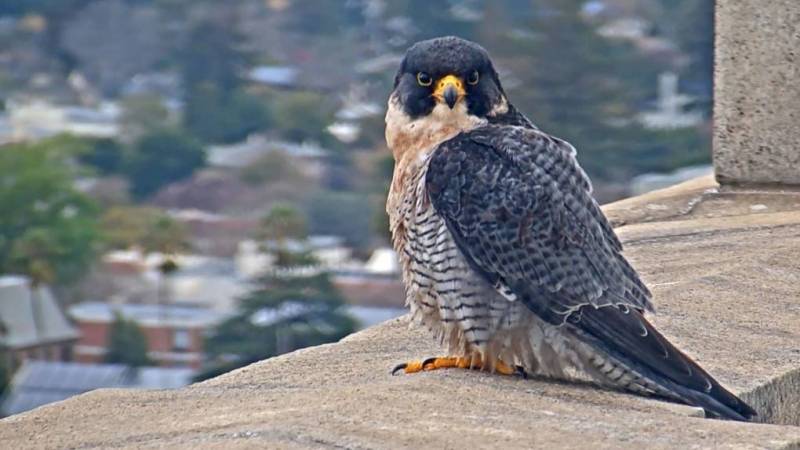
"caption": "Grinnell the peregrine falcon struts for the cameras atop UC Berkeley's campanile. ",
"description": null,
"title": "Falcon.Campanile.MAIN_-1020x574",
"credit": "Cal Falcons/Screenshot by @SKPollock",
"status": "inherit",
"altTag": "A blue bird with a white chest sits on a cement wall.",
"isLoading": false,
"fetchFailed": false
},
"science_1994150": {
"type": "attachments",
"id": "science_1994150",
"meta": {
"index": "attachments_1716263798",
"site": "science",
"id": "1994150",
"found": true
},
"title": "YoutTube Thumbnail2",
"publishDate": 1725493472,
"status": "inherit",
"parent": 1978748,
"modified": 1725493472,
"caption": null,
"credit": null,
"altTag": null,
"description": null,
"imgSizes": {
"medium": {
"file": "https://cdn.kqed.org/wp-content/uploads/sites/35/2022/03/YouTube-Thumbnail-2022_KQED-PBS-4K-light-dark-template-copy-800x450.jpg",
"width": 800,
"height": 450,
"mimeType": "image/jpeg"
},
"large": {
"file": "https://cdn.kqed.org/wp-content/uploads/sites/35/2022/03/YouTube-Thumbnail-2022_KQED-PBS-4K-light-dark-template-copy-1020x574.jpg",
"width": 1020,
"height": 574,
"mimeType": "image/jpeg"
},
"thumbnail": {
"file": "https://cdn.kqed.org/wp-content/uploads/sites/35/2022/03/YouTube-Thumbnail-2022_KQED-PBS-4K-light-dark-template-copy-160x90.jpg",
"width": 160,
"height": 90,
"mimeType": "image/jpeg"
},
"medium_large": {
"file": "https://cdn.kqed.org/wp-content/uploads/sites/35/2022/03/YouTube-Thumbnail-2022_KQED-PBS-4K-light-dark-template-copy-768x432.jpg",
"width": 768,
"height": 432,
"mimeType": "image/jpeg"
},
"1536x1536": {
"file": "https://cdn.kqed.org/wp-content/uploads/sites/35/2022/03/YouTube-Thumbnail-2022_KQED-PBS-4K-light-dark-template-copy-1536x864.jpg",
"width": 1536,
"height": 864,
"mimeType": "image/jpeg"
},
"2048x2048": {
"file": "https://cdn.kqed.org/wp-content/uploads/sites/35/2022/03/YouTube-Thumbnail-2022_KQED-PBS-4K-light-dark-template-copy-2048x1152.jpg",
"width": 2048,
"height": 1152,
"mimeType": "image/jpeg"
},
"post-thumbnail": {
"file": "https://cdn.kqed.org/wp-content/uploads/sites/35/2022/03/YouTube-Thumbnail-2022_KQED-PBS-4K-light-dark-template-copy-672x372.jpg",
"width": 672,
"height": 372,
"mimeType": "image/jpeg"
},
"twentyfourteen-full-width": {
"file": "https://cdn.kqed.org/wp-content/uploads/sites/35/2022/03/YouTube-Thumbnail-2022_KQED-PBS-4K-light-dark-template-copy-1038x576.jpg",
"width": 1038,
"height": 576,
"mimeType": "image/jpeg"
},
"full-width": {
"file": "https://cdn.kqed.org/wp-content/uploads/sites/35/2022/03/YouTube-Thumbnail-2022_KQED-PBS-4K-light-dark-template-copy-1920x1080.jpg",
"width": 1920,
"height": 1080,
"mimeType": "image/jpeg"
},
"kqedFullSize": {
"file": "https://cdn.kqed.org/wp-content/uploads/sites/35/2022/03/YouTube-Thumbnail-2022_KQED-PBS-4K-light-dark-template-copy-scaled.jpg",
"width": 2560,
"height": 1440
}
},
"isLoading": false,
"fetchFailed": false
},
"science_1978770": {
"type": "attachments",
"id": "science_1978770",
"meta": {
"index": "attachments_1716263798",
"site": "science",
"id": "1978770",
"found": true
},
"parent": 1978710,
"imgSizes": {
"twentyfourteen-full-width": {
"file": "https://ww2.kqed.org/app/uploads/sites/35/2022/03/RS54214_GettyImages-1314829409-qut-1038x576.jpg",
"width": 1038,
"mimeType": "image/jpeg",
"height": 576
},
"thumbnail": {
"file": "https://ww2.kqed.org/app/uploads/sites/35/2022/03/RS54214_GettyImages-1314829409-qut-160x107.jpg",
"width": 160,
"mimeType": "image/jpeg",
"height": 107
},
"post-thumbnail": {
"file": "https://ww2.kqed.org/app/uploads/sites/35/2022/03/RS54214_GettyImages-1314829409-qut-672x372.jpg",
"width": 672,
"mimeType": "image/jpeg",
"height": 372
},
"kqedFullSize": {
"file": "https://ww2.kqed.org/app/uploads/sites/35/2022/03/RS54214_GettyImages-1314829409-qut.jpg",
"width": 1920,
"height": 1280
},
"large": {
"file": "https://ww2.kqed.org/app/uploads/sites/35/2022/03/RS54214_GettyImages-1314829409-qut-1020x680.jpg",
"width": 1020,
"mimeType": "image/jpeg",
"height": 680
},
"1536x1536": {
"file": "https://ww2.kqed.org/app/uploads/sites/35/2022/03/RS54214_GettyImages-1314829409-qut-1536x1024.jpg",
"width": 1536,
"mimeType": "image/jpeg",
"height": 1024
},
"medium": {
"file": "https://ww2.kqed.org/app/uploads/sites/35/2022/03/RS54214_GettyImages-1314829409-qut-800x533.jpg",
"width": 800,
"mimeType": "image/jpeg",
"height": 533
},
"medium_large": {
"file": "https://ww2.kqed.org/app/uploads/sites/35/2022/03/RS54214_GettyImages-1314829409-qut-768x512.jpg",
"width": 768,
"mimeType": "image/jpeg",
"height": 512
}
},
"publishDate": 1647043562,
"modified": 1647045455,
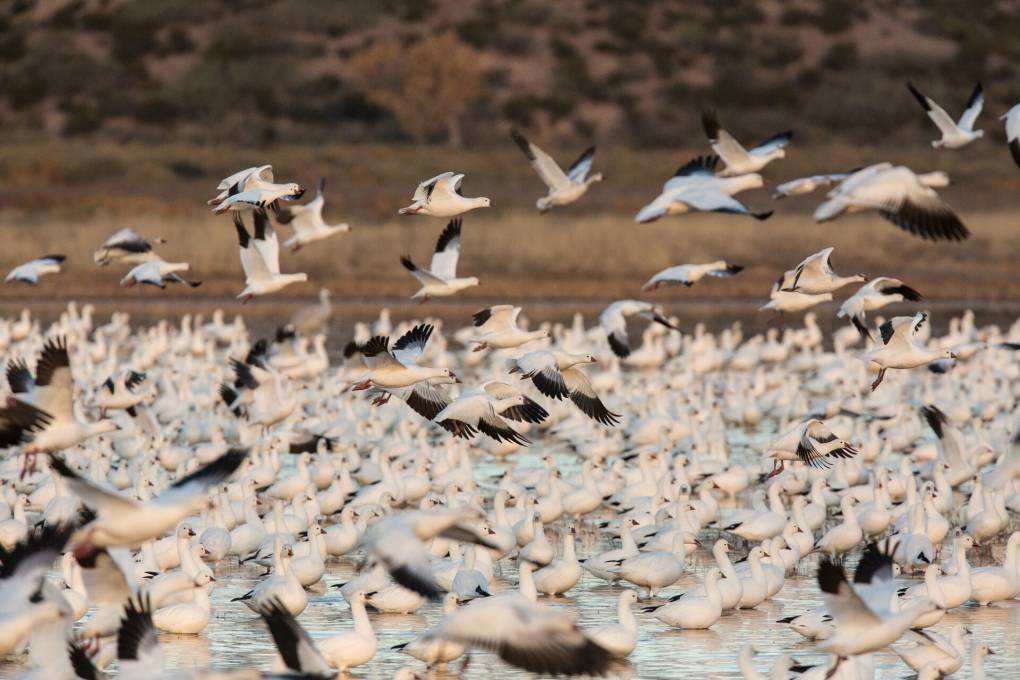
"caption": "A small flock of Ross's geese take off in the early morning from a pond in the Bosque del Apache National Wildlife Refuge in New Mexico. ",
"description": null,
"title": null,
"credit": "Jon G. Fuller/VWPics/Universal Images Group via Getty Images",
"status": "inherit",
"altTag": "White birds with black-tipped wings launch out of a desert pond.",
"isLoading": false,
"fetchFailed": false
},
"science_1994151": {
"type": "attachments",
"id": "science_1994151",
"meta": {
"index": "attachments_1716263798",
"site": "science",
"id": "1994151",
"found": true
},
"title": "DL903_This_Mushroom_Tricks_Flies_By_Faking_Its_Own_Death-KQED-2",
"publishDate": 1725493636,
"status": "inherit",
"parent": 1978560,
"modified": 1725493636,
"caption": null,
"credit": null,
"altTag": null,
"description": null,
"imgSizes": {
"medium": {
"file": "https://cdn.kqed.org/wp-content/uploads/sites/35/2022/02/DL903_This_Mushroom_Tricks_Flies_By_Faking_Its_Own_Death-KQED-2-800x450.jpg",
"width": 800,
"height": 450,
"mimeType": "image/jpeg"
},
"large": {
"file": "https://cdn.kqed.org/wp-content/uploads/sites/35/2022/02/DL903_This_Mushroom_Tricks_Flies_By_Faking_Its_Own_Death-KQED-2-1020x574.jpg",
"width": 1020,
"height": 574,
"mimeType": "image/jpeg"
},
"thumbnail": {
"file": "https://cdn.kqed.org/wp-content/uploads/sites/35/2022/02/DL903_This_Mushroom_Tricks_Flies_By_Faking_Its_Own_Death-KQED-2-160x90.jpg",
"width": 160,
"height": 90,
"mimeType": "image/jpeg"
},
"medium_large": {
"file": "https://cdn.kqed.org/wp-content/uploads/sites/35/2022/02/DL903_This_Mushroom_Tricks_Flies_By_Faking_Its_Own_Death-KQED-2-768x432.jpg",
"width": 768,
"height": 432,
"mimeType": "image/jpeg"
},
"1536x1536": {
"file": "https://cdn.kqed.org/wp-content/uploads/sites/35/2022/02/DL903_This_Mushroom_Tricks_Flies_By_Faking_Its_Own_Death-KQED-2-1536x864.jpg",
"width": 1536,
"height": 864,
"mimeType": "image/jpeg"
},
"post-thumbnail": {
"file": "https://cdn.kqed.org/wp-content/uploads/sites/35/2022/02/DL903_This_Mushroom_Tricks_Flies_By_Faking_Its_Own_Death-KQED-2-672x372.jpg",
"width": 672,
"height": 372,
"mimeType": "image/jpeg"
},
"twentyfourteen-full-width": {
"file": "https://cdn.kqed.org/wp-content/uploads/sites/35/2022/02/DL903_This_Mushroom_Tricks_Flies_By_Faking_Its_Own_Death-KQED-2-1038x576.jpg",
"width": 1038,
"height": 576,
"mimeType": "image/jpeg"
},
"kqedFullSize": {
"file": "https://cdn.kqed.org/wp-content/uploads/sites/35/2022/02/DL903_This_Mushroom_Tricks_Flies_By_Faking_Its_Own_Death-KQED-2.jpg",
"width": 1920,
"height": 1080
}
},
"isLoading": false,
"fetchFailed": false
},
"science_1994152": {
"type": "attachments",
"id": "science_1994152",
"meta": {
"index": "attachments_1716263798",
"site": "science",
"id": "1994152",
"found": true
},
"title": "DL902_Flying_Termites_Take_a_Dangerous_Journey_to_a_New_Life_V3-KQED",
"publishDate": 1725493735,
"status": "inherit",
"parent": 1978298,
"modified": 1725493735,
"caption": null,
"credit": null,
"altTag": null,
"description": null,
"imgSizes": {
"medium": {
"file": "https://cdn.kqed.org/wp-content/uploads/sites/35/2022/02/DL902_Flying_Termites_Take_a_Dangerous_Journey_to_a_New_Life_V3-KQED-800x450.jpg",
"width": 800,
"height": 450,
"mimeType": "image/jpeg"
},
"large": {
"file": "https://cdn.kqed.org/wp-content/uploads/sites/35/2022/02/DL902_Flying_Termites_Take_a_Dangerous_Journey_to_a_New_Life_V3-KQED-1020x574.jpg",
"width": 1020,
"height": 574,
"mimeType": "image/jpeg"
},
"thumbnail": {
"file": "https://cdn.kqed.org/wp-content/uploads/sites/35/2022/02/DL902_Flying_Termites_Take_a_Dangerous_Journey_to_a_New_Life_V3-KQED-160x90.jpg",
"width": 160,
"height": 90,
"mimeType": "image/jpeg"
},
"medium_large": {
"file": "https://cdn.kqed.org/wp-content/uploads/sites/35/2022/02/DL902_Flying_Termites_Take_a_Dangerous_Journey_to_a_New_Life_V3-KQED-768x432.jpg",
"width": 768,
"height": 432,
"mimeType": "image/jpeg"
},
"1536x1536": {
"file": "https://cdn.kqed.org/wp-content/uploads/sites/35/2022/02/DL902_Flying_Termites_Take_a_Dangerous_Journey_to_a_New_Life_V3-KQED-1536x864.jpg",
"width": 1536,
"height": 864,
"mimeType": "image/jpeg"
},
"post-thumbnail": {
"file": "https://cdn.kqed.org/wp-content/uploads/sites/35/2022/02/DL902_Flying_Termites_Take_a_Dangerous_Journey_to_a_New_Life_V3-KQED-672x372.jpg",
"width": 672,
"height": 372,
"mimeType": "image/jpeg"
},
"twentyfourteen-full-width": {
"file": "https://cdn.kqed.org/wp-content/uploads/sites/35/2022/02/DL902_Flying_Termites_Take_a_Dangerous_Journey_to_a_New_Life_V3-KQED-1038x576.jpg",
"width": 1038,
"height": 576,
"mimeType": "image/jpeg"
},
"kqedFullSize": {
"file": "https://cdn.kqed.org/wp-content/uploads/sites/35/2022/02/DL902_Flying_Termites_Take_a_Dangerous_Journey_to_a_New_Life_V3-KQED.jpg",
"width": 1920,
"height": 1080
}
},
"isLoading": false,
"fetchFailed": false
},
"science_1978186": {
"type": "attachments",
"id": "science_1978186",
"meta": {
"index": "attachments_1716263798",
"site": "science",
"id": "1978186",
"found": true
},
"parent": 1978180,
"imgSizes": {
"twentyfourteen-full-width": {
"file": "https://ww2.kqed.org/app/uploads/sites/35/2022/01/DEEP_901_Australian_Walking_Sticks_Are_Three_Times_Weirder_Than_You_Think_KQED-1038x576.jpeg",
"width": 1038,
"mimeType": "image/jpeg",
"height": 576
},
"thumbnail": {
"file": "https://ww2.kqed.org/app/uploads/sites/35/2022/01/DEEP_901_Australian_Walking_Sticks_Are_Three_Times_Weirder_Than_You_Think_KQED-160x90.jpeg",
"width": 160,
"mimeType": "image/jpeg",
"height": 90
},
"post-thumbnail": {
"file": "https://ww2.kqed.org/app/uploads/sites/35/2022/01/DEEP_901_Australian_Walking_Sticks_Are_Three_Times_Weirder_Than_You_Think_KQED-672x372.jpeg",
"width": 672,
"mimeType": "image/jpeg",
"height": 372
},
"kqedFullSize": {
"file": "https://ww2.kqed.org/app/uploads/sites/35/2022/01/DEEP_901_Australian_Walking_Sticks_Are_Three_Times_Weirder_Than_You_Think_KQED.jpeg",
"width": 1920,
"height": 1080
},
"large": {
"file": "https://ww2.kqed.org/app/uploads/sites/35/2022/01/DEEP_901_Australian_Walking_Sticks_Are_Three_Times_Weirder_Than_You_Think_KQED-1020x574.jpeg",
"width": 1020,
"mimeType": "image/jpeg",
"height": 574
},
"1536x1536": {
"file": "https://ww2.kqed.org/app/uploads/sites/35/2022/01/DEEP_901_Australian_Walking_Sticks_Are_Three_Times_Weirder_Than_You_Think_KQED-1536x864.jpeg",
"width": 1536,
"mimeType": "image/jpeg",
"height": 864
},
"medium": {
"file": "https://ww2.kqed.org/app/uploads/sites/35/2022/01/DEEP_901_Australian_Walking_Sticks_Are_Three_Times_Weirder_Than_You_Think_KQED-800x450.jpeg",
"width": 800,
"mimeType": "image/jpeg",
"height": 450
},
"medium_large": {
"file": "https://ww2.kqed.org/app/uploads/sites/35/2022/01/DEEP_901_Australian_Walking_Sticks_Are_Three_Times_Weirder_Than_You_Think_KQED-768x432.jpeg",
"width": 768,
"mimeType": "image/jpeg",
"height": 432
}
},
"publishDate": 1641434870,
"modified": 1641434937,
"caption": "Australian walking stick insect nymph ",
"description": "Australian walking stick insect nymph ",
"title": "DEEP_901_Australian_Walking_Sticks_Are_Three_Times_Weirder_Than_You_Think_KQED",
"credit": "Josh Cassidy/KQED",
"status": "inherit",
"altTag": null,
"isLoading": false,
"fetchFailed": false
},
"science_1978095": {
"type": "attachments",
"id": "science_1978095",
"meta": {
"index": "attachments_1716263798",
"site": "science",
"id": "1978095",
"found": true
},
"parent": 1978094,
"imgSizes": {
"twentyfourteen-full-width": {
"file": "https://ww2.kqed.org/app/uploads/sites/35/2021/12/MountainLion_19077N_2016_0110-1038x576.jpg",
"width": 1038,
"mimeType": "image/jpeg",
"height": 576
},
"thumbnail": {
"file": "https://ww2.kqed.org/app/uploads/sites/35/2021/12/MountainLion_19077N_2016_0110-160x120.jpg",
"width": 160,
"mimeType": "image/jpeg",
"height": 120
},
"post-thumbnail": {
"file": "https://ww2.kqed.org/app/uploads/sites/35/2021/12/MountainLion_19077N_2016_0110-672x372.jpg",
"width": 672,
"mimeType": "image/jpeg",
"height": 372
},
"kqedFullSize": {
"file": "https://ww2.kqed.org/app/uploads/sites/35/2021/12/MountainLion_19077N_2016_0110.jpg",
"width": 2048,
"height": 1536
},
"large": {
"file": "https://ww2.kqed.org/app/uploads/sites/35/2021/12/MountainLion_19077N_2016_0110-1020x765.jpg",
"width": 1020,
"mimeType": "image/jpeg",
"height": 765
},
"1536x1536": {
"file": "https://ww2.kqed.org/app/uploads/sites/35/2021/12/MountainLion_19077N_2016_0110-1536x1152.jpg",
"width": 1536,
"mimeType": "image/jpeg",
"height": 1152
},
"full-width": {
"file": "https://ww2.kqed.org/app/uploads/sites/35/2021/12/MountainLion_19077N_2016_0110-1920x1440.jpg",
"width": 1920,
"mimeType": "image/jpeg",
"height": 1440
},
"medium": {
"file": "https://ww2.kqed.org/app/uploads/sites/35/2021/12/MountainLion_19077N_2016_0110-800x600.jpg",
"width": 800,
"mimeType": "image/jpeg",
"height": 600
},
"medium_large": {
"file": "https://ww2.kqed.org/app/uploads/sites/35/2021/12/MountainLion_19077N_2016_0110-768x576.jpg",
"width": 768,
"mimeType": "image/jpeg",
"height": 576
}
},
"publishDate": 1640303808,
"modified": 1641254982,
"caption": "Two mountain lions, likely a mother and her cub, inspect the site of a camera trap set by the California Department of Fish and Wildlife. ",
"description": "Two mountain lions stand under the shade of forest. ",
"title": "MountainLion_19077N_2016_0110",
"credit": "California Department of Fish and Wildlife",
"status": "inherit",
"altTag": "Forest carnivores return after wildfires",
"isLoading": false,
"fetchFailed": false
},
"science_1977752": {
"type": "attachments",
"id": "science_1977752",
"meta": {
"index": "attachments_1716263798",
"site": "science",
"id": "1977752",
"found": true
},
"parent": 1977743,
"imgSizes": {
"twentyfourteen-full-width": {
"file": "https://ww2.kqed.org/app/uploads/sites/35/2021/11/DL820-marquee-locust_side_3-cropped-cc-1038x576.jpg",
"width": 1038,
"mimeType": "image/jpeg",
"height": 576
},
"thumbnail": {
"file": "https://ww2.kqed.org/app/uploads/sites/35/2021/11/DL820-marquee-locust_side_3-cropped-cc-160x90.jpg",
"width": 160,
"mimeType": "image/jpeg",
"height": 90
},
"post-thumbnail": {
"file": "https://ww2.kqed.org/app/uploads/sites/35/2021/11/DL820-marquee-locust_side_3-cropped-cc-672x372.jpg",
"width": 672,
"mimeType": "image/jpeg",
"height": 372
},
"kqedFullSize": {
"file": "https://ww2.kqed.org/app/uploads/sites/35/2021/11/DL820-marquee-locust_side_3-cropped-cc-scaled.jpg",
"width": 2560,
"height": 1440
},
"2048x2048": {
"file": "https://ww2.kqed.org/app/uploads/sites/35/2021/11/DL820-marquee-locust_side_3-cropped-cc-2048x1152.jpg",
"width": 2048,
"mimeType": "image/jpeg",
"height": 1152
},
"large": {
"file": "https://ww2.kqed.org/app/uploads/sites/35/2021/11/DL820-marquee-locust_side_3-cropped-cc-1020x574.jpg",
"width": 1020,
"mimeType": "image/jpeg",
"height": 574
},
"1536x1536": {
"file": "https://ww2.kqed.org/app/uploads/sites/35/2021/11/DL820-marquee-locust_side_3-cropped-cc-1536x864.jpg",
"width": 1536,
"mimeType": "image/jpeg",
"height": 864
},
"full-width": {
"file": "https://ww2.kqed.org/app/uploads/sites/35/2021/11/DL820-marquee-locust_side_3-cropped-cc-1920x1080.jpg",
"width": 1920,
"mimeType": "image/jpeg",
"height": 1080
},
"medium": {
"file": "https://ww2.kqed.org/app/uploads/sites/35/2021/11/DL820-marquee-locust_side_3-cropped-cc-800x450.jpg",
"width": 800,
"mimeType": "image/jpeg",
"height": 450
},
"medium_large": {
"file": "https://ww2.kqed.org/app/uploads/sites/35/2021/11/DL820-marquee-locust_side_3-cropped-cc-768x432.jpg",
"width": 768,
"mimeType": "image/jpeg",
"height": 432
}
},
"publishDate": 1637352639,
"modified": 1637352672,
"caption": "gregarious desert locust",
"description": null,
"title": "DL820-marquee-locust_side_3-cropped-cc",
"credit": "Josh Cassidy/KQED",
"status": "inherit",
"altTag": null,
"isLoading": false,
"fetchFailed": false
},
"science_1977658": {
"type": "attachments",
"id": "science_1977658",
"meta": {
"index": "attachments_1716263798",
"site": "science",
"id": "1977658",
"found": true
},
"parent": 1977520,
"imgSizes": {
"twentyfourteen-full-width": {
"file": "https://ww2.kqed.org/app/uploads/sites/35/2021/11/DL819_How_a_Kissing_Bug_Becomes_a_Balloon_Full_of_Your_Blood_KQED-1038x576.jpg",
"width": 1038,
"mimeType": "image/jpeg",
"height": 576
},
"thumbnail": {
"file": "https://ww2.kqed.org/app/uploads/sites/35/2021/11/DL819_How_a_Kissing_Bug_Becomes_a_Balloon_Full_of_Your_Blood_KQED-160x90.jpg",
"width": 160,
"mimeType": "image/jpeg",
"height": 90
},
"post-thumbnail": {
"file": "https://ww2.kqed.org/app/uploads/sites/35/2021/11/DL819_How_a_Kissing_Bug_Becomes_a_Balloon_Full_of_Your_Blood_KQED-672x372.jpg",
"width": 672,
"mimeType": "image/jpeg",
"height": 372
},
"kqedFullSize": {
"file": "https://ww2.kqed.org/app/uploads/sites/35/2021/11/DL819_How_a_Kissing_Bug_Becomes_a_Balloon_Full_of_Your_Blood_KQED.jpg",
"width": 1920,
"height": 1080
},
"large": {
"file": "https://ww2.kqed.org/app/uploads/sites/35/2021/11/DL819_How_a_Kissing_Bug_Becomes_a_Balloon_Full_of_Your_Blood_KQED-1020x574.jpg",
"width": 1020,
"mimeType": "image/jpeg",
"height": 574
},
"1536x1536": {
"file": "https://ww2.kqed.org/app/uploads/sites/35/2021/11/DL819_How_a_Kissing_Bug_Becomes_a_Balloon_Full_of_Your_Blood_KQED-1536x864.jpg",
"width": 1536,
"mimeType": "image/jpeg",
"height": 864
},
"medium": {
"file": "https://ww2.kqed.org/app/uploads/sites/35/2021/11/DL819_How_a_Kissing_Bug_Becomes_a_Balloon_Full_of_Your_Blood_KQED-800x450.jpg",
"width": 800,
"mimeType": "image/jpeg",
"height": 450
},
"medium_large": {
"file": "https://ww2.kqed.org/app/uploads/sites/35/2021/11/DL819_How_a_Kissing_Bug_Becomes_a_Balloon_Full_of_Your_Blood_KQED-768x432.jpg",
"width": 768,
"mimeType": "image/jpeg",
"height": 432
}
},
"publishDate": 1636155357,
"modified": 1636155412,
"caption": "A kissing bug full of blood stands next to the arm it just fed on in Arizona. These insects feed at night, on people who are sleeping.",
"description": null,
"title": "DL819_How_a_Kissing_Bug_Becomes_a_Balloon_Full_of_Your_Blood_KQED",
"credit": "Josh Cassidy/KQED",
"status": "inherit",
"altTag": null,
"isLoading": false,
"fetchFailed": false
},
"science_1977488": {
"type": "attachments",
"id": "science_1977488",
"meta": {
"index": "attachments_1716263798",
"site": "science",
"id": "1977488",
"found": true
},
"parent": 1977487,
"imgSizes": {
"twentyfourteen-full-width": {
"file": "https://ww2.kqed.org/app/uploads/sites/35/2021/11/whales1-feeding-main-4f552cefc2b2acc11fb2d0e3005b0f264d29bfec-1038x576.jpg",
"width": 1038,
"mimeType": "image/jpeg",
"height": 576
},
"thumbnail": {
"file": "https://ww2.kqed.org/app/uploads/sites/35/2021/11/whales1-feeding-main-4f552cefc2b2acc11fb2d0e3005b0f264d29bfec-160x120.jpg",
"width": 160,
"mimeType": "image/jpeg",
"height": 120
},
"post-thumbnail": {
"file": "https://ww2.kqed.org/app/uploads/sites/35/2021/11/whales1-feeding-main-4f552cefc2b2acc11fb2d0e3005b0f264d29bfec-672x372.jpg",
"width": 672,
"mimeType": "image/jpeg",
"height": 372
},
"kqedFullSize": {
"file": "https://ww2.kqed.org/app/uploads/sites/35/2021/11/whales1-feeding-main-4f552cefc2b2acc11fb2d0e3005b0f264d29bfec.jpg",
"width": 2106,
"height": 1580
},
"2048x2048": {
"file": "https://ww2.kqed.org/app/uploads/sites/35/2021/11/whales1-feeding-main-4f552cefc2b2acc11fb2d0e3005b0f264d29bfec-2048x1536.jpg",
"width": 2048,
"mimeType": "image/jpeg",
"height": 1536
},
"large": {
"file": "https://ww2.kqed.org/app/uploads/sites/35/2021/11/whales1-feeding-main-4f552cefc2b2acc11fb2d0e3005b0f264d29bfec-1020x765.jpg",
"width": 1020,
"mimeType": "image/jpeg",
"height": 765
},
"1536x1536": {
"file": "https://ww2.kqed.org/app/uploads/sites/35/2021/11/whales1-feeding-main-4f552cefc2b2acc11fb2d0e3005b0f264d29bfec-1536x1152.jpg",
"width": 1536,
"mimeType": "image/jpeg",
"height": 1152
},
"full-width": {
"file": "https://ww2.kqed.org/app/uploads/sites/35/2021/11/whales1-feeding-main-4f552cefc2b2acc11fb2d0e3005b0f264d29bfec-1920x1440.jpg",
"width": 1920,
"mimeType": "image/jpeg",
"height": 1440
},
"medium": {
"file": "https://ww2.kqed.org/app/uploads/sites/35/2021/11/whales1-feeding-main-4f552cefc2b2acc11fb2d0e3005b0f264d29bfec-800x600.jpg",
"width": 800,
"mimeType": "image/jpeg",
"height": 600
},
"medium_large": {
"file": "https://ww2.kqed.org/app/uploads/sites/35/2021/11/whales1-feeding-main-4f552cefc2b2acc11fb2d0e3005b0f264d29bfec-768x576.jpg",
"width": 768,
"mimeType": "image/jpeg",
"height": 576
}
},
"publishDate": 1635961280,
"modified": 1635961496,
"caption": "A humpback whale feeds off the coast of California.",
"description": null,
"title": "whales1-feeding-main-4f552cefc2b2acc11fb2d0e3005b0f264d29bfec",
"credit": "John Durban/via NPR",
"status": "inherit",
"altTag": "A grey whale emerges out of aqua green ocean water as two white seagulls circle above.",
"isLoading": false,
"fetchFailed": false
},
"science_1977246": {
"type": "attachments",
"id": "science_1977246",
"meta": {
"index": "attachments_1716263798",
"site": "science",
"id": "1977246",
"found": true
},
"parent": 1977175,
"imgSizes": {
"twentyfourteen-full-width": {
"file": "https://ww2.kqed.org/app/uploads/sites/35/2021/10/DL818_Skeleton_Shrimp_Use_18_Appendages_to_Feed_Fight_and_Frolic_KQED-1038x576.jpg",
"width": 1038,
"mimeType": "image/jpeg",
"height": 576
},
"thumbnail": {
"file": "https://ww2.kqed.org/app/uploads/sites/35/2021/10/DL818_Skeleton_Shrimp_Use_18_Appendages_to_Feed_Fight_and_Frolic_KQED-160x90.jpg",
"width": 160,
"mimeType": "image/jpeg",
"height": 90
},
"post-thumbnail": {
"file": "https://ww2.kqed.org/app/uploads/sites/35/2021/10/DL818_Skeleton_Shrimp_Use_18_Appendages_to_Feed_Fight_and_Frolic_KQED-672x372.jpg",
"width": 672,
"mimeType": "image/jpeg",
"height": 372
},
"kqedFullSize": {
"file": "https://ww2.kqed.org/app/uploads/sites/35/2021/10/DL818_Skeleton_Shrimp_Use_18_Appendages_to_Feed_Fight_and_Frolic_KQED.jpg",
"width": 1920,
"height": 1080
},
"large": {
"file": "https://ww2.kqed.org/app/uploads/sites/35/2021/10/DL818_Skeleton_Shrimp_Use_18_Appendages_to_Feed_Fight_and_Frolic_KQED-1020x574.jpg",
"width": 1020,
"mimeType": "image/jpeg",
"height": 574
},
"1536x1536": {
"file": "https://ww2.kqed.org/app/uploads/sites/35/2021/10/DL818_Skeleton_Shrimp_Use_18_Appendages_to_Feed_Fight_and_Frolic_KQED-1536x864.jpg",
"width": 1536,
"mimeType": "image/jpeg",
"height": 864
},
"medium": {
"file": "https://ww2.kqed.org/app/uploads/sites/35/2021/10/DL818_Skeleton_Shrimp_Use_18_Appendages_to_Feed_Fight_and_Frolic_KQED-800x450.jpg",
"width": 800,
"mimeType": "image/jpeg",
"height": 450
},
"medium_large": {
"file": "https://ww2.kqed.org/app/uploads/sites/35/2021/10/DL818_Skeleton_Shrimp_Use_18_Appendages_to_Feed_Fight_and_Frolic_KQED-768x432.jpg",
"width": 768,
"mimeType": "image/jpeg",
"height": 432
}
},
"publishDate": 1634842288,
"modified": 1634842345,
"caption": "A Japanese skeleton shrimp (Caprella mutica).",
"description": "A Japanese skeleton shrimp (Caprella mutica).",
"title": "DL818_Skeleton_Shrimp_Use_18_Appendages_to_Feed_Fight_and_Frolic_KQED",
"credit": "Florida Museum of Natural History",
"status": "inherit",
"altTag": null,
"isLoading": false,
"fetchFailed": false
}
},
"audioPlayerReducer": {
"postId": "stream_live",
"isPaused": true,
"isPlaying": false,
"pfsActive": false,
"pledgeModalIsOpen": true,
"playerDrawerIsOpen": false,
"liveAudioPlayStartedAt": 0,
"liveAudioPlayContext": ""
},
"authorsReducer": {
"byline_science_1978980": {
"type": "authors",
"id": "byline_science_1978980",
"meta": {
"override": true
},
"slug": "byline_science_1978980",
"name": "Associated Press",
"isLoading": false
},
"byline_science_1978710": {
"type": "authors",
"id": "byline_science_1978710",
"meta": {
"override": true
},
"slug": "byline_science_1978710",
"name": "Guananí Gómez-Van Cortright ",
"isLoading": false
},
"byline_science_1977487": {
"type": "authors",
"id": "byline_science_1977487",
"meta": {
"override": true
},
"slug": "byline_science_1977487",
"name": "Nell Greenfieldboyce \u003cbr />NPR\u003cbr>",
"isLoading": false
},
"gabriela-quiros": {
"type": "authors",
"id": "6186",
"meta": {
"index": "authors_1716337520",
"id": "6186",
"found": true
},
"name": "Gabriela Quirós",
"firstName": "Gabriela",
"lastName": "Quirós",
"slug": "gabriela-quiros",
"email": "gquiros@kqed.org",
"display_author_email": false,
"staff_mastheads": [],
"title": "Supervising Producer",
"bio": "Gabriela Quirós is the \u003cstrong>supervising producer for KQED's web science video series \u003ca href=\"https://www.kqed.org/deeplook\">Deep Look\u003c/a>\u003c/strong>. She joined KQED as a TV producer when its science series QUEST started in 2006 and has covered everything from Alzheimer’s to bee die-offs to dark energy.\r\n\r\nShe won a 2022 AAAS Kavli Science Journalism Award with a team of her Deep Look colleagues. She has won six regional Emmys as a video producer and has shared eight more as the coordinating producer of Deep Look. The episode she produced about \u003ca href=\"https://www.kqed.org/science/728086/how-mosquitoes-use-six-needles-to-suck-your-blood\">How Mosquitoes Use Six Needles to Suck Your Blood\u003c/a> won a Webby \"People's Voice\" award. She has also earned awards from the Jackson Hole Wildlife Film Festival, the Society of Professional Journalists and the Society of Environmental Journalists.\r\n\r\nHer videos for KQED have also aired on NOVA scienceNOW and the PBS NewsHour, and appeared on NPR.org.\r\n\r\nAs an independent filmmaker, she produced and directed the hour-long documentary \u003ca href=\"http://lpbp.org/beautiful-sin-qa-with-producer-gabriela-quiros/\">\u003cem>Beautiful Sin\u003c/em>\u003c/a>, about the surprising story of how Costa Rica became the only country in the world to outlaw in vitro fertilization. The film aired in 2015 on public television stations throughout the U.S., and in Costa Rica.\r\n\r\nShe started her journalism career as a newspaper reporter in Costa Rica, where she grew up. She won the National Science Journalism Award there for a series of articles about organic agriculture, and developed a life-long interest in health reporting. She moved to the Bay Area in 1996 to study documentary filmmaking at the University of California, Berkeley, where she received master’s degrees in journalism and Latin American studies.",
"avatar": "https://secure.gravatar.com/avatar/6d82c20152affd1b434c31a904c40809?s=600&d=blank&r=g",
"twitter": "gabrielaquirosr",
"facebook": null,
"instagram": null,
"linkedin": null,
"sites": [
{
"site": "science",
"roles": []
},
{
"site": "quest",
"roles": [
"ef_view_calendar",
"ef_view_story_budget"
]
}
],
"headData": {
"title": "Gabriela Quirós | KQED",
"description": "Supervising Producer",
"ogImgSrc": "https://secure.gravatar.com/avatar/6d82c20152affd1b434c31a904c40809?s=600&d=blank&r=g",
"twImgSrc": "https://secure.gravatar.com/avatar/6d82c20152affd1b434c31a904c40809?s=600&d=blank&r=g"
},
"isLoading": false,
"link": "/author/gabriela-quiros"
},
"joshua-cassidy": {
"type": "authors",
"id": "6219",
"meta": {
"index": "authors_1716337520",
"id": "6219",
"found": true
},
"name": "Josh Cassidy",
"firstName": "Josh",
"lastName": "Cassidy",
"slug": "joshua-cassidy",
"email": "jcassidy@kqed.org",
"display_author_email": false,
"staff_mastheads": [
"science"
],
"title": "Digital Video Producer",
"bio": "Josh is a Senior Video Producer for KQED Science, and the Lead Producer and Cinematographer for Deep Look. After receiving his BS in Wildlife Biology from Ohio University, he went on to participate in marine mammal research for NOAA, USGS and the Intersea Foundation. He also served as the president of The Pacific Cetacean Group, a nonprofit organization dedicated to teaching students K-6 about whales. Josh studied science and natural history filmmaking at San Francisco State University and Montana State University.",
"avatar": "https://secure.gravatar.com/avatar/f2582a0801a35af53b734d56bcac2bbe?s=600&d=blank&r=g",
"twitter": null,
"facebook": null,
"instagram": null,
"linkedin": null,
"sites": [
{
"site": "science",
"roles": [
"editor"
]
},
{
"site": "quest",
"roles": [
"author",
"edit_others_posts"
]
}
],
"headData": {
"title": "Josh Cassidy | KQED",
"description": "Digital Video Producer",
"ogImgSrc": "https://secure.gravatar.com/avatar/f2582a0801a35af53b734d56bcac2bbe?s=600&d=blank&r=g",
"twImgSrc": "https://secure.gravatar.com/avatar/f2582a0801a35af53b734d56bcac2bbe?s=600&d=blank&r=g"
},
"isLoading": false,
"link": "/author/joshua-cassidy"
},
"dventon": {
"type": "authors",
"id": "11088",
"meta": {
"index": "authors_1716337520",
"id": "11088",
"found": true
},
"name": "Danielle Venton",
"firstName": "Danielle",
"lastName": "Venton",
"slug": "dventon",
"email": "dventon@kqed.org",
"display_author_email": true,
"staff_mastheads": [
"science"
],
"title": "Science reporter",
"bio": "Danielle Venton is a reporter for KQED Science. She covers wildfires, space and oceans (though she is prone to sea sickness).\r\n\r\nBefore joining KQED in 2015, Danielle was a staff reporter at KRCB in Sonoma County and a freelancer. She studied science communication at UC Santa Cruz and formerly worked at CERN in Geneva, Switzerland where she wrote about computing. She lives in Sonoma County and enjoys backpacking.",
"avatar": "https://secure.gravatar.com/avatar/37b292b5c40c8d93959c4f48d73b5286f41b7abd8588277e941905a3ed4c801c?s=600&d=blank&r=g",
"twitter": "DanielleVenton",
"bluesky": null,
"facebook": null,
"instagram": null,
"linkedin": null,
"sites": [
{
"site": "arts",
"roles": [
"contributor"
]
},
{
"site": "news",
"roles": [
"editor"
]
},
{
"site": "futureofyou",
"roles": [
"editor"
]
},
{
"site": "science",
"roles": [
"editor"
]
},
{
"site": "liveblog",
"roles": [
"contributor"
]
}
],
"headData": {
"title": "Danielle Venton | KQED",
"description": "Science reporter",
"ogImgSrc": "https://secure.gravatar.com/avatar/37b292b5c40c8d93959c4f48d73b5286f41b7abd8588277e941905a3ed4c801c?s=600&d=blank&r=g",
"twImgSrc": "https://secure.gravatar.com/avatar/37b292b5c40c8d93959c4f48d73b5286f41b7abd8588277e941905a3ed4c801c?s=600&d=blank&r=g"
},
"isLoading": false,
"link": "/author/dventon"
},
"mseely": {
"type": "authors",
"id": "11095",
"meta": {
"index": "authors_1716337520",
"id": "11095",
"found": true
},
"name": "Mike Seely",
"firstName": "Mike",
"lastName": "Seely",
"slug": "mseely",
"email": "mseely@kqed.org",
"display_author_email": false,
"staff_mastheads": [
"science"
],
"title": "Producer",
"bio": "Mike is a Digital Media Producer for KQED Science and Post Production Coordinator for \u003ca href=\"https://www.youtube.com/user/KQEDDeepLook\" target=\"_blank\" rel=\"noopener noreferrer\">Deep Look\u003c/a>. Prior to his work at KQED, he worked independently for 15 years as a director, producer and cinematographer of documentary films about art, science, and social issues, collaborating with independent directors, corporate clients, non-profits, digital and broadcast networks. Previous to filmmaking life, he majored in biology as an undergrad at Oberlin College, and worked as a wildlife biologist on bird and seal population studies in California. He also holds an M.A. in Documentary Film Production from Stanford University.",
"avatar": "https://secure.gravatar.com/avatar/f9c5c6f7135a7c3fc0ce85114f7b05dd18e0b71af78a2d6770a1b09a921d8425?s=600&d=blank&r=g",
"twitter": null,
"bluesky": null,
"facebook": null,
"instagram": null,
"linkedin": null,
"sites": [
{
"site": "arts",
"roles": [
"subscriber"
]
},
{
"site": "science",
"roles": [
"author"
]
}
],
"headData": {
"title": "Mike Seely | KQED",
"description": "Producer",
"ogImgSrc": "https://secure.gravatar.com/avatar/f9c5c6f7135a7c3fc0ce85114f7b05dd18e0b71af78a2d6770a1b09a921d8425?s=600&d=blank&r=g",
"twImgSrc": "https://secure.gravatar.com/avatar/f9c5c6f7135a7c3fc0ce85114f7b05dd18e0b71af78a2d6770a1b09a921d8425?s=600&d=blank&r=g"
},
"isLoading": false,
"link": "/author/mseely"
}
},
"pagesReducer": {
"science_category_animals": {
"type": "terms",
"id": "science_2874",
"meta": {
"index": "terms_1716263798",
"site": "science",
"id": "2874",
"score": 12.286945
},
"featImg": null,
"name": "Animals",
"description": null,
"taxonomy": "category",
"headData": {
"twImgId": null,
"twTitle": null,
"ogTitle": null,
"ogImgId": null,
"twDescription": null,
"description": null,
"title": "Animals Archives | KQED Science",
"ogDescription": null
},
"ttid": 2874,
"slug": "animals",
"isLoading": false,
"title": "Animals",
"pageMeta": {
"site": "science",
"WpPageTemplate": "page-topic-editorial",
"currentPage": 11
},
"blocks": [
{
"blockName": "kqed/post-list",
"attrs": {
"layout": "cardArticle2",
"query": "posts/science?category=animals",
"seeMore": false,
"paginated": true,
"page": 11
}
},
{
"blockName": "kqed/ad"
}
]
}
},
"pfsSessionReducer": {},
"postsReducer": {
"stream_live": {
"type": "live",
"id": "stream_live",
"audioUrl": "https://streams.kqed.org/kqedradio",
"title": "Live Stream",
"excerpt": "Live Stream information currently unavailable.",
"link": "/radio",
"featImg": "",
"label": {
"name": "KQED Live",
"link": "/"
}
},
"stream_kqedNewscast": {
"type": "posts",
"id": "stream_kqedNewscast",
"audioUrl": "https://www.kqed.org/.stream/anon/radio/RDnews/newscast.mp3?_=1",
"title": "KQED Newscast",
"featImg": "",
"label": {
"name": "88.5 FM",
"link": "/"
}
},
"science_1978892": {
"type": "posts",
"id": "science_1978892",
"meta": {
"index": "posts_1716263798",
"site": "science",
"id": "1978892",
"score": null,
"sort": [
1649163955000
]
},
"guestAuthors": [],
"slug": "honeypot-ants-turn-their-biggest-sisters-into-jugs-of-nectar",
"title": "Honeypot Ants Turn Their Biggest Sisters into Jugs of Nectar",
"publishDate": 1649163955,
"format": "video",
"headTitle": "Honeypot Ants Turn Their Biggest Sisters into Jugs of Nectar | KQED",
"labelTerm": {
"term": 1935,
"site": "science"
},
"content": "\u003cp>[dl_subscribe]\u003cem>Deep in their underground nests, honeypot ants stuff members of their own colony until they look like golden water balloons. Drop by drop, worker ants deliver nectar and other liquid food into their largest sisters’ mouths. When food is scarce in the desert, the colony will feed from these living storage tanks, known as repletes.\u003c/em>\u003c/p>\n\u003ch3>\u003cstrong>TRANSCRIPT\u003c/strong>\u003c/h3>\n\u003cp>Deep inside their underground nest, honeypot ants are stuffing their own kin.\u003c/p>\n\u003cp>The glistening globes hanging from the ceiling are actually part of the ants’ bodies. These portly ants are known as repletes. The elixir inside them will nourish the colony when food is scarce in the ants’ arid homelands in the Southwest and Mexico.\u003c/p>\n\u003cp>To feed a hungry nestmate, a plump replete opens its mandibles wide and regurgitates a tiny droplet that the other one slurps up. As the liquid drains, the ant’s belly deflates. The whole thing happens while the replete is hanging by the tips of its legs.\u003c/p>\n\u003cp>So how do these ants become living storage tanks?\u003c/p>\n\u003cp>[ad fullwidth]\u003c/p>\n\u003cp>It all starts with this giantess – the queen. All these workers are her daughters.\u003c/p>\n\u003cp>She lays thousands of tiny white eggs. Workers tend to them as they grow into squirming larvae and then pupae wrapped in fuzzy cocoons.\u003c/p>\n\u003cp>They choose the biggest newborns to stuff until they swell into repletes.\u003c/p>\n\u003cp>To fill them up, workers venture out at night to forage. Dead insects provide protein and fat. Desert plants give them sweet nectar. Or dinner might be red artificial nectar, if a human is keeping the ants as pets.\u003c/p>\n\u003cp>Workers carry the nectar back. And they feed it, drop by drop, to their sisters, the ones they’re turning into repletes. They make up about one fifth of the colony.\u003c/p>\n\u003cp>The nectar flows into a pouch called the crop. The crop will swell into a storage tank because valves prevent most of the liquid from flowing into the stomach, where it would be digested.\u003c/p>\n\u003cp>As their belly grows, this flexible membrane stretches. The hard sclerites that protect the ant’s abdomen move away from one another, until they end up like a chain of islands on a tiny planet.\u003c/p>\n\u003cp>Suspending themselves allows the air to circulate around them, maybe preventing a fungi attack.\u003c/p>\n\u003cp>To our human eyes, these living chandeliers might seem like captives, hanging in the dark for weeks or months. Or it might look like they have it easy, just chilling while droplets are lovingly delivered.\u003c/p>\n\u003cp>The truth is that every worker in a colony has a key job. And all of them, even a replete in its cozy home, can face a sudden demise … by a badger that digs up the nest … or someone delighting in a special treat, as humans have done for thousands of years.\u003c/p>\n\u003cp>\u003c/p>\n\u003cp>Gabriela: Mmm.\u003c/p>\n\n",
"blocks": [],
"excerpt": "Deep in their underground nests, honeypot ants stuff members of their own colony until they look like golden water balloons. Drop by drop, worker ants deliver nectar and other liquid food into their largest sisters’ mouths. When food is scarce in the desert, the colony will feed from these living storage tanks, known as repletes.",
"status": "publish",
"parent": 0,
"modified": 1738874163,
"stats": {
"hasAudio": false,
"hasVideo": false,
"hasChartOrMap": false,
"iframeSrcs": [],
"hasGoogleForm": false,
"hasGallery": false,
"hasHearkenModule": false,
"hasPolis": false,
"paragraphCount": 18,
"wordCount": 471
},
"headData": {
"title": "Honeypot Ants Turn Their Biggest Sisters into Jugs of Nectar | KQED",
"description": "Deep in their underground nests, honeypot ants stuff members of their own colony until they look like golden water balloons. Drop by drop, worker ants deliver nectar and other liquid food into their largest sisters’ mouths. When food is scarce in the desert, the colony will feed from these living storage tanks, known as repletes.",
"ogTitle": "",
"ogDescription": "",
"ogImgId": "",
"twTitle": "",
"twDescription": "",
"twImgId": "",
"schema": {
"@context": "https://schema.org",
"@type": "Article",
"headline": "Honeypot Ants Turn Their Biggest Sisters into Jugs of Nectar",
"datePublished": "2022-04-05T06:05:55-07:00",
"dateModified": "2025-02-06T12:36:03-08:00",
"image": "https://cdn.kqed.org/wp-content/uploads/2020/02/KQED-OG-Image@1x.png"
}
},
"videoEmbed": "https://youtu.be/Rid_YW3P8CA",
"pbsMediaId": "3066215930",
"sticky": false,
"excludeFromSiteSearch": "Include",
"articleAge": "0",
"path": "/science/1978892/honeypot-ants-turn-their-biggest-sisters-into-jugs-of-nectar",
"audioTrackLength": null,
"parsedContent": [
{
"type": "contentString",
"content": "\u003cdiv class=\"post-body\">\u003cp>\u003cp>\u003c/p>\u003c/div>",
"attributes": {
"named": {},
"numeric": []
}
},
{
"type": "component",
"content": "",
"name": "dl_subscribe",
"attributes": {
"named": {
"label": ""
},
"numeric": []
}
},
{
"type": "contentString",
"content": "\u003cdiv class=\"post-body\">\u003cp>\u003cem>Deep in their underground nests, honeypot ants stuff members of their own colony until they look like golden water balloons. Drop by drop, worker ants deliver nectar and other liquid food into their largest sisters’ mouths. When food is scarce in the desert, the colony will feed from these living storage tanks, known as repletes.\u003c/em>\u003c/p>\n\u003ch3>\u003cstrong>TRANSCRIPT\u003c/strong>\u003c/h3>\n\u003cp>Deep inside their underground nest, honeypot ants are stuffing their own kin.\u003c/p>\n\u003cp>The glistening globes hanging from the ceiling are actually part of the ants’ bodies. These portly ants are known as repletes. The elixir inside them will nourish the colony when food is scarce in the ants’ arid homelands in the Southwest and Mexico.\u003c/p>\n\u003cp>To feed a hungry nestmate, a plump replete opens its mandibles wide and regurgitates a tiny droplet that the other one slurps up. As the liquid drains, the ant’s belly deflates. The whole thing happens while the replete is hanging by the tips of its legs.\u003c/p>\n\u003cp>So how do these ants become living storage tanks?\u003c/p>\n\u003cp>\u003c/p>\u003c/div>",
"attributes": {
"named": {},
"numeric": []
}
},
{
"type": "component",
"content": "",
"name": "ad",
"attributes": {
"named": {
"label": "fullwidth"
},
"numeric": [
"fullwidth"
]
}
},
{
"type": "contentString",
"content": "\u003cdiv class=\"post-body\">\u003cp>\u003c/p>\n\u003cp>It all starts with this giantess – the queen. All these workers are her daughters.\u003c/p>\n\u003cp>She lays thousands of tiny white eggs. Workers tend to them as they grow into squirming larvae and then pupae wrapped in fuzzy cocoons.\u003c/p>\n\u003cp>They choose the biggest newborns to stuff until they swell into repletes.\u003c/p>\n\u003cp>To fill them up, workers venture out at night to forage. Dead insects provide protein and fat. Desert plants give them sweet nectar. Or dinner might be red artificial nectar, if a human is keeping the ants as pets.\u003c/p>\n\u003cp>Workers carry the nectar back. And they feed it, drop by drop, to their sisters, the ones they’re turning into repletes. They make up about one fifth of the colony.\u003c/p>\n\u003cp>The nectar flows into a pouch called the crop. The crop will swell into a storage tank because valves prevent most of the liquid from flowing into the stomach, where it would be digested.\u003c/p>\n\u003cp>As their belly grows, this flexible membrane stretches. The hard sclerites that protect the ant’s abdomen move away from one another, until they end up like a chain of islands on a tiny planet.\u003c/p>\n\u003cp>Suspending themselves allows the air to circulate around them, maybe preventing a fungi attack.\u003c/p>\n\u003cp>To our human eyes, these living chandeliers might seem like captives, hanging in the dark for weeks or months. Or it might look like they have it easy, just chilling while droplets are lovingly delivered.\u003c/p>\n\u003cp>The truth is that every worker in a colony has a key job. And all of them, even a replete in its cozy home, can face a sudden demise … by a badger that digs up the nest … or someone delighting in a special treat, as humans have done for thousands of years.\u003c/p>\n\u003cp>\u003c/p>\n\u003cp>Gabriela: Mmm.\u003c/p>\n\n\u003c/div>\u003c/p>",
"attributes": {
"named": {},
"numeric": []
}
}
],
"link": "/science/1978892/honeypot-ants-turn-their-biggest-sisters-into-jugs-of-nectar",
"authors": [
"6186"
],
"series": [
"science_1935"
],
"categories": [
"science_2874",
"science_30",
"science_40",
"science_4450",
"science_86"
],
"tags": [
"science_1970"
],
"featImg": "science_1978894",
"label": "science_1935"
},
"science_1978980": {
"type": "posts",
"id": "science_1978980",
"meta": {
"index": "posts_1716263798",
"site": "science",
"id": "1978980",
"score": null,
"sort": [
1648848756000
]
},
"parent": 0,
"labelTerm": {
"site": "science"
},
"blocks": [],
"publishDate": 1648848756,
"format": "aside",
"title": "Berkeley's Cherished Peregrine Falcon Grinnell Dies — but His Mate May Have Found a New Match",
"headTitle": "Berkeley’s Cherished Peregrine Falcon Grinnell Dies — but His Mate May Have Found a New Match | KQED",
"content": "\u003cp>Grinnell, one of a beloved pair of peregrine falcons who made their longtime home atop the bell tower at UC Berkeley, has died, it was announced Thursday.\u003c/p>\n\u003cp>Grinnell was found dead Thursday afternoon, according to a tweet on the CalFalconCam Twitter account, run by Cal Falcons, a group that monitors the birds.\u003c/p>\n\u003cp>https://twitter.com/CalFalconCam/status/1509650552904466447?s=20&t=S5VZ780o5b7-oMrGhOwfZQ\u003c/p>\n\u003cp>Grinnell and Annie had been nesting atop the university’s 307-foot-tall campanile since late 2016 and produced 13 chicks.\u003c/p>\n\u003cp>“Given the timing of this within the breeding season, it is doubtful that this nest will succeed with Annie alone,” Cal Falcons’ Twitter account said on Thursday.\u003c/p>\n\u003cp>[ad fullwidth]\u003c/p>\n\u003cp>But Friday, the account reported another falcon spotted in the nest with Annie.\u003c/p>\n\u003cp>https://twitter.com/CalFalconCam/status/1509929265772568641?s=20&t=S5VZ780o5b7-oMrGhOwfZQ\u003c/p>\n\u003cp>Peregrine falcons typically mate for life, although survivors will seek a replacement after a mate dies.\u003c/p>\n\u003cp>Grinnell was attacked by other falcons last fall and spent nearly three weeks in a wildlife hospital recuperating, while other rivals courted Annie. But he returned and observers felt that the couple was bonding again.\u003c/p>\n\u003cp>Then in February, Annie vanished from her gravel nest and was briefly presumed injured or dead before returning nearly a week later. Her disappearance made local headlines.\u003c/p>\n\u003cp>The falcon researchers said they had never seen a female vanish suddenly during peak breeding season and then suddenly return.\u003c/p>\n\u003cp>Peregrine falcons are considered the world’s fastest birds. They can reach speeds of 200 mph during a hunting dive known as a stoop. The American birds were declared endangered in 1970 because of ingesting prey poisoned by DDT and other pesticides; the chemical caused the falcons to produce thin-shelled eggs that couldn’t survive until hatching. However, recovery programs brought the bird back from potential extinction.\u003c/p>\n\u003cp>https://www.youtube.com/watch?v=RTNZmnD27is\u003c/p>\n\u003cp>\u003c/p>\n\u003cp>\u003cem>KQED’s \u003cspan class=\"c-message__sender c-message_kit__sender\" data-qa=\"message_sender\" data-stringify-type=\"replace\" data-stringify-text=\"María Fernanda Bernal\">María Fernanda Bernal and Kevin Stark contributed to this report.\u003c/span>\u003c/em>\u003c/p>\n\n",
"stats": {
"hasVideo": true,
"hasChartOrMap": false,
"hasAudio": false,
"hasPolis": false,
"wordCount": 333,
"hasGoogleForm": false,
"hasGallery": false,
"hasHearkenModule": false,
"iframeSrcs": [],
"paragraphCount": 13
},
"modified": 1704846286,
"excerpt": "Grinnell was one of a beloved pair of peregrine falcons who made their longtime home atop the bell tower at UC Berkeley.",
"headData": {
"twImgId": "",
"twTitle": "",
"ogTitle": "",
"ogImgId": "",
"twDescription": "",
"description": "Grinnell was one of a beloved pair of peregrine falcons who made their longtime home atop the bell tower at UC Berkeley.",
"title": "Berkeley's Cherished Peregrine Falcon Grinnell Dies — but His Mate May Have Found a New Match | KQED",
"ogDescription": "",
"schema": {
"@context": "https://schema.org",
"@type": "Article",
"headline": "Berkeley's Cherished Peregrine Falcon Grinnell Dies — but His Mate May Have Found a New Match",
"datePublished": "2022-04-01T14:32:36-07:00",
"dateModified": "2024-01-09T16:24:46-08:00",
"image": "https://cdn.kqed.org/wp-content/uploads/2020/02/KQED-OG-Image@1x.png"
}
},
"guestAuthors": [],
"slug": "berkeleys-cherished-peregrine-falcon-grinnell-dies-but-his-mate-may-have-found-a-new-match",
"status": "publish",
"nprByline": "Associated Press",
"excludeFromSiteSearch": "Include",
"sticky": false,
"showOnAuthorArchivePages": "No",
"path": "/science/1978980/berkeleys-cherished-peregrine-falcon-grinnell-dies-but-his-mate-may-have-found-a-new-match",
"audioTrackLength": null,
"parsedContent": [
{
"type": "contentString",
"content": "\u003cdiv class=\"post-body\">\u003cp>\u003cp>Grinnell, one of a beloved pair of peregrine falcons who made their longtime home atop the bell tower at UC Berkeley, has died, it was announced Thursday.\u003c/p>\n\u003cp>Grinnell was found dead Thursday afternoon, according to a tweet on the CalFalconCam Twitter account, run by Cal Falcons, a group that monitors the birds.\u003c/p>\u003c/p>\u003c/div>",
"attributes": {
"named": {},
"numeric": []
}
},
{
"type": "component",
"content": "",
"name": "singleTwitterStatus",
"attributes": {
"named": {
"id": "1509650552904466447"
},
"numeric": []
}
},
{
"type": "contentString",
"content": "\u003cdiv class=\"post-body\">\u003cp>\n\u003cp>Grinnell and Annie had been nesting atop the university’s 307-foot-tall campanile since late 2016 and produced 13 chicks.\u003c/p>\n\u003cp>“Given the timing of this within the breeding season, it is doubtful that this nest will succeed with Annie alone,” Cal Falcons’ Twitter account said on Thursday.\u003c/p>\n\u003cp>\u003c/p>\u003c/div>",
"attributes": {
"named": {},
"numeric": []
}
},
{
"type": "component",
"content": "",
"name": "ad",
"attributes": {
"named": {
"label": "fullwidth"
},
"numeric": [
"fullwidth"
]
}
},
{
"type": "contentString",
"content": "\u003cdiv class=\"post-body\">\u003cp>\u003c/p>\n\u003cp>But Friday, the account reported another falcon spotted in the nest with Annie.\u003c/p>\u003c/p>\u003c/div>",
"attributes": {
"named": {},
"numeric": []
}
},
{
"type": "component",
"content": "",
"name": "singleTwitterStatus",
"attributes": {
"named": {
"id": "1509929265772568641"
},
"numeric": []
}
},
{
"type": "contentString",
"content": "\u003cdiv class=\"post-body\">\u003cp>\n\u003cp>Peregrine falcons typically mate for life, although survivors will seek a replacement after a mate dies.\u003c/p>\n\u003cp>Grinnell was attacked by other falcons last fall and spent nearly three weeks in a wildlife hospital recuperating, while other rivals courted Annie. But he returned and observers felt that the couple was bonding again.\u003c/p>\n\u003cp>Then in February, Annie vanished from her gravel nest and was briefly presumed injured or dead before returning nearly a week later. Her disappearance made local headlines.\u003c/p>\n\u003cp>The falcon researchers said they had never seen a female vanish suddenly during peak breeding season and then suddenly return.\u003c/p>\n\u003cp>Peregrine falcons are considered the world’s fastest birds. They can reach speeds of 200 mph during a hunting dive known as a stoop. The American birds were declared endangered in 1970 because of ingesting prey poisoned by DDT and other pesticides; the chemical caused the falcons to produce thin-shelled eggs that couldn’t survive until hatching. However, recovery programs brought the bird back from potential extinction.\u003c/p>\u003c/p>\u003cp>\u003cspan class='utils-parseShortcode-shortcodes-__youtubeShortcode__embedYoutube'>\n \u003cspan class='utils-parseShortcode-shortcodes-__youtubeShortcode__embedYoutubeInside'>\n \u003ciframe\n loading='lazy'\n class='utils-parseShortcode-shortcodes-__youtubeShortcode__youtubePlayer'\n type='text/html'\n src='//www.youtube.com/embed/RTNZmnD27is'\n title='//www.youtube.com/embed/RTNZmnD27is'\n allowfullscreen='true'\n style='border:0;'>\u003c/iframe>\n \u003c/span>\n \u003c/span>\u003c/p>\u003cp>\u003cp>\u003c/p>\n\u003cp>\u003cem>KQED’s \u003cspan class=\"c-message__sender c-message_kit__sender\" data-qa=\"message_sender\" data-stringify-type=\"replace\" data-stringify-text=\"María Fernanda Bernal\">María Fernanda Bernal and Kevin Stark contributed to this report.\u003c/span>\u003c/em>\u003c/p>\n\n\u003c/div>\u003c/p>",
"attributes": {
"named": {},
"numeric": []
}
}
],
"link": "/science/1978980/berkeleys-cherished-peregrine-falcon-grinnell-dies-but-his-mate-may-have-found-a-new-match",
"authors": [
"byline_science_1978980"
],
"categories": [
"science_2874",
"science_35",
"science_40",
"science_4450"
],
"tags": [
"science_190"
],
"featImg": "science_1978984",
"label": "science"
},
"science_1978748": {
"type": "posts",
"id": "science_1978748",
"meta": {
"index": "posts_1716263798",
"site": "science",
"id": "1978748",
"score": null,
"sort": [
1647349250000
]
},
"guestAuthors": [],
"slug": "the-vinegaroon-sprays-acid-to-foil-its-foes",
"title": "The Vinegaroon Sprays Acid to Foil Its Foes",
"publishDate": 1647349250,
"format": "video",
"headTitle": "The Vinegaroon Sprays Acid to Foil Its Foes | KQED",
"labelTerm": {
"term": 1935,
"site": "science"
},
"content": "\u003cp>[dl_subscribe]The vinegaroon – also known as a whip scorpion – looks like a Frankenstein creation of monster body parts. But unlike true scorpions, it doesn’t use venom to defend itself from predators. Instead, it aims its tail at their face and sprays a blast of acid that reeks of – you guessed it – vinegar. Only \u003ci>this\u003c/i> weaponized vinegar is 16 times stronger than what’s in your salad.\u003c/p>\n\u003ch3>TRANSCRIPT\u003c/h3>\n\u003cp>Late at night, after a rain in Arizona’s high desert, a dark shape creeps out from its underground lair. It’s as big as your palm, and it’s hungry. And if it feels bothered …\u003c/p>\n\u003cp>OK, what just happened?? And seriously, what is this thing? A mutant land lobster?\u003c/p>\n\u003cp>I mean, it’s got claws like a scorpion. The mouth of a spider?\u003c/p>\n\u003cp>Antennae-like things coming out of its armpits.\u003c/p>\n\u003cp>[ad fullwidth]\u003c/p>\n\u003cp>A long, skinny tail like a … RAT?\u003c/p>\n\u003cp>This surprising combo of monster body parts is a vinegaroon, also known as a whip scorpion. It’s in a group of animals called arachnids, that includes scorpions and spiders.\u003c/p>\n\u003cp>But it doesn’t sting like a scorpion, or hunt with a web like many spiders. A vinegaroon has its very own style.\u003c/p>\n\u003cp>This tail may look dangerous, but it’s actually a finely tuned sensor. It picks up vibrations and chemicals in the air, in this case, to stalk its prey.\u003c/p>\n\u003cp>Up front, those antennae-looking things are actually specialized legs. They help the vinegaroon feel its way around. It’s basically blind. So it relies on touch and smell to close in on its meal. It will break through this cricket’s tough exoskeleton with its claws and bristly mouth.\u003c/p>\n\u003cp>The vinegaroon also uses these wicked claws to excavate its burrow. Adults and their young use the burrows for protection from predators, and to stay out of the scorching desert sun.\u003c/p>\n\u003cp>Vinegaroons and their ancestors have survived this way for hundreds of millions of years. So, what does it need that spray for? Researchers observe it by gently holding the animal with forceps.\u003c/p>\n\u003cp>Despite those frightening looks, this surprising spritz is actually its strongest defense against anything that wants to eat them – like skunks, raccoons or coyotes. Even with poor eyesight, the vinegaroon sprays with incredible accuracy.\u003c/p>\n\u003cp>Inside, two pygidial glands, also known as “stink glands,” hold the foul fluid. The base of the tail is extremely flexible, and can aim the blast in any direction.\u003c/p>\n\u003cp>Touché, skunk!\u003c/p>\n\u003cp>The instant it sprays, the gland openings appear as two retractable nozzles. An adult vinegaroon can shoot up to five times before it needs to let its stink glands fill up again.\u003c/p>\n\u003cp>The spray reeks. That’s because the solution is mostly acetic acid, the same stuff in the vinegar in your salad dressing, except this cocktail is 16 times stronger. A blast of that to the face of a larger predator is like pepper spray.\u003c/p>\n\u003cp>\u003c/p>\n\u003cp>While the vinegaroon’s signature defense is unlikely to do any lasting damage, it will certainly leave a lasting impression.\u003c/p>\n\n",
"blocks": [],
"excerpt": null,
"status": "publish",
"parent": 0,
"modified": 1738795514,
"stats": {
"hasAudio": false,
"hasVideo": false,
"hasChartOrMap": false,
"iframeSrcs": [],
"hasGoogleForm": false,
"hasGallery": false,
"hasHearkenModule": false,
"hasPolis": false,
"paragraphCount": 20,
"wordCount": 528
},
"headData": {
"title": "The Vinegaroon Sprays Acid to Foil Its Foes | KQED",
"description": "The vinegaroon – also known as a whip scorpion – looks like a Frankenstein creation of monster body parts. But unlike true scorpions, it doesn’t use venom to defend itself from predators. Instead, it aims its tail at their face and sprays a blast of acid that reeks of – you guessed it – vinegar. Only this weaponized vinegar is 16 times stronger than what’s in your salad.",
"ogTitle": "",
"ogDescription": "",
"ogImgId": "",
"twTitle": "",
"twDescription": "",
"twImgId": "",
"socialDescription": "The vinegaroon – also known as a whip scorpion – looks like a Frankenstein creation of monster body parts. But unlike true scorpions, it doesn’t use venom to defend itself from predators. Instead, it aims its tail at their face and sprays a blast of acid that reeks of – you guessed it – vinegar. Only this weaponized vinegar is 16 times stronger than what’s in your salad.",
"schema": {
"@context": "https://schema.org",
"@type": "Article",
"headline": "The Vinegaroon Sprays Acid to Foil Its Foes",
"datePublished": "2022-03-15T06:00:50-07:00",
"dateModified": "2025-02-05T14:45:14-08:00",
"image": "https://cdn.kqed.org/wp-content/uploads/2020/02/KQED-OG-Image@1x.png"
}
},
"videoEmbed": "https://youtu.be/mdxh_M2risw",
"pbsMediaId": "3065517436",
"sticky": false,
"excludeFromSiteSearch": "Include",
"articleAge": "0",
"path": "/science/1978748/the-vinegaroon-sprays-acid-to-foil-its-foes",
"audioTrackLength": null,
"parsedContent": [
{
"type": "contentString",
"content": "\u003cdiv class=\"post-body\">\u003cp>\u003cp>\u003c/p>\u003c/div>",
"attributes": {
"named": {},
"numeric": []
}
},
{
"type": "component",
"content": "",
"name": "dl_subscribe",
"attributes": {
"named": {
"label": ""
},
"numeric": []
}
},
{
"type": "contentString",
"content": "\u003cdiv class=\"post-body\">\u003cp>The vinegaroon – also known as a whip scorpion – looks like a Frankenstein creation of monster body parts. But unlike true scorpions, it doesn’t use venom to defend itself from predators. Instead, it aims its tail at their face and sprays a blast of acid that reeks of – you guessed it – vinegar. Only \u003ci>this\u003c/i> weaponized vinegar is 16 times stronger than what’s in your salad.\u003c/p>\n\u003ch3>TRANSCRIPT\u003c/h3>\n\u003cp>Late at night, after a rain in Arizona’s high desert, a dark shape creeps out from its underground lair. It’s as big as your palm, and it’s hungry. And if it feels bothered …\u003c/p>\n\u003cp>OK, what just happened?? And seriously, what is this thing? A mutant land lobster?\u003c/p>\n\u003cp>I mean, it’s got claws like a scorpion. The mouth of a spider?\u003c/p>\n\u003cp>Antennae-like things coming out of its armpits.\u003c/p>\n\u003cp>\u003c/p>\u003c/div>",
"attributes": {
"named": {},
"numeric": []
}
},
{
"type": "component",
"content": "",
"name": "ad",
"attributes": {
"named": {
"label": "fullwidth"
},
"numeric": [
"fullwidth"
]
}
},
{
"type": "contentString",
"content": "\u003cdiv class=\"post-body\">\u003cp>\u003c/p>\n\u003cp>A long, skinny tail like a … RAT?\u003c/p>\n\u003cp>This surprising combo of monster body parts is a vinegaroon, also known as a whip scorpion. It’s in a group of animals called arachnids, that includes scorpions and spiders.\u003c/p>\n\u003cp>But it doesn’t sting like a scorpion, or hunt with a web like many spiders. A vinegaroon has its very own style.\u003c/p>\n\u003cp>This tail may look dangerous, but it’s actually a finely tuned sensor. It picks up vibrations and chemicals in the air, in this case, to stalk its prey.\u003c/p>\n\u003cp>Up front, those antennae-looking things are actually specialized legs. They help the vinegaroon feel its way around. It’s basically blind. So it relies on touch and smell to close in on its meal. It will break through this cricket’s tough exoskeleton with its claws and bristly mouth.\u003c/p>\n\u003cp>The vinegaroon also uses these wicked claws to excavate its burrow. Adults and their young use the burrows for protection from predators, and to stay out of the scorching desert sun.\u003c/p>\n\u003cp>Vinegaroons and their ancestors have survived this way for hundreds of millions of years. So, what does it need that spray for? Researchers observe it by gently holding the animal with forceps.\u003c/p>\n\u003cp>Despite those frightening looks, this surprising spritz is actually its strongest defense against anything that wants to eat them – like skunks, raccoons or coyotes. Even with poor eyesight, the vinegaroon sprays with incredible accuracy.\u003c/p>\n\u003cp>Inside, two pygidial glands, also known as “stink glands,” hold the foul fluid. The base of the tail is extremely flexible, and can aim the blast in any direction.\u003c/p>\n\u003cp>Touché, skunk!\u003c/p>\n\u003cp>The instant it sprays, the gland openings appear as two retractable nozzles. An adult vinegaroon can shoot up to five times before it needs to let its stink glands fill up again.\u003c/p>\n\u003cp>The spray reeks. That’s because the solution is mostly acetic acid, the same stuff in the vinegar in your salad dressing, except this cocktail is 16 times stronger. A blast of that to the face of a larger predator is like pepper spray.\u003c/p>\n\u003cp>\u003c/p>\n\u003cp>While the vinegaroon’s signature defense is unlikely to do any lasting damage, it will certainly leave a lasting impression.\u003c/p>\n\n\u003c/div>\u003c/p>",
"attributes": {
"named": {},
"numeric": []
}
}
],
"link": "/science/1978748/the-vinegaroon-sprays-acid-to-foil-its-foes",
"authors": [
"11095"
],
"series": [
"science_1935"
],
"categories": [
"science_2874",
"science_30",
"science_40",
"science_4450",
"science_86"
],
"featImg": "science_1994150",
"label": "science_1935"
},
"science_1978710": {
"type": "posts",
"id": "science_1978710",
"meta": {
"index": "posts_1716263798",
"site": "science",
"id": "1978710",
"score": null,
"sort": [
1647262847000
]
},
"parent": 0,
"labelTerm": {},
"blocks": [],
"publishDate": 1647262847,
"format": "standard",
"title": "Here's What We Gain From Preserving Nature's Sounds",
"headTitle": "Here’s What We Gain From Preserving Nature’s Sounds | KQED",
"content": "\u003cp>From birdsong and crashing waves to the whisper of the wind in the trees, the natural world is brimming with diverse soundscapes. But according to author and biologist David George Haskell, many of Earth’s soundscapes are in danger.\u003c/p>\n\u003cp>Noise pollution from mining and industrial shipping in the oceans has become so loud that aquatic creatures struggle to communicate with each other. Birds and insects that fill the night with chirps and caws are steadily decreasing. Scientists talk about biodiversity of species all the time, but what about sonic diversity?\u003c/p>\n\u003cp>In his new book, “\u003ca href=\"https://dghaskell.com/sounds-wild-and-broken/\" target=\"_blank\" rel=\"noopener noreferrer\">Sounds Wild and Broken: Sonic Marvels, Evolution’s Creativity, and the Crisis of Sensory Extinction\u003c/a>,” Haskell writes that the world’s soundscapes are at risk, threatened by human noise pollution and habitat destruction.\u003c/p>\n\u003cp>He warns that if people continue to ignore, destroy and smother the world’s sounds, we threaten our ability to connect with the natural world, as well as endangering even more species.\u003c/p>\n\u003cp>KQED’s Mina Kim spoke with Haskell, a biology professor at Sewanee in Tennessee, about his book, the acoustic crisis and the power of listening closely to our own neighborhoods.\u003c/p>\n\u003cp>[ad fullwidth]\u003c/p>\n\u003cp>\u003cem>This conversation has been lightly edited for length and clarity. You can \u003ca href=\"https://www.kqed.org/forum/2010101888111/david-george-haskell-on-preserving-the-earths-sonic-diversity\" target=\"_blank\" rel=\"noopener noreferrer\">listen to the full Forum segment\u003c/a>. \u003c/em>\u003c/p>\n\u003cp>\u003cstrong>MINA KIM\u003c/strong>: One of the things I was really struck by as I was reading your book, and also hearing the examples given to us by listeners, was how many people said that their favorite sounds were made by birds.\u003c/p>\n\u003cp>But as you remind us in the book, a third of North American songbirds have disappeared in the last half century. And so this is in part what you mean, when you say the diverse sounds of the world are now in crisis?\u003c/p>\n\u003cp>\u003cstrong>DAVID GEORGE HASKELL\u003c/strong>: Birds are a good way into this. Certainly, in my own journey, I started listening to birds and identifying species, and then individuals, and then came to understand all the nuances of the landscape and the seasons through them. Many people have this connection. Birds are very much like us in their sensory systems. They’re acoustic and visual, and listening to them, of course, brings us great joy.\u003c/p>\n\u003cp>But it also teaches us that we live in an age of diminishment. Listening is a way of discerning that decline. For example, when scientists go out to survey birds, almost 90% — and in tropical areas, it’s more like 99% — of the birds that you would count in your survey you get through your ears, because you’re in, for example, dense forest, where you can’t see the birds.\u003c/p>\n\u003cp>\u003cstrong>You’ve said if there’s an acoustic hell, it’s in today’s oceans. Why do you say that?\u003c/strong>\u003c/p>\n\u003cp>The oceans live in this place that is beyond our senses. If you’re standing on the ocean shore, you won’t hear it unless it’s very, very loud. Most sound waves that come up from the deep ocean hit the surface and bounce back.\u003c/p>\n\u003cp>Even when we are close to the ocean, we have a sensory disconnection from what’s happening below the waves. And over the last several decades, shipping noise has vastly increased — [there’s] lots of sonar, particularly from military vessels, and also seismic exploration of the oceans, where air guns are used. They blast off every few seconds, over weeks and months, and turn the ocean into this tumult of sound that is almost unsurpassed in any terrestrial environment.\u003c/p>\n\u003cp>And the particular problem for ocean creatures is that this isn’t just annoying, or an inconvenience. This destroys their ability to communicate with one another. And sometimes the sound is loud enough that it’s actually destroying them from the inside physiologically, because sound in the ocean flows through the skin into the watery bodies of creatures.\u003c/p>\n\u003cp>\u003cstrong>If we care about maintaining and expanding sonic diversity at this stage, where Earth is rapidly changing, what can we do?\u003c/strong>\u003c/p>\n\u003cp>There are a number of things we can do. One of the things I tried to do with my students over the years is open our senses to the stories that are present around us every day.\u003c/p>\n\u003cp>Sound is an invitation into appreciation of the diversity of life, the many voices of other species. It’s also a great teacher about problems of environmental injustice and environmental racism. Why is it that certain neighborhoods and cities have highways routed through them, and are exposed to higher levels of urban noise and traffic noise and air pollution than others? By listening to our own neighborhoods — both for the beauty, but also the brokenness around us — we can get a sense of, “What can my gifts and talents do to mesh with the world to produce productive change in my own community?”\u003c/p>\n\u003cp>\u003cstrong>You talk about how sound has the power to evoke memories and emotions, but you also say that sound is generative. Can you explain what you mean by that?\u003c/strong>\u003c/p>\n\u003cp>One thing that stunned me while researching for this book: going back in time and realizing how much sonic connection from one creature to another — or from one nonliving entity to another — has been a creative force in biological evolution and cultural change. But also in the makeup of the universe.\u003c/p>\n\u003cp>The very first sound waves passed through the hot plasma of the universe when it was a compact, blazing little ball of heat. As the universe expanded, the plasma cooled, and those sound waves still run through the universe today as the microwave background radiation that astronomers can pick up with … their instruments. The peaks of those little sound waves became the first clusters of atoms around which the stars and galaxies formed.\u003c/p>\n\u003cp>The first sound waves of the universe seeded the stars and the galaxies.\u003c/p>\n\u003cp>\u003c/p>\n\u003cp>Once life evolved on planet Earth, sound became a way for creatures to connect. All sorts of amazing beauty and diversity emerges because of the sonic connection from one being to another.\u003c/p>\n\n",
"stats": {
"hasVideo": false,
"hasChartOrMap": false,
"hasAudio": false,
"hasPolis": false,
"wordCount": 1031,
"hasGoogleForm": false,
"hasGallery": false,
"hasHearkenModule": false,
"iframeSrcs": [],
"paragraphCount": 24
},
"modified": 1704846300,
"excerpt": "Soundscapes around the world are at risk from noise pollution and habitat destruction.",
"headData": {
"twImgId": "",
"twTitle": "",
"ogTitle": "",
"ogImgId": "",
"twDescription": "",
"description": "Soundscapes around the world are at risk from noise pollution and habitat destruction.",
"title": "Here's What We Gain From Preserving Nature's Sounds | KQED",
"ogDescription": "",
"schema": {
"@context": "https://schema.org",
"@type": "Article",
"headline": "Here's What We Gain From Preserving Nature's Sounds",
"datePublished": "2022-03-14T06:00:47-07:00",
"dateModified": "2024-01-09T16:25:00-08:00",
"image": "https://cdn.kqed.org/wp-content/uploads/2020/02/KQED-OG-Image@1x.png"
}
},
"guestAuthors": [],
"slug": "heres-what-we-gain-from-preserving-natures-sounds",
"status": "publish",
"nprByline": "Guananí Gómez-Van Cortright ",
"excludeFromSiteSearch": "Include",
"sticky": false,
"source": "Environment",
"showOnAuthorArchivePages": "No",
"path": "/science/1978710/heres-what-we-gain-from-preserving-natures-sounds",
"audioTrackLength": null,
"parsedContent": [
{
"type": "contentString",
"content": "\u003cdiv class=\"post-body\">\u003cp>\u003cp>From birdsong and crashing waves to the whisper of the wind in the trees, the natural world is brimming with diverse soundscapes. But according to author and biologist David George Haskell, many of Earth’s soundscapes are in danger.\u003c/p>\n\u003cp>Noise pollution from mining and industrial shipping in the oceans has become so loud that aquatic creatures struggle to communicate with each other. Birds and insects that fill the night with chirps and caws are steadily decreasing. Scientists talk about biodiversity of species all the time, but what about sonic diversity?\u003c/p>\n\u003cp>In his new book, “\u003ca href=\"https://dghaskell.com/sounds-wild-and-broken/\" target=\"_blank\" rel=\"noopener noreferrer\">Sounds Wild and Broken: Sonic Marvels, Evolution’s Creativity, and the Crisis of Sensory Extinction\u003c/a>,” Haskell writes that the world’s soundscapes are at risk, threatened by human noise pollution and habitat destruction.\u003c/p>\n\u003cp>He warns that if people continue to ignore, destroy and smother the world’s sounds, we threaten our ability to connect with the natural world, as well as endangering even more species.\u003c/p>\n\u003cp>KQED’s Mina Kim spoke with Haskell, a biology professor at Sewanee in Tennessee, about his book, the acoustic crisis and the power of listening closely to our own neighborhoods.\u003c/p>\n\u003cp>\u003c/p>\u003c/div>",
"attributes": {
"named": {},
"numeric": []
}
},
{
"type": "component",
"content": "",
"name": "ad",
"attributes": {
"named": {
"label": "fullwidth"
},
"numeric": [
"fullwidth"
]
}
},
{
"type": "contentString",
"content": "\u003cdiv class=\"post-body\">\u003cp>\u003c/p>\n\u003cp>\u003cem>This conversation has been lightly edited for length and clarity. You can \u003ca href=\"https://www.kqed.org/forum/2010101888111/david-george-haskell-on-preserving-the-earths-sonic-diversity\" target=\"_blank\" rel=\"noopener noreferrer\">listen to the full Forum segment\u003c/a>. \u003c/em>\u003c/p>\n\u003cp>\u003cstrong>MINA KIM\u003c/strong>: One of the things I was really struck by as I was reading your book, and also hearing the examples given to us by listeners, was how many people said that their favorite sounds were made by birds.\u003c/p>\n\u003cp>But as you remind us in the book, a third of North American songbirds have disappeared in the last half century. And so this is in part what you mean, when you say the diverse sounds of the world are now in crisis?\u003c/p>\n\u003cp>\u003cstrong>DAVID GEORGE HASKELL\u003c/strong>: Birds are a good way into this. Certainly, in my own journey, I started listening to birds and identifying species, and then individuals, and then came to understand all the nuances of the landscape and the seasons through them. Many people have this connection. Birds are very much like us in their sensory systems. They’re acoustic and visual, and listening to them, of course, brings us great joy.\u003c/p>\n\u003cp>But it also teaches us that we live in an age of diminishment. Listening is a way of discerning that decline. For example, when scientists go out to survey birds, almost 90% — and in tropical areas, it’s more like 99% — of the birds that you would count in your survey you get through your ears, because you’re in, for example, dense forest, where you can’t see the birds.\u003c/p>\n\u003cp>\u003cstrong>You’ve said if there’s an acoustic hell, it’s in today’s oceans. Why do you say that?\u003c/strong>\u003c/p>\n\u003cp>The oceans live in this place that is beyond our senses. If you’re standing on the ocean shore, you won’t hear it unless it’s very, very loud. Most sound waves that come up from the deep ocean hit the surface and bounce back.\u003c/p>\n\u003cp>Even when we are close to the ocean, we have a sensory disconnection from what’s happening below the waves. And over the last several decades, shipping noise has vastly increased — [there’s] lots of sonar, particularly from military vessels, and also seismic exploration of the oceans, where air guns are used. They blast off every few seconds, over weeks and months, and turn the ocean into this tumult of sound that is almost unsurpassed in any terrestrial environment.\u003c/p>\n\u003cp>And the particular problem for ocean creatures is that this isn’t just annoying, or an inconvenience. This destroys their ability to communicate with one another. And sometimes the sound is loud enough that it’s actually destroying them from the inside physiologically, because sound in the ocean flows through the skin into the watery bodies of creatures.\u003c/p>\n\u003cp>\u003cstrong>If we care about maintaining and expanding sonic diversity at this stage, where Earth is rapidly changing, what can we do?\u003c/strong>\u003c/p>\n\u003cp>There are a number of things we can do. One of the things I tried to do with my students over the years is open our senses to the stories that are present around us every day.\u003c/p>\n\u003cp>Sound is an invitation into appreciation of the diversity of life, the many voices of other species. It’s also a great teacher about problems of environmental injustice and environmental racism. Why is it that certain neighborhoods and cities have highways routed through them, and are exposed to higher levels of urban noise and traffic noise and air pollution than others? By listening to our own neighborhoods — both for the beauty, but also the brokenness around us — we can get a sense of, “What can my gifts and talents do to mesh with the world to produce productive change in my own community?”\u003c/p>\n\u003cp>\u003cstrong>You talk about how sound has the power to evoke memories and emotions, but you also say that sound is generative. Can you explain what you mean by that?\u003c/strong>\u003c/p>\n\u003cp>One thing that stunned me while researching for this book: going back in time and realizing how much sonic connection from one creature to another — or from one nonliving entity to another — has been a creative force in biological evolution and cultural change. But also in the makeup of the universe.\u003c/p>\n\u003cp>The very first sound waves passed through the hot plasma of the universe when it was a compact, blazing little ball of heat. As the universe expanded, the plasma cooled, and those sound waves still run through the universe today as the microwave background radiation that astronomers can pick up with … their instruments. The peaks of those little sound waves became the first clusters of atoms around which the stars and galaxies formed.\u003c/p>\n\u003cp>The first sound waves of the universe seeded the stars and the galaxies.\u003c/p>\n\u003cp>\u003c/p>\n\u003cp>Once life evolved on planet Earth, sound became a way for creatures to connect. All sorts of amazing beauty and diversity emerges because of the sonic connection from one being to another.\u003c/p>\n\n\u003c/div>\u003c/p>",
"attributes": {
"named": {},
"numeric": []
}
}
],
"link": "/science/1978710/heres-what-we-gain-from-preserving-natures-sounds",
"authors": [
"byline_science_1978710"
],
"categories": [
"science_2874",
"science_28",
"science_40",
"science_4450"
],
"tags": [
"science_1120",
"science_5196",
"science_260",
"science_4414"
],
"featImg": "science_1978770",
"label": "source_science_1978710"
},
"science_1978560": {
"type": "posts",
"id": "science_1978560",
"meta": {
"index": "posts_1716263798",
"site": "science",
"id": "1978560",
"score": null,
"sort": [
1645538700000
]
},
"guestAuthors": [],
"slug": "this-mushroom-tricks-flies-by-faking-its-own-death",
"title": "This Mushroom Fakes Its Own Death To Trick Flies",
"publishDate": 1645538700,
"format": "video",
"headTitle": "This Mushroom Fakes Its Own Death To Trick Flies | KQED",
"labelTerm": {
"term": 1935,
"site": "science"
},
"content": "\u003cp>[dl_subscribe]\u003cem>The cage fungus looks and smells like decaying meat — on purpose. Its goopy lattice gives off a rotten odor that attracts flies, which help spread its spores far and wide. It’s like a bee to a flower, but way more macabre and putrid.\u003c/em>\u003c/p>\n\u003ch3>\u003cstrong>TRANSCRIPT\u003c/strong>\u003c/h3>\n\u003cp>What is that terrible smell?\u003c/p>\n\u003cp>Is it spoiled fruit? \u003c/p>\n\u003cp>A rotten egg? \u003c/p>\n\u003cp>A dead animal?\u003c/p>\n\u003cp>[ad fullwidth]\u003c/p>\n\u003cp>It’s actually coming from this cage fungus — and it’s in the absolute prime of its life.\u003c/p>\n\u003cp>That horrible smell is part of an elaborate hoax to fake its own death.\u003c/p>\n\u003cp>Like most mushrooms, what you see is only a small part of the organism.\u003c/p>\n\u003cp>The vast majority is hidden below the surface — in an expansive network of miniscule threads called the mycelium.\u003c/p>\n\u003cp>Cage fungus is saprobic — the mycelium eats dead and rotting wood, digesting the cellulose and returning nutrients to the soil.\u003c/p>\n\u003cp>When the weather is warm and wet and there’s plenty of wood around, the mycelium creates an “egg” — this brain-looking thing — that pops up above ground.\u003c/p>\n\u003cp>A white leathery membrane protects the egg as it grows and stretches. \u003c/p>\n\u003cp>Until it cracks open. \u003c/p>\n\u003cp>The spongy lattice bursts outward.\u003c/p>\n\u003cp>After a few hours it looks — and smells — like a basket made of decaying flesh.\u003c/p>\n\u003cp>The interior surfaces of the lattice are coated in a sickly brown slime called gleba.\u003c/p>\n\u003cp>That horrendous odor emanates from those sticky globs.\u003c/p>\n\u003cp>The open lattice shape helps the stench spread in the breeze.\u003c/p>\n\u003cp>But to a fly, that reek is irresistible. \u003c/p>\n\u003cp>It screams: rotting carcass! A delectable meal, or a place to lay their eggs.\u003c/p>\n\u003cp>The gaps in the lattice are just the right size for the flies to pop in and out.\u003c/p>\n\u003cp>They traipse around, gobbling up the goo. \u003c/p>\n\u003cp>The flies love it, but what’s in it for the fungus?\u003c/p>\n\u003cp>Well, the fungus needs something that the flies have — wings.\u003c/p>\n\u003cp>While many mushrooms spread their spores by releasing them into the wind, the cage fungus gets the flies to do all the work \u003c/p>\n\u003cp>As they feed, the flies unintentionally down millions of the fungus’ microscopic spores, hidden inside the dark slime.\u003c/p>\n\u003cp>The gleba also clings to the flies’ feet. \u003c/p>\n\u003cp>When the flies lift off, they take the spores with them, spreading them far and wide.\u003c/p>\n\u003cp>After about a day the lattice starts to collapse.\u003c/p>\n\u003cp>Having successfully spread its spores, this is the end of its story — or is it?\u003c/p>\n\u003cp>\u003c/p>\n\u003cp>When the conditions are right, the fungus will pop up more eggs year after year — continuing its deception for the sake of future generations.\u003c/p>\n\n",
"blocks": [],
"excerpt": "The cage fungus looks and smells like decaying meat — on purpose. Its goopy lattice gives off a rotten odor that attracts flies, which help spread its spores far and wide. It's like a bee to a flower, but way more macabre and putrid.",
"status": "publish",
"parent": 0,
"modified": 1738874089,
"stats": {
"hasAudio": false,
"hasVideo": false,
"hasChartOrMap": false,
"iframeSrcs": [],
"hasGoogleForm": false,
"hasGallery": false,
"hasHearkenModule": false,
"hasPolis": false,
"paragraphCount": 33,
"wordCount": 447
},
"headData": {
"title": "This Mushroom Fakes Its Own Death To Trick Flies | KQED",
"description": "The cage fungus looks and smells like decaying meat — on purpose. Its goopy lattice gives off a rotten odor that attracts flies, which help spread its spores far and wide. It's like a bee to a flower, but way more macabre and putrid.",
"ogTitle": "",
"ogDescription": "",
"ogImgId": "",
"twTitle": "",
"twDescription": "",
"twImgId": "",
"schema": {
"@context": "https://schema.org",
"@type": "Article",
"headline": "This Mushroom Fakes Its Own Death To Trick Flies",
"datePublished": "2022-02-22T06:05:00-08:00",
"dateModified": "2025-02-06T12:34:49-08:00",
"image": "https://cdn.kqed.org/wp-content/uploads/2020/02/KQED-OG-Image@1x.png"
}
},
"videoEmbed": "https://youtu.be/Bd6RESaCxc4",
"pbsMediaId": "3064814482",
"sticky": false,
"excludeFromSiteSearch": "Include",
"articleAge": "0",
"path": "/science/1978560/this-mushroom-tricks-flies-by-faking-its-own-death",
"audioTrackLength": null,
"parsedContent": [
{
"type": "contentString",
"content": "\u003cdiv class=\"post-body\">\u003cp>\u003cp>\u003c/p>\u003c/div>",
"attributes": {
"named": {},
"numeric": []
}
},
{
"type": "component",
"content": "",
"name": "dl_subscribe",
"attributes": {
"named": {
"label": ""
},
"numeric": []
}
},
{
"type": "contentString",
"content": "\u003cdiv class=\"post-body\">\u003cp>\u003cem>The cage fungus looks and smells like decaying meat — on purpose. Its goopy lattice gives off a rotten odor that attracts flies, which help spread its spores far and wide. It’s like a bee to a flower, but way more macabre and putrid.\u003c/em>\u003c/p>\n\u003ch3>\u003cstrong>TRANSCRIPT\u003c/strong>\u003c/h3>\n\u003cp>What is that terrible smell?\u003c/p>\n\u003cp>Is it spoiled fruit? \u003c/p>\n\u003cp>A rotten egg? \u003c/p>\n\u003cp>A dead animal?\u003c/p>\n\u003cp>\u003c/p>\u003c/div>",
"attributes": {
"named": {},
"numeric": []
}
},
{
"type": "component",
"content": "",
"name": "ad",
"attributes": {
"named": {
"label": "fullwidth"
},
"numeric": [
"fullwidth"
]
}
},
{
"type": "contentString",
"content": "\u003cdiv class=\"post-body\">\u003cp>\u003c/p>\n\u003cp>It’s actually coming from this cage fungus — and it’s in the absolute prime of its life.\u003c/p>\n\u003cp>That horrible smell is part of an elaborate hoax to fake its own death.\u003c/p>\n\u003cp>Like most mushrooms, what you see is only a small part of the organism.\u003c/p>\n\u003cp>The vast majority is hidden below the surface — in an expansive network of miniscule threads called the mycelium.\u003c/p>\n\u003cp>Cage fungus is saprobic — the mycelium eats dead and rotting wood, digesting the cellulose and returning nutrients to the soil.\u003c/p>\n\u003cp>When the weather is warm and wet and there’s plenty of wood around, the mycelium creates an “egg” — this brain-looking thing — that pops up above ground.\u003c/p>\n\u003cp>A white leathery membrane protects the egg as it grows and stretches. \u003c/p>\n\u003cp>Until it cracks open. \u003c/p>\n\u003cp>The spongy lattice bursts outward.\u003c/p>\n\u003cp>After a few hours it looks — and smells — like a basket made of decaying flesh.\u003c/p>\n\u003cp>The interior surfaces of the lattice are coated in a sickly brown slime called gleba.\u003c/p>\n\u003cp>That horrendous odor emanates from those sticky globs.\u003c/p>\n\u003cp>The open lattice shape helps the stench spread in the breeze.\u003c/p>\n\u003cp>But to a fly, that reek is irresistible. \u003c/p>\n\u003cp>It screams: rotting carcass! A delectable meal, or a place to lay their eggs.\u003c/p>\n\u003cp>The gaps in the lattice are just the right size for the flies to pop in and out.\u003c/p>\n\u003cp>They traipse around, gobbling up the goo. \u003c/p>\n\u003cp>The flies love it, but what’s in it for the fungus?\u003c/p>\n\u003cp>Well, the fungus needs something that the flies have — wings.\u003c/p>\n\u003cp>While many mushrooms spread their spores by releasing them into the wind, the cage fungus gets the flies to do all the work \u003c/p>\n\u003cp>As they feed, the flies unintentionally down millions of the fungus’ microscopic spores, hidden inside the dark slime.\u003c/p>\n\u003cp>The gleba also clings to the flies’ feet. \u003c/p>\n\u003cp>When the flies lift off, they take the spores with them, spreading them far and wide.\u003c/p>\n\u003cp>After about a day the lattice starts to collapse.\u003c/p>\n\u003cp>Having successfully spread its spores, this is the end of its story — or is it?\u003c/p>\n\u003cp>\u003c/p>\n\u003cp>When the conditions are right, the fungus will pop up more eggs year after year — continuing its deception for the sake of future generations.\u003c/p>\n\n\u003c/div>\u003c/p>",
"attributes": {
"named": {},
"numeric": []
}
}
],
"link": "/science/1978560/this-mushroom-tricks-flies-by-faking-its-own-death",
"authors": [
"6219"
],
"series": [
"science_1935"
],
"categories": [
"science_2874",
"science_30",
"science_40",
"science_86"
],
"featImg": "science_1994151",
"label": "science_1935"
},
"science_1978298": {
"type": "posts",
"id": "science_1978298",
"meta": {
"index": "posts_1716263798",
"site": "science",
"id": "1978298",
"score": null,
"sort": [
1643724510000
]
},
"guestAuthors": [],
"slug": "flying-termites-take-a-dangerous-journey-to-a-new-life",
"title": "Flying Termites Take a Dangerous Journey to a New Life",
"publishDate": 1643724510,
"format": "video",
"headTitle": "Flying Termites Take a Dangerous Journey to a New Life | KQED",
"labelTerm": {
"term": 1935,
"site": "science"
},
"content": "\u003cp>[dl_subscribe]\u003cem>After the first big rain, western subterranean termites swarm by the thousands. Hungry ants, spiders and birds pick them off as they emerge from the soil. The survivors fly off to find mates, and quickly drop their delicate wings to start new underground colonies. If you’re really unlucky, they’ll build tubes of mud and saliva from their nest to yours.\u003c/em>\u003c/p>\n\u003ch3>\u003cstrong>TRANSCRIPT\u003c/strong>\u003c/h3>\n\u003cp>Once a year, on a warm fall day, these winged creatures emerge by the thousands. Western subterranean termites.\u003c/p>\n\u003cp>They follow the first rain after the dry California summer, pushing through the softened soil.\u003c/p>\n\u003cp>And there’s no stopping them. They crawl through cracks in the road and holes in tree stumps.\u003c/p>\n\u003cp>They’re envoys from an underground world. The colonies send them up, these swarming termites called alates. With wings that last just hours, they’ll flutter away, find a mate, and start colonies of their own.\u003c/p>\n\u003cp>[ad fullwidth]\u003c/p>\n\u003cp>It’s a crucial operation for the survival of the species. So, soldier termites stand guard over the crowd. Soldiers have huge heads, with menacing mandibles to defend against predators.\u003c/p>\n\u003cp>In the everyday life of a colony, soldiers watch over the workers, these milky-white nestmates that rear the young.\u003c/p>\n\u003cp>Because they’re both blind, this soldier vibrates its head to warn the workers away from danger, like this exposed spot where the bark has peeled away. Out in the open, they could be picked off. So, they retreat to safety.\u003c/p>\n\u003cp>Danger is at its highest on that momentous day when the alates come out and swarm.\u003c/p>\n\u003cp>Ants attack them as they emerge and the termite soldiers are quickly overwhelmed. The ants cart the alates off, bit by bit, to feed \u003cem>their\u003c/em> hungry colony.\u003c/p>\n\u003cp>Spiders also make off with a few. Everyone wants a piece of them.\u003c/p>\n\u003cp>The survivors fly a short distance, sometimes just a few feet. Alates can see, which helps them find mates from nearby colonies, where the same exodus is underway.\u003c/p>\n\u003cp>They shed their wings and the male follows the female’s scent pretty closely. Soon, they’ll dig into the earth and start their own colony, crowning themselves king and queen. These two alone will make thousands of termites.\u003c/p>\n\u003cp>They all groom each other to get rid of anything that could make the colony sick.\u003c/p>\n\u003cp>And the workers forage for the termites’ only food – the cellulose that helps give wood its structure.\u003c/p>\n\u003cp>Termites eat decaying trees and break them down. In that way, they’re incredibly useful.\u003c/p>\n\u003cp>But they become our enemy when they go for the wood inside our homes. They build tubes out of saliva and soil to connect their nest to yours. The insects dry out easily and need these covered shelter tubes to stay moist. Once they’re in, they chow down along the grain of the wood.\u003cbr>\n[pullquote]\u003cbr>\nADDITIONAL RESOURCES\u003cbr>\nSee photos of the \u003ca href=\"http://ipm.ucanr.edu/PMG/PESTNOTES/pn7415.html\">different kinds of shelter tubes that subterranean termites build to get in and out of a house\u003c/a> in this fact sheet by the UC Statewide Integrated Pest Management Program.\u003cbr>\n[/pullquote]\u003cbr>\nSometimes, you can see their most recent lumber meal inside their translucent bellies.\u003c/p>\n\u003cp>Then they pass on some nutritious liquids to the young’uns, yep, through their backside. This feeding style is called anal trophallaxis. Bon appétit!\u003c/p>\n\u003cp>\u003c/p>\n\u003cp>But hey, you don’t have to invite them for dinner. Just call pest control! And if you see one of these, you want to do this … to drive those tenacious termites back outside, where they really belong.\u003c/p>\n\n",
"blocks": [],
"excerpt": "Ever seen tiny discarded insect wings while out on a hike or near your house? They’re leftovers from a huge termite swarm. Once a year, western subterranean termites fly out by the thousands throughout California. Hungry ants, spiders and birds pick them off as they emerge from the soil. The survivors flutter off to find mates, and quickly drop their delicate wings to start new underground colonies. If you’re unlucky, they’ll build tubes of mud and saliva from their nest to yours.",
"status": "publish",
"parent": 0,
"modified": 1738874043,
"stats": {
"hasAudio": false,
"hasVideo": false,
"hasChartOrMap": false,
"iframeSrcs": [],
"hasGoogleForm": false,
"hasGallery": false,
"hasHearkenModule": false,
"hasPolis": false,
"paragraphCount": 21,
"wordCount": 600
},
"headData": {
"title": "Flying Termites Take a Dangerous Journey to a New Life | KQED",
"description": "Ever seen tiny discarded insect wings while out on a hike or near your house? They’re leftovers from a huge termite swarm. Once a year, western subterranean termites fly out by the thousands throughout California. Hungry ants, spiders and birds pick them off as they emerge from the soil. The survivors flutter off to find mates, and quickly drop their delicate wings to start new underground colonies. If you’re unlucky, they’ll build tubes of mud and saliva from their nest to yours.",
"ogTitle": "",
"ogDescription": "",
"ogImgId": "",
"twTitle": "",
"twDescription": "",
"twImgId": "",
"schema": {
"@context": "https://schema.org",
"@type": "Article",
"headline": "Flying Termites Take a Dangerous Journey to a New Life",
"datePublished": "2022-02-01T06:08:30-08:00",
"dateModified": "2025-02-06T12:34:03-08:00",
"image": "https://cdn.kqed.org/wp-content/uploads/2020/02/KQED-OG-Image@1x.png"
}
},
"videoEmbed": "https://youtu.be/1yI5DXH6z88",
"pbsMediaId": "3064008832/",
"sticky": false,
"excludeFromSiteSearch": "Include",
"articleAge": "0",
"path": "/science/1978298/flying-termites-take-a-dangerous-journey-to-a-new-life",
"audioTrackLength": null,
"parsedContent": [
{
"type": "contentString",
"content": "\u003cdiv class=\"post-body\">\u003cp>\u003cp>\u003c/p>\u003c/div>",
"attributes": {
"named": {},
"numeric": []
}
},
{
"type": "component",
"content": "",
"name": "dl_subscribe",
"attributes": {
"named": {
"label": ""
},
"numeric": []
}
},
{
"type": "contentString",
"content": "\u003cdiv class=\"post-body\">\u003cp>\u003cem>After the first big rain, western subterranean termites swarm by the thousands. Hungry ants, spiders and birds pick them off as they emerge from the soil. The survivors fly off to find mates, and quickly drop their delicate wings to start new underground colonies. If you’re really unlucky, they’ll build tubes of mud and saliva from their nest to yours.\u003c/em>\u003c/p>\n\u003ch3>\u003cstrong>TRANSCRIPT\u003c/strong>\u003c/h3>\n\u003cp>Once a year, on a warm fall day, these winged creatures emerge by the thousands. Western subterranean termites.\u003c/p>\n\u003cp>They follow the first rain after the dry California summer, pushing through the softened soil.\u003c/p>\n\u003cp>And there’s no stopping them. They crawl through cracks in the road and holes in tree stumps.\u003c/p>\n\u003cp>They’re envoys from an underground world. The colonies send them up, these swarming termites called alates. With wings that last just hours, they’ll flutter away, find a mate, and start colonies of their own.\u003c/p>\n\u003cp>\u003c/p>\u003c/div>",
"attributes": {
"named": {},
"numeric": []
}
},
{
"type": "component",
"content": "",
"name": "ad",
"attributes": {
"named": {
"label": "fullwidth"
},
"numeric": [
"fullwidth"
]
}
},
{
"type": "contentString",
"content": "\u003cdiv class=\"post-body\">\u003cp>\u003c/p>\n\u003cp>It’s a crucial operation for the survival of the species. So, soldier termites stand guard over the crowd. Soldiers have huge heads, with menacing mandibles to defend against predators.\u003c/p>\n\u003cp>In the everyday life of a colony, soldiers watch over the workers, these milky-white nestmates that rear the young.\u003c/p>\n\u003cp>Because they’re both blind, this soldier vibrates its head to warn the workers away from danger, like this exposed spot where the bark has peeled away. Out in the open, they could be picked off. So, they retreat to safety.\u003c/p>\n\u003cp>Danger is at its highest on that momentous day when the alates come out and swarm.\u003c/p>\n\u003cp>Ants attack them as they emerge and the termite soldiers are quickly overwhelmed. The ants cart the alates off, bit by bit, to feed \u003cem>their\u003c/em> hungry colony.\u003c/p>\n\u003cp>Spiders also make off with a few. Everyone wants a piece of them.\u003c/p>\n\u003cp>The survivors fly a short distance, sometimes just a few feet. Alates can see, which helps them find mates from nearby colonies, where the same exodus is underway.\u003c/p>\n\u003cp>They shed their wings and the male follows the female’s scent pretty closely. Soon, they’ll dig into the earth and start their own colony, crowning themselves king and queen. These two alone will make thousands of termites.\u003c/p>\n\u003cp>They all groom each other to get rid of anything that could make the colony sick.\u003c/p>\n\u003cp>And the workers forage for the termites’ only food – the cellulose that helps give wood its structure.\u003c/p>\n\u003cp>Termites eat decaying trees and break them down. In that way, they’re incredibly useful.\u003c/p>\n\u003cp>But they become our enemy when they go for the wood inside our homes. They build tubes out of saliva and soil to connect their nest to yours. The insects dry out easily and need these covered shelter tubes to stay moist. Once they’re in, they chow down along the grain of the wood.\u003cbr>\n\u003c/p>\u003c/div>",
"attributes": {
"named": {},
"numeric": []
}
},
{
"type": "component",
"content": "\u003cbr>\nADDITIONAL RESOURCES\u003cbr>\nSee photos of the \u003ca href=\"http://ipm.ucanr.edu/PMG/PESTNOTES/pn7415.html\">different kinds of shelter tubes that subterranean termites build to get in and out of a house\u003c/a> in this fact sheet by the UC Statewide Integrated Pest Management Program.\u003cbr>\n",
"name": "pullquote",
"attributes": {
"named": {
"label": ""
},
"numeric": []
}
},
{
"type": "contentString",
"content": "\u003cdiv class=\"post-body\">\u003cp>\u003cbr>\nSometimes, you can see their most recent lumber meal inside their translucent bellies.\u003c/p>\n\u003cp>Then they pass on some nutritious liquids to the young’uns, yep, through their backside. This feeding style is called anal trophallaxis. Bon appétit!\u003c/p>\n\u003cp>\u003c/p>\n\u003cp>But hey, you don’t have to invite them for dinner. Just call pest control! And if you see one of these, you want to do this … to drive those tenacious termites back outside, where they really belong.\u003c/p>\n\n\u003c/div>\u003c/p>",
"attributes": {
"named": {},
"numeric": []
}
}
],
"link": "/science/1978298/flying-termites-take-a-dangerous-journey-to-a-new-life",
"authors": [
"6186"
],
"series": [
"science_1935"
],
"categories": [
"science_2874",
"science_30",
"science_40",
"science_4450",
"science_86"
],
"tags": [
"science_83"
],
"featImg": "science_1994152",
"label": "science_1935"
},
"science_1978180": {
"type": "posts",
"id": "science_1978180",
"meta": {
"index": "posts_1716263798",
"site": "science",
"id": "1978180",
"score": null,
"sort": [
1641909725000
]
},
"guestAuthors": [],
"slug": "australian-walking-stick-insects-are-three-times-weirder-than-you-think",
"title": "Australian Walking Stick Insects Are Three Times Weirder Than You Think",
"publishDate": 1641909725,
"format": "video",
"headTitle": "Australian Walking Stick Insects Are Three Times Weirder Than You Think | KQED",
"labelTerm": {
"term": 1935,
"site": "science"
},
"content": "\u003cp>[dl_subscribe]The Australian walking stick is a master of deception, but a twig is just one of its many disguises. Before it’s even born, it mimics a seed. In its youth it looks and acts like an ant. Only when it has grown up does it settle into its final, leafy form. Along the way, it fools predators at every turn.\u003c/p>\n\u003ch3>TRANSCRIPT\u003c/h3>\n\u003cp>Our story begins with a seed, an ant, and a leaf. Or does it?\u003c/p>\n\u003cp>Each one of these is a phase in the life of the same creature.\u003c/p>\n\u003cp>The Australian walking stick.\u003c/p>\n\u003cp>Deep in the forests of eastern Australia, a seed drops from the canopy above. Foraging ants carry it down to their underground burrow. They snack on the nutritious cap, leaving the rest intact.\u003c/p>\n\u003cp>[ad fullwidth]\u003c/p>\n\u003cp>But this “seed” is a knockoff. It’s actually an Australian walking stick insect’s egg. Here it is next to a real seed the ants also brought into the nest. The delicious part of this real seed is called the “elaiosome,” and the same part on the egg is called the “capitulum.”\u003c/p>\n\u003cp>It’s an evolutionary strategy to get that egg underground. Why? Ant nests are just the right humidity for the developing egg, and are well-protected from parasites and predators.\u003c/p>\n\u003cp>Several months later, the egg hatches underground, and a stick insect nymph emerges from the nest. It runs, looking for safety in the foliage above. It has taken on a new disguise: as a red-headed spider ant. Not only does it look a lot like the ant — it also moves like one.\u003cbr>\nAnd even strikes a pose like the ant, curling its abdomen.\u003c/p>\n\u003cp>Looking and acting like an ant may save this nymph’s life. Predators tend to steer clear of ants. Ants swarm — sometimes they bite and sting — and most worker ants aren’t all that nutritious.\u003c/p>\n\u003cp>On top of that, red-headed spider ants taste like rotten coconut or bad cheese. These birds take a hard pass.\u003c/p>\n\u003cp>Upon closer inspection, the disguise doesn’t really hold up. But hey — it gets the job done. And it doesn’t need to last long.\u003cbr>\nThe red on the Australian walking stick’s head fades in just a few days.\u003c/p>\n\u003cp>The nymph races upward, into the trees. After about a month, the insect begins to change yet again. It will molt six times as it perfects its final costume, as it grows into an adult.\u003c/p>\n\u003cp>That frenetic ant energy gives way to a gentle swaying — like a leaf in the breeze. Nothing to see here, predators.\u003c/p>\n\u003cp>The insects graze all day, mostly on eucalyptus leaves, plumping up and growing as long as your palm. Adults vary in color. Some even take on the green ruffled shape of a lichen.\u003c/p>\n\u003cp>You might think it’d be hard to find each other with all this camouflage, but they communicate with pheromones, so no problem. Sometime after mating, the female lays her eggs, which fall to the forest floor, and the cycle begins again.\u003c/p>\n\u003cp>The fake seed and pretend ant phases are more than just protection from parasites and predators. Since adult Australian walking stick insects don’t actually walk much, they rely on seed-collecting ants to disperse their eggs throughout the forest. Then it’s up to their zippy, ant-impersonating offspring to help them spread out even further.\u003c/p>\n\u003cp>\u003c/p>\n\u003cp>The Australian walking stick insect has evolved so many looks, it almost seems like it’s having an identity crisis. But just because you can shape-shift from one form to another — and another — doesn’t mean you don’t know exactly what you are.\u003c/p>\n\n",
"blocks": [],
"excerpt": null,
"status": "publish",
"parent": 0,
"modified": 1738874004,
"stats": {
"hasAudio": false,
"hasVideo": false,
"hasChartOrMap": false,
"iframeSrcs": [],
"hasGoogleForm": false,
"hasGallery": false,
"hasHearkenModule": false,
"hasPolis": false,
"paragraphCount": 19,
"wordCount": 634
},
"headData": {
"title": "Australian Walking Stick Insects Are Three Times Weirder Than You Think | KQED",
"description": "The Australian walking stick is a master of deception, but a twig is just one of its many disguises. Before it’s even born, it mimics a seed. In its youth it looks and acts like an ant. Only when it has grown up does it settle into its final, leafy form. Along the way, it fools predators at every turn.",
"ogTitle": "",
"ogDescription": "",
"ogImgId": "",
"twTitle": "",
"twDescription": "",
"twImgId": "",
"socialDescription": "The Australian walking stick is a master of deception, but a twig is just one of its many disguises. Before it’s even born, it mimics a seed. In its youth it looks and acts like an ant. Only when it has grown up does it settle into its final, leafy form. Along the way, it fools predators at every turn.",
"schema": {
"@context": "https://schema.org",
"@type": "Article",
"headline": "Australian Walking Stick Insects Are Three Times Weirder Than You Think",
"datePublished": "2022-01-11T06:02:05-08:00",
"dateModified": "2025-02-06T12:33:24-08:00",
"image": "https://cdn.kqed.org/wp-content/uploads/2020/02/KQED-OG-Image@1x.png"
}
},
"videoEmbed": "https://youtu.be/P5Y-bCfKUrU",
"pbsMediaId": "3063303478",
"sticky": false,
"excludeFromSiteSearch": "Include",
"articleAge": "0",
"path": "/science/1978180/australian-walking-stick-insects-are-three-times-weirder-than-you-think",
"audioTrackLength": null,
"parsedContent": [
{
"type": "contentString",
"content": "\u003cdiv class=\"post-body\">\u003cp>\u003cp>\u003c/p>\u003c/div>",
"attributes": {
"named": {},
"numeric": []
}
},
{
"type": "component",
"content": "",
"name": "dl_subscribe",
"attributes": {
"named": {
"label": ""
},
"numeric": []
}
},
{
"type": "contentString",
"content": "\u003cdiv class=\"post-body\">\u003cp>The Australian walking stick is a master of deception, but a twig is just one of its many disguises. Before it’s even born, it mimics a seed. In its youth it looks and acts like an ant. Only when it has grown up does it settle into its final, leafy form. Along the way, it fools predators at every turn.\u003c/p>\n\u003ch3>TRANSCRIPT\u003c/h3>\n\u003cp>Our story begins with a seed, an ant, and a leaf. Or does it?\u003c/p>\n\u003cp>Each one of these is a phase in the life of the same creature.\u003c/p>\n\u003cp>The Australian walking stick.\u003c/p>\n\u003cp>Deep in the forests of eastern Australia, a seed drops from the canopy above. Foraging ants carry it down to their underground burrow. They snack on the nutritious cap, leaving the rest intact.\u003c/p>\n\u003cp>\u003c/p>\u003c/div>",
"attributes": {
"named": {},
"numeric": []
}
},
{
"type": "component",
"content": "",
"name": "ad",
"attributes": {
"named": {
"label": "fullwidth"
},
"numeric": [
"fullwidth"
]
}
},
{
"type": "contentString",
"content": "\u003cdiv class=\"post-body\">\u003cp>\u003c/p>\n\u003cp>But this “seed” is a knockoff. It’s actually an Australian walking stick insect’s egg. Here it is next to a real seed the ants also brought into the nest. The delicious part of this real seed is called the “elaiosome,” and the same part on the egg is called the “capitulum.”\u003c/p>\n\u003cp>It’s an evolutionary strategy to get that egg underground. Why? Ant nests are just the right humidity for the developing egg, and are well-protected from parasites and predators.\u003c/p>\n\u003cp>Several months later, the egg hatches underground, and a stick insect nymph emerges from the nest. It runs, looking for safety in the foliage above. It has taken on a new disguise: as a red-headed spider ant. Not only does it look a lot like the ant — it also moves like one.\u003cbr>\nAnd even strikes a pose like the ant, curling its abdomen.\u003c/p>\n\u003cp>Looking and acting like an ant may save this nymph’s life. Predators tend to steer clear of ants. Ants swarm — sometimes they bite and sting — and most worker ants aren’t all that nutritious.\u003c/p>\n\u003cp>On top of that, red-headed spider ants taste like rotten coconut or bad cheese. These birds take a hard pass.\u003c/p>\n\u003cp>Upon closer inspection, the disguise doesn’t really hold up. But hey — it gets the job done. And it doesn’t need to last long.\u003cbr>\nThe red on the Australian walking stick’s head fades in just a few days.\u003c/p>\n\u003cp>The nymph races upward, into the trees. After about a month, the insect begins to change yet again. It will molt six times as it perfects its final costume, as it grows into an adult.\u003c/p>\n\u003cp>That frenetic ant energy gives way to a gentle swaying — like a leaf in the breeze. Nothing to see here, predators.\u003c/p>\n\u003cp>The insects graze all day, mostly on eucalyptus leaves, plumping up and growing as long as your palm. Adults vary in color. Some even take on the green ruffled shape of a lichen.\u003c/p>\n\u003cp>You might think it’d be hard to find each other with all this camouflage, but they communicate with pheromones, so no problem. Sometime after mating, the female lays her eggs, which fall to the forest floor, and the cycle begins again.\u003c/p>\n\u003cp>The fake seed and pretend ant phases are more than just protection from parasites and predators. Since adult Australian walking stick insects don’t actually walk much, they rely on seed-collecting ants to disperse their eggs throughout the forest. Then it’s up to their zippy, ant-impersonating offspring to help them spread out even further.\u003c/p>\n\u003cp>\u003c/p>\n\u003cp>The Australian walking stick insect has evolved so many looks, it almost seems like it’s having an identity crisis. But just because you can shape-shift from one form to another — and another — doesn’t mean you don’t know exactly what you are.\u003c/p>\n\n\u003c/div>\u003c/p>",
"attributes": {
"named": {},
"numeric": []
}
}
],
"link": "/science/1978180/australian-walking-stick-insects-are-three-times-weirder-than-you-think",
"authors": [
"11095"
],
"series": [
"science_1935"
],
"categories": [
"science_2874",
"science_30",
"science_40",
"science_4450",
"science_86"
],
"tags": [
"science_4414"
],
"featImg": "science_1978186",
"label": "science_1935"
},
"science_1978094": {
"type": "posts",
"id": "science_1978094",
"meta": {
"index": "posts_1716263798",
"site": "science",
"id": "1978094",
"score": null,
"sort": [
1641586386000
]
},
"parent": 0,
"labelTerm": {
"site": "science"
},
"blocks": [],
"publishDate": 1641586386,
"format": "aside",
"title": "See California Wildlife Return to Wildfire Zones, Courtesy of Hidden Cameras",
"headTitle": "See California Wildlife Return to Wildfire Zones, Courtesy of Hidden Cameras | KQED",
"content": "\u003cp>[gallery ids=\"1978095,1978107,1978108,1978104,1978102,1978103,1978100,1978105,1978106\"]\u003c/p>\n\u003cp>When a wildfire blazes through a forest, animals need to fly or run away or burrow underground and hide. Larger animals like \u003ca href=\"https://myodfw.com/articles/wildfire-and-its-impact-fish-and-wildlife\">deer and elk may seek safety in a lake or river\u003c/a>. During the most ferocious fires, some animals die.\u003c/p>\n\u003cp>What do California’s worsening fires mean for the state’s wildlife? Researchers at the California Department of Fish and Wildlife, or CDFW, and UC Berkeley asked this question, and offer some answers in a \u003ca href=\"https://onlinelibrary.wiley.com/doi/full/10.1111/ddi.13374\" target=\"_blank\" rel=\"noopener noreferrer\">recent study published\u003c/a> in Diversity and Distributions.\u003c/p>\n\u003cp>Using some 1,500 camera traps set mostly in Northern California forests, and gathering nearly half a million images over a decade, the researchers found that areas where fires were less severe tend to have an increase in biodiversity, particularly in forest carnivores like bears and bobcats.\u003c/p>\n\u003cp>“It makes sense if you look [at] what these forests have evolved and adapted to over millennia — that fire was much more common,” said lead author Brett Furnas, a quantitative ecologist with CDFW. “And more of that fire was low-severity than high-severity.”\u003c/p>\n\u003cp>[ad fullwidth]\u003c/p>\n\u003cp>Low-severity fire probably helps carnivores hunt because the regrowth of understory plants, like grasses, flowers and shrubs, support the small mammals that carnivores prey upon.\u003c/p>\n\u003cp>Furnas says seeing (through the camera traps) how animals use areas after fire shows that moving back to a more natural, pre-colonial, pre-suppression fire regime, where fires are more frequent and less intense, would benefit plants and animals in forest ecosystems.\u003c/p>\n\u003cfigure id=\"attachment_1978119\" class=\"wp-caption alignright\" style=\"max-width: 800px\">\u003cimg loading=\"lazy\" decoding=\"async\" class=\"wp-image-1978119 size-medium\" title=\"Image from figure in Diversity and Distributions\" src=\"https://ww2.kqed.org/app/uploads/sites/35/2021/12/Screen-Shot-2021-12-23-at-3.43.43-PM-800x632.png\" alt=\"Showing location of camera traps.\" width=\"800\" height=\"632\" srcset=\"https://cdn.kqed.org/wp-content/uploads/sites/35/2021/12/Screen-Shot-2021-12-23-at-3.43.43-PM-800x632.png 800w, https://cdn.kqed.org/wp-content/uploads/sites/35/2021/12/Screen-Shot-2021-12-23-at-3.43.43-PM-160x126.png 160w, https://cdn.kqed.org/wp-content/uploads/sites/35/2021/12/Screen-Shot-2021-12-23-at-3.43.43-PM-768x607.png 768w, https://cdn.kqed.org/wp-content/uploads/sites/35/2021/12/Screen-Shot-2021-12-23-at-3.43.43-PM.png 1018w\" sizes=\"(max-width: 800px) 100vw, 800px\">\u003cfigcaption class=\"wp-caption-text\">Map of the camera trap locations in Northern California from figure in study supported by the California Department of Fish and Wildlife and the U.S. Fish and Wildlife Service.\u003c/figcaption>\u003c/figure>\n\u003cp>One way to achieve this is by using prescribed fires or controlled burns. This is a win for wildlife, says Furnas, and a win for public safety.\u003c/p>\n\u003cp>Native people in California (and all over the world) have \u003ca href=\"https://www.kqed.org/science/1973196/the-karuk-used-fire-to-manage-the-forest-for-centuries-now-they-want-to-do-that-again\">set fires on the landscape since time immemorial\u003c/a> to increase biodiversity and protect against catastrophic fires. California is in the midst of a movement to restore more native burning and prescribed burning.\u003c/p>\n\u003cp>“We can use controlled burning to mimic a lot of these same effects that we get from low-severity fire. That’s good for wildlife. But we know it’s also good for a lot of things,” Furnas says. “It mitigates the air pollution and also the risk to people’s homes and all the other things that we see with these really large fires that are out of control.”\u003c/p>\n\u003cp>Adding some nuance, Furnas says it’s ultimately best for an ecosystem to have a variety of types of fire, including small patches of severe fire and small patches that have not burned for a long time. Unburned areas, for example, can provide higher forest cover suitable for breeding, resting or hiding. Patches of high-severity fire can be good for restarting forest succession.\u003c/p>\n\u003cp>“A diversity of fire is important,” he says. “We know that wildlife likes diversity, not just one thing.”\u003c/p>\n\u003cp>\u003c/p>\n\u003cp>The camera traps captured many thousands of images of wildlife, including 15 species of carnivores, such as foxes, martens, badgers and weasels. We asked Furnas to send us some of his favorite images from the camera traps. Please enjoy (above).\u003c/p>\n\n",
"stats": {
"hasVideo": false,
"hasChartOrMap": false,
"hasAudio": false,
"hasPolis": false,
"wordCount": 567,
"hasGoogleForm": false,
"hasGallery": true,
"hasHearkenModule": false,
"iframeSrcs": [],
"paragraphCount": 15
},
"modified": 1704846334,
"excerpt": "These bears, mountain lions, bobcats, martens and other forest carnivores, such as foxes and badgers, find good habitat in forests where fires burn with low severity. ",
"headData": {
"twImgId": "",
"twTitle": "",
"ogTitle": "",
"ogImgId": "",
"twDescription": "",
"description": "These bears, mountain lions, bobcats, martens and other forest carnivores, such as foxes and badgers, find good habitat in forests where fires burn with low severity. ",
"title": "See California Wildlife Return to Wildfire Zones, Courtesy of Hidden Cameras | KQED",
"ogDescription": "",
"schema": {
"@context": "https://schema.org",
"@type": "Article",
"headline": "See California Wildlife Return to Wildfire Zones, Courtesy of Hidden Cameras",
"datePublished": "2022-01-07T12:13:06-08:00",
"dateModified": "2024-01-09T16:25:34-08:00",
"image": "https://cdn.kqed.org/wp-content/uploads/2020/02/KQED-OG-Image@1x.png"
}
},
"guestAuthors": [],
"slug": "see-california-wildlife-return-to-hidden-cameras-courtesy-of-hidden-cameras",
"status": "publish",
"excludeFromSiteSearch": "Include",
"sticky": false,
"path": "/science/1978094/see-california-wildlife-return-to-hidden-cameras-courtesy-of-hidden-cameras",
"audioTrackLength": null,
"parsedContent": [
{
"type": "contentString",
"content": "\u003cdiv class=\"post-body\">\u003cp>\u003cp>\u003c/p>\u003c/div>",
"attributes": {
"named": {},
"numeric": []
}
},
{
"type": "component",
"content": "",
"name": "gallery",
"attributes": {
"named": {
"ids": "1978095,1978107,1978108,1978104,1978102,1978103,1978100,1978105,1978106",
"label": ""
},
"numeric": []
}
},
{
"type": "contentString",
"content": "\u003cdiv class=\"post-body\">\u003cp>\u003c/p>\n\u003cp>When a wildfire blazes through a forest, animals need to fly or run away or burrow underground and hide. Larger animals like \u003ca href=\"https://myodfw.com/articles/wildfire-and-its-impact-fish-and-wildlife\">deer and elk may seek safety in a lake or river\u003c/a>. During the most ferocious fires, some animals die.\u003c/p>\n\u003cp>What do California’s worsening fires mean for the state’s wildlife? Researchers at the California Department of Fish and Wildlife, or CDFW, and UC Berkeley asked this question, and offer some answers in a \u003ca href=\"https://onlinelibrary.wiley.com/doi/full/10.1111/ddi.13374\" target=\"_blank\" rel=\"noopener noreferrer\">recent study published\u003c/a> in Diversity and Distributions.\u003c/p>\n\u003cp>Using some 1,500 camera traps set mostly in Northern California forests, and gathering nearly half a million images over a decade, the researchers found that areas where fires were less severe tend to have an increase in biodiversity, particularly in forest carnivores like bears and bobcats.\u003c/p>\n\u003cp>“It makes sense if you look [at] what these forests have evolved and adapted to over millennia — that fire was much more common,” said lead author Brett Furnas, a quantitative ecologist with CDFW. “And more of that fire was low-severity than high-severity.”\u003c/p>\n\u003cp>\u003c/p>\u003c/div>",
"attributes": {
"named": {},
"numeric": []
}
},
{
"type": "component",
"content": "",
"name": "ad",
"attributes": {
"named": {
"label": "fullwidth"
},
"numeric": [
"fullwidth"
]
}
},
{
"type": "contentString",
"content": "\u003cdiv class=\"post-body\">\u003cp>\u003c/p>\n\u003cp>Low-severity fire probably helps carnivores hunt because the regrowth of understory plants, like grasses, flowers and shrubs, support the small mammals that carnivores prey upon.\u003c/p>\n\u003cp>Furnas says seeing (through the camera traps) how animals use areas after fire shows that moving back to a more natural, pre-colonial, pre-suppression fire regime, where fires are more frequent and less intense, would benefit plants and animals in forest ecosystems.\u003c/p>\n\u003cfigure id=\"attachment_1978119\" class=\"wp-caption alignright\" style=\"max-width: 800px\">\u003cimg loading=\"lazy\" decoding=\"async\" class=\"wp-image-1978119 size-medium\" title=\"Image from figure in Diversity and Distributions\" src=\"https://ww2.kqed.org/app/uploads/sites/35/2021/12/Screen-Shot-2021-12-23-at-3.43.43-PM-800x632.png\" alt=\"Showing location of camera traps.\" width=\"800\" height=\"632\" srcset=\"https://cdn.kqed.org/wp-content/uploads/sites/35/2021/12/Screen-Shot-2021-12-23-at-3.43.43-PM-800x632.png 800w, https://cdn.kqed.org/wp-content/uploads/sites/35/2021/12/Screen-Shot-2021-12-23-at-3.43.43-PM-160x126.png 160w, https://cdn.kqed.org/wp-content/uploads/sites/35/2021/12/Screen-Shot-2021-12-23-at-3.43.43-PM-768x607.png 768w, https://cdn.kqed.org/wp-content/uploads/sites/35/2021/12/Screen-Shot-2021-12-23-at-3.43.43-PM.png 1018w\" sizes=\"(max-width: 800px) 100vw, 800px\">\u003cfigcaption class=\"wp-caption-text\">Map of the camera trap locations in Northern California from figure in study supported by the California Department of Fish and Wildlife and the U.S. Fish and Wildlife Service.\u003c/figcaption>\u003c/figure>\n\u003cp>One way to achieve this is by using prescribed fires or controlled burns. This is a win for wildlife, says Furnas, and a win for public safety.\u003c/p>\n\u003cp>Native people in California (and all over the world) have \u003ca href=\"https://www.kqed.org/science/1973196/the-karuk-used-fire-to-manage-the-forest-for-centuries-now-they-want-to-do-that-again\">set fires on the landscape since time immemorial\u003c/a> to increase biodiversity and protect against catastrophic fires. California is in the midst of a movement to restore more native burning and prescribed burning.\u003c/p>\n\u003cp>“We can use controlled burning to mimic a lot of these same effects that we get from low-severity fire. That’s good for wildlife. But we know it’s also good for a lot of things,” Furnas says. “It mitigates the air pollution and also the risk to people’s homes and all the other things that we see with these really large fires that are out of control.”\u003c/p>\n\u003cp>Adding some nuance, Furnas says it’s ultimately best for an ecosystem to have a variety of types of fire, including small patches of severe fire and small patches that have not burned for a long time. Unburned areas, for example, can provide higher forest cover suitable for breeding, resting or hiding. Patches of high-severity fire can be good for restarting forest succession.\u003c/p>\n\u003cp>“A diversity of fire is important,” he says. “We know that wildlife likes diversity, not just one thing.”\u003c/p>\n\u003cp>\u003c/p>\n\u003cp>The camera traps captured many thousands of images of wildlife, including 15 species of carnivores, such as foxes, martens, badgers and weasels. We asked Furnas to send us some of his favorite images from the camera traps. Please enjoy (above).\u003c/p>\n\n\u003c/div>\u003c/p>",
"attributes": {
"named": {},
"numeric": []
}
}
],
"link": "/science/1978094/see-california-wildlife-return-to-hidden-cameras-courtesy-of-hidden-cameras",
"authors": [
"11088"
],
"categories": [
"science_2874",
"science_40",
"science_4450",
"science_3730"
],
"tags": [
"science_2259",
"science_4414",
"science_959",
"science_804"
],
"featImg": "science_1978095",
"label": "science"
},
"science_1977743": {
"type": "posts",
"id": "science_1977743",
"meta": {
"index": "posts_1716263798",
"site": "science",
"id": "1977743",
"score": null,
"sort": [
1637676030000
]
},
"guestAuthors": [],
"slug": "these-swarming-locusts-are-grasshoppers-gone-wrong",
"title": "These Swarming Locusts Are Grasshoppers Gone Wrong",
"publishDate": 1637676030,
"format": "video",
"headTitle": "These Swarming Locusts Are Grasshoppers Gone Wrong | KQED",
"labelTerm": {
"term": 1935,
"site": "science"
},
"content": "\u003cp>[dl_subscribe]\u003cem>They might look like harmless grasshoppers, but locusts have an appetite for destruction. When the conditions are right, they transform from mild-mannered loners into gregarious partiers. They swarm, causing chaos and suffering at the level of a biblical plague. So what sets them off?\u003c/em>\u003c/p>\n\u003ch3>\u003cstrong>TRANSCRIPT\u003c/strong>\u003c/h3>\n\u003cp>This might look like a harmless grasshopper, but under the right conditions it has an explosive dark side.\u003c/p>\n\u003cp>It’s a locust, with an appetite for destruction that can rise to the level of a biblical plague.\u003c/p>\n\u003cp>All locusts are grasshoppers.\u003c/p>\n\u003cp>But the only grasshoppers we call locusts are the ones that swarm.\u003c/p>\n\u003cp>[ad fullwidth]\u003c/p>\n\u003cp>Most of the time, locusts are mild-mannered.\u003c/p>\n\u003cp>They stay put, and blend in to avoid predators.\u003c/p>\n\u003cp>This is their solitary phase.\u003c/p>\n\u003cp>Locusts can live like this for generations.\u003c/p>\n\u003cp>Until something sets them off.\u003c/p>\n\u003cp>In the arid regions across the world where locusts make their homes, that trigger is often a hard rain, especially following a drought.\u003c/p>\n\u003cp>That deluge makes plants flourish.\u003c/p>\n\u003cp>The solitary locusts eat and eat, fueling up and making more locusts.\u003c/p>\n\u003cp>As their numbers swell, they inadvertently bump into each other.\u003c/p>\n\u003cp>The hairs on their back legs are particularly sensitive.\u003c/p>\n\u003cp>And that contact triggers a pulse of serotonin: a hormone that transforms them from loners into partiers.\u003c/p>\n\u003cp>In just a few hours they can go from a solitarious phase to a gregarious phase.\u003c/p>\n\u003cp>Molt by molt, the locusts change from a camouflage green to an in-your-face yellow and black.\u003c/p>\n\u003cp>The bright colors help scare off predators by telling them the locusts taste bad.\u003c/p>\n\u003cp>These transformed locusts have a huge appetite, and not just for food.\u003c/p>\n\u003cp>Pretty soon they’re surrounded by baby locusts.\u003c/p>\n\u003cp>That’s when things start getting crowded.\u003c/p>\n\u003cp>Even a feast this big won’t last long with so many hungry guests.\u003c/p>\n\u003cp>The restless young locusts start hopping and marching together, forming groups called bands.\u003c/p>\n\u003cp>It’s a locust outbreak.\u003c/p>\n\u003cp>As the locusts mature, they grow wings and take to the air.\u003c/p>\n\u003cp>The giant swarms number in the billions.\u003c/p>\n\u003cp>They devour entire farms in hours, wiping out people’s livelihoods, and causing mass starvation and misery.\u003c/p>\n\u003cp>Outbreaks like these can last for months or years, even decades.\u003c/p>\n\u003cp>It takes huge amounts of insecticides to knock back a full-on swarm.\u003c/p>\n\u003cp>A better strategy is to catch minor outbreaks before they get massive, but they can be hard to spot.\u003c/p>\n\u003cp>Researchers at Arizona State University are looking into one way to defend against locust destruction by making land less inviting to some species.\u003c/p>\n\u003cp>They put locusts into wind tunnels to see how far the insects can fly based on what they eat.\u003c/p>\n\u003cp>They’ve found some locusts thrive, and spread farthest, on a diet rich in carbohydrates.\u003c/p>\n\u003cp>Land managers can make their crops and pasturelands richer in protein and lower in carbohydrates if they increase the amount of organic matter in the soil.\u003c/p>\n\u003cp>Avoiding overgrazing helps, too.\u003c/p>\n\u003cp>Those are expensive propositions and currently out of reach for many.\u003c/p>\n\u003cp>\u003c/p>\n\u003cp>But if we can keep working on ways to cut back on the carbs it might just help prevent a plague.\u003c/p>\n\n",
"blocks": [],
"excerpt": "The might look like harmless grasshoppers, but locusts have an appetite for destruction. When the conditions are right, they transform from mild-mannered loners into gregarious partiers. They swarm, causing chaos and suffering at the level of a biblical plague. So what sets them off?",
"status": "publish",
"parent": 0,
"modified": 1738877703,
"stats": {
"hasAudio": false,
"hasVideo": false,
"hasChartOrMap": false,
"iframeSrcs": [],
"hasGoogleForm": false,
"hasGallery": false,
"hasHearkenModule": false,
"hasPolis": false,
"paragraphCount": 40,
"wordCount": 524
},
"headData": {
"title": "These Swarming Locusts Are Grasshoppers Gone Wrong | KQED",
"description": "The might look like harmless grasshoppers, but locusts have an appetite for destruction. When the conditions are right, they transform from mild-mannered loners into gregarious partiers. They swarm, causing chaos and suffering at the level of a biblical plague. So what sets them off?",
"ogTitle": "",
"ogDescription": "",
"ogImgId": "",
"twTitle": "",
"twDescription": "",
"twImgId": "",
"schema": {
"@context": "https://schema.org",
"@type": "Article",
"headline": "These Swarming Locusts Are Grasshoppers Gone Wrong",
"datePublished": "2021-11-23T06:00:30-08:00",
"dateModified": "2025-02-06T13:35:03-08:00",
"image": "https://cdn.kqed.org/wp-content/uploads/2020/02/KQED-OG-Image@1x.png"
}
},
"videoEmbed": "https://youtu.be/dt6zCJ2VHok",
"pbsMediaId": "3061864003",
"sticky": false,
"excludeFromSiteSearch": "Include",
"articleAge": "0",
"path": "/science/1977743/these-swarming-locusts-are-grasshoppers-gone-wrong",
"audioTrackLength": null,
"parsedContent": [
{
"type": "contentString",
"content": "\u003cdiv class=\"post-body\">\u003cp>\u003cp>\u003c/p>\u003c/div>",
"attributes": {
"named": {},
"numeric": []
}
},
{
"type": "component",
"content": "",
"name": "dl_subscribe",
"attributes": {
"named": {
"label": ""
},
"numeric": []
}
},
{
"type": "contentString",
"content": "\u003cdiv class=\"post-body\">\u003cp>\u003cem>They might look like harmless grasshoppers, but locusts have an appetite for destruction. When the conditions are right, they transform from mild-mannered loners into gregarious partiers. They swarm, causing chaos and suffering at the level of a biblical plague. So what sets them off?\u003c/em>\u003c/p>\n\u003ch3>\u003cstrong>TRANSCRIPT\u003c/strong>\u003c/h3>\n\u003cp>This might look like a harmless grasshopper, but under the right conditions it has an explosive dark side.\u003c/p>\n\u003cp>It’s a locust, with an appetite for destruction that can rise to the level of a biblical plague.\u003c/p>\n\u003cp>All locusts are grasshoppers.\u003c/p>\n\u003cp>But the only grasshoppers we call locusts are the ones that swarm.\u003c/p>\n\u003cp>\u003c/p>\u003c/div>",
"attributes": {
"named": {},
"numeric": []
}
},
{
"type": "component",
"content": "",
"name": "ad",
"attributes": {
"named": {
"label": "fullwidth"
},
"numeric": [
"fullwidth"
]
}
},
{
"type": "contentString",
"content": "\u003cdiv class=\"post-body\">\u003cp>\u003c/p>\n\u003cp>Most of the time, locusts are mild-mannered.\u003c/p>\n\u003cp>They stay put, and blend in to avoid predators.\u003c/p>\n\u003cp>This is their solitary phase.\u003c/p>\n\u003cp>Locusts can live like this for generations.\u003c/p>\n\u003cp>Until something sets them off.\u003c/p>\n\u003cp>In the arid regions across the world where locusts make their homes, that trigger is often a hard rain, especially following a drought.\u003c/p>\n\u003cp>That deluge makes plants flourish.\u003c/p>\n\u003cp>The solitary locusts eat and eat, fueling up and making more locusts.\u003c/p>\n\u003cp>As their numbers swell, they inadvertently bump into each other.\u003c/p>\n\u003cp>The hairs on their back legs are particularly sensitive.\u003c/p>\n\u003cp>And that contact triggers a pulse of serotonin: a hormone that transforms them from loners into partiers.\u003c/p>\n\u003cp>In just a few hours they can go from a solitarious phase to a gregarious phase.\u003c/p>\n\u003cp>Molt by molt, the locusts change from a camouflage green to an in-your-face yellow and black.\u003c/p>\n\u003cp>The bright colors help scare off predators by telling them the locusts taste bad.\u003c/p>\n\u003cp>These transformed locusts have a huge appetite, and not just for food.\u003c/p>\n\u003cp>Pretty soon they’re surrounded by baby locusts.\u003c/p>\n\u003cp>That’s when things start getting crowded.\u003c/p>\n\u003cp>Even a feast this big won’t last long with so many hungry guests.\u003c/p>\n\u003cp>The restless young locusts start hopping and marching together, forming groups called bands.\u003c/p>\n\u003cp>It’s a locust outbreak.\u003c/p>\n\u003cp>As the locusts mature, they grow wings and take to the air.\u003c/p>\n\u003cp>The giant swarms number in the billions.\u003c/p>\n\u003cp>They devour entire farms in hours, wiping out people’s livelihoods, and causing mass starvation and misery.\u003c/p>\n\u003cp>Outbreaks like these can last for months or years, even decades.\u003c/p>\n\u003cp>It takes huge amounts of insecticides to knock back a full-on swarm.\u003c/p>\n\u003cp>A better strategy is to catch minor outbreaks before they get massive, but they can be hard to spot.\u003c/p>\n\u003cp>Researchers at Arizona State University are looking into one way to defend against locust destruction by making land less inviting to some species.\u003c/p>\n\u003cp>They put locusts into wind tunnels to see how far the insects can fly based on what they eat.\u003c/p>\n\u003cp>They’ve found some locusts thrive, and spread farthest, on a diet rich in carbohydrates.\u003c/p>\n\u003cp>Land managers can make their crops and pasturelands richer in protein and lower in carbohydrates if they increase the amount of organic matter in the soil.\u003c/p>\n\u003cp>Avoiding overgrazing helps, too.\u003c/p>\n\u003cp>Those are expensive propositions and currently out of reach for many.\u003c/p>\n\u003cp>\u003c/p>\n\u003cp>But if we can keep working on ways to cut back on the carbs it might just help prevent a plague.\u003c/p>\n\n\u003c/div>\u003c/p>",
"attributes": {
"named": {},
"numeric": []
}
}
],
"link": "/science/1977743/these-swarming-locusts-are-grasshoppers-gone-wrong",
"authors": [
"6219"
],
"series": [
"science_1935"
],
"categories": [
"science_2874",
"science_30",
"science_40",
"science_4450",
"science_86"
],
"tags": [
"science_4414"
],
"featImg": "science_1977752",
"label": "science_1935"
},
"science_1977520": {
"type": "posts",
"id": "science_1977520",
"meta": {
"index": "posts_1716263798",
"site": "science",
"id": "1977520",
"score": null,
"sort": [
1636466407000
]
},
"guestAuthors": [],
"slug": "how-a-kissing-bug-becomes-a-balloon-full-of-your-blood",
"title": "How a Kissing Bug Becomes a Balloon Full of Your Blood",
"publishDate": 1636466407,
"format": "video",
"headTitle": "How a Kissing Bug Becomes a Balloon Full of Your Blood | KQED",
"labelTerm": {
"term": 1935,
"site": "science"
},
"content": "\u003cp>[dl_subscribe]\u003cem>A kissing bug gorges on your blood. Then it poops on you. And that poop might contain the parasite that causes Chagas disease, which can be deadly. Without knowing it, millions of people have gotten the parasite in Latin America, where these insects live in many rural homes. As if that wasn’t bad enough, the saliva of some kissing bugs in the U.S. can give you a dangerous allergic reaction.\u003c/em>\u003c/p>\n\u003ch3>\u003cstrong>TRANSCRIPT\u003c/strong>\u003c/h3>\n\u003cp>This kissing bug isn’t going to give you a loving peck when it sticks you with that tucked-away proboscis.\u003c/p>\n\u003cp>It could actually make you really sick, even kill you.\u003c/p>\n\u003cp>It makes its move at night, while you’re sleeping. It likes your warm body.\u003c/p>\n\u003cp>Kissing bugs get their name because they often bite near the lips or eyes, but they’ll dig in anywhere you’ve left uncovered. A little anesthetic guarantees you won’t wake up while they feed on you for 10, 20, even 30 minutes.\u003c/p>\n\u003cp>[ad fullwidth]\u003c/p>\n\u003cp>Every kissing bug needs several huge meals during the year or two it lives.\u003c/p>\n\u003cp>As it gulps, its exoskeleton stretches like a balloon, to fit up to 12 times its weight in blood. This pliability is called plasticization. How it started. How it’s going.\u003c/p>\n\u003cp>All that hot liquid could stress an insect’s body and stunt its growth. So the kissing bug cools it down – inside its head. Your warm blood flows in. The cool insect blood, called hemolymph, absorbs the heat and releases it through the top of the bug’s long head.\u003c/p>\n\u003cp>In this infrared video, you can see the blood cool down by more than 10 degrees Fahrenheit before it reaches the bug’s abdomen.\u003c/p>\n\u003cp>So the bug is safe. You, on the other hand, are not.\u003c/p>\n\u003cp>It injects saliva as it sucks your blood.\u003c/p>\n\u003cp>Here’s a scientist squeezing some out. The saliva has proteins that can give people a deadly allergic reaction called anaphylaxis.\u003c/p>\n\u003cp>And it gets much, much worse.\u003c/p>\n\u003cp>OK. This is super gross. After eating – sometimes while it’s eating – the bug poops. And that poop – and urine – might contain the parasite that causes Chagas disease. If the bug’s victim rubs these feces and urine into the bite wound or their eyes, the parasite can infect them. Years later, as many as one third of the people who got the parasite develop heart disease that can kill them, sometimes suddenly. Pregnant women can even pass the parasite onto their babies.\u003c/p>\n\u003cp>Few contract the parasite in the U.S., even though kissing bugs live here.\u003c/p>\n\u003cp>But in Latin America, millions of people have become infected. There, kissing bugs are known by many different names: chinche besucona … chinche … pito … vinchuca … barbeiro. In rural areas, these kissing bug species live in people’s homes, in the cracks of the walls. And in animal coops. Spraying has helped bring down infections. But hundreds of thousands of people have left their home countries for the U.S., not knowing the bug gave them the parasite. A simple blood test can find it and medications can often kill it.\u003c/p>\n\u003cp>In the American Southwest, the bugs live in the nests of wild animals, like this pack rat den in Arizona, where biologists Anita and Chuck Kristensen collect them.\u003c/p>\n\u003cp>Chuck Kristensen (off camera): Kissing bug, kissing bug! Genuine kissing bug.\u003c/p>\n\u003cp>For the most part, they feed on the pack rats. But in late spring and summer, the bugs sometimes travel from these nests into someone’s home.\u003c/p>\n\u003cp>So sealing off your house, with screens on your windows – and even vents – is one way to keep out these stealthy bloodsuckers.\u003c/p>\n\u003ch3>\u003cstrong>ADDITIONAL RESOURCES\u003c/strong>\u003c/h3>\n\u003cp>\u003cstrong>Kissing bugs in the US\u003c/strong>\u003c/p>\n\u003cp>In California, kissing bugs – also known as conenose bugs – are most prevalent in the foothill areas surrounding the Central Valley and in the foothills and desert areas of Southern California. Find out \u003ca href=\"http://ipm.ucanr.edu/PMG/PESTNOTES/pn7455.html\">how you can keep kissing bugs out of your house\u003c/a> from the UC Integrated Pest Management Program.\u003c/p>\n\u003cp>Entomologists at Texas A&M University have put together a website with photos of kissing bugs and a \u003ca href=\"https://kissingbug.tamu.edu/\">map showing where they live in the U.S.\u003c/a>\u003c/p>\n\u003cp>\u003cstrong>Testing for Chagas disease\u003c/strong>\u003c/p>\n\u003cp>Most people with Chagas became infected with the parasite in rural areas of Mexico, Central America and South America. The disease is regularly transmitted in \u003ca href=\"http://www.infochagas.org/en/en-que-paises-hay-chagas\">21 countries\u003c/a>, among them Guatemala, El Salvador, Honduras, Nicaragua, Colombia, Venezuela, Bolivia, Argentina, Paraguay and Brazil. Transmission doesn’t occur in the Caribbean.\u003c/p>\n\u003cp>In the U.S., where kissing bugs very rarely transmit Chagas, researchers estimate that some 350,000 Latin American immigrants contracted the parasite in their home countries.\u003c/p>\n\u003cp>A blood test can find the parasite and two medications, nifurtimox and benznidazole, can often kill it.\u003c/p>\n\u003cp>“Any immigrants from Latin America should probably be tested at least once,” said Dr. Caryn Bern, who studies Chagas at UCSF. She said that any health care provider can order a screening test through their usual lab system.\u003c/p>\n\u003cp>Since pregnant women can pass the parasite onto their babies, women from Latin America or whose own mothers grew up there should get tested. Bern recommended that women test before they become pregnant because these medications can’t be taken during pregnancy.\u003c/p>\n\u003cp>Starting in 2007, nearly all blood banks in the U.S. started \u003ca href=\"https://www.cdc.gov/parasites/chagas/gen_info/screening.html\">screening blood donations\u003c/a> for the parasite.\u003c/p>\n\u003cp>The \u003ca href=\"https://chagasus.org/\">Center of Excellence for Chagas Disease at the Olive View-UCLA Medical Center\u003c/a> in Sylmar, near Los Angeles, has additional guidelines on \u003ca href=\"https://chagasus.org/do-i-have-chagas/\">who should be tested for the parasite\u003c/a> and offers care.\u003c/p>\n\u003cp>The Pan American Health Organization has information on \u003ca href=\"https://www.paho.org/en/topics/chagas-disease\">the disease in Latin America\u003c/a>.\u003c/p>\n\u003cp>The U.S. Centers for Disease Control and Prevention (CDC) has information on \u003ca href=\"https://www.cdc.gov/parasites/chagas/index.html\">Chagas disease in the U.S. \u003c/a>\u003c/p>\n\u003cp>Here’s a list of \u003ca href=\"https://uschagasnetwork.org/providers\">doctors around the U.S. who have experience treating Chagas.\u003c/a>\u003c/p>\n\u003cp>And \u003cstrong>for health care providers\u003c/strong> – and anyone else – who would like to learn more, the CDC offers \u003ca href=\"https://www.cdc.gov/parasites/cme/chagas/course1.html\">an online course.\u003c/a>\u003c/p>\n\u003cp>\u003cstrong>Health care providers with questions\u003c/strong> can contact the CDC for consultation on all aspects of Chagas disease: Division of Parasitic Diseases Public Inquiries line, 404-718-4745; for emergencies after business hours, 770-488-7100; email parasites@cdc.gov.\u003c/p>\n\u003cp>\u003cstrong>Mal de Chagas\u003c/strong>\u003c/p>\n\u003cp>La Organización Panamericana de la Salud creó un video de dos minutos en español sobre \u003ca href=\"https://youtu.be/KmKoQFMICoU\">cómo se propaga el mal de Chagas en Latinoamérica\u003c/a>. Y también tiene \u003ca href=\"https://www.paho.org/es/temas/enfermedad-chagas\">información sobre la enfermedad. \u003c/a>\u003c/p>\n\u003cp>\u003cstrong>Kissing bug bites can cause anaphylaxis\u003c/strong>\u003c/p>\n\u003cp>[ad floatright]\u003c/p>\n\u003cp>A recent University of Arizona study in Tucson and Bisbee, where kissing bugs commonly enter homes in the summer, found that \u003ca href=\"https://pubmed.ncbi.nlm.nih.gov/31295438/\">10% of people who had been bitten by the bugs had developed anaphylaxis\u003c/a>, a severe allergic reaction brought on by proteins in the bugs’ saliva. Symptoms include difficulty breathing, which can cause death if the patient isn’t treated right away with medication.\u003c/p>\n\n",
"blocks": [],
"excerpt": "A kissing bug gorges on your blood. Then it poops on you. And that poop might contain the parasite that causes Chagas disease, which can be deadly. Without knowing it, millions of people have gotten the parasite in Latin America, where these insects live in many rural homes. As if that wasn’t bad enough, the saliva of some kissing bugs in the U.S. can give you a dangerous allergic reaction.",
"status": "publish",
"parent": 0,
"modified": 1738877557,
"stats": {
"hasAudio": false,
"hasVideo": false,
"hasChartOrMap": false,
"iframeSrcs": [],
"hasGoogleForm": false,
"hasGallery": false,
"hasHearkenModule": false,
"hasPolis": false,
"paragraphCount": 42,
"wordCount": 1179
},
"headData": {
"title": "How a Kissing Bug Becomes a Balloon Full of Your Blood | KQED",
"description": "A kissing bug gorges on your blood. Then it poops on you. And that poop might contain the parasite that causes Chagas disease, which can be deadly. Without knowing it, millions of people have gotten the parasite in Latin America, where these insects live in many rural homes. As if that wasn’t bad enough, the saliva of some kissing bugs in the U.S. can give you a dangerous allergic reaction.",
"ogTitle": "",
"ogDescription": "",
"ogImgId": "",
"twTitle": "",
"twDescription": "",
"twImgId": "",
"schema": {
"@context": "https://schema.org",
"@type": "Article",
"headline": "How a Kissing Bug Becomes a Balloon Full of Your Blood",
"datePublished": "2021-11-09T06:00:07-08:00",
"dateModified": "2025-02-06T13:32:37-08:00",
"image": "https://cdn.kqed.org/wp-content/uploads/2020/02/KQED-OG-Image@1x.png"
}
},
"videoEmbed": "https://youtu.be/79bVKq_vTR0",
"pbsMediaId": "3061380565",
"sticky": false,
"excludeFromSiteSearch": "Include",
"articleAge": "0",
"path": "/science/1977520/how-a-kissing-bug-becomes-a-balloon-full-of-your-blood",
"audioTrackLength": null,
"parsedContent": [
{
"type": "contentString",
"content": "\u003cdiv class=\"post-body\">\u003cp>\u003cp>\u003c/p>\u003c/div>",
"attributes": {
"named": {},
"numeric": []
}
},
{
"type": "component",
"content": "",
"name": "dl_subscribe",
"attributes": {
"named": {
"label": ""
},
"numeric": []
}
},
{
"type": "contentString",
"content": "\u003cdiv class=\"post-body\">\u003cp>\u003cem>A kissing bug gorges on your blood. Then it poops on you. And that poop might contain the parasite that causes Chagas disease, which can be deadly. Without knowing it, millions of people have gotten the parasite in Latin America, where these insects live in many rural homes. As if that wasn’t bad enough, the saliva of some kissing bugs in the U.S. can give you a dangerous allergic reaction.\u003c/em>\u003c/p>\n\u003ch3>\u003cstrong>TRANSCRIPT\u003c/strong>\u003c/h3>\n\u003cp>This kissing bug isn’t going to give you a loving peck when it sticks you with that tucked-away proboscis.\u003c/p>\n\u003cp>It could actually make you really sick, even kill you.\u003c/p>\n\u003cp>It makes its move at night, while you’re sleeping. It likes your warm body.\u003c/p>\n\u003cp>Kissing bugs get their name because they often bite near the lips or eyes, but they’ll dig in anywhere you’ve left uncovered. A little anesthetic guarantees you won’t wake up while they feed on you for 10, 20, even 30 minutes.\u003c/p>\n\u003cp>\u003c/p>\u003c/div>",
"attributes": {
"named": {},
"numeric": []
}
},
{
"type": "component",
"content": "",
"name": "ad",
"attributes": {
"named": {
"label": "fullwidth"
},
"numeric": [
"fullwidth"
]
}
},
{
"type": "contentString",
"content": "\u003cdiv class=\"post-body\">\u003cp>\u003c/p>\n\u003cp>Every kissing bug needs several huge meals during the year or two it lives.\u003c/p>\n\u003cp>As it gulps, its exoskeleton stretches like a balloon, to fit up to 12 times its weight in blood. This pliability is called plasticization. How it started. How it’s going.\u003c/p>\n\u003cp>All that hot liquid could stress an insect’s body and stunt its growth. So the kissing bug cools it down – inside its head. Your warm blood flows in. The cool insect blood, called hemolymph, absorbs the heat and releases it through the top of the bug’s long head.\u003c/p>\n\u003cp>In this infrared video, you can see the blood cool down by more than 10 degrees Fahrenheit before it reaches the bug’s abdomen.\u003c/p>\n\u003cp>So the bug is safe. You, on the other hand, are not.\u003c/p>\n\u003cp>It injects saliva as it sucks your blood.\u003c/p>\n\u003cp>Here’s a scientist squeezing some out. The saliva has proteins that can give people a deadly allergic reaction called anaphylaxis.\u003c/p>\n\u003cp>And it gets much, much worse.\u003c/p>\n\u003cp>OK. This is super gross. After eating – sometimes while it’s eating – the bug poops. And that poop – and urine – might contain the parasite that causes Chagas disease. If the bug’s victim rubs these feces and urine into the bite wound or their eyes, the parasite can infect them. Years later, as many as one third of the people who got the parasite develop heart disease that can kill them, sometimes suddenly. Pregnant women can even pass the parasite onto their babies.\u003c/p>\n\u003cp>Few contract the parasite in the U.S., even though kissing bugs live here.\u003c/p>\n\u003cp>But in Latin America, millions of people have become infected. There, kissing bugs are known by many different names: chinche besucona … chinche … pito … vinchuca … barbeiro. In rural areas, these kissing bug species live in people’s homes, in the cracks of the walls. And in animal coops. Spraying has helped bring down infections. But hundreds of thousands of people have left their home countries for the U.S., not knowing the bug gave them the parasite. A simple blood test can find it and medications can often kill it.\u003c/p>\n\u003cp>In the American Southwest, the bugs live in the nests of wild animals, like this pack rat den in Arizona, where biologists Anita and Chuck Kristensen collect them.\u003c/p>\n\u003cp>Chuck Kristensen (off camera): Kissing bug, kissing bug! Genuine kissing bug.\u003c/p>\n\u003cp>For the most part, they feed on the pack rats. But in late spring and summer, the bugs sometimes travel from these nests into someone’s home.\u003c/p>\n\u003cp>So sealing off your house, with screens on your windows – and even vents – is one way to keep out these stealthy bloodsuckers.\u003c/p>\n\u003ch3>\u003cstrong>ADDITIONAL RESOURCES\u003c/strong>\u003c/h3>\n\u003cp>\u003cstrong>Kissing bugs in the US\u003c/strong>\u003c/p>\n\u003cp>In California, kissing bugs – also known as conenose bugs – are most prevalent in the foothill areas surrounding the Central Valley and in the foothills and desert areas of Southern California. Find out \u003ca href=\"http://ipm.ucanr.edu/PMG/PESTNOTES/pn7455.html\">how you can keep kissing bugs out of your house\u003c/a> from the UC Integrated Pest Management Program.\u003c/p>\n\u003cp>Entomologists at Texas A&M University have put together a website with photos of kissing bugs and a \u003ca href=\"https://kissingbug.tamu.edu/\">map showing where they live in the U.S.\u003c/a>\u003c/p>\n\u003cp>\u003cstrong>Testing for Chagas disease\u003c/strong>\u003c/p>\n\u003cp>Most people with Chagas became infected with the parasite in rural areas of Mexico, Central America and South America. The disease is regularly transmitted in \u003ca href=\"http://www.infochagas.org/en/en-que-paises-hay-chagas\">21 countries\u003c/a>, among them Guatemala, El Salvador, Honduras, Nicaragua, Colombia, Venezuela, Bolivia, Argentina, Paraguay and Brazil. Transmission doesn’t occur in the Caribbean.\u003c/p>\n\u003cp>In the U.S., where kissing bugs very rarely transmit Chagas, researchers estimate that some 350,000 Latin American immigrants contracted the parasite in their home countries.\u003c/p>\n\u003cp>A blood test can find the parasite and two medications, nifurtimox and benznidazole, can often kill it.\u003c/p>\n\u003cp>“Any immigrants from Latin America should probably be tested at least once,” said Dr. Caryn Bern, who studies Chagas at UCSF. She said that any health care provider can order a screening test through their usual lab system.\u003c/p>\n\u003cp>Since pregnant women can pass the parasite onto their babies, women from Latin America or whose own mothers grew up there should get tested. Bern recommended that women test before they become pregnant because these medications can’t be taken during pregnancy.\u003c/p>\n\u003cp>Starting in 2007, nearly all blood banks in the U.S. started \u003ca href=\"https://www.cdc.gov/parasites/chagas/gen_info/screening.html\">screening blood donations\u003c/a> for the parasite.\u003c/p>\n\u003cp>The \u003ca href=\"https://chagasus.org/\">Center of Excellence for Chagas Disease at the Olive View-UCLA Medical Center\u003c/a> in Sylmar, near Los Angeles, has additional guidelines on \u003ca href=\"https://chagasus.org/do-i-have-chagas/\">who should be tested for the parasite\u003c/a> and offers care.\u003c/p>\n\u003cp>The Pan American Health Organization has information on \u003ca href=\"https://www.paho.org/en/topics/chagas-disease\">the disease in Latin America\u003c/a>.\u003c/p>\n\u003cp>The U.S. Centers for Disease Control and Prevention (CDC) has information on \u003ca href=\"https://www.cdc.gov/parasites/chagas/index.html\">Chagas disease in the U.S. \u003c/a>\u003c/p>\n\u003cp>Here’s a list of \u003ca href=\"https://uschagasnetwork.org/providers\">doctors around the U.S. who have experience treating Chagas.\u003c/a>\u003c/p>\n\u003cp>And \u003cstrong>for health care providers\u003c/strong> – and anyone else – who would like to learn more, the CDC offers \u003ca href=\"https://www.cdc.gov/parasites/cme/chagas/course1.html\">an online course.\u003c/a>\u003c/p>\n\u003cp>\u003cstrong>Health care providers with questions\u003c/strong> can contact the CDC for consultation on all aspects of Chagas disease: Division of Parasitic Diseases Public Inquiries line, 404-718-4745; for emergencies after business hours, 770-488-7100; email parasites@cdc.gov.\u003c/p>\n\u003cp>\u003cstrong>Mal de Chagas\u003c/strong>\u003c/p>\n\u003cp>La Organización Panamericana de la Salud creó un video de dos minutos en español sobre \u003ca href=\"https://youtu.be/KmKoQFMICoU\">cómo se propaga el mal de Chagas en Latinoamérica\u003c/a>. Y también tiene \u003ca href=\"https://www.paho.org/es/temas/enfermedad-chagas\">información sobre la enfermedad. \u003c/a>\u003c/p>\n\u003cp>\u003cstrong>Kissing bug bites can cause anaphylaxis\u003c/strong>\u003c/p>\n\u003cp>\u003c/p>\u003c/div>",
"attributes": {
"named": {},
"numeric": []
}
},
{
"type": "component",
"content": "",
"name": "ad",
"attributes": {
"named": {
"label": "floatright"
},
"numeric": [
"floatright"
]
}
},
{
"type": "contentString",
"content": "\u003cdiv class=\"post-body\">\u003cp>\u003c/p>\n\u003cp>A recent University of Arizona study in Tucson and Bisbee, where kissing bugs commonly enter homes in the summer, found that \u003ca href=\"https://pubmed.ncbi.nlm.nih.gov/31295438/\">10% of people who had been bitten by the bugs had developed anaphylaxis\u003c/a>, a severe allergic reaction brought on by proteins in the bugs’ saliva. Symptoms include difficulty breathing, which can cause death if the patient isn’t treated right away with medication.\u003c/p>\n\n\u003c/div>\u003c/p>",
"attributes": {
"named": {},
"numeric": []
}
}
],
"link": "/science/1977520/how-a-kissing-bug-becomes-a-balloon-full-of-your-blood",
"authors": [
"6186"
],
"series": [
"science_1935"
],
"categories": [
"science_2874",
"science_30",
"science_39",
"science_40",
"science_4450",
"science_86"
],
"tags": [
"science_4414",
"science_83"
],
"featImg": "science_1977658",
"label": "science_1935"
},
"science_1977487": {
"type": "posts",
"id": "science_1977487",
"meta": {
"index": "posts_1716263798",
"site": "science",
"id": "1977487",
"score": null,
"sort": [
1635966004000
]
},
"parent": 0,
"labelTerm": {},
"blocks": [],
"publishDate": 1635966004,
"format": "standard",
"title": "The Biggest Whales Can Eat the Equivalent of 80,000 Big Macs in One Day",
"headTitle": "The Biggest Whales Can Eat the Equivalent of 80,000 Big Macs in One Day | KQED",
"content": "\u003cp>The biggest animals to have ever lived on Earth gobble up much more food than scientists thought, according to a new study of filter-feeding whales that reveals just how important their eating habits could be for recycling nutrients in the ocean.\u003c/p>\n\u003cp>Baleen whales such as blue, fin, minke, and humpback whales consume, on average, around three times more each year than previous estimates suggested, researchers \u003ca href=\"https://www.nature.com/articles/s41586-021-03991-5\" target=\"_blank\" rel=\"noopener noreferrer\">report\u003c/a> in \u003cem>Nature\u003c/em>. A blue whale in the eastern North Pacific, for example, might eat between 10 and 20 tons of food a day.\u003c/p>\n\u003cp>“That amount of food is somewhere in the range of 20 to 50 million calories,” says \u003ca href=\"https://matthewsavocaecology.weebly.com/\" target=\"_blank\" rel=\"noopener noreferrer\">Matthew Savoca\u003c/a>, a researcher at Stanford University and the lead author of the new study. “That is about 70 to 80 thousand Big Macs. Probably decades of our eating is one day for them. So it’s pretty remarkable.”\u003c/p>\n\u003cp>Savoca first got interested in how much whales eat a few years ago, because he wanted to know how much pollution they might ingest along with their food. To his surprise, he says, the only numbers he could find on whales’ prey consumption “didn’t actually come from living, breathing whales in the wild.”\u003c/p>\n\u003cp>Instead, researchers had made guesses based on extrapolations from the caloric needs of smaller animals. Or, they’d simply inspected the stomach contents of whales that had been hunted, relying on a snapshot in time that might not fully reflect how much a whale actually takes in over a day or a year.\u003c/p>\n\u003ch3>A new way to count calories\u003c/h3>\n\u003cp>Savoca realized that researchers could get more accurate estimates by using an underwater device that can measure the size and density of swarms of shrimp-like krill—the mainstay of these whales’ diet. This kind of device sends out out pulses of sound that bounce off the swarms and return.\u003c/p>\n\u003cfigure id=\"attachment_1977489\" class=\"wp-caption aligncenter\" style=\"max-width: 2560px\">\u003cimg loading=\"lazy\" decoding=\"async\" class=\"size-full wp-image-1977489\" src=\"https://ww2.kqed.org/app/uploads/sites/35/2021/11/whales3-tagged-cfd457144279e6cf32f395f2b242ea37083812de-scaled.jpg\" alt=\"A dark whale with a red tracking tag glides through the surface of black water.\" width=\"2560\" height=\"1920\" srcset=\"https://cdn.kqed.org/wp-content/uploads/sites/35/2021/11/whales3-tagged-cfd457144279e6cf32f395f2b242ea37083812de-scaled.jpg 2560w, https://cdn.kqed.org/wp-content/uploads/sites/35/2021/11/whales3-tagged-cfd457144279e6cf32f395f2b242ea37083812de-800x600.jpg 800w, https://cdn.kqed.org/wp-content/uploads/sites/35/2021/11/whales3-tagged-cfd457144279e6cf32f395f2b242ea37083812de-1020x765.jpg 1020w, https://cdn.kqed.org/wp-content/uploads/sites/35/2021/11/whales3-tagged-cfd457144279e6cf32f395f2b242ea37083812de-160x120.jpg 160w, https://cdn.kqed.org/wp-content/uploads/sites/35/2021/11/whales3-tagged-cfd457144279e6cf32f395f2b242ea37083812de-768x576.jpg 768w, https://cdn.kqed.org/wp-content/uploads/sites/35/2021/11/whales3-tagged-cfd457144279e6cf32f395f2b242ea37083812de-1536x1152.jpg 1536w, https://cdn.kqed.org/wp-content/uploads/sites/35/2021/11/whales3-tagged-cfd457144279e6cf32f395f2b242ea37083812de-2048x1536.jpg 2048w, https://cdn.kqed.org/wp-content/uploads/sites/35/2021/11/whales3-tagged-cfd457144279e6cf32f395f2b242ea37083812de-1920x1440.jpg 1920w\" sizes=\"(max-width: 2560px) 100vw, 2560px\">\u003cfigcaption class=\"wp-caption-text\">A minke whale tagged by the research team swims off the coast of Antarctica in 2019. \u003ccite>(Ari Friedlaender/via NPR)\u003c/cite>\u003c/figcaption>\u003c/figure>\n\u003cp>He and his colleagues gathered data on over 300 tagged whales as the huge animals fed in krill swarms by gulping in water to filter out the krill. The size of each whale determined how big of a mouthful of krill-filled water it could get at one go, and the researchers tracked the whales’ movements to see how often they went for another gulp.\u003c/p>\n\u003cp>[ad fullwidth]\u003c/p>\n\u003cp>In dense swarms of krill, says Savoca, the whales feed at levels that are hard to believe. “Blue whales might lunge into a prey patch 200 times a day,” he says. “Humpback whales might do it 500 times a day.”\u003c/p>\n\u003cp>After all this eating comes pooping. Only recently have scientists \u003ca href=\"https://www.npr.org/sections/krulwich/2014/04/03/298778615/the-power-of-poop-a-whale-story\" target=\"_blank\" rel=\"noopener noreferrer\">realized\u003c/a> that whale excrement contains high levels of iron, a precious resource in the ocean. Whales’ fecal plumes spread nutrients out close the ocean’s surface, which boosts the growth of phytoplankton, tiny life forms at the bottom of the marine food web that are eaten by krill. The krill, of course, get eaten by whales.\u003c/p>\n\u003cp>But this nutrient recycling system has been disrupted by the mass slaughter of whales over the past two centuries, according to this new report, resulting in “the near-complete loss of whale-recycled iron from the largest species.” The researchers estimate that baleen whales recycled 12,000 metric tons of iron per year before whaling, compared to 1,200 metric tons today.\u003c/p>\n\u003cp>These findings are similar to \u003ca href=\"https://royalsocietypublishing.org/doi/10.1098/rsta.2015.0292\" target=\"_blank\" rel=\"noopener noreferrer\">estimates\u003c/a> from a 2016 analysis that suggested iron recycling by large baleen whales in the Southern Ocean was reduced 10-fold between 1900 and 2008. But that study also looked at iron recycling by zooplankton and other small creatures that are far more numerous than whales ever were, and concluded that compared to their nutrient recycling work, the whales’ contribution was likely “negligible.”\u003c/p>\n\u003cp>\u003ca href=\"https://www.eoas.ubc.ca/people/mariamaldonado\" target=\"_blank\" rel=\"noopener noreferrer\">Maria Maldonado\u003c/a> of the University of British Columbia in Vancouver, who did the 2016 study, maintains that “the big recyclers of iron in the ecosystem are not the whales.”\u003c/p>\n\u003ch3>More whales, more krill?\u003c/h3>\n\u003cp>Still, some researchers believe that the killing of more than a million baleen whales around Antarctica over the 20\u003csup>th\u003c/sup> century, and the loss of all their fecal fertilizer, is tied to the subsequent dramatic declines in krill populations.\u003c/p>\n\u003cp>Pre-whaling populations of whales would annually eat double the total amount of Antarctic krill that exists in the Southern Ocean today, according to the new report’s calculations.\u003c/p>\n\u003cp>Before whales were decimated by hunting, observers described those seas as being colored red by swarming krill. “Krill swarms at the surface used to be a common sight in the Southern Ocean,” notes \u003ca href=\"https://scholar.google.de/citations?user=kGVkj2kAAAAJ&hl=de\" target=\"_blank\" rel=\"noopener noreferrer\">Victor Smetacek\u003c/a>, a researcher with the Alfred Wegener Institute Helmholtz Centre for Polar and Marine Research in Germany. “The last swarms were seen in the early 1980’s.”\u003c/p>\n\u003cp>He believes that, historically, the whales were “maintaining the krill swarms by recycling iron.” In his view, it’s worth doing tests of adding iron to the ocean to encourage the growth of phytoplankton, which would then feed the krill and ultimately give a boost to whale populations, which apparently need to eat more than researchers ever expected.\u003c/p>\n\u003cfigure id=\"attachment_1977490\" class=\"wp-caption aligncenter\" style=\"max-width: 2560px\">\u003cimg loading=\"lazy\" decoding=\"async\" class=\"size-full wp-image-1977490\" src=\"https://ww2.kqed.org/app/uploads/sites/35/2021/11/whales2-boat-c6e720487fdf7ff05cb4ff19ea21ae4cb1ca79e3-scaled.jpg\" alt=\"An overhead shot of two gray whales — one turned on its back, showing off its white belly — and an orange research dingy. \" width=\"2560\" height=\"1920\" srcset=\"https://cdn.kqed.org/wp-content/uploads/sites/35/2021/11/whales2-boat-c6e720487fdf7ff05cb4ff19ea21ae4cb1ca79e3-scaled.jpg 2560w, https://cdn.kqed.org/wp-content/uploads/sites/35/2021/11/whales2-boat-c6e720487fdf7ff05cb4ff19ea21ae4cb1ca79e3-800x600.jpg 800w, https://cdn.kqed.org/wp-content/uploads/sites/35/2021/11/whales2-boat-c6e720487fdf7ff05cb4ff19ea21ae4cb1ca79e3-1020x765.jpg 1020w, https://cdn.kqed.org/wp-content/uploads/sites/35/2021/11/whales2-boat-c6e720487fdf7ff05cb4ff19ea21ae4cb1ca79e3-160x120.jpg 160w, https://cdn.kqed.org/wp-content/uploads/sites/35/2021/11/whales2-boat-c6e720487fdf7ff05cb4ff19ea21ae4cb1ca79e3-768x576.jpg 768w, https://cdn.kqed.org/wp-content/uploads/sites/35/2021/11/whales2-boat-c6e720487fdf7ff05cb4ff19ea21ae4cb1ca79e3-1536x1152.jpg 1536w, https://cdn.kqed.org/wp-content/uploads/sites/35/2021/11/whales2-boat-c6e720487fdf7ff05cb4ff19ea21ae4cb1ca79e3-2048x1536.jpg 2048w, https://cdn.kqed.org/wp-content/uploads/sites/35/2021/11/whales2-boat-c6e720487fdf7ff05cb4ff19ea21ae4cb1ca79e3-1920x1440.jpg 1920w\" sizes=\"(max-width: 2560px) 100vw, 2560px\">\u003cfigcaption class=\"wp-caption-text\">Scientists investigate a humpback whale by boat and by drone in the surface waters near the West Antarctic Peninsula. \u003ccite>(Duke University Marine Robotics and Remote Sensing/via NPR)\u003c/cite>\u003c/figcaption>\u003c/figure>\n\u003cp>Such experiments can be controversial, he says, but “once people start understanding that the whales themselves were doing iron fertilization and that we would be just mimicking the whales, I am hoping that they would come around.”\u003c/p>\n\u003cp>Maldonado is against this idea, and says the disappearance of krill could be due to changes in water temperature or ocean acidification.\u003c/p>\n\u003cp>An iron fertilization test in the ocean would be complicated and could potentially have unintended consequences if it wasn’t done well, says \u003ca href=\"https://oceanswell.org/meet-the-team\" target=\"_blank\" rel=\"noopener noreferrer\">Asha de Vos\u003c/a>, a marine biologist and founding executive director of the conservation research group Oceanswell in Sri Lanka.\u003c/p>\n\u003cp>[ad floatright]\u003c/p>\n\u003cp>“I would be cautious,” she says, noting that whales could be helped in other ways, like protecting them from ship strikes or net entanglements. “We need to start tackling those issues as well and not just look for one quick fix.”\u003c/p>\n\u003cdiv class=\"fullattribution\">Copyright 2021 NPR. To see more, visit https://www.npr.org.\u003cimg decoding=\"async\" src=\"https://www.google-analytics.com/__utm.gif?utmac=UA-5828686-4&utmdt=The+biggest+whales+can+eat+the+equivalent+of+80%2C000+Big+Macs+in+one+day&utme=8(APIKey)9(MDAxOTAwOTE4MDEyMTkxMDAzNjczZDljZA004)\">\u003c/div>\n\n",
"stats": {
"hasVideo": false,
"hasChartOrMap": false,
"hasAudio": false,
"hasPolis": false,
"wordCount": 1075,
"hasGoogleForm": false,
"hasGallery": false,
"hasHearkenModule": false,
"iframeSrcs": [],
"paragraphCount": 22
},
"modified": 1704846384,
"excerpt": "Scientists have gotten the best estimates yet of exactly how much baleen whales, the largest animals on the planet, can consume in one day. Their caloric intake is mind-boggling.",
"headData": {
"twImgId": "",
"twTitle": "",
"ogTitle": "",
"ogImgId": "",
"twDescription": "",
"description": "Scientists have gotten the best estimates yet of exactly how much baleen whales, the largest animals on the planet, can consume in one day. Their caloric intake is mind-boggling.",
"title": "The Biggest Whales Can Eat the Equivalent of 80,000 Big Macs in One Day | KQED",
"ogDescription": "",
"schema": {
"@context": "https://schema.org",
"@type": "Article",
"headline": "The Biggest Whales Can Eat the Equivalent of 80,000 Big Macs in One Day",
"datePublished": "2021-11-03T12:00:04-07:00",
"dateModified": "2024-01-09T16:26:24-08:00",
"image": "https://cdn.kqed.org/wp-content/uploads/2020/02/KQED-OG-Image@1x.png"
}
},
"guestAuthors": [],
"slug": "the-biggest-whales-can-eat-the-equivalent-of-80000-big-macs-in-one-day",
"status": "publish",
"nprApiLink": "http://api.npr.org/query?id=1051650199&apiKey=MDAxOTAwOTE4MDEyMTkxMDAzNjczZDljZA004",
"nprByline": "Nell Greenfieldboyce \u003cbr />NPR\u003cbr>",
"nprStoryDate": "Wed, 03 Nov 2021 12:01:23 -0400",
"excludeFromSiteSearch": "Include",
"nprLastModifiedDate": "Wed, 03 Nov 2021 13:13:50 -0400",
"sticky": false,
"nprHtmlLink": "https://www.npr.org/2021/11/03/1051650199/the-biggest-whales-can-eat-the-equivalent-of-80-000-big-macs-in-one-day?ft=nprml&f=1051650199",
"nprImageAgency": "John Durban",
"source": "NPR",
"nprStoryId": "1051650199",
"nprRetrievedStory": "1",
"nprPubDate": "Wed, 03 Nov 2021 13:13:00 -0400",
"path": "/science/1977487/the-biggest-whales-can-eat-the-equivalent-of-80000-big-macs-in-one-day",
"audioTrackLength": null,
"parsedContent": [
{
"type": "contentString",
"content": "\u003cdiv class=\"post-body\">\u003cp>\u003cp>The biggest animals to have ever lived on Earth gobble up much more food than scientists thought, according to a new study of filter-feeding whales that reveals just how important their eating habits could be for recycling nutrients in the ocean.\u003c/p>\n\u003cp>Baleen whales such as blue, fin, minke, and humpback whales consume, on average, around three times more each year than previous estimates suggested, researchers \u003ca href=\"https://www.nature.com/articles/s41586-021-03991-5\" target=\"_blank\" rel=\"noopener noreferrer\">report\u003c/a> in \u003cem>Nature\u003c/em>. A blue whale in the eastern North Pacific, for example, might eat between 10 and 20 tons of food a day.\u003c/p>\n\u003cp>“That amount of food is somewhere in the range of 20 to 50 million calories,” says \u003ca href=\"https://matthewsavocaecology.weebly.com/\" target=\"_blank\" rel=\"noopener noreferrer\">Matthew Savoca\u003c/a>, a researcher at Stanford University and the lead author of the new study. “That is about 70 to 80 thousand Big Macs. Probably decades of our eating is one day for them. So it’s pretty remarkable.”\u003c/p>\n\u003cp>Savoca first got interested in how much whales eat a few years ago, because he wanted to know how much pollution they might ingest along with their food. To his surprise, he says, the only numbers he could find on whales’ prey consumption “didn’t actually come from living, breathing whales in the wild.”\u003c/p>\n\u003cp>Instead, researchers had made guesses based on extrapolations from the caloric needs of smaller animals. Or, they’d simply inspected the stomach contents of whales that had been hunted, relying on a snapshot in time that might not fully reflect how much a whale actually takes in over a day or a year.\u003c/p>\n\u003ch3>A new way to count calories\u003c/h3>\n\u003cp>Savoca realized that researchers could get more accurate estimates by using an underwater device that can measure the size and density of swarms of shrimp-like krill—the mainstay of these whales’ diet. This kind of device sends out out pulses of sound that bounce off the swarms and return.\u003c/p>\n\u003cfigure id=\"attachment_1977489\" class=\"wp-caption aligncenter\" style=\"max-width: 2560px\">\u003cimg loading=\"lazy\" decoding=\"async\" class=\"size-full wp-image-1977489\" src=\"https://ww2.kqed.org/app/uploads/sites/35/2021/11/whales3-tagged-cfd457144279e6cf32f395f2b242ea37083812de-scaled.jpg\" alt=\"A dark whale with a red tracking tag glides through the surface of black water.\" width=\"2560\" height=\"1920\" srcset=\"https://cdn.kqed.org/wp-content/uploads/sites/35/2021/11/whales3-tagged-cfd457144279e6cf32f395f2b242ea37083812de-scaled.jpg 2560w, https://cdn.kqed.org/wp-content/uploads/sites/35/2021/11/whales3-tagged-cfd457144279e6cf32f395f2b242ea37083812de-800x600.jpg 800w, https://cdn.kqed.org/wp-content/uploads/sites/35/2021/11/whales3-tagged-cfd457144279e6cf32f395f2b242ea37083812de-1020x765.jpg 1020w, https://cdn.kqed.org/wp-content/uploads/sites/35/2021/11/whales3-tagged-cfd457144279e6cf32f395f2b242ea37083812de-160x120.jpg 160w, https://cdn.kqed.org/wp-content/uploads/sites/35/2021/11/whales3-tagged-cfd457144279e6cf32f395f2b242ea37083812de-768x576.jpg 768w, https://cdn.kqed.org/wp-content/uploads/sites/35/2021/11/whales3-tagged-cfd457144279e6cf32f395f2b242ea37083812de-1536x1152.jpg 1536w, https://cdn.kqed.org/wp-content/uploads/sites/35/2021/11/whales3-tagged-cfd457144279e6cf32f395f2b242ea37083812de-2048x1536.jpg 2048w, https://cdn.kqed.org/wp-content/uploads/sites/35/2021/11/whales3-tagged-cfd457144279e6cf32f395f2b242ea37083812de-1920x1440.jpg 1920w\" sizes=\"(max-width: 2560px) 100vw, 2560px\">\u003cfigcaption class=\"wp-caption-text\">A minke whale tagged by the research team swims off the coast of Antarctica in 2019. \u003ccite>(Ari Friedlaender/via NPR)\u003c/cite>\u003c/figcaption>\u003c/figure>\n\u003cp>He and his colleagues gathered data on over 300 tagged whales as the huge animals fed in krill swarms by gulping in water to filter out the krill. The size of each whale determined how big of a mouthful of krill-filled water it could get at one go, and the researchers tracked the whales’ movements to see how often they went for another gulp.\u003c/p>\n\u003cp>\u003c/p>\u003c/div>",
"attributes": {
"named": {},
"numeric": []
}
},
{
"type": "component",
"content": "",
"name": "ad",
"attributes": {
"named": {
"label": "fullwidth"
},
"numeric": [
"fullwidth"
]
}
},
{
"type": "contentString",
"content": "\u003cdiv class=\"post-body\">\u003cp>\u003c/p>\n\u003cp>In dense swarms of krill, says Savoca, the whales feed at levels that are hard to believe. “Blue whales might lunge into a prey patch 200 times a day,” he says. “Humpback whales might do it 500 times a day.”\u003c/p>\n\u003cp>After all this eating comes pooping. Only recently have scientists \u003ca href=\"https://www.npr.org/sections/krulwich/2014/04/03/298778615/the-power-of-poop-a-whale-story\" target=\"_blank\" rel=\"noopener noreferrer\">realized\u003c/a> that whale excrement contains high levels of iron, a precious resource in the ocean. Whales’ fecal plumes spread nutrients out close the ocean’s surface, which boosts the growth of phytoplankton, tiny life forms at the bottom of the marine food web that are eaten by krill. The krill, of course, get eaten by whales.\u003c/p>\n\u003cp>But this nutrient recycling system has been disrupted by the mass slaughter of whales over the past two centuries, according to this new report, resulting in “the near-complete loss of whale-recycled iron from the largest species.” The researchers estimate that baleen whales recycled 12,000 metric tons of iron per year before whaling, compared to 1,200 metric tons today.\u003c/p>\n\u003cp>These findings are similar to \u003ca href=\"https://royalsocietypublishing.org/doi/10.1098/rsta.2015.0292\" target=\"_blank\" rel=\"noopener noreferrer\">estimates\u003c/a> from a 2016 analysis that suggested iron recycling by large baleen whales in the Southern Ocean was reduced 10-fold between 1900 and 2008. But that study also looked at iron recycling by zooplankton and other small creatures that are far more numerous than whales ever were, and concluded that compared to their nutrient recycling work, the whales’ contribution was likely “negligible.”\u003c/p>\n\u003cp>\u003ca href=\"https://www.eoas.ubc.ca/people/mariamaldonado\" target=\"_blank\" rel=\"noopener noreferrer\">Maria Maldonado\u003c/a> of the University of British Columbia in Vancouver, who did the 2016 study, maintains that “the big recyclers of iron in the ecosystem are not the whales.”\u003c/p>\n\u003ch3>More whales, more krill?\u003c/h3>\n\u003cp>Still, some researchers believe that the killing of more than a million baleen whales around Antarctica over the 20\u003csup>th\u003c/sup> century, and the loss of all their fecal fertilizer, is tied to the subsequent dramatic declines in krill populations.\u003c/p>\n\u003cp>Pre-whaling populations of whales would annually eat double the total amount of Antarctic krill that exists in the Southern Ocean today, according to the new report’s calculations.\u003c/p>\n\u003cp>Before whales were decimated by hunting, observers described those seas as being colored red by swarming krill. “Krill swarms at the surface used to be a common sight in the Southern Ocean,” notes \u003ca href=\"https://scholar.google.de/citations?user=kGVkj2kAAAAJ&hl=de\" target=\"_blank\" rel=\"noopener noreferrer\">Victor Smetacek\u003c/a>, a researcher with the Alfred Wegener Institute Helmholtz Centre for Polar and Marine Research in Germany. “The last swarms were seen in the early 1980’s.”\u003c/p>\n\u003cp>He believes that, historically, the whales were “maintaining the krill swarms by recycling iron.” In his view, it’s worth doing tests of adding iron to the ocean to encourage the growth of phytoplankton, which would then feed the krill and ultimately give a boost to whale populations, which apparently need to eat more than researchers ever expected.\u003c/p>\n\u003cfigure id=\"attachment_1977490\" class=\"wp-caption aligncenter\" style=\"max-width: 2560px\">\u003cimg loading=\"lazy\" decoding=\"async\" class=\"size-full wp-image-1977490\" src=\"https://ww2.kqed.org/app/uploads/sites/35/2021/11/whales2-boat-c6e720487fdf7ff05cb4ff19ea21ae4cb1ca79e3-scaled.jpg\" alt=\"An overhead shot of two gray whales — one turned on its back, showing off its white belly — and an orange research dingy. \" width=\"2560\" height=\"1920\" srcset=\"https://cdn.kqed.org/wp-content/uploads/sites/35/2021/11/whales2-boat-c6e720487fdf7ff05cb4ff19ea21ae4cb1ca79e3-scaled.jpg 2560w, https://cdn.kqed.org/wp-content/uploads/sites/35/2021/11/whales2-boat-c6e720487fdf7ff05cb4ff19ea21ae4cb1ca79e3-800x600.jpg 800w, https://cdn.kqed.org/wp-content/uploads/sites/35/2021/11/whales2-boat-c6e720487fdf7ff05cb4ff19ea21ae4cb1ca79e3-1020x765.jpg 1020w, https://cdn.kqed.org/wp-content/uploads/sites/35/2021/11/whales2-boat-c6e720487fdf7ff05cb4ff19ea21ae4cb1ca79e3-160x120.jpg 160w, https://cdn.kqed.org/wp-content/uploads/sites/35/2021/11/whales2-boat-c6e720487fdf7ff05cb4ff19ea21ae4cb1ca79e3-768x576.jpg 768w, https://cdn.kqed.org/wp-content/uploads/sites/35/2021/11/whales2-boat-c6e720487fdf7ff05cb4ff19ea21ae4cb1ca79e3-1536x1152.jpg 1536w, https://cdn.kqed.org/wp-content/uploads/sites/35/2021/11/whales2-boat-c6e720487fdf7ff05cb4ff19ea21ae4cb1ca79e3-2048x1536.jpg 2048w, https://cdn.kqed.org/wp-content/uploads/sites/35/2021/11/whales2-boat-c6e720487fdf7ff05cb4ff19ea21ae4cb1ca79e3-1920x1440.jpg 1920w\" sizes=\"(max-width: 2560px) 100vw, 2560px\">\u003cfigcaption class=\"wp-caption-text\">Scientists investigate a humpback whale by boat and by drone in the surface waters near the West Antarctic Peninsula. \u003ccite>(Duke University Marine Robotics and Remote Sensing/via NPR)\u003c/cite>\u003c/figcaption>\u003c/figure>\n\u003cp>Such experiments can be controversial, he says, but “once people start understanding that the whales themselves were doing iron fertilization and that we would be just mimicking the whales, I am hoping that they would come around.”\u003c/p>\n\u003cp>Maldonado is against this idea, and says the disappearance of krill could be due to changes in water temperature or ocean acidification.\u003c/p>\n\u003cp>An iron fertilization test in the ocean would be complicated and could potentially have unintended consequences if it wasn’t done well, says \u003ca href=\"https://oceanswell.org/meet-the-team\" target=\"_blank\" rel=\"noopener noreferrer\">Asha de Vos\u003c/a>, a marine biologist and founding executive director of the conservation research group Oceanswell in Sri Lanka.\u003c/p>\n\u003cp>\u003c/p>\u003c/div>",
"attributes": {
"named": {},
"numeric": []
}
},
{
"type": "component",
"content": "",
"name": "ad",
"attributes": {
"named": {
"label": "floatright"
},
"numeric": [
"floatright"
]
}
},
{
"type": "contentString",
"content": "\u003cdiv class=\"post-body\">\u003cp>\u003c/p>\n\u003cp>“I would be cautious,” she says, noting that whales could be helped in other ways, like protecting them from ship strikes or net entanglements. “We need to start tackling those issues as well and not just look for one quick fix.”\u003c/p>\n\u003cdiv class=\"fullattribution\">Copyright 2021 NPR. To see more, visit https://www.npr.org.\u003cimg decoding=\"async\" src=\"https://www.google-analytics.com/__utm.gif?utmac=UA-5828686-4&utmdt=The+biggest+whales+can+eat+the+equivalent+of+80%2C000+Big+Macs+in+one+day&utme=8(APIKey)9(MDAxOTAwOTE4MDEyMTkxMDAzNjczZDljZA004)\">\u003c/div>\n\n\u003c/div>\u003c/p>",
"attributes": {
"named": {},
"numeric": []
}
}
],
"link": "/science/1977487/the-biggest-whales-can-eat-the-equivalent-of-80000-big-macs-in-one-day",
"authors": [
"byline_science_1977487"
],
"categories": [
"science_2874",
"science_40",
"science_2873",
"science_4450"
],
"tags": [
"science_4414",
"science_2936",
"science_255"
],
"featImg": "science_1977488",
"label": "source_science_1977487"
},
"science_1977175": {
"type": "posts",
"id": "science_1977175",
"meta": {
"index": "posts_1716263798",
"site": "science",
"id": "1977175",
"score": null,
"sort": [
1635253555000
]
},
"guestAuthors": [],
"slug": "skeleton-shrimp-use-18-appendages-to-feed-fight-and-frolic",
"title": "Skeleton Shrimp Use 18 Appendages to Feed, Fight and ... Frolic",
"publishDate": 1635253555,
"format": "video",
"headTitle": "Skeleton Shrimp Use 18 Appendages to Feed, Fight and … Frolic | KQED",
"labelTerm": {
"term": 1935,
"site": "science"
},
"content": "\u003cp>[dl_subscribe]\u003cspan style=\"font-weight: 400\">On first impression, skeleton shrimp anatomy is confusing. These crustaceans use a funky assortment of body parts to move around like inchworms, feed on bits of sea garbage, stage boxing matches, and make lots of clingy babies.\u003c/span>\u003c/p>\n\u003ch3>TRANSCRIPT\u003c/h3>\n\u003cp>\u003cspan style=\"font-weight: 400\">These cranky creatures are skeleton shrimp. And they’re always looking for a fight.\u003c/span>\u003c/p>\n\u003cp>\u003cspan style=\"font-weight: 400\">Their bodies are – on first impression – confusing.\u003c/span>\u003c/p>\n\u003cp>\u003cspan style=\"font-weight: 400\">There’s no shortage of appendages: eighteen in total. And that’s all in a body a few centimeters or less. They belong to a group of animals called amphipods, \u003c/span>\u003cspan style=\"font-weight: 400\">which in Latin, means “feet on all sides.”\u003c/span>\u003c/p>\n\u003cp>[pullquote]\u003cbr>\nADDITIONAL RESOURCES\u003c/p>\n\u003cp>[ad fullwidth]\u003c/p>\n\u003cp>Dive into more skeleton shrimp facts with these pages published by the \u003ca href=\"https://www.montereybayaquarium.org/animals/animals-a-to-z/skeleton-shrimp\">Monterey Bay Aquarium\u003c/a> and \u003ca href=\"https://ecology.wa.gov/Blog/Posts/October-2018/Eyes-Under-Puget-Sound-critter-of-the-month-%E2%80%94-the\">Washington State’s Department of Ecology\u003c/a>.\u003c/p>\n\u003cp>\u003ca href=\"https://watermark.silverchair.com/jcb0673.pdf?token=AQECAHi208BE49Ooan9kkhW_Ercy7Dm3ZL_9Cf3qfKAc485ysgAAAsUwggLBBgkqhkiG9w0BBwagggKyMIICrgIBADCCAqcGCSqGSIb3DQEHATAeBglghkgBZQMEAS4wEQQMaA80RxtOUGeSYMZjAgEQgIICeHMVXuUDIjb83k6GRNk248fJX3cgFjtGM9n0c_MbTwYIbPabZg0Aqgf2cY6JrMkHdWnJLrH_J8dNoXGtnNhA_lSsWnSgWUglKv981XDFdnBEMjYf4oG6_HJJ8I3y3STaoz5PGE24IL-kEp74ANDsXh-804JeJawPzFvhH6yU29oKfVOUTilnMgu4BOfTDKbc4779D5Y42xDup0diyoqPcztHFbZHYdbrIsqNVmTbywBpGpUgYLmyJhhnPRYSL6bc5-zHo1XIFo9ll9ayeMUTSRVFPyaIkcOAPzynJVMCOE8RFoBi6XyzI9Ob5bCk1zWfardaXHxDGDzehRZ-NSDQUofXokg3WAAThaupyD_k__VI2YpLGLQwtrAUznFksnt1PQD-lP_q9uc7A4EmEu-MgxxCnG6fk9999CsuLZRPPSifEjlj3xv6mZXzpURzoGj2d7p8j1QRYYN-G5VLyIboJbgNiQCko9wJvr9Kb8TGmUEUHE3GMUuod7fnI_IpwTNPIP3ab1_wgt8KbtIferU0w3zJJEmtvxqjUd7_ItRTqJ-01FU-Xi2bU3akRqzr8ftSclMeKYQNrBwbe3n9PjCHzWUIKDn8ed7kMDA9zQzq6Rr7K-1iXGs9bBtzIuMHszENW-v-R45BahPaPkCsKKx1IrL2bXuiDi5QMheqal7o_nrd4DTPHI-FzkthQzfbO6g_z25mJFRdp-G8vRfPtULJ3WccLFZYn0VKucSgVR0_QtlJcA9g7aHy1F5CwvRb-AgwwgBqnGz5i5CiLPhR5sF9D2q4yijozBwn-f8wlfLNi4oOnIxNULtZSZcXtm5jEce_BPcteB3QyqcP\">This research paper\u003c/a> investigates the possibility and mechanism for venom delivery by some skeleton shrimp through their claws – also known as gnathopods. [/pullquote]\u003c/p>\n\u003cp>\u003cspan style=\"font-weight: 400\">Each set has a particular purpose: breathing, grasping, moving, fighting, feeling and feeding.\u003c/span>\u003c/p>\n\u003cp>\u003cspan style=\"font-weight: 400\">These four paddle-shaped gills pull oxygen from the water. \u003c/span>\u003c/p>\n\u003cp>\u003cspan style=\"font-weight: 400\">Six rear legs anchor the shrimp. These limbs are prehensile, like a monkey’s tail, grasping onto seagrass, algae, fishing nets – you name it.\u003c/span>\u003c/p>\n\u003cp>\u003cspan style=\"font-weight: 400\">This crustacean uses its front claws to inchworm around like a – well, like an inchworm. Good thing, since they’re not the most graceful swimmers.\u003c/span>\u003c/p>\n\u003cp>\u003cspan style=\"font-weight: 400\">These wicked-looking front claws are called gnathopods, which literally means “jaw feet.” Two are big and two are small. The bigger pair are perfect for fighting. It’s mostly the guys doing all the boxing. They’re competing for – you guessed it – the ladies. Sometimes their fights become deadly, and it might be from more than just the blows or sharp claws.\u003c/span>\u003c/p>\n\u003cp>\u003cspan style=\"font-weight: 400\">Scientists are investigating whether some of the male shrimp are packing venom in those gnarly gnathopods. If that’s true, they likely deliver the venom through these microscopic pores on the tips of the claws.\u003c/span>\u003c/p>\n\u003cp>\u003cspan style=\"font-weight: 400\">But these shrimp have a softer side too. Literally. Right after the female molts, when her new exoskeleton is pliable, the much larger male takes a shot at love – or at least reproduction. That’s the best time for him to fertilize her eggs. \u003c/span>\u003c/p>\n\u003cp>\u003cspan style=\"font-weight: 400\">If the timing isn’t right for her, she socks him with a quick one-two. Once fertilized, the female keeps the developing eggs close, aerating them in her brood pouch. After a week or less they hatch. They’re real clingy. Yep, all those squirmy white things are hatchlings. \u003c/span>\u003c/p>\n\u003cp>\u003cspan style=\"font-weight: 400\">Let’s just say, mom doesn’t get a lot of “me” time.\u003c/span>\u003c/p>\n\u003cp>\u003cspan style=\"font-weight: 400\">And how about these accessories on their head? Each shrimp has four antennae. These two are for sensing. No surprise there. But these two are different, lined with comb-like setae, they sift food from the water. They scrape their feathery antennae with the smaller set of gnathopods and shove the bounty into their mouths. \u003c/span>\u003c/p>\n\u003cp>\u003cspan style=\"font-weight: 400\">Skeleton shrimp are not picky eaters. A lot of the time, they’re detritivores, which is a fancy way of saying they eat little bits of dead stuff. This is how these scrappy crustaceans play a crucial role in the food chain, as they busily break down detritus for smaller plants and animals.\u003c/span>\u003c/p>\n\u003cp>\u003cspan style=\"font-weight: 400\">And on the flip side, they themselves are tasty bundles of energy for fish and crabs.\u003c/span>\u003c/p>\n\u003cp>\u003c/p>\n\u003cp>\u003cspan style=\"font-weight: 400\">In the web of life, there’s a place for everyone. Even the most pugnacious, pesky and peculiar among us.\u003c/span>\u003c/p>\n\n",
"blocks": [],
"excerpt": null,
"status": "publish",
"parent": 0,
"modified": 1738877499,
"stats": {
"hasAudio": false,
"hasVideo": false,
"hasChartOrMap": false,
"iframeSrcs": [],
"hasGoogleForm": false,
"hasGallery": false,
"hasHearkenModule": false,
"hasPolis": false,
"paragraphCount": 22,
"wordCount": 606
},
"headData": {
"title": "Skeleton Shrimp Use 18 Appendages to Feed, Fight and ... Frolic | KQED",
"description": "On first impression, skeleton shrimp anatomy is confusing. These crustaceans use a funky assortment of body parts to move around like inchworms, feed on bits of sea garbage, stage boxing matches, and make lots of clingy babies. TRANSCRIPT These cranky creatures are skeleton shrimp. And they’re always looking for a fight. Their bodies are – on first impression – confusing. There’s no shortage of appendages: eighteen in total. And that’s all in a body a few centimeters or less. They belong to a group of animals called amphipods, which in Latin, means “feet on all sides.” Each set has a particular",
"ogTitle": "",
"ogDescription": "",
"ogImgId": "",
"twTitle": "",
"twDescription": "",
"twImgId": "",
"schema": {
"@context": "https://schema.org",
"@type": "Article",
"headline": "Skeleton Shrimp Use 18 Appendages to Feed, Fight and ... Frolic",
"datePublished": "2021-10-26T06:05:55-07:00",
"dateModified": "2025-02-06T13:31:39-08:00",
"image": "https://cdn.kqed.org/wp-content/uploads/2020/02/KQED-OG-Image@1x.png"
}
},
"videoEmbed": "https://youtu.be/lQtU5Cu7GDw",
"pbsMediaId": "3060886889",
"sticky": false,
"excludeFromSiteSearch": "Include",
"articleAge": "0",
"path": "/science/1977175/skeleton-shrimp-use-18-appendages-to-feed-fight-and-frolic",
"audioTrackLength": null,
"parsedContent": [
{
"type": "contentString",
"content": "\u003cdiv class=\"post-body\">\u003cp>\u003cp>\u003c/p>\u003c/div>",
"attributes": {
"named": {},
"numeric": []
}
},
{
"type": "component",
"content": "",
"name": "dl_subscribe",
"attributes": {
"named": {
"label": ""
},
"numeric": []
}
},
{
"type": "contentString",
"content": "\u003cdiv class=\"post-body\">\u003cp>\u003cspan style=\"font-weight: 400\">On first impression, skeleton shrimp anatomy is confusing. These crustaceans use a funky assortment of body parts to move around like inchworms, feed on bits of sea garbage, stage boxing matches, and make lots of clingy babies.\u003c/span>\u003c/p>\n\u003ch3>TRANSCRIPT\u003c/h3>\n\u003cp>\u003cspan style=\"font-weight: 400\">These cranky creatures are skeleton shrimp. And they’re always looking for a fight.\u003c/span>\u003c/p>\n\u003cp>\u003cspan style=\"font-weight: 400\">Their bodies are – on first impression – confusing.\u003c/span>\u003c/p>\n\u003cp>\u003cspan style=\"font-weight: 400\">There’s no shortage of appendages: eighteen in total. And that’s all in a body a few centimeters or less. They belong to a group of animals called amphipods, \u003c/span>\u003cspan style=\"font-weight: 400\">which in Latin, means “feet on all sides.”\u003c/span>\u003c/p>\n\u003cp>\u003c/p>\u003c/div>",
"attributes": {
"named": {},
"numeric": []
}
},
{
"type": "component",
"content": "\u003cbr>\nADDITIONAL RESOURCES\u003c/p>\n\u003cp>[ad fullwidth]\u003c/p>\n\u003cp>Dive into more skeleton shrimp facts with these pages published by the \u003ca href=\"https://www.montereybayaquarium.org/animals/animals-a-to-z/skeleton-shrimp\">Monterey Bay Aquarium\u003c/a> and \u003ca href=\"https://ecology.wa.gov/Blog/Posts/October-2018/Eyes-Under-Puget-Sound-critter-of-the-month-%E2%80%94-the\">Washington State’s Department of Ecology\u003c/a>.\u003c/p>\n\u003cp>\u003ca href=\"https://watermark.silverchair.com/jcb0673.pdf?token=AQECAHi208BE49Ooan9kkhW_Ercy7Dm3ZL_9Cf3qfKAc485ysgAAAsUwggLBBgkqhkiG9w0BBwagggKyMIICrgIBADCCAqcGCSqGSIb3DQEHATAeBglghkgBZQMEAS4wEQQMaA80RxtOUGeSYMZjAgEQgIICeHMVXuUDIjb83k6GRNk248fJX3cgFjtGM9n0c_MbTwYIbPabZg0Aqgf2cY6JrMkHdWnJLrH_J8dNoXGtnNhA_lSsWnSgWUglKv981XDFdnBEMjYf4oG6_HJJ8I3y3STaoz5PGE24IL-kEp74ANDsXh-804JeJawPzFvhH6yU29oKfVOUTilnMgu4BOfTDKbc4779D5Y42xDup0diyoqPcztHFbZHYdbrIsqNVmTbywBpGpUgYLmyJhhnPRYSL6bc5-zHo1XIFo9ll9ayeMUTSRVFPyaIkcOAPzynJVMCOE8RFoBi6XyzI9Ob5bCk1zWfardaXHxDGDzehRZ-NSDQUofXokg3WAAThaupyD_k__VI2YpLGLQwtrAUznFksnt1PQD-lP_q9uc7A4EmEu-MgxxCnG6fk9999CsuLZRPPSifEjlj3xv6mZXzpURzoGj2d7p8j1QRYYN-G5VLyIboJbgNiQCko9wJvr9Kb8TGmUEUHE3GMUuod7fnI_IpwTNPIP3ab1_wgt8KbtIferU0w3zJJEmtvxqjUd7_ItRTqJ-01FU-Xi2bU3akRqzr8ftSclMeKYQNrBwbe3n9PjCHzWUIKDn8ed7kMDA9zQzq6Rr7K-1iXGs9bBtzIuMHszENW-v-R45BahPaPkCsKKx1IrL2bXuiDi5QMheqal7o_nrd4DTPHI-FzkthQzfbO6g_z25mJFRdp-G8vRfPtULJ3WccLFZYn0VKucSgVR0_QtlJcA9g7aHy1F5CwvRb-AgwwgBqnGz5i5CiLPhR5sF9D2q4yijozBwn-f8wlfLNi4oOnIxNULtZSZcXtm5jEce_BPcteB3QyqcP\">This research paper\u003c/a> investigates the possibility and mechanism for venom delivery by some skeleton shrimp through their claws – also known as gnathopods. ",
"name": "pullquote",
"attributes": {
"named": {
"label": ""
},
"numeric": []
}
},
{
"type": "contentString",
"content": "\u003cdiv class=\"post-body\">\u003cp>\u003c/p>\n\u003cp>\u003cspan style=\"font-weight: 400\">Each set has a particular purpose: breathing, grasping, moving, fighting, feeling and feeding.\u003c/span>\u003c/p>\n\u003cp>\u003cspan style=\"font-weight: 400\">These four paddle-shaped gills pull oxygen from the water. \u003c/span>\u003c/p>\n\u003cp>\u003cspan style=\"font-weight: 400\">Six rear legs anchor the shrimp. These limbs are prehensile, like a monkey’s tail, grasping onto seagrass, algae, fishing nets – you name it.\u003c/span>\u003c/p>\n\u003cp>\u003cspan style=\"font-weight: 400\">This crustacean uses its front claws to inchworm around like a – well, like an inchworm. Good thing, since they’re not the most graceful swimmers.\u003c/span>\u003c/p>\n\u003cp>\u003cspan style=\"font-weight: 400\">These wicked-looking front claws are called gnathopods, which literally means “jaw feet.” Two are big and two are small. The bigger pair are perfect for fighting. It’s mostly the guys doing all the boxing. They’re competing for – you guessed it – the ladies. Sometimes their fights become deadly, and it might be from more than just the blows or sharp claws.\u003c/span>\u003c/p>\n\u003cp>\u003cspan style=\"font-weight: 400\">Scientists are investigating whether some of the male shrimp are packing venom in those gnarly gnathopods. If that’s true, they likely deliver the venom through these microscopic pores on the tips of the claws.\u003c/span>\u003c/p>\n\u003cp>\u003cspan style=\"font-weight: 400\">But these shrimp have a softer side too. Literally. Right after the female molts, when her new exoskeleton is pliable, the much larger male takes a shot at love – or at least reproduction. That’s the best time for him to fertilize her eggs. \u003c/span>\u003c/p>\n\u003cp>\u003cspan style=\"font-weight: 400\">If the timing isn’t right for her, she socks him with a quick one-two. Once fertilized, the female keeps the developing eggs close, aerating them in her brood pouch. After a week or less they hatch. They’re real clingy. Yep, all those squirmy white things are hatchlings. \u003c/span>\u003c/p>\n\u003cp>\u003cspan style=\"font-weight: 400\">Let’s just say, mom doesn’t get a lot of “me” time.\u003c/span>\u003c/p>\n\u003cp>\u003cspan style=\"font-weight: 400\">And how about these accessories on their head? Each shrimp has four antennae. These two are for sensing. No surprise there. But these two are different, lined with comb-like setae, they sift food from the water. They scrape their feathery antennae with the smaller set of gnathopods and shove the bounty into their mouths. \u003c/span>\u003c/p>\n\u003cp>\u003cspan style=\"font-weight: 400\">Skeleton shrimp are not picky eaters. A lot of the time, they’re detritivores, which is a fancy way of saying they eat little bits of dead stuff. This is how these scrappy crustaceans play a crucial role in the food chain, as they busily break down detritus for smaller plants and animals.\u003c/span>\u003c/p>\n\u003cp>\u003cspan style=\"font-weight: 400\">And on the flip side, they themselves are tasty bundles of energy for fish and crabs.\u003c/span>\u003c/p>\n\u003cp>\u003c/p>\n\u003cp>\u003cspan style=\"font-weight: 400\">In the web of life, there’s a place for everyone. Even the most pugnacious, pesky and peculiar among us.\u003c/span>\u003c/p>\n\n\u003c/div>\u003c/p>",
"attributes": {
"named": {},
"numeric": []
}
}
],
"link": "/science/1977175/skeleton-shrimp-use-18-appendages-to-feed-fight-and-frolic",
"authors": [
"11095"
],
"series": [
"science_1935"
],
"categories": [
"science_2874",
"science_30",
"science_40",
"science_2873",
"science_4450",
"science_86"
],
"tags": [
"science_4414"
],
"featImg": "science_1977246",
"label": "science_1935"
}
},
"podcastsReducer": {
"isFetching": false,
"fetchFailed": false,
"hasFetched": false,
"podcasts": {}
},
"radioProgramsReducer": {
"isFetching": false,
"fetchFailed": false,
"hasFetched": false,
"radioPrograms": {}
},
"radioSearchSegmentsReducer": {},
"programsReducer": {
"all-things-considered": {
"id": "all-things-considered",
"title": "All Things Considered",
"info": "Every weekday, \u003cem>All Things Considered\u003c/em> hosts Robert Siegel, Audie Cornish, Ari Shapiro, and Kelly McEvers present the program's trademark mix of news, interviews, commentaries, reviews, and offbeat features. Michel Martin hosts on the weekends.",
"airtime": "MON-FRI 1pm-2pm, 4:30pm-6:30pm\u003cbr />SAT-SUN 5pm-6pm",
"imageSrc": "https://cdn.kqed.org/wp-content/uploads/2024/04/All-Things-Considered-Podcast-Tile-360x360-1.jpg",
"officialWebsiteLink": "https://www.npr.org/programs/all-things-considered/",
"meta": {
"site": "news",
"source": "npr"
},
"link": "/radio/program/all-things-considered"
},
"american-suburb-podcast": {
"id": "american-suburb-podcast",
"title": "American Suburb: The Podcast",
"tagline": "The flip side of gentrification, told through one town",
"info": "Gentrification is changing cities across America, forcing people from neighborhoods they have long called home. Call them the displaced. Now those priced out of the Bay Area are looking for a better life in an unlikely place. American Suburb follows this migration to one California town along the Delta, 45 miles from San Francisco. But is this once sleepy suburb ready for them?",
"imageSrc": "https://cdn.kqed.org/wp-content/uploads/2024/04/American-Suburb-Podcast-Tile-703x703-1.jpg",
"officialWebsiteLink": "/news/series/american-suburb-podcast",
"meta": {
"site": "news",
"source": "kqed",
"order": 19
},
"link": "/news/series/american-suburb-podcast/",
"subscribe": {
"npr": "https://rpb3r.app.goo.gl/RBrW",
"apple": "https://itunes.apple.com/WebObjects/MZStore.woa/wa/viewPodcast?mt=2&id=1287748328",
"tuneIn": "https://tunein.com/radio/American-Suburb-p1086805/",
"rss": "https://ww2.kqed.org/news/series/american-suburb-podcast/feed/podcast",
"google": "https://podcasts.google.com/feed/aHR0cHM6Ly9mZWVkcy5tZWdhcGhvbmUuZm0vS1FJTkMzMDExODgxNjA5"
}
},
"baycurious": {
"id": "baycurious",
"title": "Bay Curious",
"tagline": "Exploring the Bay Area, one question at a time",
"info": "KQED’s new podcast, Bay Curious, gets to the bottom of the mysteries — both profound and peculiar — that give the Bay Area its unique identity. And we’ll do it with your help! You ask the questions. You decide what Bay Curious investigates. And you join us on the journey to find the answers.",
"imageSrc": "https://cdn.kqed.org/wp-content/uploads/2024/04/Bay-Curious-Podcast-Tile-703x703-1.jpg",
"imageAlt": "KQED Bay Curious",
"officialWebsiteLink": "/news/series/baycurious",
"meta": {
"site": "news",
"source": "kqed",
"order": 3
},
"link": "/podcasts/baycurious",
"subscribe": {
"apple": "https://podcasts.apple.com/us/podcast/bay-curious/id1172473406",
"npr": "https://www.npr.org/podcasts/500557090/bay-curious",
"rss": "https://ww2.kqed.org/news/category/bay-curious-podcast/feed/podcast",
"amazon": "https://music.amazon.com/podcasts/9a90d476-aa04-455d-9a4c-0871ed6216d4/bay-curious",
"stitcher": "https://www.stitcher.com/podcast/kqed/bay-curious",
"spotify": "https://open.spotify.com/show/6O76IdmhixfijmhTZLIJ8k"
}
},
"bbc-world-service": {
"id": "bbc-world-service",
"title": "BBC World Service",
"info": "The day's top stories from BBC News compiled twice daily in the week, once at weekends.",
"airtime": "MON-FRI 9pm-10pm, TUE-FRI 1am-2am",
"imageSrc": "https://cdn.kqed.org/wp-content/uploads/2024/04/BBC-World-Service-Podcast-Tile-360x360-1.jpg",
"officialWebsiteLink": "https://www.bbc.co.uk/sounds/play/live:bbc_world_service",
"meta": {
"site": "news",
"source": "BBC World Service"
},
"link": "/radio/program/bbc-world-service",
"subscribe": {
"apple": "https://itunes.apple.com/us/podcast/global-news-podcast/id135067274?mt=2",
"tuneIn": "https://tunein.com/radio/BBC-World-Service-p455581/",
"rss": "https://podcasts.files.bbci.co.uk/p02nq0gn.rss"
}
},
"californiareport": {
"id": "californiareport",
"title": "The California Report",
"tagline": "California, day by day",
"info": "KQED’s statewide radio news program providing daily coverage of issues, trends and public policy decisions.",
"imageSrc": "https://cdn.kqed.org/wp-content/uploads/2024/04/The-California-Report-Podcast-Tile-703x703-1.jpg",
"imageAlt": "KQED The California Report",
"officialWebsiteLink": "/californiareport",
"meta": {
"site": "news",
"source": "kqed",
"order": 8
},
"link": "/californiareport",
"subscribe": {
"apple": "https://podcasts.apple.com/us/podcast/kqeds-the-california-report/id79681292",
"amazon": "https://music.amazon.com/podcasts/26099305-72af-4542-9dde-ac1807fe36d5/kqed-s-the-california-report",
"npr": "https://www.npr.org/podcasts/432285393/the-california-report",
"stitcher": "https://www.stitcher.com/podcast/kqedfm-kqeds-the-california-report-podcast-8838",
"rss": "https://ww2.kqed.org/news/tag/tcram/feed/podcast"
}
},
"californiareportmagazine": {
"id": "californiareportmagazine",
"title": "The California Report Magazine",
"tagline": "Your state, your stories",
"info": "Every week, The California Report Magazine takes you on a road trip for the ears: to visit the places and meet the people who make California unique. The in-depth storytelling podcast from the California Report.",
"airtime": "FRI 4:30pm-5pm, 6:30pm-7pm, 11pm-11:30pm",
"imageSrc": "https://cdn.kqed.org/wp-content/uploads/2024/04/The-California-Report-Magazine-Podcast-Tile-703x703-1.jpg",
"imageAlt": "KQED The California Report Magazine",
"officialWebsiteLink": "/californiareportmagazine",
"meta": {
"site": "news",
"source": "kqed",
"order": 10
},
"link": "/californiareportmagazine",
"subscribe": {
"apple": "https://podcasts.apple.com/us/podcast/the-california-report-magazine/id1314750545",
"google": "https://podcasts.google.com/feed/aHR0cHM6Ly9mZWVkcy5tZWdhcGhvbmUuZm0vS1FJTkM3NjkwNjk1OTAz",
"npr": "https://www.npr.org/podcasts/564733126/the-california-report-magazine",
"stitcher": "https://www.stitcher.com/podcast/kqed/the-california-report-magazine",
"rss": "https://ww2.kqed.org/news/tag/tcrmag/feed/podcast"
}
},
"city-arts": {
"id": "city-arts",
"title": "City Arts & Lectures",
"info": "A one-hour radio program to hear celebrated writers, artists and thinkers address contemporary ideas and values, often discussing the creative process. Please note: tapes or transcripts are not available",
"imageSrc": "https://ww2.kqed.org/radio/wp-content/uploads/sites/50/2018/05/cityartsandlecture-300x300.jpg",
"officialWebsiteLink": "https://www.cityarts.net/",
"airtime": "SUN 1pm-2pm, TUE 10pm, WED 1am",
"meta": {
"site": "news",
"source": "City Arts & Lectures"
},
"link": "https://www.cityarts.net",
"subscribe": {
"tuneIn": "https://tunein.com/radio/City-Arts-and-Lectures-p692/",
"rss": "https://www.cityarts.net/feed/"
}
},
"closealltabs": {
"id": "closealltabs",
"title": "Close All Tabs",
"tagline": "Your irreverent guide to the trends redefining our world",
"info": "Close All Tabs breaks down how digital culture shapes our world through thoughtful insights and irreverent humor.",
"imageSrc": "https://cdn.kqed.org/wp-content/uploads/2025/02/CAT_2_Tile-scaled.jpg",
"imageAlt": "KQED Close All Tabs",
"officialWebsiteLink": "/podcasts/closealltabs",
"meta": {
"site": "news",
"source": "kqed",
"order": 1
},
"link": "/podcasts/closealltabs",
"subscribe": {
"apple": "https://podcasts.apple.com/us/podcast/close-all-tabs/id214663465",
"rss": "https://feeds.megaphone.fm/KQINC6993880386",
"amazon": "https://music.amazon.com/podcasts/92d9d4ac-67a3-4eed-b10a-fb45d45b1ef2/close-all-tabs",
"spotify": "https://open.spotify.com/show/6LAJFHnGK1pYXYzv6SIol6?si=deb0cae19813417c"
}
},
"code-switch-life-kit": {
"id": "code-switch-life-kit",
"title": "Code Switch / Life Kit",
"info": "\u003cem>Code Switch\u003c/em>, which listeners will hear in the first part of the hour, has fearless and much-needed conversations about race. Hosted by journalists of color, the show tackles the subject of race head-on, exploring how it impacts every part of society — from politics and pop culture to history, sports and more.\u003cbr />\u003cbr />\u003cem>Life Kit\u003c/em>, which will be in the second part of the hour, guides you through spaces and feelings no one prepares you for — from finances to mental health, from workplace microaggressions to imposter syndrome, from relationships to parenting. The show features experts with real world experience and shares their knowledge. Because everyone needs a little help being human.\u003cbr />\u003cbr />\u003ca href=\"https://www.npr.org/podcasts/510312/codeswitch\">\u003cem>Code Switch\u003c/em> offical site and podcast\u003c/a>\u003cbr />\u003ca href=\"https://www.npr.org/lifekit\">\u003cem>Life Kit\u003c/em> offical site and podcast\u003c/a>\u003cbr />",
"airtime": "SUN 9pm-10pm",
"imageSrc": "https://cdn.kqed.org/wp-content/uploads/2024/04/Code-Switch-Life-Kit-Podcast-Tile-360x360-1.jpg",
"meta": {
"site": "radio",
"source": "npr"
},
"link": "/radio/program/code-switch-life-kit",
"subscribe": {
"apple": "https://podcasts.apple.com/podcast/1112190608?mt=2&at=11l79Y&ct=nprdirectory",
"google": "https://podcasts.google.com/feed/aHR0cHM6Ly93d3cubnByLm9yZy9yc3MvcG9kY2FzdC5waHA_aWQ9NTEwMzEy",
"spotify": "https://open.spotify.com/show/3bExJ9JQpkwNhoHvaIIuyV",
"rss": "https://feeds.npr.org/510312/podcast.xml"
}
},
"commonwealth-club": {
"id": "commonwealth-club",
"title": "Commonwealth Club of California Podcast",
"info": "The Commonwealth Club of California is the nation's oldest and largest public affairs forum. As a non-partisan forum, The Club brings to the public airwaves diverse viewpoints on important topics. The Club's weekly radio broadcast - the oldest in the U.S., dating back to 1924 - is carried across the nation on public radio stations and is now podcasting. Our website archive features audio of our recent programs, as well as selected speeches from our long and distinguished history. This podcast feed is usually updated twice a week and is always un-edited.",
"airtime": "THU 10pm, FRI 1am",
"imageSrc": "https://cdn.kqed.org/wp-content/uploads/2024/04/Commonwealth-Club-Podcast-Tile-360x360-1.jpg",
"officialWebsiteLink": "https://www.commonwealthclub.org/podcasts",
"meta": {
"site": "news",
"source": "Commonwealth Club of California"
},
"link": "/radio/program/commonwealth-club",
"subscribe": {
"apple": "https://itunes.apple.com/us/podcast/commonwealth-club-of-california-podcast/id976334034?mt=2",
"google": "https://podcasts.google.com/feed/aHR0cDovL3d3dy5jb21tb253ZWFsdGhjbHViLm9yZy9hdWRpby9wb2RjYXN0L3dlZWtseS54bWw",
"tuneIn": "https://tunein.com/radio/Commonwealth-Club-of-California-p1060/"
}
},
"forum": {
"id": "forum",
"title": "Forum",
"tagline": "The conversation starts here",
"info": "KQED’s live call-in program discussing local, state, national and international issues, as well as in-depth interviews.",
"airtime": "MON-FRI 9am-11am, 10pm-11pm",
"imageSrc": "https://cdn.kqed.org/wp-content/uploads/2024/04/Forum-Podcast-Tile-703x703-1.jpg",
"imageAlt": "KQED Forum with Mina Kim and Alexis Madrigal",
"officialWebsiteLink": "/forum",
"meta": {
"site": "news",
"source": "kqed",
"order": 9
},
"link": "/forum",
"subscribe": {
"apple": "https://podcasts.apple.com/us/podcast/kqeds-forum/id73329719",
"google": "https://podcasts.google.com/feed/aHR0cHM6Ly9mZWVkcy5tZWdhcGhvbmUuZm0vS1FJTkM5NTU3MzgxNjMz",
"npr": "https://www.npr.org/podcasts/432307980/forum",
"stitcher": "https://www.stitcher.com/podcast/kqedfm-kqeds-forum-podcast",
"rss": "https://feeds.megaphone.fm/KQINC9557381633"
}
},
"freakonomics-radio": {
"id": "freakonomics-radio",
"title": "Freakonomics Radio",
"info": "Freakonomics Radio is a one-hour award-winning podcast and public-radio project hosted by Stephen Dubner, with co-author Steve Levitt as a regular guest. It is produced in partnership with WNYC.",
"imageSrc": "https://ww2.kqed.org/news/wp-content/uploads/sites/10/2018/05/freakonomicsRadio.png",
"officialWebsiteLink": "http://freakonomics.com/",
"airtime": "SUN 1am-2am, SAT 3pm-4pm",
"meta": {
"site": "radio",
"source": "WNYC"
},
"link": "/radio/program/freakonomics-radio",
"subscribe": {
"npr": "https://rpb3r.app.goo.gl/4s8b",
"apple": "https://itunes.apple.com/us/podcast/freakonomics-radio/id354668519",
"tuneIn": "https://tunein.com/podcasts/WNYC-Podcasts/Freakonomics-Radio-p272293/",
"rss": "https://feeds.feedburner.com/freakonomicsradio"
}
},
"fresh-air": {
"id": "fresh-air",
"title": "Fresh Air",
"info": "Hosted by Terry Gross, \u003cem>Fresh Air from WHYY\u003c/em> is the Peabody Award-winning weekday magazine of contemporary arts and issues. One of public radio's most popular programs, Fresh Air features intimate conversations with today's biggest luminaries.",
"airtime": "MON-FRI 7pm-8pm",
"imageSrc": "https://cdn.kqed.org/wp-content/uploads/2024/04/Fresh-Air-Podcast-Tile-360x360-1.jpg",
"officialWebsiteLink": "https://www.npr.org/programs/fresh-air/",
"meta": {
"site": "radio",
"source": "npr"
},
"link": "/radio/program/fresh-air",
"subscribe": {
"npr": "https://rpb3r.app.goo.gl/4s8b",
"apple": "https://itunes.apple.com/WebObjects/MZStore.woa/wa/viewPodcast?s=143441&mt=2&id=214089682&at=11l79Y&ct=nprdirectory",
"tuneIn": "https://tunein.com/radio/Fresh-Air-p17/",
"rss": "https://feeds.npr.org/381444908/podcast.xml"
}
},
"here-and-now": {
"id": "here-and-now",
"title": "Here & Now",
"info": "A live production of NPR and WBUR Boston, in collaboration with stations across the country, Here & Now reflects the fluid world of news as it's happening in the middle of the day, with timely, in-depth news, interviews and conversation. Hosted by Robin Young, Jeremy Hobson and Tonya Mosley.",
"airtime": "MON-THU 11am-12pm",
"imageSrc": "https://cdn.kqed.org/wp-content/uploads/2024/04/Here-And-Now-Podcast-Tile-360x360-1.jpg",
"officialWebsiteLink": "http://www.wbur.org/hereandnow",
"meta": {
"site": "news",
"source": "npr"
},
"link": "/radio/program/here-and-now",
"subsdcribe": {
"apple": "https://itunes.apple.com/WebObjects/MZStore.woa/wa/viewPodcast?mt=2&id=426698661",
"tuneIn": "https://tunein.com/radio/Here--Now-p211/",
"rss": "https://feeds.npr.org/510051/podcast.xml"
}
},
"hidden-brain": {
"id": "hidden-brain",
"title": "Hidden Brain",
"info": "Shankar Vedantam uses science and storytelling to reveal the unconscious patterns that drive human behavior, shape our choices and direct our relationships.",
"imageSrc": "https://ww2.kqed.org/radio/wp-content/uploads/sites/50/2018/05/hiddenbrain.jpg",
"officialWebsiteLink": "https://www.npr.org/series/423302056/hidden-brain",
"airtime": "SUN 7pm-8pm",
"meta": {
"site": "news",
"source": "NPR"
},
"link": "/radio/program/hidden-brain",
"subscribe": {
"apple": "https://itunes.apple.com/us/podcast/hidden-brain/id1028908750?mt=2",
"tuneIn": "https://tunein.com/podcasts/Science-Podcasts/Hidden-Brain-p787503/",
"rss": "https://feeds.npr.org/510308/podcast.xml"
}
},
"how-i-built-this": {
"id": "how-i-built-this",
"title": "How I Built This with Guy Raz",
"info": "Guy Raz dives into the stories behind some of the world's best known companies. How I Built This weaves a narrative journey about innovators, entrepreneurs and idealists—and the movements they built.",
"imageSrc": "https://ww2.kqed.org/news/wp-content/uploads/sites/10/2018/05/howIBuiltThis.png",
"officialWebsiteLink": "https://www.npr.org/podcasts/510313/how-i-built-this",
"airtime": "SUN 7:30pm-8pm",
"meta": {
"site": "news",
"source": "npr"
},
"link": "/radio/program/how-i-built-this",
"subscribe": {
"npr": "https://rpb3r.app.goo.gl/3zxy",
"apple": "https://itunes.apple.com/us/podcast/how-i-built-this-with-guy-raz/id1150510297?mt=2",
"tuneIn": "https://tunein.com/podcasts/Arts--Culture-Podcasts/How-I-Built-This-p910896/",
"rss": "https://feeds.npr.org/510313/podcast.xml"
}
},
"hyphenacion": {
"id": "hyphenacion",
"title": "Hyphenación",
"tagline": "Where conversation and cultura meet",
"info": "What kind of no sabo word is Hyphenación? For us, it’s about living within a hyphenation. Like being a third-gen Mexican-American from the Texas border now living that Bay Area Chicano life. Like Xorje! Each week we bring together a couple of hyphenated Latinos to talk all about personal life choices: family, careers, relationships, belonging … everything is on the table. ",
"imageSrc": "https://cdn.kqed.org/wp-content/uploads/2025/03/Hyphenacion_FinalAssets_PodcastTile.png",
"imageAlt": "KQED Hyphenación",
"officialWebsiteLink": "/podcasts/hyphenacion",
"meta": {
"site": "news",
"source": "kqed",
"order": 15
},
"link": "/podcasts/hyphenacion",
"subscribe": {
"apple": "https://podcasts.apple.com/us/podcast/hyphenaci%C3%B3n/id1191591838",
"spotify": "https://open.spotify.com/show/2p3Fifq96nw9BPcmFdIq0o?si=39209f7b25774f38",
"youtube": "https://www.youtube.com/c/kqedarts",
"amazon": "https://music.amazon.com/podcasts/6c3dd23c-93fb-4aab-97ba-1725fa6315f1/hyphenaci%C3%B3n",
"rss": "https://feeds.megaphone.fm/KQINC2275451163"
}
},
"jerrybrown": {
"id": "jerrybrown",
"title": "The Political Mind of Jerry Brown",
"tagline": "Lessons from a lifetime in politics",
"info": "The Political Mind of Jerry Brown brings listeners the wisdom of the former Governor, Mayor, and presidential candidate. Scott Shafer interviewed Brown for more than 40 hours, covering the former governor's life and half-century in the political game – and Brown has some lessons he'd like to share. ",
"imageSrc": "https://cdn.kqed.org/wp-content/uploads/2024/04/The-Political-Mind-of-Jerry-Brown-Podcast-Tile-703x703-1.jpg",
"imageAlt": "KQED The Political Mind of Jerry Brown",
"officialWebsiteLink": "/podcasts/jerrybrown",
"meta": {
"site": "news",
"source": "kqed",
"order": 18
},
"link": "/podcasts/jerrybrown",
"subscribe": {
"npr": "https://www.npr.org/podcasts/790253322/the-political-mind-of-jerry-brown",
"apple": "https://itunes.apple.com/us/podcast/id1492194549",
"rss": "https://ww2.kqed.org/news/series/jerrybrown/feed/podcast/",
"tuneIn": "http://tun.in/pjGcK",
"stitcher": "https://www.stitcher.com/podcast/kqed/the-political-mind-of-jerry-brown",
"spotify": "https://open.spotify.com/show/54C1dmuyFyKMFttY6X2j6r?si=K8SgRCoISNK6ZbjpXrX5-w",
"amazon": "https://music.amazon.com/podcasts/44420f75-3b0e-4301-ab3b-16da6b09e543/the-political-mind-of-jerry-brown"
}
},
"latino-usa": {
"id": "latino-usa",
"title": "Latino USA",
"airtime": "MON 1am-2am, SUN 6pm-7pm",
"info": "Latino USA, the radio journal of news and culture, is the only national, English-language radio program produced from a Latino perspective.",
"imageSrc": "https://ww2.kqed.org/radio/wp-content/uploads/sites/50/2018/04/latinoUsa.jpg",
"officialWebsiteLink": "http://latinousa.org/",
"meta": {
"site": "news",
"source": "npr"
},
"link": "/radio/program/latino-usa",
"subscribe": {
"npr": "https://rpb3r.app.goo.gl/xtTd",
"apple": "https://itunes.apple.com/WebObjects/MZStore.woa/wa/viewPodcast?s=143441&mt=2&id=79681317&at=11l79Y&ct=nprdirectory",
"tuneIn": "https://tunein.com/radio/Latino-USA-p621/",
"rss": "https://feeds.npr.org/510016/podcast.xml"
}
},
"marketplace": {
"id": "marketplace",
"title": "Marketplace",
"info": "Our flagship program, helmed by Kai Ryssdal, examines what the day in money delivered, through stories, conversations, newsworthy numbers and more. Updated Monday through Friday at about 3:30 p.m. PT.",
"airtime": "MON-FRI 4pm-4:30pm, MON-WED 6:30pm-7pm",
"imageSrc": "https://cdn.kqed.org/wp-content/uploads/2024/04/Marketplace-Podcast-Tile-360x360-1.jpg",
"officialWebsiteLink": "https://www.marketplace.org/",
"meta": {
"site": "news",
"source": "American Public Media"
},
"link": "/radio/program/marketplace",
"subscribe": {
"apple": "https://itunes.apple.com/WebObjects/MZStore.woa/wa/viewPodcast?s=143441&mt=2&id=201853034&at=11l79Y&ct=nprdirectory",
"tuneIn": "https://tunein.com/radio/APM-Marketplace-p88/",
"rss": "https://feeds.publicradio.org/public_feeds/marketplace-pm/rss/rss"
}
},
"masters-of-scale": {
"id": "masters-of-scale",
"title": "Masters of Scale",
"info": "Masters of Scale is an original podcast in which LinkedIn co-founder and Greylock Partner Reid Hoffman sets out to describe and prove theories that explain how great entrepreneurs take their companies from zero to a gazillion in ingenious fashion.",
"airtime": "Every other Wednesday June 12 through October 16 at 8pm (repeats Thursdays at 2am)",
"imageSrc": "https://cdn.kqed.org/wp-content/uploads/2024/04/Masters-of-Scale-Podcast-Tile-360x360-1.jpg",
"officialWebsiteLink": "https://mastersofscale.com/",
"meta": {
"site": "radio",
"source": "WaitWhat"
},
"link": "/radio/program/masters-of-scale",
"subscribe": {
"apple": "http://mastersofscale.app.link/",
"rss": "https://rss.art19.com/masters-of-scale"
}
},
"mindshift": {
"id": "mindshift",
"title": "MindShift",
"tagline": "A podcast about the future of learning and how we raise our kids",
"info": "The MindShift podcast explores the innovations in education that are shaping how kids learn. Hosts Ki Sung and Katrina Schwartz introduce listeners to educators, researchers, parents and students who are developing effective ways to improve how kids learn. We cover topics like how fed-up administrators are developing surprising tactics to deal with classroom disruptions; how listening to podcasts are helping kids develop reading skills; the consequences of overparenting; and why interdisciplinary learning can engage students on all ends of the traditional achievement spectrum. This podcast is part of the MindShift education site, a division of KQED News. KQED is an NPR/PBS member station based in San Francisco. You can also visit the MindShift website for episodes and supplemental blog posts or tweet us \u003ca href=\"https://twitter.com/MindShiftKQED\">@MindShiftKQED\u003c/a> or visit us at \u003ca href=\"/mindshift\">MindShift.KQED.org\u003c/a>",
"imageSrc": "https://cdn.kqed.org/wp-content/uploads/2024/04/Mindshift-Podcast-Tile-703x703-1.jpg",
"imageAlt": "KQED MindShift: How We Will Learn",
"officialWebsiteLink": "/mindshift/",
"meta": {
"site": "news",
"source": "kqed",
"order": 12
},
"link": "/podcasts/mindshift",
"subscribe": {
"apple": "https://podcasts.apple.com/us/podcast/mindshift-podcast/id1078765985",
"google": "https://podcasts.google.com/feed/aHR0cHM6Ly9mZWVkcy5tZWdhcGhvbmUuZm0vS1FJTkM1NzY0NjAwNDI5",
"npr": "https://www.npr.org/podcasts/464615685/mind-shift-podcast",
"stitcher": "https://www.stitcher.com/podcast/kqed/stories-teachers-share",
"spotify": "https://open.spotify.com/show/0MxSpNYZKNprFLCl7eEtyx"
}
},
"morning-edition": {
"id": "morning-edition",
"title": "Morning Edition",
"info": "\u003cem>Morning Edition\u003c/em> takes listeners around the country and the world with multi-faceted stories and commentaries every weekday. Hosts Steve Inskeep, David Greene and Rachel Martin bring you the latest breaking news and features to prepare you for the day.",
"airtime": "MON-FRI 3am-9am",
"imageSrc": "https://cdn.kqed.org/wp-content/uploads/2024/04/Morning-Edition-Podcast-Tile-360x360-1.jpg",
"officialWebsiteLink": "https://www.npr.org/programs/morning-edition/",
"meta": {
"site": "news",
"source": "npr"
},
"link": "/radio/program/morning-edition"
},
"onourwatch": {
"id": "onourwatch",
"title": "On Our Watch",
"tagline": "Deeply-reported investigative journalism",
"info": "For decades, the process for how police police themselves has been inconsistent – if not opaque. In some states, like California, these proceedings were completely hidden. After a new police transparency law unsealed scores of internal affairs files, our reporters set out to examine these cases and the shadow world of police discipline. On Our Watch brings listeners into the rooms where officers are questioned and witnesses are interrogated to find out who this system is really protecting. Is it the officers, or the public they've sworn to serve?",
"imageSrc": "https://cdn.kqed.org/wp-content/uploads/2024/04/On-Our-Watch-Podcast-Tile-703x703-1.jpg",
"imageAlt": "On Our Watch from NPR and KQED",
"officialWebsiteLink": "/podcasts/onourwatch",
"meta": {
"site": "news",
"source": "kqed",
"order": 11
},
"link": "/podcasts/onourwatch",
"subscribe": {
"apple": "https://podcasts.apple.com/podcast/id1567098962",
"google": "https://podcasts.google.com/feed/aHR0cHM6Ly9mZWVkcy5ucHIub3JnLzUxMDM2MC9wb2RjYXN0LnhtbD9zYz1nb29nbGVwb2RjYXN0cw",
"npr": "https://rpb3r.app.goo.gl/onourwatch",
"spotify": "https://open.spotify.com/show/0OLWoyizopu6tY1XiuX70x",
"tuneIn": "https://tunein.com/radio/On-Our-Watch-p1436229/",
"stitcher": "https://www.stitcher.com/show/on-our-watch",
"rss": "https://feeds.npr.org/510360/podcast.xml"
}
},
"on-the-media": {
"id": "on-the-media",
"title": "On The Media",
"info": "Our weekly podcast explores how the media 'sausage' is made, casts an incisive eye on fluctuations in the marketplace of ideas, and examines threats to the freedom of information and expression in America and abroad. For one hour a week, the show tries to lift the veil from the process of \"making media,\" especially news media, because it's through that lens that we see the world and the world sees us",
"airtime": "SUN 2pm-3pm, MON 12am-1am",
"imageSrc": "https://ww2.kqed.org/radio/wp-content/uploads/sites/50/2018/04/onTheMedia.png",
"officialWebsiteLink": "https://www.wnycstudios.org/shows/otm",
"meta": {
"site": "news",
"source": "wnyc"
},
"link": "/radio/program/on-the-media",
"subscribe": {
"apple": "https://itunes.apple.com/us/podcast/on-the-media/id73330715?mt=2",
"tuneIn": "https://tunein.com/radio/On-the-Media-p69/",
"rss": "http://feeds.wnyc.org/onthemedia"
}
},
"pbs-newshour": {
"id": "pbs-newshour",
"title": "PBS NewsHour",
"info": "Analysis, background reports and updates from the PBS NewsHour putting today's news in context.",
"airtime": "MON-FRI 3pm-4pm",
"imageSrc": "https://cdn.kqed.org/wp-content/uploads/2024/04/PBS-News-Hour-Podcast-Tile-360x360-1.jpg",
"officialWebsiteLink": "https://www.pbs.org/newshour/",
"meta": {
"site": "news",
"source": "pbs"
},
"link": "/radio/program/pbs-newshour",
"subscribe": {
"apple": "https://itunes.apple.com/us/podcast/pbs-newshour-full-show/id394432287?mt=2",
"tuneIn": "https://tunein.com/radio/PBS-NewsHour---Full-Show-p425698/",
"rss": "https://www.pbs.org/newshour/feeds/rss/podcasts/show"
}
},
"perspectives": {
"id": "perspectives",
"title": "Perspectives",
"tagline": "KQED's series of daily listener commentaries since 1991",
"info": "KQED's series of daily listener commentaries since 1991.",
"imageSrc": "https://cdn.kqed.org/wp-content/uploads/2025/01/Perspectives_Tile_Final.jpg",
"imageAlt": "KQED Perspectives",
"officialWebsiteLink": "/perspectives/",
"meta": {
"site": "radio",
"source": "kqed",
"order": 14
},
"link": "/perspectives",
"subscribe": {
"apple": "https://podcasts.apple.com/us/podcast/id73801135",
"npr": "https://www.npr.org/podcasts/432309616/perspectives",
"rss": "https://ww2.kqed.org/perspectives/category/perspectives/feed/",
"google": "https://podcasts.google.com/feed/aHR0cHM6Ly93dzIua3FlZC5vcmcvcGVyc3BlY3RpdmVzL2NhdGVnb3J5L3BlcnNwZWN0aXZlcy9mZWVkLw"
}
},
"planet-money": {
"id": "planet-money",
"title": "Planet Money",
"info": "The economy explained. Imagine you could call up a friend and say, Meet me at the bar and tell me what's going on with the economy. Now imagine that's actually a fun evening.",
"airtime": "SUN 3pm-4pm",
"imageSrc": "https://ww2.kqed.org/radio/wp-content/uploads/sites/50/2018/04/planetmoney.jpg",
"officialWebsiteLink": "https://www.npr.org/sections/money/",
"meta": {
"site": "news",
"source": "npr"
},
"link": "/radio/program/planet-money",
"subscribe": {
"npr": "https://rpb3r.app.goo.gl/M4f5",
"apple": "https://itunes.apple.com/us/podcast/planet-money/id290783428?mt=2",
"tuneIn": "https://tunein.com/podcasts/Business--Economics-Podcasts/Planet-Money-p164680/",
"rss": "https://feeds.npr.org/510289/podcast.xml"
}
},
"politicalbreakdown": {
"id": "politicalbreakdown",
"title": "Political Breakdown",
"tagline": "Politics from a personal perspective",
"info": "Political Breakdown is a new series that explores the political intersection of California and the nation. Each week hosts Scott Shafer and Marisa Lagos are joined with a new special guest to unpack politics -- with personality — and offer an insider’s glimpse at how politics happens.",
"airtime": "THU 6:30pm-7pm",
"imageSrc": "https://cdn.kqed.org/wp-content/uploads/2024/04/Political-Breakdown-2024-Podcast-Tile-703x703-1.jpg",
"imageAlt": "KQED Political Breakdown",
"officialWebsiteLink": "/podcasts/politicalbreakdown",
"meta": {
"site": "radio",
"source": "kqed",
"order": 5
},
"link": "/podcasts/politicalbreakdown",
"subscribe": {
"apple": "https://podcasts.apple.com/us/podcast/political-breakdown/id1327641087",
"amazon": "https://music.amazon.com/podcasts/e0c2d153-ad36-4c8d-901d-f1da6a724824/political-breakdown",
"npr": "https://www.npr.org/podcasts/572155894/political-breakdown",
"stitcher": "https://www.stitcher.com/podcast/kqed/political-breakdown",
"spotify": "https://open.spotify.com/show/07RVyIjIdk2WDuVehvBMoN",
"rss": "https://ww2.kqed.org/news/tag/political-breakdown/feed/podcast"
}
},
"possible": {
"id": "possible",
"title": "Possible",
"info": "Possible is hosted by entrepreneur Reid Hoffman and writer Aria Finger. Together in Possible, Hoffman and Finger lead enlightening discussions about building a brighter collective future. The show features interviews with visionary guests like Trevor Noah, Sam Altman and Janette Sadik-Khan. Possible paints an optimistic portrait of the world we can create through science, policy, business, art and our shared humanity. It asks: What if everything goes right for once? How can we get there? Each episode also includes a short fiction story generated by advanced AI GPT-4, serving as a thought-provoking springboard to speculate how humanity could leverage technology for good.",
"airtime": "SUN 2pm",
"imageSrc": "https://cdn.kqed.org/wp-content/uploads/2024/04/Possible-Podcast-Tile-360x360-1.jpg",
"officialWebsiteLink": "https://www.possible.fm/",
"meta": {
"site": "news",
"source": "Possible"
},
"link": "/radio/program/possible",
"subscribe": {
"apple": "https://podcasts.apple.com/us/podcast/possible/id1677184070",
"spotify": "https://open.spotify.com/show/730YpdUSNlMyPQwNnyjp4k"
}
},
"pri-the-world": {
"id": "pri-the-world",
"title": "PRI's The World: Latest Edition",
"info": "Each weekday, host Marco Werman and his team of producers bring you the world's most interesting stories in an hour of radio that reminds us just how small our planet really is.",
"airtime": "MON-FRI 2pm-3pm",
"imageSrc": "https://cdn.kqed.org/wp-content/uploads/2024/04/The-World-Podcast-Tile-360x360-1.jpg",
"officialWebsiteLink": "https://www.pri.org/programs/the-world",
"meta": {
"site": "news",
"source": "PRI"
},
"link": "/radio/program/pri-the-world",
"subscribe": {
"apple": "https://itunes.apple.com/us/podcast/pris-the-world-latest-edition/id278196007?mt=2",
"tuneIn": "https://tunein.com/podcasts/News--Politics-Podcasts/PRIs-The-World-p24/",
"rss": "http://feeds.feedburner.com/pri/theworld"
}
},
"radiolab": {
"id": "radiolab",
"title": "Radiolab",
"info": "A two-time Peabody Award-winner, Radiolab is an investigation told through sounds and stories, and centered around one big idea. In the Radiolab world, information sounds like music and science and culture collide. Hosted by Jad Abumrad and Robert Krulwich, the show is designed for listeners who demand skepticism, but appreciate wonder. WNYC Studios is the producer of other leading podcasts including Freakonomics Radio, Death, Sex & Money, On the Media and many more.",
"airtime": "SUN 12am-1am, SAT 2pm-3pm",
"imageSrc": "https://ww2.kqed.org/radio/wp-content/uploads/sites/50/2018/04/radiolab1400.png",
"officialWebsiteLink": "https://www.wnycstudios.org/shows/radiolab/",
"meta": {
"site": "science",
"source": "WNYC"
},
"link": "/radio/program/radiolab",
"subscribe": {
"apple": "https://itunes.apple.com/us/podcast/radiolab/id152249110?mt=2",
"tuneIn": "https://tunein.com/radio/RadioLab-p68032/",
"rss": "https://feeds.wnyc.org/radiolab"
}
},
"reveal": {
"id": "reveal",
"title": "Reveal",
"info": "Created by The Center for Investigative Reporting and PRX, Reveal is public radios first one-hour weekly radio show and podcast dedicated to investigative reporting. Credible, fact based and without a partisan agenda, Reveal combines the power and artistry of driveway moment storytelling with data-rich reporting on critically important issues. The result is stories that inform and inspire, arming our listeners with information to right injustices, hold the powerful accountable and improve lives.Reveal is hosted by Al Letson and showcases the award-winning work of CIR and newsrooms large and small across the nation. In a radio and podcast market crowded with choices, Reveal focuses on important and often surprising stories that illuminate the world for our listeners.",
"airtime": "SAT 4pm-5pm",
"imageSrc": "https://ww2.kqed.org/radio/wp-content/uploads/sites/50/2018/04/reveal300px.png",
"officialWebsiteLink": "https://www.revealnews.org/episodes/",
"meta": {
"site": "news",
"source": "npr"
},
"link": "/radio/program/reveal",
"subscribe": {
"apple": "https://itunes.apple.com/us/podcast/reveal/id886009669",
"tuneIn": "https://tunein.com/radio/Reveal-p679597/",
"rss": "http://feeds.revealradio.org/revealpodcast"
}
},
"rightnowish": {
"id": "rightnowish",
"title": "Rightnowish",
"tagline": "Art is where you find it",
"info": "Rightnowish digs into life in the Bay Area right now… ish. Journalist Pendarvis Harshaw takes us to galleries painted on the sides of liquor stores in West Oakland. We'll dance in warehouses in the Bayview, make smoothies with kids in South Berkeley, and listen to classical music in a 1984 Cutlass Supreme in Richmond. Every week, Pen talks to movers and shakers about how the Bay Area shapes what they create, and how they shape the place we call home.",
"imageSrc": "https://cdn.kqed.org/wp-content/uploads/2024/04/Rightnowish-Podcast-Tile-500x500-1.jpg",
"imageAlt": "KQED Rightnowish with Pendarvis Harshaw",
"officialWebsiteLink": "/podcasts/rightnowish",
"meta": {
"site": "arts",
"source": "kqed",
"order": 16
},
"link": "/podcasts/rightnowish",
"subscribe": {
"npr": "https://www.npr.org/podcasts/721590300/rightnowish",
"rss": "https://ww2.kqed.org/arts/programs/rightnowish/feed/podcast",
"apple": "https://podcasts.apple.com/us/podcast/rightnowish/id1482187648",
"stitcher": "https://www.stitcher.com/podcast/kqed/rightnowish",
"google": "https://podcasts.google.com/feed/aHR0cHM6Ly9mZWVkcy5tZWdhcGhvbmUuZm0vS1FJTkMxMjU5MTY3NDc4",
"spotify": "https://open.spotify.com/show/7kEJuafTzTVan7B78ttz1I"
}
},
"science-friday": {
"id": "science-friday",
"title": "Science Friday",
"info": "Science Friday is a weekly science talk show, broadcast live over public radio stations nationwide. Each week, the show focuses on science topics that are in the news and tries to bring an educated, balanced discussion to bear on the scientific issues at hand. Panels of expert guests join host Ira Flatow, a veteran science journalist, to discuss science and to take questions from listeners during the call-in portion of the program.",
"airtime": "FRI 11am-1pm",
"imageSrc": "https://cdn.kqed.org/wp-content/uploads/2024/04/Science-Friday-Podcast-Tile-360x360-1.jpg",
"officialWebsiteLink": "https://www.wnycstudios.org/shows/science-friday",
"meta": {
"site": "news",
"source": "npr"
},
"link": "/radio/program/science-friday",
"subscribe": {
"apple": "https://itunes.apple.com/WebObjects/MZStore.woa/wa/viewPodcast?s=143441&mt=2&id=73329284&at=11l79Y&ct=nprdirectory",
"tuneIn": "https://tunein.com/radio/Science-Friday-p394/",
"rss": "http://feeds.wnyc.org/science-friday"
}
},
"snap-judgment": {
"id": "snap-judgment",
"title": "Snap Judgment",
"tagline": "Real stories with killer beats",
"info": "The Snap Judgment radio show and podcast mixes real stories with killer beats to produce cinematic, dramatic radio. Snap's musical brand of storytelling dares listeners to see the world through the eyes of another. This is storytelling... with a BEAT!! Snap first aired on public radio stations nationwide in July 2010. Today, Snap Judgment airs on over 450 public radio stations and is brought to the airwaves by KQED & PRX.",
"airtime": "SAT 1pm-2pm, 9pm-10pm",
"imageSrc": "https://cdn.kqed.org/wp-content/uploads/2024/05/Snap-Judgment-Podcast-Tile-703x703-1.jpg",
"imageAlt": "KQED Snap Judgment",
"officialWebsiteLink": "https://snapjudgment.org",
"meta": {
"site": "arts",
"source": "kqed",
"order": 4
},
"link": "https://snapjudgment.org",
"subscribe": {
"apple": "https://podcasts.apple.com/us/podcast/snap-judgment/id283657561",
"npr": "https://www.npr.org/podcasts/449018144/snap-judgment",
"stitcher": "https://www.pandora.com/podcast/snap-judgment/PC:241?source=stitcher-sunset",
"spotify": "https://open.spotify.com/show/3Cct7ZWmxHNAtLgBTqjC5v",
"rss": "https://snap.feed.snapjudgment.org/"
}
},
"soldout": {
"id": "soldout",
"title": "SOLD OUT: Rethinking Housing in America",
"tagline": "A new future for housing",
"info": "Sold Out: Rethinking Housing in America",
"imageSrc": "https://cdn.kqed.org/wp-content/uploads/2024/04/Sold-Out-Podcast-Tile-703x703-1.jpg",
"imageAlt": "KQED Sold Out: Rethinking Housing in America",
"officialWebsiteLink": "/podcasts/soldout",
"meta": {
"site": "news",
"source": "kqed",
"order": 13
},
"link": "/podcasts/soldout",
"subscribe": {
"npr": "https://www.npr.org/podcasts/911586047/s-o-l-d-o-u-t-a-new-future-for-housing",
"apple": "https://podcasts.apple.com/us/podcast/introducing-sold-out-rethinking-housing-in-america/id1531354937",
"rss": "https://feeds.megaphone.fm/soldout",
"spotify": "https://open.spotify.com/show/38dTBSk2ISFoPiyYNoKn1X",
"stitcher": "https://www.stitcher.com/podcast/kqed/sold-out-rethinking-housing-in-america",
"tunein": "https://tunein.com/radio/SOLD-OUT-Rethinking-Housing-in-America-p1365871/"
}
},
"spooked": {
"id": "spooked",
"title": "Spooked",
"tagline": "True-life supernatural stories",
"info": "",
"imageSrc": "https://cdn.kqed.org/wp-content/uploads/2024/10/Spooked-Podcast-Tile-703x703-1.jpg",
"imageAlt": "KQED Spooked",
"officialWebsiteLink": "https://spookedpodcast.org/",
"meta": {
"site": "news",
"source": "kqed",
"order": 7
},
"link": "https://spookedpodcast.org/",
"subscribe": {
"apple": "https://podcasts.apple.com/us/podcast/spooked/id1279361017",
"npr": "https://www.npr.org/podcasts/549547848/snap-judgment-presents-spooked",
"spotify": "https://open.spotify.com/show/76571Rfl3m7PLJQZKQIGCT",
"rss": "https://feeds.simplecast.com/TBotaapn"
}
},
"tech-nation": {
"id": "tech-nation",
"title": "Tech Nation Radio Podcast",
"info": "Tech Nation is a weekly public radio program, hosted by Dr. Moira Gunn. Founded in 1993, it has grown from a simple interview show to a multi-faceted production, featuring conversations with noted technology and science leaders, and a weekly science and technology-related commentary.",
"airtime": "FRI 10pm",
"imageSrc": "https://cdn.kqed.org/wp-content/uploads/2024/04/Tech-Nation-Radio-Podcast-Tile-360x360-1.jpg",
"officialWebsiteLink": "http://technation.podomatic.com/",
"meta": {
"site": "science",
"source": "Tech Nation Media"
},
"link": "/radio/program/tech-nation",
"subscribe": {
"rss": "https://technation.podomatic.com/rss2.xml"
}
},
"ted-radio-hour": {
"id": "ted-radio-hour",
"title": "TED Radio Hour",
"info": "The TED Radio Hour is a journey through fascinating ideas, astonishing inventions, fresh approaches to old problems, and new ways to think and create.",
"airtime": "SUN 3pm-4pm, SAT 10pm-11pm",
"imageSrc": "https://ww2.kqed.org/radio/wp-content/uploads/sites/50/2018/04/tedRadioHour.jpg",
"officialWebsiteLink": "https://www.npr.org/programs/ted-radio-hour/?showDate=2018-06-22",
"meta": {
"site": "news",
"source": "npr"
},
"link": "/radio/program/ted-radio-hour",
"subscribe": {
"npr": "https://rpb3r.app.goo.gl/8vsS",
"apple": "https://itunes.apple.com/WebObjects/MZStore.woa/wa/viewPodcast?s=143441&mt=2&id=523121474&at=11l79Y&ct=nprdirectory",
"tuneIn": "https://tunein.com/radio/TED-Radio-Hour-p418021/",
"rss": "https://feeds.npr.org/510298/podcast.xml"
}
},
"thebay": {
"id": "thebay",
"title": "The Bay",
"tagline": "Local news to keep you rooted",
"info": "Host Devin Katayama walks you through the biggest story of the day with reporters and newsmakers.",
"imageSrc": "https://cdn.kqed.org/wp-content/uploads/2024/04/The-Bay-Podcast-Tile-703x703-1.jpg",
"imageAlt": "KQED The Bay",
"officialWebsiteLink": "/podcasts/thebay",
"meta": {
"site": "radio",
"source": "kqed",
"order": 2
},
"link": "/podcasts/thebay",
"subscribe": {
"apple": "https://podcasts.apple.com/us/podcast/the-bay/id1350043452",
"amazon": "https://music.amazon.com/podcasts/d800ea4c-7a2c-42f2-b861-edaf78a5db0b/the-bay",
"npr": "https://www.npr.org/podcasts/586725995/the-bay",
"stitcher": "https://www.stitcher.com/podcast/kqed/the-bay",
"spotify": "https://open.spotify.com/show/4BIKBKIujizLHlIlBNaAqQ",
"rss": "https://feeds.megaphone.fm/KQINC8259786327"
}
},
"thelatest": {
"id": "thelatest",
"title": "The Latest",
"tagline": "Trusted local news in real time",
"info": "",
"imageSrc": "https://cdn.kqed.org/wp-content/uploads/2025/05/The-Latest-2025-Podcast-Tile-703x703-1.jpg",
"imageAlt": "KQED The Latest",
"officialWebsiteLink": "/thelatest",
"meta": {
"site": "news",
"source": "kqed",
"order": 6
},
"link": "/thelatest",
"subscribe": {
"apple": "https://podcasts.apple.com/us/podcast/the-latest-from-kqed/id1197721799",
"npr": "https://www.npr.org/podcasts/1257949365/the-latest-from-k-q-e-d",
"spotify": "https://open.spotify.com/show/5KIIXMgM9GTi5AepwOYvIZ?si=bd3053fec7244dba",
"rss": "https://feeds.megaphone.fm/KQINC9137121918"
}
},
"theleap": {
"id": "theleap",
"title": "The Leap",
"tagline": "What if you closed your eyes, and jumped?",
"info": "Stories about people making dramatic, risky changes, told by award-winning public radio reporter Judy Campbell.",
"imageSrc": "https://cdn.kqed.org/wp-content/uploads/2024/04/The-Leap-Podcast-Tile-703x703-1.jpg",
"imageAlt": "KQED The Leap",
"officialWebsiteLink": "/podcasts/theleap",
"meta": {
"site": "news",
"source": "kqed",
"order": 17
},
"link": "/podcasts/theleap",
"subscribe": {
"apple": "https://podcasts.apple.com/us/podcast/the-leap/id1046668171",
"npr": "https://www.npr.org/podcasts/447248267/the-leap",
"stitcher": "https://www.stitcher.com/podcast/kqed/the-leap",
"spotify": "https://open.spotify.com/show/3sSlVHHzU0ytLwuGs1SD1U",
"rss": "https://ww2.kqed.org/news/programs/the-leap/feed/podcast"
}
},
"the-moth-radio-hour": {
"id": "the-moth-radio-hour",
"title": "The Moth Radio Hour",
"info": "Since its launch in 1997, The Moth has presented thousands of true stories, told live and without notes, to standing-room-only crowds worldwide. Moth storytellers stand alone, under a spotlight, with only a microphone and a roomful of strangers. The storyteller and the audience embark on a high-wire act of shared experience which is both terrifying and exhilarating. Since 2008, The Moth podcast has featured many of our favorite stories told live on Moth stages around the country. For information on all of our programs and live events, visit themoth.org.",
"airtime": "SAT 8pm-9pm and SUN 11am-12pm",
"imageSrc": "https://ww2.kqed.org/radio/wp-content/uploads/sites/50/2018/04/theMoth.jpg",
"officialWebsiteLink": "https://themoth.org/",
"meta": {
"site": "arts",
"source": "prx"
},
"link": "/radio/program/the-moth-radio-hour",
"subscribe": {
"apple": "https://itunes.apple.com/us/podcast/the-moth-podcast/id275699983?mt=2",
"tuneIn": "https://tunein.com/radio/The-Moth-p273888/",
"rss": "http://feeds.themoth.org/themothpodcast"
}
},
"the-new-yorker-radio-hour": {
"id": "the-new-yorker-radio-hour",
"title": "The New Yorker Radio Hour",
"info": "The New Yorker Radio Hour is a weekly program presented by the magazine's editor, David Remnick, and produced by WNYC Studios and The New Yorker. Each episode features a diverse mix of interviews, profiles, storytelling, and an occasional burst of humor inspired by the magazine, and shaped by its writers, artists, and editors. This isn't a radio version of a magazine, but something all its own, reflecting the rich possibilities of audio storytelling and conversation. Theme music for the show was composed and performed by Merrill Garbus of tUnE-YArDs.",
"airtime": "SAT 10am-11am",
"imageSrc": "https://cdn.kqed.org/wp-content/uploads/2024/04/The-New-Yorker-Podcast-Tile-360x360-1.jpg",
"officialWebsiteLink": "https://www.wnycstudios.org/shows/tnyradiohour",
"meta": {
"site": "arts",
"source": "WNYC"
},
"link": "/radio/program/the-new-yorker-radio-hour",
"subscribe": {
"apple": "https://itunes.apple.com/us/podcast/id1050430296",
"tuneIn": "https://tunein.com/podcasts/WNYC-Podcasts/New-Yorker-Radio-Hour-p803804/",
"rss": "https://feeds.feedburner.com/newyorkerradiohour"
}
},
"the-sam-sanders-show": {
"id": "the-sam-sanders-show",
"title": "The Sam Sanders Show",
"info": "One of public radio's most dynamic voices, Sam Sanders helped launch The NPR Politics Podcast and hosted NPR's hit show It's Been A Minute. Now, the award-winning host returns with something brand new, The Sam Sanders Show. Every week, Sam Sanders and friends dig into the culture that shapes our lives: what's driving the biggest trends, how artists really think, and even the memes you can't stop scrolling past. Sam is beloved for his way of unpacking the world and bringing you up close to fresh currents and engaging conversations. The Sam Sanders Show is smart, funny and always a good time.",
"airtime": "FRI 12-1pm AND SAT 11am-12pm",
"imageSrc": "https://cdn.kqed.org/wp-content/uploads/2025/11/The-Sam-Sanders-Show-Podcast-Tile-400x400-1.jpg",
"officialWebsiteLink": "https://www.kcrw.com/shows/the-sam-sanders-show/latest",
"meta": {
"site": "arts",
"source": "KCRW"
},
"link": "https://www.kcrw.com/shows/the-sam-sanders-show/latest",
"subscribe": {
"rss": "https://feed.cdnstream1.com/zjb/feed/download/ac/28/59/ac28594c-e1d0-4231-8728-61865cdc80e8.xml"
}
},
"the-splendid-table": {
"id": "the-splendid-table",
"title": "The Splendid Table",
"info": "\u003cem>The Splendid Table\u003c/em> hosts our nation's conversations about cooking, sustainability and food culture.",
"imageSrc": "https://cdn.kqed.org/wp-content/uploads/2024/04/The-Splendid-Table-Podcast-Tile-360x360-1.jpg",
"officialWebsiteLink": "https://www.splendidtable.org/",
"airtime": "SUN 10-11 pm",
"meta": {
"site": "radio",
"source": "npr"
},
"link": "/radio/program/the-splendid-table"
},
"this-american-life": {
"id": "this-american-life",
"title": "This American Life",
"info": "This American Life is a weekly public radio show, heard by 2.2 million people on more than 500 stations. Another 2.5 million people download the weekly podcast. It is hosted by Ira Glass, produced in collaboration with Chicago Public Media, delivered to stations by PRX The Public Radio Exchange, and has won all of the major broadcasting awards.",
"airtime": "SAT 12pm-1pm, 7pm-8pm",
"imageSrc": "https://ww2.kqed.org/radio/wp-content/uploads/sites/50/2018/04/thisAmericanLife.png",
"officialWebsiteLink": "https://www.thisamericanlife.org/",
"meta": {
"site": "news",
"source": "wbez"
},
"link": "/radio/program/this-american-life",
"subscribe": {
"apple": "https://itunes.apple.com/WebObjects/MZStore.woa/wa/viewPodcast?s=143441&mt=2&id=201671138&at=11l79Y&ct=nprdirectory",
"rss": "https://www.thisamericanlife.org/podcast/rss.xml"
}
},
"tinydeskradio": {
"id": "tinydeskradio",
"title": "Tiny Desk Radio",
"info": "We're bringing the best of Tiny Desk to the airwaves, only on public radio.",
"airtime": "SUN 8pm and SAT 9pm",
"imageSrc": "https://cdn.kqed.org/wp-content/uploads/2025/04/300x300-For-Member-Station-Logo-Tiny-Desk-Radio-@2x.png",
"officialWebsiteLink": "https://www.npr.org/series/g-s1-52030/tiny-desk-radio",
"meta": {
"site": "news",
"source": "npr"
},
"link": "/radio/program/tinydeskradio",
"subscribe": {
"rss": "https://feeds.npr.org/g-s1-52030/rss.xml"
}
},
"wait-wait-dont-tell-me": {
"id": "wait-wait-dont-tell-me",
"title": "Wait Wait... Don't Tell Me!",
"info": "Peter Sagal and Bill Kurtis host the weekly NPR News quiz show alongside some of the best and brightest news and entertainment personalities.",
"airtime": "SUN 10am-11am, SAT 11am-12pm, SAT 6pm-7pm",
"imageSrc": "https://cdn.kqed.org/wp-content/uploads/2024/04/Wait-Wait-Podcast-Tile-300x300-1.jpg",
"officialWebsiteLink": "https://www.npr.org/programs/wait-wait-dont-tell-me/",
"meta": {
"site": "news",
"source": "npr"
},
"link": "/radio/program/wait-wait-dont-tell-me",
"subscribe": {
"npr": "https://rpb3r.app.goo.gl/Xogv",
"apple": "https://itunes.apple.com/WebObjects/MZStore.woa/wa/viewPodcast?s=143441&mt=2&id=121493804&at=11l79Y&ct=nprdirectory",
"tuneIn": "https://tunein.com/radio/Wait-Wait-Dont-Tell-Me-p46/",
"rss": "https://feeds.npr.org/344098539/podcast.xml"
}
},
"weekend-edition-saturday": {
"id": "weekend-edition-saturday",
"title": "Weekend Edition Saturday",
"info": "Weekend Edition Saturday wraps up the week's news and offers a mix of analysis and features on a wide range of topics, including arts, sports, entertainment, and human interest stories. The two-hour program is hosted by NPR's Peabody Award-winning Scott Simon.",
"airtime": "SAT 5am-10am",
"imageSrc": "https://cdn.kqed.org/wp-content/uploads/2024/04/Weekend-Edition-Podcast-Tile-360x360-1.jpg",
"officialWebsiteLink": "https://www.npr.org/programs/weekend-edition-saturday/",
"meta": {
"site": "news",
"source": "npr"
},
"link": "/radio/program/weekend-edition-saturday"
},
"weekend-edition-sunday": {
"id": "weekend-edition-sunday",
"title": "Weekend Edition Sunday",
"info": "Weekend Edition Sunday features interviews with newsmakers, artists, scientists, politicians, musicians, writers, theologians and historians. The program has covered news events from Nelson Mandela's 1990 release from a South African prison to the capture of Saddam Hussein.",
"airtime": "SUN 5am-10am",
"imageSrc": "https://cdn.kqed.org/wp-content/uploads/2024/04/Weekend-Edition-Podcast-Tile-360x360-1.jpg",
"officialWebsiteLink": "https://www.npr.org/programs/weekend-edition-sunday/",
"meta": {
"site": "news",
"source": "npr"
},
"link": "/radio/program/weekend-edition-sunday"
}
},
"racesReducer": {},
"racesGenElectionReducer": {},
"racesGenElection2026Reducer": {},
"racesGenElection2026PresidentialReducer": {},
"radioSchedulesReducer": {},
"listsReducer": {
"posts/science?category=animals": {
"isFetching": false,
"latestQuery": {
"from": 120,
"size": 12
},
"vitalsOnly": false,
"totalRequested": 12,
"isLoading": false,
"isLoadingMore": true,
"total": {
"value": 476,
"relation": "eq"
},
"items": [
"science_1978892",
"science_1978980",
"science_1978748",
"science_1978710",
"science_1978560",
"science_1978298",
"science_1978180",
"science_1978094",
"science_1977743",
"science_1977520",
"science_1977487",
"science_1977175"
],
"complete": true
}
},
"recallGuideReducer": {
"intros": {},
"policy": {},
"candidates": {}
},
"savedArticleReducer": {
"articles": [],
"status": {}
},
"newslettersReducer": {
"isFetching": false,
"fetchFailed": false,
"hasFetched": false,
"newsletters": {},
"isSubscribing": false,
"isUnsubscribing": false,
"subscribedNewsletters": {}
},
"termsReducer": {
"about": {
"name": "About",
"type": "terms",
"id": "about",
"slug": "about",
"link": "/about",
"taxonomy": "site"
},
"arts": {
"name": "Arts & Culture",
"grouping": [
"arts",
"pop",
"trulyca"
],
"description": "KQED Arts provides daily in-depth coverage of the Bay Area's music, art, film, performing arts, literature and arts news, as well as cultural commentary and criticism.",
"type": "terms",
"id": "arts",
"slug": "arts",
"link": "/arts",
"taxonomy": "site"
},
"artschool": {
"name": "Art School",
"parent": "arts",
"type": "terms",
"id": "artschool",
"slug": "artschool",
"link": "/artschool",
"taxonomy": "site"
},
"bayareabites": {
"name": "KQED food",
"grouping": [
"food",
"bayareabites",
"checkplease"
],
"parent": "food",
"type": "terms",
"id": "bayareabites",
"slug": "bayareabites",
"link": "/food",
"taxonomy": "site"
},
"bayareahiphop": {
"name": "Bay Area Hiphop",
"type": "terms",
"id": "bayareahiphop",
"slug": "bayareahiphop",
"link": "/bayareahiphop",
"taxonomy": "site"
},
"campaign21": {
"name": "Campaign 21",
"type": "terms",
"id": "campaign21",
"slug": "campaign21",
"link": "/campaign21",
"taxonomy": "site"
},
"careers": {
"name": "Careers",
"type": "terms",
"id": "careers",
"slug": "careers",
"link": "/careers",
"taxonomy": "site"
},
"checkplease": {
"name": "KQED food",
"grouping": [
"food",
"bayareabites",
"checkplease"
],
"parent": "food",
"type": "terms",
"id": "checkplease",
"slug": "checkplease",
"link": "/food",
"taxonomy": "site"
},
"education": {
"name": "Education",
"grouping": [
"education"
],
"type": "terms",
"id": "education",
"slug": "education",
"link": "/education",
"taxonomy": "site"
},
"elections": {
"name": "Elections",
"type": "terms",
"id": "elections",
"slug": "elections",
"link": "/elections",
"taxonomy": "site"
},
"events": {
"name": "Events",
"type": "terms",
"id": "events",
"slug": "events",
"link": "/events",
"taxonomy": "site"
},
"event": {
"name": "Event",
"alias": "events",
"type": "terms",
"id": "event",
"slug": "event",
"link": "/event",
"taxonomy": "site"
},
"filmschoolshorts": {
"name": "Film School Shorts",
"type": "terms",
"id": "filmschoolshorts",
"slug": "filmschoolshorts",
"link": "/filmschoolshorts",
"taxonomy": "site"
},
"food": {
"name": "KQED food",
"grouping": [
"food",
"bayareabites",
"checkplease"
],
"type": "terms",
"id": "food",
"slug": "food",
"link": "/food",
"taxonomy": "site"
},
"forum": {
"name": "Forum",
"relatedContentQuery": "posts/forum?",
"parent": "news",
"type": "terms",
"id": "forum",
"slug": "forum",
"link": "/forum",
"taxonomy": "site"
},
"futureofyou": {
"name": "Future of You",
"grouping": [
"science",
"futureofyou"
],
"parent": "science",
"type": "terms",
"id": "futureofyou",
"slug": "futureofyou",
"link": "/futureofyou",
"taxonomy": "site"
},
"jpepinheart": {
"name": "KQED food",
"relatedContentQuery": "posts/food,bayareabites,checkplease",
"parent": "food",
"type": "terms",
"id": "jpepinheart",
"slug": "jpepinheart",
"link": "/food",
"taxonomy": "site"
},
"liveblog": {
"name": "Live Blog",
"type": "terms",
"id": "liveblog",
"slug": "liveblog",
"link": "/liveblog",
"taxonomy": "site"
},
"livetv": {
"name": "Live TV",
"parent": "tv",
"type": "terms",
"id": "livetv",
"slug": "livetv",
"link": "/livetv",
"taxonomy": "site"
},
"lowdown": {
"name": "The Lowdown",
"relatedContentQuery": "posts/lowdown?",
"parent": "news",
"type": "terms",
"id": "lowdown",
"slug": "lowdown",
"link": "/lowdown",
"taxonomy": "site"
},
"mindshift": {
"name": "Mindshift",
"parent": "news",
"description": "MindShift explores the future of education by highlighting the innovative – and sometimes counterintuitive – ways educators and parents are helping all children succeed.",
"type": "terms",
"id": "mindshift",
"slug": "mindshift",
"link": "/mindshift",
"taxonomy": "site"
},
"news": {
"name": "News",
"grouping": [
"news",
"forum"
],
"type": "terms",
"id": "news",
"slug": "news",
"link": "/news",
"taxonomy": "site"
},
"newsletters": {
"name": "newsletters",
"type": "terms",
"id": "newsletters",
"slug": "newsletters",
"link": "/newsletters",
"taxonomy": "site"
},
"perspectives": {
"name": "Perspectives",
"parent": "radio",
"type": "terms",
"id": "perspectives",
"slug": "perspectives",
"link": "/perspectives",
"taxonomy": "site"
},
"podcasts": {
"name": "Podcasts",
"type": "terms",
"id": "podcasts",
"slug": "podcasts",
"link": "/podcasts",
"taxonomy": "site"
},
"pop": {
"name": "Pop",
"parent": "arts",
"type": "terms",
"id": "pop",
"slug": "pop",
"link": "/pop",
"taxonomy": "site"
},
"pressroom": {
"name": "Pressroom",
"type": "terms",
"id": "pressroom",
"slug": "pressroom",
"link": "/pressroom",
"taxonomy": "site"
},
"quest": {
"name": "Quest",
"parent": "science",
"type": "terms",
"id": "quest",
"slug": "quest",
"link": "/quest",
"taxonomy": "site"
},
"radio": {
"name": "Radio",
"grouping": [
"forum",
"perspectives"
],
"description": "Listen to KQED Public Radio – home of Forum and The California Report – on 88.5 FM in San Francisco, 89.3 FM in Sacramento, 88.3 FM in Santa Rosa and 88.1 FM in Martinez.",
"type": "terms",
"id": "radio",
"slug": "radio",
"link": "/radio",
"taxonomy": "site"
},
"root": {
"name": "KQED",
"image": "https://ww2.kqed.org/app/uploads/2020/02/KQED-OG-Image@1x.png",
"imageWidth": 1200,
"imageHeight": 630,
"headData": {
"title": "KQED | News, Radio, Podcasts, TV | Public Media for Northern California",
"description": "KQED provides public radio, television, and independent reporting on issues that matter to the Bay Area. We’re the NPR and PBS member station for Northern California."
},
"type": "terms",
"id": "root",
"slug": "root",
"link": "/root",
"taxonomy": "site"
},
"science": {
"name": "Science",
"grouping": [
"science",
"futureofyou"
],
"description": "KQED Science brings you award-winning science and environment coverage from the Bay Area and beyond.",
"type": "terms",
"id": "science",
"slug": "science",
"link": "/science",
"taxonomy": "site"
},
"stateofhealth": {
"name": "State of Health",
"parent": "science",
"type": "terms",
"id": "stateofhealth",
"slug": "stateofhealth",
"link": "/stateofhealth",
"taxonomy": "site"
},
"support": {
"name": "Support",
"type": "terms",
"id": "support",
"slug": "support",
"link": "/support",
"taxonomy": "site"
},
"thedolist": {
"name": "The Do List",
"parent": "arts",
"type": "terms",
"id": "thedolist",
"slug": "thedolist",
"link": "/thedolist",
"taxonomy": "site"
},
"trulyca": {
"name": "Truly CA",
"grouping": [
"arts",
"pop",
"trulyca"
],
"parent": "arts",
"type": "terms",
"id": "trulyca",
"slug": "trulyca",
"link": "/trulyca",
"taxonomy": "site"
},
"tv": {
"name": "TV",
"type": "terms",
"id": "tv",
"slug": "tv",
"link": "/tv",
"taxonomy": "site"
},
"voterguide": {
"name": "Voter Guide",
"parent": "elections",
"alias": "elections",
"type": "terms",
"id": "voterguide",
"slug": "voterguide",
"link": "/voterguide",
"taxonomy": "site"
},
"guiaelectoral": {
"name": "Guia Electoral",
"parent": "elections",
"alias": "elections",
"type": "terms",
"id": "guiaelectoral",
"slug": "guiaelectoral",
"link": "/guiaelectoral",
"taxonomy": "site"
},
"science_category_animals": {
"isLoading": true
},
"science_2874": {
"type": "terms",
"id": "science_2874",
"meta": {
"index": "terms_1716263798",
"site": "science",
"id": "2874",
"found": true
},
"relationships": {},
"featImg": null,
"name": "Animals",
"description": null,
"taxonomy": "category",
"headData": {
"twImgId": null,
"twTitle": null,
"ogTitle": null,
"ogImgId": null,
"twDescription": null,
"description": null,
"title": "Animals Archives | KQED Science",
"ogDescription": null
},
"ttid": 2874,
"slug": "animals",
"isLoading": false,
"link": "/science/category/animals"
},
"source_science_1978710": {
"type": "terms",
"id": "source_science_1978710",
"meta": {
"override": true
},
"name": "Environment",
"isLoading": false
},
"source_science_1977487": {
"type": "terms",
"id": "source_science_1977487",
"meta": {
"override": true
},
"name": "NPR",
"isLoading": false
},
"science_1935": {
"type": "terms",
"id": "science_1935",
"meta": {
"index": "terms_1716263798",
"site": "science",
"id": "1935",
"found": true
},
"relationships": {},
"featImg": null,
"name": "Deep Look",
"description": "[youtube https://www.youtube.com/watch?v=mpAc7SyETD4?rel=0&w=640&h=360]\r\n\r\n\u003cbr/>\r\n\r\n\u003ch2>About Deep Look\u003c/h2>\r\n\r\n[dl_subscribe]\r\n\r\n\u003cp>See the unseen at the very edge of our visible world. Get a new perspective on our place in the universe and meet extraordinary new friends. Explore big scientific mysteries by going incredibly small with Deep Look, a new ultra-HD (4K) short video series created by KQED San Francisco and presented by PBS Digital Studios.\u003c/p>\r\n\r\n\u003cp>Don't miss an episode! \u003ca href=\"http://goo.gl/8NwXqt\">SUBSCRIBE to Deep Look on YouTube.\u003c/a>\u003c/p>\r\n",
"taxonomy": "series",
"headData": {
"twImgId": null,
"twTitle": null,
"ogTitle": null,
"ogImgId": null,
"twDescription": null,
"description": "[youtube https://www.youtube.com/watch?v=mpAc7SyETD4?rel=0&w=640&h=360] About Deep Look [dl_subscribe] See the unseen at the very edge of our visible world. Get a new perspective on our place in the universe and meet extraordinary new friends. Explore big scientific mysteries by going incredibly small with Deep Look, a new ultra-HD (4K) short video series created by KQED San Francisco and presented by PBS Digital Studios. Don't miss an episode! SUBSCRIBE to Deep Look on YouTube.",
"title": "Deep Look Archives | KQED Science",
"ogDescription": null
},
"ttid": 1946,
"slug": "deep-look",
"isLoading": false,
"link": "/science/series/deep-look"
},
"science_30": {
"type": "terms",
"id": "science_30",
"meta": {
"index": "terms_1716263798",
"site": "science",
"id": "30",
"found": true
},
"relationships": {},
"featImg": null,
"name": "Biology",
"description": null,
"taxonomy": "category",
"headData": {
"twImgId": null,
"twTitle": null,
"ogTitle": null,
"ogImgId": null,
"twDescription": null,
"description": null,
"title": "Biology Archives | KQED Science",
"ogDescription": null
},
"ttid": 32,
"slug": "biology",
"isLoading": false,
"link": "/science/category/biology"
},
"science_40": {
"type": "terms",
"id": "science_40",
"meta": {
"index": "terms_1716263798",
"site": "science",
"id": "40",
"found": true
},
"relationships": {},
"featImg": null,
"name": "News",
"description": null,
"taxonomy": "category",
"headData": {
"twImgId": null,
"twTitle": null,
"ogTitle": null,
"ogImgId": null,
"twDescription": null,
"description": null,
"title": "News Archives | KQED Science",
"ogDescription": null
},
"ttid": 42,
"slug": "news",
"isLoading": false,
"link": "/science/category/news"
},
"science_4450": {
"type": "terms",
"id": "science_4450",
"meta": {
"index": "terms_1716263798",
"site": "science",
"id": "4450",
"found": true
},
"relationships": {},
"featImg": null,
"name": "Science",
"description": null,
"taxonomy": "category",
"headData": {
"twImgId": null,
"twTitle": null,
"ogTitle": null,
"ogImgId": null,
"twDescription": null,
"description": null,
"title": "Science Archives | KQED Science",
"ogDescription": null
},
"ttid": 4450,
"slug": "science",
"isLoading": false,
"link": "/science/category/science"
},
"science_86": {
"type": "terms",
"id": "science_86",
"meta": {
"index": "terms_1716263798",
"site": "science",
"id": "86",
"found": true
},
"relationships": {},
"featImg": null,
"name": "Video",
"description": null,
"taxonomy": "category",
"headData": {
"twImgId": null,
"twTitle": null,
"ogTitle": null,
"ogImgId": null,
"twDescription": null,
"description": null,
"title": "Video Archives | KQED Science",
"ogDescription": null
},
"ttid": 89,
"slug": "video",
"isLoading": false,
"link": "/science/category/video"
},
"science_1970": {
"type": "terms",
"id": "science_1970",
"meta": {
"index": "terms_1716263798",
"site": "science",
"id": "1970",
"found": true
},
"relationships": {},
"featImg": null,
"name": "deep look",
"description": null,
"taxonomy": "tag",
"headData": {
"twImgId": null,
"twTitle": null,
"ogTitle": null,
"ogImgId": null,
"twDescription": null,
"description": null,
"title": "deep look Archives | KQED Science",
"ogDescription": null
},
"ttid": 1981,
"slug": "deep-look-2",
"isLoading": false,
"link": "/science/tag/deep-look-2"
},
"science_35": {
"type": "terms",
"id": "science_35",
"meta": {
"index": "terms_1716263798",
"site": "science",
"id": "35",
"found": true
},
"relationships": {},
"featImg": null,
"name": "Environment",
"description": null,
"taxonomy": "category",
"headData": {
"twImgId": null,
"twTitle": null,
"ogTitle": null,
"ogImgId": null,
"twDescription": null,
"description": null,
"title": "Environment Archives | KQED Science",
"ogDescription": null
},
"ttid": 37,
"slug": "environment",
"isLoading": false,
"link": "/science/category/environment"
},
"science_190": {
"type": "terms",
"id": "science_190",
"meta": {
"index": "terms_1716263798",
"site": "science",
"id": "190",
"found": true
},
"relationships": {},
"featImg": null,
"name": "UC Berkeley",
"description": null,
"taxonomy": "tag",
"headData": {
"twImgId": null,
"twTitle": null,
"ogTitle": null,
"ogImgId": null,
"twDescription": null,
"description": null,
"title": "UC Berkeley Archives | KQED Science",
"ogDescription": null
},
"ttid": 194,
"slug": "uc-berkeley",
"isLoading": false,
"link": "/science/tag/uc-berkeley"
},
"science_28": {
"type": "terms",
"id": "science_28",
"meta": {
"index": "terms_1716263798",
"site": "science",
"id": "28",
"found": true
},
"relationships": {},
"featImg": null,
"name": "Astronomy",
"description": "Explore the universe with KQED Science! Dive into the latest astronomy news, discover celestial events, and unravel the mysteries of outer space.",
"taxonomy": "category",
"headData": {
"twImgId": null,
"twTitle": null,
"ogTitle": null,
"ogImgId": null,
"twDescription": null,
"description": "Explore the universe with KQED Science! Dive into the latest astronomy news, discover celestial events, and unravel the mysteries of outer space.",
"title": "Astronomy Articles | KQED Science",
"ogDescription": null
},
"ttid": 30,
"slug": "astronomy",
"isLoading": false,
"link": "/science/category/astronomy"
},
"science_1120": {
"type": "terms",
"id": "science_1120",
"meta": {
"index": "terms_1716263798",
"site": "science",
"id": "1120",
"found": true
},
"relationships": {},
"featImg": null,
"name": "animals",
"description": null,
"taxonomy": "tag",
"headData": {
"twImgId": null,
"twTitle": null,
"ogTitle": null,
"ogImgId": null,
"twDescription": null,
"description": null,
"title": "animals Archives | KQED Science",
"ogDescription": null
},
"ttid": 1128,
"slug": "animals",
"isLoading": false,
"link": "/science/tag/animals"
},
"science_5196": {
"type": "terms",
"id": "science_5196",
"meta": {
"index": "terms_1716263798",
"site": "science",
"id": "5196",
"found": true
},
"relationships": {},
"featImg": null,
"name": "biology",
"description": null,
"taxonomy": "tag",
"headData": {
"twImgId": null,
"twTitle": null,
"ogTitle": null,
"ogImgId": null,
"twDescription": null,
"description": null,
"title": "biology Archives | KQED Science",
"ogDescription": null
},
"ttid": 5196,
"slug": "biology",
"isLoading": false,
"link": "/science/tag/biology"
},
"science_260": {
"type": "terms",
"id": "science_260",
"meta": {
"index": "terms_1716263798",
"site": "science",
"id": "260",
"found": true
},
"relationships": {},
"featImg": null,
"name": "extinction",
"description": null,
"taxonomy": "tag",
"headData": {
"twImgId": null,
"twTitle": null,
"ogTitle": null,
"ogImgId": null,
"twDescription": null,
"description": null,
"title": "extinction Archives | KQED Science",
"ogDescription": null
},
"ttid": 264,
"slug": "extinction",
"isLoading": false,
"link": "/science/tag/extinction"
},
"science_4414": {
"type": "terms",
"id": "science_4414",
"meta": {
"index": "terms_1716263798",
"site": "science",
"id": "4414",
"found": true
},
"relationships": {},
"featImg": null,
"name": "featured-science",
"description": null,
"taxonomy": "tag",
"headData": {
"twImgId": null,
"twTitle": null,
"ogTitle": null,
"ogImgId": null,
"twDescription": null,
"description": null,
"title": "featured-science Archives | KQED Science",
"ogDescription": null
},
"ttid": 4414,
"slug": "featured-science",
"isLoading": false,
"link": "/science/tag/featured-science"
},
"science_83": {
"type": "terms",
"id": "science_83",
"meta": {
"index": "terms_1716263798",
"site": "science",
"id": "83",
"found": true
},
"relationships": {},
"featImg": null,
"name": "insect",
"description": null,
"taxonomy": "tag",
"headData": {
"twImgId": null,
"twTitle": null,
"ogTitle": null,
"ogImgId": null,
"twDescription": null,
"description": null,
"title": "insect Archives | KQED Science",
"ogDescription": null
},
"ttid": 86,
"slug": "insect",
"isLoading": false,
"link": "/science/tag/insect"
},
"science_3730": {
"type": "terms",
"id": "science_3730",
"meta": {
"index": "terms_1716263798",
"site": "science",
"id": "3730",
"found": true
},
"relationships": {},
"featImg": null,
"name": "Wildfires",
"description": null,
"taxonomy": "category",
"headData": {
"twImgId": null,
"twTitle": null,
"ogTitle": null,
"ogImgId": null,
"twDescription": null,
"description": null,
"title": "Wildfires Archives | KQED Science",
"ogDescription": null
},
"ttid": 3730,
"slug": "wildfires",
"isLoading": false,
"link": "/science/category/wildfires"
},
"science_2259": {
"type": "terms",
"id": "science_2259",
"meta": {
"index": "terms_1716263798",
"site": "science",
"id": "2259",
"found": true
},
"relationships": {},
"featImg": null,
"name": "California Department of Fish and Wildlife",
"description": null,
"taxonomy": "tag",
"headData": {
"twImgId": null,
"twTitle": null,
"ogTitle": null,
"ogImgId": null,
"twDescription": null,
"description": null,
"title": "California Department of Fish and Wildlife Archives | KQED Science",
"ogDescription": null
},
"ttid": 2271,
"slug": "california-department-of-fish-and-wildlife",
"isLoading": false,
"link": "/science/tag/california-department-of-fish-and-wildlife"
},
"science_959": {
"type": "terms",
"id": "science_959",
"meta": {
"index": "terms_1716263798",
"site": "science",
"id": "959",
"found": true
},
"relationships": {},
"featImg": null,
"name": "prescribed burning",
"description": null,
"taxonomy": "tag",
"headData": {
"twImgId": null,
"twTitle": null,
"ogTitle": null,
"ogImgId": null,
"twDescription": null,
"description": null,
"title": "prescribed burning Archives | KQED Science",
"ogDescription": null
},
"ttid": 966,
"slug": "prescribed-burning",
"isLoading": false,
"link": "/science/tag/prescribed-burning"
},
"science_804": {
"type": "terms",
"id": "science_804",
"meta": {
"index": "terms_1716263798",
"site": "science",
"id": "804",
"found": true
},
"relationships": {},
"featImg": null,
"name": "wildlife",
"description": null,
"taxonomy": "tag",
"headData": {
"twImgId": null,
"twTitle": null,
"ogTitle": null,
"ogImgId": null,
"twDescription": null,
"description": null,
"title": "wildlife Archives | KQED Science",
"ogDescription": null
},
"ttid": 811,
"slug": "wildlife",
"isLoading": false,
"link": "/science/tag/wildlife"
},
"science_39": {
"type": "terms",
"id": "science_39",
"meta": {
"index": "terms_1716263798",
"site": "science",
"id": "39",
"found": true
},
"relationships": {},
"featImg": null,
"name": "Health",
"description": null,
"taxonomy": "category",
"headData": {
"twImgId": null,
"twTitle": null,
"ogTitle": null,
"ogImgId": null,
"twDescription": null,
"description": null,
"title": "Health Archives | KQED Science",
"ogDescription": null
},
"ttid": 41,
"slug": "health",
"isLoading": false,
"link": "/science/category/health"
},
"science_2873": {
"type": "terms",
"id": "science_2873",
"meta": {
"index": "terms_1716263798",
"site": "science",
"id": "2873",
"found": true
},
"relationships": {},
"featImg": null,
"name": "Oceans",
"description": null,
"taxonomy": "category",
"headData": {
"twImgId": null,
"twTitle": null,
"ogTitle": null,
"ogImgId": null,
"twDescription": null,
"description": null,
"title": "Oceans Archives | KQED Science",
"ogDescription": null
},
"ttid": 2873,
"slug": "oceans",
"isLoading": false,
"link": "/science/category/oceans"
},
"science_2936": {
"type": "terms",
"id": "science_2936",
"meta": {
"index": "terms_1716263798",
"site": "science",
"id": "2936",
"found": true
},
"relationships": {},
"featImg": null,
"name": "NPR",
"description": null,
"taxonomy": "tag",
"headData": {
"twImgId": null,
"twTitle": null,
"ogTitle": null,
"ogImgId": null,
"twDescription": null,
"description": null,
"title": "NPR Archives | KQED Science",
"ogDescription": null
},
"ttid": 2936,
"slug": "npr",
"isLoading": false,
"link": "/science/tag/npr"
},
"science_255": {
"type": "terms",
"id": "science_255",
"meta": {
"index": "terms_1716263798",
"site": "science",
"id": "255",
"found": true
},
"relationships": {},
"featImg": null,
"name": "whales",
"description": null,
"taxonomy": "tag",
"headData": {
"twImgId": null,
"twTitle": null,
"ogTitle": null,
"ogImgId": null,
"twDescription": null,
"description": null,
"title": "whales Archives | KQED Science",
"ogDescription": null
},
"ttid": 259,
"slug": "whales",
"isLoading": false,
"link": "/science/tag/whales"
}
},
"userPermissionsReducer": {
"wpLoggedIn": false
},
"eventsReducer": {},
"fssReducer": {},
"tvDailyScheduleReducer": {},
"tvWeeklyScheduleReducer": {},
"tvPrimetimeScheduleReducer": {},
"tvMonthlyScheduleReducer": {},
"userAccountReducer": {
"user": {
"email": null,
"emailStatus": "EMAIL_UNVALIDATED",
"loggedStatus": "LOGGED_OUT",
"loggingChecked": false,
"articles": [],
"firstName": null,
"lastName": null,
"phoneNumber": null,
"fetchingMembership": false,
"membershipError": false,
"memberships": [
{
"id": null,
"startDate": null,
"firstName": null,
"lastName": null,
"familyNumber": null,
"memberNumber": null,
"memberSince": null,
"expirationDate": null,
"pfsEligible": false,
"isSustaining": false,
"membershipLevel": "Prospect",
"membershipStatus": "Non Member",
"lastGiftDate": null,
"renewalDate": null,
"lastDonationAmount": null
}
]
},
"authModal": {
"isOpen": false,
"view": "LANDING_VIEW"
},
"error": null
},
"youthMediaReducer": {},
"checkPleaseReducer": {
"filterData": {
"region": {
"key": "Restaurant Region",
"filters": [
"Any Region"
]
},
"cuisine": {
"key": "Restaurant Cuisine",
"filters": [
"Any Cuisine"
]
}
},
"restaurantDataById": {},
"restaurantIdsSorted": [],
"error": null
},
"userAgentReducer": {
"userAgent": "Mozilla/5.0 AppleWebKit/537.36 (KHTML, like Gecko; compatible; ClaudeBot/1.0; +claudebot@anthropic.com)",
"isBot": true
},
"requestOutcomesReducer": {
"notFound": []
}
}