window.__IS_SSR__=true
window.__INITIAL_STATE__={
"attachmentsReducer": {
"audio_0": {
"type": "attachments",
"id": "audio_0",
"imgSizes": {
"kqedFullSize": {
"file": "https://ww2.kqed.org/news/wp-content/themes/KQED-unified/img/audio_bgs/background0.jpg"
}
}
},
"audio_1": {
"type": "attachments",
"id": "audio_1",
"imgSizes": {
"kqedFullSize": {
"file": "https://ww2.kqed.org/news/wp-content/themes/KQED-unified/img/audio_bgs/background1.jpg"
}
}
},
"audio_2": {
"type": "attachments",
"id": "audio_2",
"imgSizes": {
"kqedFullSize": {
"file": "https://ww2.kqed.org/news/wp-content/themes/KQED-unified/img/audio_bgs/background2.jpg"
}
}
},
"audio_3": {
"type": "attachments",
"id": "audio_3",
"imgSizes": {
"kqedFullSize": {
"file": "https://ww2.kqed.org/news/wp-content/themes/KQED-unified/img/audio_bgs/background3.jpg"
}
}
},
"audio_4": {
"type": "attachments",
"id": "audio_4",
"imgSizes": {
"kqedFullSize": {
"file": "https://ww2.kqed.org/news/wp-content/themes/KQED-unified/img/audio_bgs/background4.jpg"
}
}
},
"placeholder": {
"type": "attachments",
"id": "placeholder",
"imgSizes": {
"thumbnail": {
"file": "https://cdn.kqed.org/wp-content/uploads/2024/12/KQED-Default-Image-816638274-2000x1333-1-160x107.jpg",
"width": 160,
"height": 107,
"mimeType": "image/jpeg"
},
"medium": {
"file": "https://cdn.kqed.org/wp-content/uploads/2024/12/KQED-Default-Image-816638274-2000x1333-1-800x533.jpg",
"width": 800,
"height": 533,
"mimeType": "image/jpeg"
},
"medium_large": {
"file": "https://cdn.kqed.org/wp-content/uploads/2024/12/KQED-Default-Image-816638274-2000x1333-1-768x512.jpg",
"width": 768,
"height": 512,
"mimeType": "image/jpeg"
},
"large": {
"file": "https://cdn.kqed.org/wp-content/uploads/2024/12/KQED-Default-Image-816638274-2000x1333-1-1020x680.jpg",
"width": 1020,
"height": 680,
"mimeType": "image/jpeg"
},
"1536x1536": {
"file": "https://cdn.kqed.org/wp-content/uploads/2024/12/KQED-Default-Image-816638274-2000x1333-1-1536x1024.jpg",
"width": 1536,
"height": 1024,
"mimeType": "image/jpeg"
},
"fd-lrg": {
"file": "https://cdn.kqed.org/wp-content/uploads/2024/12/KQED-Default-Image-816638274-2000x1333-1-1536x1024.jpg",
"width": 1536,
"height": 1024,
"mimeType": "image/jpeg"
},
"fd-med": {
"file": "https://cdn.kqed.org/wp-content/uploads/2024/12/KQED-Default-Image-816638274-2000x1333-1-1020x680.jpg",
"width": 1020,
"height": 680,
"mimeType": "image/jpeg"
},
"fd-sm": {
"file": "https://cdn.kqed.org/wp-content/uploads/2024/12/KQED-Default-Image-816638274-2000x1333-1-800x533.jpg",
"width": 800,
"height": 533,
"mimeType": "image/jpeg"
},
"post-thumbnail": {
"file": "https://cdn.kqed.org/wp-content/uploads/2024/12/KQED-Default-Image-816638274-2000x1333-1-672x372.jpg",
"width": 672,
"height": 372,
"mimeType": "image/jpeg"
},
"twentyfourteen-full-width": {
"file": "https://cdn.kqed.org/wp-content/uploads/2024/12/KQED-Default-Image-816638274-2000x1333-1-1038x576.jpg",
"width": 1038,
"height": 576,
"mimeType": "image/jpeg"
},
"xxsmall": {
"file": "https://cdn.kqed.org/wp-content/uploads/2024/12/KQED-Default-Image-816638274-2000x1333-1-160x107.jpg",
"width": 160,
"height": 107,
"mimeType": "image/jpeg"
},
"xsmall": {
"file": "https://cdn.kqed.org/wp-content/uploads/2024/12/KQED-Default-Image-816638274-2000x1333-1-672x372.jpg",
"width": 672,
"height": 372,
"mimeType": "image/jpeg"
},
"small": {
"file": "https://cdn.kqed.org/wp-content/uploads/2024/12/KQED-Default-Image-816638274-2000x1333-1-672x372.jpg",
"width": 672,
"height": 372,
"mimeType": "image/jpeg"
},
"xlarge": {
"file": "https://cdn.kqed.org/wp-content/uploads/2024/12/KQED-Default-Image-816638274-2000x1333-1-1020x680.jpg",
"width": 1020,
"height": 680,
"mimeType": "image/jpeg"
},
"full-width": {
"file": "https://cdn.kqed.org/wp-content/uploads/2024/12/KQED-Default-Image-816638274-2000x1333-1-1920x1280.jpg",
"width": 1920,
"height": 1280,
"mimeType": "image/jpeg"
},
"guest-author-32": {
"file": "https://cdn.kqed.org/wp-content/uploads/2025/01/KQED-Default-Image-816638274-1333x1333-1-160x160.jpg",
"width": 32,
"height": 32,
"mimeType": "image/jpeg"
},
"guest-author-50": {
"file": "https://cdn.kqed.org/wp-content/uploads/2025/01/KQED-Default-Image-816638274-1333x1333-1-160x160.jpg",
"width": 50,
"height": 50,
"mimeType": "image/jpeg"
},
"guest-author-64": {
"file": "https://cdn.kqed.org/wp-content/uploads/2025/01/KQED-Default-Image-816638274-1333x1333-1-160x160.jpg",
"width": 64,
"height": 64,
"mimeType": "image/jpeg"
},
"guest-author-96": {
"file": "https://cdn.kqed.org/wp-content/uploads/2025/01/KQED-Default-Image-816638274-1333x1333-1-160x160.jpg",
"width": 96,
"height": 96,
"mimeType": "image/jpeg"
},
"guest-author-128": {
"file": "https://cdn.kqed.org/wp-content/uploads/2025/01/KQED-Default-Image-816638274-1333x1333-1-160x160.jpg",
"width": 128,
"height": 128,
"mimeType": "image/jpeg"
},
"detail": {
"file": "https://cdn.kqed.org/wp-content/uploads/2025/01/KQED-Default-Image-816638274-1333x1333-1-160x160.jpg",
"width": 160,
"height": 160,
"mimeType": "image/jpeg"
},
"kqedFullSize": {
"file": "https://cdn.kqed.org/wp-content/uploads/2024/12/KQED-Default-Image-816638274-2000x1333-1.jpg",
"width": 2000,
"height": 1333
}
}
},
"science_624029": {
"type": "attachments",
"id": "science_624029",
"meta": {
"index": "attachments_1716263798",
"site": "science",
"id": "624029",
"found": true
},
"parent": 624026,
"imgSizes": {
"thumbnail": {
"file": "https://ww2.kqed.org/app/uploads/sites/35/2016/04/anchoveta-400x266.jpg",
"width": 400,
"mimeType": "image/jpeg",
"height": 266
},
"post-thumbnail": {
"file": "https://ww2.kqed.org/app/uploads/sites/35/2016/04/anchoveta-672x372.jpg",
"width": 672,
"mimeType": "image/jpeg",
"height": 372
},
"kqedFullSize": {
"file": "https://ww2.kqed.org/app/uploads/sites/35/2016/04/anchoveta.jpg",
"width": 800,
"height": 532
},
"guest-author-96": {
"file": "https://ww2.kqed.org/app/uploads/sites/35/2016/04/anchoveta-96x96.jpg",
"width": 96,
"mimeType": "image/jpeg",
"height": 96
},
"medium": {
"file": "https://ww2.kqed.org/app/uploads/sites/35/2016/04/anchoveta-800x532.jpg",
"width": 800,
"mimeType": "image/jpeg",
"height": 532
},
"guest-author-64": {
"file": "https://ww2.kqed.org/app/uploads/sites/35/2016/04/anchoveta-64x64.jpg",
"width": 64,
"mimeType": "image/jpeg",
"height": 64
},
"detail": {
"file": "https://ww2.kqed.org/app/uploads/sites/35/2016/04/anchoveta-75x75.jpg",
"width": 75,
"mimeType": "image/jpeg",
"height": 75
},
"guest-author-32": {
"file": "https://ww2.kqed.org/app/uploads/sites/35/2016/04/anchoveta-32x32.jpg",
"width": 32,
"mimeType": "image/jpeg",
"height": 32
},
"medium_large": {
"file": "https://ww2.kqed.org/app/uploads/sites/35/2016/04/anchoveta-768x511.jpg",
"width": 768,
"mimeType": "image/jpeg",
"height": 511
},
"guest-author-128": {
"file": "https://ww2.kqed.org/app/uploads/sites/35/2016/04/anchoveta-128x128.jpg",
"width": 128,
"mimeType": "image/jpeg",
"height": 128
}
},
"publishDate": 1460050409,
"modified": 1460050424,
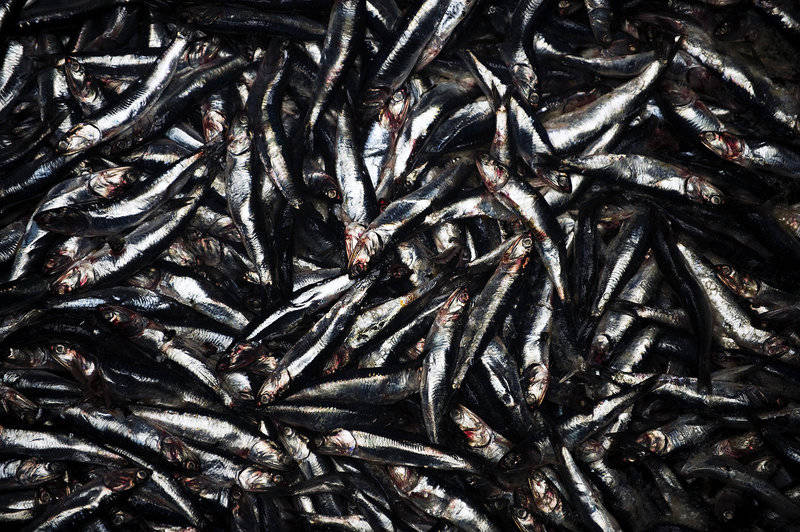
"caption": "Peruvian anchoveta being processed at a fish meal factory in Lima in 2009. The small forage species has been heavily fished.\n",
"description": null,
"title": "anchoveta",
"credit": "Ernesto Benavides/AFP/Getty Images",
"status": "inherit",
"isLoading": false,
"fetchFailed": false
},
"science_609675": {
"type": "attachments",
"id": "science_609675",
"meta": {
"index": "attachments_1716263798",
"site": "science",
"id": "609675",
"found": true
},
"parent": 607105,
"imgSizes": {
"twentyfourteen-full-width": {
"file": "https://ww2.kqed.org/app/uploads/sites/35/2016/04/dust-mites-YTmarquee1920-1038x576.jpg",
"width": 1038,
"mimeType": "image/jpeg",
"height": 576
},
"thumbnail": {
"file": "https://ww2.kqed.org/app/uploads/sites/35/2016/04/dust-mites-YTmarquee1920-400x225.jpg",
"width": 400,
"mimeType": "image/jpeg",
"height": 225
},
"fd-sm": {
"file": "https://ww2.kqed.org/app/uploads/sites/35/2016/04/dust-mites-YTmarquee1920-960x540.jpg",
"width": 960,
"mimeType": "image/jpeg",
"height": 540
},
"post-thumbnail": {
"file": "https://ww2.kqed.org/app/uploads/sites/35/2016/04/dust-mites-YTmarquee1920-672x372.jpg",
"width": 672,
"mimeType": "image/jpeg",
"height": 372
},
"kqedFullSize": {
"file": "https://ww2.kqed.org/app/uploads/sites/35/2016/04/dust-mites-YTmarquee1920.jpg",
"width": 1920,
"height": 1080
},
"large": {
"file": "https://ww2.kqed.org/app/uploads/sites/35/2016/04/dust-mites-YTmarquee1920-1440x810.jpg",
"width": 1440,
"mimeType": "image/jpeg",
"height": 810
},
"guest-author-96": {
"file": "https://ww2.kqed.org/app/uploads/sites/35/2016/04/dust-mites-YTmarquee1920-96x96.jpg",
"width": 96,
"mimeType": "image/jpeg",
"height": 96
},
"medium": {
"file": "https://ww2.kqed.org/app/uploads/sites/35/2016/04/dust-mites-YTmarquee1920-800x450.jpg",
"width": 800,
"mimeType": "image/jpeg",
"height": 450
},
"guest-author-64": {
"file": "https://ww2.kqed.org/app/uploads/sites/35/2016/04/dust-mites-YTmarquee1920-64x64.jpg",
"width": 64,
"mimeType": "image/jpeg",
"height": 64
},
"guest-author-32": {
"file": "https://ww2.kqed.org/app/uploads/sites/35/2016/04/dust-mites-YTmarquee1920-32x32.jpg",
"width": 32,
"mimeType": "image/jpeg",
"height": 32
},
"fd-lrg": {
"file": "https://ww2.kqed.org/app/uploads/sites/35/2016/04/dust-mites-YTmarquee1920-1920x1080.jpg",
"width": 1920,
"mimeType": "image/jpeg",
"height": 1080
},
"fd-med": {
"file": "https://ww2.kqed.org/app/uploads/sites/35/2016/04/dust-mites-YTmarquee1920-1180x664.jpg",
"width": 1180,
"mimeType": "image/jpeg",
"height": 664
},
"detail": {
"file": "https://ww2.kqed.org/app/uploads/sites/35/2016/04/dust-mites-YTmarquee1920-75x75.jpg",
"width": 75,
"mimeType": "image/jpeg",
"height": 75
},
"medium_large": {
"file": "https://ww2.kqed.org/app/uploads/sites/35/2016/04/dust-mites-YTmarquee1920-768x432.jpg",
"width": 768,
"mimeType": "image/jpeg",
"height": 432
},
"guest-author-128": {
"file": "https://ww2.kqed.org/app/uploads/sites/35/2016/04/dust-mites-YTmarquee1920-128x128.jpg",
"width": 128,
"mimeType": "image/jpeg",
"height": 128
}
},
"publishDate": 1459474582,
"modified": 1459474582,
"caption": null,
"description": null,
"title": "dust-mites-YTmarquee1920",
"credit": null,
"status": "inherit",
"isLoading": false,
"fetchFailed": false
},
"science_603307": {
"type": "attachments",
"id": "science_603307",
"meta": {
"index": "attachments_1716263798",
"site": "science",
"id": "603307",
"found": true
},
"parent": 595716,
"imgSizes": {
"twentyfourteen-full-width": {
"file": "https://ww2.kqed.org/app/uploads/sites/35/2016/03/DL-YT-thumbnail-phead-Bombardier-1038x576.jpg",
"width": 1038,
"mimeType": "image/jpeg",
"height": 576
},
"thumbnail": {
"file": "https://ww2.kqed.org/app/uploads/sites/35/2016/03/DL-YT-thumbnail-phead-Bombardier-400x225.jpg",
"width": 400,
"mimeType": "image/jpeg",
"height": 225
},
"fd-sm": {
"file": "https://ww2.kqed.org/app/uploads/sites/35/2016/03/DL-YT-thumbnail-phead-Bombardier-960x540.jpg",
"width": 960,
"mimeType": "image/jpeg",
"height": 540
},
"post-thumbnail": {
"file": "https://ww2.kqed.org/app/uploads/sites/35/2016/03/DL-YT-thumbnail-phead-Bombardier-672x372.jpg",
"width": 672,
"mimeType": "image/jpeg",
"height": 372
},
"kqedFullSize": {
"file": "https://ww2.kqed.org/app/uploads/sites/35/2016/03/DL-YT-thumbnail-phead-Bombardier.jpg",
"width": 1920,
"height": 1080
},
"large": {
"file": "https://ww2.kqed.org/app/uploads/sites/35/2016/03/DL-YT-thumbnail-phead-Bombardier-1440x810.jpg",
"width": 1440,
"mimeType": "image/jpeg",
"height": 810
},
"guest-author-96": {
"file": "https://ww2.kqed.org/app/uploads/sites/35/2016/03/DL-YT-thumbnail-phead-Bombardier-96x96.jpg",
"width": 96,
"mimeType": "image/jpeg",
"height": 96
},
"medium": {
"file": "https://ww2.kqed.org/app/uploads/sites/35/2016/03/DL-YT-thumbnail-phead-Bombardier-800x450.jpg",
"width": 800,
"mimeType": "image/jpeg",
"height": 450
},
"guest-author-64": {
"file": "https://ww2.kqed.org/app/uploads/sites/35/2016/03/DL-YT-thumbnail-phead-Bombardier-64x64.jpg",
"width": 64,
"mimeType": "image/jpeg",
"height": 64
},
"guest-author-32": {
"file": "https://ww2.kqed.org/app/uploads/sites/35/2016/03/DL-YT-thumbnail-phead-Bombardier-32x32.jpg",
"width": 32,
"mimeType": "image/jpeg",
"height": 32
},
"fd-lrg": {
"file": "https://ww2.kqed.org/app/uploads/sites/35/2016/03/DL-YT-thumbnail-phead-Bombardier-1920x1080.jpg",
"width": 1920,
"mimeType": "image/jpeg",
"height": 1080
},
"fd-med": {
"file": "https://ww2.kqed.org/app/uploads/sites/35/2016/03/DL-YT-thumbnail-phead-Bombardier-1180x664.jpg",
"width": 1180,
"mimeType": "image/jpeg",
"height": 664
},
"detail": {
"file": "https://ww2.kqed.org/app/uploads/sites/35/2016/03/DL-YT-thumbnail-phead-Bombardier-75x75.jpg",
"width": 75,
"mimeType": "image/jpeg",
"height": 75
},
"medium_large": {
"file": "https://ww2.kqed.org/app/uploads/sites/35/2016/03/DL-YT-thumbnail-phead-Bombardier-768x432.jpg",
"width": 768,
"mimeType": "image/jpeg",
"height": 432
},
"guest-author-128": {
"file": "https://ww2.kqed.org/app/uploads/sites/35/2016/03/DL-YT-thumbnail-phead-Bombardier-128x128.jpg",
"width": 128,
"mimeType": "image/jpeg",
"height": 128
}
},
"publishDate": 1459194120,
"modified": 1459194120,
"caption": null,
"description": null,
"title": "DL-YT-thumbnail-phead-Bombardier",
"credit": null,
"status": "inherit",
"isLoading": false,
"fetchFailed": false
},
"science_550867": {
"type": "attachments",
"id": "science_550867",
"meta": {
"index": "attachments_1716263798",
"site": "science",
"id": "550867",
"found": true
},
"parent": 518349,
"imgSizes": {
"twentyfourteen-full-width": {
"file": "https://ww2.kqed.org/app/uploads/sites/35/2016/03/DL305-scorpion-YT-thumbnail-phead1920-1038x576.jpeg",
"width": 1038,
"mimeType": "image/jpeg",
"height": 576
},
"thumbnail": {
"file": "https://ww2.kqed.org/app/uploads/sites/35/2016/03/DL305-scorpion-YT-thumbnail-phead1920-400x225.jpeg",
"width": 400,
"mimeType": "image/jpeg",
"height": 225
},
"fd-sm": {
"file": "https://ww2.kqed.org/app/uploads/sites/35/2016/03/DL305-scorpion-YT-thumbnail-phead1920-960x540.jpeg",
"width": 960,
"mimeType": "image/jpeg",
"height": 540
},
"post-thumbnail": {
"file": "https://ww2.kqed.org/app/uploads/sites/35/2016/03/DL305-scorpion-YT-thumbnail-phead1920-672x372.jpeg",
"width": 672,
"mimeType": "image/jpeg",
"height": 372
},
"kqedFullSize": {
"file": "https://ww2.kqed.org/app/uploads/sites/35/2016/03/DL305-scorpion-YT-thumbnail-phead1920.jpeg",
"width": 1920,
"height": 1080
},
"large": {
"file": "https://ww2.kqed.org/app/uploads/sites/35/2016/03/DL305-scorpion-YT-thumbnail-phead1920-1440x810.jpeg",
"width": 1440,
"mimeType": "image/jpeg",
"height": 810
},
"guest-author-96": {
"file": "https://ww2.kqed.org/app/uploads/sites/35/2016/03/DL305-scorpion-YT-thumbnail-phead1920-96x96.jpeg",
"width": 96,
"mimeType": "image/jpeg",
"height": 96
},
"medium": {
"file": "https://ww2.kqed.org/app/uploads/sites/35/2016/03/DL305-scorpion-YT-thumbnail-phead1920-800x450.jpeg",
"width": 800,
"mimeType": "image/jpeg",
"height": 450
},
"guest-author-64": {
"file": "https://ww2.kqed.org/app/uploads/sites/35/2016/03/DL305-scorpion-YT-thumbnail-phead1920-64x64.jpeg",
"width": 64,
"mimeType": "image/jpeg",
"height": 64
},
"guest-author-32": {
"file": "https://ww2.kqed.org/app/uploads/sites/35/2016/03/DL305-scorpion-YT-thumbnail-phead1920-32x32.jpeg",
"width": 32,
"mimeType": "image/jpeg",
"height": 32
},
"fd-lrg": {
"file": "https://ww2.kqed.org/app/uploads/sites/35/2016/03/DL305-scorpion-YT-thumbnail-phead1920-1920x1080.jpeg",
"width": 1920,
"mimeType": "image/jpeg",
"height": 1080
},
"fd-med": {
"file": "https://ww2.kqed.org/app/uploads/sites/35/2016/03/DL305-scorpion-YT-thumbnail-phead1920-1180x664.jpeg",
"width": 1180,
"mimeType": "image/jpeg",
"height": 664
},
"detail": {
"file": "https://ww2.kqed.org/app/uploads/sites/35/2016/03/DL305-scorpion-YT-thumbnail-phead1920-75x75.jpeg",
"width": 75,
"mimeType": "image/jpeg",
"height": 75
},
"medium_large": {
"file": "https://ww2.kqed.org/app/uploads/sites/35/2016/03/DL305-scorpion-YT-thumbnail-phead1920-768x432.jpeg",
"width": 768,
"mimeType": "image/jpeg",
"height": 432
},
"guest-author-128": {
"file": "https://ww2.kqed.org/app/uploads/sites/35/2016/03/DL305-scorpion-YT-thumbnail-phead1920-128x128.jpeg",
"width": 128,
"mimeType": "image/jpeg",
"height": 128
}
},
"publishDate": 1456531287,
"modified": 1456531287,
"caption": null,
"description": null,
"title": "DL305-scorpion-YT-thumbnail-phead1920",
"credit": null,
"status": "inherit",
"isLoading": false,
"fetchFailed": false
},
"science_550572": {
"type": "attachments",
"id": "science_550572",
"meta": {
"index": "attachments_1716263798",
"site": "science",
"id": "550572",
"found": true
},
"parent": 550567,
"imgSizes": {
"thumbnail": {
"file": "https://ww2.kqed.org/app/uploads/sites/35/2016/02/butterflies-400x266.jpg",
"width": 400,
"mimeType": "image/jpeg",
"height": 266
},
"post-thumbnail": {
"file": "https://ww2.kqed.org/app/uploads/sites/35/2016/02/butterflies-672x372.jpg",
"width": 672,
"mimeType": "image/jpeg",
"height": 372
},
"kqedFullSize": {
"file": "https://ww2.kqed.org/app/uploads/sites/35/2016/02/butterflies.jpg",
"width": 800,
"height": 532
},
"guest-author-96": {
"file": "https://ww2.kqed.org/app/uploads/sites/35/2016/02/butterflies-96x96.jpg",
"width": 96,
"mimeType": "image/jpeg",
"height": 96
},
"medium": {
"file": "https://ww2.kqed.org/app/uploads/sites/35/2016/02/butterflies-800x532.jpg",
"width": 800,
"mimeType": "image/jpeg",
"height": 532
},
"guest-author-64": {
"file": "https://ww2.kqed.org/app/uploads/sites/35/2016/02/butterflies-64x64.jpg",
"width": 64,
"mimeType": "image/jpeg",
"height": 64
},
"detail": {
"file": "https://ww2.kqed.org/app/uploads/sites/35/2016/02/butterflies-75x75.jpg",
"width": 75,
"mimeType": "image/jpeg",
"height": 75
},
"guest-author-32": {
"file": "https://ww2.kqed.org/app/uploads/sites/35/2016/02/butterflies-32x32.jpg",
"width": 32,
"mimeType": "image/jpeg",
"height": 32
},
"medium_large": {
"file": "https://ww2.kqed.org/app/uploads/sites/35/2016/02/butterflies-768x511.jpg",
"width": 768,
"mimeType": "image/jpeg",
"height": 511
},
"guest-author-128": {
"file": "https://ww2.kqed.org/app/uploads/sites/35/2016/02/butterflies-128x128.jpg",
"width": 128,
"mimeType": "image/jpeg",
"height": 128
}
},
"publishDate": 1456516794,
"modified": 1456516804,
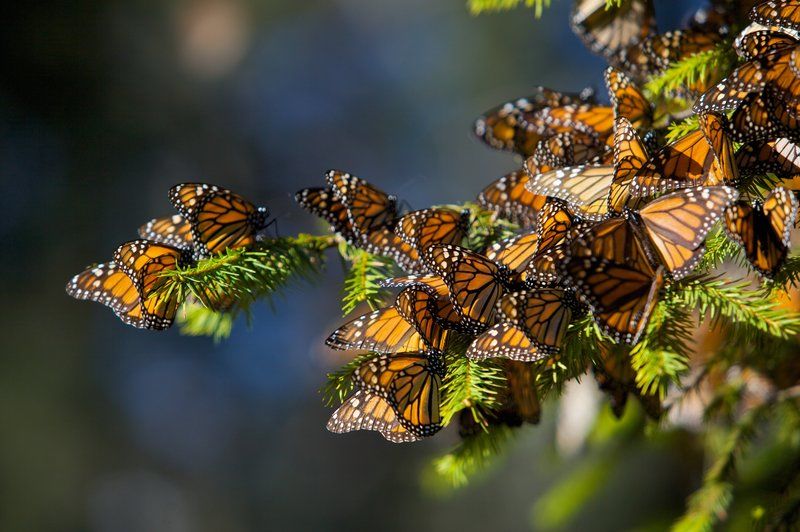
"caption": "Monarch butterflies mass on a tree branch in the Cerro Chincua mountain at the Monarch Butterfly Biosphere Reserve in Cerro Chincua, central Mexico.\n",
"description": null,
"title": "butterflies",
"credit": "Richard Ellis/Getty Images",
"status": "inherit",
"isLoading": false,
"fetchFailed": false
},
"science_517977": {
"type": "attachments",
"id": "science_517977",
"meta": {
"index": "attachments_1716263798",
"site": "science",
"id": "517977",
"found": true
},
"parent": 517972,
"imgSizes": {
"twentyfourteen-full-width": {
"file": "https://ww2.kqed.org/app/uploads/sites/35/2016/02/Cockroach-robot_JPEG-1038x576.jpg",
"width": 1038,
"mimeType": "image/jpeg",
"height": 576
},
"thumbnail": {
"file": "https://ww2.kqed.org/app/uploads/sites/35/2016/02/Cockroach-robot_JPEG-400x268.jpg",
"width": 400,
"mimeType": "image/jpeg",
"height": 268
},
"fd-sm": {
"file": "https://ww2.kqed.org/app/uploads/sites/35/2016/02/Cockroach-robot_JPEG-960x643.jpg",
"width": 960,
"mimeType": "image/jpeg",
"height": 643
},
"post-thumbnail": {
"file": "https://ww2.kqed.org/app/uploads/sites/35/2016/02/Cockroach-robot_JPEG-672x372.jpg",
"width": 672,
"mimeType": "image/jpeg",
"height": 372
},
"kqedFullSize": {
"file": "https://ww2.kqed.org/app/uploads/sites/35/2016/02/Cockroach-robot_JPEG.jpg",
"width": 10157,
"height": 6798
},
"large": {
"file": "https://ww2.kqed.org/app/uploads/sites/35/2016/02/Cockroach-robot_JPEG-1440x964.jpg",
"width": 1440,
"mimeType": "image/jpeg",
"height": 964
},
"guest-author-96": {
"file": "https://ww2.kqed.org/app/uploads/sites/35/2016/02/Cockroach-robot_JPEG-96x96.jpg",
"width": 96,
"mimeType": "image/jpeg",
"height": 96
},
"medium": {
"file": "https://ww2.kqed.org/app/uploads/sites/35/2016/02/Cockroach-robot_JPEG-800x535.jpg",
"width": 800,
"mimeType": "image/jpeg",
"height": 535
},
"guest-author-64": {
"file": "https://ww2.kqed.org/app/uploads/sites/35/2016/02/Cockroach-robot_JPEG-64x64.jpg",
"width": 64,
"mimeType": "image/jpeg",
"height": 64
},
"guest-author-32": {
"file": "https://ww2.kqed.org/app/uploads/sites/35/2016/02/Cockroach-robot_JPEG-32x32.jpg",
"width": 32,
"mimeType": "image/jpeg",
"height": 32
},
"fd-lrg": {
"file": "https://ww2.kqed.org/app/uploads/sites/35/2016/02/Cockroach-robot_JPEG-1920x1285.jpg",
"width": 1920,
"mimeType": "image/jpeg",
"height": 1285
},
"fd-med": {
"file": "https://ww2.kqed.org/app/uploads/sites/35/2016/02/Cockroach-robot_JPEG-1180x790.jpg",
"width": 1180,
"mimeType": "image/jpeg",
"height": 790
},
"detail": {
"file": "https://ww2.kqed.org/app/uploads/sites/35/2016/02/Cockroach-robot_JPEG-75x75.jpg",
"width": 75,
"mimeType": "image/jpeg",
"height": 75
},
"medium_large": {
"file": "https://ww2.kqed.org/app/uploads/sites/35/2016/02/Cockroach-robot_JPEG-768x514.jpg",
"width": 768,
"mimeType": "image/jpeg",
"height": 514
},
"guest-author-128": {
"file": "https://ww2.kqed.org/app/uploads/sites/35/2016/02/Cockroach-robot_JPEG-128x128.jpg",
"width": 128,
"mimeType": "image/jpeg",
"height": 128
}
},
"publishDate": 1454960742,
"modified": 1454960875,
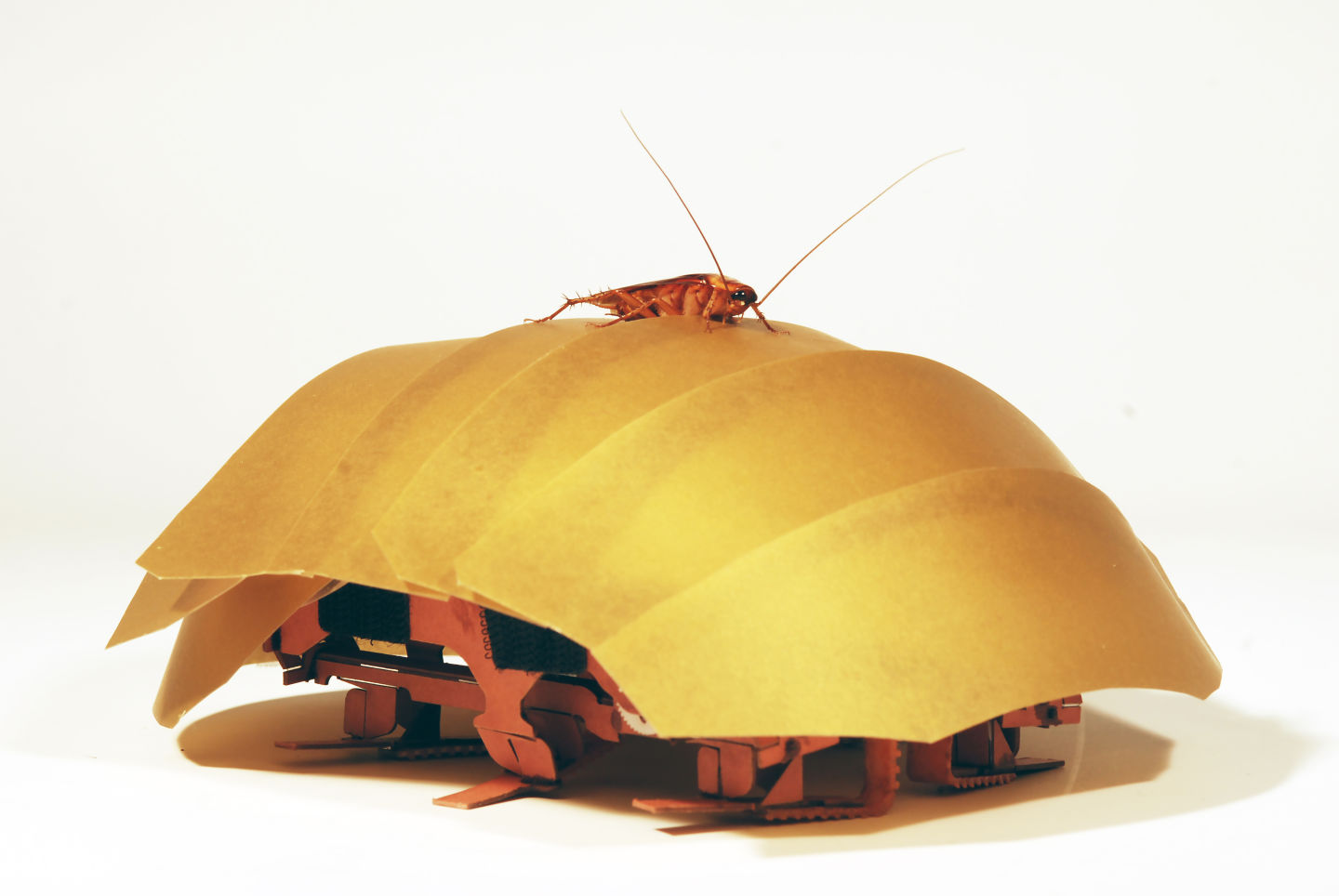
"caption": "UC Berkeley researchers created a flexible palm-sized robot modeled after American cockroaches. ",
"description": null,
"title": "Cockroach robot_JPEG",
"credit": "UC Berkeley PolyPEDAL Lab",
"status": "inherit",
"isLoading": false,
"fetchFailed": false
},
"science_24675": {
"type": "attachments",
"id": "science_24675",
"meta": {
"index": "attachments_1716263798",
"site": "science",
"id": "24675",
"found": true
},
"parent": 24552,
"imgSizes": {
"kqedFullSize": {
"file": "https://ww2.kqed.org/app/uploads/sites/35/2014/12/morpho-e1418086367586.jpg",
"width": 800,
"height": 586
}
},
"publishDate": 1418086002,
"modified": 1418086296,
"caption": null,
"description": null,
"title": "Morpho peleides",
"credit": null,
"status": "inherit",
"isLoading": false,
"fetchFailed": false
}
},
"audioPlayerReducer": {
"postId": "stream_live",
"isPaused": true,
"isPlaying": false,
"pfsActive": false,
"pledgeModalIsOpen": true,
"playerDrawerIsOpen": false,
"liveAudioPlayStartedAt": 0,
"liveAudioPlayContext": ""
},
"authorsReducer": {
"byline_science_624026": {
"type": "authors",
"id": "byline_science_624026",
"meta": {
"override": true
},
"slug": "byline_science_624026",
"name": "Alastair Bland \u003c/br>\u003cb>NPR\u003c/b>",
"isLoading": false
},
"byline_science_550567": {
"type": "authors",
"id": "byline_science_550567",
"meta": {
"override": true
},
"slug": "byline_science_550567",
"name": "Merrit Kennedy",
"isLoading": false
},
"jennyoh": {
"type": "authors",
"id": "2100",
"meta": {
"index": "authors_1716337520",
"id": "2100",
"found": true
},
"name": "Jenny Oh",
"firstName": "Jenny",
"lastName": "Oh",
"slug": "jennyoh",
"email": "joh@kqed.org",
"display_author_email": false,
"staff_mastheads": [],
"title": "Audience Engagement Producer, Deep Look",
"bio": "Jenny is an Emmy Award-winning producer and is currently the Audience Engagement Producer for KQED Science's \u003cem>Deep Look\u003c/em> online video series. She was also a long-time contributor to Bay Area Bites, KQED's popular food blog. Jenny graduated with honors from New York University’s Tisch School of the Arts Film and Television program and has worked for WNET/PBS, The Learning Channel, Sundance Channel, HBO and the University of California.",
"avatar": "https://secure.gravatar.com/avatar/7ddda0ed657e46dbe66083f569967752?s=600&d=mm&r=g",
"twitter": null,
"facebook": null,
"instagram": null,
"linkedin": null,
"sites": [
{
"site": "arts",
"roles": []
},
{
"site": "pop",
"roles": []
},
{
"site": "about",
"roles": []
},
{
"site": "bayareabites",
"roles": []
},
{
"site": "science",
"roles": []
},
{
"site": "education",
"roles": []
},
{
"site": "quest",
"roles": []
},
{
"site": "food",
"roles": []
}
],
"headData": {
"title": "Jenny Oh | KQED",
"description": "Audience Engagement Producer, Deep Look",
"ogImgSrc": "https://secure.gravatar.com/avatar/7ddda0ed657e46dbe66083f569967752?s=600&d=mm&r=g",
"twImgSrc": "https://secure.gravatar.com/avatar/7ddda0ed657e46dbe66083f569967752?s=600&d=mm&r=g"
},
"isLoading": false,
"link": "/author/jennyoh"
},
"lindseyhoshaw": {
"type": "authors",
"id": "5432",
"meta": {
"index": "authors_1716337520",
"id": "5432",
"found": true
},
"name": "Lindsey Hoshaw",
"firstName": "Lindsey",
"lastName": "Hoshaw",
"slug": "lindseyhoshaw",
"email": "lhoshaw@kqed.org",
"display_author_email": false,
"staff_mastheads": [],
"title": "KQED Contributor",
"bio": "Lindsey Hoshaw is a former interactive producer for KQED Science. Before joining KQED, Lindsey was a science correspondent for The New York Times, The Boston Globe, Forbes and Scientific American. On Twitter @lindseyhoshaw",
"avatar": "https://secure.gravatar.com/avatar/274b07694c998eaa8f26cfabaa941186?s=600&d=mm&r=g",
"twitter": "lindseyhoshaw",
"facebook": "lindsey.hoshaw.9",
"instagram": null,
"linkedin": null,
"sites": [
{
"site": "arts",
"roles": [
"author"
]
},
{
"site": "news",
"roles": [
"subscriber"
]
},
{
"site": "futureofyou",
"roles": [
"editor"
]
},
{
"site": "bayareabites",
"roles": [
"contributor"
]
},
{
"site": "stateofhealth",
"roles": [
"author"
]
},
{
"site": "science",
"roles": [
"edit_theme_options",
"subscriber"
]
},
{
"site": "quest",
"roles": [
"edit_post_subscriptions",
"edit_usergroups",
"unfiltered_html",
"unfiltered_upload",
"leadcoordinator",
"editor"
]
},
{
"site": "food",
"roles": []
}
],
"headData": {
"title": "Lindsey Hoshaw | KQED",
"description": "KQED Contributor",
"ogImgSrc": "https://secure.gravatar.com/avatar/274b07694c998eaa8f26cfabaa941186?s=600&d=mm&r=g",
"twImgSrc": "https://secure.gravatar.com/avatar/274b07694c998eaa8f26cfabaa941186?s=600&d=mm&r=g"
},
"isLoading": false,
"link": "/author/lindseyhoshaw"
},
"joshua-cassidy": {
"type": "authors",
"id": "6219",
"meta": {
"index": "authors_1716337520",
"id": "6219",
"found": true
},
"name": "Josh Cassidy",
"firstName": "Josh",
"lastName": "Cassidy",
"slug": "joshua-cassidy",
"email": "jcassidy@kqed.org",
"display_author_email": false,
"staff_mastheads": [
"science"
],
"title": "Digital Video Producer",
"bio": "Josh is a Senior Video Producer for KQED Science, and the Lead Producer and Cinematographer for Deep Look. After receiving his BS in Wildlife Biology from Ohio University, he went on to participate in marine mammal research for NOAA, USGS and the Intersea Foundation. He also served as the president of The Pacific Cetacean Group, a nonprofit organization dedicated to teaching students K-6 about whales. Josh studied science and natural history filmmaking at San Francisco State University and Montana State University.",
"avatar": "https://secure.gravatar.com/avatar/f2582a0801a35af53b734d56bcac2bbe?s=600&d=blank&r=g",
"twitter": null,
"facebook": null,
"instagram": null,
"linkedin": null,
"sites": [
{
"site": "science",
"roles": [
"editor"
]
},
{
"site": "quest",
"roles": [
"author",
"edit_others_posts"
]
}
],
"headData": {
"title": "Josh Cassidy | KQED",
"description": "Digital Video Producer",
"ogImgSrc": "https://secure.gravatar.com/avatar/f2582a0801a35af53b734d56bcac2bbe?s=600&d=blank&r=g",
"twImgSrc": "https://secure.gravatar.com/avatar/f2582a0801a35af53b734d56bcac2bbe?s=600&d=blank&r=g"
},
"isLoading": false,
"link": "/author/joshua-cassidy"
},
"ekennerson": {
"type": "authors",
"id": "11090",
"meta": {
"index": "authors_1716337520",
"id": "11090",
"found": true
},
"name": "Elliott Kennerson",
"firstName": "Elliott",
"lastName": "Kennerson",
"slug": "ekennerson",
"email": "ekennerson@kqed.org",
"display_author_email": false,
"staff_mastheads": [],
"title": null,
"bio": "Elliott Kennerson joined KQED Science as a Digital Media Producer in 2015. Before joining KQED, he produced the Kickstarter-funded series “Animal R&R” for KPBS in San Diego. Elliott received his M.F.A. training in wildlife documentary at Montana State in Bozeman and holds a B.A. from Yale in archaeology. In his former life as an actor, he was an associate artist with LightBox Theater Company in New York. Elliott is the recipient of a 2017 Regional Emmy for his work as a producer on “Deep Look.\"",
"avatar": "https://secure.gravatar.com/avatar/90ebfa58055409e54c8f8a4c120ecf91?s=600&d=blank&r=g",
"twitter": "edorank",
"facebook": null,
"instagram": null,
"linkedin": null,
"sites": [
{
"site": "science",
"roles": [
"editor"
]
}
],
"headData": {
"title": "Elliott Kennerson | KQED",
"description": null,
"ogImgSrc": "https://secure.gravatar.com/avatar/90ebfa58055409e54c8f8a4c120ecf91?s=600&d=blank&r=g",
"twImgSrc": "https://secure.gravatar.com/avatar/90ebfa58055409e54c8f8a4c120ecf91?s=600&d=blank&r=g"
},
"isLoading": false,
"link": "/author/ekennerson"
}
},
"pagesReducer": {
"science_category_animals": {
"type": "terms",
"id": "science_2874",
"meta": {
"index": "terms_1716263798",
"site": "science",
"id": "2874",
"score": 12.28665
},
"featImg": null,
"name": "Animals",
"description": null,
"taxonomy": "category",
"headData": {
"twImgId": null,
"twTitle": null,
"ogTitle": null,
"ogImgId": null,
"twDescription": null,
"description": null,
"title": "Animals Archives | KQED Science",
"ogDescription": null
},
"ttid": 2874,
"slug": "animals",
"isLoading": false,
"title": "Animals",
"pageMeta": {
"site": "science",
"WpPageTemplate": "page-topic-editorial",
"currentPage": 40
},
"blocks": [
{
"blockName": "kqed/post-list",
"attrs": {
"layout": "cardArticle2",
"query": "posts/science?category=animals",
"seeMore": false,
"paginated": true,
"page": 40
}
},
{
"blockName": "kqed/ad"
}
]
}
},
"pfsSessionReducer": {},
"postsReducer": {
"stream_live": {
"type": "live",
"id": "stream_live",
"audioUrl": "https://streams.kqed.org/kqedradio",
"title": "Live Stream",
"excerpt": "Live Stream information currently unavailable.",
"link": "/radio",
"featImg": "",
"label": {
"name": "KQED Live",
"link": "/"
}
},
"stream_kqedNewscast": {
"type": "posts",
"id": "stream_kqedNewscast",
"audioUrl": "https://www.kqed.org/.stream/anon/radio/RDnews/newscast.mp3?_=1",
"title": "KQED Newscast",
"featImg": "",
"label": {
"name": "88.5 FM",
"link": "/"
}
},
"science_624026": {
"type": "posts",
"id": "science_624026",
"meta": {
"index": "posts_1716263798",
"site": "science",
"id": "624026",
"score": null,
"sort": [
1460050798000
]
},
"parent": 0,
"labelTerm": {},
"blocks": [],
"publishDate": 1460050798,
"format": "standard",
"title": "Tiny Forage Fish at Bottom of Marine Food Web Get New Protections",
"headTitle": "Tiny Forage Fish at Bottom of Marine Food Web Get New Protections | KQED",
"content": "\u003cp>Sardines, herring and other small fish species are the foundation of the marine food web—they’re essential food for birds, marine mammals and other fish. But globally, demand for these so-called forage species has exploded, with many going to feed the livestock and fish farming industries.\u003c/p>\n\u003cp>[contextly_sidebar id=”hubLZghGaTkFNKjQ0Snw7bd68OuLcPrN”]Some of these species are already heavily fished, and it will take time for them to recover. But other forage species have not yet been commercially targeted. And this week, the U.S. government passed measures—backed by environmentalists as well as fishermen—to protect these critical fish and invertebrate species in waters off the U.S. West Coast before they’re overfished.\u003c/p>\n\u003cp>A \u003ca href=\"https://www.federalregister.gov/articles/2016/04/04/2016-07516/fisheries-off-west-coast-states-comprehensive-ecosystem-based-amendment-1-amendments-to-the-fishery\" target=\"_blank\" rel=\"noopener\">rule\u003c/a> passed Monday by the National Marine Fisheries Service makes it illegal for commercial fishermen to develop new fisheries for hundreds of forage species unless scientists have first determined that targeting them will have no negative impacts on the marine ecosystem, existing fisheries and fishing communities.\u003c/p>\n\u003cp>Forage species include such creatures as lanternfishes, Pacific saury, silversides, eulachon, surf smelt and neon flying squid. Some of these species have hardly been fished at all. They may live in deep water far from shore and are relatively absent from public awareness.\u003c/p>\n\u003cp>“Just because people haven’t heard of a lot of these species yet, it’s really only a matter of time and economics before it becomes viable to put out huge nets that catch the entire base of our food web,” Geoff Shester, California Campaign Director with the group Oceana, says in an interview.\u003c/p>\n\u003cp>[ad fullwidth]\u003c/p>\n\u003cp>Other forage fish species are already in trouble. Pacific sardines are at their lowest numbers in decades. Pacific herring have also declined. In the waters off Peru, the anchoveta has been heavily fished.\u003c/p>\n\u003cp>Shester says demand for forage species, which are potentially easy targets due to their tendency to gather in dense schools, is growing as aquaculture and livestock industries expand. A study published last year in \u003cem>Reviews in Fisheries Science & Aquaculture\u003c/em>reported that aquaculture production doubled from 2000 to 2012, when about 55 million tons of fish and crustaceans were reared on farms. These animals rely heavily on fishmeal and oil, and in 2012, about 18 million tons of wild-caught seafood was rendered into these products, according to the report.\u003c/p>\n\u003cp>“The demand for fish oil and fishmeal is going through the roof,” Shester says.\u003c/p>\n\u003cp>The new rule comes on the heels of two similar initiatives, both passed in 2009. One prohibits targeted commercial fishing for West Coast krill, an important marine food source for which fishing interest has rapidly grown in other parts of the ocean. Another law limits commercial fishing in parts of the Arctic Ocean as global warming melts sea ice and makes the region accessible to vessels.\u003c/p>\n\u003cfigure id=\"attachment_624030\" class=\"wp-caption aligncenter\" style=\"max-width: 800px\">\u003cimg loading=\"lazy\" decoding=\"async\" class=\"size-full wp-image-624030\" src=\"http://ww2.kqed.org/science/wp-content/uploads/sites/35/2016/04/sardines.jpg\" alt=\"Some forage fish species are already in trouble. Pacific sardines are at their lowest numbers in decades. \" width=\"800\" height=\"493\" srcset=\"https://cdn.kqed.org/wp-content/uploads/sites/35/2016/04/sardines.jpg 800w, https://cdn.kqed.org/wp-content/uploads/sites/35/2016/04/sardines-400x247.jpg 400w, https://cdn.kqed.org/wp-content/uploads/sites/35/2016/04/sardines-768x473.jpg 768w\" sizes=\"(max-width: 800px) 100vw, 800px\">\u003cfigcaption class=\"wp-caption-text\">Some forage fish species are already in trouble. Pacific sardines are at their lowest numbers in decades. \u003ccite>(Gabriel Bouys/AFP/Getty Images)\u003c/cite>\u003c/figcaption>\u003c/figure>\n\u003cp>Yvonne deReynier, senior resource management specialist with the National Marine Fisheries Service, says lanternfishes are one of the most ecologically important groups of fishes that will benefit from the new protections. Lanternfishes, also called myctophids, may be the most abundant vertebrate group on the planet in terms of biomass, or weight. According to a \u003ca href=\"http://usa.oceana.org/blog/myctophids-small-fish-and-colossal-action-protect-them\" target=\"_blank\" rel=\"noopener\">report by Oceana\u003c/a>, the 246 species of myctophids in the ocean represent about two-thirds of the biomass, or weight, of all deep sea fishes.\u003c/p>\n\u003cp>But large natural abundance of lanternfishes and other forage species doesn’t necessarily buffer them against overfishing.\u003c/p>\n\u003cp>“We don’t know what the effects of fishing on these species could be in 50 years, but we aren’t taking any chances,” says Anna Weinstein, marine program director for Audubon California, one of the groups that supported the restrictions.\u003c/p>\n\u003cp>She says saury and neon flying squid have already become subjects of commercial fishing interest in other nations.\u003c/p>\n\u003cp>“So this action couldn’t have come at a better time,” Weinstein says.\u003c/p>\n\u003cp>The forage fish protections affect the band of water between 3 and 200 miles from shore off the coast of California, Oregon and Washington – an area covering about 280,000 square miles. Weinstein says the rule will have a wide array of trickledown benefits for fishermen, marine mammals and seabirds. A great deal of conservation effort and money, she says, has already been focused on protecting islands where birds like albatrosses, puffins and shearwaters breed. Now, she says, their key food sources are protected, too.\u003c/p>\n\u003cp>Scientists around the world have endorsed the idea of protecting important forage species before they become exploited. A 2012 report from a group of 13 scientists called the Lenfest Forage Fish Task Force called for paying closer attention to the vulnerabilities of forage fishes and how overfishing these species can negatively impact many larger species that prey on them. According to the report, titled \u003cem>Little Fish, Big Impact\u003c/em>, overfishing has contributed to the declines of the Peruvian anchoveta, Chesapeake Bay menhaden and other ecologically critical species. The authors call for setting lower catch limits for important forage species while boosting the minimum biomass that must be left in the water.\u003c/p>\n\u003cp>Oceana’s Shester says the new policy is long overdue and that many overfishing crises, including the current collapse of the Pacific sardine, could have been avoided if fishery regulators had taken a more precautionary approach to management years ago.\u003c/p>\n\u003cp>“With Pacific sardines, the fishery’s managers waited until numbers were at 10 percent,” Shester says. “We saw warning signs that the fishery was collapsing five years ago, but only when it had collapsed did we do anything.”\u003c/p>\n\u003cp>Protecting forage species now, he says, doesn’t put them off limits forever.\u003c/p>\n\u003cp>\u003c/p>\n\u003cp>“It just means that we need to take a step back before we proceed and start catching them,” Shester says. “It puts the burden of proof on the fishermen to show beforehand that they aren’t going to harm the ecosystem if they catch these species, and only then can they put nets in the water.”\u003c/p>\n\n",
"stats": {
"hasVideo": false,
"hasChartOrMap": false,
"hasAudio": false,
"hasPolis": false,
"wordCount": 1028,
"hasGoogleForm": false,
"hasGallery": false,
"hasHearkenModule": false,
"iframeSrcs": [],
"paragraphCount": 22
},
"modified": 1704930388,
"excerpt": "Demand for sardines and other small species has exploded, with many being used as feed for livestock and fish farming. New rules aim to protect these species from overfishing off the U.S. West Coast.",
"headData": {
"twImgId": "",
"twTitle": "",
"ogTitle": "",
"ogImgId": "",
"twDescription": "",
"description": "Demand for sardines and other small species has exploded, with many being used as feed for livestock and fish farming. New rules aim to protect these species from overfishing off the U.S. West Coast.",
"title": "Tiny Forage Fish at Bottom of Marine Food Web Get New Protections | KQED",
"ogDescription": "",
"schema": {
"@context": "https://schema.org",
"@type": "Article",
"headline": "Tiny Forage Fish at Bottom of Marine Food Web Get New Protections",
"datePublished": "2016-04-07T10:39:58-07:00",
"dateModified": "2024-01-10T15:46:28-08:00",
"image": "https://cdn.kqed.org/wp-content/uploads/2020/02/KQED-OG-Image@1x.png"
}
},
"guestAuthors": [],
"slug": "tiny-forage-fish-at-bottom-of-marine-food-web-get-new-protections",
"status": "publish",
"nprByline": "Alastair Bland \u003c/br>\u003cb>NPR\u003c/b>",
"sticky": false,
"source": "NPR",
"path": "/science/624026/tiny-forage-fish-at-bottom-of-marine-food-web-get-new-protections",
"audioTrackLength": null,
"parsedContent": [
{
"type": "contentString",
"content": "\u003cdiv class=\"post-body\">\u003cp>\u003cp>Sardines, herring and other small fish species are the foundation of the marine food web—they’re essential food for birds, marine mammals and other fish. But globally, demand for these so-called forage species has exploded, with many going to feed the livestock and fish farming industries.\u003c/p>\n\u003cp>\u003c/p>\u003cp>\u003c/p>\u003cp>Some of these species are already heavily fished, and it will take time for them to recover. But other forage species have not yet been commercially targeted. And this week, the U.S. government passed measures—backed by environmentalists as well as fishermen—to protect these critical fish and invertebrate species in waters off the U.S. West Coast before they’re overfished.\u003c/p>\n\u003cp>A \u003ca href=\"https://www.federalregister.gov/articles/2016/04/04/2016-07516/fisheries-off-west-coast-states-comprehensive-ecosystem-based-amendment-1-amendments-to-the-fishery\" target=\"_blank\" rel=\"noopener\">rule\u003c/a> passed Monday by the National Marine Fisheries Service makes it illegal for commercial fishermen to develop new fisheries for hundreds of forage species unless scientists have first determined that targeting them will have no negative impacts on the marine ecosystem, existing fisheries and fishing communities.\u003c/p>\n\u003cp>Forage species include such creatures as lanternfishes, Pacific saury, silversides, eulachon, surf smelt and neon flying squid. Some of these species have hardly been fished at all. They may live in deep water far from shore and are relatively absent from public awareness.\u003c/p>\n\u003cp>“Just because people haven’t heard of a lot of these species yet, it’s really only a matter of time and economics before it becomes viable to put out huge nets that catch the entire base of our food web,” Geoff Shester, California Campaign Director with the group Oceana, says in an interview.\u003c/p>\n\u003cp>\u003c/p>\u003c/div>",
"attributes": {
"named": {},
"numeric": []
}
},
{
"type": "component",
"content": "",
"name": "ad",
"attributes": {
"named": {
"label": "fullwidth"
},
"numeric": [
"fullwidth"
]
}
},
{
"type": "contentString",
"content": "\u003cdiv class=\"post-body\">\u003cp>\u003c/p>\n\u003cp>Other forage fish species are already in trouble. Pacific sardines are at their lowest numbers in decades. Pacific herring have also declined. In the waters off Peru, the anchoveta has been heavily fished.\u003c/p>\n\u003cp>Shester says demand for forage species, which are potentially easy targets due to their tendency to gather in dense schools, is growing as aquaculture and livestock industries expand. A study published last year in \u003cem>Reviews in Fisheries Science & Aquaculture\u003c/em>reported that aquaculture production doubled from 2000 to 2012, when about 55 million tons of fish and crustaceans were reared on farms. These animals rely heavily on fishmeal and oil, and in 2012, about 18 million tons of wild-caught seafood was rendered into these products, according to the report.\u003c/p>\n\u003cp>“The demand for fish oil and fishmeal is going through the roof,” Shester says.\u003c/p>\n\u003cp>The new rule comes on the heels of two similar initiatives, both passed in 2009. One prohibits targeted commercial fishing for West Coast krill, an important marine food source for which fishing interest has rapidly grown in other parts of the ocean. Another law limits commercial fishing in parts of the Arctic Ocean as global warming melts sea ice and makes the region accessible to vessels.\u003c/p>\n\u003cfigure id=\"attachment_624030\" class=\"wp-caption aligncenter\" style=\"max-width: 800px\">\u003cimg loading=\"lazy\" decoding=\"async\" class=\"size-full wp-image-624030\" src=\"http://ww2.kqed.org/science/wp-content/uploads/sites/35/2016/04/sardines.jpg\" alt=\"Some forage fish species are already in trouble. Pacific sardines are at their lowest numbers in decades. \" width=\"800\" height=\"493\" srcset=\"https://cdn.kqed.org/wp-content/uploads/sites/35/2016/04/sardines.jpg 800w, https://cdn.kqed.org/wp-content/uploads/sites/35/2016/04/sardines-400x247.jpg 400w, https://cdn.kqed.org/wp-content/uploads/sites/35/2016/04/sardines-768x473.jpg 768w\" sizes=\"(max-width: 800px) 100vw, 800px\">\u003cfigcaption class=\"wp-caption-text\">Some forage fish species are already in trouble. Pacific sardines are at their lowest numbers in decades. \u003ccite>(Gabriel Bouys/AFP/Getty Images)\u003c/cite>\u003c/figcaption>\u003c/figure>\n\u003cp>Yvonne deReynier, senior resource management specialist with the National Marine Fisheries Service, says lanternfishes are one of the most ecologically important groups of fishes that will benefit from the new protections. Lanternfishes, also called myctophids, may be the most abundant vertebrate group on the planet in terms of biomass, or weight. According to a \u003ca href=\"http://usa.oceana.org/blog/myctophids-small-fish-and-colossal-action-protect-them\" target=\"_blank\" rel=\"noopener\">report by Oceana\u003c/a>, the 246 species of myctophids in the ocean represent about two-thirds of the biomass, or weight, of all deep sea fishes.\u003c/p>\n\u003cp>But large natural abundance of lanternfishes and other forage species doesn’t necessarily buffer them against overfishing.\u003c/p>\n\u003cp>“We don’t know what the effects of fishing on these species could be in 50 years, but we aren’t taking any chances,” says Anna Weinstein, marine program director for Audubon California, one of the groups that supported the restrictions.\u003c/p>\n\u003cp>She says saury and neon flying squid have already become subjects of commercial fishing interest in other nations.\u003c/p>\n\u003cp>“So this action couldn’t have come at a better time,” Weinstein says.\u003c/p>\n\u003cp>The forage fish protections affect the band of water between 3 and 200 miles from shore off the coast of California, Oregon and Washington – an area covering about 280,000 square miles. Weinstein says the rule will have a wide array of trickledown benefits for fishermen, marine mammals and seabirds. A great deal of conservation effort and money, she says, has already been focused on protecting islands where birds like albatrosses, puffins and shearwaters breed. Now, she says, their key food sources are protected, too.\u003c/p>\n\u003cp>Scientists around the world have endorsed the idea of protecting important forage species before they become exploited. A 2012 report from a group of 13 scientists called the Lenfest Forage Fish Task Force called for paying closer attention to the vulnerabilities of forage fishes and how overfishing these species can negatively impact many larger species that prey on them. According to the report, titled \u003cem>Little Fish, Big Impact\u003c/em>, overfishing has contributed to the declines of the Peruvian anchoveta, Chesapeake Bay menhaden and other ecologically critical species. The authors call for setting lower catch limits for important forage species while boosting the minimum biomass that must be left in the water.\u003c/p>\n\u003cp>Oceana’s Shester says the new policy is long overdue and that many overfishing crises, including the current collapse of the Pacific sardine, could have been avoided if fishery regulators had taken a more precautionary approach to management years ago.\u003c/p>\n\u003cp>“With Pacific sardines, the fishery’s managers waited until numbers were at 10 percent,” Shester says. “We saw warning signs that the fishery was collapsing five years ago, but only when it had collapsed did we do anything.”\u003c/p>\n\u003cp>Protecting forage species now, he says, doesn’t put them off limits forever.\u003c/p>\n\u003cp>\u003c/p>\n\u003cp>“It just means that we need to take a step back before we proceed and start catching them,” Shester says. “It puts the burden of proof on the fishermen to show beforehand that they aren’t going to harm the ecosystem if they catch these species, and only then can they put nets in the water.”\u003c/p>\n\n\u003c/div>\u003c/p>",
"attributes": {
"named": {},
"numeric": []
}
}
],
"link": "/science/624026/tiny-forage-fish-at-bottom-of-marine-food-web-get-new-protections",
"authors": [
"byline_science_624026"
],
"categories": [
"science_2874",
"science_36",
"science_40",
"science_2873"
],
"featImg": "science_624029",
"label": "source_science_624026"
},
"science_607105": {
"type": "posts",
"id": "science_607105",
"meta": {
"index": "posts_1716263798",
"site": "science",
"id": "607105",
"score": null,
"sort": [
1459861227000
]
},
"guestAuthors": [],
"slug": "meet-the-dust-mites-tiny-roommates-that-feast-on-your-skin",
"title": "Meet the Dust Mites, Tiny Roommates That Feast on Your Skin",
"publishDate": 1459861227,
"format": "video",
"headTitle": "Meet the Dust Mites, Tiny Roommates That Feast on Your Skin | KQED",
"labelTerm": {
"term": 1935,
"site": "science"
},
"content": "\u003cp>[dl_subscribe]With the warming weather it’s the season for spring cleaning. But before you reach for the broom and mop, take a moment to look at who else is sharing your home with you. The number of uninvited guests you find in your dustpan may surprise you.\u003c/p>\n\u003cp>A recent study published in the journal \u003ca href=\"https://peerj.com/articles/1582/\">PeerJ\u003c/a> took up the challenge of cataloging the large numbers of tiny animals that live in human dwellings. The researchers found that the average home contains roughly 100 different species of arthropods, including familiar types like flies, spiders and ants, but also some kinds that are less well known like gall wasps and book lice. And no matter how much human residents may clean, there will always be a considerable number of mini-roommates.\u003c/p>\n\u003cfigure id=\"attachment_607106\" class=\"wp-caption aligncenter\" style=\"max-width: 640px\">\u003ca href=\"http://ww2.kqed.org/science/wp-content/uploads/sites/35/2016/03/DL306-Predatory-Mite.jpg\" rel=\"attachment wp-att-607106\">\u003cimg loading=\"lazy\" decoding=\"async\" class=\"size-large wp-image-607106\" src=\"http://ww2.kqed.org/science/wp-content/uploads/sites/35/2016/03/DL306-Predatory-Mite-1440x810.jpg\" alt=\"A Cheyletid mite searches for prey in the weave of a carpet\" width=\"640\" height=\"360\" srcset=\"https://cdn.kqed.org/wp-content/uploads/sites/35/2016/03/DL306-Predatory-Mite-1440x810.jpg 1440w, https://cdn.kqed.org/wp-content/uploads/sites/35/2016/03/DL306-Predatory-Mite-400x225.jpg 400w, https://cdn.kqed.org/wp-content/uploads/sites/35/2016/03/DL306-Predatory-Mite-800x450.jpg 800w, https://cdn.kqed.org/wp-content/uploads/sites/35/2016/03/DL306-Predatory-Mite-768x432.jpg 768w, https://cdn.kqed.org/wp-content/uploads/sites/35/2016/03/DL306-Predatory-Mite.jpg 1920w, https://cdn.kqed.org/wp-content/uploads/sites/35/2016/03/DL306-Predatory-Mite-1180x664.jpg 1180w, https://cdn.kqed.org/wp-content/uploads/sites/35/2016/03/DL306-Predatory-Mite-960x540.jpg 960w\" sizes=\"auto, (max-width: 640px) 100vw, 640px\">\u003c/a>\u003cfigcaption class=\"wp-caption-text\">A Cheyletid mite searches for prey in the weave of a carpet \u003ccite>(Josh Cassidy/ KQED)\u003c/cite>\u003c/figcaption>\u003c/figure>\n\u003cp>“Even as entomologists we were really surprised. We live in our houses all the time, so we thought we’d be more familiar with the kind of things we’d come across. There was a surprising level of biodiversity,” said Michelle Trautwein, assistant curator of entomology at the California Academy of Sciences in San Francisco.\u003c/p>\n\u003cfigure id=\"attachment_607110\" class=\"wp-caption aligncenter\" style=\"max-width: 640px\">\u003ca href=\"http://ww2.kqed.org/science/wp-content/uploads/sites/35/2016/03/DL306-dead-fly.jpg\" rel=\"attachment wp-att-607110\">\u003cimg loading=\"lazy\" decoding=\"async\" class=\"size-large wp-image-607110\" src=\"http://ww2.kqed.org/science/wp-content/uploads/sites/35/2016/03/DL306-dead-fly-1440x810.jpg\" alt=\"Flies (Diptera) made up about 25% of the types of arthropods found in the homes sampled\" width=\"640\" height=\"360\" srcset=\"https://cdn.kqed.org/wp-content/uploads/sites/35/2016/03/DL306-dead-fly-1440x810.jpg 1440w, https://cdn.kqed.org/wp-content/uploads/sites/35/2016/03/DL306-dead-fly-400x225.jpg 400w, https://cdn.kqed.org/wp-content/uploads/sites/35/2016/03/DL306-dead-fly-800x450.jpg 800w, https://cdn.kqed.org/wp-content/uploads/sites/35/2016/03/DL306-dead-fly-768x432.jpg 768w, https://cdn.kqed.org/wp-content/uploads/sites/35/2016/03/DL306-dead-fly.jpg 1920w, https://cdn.kqed.org/wp-content/uploads/sites/35/2016/03/DL306-dead-fly-1180x664.jpg 1180w, https://cdn.kqed.org/wp-content/uploads/sites/35/2016/03/DL306-dead-fly-960x540.jpg 960w\" sizes=\"auto, (max-width: 640px) 100vw, 640px\">\u003c/a>\u003cfigcaption class=\"wp-caption-text\">Flies (Diptera) made up about 25% of the types of arthropods found in the homes sampled \u003ccite>(Josh Cassidy/KQED)\u003c/cite>\u003c/figcaption>\u003c/figure>\n\u003cp>Trautwein lead the research team that donned headlamps and knee pads and unsheathed forceps before scouring residences in North Carolina for arthropods — creatures that have exoskeletons, multiple appendages and segmented bodies. The researchers collected dust from corners, flies from windowsills and spiders from under sinks. They also sampled the dust in people’s carpets and rugs using a handheld vacuum cleaner.\u003c/p>\n\u003cfigure id=\"attachment_607111\" class=\"wp-caption aligncenter\" style=\"max-width: 640px\">\u003ca href=\"http://ww2.kqed.org/science/wp-content/uploads/sites/35/2016/03/DL306-Michelle-Trautwein.jpg\" rel=\"attachment wp-att-607111\">\u003cimg loading=\"lazy\" decoding=\"async\" class=\"size-large wp-image-607111\" src=\"http://ww2.kqed.org/science/wp-content/uploads/sites/35/2016/03/DL306-Michelle-Trautwein-1440x810.jpg\" alt=\"Michelle Trautwein searches a kitchen windowsill, a common location to find arthropods that filtered in from the surrounding environment.\" width=\"640\" height=\"360\" srcset=\"https://cdn.kqed.org/wp-content/uploads/sites/35/2016/03/DL306-Michelle-Trautwein-1440x810.jpg 1440w, https://cdn.kqed.org/wp-content/uploads/sites/35/2016/03/DL306-Michelle-Trautwein-400x225.jpg 400w, https://cdn.kqed.org/wp-content/uploads/sites/35/2016/03/DL306-Michelle-Trautwein-800x450.jpg 800w, https://cdn.kqed.org/wp-content/uploads/sites/35/2016/03/DL306-Michelle-Trautwein-768x432.jpg 768w, https://cdn.kqed.org/wp-content/uploads/sites/35/2016/03/DL306-Michelle-Trautwein.jpg 1920w, https://cdn.kqed.org/wp-content/uploads/sites/35/2016/03/DL306-Michelle-Trautwein-1180x664.jpg 1180w, https://cdn.kqed.org/wp-content/uploads/sites/35/2016/03/DL306-Michelle-Trautwein-960x540.jpg 960w\" sizes=\"auto, (max-width: 640px) 100vw, 640px\">\u003c/a>\u003cfigcaption class=\"wp-caption-text\">Michelle Trautwein searches a kitchen windowsill, a common location to find arthropods that filtered in from the surrounding environment. \u003ccite>(Josh Cassidy/KQED)\u003c/cite>\u003c/figcaption>\u003c/figure>\n\u003cp>The samples were painstaking analyzed by a team of entomologists using both genetic analysis and traditional visual microscope identification.\u003c/p>\n\u003cp>[ad fullwidth]\u003c/p>\n\u003cp>The study found that homes with kids and pets had a greater number of different types of these diminutive lodgers. They also found that there are more species on lower floors of a building than higher floors. Common rooms, carpeted rooms and rooms with more windows and doors to the outside also had a greater diversity of guests.\u003c/p>\n\u003cp>Many of the animals found were not pests but simply creatures that filtered in from outside.\u003c/p>\n\u003cp>“The vast majority of things we found don’t bite or sting or feed on our food. Most of them have no effect on our daily lives,” said Trautwein.\u003c/p>\n\u003cfigure id=\"attachment_607114\" class=\"wp-caption aligncenter\" style=\"max-width: 640px\">\u003ca href=\"http://ww2.kqed.org/science/wp-content/uploads/sites/35/2016/03/DL306-book-louse-on-rice.jpg\" rel=\"attachment wp-att-607114\">\u003cimg loading=\"lazy\" decoding=\"async\" class=\"size-large wp-image-607114\" src=\"http://ww2.kqed.org/science/wp-content/uploads/sites/35/2016/03/DL306-book-louse-on-rice-1440x810.jpg\" alt=\"A book louse crawls among grains of uncooked rice. Book lice are nearly ubiquitous in human homes where they largely go unnoticed.\" width=\"640\" height=\"360\" srcset=\"https://cdn.kqed.org/wp-content/uploads/sites/35/2016/03/DL306-book-louse-on-rice-1440x810.jpg 1440w, https://cdn.kqed.org/wp-content/uploads/sites/35/2016/03/DL306-book-louse-on-rice-400x225.jpg 400w, https://cdn.kqed.org/wp-content/uploads/sites/35/2016/03/DL306-book-louse-on-rice-800x450.jpg 800w, https://cdn.kqed.org/wp-content/uploads/sites/35/2016/03/DL306-book-louse-on-rice-768x432.jpg 768w, https://cdn.kqed.org/wp-content/uploads/sites/35/2016/03/DL306-book-louse-on-rice.jpg 1920w, https://cdn.kqed.org/wp-content/uploads/sites/35/2016/03/DL306-book-louse-on-rice-1180x664.jpg 1180w, https://cdn.kqed.org/wp-content/uploads/sites/35/2016/03/DL306-book-louse-on-rice-960x540.jpg 960w\" sizes=\"auto, (max-width: 640px) 100vw, 640px\">\u003c/a>\u003cfigcaption class=\"wp-caption-text\">A book louse crawls among grains of uncooked rice. Book lice are nearly ubiquitous in human homes where they largely go unnoticed. \u003ccite>(Josh Cassidy/KQED)\u003c/cite>\u003c/figcaption>\u003c/figure>\n\u003cp>It was the advent of agriculture that resulted in humans creating permanent housing which presented a new ecosystem for other animals as well. Many of those roommates live in house dust, a collection of dirt, lint, pollen, hair and pet fur. A large amount of house dust is actually comprised of dead skin that constantly rains down as it’s shed by humans and pets. That skin is a constant source of food for one of the most common tiny bugs found in our homes — house dust mites.\u003c/p>\n\u003cfigure id=\"attachment_607194\" class=\"wp-caption aligncenter\" style=\"max-width: 640px\">\u003ca href=\"http://ww2.kqed.org/science/wp-content/uploads/sites/35/2016/03/DL306-dust-mite-in-sand.jpg\" rel=\"attachment wp-att-607194\">\u003cimg loading=\"lazy\" decoding=\"async\" class=\"size-large wp-image-607194\" src=\"http://ww2.kqed.org/science/wp-content/uploads/sites/35/2016/03/DL306-dust-mite-in-sand-1440x810.jpg\" alt=\"Smaller than a grain of sand, this house dust mite (Pyroglyphidae) is barely visible without the use of magnification.\" width=\"640\" height=\"360\" srcset=\"https://cdn.kqed.org/wp-content/uploads/sites/35/2016/03/DL306-dust-mite-in-sand-1440x810.jpg 1440w, https://cdn.kqed.org/wp-content/uploads/sites/35/2016/03/DL306-dust-mite-in-sand-400x225.jpg 400w, https://cdn.kqed.org/wp-content/uploads/sites/35/2016/03/DL306-dust-mite-in-sand-800x450.jpg 800w, https://cdn.kqed.org/wp-content/uploads/sites/35/2016/03/DL306-dust-mite-in-sand-768x432.jpg 768w, https://cdn.kqed.org/wp-content/uploads/sites/35/2016/03/DL306-dust-mite-in-sand.jpg 1920w, https://cdn.kqed.org/wp-content/uploads/sites/35/2016/03/DL306-dust-mite-in-sand-1180x664.jpg 1180w, https://cdn.kqed.org/wp-content/uploads/sites/35/2016/03/DL306-dust-mite-in-sand-960x540.jpg 960w\" sizes=\"auto, (max-width: 640px) 100vw, 640px\">\u003c/a>\u003cfigcaption class=\"wp-caption-text\">Smaller than a grain of sand, this house dust mite (Pyroglyphidae) is barely visible without the use of magnification. \u003ccite>(Josh Cassidy/KQED)\u003c/cite>\u003c/figcaption>\u003c/figure>\n\u003cp>Dust mites are arachnids, relatives of spiders. They’re tiny. Five can fit in 1 millimeter on a ruler. They are barely visible by the naked eye. They look like little translucent jelly beans with legs that they use to crawl around among the dust. They don’t hunt, instead munching on the dead skin flakes that we unknowingly feed them every day.\u003c/p>\n\u003cp>Dead skin is mainly composed of keratin, a tough structural protein that also gives shape to nails and hair. It’s not a particularly nutritious food, but it is abundant. Dust mites use powerful enzymes to break it down and digest it. After that dust mites produce waste pellets at a prodigious rate. In addition to feces, dust mites shed their exoskeletons as they grow. These two appealing materials contribute to the overall bulk of dust in our homes.\u003c/p>\n\u003cfigure id=\"attachment_607195\" class=\"wp-caption aligncenter\" style=\"max-width: 640px\">\u003ca href=\"http://ww2.kqed.org/science/wp-content/uploads/sites/35/2016/03/DL306-skin-flake.jpg\" rel=\"attachment wp-att-607195\">\u003cimg loading=\"lazy\" decoding=\"async\" class=\"size-large wp-image-607195\" src=\"http://ww2.kqed.org/science/wp-content/uploads/sites/35/2016/03/DL306-skin-flake-1440x810.jpg\" alt=\"Humans constantly shed skin flakes like this which feeds a hidden indoor ecosystem. \" width=\"640\" height=\"360\" srcset=\"https://cdn.kqed.org/wp-content/uploads/sites/35/2016/03/DL306-skin-flake-1440x810.jpg 1440w, https://cdn.kqed.org/wp-content/uploads/sites/35/2016/03/DL306-skin-flake-400x225.jpg 400w, https://cdn.kqed.org/wp-content/uploads/sites/35/2016/03/DL306-skin-flake-800x450.jpg 800w, https://cdn.kqed.org/wp-content/uploads/sites/35/2016/03/DL306-skin-flake-768x432.jpg 768w, https://cdn.kqed.org/wp-content/uploads/sites/35/2016/03/DL306-skin-flake.jpg 1920w, https://cdn.kqed.org/wp-content/uploads/sites/35/2016/03/DL306-skin-flake-1180x664.jpg 1180w, https://cdn.kqed.org/wp-content/uploads/sites/35/2016/03/DL306-skin-flake-960x540.jpg 960w\" sizes=\"auto, (max-width: 640px) 100vw, 640px\">\u003c/a>\u003cfigcaption class=\"wp-caption-text\">Humans constantly shed skin flakes like this which feeds a hidden indoor ecosystem. \u003ccite>(Josh Cassidy/KQED)\u003c/cite>\u003c/figcaption>\u003c/figure>\n\u003cp>Some of this has effects on people. When dust gets kicked up, people breath in the droppings and the enzymes within them can cause an allergic reaction in the lungs. Those enzymes that are left over in the dust mite’s droppings have been found to be a major causes of allergic reactions and are associated with \u003ca href=\"http://www.ncbi.nlm.nih.gov/pubmed/8542107\">childhood asthma\u003c/a>.\u003c/p>\n\u003cp>But dust mites didn’t always live in our homes. Researchers at the \u003ca href=\"http://www.ns.umich.edu/new/releases/21279-genetic-study-of-house-dust-mites-demonstrates-reversible-evolution\">University of Michigan\u003c/a> found evidence that the ancestors one type of dust mite that can be found in human homes once made its living as a parasite that lived on birds. At some point, the mite spread to also live in bird’s nests and found the conditions there quite acceptable. Nests are kept warm and humid by birds and dander and feathers from molting nestlings provide nourishment. They’re an unusual animal because dust mites were able to go from free roaming to parasitic before returning to the free living lifestyle they have today, an example of reversible evolution.\u003c/p>\n\u003cp>For those who are less welcoming of these unexpected guests, you can ditch the wall-to-wall carpets, vacuum and mop often and reduce humidity, because dust mites are not usually found in dry climates. Regardless, it’s practically impossible to rid a home of all of arthropod visitors.\u003c/p>\n\u003cp>\u003c/p>\n\u003cp>“We are very much a part of the natural world and even our homes that may seem more sterile are not exempt from that, ” said Trautwein. “When we think about wild areas, it’s exciting to think that even our homes are still these unexplored areas waiting for more discoveries to be made.”\u003c/p>\n\n",
"blocks": [],
"excerpt": "You may think that you've got the house to yourself, but chances are you have about 100 different types of animals living with you.",
"status": "publish",
"parent": 0,
"modified": 1738716035,
"stats": {
"hasAudio": false,
"hasVideo": false,
"hasChartOrMap": false,
"iframeSrcs": [],
"hasGoogleForm": false,
"hasGallery": false,
"hasHearkenModule": false,
"hasPolis": false,
"paragraphCount": 17,
"wordCount": 1017
},
"headData": {
"title": "Meet the Dust Mites, Tiny Roommates That Feast on Your Skin | KQED",
"description": "You may think that you've got the house to yourself, but chances are you have about 100 different types of animals living with you.",
"ogTitle": "",
"ogDescription": "",
"ogImgId": "",
"twTitle": "",
"twDescription": "",
"twImgId": "",
"schema": {
"@context": "https://schema.org",
"@type": "Article",
"headline": "Meet the Dust Mites, Tiny Roommates That Feast on Your Skin",
"datePublished": "2016-04-05T06:00:27-07:00",
"dateModified": "2025-02-04T16:40:35-08:00",
"image": "https://cdn.kqed.org/wp-content/uploads/2020/02/KQED-OG-Image@1x.png"
}
},
"videoEmbed": "https://youtu.be/ACrLMtPyRM0",
"pbsMediaId": "2365819421",
"sticky": false,
"excludeFromSiteSearch": "Include",
"articleAge": "0",
"path": "/science/607105/meet-the-dust-mites-tiny-roommates-that-feast-on-your-skin",
"audioTrackLength": null,
"parsedContent": [
{
"type": "contentString",
"content": "\u003cdiv class=\"post-body\">\u003cp>\u003cp>\u003c/p>\u003c/div>",
"attributes": {
"named": {},
"numeric": []
}
},
{
"type": "component",
"content": "",
"name": "dl_subscribe",
"attributes": {
"named": {
"label": ""
},
"numeric": []
}
},
{
"type": "contentString",
"content": "\u003cdiv class=\"post-body\">\u003cp>With the warming weather it’s the season for spring cleaning. But before you reach for the broom and mop, take a moment to look at who else is sharing your home with you. The number of uninvited guests you find in your dustpan may surprise you.\u003c/p>\n\u003cp>A recent study published in the journal \u003ca href=\"https://peerj.com/articles/1582/\">PeerJ\u003c/a> took up the challenge of cataloging the large numbers of tiny animals that live in human dwellings. The researchers found that the average home contains roughly 100 different species of arthropods, including familiar types like flies, spiders and ants, but also some kinds that are less well known like gall wasps and book lice. And no matter how much human residents may clean, there will always be a considerable number of mini-roommates.\u003c/p>\n\u003cfigure id=\"attachment_607106\" class=\"wp-caption aligncenter\" style=\"max-width: 640px\">\u003ca href=\"http://ww2.kqed.org/science/wp-content/uploads/sites/35/2016/03/DL306-Predatory-Mite.jpg\" rel=\"attachment wp-att-607106\">\u003cimg loading=\"lazy\" decoding=\"async\" class=\"size-large wp-image-607106\" src=\"http://ww2.kqed.org/science/wp-content/uploads/sites/35/2016/03/DL306-Predatory-Mite-1440x810.jpg\" alt=\"A Cheyletid mite searches for prey in the weave of a carpet\" width=\"640\" height=\"360\" srcset=\"https://cdn.kqed.org/wp-content/uploads/sites/35/2016/03/DL306-Predatory-Mite-1440x810.jpg 1440w, https://cdn.kqed.org/wp-content/uploads/sites/35/2016/03/DL306-Predatory-Mite-400x225.jpg 400w, https://cdn.kqed.org/wp-content/uploads/sites/35/2016/03/DL306-Predatory-Mite-800x450.jpg 800w, https://cdn.kqed.org/wp-content/uploads/sites/35/2016/03/DL306-Predatory-Mite-768x432.jpg 768w, https://cdn.kqed.org/wp-content/uploads/sites/35/2016/03/DL306-Predatory-Mite.jpg 1920w, https://cdn.kqed.org/wp-content/uploads/sites/35/2016/03/DL306-Predatory-Mite-1180x664.jpg 1180w, https://cdn.kqed.org/wp-content/uploads/sites/35/2016/03/DL306-Predatory-Mite-960x540.jpg 960w\" sizes=\"auto, (max-width: 640px) 100vw, 640px\">\u003c/a>\u003cfigcaption class=\"wp-caption-text\">A Cheyletid mite searches for prey in the weave of a carpet \u003ccite>(Josh Cassidy/ KQED)\u003c/cite>\u003c/figcaption>\u003c/figure>\n\u003cp>“Even as entomologists we were really surprised. We live in our houses all the time, so we thought we’d be more familiar with the kind of things we’d come across. There was a surprising level of biodiversity,” said Michelle Trautwein, assistant curator of entomology at the California Academy of Sciences in San Francisco.\u003c/p>\n\u003cfigure id=\"attachment_607110\" class=\"wp-caption aligncenter\" style=\"max-width: 640px\">\u003ca href=\"http://ww2.kqed.org/science/wp-content/uploads/sites/35/2016/03/DL306-dead-fly.jpg\" rel=\"attachment wp-att-607110\">\u003cimg loading=\"lazy\" decoding=\"async\" class=\"size-large wp-image-607110\" src=\"http://ww2.kqed.org/science/wp-content/uploads/sites/35/2016/03/DL306-dead-fly-1440x810.jpg\" alt=\"Flies (Diptera) made up about 25% of the types of arthropods found in the homes sampled\" width=\"640\" height=\"360\" srcset=\"https://cdn.kqed.org/wp-content/uploads/sites/35/2016/03/DL306-dead-fly-1440x810.jpg 1440w, https://cdn.kqed.org/wp-content/uploads/sites/35/2016/03/DL306-dead-fly-400x225.jpg 400w, https://cdn.kqed.org/wp-content/uploads/sites/35/2016/03/DL306-dead-fly-800x450.jpg 800w, https://cdn.kqed.org/wp-content/uploads/sites/35/2016/03/DL306-dead-fly-768x432.jpg 768w, https://cdn.kqed.org/wp-content/uploads/sites/35/2016/03/DL306-dead-fly.jpg 1920w, https://cdn.kqed.org/wp-content/uploads/sites/35/2016/03/DL306-dead-fly-1180x664.jpg 1180w, https://cdn.kqed.org/wp-content/uploads/sites/35/2016/03/DL306-dead-fly-960x540.jpg 960w\" sizes=\"auto, (max-width: 640px) 100vw, 640px\">\u003c/a>\u003cfigcaption class=\"wp-caption-text\">Flies (Diptera) made up about 25% of the types of arthropods found in the homes sampled \u003ccite>(Josh Cassidy/KQED)\u003c/cite>\u003c/figcaption>\u003c/figure>\n\u003cp>Trautwein lead the research team that donned headlamps and knee pads and unsheathed forceps before scouring residences in North Carolina for arthropods — creatures that have exoskeletons, multiple appendages and segmented bodies. The researchers collected dust from corners, flies from windowsills and spiders from under sinks. They also sampled the dust in people’s carpets and rugs using a handheld vacuum cleaner.\u003c/p>\n\u003cfigure id=\"attachment_607111\" class=\"wp-caption aligncenter\" style=\"max-width: 640px\">\u003ca href=\"http://ww2.kqed.org/science/wp-content/uploads/sites/35/2016/03/DL306-Michelle-Trautwein.jpg\" rel=\"attachment wp-att-607111\">\u003cimg loading=\"lazy\" decoding=\"async\" class=\"size-large wp-image-607111\" src=\"http://ww2.kqed.org/science/wp-content/uploads/sites/35/2016/03/DL306-Michelle-Trautwein-1440x810.jpg\" alt=\"Michelle Trautwein searches a kitchen windowsill, a common location to find arthropods that filtered in from the surrounding environment.\" width=\"640\" height=\"360\" srcset=\"https://cdn.kqed.org/wp-content/uploads/sites/35/2016/03/DL306-Michelle-Trautwein-1440x810.jpg 1440w, https://cdn.kqed.org/wp-content/uploads/sites/35/2016/03/DL306-Michelle-Trautwein-400x225.jpg 400w, https://cdn.kqed.org/wp-content/uploads/sites/35/2016/03/DL306-Michelle-Trautwein-800x450.jpg 800w, https://cdn.kqed.org/wp-content/uploads/sites/35/2016/03/DL306-Michelle-Trautwein-768x432.jpg 768w, https://cdn.kqed.org/wp-content/uploads/sites/35/2016/03/DL306-Michelle-Trautwein.jpg 1920w, https://cdn.kqed.org/wp-content/uploads/sites/35/2016/03/DL306-Michelle-Trautwein-1180x664.jpg 1180w, https://cdn.kqed.org/wp-content/uploads/sites/35/2016/03/DL306-Michelle-Trautwein-960x540.jpg 960w\" sizes=\"auto, (max-width: 640px) 100vw, 640px\">\u003c/a>\u003cfigcaption class=\"wp-caption-text\">Michelle Trautwein searches a kitchen windowsill, a common location to find arthropods that filtered in from the surrounding environment. \u003ccite>(Josh Cassidy/KQED)\u003c/cite>\u003c/figcaption>\u003c/figure>\n\u003cp>The samples were painstaking analyzed by a team of entomologists using both genetic analysis and traditional visual microscope identification.\u003c/p>\n\u003cp>\u003c/p>\u003c/div>",
"attributes": {
"named": {},
"numeric": []
}
},
{
"type": "component",
"content": "",
"name": "ad",
"attributes": {
"named": {
"label": "fullwidth"
},
"numeric": [
"fullwidth"
]
}
},
{
"type": "contentString",
"content": "\u003cdiv class=\"post-body\">\u003cp>\u003c/p>\n\u003cp>The study found that homes with kids and pets had a greater number of different types of these diminutive lodgers. They also found that there are more species on lower floors of a building than higher floors. Common rooms, carpeted rooms and rooms with more windows and doors to the outside also had a greater diversity of guests.\u003c/p>\n\u003cp>Many of the animals found were not pests but simply creatures that filtered in from outside.\u003c/p>\n\u003cp>“The vast majority of things we found don’t bite or sting or feed on our food. Most of them have no effect on our daily lives,” said Trautwein.\u003c/p>\n\u003cfigure id=\"attachment_607114\" class=\"wp-caption aligncenter\" style=\"max-width: 640px\">\u003ca href=\"http://ww2.kqed.org/science/wp-content/uploads/sites/35/2016/03/DL306-book-louse-on-rice.jpg\" rel=\"attachment wp-att-607114\">\u003cimg loading=\"lazy\" decoding=\"async\" class=\"size-large wp-image-607114\" src=\"http://ww2.kqed.org/science/wp-content/uploads/sites/35/2016/03/DL306-book-louse-on-rice-1440x810.jpg\" alt=\"A book louse crawls among grains of uncooked rice. Book lice are nearly ubiquitous in human homes where they largely go unnoticed.\" width=\"640\" height=\"360\" srcset=\"https://cdn.kqed.org/wp-content/uploads/sites/35/2016/03/DL306-book-louse-on-rice-1440x810.jpg 1440w, https://cdn.kqed.org/wp-content/uploads/sites/35/2016/03/DL306-book-louse-on-rice-400x225.jpg 400w, https://cdn.kqed.org/wp-content/uploads/sites/35/2016/03/DL306-book-louse-on-rice-800x450.jpg 800w, https://cdn.kqed.org/wp-content/uploads/sites/35/2016/03/DL306-book-louse-on-rice-768x432.jpg 768w, https://cdn.kqed.org/wp-content/uploads/sites/35/2016/03/DL306-book-louse-on-rice.jpg 1920w, https://cdn.kqed.org/wp-content/uploads/sites/35/2016/03/DL306-book-louse-on-rice-1180x664.jpg 1180w, https://cdn.kqed.org/wp-content/uploads/sites/35/2016/03/DL306-book-louse-on-rice-960x540.jpg 960w\" sizes=\"auto, (max-width: 640px) 100vw, 640px\">\u003c/a>\u003cfigcaption class=\"wp-caption-text\">A book louse crawls among grains of uncooked rice. Book lice are nearly ubiquitous in human homes where they largely go unnoticed. \u003ccite>(Josh Cassidy/KQED)\u003c/cite>\u003c/figcaption>\u003c/figure>\n\u003cp>It was the advent of agriculture that resulted in humans creating permanent housing which presented a new ecosystem for other animals as well. Many of those roommates live in house dust, a collection of dirt, lint, pollen, hair and pet fur. A large amount of house dust is actually comprised of dead skin that constantly rains down as it’s shed by humans and pets. That skin is a constant source of food for one of the most common tiny bugs found in our homes — house dust mites.\u003c/p>\n\u003cfigure id=\"attachment_607194\" class=\"wp-caption aligncenter\" style=\"max-width: 640px\">\u003ca href=\"http://ww2.kqed.org/science/wp-content/uploads/sites/35/2016/03/DL306-dust-mite-in-sand.jpg\" rel=\"attachment wp-att-607194\">\u003cimg loading=\"lazy\" decoding=\"async\" class=\"size-large wp-image-607194\" src=\"http://ww2.kqed.org/science/wp-content/uploads/sites/35/2016/03/DL306-dust-mite-in-sand-1440x810.jpg\" alt=\"Smaller than a grain of sand, this house dust mite (Pyroglyphidae) is barely visible without the use of magnification.\" width=\"640\" height=\"360\" srcset=\"https://cdn.kqed.org/wp-content/uploads/sites/35/2016/03/DL306-dust-mite-in-sand-1440x810.jpg 1440w, https://cdn.kqed.org/wp-content/uploads/sites/35/2016/03/DL306-dust-mite-in-sand-400x225.jpg 400w, https://cdn.kqed.org/wp-content/uploads/sites/35/2016/03/DL306-dust-mite-in-sand-800x450.jpg 800w, https://cdn.kqed.org/wp-content/uploads/sites/35/2016/03/DL306-dust-mite-in-sand-768x432.jpg 768w, https://cdn.kqed.org/wp-content/uploads/sites/35/2016/03/DL306-dust-mite-in-sand.jpg 1920w, https://cdn.kqed.org/wp-content/uploads/sites/35/2016/03/DL306-dust-mite-in-sand-1180x664.jpg 1180w, https://cdn.kqed.org/wp-content/uploads/sites/35/2016/03/DL306-dust-mite-in-sand-960x540.jpg 960w\" sizes=\"auto, (max-width: 640px) 100vw, 640px\">\u003c/a>\u003cfigcaption class=\"wp-caption-text\">Smaller than a grain of sand, this house dust mite (Pyroglyphidae) is barely visible without the use of magnification. \u003ccite>(Josh Cassidy/KQED)\u003c/cite>\u003c/figcaption>\u003c/figure>\n\u003cp>Dust mites are arachnids, relatives of spiders. They’re tiny. Five can fit in 1 millimeter on a ruler. They are barely visible by the naked eye. They look like little translucent jelly beans with legs that they use to crawl around among the dust. They don’t hunt, instead munching on the dead skin flakes that we unknowingly feed them every day.\u003c/p>\n\u003cp>Dead skin is mainly composed of keratin, a tough structural protein that also gives shape to nails and hair. It’s not a particularly nutritious food, but it is abundant. Dust mites use powerful enzymes to break it down and digest it. After that dust mites produce waste pellets at a prodigious rate. In addition to feces, dust mites shed their exoskeletons as they grow. These two appealing materials contribute to the overall bulk of dust in our homes.\u003c/p>\n\u003cfigure id=\"attachment_607195\" class=\"wp-caption aligncenter\" style=\"max-width: 640px\">\u003ca href=\"http://ww2.kqed.org/science/wp-content/uploads/sites/35/2016/03/DL306-skin-flake.jpg\" rel=\"attachment wp-att-607195\">\u003cimg loading=\"lazy\" decoding=\"async\" class=\"size-large wp-image-607195\" src=\"http://ww2.kqed.org/science/wp-content/uploads/sites/35/2016/03/DL306-skin-flake-1440x810.jpg\" alt=\"Humans constantly shed skin flakes like this which feeds a hidden indoor ecosystem. \" width=\"640\" height=\"360\" srcset=\"https://cdn.kqed.org/wp-content/uploads/sites/35/2016/03/DL306-skin-flake-1440x810.jpg 1440w, https://cdn.kqed.org/wp-content/uploads/sites/35/2016/03/DL306-skin-flake-400x225.jpg 400w, https://cdn.kqed.org/wp-content/uploads/sites/35/2016/03/DL306-skin-flake-800x450.jpg 800w, https://cdn.kqed.org/wp-content/uploads/sites/35/2016/03/DL306-skin-flake-768x432.jpg 768w, https://cdn.kqed.org/wp-content/uploads/sites/35/2016/03/DL306-skin-flake.jpg 1920w, https://cdn.kqed.org/wp-content/uploads/sites/35/2016/03/DL306-skin-flake-1180x664.jpg 1180w, https://cdn.kqed.org/wp-content/uploads/sites/35/2016/03/DL306-skin-flake-960x540.jpg 960w\" sizes=\"auto, (max-width: 640px) 100vw, 640px\">\u003c/a>\u003cfigcaption class=\"wp-caption-text\">Humans constantly shed skin flakes like this which feeds a hidden indoor ecosystem. \u003ccite>(Josh Cassidy/KQED)\u003c/cite>\u003c/figcaption>\u003c/figure>\n\u003cp>Some of this has effects on people. When dust gets kicked up, people breath in the droppings and the enzymes within them can cause an allergic reaction in the lungs. Those enzymes that are left over in the dust mite’s droppings have been found to be a major causes of allergic reactions and are associated with \u003ca href=\"http://www.ncbi.nlm.nih.gov/pubmed/8542107\">childhood asthma\u003c/a>.\u003c/p>\n\u003cp>But dust mites didn’t always live in our homes. Researchers at the \u003ca href=\"http://www.ns.umich.edu/new/releases/21279-genetic-study-of-house-dust-mites-demonstrates-reversible-evolution\">University of Michigan\u003c/a> found evidence that the ancestors one type of dust mite that can be found in human homes once made its living as a parasite that lived on birds. At some point, the mite spread to also live in bird’s nests and found the conditions there quite acceptable. Nests are kept warm and humid by birds and dander and feathers from molting nestlings provide nourishment. They’re an unusual animal because dust mites were able to go from free roaming to parasitic before returning to the free living lifestyle they have today, an example of reversible evolution.\u003c/p>\n\u003cp>For those who are less welcoming of these unexpected guests, you can ditch the wall-to-wall carpets, vacuum and mop often and reduce humidity, because dust mites are not usually found in dry climates. Regardless, it’s practically impossible to rid a home of all of arthropod visitors.\u003c/p>\n\u003cp>\u003c/p>\n\u003cp>“We are very much a part of the natural world and even our homes that may seem more sterile are not exempt from that, ” said Trautwein. “When we think about wild areas, it’s exciting to think that even our homes are still these unexplored areas waiting for more discoveries to be made.”\u003c/p>\n\n\u003c/div>\u003c/p>",
"attributes": {
"named": {},
"numeric": []
}
}
],
"link": "/science/607105/meet-the-dust-mites-tiny-roommates-that-feast-on-your-skin",
"authors": [
"6219"
],
"series": [
"science_1935"
],
"categories": [
"science_2874",
"science_30",
"science_39",
"science_86"
],
"tags": [
"science_986",
"science_1970",
"science_116"
],
"featImg": "science_609675",
"label": "science_1935"
},
"science_536762": {
"type": "posts",
"id": "science_536762",
"meta": {
"index": "posts_1716263798",
"site": "science",
"id": "536762",
"score": null,
"sort": [
1458651655000
]
},
"guestAuthors": [],
"slug": "the-bombardier-beetle-and-its-crazy-chemical-cannon",
"title": "The Bombardier Beetle And Its Crazy Chemical Cannon",
"publishDate": 1458651655,
"format": "video",
"headTitle": "The Bombardier Beetle And Its Crazy Chemical Cannon | KQED",
"labelTerm": {
"term": 1935,
"site": "science"
},
"content": "\u003cp>[dl_subscribe]The bombardier beetle, named for soldiers who once operated artillery cannons, has a surprising secret weapon to use on potential predators.\u003c/p>\n\u003cp>When attacked, the beetle mixes a cocktail of compounds inside its body that produces a rapid chemical reaction. The reaction heats the mix to the boiling point, then propels it through a narrow abdominal opening with explosive force. By turning the end of its abdomen on an assailant, the beetle can even aim the spray.\u003c/p>\n\u003cfigure id=\"attachment_536763\" class=\"wp-caption alignnone\" style=\"max-width: 721px\">\u003ca href=\"http://ww2.kqed.org/science/wp-content/uploads/sites/35/2016/02/DL305_bombardier_bigpop_720.gif\" rel=\"attachment wp-att-536763\">\u003cimg loading=\"lazy\" decoding=\"async\" class=\"size-full wp-image-536763\" src=\"http://ww2.kqed.org/science/wp-content/uploads/sites/35/2016/02/DL305_bombardier_bigpop_720.gif\" alt=\"The bombardier beetle has an explosive defense mechanism.\" width=\"721\" height=\"405\">\u003c/a>\u003cfigcaption class=\"wp-caption-text\">The bombardier beetle has an explosive defense mechanism. \u003ccite>(Josh Cassidy/KQED)\u003c/cite>\u003c/figcaption>\u003c/figure>\n\u003cp>The formidable liquid, composed of three main ingredients, both burns and stings the attacker. It can kill a small adversary, such as an ant, and send larger foes, like spiders, frogs, and birds, fleeing in confusion.\u003c/p>\n\u003cp>\u003cspan style=\"font-weight: 400\">“If the beetle’s explosion chamber were the size of the inside of a car,” said Eric Arndt, a doctoral student who has studied bombardiers at the Massachusetts Institute of Technology, “the blast would release about the same energy as about two pounds of TNT.”\u003c/span>\u003c/p>\n\u003cfigure id=\"attachment_536765\" class=\"wp-caption alignnone\" style=\"max-width: 720px\">\u003ca href=\"http://ww2.kqed.org/science/wp-content/uploads/sites/35/2016/02/DL305_bombardier_3rdpop_720.gif\" rel=\"attachment wp-att-536765\">\u003cimg loading=\"lazy\" decoding=\"async\" class=\"size-full wp-image-536765\" src=\"http://ww2.kqed.org/science/wp-content/uploads/sites/35/2016/02/DL305_bombardier_3rdpop_720.gif\" alt=\"The bombardier beetle packs quite a punch.\" width=\"720\" height=\"405\">\u003c/a>\u003cfigcaption class=\"wp-caption-text\">The bombardier beetle packs quite a punch. \u003ccite>(Josh Cassidy/KQED)\u003c/cite>\u003c/figcaption>\u003c/figure>\n\u003cp>\u003cspan style=\"font-weight: 400\">There are more than 500 species of bombardier beetles. They live on every continent except Antarctica. In Northern California, they are commonly found near streams, rivers and lakes. \u003c/span>Their exceptional chemical defense has given the bombardier beetle not only its name but a central role in decades of dispute between creationists and scientists about the origins of life.\u003c/p>\n\u003cp>[ad fullwidth]\u003c/p>\n\u003cp>\u003cspan style=\"font-weight: 400\">While the scientific consensus on evolution is unanimous, creationists have made the bombardier a poster-child of what they call “irreducible complexity,” the notion that some structures in nature seem to defy explanation by Darwinian theory.\u003c/span>\u003c/p>\n\u003cfigure id=\"attachment_536766\" class=\"wp-caption alignnone\" style=\"max-width: 720px\">\u003ca href=\"http://ww2.kqed.org/science/wp-content/uploads/sites/35/2016/02/DL305_bombardier_bettleoverhead_720.gif\" rel=\"attachment wp-att-536766\">\u003cimg loading=\"lazy\" decoding=\"async\" class=\"size-full wp-image-536766\" src=\"http://ww2.kqed.org/science/wp-content/uploads/sites/35/2016/02/DL305_bombardier_bettleoverhead_720.gif\" alt='For creationists, the bombardier beetle is a poster child of so-called \"intelligent design.\"' width=\"720\" height=\"405\">\u003c/a>\u003cfigcaption class=\"wp-caption-text\">For creationists, the bombardier beetle is a poster child of so-called “intelligent design.” \u003ccite>(Josh Cassidy/KQED)\u003c/cite>\u003c/figcaption>\u003c/figure>\n\u003cp>\u003cspan style=\"font-weight: 400\">If the liquid components of the beetle’s defense are so dangerous in combination, they ask, wouldn’t earlier beetles have blown themselves up, and the species gone extinct long ago? \u003c/span>\u003c/p>\n\u003cp>\u003cspan style=\"font-weight: 400\">Instead, the argument goes, the extreme delicacy of the mechanism suggests the work of an intelligent creator. \u003c/span>\u003c/p>\n\u003cp>\u003cspan style=\"font-weight: 400\">Fascination with the bombardier beetle goes back to Charles Darwin himself, the author of evolutionary theory and an avid beetle collector. Darwin once wrote to a friend about how he tried to hold a bombardier between his teeth while reaching for another specimen in the field. To his chagrin, the beetle promptly fired its “acid” in his mouth.\u003c/span>\u003c/p>\n\u003cfigure id=\"attachment_536771\" class=\"wp-caption alignnone\" style=\"max-width: 720px\">\u003ca href=\"http://ww2.kqed.org/science/wp-content/uploads/sites/35/2016/02/DL305_bombardier_archival_720.gif\" rel=\"attachment wp-att-536771\">\u003cimg loading=\"lazy\" decoding=\"async\" class=\"size-full wp-image-536771\" src=\"http://ww2.kqed.org/science/wp-content/uploads/sites/35/2016/02/DL305_bombardier_archival_720.gif\" alt=\"Generations of scientists have been fascinated by the beetle's unique biochemistry.\" width=\"720\" height=\"405\">\u003c/a>\u003cfigcaption class=\"wp-caption-text\">Generations of scientists have been fascinated by the beetle’s unique biochemistry. \u003ccite>(MIT Museum)\u003c/cite>\u003c/figcaption>\u003c/figure>\n\u003cp>\u003cspan style=\"font-weight: 400\">Scientists have pointed out that the beetle’s evolution is entirely plausible if you look at the chemical level. \u003c/span>\u003c/p>\n\u003cp>\u003cspan style=\"font-weight: 400\">The two main ingredients of its toxic spray — hydroquinone and hydrogen peroxide — do not explode when combined on their own. The reaction needs a third ingredient, an enzyme, to go off.\u003c/span>\u003c/p>\n\u003cp>\u003cspan style=\"font-weight: 400\">Enzymes, which are derived from our DNA, have long been known to evolve, becoming increasingly specialized over time. In theory, scientists assert, an early relative of today’s bombardier beetle might have possessed a less potent version of the enzyme, all part of the gradual emergence of the system.\u003c/span>\u003c/p>\n\u003cfigure id=\"attachment_536768\" class=\"wp-caption alignnone\" style=\"max-width: 720px\">\u003ca href=\"http://ww2.kqed.org/science/wp-content/uploads/sites/35/2016/02/DL305_bombardier_animation_720.gif\" rel=\"attachment wp-att-536768\">\u003cimg loading=\"lazy\" decoding=\"async\" class=\"size-full wp-image-536768\" src=\"http://ww2.kqed.org/science/wp-content/uploads/sites/35/2016/02/DL305_bombardier_animation_720.gif\" alt=\"In the bombardier's defensive chemistry, the enzyme (red) is the critical spark.\" width=\"720\" height=\"405\">\u003c/a>\u003cfigcaption class=\"wp-caption-text\">In the bombardier’s defensive chemistry, the enzyme (red) is the critical spark. \u003ccite>(Teodros Hailye/KQED)\u003c/cite>\u003c/figcaption>\u003c/figure>\n\u003cp>\u003cspan style=\"font-weight: 400\">This fall, the National Science Foundation awarded $1.4 million in funding to a team of researchers from the \u003ca href=\"https://ourenvironment.berkeley.edu/people/kipling-kip-will\" target=\"_blank\" rel=\"noopener\">University of California-Berkeley\u003c/a>, \u003ca href=\"http://www.tanyarenner.org\" target=\"_blank\" rel=\"noopener\">San Diego State University\u003c/a>, the \u003ca href=\"http://www.moorearthropods.com\" target=\"_blank\" rel=\"noopener\">University of Arizona in Tucson\u003c/a>, and the \u003ca href=\"http://web.stevens.edu/research/faculty_profile.php?faculty_id=390\" target=\"_blank\" rel=\"noopener\">Stevens Institute of Technology\u003c/a>, who will dig even deeper into the beetle’s biochemistry. Their three-year study will examine the beetles’ family tree at the molecular level to determine how the production of its chemical brew might have arisen.\u003c/span>\u003c/p>\n\u003cp>\u003ci>\u003cspan style=\"font-weight: 400\">“\u003c/span>\u003c/i>\u003cspan style=\"font-weight: 400\">The use of these chemicals isn’t that unusual in the beetle family tree,” said Kipling Will, the director of UC Berkeley’s Essig Museum of Entomology, and one of the grant researchers. “There are at least four major sub-families of beetles that produce the same kinds of compounds. The bombardier isn’t some weird, unique thing.”\u003c/span>\u003c/p>\n\u003cfigure id=\"attachment_536770\" class=\"wp-caption alignnone\" style=\"max-width: 720px\">\u003ca href=\"http://ww2.kqed.org/science/wp-content/uploads/sites/35/2016/02/DL305_bombardier_waxmounted_720.gif\" rel=\"attachment wp-att-536770\">\u003cimg loading=\"lazy\" decoding=\"async\" class=\"size-full wp-image-536770\" src=\"http://ww2.kqed.org/science/wp-content/uploads/sites/35/2016/02/DL305_bombardier_waxmounted_720.gif\" alt=\"Researchers will soon test the theory that the bombardier's defense is related to how it makes its shell, or carapace.\" width=\"720\" height=\"405\">\u003c/a>\u003cfigcaption class=\"wp-caption-text\">Researchers will soon test the theory that the bombardier’s defense is related to how it makes its shell, or carapace. \u003ccite>(Josh Cassidy/KQED)\u003c/cite>\u003c/figcaption>\u003c/figure>\n\u003cp>\u003cspan style=\"font-weight: 400\">One theory the study will test is how the production of the bombardier’s defensive arsenal relates to the way it makes its shell, or carapace. The carapaces of all beetle species are already known to contain hydroquinones. The beetle may have pivoted shell production into a defensive mechanism.\u003c/span>\u003c/p>\n\u003cp>\u003cspan style=\"font-weight: 400\">In evolutionary biology, the term “exaptation” describes how animals sometimes repurpose raw materials.\u003c/span>\u003c/p>\n\u003cp>\u003cspan style=\"font-weight: 400\">Whether or not the carapace theory proves correct, the study will help scientists better understand its evolutionary origins.\u003c/span>\u003c/p>\n\u003cp>\u003cspan style=\"font-weight: 400\">“We want to see where the evolution is happening, the interplay between the genes and the chemicals,” said Will. “This is all part of the story of how they produce and deploy their defense.”\u003c/span>\u003c/p>\n\u003cfigure id=\"attachment_536764\" class=\"wp-caption alignnone\" style=\"max-width: 720px\">\u003ca href=\"http://ww2.kqed.org/science/wp-content/uploads/sites/35/2016/02/DL305_bombardier_spider_720.gif\" rel=\"attachment wp-att-536764\">\u003cimg loading=\"lazy\" decoding=\"async\" class=\"size-full wp-image-536764\" src=\"http://ww2.kqed.org/science/wp-content/uploads/sites/35/2016/02/DL305_bombardier_spider_720.gif\" alt=\"The beetle's boiling hot, caustic spray can repel a much larger predator.\" width=\"720\" height=\"405\">\u003c/a>\u003cfigcaption class=\"wp-caption-text\">The beetle’s boiling hot, caustic spray can repel a much larger predator. \u003ccite>(Josh Cassidy/KQED)\u003c/cite>\u003c/figcaption>\u003c/figure>\n\u003cp>\u003cspan style=\"font-weight: 400\">Of the 500 known species in the bombardier beetle family worldwide, nine live in California. They are easy to spot under leaves in moist conditions. \u003c/span>\u003c/p>\n\u003cp>\u003c/p>\n\u003cp>\u003cspan style=\"font-weight: 400\">But take the hint from Darwin: Don’t put one in your mouth. \u003c/span>\u003c/p>\n\n",
"blocks": [],
"excerpt": "The bombardier beetle has a surprise in store for potential predators—a fiery cocktail of defensive compounds. ",
"status": "publish",
"parent": 0,
"modified": 1738715981,
"stats": {
"hasAudio": false,
"hasVideo": false,
"hasChartOrMap": false,
"iframeSrcs": [],
"hasGoogleForm": false,
"hasGallery": false,
"hasHearkenModule": false,
"hasPolis": false,
"paragraphCount": 22,
"wordCount": 893
},
"headData": {
"title": "The Bombardier Beetle And Its Crazy Chemical Cannon | KQED",
"description": "The bombardier beetle has a surprise in store for potential predators—a fiery cocktail of defensive compounds. ",
"ogTitle": "",
"ogDescription": "",
"ogImgId": "",
"twTitle": "",
"twDescription": "",
"twImgId": "",
"schema": {
"@context": "https://schema.org",
"@type": "Article",
"headline": "The Bombardier Beetle And Its Crazy Chemical Cannon",
"datePublished": "2016-03-22T06:00:55-07:00",
"dateModified": "2025-02-04T16:39:41-08:00",
"image": "https://cdn.kqed.org/wp-content/uploads/2020/02/KQED-OG-Image@1x.png"
}
},
"videoEmbed": "https://youtu.be/BWwgLS5tK80",
"pbsMediaId": "2365759283",
"sticky": false,
"WpOldSlug": "kaboom-this-beetle-makes-bombs-in-its-body",
"excludeFromSiteSearch": "Include",
"articleAge": "0",
"path": "/science/536762/the-bombardier-beetle-and-its-crazy-chemical-cannon",
"audioTrackLength": null,
"parsedContent": [
{
"type": "contentString",
"content": "\u003cdiv class=\"post-body\">\u003cp>\u003cp>\u003c/p>\u003c/div>",
"attributes": {
"named": {},
"numeric": []
}
},
{
"type": "component",
"content": "",
"name": "dl_subscribe",
"attributes": {
"named": {
"label": ""
},
"numeric": []
}
},
{
"type": "contentString",
"content": "\u003cdiv class=\"post-body\">\u003cp>The bombardier beetle, named for soldiers who once operated artillery cannons, has a surprising secret weapon to use on potential predators.\u003c/p>\n\u003cp>When attacked, the beetle mixes a cocktail of compounds inside its body that produces a rapid chemical reaction. The reaction heats the mix to the boiling point, then propels it through a narrow abdominal opening with explosive force. By turning the end of its abdomen on an assailant, the beetle can even aim the spray.\u003c/p>\n\u003cfigure id=\"attachment_536763\" class=\"wp-caption alignnone\" style=\"max-width: 721px\">\u003ca href=\"http://ww2.kqed.org/science/wp-content/uploads/sites/35/2016/02/DL305_bombardier_bigpop_720.gif\" rel=\"attachment wp-att-536763\">\u003cimg loading=\"lazy\" decoding=\"async\" class=\"size-full wp-image-536763\" src=\"http://ww2.kqed.org/science/wp-content/uploads/sites/35/2016/02/DL305_bombardier_bigpop_720.gif\" alt=\"The bombardier beetle has an explosive defense mechanism.\" width=\"721\" height=\"405\">\u003c/a>\u003cfigcaption class=\"wp-caption-text\">The bombardier beetle has an explosive defense mechanism. \u003ccite>(Josh Cassidy/KQED)\u003c/cite>\u003c/figcaption>\u003c/figure>\n\u003cp>The formidable liquid, composed of three main ingredients, both burns and stings the attacker. It can kill a small adversary, such as an ant, and send larger foes, like spiders, frogs, and birds, fleeing in confusion.\u003c/p>\n\u003cp>\u003cspan style=\"font-weight: 400\">“If the beetle’s explosion chamber were the size of the inside of a car,” said Eric Arndt, a doctoral student who has studied bombardiers at the Massachusetts Institute of Technology, “the blast would release about the same energy as about two pounds of TNT.”\u003c/span>\u003c/p>\n\u003cfigure id=\"attachment_536765\" class=\"wp-caption alignnone\" style=\"max-width: 720px\">\u003ca href=\"http://ww2.kqed.org/science/wp-content/uploads/sites/35/2016/02/DL305_bombardier_3rdpop_720.gif\" rel=\"attachment wp-att-536765\">\u003cimg loading=\"lazy\" decoding=\"async\" class=\"size-full wp-image-536765\" src=\"http://ww2.kqed.org/science/wp-content/uploads/sites/35/2016/02/DL305_bombardier_3rdpop_720.gif\" alt=\"The bombardier beetle packs quite a punch.\" width=\"720\" height=\"405\">\u003c/a>\u003cfigcaption class=\"wp-caption-text\">The bombardier beetle packs quite a punch. \u003ccite>(Josh Cassidy/KQED)\u003c/cite>\u003c/figcaption>\u003c/figure>\n\u003cp>\u003cspan style=\"font-weight: 400\">There are more than 500 species of bombardier beetles. They live on every continent except Antarctica. In Northern California, they are commonly found near streams, rivers and lakes. \u003c/span>Their exceptional chemical defense has given the bombardier beetle not only its name but a central role in decades of dispute between creationists and scientists about the origins of life.\u003c/p>\n\u003cp>\u003c/p>\u003c/div>",
"attributes": {
"named": {},
"numeric": []
}
},
{
"type": "component",
"content": "",
"name": "ad",
"attributes": {
"named": {
"label": "fullwidth"
},
"numeric": [
"fullwidth"
]
}
},
{
"type": "contentString",
"content": "\u003cdiv class=\"post-body\">\u003cp>\u003c/p>\n\u003cp>\u003cspan style=\"font-weight: 400\">While the scientific consensus on evolution is unanimous, creationists have made the bombardier a poster-child of what they call “irreducible complexity,” the notion that some structures in nature seem to defy explanation by Darwinian theory.\u003c/span>\u003c/p>\n\u003cfigure id=\"attachment_536766\" class=\"wp-caption alignnone\" style=\"max-width: 720px\">\u003ca href=\"http://ww2.kqed.org/science/wp-content/uploads/sites/35/2016/02/DL305_bombardier_bettleoverhead_720.gif\" rel=\"attachment wp-att-536766\">\u003cimg loading=\"lazy\" decoding=\"async\" class=\"size-full wp-image-536766\" src=\"http://ww2.kqed.org/science/wp-content/uploads/sites/35/2016/02/DL305_bombardier_bettleoverhead_720.gif\" alt='For creationists, the bombardier beetle is a poster child of so-called \"intelligent design.\"' width=\"720\" height=\"405\">\u003c/a>\u003cfigcaption class=\"wp-caption-text\">For creationists, the bombardier beetle is a poster child of so-called “intelligent design.” \u003ccite>(Josh Cassidy/KQED)\u003c/cite>\u003c/figcaption>\u003c/figure>\n\u003cp>\u003cspan style=\"font-weight: 400\">If the liquid components of the beetle’s defense are so dangerous in combination, they ask, wouldn’t earlier beetles have blown themselves up, and the species gone extinct long ago? \u003c/span>\u003c/p>\n\u003cp>\u003cspan style=\"font-weight: 400\">Instead, the argument goes, the extreme delicacy of the mechanism suggests the work of an intelligent creator. \u003c/span>\u003c/p>\n\u003cp>\u003cspan style=\"font-weight: 400\">Fascination with the bombardier beetle goes back to Charles Darwin himself, the author of evolutionary theory and an avid beetle collector. Darwin once wrote to a friend about how he tried to hold a bombardier between his teeth while reaching for another specimen in the field. To his chagrin, the beetle promptly fired its “acid” in his mouth.\u003c/span>\u003c/p>\n\u003cfigure id=\"attachment_536771\" class=\"wp-caption alignnone\" style=\"max-width: 720px\">\u003ca href=\"http://ww2.kqed.org/science/wp-content/uploads/sites/35/2016/02/DL305_bombardier_archival_720.gif\" rel=\"attachment wp-att-536771\">\u003cimg loading=\"lazy\" decoding=\"async\" class=\"size-full wp-image-536771\" src=\"http://ww2.kqed.org/science/wp-content/uploads/sites/35/2016/02/DL305_bombardier_archival_720.gif\" alt=\"Generations of scientists have been fascinated by the beetle's unique biochemistry.\" width=\"720\" height=\"405\">\u003c/a>\u003cfigcaption class=\"wp-caption-text\">Generations of scientists have been fascinated by the beetle’s unique biochemistry. \u003ccite>(MIT Museum)\u003c/cite>\u003c/figcaption>\u003c/figure>\n\u003cp>\u003cspan style=\"font-weight: 400\">Scientists have pointed out that the beetle’s evolution is entirely plausible if you look at the chemical level. \u003c/span>\u003c/p>\n\u003cp>\u003cspan style=\"font-weight: 400\">The two main ingredients of its toxic spray — hydroquinone and hydrogen peroxide — do not explode when combined on their own. The reaction needs a third ingredient, an enzyme, to go off.\u003c/span>\u003c/p>\n\u003cp>\u003cspan style=\"font-weight: 400\">Enzymes, which are derived from our DNA, have long been known to evolve, becoming increasingly specialized over time. In theory, scientists assert, an early relative of today’s bombardier beetle might have possessed a less potent version of the enzyme, all part of the gradual emergence of the system.\u003c/span>\u003c/p>\n\u003cfigure id=\"attachment_536768\" class=\"wp-caption alignnone\" style=\"max-width: 720px\">\u003ca href=\"http://ww2.kqed.org/science/wp-content/uploads/sites/35/2016/02/DL305_bombardier_animation_720.gif\" rel=\"attachment wp-att-536768\">\u003cimg loading=\"lazy\" decoding=\"async\" class=\"size-full wp-image-536768\" src=\"http://ww2.kqed.org/science/wp-content/uploads/sites/35/2016/02/DL305_bombardier_animation_720.gif\" alt=\"In the bombardier's defensive chemistry, the enzyme (red) is the critical spark.\" width=\"720\" height=\"405\">\u003c/a>\u003cfigcaption class=\"wp-caption-text\">In the bombardier’s defensive chemistry, the enzyme (red) is the critical spark. \u003ccite>(Teodros Hailye/KQED)\u003c/cite>\u003c/figcaption>\u003c/figure>\n\u003cp>\u003cspan style=\"font-weight: 400\">This fall, the National Science Foundation awarded $1.4 million in funding to a team of researchers from the \u003ca href=\"https://ourenvironment.berkeley.edu/people/kipling-kip-will\" target=\"_blank\" rel=\"noopener\">University of California-Berkeley\u003c/a>, \u003ca href=\"http://www.tanyarenner.org\" target=\"_blank\" rel=\"noopener\">San Diego State University\u003c/a>, the \u003ca href=\"http://www.moorearthropods.com\" target=\"_blank\" rel=\"noopener\">University of Arizona in Tucson\u003c/a>, and the \u003ca href=\"http://web.stevens.edu/research/faculty_profile.php?faculty_id=390\" target=\"_blank\" rel=\"noopener\">Stevens Institute of Technology\u003c/a>, who will dig even deeper into the beetle’s biochemistry. Their three-year study will examine the beetles’ family tree at the molecular level to determine how the production of its chemical brew might have arisen.\u003c/span>\u003c/p>\n\u003cp>\u003ci>\u003cspan style=\"font-weight: 400\">“\u003c/span>\u003c/i>\u003cspan style=\"font-weight: 400\">The use of these chemicals isn’t that unusual in the beetle family tree,” said Kipling Will, the director of UC Berkeley’s Essig Museum of Entomology, and one of the grant researchers. “There are at least four major sub-families of beetles that produce the same kinds of compounds. The bombardier isn’t some weird, unique thing.”\u003c/span>\u003c/p>\n\u003cfigure id=\"attachment_536770\" class=\"wp-caption alignnone\" style=\"max-width: 720px\">\u003ca href=\"http://ww2.kqed.org/science/wp-content/uploads/sites/35/2016/02/DL305_bombardier_waxmounted_720.gif\" rel=\"attachment wp-att-536770\">\u003cimg loading=\"lazy\" decoding=\"async\" class=\"size-full wp-image-536770\" src=\"http://ww2.kqed.org/science/wp-content/uploads/sites/35/2016/02/DL305_bombardier_waxmounted_720.gif\" alt=\"Researchers will soon test the theory that the bombardier's defense is related to how it makes its shell, or carapace.\" width=\"720\" height=\"405\">\u003c/a>\u003cfigcaption class=\"wp-caption-text\">Researchers will soon test the theory that the bombardier’s defense is related to how it makes its shell, or carapace. \u003ccite>(Josh Cassidy/KQED)\u003c/cite>\u003c/figcaption>\u003c/figure>\n\u003cp>\u003cspan style=\"font-weight: 400\">One theory the study will test is how the production of the bombardier’s defensive arsenal relates to the way it makes its shell, or carapace. The carapaces of all beetle species are already known to contain hydroquinones. The beetle may have pivoted shell production into a defensive mechanism.\u003c/span>\u003c/p>\n\u003cp>\u003cspan style=\"font-weight: 400\">In evolutionary biology, the term “exaptation” describes how animals sometimes repurpose raw materials.\u003c/span>\u003c/p>\n\u003cp>\u003cspan style=\"font-weight: 400\">Whether or not the carapace theory proves correct, the study will help scientists better understand its evolutionary origins.\u003c/span>\u003c/p>\n\u003cp>\u003cspan style=\"font-weight: 400\">“We want to see where the evolution is happening, the interplay between the genes and the chemicals,” said Will. “This is all part of the story of how they produce and deploy their defense.”\u003c/span>\u003c/p>\n\u003cfigure id=\"attachment_536764\" class=\"wp-caption alignnone\" style=\"max-width: 720px\">\u003ca href=\"http://ww2.kqed.org/science/wp-content/uploads/sites/35/2016/02/DL305_bombardier_spider_720.gif\" rel=\"attachment wp-att-536764\">\u003cimg loading=\"lazy\" decoding=\"async\" class=\"size-full wp-image-536764\" src=\"http://ww2.kqed.org/science/wp-content/uploads/sites/35/2016/02/DL305_bombardier_spider_720.gif\" alt=\"The beetle's boiling hot, caustic spray can repel a much larger predator.\" width=\"720\" height=\"405\">\u003c/a>\u003cfigcaption class=\"wp-caption-text\">The beetle’s boiling hot, caustic spray can repel a much larger predator. \u003ccite>(Josh Cassidy/KQED)\u003c/cite>\u003c/figcaption>\u003c/figure>\n\u003cp>\u003cspan style=\"font-weight: 400\">Of the 500 known species in the bombardier beetle family worldwide, nine live in California. They are easy to spot under leaves in moist conditions. \u003c/span>\u003c/p>\n\u003cp>\u003c/p>\n\u003cp>\u003cspan style=\"font-weight: 400\">But take the hint from Darwin: Don’t put one in your mouth. \u003c/span>\u003c/p>\n\n\u003c/div>\u003c/p>",
"attributes": {
"named": {},
"numeric": []
}
}
],
"link": "/science/536762/the-bombardier-beetle-and-its-crazy-chemical-cannon",
"authors": [
"11090"
],
"series": [
"science_1935"
],
"categories": [
"science_2874",
"science_30",
"science_29",
"science_86"
],
"tags": [
"science_116",
"science_157",
"science_813",
"science_190"
],
"featImg": "science_603307",
"label": "science_1935"
},
"science_518349": {
"type": "posts",
"id": "science_518349",
"meta": {
"index": "posts_1716263798",
"site": "science",
"id": "518349",
"score": null,
"sort": [
1457445633000
]
},
"guestAuthors": [],
"slug": "stinging-scorpion-vs-pain-defying-mouse",
"title": "Stinging Scorpion vs. Pain-Defying Mouse",
"publishDate": 1457445633,
"format": "video",
"headTitle": "Stinging Scorpion vs. Pain-Defying Mouse | KQED",
"labelTerm": {
"term": 1935,
"site": "science"
},
"content": "\u003cp>[dl_subscribe]There’s a chemical arms race underway in the desert along the U.S.-Mexico border. But rather than pitting two armies, it’s a showdown between a highly venomous scorpion and a particularly ferocious mouse. Research into how the scorpion’s sting became so powerful, and how the mouse tolerates it, may one day change the way that doctors treat pain in people.\u003c/p>\n\u003cfigure id=\"attachment_518351\" class=\"wp-caption aligncenter\" style=\"max-width: 640px\">\u003ca href=\"http://ww2.kqed.org/science/wp-content/uploads/sites/35/2016/02/2-AZ-bark-scorpion-on-log-face-down_JCassidy-e1454976494604.jpg\" rel=\"attachment wp-att-518351\">\u003cimg loading=\"lazy\" decoding=\"async\" class=\"size-large wp-image-518351\" src=\"http://ww2.kqed.org/science/wp-content/uploads/sites/35/2016/02/2-AZ-bark-scorpion-on-log-face-down_JCassidy-1440x810.jpg\" alt=\"The Arizona bark scorpion’s preference for hanging to the underside of objects makes dangerous encounters with humans more likely.\" width=\"640\" height=\"360\">\u003c/a>\u003cfigcaption class=\"wp-caption-text\">The Arizona bark scorpion’s preference for hanging to the underside of objects makes dangerous encounters with humans more likely. \u003ccite>(Josh Cassidy/KQED)\u003c/cite>\u003c/figcaption>\u003c/figure>\n\u003cp>Commonly found in the Sonoran Desert, the Arizona bark scorpion (\u003cem>Centruroides sculpturatus\u003c/em>) is the most dangerous scorpion in the continental United States. According to Keith Boesen, Director of the Arizona Poison & Drug Information Center, about 15,000 Americans report being stung by scorpions every year in the U.S. The worst stings, about 200 annually, are attributed to this one species. Its sting can cause sharp pain along with tingling, swelling, numbness, dizziness, shortness of breath, muscular convulsions, involuntary eye movements, coughing and vomiting. Children under two years old are especially vulnerable. Since 2000, three human deaths have been attributed to the Arizona bark scorpion in the United States, all within Arizona.\u003c/p>\n\u003cfigure id=\"attachment_518355\" class=\"wp-caption aligncenter\" style=\"max-width: 640px\">\u003ca href=\"http://ww2.kqed.org/science/wp-content/uploads/sites/35/2016/02/milking-az-bark-scorpion_JCassidy-e1454976624716.jpg\" rel=\"attachment wp-att-518355\">\u003cimg loading=\"lazy\" decoding=\"async\" class=\"size-large wp-image-518355\" src=\"http://ww2.kqed.org/science/wp-content/uploads/sites/35/2016/02/milking-az-bark-scorpion_JCassidy-1440x810.jpg\" alt=\"A piece of wax paper is used to coax an Arizona bark scorpion into stinging\" width=\"640\" height=\"360\">\u003c/a>\u003cfigcaption class=\"wp-caption-text\">A piece of wax paper is used to coax an Arizona bark scorpion into stinging \u003ccite>(Josh Cassidy/KQED)\u003c/cite>\u003c/figcaption>\u003c/figure>\n\u003cp>\u003ca href=\"https://www.calacademy.org/press/releases/academy-welcomes-newest-curator-appoints-new-schlinger-chair-of-arachnology\">Lauren Esposito\u003c/a>, assistant curator and chair of arachnology at the California Academy of Sciences in San Francisco, is studying the genes responsible for the scorpion’s powerful sting. Scorpions are predators, using their pincers to grasp their prey—typically insects and other invertebrates—while the stinger incapacitates them. The sting does double duty as a painful deterrent to other predators that would like to eat the scorpion. To deal with a variety of targets, the scorpion produces a cocktail of toxins made to harm a wide range of animals.\u003c/p>\n\u003cfigure id=\"attachment_518357\" class=\"wp-caption aligncenter\" style=\"max-width: 640px\">\u003ca href=\"http://ww2.kqed.org/science/wp-content/uploads/sites/35/2016/02/az-bark-scorpion-stinger-in-forceps_JCassidy-e1454976873394.jpg\" rel=\"attachment wp-att-518357\">\u003cimg loading=\"lazy\" decoding=\"async\" class=\"size-large wp-image-518357\" src=\"http://ww2.kqed.org/science/wp-content/uploads/sites/35/2016/02/az-bark-scorpion-stinger-in-forceps_JCassidy-1440x810.jpg\" alt=\"Cells in the Arizona bark scorpion’s stinger activate after stinging to produce fresh venom.\" width=\"640\" height=\"360\">\u003c/a>\u003cfigcaption class=\"wp-caption-text\">Cells in the Arizona bark scorpion’s stinger activate after stinging to produce fresh venom. \u003ccite>(Josh Cassidy/KQED)\u003c/cite>\u003c/figcaption>\u003c/figure>\n\u003cp>Esposito’s first step to studying how the the scorpion produces such potent venom is to “milk” the scorpions by carefully coaxing them to sting a piece of wax paper in the lab. Every time the scorpion stings a target, genes in the stinger activate to induce the production of more venom.\u003c/p>\n\u003cp>“We know a single scorpion can carry the genes for more than 200 unique venoms in its DNA,” said Esposito. “Studying how this venom diversity evolved helps us understand how one creature can evolve the ability to strike hundreds of specific targets.”\u003c/p>\n\u003cp>[ad fullwidth]\u003c/p>\n\u003cp>But there is one unlikely creature that appears unimpressed. While it may not look the part, the Southern grasshopper mouse (\u003cem>Onychomys torridus\u003c/em>) is an extremely capable hunter. It fearlessly stalks and devours any beetles or grasshoppers that have the misfortune to cross its path. But this mouse has a particular taste for scorpions.\u003c/p>\n\u003cp>At Michigan State University, Ashlee Rowe studies this evolutionary \u003ca href=\"http://venomevolution.zoology.msu.edu/\">predator-prey relationship\u003c/a>, particularly the way the mice can come away unharmed.\u003c/p>\n\u003cp>“They are resistant to the toxins,” said Rowe, an assistant professor of neuroscience and biology. “That’s how they’ve evolved to make their living in the desert.”\u003c/p>\n\u003cfigure id=\"attachment_518441\" class=\"wp-caption aligncenter\" style=\"max-width: 640px\">\u003ca href=\"http://ww2.kqed.org/science/wp-content/uploads/sites/35/2016/02/southern-grasshopper-mouse-stalks-scorpion_LayneCameronMSU-e1454976985664.jpg\" rel=\"attachment wp-att-518441\">\u003cimg loading=\"lazy\" decoding=\"async\" class=\"size-large wp-image-518441\" src=\"http://ww2.kqed.org/science/wp-content/uploads/sites/35/2016/02/southern-grasshopper-mouse-stalks-scorpion_LayneCameronMSU-1440x810.jpg\" alt=\"A Southern grasshopper stalks its prey.\" width=\"640\" height=\"360\">\u003c/a>\u003cfigcaption class=\"wp-caption-text\">A Southern grasshopper stalks its prey. \u003ccite>(Layne Cameron/Michigan State University)\u003c/cite>\u003c/figcaption>\u003c/figure>\n\u003cp>Rowe’s lab studies the mouse’s hunting technique and the way the scorpion venom acts within the mouse. Rowe and her team filmed grasshopper mice hunting the scorpions in a controlled setting.\u003c/p>\n\u003cp>“If you see them attack, they are incredibly aggressive, especially if they’re hungry,” she said.\u003c/p>\n\u003cp>The scorpion venom contains neurotoxins that target sodium and potassium ion channels, proteins embedded within the surface of the nerve and muscle cells that play an important role in regulating the sensation of pain. Activating these channels sends signals down the nerves to the brain. That’s what causes the excruciating pain that human victims have described as the feeling like getting jabbed with a hot needle. Others compare the pain to an electric shock. But the grasshopper mouse has an entirely different reaction when stung.\u003c/p>\n\u003cp>Within the mouse, a special protein in one of the sodium ion channels binds to the scorpion’s neurotoxin. Once bound, the neurotoxin is unable to activate the sodium ion channel and send the pain signal. Instead it has the entirely opposite effect. It shuts down the channel, keeping it from sending any signals, which has a numbing effect for the mouse.\u003c/p>\n\u003cp>“If you block those electrical signals you block pain,” Rowe said. “The mouse actually feels less pain after it’s stung. As far as we know this is unique to grasshopper mice”\u003c/p>\n\u003cfigure id=\"attachment_518442\" class=\"wp-caption aligncenter\" style=\"max-width: 640px\">\u003ca href=\"http://ww2.kqed.org/science/wp-content/uploads/sites/35/2016/02/mouse-fights-scorpion-2-Layne-CameronMSU.jpg\" rel=\"attachment wp-att-518442\">\u003cimg loading=\"lazy\" decoding=\"async\" class=\"wp-image-518442 size-large\" src=\"http://ww2.kqed.org/science/wp-content/uploads/sites/35/2016/02/mouse-fights-scorpion-2-Layne-CameronMSU-1440x810.jpg\" alt=\"he Southern grasshopper mouse, seen here with eyes closed for protection, is able to withstand repeated scorpion stings while subduing its prey\" width=\"640\" height=\"360\" srcset=\"https://cdn.kqed.org/wp-content/uploads/sites/35/2016/02/mouse-fights-scorpion-2-Layne-CameronMSU-1440x810.jpg 1440w, https://cdn.kqed.org/wp-content/uploads/sites/35/2016/02/mouse-fights-scorpion-2-Layne-CameronMSU-400x225.jpg 400w, https://cdn.kqed.org/wp-content/uploads/sites/35/2016/02/mouse-fights-scorpion-2-Layne-CameronMSU-800x450.jpg 800w, https://cdn.kqed.org/wp-content/uploads/sites/35/2016/02/mouse-fights-scorpion-2-Layne-CameronMSU-768x432.jpg 768w, https://cdn.kqed.org/wp-content/uploads/sites/35/2016/02/mouse-fights-scorpion-2-Layne-CameronMSU-1920x1080.jpg 1920w, https://cdn.kqed.org/wp-content/uploads/sites/35/2016/02/mouse-fights-scorpion-2-Layne-CameronMSU-1180x664.jpg 1180w, https://cdn.kqed.org/wp-content/uploads/sites/35/2016/02/mouse-fights-scorpion-2-Layne-CameronMSU-960x540.jpg 960w\" sizes=\"auto, (max-width: 640px) 100vw, 640px\">\u003c/a>\u003cfigcaption class=\"wp-caption-text\">The Southern grasshopper mouse, seen here with eyes closed for protection, is able to withstand repeated scorpion stings while subduing its prey. \u003ccite>(Layne Cameron/Michigan State University)\u003c/cite>\u003c/figcaption>\u003c/figure>\n\u003cp>And that is what makes the grasshopper mouse such an interesting research subject, she said. The hope is that unlocking the grasshopper mouse’s mechanisms of tolerating the scorpion’s venom might one day help scientists learn to make more precise forms of painkillers for humans.\u003c/p>\n\u003cp>\u003c/p>\n\u003cp>“Medicines could be developed to interact with a single sodium channel in humans,” said Rowe. “Analgesics could be developed to alleviate pain without side effects.”\u003c/p>\n\n",
"blocks": [],
"excerpt": "The Southern Grasshopper mouse's ability to tolerate scorpion venom may lead to new ways to treat pain.",
"status": "publish",
"parent": 0,
"modified": 1738715928,
"stats": {
"hasAudio": false,
"hasVideo": false,
"hasChartOrMap": false,
"iframeSrcs": [],
"hasGoogleForm": false,
"hasGallery": false,
"hasHearkenModule": false,
"hasPolis": false,
"paragraphCount": 17,
"wordCount": 901
},
"headData": {
"title": "Stinging Scorpion vs. Pain-Defying Mouse | KQED",
"description": "The Southern Grasshopper mouse's ability to tolerate scorpion venom may lead to new ways to treat pain.",
"ogTitle": "",
"ogDescription": "",
"ogImgId": "",
"twTitle": "",
"twDescription": "",
"twImgId": "",
"schema": {
"@context": "https://schema.org",
"@type": "Article",
"headline": "Stinging Scorpion vs. Pain-Defying Mouse",
"datePublished": "2016-03-08T06:00:33-08:00",
"dateModified": "2025-02-04T16:38:48-08:00",
"image": "https://cdn.kqed.org/wp-content/uploads/2020/02/KQED-OG-Image@1x.png"
}
},
"videoEmbed": "https://youtu.be/w-K_YtWqMro",
"pbsMediaId": "2365759272",
"sticky": false,
"excludeFromSiteSearch": "Include",
"articleAge": "0",
"path": "/science/518349/stinging-scorpion-vs-pain-defying-mouse",
"audioTrackLength": null,
"parsedContent": [
{
"type": "contentString",
"content": "\u003cdiv class=\"post-body\">\u003cp>\u003cp>\u003c/p>\u003c/div>",
"attributes": {
"named": {},
"numeric": []
}
},
{
"type": "component",
"content": "",
"name": "dl_subscribe",
"attributes": {
"named": {
"label": ""
},
"numeric": []
}
},
{
"type": "contentString",
"content": "\u003cdiv class=\"post-body\">\u003cp>There’s a chemical arms race underway in the desert along the U.S.-Mexico border. But rather than pitting two armies, it’s a showdown between a highly venomous scorpion and a particularly ferocious mouse. Research into how the scorpion’s sting became so powerful, and how the mouse tolerates it, may one day change the way that doctors treat pain in people.\u003c/p>\n\u003cfigure id=\"attachment_518351\" class=\"wp-caption aligncenter\" style=\"max-width: 640px\">\u003ca href=\"http://ww2.kqed.org/science/wp-content/uploads/sites/35/2016/02/2-AZ-bark-scorpion-on-log-face-down_JCassidy-e1454976494604.jpg\" rel=\"attachment wp-att-518351\">\u003cimg loading=\"lazy\" decoding=\"async\" class=\"size-large wp-image-518351\" src=\"http://ww2.kqed.org/science/wp-content/uploads/sites/35/2016/02/2-AZ-bark-scorpion-on-log-face-down_JCassidy-1440x810.jpg\" alt=\"The Arizona bark scorpion’s preference for hanging to the underside of objects makes dangerous encounters with humans more likely.\" width=\"640\" height=\"360\">\u003c/a>\u003cfigcaption class=\"wp-caption-text\">The Arizona bark scorpion’s preference for hanging to the underside of objects makes dangerous encounters with humans more likely. \u003ccite>(Josh Cassidy/KQED)\u003c/cite>\u003c/figcaption>\u003c/figure>\n\u003cp>Commonly found in the Sonoran Desert, the Arizona bark scorpion (\u003cem>Centruroides sculpturatus\u003c/em>) is the most dangerous scorpion in the continental United States. According to Keith Boesen, Director of the Arizona Poison & Drug Information Center, about 15,000 Americans report being stung by scorpions every year in the U.S. The worst stings, about 200 annually, are attributed to this one species. Its sting can cause sharp pain along with tingling, swelling, numbness, dizziness, shortness of breath, muscular convulsions, involuntary eye movements, coughing and vomiting. Children under two years old are especially vulnerable. Since 2000, three human deaths have been attributed to the Arizona bark scorpion in the United States, all within Arizona.\u003c/p>\n\u003cfigure id=\"attachment_518355\" class=\"wp-caption aligncenter\" style=\"max-width: 640px\">\u003ca href=\"http://ww2.kqed.org/science/wp-content/uploads/sites/35/2016/02/milking-az-bark-scorpion_JCassidy-e1454976624716.jpg\" rel=\"attachment wp-att-518355\">\u003cimg loading=\"lazy\" decoding=\"async\" class=\"size-large wp-image-518355\" src=\"http://ww2.kqed.org/science/wp-content/uploads/sites/35/2016/02/milking-az-bark-scorpion_JCassidy-1440x810.jpg\" alt=\"A piece of wax paper is used to coax an Arizona bark scorpion into stinging\" width=\"640\" height=\"360\">\u003c/a>\u003cfigcaption class=\"wp-caption-text\">A piece of wax paper is used to coax an Arizona bark scorpion into stinging \u003ccite>(Josh Cassidy/KQED)\u003c/cite>\u003c/figcaption>\u003c/figure>\n\u003cp>\u003ca href=\"https://www.calacademy.org/press/releases/academy-welcomes-newest-curator-appoints-new-schlinger-chair-of-arachnology\">Lauren Esposito\u003c/a>, assistant curator and chair of arachnology at the California Academy of Sciences in San Francisco, is studying the genes responsible for the scorpion’s powerful sting. Scorpions are predators, using their pincers to grasp their prey—typically insects and other invertebrates—while the stinger incapacitates them. The sting does double duty as a painful deterrent to other predators that would like to eat the scorpion. To deal with a variety of targets, the scorpion produces a cocktail of toxins made to harm a wide range of animals.\u003c/p>\n\u003cfigure id=\"attachment_518357\" class=\"wp-caption aligncenter\" style=\"max-width: 640px\">\u003ca href=\"http://ww2.kqed.org/science/wp-content/uploads/sites/35/2016/02/az-bark-scorpion-stinger-in-forceps_JCassidy-e1454976873394.jpg\" rel=\"attachment wp-att-518357\">\u003cimg loading=\"lazy\" decoding=\"async\" class=\"size-large wp-image-518357\" src=\"http://ww2.kqed.org/science/wp-content/uploads/sites/35/2016/02/az-bark-scorpion-stinger-in-forceps_JCassidy-1440x810.jpg\" alt=\"Cells in the Arizona bark scorpion’s stinger activate after stinging to produce fresh venom.\" width=\"640\" height=\"360\">\u003c/a>\u003cfigcaption class=\"wp-caption-text\">Cells in the Arizona bark scorpion’s stinger activate after stinging to produce fresh venom. \u003ccite>(Josh Cassidy/KQED)\u003c/cite>\u003c/figcaption>\u003c/figure>\n\u003cp>Esposito’s first step to studying how the the scorpion produces such potent venom is to “milk” the scorpions by carefully coaxing them to sting a piece of wax paper in the lab. Every time the scorpion stings a target, genes in the stinger activate to induce the production of more venom.\u003c/p>\n\u003cp>“We know a single scorpion can carry the genes for more than 200 unique venoms in its DNA,” said Esposito. “Studying how this venom diversity evolved helps us understand how one creature can evolve the ability to strike hundreds of specific targets.”\u003c/p>\n\u003cp>\u003c/p>\u003c/div>",
"attributes": {
"named": {},
"numeric": []
}
},
{
"type": "component",
"content": "",
"name": "ad",
"attributes": {
"named": {
"label": "fullwidth"
},
"numeric": [
"fullwidth"
]
}
},
{
"type": "contentString",
"content": "\u003cdiv class=\"post-body\">\u003cp>\u003c/p>\n\u003cp>But there is one unlikely creature that appears unimpressed. While it may not look the part, the Southern grasshopper mouse (\u003cem>Onychomys torridus\u003c/em>) is an extremely capable hunter. It fearlessly stalks and devours any beetles or grasshoppers that have the misfortune to cross its path. But this mouse has a particular taste for scorpions.\u003c/p>\n\u003cp>At Michigan State University, Ashlee Rowe studies this evolutionary \u003ca href=\"http://venomevolution.zoology.msu.edu/\">predator-prey relationship\u003c/a>, particularly the way the mice can come away unharmed.\u003c/p>\n\u003cp>“They are resistant to the toxins,” said Rowe, an assistant professor of neuroscience and biology. “That’s how they’ve evolved to make their living in the desert.”\u003c/p>\n\u003cfigure id=\"attachment_518441\" class=\"wp-caption aligncenter\" style=\"max-width: 640px\">\u003ca href=\"http://ww2.kqed.org/science/wp-content/uploads/sites/35/2016/02/southern-grasshopper-mouse-stalks-scorpion_LayneCameronMSU-e1454976985664.jpg\" rel=\"attachment wp-att-518441\">\u003cimg loading=\"lazy\" decoding=\"async\" class=\"size-large wp-image-518441\" src=\"http://ww2.kqed.org/science/wp-content/uploads/sites/35/2016/02/southern-grasshopper-mouse-stalks-scorpion_LayneCameronMSU-1440x810.jpg\" alt=\"A Southern grasshopper stalks its prey.\" width=\"640\" height=\"360\">\u003c/a>\u003cfigcaption class=\"wp-caption-text\">A Southern grasshopper stalks its prey. \u003ccite>(Layne Cameron/Michigan State University)\u003c/cite>\u003c/figcaption>\u003c/figure>\n\u003cp>Rowe’s lab studies the mouse’s hunting technique and the way the scorpion venom acts within the mouse. Rowe and her team filmed grasshopper mice hunting the scorpions in a controlled setting.\u003c/p>\n\u003cp>“If you see them attack, they are incredibly aggressive, especially if they’re hungry,” she said.\u003c/p>\n\u003cp>The scorpion venom contains neurotoxins that target sodium and potassium ion channels, proteins embedded within the surface of the nerve and muscle cells that play an important role in regulating the sensation of pain. Activating these channels sends signals down the nerves to the brain. That’s what causes the excruciating pain that human victims have described as the feeling like getting jabbed with a hot needle. Others compare the pain to an electric shock. But the grasshopper mouse has an entirely different reaction when stung.\u003c/p>\n\u003cp>Within the mouse, a special protein in one of the sodium ion channels binds to the scorpion’s neurotoxin. Once bound, the neurotoxin is unable to activate the sodium ion channel and send the pain signal. Instead it has the entirely opposite effect. It shuts down the channel, keeping it from sending any signals, which has a numbing effect for the mouse.\u003c/p>\n\u003cp>“If you block those electrical signals you block pain,” Rowe said. “The mouse actually feels less pain after it’s stung. As far as we know this is unique to grasshopper mice”\u003c/p>\n\u003cfigure id=\"attachment_518442\" class=\"wp-caption aligncenter\" style=\"max-width: 640px\">\u003ca href=\"http://ww2.kqed.org/science/wp-content/uploads/sites/35/2016/02/mouse-fights-scorpion-2-Layne-CameronMSU.jpg\" rel=\"attachment wp-att-518442\">\u003cimg loading=\"lazy\" decoding=\"async\" class=\"wp-image-518442 size-large\" src=\"http://ww2.kqed.org/science/wp-content/uploads/sites/35/2016/02/mouse-fights-scorpion-2-Layne-CameronMSU-1440x810.jpg\" alt=\"he Southern grasshopper mouse, seen here with eyes closed for protection, is able to withstand repeated scorpion stings while subduing its prey\" width=\"640\" height=\"360\" srcset=\"https://cdn.kqed.org/wp-content/uploads/sites/35/2016/02/mouse-fights-scorpion-2-Layne-CameronMSU-1440x810.jpg 1440w, https://cdn.kqed.org/wp-content/uploads/sites/35/2016/02/mouse-fights-scorpion-2-Layne-CameronMSU-400x225.jpg 400w, https://cdn.kqed.org/wp-content/uploads/sites/35/2016/02/mouse-fights-scorpion-2-Layne-CameronMSU-800x450.jpg 800w, https://cdn.kqed.org/wp-content/uploads/sites/35/2016/02/mouse-fights-scorpion-2-Layne-CameronMSU-768x432.jpg 768w, https://cdn.kqed.org/wp-content/uploads/sites/35/2016/02/mouse-fights-scorpion-2-Layne-CameronMSU-1920x1080.jpg 1920w, https://cdn.kqed.org/wp-content/uploads/sites/35/2016/02/mouse-fights-scorpion-2-Layne-CameronMSU-1180x664.jpg 1180w, https://cdn.kqed.org/wp-content/uploads/sites/35/2016/02/mouse-fights-scorpion-2-Layne-CameronMSU-960x540.jpg 960w\" sizes=\"auto, (max-width: 640px) 100vw, 640px\">\u003c/a>\u003cfigcaption class=\"wp-caption-text\">The Southern grasshopper mouse, seen here with eyes closed for protection, is able to withstand repeated scorpion stings while subduing its prey. \u003ccite>(Layne Cameron/Michigan State University)\u003c/cite>\u003c/figcaption>\u003c/figure>\n\u003cp>And that is what makes the grasshopper mouse such an interesting research subject, she said. The hope is that unlocking the grasshopper mouse’s mechanisms of tolerating the scorpion’s venom might one day help scientists learn to make more precise forms of painkillers for humans.\u003c/p>\n\u003cp>\u003c/p>\n\u003cp>“Medicines could be developed to interact with a single sodium channel in humans,” said Rowe. “Analgesics could be developed to alleviate pain without side effects.”\u003c/p>\n\n\u003c/div>\u003c/p>",
"attributes": {
"named": {},
"numeric": []
}
}
],
"link": "/science/518349/stinging-scorpion-vs-pain-defying-mouse",
"authors": [
"6219"
],
"series": [
"science_1935"
],
"categories": [
"science_2874",
"science_30",
"science_29",
"science_39",
"science_86"
],
"tags": [
"science_986",
"science_1970"
],
"featImg": "science_550867",
"label": "science_1935"
},
"science_550567": {
"type": "posts",
"id": "science_550567",
"meta": {
"index": "posts_1716263798",
"site": "science",
"id": "550567",
"score": null,
"sort": [
1456518202000
]
},
"parent": 0,
"labelTerm": {
"site": "science"
},
"blocks": [],
"publishDate": 1456518202,
"format": "standard",
"title": "Report Outlines Decline of Pollinators and Threat to World Food Supply",
"headTitle": "Report Outlines Decline of Pollinators and Threat to World Food Supply | KQED",
"content": "\u003cp>A major global assessment of pollinators is raising concerns about the future of the planet’s food supply.\u003c/p>\n\u003cp>A U.N.-sponsored report drawing on about 3,000 scientific papers concludes that about 40 percent of invertebrate pollinator species (such as bees and butterflies) are facing extinction. Vertebrate pollinators (such as bats and birds) are somewhat better off by comparison — 16 percent are threatened with extinction, “with a trend towards more extinctions,” the researchers say.\u003c/p>\n\u003cp>About 75 percent of the world’s food crops, the report notes, depend at least partly on pollination.\u003c/p>\n\u003caside class=\"pullquote alignright\">‘Pollinators are important contributors to world food production and nutritional security.’\u003ccite> Vera Lucia Imperatriz-Fonseca,\u003cbr>\nUniversity of São Paulo \u003c/cite>\u003c/aside>\n\u003cp>“Pollinators are important contributors to world food production and nutritional security,” assessment co-Chair Vera Lucia Imperatriz-Fonseca says \u003ca href=\"http://www.ipbes.net/article/pollinators-vital-our-food-supply-under-threat\">in a statement\u003c/a>. “Their health is directly linked to our own well-being.”\u003c/p>\n\u003cp>Crops that need help from pollinators include coffee, apples, cacao, cotton, mangoes and almonds, to name just a few.\u003c/p>\n\u003cp>[ad fullwidth]\u003c/p>\n\u003cp>We’re also talking big business: “The annual value of global crops directly affected by pollinators” ranges from $235 billion to $577 billion, according to the statement.\u003c/p>\n\u003cp>NPR’s Dan Charles says the report “is largely based on studies in North America and Europe; there’s been less research on pollinators in Africa and Asia.”\u003c/p>\n\u003cp>It was released by The Intergovernmental Science-Policy Platform on Biodiversity and Ecosystem Services, which operates under U.N. auspices. The assessment cites about 3,000 scientific papers and, researchers say, “includes information about practices based on indigenous and local knowledge from more than 60 locations around the world.” The report was presented by IPBES on Friday in Kuala Lumpur.\u003c/p>\n\u003cfigure id=\"attachment_550641\" class=\"wp-caption alignleft\" style=\"max-width: 431px\">\u003cimg loading=\"lazy\" decoding=\"async\" class=\" wp-image-550641\" src=\"http://ww2.kqed.org/science/wp-content/uploads/sites/35/2016/02/RS4802_167524958-sfi.jpg\" alt=\"Worker bees surround a queen, who is marked with a yellow spot on her back, Bees are essential in nature in pollinating a wide variety of plants and trees. \" width=\"431\" height=\"309\" srcset=\"https://cdn.kqed.org/wp-content/uploads/sites/35/2016/02/RS4802_167524958-sfi.jpg 502w, https://cdn.kqed.org/wp-content/uploads/sites/35/2016/02/RS4802_167524958-sfi-400x287.jpg 400w\" sizes=\"(max-width: 431px) 100vw, 431px\">\u003cfigcaption class=\"wp-caption-text\">Worker bees surround a queen, who is marked with a yellow spot on her back. Bees are essential for pollinating a wide variety of plants and trees. \u003ccite>(Sean Gallup/Getty Images)\u003c/cite>\u003c/figcaption>\u003c/figure>\n\u003cp>Pollinators are under threat for a number of reasons.\u003cbr>\nThe decline of wild butterflies, bees and other pollinators “is primarily due to changes in land use, intensive agricultural practices and pesticide use, alien invasion species, diseases and pest, and climate change,” says IPBES Vice-Chair Robert Watson.\u003c/p>\n\u003cp>Also harming pollinators: “the decline of practices based on indigenous and local knowledge,” the assessment states. “These practices include traditional farming systems; maintenance of diverse landscapes and gardens; kinship relationships that protect specific pollinators; and cultures and languages that are connected to pollinators.”\u003c/p>\n\u003cp>However, the researchers say there’s plenty governments and communities can do to support these animals. “The good news is that a number of steps can be taken to reduce the risks to pollinators, including practices based on indigenous and local knowledge,” says IPBES founding Chair Zakri Abdul Hamid.\u003c/p>\n\u003cp>\u003c/p>\n\u003cp>The statement cites such examples as:\u003c/p>\n\u003cul>\n\u003cli>“The promotion of sustainable agriculture” that emphasizes diverse habitats.\u003c/li>\n\u003cli>“Supporting traditional practices that manage habitat patchiness, crop rotation, and coproduction between science and indigenous local knowledge.”\u003c/li>\n\u003cli>Reducing their exposure to pesticides, including “seeking alternative forms of pest control, and adopting a range of specific applications, including technologies to reduce pesticide drift.”\u003c/li>\n\u003cli>“Improving managed bee husbandry for pathogen control, coupled with better regulation of trade and use of commercial pollinators.”\u003c/li>\n\u003c/ul>\n\u003cdiv class=\"fullattribution\">Copyright 2016 NPR. To see more, visit http://www.npr.org/.\u003cimg decoding=\"async\" src=\"http://www.google-analytics.com/__utm.gif?utmac=UA-5828686-4&utmdt=Report%3A+More+Pollinator+Species+In+Jeopardy%2C+Threatening+World+Food+Supply&utme=8(APIKey)9(MDAxOTAwOTE4MDEyMTkxMDAzNjczZDljZA004)\" alt=\"\">\u003c/div>\n\n",
"stats": {
"hasVideo": false,
"hasChartOrMap": false,
"hasAudio": false,
"hasPolis": false,
"wordCount": 576,
"hasGoogleForm": false,
"hasGallery": false,
"hasHearkenModule": false,
"iframeSrcs": [],
"paragraphCount": 14
},
"modified": 1704930564,
"excerpt": "About 40 percent of invertebrate pollinator species such as bees and butterflies are facing extinction, according to the global assessment.",
"headData": {
"twImgId": "",
"twTitle": "",
"ogTitle": "",
"ogImgId": "",
"twDescription": "",
"description": "About 40 percent of invertebrate pollinator species such as bees and butterflies are facing extinction, according to the global assessment.",
"title": "Report Outlines Decline of Pollinators and Threat to World Food Supply | KQED",
"ogDescription": "",
"schema": {
"@context": "https://schema.org",
"@type": "Article",
"headline": "Report Outlines Decline of Pollinators and Threat to World Food Supply",
"datePublished": "2016-02-26T12:23:22-08:00",
"dateModified": "2024-01-10T15:49:24-08:00",
"image": "https://cdn.kqed.org/wp-content/uploads/2020/02/KQED-OG-Image@1x.png"
}
},
"guestAuthors": [],
"slug": "report-more-pollinator-species-in-jeopardy-threatening-world-food-supply",
"status": "publish",
"nprApiLink": "http://api.npr.org/query?id=468241649&apiKey=MDAxOTAwOTE4MDEyMTkxMDAzNjczZDljZA004",
"nprByline": "Merrit Kennedy",
"nprStoryDate": "Fri, 26 Feb 2016 12:13:00 -0500",
"nprLastModifiedDate": "Fri, 26 Feb 2016 13:02:17 -0500",
"sticky": false,
"nprHtmlLink": "http://www.npr.org/sections/thetwo-way/2016/02/26/468241649/report-more-pollinators-species-in-jeopardy-threatening-world-food-supply?ft=nprml&f=468241649",
"nprImageAgency": "AP",
"nprImageCredit": "Dean Fosdick",
"nprStoryId": "468241649",
"nprRetrievedStory": "1",
"nprPubDate": "Fri, 26 Feb 2016 13:02:00 -0500",
"path": "/science/550567/report-more-pollinator-species-in-jeopardy-threatening-world-food-supply",
"audioTrackLength": null,
"parsedContent": [
{
"type": "contentString",
"content": "\u003cdiv class=\"post-body\">\u003cp>\u003cp>A major global assessment of pollinators is raising concerns about the future of the planet’s food supply.\u003c/p>\n\u003cp>A U.N.-sponsored report drawing on about 3,000 scientific papers concludes that about 40 percent of invertebrate pollinator species (such as bees and butterflies) are facing extinction. Vertebrate pollinators (such as bats and birds) are somewhat better off by comparison — 16 percent are threatened with extinction, “with a trend towards more extinctions,” the researchers say.\u003c/p>\n\u003cp>About 75 percent of the world’s food crops, the report notes, depend at least partly on pollination.\u003c/p>\n\u003caside class=\"pullquote alignright\">‘Pollinators are important contributors to world food production and nutritional security.’\u003ccite> Vera Lucia Imperatriz-Fonseca,\u003cbr>\nUniversity of São Paulo \u003c/cite>\u003c/aside>\n\u003cp>“Pollinators are important contributors to world food production and nutritional security,” assessment co-Chair Vera Lucia Imperatriz-Fonseca says \u003ca href=\"http://www.ipbes.net/article/pollinators-vital-our-food-supply-under-threat\">in a statement\u003c/a>. “Their health is directly linked to our own well-being.”\u003c/p>\n\u003cp>Crops that need help from pollinators include coffee, apples, cacao, cotton, mangoes and almonds, to name just a few.\u003c/p>\n\u003cp>\u003c/p>\u003c/div>",
"attributes": {
"named": {},
"numeric": []
}
},
{
"type": "component",
"content": "",
"name": "ad",
"attributes": {
"named": {
"label": "fullwidth"
},
"numeric": [
"fullwidth"
]
}
},
{
"type": "contentString",
"content": "\u003cdiv class=\"post-body\">\u003cp>\u003c/p>\n\u003cp>We’re also talking big business: “The annual value of global crops directly affected by pollinators” ranges from $235 billion to $577 billion, according to the statement.\u003c/p>\n\u003cp>NPR’s Dan Charles says the report “is largely based on studies in North America and Europe; there’s been less research on pollinators in Africa and Asia.”\u003c/p>\n\u003cp>It was released by The Intergovernmental Science-Policy Platform on Biodiversity and Ecosystem Services, which operates under U.N. auspices. The assessment cites about 3,000 scientific papers and, researchers say, “includes information about practices based on indigenous and local knowledge from more than 60 locations around the world.” The report was presented by IPBES on Friday in Kuala Lumpur.\u003c/p>\n\u003cfigure id=\"attachment_550641\" class=\"wp-caption alignleft\" style=\"max-width: 431px\">\u003cimg loading=\"lazy\" decoding=\"async\" class=\" wp-image-550641\" src=\"http://ww2.kqed.org/science/wp-content/uploads/sites/35/2016/02/RS4802_167524958-sfi.jpg\" alt=\"Worker bees surround a queen, who is marked with a yellow spot on her back, Bees are essential in nature in pollinating a wide variety of plants and trees. \" width=\"431\" height=\"309\" srcset=\"https://cdn.kqed.org/wp-content/uploads/sites/35/2016/02/RS4802_167524958-sfi.jpg 502w, https://cdn.kqed.org/wp-content/uploads/sites/35/2016/02/RS4802_167524958-sfi-400x287.jpg 400w\" sizes=\"(max-width: 431px) 100vw, 431px\">\u003cfigcaption class=\"wp-caption-text\">Worker bees surround a queen, who is marked with a yellow spot on her back. Bees are essential for pollinating a wide variety of plants and trees. \u003ccite>(Sean Gallup/Getty Images)\u003c/cite>\u003c/figcaption>\u003c/figure>\n\u003cp>Pollinators are under threat for a number of reasons.\u003cbr>\nThe decline of wild butterflies, bees and other pollinators “is primarily due to changes in land use, intensive agricultural practices and pesticide use, alien invasion species, diseases and pest, and climate change,” says IPBES Vice-Chair Robert Watson.\u003c/p>\n\u003cp>Also harming pollinators: “the decline of practices based on indigenous and local knowledge,” the assessment states. “These practices include traditional farming systems; maintenance of diverse landscapes and gardens; kinship relationships that protect specific pollinators; and cultures and languages that are connected to pollinators.”\u003c/p>\n\u003cp>However, the researchers say there’s plenty governments and communities can do to support these animals. “The good news is that a number of steps can be taken to reduce the risks to pollinators, including practices based on indigenous and local knowledge,” says IPBES founding Chair Zakri Abdul Hamid.\u003c/p>\n\u003cp>\u003c/p>\n\u003cp>The statement cites such examples as:\u003c/p>\n\u003cul>\n\u003cli>“The promotion of sustainable agriculture” that emphasizes diverse habitats.\u003c/li>\n\u003cli>“Supporting traditional practices that manage habitat patchiness, crop rotation, and coproduction between science and indigenous local knowledge.”\u003c/li>\n\u003cli>Reducing their exposure to pesticides, including “seeking alternative forms of pest control, and adopting a range of specific applications, including technologies to reduce pesticide drift.”\u003c/li>\n\u003cli>“Improving managed bee husbandry for pathogen control, coupled with better regulation of trade and use of commercial pollinators.”\u003c/li>\n\u003c/ul>\n\u003cdiv class=\"fullattribution\">Copyright 2016 NPR. To see more, visit http://www.npr.org/.\u003cimg decoding=\"async\" src=\"http://www.google-analytics.com/__utm.gif?utmac=UA-5828686-4&utmdt=Report%3A+More+Pollinator+Species+In+Jeopardy%2C+Threatening+World+Food+Supply&utme=8(APIKey)9(MDAxOTAwOTE4MDEyMTkxMDAzNjczZDljZA004)\" alt=\"\">\u003c/div>\n\n\u003c/div>\u003c/p>",
"attributes": {
"named": {},
"numeric": []
}
}
],
"link": "/science/550567/report-more-pollinator-species-in-jeopardy-threatening-world-food-supply",
"authors": [
"byline_science_550567"
],
"categories": [
"science_2874",
"science_31",
"science_35",
"science_40"
],
"tags": [
"science_194",
"science_192",
"science_179",
"science_521"
],
"featImg": "science_550572",
"label": "science"
},
"science_517972": {
"type": "posts",
"id": "science_517972",
"meta": {
"index": "posts_1716263798",
"site": "science",
"id": "517972",
"score": null,
"sort": [
1454971073000
]
},
"parent": 0,
"labelTerm": {
"site": "science"
},
"blocks": [],
"publishDate": 1454971073,
"format": "standard",
"title": "Cockroach Robot Could Come to Your Rescue",
"headTitle": "Cockroach Robot Could Come to Your Rescue | KQED",
"content": "\u003cp>Squashing a cockroach is not easy if the insect scurries away or escapes between a groove in your shoe.\u003c/p>\n\u003cp>In fact, the pests are designed to move quickly under this type of pressure.\u003c/p>\n\u003cp>The American cockroach can flatten itself down to a quarter of its height and withstand almost 900 times its body weight without injury. And the bugs can move about 50 body lengths per second, which is equivalent to a human running 210 miles per hour. Roaches can even run at high speeds when flattened in half.\u003c/p>\n\u003cp>These observations about the bug’s speed and flexibility led to a spark of insight for UC Berkeley researchers.\u003c/p>\n\u003cp>As a graduate student at UC Berkeley, Kaushik Jayaram worked with integrative biology professor Robert Full to create a pliable robot modeled after the American cockroach.\u003c/p>\n\u003cp>[ad fullwidth]\u003c/p>\n\u003cp>Their design is outlined in a \u003cem>Proceedings of the National Academy of Sciences \u003c/em>\u003ca href=\"http://www.pnas.org/content/early/2016/02/04/1514591113\">paper published today\u003c/a>\u003cem>.\u003c/em>\u003c/p>\n\u003cp>\u003c!-- iframe plugin v.4.3 wordpress.org/plugins/iframe/ -->\u003cbr>\n\u003ciframe loading=\"lazy\" width=\"640\" height=\"360\" src=\"https://www.youtube.com/embed/81Zv8PPF8bE\" frameborder=\"0\" scrolling=\"yes\" class=\"iframe-class\">\u003c/iframe>\u003c/p>\n\u003cp>The robot’s flexible shell covers legs that splay outward when it’s smushed.\u003c/p>\n\u003cp>On top of the palm-sized robot is a plastic shield similar to the tough, smooth wings covering the back of a cockroach. When tested under pressure, the robot could run through crevices half its height.\u003c/p>\n\u003cp>“G\u003cspan style=\"font-weight: 400\">rowing up we’ve all seen cockroaches creep into buildings but what was so amazing to us was that they could squeeze through a gap the size of two pennies stacked on top of each other,” says Jayaram.\u003c/span>\u003c/p>\n\u003cp>Because it can squeeze through small openings, the cockroach-inspired robot is extremely desirable for search-and-rescue operations.\u003c/p>\n\u003cp>After a natural disaster, a swarm of robots could penetrate small openings in a pile of rubble to look for survivors.\u003c/p>\n\u003cp>“This robot is a first step toward a low cost first responder robot,” says Full. “Lots of robots now are really expensive and can’t get into tiny cracks but a swarm of small robots could get info about what areas are stable.”\u003c/p>\n\u003cfigure id=\"attachment_517976\" class=\"wp-caption aligncenter\" style=\"max-width: 1276px\">\u003cimg loading=\"lazy\" decoding=\"async\" class=\"size-full wp-image-517976\" src=\"http://ww2.kqed.org/science/wp-content/uploads/sites/35/2016/02/cockroach-squish_JPEG.jpg\" alt=\"A cockroach can compress into a 4 millimeter space without any damage to its body.\" width=\"1276\" height=\"276\" srcset=\"https://cdn.kqed.org/wp-content/uploads/sites/35/2016/02/cockroach-squish_JPEG.jpg 1276w, https://cdn.kqed.org/wp-content/uploads/sites/35/2016/02/cockroach-squish_JPEG-400x87.jpg 400w, https://cdn.kqed.org/wp-content/uploads/sites/35/2016/02/cockroach-squish_JPEG-800x173.jpg 800w, https://cdn.kqed.org/wp-content/uploads/sites/35/2016/02/cockroach-squish_JPEG-768x166.jpg 768w, https://cdn.kqed.org/wp-content/uploads/sites/35/2016/02/cockroach-squish_JPEG-1180x255.jpg 1180w, https://cdn.kqed.org/wp-content/uploads/sites/35/2016/02/cockroach-squish_JPEG-960x208.jpg 960w\" sizes=\"(max-width: 1276px) 100vw, 1276px\">\u003cfigcaption class=\"wp-caption-text\">A cockroach can compress into a 3 millimeter space without any damage to its body. \u003ccite>(PNAS)\u003c/cite>\u003c/figcaption>\u003c/figure>\n\u003cp>The robot can be controlled via a joystick and moves for up to ten minutes before the lithium ion battery dies. Jayaram said the goal is to get this up to thirty minutes.\u003c/p>\n\u003cp>Jayaram and Full’s flexible machine is part of a trend toward soft robotics. In 2011, scientists at the Wyss Institute created a \u003ca href=\"http://harvardmagazine.com/2011/12/soft-robots-starfish-variation\">starfish-like robot\u003c/a> that could squeeze through a mouse hole.\u003c/p>\n\u003cp>“In the past we’ve made things very different from this–human technology has tended to be large stiff things with right angles.” says Full.\u003c/p>\n\u003cp>“As things take on more characteristics of nature they become more pliable and durable. The master shape changing animals are often considered to be worms, and slugs and octopi, which are extremely flexible.”\u003c/p>\n\u003cp>Jayaram is continuing to improve the robot prototype at \u003ca href=\"http://wyss.harvard.edu/\">Harvard University’s Wyss Institute for Biologically Inspired Engineering\u003c/a>, working to equip the next generation of robots with sensors and cameras.\u003c/p>\n\u003cp>The goal is to create robots that could wirelessly transmit data to the cloud for FEMA or other government agencies to analyze. The US Army is also interested and has provided partial funding for Jayaram and Full’s project.\u003c/p>\n\u003cp>\u003c/p>\n\u003cp>Jayaram says he expects to have a new cockroach-inspired prototype equipped with cameras and sensors in about a year.\u003c/p>\n\n",
"stats": {
"hasVideo": true,
"hasChartOrMap": false,
"hasAudio": false,
"hasPolis": false,
"wordCount": 595,
"hasGoogleForm": false,
"hasGallery": false,
"hasHearkenModule": false,
"iframeSrcs": [],
"paragraphCount": 22
},
"modified": 1704930663,
"excerpt": "Cockroaches ability to squeeze through tiny spaces inspired researchers to create a flexible robot that could be used in disaster response.",
"headData": {
"twImgId": "",
"twTitle": "",
"ogTitle": "",
"ogImgId": "",
"twDescription": "",
"description": "Cockroaches ability to squeeze through tiny spaces inspired researchers to create a flexible robot that could be used in disaster response.",
"title": "Cockroach Robot Could Come to Your Rescue | KQED",
"ogDescription": "",
"schema": {
"@context": "https://schema.org",
"@type": "Article",
"headline": "Cockroach Robot Could Come to Your Rescue",
"datePublished": "2016-02-08T14:37:53-08:00",
"dateModified": "2024-01-10T15:51:03-08:00",
"image": "https://cdn.kqed.org/wp-content/uploads/2020/02/KQED-OG-Image@1x.png"
}
},
"guestAuthors": [],
"slug": "cockroach-robot-could-come-to-your-rescue",
"status": "publish",
"sticky": false,
"path": "/science/517972/cockroach-robot-could-come-to-your-rescue",
"audioTrackLength": null,
"parsedContent": [
{
"type": "contentString",
"content": "\u003cdiv class=\"post-body\">\u003cp>\u003cp>Squashing a cockroach is not easy if the insect scurries away or escapes between a groove in your shoe.\u003c/p>\n\u003cp>In fact, the pests are designed to move quickly under this type of pressure.\u003c/p>\n\u003cp>The American cockroach can flatten itself down to a quarter of its height and withstand almost 900 times its body weight without injury. And the bugs can move about 50 body lengths per second, which is equivalent to a human running 210 miles per hour. Roaches can even run at high speeds when flattened in half.\u003c/p>\n\u003cp>These observations about the bug’s speed and flexibility led to a spark of insight for UC Berkeley researchers.\u003c/p>\n\u003cp>As a graduate student at UC Berkeley, Kaushik Jayaram worked with integrative biology professor Robert Full to create a pliable robot modeled after the American cockroach.\u003c/p>\n\u003cp>\u003c/p>\u003c/div>",
"attributes": {
"named": {},
"numeric": []
}
},
{
"type": "component",
"content": "",
"name": "ad",
"attributes": {
"named": {
"label": "fullwidth"
},
"numeric": [
"fullwidth"
]
}
},
{
"type": "contentString",
"content": "\u003cdiv class=\"post-body\">\u003cp>\u003c/p>\n\u003cp>Their design is outlined in a \u003cem>Proceedings of the National Academy of Sciences \u003c/em>\u003ca href=\"http://www.pnas.org/content/early/2016/02/04/1514591113\">paper published today\u003c/a>\u003cem>.\u003c/em>\u003c/p>\n\u003cp>\u003c!-- iframe plugin v.4.3 wordpress.org/plugins/iframe/ -->\u003cbr>\n\u003ciframe loading=\"lazy\" width=\"640\" height=\"360\" src=\"https://www.youtube.com/embed/81Zv8PPF8bE\" frameborder=\"0\" scrolling=\"yes\" class=\"iframe-class\">\u003c/iframe>\u003c/p>\n\u003cp>The robot’s flexible shell covers legs that splay outward when it’s smushed.\u003c/p>\n\u003cp>On top of the palm-sized robot is a plastic shield similar to the tough, smooth wings covering the back of a cockroach. When tested under pressure, the robot could run through crevices half its height.\u003c/p>\n\u003cp>“G\u003cspan style=\"font-weight: 400\">rowing up we’ve all seen cockroaches creep into buildings but what was so amazing to us was that they could squeeze through a gap the size of two pennies stacked on top of each other,” says Jayaram.\u003c/span>\u003c/p>\n\u003cp>Because it can squeeze through small openings, the cockroach-inspired robot is extremely desirable for search-and-rescue operations.\u003c/p>\n\u003cp>After a natural disaster, a swarm of robots could penetrate small openings in a pile of rubble to look for survivors.\u003c/p>\n\u003cp>“This robot is a first step toward a low cost first responder robot,” says Full. “Lots of robots now are really expensive and can’t get into tiny cracks but a swarm of small robots could get info about what areas are stable.”\u003c/p>\n\u003cfigure id=\"attachment_517976\" class=\"wp-caption aligncenter\" style=\"max-width: 1276px\">\u003cimg loading=\"lazy\" decoding=\"async\" class=\"size-full wp-image-517976\" src=\"http://ww2.kqed.org/science/wp-content/uploads/sites/35/2016/02/cockroach-squish_JPEG.jpg\" alt=\"A cockroach can compress into a 4 millimeter space without any damage to its body.\" width=\"1276\" height=\"276\" srcset=\"https://cdn.kqed.org/wp-content/uploads/sites/35/2016/02/cockroach-squish_JPEG.jpg 1276w, https://cdn.kqed.org/wp-content/uploads/sites/35/2016/02/cockroach-squish_JPEG-400x87.jpg 400w, https://cdn.kqed.org/wp-content/uploads/sites/35/2016/02/cockroach-squish_JPEG-800x173.jpg 800w, https://cdn.kqed.org/wp-content/uploads/sites/35/2016/02/cockroach-squish_JPEG-768x166.jpg 768w, https://cdn.kqed.org/wp-content/uploads/sites/35/2016/02/cockroach-squish_JPEG-1180x255.jpg 1180w, https://cdn.kqed.org/wp-content/uploads/sites/35/2016/02/cockroach-squish_JPEG-960x208.jpg 960w\" sizes=\"(max-width: 1276px) 100vw, 1276px\">\u003cfigcaption class=\"wp-caption-text\">A cockroach can compress into a 3 millimeter space without any damage to its body. \u003ccite>(PNAS)\u003c/cite>\u003c/figcaption>\u003c/figure>\n\u003cp>The robot can be controlled via a joystick and moves for up to ten minutes before the lithium ion battery dies. Jayaram said the goal is to get this up to thirty minutes.\u003c/p>\n\u003cp>Jayaram and Full’s flexible machine is part of a trend toward soft robotics. In 2011, scientists at the Wyss Institute created a \u003ca href=\"http://harvardmagazine.com/2011/12/soft-robots-starfish-variation\">starfish-like robot\u003c/a> that could squeeze through a mouse hole.\u003c/p>\n\u003cp>“In the past we’ve made things very different from this–human technology has tended to be large stiff things with right angles.” says Full.\u003c/p>\n\u003cp>“As things take on more characteristics of nature they become more pliable and durable. The master shape changing animals are often considered to be worms, and slugs and octopi, which are extremely flexible.”\u003c/p>\n\u003cp>Jayaram is continuing to improve the robot prototype at \u003ca href=\"http://wyss.harvard.edu/\">Harvard University’s Wyss Institute for Biologically Inspired Engineering\u003c/a>, working to equip the next generation of robots with sensors and cameras.\u003c/p>\n\u003cp>The goal is to create robots that could wirelessly transmit data to the cloud for FEMA or other government agencies to analyze. The US Army is also interested and has provided partial funding for Jayaram and Full’s project.\u003c/p>\n\u003cp>\u003c/p>\n\u003cp>Jayaram says he expects to have a new cockroach-inspired prototype equipped with cameras and sensors in about a year.\u003c/p>\n\n\u003c/div>\u003c/p>",
"attributes": {
"named": {},
"numeric": []
}
}
],
"link": "/science/517972/cockroach-robot-could-come-to-your-rescue",
"authors": [
"5432"
],
"categories": [
"science_2874",
"science_30",
"science_89",
"science_40"
],
"tags": [
"science_316",
"science_190"
],
"featImg": "science_517977",
"label": "science"
},
"science_24552": {
"type": "posts",
"id": "science_24552",
"meta": {
"index": "posts_1716263798",
"site": "science",
"id": "24552",
"score": null,
"sort": [
1418738414000
]
},
"guestAuthors": [],
"slug": "what-gives-the-morpho-butterfly-its-magnificent-blue",
"title": "What Gives the Morpho Butterfly Its Magnificent Blue?",
"publishDate": 1418738414,
"format": "video",
"headTitle": "What Gives the Morpho Butterfly Its Magnificent Blue? | KQED",
"labelTerm": {
"term": 1935,
"site": "science"
},
"content": "\u003cp>[dl_subscribe]There are more than 140,000 species of butterflies and moths in the world, fluttering on every continent except Antarctica. Their wings contain countless patterns and colors, providing critical tools for camouflage, finding mates and scaring off predators.\u003c/p>\n\u003cp>A Bay Area professor is trying to learn more about how those colors develop and evolve – by going very, very small.\u003c/p>\n\u003cp>\u003ca href=\"http://www.patellab.net/\" target=\"_blank\" rel=\"noopener\">Nipam Patel\u003c/a>, a professor in the Molecular & Cell Biology Department at the University of California, Berkeley, studies the thousands of tiny cells, known as scales, on butterflies’ wings.\u003c/p>\n\u003cp>From a distance, the rows and rows of scales look like vivid patterns that decorate a butterfly’s wings. But up close, each scale is like a dab of paint in a \u003ca href=\"http://en.wikipedia.org/wiki/Pointillism\" target=\"_blank\" rel=\"noopener\">\u003cspan class=\"Normal__Char\">Pointillist \u003c/span>\u003c/a>painting or a tile in a mosaic; they represent an individual unit of color.\u003c/p>\n\u003cfigure id=\"attachment_24660\" class=\"wp-caption aligncenter\" style=\"max-width: 1024px\">\u003ca href=\"http://ww2.kqed.org/science/wp-content/uploads/sites/35/2014/12/morpho00058-1024x771.jpg\">\u003cimg loading=\"lazy\" decoding=\"async\" class=\"size-large wp-image-24660\" src=\"http://ww2.kqed.org/science/wp-content/uploads/sites/35/2014/12/morpho00058-1024x771.jpg\" alt=\"Scales on the wing of Morpho peleides. Image courtesy of Nipam Patel / UC Berkeley\" width=\"1024\" height=\"771\">\u003c/a>\u003cfigcaption class=\"wp-caption-text\">Lepidoptera, the name of the order that encompasses butterflies and moths, translates to “scaly wings” — as seen here on the wing of Morpho peleides. (Nipam Patel / UC Berkeley)\u003c/figcaption>\u003c/figure>\n\u003cp>“Each scale is…a single cell, and as far as cells go, they are huge, much larger than the typical cells in our bodies,” says Patel, who also works in Berkeley’s Integrative Biology Department. “A human blood cell is about 10 microns in size — a pretty typical size for a cell in our bodies. A butterfly scale is…a huge one, about 50 microns across and 200-250 microns long.”\u003c/p>\n\u003cfigure id=\"attachment_24695\" class=\"wp-caption aligncenter\" style=\"max-width: 1024px\">\u003ca href=\"http://ww2.kqed.org/science/wp-content/uploads/sites/35/2014/12/Morpho-peleides-blue-structure-15kX.jpg\">\u003cimg loading=\"lazy\" decoding=\"async\" class=\"size-full wp-image-24695\" src=\"http://ww2.kqed.org/science/wp-content/uploads/sites/35/2014/12/Morpho-peleides-blue-structure-15kX.jpg\" alt=\"Morpho peleides scale image (15kx) taken with a scanning electron microscope. (Ryan Null / UC Berkeley)\" width=\"1024\" height=\"1024\">\u003c/a>\u003cfigcaption class=\"wp-caption-text\">Morpho peleides scale image (15kx) taken with a scanning electron microscope. (Ryan Null / UC Berkeley)\u003c/figcaption>\u003c/figure>\n\u003cp>Some butterfly scales are colored by pigments. But others rely on something called “structural color” -– the production of color by nano-sized elaborate shapes that reflect and bend light. Structural color is why we perceive the \u003ca href=\"http://en.wikipedia.org/wiki/Morpho\" target=\"_blank\" rel=\"noopener\">Morpho butterfly\u003c/a>, a dazzling type of blue butterfly found in South America, Mexico and Central America, as bright blue, along with \u003ca href=\"http://www.npr.org/blogs/health/2014/11/12/347736896/how-animals-hacked-the-rainbow-and-got-stumped-on-blue\" target=\"_blank\" rel=\"noopener\">peacock feathers, iridescent beetles and blue eyes\u003c/a>.\u003c/p>\n\u003cp>[ad fullwidth]\u003c/p>\n\u003cp>“Blue is one the rarest colors made as a pigment,” notes Ryan Null, a graduate student in Patel’s lab. “Most animals can’t produce blue pigments.”\u003c/p>\n\u003cfigure id=\"attachment_24713\" class=\"wp-caption aligncenter\" style=\"max-width: 1000px\">\u003ca href=\"http://ww2.kqed.org/science/wp-content/uploads/sites/35/2014/12/ucberkeleymorpho3.jpg\">\u003cimg loading=\"lazy\" decoding=\"async\" class=\"size-full wp-image-24713\" src=\"http://ww2.kqed.org/science/wp-content/uploads/sites/35/2014/12/ucberkeleymorpho3.jpg\" alt=\"Varying species of Morpho butterflies. Jenny Oh/KQED\" width=\"1000\" height=\"700\">\u003c/a>\u003cfigcaption class=\"wp-caption-text\">Varying species of Morpho butterflies. (Jenny Oh/KQED)\u003c/figcaption>\u003c/figure>\n\u003cp>One area of ongoing research in the lab centers on \u003ca href=\"http://www.patellab.net/research/structural-color/\" target=\"_blank\" rel=\"noopener\">structural color in butterflies\u003c/a> as it relates to evolutionary developmental biology. The researchers are working to understand how nanostructures in butterflies’ wings are built during the third stage of a their life cycle, known as pupal development. Patel and Null wanted to observe how structural color takes shape on the wings.\u003c/p>\n\u003cp>Because this normally occurs inside a Morpho’s opaque pupa and isn’t visible, they remove wings from pupae, grow them in a Petri dish, then study the process. Like developing a photograph or brushing paint on a blank canvas, colors and patterns slowly appear on the ghostly white wings over time – as shown in short \u003ca href=\"http://vimeo.com/77247171\" target=\"_blank\" rel=\"noopener\">time-lapse movies \u003c/a>they’ve filmed of several different butterfly species.\u003c/p>\n\u003cp>http://www.youtube.com/watch?v=ZJEw79Eafck\u003cbr>\n\u003cem>Ridges on the scales’ surface are a key component that affects \u003ca href=\"http://www.colours.phy.cam.ac.uk/wp-content/uploads/2011/06/Physics-Handout-v6_after-print.pdf\" target=\"_blank\" rel=\"noopener\">how the wing refracts light\u003c/a>. (Video courtesy of Nipam Patel / UC Berkeley)\u003c/em>\u003c/p>\n\u003cp>The scientists, who use high-powered microscopes to study their subjects, hope that by focusing on the very tiny, their research could be applied in innovative ways in the future.\u003c/p>\n\u003cp>“What’s cool about this work is that in contrast to the way people currently mimic naturally occurring structural colors — by using industrial processes deposit layers of heavy metals by electricity that’s expensive and energy-intensive — butterflies and moths have evolved a way to create these stunning colors with a string of sugar molecules,” says Null.\u003c/p>\n\u003cp>\u003c/p>\n\u003cp>“They appear to be the basic components of all animal cells. The genetic program controlling the creation of the nanostructures is elegant, robust and done in a way that is not hazardous to the life of the animal. If we can figure out how the butterflies do what they do, we have the potential to apply what we learn to a vast array of problems like creating cars that have their “paint” grown from the surface of their sheet metal, vivid cosmetics that are inherently safe for use with minimal testing, and even making solar cells more efficient.”\u003c/p>\n\u003cfigure id=\"attachment_24712\" class=\"wp-caption aligncenter\" style=\"max-width: 1000px\">\u003ca href=\"http://ww2.kqed.org/science/wp-content/uploads/sites/35/2014/12/ucberkeleymorpho2.jpg\">\u003cimg loading=\"lazy\" decoding=\"async\" class=\"size-full wp-image-24712\" src=\"http://ww2.kqed.org/science/wp-content/uploads/sites/35/2014/12/ucberkeleymorpho2.jpg\" alt=\"Morpho didius from Nipam Patel's specimen collection. Jenny Oh/KQED\" width=\"1000\" height=\"667\">\u003c/a>\u003cfigcaption class=\"wp-caption-text\">Morpho rhetenor from Nipam Patel’s specimen collection. (Jenny Oh/KQED)\u003c/figcaption>\u003c/figure>\n\n",
"blocks": [],
"excerpt": "What does it mean to be blue? The wings of a Morpho butterfly are some of the most brilliant structures in nature, and yet they contain no blue pigment -- they harness the physics of light at the nanoscale. ",
"status": "publish",
"parent": 0,
"modified": 1738702374,
"stats": {
"hasAudio": false,
"hasVideo": false,
"hasChartOrMap": false,
"iframeSrcs": [],
"hasGoogleForm": false,
"hasGallery": false,
"hasHearkenModule": false,
"hasPolis": false,
"paragraphCount": 14,
"wordCount": 762
},
"headData": {
"title": "What Gives the Morpho Butterfly Its Magnificent Blue? | KQED",
"description": "What does it mean to be blue? The wings of a Morpho butterfly are some of the most brilliant structures in nature, and yet they contain no blue pigment -- they harness the physics of light at the nanoscale. ",
"ogTitle": "",
"ogDescription": "",
"ogImgId": "",
"twTitle": "",
"twDescription": "",
"twImgId": "",
"schema": {
"@context": "https://schema.org",
"@type": "Article",
"headline": "What Gives the Morpho Butterfly Its Magnificent Blue?",
"datePublished": "2014-12-16T06:00:14-08:00",
"dateModified": "2025-02-04T12:52:54-08:00",
"image": "https://cdn.kqed.org/wp-content/uploads/2020/02/KQED-OG-Image@1x.png"
}
},
"videoEmbed": "http://www.youtube.com/watch?v=29Ts7CsJDpg",
"pbsMediaId": "2365579283",
"sticky": false,
"excludeFromSiteSearch": "Include",
"articleAge": "0",
"path": "/science/24552/what-gives-the-morpho-butterfly-its-magnificent-blue",
"audioTrackLength": null,
"parsedContent": [
{
"type": "contentString",
"content": "\u003cdiv class=\"post-body\">\u003cp>\u003cp>\u003c/p>\u003c/div>",
"attributes": {
"named": {},
"numeric": []
}
},
{
"type": "component",
"content": "",
"name": "dl_subscribe",
"attributes": {
"named": {
"label": ""
},
"numeric": []
}
},
{
"type": "contentString",
"content": "\u003cdiv class=\"post-body\">\u003cp>There are more than 140,000 species of butterflies and moths in the world, fluttering on every continent except Antarctica. Their wings contain countless patterns and colors, providing critical tools for camouflage, finding mates and scaring off predators.\u003c/p>\n\u003cp>A Bay Area professor is trying to learn more about how those colors develop and evolve – by going very, very small.\u003c/p>\n\u003cp>\u003ca href=\"http://www.patellab.net/\" target=\"_blank\" rel=\"noopener\">Nipam Patel\u003c/a>, a professor in the Molecular & Cell Biology Department at the University of California, Berkeley, studies the thousands of tiny cells, known as scales, on butterflies’ wings.\u003c/p>\n\u003cp>From a distance, the rows and rows of scales look like vivid patterns that decorate a butterfly’s wings. But up close, each scale is like a dab of paint in a \u003ca href=\"http://en.wikipedia.org/wiki/Pointillism\" target=\"_blank\" rel=\"noopener\">\u003cspan class=\"Normal__Char\">Pointillist \u003c/span>\u003c/a>painting or a tile in a mosaic; they represent an individual unit of color.\u003c/p>\n\u003cfigure id=\"attachment_24660\" class=\"wp-caption aligncenter\" style=\"max-width: 1024px\">\u003ca href=\"http://ww2.kqed.org/science/wp-content/uploads/sites/35/2014/12/morpho00058-1024x771.jpg\">\u003cimg loading=\"lazy\" decoding=\"async\" class=\"size-large wp-image-24660\" src=\"http://ww2.kqed.org/science/wp-content/uploads/sites/35/2014/12/morpho00058-1024x771.jpg\" alt=\"Scales on the wing of Morpho peleides. Image courtesy of Nipam Patel / UC Berkeley\" width=\"1024\" height=\"771\">\u003c/a>\u003cfigcaption class=\"wp-caption-text\">Lepidoptera, the name of the order that encompasses butterflies and moths, translates to “scaly wings” — as seen here on the wing of Morpho peleides. (Nipam Patel / UC Berkeley)\u003c/figcaption>\u003c/figure>\n\u003cp>“Each scale is…a single cell, and as far as cells go, they are huge, much larger than the typical cells in our bodies,” says Patel, who also works in Berkeley’s Integrative Biology Department. “A human blood cell is about 10 microns in size — a pretty typical size for a cell in our bodies. A butterfly scale is…a huge one, about 50 microns across and 200-250 microns long.”\u003c/p>\n\u003cfigure id=\"attachment_24695\" class=\"wp-caption aligncenter\" style=\"max-width: 1024px\">\u003ca href=\"http://ww2.kqed.org/science/wp-content/uploads/sites/35/2014/12/Morpho-peleides-blue-structure-15kX.jpg\">\u003cimg loading=\"lazy\" decoding=\"async\" class=\"size-full wp-image-24695\" src=\"http://ww2.kqed.org/science/wp-content/uploads/sites/35/2014/12/Morpho-peleides-blue-structure-15kX.jpg\" alt=\"Morpho peleides scale image (15kx) taken with a scanning electron microscope. (Ryan Null / UC Berkeley)\" width=\"1024\" height=\"1024\">\u003c/a>\u003cfigcaption class=\"wp-caption-text\">Morpho peleides scale image (15kx) taken with a scanning electron microscope. (Ryan Null / UC Berkeley)\u003c/figcaption>\u003c/figure>\n\u003cp>Some butterfly scales are colored by pigments. But others rely on something called “structural color” -– the production of color by nano-sized elaborate shapes that reflect and bend light. Structural color is why we perceive the \u003ca href=\"http://en.wikipedia.org/wiki/Morpho\" target=\"_blank\" rel=\"noopener\">Morpho butterfly\u003c/a>, a dazzling type of blue butterfly found in South America, Mexico and Central America, as bright blue, along with \u003ca href=\"http://www.npr.org/blogs/health/2014/11/12/347736896/how-animals-hacked-the-rainbow-and-got-stumped-on-blue\" target=\"_blank\" rel=\"noopener\">peacock feathers, iridescent beetles and blue eyes\u003c/a>.\u003c/p>\n\u003cp>\u003c/p>\u003c/div>",
"attributes": {
"named": {},
"numeric": []
}
},
{
"type": "component",
"content": "",
"name": "ad",
"attributes": {
"named": {
"label": "fullwidth"
},
"numeric": [
"fullwidth"
]
}
},
{
"type": "contentString",
"content": "\u003cdiv class=\"post-body\">\u003cp>\u003c/p>\n\u003cp>“Blue is one the rarest colors made as a pigment,” notes Ryan Null, a graduate student in Patel’s lab. “Most animals can’t produce blue pigments.”\u003c/p>\n\u003cfigure id=\"attachment_24713\" class=\"wp-caption aligncenter\" style=\"max-width: 1000px\">\u003ca href=\"http://ww2.kqed.org/science/wp-content/uploads/sites/35/2014/12/ucberkeleymorpho3.jpg\">\u003cimg loading=\"lazy\" decoding=\"async\" class=\"size-full wp-image-24713\" src=\"http://ww2.kqed.org/science/wp-content/uploads/sites/35/2014/12/ucberkeleymorpho3.jpg\" alt=\"Varying species of Morpho butterflies. Jenny Oh/KQED\" width=\"1000\" height=\"700\">\u003c/a>\u003cfigcaption class=\"wp-caption-text\">Varying species of Morpho butterflies. (Jenny Oh/KQED)\u003c/figcaption>\u003c/figure>\n\u003cp>One area of ongoing research in the lab centers on \u003ca href=\"http://www.patellab.net/research/structural-color/\" target=\"_blank\" rel=\"noopener\">structural color in butterflies\u003c/a> as it relates to evolutionary developmental biology. The researchers are working to understand how nanostructures in butterflies’ wings are built during the third stage of a their life cycle, known as pupal development. Patel and Null wanted to observe how structural color takes shape on the wings.\u003c/p>\n\u003cp>Because this normally occurs inside a Morpho’s opaque pupa and isn’t visible, they remove wings from pupae, grow them in a Petri dish, then study the process. Like developing a photograph or brushing paint on a blank canvas, colors and patterns slowly appear on the ghostly white wings over time – as shown in short \u003ca href=\"http://vimeo.com/77247171\" target=\"_blank\" rel=\"noopener\">time-lapse movies \u003c/a>they’ve filmed of several different butterfly species.\u003c/p>\n\u003cp>http://www.youtube.com/watch?v=ZJEw79Eafck\u003cbr>\n\u003cem>Ridges on the scales’ surface are a key component that affects \u003ca href=\"http://www.colours.phy.cam.ac.uk/wp-content/uploads/2011/06/Physics-Handout-v6_after-print.pdf\" target=\"_blank\" rel=\"noopener\">how the wing refracts light\u003c/a>. (Video courtesy of Nipam Patel / UC Berkeley)\u003c/em>\u003c/p>\n\u003cp>The scientists, who use high-powered microscopes to study their subjects, hope that by focusing on the very tiny, their research could be applied in innovative ways in the future.\u003c/p>\n\u003cp>“What’s cool about this work is that in contrast to the way people currently mimic naturally occurring structural colors — by using industrial processes deposit layers of heavy metals by electricity that’s expensive and energy-intensive — butterflies and moths have evolved a way to create these stunning colors with a string of sugar molecules,” says Null.\u003c/p>\n\u003cp>\u003c/p>\n\u003cp>“They appear to be the basic components of all animal cells. The genetic program controlling the creation of the nanostructures is elegant, robust and done in a way that is not hazardous to the life of the animal. If we can figure out how the butterflies do what they do, we have the potential to apply what we learn to a vast array of problems like creating cars that have their “paint” grown from the surface of their sheet metal, vivid cosmetics that are inherently safe for use with minimal testing, and even making solar cells more efficient.”\u003c/p>\n\u003cfigure id=\"attachment_24712\" class=\"wp-caption aligncenter\" style=\"max-width: 1000px\">\u003ca href=\"http://ww2.kqed.org/science/wp-content/uploads/sites/35/2014/12/ucberkeleymorpho2.jpg\">\u003cimg loading=\"lazy\" decoding=\"async\" class=\"size-full wp-image-24712\" src=\"http://ww2.kqed.org/science/wp-content/uploads/sites/35/2014/12/ucberkeleymorpho2.jpg\" alt=\"Morpho didius from Nipam Patel's specimen collection. Jenny Oh/KQED\" width=\"1000\" height=\"667\">\u003c/a>\u003cfigcaption class=\"wp-caption-text\">Morpho rhetenor from Nipam Patel’s specimen collection. (Jenny Oh/KQED)\u003c/figcaption>\u003c/figure>\n\n\u003c/div>\u003c/p>",
"attributes": {
"named": {},
"numeric": []
}
}
],
"link": "/science/24552/what-gives-the-morpho-butterfly-its-magnificent-blue",
"authors": [
"2100"
],
"series": [
"science_1935"
],
"categories": [
"science_2874",
"science_30",
"science_42",
"science_86"
],
"tags": [
"science_157",
"science_672",
"science_309"
],
"featImg": "science_24675",
"label": "science_1935"
}
},
"podcastsReducer": {
"isFetching": false,
"fetchFailed": false,
"hasFetched": false,
"podcasts": {}
},
"radioProgramsReducer": {
"isFetching": false,
"fetchFailed": false,
"hasFetched": false,
"radioPrograms": {}
},
"radioSearchSegmentsReducer": {},
"programsReducer": {
"all-things-considered": {
"id": "all-things-considered",
"title": "All Things Considered",
"info": "Every weekday, \u003cem>All Things Considered\u003c/em> hosts Robert Siegel, Audie Cornish, Ari Shapiro, and Kelly McEvers present the program's trademark mix of news, interviews, commentaries, reviews, and offbeat features. Michel Martin hosts on the weekends.",
"airtime": "MON-FRI 1pm-2pm, 4:30pm-6:30pm\u003cbr />SAT-SUN 5pm-6pm",
"imageSrc": "https://cdn.kqed.org/wp-content/uploads/2024/04/All-Things-Considered-Podcast-Tile-360x360-1.jpg",
"officialWebsiteLink": "https://www.npr.org/programs/all-things-considered/",
"meta": {
"site": "news",
"source": "npr"
},
"link": "/radio/program/all-things-considered"
},
"american-suburb-podcast": {
"id": "american-suburb-podcast",
"title": "American Suburb: The Podcast",
"tagline": "The flip side of gentrification, told through one town",
"info": "Gentrification is changing cities across America, forcing people from neighborhoods they have long called home. Call them the displaced. Now those priced out of the Bay Area are looking for a better life in an unlikely place. American Suburb follows this migration to one California town along the Delta, 45 miles from San Francisco. But is this once sleepy suburb ready for them?",
"imageSrc": "https://cdn.kqed.org/wp-content/uploads/2024/04/American-Suburb-Podcast-Tile-703x703-1.jpg",
"officialWebsiteLink": "/news/series/american-suburb-podcast",
"meta": {
"site": "news",
"source": "kqed",
"order": 19
},
"link": "/news/series/american-suburb-podcast/",
"subscribe": {
"npr": "https://rpb3r.app.goo.gl/RBrW",
"apple": "https://itunes.apple.com/WebObjects/MZStore.woa/wa/viewPodcast?mt=2&id=1287748328",
"tuneIn": "https://tunein.com/radio/American-Suburb-p1086805/",
"rss": "https://ww2.kqed.org/news/series/american-suburb-podcast/feed/podcast",
"google": "https://podcasts.google.com/feed/aHR0cHM6Ly9mZWVkcy5tZWdhcGhvbmUuZm0vS1FJTkMzMDExODgxNjA5"
}
},
"baycurious": {
"id": "baycurious",
"title": "Bay Curious",
"tagline": "Exploring the Bay Area, one question at a time",
"info": "KQED’s new podcast, Bay Curious, gets to the bottom of the mysteries — both profound and peculiar — that give the Bay Area its unique identity. And we’ll do it with your help! You ask the questions. You decide what Bay Curious investigates. And you join us on the journey to find the answers.",
"imageSrc": "https://cdn.kqed.org/wp-content/uploads/2024/04/Bay-Curious-Podcast-Tile-703x703-1.jpg",
"imageAlt": "KQED Bay Curious",
"officialWebsiteLink": "/news/series/baycurious",
"meta": {
"site": "news",
"source": "kqed",
"order": 3
},
"link": "/podcasts/baycurious",
"subscribe": {
"apple": "https://podcasts.apple.com/us/podcast/bay-curious/id1172473406",
"npr": "https://www.npr.org/podcasts/500557090/bay-curious",
"rss": "https://ww2.kqed.org/news/category/bay-curious-podcast/feed/podcast",
"amazon": "https://music.amazon.com/podcasts/9a90d476-aa04-455d-9a4c-0871ed6216d4/bay-curious",
"stitcher": "https://www.stitcher.com/podcast/kqed/bay-curious",
"spotify": "https://open.spotify.com/show/6O76IdmhixfijmhTZLIJ8k"
}
},
"bbc-world-service": {
"id": "bbc-world-service",
"title": "BBC World Service",
"info": "The day's top stories from BBC News compiled twice daily in the week, once at weekends.",
"airtime": "MON-FRI 9pm-10pm, TUE-FRI 1am-2am",
"imageSrc": "https://cdn.kqed.org/wp-content/uploads/2024/04/BBC-World-Service-Podcast-Tile-360x360-1.jpg",
"officialWebsiteLink": "https://www.bbc.co.uk/sounds/play/live:bbc_world_service",
"meta": {
"site": "news",
"source": "BBC World Service"
},
"link": "/radio/program/bbc-world-service",
"subscribe": {
"apple": "https://itunes.apple.com/us/podcast/global-news-podcast/id135067274?mt=2",
"tuneIn": "https://tunein.com/radio/BBC-World-Service-p455581/",
"rss": "https://podcasts.files.bbci.co.uk/p02nq0gn.rss"
}
},
"californiareport": {
"id": "californiareport",
"title": "The California Report",
"tagline": "California, day by day",
"info": "KQED’s statewide radio news program providing daily coverage of issues, trends and public policy decisions.",
"imageSrc": "https://cdn.kqed.org/wp-content/uploads/2024/04/The-California-Report-Podcast-Tile-703x703-1.jpg",
"imageAlt": "KQED The California Report",
"officialWebsiteLink": "/californiareport",
"meta": {
"site": "news",
"source": "kqed",
"order": 8
},
"link": "/californiareport",
"subscribe": {
"apple": "https://podcasts.apple.com/us/podcast/kqeds-the-california-report/id79681292",
"amazon": "https://music.amazon.com/podcasts/26099305-72af-4542-9dde-ac1807fe36d5/kqed-s-the-california-report",
"npr": "https://www.npr.org/podcasts/432285393/the-california-report",
"stitcher": "https://www.stitcher.com/podcast/kqedfm-kqeds-the-california-report-podcast-8838",
"rss": "https://ww2.kqed.org/news/tag/tcram/feed/podcast"
}
},
"californiareportmagazine": {
"id": "californiareportmagazine",
"title": "The California Report Magazine",
"tagline": "Your state, your stories",
"info": "Every week, The California Report Magazine takes you on a road trip for the ears: to visit the places and meet the people who make California unique. The in-depth storytelling podcast from the California Report.",
"airtime": "FRI 4:30pm-5pm, 6:30pm-7pm, 11pm-11:30pm",
"imageSrc": "https://cdn.kqed.org/wp-content/uploads/2024/04/The-California-Report-Magazine-Podcast-Tile-703x703-1.jpg",
"imageAlt": "KQED The California Report Magazine",
"officialWebsiteLink": "/californiareportmagazine",
"meta": {
"site": "news",
"source": "kqed",
"order": 10
},
"link": "/californiareportmagazine",
"subscribe": {
"apple": "https://podcasts.apple.com/us/podcast/the-california-report-magazine/id1314750545",
"google": "https://podcasts.google.com/feed/aHR0cHM6Ly9mZWVkcy5tZWdhcGhvbmUuZm0vS1FJTkM3NjkwNjk1OTAz",
"npr": "https://www.npr.org/podcasts/564733126/the-california-report-magazine",
"stitcher": "https://www.stitcher.com/podcast/kqed/the-california-report-magazine",
"rss": "https://ww2.kqed.org/news/tag/tcrmag/feed/podcast"
}
},
"city-arts": {
"id": "city-arts",
"title": "City Arts & Lectures",
"info": "A one-hour radio program to hear celebrated writers, artists and thinkers address contemporary ideas and values, often discussing the creative process. Please note: tapes or transcripts are not available",
"imageSrc": "https://ww2.kqed.org/radio/wp-content/uploads/sites/50/2018/05/cityartsandlecture-300x300.jpg",
"officialWebsiteLink": "https://www.cityarts.net/",
"airtime": "SUN 1pm-2pm, TUE 10pm, WED 1am",
"meta": {
"site": "news",
"source": "City Arts & Lectures"
},
"link": "https://www.cityarts.net",
"subscribe": {
"tuneIn": "https://tunein.com/radio/City-Arts-and-Lectures-p692/",
"rss": "https://www.cityarts.net/feed/"
}
},
"closealltabs": {
"id": "closealltabs",
"title": "Close All Tabs",
"tagline": "Your irreverent guide to the trends redefining our world",
"info": "Close All Tabs breaks down how digital culture shapes our world through thoughtful insights and irreverent humor.",
"imageSrc": "https://cdn.kqed.org/wp-content/uploads/2025/02/CAT_2_Tile-scaled.jpg",
"imageAlt": "KQED Close All Tabs",
"officialWebsiteLink": "/podcasts/closealltabs",
"meta": {
"site": "news",
"source": "kqed",
"order": 1
},
"link": "/podcasts/closealltabs",
"subscribe": {
"apple": "https://podcasts.apple.com/us/podcast/close-all-tabs/id214663465",
"rss": "https://feeds.megaphone.fm/KQINC6993880386",
"amazon": "https://music.amazon.com/podcasts/92d9d4ac-67a3-4eed-b10a-fb45d45b1ef2/close-all-tabs",
"spotify": "https://open.spotify.com/show/6LAJFHnGK1pYXYzv6SIol6?si=deb0cae19813417c"
}
},
"code-switch-life-kit": {
"id": "code-switch-life-kit",
"title": "Code Switch / Life Kit",
"info": "\u003cem>Code Switch\u003c/em>, which listeners will hear in the first part of the hour, has fearless and much-needed conversations about race. Hosted by journalists of color, the show tackles the subject of race head-on, exploring how it impacts every part of society — from politics and pop culture to history, sports and more.\u003cbr />\u003cbr />\u003cem>Life Kit\u003c/em>, which will be in the second part of the hour, guides you through spaces and feelings no one prepares you for — from finances to mental health, from workplace microaggressions to imposter syndrome, from relationships to parenting. The show features experts with real world experience and shares their knowledge. Because everyone needs a little help being human.\u003cbr />\u003cbr />\u003ca href=\"https://www.npr.org/podcasts/510312/codeswitch\">\u003cem>Code Switch\u003c/em> offical site and podcast\u003c/a>\u003cbr />\u003ca href=\"https://www.npr.org/lifekit\">\u003cem>Life Kit\u003c/em> offical site and podcast\u003c/a>\u003cbr />",
"airtime": "SUN 9pm-10pm",
"imageSrc": "https://cdn.kqed.org/wp-content/uploads/2024/04/Code-Switch-Life-Kit-Podcast-Tile-360x360-1.jpg",
"meta": {
"site": "radio",
"source": "npr"
},
"link": "/radio/program/code-switch-life-kit",
"subscribe": {
"apple": "https://podcasts.apple.com/podcast/1112190608?mt=2&at=11l79Y&ct=nprdirectory",
"google": "https://podcasts.google.com/feed/aHR0cHM6Ly93d3cubnByLm9yZy9yc3MvcG9kY2FzdC5waHA_aWQ9NTEwMzEy",
"spotify": "https://open.spotify.com/show/3bExJ9JQpkwNhoHvaIIuyV",
"rss": "https://feeds.npr.org/510312/podcast.xml"
}
},
"commonwealth-club": {
"id": "commonwealth-club",
"title": "Commonwealth Club of California Podcast",
"info": "The Commonwealth Club of California is the nation's oldest and largest public affairs forum. As a non-partisan forum, The Club brings to the public airwaves diverse viewpoints on important topics. The Club's weekly radio broadcast - the oldest in the U.S., dating back to 1924 - is carried across the nation on public radio stations and is now podcasting. Our website archive features audio of our recent programs, as well as selected speeches from our long and distinguished history. This podcast feed is usually updated twice a week and is always un-edited.",
"airtime": "THU 10pm, FRI 1am",
"imageSrc": "https://cdn.kqed.org/wp-content/uploads/2024/04/Commonwealth-Club-Podcast-Tile-360x360-1.jpg",
"officialWebsiteLink": "https://www.commonwealthclub.org/podcasts",
"meta": {
"site": "news",
"source": "Commonwealth Club of California"
},
"link": "/radio/program/commonwealth-club",
"subscribe": {
"apple": "https://itunes.apple.com/us/podcast/commonwealth-club-of-california-podcast/id976334034?mt=2",
"google": "https://podcasts.google.com/feed/aHR0cDovL3d3dy5jb21tb253ZWFsdGhjbHViLm9yZy9hdWRpby9wb2RjYXN0L3dlZWtseS54bWw",
"tuneIn": "https://tunein.com/radio/Commonwealth-Club-of-California-p1060/"
}
},
"forum": {
"id": "forum",
"title": "Forum",
"tagline": "The conversation starts here",
"info": "KQED’s live call-in program discussing local, state, national and international issues, as well as in-depth interviews.",
"airtime": "MON-FRI 9am-11am, 10pm-11pm",
"imageSrc": "https://cdn.kqed.org/wp-content/uploads/2024/04/Forum-Podcast-Tile-703x703-1.jpg",
"imageAlt": "KQED Forum with Mina Kim and Alexis Madrigal",
"officialWebsiteLink": "/forum",
"meta": {
"site": "news",
"source": "kqed",
"order": 9
},
"link": "/forum",
"subscribe": {
"apple": "https://podcasts.apple.com/us/podcast/kqeds-forum/id73329719",
"google": "https://podcasts.google.com/feed/aHR0cHM6Ly9mZWVkcy5tZWdhcGhvbmUuZm0vS1FJTkM5NTU3MzgxNjMz",
"npr": "https://www.npr.org/podcasts/432307980/forum",
"stitcher": "https://www.stitcher.com/podcast/kqedfm-kqeds-forum-podcast",
"rss": "https://feeds.megaphone.fm/KQINC9557381633"
}
},
"freakonomics-radio": {
"id": "freakonomics-radio",
"title": "Freakonomics Radio",
"info": "Freakonomics Radio is a one-hour award-winning podcast and public-radio project hosted by Stephen Dubner, with co-author Steve Levitt as a regular guest. It is produced in partnership with WNYC.",
"imageSrc": "https://ww2.kqed.org/news/wp-content/uploads/sites/10/2018/05/freakonomicsRadio.png",
"officialWebsiteLink": "http://freakonomics.com/",
"airtime": "SUN 1am-2am, SAT 3pm-4pm",
"meta": {
"site": "radio",
"source": "WNYC"
},
"link": "/radio/program/freakonomics-radio",
"subscribe": {
"npr": "https://rpb3r.app.goo.gl/4s8b",
"apple": "https://itunes.apple.com/us/podcast/freakonomics-radio/id354668519",
"tuneIn": "https://tunein.com/podcasts/WNYC-Podcasts/Freakonomics-Radio-p272293/",
"rss": "https://feeds.feedburner.com/freakonomicsradio"
}
},
"fresh-air": {
"id": "fresh-air",
"title": "Fresh Air",
"info": "Hosted by Terry Gross, \u003cem>Fresh Air from WHYY\u003c/em> is the Peabody Award-winning weekday magazine of contemporary arts and issues. One of public radio's most popular programs, Fresh Air features intimate conversations with today's biggest luminaries.",
"airtime": "MON-FRI 7pm-8pm",
"imageSrc": "https://cdn.kqed.org/wp-content/uploads/2024/04/Fresh-Air-Podcast-Tile-360x360-1.jpg",
"officialWebsiteLink": "https://www.npr.org/programs/fresh-air/",
"meta": {
"site": "radio",
"source": "npr"
},
"link": "/radio/program/fresh-air",
"subscribe": {
"npr": "https://rpb3r.app.goo.gl/4s8b",
"apple": "https://itunes.apple.com/WebObjects/MZStore.woa/wa/viewPodcast?s=143441&mt=2&id=214089682&at=11l79Y&ct=nprdirectory",
"tuneIn": "https://tunein.com/radio/Fresh-Air-p17/",
"rss": "https://feeds.npr.org/381444908/podcast.xml"
}
},
"here-and-now": {
"id": "here-and-now",
"title": "Here & Now",
"info": "A live production of NPR and WBUR Boston, in collaboration with stations across the country, Here & Now reflects the fluid world of news as it's happening in the middle of the day, with timely, in-depth news, interviews and conversation. Hosted by Robin Young, Jeremy Hobson and Tonya Mosley.",
"airtime": "MON-THU 11am-12pm",
"imageSrc": "https://cdn.kqed.org/wp-content/uploads/2024/04/Here-And-Now-Podcast-Tile-360x360-1.jpg",
"officialWebsiteLink": "http://www.wbur.org/hereandnow",
"meta": {
"site": "news",
"source": "npr"
},
"link": "/radio/program/here-and-now",
"subsdcribe": {
"apple": "https://itunes.apple.com/WebObjects/MZStore.woa/wa/viewPodcast?mt=2&id=426698661",
"tuneIn": "https://tunein.com/radio/Here--Now-p211/",
"rss": "https://feeds.npr.org/510051/podcast.xml"
}
},
"hidden-brain": {
"id": "hidden-brain",
"title": "Hidden Brain",
"info": "Shankar Vedantam uses science and storytelling to reveal the unconscious patterns that drive human behavior, shape our choices and direct our relationships.",
"imageSrc": "https://ww2.kqed.org/radio/wp-content/uploads/sites/50/2018/05/hiddenbrain.jpg",
"officialWebsiteLink": "https://www.npr.org/series/423302056/hidden-brain",
"airtime": "SUN 7pm-8pm",
"meta": {
"site": "news",
"source": "NPR"
},
"link": "/radio/program/hidden-brain",
"subscribe": {
"apple": "https://itunes.apple.com/us/podcast/hidden-brain/id1028908750?mt=2",
"tuneIn": "https://tunein.com/podcasts/Science-Podcasts/Hidden-Brain-p787503/",
"rss": "https://feeds.npr.org/510308/podcast.xml"
}
},
"how-i-built-this": {
"id": "how-i-built-this",
"title": "How I Built This with Guy Raz",
"info": "Guy Raz dives into the stories behind some of the world's best known companies. How I Built This weaves a narrative journey about innovators, entrepreneurs and idealists—and the movements they built.",
"imageSrc": "https://ww2.kqed.org/news/wp-content/uploads/sites/10/2018/05/howIBuiltThis.png",
"officialWebsiteLink": "https://www.npr.org/podcasts/510313/how-i-built-this",
"airtime": "SUN 7:30pm-8pm",
"meta": {
"site": "news",
"source": "npr"
},
"link": "/radio/program/how-i-built-this",
"subscribe": {
"npr": "https://rpb3r.app.goo.gl/3zxy",
"apple": "https://itunes.apple.com/us/podcast/how-i-built-this-with-guy-raz/id1150510297?mt=2",
"tuneIn": "https://tunein.com/podcasts/Arts--Culture-Podcasts/How-I-Built-This-p910896/",
"rss": "https://feeds.npr.org/510313/podcast.xml"
}
},
"hyphenacion": {
"id": "hyphenacion",
"title": "Hyphenación",
"tagline": "Where conversation and cultura meet",
"info": "What kind of no sabo word is Hyphenación? For us, it’s about living within a hyphenation. Like being a third-gen Mexican-American from the Texas border now living that Bay Area Chicano life. Like Xorje! Each week we bring together a couple of hyphenated Latinos to talk all about personal life choices: family, careers, relationships, belonging … everything is on the table. ",
"imageSrc": "https://cdn.kqed.org/wp-content/uploads/2025/03/Hyphenacion_FinalAssets_PodcastTile.png",
"imageAlt": "KQED Hyphenación",
"officialWebsiteLink": "/podcasts/hyphenacion",
"meta": {
"site": "news",
"source": "kqed",
"order": 15
},
"link": "/podcasts/hyphenacion",
"subscribe": {
"apple": "https://podcasts.apple.com/us/podcast/hyphenaci%C3%B3n/id1191591838",
"spotify": "https://open.spotify.com/show/2p3Fifq96nw9BPcmFdIq0o?si=39209f7b25774f38",
"youtube": "https://www.youtube.com/c/kqedarts",
"amazon": "https://music.amazon.com/podcasts/6c3dd23c-93fb-4aab-97ba-1725fa6315f1/hyphenaci%C3%B3n",
"rss": "https://feeds.megaphone.fm/KQINC2275451163"
}
},
"jerrybrown": {
"id": "jerrybrown",
"title": "The Political Mind of Jerry Brown",
"tagline": "Lessons from a lifetime in politics",
"info": "The Political Mind of Jerry Brown brings listeners the wisdom of the former Governor, Mayor, and presidential candidate. Scott Shafer interviewed Brown for more than 40 hours, covering the former governor's life and half-century in the political game – and Brown has some lessons he'd like to share. ",
"imageSrc": "https://cdn.kqed.org/wp-content/uploads/2024/04/The-Political-Mind-of-Jerry-Brown-Podcast-Tile-703x703-1.jpg",
"imageAlt": "KQED The Political Mind of Jerry Brown",
"officialWebsiteLink": "/podcasts/jerrybrown",
"meta": {
"site": "news",
"source": "kqed",
"order": 18
},
"link": "/podcasts/jerrybrown",
"subscribe": {
"npr": "https://www.npr.org/podcasts/790253322/the-political-mind-of-jerry-brown",
"apple": "https://itunes.apple.com/us/podcast/id1492194549",
"rss": "https://ww2.kqed.org/news/series/jerrybrown/feed/podcast/",
"tuneIn": "http://tun.in/pjGcK",
"stitcher": "https://www.stitcher.com/podcast/kqed/the-political-mind-of-jerry-brown",
"spotify": "https://open.spotify.com/show/54C1dmuyFyKMFttY6X2j6r?si=K8SgRCoISNK6ZbjpXrX5-w",
"amazon": "https://music.amazon.com/podcasts/44420f75-3b0e-4301-ab3b-16da6b09e543/the-political-mind-of-jerry-brown"
}
},
"latino-usa": {
"id": "latino-usa",
"title": "Latino USA",
"airtime": "MON 1am-2am, SUN 6pm-7pm",
"info": "Latino USA, the radio journal of news and culture, is the only national, English-language radio program produced from a Latino perspective.",
"imageSrc": "https://ww2.kqed.org/radio/wp-content/uploads/sites/50/2018/04/latinoUsa.jpg",
"officialWebsiteLink": "http://latinousa.org/",
"meta": {
"site": "news",
"source": "npr"
},
"link": "/radio/program/latino-usa",
"subscribe": {
"npr": "https://rpb3r.app.goo.gl/xtTd",
"apple": "https://itunes.apple.com/WebObjects/MZStore.woa/wa/viewPodcast?s=143441&mt=2&id=79681317&at=11l79Y&ct=nprdirectory",
"tuneIn": "https://tunein.com/radio/Latino-USA-p621/",
"rss": "https://feeds.npr.org/510016/podcast.xml"
}
},
"marketplace": {
"id": "marketplace",
"title": "Marketplace",
"info": "Our flagship program, helmed by Kai Ryssdal, examines what the day in money delivered, through stories, conversations, newsworthy numbers and more. Updated Monday through Friday at about 3:30 p.m. PT.",
"airtime": "MON-FRI 4pm-4:30pm, MON-WED 6:30pm-7pm",
"imageSrc": "https://cdn.kqed.org/wp-content/uploads/2024/04/Marketplace-Podcast-Tile-360x360-1.jpg",
"officialWebsiteLink": "https://www.marketplace.org/",
"meta": {
"site": "news",
"source": "American Public Media"
},
"link": "/radio/program/marketplace",
"subscribe": {
"apple": "https://itunes.apple.com/WebObjects/MZStore.woa/wa/viewPodcast?s=143441&mt=2&id=201853034&at=11l79Y&ct=nprdirectory",
"tuneIn": "https://tunein.com/radio/APM-Marketplace-p88/",
"rss": "https://feeds.publicradio.org/public_feeds/marketplace-pm/rss/rss"
}
},
"masters-of-scale": {
"id": "masters-of-scale",
"title": "Masters of Scale",
"info": "Masters of Scale is an original podcast in which LinkedIn co-founder and Greylock Partner Reid Hoffman sets out to describe and prove theories that explain how great entrepreneurs take their companies from zero to a gazillion in ingenious fashion.",
"airtime": "Every other Wednesday June 12 through October 16 at 8pm (repeats Thursdays at 2am)",
"imageSrc": "https://cdn.kqed.org/wp-content/uploads/2024/04/Masters-of-Scale-Podcast-Tile-360x360-1.jpg",
"officialWebsiteLink": "https://mastersofscale.com/",
"meta": {
"site": "radio",
"source": "WaitWhat"
},
"link": "/radio/program/masters-of-scale",
"subscribe": {
"apple": "http://mastersofscale.app.link/",
"rss": "https://rss.art19.com/masters-of-scale"
}
},
"mindshift": {
"id": "mindshift",
"title": "MindShift",
"tagline": "A podcast about the future of learning and how we raise our kids",
"info": "The MindShift podcast explores the innovations in education that are shaping how kids learn. Hosts Ki Sung and Katrina Schwartz introduce listeners to educators, researchers, parents and students who are developing effective ways to improve how kids learn. We cover topics like how fed-up administrators are developing surprising tactics to deal with classroom disruptions; how listening to podcasts are helping kids develop reading skills; the consequences of overparenting; and why interdisciplinary learning can engage students on all ends of the traditional achievement spectrum. This podcast is part of the MindShift education site, a division of KQED News. KQED is an NPR/PBS member station based in San Francisco. You can also visit the MindShift website for episodes and supplemental blog posts or tweet us \u003ca href=\"https://twitter.com/MindShiftKQED\">@MindShiftKQED\u003c/a> or visit us at \u003ca href=\"/mindshift\">MindShift.KQED.org\u003c/a>",
"imageSrc": "https://cdn.kqed.org/wp-content/uploads/2024/04/Mindshift-Podcast-Tile-703x703-1.jpg",
"imageAlt": "KQED MindShift: How We Will Learn",
"officialWebsiteLink": "/mindshift/",
"meta": {
"site": "news",
"source": "kqed",
"order": 12
},
"link": "/podcasts/mindshift",
"subscribe": {
"apple": "https://podcasts.apple.com/us/podcast/mindshift-podcast/id1078765985",
"google": "https://podcasts.google.com/feed/aHR0cHM6Ly9mZWVkcy5tZWdhcGhvbmUuZm0vS1FJTkM1NzY0NjAwNDI5",
"npr": "https://www.npr.org/podcasts/464615685/mind-shift-podcast",
"stitcher": "https://www.stitcher.com/podcast/kqed/stories-teachers-share",
"spotify": "https://open.spotify.com/show/0MxSpNYZKNprFLCl7eEtyx"
}
},
"morning-edition": {
"id": "morning-edition",
"title": "Morning Edition",
"info": "\u003cem>Morning Edition\u003c/em> takes listeners around the country and the world with multi-faceted stories and commentaries every weekday. Hosts Steve Inskeep, David Greene and Rachel Martin bring you the latest breaking news and features to prepare you for the day.",
"airtime": "MON-FRI 3am-9am",
"imageSrc": "https://cdn.kqed.org/wp-content/uploads/2024/04/Morning-Edition-Podcast-Tile-360x360-1.jpg",
"officialWebsiteLink": "https://www.npr.org/programs/morning-edition/",
"meta": {
"site": "news",
"source": "npr"
},
"link": "/radio/program/morning-edition"
},
"onourwatch": {
"id": "onourwatch",
"title": "On Our Watch",
"tagline": "Deeply-reported investigative journalism",
"info": "For decades, the process for how police police themselves has been inconsistent – if not opaque. In some states, like California, these proceedings were completely hidden. After a new police transparency law unsealed scores of internal affairs files, our reporters set out to examine these cases and the shadow world of police discipline. On Our Watch brings listeners into the rooms where officers are questioned and witnesses are interrogated to find out who this system is really protecting. Is it the officers, or the public they've sworn to serve?",
"imageSrc": "https://cdn.kqed.org/wp-content/uploads/2024/04/On-Our-Watch-Podcast-Tile-703x703-1.jpg",
"imageAlt": "On Our Watch from NPR and KQED",
"officialWebsiteLink": "/podcasts/onourwatch",
"meta": {
"site": "news",
"source": "kqed",
"order": 11
},
"link": "/podcasts/onourwatch",
"subscribe": {
"apple": "https://podcasts.apple.com/podcast/id1567098962",
"google": "https://podcasts.google.com/feed/aHR0cHM6Ly9mZWVkcy5ucHIub3JnLzUxMDM2MC9wb2RjYXN0LnhtbD9zYz1nb29nbGVwb2RjYXN0cw",
"npr": "https://rpb3r.app.goo.gl/onourwatch",
"spotify": "https://open.spotify.com/show/0OLWoyizopu6tY1XiuX70x",
"tuneIn": "https://tunein.com/radio/On-Our-Watch-p1436229/",
"stitcher": "https://www.stitcher.com/show/on-our-watch",
"rss": "https://feeds.npr.org/510360/podcast.xml"
}
},
"on-the-media": {
"id": "on-the-media",
"title": "On The Media",
"info": "Our weekly podcast explores how the media 'sausage' is made, casts an incisive eye on fluctuations in the marketplace of ideas, and examines threats to the freedom of information and expression in America and abroad. For one hour a week, the show tries to lift the veil from the process of \"making media,\" especially news media, because it's through that lens that we see the world and the world sees us",
"airtime": "SUN 2pm-3pm, MON 12am-1am",
"imageSrc": "https://ww2.kqed.org/radio/wp-content/uploads/sites/50/2018/04/onTheMedia.png",
"officialWebsiteLink": "https://www.wnycstudios.org/shows/otm",
"meta": {
"site": "news",
"source": "wnyc"
},
"link": "/radio/program/on-the-media",
"subscribe": {
"apple": "https://itunes.apple.com/us/podcast/on-the-media/id73330715?mt=2",
"tuneIn": "https://tunein.com/radio/On-the-Media-p69/",
"rss": "http://feeds.wnyc.org/onthemedia"
}
},
"pbs-newshour": {
"id": "pbs-newshour",
"title": "PBS NewsHour",
"info": "Analysis, background reports and updates from the PBS NewsHour putting today's news in context.",
"airtime": "MON-FRI 3pm-4pm",
"imageSrc": "https://cdn.kqed.org/wp-content/uploads/2024/04/PBS-News-Hour-Podcast-Tile-360x360-1.jpg",
"officialWebsiteLink": "https://www.pbs.org/newshour/",
"meta": {
"site": "news",
"source": "pbs"
},
"link": "/radio/program/pbs-newshour",
"subscribe": {
"apple": "https://itunes.apple.com/us/podcast/pbs-newshour-full-show/id394432287?mt=2",
"tuneIn": "https://tunein.com/radio/PBS-NewsHour---Full-Show-p425698/",
"rss": "https://www.pbs.org/newshour/feeds/rss/podcasts/show"
}
},
"perspectives": {
"id": "perspectives",
"title": "Perspectives",
"tagline": "KQED's series of daily listener commentaries since 1991",
"info": "KQED's series of daily listener commentaries since 1991.",
"imageSrc": "https://cdn.kqed.org/wp-content/uploads/2025/01/Perspectives_Tile_Final.jpg",
"imageAlt": "KQED Perspectives",
"officialWebsiteLink": "/perspectives/",
"meta": {
"site": "radio",
"source": "kqed",
"order": 14
},
"link": "/perspectives",
"subscribe": {
"apple": "https://podcasts.apple.com/us/podcast/id73801135",
"npr": "https://www.npr.org/podcasts/432309616/perspectives",
"rss": "https://ww2.kqed.org/perspectives/category/perspectives/feed/",
"google": "https://podcasts.google.com/feed/aHR0cHM6Ly93dzIua3FlZC5vcmcvcGVyc3BlY3RpdmVzL2NhdGVnb3J5L3BlcnNwZWN0aXZlcy9mZWVkLw"
}
},
"planet-money": {
"id": "planet-money",
"title": "Planet Money",
"info": "The economy explained. Imagine you could call up a friend and say, Meet me at the bar and tell me what's going on with the economy. Now imagine that's actually a fun evening.",
"airtime": "SUN 3pm-4pm",
"imageSrc": "https://ww2.kqed.org/radio/wp-content/uploads/sites/50/2018/04/planetmoney.jpg",
"officialWebsiteLink": "https://www.npr.org/sections/money/",
"meta": {
"site": "news",
"source": "npr"
},
"link": "/radio/program/planet-money",
"subscribe": {
"npr": "https://rpb3r.app.goo.gl/M4f5",
"apple": "https://itunes.apple.com/us/podcast/planet-money/id290783428?mt=2",
"tuneIn": "https://tunein.com/podcasts/Business--Economics-Podcasts/Planet-Money-p164680/",
"rss": "https://feeds.npr.org/510289/podcast.xml"
}
},
"politicalbreakdown": {
"id": "politicalbreakdown",
"title": "Political Breakdown",
"tagline": "Politics from a personal perspective",
"info": "Political Breakdown is a new series that explores the political intersection of California and the nation. Each week hosts Scott Shafer and Marisa Lagos are joined with a new special guest to unpack politics -- with personality — and offer an insider’s glimpse at how politics happens.",
"airtime": "THU 6:30pm-7pm",
"imageSrc": "https://cdn.kqed.org/wp-content/uploads/2024/04/Political-Breakdown-2024-Podcast-Tile-703x703-1.jpg",
"imageAlt": "KQED Political Breakdown",
"officialWebsiteLink": "/podcasts/politicalbreakdown",
"meta": {
"site": "radio",
"source": "kqed",
"order": 5
},
"link": "/podcasts/politicalbreakdown",
"subscribe": {
"apple": "https://podcasts.apple.com/us/podcast/political-breakdown/id1327641087",
"amazon": "https://music.amazon.com/podcasts/e0c2d153-ad36-4c8d-901d-f1da6a724824/political-breakdown",
"npr": "https://www.npr.org/podcasts/572155894/political-breakdown",
"stitcher": "https://www.stitcher.com/podcast/kqed/political-breakdown",
"spotify": "https://open.spotify.com/show/07RVyIjIdk2WDuVehvBMoN",
"rss": "https://ww2.kqed.org/news/tag/political-breakdown/feed/podcast"
}
},
"possible": {
"id": "possible",
"title": "Possible",
"info": "Possible is hosted by entrepreneur Reid Hoffman and writer Aria Finger. Together in Possible, Hoffman and Finger lead enlightening discussions about building a brighter collective future. The show features interviews with visionary guests like Trevor Noah, Sam Altman and Janette Sadik-Khan. Possible paints an optimistic portrait of the world we can create through science, policy, business, art and our shared humanity. It asks: What if everything goes right for once? How can we get there? Each episode also includes a short fiction story generated by advanced AI GPT-4, serving as a thought-provoking springboard to speculate how humanity could leverage technology for good.",
"airtime": "SUN 2pm",
"imageSrc": "https://cdn.kqed.org/wp-content/uploads/2024/04/Possible-Podcast-Tile-360x360-1.jpg",
"officialWebsiteLink": "https://www.possible.fm/",
"meta": {
"site": "news",
"source": "Possible"
},
"link": "/radio/program/possible",
"subscribe": {
"apple": "https://podcasts.apple.com/us/podcast/possible/id1677184070",
"spotify": "https://open.spotify.com/show/730YpdUSNlMyPQwNnyjp4k"
}
},
"pri-the-world": {
"id": "pri-the-world",
"title": "PRI's The World: Latest Edition",
"info": "Each weekday, host Marco Werman and his team of producers bring you the world's most interesting stories in an hour of radio that reminds us just how small our planet really is.",
"airtime": "MON-FRI 2pm-3pm",
"imageSrc": "https://cdn.kqed.org/wp-content/uploads/2024/04/The-World-Podcast-Tile-360x360-1.jpg",
"officialWebsiteLink": "https://www.pri.org/programs/the-world",
"meta": {
"site": "news",
"source": "PRI"
},
"link": "/radio/program/pri-the-world",
"subscribe": {
"apple": "https://itunes.apple.com/us/podcast/pris-the-world-latest-edition/id278196007?mt=2",
"tuneIn": "https://tunein.com/podcasts/News--Politics-Podcasts/PRIs-The-World-p24/",
"rss": "http://feeds.feedburner.com/pri/theworld"
}
},
"radiolab": {
"id": "radiolab",
"title": "Radiolab",
"info": "A two-time Peabody Award-winner, Radiolab is an investigation told through sounds and stories, and centered around one big idea. In the Radiolab world, information sounds like music and science and culture collide. Hosted by Jad Abumrad and Robert Krulwich, the show is designed for listeners who demand skepticism, but appreciate wonder. WNYC Studios is the producer of other leading podcasts including Freakonomics Radio, Death, Sex & Money, On the Media and many more.",
"airtime": "SUN 12am-1am, SAT 2pm-3pm",
"imageSrc": "https://ww2.kqed.org/radio/wp-content/uploads/sites/50/2018/04/radiolab1400.png",
"officialWebsiteLink": "https://www.wnycstudios.org/shows/radiolab/",
"meta": {
"site": "science",
"source": "WNYC"
},
"link": "/radio/program/radiolab",
"subscribe": {
"apple": "https://itunes.apple.com/us/podcast/radiolab/id152249110?mt=2",
"tuneIn": "https://tunein.com/radio/RadioLab-p68032/",
"rss": "https://feeds.wnyc.org/radiolab"
}
},
"reveal": {
"id": "reveal",
"title": "Reveal",
"info": "Created by The Center for Investigative Reporting and PRX, Reveal is public radios first one-hour weekly radio show and podcast dedicated to investigative reporting. Credible, fact based and without a partisan agenda, Reveal combines the power and artistry of driveway moment storytelling with data-rich reporting on critically important issues. The result is stories that inform and inspire, arming our listeners with information to right injustices, hold the powerful accountable and improve lives.Reveal is hosted by Al Letson and showcases the award-winning work of CIR and newsrooms large and small across the nation. In a radio and podcast market crowded with choices, Reveal focuses on important and often surprising stories that illuminate the world for our listeners.",
"airtime": "SAT 4pm-5pm",
"imageSrc": "https://ww2.kqed.org/radio/wp-content/uploads/sites/50/2018/04/reveal300px.png",
"officialWebsiteLink": "https://www.revealnews.org/episodes/",
"meta": {
"site": "news",
"source": "npr"
},
"link": "/radio/program/reveal",
"subscribe": {
"apple": "https://itunes.apple.com/us/podcast/reveal/id886009669",
"tuneIn": "https://tunein.com/radio/Reveal-p679597/",
"rss": "http://feeds.revealradio.org/revealpodcast"
}
},
"rightnowish": {
"id": "rightnowish",
"title": "Rightnowish",
"tagline": "Art is where you find it",
"info": "Rightnowish digs into life in the Bay Area right now… ish. Journalist Pendarvis Harshaw takes us to galleries painted on the sides of liquor stores in West Oakland. We'll dance in warehouses in the Bayview, make smoothies with kids in South Berkeley, and listen to classical music in a 1984 Cutlass Supreme in Richmond. Every week, Pen talks to movers and shakers about how the Bay Area shapes what they create, and how they shape the place we call home.",
"imageSrc": "https://cdn.kqed.org/wp-content/uploads/2024/04/Rightnowish-Podcast-Tile-500x500-1.jpg",
"imageAlt": "KQED Rightnowish with Pendarvis Harshaw",
"officialWebsiteLink": "/podcasts/rightnowish",
"meta": {
"site": "arts",
"source": "kqed",
"order": 16
},
"link": "/podcasts/rightnowish",
"subscribe": {
"npr": "https://www.npr.org/podcasts/721590300/rightnowish",
"rss": "https://ww2.kqed.org/arts/programs/rightnowish/feed/podcast",
"apple": "https://podcasts.apple.com/us/podcast/rightnowish/id1482187648",
"stitcher": "https://www.stitcher.com/podcast/kqed/rightnowish",
"google": "https://podcasts.google.com/feed/aHR0cHM6Ly9mZWVkcy5tZWdhcGhvbmUuZm0vS1FJTkMxMjU5MTY3NDc4",
"spotify": "https://open.spotify.com/show/7kEJuafTzTVan7B78ttz1I"
}
},
"science-friday": {
"id": "science-friday",
"title": "Science Friday",
"info": "Science Friday is a weekly science talk show, broadcast live over public radio stations nationwide. Each week, the show focuses on science topics that are in the news and tries to bring an educated, balanced discussion to bear on the scientific issues at hand. Panels of expert guests join host Ira Flatow, a veteran science journalist, to discuss science and to take questions from listeners during the call-in portion of the program.",
"airtime": "FRI 11am-1pm",
"imageSrc": "https://cdn.kqed.org/wp-content/uploads/2024/04/Science-Friday-Podcast-Tile-360x360-1.jpg",
"officialWebsiteLink": "https://www.wnycstudios.org/shows/science-friday",
"meta": {
"site": "news",
"source": "npr"
},
"link": "/radio/program/science-friday",
"subscribe": {
"apple": "https://itunes.apple.com/WebObjects/MZStore.woa/wa/viewPodcast?s=143441&mt=2&id=73329284&at=11l79Y&ct=nprdirectory",
"tuneIn": "https://tunein.com/radio/Science-Friday-p394/",
"rss": "http://feeds.wnyc.org/science-friday"
}
},
"snap-judgment": {
"id": "snap-judgment",
"title": "Snap Judgment",
"tagline": "Real stories with killer beats",
"info": "The Snap Judgment radio show and podcast mixes real stories with killer beats to produce cinematic, dramatic radio. Snap's musical brand of storytelling dares listeners to see the world through the eyes of another. This is storytelling... with a BEAT!! Snap first aired on public radio stations nationwide in July 2010. Today, Snap Judgment airs on over 450 public radio stations and is brought to the airwaves by KQED & PRX.",
"airtime": "SAT 1pm-2pm, 9pm-10pm",
"imageSrc": "https://cdn.kqed.org/wp-content/uploads/2024/05/Snap-Judgment-Podcast-Tile-703x703-1.jpg",
"imageAlt": "KQED Snap Judgment",
"officialWebsiteLink": "https://snapjudgment.org",
"meta": {
"site": "arts",
"source": "kqed",
"order": 4
},
"link": "https://snapjudgment.org",
"subscribe": {
"apple": "https://podcasts.apple.com/us/podcast/snap-judgment/id283657561",
"npr": "https://www.npr.org/podcasts/449018144/snap-judgment",
"stitcher": "https://www.pandora.com/podcast/snap-judgment/PC:241?source=stitcher-sunset",
"spotify": "https://open.spotify.com/show/3Cct7ZWmxHNAtLgBTqjC5v",
"rss": "https://snap.feed.snapjudgment.org/"
}
},
"soldout": {
"id": "soldout",
"title": "SOLD OUT: Rethinking Housing in America",
"tagline": "A new future for housing",
"info": "Sold Out: Rethinking Housing in America",
"imageSrc": "https://cdn.kqed.org/wp-content/uploads/2024/04/Sold-Out-Podcast-Tile-703x703-1.jpg",
"imageAlt": "KQED Sold Out: Rethinking Housing in America",
"officialWebsiteLink": "/podcasts/soldout",
"meta": {
"site": "news",
"source": "kqed",
"order": 13
},
"link": "/podcasts/soldout",
"subscribe": {
"npr": "https://www.npr.org/podcasts/911586047/s-o-l-d-o-u-t-a-new-future-for-housing",
"apple": "https://podcasts.apple.com/us/podcast/introducing-sold-out-rethinking-housing-in-america/id1531354937",
"rss": "https://feeds.megaphone.fm/soldout",
"spotify": "https://open.spotify.com/show/38dTBSk2ISFoPiyYNoKn1X",
"stitcher": "https://www.stitcher.com/podcast/kqed/sold-out-rethinking-housing-in-america",
"tunein": "https://tunein.com/radio/SOLD-OUT-Rethinking-Housing-in-America-p1365871/"
}
},
"spooked": {
"id": "spooked",
"title": "Spooked",
"tagline": "True-life supernatural stories",
"info": "",
"imageSrc": "https://cdn.kqed.org/wp-content/uploads/2024/10/Spooked-Podcast-Tile-703x703-1.jpg",
"imageAlt": "KQED Spooked",
"officialWebsiteLink": "https://spookedpodcast.org/",
"meta": {
"site": "news",
"source": "kqed",
"order": 7
},
"link": "https://spookedpodcast.org/",
"subscribe": {
"apple": "https://podcasts.apple.com/us/podcast/spooked/id1279361017",
"npr": "https://www.npr.org/podcasts/549547848/snap-judgment-presents-spooked",
"spotify": "https://open.spotify.com/show/76571Rfl3m7PLJQZKQIGCT",
"rss": "https://feeds.simplecast.com/TBotaapn"
}
},
"tech-nation": {
"id": "tech-nation",
"title": "Tech Nation Radio Podcast",
"info": "Tech Nation is a weekly public radio program, hosted by Dr. Moira Gunn. Founded in 1993, it has grown from a simple interview show to a multi-faceted production, featuring conversations with noted technology and science leaders, and a weekly science and technology-related commentary.",
"airtime": "FRI 10pm",
"imageSrc": "https://cdn.kqed.org/wp-content/uploads/2024/04/Tech-Nation-Radio-Podcast-Tile-360x360-1.jpg",
"officialWebsiteLink": "http://technation.podomatic.com/",
"meta": {
"site": "science",
"source": "Tech Nation Media"
},
"link": "/radio/program/tech-nation",
"subscribe": {
"rss": "https://technation.podomatic.com/rss2.xml"
}
},
"ted-radio-hour": {
"id": "ted-radio-hour",
"title": "TED Radio Hour",
"info": "The TED Radio Hour is a journey through fascinating ideas, astonishing inventions, fresh approaches to old problems, and new ways to think and create.",
"airtime": "SUN 3pm-4pm, SAT 10pm-11pm",
"imageSrc": "https://ww2.kqed.org/radio/wp-content/uploads/sites/50/2018/04/tedRadioHour.jpg",
"officialWebsiteLink": "https://www.npr.org/programs/ted-radio-hour/?showDate=2018-06-22",
"meta": {
"site": "news",
"source": "npr"
},
"link": "/radio/program/ted-radio-hour",
"subscribe": {
"npr": "https://rpb3r.app.goo.gl/8vsS",
"apple": "https://itunes.apple.com/WebObjects/MZStore.woa/wa/viewPodcast?s=143441&mt=2&id=523121474&at=11l79Y&ct=nprdirectory",
"tuneIn": "https://tunein.com/radio/TED-Radio-Hour-p418021/",
"rss": "https://feeds.npr.org/510298/podcast.xml"
}
},
"thebay": {
"id": "thebay",
"title": "The Bay",
"tagline": "Local news to keep you rooted",
"info": "Host Devin Katayama walks you through the biggest story of the day with reporters and newsmakers.",
"imageSrc": "https://cdn.kqed.org/wp-content/uploads/2024/04/The-Bay-Podcast-Tile-703x703-1.jpg",
"imageAlt": "KQED The Bay",
"officialWebsiteLink": "/podcasts/thebay",
"meta": {
"site": "radio",
"source": "kqed",
"order": 2
},
"link": "/podcasts/thebay",
"subscribe": {
"apple": "https://podcasts.apple.com/us/podcast/the-bay/id1350043452",
"amazon": "https://music.amazon.com/podcasts/d800ea4c-7a2c-42f2-b861-edaf78a5db0b/the-bay",
"npr": "https://www.npr.org/podcasts/586725995/the-bay",
"stitcher": "https://www.stitcher.com/podcast/kqed/the-bay",
"spotify": "https://open.spotify.com/show/4BIKBKIujizLHlIlBNaAqQ",
"rss": "https://feeds.megaphone.fm/KQINC8259786327"
}
},
"thelatest": {
"id": "thelatest",
"title": "The Latest",
"tagline": "Trusted local news in real time",
"info": "",
"imageSrc": "https://cdn.kqed.org/wp-content/uploads/2025/05/The-Latest-2025-Podcast-Tile-703x703-1.jpg",
"imageAlt": "KQED The Latest",
"officialWebsiteLink": "/thelatest",
"meta": {
"site": "news",
"source": "kqed",
"order": 6
},
"link": "/thelatest",
"subscribe": {
"apple": "https://podcasts.apple.com/us/podcast/the-latest-from-kqed/id1197721799",
"npr": "https://www.npr.org/podcasts/1257949365/the-latest-from-k-q-e-d",
"spotify": "https://open.spotify.com/show/5KIIXMgM9GTi5AepwOYvIZ?si=bd3053fec7244dba",
"rss": "https://feeds.megaphone.fm/KQINC9137121918"
}
},
"theleap": {
"id": "theleap",
"title": "The Leap",
"tagline": "What if you closed your eyes, and jumped?",
"info": "Stories about people making dramatic, risky changes, told by award-winning public radio reporter Judy Campbell.",
"imageSrc": "https://cdn.kqed.org/wp-content/uploads/2024/04/The-Leap-Podcast-Tile-703x703-1.jpg",
"imageAlt": "KQED The Leap",
"officialWebsiteLink": "/podcasts/theleap",
"meta": {
"site": "news",
"source": "kqed",
"order": 17
},
"link": "/podcasts/theleap",
"subscribe": {
"apple": "https://podcasts.apple.com/us/podcast/the-leap/id1046668171",
"npr": "https://www.npr.org/podcasts/447248267/the-leap",
"stitcher": "https://www.stitcher.com/podcast/kqed/the-leap",
"spotify": "https://open.spotify.com/show/3sSlVHHzU0ytLwuGs1SD1U",
"rss": "https://ww2.kqed.org/news/programs/the-leap/feed/podcast"
}
},
"the-moth-radio-hour": {
"id": "the-moth-radio-hour",
"title": "The Moth Radio Hour",
"info": "Since its launch in 1997, The Moth has presented thousands of true stories, told live and without notes, to standing-room-only crowds worldwide. Moth storytellers stand alone, under a spotlight, with only a microphone and a roomful of strangers. The storyteller and the audience embark on a high-wire act of shared experience which is both terrifying and exhilarating. Since 2008, The Moth podcast has featured many of our favorite stories told live on Moth stages around the country. For information on all of our programs and live events, visit themoth.org.",
"airtime": "SAT 8pm-9pm and SUN 11am-12pm",
"imageSrc": "https://ww2.kqed.org/radio/wp-content/uploads/sites/50/2018/04/theMoth.jpg",
"officialWebsiteLink": "https://themoth.org/",
"meta": {
"site": "arts",
"source": "prx"
},
"link": "/radio/program/the-moth-radio-hour",
"subscribe": {
"apple": "https://itunes.apple.com/us/podcast/the-moth-podcast/id275699983?mt=2",
"tuneIn": "https://tunein.com/radio/The-Moth-p273888/",
"rss": "http://feeds.themoth.org/themothpodcast"
}
},
"the-new-yorker-radio-hour": {
"id": "the-new-yorker-radio-hour",
"title": "The New Yorker Radio Hour",
"info": "The New Yorker Radio Hour is a weekly program presented by the magazine's editor, David Remnick, and produced by WNYC Studios and The New Yorker. Each episode features a diverse mix of interviews, profiles, storytelling, and an occasional burst of humor inspired by the magazine, and shaped by its writers, artists, and editors. This isn't a radio version of a magazine, but something all its own, reflecting the rich possibilities of audio storytelling and conversation. Theme music for the show was composed and performed by Merrill Garbus of tUnE-YArDs.",
"airtime": "SAT 10am-11am",
"imageSrc": "https://cdn.kqed.org/wp-content/uploads/2024/04/The-New-Yorker-Podcast-Tile-360x360-1.jpg",
"officialWebsiteLink": "https://www.wnycstudios.org/shows/tnyradiohour",
"meta": {
"site": "arts",
"source": "WNYC"
},
"link": "/radio/program/the-new-yorker-radio-hour",
"subscribe": {
"apple": "https://itunes.apple.com/us/podcast/id1050430296",
"tuneIn": "https://tunein.com/podcasts/WNYC-Podcasts/New-Yorker-Radio-Hour-p803804/",
"rss": "https://feeds.feedburner.com/newyorkerradiohour"
}
},
"the-sam-sanders-show": {
"id": "the-sam-sanders-show",
"title": "The Sam Sanders Show",
"info": "One of public radio's most dynamic voices, Sam Sanders helped launch The NPR Politics Podcast and hosted NPR's hit show It's Been A Minute. Now, the award-winning host returns with something brand new, The Sam Sanders Show. Every week, Sam Sanders and friends dig into the culture that shapes our lives: what's driving the biggest trends, how artists really think, and even the memes you can't stop scrolling past. Sam is beloved for his way of unpacking the world and bringing you up close to fresh currents and engaging conversations. The Sam Sanders Show is smart, funny and always a good time.",
"airtime": "FRI 12-1pm AND SAT 11am-12pm",
"imageSrc": "https://cdn.kqed.org/wp-content/uploads/2025/11/The-Sam-Sanders-Show-Podcast-Tile-400x400-1.jpg",
"officialWebsiteLink": "https://www.kcrw.com/shows/the-sam-sanders-show/latest",
"meta": {
"site": "arts",
"source": "KCRW"
},
"link": "https://www.kcrw.com/shows/the-sam-sanders-show/latest",
"subscribe": {
"rss": "https://feed.cdnstream1.com/zjb/feed/download/ac/28/59/ac28594c-e1d0-4231-8728-61865cdc80e8.xml"
}
},
"the-splendid-table": {
"id": "the-splendid-table",
"title": "The Splendid Table",
"info": "\u003cem>The Splendid Table\u003c/em> hosts our nation's conversations about cooking, sustainability and food culture.",
"imageSrc": "https://cdn.kqed.org/wp-content/uploads/2024/04/The-Splendid-Table-Podcast-Tile-360x360-1.jpg",
"officialWebsiteLink": "https://www.splendidtable.org/",
"airtime": "SUN 10-11 pm",
"meta": {
"site": "radio",
"source": "npr"
},
"link": "/radio/program/the-splendid-table"
},
"this-american-life": {
"id": "this-american-life",
"title": "This American Life",
"info": "This American Life is a weekly public radio show, heard by 2.2 million people on more than 500 stations. Another 2.5 million people download the weekly podcast. It is hosted by Ira Glass, produced in collaboration with Chicago Public Media, delivered to stations by PRX The Public Radio Exchange, and has won all of the major broadcasting awards.",
"airtime": "SAT 12pm-1pm, 7pm-8pm",
"imageSrc": "https://ww2.kqed.org/radio/wp-content/uploads/sites/50/2018/04/thisAmericanLife.png",
"officialWebsiteLink": "https://www.thisamericanlife.org/",
"meta": {
"site": "news",
"source": "wbez"
},
"link": "/radio/program/this-american-life",
"subscribe": {
"apple": "https://itunes.apple.com/WebObjects/MZStore.woa/wa/viewPodcast?s=143441&mt=2&id=201671138&at=11l79Y&ct=nprdirectory",
"rss": "https://www.thisamericanlife.org/podcast/rss.xml"
}
},
"tinydeskradio": {
"id": "tinydeskradio",
"title": "Tiny Desk Radio",
"info": "We're bringing the best of Tiny Desk to the airwaves, only on public radio.",
"airtime": "SUN 8pm and SAT 9pm",
"imageSrc": "https://cdn.kqed.org/wp-content/uploads/2025/04/300x300-For-Member-Station-Logo-Tiny-Desk-Radio-@2x.png",
"officialWebsiteLink": "https://www.npr.org/series/g-s1-52030/tiny-desk-radio",
"meta": {
"site": "news",
"source": "npr"
},
"link": "/radio/program/tinydeskradio",
"subscribe": {
"rss": "https://feeds.npr.org/g-s1-52030/rss.xml"
}
},
"wait-wait-dont-tell-me": {
"id": "wait-wait-dont-tell-me",
"title": "Wait Wait... Don't Tell Me!",
"info": "Peter Sagal and Bill Kurtis host the weekly NPR News quiz show alongside some of the best and brightest news and entertainment personalities.",
"airtime": "SUN 10am-11am, SAT 11am-12pm, SAT 6pm-7pm",
"imageSrc": "https://cdn.kqed.org/wp-content/uploads/2024/04/Wait-Wait-Podcast-Tile-300x300-1.jpg",
"officialWebsiteLink": "https://www.npr.org/programs/wait-wait-dont-tell-me/",
"meta": {
"site": "news",
"source": "npr"
},
"link": "/radio/program/wait-wait-dont-tell-me",
"subscribe": {
"npr": "https://rpb3r.app.goo.gl/Xogv",
"apple": "https://itunes.apple.com/WebObjects/MZStore.woa/wa/viewPodcast?s=143441&mt=2&id=121493804&at=11l79Y&ct=nprdirectory",
"tuneIn": "https://tunein.com/radio/Wait-Wait-Dont-Tell-Me-p46/",
"rss": "https://feeds.npr.org/344098539/podcast.xml"
}
},
"weekend-edition-saturday": {
"id": "weekend-edition-saturday",
"title": "Weekend Edition Saturday",
"info": "Weekend Edition Saturday wraps up the week's news and offers a mix of analysis and features on a wide range of topics, including arts, sports, entertainment, and human interest stories. The two-hour program is hosted by NPR's Peabody Award-winning Scott Simon.",
"airtime": "SAT 5am-10am",
"imageSrc": "https://cdn.kqed.org/wp-content/uploads/2024/04/Weekend-Edition-Podcast-Tile-360x360-1.jpg",
"officialWebsiteLink": "https://www.npr.org/programs/weekend-edition-saturday/",
"meta": {
"site": "news",
"source": "npr"
},
"link": "/radio/program/weekend-edition-saturday"
},
"weekend-edition-sunday": {
"id": "weekend-edition-sunday",
"title": "Weekend Edition Sunday",
"info": "Weekend Edition Sunday features interviews with newsmakers, artists, scientists, politicians, musicians, writers, theologians and historians. The program has covered news events from Nelson Mandela's 1990 release from a South African prison to the capture of Saddam Hussein.",
"airtime": "SUN 5am-10am",
"imageSrc": "https://cdn.kqed.org/wp-content/uploads/2024/04/Weekend-Edition-Podcast-Tile-360x360-1.jpg",
"officialWebsiteLink": "https://www.npr.org/programs/weekend-edition-sunday/",
"meta": {
"site": "news",
"source": "npr"
},
"link": "/radio/program/weekend-edition-sunday"
}
},
"racesReducer": {},
"racesGenElectionReducer": {},
"racesGenElection2026Reducer": {},
"racesGenElection2026PresidentialReducer": {},
"radioSchedulesReducer": {},
"listsReducer": {
"posts/science?category=animals": {
"isFetching": false,
"latestQuery": {
"from": 468,
"size": 12
},
"vitalsOnly": false,
"totalRequested": 7,
"isLoading": false,
"isLoadingMore": true,
"total": {
"value": 475,
"relation": "eq"
},
"items": [
"science_624026",
"science_607105",
"science_536762",
"science_518349",
"science_550567",
"science_517972",
"science_24552"
],
"complete": true
}
},
"recallGuideReducer": {
"intros": {},
"policy": {},
"candidates": {}
},
"savedArticleReducer": {
"articles": [],
"status": {}
},
"newslettersReducer": {
"isFetching": false,
"fetchFailed": false,
"hasFetched": false,
"newsletters": {},
"isSubscribing": false,
"isUnsubscribing": false,
"subscribedNewsletters": {}
},
"termsReducer": {
"about": {
"name": "About",
"type": "terms",
"id": "about",
"slug": "about",
"link": "/about",
"taxonomy": "site"
},
"arts": {
"name": "Arts & Culture",
"grouping": [
"arts",
"pop",
"trulyca"
],
"description": "KQED Arts provides daily in-depth coverage of the Bay Area's music, art, film, performing arts, literature and arts news, as well as cultural commentary and criticism.",
"type": "terms",
"id": "arts",
"slug": "arts",
"link": "/arts",
"taxonomy": "site"
},
"artschool": {
"name": "Art School",
"parent": "arts",
"type": "terms",
"id": "artschool",
"slug": "artschool",
"link": "/artschool",
"taxonomy": "site"
},
"bayareabites": {
"name": "KQED food",
"grouping": [
"food",
"bayareabites",
"checkplease"
],
"parent": "food",
"type": "terms",
"id": "bayareabites",
"slug": "bayareabites",
"link": "/food",
"taxonomy": "site"
},
"bayareahiphop": {
"name": "Bay Area Hiphop",
"type": "terms",
"id": "bayareahiphop",
"slug": "bayareahiphop",
"link": "/bayareahiphop",
"taxonomy": "site"
},
"campaign21": {
"name": "Campaign 21",
"type": "terms",
"id": "campaign21",
"slug": "campaign21",
"link": "/campaign21",
"taxonomy": "site"
},
"careers": {
"name": "Careers",
"type": "terms",
"id": "careers",
"slug": "careers",
"link": "/careers",
"taxonomy": "site"
},
"checkplease": {
"name": "KQED food",
"grouping": [
"food",
"bayareabites",
"checkplease"
],
"parent": "food",
"type": "terms",
"id": "checkplease",
"slug": "checkplease",
"link": "/food",
"taxonomy": "site"
},
"education": {
"name": "Education",
"grouping": [
"education"
],
"type": "terms",
"id": "education",
"slug": "education",
"link": "/education",
"taxonomy": "site"
},
"elections": {
"name": "Elections",
"type": "terms",
"id": "elections",
"slug": "elections",
"link": "/elections",
"taxonomy": "site"
},
"events": {
"name": "Events",
"type": "terms",
"id": "events",
"slug": "events",
"link": "/events",
"taxonomy": "site"
},
"event": {
"name": "Event",
"alias": "events",
"type": "terms",
"id": "event",
"slug": "event",
"link": "/event",
"taxonomy": "site"
},
"filmschoolshorts": {
"name": "Film School Shorts",
"type": "terms",
"id": "filmschoolshorts",
"slug": "filmschoolshorts",
"link": "/filmschoolshorts",
"taxonomy": "site"
},
"food": {
"name": "KQED food",
"grouping": [
"food",
"bayareabites",
"checkplease"
],
"type": "terms",
"id": "food",
"slug": "food",
"link": "/food",
"taxonomy": "site"
},
"forum": {
"name": "Forum",
"relatedContentQuery": "posts/forum?",
"parent": "news",
"type": "terms",
"id": "forum",
"slug": "forum",
"link": "/forum",
"taxonomy": "site"
},
"futureofyou": {
"name": "Future of You",
"grouping": [
"science",
"futureofyou"
],
"parent": "science",
"type": "terms",
"id": "futureofyou",
"slug": "futureofyou",
"link": "/futureofyou",
"taxonomy": "site"
},
"jpepinheart": {
"name": "KQED food",
"relatedContentQuery": "posts/food,bayareabites,checkplease",
"parent": "food",
"type": "terms",
"id": "jpepinheart",
"slug": "jpepinheart",
"link": "/food",
"taxonomy": "site"
},
"liveblog": {
"name": "Live Blog",
"type": "terms",
"id": "liveblog",
"slug": "liveblog",
"link": "/liveblog",
"taxonomy": "site"
},
"livetv": {
"name": "Live TV",
"parent": "tv",
"type": "terms",
"id": "livetv",
"slug": "livetv",
"link": "/livetv",
"taxonomy": "site"
},
"lowdown": {
"name": "The Lowdown",
"relatedContentQuery": "posts/lowdown?",
"parent": "news",
"type": "terms",
"id": "lowdown",
"slug": "lowdown",
"link": "/lowdown",
"taxonomy": "site"
},
"mindshift": {
"name": "Mindshift",
"parent": "news",
"description": "MindShift explores the future of education by highlighting the innovative – and sometimes counterintuitive – ways educators and parents are helping all children succeed.",
"type": "terms",
"id": "mindshift",
"slug": "mindshift",
"link": "/mindshift",
"taxonomy": "site"
},
"news": {
"name": "News",
"grouping": [
"news",
"forum"
],
"type": "terms",
"id": "news",
"slug": "news",
"link": "/news",
"taxonomy": "site"
},
"newsletters": {
"name": "newsletters",
"type": "terms",
"id": "newsletters",
"slug": "newsletters",
"link": "/newsletters",
"taxonomy": "site"
},
"perspectives": {
"name": "Perspectives",
"parent": "radio",
"type": "terms",
"id": "perspectives",
"slug": "perspectives",
"link": "/perspectives",
"taxonomy": "site"
},
"podcasts": {
"name": "Podcasts",
"type": "terms",
"id": "podcasts",
"slug": "podcasts",
"link": "/podcasts",
"taxonomy": "site"
},
"pop": {
"name": "Pop",
"parent": "arts",
"type": "terms",
"id": "pop",
"slug": "pop",
"link": "/pop",
"taxonomy": "site"
},
"pressroom": {
"name": "Pressroom",
"type": "terms",
"id": "pressroom",
"slug": "pressroom",
"link": "/pressroom",
"taxonomy": "site"
},
"quest": {
"name": "Quest",
"parent": "science",
"type": "terms",
"id": "quest",
"slug": "quest",
"link": "/quest",
"taxonomy": "site"
},
"radio": {
"name": "Radio",
"grouping": [
"forum",
"perspectives"
],
"description": "Listen to KQED Public Radio – home of Forum and The California Report – on 88.5 FM in San Francisco, 89.3 FM in Sacramento, 88.3 FM in Santa Rosa and 88.1 FM in Martinez.",
"type": "terms",
"id": "radio",
"slug": "radio",
"link": "/radio",
"taxonomy": "site"
},
"root": {
"name": "KQED",
"image": "https://ww2.kqed.org/app/uploads/2020/02/KQED-OG-Image@1x.png",
"imageWidth": 1200,
"imageHeight": 630,
"headData": {
"title": "KQED | News, Radio, Podcasts, TV | Public Media for Northern California",
"description": "KQED provides public radio, television, and independent reporting on issues that matter to the Bay Area. We’re the NPR and PBS member station for Northern California."
},
"type": "terms",
"id": "root",
"slug": "root",
"link": "/root",
"taxonomy": "site"
},
"science": {
"name": "Science",
"grouping": [
"science",
"futureofyou"
],
"description": "KQED Science brings you award-winning science and environment coverage from the Bay Area and beyond.",
"type": "terms",
"id": "science",
"slug": "science",
"link": "/science",
"taxonomy": "site"
},
"stateofhealth": {
"name": "State of Health",
"parent": "science",
"type": "terms",
"id": "stateofhealth",
"slug": "stateofhealth",
"link": "/stateofhealth",
"taxonomy": "site"
},
"support": {
"name": "Support",
"type": "terms",
"id": "support",
"slug": "support",
"link": "/support",
"taxonomy": "site"
},
"thedolist": {
"name": "The Do List",
"parent": "arts",
"type": "terms",
"id": "thedolist",
"slug": "thedolist",
"link": "/thedolist",
"taxonomy": "site"
},
"trulyca": {
"name": "Truly CA",
"grouping": [
"arts",
"pop",
"trulyca"
],
"parent": "arts",
"type": "terms",
"id": "trulyca",
"slug": "trulyca",
"link": "/trulyca",
"taxonomy": "site"
},
"tv": {
"name": "TV",
"type": "terms",
"id": "tv",
"slug": "tv",
"link": "/tv",
"taxonomy": "site"
},
"voterguide": {
"name": "Voter Guide",
"parent": "elections",
"alias": "elections",
"type": "terms",
"id": "voterguide",
"slug": "voterguide",
"link": "/voterguide",
"taxonomy": "site"
},
"guiaelectoral": {
"name": "Guia Electoral",
"parent": "elections",
"alias": "elections",
"type": "terms",
"id": "guiaelectoral",
"slug": "guiaelectoral",
"link": "/guiaelectoral",
"taxonomy": "site"
},
"science_category_animals": {
"isLoading": true
},
"science_2874": {
"type": "terms",
"id": "science_2874",
"meta": {
"index": "terms_1716263798",
"site": "science",
"id": "2874",
"found": true
},
"relationships": {},
"featImg": null,
"name": "Animals",
"description": null,
"taxonomy": "category",
"headData": {
"twImgId": null,
"twTitle": null,
"ogTitle": null,
"ogImgId": null,
"twDescription": null,
"description": null,
"title": "Animals Archives | KQED Science",
"ogDescription": null
},
"ttid": 2874,
"slug": "animals",
"isLoading": false,
"link": "/science/category/animals"
},
"source_science_624026": {
"type": "terms",
"id": "source_science_624026",
"meta": {
"override": true
},
"name": "NPR",
"isLoading": false
},
"science_36": {
"type": "terms",
"id": "science_36",
"meta": {
"index": "terms_1716263798",
"site": "science",
"id": "36",
"found": true
},
"relationships": {},
"featImg": null,
"name": "Food",
"description": null,
"taxonomy": "category",
"headData": {
"twImgId": null,
"twTitle": null,
"ogTitle": null,
"ogImgId": null,
"twDescription": null,
"description": null,
"title": "Food Archives | KQED Science",
"ogDescription": null
},
"ttid": 38,
"slug": "food",
"isLoading": false,
"link": "/science/category/food"
},
"science_40": {
"type": "terms",
"id": "science_40",
"meta": {
"index": "terms_1716263798",
"site": "science",
"id": "40",
"found": true
},
"relationships": {},
"featImg": null,
"name": "News",
"description": null,
"taxonomy": "category",
"headData": {
"twImgId": null,
"twTitle": null,
"ogTitle": null,
"ogImgId": null,
"twDescription": null,
"description": null,
"title": "News Archives | KQED Science",
"ogDescription": null
},
"ttid": 42,
"slug": "news",
"isLoading": false,
"link": "/science/category/news"
},
"science_2873": {
"type": "terms",
"id": "science_2873",
"meta": {
"index": "terms_1716263798",
"site": "science",
"id": "2873",
"found": true
},
"relationships": {},
"featImg": null,
"name": "Oceans",
"description": null,
"taxonomy": "category",
"headData": {
"twImgId": null,
"twTitle": null,
"ogTitle": null,
"ogImgId": null,
"twDescription": null,
"description": null,
"title": "Oceans Archives | KQED Science",
"ogDescription": null
},
"ttid": 2873,
"slug": "oceans",
"isLoading": false,
"link": "/science/category/oceans"
},
"science_1935": {
"type": "terms",
"id": "science_1935",
"meta": {
"index": "terms_1716263798",
"site": "science",
"id": "1935",
"found": true
},
"relationships": {},
"featImg": null,
"name": "Deep Look",
"description": "[youtube https://www.youtube.com/watch?v=mpAc7SyETD4?rel=0&w=640&h=360]\r\n\r\n\u003cbr/>\r\n\r\n\u003ch2>About Deep Look\u003c/h2>\r\n\r\n[dl_subscribe]\r\n\r\n\u003cp>See the unseen at the very edge of our visible world. Get a new perspective on our place in the universe and meet extraordinary new friends. Explore big scientific mysteries by going incredibly small with Deep Look, a new ultra-HD (4K) short video series created by KQED San Francisco and presented by PBS Digital Studios.\u003c/p>\r\n\r\n\u003cp>Don't miss an episode! \u003ca href=\"http://goo.gl/8NwXqt\">SUBSCRIBE to Deep Look on YouTube.\u003c/a>\u003c/p>\r\n",
"taxonomy": "series",
"headData": {
"twImgId": null,
"twTitle": null,
"ogTitle": null,
"ogImgId": null,
"twDescription": null,
"description": "[youtube https://www.youtube.com/watch?v=mpAc7SyETD4?rel=0&w=640&h=360] About Deep Look [dl_subscribe] See the unseen at the very edge of our visible world. Get a new perspective on our place in the universe and meet extraordinary new friends. Explore big scientific mysteries by going incredibly small with Deep Look, a new ultra-HD (4K) short video series created by KQED San Francisco and presented by PBS Digital Studios. Don't miss an episode! SUBSCRIBE to Deep Look on YouTube.",
"title": "Deep Look Archives | KQED Science",
"ogDescription": null
},
"ttid": 1946,
"slug": "deep-look",
"isLoading": false,
"link": "/science/series/deep-look"
},
"science_30": {
"type": "terms",
"id": "science_30",
"meta": {
"index": "terms_1716263798",
"site": "science",
"id": "30",
"found": true
},
"relationships": {},
"featImg": null,
"name": "Biology",
"description": null,
"taxonomy": "category",
"headData": {
"twImgId": null,
"twTitle": null,
"ogTitle": null,
"ogImgId": null,
"twDescription": null,
"description": null,
"title": "Biology Archives | KQED Science",
"ogDescription": null
},
"ttid": 32,
"slug": "biology",
"isLoading": false,
"link": "/science/category/biology"
},
"science_39": {
"type": "terms",
"id": "science_39",
"meta": {
"index": "terms_1716263798",
"site": "science",
"id": "39",
"found": true
},
"relationships": {},
"featImg": null,
"name": "Health",
"description": null,
"taxonomy": "category",
"headData": {
"twImgId": null,
"twTitle": null,
"ogTitle": null,
"ogImgId": null,
"twDescription": null,
"description": null,
"title": "Health Archives | KQED Science",
"ogDescription": null
},
"ttid": 41,
"slug": "health",
"isLoading": false,
"link": "/science/category/health"
},
"science_86": {
"type": "terms",
"id": "science_86",
"meta": {
"index": "terms_1716263798",
"site": "science",
"id": "86",
"found": true
},
"relationships": {},
"featImg": null,
"name": "Video",
"description": null,
"taxonomy": "category",
"headData": {
"twImgId": null,
"twTitle": null,
"ogTitle": null,
"ogImgId": null,
"twDescription": null,
"description": null,
"title": "Video Archives | KQED Science",
"ogDescription": null
},
"ttid": 89,
"slug": "video",
"isLoading": false,
"link": "/science/category/video"
},
"science_986": {
"type": "terms",
"id": "science_986",
"meta": {
"index": "terms_1716263798",
"site": "science",
"id": "986",
"found": true
},
"relationships": {},
"featImg": null,
"name": "california academy of sciences",
"description": null,
"taxonomy": "tag",
"headData": {
"twImgId": null,
"twTitle": null,
"ogTitle": null,
"ogImgId": null,
"twDescription": null,
"description": null,
"title": "california academy of sciences Archives | KQED Science",
"ogDescription": null
},
"ttid": 993,
"slug": "california-academy-of-sciences",
"isLoading": false,
"link": "/science/tag/california-academy-of-sciences"
},
"science_1970": {
"type": "terms",
"id": "science_1970",
"meta": {
"index": "terms_1716263798",
"site": "science",
"id": "1970",
"found": true
},
"relationships": {},
"featImg": null,
"name": "deep look",
"description": null,
"taxonomy": "tag",
"headData": {
"twImgId": null,
"twTitle": null,
"ogTitle": null,
"ogImgId": null,
"twDescription": null,
"description": null,
"title": "deep look Archives | KQED Science",
"ogDescription": null
},
"ttid": 1981,
"slug": "deep-look-2",
"isLoading": false,
"link": "/science/tag/deep-look-2"
},
"science_116": {
"type": "terms",
"id": "science_116",
"meta": {
"index": "terms_1716263798",
"site": "science",
"id": "116",
"found": true
},
"relationships": {},
"featImg": null,
"name": "evolution",
"description": null,
"taxonomy": "tag",
"headData": {
"twImgId": null,
"twTitle": null,
"ogTitle": null,
"ogImgId": null,
"twDescription": null,
"description": null,
"title": "evolution Archives | KQED Science",
"ogDescription": null
},
"ttid": 120,
"slug": "evolution",
"isLoading": false,
"link": "/science/tag/evolution"
},
"science_29": {
"type": "terms",
"id": "science_29",
"meta": {
"index": "terms_1716263798",
"site": "science",
"id": "29",
"found": true
},
"relationships": {},
"featImg": null,
"name": "Chemistry",
"description": null,
"taxonomy": "category",
"headData": {
"twImgId": null,
"twTitle": null,
"ogTitle": null,
"ogImgId": null,
"twDescription": null,
"description": null,
"title": "Chemistry Archives | KQED Science",
"ogDescription": null
},
"ttid": 31,
"slug": "chemistry",
"isLoading": false,
"link": "/science/category/chemistry"
},
"science_157": {
"type": "terms",
"id": "science_157",
"meta": {
"index": "terms_1716263798",
"site": "science",
"id": "157",
"found": true
},
"relationships": {},
"featImg": null,
"name": "insects",
"description": null,
"taxonomy": "tag",
"headData": {
"twImgId": null,
"twTitle": null,
"ogTitle": null,
"ogImgId": null,
"twDescription": null,
"description": null,
"title": "insects Archives | KQED Science",
"ogDescription": null
},
"ttid": 161,
"slug": "insects",
"isLoading": false,
"link": "/science/tag/insects"
},
"science_813": {
"type": "terms",
"id": "science_813",
"meta": {
"index": "terms_1716263798",
"site": "science",
"id": "813",
"found": true
},
"relationships": {},
"featImg": null,
"name": "news",
"description": null,
"taxonomy": "tag",
"headData": {
"twImgId": null,
"twTitle": null,
"ogTitle": null,
"ogImgId": null,
"twDescription": null,
"description": null,
"title": "news Archives | KQED Science",
"ogDescription": null
},
"ttid": 820,
"slug": "news-2",
"isLoading": false,
"link": "/science/tag/news-2"
},
"science_190": {
"type": "terms",
"id": "science_190",
"meta": {
"index": "terms_1716263798",
"site": "science",
"id": "190",
"found": true
},
"relationships": {},
"featImg": null,
"name": "UC Berkeley",
"description": null,
"taxonomy": "tag",
"headData": {
"twImgId": null,
"twTitle": null,
"ogTitle": null,
"ogImgId": null,
"twDescription": null,
"description": null,
"title": "UC Berkeley Archives | KQED Science",
"ogDescription": null
},
"ttid": 194,
"slug": "uc-berkeley",
"isLoading": false,
"link": "/science/tag/uc-berkeley"
},
"science_31": {
"type": "terms",
"id": "science_31",
"meta": {
"index": "terms_1716263798",
"site": "science",
"id": "31",
"found": true
},
"relationships": {},
"featImg": null,
"name": "Climate",
"description": null,
"taxonomy": "category",
"headData": {
"twImgId": null,
"twTitle": null,
"ogTitle": null,
"ogImgId": null,
"twDescription": null,
"description": null,
"title": "Climate Archives | KQED Science",
"ogDescription": null
},
"ttid": 33,
"slug": "climate",
"isLoading": false,
"link": "/science/category/climate"
},
"science_35": {
"type": "terms",
"id": "science_35",
"meta": {
"index": "terms_1716263798",
"site": "science",
"id": "35",
"found": true
},
"relationships": {},
"featImg": null,
"name": "Environment",
"description": null,
"taxonomy": "category",
"headData": {
"twImgId": null,
"twTitle": null,
"ogTitle": null,
"ogImgId": null,
"twDescription": null,
"description": null,
"title": "Environment Archives | KQED Science",
"ogDescription": null
},
"ttid": 37,
"slug": "environment",
"isLoading": false,
"link": "/science/category/environment"
},
"science_194": {
"type": "terms",
"id": "science_194",
"meta": {
"index": "terms_1716263798",
"site": "science",
"id": "194",
"found": true
},
"relationships": {},
"featImg": null,
"name": "climate change",
"description": null,
"taxonomy": "tag",
"headData": {
"twImgId": null,
"twTitle": null,
"ogTitle": null,
"ogImgId": null,
"twDescription": null,
"description": null,
"title": "climate change Archives | KQED Science",
"ogDescription": null
},
"ttid": 198,
"slug": "climate-change",
"isLoading": false,
"link": "/science/tag/climate-change"
},
"science_192": {
"type": "terms",
"id": "science_192",
"meta": {
"index": "terms_1716263798",
"site": "science",
"id": "192",
"found": true
},
"relationships": {},
"featImg": null,
"name": "environment",
"description": null,
"taxonomy": "tag",
"headData": {
"twImgId": null,
"twTitle": null,
"ogTitle": null,
"ogImgId": null,
"twDescription": null,
"description": null,
"title": "environment Archives | KQED Science",
"ogDescription": null
},
"ttid": 196,
"slug": "environment-2",
"isLoading": false,
"link": "/science/tag/environment-2"
},
"science_179": {
"type": "terms",
"id": "science_179",
"meta": {
"index": "terms_1716263798",
"site": "science",
"id": "179",
"found": true
},
"relationships": {},
"featImg": null,
"name": "nature",
"description": null,
"taxonomy": "tag",
"headData": {
"twImgId": null,
"twTitle": null,
"ogTitle": null,
"ogImgId": null,
"twDescription": null,
"description": null,
"title": "nature Archives | KQED Science",
"ogDescription": null
},
"ttid": 183,
"slug": "nature",
"isLoading": false,
"link": "/science/tag/nature"
},
"science_521": {
"type": "terms",
"id": "science_521",
"meta": {
"index": "terms_1716263798",
"site": "science",
"id": "521",
"found": true
},
"relationships": {},
"featImg": null,
"name": "pesticides",
"description": null,
"taxonomy": "tag",
"headData": {
"twImgId": null,
"twTitle": null,
"ogTitle": null,
"ogImgId": null,
"twDescription": null,
"description": null,
"title": "pesticides Archives | KQED Science",
"ogDescription": null
},
"ttid": 527,
"slug": "pesticides",
"isLoading": false,
"link": "/science/tag/pesticides"
},
"science_89": {
"type": "terms",
"id": "science_89",
"meta": {
"index": "terms_1716263798",
"site": "science",
"id": "89",
"found": true
},
"relationships": {},
"featImg": null,
"name": "Engineering",
"description": null,
"taxonomy": "category",
"headData": {
"twImgId": null,
"twTitle": null,
"ogTitle": null,
"ogImgId": null,
"twDescription": null,
"description": null,
"title": "Engineering Archives | KQED Science",
"ogDescription": null
},
"ttid": 92,
"slug": "engineering",
"isLoading": false,
"link": "/science/category/engineering"
},
"science_316": {
"type": "terms",
"id": "science_316",
"meta": {
"index": "terms_1716263798",
"site": "science",
"id": "316",
"found": true
},
"relationships": {},
"featImg": null,
"name": "FEMA",
"description": null,
"taxonomy": "tag",
"headData": {
"twImgId": null,
"twTitle": null,
"ogTitle": null,
"ogImgId": null,
"twDescription": null,
"description": null,
"title": "FEMA Archives | KQED Science",
"ogDescription": null
},
"ttid": 322,
"slug": "fema",
"isLoading": false,
"link": "/science/tag/fema"
},
"science_42": {
"type": "terms",
"id": "science_42",
"meta": {
"index": "terms_1716263798",
"site": "science",
"id": "42",
"found": true
},
"relationships": {},
"featImg": null,
"name": "Physics",
"description": null,
"taxonomy": "category",
"headData": {
"twImgId": null,
"twTitle": null,
"ogTitle": null,
"ogImgId": null,
"twDescription": null,
"description": null,
"title": "Physics Archives | KQED Science",
"ogDescription": null
},
"ttid": 44,
"slug": "physics",
"isLoading": false,
"link": "/science/category/physics"
},
"science_672": {
"type": "terms",
"id": "science_672",
"meta": {
"index": "terms_1716263798",
"site": "science",
"id": "672",
"found": true
},
"relationships": {},
"featImg": null,
"name": "physics",
"description": null,
"taxonomy": "tag",
"headData": {
"twImgId": null,
"twTitle": null,
"ogTitle": null,
"ogImgId": null,
"twDescription": null,
"description": null,
"title": "physics Archives | KQED Science",
"ogDescription": null
},
"ttid": 678,
"slug": "physics-2",
"isLoading": false,
"link": "/science/tag/physics-2"
},
"science_309": {
"type": "terms",
"id": "science_309",
"meta": {
"index": "terms_1716263798",
"site": "science",
"id": "309",
"found": true
},
"relationships": {},
"featImg": null,
"name": "science",
"description": null,
"taxonomy": "tag",
"headData": {
"twImgId": null,
"twTitle": null,
"ogTitle": null,
"ogImgId": null,
"twDescription": null,
"description": null,
"title": "science Archives | KQED Science",
"ogDescription": null
},
"ttid": 314,
"slug": "science",
"isLoading": false,
"link": "/science/tag/science"
}
},
"userPermissionsReducer": {
"wpLoggedIn": false
},
"eventsReducer": {},
"fssReducer": {},
"tvDailyScheduleReducer": {},
"tvWeeklyScheduleReducer": {},
"tvPrimetimeScheduleReducer": {},
"tvMonthlyScheduleReducer": {},
"userAccountReducer": {
"user": {
"email": null,
"emailStatus": "EMAIL_UNVALIDATED",
"loggedStatus": "LOGGED_OUT",
"loggingChecked": false,
"articles": [],
"firstName": null,
"lastName": null,
"phoneNumber": null,
"fetchingMembership": false,
"membershipError": false,
"memberships": [
{
"id": null,
"startDate": null,
"firstName": null,
"lastName": null,
"familyNumber": null,
"memberNumber": null,
"memberSince": null,
"expirationDate": null,
"pfsEligible": false,
"isSustaining": false,
"membershipLevel": "Prospect",
"membershipStatus": "Non Member",
"lastGiftDate": null,
"renewalDate": null,
"lastDonationAmount": null
}
]
},
"authModal": {
"isOpen": false,
"view": "LANDING_VIEW"
},
"error": null
},
"youthMediaReducer": {},
"checkPleaseReducer": {
"filterData": {
"region": {
"key": "Restaurant Region",
"filters": [
"Any Region"
]
},
"cuisine": {
"key": "Restaurant Cuisine",
"filters": [
"Any Cuisine"
]
}
},
"restaurantDataById": {},
"restaurantIdsSorted": [],
"error": null
},
"userAgentReducer": {
"userAgent": "Mozilla/5.0 AppleWebKit/537.36 (KHTML, like Gecko; compatible; ClaudeBot/1.0; +claudebot@anthropic.com)",
"isBot": true
},
"requestOutcomesReducer": {
"notFound": []
}
}