window.__IS_SSR__=true
window.__INITIAL_STATE__={
"attachmentsReducer": {
"audio_0": {
"type": "attachments",
"id": "audio_0",
"imgSizes": {
"kqedFullSize": {
"file": "https://ww2.kqed.org/news/wp-content/themes/KQED-unified/img/audio_bgs/background0.jpg"
}
}
},
"audio_1": {
"type": "attachments",
"id": "audio_1",
"imgSizes": {
"kqedFullSize": {
"file": "https://ww2.kqed.org/news/wp-content/themes/KQED-unified/img/audio_bgs/background1.jpg"
}
}
},
"audio_2": {
"type": "attachments",
"id": "audio_2",
"imgSizes": {
"kqedFullSize": {
"file": "https://ww2.kqed.org/news/wp-content/themes/KQED-unified/img/audio_bgs/background2.jpg"
}
}
},
"audio_3": {
"type": "attachments",
"id": "audio_3",
"imgSizes": {
"kqedFullSize": {
"file": "https://ww2.kqed.org/news/wp-content/themes/KQED-unified/img/audio_bgs/background3.jpg"
}
}
},
"audio_4": {
"type": "attachments",
"id": "audio_4",
"imgSizes": {
"kqedFullSize": {
"file": "https://ww2.kqed.org/news/wp-content/themes/KQED-unified/img/audio_bgs/background4.jpg"
}
}
},
"placeholder": {
"type": "attachments",
"id": "placeholder",
"imgSizes": {
"thumbnail": {
"file": "https://cdn.kqed.org/wp-content/uploads/2024/12/KQED-Default-Image-816638274-2000x1333-1-160x107.jpg",
"width": 160,
"height": 107,
"mimeType": "image/jpeg"
},
"medium": {
"file": "https://cdn.kqed.org/wp-content/uploads/2024/12/KQED-Default-Image-816638274-2000x1333-1-800x533.jpg",
"width": 800,
"height": 533,
"mimeType": "image/jpeg"
},
"medium_large": {
"file": "https://cdn.kqed.org/wp-content/uploads/2024/12/KQED-Default-Image-816638274-2000x1333-1-768x512.jpg",
"width": 768,
"height": 512,
"mimeType": "image/jpeg"
},
"large": {
"file": "https://cdn.kqed.org/wp-content/uploads/2024/12/KQED-Default-Image-816638274-2000x1333-1-1020x680.jpg",
"width": 1020,
"height": 680,
"mimeType": "image/jpeg"
},
"1536x1536": {
"file": "https://cdn.kqed.org/wp-content/uploads/2024/12/KQED-Default-Image-816638274-2000x1333-1-1536x1024.jpg",
"width": 1536,
"height": 1024,
"mimeType": "image/jpeg"
},
"fd-lrg": {
"file": "https://cdn.kqed.org/wp-content/uploads/2024/12/KQED-Default-Image-816638274-2000x1333-1-1536x1024.jpg",
"width": 1536,
"height": 1024,
"mimeType": "image/jpeg"
},
"fd-med": {
"file": "https://cdn.kqed.org/wp-content/uploads/2024/12/KQED-Default-Image-816638274-2000x1333-1-1020x680.jpg",
"width": 1020,
"height": 680,
"mimeType": "image/jpeg"
},
"fd-sm": {
"file": "https://cdn.kqed.org/wp-content/uploads/2024/12/KQED-Default-Image-816638274-2000x1333-1-800x533.jpg",
"width": 800,
"height": 533,
"mimeType": "image/jpeg"
},
"post-thumbnail": {
"file": "https://cdn.kqed.org/wp-content/uploads/2024/12/KQED-Default-Image-816638274-2000x1333-1-672x372.jpg",
"width": 672,
"height": 372,
"mimeType": "image/jpeg"
},
"twentyfourteen-full-width": {
"file": "https://cdn.kqed.org/wp-content/uploads/2024/12/KQED-Default-Image-816638274-2000x1333-1-1038x576.jpg",
"width": 1038,
"height": 576,
"mimeType": "image/jpeg"
},
"xxsmall": {
"file": "https://cdn.kqed.org/wp-content/uploads/2024/12/KQED-Default-Image-816638274-2000x1333-1-160x107.jpg",
"width": 160,
"height": 107,
"mimeType": "image/jpeg"
},
"xsmall": {
"file": "https://cdn.kqed.org/wp-content/uploads/2024/12/KQED-Default-Image-816638274-2000x1333-1-672x372.jpg",
"width": 672,
"height": 372,
"mimeType": "image/jpeg"
},
"small": {
"file": "https://cdn.kqed.org/wp-content/uploads/2024/12/KQED-Default-Image-816638274-2000x1333-1-672x372.jpg",
"width": 672,
"height": 372,
"mimeType": "image/jpeg"
},
"xlarge": {
"file": "https://cdn.kqed.org/wp-content/uploads/2024/12/KQED-Default-Image-816638274-2000x1333-1-1020x680.jpg",
"width": 1020,
"height": 680,
"mimeType": "image/jpeg"
},
"full-width": {
"file": "https://cdn.kqed.org/wp-content/uploads/2024/12/KQED-Default-Image-816638274-2000x1333-1-1920x1280.jpg",
"width": 1920,
"height": 1280,
"mimeType": "image/jpeg"
},
"guest-author-32": {
"file": "https://cdn.kqed.org/wp-content/uploads/2025/01/KQED-Default-Image-816638274-1333x1333-1-160x160.jpg",
"width": 32,
"height": 32,
"mimeType": "image/jpeg"
},
"guest-author-50": {
"file": "https://cdn.kqed.org/wp-content/uploads/2025/01/KQED-Default-Image-816638274-1333x1333-1-160x160.jpg",
"width": 50,
"height": 50,
"mimeType": "image/jpeg"
},
"guest-author-64": {
"file": "https://cdn.kqed.org/wp-content/uploads/2025/01/KQED-Default-Image-816638274-1333x1333-1-160x160.jpg",
"width": 64,
"height": 64,
"mimeType": "image/jpeg"
},
"guest-author-96": {
"file": "https://cdn.kqed.org/wp-content/uploads/2025/01/KQED-Default-Image-816638274-1333x1333-1-160x160.jpg",
"width": 96,
"height": 96,
"mimeType": "image/jpeg"
},
"guest-author-128": {
"file": "https://cdn.kqed.org/wp-content/uploads/2025/01/KQED-Default-Image-816638274-1333x1333-1-160x160.jpg",
"width": 128,
"height": 128,
"mimeType": "image/jpeg"
},
"detail": {
"file": "https://cdn.kqed.org/wp-content/uploads/2025/01/KQED-Default-Image-816638274-1333x1333-1-160x160.jpg",
"width": 160,
"height": 160,
"mimeType": "image/jpeg"
},
"kqedFullSize": {
"file": "https://cdn.kqed.org/wp-content/uploads/2024/12/KQED-Default-Image-816638274-2000x1333-1.jpg",
"width": 2000,
"height": 1333
}
}
},
"science_929377": {
"type": "attachments",
"id": "science_929377",
"meta": {
"index": "attachments_1716263798",
"site": "science",
"id": "929377",
"found": true
},
"parent": 922896,
"imgSizes": {
"twentyfourteen-full-width": {
"file": "https://ww2.kqed.org/app/uploads/sites/35/2016/08/DL316-Sea-Urchins-pHead-1038x576.jpg",
"width": 1038,
"mimeType": "image/jpeg",
"height": 576
},
"thumbnail": {
"file": "https://ww2.kqed.org/app/uploads/sites/35/2016/08/DL316-Sea-Urchins-pHead-400x225.jpg",
"width": 400,
"mimeType": "image/jpeg",
"height": 225
},
"fd-sm": {
"file": "https://ww2.kqed.org/app/uploads/sites/35/2016/08/DL316-Sea-Urchins-pHead-960x540.jpg",
"width": 960,
"mimeType": "image/jpeg",
"height": 540
},
"post-thumbnail": {
"file": "https://ww2.kqed.org/app/uploads/sites/35/2016/08/DL316-Sea-Urchins-pHead-672x372.jpg",
"width": 672,
"mimeType": "image/jpeg",
"height": 372
},
"kqedFullSize": {
"file": "https://ww2.kqed.org/app/uploads/sites/35/2016/08/DL316-Sea-Urchins-pHead.jpg",
"width": 1920,
"height": 1080
},
"large": {
"file": "https://ww2.kqed.org/app/uploads/sites/35/2016/08/DL316-Sea-Urchins-pHead-1440x810.jpg",
"width": 1440,
"mimeType": "image/jpeg",
"height": 810
},
"guest-author-50": {
"file": "https://ww2.kqed.org/app/uploads/sites/35/2016/08/DL316-Sea-Urchins-pHead-50x50.jpg",
"width": 50,
"mimeType": "image/jpeg",
"height": 50
},
"guest-author-96": {
"file": "https://ww2.kqed.org/app/uploads/sites/35/2016/08/DL316-Sea-Urchins-pHead-96x96.jpg",
"width": 96,
"mimeType": "image/jpeg",
"height": 96
},
"medium": {
"file": "https://ww2.kqed.org/app/uploads/sites/35/2016/08/DL316-Sea-Urchins-pHead-800x450.jpg",
"width": 800,
"mimeType": "image/jpeg",
"height": 450
},
"guest-author-64": {
"file": "https://ww2.kqed.org/app/uploads/sites/35/2016/08/DL316-Sea-Urchins-pHead-64x64.jpg",
"width": 64,
"mimeType": "image/jpeg",
"height": 64
},
"guest-author-32": {
"file": "https://ww2.kqed.org/app/uploads/sites/35/2016/08/DL316-Sea-Urchins-pHead-32x32.jpg",
"width": 32,
"mimeType": "image/jpeg",
"height": 32
},
"fd-lrg": {
"file": "https://ww2.kqed.org/app/uploads/sites/35/2016/08/DL316-Sea-Urchins-pHead-1920x1080.jpg",
"width": 1920,
"mimeType": "image/jpeg",
"height": 1080
},
"fd-med": {
"file": "https://ww2.kqed.org/app/uploads/sites/35/2016/08/DL316-Sea-Urchins-pHead-1180x664.jpg",
"width": 1180,
"mimeType": "image/jpeg",
"height": 664
},
"detail": {
"file": "https://ww2.kqed.org/app/uploads/sites/35/2016/08/DL316-Sea-Urchins-pHead-150x150.jpg",
"width": 150,
"mimeType": "image/jpeg",
"height": 150
},
"medium_large": {
"file": "https://ww2.kqed.org/app/uploads/sites/35/2016/08/DL316-Sea-Urchins-pHead-768x432.jpg",
"width": 768,
"mimeType": "image/jpeg",
"height": 432
},
"guest-author-128": {
"file": "https://ww2.kqed.org/app/uploads/sites/35/2016/08/DL316-Sea-Urchins-pHead-128x128.jpg",
"width": 128,
"mimeType": "image/jpeg",
"height": 128
}
},
"publishDate": 1471549583,
"modified": 1471549621,
"caption": "Purple sea urchins eating kelp",
"description": null,
"title": "DL316 Sea Urchins pHead",
"credit": "Josh Cassidy/KQED",
"status": "inherit",
"isLoading": false,
"fetchFailed": false
},
"science_925015": {
"type": "attachments",
"id": "science_925015",
"meta": {
"index": "attachments_1716263798",
"site": "science",
"id": "925015",
"found": true
},
"parent": 924929,
"imgSizes": {
"twentyfourteen-full-width": {
"file": "https://ww2.kqed.org/app/uploads/sites/35/2016/08/IMG_5974._marquee-1038x576.jpg",
"width": 1038,
"mimeType": "image/jpeg",
"height": 576
},
"thumbnail": {
"file": "https://ww2.kqed.org/app/uploads/sites/35/2016/08/IMG_5974._marquee-400x300.jpg",
"width": 400,
"mimeType": "image/jpeg",
"height": 300
},
"fd-sm": {
"file": "https://ww2.kqed.org/app/uploads/sites/35/2016/08/IMG_5974._marquee-960x720.jpg",
"width": 960,
"mimeType": "image/jpeg",
"height": 720
},
"post-thumbnail": {
"file": "https://ww2.kqed.org/app/uploads/sites/35/2016/08/IMG_5974._marquee-672x372.jpg",
"width": 672,
"mimeType": "image/jpeg",
"height": 372
},
"kqedFullSize": {
"file": "https://ww2.kqed.org/app/uploads/sites/35/2016/08/IMG_5974._marquee.jpg",
"width": 3264,
"height": 2448
},
"large": {
"file": "https://ww2.kqed.org/app/uploads/sites/35/2016/08/IMG_5974._marquee-1440x1080.jpg",
"width": 1440,
"mimeType": "image/jpeg",
"height": 1080
},
"guest-author-50": {
"file": "https://ww2.kqed.org/app/uploads/sites/35/2016/08/IMG_5974._marquee-50x50.jpg",
"width": 50,
"mimeType": "image/jpeg",
"height": 50
},
"guest-author-96": {
"file": "https://ww2.kqed.org/app/uploads/sites/35/2016/08/IMG_5974._marquee-96x96.jpg",
"width": 96,
"mimeType": "image/jpeg",
"height": 96
},
"medium": {
"file": "https://ww2.kqed.org/app/uploads/sites/35/2016/08/IMG_5974._marquee-800x600.jpg",
"width": 800,
"mimeType": "image/jpeg",
"height": 600
},
"guest-author-64": {
"file": "https://ww2.kqed.org/app/uploads/sites/35/2016/08/IMG_5974._marquee-64x64.jpg",
"width": 64,
"mimeType": "image/jpeg",
"height": 64
},
"guest-author-32": {
"file": "https://ww2.kqed.org/app/uploads/sites/35/2016/08/IMG_5974._marquee-32x32.jpg",
"width": 32,
"mimeType": "image/jpeg",
"height": 32
},
"fd-lrg": {
"file": "https://ww2.kqed.org/app/uploads/sites/35/2016/08/IMG_5974._marquee-1920x1440.jpg",
"width": 1920,
"mimeType": "image/jpeg",
"height": 1440
},
"fd-med": {
"file": "https://ww2.kqed.org/app/uploads/sites/35/2016/08/IMG_5974._marquee-1180x885.jpg",
"width": 1180,
"mimeType": "image/jpeg",
"height": 885
},
"detail": {
"file": "https://ww2.kqed.org/app/uploads/sites/35/2016/08/IMG_5974._marquee-150x150.jpg",
"width": 150,
"mimeType": "image/jpeg",
"height": 150
},
"medium_large": {
"file": "https://ww2.kqed.org/app/uploads/sites/35/2016/08/IMG_5974._marquee-768x576.jpg",
"width": 768,
"mimeType": "image/jpeg",
"height": 576
},
"guest-author-128": {
"file": "https://ww2.kqed.org/app/uploads/sites/35/2016/08/IMG_5974._marquee-128x128.jpg",
"width": 128,
"mimeType": "image/jpeg",
"height": 128
}
},
"publishDate": 1471371476,
"modified": 1471374991,
"caption": "Joshua Cassidy filming the caddisfly aquarium. ",
"description": null,
"title": "IMG_5974._marquee",
"credit": "Sevda Eris/KQED",
"status": "inherit",
"isLoading": false,
"fetchFailed": false
},
"science_914313": {
"type": "attachments",
"id": "science_914313",
"meta": {
"index": "attachments_1716263798",
"site": "science",
"id": "914313",
"found": true
},
"parent": 914310,
"imgSizes": {
"twentyfourteen-full-width": {
"file": "https://ww2.kqed.org/app/uploads/sites/35/2016/08/Fox1-1038x576.jpg",
"width": 1038,
"mimeType": "image/jpeg",
"height": 576
},
"thumbnail": {
"file": "https://ww2.kqed.org/app/uploads/sites/35/2016/08/Fox1-400x225.jpg",
"width": 400,
"mimeType": "image/jpeg",
"height": 225
},
"fd-sm": {
"file": "https://ww2.kqed.org/app/uploads/sites/35/2016/08/Fox1-960x540.jpg",
"width": 960,
"mimeType": "image/jpeg",
"height": 540
},
"post-thumbnail": {
"file": "https://ww2.kqed.org/app/uploads/sites/35/2016/08/Fox1-672x372.jpg",
"width": 672,
"mimeType": "image/jpeg",
"height": 372
},
"kqedFullSize": {
"file": "https://ww2.kqed.org/app/uploads/sites/35/2016/08/Fox1.jpg",
"width": 1920,
"height": 1080
},
"large": {
"file": "https://ww2.kqed.org/app/uploads/sites/35/2016/08/Fox1-1440x810.jpg",
"width": 1440,
"mimeType": "image/jpeg",
"height": 810
},
"guest-author-50": {
"file": "https://ww2.kqed.org/app/uploads/sites/35/2016/08/Fox1-50x50.jpg",
"width": 50,
"mimeType": "image/jpeg",
"height": 50
},
"guest-author-96": {
"file": "https://ww2.kqed.org/app/uploads/sites/35/2016/08/Fox1-96x96.jpg",
"width": 96,
"mimeType": "image/jpeg",
"height": 96
},
"medium": {
"file": "https://ww2.kqed.org/app/uploads/sites/35/2016/08/Fox1-800x450.jpg",
"width": 800,
"mimeType": "image/jpeg",
"height": 450
},
"guest-author-64": {
"file": "https://ww2.kqed.org/app/uploads/sites/35/2016/08/Fox1-64x64.jpg",
"width": 64,
"mimeType": "image/jpeg",
"height": 64
},
"guest-author-32": {
"file": "https://ww2.kqed.org/app/uploads/sites/35/2016/08/Fox1-32x32.jpg",
"width": 32,
"mimeType": "image/jpeg",
"height": 32
},
"fd-lrg": {
"file": "https://ww2.kqed.org/app/uploads/sites/35/2016/08/Fox1-1920x1080.jpg",
"width": 1920,
"mimeType": "image/jpeg",
"height": 1080
},
"fd-med": {
"file": "https://ww2.kqed.org/app/uploads/sites/35/2016/08/Fox1-1180x664.jpg",
"width": 1180,
"mimeType": "image/jpeg",
"height": 664
},
"detail": {
"file": "https://ww2.kqed.org/app/uploads/sites/35/2016/08/Fox1-150x150.jpg",
"width": 150,
"mimeType": "image/jpeg",
"height": 150
},
"medium_large": {
"file": "https://ww2.kqed.org/app/uploads/sites/35/2016/08/Fox1-768x432.jpg",
"width": 768,
"mimeType": "image/jpeg",
"height": 432
},
"guest-author-128": {
"file": "https://ww2.kqed.org/app/uploads/sites/35/2016/08/Fox1-128x128.jpg",
"width": 128,
"mimeType": "image/jpeg",
"height": 128
}
},
"publishDate": 1470944007,
"modified": 1470944060,
"caption": "Channel Islands foxes have make the fastest recovery of any mammal on the Endangered Species List.",
"description": null,
"title": "Fox1",
"credit": "The Nature Conservancy ",
"status": "inherit",
"isLoading": false,
"fetchFailed": false
},
"science_891333": {
"type": "attachments",
"id": "science_891333",
"meta": {
"index": "attachments_1716263798",
"site": "science",
"id": "891333",
"found": true
},
"parent": 891330,
"imgSizes": {
"twentyfourteen-full-width": {
"file": "https://ww2.kqed.org/app/uploads/sites/35/2016/08/DL313-caddis-PHEAD-1038x576.jpg",
"width": 1038,
"mimeType": "image/jpeg",
"height": 576
},
"thumbnail": {
"file": "https://ww2.kqed.org/app/uploads/sites/35/2016/08/DL313-caddis-PHEAD-400x225.jpg",
"width": 400,
"mimeType": "image/jpeg",
"height": 225
},
"fd-sm": {
"file": "https://ww2.kqed.org/app/uploads/sites/35/2016/08/DL313-caddis-PHEAD-960x540.jpg",
"width": 960,
"mimeType": "image/jpeg",
"height": 540
},
"post-thumbnail": {
"file": "https://ww2.kqed.org/app/uploads/sites/35/2016/08/DL313-caddis-PHEAD-672x372.jpg",
"width": 672,
"mimeType": "image/jpeg",
"height": 372
},
"kqedFullSize": {
"file": "https://ww2.kqed.org/app/uploads/sites/35/2016/08/DL313-caddis-PHEAD.jpg",
"width": 1920,
"height": 1080
},
"large": {
"file": "https://ww2.kqed.org/app/uploads/sites/35/2016/08/DL313-caddis-PHEAD-1440x810.jpg",
"width": 1440,
"mimeType": "image/jpeg",
"height": 810
},
"guest-author-50": {
"file": "https://ww2.kqed.org/app/uploads/sites/35/2016/08/DL313-caddis-PHEAD-50x50.jpg",
"width": 50,
"mimeType": "image/jpeg",
"height": 50
},
"guest-author-96": {
"file": "https://ww2.kqed.org/app/uploads/sites/35/2016/08/DL313-caddis-PHEAD-96x96.jpg",
"width": 96,
"mimeType": "image/jpeg",
"height": 96
},
"medium": {
"file": "https://ww2.kqed.org/app/uploads/sites/35/2016/08/DL313-caddis-PHEAD-800x450.jpg",
"width": 800,
"mimeType": "image/jpeg",
"height": 450
},
"guest-author-64": {
"file": "https://ww2.kqed.org/app/uploads/sites/35/2016/08/DL313-caddis-PHEAD-64x64.jpg",
"width": 64,
"mimeType": "image/jpeg",
"height": 64
},
"guest-author-32": {
"file": "https://ww2.kqed.org/app/uploads/sites/35/2016/08/DL313-caddis-PHEAD-32x32.jpg",
"width": 32,
"mimeType": "image/jpeg",
"height": 32
},
"fd-lrg": {
"file": "https://ww2.kqed.org/app/uploads/sites/35/2016/08/DL313-caddis-PHEAD-1920x1080.jpg",
"width": 1920,
"mimeType": "image/jpeg",
"height": 1080
},
"fd-med": {
"file": "https://ww2.kqed.org/app/uploads/sites/35/2016/08/DL313-caddis-PHEAD-1180x664.jpg",
"width": 1180,
"mimeType": "image/jpeg",
"height": 664
},
"detail": {
"file": "https://ww2.kqed.org/app/uploads/sites/35/2016/08/DL313-caddis-PHEAD-150x150.jpg",
"width": 150,
"mimeType": "image/jpeg",
"height": 150
},
"medium_large": {
"file": "https://ww2.kqed.org/app/uploads/sites/35/2016/08/DL313-caddis-PHEAD-768x432.jpg",
"width": 768,
"mimeType": "image/jpeg",
"height": 432
},
"guest-author-128": {
"file": "https://ww2.kqed.org/app/uploads/sites/35/2016/08/DL313-caddis-PHEAD-128x128.jpg",
"width": 128,
"mimeType": "image/jpeg",
"height": 128
}
},
"publishDate": 1470096815,
"modified": 1470096815,
"caption": null,
"description": null,
"title": "DL313 caddis PHEAD",
"credit": null,
"status": "inherit",
"isLoading": false,
"fetchFailed": false
},
"science_900175": {
"type": "attachments",
"id": "science_900175",
"meta": {
"index": "attachments_1716263798",
"site": "science",
"id": "900175",
"found": true
},
"parent": 897686,
"imgSizes": {
"thumbnail": {
"file": "https://ww2.kqed.org/app/uploads/sites/35/2016/08/Water-Deeply_farmers-400x224.jpg",
"width": 400,
"mimeType": "image/jpeg",
"height": 224
},
"kqedFullSize": {
"file": "https://ww2.kqed.org/app/uploads/sites/35/2016/08/Water-Deeply_farmers.jpg",
"width": 640,
"height": 359
},
"guest-author-50": {
"file": "https://ww2.kqed.org/app/uploads/sites/35/2016/08/Water-Deeply_farmers-50x50.jpg",
"width": 50,
"mimeType": "image/jpeg",
"height": 50
},
"guest-author-96": {
"file": "https://ww2.kqed.org/app/uploads/sites/35/2016/08/Water-Deeply_farmers-96x96.jpg",
"width": 96,
"mimeType": "image/jpeg",
"height": 96
},
"guest-author-64": {
"file": "https://ww2.kqed.org/app/uploads/sites/35/2016/08/Water-Deeply_farmers-64x64.jpg",
"width": 64,
"mimeType": "image/jpeg",
"height": 64
},
"detail": {
"file": "https://ww2.kqed.org/app/uploads/sites/35/2016/08/Water-Deeply_farmers-150x150.jpg",
"width": 150,
"mimeType": "image/jpeg",
"height": 150
},
"guest-author-32": {
"file": "https://ww2.kqed.org/app/uploads/sites/35/2016/08/Water-Deeply_farmers-32x32.jpg",
"width": 32,
"mimeType": "image/jpeg",
"height": 32
},
"guest-author-128": {
"file": "https://ww2.kqed.org/app/uploads/sites/35/2016/08/Water-Deeply_farmers-128x128.jpg",
"width": 128,
"mimeType": "image/jpeg",
"height": 128
}
},
"publishDate": 1470424251,
"modified": 1470424281,
"caption": "Environmental Defense Fund staff and other conservation collaborators visit Elliott Ranch to track restoration outcomes for Swainson's hawk habitat using the habitat quantification tool. ",
"description": null,
"title": "Water Deeply_farmers",
"credit": "Mathew Grimm",
"status": "inherit",
"isLoading": false,
"fetchFailed": false
},
"science_898106": {
"type": "attachments",
"id": "science_898106",
"meta": {
"index": "attachments_1716263798",
"site": "science",
"id": "898106",
"found": true
},
"parent": 880923,
"imgSizes": {
"twentyfourteen-full-width": {
"file": "https://ww2.kqed.org/app/uploads/sites/35/2016/08/Enhanced-ACCESS-Research-Cruise-Pix-094-double-blue-whales-and-Farallones-2-1038x576.jpg",
"width": 1038,
"mimeType": "image/jpeg",
"height": 576
},
"thumbnail": {
"file": "https://ww2.kqed.org/app/uploads/sites/35/2016/08/Enhanced-ACCESS-Research-Cruise-Pix-094-double-blue-whales-and-Farallones-2-400x225.jpg",
"width": 400,
"mimeType": "image/jpeg",
"height": 225
},
"fd-sm": {
"file": "https://ww2.kqed.org/app/uploads/sites/35/2016/08/Enhanced-ACCESS-Research-Cruise-Pix-094-double-blue-whales-and-Farallones-2-960x540.jpg",
"width": 960,
"mimeType": "image/jpeg",
"height": 540
},
"post-thumbnail": {
"file": "https://ww2.kqed.org/app/uploads/sites/35/2016/08/Enhanced-ACCESS-Research-Cruise-Pix-094-double-blue-whales-and-Farallones-2-672x372.jpg",
"width": 672,
"mimeType": "image/jpeg",
"height": 372
},
"kqedFullSize": {
"file": "https://ww2.kqed.org/app/uploads/sites/35/2016/08/Enhanced-ACCESS-Research-Cruise-Pix-094-double-blue-whales-and-Farallones-2.jpg",
"width": 2730,
"height": 1536
},
"large": {
"file": "https://ww2.kqed.org/app/uploads/sites/35/2016/08/Enhanced-ACCESS-Research-Cruise-Pix-094-double-blue-whales-and-Farallones-2-1440x810.jpg",
"width": 1440,
"mimeType": "image/jpeg",
"height": 810
},
"guest-author-50": {
"file": "https://ww2.kqed.org/app/uploads/sites/35/2016/08/Enhanced-ACCESS-Research-Cruise-Pix-094-double-blue-whales-and-Farallones-2-50x50.jpg",
"width": 50,
"mimeType": "image/jpeg",
"height": 50
},
"guest-author-96": {
"file": "https://ww2.kqed.org/app/uploads/sites/35/2016/08/Enhanced-ACCESS-Research-Cruise-Pix-094-double-blue-whales-and-Farallones-2-96x96.jpg",
"width": 96,
"mimeType": "image/jpeg",
"height": 96
},
"medium": {
"file": "https://ww2.kqed.org/app/uploads/sites/35/2016/08/Enhanced-ACCESS-Research-Cruise-Pix-094-double-blue-whales-and-Farallones-2-800x450.jpg",
"width": 800,
"mimeType": "image/jpeg",
"height": 450
},
"guest-author-64": {
"file": "https://ww2.kqed.org/app/uploads/sites/35/2016/08/Enhanced-ACCESS-Research-Cruise-Pix-094-double-blue-whales-and-Farallones-2-64x64.jpg",
"width": 64,
"mimeType": "image/jpeg",
"height": 64
},
"guest-author-32": {
"file": "https://ww2.kqed.org/app/uploads/sites/35/2016/08/Enhanced-ACCESS-Research-Cruise-Pix-094-double-blue-whales-and-Farallones-2-32x32.jpg",
"width": 32,
"mimeType": "image/jpeg",
"height": 32
},
"fd-lrg": {
"file": "https://ww2.kqed.org/app/uploads/sites/35/2016/08/Enhanced-ACCESS-Research-Cruise-Pix-094-double-blue-whales-and-Farallones-2-1920x1080.jpg",
"width": 1920,
"mimeType": "image/jpeg",
"height": 1080
},
"fd-med": {
"file": "https://ww2.kqed.org/app/uploads/sites/35/2016/08/Enhanced-ACCESS-Research-Cruise-Pix-094-double-blue-whales-and-Farallones-2-1180x664.jpg",
"width": 1180,
"mimeType": "image/jpeg",
"height": 664
},
"detail": {
"file": "https://ww2.kqed.org/app/uploads/sites/35/2016/08/Enhanced-ACCESS-Research-Cruise-Pix-094-double-blue-whales-and-Farallones-2-150x150.jpg",
"width": 150,
"mimeType": "image/jpeg",
"height": 150
},
"medium_large": {
"file": "https://ww2.kqed.org/app/uploads/sites/35/2016/08/Enhanced-ACCESS-Research-Cruise-Pix-094-double-blue-whales-and-Farallones-2-768x432.jpg",
"width": 768,
"mimeType": "image/jpeg",
"height": 432
},
"guest-author-128": {
"file": "https://ww2.kqed.org/app/uploads/sites/35/2016/08/Enhanced-ACCESS-Research-Cruise-Pix-094-double-blue-whales-and-Farallones-2-128x128.jpg",
"width": 128,
"mimeType": "image/jpeg",
"height": 128
}
},
"publishDate": 1470346790,
"modified": 1470346850,
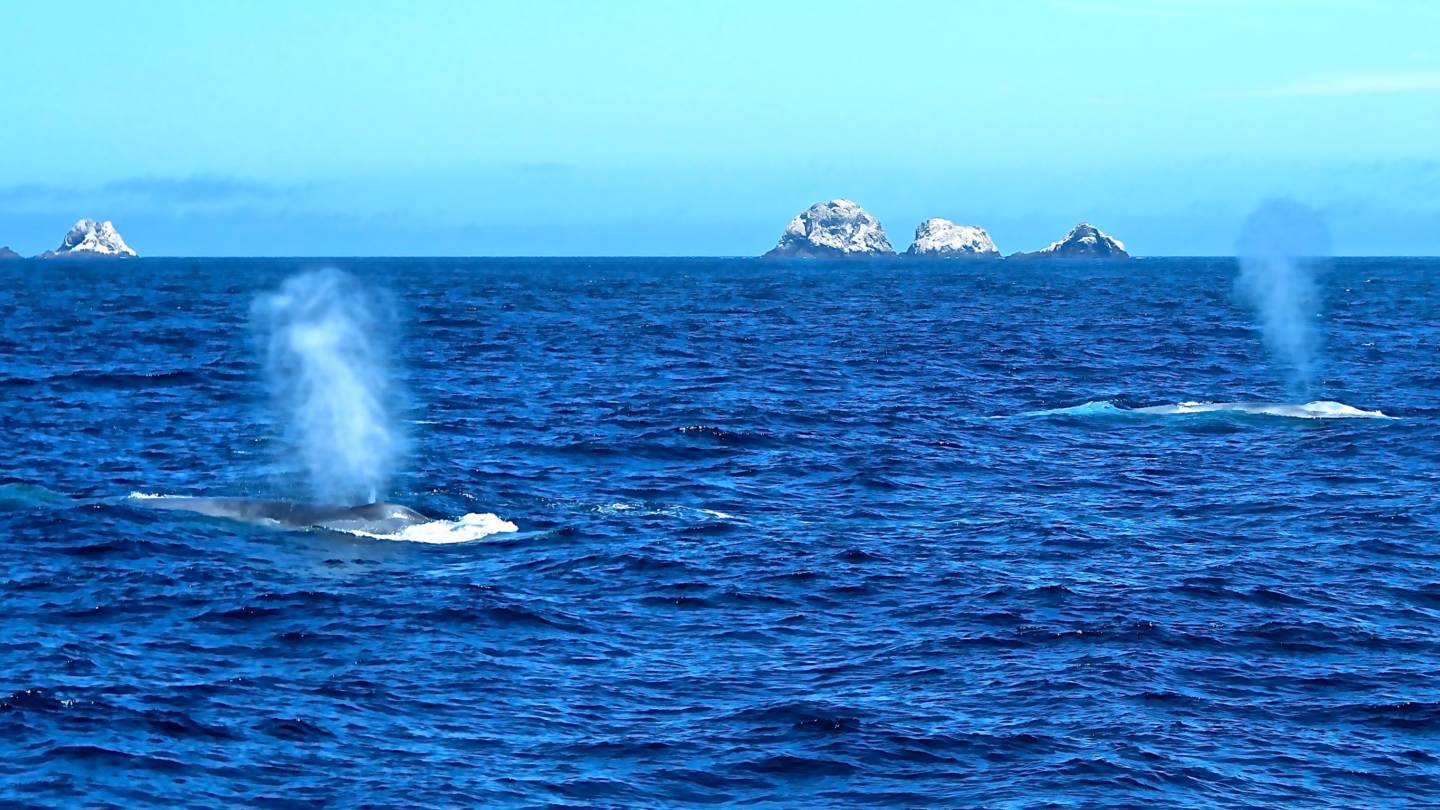
"caption": "Blue whales spouting in front of the Farallon Islands off the North Central California Coast. Found 30 miles out from the San Francisco Bay, these islands are a hotspot for biodiversity.",
"description": null,
"title": "Enhanced - ACCESS Research Cruise Pix 094 - double blue whales and Farallones 2",
"credit": "Aurora MacRae-Crerar/KQED",
"status": "inherit",
"isLoading": false,
"fetchFailed": false
},
"science_893757": {
"type": "attachments",
"id": "science_893757",
"meta": {
"index": "attachments_1716263798",
"site": "science",
"id": "893757",
"found": true
},
"parent": 893754,
"imgSizes": {
"twentyfourteen-full-width": {
"file": "https://ww2.kqed.org/app/uploads/sites/35/2016/08/sea-lion_mola-mola-1012x576.jpg",
"width": 1012,
"mimeType": "image/jpeg",
"height": 576
},
"thumbnail": {
"file": "https://ww2.kqed.org/app/uploads/sites/35/2016/08/sea-lion_mola-mola-400x274.jpg",
"width": 400,
"mimeType": "image/jpeg",
"height": 274
},
"fd-sm": {
"file": "https://ww2.kqed.org/app/uploads/sites/35/2016/08/sea-lion_mola-mola-960x657.jpg",
"width": 960,
"mimeType": "image/jpeg",
"height": 657
},
"post-thumbnail": {
"file": "https://ww2.kqed.org/app/uploads/sites/35/2016/08/sea-lion_mola-mola-672x372.jpg",
"width": 672,
"mimeType": "image/jpeg",
"height": 372
},
"kqedFullSize": {
"file": "https://ww2.kqed.org/app/uploads/sites/35/2016/08/sea-lion_mola-mola.jpg",
"width": 1012,
"height": 693
},
"guest-author-50": {
"file": "https://ww2.kqed.org/app/uploads/sites/35/2016/08/sea-lion_mola-mola-50x50.jpg",
"width": 50,
"mimeType": "image/jpeg",
"height": 50
},
"guest-author-96": {
"file": "https://ww2.kqed.org/app/uploads/sites/35/2016/08/sea-lion_mola-mola-96x96.jpg",
"width": 96,
"mimeType": "image/jpeg",
"height": 96
},
"medium": {
"file": "https://ww2.kqed.org/app/uploads/sites/35/2016/08/sea-lion_mola-mola-800x548.jpg",
"width": 800,
"mimeType": "image/jpeg",
"height": 548
},
"guest-author-64": {
"file": "https://ww2.kqed.org/app/uploads/sites/35/2016/08/sea-lion_mola-mola-64x64.jpg",
"width": 64,
"mimeType": "image/jpeg",
"height": 64
},
"guest-author-32": {
"file": "https://ww2.kqed.org/app/uploads/sites/35/2016/08/sea-lion_mola-mola-32x32.jpg",
"width": 32,
"mimeType": "image/jpeg",
"height": 32
},
"detail": {
"file": "https://ww2.kqed.org/app/uploads/sites/35/2016/08/sea-lion_mola-mola-150x150.jpg",
"width": 150,
"mimeType": "image/jpeg",
"height": 150
},
"medium_large": {
"file": "https://ww2.kqed.org/app/uploads/sites/35/2016/08/sea-lion_mola-mola-768x526.jpg",
"width": 768,
"mimeType": "image/jpeg",
"height": 526
},
"guest-author-128": {
"file": "https://ww2.kqed.org/app/uploads/sites/35/2016/08/sea-lion_mola-mola-128x128.jpg",
"width": 128,
"mimeType": "image/jpeg",
"height": 128
}
},
"publishDate": 1470185158,
"modified": 1470185320,
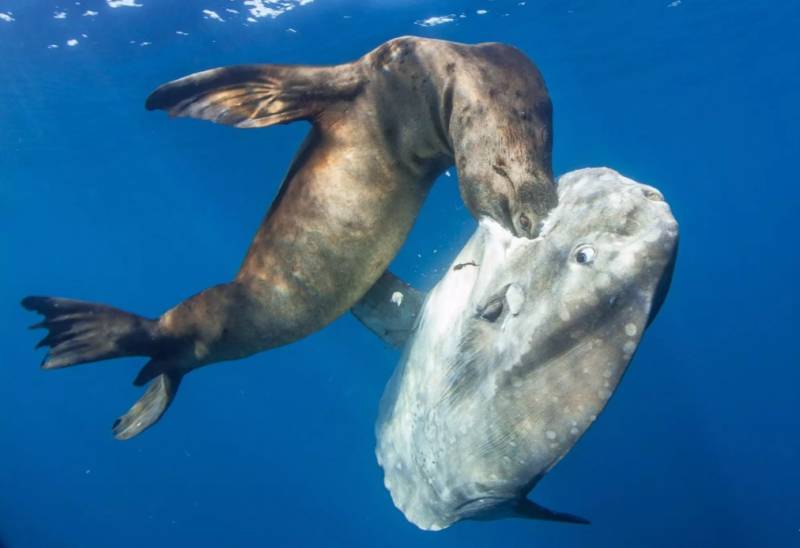
"caption": "Conservation photographer Ralph Pace captured this image while swimming off the San Diego coast.",
"description": null,
"title": "sea lion_mola mola",
"credit": "Ralph Pace",
"status": "inherit",
"isLoading": false,
"fetchFailed": false
},
"science_882212": {
"type": "attachments",
"id": "science_882212",
"meta": {
"index": "attachments_1716263798",
"site": "science",
"id": "882212",
"found": true
},
"parent": 882211,
"imgSizes": {
"thumbnail": {
"file": "https://ww2.kqed.org/app/uploads/sites/35/2016/07/purple-blob_wide-13ff687e10c5d782c6b953eb2323b3ed9f615501-400x225.jpg",
"width": 400,
"mimeType": "image/jpeg",
"height": 225
},
"kqedFullSize": {
"file": "https://ww2.kqed.org/app/uploads/sites/35/2016/07/purple-blob_wide-13ff687e10c5d782c6b953eb2323b3ed9f615501.jpg",
"width": 569,
"height": 320
},
"guest-author-50": {
"file": "https://ww2.kqed.org/app/uploads/sites/35/2016/07/purple-blob_wide-13ff687e10c5d782c6b953eb2323b3ed9f615501-50x50.jpg",
"width": 50,
"mimeType": "image/jpeg",
"height": 50
},
"guest-author-96": {
"file": "https://ww2.kqed.org/app/uploads/sites/35/2016/07/purple-blob_wide-13ff687e10c5d782c6b953eb2323b3ed9f615501-96x96.jpg",
"width": 96,
"mimeType": "image/jpeg",
"height": 96
},
"guest-author-64": {
"file": "https://ww2.kqed.org/app/uploads/sites/35/2016/07/purple-blob_wide-13ff687e10c5d782c6b953eb2323b3ed9f615501-64x64.jpg",
"width": 64,
"mimeType": "image/jpeg",
"height": 64
},
"detail": {
"file": "https://ww2.kqed.org/app/uploads/sites/35/2016/07/purple-blob_wide-13ff687e10c5d782c6b953eb2323b3ed9f615501-150x150.jpg",
"width": 150,
"mimeType": "image/jpeg",
"height": 150
},
"guest-author-32": {
"file": "https://ww2.kqed.org/app/uploads/sites/35/2016/07/purple-blob_wide-13ff687e10c5d782c6b953eb2323b3ed9f615501-32x32.jpg",
"width": 32,
"mimeType": "image/jpeg",
"height": 32
},
"guest-author-128": {
"file": "https://ww2.kqed.org/app/uploads/sites/35/2016/07/purple-blob_wide-13ff687e10c5d782c6b953eb2323b3ed9f615501-128x128.jpg",
"width": 128,
"mimeType": "image/jpeg",
"height": 128
}
},
"publishDate": 1469748347,
"modified": 1469748347,
"caption": null,
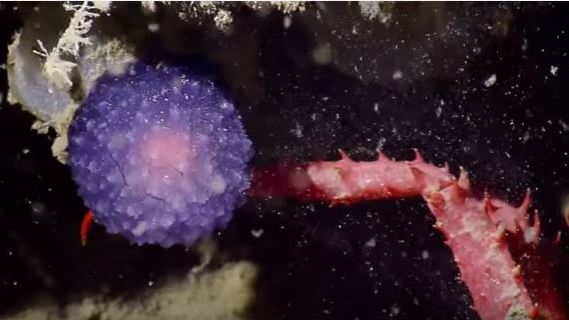
"description": "Scientists from the Nautilus exploration vessel found this bright purple orb near California's Channel Islands.",
"title": "Scientists from the Nautilus exploration vessel found this bright purple orb near California's Channel Islands.",
"credit": null,
"status": "inherit",
"isLoading": false,
"fetchFailed": false
},
"science_879758": {
"type": "attachments",
"id": "science_879758",
"meta": {
"index": "attachments_1716263798",
"site": "science",
"id": "879758",
"found": true
},
"parent": 0,
"imgSizes": {
"twentyfourteen-full-width": {
"file": "https://ww2.kqed.org/app/uploads/sites/35/2016/07/californiarepublicnogrizzlyflag-border-1038x576.png",
"width": 1038,
"mimeType": "image/png",
"height": 576
},
"thumbnail": {
"file": "https://ww2.kqed.org/app/uploads/sites/35/2016/07/californiarepublicnogrizzlyflag-border-400x225.png",
"width": 400,
"mimeType": "image/png",
"height": 225
},
"fd-sm": {
"file": "https://ww2.kqed.org/app/uploads/sites/35/2016/07/californiarepublicnogrizzlyflag-border-960x540.png",
"width": 960,
"mimeType": "image/png",
"height": 540
},
"post-thumbnail": {
"file": "https://ww2.kqed.org/app/uploads/sites/35/2016/07/californiarepublicnogrizzlyflag-border-672x372.png",
"width": 672,
"mimeType": "image/png",
"height": 372
},
"kqedFullSize": {
"file": "https://ww2.kqed.org/app/uploads/sites/35/2016/07/californiarepublicnogrizzlyflag-border.png",
"width": 1920,
"height": 1080
},
"large": {
"file": "https://ww2.kqed.org/app/uploads/sites/35/2016/07/californiarepublicnogrizzlyflag-border-1440x810.png",
"width": 1440,
"mimeType": "image/png",
"height": 810
},
"guest-author-50": {
"file": "https://ww2.kqed.org/app/uploads/sites/35/2016/07/californiarepublicnogrizzlyflag-border-50x50.png",
"width": 50,
"mimeType": "image/png",
"height": 50
},
"guest-author-96": {
"file": "https://ww2.kqed.org/app/uploads/sites/35/2016/07/californiarepublicnogrizzlyflag-border-96x96.png",
"width": 96,
"mimeType": "image/png",
"height": 96
},
"medium": {
"file": "https://ww2.kqed.org/app/uploads/sites/35/2016/07/californiarepublicnogrizzlyflag-border-800x450.png",
"width": 800,
"mimeType": "image/png",
"height": 450
},
"guest-author-64": {
"file": "https://ww2.kqed.org/app/uploads/sites/35/2016/07/californiarepublicnogrizzlyflag-border-64x64.png",
"width": 64,
"mimeType": "image/png",
"height": 64
},
"guest-author-32": {
"file": "https://ww2.kqed.org/app/uploads/sites/35/2016/07/californiarepublicnogrizzlyflag-border-32x32.png",
"width": 32,
"mimeType": "image/png",
"height": 32
},
"fd-lrg": {
"file": "https://ww2.kqed.org/app/uploads/sites/35/2016/07/californiarepublicnogrizzlyflag-border-1920x1080.png",
"width": 1920,
"mimeType": "image/png",
"height": 1080
},
"fd-med": {
"file": "https://ww2.kqed.org/app/uploads/sites/35/2016/07/californiarepublicnogrizzlyflag-border-1180x664.png",
"width": 1180,
"mimeType": "image/png",
"height": 664
},
"detail": {
"file": "https://ww2.kqed.org/app/uploads/sites/35/2016/07/californiarepublicnogrizzlyflag-border-150x150.png",
"width": 150,
"mimeType": "image/png",
"height": 150
},
"medium_large": {
"file": "https://ww2.kqed.org/app/uploads/sites/35/2016/07/californiarepublicnogrizzlyflag-border-768x432.png",
"width": 768,
"mimeType": "image/png",
"height": 432
},
"guest-author-128": {
"file": "https://ww2.kqed.org/app/uploads/sites/35/2016/07/californiarepublicnogrizzlyflag-border-128x128.png",
"width": 128,
"mimeType": "image/png",
"height": 128
}
},
"publishDate": 1469659625,
"modified": 1469659723,
"caption": null,
"description": null,
"title": "californiarepublicnogrizzlyflag-border",
"credit": null,
"status": "inherit",
"isLoading": false,
"fetchFailed": false
},
"science_876856": {
"type": "attachments",
"id": "science_876856",
"meta": {
"index": "attachments_1716263798",
"site": "science",
"id": "876856",
"found": true
},
"parent": 876855,
"imgSizes": {
"twentyfourteen-full-width": {
"file": "https://ww2.kqed.org/app/uploads/sites/35/2016/07/nottingham-dollies-portrait-high-res_wide-35cd6d7f6d9e09bcea233a3debb74b2060c17662-1038x576.jpg",
"width": 1038,
"mimeType": "image/jpeg",
"height": 576
},
"thumbnail": {
"file": "https://ww2.kqed.org/app/uploads/sites/35/2016/07/nottingham-dollies-portrait-high-res_wide-35cd6d7f6d9e09bcea233a3debb74b2060c17662-400x225.jpg",
"width": 400,
"mimeType": "image/jpeg",
"height": 225
},
"fd-sm": {
"file": "https://ww2.kqed.org/app/uploads/sites/35/2016/07/nottingham-dollies-portrait-high-res_wide-35cd6d7f6d9e09bcea233a3debb74b2060c17662-960x540.jpg",
"width": 960,
"mimeType": "image/jpeg",
"height": 540
},
"post-thumbnail": {
"file": "https://ww2.kqed.org/app/uploads/sites/35/2016/07/nottingham-dollies-portrait-high-res_wide-35cd6d7f6d9e09bcea233a3debb74b2060c17662-672x372.jpg",
"width": 672,
"mimeType": "image/jpeg",
"height": 372
},
"kqedFullSize": {
"file": "https://ww2.kqed.org/app/uploads/sites/35/2016/07/nottingham-dollies-portrait-high-res_wide-35cd6d7f6d9e09bcea233a3debb74b2060c17662.jpg",
"width": 1996,
"height": 1123
},
"large": {
"file": "https://ww2.kqed.org/app/uploads/sites/35/2016/07/nottingham-dollies-portrait-high-res_wide-35cd6d7f6d9e09bcea233a3debb74b2060c17662-1440x810.jpg",
"width": 1440,
"mimeType": "image/jpeg",
"height": 810
},
"guest-author-50": {
"file": "https://ww2.kqed.org/app/uploads/sites/35/2016/07/nottingham-dollies-portrait-high-res_wide-35cd6d7f6d9e09bcea233a3debb74b2060c17662-50x50.jpg",
"width": 50,
"mimeType": "image/jpeg",
"height": 50
},
"guest-author-96": {
"file": "https://ww2.kqed.org/app/uploads/sites/35/2016/07/nottingham-dollies-portrait-high-res_wide-35cd6d7f6d9e09bcea233a3debb74b2060c17662-96x96.jpg",
"width": 96,
"mimeType": "image/jpeg",
"height": 96
},
"medium": {
"file": "https://ww2.kqed.org/app/uploads/sites/35/2016/07/nottingham-dollies-portrait-high-res_wide-35cd6d7f6d9e09bcea233a3debb74b2060c17662-800x450.jpg",
"width": 800,
"mimeType": "image/jpeg",
"height": 450
},
"guest-author-64": {
"file": "https://ww2.kqed.org/app/uploads/sites/35/2016/07/nottingham-dollies-portrait-high-res_wide-35cd6d7f6d9e09bcea233a3debb74b2060c17662-64x64.jpg",
"width": 64,
"mimeType": "image/jpeg",
"height": 64
},
"guest-author-32": {
"file": "https://ww2.kqed.org/app/uploads/sites/35/2016/07/nottingham-dollies-portrait-high-res_wide-35cd6d7f6d9e09bcea233a3debb74b2060c17662-32x32.jpg",
"width": 32,
"mimeType": "image/jpeg",
"height": 32
},
"fd-lrg": {
"file": "https://ww2.kqed.org/app/uploads/sites/35/2016/07/nottingham-dollies-portrait-high-res_wide-35cd6d7f6d9e09bcea233a3debb74b2060c17662-1920x1080.jpg",
"width": 1920,
"mimeType": "image/jpeg",
"height": 1080
},
"fd-med": {
"file": "https://ww2.kqed.org/app/uploads/sites/35/2016/07/nottingham-dollies-portrait-high-res_wide-35cd6d7f6d9e09bcea233a3debb74b2060c17662-1180x664.jpg",
"width": 1180,
"mimeType": "image/jpeg",
"height": 664
},
"detail": {
"file": "https://ww2.kqed.org/app/uploads/sites/35/2016/07/nottingham-dollies-portrait-high-res_wide-35cd6d7f6d9e09bcea233a3debb74b2060c17662-150x150.jpg",
"width": 150,
"mimeType": "image/jpeg",
"height": 150
},
"medium_large": {
"file": "https://ww2.kqed.org/app/uploads/sites/35/2016/07/nottingham-dollies-portrait-high-res_wide-35cd6d7f6d9e09bcea233a3debb74b2060c17662-768x432.jpg",
"width": 768,
"mimeType": "image/jpeg",
"height": 432
},
"guest-author-128": {
"file": "https://ww2.kqed.org/app/uploads/sites/35/2016/07/nottingham-dollies-portrait-high-res_wide-35cd6d7f6d9e09bcea233a3debb74b2060c17662-128x128.jpg",
"width": 128,
"mimeType": "image/jpeg",
"height": 128
}
},
"publishDate": 1469550278,
"modified": 1469569029,
"caption": "Four sheep cloned from the same genetic material as Dolly roam the paddocks in Nottingham, England",
"description": "Four sheep cloned from the same genetic material as Dolly roam the paddocks in Nottingham, England",
"title": "Four sheep cloned from the same genetic material as Dolly roam the paddocks in Nottingham, England.",
"credit": "The University of Nottingham",
"status": "inherit",
"isLoading": false,
"fetchFailed": false
},
"science_861597": {
"type": "attachments",
"id": "science_861597",
"meta": {
"index": "attachments_1716263798",
"site": "science",
"id": "861597",
"found": true
},
"parent": 861596,
"imgSizes": {
"twentyfourteen-full-width": {
"file": "https://ww2.kqed.org/app/uploads/sites/35/2016/07/26445829742_c765ef0c2b_k-1038x576.jpg",
"width": 1038,
"mimeType": "image/jpeg",
"height": 576
},
"thumbnail": {
"file": "https://ww2.kqed.org/app/uploads/sites/35/2016/07/26445829742_c765ef0c2b_k-400x267.jpg",
"width": 400,
"mimeType": "image/jpeg",
"height": 267
},
"fd-sm": {
"file": "https://ww2.kqed.org/app/uploads/sites/35/2016/07/26445829742_c765ef0c2b_k-960x640.jpg",
"width": 960,
"mimeType": "image/jpeg",
"height": 640
},
"post-thumbnail": {
"file": "https://ww2.kqed.org/app/uploads/sites/35/2016/07/26445829742_c765ef0c2b_k-672x372.jpg",
"width": 672,
"mimeType": "image/jpeg",
"height": 372
},
"kqedFullSize": {
"file": "https://ww2.kqed.org/app/uploads/sites/35/2016/07/26445829742_c765ef0c2b_k.jpg",
"width": 2048,
"height": 1365
},
"large": {
"file": "https://ww2.kqed.org/app/uploads/sites/35/2016/07/26445829742_c765ef0c2b_k-1440x960.jpg",
"width": 1440,
"mimeType": "image/jpeg",
"height": 960
},
"guest-author-50": {
"file": "https://ww2.kqed.org/app/uploads/sites/35/2016/07/26445829742_c765ef0c2b_k-50x50.jpg",
"width": 50,
"mimeType": "image/jpeg",
"height": 50
},
"guest-author-96": {
"file": "https://ww2.kqed.org/app/uploads/sites/35/2016/07/26445829742_c765ef0c2b_k-96x96.jpg",
"width": 96,
"mimeType": "image/jpeg",
"height": 96
},
"medium": {
"file": "https://ww2.kqed.org/app/uploads/sites/35/2016/07/26445829742_c765ef0c2b_k-800x533.jpg",
"width": 800,
"mimeType": "image/jpeg",
"height": 533
},
"guest-author-64": {
"file": "https://ww2.kqed.org/app/uploads/sites/35/2016/07/26445829742_c765ef0c2b_k-64x64.jpg",
"width": 64,
"mimeType": "image/jpeg",
"height": 64
},
"guest-author-32": {
"file": "https://ww2.kqed.org/app/uploads/sites/35/2016/07/26445829742_c765ef0c2b_k-32x32.jpg",
"width": 32,
"mimeType": "image/jpeg",
"height": 32
},
"fd-lrg": {
"file": "https://ww2.kqed.org/app/uploads/sites/35/2016/07/26445829742_c765ef0c2b_k-1920x1280.jpg",
"width": 1920,
"mimeType": "image/jpeg",
"height": 1280
},
"fd-med": {
"file": "https://ww2.kqed.org/app/uploads/sites/35/2016/07/26445829742_c765ef0c2b_k-1180x786.jpg",
"width": 1180,
"mimeType": "image/jpeg",
"height": 786
},
"detail": {
"file": "https://ww2.kqed.org/app/uploads/sites/35/2016/07/26445829742_c765ef0c2b_k-150x150.jpg",
"width": 150,
"mimeType": "image/jpeg",
"height": 150
},
"medium_large": {
"file": "https://ww2.kqed.org/app/uploads/sites/35/2016/07/26445829742_c765ef0c2b_k-768x512.jpg",
"width": 768,
"mimeType": "image/jpeg",
"height": 512
},
"guest-author-128": {
"file": "https://ww2.kqed.org/app/uploads/sites/35/2016/07/26445829742_c765ef0c2b_k-128x128.jpg",
"width": 128,
"mimeType": "image/jpeg",
"height": 128
}
},
"publishDate": 1468990126,
"modified": 1469048975,
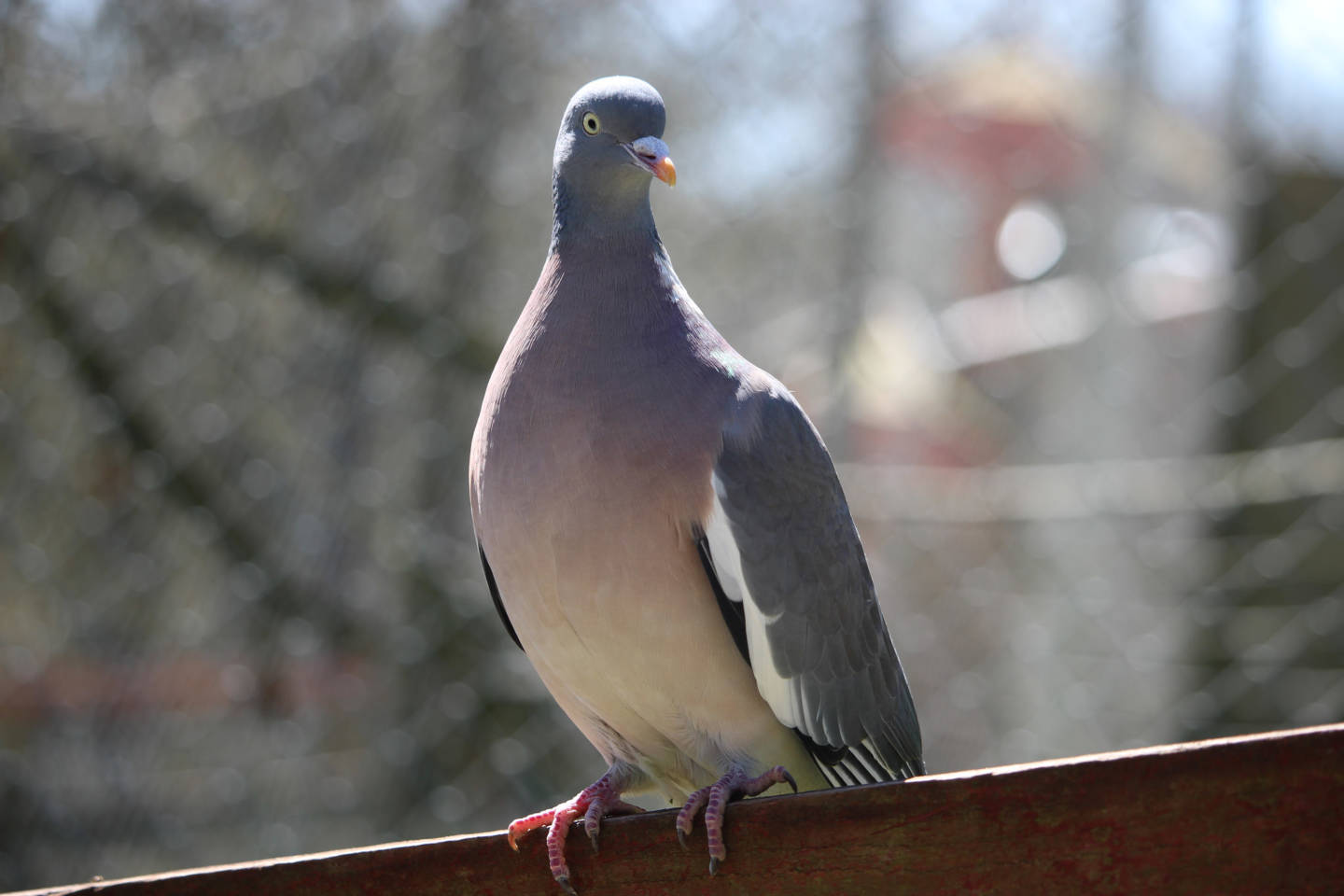
"caption": "Often described as pests, the pigeons that roam city streets could now be used as health trackers for heavy metal contamination.",
"description": null,
"title": "26445829742_c765ef0c2b_k",
"credit": "\u003ca href=\"https://www.flickr.com/photos/138931835@N04/26445829742/in/photolist-GhVMPL-giEXzA-cULb4C-5r9wbq-5aubGU-eMHZ7P-47JgpP-7RmqYP-aBHo2y-7NPtoR-5D55Jq-4ZgeBU-c7KVVw-6uD7UK-qEYN8d-6wgSdr-6uHjnd-4X9dxA-bVfyry-4NNjRK-9qPQoE-qrgyFE-pcYfEC-oR6qmV-jKDfZP-5D55oE-aof55d-9aJfTF-uXwk8-6uHjrj-aTBGSM-6uD85M-5DsLQf-f1kW4S-aVZiJB-6uD7Ze-fQuab-dbwmhC-octRvq-b1oNie-63tiun-dz8KBm-5kJmxJ-pexeSN-dXqKRy-3ndJtt-r3hu1a-a9LiXx-7ABgzE-oPDTEt\">Jo Dainty/flickr\u003c/a>",
"status": "inherit",
"isLoading": false,
"fetchFailed": false
},
"science_865131": {
"type": "attachments",
"id": "science_865131",
"meta": {
"index": "attachments_1716263798",
"site": "science",
"id": "865131",
"found": true
},
"parent": 865130,
"imgSizes": {
"twentyfourteen-full-width": {
"file": "https://ww2.kqed.org/app/uploads/sites/35/2016/07/delta_smelt_USFWS_Peter_Johnsen-e1469120131795-1038x576.jpg",
"width": 1038,
"mimeType": "image/jpeg",
"height": 576
},
"thumbnail": {
"file": "https://ww2.kqed.org/app/uploads/sites/35/2016/07/delta_smelt_USFWS_Peter_Johnsen-e1469120131795-400x249.jpg",
"width": 400,
"mimeType": "image/jpeg",
"height": 249
},
"fd-sm": {
"file": "https://ww2.kqed.org/app/uploads/sites/35/2016/07/delta_smelt_USFWS_Peter_Johnsen-e1469120131795-960x597.jpg",
"width": 960,
"mimeType": "image/jpeg",
"height": 597
},
"post-thumbnail": {
"file": "https://ww2.kqed.org/app/uploads/sites/35/2016/07/delta_smelt_USFWS_Peter_Johnsen-e1469120131795-672x372.jpg",
"width": 672,
"mimeType": "image/jpeg",
"height": 372
},
"kqedFullSize": {
"file": "https://ww2.kqed.org/app/uploads/sites/35/2016/07/delta_smelt_USFWS_Peter_Johnsen-e1469120131795.jpg",
"width": 1710,
"height": 1063
},
"large": {
"file": "https://ww2.kqed.org/app/uploads/sites/35/2016/07/delta_smelt_USFWS_Peter_Johnsen-e1469120131795-1440x895.jpg",
"width": 1440,
"mimeType": "image/jpeg",
"height": 895
},
"guest-author-50": {
"file": "https://ww2.kqed.org/app/uploads/sites/35/2016/07/delta_smelt_USFWS_Peter_Johnsen-e1469120131795-50x50.jpg",
"width": 50,
"mimeType": "image/jpeg",
"height": 50
},
"guest-author-96": {
"file": "https://ww2.kqed.org/app/uploads/sites/35/2016/07/delta_smelt_USFWS_Peter_Johnsen-e1469120131795-96x96.jpg",
"width": 96,
"mimeType": "image/jpeg",
"height": 96
},
"medium": {
"file": "https://ww2.kqed.org/app/uploads/sites/35/2016/07/delta_smelt_USFWS_Peter_Johnsen-e1469120131795-800x497.jpg",
"width": 800,
"mimeType": "image/jpeg",
"height": 497
},
"guest-author-64": {
"file": "https://ww2.kqed.org/app/uploads/sites/35/2016/07/delta_smelt_USFWS_Peter_Johnsen-e1469120131795-64x64.jpg",
"width": 64,
"mimeType": "image/jpeg",
"height": 64
},
"guest-author-32": {
"file": "https://ww2.kqed.org/app/uploads/sites/35/2016/07/delta_smelt_USFWS_Peter_Johnsen-e1469120131795-32x32.jpg",
"width": 32,
"mimeType": "image/jpeg",
"height": 32
},
"fd-med": {
"file": "https://ww2.kqed.org/app/uploads/sites/35/2016/07/delta_smelt_USFWS_Peter_Johnsen-e1469120131795-1180x734.jpg",
"width": 1180,
"mimeType": "image/jpeg",
"height": 734
},
"detail": {
"file": "https://ww2.kqed.org/app/uploads/sites/35/2016/07/delta_smelt_USFWS_Peter_Johnsen-e1469120131795-150x150.jpg",
"width": 150,
"mimeType": "image/jpeg",
"height": 150
},
"medium_large": {
"file": "https://ww2.kqed.org/app/uploads/sites/35/2016/07/delta_smelt_USFWS_Peter_Johnsen-e1469120131795-768x477.jpg",
"width": 768,
"mimeType": "image/jpeg",
"height": 477
},
"guest-author-128": {
"file": "https://ww2.kqed.org/app/uploads/sites/35/2016/07/delta_smelt_USFWS_Peter_Johnsen-e1469120131795-128x128.jpg",
"width": 128,
"mimeType": "image/jpeg",
"height": 128
}
},
"publishDate": 1469120088,
"modified": 1469120447,
"caption": "Delta smelt is an endangered fish that lives in the San Francisco Bay-Delta.",
"description": null,
"title": "OLYMPUS DIGITAL CAMERA",
"credit": "Peter Johnsen/US Fish and Wildlife Service",
"status": "inherit",
"isLoading": false,
"fetchFailed": false
}
},
"audioPlayerReducer": {
"postId": "stream_live",
"isPaused": true,
"isPlaying": false,
"pfsActive": false,
"pledgeModalIsOpen": true,
"playerDrawerIsOpen": false,
"liveAudioPlayStartedAt": 0,
"liveAudioPlayContext": ""
},
"authorsReducer": {
"byline_science_897686": {
"type": "authors",
"id": "byline_science_897686",
"meta": {
"override": true
},
"slug": "byline_science_897686",
"name": "Tara Lohan\u003c/br>Water Deeply",
"isLoading": false
},
"byline_science_893754": {
"type": "authors",
"id": "byline_science_893754",
"meta": {
"override": true
},
"slug": "byline_science_893754",
"name": "Ralph Pace\u003c/br>Biographic",
"isLoading": false
},
"byline_science_882211": {
"type": "authors",
"id": "byline_science_882211",
"meta": {
"override": true
},
"slug": "byline_science_882211",
"name": "Merrit Kennedy\u003c/br>NPR",
"isLoading": false
},
"byline_science_876855": {
"type": "authors",
"id": "byline_science_876855",
"meta": {
"override": true
},
"slug": "byline_science_876855",
"name": "Rae Ellen Bichell\u003c/br>NPR",
"isLoading": false
},
"byline_science_865130": {
"type": "authors",
"id": "byline_science_865130",
"meta": {
"override": true
},
"slug": "byline_science_865130",
"name": "Michael Levitin\u003c/br>Water Deeply",
"isLoading": false
},
"cmiller": {
"type": "authors",
"id": "221",
"meta": {
"index": "authors_1716337520",
"id": "221",
"found": true
},
"name": "Craig Miller",
"firstName": "Craig",
"lastName": "Miller",
"slug": "cmiller",
"email": "craig@voxterra.net",
"display_author_email": false,
"staff_mastheads": [
"science"
],
"title": "Editor Emeritus, Science",
"bio": "Craig is a former KQED Science editor, specializing in weather, climate, water & energy issues, with a little seismology thrown in just to shake things up. Prior to that, he launched and led the station's award-winning multimedia project, Climate Watch. Craig is also an accomplished writer/producer of television documentaries, with a focus on natural resource issues.",
"avatar": "https://secure.gravatar.com/avatar/b91661df645e001a9cafe0861fa685f9?s=600&d=blank&r=g",
"twitter": "voxterra",
"facebook": null,
"instagram": null,
"linkedin": null,
"sites": [
{
"site": "news",
"roles": [
"author"
]
},
{
"site": "futureofyou",
"roles": [
"editor"
]
},
{
"site": "stateofhealth",
"roles": [
"author"
]
},
{
"site": "science",
"roles": [
"editor"
]
},
{
"site": "quest",
"roles": [
"editor"
]
}
],
"headData": {
"title": "Craig Miller | KQED",
"description": "Editor Emeritus, Science",
"ogImgSrc": "https://secure.gravatar.com/avatar/b91661df645e001a9cafe0861fa685f9?s=600&d=blank&r=g",
"twImgSrc": "https://secure.gravatar.com/avatar/b91661df645e001a9cafe0861fa685f9?s=600&d=blank&r=g"
},
"isLoading": false,
"link": "/author/cmiller"
},
"laurensommer": {
"type": "authors",
"id": "239",
"meta": {
"index": "authors_1716337520",
"id": "239",
"found": true
},
"name": "Lauren Sommer",
"firstName": "Lauren",
"lastName": "Sommer",
"slug": "laurensommer",
"email": "lsommer@kqed.org",
"display_author_email": false,
"staff_mastheads": [],
"title": "KQED Contributor",
"bio": "Lauren is a radio reporter formerly covering environment, water, and energy for KQED Science. As part of her day job, she has scaled Sierra Nevada peaks, run from charging elephant seals, and desperately tried to get her sea legs - all in pursuit of good radio. Her work has appeared on Marketplace, Living on Earth, Science Friday and NPR's Morning Edition and All Things Considered. You can find her on Twitter at \u003ca href=\"https://twitter.com/lesommer\">@lesommer\u003c/a>.",
"avatar": "https://secure.gravatar.com/avatar/33aa3772bb86c6ad45b8aca6a238bbdf?s=600&d=blank&r=g",
"twitter": null,
"facebook": null,
"instagram": null,
"linkedin": null,
"sites": [
{
"site": "news",
"roles": [
"author"
]
},
{
"site": "science",
"roles": [
"editor",
"manage_content_types",
"manage_taxonomies"
]
},
{
"site": "quest",
"roles": [
"editor"
]
}
],
"headData": {
"title": "Lauren Sommer | KQED",
"description": "KQED Contributor",
"ogImgSrc": "https://secure.gravatar.com/avatar/33aa3772bb86c6ad45b8aca6a238bbdf?s=600&d=blank&r=g",
"twImgSrc": "https://secure.gravatar.com/avatar/33aa3772bb86c6ad45b8aca6a238bbdf?s=600&d=blank&r=g"
},
"isLoading": false,
"link": "/author/laurensommer"
},
"lindseyhoshaw": {
"type": "authors",
"id": "5432",
"meta": {
"index": "authors_1716337520",
"id": "5432",
"found": true
},
"name": "Lindsey Hoshaw",
"firstName": "Lindsey",
"lastName": "Hoshaw",
"slug": "lindseyhoshaw",
"email": "lhoshaw@kqed.org",
"display_author_email": false,
"staff_mastheads": [],
"title": "KQED Contributor",
"bio": "Lindsey Hoshaw is a former interactive producer for KQED Science. Before joining KQED, Lindsey was a science correspondent for The New York Times, The Boston Globe, Forbes and Scientific American. On Twitter @lindseyhoshaw",
"avatar": "https://secure.gravatar.com/avatar/274b07694c998eaa8f26cfabaa941186?s=600&d=mm&r=g",
"twitter": "lindseyhoshaw",
"facebook": "lindsey.hoshaw.9",
"instagram": null,
"linkedin": null,
"sites": [
{
"site": "arts",
"roles": [
"author"
]
},
{
"site": "news",
"roles": [
"subscriber"
]
},
{
"site": "futureofyou",
"roles": [
"editor"
]
},
{
"site": "bayareabites",
"roles": [
"contributor"
]
},
{
"site": "stateofhealth",
"roles": [
"author"
]
},
{
"site": "science",
"roles": [
"edit_theme_options",
"subscriber"
]
},
{
"site": "quest",
"roles": [
"edit_post_subscriptions",
"edit_usergroups",
"unfiltered_html",
"unfiltered_upload",
"leadcoordinator",
"editor"
]
},
{
"site": "food",
"roles": []
}
],
"headData": {
"title": "Lindsey Hoshaw | KQED",
"description": "KQED Contributor",
"ogImgSrc": "https://secure.gravatar.com/avatar/274b07694c998eaa8f26cfabaa941186?s=600&d=mm&r=g",
"twImgSrc": "https://secure.gravatar.com/avatar/274b07694c998eaa8f26cfabaa941186?s=600&d=mm&r=g"
},
"isLoading": false,
"link": "/author/lindseyhoshaw"
},
"joshua-cassidy": {
"type": "authors",
"id": "6219",
"meta": {
"index": "authors_1716337520",
"id": "6219",
"found": true
},
"name": "Josh Cassidy",
"firstName": "Josh",
"lastName": "Cassidy",
"slug": "joshua-cassidy",
"email": "jcassidy@kqed.org",
"display_author_email": false,
"staff_mastheads": [
"science"
],
"title": "Digital Video Producer",
"bio": "Josh is a Senior Video Producer for KQED Science, and the Lead Producer and Cinematographer for Deep Look. After receiving his BS in Wildlife Biology from Ohio University, he went on to participate in marine mammal research for NOAA, USGS and the Intersea Foundation. He also served as the president of The Pacific Cetacean Group, a nonprofit organization dedicated to teaching students K-6 about whales. Josh studied science and natural history filmmaking at San Francisco State University and Montana State University.",
"avatar": "https://secure.gravatar.com/avatar/f2582a0801a35af53b734d56bcac2bbe?s=600&d=blank&r=g",
"twitter": null,
"facebook": null,
"instagram": null,
"linkedin": null,
"sites": [
{
"site": "science",
"roles": [
"editor"
]
},
{
"site": "quest",
"roles": [
"author",
"edit_others_posts"
]
}
],
"headData": {
"title": "Josh Cassidy | KQED",
"description": "Digital Video Producer",
"ogImgSrc": "https://secure.gravatar.com/avatar/f2582a0801a35af53b734d56bcac2bbe?s=600&d=blank&r=g",
"twImgSrc": "https://secure.gravatar.com/avatar/f2582a0801a35af53b734d56bcac2bbe?s=600&d=blank&r=g"
},
"isLoading": false,
"link": "/author/joshua-cassidy"
},
"sevdaeris": {
"type": "authors",
"id": "6364",
"meta": {
"index": "authors_1716337520",
"id": "6364",
"found": true
},
"name": "Sevda Eris",
"firstName": "Sevda",
"lastName": "Eris",
"slug": "sevdaeris",
"email": "seris@kqed.org",
"display_author_email": false,
"staff_mastheads": [],
"title": "Director of Audience Engagement",
"bio": null,
"avatar": "https://secure.gravatar.com/avatar/c99311b4355095e2f7f01ea8bf8e6fba?s=600&d=mm&r=g",
"twitter": null,
"facebook": null,
"instagram": null,
"linkedin": null,
"sites": [
{
"site": "about",
"roles": []
},
{
"site": "science",
"roles": []
},
{
"site": "pressroom",
"roles": []
}
],
"headData": {
"title": "Sevda Eris | KQED",
"description": "Director of Audience Engagement",
"ogImgSrc": "https://secure.gravatar.com/avatar/c99311b4355095e2f7f01ea8bf8e6fba?s=600&d=mm&r=g",
"twImgSrc": "https://secure.gravatar.com/avatar/c99311b4355095e2f7f01ea8bf8e6fba?s=600&d=mm&r=g"
},
"isLoading": false,
"link": "/author/sevdaeris"
},
"ekennerson": {
"type": "authors",
"id": "11090",
"meta": {
"index": "authors_1716337520",
"id": "11090",
"found": true
},
"name": "Elliott Kennerson",
"firstName": "Elliott",
"lastName": "Kennerson",
"slug": "ekennerson",
"email": "ekennerson@kqed.org",
"display_author_email": false,
"staff_mastheads": [],
"title": null,
"bio": "Elliott Kennerson joined KQED Science as a Digital Media Producer in 2015. Before joining KQED, he produced the Kickstarter-funded series “Animal R&R” for KPBS in San Diego. Elliott received his M.F.A. training in wildlife documentary at Montana State in Bozeman and holds a B.A. from Yale in archaeology. In his former life as an actor, he was an associate artist with LightBox Theater Company in New York. Elliott is the recipient of a 2017 Regional Emmy for his work as a producer on “Deep Look.\"",
"avatar": "https://secure.gravatar.com/avatar/90ebfa58055409e54c8f8a4c120ecf91?s=600&d=blank&r=g",
"twitter": "edorank",
"facebook": null,
"instagram": null,
"linkedin": null,
"sites": [
{
"site": "science",
"roles": [
"editor"
]
}
],
"headData": {
"title": "Elliott Kennerson | KQED",
"description": null,
"ogImgSrc": "https://secure.gravatar.com/avatar/90ebfa58055409e54c8f8a4c120ecf91?s=600&d=blank&r=g",
"twImgSrc": "https://secure.gravatar.com/avatar/90ebfa58055409e54c8f8a4c120ecf91?s=600&d=blank&r=g"
},
"isLoading": false,
"link": "/author/ekennerson"
},
"amacraecrerar": {
"type": "authors",
"id": "11253",
"meta": {
"index": "authors_1716337520",
"id": "11253",
"found": true
},
"name": "Aurora MacRae-Crerar",
"firstName": "Aurora",
"lastName": "MacRae-Crerar",
"slug": "amacraecrerar",
"email": "amacraecrerar@kqed.org",
"display_author_email": false,
"staff_mastheads": [],
"title": "KQED Contributor",
"bio": "Aurora MacRae-Crerar is delighted to join the KQED Science team as a 2016 AAAS Mass Media Fellow. She is motivated by the desire to understand how small things cause big change--whether that is microbes and their impact on global warming or individual human efforts and their collective power for societal change. She holds a PhD in Biology from the University of Pennsylvania.",
"avatar": "https://secure.gravatar.com/avatar/80522a004aecda3fa75b7dc343270223a09b229d9f820a03dc855618f4f95d06?s=600&d=blank&r=g",
"twitter": null,
"bluesky": null,
"facebook": null,
"instagram": null,
"linkedin": null,
"sites": [
{
"site": "futureofyou",
"roles": [
"subscriber"
]
},
{
"site": "science",
"roles": [
"subscriber"
]
}
],
"headData": {
"title": "Aurora MacRae-Crerar | KQED",
"description": "KQED Contributor",
"ogImgSrc": "https://secure.gravatar.com/avatar/80522a004aecda3fa75b7dc343270223a09b229d9f820a03dc855618f4f95d06?s=600&d=blank&r=g",
"twImgSrc": "https://secure.gravatar.com/avatar/80522a004aecda3fa75b7dc343270223a09b229d9f820a03dc855618f4f95d06?s=600&d=blank&r=g"
},
"isLoading": false,
"link": "/author/amacraecrerar"
},
"cboyle": {
"type": "authors",
"id": "11254",
"meta": {
"index": "authors_1716337520",
"id": "11254",
"found": true
},
"name": "Carrie Boyle",
"firstName": "Carrie",
"lastName": "Boyle",
"slug": "cboyle",
"email": "cboyle@kqed.org",
"display_author_email": false,
"staff_mastheads": [],
"title": "KQED Contributor",
"bio": "Carrie is a KQED Science intern, joining the team as the 2016 recipient of the Dr. and Mrs. Allen Fuhs CSU Monterey Bay-KQED Scholarship. After receiving a B.S. in Environmental Biology at UC Berkeley, she worked as a science educator in San Diego and at the California Academy of Sciences. She loves just about anything that involves the ocean, and is currently working towards her M.S. in Applied Marine and Watershed Science at CSU Monterey Bay.",
"avatar": "https://secure.gravatar.com/avatar/9fed749c83a121dd06b72d2c0b436841?s=600&d=blank&r=g",
"twitter": null,
"facebook": null,
"instagram": null,
"linkedin": null,
"sites": [
{
"site": "science",
"roles": []
}
],
"headData": {
"title": "Carrie Boyle | KQED",
"description": "KQED Contributor",
"ogImgSrc": "https://secure.gravatar.com/avatar/9fed749c83a121dd06b72d2c0b436841?s=600&d=blank&r=g",
"twImgSrc": "https://secure.gravatar.com/avatar/9fed749c83a121dd06b72d2c0b436841?s=600&d=blank&r=g"
},
"isLoading": false,
"link": "/author/cboyle"
}
},
"pagesReducer": {
"science_category_animals": {
"type": "terms",
"id": "science_2874",
"meta": {
"index": "terms_1716263798",
"site": "science",
"id": "2874",
"score": 12.286692
},
"featImg": null,
"name": "Animals",
"description": null,
"taxonomy": "category",
"headData": {
"twImgId": null,
"twTitle": null,
"ogTitle": null,
"ogImgId": null,
"twDescription": null,
"description": null,
"title": "Animals Archives | KQED Science",
"ogDescription": null
},
"ttid": 2874,
"slug": "animals",
"isLoading": false,
"title": "Animals",
"pageMeta": {
"site": "science",
"WpPageTemplate": "page-topic-editorial",
"currentPage": 37
},
"blocks": [
{
"blockName": "kqed/post-list",
"attrs": {
"layout": "cardArticle2",
"query": "posts/science?category=animals",
"seeMore": false,
"paginated": true,
"page": 37
}
},
{
"blockName": "kqed/ad"
}
]
}
},
"pfsSessionReducer": {},
"postsReducer": {
"stream_live": {
"type": "live",
"id": "stream_live",
"audioUrl": "https://streams.kqed.org/kqedradio",
"title": "Live Stream",
"excerpt": "Live Stream information currently unavailable.",
"link": "/radio",
"featImg": "",
"label": {
"name": "KQED Live",
"link": "/"
}
},
"stream_kqedNewscast": {
"type": "posts",
"id": "stream_kqedNewscast",
"audioUrl": "https://www.kqed.org/.stream/anon/radio/RDnews/newscast.mp3?_=1",
"title": "KQED Newscast",
"featImg": "",
"label": {
"name": "88.5 FM",
"link": "/"
}
},
"science_922896": {
"type": "posts",
"id": "science_922896",
"meta": {
"index": "posts_1716263798",
"site": "science",
"id": "922896",
"score": null,
"sort": [
1471957228000
]
},
"guestAuthors": [],
"slug": "sea-urchins-pull-themselves-inside-out-to-be-reborn",
"title": "Sea Urchins Pull Themselves Inside Out to be Reborn",
"publishDate": 1471957228,
"format": "video",
"headTitle": "Sea Urchins Pull Themselves Inside Out to be Reborn | KQED",
"labelTerm": {
"term": 1935,
"site": "science"
},
"content": "\u003cp>[dl_subscribe]Every summer, millions of people head to the coast to soak up the sun and play in the waves. But they aren’t alone. Just beyond the crashing surf, hundreds of millions of tiny sea urchin larvae are also floating around, preparing for one of the most dramatic transformations in the animal kingdom.\u003c/p>\n\u003cp>Scientists along the Pacific coast are investigating how these microscopic ocean drifters, which look like tiny spaceships, find their way back home to the shoreline, where they attach themselves, grow into spiny creatures and live out a slow-moving life that often exceeds 100 years.\u003c/p>\n\u003cfigure id=\"attachment_922991\" class=\"wp-caption alignnone\" style=\"max-width: 720px\">\u003cimg loading=\"lazy\" decoding=\"async\" class=\"size-full wp-image-922991\" src=\"http://ww2.kqed.org/science/wp-content/uploads/sites/35/2016/08/DL316_seaurchins_floatingpluteus_720.gif\" alt=\"The urchin pluteus drifts in the ocean currents for around a month before it lands on the rocky ocean floor.\" width=\"720\" height=\"405\">\u003cfigcaption class=\"wp-caption-text\">The urchin pluteus drifts in the ocean currents for around a month before it lands on the rocky ocean floor. \u003ccite>(Josh Cassidy/KQED)\u003c/cite>\u003c/figcaption>\u003c/figure>\n\u003cp>“These sorts of studies are absolutely crucial if we want to not only maintain healthy fisheries but indeed a healthy ocean,” says\u003ca href=\"http://staff.washington.edu/hodin/\" target=\"_blank\" rel=\"noopener\"> Jason Hodin\u003c/a>, a research scientist at the University of Washington’s\u003ca href=\"http://depts.washington.edu/fhl/\" target=\"_blank\" rel=\"noopener\"> Friday Harbor Laboratories\u003c/a>.\u003c/p>\n\u003cp>Sea urchins reproduce by sending clouds of eggs and sperm into the water. Millions of larvae are formed, but only a handful make it back to the shoreline to grow into adults.\u003c/p>\n\u003cfigure id=\"attachment_922901\" class=\"wp-caption alignnone\" style=\"max-width: 800px\">\u003cimg loading=\"lazy\" decoding=\"async\" class=\"size-medium wp-image-922901\" src=\"http://ww2.kqed.org/science/wp-content/uploads/sites/35/2016/08/DL316-10-egg-release-800x450.jpg\" alt=\"A female purple urchin releases eggs into the water, in a reproductive strategy known as broadcast spawning. Males release sperm around the same time, and the eggs are fertilized in the open ocean.\" width=\"800\" height=\"450\" srcset=\"https://cdn.kqed.org/wp-content/uploads/sites/35/2016/08/DL316-10-egg-release-800x450.jpg 800w, https://cdn.kqed.org/wp-content/uploads/sites/35/2016/08/DL316-10-egg-release-400x225.jpg 400w, https://cdn.kqed.org/wp-content/uploads/sites/35/2016/08/DL316-10-egg-release-768x432.jpg 768w, https://cdn.kqed.org/wp-content/uploads/sites/35/2016/08/DL316-10-egg-release-1440x810.jpg 1440w, https://cdn.kqed.org/wp-content/uploads/sites/35/2016/08/DL316-10-egg-release-1920x1080.jpg 1920w, https://cdn.kqed.org/wp-content/uploads/sites/35/2016/08/DL316-10-egg-release-1180x664.jpg 1180w, https://cdn.kqed.org/wp-content/uploads/sites/35/2016/08/DL316-10-egg-release-960x540.jpg 960w\" sizes=\"auto, (max-width: 800px) 100vw, 800px\">\u003cfigcaption class=\"wp-caption-text\">A female purple urchin releases eggs into the water, in a reproductive strategy known as broadcast spawning. Males release sperm around the same time, and the eggs are fertilized in the open ocean. \u003ccite>(Josh Cassidy/KQED)\u003c/cite>\u003c/figcaption>\u003c/figure>\n\u003cp>It may sound like a risky life strategy. But in the ocean, it works. Nearly every animal that lives along the shore — from mussels to sea stars to some species of fish — sends its young on an open ocean journey before they return home to grow into adults along the shoreline.\u003c/p>\n\u003cp>[ad fullwidth]\u003c/p>\n\u003cp>“One of the big challenges in understanding marine life cycles is understanding how larvae do this,” says Hodin, who is working with a research team that is trying to learn how purple sea urchins find their way home.\u003c/p>\n\u003cp>“How do they go from this vast open ocean and make their way back to very specific shoreline habitat?”\u003c/p>\n\u003cfigure id=\"attachment_922902\" class=\"wp-caption alignnone\" style=\"max-width: 800px\">\u003cimg loading=\"lazy\" decoding=\"async\" class=\"wp-image-922902 size-medium\" src=\"http://ww2.kqed.org/science/wp-content/uploads/sites/35/2016/08/DL316-12-embryos-800x450.jpg\" alt=\"Millions of urchin embryos are formed in the water, where they develop as they drift in the plankton for around one month. Millions of urchin embryos are formed when clouds of sperm and eggs are mixed in the ocean. They will develop for around one month as they drift among the plankton.\" width=\"800\" height=\"450\" srcset=\"https://cdn.kqed.org/wp-content/uploads/sites/35/2016/08/DL316-12-embryos-800x450.jpg 800w, https://cdn.kqed.org/wp-content/uploads/sites/35/2016/08/DL316-12-embryos-400x225.jpg 400w, https://cdn.kqed.org/wp-content/uploads/sites/35/2016/08/DL316-12-embryos-768x432.jpg 768w, https://cdn.kqed.org/wp-content/uploads/sites/35/2016/08/DL316-12-embryos-1440x810.jpg 1440w, https://cdn.kqed.org/wp-content/uploads/sites/35/2016/08/DL316-12-embryos-1920x1080.jpg 1920w, https://cdn.kqed.org/wp-content/uploads/sites/35/2016/08/DL316-12-embryos-1180x664.jpg 1180w, https://cdn.kqed.org/wp-content/uploads/sites/35/2016/08/DL316-12-embryos-960x540.jpg 960w\" sizes=\"auto, (max-width: 800px) 100vw, 800px\">\u003cfigcaption class=\"wp-caption-text\">Millions of urchin embryos are formed when clouds of sperm and eggs are mixed in the ocean. They will develop for around one month as they drift among the plankton. \u003ccite>(Josh Cassidy/KQED)\u003c/cite>\u003c/figcaption>\u003c/figure>\n\u003cp>Hodin said it is similar to a housing search. When you are looking for a place to live, the first step is to decide on a neighborhood. Hodin, along with\u003ca href=\"http://bml.ucdavis.edu/research/faculty/brian-gaylord/\" target=\"_blank\" rel=\"noopener\"> Brian Gaylord\u003c/a> of the UC Davis\u003ca href=\"http://bml.ucdavis.edu\" target=\"_blank\" rel=\"noopener\"> Bodega Marine Laboratory\u003c/a> in Bodega Bay and\u003ca href=\"http://rtc.sfsu.edu/research/in_ferner.html\" target=\"_blank\" rel=\"noopener\"> Matthew Ferner\u003c/a> of the San Francisco State University\u003ca href=\"http://rtc.sfsu.edu/index.html\" target=\"_blank\" rel=\"noopener\"> Romberg Tiburon Center for Environmental Studies\u003c/a> in Tiburon, recently found that that waves — specifically the strong, thrashing turbulence found in the urchin’s intertidal habitat — play a role in the larval urchin’s journey home.\u003c/p>\n\u003cp>“We think that turbulence is basically an indicator that they’re in a good neighborhood,” he says.\u003c/p>\n\u003cfigure id=\"attachment_922990\" class=\"wp-caption alignnone\" style=\"max-width: 720px\">\u003cimg loading=\"lazy\" decoding=\"async\" class=\"size-full wp-image-922990\" src=\"http://ww2.kqed.org/science/wp-content/uploads/sites/35/2016/08/DL316_seaurchins_tidepoolwave_720.gif\" alt=\"The waves in the intertidal zone are among the most extreme forces found in the ocean. But to a larval urchin, the waves represent home.\" width=\"720\" height=\"405\">\u003cfigcaption class=\"wp-caption-text\">The waves in the intertidal zone are among the most extreme forces found in the ocean. But to a larval urchin, the waves represent home. \u003ccite>(Josh Cassidy/KQED)\u003c/cite>\u003c/figcaption>\u003c/figure>\n\u003cp>In fact, the team discovered that the crashing waves actually make the larval urchin — called a pluteus — \u003ca href=\"http://www.pnas.org/content/110/17/6901.full\" target=\"_blank\" rel=\"noopener\">develop faster\u003c/a>.\u003c/p>\n\u003cp>\u003cb>“\u003c/b>The turbulence acts as a primer,” Gaylord says. “It sort of pushes them into this settlement process earlier than we knew they would do this.”\u003c/p>\n\u003cp>Once the pluteus has found a neighborhood to settle in, it finds a home by using more local cues, like the presence of other adults or certain types of algae. It will then undergo a complete transformation.\u003c/p>\n\u003cp>“If you take a look at these marine larvae, they look literally nothing like the adults,” says Hodin. “In a sea urchin or a sea star, they even have a totally different body symmetry.”\u003c/p>\n\u003cfigure id=\"attachment_922989\" class=\"wp-caption alignnone\" style=\"max-width: 800px\">\u003cimg loading=\"lazy\" decoding=\"async\" class=\"size-medium wp-image-922989\" src=\"http://ww2.kqed.org/science/wp-content/uploads/sites/35/2016/08/DL316-05-pluteus4-800x450.jpg\" alt=\"Sea urchins completely abandon their body type when they transform from larva to adult. This pluteus has two equal halves just like humans, but as an adult urchin it will have fivefold radial symmetry — five equal slices.\" width=\"800\" height=\"450\" srcset=\"https://cdn.kqed.org/wp-content/uploads/sites/35/2016/08/DL316-05-pluteus4-800x450.jpg 800w, https://cdn.kqed.org/wp-content/uploads/sites/35/2016/08/DL316-05-pluteus4-400x225.jpg 400w, https://cdn.kqed.org/wp-content/uploads/sites/35/2016/08/DL316-05-pluteus4-768x432.jpg 768w, https://cdn.kqed.org/wp-content/uploads/sites/35/2016/08/DL316-05-pluteus4-1440x810.jpg 1440w, https://cdn.kqed.org/wp-content/uploads/sites/35/2016/08/DL316-05-pluteus4-1920x1080.jpg 1920w, https://cdn.kqed.org/wp-content/uploads/sites/35/2016/08/DL316-05-pluteus4-1180x664.jpg 1180w, https://cdn.kqed.org/wp-content/uploads/sites/35/2016/08/DL316-05-pluteus4-960x540.jpg 960w\" sizes=\"auto, (max-width: 800px) 100vw, 800px\">\u003cfigcaption class=\"wp-caption-text\">Sea urchins completely abandon their body type when they transform from larva to adult. This pluteus has two equal halves just like humans, but as an adult urchin it will have fivefold radial symmetry — five equal slices. \u003ccite>(Josh Cassidy/KQED)\u003c/cite>\u003c/figcaption>\u003c/figure>\n\u003cp>The larval urchin drifts in the ocean currents as a member of the \u003ca href=\"https://ww2.kqed.org/science/2015/03/03/from-drifter-to-dynamo-the-story-of-plankton/\" target=\"_blank\" rel=\"noopener\">plankton\u003c/a> for a month or longer. How does it change from a tiny drifter the size of a grain of sand to a bottom-dwelling ball of spines?\u003c/p>\n\u003cp>Halfway through its voyage out to sea, “something very interesting happens,” Hodin says. “They do a little trick to try to make that transformation from being a larva to being a juvenile happen faster.” They begin to grow the juvenile urchin form — a miniature adult — inside of the larva’s body.\u003c/p>\n\u003cp>When it reaches the rocky shore, the juvenile urchin bursts out.\u003c/p>\n\u003cp>“It sticks its little tube feet out of the side of the little pluteus larva swimming around, and it grabs hold of the rocks or the bottom of the seafloor,” says\u003ca href=\"http://lowe.stanford.edu/nat-clarke-graduate-student/\" target=\"_blank\" rel=\"noopener\"> Nat Clarke\u003c/a>, a graduate student in Chris Lowe’s \u003ca href=\"http://lowe.stanford.edu\" target=\"_blank\" rel=\"noopener\">Laboratory\u003c/a> at Stanford’s\u003ca href=\"http://hopkinsmarinestation.stanford.edu/\" target=\"_blank\" rel=\"noopener\"> Hopkins Marine Station\u003c/a> in Pacific Grove.\u003c/p>\n\u003cfigure id=\"attachment_922903\" class=\"wp-caption alignnone\" style=\"max-width: 800px\">\u003cimg loading=\"lazy\" decoding=\"async\" class=\"size-medium wp-image-922903\" src=\"http://ww2.kqed.org/science/wp-content/uploads/sites/35/2016/08/DL316-07-tube-feet-800x450.jpg\" alt=\"Tube feet enable adult urchins to grab food and hold on to the rocky seafloor. Juvenile urchins begin their lives on the bottom with just five tube feet.\" width=\"800\" height=\"450\" srcset=\"https://cdn.kqed.org/wp-content/uploads/sites/35/2016/08/DL316-07-tube-feet-800x450.jpg 800w, https://cdn.kqed.org/wp-content/uploads/sites/35/2016/08/DL316-07-tube-feet-400x225.jpg 400w, https://cdn.kqed.org/wp-content/uploads/sites/35/2016/08/DL316-07-tube-feet-768x432.jpg 768w, https://cdn.kqed.org/wp-content/uploads/sites/35/2016/08/DL316-07-tube-feet-1440x810.jpg 1440w, https://cdn.kqed.org/wp-content/uploads/sites/35/2016/08/DL316-07-tube-feet-1920x1080.jpg 1920w, https://cdn.kqed.org/wp-content/uploads/sites/35/2016/08/DL316-07-tube-feet-1180x664.jpg 1180w, https://cdn.kqed.org/wp-content/uploads/sites/35/2016/08/DL316-07-tube-feet-960x540.jpg 960w\" sizes=\"auto, (max-width: 800px) 100vw, 800px\">\u003cfigcaption class=\"wp-caption-text\">Tube feet enable adult urchins to grab food and hold on to the rocky seafloor. Juvenile urchins begin their lives on the bottom with just five tube feet. \u003ccite>(Josh Cassidy/KQED)\u003c/cite>\u003c/figcaption>\u003c/figure>\n\u003cp>Within hours, it begins to resemble the purple, spiky sea urchin that beachgoers regularly see in tidepools and along the ocean bottom.\u003c/p>\n\u003cp>Urchins commonly live for decades. Some can live for more than a century. Scientists know this because nuclear testing in the 1950s left trace amounts of radioactive material in red sea urchins’ shells, enabling researchers to\u003ca href=\"http://fishbull.noaa.gov/1014/19ebertf.pdf\" target=\"_blank\" rel=\"noopener\"> calculate the sea urchins’ age\u003c/a>.\u003c/p>\n\u003cfigure id=\"attachment_923262\" class=\"wp-caption alignnone\" style=\"max-width: 800px\">\u003cimg loading=\"lazy\" decoding=\"async\" class=\"size-medium wp-image-923262\" src=\"http://ww2.kqed.org/science/wp-content/uploads/sites/35/2016/08/DL316-16-AdultsInRocks-800x450.jpg\" alt=\"These purple urchins can live for 50 years or more. \" width=\"800\" height=\"450\" srcset=\"https://cdn.kqed.org/wp-content/uploads/sites/35/2016/08/DL316-16-AdultsInRocks-800x450.jpg 800w, https://cdn.kqed.org/wp-content/uploads/sites/35/2016/08/DL316-16-AdultsInRocks-400x225.jpg 400w, https://cdn.kqed.org/wp-content/uploads/sites/35/2016/08/DL316-16-AdultsInRocks-768x432.jpg 768w, https://cdn.kqed.org/wp-content/uploads/sites/35/2016/08/DL316-16-AdultsInRocks-1440x810.jpg 1440w, https://cdn.kqed.org/wp-content/uploads/sites/35/2016/08/DL316-16-AdultsInRocks-1920x1080.jpg 1920w, https://cdn.kqed.org/wp-content/uploads/sites/35/2016/08/DL316-16-AdultsInRocks-1180x664.jpg 1180w, https://cdn.kqed.org/wp-content/uploads/sites/35/2016/08/DL316-16-AdultsInRocks-960x540.jpg 960w\" sizes=\"auto, (max-width: 800px) 100vw, 800px\">\u003cfigcaption class=\"wp-caption-text\">These purple urchins can live for 50 years or more. \u003ccite>(Josh Cassidy/KQED)\u003c/cite>\u003c/figcaption>\u003c/figure>\n\u003cp>Adult urchins spawn throughout their lives, sending their young out to sea just as their own parents did. Somewhat like salmon, urchins may come back to the place they were born, although scientists aren’t sure yet how or why.\u003c/p>\n\u003cp>[ad floatright]\u003c/p>\n\u003cp>“Research lately has been very, very strongly suggesting that most larvae come back to somewhere near the same shoreline that their parents came from,” Hodin says. “It’s something that people didn’t realize 15 to 20 years ago. There’s a lot more connectivity between the shoreline and the waters offshore where the babies are.”\u003c/p>\n\n",
"blocks": [],
"excerpt": "Conceived in the open sea, tiny spaceship-shaped sea urchin larvae search the vast ocean to find a home. After this incredible odyssey, they undergo one of the most remarkable transformations in nature. ",
"status": "publish",
"parent": 0,
"modified": 1738716469,
"stats": {
"hasAudio": false,
"hasVideo": false,
"hasChartOrMap": false,
"iframeSrcs": [],
"hasGoogleForm": false,
"hasGallery": false,
"hasHearkenModule": false,
"hasPolis": false,
"paragraphCount": 23,
"wordCount": 1064
},
"headData": {
"title": "Sea Urchins Pull Themselves Inside Out to be Reborn | KQED",
"description": "Conceived in the open sea, tiny spaceship-shaped sea urchin larvae search the vast ocean to find a home. After this incredible odyssey, they undergo one of the most remarkable transformations in nature. ",
"ogTitle": "",
"ogDescription": "",
"ogImgId": "",
"twTitle": "",
"twDescription": "",
"twImgId": "",
"schema": {
"@context": "https://schema.org",
"@type": "Article",
"headline": "Sea Urchins Pull Themselves Inside Out to be Reborn",
"datePublished": "2016-08-23T06:00:28-07:00",
"dateModified": "2025-02-04T16:47:49-08:00",
"image": "https://cdn.kqed.org/wp-content/uploads/2020/02/KQED-OG-Image@1x.png"
}
},
"videoEmbed": "https://www.youtube.com/watch?v=ak2xqH5h0YY",
"pbsMediaId": "2365862198",
"sticky": false,
"excludeFromSiteSearch": "Include",
"articleAge": "0",
"path": "/science/922896/sea-urchins-pull-themselves-inside-out-to-be-reborn",
"audioTrackLength": null,
"parsedContent": [
{
"type": "contentString",
"content": "\u003cdiv class=\"post-body\">\u003cp>\u003cp>\u003c/p>\u003c/div>",
"attributes": {
"named": {},
"numeric": []
}
},
{
"type": "component",
"content": "",
"name": "dl_subscribe",
"attributes": {
"named": {
"label": ""
},
"numeric": []
}
},
{
"type": "contentString",
"content": "\u003cdiv class=\"post-body\">\u003cp>Every summer, millions of people head to the coast to soak up the sun and play in the waves. But they aren’t alone. Just beyond the crashing surf, hundreds of millions of tiny sea urchin larvae are also floating around, preparing for one of the most dramatic transformations in the animal kingdom.\u003c/p>\n\u003cp>Scientists along the Pacific coast are investigating how these microscopic ocean drifters, which look like tiny spaceships, find their way back home to the shoreline, where they attach themselves, grow into spiny creatures and live out a slow-moving life that often exceeds 100 years.\u003c/p>\n\u003cfigure id=\"attachment_922991\" class=\"wp-caption alignnone\" style=\"max-width: 720px\">\u003cimg loading=\"lazy\" decoding=\"async\" class=\"size-full wp-image-922991\" src=\"http://ww2.kqed.org/science/wp-content/uploads/sites/35/2016/08/DL316_seaurchins_floatingpluteus_720.gif\" alt=\"The urchin pluteus drifts in the ocean currents for around a month before it lands on the rocky ocean floor.\" width=\"720\" height=\"405\">\u003cfigcaption class=\"wp-caption-text\">The urchin pluteus drifts in the ocean currents for around a month before it lands on the rocky ocean floor. \u003ccite>(Josh Cassidy/KQED)\u003c/cite>\u003c/figcaption>\u003c/figure>\n\u003cp>“These sorts of studies are absolutely crucial if we want to not only maintain healthy fisheries but indeed a healthy ocean,” says\u003ca href=\"http://staff.washington.edu/hodin/\" target=\"_blank\" rel=\"noopener\"> Jason Hodin\u003c/a>, a research scientist at the University of Washington’s\u003ca href=\"http://depts.washington.edu/fhl/\" target=\"_blank\" rel=\"noopener\"> Friday Harbor Laboratories\u003c/a>.\u003c/p>\n\u003cp>Sea urchins reproduce by sending clouds of eggs and sperm into the water. Millions of larvae are formed, but only a handful make it back to the shoreline to grow into adults.\u003c/p>\n\u003cfigure id=\"attachment_922901\" class=\"wp-caption alignnone\" style=\"max-width: 800px\">\u003cimg loading=\"lazy\" decoding=\"async\" class=\"size-medium wp-image-922901\" src=\"http://ww2.kqed.org/science/wp-content/uploads/sites/35/2016/08/DL316-10-egg-release-800x450.jpg\" alt=\"A female purple urchin releases eggs into the water, in a reproductive strategy known as broadcast spawning. Males release sperm around the same time, and the eggs are fertilized in the open ocean.\" width=\"800\" height=\"450\" srcset=\"https://cdn.kqed.org/wp-content/uploads/sites/35/2016/08/DL316-10-egg-release-800x450.jpg 800w, https://cdn.kqed.org/wp-content/uploads/sites/35/2016/08/DL316-10-egg-release-400x225.jpg 400w, https://cdn.kqed.org/wp-content/uploads/sites/35/2016/08/DL316-10-egg-release-768x432.jpg 768w, https://cdn.kqed.org/wp-content/uploads/sites/35/2016/08/DL316-10-egg-release-1440x810.jpg 1440w, https://cdn.kqed.org/wp-content/uploads/sites/35/2016/08/DL316-10-egg-release-1920x1080.jpg 1920w, https://cdn.kqed.org/wp-content/uploads/sites/35/2016/08/DL316-10-egg-release-1180x664.jpg 1180w, https://cdn.kqed.org/wp-content/uploads/sites/35/2016/08/DL316-10-egg-release-960x540.jpg 960w\" sizes=\"auto, (max-width: 800px) 100vw, 800px\">\u003cfigcaption class=\"wp-caption-text\">A female purple urchin releases eggs into the water, in a reproductive strategy known as broadcast spawning. Males release sperm around the same time, and the eggs are fertilized in the open ocean. \u003ccite>(Josh Cassidy/KQED)\u003c/cite>\u003c/figcaption>\u003c/figure>\n\u003cp>It may sound like a risky life strategy. But in the ocean, it works. Nearly every animal that lives along the shore — from mussels to sea stars to some species of fish — sends its young on an open ocean journey before they return home to grow into adults along the shoreline.\u003c/p>\n\u003cp>\u003c/p>\u003c/div>",
"attributes": {
"named": {},
"numeric": []
}
},
{
"type": "component",
"content": "",
"name": "ad",
"attributes": {
"named": {
"label": "fullwidth"
},
"numeric": [
"fullwidth"
]
}
},
{
"type": "contentString",
"content": "\u003cdiv class=\"post-body\">\u003cp>\u003c/p>\n\u003cp>“One of the big challenges in understanding marine life cycles is understanding how larvae do this,” says Hodin, who is working with a research team that is trying to learn how purple sea urchins find their way home.\u003c/p>\n\u003cp>“How do they go from this vast open ocean and make their way back to very specific shoreline habitat?”\u003c/p>\n\u003cfigure id=\"attachment_922902\" class=\"wp-caption alignnone\" style=\"max-width: 800px\">\u003cimg loading=\"lazy\" decoding=\"async\" class=\"wp-image-922902 size-medium\" src=\"http://ww2.kqed.org/science/wp-content/uploads/sites/35/2016/08/DL316-12-embryos-800x450.jpg\" alt=\"Millions of urchin embryos are formed in the water, where they develop as they drift in the plankton for around one month. Millions of urchin embryos are formed when clouds of sperm and eggs are mixed in the ocean. They will develop for around one month as they drift among the plankton.\" width=\"800\" height=\"450\" srcset=\"https://cdn.kqed.org/wp-content/uploads/sites/35/2016/08/DL316-12-embryos-800x450.jpg 800w, https://cdn.kqed.org/wp-content/uploads/sites/35/2016/08/DL316-12-embryos-400x225.jpg 400w, https://cdn.kqed.org/wp-content/uploads/sites/35/2016/08/DL316-12-embryos-768x432.jpg 768w, https://cdn.kqed.org/wp-content/uploads/sites/35/2016/08/DL316-12-embryos-1440x810.jpg 1440w, https://cdn.kqed.org/wp-content/uploads/sites/35/2016/08/DL316-12-embryos-1920x1080.jpg 1920w, https://cdn.kqed.org/wp-content/uploads/sites/35/2016/08/DL316-12-embryos-1180x664.jpg 1180w, https://cdn.kqed.org/wp-content/uploads/sites/35/2016/08/DL316-12-embryos-960x540.jpg 960w\" sizes=\"auto, (max-width: 800px) 100vw, 800px\">\u003cfigcaption class=\"wp-caption-text\">Millions of urchin embryos are formed when clouds of sperm and eggs are mixed in the ocean. They will develop for around one month as they drift among the plankton. \u003ccite>(Josh Cassidy/KQED)\u003c/cite>\u003c/figcaption>\u003c/figure>\n\u003cp>Hodin said it is similar to a housing search. When you are looking for a place to live, the first step is to decide on a neighborhood. Hodin, along with\u003ca href=\"http://bml.ucdavis.edu/research/faculty/brian-gaylord/\" target=\"_blank\" rel=\"noopener\"> Brian Gaylord\u003c/a> of the UC Davis\u003ca href=\"http://bml.ucdavis.edu\" target=\"_blank\" rel=\"noopener\"> Bodega Marine Laboratory\u003c/a> in Bodega Bay and\u003ca href=\"http://rtc.sfsu.edu/research/in_ferner.html\" target=\"_blank\" rel=\"noopener\"> Matthew Ferner\u003c/a> of the San Francisco State University\u003ca href=\"http://rtc.sfsu.edu/index.html\" target=\"_blank\" rel=\"noopener\"> Romberg Tiburon Center for Environmental Studies\u003c/a> in Tiburon, recently found that that waves — specifically the strong, thrashing turbulence found in the urchin’s intertidal habitat — play a role in the larval urchin’s journey home.\u003c/p>\n\u003cp>“We think that turbulence is basically an indicator that they’re in a good neighborhood,” he says.\u003c/p>\n\u003cfigure id=\"attachment_922990\" class=\"wp-caption alignnone\" style=\"max-width: 720px\">\u003cimg loading=\"lazy\" decoding=\"async\" class=\"size-full wp-image-922990\" src=\"http://ww2.kqed.org/science/wp-content/uploads/sites/35/2016/08/DL316_seaurchins_tidepoolwave_720.gif\" alt=\"The waves in the intertidal zone are among the most extreme forces found in the ocean. But to a larval urchin, the waves represent home.\" width=\"720\" height=\"405\">\u003cfigcaption class=\"wp-caption-text\">The waves in the intertidal zone are among the most extreme forces found in the ocean. But to a larval urchin, the waves represent home. \u003ccite>(Josh Cassidy/KQED)\u003c/cite>\u003c/figcaption>\u003c/figure>\n\u003cp>In fact, the team discovered that the crashing waves actually make the larval urchin — called a pluteus — \u003ca href=\"http://www.pnas.org/content/110/17/6901.full\" target=\"_blank\" rel=\"noopener\">develop faster\u003c/a>.\u003c/p>\n\u003cp>\u003cb>“\u003c/b>The turbulence acts as a primer,” Gaylord says. “It sort of pushes them into this settlement process earlier than we knew they would do this.”\u003c/p>\n\u003cp>Once the pluteus has found a neighborhood to settle in, it finds a home by using more local cues, like the presence of other adults or certain types of algae. It will then undergo a complete transformation.\u003c/p>\n\u003cp>“If you take a look at these marine larvae, they look literally nothing like the adults,” says Hodin. “In a sea urchin or a sea star, they even have a totally different body symmetry.”\u003c/p>\n\u003cfigure id=\"attachment_922989\" class=\"wp-caption alignnone\" style=\"max-width: 800px\">\u003cimg loading=\"lazy\" decoding=\"async\" class=\"size-medium wp-image-922989\" src=\"http://ww2.kqed.org/science/wp-content/uploads/sites/35/2016/08/DL316-05-pluteus4-800x450.jpg\" alt=\"Sea urchins completely abandon their body type when they transform from larva to adult. This pluteus has two equal halves just like humans, but as an adult urchin it will have fivefold radial symmetry — five equal slices.\" width=\"800\" height=\"450\" srcset=\"https://cdn.kqed.org/wp-content/uploads/sites/35/2016/08/DL316-05-pluteus4-800x450.jpg 800w, https://cdn.kqed.org/wp-content/uploads/sites/35/2016/08/DL316-05-pluteus4-400x225.jpg 400w, https://cdn.kqed.org/wp-content/uploads/sites/35/2016/08/DL316-05-pluteus4-768x432.jpg 768w, https://cdn.kqed.org/wp-content/uploads/sites/35/2016/08/DL316-05-pluteus4-1440x810.jpg 1440w, https://cdn.kqed.org/wp-content/uploads/sites/35/2016/08/DL316-05-pluteus4-1920x1080.jpg 1920w, https://cdn.kqed.org/wp-content/uploads/sites/35/2016/08/DL316-05-pluteus4-1180x664.jpg 1180w, https://cdn.kqed.org/wp-content/uploads/sites/35/2016/08/DL316-05-pluteus4-960x540.jpg 960w\" sizes=\"auto, (max-width: 800px) 100vw, 800px\">\u003cfigcaption class=\"wp-caption-text\">Sea urchins completely abandon their body type when they transform from larva to adult. This pluteus has two equal halves just like humans, but as an adult urchin it will have fivefold radial symmetry — five equal slices. \u003ccite>(Josh Cassidy/KQED)\u003c/cite>\u003c/figcaption>\u003c/figure>\n\u003cp>The larval urchin drifts in the ocean currents as a member of the \u003ca href=\"https://ww2.kqed.org/science/2015/03/03/from-drifter-to-dynamo-the-story-of-plankton/\" target=\"_blank\" rel=\"noopener\">plankton\u003c/a> for a month or longer. How does it change from a tiny drifter the size of a grain of sand to a bottom-dwelling ball of spines?\u003c/p>\n\u003cp>Halfway through its voyage out to sea, “something very interesting happens,” Hodin says. “They do a little trick to try to make that transformation from being a larva to being a juvenile happen faster.” They begin to grow the juvenile urchin form — a miniature adult — inside of the larva’s body.\u003c/p>\n\u003cp>When it reaches the rocky shore, the juvenile urchin bursts out.\u003c/p>\n\u003cp>“It sticks its little tube feet out of the side of the little pluteus larva swimming around, and it grabs hold of the rocks or the bottom of the seafloor,” says\u003ca href=\"http://lowe.stanford.edu/nat-clarke-graduate-student/\" target=\"_blank\" rel=\"noopener\"> Nat Clarke\u003c/a>, a graduate student in Chris Lowe’s \u003ca href=\"http://lowe.stanford.edu\" target=\"_blank\" rel=\"noopener\">Laboratory\u003c/a> at Stanford’s\u003ca href=\"http://hopkinsmarinestation.stanford.edu/\" target=\"_blank\" rel=\"noopener\"> Hopkins Marine Station\u003c/a> in Pacific Grove.\u003c/p>\n\u003cfigure id=\"attachment_922903\" class=\"wp-caption alignnone\" style=\"max-width: 800px\">\u003cimg loading=\"lazy\" decoding=\"async\" class=\"size-medium wp-image-922903\" src=\"http://ww2.kqed.org/science/wp-content/uploads/sites/35/2016/08/DL316-07-tube-feet-800x450.jpg\" alt=\"Tube feet enable adult urchins to grab food and hold on to the rocky seafloor. Juvenile urchins begin their lives on the bottom with just five tube feet.\" width=\"800\" height=\"450\" srcset=\"https://cdn.kqed.org/wp-content/uploads/sites/35/2016/08/DL316-07-tube-feet-800x450.jpg 800w, https://cdn.kqed.org/wp-content/uploads/sites/35/2016/08/DL316-07-tube-feet-400x225.jpg 400w, https://cdn.kqed.org/wp-content/uploads/sites/35/2016/08/DL316-07-tube-feet-768x432.jpg 768w, https://cdn.kqed.org/wp-content/uploads/sites/35/2016/08/DL316-07-tube-feet-1440x810.jpg 1440w, https://cdn.kqed.org/wp-content/uploads/sites/35/2016/08/DL316-07-tube-feet-1920x1080.jpg 1920w, https://cdn.kqed.org/wp-content/uploads/sites/35/2016/08/DL316-07-tube-feet-1180x664.jpg 1180w, https://cdn.kqed.org/wp-content/uploads/sites/35/2016/08/DL316-07-tube-feet-960x540.jpg 960w\" sizes=\"auto, (max-width: 800px) 100vw, 800px\">\u003cfigcaption class=\"wp-caption-text\">Tube feet enable adult urchins to grab food and hold on to the rocky seafloor. Juvenile urchins begin their lives on the bottom with just five tube feet. \u003ccite>(Josh Cassidy/KQED)\u003c/cite>\u003c/figcaption>\u003c/figure>\n\u003cp>Within hours, it begins to resemble the purple, spiky sea urchin that beachgoers regularly see in tidepools and along the ocean bottom.\u003c/p>\n\u003cp>Urchins commonly live for decades. Some can live for more than a century. Scientists know this because nuclear testing in the 1950s left trace amounts of radioactive material in red sea urchins’ shells, enabling researchers to\u003ca href=\"http://fishbull.noaa.gov/1014/19ebertf.pdf\" target=\"_blank\" rel=\"noopener\"> calculate the sea urchins’ age\u003c/a>.\u003c/p>\n\u003cfigure id=\"attachment_923262\" class=\"wp-caption alignnone\" style=\"max-width: 800px\">\u003cimg loading=\"lazy\" decoding=\"async\" class=\"size-medium wp-image-923262\" src=\"http://ww2.kqed.org/science/wp-content/uploads/sites/35/2016/08/DL316-16-AdultsInRocks-800x450.jpg\" alt=\"These purple urchins can live for 50 years or more. \" width=\"800\" height=\"450\" srcset=\"https://cdn.kqed.org/wp-content/uploads/sites/35/2016/08/DL316-16-AdultsInRocks-800x450.jpg 800w, https://cdn.kqed.org/wp-content/uploads/sites/35/2016/08/DL316-16-AdultsInRocks-400x225.jpg 400w, https://cdn.kqed.org/wp-content/uploads/sites/35/2016/08/DL316-16-AdultsInRocks-768x432.jpg 768w, https://cdn.kqed.org/wp-content/uploads/sites/35/2016/08/DL316-16-AdultsInRocks-1440x810.jpg 1440w, https://cdn.kqed.org/wp-content/uploads/sites/35/2016/08/DL316-16-AdultsInRocks-1920x1080.jpg 1920w, https://cdn.kqed.org/wp-content/uploads/sites/35/2016/08/DL316-16-AdultsInRocks-1180x664.jpg 1180w, https://cdn.kqed.org/wp-content/uploads/sites/35/2016/08/DL316-16-AdultsInRocks-960x540.jpg 960w\" sizes=\"auto, (max-width: 800px) 100vw, 800px\">\u003cfigcaption class=\"wp-caption-text\">These purple urchins can live for 50 years or more. \u003ccite>(Josh Cassidy/KQED)\u003c/cite>\u003c/figcaption>\u003c/figure>\n\u003cp>Adult urchins spawn throughout their lives, sending their young out to sea just as their own parents did. Somewhat like salmon, urchins may come back to the place they were born, although scientists aren’t sure yet how or why.\u003c/p>\n\u003cp>\u003c/p>\u003c/div>",
"attributes": {
"named": {},
"numeric": []
}
},
{
"type": "component",
"content": "",
"name": "ad",
"attributes": {
"named": {
"label": "floatright"
},
"numeric": [
"floatright"
]
}
},
{
"type": "contentString",
"content": "\u003cdiv class=\"post-body\">\u003cp>\u003c/p>\n\u003cp>“Research lately has been very, very strongly suggesting that most larvae come back to somewhere near the same shoreline that their parents came from,” Hodin says. “It’s something that people didn’t realize 15 to 20 years ago. There’s a lot more connectivity between the shoreline and the waters offshore where the babies are.”\u003c/p>\n\n\u003c/div>\u003c/p>",
"attributes": {
"named": {},
"numeric": []
}
}
],
"link": "/science/922896/sea-urchins-pull-themselves-inside-out-to-be-reborn",
"authors": [
"6219",
"11254"
],
"series": [
"science_1935"
],
"categories": [
"science_2874",
"science_30",
"science_35",
"science_2873",
"science_86"
],
"tags": [
"science_843"
],
"featImg": "science_929377",
"label": "science_1935"
},
"science_924929": {
"type": "posts",
"id": "science_924929",
"meta": {
"index": "posts_1716263798",
"site": "science",
"id": "924929",
"score": null,
"sort": [
1471376072000
]
},
"parent": 0,
"labelTerm": {
"site": "science",
"term": 1935
},
"blocks": [],
"publishDate": 1471376072,
"format": "video",
"title": "Behind the Scenes with Deep Look: Caddisflies",
"headTitle": "Behind the Scenes with Deep Look: Caddisflies | KQED",
"content": "\u003cp>[dl_subscribe]From the amazing camouflage of pygmy seahorses to the unseen six needles a mosquito uses to suck your blood, to the sticky underwater tape of the caddisfly, \u003ca href=\"http://youtube.com/user/KQEDDeepLook\">\u003cem>Deep Look\u003c/em>, KQED’s YouTube science series\u003c/a>, brings you science up close in just three minutes. How do they do it? \u003c/p>\n\u003cp>“We look for a story from nature that dramatizes a big science idea, something that’s relatable to people, but at the same time, alien,” says \u003ca href=\"https://ww2.kqed.org/science/author/ekennerson/\">Elliott Kennerson\u003c/a>, one of \u003cem>Deep Look’s\u003c/em> producers. “Oh, and it has to be small.” \u003c/p>\n\u003cfigure id=\"attachment_925022\" class=\"wp-caption alignnone\" style=\"max-width: 800px\">\u003cimg loading=\"lazy\" decoding=\"async\" src=\"http://ww2.kqed.org/science/wp-content/uploads/sites/35/2016/08/3-of-them-800x450.jpg\" alt=\"3 people near a stream filming caddisfly\" width=\"800\" height=\"450\" class=\"size-medium wp-image-925022\" srcset=\"https://cdn.kqed.org/wp-content/uploads/sites/35/2016/08/3-of-them-800x450.jpg 800w, https://cdn.kqed.org/wp-content/uploads/sites/35/2016/08/3-of-them-400x225.jpg 400w, https://cdn.kqed.org/wp-content/uploads/sites/35/2016/08/3-of-them-768x432.jpg 768w, https://cdn.kqed.org/wp-content/uploads/sites/35/2016/08/3-of-them-1440x810.jpg 1440w, https://cdn.kqed.org/wp-content/uploads/sites/35/2016/08/3-of-them.jpg 1920w, https://cdn.kqed.org/wp-content/uploads/sites/35/2016/08/3-of-them-1180x664.jpg 1180w, https://cdn.kqed.org/wp-content/uploads/sites/35/2016/08/3-of-them-960x540.jpg 960w\" sizes=\"(max-width: 800px) 100vw, 800px\">\u003cfigcaption class=\"wp-caption-text\">Left: Patina Mendez from UC Berkeley, Elliott Kennerson and Joshua Cassidy from KQED getting ready to film caddisflies in a stream near Stinson Beach, California. \u003ccite>(Lauren Farrar/KQED)\u003c/cite>\u003c/figcaption>\u003c/figure>\n\u003cp>\u003cem>Deep Look\u003c/em> films in various locations from redwood forests and streams, to deserts and oceans. “Shooting in nature is always a challenge,” says \u003ca href=\"https://ww2.kqed.org/science/author/joshua-cassidy/\">Joshua Cassidy\u003c/a>, \u003cem>Deep Look\u003c/em>’s cinematographer and lead producer. “From a technical point of view, you’re taking expensive electronic and optical equipment out into inhospitable environments. Filming wildlife is always unpredictable. Some days the banana slugs or hummingbirds can’t be found. It’s all about flexibility and persistence.” To film the caddisflies in their natural habitat, the \u003cem>Deep Look\u003c/em> crew brought along a caddisfly expert, \u003ca href=\"https://nature.berkeley.edu/patinamendez/cv_mendez.shtml\">Patina Mendez from UC Berkeley,\u003c/a> to help identify the correct species.\u003c/p>\n\u003cp>Sometimes the producers have to take matters into their own hands and bring the wild inside. For \u003ca href=\"https://ww2.kqed.org/science/2016/03/08/stinging-scorpion-vs-pain-defying-mouse/\">\u003cem>Deep Look\u003c/em>’s episode about scorpions in the Sonoran desert\u003c/a>, they filmed inside a terrarium at the California Academy of Sciences in San Francisco. For the caddisfly episode, they set up an aquarium in an empty office at KQED. They also had to bring water, stones and gravel from the stream where the caddisflies live and wait 24 hours for the water to clear up before they could film. This was all done with permission from the California Department of Fish and Wildlife.\u003c/p>\n\u003cfigure id=\"attachment_925023\" class=\"wp-caption alignnone\" style=\"max-width: 800px\">\u003cimg loading=\"lazy\" decoding=\"async\" src=\"http://ww2.kqed.org/science/wp-content/uploads/sites/35/2016/08/IMG_5983-800x600.jpg\" alt=\"Camera filming aquarium\" width=\"800\" height=\"600\" class=\"size-medium wp-image-925023\" srcset=\"https://cdn.kqed.org/wp-content/uploads/sites/35/2016/08/IMG_5983-800x600.jpg 800w, https://cdn.kqed.org/wp-content/uploads/sites/35/2016/08/IMG_5983-400x300.jpg 400w, https://cdn.kqed.org/wp-content/uploads/sites/35/2016/08/IMG_5983-768x576.jpg 768w, https://cdn.kqed.org/wp-content/uploads/sites/35/2016/08/IMG_5983-1440x1080.jpg 1440w, https://cdn.kqed.org/wp-content/uploads/sites/35/2016/08/IMG_5983-1920x1440.jpg 1920w, https://cdn.kqed.org/wp-content/uploads/sites/35/2016/08/IMG_5983-1180x885.jpg 1180w, https://cdn.kqed.org/wp-content/uploads/sites/35/2016/08/IMG_5983-960x720.jpg 960w\" sizes=\"(max-width: 800px) 100vw, 800px\">\u003cfigcaption class=\"wp-caption-text\">Up-close with Cassidy’s camera filming the caddisfly aquarium at KQED. \u003ccite>(Sevda Eris/KQED)\u003c/cite>\u003c/figcaption>\u003c/figure>\n\u003cp>“\u003cem>Deep Look\u003c/em> is shot in Ultra High Definition (4K) but what really gives the show its look are the lenses,” says Cassidy. “My favorite by far is the Canon 100mm f/2.8 macro lens. By attaching to different researchers’ microscopes, we’re able to delve way beyond what’s visible to the naked eye, like \u003ca href=\"https://ww2.kqed.org/science/2016/06/07/how-mosquitoes-use-six-needles-to-suck-your-blood/\">watching in detail as a mosquito dug its proboscis into a researcher’s forearm\u003c/a>, drank her blood and pooped out crystal clear droplets of water to make room for more blood.”\u003c/p>\n\u003cfigure id=\"attachment_925024\" class=\"wp-caption alignnone\" style=\"max-width: 800px\">\u003cimg loading=\"lazy\" decoding=\"async\" src=\"http://ww2.kqed.org/science/wp-content/uploads/sites/35/2016/08/Josh_in_stream-800x450.jpg\" alt=\"Man filming stream\" width=\"800\" height=\"450\" class=\"size-medium wp-image-925024\" srcset=\"https://cdn.kqed.org/wp-content/uploads/sites/35/2016/08/Josh_in_stream-800x450.jpg 800w, https://cdn.kqed.org/wp-content/uploads/sites/35/2016/08/Josh_in_stream-400x225.jpg 400w, https://cdn.kqed.org/wp-content/uploads/sites/35/2016/08/Josh_in_stream-768x432.jpg 768w, https://cdn.kqed.org/wp-content/uploads/sites/35/2016/08/Josh_in_stream-1440x810.jpg 1440w, https://cdn.kqed.org/wp-content/uploads/sites/35/2016/08/Josh_in_stream.jpg 1920w, https://cdn.kqed.org/wp-content/uploads/sites/35/2016/08/Josh_in_stream-1180x664.jpg 1180w, https://cdn.kqed.org/wp-content/uploads/sites/35/2016/08/Josh_in_stream-960x540.jpg 960w\" sizes=\"(max-width: 800px) 100vw, 800px\">\u003cfigcaption class=\"wp-caption-text\">Cassidy filming caddisflies through the water. \u003ccite>(Lauren Farrar/KQED)\u003c/cite>\u003c/figcaption>\u003c/figure>\n\u003cp>“Each episode offers new challenges and chances to get creative when it comes to filming,” says Cassidy. “The hard thing to do in the caddisfly episode was to film them through the water. The little ripples in the water cause distortion, so I used a plastic tube to put in front of the camera lens to get rid of that distortion.”\u003c/p>\n\u003cp>[ad fullwidth]\u003c/p>\n\u003cp>Shooting macro video in the studio especially requires a lot of light. “Sometimes, the head of an insect will be in focus, while the rest isn’t!” says Kennerson. “So you have to shine bright spots on what you’re shooting, which people do with microscopes, of course, but those specimens are dead. Live animals of any size don’t like bright light, and they don’t like too much heat.”\u003c/p>\n\u003cp>“We don’t want to fry our guests, so we film with cool LED lights.” says Cassidy.\u003c/p>\n\u003cp> “The ultimate goal is for them to just act normal!” says Kennerson.\u003c/p>\n\u003cfigure id=\"attachment_925019\" class=\"wp-caption alignnone\" style=\"max-width: 800px\">\u003cimg loading=\"lazy\" decoding=\"async\" src=\"http://ww2.kqed.org/science/wp-content/uploads/sites/35/2016/08/IMG_6051-800x600.jpg\" alt=\"Three people looking at a camera filming aquarium. \" width=\"800\" height=\"600\" class=\"size-medium wp-image-925019\" srcset=\"https://cdn.kqed.org/wp-content/uploads/sites/35/2016/08/IMG_6051-800x600.jpg 800w, https://cdn.kqed.org/wp-content/uploads/sites/35/2016/08/IMG_6051-400x300.jpg 400w, https://cdn.kqed.org/wp-content/uploads/sites/35/2016/08/IMG_6051-768x576.jpg 768w, https://cdn.kqed.org/wp-content/uploads/sites/35/2016/08/IMG_6051-1440x1080.jpg 1440w, https://cdn.kqed.org/wp-content/uploads/sites/35/2016/08/IMG_6051-1920x1440.jpg 1920w, https://cdn.kqed.org/wp-content/uploads/sites/35/2016/08/IMG_6051-1180x885.jpg 1180w, https://cdn.kqed.org/wp-content/uploads/sites/35/2016/08/IMG_6051-960x720.jpg 960w\" sizes=\"(max-width: 800px) 100vw, 800px\">\u003cfigcaption class=\"wp-caption-text\">Left: Mendez, Kennerson, and Cassidy filming the caddisflies at the KQED studio. \u003ccite>(Sevda Eris/KQED)\u003c/cite>\u003c/figcaption>\u003c/figure>\n\u003cp>\u003cem>Deep Look\u003c/em> episodes take about six weeks to produce from start to finish, and usually 2-3 hours of footage is filmed for a three-minute episode. “That’s a high ‘shooting ratio,’ says Kennerson, “A lot of that is because we run the camera in hopes of catching some critical animal behavior once conditions are right.”\u003c/p>\n\u003cp>Ultimately \u003cem>Deep Look\u003c/em> is all about lenses, light and a bit of luck. “It’s really awesome when it all comes together and you know you have a show and you’re going to be able to give the viewers something they just can’t see any other way.” says Kennerson.\u003c/p>\n\u003cfigure id=\"attachment_925026\" class=\"wp-caption alignnone\" style=\"max-width: 800px\">\u003cimg loading=\"lazy\" decoding=\"async\" src=\"http://ww2.kqed.org/science/wp-content/uploads/sites/35/2016/08/IMG_6036-800x600.jpg\" alt=\"Four people watching a camera film an aquarium. \" width=\"800\" height=\"600\" class=\"size-medium wp-image-925026\" srcset=\"https://cdn.kqed.org/wp-content/uploads/sites/35/2016/08/IMG_6036-800x600.jpg 800w, https://cdn.kqed.org/wp-content/uploads/sites/35/2016/08/IMG_6036-400x300.jpg 400w, https://cdn.kqed.org/wp-content/uploads/sites/35/2016/08/IMG_6036-768x576.jpg 768w, https://cdn.kqed.org/wp-content/uploads/sites/35/2016/08/IMG_6036-1440x1080.jpg 1440w, https://cdn.kqed.org/wp-content/uploads/sites/35/2016/08/IMG_6036-1920x1440.jpg 1920w, https://cdn.kqed.org/wp-content/uploads/sites/35/2016/08/IMG_6036-1180x885.jpg 1180w, https://cdn.kqed.org/wp-content/uploads/sites/35/2016/08/IMG_6036-960x720.jpg 960w\" sizes=\"(max-width: 800px) 100vw, 800px\">\u003cfigcaption class=\"wp-caption-text\">Left: Aurora MacRae-Crerar, AAAS Fellow; Patina Mendez, Elliott Kennerson, and Joshua Cassidy watching caddisflies build their cases underwater. \u003ccite>(Sevda Eris/KQED)\u003c/cite>\u003c/figcaption>\u003c/figure>\n\u003cp>Check out the \u003cem>Deep Look\u003c/em> caddisfly video, \u003ca href=\"https://ww2.kqed.org/science/2016/08/09/sticky-stretchy-waterproof-the-amazing-underwater-tape-of-the-caddisfly/\">“Sticky. Stretchy. Waterproof. The Amazing Underwater Tape of the Caddisfly.”\u003c/a> \u003c/p>\n\u003cp>\u003c/p>\n\u003cp>\u003ca href=\"http://goo.gl/8NwXqt\">Subscribe to \u003cem>Deep Look\u003c/em>\u003c/a> on YouTube and watch new videos twice a month. \u003c/p>\n\n",
"stats": {
"hasVideo": false,
"hasChartOrMap": false,
"hasAudio": false,
"hasPolis": false,
"wordCount": 823,
"hasGoogleForm": false,
"hasGallery": false,
"hasHearkenModule": false,
"iframeSrcs": [],
"paragraphCount": 15
},
"modified": 1704929762,
"excerpt": "Caddisfly larva build a shelter out of pebbles and some homespun waterproof tape, a specialized silk.",
"headData": {
"twImgId": "",
"twTitle": "",
"ogTitle": "",
"ogImgId": "",
"twDescription": "",
"description": "Caddisfly larva build a shelter out of pebbles and some homespun waterproof tape, a specialized silk.",
"title": "Behind the Scenes with Deep Look: Caddisflies | KQED",
"ogDescription": "",
"schema": {
"@context": "https://schema.org",
"@type": "Article",
"headline": "Behind the Scenes with Deep Look: Caddisflies",
"datePublished": "2016-08-16T12:34:32-07:00",
"dateModified": "2024-01-10T15:36:02-08:00",
"image": "https://cdn.kqed.org/wp-content/uploads/2020/02/KQED-OG-Image@1x.png"
}
},
"guestAuthors": [],
"slug": "behind-the-scenes-with-deep-look-caddisflies",
"status": "publish",
"videoEmbed": "https://www.youtube.com/watch?v=svpP4HdsNI8",
"sticky": false,
"path": "/science/924929/behind-the-scenes-with-deep-look-caddisflies",
"audioTrackLength": null,
"parsedContent": [
{
"type": "contentString",
"content": "\u003cdiv class=\"post-body\">\u003cp>\u003cp>\u003c/p>\u003c/div>",
"attributes": {
"named": {},
"numeric": []
}
},
{
"type": "component",
"content": "",
"name": "dl_subscribe",
"attributes": {
"named": {
"label": ""
},
"numeric": []
}
},
{
"type": "contentString",
"content": "\u003cdiv class=\"post-body\">\u003cp>From the amazing camouflage of pygmy seahorses to the unseen six needles a mosquito uses to suck your blood, to the sticky underwater tape of the caddisfly, \u003ca href=\"http://youtube.com/user/KQEDDeepLook\">\u003cem>Deep Look\u003c/em>, KQED’s YouTube science series\u003c/a>, brings you science up close in just three minutes. How do they do it? \u003c/p>\n\u003cp>“We look for a story from nature that dramatizes a big science idea, something that’s relatable to people, but at the same time, alien,” says \u003ca href=\"https://ww2.kqed.org/science/author/ekennerson/\">Elliott Kennerson\u003c/a>, one of \u003cem>Deep Look’s\u003c/em> producers. “Oh, and it has to be small.” \u003c/p>\n\u003cfigure id=\"attachment_925022\" class=\"wp-caption alignnone\" style=\"max-width: 800px\">\u003cimg loading=\"lazy\" decoding=\"async\" src=\"http://ww2.kqed.org/science/wp-content/uploads/sites/35/2016/08/3-of-them-800x450.jpg\" alt=\"3 people near a stream filming caddisfly\" width=\"800\" height=\"450\" class=\"size-medium wp-image-925022\" srcset=\"https://cdn.kqed.org/wp-content/uploads/sites/35/2016/08/3-of-them-800x450.jpg 800w, https://cdn.kqed.org/wp-content/uploads/sites/35/2016/08/3-of-them-400x225.jpg 400w, https://cdn.kqed.org/wp-content/uploads/sites/35/2016/08/3-of-them-768x432.jpg 768w, https://cdn.kqed.org/wp-content/uploads/sites/35/2016/08/3-of-them-1440x810.jpg 1440w, https://cdn.kqed.org/wp-content/uploads/sites/35/2016/08/3-of-them.jpg 1920w, https://cdn.kqed.org/wp-content/uploads/sites/35/2016/08/3-of-them-1180x664.jpg 1180w, https://cdn.kqed.org/wp-content/uploads/sites/35/2016/08/3-of-them-960x540.jpg 960w\" sizes=\"(max-width: 800px) 100vw, 800px\">\u003cfigcaption class=\"wp-caption-text\">Left: Patina Mendez from UC Berkeley, Elliott Kennerson and Joshua Cassidy from KQED getting ready to film caddisflies in a stream near Stinson Beach, California. \u003ccite>(Lauren Farrar/KQED)\u003c/cite>\u003c/figcaption>\u003c/figure>\n\u003cp>\u003cem>Deep Look\u003c/em> films in various locations from redwood forests and streams, to deserts and oceans. “Shooting in nature is always a challenge,” says \u003ca href=\"https://ww2.kqed.org/science/author/joshua-cassidy/\">Joshua Cassidy\u003c/a>, \u003cem>Deep Look\u003c/em>’s cinematographer and lead producer. “From a technical point of view, you’re taking expensive electronic and optical equipment out into inhospitable environments. Filming wildlife is always unpredictable. Some days the banana slugs or hummingbirds can’t be found. It’s all about flexibility and persistence.” To film the caddisflies in their natural habitat, the \u003cem>Deep Look\u003c/em> crew brought along a caddisfly expert, \u003ca href=\"https://nature.berkeley.edu/patinamendez/cv_mendez.shtml\">Patina Mendez from UC Berkeley,\u003c/a> to help identify the correct species.\u003c/p>\n\u003cp>Sometimes the producers have to take matters into their own hands and bring the wild inside. For \u003ca href=\"https://ww2.kqed.org/science/2016/03/08/stinging-scorpion-vs-pain-defying-mouse/\">\u003cem>Deep Look\u003c/em>’s episode about scorpions in the Sonoran desert\u003c/a>, they filmed inside a terrarium at the California Academy of Sciences in San Francisco. For the caddisfly episode, they set up an aquarium in an empty office at KQED. They also had to bring water, stones and gravel from the stream where the caddisflies live and wait 24 hours for the water to clear up before they could film. This was all done with permission from the California Department of Fish and Wildlife.\u003c/p>\n\u003cfigure id=\"attachment_925023\" class=\"wp-caption alignnone\" style=\"max-width: 800px\">\u003cimg loading=\"lazy\" decoding=\"async\" src=\"http://ww2.kqed.org/science/wp-content/uploads/sites/35/2016/08/IMG_5983-800x600.jpg\" alt=\"Camera filming aquarium\" width=\"800\" height=\"600\" class=\"size-medium wp-image-925023\" srcset=\"https://cdn.kqed.org/wp-content/uploads/sites/35/2016/08/IMG_5983-800x600.jpg 800w, https://cdn.kqed.org/wp-content/uploads/sites/35/2016/08/IMG_5983-400x300.jpg 400w, https://cdn.kqed.org/wp-content/uploads/sites/35/2016/08/IMG_5983-768x576.jpg 768w, https://cdn.kqed.org/wp-content/uploads/sites/35/2016/08/IMG_5983-1440x1080.jpg 1440w, https://cdn.kqed.org/wp-content/uploads/sites/35/2016/08/IMG_5983-1920x1440.jpg 1920w, https://cdn.kqed.org/wp-content/uploads/sites/35/2016/08/IMG_5983-1180x885.jpg 1180w, https://cdn.kqed.org/wp-content/uploads/sites/35/2016/08/IMG_5983-960x720.jpg 960w\" sizes=\"(max-width: 800px) 100vw, 800px\">\u003cfigcaption class=\"wp-caption-text\">Up-close with Cassidy’s camera filming the caddisfly aquarium at KQED. \u003ccite>(Sevda Eris/KQED)\u003c/cite>\u003c/figcaption>\u003c/figure>\n\u003cp>“\u003cem>Deep Look\u003c/em> is shot in Ultra High Definition (4K) but what really gives the show its look are the lenses,” says Cassidy. “My favorite by far is the Canon 100mm f/2.8 macro lens. By attaching to different researchers’ microscopes, we’re able to delve way beyond what’s visible to the naked eye, like \u003ca href=\"https://ww2.kqed.org/science/2016/06/07/how-mosquitoes-use-six-needles-to-suck-your-blood/\">watching in detail as a mosquito dug its proboscis into a researcher’s forearm\u003c/a>, drank her blood and pooped out crystal clear droplets of water to make room for more blood.”\u003c/p>\n\u003cfigure id=\"attachment_925024\" class=\"wp-caption alignnone\" style=\"max-width: 800px\">\u003cimg loading=\"lazy\" decoding=\"async\" src=\"http://ww2.kqed.org/science/wp-content/uploads/sites/35/2016/08/Josh_in_stream-800x450.jpg\" alt=\"Man filming stream\" width=\"800\" height=\"450\" class=\"size-medium wp-image-925024\" srcset=\"https://cdn.kqed.org/wp-content/uploads/sites/35/2016/08/Josh_in_stream-800x450.jpg 800w, https://cdn.kqed.org/wp-content/uploads/sites/35/2016/08/Josh_in_stream-400x225.jpg 400w, https://cdn.kqed.org/wp-content/uploads/sites/35/2016/08/Josh_in_stream-768x432.jpg 768w, https://cdn.kqed.org/wp-content/uploads/sites/35/2016/08/Josh_in_stream-1440x810.jpg 1440w, https://cdn.kqed.org/wp-content/uploads/sites/35/2016/08/Josh_in_stream.jpg 1920w, https://cdn.kqed.org/wp-content/uploads/sites/35/2016/08/Josh_in_stream-1180x664.jpg 1180w, https://cdn.kqed.org/wp-content/uploads/sites/35/2016/08/Josh_in_stream-960x540.jpg 960w\" sizes=\"(max-width: 800px) 100vw, 800px\">\u003cfigcaption class=\"wp-caption-text\">Cassidy filming caddisflies through the water. \u003ccite>(Lauren Farrar/KQED)\u003c/cite>\u003c/figcaption>\u003c/figure>\n\u003cp>“Each episode offers new challenges and chances to get creative when it comes to filming,” says Cassidy. “The hard thing to do in the caddisfly episode was to film them through the water. The little ripples in the water cause distortion, so I used a plastic tube to put in front of the camera lens to get rid of that distortion.”\u003c/p>\n\u003cp>\u003c/p>\u003c/div>",
"attributes": {
"named": {},
"numeric": []
}
},
{
"type": "component",
"content": "",
"name": "ad",
"attributes": {
"named": {
"label": "fullwidth"
},
"numeric": [
"fullwidth"
]
}
},
{
"type": "contentString",
"content": "\u003cdiv class=\"post-body\">\u003cp>\u003c/p>\n\u003cp>Shooting macro video in the studio especially requires a lot of light. “Sometimes, the head of an insect will be in focus, while the rest isn’t!” says Kennerson. “So you have to shine bright spots on what you’re shooting, which people do with microscopes, of course, but those specimens are dead. Live animals of any size don’t like bright light, and they don’t like too much heat.”\u003c/p>\n\u003cp>“We don’t want to fry our guests, so we film with cool LED lights.” says Cassidy.\u003c/p>\n\u003cp> “The ultimate goal is for them to just act normal!” says Kennerson.\u003c/p>\n\u003cfigure id=\"attachment_925019\" class=\"wp-caption alignnone\" style=\"max-width: 800px\">\u003cimg loading=\"lazy\" decoding=\"async\" src=\"http://ww2.kqed.org/science/wp-content/uploads/sites/35/2016/08/IMG_6051-800x600.jpg\" alt=\"Three people looking at a camera filming aquarium. \" width=\"800\" height=\"600\" class=\"size-medium wp-image-925019\" srcset=\"https://cdn.kqed.org/wp-content/uploads/sites/35/2016/08/IMG_6051-800x600.jpg 800w, https://cdn.kqed.org/wp-content/uploads/sites/35/2016/08/IMG_6051-400x300.jpg 400w, https://cdn.kqed.org/wp-content/uploads/sites/35/2016/08/IMG_6051-768x576.jpg 768w, https://cdn.kqed.org/wp-content/uploads/sites/35/2016/08/IMG_6051-1440x1080.jpg 1440w, https://cdn.kqed.org/wp-content/uploads/sites/35/2016/08/IMG_6051-1920x1440.jpg 1920w, https://cdn.kqed.org/wp-content/uploads/sites/35/2016/08/IMG_6051-1180x885.jpg 1180w, https://cdn.kqed.org/wp-content/uploads/sites/35/2016/08/IMG_6051-960x720.jpg 960w\" sizes=\"(max-width: 800px) 100vw, 800px\">\u003cfigcaption class=\"wp-caption-text\">Left: Mendez, Kennerson, and Cassidy filming the caddisflies at the KQED studio. \u003ccite>(Sevda Eris/KQED)\u003c/cite>\u003c/figcaption>\u003c/figure>\n\u003cp>\u003cem>Deep Look\u003c/em> episodes take about six weeks to produce from start to finish, and usually 2-3 hours of footage is filmed for a three-minute episode. “That’s a high ‘shooting ratio,’ says Kennerson, “A lot of that is because we run the camera in hopes of catching some critical animal behavior once conditions are right.”\u003c/p>\n\u003cp>Ultimately \u003cem>Deep Look\u003c/em> is all about lenses, light and a bit of luck. “It’s really awesome when it all comes together and you know you have a show and you’re going to be able to give the viewers something they just can’t see any other way.” says Kennerson.\u003c/p>\n\u003cfigure id=\"attachment_925026\" class=\"wp-caption alignnone\" style=\"max-width: 800px\">\u003cimg loading=\"lazy\" decoding=\"async\" src=\"http://ww2.kqed.org/science/wp-content/uploads/sites/35/2016/08/IMG_6036-800x600.jpg\" alt=\"Four people watching a camera film an aquarium. \" width=\"800\" height=\"600\" class=\"size-medium wp-image-925026\" srcset=\"https://cdn.kqed.org/wp-content/uploads/sites/35/2016/08/IMG_6036-800x600.jpg 800w, https://cdn.kqed.org/wp-content/uploads/sites/35/2016/08/IMG_6036-400x300.jpg 400w, https://cdn.kqed.org/wp-content/uploads/sites/35/2016/08/IMG_6036-768x576.jpg 768w, https://cdn.kqed.org/wp-content/uploads/sites/35/2016/08/IMG_6036-1440x1080.jpg 1440w, https://cdn.kqed.org/wp-content/uploads/sites/35/2016/08/IMG_6036-1920x1440.jpg 1920w, https://cdn.kqed.org/wp-content/uploads/sites/35/2016/08/IMG_6036-1180x885.jpg 1180w, https://cdn.kqed.org/wp-content/uploads/sites/35/2016/08/IMG_6036-960x720.jpg 960w\" sizes=\"(max-width: 800px) 100vw, 800px\">\u003cfigcaption class=\"wp-caption-text\">Left: Aurora MacRae-Crerar, AAAS Fellow; Patina Mendez, Elliott Kennerson, and Joshua Cassidy watching caddisflies build their cases underwater. \u003ccite>(Sevda Eris/KQED)\u003c/cite>\u003c/figcaption>\u003c/figure>\n\u003cp>Check out the \u003cem>Deep Look\u003c/em> caddisfly video, \u003ca href=\"https://ww2.kqed.org/science/2016/08/09/sticky-stretchy-waterproof-the-amazing-underwater-tape-of-the-caddisfly/\">“Sticky. Stretchy. Waterproof. The Amazing Underwater Tape of the Caddisfly.”\u003c/a> \u003c/p>\n\u003cp>\u003c/p>\n\u003cp>\u003ca href=\"http://goo.gl/8NwXqt\">Subscribe to \u003cem>Deep Look\u003c/em>\u003c/a> on YouTube and watch new videos twice a month. \u003c/p>\n\n\u003c/div>\u003c/p>",
"attributes": {
"named": {},
"numeric": []
}
}
],
"link": "/science/924929/behind-the-scenes-with-deep-look-caddisflies",
"authors": [
"6364"
],
"series": [
"science_1935"
],
"categories": [
"science_2874",
"science_30",
"science_89",
"science_86"
],
"tags": [
"science_5196",
"science_1970",
"science_179"
],
"featImg": "science_925015",
"label": "science_1935"
},
"science_914310": {
"type": "posts",
"id": "science_914310",
"meta": {
"index": "posts_1716263798",
"site": "science",
"id": "914310",
"score": null,
"sort": [
1470946264000
]
},
"parent": 0,
"labelTerm": {
"site": "science"
},
"blocks": [],
"publishDate": 1470946264,
"format": "standard",
"title": "California Fox Makes Fastest Endangered Species Recovery (And It’s Pretty Cute)",
"headTitle": "California Fox Makes Fastest Endangered Species Recovery (And It’s Pretty Cute) | KQED",
"content": "\u003cp>A diminutive California fox, near the brink of extinction just 12 years ago, is being removed from the endangered species list. It’s the fastest recovery of any mammal on the list, according to federal wildlife officials.\u003c/p>\n\u003cp>The Channel Islands fox is only found on six islands off the Southern California coast, with each island home to its own \u003ca href=\"http://ecos.fws.gov/ecp0/pub/SpeciesReport.do\" target=\"_blank\" rel=\"noopener\">subspecies\u003c/a> of fox.\u003c/p>\n\u003cp>“The island foxes are very cute,” says Christina Boser, an ecologist with the Nature Conservancy who helped with the fox recovery. “They’re only about four pounds and they’ve got these beautiful expressive eyes.”\u003c/p>\n\u003cp>Island fox numbers plummeted after a cascade of human impacts. Early ranchers brought non-native pigs to the island. At the same time, the native bald eagle population crashed because of the pesticide DDT.\u003c/p>\n\u003cfigure id=\"attachment_914315\" class=\"wp-caption alignright\" style=\"max-width: 764px\">\u003cimg loading=\"lazy\" decoding=\"async\" class=\"size-full wp-image-914315\" src=\"http://ww2.kqed.org/science/wp-content/uploads/sites/35/2016/08/Fox2.jpg\" alt=\"Christina Boser examines a Channel Island fox.\" width=\"764\" height=\"762\" srcset=\"https://cdn.kqed.org/wp-content/uploads/sites/35/2016/08/Fox2.jpg 764w, https://cdn.kqed.org/wp-content/uploads/sites/35/2016/08/Fox2-400x399.jpg 400w, https://cdn.kqed.org/wp-content/uploads/sites/35/2016/08/Fox2-32x32.jpg 32w, https://cdn.kqed.org/wp-content/uploads/sites/35/2016/08/Fox2-50x50.jpg 50w, https://cdn.kqed.org/wp-content/uploads/sites/35/2016/08/Fox2-64x64.jpg 64w, https://cdn.kqed.org/wp-content/uploads/sites/35/2016/08/Fox2-96x96.jpg 96w, https://cdn.kqed.org/wp-content/uploads/sites/35/2016/08/Fox2-128x128.jpg 128w, https://cdn.kqed.org/wp-content/uploads/sites/35/2016/08/Fox2-150x150.jpg 150w\" sizes=\"(max-width: 764px) 100vw, 764px\">\u003cfigcaption class=\"wp-caption-text\">Christina Boser does a health examination of a Channel Island fox. \u003ccite>(The Nature Conservancy )\u003c/cite>\u003c/figcaption>\u003c/figure>\n\u003cp>With no eagle competition, golden eagles began arriving from the California mainland, finding an abundant food source in both piglets and the tiny foxes.\u003c/p>\n\u003cp>[ad fullwidth]\u003c/p>\n\u003cp>Only a few dozen foxes remained on three of the islands, San Miguel, Santa Rosa and Santa Cruz.\u003c/p>\n\u003cp>Ten years ago, a pig eradication effort began (causing a \u003ca href=\"http://www.sfgate.com/green/article/Pig-eradication-plan-out-of-control-2668922.php\" target=\"_blank\" rel=\"noopener\">minor uproar\u003c/a>). The golden eagles were relocated and bald eagles, which don’t eat foxes, returned to the islands. A captive breeding program for foxes also began.\u003c/p>\n\u003cp>Today, the islands are home to several thousand foxes.\u003c/p>\n\u003cp>“The recovery has gone tremendously fast and that’s pretty remarkable,” said Boser. “And the removal of the pigs did not just help the island fox, but we have a lot of rare plants on the island that are rebounding.”\u003c/p>\n\u003cp>“That’s the power of the ESA [Endangered Species Act] – not just to protect rare animals and plants on paper, but to drive focused conservation that gets dramatic results,” Dan Ashe, director of the Federal Wildlife Service, said in a statement.\u003c/p>\n\u003cp>The wildlife service is delisting three of the six island fox subspecies (two subspecies were never listed). The foxes on Catalina Island will remain a threatened species due to concerns over canine distemper, a virus spread by dogs and other wildlife that can be fatal to foxes.\u003c/p>\n\u003cp>\u003c/p>\n\u003cp>The fox is the 37th species that has been healthy enough to be removed from the endangered species list. More than 2,000 species are currently listed.\u003c/p>\n\n",
"stats": {
"hasVideo": false,
"hasChartOrMap": false,
"hasAudio": false,
"hasPolis": false,
"wordCount": 407,
"hasGoogleForm": false,
"hasGallery": false,
"hasHearkenModule": false,
"iframeSrcs": [],
"paragraphCount": 14
},
"modified": 1704929786,
"excerpt": "In just 12 years, the Channel Islands fox has made a remarkable recovery.",
"headData": {
"twImgId": "",
"twTitle": "",
"ogTitle": "",
"ogImgId": "",
"twDescription": "",
"description": "In just 12 years, the Channel Islands fox has made a remarkable recovery.",
"title": "California Fox Makes Fastest Endangered Species Recovery (And It’s Pretty Cute) | KQED",
"ogDescription": "",
"schema": {
"@context": "https://schema.org",
"@type": "Article",
"headline": "California Fox Makes Fastest Endangered Species Recovery (And It’s Pretty Cute)",
"datePublished": "2016-08-11T13:11:04-07:00",
"dateModified": "2024-01-10T15:36:26-08:00",
"image": "https://cdn.kqed.org/wp-content/uploads/2020/02/KQED-OG-Image@1x.png"
}
},
"guestAuthors": [],
"slug": "california-fox-makes-fastest-endangered-species-recovery-and-its-pretty-cute",
"status": "publish",
"sticky": false,
"path": "/science/914310/california-fox-makes-fastest-endangered-species-recovery-and-its-pretty-cute",
"audioTrackLength": null,
"parsedContent": [
{
"type": "contentString",
"content": "\u003cdiv class=\"post-body\">\u003cp>\u003cp>A diminutive California fox, near the brink of extinction just 12 years ago, is being removed from the endangered species list. It’s the fastest recovery of any mammal on the list, according to federal wildlife officials.\u003c/p>\n\u003cp>The Channel Islands fox is only found on six islands off the Southern California coast, with each island home to its own \u003ca href=\"http://ecos.fws.gov/ecp0/pub/SpeciesReport.do\" target=\"_blank\" rel=\"noopener\">subspecies\u003c/a> of fox.\u003c/p>\n\u003cp>“The island foxes are very cute,” says Christina Boser, an ecologist with the Nature Conservancy who helped with the fox recovery. “They’re only about four pounds and they’ve got these beautiful expressive eyes.”\u003c/p>\n\u003cp>Island fox numbers plummeted after a cascade of human impacts. Early ranchers brought non-native pigs to the island. At the same time, the native bald eagle population crashed because of the pesticide DDT.\u003c/p>\n\u003cfigure id=\"attachment_914315\" class=\"wp-caption alignright\" style=\"max-width: 764px\">\u003cimg loading=\"lazy\" decoding=\"async\" class=\"size-full wp-image-914315\" src=\"http://ww2.kqed.org/science/wp-content/uploads/sites/35/2016/08/Fox2.jpg\" alt=\"Christina Boser examines a Channel Island fox.\" width=\"764\" height=\"762\" srcset=\"https://cdn.kqed.org/wp-content/uploads/sites/35/2016/08/Fox2.jpg 764w, https://cdn.kqed.org/wp-content/uploads/sites/35/2016/08/Fox2-400x399.jpg 400w, https://cdn.kqed.org/wp-content/uploads/sites/35/2016/08/Fox2-32x32.jpg 32w, https://cdn.kqed.org/wp-content/uploads/sites/35/2016/08/Fox2-50x50.jpg 50w, https://cdn.kqed.org/wp-content/uploads/sites/35/2016/08/Fox2-64x64.jpg 64w, https://cdn.kqed.org/wp-content/uploads/sites/35/2016/08/Fox2-96x96.jpg 96w, https://cdn.kqed.org/wp-content/uploads/sites/35/2016/08/Fox2-128x128.jpg 128w, https://cdn.kqed.org/wp-content/uploads/sites/35/2016/08/Fox2-150x150.jpg 150w\" sizes=\"(max-width: 764px) 100vw, 764px\">\u003cfigcaption class=\"wp-caption-text\">Christina Boser does a health examination of a Channel Island fox. \u003ccite>(The Nature Conservancy )\u003c/cite>\u003c/figcaption>\u003c/figure>\n\u003cp>With no eagle competition, golden eagles began arriving from the California mainland, finding an abundant food source in both piglets and the tiny foxes.\u003c/p>\n\u003cp>\u003c/p>\u003c/div>",
"attributes": {
"named": {},
"numeric": []
}
},
{
"type": "component",
"content": "",
"name": "ad",
"attributes": {
"named": {
"label": "fullwidth"
},
"numeric": [
"fullwidth"
]
}
},
{
"type": "contentString",
"content": "\u003cdiv class=\"post-body\">\u003cp>\u003c/p>\n\u003cp>Only a few dozen foxes remained on three of the islands, San Miguel, Santa Rosa and Santa Cruz.\u003c/p>\n\u003cp>Ten years ago, a pig eradication effort began (causing a \u003ca href=\"http://www.sfgate.com/green/article/Pig-eradication-plan-out-of-control-2668922.php\" target=\"_blank\" rel=\"noopener\">minor uproar\u003c/a>). The golden eagles were relocated and bald eagles, which don’t eat foxes, returned to the islands. A captive breeding program for foxes also began.\u003c/p>\n\u003cp>Today, the islands are home to several thousand foxes.\u003c/p>\n\u003cp>“The recovery has gone tremendously fast and that’s pretty remarkable,” said Boser. “And the removal of the pigs did not just help the island fox, but we have a lot of rare plants on the island that are rebounding.”\u003c/p>\n\u003cp>“That’s the power of the ESA [Endangered Species Act] – not just to protect rare animals and plants on paper, but to drive focused conservation that gets dramatic results,” Dan Ashe, director of the Federal Wildlife Service, said in a statement.\u003c/p>\n\u003cp>The wildlife service is delisting three of the six island fox subspecies (two subspecies were never listed). The foxes on Catalina Island will remain a threatened species due to concerns over canine distemper, a virus spread by dogs and other wildlife that can be fatal to foxes.\u003c/p>\n\u003cp>\u003c/p>\n\u003cp>The fox is the 37th species that has been healthy enough to be removed from the endangered species list. More than 2,000 species are currently listed.\u003c/p>\n\n\u003c/div>\u003c/p>",
"attributes": {
"named": {},
"numeric": []
}
}
],
"link": "/science/914310/california-fox-makes-fastest-endangered-species-recovery-and-its-pretty-cute",
"authors": [
"239"
],
"categories": [
"science_2874",
"science_40"
],
"tags": [
"science_261",
"science_804"
],
"featImg": "science_914313",
"label": "science"
},
"science_891330": {
"type": "posts",
"id": "science_891330",
"meta": {
"index": "posts_1716263798",
"site": "science",
"id": "891330",
"score": null,
"sort": [
1470747648000
]
},
"guestAuthors": [],
"slug": "sticky-stretchy-waterproof-the-amazing-underwater-tape-of-the-caddisfly",
"title": "Sticky. Stretchy. Waterproof. The Amazing Underwater Tape of the Caddisfly",
"publishDate": 1470747648,
"format": "video",
"headTitle": "Sticky. Stretchy. Waterproof. The Amazing Underwater Tape of the Caddisfly | KQED",
"labelTerm": {
"term": 1935,
"site": "science"
},
"content": "\u003cp>[dl_subscribe]We already mimic them to make fly-fishing lures. But now scientists working on some advanced medical technology believe copycatting one tiny insect could hold promise for repairing human tissues and setting bones.\u003c/p>\n\u003cp>Instead of stitches and screws, doctors may soon call on the next generation of medical adhesives — glues and tape — to patch us up.\u003c/p>\n\u003cp>The inspiration? Caddisflies, a type of stream-dwelling, fish-baiting insects that live in creeks all across the United States.\u003c/p>\n\u003cfigure id=\"attachment_891533\" class=\"wp-caption alignnone\" style=\"max-width: 800px\">\u003ca href=\"http://ww2.kqed.org/science/wp-content/uploads/sites/35/2016/08/DL313-16-caddis-on-finger.jpg\">\u003cimg loading=\"lazy\" decoding=\"async\" class=\"size-medium wp-image-891533\" src=\"http://ww2.kqed.org/science/wp-content/uploads/sites/35/2016/08/DL313-16-caddis-on-finger-800x450.jpg\" alt=\"The larva of the caddisfly, which produces an amazing underwater tape, fits on a fingernail.\" width=\"800\" height=\"450\" srcset=\"https://cdn.kqed.org/wp-content/uploads/sites/35/2016/08/DL313-16-caddis-on-finger-800x450.jpg 800w, https://cdn.kqed.org/wp-content/uploads/sites/35/2016/08/DL313-16-caddis-on-finger-400x225.jpg 400w, https://cdn.kqed.org/wp-content/uploads/sites/35/2016/08/DL313-16-caddis-on-finger-768x432.jpg 768w, https://cdn.kqed.org/wp-content/uploads/sites/35/2016/08/DL313-16-caddis-on-finger-1440x810.jpg 1440w, https://cdn.kqed.org/wp-content/uploads/sites/35/2016/08/DL313-16-caddis-on-finger-1920x1080.jpg 1920w, https://cdn.kqed.org/wp-content/uploads/sites/35/2016/08/DL313-16-caddis-on-finger-1180x664.jpg 1180w, https://cdn.kqed.org/wp-content/uploads/sites/35/2016/08/DL313-16-caddis-on-finger-960x540.jpg 960w\" sizes=\"auto, (max-width: 800px) 100vw, 800px\">\u003c/a>\u003cfigcaption class=\"wp-caption-text\">The larva of the caddisfly, which produces an amazing underwater tape, fits on a fingernail. \u003ccite>(Josh Cassidy/KQED)\u003c/cite>\u003c/figcaption>\u003c/figure>\n\u003cp>The medical adhesives we use today work pretty well outside the body. Attach a waterproof bandage to dry skin, and it will stay put, for a time. Brands such as Super Glue and Krazy Glue, which employ compounds called \u003cspan style=\"font-weight: 400\">cyanoacrylates, also resist degradation in water.\u003c/span>\u003c/p>\n\u003cp>The challenge for mechanical engineers, however, is making compounds that will stick to things when they’re \u003ci>already\u003c/i> submerged.\u003c/p>\n\u003cp>[ad fullwidth]\u003c/p>\n\u003cp>“Typically we can make an adhesive bond that is stable underwater,” said \u003ca href=\"http://www.bioen.utah.edu/studentpresentations.php?op=details&id=386\">Nicholas Ashton,\u003c/a> a bioengineering researcher at the University of Utah. “But we can’t form the bond underwater.”\u003c/p>\n\u003cp>The inside of the human body is a watery environment. People are 60 percent water. Our insides are as fluid as fish tanks, and hostile to chemical adhesives, so doctors use mechanical means to mend bones and sew up internal tissues.\u003c/p>\n\u003cp>“The second you go inside the body, it changes the ball game entirely,” said Ashton.\u003c/p>\n\u003cfigure id=\"attachment_891534\" class=\"wp-caption alignnone\" style=\"max-width: 800px\">\u003ca href=\"http://ww2.kqed.org/science/wp-content/uploads/sites/35/2016/08/DL313-12-caddis-side-view-MARQ-CRX.jpg\">\u003cimg loading=\"lazy\" decoding=\"async\" class=\"size-medium wp-image-891534\" src=\"http://ww2.kqed.org/science/wp-content/uploads/sites/35/2016/08/DL313-12-caddis-side-view-MARQ-CRX-800x450.jpg\" alt=\"The caddisfly builds a case out of pebbles to live in during its larval stage.\" width=\"800\" height=\"450\" srcset=\"https://cdn.kqed.org/wp-content/uploads/sites/35/2016/08/DL313-12-caddis-side-view-MARQ-CRX-800x450.jpg 800w, https://cdn.kqed.org/wp-content/uploads/sites/35/2016/08/DL313-12-caddis-side-view-MARQ-CRX-400x225.jpg 400w, https://cdn.kqed.org/wp-content/uploads/sites/35/2016/08/DL313-12-caddis-side-view-MARQ-CRX-768x432.jpg 768w, https://cdn.kqed.org/wp-content/uploads/sites/35/2016/08/DL313-12-caddis-side-view-MARQ-CRX-1440x810.jpg 1440w, https://cdn.kqed.org/wp-content/uploads/sites/35/2016/08/DL313-12-caddis-side-view-MARQ-CRX-1920x1080.jpg 1920w, https://cdn.kqed.org/wp-content/uploads/sites/35/2016/08/DL313-12-caddis-side-view-MARQ-CRX-1180x664.jpg 1180w, https://cdn.kqed.org/wp-content/uploads/sites/35/2016/08/DL313-12-caddis-side-view-MARQ-CRX-960x540.jpg 960w\" sizes=\"auto, (max-width: 800px) 100vw, 800px\">\u003c/a>\u003cfigcaption class=\"wp-caption-text\">The caddisfly builds a case out of pebbles to live in during its larval stage. \u003ccite>(Josh Cassidy/KQED)\u003c/cite>\u003c/figcaption>\u003c/figure>\n\u003cp>Enter the caddisfly, a stream-dwelling insect equipped with a homespun waterproof tape dispenser. In its larval stage, this industrious builder constructs a tiny tube-like house for itself, called a case, entirely underwater using pebbles and its tape as the mortar. The tape, really a specialized silk, comes from a pair of glands under its chin.\u003c/p>\n\u003cp>Thanks to the qualities of that silk, the case not only holds up underwater, it is strong enough to \u003cspan style=\"font-weight: 400\">protect the caddisfly’s soft lower body amid forces many times its body weight.\u003c/span>\u003c/p>\n\u003cp>“It’s an extremely fancy tape,” said \u003ca href=\"https://faculty.utah.edu/u0030696-RUSSELL_J_STEWART/bibliography/index.hml\">Russell Stewart,\u003c/a> an expert on caddisfly silk also at the University of Utah.\u003c/p>\n\u003cfigure id=\"attachment_891537\" class=\"wp-caption alignnone\" style=\"max-width: 720px\">\u003ca href=\"http://ww2.kqed.org/science/wp-content/uploads/sites/35/2016/08/DL313-01-caddis-tape-zoom_720.gif\">\u003cimg loading=\"lazy\" decoding=\"async\" class=\"size-full wp-image-891537\" src=\"http://ww2.kqed.org/science/wp-content/uploads/sites/35/2016/08/DL313-01-caddis-tape-zoom_720.gif\" alt=\"Josh Cad\" width=\"720\" height=\"405\">\u003c/a>\u003cfigcaption class=\"wp-caption-text\">The natural tape of the caddisfly holds together its case, even underwater. \u003ccite>(Josh Cassidy/KQED, University of Utah)\u003c/cite>\u003c/figcaption>\u003c/figure>\n\u003cp>The case-building behavior begins as soon as the caddisflies hatch.\u003c/p>\n\u003cp>“They come out immediately and start,” said \u003ca href=\"https://nature.berkeley.edu/patinamendez/cv_mendez.shtml\">Patina Mendez,\u003c/a> a researcher who studies caddisflies at UC Berkeley. “And when they get to building, they are very selective.”\u003c/p>\n\u003cp>After carefully choosing a starter pebble for its case, the caddisfly meticulously tapes more and more stones together, and the case begins to take shape.\u003c/p>\n\u003cp>California is home to approximately 400 species of caddisflies, and there are some 15,000 worldwide, all of whom use some version of the silk.\u003c/p>\n\u003cfigure id=\"attachment_891538\" class=\"wp-caption alignnone\" style=\"max-width: 800px\">\u003ca href=\"http://ww2.kqed.org/science/wp-content/uploads/sites/35/2016/08/DL313-02-caddis-in-case-CRX.jpg\">\u003cimg loading=\"lazy\" decoding=\"async\" class=\"size-medium wp-image-891538\" src=\"http://ww2.kqed.org/science/wp-content/uploads/sites/35/2016/08/DL313-02-caddis-in-case-CRX-800x450.jpg\" alt=\"Inside its case, the caddisfly is safe from the powerful forces of its streambed habitat, as well as from predators.\" width=\"800\" height=\"450\" srcset=\"https://cdn.kqed.org/wp-content/uploads/sites/35/2016/08/DL313-02-caddis-in-case-CRX-800x450.jpg 800w, https://cdn.kqed.org/wp-content/uploads/sites/35/2016/08/DL313-02-caddis-in-case-CRX-400x225.jpg 400w, https://cdn.kqed.org/wp-content/uploads/sites/35/2016/08/DL313-02-caddis-in-case-CRX-768x432.jpg 768w, https://cdn.kqed.org/wp-content/uploads/sites/35/2016/08/DL313-02-caddis-in-case-CRX-1440x810.jpg 1440w, https://cdn.kqed.org/wp-content/uploads/sites/35/2016/08/DL313-02-caddis-in-case-CRX-1920x1080.jpg 1920w, https://cdn.kqed.org/wp-content/uploads/sites/35/2016/08/DL313-02-caddis-in-case-CRX-1180x664.jpg 1180w, https://cdn.kqed.org/wp-content/uploads/sites/35/2016/08/DL313-02-caddis-in-case-CRX-960x540.jpg 960w\" sizes=\"auto, (max-width: 800px) 100vw, 800px\">\u003c/a>\u003cfigcaption class=\"wp-caption-text\">Inside its case, the caddisfly is safe from the powerful forces of its streambed habitat, as well as from predators. \u003ccite>(Josh Cassidy/KQED)\u003c/cite>\u003c/figcaption>\u003c/figure>\n\u003cp>Any tape, including this one, has two basic components: the flat ribbon, or backing, and the layer of sticky stuff, or the glue. From the materials science standpoint, caddisfly tape is extraordinary in both departments.\u003c/p>\n\u003cp>Though its mechanism isn’t fully understood, the glue part of caddisfly tape forms highly complex bonds, both chemical and physical, with whatever it’s sticking to. As these bonds form, they displace the water where the tape meets the stone, allowing the two substances to stick together.\u003c/p>\n\u003cp>Interestingly, unlike our glues, which generally work better on clean, dry surfaces (like skin), caddisfly glue bonds more readily to bio-fouled surfaces, those already coated with decaying matter and bacteria from the stream.\u003c/p>\n\u003cp>This adhesive system is distinct from that of other well-studied underwater glue-makers, such as mussels and sea cucumbers, and may offer a unique path forward for researchers trying to engineer an underwater fixative.\u003c/p>\n\u003cp>As for the ribbon component of caddisfly silk, it’s resilient, somewhat like a rubber band. The fiber can stretch to twice its original length and still recover. But unlike a rubber band, caddisfly silk returns to its shape slowly. The tape fibers can absorb the forces that would cause another material to snap back violently.\u003c/p>\n\u003cfigure id=\"attachment_891539\" class=\"wp-caption alignnone\" style=\"max-width: 720px\">\u003ca href=\"http://ww2.kqed.org/science/wp-content/uploads/sites/35/2016/08/DL313-01-caddis-zoom-to-case_720.gif\">\u003cimg loading=\"lazy\" decoding=\"async\" class=\"size-full wp-image-891539\" src=\"http://ww2.kqed.org/science/wp-content/uploads/sites/35/2016/08/DL313-01-caddis-zoom-to-case_720.gif\" alt=\"An electron microscope reveals how the caddisfly uses its tape to make a home. \" width=\"720\" height=\"405\">\u003c/a>\u003cfigcaption class=\"wp-caption-text\">An electron microscope reveals how the caddisfly uses its tape to make a home. \u003ccite>(Josh Cassidy/KQED, University of Utah)\u003c/cite>\u003c/figcaption>\u003c/figure>\n\u003cp>Given the caddisfly’s challenging environment, that type of mortar makes its pebble case much safer to live in. Stewart uses an earthquake analogy: “If you think about a house made out of brick or stone, it’s brittle,” he explained. “You don’t want to live in a stone house in California! If you have a earthquake, it would break and fall down. But if the mortar were flexible, it wouldn’t.”\u003c/p>\n\u003cp>Compare that resilence to spider silk, which though mechanically stronger, isn’t built to last. If an insect damages a spider’s web, the spider has to make all new threads. (Spider silk also \u003cspan style=\"font-weight: 400\">loses its remarkable elasticity altogether underwater.)\u003c/span>\u003c/p>\n\u003cp>Caddisfly silk biomimicry is only in its infancy. With the help of chemical models, Stewart and his colleagues have been able to reverse-engineer a primitive version of the silk’s glue component that went on wet in a watery setting, then solidified without losing integrity. One day, a similar compound might be used inside the body to mend soft tissues, like organs and tendons, and even repair hard ones, like teeth and bone.\u003c/p>\n\u003cp>Eventually, the caddisfly larva makes its case into a cocoon by sealing it up at the top with what’s called a “hat stone,” and reinforcing the inside with extra tape. That’s when they’re most recognizable in the wild, according to Mendez, because of their habit of gathering together.\u003c/p>\n\u003cp>“They line themselves up like little sleeping bags,” Mendez said.\u003c/p>\n\u003cfigure id=\"attachment_891540\" class=\"wp-caption alignnone\" style=\"max-width: 800px\">\u003ca href=\"http://ww2.kqed.org/science/wp-content/uploads/sites/35/2016/08/DL313-06-caddis-on-rock-case-CRX.jpg\">\u003cimg loading=\"lazy\" decoding=\"async\" class=\"size-medium wp-image-891540\" src=\"http://ww2.kqed.org/science/wp-content/uploads/sites/35/2016/08/DL313-06-caddis-on-rock-case-CRX-800x450.jpg\" alt=\"With its case on its back, the caddisfly clings to rock surfaces, where it grazes on algae. \" width=\"800\" height=\"450\" srcset=\"https://cdn.kqed.org/wp-content/uploads/sites/35/2016/08/DL313-06-caddis-on-rock-case-CRX-800x450.jpg 800w, https://cdn.kqed.org/wp-content/uploads/sites/35/2016/08/DL313-06-caddis-on-rock-case-CRX-400x225.jpg 400w, https://cdn.kqed.org/wp-content/uploads/sites/35/2016/08/DL313-06-caddis-on-rock-case-CRX-768x432.jpg 768w, https://cdn.kqed.org/wp-content/uploads/sites/35/2016/08/DL313-06-caddis-on-rock-case-CRX-1440x810.jpg 1440w, https://cdn.kqed.org/wp-content/uploads/sites/35/2016/08/DL313-06-caddis-on-rock-case-CRX-1920x1080.jpg 1920w, https://cdn.kqed.org/wp-content/uploads/sites/35/2016/08/DL313-06-caddis-on-rock-case-CRX-1180x664.jpg 1180w, https://cdn.kqed.org/wp-content/uploads/sites/35/2016/08/DL313-06-caddis-on-rock-case-CRX-960x540.jpg 960w\" sizes=\"auto, (max-width: 800px) 100vw, 800px\">\u003c/a>\u003cfigcaption class=\"wp-caption-text\">With its case on its back, the caddisfly clings to rock surfaces, where it grazes on algae. \u003ccite>(Josh Cassidy/KQED)\u003c/cite>\u003c/figcaption>\u003c/figure>\n\u003cp>Like its land-based cousins, the butterflies and moths, from whom it diverged 250 millions years ago, the caddisfly larva then undergoes a metamorphosis and emerges as a winged adult.\u003c/p>\n\u003cp>For now, that’s the only point where most of our lives intersect with the caddisfly’s.\u003c/p>\n\u003cp>“When I go give a lecture I always ask, is there some fly fisherman in the room?,” Stewart said, “And there usually is.”\u003c/p>\n\u003cp>[ad floatright]\u003c/p>\n\u003cp>\u003cem>Lisa Potter contributed reporting for this article.\u003c/em>\u003c/p>\n\n",
"blocks": [],
"excerpt": "Caddisfly larva build a shelter out of pebbles and some homespun waterproof tape, a specialized silk.",
"status": "publish",
"parent": 0,
"modified": 1738716403,
"stats": {
"hasAudio": false,
"hasVideo": false,
"hasChartOrMap": false,
"iframeSrcs": [],
"hasGoogleForm": false,
"hasGallery": false,
"hasHearkenModule": false,
"hasPolis": false,
"paragraphCount": 31,
"wordCount": 1128
},
"headData": {
"title": "Sticky. Stretchy. Waterproof. The Amazing Underwater Tape of the Caddisfly | KQED",
"description": "Caddisfly larva build a shelter out of pebbles and some homespun waterproof tape, a specialized silk.",
"ogTitle": "",
"ogDescription": "",
"ogImgId": "",
"twTitle": "",
"twDescription": "",
"twImgId": "",
"schema": {
"@context": "https://schema.org",
"@type": "Article",
"headline": "Sticky. Stretchy. Waterproof. The Amazing Underwater Tape of the Caddisfly",
"datePublished": "2016-08-09T06:00:48-07:00",
"dateModified": "2025-02-04T16:46:43-08:00",
"image": "https://cdn.kqed.org/wp-content/uploads/2020/02/KQED-OG-Image@1x.png"
}
},
"videoEmbed": "https://www.youtube.com/watch?v=Z3BHrzDHoYo",
"pbsMediaId": "2365862536",
"sticky": false,
"excludeFromSiteSearch": "Include",
"articleAge": "0",
"path": "/science/891330/sticky-stretchy-waterproof-the-amazing-underwater-tape-of-the-caddisfly",
"audioTrackLength": null,
"parsedContent": [
{
"type": "contentString",
"content": "\u003cdiv class=\"post-body\">\u003cp>\u003cp>\u003c/p>\u003c/div>",
"attributes": {
"named": {},
"numeric": []
}
},
{
"type": "component",
"content": "",
"name": "dl_subscribe",
"attributes": {
"named": {
"label": ""
},
"numeric": []
}
},
{
"type": "contentString",
"content": "\u003cdiv class=\"post-body\">\u003cp>We already mimic them to make fly-fishing lures. But now scientists working on some advanced medical technology believe copycatting one tiny insect could hold promise for repairing human tissues and setting bones.\u003c/p>\n\u003cp>Instead of stitches and screws, doctors may soon call on the next generation of medical adhesives — glues and tape — to patch us up.\u003c/p>\n\u003cp>The inspiration? Caddisflies, a type of stream-dwelling, fish-baiting insects that live in creeks all across the United States.\u003c/p>\n\u003cfigure id=\"attachment_891533\" class=\"wp-caption alignnone\" style=\"max-width: 800px\">\u003ca href=\"http://ww2.kqed.org/science/wp-content/uploads/sites/35/2016/08/DL313-16-caddis-on-finger.jpg\">\u003cimg loading=\"lazy\" decoding=\"async\" class=\"size-medium wp-image-891533\" src=\"http://ww2.kqed.org/science/wp-content/uploads/sites/35/2016/08/DL313-16-caddis-on-finger-800x450.jpg\" alt=\"The larva of the caddisfly, which produces an amazing underwater tape, fits on a fingernail.\" width=\"800\" height=\"450\" srcset=\"https://cdn.kqed.org/wp-content/uploads/sites/35/2016/08/DL313-16-caddis-on-finger-800x450.jpg 800w, https://cdn.kqed.org/wp-content/uploads/sites/35/2016/08/DL313-16-caddis-on-finger-400x225.jpg 400w, https://cdn.kqed.org/wp-content/uploads/sites/35/2016/08/DL313-16-caddis-on-finger-768x432.jpg 768w, https://cdn.kqed.org/wp-content/uploads/sites/35/2016/08/DL313-16-caddis-on-finger-1440x810.jpg 1440w, https://cdn.kqed.org/wp-content/uploads/sites/35/2016/08/DL313-16-caddis-on-finger-1920x1080.jpg 1920w, https://cdn.kqed.org/wp-content/uploads/sites/35/2016/08/DL313-16-caddis-on-finger-1180x664.jpg 1180w, https://cdn.kqed.org/wp-content/uploads/sites/35/2016/08/DL313-16-caddis-on-finger-960x540.jpg 960w\" sizes=\"auto, (max-width: 800px) 100vw, 800px\">\u003c/a>\u003cfigcaption class=\"wp-caption-text\">The larva of the caddisfly, which produces an amazing underwater tape, fits on a fingernail. \u003ccite>(Josh Cassidy/KQED)\u003c/cite>\u003c/figcaption>\u003c/figure>\n\u003cp>The medical adhesives we use today work pretty well outside the body. Attach a waterproof bandage to dry skin, and it will stay put, for a time. Brands such as Super Glue and Krazy Glue, which employ compounds called \u003cspan style=\"font-weight: 400\">cyanoacrylates, also resist degradation in water.\u003c/span>\u003c/p>\n\u003cp>The challenge for mechanical engineers, however, is making compounds that will stick to things when they’re \u003ci>already\u003c/i> submerged.\u003c/p>\n\u003cp>\u003c/p>\u003c/div>",
"attributes": {
"named": {},
"numeric": []
}
},
{
"type": "component",
"content": "",
"name": "ad",
"attributes": {
"named": {
"label": "fullwidth"
},
"numeric": [
"fullwidth"
]
}
},
{
"type": "contentString",
"content": "\u003cdiv class=\"post-body\">\u003cp>\u003c/p>\n\u003cp>“Typically we can make an adhesive bond that is stable underwater,” said \u003ca href=\"http://www.bioen.utah.edu/studentpresentations.php?op=details&id=386\">Nicholas Ashton,\u003c/a> a bioengineering researcher at the University of Utah. “But we can’t form the bond underwater.”\u003c/p>\n\u003cp>The inside of the human body is a watery environment. People are 60 percent water. Our insides are as fluid as fish tanks, and hostile to chemical adhesives, so doctors use mechanical means to mend bones and sew up internal tissues.\u003c/p>\n\u003cp>“The second you go inside the body, it changes the ball game entirely,” said Ashton.\u003c/p>\n\u003cfigure id=\"attachment_891534\" class=\"wp-caption alignnone\" style=\"max-width: 800px\">\u003ca href=\"http://ww2.kqed.org/science/wp-content/uploads/sites/35/2016/08/DL313-12-caddis-side-view-MARQ-CRX.jpg\">\u003cimg loading=\"lazy\" decoding=\"async\" class=\"size-medium wp-image-891534\" src=\"http://ww2.kqed.org/science/wp-content/uploads/sites/35/2016/08/DL313-12-caddis-side-view-MARQ-CRX-800x450.jpg\" alt=\"The caddisfly builds a case out of pebbles to live in during its larval stage.\" width=\"800\" height=\"450\" srcset=\"https://cdn.kqed.org/wp-content/uploads/sites/35/2016/08/DL313-12-caddis-side-view-MARQ-CRX-800x450.jpg 800w, https://cdn.kqed.org/wp-content/uploads/sites/35/2016/08/DL313-12-caddis-side-view-MARQ-CRX-400x225.jpg 400w, https://cdn.kqed.org/wp-content/uploads/sites/35/2016/08/DL313-12-caddis-side-view-MARQ-CRX-768x432.jpg 768w, https://cdn.kqed.org/wp-content/uploads/sites/35/2016/08/DL313-12-caddis-side-view-MARQ-CRX-1440x810.jpg 1440w, https://cdn.kqed.org/wp-content/uploads/sites/35/2016/08/DL313-12-caddis-side-view-MARQ-CRX-1920x1080.jpg 1920w, https://cdn.kqed.org/wp-content/uploads/sites/35/2016/08/DL313-12-caddis-side-view-MARQ-CRX-1180x664.jpg 1180w, https://cdn.kqed.org/wp-content/uploads/sites/35/2016/08/DL313-12-caddis-side-view-MARQ-CRX-960x540.jpg 960w\" sizes=\"auto, (max-width: 800px) 100vw, 800px\">\u003c/a>\u003cfigcaption class=\"wp-caption-text\">The caddisfly builds a case out of pebbles to live in during its larval stage. \u003ccite>(Josh Cassidy/KQED)\u003c/cite>\u003c/figcaption>\u003c/figure>\n\u003cp>Enter the caddisfly, a stream-dwelling insect equipped with a homespun waterproof tape dispenser. In its larval stage, this industrious builder constructs a tiny tube-like house for itself, called a case, entirely underwater using pebbles and its tape as the mortar. The tape, really a specialized silk, comes from a pair of glands under its chin.\u003c/p>\n\u003cp>Thanks to the qualities of that silk, the case not only holds up underwater, it is strong enough to \u003cspan style=\"font-weight: 400\">protect the caddisfly’s soft lower body amid forces many times its body weight.\u003c/span>\u003c/p>\n\u003cp>“It’s an extremely fancy tape,” said \u003ca href=\"https://faculty.utah.edu/u0030696-RUSSELL_J_STEWART/bibliography/index.hml\">Russell Stewart,\u003c/a> an expert on caddisfly silk also at the University of Utah.\u003c/p>\n\u003cfigure id=\"attachment_891537\" class=\"wp-caption alignnone\" style=\"max-width: 720px\">\u003ca href=\"http://ww2.kqed.org/science/wp-content/uploads/sites/35/2016/08/DL313-01-caddis-tape-zoom_720.gif\">\u003cimg loading=\"lazy\" decoding=\"async\" class=\"size-full wp-image-891537\" src=\"http://ww2.kqed.org/science/wp-content/uploads/sites/35/2016/08/DL313-01-caddis-tape-zoom_720.gif\" alt=\"Josh Cad\" width=\"720\" height=\"405\">\u003c/a>\u003cfigcaption class=\"wp-caption-text\">The natural tape of the caddisfly holds together its case, even underwater. \u003ccite>(Josh Cassidy/KQED, University of Utah)\u003c/cite>\u003c/figcaption>\u003c/figure>\n\u003cp>The case-building behavior begins as soon as the caddisflies hatch.\u003c/p>\n\u003cp>“They come out immediately and start,” said \u003ca href=\"https://nature.berkeley.edu/patinamendez/cv_mendez.shtml\">Patina Mendez,\u003c/a> a researcher who studies caddisflies at UC Berkeley. “And when they get to building, they are very selective.”\u003c/p>\n\u003cp>After carefully choosing a starter pebble for its case, the caddisfly meticulously tapes more and more stones together, and the case begins to take shape.\u003c/p>\n\u003cp>California is home to approximately 400 species of caddisflies, and there are some 15,000 worldwide, all of whom use some version of the silk.\u003c/p>\n\u003cfigure id=\"attachment_891538\" class=\"wp-caption alignnone\" style=\"max-width: 800px\">\u003ca href=\"http://ww2.kqed.org/science/wp-content/uploads/sites/35/2016/08/DL313-02-caddis-in-case-CRX.jpg\">\u003cimg loading=\"lazy\" decoding=\"async\" class=\"size-medium wp-image-891538\" src=\"http://ww2.kqed.org/science/wp-content/uploads/sites/35/2016/08/DL313-02-caddis-in-case-CRX-800x450.jpg\" alt=\"Inside its case, the caddisfly is safe from the powerful forces of its streambed habitat, as well as from predators.\" width=\"800\" height=\"450\" srcset=\"https://cdn.kqed.org/wp-content/uploads/sites/35/2016/08/DL313-02-caddis-in-case-CRX-800x450.jpg 800w, https://cdn.kqed.org/wp-content/uploads/sites/35/2016/08/DL313-02-caddis-in-case-CRX-400x225.jpg 400w, https://cdn.kqed.org/wp-content/uploads/sites/35/2016/08/DL313-02-caddis-in-case-CRX-768x432.jpg 768w, https://cdn.kqed.org/wp-content/uploads/sites/35/2016/08/DL313-02-caddis-in-case-CRX-1440x810.jpg 1440w, https://cdn.kqed.org/wp-content/uploads/sites/35/2016/08/DL313-02-caddis-in-case-CRX-1920x1080.jpg 1920w, https://cdn.kqed.org/wp-content/uploads/sites/35/2016/08/DL313-02-caddis-in-case-CRX-1180x664.jpg 1180w, https://cdn.kqed.org/wp-content/uploads/sites/35/2016/08/DL313-02-caddis-in-case-CRX-960x540.jpg 960w\" sizes=\"auto, (max-width: 800px) 100vw, 800px\">\u003c/a>\u003cfigcaption class=\"wp-caption-text\">Inside its case, the caddisfly is safe from the powerful forces of its streambed habitat, as well as from predators. \u003ccite>(Josh Cassidy/KQED)\u003c/cite>\u003c/figcaption>\u003c/figure>\n\u003cp>Any tape, including this one, has two basic components: the flat ribbon, or backing, and the layer of sticky stuff, or the glue. From the materials science standpoint, caddisfly tape is extraordinary in both departments.\u003c/p>\n\u003cp>Though its mechanism isn’t fully understood, the glue part of caddisfly tape forms highly complex bonds, both chemical and physical, with whatever it’s sticking to. As these bonds form, they displace the water where the tape meets the stone, allowing the two substances to stick together.\u003c/p>\n\u003cp>Interestingly, unlike our glues, which generally work better on clean, dry surfaces (like skin), caddisfly glue bonds more readily to bio-fouled surfaces, those already coated with decaying matter and bacteria from the stream.\u003c/p>\n\u003cp>This adhesive system is distinct from that of other well-studied underwater glue-makers, such as mussels and sea cucumbers, and may offer a unique path forward for researchers trying to engineer an underwater fixative.\u003c/p>\n\u003cp>As for the ribbon component of caddisfly silk, it’s resilient, somewhat like a rubber band. The fiber can stretch to twice its original length and still recover. But unlike a rubber band, caddisfly silk returns to its shape slowly. The tape fibers can absorb the forces that would cause another material to snap back violently.\u003c/p>\n\u003cfigure id=\"attachment_891539\" class=\"wp-caption alignnone\" style=\"max-width: 720px\">\u003ca href=\"http://ww2.kqed.org/science/wp-content/uploads/sites/35/2016/08/DL313-01-caddis-zoom-to-case_720.gif\">\u003cimg loading=\"lazy\" decoding=\"async\" class=\"size-full wp-image-891539\" src=\"http://ww2.kqed.org/science/wp-content/uploads/sites/35/2016/08/DL313-01-caddis-zoom-to-case_720.gif\" alt=\"An electron microscope reveals how the caddisfly uses its tape to make a home. \" width=\"720\" height=\"405\">\u003c/a>\u003cfigcaption class=\"wp-caption-text\">An electron microscope reveals how the caddisfly uses its tape to make a home. \u003ccite>(Josh Cassidy/KQED, University of Utah)\u003c/cite>\u003c/figcaption>\u003c/figure>\n\u003cp>Given the caddisfly’s challenging environment, that type of mortar makes its pebble case much safer to live in. Stewart uses an earthquake analogy: “If you think about a house made out of brick or stone, it’s brittle,” he explained. “You don’t want to live in a stone house in California! If you have a earthquake, it would break and fall down. But if the mortar were flexible, it wouldn’t.”\u003c/p>\n\u003cp>Compare that resilence to spider silk, which though mechanically stronger, isn’t built to last. If an insect damages a spider’s web, the spider has to make all new threads. (Spider silk also \u003cspan style=\"font-weight: 400\">loses its remarkable elasticity altogether underwater.)\u003c/span>\u003c/p>\n\u003cp>Caddisfly silk biomimicry is only in its infancy. With the help of chemical models, Stewart and his colleagues have been able to reverse-engineer a primitive version of the silk’s glue component that went on wet in a watery setting, then solidified without losing integrity. One day, a similar compound might be used inside the body to mend soft tissues, like organs and tendons, and even repair hard ones, like teeth and bone.\u003c/p>\n\u003cp>Eventually, the caddisfly larva makes its case into a cocoon by sealing it up at the top with what’s called a “hat stone,” and reinforcing the inside with extra tape. That’s when they’re most recognizable in the wild, according to Mendez, because of their habit of gathering together.\u003c/p>\n\u003cp>“They line themselves up like little sleeping bags,” Mendez said.\u003c/p>\n\u003cfigure id=\"attachment_891540\" class=\"wp-caption alignnone\" style=\"max-width: 800px\">\u003ca href=\"http://ww2.kqed.org/science/wp-content/uploads/sites/35/2016/08/DL313-06-caddis-on-rock-case-CRX.jpg\">\u003cimg loading=\"lazy\" decoding=\"async\" class=\"size-medium wp-image-891540\" src=\"http://ww2.kqed.org/science/wp-content/uploads/sites/35/2016/08/DL313-06-caddis-on-rock-case-CRX-800x450.jpg\" alt=\"With its case on its back, the caddisfly clings to rock surfaces, where it grazes on algae. \" width=\"800\" height=\"450\" srcset=\"https://cdn.kqed.org/wp-content/uploads/sites/35/2016/08/DL313-06-caddis-on-rock-case-CRX-800x450.jpg 800w, https://cdn.kqed.org/wp-content/uploads/sites/35/2016/08/DL313-06-caddis-on-rock-case-CRX-400x225.jpg 400w, https://cdn.kqed.org/wp-content/uploads/sites/35/2016/08/DL313-06-caddis-on-rock-case-CRX-768x432.jpg 768w, https://cdn.kqed.org/wp-content/uploads/sites/35/2016/08/DL313-06-caddis-on-rock-case-CRX-1440x810.jpg 1440w, https://cdn.kqed.org/wp-content/uploads/sites/35/2016/08/DL313-06-caddis-on-rock-case-CRX-1920x1080.jpg 1920w, https://cdn.kqed.org/wp-content/uploads/sites/35/2016/08/DL313-06-caddis-on-rock-case-CRX-1180x664.jpg 1180w, https://cdn.kqed.org/wp-content/uploads/sites/35/2016/08/DL313-06-caddis-on-rock-case-CRX-960x540.jpg 960w\" sizes=\"auto, (max-width: 800px) 100vw, 800px\">\u003c/a>\u003cfigcaption class=\"wp-caption-text\">With its case on its back, the caddisfly clings to rock surfaces, where it grazes on algae. \u003ccite>(Josh Cassidy/KQED)\u003c/cite>\u003c/figcaption>\u003c/figure>\n\u003cp>Like its land-based cousins, the butterflies and moths, from whom it diverged 250 millions years ago, the caddisfly larva then undergoes a metamorphosis and emerges as a winged adult.\u003c/p>\n\u003cp>For now, that’s the only point where most of our lives intersect with the caddisfly’s.\u003c/p>\n\u003cp>“When I go give a lecture I always ask, is there some fly fisherman in the room?,” Stewart said, “And there usually is.”\u003c/p>\n\u003cp>\u003c/p>\u003c/div>",
"attributes": {
"named": {},
"numeric": []
}
},
{
"type": "component",
"content": "",
"name": "ad",
"attributes": {
"named": {
"label": "floatright"
},
"numeric": [
"floatright"
]
}
},
{
"type": "contentString",
"content": "\u003cdiv class=\"post-body\">\u003cp>\u003c/p>\n\u003cp>\u003cem>Lisa Potter contributed reporting for this article.\u003c/em>\u003c/p>\n\n\u003c/div>\u003c/p>",
"attributes": {
"named": {},
"numeric": []
}
}
],
"link": "/science/891330/sticky-stretchy-waterproof-the-amazing-underwater-tape-of-the-caddisfly",
"authors": [
"11090"
],
"series": [
"science_1935"
],
"categories": [
"science_2874",
"science_30",
"science_89",
"science_86"
],
"tags": [
"science_5196"
],
"featImg": "science_891333",
"label": "science_1935"
},
"science_897686": {
"type": "posts",
"id": "science_897686",
"meta": {
"index": "posts_1716263798",
"site": "science",
"id": "897686",
"score": null,
"sort": [
1470424979000
]
},
"parent": 0,
"labelTerm": {},
"blocks": [],
"publishDate": 1470424979,
"format": "standard",
"title": "Central Valley Farmers Paid to Grow Wildlife Habitat",
"headTitle": "Central Valley Farmers Paid to Grow Wildlife Habitat | KQED",
"content": "\u003cp>California’s drought is taking its toll on wildlife. Years of sub-par precipitation have cut the amount of water available for wildlife refuges that supply critical habitat and food for \u003ca title=\"Link: http://www.oaklandmagazine.com/Dying-of-Thirst/index.php?cparticle=3&siarticle=2\" href=\"http://www.oaklandmagazine.com/Dying-of-Thirst/index.php?cparticle=3&siarticle=2\" target=\"_blank\" rel=\"noopener\">waterfowl and other migratory birds\u003c/a>. Reduced river flows are pushing endangered fish species to the brink. Riparian forests have also been impacted by the drought, as well as by groundwater over-pumping.\u003c/p>\n\u003cp>As well as the drought, increased development, population growth, pollution and other pressures have almost eliminated most of the vital riparian and wetland habitat that a number of endangered species need to survive.\u003c/p>\n\u003caside class=\"pullquote alignright\">‘Rice farms get a bad rap often for the amount of water used to produce rice in California, but rice farming can produce benefits for waterfowl species.’\u003ccite>Ann Hayden, Environmental Defense Fund\u003c/cite>\u003c/aside>\n\u003cp>To combat this, the Environmental Defense Fund, along with a partner organization, has launched the \u003ca href=\"https://www.edf.org/ecosystems/central-valley-habitat-exchange\" target=\"_blank\" rel=\"noopener\">Central Valley Habitat Exchange\u003c/a>, a voluntary program that gives landowners — farmers and ranchers — incentives to create wildlife habitats on their land.\u003c/p>\n\u003cp>To understand how a market-based system for habitat protection works and who benefits, Water Deeply spoke to Ann Hayden, the senior director of the California Habitat Exchange and Western Water program at the Environmental Defense Fund.\u003c/p>\n\u003cp>\u003cstrong>Water Deeply: Can you explain what the Habitat Exchange is and why you chose to focus efforts in the Central Valley?\u003c/strong>\u003c/p>\n\u003cp>[ad fullwidth]\u003c/p>\n\u003cp>Ann Hayden: The Habitat Exchange program we are developing throughout the country is aimed at creating incentives for farmers and ranchers to create habitat benefits on their land while maintaining agricultural productivity. In a sense, they would be getting paid to grow habitat in the same way they grow crops — it’s an additional commodity they would get paid for.\u003c/p>\n\u003cp>We started looking at the Central Valley out of the recognition that over 90 percent of habitat for wetlands and floodplains and riparian habitat-types have been decimated.\u003c/p>\n\u003cp>Since so much of our state is in farmland, it seems like a natural fit that farmers and ranchers should be brought into the fold to help meet conservation goals, and not just rely on land acquisition or looking to conservation banks. Those are valid tools that exist, but we think bringing farmers and ranchers to the table will bring in so much more habitat, while allowing agricultural productivity to be maintained.\u003c/p>\n\u003cp>\u003cstrong>Water Deeply: What kind of species are you focusing on in trying to create a habitat?\u003c/strong>\u003c/p>\n\u003cp>Hayden: It helps to have a driver like the Endangered Species Act because when listed species are impacted it will have to be mitigated, so there will be a need to offset that habitat somehow. We’ve focused largely on a handful of listed species at the state or federal level — Swainson’s hawk, the giant garter snake, Chinook salmon, Monarch butterflies and riparian songbirds, within which there are a couple of listed species.\u003c/p>\n\u003cp>\u003cstrong>Water Deeply: At what stage of development is the project?\u003c/strong>\u003c/p>\n\u003cp>Hayden: We’ve been in development since 2012. We got a U.S. Department of Agriculture conservation innovation grant, which is a three-year grant that helped develop the infrastructure for the program, and flesh out habitat quantification tools — the mechanism to measure the quality of a parcel of land for a particular species.\u003c/p>\n\u003cp>We’ve developed a better understanding of what sort of legal and financial assurances need to be in place in order to get the regulatory agencies to have confidence in this approach being a viable tool in the toolkit for conservation.\u003c/p>\n\u003cp>We are well under way. We’re at the point where we are developing credit-ready projects. We have a number of parcels in the Central Valley. \u003ca href=\"http://blogs.edf.org/growingreturns/2016/07/27/birds-snakes-and-butterflies-farming-for-more-than-crops-and-cash/?_ga=1.108139010.1473386416.1470251594\" target=\"_blank\" rel=\"noopener\">Davis Ranch\u003c/a> is one of them, where we are working with willing landowners and going out to their property, testing and using the tool on these properties to do a site assessment to understand the baseline of habitat quality on the land. From that can really understand what sort of changes in management practices or additional restoration should happen in to increase that score, the habitat function of that site.\u003c/p>\n\u003cp>Now we are at the point of trying to match it with demand.\u003c/p>\n\u003cp>\u003cstrong>Water Deeply: Are there other landowners who have committed?\u003c/strong>\u003c/p>\n\u003cp>Hayden: One development is a property in Yolo County called Elliott Ranch and we just received funding through the [Sacramento-San Joaquin] Delta Conservancy, as part of their Proposition 1 funding, to implement some restoration on Elliott Ranch. We’ll be doing some crop shifting to pasture that provides better foraging habitat for Swainson’s hawk and then we’ll also be planting some hedgerows to increase the foraging habitat.\u003c/p>\n\u003cp>That is our first transaction through the Habitat Exchange. For the first time we are going to have a clear indication of how our public dollars for restoration are being spent. That’s been a challenge with bond funding, for example, where we’ve had huge amounts of money being invested in restoration efforts with not a very clear idea of the outcomes that have been achieved. We are trying to change that paradigm through the Habitat Exchange.\u003c/p>\n\u003cp>We also have preliminary agreements from a handful of other landowners in the Central Valley to work with us.\u003c/p>\n\u003cp>\u003cstrong>Water Deeply: Besides using Proposition 1 money, how else would the project be funded?\u003c/strong>\u003c/p>\n\u003cp>Hayden: Any entity that is interested in either meeting a conservation goal, such as the Delta Conservancy, or meeting a mitigation mandate, such as a water agency that is doing some levee setback projects or a developer that is implementing a project — those projects that would impact habitat for certain species — would be a buyer of habitat credits through the habitat exchange.\u003c/p>\n\u003cp>\u003cstrong>Water Deeply: What has the response been from the agricultural community?\u003c/strong>\u003c/p>\n\u003cp>Hayden: The feedback we’ve received is that there is a lot of interest to participate in an effort like the Habitat Exchange, but so far the barriers of entry into the conservation mitigation market have been so high that it has been difficult to know how they even get there — it’s complicated or costly. So we are trying to lower the barriers of entry for folks in the agricultural community to be part of the market.\u003c/p>\n\u003cp>\u003cstrong>Water Deeply: What is the process for someone who does want to participate and are there upfront costs?\u003c/strong>\u003c/p>\n\u003cp>Hayden: We would work directly with them to do a site assessment with the use of the habitat quantification tool to understand the existing habitat quality, habitat function on the land. And then we talk with them about what sort of management practices they are currently implementing and where they might be open to shifting those somewhat to increase the habitat quality for species. We’d work with them on developing a management plan. There has to be a willingness to put a conservation easement on their land but that would be paid for by the buyer of credits.\u003c/p>\n\u003cp>\u003cstrong>Water Deeply: How do you measure the success of the projects?\u003c/strong>\u003c/p>\n\u003cp>Hayden: That’s the crux of the Habitat Exchange and where we see this approach being somewhat different from other approaches that exist today. It’s really through the use of the habitat quantification tool that’s a method for tracking and monitoring how the landscape is responding over time.\u003c/p>\n\u003cp>The idea is to use the tool initially to understand the baseline conditions and then have some sort of agreement to go back after a time to the property and run the habitat quantification tool again to see how the habitat is responding. This is not a tool that involves counting populations of species — it’s really looking at the habitat quality on the landscape. That will tell us how well it can support species.\u003c/p>\n\u003cp>\u003cstrong>Water Deeply: One of the species you mentioned is Chinook salmon. Can you explain why fish can benefit from agricultural lands?\u003c/strong>\u003c/p>\n\u003cp>Hayden: There is really innovative work going on at \u003ca href=\"https://www.newsdeeply.com/water/articles/2016/04/01/flooding-rice-fields-provide-hope-for-salmon\" target=\"_blank\" rel=\"noopener\">Knaggs Ranch\u003c/a>, near the Yolo Bypass. Rice farms get a bad rap often for the amount of water used to produce rice in California, but rice farming can produce benefits for waterfowl species; and there are ways you can extend the flooding of rice lands during some critical periods of the year to simulate juvenile salmon-rearing habitat.\u003c/p>\n\u003cp>There have been some experiments done through the work of Trout Unlimited and UC Davis where they have determined that juvenile salmon reared in these rice fields during these critical months end up as “big fatties” — they come out stronger and much bigger than juvenile salmon coming down the Sacramento River which don’t have access to the food or protection from predators [as on the flooded rice fields]. Rice farms can simulate what the floodplain used to do before we changed the plumbing so much in the state and redirected water from these floodplains during these critical times.\u003c/p>\n\u003cp>\u003cstrong>Water Deeply: What’s most exciting about the impact this project can have?\u003c/strong>\u003c/p>\n\u003cp>Hayden: We’re really excited about the Habitat Exchange driving better conservation outcomes on the ground by working side-by-side with farmers who are original stewards. We think they have a critical role to play and we are going to have a much better chance of maintaining, and hopefully restoring, habitat that’s needed by working closely with working landowners.\u003c/p>\n\u003cp>[ad floatright]\u003c/p>\n\u003cp>\u003ci>\u003cspan style=\"font-weight: 400\">This article originally appeared on \u003c/span>\u003c/i>\u003ca href=\"https://mail.kqed.org/owa/redir.aspx?C=9e4bb0e1a7d74f24ba4684ef2533053d&URL=https%3a%2f%2fwww.newsdeeply.com%2fwater\">\u003ci>\u003cspan style=\"font-weight: 400\">Water Deeply\u003c/span>\u003c/i>\u003c/a>\u003ci>\u003cspan style=\"font-weight: 400\">, and you can find it \u003c/span>\u003c/i>\u003ca href=\"https://www.newsdeeply.com/water/articles/2016/08/04/new-program-pays-central-valley-farmers-to-grow-wildlife-habitat\">\u003ci>\u003cspan style=\"font-weight: 400\">here\u003c/span>\u003c/i>\u003c/a>\u003ci>\u003cspan style=\"font-weight: 400\">. For important news about the California drought, you can \u003c/span>\u003c/i>\u003ca href=\"https://mail.kqed.org/owa/redir.aspx?C=9e4bb0e1a7d74f24ba4684ef2533053d&URL=http%3a%2f%2fwaterdeeply.us5.list-manage.com%2fsubscribe%3fu%3d8b78e9a34ff7443ec1e8c62c6%26id%3d2947becb78\">\u003ci>\u003cspan style=\"font-weight: 400\">sign up\u003c/span>\u003c/i>\u003c/a>\u003ci>\u003cspan style=\"font-weight: 400\"> to the Water Deeply email list.\u003c/span>\u003c/i>\u003c/p>\n\n",
"stats": {
"hasVideo": false,
"hasChartOrMap": false,
"hasAudio": false,
"hasPolis": false,
"wordCount": 1622,
"hasGoogleForm": false,
"hasGallery": false,
"hasHearkenModule": false,
"iframeSrcs": [],
"paragraphCount": 36
},
"modified": 1704929810,
"excerpt": "Critical habitat for wildlife has been reduced by drought, development and other pressures. Ann Hayden of the Environmental Defense Fund talks about radical incentives for landowners to help fill the void.",
"headData": {
"twImgId": "",
"twTitle": "",
"ogTitle": "",
"ogImgId": "",
"twDescription": "",
"description": "Critical habitat for wildlife has been reduced by drought, development and other pressures. Ann Hayden of the Environmental Defense Fund talks about radical incentives for landowners to help fill the void.",
"title": "Central Valley Farmers Paid to Grow Wildlife Habitat | KQED",
"ogDescription": "",
"schema": {
"@context": "https://schema.org",
"@type": "Article",
"headline": "Central Valley Farmers Paid to Grow Wildlife Habitat",
"datePublished": "2016-08-05T12:22:59-07:00",
"dateModified": "2024-01-10T15:36:50-08:00",
"image": "https://cdn.kqed.org/wp-content/uploads/2020/02/KQED-OG-Image@1x.png"
}
},
"guestAuthors": [],
"slug": "central-valley-farmers-paid-to-grow-wildlife-habitat",
"status": "publish",
"sourceUrl": "https://www.newsdeeply.com/water/",
"nprByline": "Tara Lohan\u003c/br>Water Deeply",
"sticky": false,
"source": "Water Deeply",
"path": "/science/897686/central-valley-farmers-paid-to-grow-wildlife-habitat",
"audioTrackLength": null,
"parsedContent": [
{
"type": "contentString",
"content": "\u003cdiv class=\"post-body\">\u003cp>\u003cp>California’s drought is taking its toll on wildlife. Years of sub-par precipitation have cut the amount of water available for wildlife refuges that supply critical habitat and food for \u003ca title=\"Link: http://www.oaklandmagazine.com/Dying-of-Thirst/index.php?cparticle=3&siarticle=2\" href=\"http://www.oaklandmagazine.com/Dying-of-Thirst/index.php?cparticle=3&siarticle=2\" target=\"_blank\" rel=\"noopener\">waterfowl and other migratory birds\u003c/a>. Reduced river flows are pushing endangered fish species to the brink. Riparian forests have also been impacted by the drought, as well as by groundwater over-pumping.\u003c/p>\n\u003cp>As well as the drought, increased development, population growth, pollution and other pressures have almost eliminated most of the vital riparian and wetland habitat that a number of endangered species need to survive.\u003c/p>\n\u003caside class=\"pullquote alignright\">‘Rice farms get a bad rap often for the amount of water used to produce rice in California, but rice farming can produce benefits for waterfowl species.’\u003ccite>Ann Hayden, Environmental Defense Fund\u003c/cite>\u003c/aside>\n\u003cp>To combat this, the Environmental Defense Fund, along with a partner organization, has launched the \u003ca href=\"https://www.edf.org/ecosystems/central-valley-habitat-exchange\" target=\"_blank\" rel=\"noopener\">Central Valley Habitat Exchange\u003c/a>, a voluntary program that gives landowners — farmers and ranchers — incentives to create wildlife habitats on their land.\u003c/p>\n\u003cp>To understand how a market-based system for habitat protection works and who benefits, Water Deeply spoke to Ann Hayden, the senior director of the California Habitat Exchange and Western Water program at the Environmental Defense Fund.\u003c/p>\n\u003cp>\u003cstrong>Water Deeply: Can you explain what the Habitat Exchange is and why you chose to focus efforts in the Central Valley?\u003c/strong>\u003c/p>\n\u003cp>\u003c/p>\u003c/div>",
"attributes": {
"named": {},
"numeric": []
}
},
{
"type": "component",
"content": "",
"name": "ad",
"attributes": {
"named": {
"label": "fullwidth"
},
"numeric": [
"fullwidth"
]
}
},
{
"type": "contentString",
"content": "\u003cdiv class=\"post-body\">\u003cp>\u003c/p>\n\u003cp>Ann Hayden: The Habitat Exchange program we are developing throughout the country is aimed at creating incentives for farmers and ranchers to create habitat benefits on their land while maintaining agricultural productivity. In a sense, they would be getting paid to grow habitat in the same way they grow crops — it’s an additional commodity they would get paid for.\u003c/p>\n\u003cp>We started looking at the Central Valley out of the recognition that over 90 percent of habitat for wetlands and floodplains and riparian habitat-types have been decimated.\u003c/p>\n\u003cp>Since so much of our state is in farmland, it seems like a natural fit that farmers and ranchers should be brought into the fold to help meet conservation goals, and not just rely on land acquisition or looking to conservation banks. Those are valid tools that exist, but we think bringing farmers and ranchers to the table will bring in so much more habitat, while allowing agricultural productivity to be maintained.\u003c/p>\n\u003cp>\u003cstrong>Water Deeply: What kind of species are you focusing on in trying to create a habitat?\u003c/strong>\u003c/p>\n\u003cp>Hayden: It helps to have a driver like the Endangered Species Act because when listed species are impacted it will have to be mitigated, so there will be a need to offset that habitat somehow. We’ve focused largely on a handful of listed species at the state or federal level — Swainson’s hawk, the giant garter snake, Chinook salmon, Monarch butterflies and riparian songbirds, within which there are a couple of listed species.\u003c/p>\n\u003cp>\u003cstrong>Water Deeply: At what stage of development is the project?\u003c/strong>\u003c/p>\n\u003cp>Hayden: We’ve been in development since 2012. We got a U.S. Department of Agriculture conservation innovation grant, which is a three-year grant that helped develop the infrastructure for the program, and flesh out habitat quantification tools — the mechanism to measure the quality of a parcel of land for a particular species.\u003c/p>\n\u003cp>We’ve developed a better understanding of what sort of legal and financial assurances need to be in place in order to get the regulatory agencies to have confidence in this approach being a viable tool in the toolkit for conservation.\u003c/p>\n\u003cp>We are well under way. We’re at the point where we are developing credit-ready projects. We have a number of parcels in the Central Valley. \u003ca href=\"http://blogs.edf.org/growingreturns/2016/07/27/birds-snakes-and-butterflies-farming-for-more-than-crops-and-cash/?_ga=1.108139010.1473386416.1470251594\" target=\"_blank\" rel=\"noopener\">Davis Ranch\u003c/a> is one of them, where we are working with willing landowners and going out to their property, testing and using the tool on these properties to do a site assessment to understand the baseline of habitat quality on the land. From that can really understand what sort of changes in management practices or additional restoration should happen in to increase that score, the habitat function of that site.\u003c/p>\n\u003cp>Now we are at the point of trying to match it with demand.\u003c/p>\n\u003cp>\u003cstrong>Water Deeply: Are there other landowners who have committed?\u003c/strong>\u003c/p>\n\u003cp>Hayden: One development is a property in Yolo County called Elliott Ranch and we just received funding through the [Sacramento-San Joaquin] Delta Conservancy, as part of their Proposition 1 funding, to implement some restoration on Elliott Ranch. We’ll be doing some crop shifting to pasture that provides better foraging habitat for Swainson’s hawk and then we’ll also be planting some hedgerows to increase the foraging habitat.\u003c/p>\n\u003cp>That is our first transaction through the Habitat Exchange. For the first time we are going to have a clear indication of how our public dollars for restoration are being spent. That’s been a challenge with bond funding, for example, where we’ve had huge amounts of money being invested in restoration efforts with not a very clear idea of the outcomes that have been achieved. We are trying to change that paradigm through the Habitat Exchange.\u003c/p>\n\u003cp>We also have preliminary agreements from a handful of other landowners in the Central Valley to work with us.\u003c/p>\n\u003cp>\u003cstrong>Water Deeply: Besides using Proposition 1 money, how else would the project be funded?\u003c/strong>\u003c/p>\n\u003cp>Hayden: Any entity that is interested in either meeting a conservation goal, such as the Delta Conservancy, or meeting a mitigation mandate, such as a water agency that is doing some levee setback projects or a developer that is implementing a project — those projects that would impact habitat for certain species — would be a buyer of habitat credits through the habitat exchange.\u003c/p>\n\u003cp>\u003cstrong>Water Deeply: What has the response been from the agricultural community?\u003c/strong>\u003c/p>\n\u003cp>Hayden: The feedback we’ve received is that there is a lot of interest to participate in an effort like the Habitat Exchange, but so far the barriers of entry into the conservation mitigation market have been so high that it has been difficult to know how they even get there — it’s complicated or costly. So we are trying to lower the barriers of entry for folks in the agricultural community to be part of the market.\u003c/p>\n\u003cp>\u003cstrong>Water Deeply: What is the process for someone who does want to participate and are there upfront costs?\u003c/strong>\u003c/p>\n\u003cp>Hayden: We would work directly with them to do a site assessment with the use of the habitat quantification tool to understand the existing habitat quality, habitat function on the land. And then we talk with them about what sort of management practices they are currently implementing and where they might be open to shifting those somewhat to increase the habitat quality for species. We’d work with them on developing a management plan. There has to be a willingness to put a conservation easement on their land but that would be paid for by the buyer of credits.\u003c/p>\n\u003cp>\u003cstrong>Water Deeply: How do you measure the success of the projects?\u003c/strong>\u003c/p>\n\u003cp>Hayden: That’s the crux of the Habitat Exchange and where we see this approach being somewhat different from other approaches that exist today. It’s really through the use of the habitat quantification tool that’s a method for tracking and monitoring how the landscape is responding over time.\u003c/p>\n\u003cp>The idea is to use the tool initially to understand the baseline conditions and then have some sort of agreement to go back after a time to the property and run the habitat quantification tool again to see how the habitat is responding. This is not a tool that involves counting populations of species — it’s really looking at the habitat quality on the landscape. That will tell us how well it can support species.\u003c/p>\n\u003cp>\u003cstrong>Water Deeply: One of the species you mentioned is Chinook salmon. Can you explain why fish can benefit from agricultural lands?\u003c/strong>\u003c/p>\n\u003cp>Hayden: There is really innovative work going on at \u003ca href=\"https://www.newsdeeply.com/water/articles/2016/04/01/flooding-rice-fields-provide-hope-for-salmon\" target=\"_blank\" rel=\"noopener\">Knaggs Ranch\u003c/a>, near the Yolo Bypass. Rice farms get a bad rap often for the amount of water used to produce rice in California, but rice farming can produce benefits for waterfowl species; and there are ways you can extend the flooding of rice lands during some critical periods of the year to simulate juvenile salmon-rearing habitat.\u003c/p>\n\u003cp>There have been some experiments done through the work of Trout Unlimited and UC Davis where they have determined that juvenile salmon reared in these rice fields during these critical months end up as “big fatties” — they come out stronger and much bigger than juvenile salmon coming down the Sacramento River which don’t have access to the food or protection from predators [as on the flooded rice fields]. Rice farms can simulate what the floodplain used to do before we changed the plumbing so much in the state and redirected water from these floodplains during these critical times.\u003c/p>\n\u003cp>\u003cstrong>Water Deeply: What’s most exciting about the impact this project can have?\u003c/strong>\u003c/p>\n\u003cp>Hayden: We’re really excited about the Habitat Exchange driving better conservation outcomes on the ground by working side-by-side with farmers who are original stewards. We think they have a critical role to play and we are going to have a much better chance of maintaining, and hopefully restoring, habitat that’s needed by working closely with working landowners.\u003c/p>\n\u003cp>\u003c/p>\u003c/div>",
"attributes": {
"named": {},
"numeric": []
}
},
{
"type": "component",
"content": "",
"name": "ad",
"attributes": {
"named": {
"label": "floatright"
},
"numeric": [
"floatright"
]
}
},
{
"type": "contentString",
"content": "\u003cdiv class=\"post-body\">\u003cp>\u003c/p>\n\u003cp>\u003ci>\u003cspan style=\"font-weight: 400\">This article originally appeared on \u003c/span>\u003c/i>\u003ca href=\"https://mail.kqed.org/owa/redir.aspx?C=9e4bb0e1a7d74f24ba4684ef2533053d&URL=https%3a%2f%2fwww.newsdeeply.com%2fwater\">\u003ci>\u003cspan style=\"font-weight: 400\">Water Deeply\u003c/span>\u003c/i>\u003c/a>\u003ci>\u003cspan style=\"font-weight: 400\">, and you can find it \u003c/span>\u003c/i>\u003ca href=\"https://www.newsdeeply.com/water/articles/2016/08/04/new-program-pays-central-valley-farmers-to-grow-wildlife-habitat\">\u003ci>\u003cspan style=\"font-weight: 400\">here\u003c/span>\u003c/i>\u003c/a>\u003ci>\u003cspan style=\"font-weight: 400\">. For important news about the California drought, you can \u003c/span>\u003c/i>\u003ca href=\"https://mail.kqed.org/owa/redir.aspx?C=9e4bb0e1a7d74f24ba4684ef2533053d&URL=http%3a%2f%2fwaterdeeply.us5.list-manage.com%2fsubscribe%3fu%3d8b78e9a34ff7443ec1e8c62c6%26id%3d2947becb78\">\u003ci>\u003cspan style=\"font-weight: 400\">sign up\u003c/span>\u003c/i>\u003c/a>\u003ci>\u003cspan style=\"font-weight: 400\"> to the Water Deeply email list.\u003c/span>\u003c/i>\u003c/p>\n\n\u003c/div>\u003c/p>",
"attributes": {
"named": {},
"numeric": []
}
}
],
"link": "/science/897686/central-valley-farmers-paid-to-grow-wildlife-habitat",
"authors": [
"byline_science_897686"
],
"categories": [
"science_2874",
"science_35",
"science_40"
],
"featImg": "science_900175",
"label": "source_science_897686"
},
"science_880923": {
"type": "posts",
"id": "science_880923",
"meta": {
"index": "posts_1716263798",
"site": "science",
"id": "880923",
"score": null,
"sort": [
1470350880000
]
},
"parent": 0,
"labelTerm": {
"site": "science"
},
"blocks": [],
"publishDate": 1470350880,
"format": "image",
"title": "Blue Whale Recovery Signals Improving Ocean Conditions",
"headTitle": "Blue Whale Recovery Signals Improving Ocean Conditions | KQED",
"content": "\u003cp>Twenty six nautical miles outside the Golden Gate, the spindly peaks of the Farallon Islands bobbing in view, the \u003ca href=\"http://www.sanctuarysimon.org/regional_sections/fulmar/\">R/V Fulmar\u003c/a> research vessel has made space for me to observe how researchers carry out their commitment to keep our oceans healthy.\u003c/p>\n\u003cp>Still working on developing my sea legs, I clamber up a ladder to the top deck, and as gingerly as possible, stumble to the bow of the boat.\u003c/p>\n\u003cp>This vessel is run by a marine conservation partnership called \u003ca href=\"http://www.accessoceans.org/\">ACCESS\u003c/a>, or the Applied California Current Ecosystem Studies. The crew, comprised of marine researchers from the National Ocean and Atmospheric Administration (\u003ca href=\"http://www.noaa.gov/\">NOAA)\u003c/a> and the non-profit agency \u003ca href=\"http://www.pointblue.org/\">Point Blue\u003c/a>, is scanning the horizon for signs of life, which they are finding in abundance. [contextly_sidebar id=”bwAQS8zN4wV2Q3mMQXirOa6vGPpNfj18″]\u003c/p>\n\u003cp>On this brilliant July afternoon, the scientists on board are deploying nets and hauling in microscopic forms of life from the ocean. They pull in tiny krill and their even tinier food source, plankton, the marine plants that form the foundation of the ocean’s food chain and shed light on the health of the vital marine habitat off the coast of Northern California.\u003c/p>\n\u003cp>One researcher records the number of wildlife that surround the boat, while the others gaze through binoculars and call out species names as they see them — like puffins, white-sided dolphins and \u003ca href=\"http://www.audubon.org/field-guide/bird/red-necked-phalarope\" target=\"_blank\" rel=\"noopener\">red-necked phalaropes\u003c/a>.\u003c/p>\n\u003cfigure id=\"attachment_897891\" class=\"wp-caption aligncenter\" style=\"max-width: 800px\">\u003cimg loading=\"lazy\" decoding=\"async\" class=\"wp-image-897891 size-medium\" src=\"http://ww2.kqed.org/science/wp-content/uploads/sites/35/2016/08/ACCESS-Research-Cruise-Pix-157-800x450.jpg\" alt=\"Taylor Nairn, of the Greater Farallones Association, records wildlife sightings along an observational transect as a member of the AV Fulmar's marine research crew.\" width=\"800\" height=\"450\" srcset=\"https://cdn.kqed.org/wp-content/uploads/sites/35/2016/08/ACCESS-Research-Cruise-Pix-157-800x450.jpg 800w, https://cdn.kqed.org/wp-content/uploads/sites/35/2016/08/ACCESS-Research-Cruise-Pix-157-400x225.jpg 400w, https://cdn.kqed.org/wp-content/uploads/sites/35/2016/08/ACCESS-Research-Cruise-Pix-157-768x432.jpg 768w, https://cdn.kqed.org/wp-content/uploads/sites/35/2016/08/ACCESS-Research-Cruise-Pix-157-1440x810.jpg 1440w, https://cdn.kqed.org/wp-content/uploads/sites/35/2016/08/ACCESS-Research-Cruise-Pix-157-1920x1080.jpg 1920w, https://cdn.kqed.org/wp-content/uploads/sites/35/2016/08/ACCESS-Research-Cruise-Pix-157-1180x664.jpg 1180w, https://cdn.kqed.org/wp-content/uploads/sites/35/2016/08/ACCESS-Research-Cruise-Pix-157-960x540.jpg 960w\" sizes=\"(max-width: 800px) 100vw, 800px\">\u003cfigcaption class=\"wp-caption-text\">Taylor Nairn, of the Greater Farallones Association, records wildlife sightings along an observational transect as a member of the R/V Fulmar’s marine research crew. \u003ccite>(Aurora MacRae-Crerar/KQED)\u003c/cite>\u003c/figcaption>\u003c/figure>\n\u003cp>First mate Marshall Stein offers me his front-row swivel seat and moments later, there’s a wave of excitement as one, two, three, four blue whales come into focus. Mouth agape, I stare at the largest animals the planet has ever seen as they spout water from their blowholes, the silhouettes of their majestic blue backs against the backdrop of the Farallon Islands. I am speechless. So are the marine biologists. This is extraordinary, not only for a novice like me, but also for seasoned researchers.\u003c/p>\n\u003cfigure id=\"attachment_880927\" class=\"wp-caption aligncenter\" style=\"max-width: 800px\">\u003cimg loading=\"lazy\" decoding=\"async\" class=\"size-medium wp-image-880927\" src=\"http://ww2.kqed.org/science/wp-content/uploads/sites/35/2016/07/iStock_33627068_XXLARGE-800x600.jpg\" alt=\"Blue whales have been on Earth for over 53 million years. The largest animal ever to have graced our planet, they are massive, majestic and endangered, but making a comeback on the California coast. They can grow to be over 100 feet long and can weigh over 200 tons. They have a lifespan of up to 90 years. \" width=\"800\" height=\"600\" srcset=\"https://cdn.kqed.org/wp-content/uploads/sites/35/2016/07/iStock_33627068_XXLARGE-800x600.jpg 800w, https://cdn.kqed.org/wp-content/uploads/sites/35/2016/07/iStock_33627068_XXLARGE-400x300.jpg 400w, https://cdn.kqed.org/wp-content/uploads/sites/35/2016/07/iStock_33627068_XXLARGE-768x576.jpg 768w, https://cdn.kqed.org/wp-content/uploads/sites/35/2016/07/iStock_33627068_XXLARGE-1440x1080.jpg 1440w, https://cdn.kqed.org/wp-content/uploads/sites/35/2016/07/iStock_33627068_XXLARGE-1920x1440.jpg 1920w, https://cdn.kqed.org/wp-content/uploads/sites/35/2016/07/iStock_33627068_XXLARGE-1180x885.jpg 1180w, https://cdn.kqed.org/wp-content/uploads/sites/35/2016/07/iStock_33627068_XXLARGE-960x720.jpg 960w\" sizes=\"(max-width: 800px) 100vw, 800px\">\u003cfigcaption class=\"wp-caption-text\">Blue whales have been on Earth for over 53 million years. The largest animal to have ever graced our planet, they are massive, majestic and endangered, but making a comeback on the California coast. They can grow to be over 100 feet long and can weigh over 200 tons. They have a lifespan of up to 90 years. \u003ccite>(iStock)\u003c/cite>\u003c/figcaption>\u003c/figure>\n\u003cp>Since April, there have been a \u003ca href=\"http://ww2.kqed.org/science/2016/06/03/humpback-whales-exploring-the-bay-in-unprecedented-numbers/\">record number\u003c/a> of whale sightings in San Francisco Bay—including \u003ca href=\"http://kron4.com/2016/07/11/stunning-video-close-encounter-with-whales-near-treasure-island/\">this\u003c/a> breathtaking encounter filmed by a local kayaker.\u003c/p>\n\u003cp>[ad fullwidth]\u003c/p>\n\u003cp>“Yesterday was gangbusters,” exclaims Jan Roletto, the research coordinator for the \u003ca href=\"http://farallones.noaa.gov/\">Greater Farallones National Marine Sanctuary\u003c/a>, which falls under the NOAA umbrella. On their first day out, the crew saw 85 blue and humpback whales. On the second day, I was there as the crew made 48 more whale observations. Such sightings suggest that the whales are making a strong comeback.\u003c/p>\n\u003caside class=\"pullquote alignright\">‘It’s a real story of recovery.’\u003ccite> Jaime Jahncke, Point Blue \u003c/cite>\u003c/aside>\n\u003cp>This July alone, the crew of the R/V Fulmar has seen more whales (around 237) than scientists recorded during the entire summer last year — about \u003ca href=\"http://accessoceans.org/uploads/Ocean_Climate_Indicators_Report_2015.pdf\" target=\"_blank\" rel=\"noopener\">180\u003c/a>.\u003c/p>\n\u003cp>The \u003ca href=\"http://farallones.noaa.gov/\" target=\"_blank\" rel=\"noopener\">Greater Farallones Marine Sanctuary\u003c/a> is lush with nutrients, making it the place where whales meet and eat.\u003c/p>\n\u003caside class=\"pullquote alignright\">\u003c/aside>\n\u003cp>“It’s a real story of recovery,” says Jaime Jahncke, a lead scientist at Point Blue. But what are they recovering from?\u003c/p>\n\u003cp>The lower whale abundance in 2015 was a consequence of two natural phenomena: a sprawling mass of anomalously warm water known as \u003ca href=\"http://ww2.kqed.org/science/2015/08/09/possible-spoiler-for-el-nino-a-battle-of-the-blobs/\">the Blob, and El Niño\u003c/a>, a periodic shift in both ocean and atmospheric conditions. Together, they raised ocean temperatures and had mostly negative effects on marine life, \u003ca href=\"http://ww2.kqed.org/science/2015/11/23/how-warmer-waters-have-led-to-emaciated-seals-on-california-beaches/\">such as California seals\u003c/a> and sea lions. Thousands of sea lion pups were stranded or killed in February and March 2015.\u003c/p>\n\u003cfigure id=\"attachment_894517\" class=\"wp-caption aligncenter\" style=\"max-width: 800px\">\u003cimg loading=\"lazy\" decoding=\"async\" class=\"size-medium wp-image-894517\" src=\"http://ww2.kqed.org/science/wp-content/uploads/sites/35/2016/08/sea-lion-pup-800x533.jpg\" alt=\"Unusually warm waters brought in by a combination of El Ñino and the Blob in late 2015 to early 2016 were not good for sea lion pups. These anomalously high temperatures disrupted the marine food chain, leaving the pups malnourished. This has lead to the recent high rates of sea lion pup mortality.\" width=\"800\" height=\"533\" srcset=\"https://cdn.kqed.org/wp-content/uploads/sites/35/2016/08/sea-lion-pup-800x533.jpg 800w, https://cdn.kqed.org/wp-content/uploads/sites/35/2016/08/sea-lion-pup-400x267.jpg 400w, https://cdn.kqed.org/wp-content/uploads/sites/35/2016/08/sea-lion-pup-768x512.jpg 768w, https://cdn.kqed.org/wp-content/uploads/sites/35/2016/08/sea-lion-pup-1440x960.jpg 1440w, https://cdn.kqed.org/wp-content/uploads/sites/35/2016/08/sea-lion-pup-1920x1280.jpg 1920w, https://cdn.kqed.org/wp-content/uploads/sites/35/2016/08/sea-lion-pup-1180x787.jpg 1180w, https://cdn.kqed.org/wp-content/uploads/sites/35/2016/08/sea-lion-pup-960x640.jpg 960w\" sizes=\"(max-width: 800px) 100vw, 800px\">\u003cfigcaption class=\"wp-caption-text\">Unusually warm ocean conditions in late 2015 led to high rates of sea lion pup mortality. \u003ccite>(iStock)\u003c/cite>\u003c/figcaption>\u003c/figure>\n\u003cp>Now the oceans have cooled and the wind is gusting, a trend scientists are happy to see.\u003c/p>\n\u003cp>“The winds are strong enough to cause upwelling. They are pushing that water to the south and offshore, and it allows the cold, nutrient-rich water to come to the surface,” explains \u003ca href=\"http://cordellbank.noaa.gov/contact/staff.html\" target=\"_blank\" rel=\"noopener\">Danielle Lipski\u003c/a>, research coordinator for \u003ca href=\"http://cordellbank.noaa.gov/\" target=\"_blank\" rel=\"noopener\">Cordell Bank National Marine Sanctuary\u003c/a>, another branch of NOAA. The nutrients act like fertilizer and increase the abundance of \u003ca href=\"http://oceanservice.noaa.gov/facts/phyto.html\">phytoplankton.\u003c/a>\u003c/p>\n\u003cfigure id=\"attachment_881027\" class=\"wp-caption aligncenter\" style=\"max-width: 800px\">\u003cimg loading=\"lazy\" decoding=\"async\" class=\"size-medium wp-image-881027\" src=\"http://ww2.kqed.org/science/wp-content/uploads/sites/35/2016/07/Krill-iStock_86347053_LARGE-800x533.jpg\" alt=\"Tiny, but mighty, invertebrate krill are smaller than a fingertip and are also the primary food source for blue and humpback whales.\" width=\"800\" height=\"533\" srcset=\"https://cdn.kqed.org/wp-content/uploads/sites/35/2016/07/Krill-iStock_86347053_LARGE-800x533.jpg 800w, https://cdn.kqed.org/wp-content/uploads/sites/35/2016/07/Krill-iStock_86347053_LARGE-400x267.jpg 400w, https://cdn.kqed.org/wp-content/uploads/sites/35/2016/07/Krill-iStock_86347053_LARGE-768x512.jpg 768w, https://cdn.kqed.org/wp-content/uploads/sites/35/2016/07/Krill-iStock_86347053_LARGE-1440x960.jpg 1440w, https://cdn.kqed.org/wp-content/uploads/sites/35/2016/07/Krill-iStock_86347053_LARGE-1920x1280.jpg 1920w, https://cdn.kqed.org/wp-content/uploads/sites/35/2016/07/Krill-iStock_86347053_LARGE-1180x787.jpg 1180w, https://cdn.kqed.org/wp-content/uploads/sites/35/2016/07/Krill-iStock_86347053_LARGE-960x640.jpg 960w\" sizes=\"(max-width: 800px) 100vw, 800px\">\u003cfigcaption class=\"wp-caption-text\">Tiny but mighty, invertebrate krill are smaller than a fingertip and are also the primary food source for blue and humpback whales. \u003ccite>( Andrea Izzotti/iStock)\u003c/cite>\u003c/figcaption>\u003c/figure>\n\u003cp>\u003c/p>\n\u003cp>\u003ca href=\"https://www.nwfsc.noaa.gov/sem/zooplankton.cfm\">Zooplankton\u003c/a> feed on the phytoplankton, which are then eaten by tiny shrimplike animals called \u003ca href=\"http://oceanexplorer.noaa.gov/explorations/lewis_clark01/background/midwater_realm/media/krill.html\">krill\u003c/a>. The whales gobble up the krill in a beautiful relationship where one of the smallest of lifeforms sustains the largest.\u003c/p>\n\n",
"stats": {
"hasVideo": false,
"hasChartOrMap": false,
"hasAudio": false,
"hasPolis": false,
"wordCount": 823,
"hasGoogleForm": false,
"hasGallery": false,
"hasHearkenModule": false,
"iframeSrcs": [],
"paragraphCount": 17
},
"modified": 1704929816,
"excerpt": "On a research voyage to the Farallon Islands, scientists encounter far more whales than expected. Here's what's driving the recovery.",
"headData": {
"twImgId": "",
"twTitle": "",
"ogTitle": "",
"ogImgId": "",
"twDescription": "",
"description": "On a research voyage to the Farallon Islands, scientists encounter far more whales than expected. Here's what's driving the recovery.",
"title": "Blue Whale Recovery Signals Improving Ocean Conditions | KQED",
"ogDescription": "",
"schema": {
"@context": "https://schema.org",
"@type": "Article",
"headline": "Blue Whale Recovery Signals Improving Ocean Conditions",
"datePublished": "2016-08-04T15:48:00-07:00",
"dateModified": "2024-01-10T15:36:56-08:00",
"image": "https://cdn.kqed.org/wp-content/uploads/2020/02/KQED-OG-Image@1x.png"
}
},
"guestAuthors": [],
"slug": "blue-whale-recovery-signals-improving-ocean-conditions",
"status": "publish",
"sticky": false,
"path": "/science/880923/blue-whale-recovery-signals-improving-ocean-conditions",
"audioTrackLength": null,
"parsedContent": [
{
"type": "contentString",
"content": "\u003cdiv class=\"post-body\">\u003cp>\u003cp>Twenty six nautical miles outside the Golden Gate, the spindly peaks of the Farallon Islands bobbing in view, the \u003ca href=\"http://www.sanctuarysimon.org/regional_sections/fulmar/\">R/V Fulmar\u003c/a> research vessel has made space for me to observe how researchers carry out their commitment to keep our oceans healthy.\u003c/p>\n\u003cp>Still working on developing my sea legs, I clamber up a ladder to the top deck, and as gingerly as possible, stumble to the bow of the boat.\u003c/p>\n\u003cp>This vessel is run by a marine conservation partnership called \u003ca href=\"http://www.accessoceans.org/\">ACCESS\u003c/a>, or the Applied California Current Ecosystem Studies. The crew, comprised of marine researchers from the National Ocean and Atmospheric Administration (\u003ca href=\"http://www.noaa.gov/\">NOAA)\u003c/a> and the non-profit agency \u003ca href=\"http://www.pointblue.org/\">Point Blue\u003c/a>, is scanning the horizon for signs of life, which they are finding in abundance. \u003c/p>\u003cp>\u003c/p>\u003cp>\u003c/p>\n\u003cp>On this brilliant July afternoon, the scientists on board are deploying nets and hauling in microscopic forms of life from the ocean. They pull in tiny krill and their even tinier food source, plankton, the marine plants that form the foundation of the ocean’s food chain and shed light on the health of the vital marine habitat off the coast of Northern California.\u003c/p>\n\u003cp>One researcher records the number of wildlife that surround the boat, while the others gaze through binoculars and call out species names as they see them — like puffins, white-sided dolphins and \u003ca href=\"http://www.audubon.org/field-guide/bird/red-necked-phalarope\" target=\"_blank\" rel=\"noopener\">red-necked phalaropes\u003c/a>.\u003c/p>\n\u003cfigure id=\"attachment_897891\" class=\"wp-caption aligncenter\" style=\"max-width: 800px\">\u003cimg loading=\"lazy\" decoding=\"async\" class=\"wp-image-897891 size-medium\" src=\"http://ww2.kqed.org/science/wp-content/uploads/sites/35/2016/08/ACCESS-Research-Cruise-Pix-157-800x450.jpg\" alt=\"Taylor Nairn, of the Greater Farallones Association, records wildlife sightings along an observational transect as a member of the AV Fulmar's marine research crew.\" width=\"800\" height=\"450\" srcset=\"https://cdn.kqed.org/wp-content/uploads/sites/35/2016/08/ACCESS-Research-Cruise-Pix-157-800x450.jpg 800w, https://cdn.kqed.org/wp-content/uploads/sites/35/2016/08/ACCESS-Research-Cruise-Pix-157-400x225.jpg 400w, https://cdn.kqed.org/wp-content/uploads/sites/35/2016/08/ACCESS-Research-Cruise-Pix-157-768x432.jpg 768w, https://cdn.kqed.org/wp-content/uploads/sites/35/2016/08/ACCESS-Research-Cruise-Pix-157-1440x810.jpg 1440w, https://cdn.kqed.org/wp-content/uploads/sites/35/2016/08/ACCESS-Research-Cruise-Pix-157-1920x1080.jpg 1920w, https://cdn.kqed.org/wp-content/uploads/sites/35/2016/08/ACCESS-Research-Cruise-Pix-157-1180x664.jpg 1180w, https://cdn.kqed.org/wp-content/uploads/sites/35/2016/08/ACCESS-Research-Cruise-Pix-157-960x540.jpg 960w\" sizes=\"(max-width: 800px) 100vw, 800px\">\u003cfigcaption class=\"wp-caption-text\">Taylor Nairn, of the Greater Farallones Association, records wildlife sightings along an observational transect as a member of the R/V Fulmar’s marine research crew. \u003ccite>(Aurora MacRae-Crerar/KQED)\u003c/cite>\u003c/figcaption>\u003c/figure>\n\u003cp>First mate Marshall Stein offers me his front-row swivel seat and moments later, there’s a wave of excitement as one, two, three, four blue whales come into focus. Mouth agape, I stare at the largest animals the planet has ever seen as they spout water from their blowholes, the silhouettes of their majestic blue backs against the backdrop of the Farallon Islands. I am speechless. So are the marine biologists. This is extraordinary, not only for a novice like me, but also for seasoned researchers.\u003c/p>\n\u003cfigure id=\"attachment_880927\" class=\"wp-caption aligncenter\" style=\"max-width: 800px\">\u003cimg loading=\"lazy\" decoding=\"async\" class=\"size-medium wp-image-880927\" src=\"http://ww2.kqed.org/science/wp-content/uploads/sites/35/2016/07/iStock_33627068_XXLARGE-800x600.jpg\" alt=\"Blue whales have been on Earth for over 53 million years. The largest animal ever to have graced our planet, they are massive, majestic and endangered, but making a comeback on the California coast. They can grow to be over 100 feet long and can weigh over 200 tons. They have a lifespan of up to 90 years. \" width=\"800\" height=\"600\" srcset=\"https://cdn.kqed.org/wp-content/uploads/sites/35/2016/07/iStock_33627068_XXLARGE-800x600.jpg 800w, https://cdn.kqed.org/wp-content/uploads/sites/35/2016/07/iStock_33627068_XXLARGE-400x300.jpg 400w, https://cdn.kqed.org/wp-content/uploads/sites/35/2016/07/iStock_33627068_XXLARGE-768x576.jpg 768w, https://cdn.kqed.org/wp-content/uploads/sites/35/2016/07/iStock_33627068_XXLARGE-1440x1080.jpg 1440w, https://cdn.kqed.org/wp-content/uploads/sites/35/2016/07/iStock_33627068_XXLARGE-1920x1440.jpg 1920w, https://cdn.kqed.org/wp-content/uploads/sites/35/2016/07/iStock_33627068_XXLARGE-1180x885.jpg 1180w, https://cdn.kqed.org/wp-content/uploads/sites/35/2016/07/iStock_33627068_XXLARGE-960x720.jpg 960w\" sizes=\"(max-width: 800px) 100vw, 800px\">\u003cfigcaption class=\"wp-caption-text\">Blue whales have been on Earth for over 53 million years. The largest animal to have ever graced our planet, they are massive, majestic and endangered, but making a comeback on the California coast. They can grow to be over 100 feet long and can weigh over 200 tons. They have a lifespan of up to 90 years. \u003ccite>(iStock)\u003c/cite>\u003c/figcaption>\u003c/figure>\n\u003cp>Since April, there have been a \u003ca href=\"http://ww2.kqed.org/science/2016/06/03/humpback-whales-exploring-the-bay-in-unprecedented-numbers/\">record number\u003c/a> of whale sightings in San Francisco Bay—including \u003ca href=\"http://kron4.com/2016/07/11/stunning-video-close-encounter-with-whales-near-treasure-island/\">this\u003c/a> breathtaking encounter filmed by a local kayaker.\u003c/p>\n\u003cp>\u003c/p>\u003c/div>",
"attributes": {
"named": {},
"numeric": []
}
},
{
"type": "component",
"content": "",
"name": "ad",
"attributes": {
"named": {
"label": "fullwidth"
},
"numeric": [
"fullwidth"
]
}
},
{
"type": "contentString",
"content": "\u003cdiv class=\"post-body\">\u003cp>\u003c/p>\n\u003cp>“Yesterday was gangbusters,” exclaims Jan Roletto, the research coordinator for the \u003ca href=\"http://farallones.noaa.gov/\">Greater Farallones National Marine Sanctuary\u003c/a>, which falls under the NOAA umbrella. On their first day out, the crew saw 85 blue and humpback whales. On the second day, I was there as the crew made 48 more whale observations. Such sightings suggest that the whales are making a strong comeback.\u003c/p>\n\u003caside class=\"pullquote alignright\">‘It’s a real story of recovery.’\u003ccite> Jaime Jahncke, Point Blue \u003c/cite>\u003c/aside>\n\u003cp>This July alone, the crew of the R/V Fulmar has seen more whales (around 237) than scientists recorded during the entire summer last year — about \u003ca href=\"http://accessoceans.org/uploads/Ocean_Climate_Indicators_Report_2015.pdf\" target=\"_blank\" rel=\"noopener\">180\u003c/a>.\u003c/p>\n\u003cp>The \u003ca href=\"http://farallones.noaa.gov/\" target=\"_blank\" rel=\"noopener\">Greater Farallones Marine Sanctuary\u003c/a> is lush with nutrients, making it the place where whales meet and eat.\u003c/p>\n\u003caside class=\"pullquote alignright\">\u003c/aside>\n\u003cp>“It’s a real story of recovery,” says Jaime Jahncke, a lead scientist at Point Blue. But what are they recovering from?\u003c/p>\n\u003cp>The lower whale abundance in 2015 was a consequence of two natural phenomena: a sprawling mass of anomalously warm water known as \u003ca href=\"http://ww2.kqed.org/science/2015/08/09/possible-spoiler-for-el-nino-a-battle-of-the-blobs/\">the Blob, and El Niño\u003c/a>, a periodic shift in both ocean and atmospheric conditions. Together, they raised ocean temperatures and had mostly negative effects on marine life, \u003ca href=\"http://ww2.kqed.org/science/2015/11/23/how-warmer-waters-have-led-to-emaciated-seals-on-california-beaches/\">such as California seals\u003c/a> and sea lions. Thousands of sea lion pups were stranded or killed in February and March 2015.\u003c/p>\n\u003cfigure id=\"attachment_894517\" class=\"wp-caption aligncenter\" style=\"max-width: 800px\">\u003cimg loading=\"lazy\" decoding=\"async\" class=\"size-medium wp-image-894517\" src=\"http://ww2.kqed.org/science/wp-content/uploads/sites/35/2016/08/sea-lion-pup-800x533.jpg\" alt=\"Unusually warm waters brought in by a combination of El Ñino and the Blob in late 2015 to early 2016 were not good for sea lion pups. These anomalously high temperatures disrupted the marine food chain, leaving the pups malnourished. This has lead to the recent high rates of sea lion pup mortality.\" width=\"800\" height=\"533\" srcset=\"https://cdn.kqed.org/wp-content/uploads/sites/35/2016/08/sea-lion-pup-800x533.jpg 800w, https://cdn.kqed.org/wp-content/uploads/sites/35/2016/08/sea-lion-pup-400x267.jpg 400w, https://cdn.kqed.org/wp-content/uploads/sites/35/2016/08/sea-lion-pup-768x512.jpg 768w, https://cdn.kqed.org/wp-content/uploads/sites/35/2016/08/sea-lion-pup-1440x960.jpg 1440w, https://cdn.kqed.org/wp-content/uploads/sites/35/2016/08/sea-lion-pup-1920x1280.jpg 1920w, https://cdn.kqed.org/wp-content/uploads/sites/35/2016/08/sea-lion-pup-1180x787.jpg 1180w, https://cdn.kqed.org/wp-content/uploads/sites/35/2016/08/sea-lion-pup-960x640.jpg 960w\" sizes=\"(max-width: 800px) 100vw, 800px\">\u003cfigcaption class=\"wp-caption-text\">Unusually warm ocean conditions in late 2015 led to high rates of sea lion pup mortality. \u003ccite>(iStock)\u003c/cite>\u003c/figcaption>\u003c/figure>\n\u003cp>Now the oceans have cooled and the wind is gusting, a trend scientists are happy to see.\u003c/p>\n\u003cp>“The winds are strong enough to cause upwelling. They are pushing that water to the south and offshore, and it allows the cold, nutrient-rich water to come to the surface,” explains \u003ca href=\"http://cordellbank.noaa.gov/contact/staff.html\" target=\"_blank\" rel=\"noopener\">Danielle Lipski\u003c/a>, research coordinator for \u003ca href=\"http://cordellbank.noaa.gov/\" target=\"_blank\" rel=\"noopener\">Cordell Bank National Marine Sanctuary\u003c/a>, another branch of NOAA. The nutrients act like fertilizer and increase the abundance of \u003ca href=\"http://oceanservice.noaa.gov/facts/phyto.html\">phytoplankton.\u003c/a>\u003c/p>\n\u003cfigure id=\"attachment_881027\" class=\"wp-caption aligncenter\" style=\"max-width: 800px\">\u003cimg loading=\"lazy\" decoding=\"async\" class=\"size-medium wp-image-881027\" src=\"http://ww2.kqed.org/science/wp-content/uploads/sites/35/2016/07/Krill-iStock_86347053_LARGE-800x533.jpg\" alt=\"Tiny, but mighty, invertebrate krill are smaller than a fingertip and are also the primary food source for blue and humpback whales.\" width=\"800\" height=\"533\" srcset=\"https://cdn.kqed.org/wp-content/uploads/sites/35/2016/07/Krill-iStock_86347053_LARGE-800x533.jpg 800w, https://cdn.kqed.org/wp-content/uploads/sites/35/2016/07/Krill-iStock_86347053_LARGE-400x267.jpg 400w, https://cdn.kqed.org/wp-content/uploads/sites/35/2016/07/Krill-iStock_86347053_LARGE-768x512.jpg 768w, https://cdn.kqed.org/wp-content/uploads/sites/35/2016/07/Krill-iStock_86347053_LARGE-1440x960.jpg 1440w, https://cdn.kqed.org/wp-content/uploads/sites/35/2016/07/Krill-iStock_86347053_LARGE-1920x1280.jpg 1920w, https://cdn.kqed.org/wp-content/uploads/sites/35/2016/07/Krill-iStock_86347053_LARGE-1180x787.jpg 1180w, https://cdn.kqed.org/wp-content/uploads/sites/35/2016/07/Krill-iStock_86347053_LARGE-960x640.jpg 960w\" sizes=\"(max-width: 800px) 100vw, 800px\">\u003cfigcaption class=\"wp-caption-text\">Tiny but mighty, invertebrate krill are smaller than a fingertip and are also the primary food source for blue and humpback whales. \u003ccite>( Andrea Izzotti/iStock)\u003c/cite>\u003c/figcaption>\u003c/figure>\n\u003cp>\u003c/p>\n\u003cp>\u003ca href=\"https://www.nwfsc.noaa.gov/sem/zooplankton.cfm\">Zooplankton\u003c/a> feed on the phytoplankton, which are then eaten by tiny shrimplike animals called \u003ca href=\"http://oceanexplorer.noaa.gov/explorations/lewis_clark01/background/midwater_realm/media/krill.html\">krill\u003c/a>. The whales gobble up the krill in a beautiful relationship where one of the smallest of lifeforms sustains the largest.\u003c/p>\n\n\u003c/div>\u003c/p>",
"attributes": {
"named": {},
"numeric": []
}
}
],
"link": "/science/880923/blue-whale-recovery-signals-improving-ocean-conditions",
"authors": [
"11253"
],
"categories": [
"science_2874",
"science_30",
"science_31",
"science_35",
"science_2873"
],
"tags": [
"science_371"
],
"featImg": "science_898106",
"label": "science"
},
"science_893754": {
"type": "posts",
"id": "science_893754",
"meta": {
"index": "posts_1716263798",
"site": "science",
"id": "893754",
"score": null,
"sort": [
1470229221000
]
},
"parent": 0,
"labelTerm": {},
"blocks": [],
"publishDate": 1470229221,
"format": "standard",
"title": "Photographer Captures Sea Lion Plunging Into Earth’s Largest Bony Fish",
"headTitle": "Photographer Captures Sea Lion Plunging Into Earth’s Largest Bony Fish | KQED",
"content": "\u003cp>Nine miles off the San Diego coast in the open blue waters of Nine Mile Bank, a California sea lion (\u003ci>Zalophus californianus\u003c/i>) plunges head first into the tough flesh of Earth’s largest bony fish: an ocean sunfish (\u003ci>Mola mola\u003c/i>).\u003c/p>\n\u003cp>The mola, a graceful behemoth that can grow up to 3.1 meters (10 feet) in length and 4.2 meters (14 feet) from fin tip to fin tip, spends much of its time basking at the ocean’s surface, one eye pointed skyward.\u003c/p>\n\u003cp>Drawing warmth from the sun helps molas recover from cold, deep dives — often to depths of nearly 800 meters (2600 feet) — where they forage for invertebrate prey such as jellyfish. With its lethargic movements through the water and no obvious defense mechanisms, the mola would almost surely be more vulnerable to predators if not for its thick, sandpaper-like skin.\u003c/p>\n\u003cp>Typically, only orcas dare to attack and consume adult molas. But climate conditions off the California coast have been anything but typical in recent years.\u003c/p>\n\u003cp>This trend coupled with the effects of El Niño has caused unusually warm waters to persist throughout vast swaths of the eastern Pacific.\u003c/p>\n\u003cp>[ad fullwidth]\u003c/p>\n\u003cp>Fish like sardines and anchovies that sea lions typically favor as prey have migrated farther north in search of cooler waters. When photographer Ralph Pace first encountered this underwater scene, he immediately noted the peculiarity of the sea lion’s food choice.\u003c/p>\n\u003cp>Initially, Pace struggled to capture a shot amidst the chaotic battle for survival, but for one moment, the scene calmed and the mola, still alive, seemed to look its predator in the eye as if pleading for its life.\u003c/p>\n\u003cp>This photograph was selected as a finalist in the California Academy of Sciences’ \u003cspan id=\"widget_1469578972531863b23ee\" class=\"n2-text-block\">\u003ca href=\"http://bigpicturecompetition.org/\" target=\"_blank\" rel=\"noopener\">2016 BigPicture photography competition\u003c/a>\u003c/span>.\u003c/p>\n\u003cp>\u003c/p>\n\u003cp>\u003cem>This story comes from \u003ca href=\"http://biographic.com/\">Biographic\u003c/a>, an online magazine published by San Francisco’s \u003ca href=\"http://www.calacademy.org/\">California Academy of Sciences\u003c/a>.\u003c/em>\u003c/p>\n\n",
"stats": {
"hasVideo": false,
"hasChartOrMap": false,
"hasAudio": false,
"hasPolis": false,
"wordCount": 319,
"hasGoogleForm": false,
"hasGallery": false,
"hasHearkenModule": false,
"iframeSrcs": [],
"paragraphCount": 11
},
"modified": 1704929822,
"excerpt": "A sea lion’s desperate foray into unusual prey reflects recent dramatic shifts in marine ecosystems off California’s coast.",
"headData": {
"twImgId": "",
"twTitle": "",
"ogTitle": "",
"ogImgId": "",
"twDescription": "",
"description": "A sea lion’s desperate foray into unusual prey reflects recent dramatic shifts in marine ecosystems off California’s coast.",
"title": "Photographer Captures Sea Lion Plunging Into Earth’s Largest Bony Fish | KQED",
"ogDescription": "",
"schema": {
"@context": "https://schema.org",
"@type": "Article",
"headline": "Photographer Captures Sea Lion Plunging Into Earth’s Largest Bony Fish",
"datePublished": "2016-08-03T06:00:21-07:00",
"dateModified": "2024-01-10T15:37:02-08:00",
"image": "https://cdn.kqed.org/wp-content/uploads/2020/02/KQED-OG-Image@1x.png"
}
},
"guestAuthors": [],
"slug": "photographer-captures-sea-lion-plunging-into-earths-largest-bony-fish",
"status": "publish",
"sourceUrl": "http://biographic.com/",
"nprByline": "Ralph Pace\u003c/br>Biographic",
"sticky": false,
"source": "Biographic",
"path": "/science/893754/photographer-captures-sea-lion-plunging-into-earths-largest-bony-fish",
"audioTrackLength": null,
"parsedContent": [
{
"type": "contentString",
"content": "\u003cdiv class=\"post-body\">\u003cp>\u003cp>Nine miles off the San Diego coast in the open blue waters of Nine Mile Bank, a California sea lion (\u003ci>Zalophus californianus\u003c/i>) plunges head first into the tough flesh of Earth’s largest bony fish: an ocean sunfish (\u003ci>Mola mola\u003c/i>).\u003c/p>\n\u003cp>The mola, a graceful behemoth that can grow up to 3.1 meters (10 feet) in length and 4.2 meters (14 feet) from fin tip to fin tip, spends much of its time basking at the ocean’s surface, one eye pointed skyward.\u003c/p>\n\u003cp>Drawing warmth from the sun helps molas recover from cold, deep dives — often to depths of nearly 800 meters (2600 feet) — where they forage for invertebrate prey such as jellyfish. With its lethargic movements through the water and no obvious defense mechanisms, the mola would almost surely be more vulnerable to predators if not for its thick, sandpaper-like skin.\u003c/p>\n\u003cp>Typically, only orcas dare to attack and consume adult molas. But climate conditions off the California coast have been anything but typical in recent years.\u003c/p>\n\u003cp>This trend coupled with the effects of El Niño has caused unusually warm waters to persist throughout vast swaths of the eastern Pacific.\u003c/p>\n\u003cp>\u003c/p>\u003c/div>",
"attributes": {
"named": {},
"numeric": []
}
},
{
"type": "component",
"content": "",
"name": "ad",
"attributes": {
"named": {
"label": "fullwidth"
},
"numeric": [
"fullwidth"
]
}
},
{
"type": "contentString",
"content": "\u003cdiv class=\"post-body\">\u003cp>\u003c/p>\n\u003cp>Fish like sardines and anchovies that sea lions typically favor as prey have migrated farther north in search of cooler waters. When photographer Ralph Pace first encountered this underwater scene, he immediately noted the peculiarity of the sea lion’s food choice.\u003c/p>\n\u003cp>Initially, Pace struggled to capture a shot amidst the chaotic battle for survival, but for one moment, the scene calmed and the mola, still alive, seemed to look its predator in the eye as if pleading for its life.\u003c/p>\n\u003cp>This photograph was selected as a finalist in the California Academy of Sciences’ \u003cspan id=\"widget_1469578972531863b23ee\" class=\"n2-text-block\">\u003ca href=\"http://bigpicturecompetition.org/\" target=\"_blank\" rel=\"noopener\">2016 BigPicture photography competition\u003c/a>\u003c/span>.\u003c/p>\n\u003cp>\u003c/p>\n\u003cp>\u003cem>This story comes from \u003ca href=\"http://biographic.com/\">Biographic\u003c/a>, an online magazine published by San Francisco’s \u003ca href=\"http://www.calacademy.org/\">California Academy of Sciences\u003c/a>.\u003c/em>\u003c/p>\n\n\u003c/div>\u003c/p>",
"attributes": {
"named": {},
"numeric": []
}
}
],
"link": "/science/893754/photographer-captures-sea-lion-plunging-into-earths-largest-bony-fish",
"authors": [
"byline_science_893754"
],
"categories": [
"science_2874",
"science_2873"
],
"featImg": "science_893757",
"label": "source_science_893754"
},
"science_882211": {
"type": "posts",
"id": "science_882211",
"meta": {
"index": "posts_1716263798",
"site": "science",
"id": "882211",
"score": null,
"sort": [
1469753548000
]
},
"parent": 0,
"labelTerm": {},
"blocks": [],
"publishDate": 1469753548,
"format": "standard",
"title": "Sea Slug? Disco Ball? Beautiful Deep-Sea Purple Blob Puzzles Scientists",
"headTitle": "Sea Slug? Disco Ball? Beautiful Deep-Sea Purple Blob Puzzles Scientists | KQED",
"content": "\u003cp>Researchers have found a curious purple orb near California’s Channel Islands – and it’s left them stumped.\u003c/p>\n\u003cp>To our untrained eye, it looks a little like a really dazzling Christmas ornament. Alternatively, \u003ca href=\"http://www.smithsonianmag.com/smart-news/researchers-find-mysterious-purple-orb-channel-islands-180959933/?no-ist\">Smithsonian compared\u003c/a> it to an unhatched Pokemon.\u003c/p>\n\u003cp>During the recent expedition, unnamed scientists from the Nautilus exploration vessel are recording and chatting about what they’re seeing when they come across the mysterious, beautiful blob. Watch their video here: \u003cbr>\n\u003c!-- iframe plugin v.4.3 wordpress.org/plugins/iframe/ -->\u003cbr>\n\u003ciframe loading=\"lazy\" width=\"640\" height=\"360\" src=\"https://www.youtube.com/embed/pqyKrvk0aZo?rel=0\" frameborder=\"0\" scrolling=\"yes\" class=\"iframe-class\">\u003c/iframe>\u003c/p>\n\u003cp>“What is that?” “‘I’m stumped. I have no idea. I can’t even hazard a guess to phylum,” the team says.\u003c/p>\n\u003cp>“What if it’s an egg sac of some sort?” “It looks like a disco ball right now.”\u003c/p>\n\u003cp>[ad fullwidth]\u003c/p>\n\u003cp>The team was able to suction up the 5 cm-wide orb, after a close encounter with a meddling crab. It was found in an underwater canyon 5,301 feet deep, spokesperson Susan Poulton from the E/V Nautilus told The Two-Way in an email.\u003c/p>\n\u003cp>After a closer look, the team says it is most likely a pleurobranch – a type of sea slug. That’s a nudibranch relative – and as \u003cem>Smithsonian\u003c/em> explains: “Known for their brilliant hues, nudibranchs are a type of sea slug that inhabit a range of environments.”\u003c/p>\n\u003cp>\u003ca href=\"http://news.nationalgeographic.com/2016/07/mysterious-purple-blob-nautilus-california/\">National Geographic\u003c/a> adds that these mollusks “live in warm and cold water, on a variety of ocean surfaces. Most of them are about the size of a finger or hand.”\u003c/p>\n\u003cp>However – the brilliant purple color raises some questions. “Currently none of the known species of California deep-sea pleurobranchs are purple, so this could be a new discovery,” \u003ca href=\"http://www.nautiluslive.org/video/2016/07/26/mysterious-purple-orb\">the Nautilus team says\u003c/a>. “Pleurobranchs have rhinophores (ear-like structures) in a particular location and a gill under the mantle on the right side, but we are still determining if this is present on this sample,” Poulton adds.\u003c/p>\n\u003cp>And, the creature put on a bit of a show once it was suctioned onboard the exploration vessel. “After sampling, it began to unfold to reveal two distinct lobes,” the team says. The change is dramatic:\u003c/p>\n\u003cfigure id=\"attachment_882322\" class=\"wp-caption aligncenter\" style=\"max-width: 800px\">\u003cimg loading=\"lazy\" decoding=\"async\" class=\"size-full wp-image-882322\" src=\"http://ww2.kqed.org/science/wp-content/uploads/sites/35/2016/07/nautilus.jpg\" alt=\"The mysterious blob unfolded once it was on board the exploration vessel. \" width=\"800\" height=\"598\" srcset=\"https://cdn.kqed.org/wp-content/uploads/sites/35/2016/07/nautilus.jpg 800w, https://cdn.kqed.org/wp-content/uploads/sites/35/2016/07/nautilus-400x299.jpg 400w, https://cdn.kqed.org/wp-content/uploads/sites/35/2016/07/nautilus-768x574.jpg 768w\" sizes=\"(max-width: 800px) 100vw, 800px\">\u003cfigcaption class=\"wp-caption-text\">The mysterious blob unfolded once it was on board the exploration vessel. \u003ccite>(Ocean Exploration Trust)\u003c/cite>\u003c/figcaption>\u003c/figure>\n\u003cp>Marine scientist Jeff Goddard of the University of California, Santa Barbara offered a few other guesses about what the blob could be to \u003cem>Smithsonian\u003c/em>:\u003c/p>\n\u003cblockquote>\u003cp>” ‘Anytime you see a round structure like that you have to consider the possibility it’s an embryo,’ he tells Smithsonian.com. Even so, ‘the purple orb would be an unusual egg mass, especially if it contained a single large egg/embryo,’ Goddard says. An embryo of what, he’s not sure. But he also says it’s possible that it’s a fibrous sponge. Another option is a sea squirt predator. The video shows that it’s the only purple orb in an area full of gray tunicates, so it could be munching on the critters.”\u003c/p>\u003c/blockquote>\n\u003cp>Poulton says the team has “sent the samples to the Harvard Museum of Comparative Zoology and consulted with scientists there about a potential identification.”\u003c/p>\n\u003cp>Expedition leader Robert Ballard \u003ca href=\"http://www.npr.org/sections/krulwich/2012/04/14/150581903/the-strange-persistence-of-shoes-at-sea\">has a history of fascinating discoveries\u003c/a> — he’s the explorer who found the wreckage of the Titanic.\u003c/p>\n\u003cp>\u003c/p>\n\u003cp>The Two-Way has a love of deep-sea stories — \u003ca href=\"http://www.npr.org/sections/thetwo-way/2016/05/06/477085814/secrets-of-the-mariana-trench-caught-on-camera\">let’s call this one\u003c/a> the latest \u003ca href=\"http://www.npr.org/sections/thetwo-way/2016/07/27/487665728/mysterious-and-known-as-the-raven-scientists-identify-new-whale-species\">in our ongoing series\u003c/a>, “Mysteries of \u003ca href=\"http://www.npr.org/sections/thetwo-way/2016/05/26/479621399/deep-sea-explorers-discover-a-sponge-the-size-of-a-minivan\">the Deep\u003c/a>.”\u003c/p>\n\u003cdiv class=\"fullattribution\">Copyright 2016 NPR. To see more, visit http://www.npr.org/.\u003cimg decoding=\"async\" src=\"http://www.google-analytics.com/__utm.gif?utmac=UA-5828686-4&utmdt=Sea+Slug%3F+Disco+Ball%3F+Beautiful+Deep-Sea+Purple+Blob+Puzzles+Scientists&utme=8(APIKey)9(MDAxOTAwOTE4MDEyMTkxMDAzNjczZDljZA004)\">\u003c/div>\n\n",
"stats": {
"hasVideo": true,
"hasChartOrMap": false,
"hasAudio": false,
"hasPolis": false,
"wordCount": 604,
"hasGoogleForm": false,
"hasGallery": false,
"hasHearkenModule": false,
"iframeSrcs": [],
"paragraphCount": 17
},
"modified": 1704929841,
"excerpt": "\"I have no idea. I can't even hazard a guess to phylum,\" one scientist says. The curious orb was found and captured during a recent Nautilus expedition near California's Channel Islands.",
"headData": {
"twImgId": "",
"twTitle": "",
"ogTitle": "",
"ogImgId": "",
"twDescription": "",
"description": ""I have no idea. I can't even hazard a guess to phylum," one scientist says. The curious orb was found and captured during a recent Nautilus expedition near California's Channel Islands.",
"title": "Sea Slug? Disco Ball? Beautiful Deep-Sea Purple Blob Puzzles Scientists | KQED",
"ogDescription": "",
"schema": {
"@context": "https://schema.org",
"@type": "Article",
"headline": "Sea Slug? Disco Ball? Beautiful Deep-Sea Purple Blob Puzzles Scientists",
"datePublished": "2016-07-28T17:52:28-07:00",
"dateModified": "2024-01-10T15:37:21-08:00",
"image": "https://cdn.kqed.org/wp-content/uploads/2020/02/KQED-OG-Image@1x.png"
}
},
"guestAuthors": [],
"slug": "sea-slug-disco-ball-beautiful-deep-sea-purple-blob-puzzles-scientists",
"status": "publish",
"sourceUrl": "http://www.npr.org/",
"nprApiLink": "http://api.npr.org/query?id=487799041&apiKey=MDAxOTAwOTE4MDEyMTkxMDAzNjczZDljZA004",
"nprByline": "Merrit Kennedy\u003c/br>NPR",
"nprStoryDate": "Thu, 28 Jul 2016 17:18:26 -0400",
"nprLastModifiedDate": "Thu, 28 Jul 2016 17:18:26 -0400",
"sticky": false,
"nprHtmlLink": "http://www.npr.org/sections/thetwo-way/2016/07/28/487799041/sea-slug-disco-ball-beautiful-deep-sea-purple-blob-puzzles-scientists?ft=nprml&f=487799041",
"nprImageAgency": "E/V Nautilus/Screen shot by NPR",
"source": "NPR",
"nprStoryId": "487799041",
"nprRetrievedStory": "1",
"nprPubDate": "Thu, 28 Jul 2016 17:18:00 -0400",
"path": "/science/882211/sea-slug-disco-ball-beautiful-deep-sea-purple-blob-puzzles-scientists",
"audioTrackLength": null,
"parsedContent": [
{
"type": "contentString",
"content": "\u003cdiv class=\"post-body\">\u003cp>\u003cp>Researchers have found a curious purple orb near California’s Channel Islands – and it’s left them stumped.\u003c/p>\n\u003cp>To our untrained eye, it looks a little like a really dazzling Christmas ornament. Alternatively, \u003ca href=\"http://www.smithsonianmag.com/smart-news/researchers-find-mysterious-purple-orb-channel-islands-180959933/?no-ist\">Smithsonian compared\u003c/a> it to an unhatched Pokemon.\u003c/p>\n\u003cp>During the recent expedition, unnamed scientists from the Nautilus exploration vessel are recording and chatting about what they’re seeing when they come across the mysterious, beautiful blob. Watch their video here: \u003cbr>\n\u003c!-- iframe plugin v.4.3 wordpress.org/plugins/iframe/ -->\u003cbr>\n\u003ciframe loading=\"lazy\" width=\"640\" height=\"360\" src=\"https://www.youtube.com/embed/pqyKrvk0aZo?rel=0\" frameborder=\"0\" scrolling=\"yes\" class=\"iframe-class\">\u003c/iframe>\u003c/p>\n\u003cp>“What is that?” “‘I’m stumped. I have no idea. I can’t even hazard a guess to phylum,” the team says.\u003c/p>\n\u003cp>“What if it’s an egg sac of some sort?” “It looks like a disco ball right now.”\u003c/p>\n\u003cp>\u003c/p>\u003c/div>",
"attributes": {
"named": {},
"numeric": []
}
},
{
"type": "component",
"content": "",
"name": "ad",
"attributes": {
"named": {
"label": "fullwidth"
},
"numeric": [
"fullwidth"
]
}
},
{
"type": "contentString",
"content": "\u003cdiv class=\"post-body\">\u003cp>\u003c/p>\n\u003cp>The team was able to suction up the 5 cm-wide orb, after a close encounter with a meddling crab. It was found in an underwater canyon 5,301 feet deep, spokesperson Susan Poulton from the E/V Nautilus told The Two-Way in an email.\u003c/p>\n\u003cp>After a closer look, the team says it is most likely a pleurobranch – a type of sea slug. That’s a nudibranch relative – and as \u003cem>Smithsonian\u003c/em> explains: “Known for their brilliant hues, nudibranchs are a type of sea slug that inhabit a range of environments.”\u003c/p>\n\u003cp>\u003ca href=\"http://news.nationalgeographic.com/2016/07/mysterious-purple-blob-nautilus-california/\">National Geographic\u003c/a> adds that these mollusks “live in warm and cold water, on a variety of ocean surfaces. Most of them are about the size of a finger or hand.”\u003c/p>\n\u003cp>However – the brilliant purple color raises some questions. “Currently none of the known species of California deep-sea pleurobranchs are purple, so this could be a new discovery,” \u003ca href=\"http://www.nautiluslive.org/video/2016/07/26/mysterious-purple-orb\">the Nautilus team says\u003c/a>. “Pleurobranchs have rhinophores (ear-like structures) in a particular location and a gill under the mantle on the right side, but we are still determining if this is present on this sample,” Poulton adds.\u003c/p>\n\u003cp>And, the creature put on a bit of a show once it was suctioned onboard the exploration vessel. “After sampling, it began to unfold to reveal two distinct lobes,” the team says. The change is dramatic:\u003c/p>\n\u003cfigure id=\"attachment_882322\" class=\"wp-caption aligncenter\" style=\"max-width: 800px\">\u003cimg loading=\"lazy\" decoding=\"async\" class=\"size-full wp-image-882322\" src=\"http://ww2.kqed.org/science/wp-content/uploads/sites/35/2016/07/nautilus.jpg\" alt=\"The mysterious blob unfolded once it was on board the exploration vessel. \" width=\"800\" height=\"598\" srcset=\"https://cdn.kqed.org/wp-content/uploads/sites/35/2016/07/nautilus.jpg 800w, https://cdn.kqed.org/wp-content/uploads/sites/35/2016/07/nautilus-400x299.jpg 400w, https://cdn.kqed.org/wp-content/uploads/sites/35/2016/07/nautilus-768x574.jpg 768w\" sizes=\"(max-width: 800px) 100vw, 800px\">\u003cfigcaption class=\"wp-caption-text\">The mysterious blob unfolded once it was on board the exploration vessel. \u003ccite>(Ocean Exploration Trust)\u003c/cite>\u003c/figcaption>\u003c/figure>\n\u003cp>Marine scientist Jeff Goddard of the University of California, Santa Barbara offered a few other guesses about what the blob could be to \u003cem>Smithsonian\u003c/em>:\u003c/p>\n\u003cblockquote>\u003cp>” ‘Anytime you see a round structure like that you have to consider the possibility it’s an embryo,’ he tells Smithsonian.com. Even so, ‘the purple orb would be an unusual egg mass, especially if it contained a single large egg/embryo,’ Goddard says. An embryo of what, he’s not sure. But he also says it’s possible that it’s a fibrous sponge. Another option is a sea squirt predator. The video shows that it’s the only purple orb in an area full of gray tunicates, so it could be munching on the critters.”\u003c/p>\u003c/blockquote>\n\u003cp>Poulton says the team has “sent the samples to the Harvard Museum of Comparative Zoology and consulted with scientists there about a potential identification.”\u003c/p>\n\u003cp>Expedition leader Robert Ballard \u003ca href=\"http://www.npr.org/sections/krulwich/2012/04/14/150581903/the-strange-persistence-of-shoes-at-sea\">has a history of fascinating discoveries\u003c/a> — he’s the explorer who found the wreckage of the Titanic.\u003c/p>\n\u003cp>\u003c/p>\n\u003cp>The Two-Way has a love of deep-sea stories — \u003ca href=\"http://www.npr.org/sections/thetwo-way/2016/05/06/477085814/secrets-of-the-mariana-trench-caught-on-camera\">let’s call this one\u003c/a> the latest \u003ca href=\"http://www.npr.org/sections/thetwo-way/2016/07/27/487665728/mysterious-and-known-as-the-raven-scientists-identify-new-whale-species\">in our ongoing series\u003c/a>, “Mysteries of \u003ca href=\"http://www.npr.org/sections/thetwo-way/2016/05/26/479621399/deep-sea-explorers-discover-a-sponge-the-size-of-a-minivan\">the Deep\u003c/a>.”\u003c/p>\n\u003cdiv class=\"fullattribution\">Copyright 2016 NPR. To see more, visit http://www.npr.org/.\u003cimg decoding=\"async\" src=\"http://www.google-analytics.com/__utm.gif?utmac=UA-5828686-4&utmdt=Sea+Slug%3F+Disco+Ball%3F+Beautiful+Deep-Sea+Purple+Blob+Puzzles+Scientists&utme=8(APIKey)9(MDAxOTAwOTE4MDEyMTkxMDAzNjczZDljZA004)\">\u003c/div>\n\n\u003c/div>\u003c/p>",
"attributes": {
"named": {},
"numeric": []
}
}
],
"link": "/science/882211/sea-slug-disco-ball-beautiful-deep-sea-purple-blob-puzzles-scientists",
"authors": [
"byline_science_882211"
],
"categories": [
"science_2874",
"science_40"
],
"featImg": "science_882212",
"label": "source_science_882211"
},
"science_728614": {
"type": "posts",
"id": "science_728614",
"meta": {
"index": "posts_1716263798",
"site": "science",
"id": "728614",
"score": null,
"sort": [
1469552362000
]
},
"guestAuthors": [],
"slug": "grizzlies-in-california-ad-campaign-aims-to-bring-back-the-bears",
"title": "Grizzlies in California? Ad Campaign Aims to 'Bring Back the Bears'",
"publishDate": 1469552362,
"format": "standard",
"headTitle": "Grizzlies in California? Ad Campaign Aims to ‘Bring Back the Bears’ | KQED",
"labelTerm": {
"site": "science"
},
"content": "\u003cp>Advocates for re-establishing grizzly bears in California are taking their case directly to the public.\u003c/p>\n\u003cp>Having been rebuffed by wildlife agencies, the Arizona-based Center for Biological Diversity is \u003ca href=\"http://bringbackthebears.org/#home\">launching a media campaign\u003c/a> to rally support for the idea.\u003c/p>\n\u003cp>[contextly_sidebar id=”CeRF4HGv78F23EabOzmOjr4zqRdZ4Zw0″]”The mission, really, is to create some awareness around this issue,” says Ronny Northrop, executive creative director at Gyro, a San Francisco ad agency that hatched the pro bono campaign on behalf of the center, aimed at “restoring a sense of wild, maintaining a sense of wild.”\u003c/p>\n\u003cp>The centerpiece of the campaign is a visually arresting California “bear flag,” without the bear.\u003c/p>\n\u003cp>“This is California and here we have this flag with a bear on it that doesn’t even exist and most people don’t know it.”\u003c/p>\n\u003cp>[ad fullwidth]\u003c/p>\n\u003cp>“This whole tragic irony around this is something that people are gonna respond to,” Northrup speculates. “Like ‘Whoa, I had no idea that the bear on our flag is extinct; that’s pretty messed up.'”\u003c/p>\n\u003cp>\u003c!-- iframe plugin v.4.3 wordpress.org/plugins/iframe/ -->\u003cbr>\n\u003ciframe loading=\"lazy\" src=\"https://player.vimeo.com/video/176226934?byline=0&portrait=0\" width=\"640\" height=\"360\" frameborder=\"0\" scrolling=\"yes\" class=\"iframe-class\">\u003c/iframe>\u003c/p>\n\u003cp>\u003c!-- iframe plugin v.4.3 wordpress.org/plugins/iframe/ -->\u003cbr>\n\u003ciframe loading=\"lazy\" src=\"https://player.vimeo.com/video/176226743?byline=0&portrait=0\" width=\"640\" height=\"360\" frameborder=\"0\" scrolling=\"yes\" class=\"iframe-class\">\u003c/iframe>\u003c/p>\n\u003cp>Gyro has produced a series of videos featuring other “iconic” California figures vying for space on the flag: the “yoga mom,” the real estate developer, the cosmetic surgeon, each making their case for why they should be there instead of the grizzly.\u003c/p>\n\u003cp>“They’re all just sort of out there and a little bit arrogant, and they’re Californians, you know, like, ‘Hey, it should be me. Of course it should be me, right?’ A little bit narcissistic maybe.”\u003c/p>\n\u003cfigure id=\"attachment_846602\" class=\"wp-caption alignright\" style=\"max-width: 2945px\">\u003cimg loading=\"lazy\" decoding=\"async\" class=\"size-full wp-image-846602\" src=\"http://ww2.kqed.org/science/wp-content/uploads/sites/35/2016/07/IMG_4714-1.jpg\" alt=\"Ronny Northrop's team at Gyro created the bear-less flag concept for a campaign to "bring back the bears."\" width=\"2945\" height=\"2096\" srcset=\"https://cdn.kqed.org/wp-content/uploads/sites/35/2016/07/IMG_4714-1.jpg 2945w, https://cdn.kqed.org/wp-content/uploads/sites/35/2016/07/IMG_4714-1-400x285.jpg 400w, https://cdn.kqed.org/wp-content/uploads/sites/35/2016/07/IMG_4714-1-800x569.jpg 800w, https://cdn.kqed.org/wp-content/uploads/sites/35/2016/07/IMG_4714-1-768x547.jpg 768w, https://cdn.kqed.org/wp-content/uploads/sites/35/2016/07/IMG_4714-1-1440x1025.jpg 1440w, https://cdn.kqed.org/wp-content/uploads/sites/35/2016/07/IMG_4714-1-1920x1366.jpg 1920w, https://cdn.kqed.org/wp-content/uploads/sites/35/2016/07/IMG_4714-1-1180x840.jpg 1180w, https://cdn.kqed.org/wp-content/uploads/sites/35/2016/07/IMG_4714-1-960x683.jpg 960w\" sizes=\"(max-width: 2945px) 100vw, 2945px\">\u003cfigcaption class=\"wp-caption-text\">Ronny Northrop’s team at Gyro created the bear-less flag concept for a campaign to “bring back the bears.” \u003ccite>(Craig Miller/KQED)\u003c/cite>\u003c/figcaption>\u003c/figure>\n\u003cp>The CBD has gathered a little more than 12,000 names with an \u003ca href=\"http://action.biologicaldiversity.org/p/dia/action3/common/public/?action_KEY=17314\">online petition\u003c/a> that appears to include many supporters from outside California. Its staff is hoping the petition will help convince wildlife agencies to reconsider, though the drive appears to have lost some momentum.\u003c/p>\n\u003cp>“I do think it’s something that with some education, and with further study, something that people could and would rally around,” says Noah Greenwald, endangered species director for CBD.\u003c/p>\n\u003cp>\u003cstrong>Nonstarter?\u003c/strong>\u003c/p>\n\u003cp>Among those who are aware of the idea, \u003ca href=\"http://ww2.kqed.org/science/2016/05/02/grizzly-bears-are-everywhere-in-california-but-the-woods/\">opinion seems deeply divided\u003c/a>. While CBD’s appeal thus far has been aimed at federal wildlife officials, state wildlife managers would doubtless need to be on board to make it a reality.\u003c/p>\n\u003cp>“We are not entertaining the idea of reintroducing grizzly bears to the state,” wrote CDFW spokesperson Jordan Traverso in declining to participate in a KQED Forum program on the topic. “The idea has been a nonstarter for the California Department of Fish and Wildlife.”\u003c/p>\n\u003cfigure id=\"attachment_728720\" class=\"wp-caption aligncenter\" style=\"max-width: 2415px\">\u003cimg loading=\"lazy\" decoding=\"async\" class=\"wp-image-728720 size-full\" src=\"http://ww2.kqed.org/science/wp-content/uploads/sites/35/2016/05/IMG_4727_crop.jpg\" alt=\"Kids play on a grizzly bear sculpture at the California Museum in Sacramento.\" width=\"2415\" height=\"1819\" srcset=\"https://cdn.kqed.org/wp-content/uploads/sites/35/2016/05/IMG_4727_crop.jpg 2415w, https://cdn.kqed.org/wp-content/uploads/sites/35/2016/05/IMG_4727_crop-400x301.jpg 400w, https://cdn.kqed.org/wp-content/uploads/sites/35/2016/05/IMG_4727_crop-800x603.jpg 800w, https://cdn.kqed.org/wp-content/uploads/sites/35/2016/05/IMG_4727_crop-768x578.jpg 768w, https://cdn.kqed.org/wp-content/uploads/sites/35/2016/05/IMG_4727_crop-1440x1085.jpg 1440w, https://cdn.kqed.org/wp-content/uploads/sites/35/2016/05/IMG_4727_crop-1920x1446.jpg 1920w, https://cdn.kqed.org/wp-content/uploads/sites/35/2016/05/IMG_4727_crop-1180x889.jpg 1180w, https://cdn.kqed.org/wp-content/uploads/sites/35/2016/05/IMG_4727_crop-960x723.jpg 960w\" sizes=\"(max-width: 2415px) 100vw, 2415px\">\u003cfigcaption class=\"wp-caption-text\">Kids play on a grizzly bear sculpture at the California Museum in Sacramento (the grizzly exhibit closed in June). Northrop says his firm’s informal research suggests that many Californians do not realize that the state’s symbol is extinct. \u003ccite>(Craig Miller/KQED)\u003c/cite>\u003c/figcaption>\u003c/figure>\n\u003cp>Although there are anywhere from 30,000 to 60,000 black bears in the state, officials aren’t convinced that California could support a sustainable population of the much larger grizzlies, and are concerned about potential impacts on other indigenous species and, of course, conflicts with people.\u003c/p>\n\u003cp>I asked Northrop if he thinks his campaign can make a dent in the fear or indifference among Californians, which could be obstacles as daunting as any science-based objections.\u003c/p>\n\u003cp>\u003c/p>\n\u003cp>“You know what? I’m a dreamer; I certainly hope so. I’ve got a 4-year-old daughter and man, I hope she’s able to experience all she can when it comes to nature and wildlife and the way it’s meant to be here on Earth.”\u003c/p>\n\n",
"blocks": [],
"excerpt": "Rebuffed by government wildlife agencies, bear advocates take their case directly to the public.",
"status": "publish",
"parent": 0,
"modified": 1721108656,
"stats": {
"hasAudio": false,
"hasVideo": true,
"hasChartOrMap": false,
"iframeSrcs": [],
"hasGoogleForm": false,
"hasGallery": false,
"hasHearkenModule": false,
"hasPolis": false,
"paragraphCount": 20,
"wordCount": 649
},
"headData": {
"title": "Grizzlies in California? Ad Campaign Aims to 'Bring Back the Bears' | KQED",
"description": "Rebuffed by government wildlife agencies, bear advocates take their case directly to the public.",
"ogTitle": "",
"ogDescription": "",
"ogImgId": "",
"twTitle": "",
"twDescription": "",
"twImgId": "",
"schema": {
"@context": "https://schema.org",
"@type": "Article",
"headline": "Grizzlies in California? Ad Campaign Aims to 'Bring Back the Bears'",
"datePublished": "2016-07-26T09:59:22-07:00",
"dateModified": "2024-07-15T22:44:16-07:00",
"image": "https://cdn.kqed.org/wp-content/uploads/2020/02/KQED-OG-Image@1x.png"
}
},
"sticky": false,
"path": "/science/728614/grizzlies-in-california-ad-campaign-aims-to-bring-back-the-bears",
"audioTrackLength": null,
"parsedContent": [
{
"type": "contentString",
"content": "\u003cdiv class=\"post-body\">\u003cp>\u003cp>Advocates for re-establishing grizzly bears in California are taking their case directly to the public.\u003c/p>\n\u003cp>Having been rebuffed by wildlife agencies, the Arizona-based Center for Biological Diversity is \u003ca href=\"http://bringbackthebears.org/#home\">launching a media campaign\u003c/a> to rally support for the idea.\u003c/p>\n\u003cp>\u003c/p>\u003cp>\u003c/p>\u003cp>”The mission, really, is to create some awareness around this issue,” says Ronny Northrop, executive creative director at Gyro, a San Francisco ad agency that hatched the pro bono campaign on behalf of the center, aimed at “restoring a sense of wild, maintaining a sense of wild.”\u003c/p>\n\u003cp>The centerpiece of the campaign is a visually arresting California “bear flag,” without the bear.\u003c/p>\n\u003cp>“This is California and here we have this flag with a bear on it that doesn’t even exist and most people don’t know it.”\u003c/p>\n\u003cp>\u003c/p>\u003c/div>",
"attributes": {
"named": {},
"numeric": []
}
},
{
"type": "component",
"content": "",
"name": "ad",
"attributes": {
"named": {
"label": "fullwidth"
},
"numeric": [
"fullwidth"
]
}
},
{
"type": "contentString",
"content": "\u003cdiv class=\"post-body\">\u003cp>\u003c/p>\n\u003cp>“This whole tragic irony around this is something that people are gonna respond to,” Northrup speculates. “Like ‘Whoa, I had no idea that the bear on our flag is extinct; that’s pretty messed up.'”\u003c/p>\n\u003cp>\u003c!-- iframe plugin v.4.3 wordpress.org/plugins/iframe/ -->\u003cbr>\n\u003ciframe loading=\"lazy\" src=\"https://player.vimeo.com/video/176226934?byline=0&portrait=0\" width=\"640\" height=\"360\" frameborder=\"0\" scrolling=\"yes\" class=\"iframe-class\">\u003c/iframe>\u003c/p>\n\u003cp>\u003c!-- iframe plugin v.4.3 wordpress.org/plugins/iframe/ -->\u003cbr>\n\u003ciframe loading=\"lazy\" src=\"https://player.vimeo.com/video/176226743?byline=0&portrait=0\" width=\"640\" height=\"360\" frameborder=\"0\" scrolling=\"yes\" class=\"iframe-class\">\u003c/iframe>\u003c/p>\n\u003cp>Gyro has produced a series of videos featuring other “iconic” California figures vying for space on the flag: the “yoga mom,” the real estate developer, the cosmetic surgeon, each making their case for why they should be there instead of the grizzly.\u003c/p>\n\u003cp>“They’re all just sort of out there and a little bit arrogant, and they’re Californians, you know, like, ‘Hey, it should be me. Of course it should be me, right?’ A little bit narcissistic maybe.”\u003c/p>\n\u003cfigure id=\"attachment_846602\" class=\"wp-caption alignright\" style=\"max-width: 2945px\">\u003cimg loading=\"lazy\" decoding=\"async\" class=\"size-full wp-image-846602\" src=\"http://ww2.kqed.org/science/wp-content/uploads/sites/35/2016/07/IMG_4714-1.jpg\" alt=\"Ronny Northrop's team at Gyro created the bear-less flag concept for a campaign to "bring back the bears."\" width=\"2945\" height=\"2096\" srcset=\"https://cdn.kqed.org/wp-content/uploads/sites/35/2016/07/IMG_4714-1.jpg 2945w, https://cdn.kqed.org/wp-content/uploads/sites/35/2016/07/IMG_4714-1-400x285.jpg 400w, https://cdn.kqed.org/wp-content/uploads/sites/35/2016/07/IMG_4714-1-800x569.jpg 800w, https://cdn.kqed.org/wp-content/uploads/sites/35/2016/07/IMG_4714-1-768x547.jpg 768w, https://cdn.kqed.org/wp-content/uploads/sites/35/2016/07/IMG_4714-1-1440x1025.jpg 1440w, https://cdn.kqed.org/wp-content/uploads/sites/35/2016/07/IMG_4714-1-1920x1366.jpg 1920w, https://cdn.kqed.org/wp-content/uploads/sites/35/2016/07/IMG_4714-1-1180x840.jpg 1180w, https://cdn.kqed.org/wp-content/uploads/sites/35/2016/07/IMG_4714-1-960x683.jpg 960w\" sizes=\"(max-width: 2945px) 100vw, 2945px\">\u003cfigcaption class=\"wp-caption-text\">Ronny Northrop’s team at Gyro created the bear-less flag concept for a campaign to “bring back the bears.” \u003ccite>(Craig Miller/KQED)\u003c/cite>\u003c/figcaption>\u003c/figure>\n\u003cp>The CBD has gathered a little more than 12,000 names with an \u003ca href=\"http://action.biologicaldiversity.org/p/dia/action3/common/public/?action_KEY=17314\">online petition\u003c/a> that appears to include many supporters from outside California. Its staff is hoping the petition will help convince wildlife agencies to reconsider, though the drive appears to have lost some momentum.\u003c/p>\n\u003cp>“I do think it’s something that with some education, and with further study, something that people could and would rally around,” says Noah Greenwald, endangered species director for CBD.\u003c/p>\n\u003cp>\u003cstrong>Nonstarter?\u003c/strong>\u003c/p>\n\u003cp>Among those who are aware of the idea, \u003ca href=\"http://ww2.kqed.org/science/2016/05/02/grizzly-bears-are-everywhere-in-california-but-the-woods/\">opinion seems deeply divided\u003c/a>. While CBD’s appeal thus far has been aimed at federal wildlife officials, state wildlife managers would doubtless need to be on board to make it a reality.\u003c/p>\n\u003cp>“We are not entertaining the idea of reintroducing grizzly bears to the state,” wrote CDFW spokesperson Jordan Traverso in declining to participate in a KQED Forum program on the topic. “The idea has been a nonstarter for the California Department of Fish and Wildlife.”\u003c/p>\n\u003cfigure id=\"attachment_728720\" class=\"wp-caption aligncenter\" style=\"max-width: 2415px\">\u003cimg loading=\"lazy\" decoding=\"async\" class=\"wp-image-728720 size-full\" src=\"http://ww2.kqed.org/science/wp-content/uploads/sites/35/2016/05/IMG_4727_crop.jpg\" alt=\"Kids play on a grizzly bear sculpture at the California Museum in Sacramento.\" width=\"2415\" height=\"1819\" srcset=\"https://cdn.kqed.org/wp-content/uploads/sites/35/2016/05/IMG_4727_crop.jpg 2415w, https://cdn.kqed.org/wp-content/uploads/sites/35/2016/05/IMG_4727_crop-400x301.jpg 400w, https://cdn.kqed.org/wp-content/uploads/sites/35/2016/05/IMG_4727_crop-800x603.jpg 800w, https://cdn.kqed.org/wp-content/uploads/sites/35/2016/05/IMG_4727_crop-768x578.jpg 768w, https://cdn.kqed.org/wp-content/uploads/sites/35/2016/05/IMG_4727_crop-1440x1085.jpg 1440w, https://cdn.kqed.org/wp-content/uploads/sites/35/2016/05/IMG_4727_crop-1920x1446.jpg 1920w, https://cdn.kqed.org/wp-content/uploads/sites/35/2016/05/IMG_4727_crop-1180x889.jpg 1180w, https://cdn.kqed.org/wp-content/uploads/sites/35/2016/05/IMG_4727_crop-960x723.jpg 960w\" sizes=\"(max-width: 2415px) 100vw, 2415px\">\u003cfigcaption class=\"wp-caption-text\">Kids play on a grizzly bear sculpture at the California Museum in Sacramento (the grizzly exhibit closed in June). Northrop says his firm’s informal research suggests that many Californians do not realize that the state’s symbol is extinct. \u003ccite>(Craig Miller/KQED)\u003c/cite>\u003c/figcaption>\u003c/figure>\n\u003cp>Although there are anywhere from 30,000 to 60,000 black bears in the state, officials aren’t convinced that California could support a sustainable population of the much larger grizzlies, and are concerned about potential impacts on other indigenous species and, of course, conflicts with people.\u003c/p>\n\u003cp>I asked Northrop if he thinks his campaign can make a dent in the fear or indifference among Californians, which could be obstacles as daunting as any science-based objections.\u003c/p>\n\u003cp>\u003c/p>\n\u003cp>“You know what? I’m a dreamer; I certainly hope so. I’ve got a 4-year-old daughter and man, I hope she’s able to experience all she can when it comes to nature and wildlife and the way it’s meant to be here on Earth.”\u003c/p>\n\n\u003c/div>\u003c/p>",
"attributes": {
"named": {},
"numeric": []
}
}
],
"link": "/science/728614/grizzlies-in-california-ad-campaign-aims-to-bring-back-the-bears",
"authors": [
"221"
],
"categories": [
"science_2874",
"science_30",
"science_40",
"science_43"
],
"tags": [
"science_260"
],
"featImg": "science_879758",
"label": "science"
},
"science_876855": {
"type": "posts",
"id": "science_876855",
"meta": {
"index": "posts_1716263798",
"site": "science",
"id": "876855",
"score": null,
"sort": [
1469551587000
]
},
"parent": 0,
"labelTerm": {},
"blocks": [],
"publishDate": 1469551587,
"format": "standard",
"title": "'Clone Sisters' of Dolly the Sheep Are Alive and Kicking",
"headTitle": "‘Clone Sisters’ of Dolly the Sheep Are Alive and Kicking | KQED",
"content": "\u003cp>About four years ago, Kevin Sinclair inherited an army of clones. Very fluffy clones.\u003c/p>\n\u003cp>“Daisy, Debbie, Denise and Diana,” says \u003ca href=\"https://www.nottingham.ac.uk/biosciences/people/kevin.sinclair\">Sinclair\u003c/a>, a developmental biologist at the University of Nottingham in England.\u003c/p>\n\u003caside class=\"pullquote alignright\">‘It provides another boost to those of us who are hoping this technology might someday be useful for conservation.’\u003ccite>Beth Shapiro,UC Santa Cruz evolutionary biologist\u003c/cite>\u003c/aside>\n\u003cp>The sheep are just four of 13 clones Sinclair shepherds, but they’re the most famous because of their relation to Dolly, the sheep that made headlines two decades ago as the first successfully cloned mammal.\u003c/p>\n\u003cp>” ‘Sister clones’ probably best describes them,” Sinclair says. “They actually come from the exactly the same batch of cells that Dolly came from.”\u003c/p>\n\u003cp>Recently, Sinclair and his colleagues celebrated the sister clones’ ninth birthday, which, he explains, would be like the 70\u003csup>th\u003c/sup> birthday of a human. In an article out Tuesday \u003ca href=\"http://nature.com/articles/doi:10.1038/ncomms12359\">in the journal\u003c/a> \u003cem>Nature Communications\u003c/em>, Sinclair and his colleagues write that the ewes’ age, along with their strapping health, might be a reason for people to start feeling more optimistic about what cloning can do.\u003c/p>\n\u003cp>[ad fullwidth]\u003c/p>\n\u003cp>Dolly’s life did not turn out as scientists in the cloning field hoped it would. She died young — six-and-a-half — with a nasty lung virus. “That was really just bad luck,” Sinclair says, and had “nothing to do” with the fact that Dolly was a clone.\u003c/p>\n\u003cp>But she also bad osteoarthritis in her knees and rear hip at a surprisingly early age and the tips of her chromosomes were short — \u003ca href=\"http://www.ncbi.nlm.nih.gov/pmc/articles/PMC1122035/\">both signs\u003c/a> that she’d aged more quickly than a normal sheep.\u003c/p>\n\u003cp>“That sort of threw fuel to the fire and strengthened concerns that clones might be aging prematurely,” says Sinclair. Because clones like Dolly were derived from the cell of an adult animal, the thinking went, her body might be set to an older clock from the start.\u003c/p>\n\u003cp>It was a daunting concept for those in the cloning field, because, says Sinclair, “If you’re going to create these animals, they should be normal in every respect. They should be just as healthy as any other animal that’s conceived naturally. If that is not the case, then it raises serious ethical and welfare concerns about creating these animals in the first place.”\u003c/p>\n\u003cp>But, the good health of the 13 clones in the Nottingham herd suggest better prospects for the procedure. Sinclair and his colleagues evaluated the animals’ blood pressure, metabolism, heart function, muscles and joints, looking for signs of premature aging. They even fattened them up (since obesity is a risk factor for metabolic problems including diabetes) and gave them the standard tests to gauge how their bodies would handle glucose and insulin.\u003c/p>\n\u003cp>The results? Normal, normal, normal.\u003c/p>\n\u003cp>“There is nothing to suggest that these animals were anything other than perfectly normal,” says Sinclair. They had slight signs of arthritis (Debbie in particular), but not enough to cause problems. “If I put them in with a bunch of other sheep, you would never be able to identify them,” he says.\u003c/p>\n\u003cp>The scientists haven’t investigated the length of the animals’ chromosome tips, called telomeres. That will have to wait until the animals die, so scientists can get cells from a variety of organs.\u003c/p>\n\u003cp>But \u003ca href=\"http://campusdirectory.ucsc.edu/detail.php?type=people&uid=bashapir\">Beth Shapiro\u003c/a>, an evolutionary biologist at the University of California, Santa Cruz, says the results of this study are already plenty exciting.\u003c/p>\n\u003cp>“It provides another boost to those of us who are hoping this technology might someday be useful for conservation,” says Shapiro, who recently \u003ca href=\"http://press.princeton.edu/titles/10415.html\">wrote a book\u003c/a> called \u003cem>How to Clone a Mammoth: The Science of De-Extinction\u003c/em>. She’s one of the scientists interested in cloning endangered animals to keep them from dying off, and also hopes to – maybe — rescue species that have already gone extinct.\u003c/p>\n\u003cp>For example, if biologists noticed that the population of an important species was plummeting toward extinction, and that its absence would likely cause a cascade of changes to the ecosystem, the researchers might consider cloning the animals to help boost the population back up to sustainable numbers.\u003c/p>\n\u003cp>“This science is showing us [that] if we can get by what we know is the trickiest and least efficient part of this process, then the clones that are born are, in essence, just like anything else that’s alive — perfectly healthy and perfectly capable of living to old age,” says Shapiro.\u003c/p>\n\u003cp>\u003c/p>\n\u003cp>As for the sheep clones in his care, Sinclair says “they will continue to lead normal sheep lives.” Once they reach the ripe old age of about 10, they’ll be euthanized and the researchers will do a detailed post-mortem analysis of their bodies.\u003c/p>\n\u003cdiv class=\"fullattribution\">Copyright 2016 NPR. To see more, visit http://www.npr.org/.\u003cimg decoding=\"async\" src=\"http://www.google-analytics.com/__utm.gif?utmac=UA-5828686-4&utmdt=%27Clone+Sisters%27+Of+Dolly+The+Sheep+Are+Alive+And+Kicking&utme=8(APIKey)9(MDAxOTAwOTE4MDEyMTkxMDAzNjczZDljZA004)\">\u003c/div>\n\n",
"stats": {
"hasVideo": false,
"hasChartOrMap": false,
"hasAudio": false,
"hasPolis": false,
"wordCount": 830,
"hasGoogleForm": false,
"hasGallery": false,
"hasHearkenModule": false,
"iframeSrcs": [],
"paragraphCount": 20
},
"modified": 1704929868,
"excerpt": "Dolly, the first cloned mammal, had early arthritis and died young, raising concerns that clones age prematurely. But a study confirms the sheep's four sister clones are healthy and aging well.",
"headData": {
"twImgId": "",
"twTitle": "",
"ogTitle": "",
"ogImgId": "",
"twDescription": "",
"description": "Dolly, the first cloned mammal, had early arthritis and died young, raising concerns that clones age prematurely. But a study confirms the sheep's four sister clones are healthy and aging well.",
"title": "'Clone Sisters' of Dolly the Sheep Are Alive and Kicking | KQED",
"ogDescription": "",
"schema": {
"@context": "https://schema.org",
"@type": "Article",
"headline": "'Clone Sisters' of Dolly the Sheep Are Alive and Kicking",
"datePublished": "2016-07-26T09:46:27-07:00",
"dateModified": "2024-01-10T15:37:48-08:00",
"image": "https://cdn.kqed.org/wp-content/uploads/2020/02/KQED-OG-Image@1x.png"
}
},
"guestAuthors": [],
"slug": "clone-sisters-of-dolly-the-sheep-are-alive-and-kicking",
"status": "publish",
"sourceUrl": "http://www.npr.org/sections/health-shots/2016/07/26/487047575/clone-sisters-of-dolly-the-sheep-are-healthy-alive-and-kicking",
"nprApiLink": "http://api.npr.org/query?id=487047575&apiKey=MDAxOTAwOTE4MDEyMTkxMDAzNjczZDljZA004",
"nprByline": "Rae Ellen Bichell\u003c/br>NPR",
"nprStoryDate": "Tue, 26 Jul 2016 11:04:00 -0400",
"nprLastModifiedDate": "Tue, 26 Jul 2016 11:09:53 -0400",
"sticky": false,
"nprHtmlLink": "http://www.npr.org/sections/health-shots/2016/07/26/487047575/clone-sisters-of-dolly-the-sheep-are-healthy-alive-and-kicking?ft=nprml&f=487047575",
"nprImageAgency": "The University of Nottingham",
"source": "NPR",
"nprStoryId": "487047575",
"nprRetrievedStory": "1",
"nprPubDate": "Tue, 26 Jul 2016 11:09:00 -0400",
"path": "/science/876855/clone-sisters-of-dolly-the-sheep-are-alive-and-kicking",
"audioTrackLength": null,
"parsedContent": [
{
"type": "contentString",
"content": "\u003cdiv class=\"post-body\">\u003cp>\u003cp>About four years ago, Kevin Sinclair inherited an army of clones. Very fluffy clones.\u003c/p>\n\u003cp>“Daisy, Debbie, Denise and Diana,” says \u003ca href=\"https://www.nottingham.ac.uk/biosciences/people/kevin.sinclair\">Sinclair\u003c/a>, a developmental biologist at the University of Nottingham in England.\u003c/p>\n\u003caside class=\"pullquote alignright\">‘It provides another boost to those of us who are hoping this technology might someday be useful for conservation.’\u003ccite>Beth Shapiro,UC Santa Cruz evolutionary biologist\u003c/cite>\u003c/aside>\n\u003cp>The sheep are just four of 13 clones Sinclair shepherds, but they’re the most famous because of their relation to Dolly, the sheep that made headlines two decades ago as the first successfully cloned mammal.\u003c/p>\n\u003cp>” ‘Sister clones’ probably best describes them,” Sinclair says. “They actually come from the exactly the same batch of cells that Dolly came from.”\u003c/p>\n\u003cp>Recently, Sinclair and his colleagues celebrated the sister clones’ ninth birthday, which, he explains, would be like the 70\u003csup>th\u003c/sup> birthday of a human. In an article out Tuesday \u003ca href=\"http://nature.com/articles/doi:10.1038/ncomms12359\">in the journal\u003c/a> \u003cem>Nature Communications\u003c/em>, Sinclair and his colleagues write that the ewes’ age, along with their strapping health, might be a reason for people to start feeling more optimistic about what cloning can do.\u003c/p>\n\u003cp>\u003c/p>\u003c/div>",
"attributes": {
"named": {},
"numeric": []
}
},
{
"type": "component",
"content": "",
"name": "ad",
"attributes": {
"named": {
"label": "fullwidth"
},
"numeric": [
"fullwidth"
]
}
},
{
"type": "contentString",
"content": "\u003cdiv class=\"post-body\">\u003cp>\u003c/p>\n\u003cp>Dolly’s life did not turn out as scientists in the cloning field hoped it would. She died young — six-and-a-half — with a nasty lung virus. “That was really just bad luck,” Sinclair says, and had “nothing to do” with the fact that Dolly was a clone.\u003c/p>\n\u003cp>But she also bad osteoarthritis in her knees and rear hip at a surprisingly early age and the tips of her chromosomes were short — \u003ca href=\"http://www.ncbi.nlm.nih.gov/pmc/articles/PMC1122035/\">both signs\u003c/a> that she’d aged more quickly than a normal sheep.\u003c/p>\n\u003cp>“That sort of threw fuel to the fire and strengthened concerns that clones might be aging prematurely,” says Sinclair. Because clones like Dolly were derived from the cell of an adult animal, the thinking went, her body might be set to an older clock from the start.\u003c/p>\n\u003cp>It was a daunting concept for those in the cloning field, because, says Sinclair, “If you’re going to create these animals, they should be normal in every respect. They should be just as healthy as any other animal that’s conceived naturally. If that is not the case, then it raises serious ethical and welfare concerns about creating these animals in the first place.”\u003c/p>\n\u003cp>But, the good health of the 13 clones in the Nottingham herd suggest better prospects for the procedure. Sinclair and his colleagues evaluated the animals’ blood pressure, metabolism, heart function, muscles and joints, looking for signs of premature aging. They even fattened them up (since obesity is a risk factor for metabolic problems including diabetes) and gave them the standard tests to gauge how their bodies would handle glucose and insulin.\u003c/p>\n\u003cp>The results? Normal, normal, normal.\u003c/p>\n\u003cp>“There is nothing to suggest that these animals were anything other than perfectly normal,” says Sinclair. They had slight signs of arthritis (Debbie in particular), but not enough to cause problems. “If I put them in with a bunch of other sheep, you would never be able to identify them,” he says.\u003c/p>\n\u003cp>The scientists haven’t investigated the length of the animals’ chromosome tips, called telomeres. That will have to wait until the animals die, so scientists can get cells from a variety of organs.\u003c/p>\n\u003cp>But \u003ca href=\"http://campusdirectory.ucsc.edu/detail.php?type=people&uid=bashapir\">Beth Shapiro\u003c/a>, an evolutionary biologist at the University of California, Santa Cruz, says the results of this study are already plenty exciting.\u003c/p>\n\u003cp>“It provides another boost to those of us who are hoping this technology might someday be useful for conservation,” says Shapiro, who recently \u003ca href=\"http://press.princeton.edu/titles/10415.html\">wrote a book\u003c/a> called \u003cem>How to Clone a Mammoth: The Science of De-Extinction\u003c/em>. She’s one of the scientists interested in cloning endangered animals to keep them from dying off, and also hopes to – maybe — rescue species that have already gone extinct.\u003c/p>\n\u003cp>For example, if biologists noticed that the population of an important species was plummeting toward extinction, and that its absence would likely cause a cascade of changes to the ecosystem, the researchers might consider cloning the animals to help boost the population back up to sustainable numbers.\u003c/p>\n\u003cp>“This science is showing us [that] if we can get by what we know is the trickiest and least efficient part of this process, then the clones that are born are, in essence, just like anything else that’s alive — perfectly healthy and perfectly capable of living to old age,” says Shapiro.\u003c/p>\n\u003cp>\u003c/p>\n\u003cp>As for the sheep clones in his care, Sinclair says “they will continue to lead normal sheep lives.” Once they reach the ripe old age of about 10, they’ll be euthanized and the researchers will do a detailed post-mortem analysis of their bodies.\u003c/p>\n\u003cdiv class=\"fullattribution\">Copyright 2016 NPR. To see more, visit http://www.npr.org/.\u003cimg decoding=\"async\" src=\"http://www.google-analytics.com/__utm.gif?utmac=UA-5828686-4&utmdt=%27Clone+Sisters%27+Of+Dolly+The+Sheep+Are+Alive+And+Kicking&utme=8(APIKey)9(MDAxOTAwOTE4MDEyMTkxMDAzNjczZDljZA004)\">\u003c/div>\n\n\u003c/div>\u003c/p>",
"attributes": {
"named": {},
"numeric": []
}
}
],
"link": "/science/876855/clone-sisters-of-dolly-the-sheep-are-alive-and-kicking",
"authors": [
"byline_science_876855"
],
"categories": [
"science_2874",
"science_40"
],
"featImg": "science_876856",
"label": "source_science_876855"
},
"science_861596": {
"type": "posts",
"id": "science_861596",
"meta": {
"index": "posts_1716263798",
"site": "science",
"id": "861596",
"score": null,
"sort": [
1469125847000
]
},
"parent": 0,
"labelTerm": {
"site": "science"
},
"blocks": [],
"publishDate": 1469125847,
"format": "standard",
"title": "Scientists Use Pigeons to Measure Urban Lead Dangers",
"headTitle": "Scientists Use Pigeons to Measure Urban Lead Dangers | KQED",
"content": "\u003cp>Soon, scientists will be luring in California pigeons with insect larvae and corn to capture, then test the birds for lead exposure.\u003c/p>\n\u003cp>\u003ca href=\"https://www.ucdavis.edu/\" target=\"_blank\" rel=\"noopener\">UC Davis\u003c/a> assistant professor \u003ca href=\"http://www.rebeccacalisi.org/Rebecca_Calisi_Research/People.html\" target=\"_blank\" rel=\"noopener\">Rebecca Calisi\u003c/a> has long believed that pigeons, who walk the same streets, breathe the same air and often eat the same food as we do, were ideal indicators for lead poisoning.\u003c/p>\n\u003cp>From 2010 to 2015, Calisi studied data on 825 pigeons in New York City and discovered that elevated lead levels in the birds corresponded with high lead levels for children living in the same areas. The findings are published this week in the journal \u003ca href=\"http://www.sciencedirect.com/science/article/pii/S0045653516308864\" target=\"_blank\" rel=\"noopener\">Chemosphere\u003c/a>.\u003c/p>\n\u003caside class=\"pullquote alignright\">‘Lead is in our environment, it’s dangerous, and not all places are testing for it in children.’\u003ccite>Rebecca Calisi, UC Davis\u003c/cite>\u003c/aside>\n\u003cp>Lead is a concern because it can cause irreversible neurological damage to kids who are still developing and there is no safe blood level in children.\u003c/p>\n\u003cp>At least four million U.S. households include children who are exposed to high levels of lead, according to the \u003ca href=\"http://www.cdc.gov/nceh/lead/\" target=\"_blank\" rel=\"noopener\">Centers for Disease Control and Prevention\u003c/a>. And unless kids have government-backed health care, testing \u003ca href=\"https://www.aap.org/en-us/advocacy-and-policy/aap-health-initiatives/lead-exposure/Pages/Detection-of-Lead-Poisoning.aspx?nfstatus=401&nftoken=00000000-0000-0000-0000-000000000000&nfstatusdescription=ERROR:+No+local+token\" target=\"_blank\" rel=\"noopener\">isn’t required\u003c/a> by law.\u003c/p>\n\u003cp>[ad fullwidth]\u003c/p>\n\u003cp>“Lead is in our environment, it’s dangerous, and not all places are testing for it in children,” says Calisi.\u003c/p>\n\u003cp>She explains that urban pigeons could predict a child’s risk for lead poisoning, not just in New York, but in major cities nationwide.\u003c/p>\n\u003cp>The study comes during a time of heightened concern about childhood exposure to lead following the \u003ca href=\"https://en.wikipedia.org/wiki/Flint_water_crisis\" target=\"_blank\" rel=\"noopener\">water crisis in Flint, Michigan \u003c/a>and a recent \u003ca href=\"http://www.reuters.com/investigates/special-report/lead-poisoning-testing-gaps/\" target=\"_blank\" rel=\"noopener\">Reuters investigation\u003c/a> showing a majority of Medicaid-eligible children weren’t tested for lead exposure in 2014.\u003c/p>\n\u003cp>Calisi conducted the research with undergraduate student Fayme Cai while Calisi was an assistant professor at Barnard College in New York.\u003c/p>\n\u003cp>The two analyzed data from sick and injured pigeons treated at the non-profit Wild Bird Fund. The wildlife staff tested the birds for lead exposure and recorded the zip codes where the birds were collected.\u003c/p>\n\u003cp>Calisi compared the pigeon data with thousands of childhood lead test results from the New York City Department of Health and Mental Hygiene.\u003c/p>\n\u003cp>She found that neighborhoods where children had higher blood lead levels — 10 micrograms per deciliter or above — corresponded with the same neighborhoods where the pigeons were collected.\u003c/p>\n\u003cp>Notably, the results varied by neighborhood. Birds in Soho and Greenwich Village had almost double the levels of lead as pigeons in the Bronx.\u003c/p>\n\u003cp>Calisi says this could be because Manhattan is more heavily trafficked, and still has lead particulate on roadways from a bygone era of leaded gasoline.\u003c/p>\n\u003cp>Additionally, some older houses are covered in lead paint, and lead dust can collect on roads, sidewalks and alleys. It can leach into the ground or contaminate nearby waterways.\u003c/p>\n\u003cp>Pesticides, fire retardants and other chemicals are also worth tracking, says Calisi who will now study pollutants in San Francisco, Sacramento and agricultural communities.\u003c/p>\n\u003cp>Her team will set traps with “goodies” like corn and grubs, take blood samples and then release the birds.\u003c/p>\n\u003cp>\u003c/p>\n\u003cp>Calisi said her team is still determining which pesticides and heavy metals are feasible to analyze.\u003c/p>\n\n",
"stats": {
"hasVideo": false,
"hasChartOrMap": false,
"hasAudio": false,
"hasPolis": false,
"wordCount": 568,
"hasGoogleForm": false,
"hasGallery": false,
"hasHearkenModule": false,
"iframeSrcs": [],
"paragraphCount": 20
},
"modified": 1704929885,
"excerpt": "A new study found a correlation between elevated lead levels in pigeons and children from the same area. ",
"headData": {
"twImgId": "",
"twTitle": "",
"ogTitle": "",
"ogImgId": "",
"twDescription": "",
"description": "A new study found a correlation between elevated lead levels in pigeons and children from the same area. ",
"title": "Scientists Use Pigeons to Measure Urban Lead Dangers | KQED",
"ogDescription": "",
"schema": {
"@context": "https://schema.org",
"@type": "Article",
"headline": "Scientists Use Pigeons to Measure Urban Lead Dangers",
"datePublished": "2016-07-21T11:30:47-07:00",
"dateModified": "2024-01-10T15:38:05-08:00",
"image": "https://cdn.kqed.org/wp-content/uploads/2020/02/KQED-OG-Image@1x.png"
}
},
"guestAuthors": [],
"slug": "scientists-use-pigeons-to-measure-urban-lead-dangers",
"status": "publish",
"sticky": false,
"path": "/science/861596/scientists-use-pigeons-to-measure-urban-lead-dangers",
"audioTrackLength": null,
"parsedContent": [
{
"type": "contentString",
"content": "\u003cdiv class=\"post-body\">\u003cp>\u003cp>Soon, scientists will be luring in California pigeons with insect larvae and corn to capture, then test the birds for lead exposure.\u003c/p>\n\u003cp>\u003ca href=\"https://www.ucdavis.edu/\" target=\"_blank\" rel=\"noopener\">UC Davis\u003c/a> assistant professor \u003ca href=\"http://www.rebeccacalisi.org/Rebecca_Calisi_Research/People.html\" target=\"_blank\" rel=\"noopener\">Rebecca Calisi\u003c/a> has long believed that pigeons, who walk the same streets, breathe the same air and often eat the same food as we do, were ideal indicators for lead poisoning.\u003c/p>\n\u003cp>From 2010 to 2015, Calisi studied data on 825 pigeons in New York City and discovered that elevated lead levels in the birds corresponded with high lead levels for children living in the same areas. The findings are published this week in the journal \u003ca href=\"http://www.sciencedirect.com/science/article/pii/S0045653516308864\" target=\"_blank\" rel=\"noopener\">Chemosphere\u003c/a>.\u003c/p>\n\u003caside class=\"pullquote alignright\">‘Lead is in our environment, it’s dangerous, and not all places are testing for it in children.’\u003ccite>Rebecca Calisi, UC Davis\u003c/cite>\u003c/aside>\n\u003cp>Lead is a concern because it can cause irreversible neurological damage to kids who are still developing and there is no safe blood level in children.\u003c/p>\n\u003cp>At least four million U.S. households include children who are exposed to high levels of lead, according to the \u003ca href=\"http://www.cdc.gov/nceh/lead/\" target=\"_blank\" rel=\"noopener\">Centers for Disease Control and Prevention\u003c/a>. And unless kids have government-backed health care, testing \u003ca href=\"https://www.aap.org/en-us/advocacy-and-policy/aap-health-initiatives/lead-exposure/Pages/Detection-of-Lead-Poisoning.aspx?nfstatus=401&nftoken=00000000-0000-0000-0000-000000000000&nfstatusdescription=ERROR:+No+local+token\" target=\"_blank\" rel=\"noopener\">isn’t required\u003c/a> by law.\u003c/p>\n\u003cp>\u003c/p>\u003c/div>",
"attributes": {
"named": {},
"numeric": []
}
},
{
"type": "component",
"content": "",
"name": "ad",
"attributes": {
"named": {
"label": "fullwidth"
},
"numeric": [
"fullwidth"
]
}
},
{
"type": "contentString",
"content": "\u003cdiv class=\"post-body\">\u003cp>\u003c/p>\n\u003cp>“Lead is in our environment, it’s dangerous, and not all places are testing for it in children,” says Calisi.\u003c/p>\n\u003cp>She explains that urban pigeons could predict a child’s risk for lead poisoning, not just in New York, but in major cities nationwide.\u003c/p>\n\u003cp>The study comes during a time of heightened concern about childhood exposure to lead following the \u003ca href=\"https://en.wikipedia.org/wiki/Flint_water_crisis\" target=\"_blank\" rel=\"noopener\">water crisis in Flint, Michigan \u003c/a>and a recent \u003ca href=\"http://www.reuters.com/investigates/special-report/lead-poisoning-testing-gaps/\" target=\"_blank\" rel=\"noopener\">Reuters investigation\u003c/a> showing a majority of Medicaid-eligible children weren’t tested for lead exposure in 2014.\u003c/p>\n\u003cp>Calisi conducted the research with undergraduate student Fayme Cai while Calisi was an assistant professor at Barnard College in New York.\u003c/p>\n\u003cp>The two analyzed data from sick and injured pigeons treated at the non-profit Wild Bird Fund. The wildlife staff tested the birds for lead exposure and recorded the zip codes where the birds were collected.\u003c/p>\n\u003cp>Calisi compared the pigeon data with thousands of childhood lead test results from the New York City Department of Health and Mental Hygiene.\u003c/p>\n\u003cp>She found that neighborhoods where children had higher blood lead levels — 10 micrograms per deciliter or above — corresponded with the same neighborhoods where the pigeons were collected.\u003c/p>\n\u003cp>Notably, the results varied by neighborhood. Birds in Soho and Greenwich Village had almost double the levels of lead as pigeons in the Bronx.\u003c/p>\n\u003cp>Calisi says this could be because Manhattan is more heavily trafficked, and still has lead particulate on roadways from a bygone era of leaded gasoline.\u003c/p>\n\u003cp>Additionally, some older houses are covered in lead paint, and lead dust can collect on roads, sidewalks and alleys. It can leach into the ground or contaminate nearby waterways.\u003c/p>\n\u003cp>Pesticides, fire retardants and other chemicals are also worth tracking, says Calisi who will now study pollutants in San Francisco, Sacramento and agricultural communities.\u003c/p>\n\u003cp>Her team will set traps with “goodies” like corn and grubs, take blood samples and then release the birds.\u003c/p>\n\u003cp>\u003c/p>\n\u003cp>Calisi said her team is still determining which pesticides and heavy metals are feasible to analyze.\u003c/p>\n\n\u003c/div>\u003c/p>",
"attributes": {
"named": {},
"numeric": []
}
}
],
"link": "/science/861596/scientists-use-pigeons-to-measure-urban-lead-dangers",
"authors": [
"5432"
],
"categories": [
"science_2874",
"science_40"
],
"tags": [
"science_309"
],
"featImg": "science_861597",
"label": "science"
},
"science_865130": {
"type": "posts",
"id": "science_865130",
"meta": {
"index": "posts_1716263798",
"site": "science",
"id": "865130",
"score": null,
"sort": [
1469121310000
]
},
"parent": 0,
"labelTerm": {},
"blocks": [],
"publishDate": 1469121310,
"format": "standard",
"title": "The Challenges to Saving California's Delta Smelt",
"headTitle": "The Challenges to Saving California’s Delta Smelt | KQED",
"content": "\u003cp>When a coalition of California and federal agencies announced a new Delta Smelt Resiliency Strategy last week, the ambitious plan to save the region’s nearly extinct fish grabbed headlines.\u003c/p>\n\u003cp>But whether most, or even parts, of the comprehensive program can realistically put in place the changes needed to rescue this endangered native species is another question.\u003c/p>\n\u003cp>[contextly_sidebar id=”4KxQnQMVx5qA1fh2KHGWXBm0pTjZzxgP”]“I understand what they are aiming at doing and why. But how achievable it is, and whether or not it will result in the desired outcome, is a different matter,” said Richard Connon, a toxicologist at UC Davis, who studies the impacts of contaminants on smelt and other fish.\u003c/p>\n\u003cp>From eliminating invasive aquatic weeds and increasing Delta water outflows to adding sediment to create more turbidity, the strategy is long on vision but potentially short on execution, he said. Take, for example, weed control in the Sacramento-San Joaquin Delta. It’s what Connon calls a “double-edged sword,” since physical removal of the plants is all but impossible, while the use of herbicides can have dangerous blowback effects such as killing off the phytoplankton that smelt need to feed on.\u003c/p>\n\u003cp>“This document was just an outline of what they’re proposing to do, rather than a step-by-step detail on how they’re going to do it,” Connon added. “Keeping up with the growth of these weeds is almost impossible. They haven’t provided sufficient data on how it’s going to be done.”\u003c/p>\n\u003cp>[ad fullwidth]\u003c/p>\n\u003cp>The plan, announced last Tuesday by the California Natural Resources Agency, is to be implemented by California’s Department of Water Resources, Department of Fish and Wildlife, and Division of Boating and Waterways, along with the U.S. Fish and Wildlife Service and Bureau of Reclamation. It addresses what it calls “a variety of methods” to revive smelt, which are currently at their lowest ever levels due to drought, increased water exports, predator fish, pollution and other conditions.\u003c/p>\n\u003cp>Among numerous goals, the plan calls for:\u003c/p>\n\u003cul>\n\u003cli>Releasing water from Sacramento Valley farm fields into the Yolo Bypass to increase the production of the zooplankton on which smelt feed.\u003c/li>\n\u003cli>Increasing outflows from the Delta to generate more brackish water.\u003c/li>\n\u003cli>Reoperating salinity control gates in Suisun Marsh.\u003c/li>\n\u003cli>Improving spawning conditions by adding more sand and gravel.\u003c/li>\n\u003cli>Reducing toxic algae blooms that are harmful to smelt.\u003c/li>\n\u003cli>Restoring 5,500 acres (2,225 hectares) of tidal wetlands.\u003c/li>\n\u003cli>Reducing stormwater contaminants polluting the estuary.\u003c/li>\n\u003c/ul>\n\u003cp>Due to be carried out over the next three years, parts of the strategy could face significant opposition, including potential lawsuits by farmers in the Central Valley demanding that more water, not less, be channeled to them rather than flushed out to sea to help a fish that is largely doomed anyway.\u003c/p>\n\u003cp>State officials are confident the approach is the right one. “With the best available science as our guide, we’re moving fast to improve conditions so that more young delta smelt survive this year and reproduce,” said California Department of Fish and Wildlife director Charlton H. Bonham in a statement.\u003c/p>\n\u003cp>But Connon isn’t the only one who doubts the efficacy of the plan. A spokesman for the U.S. Bureau of Reclamation, Shane Hunt, said the project appeared overly ambitious in scope. “We’re fairly confident we’ll get some water” to release as outflow, he told the Sacramento Bee, “but I don’t think we’ll get anywhere close to the top end of this range that’s in this document this year.”\u003c/p>\n\u003cp>An even harsher critic is Tom Cannon, a retired fisheries consultant and current adviser to the California Sportfishing Protection Alliance, who said the strategy offers too little too late, and is too unrealistic to have any significant impact. Foremost among its problems: “The plan has no way of getting the water.”\u003c/p>\n\u003cp>“Right now the agencies can mandate that we need 8,000 instead of 7,000 cubic feet of water per second [225/200 cubic meters] as outflow (into the San Francisco Bay and Suisun Bay), which is critical for smelt survival,” said Cannon. “But the plan says they’re not going to take people’s water and the farmers aren’t going to let them take their water, so they have no way of getting it unless they buy it, and they can’t get the money. You think a Republican Congress will give them money to buy water for the smelt to let it go into the ocean? They’d all laugh, 250 of them.”\u003c/p>\n\u003cp>Other individual parts of the strategy also don’t hold up, he said. For one, releasing water from the Sacramento Valley into the Yolo Bypass at this time of year would kill the smelt due to high summer temperatures (smelt can survive only in water in the low 70s F [low 20s C]). Second, the act of pumping turbid, sediment-rich Delta water south and replacing it with clear, warm reservoir water counters the goals of the strategy.\u003c/p>\n\u003cp>“They suck all of the larvae out of the Delta, all of the plankton they eat and all of their habitat, and they replace that water with reservoir water” that allows in lots of sunlight, encouraging the explosive growth of weeds that they’re trying to get rid of, said Cannon.\u003c/p>\n\u003cp>Some positive points stand out in the plan, such as the return to using salinity control gates to allow freshwater into Suisun Marsh while keeping saltwater out, and managing stormwater discharge to control the contaminant load into tributaries and rivers. “If they can actually control the amount of stormwater, hold it so contaminants can degrade before entering waterways, or divert it to wastewater treatment plants, that will diminish the contaminants that enter the Delta and improve the water quality at spawning sites,” said Connon of U.C. Davis.\u003c/p>\n\u003cp>Over the past 20 years, biologists have considered smelt to be the canary in the coal mine: a functionally extinct species that no longer serves any real ecological function other than as a warning for the entire Delta ecosystem. With the drought, their population crashed dramatically, raising the question of whether it is already too late to save them – and whether proposals such as the strategy released last week, without more structural changes to California’s water distribution rules, are convincing any longer.\u003c/p>\n\u003cp>[ad floatright]\u003c/p>\n\u003cp>“It is a public relations piece, a strategy to satisfy the Endangered Species Act,” said Cannon. “They have to do something so they come up with this plan, but it’s not going to help the smelt. If they want to save the smelt, either release more from the reservoirs or cut back the [water allocations to] farmers.”\u003c/p>\n\n",
"stats": {
"hasVideo": false,
"hasChartOrMap": false,
"hasAudio": false,
"hasPolis": false,
"wordCount": 1167,
"hasGoogleForm": false,
"hasGallery": false,
"hasHearkenModule": false,
"iframeSrcs": [],
"paragraphCount": 19
},
"modified": 1704929887,
"excerpt": "California agencies released a three-year plan to bring delta smelt back from the brink of extinction, but some of the goals and the overall feasibility of the plan have been questioned.",
"headData": {
"twImgId": "",
"twTitle": "",
"ogTitle": "",
"ogImgId": "",
"twDescription": "",
"description": "California agencies released a three-year plan to bring delta smelt back from the brink of extinction, but some of the goals and the overall feasibility of the plan have been questioned.",
"title": "The Challenges to Saving California's Delta Smelt | KQED",
"ogDescription": "",
"schema": {
"@context": "https://schema.org",
"@type": "Article",
"headline": "The Challenges to Saving California's Delta Smelt",
"datePublished": "2016-07-21T10:15:10-07:00",
"dateModified": "2024-01-10T15:38:07-08:00",
"image": "https://cdn.kqed.org/wp-content/uploads/2020/02/KQED-OG-Image@1x.png"
}
},
"guestAuthors": [],
"slug": "the-challenges-to-saving-californias-delta-smelt",
"status": "publish",
"sourceUrl": "https://www.newsdeeply.com/water/articles/",
"nprByline": "Michael Levitin\u003c/br>Water Deeply",
"sticky": false,
"source": "Water Deeply",
"path": "/science/865130/the-challenges-to-saving-californias-delta-smelt",
"audioTrackLength": null,
"parsedContent": [
{
"type": "contentString",
"content": "\u003cdiv class=\"post-body\">\u003cp>\u003cp>When a coalition of California and federal agencies announced a new Delta Smelt Resiliency Strategy last week, the ambitious plan to save the region’s nearly extinct fish grabbed headlines.\u003c/p>\n\u003cp>But whether most, or even parts, of the comprehensive program can realistically put in place the changes needed to rescue this endangered native species is another question.\u003c/p>\n\u003cp>\u003c/p>\u003cp>\u003c/p>\u003cp>“I understand what they are aiming at doing and why. But how achievable it is, and whether or not it will result in the desired outcome, is a different matter,” said Richard Connon, a toxicologist at UC Davis, who studies the impacts of contaminants on smelt and other fish.\u003c/p>\n\u003cp>From eliminating invasive aquatic weeds and increasing Delta water outflows to adding sediment to create more turbidity, the strategy is long on vision but potentially short on execution, he said. Take, for example, weed control in the Sacramento-San Joaquin Delta. It’s what Connon calls a “double-edged sword,” since physical removal of the plants is all but impossible, while the use of herbicides can have dangerous blowback effects such as killing off the phytoplankton that smelt need to feed on.\u003c/p>\n\u003cp>“This document was just an outline of what they’re proposing to do, rather than a step-by-step detail on how they’re going to do it,” Connon added. “Keeping up with the growth of these weeds is almost impossible. They haven’t provided sufficient data on how it’s going to be done.”\u003c/p>\n\u003cp>\u003c/p>\u003c/div>",
"attributes": {
"named": {},
"numeric": []
}
},
{
"type": "component",
"content": "",
"name": "ad",
"attributes": {
"named": {
"label": "fullwidth"
},
"numeric": [
"fullwidth"
]
}
},
{
"type": "contentString",
"content": "\u003cdiv class=\"post-body\">\u003cp>\u003c/p>\n\u003cp>The plan, announced last Tuesday by the California Natural Resources Agency, is to be implemented by California’s Department of Water Resources, Department of Fish and Wildlife, and Division of Boating and Waterways, along with the U.S. Fish and Wildlife Service and Bureau of Reclamation. It addresses what it calls “a variety of methods” to revive smelt, which are currently at their lowest ever levels due to drought, increased water exports, predator fish, pollution and other conditions.\u003c/p>\n\u003cp>Among numerous goals, the plan calls for:\u003c/p>\n\u003cul>\n\u003cli>Releasing water from Sacramento Valley farm fields into the Yolo Bypass to increase the production of the zooplankton on which smelt feed.\u003c/li>\n\u003cli>Increasing outflows from the Delta to generate more brackish water.\u003c/li>\n\u003cli>Reoperating salinity control gates in Suisun Marsh.\u003c/li>\n\u003cli>Improving spawning conditions by adding more sand and gravel.\u003c/li>\n\u003cli>Reducing toxic algae blooms that are harmful to smelt.\u003c/li>\n\u003cli>Restoring 5,500 acres (2,225 hectares) of tidal wetlands.\u003c/li>\n\u003cli>Reducing stormwater contaminants polluting the estuary.\u003c/li>\n\u003c/ul>\n\u003cp>Due to be carried out over the next three years, parts of the strategy could face significant opposition, including potential lawsuits by farmers in the Central Valley demanding that more water, not less, be channeled to them rather than flushed out to sea to help a fish that is largely doomed anyway.\u003c/p>\n\u003cp>State officials are confident the approach is the right one. “With the best available science as our guide, we’re moving fast to improve conditions so that more young delta smelt survive this year and reproduce,” said California Department of Fish and Wildlife director Charlton H. Bonham in a statement.\u003c/p>\n\u003cp>But Connon isn’t the only one who doubts the efficacy of the plan. A spokesman for the U.S. Bureau of Reclamation, Shane Hunt, said the project appeared overly ambitious in scope. “We’re fairly confident we’ll get some water” to release as outflow, he told the Sacramento Bee, “but I don’t think we’ll get anywhere close to the top end of this range that’s in this document this year.”\u003c/p>\n\u003cp>An even harsher critic is Tom Cannon, a retired fisheries consultant and current adviser to the California Sportfishing Protection Alliance, who said the strategy offers too little too late, and is too unrealistic to have any significant impact. Foremost among its problems: “The plan has no way of getting the water.”\u003c/p>\n\u003cp>“Right now the agencies can mandate that we need 8,000 instead of 7,000 cubic feet of water per second [225/200 cubic meters] as outflow (into the San Francisco Bay and Suisun Bay), which is critical for smelt survival,” said Cannon. “But the plan says they’re not going to take people’s water and the farmers aren’t going to let them take their water, so they have no way of getting it unless they buy it, and they can’t get the money. You think a Republican Congress will give them money to buy water for the smelt to let it go into the ocean? They’d all laugh, 250 of them.”\u003c/p>\n\u003cp>Other individual parts of the strategy also don’t hold up, he said. For one, releasing water from the Sacramento Valley into the Yolo Bypass at this time of year would kill the smelt due to high summer temperatures (smelt can survive only in water in the low 70s F [low 20s C]). Second, the act of pumping turbid, sediment-rich Delta water south and replacing it with clear, warm reservoir water counters the goals of the strategy.\u003c/p>\n\u003cp>“They suck all of the larvae out of the Delta, all of the plankton they eat and all of their habitat, and they replace that water with reservoir water” that allows in lots of sunlight, encouraging the explosive growth of weeds that they’re trying to get rid of, said Cannon.\u003c/p>\n\u003cp>Some positive points stand out in the plan, such as the return to using salinity control gates to allow freshwater into Suisun Marsh while keeping saltwater out, and managing stormwater discharge to control the contaminant load into tributaries and rivers. “If they can actually control the amount of stormwater, hold it so contaminants can degrade before entering waterways, or divert it to wastewater treatment plants, that will diminish the contaminants that enter the Delta and improve the water quality at spawning sites,” said Connon of U.C. Davis.\u003c/p>\n\u003cp>Over the past 20 years, biologists have considered smelt to be the canary in the coal mine: a functionally extinct species that no longer serves any real ecological function other than as a warning for the entire Delta ecosystem. With the drought, their population crashed dramatically, raising the question of whether it is already too late to save them – and whether proposals such as the strategy released last week, without more structural changes to California’s water distribution rules, are convincing any longer.\u003c/p>\n\u003cp>\u003c/p>\u003c/div>",
"attributes": {
"named": {},
"numeric": []
}
},
{
"type": "component",
"content": "",
"name": "ad",
"attributes": {
"named": {
"label": "floatright"
},
"numeric": [
"floatright"
]
}
},
{
"type": "contentString",
"content": "\u003cdiv class=\"post-body\">\u003cp>\u003c/p>\n\u003cp>“It is a public relations piece, a strategy to satisfy the Endangered Species Act,” said Cannon. “They have to do something so they come up with this plan, but it’s not going to help the smelt. If they want to save the smelt, either release more from the reservoirs or cut back the [water allocations to] farmers.”\u003c/p>\n\n\u003c/div>\u003c/p>",
"attributes": {
"named": {},
"numeric": []
}
}
],
"link": "/science/865130/the-challenges-to-saving-californias-delta-smelt",
"authors": [
"byline_science_865130"
],
"categories": [
"science_2874",
"science_35",
"science_40",
"science_98"
],
"featImg": "science_865131",
"label": "source_science_865130"
}
},
"podcastsReducer": {
"isFetching": false,
"fetchFailed": false,
"hasFetched": false,
"podcasts": {}
},
"radioProgramsReducer": {
"isFetching": false,
"fetchFailed": false,
"hasFetched": false,
"radioPrograms": {}
},
"radioSearchSegmentsReducer": {},
"programsReducer": {
"all-things-considered": {
"id": "all-things-considered",
"title": "All Things Considered",
"info": "Every weekday, \u003cem>All Things Considered\u003c/em> hosts Robert Siegel, Audie Cornish, Ari Shapiro, and Kelly McEvers present the program's trademark mix of news, interviews, commentaries, reviews, and offbeat features. Michel Martin hosts on the weekends.",
"airtime": "MON-FRI 1pm-2pm, 4:30pm-6:30pm\u003cbr />SAT-SUN 5pm-6pm",
"imageSrc": "https://cdn.kqed.org/wp-content/uploads/2024/04/All-Things-Considered-Podcast-Tile-360x360-1.jpg",
"officialWebsiteLink": "https://www.npr.org/programs/all-things-considered/",
"meta": {
"site": "news",
"source": "npr"
},
"link": "/radio/program/all-things-considered"
},
"american-suburb-podcast": {
"id": "american-suburb-podcast",
"title": "American Suburb: The Podcast",
"tagline": "The flip side of gentrification, told through one town",
"info": "Gentrification is changing cities across America, forcing people from neighborhoods they have long called home. Call them the displaced. Now those priced out of the Bay Area are looking for a better life in an unlikely place. American Suburb follows this migration to one California town along the Delta, 45 miles from San Francisco. But is this once sleepy suburb ready for them?",
"imageSrc": "https://cdn.kqed.org/wp-content/uploads/2024/04/American-Suburb-Podcast-Tile-703x703-1.jpg",
"officialWebsiteLink": "/news/series/american-suburb-podcast",
"meta": {
"site": "news",
"source": "kqed",
"order": 19
},
"link": "/news/series/american-suburb-podcast/",
"subscribe": {
"npr": "https://rpb3r.app.goo.gl/RBrW",
"apple": "https://itunes.apple.com/WebObjects/MZStore.woa/wa/viewPodcast?mt=2&id=1287748328",
"tuneIn": "https://tunein.com/radio/American-Suburb-p1086805/",
"rss": "https://ww2.kqed.org/news/series/american-suburb-podcast/feed/podcast",
"google": "https://podcasts.google.com/feed/aHR0cHM6Ly9mZWVkcy5tZWdhcGhvbmUuZm0vS1FJTkMzMDExODgxNjA5"
}
},
"baycurious": {
"id": "baycurious",
"title": "Bay Curious",
"tagline": "Exploring the Bay Area, one question at a time",
"info": "KQED’s new podcast, Bay Curious, gets to the bottom of the mysteries — both profound and peculiar — that give the Bay Area its unique identity. And we’ll do it with your help! You ask the questions. You decide what Bay Curious investigates. And you join us on the journey to find the answers.",
"imageSrc": "https://cdn.kqed.org/wp-content/uploads/2024/04/Bay-Curious-Podcast-Tile-703x703-1.jpg",
"imageAlt": "KQED Bay Curious",
"officialWebsiteLink": "/news/series/baycurious",
"meta": {
"site": "news",
"source": "kqed",
"order": 3
},
"link": "/podcasts/baycurious",
"subscribe": {
"apple": "https://podcasts.apple.com/us/podcast/bay-curious/id1172473406",
"npr": "https://www.npr.org/podcasts/500557090/bay-curious",
"rss": "https://ww2.kqed.org/news/category/bay-curious-podcast/feed/podcast",
"amazon": "https://music.amazon.com/podcasts/9a90d476-aa04-455d-9a4c-0871ed6216d4/bay-curious",
"stitcher": "https://www.stitcher.com/podcast/kqed/bay-curious",
"spotify": "https://open.spotify.com/show/6O76IdmhixfijmhTZLIJ8k"
}
},
"bbc-world-service": {
"id": "bbc-world-service",
"title": "BBC World Service",
"info": "The day's top stories from BBC News compiled twice daily in the week, once at weekends.",
"airtime": "MON-FRI 9pm-10pm, TUE-FRI 1am-2am",
"imageSrc": "https://cdn.kqed.org/wp-content/uploads/2024/04/BBC-World-Service-Podcast-Tile-360x360-1.jpg",
"officialWebsiteLink": "https://www.bbc.co.uk/sounds/play/live:bbc_world_service",
"meta": {
"site": "news",
"source": "BBC World Service"
},
"link": "/radio/program/bbc-world-service",
"subscribe": {
"apple": "https://itunes.apple.com/us/podcast/global-news-podcast/id135067274?mt=2",
"tuneIn": "https://tunein.com/radio/BBC-World-Service-p455581/",
"rss": "https://podcasts.files.bbci.co.uk/p02nq0gn.rss"
}
},
"californiareport": {
"id": "californiareport",
"title": "The California Report",
"tagline": "California, day by day",
"info": "KQED’s statewide radio news program providing daily coverage of issues, trends and public policy decisions.",
"imageSrc": "https://cdn.kqed.org/wp-content/uploads/2024/04/The-California-Report-Podcast-Tile-703x703-1.jpg",
"imageAlt": "KQED The California Report",
"officialWebsiteLink": "/californiareport",
"meta": {
"site": "news",
"source": "kqed",
"order": 8
},
"link": "/californiareport",
"subscribe": {
"apple": "https://podcasts.apple.com/us/podcast/kqeds-the-california-report/id79681292",
"amazon": "https://music.amazon.com/podcasts/26099305-72af-4542-9dde-ac1807fe36d5/kqed-s-the-california-report",
"npr": "https://www.npr.org/podcasts/432285393/the-california-report",
"stitcher": "https://www.stitcher.com/podcast/kqedfm-kqeds-the-california-report-podcast-8838",
"rss": "https://ww2.kqed.org/news/tag/tcram/feed/podcast"
}
},
"californiareportmagazine": {
"id": "californiareportmagazine",
"title": "The California Report Magazine",
"tagline": "Your state, your stories",
"info": "Every week, The California Report Magazine takes you on a road trip for the ears: to visit the places and meet the people who make California unique. The in-depth storytelling podcast from the California Report.",
"airtime": "FRI 4:30pm-5pm, 6:30pm-7pm, 11pm-11:30pm",
"imageSrc": "https://cdn.kqed.org/wp-content/uploads/2024/04/The-California-Report-Magazine-Podcast-Tile-703x703-1.jpg",
"imageAlt": "KQED The California Report Magazine",
"officialWebsiteLink": "/californiareportmagazine",
"meta": {
"site": "news",
"source": "kqed",
"order": 10
},
"link": "/californiareportmagazine",
"subscribe": {
"apple": "https://podcasts.apple.com/us/podcast/the-california-report-magazine/id1314750545",
"google": "https://podcasts.google.com/feed/aHR0cHM6Ly9mZWVkcy5tZWdhcGhvbmUuZm0vS1FJTkM3NjkwNjk1OTAz",
"npr": "https://www.npr.org/podcasts/564733126/the-california-report-magazine",
"stitcher": "https://www.stitcher.com/podcast/kqed/the-california-report-magazine",
"rss": "https://ww2.kqed.org/news/tag/tcrmag/feed/podcast"
}
},
"city-arts": {
"id": "city-arts",
"title": "City Arts & Lectures",
"info": "A one-hour radio program to hear celebrated writers, artists and thinkers address contemporary ideas and values, often discussing the creative process. Please note: tapes or transcripts are not available",
"imageSrc": "https://ww2.kqed.org/radio/wp-content/uploads/sites/50/2018/05/cityartsandlecture-300x300.jpg",
"officialWebsiteLink": "https://www.cityarts.net/",
"airtime": "SUN 1pm-2pm, TUE 10pm, WED 1am",
"meta": {
"site": "news",
"source": "City Arts & Lectures"
},
"link": "https://www.cityarts.net",
"subscribe": {
"tuneIn": "https://tunein.com/radio/City-Arts-and-Lectures-p692/",
"rss": "https://www.cityarts.net/feed/"
}
},
"closealltabs": {
"id": "closealltabs",
"title": "Close All Tabs",
"tagline": "Your irreverent guide to the trends redefining our world",
"info": "Close All Tabs breaks down how digital culture shapes our world through thoughtful insights and irreverent humor.",
"imageSrc": "https://cdn.kqed.org/wp-content/uploads/2025/02/CAT_2_Tile-scaled.jpg",
"imageAlt": "KQED Close All Tabs",
"officialWebsiteLink": "/podcasts/closealltabs",
"meta": {
"site": "news",
"source": "kqed",
"order": 1
},
"link": "/podcasts/closealltabs",
"subscribe": {
"apple": "https://podcasts.apple.com/us/podcast/close-all-tabs/id214663465",
"rss": "https://feeds.megaphone.fm/KQINC6993880386",
"amazon": "https://music.amazon.com/podcasts/92d9d4ac-67a3-4eed-b10a-fb45d45b1ef2/close-all-tabs",
"spotify": "https://open.spotify.com/show/6LAJFHnGK1pYXYzv6SIol6?si=deb0cae19813417c"
}
},
"code-switch-life-kit": {
"id": "code-switch-life-kit",
"title": "Code Switch / Life Kit",
"info": "\u003cem>Code Switch\u003c/em>, which listeners will hear in the first part of the hour, has fearless and much-needed conversations about race. Hosted by journalists of color, the show tackles the subject of race head-on, exploring how it impacts every part of society — from politics and pop culture to history, sports and more.\u003cbr />\u003cbr />\u003cem>Life Kit\u003c/em>, which will be in the second part of the hour, guides you through spaces and feelings no one prepares you for — from finances to mental health, from workplace microaggressions to imposter syndrome, from relationships to parenting. The show features experts with real world experience and shares their knowledge. Because everyone needs a little help being human.\u003cbr />\u003cbr />\u003ca href=\"https://www.npr.org/podcasts/510312/codeswitch\">\u003cem>Code Switch\u003c/em> offical site and podcast\u003c/a>\u003cbr />\u003ca href=\"https://www.npr.org/lifekit\">\u003cem>Life Kit\u003c/em> offical site and podcast\u003c/a>\u003cbr />",
"airtime": "SUN 9pm-10pm",
"imageSrc": "https://cdn.kqed.org/wp-content/uploads/2024/04/Code-Switch-Life-Kit-Podcast-Tile-360x360-1.jpg",
"meta": {
"site": "radio",
"source": "npr"
},
"link": "/radio/program/code-switch-life-kit",
"subscribe": {
"apple": "https://podcasts.apple.com/podcast/1112190608?mt=2&at=11l79Y&ct=nprdirectory",
"google": "https://podcasts.google.com/feed/aHR0cHM6Ly93d3cubnByLm9yZy9yc3MvcG9kY2FzdC5waHA_aWQ9NTEwMzEy",
"spotify": "https://open.spotify.com/show/3bExJ9JQpkwNhoHvaIIuyV",
"rss": "https://feeds.npr.org/510312/podcast.xml"
}
},
"commonwealth-club": {
"id": "commonwealth-club",
"title": "Commonwealth Club of California Podcast",
"info": "The Commonwealth Club of California is the nation's oldest and largest public affairs forum. As a non-partisan forum, The Club brings to the public airwaves diverse viewpoints on important topics. The Club's weekly radio broadcast - the oldest in the U.S., dating back to 1924 - is carried across the nation on public radio stations and is now podcasting. Our website archive features audio of our recent programs, as well as selected speeches from our long and distinguished history. This podcast feed is usually updated twice a week and is always un-edited.",
"airtime": "THU 10pm, FRI 1am",
"imageSrc": "https://cdn.kqed.org/wp-content/uploads/2024/04/Commonwealth-Club-Podcast-Tile-360x360-1.jpg",
"officialWebsiteLink": "https://www.commonwealthclub.org/podcasts",
"meta": {
"site": "news",
"source": "Commonwealth Club of California"
},
"link": "/radio/program/commonwealth-club",
"subscribe": {
"apple": "https://itunes.apple.com/us/podcast/commonwealth-club-of-california-podcast/id976334034?mt=2",
"google": "https://podcasts.google.com/feed/aHR0cDovL3d3dy5jb21tb253ZWFsdGhjbHViLm9yZy9hdWRpby9wb2RjYXN0L3dlZWtseS54bWw",
"tuneIn": "https://tunein.com/radio/Commonwealth-Club-of-California-p1060/"
}
},
"forum": {
"id": "forum",
"title": "Forum",
"tagline": "The conversation starts here",
"info": "KQED’s live call-in program discussing local, state, national and international issues, as well as in-depth interviews.",
"airtime": "MON-FRI 9am-11am, 10pm-11pm",
"imageSrc": "https://cdn.kqed.org/wp-content/uploads/2024/04/Forum-Podcast-Tile-703x703-1.jpg",
"imageAlt": "KQED Forum with Mina Kim and Alexis Madrigal",
"officialWebsiteLink": "/forum",
"meta": {
"site": "news",
"source": "kqed",
"order": 9
},
"link": "/forum",
"subscribe": {
"apple": "https://podcasts.apple.com/us/podcast/kqeds-forum/id73329719",
"google": "https://podcasts.google.com/feed/aHR0cHM6Ly9mZWVkcy5tZWdhcGhvbmUuZm0vS1FJTkM5NTU3MzgxNjMz",
"npr": "https://www.npr.org/podcasts/432307980/forum",
"stitcher": "https://www.stitcher.com/podcast/kqedfm-kqeds-forum-podcast",
"rss": "https://feeds.megaphone.fm/KQINC9557381633"
}
},
"freakonomics-radio": {
"id": "freakonomics-radio",
"title": "Freakonomics Radio",
"info": "Freakonomics Radio is a one-hour award-winning podcast and public-radio project hosted by Stephen Dubner, with co-author Steve Levitt as a regular guest. It is produced in partnership with WNYC.",
"imageSrc": "https://ww2.kqed.org/news/wp-content/uploads/sites/10/2018/05/freakonomicsRadio.png",
"officialWebsiteLink": "http://freakonomics.com/",
"airtime": "SUN 1am-2am, SAT 3pm-4pm",
"meta": {
"site": "radio",
"source": "WNYC"
},
"link": "/radio/program/freakonomics-radio",
"subscribe": {
"npr": "https://rpb3r.app.goo.gl/4s8b",
"apple": "https://itunes.apple.com/us/podcast/freakonomics-radio/id354668519",
"tuneIn": "https://tunein.com/podcasts/WNYC-Podcasts/Freakonomics-Radio-p272293/",
"rss": "https://feeds.feedburner.com/freakonomicsradio"
}
},
"fresh-air": {
"id": "fresh-air",
"title": "Fresh Air",
"info": "Hosted by Terry Gross, \u003cem>Fresh Air from WHYY\u003c/em> is the Peabody Award-winning weekday magazine of contemporary arts and issues. One of public radio's most popular programs, Fresh Air features intimate conversations with today's biggest luminaries.",
"airtime": "MON-FRI 7pm-8pm",
"imageSrc": "https://cdn.kqed.org/wp-content/uploads/2024/04/Fresh-Air-Podcast-Tile-360x360-1.jpg",
"officialWebsiteLink": "https://www.npr.org/programs/fresh-air/",
"meta": {
"site": "radio",
"source": "npr"
},
"link": "/radio/program/fresh-air",
"subscribe": {
"npr": "https://rpb3r.app.goo.gl/4s8b",
"apple": "https://itunes.apple.com/WebObjects/MZStore.woa/wa/viewPodcast?s=143441&mt=2&id=214089682&at=11l79Y&ct=nprdirectory",
"tuneIn": "https://tunein.com/radio/Fresh-Air-p17/",
"rss": "https://feeds.npr.org/381444908/podcast.xml"
}
},
"here-and-now": {
"id": "here-and-now",
"title": "Here & Now",
"info": "A live production of NPR and WBUR Boston, in collaboration with stations across the country, Here & Now reflects the fluid world of news as it's happening in the middle of the day, with timely, in-depth news, interviews and conversation. Hosted by Robin Young, Jeremy Hobson and Tonya Mosley.",
"airtime": "MON-THU 11am-12pm",
"imageSrc": "https://cdn.kqed.org/wp-content/uploads/2024/04/Here-And-Now-Podcast-Tile-360x360-1.jpg",
"officialWebsiteLink": "http://www.wbur.org/hereandnow",
"meta": {
"site": "news",
"source": "npr"
},
"link": "/radio/program/here-and-now",
"subsdcribe": {
"apple": "https://itunes.apple.com/WebObjects/MZStore.woa/wa/viewPodcast?mt=2&id=426698661",
"tuneIn": "https://tunein.com/radio/Here--Now-p211/",
"rss": "https://feeds.npr.org/510051/podcast.xml"
}
},
"hidden-brain": {
"id": "hidden-brain",
"title": "Hidden Brain",
"info": "Shankar Vedantam uses science and storytelling to reveal the unconscious patterns that drive human behavior, shape our choices and direct our relationships.",
"imageSrc": "https://ww2.kqed.org/radio/wp-content/uploads/sites/50/2018/05/hiddenbrain.jpg",
"officialWebsiteLink": "https://www.npr.org/series/423302056/hidden-brain",
"airtime": "SUN 7pm-8pm",
"meta": {
"site": "news",
"source": "NPR"
},
"link": "/radio/program/hidden-brain",
"subscribe": {
"apple": "https://itunes.apple.com/us/podcast/hidden-brain/id1028908750?mt=2",
"tuneIn": "https://tunein.com/podcasts/Science-Podcasts/Hidden-Brain-p787503/",
"rss": "https://feeds.npr.org/510308/podcast.xml"
}
},
"how-i-built-this": {
"id": "how-i-built-this",
"title": "How I Built This with Guy Raz",
"info": "Guy Raz dives into the stories behind some of the world's best known companies. How I Built This weaves a narrative journey about innovators, entrepreneurs and idealists—and the movements they built.",
"imageSrc": "https://ww2.kqed.org/news/wp-content/uploads/sites/10/2018/05/howIBuiltThis.png",
"officialWebsiteLink": "https://www.npr.org/podcasts/510313/how-i-built-this",
"airtime": "SUN 7:30pm-8pm",
"meta": {
"site": "news",
"source": "npr"
},
"link": "/radio/program/how-i-built-this",
"subscribe": {
"npr": "https://rpb3r.app.goo.gl/3zxy",
"apple": "https://itunes.apple.com/us/podcast/how-i-built-this-with-guy-raz/id1150510297?mt=2",
"tuneIn": "https://tunein.com/podcasts/Arts--Culture-Podcasts/How-I-Built-This-p910896/",
"rss": "https://feeds.npr.org/510313/podcast.xml"
}
},
"hyphenacion": {
"id": "hyphenacion",
"title": "Hyphenación",
"tagline": "Where conversation and cultura meet",
"info": "What kind of no sabo word is Hyphenación? For us, it’s about living within a hyphenation. Like being a third-gen Mexican-American from the Texas border now living that Bay Area Chicano life. Like Xorje! Each week we bring together a couple of hyphenated Latinos to talk all about personal life choices: family, careers, relationships, belonging … everything is on the table. ",
"imageSrc": "https://cdn.kqed.org/wp-content/uploads/2025/03/Hyphenacion_FinalAssets_PodcastTile.png",
"imageAlt": "KQED Hyphenación",
"officialWebsiteLink": "/podcasts/hyphenacion",
"meta": {
"site": "news",
"source": "kqed",
"order": 15
},
"link": "/podcasts/hyphenacion",
"subscribe": {
"apple": "https://podcasts.apple.com/us/podcast/hyphenaci%C3%B3n/id1191591838",
"spotify": "https://open.spotify.com/show/2p3Fifq96nw9BPcmFdIq0o?si=39209f7b25774f38",
"youtube": "https://www.youtube.com/c/kqedarts",
"amazon": "https://music.amazon.com/podcasts/6c3dd23c-93fb-4aab-97ba-1725fa6315f1/hyphenaci%C3%B3n",
"rss": "https://feeds.megaphone.fm/KQINC2275451163"
}
},
"jerrybrown": {
"id": "jerrybrown",
"title": "The Political Mind of Jerry Brown",
"tagline": "Lessons from a lifetime in politics",
"info": "The Political Mind of Jerry Brown brings listeners the wisdom of the former Governor, Mayor, and presidential candidate. Scott Shafer interviewed Brown for more than 40 hours, covering the former governor's life and half-century in the political game – and Brown has some lessons he'd like to share. ",
"imageSrc": "https://cdn.kqed.org/wp-content/uploads/2024/04/The-Political-Mind-of-Jerry-Brown-Podcast-Tile-703x703-1.jpg",
"imageAlt": "KQED The Political Mind of Jerry Brown",
"officialWebsiteLink": "/podcasts/jerrybrown",
"meta": {
"site": "news",
"source": "kqed",
"order": 18
},
"link": "/podcasts/jerrybrown",
"subscribe": {
"npr": "https://www.npr.org/podcasts/790253322/the-political-mind-of-jerry-brown",
"apple": "https://itunes.apple.com/us/podcast/id1492194549",
"rss": "https://ww2.kqed.org/news/series/jerrybrown/feed/podcast/",
"tuneIn": "http://tun.in/pjGcK",
"stitcher": "https://www.stitcher.com/podcast/kqed/the-political-mind-of-jerry-brown",
"spotify": "https://open.spotify.com/show/54C1dmuyFyKMFttY6X2j6r?si=K8SgRCoISNK6ZbjpXrX5-w",
"amazon": "https://music.amazon.com/podcasts/44420f75-3b0e-4301-ab3b-16da6b09e543/the-political-mind-of-jerry-brown"
}
},
"latino-usa": {
"id": "latino-usa",
"title": "Latino USA",
"airtime": "MON 1am-2am, SUN 6pm-7pm",
"info": "Latino USA, the radio journal of news and culture, is the only national, English-language radio program produced from a Latino perspective.",
"imageSrc": "https://ww2.kqed.org/radio/wp-content/uploads/sites/50/2018/04/latinoUsa.jpg",
"officialWebsiteLink": "http://latinousa.org/",
"meta": {
"site": "news",
"source": "npr"
},
"link": "/radio/program/latino-usa",
"subscribe": {
"npr": "https://rpb3r.app.goo.gl/xtTd",
"apple": "https://itunes.apple.com/WebObjects/MZStore.woa/wa/viewPodcast?s=143441&mt=2&id=79681317&at=11l79Y&ct=nprdirectory",
"tuneIn": "https://tunein.com/radio/Latino-USA-p621/",
"rss": "https://feeds.npr.org/510016/podcast.xml"
}
},
"marketplace": {
"id": "marketplace",
"title": "Marketplace",
"info": "Our flagship program, helmed by Kai Ryssdal, examines what the day in money delivered, through stories, conversations, newsworthy numbers and more. Updated Monday through Friday at about 3:30 p.m. PT.",
"airtime": "MON-FRI 4pm-4:30pm, MON-WED 6:30pm-7pm",
"imageSrc": "https://cdn.kqed.org/wp-content/uploads/2024/04/Marketplace-Podcast-Tile-360x360-1.jpg",
"officialWebsiteLink": "https://www.marketplace.org/",
"meta": {
"site": "news",
"source": "American Public Media"
},
"link": "/radio/program/marketplace",
"subscribe": {
"apple": "https://itunes.apple.com/WebObjects/MZStore.woa/wa/viewPodcast?s=143441&mt=2&id=201853034&at=11l79Y&ct=nprdirectory",
"tuneIn": "https://tunein.com/radio/APM-Marketplace-p88/",
"rss": "https://feeds.publicradio.org/public_feeds/marketplace-pm/rss/rss"
}
},
"masters-of-scale": {
"id": "masters-of-scale",
"title": "Masters of Scale",
"info": "Masters of Scale is an original podcast in which LinkedIn co-founder and Greylock Partner Reid Hoffman sets out to describe and prove theories that explain how great entrepreneurs take their companies from zero to a gazillion in ingenious fashion.",
"airtime": "Every other Wednesday June 12 through October 16 at 8pm (repeats Thursdays at 2am)",
"imageSrc": "https://cdn.kqed.org/wp-content/uploads/2024/04/Masters-of-Scale-Podcast-Tile-360x360-1.jpg",
"officialWebsiteLink": "https://mastersofscale.com/",
"meta": {
"site": "radio",
"source": "WaitWhat"
},
"link": "/radio/program/masters-of-scale",
"subscribe": {
"apple": "http://mastersofscale.app.link/",
"rss": "https://rss.art19.com/masters-of-scale"
}
},
"mindshift": {
"id": "mindshift",
"title": "MindShift",
"tagline": "A podcast about the future of learning and how we raise our kids",
"info": "The MindShift podcast explores the innovations in education that are shaping how kids learn. Hosts Ki Sung and Katrina Schwartz introduce listeners to educators, researchers, parents and students who are developing effective ways to improve how kids learn. We cover topics like how fed-up administrators are developing surprising tactics to deal with classroom disruptions; how listening to podcasts are helping kids develop reading skills; the consequences of overparenting; and why interdisciplinary learning can engage students on all ends of the traditional achievement spectrum. This podcast is part of the MindShift education site, a division of KQED News. KQED is an NPR/PBS member station based in San Francisco. You can also visit the MindShift website for episodes and supplemental blog posts or tweet us \u003ca href=\"https://twitter.com/MindShiftKQED\">@MindShiftKQED\u003c/a> or visit us at \u003ca href=\"/mindshift\">MindShift.KQED.org\u003c/a>",
"imageSrc": "https://cdn.kqed.org/wp-content/uploads/2024/04/Mindshift-Podcast-Tile-703x703-1.jpg",
"imageAlt": "KQED MindShift: How We Will Learn",
"officialWebsiteLink": "/mindshift/",
"meta": {
"site": "news",
"source": "kqed",
"order": 12
},
"link": "/podcasts/mindshift",
"subscribe": {
"apple": "https://podcasts.apple.com/us/podcast/mindshift-podcast/id1078765985",
"google": "https://podcasts.google.com/feed/aHR0cHM6Ly9mZWVkcy5tZWdhcGhvbmUuZm0vS1FJTkM1NzY0NjAwNDI5",
"npr": "https://www.npr.org/podcasts/464615685/mind-shift-podcast",
"stitcher": "https://www.stitcher.com/podcast/kqed/stories-teachers-share",
"spotify": "https://open.spotify.com/show/0MxSpNYZKNprFLCl7eEtyx"
}
},
"morning-edition": {
"id": "morning-edition",
"title": "Morning Edition",
"info": "\u003cem>Morning Edition\u003c/em> takes listeners around the country and the world with multi-faceted stories and commentaries every weekday. Hosts Steve Inskeep, David Greene and Rachel Martin bring you the latest breaking news and features to prepare you for the day.",
"airtime": "MON-FRI 3am-9am",
"imageSrc": "https://cdn.kqed.org/wp-content/uploads/2024/04/Morning-Edition-Podcast-Tile-360x360-1.jpg",
"officialWebsiteLink": "https://www.npr.org/programs/morning-edition/",
"meta": {
"site": "news",
"source": "npr"
},
"link": "/radio/program/morning-edition"
},
"onourwatch": {
"id": "onourwatch",
"title": "On Our Watch",
"tagline": "Deeply-reported investigative journalism",
"info": "For decades, the process for how police police themselves has been inconsistent – if not opaque. In some states, like California, these proceedings were completely hidden. After a new police transparency law unsealed scores of internal affairs files, our reporters set out to examine these cases and the shadow world of police discipline. On Our Watch brings listeners into the rooms where officers are questioned and witnesses are interrogated to find out who this system is really protecting. Is it the officers, or the public they've sworn to serve?",
"imageSrc": "https://cdn.kqed.org/wp-content/uploads/2024/04/On-Our-Watch-Podcast-Tile-703x703-1.jpg",
"imageAlt": "On Our Watch from NPR and KQED",
"officialWebsiteLink": "/podcasts/onourwatch",
"meta": {
"site": "news",
"source": "kqed",
"order": 11
},
"link": "/podcasts/onourwatch",
"subscribe": {
"apple": "https://podcasts.apple.com/podcast/id1567098962",
"google": "https://podcasts.google.com/feed/aHR0cHM6Ly9mZWVkcy5ucHIub3JnLzUxMDM2MC9wb2RjYXN0LnhtbD9zYz1nb29nbGVwb2RjYXN0cw",
"npr": "https://rpb3r.app.goo.gl/onourwatch",
"spotify": "https://open.spotify.com/show/0OLWoyizopu6tY1XiuX70x",
"tuneIn": "https://tunein.com/radio/On-Our-Watch-p1436229/",
"stitcher": "https://www.stitcher.com/show/on-our-watch",
"rss": "https://feeds.npr.org/510360/podcast.xml"
}
},
"on-the-media": {
"id": "on-the-media",
"title": "On The Media",
"info": "Our weekly podcast explores how the media 'sausage' is made, casts an incisive eye on fluctuations in the marketplace of ideas, and examines threats to the freedom of information and expression in America and abroad. For one hour a week, the show tries to lift the veil from the process of \"making media,\" especially news media, because it's through that lens that we see the world and the world sees us",
"airtime": "SUN 2pm-3pm, MON 12am-1am",
"imageSrc": "https://ww2.kqed.org/radio/wp-content/uploads/sites/50/2018/04/onTheMedia.png",
"officialWebsiteLink": "https://www.wnycstudios.org/shows/otm",
"meta": {
"site": "news",
"source": "wnyc"
},
"link": "/radio/program/on-the-media",
"subscribe": {
"apple": "https://itunes.apple.com/us/podcast/on-the-media/id73330715?mt=2",
"tuneIn": "https://tunein.com/radio/On-the-Media-p69/",
"rss": "http://feeds.wnyc.org/onthemedia"
}
},
"pbs-newshour": {
"id": "pbs-newshour",
"title": "PBS NewsHour",
"info": "Analysis, background reports and updates from the PBS NewsHour putting today's news in context.",
"airtime": "MON-FRI 3pm-4pm",
"imageSrc": "https://cdn.kqed.org/wp-content/uploads/2024/04/PBS-News-Hour-Podcast-Tile-360x360-1.jpg",
"officialWebsiteLink": "https://www.pbs.org/newshour/",
"meta": {
"site": "news",
"source": "pbs"
},
"link": "/radio/program/pbs-newshour",
"subscribe": {
"apple": "https://itunes.apple.com/us/podcast/pbs-newshour-full-show/id394432287?mt=2",
"tuneIn": "https://tunein.com/radio/PBS-NewsHour---Full-Show-p425698/",
"rss": "https://www.pbs.org/newshour/feeds/rss/podcasts/show"
}
},
"perspectives": {
"id": "perspectives",
"title": "Perspectives",
"tagline": "KQED's series of daily listener commentaries since 1991",
"info": "KQED's series of daily listener commentaries since 1991.",
"imageSrc": "https://cdn.kqed.org/wp-content/uploads/2025/01/Perspectives_Tile_Final.jpg",
"imageAlt": "KQED Perspectives",
"officialWebsiteLink": "/perspectives/",
"meta": {
"site": "radio",
"source": "kqed",
"order": 14
},
"link": "/perspectives",
"subscribe": {
"apple": "https://podcasts.apple.com/us/podcast/id73801135",
"npr": "https://www.npr.org/podcasts/432309616/perspectives",
"rss": "https://ww2.kqed.org/perspectives/category/perspectives/feed/",
"google": "https://podcasts.google.com/feed/aHR0cHM6Ly93dzIua3FlZC5vcmcvcGVyc3BlY3RpdmVzL2NhdGVnb3J5L3BlcnNwZWN0aXZlcy9mZWVkLw"
}
},
"planet-money": {
"id": "planet-money",
"title": "Planet Money",
"info": "The economy explained. Imagine you could call up a friend and say, Meet me at the bar and tell me what's going on with the economy. Now imagine that's actually a fun evening.",
"airtime": "SUN 3pm-4pm",
"imageSrc": "https://ww2.kqed.org/radio/wp-content/uploads/sites/50/2018/04/planetmoney.jpg",
"officialWebsiteLink": "https://www.npr.org/sections/money/",
"meta": {
"site": "news",
"source": "npr"
},
"link": "/radio/program/planet-money",
"subscribe": {
"npr": "https://rpb3r.app.goo.gl/M4f5",
"apple": "https://itunes.apple.com/us/podcast/planet-money/id290783428?mt=2",
"tuneIn": "https://tunein.com/podcasts/Business--Economics-Podcasts/Planet-Money-p164680/",
"rss": "https://feeds.npr.org/510289/podcast.xml"
}
},
"politicalbreakdown": {
"id": "politicalbreakdown",
"title": "Political Breakdown",
"tagline": "Politics from a personal perspective",
"info": "Political Breakdown is a new series that explores the political intersection of California and the nation. Each week hosts Scott Shafer and Marisa Lagos are joined with a new special guest to unpack politics -- with personality — and offer an insider’s glimpse at how politics happens.",
"airtime": "THU 6:30pm-7pm",
"imageSrc": "https://cdn.kqed.org/wp-content/uploads/2024/04/Political-Breakdown-2024-Podcast-Tile-703x703-1.jpg",
"imageAlt": "KQED Political Breakdown",
"officialWebsiteLink": "/podcasts/politicalbreakdown",
"meta": {
"site": "radio",
"source": "kqed",
"order": 5
},
"link": "/podcasts/politicalbreakdown",
"subscribe": {
"apple": "https://podcasts.apple.com/us/podcast/political-breakdown/id1327641087",
"amazon": "https://music.amazon.com/podcasts/e0c2d153-ad36-4c8d-901d-f1da6a724824/political-breakdown",
"npr": "https://www.npr.org/podcasts/572155894/political-breakdown",
"stitcher": "https://www.stitcher.com/podcast/kqed/political-breakdown",
"spotify": "https://open.spotify.com/show/07RVyIjIdk2WDuVehvBMoN",
"rss": "https://ww2.kqed.org/news/tag/political-breakdown/feed/podcast"
}
},
"possible": {
"id": "possible",
"title": "Possible",
"info": "Possible is hosted by entrepreneur Reid Hoffman and writer Aria Finger. Together in Possible, Hoffman and Finger lead enlightening discussions about building a brighter collective future. The show features interviews with visionary guests like Trevor Noah, Sam Altman and Janette Sadik-Khan. Possible paints an optimistic portrait of the world we can create through science, policy, business, art and our shared humanity. It asks: What if everything goes right for once? How can we get there? Each episode also includes a short fiction story generated by advanced AI GPT-4, serving as a thought-provoking springboard to speculate how humanity could leverage technology for good.",
"airtime": "SUN 2pm",
"imageSrc": "https://cdn.kqed.org/wp-content/uploads/2024/04/Possible-Podcast-Tile-360x360-1.jpg",
"officialWebsiteLink": "https://www.possible.fm/",
"meta": {
"site": "news",
"source": "Possible"
},
"link": "/radio/program/possible",
"subscribe": {
"apple": "https://podcasts.apple.com/us/podcast/possible/id1677184070",
"spotify": "https://open.spotify.com/show/730YpdUSNlMyPQwNnyjp4k"
}
},
"pri-the-world": {
"id": "pri-the-world",
"title": "PRI's The World: Latest Edition",
"info": "Each weekday, host Marco Werman and his team of producers bring you the world's most interesting stories in an hour of radio that reminds us just how small our planet really is.",
"airtime": "MON-FRI 2pm-3pm",
"imageSrc": "https://cdn.kqed.org/wp-content/uploads/2024/04/The-World-Podcast-Tile-360x360-1.jpg",
"officialWebsiteLink": "https://www.pri.org/programs/the-world",
"meta": {
"site": "news",
"source": "PRI"
},
"link": "/radio/program/pri-the-world",
"subscribe": {
"apple": "https://itunes.apple.com/us/podcast/pris-the-world-latest-edition/id278196007?mt=2",
"tuneIn": "https://tunein.com/podcasts/News--Politics-Podcasts/PRIs-The-World-p24/",
"rss": "http://feeds.feedburner.com/pri/theworld"
}
},
"radiolab": {
"id": "radiolab",
"title": "Radiolab",
"info": "A two-time Peabody Award-winner, Radiolab is an investigation told through sounds and stories, and centered around one big idea. In the Radiolab world, information sounds like music and science and culture collide. Hosted by Jad Abumrad and Robert Krulwich, the show is designed for listeners who demand skepticism, but appreciate wonder. WNYC Studios is the producer of other leading podcasts including Freakonomics Radio, Death, Sex & Money, On the Media and many more.",
"airtime": "SUN 12am-1am, SAT 2pm-3pm",
"imageSrc": "https://ww2.kqed.org/radio/wp-content/uploads/sites/50/2018/04/radiolab1400.png",
"officialWebsiteLink": "https://www.wnycstudios.org/shows/radiolab/",
"meta": {
"site": "science",
"source": "WNYC"
},
"link": "/radio/program/radiolab",
"subscribe": {
"apple": "https://itunes.apple.com/us/podcast/radiolab/id152249110?mt=2",
"tuneIn": "https://tunein.com/radio/RadioLab-p68032/",
"rss": "https://feeds.wnyc.org/radiolab"
}
},
"reveal": {
"id": "reveal",
"title": "Reveal",
"info": "Created by The Center for Investigative Reporting and PRX, Reveal is public radios first one-hour weekly radio show and podcast dedicated to investigative reporting. Credible, fact based and without a partisan agenda, Reveal combines the power and artistry of driveway moment storytelling with data-rich reporting on critically important issues. The result is stories that inform and inspire, arming our listeners with information to right injustices, hold the powerful accountable and improve lives.Reveal is hosted by Al Letson and showcases the award-winning work of CIR and newsrooms large and small across the nation. In a radio and podcast market crowded with choices, Reveal focuses on important and often surprising stories that illuminate the world for our listeners.",
"airtime": "SAT 4pm-5pm",
"imageSrc": "https://ww2.kqed.org/radio/wp-content/uploads/sites/50/2018/04/reveal300px.png",
"officialWebsiteLink": "https://www.revealnews.org/episodes/",
"meta": {
"site": "news",
"source": "npr"
},
"link": "/radio/program/reveal",
"subscribe": {
"apple": "https://itunes.apple.com/us/podcast/reveal/id886009669",
"tuneIn": "https://tunein.com/radio/Reveal-p679597/",
"rss": "http://feeds.revealradio.org/revealpodcast"
}
},
"rightnowish": {
"id": "rightnowish",
"title": "Rightnowish",
"tagline": "Art is where you find it",
"info": "Rightnowish digs into life in the Bay Area right now… ish. Journalist Pendarvis Harshaw takes us to galleries painted on the sides of liquor stores in West Oakland. We'll dance in warehouses in the Bayview, make smoothies with kids in South Berkeley, and listen to classical music in a 1984 Cutlass Supreme in Richmond. Every week, Pen talks to movers and shakers about how the Bay Area shapes what they create, and how they shape the place we call home.",
"imageSrc": "https://cdn.kqed.org/wp-content/uploads/2024/04/Rightnowish-Podcast-Tile-500x500-1.jpg",
"imageAlt": "KQED Rightnowish with Pendarvis Harshaw",
"officialWebsiteLink": "/podcasts/rightnowish",
"meta": {
"site": "arts",
"source": "kqed",
"order": 16
},
"link": "/podcasts/rightnowish",
"subscribe": {
"npr": "https://www.npr.org/podcasts/721590300/rightnowish",
"rss": "https://ww2.kqed.org/arts/programs/rightnowish/feed/podcast",
"apple": "https://podcasts.apple.com/us/podcast/rightnowish/id1482187648",
"stitcher": "https://www.stitcher.com/podcast/kqed/rightnowish",
"google": "https://podcasts.google.com/feed/aHR0cHM6Ly9mZWVkcy5tZWdhcGhvbmUuZm0vS1FJTkMxMjU5MTY3NDc4",
"spotify": "https://open.spotify.com/show/7kEJuafTzTVan7B78ttz1I"
}
},
"science-friday": {
"id": "science-friday",
"title": "Science Friday",
"info": "Science Friday is a weekly science talk show, broadcast live over public radio stations nationwide. Each week, the show focuses on science topics that are in the news and tries to bring an educated, balanced discussion to bear on the scientific issues at hand. Panels of expert guests join host Ira Flatow, a veteran science journalist, to discuss science and to take questions from listeners during the call-in portion of the program.",
"airtime": "FRI 11am-1pm",
"imageSrc": "https://cdn.kqed.org/wp-content/uploads/2024/04/Science-Friday-Podcast-Tile-360x360-1.jpg",
"officialWebsiteLink": "https://www.wnycstudios.org/shows/science-friday",
"meta": {
"site": "news",
"source": "npr"
},
"link": "/radio/program/science-friday",
"subscribe": {
"apple": "https://itunes.apple.com/WebObjects/MZStore.woa/wa/viewPodcast?s=143441&mt=2&id=73329284&at=11l79Y&ct=nprdirectory",
"tuneIn": "https://tunein.com/radio/Science-Friday-p394/",
"rss": "http://feeds.wnyc.org/science-friday"
}
},
"snap-judgment": {
"id": "snap-judgment",
"title": "Snap Judgment",
"tagline": "Real stories with killer beats",
"info": "The Snap Judgment radio show and podcast mixes real stories with killer beats to produce cinematic, dramatic radio. Snap's musical brand of storytelling dares listeners to see the world through the eyes of another. This is storytelling... with a BEAT!! Snap first aired on public radio stations nationwide in July 2010. Today, Snap Judgment airs on over 450 public radio stations and is brought to the airwaves by KQED & PRX.",
"airtime": "SAT 1pm-2pm, 9pm-10pm",
"imageSrc": "https://cdn.kqed.org/wp-content/uploads/2024/05/Snap-Judgment-Podcast-Tile-703x703-1.jpg",
"imageAlt": "KQED Snap Judgment",
"officialWebsiteLink": "https://snapjudgment.org",
"meta": {
"site": "arts",
"source": "kqed",
"order": 4
},
"link": "https://snapjudgment.org",
"subscribe": {
"apple": "https://podcasts.apple.com/us/podcast/snap-judgment/id283657561",
"npr": "https://www.npr.org/podcasts/449018144/snap-judgment",
"stitcher": "https://www.pandora.com/podcast/snap-judgment/PC:241?source=stitcher-sunset",
"spotify": "https://open.spotify.com/show/3Cct7ZWmxHNAtLgBTqjC5v",
"rss": "https://snap.feed.snapjudgment.org/"
}
},
"soldout": {
"id": "soldout",
"title": "SOLD OUT: Rethinking Housing in America",
"tagline": "A new future for housing",
"info": "Sold Out: Rethinking Housing in America",
"imageSrc": "https://cdn.kqed.org/wp-content/uploads/2024/04/Sold-Out-Podcast-Tile-703x703-1.jpg",
"imageAlt": "KQED Sold Out: Rethinking Housing in America",
"officialWebsiteLink": "/podcasts/soldout",
"meta": {
"site": "news",
"source": "kqed",
"order": 13
},
"link": "/podcasts/soldout",
"subscribe": {
"npr": "https://www.npr.org/podcasts/911586047/s-o-l-d-o-u-t-a-new-future-for-housing",
"apple": "https://podcasts.apple.com/us/podcast/introducing-sold-out-rethinking-housing-in-america/id1531354937",
"rss": "https://feeds.megaphone.fm/soldout",
"spotify": "https://open.spotify.com/show/38dTBSk2ISFoPiyYNoKn1X",
"stitcher": "https://www.stitcher.com/podcast/kqed/sold-out-rethinking-housing-in-america",
"tunein": "https://tunein.com/radio/SOLD-OUT-Rethinking-Housing-in-America-p1365871/"
}
},
"spooked": {
"id": "spooked",
"title": "Spooked",
"tagline": "True-life supernatural stories",
"info": "",
"imageSrc": "https://cdn.kqed.org/wp-content/uploads/2024/10/Spooked-Podcast-Tile-703x703-1.jpg",
"imageAlt": "KQED Spooked",
"officialWebsiteLink": "https://spookedpodcast.org/",
"meta": {
"site": "news",
"source": "kqed",
"order": 7
},
"link": "https://spookedpodcast.org/",
"subscribe": {
"apple": "https://podcasts.apple.com/us/podcast/spooked/id1279361017",
"npr": "https://www.npr.org/podcasts/549547848/snap-judgment-presents-spooked",
"spotify": "https://open.spotify.com/show/76571Rfl3m7PLJQZKQIGCT",
"rss": "https://feeds.simplecast.com/TBotaapn"
}
},
"tech-nation": {
"id": "tech-nation",
"title": "Tech Nation Radio Podcast",
"info": "Tech Nation is a weekly public radio program, hosted by Dr. Moira Gunn. Founded in 1993, it has grown from a simple interview show to a multi-faceted production, featuring conversations with noted technology and science leaders, and a weekly science and technology-related commentary.",
"airtime": "FRI 10pm",
"imageSrc": "https://cdn.kqed.org/wp-content/uploads/2024/04/Tech-Nation-Radio-Podcast-Tile-360x360-1.jpg",
"officialWebsiteLink": "http://technation.podomatic.com/",
"meta": {
"site": "science",
"source": "Tech Nation Media"
},
"link": "/radio/program/tech-nation",
"subscribe": {
"rss": "https://technation.podomatic.com/rss2.xml"
}
},
"ted-radio-hour": {
"id": "ted-radio-hour",
"title": "TED Radio Hour",
"info": "The TED Radio Hour is a journey through fascinating ideas, astonishing inventions, fresh approaches to old problems, and new ways to think and create.",
"airtime": "SUN 3pm-4pm, SAT 10pm-11pm",
"imageSrc": "https://ww2.kqed.org/radio/wp-content/uploads/sites/50/2018/04/tedRadioHour.jpg",
"officialWebsiteLink": "https://www.npr.org/programs/ted-radio-hour/?showDate=2018-06-22",
"meta": {
"site": "news",
"source": "npr"
},
"link": "/radio/program/ted-radio-hour",
"subscribe": {
"npr": "https://rpb3r.app.goo.gl/8vsS",
"apple": "https://itunes.apple.com/WebObjects/MZStore.woa/wa/viewPodcast?s=143441&mt=2&id=523121474&at=11l79Y&ct=nprdirectory",
"tuneIn": "https://tunein.com/radio/TED-Radio-Hour-p418021/",
"rss": "https://feeds.npr.org/510298/podcast.xml"
}
},
"thebay": {
"id": "thebay",
"title": "The Bay",
"tagline": "Local news to keep you rooted",
"info": "Host Devin Katayama walks you through the biggest story of the day with reporters and newsmakers.",
"imageSrc": "https://cdn.kqed.org/wp-content/uploads/2024/04/The-Bay-Podcast-Tile-703x703-1.jpg",
"imageAlt": "KQED The Bay",
"officialWebsiteLink": "/podcasts/thebay",
"meta": {
"site": "radio",
"source": "kqed",
"order": 2
},
"link": "/podcasts/thebay",
"subscribe": {
"apple": "https://podcasts.apple.com/us/podcast/the-bay/id1350043452",
"amazon": "https://music.amazon.com/podcasts/d800ea4c-7a2c-42f2-b861-edaf78a5db0b/the-bay",
"npr": "https://www.npr.org/podcasts/586725995/the-bay",
"stitcher": "https://www.stitcher.com/podcast/kqed/the-bay",
"spotify": "https://open.spotify.com/show/4BIKBKIujizLHlIlBNaAqQ",
"rss": "https://feeds.megaphone.fm/KQINC8259786327"
}
},
"thelatest": {
"id": "thelatest",
"title": "The Latest",
"tagline": "Trusted local news in real time",
"info": "",
"imageSrc": "https://cdn.kqed.org/wp-content/uploads/2025/05/The-Latest-2025-Podcast-Tile-703x703-1.jpg",
"imageAlt": "KQED The Latest",
"officialWebsiteLink": "/thelatest",
"meta": {
"site": "news",
"source": "kqed",
"order": 6
},
"link": "/thelatest",
"subscribe": {
"apple": "https://podcasts.apple.com/us/podcast/the-latest-from-kqed/id1197721799",
"npr": "https://www.npr.org/podcasts/1257949365/the-latest-from-k-q-e-d",
"spotify": "https://open.spotify.com/show/5KIIXMgM9GTi5AepwOYvIZ?si=bd3053fec7244dba",
"rss": "https://feeds.megaphone.fm/KQINC9137121918"
}
},
"theleap": {
"id": "theleap",
"title": "The Leap",
"tagline": "What if you closed your eyes, and jumped?",
"info": "Stories about people making dramatic, risky changes, told by award-winning public radio reporter Judy Campbell.",
"imageSrc": "https://cdn.kqed.org/wp-content/uploads/2024/04/The-Leap-Podcast-Tile-703x703-1.jpg",
"imageAlt": "KQED The Leap",
"officialWebsiteLink": "/podcasts/theleap",
"meta": {
"site": "news",
"source": "kqed",
"order": 17
},
"link": "/podcasts/theleap",
"subscribe": {
"apple": "https://podcasts.apple.com/us/podcast/the-leap/id1046668171",
"npr": "https://www.npr.org/podcasts/447248267/the-leap",
"stitcher": "https://www.stitcher.com/podcast/kqed/the-leap",
"spotify": "https://open.spotify.com/show/3sSlVHHzU0ytLwuGs1SD1U",
"rss": "https://ww2.kqed.org/news/programs/the-leap/feed/podcast"
}
},
"the-moth-radio-hour": {
"id": "the-moth-radio-hour",
"title": "The Moth Radio Hour",
"info": "Since its launch in 1997, The Moth has presented thousands of true stories, told live and without notes, to standing-room-only crowds worldwide. Moth storytellers stand alone, under a spotlight, with only a microphone and a roomful of strangers. The storyteller and the audience embark on a high-wire act of shared experience which is both terrifying and exhilarating. Since 2008, The Moth podcast has featured many of our favorite stories told live on Moth stages around the country. For information on all of our programs and live events, visit themoth.org.",
"airtime": "SAT 8pm-9pm and SUN 11am-12pm",
"imageSrc": "https://ww2.kqed.org/radio/wp-content/uploads/sites/50/2018/04/theMoth.jpg",
"officialWebsiteLink": "https://themoth.org/",
"meta": {
"site": "arts",
"source": "prx"
},
"link": "/radio/program/the-moth-radio-hour",
"subscribe": {
"apple": "https://itunes.apple.com/us/podcast/the-moth-podcast/id275699983?mt=2",
"tuneIn": "https://tunein.com/radio/The-Moth-p273888/",
"rss": "http://feeds.themoth.org/themothpodcast"
}
},
"the-new-yorker-radio-hour": {
"id": "the-new-yorker-radio-hour",
"title": "The New Yorker Radio Hour",
"info": "The New Yorker Radio Hour is a weekly program presented by the magazine's editor, David Remnick, and produced by WNYC Studios and The New Yorker. Each episode features a diverse mix of interviews, profiles, storytelling, and an occasional burst of humor inspired by the magazine, and shaped by its writers, artists, and editors. This isn't a radio version of a magazine, but something all its own, reflecting the rich possibilities of audio storytelling and conversation. Theme music for the show was composed and performed by Merrill Garbus of tUnE-YArDs.",
"airtime": "SAT 10am-11am",
"imageSrc": "https://cdn.kqed.org/wp-content/uploads/2024/04/The-New-Yorker-Podcast-Tile-360x360-1.jpg",
"officialWebsiteLink": "https://www.wnycstudios.org/shows/tnyradiohour",
"meta": {
"site": "arts",
"source": "WNYC"
},
"link": "/radio/program/the-new-yorker-radio-hour",
"subscribe": {
"apple": "https://itunes.apple.com/us/podcast/id1050430296",
"tuneIn": "https://tunein.com/podcasts/WNYC-Podcasts/New-Yorker-Radio-Hour-p803804/",
"rss": "https://feeds.feedburner.com/newyorkerradiohour"
}
},
"the-sam-sanders-show": {
"id": "the-sam-sanders-show",
"title": "The Sam Sanders Show",
"info": "One of public radio's most dynamic voices, Sam Sanders helped launch The NPR Politics Podcast and hosted NPR's hit show It's Been A Minute. Now, the award-winning host returns with something brand new, The Sam Sanders Show. Every week, Sam Sanders and friends dig into the culture that shapes our lives: what's driving the biggest trends, how artists really think, and even the memes you can't stop scrolling past. Sam is beloved for his way of unpacking the world and bringing you up close to fresh currents and engaging conversations. The Sam Sanders Show is smart, funny and always a good time.",
"airtime": "FRI 12-1pm AND SAT 11am-12pm",
"imageSrc": "https://cdn.kqed.org/wp-content/uploads/2025/11/The-Sam-Sanders-Show-Podcast-Tile-400x400-1.jpg",
"officialWebsiteLink": "https://www.kcrw.com/shows/the-sam-sanders-show/latest",
"meta": {
"site": "arts",
"source": "KCRW"
},
"link": "https://www.kcrw.com/shows/the-sam-sanders-show/latest",
"subscribe": {
"rss": "https://feed.cdnstream1.com/zjb/feed/download/ac/28/59/ac28594c-e1d0-4231-8728-61865cdc80e8.xml"
}
},
"the-splendid-table": {
"id": "the-splendid-table",
"title": "The Splendid Table",
"info": "\u003cem>The Splendid Table\u003c/em> hosts our nation's conversations about cooking, sustainability and food culture.",
"imageSrc": "https://cdn.kqed.org/wp-content/uploads/2024/04/The-Splendid-Table-Podcast-Tile-360x360-1.jpg",
"officialWebsiteLink": "https://www.splendidtable.org/",
"airtime": "SUN 10-11 pm",
"meta": {
"site": "radio",
"source": "npr"
},
"link": "/radio/program/the-splendid-table"
},
"this-american-life": {
"id": "this-american-life",
"title": "This American Life",
"info": "This American Life is a weekly public radio show, heard by 2.2 million people on more than 500 stations. Another 2.5 million people download the weekly podcast. It is hosted by Ira Glass, produced in collaboration with Chicago Public Media, delivered to stations by PRX The Public Radio Exchange, and has won all of the major broadcasting awards.",
"airtime": "SAT 12pm-1pm, 7pm-8pm",
"imageSrc": "https://ww2.kqed.org/radio/wp-content/uploads/sites/50/2018/04/thisAmericanLife.png",
"officialWebsiteLink": "https://www.thisamericanlife.org/",
"meta": {
"site": "news",
"source": "wbez"
},
"link": "/radio/program/this-american-life",
"subscribe": {
"apple": "https://itunes.apple.com/WebObjects/MZStore.woa/wa/viewPodcast?s=143441&mt=2&id=201671138&at=11l79Y&ct=nprdirectory",
"rss": "https://www.thisamericanlife.org/podcast/rss.xml"
}
},
"tinydeskradio": {
"id": "tinydeskradio",
"title": "Tiny Desk Radio",
"info": "We're bringing the best of Tiny Desk to the airwaves, only on public radio.",
"airtime": "SUN 8pm and SAT 9pm",
"imageSrc": "https://cdn.kqed.org/wp-content/uploads/2025/04/300x300-For-Member-Station-Logo-Tiny-Desk-Radio-@2x.png",
"officialWebsiteLink": "https://www.npr.org/series/g-s1-52030/tiny-desk-radio",
"meta": {
"site": "news",
"source": "npr"
},
"link": "/radio/program/tinydeskradio",
"subscribe": {
"rss": "https://feeds.npr.org/g-s1-52030/rss.xml"
}
},
"wait-wait-dont-tell-me": {
"id": "wait-wait-dont-tell-me",
"title": "Wait Wait... Don't Tell Me!",
"info": "Peter Sagal and Bill Kurtis host the weekly NPR News quiz show alongside some of the best and brightest news and entertainment personalities.",
"airtime": "SUN 10am-11am, SAT 11am-12pm, SAT 6pm-7pm",
"imageSrc": "https://cdn.kqed.org/wp-content/uploads/2024/04/Wait-Wait-Podcast-Tile-300x300-1.jpg",
"officialWebsiteLink": "https://www.npr.org/programs/wait-wait-dont-tell-me/",
"meta": {
"site": "news",
"source": "npr"
},
"link": "/radio/program/wait-wait-dont-tell-me",
"subscribe": {
"npr": "https://rpb3r.app.goo.gl/Xogv",
"apple": "https://itunes.apple.com/WebObjects/MZStore.woa/wa/viewPodcast?s=143441&mt=2&id=121493804&at=11l79Y&ct=nprdirectory",
"tuneIn": "https://tunein.com/radio/Wait-Wait-Dont-Tell-Me-p46/",
"rss": "https://feeds.npr.org/344098539/podcast.xml"
}
},
"weekend-edition-saturday": {
"id": "weekend-edition-saturday",
"title": "Weekend Edition Saturday",
"info": "Weekend Edition Saturday wraps up the week's news and offers a mix of analysis and features on a wide range of topics, including arts, sports, entertainment, and human interest stories. The two-hour program is hosted by NPR's Peabody Award-winning Scott Simon.",
"airtime": "SAT 5am-10am",
"imageSrc": "https://cdn.kqed.org/wp-content/uploads/2024/04/Weekend-Edition-Podcast-Tile-360x360-1.jpg",
"officialWebsiteLink": "https://www.npr.org/programs/weekend-edition-saturday/",
"meta": {
"site": "news",
"source": "npr"
},
"link": "/radio/program/weekend-edition-saturday"
},
"weekend-edition-sunday": {
"id": "weekend-edition-sunday",
"title": "Weekend Edition Sunday",
"info": "Weekend Edition Sunday features interviews with newsmakers, artists, scientists, politicians, musicians, writers, theologians and historians. The program has covered news events from Nelson Mandela's 1990 release from a South African prison to the capture of Saddam Hussein.",
"airtime": "SUN 5am-10am",
"imageSrc": "https://cdn.kqed.org/wp-content/uploads/2024/04/Weekend-Edition-Podcast-Tile-360x360-1.jpg",
"officialWebsiteLink": "https://www.npr.org/programs/weekend-edition-sunday/",
"meta": {
"site": "news",
"source": "npr"
},
"link": "/radio/program/weekend-edition-sunday"
}
},
"racesReducer": {},
"racesGenElectionReducer": {},
"racesGenElection2026Reducer": {},
"racesGenElection2026PresidentialReducer": {},
"radioSchedulesReducer": {},
"listsReducer": {
"posts/science?category=animals": {
"isFetching": false,
"latestQuery": {
"from": 432,
"size": 12
},
"vitalsOnly": false,
"totalRequested": 12,
"isLoading": false,
"isLoadingMore": true,
"total": {
"value": 475,
"relation": "eq"
},
"items": [
"science_922896",
"science_924929",
"science_914310",
"science_891330",
"science_897686",
"science_880923",
"science_893754",
"science_882211",
"science_728614",
"science_876855",
"science_861596",
"science_865130"
],
"complete": true
}
},
"recallGuideReducer": {
"intros": {},
"policy": {},
"candidates": {}
},
"savedArticleReducer": {
"articles": [],
"status": {}
},
"newslettersReducer": {
"isFetching": false,
"fetchFailed": false,
"hasFetched": false,
"newsletters": {},
"isSubscribing": false,
"isUnsubscribing": false,
"subscribedNewsletters": {}
},
"termsReducer": {
"about": {
"name": "About",
"type": "terms",
"id": "about",
"slug": "about",
"link": "/about",
"taxonomy": "site"
},
"arts": {
"name": "Arts & Culture",
"grouping": [
"arts",
"pop",
"trulyca"
],
"description": "KQED Arts provides daily in-depth coverage of the Bay Area's music, art, film, performing arts, literature and arts news, as well as cultural commentary and criticism.",
"type": "terms",
"id": "arts",
"slug": "arts",
"link": "/arts",
"taxonomy": "site"
},
"artschool": {
"name": "Art School",
"parent": "arts",
"type": "terms",
"id": "artschool",
"slug": "artschool",
"link": "/artschool",
"taxonomy": "site"
},
"bayareabites": {
"name": "KQED food",
"grouping": [
"food",
"bayareabites",
"checkplease"
],
"parent": "food",
"type": "terms",
"id": "bayareabites",
"slug": "bayareabites",
"link": "/food",
"taxonomy": "site"
},
"bayareahiphop": {
"name": "Bay Area Hiphop",
"type": "terms",
"id": "bayareahiphop",
"slug": "bayareahiphop",
"link": "/bayareahiphop",
"taxonomy": "site"
},
"campaign21": {
"name": "Campaign 21",
"type": "terms",
"id": "campaign21",
"slug": "campaign21",
"link": "/campaign21",
"taxonomy": "site"
},
"careers": {
"name": "Careers",
"type": "terms",
"id": "careers",
"slug": "careers",
"link": "/careers",
"taxonomy": "site"
},
"checkplease": {
"name": "KQED food",
"grouping": [
"food",
"bayareabites",
"checkplease"
],
"parent": "food",
"type": "terms",
"id": "checkplease",
"slug": "checkplease",
"link": "/food",
"taxonomy": "site"
},
"education": {
"name": "Education",
"grouping": [
"education"
],
"type": "terms",
"id": "education",
"slug": "education",
"link": "/education",
"taxonomy": "site"
},
"elections": {
"name": "Elections",
"type": "terms",
"id": "elections",
"slug": "elections",
"link": "/elections",
"taxonomy": "site"
},
"events": {
"name": "Events",
"type": "terms",
"id": "events",
"slug": "events",
"link": "/events",
"taxonomy": "site"
},
"event": {
"name": "Event",
"alias": "events",
"type": "terms",
"id": "event",
"slug": "event",
"link": "/event",
"taxonomy": "site"
},
"filmschoolshorts": {
"name": "Film School Shorts",
"type": "terms",
"id": "filmschoolshorts",
"slug": "filmschoolshorts",
"link": "/filmschoolshorts",
"taxonomy": "site"
},
"food": {
"name": "KQED food",
"grouping": [
"food",
"bayareabites",
"checkplease"
],
"type": "terms",
"id": "food",
"slug": "food",
"link": "/food",
"taxonomy": "site"
},
"forum": {
"name": "Forum",
"relatedContentQuery": "posts/forum?",
"parent": "news",
"type": "terms",
"id": "forum",
"slug": "forum",
"link": "/forum",
"taxonomy": "site"
},
"futureofyou": {
"name": "Future of You",
"grouping": [
"science",
"futureofyou"
],
"parent": "science",
"type": "terms",
"id": "futureofyou",
"slug": "futureofyou",
"link": "/futureofyou",
"taxonomy": "site"
},
"jpepinheart": {
"name": "KQED food",
"relatedContentQuery": "posts/food,bayareabites,checkplease",
"parent": "food",
"type": "terms",
"id": "jpepinheart",
"slug": "jpepinheart",
"link": "/food",
"taxonomy": "site"
},
"liveblog": {
"name": "Live Blog",
"type": "terms",
"id": "liveblog",
"slug": "liveblog",
"link": "/liveblog",
"taxonomy": "site"
},
"livetv": {
"name": "Live TV",
"parent": "tv",
"type": "terms",
"id": "livetv",
"slug": "livetv",
"link": "/livetv",
"taxonomy": "site"
},
"lowdown": {
"name": "The Lowdown",
"relatedContentQuery": "posts/lowdown?",
"parent": "news",
"type": "terms",
"id": "lowdown",
"slug": "lowdown",
"link": "/lowdown",
"taxonomy": "site"
},
"mindshift": {
"name": "Mindshift",
"parent": "news",
"description": "MindShift explores the future of education by highlighting the innovative – and sometimes counterintuitive – ways educators and parents are helping all children succeed.",
"type": "terms",
"id": "mindshift",
"slug": "mindshift",
"link": "/mindshift",
"taxonomy": "site"
},
"news": {
"name": "News",
"grouping": [
"news",
"forum"
],
"type": "terms",
"id": "news",
"slug": "news",
"link": "/news",
"taxonomy": "site"
},
"newsletters": {
"name": "newsletters",
"type": "terms",
"id": "newsletters",
"slug": "newsletters",
"link": "/newsletters",
"taxonomy": "site"
},
"perspectives": {
"name": "Perspectives",
"parent": "radio",
"type": "terms",
"id": "perspectives",
"slug": "perspectives",
"link": "/perspectives",
"taxonomy": "site"
},
"podcasts": {
"name": "Podcasts",
"type": "terms",
"id": "podcasts",
"slug": "podcasts",
"link": "/podcasts",
"taxonomy": "site"
},
"pop": {
"name": "Pop",
"parent": "arts",
"type": "terms",
"id": "pop",
"slug": "pop",
"link": "/pop",
"taxonomy": "site"
},
"pressroom": {
"name": "Pressroom",
"type": "terms",
"id": "pressroom",
"slug": "pressroom",
"link": "/pressroom",
"taxonomy": "site"
},
"quest": {
"name": "Quest",
"parent": "science",
"type": "terms",
"id": "quest",
"slug": "quest",
"link": "/quest",
"taxonomy": "site"
},
"radio": {
"name": "Radio",
"grouping": [
"forum",
"perspectives"
],
"description": "Listen to KQED Public Radio – home of Forum and The California Report – on 88.5 FM in San Francisco, 89.3 FM in Sacramento, 88.3 FM in Santa Rosa and 88.1 FM in Martinez.",
"type": "terms",
"id": "radio",
"slug": "radio",
"link": "/radio",
"taxonomy": "site"
},
"root": {
"name": "KQED",
"image": "https://ww2.kqed.org/app/uploads/2020/02/KQED-OG-Image@1x.png",
"imageWidth": 1200,
"imageHeight": 630,
"headData": {
"title": "KQED | News, Radio, Podcasts, TV | Public Media for Northern California",
"description": "KQED provides public radio, television, and independent reporting on issues that matter to the Bay Area. We’re the NPR and PBS member station for Northern California."
},
"type": "terms",
"id": "root",
"slug": "root",
"link": "/root",
"taxonomy": "site"
},
"science": {
"name": "Science",
"grouping": [
"science",
"futureofyou"
],
"description": "KQED Science brings you award-winning science and environment coverage from the Bay Area and beyond.",
"type": "terms",
"id": "science",
"slug": "science",
"link": "/science",
"taxonomy": "site"
},
"stateofhealth": {
"name": "State of Health",
"parent": "science",
"type": "terms",
"id": "stateofhealth",
"slug": "stateofhealth",
"link": "/stateofhealth",
"taxonomy": "site"
},
"support": {
"name": "Support",
"type": "terms",
"id": "support",
"slug": "support",
"link": "/support",
"taxonomy": "site"
},
"thedolist": {
"name": "The Do List",
"parent": "arts",
"type": "terms",
"id": "thedolist",
"slug": "thedolist",
"link": "/thedolist",
"taxonomy": "site"
},
"trulyca": {
"name": "Truly CA",
"grouping": [
"arts",
"pop",
"trulyca"
],
"parent": "arts",
"type": "terms",
"id": "trulyca",
"slug": "trulyca",
"link": "/trulyca",
"taxonomy": "site"
},
"tv": {
"name": "TV",
"type": "terms",
"id": "tv",
"slug": "tv",
"link": "/tv",
"taxonomy": "site"
},
"voterguide": {
"name": "Voter Guide",
"parent": "elections",
"alias": "elections",
"type": "terms",
"id": "voterguide",
"slug": "voterguide",
"link": "/voterguide",
"taxonomy": "site"
},
"guiaelectoral": {
"name": "Guia Electoral",
"parent": "elections",
"alias": "elections",
"type": "terms",
"id": "guiaelectoral",
"slug": "guiaelectoral",
"link": "/guiaelectoral",
"taxonomy": "site"
},
"science_category_animals": {
"isLoading": true
},
"science_2874": {
"type": "terms",
"id": "science_2874",
"meta": {
"index": "terms_1716263798",
"site": "science",
"id": "2874",
"found": true
},
"relationships": {},
"featImg": null,
"name": "Animals",
"description": null,
"taxonomy": "category",
"headData": {
"twImgId": null,
"twTitle": null,
"ogTitle": null,
"ogImgId": null,
"twDescription": null,
"description": null,
"title": "Animals Archives | KQED Science",
"ogDescription": null
},
"ttid": 2874,
"slug": "animals",
"isLoading": false,
"link": "/science/category/animals"
},
"source_science_897686": {
"type": "terms",
"id": "source_science_897686",
"meta": {
"override": true
},
"name": "Water Deeply",
"link": "https://www.newsdeeply.com/water/",
"isLoading": false
},
"source_science_893754": {
"type": "terms",
"id": "source_science_893754",
"meta": {
"override": true
},
"name": "Biographic",
"link": "http://biographic.com/",
"isLoading": false
},
"source_science_882211": {
"type": "terms",
"id": "source_science_882211",
"meta": {
"override": true
},
"name": "NPR",
"link": "http://www.npr.org/",
"isLoading": false
},
"source_science_876855": {
"type": "terms",
"id": "source_science_876855",
"meta": {
"override": true
},
"name": "NPR",
"link": "http://www.npr.org/sections/health-shots/2016/07/26/487047575/clone-sisters-of-dolly-the-sheep-are-healthy-alive-and-kicking",
"isLoading": false
},
"source_science_865130": {
"type": "terms",
"id": "source_science_865130",
"meta": {
"override": true
},
"name": "Water Deeply",
"link": "https://www.newsdeeply.com/water/articles/",
"isLoading": false
},
"science_1935": {
"type": "terms",
"id": "science_1935",
"meta": {
"index": "terms_1716263798",
"site": "science",
"id": "1935",
"found": true
},
"relationships": {},
"featImg": null,
"name": "Deep Look",
"description": "[youtube https://www.youtube.com/watch?v=mpAc7SyETD4?rel=0&w=640&h=360]\r\n\r\n\u003cbr/>\r\n\r\n\u003ch2>About Deep Look\u003c/h2>\r\n\r\n[dl_subscribe]\r\n\r\n\u003cp>See the unseen at the very edge of our visible world. Get a new perspective on our place in the universe and meet extraordinary new friends. Explore big scientific mysteries by going incredibly small with Deep Look, a new ultra-HD (4K) short video series created by KQED San Francisco and presented by PBS Digital Studios.\u003c/p>\r\n\r\n\u003cp>Don't miss an episode! \u003ca href=\"http://goo.gl/8NwXqt\">SUBSCRIBE to Deep Look on YouTube.\u003c/a>\u003c/p>\r\n",
"taxonomy": "series",
"headData": {
"twImgId": null,
"twTitle": null,
"ogTitle": null,
"ogImgId": null,
"twDescription": null,
"description": "[youtube https://www.youtube.com/watch?v=mpAc7SyETD4?rel=0&w=640&h=360] About Deep Look [dl_subscribe] See the unseen at the very edge of our visible world. Get a new perspective on our place in the universe and meet extraordinary new friends. Explore big scientific mysteries by going incredibly small with Deep Look, a new ultra-HD (4K) short video series created by KQED San Francisco and presented by PBS Digital Studios. Don't miss an episode! SUBSCRIBE to Deep Look on YouTube.",
"title": "Deep Look Archives | KQED Science",
"ogDescription": null
},
"ttid": 1946,
"slug": "deep-look",
"isLoading": false,
"link": "/science/series/deep-look"
},
"science_30": {
"type": "terms",
"id": "science_30",
"meta": {
"index": "terms_1716263798",
"site": "science",
"id": "30",
"found": true
},
"relationships": {},
"featImg": null,
"name": "Biology",
"description": null,
"taxonomy": "category",
"headData": {
"twImgId": null,
"twTitle": null,
"ogTitle": null,
"ogImgId": null,
"twDescription": null,
"description": null,
"title": "Biology Archives | KQED Science",
"ogDescription": null
},
"ttid": 32,
"slug": "biology",
"isLoading": false,
"link": "/science/category/biology"
},
"science_35": {
"type": "terms",
"id": "science_35",
"meta": {
"index": "terms_1716263798",
"site": "science",
"id": "35",
"found": true
},
"relationships": {},
"featImg": null,
"name": "Environment",
"description": null,
"taxonomy": "category",
"headData": {
"twImgId": null,
"twTitle": null,
"ogTitle": null,
"ogImgId": null,
"twDescription": null,
"description": null,
"title": "Environment Archives | KQED Science",
"ogDescription": null
},
"ttid": 37,
"slug": "environment",
"isLoading": false,
"link": "/science/category/environment"
},
"science_2873": {
"type": "terms",
"id": "science_2873",
"meta": {
"index": "terms_1716263798",
"site": "science",
"id": "2873",
"found": true
},
"relationships": {},
"featImg": null,
"name": "Oceans",
"description": null,
"taxonomy": "category",
"headData": {
"twImgId": null,
"twTitle": null,
"ogTitle": null,
"ogImgId": null,
"twDescription": null,
"description": null,
"title": "Oceans Archives | KQED Science",
"ogDescription": null
},
"ttid": 2873,
"slug": "oceans",
"isLoading": false,
"link": "/science/category/oceans"
},
"science_86": {
"type": "terms",
"id": "science_86",
"meta": {
"index": "terms_1716263798",
"site": "science",
"id": "86",
"found": true
},
"relationships": {},
"featImg": null,
"name": "Video",
"description": null,
"taxonomy": "category",
"headData": {
"twImgId": null,
"twTitle": null,
"ogTitle": null,
"ogImgId": null,
"twDescription": null,
"description": null,
"title": "Video Archives | KQED Science",
"ogDescription": null
},
"ttid": 89,
"slug": "video",
"isLoading": false,
"link": "/science/category/video"
},
"science_843": {
"type": "terms",
"id": "science_843",
"meta": {
"index": "terms_1716263798",
"site": "science",
"id": "843",
"found": true
},
"relationships": {},
"featImg": null,
"name": "ocean",
"description": null,
"taxonomy": "tag",
"headData": {
"twImgId": null,
"twTitle": null,
"ogTitle": null,
"ogImgId": null,
"twDescription": null,
"description": null,
"title": "ocean Archives | KQED Science",
"ogDescription": null
},
"ttid": 849,
"slug": "ocean",
"isLoading": false,
"link": "/science/tag/ocean"
},
"science_89": {
"type": "terms",
"id": "science_89",
"meta": {
"index": "terms_1716263798",
"site": "science",
"id": "89",
"found": true
},
"relationships": {},
"featImg": null,
"name": "Engineering",
"description": null,
"taxonomy": "category",
"headData": {
"twImgId": null,
"twTitle": null,
"ogTitle": null,
"ogImgId": null,
"twDescription": null,
"description": null,
"title": "Engineering Archives | KQED Science",
"ogDescription": null
},
"ttid": 92,
"slug": "engineering",
"isLoading": false,
"link": "/science/category/engineering"
},
"science_5196": {
"type": "terms",
"id": "science_5196",
"meta": {
"index": "terms_1716263798",
"site": "science",
"id": "5196",
"found": true
},
"relationships": {},
"featImg": null,
"name": "biology",
"description": null,
"taxonomy": "tag",
"headData": {
"twImgId": null,
"twTitle": null,
"ogTitle": null,
"ogImgId": null,
"twDescription": null,
"description": null,
"title": "biology Archives | KQED Science",
"ogDescription": null
},
"ttid": 5196,
"slug": "biology",
"isLoading": false,
"link": "/science/tag/biology"
},
"science_1970": {
"type": "terms",
"id": "science_1970",
"meta": {
"index": "terms_1716263798",
"site": "science",
"id": "1970",
"found": true
},
"relationships": {},
"featImg": null,
"name": "deep look",
"description": null,
"taxonomy": "tag",
"headData": {
"twImgId": null,
"twTitle": null,
"ogTitle": null,
"ogImgId": null,
"twDescription": null,
"description": null,
"title": "deep look Archives | KQED Science",
"ogDescription": null
},
"ttid": 1981,
"slug": "deep-look-2",
"isLoading": false,
"link": "/science/tag/deep-look-2"
},
"science_179": {
"type": "terms",
"id": "science_179",
"meta": {
"index": "terms_1716263798",
"site": "science",
"id": "179",
"found": true
},
"relationships": {},
"featImg": null,
"name": "nature",
"description": null,
"taxonomy": "tag",
"headData": {
"twImgId": null,
"twTitle": null,
"ogTitle": null,
"ogImgId": null,
"twDescription": null,
"description": null,
"title": "nature Archives | KQED Science",
"ogDescription": null
},
"ttid": 183,
"slug": "nature",
"isLoading": false,
"link": "/science/tag/nature"
},
"science_40": {
"type": "terms",
"id": "science_40",
"meta": {
"index": "terms_1716263798",
"site": "science",
"id": "40",
"found": true
},
"relationships": {},
"featImg": null,
"name": "News",
"description": null,
"taxonomy": "category",
"headData": {
"twImgId": null,
"twTitle": null,
"ogTitle": null,
"ogImgId": null,
"twDescription": null,
"description": null,
"title": "News Archives | KQED Science",
"ogDescription": null
},
"ttid": 42,
"slug": "news",
"isLoading": false,
"link": "/science/category/news"
},
"science_261": {
"type": "terms",
"id": "science_261",
"meta": {
"index": "terms_1716263798",
"site": "science",
"id": "261",
"found": true
},
"relationships": {},
"featImg": null,
"name": "endangered species",
"description": null,
"taxonomy": "tag",
"headData": {
"twImgId": null,
"twTitle": null,
"ogTitle": null,
"ogImgId": null,
"twDescription": null,
"description": null,
"title": "endangered species Archives | KQED Science",
"ogDescription": null
},
"ttid": 265,
"slug": "endangered-species",
"isLoading": false,
"link": "/science/tag/endangered-species"
},
"science_804": {
"type": "terms",
"id": "science_804",
"meta": {
"index": "terms_1716263798",
"site": "science",
"id": "804",
"found": true
},
"relationships": {},
"featImg": null,
"name": "wildlife",
"description": null,
"taxonomy": "tag",
"headData": {
"twImgId": null,
"twTitle": null,
"ogTitle": null,
"ogImgId": null,
"twDescription": null,
"description": null,
"title": "wildlife Archives | KQED Science",
"ogDescription": null
},
"ttid": 811,
"slug": "wildlife",
"isLoading": false,
"link": "/science/tag/wildlife"
},
"science_31": {
"type": "terms",
"id": "science_31",
"meta": {
"index": "terms_1716263798",
"site": "science",
"id": "31",
"found": true
},
"relationships": {},
"featImg": null,
"name": "Climate",
"description": null,
"taxonomy": "category",
"headData": {
"twImgId": null,
"twTitle": null,
"ogTitle": null,
"ogImgId": null,
"twDescription": null,
"description": null,
"title": "Climate Archives | KQED Science",
"ogDescription": null
},
"ttid": 33,
"slug": "climate",
"isLoading": false,
"link": "/science/category/climate"
},
"science_371": {
"type": "terms",
"id": "science_371",
"meta": {
"index": "terms_1716263798",
"site": "science",
"id": "371",
"found": true
},
"relationships": {},
"featImg": null,
"name": "el nino",
"description": null,
"taxonomy": "tag",
"headData": {
"twImgId": null,
"twTitle": null,
"ogTitle": null,
"ogImgId": null,
"twDescription": null,
"description": null,
"title": "el nino Archives | KQED Science",
"ogDescription": null
},
"ttid": 377,
"slug": "el-nino",
"isLoading": false,
"link": "/science/tag/el-nino"
},
"science_43": {
"type": "terms",
"id": "science_43",
"meta": {
"index": "terms_1716263798",
"site": "science",
"id": "43",
"found": true
},
"relationships": {},
"featImg": null,
"name": "Radio",
"description": null,
"taxonomy": "category",
"headData": {
"twImgId": null,
"twTitle": null,
"ogTitle": null,
"ogImgId": null,
"twDescription": null,
"description": null,
"title": "Radio Archives | KQED Science",
"ogDescription": null
},
"ttid": 45,
"slug": "radio",
"isLoading": false,
"link": "/science/category/radio"
},
"science_260": {
"type": "terms",
"id": "science_260",
"meta": {
"index": "terms_1716263798",
"site": "science",
"id": "260",
"found": true
},
"relationships": {},
"featImg": null,
"name": "extinction",
"description": null,
"taxonomy": "tag",
"headData": {
"twImgId": null,
"twTitle": null,
"ogTitle": null,
"ogImgId": null,
"twDescription": null,
"description": null,
"title": "extinction Archives | KQED Science",
"ogDescription": null
},
"ttid": 264,
"slug": "extinction",
"isLoading": false,
"link": "/science/tag/extinction"
},
"science_309": {
"type": "terms",
"id": "science_309",
"meta": {
"index": "terms_1716263798",
"site": "science",
"id": "309",
"found": true
},
"relationships": {},
"featImg": null,
"name": "science",
"description": null,
"taxonomy": "tag",
"headData": {
"twImgId": null,
"twTitle": null,
"ogTitle": null,
"ogImgId": null,
"twDescription": null,
"description": null,
"title": "science Archives | KQED Science",
"ogDescription": null
},
"ttid": 314,
"slug": "science",
"isLoading": false,
"link": "/science/tag/science"
},
"science_98": {
"type": "terms",
"id": "science_98",
"meta": {
"index": "terms_1716263798",
"site": "science",
"id": "98",
"found": true
},
"relationships": {},
"featImg": null,
"name": "Water",
"description": null,
"taxonomy": "category",
"headData": {
"twImgId": null,
"twTitle": null,
"ogTitle": null,
"ogImgId": null,
"twDescription": null,
"description": null,
"title": "Water Archives | KQED Science",
"ogDescription": null
},
"ttid": 102,
"slug": "water",
"isLoading": false,
"link": "/science/category/water"
}
},
"userPermissionsReducer": {
"wpLoggedIn": false
},
"eventsReducer": {},
"fssReducer": {},
"tvDailyScheduleReducer": {},
"tvWeeklyScheduleReducer": {},
"tvPrimetimeScheduleReducer": {},
"tvMonthlyScheduleReducer": {},
"userAccountReducer": {
"user": {
"email": null,
"emailStatus": "EMAIL_UNVALIDATED",
"loggedStatus": "LOGGED_OUT",
"loggingChecked": false,
"articles": [],
"firstName": null,
"lastName": null,
"phoneNumber": null,
"fetchingMembership": false,
"membershipError": false,
"memberships": [
{
"id": null,
"startDate": null,
"firstName": null,
"lastName": null,
"familyNumber": null,
"memberNumber": null,
"memberSince": null,
"expirationDate": null,
"pfsEligible": false,
"isSustaining": false,
"membershipLevel": "Prospect",
"membershipStatus": "Non Member",
"lastGiftDate": null,
"renewalDate": null,
"lastDonationAmount": null
}
]
},
"authModal": {
"isOpen": false,
"view": "LANDING_VIEW"
},
"error": null
},
"youthMediaReducer": {},
"checkPleaseReducer": {
"filterData": {
"region": {
"key": "Restaurant Region",
"filters": [
"Any Region"
]
},
"cuisine": {
"key": "Restaurant Cuisine",
"filters": [
"Any Cuisine"
]
}
},
"restaurantDataById": {},
"restaurantIdsSorted": [],
"error": null
},
"userAgentReducer": {
"userAgent": "Mozilla/5.0 AppleWebKit/537.36 (KHTML, like Gecko; compatible; ClaudeBot/1.0; +claudebot@anthropic.com)",
"isBot": true
},
"requestOutcomesReducer": {
"notFound": []
}
}