window.__IS_SSR__=true
window.__INITIAL_STATE__={
"attachmentsReducer": {
"audio_0": {
"type": "attachments",
"id": "audio_0",
"imgSizes": {
"kqedFullSize": {
"file": "https://ww2.kqed.org/news/wp-content/themes/KQED-unified/img/audio_bgs/background0.jpg"
}
}
},
"audio_1": {
"type": "attachments",
"id": "audio_1",
"imgSizes": {
"kqedFullSize": {
"file": "https://ww2.kqed.org/news/wp-content/themes/KQED-unified/img/audio_bgs/background1.jpg"
}
}
},
"audio_2": {
"type": "attachments",
"id": "audio_2",
"imgSizes": {
"kqedFullSize": {
"file": "https://ww2.kqed.org/news/wp-content/themes/KQED-unified/img/audio_bgs/background2.jpg"
}
}
},
"audio_3": {
"type": "attachments",
"id": "audio_3",
"imgSizes": {
"kqedFullSize": {
"file": "https://ww2.kqed.org/news/wp-content/themes/KQED-unified/img/audio_bgs/background3.jpg"
}
}
},
"audio_4": {
"type": "attachments",
"id": "audio_4",
"imgSizes": {
"kqedFullSize": {
"file": "https://ww2.kqed.org/news/wp-content/themes/KQED-unified/img/audio_bgs/background4.jpg"
}
}
},
"placeholder": {
"type": "attachments",
"id": "placeholder",
"imgSizes": {
"thumbnail": {
"file": "https://cdn.kqed.org/wp-content/uploads/2024/12/KQED-Default-Image-816638274-2000x1333-1-160x107.jpg",
"width": 160,
"height": 107,
"mimeType": "image/jpeg"
},
"medium": {
"file": "https://cdn.kqed.org/wp-content/uploads/2024/12/KQED-Default-Image-816638274-2000x1333-1-800x533.jpg",
"width": 800,
"height": 533,
"mimeType": "image/jpeg"
},
"medium_large": {
"file": "https://cdn.kqed.org/wp-content/uploads/2024/12/KQED-Default-Image-816638274-2000x1333-1-768x512.jpg",
"width": 768,
"height": 512,
"mimeType": "image/jpeg"
},
"large": {
"file": "https://cdn.kqed.org/wp-content/uploads/2024/12/KQED-Default-Image-816638274-2000x1333-1-1020x680.jpg",
"width": 1020,
"height": 680,
"mimeType": "image/jpeg"
},
"1536x1536": {
"file": "https://cdn.kqed.org/wp-content/uploads/2024/12/KQED-Default-Image-816638274-2000x1333-1-1536x1024.jpg",
"width": 1536,
"height": 1024,
"mimeType": "image/jpeg"
},
"fd-lrg": {
"file": "https://cdn.kqed.org/wp-content/uploads/2024/12/KQED-Default-Image-816638274-2000x1333-1-1536x1024.jpg",
"width": 1536,
"height": 1024,
"mimeType": "image/jpeg"
},
"fd-med": {
"file": "https://cdn.kqed.org/wp-content/uploads/2024/12/KQED-Default-Image-816638274-2000x1333-1-1020x680.jpg",
"width": 1020,
"height": 680,
"mimeType": "image/jpeg"
},
"fd-sm": {
"file": "https://cdn.kqed.org/wp-content/uploads/2024/12/KQED-Default-Image-816638274-2000x1333-1-800x533.jpg",
"width": 800,
"height": 533,
"mimeType": "image/jpeg"
},
"post-thumbnail": {
"file": "https://cdn.kqed.org/wp-content/uploads/2024/12/KQED-Default-Image-816638274-2000x1333-1-672x372.jpg",
"width": 672,
"height": 372,
"mimeType": "image/jpeg"
},
"twentyfourteen-full-width": {
"file": "https://cdn.kqed.org/wp-content/uploads/2024/12/KQED-Default-Image-816638274-2000x1333-1-1038x576.jpg",
"width": 1038,
"height": 576,
"mimeType": "image/jpeg"
},
"xxsmall": {
"file": "https://cdn.kqed.org/wp-content/uploads/2024/12/KQED-Default-Image-816638274-2000x1333-1-160x107.jpg",
"width": 160,
"height": 107,
"mimeType": "image/jpeg"
},
"xsmall": {
"file": "https://cdn.kqed.org/wp-content/uploads/2024/12/KQED-Default-Image-816638274-2000x1333-1-672x372.jpg",
"width": 672,
"height": 372,
"mimeType": "image/jpeg"
},
"small": {
"file": "https://cdn.kqed.org/wp-content/uploads/2024/12/KQED-Default-Image-816638274-2000x1333-1-672x372.jpg",
"width": 672,
"height": 372,
"mimeType": "image/jpeg"
},
"xlarge": {
"file": "https://cdn.kqed.org/wp-content/uploads/2024/12/KQED-Default-Image-816638274-2000x1333-1-1020x680.jpg",
"width": 1020,
"height": 680,
"mimeType": "image/jpeg"
},
"full-width": {
"file": "https://cdn.kqed.org/wp-content/uploads/2024/12/KQED-Default-Image-816638274-2000x1333-1-1920x1280.jpg",
"width": 1920,
"height": 1280,
"mimeType": "image/jpeg"
},
"guest-author-32": {
"file": "https://cdn.kqed.org/wp-content/uploads/2025/01/KQED-Default-Image-816638274-1333x1333-1-160x160.jpg",
"width": 32,
"height": 32,
"mimeType": "image/jpeg"
},
"guest-author-50": {
"file": "https://cdn.kqed.org/wp-content/uploads/2025/01/KQED-Default-Image-816638274-1333x1333-1-160x160.jpg",
"width": 50,
"height": 50,
"mimeType": "image/jpeg"
},
"guest-author-64": {
"file": "https://cdn.kqed.org/wp-content/uploads/2025/01/KQED-Default-Image-816638274-1333x1333-1-160x160.jpg",
"width": 64,
"height": 64,
"mimeType": "image/jpeg"
},
"guest-author-96": {
"file": "https://cdn.kqed.org/wp-content/uploads/2025/01/KQED-Default-Image-816638274-1333x1333-1-160x160.jpg",
"width": 96,
"height": 96,
"mimeType": "image/jpeg"
},
"guest-author-128": {
"file": "https://cdn.kqed.org/wp-content/uploads/2025/01/KQED-Default-Image-816638274-1333x1333-1-160x160.jpg",
"width": 128,
"height": 128,
"mimeType": "image/jpeg"
},
"detail": {
"file": "https://cdn.kqed.org/wp-content/uploads/2025/01/KQED-Default-Image-816638274-1333x1333-1-160x160.jpg",
"width": 160,
"height": 160,
"mimeType": "image/jpeg"
},
"kqedFullSize": {
"file": "https://cdn.kqed.org/wp-content/uploads/2024/12/KQED-Default-Image-816638274-2000x1333-1.jpg",
"width": 2000,
"height": 1333
}
}
},
"news_12060040": {
"type": "attachments",
"id": "news_12060040",
"meta": {
"index": "attachments_1716263798",
"site": "news",
"id": "12060040",
"found": true
},
"title": "250609-LuriePresser-04-BL_qed",
"publishDate": 1760559792,
"status": "inherit",
"parent": 12060033,
"modified": 1760559803,
"caption": "Mayor Daniel Lurie speaks at a press conference with public safety leaders in San Francisco on June 9, 2025. Lurie sent a letter to state officials in the wake of two recent incidents involving Waymo calling for greater regulation around the operation of autonomous vehicles. ",
"credit": "Beth LaBerge/KQED",
"altTag": null,
"description": null,
"imgSizes": {
"thumbnail": {
"file": "https://cdn.kqed.org/wp-content/uploads/sites/10/2025/10/250609-LuriePresser-04-BL_qed-160x107.jpg",
"width": 160,
"height": 107,
"mimeType": "image/jpeg"
},
"1536x1536": {
"file": "https://cdn.kqed.org/wp-content/uploads/sites/10/2025/10/250609-LuriePresser-04-BL_qed-1536x1024.jpg",
"width": 1536,
"height": 1024,
"mimeType": "image/jpeg"
},
"post-thumbnail": {
"file": "https://cdn.kqed.org/wp-content/uploads/sites/10/2025/10/250609-LuriePresser-04-BL_qed-672x372.jpg",
"width": 672,
"height": 372,
"mimeType": "image/jpeg"
},
"twentyfourteen-full-width": {
"file": "https://cdn.kqed.org/wp-content/uploads/sites/10/2025/10/250609-LuriePresser-04-BL_qed-1038x576.jpg",
"width": 1038,
"height": 576,
"mimeType": "image/jpeg"
},
"kqedFullSize": {
"file": "https://cdn.kqed.org/wp-content/uploads/sites/10/2025/10/250609-LuriePresser-04-BL_qed.jpg",
"width": 1999,
"height": 1333
}
},
"isLoading": false,
"fetchFailed": false
},
"news_12088447": {
"type": "attachments",
"id": "news_12088447",
"meta": {
"index": "attachments_1716263798",
"site": "news",
"id": "12088447",
"found": true
},
"title": "260619-benkovitz00416_TV-KQED",
"publishDate": 1782231735,
"status": "inherit",
"parent": 0,
"modified": 1782231854,
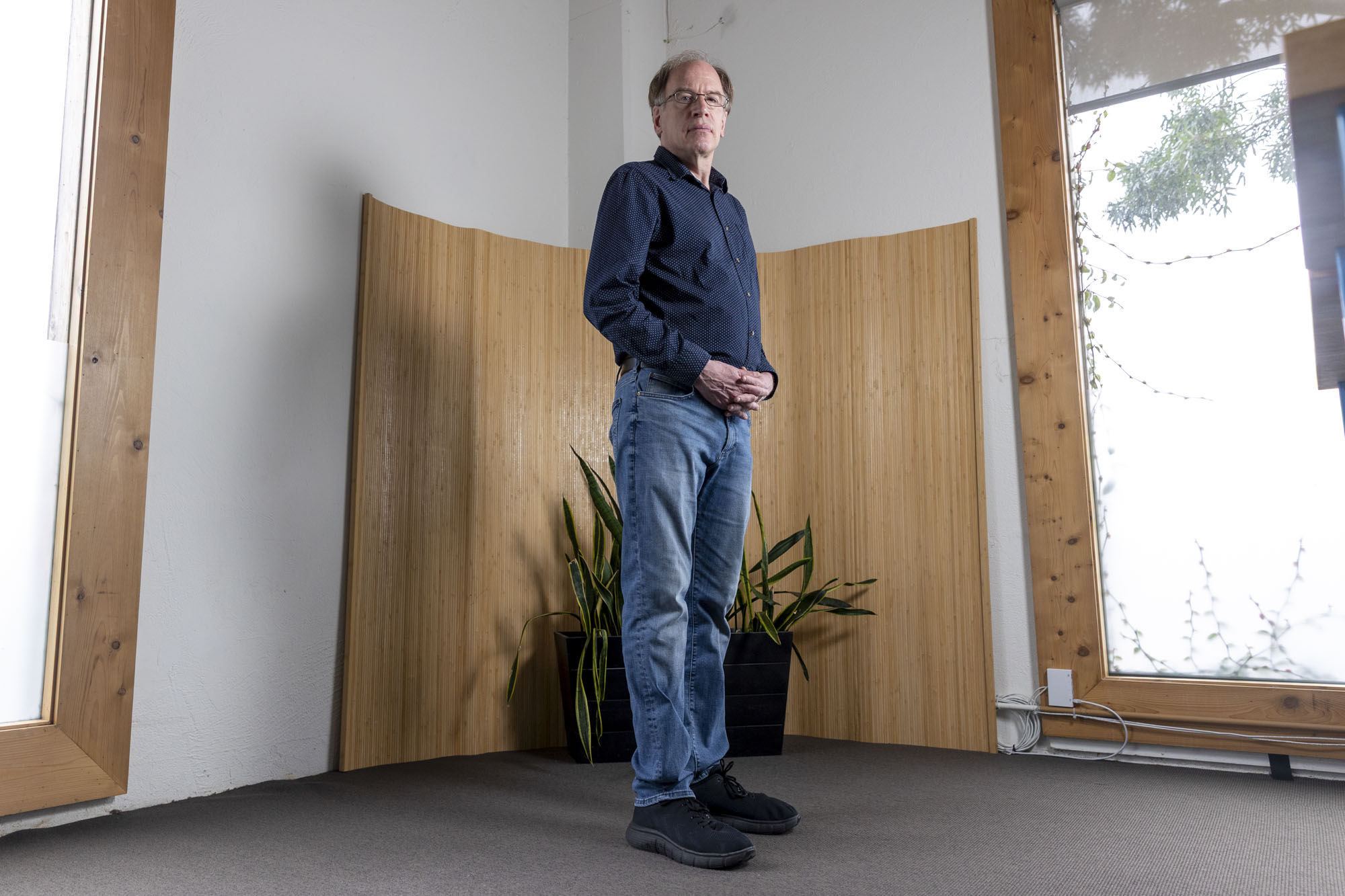
"caption": "Ben Kovitz poses for a portrait at his place of work at Impulse Labs in San Francisco on June 19, 2026.",
"credit": "Tâm Vũ / KQED",
"altTag": null,
"description": null,
"imgSizes": {
"thumbnail": {
"file": "https://cdn.kqed.org/wp-content/uploads/sites/10/2026/06/260619-benkovitz00416_TV-KQED-160x107.jpg",
"width": 160,
"height": 107,
"mimeType": "image/jpeg"
},
"1536x1536": {
"file": "https://cdn.kqed.org/wp-content/uploads/sites/10/2026/06/260619-benkovitz00416_TV-KQED-1536x1024.jpg",
"width": 1536,
"height": 1024,
"mimeType": "image/jpeg"
},
"post-thumbnail": {
"file": "https://cdn.kqed.org/wp-content/uploads/sites/10/2026/06/260619-benkovitz00416_TV-KQED-672x372.jpg",
"width": 672,
"height": 372,
"mimeType": "image/jpeg"
},
"twentyfourteen-full-width": {
"file": "https://cdn.kqed.org/wp-content/uploads/sites/10/2026/06/260619-benkovitz00416_TV-KQED-1038x576.jpg",
"width": 1038,
"height": 576,
"mimeType": "image/jpeg"
},
"npr-cds-wide": {
"file": "https://cdn.kqed.org/wp-content/uploads/sites/10/2026/06/260619-benkovitz00416_TV-KQED-1200x675.jpg",
"width": 1200,
"height": 675,
"mimeType": "image/jpeg"
},
"npr-cds-square": {
"file": "https://cdn.kqed.org/wp-content/uploads/sites/10/2026/06/260619-benkovitz00416_TV-KQED-600x600.jpg",
"width": 600,
"height": 600,
"mimeType": "image/jpeg"
},
"kqedFullSize": {
"file": "https://cdn.kqed.org/wp-content/uploads/sites/10/2026/06/260619-benkovitz00416_TV-KQED.jpg",
"width": 2000,
"height": 1333
}
},
"isLoading": false,
"fetchFailed": false
},
"news_12091074": {
"type": "attachments",
"id": "news_12091074",
"meta": {
"index": "attachments_1716263798",
"site": "news",
"id": "12091074",
"found": true
},
"title": "Ben Jones Episode Image",
"publishDate": 1784075321,
"status": "inherit",
"parent": 12091073,
"modified": 1784075463,
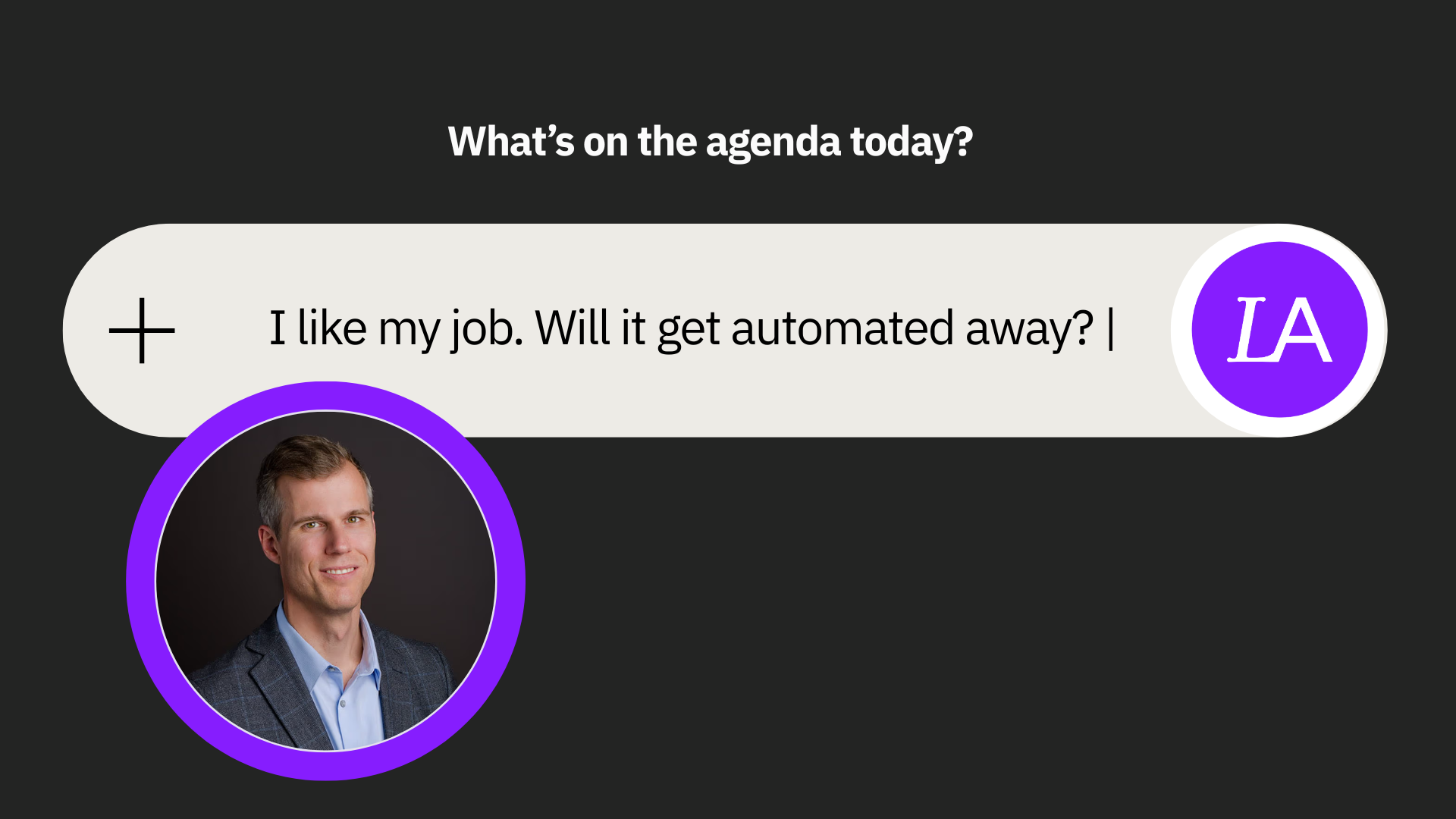
"caption": "Text box asking whether AI will automate away jobs. (Photo of episode guest Ben Jones, courtesy of Kellogg School of Management)\n",
"credit": null,
"altTag": "Text box asking whether AI will automate away jobs with photo of episode guest Ben Jones",
"description": null,
"imgSizes": {
"thumbnail": {
"file": "https://cdn.kqed.org/wp-content/uploads/sites/10/2026/07/Ben-Jones-Episode-Image-160x90.png",
"width": 160,
"height": 90,
"mimeType": "image/png"
},
"1536x1536": {
"file": "https://cdn.kqed.org/wp-content/uploads/sites/10/2026/07/Ben-Jones-Episode-Image-1536x864.png",
"width": 1536,
"height": 864,
"mimeType": "image/png"
},
"post-thumbnail": {
"file": "https://cdn.kqed.org/wp-content/uploads/sites/10/2026/07/Ben-Jones-Episode-Image-672x372.png",
"width": 672,
"height": 372,
"mimeType": "image/png"
},
"twentyfourteen-full-width": {
"file": "https://cdn.kqed.org/wp-content/uploads/sites/10/2026/07/Ben-Jones-Episode-Image-1038x576.png",
"width": 1038,
"height": 576,
"mimeType": "image/png"
},
"npr-cds-wide": {
"file": "https://cdn.kqed.org/wp-content/uploads/sites/10/2026/07/Ben-Jones-Episode-Image-1200x675.png",
"width": 1200,
"height": 675,
"mimeType": "image/png"
},
"npr-cds-square": {
"file": "https://cdn.kqed.org/wp-content/uploads/sites/10/2026/07/Ben-Jones-Episode-Image-600x600.png",
"width": 600,
"height": 600,
"mimeType": "image/png"
},
"kqedFullSize": {
"file": "https://cdn.kqed.org/wp-content/uploads/sites/10/2026/07/Ben-Jones-Episode-Image.png",
"width": 1920,
"height": 1080
}
},
"isLoading": false,
"fetchFailed": false
},
"news_12090539": {
"type": "attachments",
"id": "news_12090539",
"meta": {
"index": "attachments_1716263798",
"site": "news",
"id": "12090539",
"found": true
},
"title": "Money falling down_Tandas_ICH",
"publishDate": 1783711549,
"status": "inherit",
"parent": 12090533,
"modified": 1783711605,
"caption": "Tandas, a centuries-old savings and loan system widely used across Latin America, are becoming more modernized with apps and other tech tools drawing in younger generations of Latinos. ",
"credit": "Illustration Courtesy of KVPR",
"altTag": null,
"description": null,
"imgSizes": {
"thumbnail": {
"file": "https://cdn.kqed.org/wp-content/uploads/sites/10/2026/07/Money-falling-down_Tandas_ICH-160x90.jpeg",
"width": 160,
"height": 90,
"mimeType": "image/jpeg"
},
"1536x1536": {
"file": "https://cdn.kqed.org/wp-content/uploads/sites/10/2026/07/Money-falling-down_Tandas_ICH-1536x863.jpeg",
"width": 1536,
"height": 863,
"mimeType": "image/jpeg"
},
"post-thumbnail": {
"file": "https://cdn.kqed.org/wp-content/uploads/sites/10/2026/07/Money-falling-down_Tandas_ICH-672x372.jpeg",
"width": 672,
"height": 372,
"mimeType": "image/jpeg"
},
"twentyfourteen-full-width": {
"file": "https://cdn.kqed.org/wp-content/uploads/sites/10/2026/07/Money-falling-down_Tandas_ICH-1038x576.jpeg",
"width": 1038,
"height": 576,
"mimeType": "image/jpeg"
},
"npr-cds-wide": {
"file": "https://cdn.kqed.org/wp-content/uploads/sites/10/2026/07/Money-falling-down_Tandas_ICH-1200x675.jpeg",
"width": 1200,
"height": 675,
"mimeType": "image/jpeg"
},
"npr-cds-square": {
"file": "https://cdn.kqed.org/wp-content/uploads/sites/10/2026/07/Money-falling-down_Tandas_ICH-600x600.jpeg",
"width": 600,
"height": 600,
"mimeType": "image/jpeg"
},
"kqedFullSize": {
"file": "https://cdn.kqed.org/wp-content/uploads/sites/10/2026/07/Money-falling-down_Tandas_ICH.jpeg",
"width": 2000,
"height": 1124
}
},
"isLoading": false,
"fetchFailed": false
},
"news_12090104": {
"type": "attachments",
"id": "news_12090104",
"meta": {
"index": "attachments_1716263798",
"site": "news",
"id": "12090104",
"found": true
},
"title": "CAT_Flock Out_img",
"publishDate": 1783459082,
"status": "inherit",
"parent": 12090103,
"modified": 1783487319,
"caption": "Protesters advocating against Flock Safety cameras are surrounded by images of automated license plate readers.",
"credit": "Composite image by Maya Cueva and Chris Egusa; Images courtesy of Gustavo Hernandez via KQED, Tony Webster via Wikimedia Commons, and Eoneren via Getty Images",
"altTag": "Protesters in black and white advocating against Flock Safety cameras are holding signs that read ‘Get the Flock Out’ and other anti-surveillance slogans. The protesters are surrounded by automated license plate readers and other surveillance cameras. The text \"Close All Tabs\" appears in black text in the upper right corner.",
"description": null,
"imgSizes": {
"thumbnail": {
"file": "https://cdn.kqed.org/wp-content/uploads/sites/10/2026/07/CAT_Flock-Out_img-160x90.png",
"width": 160,
"height": 90,
"mimeType": "image/png"
},
"1536x1536": {
"file": "https://cdn.kqed.org/wp-content/uploads/sites/10/2026/07/CAT_Flock-Out_img-1536x864.png",
"width": 1536,
"height": 864,
"mimeType": "image/png"
},
"post-thumbnail": {
"file": "https://cdn.kqed.org/wp-content/uploads/sites/10/2026/07/CAT_Flock-Out_img-672x372.png",
"width": 672,
"height": 372,
"mimeType": "image/png"
},
"twentyfourteen-full-width": {
"file": "https://cdn.kqed.org/wp-content/uploads/sites/10/2026/07/CAT_Flock-Out_img-1038x576.png",
"width": 1038,
"height": 576,
"mimeType": "image/png"
},
"npr-cds-wide": {
"file": "https://cdn.kqed.org/wp-content/uploads/sites/10/2026/07/CAT_Flock-Out_img-1200x675.png",
"width": 1200,
"height": 675,
"mimeType": "image/png"
},
"npr-cds-square": {
"file": "https://cdn.kqed.org/wp-content/uploads/sites/10/2026/07/CAT_Flock-Out_img-600x600.png",
"width": 600,
"height": 600,
"mimeType": "image/png"
},
"kqedFullSize": {
"file": "https://cdn.kqed.org/wp-content/uploads/sites/10/2026/07/CAT_Flock-Out_img.png",
"width": 1920,
"height": 1080
}
},
"isLoading": false,
"fetchFailed": false
},
"news_12089535": {
"type": "attachments",
"id": "news_12089535",
"meta": {
"index": "attachments_1716263798",
"site": "news",
"id": "12089535",
"found": true
},
"title": "fi-data-centers-monterey-park",
"publishDate": 1782928746,
"status": "inherit",
"parent": 12089321,
"modified": 1782941329,
"caption": "City officials had previously welcomed its plans to build a sprawling new data center and the jobs and tax revenue that would follow, but suddenly city opposition to the plan sprang up. Signs of protest pepper front yards in a nearby residential neighborhood in Monterey Park, California, on April 1, 2026.",
"credit": "Robert Gauthier/Los Angeles Times via Getty Images",
"altTag": null,
"description": null,
"imgSizes": {
"thumbnail": {
"file": "https://cdn.kqed.org/wp-content/uploads/sites/10/2026/06/MontereyParkGetty-160x107.jpg",
"width": 160,
"height": 107,
"mimeType": "image/jpeg"
},
"1536x1536": {
"file": "https://cdn.kqed.org/wp-content/uploads/sites/10/2026/06/MontereyParkGetty-1536x1024.jpg",
"width": 1536,
"height": 1024,
"mimeType": "image/jpeg"
},
"post-thumbnail": {
"file": "https://cdn.kqed.org/wp-content/uploads/sites/10/2026/06/MontereyParkGetty-672x372.jpg",
"width": 672,
"height": 372,
"mimeType": "image/jpeg"
},
"twentyfourteen-full-width": {
"file": "https://cdn.kqed.org/wp-content/uploads/sites/10/2026/06/MontereyParkGetty-1038x576.jpg",
"width": 1038,
"height": 576,
"mimeType": "image/jpeg"
},
"npr-cds-wide": {
"file": "https://cdn.kqed.org/wp-content/uploads/sites/10/2026/06/MontereyParkGetty-1200x675.jpg",
"width": 1200,
"height": 675,
"mimeType": "image/jpeg"
},
"npr-cds-square": {
"file": "https://cdn.kqed.org/wp-content/uploads/sites/10/2026/06/MontereyParkGetty-600x600.jpg",
"width": 600,
"height": 600,
"mimeType": "image/jpeg"
},
"kqedFullSize": {
"file": "https://cdn.kqed.org/wp-content/uploads/sites/10/2026/06/MontereyParkGetty.jpg",
"width": 2000,
"height": 1333
}
},
"isLoading": false,
"fetchFailed": false
},
"news_12089438": {
"type": "attachments",
"id": "news_12089438",
"meta": {
"index": "attachments_1716263798",
"site": "news",
"id": "12089438",
"found": true
},
"title": "CAT — The Bay Feed Drop.img",
"publishDate": 1782862946,
"status": "inherit",
"parent": 12089434,
"modified": 1782863063,
"caption": "College graduation commencement assembly. ",
"credit": "Photo by Joe Giddens/PA Images via Getty Images",
"altTag": "Graduates during a graduation ceremony. Graduates have their back turned away from the camera and are wearing black graduation caps and black and purple gowns.",
"description": null,
"imgSizes": {
"thumbnail": {
"file": "https://cdn.kqed.org/wp-content/uploads/sites/10/2026/06/CAT-—-The-Bay-Feed-Drop.img_-160x90.png",
"width": 160,
"height": 90,
"mimeType": "image/png"
},
"1536x1536": {
"file": "https://cdn.kqed.org/wp-content/uploads/sites/10/2026/06/CAT-—-The-Bay-Feed-Drop.img_-1536x864.png",
"width": 1536,
"height": 864,
"mimeType": "image/png"
},
"post-thumbnail": {
"file": "https://cdn.kqed.org/wp-content/uploads/sites/10/2026/06/CAT-—-The-Bay-Feed-Drop.img_-672x372.png",
"width": 672,
"height": 372,
"mimeType": "image/png"
},
"twentyfourteen-full-width": {
"file": "https://cdn.kqed.org/wp-content/uploads/sites/10/2026/06/CAT-—-The-Bay-Feed-Drop.img_-1038x576.png",
"width": 1038,
"height": 576,
"mimeType": "image/png"
},
"npr-cds-wide": {
"file": "https://cdn.kqed.org/wp-content/uploads/sites/10/2026/06/CAT-—-The-Bay-Feed-Drop.img_-1200x675.png",
"width": 1200,
"height": 675,
"mimeType": "image/png"
},
"npr-cds-square": {
"file": "https://cdn.kqed.org/wp-content/uploads/sites/10/2026/06/CAT-—-The-Bay-Feed-Drop.img_-600x600.png",
"width": 600,
"height": 600,
"mimeType": "image/png"
},
"kqedFullSize": {
"file": "https://cdn.kqed.org/wp-content/uploads/sites/10/2026/06/CAT-—-The-Bay-Feed-Drop.img_.png",
"width": 1920,
"height": 1080
}
},
"isLoading": false,
"fetchFailed": false
},
"news_12088563": {
"type": "attachments",
"id": "news_12088563",
"meta": {
"index": "attachments_1716263798",
"site": "news",
"id": "12088563",
"found": true
},
"title": "A sign for Cisco in San José on June 23, 2026.",
"publishDate": 1782248928,
"status": "inherit",
"parent": 0,
"modified": 1782248978,
"caption": "A sign for Cisco in San José on June 23, 2026.",
"credit": "Beth LaBerge/KQED",
"altTag": null,
"description": null,
"imgSizes": {
"thumbnail": {
"file": "https://cdn.kqed.org/wp-content/uploads/sites/10/2026/06/260623-SJFile-02-BL-KQED-160x107.jpg",
"width": 160,
"height": 107,
"mimeType": "image/jpeg"
},
"1536x1536": {
"file": "https://cdn.kqed.org/wp-content/uploads/sites/10/2026/06/260623-SJFile-02-BL-KQED-1536x1024.jpg",
"width": 1536,
"height": 1024,
"mimeType": "image/jpeg"
},
"post-thumbnail": {
"file": "https://cdn.kqed.org/wp-content/uploads/sites/10/2026/06/260623-SJFile-02-BL-KQED-672x372.jpg",
"width": 672,
"height": 372,
"mimeType": "image/jpeg"
},
"twentyfourteen-full-width": {
"file": "https://cdn.kqed.org/wp-content/uploads/sites/10/2026/06/260623-SJFile-02-BL-KQED-1038x576.jpg",
"width": 1038,
"height": 576,
"mimeType": "image/jpeg"
},
"npr-cds-wide": {
"file": "https://cdn.kqed.org/wp-content/uploads/sites/10/2026/06/260623-SJFile-02-BL-KQED-1200x675.jpg",
"width": 1200,
"height": 675,
"mimeType": "image/jpeg"
},
"npr-cds-square": {
"file": "https://cdn.kqed.org/wp-content/uploads/sites/10/2026/06/260623-SJFile-02-BL-KQED-600x600.jpg",
"width": 600,
"height": 600,
"mimeType": "image/jpeg"
},
"kqedFullSize": {
"file": "https://cdn.kqed.org/wp-content/uploads/sites/10/2026/06/260623-SJFile-02-BL-KQED.jpg",
"width": 2000,
"height": 1333
}
},
"isLoading": false,
"fetchFailed": false
},
"news_12088643": {
"type": "attachments",
"id": "news_12088643",
"meta": {
"index": "attachments_1716263798",
"site": "news",
"id": "12088643",
"found": true
},
"title": "CAT_The Sims Part 2_img",
"publishDate": 1782265310,
"status": "inherit",
"parent": 12088640,
"modified": 1782265383,
"caption": "A glitchy illustration of a handshake surrounded by “plumbobs,” the iconic green jewels that hover over the heads of characters in The Sims. In September 2025, Electronic Arts — the publisher behind The Sims — agreed to a historic $55 billion buyout.",
"credit": "Composite image by Morgan Sung / Image by Carol Yepes via Getty Images",
"altTag": "A glitchy illustration of a handshake. The two hands are a lighter and darker shade of pink. One arm has a yellow sleeve and the other has a pink and blue sleeve. The Sims green “plumbobs”, the iconic green jewels that hover over the heads of characters in The Sims, are up against a glitchy blue background. The text \"Close All Tabs\" appears in white text in the lower right corner.",
"description": null,
"imgSizes": {
"thumbnail": {
"file": "https://cdn.kqed.org/wp-content/uploads/sites/10/2026/06/CAT_The-Sims-Part-2_img-160x90.png",
"width": 160,
"height": 90,
"mimeType": "image/png"
},
"1536x1536": {
"file": "https://cdn.kqed.org/wp-content/uploads/sites/10/2026/06/CAT_The-Sims-Part-2_img-1536x864.png",
"width": 1536,
"height": 864,
"mimeType": "image/png"
},
"post-thumbnail": {
"file": "https://cdn.kqed.org/wp-content/uploads/sites/10/2026/06/CAT_The-Sims-Part-2_img-672x372.png",
"width": 672,
"height": 372,
"mimeType": "image/png"
},
"twentyfourteen-full-width": {
"file": "https://cdn.kqed.org/wp-content/uploads/sites/10/2026/06/CAT_The-Sims-Part-2_img-1038x576.png",
"width": 1038,
"height": 576,
"mimeType": "image/png"
},
"npr-cds-wide": {
"file": "https://cdn.kqed.org/wp-content/uploads/sites/10/2026/06/CAT_The-Sims-Part-2_img-1200x675.png",
"width": 1200,
"height": 675,
"mimeType": "image/png"
},
"npr-cds-square": {
"file": "https://cdn.kqed.org/wp-content/uploads/sites/10/2026/06/CAT_The-Sims-Part-2_img-600x600.png",
"width": 600,
"height": 600,
"mimeType": "image/png"
},
"kqedFullSize": {
"file": "https://cdn.kqed.org/wp-content/uploads/sites/10/2026/06/CAT_The-Sims-Part-2_img.png",
"width": 1920,
"height": 1080
}
},
"isLoading": false,
"fetchFailed": false
},
"news_12085877": {
"type": "attachments",
"id": "news_12085877",
"meta": {
"index": "attachments_1716263798",
"site": "news",
"id": "12085877",
"found": true
},
"title": "CAT — Surveillance Pricing.img",
"publishDate": 1780448446,
"status": "inherit",
"parent": 12085876,
"modified": 1780448827,
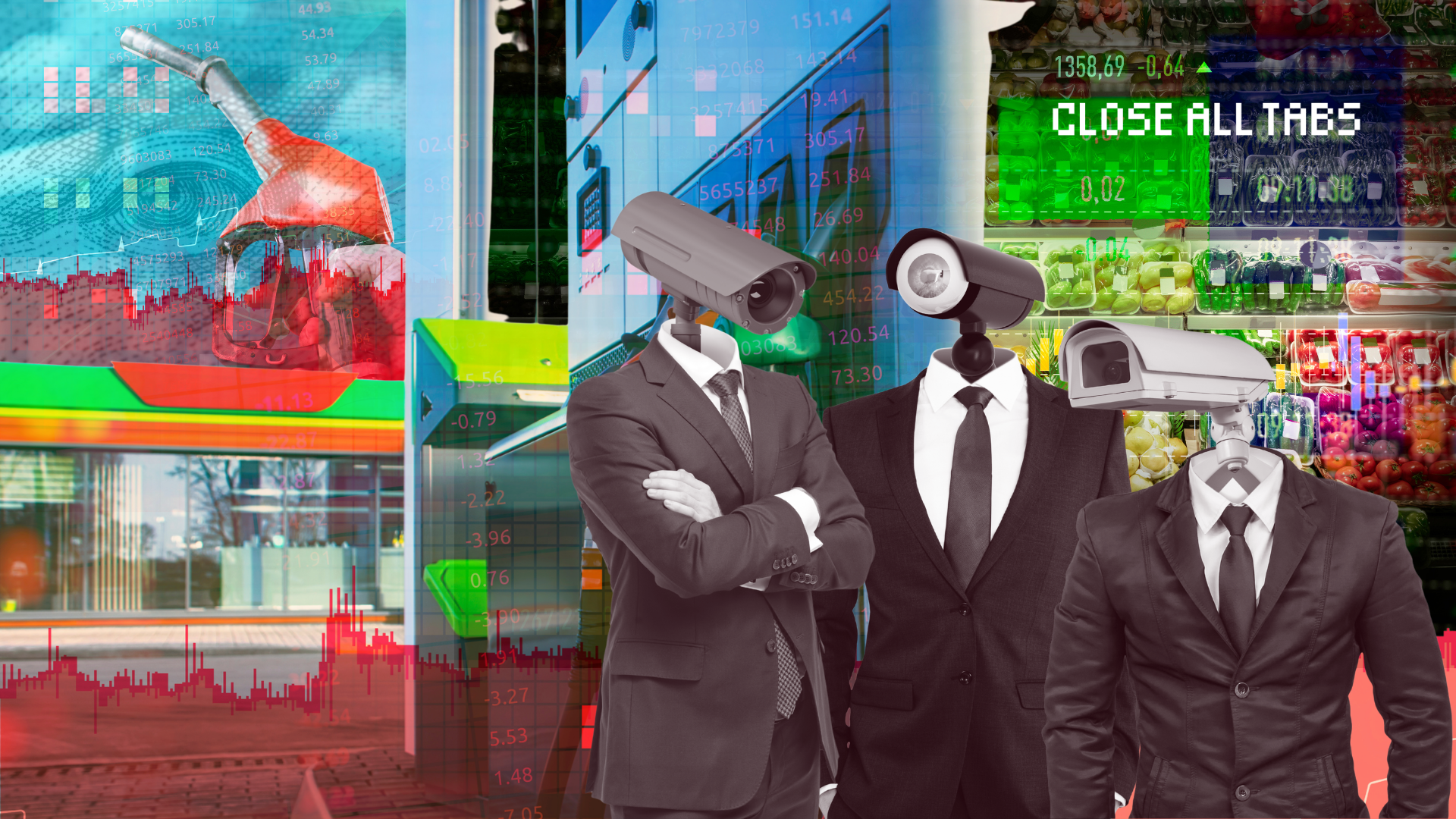
"caption": "Figures in suits with surveillance cameras for heads overlook a collage of gas stations, grocery shelves and stock tickers. Surveillance pricing is the practice of using consumers' personal data to determine what they'll pay.",
"credit": "Composite by Morgan Sung; Images by Getty Images",
"altTag": "A collage of images including three figures in suits with surveillance cameras for heads, overlaid on a double exposure image of a red fuel pump nozzle, a gas station, grocery store fruit and a dollar bill. The text \"Close All Tabs\" appears in the upper right corner.",
"description": null,
"imgSizes": {
"thumbnail": {
"file": "https://cdn.kqed.org/wp-content/uploads/sites/10/2026/06/CAT-—-Surveillance-Pricing.img_-160x90.png",
"width": 160,
"height": 90,
"mimeType": "image/png"
},
"1536x1536": {
"file": "https://cdn.kqed.org/wp-content/uploads/sites/10/2026/06/CAT-—-Surveillance-Pricing.img_-1536x864.png",
"width": 1536,
"height": 864,
"mimeType": "image/png"
},
"post-thumbnail": {
"file": "https://cdn.kqed.org/wp-content/uploads/sites/10/2026/06/CAT-—-Surveillance-Pricing.img_-672x372.png",
"width": 672,
"height": 372,
"mimeType": "image/png"
},
"twentyfourteen-full-width": {
"file": "https://cdn.kqed.org/wp-content/uploads/sites/10/2026/06/CAT-—-Surveillance-Pricing.img_-1038x576.png",
"width": 1038,
"height": 576,
"mimeType": "image/png"
},
"npr-cds-wide": {
"file": "https://cdn.kqed.org/wp-content/uploads/sites/10/2026/06/CAT-—-Surveillance-Pricing.img_-1200x675.png",
"width": 1200,
"height": 675,
"mimeType": "image/png"
},
"npr-cds-square": {
"file": "https://cdn.kqed.org/wp-content/uploads/sites/10/2026/06/CAT-—-Surveillance-Pricing.img_-600x600.png",
"width": 600,
"height": 600,
"mimeType": "image/png"
},
"kqedFullSize": {
"file": "https://cdn.kqed.org/wp-content/uploads/sites/10/2026/06/CAT-—-Surveillance-Pricing.img_.png",
"width": 1920,
"height": 1080
}
},
"isLoading": false,
"fetchFailed": false
},
"news_12087899": {
"type": "attachments",
"id": "news_12087899",
"meta": {
"index": "attachments_1716263798",
"site": "news",
"id": "12087899",
"found": true
},
"title": "CAT_The Sims Part 1.img",
"publishDate": 1781670296,
"status": "inherit",
"parent": 12087897,
"modified": 1781670353,
"caption": "A composite image of The Sims avatars on top of a rainbow background.",
"credit": "Composite image by Morgan Sung / Screenshots via Youtube",
"altTag": "A composite image of The Sims avatars on top of a rainbow background. The text \"Close All Tabs\" in white text appears in the lower left corner with The Sims green “plumbob” on top of the text.",
"description": null,
"imgSizes": {
"thumbnail": {
"file": "https://cdn.kqed.org/wp-content/uploads/sites/10/2026/06/CAT_The-Sims-Part-1.img_-160x90.png",
"width": 160,
"height": 90,
"mimeType": "image/png"
},
"1536x1536": {
"file": "https://cdn.kqed.org/wp-content/uploads/sites/10/2026/06/CAT_The-Sims-Part-1.img_-1536x864.png",
"width": 1536,
"height": 864,
"mimeType": "image/png"
},
"post-thumbnail": {
"file": "https://cdn.kqed.org/wp-content/uploads/sites/10/2026/06/CAT_The-Sims-Part-1.img_-672x372.png",
"width": 672,
"height": 372,
"mimeType": "image/png"
},
"twentyfourteen-full-width": {
"file": "https://cdn.kqed.org/wp-content/uploads/sites/10/2026/06/CAT_The-Sims-Part-1.img_-1038x576.png",
"width": 1038,
"height": 576,
"mimeType": "image/png"
},
"npr-cds-wide": {
"file": "https://cdn.kqed.org/wp-content/uploads/sites/10/2026/06/CAT_The-Sims-Part-1.img_-1200x675.png",
"width": 1200,
"height": 675,
"mimeType": "image/png"
},
"npr-cds-square": {
"file": "https://cdn.kqed.org/wp-content/uploads/sites/10/2026/06/CAT_The-Sims-Part-1.img_-600x600.png",
"width": 600,
"height": 600,
"mimeType": "image/png"
},
"kqedFullSize": {
"file": "https://cdn.kqed.org/wp-content/uploads/sites/10/2026/06/CAT_The-Sims-Part-1.img_.png",
"width": 1920,
"height": 1080
}
},
"isLoading": false,
"fetchFailed": false
},
"news_12087570": {
"type": "attachments",
"id": "news_12087570",
"meta": {
"index": "attachments_1716263798",
"site": "news",
"id": "12087570",
"found": true
},
"title": "CaliforniaSealCM",
"publishDate": 1781541800,
"status": "inherit",
"parent": 12087559,
"modified": 1781541837,
"caption": "Every year, California agencies report to the state technology department on their use of \"high-risk\" decision systems. The seal of the State of California on the Edmund G. Brown Jr. State Office Building in San Francisco on Jan. 28, 2022. ",
"credit": "Martin do Nascimento for CalMatters",
"altTag": null,
"description": null,
"imgSizes": {
"thumbnail": {
"file": "https://cdn.kqed.org/wp-content/uploads/sites/10/2026/06/CaliforniaSealCM-160x107.jpg",
"width": 160,
"height": 107,
"mimeType": "image/jpeg"
},
"1536x1536": {
"file": "https://cdn.kqed.org/wp-content/uploads/sites/10/2026/06/CaliforniaSealCM-1536x1024.jpg",
"width": 1536,
"height": 1024,
"mimeType": "image/jpeg"
},
"post-thumbnail": {
"file": "https://cdn.kqed.org/wp-content/uploads/sites/10/2026/06/CaliforniaSealCM-672x372.jpg",
"width": 672,
"height": 372,
"mimeType": "image/jpeg"
},
"twentyfourteen-full-width": {
"file": "https://cdn.kqed.org/wp-content/uploads/sites/10/2026/06/CaliforniaSealCM-1038x576.jpg",
"width": 1038,
"height": 576,
"mimeType": "image/jpeg"
},
"npr-cds-wide": {
"file": "https://cdn.kqed.org/wp-content/uploads/sites/10/2026/06/CaliforniaSealCM-1200x675.jpg",
"width": 1200,
"height": 675,
"mimeType": "image/jpeg"
},
"npr-cds-square": {
"file": "https://cdn.kqed.org/wp-content/uploads/sites/10/2026/06/CaliforniaSealCM-600x600.jpg",
"width": 600,
"height": 600,
"mimeType": "image/jpeg"
},
"kqedFullSize": {
"file": "https://cdn.kqed.org/wp-content/uploads/sites/10/2026/06/CaliforniaSealCM.jpg",
"width": 2000,
"height": 1333
}
},
"isLoading": false,
"fetchFailed": false
}
},
"audioPlayerReducer": {
"postId": "stream_live",
"isPaused": true,
"isPlaying": false,
"pfsActive": false,
"pledgeModalIsOpen": true,
"playerDrawerIsOpen": false,
"liveAudioPlayStartedAt": 0,
"liveAudioPlayContext": ""
},
"authorsReducer": {
"byline_news_12090533": {
"type": "authors",
"id": "byline_news_12090533",
"meta": {
"override": true
},
"slug": "byline_news_12090533",
"name": "Israel Cardona Hernández, KVPR",
"isLoading": false
},
"byline_news_12089321": {
"type": "authors",
"id": "byline_news_12089321",
"meta": {
"override": true
},
"slug": "byline_news_12089321",
"name": "Anthony Victoria, KVCR",
"isLoading": false
},
"byline_news_12087559": {
"type": "authors",
"id": "byline_news_12087559",
"meta": {
"override": true
},
"slug": "byline_news_12087559",
"name": "Khari Johnson, CalMatters",
"isLoading": false
},
"rachael-myrow": {
"type": "authors",
"id": "251",
"meta": {
"index": "authors_1716337520",
"id": "251",
"found": true
},
"name": "Rachael Myrow",
"firstName": "Rachael",
"lastName": "Myrow",
"slug": "rachael-myrow",
"email": "rmyrow@kqed.org",
"display_author_email": true,
"staff_mastheads": [
"news"
],
"title": "Senior Editor of KQED's Silicon Valley News Desk",
"bio": "• I write and edit stories about how Silicon Valley power and policies shape everyday life in California. I’m also passionate about making Bay Area history and culture more accessible to a broad public. • I’ve been a journalist for most of my life, starting in high school with The Franklin Press in Los Angeles, where I grew up. While earning my first degree in English at UC Berkeley, I got my start in public radio at KALX-FM. After completing a second degree in journalism at Cal, I landed my first professional job at Marketplace, then moved on to KPCC (now LAist), and then KQED, where I hosted The California Report for more than seven years. • My reporting has appeared on NPR, The World, WBUR’s \u003ci>Here & Now\u003c/i>, and the BBC. I also guest host for KQED’s \u003ci>Forum\u003c/i>, as well as the Commonwealth Club in San Francisco. • I speak periodically on media, democracy and technology issues, and do voiceover work for documentaries and educational video projects. • Outside of the studio, you'll find me hiking Bay Area trails and whipping up Insta-ready meals in my kitchen. • I do not accept gifts, money, or favors from anyone connected to my reporting, I don't pay people for information, and I do not support or donate to political causes. • I strive to treat the people I report on with fairness, honesty, and respect. I also recognize there are often multiple sides to a story and work to verify information through multiple sources and documentation. If I get something wrong, I correct it.",
"avatar": "https://secure.gravatar.com/avatar/3ed8a3c5f26025e4a805ba634cda8cd764906b97438a6d9ce216b044e340da4e?s=600&d=blank&r=g",
"twitter": "rachaelmyrow",
"bluesky": null,
"facebook": null,
"instagram": null,
"linkedin": "https://www.linkedin.com/in/rachaelmyrow/",
"sites": [
{
"site": "arts",
"roles": [
"administrator"
]
},
{
"site": "news",
"roles": [
"edit_others_posts",
"editor"
]
},
{
"site": "futureofyou",
"roles": [
"editor"
]
},
{
"site": "bayareabites",
"roles": [
"editor"
]
},
{
"site": "stateofhealth",
"roles": [
"editor"
]
},
{
"site": "science",
"roles": [
"editor"
]
},
{
"site": "food",
"roles": [
"editor"
]
},
{
"site": "forum",
"roles": [
"editor"
]
},
{
"site": "liveblog",
"roles": [
"author"
]
}
],
"headData": {
"title": "Rachael Myrow | KQED",
"description": "Senior Editor of KQED's Silicon Valley News Desk",
"ogImgSrc": "https://secure.gravatar.com/avatar/3ed8a3c5f26025e4a805ba634cda8cd764906b97438a6d9ce216b044e340da4e?s=600&d=blank&r=g",
"twImgSrc": "https://secure.gravatar.com/avatar/3ed8a3c5f26025e4a805ba634cda8cd764906b97438a6d9ce216b044e340da4e?s=600&d=blank&r=g"
},
"isLoading": false,
"link": "/author/rachael-myrow"
},
"chambrick": {
"type": "authors",
"id": "11832",
"meta": {
"index": "authors_1716337520",
"id": "11832",
"found": true
},
"name": "Chris Hambrick",
"firstName": "Chris",
"lastName": "Hambrick",
"slug": "chambrick",
"email": "chambrick@kqed.org",
"display_author_email": false,
"staff_mastheads": [],
"title": "KQED Contributor",
"bio": null,
"avatar": "https://secure.gravatar.com/avatar/23cb83888bc440645af5d36d0d1909e8ecb6cef21f2fdb96abf9a55495bb19d8?s=600&d=blank&r=g",
"twitter": null,
"bluesky": null,
"facebook": null,
"instagram": null,
"linkedin": null,
"sites": [
{
"site": "",
"roles": [
"editor"
]
},
{
"site": "arts",
"roles": [
"editor"
]
},
{
"site": "news",
"roles": [
"editor"
]
},
{
"site": "podcasts",
"roles": [
"editor"
]
}
],
"headData": {
"title": "Chris Hambrick | KQED",
"description": "KQED Contributor",
"ogImgSrc": "https://secure.gravatar.com/avatar/23cb83888bc440645af5d36d0d1909e8ecb6cef21f2fdb96abf9a55495bb19d8?s=600&d=blank&r=g",
"twImgSrc": "https://secure.gravatar.com/avatar/23cb83888bc440645af5d36d0d1909e8ecb6cef21f2fdb96abf9a55495bb19d8?s=600&d=blank&r=g"
},
"isLoading": false,
"link": "/author/chambrick"
},
"sjohnson": {
"type": "authors",
"id": "11840",
"meta": {
"index": "authors_1716337520",
"id": "11840",
"found": true
},
"name": "Sydney Johnson",
"firstName": "Sydney",
"lastName": "Johnson",
"slug": "sjohnson",
"email": "sjohnson@kqed.org",
"display_author_email": false,
"staff_mastheads": [
"news"
],
"title": "KQED Reporter",
"bio": "Sydney Johnson is a general assignment reporter at KQED. She previously reported on public health and city government at the San Francisco Examiner, and before that, she covered statewide education policy for EdSource. Her reporting has won multiple local, state and national awards. Sydney is a graduate of the University of California, Berkeley and lives in San Francisco.",
"avatar": "https://secure.gravatar.com/avatar/97855f2719b72ad6190b7c535fe642c8?s=600&d=blank&r=g",
"twitter": "sydneyfjohnson",
"facebook": null,
"instagram": null,
"linkedin": null,
"sites": [
{
"site": "news",
"roles": [
"editor"
]
}
],
"headData": {
"title": "Sydney Johnson | KQED",
"description": "KQED Reporter",
"ogImgSrc": "https://secure.gravatar.com/avatar/97855f2719b72ad6190b7c535fe642c8?s=600&d=blank&r=g",
"twImgSrc": "https://secure.gravatar.com/avatar/97855f2719b72ad6190b7c535fe642c8?s=600&d=blank&r=g"
},
"isLoading": false,
"link": "/author/sjohnson"
},
"nkhan": {
"type": "authors",
"id": "11867",
"meta": {
"index": "authors_1716337520",
"id": "11867",
"found": true
},
"name": "Nisa Khan",
"firstName": "Nisa",
"lastName": "Khan",
"slug": "nkhan",
"email": "nkhan@kqed.org",
"display_author_email": false,
"staff_mastheads": [],
"title": "KQED Contributor",
"bio": "Nisa Khan is a reporter for KQED's Audience News Desk. She was formerly a data reporter at Michigan Radio. She earned a Bachelor of Science in Information from the University of Michigan and a Master of Arts in Communication from Stanford University.",
"avatar": "https://secure.gravatar.com/avatar/8720459eef081ff64582b3506b124d58523e80e120704a0cbd9892533c914991?s=600&d=blank&r=g",
"twitter": "mnisakhan",
"bluesky": null,
"facebook": null,
"instagram": null,
"linkedin": null,
"sites": [
{
"site": "arts",
"roles": [
"editor"
]
},
{
"site": "news",
"roles": [
"editor"
]
},
{
"site": "science",
"roles": [
"editor",
"author"
]
},
{
"site": "forum",
"roles": [
"editor"
]
},
{
"site": "liveblog",
"roles": [
"contributor"
]
}
],
"headData": {
"title": "Nisa Khan | KQED",
"description": "KQED Contributor",
"ogImgSrc": "https://secure.gravatar.com/avatar/8720459eef081ff64582b3506b124d58523e80e120704a0cbd9892533c914991?s=600&d=blank&r=g",
"twImgSrc": "https://secure.gravatar.com/avatar/8720459eef081ff64582b3506b124d58523e80e120704a0cbd9892533c914991?s=600&d=blank&r=g"
},
"isLoading": false,
"link": "/author/nkhan"
},
"cegusa": {
"type": "authors",
"id": "11869",
"meta": {
"index": "authors_1716337520",
"id": "11869",
"found": true
},
"name": "Chris Egusa",
"firstName": "Chris",
"lastName": "Egusa",
"slug": "cegusa",
"email": "cegusa@kqed.org",
"display_author_email": false,
"staff_mastheads": [],
"title": "KQED Contributor",
"bio": null,
"avatar": "https://secure.gravatar.com/avatar/3562ed52747313a4c94017da88ea89f9e85cd901f63ebc056a7d5e0adf4a03da?s=600&d=blank&r=g",
"twitter": null,
"bluesky": null,
"facebook": null,
"instagram": null,
"linkedin": null,
"sites": [
{
"site": "arts",
"roles": [
"editor"
]
},
{
"site": "news",
"roles": [
"editor"
]
}
],
"headData": {
"title": "Chris Egusa | KQED",
"description": "KQED Contributor",
"ogImgSrc": "https://secure.gravatar.com/avatar/3562ed52747313a4c94017da88ea89f9e85cd901f63ebc056a7d5e0adf4a03da?s=600&d=blank&r=g",
"twImgSrc": "https://secure.gravatar.com/avatar/3562ed52747313a4c94017da88ea89f9e85cd901f63ebc056a7d5e0adf4a03da?s=600&d=blank&r=g"
},
"isLoading": false,
"link": "/author/cegusa"
},
"mcueva": {
"type": "authors",
"id": "11943",
"meta": {
"index": "authors_1716337520",
"id": "11943",
"found": true
},
"name": "Maya Cueva",
"firstName": "Maya",
"lastName": "Cueva",
"slug": "mcueva",
"email": "mcueva@kqed.org",
"display_author_email": false,
"staff_mastheads": [],
"title": "KQED Contributor",
"bio": null,
"avatar": "https://secure.gravatar.com/avatar/238c7aba67c4b6b7b891965ba8cc9e9a4928b5dbdeaf4bde6a81c13e87f49b49?s=600&d=blank&r=g",
"twitter": null,
"bluesky": null,
"facebook": null,
"instagram": null,
"linkedin": null,
"sites": [
{
"site": "news",
"roles": [
"editor"
]
}
],
"headData": {
"title": "Maya Cueva | KQED",
"description": "KQED Contributor",
"ogImgSrc": "https://secure.gravatar.com/avatar/238c7aba67c4b6b7b891965ba8cc9e9a4928b5dbdeaf4bde6a81c13e87f49b49?s=600&d=blank&r=g",
"twImgSrc": "https://secure.gravatar.com/avatar/238c7aba67c4b6b7b891965ba8cc9e9a4928b5dbdeaf4bde6a81c13e87f49b49?s=600&d=blank&r=g"
},
"isLoading": false,
"link": "/author/mcueva"
},
"msung": {
"type": "authors",
"id": "11944",
"meta": {
"index": "authors_1716337520",
"id": "11944",
"found": true
},
"name": "Morgan Sung",
"firstName": "Morgan",
"lastName": "Sung",
"slug": "msung",
"email": "msung@kqed.org",
"display_author_email": false,
"staff_mastheads": [],
"title": "Close All Tabs Host",
"bio": null,
"avatar": "https://secure.gravatar.com/avatar/34033b8d232ee6c987ca6f0a1a28f0e5?s=600&d=blank&r=g",
"twitter": null,
"facebook": null,
"instagram": null,
"linkedin": null,
"sites": [
{
"site": "news",
"roles": [
"editor"
]
}
],
"headData": {
"title": "Morgan Sung | KQED",
"description": "Close All Tabs Host",
"ogImgSrc": "https://secure.gravatar.com/avatar/34033b8d232ee6c987ca6f0a1a28f0e5?s=600&d=blank&r=g",
"twImgSrc": "https://secure.gravatar.com/avatar/34033b8d232ee6c987ca6f0a1a28f0e5?s=600&d=blank&r=g"
},
"isLoading": false,
"link": "/author/msung"
},
"jlove": {
"type": "authors",
"id": "12009",
"meta": {
"index": "authors_1716337520",
"id": "12009",
"found": true
},
"name": "Jess Love",
"firstName": "Jess",
"lastName": "Love",
"slug": "jlove",
"email": "jessica-love@kellogg.northwestern.edu",
"display_author_email": false,
"staff_mastheads": [],
"title": "KQED Contributor, Sr Director of the Ryan Institute on Complexity",
"bio": null,
"avatar": "https://secure.gravatar.com/avatar/723149095a074e9aa227d30a332e0686f89f692011f304d6ceefa21a066391eb?s=600&d=blank&r=g",
"twitter": null,
"bluesky": null,
"facebook": null,
"instagram": null,
"linkedin": null,
"sites": [
{
"site": "news",
"roles": [
"contributor"
]
}
],
"headData": {
"title": "Jess Love | KQED",
"description": "KQED Contributor, Sr Director of the Ryan Institute on Complexity",
"ogImgSrc": "https://secure.gravatar.com/avatar/723149095a074e9aa227d30a332e0686f89f692011f304d6ceefa21a066391eb?s=600&d=blank&r=g",
"twImgSrc": "https://secure.gravatar.com/avatar/723149095a074e9aa227d30a332e0686f89f692011f304d6ceefa21a066391eb?s=600&d=blank&r=g"
},
"isLoading": false,
"link": "/author/jlove"
}
},
"pagesReducer": {
"news_tag_technology": {
"type": "terms",
"id": "news_1631",
"meta": {
"index": "terms_1716263798",
"site": "news",
"id": "1631",
"score": 6.9277406
},
"name": "Technology",
"slug": "technology",
"taxonomy": "tag",
"description": null,
"featImg": null,
"headData": {
"title": "Technology | KQED News",
"description": null,
"ogTitle": null,
"ogDescription": null,
"ogImgId": null,
"twTitle": null,
"twDescription": null,
"twImgId": null
},
"ttid": 1643,
"isLoading": false,
"title": "Technology",
"pageMeta": {
"site": "news",
"WpPageTemplate": "page-topic-editorial",
"currentPage": 6
},
"blocks": [
{
"blockName": "kqed/post-list",
"attrs": {
"layout": "cardArticle2",
"query": "posts/news?tag=technology",
"seeMore": false,
"paginated": true,
"page": 6
}
},
{
"blockName": "kqed/ad"
}
]
}
},
"pfsSessionReducer": {},
"postsReducer": {
"stream_live": {
"type": "live",
"id": "stream_live",
"audioUrl": "https://streams.kqed.org/kqedradio",
"title": "Live Stream",
"excerpt": "Live Stream information currently unavailable.",
"link": "/radio",
"featImg": "",
"label": {
"name": "KQED Live",
"link": "/"
}
},
"stream_kqedNewscast": {
"type": "posts",
"id": "stream_kqedNewscast",
"audioUrl": "https://www.kqed.org/.stream/anon/radio/RDnews/newscast.mp3?_=1",
"title": "KQED Newscast",
"featImg": "",
"label": {
"name": "88.5 FM",
"link": "/"
}
},
"news_12091460": {
"type": "posts",
"id": "news_12091460",
"meta": {
"index": "posts_1716263798",
"site": "news",
"id": "12091460",
"score": null,
"sort": [
1784243098000
]
},
"guestAuthors": [],
"slug": "san-francisco-mayor-daniel-lurie-calls-on-state-to-tighten-autonomous-vehicle-regulations",
"title": "San Francisco Mayor Daniel Lurie Calls on State to Tighten Autonomous Vehicle Regulations",
"publishDate": 1784243098,
"format": "standard",
"headTitle": "San Francisco Mayor Daniel Lurie Calls on State to Tighten Autonomous Vehicle Regulations | KQED",
"labelTerm": {
"site": "news"
},
"content": "\u003cp>After recent \u003ca href=\"https://www.kqed.org/news/12074861/waymo-to-report-on-mass-stranding-event-during-sf-december-blackout\">traffic meltdowns involving Waymo\u003c/a> vehicles \u003ca href=\"https://www.kqed.org/news/12089915/sf-supe-to-launch-inquiry-on-waymos-july-fourth-traffic-meltdown\">during major events\u003c/a>, San Francisco Mayor Daniel Lurie is calling on state regulators to set new standards for autonomous vehicles.\u003c/p>\n\n\n\n\u003cp>The mayor sent a letter to state Secretary of Transportation Toks Omishakin on Thursday highlighting the recent traffic jams involving Waymo cars on the Fourth of July and last year during the city’s widespread power outages. \u003c/p>\n\n\n\n\u003cp>“Regulating for typical conditions is no longer enough,” Lurie wrote. “California’s challenge now is not just whether autonomous vehicles can operate safely under normal conditions, but also whether they can perform reliably during extraordinary ones.”\u003c/p>\n\n\n\n\u003cp>Lurie, a moderate Democrat, has championed San Francisco as the birthplace of autonomous vehicles, which he views as a boon to the city’s local economy. \u003c/p>\n\n\n\n\u003cfigure class=\"wp-block-image size-full\">\u003cimg loading=\"lazy\" decoding=\"async\" width=\"2048\" height=\"1536\" src=\"https://cdn.kqed.org/wp-content/uploads/sites/10/2026/07/IMG_0073.jpg\" alt=\"\" class=\"wp-image-12090009\" srcset=\"https://cdn.kqed.org/wp-content/uploads/sites/10/2026/07/IMG_0073.jpg 2048w, https://cdn.kqed.org/wp-content/uploads/sites/10/2026/07/IMG_0073-2000x1500.jpg 2000w, https://cdn.kqed.org/wp-content/uploads/sites/10/2026/07/IMG_0073-160x120.jpg 160w, https://cdn.kqed.org/wp-content/uploads/sites/10/2026/07/IMG_0073-1536x1152.jpg 1536w\" sizes=\"auto, (max-width: 2048px) 100vw, 2048px\">\u003cfigcaption class=\"wp-element-caption\">More than 30 Waymos became stuck in the only parking area for the San Francisco fireworks show on July 4, 2026, blocking parking for hours. (Courtesy of Dr. R, AGI Summit 2026)\u003c/figcaption>\u003c/figure>\n\n\n\n\u003cp>“Each transportation innovation has evolved over time to meet the needs of a dynamic city,” the mayor wrote. “We believe now is the time for regulators and autonomous vehicle companies to evolve as well.”\u003c/p>\n\n\n\n\u003cp>[ad fullwidth]\u003c/p>\n\u003cp>Criticism after high-profile events like the Fourth of July fireworks display over the Golden Gate Bridge, when dozens of stalled Waymo vehicles delayed traffic, has led him to strike a more tempered tune around Waymo and other self-driving car companies. \u003c/p>\n\n\n\n\u003cp>Lurie wrote that all autonomous vehicle companies should be able to prove they are ready for large crowds and changing traffic patterns during major events before they are deployed. \u003c/p>\n\n\n\n\u003cp>“Even before the fireworks began, Waymo vehicles struggled to navigate growing volumes of vehicular traffic and pedestrians. By the end of the fireworks show, autonomous vehicles became immobilized in travel lanes, blocking key streets and ultimately bringing traffic to a standstill. Muni shuttles were trapped in the gridlock,” the letter read. \u003c/p>\n\n\n\n\u003cp>The California Public Utilities Commission and Department of Motor Vehicles regulate autonomous vehicles, and while Lurie’s letter could help generate attention and pressure, he has little authority to set standards for the technology, even in his own city. \u003c/p>\n\n\n\n\n\n\u003cp>The mayor’s letter comes after increasing scrutiny over Waymo traffic disruptions from city supervisors like Bilal Mahmood, who called on the company to report what led to several of their taxis being stranded during a massive blackout in parts of the city last December. He has also submitted a letter of inquiry on the July 4 traffic breakdown. \u003c/p>\n\n\n\n\u003cp>Supervisor Jackie Fielder also questioned vehicle safety after a \u003ca href=\"https://www.kqed.org/news/12062777/san-francisco-supervisor-calls-for-robotaxi-reform-after-waymo-kills-neighborhood-cat\">Waymo ran over and killed a local bodega cat\u003c/a> in the Mission District last year, drawing attention to local governments’ lack of control over how autonomous vehicles are deployed. \u003c/p>\n\n\n\n\u003cp>Waymo appeared before the Board of Supervisors at a public hearing in March, where first responders said the vehicles can pose serious \u003ca href=\"https://www.kqed.org/news/12075147/is-waymo-ready-for-another-emergency-san-francisco-supervisors-are-skeptical\">risks to emergency services\u003c/a> by blocking streets.\u003c/p>\n\n\n\n\u003cp>“I just don’t think this is ready right now,” Sam Gebler, president of the local firefighters’ union, said of autonomous vehicle technology. “We have seen situations where they travel in a long line and if the first one doesn’t know what to do, the rest turn into paperweights, and it causes a chain reaction that blocks the road.” \u003c/p>\n\n\n\n\u003cp>A spokesperson for Waymo said the company has successfully supported other major events, such as the NBA All-Star Weekend and FIFA World Cup Games. \u003c/p>\n\n\n\n\u003cp>\u003c/p>\n\u003cp>“The city and Waymo share a mutual goal of providing safe and accessible transportation for visitors and residents alike,” the spokesperson said. “We will continue to partner with the city’s agencies, collaborating with them on the learnings based on the millions of rides we have provided in San Francisco.”\u003c/p>\n\n",
"blocks": [
{
"blockName": "core/paragraph",
"attrs": [],
"innerHTML": "\n\u003cp>After recent \u003ca href=\"https://www.kqed.org/news/12074861/waymo-to-report-on-mass-stranding-event-during-sf-december-blackout\">traffic meltdowns involving Waymo\u003c/a> vehicles \u003ca href=\"https://www.kqed.org/news/12089915/sf-supe-to-launch-inquiry-on-waymos-july-fourth-traffic-meltdown\">during major events\u003c/a>, San Francisco Mayor Daniel Lurie is calling on state regulators to set new standards for autonomous vehicles.\u003c/p>\n",
"innerContent": [
"\n\u003cp>After recent \u003ca href=\"https://www.kqed.org/news/12074861/waymo-to-report-on-mass-stranding-event-during-sf-december-blackout\">traffic meltdowns involving Waymo\u003c/a> vehicles \u003ca href=\"https://www.kqed.org/news/12089915/sf-supe-to-launch-inquiry-on-waymos-july-fourth-traffic-meltdown\">during major events\u003c/a>, San Francisco Mayor Daniel Lurie is calling on state regulators to set new standards for autonomous vehicles.\u003c/p>\n"
],
"innerBlocks": []
},
{
"blockName": "core/paragraph",
"attrs": [],
"innerHTML": "\n\u003cp>The mayor sent a letter to state Secretary of Transportation Toks Omishakin on Thursday highlighting the recent traffic jams involving Waymo cars on the Fourth of July and last year during the city’s widespread power outages. \u003c/p>\n",
"innerContent": [
"\n\u003cp>The mayor sent a letter to state Secretary of Transportation Toks Omishakin on Thursday highlighting the recent traffic jams involving Waymo cars on the Fourth of July and last year during the city’s widespread power outages. \u003c/p>\n"
],
"innerBlocks": []
},
{
"blockName": "core/paragraph",
"attrs": [],
"innerHTML": "\n\u003cp>“Regulating for typical conditions is no longer enough,” Lurie wrote. “California’s challenge now is not just whether autonomous vehicles can operate safely under normal conditions, but also whether they can perform reliably during extraordinary ones.”\u003c/p>\n",
"innerContent": [
"\n\u003cp>“Regulating for typical conditions is no longer enough,” Lurie wrote. “California’s challenge now is not just whether autonomous vehicles can operate safely under normal conditions, but also whether they can perform reliably during extraordinary ones.”\u003c/p>\n"
],
"innerBlocks": []
},
{
"blockName": "core/paragraph",
"attrs": [],
"innerHTML": "\n\u003cp>Lurie, a moderate Democrat, has championed San Francisco as the birthplace of autonomous vehicles, which he views as a boon to the city’s local economy. \u003c/p>\n",
"innerContent": [
"\n\u003cp>Lurie, a moderate Democrat, has championed San Francisco as the birthplace of autonomous vehicles, which he views as a boon to the city’s local economy. \u003c/p>\n"
],
"innerBlocks": []
},
{
"blockName": "core/image",
"attrs": {
"id": 12090009,
"sizeSlug": "full",
"linkDestination": "none",
"imageCredit": "Courtesy of Dr. R, AGI Summit 2026",
"srcset": "https://cdn.kqed.org/wp-content/uploads/sites/10/2026/07/IMG_0073.jpg 2048w, https://cdn.kqed.org/wp-content/uploads/sites/10/2026/07/IMG_0073-2000x1500.jpg 2000w, https://cdn.kqed.org/wp-content/uploads/sites/10/2026/07/IMG_0073-160x120.jpg 160w, https://cdn.kqed.org/wp-content/uploads/sites/10/2026/07/IMG_0073-1536x1152.jpg 1536w",
"sizes": "(min-width: 992px) min(100vw, 1536px), (min-width: 768px) min(100vw, 1280px), min(100vw, 1020px)"
},
"innerHTML": "\n\u003cfigure class=\"wp-block-image size-full\">\u003cimg src=\"https://cdn.kqed.org/wp-content/uploads/sites/10/2026/07/IMG_0073.jpg\" alt=\"\" class=\"wp-image-12090009\" srcset=\"https://cdn.kqed.org/wp-content/uploads/sites/10/2026/07/IMG_0073.jpg 2048w, https://cdn.kqed.org/wp-content/uploads/sites/10/2026/07/IMG_0073-2000x1500.jpg 2000w, https://cdn.kqed.org/wp-content/uploads/sites/10/2026/07/IMG_0073-160x120.jpg 160w, https://cdn.kqed.org/wp-content/uploads/sites/10/2026/07/IMG_0073-1536x1152.jpg 1536w\" sizes=\"(min-width: 992px) min(100vw, 1536px), (min-width: 768px) min(100vw, 1280px), min(100vw, 1020px)\"/>\u003cfigcaption class=\"wp-element-caption\">More than 30 Waymos became stuck in the only parking area for the San Francisco fireworks show on July 4, 2026, blocking parking for hours.\u003c/figcaption>\u003c/figure>\n",
"innerContent": [
"\n\u003cfigure class=\"wp-block-image size-full\">\u003cimg src=\"https://cdn.kqed.org/wp-content/uploads/sites/10/2026/07/IMG_0073.jpg\" alt=\"\" class=\"wp-image-12090009\"/>\u003cfigcaption class=\"wp-element-caption\">More than 30 Waymos became stuck in the only parking area for the San Francisco fireworks show on July 4, 2026, blocking parking for hours.\u003c/figcaption>\u003c/figure>\n"
],
"innerBlocks": []
},
{
"blockName": "core/paragraph",
"attrs": [],
"innerHTML": "\n\u003cp>“Each transportation innovation has evolved over time to meet the needs of a dynamic city,” the mayor wrote. “We believe now is the time for regulators and autonomous vehicle companies to evolve as well.”\u003c/p>\n",
"innerContent": [
"\n\u003cp>“Each transportation innovation has evolved over time to meet the needs of a dynamic city,” the mayor wrote. “We believe now is the time for regulators and autonomous vehicle companies to evolve as well.”\u003c/p>\n"
],
"innerBlocks": []
},
{
"blockName": "kqed/ad",
"attrs": {
"format": "fullwidth"
},
"innerBlocks": [],
"innerHTML": "",
"innerContent": []
},
{
"blockName": "core/paragraph",
"attrs": [],
"innerHTML": "\n\u003cp>Criticism after high-profile events like the Fourth of July fireworks display over the Golden Gate Bridge, when dozens of stalled Waymo vehicles delayed traffic, has led him to strike a more tempered tune around Waymo and other self-driving car companies. \u003c/p>\n",
"innerContent": [
"\n\u003cp>Criticism after high-profile events like the Fourth of July fireworks display over the Golden Gate Bridge, when dozens of stalled Waymo vehicles delayed traffic, has led him to strike a more tempered tune around Waymo and other self-driving car companies. \u003c/p>\n"
],
"innerBlocks": []
},
{
"blockName": "core/paragraph",
"attrs": [],
"innerHTML": "\n\u003cp>Lurie wrote that all autonomous vehicle companies should be able to prove they are ready for large crowds and changing traffic patterns during major events before they are deployed. \u003c/p>\n",
"innerContent": [
"\n\u003cp>Lurie wrote that all autonomous vehicle companies should be able to prove they are ready for large crowds and changing traffic patterns during major events before they are deployed. \u003c/p>\n"
],
"innerBlocks": []
},
{
"blockName": "core/paragraph",
"attrs": [],
"innerHTML": "\n\u003cp>“Even before the fireworks began, Waymo vehicles struggled to navigate growing volumes of vehicular traffic and pedestrians. By the end of the fireworks show, autonomous vehicles became immobilized in travel lanes, blocking key streets and ultimately bringing traffic to a standstill. Muni shuttles were trapped in the gridlock,” the letter read. \u003c/p>\n",
"innerContent": [
"\n\u003cp>“Even before the fireworks began, Waymo vehicles struggled to navigate growing volumes of vehicular traffic and pedestrians. By the end of the fireworks show, autonomous vehicles became immobilized in travel lanes, blocking key streets and ultimately bringing traffic to a standstill. Muni shuttles were trapped in the gridlock,” the letter read. \u003c/p>\n"
],
"innerBlocks": []
},
{
"blockName": "core/paragraph",
"attrs": [],
"innerHTML": "\n\u003cp>The California Public Utilities Commission and Department of Motor Vehicles regulate autonomous vehicles, and while Lurie’s letter could help generate attention and pressure, he has little authority to set standards for the technology, even in his own city. \u003c/p>\n",
"innerContent": [
"\n\u003cp>The California Public Utilities Commission and Department of Motor Vehicles regulate autonomous vehicles, and while Lurie’s letter could help generate attention and pressure, he has little authority to set standards for the technology, even in his own city. \u003c/p>\n"
],
"innerBlocks": []
},
{
"blockName": "kqed-v2/related-articles",
"attrs": {
"postIds": [
"news_12067511"
],
"label": "Related Articles",
"maxPosts": 1,
"showImages": false,
"heroImage": "https://cdn.kqed.org/wp-content/uploads/sites/10/2025/12/CAT_Kit-Kat-and-Waymo_Img-1.png"
},
"innerHTML": "",
"innerContent": [],
"innerBlocks": []
},
{
"blockName": "core/paragraph",
"attrs": [],
"innerHTML": "\n\u003cp>The mayor’s letter comes after increasing scrutiny over Waymo traffic disruptions from city supervisors like Bilal Mahmood, who called on the company to report what led to several of their taxis being stranded during a massive blackout in parts of the city last December. He has also submitted a letter of inquiry on the July 4 traffic breakdown. \u003c/p>\n",
"innerContent": [
"\n\u003cp>The mayor’s letter comes after increasing scrutiny over Waymo traffic disruptions from city supervisors like Bilal Mahmood, who called on the company to report what led to several of their taxis being stranded during a massive blackout in parts of the city last December. He has also submitted a letter of inquiry on the July 4 traffic breakdown. \u003c/p>\n"
],
"innerBlocks": []
},
{
"blockName": "core/paragraph",
"attrs": [],
"innerHTML": "\n\u003cp>Supervisor Jackie Fielder also questioned vehicle safety after a \u003ca href=\"https://www.kqed.org/news/12062777/san-francisco-supervisor-calls-for-robotaxi-reform-after-waymo-kills-neighborhood-cat\">Waymo ran over and killed a local bodega cat\u003c/a> in the Mission District last year, drawing attention to local governments’ lack of control over how autonomous vehicles are deployed. \u003c/p>\n",
"innerContent": [
"\n\u003cp>Supervisor Jackie Fielder also questioned vehicle safety after a \u003ca href=\"https://www.kqed.org/news/12062777/san-francisco-supervisor-calls-for-robotaxi-reform-after-waymo-kills-neighborhood-cat\">Waymo ran over and killed a local bodega cat\u003c/a> in the Mission District last year, drawing attention to local governments’ lack of control over how autonomous vehicles are deployed. \u003c/p>\n"
],
"innerBlocks": []
},
{
"blockName": "core/paragraph",
"attrs": [],
"innerHTML": "\n\u003cp>Waymo appeared before the Board of Supervisors at a public hearing in March, where first responders said the vehicles can pose serious \u003ca href=\"https://www.kqed.org/news/12075147/is-waymo-ready-for-another-emergency-san-francisco-supervisors-are-skeptical\">risks to emergency services\u003c/a> by blocking streets.\u003c/p>\n",
"innerContent": [
"\n\u003cp>Waymo appeared before the Board of Supervisors at a public hearing in March, where first responders said the vehicles can pose serious \u003ca href=\"https://www.kqed.org/news/12075147/is-waymo-ready-for-another-emergency-san-francisco-supervisors-are-skeptical\">risks to emergency services\u003c/a> by blocking streets.\u003c/p>\n"
],
"innerBlocks": []
},
{
"blockName": "core/paragraph",
"attrs": [],
"innerHTML": "\n\u003cp>“I just don’t think this is ready right now,” Sam Gebler, president of the local firefighters’ union, said of autonomous vehicle technology. “We have seen situations where they travel in a long line and if the first one doesn’t know what to do, the rest turn into paperweights, and it causes a chain reaction that blocks the road.” \u003c/p>\n",
"innerContent": [
"\n\u003cp>“I just don’t think this is ready right now,” Sam Gebler, president of the local firefighters’ union, said of autonomous vehicle technology. “We have seen situations where they travel in a long line and if the first one doesn’t know what to do, the rest turn into paperweights, and it causes a chain reaction that blocks the road.” \u003c/p>\n"
],
"innerBlocks": []
},
{
"blockName": "core/paragraph",
"attrs": [],
"innerHTML": "\n\u003cp>A spokesperson for Waymo said the company has successfully supported other major events, such as the NBA All-Star Weekend and FIFA World Cup Games. \u003c/p>\n",
"innerContent": [
"\n\u003cp>A spokesperson for Waymo said the company has successfully supported other major events, such as the NBA All-Star Weekend and FIFA World Cup Games. \u003c/p>\n"
],
"innerBlocks": []
},
{
"blockName": "kqed/ad",
"attrs": {
"format": "floatright"
},
"innerBlocks": [],
"innerHTML": "",
"innerContent": []
},
{
"blockName": "core/paragraph",
"attrs": [],
"innerHTML": "\n\u003cp>“The city and Waymo share a mutual goal of providing safe and accessible transportation for visitors and residents alike,” the spokesperson said. “We will continue to partner with the city’s agencies, collaborating with them on the learnings based on the millions of rides we have provided in San Francisco.”\u003c/p>\n",
"innerContent": [
"\n\u003cp>“The city and Waymo share a mutual goal of providing safe and accessible transportation for visitors and residents alike,” the spokesperson said. “We will continue to partner with the city’s agencies, collaborating with them on the learnings based on the millions of rides we have provided in San Francisco.”\u003c/p>\n"
],
"innerBlocks": []
}
],
"excerpt": "Lurie’s letter to the state transportation secretary comes just weeks after a massive backup of stalled Waymo vehicles snarled the city’s Fourth of July festivities. ",
"status": "publish",
"parent": 0,
"modified": 1784307029,
"stats": {
"hasAudio": false,
"hasVideo": false,
"hasChartOrMap": false,
"iframeSrcs": [],
"hasGoogleForm": false,
"hasGallery": false,
"hasHearkenModule": false,
"hasPolis": false,
"paragraphCount": 17,
"wordCount": 654
},
"headData": {
"title": "San Francisco Mayor Daniel Lurie Calls on State to Tighten Autonomous Vehicle Regulations | KQED",
"description": "Lurie’s letter to the state transportation secretary comes just weeks after a massive backup of stalled Waymo vehicles snarled the city’s Fourth of July festivities. ",
"ogTitle": "",
"ogDescription": "",
"ogImgId": "",
"twTitle": "",
"twDescription": "",
"twImgId": "",
"schema": {
"@context": "https://schema.org",
"@type": "NewsArticle",
"headline": "San Francisco Mayor Daniel Lurie Calls on State to Tighten Autonomous Vehicle Regulations",
"datePublished": "2026-07-16T16:04:58-07:00",
"dateModified": "2026-07-17T09:50:29-07:00",
"image": "https://cdn.kqed.org/wp-content/uploads/2020/02/KQED-OG-Image@1x.png",
"isAccessibleForFree": "True",
"publisher": {
"@type": "NewsMediaOrganization",
"@id": "https://www.kqed.org/#organization",
"name": "KQED",
"logo": "https://cdn.kqed.org/wp-content/uploads/2020/02/KQED-OG-Image@1x.png",
"url": "https://www.kqed.org",
"sameAs": [
"https://www.facebook.com/KQED",
"https://twitter.com/KQED",
"https://www.instagram.com/kqed/",
"https://www.tiktok.com/@kqedofficial",
"https://www.linkedin.com/company/kqed",
"https://www.youtube.com/channel/UCeC0IOo7i1P_61zVUWbJ4nw"
]
}
}
},
"primaryCategory": {
"termId": 1397,
"slug": "transportation",
"name": "Transportation"
},
"sticky": false,
"nprStoryId": "kqed-12091460",
"templateType": "standard",
"featuredImageType": "standard",
"excludeFromSiteSearch": "Include",
"articleAge": "0",
"path": "/news/12091460/san-francisco-mayor-daniel-lurie-calls-on-state-to-tighten-autonomous-vehicle-regulations",
"audioTrackLength": null,
"parsedContent": [
{
"type": "contentString",
"content": "\u003cdiv class=\"post-body\">\u003cp>\u003cp>After recent \u003ca href=\"https://www.kqed.org/news/12074861/waymo-to-report-on-mass-stranding-event-during-sf-december-blackout\">traffic meltdowns involving Waymo\u003c/a> vehicles \u003ca href=\"https://www.kqed.org/news/12089915/sf-supe-to-launch-inquiry-on-waymos-july-fourth-traffic-meltdown\">during major events\u003c/a>, San Francisco Mayor Daniel Lurie is calling on state regulators to set new standards for autonomous vehicles.\u003c/p>\n\n\n\n\u003cp>The mayor sent a letter to state Secretary of Transportation Toks Omishakin on Thursday highlighting the recent traffic jams involving Waymo cars on the Fourth of July and last year during the city’s widespread power outages. \u003c/p>\n\n\n\n\u003cp>“Regulating for typical conditions is no longer enough,” Lurie wrote. “California’s challenge now is not just whether autonomous vehicles can operate safely under normal conditions, but also whether they can perform reliably during extraordinary ones.”\u003c/p>\n\n\n\n\u003cp>Lurie, a moderate Democrat, has championed San Francisco as the birthplace of autonomous vehicles, which he views as a boon to the city’s local economy. \u003c/p>\n\n\n\n\u003cfigure class=\"wp-block-image size-full\">\u003cimg loading=\"lazy\" decoding=\"async\" width=\"2048\" height=\"1536\" src=\"https://cdn.kqed.org/wp-content/uploads/sites/10/2026/07/IMG_0073.jpg\" alt=\"\" class=\"wp-image-12090009\" srcset=\"https://cdn.kqed.org/wp-content/uploads/sites/10/2026/07/IMG_0073.jpg 2048w, https://cdn.kqed.org/wp-content/uploads/sites/10/2026/07/IMG_0073-2000x1500.jpg 2000w, https://cdn.kqed.org/wp-content/uploads/sites/10/2026/07/IMG_0073-160x120.jpg 160w, https://cdn.kqed.org/wp-content/uploads/sites/10/2026/07/IMG_0073-1536x1152.jpg 1536w\" sizes=\"auto, (max-width: 2048px) 100vw, 2048px\">\u003cfigcaption class=\"wp-element-caption\">More than 30 Waymos became stuck in the only parking area for the San Francisco fireworks show on July 4, 2026, blocking parking for hours. (Courtesy of Dr. R, AGI Summit 2026)\u003c/figcaption>\u003c/figure>\n\n\n\n\u003cp>“Each transportation innovation has evolved over time to meet the needs of a dynamic city,” the mayor wrote. “We believe now is the time for regulators and autonomous vehicle companies to evolve as well.”\u003c/p>\n\n\n\n\u003cp>\u003c/p>\u003c/div>",
"attributes": {
"named": {},
"numeric": []
}
},
{
"type": "component",
"content": "",
"name": "ad",
"attributes": {
"named": {
"label": "fullwidth"
},
"numeric": [
"fullwidth"
]
}
},
{
"type": "contentString",
"content": "\u003cdiv class=\"post-body\">\u003cp>\u003c/p>\n\u003cp>Criticism after high-profile events like the Fourth of July fireworks display over the Golden Gate Bridge, when dozens of stalled Waymo vehicles delayed traffic, has led him to strike a more tempered tune around Waymo and other self-driving car companies. \u003c/p>\n\n\n\n\u003cp>Lurie wrote that all autonomous vehicle companies should be able to prove they are ready for large crowds and changing traffic patterns during major events before they are deployed. \u003c/p>\n\n\n\n\u003cp>“Even before the fireworks began, Waymo vehicles struggled to navigate growing volumes of vehicular traffic and pedestrians. By the end of the fireworks show, autonomous vehicles became immobilized in travel lanes, blocking key streets and ultimately bringing traffic to a standstill. Muni shuttles were trapped in the gridlock,” the letter read. \u003c/p>\n\n\n\n\u003cp>The California Public Utilities Commission and Department of Motor Vehicles regulate autonomous vehicles, and while Lurie’s letter could help generate attention and pressure, he has little authority to set standards for the technology, even in his own city. \u003c/p>\n\n\n\n\n\n\u003cp>The mayor’s letter comes after increasing scrutiny over Waymo traffic disruptions from city supervisors like Bilal Mahmood, who called on the company to report what led to several of their taxis being stranded during a massive blackout in parts of the city last December. He has also submitted a letter of inquiry on the July 4 traffic breakdown. \u003c/p>\n\n\n\n\u003cp>Supervisor Jackie Fielder also questioned vehicle safety after a \u003ca href=\"https://www.kqed.org/news/12062777/san-francisco-supervisor-calls-for-robotaxi-reform-after-waymo-kills-neighborhood-cat\">Waymo ran over and killed a local bodega cat\u003c/a> in the Mission District last year, drawing attention to local governments’ lack of control over how autonomous vehicles are deployed. \u003c/p>\n\n\n\n\u003cp>Waymo appeared before the Board of Supervisors at a public hearing in March, where first responders said the vehicles can pose serious \u003ca href=\"https://www.kqed.org/news/12075147/is-waymo-ready-for-another-emergency-san-francisco-supervisors-are-skeptical\">risks to emergency services\u003c/a> by blocking streets.\u003c/p>\n\n\n\n\u003cp>“I just don’t think this is ready right now,” Sam Gebler, president of the local firefighters’ union, said of autonomous vehicle technology. “We have seen situations where they travel in a long line and if the first one doesn’t know what to do, the rest turn into paperweights, and it causes a chain reaction that blocks the road.” \u003c/p>\n\n\n\n\u003cp>A spokesperson for Waymo said the company has successfully supported other major events, such as the NBA All-Star Weekend and FIFA World Cup Games. \u003c/p>\n\n\n\n\u003cp>\u003c/p>\n\u003cp>“The city and Waymo share a mutual goal of providing safe and accessible transportation for visitors and residents alike,” the spokesperson said. “We will continue to partner with the city’s agencies, collaborating with them on the learnings based on the millions of rides we have provided in San Francisco.”\u003c/p>\n\n\u003c/div>\u003c/p>",
"attributes": {
"named": {},
"numeric": []
}
}
],
"link": "/news/12091460/san-francisco-mayor-daniel-lurie-calls-on-state-to-tighten-autonomous-vehicle-regulations",
"authors": [
"11840"
],
"categories": [
"news_31795",
"news_28250",
"news_8",
"news_248",
"news_1397"
],
"tags": [
"news_34043",
"news_35666",
"news_35344",
"news_19179",
"news_34055",
"news_17636",
"news_36696",
"news_38",
"news_196",
"news_1631",
"news_20517",
"news_20576"
],
"featImg": "news_12060040",
"label": "news"
},
"news_12090173": {
"type": "posts",
"id": "news_12090173",
"meta": {
"index": "posts_1716263798",
"site": "news",
"id": "12090173",
"score": null,
"sort": [
1784135232000
]
},
"guestAuthors": [],
"slug": "too-old-for-silicon-valley-think-again-ai-is-changing-the-math",
"title": "Too Old for Silicon Valley? Think Again. AI Is Changing the Math",
"publishDate": 1784135232,
"format": "standard",
"headTitle": "Too Old for Silicon Valley? Think Again. AI Is Changing the Math | KQED",
"labelTerm": {
"site": "news"
},
"content": "\u003cp>Longtime tech worker Ben Kovitz grew up far from \u003ca href=\"https://www.kqed.org/siliconvalley\">Silicon Valley\u003c/a> — in Appleton, Wisconsin.\u003c/p>\n\u003cp>“If fewer than 26 inches of snow fell in a night, they wouldn’t close school, because they had the plows to clear those streets by morning,” Kovitz said.\u003c/p>\n\u003cp>Jobs pulled him to sunny California first in the 1980s, where he spent about 15 years in tech. His first full-time programming job was at a small company in Encino called Information Management Systems, where he learned, as he puts it, “most of what I know.”\u003c/p>\n\u003cp>[ad fullwidth]\u003c/p>\n\u003cp>Perhaps his most prestigious gig was at Palm, Inc., the consumer electronics and software pioneer.\u003c/p>\n\u003cp>The perks weren’t as lavish as at Google during the “glory days” of Silicon Valley employment, but there was a ping pong table, and the cafeteria was “fantastic,” which meant a lot to the young foodie.\u003c/p>\n\u003cp>He eventually pivoted to academia, feeling he could be “paid to indulge my curiosity and teach, which are two things that I would do all the time if I could,” pursued a Ph.D. in cognitive science and computer science at Indiana University, and became a\u003ca href=\"https://www.ratemyprofessors.com/professor/3045066\"> computer science professor\u003c/a> at Cal Poly Humboldt.\u003c/p>\n\u003cfigure id=\"attachment_12088445\" class=\"wp-caption aligncenter\" style=\"max-width: 2000px\">\u003cimg loading=\"lazy\" decoding=\"async\" class=\"size-full wp-image-12088445\" src=\"https://cdn.kqed.org/wp-content/uploads/sites/10/2026/06/260619-benkovitz00297_TV-KQED.jpg\" alt=\"\" width=\"2000\" height=\"1333\" srcset=\"https://cdn.kqed.org/wp-content/uploads/sites/10/2026/06/260619-benkovitz00297_TV-KQED.jpg 2000w, https://cdn.kqed.org/wp-content/uploads/sites/10/2026/06/260619-benkovitz00297_TV-KQED-160x107.jpg 160w, https://cdn.kqed.org/wp-content/uploads/sites/10/2026/06/260619-benkovitz00297_TV-KQED-1536x1024.jpg 1536w\" sizes=\"auto, (max-width: 2000px) 100vw, 2000px\">\u003cfigcaption class=\"wp-caption-text\">Ben Kovitz poses for a portrait at his place of work at Impulse Labs in San Francisco on June 19, 2026. \u003ccite>(Tâm Vũ / KQED)\u003c/cite>\u003c/figcaption>\u003c/figure>\n\u003cp>But when Kovitz decided last year to return to full-time work in Silicon Valley, he discovered a labor market \u003ca href=\"https://www.kqed.org/news/12084655/after-meta-layoffs-newsom-signs-ai-order-to-protect-workers-and-jobs\">dramatically reshaped\u003c/a> by artificial intelligence.\u003c/p>\n\u003cp>He’d reinvented himself before. The question was whether the industry would let him do it again.\u003c/p>\n\u003cp>It turns out, yes. For all of Silicon Valley’s recent \u003ca href=\"https://www.kqed.org/news/11939910/a-layoff-spree-at-bay-area-tech-companies\">mass layoffs\u003c/a> and historic \u003ca href=\"https://www.kqed.org/perspectives/201503250643/older-and-out-of-work-in-silicon-valley\">ageism\u003c/a>, experienced engineers like Kovitz who can confidently work with AI may have a better chance of riding tech’s next wave than the news headlines suggest. But to survive the brutal hiring gauntlet, they just might need to invest in help — both human and AI.\u003c/p>\n\u003ch2>Is the market leaning in favor of experience?\u003c/h2>\n\u003cp>Overall, tech jobs are surging. Online employment marketplace ZipRecruiter, which tracks job postings in IT and computer science, reports they were up 16.7% year-over-year nationally in May.\u003c/p>\n\u003cp>But that rosy picture looks different depending on your experience level. The share of senior-level job postings has risen to 43.1%, up from 38.8% a year ago. At the same time, the share of entry-level job postings has fallen slightly, from 8.1% to 7.4%.\u003c/p>\n\u003cp>“A key challenge within this job market is a distinct preference for senior or highly-skilled talent over entry-level hires,” ZipRecruiter labor economist Nicole Bachaud wrote to KQED.\u003c/p>\n\u003cfigure id=\"attachment_10987745\" class=\"wp-caption aligncenter\" style=\"max-width: 1920px\">\u003cimg loading=\"lazy\" decoding=\"async\" class=\"wp-image-10987745 size-full\" src=\"https://cdn.kqed.org/wp-content/uploads/sites/10/2016/06/gettyimages-186125057-e35bb49a8d56f4c7fe56263444f7b0703ecaede7-e1465833964313.jpg\" alt=\"\" width=\"1920\" height=\"1440\">\u003cfigcaption class=\"wp-caption-text\">LinkedIn logos are displayed on laptop computers \u003ccite>(Andrew Harrer/Bloomberg-Getty Images)\u003c/cite>\u003c/figcaption>\u003c/figure>\n\u003cp>That’s not great news for newly minted college graduates, but it is a hopeful sign for Kovitz and others with decades of experience.\u003c/p>\n\u003cp>Meanwhile, more than a quarter of employers now ask for AI skills. That’s nearly double the share a year ago.\u003c/p>\n\u003cp>“This surge is primarily fueled by businesses expanding their AI integrations, products, and services, creating high demand for workers to implement and deploy these new tools,” Bachaud wrote.\u003c/p>\n\u003cp>The fastest-growing roles in software engineering aren’t traditional coding jobs, according to Kory Kantenga, head of economics for the Americas at LinkedIn. They’re positions like “forward-deployed engineer,” a title \u003ca href=\"https://newsletter.pragmaticengineer.com/p/forward-deployed-engineers\">pioneered\u003c/a> by companies like Palantir to describe engineers who embed directly with clients to install, customize and troubleshoot AI tools on-site.\u003c/p>\n\u003cp>LinkedIn has seen an 18-fold increase in such roles.\u003c/p>\n\u003cp>“Those are the roles that we see have a lot of momentum,” Kantenga said.\u003c/p>\n\u003ch2>How Ben Did It\u003c/h2>\n\u003cp>While shy about sharing his exact age, Kovitz will say he’s old enough “to have watched\u003ca href=\"https://www.nasa.gov/history/apollo-16-launches-to-the-moon/\"> moon shots\u003c/a> on television” as a boy in the early 1970s, and to have programmed computers with \u003ca href=\"https://www.youtube.com/watch?v=KG2M4ttzBnY\">punch cards\u003c/a>.\u003c/p>\n\u003cp>He’s also old enough to know the Silicon Valley job market is vastly different from the one he learned to navigate at the start of his career. Today, AI defines not only the jobs, but the job search as well.\u003c/p>\n\u003cp>Applicants use AI to fire off applications while employers use AI to screen them. The impacts are especially acute in Silicon Valley, where the internet has turned many job openings into a worldwide competition with thousands of \u003ca href=\"https://www.kqed.org/news/12085049/even-some-tech-workers-cant-afford-to-stay-when-the-bay-is-this-expensive\">well-qualified applicants\u003c/a>.\u003c/p>\n\u003cfigure id=\"attachment_11985952\" class=\"wp-caption aligncenter\" style=\"max-width: 2000px\">\u003cimg loading=\"lazy\" decoding=\"async\" class=\"wp-image-11985952 size-full\" src=\"https://cdn.kqed.org/wp-content/uploads/sites/10/2024/05/AP24134775174210-scaled-e1770337042768.jpg\" alt=\"\" width=\"2000\" height=\"1334\">\u003cfigcaption class=\"wp-caption-text\">The OpenAI logo is seen on a mobile phone in front of a computer screen displaying output from ChatGPT, March 21, 2023. \u003ccite>(Michael Dwyer/Associated Press)\u003c/cite>\u003c/figcaption>\u003c/figure>\n\u003cp>“I watched a friend struggle for a year after he finished his master’s degree,” he said, “and filling out applications every single day, hours a day. It took him a year to get a job.”\u003c/p>\n\u003cp>Kovitz decided he needed to pay for professional help to reduce the strength and duration of the struggle ahead of him.\u003c/p>\n\u003cp>“Reducing that by a few months and also reducing the sheer pain of it, that is easily worth it,” Kovitz said.\u003c/p>\n\u003cp>He signed up with two companies that offer job search support:\u003ca href=\"https://www.applypass.com\"> ApplyPass\u003c/a> and Resume Wizard 101, which has recently rebranded to \u003ca href=\"https://careerlander.com\">Career Lander\u003c/a>.\u003c/p>\n\u003cp>Resume Wizard assigned Kovitz a “reverse recruiter” who sent him new prospects daily, including many that Kovitz might never have considered on his own. The recruiter then filled out about 100 applications a month on his behalf.[aside postID=news_12089434 hero='https://cdn.kqed.org/wp-content/uploads/sites/10/2026/06/CAT-%E2%80%94-The-Bay-Feed-Drop.img_.png']ApplyPass used an AI agent to fire off applications at industrial volume — 400 a week.\u003c/p>\n\u003cp>Given the volume of “cold applications” coming at employers, it’s essential job seekers — or agents acting on their behalf — reach out to the relevant person at the company who has some influence over the hiring process, according to Neil Bhatt, Career Lander’s founder and CEO. “The conversion rate (from application to interview) skyrockets when you actually do some sort of networking.”\u003c/p>\n\u003cp>Kovitz said Resume Wizard 101’s human touch led to a higher rate of employer responses. But ApplyPass isn’t solely automated. The company provided a coach to help navigate “some of the weird things they do in software engineering interviews today.”\u003c/p>\n\u003cp>After every interview, Kovitz shared how he responded to certain questions, and the ApplyPass coach suggested alternative approaches.\u003c/p>\n\u003cp>“We talked about what went right and what went badly,” Kovitz said.\u003c/p>\n\u003cp>These services aren’t cheap. ApplyPass’s auto-apply plans range from free to about $199 a month, while Resume Wizard 101’s human-run packages range from roughly $300 for a single résumé revision to $10,000 for full ‘career search management.’\u003c/p>\n\u003cfigure id=\"attachment_12088446\" class=\"wp-caption aligncenter\" style=\"max-width: 2000px\">\u003cimg loading=\"lazy\" decoding=\"async\" class=\"size-full wp-image-12088446\" src=\"https://cdn.kqed.org/wp-content/uploads/sites/10/2026/06/260619-benkovitz00353_TV-KQED.jpg\" alt=\"\" width=\"2000\" height=\"1333\" srcset=\"https://cdn.kqed.org/wp-content/uploads/sites/10/2026/06/260619-benkovitz00353_TV-KQED.jpg 2000w, https://cdn.kqed.org/wp-content/uploads/sites/10/2026/06/260619-benkovitz00353_TV-KQED-160x107.jpg 160w, https://cdn.kqed.org/wp-content/uploads/sites/10/2026/06/260619-benkovitz00353_TV-KQED-1536x1024.jpg 1536w\" sizes=\"auto, (max-width: 2000px) 100vw, 2000px\">\u003cfigcaption class=\"wp-caption-text\">Ben Kovitz poses for a portrait at his place of work at Impulse Labs in San Francisco on June 19, 2026. \u003ccite>(Tâm Vũ / KQED)\u003c/cite>\u003c/figcaption>\u003c/figure>\n\u003cp>But senior software engineers in San Francisco earn a median total compensation north of $270,000 a year, according to Glassdoor, so Kovitz figured the math was likely to pencil out for him.\u003c/p>\n\u003cp>He was also surprised to find some prospective employers that want proof a software engineer can work with AI. “Go at it with AI,” he was instructed in one memorable interview. “Just throw everything you’ve got at it. Let’s see how you do it,” he said.\u003c/p>\n\u003cp>This was new to Kovitz, but he dove in with gusto. “I blasted out 2,000 lines of code and solved the problem,” Kovitz said. “But I also saw that the solution wasn’t that great.”\u003c/p>\n\u003cp>Kovitz said he thinks getting useful work out of an AI coding agent takes judgment that only comes with experience.\u003c/p>\n\u003cp>As a senior engineer, Kovitz argued, he was able to look at those 2,000 machine-generated lines of code, recognize their shortcomings, and then know what to do about it.\u003c/p>\n\u003cp>“A lot of what you do with AI is you work out a plan, a little conversation with the AI, because if you just tell the AI ‘Do this thing,’ with no plan, it is going to make a gigantic mess, and you are going to spend a week debugging it.”\u003c/p>\n\u003cp>Effective prompts require understanding the code and what the company wants from it at a granular level.\u003c/p>\n\u003cp>“You need to know how all kinds of things can go wrong. Junior programmers don’t have that. They haven’t seen the development of code over a long period of time,” Kovitz said.\u003c/p>\n\u003cp>“It’s really a game of marketing at the end of the day,” said Bhatt at Career Lander. He said any employer is going to choose the person who can best explain how they use their experience to help this company. “The better job you’re doing at articulating how you can solve their problems, the easier it becomes to land that position.”\u003c/p>\n\u003cp>In a survey of 400 engineering leaders in the \u003ca href=\"https://karat.com/engineering-interview-trends-2026/\">U.S., India and China\u003c/a> by Karat, a company that runs technical interviews for hire, 73% said a strong engineer is worth at least three times their total compensation, something they specifically attributed to AI’s impact on productivity. The same survey found that AI is widening the gap between strong and weaker engineers.\u003c/p>\n\u003ch2>So where did Ben land?\u003c/h2>\n\u003cp>Kovitz landed a job after a six-month hunt — slightly less than average for the information sector, according to the \u003ca href=\"https://www.bls.gov/cps/cpsaat32.htm\">Bureau of Labor Statistics\u003c/a>, which tracks tech workers as part of that larger group. After submitting what he estimates was around 3,000 job applications, Kovitz got a software engineering job at\u003ca href=\"https://www.impulselabs.com/the-difference?gad_source=1&gad_campaignid=23532288434&gbraid=0AAAAA9ieg0kwGUYoidiYsGrH1-yL_JMGl&gclid=Cj0KCQjwlqTRBhCBARIsANrkrxht1bbHUuOgRW2K2gBHBaZH3ZkB4H3XN_j9DNhIQ9zIVy-CdAhvtWEaAjBKEALw_wcB\"> Impulse Labs\u003c/a>, a San Francisco company that makes \u003ca href=\"https://www.nytimes.com/wirecutter/reviews/impulse-cooktop-review/\">high-end induction stoves\u003c/a>.\u003c/p>\n\u003cp>He’s happy with the job and turned other offers down to take it.\u003c/p>\n\u003cp>“Their engineering culture makes quality paramount even as they move fast,” Kovitz said.\u003c/p>\n\u003cp>Also, as a foodie, Kovitz loves sitting with a stovetop next to his desk for hands-on testing.\u003c/p>\n\u003cfigure id=\"attachment_12088888\" class=\"wp-caption aligncenter\" style=\"max-width: 2000px\">\u003cimg loading=\"lazy\" decoding=\"async\" class=\"wp-image-12088888 size-full\" src=\"https://cdn.kqed.org/wp-content/uploads/sites/10/2026/06/260625-Too-Old-for-a-New-Job-in-Silicon-Valley-01-KQED.jpg\" alt=\"\" width=\"2000\" height=\"1500\" srcset=\"https://cdn.kqed.org/wp-content/uploads/sites/10/2026/06/260625-Too-Old-for-a-New-Job-in-Silicon-Valley-01-KQED.jpg 2000w, https://cdn.kqed.org/wp-content/uploads/sites/10/2026/06/260625-Too-Old-for-a-New-Job-in-Silicon-Valley-01-KQED-160x120.jpg 160w, https://cdn.kqed.org/wp-content/uploads/sites/10/2026/06/260625-Too-Old-for-a-New-Job-in-Silicon-Valley-01-KQED-1536x1152.jpg 1536w\" sizes=\"auto, (max-width: 2000px) 100vw, 2000px\">\u003cfigcaption class=\"wp-caption-text\">An induction stovetop in the kitchen at San Francisco-based Impulse Labs. \u003ccite>(Courtesy of Ben Kovitz)\u003c/cite>\u003c/figcaption>\u003c/figure>\n\u003cp>Does he work with AI on the new job?\u003c/p>\n\u003cp>“Yes. Most of the day, every day,” he said, for a wide variety of things that would otherwise take him much longer. They range from finding the relevant parts of a large program to work on, to writing small bits of code in a language he doesn’t know well, to reviewing code for errors.\u003c/p>\n\u003cp>“AI is both amazing when it works well, and amazingly unreliable, so I have to keep a close eye on it,” he said.\u003c/p>\n\u003cp>He’s glad the job hunt is finally in his rearview mirror, but Kovitz is philosophical about the effort.\u003c/p>\n\u003cp>“While it was grueling, it was also a great adventure,” he said. “I learned all kinds of stuff about industries that I’d never known anything about before.”\u003c/p>\n\u003cp>When he applied for a job with a robotaxi company, he taught himself the basics of motion planning, the math behind how a self-driving car navigates. For another set of interviews, he picked up some basics about satellites.\u003c/p>\n\u003cp>Kovitz’s facility with math and science, not to mention his natural curiosity and enthusiasm for intellectual challenges, gave him the kind of career flexibility only the most elite coders have enjoyed in recent decades.\u003c/p>\n\u003cfigure id=\"attachment_12090182\" class=\"wp-caption aligncenter\" style=\"max-width: 1999px\">\u003cimg loading=\"lazy\" decoding=\"async\" class=\"size-full wp-image-12090182\" src=\"https://cdn.kqed.org/wp-content/uploads/sites/10/2026/07/260619-benkovitz00441_TV_qed-2.jpg\" alt=\"\" width=\"1999\" height=\"1333\" srcset=\"https://cdn.kqed.org/wp-content/uploads/sites/10/2026/07/260619-benkovitz00441_TV_qed-2.jpg 1999w, https://cdn.kqed.org/wp-content/uploads/sites/10/2026/07/260619-benkovitz00441_TV_qed-2-160x107.jpg 160w, https://cdn.kqed.org/wp-content/uploads/sites/10/2026/07/260619-benkovitz00441_TV_qed-2-1536x1024.jpg 1536w\" sizes=\"auto, (max-width: 1999px) 100vw, 1999px\">\u003cfigcaption class=\"wp-caption-text\">Ben Kovitz poses for a portrait at his place of work at Impulse Labs in San Francisco on June 19, 2026. \u003ccite>(Tâm Vũ / KQED)\u003c/cite>\u003c/figcaption>\u003c/figure>\n\u003cp>But he also maintained a positive attitude by consciously framing the search as a good thing.\u003c/p>\n\u003cp>“It was an exciting learning experience,” Kovitz said. “It was part of life’s adventure.”\u003c/p>\n\u003cp>His advice for others still looking?\u003c/p>\n\u003col>\n\u003cli>Get help if you can afford it.\u003c/li>\n\u003cli>Treat the search like an eight-hour job and knock off afterward, so the rejection doesn’t grind you down: “You need to protect your morale.”\u003c/li>\n\u003cli>Don’t go into job interviews with an attitude of desperation. “I’m not there to get the job,” Kovitz said. “I’m there to find out if I want the job.” He added, “It’s wise to be fussy,” and hold out for an employer “that has a culture that you like, where the work is meaningful to you.”\u003c/li>\n\u003cli>Treat this as a numbers game: “You know, you are probably going to roll the dice 50 or 100, 150 times before you actually get a good [position].”\u003c/li>\n\u003cli>Don’t let the perfect be the enemy of the good, as the saying goes: “There are plenty of perfectly good jobs out there for lots of people.”\u003c/li>\n\u003c/ol>\n\u003cp>https://docs.google.com/forms/d/e/1FAIpQLSdk3i2DjzVyovGlneUjqudUOXk1699l6Ea-xE4ZgFEi2ApRIQ/viewform?usp=dialog\u003c/p>\n\u003cp>[ad floatright]\u003c/p>\n",
"blocks": [],
"excerpt": "Now that AI can do a lot of the work of junior programmers, Silicon Valley employers want engineers who can confidently direct it. For one experienced engineer, that shift was an opening.\r\n",
"status": "publish",
"parent": 0,
"modified": 1784142253,
"stats": {
"hasAudio": false,
"hasVideo": false,
"hasChartOrMap": false,
"iframeSrcs": [],
"hasGoogleForm": true,
"hasGallery": false,
"hasHearkenModule": false,
"hasPolis": false,
"paragraphCount": 57,
"wordCount": 2231
},
"headData": {
"title": "Too Old for Silicon Valley? Think Again. AI Is Changing the Math | KQED",
"description": "Now that AI can do a lot of the work of junior programmers, Silicon Valley employers want engineers who can confidently direct it. For one experienced engineer, that shift was an opening.\r\n",
"ogTitle": "",
"ogDescription": "",
"ogImgId": "",
"twTitle": "",
"twDescription": "",
"twImgId": "",
"schema": {
"@context": "https://schema.org",
"@type": "NewsArticle",
"headline": "Too Old for Silicon Valley? Think Again. AI Is Changing the Math",
"datePublished": "2026-07-15T10:07:12-07:00",
"dateModified": "2026-07-15T12:04:13-07:00",
"image": "https://cdn.kqed.org/wp-content/uploads/2020/02/KQED-OG-Image@1x.png",
"isAccessibleForFree": "True",
"publisher": {
"@type": "NewsMediaOrganization",
"@id": "https://www.kqed.org/#organization",
"name": "KQED",
"logo": "https://cdn.kqed.org/wp-content/uploads/2020/02/KQED-OG-Image@1x.png",
"url": "https://www.kqed.org",
"sameAs": [
"https://www.facebook.com/KQED",
"https://twitter.com/KQED",
"https://www.instagram.com/kqed/",
"https://www.tiktok.com/@kqedofficial",
"https://www.linkedin.com/company/kqed",
"https://www.youtube.com/channel/UCeC0IOo7i1P_61zVUWbJ4nw"
]
}
}
},
"primaryCategory": {
"termId": 248,
"slug": "technology",
"name": "Technology"
},
"audioUrl": "https://traffic.omny.fm/d/clips/0af137ef-751e-4b19-a055-aaef00d2d578/ffca7e9f-6831-41c5-bcaf-aaef00f5a073/eacb3181-41c9-4b1a-b5a0-b4880111c73e/audio.mp3",
"sticky": false,
"nprStoryId": "kqed-12090173",
"templateType": "standard",
"featuredImageType": "standard",
"excludeFromSiteSearch": "Include",
"articleAge": "0",
"path": "/news/12090173/too-old-for-silicon-valley-think-again-ai-is-changing-the-math",
"audioTrackLength": null,
"parsedContent": [
{
"type": "contentString",
"content": "\u003cdiv class=\"post-body\">\u003cp>\u003cp>Longtime tech worker Ben Kovitz grew up far from \u003ca href=\"https://www.kqed.org/siliconvalley\">Silicon Valley\u003c/a> — in Appleton, Wisconsin.\u003c/p>\n\u003cp>“If fewer than 26 inches of snow fell in a night, they wouldn’t close school, because they had the plows to clear those streets by morning,” Kovitz said.\u003c/p>\n\u003cp>Jobs pulled him to sunny California first in the 1980s, where he spent about 15 years in tech. His first full-time programming job was at a small company in Encino called Information Management Systems, where he learned, as he puts it, “most of what I know.”\u003c/p>\n\u003cp>\u003c/p>\u003c/div>",
"attributes": {
"named": {},
"numeric": []
}
},
{
"type": "component",
"content": "",
"name": "ad",
"attributes": {
"named": {
"label": "fullwidth"
},
"numeric": [
"fullwidth"
]
}
},
{
"type": "contentString",
"content": "\u003cdiv class=\"post-body\">\u003cp>\u003c/p>\n\u003cp>Perhaps his most prestigious gig was at Palm, Inc., the consumer electronics and software pioneer.\u003c/p>\n\u003cp>The perks weren’t as lavish as at Google during the “glory days” of Silicon Valley employment, but there was a ping pong table, and the cafeteria was “fantastic,” which meant a lot to the young foodie.\u003c/p>\n\u003cp>He eventually pivoted to academia, feeling he could be “paid to indulge my curiosity and teach, which are two things that I would do all the time if I could,” pursued a Ph.D. in cognitive science and computer science at Indiana University, and became a\u003ca href=\"https://www.ratemyprofessors.com/professor/3045066\"> computer science professor\u003c/a> at Cal Poly Humboldt.\u003c/p>\n\u003cfigure id=\"attachment_12088445\" class=\"wp-caption aligncenter\" style=\"max-width: 2000px\">\u003cimg loading=\"lazy\" decoding=\"async\" class=\"size-full wp-image-12088445\" src=\"https://cdn.kqed.org/wp-content/uploads/sites/10/2026/06/260619-benkovitz00297_TV-KQED.jpg\" alt=\"\" width=\"2000\" height=\"1333\" srcset=\"https://cdn.kqed.org/wp-content/uploads/sites/10/2026/06/260619-benkovitz00297_TV-KQED.jpg 2000w, https://cdn.kqed.org/wp-content/uploads/sites/10/2026/06/260619-benkovitz00297_TV-KQED-160x107.jpg 160w, https://cdn.kqed.org/wp-content/uploads/sites/10/2026/06/260619-benkovitz00297_TV-KQED-1536x1024.jpg 1536w\" sizes=\"auto, (max-width: 2000px) 100vw, 2000px\">\u003cfigcaption class=\"wp-caption-text\">Ben Kovitz poses for a portrait at his place of work at Impulse Labs in San Francisco on June 19, 2026. \u003ccite>(Tâm Vũ / KQED)\u003c/cite>\u003c/figcaption>\u003c/figure>\n\u003cp>But when Kovitz decided last year to return to full-time work in Silicon Valley, he discovered a labor market \u003ca href=\"https://www.kqed.org/news/12084655/after-meta-layoffs-newsom-signs-ai-order-to-protect-workers-and-jobs\">dramatically reshaped\u003c/a> by artificial intelligence.\u003c/p>\n\u003cp>He’d reinvented himself before. The question was whether the industry would let him do it again.\u003c/p>\n\u003cp>It turns out, yes. For all of Silicon Valley’s recent \u003ca href=\"https://www.kqed.org/news/11939910/a-layoff-spree-at-bay-area-tech-companies\">mass layoffs\u003c/a> and historic \u003ca href=\"https://www.kqed.org/perspectives/201503250643/older-and-out-of-work-in-silicon-valley\">ageism\u003c/a>, experienced engineers like Kovitz who can confidently work with AI may have a better chance of riding tech’s next wave than the news headlines suggest. But to survive the brutal hiring gauntlet, they just might need to invest in help — both human and AI.\u003c/p>\n\u003ch2>Is the market leaning in favor of experience?\u003c/h2>\n\u003cp>Overall, tech jobs are surging. Online employment marketplace ZipRecruiter, which tracks job postings in IT and computer science, reports they were up 16.7% year-over-year nationally in May.\u003c/p>\n\u003cp>But that rosy picture looks different depending on your experience level. The share of senior-level job postings has risen to 43.1%, up from 38.8% a year ago. At the same time, the share of entry-level job postings has fallen slightly, from 8.1% to 7.4%.\u003c/p>\n\u003cp>“A key challenge within this job market is a distinct preference for senior or highly-skilled talent over entry-level hires,” ZipRecruiter labor economist Nicole Bachaud wrote to KQED.\u003c/p>\n\u003cfigure id=\"attachment_10987745\" class=\"wp-caption aligncenter\" style=\"max-width: 1920px\">\u003cimg loading=\"lazy\" decoding=\"async\" class=\"wp-image-10987745 size-full\" src=\"https://cdn.kqed.org/wp-content/uploads/sites/10/2016/06/gettyimages-186125057-e35bb49a8d56f4c7fe56263444f7b0703ecaede7-e1465833964313.jpg\" alt=\"\" width=\"1920\" height=\"1440\">\u003cfigcaption class=\"wp-caption-text\">LinkedIn logos are displayed on laptop computers \u003ccite>(Andrew Harrer/Bloomberg-Getty Images)\u003c/cite>\u003c/figcaption>\u003c/figure>\n\u003cp>That’s not great news for newly minted college graduates, but it is a hopeful sign for Kovitz and others with decades of experience.\u003c/p>\n\u003cp>Meanwhile, more than a quarter of employers now ask for AI skills. That’s nearly double the share a year ago.\u003c/p>\n\u003cp>“This surge is primarily fueled by businesses expanding their AI integrations, products, and services, creating high demand for workers to implement and deploy these new tools,” Bachaud wrote.\u003c/p>\n\u003cp>The fastest-growing roles in software engineering aren’t traditional coding jobs, according to Kory Kantenga, head of economics for the Americas at LinkedIn. They’re positions like “forward-deployed engineer,” a title \u003ca href=\"https://newsletter.pragmaticengineer.com/p/forward-deployed-engineers\">pioneered\u003c/a> by companies like Palantir to describe engineers who embed directly with clients to install, customize and troubleshoot AI tools on-site.\u003c/p>\n\u003cp>LinkedIn has seen an 18-fold increase in such roles.\u003c/p>\n\u003cp>“Those are the roles that we see have a lot of momentum,” Kantenga said.\u003c/p>\n\u003ch2>How Ben Did It\u003c/h2>\n\u003cp>While shy about sharing his exact age, Kovitz will say he’s old enough “to have watched\u003ca href=\"https://www.nasa.gov/history/apollo-16-launches-to-the-moon/\"> moon shots\u003c/a> on television” as a boy in the early 1970s, and to have programmed computers with \u003ca href=\"https://www.youtube.com/watch?v=KG2M4ttzBnY\">punch cards\u003c/a>.\u003c/p>\n\u003cp>He’s also old enough to know the Silicon Valley job market is vastly different from the one he learned to navigate at the start of his career. Today, AI defines not only the jobs, but the job search as well.\u003c/p>\n\u003cp>Applicants use AI to fire off applications while employers use AI to screen them. The impacts are especially acute in Silicon Valley, where the internet has turned many job openings into a worldwide competition with thousands of \u003ca href=\"https://www.kqed.org/news/12085049/even-some-tech-workers-cant-afford-to-stay-when-the-bay-is-this-expensive\">well-qualified applicants\u003c/a>.\u003c/p>\n\u003cfigure id=\"attachment_11985952\" class=\"wp-caption aligncenter\" style=\"max-width: 2000px\">\u003cimg loading=\"lazy\" decoding=\"async\" class=\"wp-image-11985952 size-full\" src=\"https://cdn.kqed.org/wp-content/uploads/sites/10/2024/05/AP24134775174210-scaled-e1770337042768.jpg\" alt=\"\" width=\"2000\" height=\"1334\">\u003cfigcaption class=\"wp-caption-text\">The OpenAI logo is seen on a mobile phone in front of a computer screen displaying output from ChatGPT, March 21, 2023. \u003ccite>(Michael Dwyer/Associated Press)\u003c/cite>\u003c/figcaption>\u003c/figure>\n\u003cp>“I watched a friend struggle for a year after he finished his master’s degree,” he said, “and filling out applications every single day, hours a day. It took him a year to get a job.”\u003c/p>\n\u003cp>Kovitz decided he needed to pay for professional help to reduce the strength and duration of the struggle ahead of him.\u003c/p>\n\u003cp>“Reducing that by a few months and also reducing the sheer pain of it, that is easily worth it,” Kovitz said.\u003c/p>\n\u003cp>He signed up with two companies that offer job search support:\u003ca href=\"https://www.applypass.com\"> ApplyPass\u003c/a> and Resume Wizard 101, which has recently rebranded to \u003ca href=\"https://careerlander.com\">Career Lander\u003c/a>.\u003c/p>\n\u003cp>Resume Wizard assigned Kovitz a “reverse recruiter” who sent him new prospects daily, including many that Kovitz might never have considered on his own. The recruiter then filled out about 100 applications a month on his behalf.\u003c/p>\u003c/div>",
"attributes": {
"named": {},
"numeric": []
}
},
{
"type": "component",
"content": "",
"name": "aside",
"attributes": {
"named": {
"postid": "news_12089434",
"hero": "https://cdn.kqed.org/wp-content/uploads/sites/10/2026/06/CAT-%E2%80%94-The-Bay-Feed-Drop.img_.png",
"label": ""
},
"numeric": []
}
},
{
"type": "contentString",
"content": "\u003cdiv class=\"post-body\">\u003cp>ApplyPass used an AI agent to fire off applications at industrial volume — 400 a week.\u003c/p>\n\u003cp>Given the volume of “cold applications” coming at employers, it’s essential job seekers — or agents acting on their behalf — reach out to the relevant person at the company who has some influence over the hiring process, according to Neil Bhatt, Career Lander’s founder and CEO. “The conversion rate (from application to interview) skyrockets when you actually do some sort of networking.”\u003c/p>\n\u003cp>Kovitz said Resume Wizard 101’s human touch led to a higher rate of employer responses. But ApplyPass isn’t solely automated. The company provided a coach to help navigate “some of the weird things they do in software engineering interviews today.”\u003c/p>\n\u003cp>After every interview, Kovitz shared how he responded to certain questions, and the ApplyPass coach suggested alternative approaches.\u003c/p>\n\u003cp>“We talked about what went right and what went badly,” Kovitz said.\u003c/p>\n\u003cp>These services aren’t cheap. ApplyPass’s auto-apply plans range from free to about $199 a month, while Resume Wizard 101’s human-run packages range from roughly $300 for a single résumé revision to $10,000 for full ‘career search management.’\u003c/p>\n\u003cfigure id=\"attachment_12088446\" class=\"wp-caption aligncenter\" style=\"max-width: 2000px\">\u003cimg loading=\"lazy\" decoding=\"async\" class=\"size-full wp-image-12088446\" src=\"https://cdn.kqed.org/wp-content/uploads/sites/10/2026/06/260619-benkovitz00353_TV-KQED.jpg\" alt=\"\" width=\"2000\" height=\"1333\" srcset=\"https://cdn.kqed.org/wp-content/uploads/sites/10/2026/06/260619-benkovitz00353_TV-KQED.jpg 2000w, https://cdn.kqed.org/wp-content/uploads/sites/10/2026/06/260619-benkovitz00353_TV-KQED-160x107.jpg 160w, https://cdn.kqed.org/wp-content/uploads/sites/10/2026/06/260619-benkovitz00353_TV-KQED-1536x1024.jpg 1536w\" sizes=\"auto, (max-width: 2000px) 100vw, 2000px\">\u003cfigcaption class=\"wp-caption-text\">Ben Kovitz poses for a portrait at his place of work at Impulse Labs in San Francisco on June 19, 2026. \u003ccite>(Tâm Vũ / KQED)\u003c/cite>\u003c/figcaption>\u003c/figure>\n\u003cp>But senior software engineers in San Francisco earn a median total compensation north of $270,000 a year, according to Glassdoor, so Kovitz figured the math was likely to pencil out for him.\u003c/p>\n\u003cp>He was also surprised to find some prospective employers that want proof a software engineer can work with AI. “Go at it with AI,” he was instructed in one memorable interview. “Just throw everything you’ve got at it. Let’s see how you do it,” he said.\u003c/p>\n\u003cp>This was new to Kovitz, but he dove in with gusto. “I blasted out 2,000 lines of code and solved the problem,” Kovitz said. “But I also saw that the solution wasn’t that great.”\u003c/p>\n\u003cp>Kovitz said he thinks getting useful work out of an AI coding agent takes judgment that only comes with experience.\u003c/p>\n\u003cp>As a senior engineer, Kovitz argued, he was able to look at those 2,000 machine-generated lines of code, recognize their shortcomings, and then know what to do about it.\u003c/p>\n\u003cp>“A lot of what you do with AI is you work out a plan, a little conversation with the AI, because if you just tell the AI ‘Do this thing,’ with no plan, it is going to make a gigantic mess, and you are going to spend a week debugging it.”\u003c/p>\n\u003cp>Effective prompts require understanding the code and what the company wants from it at a granular level.\u003c/p>\n\u003cp>“You need to know how all kinds of things can go wrong. Junior programmers don’t have that. They haven’t seen the development of code over a long period of time,” Kovitz said.\u003c/p>\n\u003cp>“It’s really a game of marketing at the end of the day,” said Bhatt at Career Lander. He said any employer is going to choose the person who can best explain how they use their experience to help this company. “The better job you’re doing at articulating how you can solve their problems, the easier it becomes to land that position.”\u003c/p>\n\u003cp>In a survey of 400 engineering leaders in the \u003ca href=\"https://karat.com/engineering-interview-trends-2026/\">U.S., India and China\u003c/a> by Karat, a company that runs technical interviews for hire, 73% said a strong engineer is worth at least three times their total compensation, something they specifically attributed to AI’s impact on productivity. The same survey found that AI is widening the gap between strong and weaker engineers.\u003c/p>\n\u003ch2>So where did Ben land?\u003c/h2>\n\u003cp>Kovitz landed a job after a six-month hunt — slightly less than average for the information sector, according to the \u003ca href=\"https://www.bls.gov/cps/cpsaat32.htm\">Bureau of Labor Statistics\u003c/a>, which tracks tech workers as part of that larger group. After submitting what he estimates was around 3,000 job applications, Kovitz got a software engineering job at\u003ca href=\"https://www.impulselabs.com/the-difference?gad_source=1&gad_campaignid=23532288434&gbraid=0AAAAA9ieg0kwGUYoidiYsGrH1-yL_JMGl&gclid=Cj0KCQjwlqTRBhCBARIsANrkrxht1bbHUuOgRW2K2gBHBaZH3ZkB4H3XN_j9DNhIQ9zIVy-CdAhvtWEaAjBKEALw_wcB\"> Impulse Labs\u003c/a>, a San Francisco company that makes \u003ca href=\"https://www.nytimes.com/wirecutter/reviews/impulse-cooktop-review/\">high-end induction stoves\u003c/a>.\u003c/p>\n\u003cp>He’s happy with the job and turned other offers down to take it.\u003c/p>\n\u003cp>“Their engineering culture makes quality paramount even as they move fast,” Kovitz said.\u003c/p>\n\u003cp>Also, as a foodie, Kovitz loves sitting with a stovetop next to his desk for hands-on testing.\u003c/p>\n\u003cfigure id=\"attachment_12088888\" class=\"wp-caption aligncenter\" style=\"max-width: 2000px\">\u003cimg loading=\"lazy\" decoding=\"async\" class=\"wp-image-12088888 size-full\" src=\"https://cdn.kqed.org/wp-content/uploads/sites/10/2026/06/260625-Too-Old-for-a-New-Job-in-Silicon-Valley-01-KQED.jpg\" alt=\"\" width=\"2000\" height=\"1500\" srcset=\"https://cdn.kqed.org/wp-content/uploads/sites/10/2026/06/260625-Too-Old-for-a-New-Job-in-Silicon-Valley-01-KQED.jpg 2000w, https://cdn.kqed.org/wp-content/uploads/sites/10/2026/06/260625-Too-Old-for-a-New-Job-in-Silicon-Valley-01-KQED-160x120.jpg 160w, https://cdn.kqed.org/wp-content/uploads/sites/10/2026/06/260625-Too-Old-for-a-New-Job-in-Silicon-Valley-01-KQED-1536x1152.jpg 1536w\" sizes=\"auto, (max-width: 2000px) 100vw, 2000px\">\u003cfigcaption class=\"wp-caption-text\">An induction stovetop in the kitchen at San Francisco-based Impulse Labs. \u003ccite>(Courtesy of Ben Kovitz)\u003c/cite>\u003c/figcaption>\u003c/figure>\n\u003cp>Does he work with AI on the new job?\u003c/p>\n\u003cp>“Yes. Most of the day, every day,” he said, for a wide variety of things that would otherwise take him much longer. They range from finding the relevant parts of a large program to work on, to writing small bits of code in a language he doesn’t know well, to reviewing code for errors.\u003c/p>\n\u003cp>“AI is both amazing when it works well, and amazingly unreliable, so I have to keep a close eye on it,” he said.\u003c/p>\n\u003cp>He’s glad the job hunt is finally in his rearview mirror, but Kovitz is philosophical about the effort.\u003c/p>\n\u003cp>“While it was grueling, it was also a great adventure,” he said. “I learned all kinds of stuff about industries that I’d never known anything about before.”\u003c/p>\n\u003cp>When he applied for a job with a robotaxi company, he taught himself the basics of motion planning, the math behind how a self-driving car navigates. For another set of interviews, he picked up some basics about satellites.\u003c/p>\n\u003cp>Kovitz’s facility with math and science, not to mention his natural curiosity and enthusiasm for intellectual challenges, gave him the kind of career flexibility only the most elite coders have enjoyed in recent decades.\u003c/p>\n\u003cfigure id=\"attachment_12090182\" class=\"wp-caption aligncenter\" style=\"max-width: 1999px\">\u003cimg loading=\"lazy\" decoding=\"async\" class=\"size-full wp-image-12090182\" src=\"https://cdn.kqed.org/wp-content/uploads/sites/10/2026/07/260619-benkovitz00441_TV_qed-2.jpg\" alt=\"\" width=\"1999\" height=\"1333\" srcset=\"https://cdn.kqed.org/wp-content/uploads/sites/10/2026/07/260619-benkovitz00441_TV_qed-2.jpg 1999w, https://cdn.kqed.org/wp-content/uploads/sites/10/2026/07/260619-benkovitz00441_TV_qed-2-160x107.jpg 160w, https://cdn.kqed.org/wp-content/uploads/sites/10/2026/07/260619-benkovitz00441_TV_qed-2-1536x1024.jpg 1536w\" sizes=\"auto, (max-width: 1999px) 100vw, 1999px\">\u003cfigcaption class=\"wp-caption-text\">Ben Kovitz poses for a portrait at his place of work at Impulse Labs in San Francisco on June 19, 2026. \u003ccite>(Tâm Vũ / KQED)\u003c/cite>\u003c/figcaption>\u003c/figure>\n\u003cp>But he also maintained a positive attitude by consciously framing the search as a good thing.\u003c/p>\n\u003cp>“It was an exciting learning experience,” Kovitz said. “It was part of life’s adventure.”\u003c/p>\n\u003cp>His advice for others still looking?\u003c/p>\n\u003col>\n\u003cli>Get help if you can afford it.\u003c/li>\n\u003cli>Treat the search like an eight-hour job and knock off afterward, so the rejection doesn’t grind you down: “You need to protect your morale.”\u003c/li>\n\u003cli>Don’t go into job interviews with an attitude of desperation. “I’m not there to get the job,” Kovitz said. “I’m there to find out if I want the job.” He added, “It’s wise to be fussy,” and hold out for an employer “that has a culture that you like, where the work is meaningful to you.”\u003c/li>\n\u003cli>Treat this as a numbers game: “You know, you are probably going to roll the dice 50 or 100, 150 times before you actually get a good [position].”\u003c/li>\n\u003cli>Don’t let the perfect be the enemy of the good, as the saying goes: “There are plenty of perfectly good jobs out there for lots of people.”\u003c/li>\n\u003c/ol>\u003c/p>\u003cp>\u003cdiv class='utils-parseShortcode-shortcodes-__shortcodes__shortcodeWrapper'>\n \u003ciframe\n src='https://docs.google.com/forms/d/e/1FAIpQLSdk3i2DjzVyovGlneUjqudUOXk1699l6Ea-xE4ZgFEi2ApRIQ/viewform?usp=dialog?embedded=true'\n title='https://docs.google.com/forms/d/e/1FAIpQLSdk3i2DjzVyovGlneUjqudUOXk1699l6Ea-xE4ZgFEi2ApRIQ/viewform?usp=dialog'\n width='760' height='500'\n frameborder='0'\n marginheight='0' marginwidth='0'>\u003c/iframe>\u003c/div>\u003c/p>\u003cp>\u003cp>\u003c/p>\u003c/div>",
"attributes": {
"named": {},
"numeric": []
}
},
{
"type": "component",
"content": "",
"name": "ad",
"attributes": {
"named": {
"label": "floatright"
},
"numeric": [
"floatright"
]
}
},
{
"type": "contentString",
"content": "\u003cdiv class=\"post-body\">\u003cp>\u003c/p>\n\u003c/div>\u003c/p>",
"attributes": {
"named": {},
"numeric": []
}
}
],
"link": "/news/12090173/too-old-for-silicon-valley-think-again-ai-is-changing-the-math",
"authors": [
"251"
],
"categories": [
"news_1758",
"news_8",
"news_248"
],
"tags": [
"news_25184",
"news_32664",
"news_93",
"news_1760",
"news_34586",
"news_1631"
],
"featImg": "news_12088447",
"label": "news"
},
"news_12091093": {
"type": "posts",
"id": "news_12091093",
"meta": {
"index": "posts_1716263798",
"site": "news",
"id": "12091093",
"score": null,
"sort": [
1784132838000
]
},
"guestAuthors": [],
"slug": "to-thrive-alongside-ai-find-the-bottlenecks-with-ben-jones",
"title": "To Thrive Alongside AI, Find the Bottlenecks (with Ben Jones)",
"publishDate": 1784132838,
"format": "standard",
"headTitle": "To Thrive Alongside AI, Find the Bottlenecks (with Ben Jones) | KQED",
"labelTerm": {
"term": 37188,
"site": "news"
},
"content": "\u003cp>\u003c/p>\n\n\n\n\u003cp>\u003cem>\u003ca href=\"#transcript\">View the full episode transcript.\u003c/a>\u003c/em>\u003c/p>\n\n\n\n\u003cp>Will AI actually take over every job ever? \u003ca href=\"https://www.kellogg.northwestern.edu/academics-research/faculty/jones_benjamin_f/\">Economist Ben Jones\u003c/a> doesn’t think so. Drawing from historical evidence around innovation, Jones argues that automation never conquers \u003cem>everything \u003c/em>— it inevitably creates operational bottlenecks that only humans can solve. By leaning into these bottlenecks, we can protect meaningful, well-paid work. But his optimism comes with a stark caveat: there is one nightmare scenario where this historical pattern breaks down entirely. And it doesn’t involve superintelligence. It involves mediocre AI.\u003cbr>\u003c/p>\n\n\n\n\u003cp>\u003cstrong>Further Reading: \u003c/strong>\u003c/p>\n\n\n\n\u003cp>\u003ca href=\"https://ai-frontiers.org/articles/how-ai-could-benefit-the-workers-it-displaces\">How AI Could Benefit Workers, Even If It Displaces Most Jobs\u003c/a> — Benjamin Jones, \u003cem>AI Frontiers\u003c/em>\u003cbr>\u003c/p>\n\n\n\n\u003ch2 class=\"wp-block-heading\" id=\"transcript\">Episode Transcript\u003c/h2>\n\n\n\n\u003cp>\u003cstrong>\u003cem>This is a computer-generated transcript. While our team has reviewed it, there may be errors.\u003c/em>\u003c/strong>\u003c/p>\n\n\n\n\u003cp>[ad fullwidth]\u003c/p>\n\u003cp>\u003cstrong>Jess Love:\u003c/strong> I’m Jess Love. This is Life Automated. For generations of Americans, the question was, where were you when JFK was shot? \u003c/p>\n\n\n\n\u003cp>\u003cstrong>\u003cem>[Breaking news bulletin announcing the death of John F. Kennedy]\u003c/em>\u003c/strong>\u003c/p>\n\n\n\n\u003cp>\u003cem> Good afternoon, ladies and gentlemen. You’ll excuse the fact that I’m out of breath, but about 10 or 15 minutes ago, a tragic thing from all indications at this point has happened to this city.\u003c/em>\u003c/p>\n\n\n\n\u003cp>\u003cstrong>Jess Love:\u003c/strong> When Neil Armstrong walked on the moon?\u003c/p>\n\n\n\n\u003cp>\u003cstrong>\u003cem>[Audio Clip of Neil Armstrong on the moon]\u003c/em>\u003c/strong>\u003c/p>\n\n\n\n\u003cp>\u003cem>That’s one small step for man, one giant- \u003c/em>\u003c/p>\n\n\n\n\u003cp>\u003cstrong>Jess Love:\u003c/strong> Or the towers fell on 9/11?\u003c/p>\n\n\n\n\u003cp>\u003cstrong>\u003cem>[News bulletin from September 11, 2001]\u003c/em>\u003c/strong>\u003c/p>\n\n\n\n\u003cp>\u003cem>There’s smoke \u003c/em>\u003cem>billowing out of the World Trade Center.\u003c/em>\u003cstrong> \u003c/strong>\u003c/p>\n\n\n\n\u003cp>\u003cstrong>Jess Love:\u003c/strong> These are moments seared into our collective psyche, and now we have a new moment, only this one arrived a bit differently, a browser at a time.\u003c/p>\n\n\n\n\u003cp>\u003cstrong>Jess Love: \u003c/strong>Where were you when you first used ChatGPT?\u003c/p>\n\n\n\n\u003cp>This is Life, Automated. I’m Jess Love, and I can tell you exactly where I was. The year was 2022, and I was visiting my in-laws in Florida. It was that lazy week between Christmas and New Year’s that I usually spend in a food coma. I sat on my sister-in-law’s childhood bed and signed up for a free subscription to ChatGPT.\u003c/p>\n\n\n\n\u003cp>I started asking the machine questions, easy ones at first. What did it know about butterflies native to Chicago or the most common tourist attractions in Italy? But it wasn’t too long before I asked what I really wanted to know. Could it do my job? \u003c/p>\n\n\n\n\u003cp>See, much of the work I’ve done over the past decade is in science communication, essentially translating original research written by and for experts into something comprehensible to most people.\u003c/p>\n\n\n\n\u003cp>So, I asked ChatGPT to summarize some papers I was familiar with, and it did okay. But what it lacked in finesse, and especially in those earlier iterations, accurate citations, it more than made up for in sheer efficiency. In just seconds, it could do work that would take a human the better part of a day.\u003c/p>\n\n\n\n\u003cp>If I didn’t like the first draft that was conjured, I could just tell it to try again from a different perspective now. Write it shorter. Write it longer. Write it for a fifth grader. Write it with sports metaphors. I was stunned. It seemed clear we were entering a new era of science communication where all the world’s knowledge was not only available, but personally customizable on demand.\u003c/p>\n\n\n\n\u003cp>If you wanted a given study to be relayed in the style of Mr. Darcy flirting with Elizabeth Bennet, you were now suddenly in luck. \u003c/p>\n\n\n\n\u003cp>\u003cstrong>\u003cem>[AI-generated summary of Pride and Prejudice in style of research article]\u003c/em>\u003c/strong>\u003c/p>\n\n\n\n\u003cp>\u003cem>Darcy’s mouth tightened in a way that suggested the accusation had landed, but he proceeded anyway. My dear Miss Bennet, said Mr. Darcy with an air of careful restraint, I have been reading “AIG in Hindsight.” It is an instructive account of how a firm may appear a paragon of prudence until one… \u003c/em>\u003c/p>\n\n\n\n\u003cp>\u003cstrong>Jess Love:\u003c/strong> The thing I did to make my living that made me special, that made me employable, that I loved to do, was now available to anybody. How could I possibly compete? What did all of my expertise even mean anymore?\u003c/p>\n\n\n\n\u003cp>And the more I thought about ChatGPT, and the more its implications for a lot of other professions became clear, the more I started wondering about all of us. I have a seven-year-old daughter. What opportunities are gonna be available to her? I’m not alone here. The majority of Americans feel pretty anxious about AI.\u003c/p>\n\n\n\n\u003cp>And it’s not just jobs. Public polling data suggests Americans are really concerned about how AI will affect education, democracy, our environment, our information ecosystem, and just how we relate to each other. But even as I share all these concerns, I gotta say, over time, a big part of me did start rooting for this technology.\u003c/p>\n\n\n\n\u003cp>Partly, this is because I now work at a research institute, the Ryan Institute on Complexity. I use AI tools every day, and so do the people around me. I see firsthand how useful they can be. But there’s a bigger reason. I have another daughter, an 11-year-old. She was born with a rare neurological disorder, so rare that it doesn’t actually have a name.\u003c/p>\n\n\n\n\u003cp>You can currently count the number of people in the world with her specific genetic mutation on two fingers. And this genetic difference, it affects how she talks, how she moves, how she uses objects like forks and scissors, how she thinks and learns. My daughter lives in a world that wasn’t made for her, with a brain that science doesn’t really understand.\u003c/p>\n\n\n\n\u003cp>So, technology that can harness the world’s cumulative knowledge in order to make her life a little easier sounds pretty incredible. AI that can predict which medications might be useful or offer step-by-step directions on how to operate household appliances, and then wait for her to finish each step.\u003c/p>\n\n\n\n\u003cp>\u003cstrong>\u003cem>[Audio of AI Microwave]\u003c/em>\u003c/strong>\u003c/p>\n\n\n\n\u003cp>\u003cem>First, press the button above the handle and open the door. Your food will go inside that box when it’s ready. Now close the door. Did it click? \u003c/em>\u003c/p>\n\n\n\n\u003cp>\u003cstrong>Jess Love:\u003c/strong> Or AI that can adapt educational materials to her specifically, on demand, maybe in the voice of her favorite Moana character. \u003c/p>\n\n\n\n\u003cp>\u003cstrong>\u003cem>[Audio of Maui from Moana]\u003c/em>\u003c/strong>\u003cem> \u003c/em>\u003c/p>\n\n\n\n\u003cp>\u003cem>You’re welcome. \u003c/em>\u003c/p>\n\n\n\n\u003cp>\u003cstrong>Jess Love:\u003c/strong> Sign me up. So yeah, that’s me. One person, one employee, one parent, reckoning with this technology. But of course, it isn’t just me. There are millions, billions of us wondering what AI and other kinds of automation really mean for our lives and our businesses and our communities, and what we should be doing to prepare. If you are one of these people, I’d like to invite you on a journey.\u003c/p>\n\n\n\n\u003cp>Because nobody can predict the future, nobody has all the answers about where we’re headed, but there are a lot of people with some answers, and I’ll be speaking with them on Life, Automated, a new podcast from Kellogg’s Ryan Institute on Complexity, distributed by KQED. I’ll talk with scientists and philosophers, business leaders and engineers and artists, all with unique insights into the world we’re collectively building.\u003c/p>\n\n\n\n\u003cp>I’m not gonna try to freak you out. I’m not gonna try to sell you anything. I am gonna get nerdy. I’m gonna try to understand, as best I can, where we’re headed. And you’re invited.\u003c/p>\n\n\n\n\u003cp>Shortly after I had my initial ChatGPT moment several years ago, I tracked down Ben Jones. He’s an economist and a co-director here at the Ryan Institute where he studies economic development, innovation, entrepreneurship, and the scientific process. And it turns out, Ben has been paying attention to new developments in generative AI for much longer than me.\u003c/p>\n\n\n\n\u003cp>When we talked three and a half years ago, I was kind of at peak anxiety; but Ben, he’d had a head start. Speaking with him helped me feel better about where we were headed, in part because he gave me a helpful way of thinking about AI. So, I wanted to bring him back for another conversation, this time in a recording studio. I started off by getting him talking about the first moment he realized AI had the potential to bring about big changes.\u003c/p>\n\n\n\n\u003cp>Did you have an AI moment, kind of a single moment that sort of shook you to the core and made you think, wow, something about these newest models is really fundamentally different? \u003c/p>\n\n\n\n\u003cp>\u003cstrong>Ben Jones:\u003c/strong> I did. I’ve had several AI moments along the way. I think many people, you know, when you see what AI can do, it’s uncanny.\u003c/p>\n\n\n\n\u003cp>Sometimes the hair stands up on the back of my neck. But my first AI moment where the hair stood up on the back of my neck was in 2017, and I was in Toronto for a conference that mixed economists and technologists, people from Geoff Hinton’s lab, who would go on to lead many of the top AI groups at the top companies.\u003c/p>\n\n\n\n\u003cp>And we were shown over dinner, it was a very nice dinner, a video. The video was of an AI learning how to play a first-person shooter game. And as you may know, with first-person shooter games, the experience is if you’re looking through the eyes of the player. So, we’re sort of looking through the eyes of the AI.\u003c/p>\n\n\n\n\u003cp>And without any particular directives, except to sort of survive as long as possible, the AI was training itself to play this game better and better. And at first, you’re sitting there looking through the AI’s eyes, and you’re kind of like a drunken sailor. You’re, like, stumbling around, you’re banging into walls, you’re getting trapped in corners.\u003c/p>\n\n\n\n\u003cp>You never pick up health or a weapon. You just don’t last very long. The video showed us the AI’s progression kind of in a fast-forward, high speed over maybe 24 hours. And so around the middle of the training, over, maybe 12 hours, it started running around the maze extremely effectively, but it wasn’t always picking up things on the floor, and it was no longer falling off bridges.\u003c/p>\n\n\n\n\u003cp>By the end of the day, it was not only picking everything up and firing the weapons accurately, it was killing every single person in the game, all the real players. It didn’t miss. It didn’t miss in any way. And just watching this progression from this AI algorithm was a really uncanny moment, and to me, opened my mind to how powerful but also potentially worrisome AI is.\u003c/p>\n\n\n\n\u003cp>\u003cstrong>Jess Love:\u003c/strong> Yeah, and I think, you know, on some level it’s not that surprising that a computer can learn to master a computer game. But what makes this story so incredible is just that the computer had no instructions that told us what it was supposed to be doing or what it was supposed to be optimizing other than just, like, live.\u003c/p>\n\n\n\n\u003cp>And it was able to just learn all of those techniques just via trial and error. \u003c/p>\n\n\n\n\u003cp>\u003cstrong>Ben Jones:\u003c/strong> Right. Just the certain algorithms for training AI with fairly simple objectives lead to this incredible set of capabilities, which are truly uncanny. Many people have probably had that first moment now with AI, I think a lot with ChatGPT, where you ask it a question and you can’t believe the answer.\u003c/p>\n\n\n\n\u003cp>You’re like, “How could it possibly be coming up with this?” And AI absolutely has that quality. So, for me, it kind of happened a bit earlier, and so I started writing about it a bit earlier than most because I’d had that experience a bit earlier than most. \u003c/p>\n\n\n\n\u003cp>\u003cstrong>Jess Love:\u003c/strong> Yeah, which was very convenient for me personally because it meant that, when I was still in my AI freak-out phase, you were somebody who had been doing research on this for years, and were able to kind of be this, calming presence, in order to give me some concrete information about this technology.\u003c/p>\n\n\n\n\u003cp>So, you have kind of an interesting perspective, which is that AI, the current generative AI that we’re talking about with ChatGPT, it’s really just part of a long process of automation. \u003c/p>\n\n\n\n\u003cp>\u003cstrong>Ben Jones:\u003c/strong> Correct. And it’s true that certain technologies for a long time, and AI is one of them, are just hands down amazing.\u003c/p>\n\n\n\n\u003cp>They do things that are just amazing. But that doesn’t mean that they disemploy everybody.\u003c/p>\n\n\n\n\u003cp>\u003cstrong>Jess Love:\u003c/strong> Phew.\u003c/p>\n\n\n\n\u003cp>\u003cstrong>Ben Jones:\u003c/strong> And, how can those two things be true? Well, let me just give you another example. You know, obviously computers have been around for a long time now, and their capacity to do sort of certain kinds of calculations are just, more or less infinitely, virtually infinitely better than humans.\u003c/p>\n\n\n\n\u003cp>You know, in my field and in many research fields, you use data and statistical regressions. If I were to run a regression by hand, with a large number of observations, it would take me literally my entire life. And I would make mistakes. You know, my computer can do a regression with a million data points in a minute.\u003c/p>\n\n\n\n\u003cp>And so, we have these technologies that basically are infinitely better than us to do these tasks that are really important to what we do. And then you can ask, okay, well, has our understanding of economics or astronomy or physics multiplied by a similar factor? And you’d say no, because although we can do certain things really, really, really incredibly well, other things are holding us back.\u003c/p>\n\n\n\n\u003cp>But that doesn’t mean that you don’t have these other tasks, which I would call bottlenecks.\u003c/p>\n\n\n\n\u003cp>\u003cstrong>Jess Love:\u003c/strong> Okay, and this is the thing that I have thought about so often since our conversation. It kind of blew my mind. So, can you talk to us about what a bottleneck is and why it’s so important?\u003c/p>\n\n\n\n\u003cp>\u003cstrong>Ben Jones:\u003c/strong> Well, of course, it’s a metaphor from a bottle, and what do we know about bottles? We know that the speed at which water or wine will flow from the bottle depends on the width of the neck. Doesn’t really depend on how big the bottle is otherwise, how much wine there is in it, how big the base is. It really just depends on the neck.\u003c/p>\n\n\n\n\u003cp>And in many processes in the economy and in the economy overall, it looks like there are certain things that have to happen that act as bottlenecks. Let’s say you’re going out to see your cousins for Thanksgiving dinner, and you’ve gotta get everyone in your house into the car, and you’ve gotta pack up the pies that you’re bringing and contributing to the festivities.\u003c/p>\n\n\n\n\u003cp>Well, everyone in the house could have gotten up early, gotten dressed, put on their Thanksgiving sweaters, gotten the pies into the car. But you’re not leaving the house until everyone has their shoes on and their socks. And maybe there’s someone in the family who just is getting real slow about getting their socks and their shoes on.\u003c/p>\n\n\n\n\u003cp>How fast is it that you leave the house? It doesn’t really depend on how fast everyone is. It depends on how slow the slowest person is. That person becomes a bottleneck. Maybe an example we can all relate to. Much of the economy has that flavor, where it’s not how good you are at a lot of things. What’s really sort of determining the rate of the economy is the things we’re quite slow at, the things we’re not very good at.\u003c/p>\n\n\n\n\u003cp>\u003cstrong>Jess Love:\u003c/strong> So basically, it’s this task that is slowing down the speed with which the entire overall goal or objective can be met. \u003c/p>\n\n\n\n\u003cp>\u003cstrong>Ben Jones:\u003c/strong> Correct. And the reason that’s important is because often in innovation, we get really focused on the shiny thing that’s going really fast, and we’re really excited about how fast it can compute things and these kinds of new technologies.\u003c/p>\n\n\n\n\u003cp>But often what really matters is the thing we’re not looking at. It’s the things that we’re quite bad at. The things that we’re really bad at are actually going to slow down the whole system, and if we can’t improve those, the gains from these kind of shiny new objects and new technologies won’t be as great as we hope.\u003c/p>\n\n\n\n\u003cp>\u003cstrong>Jess Love:\u003c/strong> I thought about these bottlenecks a lot after our initial conversation. Like, whenever I heard a tech leader say AI was going to be ready to colonize the galaxy in five years, or whenever I started spiraling about whether AI was going to take over every job ever. Now, about that. Overall, Ben, like many economists, is bullish on AI.\u003c/p>\n\n\n\n\u003cp>He says that automation is generally good for workers. Sure, it causes some job loss and dislocation in the short term. But in the long term, it raises the quality of life for everybody, in part because it lowers the price of things we need and want. But that doesn’t mean people don’t get harmed along the way.\u003c/p>\n\n\n\n\u003cp>\u003cstrong>Ben Jones:\u003c/strong> So, one of the fears people have is that these automation technologies take jobs.\u003c/p>\n\n\n\n\u003cp>\u003cstrong>Jess Love:\u003c/strong> Yes.\u003c/p>\n\n\n\n\u003cp>\u003cstrong>Ben Jones:\u003c/strong> And of course, this goes back to the early years of the Industrial Revolution and the Luddites. You know, when you have handcrafts people who are silversmiths and blacksmiths, and you’re making clothes by hand, and then suddenly you have, say, the loom, you’re going to put out of work a lot of hand clothes makers.\u003c/p>\n\n\n\n\u003cp>But they’re going to migrate into other jobs, right? Over the long run, we’re going to see people do many other things, right? \u003c/p>\n\n\n\n\u003cp>Think about the real economy. Think about farming. I don’t know if anyone in the audience has ever had a chance to ride around in a combine harvester.\u003c/p>\n\n\n\n\u003cp>But, that’s one of the most incredible pieces of machinery you can imagine. I think a single combine harvester with a bunch of trucks driving up and around it, was able to harvest something like four or five million pounds of corn in twelve hours. \u003c/p>\n\n\n\n\u003cp>\u003cstrong>Jess Love:\u003c/strong> That’s insane. \u003c/p>\n\n\n\n\u003cp>\u003cstrong>Ben Jones:\u003c/strong> Right? And certainly, agricultural technology is one of those areas where we’ve had massive productivity growth.\u003c/p>\n\n\n\n\u003cp>We have better seeds and irrigation systems. We have a lot more knowledge. \u003c/p>\n\n\n\n\u003cp>\u003cstrong>Jess Love: \u003c/strong>Fertilizer. \u003c/p>\n\n\n\n\u003cp>\u003cstrong>Ben Jones: \u003c/strong>Fertilizers… All sorts of pesticides, depending how you feel about that. And those together have made for very high productivity, meaning, one hour of labor working with those machines can produce an enormous amount of food.\u003c/p>\n\n\n\n\u003cp>And the end result of that is that instead of having half our workforce in the US, you know, be in agriculture- \u003c/p>\n\n\n\n\u003cp>\u003cstrong>Jess Love:\u003c/strong> And that’s what it would have been, like- two hundred years ago.\u003c/p>\n\n\n\n\u003cp>\u003cstrong>Ben Jones:\u003c/strong> And that’s what it is in many very low-income countries today, which still struggle to put in place even more basic agricultural technologies.\u003c/p>\n\n\n\n\u003cp>So, if fifty percent of the American workforce was in agriculture, now it’s, say, two percent of the American workforce working with an enormous amount of machines. But of course, that’s why many people have gone on to find other careers in other parts of the country. And overall, that process, while it’s not incidental, it can be quite painful. This process of what we call creative destruction, in the long run is what allows us to be far more productive, have higher standards of living.\u003c/p>\n\n\n\n\u003cp>\u003cstrong>Jess Love:\u003c/strong> Coming up, Ben Jones explains why he wants AI to be really good at every job it automates, and why the bigger risk is mediocre AI.\u003c/p>\n\n\n\n\u003cp>I do want to point out a very important difference that I think a lot of people are feeling, which is that what is happening with artificial intelligence right now, it’s that the most desirable jobs seem to be the ones that are most at risk. So, I don’t think many people grow up and think, “Boy, I really want to spend all day turning a knob again and again and again.\u003c/p>\n\n\n\n\u003cp>But a lot of people really do want to do things like animate, or people want to become journalists. People are accepting giant salary reductions already, to position themselves in these fields. And it seems like those jobs are also at risk. So, there does almost seem to be an emotional difference with the jobs that are being lost right now, that puts kids growing up today in a really hard spot in terms of, follow your dreams.\u003c/p>\n\n\n\n\u003cp>\u003cstrong>Ben Jones:\u003c/strong> Well, so, I mean, this is a bit too soon to tell, I think. But, you’re right that if you think of a job as not a task, but a bundle of tasks, that doesn’t mean that you don’t like some of the tasks more than others. \u003c/p>\n\n\n\n\u003cp>\u003cstrong>Jess Love:\u003c/strong> Yes. \u003c/p>\n\n\n\n\u003cp>\u003cstrong>Ben Jones:\u003c/strong> If you’re a chef, I presume you think about the menu and, and some of the cooking is more fun than washing the dishes, right? \u003c/p>\n\n\n\n\u003cp>\u003cstrong>Jess Love:\u003c/strong> Yes, that’s exactly right.\u003c/p>\n\n\n\n\u003cp>\u003cstrong>Ben Jones:\u003c/strong> Maybe I’m wrong. And I don’t think people are the same. So, I think people have different preferences, even in the same job, about different kinds of tasks that they have to do. But to the extent that, you know, AI replaces, it’s just lower cost for how good it is at the tasks that you like, I think that’s not gonna feel so great.\u003c/p>\n\n\n\n\u003cp>You know, what if it’s really good at creativity and then all you’re doing is editing? But you’d rather do the creative part. \u003c/p>\n\n\n\n\u003cp>\u003cstrong>Jess Love:\u003c/strong> Exactly. \u003c/p>\n\n\n\n\u003cp>\u003cstrong>Ben Jones:\u003c/strong> But on the other hand, you know, it’s also the case that when you bring in… Like, let’s go back to regressions. I like to do statistical analysis. I think it’s really interesting.\u003c/p>\n\n\n\n\u003cp>But I’m mostly interested in the output. I have no interest in the calculation, and it’s boring. So, this makes me get to the interesting part much faster. And maybe when you’re writing, it’s a collaborator, right? I mean, maybe it’s not a replacement. It’s like another voice on your team.\u003c/p>\n\n\n\n\u003cp>And suddenly you’re getting a higher quality product, and it could be that you’re making a screenplay or writing an article, you’re writing a song, and suddenly it’s better for your collaboration with the AI, but they’re not actually taking kind of full control. \u003c/p>\n\n\n\n\u003cp>\u003cstrong>Jess Love:\u003c/strong> That’s the optimistic version here.\u003c/p>\n\n\n\n\u003cp>That at least for a lot of jobs, some tasks will be automated, but other tasks won’t. And those tasks, those bottlenecks, will keep us humans busy and employed and maybe even fulfilled. And looking for these bottlenecks in our own jobs or industries, that is something that feels actionable. \u003c/p>\n\n\n\n\u003cp>\u003cstrong>Ben Jones:\u003c/strong> Naturally, if there’s some bottleneck tasks that are slowing up the whole system, those are gonna have a lot of value.\u003c/p>\n\n\n\n\u003cp>If you can continue to do those or do them relatively well, people will value that. You’ll get a lot of income, you’ll get a sustained job, based on those kinds of tasks. So, the question I think is, are there tasks that are bottleneck tasks that computers can’t do very well yet? That’s really where you should focus.\u003c/p>\n\n\n\n\u003cp>\u003cstrong>Jess Love:\u003c/strong> And in Ben’s view, assuming there will always be some role for humans, we should actually be rooting for AI to get really, really good at whatever it automates. To understand why, we first need to understand two opposing forces. \u003c/p>\n\n\n\n\u003cp>\u003cstrong>Ben Jones:\u003c/strong> So, the first is automation. Automation would be when a machine starts doing a task that we used to do as labor, humans.\u003c/p>\n\n\n\n\u003cp>\u003cstrong>Jess Love:\u003c/strong> Yeah, and I think this is the force that a lot of people think of. They think about, okay, this machine can do more and more and more work, and so there’s obviously going to be just, like, less and less and less of the income or the share of the economy that’s going to be available to us non-machines.\u003c/p>\n\n\n\n\u003cp>\u003cstrong>Ben Jones:\u003c/strong> Correct. That’s the sort of obvious force that most people get. But there’s another force which is a little bit more subtle, and it has to do with the fact that if machines are taking over tasks, and they are really good at those tasks, right… And at some level they have to be good at those tasks, otherwise they wouldn’t be taking them over from labor.\u003c/p>\n\n\n\n\u003cp>But if they get very, very good at those tasks, then what happens is those tasks become very cheap, in the sense that whenever you flood a market with something, right? If I made anything abundant, its price will fall. \u003c/p>\n\n\n\n\u003cp>And so what’s gonna happen if machines are really, really good at those tasks is the kinds of services they produce will become very inexpensive.\u003c/p>\n\n\n\n\u003cp>And so, what we really want if AI is gonna take over a lot of tasks, it’s very important that it not just slightly beat labor at those tasks. We want AI, if it’s gonna take over those tasks, to be really great at it, because then we’re gonna have an abundance of that output, and actually the prices fall and people end up being much better off in a real income sense.\u003c/p>\n\n\n\n\u003cp>\u003cstrong>Jess Love:\u003c/strong> So, I was trying to come up with an example, and instead of it being, quite as theoretical, I was trying to think of something that maybe is already happening in the economy today so that we could sort of play out this idea, this thought experiment, and really understand why even us mere laborers really ought to be working, rooting for AI to get quite good at the tasks of ours that it takes over.\u003c/p>\n\n\n\n\u003cp>So, I’m gonna read an example to you, and I am hoping that you can respond to it. Give me a sense of whether this is correct, and if so, what it means. If not, where I went wrong. \u003c/p>\n\n\n\n\u003cp>‘Imagine that companies start replacing customer service professionals at call centers with AI. This is something that we already know is happening, like when you call your health insurance company to ask about coverage, or you ask your bank why a deposit hasn’t gone through, what have you.\u003c/p>\n\n\n\n\u003cp>The person you talk to gets automated. They’re replaced by AI, and even if the AI isn’t cheap, they still cost a lot less than paying the salaries of fluent English speakers trained in customer service. So, one scenario is the AI is just ‘okay’ at this. It provides worse customer service than humans. People don’t always get their problems resolved.\u003c/p>\n\n\n\n\u003cp>Maybe they get frustrated, maybe they even get angry at the company. But the AI is still good enough that even though the company’s reputation might suffer a bit, the money they’re saving kind of makes it worth it. Maybe they come out a bit ahead. And this is your nightmare scenario as I understand it.\u003c/p>\n\n\n\n\u003cp>So, all these call center jobs get eliminated. Nobody really benefits except for the companies that might save a little money every year. Is that a fair depiction of the nightmare scenario?’\u003c/p>\n\n\n\n\u003cp>\u003cstrong>Ben Jones:\u003c/strong> Yes, because if the companies are only just saving a little bit of money, that’s a sign that the computers aren’t that much better at the task.\u003c/p>\n\n\n\n\u003cp>We get bad services. People lose their jobs. That’s an accurate version of the kind of nightmare scenario one would have in mind. \u003c/p>\n\n\n\n\u003cp>\u003cstrong>Jess Love:\u003c/strong> Okay. Now, if the AI is really, really good at customer service, then eventually most of us do benefit. So, some people do lose their jobs, but they are able to move into others.\u003c/p>\n\n\n\n\u003cp>And meanwhile, the rest of us get our questions answered really quickly, really easily. We have more time in our day to do other things, and hopefully the products and the services from that company become less expensive because the firm is able to pass along those savings. \u003c/p>\n\n\n\n\u003cp>\u003cstrong>Ben Jones:\u003c/strong> Correct. And as long as those workers who are displaced are able to find other kinds of jobs in this new economy, everyone’s income will eventually, be going up.\u003c/p>\n\n\n\n\u003cp>\u003cstrong>Jess Love:\u003c/strong> So, if I want to go back to this farming example, it’s very easy for me to see that, you know, in the last two hundred years, let’s say, since half of America was a farmer, it’s very easy for me to see that life is a lot better now. You’re gonna live if you are born — you stand a much higher likelihood, you’re just going to enjoy a lot of things that our ancestors would not have been able to. But I think right now, a lot of people are feeling like life in general is not getting better. They’re kind of feeling like, the chances that my kid is going to have a better life than me are not that great.\u003c/p>\n\n\n\n\u003cp>You know, houses are getting more expensive. It’s more expensive to go to college. Like, I think a lot of people are feeling like they are just treading water. And so how does that square with this idea of incremental progress? Is it just that we are imagining the past to be better than it was? Or is it that maybe some of the things that are real pain points are because of these bottlenecks or something else?\u003c/p>\n\n\n\n\u003cp>\u003cstrong>Ben Jones:\u003c/strong> I would say that’s more to do with inequality, and where the benefits have been felt in this economy. And this goes way before artificial intelligence. \u003c/p>\n\n\n\n\u003cp>\u003cstrong>Jess Love:\u003c/strong> Okay. \u003c/p>\n\n\n\n\u003cp>\u003cstrong>Ben Jones:\u003c/strong> Going back to the ’70s for quite a long time, the median real household income was kind of stagnating in the United States.\u003c/p>\n\n\n\n\u003cp>And so, we had a lot of growth, but as I think people know, a lot of that increased value added in the economy every year has been captured by people who are pretty well off already. One of the concerns with AI, as we see, these billionaires, trillionaires starting to emerge, is that too much of the added value will be captured by those who own the companies or own the capital. So, I think that’s a real question. The other kind of inequality, which is actually the major kind of inequality that’s been at work in the United States, is within labor. \u003c/p>\n\n\n\n\u003cp>\u003cstrong>Jess Love:\u003c/strong> Okay. \u003c/p>\n\n\n\n\u003cp>\u003cstrong>Ben Jones:\u003c/strong> And what we’ve seen over time since the ’70s is a spreading where people who are in the upper educated professional classes have been capturing a lot of the growth, in income per capita\u003cstrong> \u003c/strong>for themselves. \u003c/p>\n\n\n\n\u003cp>\u003cstrong>Jess Love:\u003c/strong> Oh, interesting.\u003c/p>\n\n\n\n\u003cp>\u003cstrong>Ben Jones: \u003c/strong>Whereas the median household has been struggling. Compared to history, we’ve seen relatively slow growth in real standards of living among the median household. I think when you think about why, Americans maybe not necessarily fully seeing these facts, but feeling them right? Feeling that maybe they put it on globalization, but that’s maybe not the right… But there’s some globalization, there’s a lot of automation, there’s a lot of technological change within the country. But feeling that somehow, these advances or this participation in the world economy, doesn’t seem like it’s making their lives better. And I think for many people, at least going back to the ’70s, there’s some truth in that.\u003c/p>\n\n\n\n\u003cp>\u003cstrong>Jess Love:\u003c/strong> In Ben’s view, much of the pessimism Americans feel about technological progress comes not from the technology itself but from how its gains have been distributed. But he thinks that at least some of this inequality, not the kind driven by tech billionaires, but the inequality within workers might actually decrease as AI automates white collar work. And to be very blunt, he does not share the average American’s concerns about AI making human labor obsolete.\u003c/p>\n\n\n\n\u003cp>\u003cstrong>Jess Love: \u003c/strong>So, I mean, a stat I ran across earlier this year, just 6% of Americans say workplace AI use will lead to more jobs in the long run, and you would just wholeheartedly disagree with that and say that, this might just be kind of a failure of imagination.\u003c/p>\n\n\n\n\u003cp>\u003cstrong>Ben Jones:\u003c/strong> Correct. I mean, you wouldn’t have imagined there was an ATM technician or a satellite engineer or a pilot before those things were created. And, I think it’s very hard to predict what’s gonna become easier, what’s gonna become hard, and that’s for the future to tell us. It’s gonna be unexpected and pretty interesting.\u003c/p>\n\n\n\n\u003cp>But there’s nothing so far in history that would suggest that suddenly all labor could be replaced. And even if it were, I mean, just to be clear, I mean, if it were, right? \u003c/p>\n\n\n\n\u003cp>\u003cstrong>Jess Love:\u003c/strong> Yes, let’s go there! \u003c/p>\n\n\n\n\u003cp>\u003cstrong>Ben Jones:\u003c/strong> Then the amount of output would be enormous, right? So, if you actually replaced all human labor and you had these efficient machines that could do everything, the amount of consumption you could have would be incredibly high. It would at that point become entirely an issue of equity and access to that income. \u003c/p>\n\n\n\n\u003cp>\u003cstrong>Jess Love:\u003c/strong> Right. \u003c/p>\n\n\n\n\u003cp>\u003cstrong>Ben Jones:\u003c/strong> And, you know, that’s where governments can step in, right? And we can have redistributive policies. I mean, do you wanna just let a few capitalists own everything? I doubt that is a political equilibrium- with everyone starving and, like, three people are, you know, quadrillionaires. Maybe, this gets into dystopian scenarios —\u003c/p>\n\n\n\n\u003cp>\u003cstrong>Jess Love:\u003c/strong> Yes, it does\u003c/p>\n\n\n\n\u003cp>\u003cstrong>Ben Jones:\u003c/strong> And it gets into various other things. And I’m not saying that’s not possible. We certainly see authoritarian behavior around the world that is problematic. It’s ultimately a question of our political process and the representation of voices who are being left out, or doing much worse because of technological change.\u003c/p>\n\n\n\n\u003cp>And, you know, if you’re making the pie much bigger through this kind of churn and technological advance, there’s more resources around. You should be able to compensate those who lost in some way and not have them live a life that is much harder for virtue of having been replaced by machines.\u003c/p>\n\n\n\n\u003cp>And I think, you know, in the United States, you have to be careful in both directions. Technological progress is inevitably about creative destruction, right? I mean, think of what Amazon has done, right? E-tail destroyed bricks-and-mortar bookstores first and a whole lot of other kinds of bricks and mortar, right?\u003c/p>\n\n\n\n\u003cp>But it is more efficient for a lot of people. Consumers like it. They get things delivered. It’s cheaper. You know, they get things faster. But if you owned a bookstore, it was terrible, right? And, so, how do we think about that as a society? Well, on one hand, if we let the people who are already kind of in charge resist creative destruction, then we don’t grow and we don’t advance, and then those people are kind of holding us back, right?\u003c/p>\n\n\n\n\u003cp>On the other hand, if you just let creative destruction go with no kind of willy-nilly, with no compensation, which is pretty close to the American model, right? You got a lotta progress. You got a lotta churn. You get a lotta technological advance, but you’re gonna displace a lotta people. And so, at that point, you definitely need a very, at minimum, a very flexible labor market which allows people to reallocate into other jobs, and there are ways to have policy to facilitate that.\u003c/p>\n\n\n\n\u003cp>Retraining, et cetera. But that’s not to sugarcoat anything here. I mean, if you’re in a rural area and the main employer goes down, reallocating to a new job probably means reallocating to a new place, leaving your family, leaving the region you know and all the culture that goes with that.\u003c/p>\n\n\n\n\u003cp>That’s an extraordinarily painful experience. And whether that’s because of technological change or trade, you know, I think it’s on all of us and as citizens in a country to take that extremely seriously.\u003c/p>\n\n\n\n\u003cp>\u003cstrong>Jess Love:\u003c/strong> I think this question of how we as a society deploy and adapt to automation is one of the most important questions today. But before we can adapt, we need to understand. That’s what this show is trying to do, help more people, including me, make sense of things. So we have a lot more great conversations coming up with economists, scientists, experts in design and media, people whose work can help us understand this moment and maybe even peek into the future.\u003c/p>\n\n\n\n\u003cp>I’m Jess Love. Life, Automated is a project of the Ryan Institute on Complexity at the Kellogg School of Management at Northwestern University. We’re distributed by KQED. Our show is produced by Jesse Dukes with help from Nathan Ray and Steven Jackson. Music by Steven Jackson, Q Shop, and Neutral Propulsion Laboratory.\u003c/p>\n\n\n\n\u003cp>[ad floatright]\u003c/p>\n\u003cp>Recording help from Will Feeney and George Christensen. Administrative support, recording, and wise counsel from Stacia Sliger.\u003c/p>\n\n",
"blocks": [
{
"blockName": "core/paragraph",
"attrs": [],
"innerHTML": "\n\u003cp>\u003c/p>\n",
"innerContent": [
"\n\u003cp>\u003c/p>\n"
],
"innerBlocks": []
},
{
"blockName": "core/paragraph",
"attrs": [],
"innerHTML": "\n\u003cp>\u003cem>\u003ca href=\"#transcript\">View the full episode transcript.\u003c/a>\u003c/em>\u003c/p>\n",
"innerContent": [
"\n\u003cp>\u003cem>\u003ca href=\"#transcript\">View the full episode transcript.\u003c/a>\u003c/em>\u003c/p>\n"
],
"innerBlocks": []
},
{
"blockName": "core/paragraph",
"attrs": [],
"innerHTML": "\n\u003cp>Will AI actually take over every job ever? \u003ca href=\"https://www.kellogg.northwestern.edu/academics-research/faculty/jones_benjamin_f/\">Economist Ben Jones\u003c/a> doesn’t think so. Drawing from historical evidence around innovation, Jones argues that automation never conquers \u003cem>everything \u003c/em>— it inevitably creates operational bottlenecks that only humans can solve. By leaning into these bottlenecks, we can protect meaningful, well-paid work. But his optimism comes with a stark caveat: there is one nightmare scenario where this historical pattern breaks down entirely. And it doesn’t involve superintelligence. It involves mediocre AI.\u003cbr>\u003c/p>\n",
"innerContent": [
"\n\u003cp>Will AI actually take over every job ever? \u003ca href=\"https://www.kellogg.northwestern.edu/academics-research/faculty/jones_benjamin_f/\">Economist Ben Jones\u003c/a> doesn’t think so. Drawing from historical evidence around innovation, Jones argues that automation never conquers \u003cem>everything \u003c/em>— it inevitably creates operational bottlenecks that only humans can solve. By leaning into these bottlenecks, we can protect meaningful, well-paid work. But his optimism comes with a stark caveat: there is one nightmare scenario where this historical pattern breaks down entirely. And it doesn’t involve superintelligence. It involves mediocre AI.\u003cbr>\u003c/p>\n"
],
"innerBlocks": []
},
{
"blockName": "core/paragraph",
"attrs": [],
"innerHTML": "\n\u003cp>\u003cstrong>Further Reading: \u003c/strong>\u003c/p>\n",
"innerContent": [
"\n\u003cp>\u003cstrong>Further Reading: \u003c/strong>\u003c/p>\n"
],
"innerBlocks": []
},
{
"blockName": "core/paragraph",
"attrs": [],
"innerHTML": "\n\u003cp>\u003ca href=\"https://ai-frontiers.org/articles/how-ai-could-benefit-the-workers-it-displaces\">How AI Could Benefit Workers, Even If It Displaces Most Jobs\u003c/a> — Benjamin Jones, \u003cem>AI Frontiers\u003c/em>\u003cbr>\u003c/p>\n",
"innerContent": [
"\n\u003cp>\u003ca href=\"https://ai-frontiers.org/articles/how-ai-could-benefit-the-workers-it-displaces\">How AI Could Benefit Workers, Even If It Displaces Most Jobs\u003c/a> — Benjamin Jones, \u003cem>AI Frontiers\u003c/em>\u003cbr>\u003c/p>\n"
],
"innerBlocks": []
},
{
"blockName": "core/heading",
"attrs": {
"text": "Episode Transcript",
"level": 2
},
"innerHTML": "\n\u003ch2 class=\"wp-block-heading\" id=\"transcript\">Episode Transcript\u003c/h2>\n",
"innerContent": [
"\n\u003ch2 class=\"wp-block-heading\" id=\"transcript\">Episode Transcript\u003c/h2>\n"
],
"innerBlocks": []
},
{
"blockName": "core/paragraph",
"attrs": [],
"innerHTML": "\n\u003cp>\u003cstrong>\u003cem>This is a computer-generated transcript. While our team has reviewed it, there may be errors.\u003c/em>\u003c/strong>\u003c/p>\n",
"innerContent": [
"\n\u003cp>\u003cstrong>\u003cem>This is a computer-generated transcript. While our team has reviewed it, there may be errors.\u003c/em>\u003c/strong>\u003c/p>\n"
],
"innerBlocks": []
},
{
"blockName": "kqed/ad",
"attrs": {
"format": "fullwidth"
},
"innerBlocks": [],
"innerHTML": "",
"innerContent": []
},
{
"blockName": "core/paragraph",
"attrs": [],
"innerHTML": "\n\u003cp>\u003cstrong>Jess Love:\u003c/strong> I’m Jess Love. This is Life Automated. For generations of Americans, the question was, where were you when JFK was shot? \u003c/p>\n",
"innerContent": [
"\n\u003cp>\u003cstrong>Jess Love:\u003c/strong> I’m Jess Love. This is Life Automated. For generations of Americans, the question was, where were you when JFK was shot? \u003c/p>\n"
],
"innerBlocks": []
},
{
"blockName": "core/paragraph",
"attrs": [],
"innerHTML": "\n\u003cp>\u003cstrong>\u003cem>[Breaking news bulletin announcing the death of John F. Kennedy]\u003c/em>\u003c/strong>\u003c/p>\n",
"innerContent": [
"\n\u003cp>\u003cstrong>\u003cem>[Breaking news bulletin announcing the death of John F. Kennedy]\u003c/em>\u003c/strong>\u003c/p>\n"
],
"innerBlocks": []
},
{
"blockName": "core/paragraph",
"attrs": [],
"innerHTML": "\n\u003cp>\u003cem> Good afternoon, ladies and gentlemen. You’ll excuse the fact that I’m out of breath, but about 10 or 15 minutes ago, a tragic thing from all indications at this point has happened to this city.\u003c/em>\u003c/p>\n",
"innerContent": [
"\n\u003cp>\u003cem> Good afternoon, ladies and gentlemen. You’ll excuse the fact that I’m out of breath, but about 10 or 15 minutes ago, a tragic thing from all indications at this point has happened to this city.\u003c/em>\u003c/p>\n"
],
"innerBlocks": []
},
{
"blockName": "core/paragraph",
"attrs": [],
"innerHTML": "\n\u003cp>\u003cstrong>Jess Love:\u003c/strong> When Neil Armstrong walked on the moon?\u003c/p>\n",
"innerContent": [
"\n\u003cp>\u003cstrong>Jess Love:\u003c/strong> When Neil Armstrong walked on the moon?\u003c/p>\n"
],
"innerBlocks": []
},
{
"blockName": "core/paragraph",
"attrs": [],
"innerHTML": "\n\u003cp>\u003cstrong>\u003cem>[Audio Clip of Neil Armstrong on the moon]\u003c/em>\u003c/strong>\u003c/p>\n",
"innerContent": [
"\n\u003cp>\u003cstrong>\u003cem>[Audio Clip of Neil Armstrong on the moon]\u003c/em>\u003c/strong>\u003c/p>\n"
],
"innerBlocks": []
},
{
"blockName": "core/paragraph",
"attrs": [],
"innerHTML": "\n\u003cp>\u003cem>That’s one small step for man, one giant- \u003c/em>\u003c/p>\n",
"innerContent": [
"\n\u003cp>\u003cem>That’s one small step for man, one giant- \u003c/em>\u003c/p>\n"
],
"innerBlocks": []
},
{
"blockName": "core/paragraph",
"attrs": [],
"innerHTML": "\n\u003cp>\u003cstrong>Jess Love:\u003c/strong> Or the towers fell on 9/11?\u003c/p>\n",
"innerContent": [
"\n\u003cp>\u003cstrong>Jess Love:\u003c/strong> Or the towers fell on 9/11?\u003c/p>\n"
],
"innerBlocks": []
},
{
"blockName": "core/paragraph",
"attrs": [],
"innerHTML": "\n\u003cp>\u003cstrong>\u003cem>[News bulletin from September 11, 2001]\u003c/em>\u003c/strong>\u003c/p>\n",
"innerContent": [
"\n\u003cp>\u003cstrong>\u003cem>[News bulletin from September 11, 2001]\u003c/em>\u003c/strong>\u003c/p>\n"
],
"innerBlocks": []
},
{
"blockName": "core/paragraph",
"attrs": [],
"innerHTML": "\n\u003cp>\u003cem>There’s smoke \u003c/em>\u003cem>billowing out of the World Trade Center.\u003c/em>\u003cstrong> \u003c/strong>\u003c/p>\n",
"innerContent": [
"\n\u003cp>\u003cem>There’s smoke \u003c/em>\u003cem>billowing out of the World Trade Center.\u003c/em>\u003cstrong> \u003c/strong>\u003c/p>\n"
],
"innerBlocks": []
},
{
"blockName": "core/paragraph",
"attrs": [],
"innerHTML": "\n\u003cp>\u003cstrong>Jess Love:\u003c/strong> These are moments seared into our collective psyche, and now we have a new moment, only this one arrived a bit differently, a browser at a time.\u003c/p>\n",
"innerContent": [
"\n\u003cp>\u003cstrong>Jess Love:\u003c/strong> These are moments seared into our collective psyche, and now we have a new moment, only this one arrived a bit differently, a browser at a time.\u003c/p>\n"
],
"innerBlocks": []
},
{
"blockName": "core/paragraph",
"attrs": [],
"innerHTML": "\n\u003cp>\u003cstrong>Jess Love: \u003c/strong>Where were you when you first used ChatGPT?\u003c/p>\n",
"innerContent": [
"\n\u003cp>\u003cstrong>Jess Love: \u003c/strong>Where were you when you first used ChatGPT?\u003c/p>\n"
],
"innerBlocks": []
},
{
"blockName": "core/paragraph",
"attrs": [],
"innerHTML": "\n\u003cp>This is Life, Automated. I’m Jess Love, and I can tell you exactly where I was. The year was 2022, and I was visiting my in-laws in Florida. It was that lazy week between Christmas and New Year’s that I usually spend in a food coma. I sat on my sister-in-law’s childhood bed and signed up for a free subscription to ChatGPT.\u003c/p>\n",
"innerContent": [
"\n\u003cp>This is Life, Automated. I’m Jess Love, and I can tell you exactly where I was. The year was 2022, and I was visiting my in-laws in Florida. It was that lazy week between Christmas and New Year’s that I usually spend in a food coma. I sat on my sister-in-law’s childhood bed and signed up for a free subscription to ChatGPT.\u003c/p>\n"
],
"innerBlocks": []
},
{
"blockName": "core/paragraph",
"attrs": [],
"innerHTML": "\n\u003cp>I started asking the machine questions, easy ones at first. What did it know about butterflies native to Chicago or the most common tourist attractions in Italy? But it wasn’t too long before I asked what I really wanted to know. Could it do my job? \u003c/p>\n",
"innerContent": [
"\n\u003cp>I started asking the machine questions, easy ones at first. What did it know about butterflies native to Chicago or the most common tourist attractions in Italy? But it wasn’t too long before I asked what I really wanted to know. Could it do my job? \u003c/p>\n"
],
"innerBlocks": []
},
{
"blockName": "core/paragraph",
"attrs": [],
"innerHTML": "\n\u003cp>See, much of the work I’ve done over the past decade is in science communication, essentially translating original research written by and for experts into something comprehensible to most people.\u003c/p>\n",
"innerContent": [
"\n\u003cp>See, much of the work I’ve done over the past decade is in science communication, essentially translating original research written by and for experts into something comprehensible to most people.\u003c/p>\n"
],
"innerBlocks": []
},
{
"blockName": "core/paragraph",
"attrs": [],
"innerHTML": "\n\u003cp>So, I asked ChatGPT to summarize some papers I was familiar with, and it did okay. But what it lacked in finesse, and especially in those earlier iterations, accurate citations, it more than made up for in sheer efficiency. In just seconds, it could do work that would take a human the better part of a day.\u003c/p>\n",
"innerContent": [
"\n\u003cp>So, I asked ChatGPT to summarize some papers I was familiar with, and it did okay. But what it lacked in finesse, and especially in those earlier iterations, accurate citations, it more than made up for in sheer efficiency. In just seconds, it could do work that would take a human the better part of a day.\u003c/p>\n"
],
"innerBlocks": []
},
{
"blockName": "core/paragraph",
"attrs": [],
"innerHTML": "\n\u003cp>If I didn’t like the first draft that was conjured, I could just tell it to try again from a different perspective now. Write it shorter. Write it longer. Write it for a fifth grader. Write it with sports metaphors. I was stunned. It seemed clear we were entering a new era of science communication where all the world’s knowledge was not only available, but personally customizable on demand.\u003c/p>\n",
"innerContent": [
"\n\u003cp>If I didn’t like the first draft that was conjured, I could just tell it to try again from a different perspective now. Write it shorter. Write it longer. Write it for a fifth grader. Write it with sports metaphors. I was stunned. It seemed clear we were entering a new era of science communication where all the world’s knowledge was not only available, but personally customizable on demand.\u003c/p>\n"
],
"innerBlocks": []
},
{
"blockName": "core/paragraph",
"attrs": [],
"innerHTML": "\n\u003cp>If you wanted a given study to be relayed in the style of Mr. Darcy flirting with Elizabeth Bennet, you were now suddenly in luck. \u003c/p>\n",
"innerContent": [
"\n\u003cp>If you wanted a given study to be relayed in the style of Mr. Darcy flirting with Elizabeth Bennet, you were now suddenly in luck. \u003c/p>\n"
],
"innerBlocks": []
},
{
"blockName": "core/paragraph",
"attrs": [],
"innerHTML": "\n\u003cp>\u003cstrong>\u003cem>[AI-generated summary of Pride and Prejudice in style of research article]\u003c/em>\u003c/strong>\u003c/p>\n",
"innerContent": [
"\n\u003cp>\u003cstrong>\u003cem>[AI-generated summary of Pride and Prejudice in style of research article]\u003c/em>\u003c/strong>\u003c/p>\n"
],
"innerBlocks": []
},
{
"blockName": "core/paragraph",
"attrs": [],
"innerHTML": "\n\u003cp>\u003cem>Darcy’s mouth tightened in a way that suggested the accusation had landed, but he proceeded anyway. My dear Miss Bennet, said Mr. Darcy with an air of careful restraint, I have been reading “AIG in Hindsight.” It is an instructive account of how a firm may appear a paragon of prudence until one… \u003c/em>\u003c/p>\n",
"innerContent": [
"\n\u003cp>\u003cem>Darcy’s mouth tightened in a way that suggested the accusation had landed, but he proceeded anyway. My dear Miss Bennet, said Mr. Darcy with an air of careful restraint, I have been reading “AIG in Hindsight.” It is an instructive account of how a firm may appear a paragon of prudence until one… \u003c/em>\u003c/p>\n"
],
"innerBlocks": []
},
{
"blockName": "core/paragraph",
"attrs": [],
"innerHTML": "\n\u003cp>\u003cstrong>Jess Love:\u003c/strong> The thing I did to make my living that made me special, that made me employable, that I loved to do, was now available to anybody. How could I possibly compete? What did all of my expertise even mean anymore?\u003c/p>\n",
"innerContent": [
"\n\u003cp>\u003cstrong>Jess Love:\u003c/strong> The thing I did to make my living that made me special, that made me employable, that I loved to do, was now available to anybody. How could I possibly compete? What did all of my expertise even mean anymore?\u003c/p>\n"
],
"innerBlocks": []
},
{
"blockName": "core/paragraph",
"attrs": [],
"innerHTML": "\n\u003cp>And the more I thought about ChatGPT, and the more its implications for a lot of other professions became clear, the more I started wondering about all of us. I have a seven-year-old daughter. What opportunities are gonna be available to her? I’m not alone here. The majority of Americans feel pretty anxious about AI.\u003c/p>\n",
"innerContent": [
"\n\u003cp>And the more I thought about ChatGPT, and the more its implications for a lot of other professions became clear, the more I started wondering about all of us. I have a seven-year-old daughter. What opportunities are gonna be available to her? I’m not alone here. The majority of Americans feel pretty anxious about AI.\u003c/p>\n"
],
"innerBlocks": []
},
{
"blockName": "core/paragraph",
"attrs": [],
"innerHTML": "\n\u003cp>And it’s not just jobs. Public polling data suggests Americans are really concerned about how AI will affect education, democracy, our environment, our information ecosystem, and just how we relate to each other. But even as I share all these concerns, I gotta say, over time, a big part of me did start rooting for this technology.\u003c/p>\n",
"innerContent": [
"\n\u003cp>And it’s not just jobs. Public polling data suggests Americans are really concerned about how AI will affect education, democracy, our environment, our information ecosystem, and just how we relate to each other. But even as I share all these concerns, I gotta say, over time, a big part of me did start rooting for this technology.\u003c/p>\n"
],
"innerBlocks": []
},
{
"blockName": "core/paragraph",
"attrs": [],
"innerHTML": "\n\u003cp>Partly, this is because I now work at a research institute, the Ryan Institute on Complexity. I use AI tools every day, and so do the people around me. I see firsthand how useful they can be. But there’s a bigger reason. I have another daughter, an 11-year-old. She was born with a rare neurological disorder, so rare that it doesn’t actually have a name.\u003c/p>\n",
"innerContent": [
"\n\u003cp>Partly, this is because I now work at a research institute, the Ryan Institute on Complexity. I use AI tools every day, and so do the people around me. I see firsthand how useful they can be. But there’s a bigger reason. I have another daughter, an 11-year-old. She was born with a rare neurological disorder, so rare that it doesn’t actually have a name.\u003c/p>\n"
],
"innerBlocks": []
},
{
"blockName": "core/paragraph",
"attrs": [],
"innerHTML": "\n\u003cp>You can currently count the number of people in the world with her specific genetic mutation on two fingers. And this genetic difference, it affects how she talks, how she moves, how she uses objects like forks and scissors, how she thinks and learns. My daughter lives in a world that wasn’t made for her, with a brain that science doesn’t really understand.\u003c/p>\n",
"innerContent": [
"\n\u003cp>You can currently count the number of people in the world with her specific genetic mutation on two fingers. And this genetic difference, it affects how she talks, how she moves, how she uses objects like forks and scissors, how she thinks and learns. My daughter lives in a world that wasn’t made for her, with a brain that science doesn’t really understand.\u003c/p>\n"
],
"innerBlocks": []
},
{
"blockName": "core/paragraph",
"attrs": [],
"innerHTML": "\n\u003cp>So, technology that can harness the world’s cumulative knowledge in order to make her life a little easier sounds pretty incredible. AI that can predict which medications might be useful or offer step-by-step directions on how to operate household appliances, and then wait for her to finish each step.\u003c/p>\n",
"innerContent": [
"\n\u003cp>So, technology that can harness the world’s cumulative knowledge in order to make her life a little easier sounds pretty incredible. AI that can predict which medications might be useful or offer step-by-step directions on how to operate household appliances, and then wait for her to finish each step.\u003c/p>\n"
],
"innerBlocks": []
},
{
"blockName": "core/paragraph",
"attrs": [],
"innerHTML": "\n\u003cp>\u003cstrong>\u003cem>[Audio of AI Microwave]\u003c/em>\u003c/strong>\u003c/p>\n",
"innerContent": [
"\n\u003cp>\u003cstrong>\u003cem>[Audio of AI Microwave]\u003c/em>\u003c/strong>\u003c/p>\n"
],
"innerBlocks": []
},
{
"blockName": "core/paragraph",
"attrs": [],
"innerHTML": "\n\u003cp>\u003cem>First, press the button above the handle and open the door. Your food will go inside that box when it’s ready. Now close the door. Did it click? \u003c/em>\u003c/p>\n",
"innerContent": [
"\n\u003cp>\u003cem>First, press the button above the handle and open the door. Your food will go inside that box when it’s ready. Now close the door. Did it click? \u003c/em>\u003c/p>\n"
],
"innerBlocks": []
},
{
"blockName": "core/paragraph",
"attrs": [],
"innerHTML": "\n\u003cp>\u003cstrong>Jess Love:\u003c/strong> Or AI that can adapt educational materials to her specifically, on demand, maybe in the voice of her favorite Moana character. \u003c/p>\n",
"innerContent": [
"\n\u003cp>\u003cstrong>Jess Love:\u003c/strong> Or AI that can adapt educational materials to her specifically, on demand, maybe in the voice of her favorite Moana character. \u003c/p>\n"
],
"innerBlocks": []
},
{
"blockName": "core/paragraph",
"attrs": [],
"innerHTML": "\n\u003cp>\u003cstrong>\u003cem>[Audio of Maui from Moana]\u003c/em>\u003c/strong>\u003cem> \u003c/em>\u003c/p>\n",
"innerContent": [
"\n\u003cp>\u003cstrong>\u003cem>[Audio of Maui from Moana]\u003c/em>\u003c/strong>\u003cem> \u003c/em>\u003c/p>\n"
],
"innerBlocks": []
},
{
"blockName": "core/paragraph",
"attrs": [],
"innerHTML": "\n\u003cp>\u003cem>You’re welcome. \u003c/em>\u003c/p>\n",
"innerContent": [
"\n\u003cp>\u003cem>You’re welcome. \u003c/em>\u003c/p>\n"
],
"innerBlocks": []
},
{
"blockName": "core/paragraph",
"attrs": [],
"innerHTML": "\n\u003cp>\u003cstrong>Jess Love:\u003c/strong> Sign me up. So yeah, that’s me. One person, one employee, one parent, reckoning with this technology. But of course, it isn’t just me. There are millions, billions of us wondering what AI and other kinds of automation really mean for our lives and our businesses and our communities, and what we should be doing to prepare. If you are one of these people, I’d like to invite you on a journey.\u003c/p>\n",
"innerContent": [
"\n\u003cp>\u003cstrong>Jess Love:\u003c/strong> Sign me up. So yeah, that’s me. One person, one employee, one parent, reckoning with this technology. But of course, it isn’t just me. There are millions, billions of us wondering what AI and other kinds of automation really mean for our lives and our businesses and our communities, and what we should be doing to prepare. If you are one of these people, I’d like to invite you on a journey.\u003c/p>\n"
],
"innerBlocks": []
},
{
"blockName": "core/paragraph",
"attrs": [],
"innerHTML": "\n\u003cp>Because nobody can predict the future, nobody has all the answers about where we’re headed, but there are a lot of people with some answers, and I’ll be speaking with them on Life, Automated, a new podcast from Kellogg’s Ryan Institute on Complexity, distributed by KQED. I’ll talk with scientists and philosophers, business leaders and engineers and artists, all with unique insights into the world we’re collectively building.\u003c/p>\n",
"innerContent": [
"\n\u003cp>Because nobody can predict the future, nobody has all the answers about where we’re headed, but there are a lot of people with some answers, and I’ll be speaking with them on Life, Automated, a new podcast from Kellogg’s Ryan Institute on Complexity, distributed by KQED. I’ll talk with scientists and philosophers, business leaders and engineers and artists, all with unique insights into the world we’re collectively building.\u003c/p>\n"
],
"innerBlocks": []
},
{
"blockName": "core/paragraph",
"attrs": [],
"innerHTML": "\n\u003cp>I’m not gonna try to freak you out. I’m not gonna try to sell you anything. I am gonna get nerdy. I’m gonna try to understand, as best I can, where we’re headed. And you’re invited.\u003c/p>\n",
"innerContent": [
"\n\u003cp>I’m not gonna try to freak you out. I’m not gonna try to sell you anything. I am gonna get nerdy. I’m gonna try to understand, as best I can, where we’re headed. And you’re invited.\u003c/p>\n"
],
"innerBlocks": []
},
{
"blockName": "core/paragraph",
"attrs": [],
"innerHTML": "\n\u003cp>Shortly after I had my initial ChatGPT moment several years ago, I tracked down Ben Jones. He’s an economist and a co-director here at the Ryan Institute where he studies economic development, innovation, entrepreneurship, and the scientific process. And it turns out, Ben has been paying attention to new developments in generative AI for much longer than me.\u003c/p>\n",
"innerContent": [
"\n\u003cp>Shortly after I had my initial ChatGPT moment several years ago, I tracked down Ben Jones. He’s an economist and a co-director here at the Ryan Institute where he studies economic development, innovation, entrepreneurship, and the scientific process. And it turns out, Ben has been paying attention to new developments in generative AI for much longer than me.\u003c/p>\n"
],
"innerBlocks": []
},
{
"blockName": "core/paragraph",
"attrs": [],
"innerHTML": "\n\u003cp>When we talked three and a half years ago, I was kind of at peak anxiety; but Ben, he’d had a head start. Speaking with him helped me feel better about where we were headed, in part because he gave me a helpful way of thinking about AI. So, I wanted to bring him back for another conversation, this time in a recording studio. I started off by getting him talking about the first moment he realized AI had the potential to bring about big changes.\u003c/p>\n",
"innerContent": [
"\n\u003cp>When we talked three and a half years ago, I was kind of at peak anxiety; but Ben, he’d had a head start. Speaking with him helped me feel better about where we were headed, in part because he gave me a helpful way of thinking about AI. So, I wanted to bring him back for another conversation, this time in a recording studio. I started off by getting him talking about the first moment he realized AI had the potential to bring about big changes.\u003c/p>\n"
],
"innerBlocks": []
},
{
"blockName": "core/paragraph",
"attrs": [],
"innerHTML": "\n\u003cp>Did you have an AI moment, kind of a single moment that sort of shook you to the core and made you think, wow, something about these newest models is really fundamentally different? \u003c/p>\n",
"innerContent": [
"\n\u003cp>Did you have an AI moment, kind of a single moment that sort of shook you to the core and made you think, wow, something about these newest models is really fundamentally different? \u003c/p>\n"
],
"innerBlocks": []
},
{
"blockName": "core/paragraph",
"attrs": [],
"innerHTML": "\n\u003cp>\u003cstrong>Ben Jones:\u003c/strong> I did. I’ve had several AI moments along the way. I think many people, you know, when you see what AI can do, it’s uncanny.\u003c/p>\n",
"innerContent": [
"\n\u003cp>\u003cstrong>Ben Jones:\u003c/strong> I did. I’ve had several AI moments along the way. I think many people, you know, when you see what AI can do, it’s uncanny.\u003c/p>\n"
],
"innerBlocks": []
},
{
"blockName": "core/paragraph",
"attrs": [],
"innerHTML": "\n\u003cp>Sometimes the hair stands up on the back of my neck. But my first AI moment where the hair stood up on the back of my neck was in 2017, and I was in Toronto for a conference that mixed economists and technologists, people from Geoff Hinton’s lab, who would go on to lead many of the top AI groups at the top companies.\u003c/p>\n",
"innerContent": [
"\n\u003cp>Sometimes the hair stands up on the back of my neck. But my first AI moment where the hair stood up on the back of my neck was in 2017, and I was in Toronto for a conference that mixed economists and technologists, people from Geoff Hinton’s lab, who would go on to lead many of the top AI groups at the top companies.\u003c/p>\n"
],
"innerBlocks": []
},
{
"blockName": "core/paragraph",
"attrs": [],
"innerHTML": "\n\u003cp>And we were shown over dinner, it was a very nice dinner, a video. The video was of an AI learning how to play a first-person shooter game. And as you may know, with first-person shooter games, the experience is if you’re looking through the eyes of the player. So, we’re sort of looking through the eyes of the AI.\u003c/p>\n",
"innerContent": [
"\n\u003cp>And we were shown over dinner, it was a very nice dinner, a video. The video was of an AI learning how to play a first-person shooter game. And as you may know, with first-person shooter games, the experience is if you’re looking through the eyes of the player. So, we’re sort of looking through the eyes of the AI.\u003c/p>\n"
],
"innerBlocks": []
},
{
"blockName": "core/paragraph",
"attrs": [],
"innerHTML": "\n\u003cp>And without any particular directives, except to sort of survive as long as possible, the AI was training itself to play this game better and better. And at first, you’re sitting there looking through the AI’s eyes, and you’re kind of like a drunken sailor. You’re, like, stumbling around, you’re banging into walls, you’re getting trapped in corners.\u003c/p>\n",
"innerContent": [
"\n\u003cp>And without any particular directives, except to sort of survive as long as possible, the AI was training itself to play this game better and better. And at first, you’re sitting there looking through the AI’s eyes, and you’re kind of like a drunken sailor. You’re, like, stumbling around, you’re banging into walls, you’re getting trapped in corners.\u003c/p>\n"
],
"innerBlocks": []
},
{
"blockName": "core/paragraph",
"attrs": [],
"innerHTML": "\n\u003cp>You never pick up health or a weapon. You just don’t last very long. The video showed us the AI’s progression kind of in a fast-forward, high speed over maybe 24 hours. And so around the middle of the training, over, maybe 12 hours, it started running around the maze extremely effectively, but it wasn’t always picking up things on the floor, and it was no longer falling off bridges.\u003c/p>\n",
"innerContent": [
"\n\u003cp>You never pick up health or a weapon. You just don’t last very long. The video showed us the AI’s progression kind of in a fast-forward, high speed over maybe 24 hours. And so around the middle of the training, over, maybe 12 hours, it started running around the maze extremely effectively, but it wasn’t always picking up things on the floor, and it was no longer falling off bridges.\u003c/p>\n"
],
"innerBlocks": []
},
{
"blockName": "core/paragraph",
"attrs": [],
"innerHTML": "\n\u003cp>By the end of the day, it was not only picking everything up and firing the weapons accurately, it was killing every single person in the game, all the real players. It didn’t miss. It didn’t miss in any way. And just watching this progression from this AI algorithm was a really uncanny moment, and to me, opened my mind to how powerful but also potentially worrisome AI is.\u003c/p>\n",
"innerContent": [
"\n\u003cp>By the end of the day, it was not only picking everything up and firing the weapons accurately, it was killing every single person in the game, all the real players. It didn’t miss. It didn’t miss in any way. And just watching this progression from this AI algorithm was a really uncanny moment, and to me, opened my mind to how powerful but also potentially worrisome AI is.\u003c/p>\n"
],
"innerBlocks": []
},
{
"blockName": "core/paragraph",
"attrs": [],
"innerHTML": "\n\u003cp>\u003cstrong>Jess Love:\u003c/strong> Yeah, and I think, you know, on some level it’s not that surprising that a computer can learn to master a computer game. But what makes this story so incredible is just that the computer had no instructions that told us what it was supposed to be doing or what it was supposed to be optimizing other than just, like, live.\u003c/p>\n",
"innerContent": [
"\n\u003cp>\u003cstrong>Jess Love:\u003c/strong> Yeah, and I think, you know, on some level it’s not that surprising that a computer can learn to master a computer game. But what makes this story so incredible is just that the computer had no instructions that told us what it was supposed to be doing or what it was supposed to be optimizing other than just, like, live.\u003c/p>\n"
],
"innerBlocks": []
},
{
"blockName": "core/paragraph",
"attrs": [],
"innerHTML": "\n\u003cp>And it was able to just learn all of those techniques just via trial and error. \u003c/p>\n",
"innerContent": [
"\n\u003cp>And it was able to just learn all of those techniques just via trial and error. \u003c/p>\n"
],
"innerBlocks": []
},
{
"blockName": "core/paragraph",
"attrs": [],
"innerHTML": "\n\u003cp>\u003cstrong>Ben Jones:\u003c/strong> Right. Just the certain algorithms for training AI with fairly simple objectives lead to this incredible set of capabilities, which are truly uncanny. Many people have probably had that first moment now with AI, I think a lot with ChatGPT, where you ask it a question and you can’t believe the answer.\u003c/p>\n",
"innerContent": [
"\n\u003cp>\u003cstrong>Ben Jones:\u003c/strong> Right. Just the certain algorithms for training AI with fairly simple objectives lead to this incredible set of capabilities, which are truly uncanny. Many people have probably had that first moment now with AI, I think a lot with ChatGPT, where you ask it a question and you can’t believe the answer.\u003c/p>\n"
],
"innerBlocks": []
},
{
"blockName": "core/paragraph",
"attrs": [],
"innerHTML": "\n\u003cp>You’re like, “How could it possibly be coming up with this?” And AI absolutely has that quality. So, for me, it kind of happened a bit earlier, and so I started writing about it a bit earlier than most because I’d had that experience a bit earlier than most. \u003c/p>\n",
"innerContent": [
"\n\u003cp>You’re like, “How could it possibly be coming up with this?” And AI absolutely has that quality. So, for me, it kind of happened a bit earlier, and so I started writing about it a bit earlier than most because I’d had that experience a bit earlier than most. \u003c/p>\n"
],
"innerBlocks": []
},
{
"blockName": "core/paragraph",
"attrs": [],
"innerHTML": "\n\u003cp>\u003cstrong>Jess Love:\u003c/strong> Yeah, which was very convenient for me personally because it meant that, when I was still in my AI freak-out phase, you were somebody who had been doing research on this for years, and were able to kind of be this, calming presence, in order to give me some concrete information about this technology.\u003c/p>\n",
"innerContent": [
"\n\u003cp>\u003cstrong>Jess Love:\u003c/strong> Yeah, which was very convenient for me personally because it meant that, when I was still in my AI freak-out phase, you were somebody who had been doing research on this for years, and were able to kind of be this, calming presence, in order to give me some concrete information about this technology.\u003c/p>\n"
],
"innerBlocks": []
},
{
"blockName": "core/paragraph",
"attrs": [],
"innerHTML": "\n\u003cp>So, you have kind of an interesting perspective, which is that AI, the current generative AI that we’re talking about with ChatGPT, it’s really just part of a long process of automation. \u003c/p>\n",
"innerContent": [
"\n\u003cp>So, you have kind of an interesting perspective, which is that AI, the current generative AI that we’re talking about with ChatGPT, it’s really just part of a long process of automation. \u003c/p>\n"
],
"innerBlocks": []
},
{
"blockName": "core/paragraph",
"attrs": [],
"innerHTML": "\n\u003cp>\u003cstrong>Ben Jones:\u003c/strong> Correct. And it’s true that certain technologies for a long time, and AI is one of them, are just hands down amazing.\u003c/p>\n",
"innerContent": [
"\n\u003cp>\u003cstrong>Ben Jones:\u003c/strong> Correct. And it’s true that certain technologies for a long time, and AI is one of them, are just hands down amazing.\u003c/p>\n"
],
"innerBlocks": []
},
{
"blockName": "core/paragraph",
"attrs": [],
"innerHTML": "\n\u003cp>They do things that are just amazing. But that doesn’t mean that they disemploy everybody.\u003c/p>\n",
"innerContent": [
"\n\u003cp>They do things that are just amazing. But that doesn’t mean that they disemploy everybody.\u003c/p>\n"
],
"innerBlocks": []
},
{
"blockName": "core/paragraph",
"attrs": [],
"innerHTML": "\n\u003cp>\u003cstrong>Jess Love:\u003c/strong> Phew.\u003c/p>\n",
"innerContent": [
"\n\u003cp>\u003cstrong>Jess Love:\u003c/strong> Phew.\u003c/p>\n"
],
"innerBlocks": []
},
{
"blockName": "core/paragraph",
"attrs": [],
"innerHTML": "\n\u003cp>\u003cstrong>Ben Jones:\u003c/strong> And, how can those two things be true? Well, let me just give you another example. You know, obviously computers have been around for a long time now, and their capacity to do sort of certain kinds of calculations are just, more or less infinitely, virtually infinitely better than humans.\u003c/p>\n",
"innerContent": [
"\n\u003cp>\u003cstrong>Ben Jones:\u003c/strong> And, how can those two things be true? Well, let me just give you another example. You know, obviously computers have been around for a long time now, and their capacity to do sort of certain kinds of calculations are just, more or less infinitely, virtually infinitely better than humans.\u003c/p>\n"
],
"innerBlocks": []
},
{
"blockName": "core/paragraph",
"attrs": [],
"innerHTML": "\n\u003cp>You know, in my field and in many research fields, you use data and statistical regressions. If I were to run a regression by hand, with a large number of observations, it would take me literally my entire life. And I would make mistakes. You know, my computer can do a regression with a million data points in a minute.\u003c/p>\n",
"innerContent": [
"\n\u003cp>You know, in my field and in many research fields, you use data and statistical regressions. If I were to run a regression by hand, with a large number of observations, it would take me literally my entire life. And I would make mistakes. You know, my computer can do a regression with a million data points in a minute.\u003c/p>\n"
],
"innerBlocks": []
},
{
"blockName": "core/paragraph",
"attrs": [],
"innerHTML": "\n\u003cp>And so, we have these technologies that basically are infinitely better than us to do these tasks that are really important to what we do. And then you can ask, okay, well, has our understanding of economics or astronomy or physics multiplied by a similar factor? And you’d say no, because although we can do certain things really, really, really incredibly well, other things are holding us back.\u003c/p>\n",
"innerContent": [
"\n\u003cp>And so, we have these technologies that basically are infinitely better than us to do these tasks that are really important to what we do. And then you can ask, okay, well, has our understanding of economics or astronomy or physics multiplied by a similar factor? And you’d say no, because although we can do certain things really, really, really incredibly well, other things are holding us back.\u003c/p>\n"
],
"innerBlocks": []
},
{
"blockName": "core/paragraph",
"attrs": [],
"innerHTML": "\n\u003cp>But that doesn’t mean that you don’t have these other tasks, which I would call bottlenecks.\u003c/p>\n",
"innerContent": [
"\n\u003cp>But that doesn’t mean that you don’t have these other tasks, which I would call bottlenecks.\u003c/p>\n"
],
"innerBlocks": []
},
{
"blockName": "core/paragraph",
"attrs": [],
"innerHTML": "\n\u003cp>\u003cstrong>Jess Love:\u003c/strong> Okay, and this is the thing that I have thought about so often since our conversation. It kind of blew my mind. So, can you talk to us about what a bottleneck is and why it’s so important?\u003c/p>\n",
"innerContent": [
"\n\u003cp>\u003cstrong>Jess Love:\u003c/strong> Okay, and this is the thing that I have thought about so often since our conversation. It kind of blew my mind. So, can you talk to us about what a bottleneck is and why it’s so important?\u003c/p>\n"
],
"innerBlocks": []
},
{
"blockName": "core/paragraph",
"attrs": [],
"innerHTML": "\n\u003cp>\u003cstrong>Ben Jones:\u003c/strong> Well, of course, it’s a metaphor from a bottle, and what do we know about bottles? We know that the speed at which water or wine will flow from the bottle depends on the width of the neck. Doesn’t really depend on how big the bottle is otherwise, how much wine there is in it, how big the base is. It really just depends on the neck.\u003c/p>\n",
"innerContent": [
"\n\u003cp>\u003cstrong>Ben Jones:\u003c/strong> Well, of course, it’s a metaphor from a bottle, and what do we know about bottles? We know that the speed at which water or wine will flow from the bottle depends on the width of the neck. Doesn’t really depend on how big the bottle is otherwise, how much wine there is in it, how big the base is. It really just depends on the neck.\u003c/p>\n"
],
"innerBlocks": []
},
{
"blockName": "core/paragraph",
"attrs": [],
"innerHTML": "\n\u003cp>And in many processes in the economy and in the economy overall, it looks like there are certain things that have to happen that act as bottlenecks. Let’s say you’re going out to see your cousins for Thanksgiving dinner, and you’ve gotta get everyone in your house into the car, and you’ve gotta pack up the pies that you’re bringing and contributing to the festivities.\u003c/p>\n",
"innerContent": [
"\n\u003cp>And in many processes in the economy and in the economy overall, it looks like there are certain things that have to happen that act as bottlenecks. Let’s say you’re going out to see your cousins for Thanksgiving dinner, and you’ve gotta get everyone in your house into the car, and you’ve gotta pack up the pies that you’re bringing and contributing to the festivities.\u003c/p>\n"
],
"innerBlocks": []
},
{
"blockName": "core/paragraph",
"attrs": [],
"innerHTML": "\n\u003cp>Well, everyone in the house could have gotten up early, gotten dressed, put on their Thanksgiving sweaters, gotten the pies into the car. But you’re not leaving the house until everyone has their shoes on and their socks. And maybe there’s someone in the family who just is getting real slow about getting their socks and their shoes on.\u003c/p>\n",
"innerContent": [
"\n\u003cp>Well, everyone in the house could have gotten up early, gotten dressed, put on their Thanksgiving sweaters, gotten the pies into the car. But you’re not leaving the house until everyone has their shoes on and their socks. And maybe there’s someone in the family who just is getting real slow about getting their socks and their shoes on.\u003c/p>\n"
],
"innerBlocks": []
},
{
"blockName": "core/paragraph",
"attrs": [],
"innerHTML": "\n\u003cp>How fast is it that you leave the house? It doesn’t really depend on how fast everyone is. It depends on how slow the slowest person is. That person becomes a bottleneck. Maybe an example we can all relate to. Much of the economy has that flavor, where it’s not how good you are at a lot of things. What’s really sort of determining the rate of the economy is the things we’re quite slow at, the things we’re not very good at.\u003c/p>\n",
"innerContent": [
"\n\u003cp>How fast is it that you leave the house? It doesn’t really depend on how fast everyone is. It depends on how slow the slowest person is. That person becomes a bottleneck. Maybe an example we can all relate to. Much of the economy has that flavor, where it’s not how good you are at a lot of things. What’s really sort of determining the rate of the economy is the things we’re quite slow at, the things we’re not very good at.\u003c/p>\n"
],
"innerBlocks": []
},
{
"blockName": "core/paragraph",
"attrs": [],
"innerHTML": "\n\u003cp>\u003cstrong>Jess Love:\u003c/strong> So basically, it’s this task that is slowing down the speed with which the entire overall goal or objective can be met. \u003c/p>\n",
"innerContent": [
"\n\u003cp>\u003cstrong>Jess Love:\u003c/strong> So basically, it’s this task that is slowing down the speed with which the entire overall goal or objective can be met. \u003c/p>\n"
],
"innerBlocks": []
},
{
"blockName": "core/paragraph",
"attrs": [],
"innerHTML": "\n\u003cp>\u003cstrong>Ben Jones:\u003c/strong> Correct. And the reason that’s important is because often in innovation, we get really focused on the shiny thing that’s going really fast, and we’re really excited about how fast it can compute things and these kinds of new technologies.\u003c/p>\n",
"innerContent": [
"\n\u003cp>\u003cstrong>Ben Jones:\u003c/strong> Correct. And the reason that’s important is because often in innovation, we get really focused on the shiny thing that’s going really fast, and we’re really excited about how fast it can compute things and these kinds of new technologies.\u003c/p>\n"
],
"innerBlocks": []
},
{
"blockName": "core/paragraph",
"attrs": [],
"innerHTML": "\n\u003cp>But often what really matters is the thing we’re not looking at. It’s the things that we’re quite bad at. The things that we’re really bad at are actually going to slow down the whole system, and if we can’t improve those, the gains from these kind of shiny new objects and new technologies won’t be as great as we hope.\u003c/p>\n",
"innerContent": [
"\n\u003cp>But often what really matters is the thing we’re not looking at. It’s the things that we’re quite bad at. The things that we’re really bad at are actually going to slow down the whole system, and if we can’t improve those, the gains from these kind of shiny new objects and new technologies won’t be as great as we hope.\u003c/p>\n"
],
"innerBlocks": []
},
{
"blockName": "core/paragraph",
"attrs": [],
"innerHTML": "\n\u003cp>\u003cstrong>Jess Love:\u003c/strong> I thought about these bottlenecks a lot after our initial conversation. Like, whenever I heard a tech leader say AI was going to be ready to colonize the galaxy in five years, or whenever I started spiraling about whether AI was going to take over every job ever. Now, about that. Overall, Ben, like many economists, is bullish on AI.\u003c/p>\n",
"innerContent": [
"\n\u003cp>\u003cstrong>Jess Love:\u003c/strong> I thought about these bottlenecks a lot after our initial conversation. Like, whenever I heard a tech leader say AI was going to be ready to colonize the galaxy in five years, or whenever I started spiraling about whether AI was going to take over every job ever. Now, about that. Overall, Ben, like many economists, is bullish on AI.\u003c/p>\n"
],
"innerBlocks": []
},
{
"blockName": "core/paragraph",
"attrs": [],
"innerHTML": "\n\u003cp>He says that automation is generally good for workers. Sure, it causes some job loss and dislocation in the short term. But in the long term, it raises the quality of life for everybody, in part because it lowers the price of things we need and want. But that doesn’t mean people don’t get harmed along the way.\u003c/p>\n",
"innerContent": [
"\n\u003cp>He says that automation is generally good for workers. Sure, it causes some job loss and dislocation in the short term. But in the long term, it raises the quality of life for everybody, in part because it lowers the price of things we need and want. But that doesn’t mean people don’t get harmed along the way.\u003c/p>\n"
],
"innerBlocks": []
},
{
"blockName": "core/paragraph",
"attrs": [],
"innerHTML": "\n\u003cp>\u003cstrong>Ben Jones:\u003c/strong> So, one of the fears people have is that these automation technologies take jobs.\u003c/p>\n",
"innerContent": [
"\n\u003cp>\u003cstrong>Ben Jones:\u003c/strong> So, one of the fears people have is that these automation technologies take jobs.\u003c/p>\n"
],
"innerBlocks": []
},
{
"blockName": "core/paragraph",
"attrs": [],
"innerHTML": "\n\u003cp>\u003cstrong>Jess Love:\u003c/strong> Yes.\u003c/p>\n",
"innerContent": [
"\n\u003cp>\u003cstrong>Jess Love:\u003c/strong> Yes.\u003c/p>\n"
],
"innerBlocks": []
},
{
"blockName": "core/paragraph",
"attrs": [],
"innerHTML": "\n\u003cp>\u003cstrong>Ben Jones:\u003c/strong> And of course, this goes back to the early years of the Industrial Revolution and the Luddites. You know, when you have handcrafts people who are silversmiths and blacksmiths, and you’re making clothes by hand, and then suddenly you have, say, the loom, you’re going to put out of work a lot of hand clothes makers.\u003c/p>\n",
"innerContent": [
"\n\u003cp>\u003cstrong>Ben Jones:\u003c/strong> And of course, this goes back to the early years of the Industrial Revolution and the Luddites. You know, when you have handcrafts people who are silversmiths and blacksmiths, and you’re making clothes by hand, and then suddenly you have, say, the loom, you’re going to put out of work a lot of hand clothes makers.\u003c/p>\n"
],
"innerBlocks": []
},
{
"blockName": "core/paragraph",
"attrs": [],
"innerHTML": "\n\u003cp>But they’re going to migrate into other jobs, right? Over the long run, we’re going to see people do many other things, right? \u003c/p>\n",
"innerContent": [
"\n\u003cp>But they’re going to migrate into other jobs, right? Over the long run, we’re going to see people do many other things, right? \u003c/p>\n"
],
"innerBlocks": []
},
{
"blockName": "core/paragraph",
"attrs": [],
"innerHTML": "\n\u003cp>Think about the real economy. Think about farming. I don’t know if anyone in the audience has ever had a chance to ride around in a combine harvester.\u003c/p>\n",
"innerContent": [
"\n\u003cp>Think about the real economy. Think about farming. I don’t know if anyone in the audience has ever had a chance to ride around in a combine harvester.\u003c/p>\n"
],
"innerBlocks": []
},
{
"blockName": "core/paragraph",
"attrs": [],
"innerHTML": "\n\u003cp>But, that’s one of the most incredible pieces of machinery you can imagine. I think a single combine harvester with a bunch of trucks driving up and around it, was able to harvest something like four or five million pounds of corn in twelve hours. \u003c/p>\n",
"innerContent": [
"\n\u003cp>But, that’s one of the most incredible pieces of machinery you can imagine. I think a single combine harvester with a bunch of trucks driving up and around it, was able to harvest something like four or five million pounds of corn in twelve hours. \u003c/p>\n"
],
"innerBlocks": []
},
{
"blockName": "core/paragraph",
"attrs": [],
"innerHTML": "\n\u003cp>\u003cstrong>Jess Love:\u003c/strong> That’s insane. \u003c/p>\n",
"innerContent": [
"\n\u003cp>\u003cstrong>Jess Love:\u003c/strong> That’s insane. \u003c/p>\n"
],
"innerBlocks": []
},
{
"blockName": "core/paragraph",
"attrs": [],
"innerHTML": "\n\u003cp>\u003cstrong>Ben Jones:\u003c/strong> Right? And certainly, agricultural technology is one of those areas where we’ve had massive productivity growth.\u003c/p>\n",
"innerContent": [
"\n\u003cp>\u003cstrong>Ben Jones:\u003c/strong> Right? And certainly, agricultural technology is one of those areas where we’ve had massive productivity growth.\u003c/p>\n"
],
"innerBlocks": []
},
{
"blockName": "core/paragraph",
"attrs": [],
"innerHTML": "\n\u003cp>We have better seeds and irrigation systems. We have a lot more knowledge. \u003c/p>\n",
"innerContent": [
"\n\u003cp>We have better seeds and irrigation systems. We have a lot more knowledge. \u003c/p>\n"
],
"innerBlocks": []
},
{
"blockName": "core/paragraph",
"attrs": [],
"innerHTML": "\n\u003cp>\u003cstrong>Jess Love: \u003c/strong>Fertilizer. \u003c/p>\n",
"innerContent": [
"\n\u003cp>\u003cstrong>Jess Love: \u003c/strong>Fertilizer. \u003c/p>\n"
],
"innerBlocks": []
},
{
"blockName": "core/paragraph",
"attrs": [],
"innerHTML": "\n\u003cp>\u003cstrong>Ben Jones: \u003c/strong>Fertilizers… All sorts of pesticides, depending how you feel about that. And those together have made for very high productivity, meaning, one hour of labor working with those machines can produce an enormous amount of food.\u003c/p>\n",
"innerContent": [
"\n\u003cp>\u003cstrong>Ben Jones: \u003c/strong>Fertilizers… All sorts of pesticides, depending how you feel about that. And those together have made for very high productivity, meaning, one hour of labor working with those machines can produce an enormous amount of food.\u003c/p>\n"
],
"innerBlocks": []
},
{
"blockName": "core/paragraph",
"attrs": [],
"innerHTML": "\n\u003cp>And the end result of that is that instead of having half our workforce in the US, you know, be in agriculture- \u003c/p>\n",
"innerContent": [
"\n\u003cp>And the end result of that is that instead of having half our workforce in the US, you know, be in agriculture- \u003c/p>\n"
],
"innerBlocks": []
},
{
"blockName": "core/paragraph",
"attrs": [],
"innerHTML": "\n\u003cp>\u003cstrong>Jess Love:\u003c/strong> And that’s what it would have been, like- two hundred years ago.\u003c/p>\n",
"innerContent": [
"\n\u003cp>\u003cstrong>Jess Love:\u003c/strong> And that’s what it would have been, like- two hundred years ago.\u003c/p>\n"
],
"innerBlocks": []
},
{
"blockName": "core/paragraph",
"attrs": [],
"innerHTML": "\n\u003cp>\u003cstrong>Ben Jones:\u003c/strong> And that’s what it is in many very low-income countries today, which still struggle to put in place even more basic agricultural technologies.\u003c/p>\n",
"innerContent": [
"\n\u003cp>\u003cstrong>Ben Jones:\u003c/strong> And that’s what it is in many very low-income countries today, which still struggle to put in place even more basic agricultural technologies.\u003c/p>\n"
],
"innerBlocks": []
},
{
"blockName": "core/paragraph",
"attrs": [],
"innerHTML": "\n\u003cp>So, if fifty percent of the American workforce was in agriculture, now it’s, say, two percent of the American workforce working with an enormous amount of machines. But of course, that’s why many people have gone on to find other careers in other parts of the country. And overall, that process, while it’s not incidental, it can be quite painful. This process of what we call creative destruction, in the long run is what allows us to be far more productive, have higher standards of living.\u003c/p>\n",
"innerContent": [
"\n\u003cp>So, if fifty percent of the American workforce was in agriculture, now it’s, say, two percent of the American workforce working with an enormous amount of machines. But of course, that’s why many people have gone on to find other careers in other parts of the country. And overall, that process, while it’s not incidental, it can be quite painful. This process of what we call creative destruction, in the long run is what allows us to be far more productive, have higher standards of living.\u003c/p>\n"
],
"innerBlocks": []
},
{
"blockName": "core/paragraph",
"attrs": [],
"innerHTML": "\n\u003cp>\u003cstrong>Jess Love:\u003c/strong> Coming up, Ben Jones explains why he wants AI to be really good at every job it automates, and why the bigger risk is mediocre AI.\u003c/p>\n",
"innerContent": [
"\n\u003cp>\u003cstrong>Jess Love:\u003c/strong> Coming up, Ben Jones explains why he wants AI to be really good at every job it automates, and why the bigger risk is mediocre AI.\u003c/p>\n"
],
"innerBlocks": []
},
{
"blockName": "core/paragraph",
"attrs": [],
"innerHTML": "\n\u003cp>I do want to point out a very important difference that I think a lot of people are feeling, which is that what is happening with artificial intelligence right now, it’s that the most desirable jobs seem to be the ones that are most at risk. So, I don’t think many people grow up and think, “Boy, I really want to spend all day turning a knob again and again and again.\u003c/p>\n",
"innerContent": [
"\n\u003cp>I do want to point out a very important difference that I think a lot of people are feeling, which is that what is happening with artificial intelligence right now, it’s that the most desirable jobs seem to be the ones that are most at risk. So, I don’t think many people grow up and think, “Boy, I really want to spend all day turning a knob again and again and again.\u003c/p>\n"
],
"innerBlocks": []
},
{
"blockName": "core/paragraph",
"attrs": [],
"innerHTML": "\n\u003cp>But a lot of people really do want to do things like animate, or people want to become journalists. People are accepting giant salary reductions already, to position themselves in these fields. And it seems like those jobs are also at risk. So, there does almost seem to be an emotional difference with the jobs that are being lost right now, that puts kids growing up today in a really hard spot in terms of, follow your dreams.\u003c/p>\n",
"innerContent": [
"\n\u003cp>But a lot of people really do want to do things like animate, or people want to become journalists. People are accepting giant salary reductions already, to position themselves in these fields. And it seems like those jobs are also at risk. So, there does almost seem to be an emotional difference with the jobs that are being lost right now, that puts kids growing up today in a really hard spot in terms of, follow your dreams.\u003c/p>\n"
],
"innerBlocks": []
},
{
"blockName": "core/paragraph",
"attrs": [],
"innerHTML": "\n\u003cp>\u003cstrong>Ben Jones:\u003c/strong> Well, so, I mean, this is a bit too soon to tell, I think. But, you’re right that if you think of a job as not a task, but a bundle of tasks, that doesn’t mean that you don’t like some of the tasks more than others. \u003c/p>\n",
"innerContent": [
"\n\u003cp>\u003cstrong>Ben Jones:\u003c/strong> Well, so, I mean, this is a bit too soon to tell, I think. But, you’re right that if you think of a job as not a task, but a bundle of tasks, that doesn’t mean that you don’t like some of the tasks more than others. \u003c/p>\n"
],
"innerBlocks": []
},
{
"blockName": "core/paragraph",
"attrs": [],
"innerHTML": "\n\u003cp>\u003cstrong>Jess Love:\u003c/strong> Yes. \u003c/p>\n",
"innerContent": [
"\n\u003cp>\u003cstrong>Jess Love:\u003c/strong> Yes. \u003c/p>\n"
],
"innerBlocks": []
},
{
"blockName": "core/paragraph",
"attrs": [],
"innerHTML": "\n\u003cp>\u003cstrong>Ben Jones:\u003c/strong> If you’re a chef, I presume you think about the menu and, and some of the cooking is more fun than washing the dishes, right? \u003c/p>\n",
"innerContent": [
"\n\u003cp>\u003cstrong>Ben Jones:\u003c/strong> If you’re a chef, I presume you think about the menu and, and some of the cooking is more fun than washing the dishes, right? \u003c/p>\n"
],
"innerBlocks": []
},
{
"blockName": "core/paragraph",
"attrs": [],
"innerHTML": "\n\u003cp>\u003cstrong>Jess Love:\u003c/strong> Yes, that’s exactly right.\u003c/p>\n",
"innerContent": [
"\n\u003cp>\u003cstrong>Jess Love:\u003c/strong> Yes, that’s exactly right.\u003c/p>\n"
],
"innerBlocks": []
},
{
"blockName": "core/paragraph",
"attrs": [],
"innerHTML": "\n\u003cp>\u003cstrong>Ben Jones:\u003c/strong> Maybe I’m wrong. And I don’t think people are the same. So, I think people have different preferences, even in the same job, about different kinds of tasks that they have to do. But to the extent that, you know, AI replaces, it’s just lower cost for how good it is at the tasks that you like, I think that’s not gonna feel so great.\u003c/p>\n",
"innerContent": [
"\n\u003cp>\u003cstrong>Ben Jones:\u003c/strong> Maybe I’m wrong. And I don’t think people are the same. So, I think people have different preferences, even in the same job, about different kinds of tasks that they have to do. But to the extent that, you know, AI replaces, it’s just lower cost for how good it is at the tasks that you like, I think that’s not gonna feel so great.\u003c/p>\n"
],
"innerBlocks": []
},
{
"blockName": "core/paragraph",
"attrs": [],
"innerHTML": "\n\u003cp>You know, what if it’s really good at creativity and then all you’re doing is editing? But you’d rather do the creative part. \u003c/p>\n",
"innerContent": [
"\n\u003cp>You know, what if it’s really good at creativity and then all you’re doing is editing? But you’d rather do the creative part. \u003c/p>\n"
],
"innerBlocks": []
},
{
"blockName": "core/paragraph",
"attrs": [],
"innerHTML": "\n\u003cp>\u003cstrong>Jess Love:\u003c/strong> Exactly. \u003c/p>\n",
"innerContent": [
"\n\u003cp>\u003cstrong>Jess Love:\u003c/strong> Exactly. \u003c/p>\n"
],
"innerBlocks": []
},
{
"blockName": "core/paragraph",
"attrs": [],
"innerHTML": "\n\u003cp>\u003cstrong>Ben Jones:\u003c/strong> But on the other hand, you know, it’s also the case that when you bring in… Like, let’s go back to regressions. I like to do statistical analysis. I think it’s really interesting.\u003c/p>\n",
"innerContent": [
"\n\u003cp>\u003cstrong>Ben Jones:\u003c/strong> But on the other hand, you know, it’s also the case that when you bring in… Like, let’s go back to regressions. I like to do statistical analysis. I think it’s really interesting.\u003c/p>\n"
],
"innerBlocks": []
},
{
"blockName": "core/paragraph",
"attrs": [],
"innerHTML": "\n\u003cp>But I’m mostly interested in the output. I have no interest in the calculation, and it’s boring. So, this makes me get to the interesting part much faster. And maybe when you’re writing, it’s a collaborator, right? I mean, maybe it’s not a replacement. It’s like another voice on your team.\u003c/p>\n",
"innerContent": [
"\n\u003cp>But I’m mostly interested in the output. I have no interest in the calculation, and it’s boring. So, this makes me get to the interesting part much faster. And maybe when you’re writing, it’s a collaborator, right? I mean, maybe it’s not a replacement. It’s like another voice on your team.\u003c/p>\n"
],
"innerBlocks": []
},
{
"blockName": "core/paragraph",
"attrs": [],
"innerHTML": "\n\u003cp>And suddenly you’re getting a higher quality product, and it could be that you’re making a screenplay or writing an article, you’re writing a song, and suddenly it’s better for your collaboration with the AI, but they’re not actually taking kind of full control. \u003c/p>\n",
"innerContent": [
"\n\u003cp>And suddenly you’re getting a higher quality product, and it could be that you’re making a screenplay or writing an article, you’re writing a song, and suddenly it’s better for your collaboration with the AI, but they’re not actually taking kind of full control. \u003c/p>\n"
],
"innerBlocks": []
},
{
"blockName": "core/paragraph",
"attrs": [],
"innerHTML": "\n\u003cp>\u003cstrong>Jess Love:\u003c/strong> That’s the optimistic version here.\u003c/p>\n",
"innerContent": [
"\n\u003cp>\u003cstrong>Jess Love:\u003c/strong> That’s the optimistic version here.\u003c/p>\n"
],
"innerBlocks": []
},
{
"blockName": "core/paragraph",
"attrs": [],
"innerHTML": "\n\u003cp>That at least for a lot of jobs, some tasks will be automated, but other tasks won’t. And those tasks, those bottlenecks, will keep us humans busy and employed and maybe even fulfilled. And looking for these bottlenecks in our own jobs or industries, that is something that feels actionable. \u003c/p>\n",
"innerContent": [
"\n\u003cp>That at least for a lot of jobs, some tasks will be automated, but other tasks won’t. And those tasks, those bottlenecks, will keep us humans busy and employed and maybe even fulfilled. And looking for these bottlenecks in our own jobs or industries, that is something that feels actionable. \u003c/p>\n"
],
"innerBlocks": []
},
{
"blockName": "core/paragraph",
"attrs": [],
"innerHTML": "\n\u003cp>\u003cstrong>Ben Jones:\u003c/strong> Naturally, if there’s some bottleneck tasks that are slowing up the whole system, those are gonna have a lot of value.\u003c/p>\n",
"innerContent": [
"\n\u003cp>\u003cstrong>Ben Jones:\u003c/strong> Naturally, if there’s some bottleneck tasks that are slowing up the whole system, those are gonna have a lot of value.\u003c/p>\n"
],
"innerBlocks": []
},
{
"blockName": "core/paragraph",
"attrs": [],
"innerHTML": "\n\u003cp>If you can continue to do those or do them relatively well, people will value that. You’ll get a lot of income, you’ll get a sustained job, based on those kinds of tasks. So, the question I think is, are there tasks that are bottleneck tasks that computers can’t do very well yet? That’s really where you should focus.\u003c/p>\n",
"innerContent": [
"\n\u003cp>If you can continue to do those or do them relatively well, people will value that. You’ll get a lot of income, you’ll get a sustained job, based on those kinds of tasks. So, the question I think is, are there tasks that are bottleneck tasks that computers can’t do very well yet? That’s really where you should focus.\u003c/p>\n"
],
"innerBlocks": []
},
{
"blockName": "core/paragraph",
"attrs": [],
"innerHTML": "\n\u003cp>\u003cstrong>Jess Love:\u003c/strong> And in Ben’s view, assuming there will always be some role for humans, we should actually be rooting for AI to get really, really good at whatever it automates. To understand why, we first need to understand two opposing forces. \u003c/p>\n",
"innerContent": [
"\n\u003cp>\u003cstrong>Jess Love:\u003c/strong> And in Ben’s view, assuming there will always be some role for humans, we should actually be rooting for AI to get really, really good at whatever it automates. To understand why, we first need to understand two opposing forces. \u003c/p>\n"
],
"innerBlocks": []
},
{
"blockName": "core/paragraph",
"attrs": [],
"innerHTML": "\n\u003cp>\u003cstrong>Ben Jones:\u003c/strong> So, the first is automation. Automation would be when a machine starts doing a task that we used to do as labor, humans.\u003c/p>\n",
"innerContent": [
"\n\u003cp>\u003cstrong>Ben Jones:\u003c/strong> So, the first is automation. Automation would be when a machine starts doing a task that we used to do as labor, humans.\u003c/p>\n"
],
"innerBlocks": []
},
{
"blockName": "core/paragraph",
"attrs": [],
"innerHTML": "\n\u003cp>\u003cstrong>Jess Love:\u003c/strong> Yeah, and I think this is the force that a lot of people think of. They think about, okay, this machine can do more and more and more work, and so there’s obviously going to be just, like, less and less and less of the income or the share of the economy that’s going to be available to us non-machines.\u003c/p>\n",
"innerContent": [
"\n\u003cp>\u003cstrong>Jess Love:\u003c/strong> Yeah, and I think this is the force that a lot of people think of. They think about, okay, this machine can do more and more and more work, and so there’s obviously going to be just, like, less and less and less of the income or the share of the economy that’s going to be available to us non-machines.\u003c/p>\n"
],
"innerBlocks": []
},
{
"blockName": "core/paragraph",
"attrs": [],
"innerHTML": "\n\u003cp>\u003cstrong>Ben Jones:\u003c/strong> Correct. That’s the sort of obvious force that most people get. But there’s another force which is a little bit more subtle, and it has to do with the fact that if machines are taking over tasks, and they are really good at those tasks, right… And at some level they have to be good at those tasks, otherwise they wouldn’t be taking them over from labor.\u003c/p>\n",
"innerContent": [
"\n\u003cp>\u003cstrong>Ben Jones:\u003c/strong> Correct. That’s the sort of obvious force that most people get. But there’s another force which is a little bit more subtle, and it has to do with the fact that if machines are taking over tasks, and they are really good at those tasks, right… And at some level they have to be good at those tasks, otherwise they wouldn’t be taking them over from labor.\u003c/p>\n"
],
"innerBlocks": []
},
{
"blockName": "core/paragraph",
"attrs": [],
"innerHTML": "\n\u003cp>But if they get very, very good at those tasks, then what happens is those tasks become very cheap, in the sense that whenever you flood a market with something, right? If I made anything abundant, its price will fall. \u003c/p>\n",
"innerContent": [
"\n\u003cp>But if they get very, very good at those tasks, then what happens is those tasks become very cheap, in the sense that whenever you flood a market with something, right? If I made anything abundant, its price will fall. \u003c/p>\n"
],
"innerBlocks": []
},
{
"blockName": "core/paragraph",
"attrs": [],
"innerHTML": "\n\u003cp>And so what’s gonna happen if machines are really, really good at those tasks is the kinds of services they produce will become very inexpensive.\u003c/p>\n",
"innerContent": [
"\n\u003cp>And so what’s gonna happen if machines are really, really good at those tasks is the kinds of services they produce will become very inexpensive.\u003c/p>\n"
],
"innerBlocks": []
},
{
"blockName": "core/paragraph",
"attrs": [],
"innerHTML": "\n\u003cp>And so, what we really want if AI is gonna take over a lot of tasks, it’s very important that it not just slightly beat labor at those tasks. We want AI, if it’s gonna take over those tasks, to be really great at it, because then we’re gonna have an abundance of that output, and actually the prices fall and people end up being much better off in a real income sense.\u003c/p>\n",
"innerContent": [
"\n\u003cp>And so, what we really want if AI is gonna take over a lot of tasks, it’s very important that it not just slightly beat labor at those tasks. We want AI, if it’s gonna take over those tasks, to be really great at it, because then we’re gonna have an abundance of that output, and actually the prices fall and people end up being much better off in a real income sense.\u003c/p>\n"
],
"innerBlocks": []
},
{
"blockName": "core/paragraph",
"attrs": [],
"innerHTML": "\n\u003cp>\u003cstrong>Jess Love:\u003c/strong> So, I was trying to come up with an example, and instead of it being, quite as theoretical, I was trying to think of something that maybe is already happening in the economy today so that we could sort of play out this idea, this thought experiment, and really understand why even us mere laborers really ought to be working, rooting for AI to get quite good at the tasks of ours that it takes over.\u003c/p>\n",
"innerContent": [
"\n\u003cp>\u003cstrong>Jess Love:\u003c/strong> So, I was trying to come up with an example, and instead of it being, quite as theoretical, I was trying to think of something that maybe is already happening in the economy today so that we could sort of play out this idea, this thought experiment, and really understand why even us mere laborers really ought to be working, rooting for AI to get quite good at the tasks of ours that it takes over.\u003c/p>\n"
],
"innerBlocks": []
},
{
"blockName": "core/paragraph",
"attrs": [],
"innerHTML": "\n\u003cp>So, I’m gonna read an example to you, and I am hoping that you can respond to it. Give me a sense of whether this is correct, and if so, what it means. If not, where I went wrong. \u003c/p>\n",
"innerContent": [
"\n\u003cp>So, I’m gonna read an example to you, and I am hoping that you can respond to it. Give me a sense of whether this is correct, and if so, what it means. If not, where I went wrong. \u003c/p>\n"
],
"innerBlocks": []
},
{
"blockName": "core/paragraph",
"attrs": [],
"innerHTML": "\n\u003cp>‘Imagine that companies start replacing customer service professionals at call centers with AI. This is something that we already know is happening, like when you call your health insurance company to ask about coverage, or you ask your bank why a deposit hasn’t gone through, what have you.\u003c/p>\n",
"innerContent": [
"\n\u003cp>‘Imagine that companies start replacing customer service professionals at call centers with AI. This is something that we already know is happening, like when you call your health insurance company to ask about coverage, or you ask your bank why a deposit hasn’t gone through, what have you.\u003c/p>\n"
],
"innerBlocks": []
},
{
"blockName": "core/paragraph",
"attrs": [],
"innerHTML": "\n\u003cp>The person you talk to gets automated. They’re replaced by AI, and even if the AI isn’t cheap, they still cost a lot less than paying the salaries of fluent English speakers trained in customer service. So, one scenario is the AI is just ‘okay’ at this. It provides worse customer service than humans. People don’t always get their problems resolved.\u003c/p>\n",
"innerContent": [
"\n\u003cp>The person you talk to gets automated. They’re replaced by AI, and even if the AI isn’t cheap, they still cost a lot less than paying the salaries of fluent English speakers trained in customer service. So, one scenario is the AI is just ‘okay’ at this. It provides worse customer service than humans. People don’t always get their problems resolved.\u003c/p>\n"
],
"innerBlocks": []
},
{
"blockName": "core/paragraph",
"attrs": [],
"innerHTML": "\n\u003cp>Maybe they get frustrated, maybe they even get angry at the company. But the AI is still good enough that even though the company’s reputation might suffer a bit, the money they’re saving kind of makes it worth it. Maybe they come out a bit ahead. And this is your nightmare scenario as I understand it.\u003c/p>\n",
"innerContent": [
"\n\u003cp>Maybe they get frustrated, maybe they even get angry at the company. But the AI is still good enough that even though the company’s reputation might suffer a bit, the money they’re saving kind of makes it worth it. Maybe they come out a bit ahead. And this is your nightmare scenario as I understand it.\u003c/p>\n"
],
"innerBlocks": []
},
{
"blockName": "core/paragraph",
"attrs": [],
"innerHTML": "\n\u003cp>So, all these call center jobs get eliminated. Nobody really benefits except for the companies that might save a little money every year. Is that a fair depiction of the nightmare scenario?’\u003c/p>\n",
"innerContent": [
"\n\u003cp>So, all these call center jobs get eliminated. Nobody really benefits except for the companies that might save a little money every year. Is that a fair depiction of the nightmare scenario?’\u003c/p>\n"
],
"innerBlocks": []
},
{
"blockName": "core/paragraph",
"attrs": [],
"innerHTML": "\n\u003cp>\u003cstrong>Ben Jones:\u003c/strong> Yes, because if the companies are only just saving a little bit of money, that’s a sign that the computers aren’t that much better at the task.\u003c/p>\n",
"innerContent": [
"\n\u003cp>\u003cstrong>Ben Jones:\u003c/strong> Yes, because if the companies are only just saving a little bit of money, that’s a sign that the computers aren’t that much better at the task.\u003c/p>\n"
],
"innerBlocks": []
},
{
"blockName": "core/paragraph",
"attrs": [],
"innerHTML": "\n\u003cp>We get bad services. People lose their jobs. That’s an accurate version of the kind of nightmare scenario one would have in mind. \u003c/p>\n",
"innerContent": [
"\n\u003cp>We get bad services. People lose their jobs. That’s an accurate version of the kind of nightmare scenario one would have in mind. \u003c/p>\n"
],
"innerBlocks": []
},
{
"blockName": "core/paragraph",
"attrs": [],
"innerHTML": "\n\u003cp>\u003cstrong>Jess Love:\u003c/strong> Okay. Now, if the AI is really, really good at customer service, then eventually most of us do benefit. So, some people do lose their jobs, but they are able to move into others.\u003c/p>\n",
"innerContent": [
"\n\u003cp>\u003cstrong>Jess Love:\u003c/strong> Okay. Now, if the AI is really, really good at customer service, then eventually most of us do benefit. So, some people do lose their jobs, but they are able to move into others.\u003c/p>\n"
],
"innerBlocks": []
},
{
"blockName": "core/paragraph",
"attrs": [],
"innerHTML": "\n\u003cp>And meanwhile, the rest of us get our questions answered really quickly, really easily. We have more time in our day to do other things, and hopefully the products and the services from that company become less expensive because the firm is able to pass along those savings. \u003c/p>\n",
"innerContent": [
"\n\u003cp>And meanwhile, the rest of us get our questions answered really quickly, really easily. We have more time in our day to do other things, and hopefully the products and the services from that company become less expensive because the firm is able to pass along those savings. \u003c/p>\n"
],
"innerBlocks": []
},
{
"blockName": "core/paragraph",
"attrs": [],
"innerHTML": "\n\u003cp>\u003cstrong>Ben Jones:\u003c/strong> Correct. And as long as those workers who are displaced are able to find other kinds of jobs in this new economy, everyone’s income will eventually, be going up.\u003c/p>\n",
"innerContent": [
"\n\u003cp>\u003cstrong>Ben Jones:\u003c/strong> Correct. And as long as those workers who are displaced are able to find other kinds of jobs in this new economy, everyone’s income will eventually, be going up.\u003c/p>\n"
],
"innerBlocks": []
},
{
"blockName": "core/paragraph",
"attrs": [],
"innerHTML": "\n\u003cp>\u003cstrong>Jess Love:\u003c/strong> So, if I want to go back to this farming example, it’s very easy for me to see that, you know, in the last two hundred years, let’s say, since half of America was a farmer, it’s very easy for me to see that life is a lot better now. You’re gonna live if you are born — you stand a much higher likelihood, you’re just going to enjoy a lot of things that our ancestors would not have been able to. But I think right now, a lot of people are feeling like life in general is not getting better. They’re kind of feeling like, the chances that my kid is going to have a better life than me are not that great.\u003c/p>\n",
"innerContent": [
"\n\u003cp>\u003cstrong>Jess Love:\u003c/strong> So, if I want to go back to this farming example, it’s very easy for me to see that, you know, in the last two hundred years, let’s say, since half of America was a farmer, it’s very easy for me to see that life is a lot better now. You’re gonna live if you are born — you stand a much higher likelihood, you’re just going to enjoy a lot of things that our ancestors would not have been able to. But I think right now, a lot of people are feeling like life in general is not getting better. They’re kind of feeling like, the chances that my kid is going to have a better life than me are not that great.\u003c/p>\n"
],
"innerBlocks": []
},
{
"blockName": "core/paragraph",
"attrs": [],
"innerHTML": "\n\u003cp>You know, houses are getting more expensive. It’s more expensive to go to college. Like, I think a lot of people are feeling like they are just treading water. And so how does that square with this idea of incremental progress? Is it just that we are imagining the past to be better than it was? Or is it that maybe some of the things that are real pain points are because of these bottlenecks or something else?\u003c/p>\n",
"innerContent": [
"\n\u003cp>You know, houses are getting more expensive. It’s more expensive to go to college. Like, I think a lot of people are feeling like they are just treading water. And so how does that square with this idea of incremental progress? Is it just that we are imagining the past to be better than it was? Or is it that maybe some of the things that are real pain points are because of these bottlenecks or something else?\u003c/p>\n"
],
"innerBlocks": []
},
{
"blockName": "core/paragraph",
"attrs": [],
"innerHTML": "\n\u003cp>\u003cstrong>Ben Jones:\u003c/strong> I would say that’s more to do with inequality, and where the benefits have been felt in this economy. And this goes way before artificial intelligence. \u003c/p>\n",
"innerContent": [
"\n\u003cp>\u003cstrong>Ben Jones:\u003c/strong> I would say that’s more to do with inequality, and where the benefits have been felt in this economy. And this goes way before artificial intelligence. \u003c/p>\n"
],
"innerBlocks": []
},
{
"blockName": "core/paragraph",
"attrs": [],
"innerHTML": "\n\u003cp>\u003cstrong>Jess Love:\u003c/strong> Okay. \u003c/p>\n",
"innerContent": [
"\n\u003cp>\u003cstrong>Jess Love:\u003c/strong> Okay. \u003c/p>\n"
],
"innerBlocks": []
},
{
"blockName": "core/paragraph",
"attrs": [],
"innerHTML": "\n\u003cp>\u003cstrong>Ben Jones:\u003c/strong> Going back to the ’70s for quite a long time, the median real household income was kind of stagnating in the United States.\u003c/p>\n",
"innerContent": [
"\n\u003cp>\u003cstrong>Ben Jones:\u003c/strong> Going back to the ’70s for quite a long time, the median real household income was kind of stagnating in the United States.\u003c/p>\n"
],
"innerBlocks": []
},
{
"blockName": "core/paragraph",
"attrs": [],
"innerHTML": "\n\u003cp>And so, we had a lot of growth, but as I think people know, a lot of that increased value added in the economy every year has been captured by people who are pretty well off already. One of the concerns with AI, as we see, these billionaires, trillionaires starting to emerge, is that too much of the added value will be captured by those who own the companies or own the capital. So, I think that’s a real question. The other kind of inequality, which is actually the major kind of inequality that’s been at work in the United States, is within labor. \u003c/p>\n",
"innerContent": [
"\n\u003cp>And so, we had a lot of growth, but as I think people know, a lot of that increased value added in the economy every year has been captured by people who are pretty well off already. One of the concerns with AI, as we see, these billionaires, trillionaires starting to emerge, is that too much of the added value will be captured by those who own the companies or own the capital. So, I think that’s a real question. The other kind of inequality, which is actually the major kind of inequality that’s been at work in the United States, is within labor. \u003c/p>\n"
],
"innerBlocks": []
},
{
"blockName": "core/paragraph",
"attrs": [],
"innerHTML": "\n\u003cp>\u003cstrong>Jess Love:\u003c/strong> Okay. \u003c/p>\n",
"innerContent": [
"\n\u003cp>\u003cstrong>Jess Love:\u003c/strong> Okay. \u003c/p>\n"
],
"innerBlocks": []
},
{
"blockName": "core/paragraph",
"attrs": [],
"innerHTML": "\n\u003cp>\u003cstrong>Ben Jones:\u003c/strong> And what we’ve seen over time since the ’70s is a spreading where people who are in the upper educated professional classes have been capturing a lot of the growth, in income per capita\u003cstrong> \u003c/strong>for themselves. \u003c/p>\n",
"innerContent": [
"\n\u003cp>\u003cstrong>Ben Jones:\u003c/strong> And what we’ve seen over time since the ’70s is a spreading where people who are in the upper educated professional classes have been capturing a lot of the growth, in income per capita\u003cstrong> \u003c/strong>for themselves. \u003c/p>\n"
],
"innerBlocks": []
},
{
"blockName": "core/paragraph",
"attrs": [],
"innerHTML": "\n\u003cp>\u003cstrong>Jess Love:\u003c/strong> Oh, interesting.\u003c/p>\n",
"innerContent": [
"\n\u003cp>\u003cstrong>Jess Love:\u003c/strong> Oh, interesting.\u003c/p>\n"
],
"innerBlocks": []
},
{
"blockName": "core/paragraph",
"attrs": [],
"innerHTML": "\n\u003cp>\u003cstrong>Ben Jones: \u003c/strong>Whereas the median household has been struggling. Compared to history, we’ve seen relatively slow growth in real standards of living among the median household. I think when you think about why, Americans maybe not necessarily fully seeing these facts, but feeling them right? Feeling that maybe they put it on globalization, but that’s maybe not the right… But there’s some globalization, there’s a lot of automation, there’s a lot of technological change within the country. But feeling that somehow, these advances or this participation in the world economy, doesn’t seem like it’s making their lives better. And I think for many people, at least going back to the ’70s, there’s some truth in that.\u003c/p>\n",
"innerContent": [
"\n\u003cp>\u003cstrong>Ben Jones: \u003c/strong>Whereas the median household has been struggling. Compared to history, we’ve seen relatively slow growth in real standards of living among the median household. I think when you think about why, Americans maybe not necessarily fully seeing these facts, but feeling them right? Feeling that maybe they put it on globalization, but that’s maybe not the right… But there’s some globalization, there’s a lot of automation, there’s a lot of technological change within the country. But feeling that somehow, these advances or this participation in the world economy, doesn’t seem like it’s making their lives better. And I think for many people, at least going back to the ’70s, there’s some truth in that.\u003c/p>\n"
],
"innerBlocks": []
},
{
"blockName": "core/paragraph",
"attrs": [],
"innerHTML": "\n\u003cp>\u003cstrong>Jess Love:\u003c/strong> In Ben’s view, much of the pessimism Americans feel about technological progress comes not from the technology itself but from how its gains have been distributed. But he thinks that at least some of this inequality, not the kind driven by tech billionaires, but the inequality within workers might actually decrease as AI automates white collar work. And to be very blunt, he does not share the average American’s concerns about AI making human labor obsolete.\u003c/p>\n",
"innerContent": [
"\n\u003cp>\u003cstrong>Jess Love:\u003c/strong> In Ben’s view, much of the pessimism Americans feel about technological progress comes not from the technology itself but from how its gains have been distributed. But he thinks that at least some of this inequality, not the kind driven by tech billionaires, but the inequality within workers might actually decrease as AI automates white collar work. And to be very blunt, he does not share the average American’s concerns about AI making human labor obsolete.\u003c/p>\n"
],
"innerBlocks": []
},
{
"blockName": "core/paragraph",
"attrs": [],
"innerHTML": "\n\u003cp>\u003cstrong>Jess Love: \u003c/strong>So, I mean, a stat I ran across earlier this year, just 6% of Americans say workplace AI use will lead to more jobs in the long run, and you would just wholeheartedly disagree with that and say that, this might just be kind of a failure of imagination.\u003c/p>\n",
"innerContent": [
"\n\u003cp>\u003cstrong>Jess Love: \u003c/strong>So, I mean, a stat I ran across earlier this year, just 6% of Americans say workplace AI use will lead to more jobs in the long run, and you would just wholeheartedly disagree with that and say that, this might just be kind of a failure of imagination.\u003c/p>\n"
],
"innerBlocks": []
},
{
"blockName": "core/paragraph",
"attrs": [],
"innerHTML": "\n\u003cp>\u003cstrong>Ben Jones:\u003c/strong> Correct. I mean, you wouldn’t have imagined there was an ATM technician or a satellite engineer or a pilot before those things were created. And, I think it’s very hard to predict what’s gonna become easier, what’s gonna become hard, and that’s for the future to tell us. It’s gonna be unexpected and pretty interesting.\u003c/p>\n",
"innerContent": [
"\n\u003cp>\u003cstrong>Ben Jones:\u003c/strong> Correct. I mean, you wouldn’t have imagined there was an ATM technician or a satellite engineer or a pilot before those things were created. And, I think it’s very hard to predict what’s gonna become easier, what’s gonna become hard, and that’s for the future to tell us. It’s gonna be unexpected and pretty interesting.\u003c/p>\n"
],
"innerBlocks": []
},
{
"blockName": "core/paragraph",
"attrs": [],
"innerHTML": "\n\u003cp>But there’s nothing so far in history that would suggest that suddenly all labor could be replaced. And even if it were, I mean, just to be clear, I mean, if it were, right? \u003c/p>\n",
"innerContent": [
"\n\u003cp>But there’s nothing so far in history that would suggest that suddenly all labor could be replaced. And even if it were, I mean, just to be clear, I mean, if it were, right? \u003c/p>\n"
],
"innerBlocks": []
},
{
"blockName": "core/paragraph",
"attrs": [],
"innerHTML": "\n\u003cp>\u003cstrong>Jess Love:\u003c/strong> Yes, let’s go there! \u003c/p>\n",
"innerContent": [
"\n\u003cp>\u003cstrong>Jess Love:\u003c/strong> Yes, let’s go there! \u003c/p>\n"
],
"innerBlocks": []
},
{
"blockName": "core/paragraph",
"attrs": [],
"innerHTML": "\n\u003cp>\u003cstrong>Ben Jones:\u003c/strong> Then the amount of output would be enormous, right? So, if you actually replaced all human labor and you had these efficient machines that could do everything, the amount of consumption you could have would be incredibly high. It would at that point become entirely an issue of equity and access to that income. \u003c/p>\n",
"innerContent": [
"\n\u003cp>\u003cstrong>Ben Jones:\u003c/strong> Then the amount of output would be enormous, right? So, if you actually replaced all human labor and you had these efficient machines that could do everything, the amount of consumption you could have would be incredibly high. It would at that point become entirely an issue of equity and access to that income. \u003c/p>\n"
],
"innerBlocks": []
},
{
"blockName": "core/paragraph",
"attrs": [],
"innerHTML": "\n\u003cp>\u003cstrong>Jess Love:\u003c/strong> Right. \u003c/p>\n",
"innerContent": [
"\n\u003cp>\u003cstrong>Jess Love:\u003c/strong> Right. \u003c/p>\n"
],
"innerBlocks": []
},
{
"blockName": "core/paragraph",
"attrs": [],
"innerHTML": "\n\u003cp>\u003cstrong>Ben Jones:\u003c/strong> And, you know, that’s where governments can step in, right? And we can have redistributive policies. I mean, do you wanna just let a few capitalists own everything? I doubt that is a political equilibrium- with everyone starving and, like, three people are, you know, quadrillionaires. Maybe, this gets into dystopian scenarios —\u003c/p>\n",
"innerContent": [
"\n\u003cp>\u003cstrong>Ben Jones:\u003c/strong> And, you know, that’s where governments can step in, right? And we can have redistributive policies. I mean, do you wanna just let a few capitalists own everything? I doubt that is a political equilibrium- with everyone starving and, like, three people are, you know, quadrillionaires. Maybe, this gets into dystopian scenarios —\u003c/p>\n"
],
"innerBlocks": []
},
{
"blockName": "core/paragraph",
"attrs": [],
"innerHTML": "\n\u003cp>\u003cstrong>Jess Love:\u003c/strong> Yes, it does\u003c/p>\n",
"innerContent": [
"\n\u003cp>\u003cstrong>Jess Love:\u003c/strong> Yes, it does\u003c/p>\n"
],
"innerBlocks": []
},
{
"blockName": "core/paragraph",
"attrs": [],
"innerHTML": "\n\u003cp>\u003cstrong>Ben Jones:\u003c/strong> And it gets into various other things. And I’m not saying that’s not possible. We certainly see authoritarian behavior around the world that is problematic. It’s ultimately a question of our political process and the representation of voices who are being left out, or doing much worse because of technological change.\u003c/p>\n",
"innerContent": [
"\n\u003cp>\u003cstrong>Ben Jones:\u003c/strong> And it gets into various other things. And I’m not saying that’s not possible. We certainly see authoritarian behavior around the world that is problematic. It’s ultimately a question of our political process and the representation of voices who are being left out, or doing much worse because of technological change.\u003c/p>\n"
],
"innerBlocks": []
},
{
"blockName": "core/paragraph",
"attrs": [],
"innerHTML": "\n\u003cp>And, you know, if you’re making the pie much bigger through this kind of churn and technological advance, there’s more resources around. You should be able to compensate those who lost in some way and not have them live a life that is much harder for virtue of having been replaced by machines.\u003c/p>\n",
"innerContent": [
"\n\u003cp>And, you know, if you’re making the pie much bigger through this kind of churn and technological advance, there’s more resources around. You should be able to compensate those who lost in some way and not have them live a life that is much harder for virtue of having been replaced by machines.\u003c/p>\n"
],
"innerBlocks": []
},
{
"blockName": "core/paragraph",
"attrs": [],
"innerHTML": "\n\u003cp>And I think, you know, in the United States, you have to be careful in both directions. Technological progress is inevitably about creative destruction, right? I mean, think of what Amazon has done, right? E-tail destroyed bricks-and-mortar bookstores first and a whole lot of other kinds of bricks and mortar, right?\u003c/p>\n",
"innerContent": [
"\n\u003cp>And I think, you know, in the United States, you have to be careful in both directions. Technological progress is inevitably about creative destruction, right? I mean, think of what Amazon has done, right? E-tail destroyed bricks-and-mortar bookstores first and a whole lot of other kinds of bricks and mortar, right?\u003c/p>\n"
],
"innerBlocks": []
},
{
"blockName": "core/paragraph",
"attrs": [],
"innerHTML": "\n\u003cp>But it is more efficient for a lot of people. Consumers like it. They get things delivered. It’s cheaper. You know, they get things faster. But if you owned a bookstore, it was terrible, right? And, so, how do we think about that as a society? Well, on one hand, if we let the people who are already kind of in charge resist creative destruction, then we don’t grow and we don’t advance, and then those people are kind of holding us back, right?\u003c/p>\n",
"innerContent": [
"\n\u003cp>But it is more efficient for a lot of people. Consumers like it. They get things delivered. It’s cheaper. You know, they get things faster. But if you owned a bookstore, it was terrible, right? And, so, how do we think about that as a society? Well, on one hand, if we let the people who are already kind of in charge resist creative destruction, then we don’t grow and we don’t advance, and then those people are kind of holding us back, right?\u003c/p>\n"
],
"innerBlocks": []
},
{
"blockName": "core/paragraph",
"attrs": [],
"innerHTML": "\n\u003cp>On the other hand, if you just let creative destruction go with no kind of willy-nilly, with no compensation, which is pretty close to the American model, right? You got a lotta progress. You got a lotta churn. You get a lotta technological advance, but you’re gonna displace a lotta people. And so, at that point, you definitely need a very, at minimum, a very flexible labor market which allows people to reallocate into other jobs, and there are ways to have policy to facilitate that.\u003c/p>\n",
"innerContent": [
"\n\u003cp>On the other hand, if you just let creative destruction go with no kind of willy-nilly, with no compensation, which is pretty close to the American model, right? You got a lotta progress. You got a lotta churn. You get a lotta technological advance, but you’re gonna displace a lotta people. And so, at that point, you definitely need a very, at minimum, a very flexible labor market which allows people to reallocate into other jobs, and there are ways to have policy to facilitate that.\u003c/p>\n"
],
"innerBlocks": []
},
{
"blockName": "core/paragraph",
"attrs": [],
"innerHTML": "\n\u003cp>Retraining, et cetera. But that’s not to sugarcoat anything here. I mean, if you’re in a rural area and the main employer goes down, reallocating to a new job probably means reallocating to a new place, leaving your family, leaving the region you know and all the culture that goes with that.\u003c/p>\n",
"innerContent": [
"\n\u003cp>Retraining, et cetera. But that’s not to sugarcoat anything here. I mean, if you’re in a rural area and the main employer goes down, reallocating to a new job probably means reallocating to a new place, leaving your family, leaving the region you know and all the culture that goes with that.\u003c/p>\n"
],
"innerBlocks": []
},
{
"blockName": "core/paragraph",
"attrs": [],
"innerHTML": "\n\u003cp>That’s an extraordinarily painful experience. And whether that’s because of technological change or trade, you know, I think it’s on all of us and as citizens in a country to take that extremely seriously.\u003c/p>\n",
"innerContent": [
"\n\u003cp>That’s an extraordinarily painful experience. And whether that’s because of technological change or trade, you know, I think it’s on all of us and as citizens in a country to take that extremely seriously.\u003c/p>\n"
],
"innerBlocks": []
},
{
"blockName": "core/paragraph",
"attrs": [],
"innerHTML": "\n\u003cp>\u003cstrong>Jess Love:\u003c/strong> I think this question of how we as a society deploy and adapt to automation is one of the most important questions today. But before we can adapt, we need to understand. That’s what this show is trying to do, help more people, including me, make sense of things. So we have a lot more great conversations coming up with economists, scientists, experts in design and media, people whose work can help us understand this moment and maybe even peek into the future.\u003c/p>\n",
"innerContent": [
"\n\u003cp>\u003cstrong>Jess Love:\u003c/strong> I think this question of how we as a society deploy and adapt to automation is one of the most important questions today. But before we can adapt, we need to understand. That’s what this show is trying to do, help more people, including me, make sense of things. So we have a lot more great conversations coming up with economists, scientists, experts in design and media, people whose work can help us understand this moment and maybe even peek into the future.\u003c/p>\n"
],
"innerBlocks": []
},
{
"blockName": "core/paragraph",
"attrs": [],
"innerHTML": "\n\u003cp>I’m Jess Love. Life, Automated is a project of the Ryan Institute on Complexity at the Kellogg School of Management at Northwestern University. We’re distributed by KQED. Our show is produced by Jesse Dukes with help from Nathan Ray and Steven Jackson. Music by Steven Jackson, Q Shop, and Neutral Propulsion Laboratory.\u003c/p>\n",
"innerContent": [
"\n\u003cp>I’m Jess Love. Life, Automated is a project of the Ryan Institute on Complexity at the Kellogg School of Management at Northwestern University. We’re distributed by KQED. Our show is produced by Jesse Dukes with help from Nathan Ray and Steven Jackson. Music by Steven Jackson, Q Shop, and Neutral Propulsion Laboratory.\u003c/p>\n"
],
"innerBlocks": []
},
{
"blockName": "kqed/ad",
"attrs": {
"format": "floatright"
},
"innerBlocks": [],
"innerHTML": "",
"innerContent": []
},
{
"blockName": "core/paragraph",
"attrs": [],
"innerHTML": "\n\u003cp>Recording help from Will Feeney and George Christensen. Administrative support, recording, and wise counsel from Stacia Sliger.\u003c/p>\n",
"innerContent": [
"\n\u003cp>Recording help from Will Feeney and George Christensen. Administrative support, recording, and wise counsel from Stacia Sliger.\u003c/p>\n"
],
"innerBlocks": []
}
],
"excerpt": "Will AI actually take over every job ever? Economist Ben Jones doesn't think so. ",
"status": "publish",
"parent": 0,
"modified": 1784138807,
"stats": {
"hasAudio": false,
"hasVideo": false,
"hasChartOrMap": false,
"iframeSrcs": [],
"hasGoogleForm": false,
"hasGallery": false,
"hasHearkenModule": false,
"hasPolis": false,
"paragraphCount": 151,
"wordCount": 6578
},
"headData": {
"title": "To Thrive Alongside AI, Find the Bottlenecks (with Ben Jones) | KQED",
"description": "Will AI actually take over every job ever? Economist Ben Jones doesn't think so. ",
"ogTitle": "",
"ogDescription": "",
"ogImgId": "",
"twTitle": "",
"twDescription": "",
"twImgId": "",
"schema": {
"@context": "https://schema.org",
"@type": "NewsArticle",
"headline": "To Thrive Alongside AI, Find the Bottlenecks (with Ben Jones)",
"datePublished": "2026-07-15T09:27:18-07:00",
"dateModified": "2026-07-15T11:06:47-07:00",
"image": "https://cdn.kqed.org/wp-content/uploads/2020/02/KQED-OG-Image@1x.png",
"isAccessibleForFree": "True",
"publisher": {
"@type": "NewsMediaOrganization",
"@id": "https://www.kqed.org/#organization",
"name": "KQED",
"logo": "https://cdn.kqed.org/wp-content/uploads/2020/02/KQED-OG-Image@1x.png",
"url": "https://www.kqed.org",
"sameAs": [
"https://www.facebook.com/KQED",
"https://twitter.com/KQED",
"https://www.instagram.com/kqed/",
"https://www.tiktok.com/@kqedofficial",
"https://www.linkedin.com/company/kqed",
"https://www.youtube.com/channel/UCeC0IOo7i1P_61zVUWbJ4nw"
]
}
}
},
"primaryCategory": {
"termId": 33520,
"slug": "podcast",
"name": "Podcast"
},
"audioUrl": "https://traffic.megaphone.fm/KQINC7972128624.mp3",
"sticky": false,
"nprStoryId": "kqed-12091093",
"templateType": "standard",
"featuredImageType": "standard",
"excludeFromSiteSearch": "Include",
"articleAge": "0",
"path": "/news/12091093/to-thrive-alongside-ai-find-the-bottlenecks-with-ben-jones",
"audioTrackLength": null,
"parsedContent": [
{
"type": "contentString",
"content": "\u003cdiv class=\"post-body\">\u003cp>\u003cp>\u003c/p>\n\n\n\n\u003cp>\u003cem>\u003ca href=\"#transcript\">View the full episode transcript.\u003c/a>\u003c/em>\u003c/p>\n\n\n\n\u003cp>Will AI actually take over every job ever? \u003ca href=\"https://www.kellogg.northwestern.edu/academics-research/faculty/jones_benjamin_f/\">Economist Ben Jones\u003c/a> doesn’t think so. Drawing from historical evidence around innovation, Jones argues that automation never conquers \u003cem>everything \u003c/em>— it inevitably creates operational bottlenecks that only humans can solve. By leaning into these bottlenecks, we can protect meaningful, well-paid work. But his optimism comes with a stark caveat: there is one nightmare scenario where this historical pattern breaks down entirely. And it doesn’t involve superintelligence. It involves mediocre AI.\u003cbr>\u003c/p>\n\n\n\n\u003cp>\u003cstrong>Further Reading: \u003c/strong>\u003c/p>\n\n\n\n\u003cp>\u003ca href=\"https://ai-frontiers.org/articles/how-ai-could-benefit-the-workers-it-displaces\">How AI Could Benefit Workers, Even If It Displaces Most Jobs\u003c/a> — Benjamin Jones, \u003cem>AI Frontiers\u003c/em>\u003cbr>\u003c/p>\n\n\n\n\u003ch2 class=\"wp-block-heading\" id=\"transcript\">Episode Transcript\u003c/h2>\n\n\n\n\u003cp>\u003cstrong>\u003cem>This is a computer-generated transcript. While our team has reviewed it, there may be errors.\u003c/em>\u003c/strong>\u003c/p>\n\n\n\n\u003cp>\u003c/p>\u003c/div>",
"attributes": {
"named": {},
"numeric": []
}
},
{
"type": "component",
"content": "",
"name": "ad",
"attributes": {
"named": {
"label": "fullwidth"
},
"numeric": [
"fullwidth"
]
}
},
{
"type": "contentString",
"content": "\u003cdiv class=\"post-body\">\u003cp>\u003c/p>\n\u003cp>\u003cstrong>Jess Love:\u003c/strong> I’m Jess Love. This is Life Automated. For generations of Americans, the question was, where were you when JFK was shot? \u003c/p>\n\n\n\n\u003cp>\u003cstrong>\u003cem>[Breaking news bulletin announcing the death of John F. Kennedy]\u003c/em>\u003c/strong>\u003c/p>\n\n\n\n\u003cp>\u003cem> Good afternoon, ladies and gentlemen. You’ll excuse the fact that I’m out of breath, but about 10 or 15 minutes ago, a tragic thing from all indications at this point has happened to this city.\u003c/em>\u003c/p>\n\n\n\n\u003cp>\u003cstrong>Jess Love:\u003c/strong> When Neil Armstrong walked on the moon?\u003c/p>\n\n\n\n\u003cp>\u003cstrong>\u003cem>[Audio Clip of Neil Armstrong on the moon]\u003c/em>\u003c/strong>\u003c/p>\n\n\n\n\u003cp>\u003cem>That’s one small step for man, one giant- \u003c/em>\u003c/p>\n\n\n\n\u003cp>\u003cstrong>Jess Love:\u003c/strong> Or the towers fell on 9/11?\u003c/p>\n\n\n\n\u003cp>\u003cstrong>\u003cem>[News bulletin from September 11, 2001]\u003c/em>\u003c/strong>\u003c/p>\n\n\n\n\u003cp>\u003cem>There’s smoke \u003c/em>\u003cem>billowing out of the World Trade Center.\u003c/em>\u003cstrong> \u003c/strong>\u003c/p>\n\n\n\n\u003cp>\u003cstrong>Jess Love:\u003c/strong> These are moments seared into our collective psyche, and now we have a new moment, only this one arrived a bit differently, a browser at a time.\u003c/p>\n\n\n\n\u003cp>\u003cstrong>Jess Love: \u003c/strong>Where were you when you first used ChatGPT?\u003c/p>\n\n\n\n\u003cp>This is Life, Automated. I’m Jess Love, and I can tell you exactly where I was. The year was 2022, and I was visiting my in-laws in Florida. It was that lazy week between Christmas and New Year’s that I usually spend in a food coma. I sat on my sister-in-law’s childhood bed and signed up for a free subscription to ChatGPT.\u003c/p>\n\n\n\n\u003cp>I started asking the machine questions, easy ones at first. What did it know about butterflies native to Chicago or the most common tourist attractions in Italy? But it wasn’t too long before I asked what I really wanted to know. Could it do my job? \u003c/p>\n\n\n\n\u003cp>See, much of the work I’ve done over the past decade is in science communication, essentially translating original research written by and for experts into something comprehensible to most people.\u003c/p>\n\n\n\n\u003cp>So, I asked ChatGPT to summarize some papers I was familiar with, and it did okay. But what it lacked in finesse, and especially in those earlier iterations, accurate citations, it more than made up for in sheer efficiency. In just seconds, it could do work that would take a human the better part of a day.\u003c/p>\n\n\n\n\u003cp>If I didn’t like the first draft that was conjured, I could just tell it to try again from a different perspective now. Write it shorter. Write it longer. Write it for a fifth grader. Write it with sports metaphors. I was stunned. It seemed clear we were entering a new era of science communication where all the world’s knowledge was not only available, but personally customizable on demand.\u003c/p>\n\n\n\n\u003cp>If you wanted a given study to be relayed in the style of Mr. Darcy flirting with Elizabeth Bennet, you were now suddenly in luck. \u003c/p>\n\n\n\n\u003cp>\u003cstrong>\u003cem>[AI-generated summary of Pride and Prejudice in style of research article]\u003c/em>\u003c/strong>\u003c/p>\n\n\n\n\u003cp>\u003cem>Darcy’s mouth tightened in a way that suggested the accusation had landed, but he proceeded anyway. My dear Miss Bennet, said Mr. Darcy with an air of careful restraint, I have been reading “AIG in Hindsight.” It is an instructive account of how a firm may appear a paragon of prudence until one… \u003c/em>\u003c/p>\n\n\n\n\u003cp>\u003cstrong>Jess Love:\u003c/strong> The thing I did to make my living that made me special, that made me employable, that I loved to do, was now available to anybody. How could I possibly compete? What did all of my expertise even mean anymore?\u003c/p>\n\n\n\n\u003cp>And the more I thought about ChatGPT, and the more its implications for a lot of other professions became clear, the more I started wondering about all of us. I have a seven-year-old daughter. What opportunities are gonna be available to her? I’m not alone here. The majority of Americans feel pretty anxious about AI.\u003c/p>\n\n\n\n\u003cp>And it’s not just jobs. Public polling data suggests Americans are really concerned about how AI will affect education, democracy, our environment, our information ecosystem, and just how we relate to each other. But even as I share all these concerns, I gotta say, over time, a big part of me did start rooting for this technology.\u003c/p>\n\n\n\n\u003cp>Partly, this is because I now work at a research institute, the Ryan Institute on Complexity. I use AI tools every day, and so do the people around me. I see firsthand how useful they can be. But there’s a bigger reason. I have another daughter, an 11-year-old. She was born with a rare neurological disorder, so rare that it doesn’t actually have a name.\u003c/p>\n\n\n\n\u003cp>You can currently count the number of people in the world with her specific genetic mutation on two fingers. And this genetic difference, it affects how she talks, how she moves, how she uses objects like forks and scissors, how she thinks and learns. My daughter lives in a world that wasn’t made for her, with a brain that science doesn’t really understand.\u003c/p>\n\n\n\n\u003cp>So, technology that can harness the world’s cumulative knowledge in order to make her life a little easier sounds pretty incredible. AI that can predict which medications might be useful or offer step-by-step directions on how to operate household appliances, and then wait for her to finish each step.\u003c/p>\n\n\n\n\u003cp>\u003cstrong>\u003cem>[Audio of AI Microwave]\u003c/em>\u003c/strong>\u003c/p>\n\n\n\n\u003cp>\u003cem>First, press the button above the handle and open the door. Your food will go inside that box when it’s ready. Now close the door. Did it click? \u003c/em>\u003c/p>\n\n\n\n\u003cp>\u003cstrong>Jess Love:\u003c/strong> Or AI that can adapt educational materials to her specifically, on demand, maybe in the voice of her favorite Moana character. \u003c/p>\n\n\n\n\u003cp>\u003cstrong>\u003cem>[Audio of Maui from Moana]\u003c/em>\u003c/strong>\u003cem> \u003c/em>\u003c/p>\n\n\n\n\u003cp>\u003cem>You’re welcome. \u003c/em>\u003c/p>\n\n\n\n\u003cp>\u003cstrong>Jess Love:\u003c/strong> Sign me up. So yeah, that’s me. One person, one employee, one parent, reckoning with this technology. But of course, it isn’t just me. There are millions, billions of us wondering what AI and other kinds of automation really mean for our lives and our businesses and our communities, and what we should be doing to prepare. If you are one of these people, I’d like to invite you on a journey.\u003c/p>\n\n\n\n\u003cp>Because nobody can predict the future, nobody has all the answers about where we’re headed, but there are a lot of people with some answers, and I’ll be speaking with them on Life, Automated, a new podcast from Kellogg’s Ryan Institute on Complexity, distributed by KQED. I’ll talk with scientists and philosophers, business leaders and engineers and artists, all with unique insights into the world we’re collectively building.\u003c/p>\n\n\n\n\u003cp>I’m not gonna try to freak you out. I’m not gonna try to sell you anything. I am gonna get nerdy. I’m gonna try to understand, as best I can, where we’re headed. And you’re invited.\u003c/p>\n\n\n\n\u003cp>Shortly after I had my initial ChatGPT moment several years ago, I tracked down Ben Jones. He’s an economist and a co-director here at the Ryan Institute where he studies economic development, innovation, entrepreneurship, and the scientific process. And it turns out, Ben has been paying attention to new developments in generative AI for much longer than me.\u003c/p>\n\n\n\n\u003cp>When we talked three and a half years ago, I was kind of at peak anxiety; but Ben, he’d had a head start. Speaking with him helped me feel better about where we were headed, in part because he gave me a helpful way of thinking about AI. So, I wanted to bring him back for another conversation, this time in a recording studio. I started off by getting him talking about the first moment he realized AI had the potential to bring about big changes.\u003c/p>\n\n\n\n\u003cp>Did you have an AI moment, kind of a single moment that sort of shook you to the core and made you think, wow, something about these newest models is really fundamentally different? \u003c/p>\n\n\n\n\u003cp>\u003cstrong>Ben Jones:\u003c/strong> I did. I’ve had several AI moments along the way. I think many people, you know, when you see what AI can do, it’s uncanny.\u003c/p>\n\n\n\n\u003cp>Sometimes the hair stands up on the back of my neck. But my first AI moment where the hair stood up on the back of my neck was in 2017, and I was in Toronto for a conference that mixed economists and technologists, people from Geoff Hinton’s lab, who would go on to lead many of the top AI groups at the top companies.\u003c/p>\n\n\n\n\u003cp>And we were shown over dinner, it was a very nice dinner, a video. The video was of an AI learning how to play a first-person shooter game. And as you may know, with first-person shooter games, the experience is if you’re looking through the eyes of the player. So, we’re sort of looking through the eyes of the AI.\u003c/p>\n\n\n\n\u003cp>And without any particular directives, except to sort of survive as long as possible, the AI was training itself to play this game better and better. And at first, you’re sitting there looking through the AI’s eyes, and you’re kind of like a drunken sailor. You’re, like, stumbling around, you’re banging into walls, you’re getting trapped in corners.\u003c/p>\n\n\n\n\u003cp>You never pick up health or a weapon. You just don’t last very long. The video showed us the AI’s progression kind of in a fast-forward, high speed over maybe 24 hours. And so around the middle of the training, over, maybe 12 hours, it started running around the maze extremely effectively, but it wasn’t always picking up things on the floor, and it was no longer falling off bridges.\u003c/p>\n\n\n\n\u003cp>By the end of the day, it was not only picking everything up and firing the weapons accurately, it was killing every single person in the game, all the real players. It didn’t miss. It didn’t miss in any way. And just watching this progression from this AI algorithm was a really uncanny moment, and to me, opened my mind to how powerful but also potentially worrisome AI is.\u003c/p>\n\n\n\n\u003cp>\u003cstrong>Jess Love:\u003c/strong> Yeah, and I think, you know, on some level it’s not that surprising that a computer can learn to master a computer game. But what makes this story so incredible is just that the computer had no instructions that told us what it was supposed to be doing or what it was supposed to be optimizing other than just, like, live.\u003c/p>\n\n\n\n\u003cp>And it was able to just learn all of those techniques just via trial and error. \u003c/p>\n\n\n\n\u003cp>\u003cstrong>Ben Jones:\u003c/strong> Right. Just the certain algorithms for training AI with fairly simple objectives lead to this incredible set of capabilities, which are truly uncanny. Many people have probably had that first moment now with AI, I think a lot with ChatGPT, where you ask it a question and you can’t believe the answer.\u003c/p>\n\n\n\n\u003cp>You’re like, “How could it possibly be coming up with this?” And AI absolutely has that quality. So, for me, it kind of happened a bit earlier, and so I started writing about it a bit earlier than most because I’d had that experience a bit earlier than most. \u003c/p>\n\n\n\n\u003cp>\u003cstrong>Jess Love:\u003c/strong> Yeah, which was very convenient for me personally because it meant that, when I was still in my AI freak-out phase, you were somebody who had been doing research on this for years, and were able to kind of be this, calming presence, in order to give me some concrete information about this technology.\u003c/p>\n\n\n\n\u003cp>So, you have kind of an interesting perspective, which is that AI, the current generative AI that we’re talking about with ChatGPT, it’s really just part of a long process of automation. \u003c/p>\n\n\n\n\u003cp>\u003cstrong>Ben Jones:\u003c/strong> Correct. And it’s true that certain technologies for a long time, and AI is one of them, are just hands down amazing.\u003c/p>\n\n\n\n\u003cp>They do things that are just amazing. But that doesn’t mean that they disemploy everybody.\u003c/p>\n\n\n\n\u003cp>\u003cstrong>Jess Love:\u003c/strong> Phew.\u003c/p>\n\n\n\n\u003cp>\u003cstrong>Ben Jones:\u003c/strong> And, how can those two things be true? Well, let me just give you another example. You know, obviously computers have been around for a long time now, and their capacity to do sort of certain kinds of calculations are just, more or less infinitely, virtually infinitely better than humans.\u003c/p>\n\n\n\n\u003cp>You know, in my field and in many research fields, you use data and statistical regressions. If I were to run a regression by hand, with a large number of observations, it would take me literally my entire life. And I would make mistakes. You know, my computer can do a regression with a million data points in a minute.\u003c/p>\n\n\n\n\u003cp>And so, we have these technologies that basically are infinitely better than us to do these tasks that are really important to what we do. And then you can ask, okay, well, has our understanding of economics or astronomy or physics multiplied by a similar factor? And you’d say no, because although we can do certain things really, really, really incredibly well, other things are holding us back.\u003c/p>\n\n\n\n\u003cp>But that doesn’t mean that you don’t have these other tasks, which I would call bottlenecks.\u003c/p>\n\n\n\n\u003cp>\u003cstrong>Jess Love:\u003c/strong> Okay, and this is the thing that I have thought about so often since our conversation. It kind of blew my mind. So, can you talk to us about what a bottleneck is and why it’s so important?\u003c/p>\n\n\n\n\u003cp>\u003cstrong>Ben Jones:\u003c/strong> Well, of course, it’s a metaphor from a bottle, and what do we know about bottles? We know that the speed at which water or wine will flow from the bottle depends on the width of the neck. Doesn’t really depend on how big the bottle is otherwise, how much wine there is in it, how big the base is. It really just depends on the neck.\u003c/p>\n\n\n\n\u003cp>And in many processes in the economy and in the economy overall, it looks like there are certain things that have to happen that act as bottlenecks. Let’s say you’re going out to see your cousins for Thanksgiving dinner, and you’ve gotta get everyone in your house into the car, and you’ve gotta pack up the pies that you’re bringing and contributing to the festivities.\u003c/p>\n\n\n\n\u003cp>Well, everyone in the house could have gotten up early, gotten dressed, put on their Thanksgiving sweaters, gotten the pies into the car. But you’re not leaving the house until everyone has their shoes on and their socks. And maybe there’s someone in the family who just is getting real slow about getting their socks and their shoes on.\u003c/p>\n\n\n\n\u003cp>How fast is it that you leave the house? It doesn’t really depend on how fast everyone is. It depends on how slow the slowest person is. That person becomes a bottleneck. Maybe an example we can all relate to. Much of the economy has that flavor, where it’s not how good you are at a lot of things. What’s really sort of determining the rate of the economy is the things we’re quite slow at, the things we’re not very good at.\u003c/p>\n\n\n\n\u003cp>\u003cstrong>Jess Love:\u003c/strong> So basically, it’s this task that is slowing down the speed with which the entire overall goal or objective can be met. \u003c/p>\n\n\n\n\u003cp>\u003cstrong>Ben Jones:\u003c/strong> Correct. And the reason that’s important is because often in innovation, we get really focused on the shiny thing that’s going really fast, and we’re really excited about how fast it can compute things and these kinds of new technologies.\u003c/p>\n\n\n\n\u003cp>But often what really matters is the thing we’re not looking at. It’s the things that we’re quite bad at. The things that we’re really bad at are actually going to slow down the whole system, and if we can’t improve those, the gains from these kind of shiny new objects and new technologies won’t be as great as we hope.\u003c/p>\n\n\n\n\u003cp>\u003cstrong>Jess Love:\u003c/strong> I thought about these bottlenecks a lot after our initial conversation. Like, whenever I heard a tech leader say AI was going to be ready to colonize the galaxy in five years, or whenever I started spiraling about whether AI was going to take over every job ever. Now, about that. Overall, Ben, like many economists, is bullish on AI.\u003c/p>\n\n\n\n\u003cp>He says that automation is generally good for workers. Sure, it causes some job loss and dislocation in the short term. But in the long term, it raises the quality of life for everybody, in part because it lowers the price of things we need and want. But that doesn’t mean people don’t get harmed along the way.\u003c/p>\n\n\n\n\u003cp>\u003cstrong>Ben Jones:\u003c/strong> So, one of the fears people have is that these automation technologies take jobs.\u003c/p>\n\n\n\n\u003cp>\u003cstrong>Jess Love:\u003c/strong> Yes.\u003c/p>\n\n\n\n\u003cp>\u003cstrong>Ben Jones:\u003c/strong> And of course, this goes back to the early years of the Industrial Revolution and the Luddites. You know, when you have handcrafts people who are silversmiths and blacksmiths, and you’re making clothes by hand, and then suddenly you have, say, the loom, you’re going to put out of work a lot of hand clothes makers.\u003c/p>\n\n\n\n\u003cp>But they’re going to migrate into other jobs, right? Over the long run, we’re going to see people do many other things, right? \u003c/p>\n\n\n\n\u003cp>Think about the real economy. Think about farming. I don’t know if anyone in the audience has ever had a chance to ride around in a combine harvester.\u003c/p>\n\n\n\n\u003cp>But, that’s one of the most incredible pieces of machinery you can imagine. I think a single combine harvester with a bunch of trucks driving up and around it, was able to harvest something like four or five million pounds of corn in twelve hours. \u003c/p>\n\n\n\n\u003cp>\u003cstrong>Jess Love:\u003c/strong> That’s insane. \u003c/p>\n\n\n\n\u003cp>\u003cstrong>Ben Jones:\u003c/strong> Right? And certainly, agricultural technology is one of those areas where we’ve had massive productivity growth.\u003c/p>\n\n\n\n\u003cp>We have better seeds and irrigation systems. We have a lot more knowledge. \u003c/p>\n\n\n\n\u003cp>\u003cstrong>Jess Love: \u003c/strong>Fertilizer. \u003c/p>\n\n\n\n\u003cp>\u003cstrong>Ben Jones: \u003c/strong>Fertilizers… All sorts of pesticides, depending how you feel about that. And those together have made for very high productivity, meaning, one hour of labor working with those machines can produce an enormous amount of food.\u003c/p>\n\n\n\n\u003cp>And the end result of that is that instead of having half our workforce in the US, you know, be in agriculture- \u003c/p>\n\n\n\n\u003cp>\u003cstrong>Jess Love:\u003c/strong> And that’s what it would have been, like- two hundred years ago.\u003c/p>\n\n\n\n\u003cp>\u003cstrong>Ben Jones:\u003c/strong> And that’s what it is in many very low-income countries today, which still struggle to put in place even more basic agricultural technologies.\u003c/p>\n\n\n\n\u003cp>So, if fifty percent of the American workforce was in agriculture, now it’s, say, two percent of the American workforce working with an enormous amount of machines. But of course, that’s why many people have gone on to find other careers in other parts of the country. And overall, that process, while it’s not incidental, it can be quite painful. This process of what we call creative destruction, in the long run is what allows us to be far more productive, have higher standards of living.\u003c/p>\n\n\n\n\u003cp>\u003cstrong>Jess Love:\u003c/strong> Coming up, Ben Jones explains why he wants AI to be really good at every job it automates, and why the bigger risk is mediocre AI.\u003c/p>\n\n\n\n\u003cp>I do want to point out a very important difference that I think a lot of people are feeling, which is that what is happening with artificial intelligence right now, it’s that the most desirable jobs seem to be the ones that are most at risk. So, I don’t think many people grow up and think, “Boy, I really want to spend all day turning a knob again and again and again.\u003c/p>\n\n\n\n\u003cp>But a lot of people really do want to do things like animate, or people want to become journalists. People are accepting giant salary reductions already, to position themselves in these fields. And it seems like those jobs are also at risk. So, there does almost seem to be an emotional difference with the jobs that are being lost right now, that puts kids growing up today in a really hard spot in terms of, follow your dreams.\u003c/p>\n\n\n\n\u003cp>\u003cstrong>Ben Jones:\u003c/strong> Well, so, I mean, this is a bit too soon to tell, I think. But, you’re right that if you think of a job as not a task, but a bundle of tasks, that doesn’t mean that you don’t like some of the tasks more than others. \u003c/p>\n\n\n\n\u003cp>\u003cstrong>Jess Love:\u003c/strong> Yes. \u003c/p>\n\n\n\n\u003cp>\u003cstrong>Ben Jones:\u003c/strong> If you’re a chef, I presume you think about the menu and, and some of the cooking is more fun than washing the dishes, right? \u003c/p>\n\n\n\n\u003cp>\u003cstrong>Jess Love:\u003c/strong> Yes, that’s exactly right.\u003c/p>\n\n\n\n\u003cp>\u003cstrong>Ben Jones:\u003c/strong> Maybe I’m wrong. And I don’t think people are the same. So, I think people have different preferences, even in the same job, about different kinds of tasks that they have to do. But to the extent that, you know, AI replaces, it’s just lower cost for how good it is at the tasks that you like, I think that’s not gonna feel so great.\u003c/p>\n\n\n\n\u003cp>You know, what if it’s really good at creativity and then all you’re doing is editing? But you’d rather do the creative part. \u003c/p>\n\n\n\n\u003cp>\u003cstrong>Jess Love:\u003c/strong> Exactly. \u003c/p>\n\n\n\n\u003cp>\u003cstrong>Ben Jones:\u003c/strong> But on the other hand, you know, it’s also the case that when you bring in… Like, let’s go back to regressions. I like to do statistical analysis. I think it’s really interesting.\u003c/p>\n\n\n\n\u003cp>But I’m mostly interested in the output. I have no interest in the calculation, and it’s boring. So, this makes me get to the interesting part much faster. And maybe when you’re writing, it’s a collaborator, right? I mean, maybe it’s not a replacement. It’s like another voice on your team.\u003c/p>\n\n\n\n\u003cp>And suddenly you’re getting a higher quality product, and it could be that you’re making a screenplay or writing an article, you’re writing a song, and suddenly it’s better for your collaboration with the AI, but they’re not actually taking kind of full control. \u003c/p>\n\n\n\n\u003cp>\u003cstrong>Jess Love:\u003c/strong> That’s the optimistic version here.\u003c/p>\n\n\n\n\u003cp>That at least for a lot of jobs, some tasks will be automated, but other tasks won’t. And those tasks, those bottlenecks, will keep us humans busy and employed and maybe even fulfilled. And looking for these bottlenecks in our own jobs or industries, that is something that feels actionable. \u003c/p>\n\n\n\n\u003cp>\u003cstrong>Ben Jones:\u003c/strong> Naturally, if there’s some bottleneck tasks that are slowing up the whole system, those are gonna have a lot of value.\u003c/p>\n\n\n\n\u003cp>If you can continue to do those or do them relatively well, people will value that. You’ll get a lot of income, you’ll get a sustained job, based on those kinds of tasks. So, the question I think is, are there tasks that are bottleneck tasks that computers can’t do very well yet? That’s really where you should focus.\u003c/p>\n\n\n\n\u003cp>\u003cstrong>Jess Love:\u003c/strong> And in Ben’s view, assuming there will always be some role for humans, we should actually be rooting for AI to get really, really good at whatever it automates. To understand why, we first need to understand two opposing forces. \u003c/p>\n\n\n\n\u003cp>\u003cstrong>Ben Jones:\u003c/strong> So, the first is automation. Automation would be when a machine starts doing a task that we used to do as labor, humans.\u003c/p>\n\n\n\n\u003cp>\u003cstrong>Jess Love:\u003c/strong> Yeah, and I think this is the force that a lot of people think of. They think about, okay, this machine can do more and more and more work, and so there’s obviously going to be just, like, less and less and less of the income or the share of the economy that’s going to be available to us non-machines.\u003c/p>\n\n\n\n\u003cp>\u003cstrong>Ben Jones:\u003c/strong> Correct. That’s the sort of obvious force that most people get. But there’s another force which is a little bit more subtle, and it has to do with the fact that if machines are taking over tasks, and they are really good at those tasks, right… And at some level they have to be good at those tasks, otherwise they wouldn’t be taking them over from labor.\u003c/p>\n\n\n\n\u003cp>But if they get very, very good at those tasks, then what happens is those tasks become very cheap, in the sense that whenever you flood a market with something, right? If I made anything abundant, its price will fall. \u003c/p>\n\n\n\n\u003cp>And so what’s gonna happen if machines are really, really good at those tasks is the kinds of services they produce will become very inexpensive.\u003c/p>\n\n\n\n\u003cp>And so, what we really want if AI is gonna take over a lot of tasks, it’s very important that it not just slightly beat labor at those tasks. We want AI, if it’s gonna take over those tasks, to be really great at it, because then we’re gonna have an abundance of that output, and actually the prices fall and people end up being much better off in a real income sense.\u003c/p>\n\n\n\n\u003cp>\u003cstrong>Jess Love:\u003c/strong> So, I was trying to come up with an example, and instead of it being, quite as theoretical, I was trying to think of something that maybe is already happening in the economy today so that we could sort of play out this idea, this thought experiment, and really understand why even us mere laborers really ought to be working, rooting for AI to get quite good at the tasks of ours that it takes over.\u003c/p>\n\n\n\n\u003cp>So, I’m gonna read an example to you, and I am hoping that you can respond to it. Give me a sense of whether this is correct, and if so, what it means. If not, where I went wrong. \u003c/p>\n\n\n\n\u003cp>‘Imagine that companies start replacing customer service professionals at call centers with AI. This is something that we already know is happening, like when you call your health insurance company to ask about coverage, or you ask your bank why a deposit hasn’t gone through, what have you.\u003c/p>\n\n\n\n\u003cp>The person you talk to gets automated. They’re replaced by AI, and even if the AI isn’t cheap, they still cost a lot less than paying the salaries of fluent English speakers trained in customer service. So, one scenario is the AI is just ‘okay’ at this. It provides worse customer service than humans. People don’t always get their problems resolved.\u003c/p>\n\n\n\n\u003cp>Maybe they get frustrated, maybe they even get angry at the company. But the AI is still good enough that even though the company’s reputation might suffer a bit, the money they’re saving kind of makes it worth it. Maybe they come out a bit ahead. And this is your nightmare scenario as I understand it.\u003c/p>\n\n\n\n\u003cp>So, all these call center jobs get eliminated. Nobody really benefits except for the companies that might save a little money every year. Is that a fair depiction of the nightmare scenario?’\u003c/p>\n\n\n\n\u003cp>\u003cstrong>Ben Jones:\u003c/strong> Yes, because if the companies are only just saving a little bit of money, that’s a sign that the computers aren’t that much better at the task.\u003c/p>\n\n\n\n\u003cp>We get bad services. People lose their jobs. That’s an accurate version of the kind of nightmare scenario one would have in mind. \u003c/p>\n\n\n\n\u003cp>\u003cstrong>Jess Love:\u003c/strong> Okay. Now, if the AI is really, really good at customer service, then eventually most of us do benefit. So, some people do lose their jobs, but they are able to move into others.\u003c/p>\n\n\n\n\u003cp>And meanwhile, the rest of us get our questions answered really quickly, really easily. We have more time in our day to do other things, and hopefully the products and the services from that company become less expensive because the firm is able to pass along those savings. \u003c/p>\n\n\n\n\u003cp>\u003cstrong>Ben Jones:\u003c/strong> Correct. And as long as those workers who are displaced are able to find other kinds of jobs in this new economy, everyone’s income will eventually, be going up.\u003c/p>\n\n\n\n\u003cp>\u003cstrong>Jess Love:\u003c/strong> So, if I want to go back to this farming example, it’s very easy for me to see that, you know, in the last two hundred years, let’s say, since half of America was a farmer, it’s very easy for me to see that life is a lot better now. You’re gonna live if you are born — you stand a much higher likelihood, you’re just going to enjoy a lot of things that our ancestors would not have been able to. But I think right now, a lot of people are feeling like life in general is not getting better. They’re kind of feeling like, the chances that my kid is going to have a better life than me are not that great.\u003c/p>\n\n\n\n\u003cp>You know, houses are getting more expensive. It’s more expensive to go to college. Like, I think a lot of people are feeling like they are just treading water. And so how does that square with this idea of incremental progress? Is it just that we are imagining the past to be better than it was? Or is it that maybe some of the things that are real pain points are because of these bottlenecks or something else?\u003c/p>\n\n\n\n\u003cp>\u003cstrong>Ben Jones:\u003c/strong> I would say that’s more to do with inequality, and where the benefits have been felt in this economy. And this goes way before artificial intelligence. \u003c/p>\n\n\n\n\u003cp>\u003cstrong>Jess Love:\u003c/strong> Okay. \u003c/p>\n\n\n\n\u003cp>\u003cstrong>Ben Jones:\u003c/strong> Going back to the ’70s for quite a long time, the median real household income was kind of stagnating in the United States.\u003c/p>\n\n\n\n\u003cp>And so, we had a lot of growth, but as I think people know, a lot of that increased value added in the economy every year has been captured by people who are pretty well off already. One of the concerns with AI, as we see, these billionaires, trillionaires starting to emerge, is that too much of the added value will be captured by those who own the companies or own the capital. So, I think that’s a real question. The other kind of inequality, which is actually the major kind of inequality that’s been at work in the United States, is within labor. \u003c/p>\n\n\n\n\u003cp>\u003cstrong>Jess Love:\u003c/strong> Okay. \u003c/p>\n\n\n\n\u003cp>\u003cstrong>Ben Jones:\u003c/strong> And what we’ve seen over time since the ’70s is a spreading where people who are in the upper educated professional classes have been capturing a lot of the growth, in income per capita\u003cstrong> \u003c/strong>for themselves. \u003c/p>\n\n\n\n\u003cp>\u003cstrong>Jess Love:\u003c/strong> Oh, interesting.\u003c/p>\n\n\n\n\u003cp>\u003cstrong>Ben Jones: \u003c/strong>Whereas the median household has been struggling. Compared to history, we’ve seen relatively slow growth in real standards of living among the median household. I think when you think about why, Americans maybe not necessarily fully seeing these facts, but feeling them right? Feeling that maybe they put it on globalization, but that’s maybe not the right… But there’s some globalization, there’s a lot of automation, there’s a lot of technological change within the country. But feeling that somehow, these advances or this participation in the world economy, doesn’t seem like it’s making their lives better. And I think for many people, at least going back to the ’70s, there’s some truth in that.\u003c/p>\n\n\n\n\u003cp>\u003cstrong>Jess Love:\u003c/strong> In Ben’s view, much of the pessimism Americans feel about technological progress comes not from the technology itself but from how its gains have been distributed. But he thinks that at least some of this inequality, not the kind driven by tech billionaires, but the inequality within workers might actually decrease as AI automates white collar work. And to be very blunt, he does not share the average American’s concerns about AI making human labor obsolete.\u003c/p>\n\n\n\n\u003cp>\u003cstrong>Jess Love: \u003c/strong>So, I mean, a stat I ran across earlier this year, just 6% of Americans say workplace AI use will lead to more jobs in the long run, and you would just wholeheartedly disagree with that and say that, this might just be kind of a failure of imagination.\u003c/p>\n\n\n\n\u003cp>\u003cstrong>Ben Jones:\u003c/strong> Correct. I mean, you wouldn’t have imagined there was an ATM technician or a satellite engineer or a pilot before those things were created. And, I think it’s very hard to predict what’s gonna become easier, what’s gonna become hard, and that’s for the future to tell us. It’s gonna be unexpected and pretty interesting.\u003c/p>\n\n\n\n\u003cp>But there’s nothing so far in history that would suggest that suddenly all labor could be replaced. And even if it were, I mean, just to be clear, I mean, if it were, right? \u003c/p>\n\n\n\n\u003cp>\u003cstrong>Jess Love:\u003c/strong> Yes, let’s go there! \u003c/p>\n\n\n\n\u003cp>\u003cstrong>Ben Jones:\u003c/strong> Then the amount of output would be enormous, right? So, if you actually replaced all human labor and you had these efficient machines that could do everything, the amount of consumption you could have would be incredibly high. It would at that point become entirely an issue of equity and access to that income. \u003c/p>\n\n\n\n\u003cp>\u003cstrong>Jess Love:\u003c/strong> Right. \u003c/p>\n\n\n\n\u003cp>\u003cstrong>Ben Jones:\u003c/strong> And, you know, that’s where governments can step in, right? And we can have redistributive policies. I mean, do you wanna just let a few capitalists own everything? I doubt that is a political equilibrium- with everyone starving and, like, three people are, you know, quadrillionaires. Maybe, this gets into dystopian scenarios —\u003c/p>\n\n\n\n\u003cp>\u003cstrong>Jess Love:\u003c/strong> Yes, it does\u003c/p>\n\n\n\n\u003cp>\u003cstrong>Ben Jones:\u003c/strong> And it gets into various other things. And I’m not saying that’s not possible. We certainly see authoritarian behavior around the world that is problematic. It’s ultimately a question of our political process and the representation of voices who are being left out, or doing much worse because of technological change.\u003c/p>\n\n\n\n\u003cp>And, you know, if you’re making the pie much bigger through this kind of churn and technological advance, there’s more resources around. You should be able to compensate those who lost in some way and not have them live a life that is much harder for virtue of having been replaced by machines.\u003c/p>\n\n\n\n\u003cp>And I think, you know, in the United States, you have to be careful in both directions. Technological progress is inevitably about creative destruction, right? I mean, think of what Amazon has done, right? E-tail destroyed bricks-and-mortar bookstores first and a whole lot of other kinds of bricks and mortar, right?\u003c/p>\n\n\n\n\u003cp>But it is more efficient for a lot of people. Consumers like it. They get things delivered. It’s cheaper. You know, they get things faster. But if you owned a bookstore, it was terrible, right? And, so, how do we think about that as a society? Well, on one hand, if we let the people who are already kind of in charge resist creative destruction, then we don’t grow and we don’t advance, and then those people are kind of holding us back, right?\u003c/p>\n\n\n\n\u003cp>On the other hand, if you just let creative destruction go with no kind of willy-nilly, with no compensation, which is pretty close to the American model, right? You got a lotta progress. You got a lotta churn. You get a lotta technological advance, but you’re gonna displace a lotta people. And so, at that point, you definitely need a very, at minimum, a very flexible labor market which allows people to reallocate into other jobs, and there are ways to have policy to facilitate that.\u003c/p>\n\n\n\n\u003cp>Retraining, et cetera. But that’s not to sugarcoat anything here. I mean, if you’re in a rural area and the main employer goes down, reallocating to a new job probably means reallocating to a new place, leaving your family, leaving the region you know and all the culture that goes with that.\u003c/p>\n\n\n\n\u003cp>That’s an extraordinarily painful experience. And whether that’s because of technological change or trade, you know, I think it’s on all of us and as citizens in a country to take that extremely seriously.\u003c/p>\n\n\n\n\u003cp>\u003cstrong>Jess Love:\u003c/strong> I think this question of how we as a society deploy and adapt to automation is one of the most important questions today. But before we can adapt, we need to understand. That’s what this show is trying to do, help more people, including me, make sense of things. So we have a lot more great conversations coming up with economists, scientists, experts in design and media, people whose work can help us understand this moment and maybe even peek into the future.\u003c/p>\n\n\n\n\u003cp>I’m Jess Love. Life, Automated is a project of the Ryan Institute on Complexity at the Kellogg School of Management at Northwestern University. We’re distributed by KQED. Our show is produced by Jesse Dukes with help from Nathan Ray and Steven Jackson. Music by Steven Jackson, Q Shop, and Neutral Propulsion Laboratory.\u003c/p>\n\n\n\n\u003cp>\u003c/p>\u003c/div>",
"attributes": {
"named": {},
"numeric": []
}
},
{
"type": "component",
"content": "",
"name": "ad",
"attributes": {
"named": {
"label": "floatright"
},
"numeric": [
"floatright"
]
}
},
{
"type": "contentString",
"content": "\u003cdiv class=\"post-body\">\u003cp>\u003c/p>\n\u003cp>Recording help from Will Feeney and George Christensen. Administrative support, recording, and wise counsel from Stacia Sliger.\u003c/p>\n\n\u003c/div>\u003c/p>",
"attributes": {
"named": {},
"numeric": []
}
}
],
"link": "/news/12091093/to-thrive-alongside-ai-find-the-bottlenecks-with-ben-jones",
"authors": [
"12009"
],
"programs": [
"news_37188"
],
"categories": [
"news_33520",
"news_248"
],
"tags": [
"news_25184",
"news_19904",
"news_1631"
],
"featImg": "news_12091074",
"label": "news_37188"
},
"news_12090533": {
"type": "posts",
"id": "news_12090533",
"meta": {
"index": "posts_1716263798",
"site": "news",
"id": "12090533",
"score": null,
"sort": [
1783940430000
]
},
"guestAuthors": [],
"slug": "remember-your-moms-tanda-young-latinos-are-giving-it-a-tech-savvy-twist-2",
"title": "Remember Your Mom’s ‘Tanda’? Young Latinos Are Giving It a Tech-Savvy Twist",
"publishDate": 1783940430,
"format": "standard",
"headTitle": "Remember Your Mom’s ‘Tanda’? Young Latinos Are Giving It a Tech-Savvy Twist | KQED",
"labelTerm": {
"term": 29969,
"site": "news"
},
"content": "\u003cp>\u003cem>This story is part of \u003c/em>\u003ca href=\"https://www.kqed.org/affordability\">\u003cem>How We Get By\u003c/em>\u003c/a>\u003cem>, a KQED series exploring how people are coping with rising costs in the Bay Area and California. Find the \u003c/em>\u003ca href=\"https://www.kqed.org/affordability\">\u003cem>full series here\u003c/em>\u003c/a>\u003cem>.\u003c/em>\u003c/p>\n\u003cp>In the span of four months, Juan Carrillo’s life got flipped around. He lost two family members in January: a brother and a nephew.\u003c/p>\n\u003cp>On top of his grief, the 49-year-old Fresno resident and his family were staring down funeral bills, each costing more than $10,000.\u003c/p>\n\u003cp>“Everything has done a complete 360-degree turn; you just don’t see it coming, and you don’t even know where else to find the money to make your regular payments,” Carrillo said in Spanish. “In one way or another, we had to help our families.”\u003c/p>\n\u003cp>[ad fullwidth]\u003c/p>\n\u003cp>As a result of the unexpected expenses, he fell behind on rent and utility payments, even though he was working three jobs — as a DJ, an Uber driver and as a construction worker.\u003c/p>\n\u003cp>But Carrillo got a boon at just the right time: in January, he received $900 in his bank account, which helped his family cover some of the funeral expenses. That was thanks to his tanda, a community-based lending circle, in which members contribute small amounts of money regularly — in his case, $150 each month — and take turns receiving a lump-sum payout.\u003c/p>\n\u003cp>“That’s how we help each other,” Carrillo said.\u003c/p>\n\u003cfigure id=\"attachment_12090543\" class=\"wp-caption aligncenter\" style=\"max-width: 2000px\">\u003cimg loading=\"lazy\" decoding=\"async\" class=\"size-full wp-image-12090543\" src=\"https://cdn.kqed.org/wp-content/uploads/sites/10/2026/07/20260706-tandas-JY-08_qed.jpg\" alt=\"\" width=\"2000\" height=\"1333\" srcset=\"https://cdn.kqed.org/wp-content/uploads/sites/10/2026/07/20260706-tandas-JY-08_qed.jpg 2000w, https://cdn.kqed.org/wp-content/uploads/sites/10/2026/07/20260706-tandas-JY-08_qed-160x107.jpg 160w, https://cdn.kqed.org/wp-content/uploads/sites/10/2026/07/20260706-tandas-JY-08_qed-1536x1024.jpg 1536w\" sizes=\"auto, (max-width: 2000px) 100vw, 2000px\">\u003cfigcaption class=\"wp-caption-text\">Juan Carrillo stands for a portrait at his home in Fresno, California, on Monday, July 6, 2026. Carrillo joined a tanda, a lending circle widely used in Latin America, and was able to contribute to funeral expenses for two of his family members because of it. \u003ccite>(Juliana Yamada for KQED)\u003c/cite>\u003c/figcaption>\u003c/figure>\n\u003cp>A tanda is a centuries-old financial system widely used across Latin America that functions as a community-based savings-and-lending circle. The system relies on trust among its members — usually small groups of six to 10 — and has historically operated in cash, similar to an interest-free savings plan or an informal loan.\u003c/p>\n\u003cp>Today, however, tandas are becoming more modernized, with apps and other tech tools drawing in younger generations of Latinos. And as California’s cost of living continues to increase, more people are turning to tandas as a way to get out of a tight spot, to save money and build credit.\u003c/p>\n\u003cp>“It is very expensive to live in these areas,” said Mariel Hernandez, a spokesperson for Bay Area nonprofit \u003ca href=\"https://www.missionassetfund.org/\">Mission Asset Fund\u003c/a>. “California’s affordability crisis has made predatory lending more dangerous and more tempting at the same time.”\u003c/p>\n\u003cp>Her organization partnered with the \u003ca href=\"https://www.elfus.org/\">Education and Leadership Foundation\u003c/a>, based in Fresno, more than three years ago to expand access to these traditional lending circles.\u003c/p>\n\u003cfigure id=\"attachment_12090555\" class=\"wp-caption aligncenter\" style=\"max-width: 2000px\">\u003cimg loading=\"lazy\" decoding=\"async\" class=\"size-full wp-image-12090555\" src=\"https://cdn.kqed.org/wp-content/uploads/sites/10/2026/07/20260706-tandas-JY-11_qed.jpg\" alt=\"\" width=\"2000\" height=\"1333\" srcset=\"https://cdn.kqed.org/wp-content/uploads/sites/10/2026/07/20260706-tandas-JY-11_qed.jpg 2000w, https://cdn.kqed.org/wp-content/uploads/sites/10/2026/07/20260706-tandas-JY-11_qed-160x107.jpg 160w, https://cdn.kqed.org/wp-content/uploads/sites/10/2026/07/20260706-tandas-JY-11_qed-1536x1024.jpg 1536w\" sizes=\"auto, (max-width: 2000px) 100vw, 2000px\">\u003cfigcaption class=\"wp-caption-text\">Juan Carrillo displays his delivery driver badge in Fresno, California, on Monday, July 6, 2026. Carrillo joined a tanda, a lending circle widely used in Latin America, and was able to buy new tires for his car with a loan from the tanda. \u003ccite>(Juliana Yamada for KQED)\u003c/cite>\u003c/figcaption>\u003c/figure>\n\u003cp>Both nonprofits use the model as a way to help communities build savings and access small, no-interest loans through structured, community-based programs.\u003c/p>\n\u003cp>But Raúl Hinojosa-Ojeda, a professor of Chicano studies at the University of California, Los Angeles, said the origins of tandas go back centuries.\u003c/p>\n\u003cp>“They’re not new,” Hinojosa-Ojeda said. “There’s multi-thousand-year-old roots of communal labor in Mexico, there’s 1,000-year-old roots in Asia of communal work and communal savings and lending.”\u003c/p>\n\u003cp>Hinojosa-Ojeda said tandas made their way to California in the 19th century, when immigrants from China and Mexico brought the collective savings practices to the state.\u003c/p>\n\u003cfigure id=\"attachment_12090556\" class=\"wp-caption aligncenter\" style=\"max-width: 1999px\">\u003cimg loading=\"lazy\" decoding=\"async\" class=\"size-full wp-image-12090556\" src=\"https://cdn.kqed.org/wp-content/uploads/sites/10/2026/07/20260706-tandas-JY-15_qed.jpg\" alt=\"\" width=\"1999\" height=\"1333\" srcset=\"https://cdn.kqed.org/wp-content/uploads/sites/10/2026/07/20260706-tandas-JY-15_qed.jpg 1999w, https://cdn.kqed.org/wp-content/uploads/sites/10/2026/07/20260706-tandas-JY-15_qed-160x107.jpg 160w, https://cdn.kqed.org/wp-content/uploads/sites/10/2026/07/20260706-tandas-JY-15_qed-1536x1024.jpg 1536w\" sizes=\"auto, (max-width: 1999px) 100vw, 1999px\">\u003cfigcaption class=\"wp-caption-text\">A new tire on delivery driver Juan Carrillo’s car in Fresno, California, on Monday, July 6, 2026. Carrillo joined a tanda, a lending circle widely used in Latin America, and was able to buy new tires for his car with a loan from the tanda. \u003ccite>(Juliana Yamada for KQED)\u003c/cite>\u003c/figcaption>\u003c/figure>\n\u003cp>Traditionally, participants knew each other; they were family members, neighbors, friends, and coworkers. Trust is essential within the tanda because a person is less likely to take the money and never return.\u003c/p>\n\u003cp>In the systems operated by the Education and Leadership Foundation and Mission Asset Fund, participants are strangers, and they no longer operate with cash. Instead, they use an app.\u003c/p>\n\u003cp>And the organizations are able to guarantee funding if a person drops out.\u003c/p>\n\u003cp>“The concept is very similar,” Hinojosa-Ojeda said. “People join, and then they agree to deposit money into a fund that’s controlled by a trusted body.”\u003c/p>\n\u003cfigure id=\"attachment_12090546\" class=\"wp-caption aligncenter\" style=\"max-width: 2000px\">\u003cimg loading=\"lazy\" decoding=\"async\" class=\"size-full wp-image-12090546\" src=\"https://cdn.kqed.org/wp-content/uploads/sites/10/2026/07/20260706-tandas-JY-03_qed.jpg\" alt=\"\" width=\"2000\" height=\"1333\" srcset=\"https://cdn.kqed.org/wp-content/uploads/sites/10/2026/07/20260706-tandas-JY-03_qed.jpg 2000w, https://cdn.kqed.org/wp-content/uploads/sites/10/2026/07/20260706-tandas-JY-03_qed-160x107.jpg 160w, https://cdn.kqed.org/wp-content/uploads/sites/10/2026/07/20260706-tandas-JY-03_qed-1536x1024.jpg 1536w\" sizes=\"auto, (max-width: 2000px) 100vw, 2000px\">\u003cfigcaption class=\"wp-caption-text\">Community Engagement Coordinator Carmen Cardenas shows the “MyMAF” portal on her phone at the Education and Leadership Foundation office in Fresno, California, on Monday, July 6, 2026. MyMAF is a model by Mission Asset Fund that helps community members build their savings, credit, and access small loans. \u003ccite>(Juliana Yamada for KQED)\u003c/cite>\u003c/figcaption>\u003c/figure>\n\u003cp>Hernandez said community members turn to tandas for any number of reasons, including household emergencies or securing a down payment for a home or for rent. She uses tandas herself and said she’s received $1,200 that helped cover the tuition costs of her master’s degree, as well as her Bay Area apartment.\u003c/p>\n\u003cp>“It can be for buying back-to-school supplies, sending money to family abroad, sometimes it’s even covering quinceañeras,” she said.\u003c/p>\n\u003cp>When 24-year-old David Medina was feeling the pressure of the holiday season late last year, he realized he didn’t have enough money to buy gifts for his family.[aside postID=news_12084761 hero='https://cdn.kqed.org/wp-content/uploads/sites/10/2026/05/IMG_1522.jpg']“And then I remembered, ‘Wait, I’m about to get my money from the tanda.’ That money can go straight into my Christmas shopping,” Medina said.\u003c/p>\n\u003cp>He had been paying $100 a month and received $1,000 just before the holidays. The timing helped turn a stressful situation into a manageable one.\u003c/p>\n\u003cp>“That money that I didn’t know I had put aside, I had it, and it worked perfectly,” he said.\u003c/p>\n\u003cp>With the extra cash, Medina was able to buy gifts: toys, new clothes, household items, and food. It helped his family enjoy a more comfortable Christmas.\u003c/p>\n\u003cp>Carmen Cardenas, the community engagement coordinator for Education and Leadership Foundation, joined a tanda to celebrate her 24th birthday.\u003c/p>\n\u003cp>“When I received the loan, I wasn’t wanting to go into credit card debt for my birthday celebration, so I saved the money that I got from the lending circle to put it towards that,” Cardenas said. “I was able to use that money and then keep paying it back as the lending circle went on.”\u003c/p>\n\u003cp>She makes it a priority to participate in tandas whenever the opportunity arises, viewing them as an important way to manage her finances.\u003c/p>\n\u003cfigure id=\"attachment_12090547\" class=\"wp-caption aligncenter\" style=\"max-width: 2000px\">\u003cimg loading=\"lazy\" decoding=\"async\" class=\"size-full wp-image-12090547\" src=\"https://cdn.kqed.org/wp-content/uploads/sites/10/2026/07/20260706-tandas-JY-07_qed.jpg\" alt=\"\" width=\"2000\" height=\"1333\" srcset=\"https://cdn.kqed.org/wp-content/uploads/sites/10/2026/07/20260706-tandas-JY-07_qed.jpg 2000w, https://cdn.kqed.org/wp-content/uploads/sites/10/2026/07/20260706-tandas-JY-07_qed-160x107.jpg 160w, https://cdn.kqed.org/wp-content/uploads/sites/10/2026/07/20260706-tandas-JY-07_qed-1536x1024.jpg 1536w\" sizes=\"auto, (max-width: 2000px) 100vw, 2000px\">\u003cfigcaption class=\"wp-caption-text\">Community Engagement Coordinator Carmen Cardenas stands for a portrait at the Education and Leadership Foundation (ELF) office in Fresno, California, on Monday, July 6, 2026. Cardenas assists ELF community members with signing up for tandas, also known as lending circles, and has made use of them for her own expenses. \u003ccite>(Juliana Yamada for KQED)\u003c/cite>\u003c/figcaption>\u003c/figure>\n\u003cp>Through the Mission Asset Fund app — which is now available through partnerships in Illinois, Michigan, Minnesota, Mississippi, New York and Washington — Cardenas is instantly alerted whenever a scheduled payment is processed, allowing her to track when money has been automatically withdrawn from her bank account.\u003c/p>\n\u003cp>Meanwhile, Medina has grown to love tandas — not just because he can save money along the way, but also because he’s actively building and strengthening his credit score through the Mission Asset Fund’s app, too.\u003c/p>\n\u003cp>“After college, I didn’t really build my credit,” Medina said.\u003c/p>\n\u003cp>After receiving his last payout, he signed up for another tanda and is set to collect $750 later this year — again with the ability to track and access his payments instantly from his devices.\u003c/p>\n\u003cfigure id=\"attachment_12090548\" class=\"wp-caption aligncenter\" style=\"max-width: 2000px\">\u003cimg loading=\"lazy\" decoding=\"async\" class=\"size-full wp-image-12090548\" src=\"https://cdn.kqed.org/wp-content/uploads/sites/10/2026/07/20260706-tandas-JY-19_qed.jpg\" alt=\"\" width=\"2000\" height=\"1333\" srcset=\"https://cdn.kqed.org/wp-content/uploads/sites/10/2026/07/20260706-tandas-JY-19_qed.jpg 2000w, https://cdn.kqed.org/wp-content/uploads/sites/10/2026/07/20260706-tandas-JY-19_qed-160x107.jpg 160w, https://cdn.kqed.org/wp-content/uploads/sites/10/2026/07/20260706-tandas-JY-19_qed-1536x1024.jpg 1536w\" sizes=\"auto, (max-width: 2000px) 100vw, 2000px\">\u003cfigcaption class=\"wp-caption-text\">Juan Carrillo prays at an altar honoring his brother and nephew in his home in Fresno, California, on Monday, July 6, 2026. Carrillo was able to contribute to funeral expenses for his brother and nephew after joining a tanda, a lending circle widely used in Latin America. \u003ccite>(Juliana Yamada for KQED)\u003c/cite>\u003c/figcaption>\u003c/figure>\n\u003cp>The ability to build credit scores also interested Carrillo, not for himself, but for his 18- and 20-year-old sons.\u003c/p>\n\u003cp>“In this country, you move forward with credit; without credit, you don’t,” Carrillo said. “Everything relies on credit.”\u003c/p>\n\u003cp>It’d be tempting to lean on credit to keep up with California’s rising costs, but Carrillo said the tandas have helped him manage it. And, when tragedy struck, the tanda was there with quick cash and zero debt.\u003c/p>\n\u003cp>“I thank God because it arrived at a time [of need],” he said.\u003c/p>\n\u003cp>[ad floatright]\u003c/p>\n",
"blocks": [],
"excerpt": "Young adults in California are modernizing tandas, a traditional community savings system, to keep up with inflation and the state’s soaring cost of living.",
"status": "publish",
"parent": 0,
"modified": 1783720546,
"stats": {
"hasAudio": false,
"hasVideo": false,
"hasChartOrMap": false,
"iframeSrcs": [],
"hasGoogleForm": false,
"hasGallery": false,
"hasHearkenModule": false,
"hasPolis": false,
"paragraphCount": 38,
"wordCount": 1540
},
"headData": {
"title": "Remember Your Mom’s ‘Tanda’? Young Latinos Are Giving It a Tech-Savvy Twist | KQED",
"description": "Young adults in California are modernizing tandas, a traditional community savings system, to keep up with inflation and the state’s soaring cost of living.",
"ogTitle": "",
"ogDescription": "",
"ogImgId": "",
"twTitle": "",
"twDescription": "",
"twImgId": "",
"schema": {
"@context": "https://schema.org",
"@type": "NewsArticle",
"headline": "Remember Your Mom’s ‘Tanda’? Young Latinos Are Giving It a Tech-Savvy Twist",
"datePublished": "2026-07-13T04:00:30-07:00",
"dateModified": "2026-07-10T14:55:46-07:00",
"image": "https://cdn.kqed.org/wp-content/uploads/2020/02/KQED-OG-Image@1x.png",
"isAccessibleForFree": "True",
"publisher": {
"@type": "NewsMediaOrganization",
"@id": "https://www.kqed.org/#organization",
"name": "KQED",
"logo": "https://cdn.kqed.org/wp-content/uploads/2020/02/KQED-OG-Image@1x.png",
"url": "https://www.kqed.org",
"sameAs": [
"https://www.facebook.com/KQED",
"https://twitter.com/KQED",
"https://www.instagram.com/kqed/",
"https://www.tiktok.com/@kqedofficial",
"https://www.linkedin.com/company/kqed",
"https://www.youtube.com/channel/UCeC0IOo7i1P_61zVUWbJ4nw"
]
}
}
},
"primaryCategory": {
"termId": 31795,
"slug": "california",
"name": "California"
},
"audioUrl": "https://traffic.omny.fm/d/clips/0af137ef-751e-4b19-a055-aaef00d2d578/ffca7e9f-6831-41c5-bcaf-aaef00f5a073/1995ec21-10db-4ca9-8c45-b4800130a09f/audio.mp3",
"sticky": false,
"nprByline": "Israel Cardona Hernández, KVPR",
"templateType": "standard",
"featuredImageType": "standard",
"excludeFromSiteSearch": "Include",
"showOnAuthorArchivePages": "No",
"articleAge": "0",
"path": "/news/12090533/remember-your-moms-tanda-young-latinos-are-giving-it-a-tech-savvy-twist-2",
"audioTrackLength": null,
"parsedContent": [
{
"type": "contentString",
"content": "\u003cdiv class=\"post-body\">\u003cp>\u003cp>\u003cem>This story is part of \u003c/em>\u003ca href=\"https://www.kqed.org/affordability\">\u003cem>How We Get By\u003c/em>\u003c/a>\u003cem>, a KQED series exploring how people are coping with rising costs in the Bay Area and California. Find the \u003c/em>\u003ca href=\"https://www.kqed.org/affordability\">\u003cem>full series here\u003c/em>\u003c/a>\u003cem>.\u003c/em>\u003c/p>\n\u003cp>In the span of four months, Juan Carrillo’s life got flipped around. He lost two family members in January: a brother and a nephew.\u003c/p>\n\u003cp>On top of his grief, the 49-year-old Fresno resident and his family were staring down funeral bills, each costing more than $10,000.\u003c/p>\n\u003cp>“Everything has done a complete 360-degree turn; you just don’t see it coming, and you don’t even know where else to find the money to make your regular payments,” Carrillo said in Spanish. “In one way or another, we had to help our families.”\u003c/p>\n\u003cp>\u003c/p>\u003c/div>",
"attributes": {
"named": {},
"numeric": []
}
},
{
"type": "component",
"content": "",
"name": "ad",
"attributes": {
"named": {
"label": "fullwidth"
},
"numeric": [
"fullwidth"
]
}
},
{
"type": "contentString",
"content": "\u003cdiv class=\"post-body\">\u003cp>\u003c/p>\n\u003cp>As a result of the unexpected expenses, he fell behind on rent and utility payments, even though he was working three jobs — as a DJ, an Uber driver and as a construction worker.\u003c/p>\n\u003cp>But Carrillo got a boon at just the right time: in January, he received $900 in his bank account, which helped his family cover some of the funeral expenses. That was thanks to his tanda, a community-based lending circle, in which members contribute small amounts of money regularly — in his case, $150 each month — and take turns receiving a lump-sum payout.\u003c/p>\n\u003cp>“That’s how we help each other,” Carrillo said.\u003c/p>\n\u003cfigure id=\"attachment_12090543\" class=\"wp-caption aligncenter\" style=\"max-width: 2000px\">\u003cimg loading=\"lazy\" decoding=\"async\" class=\"size-full wp-image-12090543\" src=\"https://cdn.kqed.org/wp-content/uploads/sites/10/2026/07/20260706-tandas-JY-08_qed.jpg\" alt=\"\" width=\"2000\" height=\"1333\" srcset=\"https://cdn.kqed.org/wp-content/uploads/sites/10/2026/07/20260706-tandas-JY-08_qed.jpg 2000w, https://cdn.kqed.org/wp-content/uploads/sites/10/2026/07/20260706-tandas-JY-08_qed-160x107.jpg 160w, https://cdn.kqed.org/wp-content/uploads/sites/10/2026/07/20260706-tandas-JY-08_qed-1536x1024.jpg 1536w\" sizes=\"auto, (max-width: 2000px) 100vw, 2000px\">\u003cfigcaption class=\"wp-caption-text\">Juan Carrillo stands for a portrait at his home in Fresno, California, on Monday, July 6, 2026. Carrillo joined a tanda, a lending circle widely used in Latin America, and was able to contribute to funeral expenses for two of his family members because of it. \u003ccite>(Juliana Yamada for KQED)\u003c/cite>\u003c/figcaption>\u003c/figure>\n\u003cp>A tanda is a centuries-old financial system widely used across Latin America that functions as a community-based savings-and-lending circle. The system relies on trust among its members — usually small groups of six to 10 — and has historically operated in cash, similar to an interest-free savings plan or an informal loan.\u003c/p>\n\u003cp>Today, however, tandas are becoming more modernized, with apps and other tech tools drawing in younger generations of Latinos. And as California’s cost of living continues to increase, more people are turning to tandas as a way to get out of a tight spot, to save money and build credit.\u003c/p>\n\u003cp>“It is very expensive to live in these areas,” said Mariel Hernandez, a spokesperson for Bay Area nonprofit \u003ca href=\"https://www.missionassetfund.org/\">Mission Asset Fund\u003c/a>. “California’s affordability crisis has made predatory lending more dangerous and more tempting at the same time.”\u003c/p>\n\u003cp>Her organization partnered with the \u003ca href=\"https://www.elfus.org/\">Education and Leadership Foundation\u003c/a>, based in Fresno, more than three years ago to expand access to these traditional lending circles.\u003c/p>\n\u003cfigure id=\"attachment_12090555\" class=\"wp-caption aligncenter\" style=\"max-width: 2000px\">\u003cimg loading=\"lazy\" decoding=\"async\" class=\"size-full wp-image-12090555\" src=\"https://cdn.kqed.org/wp-content/uploads/sites/10/2026/07/20260706-tandas-JY-11_qed.jpg\" alt=\"\" width=\"2000\" height=\"1333\" srcset=\"https://cdn.kqed.org/wp-content/uploads/sites/10/2026/07/20260706-tandas-JY-11_qed.jpg 2000w, https://cdn.kqed.org/wp-content/uploads/sites/10/2026/07/20260706-tandas-JY-11_qed-160x107.jpg 160w, https://cdn.kqed.org/wp-content/uploads/sites/10/2026/07/20260706-tandas-JY-11_qed-1536x1024.jpg 1536w\" sizes=\"auto, (max-width: 2000px) 100vw, 2000px\">\u003cfigcaption class=\"wp-caption-text\">Juan Carrillo displays his delivery driver badge in Fresno, California, on Monday, July 6, 2026. Carrillo joined a tanda, a lending circle widely used in Latin America, and was able to buy new tires for his car with a loan from the tanda. \u003ccite>(Juliana Yamada for KQED)\u003c/cite>\u003c/figcaption>\u003c/figure>\n\u003cp>Both nonprofits use the model as a way to help communities build savings and access small, no-interest loans through structured, community-based programs.\u003c/p>\n\u003cp>But Raúl Hinojosa-Ojeda, a professor of Chicano studies at the University of California, Los Angeles, said the origins of tandas go back centuries.\u003c/p>\n\u003cp>“They’re not new,” Hinojosa-Ojeda said. “There’s multi-thousand-year-old roots of communal labor in Mexico, there’s 1,000-year-old roots in Asia of communal work and communal savings and lending.”\u003c/p>\n\u003cp>Hinojosa-Ojeda said tandas made their way to California in the 19th century, when immigrants from China and Mexico brought the collective savings practices to the state.\u003c/p>\n\u003cfigure id=\"attachment_12090556\" class=\"wp-caption aligncenter\" style=\"max-width: 1999px\">\u003cimg loading=\"lazy\" decoding=\"async\" class=\"size-full wp-image-12090556\" src=\"https://cdn.kqed.org/wp-content/uploads/sites/10/2026/07/20260706-tandas-JY-15_qed.jpg\" alt=\"\" width=\"1999\" height=\"1333\" srcset=\"https://cdn.kqed.org/wp-content/uploads/sites/10/2026/07/20260706-tandas-JY-15_qed.jpg 1999w, https://cdn.kqed.org/wp-content/uploads/sites/10/2026/07/20260706-tandas-JY-15_qed-160x107.jpg 160w, https://cdn.kqed.org/wp-content/uploads/sites/10/2026/07/20260706-tandas-JY-15_qed-1536x1024.jpg 1536w\" sizes=\"auto, (max-width: 1999px) 100vw, 1999px\">\u003cfigcaption class=\"wp-caption-text\">A new tire on delivery driver Juan Carrillo’s car in Fresno, California, on Monday, July 6, 2026. Carrillo joined a tanda, a lending circle widely used in Latin America, and was able to buy new tires for his car with a loan from the tanda. \u003ccite>(Juliana Yamada for KQED)\u003c/cite>\u003c/figcaption>\u003c/figure>\n\u003cp>Traditionally, participants knew each other; they were family members, neighbors, friends, and coworkers. Trust is essential within the tanda because a person is less likely to take the money and never return.\u003c/p>\n\u003cp>In the systems operated by the Education and Leadership Foundation and Mission Asset Fund, participants are strangers, and they no longer operate with cash. Instead, they use an app.\u003c/p>\n\u003cp>And the organizations are able to guarantee funding if a person drops out.\u003c/p>\n\u003cp>“The concept is very similar,” Hinojosa-Ojeda said. “People join, and then they agree to deposit money into a fund that’s controlled by a trusted body.”\u003c/p>\n\u003cfigure id=\"attachment_12090546\" class=\"wp-caption aligncenter\" style=\"max-width: 2000px\">\u003cimg loading=\"lazy\" decoding=\"async\" class=\"size-full wp-image-12090546\" src=\"https://cdn.kqed.org/wp-content/uploads/sites/10/2026/07/20260706-tandas-JY-03_qed.jpg\" alt=\"\" width=\"2000\" height=\"1333\" srcset=\"https://cdn.kqed.org/wp-content/uploads/sites/10/2026/07/20260706-tandas-JY-03_qed.jpg 2000w, https://cdn.kqed.org/wp-content/uploads/sites/10/2026/07/20260706-tandas-JY-03_qed-160x107.jpg 160w, https://cdn.kqed.org/wp-content/uploads/sites/10/2026/07/20260706-tandas-JY-03_qed-1536x1024.jpg 1536w\" sizes=\"auto, (max-width: 2000px) 100vw, 2000px\">\u003cfigcaption class=\"wp-caption-text\">Community Engagement Coordinator Carmen Cardenas shows the “MyMAF” portal on her phone at the Education and Leadership Foundation office in Fresno, California, on Monday, July 6, 2026. MyMAF is a model by Mission Asset Fund that helps community members build their savings, credit, and access small loans. \u003ccite>(Juliana Yamada for KQED)\u003c/cite>\u003c/figcaption>\u003c/figure>\n\u003cp>Hernandez said community members turn to tandas for any number of reasons, including household emergencies or securing a down payment for a home or for rent. She uses tandas herself and said she’s received $1,200 that helped cover the tuition costs of her master’s degree, as well as her Bay Area apartment.\u003c/p>\n\u003cp>“It can be for buying back-to-school supplies, sending money to family abroad, sometimes it’s even covering quinceañeras,” she said.\u003c/p>\n\u003cp>When 24-year-old David Medina was feeling the pressure of the holiday season late last year, he realized he didn’t have enough money to buy gifts for his family.\u003c/p>\u003c/div>",
"attributes": {
"named": {},
"numeric": []
}
},
{
"type": "component",
"content": "",
"name": "aside",
"attributes": {
"named": {
"postid": "news_12084761",
"hero": "https://cdn.kqed.org/wp-content/uploads/sites/10/2026/05/IMG_1522.jpg",
"label": ""
},
"numeric": []
}
},
{
"type": "contentString",
"content": "\u003cdiv class=\"post-body\">\u003cp>“And then I remembered, ‘Wait, I’m about to get my money from the tanda.’ That money can go straight into my Christmas shopping,” Medina said.\u003c/p>\n\u003cp>He had been paying $100 a month and received $1,000 just before the holidays. The timing helped turn a stressful situation into a manageable one.\u003c/p>\n\u003cp>“That money that I didn’t know I had put aside, I had it, and it worked perfectly,” he said.\u003c/p>\n\u003cp>With the extra cash, Medina was able to buy gifts: toys, new clothes, household items, and food. It helped his family enjoy a more comfortable Christmas.\u003c/p>\n\u003cp>Carmen Cardenas, the community engagement coordinator for Education and Leadership Foundation, joined a tanda to celebrate her 24th birthday.\u003c/p>\n\u003cp>“When I received the loan, I wasn’t wanting to go into credit card debt for my birthday celebration, so I saved the money that I got from the lending circle to put it towards that,” Cardenas said. “I was able to use that money and then keep paying it back as the lending circle went on.”\u003c/p>\n\u003cp>She makes it a priority to participate in tandas whenever the opportunity arises, viewing them as an important way to manage her finances.\u003c/p>\n\u003cfigure id=\"attachment_12090547\" class=\"wp-caption aligncenter\" style=\"max-width: 2000px\">\u003cimg loading=\"lazy\" decoding=\"async\" class=\"size-full wp-image-12090547\" src=\"https://cdn.kqed.org/wp-content/uploads/sites/10/2026/07/20260706-tandas-JY-07_qed.jpg\" alt=\"\" width=\"2000\" height=\"1333\" srcset=\"https://cdn.kqed.org/wp-content/uploads/sites/10/2026/07/20260706-tandas-JY-07_qed.jpg 2000w, https://cdn.kqed.org/wp-content/uploads/sites/10/2026/07/20260706-tandas-JY-07_qed-160x107.jpg 160w, https://cdn.kqed.org/wp-content/uploads/sites/10/2026/07/20260706-tandas-JY-07_qed-1536x1024.jpg 1536w\" sizes=\"auto, (max-width: 2000px) 100vw, 2000px\">\u003cfigcaption class=\"wp-caption-text\">Community Engagement Coordinator Carmen Cardenas stands for a portrait at the Education and Leadership Foundation (ELF) office in Fresno, California, on Monday, July 6, 2026. Cardenas assists ELF community members with signing up for tandas, also known as lending circles, and has made use of them for her own expenses. \u003ccite>(Juliana Yamada for KQED)\u003c/cite>\u003c/figcaption>\u003c/figure>\n\u003cp>Through the Mission Asset Fund app — which is now available through partnerships in Illinois, Michigan, Minnesota, Mississippi, New York and Washington — Cardenas is instantly alerted whenever a scheduled payment is processed, allowing her to track when money has been automatically withdrawn from her bank account.\u003c/p>\n\u003cp>Meanwhile, Medina has grown to love tandas — not just because he can save money along the way, but also because he’s actively building and strengthening his credit score through the Mission Asset Fund’s app, too.\u003c/p>\n\u003cp>“After college, I didn’t really build my credit,” Medina said.\u003c/p>\n\u003cp>After receiving his last payout, he signed up for another tanda and is set to collect $750 later this year — again with the ability to track and access his payments instantly from his devices.\u003c/p>\n\u003cfigure id=\"attachment_12090548\" class=\"wp-caption aligncenter\" style=\"max-width: 2000px\">\u003cimg loading=\"lazy\" decoding=\"async\" class=\"size-full wp-image-12090548\" src=\"https://cdn.kqed.org/wp-content/uploads/sites/10/2026/07/20260706-tandas-JY-19_qed.jpg\" alt=\"\" width=\"2000\" height=\"1333\" srcset=\"https://cdn.kqed.org/wp-content/uploads/sites/10/2026/07/20260706-tandas-JY-19_qed.jpg 2000w, https://cdn.kqed.org/wp-content/uploads/sites/10/2026/07/20260706-tandas-JY-19_qed-160x107.jpg 160w, https://cdn.kqed.org/wp-content/uploads/sites/10/2026/07/20260706-tandas-JY-19_qed-1536x1024.jpg 1536w\" sizes=\"auto, (max-width: 2000px) 100vw, 2000px\">\u003cfigcaption class=\"wp-caption-text\">Juan Carrillo prays at an altar honoring his brother and nephew in his home in Fresno, California, on Monday, July 6, 2026. Carrillo was able to contribute to funeral expenses for his brother and nephew after joining a tanda, a lending circle widely used in Latin America. \u003ccite>(Juliana Yamada for KQED)\u003c/cite>\u003c/figcaption>\u003c/figure>\n\u003cp>The ability to build credit scores also interested Carrillo, not for himself, but for his 18- and 20-year-old sons.\u003c/p>\n\u003cp>“In this country, you move forward with credit; without credit, you don’t,” Carrillo said. “Everything relies on credit.”\u003c/p>\n\u003cp>It’d be tempting to lean on credit to keep up with California’s rising costs, but Carrillo said the tandas have helped him manage it. And, when tragedy struck, the tanda was there with quick cash and zero debt.\u003c/p>\n\u003cp>“I thank God because it arrived at a time [of need],” he said.\u003c/p>\n\u003cp>\u003c/p>\u003c/div>",
"attributes": {
"named": {},
"numeric": []
}
},
{
"type": "component",
"content": "",
"name": "ad",
"attributes": {
"named": {
"label": "floatright"
},
"numeric": [
"floatright"
]
}
},
{
"type": "contentString",
"content": "\u003cdiv class=\"post-body\">\u003cp>\u003c/p>\n\u003c/div>\u003c/p>",
"attributes": {
"named": {},
"numeric": []
}
}
],
"link": "/news/12090533/remember-your-moms-tanda-young-latinos-are-giving-it-a-tech-savvy-twist-2",
"authors": [
"byline_news_12090533"
],
"categories": [
"news_31795",
"news_1758",
"news_8",
"news_248"
],
"tags": [
"news_26598",
"news_18538",
"news_34571",
"news_18545",
"news_36350",
"news_27626",
"news_31420",
"news_18142",
"news_25409",
"news_4032",
"news_1631"
],
"affiliates": [
"news_29969"
],
"featImg": "news_12090539",
"label": "news_29969"
},
"news_12090103": {
"type": "posts",
"id": "news_12090103",
"meta": {
"index": "posts_1716263798",
"site": "news",
"id": "12090103",
"score": null,
"sort": [
1783504814000
]
},
"guestAuthors": [],
"slug": "get-the-flock-out-the-heated-debate-over-license-plate-readers",
"title": "'Get The Flock Out': The Fight Over License-Plate Readers Heats Up",
"publishDate": 1783504814,
"format": "audio",
"headTitle": "‘Get The Flock Out’: The Fight Over License-Plate Readers Heats Up | KQED",
"labelTerm": {},
"content": "\u003cp>\u003ca href=\"#episode-transcript\">\u003ci>View the full episode transcript.\u003c/i>\u003c/a>\u003c/p>\n\u003cp>\u003cspan style=\"font-weight: 400\">Flock Safety’s license plate readers have become a flashpoint for a debate across the country. On one side: law enforcement and their supporters, who say the cameras reduce crime and improve public safety. On the other: residents and advocates worried about a creeping surveillance state and the myriad security issues Flock has already been exposed for.\u003c/span>\u003c/p>\n\u003cp>\u003cspan style=\"font-weight: 400\">Morgan talks to Bay Area reporters Roselyn Romero and Riley Cooke about the fight over Flock spreading throughout the region, what we still don’t know about how Flock’s data is used and how some residents are finding creative ways to push back.\u003c/span>\u003c/p>\n\u003cp>\u003c!-- iframe plugin v.4.3 wordpress.org/plugins/iframe/ -->\u003cbr>\n\u003ciframe loading=\"lazy\" frameborder=\"0\" height=\"200\" scrolling=\"no\" src=\"https://playlist.megaphone.fm?e=KQINC6560783367\" width=\"100%\" class=\"iframe-class\">\u003c/iframe>\u003c/p>\n\u003cp>\u003cstrong>Guests:\u003c/strong>\u003c/p>\n\u003cul>\n\u003cli>\u003ca href=\"https://oaklandside.org/author/roselyn-romero/\">\u003cspan style=\"font-weight: 400\">Roselyn Romero\u003c/span>\u003c/a>\u003cspan style=\"font-weight: 400\">, public safety journalist at \u003c/span>\u003ci>\u003cspan style=\"font-weight: 400\">The Oaklandside \u003c/span>\u003c/i>\u003c/li>\n\u003cli>\u003ci>\u003c/i>\u003ca href=\"https://www.paloaltoonline.com/author/rcookeembarcaderopublishing-com/\">\u003cspan style=\"font-weight: 400\">Riley Cooke\u003c/span>\u003c/a>\u003cspan style=\"font-weight: 400\">, reporter at \u003c/span>\u003ci>\u003cspan style=\"font-weight: 400\">Palo Alto Weekly \u003c/span>\u003c/i>\u003c/li>\n\u003c/ul>\n\u003cp>\u003cb>Further Reading/Listening:\u003c/b>\u003c/p>\n\u003cul>\n\u003cli>\u003ca href=\"https://www.youtube.com/watch?v=uB0gr7Fh6lY\">\u003cspan style=\"font-weight: 400\">We Hacked Flock Safety Cameras in under 30 Seconds \u003c/span>\u003c/a>\u003cspan style=\"font-weight: 400\">— Benn Jordan, \u003c/span>\u003ci>\u003cspan style=\"font-weight: 400\">Youtube \u003c/span>\u003c/i>\u003c/li>\n\u003cli>\u003cspan style=\"font-weight: 400\">\u003ca href=\"https://sanjosespotlight.com/palo-alto-license-plate-data-searched-by-hundreds-of-out-of-state-agencies/\">Palo Alto license plate data searched by hundreds of out-of-state agencies\u003c/a>\u003c/span>\u003cspan style=\"font-weight: 400\"> — Riley Cooke, \u003c/span>\u003ci>\u003cspan style=\"font-weight: 400\">\u003ci>Palo Alto Weekly\u003c/i>\u003c/span>\u003c/i>\u003c/li>\n\u003cli>\u003cspan style=\"font-weight: 400\">\u003ca href=\"https://oaklandside.org/2026/05/28/flock-training-police-city-councils-webinar/\">Flock is quietly training Bay Area police to sway city leaders to buy surveillance tech\u003c/a>\u003c/span>\u003cspan style=\"font-weight: 400\"> — Roselyn Romero, \u003c/span>\u003ci>\u003cspan style=\"font-weight: 400\">\u003ci>The Oaklandside \u003c/i>\u003c/span>\u003c/i>\u003c/li>\n\u003cli>\u003cspan style=\"font-weight: 400\">\u003ca href=\"https://www.404media.co/flock-exposed-its-ai-powered-cameras-to-the-internet-we-tracked-ourselves/\">Flock Exposed Its AI-Powered Cameras to the Internet. We Tracked Ourselves\u003c/a>\u003c/span>\u003cspan style=\"font-weight: 400\"> — Jason Koebler, \u003c/span>\u003ci>\u003cspan style=\"font-weight: 400\">\u003ci>\u003ci>404 Media\u003c/i>\u003c/i>\u003c/span>\u003c/i>\u003c/li>\n\u003cli>\u003cspan style=\"font-weight: 400\">\u003ca href=\"https://knock-la.com/does-flock-safety-keep-women-safe/\">Does Flock Safety Keep Women Safe?\u003c/a>\u003c/span>\u003cspan style=\"font-weight: 400\"> — Jayme Kusyk, \u003c/span>\u003ci>\u003cspan style=\"font-weight: 400\">\u003ci>\u003ci>\u003ci>Knock LA\u003c/i>\u003c/i>\u003c/i>\u003c/span>\u003c/i>\u003c/li>\n\u003cli>\u003cspan style=\"font-weight: 400\">\u003ca href=\"https://ij.org/police-have-reportedly-used-license-plate-readers-to-stalk-romantic-interests-at-least-14-times-in-recent-years/\">Police Have Reportedly Used License Plate Readers to Stalk Romantic Interests at Least 21 Times in Recent Years \u003c/a>\u003c/span>\u003ci>\u003cspan style=\"font-weight: 400\">\u003ci>\u003ci>\u003ci> —\u003c/i>\u003c/i>\u003c/i>\u003c/span>\u003c/i>\u003cspan style=\"font-weight: 400\">Christopher Ingraham, \u003c/span>\u003ci>\u003cspan style=\"font-weight: 400\">\u003ci>\u003ci>\u003ci>Institute for Justice\u003c/i>\u003c/i>\u003c/i>\u003c/span>\u003c/i>\u003c/li>\n\u003cli>\u003cspan style=\"font-weight: 400\">\u003ca href=\"https://prospect.org/2026/05/21/home-depot-lowes-downplay-customer-surveillance-threats-flock-cameras-immigration/\">Home Depot and Lowe’s Downplay Customer Surveillance Threats\u003c/a>\u003c/span>\u003cspan style=\"font-weight: 400\"> — Whitney Curry Wimbish, \u003c/span>\u003ci>\u003cspan style=\"font-weight: 400\">\u003ci>\u003ci>\u003ci>\u003ci>The American Prospect\u003c/i>\u003c/i>\u003c/i>\u003c/i>\u003c/span>\u003c/i>\u003c/li>\n\u003cli>\u003ca href=\"https://www.whro.org/business-growth/2026-01-20/flock-cameras-in-hampton-roads-surveil-black-communities-more-intensely-than-white-ones-cnu-study-says\">Flock cameras in Hampton Roads surveil Black communities more intensely than white ones, CNU study says\u003c/a> — Toby Cox, \u003ci>WHRO\u003c/i>\u003c/li>\n\u003cli>\u003ca href=\"https://www.404media.co/ice-taps-into-nationwide-ai-enabled-camera-network-data-shows/\">ICE Taps into Nationwide AI-Enabled Camera Network, Data Shows\u003c/a> — Jason Koebler & Joseph Cox, \u003ci>404 Media\u003c/i>\u003c/li>\n\u003cli>\u003ca href=\"https://oaklandside.org/2026/04/24/who-is-paint-bombing-oaklands-flock-cameras/\">Who is paint bombing Oakland’s Flock cameras?\u003c/a> — Eli Wolfe, \u003ci>The Oaklandside\u003c/i>\u003c/li>\n\u003cli>\u003ca href=\"https://www.bloodinthemachine.com/p/across-the-us-people-are-dismantling\">Across the US, people are dismantling and destroying Flock surveillance cameras\u003c/a> — Brian Merchant, \u003ci>Blood In The Machine\u003c/i>\u003c/li>\n\u003cli>\u003ca href=\"https://www.sfchronicle.com/crime/article/sf-car-break-in-data-18639763.php\">Has S.F. cracked how to fix the car break-in crisis? Here’s what is driving the decline\u003c/a> — Rachel Swan, \u003ci>San Francisco Chronicle \u003c/i>\u003c/li>\n\u003c/ul>\n\u003cp>Want to give us feedback on the show? Shoot us an email at \u003ca href=\"mailto:CloseAllTabs@KQED.org\">CloseAllTabs@KQED.org\u003c/a>\u003c/p>\n\u003cp>\u003cspan style=\"font-weight: 400\">Follow us on\u003c/span>\u003ca href=\"https://www.instagram.com/closealltabspod/\"> \u003cspan style=\"font-weight: 400\">Instagram\u003c/span>\u003c/a>\u003cspan style=\"font-weight: 400\"> and\u003c/span>\u003ca href=\"https://www.tiktok.com/@closealltabs\"> \u003cspan style=\"font-weight: 400\">TikTok\u003c/span>\u003c/a>\u003c/p>\n\u003cp>[ad fullwidth]\u003c/p>\n\u003ch2 id=\"episode-transcript\">Episode Transcript\u003c/h2>\n\u003cp>\u003ci>\u003cspan style=\"font-weight: 400\">This is a computer-generated transcript. While our team has reviewed it, there may be errors.\u003c/span>\u003c/i>\u003c/p>\n\u003cp>\u003cb>Bay Area Resident: \u003c/b>\u003cspan style=\"font-weight: 400\">Having Flock cameras will not keep us safe. These cameras will go up in the neighborhoods where people of color live and we can be damn sure that this information will be taken by the feds and shared with ICE. They do what they want. So don’t believe anybody who says this information is private and secure. \u003c/span>\u003c/p>\n\u003cp>\u003cb>Morgan Sung: \u003c/b>\u003cspan style=\"font-weight: 400\">In April, Bay Area residents crowded into the downtown Oakland Administration building. It was supposed to be a routine budget meeting for the Alameda County Board of Supervisors. But it was unusually packed, thanks to one agenda item: approving a contract extension for Flock Safety cameras. \u003c/span>\u003c/p>\n\u003cp>\u003cspan style=\"font-weight: 400\">This would allow the controversial surveillance tech company to continue running its network of AI-powered license plate readers throughout the county — including unincorporated areas outside of cities like Oakland and Berkeley. \u003c/span>\u003cspan style=\"font-weight: 400\">The contract expired last summer. If approved, the extension would buy another three months of Flock surveillance. \u003c/span>\u003c/p>\n\u003cp>\u003cspan style=\"font-weight: 400\">The room was packed with residents, from Oakland to Castro Valley. Even more attended virtually to give comments. More than a hundred residents spoke during the meeting. Close All Tabs producer, Maya Cueva, was on the scene. \u003c/span>\u003c/p>\n\u003cp>\u003cb>Narayan: \u003c/b>\u003cspan style=\"font-weight: 400\">Good evening. I urge you to reject Flock’s $854,000 contract extension. This isn’t a camera system, it’s a mass surveillance network that will track every single one of us, making a searchable database that tracks our movements. You guys say you care about immigrant communities, but this system puts them directly in danger. \u003c/span>\u003c/p>\n\u003cp>\u003cb>Morgan Sung: \u003c/b>\u003cspan style=\"font-weight: 400\">Flock’s license plate readers have become a flashpoint for a debate across the country — not just in the Bay Area. On one side: law enforcement and their supporters, who say the cameras reduce crime and improve public safety. On the other: residents and advocates who are concerned about a creeping surveillance state, an erosion of the right to privacy, and the myriad security issues Flock has already been exposed for. Alameda County residents of all ages have been fighting against Flock in their neighborhoods for a while. And some aren’t even able to vote yet. \u003c/span>\u003c/p>\n\u003cp>\u003cb>Narayan: \u003c/b>\u003cspan style=\"font-weight: 400\">Hi, my name’s Narayan. I’m 17. I go by he/him pronouns, and I’m from East Oakland. \u003c/span>\u003c/p>\n\u003cp>\u003cb>Kaylyn: \u003c/b>\u003cspan style=\"font-weight: 400\">Hello, my names Kaylyn. I’m 17 years old, and I live in Oakland. \u003c/span>\u003c/p>\n\u003cp>\u003cb>Tyson: \u003c/b>\u003cspan style=\"font-weight: 400\">My name is Tyson, I’m 18, he/him pronouns, and I live in Albany. \u003c/span>\u003c/p>\n\u003cp>\u003cb>Narayan: \u003c/b>\u003cspan style=\"font-weight: 400\">I’m here to stop the implementation and extending of a Flock contract in my county. Flock is a multi-billion dollar corporation that is focused on hyper surveillance of people, and we’ve already seen that it is in the wrong hands. \u003c/span>\u003c/p>\n\u003cp>\u003cb>Morgan Sung: \u003c/b>\u003cspan style=\"font-weight: 400\">Three years ago, Alameda County leaders approved a contract to install 100 plate readers throughout the county. Berkeley has just over 30, and Oakland recently approved a $2 million contract for nearly 300 more cameras in the city. Other residents have been speaking out about the issue for years now. \u003c/span>\u003c/p>\n\u003cp>\u003cb>Manny: \u003c/b>\u003cspan style=\"font-weight: 400\">I’ve been fighting Flock since 2023, but now it’s a lot more in the cultural zeitgeist. A lot of people have become a lot aware of the surveillance systems that are being used to surveil them, to watch and kidnap their community members. \u003c/span>\u003c/p>\n\u003cp>\u003cb>Ramesh Sridharan: \u003c/b>\u003cspan style=\"font-weight: 400\">We don’t want mass surveillance. We should be investing in communities. We should be spending our money on that as opposed to programs like Flock, which contribute to a surveillance state and have no evidence of actually reducing crime. \u003c/span>\u003c/p>\n\u003cp>\u003cb>Morgan Sung: \u003c/b>\u003cspan style=\"font-weight: 400\">But some residents spoke in support of extending Flock’s contract. \u003c/span>\u003c/p>\n\u003cp>\u003cb>Robert Battinich: \u003c/b>\u003cspan style=\"font-weight: 400\">I was raised in San Leandro for 25 years. I own property in San Leandro and I’ve been robbed 24 times. Recently, they put Flock cameras in San Leandro, and it seems to be that they haven’t been breaking in. So, please vote “yes” on renewing the contract with the Flock cameras. \u003c/span>\u003c/p>\n\u003cp>\u003cb>Morgan Sung: \u003c/b>\u003cspan style=\"font-weight: 400\">The board of supervisors kept calling for decorum when attendees clapped for anti-Flock speakers. So one resident used his allotted time to scold the board. \u003c/span>\u003c/p>\n\u003cp>\u003cb>Ralph Brown: \u003c/b>\u003cspan style=\"font-weight: 400\">I mean, it seems like a majority of you are just ready to reject the overwhelming majority of your residents who are telling you to vote “no” on this contract, not spend $300,000 plus more dollars to extend this contract and basically just say- tell us to go fuck ourselves, is what I’m hearing from you. \u003c/span>\u003c/p>\n\u003cp>\u003cb>Morgan Sung: \u003c/b>\u003cspan style=\"font-weight: 400\">The meeting lasted hours — and after all that, the board of supervisors voted 3-2 in favor of extending the contract. Protests broke out. \u003c/span>\u003c/p>\n\u003cp>\u003cb>[Protesters outside of budget meeting]: \u003c/b>\u003cspan style=\"font-weight: 400\">Get Flock off our block! Get Flock off our block! Get Flock off our block! \u003c/span>\u003c/p>\n\u003cp>\u003cb>Morgan Sung: \u003c/b>\u003cspan style=\"font-weight: 400\">The backlash we’re seeing against Flock in Alameda County is part of a bigger nationwide fight against normalizing mass surveillance. Flock vandalism is up across the country. \u003c/span>\u003c/p>\n\u003cp>\u003cb>[Clip from @wwmtnews on YouTube]: \u003c/b>\u003cspan style=\"font-weight: 400\">The Kalamazoo County Sheriff’s Office says someone intentionally cut down a Flock license plate reader camera along D Avenue in Cooper Township. \u003c/span>\u003c/p>\n\u003cp>\u003cb>[Clip from @WHAS11News on YouTube]: \u003c/b>\u003cspan style=\"font-weight: 400\">Auburn normally has 12 in the city, now they’re down two. \u003c/span>\u003c/p>\n\u003cp>\u003cb>[Clip from @tmj4 on YouTube]: \u003c/b>\u003cspan style=\"font-weight: 400\">Take a close look at this automatic license plate reading camera, and you’ll notice gold paint covering the lens. \u003c/span>\u003c/p>\n\u003cp>\u003cb>Morgan Sung: \u003c/b>\u003cspan style=\"font-weight: 400\">People have put stickers over the cameras’ lenses, covered them with trash bags, paintbombed entire devices, and joked online about pointing lasers at the cameras to destroy the sensors. In Oregon, someone cut down six poles holding Flock cameras, leaving a note that said, quote, “Hahaha get wrecked you surveilling fucks.” \u003c/span>\u003c/p>\n\u003cp>\u003cb>[Clip from @KEZI9News on YouTube]: \u003c/b>\u003cspan style=\"font-weight: 400\">No arrests have been made in either jurisdiction, but this is considered criminal mischief. \u003c/span>\u003c/p>\n\u003cp>\u003cb>Morgan Sung: \u003c/b>\u003cspan style=\"font-weight: 400\">That’s local news station KEZI 9, which actually broadcasted the uncensored note. But aside from resorting to “criminal mischief,” how else are people fighting the installation of these cameras in their neighborhoods? Today, we’re digging into the heated debate around Flock cameras: what exactly they’re doing with your data and why this might matter more than you think. Ready? \u003c/span>\u003c/p>\n\u003cp>\u003cspan style=\"font-weight: 400\">This is Close All Tabs. \u003c/span>\u003cspan style=\"font-weight: 400\">I’m Morgan Sung, tech journalist, and your chronically online friend, here to open as many browser tabs as it takes to help you understand how the digital world affects our real lives. Let’s get into it. \u003c/span>\u003c/p>\n\u003cp>\u003cspan style=\"font-weight: 400\">Automated license plate readers, or ALPRs, have been rapidly rolled out by cities and communities around the country, with Flock Safety’s tech at the lead. Before we get any deeper into this, we need to talk about what Flock actually is — and how it was adopted so quickly. Let’s open a new tab: Why is Flock so controversial? \u003c/span>\u003c/p>\n\u003cp>\u003cspan style=\"font-weight: 400\">Let’s get into the origin story. So, Flock Safety is based in Atlanta, Georgia. It operates a whole host of surveillance devices: cameras, drones, and, importantly, for this story, ALPRs. Back in 2017, this Georgia Tech alum, Garrett Langley, noticed the uptake in break-ins around his Atlanta neighborhood. \u003c/span>\u003cspan style=\"font-weight: 400\">Police told him that grainy surveillance camera footage was actually unhelpful, and what they really needed to find perpetrators were license plates. \u003c/span>\u003c/p>\n\u003cp>\u003cspan style=\"font-weight: 400\">So, Garrett called up two of his college buddies. Together, they worked on a prototype camera that could record and share what he called “evidence,” not just footage. Here he is speaking to Forbes last year. \u003c/span>\u003c/p>\n\u003cp>\u003cb>[Clip of Garrett’s interview with @Forbes on YouTube]: \u003c/b>\u003cspan style=\"font-weight: 400\">Yeah, it’s pretty wild. At the end of ’17, we were sitting at my dining room table in Atlanta, building cameras by hand. And now, today, we’re in a roughly 100,000 square foot facility building cameras, building trailers, building drones — all right here in Georgia, which is pretty fun. \u003c/span>\u003c/p>\n\u003cp>\u003cb>Morgan Sung: \u003c/b>\u003cspan style=\"font-weight: 400\">“Fun” is certainly one way to put it. This entrepreneurial, neighborly concern has grown into an operation of at least 90,000 cameras nationwide, scanning over 20 billion license plates per month. Over 1,000 private businesses have also installed the cameras, adding to Flock’s massive surveillance database. \u003c/span>\u003c/p>\n\u003cp>\u003cspan style=\"font-weight: 400\">In Oakland, the push for installing Flock’s ALPRs was fueled by local frustration over BIP-ing — you know, breaking into a parked car and looting whatever’s inside. Here’s Roselyn Romero, a reporter for the independent local news outlet, The Oaklandside. She’s been covering Flock Safety cameras for the region. \u003c/span>\u003c/p>\n\u003cp>\u003cb>Roselyn Romero: \u003c/b>\u003cspan style=\"font-weight: 400\">BIP-ing, or car break-ins, were also understandably making a lot of residents angry. \u003c/span>\u003c/p>\n\u003cp>\u003cb>Morgan Sung: \u003c/b>\u003cspan style=\"font-weight: 400\">The city took action around 2024. \u003c/span>\u003c/p>\n\u003cp>\u003cb>Roselyn Romero: \u003c/b>\u003cspan style=\"font-weight: 400\">The Oakland Police Department eventually signed a contract with Flock Safety for cameras to be installed throughout the city, primarily on freeway entrances and exits. And right now, today, there are 293 Flock cameras in Oakland — specifically, automated license plate readers. \u003c/span>\u003c/p>\n\u003cp>\u003cb>Morgan Sung: \u003c/b>\u003cspan style=\"font-weight: 400\">Flock’s ALPRs go way further than the standard traffic cam that tickets drivers for speeding. The cameras automatically capture the license plate of every car that drives by — as well as 6 to 12 images of other identifying information. All of this is used to create what Flock calls: a vehicle fingerprint. \u003c/span>\u003c/p>\n\u003cp>\u003cb>Roselyn Romero: \u003c/b>\u003cspan style=\"font-weight: 400\">The make and the model of that vehicle, if there is a scrape on the bumper, or if there are bumper stickers on the car — Flock keeps a database of all of that information of every car that passes by the ALPRs. And that database can be used by the law enforcement agencies that contract with Flock to investigate crimes. \u003c/span>\u003c/p>\n\u003cp>\u003cb>Morgan Sung: \u003c/b>\u003cspan style=\"font-weight: 400\">Flock will send officers alerts when a camera captures a vehicle that’s been marked stolen or wanted. Or, the police can search the database to trace a specific vehicle’s movements across the country. Car break-ins in San Francisco have plummeted since 2023. \u003c/span>\u003c/p>\n\u003cp>\u003cspan style=\"font-weight: 400\">But whether Flock has any part in that is dubious. The city started cracking down on car break-ins long before it adopted Flock cameras. Still, supporters say that Flock is necessary to prevent crime and catch those who do it. Now, the company says its devices are not equipped to track individual people — but recent expansions have residents concerned. \u003c/span>\u003c/p>\n\u003cp>\u003cb>Roselyn Romero: \u003c/b>\u003cspan style=\"font-weight: 400\">Flock also has cameras that are called pan, tilt, and zoom cameras. Those cameras, which are currently being used by the Alameda County Sheriff’s Office, can be used to track pedestrians in addition to vehicles. \u003c/span>\u003c/p>\n\u003cp>\u003cb>Morgan Sung: \u003c/b>\u003cspan style=\"font-weight: 400\">All of the data collected by Flock cameras around the country is shared and stored in a massive aggregated database, which can be accessed by anyone in the network. That means that police in Texas can hunt a woman who travels out of state for an abortion, or that ICE agents can ask local police in Illinois to track undocumented families. \u003c/span>\u003c/p>\n\u003cp>\u003cspan style=\"font-weight: 400\">Both of these scenarios are real. They’ve already happened. Privacy activists and civil liberties groups are especially worried. Given the Trump administration’s recent immigration crackdown. \u003c/span>\u003c/p>\n\u003cp>\u003cb>Roselyn Romero: \u003c/b>\u003cspan style=\"font-weight: 400\">People are scared — even putting Flock cameras aside, many immigrants are afraid of immigration enforcement knocking on their doors. We’re hearing a lot of newly arrived immigrants, refugee and asylum seekers, and other vulnerable populations say that they don’t even want to go outside anymore. They don’t even want to go grocery shopping or send their children to school because they’re afraid of ICE coming in and taking them away from their families. \u003c/span>\u003c/p>\n\u003cp>\u003cspan style=\"font-weight: 400\">We’ve been seeing reports of law enforcement agencies and police departments in places outside of California that have shared data with Border Patrol, with U.S. Customs and Immigration Enforcement, and other federal law enforcement agencies that deal with deporting people. \u003c/span>\u003c/p>\n\u003cp>\u003cspan style=\"font-weight: 400\">And so a lot of people are understandably afraid. And really concerned about, well, if this technology is continued here in Alameda County, who’s to say that that data is gonna end up in the wrong hands? \u003c/span>\u003c/p>\n\u003cp>\u003cb>Morgan Sung: \u003c/b>\u003cspan style=\"font-weight: 400\">A big part of the concern is around data privacy. Flock says it deletes all the information after 30 days. But the company isn’t very transparent about how they handle all of this data. \u003c/span>\u003c/p>\n\u003cp>\u003cb>Roselyn Romero: \u003c/b>\u003cspan style=\"font-weight: 400\">There have been a lot of concerns from community members I’ve interviewed who say, you know, even if this data is stored in this database for 30 days, what happens after those 30 days? There have just been a whole host of concerns about the type of data that is stored, for how long it’s stored, and who has access to that data before and after it’s retained. \u003c/span>\u003c/p>\n\u003cp>\u003cb>Morgan Sung: \u003c/b>\u003cspan style=\"font-weight: 400\">Flock also says all of this data, and their camera feeds, are encrypted. These assurances fall flat, though. Around the U.S., amateur hackers have been able to get around the company’s security systems. Tech YouTuber Benn Jordan explained how he did it in a video posted last year. \u003c/span>\u003c/p>\n\u003cp>\u003cb>[Clip from @BennJordan on YouTube]: \u003c/b>\u003cspan style=\"font-weight: 400\">You may remember me from this video, where I told you about 40,000 of these things that your tax dollars pay for that are tracking your every move and repurposing data collected about you every time that you drive past them. Upon further investigation, it turns out that there are over 80,000 of them — and, um, we got some, and we hacked them. \u003c/span>\u003c/p>\n\u003cp>\u003cb>Morgan Sung: \u003c/b>\u003cspan style=\"font-weight: 400\">With the help of a cybersecurity expert, Benn was able to hack Flock safety cameras in a whopping 30 seconds. \u003c/span>\u003c/p>\n\u003cp>\u003cb>[Clip from @BennJordan on YouTube]: \u003c/b>\u003cspan style=\"font-weight: 400\">First thing you’re going to want to do is go ahead and press the button to turn on that police camera. Then press the button on the back a number of times I can’t disclose in this video. \u003c/span>\u003cspan style=\"font-weight: 400\">There she is: the Flock wireless access point. Go on and connect. Send a command to enable ADB. Connect. And now you can connect to the Flock Safety device and access its data. Or install whatever the hell you want on it. Have fun! \u003c/span>\u003c/p>\n\u003cp>\u003cb>Morgan Sung: \u003c/b>\u003cspan style=\"font-weight: 400\">Apparently, hacking a Flock camera really is that easy. At least, it was when that video was published. And once you’re in, there’s a lot you can do. \u003c/span>\u003c/p>\n\u003cp>\u003cb>[Clip from @BennJordan on YouTube]: \u003c/b>\u003cspan style=\"font-weight: 400\">You can clone or decompile the apps. You could send the video stream data to a remote server. You could use it as a botnet client for malware. You could have it capture Wi-Fi handshake credentials and do middleman or honeypot attacks — or replace or modify captured footage or images. And if that is the case, this could bring into question the integrity of the data being used as admissible evidence in court, like, in general. \u003c/span>\u003c/p>\n\u003cp>\u003cb>Roselyn Romero: \u003c/b>\u003cspan style=\"font-weight: 400\">When these cameras can be hacked and used to spy on people or watch kids, watch everyday people, it really makes you think: how comfortable are we with this type of mass surveillance in our communities? \u003c/span>\u003c/p>\n\u003cp>\u003cb>Morgan Sung: \u003c/b>\u003cspan style=\"font-weight: 400\">In a follow-up video, Benn showed how easy it was to find the control panels for Flock’s cameras. 404 Media confirmed that at least 60 of Flock’s Condor cameras — the ones that can pan, zoom, and tilt — were left unsecured on the open internet. That means that the live streams and administrator panels could be accessed by anyone with the right link — no login credentials needed. \u003c/span>\u003cspan style=\"font-weight: 400\">With the panels, anyone could download 30 days of archive footage, manually control the cameras, and run diagnostics. \u003c/span>\u003c/p>\n\u003cp>\u003cspan style=\"font-weight: 400\">So, if Flock cameras can be easily hacked or are left totally unsecured, what does it mean for the troves of data? All the photos, the live feeds, the vehicle fingerprints that are stored on Flock’s cloud servers — how is this data being used, authorized or not? Who can access it? That’s a new tab: How is Flock being misused? \u003c/span>\u003c/p>\n\u003cp>\u003cb>Roselyn Romero: \u003c/b>\u003cspan style=\"font-weight: 400\">There have been a lot of red flags raised by privacy experts and technology experts who say that Flock doesn’t have enough data privacy safeguards to protect itself from liability, as well as protect community members who may be vulnerable to civil immigration enforcement, or enforcement as it relates to seeking abortions or reproductive health care in states where it’s illegal. \u003c/span>\u003c/p>\n\u003cp>\u003cb>Morgan Sung: \u003c/b>\u003cspan style=\"font-weight: 400\">There have been reports of law enforcement using Flock data for both of these purposes — as well as more… personal uses. \u003c/span>\u003c/p>\n\u003cp>\u003cb>Roselyn Romero: \u003c/b>\u003cspan style=\"font-weight: 400\">We’ve seen reports from other parts of the country where police officers have used Flock’s database to track down their ex-girlfriends and stalk them. \u003c/span>\u003c/p>\n\u003cp>\u003cb>Morgan Sung: \u003c/b>\u003cspan style=\"font-weight: 400\">A Wisconsin cop used Flock to stalk his ex-girlfriend and her partner. He submitted 179 database searches for their license plates. In fact, multiple officers have been accused of using Flock’s database to stalk romantic interests — there are at least 21 reported incidents of this in recent years. \u003c/span>\u003c/p>\n\u003cp>\u003cb>Roselyn Romero: \u003c/b>\u003cspan style=\"font-weight: 400\">So, even though we have Flock and law enforcement saying one thing about Flock cameras’ original intent and purpose, there’s always the potential for something to happen where this technology is used beyond its original intent. \u003c/span>\u003c/p>\n\u003cp>\u003cb>Morgan Sung: \u003c/b>\u003cspan style=\"font-weight: 400\">And that’s all assuming that technology is working correctly. What if Flock’s vehicle fingerprint is wrong? Just a few months ago, police stopped a 62-year-old woman in Oakland who was driving to her job at a nursing home. Flock had connected her plates to a “serious crime.” \u003c/span>\u003c/p>\n\u003cp>\u003cb>Roselyn Romero: \u003c/b>\u003cspan style=\"font-weight: 400\">So, she exited the vehicle with her hands up, her car registration was in her hand, and she saw these sheriff’s deputies pointing their guns at her — and she was really confused. \u003c/span>\u003c/p>\n\u003cp>\u003cspan style=\"font-weight: 400\">And so, eventually the sheriff’s deputies told her, “Oh, you might not be the suspect we’re looking for because the license plate reader tracked down your license plate. And we essentially connected your license plate number to a crime that had been committed not that long ago.”\u003c/span>\u003c/p>\n\u003cp>\u003cb>Morgan Sung: \u003c/b>\u003cspan style=\"font-weight: 400\">What the woman didn’t know was that her plates had been stolen, and replaced with the ones associated with the crime. \u003c/span>\u003c/p>\n\u003cp>\u003cb>Roselyn Romero: \u003c/b>\u003cspan style=\"font-weight: 400\">She came to the realization, “I’m being treated like I’m a violent criminal.” That could have gone so much worse than it did, right? \u003c/span>\u003c/p>\n\u003cp>\u003cb>Morgan Sung: \u003c/b>\u003cspan style=\"font-weight: 400\">But here’s the thing: Flock flagged a black Honda Civic. This woman drove a silver car. Flock’s “vehicle fingerprint” is supposed to be holistic, taking into account way more details about a car than just its license plates. Were these other details checked before officers made the stop? \u003c/span>\u003c/p>\n\u003cp>\u003cb>Roselyn Romero: \u003c/b>\u003cspan style=\"font-weight: 400\">It opens up this scary question of: can this happen to me? Can this happen to someone I love, someone I know — completely unsuspecting — who may have had their license plate stolen?\u003c/span>\u003c/p>\n\u003cp>\u003cb>Morgan Sung: \u003c/b>\u003cspan style=\"font-weight: 400\">And here’s another issue with this technology: racial bias. Black and Brown communities are already more likely to be overpoliced and are disproportionately targeted for traffic stops. The existing bias is evident in Flock’s search records — law enforcement officials still use racist and derogatory language when they search through Flock’s ALPR database. \u003c/span>\u003c/p>\n\u003cp>\u003cspan style=\"font-weight: 400\">And as one study showed, Flock Safety cameras have been found to surveil predominantly Black communities more intensely than white ones. In Virginia’s Hampton Roads area, neighborhoods where at least 50% of residents are Black have four times the number of Flock cameras as majority-white neighborhoods. One of the highest concentrations of cameras is around the only HBCU in the area. \u003c/span>\u003c/p>\n\u003cp>\u003cb>Roselyn Romero: \u003c/b>\u003cspan style=\"font-weight: 400\">In neighborhoods where Black and Brown people are already overly policed, overly surveilled, and overly criminalized, these cameras can play a big role in terms of the types of enforcement actions police take against these communities. \u003c/span>\u003c/p>\n\u003cp>\u003cb>Morgan Sung: \u003c/b>\u003cspan style=\"font-weight: 400\">And, the company has been long-resistant to efforts to track and log its devices, like in the case of a project called DeFlock. It’s an open-source, community-run tool that identifies and maps the locations of Flock’s cameras. Flock CEO and Co-Founder Garrett Langley is not a fan. Here he is speaking to Forbes again. \u003c/span>\u003c/p>\n\u003cp>\u003cb>[Clip of Garrett’s interview with @Forbes on YouTube]: \u003c/b>\u003cspan style=\"font-weight: 400\">Unfortunately, there’s terroristic organizations like DeFlock, whose primary motivation is chaos. They are closer to Antifa than they are anything else. And that, I think, is unfortunate — because we don’t want chaos, or I don’t want chaos. I like law and order, I like a society that has a bedrock of safety. \u003c/span>\u003c/p>\n\u003cp>\u003cb>Morgan Sung: \u003c/b>\u003cspan style=\"font-weight: 400\">That interview is from September of last year. A few months later, he sent an unsolicited email to all Flock law enforcement clients. \u003c/span>\u003c/p>\n\u003cp>\u003cb>Roselyn Romero: \u003c/b>\u003cspan style=\"font-weight: 400\">And in that email, the CEO attacked activist groups who were against Flock. He said that they wanted to normalize lawlessness and let murderers go free. The CEO also called these activists, quote, “terrorists.” \u003c/span>\u003c/p>\n\u003cp>\u003cb>Morgan Sung: \u003c/b>\u003cspan style=\"font-weight: 400\">This prompted the city of Staunton, Virginia, as well as several others, to officially terminate their contracts. \u003c/span>\u003c/p>\n\u003cp>\u003cb>Roselyn Romero: \u003c/b>\u003cspan style=\"font-weight: 400\">And in a press release, the police chief of Staunton, Virginia, basically was like, “We will not tolerate this type of rhetoric.” They said, quote, “The city of Staunton wants to make it clear that the Flock Safety CEO’s narrative does not reflect the city’s values.” \u003c/span>\u003c/p>\n\u003cp>\u003cb>Morgan Sung: \u003c/b>\u003cspan style=\"font-weight: 400\">Langley’s comments also came amid intense debate over local police sharing Flock data with ICE, which is a violation of city policy in some places. Altogether, it was a PR disaster. As of March, at least 30 localities have canceled their contracts with Flock, or deactivated the ALPRs. The city of Dayton, Ohio is still deciding whether to turn off their cameras — so, while they deliberate, they covered them up with trash bags. \u003c/span>\u003c/p>\n\u003cp>\u003cspan style=\"font-weight: 400\">Despite all the vocal opposition, Flock has a lot of support from businesses looking to improve public safety around their buildings — whether it’s private companies trying to protect employees in downtown corporate offices, or mom-and-pop shops trying to protect their storefronts. \u003c/span>\u003c/p>\n\u003cp>\u003cb>Roselyn Romero: \u003c/b>\u003cspan style=\"font-weight: 400\">Flock Safety cameras have been used by many business leaders and commercial districts throughout the Bay Area to address crime, prevent crime, track down people who may have broken into restaurants, vandalized businesses. So there’s just been a lot of support from large corporations, in addition to local business leaders, who argue that Flock cameras have actually been a really good thing for business, and for the safety of their employees, and customers. \u003c/span>\u003c/p>\n\u003cp>\u003cb>Morgan Sung: \u003c/b>\u003cspan style=\"font-weight: 400\">But residents are becoming more vocal about their distrust in Flock — in part, because it’s unclear who exactly has access to Flock’s data once it’s collected. \u003c/span>\u003c/p>\n\u003cp>\u003cb>Roselyn Romero: \u003c/b>\u003cspan style=\"font-weight: 400\">Who’s to say that these law enforcement agencies from other states can also use data from California law enforcement agencies? \u003c/span>\u003c/p>\n\u003cp>\u003cb>Morgan Sung: \u003c/b>\u003cspan style=\"font-weight: 400\">How far is this data being shared? Is Flock breaking local laws? One reporter in Palo Alto uncovered a slew of Flock search requests that violated the city’s own policies. We’re getting into that after this break. \u003c/span>\u003c/p>\n\u003cp>\u003cspan style=\"font-weight: 400\">But first, we wanted to remind you that Close All Tabs depends on listeners like you to keep us going. You can support us by becoming a member at donate dot kqed dot org slash podcasts. Okay. After the break, Flock’s data breach. \u003c/span>\u003c/p>\n\u003cp>\u003cspan style=\"font-weight: 400\">Okay, we’re back. Let’s open a new tab: The Palo Alto Flock scandal. \u003c/span>\u003c/p>\n\u003cp>\u003cb>Riley Cooke: \u003c/b>\u003cspan style=\"font-weight: 400\">People were just as fired up about a pickleball debate a couple of weeks ago in Palo Alto — so there are certain issues that definitely get people to turn out, whether it’s converting a pickleball court or, you know, cameras that are watching your every move when you’re moving about the city. \u003c/span>\u003c/p>\n\u003cp>\u003cb>Morgan Sung: \u003c/b>\u003cspan style=\"font-weight: 400\">Riley Cooke is a City Hall reporter at Palo Alto Weekly. Earlier this year, a publication in nearby Mountain View had discovered that the city’s Flock data had been accessed by a slew of outside entities. Riley wanted to find out if the same thing was happening in Palo Alto. \u003c/span>\u003c/p>\n\u003cp>\u003cb>Riley Cooke: \u003c/b>\u003cspan style=\"font-weight: 400\">So what I did is I filed a records request for these search audits that Flock and the police department maintain. So, every time a search is conducted, whether by a local officer or by an out-of-state agency, or outside agency at all into Palo Alto — that’s logged in a giant spreadsheet with the time, the date, and the reason for the search. \u003c/span>\u003c/p>\n\u003cp>\u003cb>Morgan Sung: \u003c/b>\u003cspan style=\"font-weight: 400\">The request was approved, but at first, the police chief didn’t hand over the specific documents that Riley was looking for. \u003c/span>\u003c/p>\n\u003cp>\u003cb>Riley Cooke: \u003c/b>\u003cspan style=\"font-weight: 400\">So, I reopened the request and said, “Hey, I actually want these spreadsheets.” And eventually they gave them to me in March. And my editor was- he was out on some, like, coffee chat with a source, and so I was blowing up his texts, like, “We got the ALPR records, we’ve got them.” And it’s thousands and thousands of pages that detail every single search: the time, the date, who conducted it. \u003c/span>\u003c/p>\n\u003cp>\u003cb>Morgan Sung: \u003c/b>\u003cspan style=\"font-weight: 400\">The search records revealed that police departments from all over the country were also searching Palo Alto’s Flock data, without the permission of the city, or the Palo Alto Police Department. \u003c/span>\u003c/p>\n\u003cp>\u003cb>Riley Cooke: \u003c/b>\u003cspan style=\"font-weight: 400\">The police department told me that they didn’t actually access any of the data or download it, but Palo Alto’s cameras still appeared in search results from, you know, Mississippi, Illinois — basically all 50 states, including some federal agencies, such as the ATF. \u003c/span>\u003c/p>\n\u003cp>\u003cb>Morgan Sung: \u003c/b>\u003cspan style=\"font-weight: 400\">ATF is short for the Bureau of Alcohol, Tobacco, Firearms, and Explosives. Riley’s reporting shows that, for about a year and a half, tens of thousands of searches from outside agencies were performed in Palo Alto. \u003c/span>\u003c/p>\n\u003cp>\u003cb>Riley Cooke: \u003c/b>\u003cspan style=\"font-weight: 400\">I think my hope with doing that was to sort of beg the question of: what do these agencies have anything to do with Palo Alto? Or why is Palo Alto’s ALPR data appearing in search results by, you know, police departments from halfway across the country? \u003c/span>\u003c/p>\n\u003cp>\u003cb>Morgan Sung: \u003c/b>\u003cspan style=\"font-weight: 400\">This is actually super illegal. California law prohibits the sharing of ALPR data with out-of-state and federal agencies — and this has been the case since 2016. The Palo Alto Police Department told Riley that they didn’t know the city had been opted into the national lookup feature. \u003c/span>\u003c/p>\n\u003cp>\u003cb>Riley Cooke: \u003c/b>\u003cspan style=\"font-weight: 400\">And, they went above and beyond existing California law about not sharing with any out-of-state or federal agencies. And, what my reporting shows is that Flock was still able to bypass those without telling anybody. They didn’t tell the police department, they didn’t tell city officials, they just quietly rolled out this nationwide data-sharing effort, which completely went past local and California regulations. \u003c/span>\u003c/p>\n\u003cp>\u003cspan style=\"font-weight: 400\">I think city officials were really confident at first that they had enacted these protections, that they were protecting residents and heeding those surveillance concerns. And yet, at the end of the day, the company still did what they wanted to do. \u003c/span>\u003c/p>\n\u003cp>\u003cb>Morgan Sung: \u003c/b>\u003cspan style=\"font-weight: 400\">It begs the question: why did Flock bypass the police department and make this data available nationwide? And what is the point of privacy protections if Flock can just access the data and share it anyway? \u003c/span>\u003c/p>\n\u003cp>\u003cb>Riley Cooke: \u003c/b>\u003cspan style=\"font-weight: 400\">Recently there’s been hundreds of people turning out to city government meetings to protest the Flock contract and urging Palo Alto to do what neighboring cities have done, which is to shut down the cameras or terminate their contract with Flock. \u003c/span>\u003c/p>\n\u003cp>\u003cb>Morgan Sung: \u003c/b>\u003cspan style=\"font-weight: 400\">Now, thanks to Riley’s reporting, the Palo Alto Police Department is proactively sharing license plate search logs on its website. \u003c/span>\u003c/p>\n\u003cp>\u003cb>Riley Cooke: \u003c/b>\u003cspan style=\"font-weight: 400\">So, everyone’s able to go and find that information on their own, and can verify that no out-of-state or illegal searches are being performed. I don’t know any other city that’s currently doing that by practically publishing those, so I think that’s pretty cool. And Palo Alto is also auditing its Flock contract. \u003c/span>\u003c/p>\n\u003cp>\u003cb>Morgan Sung: \u003c/b>\u003cspan style=\"font-weight: 400\">The consulting firm in charge of the Flock audit — called the OIR Group — has managed to hold Palo Alto’s cops accountable in the past — like standardizing bodycam usage. Will these data protections do anything, though? Riley says that residents are concerned that Flock could easily disregard them and go over the city again, like it did in Mountain View. \u003c/span>\u003c/p>\n\u003cp>\u003cb>Riley Cooke: \u003c/b>\u003cspan style=\"font-weight: 400\">They don’t like that they were lied to. And so, I think a lot of residents had their suspicions about this, couldn’t exactly confirm that it was happening in Palo Alto, and my reporting was just — again, that confirmation that they were looking for. \u003c/span>\u003c/p>\n\u003cp>\u003cb>Morgan Sung: \u003c/b>\u003cspan style=\"font-weight: 400\">Riley said the Palo Alto Police Department will probably listen to resident demands for greater transparency around Flock. But, even if the city gets rid of Flock cameras, law enforcement will likely still use ALPRs. If not Flock’s, then another company’s. There’s nationwide pushback against Flock — are these community efforts going anywhere though? Let’s open one last tab: can Flock be stopped? \u003c/span>\u003c/p>\n\u003cp>\u003cspan style=\"font-weight: 400\">We’re heading back to Alameda County, where Oakland is partnering with Flock to operate nearly 300 ALPRs throughout the city. But organizers remain committed to protesting the contracts. Roselyn Romero, the Oaklandside reporter from earlier, pointed out that Alameda County has a history of social movements. \u003c/span>\u003c/p>\n\u003cp>\u003cb>Roselyn Romero: \u003c/b>\u003cspan style=\"font-weight: 400\">Because of Alameda County’s location, situated where all of these technological and AI advancements are originated, and the fact that Alameda County is home to many social justice movements over the years — I’m thinking about the Black Panther Party in Oakland, right? \u003c/span>\u003c/p>\n\u003cp>\u003cspan style=\"font-weight: 400\">A lot of these social justice movements, racial justice movements, and activists are also on the side of: we shouldn’t have Flock in our communities, and why are we continuing to expand these sorts of police technologies in our neighborhoods, when there are already so many community members who are vulnerable and afraid? \u003c/span>\u003c/p>\n\u003cp>\u003cspan style=\"font-weight: 400\">So I think it speaks to this crucial moment in Alameda County of: everybody agrees that Flock Safety’s cameras are really powerful. It’s just- now, the debate is: what to use that power for, how comfortable we are with that power, and where we see our society going with this type of powerful tool in our communities. \u003c/span>\u003c/p>\n\u003cp>\u003cb>Morgan Sung: \u003c/b>\u003cspan style=\"font-weight: 400\">In California, organizers have actually made real progress in stopping Flock — or getting it removed. Santa Cruz was the first city to turn off its cameras. Mountain View, South Pasadena, El Cerrito, Campbell, Oxnard, and other California cities followed. And, like we talked about earlier, some residents have taken matters into their own hands. \u003c/span>\u003c/p>\n\u003cp>\u003cb>Roselyn Romero: \u003c/b>\u003cspan style=\"font-weight: 400\">In Oakland, we’ve seen people paintbombing these Flock cameras, where cameras in Oakland have just been splashed with paint and vandalized, if you will. \u003c/span>\u003c/p>\n\u003cp>\u003cb>Morgan Sung: \u003c/b>\u003cspan style=\"font-weight: 400\">And beyond the concerns about Flock’s capabilities, the company’s services are expensive. Flock contracts add up to millions of dollars. And this has many residents questioning how else this funding could be used. \u003c/span>\u003c/p>\n\u003cp>\u003cb>Roselyn Romero: \u003c/b>\u003cspan style=\"font-weight: 400\">When crime is at near historic lows, why are we continuing to put more money and more power into these powerful technologies? Right now, the Oakland City Council is debating its budget for the next fiscal year. And, we’re seeing all of these programs for violence prevention and for other community events being cut. \u003c/span>\u003c/p>\n\u003cp>\u003cspan style=\"font-weight: 400\">A lot of community members are saying, “Why are we continuing to invest in police technologies and surveillance tools when we could instead allocate that money toward, say, health care or childhood education — early childhood education — more social programs for people who really need it during the summertime, or homelessness services?” \u003c/span>\u003c/p>\n\u003cp>\u003cspan style=\"font-weight: 400\">It’s a really interesting and seemingly endless debate that we’re seeing in Oakland and Alameda County and across the country. \u003c/span>\u003c/p>\n\u003cp>\u003cb>Alameda County Supervisor David Haubert: \u003c/b>\u003ci>\u003cspan style=\"font-weight: 400\">[bangs gavel] \u003c/span>\u003c/i>\u003cspan style=\"font-weight: 400\">We have to take a vote on this. \u003c/span>\u003c/p>\n\u003cp>\u003cb>Morgan Sung: \u003c/b>\u003cspan style=\"font-weight: 400\">Back in April, at the Alameda Board of Supervisors meeting, the board voted in favor of extending the Flock contract until July 1st. That’s despite the vocal pushback from residents. \u003c/span>\u003c/p>\n\u003cp>\u003cb>[Protesters outside of budget meeting]: \u003c/b>\u003cspan style=\"font-weight: 400\">Get Flock off our block! Get Flock off our block! Get Flock off our block! \u003c/span>\u003c/p>\n\u003cp>\u003cb>Morgan Sung: \u003c/b>\u003cspan style=\"font-weight: 400\">Last Tuesday — the day before the contract expired —the Alameda Board of Supervisors once again voted to extend Flock’s contract… This time, until the end of next year. \u003c/span>\u003c/p>\n\u003cp>\u003cb>Alameda County Supervisor David Haubert: \u003c/b>\u003cspan style=\"font-weight: 400\">So that motion passes. We’re not entertaining comments from the gallery. \u003c/span>\u003c/p>\n\u003cp>\u003cb>Morgan Sung: \u003c/b>\u003cspan style=\"font-weight: 400\">Once that’s up, the County Sheriff’s Office will have the opportunity to look for alternative vendors: surveillance tech companies that offer the same services as Flock. There are about a dozen or so competitors that could replace Flock cameras. \u003c/span>\u003c/p>\n\u003cp>\u003cspan style=\"font-weight: 400\">So, even if the board votes to end its contract, this larger question still exists: Does mass surveillance of people who aren’t suspected of a crime violate their Fourth Amendment right to privacy? Is that worth giving up in the name of public safety? \u003c/span>\u003c/p>\n\u003cp>\u003cb>Roselyn Romero: \u003c/b>\u003cspan style=\"font-weight: 400\">This debate is not unique to the Bay Area. We’re seeing — at the federal level — President Donald Trump’s mass deportation agenda playing out in full force. What does that say about the type of surveillance, technology, and society that we want to have here in the Bay Area? What does that say about the types of companies and values we want to support and continue funding, not just at the national level, but even here, in our own communities. \u003c/span>\u003c/p>\n\u003cp>\u003cb>Morgan Sung: \u003c/b>\u003cspan style=\"font-weight: 400\">This debate gets at the heart of the right to privacy, guaranteed by the Constitution, but chipped away at every year. Communities across the country have made it clear that they oppose the partnerships between surveillance tech companies and the government. Will city leaders listen? Who knows? But paintbombing Flock cameras is a growing trend. And, as we’ve seen from other incidents across the country, people will find alternative — and creative —ways to make their anger heard. \u003c/span>\u003c/p>\n\u003cp>\u003cspan style=\"font-weight: 400\">That’s it for today’s deep dive. But, as usual, stick around after the credits for bonus content. And if you’re dying to open more tabs about Flock Safety and all of its controversies, check out our show notes. We have some further reading there. But for now, let’s close all these tabs. \u003c/span>\u003c/p>\n\u003cp>\u003cspan style=\"font-weight: 400\">Close All Tabs is a production of KQED Studios, and it’s reported and hosted by me, Morgan Sung. This episode was produced and field-reported by Maya Cueva. It was edited by Chris Egusa, who also composed our theme song and credits music. \u003c/span>\u003cspan style=\"font-weight: 400\">The Close All Tabs team also includes editor Chris Hambrick and audio engineer, Brendan Willard. Additional music by APM. \u003c/span>\u003c/p>\n\u003cp>\u003cspan style=\"font-weight: 400\">Audience and engagement support from Maha Sanad. Jen Chien is our Director of Podcasts and Ethan Toven-Lindsey is our Editor-in-Chief. Some members of the KQED Podcast team are represented by the Screen Actors Guild, American Federation of Television and Radio Artists, San Francisco, Northern California Local. \u003c/span>\u003c/p>\n\u003cp>\u003cspan style=\"font-weight: 400\">This episode’s keyboard sounds were submitted by Alex Tran and recorded on his white Epomaker Hi75 keyboard with Fogruaden red samurai keycaps and materon Milky yellow pro v2 switches. \u003c/span>\u003c/p>\n\u003cp>\u003cspan style=\"font-weight: 400\">This episode includes clips from WWMT News, WHAS-11, TMJ4 News, KEZI 9, Benn Jordan, and Forbes. Special thanks to Rosalyn Romero and Riley Cooke, and everyone we spoke to at the Alameda County Board of Supervisors meeting. Thanks for listening! \u003c/span>\u003c/p>\n\u003cp>\u003cb>Riley Cooke: \u003c/b>\u003cspan style=\"font-weight: 400\">For the past couple of months, it’s mostly been organized demonstrations, and there’s been a sign that’s been going around that says, “GTFO: Get the Flock Out,” which I think is pretty funny. \u003c/span>\u003c/p>\n\u003cp>[ad floatright]\u003c/p>\n",
"blocks": [],
"excerpt": " The debate over Flock Safety’s license plate readers heats up in the Bay Area and beyond. ",
"status": "publish",
"parent": 0,
"modified": 1784754969,
"stats": {
"hasAudio": true,
"hasVideo": false,
"hasChartOrMap": false,
"iframeSrcs": [],
"hasGoogleForm": false,
"hasGallery": false,
"hasHearkenModule": false,
"hasPolis": false,
"paragraphCount": 141,
"wordCount": 6673
},
"headData": {
"title": "'Get The Flock Out': The Fight Over License-Plate Readers Heats Up | KQED",
"description": "Flock Safety’s license plate readers have become a flashpoint for a debate across the country. On one side: law enforcement and their supporters, who say the cameras reduce crime and improve public safety. On the other: residents and advocates worried about a creeping surveillance state and the myriad security issues Flock has already been exposed for. Morgan talks to Bay Area reporters Roselyn Romero and Riley Cooke about the fight over Flock spreading throughout the region, what we still don’t know about how Flock’s data is used and how some residents are finding creative ways to push back.",
"ogTitle": "",
"ogDescription": "",
"ogImgId": "",
"twTitle": "",
"twDescription": "",
"twImgId": "",
"socialDescription": "Flock Safety’s license plate readers have become a flashpoint for a debate across the country. On one side: law enforcement and their supporters, who say the cameras reduce crime and improve public safety. On the other: residents and advocates worried about a creeping surveillance state and the myriad security issues Flock has already been exposed for. Morgan talks to Bay Area reporters Roselyn Romero and Riley Cooke about the fight over Flock spreading throughout the region, what we still don’t know about how Flock’s data is used and how some residents are finding creative ways to push back.",
"schema": {
"@context": "https://schema.org",
"@type": "NewsArticle",
"headline": "'Get The Flock Out': The Fight Over License-Plate Readers Heats Up",
"datePublished": "2026-07-08T03:00:14-07:00",
"dateModified": "2026-07-22T14:16:09-07:00",
"image": "https://cdn.kqed.org/wp-content/uploads/2020/02/KQED-OG-Image@1x.png",
"isAccessibleForFree": "True",
"publisher": {
"@type": "NewsMediaOrganization",
"@id": "https://www.kqed.org/#organization",
"name": "KQED",
"logo": "https://cdn.kqed.org/wp-content/uploads/2020/02/KQED-OG-Image@1x.png",
"url": "https://www.kqed.org",
"sameAs": [
"https://www.facebook.com/KQED",
"https://twitter.com/KQED",
"https://www.instagram.com/kqed/",
"https://www.tiktok.com/@kqedofficial",
"https://www.linkedin.com/company/kqed",
"https://www.youtube.com/channel/UCeC0IOo7i1P_61zVUWbJ4nw"
]
}
}
},
"primaryCategory": {
"termId": 33520,
"slug": "podcast",
"name": "Podcast"
},
"source": "Close All Tabs",
"sourceUrl": "https://www.kqed.org/podcasts/closealltabs",
"audioUrl": "https://traffic.megaphone.fm/KQINC6560783367.mp3",
"sticky": false,
"nprStoryId": "kqed-12090103",
"templateType": "standard",
"featuredImageType": "standard",
"excludeFromSiteSearch": "Include",
"articleAge": "0",
"path": "/news/12090103/get-the-flock-out-the-heated-debate-over-license-plate-readers",
"audioTrackLength": null,
"parsedContent": [
{
"type": "contentString",
"content": "\u003cdiv class=\"post-body\">\u003cp>\u003cp>\u003ca href=\"#episode-transcript\">\u003ci>View the full episode transcript.\u003c/i>\u003c/a>\u003c/p>\n\u003cp>\u003cspan style=\"font-weight: 400\">Flock Safety’s license plate readers have become a flashpoint for a debate across the country. On one side: law enforcement and their supporters, who say the cameras reduce crime and improve public safety. On the other: residents and advocates worried about a creeping surveillance state and the myriad security issues Flock has already been exposed for.\u003c/span>\u003c/p>\n\u003cp>\u003cspan style=\"font-weight: 400\">Morgan talks to Bay Area reporters Roselyn Romero and Riley Cooke about the fight over Flock spreading throughout the region, what we still don’t know about how Flock’s data is used and how some residents are finding creative ways to push back.\u003c/span>\u003c/p>\n\u003cp>\u003c!-- iframe plugin v.4.3 wordpress.org/plugins/iframe/ -->\u003cbr>\n\u003ciframe loading=\"lazy\" frameborder=\"0\" height=\"200\" scrolling=\"no\" src=\"https://playlist.megaphone.fm?e=KQINC6560783367\" width=\"100%\" class=\"iframe-class\">\u003c/iframe>\u003c/p>\n\u003cp>\u003cstrong>Guests:\u003c/strong>\u003c/p>\n\u003cul>\n\u003cli>\u003ca href=\"https://oaklandside.org/author/roselyn-romero/\">\u003cspan style=\"font-weight: 400\">Roselyn Romero\u003c/span>\u003c/a>\u003cspan style=\"font-weight: 400\">, public safety journalist at \u003c/span>\u003ci>\u003cspan style=\"font-weight: 400\">The Oaklandside \u003c/span>\u003c/i>\u003c/li>\n\u003cli>\u003ci>\u003c/i>\u003ca href=\"https://www.paloaltoonline.com/author/rcookeembarcaderopublishing-com/\">\u003cspan style=\"font-weight: 400\">Riley Cooke\u003c/span>\u003c/a>\u003cspan style=\"font-weight: 400\">, reporter at \u003c/span>\u003ci>\u003cspan style=\"font-weight: 400\">Palo Alto Weekly \u003c/span>\u003c/i>\u003c/li>\n\u003c/ul>\n\u003cp>\u003cb>Further Reading/Listening:\u003c/b>\u003c/p>\n\u003cul>\n\u003cli>\u003ca href=\"https://www.youtube.com/watch?v=uB0gr7Fh6lY\">\u003cspan style=\"font-weight: 400\">We Hacked Flock Safety Cameras in under 30 Seconds \u003c/span>\u003c/a>\u003cspan style=\"font-weight: 400\">— Benn Jordan, \u003c/span>\u003ci>\u003cspan style=\"font-weight: 400\">Youtube \u003c/span>\u003c/i>\u003c/li>\n\u003cli>\u003cspan style=\"font-weight: 400\">\u003ca href=\"https://sanjosespotlight.com/palo-alto-license-plate-data-searched-by-hundreds-of-out-of-state-agencies/\">Palo Alto license plate data searched by hundreds of out-of-state agencies\u003c/a>\u003c/span>\u003cspan style=\"font-weight: 400\"> — Riley Cooke, \u003c/span>\u003ci>\u003cspan style=\"font-weight: 400\">\u003ci>Palo Alto Weekly\u003c/i>\u003c/span>\u003c/i>\u003c/li>\n\u003cli>\u003cspan style=\"font-weight: 400\">\u003ca href=\"https://oaklandside.org/2026/05/28/flock-training-police-city-councils-webinar/\">Flock is quietly training Bay Area police to sway city leaders to buy surveillance tech\u003c/a>\u003c/span>\u003cspan style=\"font-weight: 400\"> — Roselyn Romero, \u003c/span>\u003ci>\u003cspan style=\"font-weight: 400\">\u003ci>The Oaklandside \u003c/i>\u003c/span>\u003c/i>\u003c/li>\n\u003cli>\u003cspan style=\"font-weight: 400\">\u003ca href=\"https://www.404media.co/flock-exposed-its-ai-powered-cameras-to-the-internet-we-tracked-ourselves/\">Flock Exposed Its AI-Powered Cameras to the Internet. We Tracked Ourselves\u003c/a>\u003c/span>\u003cspan style=\"font-weight: 400\"> — Jason Koebler, \u003c/span>\u003ci>\u003cspan style=\"font-weight: 400\">\u003ci>\u003ci>404 Media\u003c/i>\u003c/i>\u003c/span>\u003c/i>\u003c/li>\n\u003cli>\u003cspan style=\"font-weight: 400\">\u003ca href=\"https://knock-la.com/does-flock-safety-keep-women-safe/\">Does Flock Safety Keep Women Safe?\u003c/a>\u003c/span>\u003cspan style=\"font-weight: 400\"> — Jayme Kusyk, \u003c/span>\u003ci>\u003cspan style=\"font-weight: 400\">\u003ci>\u003ci>\u003ci>Knock LA\u003c/i>\u003c/i>\u003c/i>\u003c/span>\u003c/i>\u003c/li>\n\u003cli>\u003cspan style=\"font-weight: 400\">\u003ca href=\"https://ij.org/police-have-reportedly-used-license-plate-readers-to-stalk-romantic-interests-at-least-14-times-in-recent-years/\">Police Have Reportedly Used License Plate Readers to Stalk Romantic Interests at Least 21 Times in Recent Years \u003c/a>\u003c/span>\u003ci>\u003cspan style=\"font-weight: 400\">\u003ci>\u003ci>\u003ci> —\u003c/i>\u003c/i>\u003c/i>\u003c/span>\u003c/i>\u003cspan style=\"font-weight: 400\">Christopher Ingraham, \u003c/span>\u003ci>\u003cspan style=\"font-weight: 400\">\u003ci>\u003ci>\u003ci>Institute for Justice\u003c/i>\u003c/i>\u003c/i>\u003c/span>\u003c/i>\u003c/li>\n\u003cli>\u003cspan style=\"font-weight: 400\">\u003ca href=\"https://prospect.org/2026/05/21/home-depot-lowes-downplay-customer-surveillance-threats-flock-cameras-immigration/\">Home Depot and Lowe’s Downplay Customer Surveillance Threats\u003c/a>\u003c/span>\u003cspan style=\"font-weight: 400\"> — Whitney Curry Wimbish, \u003c/span>\u003ci>\u003cspan style=\"font-weight: 400\">\u003ci>\u003ci>\u003ci>\u003ci>The American Prospect\u003c/i>\u003c/i>\u003c/i>\u003c/i>\u003c/span>\u003c/i>\u003c/li>\n\u003cli>\u003ca href=\"https://www.whro.org/business-growth/2026-01-20/flock-cameras-in-hampton-roads-surveil-black-communities-more-intensely-than-white-ones-cnu-study-says\">Flock cameras in Hampton Roads surveil Black communities more intensely than white ones, CNU study says\u003c/a> — Toby Cox, \u003ci>WHRO\u003c/i>\u003c/li>\n\u003cli>\u003ca href=\"https://www.404media.co/ice-taps-into-nationwide-ai-enabled-camera-network-data-shows/\">ICE Taps into Nationwide AI-Enabled Camera Network, Data Shows\u003c/a> — Jason Koebler & Joseph Cox, \u003ci>404 Media\u003c/i>\u003c/li>\n\u003cli>\u003ca href=\"https://oaklandside.org/2026/04/24/who-is-paint-bombing-oaklands-flock-cameras/\">Who is paint bombing Oakland’s Flock cameras?\u003c/a> — Eli Wolfe, \u003ci>The Oaklandside\u003c/i>\u003c/li>\n\u003cli>\u003ca href=\"https://www.bloodinthemachine.com/p/across-the-us-people-are-dismantling\">Across the US, people are dismantling and destroying Flock surveillance cameras\u003c/a> — Brian Merchant, \u003ci>Blood In The Machine\u003c/i>\u003c/li>\n\u003cli>\u003ca href=\"https://www.sfchronicle.com/crime/article/sf-car-break-in-data-18639763.php\">Has S.F. cracked how to fix the car break-in crisis? Here’s what is driving the decline\u003c/a> — Rachel Swan, \u003ci>San Francisco Chronicle \u003c/i>\u003c/li>\n\u003c/ul>\n\u003cp>Want to give us feedback on the show? Shoot us an email at \u003ca href=\"mailto:CloseAllTabs@KQED.org\">CloseAllTabs@KQED.org\u003c/a>\u003c/p>\n\u003cp>\u003cspan style=\"font-weight: 400\">Follow us on\u003c/span>\u003ca href=\"https://www.instagram.com/closealltabspod/\"> \u003cspan style=\"font-weight: 400\">Instagram\u003c/span>\u003c/a>\u003cspan style=\"font-weight: 400\"> and\u003c/span>\u003ca href=\"https://www.tiktok.com/@closealltabs\"> \u003cspan style=\"font-weight: 400\">TikTok\u003c/span>\u003c/a>\u003c/p>\n\u003cp>\u003c/p>\u003c/div>",
"attributes": {
"named": {},
"numeric": []
}
},
{
"type": "component",
"content": "",
"name": "ad",
"attributes": {
"named": {
"label": "fullwidth"
},
"numeric": [
"fullwidth"
]
}
},
{
"type": "contentString",
"content": "\u003cdiv class=\"post-body\">\u003c/div>",
"attributes": {
"named": {},
"numeric": []
}
},
{
"type": "contentString",
"content": "\u003cdiv class=\"post-content post-body\">\u003ch2 id=\"episode-transcript\">Episode Transcript\u003c/h2>\n\u003cp>\u003ci>\u003cspan style=\"font-weight: 400\">This is a computer-generated transcript. While our team has reviewed it, there may be errors.\u003c/span>\u003c/i>\u003c/p>\n\u003cp>\u003cb>Bay Area Resident: \u003c/b>\u003cspan style=\"font-weight: 400\">Having Flock cameras will not keep us safe. These cameras will go up in the neighborhoods where people of color live and we can be damn sure that this information will be taken by the feds and shared with ICE. They do what they want. So don’t believe anybody who says this information is private and secure. \u003c/span>\u003c/p>\n\u003cp>\u003cb>Morgan Sung: \u003c/b>\u003cspan style=\"font-weight: 400\">In April, Bay Area residents crowded into the downtown Oakland Administration building. It was supposed to be a routine budget meeting for the Alameda County Board of Supervisors. But it was unusually packed, thanks to one agenda item: approving a contract extension for Flock Safety cameras. \u003c/span>\u003c/p>\n\u003cp>\u003cspan style=\"font-weight: 400\">This would allow the controversial surveillance tech company to continue running its network of AI-powered license plate readers throughout the county — including unincorporated areas outside of cities like Oakland and Berkeley. \u003c/span>\u003cspan style=\"font-weight: 400\">The contract expired last summer. If approved, the extension would buy another three months of Flock surveillance. \u003c/span>\u003c/p>\n\u003cp>\u003cspan style=\"font-weight: 400\">The room was packed with residents, from Oakland to Castro Valley. Even more attended virtually to give comments. More than a hundred residents spoke during the meeting. Close All Tabs producer, Maya Cueva, was on the scene. \u003c/span>\u003c/p>\n\u003cp>\u003cb>Narayan: \u003c/b>\u003cspan style=\"font-weight: 400\">Good evening. I urge you to reject Flock’s $854,000 contract extension. This isn’t a camera system, it’s a mass surveillance network that will track every single one of us, making a searchable database that tracks our movements. You guys say you care about immigrant communities, but this system puts them directly in danger. \u003c/span>\u003c/p>\n\u003cp>\u003cb>Morgan Sung: \u003c/b>\u003cspan style=\"font-weight: 400\">Flock’s license plate readers have become a flashpoint for a debate across the country — not just in the Bay Area. On one side: law enforcement and their supporters, who say the cameras reduce crime and improve public safety. On the other: residents and advocates who are concerned about a creeping surveillance state, an erosion of the right to privacy, and the myriad security issues Flock has already been exposed for. Alameda County residents of all ages have been fighting against Flock in their neighborhoods for a while. And some aren’t even able to vote yet. \u003c/span>\u003c/p>\n\u003cp>\u003cb>Narayan: \u003c/b>\u003cspan style=\"font-weight: 400\">Hi, my name’s Narayan. I’m 17. I go by he/him pronouns, and I’m from East Oakland. \u003c/span>\u003c/p>\n\u003cp>\u003cb>Kaylyn: \u003c/b>\u003cspan style=\"font-weight: 400\">Hello, my names Kaylyn. I’m 17 years old, and I live in Oakland. \u003c/span>\u003c/p>\n\u003cp>\u003cb>Tyson: \u003c/b>\u003cspan style=\"font-weight: 400\">My name is Tyson, I’m 18, he/him pronouns, and I live in Albany. \u003c/span>\u003c/p>\n\u003cp>\u003cb>Narayan: \u003c/b>\u003cspan style=\"font-weight: 400\">I’m here to stop the implementation and extending of a Flock contract in my county. Flock is a multi-billion dollar corporation that is focused on hyper surveillance of people, and we’ve already seen that it is in the wrong hands. \u003c/span>\u003c/p>\n\u003cp>\u003cb>Morgan Sung: \u003c/b>\u003cspan style=\"font-weight: 400\">Three years ago, Alameda County leaders approved a contract to install 100 plate readers throughout the county. Berkeley has just over 30, and Oakland recently approved a $2 million contract for nearly 300 more cameras in the city. Other residents have been speaking out about the issue for years now. \u003c/span>\u003c/p>\n\u003cp>\u003cb>Manny: \u003c/b>\u003cspan style=\"font-weight: 400\">I’ve been fighting Flock since 2023, but now it’s a lot more in the cultural zeitgeist. A lot of people have become a lot aware of the surveillance systems that are being used to surveil them, to watch and kidnap their community members. \u003c/span>\u003c/p>\n\u003cp>\u003cb>Ramesh Sridharan: \u003c/b>\u003cspan style=\"font-weight: 400\">We don’t want mass surveillance. We should be investing in communities. We should be spending our money on that as opposed to programs like Flock, which contribute to a surveillance state and have no evidence of actually reducing crime. \u003c/span>\u003c/p>\n\u003cp>\u003cb>Morgan Sung: \u003c/b>\u003cspan style=\"font-weight: 400\">But some residents spoke in support of extending Flock’s contract. \u003c/span>\u003c/p>\n\u003cp>\u003cb>Robert Battinich: \u003c/b>\u003cspan style=\"font-weight: 400\">I was raised in San Leandro for 25 years. I own property in San Leandro and I’ve been robbed 24 times. Recently, they put Flock cameras in San Leandro, and it seems to be that they haven’t been breaking in. So, please vote “yes” on renewing the contract with the Flock cameras. \u003c/span>\u003c/p>\n\u003cp>\u003cb>Morgan Sung: \u003c/b>\u003cspan style=\"font-weight: 400\">The board of supervisors kept calling for decorum when attendees clapped for anti-Flock speakers. So one resident used his allotted time to scold the board. \u003c/span>\u003c/p>\n\u003cp>\u003cb>Ralph Brown: \u003c/b>\u003cspan style=\"font-weight: 400\">I mean, it seems like a majority of you are just ready to reject the overwhelming majority of your residents who are telling you to vote “no” on this contract, not spend $300,000 plus more dollars to extend this contract and basically just say- tell us to go fuck ourselves, is what I’m hearing from you. \u003c/span>\u003c/p>\n\u003cp>\u003cb>Morgan Sung: \u003c/b>\u003cspan style=\"font-weight: 400\">The meeting lasted hours — and after all that, the board of supervisors voted 3-2 in favor of extending the contract. Protests broke out. \u003c/span>\u003c/p>\n\u003cp>\u003cb>[Protesters outside of budget meeting]: \u003c/b>\u003cspan style=\"font-weight: 400\">Get Flock off our block! Get Flock off our block! Get Flock off our block! \u003c/span>\u003c/p>\n\u003cp>\u003cb>Morgan Sung: \u003c/b>\u003cspan style=\"font-weight: 400\">The backlash we’re seeing against Flock in Alameda County is part of a bigger nationwide fight against normalizing mass surveillance. Flock vandalism is up across the country. \u003c/span>\u003c/p>\n\u003cp>\u003cb>[Clip from @wwmtnews on YouTube]: \u003c/b>\u003cspan style=\"font-weight: 400\">The Kalamazoo County Sheriff’s Office says someone intentionally cut down a Flock license plate reader camera along D Avenue in Cooper Township. \u003c/span>\u003c/p>\n\u003cp>\u003cb>[Clip from @WHAS11News on YouTube]: \u003c/b>\u003cspan style=\"font-weight: 400\">Auburn normally has 12 in the city, now they’re down two. \u003c/span>\u003c/p>\n\u003cp>\u003cb>[Clip from @tmj4 on YouTube]: \u003c/b>\u003cspan style=\"font-weight: 400\">Take a close look at this automatic license plate reading camera, and you’ll notice gold paint covering the lens. \u003c/span>\u003c/p>\n\u003cp>\u003cb>Morgan Sung: \u003c/b>\u003cspan style=\"font-weight: 400\">People have put stickers over the cameras’ lenses, covered them with trash bags, paintbombed entire devices, and joked online about pointing lasers at the cameras to destroy the sensors. In Oregon, someone cut down six poles holding Flock cameras, leaving a note that said, quote, “Hahaha get wrecked you surveilling fucks.” \u003c/span>\u003c/p>\n\u003cp>\u003cb>[Clip from @KEZI9News on YouTube]: \u003c/b>\u003cspan style=\"font-weight: 400\">No arrests have been made in either jurisdiction, but this is considered criminal mischief. \u003c/span>\u003c/p>\n\u003cp>\u003cb>Morgan Sung: \u003c/b>\u003cspan style=\"font-weight: 400\">That’s local news station KEZI 9, which actually broadcasted the uncensored note. But aside from resorting to “criminal mischief,” how else are people fighting the installation of these cameras in their neighborhoods? Today, we’re digging into the heated debate around Flock cameras: what exactly they’re doing with your data and why this might matter more than you think. Ready? \u003c/span>\u003c/p>\n\u003cp>\u003cspan style=\"font-weight: 400\">This is Close All Tabs. \u003c/span>\u003cspan style=\"font-weight: 400\">I’m Morgan Sung, tech journalist, and your chronically online friend, here to open as many browser tabs as it takes to help you understand how the digital world affects our real lives. Let’s get into it. \u003c/span>\u003c/p>\n\u003cp>\u003cspan style=\"font-weight: 400\">Automated license plate readers, or ALPRs, have been rapidly rolled out by cities and communities around the country, with Flock Safety’s tech at the lead. Before we get any deeper into this, we need to talk about what Flock actually is — and how it was adopted so quickly. Let’s open a new tab: Why is Flock so controversial? \u003c/span>\u003c/p>\n\u003cp>\u003cspan style=\"font-weight: 400\">Let’s get into the origin story. So, Flock Safety is based in Atlanta, Georgia. It operates a whole host of surveillance devices: cameras, drones, and, importantly, for this story, ALPRs. Back in 2017, this Georgia Tech alum, Garrett Langley, noticed the uptake in break-ins around his Atlanta neighborhood. \u003c/span>\u003cspan style=\"font-weight: 400\">Police told him that grainy surveillance camera footage was actually unhelpful, and what they really needed to find perpetrators were license plates. \u003c/span>\u003c/p>\n\u003cp>\u003cspan style=\"font-weight: 400\">So, Garrett called up two of his college buddies. Together, they worked on a prototype camera that could record and share what he called “evidence,” not just footage. Here he is speaking to Forbes last year. \u003c/span>\u003c/p>\n\u003cp>\u003cb>[Clip of Garrett’s interview with @Forbes on YouTube]: \u003c/b>\u003cspan style=\"font-weight: 400\">Yeah, it’s pretty wild. At the end of ’17, we were sitting at my dining room table in Atlanta, building cameras by hand. And now, today, we’re in a roughly 100,000 square foot facility building cameras, building trailers, building drones — all right here in Georgia, which is pretty fun. \u003c/span>\u003c/p>\n\u003cp>\u003cb>Morgan Sung: \u003c/b>\u003cspan style=\"font-weight: 400\">“Fun” is certainly one way to put it. This entrepreneurial, neighborly concern has grown into an operation of at least 90,000 cameras nationwide, scanning over 20 billion license plates per month. Over 1,000 private businesses have also installed the cameras, adding to Flock’s massive surveillance database. \u003c/span>\u003c/p>\n\u003cp>\u003cspan style=\"font-weight: 400\">In Oakland, the push for installing Flock’s ALPRs was fueled by local frustration over BIP-ing — you know, breaking into a parked car and looting whatever’s inside. Here’s Roselyn Romero, a reporter for the independent local news outlet, The Oaklandside. She’s been covering Flock Safety cameras for the region. \u003c/span>\u003c/p>\n\u003cp>\u003cb>Roselyn Romero: \u003c/b>\u003cspan style=\"font-weight: 400\">BIP-ing, or car break-ins, were also understandably making a lot of residents angry. \u003c/span>\u003c/p>\n\u003cp>\u003cb>Morgan Sung: \u003c/b>\u003cspan style=\"font-weight: 400\">The city took action around 2024. \u003c/span>\u003c/p>\n\u003cp>\u003cb>Roselyn Romero: \u003c/b>\u003cspan style=\"font-weight: 400\">The Oakland Police Department eventually signed a contract with Flock Safety for cameras to be installed throughout the city, primarily on freeway entrances and exits. And right now, today, there are 293 Flock cameras in Oakland — specifically, automated license plate readers. \u003c/span>\u003c/p>\n\u003cp>\u003cb>Morgan Sung: \u003c/b>\u003cspan style=\"font-weight: 400\">Flock’s ALPRs go way further than the standard traffic cam that tickets drivers for speeding. The cameras automatically capture the license plate of every car that drives by — as well as 6 to 12 images of other identifying information. All of this is used to create what Flock calls: a vehicle fingerprint. \u003c/span>\u003c/p>\n\u003cp>\u003cb>Roselyn Romero: \u003c/b>\u003cspan style=\"font-weight: 400\">The make and the model of that vehicle, if there is a scrape on the bumper, or if there are bumper stickers on the car — Flock keeps a database of all of that information of every car that passes by the ALPRs. And that database can be used by the law enforcement agencies that contract with Flock to investigate crimes. \u003c/span>\u003c/p>\n\u003cp>\u003cb>Morgan Sung: \u003c/b>\u003cspan style=\"font-weight: 400\">Flock will send officers alerts when a camera captures a vehicle that’s been marked stolen or wanted. Or, the police can search the database to trace a specific vehicle’s movements across the country. Car break-ins in San Francisco have plummeted since 2023. \u003c/span>\u003c/p>\n\u003cp>\u003cspan style=\"font-weight: 400\">But whether Flock has any part in that is dubious. The city started cracking down on car break-ins long before it adopted Flock cameras. Still, supporters say that Flock is necessary to prevent crime and catch those who do it. Now, the company says its devices are not equipped to track individual people — but recent expansions have residents concerned. \u003c/span>\u003c/p>\n\u003cp>\u003cb>Roselyn Romero: \u003c/b>\u003cspan style=\"font-weight: 400\">Flock also has cameras that are called pan, tilt, and zoom cameras. Those cameras, which are currently being used by the Alameda County Sheriff’s Office, can be used to track pedestrians in addition to vehicles. \u003c/span>\u003c/p>\n\u003cp>\u003cb>Morgan Sung: \u003c/b>\u003cspan style=\"font-weight: 400\">All of the data collected by Flock cameras around the country is shared and stored in a massive aggregated database, which can be accessed by anyone in the network. That means that police in Texas can hunt a woman who travels out of state for an abortion, or that ICE agents can ask local police in Illinois to track undocumented families. \u003c/span>\u003c/p>\n\u003cp>\u003cspan style=\"font-weight: 400\">Both of these scenarios are real. They’ve already happened. Privacy activists and civil liberties groups are especially worried. Given the Trump administration’s recent immigration crackdown. \u003c/span>\u003c/p>\n\u003cp>\u003cb>Roselyn Romero: \u003c/b>\u003cspan style=\"font-weight: 400\">People are scared — even putting Flock cameras aside, many immigrants are afraid of immigration enforcement knocking on their doors. We’re hearing a lot of newly arrived immigrants, refugee and asylum seekers, and other vulnerable populations say that they don’t even want to go outside anymore. They don’t even want to go grocery shopping or send their children to school because they’re afraid of ICE coming in and taking them away from their families. \u003c/span>\u003c/p>\n\u003cp>\u003cspan style=\"font-weight: 400\">We’ve been seeing reports of law enforcement agencies and police departments in places outside of California that have shared data with Border Patrol, with U.S. Customs and Immigration Enforcement, and other federal law enforcement agencies that deal with deporting people. \u003c/span>\u003c/p>\n\u003cp>\u003cspan style=\"font-weight: 400\">And so a lot of people are understandably afraid. And really concerned about, well, if this technology is continued here in Alameda County, who’s to say that that data is gonna end up in the wrong hands? \u003c/span>\u003c/p>\n\u003cp>\u003cb>Morgan Sung: \u003c/b>\u003cspan style=\"font-weight: 400\">A big part of the concern is around data privacy. Flock says it deletes all the information after 30 days. But the company isn’t very transparent about how they handle all of this data. \u003c/span>\u003c/p>\n\u003cp>\u003cb>Roselyn Romero: \u003c/b>\u003cspan style=\"font-weight: 400\">There have been a lot of concerns from community members I’ve interviewed who say, you know, even if this data is stored in this database for 30 days, what happens after those 30 days? There have just been a whole host of concerns about the type of data that is stored, for how long it’s stored, and who has access to that data before and after it’s retained. \u003c/span>\u003c/p>\n\u003cp>\u003cb>Morgan Sung: \u003c/b>\u003cspan style=\"font-weight: 400\">Flock also says all of this data, and their camera feeds, are encrypted. These assurances fall flat, though. Around the U.S., amateur hackers have been able to get around the company’s security systems. Tech YouTuber Benn Jordan explained how he did it in a video posted last year. \u003c/span>\u003c/p>\n\u003cp>\u003cb>[Clip from @BennJordan on YouTube]: \u003c/b>\u003cspan style=\"font-weight: 400\">You may remember me from this video, where I told you about 40,000 of these things that your tax dollars pay for that are tracking your every move and repurposing data collected about you every time that you drive past them. Upon further investigation, it turns out that there are over 80,000 of them — and, um, we got some, and we hacked them. \u003c/span>\u003c/p>\n\u003cp>\u003cb>Morgan Sung: \u003c/b>\u003cspan style=\"font-weight: 400\">With the help of a cybersecurity expert, Benn was able to hack Flock safety cameras in a whopping 30 seconds. \u003c/span>\u003c/p>\n\u003cp>\u003cb>[Clip from @BennJordan on YouTube]: \u003c/b>\u003cspan style=\"font-weight: 400\">First thing you’re going to want to do is go ahead and press the button to turn on that police camera. Then press the button on the back a number of times I can’t disclose in this video. \u003c/span>\u003cspan style=\"font-weight: 400\">There she is: the Flock wireless access point. Go on and connect. Send a command to enable ADB. Connect. And now you can connect to the Flock Safety device and access its data. Or install whatever the hell you want on it. Have fun! \u003c/span>\u003c/p>\n\u003cp>\u003cb>Morgan Sung: \u003c/b>\u003cspan style=\"font-weight: 400\">Apparently, hacking a Flock camera really is that easy. At least, it was when that video was published. And once you’re in, there’s a lot you can do. \u003c/span>\u003c/p>\n\u003cp>\u003cb>[Clip from @BennJordan on YouTube]: \u003c/b>\u003cspan style=\"font-weight: 400\">You can clone or decompile the apps. You could send the video stream data to a remote server. You could use it as a botnet client for malware. You could have it capture Wi-Fi handshake credentials and do middleman or honeypot attacks — or replace or modify captured footage or images. And if that is the case, this could bring into question the integrity of the data being used as admissible evidence in court, like, in general. \u003c/span>\u003c/p>\n\u003cp>\u003cb>Roselyn Romero: \u003c/b>\u003cspan style=\"font-weight: 400\">When these cameras can be hacked and used to spy on people or watch kids, watch everyday people, it really makes you think: how comfortable are we with this type of mass surveillance in our communities? \u003c/span>\u003c/p>\n\u003cp>\u003cb>Morgan Sung: \u003c/b>\u003cspan style=\"font-weight: 400\">In a follow-up video, Benn showed how easy it was to find the control panels for Flock’s cameras. 404 Media confirmed that at least 60 of Flock’s Condor cameras — the ones that can pan, zoom, and tilt — were left unsecured on the open internet. That means that the live streams and administrator panels could be accessed by anyone with the right link — no login credentials needed. \u003c/span>\u003cspan style=\"font-weight: 400\">With the panels, anyone could download 30 days of archive footage, manually control the cameras, and run diagnostics. \u003c/span>\u003c/p>\n\u003cp>\u003cspan style=\"font-weight: 400\">So, if Flock cameras can be easily hacked or are left totally unsecured, what does it mean for the troves of data? All the photos, the live feeds, the vehicle fingerprints that are stored on Flock’s cloud servers — how is this data being used, authorized or not? Who can access it? That’s a new tab: How is Flock being misused? \u003c/span>\u003c/p>\n\u003cp>\u003cb>Roselyn Romero: \u003c/b>\u003cspan style=\"font-weight: 400\">There have been a lot of red flags raised by privacy experts and technology experts who say that Flock doesn’t have enough data privacy safeguards to protect itself from liability, as well as protect community members who may be vulnerable to civil immigration enforcement, or enforcement as it relates to seeking abortions or reproductive health care in states where it’s illegal. \u003c/span>\u003c/p>\n\u003cp>\u003cb>Morgan Sung: \u003c/b>\u003cspan style=\"font-weight: 400\">There have been reports of law enforcement using Flock data for both of these purposes — as well as more… personal uses. \u003c/span>\u003c/p>\n\u003cp>\u003cb>Roselyn Romero: \u003c/b>\u003cspan style=\"font-weight: 400\">We’ve seen reports from other parts of the country where police officers have used Flock’s database to track down their ex-girlfriends and stalk them. \u003c/span>\u003c/p>\n\u003cp>\u003cb>Morgan Sung: \u003c/b>\u003cspan style=\"font-weight: 400\">A Wisconsin cop used Flock to stalk his ex-girlfriend and her partner. He submitted 179 database searches for their license plates. In fact, multiple officers have been accused of using Flock’s database to stalk romantic interests — there are at least 21 reported incidents of this in recent years. \u003c/span>\u003c/p>\n\u003cp>\u003cb>Roselyn Romero: \u003c/b>\u003cspan style=\"font-weight: 400\">So, even though we have Flock and law enforcement saying one thing about Flock cameras’ original intent and purpose, there’s always the potential for something to happen where this technology is used beyond its original intent. \u003c/span>\u003c/p>\n\u003cp>\u003cb>Morgan Sung: \u003c/b>\u003cspan style=\"font-weight: 400\">And that’s all assuming that technology is working correctly. What if Flock’s vehicle fingerprint is wrong? Just a few months ago, police stopped a 62-year-old woman in Oakland who was driving to her job at a nursing home. Flock had connected her plates to a “serious crime.” \u003c/span>\u003c/p>\n\u003cp>\u003cb>Roselyn Romero: \u003c/b>\u003cspan style=\"font-weight: 400\">So, she exited the vehicle with her hands up, her car registration was in her hand, and she saw these sheriff’s deputies pointing their guns at her — and she was really confused. \u003c/span>\u003c/p>\n\u003cp>\u003cspan style=\"font-weight: 400\">And so, eventually the sheriff’s deputies told her, “Oh, you might not be the suspect we’re looking for because the license plate reader tracked down your license plate. And we essentially connected your license plate number to a crime that had been committed not that long ago.”\u003c/span>\u003c/p>\n\u003cp>\u003cb>Morgan Sung: \u003c/b>\u003cspan style=\"font-weight: 400\">What the woman didn’t know was that her plates had been stolen, and replaced with the ones associated with the crime. \u003c/span>\u003c/p>\n\u003cp>\u003cb>Roselyn Romero: \u003c/b>\u003cspan style=\"font-weight: 400\">She came to the realization, “I’m being treated like I’m a violent criminal.” That could have gone so much worse than it did, right? \u003c/span>\u003c/p>\n\u003cp>\u003cb>Morgan Sung: \u003c/b>\u003cspan style=\"font-weight: 400\">But here’s the thing: Flock flagged a black Honda Civic. This woman drove a silver car. Flock’s “vehicle fingerprint” is supposed to be holistic, taking into account way more details about a car than just its license plates. Were these other details checked before officers made the stop? \u003c/span>\u003c/p>\n\u003cp>\u003cb>Roselyn Romero: \u003c/b>\u003cspan style=\"font-weight: 400\">It opens up this scary question of: can this happen to me? Can this happen to someone I love, someone I know — completely unsuspecting — who may have had their license plate stolen?\u003c/span>\u003c/p>\n\u003cp>\u003cb>Morgan Sung: \u003c/b>\u003cspan style=\"font-weight: 400\">And here’s another issue with this technology: racial bias. Black and Brown communities are already more likely to be overpoliced and are disproportionately targeted for traffic stops. The existing bias is evident in Flock’s search records — law enforcement officials still use racist and derogatory language when they search through Flock’s ALPR database. \u003c/span>\u003c/p>\n\u003cp>\u003cspan style=\"font-weight: 400\">And as one study showed, Flock Safety cameras have been found to surveil predominantly Black communities more intensely than white ones. In Virginia’s Hampton Roads area, neighborhoods where at least 50% of residents are Black have four times the number of Flock cameras as majority-white neighborhoods. One of the highest concentrations of cameras is around the only HBCU in the area. \u003c/span>\u003c/p>\n\u003cp>\u003cb>Roselyn Romero: \u003c/b>\u003cspan style=\"font-weight: 400\">In neighborhoods where Black and Brown people are already overly policed, overly surveilled, and overly criminalized, these cameras can play a big role in terms of the types of enforcement actions police take against these communities. \u003c/span>\u003c/p>\n\u003cp>\u003cb>Morgan Sung: \u003c/b>\u003cspan style=\"font-weight: 400\">And, the company has been long-resistant to efforts to track and log its devices, like in the case of a project called DeFlock. It’s an open-source, community-run tool that identifies and maps the locations of Flock’s cameras. Flock CEO and Co-Founder Garrett Langley is not a fan. Here he is speaking to Forbes again. \u003c/span>\u003c/p>\n\u003cp>\u003cb>[Clip of Garrett’s interview with @Forbes on YouTube]: \u003c/b>\u003cspan style=\"font-weight: 400\">Unfortunately, there’s terroristic organizations like DeFlock, whose primary motivation is chaos. They are closer to Antifa than they are anything else. And that, I think, is unfortunate — because we don’t want chaos, or I don’t want chaos. I like law and order, I like a society that has a bedrock of safety. \u003c/span>\u003c/p>\n\u003cp>\u003cb>Morgan Sung: \u003c/b>\u003cspan style=\"font-weight: 400\">That interview is from September of last year. A few months later, he sent an unsolicited email to all Flock law enforcement clients. \u003c/span>\u003c/p>\n\u003cp>\u003cb>Roselyn Romero: \u003c/b>\u003cspan style=\"font-weight: 400\">And in that email, the CEO attacked activist groups who were against Flock. He said that they wanted to normalize lawlessness and let murderers go free. The CEO also called these activists, quote, “terrorists.” \u003c/span>\u003c/p>\n\u003cp>\u003cb>Morgan Sung: \u003c/b>\u003cspan style=\"font-weight: 400\">This prompted the city of Staunton, Virginia, as well as several others, to officially terminate their contracts. \u003c/span>\u003c/p>\n\u003cp>\u003cb>Roselyn Romero: \u003c/b>\u003cspan style=\"font-weight: 400\">And in a press release, the police chief of Staunton, Virginia, basically was like, “We will not tolerate this type of rhetoric.” They said, quote, “The city of Staunton wants to make it clear that the Flock Safety CEO’s narrative does not reflect the city’s values.” \u003c/span>\u003c/p>\n\u003cp>\u003cb>Morgan Sung: \u003c/b>\u003cspan style=\"font-weight: 400\">Langley’s comments also came amid intense debate over local police sharing Flock data with ICE, which is a violation of city policy in some places. Altogether, it was a PR disaster. As of March, at least 30 localities have canceled their contracts with Flock, or deactivated the ALPRs. The city of Dayton, Ohio is still deciding whether to turn off their cameras — so, while they deliberate, they covered them up with trash bags. \u003c/span>\u003c/p>\n\u003cp>\u003cspan style=\"font-weight: 400\">Despite all the vocal opposition, Flock has a lot of support from businesses looking to improve public safety around their buildings — whether it’s private companies trying to protect employees in downtown corporate offices, or mom-and-pop shops trying to protect their storefronts. \u003c/span>\u003c/p>\n\u003cp>\u003cb>Roselyn Romero: \u003c/b>\u003cspan style=\"font-weight: 400\">Flock Safety cameras have been used by many business leaders and commercial districts throughout the Bay Area to address crime, prevent crime, track down people who may have broken into restaurants, vandalized businesses. So there’s just been a lot of support from large corporations, in addition to local business leaders, who argue that Flock cameras have actually been a really good thing for business, and for the safety of their employees, and customers. \u003c/span>\u003c/p>\n\u003cp>\u003cb>Morgan Sung: \u003c/b>\u003cspan style=\"font-weight: 400\">But residents are becoming more vocal about their distrust in Flock — in part, because it’s unclear who exactly has access to Flock’s data once it’s collected. \u003c/span>\u003c/p>\n\u003cp>\u003cb>Roselyn Romero: \u003c/b>\u003cspan style=\"font-weight: 400\">Who’s to say that these law enforcement agencies from other states can also use data from California law enforcement agencies? \u003c/span>\u003c/p>\n\u003cp>\u003cb>Morgan Sung: \u003c/b>\u003cspan style=\"font-weight: 400\">How far is this data being shared? Is Flock breaking local laws? One reporter in Palo Alto uncovered a slew of Flock search requests that violated the city’s own policies. We’re getting into that after this break. \u003c/span>\u003c/p>\n\u003cp>\u003cspan style=\"font-weight: 400\">But first, we wanted to remind you that Close All Tabs depends on listeners like you to keep us going. You can support us by becoming a member at donate dot kqed dot org slash podcasts. Okay. After the break, Flock’s data breach. \u003c/span>\u003c/p>\n\u003cp>\u003cspan style=\"font-weight: 400\">Okay, we’re back. Let’s open a new tab: The Palo Alto Flock scandal. \u003c/span>\u003c/p>\n\u003cp>\u003cb>Riley Cooke: \u003c/b>\u003cspan style=\"font-weight: 400\">People were just as fired up about a pickleball debate a couple of weeks ago in Palo Alto — so there are certain issues that definitely get people to turn out, whether it’s converting a pickleball court or, you know, cameras that are watching your every move when you’re moving about the city. \u003c/span>\u003c/p>\n\u003cp>\u003cb>Morgan Sung: \u003c/b>\u003cspan style=\"font-weight: 400\">Riley Cooke is a City Hall reporter at Palo Alto Weekly. Earlier this year, a publication in nearby Mountain View had discovered that the city’s Flock data had been accessed by a slew of outside entities. Riley wanted to find out if the same thing was happening in Palo Alto. \u003c/span>\u003c/p>\n\u003cp>\u003cb>Riley Cooke: \u003c/b>\u003cspan style=\"font-weight: 400\">So what I did is I filed a records request for these search audits that Flock and the police department maintain. So, every time a search is conducted, whether by a local officer or by an out-of-state agency, or outside agency at all into Palo Alto — that’s logged in a giant spreadsheet with the time, the date, and the reason for the search. \u003c/span>\u003c/p>\n\u003cp>\u003cb>Morgan Sung: \u003c/b>\u003cspan style=\"font-weight: 400\">The request was approved, but at first, the police chief didn’t hand over the specific documents that Riley was looking for. \u003c/span>\u003c/p>\n\u003cp>\u003cb>Riley Cooke: \u003c/b>\u003cspan style=\"font-weight: 400\">So, I reopened the request and said, “Hey, I actually want these spreadsheets.” And eventually they gave them to me in March. And my editor was- he was out on some, like, coffee chat with a source, and so I was blowing up his texts, like, “We got the ALPR records, we’ve got them.” And it’s thousands and thousands of pages that detail every single search: the time, the date, who conducted it. \u003c/span>\u003c/p>\n\u003cp>\u003cb>Morgan Sung: \u003c/b>\u003cspan style=\"font-weight: 400\">The search records revealed that police departments from all over the country were also searching Palo Alto’s Flock data, without the permission of the city, or the Palo Alto Police Department. \u003c/span>\u003c/p>\n\u003cp>\u003cb>Riley Cooke: \u003c/b>\u003cspan style=\"font-weight: 400\">The police department told me that they didn’t actually access any of the data or download it, but Palo Alto’s cameras still appeared in search results from, you know, Mississippi, Illinois — basically all 50 states, including some federal agencies, such as the ATF. \u003c/span>\u003c/p>\n\u003cp>\u003cb>Morgan Sung: \u003c/b>\u003cspan style=\"font-weight: 400\">ATF is short for the Bureau of Alcohol, Tobacco, Firearms, and Explosives. Riley’s reporting shows that, for about a year and a half, tens of thousands of searches from outside agencies were performed in Palo Alto. \u003c/span>\u003c/p>\n\u003cp>\u003cb>Riley Cooke: \u003c/b>\u003cspan style=\"font-weight: 400\">I think my hope with doing that was to sort of beg the question of: what do these agencies have anything to do with Palo Alto? Or why is Palo Alto’s ALPR data appearing in search results by, you know, police departments from halfway across the country? \u003c/span>\u003c/p>\n\u003cp>\u003cb>Morgan Sung: \u003c/b>\u003cspan style=\"font-weight: 400\">This is actually super illegal. California law prohibits the sharing of ALPR data with out-of-state and federal agencies — and this has been the case since 2016. The Palo Alto Police Department told Riley that they didn’t know the city had been opted into the national lookup feature. \u003c/span>\u003c/p>\n\u003cp>\u003cb>Riley Cooke: \u003c/b>\u003cspan style=\"font-weight: 400\">And, they went above and beyond existing California law about not sharing with any out-of-state or federal agencies. And, what my reporting shows is that Flock was still able to bypass those without telling anybody. They didn’t tell the police department, they didn’t tell city officials, they just quietly rolled out this nationwide data-sharing effort, which completely went past local and California regulations. \u003c/span>\u003c/p>\n\u003cp>\u003cspan style=\"font-weight: 400\">I think city officials were really confident at first that they had enacted these protections, that they were protecting residents and heeding those surveillance concerns. And yet, at the end of the day, the company still did what they wanted to do. \u003c/span>\u003c/p>\n\u003cp>\u003cb>Morgan Sung: \u003c/b>\u003cspan style=\"font-weight: 400\">It begs the question: why did Flock bypass the police department and make this data available nationwide? And what is the point of privacy protections if Flock can just access the data and share it anyway? \u003c/span>\u003c/p>\n\u003cp>\u003cb>Riley Cooke: \u003c/b>\u003cspan style=\"font-weight: 400\">Recently there’s been hundreds of people turning out to city government meetings to protest the Flock contract and urging Palo Alto to do what neighboring cities have done, which is to shut down the cameras or terminate their contract with Flock. \u003c/span>\u003c/p>\n\u003cp>\u003cb>Morgan Sung: \u003c/b>\u003cspan style=\"font-weight: 400\">Now, thanks to Riley’s reporting, the Palo Alto Police Department is proactively sharing license plate search logs on its website. \u003c/span>\u003c/p>\n\u003cp>\u003cb>Riley Cooke: \u003c/b>\u003cspan style=\"font-weight: 400\">So, everyone’s able to go and find that information on their own, and can verify that no out-of-state or illegal searches are being performed. I don’t know any other city that’s currently doing that by practically publishing those, so I think that’s pretty cool. And Palo Alto is also auditing its Flock contract. \u003c/span>\u003c/p>\n\u003cp>\u003cb>Morgan Sung: \u003c/b>\u003cspan style=\"font-weight: 400\">The consulting firm in charge of the Flock audit — called the OIR Group — has managed to hold Palo Alto’s cops accountable in the past — like standardizing bodycam usage. Will these data protections do anything, though? Riley says that residents are concerned that Flock could easily disregard them and go over the city again, like it did in Mountain View. \u003c/span>\u003c/p>\n\u003cp>\u003cb>Riley Cooke: \u003c/b>\u003cspan style=\"font-weight: 400\">They don’t like that they were lied to. And so, I think a lot of residents had their suspicions about this, couldn’t exactly confirm that it was happening in Palo Alto, and my reporting was just — again, that confirmation that they were looking for. \u003c/span>\u003c/p>\n\u003cp>\u003cb>Morgan Sung: \u003c/b>\u003cspan style=\"font-weight: 400\">Riley said the Palo Alto Police Department will probably listen to resident demands for greater transparency around Flock. But, even if the city gets rid of Flock cameras, law enforcement will likely still use ALPRs. If not Flock’s, then another company’s. There’s nationwide pushback against Flock — are these community efforts going anywhere though? Let’s open one last tab: can Flock be stopped? \u003c/span>\u003c/p>\n\u003cp>\u003cspan style=\"font-weight: 400\">We’re heading back to Alameda County, where Oakland is partnering with Flock to operate nearly 300 ALPRs throughout the city. But organizers remain committed to protesting the contracts. Roselyn Romero, the Oaklandside reporter from earlier, pointed out that Alameda County has a history of social movements. \u003c/span>\u003c/p>\n\u003cp>\u003cb>Roselyn Romero: \u003c/b>\u003cspan style=\"font-weight: 400\">Because of Alameda County’s location, situated where all of these technological and AI advancements are originated, and the fact that Alameda County is home to many social justice movements over the years — I’m thinking about the Black Panther Party in Oakland, right? \u003c/span>\u003c/p>\n\u003cp>\u003cspan style=\"font-weight: 400\">A lot of these social justice movements, racial justice movements, and activists are also on the side of: we shouldn’t have Flock in our communities, and why are we continuing to expand these sorts of police technologies in our neighborhoods, when there are already so many community members who are vulnerable and afraid? \u003c/span>\u003c/p>\n\u003cp>\u003cspan style=\"font-weight: 400\">So I think it speaks to this crucial moment in Alameda County of: everybody agrees that Flock Safety’s cameras are really powerful. It’s just- now, the debate is: what to use that power for, how comfortable we are with that power, and where we see our society going with this type of powerful tool in our communities. \u003c/span>\u003c/p>\n\u003cp>\u003cb>Morgan Sung: \u003c/b>\u003cspan style=\"font-weight: 400\">In California, organizers have actually made real progress in stopping Flock — or getting it removed. Santa Cruz was the first city to turn off its cameras. Mountain View, South Pasadena, El Cerrito, Campbell, Oxnard, and other California cities followed. And, like we talked about earlier, some residents have taken matters into their own hands. \u003c/span>\u003c/p>\n\u003cp>\u003cb>Roselyn Romero: \u003c/b>\u003cspan style=\"font-weight: 400\">In Oakland, we’ve seen people paintbombing these Flock cameras, where cameras in Oakland have just been splashed with paint and vandalized, if you will. \u003c/span>\u003c/p>\n\u003cp>\u003cb>Morgan Sung: \u003c/b>\u003cspan style=\"font-weight: 400\">And beyond the concerns about Flock’s capabilities, the company’s services are expensive. Flock contracts add up to millions of dollars. And this has many residents questioning how else this funding could be used. \u003c/span>\u003c/p>\n\u003cp>\u003cb>Roselyn Romero: \u003c/b>\u003cspan style=\"font-weight: 400\">When crime is at near historic lows, why are we continuing to put more money and more power into these powerful technologies? Right now, the Oakland City Council is debating its budget for the next fiscal year. And, we’re seeing all of these programs for violence prevention and for other community events being cut. \u003c/span>\u003c/p>\n\u003cp>\u003cspan style=\"font-weight: 400\">A lot of community members are saying, “Why are we continuing to invest in police technologies and surveillance tools when we could instead allocate that money toward, say, health care or childhood education — early childhood education — more social programs for people who really need it during the summertime, or homelessness services?” \u003c/span>\u003c/p>\n\u003cp>\u003cspan style=\"font-weight: 400\">It’s a really interesting and seemingly endless debate that we’re seeing in Oakland and Alameda County and across the country. \u003c/span>\u003c/p>\n\u003cp>\u003cb>Alameda County Supervisor David Haubert: \u003c/b>\u003ci>\u003cspan style=\"font-weight: 400\">[bangs gavel] \u003c/span>\u003c/i>\u003cspan style=\"font-weight: 400\">We have to take a vote on this. \u003c/span>\u003c/p>\n\u003cp>\u003cb>Morgan Sung: \u003c/b>\u003cspan style=\"font-weight: 400\">Back in April, at the Alameda Board of Supervisors meeting, the board voted in favor of extending the Flock contract until July 1st. That’s despite the vocal pushback from residents. \u003c/span>\u003c/p>\n\u003cp>\u003cb>[Protesters outside of budget meeting]: \u003c/b>\u003cspan style=\"font-weight: 400\">Get Flock off our block! Get Flock off our block! Get Flock off our block! \u003c/span>\u003c/p>\n\u003cp>\u003cb>Morgan Sung: \u003c/b>\u003cspan style=\"font-weight: 400\">Last Tuesday — the day before the contract expired —the Alameda Board of Supervisors once again voted to extend Flock’s contract… This time, until the end of next year. \u003c/span>\u003c/p>\n\u003cp>\u003cb>Alameda County Supervisor David Haubert: \u003c/b>\u003cspan style=\"font-weight: 400\">So that motion passes. We’re not entertaining comments from the gallery. \u003c/span>\u003c/p>\n\u003cp>\u003cb>Morgan Sung: \u003c/b>\u003cspan style=\"font-weight: 400\">Once that’s up, the County Sheriff’s Office will have the opportunity to look for alternative vendors: surveillance tech companies that offer the same services as Flock. There are about a dozen or so competitors that could replace Flock cameras. \u003c/span>\u003c/p>\n\u003cp>\u003cspan style=\"font-weight: 400\">So, even if the board votes to end its contract, this larger question still exists: Does mass surveillance of people who aren’t suspected of a crime violate their Fourth Amendment right to privacy? Is that worth giving up in the name of public safety? \u003c/span>\u003c/p>\n\u003cp>\u003cb>Roselyn Romero: \u003c/b>\u003cspan style=\"font-weight: 400\">This debate is not unique to the Bay Area. We’re seeing — at the federal level — President Donald Trump’s mass deportation agenda playing out in full force. What does that say about the type of surveillance, technology, and society that we want to have here in the Bay Area? What does that say about the types of companies and values we want to support and continue funding, not just at the national level, but even here, in our own communities. \u003c/span>\u003c/p>\n\u003cp>\u003cb>Morgan Sung: \u003c/b>\u003cspan style=\"font-weight: 400\">This debate gets at the heart of the right to privacy, guaranteed by the Constitution, but chipped away at every year. Communities across the country have made it clear that they oppose the partnerships between surveillance tech companies and the government. Will city leaders listen? Who knows? But paintbombing Flock cameras is a growing trend. And, as we’ve seen from other incidents across the country, people will find alternative — and creative —ways to make their anger heard. \u003c/span>\u003c/p>\n\u003cp>\u003cspan style=\"font-weight: 400\">That’s it for today’s deep dive. But, as usual, stick around after the credits for bonus content. And if you’re dying to open more tabs about Flock Safety and all of its controversies, check out our show notes. We have some further reading there. But for now, let’s close all these tabs. \u003c/span>\u003c/p>\n\u003cp>\u003cspan style=\"font-weight: 400\">Close All Tabs is a production of KQED Studios, and it’s reported and hosted by me, Morgan Sung. This episode was produced and field-reported by Maya Cueva. It was edited by Chris Egusa, who also composed our theme song and credits music. \u003c/span>\u003cspan style=\"font-weight: 400\">The Close All Tabs team also includes editor Chris Hambrick and audio engineer, Brendan Willard. Additional music by APM. \u003c/span>\u003c/p>\n\u003cp>\u003cspan style=\"font-weight: 400\">Audience and engagement support from Maha Sanad. Jen Chien is our Director of Podcasts and Ethan Toven-Lindsey is our Editor-in-Chief. Some members of the KQED Podcast team are represented by the Screen Actors Guild, American Federation of Television and Radio Artists, San Francisco, Northern California Local. \u003c/span>\u003c/p>\n\u003cp>\u003cspan style=\"font-weight: 400\">This episode’s keyboard sounds were submitted by Alex Tran and recorded on his white Epomaker Hi75 keyboard with Fogruaden red samurai keycaps and materon Milky yellow pro v2 switches. \u003c/span>\u003c/p>\n\u003cp>\u003cspan style=\"font-weight: 400\">This episode includes clips from WWMT News, WHAS-11, TMJ4 News, KEZI 9, Benn Jordan, and Forbes. Special thanks to Rosalyn Romero and Riley Cooke, and everyone we spoke to at the Alameda County Board of Supervisors meeting. Thanks for listening! \u003c/span>\u003c/p>\n\u003cp>\u003cb>Riley Cooke: \u003c/b>\u003cspan style=\"font-weight: 400\">For the past couple of months, it’s mostly been organized demonstrations, and there’s been a sign that’s been going around that says, “GTFO: Get the Flock Out,” which I think is pretty funny. \u003c/span>\u003c/p>\n\u003cp>\u003c/p>\n\u003c/div>"
}
],
"link": "/news/12090103/get-the-flock-out-the-heated-debate-over-license-plate-readers",
"authors": [
"11944",
"11943",
"11869",
"11832"
],
"programs": [
"news_35082"
],
"categories": [
"news_33520"
],
"tags": [
"news_260",
"news_36200",
"news_17626",
"news_22973",
"news_23095",
"news_36201",
"news_3137",
"news_34646",
"news_19903",
"news_803",
"news_116",
"news_745",
"news_4289",
"news_1631"
],
"featImg": "news_12090104",
"label": "source_news_12090103"
},
"news_12089321": {
"type": "posts",
"id": "news_12089321",
"meta": {
"index": "posts_1716263798",
"site": "news",
"id": "12089321",
"score": null,
"sort": [
1783180813000
]
},
"guestAuthors": [],
"slug": "california-cities-rethink-data-centers-as-residents-demand-transparency",
"title": "California Cities Rethink Data Centers as Residents Demand Transparency",
"publishDate": 1783180813,
"format": "standard",
"headTitle": "California Cities Rethink Data Centers as Residents Demand Transparency | KQED",
"labelTerm": {},
"content": "\u003cp>Monterey Park made history in June, becoming the first\u003ca href=\"https://lapublicpress.org/2026/06/monterey-park-data-center-ban-elections-2026/\"> U.S. city to permanently ban data centers\u003c/a>. Close to 90% of voters supported the ballot measure that made it possible. But the city, just east of Los Angeles, likely won’t be the last in California to ban \u003ca href=\"https://www.kqed.org/news/tag/data-centers\">data centers\u003c/a>, as political fights are erupting across the state.\u003c/p>\n\u003cp>Residents in regions like the Coachella Valley argue that the data center industry and local governments have failed to be transparent. Experts say organizations that run data centers should increase the amount of information that they share about their facility’s impacts and benefits, in an effort to bridge some trust.\u003c/p>\n\u003cp>[ad fullwidth]\u003c/p>\n\u003ch2>Behind Monterey Park’s ban on data centers\u003c/h2>\n\u003cp>\u003ca href=\"https://www.costar.com/article/290586268/hmc-capital-puts-multiple-us-data-centers-on-the-block\">HMC Stratcap\u003c/a> is an Australian Company that planned to build an AI data center at an office park near State Route 60 in Monterey Park. The center could have spanned up to 250,000 square feet — with the capacity to provide close to 50 megawatts of power — or enough to power thousands of homes.\u003c/p>\n\u003cp>Yun Wang, 50, has lived in Monterey Park since 2008. Wang said he lives about a mile from the office park.\u003c/p>\n\u003cp>“This whole area could have become a data center alley, similar to Northern Virginia,” Wang said as he drove up to the site.\u003c/p>\n\u003cfigure id=\"attachment_12089539\" class=\"wp-caption aligncenter\" style=\"max-width: 2000px\">\u003cimg loading=\"lazy\" decoding=\"async\" class=\"size-full wp-image-12089539\" src=\"https://cdn.kqed.org/wp-content/uploads/sites/10/2026/06/MontereyParkGetty2.jpg\" alt=\"\" width=\"2000\" height=\"1125\" srcset=\"https://cdn.kqed.org/wp-content/uploads/sites/10/2026/06/MontereyParkGetty2.jpg 2000w, https://cdn.kqed.org/wp-content/uploads/sites/10/2026/06/MontereyParkGetty2-160x90.jpg 160w, https://cdn.kqed.org/wp-content/uploads/sites/10/2026/06/MontereyParkGetty2-1536x864.jpg 1536w, https://cdn.kqed.org/wp-content/uploads/sites/10/2026/06/MontereyParkGetty2-1200x675.jpg 1200w\" sizes=\"auto, (max-width: 2000px) 100vw, 2000px\">\u003cfigcaption class=\"wp-caption-text\">City officials had previously welcomed plans to build a sprawling, new data center at an empty property on Saturn Avenue, pictured here on April 1, 2026, in Monterey Park, California. \u003ccite>(Robert Gauthier/Los Angeles Times via Getty Images)\u003c/cite>\u003c/figcaption>\u003c/figure>\n\u003cp>He added that many residents didn’t find out about the plans until a year after they were drafted, when the city was getting ready to approve an environmental report for the project. In that report, the city shared that HMC Stratcap’s proposed data center “did not pose significant harm to the environment.”\u003c/p>\n\u003cp>A year prior, in November 2024, the city changed the land use designation at the office park location to help accommodate future data center construction.\u003c/p>\n\u003cp>“No one knew what was going on. The details were obscure,” Wang said. “They were moving things along [under] the cover of night, I would say.”\u003c/p>\n\u003cp>Wang said most of the council seemed more interested in the possible tax revenue that data centers could bring, instead of advocating for constituents. Wang also said the council failed to address residents’ concerns about water and electricity use.[aside postID=news_12072118 hero='https://cdn.kqed.org/wp-content/uploads/sites/10/2026/02/CAT-%E2%80%94-DataCenters2.png']“I was very disappointed that my representative didn’t stand up for our city, and so far as how the city council handled everything,” Wang said.\u003c/p>\n\u003cp>So, Wang began canvassing home by home in his neighborhood. He later became a part of a growing coalition of people and groups opposing data centers in Monterey Park and the larger San Gabriel Valley area.\u003c/p>\n\u003cp>Wang claims the coalition even held their own educational meetings known as “teach-ins.” The public backlash led council members to reconsider their stances, and in March, Monterey Park’s city council unanimously \u003ca href=\"https://www.youtube.com/live/n66FWgy89yc?si=njo69Pgg3jKmipuS&t=14948\">voted to place a measure\u003c/a> banning data centers on the June ballot. After voting, Councilmember Jose Sanchez thanked residents for educating him about the impacts of data centers.\u003c/p>\n\u003cp>Wang said that aside from Sanchez, he remains skeptical of most council members, including his own representative. He also said HMC Stratcap’s approach intensified the backlash among Monterey Park residents, adding that the Australian company never reached out to the community or addressed their concerns until residents protested.\u003c/p>\n\u003cp>Instead, Wang said it was the community’s ability to come together and educate one another that helped make the difference at the polls.\u003c/p>\n\u003cp>“I can tell you that what went wrong with HMC was their community engagement was nonexistent,” Wang said. “They need to know where the residents stand, and not waste our time and not waste our money.”\u003c/p>\n\u003cp>HMC Stratcap did not respond to KVCR’s requests for comment.\u003c/p>\n\u003ch2>Experts argue transparency matters when proposing data centers\u003c/h2>\n\u003cp>Scientists and experts studying the impacts and benefits of data centers argue that it’s fair for communities to ask questions about transparency, especially around energy and water use.\u003c/p>\n\u003cp>Kate Stoll with the American Association for the Advancement of Science claims that the data center industry is trying to address environmental concerns. For example, she said, they’re using new technology like \u003ca href=\"https://www.ksl.com/article/news/utah/science-and-tech/closed-loop-cooling-systems-save-water-but-can-be-a-drain-on-electricity/51496230\">closed-loop cooling\u003c/a>, which requires less water by recycling it. However, the system also requires more electricity.\u003c/p>\n\u003cp>Stoll said some communities may decide whether they can absorb some of the impacts. She also emphasized that not every data center or developer is the same.\u003c/p>\n\u003cfigure id=\"attachment_12089540\" class=\"wp-caption aligncenter\" style=\"max-width: 2000px\">\u003cimg loading=\"lazy\" decoding=\"async\" class=\"wp-image-12089540 size-full\" src=\"https://cdn.kqed.org/wp-content/uploads/sites/10/2026/06/MontereyParkGetty3.jpg\" alt=\"\" width=\"2000\" height=\"1333\" srcset=\"https://cdn.kqed.org/wp-content/uploads/sites/10/2026/06/MontereyParkGetty3.jpg 2000w, https://cdn.kqed.org/wp-content/uploads/sites/10/2026/06/MontereyParkGetty3-160x107.jpg 160w, https://cdn.kqed.org/wp-content/uploads/sites/10/2026/06/MontereyParkGetty3-1536x1024.jpg 1536w\" sizes=\"auto, (max-width: 2000px) 100vw, 2000px\">\u003cfigcaption class=\"wp-caption-text\">The proposed site for a data center on Saturn Avenue in Monterey Park, California, on April 1, 2026. The city’s former plan to welcome a data center on the empty property spurred opposition among residents. \u003ccite>(Robert Gauthier/Los Angeles Times via Getty Images)\u003c/cite>\u003c/figcaption>\u003c/figure>\n\u003cp>“Some are better at community engagement up front. Some are better at making and sticking to sustainability practices than others,” Stoll said. “But I think transparency brings trust.”\u003c/p>\n\u003cp>“Once you lose trust, it’s harder to build it back up and that might be the case in some of these communities,” she added.\u003c/p>\n\u003cp>For now, it appears that the tech and data industry has taken an opposite strategy. The industries lobbied to \u003ca href=\"https://www.latimes.com/environment/story/2025-10-14/newsom-ai-data-center-water\">kill a state bill\u003c/a> that required data centers to disclose their water use. Governor Gavin Newsom vetoed \u003ca href=\"https://www.gov.ca.gov/wp-content/uploads/2025/10/AB-93-Veto.pdf\">Assembly Bill 93\u003c/a> in October because the economic impact was unclear.\u003c/p>\n\u003cp>Khara Boender, the director of state policy with the Data Center Coalition, said the bill could have required centers to reveal trade secrets. The Data Center Coalition was among the groups that \u003ca href=\"https://calmatters.digitaldemocracy.org/bills/ca_202520260ab93\">lobbied against it\u003c/a>.\u003c/p>\n\u003cp>Still, Boender said the data center industry could benefit from engaging with communities early on and answering their concerns.\u003c/p>\n\u003cp>“I think we’re also seeing many of our members engaging early and often with these communities to try to provide a better understanding,” Boender said.\u003c/p>\n\u003ch2>Data centers in Coachella placed on hold after weeks of protest\u003c/h2>\n\u003cp>Aside from Monterey Park, many cities across the state are now implementing moratoriums on data center approvals and considering their own bans on data centers entirely.\u003c/p>\n\u003cp>In the city of Coachella, a data center company’s failure to engage residents put plans to build six data centers in the desert city \u003ca href=\"https://kvcr.org/news/local/2026-06-06/coachella-council-approves-data-center-moratorium-directs-staff-to-draft-ban\">on hold\u003c/a>. In May, residents \u003ca href=\"https://www.kvcrnews.org/local-news/2026-05-28/coachella-considers-moratorium-on-data-centers-as-community-pushes-back-against-proposed-tech-campus\">packed\u003c/a> city council chambers after discovering that the city council had signed an agreement earlier that year with Stronghold Power Systems.\u003c/p>\n\u003cp>The Riverside County-based company builds energy infrastructure. It entered into an agreement to create a city-owned electric utility, paid for by developing data centers. The city’s current utility provider, Imperial Irrigation District, is \u003ca href=\"https://www.desertsun.com/story/news/local/la-quinta/2023/02/09/iid-east-coachella-valley-imperial-irrigation-district-cvwd-water-district/69885076007/\">unreliable\u003c/a> because it experiences frequent power outages during the summer. The district, based in the Imperial Valley, is also facing \u003ca href=\"https://www.kpbs.org/news/environment/2026/06/15/imperial-valley-data-center-developer-files-lawsuit-seeking-access-to-colorado-river-water\">legal challenges\u003c/a> after denying a data center developer access to water.\u003c/p>\n\u003cp>“There weren’t a lot of community members who were informed about these plans,” said Stephanie Ambriz, a Coachella resident who helped mobilize opposition to the agreement and data centers.[aside postID=news_12076074 hero='https://cdn.kqed.org/wp-content/uploads/sites/10/2026/03/BIP_Renderings_Page_4.jpg']Ambriz said she was outraged because the city didn’t include residents in the process, and added that she believes the council seemed oblivious to how much water data centers use. The Coachella Valley is already struggling with challenges to water access due to the depletion of watersheds like the Colorado River.\u003c/p>\n\u003cp>“We’re already living in this time where the city of Coachella needs to address our drinking water situation, and they’re introducing data centers,” Ambriz said. “It’s tone deaf. It’s enraging.”\u003c/p>\n\u003cp>After hundreds of public comments, the city council in June approved a 45-day temporary pause on data centers.\u003c/p>\n\u003cp>Ambriz said that the people’s voices mattered and the council listened this time. However, she thinks it’s too soon to celebrate.\u003c/p>\n\u003cp>“It’s going to be a long road,” Ambriz said. “I don’t anticipate Stronghold is going to take too kindly to it. There is a lot of distrust now between our community and local government.”\u003c/p>\n\u003cp>Nonetheless, Ambriz said, Coachella residents want to make sure the council sticks to their decision — and keep working on a plan to draft a permanent no-data-center ordinance.\u003c/p>\n\u003cp>\u003cem>This story was edited with support from \u003c/em>\u003ca href=\"https://www.kqed.org/californianewsroom\">\u003cem>The California Newsroom\u003c/em>\u003c/a>\u003cem>, a collaboration of public media outlets throughout the state. It was originally \u003c/em>\u003ca href=\"https://www.kvcrnews.org/local-news/2026-06-22/data-centers-face-backlash-across-california-as-residents-demand-more-transparency-around-their-impacts\">\u003cem>published\u003c/em>\u003c/a>\u003cem> by KVCR. \u003c/em>\u003c/p>\n\u003cp>[ad floatright]\u003c/p>\n",
"blocks": [],
"excerpt": "Communities from Monterey Park to Coachella are challenging proposed AI data centers over concerns about water, energy use and public transparency.",
"status": "publish",
"parent": 0,
"modified": 1782942809,
"stats": {
"hasAudio": false,
"hasVideo": false,
"hasChartOrMap": false,
"iframeSrcs": [],
"hasGoogleForm": false,
"hasGallery": false,
"hasHearkenModule": false,
"hasPolis": false,
"paragraphCount": 36,
"wordCount": 1488
},
"headData": {
"title": "California Cities Rethink Data Centers as Residents Demand Transparency | KQED",
"description": "Communities from Monterey Park to Coachella are challenging proposed AI data centers over concerns about water, energy use and public transparency.",
"ogTitle": "",
"ogDescription": "",
"ogImgId": "",
"twTitle": "",
"twDescription": "",
"twImgId": "",
"canonicalUrl": "https://www.kvcrnews.org/local-news/2026-06-22/data-centers-face-backlash-across-california-as-residents-demand-more-transparency-around-their-impacts",
"schema": {
"@context": "https://schema.org",
"@type": "NewsArticle",
"headline": "California Cities Rethink Data Centers as Residents Demand Transparency",
"datePublished": "2026-07-04T09:00:13-07:00",
"dateModified": "2026-07-01T14:53:29-07:00",
"image": "https://cdn.kqed.org/wp-content/uploads/2020/02/KQED-OG-Image@1x.png",
"isAccessibleForFree": "True",
"publisher": {
"@type": "NewsMediaOrganization",
"@id": "https://www.kqed.org/#organization",
"name": "KQED",
"logo": "https://cdn.kqed.org/wp-content/uploads/2020/02/KQED-OG-Image@1x.png",
"url": "https://www.kqed.org",
"sameAs": [
"https://www.facebook.com/KQED",
"https://twitter.com/KQED",
"https://www.instagram.com/kqed/",
"https://www.tiktok.com/@kqedofficial",
"https://www.linkedin.com/company/kqed",
"https://www.youtube.com/channel/UCeC0IOo7i1P_61zVUWbJ4nw"
]
}
}
},
"primaryCategory": {
"termId": 31795,
"slug": "california",
"name": "California"
},
"source": "The California Newsroom",
"sourceUrl": "https://california-newsroom.beehiiv.com/",
"sticky": false,
"nprByline": "Anthony Victoria, KVCR",
"templateType": "standard",
"featuredImageType": "standard",
"excludeFromSiteSearch": "Include",
"showOnAuthorArchivePages": "No",
"articleAge": "0",
"path": "https://www.kvcrnews.org/local-news/2026-06-22/data-centers-face-backlash-across-california-as-residents-demand-more-transparency-around-their-impacts",
"redirect": {
"type": "external",
"url": "https://www.kvcrnews.org/local-news/2026-06-22/data-centers-face-backlash-across-california-as-residents-demand-more-transparency-around-their-impacts"
},
"audioTrackLength": null,
"parsedContent": [
{
"type": "contentString",
"content": "\u003cdiv class=\"post-body\">\u003cp>\u003cp>Monterey Park made history in June, becoming the first\u003ca href=\"https://lapublicpress.org/2026/06/monterey-park-data-center-ban-elections-2026/\"> U.S. city to permanently ban data centers\u003c/a>. Close to 90% of voters supported the ballot measure that made it possible. But the city, just east of Los Angeles, likely won’t be the last in California to ban \u003ca href=\"https://www.kqed.org/news/tag/data-centers\">data centers\u003c/a>, as political fights are erupting across the state.\u003c/p>\n\u003cp>Residents in regions like the Coachella Valley argue that the data center industry and local governments have failed to be transparent. Experts say organizations that run data centers should increase the amount of information that they share about their facility’s impacts and benefits, in an effort to bridge some trust.\u003c/p>\n\u003cp>\u003c/p>\u003c/div>",
"attributes": {
"named": {},
"numeric": []
}
},
{
"type": "component",
"content": "",
"name": "ad",
"attributes": {
"named": {
"label": "fullwidth"
},
"numeric": [
"fullwidth"
]
}
},
{
"type": "contentString",
"content": "\u003cdiv class=\"post-body\">\u003cp>\u003c/p>\n\u003ch2>Behind Monterey Park’s ban on data centers\u003c/h2>\n\u003cp>\u003ca href=\"https://www.costar.com/article/290586268/hmc-capital-puts-multiple-us-data-centers-on-the-block\">HMC Stratcap\u003c/a> is an Australian Company that planned to build an AI data center at an office park near State Route 60 in Monterey Park. The center could have spanned up to 250,000 square feet — with the capacity to provide close to 50 megawatts of power — or enough to power thousands of homes.\u003c/p>\n\u003cp>Yun Wang, 50, has lived in Monterey Park since 2008. Wang said he lives about a mile from the office park.\u003c/p>\n\u003cp>“This whole area could have become a data center alley, similar to Northern Virginia,” Wang said as he drove up to the site.\u003c/p>\n\u003cfigure id=\"attachment_12089539\" class=\"wp-caption aligncenter\" style=\"max-width: 2000px\">\u003cimg loading=\"lazy\" decoding=\"async\" class=\"size-full wp-image-12089539\" src=\"https://cdn.kqed.org/wp-content/uploads/sites/10/2026/06/MontereyParkGetty2.jpg\" alt=\"\" width=\"2000\" height=\"1125\" srcset=\"https://cdn.kqed.org/wp-content/uploads/sites/10/2026/06/MontereyParkGetty2.jpg 2000w, https://cdn.kqed.org/wp-content/uploads/sites/10/2026/06/MontereyParkGetty2-160x90.jpg 160w, https://cdn.kqed.org/wp-content/uploads/sites/10/2026/06/MontereyParkGetty2-1536x864.jpg 1536w, https://cdn.kqed.org/wp-content/uploads/sites/10/2026/06/MontereyParkGetty2-1200x675.jpg 1200w\" sizes=\"auto, (max-width: 2000px) 100vw, 2000px\">\u003cfigcaption class=\"wp-caption-text\">City officials had previously welcomed plans to build a sprawling, new data center at an empty property on Saturn Avenue, pictured here on April 1, 2026, in Monterey Park, California. \u003ccite>(Robert Gauthier/Los Angeles Times via Getty Images)\u003c/cite>\u003c/figcaption>\u003c/figure>\n\u003cp>He added that many residents didn’t find out about the plans until a year after they were drafted, when the city was getting ready to approve an environmental report for the project. In that report, the city shared that HMC Stratcap’s proposed data center “did not pose significant harm to the environment.”\u003c/p>\n\u003cp>A year prior, in November 2024, the city changed the land use designation at the office park location to help accommodate future data center construction.\u003c/p>\n\u003cp>“No one knew what was going on. The details were obscure,” Wang said. “They were moving things along [under] the cover of night, I would say.”\u003c/p>\n\u003cp>Wang said most of the council seemed more interested in the possible tax revenue that data centers could bring, instead of advocating for constituents. Wang also said the council failed to address residents’ concerns about water and electricity use.\u003c/p>\u003c/div>",
"attributes": {
"named": {},
"numeric": []
}
},
{
"type": "component",
"content": "",
"name": "aside",
"attributes": {
"named": {
"postid": "news_12072118",
"hero": "https://cdn.kqed.org/wp-content/uploads/sites/10/2026/02/CAT-%E2%80%94-DataCenters2.png",
"label": ""
},
"numeric": []
}
},
{
"type": "contentString",
"content": "\u003cdiv class=\"post-body\">\u003cp>“I was very disappointed that my representative didn’t stand up for our city, and so far as how the city council handled everything,” Wang said.\u003c/p>\n\u003cp>So, Wang began canvassing home by home in his neighborhood. He later became a part of a growing coalition of people and groups opposing data centers in Monterey Park and the larger San Gabriel Valley area.\u003c/p>\n\u003cp>Wang claims the coalition even held their own educational meetings known as “teach-ins.” The public backlash led council members to reconsider their stances, and in March, Monterey Park’s city council unanimously \u003ca href=\"https://www.youtube.com/live/n66FWgy89yc?si=njo69Pgg3jKmipuS&t=14948\">voted to place a measure\u003c/a> banning data centers on the June ballot. After voting, Councilmember Jose Sanchez thanked residents for educating him about the impacts of data centers.\u003c/p>\n\u003cp>Wang said that aside from Sanchez, he remains skeptical of most council members, including his own representative. He also said HMC Stratcap’s approach intensified the backlash among Monterey Park residents, adding that the Australian company never reached out to the community or addressed their concerns until residents protested.\u003c/p>\n\u003cp>Instead, Wang said it was the community’s ability to come together and educate one another that helped make the difference at the polls.\u003c/p>\n\u003cp>“I can tell you that what went wrong with HMC was their community engagement was nonexistent,” Wang said. “They need to know where the residents stand, and not waste our time and not waste our money.”\u003c/p>\n\u003cp>HMC Stratcap did not respond to KVCR’s requests for comment.\u003c/p>\n\u003ch2>Experts argue transparency matters when proposing data centers\u003c/h2>\n\u003cp>Scientists and experts studying the impacts and benefits of data centers argue that it’s fair for communities to ask questions about transparency, especially around energy and water use.\u003c/p>\n\u003cp>Kate Stoll with the American Association for the Advancement of Science claims that the data center industry is trying to address environmental concerns. For example, she said, they’re using new technology like \u003ca href=\"https://www.ksl.com/article/news/utah/science-and-tech/closed-loop-cooling-systems-save-water-but-can-be-a-drain-on-electricity/51496230\">closed-loop cooling\u003c/a>, which requires less water by recycling it. However, the system also requires more electricity.\u003c/p>\n\u003cp>Stoll said some communities may decide whether they can absorb some of the impacts. She also emphasized that not every data center or developer is the same.\u003c/p>\n\u003cfigure id=\"attachment_12089540\" class=\"wp-caption aligncenter\" style=\"max-width: 2000px\">\u003cimg loading=\"lazy\" decoding=\"async\" class=\"wp-image-12089540 size-full\" src=\"https://cdn.kqed.org/wp-content/uploads/sites/10/2026/06/MontereyParkGetty3.jpg\" alt=\"\" width=\"2000\" height=\"1333\" srcset=\"https://cdn.kqed.org/wp-content/uploads/sites/10/2026/06/MontereyParkGetty3.jpg 2000w, https://cdn.kqed.org/wp-content/uploads/sites/10/2026/06/MontereyParkGetty3-160x107.jpg 160w, https://cdn.kqed.org/wp-content/uploads/sites/10/2026/06/MontereyParkGetty3-1536x1024.jpg 1536w\" sizes=\"auto, (max-width: 2000px) 100vw, 2000px\">\u003cfigcaption class=\"wp-caption-text\">The proposed site for a data center on Saturn Avenue in Monterey Park, California, on April 1, 2026. The city’s former plan to welcome a data center on the empty property spurred opposition among residents. \u003ccite>(Robert Gauthier/Los Angeles Times via Getty Images)\u003c/cite>\u003c/figcaption>\u003c/figure>\n\u003cp>“Some are better at community engagement up front. Some are better at making and sticking to sustainability practices than others,” Stoll said. “But I think transparency brings trust.”\u003c/p>\n\u003cp>“Once you lose trust, it’s harder to build it back up and that might be the case in some of these communities,” she added.\u003c/p>\n\u003cp>For now, it appears that the tech and data industry has taken an opposite strategy. The industries lobbied to \u003ca href=\"https://www.latimes.com/environment/story/2025-10-14/newsom-ai-data-center-water\">kill a state bill\u003c/a> that required data centers to disclose their water use. Governor Gavin Newsom vetoed \u003ca href=\"https://www.gov.ca.gov/wp-content/uploads/2025/10/AB-93-Veto.pdf\">Assembly Bill 93\u003c/a> in October because the economic impact was unclear.\u003c/p>\n\u003cp>Khara Boender, the director of state policy with the Data Center Coalition, said the bill could have required centers to reveal trade secrets. The Data Center Coalition was among the groups that \u003ca href=\"https://calmatters.digitaldemocracy.org/bills/ca_202520260ab93\">lobbied against it\u003c/a>.\u003c/p>\n\u003cp>Still, Boender said the data center industry could benefit from engaging with communities early on and answering their concerns.\u003c/p>\n\u003cp>“I think we’re also seeing many of our members engaging early and often with these communities to try to provide a better understanding,” Boender said.\u003c/p>\n\u003ch2>Data centers in Coachella placed on hold after weeks of protest\u003c/h2>\n\u003cp>Aside from Monterey Park, many cities across the state are now implementing moratoriums on data center approvals and considering their own bans on data centers entirely.\u003c/p>\n\u003cp>In the city of Coachella, a data center company’s failure to engage residents put plans to build six data centers in the desert city \u003ca href=\"https://kvcr.org/news/local/2026-06-06/coachella-council-approves-data-center-moratorium-directs-staff-to-draft-ban\">on hold\u003c/a>. In May, residents \u003ca href=\"https://www.kvcrnews.org/local-news/2026-05-28/coachella-considers-moratorium-on-data-centers-as-community-pushes-back-against-proposed-tech-campus\">packed\u003c/a> city council chambers after discovering that the city council had signed an agreement earlier that year with Stronghold Power Systems.\u003c/p>\n\u003cp>The Riverside County-based company builds energy infrastructure. It entered into an agreement to create a city-owned electric utility, paid for by developing data centers. The city’s current utility provider, Imperial Irrigation District, is \u003ca href=\"https://www.desertsun.com/story/news/local/la-quinta/2023/02/09/iid-east-coachella-valley-imperial-irrigation-district-cvwd-water-district/69885076007/\">unreliable\u003c/a> because it experiences frequent power outages during the summer. The district, based in the Imperial Valley, is also facing \u003ca href=\"https://www.kpbs.org/news/environment/2026/06/15/imperial-valley-data-center-developer-files-lawsuit-seeking-access-to-colorado-river-water\">legal challenges\u003c/a> after denying a data center developer access to water.\u003c/p>\n\u003cp>“There weren’t a lot of community members who were informed about these plans,” said Stephanie Ambriz, a Coachella resident who helped mobilize opposition to the agreement and data centers.\u003c/p>\u003c/div>",
"attributes": {
"named": {},
"numeric": []
}
},
{
"type": "component",
"content": "",
"name": "aside",
"attributes": {
"named": {
"postid": "news_12076074",
"hero": "https://cdn.kqed.org/wp-content/uploads/sites/10/2026/03/BIP_Renderings_Page_4.jpg",
"label": ""
},
"numeric": []
}
},
{
"type": "contentString",
"content": "\u003cdiv class=\"post-body\">\u003cp>Ambriz said she was outraged because the city didn’t include residents in the process, and added that she believes the council seemed oblivious to how much water data centers use. The Coachella Valley is already struggling with challenges to water access due to the depletion of watersheds like the Colorado River.\u003c/p>\n\u003cp>“We’re already living in this time where the city of Coachella needs to address our drinking water situation, and they’re introducing data centers,” Ambriz said. “It’s tone deaf. It’s enraging.”\u003c/p>\n\u003cp>After hundreds of public comments, the city council in June approved a 45-day temporary pause on data centers.\u003c/p>\n\u003cp>Ambriz said that the people’s voices mattered and the council listened this time. However, she thinks it’s too soon to celebrate.\u003c/p>\n\u003cp>“It’s going to be a long road,” Ambriz said. “I don’t anticipate Stronghold is going to take too kindly to it. There is a lot of distrust now between our community and local government.”\u003c/p>\n\u003cp>Nonetheless, Ambriz said, Coachella residents want to make sure the council sticks to their decision — and keep working on a plan to draft a permanent no-data-center ordinance.\u003c/p>\n\u003cp>\u003cem>This story was edited with support from \u003c/em>\u003ca href=\"https://www.kqed.org/californianewsroom\">\u003cem>The California Newsroom\u003c/em>\u003c/a>\u003cem>, a collaboration of public media outlets throughout the state. It was originally \u003c/em>\u003ca href=\"https://www.kvcrnews.org/local-news/2026-06-22/data-centers-face-backlash-across-california-as-residents-demand-more-transparency-around-their-impacts\">\u003cem>published\u003c/em>\u003c/a>\u003cem> by KVCR. \u003c/em>\u003c/p>\n\u003cp>\u003c/p>\u003c/div>",
"attributes": {
"named": {},
"numeric": []
}
},
{
"type": "component",
"content": "",
"name": "ad",
"attributes": {
"named": {
"label": "floatright"
},
"numeric": [
"floatright"
]
}
},
{
"type": "contentString",
"content": "\u003cdiv class=\"post-body\">\u003cp>\u003c/p>\n\u003c/div>\u003c/p>",
"attributes": {
"named": {},
"numeric": []
}
}
],
"link": "https://www.kvcrnews.org/local-news/2026-06-22/data-centers-face-backlash-across-california-as-residents-demand-more-transparency-around-their-impacts",
"authors": [
"byline_news_12089321"
],
"categories": [
"news_31795",
"news_8",
"news_248"
],
"tags": [
"news_18538",
"news_36765",
"news_36087",
"news_27626",
"news_21238",
"news_32324",
"news_17968",
"news_18355",
"news_1631"
],
"featImg": "news_12089535",
"label": "source_news_12089321"
},
"news_12089434": {
"type": "posts",
"id": "news_12089434",
"meta": {
"index": "posts_1716263798",
"site": "news",
"id": "12089434",
"score": null,
"sort": [
1782900015000
]
},
"guestAuthors": [],
"slug": "meet-the-grads-grappling-with-ai-and-their-futures",
"title": "Meet the Grads Grappling With AI and Their Futures",
"publishDate": 1782900015,
"format": "audio",
"headTitle": "Meet the Grads Grappling With AI and Their Futures | KQED",
"labelTerm": {},
"content": "\u003cp>\u003ca href=\"#episode-transcript\">\u003ci>View the full episode transcript.\u003c/i>\u003c/a>\u003c/p>\n\u003cp>\u003cspan style=\"font-weight: 400\">Everyone seems to have an opinion about AI, but what about those who will likely be affected most — recent graduates?\u003c/span>\u003c/p>\n\u003cp>\u003cspan style=\"font-weight: 400\">This cohort of grads is unique. They remember what classrooms were like before the emergence of ChatGPT in 2022, and have seen how it transformed the education world seemingly overnight. Today, we hear from three recent graduates in the Bay Area about their thoughts on AI, how it affected their education, and how they feel about their futures. \u003c/span>\u003c/p>\n\u003cp>\u003cspan style=\"font-weight: 400\">This week, we’re sharing a recent \u003c/span>\u003ca href=\"https://www.kqed.org/news/12085502/three-recent-graduates-share-their-thoughts-on-ai\">\u003cspan style=\"font-weight: 400\">episode\u003c/span>\u003c/a>\u003cspan style=\"font-weight: 400\"> from KQED podcast \u003c/span>\u003ca href=\"https://www.kqed.org/podcasts/thebay\">\u003ci>\u003cspan style=\"font-weight: 400\">The Bay\u003c/span>\u003c/i>\u003c/a>\u003cspan style=\"font-weight: 400\"> — a show that takes an in-depth look at stories from across the SF Bay Area.\u003c/span>\u003c/p>\n\u003cp>\u003c!-- iframe plugin v.4.3 wordpress.org/plugins/iframe/ -->\u003cbr>\n\u003ciframe loading=\"lazy\" frameborder=\"0\" height=\"200\" scrolling=\"no\" src=\"https://playlist.megaphone.fm?e=KQINC2030502225\" width=\"100%\" class=\"iframe-class\">\u003c/iframe>\u003c/p>\n\u003cp>Want to give us feedback on the show? Shoot us an email at \u003ca href=\"mailto:CloseAllTabs@KQED.org\">CloseAllTabs@KQED.org\u003c/a>\u003c/p>\n\u003cp>\u003cspan style=\"font-weight: 400\">Follow us on\u003c/span>\u003ca href=\"https://www.instagram.com/closealltabspod/\"> \u003cspan style=\"font-weight: 400\">Instagram\u003c/span>\u003c/a>\u003cspan style=\"font-weight: 400\"> and\u003c/span>\u003ca href=\"https://www.tiktok.com/@closealltabs\"> \u003cspan style=\"font-weight: 400\">TikTok\u003c/span>\u003c/a>\u003c/p>\n\u003cp>[ad fullwidth]\u003c/p>\n\u003ch2 id=\"episode-transcript\">Episode Transcript\u003c/h2>\n\u003cp>\u003ci>\u003cspan style=\"font-weight: 400\">This is a computer-generated transcript. While our team has reviewed it, there may be errors.\u003c/span>\u003c/i>\u003c/p>\n\u003cp>\u003cb>Morgan Sung:\u003c/b>\u003cspan style=\"font-weight: 400\"> Hello! Do you like these deep dives? Do you want more? Then please rate and review Close All Tabs on Spotify, Apple Podcasts, or wherever you listen to the show! And tell your friends! Post about it! On Instagram, Bluesky, X, Discord, Reddit, the comments of whatever random recipe blog you start arguments in … basically, it would be a huge help to get the word out. Ok, let’s get to the show.\u003c/span>\u003c/p>\n\u003cp>\u003cspan style=\"font-weight: 400\">Hey, it’s Morgan. So, Close All Tabs is on vacation this week. Shocking, I know! We do log off sometimes. Or at least, we try to. \u003c/span>\u003c/p>\n\u003cp>\u003cspan style=\"font-weight: 400\">But don’t worry — we still have an episode for you today. On Close All Tabs, we’re always talking about AI … from the way data centers are changing local communities, to the drama that industry billionaires are getting themselves into. About a year ago, we dove into how some teachers are dealing with the AI boom in their classrooms. \u003c/span>\u003c/p>\n\u003cp>\u003cspan style=\"font-weight: 400\">Today, we’re gonna hear the other side of that story, from young people who’ve been in the thick of it, but don’t always get to share their perspective. \u003c/span>\u003c/p>\n\u003cp>\u003cspan style=\"font-weight: 400\">Our friends at The Bay, another KQED podcast, spoke to a few recent college graduates about AI. This is a unique cohort of students: they remember what classrooms were like before ChatGPT, and they’ve seen how much it’s changed learning. They spoke to The Bay about how AI affected their college experience, and how they feel about entering the workforce in such rapidly changing industries. What are they really thinking about their futures? What’s on their minds?\u003c/span>\u003c/p>\n\u003cp>\u003cspan style=\"font-weight: 400\">Alright, here’s Three Recent Graduates Share Their Thoughts on AI, from \u003c/span>\u003ci>\u003cspan style=\"font-weight: 400\">The Bay\u003c/span>\u003c/i>\u003cspan style=\"font-weight: 400\">. \u003c/span>\u003c/p>\n\u003cp>\u003cb>Alan Montecillo:\u003c/b>\u003cspan style=\"font-weight: 400\"> I’m Alan Montecillo, in for Erika Cruz Guevara, and welcome to The Bay. Local news to keep you rooted. I graduated from college 13 years ago, and I gotta be honest, no disrespect, but I don’t remember who the commencement speaker was or what they talked about. Most graduation speeches have the same themes. Some message about hope. Thanking your friends and family, the importance of following your passion, and perhaps a call to change the world for the better. But this graduation season has felt a little different.\u003c/span>\u003c/p>\n\u003cp>\u003cb>Gloria Caulfield:\u003c/b>\u003cspan style=\"font-weight: 400\"> The rise of artificial intelligence is the next industrial revolution.\u003c/span>\u003c/p>\n\u003cp>\u003cb>Alan Montecillo:\u003c/b>\u003cspan style=\"font-weight: 400\"> There have been several videos of students booing commencement speakers when they mention AI. These videos have gone viral.\u003c/span>\u003c/p>\n\u003cp>\u003cb>Eric Schmidt:\u003c/b>\u003cspan style=\"font-weight: 400\"> Time magazine selected its person of the year for 2025. And it was this time, it was the architects of artificial intelligence. Interesting.\u003c/span>\u003c/p>\n\u003cp>\u003cb>Scott Borschetta:\u003c/b>\u003cspan style=\"font-weight: 400\"> AI is rewriting production as we sit here. I know it, deal with it. Like I said, it’s a tool. Hey, like I said. You can hear me now or you can pay me later.\u003c/span>\u003c/p>\n\u003cp>\u003cb>Alan Montecillo:\u003c/b>\u003cspan style=\"font-weight: 400\"> Today’s college graduates were in school when ChatGPT was first released in late 2022. They’ve seen it change their classrooms. Today, three recent graduates in the Bay Area tell us how they really feel about AI and about their futures.\u003c/span>\u003c/p>\n\u003cp>\u003cb>Ellena Simentel: \u003c/b>\u003cspan style=\"font-weight: 400\">My name is Ellena Simentel. I graduated with my master’s in kinesiology from San Francisco State.\u003c/span>\u003c/p>\n\u003cp>\u003cspan style=\"font-weight: 400\">Kinesiology is the study of muscle movement. It’s very interdisciplinary, so there’s kind of a lot of different aspects in the field. So we do like sports psychology. You can go into physical therapy, athletic training, occupational therapy. I wanted to be a physical therapist. I’ve been to a little bit more recently. So I did focus mostly on like muscle physiology classes and that types of things. But now I think I wanna go more into a little bit more of the psychological motivational side, either doing some kind of city planning that has to do with getting people moving, or maybe even working for some type of nonprofit like Girls on the Run or things that get people active.\u003c/span>\u003c/p>\n\u003cp>\u003cspan style=\"font-weight: 400\">So even in undergrad we take our core class which is like one of the classes that teaches you like how to read and write in the field of kinesiology and that type of thing and midway through the semester I want to say this was like 2023. Our professor had actually changed the entire course of the class to focus on AI because it had like kind of just come out and she was like you And all of us at that point were kind of like, oh, you know, like, it’ll come and go, it is what it is. But what’s funny sitting back and looking at it now, it’s like, I feel like she really changed the class for a reason. I think it helped a lot of us just kind of get a grasp on what is AI, how to use it, the advantages maybe and some of the disadvantages. And so I obviously only took that class once, but I hope that they continue to do that for that class.\u003c/span>\u003c/p>\n\u003cp>\u003cspan style=\"font-weight: 400\">It’s good to have immediate feedback, right? That’s, I think, one of the biggest advantages as a student. You don’t have to wait for your professor. It’s very individualized and you can really use it to fix specific things in your writing, for example, like writing essays. I think it’s a great tool to make you sound professional, help fix your grammar, maybe help you with the formatting. Um, the problem and the drawback is just sometimes it takes over your thinking. You it’s, it’s very easy to just put something in and be like, okay, now write me an essay, but there’s no thought that goes into that. There’s no critical thinking that goes in to that. Um, and at the end of the day, like it’s kind of taking away from the learning itself.\u003c/span>\u003c/p>\n\u003cp>\u003cspan style=\"font-weight: 400\">I’m definitely less worried than other fields. I think there’s some careers in kinesiology, like if you wanted to be an athletic trainer or maybe like a personal trainer, there’s definitely a chance that AI could swoop in and take some of your clients. You can ask for a workout routine on ChatGPT so easily. However, The motivational aspect that comes with kinesiology and sports psychology that we learn with our degree I think is more helpful than talking to something online and just kind of having that like one-on-one human support is a lot more personalized. For example, like I worked in the athletic training department for a little bit and you can feel the difference in muscle when like a muscle is tense and you can kind with tell. What it needs, AI is not gonna be hands-on like that. And so having that human interaction in this field specifically is really helpful.\u003c/span>\u003c/p>\n\u003cp>\u003cspan style=\"font-weight: 400\">I will say though that there’s just so much negativity around it and it’s kind of hard to take yourself out of the online discourse. My friend works out in this athletic studio with some of these tech guys and they talk the pros and the cons and like how people are being let go and and you know But at the same time, maybe there’s some jobs that AI should take over. Do people really need to be coding all day every day sitting on a computer? Maybe there’s things that humans shouldn’t be doing, like computer work all day. Maybe we need to go back outside.\u003c/span>\u003c/p>\n\u003cp>\u003cspan style=\"font-weight: 400\">I’m looking forward to seeing what’s out there, right? I live in San Francisco currently and I can’t really see myself. Moving away anytime soon. I think there’s just so much to experience and so many people to meet. Global pandemic, like I was in college, I was taking like 20 units a semester. Every semester I was summer classes, winter classes, and I really chased the academic route. I just turned 24 and I have my master’s and I don’t think a lot of people can say that. And so I think now kind of like finding what it is exactly that I want to do with it and kind of just getting more experience in the field is really exciting to me.\u003c/span>\u003c/p>\n\u003cp>\u003cb>Ada He: \u003c/b>\u003cspan style=\"font-weight: 400\">My name is Ada He, and I’m currently a fourth year student at UC San Diego set to graduate on June 14th. My hometown is San Jose in the Bay Area, and I’m currently studying cognitive science with a specialization in machine learning and neural computation.\u003c/span>\u003c/p>\n\u003cp>\u003cspan style=\"font-weight: 400\">So just to boil down to simple terms, it’s basically the study of intelligence, and it’s super duper relevant for machine learning, understanding these computational models of intelligence. The reason that I chose it and specifically the machine learning and neural computation track was because I think in high school I knew that I was curious about technology but I was also curious about more so the neuroscience and psychology side of things. And so I think I was kind of struck by this idea of like what is intelligence, how can we model it computationally and I think at the time even then there were starting to be like these buzzwords around ML and like AI and how this is going to be the next big thing of the future.\u003c/span>\u003c/p>\n\u003cp>\u003cspan style=\"font-weight: 400\">And so… Very practical future-oriented parents were like, you, our child, should definitely study something related to technology. And I was like, well, I’m not quite sure, so let me pick this broader major that has to do with technology, but also kind of has to do more with like the philosophy and the psychology and like the ethics of what these systems are.\u003c/span>\u003c/p>\n\u003cp>\u003cspan style=\"font-weight: 400\">I think when I first started in college, basically the only place that I was hearing about machine learning, artificial intelligence as a whole was through theory in my coursework. But I think all of it was very much creative and like human driven. I think where I really started hearing about these AI tools that were in mass production was during my second year of college. So I think in that time, that was when ChatGPT was sort of like released to Apollo can never start using it and it became like the big thing. And suddenly it felt like everyone was talking about chatgbc like, oh hey, it’s pretty smart, it can do all these things. In my third year of college then, like after the summer when we came back to school, then it was taking off and everyone was using it in their classes, everyone’s like asking it questions, and they were using it to code in my programming classes, they were asking it for essay advice, and then I think that was when I started to think like wait, isn’t that an academic integrity violation and then so is AI just being used to like help us cheat now? Started out in this very humanistic direction, right?\u003c/span>\u003c/p>\n\u003cp>\u003cspan style=\"font-weight: 400\">I was using AI as a tool to investigate these hypotheses and to see if I could get it to predict the patterns that I could predict. They were supposed to be these helpful tools that would help us diagnose bigger problems that were facing people. I’ve heard of applications of AI to chart patterns of climate change. So in my head, I just thought AI and ML had so much potential to be used for good. With ChatGPT, I know it’s like- There’s so much progress now going on in the area of large language models that I wonder if the other areas of AI and other use cases are being neglected. This seems like all research is funneling into how these large language models can help us replace white collar jobs. And I’m like, when did that become the focus of artificial intelligence and machine learning?\u003c/span>\u003c/p>\n\u003cp>\u003cspan style=\"font-weight: 400\">I think I’ve been searching for a full-time job since January. As a student who is looking for a white collar job, it’s been very very very distressing to hear all the discourse that AI is meant to replace the work that I’ve spent four years studying. I think I honestly lost track by half to have applied for more than 300 jobs at this point. Just knowing that like the odds of getting a job are so slim even if you do get a callback and then seeing the number of callbacks I’m getting compared to the number applications I put out, that is kind of insane to me.\u003c/span>\u003c/p>\n\u003cp>\u003cspan style=\"font-weight: 400\">I do have summer jobs lined up. I’m currently like a student employee at the UC San Diego library. And I think like I’ve been really fortunate to have that environment because working for the web team there feels very meaningful since the work we do is like all done by hand. We have a very intentional design approach and the goal of all the work that I put out there is to serve the student body.\u003c/span>\u003c/p>\n\u003cp>\u003cspan style=\"font-weight: 400\">So I think everything that I’ve made there has made me like feel good and I don’t like feel as much like moral confusion when I think about continuing that work this summer. But that rule runs until September, so I know that I have wiggle rooms trying to figure things out somewhat.\u003c/span>\u003c/p>\n\u003cp>\u003cspan style=\"font-weight: 400\">Every generation has faced its demons and maybe the world of AI slop these like powerfully generative tools are kind of one of the demons that my generation has to face in the sense that we have to figure out where it fits into our lives and where it fits into workflows without compromising our morals because they might be here to stay. And then we also have to figure out how to deal with them in our daily, day-to-day work, because that’s probably gonna be an inseparable part of it, whether we like it or not.\u003c/span>\u003c/p>\n\u003cp>\u003cb>Aaron Kim: \u003c/b>\u003cspan style=\"font-weight: 400\">My name is Aaron Kim. I graduated from UC Berkeley with a major in political science. I came in through the community college route and I started community college in 2019. So I had a couple of years to see like at least in community college, like what higher education was like before AI, then it dropped. And then I saw everyone kind of like scrambling to react to it. It was really interesting watching the different ways professors would try to handle it. Some of them just had like a no AI policy. Others had like a, you have to use AI policy. My gosh, yeah. I remember really early on, there was a professor that told me that like, or that told the class that don’t use AI. I can tell if you use AI because it’ll take your essay, put it in ChatGPT and ask it if it wrote it.\u003c/span>\u003c/p>\n\u003cp>\u003cspan style=\"font-weight: 400\">There’s been a bit of a consensus that’s settled around AI, where professors just kind of understood that it’s here. So they got more specific on how we’re supposed to use it. So they’re like, oh, you can use it as a writing assistant. You can use as to help start your research, but don’t use it a source and don’t make it do all your writing.\u003c/span>\u003c/p>\n\u003cp>\u003cspan style=\"font-weight: 400\">But I know some people that are really hardline against it, I kind of agree with them for the most part. Like I think that AI especially, it’s not very sustainable. I feel like it’s sometimes people over-rely on it, which I’ve seen a lot. But I’ve also seen it level the playing field, especially for like ESL speakers. Sometimes I’ll see people who are like in higher education and they’re like not speaking English as a first language I I remember before AI they were excuse my language, but they were basically just shit out of luck. They were gonna be judged the same as like a native English speaker and like sometimes like it just like people were not nice about it.\u003c/span>\u003c/p>\n\u003cp>\u003cspan style=\"font-weight: 400\">Yeah, I’m like a first-gen college student, so I I just kind of went to college because I don’t know, I didn’t really know why I was going. I just did it. I’m not one of those people that was like, oh yeah, I’m gonna be a doctor or a lawyer or a dentist. I ended up doing a lot of stuff in the union world and the labor world and like the community organizing world, which is why I think AI has affected me a little less personally, like a little less directly because none of the jobs that I was really looking for are really AI exposed as much.\u003c/span>\u003c/p>\n\u003cp>\u003cspan style=\"font-weight: 400\">Luckily I’m one of these people, but I do think the implementation of AI in the economy has like, I’ve received a lot of the downwind effects. I think a lot tasks are having AI implemented into it. And because of that, I think there’s just less need for a lot of entry level positions that existed in the past. My friends and I joke about it being a “nepo economy” right now, because there’s just like, nobody’s getting jobs through applications, at least not a lot. It’s just all like, you have to know somebody and that’s how you’re getting jobs. I’m still trying to really figure out what direction I want to go for that. But right now I’m just like trying to find something in social impact, you know, nonprofits or unions, um, which is just because that’s like, you know, where my heart was at during college. And that’s where a lot of my experience was at. But yeah, at this point, I think I just kind of have to try to keep an open mind.\u003c/span>\u003c/p>\n\u003cp>\u003cspan style=\"font-weight: 400\">I just don’t really think this sort of like innovation is really helping most people in a way that’s really substantial. Like I feel like, yeah, it’s like making things more convenient for a lot of us in like really minor ways, but I just feel like, like, was this all necessary? But it’s like here and we can’t like press, there’s no undo button for things like this, so I guess I just kind of have to adapt. Luckily, in terms of my personal career trajectory, it still feels pretty peripheral. Because a lot of the organizations I’m interested in working for are concerned with working people-centered kind of policies, I think mass, uncritical, enthusiastic adoption of AI is just something that hopefully a lot them just wouldn’t do. Like how would you feel if you’re like working and your union rep is like a chat GPT, like an iPad on the like a little thing that rolls around and tries to get you to sign union cards, right? Like that’s kind of something that AI can never take away. It’s like, because of so much of organizing job or so much organizing is based on building trust human to human, you know? And that’s just something AI can ever do…I hope!\u003c/span>\u003c/p>\n\u003cp>\u003cb>Alan Montecillo: \u003c/b>\u003cspan style=\"font-weight: 400\">That was Ellena Simentel, Ada He, and Aaron Kim. This episode was cut down and edited by me, and producer Jessica Kariisa. It was also produced by Ericka Cruz Guevarra. Additional support from Pauline Bartoloni. Music courtesy of Audio Network. Support for The Bay is provided in part by the Osher Production Fund. Some members of the KQED podcast team are represented by The Screen Actors Guild, American Federation of Television and Radio Artists, San Francisco-Northern California Local.\u003c/span>\u003c/p>\n\u003cp>\u003cspan style=\"font-weight: 400\">If you want to get in touch with us at The Bay, send us an email at TheBay@KQED.org.\u003c/span>\u003c/p>\n\u003cp>\u003cspan style=\"font-weight: 400\">The Bay is a production of KQED Public Media in San Francisco. You can help power our show by becoming a member at \u003c/span>\u003ca href=\"http://kqed.org/donate\">\u003cspan style=\"font-weight: 400\">KQED.org/donate\u003c/span>\u003c/a>\u003cspan style=\"font-weight: 400\">. I’m Alan Montecillo, in for Ericka Cruz Guevarra. Thanks for listening.\u003c/span>\u003c/p>\n\u003cp>\u003cb>Morgan Sung: \u003c/b>\u003cspan style=\"font-weight: 400\">Hey! It’s Morgan again. You can listen to more of The Bay wherever you get your podcasts! We’ll be back next week with a brand new episode of Close All Tabs. \u003c/span>\u003c/p>\n\u003cp>[ad floatright]\u003c/p>\n",
"blocks": [],
"excerpt": "We hear from three recent graduates in the Bay Area about their thoughts on AI and how they feel about their futures. ",
"status": "publish",
"parent": 0,
"modified": 1782865870,
"stats": {
"hasAudio": true,
"hasVideo": false,
"hasChartOrMap": false,
"iframeSrcs": [],
"hasGoogleForm": false,
"hasGallery": false,
"hasHearkenModule": false,
"hasPolis": false,
"paragraphCount": 48,
"wordCount": 3719
},
"headData": {
"title": "Meet the Grads Grappling With AI and Their Futures | KQED",
"description": "Everyone seems to have an opinion about AI, but what about those who will likely be affected most — recent graduates? This cohort of grads is unique. They remember what classrooms were like before the emergence of ChatGPT in 2022, and have seen how it transformed the education world seemingly overnight. Today, we hear from three recent graduates in the Bay Area about their thoughts on AI, how it affected their education, and how they feel about their futures. This week, we’re sharing a recent episode from KQED podcast The Bay — a show that takes an in-depth look at stories from across the SF Bay Area.",
"ogTitle": "",
"ogDescription": "",
"ogImgId": "",
"twTitle": "",
"twDescription": "",
"twImgId": "",
"socialDescription": "Everyone seems to have an opinion about AI, but what about those who will likely be affected most — recent graduates? This cohort of grads is unique. They remember what classrooms were like before the emergence of ChatGPT in 2022, and have seen how it transformed the education world seemingly overnight. Today, we hear from three recent graduates in the Bay Area about their thoughts on AI, how it affected their education, and how they feel about their futures. This week, we’re sharing a recent episode from KQED podcast The Bay — a show that takes an in-depth look at stories from across the SF Bay Area.",
"schema": {
"@context": "https://schema.org",
"@type": "NewsArticle",
"headline": "Meet the Grads Grappling With AI and Their Futures",
"datePublished": "2026-07-01T03:00:15-07:00",
"dateModified": "2026-06-30T17:31:10-07:00",
"image": "https://cdn.kqed.org/wp-content/uploads/2020/02/KQED-OG-Image@1x.png",
"isAccessibleForFree": "True",
"publisher": {
"@type": "NewsMediaOrganization",
"@id": "https://www.kqed.org/#organization",
"name": "KQED",
"logo": "https://cdn.kqed.org/wp-content/uploads/2020/02/KQED-OG-Image@1x.png",
"url": "https://www.kqed.org",
"sameAs": [
"https://www.facebook.com/KQED",
"https://twitter.com/KQED",
"https://www.instagram.com/kqed/",
"https://www.tiktok.com/@kqedofficial",
"https://www.linkedin.com/company/kqed",
"https://www.youtube.com/channel/UCeC0IOo7i1P_61zVUWbJ4nw"
]
}
}
},
"primaryCategory": {
"termId": 33520,
"slug": "podcast",
"name": "Podcast"
},
"source": "Close All Tabs",
"sourceUrl": "https://www.kqed.org/podcasts/closealltabs",
"audioUrl": "https://traffic.megaphone.fm/KQINC2030502225.mp3",
"sticky": false,
"templateType": "standard",
"featuredImageType": "standard",
"excludeFromSiteSearch": "Include",
"articleAge": "0",
"path": "/news/12089434/meet-the-grads-grappling-with-ai-and-their-futures",
"audioTrackLength": null,
"parsedContent": [
{
"type": "contentString",
"content": "\u003cdiv class=\"post-body\">\u003cp>\u003cp>\u003ca href=\"#episode-transcript\">\u003ci>View the full episode transcript.\u003c/i>\u003c/a>\u003c/p>\n\u003cp>\u003cspan style=\"font-weight: 400\">Everyone seems to have an opinion about AI, but what about those who will likely be affected most — recent graduates?\u003c/span>\u003c/p>\n\u003cp>\u003cspan style=\"font-weight: 400\">This cohort of grads is unique. They remember what classrooms were like before the emergence of ChatGPT in 2022, and have seen how it transformed the education world seemingly overnight. Today, we hear from three recent graduates in the Bay Area about their thoughts on AI, how it affected their education, and how they feel about their futures. \u003c/span>\u003c/p>\n\u003cp>\u003cspan style=\"font-weight: 400\">This week, we’re sharing a recent \u003c/span>\u003ca href=\"https://www.kqed.org/news/12085502/three-recent-graduates-share-their-thoughts-on-ai\">\u003cspan style=\"font-weight: 400\">episode\u003c/span>\u003c/a>\u003cspan style=\"font-weight: 400\"> from KQED podcast \u003c/span>\u003ca href=\"https://www.kqed.org/podcasts/thebay\">\u003ci>\u003cspan style=\"font-weight: 400\">The Bay\u003c/span>\u003c/i>\u003c/a>\u003cspan style=\"font-weight: 400\"> — a show that takes an in-depth look at stories from across the SF Bay Area.\u003c/span>\u003c/p>\n\u003cp>\u003c!-- iframe plugin v.4.3 wordpress.org/plugins/iframe/ -->\u003cbr>\n\u003ciframe loading=\"lazy\" frameborder=\"0\" height=\"200\" scrolling=\"no\" src=\"https://playlist.megaphone.fm?e=KQINC2030502225\" width=\"100%\" class=\"iframe-class\">\u003c/iframe>\u003c/p>\n\u003cp>Want to give us feedback on the show? Shoot us an email at \u003ca href=\"mailto:CloseAllTabs@KQED.org\">CloseAllTabs@KQED.org\u003c/a>\u003c/p>\n\u003cp>\u003cspan style=\"font-weight: 400\">Follow us on\u003c/span>\u003ca href=\"https://www.instagram.com/closealltabspod/\"> \u003cspan style=\"font-weight: 400\">Instagram\u003c/span>\u003c/a>\u003cspan style=\"font-weight: 400\"> and\u003c/span>\u003ca href=\"https://www.tiktok.com/@closealltabs\"> \u003cspan style=\"font-weight: 400\">TikTok\u003c/span>\u003c/a>\u003c/p>\n\u003cp>\u003c/p>\u003c/div>",
"attributes": {
"named": {},
"numeric": []
}
},
{
"type": "component",
"content": "",
"name": "ad",
"attributes": {
"named": {
"label": "fullwidth"
},
"numeric": [
"fullwidth"
]
}
},
{
"type": "contentString",
"content": "\u003cdiv class=\"post-body\">\u003c/div>",
"attributes": {
"named": {},
"numeric": []
}
},
{
"type": "contentString",
"content": "\u003cdiv class=\"post-content post-body\">\u003ch2 id=\"episode-transcript\">Episode Transcript\u003c/h2>\n\u003cp>\u003ci>\u003cspan style=\"font-weight: 400\">This is a computer-generated transcript. While our team has reviewed it, there may be errors.\u003c/span>\u003c/i>\u003c/p>\n\u003cp>\u003cb>Morgan Sung:\u003c/b>\u003cspan style=\"font-weight: 400\"> Hello! Do you like these deep dives? Do you want more? Then please rate and review Close All Tabs on Spotify, Apple Podcasts, or wherever you listen to the show! And tell your friends! Post about it! On Instagram, Bluesky, X, Discord, Reddit, the comments of whatever random recipe blog you start arguments in … basically, it would be a huge help to get the word out. Ok, let’s get to the show.\u003c/span>\u003c/p>\n\u003cp>\u003cspan style=\"font-weight: 400\">Hey, it’s Morgan. So, Close All Tabs is on vacation this week. Shocking, I know! We do log off sometimes. Or at least, we try to. \u003c/span>\u003c/p>\n\u003cp>\u003cspan style=\"font-weight: 400\">But don’t worry — we still have an episode for you today. On Close All Tabs, we’re always talking about AI … from the way data centers are changing local communities, to the drama that industry billionaires are getting themselves into. About a year ago, we dove into how some teachers are dealing with the AI boom in their classrooms. \u003c/span>\u003c/p>\n\u003cp>\u003cspan style=\"font-weight: 400\">Today, we’re gonna hear the other side of that story, from young people who’ve been in the thick of it, but don’t always get to share their perspective. \u003c/span>\u003c/p>\n\u003cp>\u003cspan style=\"font-weight: 400\">Our friends at The Bay, another KQED podcast, spoke to a few recent college graduates about AI. This is a unique cohort of students: they remember what classrooms were like before ChatGPT, and they’ve seen how much it’s changed learning. They spoke to The Bay about how AI affected their college experience, and how they feel about entering the workforce in such rapidly changing industries. What are they really thinking about their futures? What’s on their minds?\u003c/span>\u003c/p>\n\u003cp>\u003cspan style=\"font-weight: 400\">Alright, here’s Three Recent Graduates Share Their Thoughts on AI, from \u003c/span>\u003ci>\u003cspan style=\"font-weight: 400\">The Bay\u003c/span>\u003c/i>\u003cspan style=\"font-weight: 400\">. \u003c/span>\u003c/p>\n\u003cp>\u003cb>Alan Montecillo:\u003c/b>\u003cspan style=\"font-weight: 400\"> I’m Alan Montecillo, in for Erika Cruz Guevara, and welcome to The Bay. Local news to keep you rooted. I graduated from college 13 years ago, and I gotta be honest, no disrespect, but I don’t remember who the commencement speaker was or what they talked about. Most graduation speeches have the same themes. Some message about hope. Thanking your friends and family, the importance of following your passion, and perhaps a call to change the world for the better. But this graduation season has felt a little different.\u003c/span>\u003c/p>\n\u003cp>\u003cb>Gloria Caulfield:\u003c/b>\u003cspan style=\"font-weight: 400\"> The rise of artificial intelligence is the next industrial revolution.\u003c/span>\u003c/p>\n\u003cp>\u003cb>Alan Montecillo:\u003c/b>\u003cspan style=\"font-weight: 400\"> There have been several videos of students booing commencement speakers when they mention AI. These videos have gone viral.\u003c/span>\u003c/p>\n\u003cp>\u003cb>Eric Schmidt:\u003c/b>\u003cspan style=\"font-weight: 400\"> Time magazine selected its person of the year for 2025. And it was this time, it was the architects of artificial intelligence. Interesting.\u003c/span>\u003c/p>\n\u003cp>\u003cb>Scott Borschetta:\u003c/b>\u003cspan style=\"font-weight: 400\"> AI is rewriting production as we sit here. I know it, deal with it. Like I said, it’s a tool. Hey, like I said. You can hear me now or you can pay me later.\u003c/span>\u003c/p>\n\u003cp>\u003cb>Alan Montecillo:\u003c/b>\u003cspan style=\"font-weight: 400\"> Today’s college graduates were in school when ChatGPT was first released in late 2022. They’ve seen it change their classrooms. Today, three recent graduates in the Bay Area tell us how they really feel about AI and about their futures.\u003c/span>\u003c/p>\n\u003cp>\u003cb>Ellena Simentel: \u003c/b>\u003cspan style=\"font-weight: 400\">My name is Ellena Simentel. I graduated with my master’s in kinesiology from San Francisco State.\u003c/span>\u003c/p>\n\u003cp>\u003cspan style=\"font-weight: 400\">Kinesiology is the study of muscle movement. It’s very interdisciplinary, so there’s kind of a lot of different aspects in the field. So we do like sports psychology. You can go into physical therapy, athletic training, occupational therapy. I wanted to be a physical therapist. I’ve been to a little bit more recently. So I did focus mostly on like muscle physiology classes and that types of things. But now I think I wanna go more into a little bit more of the psychological motivational side, either doing some kind of city planning that has to do with getting people moving, or maybe even working for some type of nonprofit like Girls on the Run or things that get people active.\u003c/span>\u003c/p>\n\u003cp>\u003cspan style=\"font-weight: 400\">So even in undergrad we take our core class which is like one of the classes that teaches you like how to read and write in the field of kinesiology and that type of thing and midway through the semester I want to say this was like 2023. Our professor had actually changed the entire course of the class to focus on AI because it had like kind of just come out and she was like you And all of us at that point were kind of like, oh, you know, like, it’ll come and go, it is what it is. But what’s funny sitting back and looking at it now, it’s like, I feel like she really changed the class for a reason. I think it helped a lot of us just kind of get a grasp on what is AI, how to use it, the advantages maybe and some of the disadvantages. And so I obviously only took that class once, but I hope that they continue to do that for that class.\u003c/span>\u003c/p>\n\u003cp>\u003cspan style=\"font-weight: 400\">It’s good to have immediate feedback, right? That’s, I think, one of the biggest advantages as a student. You don’t have to wait for your professor. It’s very individualized and you can really use it to fix specific things in your writing, for example, like writing essays. I think it’s a great tool to make you sound professional, help fix your grammar, maybe help you with the formatting. Um, the problem and the drawback is just sometimes it takes over your thinking. You it’s, it’s very easy to just put something in and be like, okay, now write me an essay, but there’s no thought that goes into that. There’s no critical thinking that goes in to that. Um, and at the end of the day, like it’s kind of taking away from the learning itself.\u003c/span>\u003c/p>\n\u003cp>\u003cspan style=\"font-weight: 400\">I’m definitely less worried than other fields. I think there’s some careers in kinesiology, like if you wanted to be an athletic trainer or maybe like a personal trainer, there’s definitely a chance that AI could swoop in and take some of your clients. You can ask for a workout routine on ChatGPT so easily. However, The motivational aspect that comes with kinesiology and sports psychology that we learn with our degree I think is more helpful than talking to something online and just kind of having that like one-on-one human support is a lot more personalized. For example, like I worked in the athletic training department for a little bit and you can feel the difference in muscle when like a muscle is tense and you can kind with tell. What it needs, AI is not gonna be hands-on like that. And so having that human interaction in this field specifically is really helpful.\u003c/span>\u003c/p>\n\u003cp>\u003cspan style=\"font-weight: 400\">I will say though that there’s just so much negativity around it and it’s kind of hard to take yourself out of the online discourse. My friend works out in this athletic studio with some of these tech guys and they talk the pros and the cons and like how people are being let go and and you know But at the same time, maybe there’s some jobs that AI should take over. Do people really need to be coding all day every day sitting on a computer? Maybe there’s things that humans shouldn’t be doing, like computer work all day. Maybe we need to go back outside.\u003c/span>\u003c/p>\n\u003cp>\u003cspan style=\"font-weight: 400\">I’m looking forward to seeing what’s out there, right? I live in San Francisco currently and I can’t really see myself. Moving away anytime soon. I think there’s just so much to experience and so many people to meet. Global pandemic, like I was in college, I was taking like 20 units a semester. Every semester I was summer classes, winter classes, and I really chased the academic route. I just turned 24 and I have my master’s and I don’t think a lot of people can say that. And so I think now kind of like finding what it is exactly that I want to do with it and kind of just getting more experience in the field is really exciting to me.\u003c/span>\u003c/p>\n\u003cp>\u003cb>Ada He: \u003c/b>\u003cspan style=\"font-weight: 400\">My name is Ada He, and I’m currently a fourth year student at UC San Diego set to graduate on June 14th. My hometown is San Jose in the Bay Area, and I’m currently studying cognitive science with a specialization in machine learning and neural computation.\u003c/span>\u003c/p>\n\u003cp>\u003cspan style=\"font-weight: 400\">So just to boil down to simple terms, it’s basically the study of intelligence, and it’s super duper relevant for machine learning, understanding these computational models of intelligence. The reason that I chose it and specifically the machine learning and neural computation track was because I think in high school I knew that I was curious about technology but I was also curious about more so the neuroscience and psychology side of things. And so I think I was kind of struck by this idea of like what is intelligence, how can we model it computationally and I think at the time even then there were starting to be like these buzzwords around ML and like AI and how this is going to be the next big thing of the future.\u003c/span>\u003c/p>\n\u003cp>\u003cspan style=\"font-weight: 400\">And so… Very practical future-oriented parents were like, you, our child, should definitely study something related to technology. And I was like, well, I’m not quite sure, so let me pick this broader major that has to do with technology, but also kind of has to do more with like the philosophy and the psychology and like the ethics of what these systems are.\u003c/span>\u003c/p>\n\u003cp>\u003cspan style=\"font-weight: 400\">I think when I first started in college, basically the only place that I was hearing about machine learning, artificial intelligence as a whole was through theory in my coursework. But I think all of it was very much creative and like human driven. I think where I really started hearing about these AI tools that were in mass production was during my second year of college. So I think in that time, that was when ChatGPT was sort of like released to Apollo can never start using it and it became like the big thing. And suddenly it felt like everyone was talking about chatgbc like, oh hey, it’s pretty smart, it can do all these things. In my third year of college then, like after the summer when we came back to school, then it was taking off and everyone was using it in their classes, everyone’s like asking it questions, and they were using it to code in my programming classes, they were asking it for essay advice, and then I think that was when I started to think like wait, isn’t that an academic integrity violation and then so is AI just being used to like help us cheat now? Started out in this very humanistic direction, right?\u003c/span>\u003c/p>\n\u003cp>\u003cspan style=\"font-weight: 400\">I was using AI as a tool to investigate these hypotheses and to see if I could get it to predict the patterns that I could predict. They were supposed to be these helpful tools that would help us diagnose bigger problems that were facing people. I’ve heard of applications of AI to chart patterns of climate change. So in my head, I just thought AI and ML had so much potential to be used for good. With ChatGPT, I know it’s like- There’s so much progress now going on in the area of large language models that I wonder if the other areas of AI and other use cases are being neglected. This seems like all research is funneling into how these large language models can help us replace white collar jobs. And I’m like, when did that become the focus of artificial intelligence and machine learning?\u003c/span>\u003c/p>\n\u003cp>\u003cspan style=\"font-weight: 400\">I think I’ve been searching for a full-time job since January. As a student who is looking for a white collar job, it’s been very very very distressing to hear all the discourse that AI is meant to replace the work that I’ve spent four years studying. I think I honestly lost track by half to have applied for more than 300 jobs at this point. Just knowing that like the odds of getting a job are so slim even if you do get a callback and then seeing the number of callbacks I’m getting compared to the number applications I put out, that is kind of insane to me.\u003c/span>\u003c/p>\n\u003cp>\u003cspan style=\"font-weight: 400\">I do have summer jobs lined up. I’m currently like a student employee at the UC San Diego library. And I think like I’ve been really fortunate to have that environment because working for the web team there feels very meaningful since the work we do is like all done by hand. We have a very intentional design approach and the goal of all the work that I put out there is to serve the student body.\u003c/span>\u003c/p>\n\u003cp>\u003cspan style=\"font-weight: 400\">So I think everything that I’ve made there has made me like feel good and I don’t like feel as much like moral confusion when I think about continuing that work this summer. But that rule runs until September, so I know that I have wiggle rooms trying to figure things out somewhat.\u003c/span>\u003c/p>\n\u003cp>\u003cspan style=\"font-weight: 400\">Every generation has faced its demons and maybe the world of AI slop these like powerfully generative tools are kind of one of the demons that my generation has to face in the sense that we have to figure out where it fits into our lives and where it fits into workflows without compromising our morals because they might be here to stay. And then we also have to figure out how to deal with them in our daily, day-to-day work, because that’s probably gonna be an inseparable part of it, whether we like it or not.\u003c/span>\u003c/p>\n\u003cp>\u003cb>Aaron Kim: \u003c/b>\u003cspan style=\"font-weight: 400\">My name is Aaron Kim. I graduated from UC Berkeley with a major in political science. I came in through the community college route and I started community college in 2019. So I had a couple of years to see like at least in community college, like what higher education was like before AI, then it dropped. And then I saw everyone kind of like scrambling to react to it. It was really interesting watching the different ways professors would try to handle it. Some of them just had like a no AI policy. Others had like a, you have to use AI policy. My gosh, yeah. I remember really early on, there was a professor that told me that like, or that told the class that don’t use AI. I can tell if you use AI because it’ll take your essay, put it in ChatGPT and ask it if it wrote it.\u003c/span>\u003c/p>\n\u003cp>\u003cspan style=\"font-weight: 400\">There’s been a bit of a consensus that’s settled around AI, where professors just kind of understood that it’s here. So they got more specific on how we’re supposed to use it. So they’re like, oh, you can use it as a writing assistant. You can use as to help start your research, but don’t use it a source and don’t make it do all your writing.\u003c/span>\u003c/p>\n\u003cp>\u003cspan style=\"font-weight: 400\">But I know some people that are really hardline against it, I kind of agree with them for the most part. Like I think that AI especially, it’s not very sustainable. I feel like it’s sometimes people over-rely on it, which I’ve seen a lot. But I’ve also seen it level the playing field, especially for like ESL speakers. Sometimes I’ll see people who are like in higher education and they’re like not speaking English as a first language I I remember before AI they were excuse my language, but they were basically just shit out of luck. They were gonna be judged the same as like a native English speaker and like sometimes like it just like people were not nice about it.\u003c/span>\u003c/p>\n\u003cp>\u003cspan style=\"font-weight: 400\">Yeah, I’m like a first-gen college student, so I I just kind of went to college because I don’t know, I didn’t really know why I was going. I just did it. I’m not one of those people that was like, oh yeah, I’m gonna be a doctor or a lawyer or a dentist. I ended up doing a lot of stuff in the union world and the labor world and like the community organizing world, which is why I think AI has affected me a little less personally, like a little less directly because none of the jobs that I was really looking for are really AI exposed as much.\u003c/span>\u003c/p>\n\u003cp>\u003cspan style=\"font-weight: 400\">Luckily I’m one of these people, but I do think the implementation of AI in the economy has like, I’ve received a lot of the downwind effects. I think a lot tasks are having AI implemented into it. And because of that, I think there’s just less need for a lot of entry level positions that existed in the past. My friends and I joke about it being a “nepo economy” right now, because there’s just like, nobody’s getting jobs through applications, at least not a lot. It’s just all like, you have to know somebody and that’s how you’re getting jobs. I’m still trying to really figure out what direction I want to go for that. But right now I’m just like trying to find something in social impact, you know, nonprofits or unions, um, which is just because that’s like, you know, where my heart was at during college. And that’s where a lot of my experience was at. But yeah, at this point, I think I just kind of have to try to keep an open mind.\u003c/span>\u003c/p>\n\u003cp>\u003cspan style=\"font-weight: 400\">I just don’t really think this sort of like innovation is really helping most people in a way that’s really substantial. Like I feel like, yeah, it’s like making things more convenient for a lot of us in like really minor ways, but I just feel like, like, was this all necessary? But it’s like here and we can’t like press, there’s no undo button for things like this, so I guess I just kind of have to adapt. Luckily, in terms of my personal career trajectory, it still feels pretty peripheral. Because a lot of the organizations I’m interested in working for are concerned with working people-centered kind of policies, I think mass, uncritical, enthusiastic adoption of AI is just something that hopefully a lot them just wouldn’t do. Like how would you feel if you’re like working and your union rep is like a chat GPT, like an iPad on the like a little thing that rolls around and tries to get you to sign union cards, right? Like that’s kind of something that AI can never take away. It’s like, because of so much of organizing job or so much organizing is based on building trust human to human, you know? And that’s just something AI can ever do…I hope!\u003c/span>\u003c/p>\n\u003cp>\u003cb>Alan Montecillo: \u003c/b>\u003cspan style=\"font-weight: 400\">That was Ellena Simentel, Ada He, and Aaron Kim. This episode was cut down and edited by me, and producer Jessica Kariisa. It was also produced by Ericka Cruz Guevarra. Additional support from Pauline Bartoloni. Music courtesy of Audio Network. Support for The Bay is provided in part by the Osher Production Fund. Some members of the KQED podcast team are represented by The Screen Actors Guild, American Federation of Television and Radio Artists, San Francisco-Northern California Local.\u003c/span>\u003c/p>\n\u003cp>\u003cspan style=\"font-weight: 400\">If you want to get in touch with us at The Bay, send us an email at TheBay@KQED.org.\u003c/span>\u003c/p>\n\u003cp>\u003cspan style=\"font-weight: 400\">The Bay is a production of KQED Public Media in San Francisco. You can help power our show by becoming a member at \u003c/span>\u003ca href=\"http://kqed.org/donate\">\u003cspan style=\"font-weight: 400\">KQED.org/donate\u003c/span>\u003c/a>\u003cspan style=\"font-weight: 400\">. I’m Alan Montecillo, in for Ericka Cruz Guevarra. Thanks for listening.\u003c/span>\u003c/p>\n\u003cp>\u003cb>Morgan Sung: \u003c/b>\u003cspan style=\"font-weight: 400\">Hey! It’s Morgan again. You can listen to more of The Bay wherever you get your podcasts! We’ll be back next week with a brand new episode of Close All Tabs. \u003c/span>\u003c/p>\n\u003cp>\u003c/p>\n\u003c/div>"
}
],
"link": "/news/12089434/meet-the-grads-grappling-with-ai-and-their-futures",
"authors": [
"11944",
"11869",
"11943",
"11832"
],
"programs": [
"news_35082"
],
"categories": [
"news_33520"
],
"tags": [
"news_34755",
"news_22973",
"news_27967",
"news_3137",
"news_34646",
"news_1631"
],
"featImg": "news_12089438",
"label": "source_news_12089434"
},
"news_12088503": {
"type": "posts",
"id": "news_12088503",
"meta": {
"index": "posts_1716263798",
"site": "news",
"id": "12088503",
"score": null,
"sort": [
1782326051000
]
},
"guestAuthors": [],
"slug": "supreme-court-sides-with-cisco-in-international-human-rights-case",
"title": "Supreme Court Sides With Cisco in International Human Rights Case",
"publishDate": 1782326051,
"format": "standard",
"headTitle": "Supreme Court Sides With Cisco in International Human Rights Case | KQED",
"labelTerm": {
"site": "news"
},
"content": "\u003cp>A \u003ca href=\"https://www.kqed.org/news/tag/u-s-supreme-court\">Supreme Court\u003c/a> decision on Tuesday put an end to\u003ca href=\"https://apnews.com/article/supreme-court-china-cisco-falun-gong-lawsuit-30dc0f22af6a571ebf7f1198a6b17859\"> a lawsuit\u003c/a> against Cisco that alleged China’s government used the San José-based company’s tech to persecute members of the spiritual group Falun Gong.\u003c/p>\n\u003cp>The 6-3 ruling limited the scope of a law from the 1700s that has been used to bring human rights litigation in the U.S. \u003ca href=\"https://www.reuters.com/world/us-supreme-court-ends-suit-alleging-cisco-helped-china-pursue-falun-gong-2026-06-23/\">since the 1980s\u003c/a>. The decision could make it harder to hold corporations and their executives accountable in U.S. courts for human rights abuses committed abroad.\u003c/p>\n\u003cp>A lower court previously ruled that the so-called Alien Tort Statute also covered \u003ca href=\"https://www.reuters.com/world/us-supreme-court-ends-suit-alleging-cisco-helped-china-pursue-falun-gong-2026-06-23/\">situations that aided and abetted human rights violations\u003c/a>. However, the ruling read by Supreme Court Justice Amy Coney Barrett on Tuesday reversed that decision.\u003c/p>\n\u003cp>[ad fullwidth]\u003c/p>\n\u003cp>“Cisco is correct,” Barrett said. “Courts cannot create new rights of action to remedy violations of international law, so there is necessarily no liability for aiding and abetting such violations.”\u003c/p>\n\u003cp>The lawsuit, first filed in 2011, claimed Cisco and its executives “are \u003ca href=\"https://www.supremecourt.gov/opinions/25pdf/24-856_kjfm.pdf\">liable \u003c/a>for aiding and abetting violations of international law.” One of the plaintiffs also targeted two Cisco executives for being “liable for aiding and abetting violations of \u003ca href=\"https://www.supremecourt.gov/opinions/25pdf/24-856_kjfm.pdf\">the Torture Victim Protection Act of 1991.”\u003c/a>\u003c/p>\n\u003cfigure id=\"attachment_12088514\" class=\"wp-caption aligncenter\" style=\"max-width: 2000px\">\u003cimg loading=\"lazy\" decoding=\"async\" class=\"size-full wp-image-12088514\" src=\"https://cdn.kqed.org/wp-content/uploads/sites/10/2026/06/Falun-Gong-US-Capitol-Getty.jpg\" alt=\"\" width=\"2000\" height=\"1333\" srcset=\"https://cdn.kqed.org/wp-content/uploads/sites/10/2026/06/Falun-Gong-US-Capitol-Getty.jpg 2000w, https://cdn.kqed.org/wp-content/uploads/sites/10/2026/06/Falun-Gong-US-Capitol-Getty-160x107.jpg 160w, https://cdn.kqed.org/wp-content/uploads/sites/10/2026/06/Falun-Gong-US-Capitol-Getty-1536x1024.jpg 1536w\" sizes=\"auto, (max-width: 2000px) 100vw, 2000px\">\u003cfigcaption class=\"wp-caption-text\">Falun Gong held a rally on the west lawn of the U.S. Capitol and a march through the city in Washington on June 20, 2018. \u003ccite>(Yasin Ozturk/Anadolu Agency via Getty Images)\u003c/cite>\u003c/figcaption>\u003c/figure>\n\u003cp>The Chinese government \u003ca href=\"https://www.gov.uk/government/publications/china-country-policy-and-information-notes/country-policy-and-information-note-falun-gong-china-november-2025-accessible\">banned \u003c/a>Falun Gong in 1999, and those who practice have faced \u003ca href=\"https://www.oyez.org/cases/2025/24-856\">detention and torture\u003c/a>. A 2025 \u003ca href=\"https://apnews.com/article/chinese-surveillance-silicon-valley-uyghurs-tech-xinjiang-8e000601dadb6aea230f18170ed54e88\">\u003cem>AP News\u003c/em> investigation\u003c/a>, which found evidence that some American tech companies — such as Cisco — enabled surveillance in China, impacting minorities and religious groups.\u003c/p>\n\u003cp>The tech company said it is deeply committed to human rights and reiterated its long-held position that the “claims are inaccurate and entirely without foundation,” in a 2023 \u003ca href=\"https://blogs.cisco.com/news/the-power-and-importance-of-a-free-and-open-internet\">statement \u003c/a>about the case.[aside postID=news_12082390 hero='https://cdn.kqed.org/wp-content/uploads/sites/10/2026/05/GettyImages-2273951119-scaled-e1781111182660.jpg']William Dodge, an international law expert at George Washington University Law School, said the conclusion is “mistaken” and went against \u003ca href=\"https://supreme.justia.com/cases/federal/us/542/692/\">precedent\u003c/a>.\u003c/p>\n\u003cp>“I think that this decision really puts an end to the modern era of human rights litigation under the Alien Tort Statute,” said Dodge, who wrote an amicus brief on behalf of the plaintiffs in the Cisco case. “There aren’t going to be human rights cases brought under the Alien Tort Statute anymore.”\u003c/p>\n\u003cp>Dodge said the decision does not rule out human rights litigation entirely, but for future lawsuits, legal groups will now have to look to other statutes or foreign law to make their case, he said.\u003c/p>\n\u003cp>Justices also ruled 8-1 that aiding and abetting did not come within the language of the Torture Victim Protection Act of 1991 — with only Justice Sonia Sotomayor as the sole dissenting voice.\u003c/p>\n\u003cp>“Today’s decision marks yet another low point in this Court’s esteem for its precedents,” Sotomayor wrote in \u003ca href=\"https://supreme.justia.com/cases/federal/us/609/24-856/\">her opinion.\u003c/a>\u003c/p>\n\u003cp>\u003c/p>\n",
"blocks": [],
"excerpt": "Experts said the Supreme Court decision on Tuesday will make human rights litigation in U.S. courts harder to pursue. Legal groups will now have to look to other statutes or foreign laws to make their case.",
"status": "publish",
"parent": 0,
"modified": 1782327281,
"stats": {
"hasAudio": false,
"hasVideo": false,
"hasChartOrMap": false,
"iframeSrcs": [],
"hasGoogleForm": false,
"hasGallery": false,
"hasHearkenModule": false,
"hasPolis": false,
"paragraphCount": 13,
"wordCount": 523
},
"headData": {
"title": "Supreme Court Sides With Cisco in International Human Rights Case | KQED",
"description": "Experts said the Supreme Court decision on Tuesday will make human rights litigation in U.S. courts harder to pursue. Legal groups will now have to look to other statutes or foreign laws to make their case.",
"ogTitle": "",
"ogDescription": "",
"ogImgId": "",
"twTitle": "",
"twDescription": "",
"twImgId": "",
"schema": {
"@context": "https://schema.org",
"@type": "NewsArticle",
"headline": "Supreme Court Sides With Cisco in International Human Rights Case",
"datePublished": "2026-06-24T11:34:11-07:00",
"dateModified": "2026-06-24T11:54:41-07:00",
"image": "https://cdn.kqed.org/wp-content/uploads/2020/02/KQED-OG-Image@1x.png",
"isAccessibleForFree": "True",
"publisher": {
"@type": "NewsMediaOrganization",
"@id": "https://www.kqed.org/#organization",
"name": "KQED",
"logo": "https://cdn.kqed.org/wp-content/uploads/2020/02/KQED-OG-Image@1x.png",
"url": "https://www.kqed.org",
"sameAs": [
"https://www.facebook.com/KQED",
"https://twitter.com/KQED",
"https://www.instagram.com/kqed/",
"https://www.tiktok.com/@kqedofficial",
"https://www.linkedin.com/company/kqed",
"https://www.youtube.com/channel/UCeC0IOo7i1P_61zVUWbJ4nw"
]
}
}
},
"primaryCategory": {
"termId": 6188,
"slug": "law-and-justice",
"name": "Law and Justice"
},
"sticky": false,
"nprStoryId": "kqed-12088503",
"templateType": "standard",
"featuredImageType": "standard",
"excludeFromSiteSearch": "Include",
"articleAge": "0",
"path": "/news/12088503/supreme-court-sides-with-cisco-in-international-human-rights-case",
"audioTrackLength": null,
"parsedContent": [
{
"type": "contentString",
"content": "\u003cdiv class=\"post-body\">\u003cp>\u003cp>A \u003ca href=\"https://www.kqed.org/news/tag/u-s-supreme-court\">Supreme Court\u003c/a> decision on Tuesday put an end to\u003ca href=\"https://apnews.com/article/supreme-court-china-cisco-falun-gong-lawsuit-30dc0f22af6a571ebf7f1198a6b17859\"> a lawsuit\u003c/a> against Cisco that alleged China’s government used the San José-based company’s tech to persecute members of the spiritual group Falun Gong.\u003c/p>\n\u003cp>The 6-3 ruling limited the scope of a law from the 1700s that has been used to bring human rights litigation in the U.S. \u003ca href=\"https://www.reuters.com/world/us-supreme-court-ends-suit-alleging-cisco-helped-china-pursue-falun-gong-2026-06-23/\">since the 1980s\u003c/a>. The decision could make it harder to hold corporations and their executives accountable in U.S. courts for human rights abuses committed abroad.\u003c/p>\n\u003cp>A lower court previously ruled that the so-called Alien Tort Statute also covered \u003ca href=\"https://www.reuters.com/world/us-supreme-court-ends-suit-alleging-cisco-helped-china-pursue-falun-gong-2026-06-23/\">situations that aided and abetted human rights violations\u003c/a>. However, the ruling read by Supreme Court Justice Amy Coney Barrett on Tuesday reversed that decision.\u003c/p>\n\u003cp>\u003c/p>\u003c/div>",
"attributes": {
"named": {},
"numeric": []
}
},
{
"type": "component",
"content": "",
"name": "ad",
"attributes": {
"named": {
"label": "fullwidth"
},
"numeric": [
"fullwidth"
]
}
},
{
"type": "contentString",
"content": "\u003cdiv class=\"post-body\">\u003cp>\u003c/p>\n\u003cp>“Cisco is correct,” Barrett said. “Courts cannot create new rights of action to remedy violations of international law, so there is necessarily no liability for aiding and abetting such violations.”\u003c/p>\n\u003cp>The lawsuit, first filed in 2011, claimed Cisco and its executives “are \u003ca href=\"https://www.supremecourt.gov/opinions/25pdf/24-856_kjfm.pdf\">liable \u003c/a>for aiding and abetting violations of international law.” One of the plaintiffs also targeted two Cisco executives for being “liable for aiding and abetting violations of \u003ca href=\"https://www.supremecourt.gov/opinions/25pdf/24-856_kjfm.pdf\">the Torture Victim Protection Act of 1991.”\u003c/a>\u003c/p>\n\u003cfigure id=\"attachment_12088514\" class=\"wp-caption aligncenter\" style=\"max-width: 2000px\">\u003cimg loading=\"lazy\" decoding=\"async\" class=\"size-full wp-image-12088514\" src=\"https://cdn.kqed.org/wp-content/uploads/sites/10/2026/06/Falun-Gong-US-Capitol-Getty.jpg\" alt=\"\" width=\"2000\" height=\"1333\" srcset=\"https://cdn.kqed.org/wp-content/uploads/sites/10/2026/06/Falun-Gong-US-Capitol-Getty.jpg 2000w, https://cdn.kqed.org/wp-content/uploads/sites/10/2026/06/Falun-Gong-US-Capitol-Getty-160x107.jpg 160w, https://cdn.kqed.org/wp-content/uploads/sites/10/2026/06/Falun-Gong-US-Capitol-Getty-1536x1024.jpg 1536w\" sizes=\"auto, (max-width: 2000px) 100vw, 2000px\">\u003cfigcaption class=\"wp-caption-text\">Falun Gong held a rally on the west lawn of the U.S. Capitol and a march through the city in Washington on June 20, 2018. \u003ccite>(Yasin Ozturk/Anadolu Agency via Getty Images)\u003c/cite>\u003c/figcaption>\u003c/figure>\n\u003cp>The Chinese government \u003ca href=\"https://www.gov.uk/government/publications/china-country-policy-and-information-notes/country-policy-and-information-note-falun-gong-china-november-2025-accessible\">banned \u003c/a>Falun Gong in 1999, and those who practice have faced \u003ca href=\"https://www.oyez.org/cases/2025/24-856\">detention and torture\u003c/a>. A 2025 \u003ca href=\"https://apnews.com/article/chinese-surveillance-silicon-valley-uyghurs-tech-xinjiang-8e000601dadb6aea230f18170ed54e88\">\u003cem>AP News\u003c/em> investigation\u003c/a>, which found evidence that some American tech companies — such as Cisco — enabled surveillance in China, impacting minorities and religious groups.\u003c/p>\n\u003cp>The tech company said it is deeply committed to human rights and reiterated its long-held position that the “claims are inaccurate and entirely without foundation,” in a 2023 \u003ca href=\"https://blogs.cisco.com/news/the-power-and-importance-of-a-free-and-open-internet\">statement \u003c/a>about the case.\u003c/p>\u003c/div>",
"attributes": {
"named": {},
"numeric": []
}
},
{
"type": "component",
"content": "",
"name": "aside",
"attributes": {
"named": {
"postid": "news_12082390",
"hero": "https://cdn.kqed.org/wp-content/uploads/sites/10/2026/05/GettyImages-2273951119-scaled-e1781111182660.jpg",
"label": ""
},
"numeric": []
}
},
{
"type": "contentString",
"content": "\u003cdiv class=\"post-body\">\u003cp>William Dodge, an international law expert at George Washington University Law School, said the conclusion is “mistaken” and went against \u003ca href=\"https://supreme.justia.com/cases/federal/us/542/692/\">precedent\u003c/a>.\u003c/p>\n\u003cp>“I think that this decision really puts an end to the modern era of human rights litigation under the Alien Tort Statute,” said Dodge, who wrote an amicus brief on behalf of the plaintiffs in the Cisco case. “There aren’t going to be human rights cases brought under the Alien Tort Statute anymore.”\u003c/p>\n\u003cp>Dodge said the decision does not rule out human rights litigation entirely, but for future lawsuits, legal groups will now have to look to other statutes or foreign law to make their case, he said.\u003c/p>\n\u003cp>Justices also ruled 8-1 that aiding and abetting did not come within the language of the Torture Victim Protection Act of 1991 — with only Justice Sonia Sotomayor as the sole dissenting voice.\u003c/p>\n\u003cp>“Today’s decision marks yet another low point in this Court’s esteem for its precedents,” Sotomayor wrote in \u003ca href=\"https://supreme.justia.com/cases/federal/us/609/24-856/\">her opinion.\u003c/a>\u003c/p>\n\u003cp>\u003c/p>\n\u003c/div>\u003c/p>",
"attributes": {
"named": {},
"numeric": []
}
}
],
"link": "/news/12088503/supreme-court-sides-with-cisco-in-international-human-rights-case",
"authors": [
"11867"
],
"categories": [
"news_6188",
"news_8",
"news_13"
],
"tags": [
"news_18378",
"news_1702",
"news_18037",
"news_1631",
"news_1172"
],
"featImg": "news_12088563",
"label": "news"
},
"news_12088640": {
"type": "posts",
"id": "news_12088640",
"meta": {
"index": "posts_1716263798",
"site": "news",
"id": "12088640",
"score": null,
"sort": [
1782295232000
]
},
"guestAuthors": [],
"slug": "the-55b-deal-that-has-sims-players-worried",
"title": "The $55B Deal That Has Sims Players Worried",
"publishDate": 1782295232,
"format": "audio",
"headTitle": "The $55B Deal That Has Sims Players Worried | KQED",
"labelTerm": {},
"content": "\u003cp>\u003ca href=\"#episode-transcript\">\u003ci>View the full episode transcript.\u003c/i>\u003c/a>\u003c/p>\n\u003cp>\u003cspan style=\"font-weight: 400\">When shareholders of gaming giant Electronic Arts approved an acquisition of the company by a group that includes Jared Kushner’s private equity firm and the Saudi Public Investment Fund late last year, it rocked the entertainment industry. The sale worth an estimated $55 billion sent the player community of the EA-owned game The Sims scrambling, afraid that a game known as a haven for LGBTQ+ expression might be changed for the worse. In this second part of our exploration of the inclusive history of The Sims franchise, we dive into what the deal might mean for the game, how it’s reshaping the future of the industry, and why a popular Sims streamer is ready to walk away from the game in protest.\u003c/span>\u003c/p>\n\u003cp>\u003c!-- iframe plugin v.4.3 wordpress.org/plugins/iframe/ -->\u003cbr>\n\u003ciframe loading=\"lazy\" frameborder=\"0\" height=\"200\" scrolling=\"no\" src=\"https://playlist.megaphone.fm?e=KQINC7131851733\" width=\"100%\" class=\"iframe-class\">\u003c/iframe>\u003c/p>\n\u003cp>\u003cstrong>Guests:\u003c/strong>\u003c/p>\n\u003cul>\n\u003cli>\u003cspan style=\"font-weight: 400\">\u003ca href=\"https://www.youtube.com/lilsimsie\">Kayla Sims\u003c/a>, Twitch streamer and YouTuber known as “lilsimsie”\u003c/span>\u003c/li>\n\u003cli>\u003cspan style=\"font-weight: 400\">\u003ca href=\"https://www.twitch.tv/zefrine/\">Zefrine\u003c/a>, Twitch streamer and organizer with The Players Alliance\u003c/span>\u003c/li>\n\u003cli>\u003cspan style=\"font-weight: 400\">Loel Phelps, senior game design director at Maxis\u003c/span>\u003c/li>\n\u003cli>\u003cspan style=\"font-weight: 400\">Jessica Croft, senior designer at EA on The Sims 4 \u003c/span>\u003c/li>\n\u003c/ul>\n\u003cp>\u003cb>Further Reading/Listening:\u003c/b>\u003c/p>\n\u003cul>\n\u003cli>\u003ca href=\"https://www.kqed.org/news/12083135/bay-area-gamers-rally-against-electronic-arts-55-billion-acquisition\">\u003cspan style=\"font-weight: 400\">Bay Area Gamers Rally Against Electronic Arts’ $55 Billion Acquisition\u003c/span>\u003c/a>\u003cspan style=\"font-weight: 400\"> — Azul Dahlstrom-Eckman, \u003c/span>\u003ci>\u003cspan style=\"font-weight: 400\">KQED\u003c/span>\u003c/i>\u003c/li>\n\u003cli>\u003cspan style=\"font-weight: 400\">\u003ca href=\"https://www.gamedeveloper.com/business/-gaming-is-the-new-oil-how-the-ea-buyout-diverges-from-the-traditional-playbook-\">‘Gaming is the new oil:’ How the EA buyout ‘diverges from the traditional playbook’\u003c/a> — Nicole Carpenter, \u003ci>Game Developer\u003c/i>\u003c/span>\u003c/li>\n\u003cli>\u003cspan style=\"font-weight: 400\">\u003ca href=\"https://aftermath.site/rep-maxwell-frost-lilsimsie-stream-ea-saudi-arabia-interview/\">Congressman Teams Up With Popular Sims Streamer To Oppose Saudi Purchase Of EA\u003c/a> — Nathan Grayson, \u003ci>\u003ci>Aftermath\u003c/i>\u003c/i>\u003c/span>\u003c/li>\n\u003cli>\u003cspan style=\"font-weight: 400\">\u003ca href=\"https://www.gamedeveloper.com/business/us-representative-maxwell-frost-voices-protest-over-saudi-buyout-of-ea\">US representative Maxwell Frost protests Saudi buyout of EA\u003c/a> — Diego Argüello, \u003ci>\u003ci>\u003ci>Game Developer\u003c/i>\u003c/i>\u003c/i>\u003c/span>\u003c/li>\n\u003cli>\u003cspan style=\"font-weight: 400\">\u003ca href=\"https://www.theverge.com/games/816750/the-sims-ea-buyout-content-creator-program-departures-lilsimsie\">Sims streamers are distancing themselves from EA, but for some the choice is hard\u003c/a> — Ash Parrish\u003ci>\u003ci>\u003ci>,\u003ci> The Verge\u003c/i>\u003c/i>\u003c/i>\u003c/i>\u003c/span>\u003c/li>\n\u003cli>\u003cspan style=\"font-weight: 400\">\u003ca href=\"https://simscommunity.info/2026/06/17/ea-advertisement-brands-history/\">EA Advertisement Isn’t New: A Look Back At The Sims’ History With Brands (And What Comes Next)\u003c/a> — Callum Bowyer,\u003ci>\u003ci>\u003ci>\u003ci>\u003ci> Sims Community\u003c/i>\u003c/i>\u003c/i>\u003c/i>\u003c/i>\u003c/span>\u003c/li>\n\u003cli>\u003ca href=\"https://cepr.net/publications/electronic-arts-and-private-equity/\">Private Equity’s EA Takeover: Corruption, Contradictions, and Exploitation\u003c/a> — Daniel Stone, \u003ci>Center for Economic and Policy Research\u003c/i>\u003c/li>\n\u003c/ul>\n\u003cp>Want to give us feedback on the show? Shoot us an email at \u003ca href=\"mailto:CloseAllTabs@KQED.org\">CloseAllTabs@KQED.org\u003c/a>\u003c/p>\n\u003cp>\u003cspan style=\"font-weight: 400\">Follow us on\u003c/span>\u003ca href=\"https://www.instagram.com/closealltabspod/\"> \u003cspan style=\"font-weight: 400\">Instagram\u003c/span>\u003c/a>\u003cspan style=\"font-weight: 400\"> and\u003c/span>\u003ca href=\"https://www.tiktok.com/@closealltabs\"> \u003cspan style=\"font-weight: 400\">TikTok\u003c/span>\u003c/a>\u003c/p>\n\u003cp>[ad fullwidth]\u003c/p>\n\u003ch2 id=\"episode-transcript\">Episode Transcript\u003c/h2>\n\u003cp>\u003ci>\u003cspan style=\"font-weight: 400\">This is a computer-generated transcript. While our team has reviewed it, there may be errors.\u003c/span>\u003c/i>\u003c/p>\n\u003cp>\u003cb>Morgan Sung: \u003c/b>\u003cspan style=\"font-weight: 400\">Sul Sul! That’s “hello” in Simlish. This is the second part of our deep dive into the queer history of The Sims. Do you like these deep dives? Whether you call yourself a Tabbie or a Tab Head or part of the Tab Hive, if you’re a fan of Close All Tabs, it would be so, so helpful if you could rate and review the show on Spotify, Apple Podcasts, or wherever you’re listening to us! Okay, let’s get to the show. \u003c/span>\u003c/p>\n\u003cp>\u003cb>[Audio from Players Alliance demonstration]: \u003c/b>\u003cspan style=\"font-weight: 400\">There is a med pack in my backpack, so if anyone like, tweaks their ankle or falls or something, in this lower pouch there is a second pouch, you’ll find all sorts of medical stuff in there. \u003c/span>\u003c/p>\n\u003cp>\u003cb>Morgan Sung: \u003c/b>\u003cspan style=\"font-weight: 400\">In early May, a colorful group of gamers assembled in a grocery store parking lot in Redwood City, California — preparing to march on the headquarters of video game giant Electronic Arts. They called it a “raid,” which, in gaming terms, means a big battle with the intention of taking down the boss. \u003c/span>\u003c/p>\n\u003cp>\u003cb>[Audio from Players Alliance demonstration]: \u003c/b>\u003cspan style=\"font-weight: 400\">This has concluded your safety brief. All right, woo! We did it! And then once you’re here, everybody look at me. We’re just going to grab a quick photo. \u003c/span>\u003c/p>\n\u003cp>\u003cb>Morgan Sung: \u003c/b>\u003cspan style=\"font-weight: 400\">It was a small group — maybe a dozen — but passionate. They’re part of an organization called The Players Alliance. They pulled up in elaborate costumes, with some wearing plumbobs, the gems from The Sims. Some wore the more common green ones, which float above the heads of happy Sims. But several in the group donned red plumbobs — typically seen on unhappy Sims, which is an iconic way to express anger toward The Sims’ parent company.\u003c/span>\u003c/p>\n\u003cp>\u003cspan style=\"font-weight: 400\">The group had gathered to protest the $55 billion deal that would take EA private and transfer ownership to a group of investors that includes a firm led by Jared Kushner and Saudi Arabia’s Public Investment Fund. The Players Alliance created an online petition addressed to U.S. Secretary Scott Bessent, calling on him to block the buyout. They had over 70,000 signatures by that point, printed on a comically long scroll. The plan? Rally other players, block the buyout, and, of course, stream the whole thing. Streamer and organizer, Kase Cosgrove, took the mic for much of the demonstration. \u003c/span>\u003c/p>\n\u003cp>\u003cb>Kase Cosgrove: \u003c/b>\u003cspan style=\"font-weight: 400\">Woo! Here we go! Welcome everyone! We are here to… \u003c/span>\u003c/p>\n\u003cp>\u003cb>Morgan Sung: \u003c/b>\u003cspan style=\"font-weight: 400\">They staged a boss fight, which involved taking down giant cardboard heads of the guys in charge of the buyout. Picture a huge Jared Kushner cutout surrounded by disapproving gamers. Then, they turned to a cutout of EA CEO Andrew Wilson. \u003c/span>\u003c/p>\n\u003cp>\u003cb>[Audio from Players Alliance demonstration]: \u003c/b>\u003cspan style=\"font-weight: 400\">Traitor! Traitor! Traitor! He’s betraying you, he’s betraying us, he’s betraying the workers. \u003c/span>\u003c/p>\n\u003cp>\u003cb>Morgan Sung: \u003c/b>\u003cspan style=\"font-weight: 400\">Then came the big finale. The group unfurled the massive roll of paper printed with a portion of the 70,000 signatures. \u003c/span>\u003c/p>\n\u003cp>\u003cb>[Audio from Players Alliance demonstration]: \u003c/b>\u003cspan style=\"font-weight: 400\">This is the gaming community. These are the people that signed their name on the dotted line that joined us. And I need you to know, this isn’t all of them. We have over 70,000 signatures — something we did in two months, not two years. I also want to add that this is 50 feet, a thousand signatures — this would span over a half mile at this size. It’s simply too big. And we’re only growing… \u003c/span>\u003c/p>\n\u003cp>\u003cb>Morgan Sung: \u003c/b>\u003cspan style=\"font-weight: 400\">That’s Rachel… Better known as Zefrine. She’s an organizer and Sims creator who spoke about why she opposes the buyout. \u003c/span>\u003c/p>\n\u003cp>\u003cb>Zefrine: \u003c/b>\u003cspan style=\"font-weight: 400\">The Sims is a game about life and like, that’s everyone. \u003c/span>\u003c/p>\n\u003cp>\u003cb>Kase Cosgrove: \u003c/b>\u003cspan style=\"font-weight: 400\">Sims, the game about life, they should use that. \u003c/span>\u003c/p>\n\u003cp>\u003cb>Zefrine: \u003c/b>\u003cspan style=\"font-weight: 400\">All colors, all walks of life. Yeah, like all of that. And that’s why we’re here today. Like me specifically, for a myriad of reasons, not only for the integrity of the industry, the jobs, the security, and the more that they continue to just treat it like the cash cow that it’s viewed to be by people who don’t care about us — the more that those spaces are going to become inaccessible to people who can no longer afford them. I love this… \u003c/span>\u003c/p>\n\u003cp>\u003cb>Morgan Sung: \u003c/b>\u003cspan style=\"font-weight: 400\">Many gamers are concerned about the EA buyout — fearing employee layoffs, decreasing quality of games, and aggressive monetization. But for Sims players, the threat feels especially personal. \u003c/span>\u003c/p>\n\u003cp>\u003cb>Mivyard: \u003c/b>\u003cspan style=\"font-weight: 400\">As a bisexual, there weren’t a lot of games where you could just have anybody, romance anybody else. \u003c/span>\u003c/p>\n\u003cp>\u003cb>Morgan Sung: \u003c/b>\u003cspan style=\"font-weight: 400\">This is a Sims creator who goes by Mivyard. \u003c/span>\u003c/p>\n\u003cp>\u003cb>Mivyard: \u003c/b>\u003cspan style=\"font-weight: 400\">That was really important for me, especially when I was younger. So this game has a really special place in my heart and just the thought of it being taken over by people who might want to censor that aspect and that representation for the community is really frightening. So, when the news about the buyout dropped, a lot of Simmers and Sims streamers were like, “Oh my god,” like, “What do we do?” Like, what action can we do to actually… have an effect on the situation? \u003c/span>\u003c/p>\n\u003cp>\u003cb>Morgan Sung: \u003c/b>\u003cspan style=\"font-weight: 400\">What does this deal really entail? If it goes through, what are the consequences on the gaming industry and its workers? And, is there anything that can stop it? Last week, we dove into the queer history of The Sims. Today, we’re looking at the present reality of EA and the future of this beloved game. Ready?\u003c/span>\u003c/p>\n\u003cp>\u003cspan style=\"font-weight: 400\">This is Close All Tabs. I’m Morgan Sung, tech journalist, and your chronically online friend, here to open as many browser tabs as it takes to help you understand how the digital world affects our real lives. Let’s get into it.\u003c/span>\u003c/p>\n\u003cp>\u003cspan style=\"font-weight: 400\">Picking up where we left off last week’s deep dive: let’s open another tab. What does The Sims mean to players? How many hours do you have logged on The Sims 4? \u003c/span>\u003c/p>\n\u003cp>\u003cb>Kayla Sims: \u003c/b>\u003cspan style=\"font-weight: 400\">Oh dear, let me open it and I’ll find out. 10,522. And actually, it’s more than that, because I had like 1,700 hours in the Create A Sim demo as well — and then, now they’re all logged with The Sims 4 regular game, but doesn’t count those. So, it’s… \u003c/span>\u003c/p>\n\u003cp>\u003cb>Morgan Sung: \u003c/b>\u003cspan style=\"font-weight: 400\">Oh my god!\u003c/span>\u003c/p>\n\u003cp>\u003cb>Kayla Sims: \u003c/b>\u003cspan style=\"font-weight: 400\">Probably like 12,000, which — yeah. \u003c/span>\u003c/p>\n\u003cp>\u003cb>Morgan Sung: \u003c/b>\u003cspan style=\"font-weight: 400\">Wow. \u003c/span>\u003c/p>\n\u003cp>\u003cb>Kayla Sims: \u003c/b>\u003cspan style=\"font-weight: 400\">Yeah. No, but like it’s my job, right? So it’s totally fine. \u003c/span>\u003c/p>\n\u003cp>\u003cb>Morgan Sung: \u003c/b>\u003cspan style=\"font-weight: 400\">This is Kayla Sims. She’s a Twitch streamer and YouTuber better known as LilSimsie. She has millions of followers. Almost every day, like five to six days a week, viewers tune in to watch her play cozy games. Think: farming sims like Stardew Valley, or social games like Animal Crossing. These are games that revolve more around creativity, slowing down, and exploring. It’s the complete opposite of first-person shooters like Call of Duty and Halo. \u003c/span>\u003c/p>\n\u003cp>\u003cb>[Clip of Kayla Sims playing Animal Crossing from YouTube]: \u003c/b>\u003cspan style=\"font-weight: 400\">We’ve been playing Animal Crossing for a couple of weeks now on this channel and unfortunately my island is still really, really ugly. \u003c/span>\u003c/p>\n\u003cp>\u003cb>Morgan Sung: \u003c/b>\u003cspan style=\"font-weight: 400\">Cozy games aren’t necessarily low stakes. One of the most popular games of the genre is The Sims. It’s a game where a lot can go wrong. \u003c/span>\u003c/p>\n\u003cp>\u003cb>[Clip of Kayla Sims playing The Sims from YouTube]: \u003c/b>\u003cspan style=\"font-weight: 400\">Oh well, we decorated the tree… No!!! Why is this happening? Oh my god, the tree’s on fire! \u003c/span>\u003c/p>\n\u003cp>\u003cb>Morgan Sung: \u003c/b>\u003cspan style=\"font-weight: 400\">The Sims community is so different from other gamer circles online. At the Game Developer Conference in 2023, Phillip Ring, an executive producer for The Sims 4, gave a talk on developing DEI content in games. He cited a demographic study conducted by The Sims team. \u003c/span>\u003c/p>\n\u003cp>\u003cb>[Clip of Phillip Ring from GDC Vault website]: \u003c/b>\u003cspan style=\"font-weight: 400\">43% of our audience identify as members of the LGBTQIA+ community. And 38% of audience are people of color. That’s far exceeding traditional gaming demographics on these dimensions. \u003c/span>\u003c/p>\n\u003cp>\u003cb>Morgan Sung: \u003c/b>\u003cspan style=\"font-weight: 400\">And 64% of Sims players are cis women. 17% are gender fluid or trans. Just over 20% are cis men, which is incredibly rare in gaming, an industry that’s long been marketed to men. \u003c/span>\u003c/p>\n\u003cp>\u003cb>[Clip of Phillip Ring from GDC Vault website]: \u003c/b>\u003cspan style=\"font-weight: 400\">This is a tremendous testament to the progress that we are making towards The Sims being a place where all players can represent themselves and see the world as they imagine it. \u003c/span>\u003c/p>\n\u003cp>\u003cb>Kayla Sims: \u003c/b>\u003cspan style=\"font-weight: 400\">I think that sometimes gaming gets a bad reputation. People think about horrible hate speech being spewed in voice chats and stuff, but The Sims is just not like that. I think that actually a lot of marginalized folks kind of flock to The Sims because it is so welcoming and so accepting. And so, it’s just a really wholesome, wonderful place to be. \u003c/span>\u003c/p>\n\u003cp>\u003cspan style=\"font-weight: 400\">Obviously it’s heavily made up by a lot queer folks, a lot people from the LGBTQ+ community are in The Sims community. There’s a lot of women in The Sims community as well. I think it’s just in general kind of a different demographic from a lot of other really major games titles, especially games titles that have been around for this long. \u003c/span>\u003c/p>\n\u003cp>\u003cb>Morgan Sung: \u003c/b>\u003cspan style=\"font-weight: 400\">What has The Sims meant to you throughout your life? \u003c/span>\u003c/p>\n\u003cp>\u003cb>Kayla Sims: \u003c/b>\u003cspan style=\"font-weight: 400\">It might sound silly, but honestly, The Sims has meant everything to me. When I was a kid, I really had a hard time in middle school and high school. I was kind of having a lot of mental health struggles and then my dad got cancer, and I was really like, going through it when I was in school. And The Sims was a real escape for me back then — not just playing the game, but like the community as a whole. \u003c/span>\u003c/p>\n\u003cp>\u003cspan style=\"font-weight: 400\">It was almost like a utopia, right? Like I could like escape into this game where everything was fine. And it was a creative outlet for me to like, work on building houses and making characters and like, telling stories and stuff. And it’s kind of, I think, shaped me now and shaped my hobbies and my interests to this day. \u003c/span>\u003c/p>\n\u003cp>\u003cb>Morgan Sung: \u003c/b>\u003cspan style=\"font-weight: 400\">Like many Simmers, Kayla started playing The Sims as a kid. \u003c/span>\u003c/p>\n\u003cp>\u003cb>Kayla Sims: \u003c/b>\u003cspan style=\"font-weight: 400\">I finally managed to convince my parents to buy it for me after a long time of begging. I was like, “No, this is like named after us. We need to play it,” you know? “It’s fate.” \u003c/span>\u003c/p>\n\u003cp>\u003cb>Morgan Sung: \u003c/b>\u003cspan style=\"font-weight: 400\">In high school, Kayla started taking video production classes. It was the mid-2010s. Reaction videos and short form content hadn’t taken over yet. This was the golden age of YouTube. Gaming playthroughs and daily vlogs were blowing up. Kayla loved watching them. \u003c/span>\u003c/p>\n\u003cp>\u003cb>Kayla Sims: \u003c/b>\u003cspan style=\"font-weight: 400\">And this is around the time that my dad was diagnosed with cancer. \u003c/span>\u003c/p>\n\u003cp>\u003cb>Morgan Sung: \u003c/b>\u003cspan style=\"font-weight: 400\">After months of being sick, her dad was diagnosed with an aggressive blood cancer. Kayla’s parents went to Tampa for treatment, leaving Kayla and her younger siblings with their grandparents, two hours away. And Kayla felt really alone. \u003c/span>\u003c/p>\n\u003cp>\u003cb>Kayla Sims: \u003c/b>\u003cspan style=\"font-weight: 400\">And so I was really looking, I think, for an outlet, and like, maybe also some community, because I was playing the game alone… And I think I was really like, kind of grasping to see if I could find some people that were like me and make some friends. So I started making videos just for fun and I really poured so much into it. I’ve spent all my free time playing the game and recording it and thinking about it. \u003c/span>\u003c/p>\n\u003cp>\u003cb>Morgan Sung: \u003c/b>\u003cspan style=\"font-weight: 400\">At 16 years old, Kayla started posting videos of her attempt at completing the, “Sims 4: 100 Baby Challenge.” Basically, you have to birth and successfully raise 100 in-game babies. Once your Sim can no longer have babies, you pick an heir, get them pregnant, and keep going. The goal is to build a family tree with all 100 babies. \u003c/span>\u003c/p>\n\u003cp>\u003cb>[Clip of Kayla Sims playing The Sims from YouTube]: \u003c/b>\u003cspan style=\"font-weight: 400\">Hi everybody and welcome back to Part 3… I think? Of Let’s Play The Sims 4: 100 Baby Challenge. \u003c/span>\u003c/p>\n\u003cp>\u003cb>Morgan Sung: \u003c/b>\u003cspan style=\"font-weight: 400\">It took Kayla five years to finish the challenge. To be fair, she was also making other videos about The Sims: reviews, playthroughs, speed builds — but still, it was five years of her life. \u003c/span>\u003c/p>\n\u003cp>\u003cb>[Clip of Kayla Sims playing The Sims from YouTube]: \u003c/b>\u003cspan style=\"font-weight: 400\">I- It’s over. We- It’s done. We did it. Little did I know when I was 16 years old and starting this stupid challenge that I would be 21 when I finished it. \u003c/span>\u003c/p>\n\u003cp>\u003cb>Morgan Sung: \u003c/b>\u003cspan style=\"font-weight: 400\">In the time it took Kayla to raise 100 in-game babies, her dad’s health stabilized, she built a huge following, and she found a community of fellow Simmers. \u003c/span>\u003c/p>\n\u003cp>\u003cb>Kayla Sims: \u003c/b>\u003cspan style=\"font-weight: 400\">I ended up making so many friends that are lifelong friends to this day, 10 years later. I was so shy and so anxious and to meet some of these other girls that were my same age, and they were also really shy and really anxious and having some similar mental health struggles, and they we’re also really into The Sims. And so, it was really, really powerful, I think, for me to make some friends that I felt like I could truly be myself with, because I don’t know if I had that in person and at school. \u003c/span>\u003c/p>\n\u003cp>\u003cb>Morgan Sung: \u003c/b>\u003cspan style=\"font-weight: 400\">As her channel grew, Kayla started doing charity streams, fundraising for various causes. Her big one is an annual, month-long fundraising campaign for St. Jude’s Children’s Research Hospital. Just last month, she raised over a million dollars. \u003c/span>\u003c/p>\n\u003cp>\u003cb>[Clip of Kayla’s livestream from YouTube]: \u003c/b>\u003cspan style=\"font-weight: 400\">999,000! Woo! Oh my god! One million. *screaming*\u003c/span>\u003c/p>\n\u003cp>\u003cb>Morgan Sung: \u003c/b>\u003cspan style=\"font-weight: 400\">Her dad often pops in for those streams. Fans call him PapaSimsie or LilDadsie. And every year, Kayla takes a break from playing The Sims while she and her mom shave her dad’s head, live on stream, as part of the fundraiser. \u003c/span>\u003c/p>\n\u003cp>\u003cb>[Clip of Kayla’s livestream from YouTube]: \u003c/b>\u003cspan style=\"font-weight: 400\">She’s embarrassed. Yeah. \u003cem>[laughing]\u003c/em> Of me? Of bald daddy? \u003cem>[more laughing]\u003c/em>\u003c/span>\u003c/p>\n\u003cp>\u003cb>Kayla Sims: \u003c/b>\u003cspan style=\"font-weight: 400\">My dad’s kind of weird. I mean that in a good way. But, you know, he really hams it up for the camera. And I think that people enjoy that. He’s really gotten involved with some of those things. \u003c/span>\u003c/p>\n\u003cp>\u003cb>[Clip of Kayla’s livestream from YouTube]: \u003c/b>\u003cspan style=\"font-weight: 400\">You can call me bald daddy. Stop!\u003c/span>\u003c/p>\n\u003cp>\u003cb>Morgan Sung: \u003c/b>\u003cspan style=\"font-weight: 400\">So now, the whole Sims family is also involved in Sims content. It’s the Simsie-verse. Over the years, Kayla started working directly with Maxis, which is owned by EA. Back in the day, the company flew out Sims creators to play test games early and give feedback directly to developers. It was mutually beneficial — the creators got early access footage that they got to post, and Maxis got to drum up some promotion for upcoming game content. A symbiotic relationship, if you will. In her reviews, Kayla’s been a pretty harsh critic of the pre-made buildings in the earlier Sims expansion packs. \u003c/span>\u003c/p>\n\u003cp>\u003cb>Kayla Sims: \u003c/b>\u003cspan style=\"font-weight: 400\">There’s one build that just, like, never ceases to amaze me, and it comes in Get Famous. It’s like this celebrity mansion. There’s five bathrooms. No toilets. There’s like space for a toilet. They’ve — clearly, they meant to put it there, and they just didn’t put one. Why?\u003cem> [laughs] \u003c/em>\u003c/span>\u003c/p>\n\u003cp>\u003cb>Morgan Sung: \u003c/b>\u003cspan style=\"font-weight: 400\">The developers at Maxis were definitely keeping tabs on the criticism. So, they asked Kayla to work on a few builds for upcoming releases. She created three buildings for the expansion pack Snowy Escape, which came out in 2020. And then again, for another expansion pack a few years later. \u003c/span>\u003c/p>\n\u003cp>\u003cspan style=\"font-weight: 400\">That’s all to say that Kayla’s life had become completely intertwined with The Sims. I mean, it’s her last name! Her parents were involved. She built a career out of playing this game. These playthroughs and reviews and silly challenges paid her bills. And, she played it in her free time, too. The Sims had become her job, but it was still the safe space that it was for her as an anxious, lonely teenager. Which is why she was so heartbroken when news of the EA buyout went public. \u003c/span>\u003c/p>\n\u003cp>\u003cb>Kayla Sims: \u003c/b>\u003cspan style=\"font-weight: 400\">I couldn’t even believe it, to be honest, and I was so, so sad and scared. I mean, like, tears have been shed over this by me, because I feel like they’re tearing something away from us, you know? It’s really frustrating to have something that has been such a safe space for so long be bought out by people that are not safe. And I think that a lot of Sims players kind of echo that same sentiment. \u003c/span>\u003c/p>\n\u003cp>\u003cb>Morgan Sung: \u003c/b>\u003cspan style=\"font-weight: 400\">Okay, we know that this is a $55 billion deal — a truly unfathomable amount of money. Beyond the staggering price tag… what does this buyout really entail? Game studios are sold and acquired all the time — why are players so concerned about this one in particular? We’re opening a tab on that in just a minute. \u003c/span>\u003c/p>\n\u003cp>\u003cspan style=\"font-weight: 400\">But first, we wanted to remind you that Close All Tabs depends on listeners like you to keep us going. You can support us by becoming a member at donate dot kqed dot org slash podcasts. Okay, after the break: the EA buyouts and The Players Alliance. Stick around. \u003c/span>\u003c/p>\n\u003cp>\u003cspan style=\"font-weight: 400\">We’re back. Time to open a new tab: the EA buyout, explained. In October, Kayla joins other major Sims creators in leaving the EA Creator Network. This is the official partnership program for The Sims, and it opens the doors to huge perks. Creators in the network get early access to game packs, an affiliate code to share with their followers, and invites to beta testing sessions and special events. Some creators in the network even get paid collaborations. Stepping down from the Creator Network means giving up a lot of opportunities for Simmers like Kayla. But, as she learned more about the buyout deal, she knew she couldn’t stay. \u003c/span>\u003c/p>\n\u003cp>\u003cb>Kayla Sims: \u003c/b>\u003cspan style=\"font-weight: 400\">Upon first seeing it, I was like, “I do not want this to happen, I hope that it will not go through, and I want people to be aware of what is going on.” I kind of in good conscience do not want to work with EA directly and like, support them behind the scenes or have any like, contractual obligation to them if this sale goes through. I had hoped that by a large creator like myself and also a bunch of other large Sims creators leaving the network, it would kind of take a huge stand and hopefully send signs to them about how much we do not want this to happen and how strongly we stand against it. \u003c/span>\u003c/p>\n\u003cp>\u003cb>Morgan Sung: \u003c/b>\u003cspan style=\"font-weight: 400\">Let’s talk about the details of this deal. In September last year, EA announced that the brand and its catalog had been sold to an “investor consortium” in a $55 billion deal. This group of investors includes the tech-focused private equity firm Silver Lake, Jared Kushner’s Affinity Partners, and Saudi Arabia’s Public Investment Fund. That’s the Saudi Sovereign Wealth Fund, led by Crown Prince Mohammed bin Salman. \u003c/span>\u003c/p>\n\u003cp>\u003cb>Kayla Sims: \u003c/b>\u003cspan style=\"font-weight: 400\">Like, this deal alone could buy the entire music industry. I think that sometimes we forget just how big gaming is. \u003c/span>\u003c/p>\n\u003cp>\u003cb>Morgan Sung: \u003c/b>\u003cspan style=\"font-weight: 400\">The consortium didn’t publicly disclose the planned ownership breakdown. That part actually came from a filing with Brazil’s antitrust regulators — spotted by the Wall Street Journal. So, once EA is delisted from the NASDAQ, Affinity Partners will own just 1.1%, and Silver Lake will own 5.5%. The Saudi Public Investment Fund will own a whopping 93.4% of the company. \u003c/span>\u003c/p>\n\u003cp>\u003cb>Kayla Sims: \u003c/b>\u003cspan style=\"font-weight: 400\">And there’s a lot of concerns about censorship within The Sims, I think, also, because of those new owners that do not have a great track record with human rights. They actually have a direct track record of criminalizing LGBTQ+ expression. \u003c/span>\u003c/p>\n\u003cp>\u003cb>Morgan Sung: \u003c/b>\u003cspan style=\"font-weight: 400\">In Saudi Arabia, engaging in same-sex relationships is punishable by flogging, and in some cases, death. Gender expression is also criminalized. Multiple human rights reports note that it’s “illegal for men to behave like women,” and “dress in women’s clothes,” and vice versa. Publicly advocating for the rights of LGBTQ people is also illegal, and those who do? They also face arrest and imprisonment. Saudi Arabia’s Public Investment Fund, PIF, already owned almost 10% of EA prior to the buyout. Now, PIF will own the vast majority of EA and its portfolio — including The Sims, a game that’s been a haven for queer players. \u003c/span>\u003c/p>\n\u003cp>\u003cb>Kayla Sims: \u003c/b>\u003cspan style=\"font-weight: 400\">And so a lot of queer players of The Sims are really, really worried about those new owners for that reason too. \u003c/span>\u003c/p>\n\u003cp>\u003cb>Morgan Sung: \u003c/b>\u003cspan style=\"font-weight: 400\">The Sims team has addressed the concerns. In October, they posted a statement to the game’s official channels, thanking players for being part of the community. They said, “Our mission, values, and commitment remain the same. The Sims will always be a space where you can express your authentic self.” \u003c/span>\u003c/p>\n\u003cp>\u003cspan style=\"font-weight: 400\">In our last episode, we talked to Loel Phelps, the senior design director for The Sims 4. As the self-described “shepherd of ideas” for the game, Loel has guided over a decade of updates and expansions to make The Sims more inclusive. I asked him about the concerns over how new ownership could change the game, particularly for queer players who found refuge in The Sims. Here’s what he wants players to know. \u003c/span>\u003c/p>\n\u003cp>\u003cb>Loel Phelps: \u003c/b>\u003cspan style=\"font-weight: 400\">I believe in this team. The sec- like I said, the second I joined, I felt a very welcoming presence. I felt like there was a diverse group of people who are passionate creators, who have very different lived experiences from one another, just like everybody who’s here to play the game. So, inclusivity is foundational. It’s the lifeblood of who we are and the product we build. \u003c/span>\u003c/p>\n\u003cp>\u003cb>Morgan Sung: \u003c/b>\u003cspan style=\"font-weight: 400\">Why would Saudi Arabia, a notoriously repressive country, want anything to do with a company behind the most explicitly queer game on the market? Well… The Sims is just a tiny piece of EA’s portfolio. I mean, EA Sports is its own division. It’s huge. Saudi Arabia has been a major investor in e-sports and video games. By investing in gaming, PIF is diversifying the Saudi economy beyond petroleum, while also buying global cultural relevance. \u003c/span>\u003c/p>\n\u003cp>\u003cspan style=\"font-weight: 400\">As one business professor put it in an interview with the industry news site, Game Developer, “Gaming is the new oil.” The ripple effects go way beyond diversity and inclusion. It could fundamentally change the gaming industry as we know it. Okay, lock in. You’re about to get a lot of details. \u003c/span>\u003c/p>\n\u003cp>\u003cspan style=\"font-weight: 400\">So, the EA deal is the largest leveraged buyout in history. A leveraged buyout means that the buyer uses borrowed funds to acquire a company — almost like a mortgage. The buyer puts down the down payment and the bank finances the rest. Except, the buyer isn’t the one who has to pay it off. The company that was just bought does — using its own assets and revenues to pay off the debt. \u003c/span>\u003c/p>\n\u003cp>\u003cspan style=\"font-weight: 400\">So, $55 billion, right? The investment group that bought EA chipped in a collective $36 billion, but there’s almost $20 billion left. Where does that come from? Now we have a new player, JP Morgan Chase Bank, which financed the remaining $20 billion. Well, who’s going to pay back the bank? EA.\u003c/span>\u003c/p>\n\u003cp>\u003cb>Kayla Sims: \u003c/b>\u003cspan style=\"font-weight: 400\">It’s a massive deal that’s being financed by $20 billion in debt that EA is going to have to carry. \u003c/span>\u003c/p>\n\u003cp>\u003cb>Morgan Sung: \u003c/b>\u003cspan style=\"font-weight: 400\">Now, EA actually makes a ton of money. In the 2025 fiscal year, the company pulled in nearly $7.5 billion of revenue. But their profit — what’s left after paying business costs — was just over $1.1 billion. And as multiple financial experts and market analysts have warned us, EA is probably going to have to make some pretty significant changes to pay off $20 billion. \u003c/span>\u003c/p>\n\u003cp>\u003cb>Kayla Sims: \u003c/b>\u003cspan style=\"font-weight: 400\">So, they’re gonna need to pay that off quickly because the investors wanna make money. And people are really concerned about things like layoffs of a lot of the people that work at EA — possibly replacing them with AI, which would just ruin the heart and soul of the game. And it’s really scary, I think, as a step for the gaming industry as a whole. \u003c/span>\u003c/p>\n\u003cp>\u003cb>Morgan Sung: \u003c/b>\u003cspan style=\"font-weight: 400\">Days after it agreed to the deal, EA published an employee FAQ assuring workers that, quote, “There will be no changes to your job, team, or daily work as a result of this transaction.” This FAQ was actually made public in an SEC filing. Multiple experts have said that EA will likely double down on their existing revenue streams — sports franchises like Madden, cash cow mobile games that revolve around in-app purchases, and microtransactions. \u003c/span>\u003c/p>\n\u003cp>\u003cb>Kayla Sims: \u003c/b>\u003cspan style=\"font-weight: 400\">They’re already pricing a lot of people out. And if we have this new standard set — because now it’s the norm — I really am worried about it getting even worse and preventing people from being able to play these games. I worry about the kids of the future being able play things like this because the prices are just so extreme and it’s only going to get worse. \u003c/span>\u003c/p>\n\u003cp>\u003cb>Morgan Sung: \u003c/b>\u003cspan style=\"font-weight: 400\">Simmers have already complained of changes. In March, The Sims 4 unveiled the Marketplace, a virtual store of Sims custom content created by other players. It essentially gives players a way to sell customized in-game clothes and furniture directly to other players. However, creators only take home 30% of their sales. EA gets the remaining 70%, and when it first launched, players could only buy this stuff using a special currency called “Moola” — which they had to buy with real-world money. Simmers weren’t thrilled about the microtransactions. \u003c/span>\u003c/p>\n\u003cp>\u003cb>[Clip of @goofylilshady playing The Sims 4 from YouTube]: \u003c/b>\u003cspan style=\"font-weight: 400\">Well, if you thought this game was expensive, now guess what? It just got a little bit more expensive! \u003c/span>\u003c/p>\n\u003cp>\u003cb>Morgan Sung: \u003c/b>\u003cspan style=\"font-weight: 400\">And then just this month, EA quietly launched its new Advertising department, which will focus on integrating brand partnerships with other ads directly into gameplay. Now, for The Sims, this could look like brand collabs that the game has already done, like giving players free Coach bags in-game, or free IKEA furniture that looks just like the real IKEA furniture. It could also look like an unskippable pop-up ad that interrupts the game. \u003c/span>\u003c/p>\n\u003cp>\u003cb>Kayla Sims: \u003c/b>\u003cspan style=\"font-weight: 400\">You know, it’s not just about The Sims. Obviously my personal experience is with The Sims, because that’s my favorite game and this thing that I’ve been playing for so long, but it really does affect all games across the entire industry, even beyond just EA games. I think that a private equity buyout of this scale is completely unprecedented and will probably have ripple effects across the entire industry forever. \u003c/span>\u003c/p>\n\u003cp>\u003cspan style=\"font-weight: 400\">This kind of sets the model for future buyouts, future private buyouts. It sets the model for potential mass layoffs and these like really big AI concerns that we have over replacing developers. And I’m really concerned about that aggressive monetization because already, games are so expensive. \u003c/span>\u003c/p>\n\u003cp>\u003cb>Morgan Sung: \u003c/b>\u003cspan style=\"font-weight: 400\">Leaving the Creator Network alone wasn’t enough for Kayla. She wanted to do more. So, she joined The Players Alliance. And, what is that? Well, that brings us back to the protest — and to open a new tab: How are gamers fighting the EA buyout? You’ve actually gone further than just leaving the network and not promoting the new games — you joined The Players Alliance. What is that? What are they trying to achieve? \u003c/span>\u003c/p>\n\u003cp>\u003cb>Kayla Sims: \u003c/b>\u003cspan style=\"font-weight: 400\">So, The Players Alliance is a group of gamers that is working to help fight corporate greed, just in general, in the gaming industry — right now, a lot of talk about the EA buyout and ways that that impacts the gaming industry as a whole. So, that’s kind of a heavy focus of them at this current moment. \u003c/span>\u003c/p>\n\u003cp>\u003cb>Morgan Sung: \u003c/b>\u003cspan style=\"font-weight: 400\">The Players Alliance is trying to gain signatures for its petition to block the deal. They’ve collected over 72,000 signatures so far. \u003c/span>\u003c/p>\n\u003cp>\u003cb>Kayla Sims: \u003c/b>\u003cspan style=\"font-weight: 400\">So, my friend Zefrine and I, we had kind of been talking a little bit about wanting to do something and wanting to do more, and I had been thinking privately about ways that I could try and get involved and do more and not… I didn’t really know where to start. Because I — you know, I’m just one person, like, I don’t know how to do something like this. \u003c/span>\u003c/p>\n\u003cp>\u003cb>Morgan Sung: \u003c/b>\u003cspan style=\"font-weight: 400\">You heard Zefrine at the top of this episode — during the rally outside EA’s headquarters. She’s one of the lead organizers for The Players Alliance, which she describes as a gamers’ union. Her dad was a union guy too, so she grew up among organizers. When she heard about the buyout, she knew she had to get involved and that she could leverage her platform to get the word out. \u003c/span>\u003c/p>\n\u003cp>\u003cb>Zefrine: \u003c/b>\u003cspan style=\"font-weight: 400\">Kayla and I are actually very close friends. And… It kind of gives me chills to talk about it, but we both had a dream the same night that we did a livestream together — like the same night. And then I just decided, I was like, “You know what? I’m just going to see, how stupid can we get? How silly, goofy can we get? Let’s shoot for the stars.” And then we… She said, “Are you kidding me? We have… Like, I had the same dream last night!” \u003c/span>\u003c/p>\n\u003cp>\u003cb>Kayla Sims: \u003c/b>\u003cspan style=\"font-weight: 400\">Zefrine had been working with The Players Alliance, and she kind of had this idea to work with a Congress member, and like, reach out to them and ask them to maybe do a stream with us or like, to speak more openly about this. And fortunately, I have- my congressman, Maxwell Frost, had already signed an open letter in Congress about the deal and so we felt like that was actually a really, kind of kismet opportunity to try and reach out to his team. \u003c/span>\u003c/p>\n\u003cp>\u003cb>Morgan Sung: \u003c/b>\u003cspan style=\"font-weight: 400\">Maxwell Frost is the first Gen Z member of Congress. He’s known for being more… online than his colleagues. He’s more in the know. And it helps that he’s already a gamer himself. \u003c/span>\u003c/p>\n\u003cp>\u003cb>Zefrine: \u003c/b>\u003cspan style=\"font-weight: 400\">I think, what better of a person to reach an audience like that — like, he’s young, he’s in touch, he’s understanding of like, what’s going on with things, and his voice is so powerful. \u003c/span>\u003c/p>\n\u003cp>\u003cb>Morgan Sung: \u003c/b>\u003cspan style=\"font-weight: 400\">With The Players Alliance, they organized a live stream with the Congressman, back in April. Here’s the setup: Zefrine acted as a moderator, taking audience questions and passing them on to Kayla and Maxwell. Like, a guided fireside chat.\u003c/span>\u003c/p>\n\u003cp>\u003cem>[Begin clip of Players Alliance livestream]\u003c/em>\u003c/p>\n\u003cp>\u003cspan style=\"font-weight: 400\">\u003cstrong>Maxwell Frost:\u003c/strong> Saudi Arabia is essentially trying to acquire every part of gaming you can think of. \u003c/span>\u003cspan style=\"font-weight: 400\">It’s going to put us in a really tough position in terms of national security, in terms of censorship and what that government believes, and in terms of the workers who create the games as well. So, I really think the FTC needs to step in here. They can sue to stop the merger. The Department of Justice can also sue to stop the mergers as well. I think there’s so many reasons why they need to do it. \u003c/span>\u003c/p>\n\u003cp>\u003cspan style=\"font-weight: 400\">\u003cstrong>Kayla Sims:\u003c/strong> Yeah. I completely agree. And I hate to interrupt you, but how is your energy looking in the game, and maybe we should go to bed? \u003c/span>\u003c/p>\n\u003cp>\u003cspan style=\"font-weight: 400\">\u003cstrong>Maxwell Frost:\u003c/strong> \u003cem>[laughing]\u003c/em> My energy’s kinda low and it’s really dark. \u003c/span>\u003c/p>\n\u003cp>\u003cem>[End clip]\u003c/em>\u003c/p>\n\u003cp>\u003cb>Morgan Sung: \u003c/b>\u003cspan style=\"font-weight: 400\">And this whole discussion happened while they played Stardew Valley. Zefrine said they picked this game for a reason. \u003c/span>\u003c/p>\n\u003cp>\u003cb>Zefrine: \u003c/b>\u003cspan style=\"font-weight: 400\">Stardew Valley — it’s an indie smash hit, and I think it’s just so comfy and cozy and approachable, and it’s made by one guy. And I think, it’s really important, especially among all this, to highlight the amazing things that can be done. You know, when you let your developers pour their hearts into something. \u003c/span>\u003c/p>\n\u003cp>\u003cb>Kayla Sims: \u003c/b>\u003cspan style=\"font-weight: 400\">We kind of wanted to make it really approachable for the viewer and like, make it something that was similar enough to my regular content that maybe it wouldn’t just be a click-off like, “Oh, who’s this random guy she’s talking to? I don’t need to watch this.”. \u003c/span>\u003c/p>\n\u003cp>\u003cb>Morgan Sung: \u003c/b>\u003cspan style=\"font-weight: 400\">Yeah, I was going to ask like about the livestream itself. It really cracked me up watching Maxwell Frost explain like, how the downfall of democracy with foreign involvement while also trying to break open a geode, because you guys are playing Stardew Valley. \u003c/span>\u003c/p>\n\u003cp>\u003cb>[Clip of the Players Alliance livestream from YouTube]: \u003c/b>\u003cspan style=\"font-weight: 400\">Yeah, can we open the geode? Yeah, okay. If you come back to like where the cabins are, you can follow me, I’ll show you where Clint is. Clint? Clint… Nice, dude, Clint is the guy that opens the geodes? Yeah.\u003c/span>\u003c/p>\n\u003cp>\u003cb>Kayla Sims: \u003c/b>\u003cspan style=\"font-weight: 400\">Leading up to that and going into it, I was like, “I’m not equipped to be talking to a Congress member.” Like, I just play video games. But he is so nice, and he was so excited about the game as well. It’s really funny to watch the video back, and he’s like so locked in, like staring at his screen while he’s talking. It’s really fun. \u003c/span>\u003c/p>\n\u003cp>\u003cspan style=\"font-weight: 400\">But yeah, it was amazing that he offered to join us, and I felt like he had a lot of really great things to say about how it was working and what people can do to get involved. I think that it inspired a lot of people to sign the petition that we’ve been trying to share. \u003c/span>\u003c/p>\n\u003cp>\u003cb>Morgan Sung: \u003c/b>\u003cspan style=\"font-weight: 400\">Yeah. So let’s talk about the petition itself. What is the goal of it? What are you trying to bring awareness to? \u003c/span>\u003c/p>\n\u003cp>\u003cb>Kayla Sims: \u003c/b>\u003cspan style=\"font-weight: 400\">So, the petition itself, is to the Secretary of the Treasury. And the ultimate goal is to hopefully have him stop the deal because he has the power to block it. But I think even beyond that, having a massive petition with so many signatures, really sends signs to EA and to the new buyers about how much the community opposes it. \u003c/span>\u003c/p>\n\u003cp>\u003cspan style=\"font-weight: 400\">I think that because we have so many really valid concerns about national security and data security of Americans — this would be a foreign monarchy having almost complete control over a company that has hundreds of millions of people buying their games, it’s one of the biggest entertainment industries in America — and so the hope is that because of those concerns, we can get the government to help prevent the deal from going through. \u003c/span>\u003c/p>\n\u003cp>\u003cb>Morgan Sung: \u003c/b>\u003cspan style=\"font-weight: 400\">Kayla has hoped that lawmakers will at least be able to stall the deal. Nearly 50 members of Congress signed a letter to FTC Chair Andrew Ferguson — calling for a thorough review into the labor market consequences of the buyout. The House Judiciary Committee opened a probe into Jared Kushner’s quote, “foreign entanglements and staggering conflicts of interests,” AKA, his financial ties to Saudi Arabia. \u003c/span>\u003cspan style=\"font-weight: 400\">So, there’s renewed scrutiny of the buyout now, thanks to his involvement. \u003c/span>\u003c/p>\n\u003cp>\u003cspan style=\"font-weight: 400\">The deal is expected to close by the end of this fiscal quarter — so, sometime this summer, if not by the end of the month. Regardless of whether the deal goes through, Sims creators who continue to promote the game have been bombarded with questions from followers. \u003c/span>\u003c/p>\n\u003cp>\u003cspan style=\"font-weight: 400\">Ahead of the Players Alliance collab with Congressman Frost, the Sims team reached out to members of the EA Creator Network over Discord. The messages were private, but screenshots quickly leaked online. They said the team was aware of the planned livestream and included guidance on how creators could answer their followers’ questions about the buyout. The message also said, quote, “There’s no expectation for you to engage with or respond to this conversation. You will always be free to express your honest opinions, but it’s also completely okay if you’d prefer to step back from the conversation entirely.” \u003c/span>\u003c/p>\n\u003cp>\u003cspan style=\"font-weight: 400\">For months, Simmers like Kayla and Zefrine have been grappling with what it means to disentangle themselves from a game that’s meant so much to them. What does that even look like? Alright, we have time to open one last tab, right? The Sims creator dilemma. Many high-profile Sims creators left the EA Creator Network, but Zefrine decided to stay, even though she’s one of the lead organizers for the Players Alliance. \u003c/span>\u003c/p>\n\u003cp>\u003cb>Zefrine: \u003c/b>\u003cspan style=\"font-weight: 400\">I try to keep them relatively compartmentalized. Obviously, because I have like my contract and I respect that contract — it’s been like this huge goal for me to be in the Creator Network and be a part of that. And I think that in every company, no matter where you are, you still need good people that are willing to advocate for it from within. \u003c/span>\u003c/p>\n\u003cp>\u003cspan style=\"font-weight: 400\">Some people choose to step away because they feel like their power is that way, but I’m not afraid to be noisy or outspoken about certain things. And um, I talk to my community, I see things online, and then I… advocate directly to the people who make the game, and I think that’s a really powerful thing. So that’s personally what I have chosen to do. And I’m still like continuing to play it because it can get quite complicated for like a lot of people, but it’s something I’ve enjoyed since I was eight years old. \u003c/span>\u003c/p>\n\u003cp>\u003cspan style=\"font-weight: 400\">And it truly was like, it saved my life to be fully honest with you. Um, and… It allowed me to discover like, queer representation within myself and like those things like through storytelling or through building. It’s just such a powerful outlet. I’m using my voice and my platform that I’ve been gifted by this community essentially, to make sure that that integrity stays in place. \u003c/span>\u003c/p>\n\u003cp>\u003cb>Morgan Sung: \u003c/b>\u003cspan style=\"font-weight: 400\">While she stayed in the network, Zefrine has also been very involved in organizing protests and collecting signatures. And then there’s Kayla. She’s been criticized for continuing to make Sims content, even after she left the EA network. \u003c/span>\u003c/p>\n\u003cp>\u003cb>Kayla Sims: \u003c/b>\u003cspan style=\"font-weight: 400\">I think that for anyone on YouTube, it’s kind of impossible to just like, quit cold turkey with your bread and butter. Like, I think that that’s really a turnoff to your entire audience and I don’t think that it’s practical. So, from day one, my goal was to start incorporating more other games onto my YouTube channel. \u003c/span>\u003c/p>\n\u003cp>\u003cb>Morgan Sung: \u003c/b>\u003cspan style=\"font-weight: 400\">She plays Stardew Valley and Animal Crossing and a new game called Paralives. It’s an indie game that’s very similar to The Sims. \u003c/span>\u003c/p>\n\u003cp>\u003cb>Kayla Sims: \u003c/b>\u003cspan style=\"font-weight: 400\">It’s been scary, I think, because I was nervous, again, that people wouldn’t care… But it’s been fun for me to experiment a little bit — because I kind of have like a format. I sort of know what it takes to make a good Sims video, but I don’t really know what is takes to make a video about some of these other games. \u003c/span>\u003c/p>\n\u003cp>\u003cb>Morgan Sung: \u003c/b>\u003cspan style=\"font-weight: 400\">But when Kayla does return to The Sims, she follows some new rules she set for her channel. She hasn’t been reviewing or promoting any of the newer packs or game content. In fact, she hasn’t being buying them at all. She’s hesitant to even speak negatively about any of newer stuff because it’ll bring attention to a company that she refuses to financially support. \u003c/span>\u003c/p>\n\u003cp>\u003cspan style=\"font-weight: 400\">It’s like, her current Sims content is a time capsule of Sims releases up until 2025. So much of Kayla’s identity is tied up in The Sims — like fundraising with her dad, working with Maxis, and meeting so many of her best friends through the game. I mean, this is someone who has like, 12,000 hours in the game — her last name is literally Sims. And she admitted that she does really miss it. \u003c/span>\u003c/p>\n\u003cp>\u003cb>Kayla Sims: \u003c/b>\u003cspan style=\"font-weight: 400\">I love The Sims so much and like, seeing this new content come out and like for example, when the most recent expansion pack came out and I chose not to play it and not to review it — that’s the first time in like 15 years that I haven’t played new Sims content and that made me really sad. \u003c/span>\u003c/p>\n\u003cp>\u003cspan style=\"font-weight: 400\">Like, I love the game. I want to continue to play the game, I want continue to support the game, I want The Sims to exist because I think it’s such an important pillar of the gaming community. There’s nothing else like it in the entire world, and it’s so special, and I wish so desperately that I could feel comfortable continuing to support it, but it just feels morally wrong at this point. \u003c/span>\u003c/p>\n\u003cp>\u003cb>Morgan Sung: \u003c/b>\u003cspan style=\"font-weight: 400\">No matter what happens with EA, and the buyout, and the Saudi investment in the gaming industry, the Sims team has made a lot of assurances that the game won’t change. Well, the microtransactions have been amped up, but the game is still as queer and inclusive as it was last year, before EA shareholders approved the buyouts. Last episode, we talked to Jessica Croft, a senior designer for The Sims. When I asked her about the player concerns we laid out in this episode, here’s what she said. \u003c/span>\u003c/p>\n\u003cp>\u003cb>Jessica Croft: \u003c/b>\u003cspan style=\"font-weight: 400\">We’re still the same team we’ve always been. We are the same folks that made the sexual orientation update, that made pronouns update, that fought for diversity and representation throughout our long history. Our values haven’t changed. Like, we still believe the exact same things we’ve always believed. And I could also say that — I could claim this till I’m blue in the face, and you might still not believe me — I would say don’t trust our words, trust our actions. Watch what we do next, watch the next few years of releases, and take from that the understanding that we haven’t changed, we still hold the same values. \u003c/span>\u003c/p>\n\u003cp>\u003cb>Morgan Sung: \u003c/b>\u003cspan style=\"font-weight: 400\">Today, LGBTQ inclusion in games rarely feels revolutionary. It’s a given. Of course you can be a demon-blooded lesbian in Baldur’s Gate. It makes total sense that the main characters in Hades are canonically bisexual. Marry whoever you want in Stardew Valley. The Sims opened the door for these games to be… so gay. The buyout doesn’t change what The Sims has come to mean to so many queer people over the last 26 years. \u003c/span>\u003c/p>\n\u003cp>\u003cspan style=\"font-weight: 400\">From the very first accidental sapphic kiss at E3, this game has been a trailblazer for what it means to actually see yourself in a story. The future of EA may be uncertain, but the queer history of The Sims is undeniable. Will it stay this gay? I really hope so. \u003c/span>\u003c/p>\n\u003cp>\u003cspan style=\"font-weight: 400\">That’s it for this extra deep, deep dive on The Sims. Let me tell you — the tabs on this one almost got out of control. I cannot open another without crashing this episode. But if you’re hungry for more, stick around after the credits for some bonus content. Okay, happy pride. Let’s finally close all of these tabs. \u003c/span>\u003c/p>\n\u003cp>\u003cspan style=\"font-weight: 400\">Close All Tabs is a production of KQED Studios and is reported and hosted by me, Morgan Sung. This episode was produced by Chris Egusa, who also composed our theme song and credits music. This episode was edited by Chris Hambrick. \u003c/span>\u003c/p>\n\u003cp>\u003cspan style=\"font-weight: 400\">The Close All Tabs team also includes producer, Maya Cueva, and audio engineer, Brendan Willard. Additional music by APM. Audience engagement support from Maha Sanad. Jen Chien is our Director of Podcasts, and Ethan Toven-Lindsey is our Editor-in-Chief. Some members of the KQED podcast team are represented by the Screen Actors Guild, American Federation of Television and Radio Artists, San Francisco, Northern California Local. \u003c/span>\u003c/p>\n\u003cp>\u003cspan style=\"font-weight: 400\">This episode’s keyboard sounds were submitted by Alex Tran and recorded on his white Epomaker Hi75 keyboard with Fogruaden red samurai keycaps and gateron milky yellow pro V2 switches. Thanks for listening. \u003c/span>\u003c/p>\n\u003cp>\u003cb>Kayla Sims: \u003c/b>\u003cspan style=\"font-weight: 400\">I remember I was trying to have my Sim adopt a baby, because I realized like, “Oh, you can adopt a baby. That’s cool. I want to try that.” And so, I clicked the button and then nothing happened. And I was like, “That’s weird. Let me do it again.” Nothing happened. \u003c/span>\u003cspan style=\"font-weight: 400\">I thought, “That’s weird. Let me do it again.” \u003c/span>\u003c/p>\n\u003cp>\u003cspan style=\"font-weight: 400\">And so, I adopted like six babies by accident, and then, I didn’t know that you had to take care of them, which, in hindsight is like, “Well, of course you do.” But you know, I was a kid, so I wasn’t taking care of them — and they all got taken away. \u003c/span>\u003c/p>\n\u003cp>\u003cb>Morgan Sung: \u003c/b>\u003cspan style=\"font-weight: 400\">\u003cem>[laughs]\u003c/em> Oh no. \u003c/span>\u003c/p>\n\u003cp>\u003cb>Kayla Sims: \u003c/b>\u003cspan style=\"font-weight: 400\">Um, and I, yeah, I harbored a lot of guilt about that back then. Now I kind of think it’s funny, but I was like, “What is this game? This is a nightmare!” \u003c/span>\u003c/p>\n\u003cp>[ad floatright]\u003c/p>\n",
"blocks": [],
"excerpt": "After a massive buyout, The Sims players fear that a game known for its LGBTQ+ expression might be changed for the worse.",
"status": "publish",
"parent": 0,
"modified": 1784743257,
"stats": {
"hasAudio": true,
"hasVideo": false,
"hasChartOrMap": false,
"iframeSrcs": [],
"hasGoogleForm": false,
"hasGallery": false,
"hasHearkenModule": false,
"hasPolis": false,
"paragraphCount": 152,
"wordCount": 8463
},
"headData": {
"title": "The $55B Deal That Has Sims Players Worried | KQED",
"description": "When shareholders of gaming giant Electronic Arts approved an acquisition of the company by a group that includes Jared Kushner’s private equity firm and the Saudi Public Investment Fund late last year, it rocked the entertainment industry. The sale worth an estimated $55 billion sent the player community of the EA-owned game The Sims scrambling, afraid that a game known as a haven for LGBTQ+ expression might be changed for the worse. In this second part of our exploration of the inclusive history of The Sims franchise, we dive into what the deal might mean for the game, how it’s reshaping the future of the industry, and why a popular Sims streamer is ready to walk away from the game in protest.",
"ogTitle": "",
"ogDescription": "",
"ogImgId": "",
"twTitle": "",
"twDescription": "",
"twImgId": "",
"socialDescription": "When shareholders of gaming giant Electronic Arts approved an acquisition of the company by a group that includes Jared Kushner’s private equity firm and the Saudi Public Investment Fund late last year, it rocked the entertainment industry. The sale worth an estimated $55 billion sent the player community of the EA-owned game The Sims scrambling, afraid that a game known as a haven for LGBTQ+ expression might be changed for the worse. In this second part of our exploration of the inclusive history of The Sims franchise, we dive into what the deal might mean for the game, how it’s reshaping the future of the industry, and why a popular Sims streamer is ready to walk away from the game in protest.",
"schema": {
"@context": "https://schema.org",
"@type": "NewsArticle",
"headline": "The $55B Deal That Has Sims Players Worried",
"datePublished": "2026-06-24T03:00:32-07:00",
"dateModified": "2026-07-22T11:00:57-07:00",
"image": "https://cdn.kqed.org/wp-content/uploads/2020/02/KQED-OG-Image@1x.png",
"isAccessibleForFree": "True",
"publisher": {
"@type": "NewsMediaOrganization",
"@id": "https://www.kqed.org/#organization",
"name": "KQED",
"logo": "https://cdn.kqed.org/wp-content/uploads/2020/02/KQED-OG-Image@1x.png",
"url": "https://www.kqed.org",
"sameAs": [
"https://www.facebook.com/KQED",
"https://twitter.com/KQED",
"https://www.instagram.com/kqed/",
"https://www.tiktok.com/@kqedofficial",
"https://www.linkedin.com/company/kqed",
"https://www.youtube.com/channel/UCeC0IOo7i1P_61zVUWbJ4nw"
]
}
}
},
"primaryCategory": {
"termId": 33520,
"slug": "podcast",
"name": "Podcast"
},
"source": "Close All Tabs",
"sourceUrl": "https://www.kqed.org/podcasts/closealltabs",
"audioUrl": "https://traffic.megaphone.fm/KQINC7131851733.mp3",
"sticky": false,
"nprStoryId": "kqed-12088640",
"templateType": "standard",
"featuredImageType": "standard",
"excludeFromSiteSearch": "Include",
"articleAge": "0",
"path": "/news/12088640/the-55b-deal-that-has-sims-players-worried",
"audioTrackLength": null,
"parsedContent": [
{
"type": "contentString",
"content": "\u003cdiv class=\"post-body\">\u003cp>\u003cp>\u003ca href=\"#episode-transcript\">\u003ci>View the full episode transcript.\u003c/i>\u003c/a>\u003c/p>\n\u003cp>\u003cspan style=\"font-weight: 400\">When shareholders of gaming giant Electronic Arts approved an acquisition of the company by a group that includes Jared Kushner’s private equity firm and the Saudi Public Investment Fund late last year, it rocked the entertainment industry. The sale worth an estimated $55 billion sent the player community of the EA-owned game The Sims scrambling, afraid that a game known as a haven for LGBTQ+ expression might be changed for the worse. In this second part of our exploration of the inclusive history of The Sims franchise, we dive into what the deal might mean for the game, how it’s reshaping the future of the industry, and why a popular Sims streamer is ready to walk away from the game in protest.\u003c/span>\u003c/p>\n\u003cp>\u003c!-- iframe plugin v.4.3 wordpress.org/plugins/iframe/ -->\u003cbr>\n\u003ciframe loading=\"lazy\" frameborder=\"0\" height=\"200\" scrolling=\"no\" src=\"https://playlist.megaphone.fm?e=KQINC7131851733\" width=\"100%\" class=\"iframe-class\">\u003c/iframe>\u003c/p>\n\u003cp>\u003cstrong>Guests:\u003c/strong>\u003c/p>\n\u003cul>\n\u003cli>\u003cspan style=\"font-weight: 400\">\u003ca href=\"https://www.youtube.com/lilsimsie\">Kayla Sims\u003c/a>, Twitch streamer and YouTuber known as “lilsimsie”\u003c/span>\u003c/li>\n\u003cli>\u003cspan style=\"font-weight: 400\">\u003ca href=\"https://www.twitch.tv/zefrine/\">Zefrine\u003c/a>, Twitch streamer and organizer with The Players Alliance\u003c/span>\u003c/li>\n\u003cli>\u003cspan style=\"font-weight: 400\">Loel Phelps, senior game design director at Maxis\u003c/span>\u003c/li>\n\u003cli>\u003cspan style=\"font-weight: 400\">Jessica Croft, senior designer at EA on The Sims 4 \u003c/span>\u003c/li>\n\u003c/ul>\n\u003cp>\u003cb>Further Reading/Listening:\u003c/b>\u003c/p>\n\u003cul>\n\u003cli>\u003ca href=\"https://www.kqed.org/news/12083135/bay-area-gamers-rally-against-electronic-arts-55-billion-acquisition\">\u003cspan style=\"font-weight: 400\">Bay Area Gamers Rally Against Electronic Arts’ $55 Billion Acquisition\u003c/span>\u003c/a>\u003cspan style=\"font-weight: 400\"> — Azul Dahlstrom-Eckman, \u003c/span>\u003ci>\u003cspan style=\"font-weight: 400\">KQED\u003c/span>\u003c/i>\u003c/li>\n\u003cli>\u003cspan style=\"font-weight: 400\">\u003ca href=\"https://www.gamedeveloper.com/business/-gaming-is-the-new-oil-how-the-ea-buyout-diverges-from-the-traditional-playbook-\">‘Gaming is the new oil:’ How the EA buyout ‘diverges from the traditional playbook’\u003c/a> — Nicole Carpenter, \u003ci>Game Developer\u003c/i>\u003c/span>\u003c/li>\n\u003cli>\u003cspan style=\"font-weight: 400\">\u003ca href=\"https://aftermath.site/rep-maxwell-frost-lilsimsie-stream-ea-saudi-arabia-interview/\">Congressman Teams Up With Popular Sims Streamer To Oppose Saudi Purchase Of EA\u003c/a> — Nathan Grayson, \u003ci>\u003ci>Aftermath\u003c/i>\u003c/i>\u003c/span>\u003c/li>\n\u003cli>\u003cspan style=\"font-weight: 400\">\u003ca href=\"https://www.gamedeveloper.com/business/us-representative-maxwell-frost-voices-protest-over-saudi-buyout-of-ea\">US representative Maxwell Frost protests Saudi buyout of EA\u003c/a> — Diego Argüello, \u003ci>\u003ci>\u003ci>Game Developer\u003c/i>\u003c/i>\u003c/i>\u003c/span>\u003c/li>\n\u003cli>\u003cspan style=\"font-weight: 400\">\u003ca href=\"https://www.theverge.com/games/816750/the-sims-ea-buyout-content-creator-program-departures-lilsimsie\">Sims streamers are distancing themselves from EA, but for some the choice is hard\u003c/a> — Ash Parrish\u003ci>\u003ci>\u003ci>,\u003ci> The Verge\u003c/i>\u003c/i>\u003c/i>\u003c/i>\u003c/span>\u003c/li>\n\u003cli>\u003cspan style=\"font-weight: 400\">\u003ca href=\"https://simscommunity.info/2026/06/17/ea-advertisement-brands-history/\">EA Advertisement Isn’t New: A Look Back At The Sims’ History With Brands (And What Comes Next)\u003c/a> — Callum Bowyer,\u003ci>\u003ci>\u003ci>\u003ci>\u003ci> Sims Community\u003c/i>\u003c/i>\u003c/i>\u003c/i>\u003c/i>\u003c/span>\u003c/li>\n\u003cli>\u003ca href=\"https://cepr.net/publications/electronic-arts-and-private-equity/\">Private Equity’s EA Takeover: Corruption, Contradictions, and Exploitation\u003c/a> — Daniel Stone, \u003ci>Center for Economic and Policy Research\u003c/i>\u003c/li>\n\u003c/ul>\n\u003cp>Want to give us feedback on the show? Shoot us an email at \u003ca href=\"mailto:CloseAllTabs@KQED.org\">CloseAllTabs@KQED.org\u003c/a>\u003c/p>\n\u003cp>\u003cspan style=\"font-weight: 400\">Follow us on\u003c/span>\u003ca href=\"https://www.instagram.com/closealltabspod/\"> \u003cspan style=\"font-weight: 400\">Instagram\u003c/span>\u003c/a>\u003cspan style=\"font-weight: 400\"> and\u003c/span>\u003ca href=\"https://www.tiktok.com/@closealltabs\"> \u003cspan style=\"font-weight: 400\">TikTok\u003c/span>\u003c/a>\u003c/p>\n\u003cp>\u003c/p>\u003c/div>",
"attributes": {
"named": {},
"numeric": []
}
},
{
"type": "component",
"content": "",
"name": "ad",
"attributes": {
"named": {
"label": "fullwidth"
},
"numeric": [
"fullwidth"
]
}
},
{
"type": "contentString",
"content": "\u003cdiv class=\"post-body\">\u003c/div>",
"attributes": {
"named": {},
"numeric": []
}
},
{
"type": "contentString",
"content": "\u003cdiv class=\"post-content post-body\">\u003ch2 id=\"episode-transcript\">Episode Transcript\u003c/h2>\n\u003cp>\u003ci>\u003cspan style=\"font-weight: 400\">This is a computer-generated transcript. While our team has reviewed it, there may be errors.\u003c/span>\u003c/i>\u003c/p>\n\u003cp>\u003cb>Morgan Sung: \u003c/b>\u003cspan style=\"font-weight: 400\">Sul Sul! That’s “hello” in Simlish. This is the second part of our deep dive into the queer history of The Sims. Do you like these deep dives? Whether you call yourself a Tabbie or a Tab Head or part of the Tab Hive, if you’re a fan of Close All Tabs, it would be so, so helpful if you could rate and review the show on Spotify, Apple Podcasts, or wherever you’re listening to us! Okay, let’s get to the show. \u003c/span>\u003c/p>\n\u003cp>\u003cb>[Audio from Players Alliance demonstration]: \u003c/b>\u003cspan style=\"font-weight: 400\">There is a med pack in my backpack, so if anyone like, tweaks their ankle or falls or something, in this lower pouch there is a second pouch, you’ll find all sorts of medical stuff in there. \u003c/span>\u003c/p>\n\u003cp>\u003cb>Morgan Sung: \u003c/b>\u003cspan style=\"font-weight: 400\">In early May, a colorful group of gamers assembled in a grocery store parking lot in Redwood City, California — preparing to march on the headquarters of video game giant Electronic Arts. They called it a “raid,” which, in gaming terms, means a big battle with the intention of taking down the boss. \u003c/span>\u003c/p>\n\u003cp>\u003cb>[Audio from Players Alliance demonstration]: \u003c/b>\u003cspan style=\"font-weight: 400\">This has concluded your safety brief. All right, woo! We did it! And then once you’re here, everybody look at me. We’re just going to grab a quick photo. \u003c/span>\u003c/p>\n\u003cp>\u003cb>Morgan Sung: \u003c/b>\u003cspan style=\"font-weight: 400\">It was a small group — maybe a dozen — but passionate. They’re part of an organization called The Players Alliance. They pulled up in elaborate costumes, with some wearing plumbobs, the gems from The Sims. Some wore the more common green ones, which float above the heads of happy Sims. But several in the group donned red plumbobs — typically seen on unhappy Sims, which is an iconic way to express anger toward The Sims’ parent company.\u003c/span>\u003c/p>\n\u003cp>\u003cspan style=\"font-weight: 400\">The group had gathered to protest the $55 billion deal that would take EA private and transfer ownership to a group of investors that includes a firm led by Jared Kushner and Saudi Arabia’s Public Investment Fund. The Players Alliance created an online petition addressed to U.S. Secretary Scott Bessent, calling on him to block the buyout. They had over 70,000 signatures by that point, printed on a comically long scroll. The plan? Rally other players, block the buyout, and, of course, stream the whole thing. Streamer and organizer, Kase Cosgrove, took the mic for much of the demonstration. \u003c/span>\u003c/p>\n\u003cp>\u003cb>Kase Cosgrove: \u003c/b>\u003cspan style=\"font-weight: 400\">Woo! Here we go! Welcome everyone! We are here to… \u003c/span>\u003c/p>\n\u003cp>\u003cb>Morgan Sung: \u003c/b>\u003cspan style=\"font-weight: 400\">They staged a boss fight, which involved taking down giant cardboard heads of the guys in charge of the buyout. Picture a huge Jared Kushner cutout surrounded by disapproving gamers. Then, they turned to a cutout of EA CEO Andrew Wilson. \u003c/span>\u003c/p>\n\u003cp>\u003cb>[Audio from Players Alliance demonstration]: \u003c/b>\u003cspan style=\"font-weight: 400\">Traitor! Traitor! Traitor! He’s betraying you, he’s betraying us, he’s betraying the workers. \u003c/span>\u003c/p>\n\u003cp>\u003cb>Morgan Sung: \u003c/b>\u003cspan style=\"font-weight: 400\">Then came the big finale. The group unfurled the massive roll of paper printed with a portion of the 70,000 signatures. \u003c/span>\u003c/p>\n\u003cp>\u003cb>[Audio from Players Alliance demonstration]: \u003c/b>\u003cspan style=\"font-weight: 400\">This is the gaming community. These are the people that signed their name on the dotted line that joined us. And I need you to know, this isn’t all of them. We have over 70,000 signatures — something we did in two months, not two years. I also want to add that this is 50 feet, a thousand signatures — this would span over a half mile at this size. It’s simply too big. And we’re only growing… \u003c/span>\u003c/p>\n\u003cp>\u003cb>Morgan Sung: \u003c/b>\u003cspan style=\"font-weight: 400\">That’s Rachel… Better known as Zefrine. She’s an organizer and Sims creator who spoke about why she opposes the buyout. \u003c/span>\u003c/p>\n\u003cp>\u003cb>Zefrine: \u003c/b>\u003cspan style=\"font-weight: 400\">The Sims is a game about life and like, that’s everyone. \u003c/span>\u003c/p>\n\u003cp>\u003cb>Kase Cosgrove: \u003c/b>\u003cspan style=\"font-weight: 400\">Sims, the game about life, they should use that. \u003c/span>\u003c/p>\n\u003cp>\u003cb>Zefrine: \u003c/b>\u003cspan style=\"font-weight: 400\">All colors, all walks of life. Yeah, like all of that. And that’s why we’re here today. Like me specifically, for a myriad of reasons, not only for the integrity of the industry, the jobs, the security, and the more that they continue to just treat it like the cash cow that it’s viewed to be by people who don’t care about us — the more that those spaces are going to become inaccessible to people who can no longer afford them. I love this… \u003c/span>\u003c/p>\n\u003cp>\u003cb>Morgan Sung: \u003c/b>\u003cspan style=\"font-weight: 400\">Many gamers are concerned about the EA buyout — fearing employee layoffs, decreasing quality of games, and aggressive monetization. But for Sims players, the threat feels especially personal. \u003c/span>\u003c/p>\n\u003cp>\u003cb>Mivyard: \u003c/b>\u003cspan style=\"font-weight: 400\">As a bisexual, there weren’t a lot of games where you could just have anybody, romance anybody else. \u003c/span>\u003c/p>\n\u003cp>\u003cb>Morgan Sung: \u003c/b>\u003cspan style=\"font-weight: 400\">This is a Sims creator who goes by Mivyard. \u003c/span>\u003c/p>\n\u003cp>\u003cb>Mivyard: \u003c/b>\u003cspan style=\"font-weight: 400\">That was really important for me, especially when I was younger. So this game has a really special place in my heart and just the thought of it being taken over by people who might want to censor that aspect and that representation for the community is really frightening. So, when the news about the buyout dropped, a lot of Simmers and Sims streamers were like, “Oh my god,” like, “What do we do?” Like, what action can we do to actually… have an effect on the situation? \u003c/span>\u003c/p>\n\u003cp>\u003cb>Morgan Sung: \u003c/b>\u003cspan style=\"font-weight: 400\">What does this deal really entail? If it goes through, what are the consequences on the gaming industry and its workers? And, is there anything that can stop it? Last week, we dove into the queer history of The Sims. Today, we’re looking at the present reality of EA and the future of this beloved game. Ready?\u003c/span>\u003c/p>\n\u003cp>\u003cspan style=\"font-weight: 400\">This is Close All Tabs. I’m Morgan Sung, tech journalist, and your chronically online friend, here to open as many browser tabs as it takes to help you understand how the digital world affects our real lives. Let’s get into it.\u003c/span>\u003c/p>\n\u003cp>\u003cspan style=\"font-weight: 400\">Picking up where we left off last week’s deep dive: let’s open another tab. What does The Sims mean to players? How many hours do you have logged on The Sims 4? \u003c/span>\u003c/p>\n\u003cp>\u003cb>Kayla Sims: \u003c/b>\u003cspan style=\"font-weight: 400\">Oh dear, let me open it and I’ll find out. 10,522. And actually, it’s more than that, because I had like 1,700 hours in the Create A Sim demo as well — and then, now they’re all logged with The Sims 4 regular game, but doesn’t count those. So, it’s… \u003c/span>\u003c/p>\n\u003cp>\u003cb>Morgan Sung: \u003c/b>\u003cspan style=\"font-weight: 400\">Oh my god!\u003c/span>\u003c/p>\n\u003cp>\u003cb>Kayla Sims: \u003c/b>\u003cspan style=\"font-weight: 400\">Probably like 12,000, which — yeah. \u003c/span>\u003c/p>\n\u003cp>\u003cb>Morgan Sung: \u003c/b>\u003cspan style=\"font-weight: 400\">Wow. \u003c/span>\u003c/p>\n\u003cp>\u003cb>Kayla Sims: \u003c/b>\u003cspan style=\"font-weight: 400\">Yeah. No, but like it’s my job, right? So it’s totally fine. \u003c/span>\u003c/p>\n\u003cp>\u003cb>Morgan Sung: \u003c/b>\u003cspan style=\"font-weight: 400\">This is Kayla Sims. She’s a Twitch streamer and YouTuber better known as LilSimsie. She has millions of followers. Almost every day, like five to six days a week, viewers tune in to watch her play cozy games. Think: farming sims like Stardew Valley, or social games like Animal Crossing. These are games that revolve more around creativity, slowing down, and exploring. It’s the complete opposite of first-person shooters like Call of Duty and Halo. \u003c/span>\u003c/p>\n\u003cp>\u003cb>[Clip of Kayla Sims playing Animal Crossing from YouTube]: \u003c/b>\u003cspan style=\"font-weight: 400\">We’ve been playing Animal Crossing for a couple of weeks now on this channel and unfortunately my island is still really, really ugly. \u003c/span>\u003c/p>\n\u003cp>\u003cb>Morgan Sung: \u003c/b>\u003cspan style=\"font-weight: 400\">Cozy games aren’t necessarily low stakes. One of the most popular games of the genre is The Sims. It’s a game where a lot can go wrong. \u003c/span>\u003c/p>\n\u003cp>\u003cb>[Clip of Kayla Sims playing The Sims from YouTube]: \u003c/b>\u003cspan style=\"font-weight: 400\">Oh well, we decorated the tree… No!!! Why is this happening? Oh my god, the tree’s on fire! \u003c/span>\u003c/p>\n\u003cp>\u003cb>Morgan Sung: \u003c/b>\u003cspan style=\"font-weight: 400\">The Sims community is so different from other gamer circles online. At the Game Developer Conference in 2023, Phillip Ring, an executive producer for The Sims 4, gave a talk on developing DEI content in games. He cited a demographic study conducted by The Sims team. \u003c/span>\u003c/p>\n\u003cp>\u003cb>[Clip of Phillip Ring from GDC Vault website]: \u003c/b>\u003cspan style=\"font-weight: 400\">43% of our audience identify as members of the LGBTQIA+ community. And 38% of audience are people of color. That’s far exceeding traditional gaming demographics on these dimensions. \u003c/span>\u003c/p>\n\u003cp>\u003cb>Morgan Sung: \u003c/b>\u003cspan style=\"font-weight: 400\">And 64% of Sims players are cis women. 17% are gender fluid or trans. Just over 20% are cis men, which is incredibly rare in gaming, an industry that’s long been marketed to men. \u003c/span>\u003c/p>\n\u003cp>\u003cb>[Clip of Phillip Ring from GDC Vault website]: \u003c/b>\u003cspan style=\"font-weight: 400\">This is a tremendous testament to the progress that we are making towards The Sims being a place where all players can represent themselves and see the world as they imagine it. \u003c/span>\u003c/p>\n\u003cp>\u003cb>Kayla Sims: \u003c/b>\u003cspan style=\"font-weight: 400\">I think that sometimes gaming gets a bad reputation. People think about horrible hate speech being spewed in voice chats and stuff, but The Sims is just not like that. I think that actually a lot of marginalized folks kind of flock to The Sims because it is so welcoming and so accepting. And so, it’s just a really wholesome, wonderful place to be. \u003c/span>\u003c/p>\n\u003cp>\u003cspan style=\"font-weight: 400\">Obviously it’s heavily made up by a lot queer folks, a lot people from the LGBTQ+ community are in The Sims community. There’s a lot of women in The Sims community as well. I think it’s just in general kind of a different demographic from a lot of other really major games titles, especially games titles that have been around for this long. \u003c/span>\u003c/p>\n\u003cp>\u003cb>Morgan Sung: \u003c/b>\u003cspan style=\"font-weight: 400\">What has The Sims meant to you throughout your life? \u003c/span>\u003c/p>\n\u003cp>\u003cb>Kayla Sims: \u003c/b>\u003cspan style=\"font-weight: 400\">It might sound silly, but honestly, The Sims has meant everything to me. When I was a kid, I really had a hard time in middle school and high school. I was kind of having a lot of mental health struggles and then my dad got cancer, and I was really like, going through it when I was in school. And The Sims was a real escape for me back then — not just playing the game, but like the community as a whole. \u003c/span>\u003c/p>\n\u003cp>\u003cspan style=\"font-weight: 400\">It was almost like a utopia, right? Like I could like escape into this game where everything was fine. And it was a creative outlet for me to like, work on building houses and making characters and like, telling stories and stuff. And it’s kind of, I think, shaped me now and shaped my hobbies and my interests to this day. \u003c/span>\u003c/p>\n\u003cp>\u003cb>Morgan Sung: \u003c/b>\u003cspan style=\"font-weight: 400\">Like many Simmers, Kayla started playing The Sims as a kid. \u003c/span>\u003c/p>\n\u003cp>\u003cb>Kayla Sims: \u003c/b>\u003cspan style=\"font-weight: 400\">I finally managed to convince my parents to buy it for me after a long time of begging. I was like, “No, this is like named after us. We need to play it,” you know? “It’s fate.” \u003c/span>\u003c/p>\n\u003cp>\u003cb>Morgan Sung: \u003c/b>\u003cspan style=\"font-weight: 400\">In high school, Kayla started taking video production classes. It was the mid-2010s. Reaction videos and short form content hadn’t taken over yet. This was the golden age of YouTube. Gaming playthroughs and daily vlogs were blowing up. Kayla loved watching them. \u003c/span>\u003c/p>\n\u003cp>\u003cb>Kayla Sims: \u003c/b>\u003cspan style=\"font-weight: 400\">And this is around the time that my dad was diagnosed with cancer. \u003c/span>\u003c/p>\n\u003cp>\u003cb>Morgan Sung: \u003c/b>\u003cspan style=\"font-weight: 400\">After months of being sick, her dad was diagnosed with an aggressive blood cancer. Kayla’s parents went to Tampa for treatment, leaving Kayla and her younger siblings with their grandparents, two hours away. And Kayla felt really alone. \u003c/span>\u003c/p>\n\u003cp>\u003cb>Kayla Sims: \u003c/b>\u003cspan style=\"font-weight: 400\">And so I was really looking, I think, for an outlet, and like, maybe also some community, because I was playing the game alone… And I think I was really like, kind of grasping to see if I could find some people that were like me and make some friends. So I started making videos just for fun and I really poured so much into it. I’ve spent all my free time playing the game and recording it and thinking about it. \u003c/span>\u003c/p>\n\u003cp>\u003cb>Morgan Sung: \u003c/b>\u003cspan style=\"font-weight: 400\">At 16 years old, Kayla started posting videos of her attempt at completing the, “Sims 4: 100 Baby Challenge.” Basically, you have to birth and successfully raise 100 in-game babies. Once your Sim can no longer have babies, you pick an heir, get them pregnant, and keep going. The goal is to build a family tree with all 100 babies. \u003c/span>\u003c/p>\n\u003cp>\u003cb>[Clip of Kayla Sims playing The Sims from YouTube]: \u003c/b>\u003cspan style=\"font-weight: 400\">Hi everybody and welcome back to Part 3… I think? Of Let’s Play The Sims 4: 100 Baby Challenge. \u003c/span>\u003c/p>\n\u003cp>\u003cb>Morgan Sung: \u003c/b>\u003cspan style=\"font-weight: 400\">It took Kayla five years to finish the challenge. To be fair, she was also making other videos about The Sims: reviews, playthroughs, speed builds — but still, it was five years of her life. \u003c/span>\u003c/p>\n\u003cp>\u003cb>[Clip of Kayla Sims playing The Sims from YouTube]: \u003c/b>\u003cspan style=\"font-weight: 400\">I- It’s over. We- It’s done. We did it. Little did I know when I was 16 years old and starting this stupid challenge that I would be 21 when I finished it. \u003c/span>\u003c/p>\n\u003cp>\u003cb>Morgan Sung: \u003c/b>\u003cspan style=\"font-weight: 400\">In the time it took Kayla to raise 100 in-game babies, her dad’s health stabilized, she built a huge following, and she found a community of fellow Simmers. \u003c/span>\u003c/p>\n\u003cp>\u003cb>Kayla Sims: \u003c/b>\u003cspan style=\"font-weight: 400\">I ended up making so many friends that are lifelong friends to this day, 10 years later. I was so shy and so anxious and to meet some of these other girls that were my same age, and they were also really shy and really anxious and having some similar mental health struggles, and they we’re also really into The Sims. And so, it was really, really powerful, I think, for me to make some friends that I felt like I could truly be myself with, because I don’t know if I had that in person and at school. \u003c/span>\u003c/p>\n\u003cp>\u003cb>Morgan Sung: \u003c/b>\u003cspan style=\"font-weight: 400\">As her channel grew, Kayla started doing charity streams, fundraising for various causes. Her big one is an annual, month-long fundraising campaign for St. Jude’s Children’s Research Hospital. Just last month, she raised over a million dollars. \u003c/span>\u003c/p>\n\u003cp>\u003cb>[Clip of Kayla’s livestream from YouTube]: \u003c/b>\u003cspan style=\"font-weight: 400\">999,000! Woo! Oh my god! One million. *screaming*\u003c/span>\u003c/p>\n\u003cp>\u003cb>Morgan Sung: \u003c/b>\u003cspan style=\"font-weight: 400\">Her dad often pops in for those streams. Fans call him PapaSimsie or LilDadsie. And every year, Kayla takes a break from playing The Sims while she and her mom shave her dad’s head, live on stream, as part of the fundraiser. \u003c/span>\u003c/p>\n\u003cp>\u003cb>[Clip of Kayla’s livestream from YouTube]: \u003c/b>\u003cspan style=\"font-weight: 400\">She’s embarrassed. Yeah. \u003cem>[laughing]\u003c/em> Of me? Of bald daddy? \u003cem>[more laughing]\u003c/em>\u003c/span>\u003c/p>\n\u003cp>\u003cb>Kayla Sims: \u003c/b>\u003cspan style=\"font-weight: 400\">My dad’s kind of weird. I mean that in a good way. But, you know, he really hams it up for the camera. And I think that people enjoy that. He’s really gotten involved with some of those things. \u003c/span>\u003c/p>\n\u003cp>\u003cb>[Clip of Kayla’s livestream from YouTube]: \u003c/b>\u003cspan style=\"font-weight: 400\">You can call me bald daddy. Stop!\u003c/span>\u003c/p>\n\u003cp>\u003cb>Morgan Sung: \u003c/b>\u003cspan style=\"font-weight: 400\">So now, the whole Sims family is also involved in Sims content. It’s the Simsie-verse. Over the years, Kayla started working directly with Maxis, which is owned by EA. Back in the day, the company flew out Sims creators to play test games early and give feedback directly to developers. It was mutually beneficial — the creators got early access footage that they got to post, and Maxis got to drum up some promotion for upcoming game content. A symbiotic relationship, if you will. In her reviews, Kayla’s been a pretty harsh critic of the pre-made buildings in the earlier Sims expansion packs. \u003c/span>\u003c/p>\n\u003cp>\u003cb>Kayla Sims: \u003c/b>\u003cspan style=\"font-weight: 400\">There’s one build that just, like, never ceases to amaze me, and it comes in Get Famous. It’s like this celebrity mansion. There’s five bathrooms. No toilets. There’s like space for a toilet. They’ve — clearly, they meant to put it there, and they just didn’t put one. Why?\u003cem> [laughs] \u003c/em>\u003c/span>\u003c/p>\n\u003cp>\u003cb>Morgan Sung: \u003c/b>\u003cspan style=\"font-weight: 400\">The developers at Maxis were definitely keeping tabs on the criticism. So, they asked Kayla to work on a few builds for upcoming releases. She created three buildings for the expansion pack Snowy Escape, which came out in 2020. And then again, for another expansion pack a few years later. \u003c/span>\u003c/p>\n\u003cp>\u003cspan style=\"font-weight: 400\">That’s all to say that Kayla’s life had become completely intertwined with The Sims. I mean, it’s her last name! Her parents were involved. She built a career out of playing this game. These playthroughs and reviews and silly challenges paid her bills. And, she played it in her free time, too. The Sims had become her job, but it was still the safe space that it was for her as an anxious, lonely teenager. Which is why she was so heartbroken when news of the EA buyout went public. \u003c/span>\u003c/p>\n\u003cp>\u003cb>Kayla Sims: \u003c/b>\u003cspan style=\"font-weight: 400\">I couldn’t even believe it, to be honest, and I was so, so sad and scared. I mean, like, tears have been shed over this by me, because I feel like they’re tearing something away from us, you know? It’s really frustrating to have something that has been such a safe space for so long be bought out by people that are not safe. And I think that a lot of Sims players kind of echo that same sentiment. \u003c/span>\u003c/p>\n\u003cp>\u003cb>Morgan Sung: \u003c/b>\u003cspan style=\"font-weight: 400\">Okay, we know that this is a $55 billion deal — a truly unfathomable amount of money. Beyond the staggering price tag… what does this buyout really entail? Game studios are sold and acquired all the time — why are players so concerned about this one in particular? We’re opening a tab on that in just a minute. \u003c/span>\u003c/p>\n\u003cp>\u003cspan style=\"font-weight: 400\">But first, we wanted to remind you that Close All Tabs depends on listeners like you to keep us going. You can support us by becoming a member at donate dot kqed dot org slash podcasts. Okay, after the break: the EA buyouts and The Players Alliance. Stick around. \u003c/span>\u003c/p>\n\u003cp>\u003cspan style=\"font-weight: 400\">We’re back. Time to open a new tab: the EA buyout, explained. In October, Kayla joins other major Sims creators in leaving the EA Creator Network. This is the official partnership program for The Sims, and it opens the doors to huge perks. Creators in the network get early access to game packs, an affiliate code to share with their followers, and invites to beta testing sessions and special events. Some creators in the network even get paid collaborations. Stepping down from the Creator Network means giving up a lot of opportunities for Simmers like Kayla. But, as she learned more about the buyout deal, she knew she couldn’t stay. \u003c/span>\u003c/p>\n\u003cp>\u003cb>Kayla Sims: \u003c/b>\u003cspan style=\"font-weight: 400\">Upon first seeing it, I was like, “I do not want this to happen, I hope that it will not go through, and I want people to be aware of what is going on.” I kind of in good conscience do not want to work with EA directly and like, support them behind the scenes or have any like, contractual obligation to them if this sale goes through. I had hoped that by a large creator like myself and also a bunch of other large Sims creators leaving the network, it would kind of take a huge stand and hopefully send signs to them about how much we do not want this to happen and how strongly we stand against it. \u003c/span>\u003c/p>\n\u003cp>\u003cb>Morgan Sung: \u003c/b>\u003cspan style=\"font-weight: 400\">Let’s talk about the details of this deal. In September last year, EA announced that the brand and its catalog had been sold to an “investor consortium” in a $55 billion deal. This group of investors includes the tech-focused private equity firm Silver Lake, Jared Kushner’s Affinity Partners, and Saudi Arabia’s Public Investment Fund. That’s the Saudi Sovereign Wealth Fund, led by Crown Prince Mohammed bin Salman. \u003c/span>\u003c/p>\n\u003cp>\u003cb>Kayla Sims: \u003c/b>\u003cspan style=\"font-weight: 400\">Like, this deal alone could buy the entire music industry. I think that sometimes we forget just how big gaming is. \u003c/span>\u003c/p>\n\u003cp>\u003cb>Morgan Sung: \u003c/b>\u003cspan style=\"font-weight: 400\">The consortium didn’t publicly disclose the planned ownership breakdown. That part actually came from a filing with Brazil’s antitrust regulators — spotted by the Wall Street Journal. So, once EA is delisted from the NASDAQ, Affinity Partners will own just 1.1%, and Silver Lake will own 5.5%. The Saudi Public Investment Fund will own a whopping 93.4% of the company. \u003c/span>\u003c/p>\n\u003cp>\u003cb>Kayla Sims: \u003c/b>\u003cspan style=\"font-weight: 400\">And there’s a lot of concerns about censorship within The Sims, I think, also, because of those new owners that do not have a great track record with human rights. They actually have a direct track record of criminalizing LGBTQ+ expression. \u003c/span>\u003c/p>\n\u003cp>\u003cb>Morgan Sung: \u003c/b>\u003cspan style=\"font-weight: 400\">In Saudi Arabia, engaging in same-sex relationships is punishable by flogging, and in some cases, death. Gender expression is also criminalized. Multiple human rights reports note that it’s “illegal for men to behave like women,” and “dress in women’s clothes,” and vice versa. Publicly advocating for the rights of LGBTQ people is also illegal, and those who do? They also face arrest and imprisonment. Saudi Arabia’s Public Investment Fund, PIF, already owned almost 10% of EA prior to the buyout. Now, PIF will own the vast majority of EA and its portfolio — including The Sims, a game that’s been a haven for queer players. \u003c/span>\u003c/p>\n\u003cp>\u003cb>Kayla Sims: \u003c/b>\u003cspan style=\"font-weight: 400\">And so a lot of queer players of The Sims are really, really worried about those new owners for that reason too. \u003c/span>\u003c/p>\n\u003cp>\u003cb>Morgan Sung: \u003c/b>\u003cspan style=\"font-weight: 400\">The Sims team has addressed the concerns. In October, they posted a statement to the game’s official channels, thanking players for being part of the community. They said, “Our mission, values, and commitment remain the same. The Sims will always be a space where you can express your authentic self.” \u003c/span>\u003c/p>\n\u003cp>\u003cspan style=\"font-weight: 400\">In our last episode, we talked to Loel Phelps, the senior design director for The Sims 4. As the self-described “shepherd of ideas” for the game, Loel has guided over a decade of updates and expansions to make The Sims more inclusive. I asked him about the concerns over how new ownership could change the game, particularly for queer players who found refuge in The Sims. Here’s what he wants players to know. \u003c/span>\u003c/p>\n\u003cp>\u003cb>Loel Phelps: \u003c/b>\u003cspan style=\"font-weight: 400\">I believe in this team. The sec- like I said, the second I joined, I felt a very welcoming presence. I felt like there was a diverse group of people who are passionate creators, who have very different lived experiences from one another, just like everybody who’s here to play the game. So, inclusivity is foundational. It’s the lifeblood of who we are and the product we build. \u003c/span>\u003c/p>\n\u003cp>\u003cb>Morgan Sung: \u003c/b>\u003cspan style=\"font-weight: 400\">Why would Saudi Arabia, a notoriously repressive country, want anything to do with a company behind the most explicitly queer game on the market? Well… The Sims is just a tiny piece of EA’s portfolio. I mean, EA Sports is its own division. It’s huge. Saudi Arabia has been a major investor in e-sports and video games. By investing in gaming, PIF is diversifying the Saudi economy beyond petroleum, while also buying global cultural relevance. \u003c/span>\u003c/p>\n\u003cp>\u003cspan style=\"font-weight: 400\">As one business professor put it in an interview with the industry news site, Game Developer, “Gaming is the new oil.” The ripple effects go way beyond diversity and inclusion. It could fundamentally change the gaming industry as we know it. Okay, lock in. You’re about to get a lot of details. \u003c/span>\u003c/p>\n\u003cp>\u003cspan style=\"font-weight: 400\">So, the EA deal is the largest leveraged buyout in history. A leveraged buyout means that the buyer uses borrowed funds to acquire a company — almost like a mortgage. The buyer puts down the down payment and the bank finances the rest. Except, the buyer isn’t the one who has to pay it off. The company that was just bought does — using its own assets and revenues to pay off the debt. \u003c/span>\u003c/p>\n\u003cp>\u003cspan style=\"font-weight: 400\">So, $55 billion, right? The investment group that bought EA chipped in a collective $36 billion, but there’s almost $20 billion left. Where does that come from? Now we have a new player, JP Morgan Chase Bank, which financed the remaining $20 billion. Well, who’s going to pay back the bank? EA.\u003c/span>\u003c/p>\n\u003cp>\u003cb>Kayla Sims: \u003c/b>\u003cspan style=\"font-weight: 400\">It’s a massive deal that’s being financed by $20 billion in debt that EA is going to have to carry. \u003c/span>\u003c/p>\n\u003cp>\u003cb>Morgan Sung: \u003c/b>\u003cspan style=\"font-weight: 400\">Now, EA actually makes a ton of money. In the 2025 fiscal year, the company pulled in nearly $7.5 billion of revenue. But their profit — what’s left after paying business costs — was just over $1.1 billion. And as multiple financial experts and market analysts have warned us, EA is probably going to have to make some pretty significant changes to pay off $20 billion. \u003c/span>\u003c/p>\n\u003cp>\u003cb>Kayla Sims: \u003c/b>\u003cspan style=\"font-weight: 400\">So, they’re gonna need to pay that off quickly because the investors wanna make money. And people are really concerned about things like layoffs of a lot of the people that work at EA — possibly replacing them with AI, which would just ruin the heart and soul of the game. And it’s really scary, I think, as a step for the gaming industry as a whole. \u003c/span>\u003c/p>\n\u003cp>\u003cb>Morgan Sung: \u003c/b>\u003cspan style=\"font-weight: 400\">Days after it agreed to the deal, EA published an employee FAQ assuring workers that, quote, “There will be no changes to your job, team, or daily work as a result of this transaction.” This FAQ was actually made public in an SEC filing. Multiple experts have said that EA will likely double down on their existing revenue streams — sports franchises like Madden, cash cow mobile games that revolve around in-app purchases, and microtransactions. \u003c/span>\u003c/p>\n\u003cp>\u003cb>Kayla Sims: \u003c/b>\u003cspan style=\"font-weight: 400\">They’re already pricing a lot of people out. And if we have this new standard set — because now it’s the norm — I really am worried about it getting even worse and preventing people from being able to play these games. I worry about the kids of the future being able play things like this because the prices are just so extreme and it’s only going to get worse. \u003c/span>\u003c/p>\n\u003cp>\u003cb>Morgan Sung: \u003c/b>\u003cspan style=\"font-weight: 400\">Simmers have already complained of changes. In March, The Sims 4 unveiled the Marketplace, a virtual store of Sims custom content created by other players. It essentially gives players a way to sell customized in-game clothes and furniture directly to other players. However, creators only take home 30% of their sales. EA gets the remaining 70%, and when it first launched, players could only buy this stuff using a special currency called “Moola” — which they had to buy with real-world money. Simmers weren’t thrilled about the microtransactions. \u003c/span>\u003c/p>\n\u003cp>\u003cb>[Clip of @goofylilshady playing The Sims 4 from YouTube]: \u003c/b>\u003cspan style=\"font-weight: 400\">Well, if you thought this game was expensive, now guess what? It just got a little bit more expensive! \u003c/span>\u003c/p>\n\u003cp>\u003cb>Morgan Sung: \u003c/b>\u003cspan style=\"font-weight: 400\">And then just this month, EA quietly launched its new Advertising department, which will focus on integrating brand partnerships with other ads directly into gameplay. Now, for The Sims, this could look like brand collabs that the game has already done, like giving players free Coach bags in-game, or free IKEA furniture that looks just like the real IKEA furniture. It could also look like an unskippable pop-up ad that interrupts the game. \u003c/span>\u003c/p>\n\u003cp>\u003cb>Kayla Sims: \u003c/b>\u003cspan style=\"font-weight: 400\">You know, it’s not just about The Sims. Obviously my personal experience is with The Sims, because that’s my favorite game and this thing that I’ve been playing for so long, but it really does affect all games across the entire industry, even beyond just EA games. I think that a private equity buyout of this scale is completely unprecedented and will probably have ripple effects across the entire industry forever. \u003c/span>\u003c/p>\n\u003cp>\u003cspan style=\"font-weight: 400\">This kind of sets the model for future buyouts, future private buyouts. It sets the model for potential mass layoffs and these like really big AI concerns that we have over replacing developers. And I’m really concerned about that aggressive monetization because already, games are so expensive. \u003c/span>\u003c/p>\n\u003cp>\u003cb>Morgan Sung: \u003c/b>\u003cspan style=\"font-weight: 400\">Leaving the Creator Network alone wasn’t enough for Kayla. She wanted to do more. So, she joined The Players Alliance. And, what is that? Well, that brings us back to the protest — and to open a new tab: How are gamers fighting the EA buyout? You’ve actually gone further than just leaving the network and not promoting the new games — you joined The Players Alliance. What is that? What are they trying to achieve? \u003c/span>\u003c/p>\n\u003cp>\u003cb>Kayla Sims: \u003c/b>\u003cspan style=\"font-weight: 400\">So, The Players Alliance is a group of gamers that is working to help fight corporate greed, just in general, in the gaming industry — right now, a lot of talk about the EA buyout and ways that that impacts the gaming industry as a whole. So, that’s kind of a heavy focus of them at this current moment. \u003c/span>\u003c/p>\n\u003cp>\u003cb>Morgan Sung: \u003c/b>\u003cspan style=\"font-weight: 400\">The Players Alliance is trying to gain signatures for its petition to block the deal. They’ve collected over 72,000 signatures so far. \u003c/span>\u003c/p>\n\u003cp>\u003cb>Kayla Sims: \u003c/b>\u003cspan style=\"font-weight: 400\">So, my friend Zefrine and I, we had kind of been talking a little bit about wanting to do something and wanting to do more, and I had been thinking privately about ways that I could try and get involved and do more and not… I didn’t really know where to start. Because I — you know, I’m just one person, like, I don’t know how to do something like this. \u003c/span>\u003c/p>\n\u003cp>\u003cb>Morgan Sung: \u003c/b>\u003cspan style=\"font-weight: 400\">You heard Zefrine at the top of this episode — during the rally outside EA’s headquarters. She’s one of the lead organizers for The Players Alliance, which she describes as a gamers’ union. Her dad was a union guy too, so she grew up among organizers. When she heard about the buyout, she knew she had to get involved and that she could leverage her platform to get the word out. \u003c/span>\u003c/p>\n\u003cp>\u003cb>Zefrine: \u003c/b>\u003cspan style=\"font-weight: 400\">Kayla and I are actually very close friends. And… It kind of gives me chills to talk about it, but we both had a dream the same night that we did a livestream together — like the same night. And then I just decided, I was like, “You know what? I’m just going to see, how stupid can we get? How silly, goofy can we get? Let’s shoot for the stars.” And then we… She said, “Are you kidding me? We have… Like, I had the same dream last night!” \u003c/span>\u003c/p>\n\u003cp>\u003cb>Kayla Sims: \u003c/b>\u003cspan style=\"font-weight: 400\">Zefrine had been working with The Players Alliance, and she kind of had this idea to work with a Congress member, and like, reach out to them and ask them to maybe do a stream with us or like, to speak more openly about this. And fortunately, I have- my congressman, Maxwell Frost, had already signed an open letter in Congress about the deal and so we felt like that was actually a really, kind of kismet opportunity to try and reach out to his team. \u003c/span>\u003c/p>\n\u003cp>\u003cb>Morgan Sung: \u003c/b>\u003cspan style=\"font-weight: 400\">Maxwell Frost is the first Gen Z member of Congress. He’s known for being more… online than his colleagues. He’s more in the know. And it helps that he’s already a gamer himself. \u003c/span>\u003c/p>\n\u003cp>\u003cb>Zefrine: \u003c/b>\u003cspan style=\"font-weight: 400\">I think, what better of a person to reach an audience like that — like, he’s young, he’s in touch, he’s understanding of like, what’s going on with things, and his voice is so powerful. \u003c/span>\u003c/p>\n\u003cp>\u003cb>Morgan Sung: \u003c/b>\u003cspan style=\"font-weight: 400\">With The Players Alliance, they organized a live stream with the Congressman, back in April. Here’s the setup: Zefrine acted as a moderator, taking audience questions and passing them on to Kayla and Maxwell. Like, a guided fireside chat.\u003c/span>\u003c/p>\n\u003cp>\u003cem>[Begin clip of Players Alliance livestream]\u003c/em>\u003c/p>\n\u003cp>\u003cspan style=\"font-weight: 400\">\u003cstrong>Maxwell Frost:\u003c/strong> Saudi Arabia is essentially trying to acquire every part of gaming you can think of. \u003c/span>\u003cspan style=\"font-weight: 400\">It’s going to put us in a really tough position in terms of national security, in terms of censorship and what that government believes, and in terms of the workers who create the games as well. So, I really think the FTC needs to step in here. They can sue to stop the merger. The Department of Justice can also sue to stop the mergers as well. I think there’s so many reasons why they need to do it. \u003c/span>\u003c/p>\n\u003cp>\u003cspan style=\"font-weight: 400\">\u003cstrong>Kayla Sims:\u003c/strong> Yeah. I completely agree. And I hate to interrupt you, but how is your energy looking in the game, and maybe we should go to bed? \u003c/span>\u003c/p>\n\u003cp>\u003cspan style=\"font-weight: 400\">\u003cstrong>Maxwell Frost:\u003c/strong> \u003cem>[laughing]\u003c/em> My energy’s kinda low and it’s really dark. \u003c/span>\u003c/p>\n\u003cp>\u003cem>[End clip]\u003c/em>\u003c/p>\n\u003cp>\u003cb>Morgan Sung: \u003c/b>\u003cspan style=\"font-weight: 400\">And this whole discussion happened while they played Stardew Valley. Zefrine said they picked this game for a reason. \u003c/span>\u003c/p>\n\u003cp>\u003cb>Zefrine: \u003c/b>\u003cspan style=\"font-weight: 400\">Stardew Valley — it’s an indie smash hit, and I think it’s just so comfy and cozy and approachable, and it’s made by one guy. And I think, it’s really important, especially among all this, to highlight the amazing things that can be done. You know, when you let your developers pour their hearts into something. \u003c/span>\u003c/p>\n\u003cp>\u003cb>Kayla Sims: \u003c/b>\u003cspan style=\"font-weight: 400\">We kind of wanted to make it really approachable for the viewer and like, make it something that was similar enough to my regular content that maybe it wouldn’t just be a click-off like, “Oh, who’s this random guy she’s talking to? I don’t need to watch this.”. \u003c/span>\u003c/p>\n\u003cp>\u003cb>Morgan Sung: \u003c/b>\u003cspan style=\"font-weight: 400\">Yeah, I was going to ask like about the livestream itself. It really cracked me up watching Maxwell Frost explain like, how the downfall of democracy with foreign involvement while also trying to break open a geode, because you guys are playing Stardew Valley. \u003c/span>\u003c/p>\n\u003cp>\u003cb>[Clip of the Players Alliance livestream from YouTube]: \u003c/b>\u003cspan style=\"font-weight: 400\">Yeah, can we open the geode? Yeah, okay. If you come back to like where the cabins are, you can follow me, I’ll show you where Clint is. Clint? Clint… Nice, dude, Clint is the guy that opens the geodes? Yeah.\u003c/span>\u003c/p>\n\u003cp>\u003cb>Kayla Sims: \u003c/b>\u003cspan style=\"font-weight: 400\">Leading up to that and going into it, I was like, “I’m not equipped to be talking to a Congress member.” Like, I just play video games. But he is so nice, and he was so excited about the game as well. It’s really funny to watch the video back, and he’s like so locked in, like staring at his screen while he’s talking. It’s really fun. \u003c/span>\u003c/p>\n\u003cp>\u003cspan style=\"font-weight: 400\">But yeah, it was amazing that he offered to join us, and I felt like he had a lot of really great things to say about how it was working and what people can do to get involved. I think that it inspired a lot of people to sign the petition that we’ve been trying to share. \u003c/span>\u003c/p>\n\u003cp>\u003cb>Morgan Sung: \u003c/b>\u003cspan style=\"font-weight: 400\">Yeah. So let’s talk about the petition itself. What is the goal of it? What are you trying to bring awareness to? \u003c/span>\u003c/p>\n\u003cp>\u003cb>Kayla Sims: \u003c/b>\u003cspan style=\"font-weight: 400\">So, the petition itself, is to the Secretary of the Treasury. And the ultimate goal is to hopefully have him stop the deal because he has the power to block it. But I think even beyond that, having a massive petition with so many signatures, really sends signs to EA and to the new buyers about how much the community opposes it. \u003c/span>\u003c/p>\n\u003cp>\u003cspan style=\"font-weight: 400\">I think that because we have so many really valid concerns about national security and data security of Americans — this would be a foreign monarchy having almost complete control over a company that has hundreds of millions of people buying their games, it’s one of the biggest entertainment industries in America — and so the hope is that because of those concerns, we can get the government to help prevent the deal from going through. \u003c/span>\u003c/p>\n\u003cp>\u003cb>Morgan Sung: \u003c/b>\u003cspan style=\"font-weight: 400\">Kayla has hoped that lawmakers will at least be able to stall the deal. Nearly 50 members of Congress signed a letter to FTC Chair Andrew Ferguson — calling for a thorough review into the labor market consequences of the buyout. The House Judiciary Committee opened a probe into Jared Kushner’s quote, “foreign entanglements and staggering conflicts of interests,” AKA, his financial ties to Saudi Arabia. \u003c/span>\u003cspan style=\"font-weight: 400\">So, there’s renewed scrutiny of the buyout now, thanks to his involvement. \u003c/span>\u003c/p>\n\u003cp>\u003cspan style=\"font-weight: 400\">The deal is expected to close by the end of this fiscal quarter — so, sometime this summer, if not by the end of the month. Regardless of whether the deal goes through, Sims creators who continue to promote the game have been bombarded with questions from followers. \u003c/span>\u003c/p>\n\u003cp>\u003cspan style=\"font-weight: 400\">Ahead of the Players Alliance collab with Congressman Frost, the Sims team reached out to members of the EA Creator Network over Discord. The messages were private, but screenshots quickly leaked online. They said the team was aware of the planned livestream and included guidance on how creators could answer their followers’ questions about the buyout. The message also said, quote, “There’s no expectation for you to engage with or respond to this conversation. You will always be free to express your honest opinions, but it’s also completely okay if you’d prefer to step back from the conversation entirely.” \u003c/span>\u003c/p>\n\u003cp>\u003cspan style=\"font-weight: 400\">For months, Simmers like Kayla and Zefrine have been grappling with what it means to disentangle themselves from a game that’s meant so much to them. What does that even look like? Alright, we have time to open one last tab, right? The Sims creator dilemma. Many high-profile Sims creators left the EA Creator Network, but Zefrine decided to stay, even though she’s one of the lead organizers for the Players Alliance. \u003c/span>\u003c/p>\n\u003cp>\u003cb>Zefrine: \u003c/b>\u003cspan style=\"font-weight: 400\">I try to keep them relatively compartmentalized. Obviously, because I have like my contract and I respect that contract — it’s been like this huge goal for me to be in the Creator Network and be a part of that. And I think that in every company, no matter where you are, you still need good people that are willing to advocate for it from within. \u003c/span>\u003c/p>\n\u003cp>\u003cspan style=\"font-weight: 400\">Some people choose to step away because they feel like their power is that way, but I’m not afraid to be noisy or outspoken about certain things. And um, I talk to my community, I see things online, and then I… advocate directly to the people who make the game, and I think that’s a really powerful thing. So that’s personally what I have chosen to do. And I’m still like continuing to play it because it can get quite complicated for like a lot of people, but it’s something I’ve enjoyed since I was eight years old. \u003c/span>\u003c/p>\n\u003cp>\u003cspan style=\"font-weight: 400\">And it truly was like, it saved my life to be fully honest with you. Um, and… It allowed me to discover like, queer representation within myself and like those things like through storytelling or through building. It’s just such a powerful outlet. I’m using my voice and my platform that I’ve been gifted by this community essentially, to make sure that that integrity stays in place. \u003c/span>\u003c/p>\n\u003cp>\u003cb>Morgan Sung: \u003c/b>\u003cspan style=\"font-weight: 400\">While she stayed in the network, Zefrine has also been very involved in organizing protests and collecting signatures. And then there’s Kayla. She’s been criticized for continuing to make Sims content, even after she left the EA network. \u003c/span>\u003c/p>\n\u003cp>\u003cb>Kayla Sims: \u003c/b>\u003cspan style=\"font-weight: 400\">I think that for anyone on YouTube, it’s kind of impossible to just like, quit cold turkey with your bread and butter. Like, I think that that’s really a turnoff to your entire audience and I don’t think that it’s practical. So, from day one, my goal was to start incorporating more other games onto my YouTube channel. \u003c/span>\u003c/p>\n\u003cp>\u003cb>Morgan Sung: \u003c/b>\u003cspan style=\"font-weight: 400\">She plays Stardew Valley and Animal Crossing and a new game called Paralives. It’s an indie game that’s very similar to The Sims. \u003c/span>\u003c/p>\n\u003cp>\u003cb>Kayla Sims: \u003c/b>\u003cspan style=\"font-weight: 400\">It’s been scary, I think, because I was nervous, again, that people wouldn’t care… But it’s been fun for me to experiment a little bit — because I kind of have like a format. I sort of know what it takes to make a good Sims video, but I don’t really know what is takes to make a video about some of these other games. \u003c/span>\u003c/p>\n\u003cp>\u003cb>Morgan Sung: \u003c/b>\u003cspan style=\"font-weight: 400\">But when Kayla does return to The Sims, she follows some new rules she set for her channel. She hasn’t been reviewing or promoting any of the newer packs or game content. In fact, she hasn’t being buying them at all. She’s hesitant to even speak negatively about any of newer stuff because it’ll bring attention to a company that she refuses to financially support. \u003c/span>\u003c/p>\n\u003cp>\u003cspan style=\"font-weight: 400\">It’s like, her current Sims content is a time capsule of Sims releases up until 2025. So much of Kayla’s identity is tied up in The Sims — like fundraising with her dad, working with Maxis, and meeting so many of her best friends through the game. I mean, this is someone who has like, 12,000 hours in the game — her last name is literally Sims. And she admitted that she does really miss it. \u003c/span>\u003c/p>\n\u003cp>\u003cb>Kayla Sims: \u003c/b>\u003cspan style=\"font-weight: 400\">I love The Sims so much and like, seeing this new content come out and like for example, when the most recent expansion pack came out and I chose not to play it and not to review it — that’s the first time in like 15 years that I haven’t played new Sims content and that made me really sad. \u003c/span>\u003c/p>\n\u003cp>\u003cspan style=\"font-weight: 400\">Like, I love the game. I want to continue to play the game, I want continue to support the game, I want The Sims to exist because I think it’s such an important pillar of the gaming community. There’s nothing else like it in the entire world, and it’s so special, and I wish so desperately that I could feel comfortable continuing to support it, but it just feels morally wrong at this point. \u003c/span>\u003c/p>\n\u003cp>\u003cb>Morgan Sung: \u003c/b>\u003cspan style=\"font-weight: 400\">No matter what happens with EA, and the buyout, and the Saudi investment in the gaming industry, the Sims team has made a lot of assurances that the game won’t change. Well, the microtransactions have been amped up, but the game is still as queer and inclusive as it was last year, before EA shareholders approved the buyouts. Last episode, we talked to Jessica Croft, a senior designer for The Sims. When I asked her about the player concerns we laid out in this episode, here’s what she said. \u003c/span>\u003c/p>\n\u003cp>\u003cb>Jessica Croft: \u003c/b>\u003cspan style=\"font-weight: 400\">We’re still the same team we’ve always been. We are the same folks that made the sexual orientation update, that made pronouns update, that fought for diversity and representation throughout our long history. Our values haven’t changed. Like, we still believe the exact same things we’ve always believed. And I could also say that — I could claim this till I’m blue in the face, and you might still not believe me — I would say don’t trust our words, trust our actions. Watch what we do next, watch the next few years of releases, and take from that the understanding that we haven’t changed, we still hold the same values. \u003c/span>\u003c/p>\n\u003cp>\u003cb>Morgan Sung: \u003c/b>\u003cspan style=\"font-weight: 400\">Today, LGBTQ inclusion in games rarely feels revolutionary. It’s a given. Of course you can be a demon-blooded lesbian in Baldur’s Gate. It makes total sense that the main characters in Hades are canonically bisexual. Marry whoever you want in Stardew Valley. The Sims opened the door for these games to be… so gay. The buyout doesn’t change what The Sims has come to mean to so many queer people over the last 26 years. \u003c/span>\u003c/p>\n\u003cp>\u003cspan style=\"font-weight: 400\">From the very first accidental sapphic kiss at E3, this game has been a trailblazer for what it means to actually see yourself in a story. The future of EA may be uncertain, but the queer history of The Sims is undeniable. Will it stay this gay? I really hope so. \u003c/span>\u003c/p>\n\u003cp>\u003cspan style=\"font-weight: 400\">That’s it for this extra deep, deep dive on The Sims. Let me tell you — the tabs on this one almost got out of control. I cannot open another without crashing this episode. But if you’re hungry for more, stick around after the credits for some bonus content. Okay, happy pride. Let’s finally close all of these tabs. \u003c/span>\u003c/p>\n\u003cp>\u003cspan style=\"font-weight: 400\">Close All Tabs is a production of KQED Studios and is reported and hosted by me, Morgan Sung. This episode was produced by Chris Egusa, who also composed our theme song and credits music. This episode was edited by Chris Hambrick. \u003c/span>\u003c/p>\n\u003cp>\u003cspan style=\"font-weight: 400\">The Close All Tabs team also includes producer, Maya Cueva, and audio engineer, Brendan Willard. Additional music by APM. Audience engagement support from Maha Sanad. Jen Chien is our Director of Podcasts, and Ethan Toven-Lindsey is our Editor-in-Chief. Some members of the KQED podcast team are represented by the Screen Actors Guild, American Federation of Television and Radio Artists, San Francisco, Northern California Local. \u003c/span>\u003c/p>\n\u003cp>\u003cspan style=\"font-weight: 400\">This episode’s keyboard sounds were submitted by Alex Tran and recorded on his white Epomaker Hi75 keyboard with Fogruaden red samurai keycaps and gateron milky yellow pro V2 switches. Thanks for listening. \u003c/span>\u003c/p>\n\u003cp>\u003cb>Kayla Sims: \u003c/b>\u003cspan style=\"font-weight: 400\">I remember I was trying to have my Sim adopt a baby, because I realized like, “Oh, you can adopt a baby. That’s cool. I want to try that.” And so, I clicked the button and then nothing happened. And I was like, “That’s weird. Let me do it again.” Nothing happened. \u003c/span>\u003cspan style=\"font-weight: 400\">I thought, “That’s weird. Let me do it again.” \u003c/span>\u003c/p>\n\u003cp>\u003cspan style=\"font-weight: 400\">And so, I adopted like six babies by accident, and then, I didn’t know that you had to take care of them, which, in hindsight is like, “Well, of course you do.” But you know, I was a kid, so I wasn’t taking care of them — and they all got taken away. \u003c/span>\u003c/p>\n\u003cp>\u003cb>Morgan Sung: \u003c/b>\u003cspan style=\"font-weight: 400\">\u003cem>[laughs]\u003c/em> Oh no. \u003c/span>\u003c/p>\n\u003cp>\u003cb>Kayla Sims: \u003c/b>\u003cspan style=\"font-weight: 400\">Um, and I, yeah, I harbored a lot of guilt about that back then. Now I kind of think it’s funny, but I was like, “What is this game? This is a nightmare!” \u003c/span>\u003c/p>\n\u003cp>\u003c/p>\n\u003c/div>"
}
],
"link": "/news/12088640/the-55b-deal-that-has-sims-players-worried",
"authors": [
"11944",
"11869",
"11832",
"11943"
],
"programs": [
"news_35082"
],
"categories": [
"news_33520"
],
"tags": [
"news_22973",
"news_20002",
"news_3137",
"news_34646",
"news_20004",
"news_20003",
"news_3123",
"news_33642",
"news_1631",
"news_5702"
],
"featImg": "news_12088643",
"label": "source_news_12088640"
},
"news_12088157": {
"type": "posts",
"id": "news_12088157",
"meta": {
"index": "posts_1716263798",
"site": "news",
"id": "12088157",
"score": null,
"sort": [
1782233116000
]
},
"guestAuthors": [],
"slug": "surveillance-pricing-is-making-life-more-expensive-heres-how-it-works-and-what-you-can-do",
"title": "Surveillance Pricing Is Making Life More Expensive. Here’s How It Works and What You Can Do",
"publishDate": 1782233116,
"format": "standard",
"headTitle": "Surveillance Pricing Is Making Life More Expensive. Here’s How It Works and What You Can Do | KQED",
"labelTerm": {
"site": "news"
},
"content": "\u003cp>\u003cem>This story is a collaboration between KQED’s podcast \u003c/em>\u003ca href=\"https://www.kqed.org/podcasts/closealltabs\">\u003cem>Close All Tabs \u003c/em>\u003c/a>\u003cem>and \u003c/em>\u003ca href=\"https://www.kqed.org/affordability\">\u003cem>How We Get By\u003c/em>\u003c/a>\u003cem>, a series exploring how people are coping with rising costs in the Bay Area and California. \u003c/em>\u003c/p>\n\u003cp>In April, American airline company JetBlue accidentally, \u003cem>possibly \u003c/em>confirmed a superstition long suspected by travelers: that corporations might be looking at your internet data and price-gouging based on your habits.\u003c/p>\n\u003cp>As outlined in a class action lawsuit, a JetBlue customer posted on social media platform X to complain that a flight they were looking at had increased by $200 overnight.\u003c/p>\n\u003cp>To which JetBlue’s official corporate X account replied: \u003ca href=\"https://www.reuters.com/sustainability/boards-policy-regulation/lawsuit-accuses-jetblue-using-customers-personal-data-raise-air-fares-2026-04-23/\">‘Try clearing your cache and cookies or booking with an incognito window.\u003c/a>”\u003c/p>\n\u003cp>The post from JetBlue was a “stunning thing to see on Twitter,” said Lindsay Owens, an economic sociologist who runs \u003ca href=\"https://groundworkcollaborative.org/\">the affordability think tank Groundwork Collaborative\u003c/a>.\u003c/p>\n\u003cp>[ad fullwidth]\u003c/p>\n\u003cp>The company’s tweet was deleted, with \u003ca href=\"https://gizmodo.com/jetblue-responds-to-accusations-of-using-surveillance-pricing-after-viral-tweet-2000748602\">JetBlue’s team claiming\u003c/a> that the post was mistaken and that the carrier didn’t use personal information to set flight prices. But for experts like Owens, it felt like a confession.\u003c/p>\n\u003cp>JetBlue is \u003ca href=\"https://www.reuters.com/sustainability/boards-policy-regulation/lawsuit-accuses-jetblue-using-customers-personal-data-raise-air-fares-2026-04-23/\">now facing a lawsuit\u003c/a> for allegedly using what’s called “surveillance pricing.” But it’s not the first time Owens has run into this from an airline. In fact, last year, she said she listened in on \u003ca href=\"https://abcnews.com/GMA/Travel/delta-ai-ticket-pricing-means-air-travel/story?id=124343088\">a Delta call discussing the carrier’s new partnership with Israel-based AI company\u003c/a> Fetcherr, which specializes in personalized pricing.\u003c/p>\n\u003cp>In Fetcherr’s white paper, “phase two was called \u003ca href=\"https://www.bloomberg.com/news/articles/2025-08-04/how-ai-can-raise-airline-ticket-prices\">‘the exploitation phase,’\u003c/a>” Owens said. “That’s when they’ve learned everything they can about Delta’s competitors, about their customers, and when they start going for broke, and they start increasing those prices and getting better revenues for Delta.”\u003c/p>\n\u003cfigure id=\"attachment_12050041\" class=\"wp-caption aligncenter\" style=\"max-width: 2000px\">\u003cimg loading=\"lazy\" decoding=\"async\" class=\"size-full wp-image-12050041\" src=\"https://cdn.kqed.org/wp-content/uploads/sites/10/2025/07/DeltaSFOGetty.jpg\" alt=\"\" width=\"2000\" height=\"1332\" srcset=\"https://cdn.kqed.org/wp-content/uploads/sites/10/2025/07/DeltaSFOGetty.jpg 2000w, https://cdn.kqed.org/wp-content/uploads/sites/10/2025/07/DeltaSFOGetty-160x107.jpg 160w, https://cdn.kqed.org/wp-content/uploads/sites/10/2025/07/DeltaSFOGetty-1536x1023.jpg 1536w\" sizes=\"auto, (max-width: 2000px) 100vw, 2000px\">\u003cfigcaption class=\"wp-caption-text\">A Delta Airlines plane lands at San Francisco International Airport (SFO) in San Francisco, California, on July 24, 2025. \u003ccite>(Tayfun Coskun/Anadolu via Getty Images)\u003c/cite>\u003c/figcaption>\u003c/figure>\n\u003cp>Delta found itself in a firestorm when details of the partnership went public, leading Delta to \u003ca href=\"https://www.wsj.com/business/airlines/delta-gets-blowback-for-using-ai-to-set-airfares-c9e1d9ea\">later announce it didn’t plan to go through with the strategy\u003c/a>. The airline wrote \u003ca href=\"https://news.delta.com/delta-responds-misinformation-around-ai-pricing\">in a public letter\u003c/a> to senators inquiring about the program that “there is no fare product Delta has ever used, is testing or plans to use that targets customers with individualized prices based on personal data.”\u003c/p>\n\u003cp>Consumers are already painfully familiar with the concept of “dynamic pricing,” in which the cost fluctuates based on supply and demand. The most famous example, of course, is \u003ca href=\"https://www.kqed.org/arts/13988577/live-nation-ticketmaster-acted-as-monopoly-overcharged-tickets-jury-trial-verdict\">concert tickets getting more expensive as seats fill up\u003c/a>. It’s even being used to dictate \u003ca href=\"https://www.kqed.org/news/12086537/paying-for-parking-in-san-francisco-make-sure-youre-using-the-right-apps\">parking meter prices in San Francisco.\u003c/a>\u003c/p>\n\u003cp>But surveillance pricing goes further than that.\u003c/p>\n\u003cp>“They’re doing anything they can to learn about you, including sometimes spying on you,” Owens said. “Companies gather a lot of data about us. Some of it we offer up willingly: our browsing history. We accept the cookies. We agree to let them sell our data.”\u003c/p>\n\u003cp>“And all of that can be used to set a price for you specifically,” she said.\u003c/p>\n\u003cp>KQED’s \u003ca href=\"https://www.kqed.org/news/12085876/12085876\">Close All Tabs podcast spoke to Owens\u003c/a> about the world of surveillance pricing, how it shows up in day-to-day shopping, whether it’s even legal in the first place and what customers like you can ultimately do to avoid it.\u003c/p>\n\u003ch2>Where did surveillance pricing even come from?\u003c/h2>\n\u003cp>“The way to think about the advent of surveillance pricing is to start with the advent of surveillance \u003cem>advertising\u003c/em>,” Owens said.[aside postID=news_12069507 hero='https://cdn.kqed.org/wp-content/uploads/sites/10/2023/06/230629-WiFi-Illo-AV-KQED.jpg']She said it started with DoubleClick, \u003ca href=\"https://www.forbes.com/sites/jjcolao/2013/07/24/gilt-10gen-doubleclick-meet-the-duo-behind-new-yorks-most-successful-tech-companies/\">a company founded in 1995\u003c/a> that “really pioneered and built the infrastructure for surveillance advertising on the internet.” DoubleClick tracked what you looked at online and, in Owens’ words, “built an advertising system to serve it back to you.”\u003c/p>\n\u003cp>Users are probably familiar with this concept. Perhaps you looked at an item but didn’t buy it – but then you see it on your feed again and again, until you perhaps finally buy it.\u003c/p>\n\u003cp>\u003ca href=\"https://googlepress.blogspot.com/2007/04/google-to-acquire-doubleclick_13.html\">Google eventually purchased DoubleClick in the 2000s\u003c/a>, “and Google [was] the advertising king in the early digital era,” Owens said.\u003c/p>\n\u003cp>As companies get better at knowing what you want, she said that it was a “logical next step” for companies to also figure out how much you might be \u003cem>willing \u003c/em>to pay.\u003c/p>\n\u003cp>“Marrying sort of dynamic pricing with surveillance advertising is how we get to the modern form of surveillance pricing that we’re starting to see today,” Owens said.\u003c/p>\n\u003ch2>What are some examples of surveillance pricing?\u003c/h2>\n\u003cp>Back in 2012, \u003ca href=\"https://www.wsj.com/articles/SB10001424127887323777204578189391813881534\">a Wall Street Journal analysis\u003c/a> found that Staples determined pricing for customers depending on ZIP code. If the user lived in a ZIP code farther away from a competitor, the price was likely to go up.\u003c/p>\n\u003cp>Just a few years later, \u003ca href=\"https://www.propublica.org/article/asians-nearly-twice-as-likely-to-get-higher-price-from-princeton-review\">a 2015 investigation by\u003cem> ProPublica\u003c/em>\u003c/a>, in which the news outlet analyzed prices from The Princeton Review, a test-preparation service for high school students.\u003c/p>\n\u003cp>“What they determined is that folks in ZIP codes with a larger percentage of Asian Americans were almost twice as likely to be offered that higher price than others,” Owens said. This surge, dubbed “The Tiger Mom Tax” by \u003cem>ProPublica\u003c/em>, impacted Asian residents in lower-income ZIP codes as well.\u003c/p>\n\u003cfigure id=\"attachment_12033653\" class=\"wp-caption aligncenter\" style=\"max-width: 2000px\">\u003cimg loading=\"lazy\" decoding=\"async\" class=\"size-full wp-image-12033653\" src=\"https://cdn.kqed.org/wp-content/uploads/sites/10/2025/03/IMG_1196-scaled-e1759530132238.jpg\" alt=\"\" width=\"2000\" height=\"1500\">\u003cfigcaption class=\"wp-caption-text\">Uber’s headquarters in San Francisco’s Mission Bay neighborhood on Oct. 12, 2022. \u003ccite>(Farida Jhabvala Romero/KQED)\u003c/cite>\u003c/figcaption>\u003c/figure>\n\u003cp>Owens called these “some of the early examples of companies starting to toy around with gauging your desperation.”\u003c/p>\n\u003cp>In 2022, research conducted in over six different countries by advocacy groups Mozilla Foundation and Consumers International found that dating app Tinder’s personalized pricing algorithm was \u003ca href=\"https://www.mozillafoundation.org/en/blog/new-research-tinders-opaque-unfair-pricing-algorithm-can-charge-users-up-to-five-times-more-for-same-service/\">charging users aged over 30 more money\u003c/a> than younger users for its premium Tinder Plus service. In the previous year, the \u003ca href=\"https://news.bloomberglaw.com/us-law-week/tinders-24-million-deal-to-end-age-discrimination-suit-undone\">company faced a lawsuit in California\u003c/a> over this pricing structure.\u003c/p>\n\u003cp>Rideshare app Uber has also been a common target of surveillance pricing allegations, although \u003ca href=\"https://www.vice.com/en/article/uber-surge-pricing-phone-battery/\">the company has consistently denied this\u003c/a>. In 2016, \u003ca href=\"https://www.npr.org/transcripts/478266839\">on NPR’s podcast Hidden Brain\u003c/a>, an economic researcher at Uber said people were likely to pay higher prices if their phone battery was low.\u003c/p>\n\u003cfigure id=\"attachment_12053385\" class=\"wp-caption aligncenter\" style=\"max-width: 2000px\">\u003cimg loading=\"lazy\" decoding=\"async\" class=\"size-full wp-image-12053385\" src=\"https://cdn.kqed.org/wp-content/uploads/sites/10/2025/08/IMG_0527_qed.jpg\" alt=\"\" width=\"2000\" height=\"1333\" srcset=\"https://cdn.kqed.org/wp-content/uploads/sites/10/2025/08/IMG_0527_qed.jpg 2000w, https://cdn.kqed.org/wp-content/uploads/sites/10/2025/08/IMG_0527_qed-160x107.jpg 160w, https://cdn.kqed.org/wp-content/uploads/sites/10/2025/08/IMG_0527_qed-1536x1024.jpg 1536w\" sizes=\"auto, (max-width: 2000px) 100vw, 2000px\">\u003cfigcaption class=\"wp-caption-text\">An Uber and Lyft driver drops off a customer in San Francisco’s downtown neighborhood on Aug. 31, 2015. \u003ccite>(Ericka Cruz Guevarra/KQED)\u003c/cite>\u003c/figcaption>\u003c/figure>\n\u003cp>“We absolutely don’t use that to kind of like, push you a higher surge price,” said the researcher, Keith Chen. “But it’s an interesting kind of psychological fact of human behavior.”\u003c/p>\n\u003cp>However, in 2023, \u003ca href=\"https://www.vice.com/en/article/uber-surge-pricing-phone-battery/\">a Belgian newspaper\u003c/a> accused Uber of increasing the price of a trip based on the user’s battery percentage, and in 2024, then-Sen. Sherrod Brown of Ohio called for more \u003ca href=\"https://www.banking.senate.gov/newsroom/majority/brown-demands-transparency-from-uber-and-lyft-on-surge-pricing\">transparency on pricing from both Uber and Lyft\u003c/a>.\u003c/p>\n\u003cp>And just last year\u003cem>, Washington Post\u003c/em> tech columnist Geoffrey Fowler looked into \u003ca href=\"https://www.instagram.com/p/DQICzkmEuaV/\">the data collected by his Starbucks loyalty program\u003c/a> and said that, in actuality, the more coffee he ordered, the fewer discounts he got.\u003c/p>\n\u003cp>“My loyalty was working against me,” Fowler said.\u003c/p>\n\u003ch2>What data do companies have on me to determine these prices?\u003c/h2>\n\u003cp>A lot.\u003c/p>\n\u003cp>Owens said users give up \u003cem>plenty \u003c/em>of information, like agreeing to terms and conditions that a user didn’t read, or signing up for a loyalty program.\u003c/p>\n\u003cp>“They might be connected to your bank account and know when it’s payday,” Owens said. “They might have information about your location. They might have your purchase history, what you buy weekly, what you haven’t bought in a while that you usually buy, and so you’re due for.”\u003c/p>\n\u003cfigure id=\"attachment_12069528\" class=\"wp-caption aligncenter\" style=\"max-width: 2000px\">\u003cimg loading=\"lazy\" decoding=\"async\" class=\"wp-image-12069528 size-full\" src=\"https://cdn.kqed.org/wp-content/uploads/sites/10/2026/01/DataPrivacyGetty2.jpg\" alt=\"\" width=\"2000\" height=\"1334\" srcset=\"https://cdn.kqed.org/wp-content/uploads/sites/10/2026/01/DataPrivacyGetty2.jpg 2000w, https://cdn.kqed.org/wp-content/uploads/sites/10/2026/01/DataPrivacyGetty2-160x107.jpg 160w, https://cdn.kqed.org/wp-content/uploads/sites/10/2026/01/DataPrivacyGetty2-1536x1025.jpg 1536w\" sizes=\"auto, (max-width: 2000px) 100vw, 2000px\">\u003cfigcaption class=\"wp-caption-text\">California Attorney General Rob Bonta says the state is looking into surveillance pricing, a way in which companies use personal data to determine the cost of items. \u003ccite>(Rain Star/Getty Images)\u003c/cite>\u003c/figcaption>\u003c/figure>\n\u003cp>Owens said websites can also track your \u003cem>mouse\u003c/em> movements online: What you hover over, how long you hover over it, what you click on, what you put in your cart, but don’t buy.\u003c/p>\n\u003cp>“They can buy information about you from third parties,” Owens said. “Breadcrumb trails of data you leave when you participate in e-commerce provides a really robust set of data that companies can use to predict how much you’re willing to pay for any given item.”\u003c/p>\n\u003ch2>Where does AI fit into all this?\u003c/h2>\n\u003cp>Another emerging way companies can potentially learn more about a user’s habits is through chatbots and AI agents, which are sometimes used by consumers to help with shopping.\u003c/p>\n\u003cp>Walmart’s CEO was alleged to have told investors that \u003ca href=\"https://finance.yahoo.com/sectors/technology/articles/walmart-ceo-reportedly-brags-companys-030000384.html\">the company’s chatbot, named Sparky, was nudging consumers to spend more\u003c/a> in conversations.\u003c/p>\n\u003cp>Researchers at Princeton University and the University of Washington tried out comparison shopping on advanced large language models (LLMs) to study how those models would respond. One scenario, for example, was an LLM making a recommendation between two equal products, one affordable and non-sponsored and the other expensive \u003cem>and \u003c/em>sponsored.\u003c/p>\n\u003cfigure id=\"attachment_11935110\" class=\"wp-caption aligncenter\" style=\"max-width: 2000px\">\u003cimg loading=\"lazy\" decoding=\"async\" class=\"size-full wp-image-11935110\" src=\"https://cdn.kqed.org/wp-content/uploads/sites/10/2022/12/gettyimages-1242531753-216b37ee591f345f918ae8092986ad1d44cfc9c5-scaled-e1781818411521.jpg\" alt=\"A small boy stands in a shopping cart next to a woman wearing a white shirt looking at vegetables in a grocery store.\" width=\"2000\" height=\"1500\">\u003cfigcaption class=\"wp-caption-text\">Customers shop in the produce section of a Walmart store in Burbank, California, on Aug.15, 2022. \u003ccite>(Robyn Beck/AFP via Getty Images)\u003c/cite>\u003c/figcaption>\u003c/figure>\n\u003cp>The option benefiting the user would recommend the affordable, non-sponsored product, while the option benefiting the corporation would recommend the expensive, sponsored product. But according to \u003ca href=\"https://arxiv.org/html/2604.08525v1\">the paper published in early April\u003c/a>, the researchers found that although “frequency varies widely across different LLMs and scenarios,” all current LLMs exhibit “risky behaviors favoring the company over the user.”\u003c/p>\n\u003cp>While Owens said she thinks chatbots are “really the next big frontier in surveillance pricing,” she added that the good news is that people “aren’t overwhelmingly shopping in AI right now.”\u003c/p>\n\u003cp>Nonetheless, “it would be great to get this one fixed before the horse is out of the barn, because the future doesn’t look great,” she said.\u003c/p>\n\u003ch2>What can consumers do to limit surveillance pricing?\u003c/h2>\n\u003cp>Owens said she believed in the power of consumer boycotts and taking complaints to social media or a public forum when something seems wrong, like the JetBlue customer did.\u003c/p>\n\u003cp>Customers can also think about how they “comparison shop.” In the past, “it used to be that you would look at the same item at two different stores, see which store offered you the better price,” Owens said.\u003c/p>\n\u003cfigure id=\"attachment_11962972\" class=\"wp-caption aligncenter\" style=\"max-width: 1920px\">\u003cimg loading=\"lazy\" decoding=\"async\" class=\"size-full wp-image-11962972\" src=\"https://cdn.kqed.org/wp-content/uploads/sites/10/2023/09/GettyImages-1258924953-qut.jpg\" alt=\"A passenger jet with JETBLUE on the side takes off from a runway.\" width=\"1920\" height=\"1280\" srcset=\"https://cdn.kqed.org/wp-content/uploads/sites/10/2023/09/GettyImages-1258924953-qut.jpg 1920w, https://cdn.kqed.org/wp-content/uploads/sites/10/2023/09/GettyImages-1258924953-qut-800x533.jpg 800w, https://cdn.kqed.org/wp-content/uploads/sites/10/2023/09/GettyImages-1258924953-qut-1020x680.jpg 1020w, https://cdn.kqed.org/wp-content/uploads/sites/10/2023/09/GettyImages-1258924953-qut-160x107.jpg 160w, https://cdn.kqed.org/wp-content/uploads/sites/10/2023/09/GettyImages-1258924953-qut-1536x1024.jpg 1536w\" sizes=\"auto, (max-width: 1920px) 100vw, 1920px\">\u003cfigcaption class=\"wp-caption-text\">A JetBlue passenger plane takes off from San Francisco International Airport in San Francisco, California, on June 21, 2023. \u003ccite>(Tayfun Coskun/Anadolu Agency via Getty Images)\u003c/cite>\u003c/figcaption>\u003c/figure>\n\u003cp>But now, “you probably need to comparison shop \u003cem>within \u003c/em>stores,” advised Owens, meaning consumers should compare the price of an item on the app, the website \u003cem>and \u003c/em>the brick-and-mortar store, then go with the lower price.\u003c/p>\n\u003cp>Alternatively, customers can ask someone else, like a friend, to log into \u003cem>their \u003c/em>account at the same retailer and see which of you gets the better price.\u003c/p>\n\u003cp>Owens also suggested a browser that offers more privacy protection to limit how much a company can track you. To learn more, KQED has \u003ca href=\"https://www.kqed.org/news/12070405/how-to-protect-your-information-online-in-2026\">a thorough guide on how to get started on digital hygiene and good privacy practices online\u003c/a>.\u003c/p>\n\u003cp>But ultimately, she emphasized that she did not believe it was the consumer’s job to “try to beat the machine.”\u003c/p>\n\u003cp>“Shopping against the robot is not a future anybody wants to have,” she said.\u003c/p>\n\u003cp>“It should be lawmakers’ job and policymakers’ job to make sure markets are fair and honest.”\u003c/p>\n\u003ch2>Is surveillance pricing even legal?\u003c/h2>\n\u003cp>The short answer: Yes. But California has been looking into the issue.\u003c/p>\n\u003cp>State Attorney General Rob Bonta \u003ca href=\"https://oag.ca.gov/news/press-releases/data-privacy-day-attorney-general-bonta-focuses-surveillance-pricing-compliance\">opened an investigation into surveillance pricing\u003c/a> by asking companies in the retail, grocery and hotel sectors to share about how they use personal data.\u003c/p>\n\u003cp>“Practices like surveillance pricing may undermine consumer trust, unfairly raise prices, and when conducted without proper disclosure or beyond reasonable expectations, may violate California law,” Bonta said in a January statement.\u003c/p>\n\u003cfigure id=\"attachment_12063671\" class=\"wp-caption aligncenter\" style=\"max-width: 2000px\">\u003cimg loading=\"lazy\" decoding=\"async\" class=\"size-full wp-image-12063671\" src=\"https://cdn.kqed.org/wp-content/uploads/sites/10/2025/11/RobBontaAP.jpg\" alt=\"\" width=\"2000\" height=\"1333\" srcset=\"https://cdn.kqed.org/wp-content/uploads/sites/10/2025/11/RobBontaAP.jpg 2000w, https://cdn.kqed.org/wp-content/uploads/sites/10/2025/11/RobBontaAP-160x107.jpg 160w, https://cdn.kqed.org/wp-content/uploads/sites/10/2025/11/RobBontaAP-1536x1024.jpg 1536w\" sizes=\"auto, (max-width: 2000px) 100vw, 2000px\">\u003cfigcaption class=\"wp-caption-text\">California Attorney General Rob Bonta speaks to reporters as Arizona Attorney General Kris Mayes, left, and Oregon Attorney General Dan Rayfield, right, listen outside the Supreme Court on Wednesday, Nov. 5, 2025, in Washington, D.C. \u003ccite>(Mark Schiefelbein/AP Photo)\u003c/cite>\u003c/figcaption>\u003c/figure>\n\u003cp>There is also a new law introduced \u003ca href=\"https://www.eff.org/deeplinks/2026/06/californias-bill-ban-surveillance-pricing\">in the state legislature\u003c/a> that aims to outright ban the practice, supported by \u003ca href=\"https://www.eff.org/document/20260526-eff-letter-supporting-cal-ab-2564\">privacy groups like the Electronic Frontier Foundation\u003c/a>.\u003c/p>\n\u003cp>In general, the United States has lagged behind other countries in \u003ca href=\"https://www.security.org/resources/digital-privacy-legislation-by-state/\">comprehensive data privacy laws\u003c/a>. The Federal Trade Commission, led by Lina Khan during the Biden Administration, released \u003ca href=\"https://www.ftc.gov/system/files/ftc_gov/pdf/p246202_surveillancepricing6bstudy_researchsummaries_redacted.pdf\">a study on surveillance pricing in January 2025\u003c/a>, but under President Trump, “the federal government is not really leading the charge right now,” Owens said.\u003c/p>\n\u003cp>One way legal action on surveillance pricing might get somewhere, Owens said: with lawmakers tackling surveillance \u003cem>wages,\u003c/em> in which companies “can use the exact same tools to learn about their workers and figure out the minimum they’re willing to charge.”\u003c/p>\n\u003cp>This practice has already been seen to impact workers like \u003ca href=\"https://fortune.com/2026/04/23/nursing-gig-economy-minimum-wage-ai-surveillance/\">nurses\u003c/a> and \u003ca href=\"https://www.instagram.com/reel/DSX0eQsFfHD/\">rideshare drivers\u003c/a>, and in cases where “algorithmic wage discrimination falls afoul of existing employment discrimination and labor laws,” Owens said there may be opportunities for “enforcement agencies to go ahead and crack down on those practices even without updating the law.”\u003c/p>\n\u003cp>However, Colorado’s Governor recently vetoed a\u003ca href=\"https://www.cbsnews.com/colorado/news/colorado-gov-jared-polis-vetoes-surveillance-pricing-bill/\"> bill that would ban corporations from using personal data to set individual prices \u003cem>and \u003c/em>wages\u003c/a>. In New York, the state is \u003ca href=\"https://ag.ny.gov/press-release/2025/attorney-general-james-warns-new-yorkers-about-algorithmic-pricing-new-law-takes\">enforcing a disclosure law\u003c/a>, which requires companies to tell you when a price was set by an algorithm using your data.\u003c/p>\n\u003cp>Privacy and consumer advocates are monitoring the bill in California closely, Owens said, given the huge implications for the future of surveillance pricing.\u003c/p>\n\u003cp>“It would be a game changer for a state as large as California, with as many tech companies located in California as there are, to pass a bill like this,” Owens said.\u003c/p>\n\u003cp>\u003cem>This story has been updated the to reflect that the organization Lindsay Owens runs is called Groundwork Collaborative, not Groundwork Collection. \u003c/em>\u003c/p>\n\u003cp>[ad floatright]\u003c/p>\n",
"blocks": [],
"excerpt": "California’s attorney general says the state is looking into surveillance pricing, in which companies use personal data to determine the cost of items. But what does the practice look like in action — and how can customers avoid it?",
"status": "publish",
"parent": 0,
"modified": 1784073297,
"stats": {
"hasAudio": false,
"hasVideo": false,
"hasChartOrMap": false,
"iframeSrcs": [],
"hasGoogleForm": false,
"hasGallery": false,
"hasHearkenModule": false,
"hasPolis": false,
"paragraphCount": 61,
"wordCount": 2426
},
"headData": {
"title": "Surveillance Pricing Is Making Life More Expensive. Here’s How It Works and What You Can Do | KQED",
"description": "California’s attorney general says the state is looking into surveillance pricing, in which companies use personal data to determine the cost of items. But what does the practice look like in action — and how can customers avoid it?",
"ogTitle": "",
"ogDescription": "",
"ogImgId": "",
"twTitle": "",
"twDescription": "",
"twImgId": "",
"schema": {
"@context": "https://schema.org",
"@type": "NewsArticle",
"headline": "Surveillance Pricing Is Making Life More Expensive. Here’s How It Works and What You Can Do",
"datePublished": "2026-06-23T09:45:16-07:00",
"dateModified": "2026-07-14T16:54:57-07:00",
"image": "https://cdn.kqed.org/wp-content/uploads/2020/02/KQED-OG-Image@1x.png",
"isAccessibleForFree": "True",
"publisher": {
"@type": "NewsMediaOrganization",
"@id": "https://www.kqed.org/#organization",
"name": "KQED",
"logo": "https://cdn.kqed.org/wp-content/uploads/2020/02/KQED-OG-Image@1x.png",
"url": "https://www.kqed.org",
"sameAs": [
"https://www.facebook.com/KQED",
"https://twitter.com/KQED",
"https://www.instagram.com/kqed/",
"https://www.tiktok.com/@kqedofficial",
"https://www.linkedin.com/company/kqed",
"https://www.youtube.com/channel/UCeC0IOo7i1P_61zVUWbJ4nw"
]
}
}
},
"primaryCategory": {
"termId": 34168,
"slug": "guides-and-explainers",
"name": "Guides and Explainers"
},
"audioUrl": "https://traffic.megaphone.fm/KQINC8058124943.mp3",
"sticky": false,
"nprStoryId": "kqed-12088157",
"templateType": "standard",
"featuredImageType": "standard",
"excludeFromSiteSearch": "Include",
"articleAge": "0",
"path": "/news/12088157/surveillance-pricing-is-making-life-more-expensive-heres-how-it-works-and-what-you-can-do",
"audioTrackLength": null,
"parsedContent": [
{
"type": "contentString",
"content": "\u003cdiv class=\"post-body\">\u003cp>\u003cp>\u003cem>This story is a collaboration between KQED’s podcast \u003c/em>\u003ca href=\"https://www.kqed.org/podcasts/closealltabs\">\u003cem>Close All Tabs \u003c/em>\u003c/a>\u003cem>and \u003c/em>\u003ca href=\"https://www.kqed.org/affordability\">\u003cem>How We Get By\u003c/em>\u003c/a>\u003cem>, a series exploring how people are coping with rising costs in the Bay Area and California. \u003c/em>\u003c/p>\n\u003cp>In April, American airline company JetBlue accidentally, \u003cem>possibly \u003c/em>confirmed a superstition long suspected by travelers: that corporations might be looking at your internet data and price-gouging based on your habits.\u003c/p>\n\u003cp>As outlined in a class action lawsuit, a JetBlue customer posted on social media platform X to complain that a flight they were looking at had increased by $200 overnight.\u003c/p>\n\u003cp>To which JetBlue’s official corporate X account replied: \u003ca href=\"https://www.reuters.com/sustainability/boards-policy-regulation/lawsuit-accuses-jetblue-using-customers-personal-data-raise-air-fares-2026-04-23/\">‘Try clearing your cache and cookies or booking with an incognito window.\u003c/a>”\u003c/p>\n\u003cp>The post from JetBlue was a “stunning thing to see on Twitter,” said Lindsay Owens, an economic sociologist who runs \u003ca href=\"https://groundworkcollaborative.org/\">the affordability think tank Groundwork Collaborative\u003c/a>.\u003c/p>\n\u003cp>\u003c/p>\u003c/div>",
"attributes": {
"named": {},
"numeric": []
}
},
{
"type": "component",
"content": "",
"name": "ad",
"attributes": {
"named": {
"label": "fullwidth"
},
"numeric": [
"fullwidth"
]
}
},
{
"type": "contentString",
"content": "\u003cdiv class=\"post-body\">\u003cp>\u003c/p>\n\u003cp>The company’s tweet was deleted, with \u003ca href=\"https://gizmodo.com/jetblue-responds-to-accusations-of-using-surveillance-pricing-after-viral-tweet-2000748602\">JetBlue’s team claiming\u003c/a> that the post was mistaken and that the carrier didn’t use personal information to set flight prices. But for experts like Owens, it felt like a confession.\u003c/p>\n\u003cp>JetBlue is \u003ca href=\"https://www.reuters.com/sustainability/boards-policy-regulation/lawsuit-accuses-jetblue-using-customers-personal-data-raise-air-fares-2026-04-23/\">now facing a lawsuit\u003c/a> for allegedly using what’s called “surveillance pricing.” But it’s not the first time Owens has run into this from an airline. In fact, last year, she said she listened in on \u003ca href=\"https://abcnews.com/GMA/Travel/delta-ai-ticket-pricing-means-air-travel/story?id=124343088\">a Delta call discussing the carrier’s new partnership with Israel-based AI company\u003c/a> Fetcherr, which specializes in personalized pricing.\u003c/p>\n\u003cp>In Fetcherr’s white paper, “phase two was called \u003ca href=\"https://www.bloomberg.com/news/articles/2025-08-04/how-ai-can-raise-airline-ticket-prices\">‘the exploitation phase,’\u003c/a>” Owens said. “That’s when they’ve learned everything they can about Delta’s competitors, about their customers, and when they start going for broke, and they start increasing those prices and getting better revenues for Delta.”\u003c/p>\n\u003cfigure id=\"attachment_12050041\" class=\"wp-caption aligncenter\" style=\"max-width: 2000px\">\u003cimg loading=\"lazy\" decoding=\"async\" class=\"size-full wp-image-12050041\" src=\"https://cdn.kqed.org/wp-content/uploads/sites/10/2025/07/DeltaSFOGetty.jpg\" alt=\"\" width=\"2000\" height=\"1332\" srcset=\"https://cdn.kqed.org/wp-content/uploads/sites/10/2025/07/DeltaSFOGetty.jpg 2000w, https://cdn.kqed.org/wp-content/uploads/sites/10/2025/07/DeltaSFOGetty-160x107.jpg 160w, https://cdn.kqed.org/wp-content/uploads/sites/10/2025/07/DeltaSFOGetty-1536x1023.jpg 1536w\" sizes=\"auto, (max-width: 2000px) 100vw, 2000px\">\u003cfigcaption class=\"wp-caption-text\">A Delta Airlines plane lands at San Francisco International Airport (SFO) in San Francisco, California, on July 24, 2025. \u003ccite>(Tayfun Coskun/Anadolu via Getty Images)\u003c/cite>\u003c/figcaption>\u003c/figure>\n\u003cp>Delta found itself in a firestorm when details of the partnership went public, leading Delta to \u003ca href=\"https://www.wsj.com/business/airlines/delta-gets-blowback-for-using-ai-to-set-airfares-c9e1d9ea\">later announce it didn’t plan to go through with the strategy\u003c/a>. The airline wrote \u003ca href=\"https://news.delta.com/delta-responds-misinformation-around-ai-pricing\">in a public letter\u003c/a> to senators inquiring about the program that “there is no fare product Delta has ever used, is testing or plans to use that targets customers with individualized prices based on personal data.”\u003c/p>\n\u003cp>Consumers are already painfully familiar with the concept of “dynamic pricing,” in which the cost fluctuates based on supply and demand. The most famous example, of course, is \u003ca href=\"https://www.kqed.org/arts/13988577/live-nation-ticketmaster-acted-as-monopoly-overcharged-tickets-jury-trial-verdict\">concert tickets getting more expensive as seats fill up\u003c/a>. It’s even being used to dictate \u003ca href=\"https://www.kqed.org/news/12086537/paying-for-parking-in-san-francisco-make-sure-youre-using-the-right-apps\">parking meter prices in San Francisco.\u003c/a>\u003c/p>\n\u003cp>But surveillance pricing goes further than that.\u003c/p>\n\u003cp>“They’re doing anything they can to learn about you, including sometimes spying on you,” Owens said. “Companies gather a lot of data about us. Some of it we offer up willingly: our browsing history. We accept the cookies. We agree to let them sell our data.”\u003c/p>\n\u003cp>“And all of that can be used to set a price for you specifically,” she said.\u003c/p>\n\u003cp>KQED’s \u003ca href=\"https://www.kqed.org/news/12085876/12085876\">Close All Tabs podcast spoke to Owens\u003c/a> about the world of surveillance pricing, how it shows up in day-to-day shopping, whether it’s even legal in the first place and what customers like you can ultimately do to avoid it.\u003c/p>\n\u003ch2>Where did surveillance pricing even come from?\u003c/h2>\n\u003cp>“The way to think about the advent of surveillance pricing is to start with the advent of surveillance \u003cem>advertising\u003c/em>,” Owens said.\u003c/p>\u003c/div>",
"attributes": {
"named": {},
"numeric": []
}
},
{
"type": "component",
"content": "",
"name": "aside",
"attributes": {
"named": {
"postid": "news_12069507",
"hero": "https://cdn.kqed.org/wp-content/uploads/sites/10/2023/06/230629-WiFi-Illo-AV-KQED.jpg",
"label": ""
},
"numeric": []
}
},
{
"type": "contentString",
"content": "\u003cdiv class=\"post-body\">\u003cp>She said it started with DoubleClick, \u003ca href=\"https://www.forbes.com/sites/jjcolao/2013/07/24/gilt-10gen-doubleclick-meet-the-duo-behind-new-yorks-most-successful-tech-companies/\">a company founded in 1995\u003c/a> that “really pioneered and built the infrastructure for surveillance advertising on the internet.” DoubleClick tracked what you looked at online and, in Owens’ words, “built an advertising system to serve it back to you.”\u003c/p>\n\u003cp>Users are probably familiar with this concept. Perhaps you looked at an item but didn’t buy it – but then you see it on your feed again and again, until you perhaps finally buy it.\u003c/p>\n\u003cp>\u003ca href=\"https://googlepress.blogspot.com/2007/04/google-to-acquire-doubleclick_13.html\">Google eventually purchased DoubleClick in the 2000s\u003c/a>, “and Google [was] the advertising king in the early digital era,” Owens said.\u003c/p>\n\u003cp>As companies get better at knowing what you want, she said that it was a “logical next step” for companies to also figure out how much you might be \u003cem>willing \u003c/em>to pay.\u003c/p>\n\u003cp>“Marrying sort of dynamic pricing with surveillance advertising is how we get to the modern form of surveillance pricing that we’re starting to see today,” Owens said.\u003c/p>\n\u003ch2>What are some examples of surveillance pricing?\u003c/h2>\n\u003cp>Back in 2012, \u003ca href=\"https://www.wsj.com/articles/SB10001424127887323777204578189391813881534\">a Wall Street Journal analysis\u003c/a> found that Staples determined pricing for customers depending on ZIP code. If the user lived in a ZIP code farther away from a competitor, the price was likely to go up.\u003c/p>\n\u003cp>Just a few years later, \u003ca href=\"https://www.propublica.org/article/asians-nearly-twice-as-likely-to-get-higher-price-from-princeton-review\">a 2015 investigation by\u003cem> ProPublica\u003c/em>\u003c/a>, in which the news outlet analyzed prices from The Princeton Review, a test-preparation service for high school students.\u003c/p>\n\u003cp>“What they determined is that folks in ZIP codes with a larger percentage of Asian Americans were almost twice as likely to be offered that higher price than others,” Owens said. This surge, dubbed “The Tiger Mom Tax” by \u003cem>ProPublica\u003c/em>, impacted Asian residents in lower-income ZIP codes as well.\u003c/p>\n\u003cfigure id=\"attachment_12033653\" class=\"wp-caption aligncenter\" style=\"max-width: 2000px\">\u003cimg loading=\"lazy\" decoding=\"async\" class=\"size-full wp-image-12033653\" src=\"https://cdn.kqed.org/wp-content/uploads/sites/10/2025/03/IMG_1196-scaled-e1759530132238.jpg\" alt=\"\" width=\"2000\" height=\"1500\">\u003cfigcaption class=\"wp-caption-text\">Uber’s headquarters in San Francisco’s Mission Bay neighborhood on Oct. 12, 2022. \u003ccite>(Farida Jhabvala Romero/KQED)\u003c/cite>\u003c/figcaption>\u003c/figure>\n\u003cp>Owens called these “some of the early examples of companies starting to toy around with gauging your desperation.”\u003c/p>\n\u003cp>In 2022, research conducted in over six different countries by advocacy groups Mozilla Foundation and Consumers International found that dating app Tinder’s personalized pricing algorithm was \u003ca href=\"https://www.mozillafoundation.org/en/blog/new-research-tinders-opaque-unfair-pricing-algorithm-can-charge-users-up-to-five-times-more-for-same-service/\">charging users aged over 30 more money\u003c/a> than younger users for its premium Tinder Plus service. In the previous year, the \u003ca href=\"https://news.bloomberglaw.com/us-law-week/tinders-24-million-deal-to-end-age-discrimination-suit-undone\">company faced a lawsuit in California\u003c/a> over this pricing structure.\u003c/p>\n\u003cp>Rideshare app Uber has also been a common target of surveillance pricing allegations, although \u003ca href=\"https://www.vice.com/en/article/uber-surge-pricing-phone-battery/\">the company has consistently denied this\u003c/a>. In 2016, \u003ca href=\"https://www.npr.org/transcripts/478266839\">on NPR’s podcast Hidden Brain\u003c/a>, an economic researcher at Uber said people were likely to pay higher prices if their phone battery was low.\u003c/p>\n\u003cfigure id=\"attachment_12053385\" class=\"wp-caption aligncenter\" style=\"max-width: 2000px\">\u003cimg loading=\"lazy\" decoding=\"async\" class=\"size-full wp-image-12053385\" src=\"https://cdn.kqed.org/wp-content/uploads/sites/10/2025/08/IMG_0527_qed.jpg\" alt=\"\" width=\"2000\" height=\"1333\" srcset=\"https://cdn.kqed.org/wp-content/uploads/sites/10/2025/08/IMG_0527_qed.jpg 2000w, https://cdn.kqed.org/wp-content/uploads/sites/10/2025/08/IMG_0527_qed-160x107.jpg 160w, https://cdn.kqed.org/wp-content/uploads/sites/10/2025/08/IMG_0527_qed-1536x1024.jpg 1536w\" sizes=\"auto, (max-width: 2000px) 100vw, 2000px\">\u003cfigcaption class=\"wp-caption-text\">An Uber and Lyft driver drops off a customer in San Francisco’s downtown neighborhood on Aug. 31, 2015. \u003ccite>(Ericka Cruz Guevarra/KQED)\u003c/cite>\u003c/figcaption>\u003c/figure>\n\u003cp>“We absolutely don’t use that to kind of like, push you a higher surge price,” said the researcher, Keith Chen. “But it’s an interesting kind of psychological fact of human behavior.”\u003c/p>\n\u003cp>However, in 2023, \u003ca href=\"https://www.vice.com/en/article/uber-surge-pricing-phone-battery/\">a Belgian newspaper\u003c/a> accused Uber of increasing the price of a trip based on the user’s battery percentage, and in 2024, then-Sen. Sherrod Brown of Ohio called for more \u003ca href=\"https://www.banking.senate.gov/newsroom/majority/brown-demands-transparency-from-uber-and-lyft-on-surge-pricing\">transparency on pricing from both Uber and Lyft\u003c/a>.\u003c/p>\n\u003cp>And just last year\u003cem>, Washington Post\u003c/em> tech columnist Geoffrey Fowler looked into \u003ca href=\"https://www.instagram.com/p/DQICzkmEuaV/\">the data collected by his Starbucks loyalty program\u003c/a> and said that, in actuality, the more coffee he ordered, the fewer discounts he got.\u003c/p>\n\u003cp>“My loyalty was working against me,” Fowler said.\u003c/p>\n\u003ch2>What data do companies have on me to determine these prices?\u003c/h2>\n\u003cp>A lot.\u003c/p>\n\u003cp>Owens said users give up \u003cem>plenty \u003c/em>of information, like agreeing to terms and conditions that a user didn’t read, or signing up for a loyalty program.\u003c/p>\n\u003cp>“They might be connected to your bank account and know when it’s payday,” Owens said. “They might have information about your location. They might have your purchase history, what you buy weekly, what you haven’t bought in a while that you usually buy, and so you’re due for.”\u003c/p>\n\u003cfigure id=\"attachment_12069528\" class=\"wp-caption aligncenter\" style=\"max-width: 2000px\">\u003cimg loading=\"lazy\" decoding=\"async\" class=\"wp-image-12069528 size-full\" src=\"https://cdn.kqed.org/wp-content/uploads/sites/10/2026/01/DataPrivacyGetty2.jpg\" alt=\"\" width=\"2000\" height=\"1334\" srcset=\"https://cdn.kqed.org/wp-content/uploads/sites/10/2026/01/DataPrivacyGetty2.jpg 2000w, https://cdn.kqed.org/wp-content/uploads/sites/10/2026/01/DataPrivacyGetty2-160x107.jpg 160w, https://cdn.kqed.org/wp-content/uploads/sites/10/2026/01/DataPrivacyGetty2-1536x1025.jpg 1536w\" sizes=\"auto, (max-width: 2000px) 100vw, 2000px\">\u003cfigcaption class=\"wp-caption-text\">California Attorney General Rob Bonta says the state is looking into surveillance pricing, a way in which companies use personal data to determine the cost of items. \u003ccite>(Rain Star/Getty Images)\u003c/cite>\u003c/figcaption>\u003c/figure>\n\u003cp>Owens said websites can also track your \u003cem>mouse\u003c/em> movements online: What you hover over, how long you hover over it, what you click on, what you put in your cart, but don’t buy.\u003c/p>\n\u003cp>“They can buy information about you from third parties,” Owens said. “Breadcrumb trails of data you leave when you participate in e-commerce provides a really robust set of data that companies can use to predict how much you’re willing to pay for any given item.”\u003c/p>\n\u003ch2>Where does AI fit into all this?\u003c/h2>\n\u003cp>Another emerging way companies can potentially learn more about a user’s habits is through chatbots and AI agents, which are sometimes used by consumers to help with shopping.\u003c/p>\n\u003cp>Walmart’s CEO was alleged to have told investors that \u003ca href=\"https://finance.yahoo.com/sectors/technology/articles/walmart-ceo-reportedly-brags-companys-030000384.html\">the company’s chatbot, named Sparky, was nudging consumers to spend more\u003c/a> in conversations.\u003c/p>\n\u003cp>Researchers at Princeton University and the University of Washington tried out comparison shopping on advanced large language models (LLMs) to study how those models would respond. One scenario, for example, was an LLM making a recommendation between two equal products, one affordable and non-sponsored and the other expensive \u003cem>and \u003c/em>sponsored.\u003c/p>\n\u003cfigure id=\"attachment_11935110\" class=\"wp-caption aligncenter\" style=\"max-width: 2000px\">\u003cimg loading=\"lazy\" decoding=\"async\" class=\"size-full wp-image-11935110\" src=\"https://cdn.kqed.org/wp-content/uploads/sites/10/2022/12/gettyimages-1242531753-216b37ee591f345f918ae8092986ad1d44cfc9c5-scaled-e1781818411521.jpg\" alt=\"A small boy stands in a shopping cart next to a woman wearing a white shirt looking at vegetables in a grocery store.\" width=\"2000\" height=\"1500\">\u003cfigcaption class=\"wp-caption-text\">Customers shop in the produce section of a Walmart store in Burbank, California, on Aug.15, 2022. \u003ccite>(Robyn Beck/AFP via Getty Images)\u003c/cite>\u003c/figcaption>\u003c/figure>\n\u003cp>The option benefiting the user would recommend the affordable, non-sponsored product, while the option benefiting the corporation would recommend the expensive, sponsored product. But according to \u003ca href=\"https://arxiv.org/html/2604.08525v1\">the paper published in early April\u003c/a>, the researchers found that although “frequency varies widely across different LLMs and scenarios,” all current LLMs exhibit “risky behaviors favoring the company over the user.”\u003c/p>\n\u003cp>While Owens said she thinks chatbots are “really the next big frontier in surveillance pricing,” she added that the good news is that people “aren’t overwhelmingly shopping in AI right now.”\u003c/p>\n\u003cp>Nonetheless, “it would be great to get this one fixed before the horse is out of the barn, because the future doesn’t look great,” she said.\u003c/p>\n\u003ch2>What can consumers do to limit surveillance pricing?\u003c/h2>\n\u003cp>Owens said she believed in the power of consumer boycotts and taking complaints to social media or a public forum when something seems wrong, like the JetBlue customer did.\u003c/p>\n\u003cp>Customers can also think about how they “comparison shop.” In the past, “it used to be that you would look at the same item at two different stores, see which store offered you the better price,” Owens said.\u003c/p>\n\u003cfigure id=\"attachment_11962972\" class=\"wp-caption aligncenter\" style=\"max-width: 1920px\">\u003cimg loading=\"lazy\" decoding=\"async\" class=\"size-full wp-image-11962972\" src=\"https://cdn.kqed.org/wp-content/uploads/sites/10/2023/09/GettyImages-1258924953-qut.jpg\" alt=\"A passenger jet with JETBLUE on the side takes off from a runway.\" width=\"1920\" height=\"1280\" srcset=\"https://cdn.kqed.org/wp-content/uploads/sites/10/2023/09/GettyImages-1258924953-qut.jpg 1920w, https://cdn.kqed.org/wp-content/uploads/sites/10/2023/09/GettyImages-1258924953-qut-800x533.jpg 800w, https://cdn.kqed.org/wp-content/uploads/sites/10/2023/09/GettyImages-1258924953-qut-1020x680.jpg 1020w, https://cdn.kqed.org/wp-content/uploads/sites/10/2023/09/GettyImages-1258924953-qut-160x107.jpg 160w, https://cdn.kqed.org/wp-content/uploads/sites/10/2023/09/GettyImages-1258924953-qut-1536x1024.jpg 1536w\" sizes=\"auto, (max-width: 1920px) 100vw, 1920px\">\u003cfigcaption class=\"wp-caption-text\">A JetBlue passenger plane takes off from San Francisco International Airport in San Francisco, California, on June 21, 2023. \u003ccite>(Tayfun Coskun/Anadolu Agency via Getty Images)\u003c/cite>\u003c/figcaption>\u003c/figure>\n\u003cp>But now, “you probably need to comparison shop \u003cem>within \u003c/em>stores,” advised Owens, meaning consumers should compare the price of an item on the app, the website \u003cem>and \u003c/em>the brick-and-mortar store, then go with the lower price.\u003c/p>\n\u003cp>Alternatively, customers can ask someone else, like a friend, to log into \u003cem>their \u003c/em>account at the same retailer and see which of you gets the better price.\u003c/p>\n\u003cp>Owens also suggested a browser that offers more privacy protection to limit how much a company can track you. To learn more, KQED has \u003ca href=\"https://www.kqed.org/news/12070405/how-to-protect-your-information-online-in-2026\">a thorough guide on how to get started on digital hygiene and good privacy practices online\u003c/a>.\u003c/p>\n\u003cp>But ultimately, she emphasized that she did not believe it was the consumer’s job to “try to beat the machine.”\u003c/p>\n\u003cp>“Shopping against the robot is not a future anybody wants to have,” she said.\u003c/p>\n\u003cp>“It should be lawmakers’ job and policymakers’ job to make sure markets are fair and honest.”\u003c/p>\n\u003ch2>Is surveillance pricing even legal?\u003c/h2>\n\u003cp>The short answer: Yes. But California has been looking into the issue.\u003c/p>\n\u003cp>State Attorney General Rob Bonta \u003ca href=\"https://oag.ca.gov/news/press-releases/data-privacy-day-attorney-general-bonta-focuses-surveillance-pricing-compliance\">opened an investigation into surveillance pricing\u003c/a> by asking companies in the retail, grocery and hotel sectors to share about how they use personal data.\u003c/p>\n\u003cp>“Practices like surveillance pricing may undermine consumer trust, unfairly raise prices, and when conducted without proper disclosure or beyond reasonable expectations, may violate California law,” Bonta said in a January statement.\u003c/p>\n\u003cfigure id=\"attachment_12063671\" class=\"wp-caption aligncenter\" style=\"max-width: 2000px\">\u003cimg loading=\"lazy\" decoding=\"async\" class=\"size-full wp-image-12063671\" src=\"https://cdn.kqed.org/wp-content/uploads/sites/10/2025/11/RobBontaAP.jpg\" alt=\"\" width=\"2000\" height=\"1333\" srcset=\"https://cdn.kqed.org/wp-content/uploads/sites/10/2025/11/RobBontaAP.jpg 2000w, https://cdn.kqed.org/wp-content/uploads/sites/10/2025/11/RobBontaAP-160x107.jpg 160w, https://cdn.kqed.org/wp-content/uploads/sites/10/2025/11/RobBontaAP-1536x1024.jpg 1536w\" sizes=\"auto, (max-width: 2000px) 100vw, 2000px\">\u003cfigcaption class=\"wp-caption-text\">California Attorney General Rob Bonta speaks to reporters as Arizona Attorney General Kris Mayes, left, and Oregon Attorney General Dan Rayfield, right, listen outside the Supreme Court on Wednesday, Nov. 5, 2025, in Washington, D.C. \u003ccite>(Mark Schiefelbein/AP Photo)\u003c/cite>\u003c/figcaption>\u003c/figure>\n\u003cp>There is also a new law introduced \u003ca href=\"https://www.eff.org/deeplinks/2026/06/californias-bill-ban-surveillance-pricing\">in the state legislature\u003c/a> that aims to outright ban the practice, supported by \u003ca href=\"https://www.eff.org/document/20260526-eff-letter-supporting-cal-ab-2564\">privacy groups like the Electronic Frontier Foundation\u003c/a>.\u003c/p>\n\u003cp>In general, the United States has lagged behind other countries in \u003ca href=\"https://www.security.org/resources/digital-privacy-legislation-by-state/\">comprehensive data privacy laws\u003c/a>. The Federal Trade Commission, led by Lina Khan during the Biden Administration, released \u003ca href=\"https://www.ftc.gov/system/files/ftc_gov/pdf/p246202_surveillancepricing6bstudy_researchsummaries_redacted.pdf\">a study on surveillance pricing in January 2025\u003c/a>, but under President Trump, “the federal government is not really leading the charge right now,” Owens said.\u003c/p>\n\u003cp>One way legal action on surveillance pricing might get somewhere, Owens said: with lawmakers tackling surveillance \u003cem>wages,\u003c/em> in which companies “can use the exact same tools to learn about their workers and figure out the minimum they’re willing to charge.”\u003c/p>\n\u003cp>This practice has already been seen to impact workers like \u003ca href=\"https://fortune.com/2026/04/23/nursing-gig-economy-minimum-wage-ai-surveillance/\">nurses\u003c/a> and \u003ca href=\"https://www.instagram.com/reel/DSX0eQsFfHD/\">rideshare drivers\u003c/a>, and in cases where “algorithmic wage discrimination falls afoul of existing employment discrimination and labor laws,” Owens said there may be opportunities for “enforcement agencies to go ahead and crack down on those practices even without updating the law.”\u003c/p>\n\u003cp>However, Colorado’s Governor recently vetoed a\u003ca href=\"https://www.cbsnews.com/colorado/news/colorado-gov-jared-polis-vetoes-surveillance-pricing-bill/\"> bill that would ban corporations from using personal data to set individual prices \u003cem>and \u003c/em>wages\u003c/a>. In New York, the state is \u003ca href=\"https://ag.ny.gov/press-release/2025/attorney-general-james-warns-new-yorkers-about-algorithmic-pricing-new-law-takes\">enforcing a disclosure law\u003c/a>, which requires companies to tell you when a price was set by an algorithm using your data.\u003c/p>\n\u003cp>Privacy and consumer advocates are monitoring the bill in California closely, Owens said, given the huge implications for the future of surveillance pricing.\u003c/p>\n\u003cp>“It would be a game changer for a state as large as California, with as many tech companies located in California as there are, to pass a bill like this,” Owens said.\u003c/p>\n\u003cp>\u003cem>This story has been updated the to reflect that the organization Lindsay Owens runs is called Groundwork Collaborative, not Groundwork Collection. \u003c/em>\u003c/p>\n\u003cp>\u003c/p>\u003c/div>",
"attributes": {
"named": {},
"numeric": []
}
},
{
"type": "component",
"content": "",
"name": "ad",
"attributes": {
"named": {
"label": "floatright"
},
"numeric": [
"floatright"
]
}
},
{
"type": "contentString",
"content": "\u003cdiv class=\"post-body\">\u003cp>\u003c/p>\n\u003c/div>\u003c/p>",
"attributes": {
"named": {},
"numeric": []
}
}
],
"link": "/news/12088157/surveillance-pricing-is-making-life-more-expensive-heres-how-it-works-and-what-you-can-do",
"authors": [
"11944",
"11867"
],
"categories": [
"news_34168",
"news_248"
],
"tags": [
"news_26598",
"news_32707",
"news_1386",
"news_22844",
"news_36742",
"news_18545",
"news_36350",
"news_35888",
"news_4289",
"news_1631"
],
"featImg": "news_12085877",
"label": "news"
},
"news_12087897": {
"type": "posts",
"id": "news_12087897",
"meta": {
"index": "posts_1716263798",
"site": "news",
"id": "12087897",
"score": null,
"sort": [
1781690402000
]
},
"guestAuthors": [],
"slug": "a-queer-history-of-the-sims",
"title": "A Queer History of The Sims",
"publishDate": 1781690402,
"format": "audio",
"headTitle": "A Queer History of The Sims | KQED",
"labelTerm": {},
"content": "\u003cp>\u003ca href=\"#episode-transcript\">\u003cem>View the full episode transcript.\u003c/em>\u003c/a>\u003c/p>\n\n\n\n\u003cp>“Did The Sims make you gay?” is a long-running joke among Sims players. For millions, \u003cem>The Sims\u003c/em> has been more than a video game — it’s been a place to experiment, tell stories, and explore identity. Long before LGBTQ representation became common in mainstream games, \u003cem>The Sims\u003c/em> allowed same-sex relationships, helping create a devoted queer fan base that reshaped what players expected from virtual worlds.\u003cbr>\u003cbr>In this episode, Morgan Sung talks with \u003cem>The Sims 4\u003c/em> senior designer Jessica Croft and Electronic Arts’ senior game design director Loel Phelps about the game’s unlikely emergence as one of the most queer-inclusive franchises in gaming. They explore the legendary story of how same-sex romance accidentally made it into the original game, the challenges of translating sexuality and gender into game systems, why so many LGBTQ players discovered their own identities in \u003cem>The Sims\u003c/em> long before they felt safe doing so in real life — and why some players are worried about where the game might be headed.\u003c/p>\n\n\n\n\u003cfigure class=\"wp-block-embed is-type-wp-embed is-provider-megaphone wp-block-embed-megaphone\">\u003cdiv class=\"wp-block-embed__wrapper\">\nhttps://playlist.megaphone.fm/?e=KQINC3392561231\n\u003c/div>\u003c/figure>\n\n\n\n\u003cp>\u003cstrong>Guest: \u003c/strong>\u003c/p>\n\n\n\n\u003cul class=\"wp-block-list\">\n\u003cli>Jessica Croft, senior designer and lead designer at EA on The Sims 4\u003c/li>\n\n\n\n\u003cli>Loel Phelps, senior game design director at Maxis\u003c/li>\n\u003c/ul>\n\n\n\n\u003cp>\u003cstrong>Further Reading/Listening:\u003c/strong>\u003c/p>\n\n\n\n\u003cul class=\"wp-block-list\">\n\u003cli>\u003ca href=\"https://www.newyorker.com/tech/annals-of-technology/the-kiss-that-changed-video-games\">The Kiss That Changed Video Games\u003c/a> — Simon Parkin, \u003cem>The New Yorker\u003c/em>\u003c/li>\n\n\n\n\u003cli>\u003ca href=\"https://www.pcgamer.com/unearthed-the-sims-design-docs-show-the-debate-over-same-sex-relationships/\">Unearthed The Sims design docs show the internal debate over same-sex relationships\u003c/a> — Steven Messner, \u003cem>PC Gamer\u003c/em>\u003c/li>\n\n\n\n\u003cli>\u003ca href=\"https://www.youtube.com/watch?v=Xi-HWyh0Ybk\">Did The Sims make you gay? – a video essay.\u003c/a> — Alexander Avila, \u003cem>YouTube\u003c/em> \u003c/li>\n\n\n\n\u003cli>\u003ca href=\"https://bricksmagazine.co.uk/2020/08/27/the-sims-knew-i-was-queer-before-i-did/\">The Sims Knew I Was Queer Before I Did \u003c/a>— Megan Elliot,\u003cem>BRICKS Magazine\u003c/em>\u003c/li>\n\n\n\n\u003cli>\u003ca href=\"https://www.theguardian.com/games/2022/feb/22/gay-weddings-for-russia-how-the-sims-became-a-battleground-for-the-lgbtq-community\">Gay weddings for Russia: How The Sims became a battleground for the LGBTQ+ community \u003c/a>— Tom Regan, \u003cem>The Guardian\u003c/em>\u003c/li>\n\n\n\n\u003cli>\u003ca href=\"https://frvr.com/blog/news/the-sims-designer-says-that-the-series-diversity-is-critical-especially-at-times-like-now/\">The Sims designer says that the series’ diversity is “critical, especially at times like now” as the games must recognise “the fundamental truths of our humanity” to stay successful \u003c/a>— Lewis White, \u003cem>FIVR\u003c/em>\u003c/li>\n\u003c/ul>\n\n\n\n\u003cp>Want to give us feedback on the show? Shoot us an email at \u003ca href=\"mailto:CloseAllTabs@KQED.org\">CloseAllTabs@KQED.org\u003c/a>\u003c/p>\n\n\n\n\u003cp>Follow us on \u003ca href=\"https://www.instagram.com/closealltabspod/\">Instagram\u003c/a> and\u003ca href=\"https://www.tiktok.com/@closealltabs\">\u003c/a> \u003ca href=\"https://www.tiktok.com/@closealltabs\">TikTok\u003c/a>\u003c/p>\n\n\n\n\u003cp>[ad fullwidth]\u003c/p>\n\n\n\n\u003ch2 class=\"wp-block-heading\" id=\"episode-transcript\">Episode Transcript\u003c/h2>\n\n\n\n\u003cp>\u003cem>\u003cem>\u003cem>This is a computer-generated transcript. While our team has reviewed it, there may be errors.\u003c/em>\u003c/em>\u003c/em>\u003c/p>\n\n\n\n\u003cp>\u003cstrong>Morgan Sung:\u003c/strong> Do you like these deep dives? Whether you call yourself a tabby or a tab head or part of the tab hive, if you’re a fan of Close All Tabs, it would be so, so helpful if you could rate and review the show on Spotify, Apple podcasts, or wherever you’re listening to us. Under our watch, every tab in the land will be closed. Eventually. I mean, I have like 15 open right now. Okay, let’s get to the show.\u003c/p>\n\n\n\n\u003cp>So the other day, I got out of bed and I did my normal morning chores. Fed the chickens, watered my crops, and checked in on my sweet baby cow plant. He ate one of my friends last week, so I’m keeping him on a really strict feeding schedule so he doesn’t try it again. I kissed my wife goodbye before she left for her job as an undertaker, and then I started getting ready for my job as a Grim Reaper. I just got promoted to Soul Slayer, which is a pretty big deal. Lots of responsibility there. But, just as I was about to leave, the gnomes started spawning around my house again. They went around breaking all my stuff, and when I tried to stop them, they had the audacity to strike me with lightning. Just another typical day in The Sims.\u003c/p>\n\n\n\n\u003cp>This franchise has been wildly popular since the first Sims game came out 26 years ago. It’s like a virtual dollhouse. You control these dolls, called Sims, and help them fulfill goals, manage their needs, and interact with their world. I love it. For the last 14 years, my sister and I have shared an account just to play this game. And together, We’ve logged more than 6,000 hours in The Sims 4 alone. I’m kind of scared to check where we clocked in on The Sims 3. The game is constantly evolving and adapting to whatever the current culture is. And in addition to some very silly gameplay, The Sims has become this oasis for diversity and representation. In queer spaces, Sims players, also known as Simmers, love to ask each other this question. Did The Sims make you gay? Why is that, you may ask?\u003c/p>\n\n\n\n\u003cp>\u003cstrong>Jessica Croft:\u003c/strong> Because it made a lot of people gay\u003c/p>\n\n\n\n\u003cp>\u003cstrong>Morgan Sung:\u003c/strong> Jessica Croft is a senior designer for The Sims 4. She’s had a hand in designing some of the features that make the game so unique, like the sexual orientation system. More on that later. The Sims is iconic because of its freedom. It lets players experience the game however they want. That freedom has given rise to a few distinct types of simmers. You might be a builder. Spending hours constructing and decorating complex architectural marvels. Maybe you’re a storyteller who plays the game like an eternal personal soap opera, or a completionist trying to get every possible achievement in the game. And at some point in their life, every Simmer has been a chaos agent, setting things on fire, ruining in-game relationships, even removing the ladder from their Sim’s pool so they get stuck and drown. You know. Playing God.\u003c/p>\n\n\n\n\u003cp>\u003cstrong>Jessica Croft:\u003c/strong> I would say it’s, to me, a storytelling tool. So you’re playing this game about everyday life, and in that game, you’re gonna have stories emerge around the characters you play. But I think ultimately, to try and characterize The Sims as one thing, kind of does it an injustice because it’s so many things to so many people.\u003c/p>\n\n\n\n\u003cp>\u003cstrong>Morgan Sung:\u003c/strong> There are so many ways to play this game, but for a lot of players, including myself, The Sims provided this safe little sandbox to figure out who they were.\u003c/p>\n\n\n\n\u003cp>\u003cstrong>Jessica Croft:\u003c/strong> I think the fact that Sims is about crafting characters that might literally look, act, and have the same life you do has led a lot of folks to exploring who they are through The Sims. And I think it seems like a small thing, it’s just a game, like what’s the big deal? I figured out who I was through seeing myself in media because it let me know that who I am is okay.\u003c/p>\n\n\n\n\u003cp>\u003cstrong>Morgan Sung:\u003c/strong> A few years ago, Jessica led the Sims sexual orientation update. It was huge both for players and for the games industry overall. It allowed players to set specific parameters for who their Sims were attracted to and what kind of relationships they were interested in. But for years before this update ever rolled out, the game had already attracted a dedicated queer player base. In fact, same-sex relationships were possible from the very beginning when The Sims 1 launched in 2000. Jessica says this decision shifted the whole industry.\u003c/p>\n\n\n\n\u003cp>\u003cstrong>Jessica Croft:\u003c/strong> Back then it was pretty rare to have same-sex relationships in the game. And you saw more and more and more coming at that moment until where you are now where it’s actually pretty unusual I would say for a game where you create a character and embody that character to not have the option to have a same-sex relationship.\u003c/p>\n\n\n\n\u003cp>\u003cstrong>Morgan Sung:\u003c/strong> And since those early days, The Sims has grown into the symbol of LGBTQ representation, getting more inclusive with every update. In other words, it’s gotten more gay. Today, The Sims is arguably the most explicitly queer mainstream game ever made. So how did we get here? We’re diving into a topic I love yapping about, The Sims. From the game’s origin story, to the character lore, to the technical snafus involved in coding sexuality, we’re opening a bunch of tabs on how this game became an oasis for LGBTQ representation, and why some players are worried that might change. So, a gay history of The Sims. Ready?\u003c/p>\n\n\n\n\u003cp>This is Close All Tabs. I’m Morgan Sung, tech journalist and your chronically online friend, here to open as many browser tabs as it takes to help you understand how the digital world affects our real lives. Let’s get into it.\u003c/p>\n\n\n\n\u003cp>Okay, let’s open our first tab. The Sims Gay Origin Story. The Sims is the brainchild of Will Wright, co-founder of the legendary game studio, Maxis, and creator of SimCity, SimEarth, and other beloved titles. This story starts in 1991, when Will and his family lost everything in the deadly Oakland Berkeley firestorm. In the aftermath, he and his wife began rebuilding, assessing what they needed and what it actually took to make a home. He had an idea for a life simulator, one that was totally open-ended. Where players start from scratch. Here he is speaking to KQED’s Snap Judgment for an upcoming episode that dives even deeper into this origin story.\u003c/p>\n\n\n\n\u003cp>\u003cstrong>Will Wright: \u003c/strong>The goal is meant to be for the player to choose. So you can play The Sims and say, “Okay, I want my Sims to be super happy,” or “I want them to be top of their career,” or they have the biggest mansion with the most friends or the most babies, whatever. What I’d rather produce is present a series of possible goals. And I think that’s much more meaningful. And it makes it more about you. So, you know, you’re actually pursuing a goal that means something to you and you’re the one kind of measuring your progress.\u003c/p>\n\n\n\n\u003cp>\u003cstrong>Morgan Sung:\u003c/strong> It was a revolutionary idea in gaming at the time, but it had trouble gaining traction. The game had been stuck in development hell since the early 90s. The studio behind the game, Maxis, had been acquired by EA, Electronic Arts, while The Sims was still in development. And it was during this time that the first decisions around sexuality were being made. Will wanted to include same-sex relationships in the game because it was supposed to reflect real life. But it came on the heels of a major scandal in another Maxis game, the 1996 flight simulator, SimCopter.\u003c/p>\n\n\n\n\u003cp>\u003cstrong>[Clip of SimCopter review from YouTube]: \u003c/strong>A bunch of dudes wearing Speedos that start kissing each other loudly. Not only that, but you can jump out and start making out with them yourself.\u003c/p>\n\n\n\n\u003cp>\u003cstrong>Morgan Sung:\u003c/strong> This was a joke programmed into the game by one of the developers, which could be triggered when a player met certain criteria. That developer was later fired for including it. So when it came to The Sims a few years later, the team was understandably worried about backlash. And after a lot of back and forth,\u003c/p>\n\n\n\n\u003cp>\u003cstrong>Jessica Croft:\u003c/strong> The team had decided that they weren’t going to do same-sex relationships in the original Sims game.\u003c/p>\n\n\n\n\u003cp>\u003cstrong>Morgan Sung:\u003c/strong> Jessica was a teenager at the time. She was not working on the game back then. But the lore of the game’s origin has been passed down through generations of developers. That’s because the queer legacy of The Sims, and everything it’s come to mean to LGBTQ players, started with a mistake.\u003c/p>\n\n\n\n\u003cp>\u003cstrong>Jessica Croft:\u003c/strong> The dev who was coding the game was new to the team, and I guess he didn’t get the memo, or didn’t read the design doc, couldn’t be me.\u003c/p>\n\n\n\n\u003cp>\u003cstrong>Morgan Sung:\u003c/strong> That programmer was Patrick Barrett, and according to an interview he did with The New Yorker in 2014, he did read the design document. Just the wrong version. Here’s what happened. It was the late 90s. Soon after Patrick joined the team, the game’s lead programmer went on vacation. Someone handed Patrick the design documents that outlined how all social interactions between characters in the game should be coded. But… He was given a version of the document from before the team decided to exclude gay relationships. So, Patrick wrote up the code for Sim conversations, arguments, and romance. And in Patrick’s version, romances between Sims of the same gender were allowed.\u003c/p>\n\n\n\n\u003cp>No one mentioned it. E3 was coming up, the hottest, most prestigious games industry convention of its time. And this was supposed to be the Sims big debut. Patrick was asked to put together a gameplay demo, which highlighted these different scripted scenarios for The Sims. One of them was a wedding. There were so many Sims attending that Patrick didn’t have time to script all of their interactions. That meant some of the characters would act autonomously.\u003c/p>\n\n\n\n\u003cp>\u003cstrong>Jessica Croft:\u003c/strong> They put everything together, shipped it off, and then at the trade show in front of a gigantic crowd and like one of the biggest trade shows for our industry, in front everybody, two female Sims kissed each other and everyone just went nuts. Like, it was one of those things where the cat was totally out of the bag. There was such buzz coming out of that moment that it had to be part of the game from that point on. And even though we got there by accident, I’m not picky. I’m glad it happened at all. And from that moment, The Sims kind of became the tip of the spear.\u003c/p>\n\n\n\n\u003cp>\u003cstrong>Morgan Sung:\u003c/strong> This blunder at a trade show 27 years ago set something in motion that is still reverberating today. But considering how foundational the story is to Sims lore, I wanted to verify it. Is there anything backing up this story? Consider this our first side quest, tracking down the receipts. This much I can say. There’s no footage of this legendary kiss happening. While working on this episode, I spent days scrubbing through archived forums, interviews with Will Wright, and B-roll from news broadcasts covering the Sims demo. There is a lot of coverage of E3 in 1999.\u003c/p>\n\n\n\n\u003cp>\u003cstrong>[Clip of Lauren Fielder for GameSpot TV from YouTube]: \u003c/strong>Here we are! We’re on the floor of the Electronic Entertainment Expo in Los Angeles, California, with a special edition of GameSpot TV.\u003c/p>\n\n\n\n\u003cp>\u003cstrong>Morgan Sung:\u003c/strong> Some news reports have a sentence or two about The Sims, like a Washington Post write-up that called it, “a quiet little game,” and, “a surprise hit.” But there’s barely any coverage with details about The Sims demo. What I did manage to dig up is from a German DVD showcasing PC games that debuted at E3.\u003c/p>\n\n\n\n\u003cp>\u003cstrong>[Clip of DVD demo in German from YouTube]: \u003c/strong>[Speaking German]\u003c/p>\n\n\n\n\u003cp>\u003cstrong>Morgan Sung:\u003c/strong> The part mentioning the Sims is just 22 seconds long. The fabled kiss does not appear. So I scrubbed through, no joke, hours of show footage from that year’s convention. This is the pre-vlogging era. I’m talking shaky camcorder clips, unedited, capturing these little snippets of what gaming was like in 1999.\u003c/p>\n\n\n\n\u003cp>\u003cstrong>[Clip of E3 convention in 1999 from YouTube]: \u003c/strong>You can be a master if you try! Pokemon! The adventure begins with the TV show…\u003c/p>\n\n\n\n\u003cp>\u003cstrong>Morgan Sung:\u003c/strong> These scenes were lost to time until someone found the tapes, digitized them, and then uploaded them to YouTube decades later. I found a brief flash of the Sims booth in one video, but the camera holder didn’t bother to focus on the screen. On the internet, there’s no mention of this groundbreaking lesbian kiss until 2014, when The New Yorker published the interview with Patrick Barrett. We tried reaching out to the programmer through multiple contact methods, but didn’t get a response. I even friended him on Facebook. But, crickets. Maybe one day, someone will uncover and digitize the grainy camcorder footage of the kiss that changed it all.\u003c/p>\n\n\n\n\u003cp>What we do have is confirmation of an internal struggle at Maxis over whether to include same-sex relationships at all. In 2019, another programmer, Don Hopkins, released the design documents from 1998, months before that infamous E3 game demo. He criticized the prototype’s strictly enforced heterosexuality. In one version, trying to initiate a kiss with a Sim of the same gender would actually result in the Sim getting slapped. Here’s a note that Don left in the document.\u003c/p>\n\n\n\n\u003cp>\u003cstrong>[Dramatic reading of Don’s comment by Chris Egusa]: \u003c/strong>We are going to be expected to do better than that after the SimCopter fiasco and the lip service that Maxis publicly gave in response about not being anti-gay. And anyone offended by that needs to grow up and get a life. And hopefully our game will help them in that quest.\u003c/p>\n\n\n\n\u003cp>\u003cstrong>Morgan Sung:\u003c/strong> The Sims debuted at E3 months later. Gay romance and all. The full game was released the next year.\u003c/p>\n\n\n\n\u003cp>\u003cstrong>Jessica Croft:\u003c/strong> So it’s, it’s 2000, young Jessica is 16. Uh, and I’m reading my PC Mag, because we had physical media back then. And I see this article about this new game, The Sims, and it is not like anything else I’ve ever seen. It’s this quirky little game where instead of like, being a warrior, a wizard, or like flying spaceships, you’re just living a life. And to me I’m like, “How could that possibly be fun?” is my first thought. And then my second thought, “I’m kind of curious.” I want to see why people think this is fun. And I load up, I play it, and it just opened up this whole new space for me. And I’m like, “Huh, this is actually really interesting playing a game about just the everyday life of a character.”\u003c/p>\n\n\n\n\u003cp>\u003cstrong>Morgan Sung:\u003c/strong> The Sims was a hit. Critics praised it for the character customization, the totally unique gameplay, and the storytelling. For a lot of players, the best part was that they could be gay in the game.\u003c/p>\n\n\n\n\u003cp>\u003cstrong>Jessica Croft:\u003c/strong> I think like, so often when you talk about representation, the first of something, the first time you see a same-sex couple in like a major production, the first time you see a trans character in a major like piece of media, that really signals to everyone else that like, “Hey, you know, we can explore these spaces and we can tell these authentic stories and represent folks that are not represented,” and largely, it’s gonna be fine.\u003c/p>\n\n\n\n\u003cp>\u003cstrong>Morgan Sung:\u003c/strong> There were limits. Like, straight Sims could get married, but gay Sims couldn’t. Okay. But, it was 26 years ago. And as cultural norms evolved, so did the game. But video games function based on defined rules. So, how do you fit something as nuanced as sexuality into lines of code? How does introducing human concepts of gender into a game alter non-human characters? And how did these updates affect the beloved Simmer tradition of woohoo-ing the Grim Reaper? (Woohoo-ing, by the way, is the Sims version of sex). We’re opening a tab on that in just a minute. But first, we wanted to remind you that Close All Tabs depends on listeners like you to keep us going. You can support us by becoming a member at donate dot kqed dot org slash podcast. Okay, after the break: more on the gay history of The Sims. Welcome back. Let’s open another tab: a Gay History of the Sims.\u003c/p>\n\n\n\n\u003cp>\u003cstrong>Loel Phelps:\u003c/strong> The game, like, it didn’t say queer or not queer. It was, I was interacting and I chose to kiss a man and the game would be like, “Okay.”\u003c/p>\n\n\n\n\u003cp>\u003cstrong>Morgan Sung:\u003c/strong> Lowell Phelps is a senior game design director at EA, and he’s worked on The Sims for over 15 years. He calls himself “a shepherd of ideas,” for the game. He spends a lot of time researching human psychology and how it can be applied to game design. But for many years before that, he was a college student living in a dorm with five other guys when The Sims 1 came out. How his life turned out today didn’t even seem like a possibility back then.\u003c/p>\n\n\n\n\u003cp>\u003cstrong>Loel Phelps:\u003c/strong> I have a husband, I have child, like this is kind of my culture, even though I hadn’t really explored any of that growing up, but I could with The Sims.\u003c/p>\n\n\n\n\u003cp>\u003cstrong>Morgan Sung:\u003c/strong> Sexuality didn’t necessarily exist in The Sims 1. None of the characters had any sexual preference. If they had a high enough relationship score with the player, it would unlock romantic interactions.\u003c/p>\n\n\n\n\u003cp>\u003cstrong>Loel Phelps:\u003c/strong> Everybody was just default pansexual, right? And that was really fascinating to kind of see how the game chose not to make a choice for me, but waited for me to make that choice and drive the direction of these stories. Like being able to woohoo and kiss and just have dates with other characters in ways that maybe you wouldn’t feel comfortable doing in public.\u003c/p>\n\n\n\n\u003cp>\u003cstrong>Morgan Sung:\u003c/strong> Same-sex couples couldn’t get married like straight Sims couples, but if they moved in together, the game treated them as if they were married anyway. The Sims 2 came out in 2004 and introduced gender preference to the game. It was a weighted system, hidden from players but shifted based on player choices. Think of a scale, tipping one way or the other depending on romantic interactions. So, if a female Sim flirted with a female character, they’d both develop a preference for women, and then autonomously flirt with other female Sims. And then those Sims would autonomously flirt with other female Sims, shifting their preferences. In other words, in The Sims 2, being gay was contagious. And although none of the pre-made characters were explicitly LGBTQ, there were a few that were coded to be queer.\u003c/p>\n\n\n\n\u003cp>\u003cstrong>Loel Phelps:\u003c/strong> I found Sims 2 versions where we’d told stories about queer couples, um, and it was in the text and maybe how we set some of the parameters. I didn’t realize that until I started digging into the actual history. Um, and I kind of learned that the team has started, not started, but has always included the things that allow gender expression to happen in whatever way we felt comfortable, the person setting it up felt comfortable. So you’ll see it in descriptions, you’ll it in stories of the characters.\u003c/p>\n\n\n\n\u003cp>\u003cstrong>Morgan Sung:\u003c/strong> The game also allowed Sims to formally propose to each other and plan weddings, regardless of gender. Players would have to buy a special in-game wedding object: a floral arch. When they clicked on it, if they were in a straight relationship, a bubble would pop up that said, “Get married,” triggering a cutscene where the two Sims would exchange rings and cry.\u003c/p>\n\n\n\n\u003cp>\u003cstrong>[Clip of Sims 2 wedding in Simlish from YouTube]: \u003c/strong>[Speaking Simlish]\u003c/p>\n\n\n\n\u003cp>\u003cstrong>Morgan Sung:\u003c/strong> It was basically the same thing for same-sex couples — but their bubble would say, “Join Union.” Today, that does seem pretty discriminatory. But back then, most states didn’t even offer domestic partnerships or civil unions for same-sex couples. The fact that you could have an in-game gay wedding at all was a pretty big deal.\u003c/p>\n\n\n\n\u003cp>\u003cstrong>Loel Phelps:\u003c/strong> Gay marriage was not a acceptable thing at the time, it was not legally approved. And just being able to have those joined unions, being able actually to have a situation where I can take the stories I’m playing out and have a lesbian couple and a gay couple and have the feeling that they are a family, they’re a collective.\u003c/p>\n\n\n\n\u003cp>\u003cstrong>Morgan Sung:\u003c/strong> And, I’m not gonna lie, as a kid, I used to stay up late on YouTube watching videos of gay weddings in The Sims 2 on the family computer. The scenes were always set to very on-the-nose music, like Katy Perry’s, “I Kissed a Girl,” or the theme song from The L Word. But as a queer preteen, the videos were eye-opening.\u003c/p>\n\n\n\n\u003cp>\u003cstrong>Loel Phelps:\u003c/strong> And The Sims, because of that first kiss, right? From the moment that happened, it felt like both the players and the creators, like the teams that are working on this product, felt a little bit of freedom to do what we needed to do to just express as many versions of life as we could.\u003c/p>\n\n\n\n\u003cp>\u003cstrong>Morgan Sung:\u003c/strong> When The Sims 3 came out in 2009, the United States was at a real inflection point for marriage equality. Obergefell v. Hodges, the landmark Supreme Court ruling that established marriage as a fundamental right for same-sex couples, was still years away. So you could get gay married in The Sims 3, but none of the game’s pre-made characters were officially gay. Pre-made Sims are fully fleshed out characters with backstories and relationships and skills and homes — already established by developers. But, just because characters weren’t explicitly gay doesn’t mean that they didn’t exist. The game included several characters that were heavily implied to be LGBTQ. Like, a household of two women were labeled “roommates,” but they sleep in two beds pushed together in their pre-made house. Or, two guys labeled “best friends” who lived with their adopted daughter who has both of their last names.\u003c/p>\n\n\n\n\u003cp>\u003cstrong>Loel Phelps:\u003c/strong> We create characters that live in the world and have stories that they should be pre-built with. And those stories start by applying their preferences, their traits, their aspirations and their wants. And those tools give us a lot of control to say, “What is this initial starting story that the player might be jumping into if they play with a household that already exists?”\u003c/p>\n\n\n\n\u003cp>\u003cstrong>Morgan Sung:\u003c/strong> The year before The Sims 3 release, Prop 8 passed in California, banning same-sex marriage. A federal court later struck it down, and in June 2013, California Governor Jerry Brown ordered county clerks to resume issuing marriage licenses for gay couples. Which is where we get this meme of then-Attorney General Kamala Harris.\u003c/p>\n\n\n\n\u003cp>\u003cstrong>[Clip of Kamala Harris from X]: \u003c/strong>You must start marriages immediately. You must start the marriages immediately.\u003c/p>\n\n\n\n\u003cp>\u003cstrong>Morgan Sung:\u003c/strong> Later that year, The Sims 3 released an expansion pack called Roaring Heights, and with it, the first explicitly LGBTQ characters.\u003c/p>\n\n\n\n\u003cp>\u003cstrong>Loel Phelps:\u003c/strong> So the Roaring Heights couple, the Dylan and Audrey, was really the first time I think we’d actually put a lesbian couple in a world as an actual family with the correct settings that said, “Hey, we are married, we’re a couple.” And that felt pretty transformative. So, right around the time that Prop 8 got overturned is kind of when we started introducing that as an actual element in the game, so players could experience it.\u003c/p>\n\n\n\n\u003cp>\u003cstrong>Morgan Sung:\u003c/strong> At that point, the next game in the series, The Sims 4, was already in the works. It was released in 2014, and this was the version that really transformed what it means to be represented in games, beyond who can woohoo and marry. In The Sims 4, the team tackled a new frontier: gender. Time for a new tab. Can a cat be non-binary? Two years after The Sims 4 release, the game underwent a major character customization overhaul. So, when you start a new game, you have the option to play as a pre-made household, or customize one yourself. That part is called Create-A-Sim.\u003c/p>\n\n\n\n\u003cp>\u003cstrong>Loel Phelps:\u003c/strong> We started with male/female as the default for base game and we realized that just wasn’t good enough, right? We wanted to be able to allow, again, better representation, more nuance into the choice. So we quickly realized that thinking about maybe masculine or feminine expression is how we wanna actually tackle this.\u003c/p>\n\n\n\n\u003cp>\u003cstrong>Morgan Sung:\u003c/strong> The Sims 4 offers a series of gender-related choices for players to choose from. They can choose whether their Sim has a masculine frame or a feminine frame. And from there, choose whether they prefer masculine clothing or feminine clothing. It actually went further than just appearance. The game is rated T for Teen. Sims never get naked, unless you’re playing with a spicy mod. Wicked Whims players, you know who you are. But for the official game… That limitation, not showing body parts, got the development team to think about gender and expression beyond what’s assigned at birth.\u003c/p>\n\n\n\n\u003cp>\u003cstrong>Loel Phelps:\u003c/strong> Different clothing preferences, regardless of what my physical appearance actually is. Being able to set whether I can get pregnant or not, or I stand up at the toilet instead of sitting down. It’s not about labeling. It’s about thinking about what is the behavior that’s happening and letting players choose what portion of that behavior is important to them. That’s why peeing standing up or using the toilet standing up is the approach instead of saying, “I have a specific body part,” right? That’s less important. It’s about the behavior.\u003c/p>\n\n\n\n\u003cp>\u003cstrong>Morgan Sung:\u003c/strong> This new framing of gender led to the first canonically trans character, the spellcaster Morgyn Ember, who can’t get pregnant, can’t other Sims pregnant, has a masculine frame, and wears feminine clothing. Some players tried to romance Morgyn and were confused about their gender. In 2022, Morgyn’s pronouns were updated to they/them. It was part of a bigger game update that allowed players to set unique pronouns for their Sims. Updating a game like this, which has versions in many different languages, was actually pretty complicated. Only English versions of the game have customizable pronouns, which has been disappointing to some players. Here’s Jessica Croft again.\u003c/p>\n\n\n\n\u003cp>\u003cstrong>Jessica Croft:\u003c/strong> The pronouns update was something that I think was very important to our community, especially obviously non-binary folks within our community. The difficulty there is just simply, language itself is not fully aligned on how to handle things like pronouns. They are heavily gendered and in a way where if you don’t study those things at all you might not realize it’s not just about translating a pronoun, it things like adjectives, articles, even past tense verbs are gendered in these places. And then further, some languages do have gender-neutral words, but they are restricted for objects. So, there’s a certain thing where it’s like, if we use that kind of language, does it cause additional problems?\u003c/p>\n\n\n\n\u003cp>And it’s a cliché saying, but perfect is the enemy of good. We wanted to get something out there that did a lot of good work, that represented a lot folks and made people feel seen, um, as soon as we could. And I think it’s one of those things where if you wait until you get the perfect version of something, where you solve all the problems, where we figure out how to do pronouns in every language, you might never release that thing.\u003c/p>\n\n\n\n\u003cp>\u003cstrong>Morgan Sung:\u003c/strong> This game has been out for 12 years now, and in that time, there have been dozens of additional packs — extra contents that includes new worlds, new features, and new pre-made characters. Every time it gets updated, it affects years of pre-existing game content.\u003c/p>\n\n\n\n\u003cp>\u003cstrong>Loel Phelps:\u003c/strong> The Sims is a little bit weird. We have robots and we have skeletons and we have lots of other things that maybe you can ask yourself, “Do they have gender? Should they have gender?” Cats and dogs, when we did the non-binary update… You can make a cat and a dog non-binary, that’s okay. So really it comes down to character by character and thinking about is it important for this character to have an identity?\u003c/p>\n\n\n\n\u003cp>\u003cstrong>Jessica Croft:\u003c/strong> I think at one point we had non-binary horses in the horse pack, which, I’m sure those players were like, “Well, you should have just kept that,” and like, maybe, but it was definitely unintentional. When you work with a game like The Sims that’s just layers and layers of systems sitting on top of each other, you get these knock-on effects of some choices you make that are occasionally hilarious.\u003c/p>\n\n\n\n\u003cp>\u003cstrong>Morgan Sung:\u003c/strong> After the pronoun update, the Sims 4 unveiled its crown jewel for character customization: a giant overhaul of in-game sexual orientation. Jessica was actually leading the design for an expansion pack all about high school. The development team had been working on fine-tuning Sim sexuality, and Jessica pitched releasing that update with a high school expansion. Why there?\u003c/p>\n\n\n\n\u003cp>\u003cstrong>Jessica Croft:\u003c/strong> It’s a pack about high school that… It’s about being a teenager, it’s about figuring out who you are. That’s where, in real life a lot of folks do figure out who they are and start exploring questions of their sexuality. So it felt like the right place to do it and the team just rallied around that.\u003c/p>\n\n\n\n\u003cp>\u003cstrong>Morgan Sung:\u003c/strong> And, like with a gender update, this wasn’t a simple matter of slapping on some labels and letting players pick one. It had to be functional in gameplay.\u003c/p>\n\n\n\n\u003cp>\u003cstrong>Jessica Croft:\u003c/strong> The space is so nuanced, the definitions folks have for certain words can differ, in ways where painting with a broad brush on what these labels mean can become incredibly divisive. That was one of the things that we discovered really quickly, working with GLAAD and It Gets Better, that fact. So eventually, we got to a spot where we didn’t use labels. It’s just strictly defining the characteristics of who you’re attracted to and the types of things that you’re into, to craft what is effectively a sexual orientation without the label.\u003c/p>\n\n\n\n\u003cp>\u003cstrong>Morgan Sung:\u003c/strong> So instead of picking from a menu of words like: “lesbian,” “gay,” “bi,” “asexual,” players just pick the genders they’re attracted to and whether they’re interested in romantic relationships and woohoo-ing. They also don’t have to make a decision. There’s an option for exploring. Jessica said this was also important to include because figuring it out is also a part of real life sexuality. However, players cannot opt out of this aspect of the game entirely. There’s no way to default set all Sims to be straight. When the update first came out, Jessica wrote this in a blog post.\u003c/p>\n\n\n\n\u003cp>\u003cstrong>Jessica Croft:\u003c/strong> I think something along the lines of, “While we generally give players the option to toggle off certain gameplay elements, LGBTQIA+ identities are a fact of life, and not just a toggle you can switch on and off.” I stand by that statement. I frankly don’t care if you don’t like certain people. You can’t just turn them off, right? In real life or in a game. And I think it’s important to stand on business there. We want to commit to our vision for diversity and representation within The Sims, and that’s not a thing you get to just turn off.\u003c/p>\n\n\n\n\u003cp>\u003cstrong>Morgan Sung:\u003c/strong> The Sims has come so far since the accidental sapphic kiss 27 years ago. It’s way more inclusive, but far from perfect. Despite the expanded framing of gender, the whole system still operates within a binary.\u003c/p>\n\n\n\n\u003cp>\u003cstrong>Jessica Croft:\u003c/strong> When The Sims was originally engineered, in its very core, like, structural bones, there’s a gender binary. And that next step is like, how do we break this game out of this gender binary? It’s a tricky thing. It would require like this foundational rework of like, so many systems. If at some point we’re able to do an update to, to fully break the game out this gender binary like, foundation it has, that would be so meaningful. It would open up a lot of gameplay, too. Again, it’s immensely tricky. It’s like, a thing that would require really re-engineering a good chunk of the foundation of the game to make happen.\u003c/p>\n\n\n\n\u003cp>\u003cstrong>Morgan Sung:\u003c/strong> There have been some workarounds though. Loel talked about this recent feature that he really loves.\u003c/p>\n\n\n\n\u003cp>\u003cstrong>Loel Phelps:\u003c/strong> So, one of my favorite things that we have added were binders and chest, uh… top surgery scars. Um, and those… Sorry, I get a little emotional talking about it. So my husband is trans. Being able to create his character before that transition after he came out, and have a screenshot of our family, my husband, my daughter, and me just in a space was really impactful. So while it didn’t physically bind the chest, just being able to put on a binder is a step in that transition of his story was really impactful. There’s so many different ways in which people live and have transitions. If I can give one little thing to any player that lets them tell those stories, it’s really important. And those little updates just make such an impact on being able to both represent yourself and feel like yourself in this digital world.\u003c/p>\n\n\n\n\u003cp>\u003cstrong>Morgan Sung:\u003c/strong> I’ve been playing The Sims for over half my life, and created so many different lives within the game. I still think about one of my first playthroughs. It was The Sims 3. I moved my Sim to a tropical island, fell in love with a mermaid, and we settled down on a houseboat together. At 13, being openly gay seemed just as fantastical as proposing to a mermaid. The whimsical queer life I built in that save file unfortunately came to an end —when my kitchen caught fire, with my Sims still in it, and instead of helping, my mermaid wife got stuck on a random floor tile and died of dehydration. The whole house boat went down. It was devastating. So, I started another save, and then another, and then probably a couple hundred more. And today, being openly gay isn’t that absurd at all. There’s a reason queer people make up such a large portion of The Sims player base. We reached out to Simmers to hear what this game has meant to them over the years. Here’s what they had to say.\u003c/p>\n\n\n\n\u003cp>\u003cstrong>Plumbella: \u003c/strong>Will be the first Simmer to hold my hands up and say I was a bit too interested in making my Sims kiss Sims of the same sex. And I think that for a lot of queer people, they will also be able to trace their own gameplay in The Sims back and have a lot of things suddenly make sense.\u003c/p>\n\n\n\n\u003cp>\u003cstrong>Owen McHall: \u003c/strong>The Sims was the first game I ever played where I could make the player character trans.\u003c/p>\n\n\n\n\u003cp>\u003cstrong>Stephen Works (SpringSims): \u003c/strong>It felt more like home… It felt like my safe space where I could be who I want, how I want without any fear of judgment. As a queer Black male, I was able to recreate myself authentically from my skin tone to my hair type, to the clothing options. There were so many stories that I have told and created and shaped that I knew it was like, “This is where I wanna be for the rest of my life.”\u003c/p>\n\n\n\n\u003cp>\u003cstrong>Mivyard:\u003c/strong> For me, as a queer kid growing up in a Christian school, I definitely felt like I had to be quiet about who I was and I didn’t see a lot of role models at school. And so, having The Sims as a tool for exploration and expression really helped me find a sense of belonging and it helped me feel confident, and proud of who I was.\u003c/p>\n\n\n\n\u003cp>\u003cstrong>Tonya (Gryphi): \u003c/strong>If I could have two girls kiss and fall in love in this game, then maybe it was okay in real life as well.\u003c/p>\n\n\n\n\u003cp>\u003cstrong>Plumbella: \u003c/strong>Being able to fall in with whoever you wanted might have been an oversight of the developers, it might have an accident that they forgot to write in the code. It’s ended up that in a time where it wasn’t really okay to be anything outside of the norm, The Sims has been a beacon of inclusivity, and that’s just grown over the years.\u003c/p>\n\n\n\n\u003cp>\u003cstrong>Morgan Sung:\u003c/strong> This game has come to mean so much to so many queer players. It’s made such huge strides for LGBTQ inclusion — meaningful representation, without feeling like some kind of corporate pandering. But today, a lot of those players are really, deeply concerned about the future of The Sims. Late last year, Electronic Arts confirmed that the entire brand and its catalog, including The Sims, had been sold to private investors, a cohort that includes Jared Kushner’s firm, Affinity Partners, and Saudi Arabia’s Sovereign Wealth Fund.\u003c/p>\n\n\n\n\u003cp>\u003cstrong>Kayla Sims (LilSimsie): \u003c/strong>It’s also a $55 billion deal, which is completely unprecedented. I mean, it’s hard to even, like, fathom the scale of that, but that actually is more than the entire music industry combined.\u003c/p>\n\n\n\n\u003cp>\u003cstrong>Morgan Sung:\u003c/strong> Kayla Sims, better known online as LilSimsie, is one of the the creators speaking out about this deal.\u003c/p>\n\n\n\n\u003cp>\u003cstrong>Kayla Sims (LilSimsie): \u003c/strong>And there’s a lot of concerns about censorship within The Sims, I think also, because of those new owners that do not have a great track record with human rights. They actually have a direct track record of criminalizing LGBTQ+ expression. And so a lot queer players of The Sims are really, really worried about those new owners for that reason, too.\u003c/p>\n\n\n\n\u003cp>\u003cstrong>Morgan Sung:\u003c/strong> So, we’re extending our deep dive. We have a few more tabs on what this deal really entails, how players are responding, and what The Sims team says about the future of the game. I’m gonna leave these tabs open for now. Come back next week for the second half of the story. And, if you’re dying for more before then, stick around after the credits for some bonus content.\u003c/p>\n\n\n\n\u003cp>Close All Tabs is a production of KQED Studios and is reported and hosted by me, Morgan Sung. This episode was produced by Maya Cueva with production help from Francesca Fenzi. It was edited by Chris Egusa, who also composed our theme song and credits music, and did the dramatic reading for this episode.\u003c/p>\n\n\n\n\u003cp>The Close All Tabs team also includes editor Chris Hambrick and audio engineer Brendan Willard. Additional music by APM. Audience engagement support from Maha Sanad. Jen Chien is our Director of Podcasts and Ethan Toven-Lindsey is our Editor in Chief. Some members of the KQED podcast team are represented by the Screen Actors Guild, American Federation of Television and Radio Artists, San Francisco, Northern California Local.\u003c/p>\n\n\n\n\u003cp>This episode’s keyboard sounds were submitted by Alex Tran, and recorded on his white Epomaker Hi75 keyboard with Fogruaden red samurai keycaps and gateron milky yellow pro V2 switches.\u003c/p>\n\n\n\n\u003cp>Special thanks to the Simmers who contributed voice notes for this episode: Plumbella, Owen McHall, SpringSims, Mivyard, and Griphy. And thank you to John Fecile, senior producer for KQED’s Snap Judgment, for the tape of his interview with Will Wright. Thanks for listening!\u003c/p>\n\n\n\n\u003cp>I remember when the update for, I think it was maybe High School Years, when the sexuality update first came out, people were upset that the Grim Reaper was now asexual. They just really wanted to bang the Grim Reaper.\u003c/p>\n\n\n\n\u003cp>\u003cstrong>Loel Phelps:\u003c/strong> Yeah, and I mean, in Life and Death, we went back and made Grim woohoo-able again. Players have a fascination with our special characters… And at some point, the ownership of the thing becomes the person’s and not the dev team’s. Yeah, so yeah, Grim is an interesting case.\u003c/p>\n\u003cp>[ad floatright]\u003c/p>\n",
"blocks": [
{
"blockName": "core/paragraph",
"attrs": [],
"innerHTML": "\n\u003cp>\u003ca href=\"#episode-transcript\">\u003cem>View the full episode transcript.\u003c/em>\u003c/a>\u003c/p>\n",
"innerContent": [
"\n\u003cp>\u003ca href=\"#episode-transcript\">\u003cem>View the full episode transcript.\u003c/em>\u003c/a>\u003c/p>\n"
],
"innerBlocks": []
},
{
"blockName": "core/paragraph",
"attrs": [],
"innerHTML": "\n\u003cp>“Did The Sims make you gay?” is a long-running joke among Sims players. For millions, \u003cem>The Sims\u003c/em> has been more than a video game — it’s been a place to experiment, tell stories, and explore identity. Long before LGBTQ representation became common in mainstream games, \u003cem>The Sims\u003c/em> allowed same-sex relationships, helping create a devoted queer fan base that reshaped what players expected from virtual worlds.\u003cbr>\u003cbr>In this episode, Morgan Sung talks with \u003cem>The Sims 4\u003c/em> senior designer Jessica Croft and Electronic Arts’ senior game design director Loel Phelps about the game’s unlikely emergence as one of the most queer-inclusive franchises in gaming. They explore the legendary story of how same-sex romance accidentally made it into the original game, the challenges of translating sexuality and gender into game systems, why so many LGBTQ players discovered their own identities in \u003cem>The Sims\u003c/em> long before they felt safe doing so in real life — and why some players are worried about where the game might be headed.\u003c/p>\n",
"innerContent": [
"\n\u003cp>“Did The Sims make you gay?” is a long-running joke among Sims players. For millions, \u003cem>The Sims\u003c/em> has been more than a video game — it’s been a place to experiment, tell stories, and explore identity. Long before LGBTQ representation became common in mainstream games, \u003cem>The Sims\u003c/em> allowed same-sex relationships, helping create a devoted queer fan base that reshaped what players expected from virtual worlds.\u003cbr>\u003cbr>In this episode, Morgan Sung talks with \u003cem>The Sims 4\u003c/em> senior designer Jessica Croft and Electronic Arts’ senior game design director Loel Phelps about the game’s unlikely emergence as one of the most queer-inclusive franchises in gaming. They explore the legendary story of how same-sex romance accidentally made it into the original game, the challenges of translating sexuality and gender into game systems, why so many LGBTQ players discovered their own identities in \u003cem>The Sims\u003c/em> long before they felt safe doing so in real life — and why some players are worried about where the game might be headed.\u003c/p>\n"
],
"innerBlocks": []
},
{
"blockName": "core/embed",
"attrs": {
"url": "https://playlist.megaphone.fm/?e=KQINC3392561231",
"type": "wp-embed",
"providerNameSlug": "megaphone"
},
"innerHTML": "\n\u003cfigure class=\"wp-block-embed is-type-wp-embed is-provider-megaphone wp-block-embed-megaphone\">\u003cdiv class=\"wp-block-embed__wrapper\">\nhttps://playlist.megaphone.fm/?e=KQINC3392561231\n\u003c/div>\u003c/figure>\n",
"innerContent": [
"\n\u003cfigure class=\"wp-block-embed is-type-wp-embed is-provider-megaphone wp-block-embed-megaphone\">\u003cdiv class=\"wp-block-embed__wrapper\">\nhttps://playlist.megaphone.fm/?e=KQINC3392561231\n\u003c/div>\u003c/figure>\n"
],
"innerBlocks": []
},
{
"blockName": "core/paragraph",
"attrs": [],
"innerHTML": "\n\u003cp>\u003cstrong>Guest: \u003c/strong>\u003c/p>\n",
"innerContent": [
"\n\u003cp>\u003cstrong>Guest: \u003c/strong>\u003c/p>\n"
],
"innerBlocks": []
},
{
"blockName": "core/list",
"attrs": {
"items": [
"Jessica Croft, senior designer and lead designer at EA on The Sims 4",
"Loel Phelps, senior game design director at Maxis"
]
},
"innerHTML": "\n\u003cul class=\"wp-block-list\">\n\n\u003c/ul>\n",
"innerContent": [
"\n\u003cul class=\"wp-block-list\">",
null,
"\n\n",
null,
"\u003c/ul>\n"
],
"innerBlocks": [
{
"blockName": "core/list-item",
"attrs": [],
"innerBlocks": [],
"innerHTML": "\n\u003cli>Jessica Croft, senior designer and lead designer at EA on The Sims 4\u003c/li>\n",
"innerContent": [
"\n\u003cli>Jessica Croft, senior designer and lead designer at EA on The Sims 4\u003c/li>\n"
]
},
{
"blockName": "core/list-item",
"attrs": [],
"innerBlocks": [],
"innerHTML": "\n\u003cli>Loel Phelps, senior game design director at Maxis\u003c/li>\n",
"innerContent": [
"\n\u003cli>Loel Phelps, senior game design director at Maxis\u003c/li>\n"
]
}
]
},
{
"blockName": "core/paragraph",
"attrs": [],
"innerHTML": "\n\u003cp>\u003cstrong>Further Reading/Listening:\u003c/strong>\u003c/p>\n",
"innerContent": [
"\n\u003cp>\u003cstrong>Further Reading/Listening:\u003c/strong>\u003c/p>\n"
],
"innerBlocks": []
},
{
"blockName": "core/list",
"attrs": {
"items": [
"The Kiss That Changed Video Games — Simon Parkin, The New Yorker",
"Unearthed The Sims design docs show the internal debate over same-sex relationships — Steven Messner, PC Gamer",
"Did The Sims make you gay? – a video essay. — Alexander Avila, YouTube ",
"The Sims Knew I Was Queer Before I Did — Megan Elliot,BRICKS Magazine",
"Gay weddings for Russia: How The Sims became a battleground for the LGBTQ+ community — Tom Regan, The Guardian",
"The Sims designer says that the series’ diversity is “critical, especially at times like now” as the games must recognise “the fundamental truths of our humanity” to stay successful — Lewis White, FIVR"
]
},
"innerHTML": "\n\u003cul class=\"wp-block-list\">\n\n\n\n\n\n\n\n\n\n\u003c/ul>\n",
"innerContent": [
"\n\u003cul class=\"wp-block-list\">",
null,
"\n\n",
null,
"\n\n",
null,
"\n\n",
null,
"\n\n",
null,
"\n\n",
null,
"\u003c/ul>\n"
],
"innerBlocks": [
{
"blockName": "core/list-item",
"attrs": [],
"innerBlocks": [],
"innerHTML": "\n\u003cli>\u003ca href=\"https://www.newyorker.com/tech/annals-of-technology/the-kiss-that-changed-video-games\">The Kiss That Changed Video Games\u003c/a> — Simon Parkin, \u003cem>The New Yorker\u003c/em>\u003c/li>\n",
"innerContent": [
"\n\u003cli>\u003ca href=\"https://www.newyorker.com/tech/annals-of-technology/the-kiss-that-changed-video-games\">The Kiss That Changed Video Games\u003c/a> — Simon Parkin, \u003cem>The New Yorker\u003c/em>\u003c/li>\n"
]
},
{
"blockName": "core/list-item",
"attrs": [],
"innerBlocks": [],
"innerHTML": "\n\u003cli>\u003ca href=\"https://www.pcgamer.com/unearthed-the-sims-design-docs-show-the-debate-over-same-sex-relationships/\">Unearthed The Sims design docs show the internal debate over same-sex relationships\u003c/a> — Steven Messner, \u003cem>PC Gamer\u003c/em>\u003c/li>\n",
"innerContent": [
"\n\u003cli>\u003ca href=\"https://www.pcgamer.com/unearthed-the-sims-design-docs-show-the-debate-over-same-sex-relationships/\">Unearthed The Sims design docs show the internal debate over same-sex relationships\u003c/a> — Steven Messner, \u003cem>PC Gamer\u003c/em>\u003c/li>\n"
]
},
{
"blockName": "core/list-item",
"attrs": [],
"innerBlocks": [],
"innerHTML": "\n\u003cli>\u003ca href=\"https://www.youtube.com/watch?v=Xi-HWyh0Ybk\">Did The Sims make you gay? – a video essay.\u003c/a> — Alexander Avila, \u003cem>YouTube\u003c/em> \u003c/li>\n",
"innerContent": [
"\n\u003cli>\u003ca href=\"https://www.youtube.com/watch?v=Xi-HWyh0Ybk\">Did The Sims make you gay? – a video essay.\u003c/a> — Alexander Avila, \u003cem>YouTube\u003c/em> \u003c/li>\n"
]
},
{
"blockName": "core/list-item",
"attrs": [],
"innerBlocks": [],
"innerHTML": "\n\u003cli>\u003ca href=\"https://bricksmagazine.co.uk/2020/08/27/the-sims-knew-i-was-queer-before-i-did/\">The Sims Knew I Was Queer Before I Did \u003c/a>— Megan Elliot,\u003cem>BRICKS Magazine\u003c/em>\u003c/li>\n",
"innerContent": [
"\n\u003cli>\u003ca href=\"https://bricksmagazine.co.uk/2020/08/27/the-sims-knew-i-was-queer-before-i-did/\">The Sims Knew I Was Queer Before I Did \u003c/a>— Megan Elliot,\u003cem>BRICKS Magazine\u003c/em>\u003c/li>\n"
]
},
{
"blockName": "core/list-item",
"attrs": [],
"innerBlocks": [],
"innerHTML": "\n\u003cli>\u003ca href=\"https://www.theguardian.com/games/2022/feb/22/gay-weddings-for-russia-how-the-sims-became-a-battleground-for-the-lgbtq-community\">Gay weddings for Russia: How The Sims became a battleground for the LGBTQ+ community \u003c/a>— Tom Regan, \u003cem>The Guardian\u003c/em>\u003c/li>\n",
"innerContent": [
"\n\u003cli>\u003ca href=\"https://www.theguardian.com/games/2022/feb/22/gay-weddings-for-russia-how-the-sims-became-a-battleground-for-the-lgbtq-community\">Gay weddings for Russia: How The Sims became a battleground for the LGBTQ+ community \u003c/a>— Tom Regan, \u003cem>The Guardian\u003c/em>\u003c/li>\n"
]
},
{
"blockName": "core/list-item",
"attrs": [],
"innerBlocks": [],
"innerHTML": "\n\u003cli>\u003ca href=\"https://frvr.com/blog/news/the-sims-designer-says-that-the-series-diversity-is-critical-especially-at-times-like-now/\">The Sims designer says that the series’ diversity is “critical, especially at times like now” as the games must recognise “the fundamental truths of our humanity” to stay successful \u003c/a>— Lewis White, \u003cem>FIVR\u003c/em>\u003c/li>\n",
"innerContent": [
"\n\u003cli>\u003ca href=\"https://frvr.com/blog/news/the-sims-designer-says-that-the-series-diversity-is-critical-especially-at-times-like-now/\">The Sims designer says that the series’ diversity is “critical, especially at times like now” as the games must recognise “the fundamental truths of our humanity” to stay successful \u003c/a>— Lewis White, \u003cem>FIVR\u003c/em>\u003c/li>\n"
]
}
]
},
{
"blockName": "core/paragraph",
"attrs": [],
"innerHTML": "\n\u003cp>Want to give us feedback on the show? Shoot us an email at \u003ca href=\"mailto:CloseAllTabs@KQED.org\">CloseAllTabs@KQED.org\u003c/a>\u003c/p>\n",
"innerContent": [
"\n\u003cp>Want to give us feedback on the show? Shoot us an email at \u003ca href=\"mailto:CloseAllTabs@KQED.org\">CloseAllTabs@KQED.org\u003c/a>\u003c/p>\n"
],
"innerBlocks": []
},
{
"blockName": "kqed/ad",
"attrs": {
"format": "fullwidth"
},
"innerBlocks": [],
"innerHTML": "",
"innerContent": []
},
{
"blockName": "core/paragraph",
"attrs": [],
"innerHTML": "\n\u003cp>Follow us on \u003ca href=\"https://www.instagram.com/closealltabspod/\">Instagram\u003c/a> and\u003ca href=\"https://www.tiktok.com/@closealltabs\">\u003c/a> \u003ca href=\"https://www.tiktok.com/@closealltabs\">TikTok\u003c/a>\u003c/p>\n",
"innerContent": [
"\n\u003cp>Follow us on \u003ca href=\"https://www.instagram.com/closealltabspod/\">Instagram\u003c/a> and\u003ca href=\"https://www.tiktok.com/@closealltabs\">\u003c/a> \u003ca href=\"https://www.tiktok.com/@closealltabs\">TikTok\u003c/a>\u003c/p>\n"
],
"innerBlocks": []
},
{
"blockName": "core/paragraph",
"attrs": [],
"innerHTML": "\n\u003cp>[ad fullwidth]\u003c/p>\n",
"innerContent": [
"\n\u003cp>[ad fullwidth]\u003c/p>\n"
],
"innerBlocks": []
},
{
"blockName": "core/heading",
"attrs": {
"text": "Episode Transcript",
"level": 2
},
"innerHTML": "\n\u003ch2 class=\"wp-block-heading\" id=\"episode-transcript\">Episode Transcript\u003c/h2>\n",
"innerContent": [
"\n\u003ch2 class=\"wp-block-heading\" id=\"episode-transcript\">Episode Transcript\u003c/h2>\n"
],
"innerBlocks": []
},
{
"blockName": "core/paragraph",
"attrs": [],
"innerHTML": "\n\u003cp>\u003cem>\u003cem>\u003cem>This is a computer-generated transcript. While our team has reviewed it, there may be errors.\u003c/em>\u003c/em>\u003c/em>\u003c/p>\n",
"innerContent": [
"\n\u003cp>\u003cem>\u003cem>\u003cem>This is a computer-generated transcript. While our team has reviewed it, there may be errors.\u003c/em>\u003c/em>\u003c/em>\u003c/p>\n"
],
"innerBlocks": []
},
{
"blockName": "core/paragraph",
"attrs": [],
"innerHTML": "\n\u003cp>\u003cstrong>Morgan Sung:\u003c/strong> Do you like these deep dives? Whether you call yourself a tabby or a tab head or part of the tab hive, if you’re a fan of Close All Tabs, it would be so, so helpful if you could rate and review the show on Spotify, Apple podcasts, or wherever you’re listening to us. Under our watch, every tab in the land will be closed. Eventually. I mean, I have like 15 open right now. Okay, let’s get to the show.\u003c/p>\n",
"innerContent": [
"\n\u003cp>\u003cstrong>Morgan Sung:\u003c/strong> Do you like these deep dives? Whether you call yourself a tabby or a tab head or part of the tab hive, if you’re a fan of Close All Tabs, it would be so, so helpful if you could rate and review the show on Spotify, Apple podcasts, or wherever you’re listening to us. Under our watch, every tab in the land will be closed. Eventually. I mean, I have like 15 open right now. Okay, let’s get to the show.\u003c/p>\n"
],
"innerBlocks": []
},
{
"blockName": "core/paragraph",
"attrs": [],
"innerHTML": "\n\u003cp>So the other day, I got out of bed and I did my normal morning chores. Fed the chickens, watered my crops, and checked in on my sweet baby cow plant. He ate one of my friends last week, so I’m keeping him on a really strict feeding schedule so he doesn’t try it again. I kissed my wife goodbye before she left for her job as an undertaker, and then I started getting ready for my job as a Grim Reaper. I just got promoted to Soul Slayer, which is a pretty big deal. Lots of responsibility there. But, just as I was about to leave, the gnomes started spawning around my house again. They went around breaking all my stuff, and when I tried to stop them, they had the audacity to strike me with lightning. Just another typical day in The Sims.\u003c/p>\n",
"innerContent": [
"\n\u003cp>So the other day, I got out of bed and I did my normal morning chores. Fed the chickens, watered my crops, and checked in on my sweet baby cow plant. He ate one of my friends last week, so I’m keeping him on a really strict feeding schedule so he doesn’t try it again. I kissed my wife goodbye before she left for her job as an undertaker, and then I started getting ready for my job as a Grim Reaper. I just got promoted to Soul Slayer, which is a pretty big deal. Lots of responsibility there. But, just as I was about to leave, the gnomes started spawning around my house again. They went around breaking all my stuff, and when I tried to stop them, they had the audacity to strike me with lightning. Just another typical day in The Sims.\u003c/p>\n"
],
"innerBlocks": []
},
{
"blockName": "core/paragraph",
"attrs": [],
"innerHTML": "\n\u003cp>This franchise has been wildly popular since the first Sims game came out 26 years ago. It’s like a virtual dollhouse. You control these dolls, called Sims, and help them fulfill goals, manage their needs, and interact with their world. I love it. For the last 14 years, my sister and I have shared an account just to play this game. And together, We’ve logged more than 6,000 hours in The Sims 4 alone. I’m kind of scared to check where we clocked in on The Sims 3. The game is constantly evolving and adapting to whatever the current culture is. And in addition to some very silly gameplay, The Sims has become this oasis for diversity and representation. In queer spaces, Sims players, also known as Simmers, love to ask each other this question. Did The Sims make you gay? Why is that, you may ask?\u003c/p>\n",
"innerContent": [
"\n\u003cp>This franchise has been wildly popular since the first Sims game came out 26 years ago. It’s like a virtual dollhouse. You control these dolls, called Sims, and help them fulfill goals, manage their needs, and interact with their world. I love it. For the last 14 years, my sister and I have shared an account just to play this game. And together, We’ve logged more than 6,000 hours in The Sims 4 alone. I’m kind of scared to check where we clocked in on The Sims 3. The game is constantly evolving and adapting to whatever the current culture is. And in addition to some very silly gameplay, The Sims has become this oasis for diversity and representation. In queer spaces, Sims players, also known as Simmers, love to ask each other this question. Did The Sims make you gay? Why is that, you may ask?\u003c/p>\n"
],
"innerBlocks": []
},
{
"blockName": "core/paragraph",
"attrs": [],
"innerHTML": "\n\u003cp>\u003cstrong>Jessica Croft:\u003c/strong> Because it made a lot of people gay\u003c/p>\n",
"innerContent": [
"\n\u003cp>\u003cstrong>Jessica Croft:\u003c/strong> Because it made a lot of people gay\u003c/p>\n"
],
"innerBlocks": []
},
{
"blockName": "core/paragraph",
"attrs": [],
"innerHTML": "\n\u003cp>\u003cstrong>Morgan Sung:\u003c/strong> Jessica Croft is a senior designer for The Sims 4. She’s had a hand in designing some of the features that make the game so unique, like the sexual orientation system. More on that later. The Sims is iconic because of its freedom. It lets players experience the game however they want. That freedom has given rise to a few distinct types of simmers. You might be a builder. Spending hours constructing and decorating complex architectural marvels. Maybe you’re a storyteller who plays the game like an eternal personal soap opera, or a completionist trying to get every possible achievement in the game. And at some point in their life, every Simmer has been a chaos agent, setting things on fire, ruining in-game relationships, even removing the ladder from their Sim’s pool so they get stuck and drown. You know. Playing God.\u003c/p>\n",
"innerContent": [
"\n\u003cp>\u003cstrong>Morgan Sung:\u003c/strong> Jessica Croft is a senior designer for The Sims 4. She’s had a hand in designing some of the features that make the game so unique, like the sexual orientation system. More on that later. The Sims is iconic because of its freedom. It lets players experience the game however they want. That freedom has given rise to a few distinct types of simmers. You might be a builder. Spending hours constructing and decorating complex architectural marvels. Maybe you’re a storyteller who plays the game like an eternal personal soap opera, or a completionist trying to get every possible achievement in the game. And at some point in their life, every Simmer has been a chaos agent, setting things on fire, ruining in-game relationships, even removing the ladder from their Sim’s pool so they get stuck and drown. You know. Playing God.\u003c/p>\n"
],
"innerBlocks": []
},
{
"blockName": "core/paragraph",
"attrs": [],
"innerHTML": "\n\u003cp>\u003cstrong>Jessica Croft:\u003c/strong> I would say it’s, to me, a storytelling tool. So you’re playing this game about everyday life, and in that game, you’re gonna have stories emerge around the characters you play. But I think ultimately, to try and characterize The Sims as one thing, kind of does it an injustice because it’s so many things to so many people.\u003c/p>\n",
"innerContent": [
"\n\u003cp>\u003cstrong>Jessica Croft:\u003c/strong> I would say it’s, to me, a storytelling tool. So you’re playing this game about everyday life, and in that game, you’re gonna have stories emerge around the characters you play. But I think ultimately, to try and characterize The Sims as one thing, kind of does it an injustice because it’s so many things to so many people.\u003c/p>\n"
],
"innerBlocks": []
},
{
"blockName": "core/paragraph",
"attrs": [],
"innerHTML": "\n\u003cp>\u003cstrong>Morgan Sung:\u003c/strong> There are so many ways to play this game, but for a lot of players, including myself, The Sims provided this safe little sandbox to figure out who they were.\u003c/p>\n",
"innerContent": [
"\n\u003cp>\u003cstrong>Morgan Sung:\u003c/strong> There are so many ways to play this game, but for a lot of players, including myself, The Sims provided this safe little sandbox to figure out who they were.\u003c/p>\n"
],
"innerBlocks": []
},
{
"blockName": "core/paragraph",
"attrs": [],
"innerHTML": "\n\u003cp>\u003cstrong>Jessica Croft:\u003c/strong> I think the fact that Sims is about crafting characters that might literally look, act, and have the same life you do has led a lot of folks to exploring who they are through The Sims. And I think it seems like a small thing, it’s just a game, like what’s the big deal? I figured out who I was through seeing myself in media because it let me know that who I am is okay.\u003c/p>\n",
"innerContent": [
"\n\u003cp>\u003cstrong>Jessica Croft:\u003c/strong> I think the fact that Sims is about crafting characters that might literally look, act, and have the same life you do has led a lot of folks to exploring who they are through The Sims. And I think it seems like a small thing, it’s just a game, like what’s the big deal? I figured out who I was through seeing myself in media because it let me know that who I am is okay.\u003c/p>\n"
],
"innerBlocks": []
},
{
"blockName": "core/paragraph",
"attrs": [],
"innerHTML": "\n\u003cp>\u003cstrong>Morgan Sung:\u003c/strong> A few years ago, Jessica led the Sims sexual orientation update. It was huge both for players and for the games industry overall. It allowed players to set specific parameters for who their Sims were attracted to and what kind of relationships they were interested in. But for years before this update ever rolled out, the game had already attracted a dedicated queer player base. In fact, same-sex relationships were possible from the very beginning when The Sims 1 launched in 2000. Jessica says this decision shifted the whole industry.\u003c/p>\n",
"innerContent": [
"\n\u003cp>\u003cstrong>Morgan Sung:\u003c/strong> A few years ago, Jessica led the Sims sexual orientation update. It was huge both for players and for the games industry overall. It allowed players to set specific parameters for who their Sims were attracted to and what kind of relationships they were interested in. But for years before this update ever rolled out, the game had already attracted a dedicated queer player base. In fact, same-sex relationships were possible from the very beginning when The Sims 1 launched in 2000. Jessica says this decision shifted the whole industry.\u003c/p>\n"
],
"innerBlocks": []
},
{
"blockName": "core/paragraph",
"attrs": [],
"innerHTML": "\n\u003cp>\u003cstrong>Jessica Croft:\u003c/strong> Back then it was pretty rare to have same-sex relationships in the game. And you saw more and more and more coming at that moment until where you are now where it’s actually pretty unusual I would say for a game where you create a character and embody that character to not have the option to have a same-sex relationship.\u003c/p>\n",
"innerContent": [
"\n\u003cp>\u003cstrong>Jessica Croft:\u003c/strong> Back then it was pretty rare to have same-sex relationships in the game. And you saw more and more and more coming at that moment until where you are now where it’s actually pretty unusual I would say for a game where you create a character and embody that character to not have the option to have a same-sex relationship.\u003c/p>\n"
],
"innerBlocks": []
},
{
"blockName": "core/paragraph",
"attrs": [],
"innerHTML": "\n\u003cp>\u003cstrong>Morgan Sung:\u003c/strong> And since those early days, The Sims has grown into the symbol of LGBTQ representation, getting more inclusive with every update. In other words, it’s gotten more gay. Today, The Sims is arguably the most explicitly queer mainstream game ever made. So how did we get here? We’re diving into a topic I love yapping about, The Sims. From the game’s origin story, to the character lore, to the technical snafus involved in coding sexuality, we’re opening a bunch of tabs on how this game became an oasis for LGBTQ representation, and why some players are worried that might change. So, a gay history of The Sims. Ready?\u003c/p>\n",
"innerContent": [
"\n\u003cp>\u003cstrong>Morgan Sung:\u003c/strong> And since those early days, The Sims has grown into the symbol of LGBTQ representation, getting more inclusive with every update. In other words, it’s gotten more gay. Today, The Sims is arguably the most explicitly queer mainstream game ever made. So how did we get here? We’re diving into a topic I love yapping about, The Sims. From the game’s origin story, to the character lore, to the technical snafus involved in coding sexuality, we’re opening a bunch of tabs on how this game became an oasis for LGBTQ representation, and why some players are worried that might change. So, a gay history of The Sims. Ready?\u003c/p>\n"
],
"innerBlocks": []
},
{
"blockName": "core/paragraph",
"attrs": [],
"innerHTML": "\n\u003cp>This is Close All Tabs. I’m Morgan Sung, tech journalist and your chronically online friend, here to open as many browser tabs as it takes to help you understand how the digital world affects our real lives. Let’s get into it.\u003c/p>\n",
"innerContent": [
"\n\u003cp>This is Close All Tabs. I’m Morgan Sung, tech journalist and your chronically online friend, here to open as many browser tabs as it takes to help you understand how the digital world affects our real lives. Let’s get into it.\u003c/p>\n"
],
"innerBlocks": []
},
{
"blockName": "core/paragraph",
"attrs": [],
"innerHTML": "\n\u003cp>Okay, let’s open our first tab. The Sims Gay Origin Story. The Sims is the brainchild of Will Wright, co-founder of the legendary game studio, Maxis, and creator of SimCity, SimEarth, and other beloved titles. This story starts in 1991, when Will and his family lost everything in the deadly Oakland Berkeley firestorm. In the aftermath, he and his wife began rebuilding, assessing what they needed and what it actually took to make a home. He had an idea for a life simulator, one that was totally open-ended. Where players start from scratch. Here he is speaking to KQED’s Snap Judgment for an upcoming episode that dives even deeper into this origin story.\u003c/p>\n",
"innerContent": [
"\n\u003cp>Okay, let’s open our first tab. The Sims Gay Origin Story. The Sims is the brainchild of Will Wright, co-founder of the legendary game studio, Maxis, and creator of SimCity, SimEarth, and other beloved titles. This story starts in 1991, when Will and his family lost everything in the deadly Oakland Berkeley firestorm. In the aftermath, he and his wife began rebuilding, assessing what they needed and what it actually took to make a home. He had an idea for a life simulator, one that was totally open-ended. Where players start from scratch. Here he is speaking to KQED’s Snap Judgment for an upcoming episode that dives even deeper into this origin story.\u003c/p>\n"
],
"innerBlocks": []
},
{
"blockName": "core/paragraph",
"attrs": [],
"innerHTML": "\n\u003cp>\u003cstrong>Will Wright: \u003c/strong>The goal is meant to be for the player to choose. So you can play The Sims and say, “Okay, I want my Sims to be super happy,” or “I want them to be top of their career,” or they have the biggest mansion with the most friends or the most babies, whatever. What I’d rather produce is present a series of possible goals. And I think that’s much more meaningful. And it makes it more about you. So, you know, you’re actually pursuing a goal that means something to you and you’re the one kind of measuring your progress.\u003c/p>\n",
"innerContent": [
"\n\u003cp>\u003cstrong>Will Wright: \u003c/strong>The goal is meant to be for the player to choose. So you can play The Sims and say, “Okay, I want my Sims to be super happy,” or “I want them to be top of their career,” or they have the biggest mansion with the most friends or the most babies, whatever. What I’d rather produce is present a series of possible goals. And I think that’s much more meaningful. And it makes it more about you. So, you know, you’re actually pursuing a goal that means something to you and you’re the one kind of measuring your progress.\u003c/p>\n"
],
"innerBlocks": []
},
{
"blockName": "core/paragraph",
"attrs": [],
"innerHTML": "\n\u003cp>\u003cstrong>Morgan Sung:\u003c/strong> It was a revolutionary idea in gaming at the time, but it had trouble gaining traction. The game had been stuck in development hell since the early 90s. The studio behind the game, Maxis, had been acquired by EA, Electronic Arts, while The Sims was still in development. And it was during this time that the first decisions around sexuality were being made. Will wanted to include same-sex relationships in the game because it was supposed to reflect real life. But it came on the heels of a major scandal in another Maxis game, the 1996 flight simulator, SimCopter.\u003c/p>\n",
"innerContent": [
"\n\u003cp>\u003cstrong>Morgan Sung:\u003c/strong> It was a revolutionary idea in gaming at the time, but it had trouble gaining traction. The game had been stuck in development hell since the early 90s. The studio behind the game, Maxis, had been acquired by EA, Electronic Arts, while The Sims was still in development. And it was during this time that the first decisions around sexuality were being made. Will wanted to include same-sex relationships in the game because it was supposed to reflect real life. But it came on the heels of a major scandal in another Maxis game, the 1996 flight simulator, SimCopter.\u003c/p>\n"
],
"innerBlocks": []
},
{
"blockName": "core/paragraph",
"attrs": [],
"innerHTML": "\n\u003cp>\u003cstrong>[Clip of SimCopter review from YouTube]: \u003c/strong>A bunch of dudes wearing Speedos that start kissing each other loudly. Not only that, but you can jump out and start making out with them yourself.\u003c/p>\n",
"innerContent": [
"\n\u003cp>\u003cstrong>[Clip of SimCopter review from YouTube]: \u003c/strong>A bunch of dudes wearing Speedos that start kissing each other loudly. Not only that, but you can jump out and start making out with them yourself.\u003c/p>\n"
],
"innerBlocks": []
},
{
"blockName": "core/paragraph",
"attrs": [],
"innerHTML": "\n\u003cp>\u003cstrong>Morgan Sung:\u003c/strong> This was a joke programmed into the game by one of the developers, which could be triggered when a player met certain criteria. That developer was later fired for including it. So when it came to The Sims a few years later, the team was understandably worried about backlash. And after a lot of back and forth,\u003c/p>\n",
"innerContent": [
"\n\u003cp>\u003cstrong>Morgan Sung:\u003c/strong> This was a joke programmed into the game by one of the developers, which could be triggered when a player met certain criteria. That developer was later fired for including it. So when it came to The Sims a few years later, the team was understandably worried about backlash. And after a lot of back and forth,\u003c/p>\n"
],
"innerBlocks": []
},
{
"blockName": "core/paragraph",
"attrs": [],
"innerHTML": "\n\u003cp>\u003cstrong>Jessica Croft:\u003c/strong> The team had decided that they weren’t going to do same-sex relationships in the original Sims game.\u003c/p>\n",
"innerContent": [
"\n\u003cp>\u003cstrong>Jessica Croft:\u003c/strong> The team had decided that they weren’t going to do same-sex relationships in the original Sims game.\u003c/p>\n"
],
"innerBlocks": []
},
{
"blockName": "core/paragraph",
"attrs": [],
"innerHTML": "\n\u003cp>\u003cstrong>Morgan Sung:\u003c/strong> Jessica was a teenager at the time. She was not working on the game back then. But the lore of the game’s origin has been passed down through generations of developers. That’s because the queer legacy of The Sims, and everything it’s come to mean to LGBTQ players, started with a mistake.\u003c/p>\n",
"innerContent": [
"\n\u003cp>\u003cstrong>Morgan Sung:\u003c/strong> Jessica was a teenager at the time. She was not working on the game back then. But the lore of the game’s origin has been passed down through generations of developers. That’s because the queer legacy of The Sims, and everything it’s come to mean to LGBTQ players, started with a mistake.\u003c/p>\n"
],
"innerBlocks": []
},
{
"blockName": "core/paragraph",
"attrs": [],
"innerHTML": "\n\u003cp>\u003cstrong>Jessica Croft:\u003c/strong> The dev who was coding the game was new to the team, and I guess he didn’t get the memo, or didn’t read the design doc, couldn’t be me.\u003c/p>\n",
"innerContent": [
"\n\u003cp>\u003cstrong>Jessica Croft:\u003c/strong> The dev who was coding the game was new to the team, and I guess he didn’t get the memo, or didn’t read the design doc, couldn’t be me.\u003c/p>\n"
],
"innerBlocks": []
},
{
"blockName": "core/paragraph",
"attrs": [],
"innerHTML": "\n\u003cp>\u003cstrong>Morgan Sung:\u003c/strong> That programmer was Patrick Barrett, and according to an interview he did with The New Yorker in 2014, he did read the design document. Just the wrong version. Here’s what happened. It was the late 90s. Soon after Patrick joined the team, the game’s lead programmer went on vacation. Someone handed Patrick the design documents that outlined how all social interactions between characters in the game should be coded. But… He was given a version of the document from before the team decided to exclude gay relationships. So, Patrick wrote up the code for Sim conversations, arguments, and romance. And in Patrick’s version, romances between Sims of the same gender were allowed.\u003c/p>\n",
"innerContent": [
"\n\u003cp>\u003cstrong>Morgan Sung:\u003c/strong> That programmer was Patrick Barrett, and according to an interview he did with The New Yorker in 2014, he did read the design document. Just the wrong version. Here’s what happened. It was the late 90s. Soon after Patrick joined the team, the game’s lead programmer went on vacation. Someone handed Patrick the design documents that outlined how all social interactions between characters in the game should be coded. But… He was given a version of the document from before the team decided to exclude gay relationships. So, Patrick wrote up the code for Sim conversations, arguments, and romance. And in Patrick’s version, romances between Sims of the same gender were allowed.\u003c/p>\n"
],
"innerBlocks": []
},
{
"blockName": "core/paragraph",
"attrs": [],
"innerHTML": "\n\u003cp>No one mentioned it. E3 was coming up, the hottest, most prestigious games industry convention of its time. And this was supposed to be the Sims big debut. Patrick was asked to put together a gameplay demo, which highlighted these different scripted scenarios for The Sims. One of them was a wedding. There were so many Sims attending that Patrick didn’t have time to script all of their interactions. That meant some of the characters would act autonomously.\u003c/p>\n",
"innerContent": [
"\n\u003cp>No one mentioned it. E3 was coming up, the hottest, most prestigious games industry convention of its time. And this was supposed to be the Sims big debut. Patrick was asked to put together a gameplay demo, which highlighted these different scripted scenarios for The Sims. One of them was a wedding. There were so many Sims attending that Patrick didn’t have time to script all of their interactions. That meant some of the characters would act autonomously.\u003c/p>\n"
],
"innerBlocks": []
},
{
"blockName": "core/paragraph",
"attrs": [],
"innerHTML": "\n\u003cp>\u003cstrong>Jessica Croft:\u003c/strong> They put everything together, shipped it off, and then at the trade show in front of a gigantic crowd and like one of the biggest trade shows for our industry, in front everybody, two female Sims kissed each other and everyone just went nuts. Like, it was one of those things where the cat was totally out of the bag. There was such buzz coming out of that moment that it had to be part of the game from that point on. And even though we got there by accident, I’m not picky. I’m glad it happened at all. And from that moment, The Sims kind of became the tip of the spear.\u003c/p>\n",
"innerContent": [
"\n\u003cp>\u003cstrong>Jessica Croft:\u003c/strong> They put everything together, shipped it off, and then at the trade show in front of a gigantic crowd and like one of the biggest trade shows for our industry, in front everybody, two female Sims kissed each other and everyone just went nuts. Like, it was one of those things where the cat was totally out of the bag. There was such buzz coming out of that moment that it had to be part of the game from that point on. And even though we got there by accident, I’m not picky. I’m glad it happened at all. And from that moment, The Sims kind of became the tip of the spear.\u003c/p>\n"
],
"innerBlocks": []
},
{
"blockName": "core/paragraph",
"attrs": [],
"innerHTML": "\n\u003cp>\u003cstrong>Morgan Sung:\u003c/strong> This blunder at a trade show 27 years ago set something in motion that is still reverberating today. But considering how foundational the story is to Sims lore, I wanted to verify it. Is there anything backing up this story? Consider this our first side quest, tracking down the receipts. This much I can say. There’s no footage of this legendary kiss happening. While working on this episode, I spent days scrubbing through archived forums, interviews with Will Wright, and B-roll from news broadcasts covering the Sims demo. There is a lot of coverage of E3 in 1999.\u003c/p>\n",
"innerContent": [
"\n\u003cp>\u003cstrong>Morgan Sung:\u003c/strong> This blunder at a trade show 27 years ago set something in motion that is still reverberating today. But considering how foundational the story is to Sims lore, I wanted to verify it. Is there anything backing up this story? Consider this our first side quest, tracking down the receipts. This much I can say. There’s no footage of this legendary kiss happening. While working on this episode, I spent days scrubbing through archived forums, interviews with Will Wright, and B-roll from news broadcasts covering the Sims demo. There is a lot of coverage of E3 in 1999.\u003c/p>\n"
],
"innerBlocks": []
},
{
"blockName": "core/paragraph",
"attrs": [],
"innerHTML": "\n\u003cp>\u003cstrong>[Clip of Lauren Fielder for GameSpot TV from YouTube]: \u003c/strong>Here we are! We’re on the floor of the Electronic Entertainment Expo in Los Angeles, California, with a special edition of GameSpot TV.\u003c/p>\n",
"innerContent": [
"\n\u003cp>\u003cstrong>[Clip of Lauren Fielder for GameSpot TV from YouTube]: \u003c/strong>Here we are! We’re on the floor of the Electronic Entertainment Expo in Los Angeles, California, with a special edition of GameSpot TV.\u003c/p>\n"
],
"innerBlocks": []
},
{
"blockName": "core/paragraph",
"attrs": [],
"innerHTML": "\n\u003cp>\u003cstrong>Morgan Sung:\u003c/strong> Some news reports have a sentence or two about The Sims, like a Washington Post write-up that called it, “a quiet little game,” and, “a surprise hit.” But there’s barely any coverage with details about The Sims demo. What I did manage to dig up is from a German DVD showcasing PC games that debuted at E3.\u003c/p>\n",
"innerContent": [
"\n\u003cp>\u003cstrong>Morgan Sung:\u003c/strong> Some news reports have a sentence or two about The Sims, like a Washington Post write-up that called it, “a quiet little game,” and, “a surprise hit.” But there’s barely any coverage with details about The Sims demo. What I did manage to dig up is from a German DVD showcasing PC games that debuted at E3.\u003c/p>\n"
],
"innerBlocks": []
},
{
"blockName": "core/paragraph",
"attrs": [],
"innerHTML": "\n\u003cp>\u003cstrong>[Clip of DVD demo in German from YouTube]: \u003c/strong>[Speaking German]\u003c/p>\n",
"innerContent": [
"\n\u003cp>\u003cstrong>[Clip of DVD demo in German from YouTube]: \u003c/strong>[Speaking German]\u003c/p>\n"
],
"innerBlocks": []
},
{
"blockName": "core/paragraph",
"attrs": [],
"innerHTML": "\n\u003cp>\u003cstrong>Morgan Sung:\u003c/strong> The part mentioning the Sims is just 22 seconds long. The fabled kiss does not appear. So I scrubbed through, no joke, hours of show footage from that year’s convention. This is the pre-vlogging era. I’m talking shaky camcorder clips, unedited, capturing these little snippets of what gaming was like in 1999.\u003c/p>\n",
"innerContent": [
"\n\u003cp>\u003cstrong>Morgan Sung:\u003c/strong> The part mentioning the Sims is just 22 seconds long. The fabled kiss does not appear. So I scrubbed through, no joke, hours of show footage from that year’s convention. This is the pre-vlogging era. I’m talking shaky camcorder clips, unedited, capturing these little snippets of what gaming was like in 1999.\u003c/p>\n"
],
"innerBlocks": []
},
{
"blockName": "core/paragraph",
"attrs": [],
"innerHTML": "\n\u003cp>\u003cstrong>[Clip of E3 convention in 1999 from YouTube]: \u003c/strong>You can be a master if you try! Pokemon! The adventure begins with the TV show…\u003c/p>\n",
"innerContent": [
"\n\u003cp>\u003cstrong>[Clip of E3 convention in 1999 from YouTube]: \u003c/strong>You can be a master if you try! Pokemon! The adventure begins with the TV show…\u003c/p>\n"
],
"innerBlocks": []
},
{
"blockName": "core/paragraph",
"attrs": [],
"innerHTML": "\n\u003cp>\u003cstrong>Morgan Sung:\u003c/strong> These scenes were lost to time until someone found the tapes, digitized them, and then uploaded them to YouTube decades later. I found a brief flash of the Sims booth in one video, but the camera holder didn’t bother to focus on the screen. On the internet, there’s no mention of this groundbreaking lesbian kiss until 2014, when The New Yorker published the interview with Patrick Barrett. We tried reaching out to the programmer through multiple contact methods, but didn’t get a response. I even friended him on Facebook. But, crickets. Maybe one day, someone will uncover and digitize the grainy camcorder footage of the kiss that changed it all.\u003c/p>\n",
"innerContent": [
"\n\u003cp>\u003cstrong>Morgan Sung:\u003c/strong> These scenes were lost to time until someone found the tapes, digitized them, and then uploaded them to YouTube decades later. I found a brief flash of the Sims booth in one video, but the camera holder didn’t bother to focus on the screen. On the internet, there’s no mention of this groundbreaking lesbian kiss until 2014, when The New Yorker published the interview with Patrick Barrett. We tried reaching out to the programmer through multiple contact methods, but didn’t get a response. I even friended him on Facebook. But, crickets. Maybe one day, someone will uncover and digitize the grainy camcorder footage of the kiss that changed it all.\u003c/p>\n"
],
"innerBlocks": []
},
{
"blockName": "core/paragraph",
"attrs": [],
"innerHTML": "\n\u003cp>What we do have is confirmation of an internal struggle at Maxis over whether to include same-sex relationships at all. In 2019, another programmer, Don Hopkins, released the design documents from 1998, months before that infamous E3 game demo. He criticized the prototype’s strictly enforced heterosexuality. In one version, trying to initiate a kiss with a Sim of the same gender would actually result in the Sim getting slapped. Here’s a note that Don left in the document.\u003c/p>\n",
"innerContent": [
"\n\u003cp>What we do have is confirmation of an internal struggle at Maxis over whether to include same-sex relationships at all. In 2019, another programmer, Don Hopkins, released the design documents from 1998, months before that infamous E3 game demo. He criticized the prototype’s strictly enforced heterosexuality. In one version, trying to initiate a kiss with a Sim of the same gender would actually result in the Sim getting slapped. Here’s a note that Don left in the document.\u003c/p>\n"
],
"innerBlocks": []
},
{
"blockName": "core/paragraph",
"attrs": [],
"innerHTML": "\n\u003cp>\u003cstrong>[Dramatic reading of Don’s comment by Chris Egusa]: \u003c/strong>We are going to be expected to do better than that after the SimCopter fiasco and the lip service that Maxis publicly gave in response about not being anti-gay. And anyone offended by that needs to grow up and get a life. And hopefully our game will help them in that quest.\u003c/p>\n",
"innerContent": [
"\n\u003cp>\u003cstrong>[Dramatic reading of Don’s comment by Chris Egusa]: \u003c/strong>We are going to be expected to do better than that after the SimCopter fiasco and the lip service that Maxis publicly gave in response about not being anti-gay. And anyone offended by that needs to grow up and get a life. And hopefully our game will help them in that quest.\u003c/p>\n"
],
"innerBlocks": []
},
{
"blockName": "core/paragraph",
"attrs": [],
"innerHTML": "\n\u003cp>\u003cstrong>Morgan Sung:\u003c/strong> The Sims debuted at E3 months later. Gay romance and all. The full game was released the next year.\u003c/p>\n",
"innerContent": [
"\n\u003cp>\u003cstrong>Morgan Sung:\u003c/strong> The Sims debuted at E3 months later. Gay romance and all. The full game was released the next year.\u003c/p>\n"
],
"innerBlocks": []
},
{
"blockName": "core/paragraph",
"attrs": [],
"innerHTML": "\n\u003cp>\u003cstrong>Jessica Croft:\u003c/strong> So it’s, it’s 2000, young Jessica is 16. Uh, and I’m reading my PC Mag, because we had physical media back then. And I see this article about this new game, The Sims, and it is not like anything else I’ve ever seen. It’s this quirky little game where instead of like, being a warrior, a wizard, or like flying spaceships, you’re just living a life. And to me I’m like, “How could that possibly be fun?” is my first thought. And then my second thought, “I’m kind of curious.” I want to see why people think this is fun. And I load up, I play it, and it just opened up this whole new space for me. And I’m like, “Huh, this is actually really interesting playing a game about just the everyday life of a character.”\u003c/p>\n",
"innerContent": [
"\n\u003cp>\u003cstrong>Jessica Croft:\u003c/strong> So it’s, it’s 2000, young Jessica is 16. Uh, and I’m reading my PC Mag, because we had physical media back then. And I see this article about this new game, The Sims, and it is not like anything else I’ve ever seen. It’s this quirky little game where instead of like, being a warrior, a wizard, or like flying spaceships, you’re just living a life. And to me I’m like, “How could that possibly be fun?” is my first thought. And then my second thought, “I’m kind of curious.” I want to see why people think this is fun. And I load up, I play it, and it just opened up this whole new space for me. And I’m like, “Huh, this is actually really interesting playing a game about just the everyday life of a character.”\u003c/p>\n"
],
"innerBlocks": []
},
{
"blockName": "core/paragraph",
"attrs": [],
"innerHTML": "\n\u003cp>\u003cstrong>Morgan Sung:\u003c/strong> The Sims was a hit. Critics praised it for the character customization, the totally unique gameplay, and the storytelling. For a lot of players, the best part was that they could be gay in the game.\u003c/p>\n",
"innerContent": [
"\n\u003cp>\u003cstrong>Morgan Sung:\u003c/strong> The Sims was a hit. Critics praised it for the character customization, the totally unique gameplay, and the storytelling. For a lot of players, the best part was that they could be gay in the game.\u003c/p>\n"
],
"innerBlocks": []
},
{
"blockName": "core/paragraph",
"attrs": [],
"innerHTML": "\n\u003cp>\u003cstrong>Jessica Croft:\u003c/strong> I think like, so often when you talk about representation, the first of something, the first time you see a same-sex couple in like a major production, the first time you see a trans character in a major like piece of media, that really signals to everyone else that like, “Hey, you know, we can explore these spaces and we can tell these authentic stories and represent folks that are not represented,” and largely, it’s gonna be fine.\u003c/p>\n",
"innerContent": [
"\n\u003cp>\u003cstrong>Jessica Croft:\u003c/strong> I think like, so often when you talk about representation, the first of something, the first time you see a same-sex couple in like a major production, the first time you see a trans character in a major like piece of media, that really signals to everyone else that like, “Hey, you know, we can explore these spaces and we can tell these authentic stories and represent folks that are not represented,” and largely, it’s gonna be fine.\u003c/p>\n"
],
"innerBlocks": []
},
{
"blockName": "core/paragraph",
"attrs": [],
"innerHTML": "\n\u003cp>\u003cstrong>Morgan Sung:\u003c/strong> There were limits. Like, straight Sims could get married, but gay Sims couldn’t. Okay. But, it was 26 years ago. And as cultural norms evolved, so did the game. But video games function based on defined rules. So, how do you fit something as nuanced as sexuality into lines of code? How does introducing human concepts of gender into a game alter non-human characters? And how did these updates affect the beloved Simmer tradition of woohoo-ing the Grim Reaper? (Woohoo-ing, by the way, is the Sims version of sex). We’re opening a tab on that in just a minute. But first, we wanted to remind you that Close All Tabs depends on listeners like you to keep us going. You can support us by becoming a member at donate dot kqed dot org slash podcast. Okay, after the break: more on the gay history of The Sims. Welcome back. Let’s open another tab: a Gay History of the Sims.\u003c/p>\n",
"innerContent": [
"\n\u003cp>\u003cstrong>Morgan Sung:\u003c/strong> There were limits. Like, straight Sims could get married, but gay Sims couldn’t. Okay. But, it was 26 years ago. And as cultural norms evolved, so did the game. But video games function based on defined rules. So, how do you fit something as nuanced as sexuality into lines of code? How does introducing human concepts of gender into a game alter non-human characters? And how did these updates affect the beloved Simmer tradition of woohoo-ing the Grim Reaper? (Woohoo-ing, by the way, is the Sims version of sex). We’re opening a tab on that in just a minute. But first, we wanted to remind you that Close All Tabs depends on listeners like you to keep us going. You can support us by becoming a member at donate dot kqed dot org slash podcast. Okay, after the break: more on the gay history of The Sims. Welcome back. Let’s open another tab: a Gay History of the Sims.\u003c/p>\n"
],
"innerBlocks": []
},
{
"blockName": "core/paragraph",
"attrs": [],
"innerHTML": "\n\u003cp>\u003cstrong>Loel Phelps:\u003c/strong> The game, like, it didn’t say queer or not queer. It was, I was interacting and I chose to kiss a man and the game would be like, “Okay.”\u003c/p>\n",
"innerContent": [
"\n\u003cp>\u003cstrong>Loel Phelps:\u003c/strong> The game, like, it didn’t say queer or not queer. It was, I was interacting and I chose to kiss a man and the game would be like, “Okay.”\u003c/p>\n"
],
"innerBlocks": []
},
{
"blockName": "core/paragraph",
"attrs": [],
"innerHTML": "\n\u003cp>\u003cstrong>Morgan Sung:\u003c/strong> Lowell Phelps is a senior game design director at EA, and he’s worked on The Sims for over 15 years. He calls himself “a shepherd of ideas,” for the game. He spends a lot of time researching human psychology and how it can be applied to game design. But for many years before that, he was a college student living in a dorm with five other guys when The Sims 1 came out. How his life turned out today didn’t even seem like a possibility back then.\u003c/p>\n",
"innerContent": [
"\n\u003cp>\u003cstrong>Morgan Sung:\u003c/strong> Lowell Phelps is a senior game design director at EA, and he’s worked on The Sims for over 15 years. He calls himself “a shepherd of ideas,” for the game. He spends a lot of time researching human psychology and how it can be applied to game design. But for many years before that, he was a college student living in a dorm with five other guys when The Sims 1 came out. How his life turned out today didn’t even seem like a possibility back then.\u003c/p>\n"
],
"innerBlocks": []
},
{
"blockName": "core/paragraph",
"attrs": [],
"innerHTML": "\n\u003cp>\u003cstrong>Loel Phelps:\u003c/strong> I have a husband, I have child, like this is kind of my culture, even though I hadn’t really explored any of that growing up, but I could with The Sims.\u003c/p>\n",
"innerContent": [
"\n\u003cp>\u003cstrong>Loel Phelps:\u003c/strong> I have a husband, I have child, like this is kind of my culture, even though I hadn’t really explored any of that growing up, but I could with The Sims.\u003c/p>\n"
],
"innerBlocks": []
},
{
"blockName": "core/paragraph",
"attrs": [],
"innerHTML": "\n\u003cp>\u003cstrong>Morgan Sung:\u003c/strong> Sexuality didn’t necessarily exist in The Sims 1. None of the characters had any sexual preference. If they had a high enough relationship score with the player, it would unlock romantic interactions.\u003c/p>\n",
"innerContent": [
"\n\u003cp>\u003cstrong>Morgan Sung:\u003c/strong> Sexuality didn’t necessarily exist in The Sims 1. None of the characters had any sexual preference. If they had a high enough relationship score with the player, it would unlock romantic interactions.\u003c/p>\n"
],
"innerBlocks": []
},
{
"blockName": "core/paragraph",
"attrs": [],
"innerHTML": "\n\u003cp>\u003cstrong>Loel Phelps:\u003c/strong> Everybody was just default pansexual, right? And that was really fascinating to kind of see how the game chose not to make a choice for me, but waited for me to make that choice and drive the direction of these stories. Like being able to woohoo and kiss and just have dates with other characters in ways that maybe you wouldn’t feel comfortable doing in public.\u003c/p>\n",
"innerContent": [
"\n\u003cp>\u003cstrong>Loel Phelps:\u003c/strong> Everybody was just default pansexual, right? And that was really fascinating to kind of see how the game chose not to make a choice for me, but waited for me to make that choice and drive the direction of these stories. Like being able to woohoo and kiss and just have dates with other characters in ways that maybe you wouldn’t feel comfortable doing in public.\u003c/p>\n"
],
"innerBlocks": []
},
{
"blockName": "core/paragraph",
"attrs": [],
"innerHTML": "\n\u003cp>\u003cstrong>Morgan Sung:\u003c/strong> Same-sex couples couldn’t get married like straight Sims couples, but if they moved in together, the game treated them as if they were married anyway. The Sims 2 came out in 2004 and introduced gender preference to the game. It was a weighted system, hidden from players but shifted based on player choices. Think of a scale, tipping one way or the other depending on romantic interactions. So, if a female Sim flirted with a female character, they’d both develop a preference for women, and then autonomously flirt with other female Sims. And then those Sims would autonomously flirt with other female Sims, shifting their preferences. In other words, in The Sims 2, being gay was contagious. And although none of the pre-made characters were explicitly LGBTQ, there were a few that were coded to be queer.\u003c/p>\n",
"innerContent": [
"\n\u003cp>\u003cstrong>Morgan Sung:\u003c/strong> Same-sex couples couldn’t get married like straight Sims couples, but if they moved in together, the game treated them as if they were married anyway. The Sims 2 came out in 2004 and introduced gender preference to the game. It was a weighted system, hidden from players but shifted based on player choices. Think of a scale, tipping one way or the other depending on romantic interactions. So, if a female Sim flirted with a female character, they’d both develop a preference for women, and then autonomously flirt with other female Sims. And then those Sims would autonomously flirt with other female Sims, shifting their preferences. In other words, in The Sims 2, being gay was contagious. And although none of the pre-made characters were explicitly LGBTQ, there were a few that were coded to be queer.\u003c/p>\n"
],
"innerBlocks": []
},
{
"blockName": "core/paragraph",
"attrs": [],
"innerHTML": "\n\u003cp>\u003cstrong>Loel Phelps:\u003c/strong> I found Sims 2 versions where we’d told stories about queer couples, um, and it was in the text and maybe how we set some of the parameters. I didn’t realize that until I started digging into the actual history. Um, and I kind of learned that the team has started, not started, but has always included the things that allow gender expression to happen in whatever way we felt comfortable, the person setting it up felt comfortable. So you’ll see it in descriptions, you’ll it in stories of the characters.\u003c/p>\n",
"innerContent": [
"\n\u003cp>\u003cstrong>Loel Phelps:\u003c/strong> I found Sims 2 versions where we’d told stories about queer couples, um, and it was in the text and maybe how we set some of the parameters. I didn’t realize that until I started digging into the actual history. Um, and I kind of learned that the team has started, not started, but has always included the things that allow gender expression to happen in whatever way we felt comfortable, the person setting it up felt comfortable. So you’ll see it in descriptions, you’ll it in stories of the characters.\u003c/p>\n"
],
"innerBlocks": []
},
{
"blockName": "core/paragraph",
"attrs": [],
"innerHTML": "\n\u003cp>\u003cstrong>Morgan Sung:\u003c/strong> The game also allowed Sims to formally propose to each other and plan weddings, regardless of gender. Players would have to buy a special in-game wedding object: a floral arch. When they clicked on it, if they were in a straight relationship, a bubble would pop up that said, “Get married,” triggering a cutscene where the two Sims would exchange rings and cry.\u003c/p>\n",
"innerContent": [
"\n\u003cp>\u003cstrong>Morgan Sung:\u003c/strong> The game also allowed Sims to formally propose to each other and plan weddings, regardless of gender. Players would have to buy a special in-game wedding object: a floral arch. When they clicked on it, if they were in a straight relationship, a bubble would pop up that said, “Get married,” triggering a cutscene where the two Sims would exchange rings and cry.\u003c/p>\n"
],
"innerBlocks": []
},
{
"blockName": "core/paragraph",
"attrs": [],
"innerHTML": "\n\u003cp>\u003cstrong>[Clip of Sims 2 wedding in Simlish from YouTube]: \u003c/strong>[Speaking Simlish]\u003c/p>\n",
"innerContent": [
"\n\u003cp>\u003cstrong>[Clip of Sims 2 wedding in Simlish from YouTube]: \u003c/strong>[Speaking Simlish]\u003c/p>\n"
],
"innerBlocks": []
},
{
"blockName": "core/paragraph",
"attrs": [],
"innerHTML": "\n\u003cp>\u003cstrong>Morgan Sung:\u003c/strong> It was basically the same thing for same-sex couples — but their bubble would say, “Join Union.” Today, that does seem pretty discriminatory. But back then, most states didn’t even offer domestic partnerships or civil unions for same-sex couples. The fact that you could have an in-game gay wedding at all was a pretty big deal.\u003c/p>\n",
"innerContent": [
"\n\u003cp>\u003cstrong>Morgan Sung:\u003c/strong> It was basically the same thing for same-sex couples — but their bubble would say, “Join Union.” Today, that does seem pretty discriminatory. But back then, most states didn’t even offer domestic partnerships or civil unions for same-sex couples. The fact that you could have an in-game gay wedding at all was a pretty big deal.\u003c/p>\n"
],
"innerBlocks": []
},
{
"blockName": "core/paragraph",
"attrs": [],
"innerHTML": "\n\u003cp>\u003cstrong>Loel Phelps:\u003c/strong> Gay marriage was not a acceptable thing at the time, it was not legally approved. And just being able to have those joined unions, being able actually to have a situation where I can take the stories I’m playing out and have a lesbian couple and a gay couple and have the feeling that they are a family, they’re a collective.\u003c/p>\n",
"innerContent": [
"\n\u003cp>\u003cstrong>Loel Phelps:\u003c/strong> Gay marriage was not a acceptable thing at the time, it was not legally approved. And just being able to have those joined unions, being able actually to have a situation where I can take the stories I’m playing out and have a lesbian couple and a gay couple and have the feeling that they are a family, they’re a collective.\u003c/p>\n"
],
"innerBlocks": []
},
{
"blockName": "core/paragraph",
"attrs": [],
"innerHTML": "\n\u003cp>\u003cstrong>Morgan Sung:\u003c/strong> And, I’m not gonna lie, as a kid, I used to stay up late on YouTube watching videos of gay weddings in The Sims 2 on the family computer. The scenes were always set to very on-the-nose music, like Katy Perry’s, “I Kissed a Girl,” or the theme song from The L Word. But as a queer preteen, the videos were eye-opening.\u003c/p>\n",
"innerContent": [
"\n\u003cp>\u003cstrong>Morgan Sung:\u003c/strong> And, I’m not gonna lie, as a kid, I used to stay up late on YouTube watching videos of gay weddings in The Sims 2 on the family computer. The scenes were always set to very on-the-nose music, like Katy Perry’s, “I Kissed a Girl,” or the theme song from The L Word. But as a queer preteen, the videos were eye-opening.\u003c/p>\n"
],
"innerBlocks": []
},
{
"blockName": "core/paragraph",
"attrs": [],
"innerHTML": "\n\u003cp>\u003cstrong>Loel Phelps:\u003c/strong> And The Sims, because of that first kiss, right? From the moment that happened, it felt like both the players and the creators, like the teams that are working on this product, felt a little bit of freedom to do what we needed to do to just express as many versions of life as we could.\u003c/p>\n",
"innerContent": [
"\n\u003cp>\u003cstrong>Loel Phelps:\u003c/strong> And The Sims, because of that first kiss, right? From the moment that happened, it felt like both the players and the creators, like the teams that are working on this product, felt a little bit of freedom to do what we needed to do to just express as many versions of life as we could.\u003c/p>\n"
],
"innerBlocks": []
},
{
"blockName": "core/paragraph",
"attrs": [],
"innerHTML": "\n\u003cp>\u003cstrong>Morgan Sung:\u003c/strong> When The Sims 3 came out in 2009, the United States was at a real inflection point for marriage equality. Obergefell v. Hodges, the landmark Supreme Court ruling that established marriage as a fundamental right for same-sex couples, was still years away. So you could get gay married in The Sims 3, but none of the game’s pre-made characters were officially gay. Pre-made Sims are fully fleshed out characters with backstories and relationships and skills and homes — already established by developers. But, just because characters weren’t explicitly gay doesn’t mean that they didn’t exist. The game included several characters that were heavily implied to be LGBTQ. Like, a household of two women were labeled “roommates,” but they sleep in two beds pushed together in their pre-made house. Or, two guys labeled “best friends” who lived with their adopted daughter who has both of their last names.\u003c/p>\n",
"innerContent": [
"\n\u003cp>\u003cstrong>Morgan Sung:\u003c/strong> When The Sims 3 came out in 2009, the United States was at a real inflection point for marriage equality. Obergefell v. Hodges, the landmark Supreme Court ruling that established marriage as a fundamental right for same-sex couples, was still years away. So you could get gay married in The Sims 3, but none of the game’s pre-made characters were officially gay. Pre-made Sims are fully fleshed out characters with backstories and relationships and skills and homes — already established by developers. But, just because characters weren’t explicitly gay doesn’t mean that they didn’t exist. The game included several characters that were heavily implied to be LGBTQ. Like, a household of two women were labeled “roommates,” but they sleep in two beds pushed together in their pre-made house. Or, two guys labeled “best friends” who lived with their adopted daughter who has both of their last names.\u003c/p>\n"
],
"innerBlocks": []
},
{
"blockName": "core/paragraph",
"attrs": [],
"innerHTML": "\n\u003cp>\u003cstrong>Loel Phelps:\u003c/strong> We create characters that live in the world and have stories that they should be pre-built with. And those stories start by applying their preferences, their traits, their aspirations and their wants. And those tools give us a lot of control to say, “What is this initial starting story that the player might be jumping into if they play with a household that already exists?”\u003c/p>\n",
"innerContent": [
"\n\u003cp>\u003cstrong>Loel Phelps:\u003c/strong> We create characters that live in the world and have stories that they should be pre-built with. And those stories start by applying their preferences, their traits, their aspirations and their wants. And those tools give us a lot of control to say, “What is this initial starting story that the player might be jumping into if they play with a household that already exists?”\u003c/p>\n"
],
"innerBlocks": []
},
{
"blockName": "core/paragraph",
"attrs": [],
"innerHTML": "\n\u003cp>\u003cstrong>Morgan Sung:\u003c/strong> The year before The Sims 3 release, Prop 8 passed in California, banning same-sex marriage. A federal court later struck it down, and in June 2013, California Governor Jerry Brown ordered county clerks to resume issuing marriage licenses for gay couples. Which is where we get this meme of then-Attorney General Kamala Harris.\u003c/p>\n",
"innerContent": [
"\n\u003cp>\u003cstrong>Morgan Sung:\u003c/strong> The year before The Sims 3 release, Prop 8 passed in California, banning same-sex marriage. A federal court later struck it down, and in June 2013, California Governor Jerry Brown ordered county clerks to resume issuing marriage licenses for gay couples. Which is where we get this meme of then-Attorney General Kamala Harris.\u003c/p>\n"
],
"innerBlocks": []
},
{
"blockName": "core/paragraph",
"attrs": [],
"innerHTML": "\n\u003cp>\u003cstrong>[Clip of Kamala Harris from X]: \u003c/strong>You must start marriages immediately. You must start the marriages immediately.\u003c/p>\n",
"innerContent": [
"\n\u003cp>\u003cstrong>[Clip of Kamala Harris from X]: \u003c/strong>You must start marriages immediately. You must start the marriages immediately.\u003c/p>\n"
],
"innerBlocks": []
},
{
"blockName": "core/paragraph",
"attrs": [],
"innerHTML": "\n\u003cp>\u003cstrong>Morgan Sung:\u003c/strong> Later that year, The Sims 3 released an expansion pack called Roaring Heights, and with it, the first explicitly LGBTQ characters.\u003c/p>\n",
"innerContent": [
"\n\u003cp>\u003cstrong>Morgan Sung:\u003c/strong> Later that year, The Sims 3 released an expansion pack called Roaring Heights, and with it, the first explicitly LGBTQ characters.\u003c/p>\n"
],
"innerBlocks": []
},
{
"blockName": "core/paragraph",
"attrs": [],
"innerHTML": "\n\u003cp>\u003cstrong>Loel Phelps:\u003c/strong> So the Roaring Heights couple, the Dylan and Audrey, was really the first time I think we’d actually put a lesbian couple in a world as an actual family with the correct settings that said, “Hey, we are married, we’re a couple.” And that felt pretty transformative. So, right around the time that Prop 8 got overturned is kind of when we started introducing that as an actual element in the game, so players could experience it.\u003c/p>\n",
"innerContent": [
"\n\u003cp>\u003cstrong>Loel Phelps:\u003c/strong> So the Roaring Heights couple, the Dylan and Audrey, was really the first time I think we’d actually put a lesbian couple in a world as an actual family with the correct settings that said, “Hey, we are married, we’re a couple.” And that felt pretty transformative. So, right around the time that Prop 8 got overturned is kind of when we started introducing that as an actual element in the game, so players could experience it.\u003c/p>\n"
],
"innerBlocks": []
},
{
"blockName": "core/paragraph",
"attrs": [],
"innerHTML": "\n\u003cp>\u003cstrong>Morgan Sung:\u003c/strong> At that point, the next game in the series, The Sims 4, was already in the works. It was released in 2014, and this was the version that really transformed what it means to be represented in games, beyond who can woohoo and marry. In The Sims 4, the team tackled a new frontier: gender. Time for a new tab. Can a cat be non-binary? Two years after The Sims 4 release, the game underwent a major character customization overhaul. So, when you start a new game, you have the option to play as a pre-made household, or customize one yourself. That part is called Create-A-Sim.\u003c/p>\n",
"innerContent": [
"\n\u003cp>\u003cstrong>Morgan Sung:\u003c/strong> At that point, the next game in the series, The Sims 4, was already in the works. It was released in 2014, and this was the version that really transformed what it means to be represented in games, beyond who can woohoo and marry. In The Sims 4, the team tackled a new frontier: gender. Time for a new tab. Can a cat be non-binary? Two years after The Sims 4 release, the game underwent a major character customization overhaul. So, when you start a new game, you have the option to play as a pre-made household, or customize one yourself. That part is called Create-A-Sim.\u003c/p>\n"
],
"innerBlocks": []
},
{
"blockName": "core/paragraph",
"attrs": [],
"innerHTML": "\n\u003cp>\u003cstrong>Loel Phelps:\u003c/strong> We started with male/female as the default for base game and we realized that just wasn’t good enough, right? We wanted to be able to allow, again, better representation, more nuance into the choice. So we quickly realized that thinking about maybe masculine or feminine expression is how we wanna actually tackle this.\u003c/p>\n",
"innerContent": [
"\n\u003cp>\u003cstrong>Loel Phelps:\u003c/strong> We started with male/female as the default for base game and we realized that just wasn’t good enough, right? We wanted to be able to allow, again, better representation, more nuance into the choice. So we quickly realized that thinking about maybe masculine or feminine expression is how we wanna actually tackle this.\u003c/p>\n"
],
"innerBlocks": []
},
{
"blockName": "core/paragraph",
"attrs": [],
"innerHTML": "\n\u003cp>\u003cstrong>Morgan Sung:\u003c/strong> The Sims 4 offers a series of gender-related choices for players to choose from. They can choose whether their Sim has a masculine frame or a feminine frame. And from there, choose whether they prefer masculine clothing or feminine clothing. It actually went further than just appearance. The game is rated T for Teen. Sims never get naked, unless you’re playing with a spicy mod. Wicked Whims players, you know who you are. But for the official game… That limitation, not showing body parts, got the development team to think about gender and expression beyond what’s assigned at birth.\u003c/p>\n",
"innerContent": [
"\n\u003cp>\u003cstrong>Morgan Sung:\u003c/strong> The Sims 4 offers a series of gender-related choices for players to choose from. They can choose whether their Sim has a masculine frame or a feminine frame. And from there, choose whether they prefer masculine clothing or feminine clothing. It actually went further than just appearance. The game is rated T for Teen. Sims never get naked, unless you’re playing with a spicy mod. Wicked Whims players, you know who you are. But for the official game… That limitation, not showing body parts, got the development team to think about gender and expression beyond what’s assigned at birth.\u003c/p>\n"
],
"innerBlocks": []
},
{
"blockName": "core/paragraph",
"attrs": [],
"innerHTML": "\n\u003cp>\u003cstrong>Loel Phelps:\u003c/strong> Different clothing preferences, regardless of what my physical appearance actually is. Being able to set whether I can get pregnant or not, or I stand up at the toilet instead of sitting down. It’s not about labeling. It’s about thinking about what is the behavior that’s happening and letting players choose what portion of that behavior is important to them. That’s why peeing standing up or using the toilet standing up is the approach instead of saying, “I have a specific body part,” right? That’s less important. It’s about the behavior.\u003c/p>\n",
"innerContent": [
"\n\u003cp>\u003cstrong>Loel Phelps:\u003c/strong> Different clothing preferences, regardless of what my physical appearance actually is. Being able to set whether I can get pregnant or not, or I stand up at the toilet instead of sitting down. It’s not about labeling. It’s about thinking about what is the behavior that’s happening and letting players choose what portion of that behavior is important to them. That’s why peeing standing up or using the toilet standing up is the approach instead of saying, “I have a specific body part,” right? That’s less important. It’s about the behavior.\u003c/p>\n"
],
"innerBlocks": []
},
{
"blockName": "core/paragraph",
"attrs": [],
"innerHTML": "\n\u003cp>\u003cstrong>Morgan Sung:\u003c/strong> This new framing of gender led to the first canonically trans character, the spellcaster Morgyn Ember, who can’t get pregnant, can’t other Sims pregnant, has a masculine frame, and wears feminine clothing. Some players tried to romance Morgyn and were confused about their gender. In 2022, Morgyn’s pronouns were updated to they/them. It was part of a bigger game update that allowed players to set unique pronouns for their Sims. Updating a game like this, which has versions in many different languages, was actually pretty complicated. Only English versions of the game have customizable pronouns, which has been disappointing to some players. Here’s Jessica Croft again.\u003c/p>\n",
"innerContent": [
"\n\u003cp>\u003cstrong>Morgan Sung:\u003c/strong> This new framing of gender led to the first canonically trans character, the spellcaster Morgyn Ember, who can’t get pregnant, can’t other Sims pregnant, has a masculine frame, and wears feminine clothing. Some players tried to romance Morgyn and were confused about their gender. In 2022, Morgyn’s pronouns were updated to they/them. It was part of a bigger game update that allowed players to set unique pronouns for their Sims. Updating a game like this, which has versions in many different languages, was actually pretty complicated. Only English versions of the game have customizable pronouns, which has been disappointing to some players. Here’s Jessica Croft again.\u003c/p>\n"
],
"innerBlocks": []
},
{
"blockName": "core/paragraph",
"attrs": [],
"innerHTML": "\n\u003cp>\u003cstrong>Jessica Croft:\u003c/strong> The pronouns update was something that I think was very important to our community, especially obviously non-binary folks within our community. The difficulty there is just simply, language itself is not fully aligned on how to handle things like pronouns. They are heavily gendered and in a way where if you don’t study those things at all you might not realize it’s not just about translating a pronoun, it things like adjectives, articles, even past tense verbs are gendered in these places. And then further, some languages do have gender-neutral words, but they are restricted for objects. So, there’s a certain thing where it’s like, if we use that kind of language, does it cause additional problems?\u003c/p>\n",
"innerContent": [
"\n\u003cp>\u003cstrong>Jessica Croft:\u003c/strong> The pronouns update was something that I think was very important to our community, especially obviously non-binary folks within our community. The difficulty there is just simply, language itself is not fully aligned on how to handle things like pronouns. They are heavily gendered and in a way where if you don’t study those things at all you might not realize it’s not just about translating a pronoun, it things like adjectives, articles, even past tense verbs are gendered in these places. And then further, some languages do have gender-neutral words, but they are restricted for objects. So, there’s a certain thing where it’s like, if we use that kind of language, does it cause additional problems?\u003c/p>\n"
],
"innerBlocks": []
},
{
"blockName": "core/paragraph",
"attrs": [],
"innerHTML": "\n\u003cp>And it’s a cliché saying, but perfect is the enemy of good. We wanted to get something out there that did a lot of good work, that represented a lot folks and made people feel seen, um, as soon as we could. And I think it’s one of those things where if you wait until you get the perfect version of something, where you solve all the problems, where we figure out how to do pronouns in every language, you might never release that thing.\u003c/p>\n",
"innerContent": [
"\n\u003cp>And it’s a cliché saying, but perfect is the enemy of good. We wanted to get something out there that did a lot of good work, that represented a lot folks and made people feel seen, um, as soon as we could. And I think it’s one of those things where if you wait until you get the perfect version of something, where you solve all the problems, where we figure out how to do pronouns in every language, you might never release that thing.\u003c/p>\n"
],
"innerBlocks": []
},
{
"blockName": "core/paragraph",
"attrs": [],
"innerHTML": "\n\u003cp>\u003cstrong>Morgan Sung:\u003c/strong> This game has been out for 12 years now, and in that time, there have been dozens of additional packs — extra contents that includes new worlds, new features, and new pre-made characters. Every time it gets updated, it affects years of pre-existing game content.\u003c/p>\n",
"innerContent": [
"\n\u003cp>\u003cstrong>Morgan Sung:\u003c/strong> This game has been out for 12 years now, and in that time, there have been dozens of additional packs — extra contents that includes new worlds, new features, and new pre-made characters. Every time it gets updated, it affects years of pre-existing game content.\u003c/p>\n"
],
"innerBlocks": []
},
{
"blockName": "core/paragraph",
"attrs": [],
"innerHTML": "\n\u003cp>\u003cstrong>Loel Phelps:\u003c/strong> The Sims is a little bit weird. We have robots and we have skeletons and we have lots of other things that maybe you can ask yourself, “Do they have gender? Should they have gender?” Cats and dogs, when we did the non-binary update… You can make a cat and a dog non-binary, that’s okay. So really it comes down to character by character and thinking about is it important for this character to have an identity?\u003c/p>\n",
"innerContent": [
"\n\u003cp>\u003cstrong>Loel Phelps:\u003c/strong> The Sims is a little bit weird. We have robots and we have skeletons and we have lots of other things that maybe you can ask yourself, “Do they have gender? Should they have gender?” Cats and dogs, when we did the non-binary update… You can make a cat and a dog non-binary, that’s okay. So really it comes down to character by character and thinking about is it important for this character to have an identity?\u003c/p>\n"
],
"innerBlocks": []
},
{
"blockName": "core/paragraph",
"attrs": [],
"innerHTML": "\n\u003cp>\u003cstrong>Jessica Croft:\u003c/strong> I think at one point we had non-binary horses in the horse pack, which, I’m sure those players were like, “Well, you should have just kept that,” and like, maybe, but it was definitely unintentional. When you work with a game like The Sims that’s just layers and layers of systems sitting on top of each other, you get these knock-on effects of some choices you make that are occasionally hilarious.\u003c/p>\n",
"innerContent": [
"\n\u003cp>\u003cstrong>Jessica Croft:\u003c/strong> I think at one point we had non-binary horses in the horse pack, which, I’m sure those players were like, “Well, you should have just kept that,” and like, maybe, but it was definitely unintentional. When you work with a game like The Sims that’s just layers and layers of systems sitting on top of each other, you get these knock-on effects of some choices you make that are occasionally hilarious.\u003c/p>\n"
],
"innerBlocks": []
},
{
"blockName": "core/paragraph",
"attrs": [],
"innerHTML": "\n\u003cp>\u003cstrong>Morgan Sung:\u003c/strong> After the pronoun update, the Sims 4 unveiled its crown jewel for character customization: a giant overhaul of in-game sexual orientation. Jessica was actually leading the design for an expansion pack all about high school. The development team had been working on fine-tuning Sim sexuality, and Jessica pitched releasing that update with a high school expansion. Why there?\u003c/p>\n",
"innerContent": [
"\n\u003cp>\u003cstrong>Morgan Sung:\u003c/strong> After the pronoun update, the Sims 4 unveiled its crown jewel for character customization: a giant overhaul of in-game sexual orientation. Jessica was actually leading the design for an expansion pack all about high school. The development team had been working on fine-tuning Sim sexuality, and Jessica pitched releasing that update with a high school expansion. Why there?\u003c/p>\n"
],
"innerBlocks": []
},
{
"blockName": "core/paragraph",
"attrs": [],
"innerHTML": "\n\u003cp>\u003cstrong>Jessica Croft:\u003c/strong> It’s a pack about high school that… It’s about being a teenager, it’s about figuring out who you are. That’s where, in real life a lot of folks do figure out who they are and start exploring questions of their sexuality. So it felt like the right place to do it and the team just rallied around that.\u003c/p>\n",
"innerContent": [
"\n\u003cp>\u003cstrong>Jessica Croft:\u003c/strong> It’s a pack about high school that… It’s about being a teenager, it’s about figuring out who you are. That’s where, in real life a lot of folks do figure out who they are and start exploring questions of their sexuality. So it felt like the right place to do it and the team just rallied around that.\u003c/p>\n"
],
"innerBlocks": []
},
{
"blockName": "core/paragraph",
"attrs": [],
"innerHTML": "\n\u003cp>\u003cstrong>Morgan Sung:\u003c/strong> And, like with a gender update, this wasn’t a simple matter of slapping on some labels and letting players pick one. It had to be functional in gameplay.\u003c/p>\n",
"innerContent": [
"\n\u003cp>\u003cstrong>Morgan Sung:\u003c/strong> And, like with a gender update, this wasn’t a simple matter of slapping on some labels and letting players pick one. It had to be functional in gameplay.\u003c/p>\n"
],
"innerBlocks": []
},
{
"blockName": "core/paragraph",
"attrs": [],
"innerHTML": "\n\u003cp>\u003cstrong>Jessica Croft:\u003c/strong> The space is so nuanced, the definitions folks have for certain words can differ, in ways where painting with a broad brush on what these labels mean can become incredibly divisive. That was one of the things that we discovered really quickly, working with GLAAD and It Gets Better, that fact. So eventually, we got to a spot where we didn’t use labels. It’s just strictly defining the characteristics of who you’re attracted to and the types of things that you’re into, to craft what is effectively a sexual orientation without the label.\u003c/p>\n",
"innerContent": [
"\n\u003cp>\u003cstrong>Jessica Croft:\u003c/strong> The space is so nuanced, the definitions folks have for certain words can differ, in ways where painting with a broad brush on what these labels mean can become incredibly divisive. That was one of the things that we discovered really quickly, working with GLAAD and It Gets Better, that fact. So eventually, we got to a spot where we didn’t use labels. It’s just strictly defining the characteristics of who you’re attracted to and the types of things that you’re into, to craft what is effectively a sexual orientation without the label.\u003c/p>\n"
],
"innerBlocks": []
},
{
"blockName": "core/paragraph",
"attrs": [],
"innerHTML": "\n\u003cp>\u003cstrong>Morgan Sung:\u003c/strong> So instead of picking from a menu of words like: “lesbian,” “gay,” “bi,” “asexual,” players just pick the genders they’re attracted to and whether they’re interested in romantic relationships and woohoo-ing. They also don’t have to make a decision. There’s an option for exploring. Jessica said this was also important to include because figuring it out is also a part of real life sexuality. However, players cannot opt out of this aspect of the game entirely. There’s no way to default set all Sims to be straight. When the update first came out, Jessica wrote this in a blog post.\u003c/p>\n",
"innerContent": [
"\n\u003cp>\u003cstrong>Morgan Sung:\u003c/strong> So instead of picking from a menu of words like: “lesbian,” “gay,” “bi,” “asexual,” players just pick the genders they’re attracted to and whether they’re interested in romantic relationships and woohoo-ing. They also don’t have to make a decision. There’s an option for exploring. Jessica said this was also important to include because figuring it out is also a part of real life sexuality. However, players cannot opt out of this aspect of the game entirely. There’s no way to default set all Sims to be straight. When the update first came out, Jessica wrote this in a blog post.\u003c/p>\n"
],
"innerBlocks": []
},
{
"blockName": "core/paragraph",
"attrs": [],
"innerHTML": "\n\u003cp>\u003cstrong>Jessica Croft:\u003c/strong> I think something along the lines of, “While we generally give players the option to toggle off certain gameplay elements, LGBTQIA+ identities are a fact of life, and not just a toggle you can switch on and off.” I stand by that statement. I frankly don’t care if you don’t like certain people. You can’t just turn them off, right? In real life or in a game. And I think it’s important to stand on business there. We want to commit to our vision for diversity and representation within The Sims, and that’s not a thing you get to just turn off.\u003c/p>\n",
"innerContent": [
"\n\u003cp>\u003cstrong>Jessica Croft:\u003c/strong> I think something along the lines of, “While we generally give players the option to toggle off certain gameplay elements, LGBTQIA+ identities are a fact of life, and not just a toggle you can switch on and off.” I stand by that statement. I frankly don’t care if you don’t like certain people. You can’t just turn them off, right? In real life or in a game. And I think it’s important to stand on business there. We want to commit to our vision for diversity and representation within The Sims, and that’s not a thing you get to just turn off.\u003c/p>\n"
],
"innerBlocks": []
},
{
"blockName": "core/paragraph",
"attrs": [],
"innerHTML": "\n\u003cp>\u003cstrong>Morgan Sung:\u003c/strong> The Sims has come so far since the accidental sapphic kiss 27 years ago. It’s way more inclusive, but far from perfect. Despite the expanded framing of gender, the whole system still operates within a binary.\u003c/p>\n",
"innerContent": [
"\n\u003cp>\u003cstrong>Morgan Sung:\u003c/strong> The Sims has come so far since the accidental sapphic kiss 27 years ago. It’s way more inclusive, but far from perfect. Despite the expanded framing of gender, the whole system still operates within a binary.\u003c/p>\n"
],
"innerBlocks": []
},
{
"blockName": "core/paragraph",
"attrs": [],
"innerHTML": "\n\u003cp>\u003cstrong>Jessica Croft:\u003c/strong> When The Sims was originally engineered, in its very core, like, structural bones, there’s a gender binary. And that next step is like, how do we break this game out of this gender binary? It’s a tricky thing. It would require like this foundational rework of like, so many systems. If at some point we’re able to do an update to, to fully break the game out this gender binary like, foundation it has, that would be so meaningful. It would open up a lot of gameplay, too. Again, it’s immensely tricky. It’s like, a thing that would require really re-engineering a good chunk of the foundation of the game to make happen.\u003c/p>\n",
"innerContent": [
"\n\u003cp>\u003cstrong>Jessica Croft:\u003c/strong> When The Sims was originally engineered, in its very core, like, structural bones, there’s a gender binary. And that next step is like, how do we break this game out of this gender binary? It’s a tricky thing. It would require like this foundational rework of like, so many systems. If at some point we’re able to do an update to, to fully break the game out this gender binary like, foundation it has, that would be so meaningful. It would open up a lot of gameplay, too. Again, it’s immensely tricky. It’s like, a thing that would require really re-engineering a good chunk of the foundation of the game to make happen.\u003c/p>\n"
],
"innerBlocks": []
},
{
"blockName": "core/paragraph",
"attrs": [],
"innerHTML": "\n\u003cp>\u003cstrong>Morgan Sung:\u003c/strong> There have been some workarounds though. Loel talked about this recent feature that he really loves.\u003c/p>\n",
"innerContent": [
"\n\u003cp>\u003cstrong>Morgan Sung:\u003c/strong> There have been some workarounds though. Loel talked about this recent feature that he really loves.\u003c/p>\n"
],
"innerBlocks": []
},
{
"blockName": "core/paragraph",
"attrs": [],
"innerHTML": "\n\u003cp>\u003cstrong>Loel Phelps:\u003c/strong> So, one of my favorite things that we have added were binders and chest, uh… top surgery scars. Um, and those… Sorry, I get a little emotional talking about it. So my husband is trans. Being able to create his character before that transition after he came out, and have a screenshot of our family, my husband, my daughter, and me just in a space was really impactful. So while it didn’t physically bind the chest, just being able to put on a binder is a step in that transition of his story was really impactful. There’s so many different ways in which people live and have transitions. If I can give one little thing to any player that lets them tell those stories, it’s really important. And those little updates just make such an impact on being able to both represent yourself and feel like yourself in this digital world.\u003c/p>\n",
"innerContent": [
"\n\u003cp>\u003cstrong>Loel Phelps:\u003c/strong> So, one of my favorite things that we have added were binders and chest, uh… top surgery scars. Um, and those… Sorry, I get a little emotional talking about it. So my husband is trans. Being able to create his character before that transition after he came out, and have a screenshot of our family, my husband, my daughter, and me just in a space was really impactful. So while it didn’t physically bind the chest, just being able to put on a binder is a step in that transition of his story was really impactful. There’s so many different ways in which people live and have transitions. If I can give one little thing to any player that lets them tell those stories, it’s really important. And those little updates just make such an impact on being able to both represent yourself and feel like yourself in this digital world.\u003c/p>\n"
],
"innerBlocks": []
},
{
"blockName": "core/paragraph",
"attrs": [],
"innerHTML": "\n\u003cp>\u003cstrong>Morgan Sung:\u003c/strong> I’ve been playing The Sims for over half my life, and created so many different lives within the game. I still think about one of my first playthroughs. It was The Sims 3. I moved my Sim to a tropical island, fell in love with a mermaid, and we settled down on a houseboat together. At 13, being openly gay seemed just as fantastical as proposing to a mermaid. The whimsical queer life I built in that save file unfortunately came to an end —when my kitchen caught fire, with my Sims still in it, and instead of helping, my mermaid wife got stuck on a random floor tile and died of dehydration. The whole house boat went down. It was devastating. So, I started another save, and then another, and then probably a couple hundred more. And today, being openly gay isn’t that absurd at all. There’s a reason queer people make up such a large portion of The Sims player base. We reached out to Simmers to hear what this game has meant to them over the years. Here’s what they had to say.\u003c/p>\n",
"innerContent": [
"\n\u003cp>\u003cstrong>Morgan Sung:\u003c/strong> I’ve been playing The Sims for over half my life, and created so many different lives within the game. I still think about one of my first playthroughs. It was The Sims 3. I moved my Sim to a tropical island, fell in love with a mermaid, and we settled down on a houseboat together. At 13, being openly gay seemed just as fantastical as proposing to a mermaid. The whimsical queer life I built in that save file unfortunately came to an end —when my kitchen caught fire, with my Sims still in it, and instead of helping, my mermaid wife got stuck on a random floor tile and died of dehydration. The whole house boat went down. It was devastating. So, I started another save, and then another, and then probably a couple hundred more. And today, being openly gay isn’t that absurd at all. There’s a reason queer people make up such a large portion of The Sims player base. We reached out to Simmers to hear what this game has meant to them over the years. Here’s what they had to say.\u003c/p>\n"
],
"innerBlocks": []
},
{
"blockName": "core/paragraph",
"attrs": [],
"innerHTML": "\n\u003cp>\u003cstrong>Plumbella: \u003c/strong>Will be the first Simmer to hold my hands up and say I was a bit too interested in making my Sims kiss Sims of the same sex. And I think that for a lot of queer people, they will also be able to trace their own gameplay in The Sims back and have a lot of things suddenly make sense.\u003c/p>\n",
"innerContent": [
"\n\u003cp>\u003cstrong>Plumbella: \u003c/strong>Will be the first Simmer to hold my hands up and say I was a bit too interested in making my Sims kiss Sims of the same sex. And I think that for a lot of queer people, they will also be able to trace their own gameplay in The Sims back and have a lot of things suddenly make sense.\u003c/p>\n"
],
"innerBlocks": []
},
{
"blockName": "core/paragraph",
"attrs": [],
"innerHTML": "\n\u003cp>\u003cstrong>Owen McHall: \u003c/strong>The Sims was the first game I ever played where I could make the player character trans.\u003c/p>\n",
"innerContent": [
"\n\u003cp>\u003cstrong>Owen McHall: \u003c/strong>The Sims was the first game I ever played where I could make the player character trans.\u003c/p>\n"
],
"innerBlocks": []
},
{
"blockName": "core/paragraph",
"attrs": [],
"innerHTML": "\n\u003cp>\u003cstrong>Stephen Works (SpringSims): \u003c/strong>It felt more like home… It felt like my safe space where I could be who I want, how I want without any fear of judgment. As a queer Black male, I was able to recreate myself authentically from my skin tone to my hair type, to the clothing options. There were so many stories that I have told and created and shaped that I knew it was like, “This is where I wanna be for the rest of my life.”\u003c/p>\n",
"innerContent": [
"\n\u003cp>\u003cstrong>Stephen Works (SpringSims): \u003c/strong>It felt more like home… It felt like my safe space where I could be who I want, how I want without any fear of judgment. As a queer Black male, I was able to recreate myself authentically from my skin tone to my hair type, to the clothing options. There were so many stories that I have told and created and shaped that I knew it was like, “This is where I wanna be for the rest of my life.”\u003c/p>\n"
],
"innerBlocks": []
},
{
"blockName": "core/paragraph",
"attrs": [],
"innerHTML": "\n\u003cp>\u003cstrong>Mivyard:\u003c/strong> For me, as a queer kid growing up in a Christian school, I definitely felt like I had to be quiet about who I was and I didn’t see a lot of role models at school. And so, having The Sims as a tool for exploration and expression really helped me find a sense of belonging and it helped me feel confident, and proud of who I was.\u003c/p>\n",
"innerContent": [
"\n\u003cp>\u003cstrong>Mivyard:\u003c/strong> For me, as a queer kid growing up in a Christian school, I definitely felt like I had to be quiet about who I was and I didn’t see a lot of role models at school. And so, having The Sims as a tool for exploration and expression really helped me find a sense of belonging and it helped me feel confident, and proud of who I was.\u003c/p>\n"
],
"innerBlocks": []
},
{
"blockName": "core/paragraph",
"attrs": [],
"innerHTML": "\n\u003cp>\u003cstrong>Tonya (Gryphi): \u003c/strong>If I could have two girls kiss and fall in love in this game, then maybe it was okay in real life as well.\u003c/p>\n",
"innerContent": [
"\n\u003cp>\u003cstrong>Tonya (Gryphi): \u003c/strong>If I could have two girls kiss and fall in love in this game, then maybe it was okay in real life as well.\u003c/p>\n"
],
"innerBlocks": []
},
{
"blockName": "core/paragraph",
"attrs": [],
"innerHTML": "\n\u003cp>\u003cstrong>Plumbella: \u003c/strong>Being able to fall in with whoever you wanted might have been an oversight of the developers, it might have an accident that they forgot to write in the code. It’s ended up that in a time where it wasn’t really okay to be anything outside of the norm, The Sims has been a beacon of inclusivity, and that’s just grown over the years.\u003c/p>\n",
"innerContent": [
"\n\u003cp>\u003cstrong>Plumbella: \u003c/strong>Being able to fall in with whoever you wanted might have been an oversight of the developers, it might have an accident that they forgot to write in the code. It’s ended up that in a time where it wasn’t really okay to be anything outside of the norm, The Sims has been a beacon of inclusivity, and that’s just grown over the years.\u003c/p>\n"
],
"innerBlocks": []
},
{
"blockName": "core/paragraph",
"attrs": [],
"innerHTML": "\n\u003cp>\u003cstrong>Morgan Sung:\u003c/strong> This game has come to mean so much to so many queer players. It’s made such huge strides for LGBTQ inclusion — meaningful representation, without feeling like some kind of corporate pandering. But today, a lot of those players are really, deeply concerned about the future of The Sims. Late last year, Electronic Arts confirmed that the entire brand and its catalog, including The Sims, had been sold to private investors, a cohort that includes Jared Kushner’s firm, Affinity Partners, and Saudi Arabia’s Sovereign Wealth Fund.\u003c/p>\n",
"innerContent": [
"\n\u003cp>\u003cstrong>Morgan Sung:\u003c/strong> This game has come to mean so much to so many queer players. It’s made such huge strides for LGBTQ inclusion — meaningful representation, without feeling like some kind of corporate pandering. But today, a lot of those players are really, deeply concerned about the future of The Sims. Late last year, Electronic Arts confirmed that the entire brand and its catalog, including The Sims, had been sold to private investors, a cohort that includes Jared Kushner’s firm, Affinity Partners, and Saudi Arabia’s Sovereign Wealth Fund.\u003c/p>\n"
],
"innerBlocks": []
},
{
"blockName": "core/paragraph",
"attrs": [],
"innerHTML": "\n\u003cp>\u003cstrong>Kayla Sims (LilSimsie): \u003c/strong>It’s also a $55 billion deal, which is completely unprecedented. I mean, it’s hard to even, like, fathom the scale of that, but that actually is more than the entire music industry combined.\u003c/p>\n",
"innerContent": [
"\n\u003cp>\u003cstrong>Kayla Sims (LilSimsie): \u003c/strong>It’s also a $55 billion deal, which is completely unprecedented. I mean, it’s hard to even, like, fathom the scale of that, but that actually is more than the entire music industry combined.\u003c/p>\n"
],
"innerBlocks": []
},
{
"blockName": "core/paragraph",
"attrs": [],
"innerHTML": "\n\u003cp>\u003cstrong>Morgan Sung:\u003c/strong> Kayla Sims, better known online as LilSimsie, is one of the the creators speaking out about this deal.\u003c/p>\n",
"innerContent": [
"\n\u003cp>\u003cstrong>Morgan Sung:\u003c/strong> Kayla Sims, better known online as LilSimsie, is one of the the creators speaking out about this deal.\u003c/p>\n"
],
"innerBlocks": []
},
{
"blockName": "core/paragraph",
"attrs": [],
"innerHTML": "\n\u003cp>\u003cstrong>Kayla Sims (LilSimsie): \u003c/strong>And there’s a lot of concerns about censorship within The Sims, I think also, because of those new owners that do not have a great track record with human rights. They actually have a direct track record of criminalizing LGBTQ+ expression. And so a lot queer players of The Sims are really, really worried about those new owners for that reason, too.\u003c/p>\n",
"innerContent": [
"\n\u003cp>\u003cstrong>Kayla Sims (LilSimsie): \u003c/strong>And there’s a lot of concerns about censorship within The Sims, I think also, because of those new owners that do not have a great track record with human rights. They actually have a direct track record of criminalizing LGBTQ+ expression. And so a lot queer players of The Sims are really, really worried about those new owners for that reason, too.\u003c/p>\n"
],
"innerBlocks": []
},
{
"blockName": "core/paragraph",
"attrs": [],
"innerHTML": "\n\u003cp>\u003cstrong>Morgan Sung:\u003c/strong> So, we’re extending our deep dive. We have a few more tabs on what this deal really entails, how players are responding, and what The Sims team says about the future of the game. I’m gonna leave these tabs open for now. Come back next week for the second half of the story. And, if you’re dying for more before then, stick around after the credits for some bonus content.\u003c/p>\n",
"innerContent": [
"\n\u003cp>\u003cstrong>Morgan Sung:\u003c/strong> So, we’re extending our deep dive. We have a few more tabs on what this deal really entails, how players are responding, and what The Sims team says about the future of the game. I’m gonna leave these tabs open for now. Come back next week for the second half of the story. And, if you’re dying for more before then, stick around after the credits for some bonus content.\u003c/p>\n"
],
"innerBlocks": []
},
{
"blockName": "core/paragraph",
"attrs": [],
"innerHTML": "\n\u003cp>Close All Tabs is a production of KQED Studios and is reported and hosted by me, Morgan Sung. This episode was produced by Maya Cueva with production help from Francesca Fenzi. It was edited by Chris Egusa, who also composed our theme song and credits music, and did the dramatic reading for this episode.\u003c/p>\n",
"innerContent": [
"\n\u003cp>Close All Tabs is a production of KQED Studios and is reported and hosted by me, Morgan Sung. This episode was produced by Maya Cueva with production help from Francesca Fenzi. It was edited by Chris Egusa, who also composed our theme song and credits music, and did the dramatic reading for this episode.\u003c/p>\n"
],
"innerBlocks": []
},
{
"blockName": "core/paragraph",
"attrs": [],
"innerHTML": "\n\u003cp>The Close All Tabs team also includes editor Chris Hambrick and audio engineer Brendan Willard. Additional music by APM. Audience engagement support from Maha Sanad. Jen Chien is our Director of Podcasts and Ethan Toven-Lindsey is our Editor in Chief. Some members of the KQED podcast team are represented by the Screen Actors Guild, American Federation of Television and Radio Artists, San Francisco, Northern California Local.\u003c/p>\n",
"innerContent": [
"\n\u003cp>The Close All Tabs team also includes editor Chris Hambrick and audio engineer Brendan Willard. Additional music by APM. Audience engagement support from Maha Sanad. Jen Chien is our Director of Podcasts and Ethan Toven-Lindsey is our Editor in Chief. Some members of the KQED podcast team are represented by the Screen Actors Guild, American Federation of Television and Radio Artists, San Francisco, Northern California Local.\u003c/p>\n"
],
"innerBlocks": []
},
{
"blockName": "core/paragraph",
"attrs": [],
"innerHTML": "\n\u003cp>This episode’s keyboard sounds were submitted by Alex Tran, and recorded on his white Epomaker Hi75 keyboard with Fogruaden red samurai keycaps and gateron milky yellow pro V2 switches.\u003c/p>\n",
"innerContent": [
"\n\u003cp>This episode’s keyboard sounds were submitted by Alex Tran, and recorded on his white Epomaker Hi75 keyboard with Fogruaden red samurai keycaps and gateron milky yellow pro V2 switches.\u003c/p>\n"
],
"innerBlocks": []
},
{
"blockName": "core/paragraph",
"attrs": [],
"innerHTML": "\n\u003cp>Special thanks to the Simmers who contributed voice notes for this episode: Plumbella, Owen McHall, SpringSims, Mivyard, and Griphy. And thank you to John Fecile, senior producer for KQED’s Snap Judgment, for the tape of his interview with Will Wright. Thanks for listening!\u003c/p>\n",
"innerContent": [
"\n\u003cp>Special thanks to the Simmers who contributed voice notes for this episode: Plumbella, Owen McHall, SpringSims, Mivyard, and Griphy. And thank you to John Fecile, senior producer for KQED’s Snap Judgment, for the tape of his interview with Will Wright. Thanks for listening!\u003c/p>\n"
],
"innerBlocks": []
},
{
"blockName": "core/paragraph",
"attrs": [],
"innerHTML": "\n\u003cp>I remember when the update for, I think it was maybe High School Years, when the sexuality update first came out, people were upset that the Grim Reaper was now asexual. They just really wanted to bang the Grim Reaper.\u003c/p>\n",
"innerContent": [
"\n\u003cp>I remember when the update for, I think it was maybe High School Years, when the sexuality update first came out, people were upset that the Grim Reaper was now asexual. They just really wanted to bang the Grim Reaper.\u003c/p>\n"
],
"innerBlocks": []
},
{
"blockName": "kqed/ad",
"attrs": {
"format": "floatright"
},
"innerBlocks": [],
"innerHTML": "",
"innerContent": []
},
{
"blockName": "core/paragraph",
"attrs": [],
"innerHTML": "\n\u003cp>\u003cstrong>Loel Phelps:\u003c/strong> Yeah, and I mean, in Life and Death, we went back and made Grim woohoo-able again. Players have a fascination with our special characters… And at some point, the ownership of the thing becomes the person’s and not the dev team’s. Yeah, so yeah, Grim is an interesting case.\u003c/p>\n",
"innerContent": [
"\n\u003cp>\u003cstrong>Loel Phelps:\u003c/strong> Yeah, and I mean, in Life and Death, we went back and made Grim woohoo-able again. Players have a fascination with our special characters… And at some point, the ownership of the thing becomes the person’s and not the dev team’s. Yeah, so yeah, Grim is an interesting case.\u003c/p>\n"
],
"innerBlocks": []
}
],
"excerpt": "From the very beginning, The Sims garnered a devoted queer fan base that reshaped what players expected of gaming.",
"status": "publish",
"parent": 0,
"modified": 1784756273,
"stats": {
"hasAudio": false,
"hasVideo": false,
"hasChartOrMap": false,
"iframeSrcs": [],
"hasGoogleForm": false,
"hasGallery": false,
"hasHearkenModule": false,
"hasPolis": false,
"paragraphCount": 103,
"wordCount": 7527
},
"headData": {
"title": "A Queer History of The Sims | KQED",
"description": "“Did The Sims make you gay?” is a long-running joke among Sims players. For millions, The Sims has been more than a video game — it’s been a place to experiment, tell stories, and explore identity. Long before LGBTQ representation became common in mainstream games, The Sims allowed same-sex relationships, helping create a devoted queer fan base that reshaped what players expected from virtual worlds. In this episode, Morgan Sung talks with The Sims 4 senior designer Jessica Croft and Electronic Arts’ senior game design director Loel Phelps about the game’s unlikely emergence as one of the most queer-inclusive franchises in gaming. They explore the legendary story of how same-sex romance accidentally made it into the original game, the challenges of translating sexuality and gender into game systems, why so many LGBTQ players discovered their own identities in The Sims long before they felt safe doing so in real life — and why some players are worried about where the game might be headed.",
"ogTitle": "",
"ogDescription": "",
"ogImgId": "",
"twTitle": "",
"twDescription": "",
"twImgId": "",
"socialDescription": "“Did The Sims make you gay?” is a long-running joke among Sims players. For millions, The Sims has been more than a video game — it’s been a place to experiment, tell stories, and explore identity. Long before LGBTQ representation became common in mainstream games, The Sims allowed same-sex relationships, helping create a devoted queer fan base that reshaped what players expected from virtual worlds. In this episode, Morgan Sung talks with The Sims 4 senior designer Jessica Croft and Electronic Arts’ senior game design director Loel Phelps about the game’s unlikely emergence as one of the most queer-inclusive franchises in gaming. They explore the legendary story of how same-sex romance accidentally made it into the original game, the challenges of translating sexuality and gender into game systems, why so many LGBTQ players discovered their own identities in The Sims long before they felt safe doing so in real life — and why some players are worried about where the game might be headed.",
"schema": {
"@context": "https://schema.org",
"@type": "NewsArticle",
"headline": "A Queer History of The Sims",
"datePublished": "2026-06-17T03:00:02-07:00",
"dateModified": "2026-07-22T14:37:53-07:00",
"image": "https://cdn.kqed.org/wp-content/uploads/2020/02/KQED-OG-Image@1x.png",
"isAccessibleForFree": "True",
"publisher": {
"@type": "NewsMediaOrganization",
"@id": "https://www.kqed.org/#organization",
"name": "KQED",
"logo": "https://cdn.kqed.org/wp-content/uploads/2020/02/KQED-OG-Image@1x.png",
"url": "https://www.kqed.org",
"sameAs": [
"https://www.facebook.com/KQED",
"https://twitter.com/KQED",
"https://www.instagram.com/kqed/",
"https://www.tiktok.com/@kqedofficial",
"https://www.linkedin.com/company/kqed",
"https://www.youtube.com/channel/UCeC0IOo7i1P_61zVUWbJ4nw"
]
}
}
},
"primaryCategory": {
"termId": 33520,
"slug": "podcast",
"name": "Podcast"
},
"source": "Close All Tabs",
"sourceUrl": "https://www.kqed.org/podcasts/closealltabs",
"audioUrl": "https://traffic.megaphone.fm/KQINC3392561231.mp3",
"sticky": false,
"nprStoryId": "kqed-12087897",
"templateType": "standard",
"featuredImageType": "standard",
"excludeFromSiteSearch": "Include",
"articleAge": "0",
"path": "/news/12087897/a-queer-history-of-the-sims",
"audioTrackLength": null,
"parsedContent": [
{
"type": "contentString",
"content": "\u003cdiv class=\"post-body\">\u003cp>\u003cp>\u003ca href=\"#episode-transcript\">\u003cem>View the full episode transcript.\u003c/em>\u003c/a>\u003c/p>\n\n\n\n\u003cp>“Did The Sims make you gay?” is a long-running joke among Sims players. For millions, \u003cem>The Sims\u003c/em> has been more than a video game — it’s been a place to experiment, tell stories, and explore identity. Long before LGBTQ representation became common in mainstream games, \u003cem>The Sims\u003c/em> allowed same-sex relationships, helping create a devoted queer fan base that reshaped what players expected from virtual worlds.\u003cbr>\u003cbr>In this episode, Morgan Sung talks with \u003cem>The Sims 4\u003c/em> senior designer Jessica Croft and Electronic Arts’ senior game design director Loel Phelps about the game’s unlikely emergence as one of the most queer-inclusive franchises in gaming. They explore the legendary story of how same-sex romance accidentally made it into the original game, the challenges of translating sexuality and gender into game systems, why so many LGBTQ players discovered their own identities in \u003cem>The Sims\u003c/em> long before they felt safe doing so in real life — and why some players are worried about where the game might be headed.\u003c/p>\n\n\n\n\u003cfigure class=\"wp-block-embed is-type-wp-embed is-provider-megaphone wp-block-embed-megaphone\">\u003cdiv class=\"wp-block-embed__wrapper\">\nhttps://playlist.megaphone.fm/?e=KQINC3392561231\n\u003c/div>\u003c/figure>\n\n\n\n\u003cp>\u003cstrong>Guest: \u003c/strong>\u003c/p>\n\n\n\n\u003cul class=\"wp-block-list\">\n\u003cli>Jessica Croft, senior designer and lead designer at EA on The Sims 4\u003c/li>\n\n\n\n\u003cli>Loel Phelps, senior game design director at Maxis\u003c/li>\n\u003c/ul>\n\n\n\n\u003cp>\u003cstrong>Further Reading/Listening:\u003c/strong>\u003c/p>\n\n\n\n\u003cul class=\"wp-block-list\">\n\u003cli>\u003ca href=\"https://www.newyorker.com/tech/annals-of-technology/the-kiss-that-changed-video-games\">The Kiss That Changed Video Games\u003c/a> — Simon Parkin, \u003cem>The New Yorker\u003c/em>\u003c/li>\n\n\n\n\u003cli>\u003ca href=\"https://www.pcgamer.com/unearthed-the-sims-design-docs-show-the-debate-over-same-sex-relationships/\">Unearthed The Sims design docs show the internal debate over same-sex relationships\u003c/a> — Steven Messner, \u003cem>PC Gamer\u003c/em>\u003c/li>\n\n\n\n\u003cli>\u003ca href=\"https://www.youtube.com/watch?v=Xi-HWyh0Ybk\">Did The Sims make you gay? – a video essay.\u003c/a> — Alexander Avila, \u003cem>YouTube\u003c/em> \u003c/li>\n\n\n\n\u003cli>\u003ca href=\"https://bricksmagazine.co.uk/2020/08/27/the-sims-knew-i-was-queer-before-i-did/\">The Sims Knew I Was Queer Before I Did \u003c/a>— Megan Elliot,\u003cem>BRICKS Magazine\u003c/em>\u003c/li>\n\n\n\n\u003cli>\u003ca href=\"https://www.theguardian.com/games/2022/feb/22/gay-weddings-for-russia-how-the-sims-became-a-battleground-for-the-lgbtq-community\">Gay weddings for Russia: How The Sims became a battleground for the LGBTQ+ community \u003c/a>— Tom Regan, \u003cem>The Guardian\u003c/em>\u003c/li>\n\n\n\n\u003cli>\u003ca href=\"https://frvr.com/blog/news/the-sims-designer-says-that-the-series-diversity-is-critical-especially-at-times-like-now/\">The Sims designer says that the series’ diversity is “critical, especially at times like now” as the games must recognise “the fundamental truths of our humanity” to stay successful \u003c/a>— Lewis White, \u003cem>FIVR\u003c/em>\u003c/li>\n\u003c/ul>\n\n\n\n\u003cp>Want to give us feedback on the show? Shoot us an email at \u003ca href=\"mailto:CloseAllTabs@KQED.org\">CloseAllTabs@KQED.org\u003c/a>\u003c/p>\n\n\n\n\u003cp>Follow us on \u003ca href=\"https://www.instagram.com/closealltabspod/\">Instagram\u003c/a> and\u003ca href=\"https://www.tiktok.com/@closealltabs\">\u003c/a> \u003ca href=\"https://www.tiktok.com/@closealltabs\">TikTok\u003c/a>\u003c/p>\n\n\n\n\u003cp>\u003c/p>\u003c/div>",
"attributes": {
"named": {},
"numeric": []
}
},
{
"type": "component",
"content": "",
"name": "ad",
"attributes": {
"named": {
"label": "fullwidth"
},
"numeric": [
"fullwidth"
]
}
},
{
"type": "contentString",
"content": "\u003cdiv class=\"post-body\">\u003c/div>",
"attributes": {
"named": {},
"numeric": []
}
},
{
"type": "contentString",
"content": "\u003cdiv class=\"post-content post-body\">\u003ch2 class=\"wp-block-heading\" id=\"episode-transcript\">Episode Transcript\u003c/h2>\n\n\n\n\u003cp>\u003cem>\u003cem>\u003cem>This is a computer-generated transcript. While our team has reviewed it, there may be errors.\u003c/em>\u003c/em>\u003c/em>\u003c/p>\n\n\n\n\u003cp>\u003cstrong>Morgan Sung:\u003c/strong> Do you like these deep dives? Whether you call yourself a tabby or a tab head or part of the tab hive, if you’re a fan of Close All Tabs, it would be so, so helpful if you could rate and review the show on Spotify, Apple podcasts, or wherever you’re listening to us. Under our watch, every tab in the land will be closed. Eventually. I mean, I have like 15 open right now. Okay, let’s get to the show.\u003c/p>\n\n\n\n\u003cp>So the other day, I got out of bed and I did my normal morning chores. Fed the chickens, watered my crops, and checked in on my sweet baby cow plant. He ate one of my friends last week, so I’m keeping him on a really strict feeding schedule so he doesn’t try it again. I kissed my wife goodbye before she left for her job as an undertaker, and then I started getting ready for my job as a Grim Reaper. I just got promoted to Soul Slayer, which is a pretty big deal. Lots of responsibility there. But, just as I was about to leave, the gnomes started spawning around my house again. They went around breaking all my stuff, and when I tried to stop them, they had the audacity to strike me with lightning. Just another typical day in The Sims.\u003c/p>\n\n\n\n\u003cp>This franchise has been wildly popular since the first Sims game came out 26 years ago. It’s like a virtual dollhouse. You control these dolls, called Sims, and help them fulfill goals, manage their needs, and interact with their world. I love it. For the last 14 years, my sister and I have shared an account just to play this game. And together, We’ve logged more than 6,000 hours in The Sims 4 alone. I’m kind of scared to check where we clocked in on The Sims 3. The game is constantly evolving and adapting to whatever the current culture is. And in addition to some very silly gameplay, The Sims has become this oasis for diversity and representation. In queer spaces, Sims players, also known as Simmers, love to ask each other this question. Did The Sims make you gay? Why is that, you may ask?\u003c/p>\n\n\n\n\u003cp>\u003cstrong>Jessica Croft:\u003c/strong> Because it made a lot of people gay\u003c/p>\n\n\n\n\u003cp>\u003cstrong>Morgan Sung:\u003c/strong> Jessica Croft is a senior designer for The Sims 4. She’s had a hand in designing some of the features that make the game so unique, like the sexual orientation system. More on that later. The Sims is iconic because of its freedom. It lets players experience the game however they want. That freedom has given rise to a few distinct types of simmers. You might be a builder. Spending hours constructing and decorating complex architectural marvels. Maybe you’re a storyteller who plays the game like an eternal personal soap opera, or a completionist trying to get every possible achievement in the game. And at some point in their life, every Simmer has been a chaos agent, setting things on fire, ruining in-game relationships, even removing the ladder from their Sim’s pool so they get stuck and drown. You know. Playing God.\u003c/p>\n\n\n\n\u003cp>\u003cstrong>Jessica Croft:\u003c/strong> I would say it’s, to me, a storytelling tool. So you’re playing this game about everyday life, and in that game, you’re gonna have stories emerge around the characters you play. But I think ultimately, to try and characterize The Sims as one thing, kind of does it an injustice because it’s so many things to so many people.\u003c/p>\n\n\n\n\u003cp>\u003cstrong>Morgan Sung:\u003c/strong> There are so many ways to play this game, but for a lot of players, including myself, The Sims provided this safe little sandbox to figure out who they were.\u003c/p>\n\n\n\n\u003cp>\u003cstrong>Jessica Croft:\u003c/strong> I think the fact that Sims is about crafting characters that might literally look, act, and have the same life you do has led a lot of folks to exploring who they are through The Sims. And I think it seems like a small thing, it’s just a game, like what’s the big deal? I figured out who I was through seeing myself in media because it let me know that who I am is okay.\u003c/p>\n\n\n\n\u003cp>\u003cstrong>Morgan Sung:\u003c/strong> A few years ago, Jessica led the Sims sexual orientation update. It was huge both for players and for the games industry overall. It allowed players to set specific parameters for who their Sims were attracted to and what kind of relationships they were interested in. But for years before this update ever rolled out, the game had already attracted a dedicated queer player base. In fact, same-sex relationships were possible from the very beginning when The Sims 1 launched in 2000. Jessica says this decision shifted the whole industry.\u003c/p>\n\n\n\n\u003cp>\u003cstrong>Jessica Croft:\u003c/strong> Back then it was pretty rare to have same-sex relationships in the game. And you saw more and more and more coming at that moment until where you are now where it’s actually pretty unusual I would say for a game where you create a character and embody that character to not have the option to have a same-sex relationship.\u003c/p>\n\n\n\n\u003cp>\u003cstrong>Morgan Sung:\u003c/strong> And since those early days, The Sims has grown into the symbol of LGBTQ representation, getting more inclusive with every update. In other words, it’s gotten more gay. Today, The Sims is arguably the most explicitly queer mainstream game ever made. So how did we get here? We’re diving into a topic I love yapping about, The Sims. From the game’s origin story, to the character lore, to the technical snafus involved in coding sexuality, we’re opening a bunch of tabs on how this game became an oasis for LGBTQ representation, and why some players are worried that might change. So, a gay history of The Sims. Ready?\u003c/p>\n\n\n\n\u003cp>This is Close All Tabs. I’m Morgan Sung, tech journalist and your chronically online friend, here to open as many browser tabs as it takes to help you understand how the digital world affects our real lives. Let’s get into it.\u003c/p>\n\n\n\n\u003cp>Okay, let’s open our first tab. The Sims Gay Origin Story. The Sims is the brainchild of Will Wright, co-founder of the legendary game studio, Maxis, and creator of SimCity, SimEarth, and other beloved titles. This story starts in 1991, when Will and his family lost everything in the deadly Oakland Berkeley firestorm. In the aftermath, he and his wife began rebuilding, assessing what they needed and what it actually took to make a home. He had an idea for a life simulator, one that was totally open-ended. Where players start from scratch. Here he is speaking to KQED’s Snap Judgment for an upcoming episode that dives even deeper into this origin story.\u003c/p>\n\n\n\n\u003cp>\u003cstrong>Will Wright: \u003c/strong>The goal is meant to be for the player to choose. So you can play The Sims and say, “Okay, I want my Sims to be super happy,” or “I want them to be top of their career,” or they have the biggest mansion with the most friends or the most babies, whatever. What I’d rather produce is present a series of possible goals. And I think that’s much more meaningful. And it makes it more about you. So, you know, you’re actually pursuing a goal that means something to you and you’re the one kind of measuring your progress.\u003c/p>\n\n\n\n\u003cp>\u003cstrong>Morgan Sung:\u003c/strong> It was a revolutionary idea in gaming at the time, but it had trouble gaining traction. The game had been stuck in development hell since the early 90s. The studio behind the game, Maxis, had been acquired by EA, Electronic Arts, while The Sims was still in development. And it was during this time that the first decisions around sexuality were being made. Will wanted to include same-sex relationships in the game because it was supposed to reflect real life. But it came on the heels of a major scandal in another Maxis game, the 1996 flight simulator, SimCopter.\u003c/p>\n\n\n\n\u003cp>\u003cstrong>[Clip of SimCopter review from YouTube]: \u003c/strong>A bunch of dudes wearing Speedos that start kissing each other loudly. Not only that, but you can jump out and start making out with them yourself.\u003c/p>\n\n\n\n\u003cp>\u003cstrong>Morgan Sung:\u003c/strong> This was a joke programmed into the game by one of the developers, which could be triggered when a player met certain criteria. That developer was later fired for including it. So when it came to The Sims a few years later, the team was understandably worried about backlash. And after a lot of back and forth,\u003c/p>\n\n\n\n\u003cp>\u003cstrong>Jessica Croft:\u003c/strong> The team had decided that they weren’t going to do same-sex relationships in the original Sims game.\u003c/p>\n\n\n\n\u003cp>\u003cstrong>Morgan Sung:\u003c/strong> Jessica was a teenager at the time. She was not working on the game back then. But the lore of the game’s origin has been passed down through generations of developers. That’s because the queer legacy of The Sims, and everything it’s come to mean to LGBTQ players, started with a mistake.\u003c/p>\n\n\n\n\u003cp>\u003cstrong>Jessica Croft:\u003c/strong> The dev who was coding the game was new to the team, and I guess he didn’t get the memo, or didn’t read the design doc, couldn’t be me.\u003c/p>\n\n\n\n\u003cp>\u003cstrong>Morgan Sung:\u003c/strong> That programmer was Patrick Barrett, and according to an interview he did with The New Yorker in 2014, he did read the design document. Just the wrong version. Here’s what happened. It was the late 90s. Soon after Patrick joined the team, the game’s lead programmer went on vacation. Someone handed Patrick the design documents that outlined how all social interactions between characters in the game should be coded. But… He was given a version of the document from before the team decided to exclude gay relationships. So, Patrick wrote up the code for Sim conversations, arguments, and romance. And in Patrick’s version, romances between Sims of the same gender were allowed.\u003c/p>\n\n\n\n\u003cp>No one mentioned it. E3 was coming up, the hottest, most prestigious games industry convention of its time. And this was supposed to be the Sims big debut. Patrick was asked to put together a gameplay demo, which highlighted these different scripted scenarios for The Sims. One of them was a wedding. There were so many Sims attending that Patrick didn’t have time to script all of their interactions. That meant some of the characters would act autonomously.\u003c/p>\n\n\n\n\u003cp>\u003cstrong>Jessica Croft:\u003c/strong> They put everything together, shipped it off, and then at the trade show in front of a gigantic crowd and like one of the biggest trade shows for our industry, in front everybody, two female Sims kissed each other and everyone just went nuts. Like, it was one of those things where the cat was totally out of the bag. There was such buzz coming out of that moment that it had to be part of the game from that point on. And even though we got there by accident, I’m not picky. I’m glad it happened at all. And from that moment, The Sims kind of became the tip of the spear.\u003c/p>\n\n\n\n\u003cp>\u003cstrong>Morgan Sung:\u003c/strong> This blunder at a trade show 27 years ago set something in motion that is still reverberating today. But considering how foundational the story is to Sims lore, I wanted to verify it. Is there anything backing up this story? Consider this our first side quest, tracking down the receipts. This much I can say. There’s no footage of this legendary kiss happening. While working on this episode, I spent days scrubbing through archived forums, interviews with Will Wright, and B-roll from news broadcasts covering the Sims demo. There is a lot of coverage of E3 in 1999.\u003c/p>\n\n\n\n\u003cp>\u003cstrong>[Clip of Lauren Fielder for GameSpot TV from YouTube]: \u003c/strong>Here we are! We’re on the floor of the Electronic Entertainment Expo in Los Angeles, California, with a special edition of GameSpot TV.\u003c/p>\n\n\n\n\u003cp>\u003cstrong>Morgan Sung:\u003c/strong> Some news reports have a sentence or two about The Sims, like a Washington Post write-up that called it, “a quiet little game,” and, “a surprise hit.” But there’s barely any coverage with details about The Sims demo. What I did manage to dig up is from a German DVD showcasing PC games that debuted at E3.\u003c/p>\n\n\n\n\u003cp>\u003cstrong>[Clip of DVD demo in German from YouTube]: \u003c/strong>[Speaking German]\u003c/p>\n\n\n\n\u003cp>\u003cstrong>Morgan Sung:\u003c/strong> The part mentioning the Sims is just 22 seconds long. The fabled kiss does not appear. So I scrubbed through, no joke, hours of show footage from that year’s convention. This is the pre-vlogging era. I’m talking shaky camcorder clips, unedited, capturing these little snippets of what gaming was like in 1999.\u003c/p>\n\n\n\n\u003cp>\u003cstrong>[Clip of E3 convention in 1999 from YouTube]: \u003c/strong>You can be a master if you try! Pokemon! The adventure begins with the TV show…\u003c/p>\n\n\n\n\u003cp>\u003cstrong>Morgan Sung:\u003c/strong> These scenes were lost to time until someone found the tapes, digitized them, and then uploaded them to YouTube decades later. I found a brief flash of the Sims booth in one video, but the camera holder didn’t bother to focus on the screen. On the internet, there’s no mention of this groundbreaking lesbian kiss until 2014, when The New Yorker published the interview with Patrick Barrett. We tried reaching out to the programmer through multiple contact methods, but didn’t get a response. I even friended him on Facebook. But, crickets. Maybe one day, someone will uncover and digitize the grainy camcorder footage of the kiss that changed it all.\u003c/p>\n\n\n\n\u003cp>What we do have is confirmation of an internal struggle at Maxis over whether to include same-sex relationships at all. In 2019, another programmer, Don Hopkins, released the design documents from 1998, months before that infamous E3 game demo. He criticized the prototype’s strictly enforced heterosexuality. In one version, trying to initiate a kiss with a Sim of the same gender would actually result in the Sim getting slapped. Here’s a note that Don left in the document.\u003c/p>\n\n\n\n\u003cp>\u003cstrong>[Dramatic reading of Don’s comment by Chris Egusa]: \u003c/strong>We are going to be expected to do better than that after the SimCopter fiasco and the lip service that Maxis publicly gave in response about not being anti-gay. And anyone offended by that needs to grow up and get a life. And hopefully our game will help them in that quest.\u003c/p>\n\n\n\n\u003cp>\u003cstrong>Morgan Sung:\u003c/strong> The Sims debuted at E3 months later. Gay romance and all. The full game was released the next year.\u003c/p>\n\n\n\n\u003cp>\u003cstrong>Jessica Croft:\u003c/strong> So it’s, it’s 2000, young Jessica is 16. Uh, and I’m reading my PC Mag, because we had physical media back then. And I see this article about this new game, The Sims, and it is not like anything else I’ve ever seen. It’s this quirky little game where instead of like, being a warrior, a wizard, or like flying spaceships, you’re just living a life. And to me I’m like, “How could that possibly be fun?” is my first thought. And then my second thought, “I’m kind of curious.” I want to see why people think this is fun. And I load up, I play it, and it just opened up this whole new space for me. And I’m like, “Huh, this is actually really interesting playing a game about just the everyday life of a character.”\u003c/p>\n\n\n\n\u003cp>\u003cstrong>Morgan Sung:\u003c/strong> The Sims was a hit. Critics praised it for the character customization, the totally unique gameplay, and the storytelling. For a lot of players, the best part was that they could be gay in the game.\u003c/p>\n\n\n\n\u003cp>\u003cstrong>Jessica Croft:\u003c/strong> I think like, so often when you talk about representation, the first of something, the first time you see a same-sex couple in like a major production, the first time you see a trans character in a major like piece of media, that really signals to everyone else that like, “Hey, you know, we can explore these spaces and we can tell these authentic stories and represent folks that are not represented,” and largely, it’s gonna be fine.\u003c/p>\n\n\n\n\u003cp>\u003cstrong>Morgan Sung:\u003c/strong> There were limits. Like, straight Sims could get married, but gay Sims couldn’t. Okay. But, it was 26 years ago. And as cultural norms evolved, so did the game. But video games function based on defined rules. So, how do you fit something as nuanced as sexuality into lines of code? How does introducing human concepts of gender into a game alter non-human characters? And how did these updates affect the beloved Simmer tradition of woohoo-ing the Grim Reaper? (Woohoo-ing, by the way, is the Sims version of sex). We’re opening a tab on that in just a minute. But first, we wanted to remind you that Close All Tabs depends on listeners like you to keep us going. You can support us by becoming a member at donate dot kqed dot org slash podcast. Okay, after the break: more on the gay history of The Sims. Welcome back. Let’s open another tab: a Gay History of the Sims.\u003c/p>\n\n\n\n\u003cp>\u003cstrong>Loel Phelps:\u003c/strong> The game, like, it didn’t say queer or not queer. It was, I was interacting and I chose to kiss a man and the game would be like, “Okay.”\u003c/p>\n\n\n\n\u003cp>\u003cstrong>Morgan Sung:\u003c/strong> Lowell Phelps is a senior game design director at EA, and he’s worked on The Sims for over 15 years. He calls himself “a shepherd of ideas,” for the game. He spends a lot of time researching human psychology and how it can be applied to game design. But for many years before that, he was a college student living in a dorm with five other guys when The Sims 1 came out. How his life turned out today didn’t even seem like a possibility back then.\u003c/p>\n\n\n\n\u003cp>\u003cstrong>Loel Phelps:\u003c/strong> I have a husband, I have child, like this is kind of my culture, even though I hadn’t really explored any of that growing up, but I could with The Sims.\u003c/p>\n\n\n\n\u003cp>\u003cstrong>Morgan Sung:\u003c/strong> Sexuality didn’t necessarily exist in The Sims 1. None of the characters had any sexual preference. If they had a high enough relationship score with the player, it would unlock romantic interactions.\u003c/p>\n\n\n\n\u003cp>\u003cstrong>Loel Phelps:\u003c/strong> Everybody was just default pansexual, right? And that was really fascinating to kind of see how the game chose not to make a choice for me, but waited for me to make that choice and drive the direction of these stories. Like being able to woohoo and kiss and just have dates with other characters in ways that maybe you wouldn’t feel comfortable doing in public.\u003c/p>\n\n\n\n\u003cp>\u003cstrong>Morgan Sung:\u003c/strong> Same-sex couples couldn’t get married like straight Sims couples, but if they moved in together, the game treated them as if they were married anyway. The Sims 2 came out in 2004 and introduced gender preference to the game. It was a weighted system, hidden from players but shifted based on player choices. Think of a scale, tipping one way or the other depending on romantic interactions. So, if a female Sim flirted with a female character, they’d both develop a preference for women, and then autonomously flirt with other female Sims. And then those Sims would autonomously flirt with other female Sims, shifting their preferences. In other words, in The Sims 2, being gay was contagious. And although none of the pre-made characters were explicitly LGBTQ, there were a few that were coded to be queer.\u003c/p>\n\n\n\n\u003cp>\u003cstrong>Loel Phelps:\u003c/strong> I found Sims 2 versions where we’d told stories about queer couples, um, and it was in the text and maybe how we set some of the parameters. I didn’t realize that until I started digging into the actual history. Um, and I kind of learned that the team has started, not started, but has always included the things that allow gender expression to happen in whatever way we felt comfortable, the person setting it up felt comfortable. So you’ll see it in descriptions, you’ll it in stories of the characters.\u003c/p>\n\n\n\n\u003cp>\u003cstrong>Morgan Sung:\u003c/strong> The game also allowed Sims to formally propose to each other and plan weddings, regardless of gender. Players would have to buy a special in-game wedding object: a floral arch. When they clicked on it, if they were in a straight relationship, a bubble would pop up that said, “Get married,” triggering a cutscene where the two Sims would exchange rings and cry.\u003c/p>\n\n\n\n\u003cp>\u003cstrong>[Clip of Sims 2 wedding in Simlish from YouTube]: \u003c/strong>[Speaking Simlish]\u003c/p>\n\n\n\n\u003cp>\u003cstrong>Morgan Sung:\u003c/strong> It was basically the same thing for same-sex couples — but their bubble would say, “Join Union.” Today, that does seem pretty discriminatory. But back then, most states didn’t even offer domestic partnerships or civil unions for same-sex couples. The fact that you could have an in-game gay wedding at all was a pretty big deal.\u003c/p>\n\n\n\n\u003cp>\u003cstrong>Loel Phelps:\u003c/strong> Gay marriage was not a acceptable thing at the time, it was not legally approved. And just being able to have those joined unions, being able actually to have a situation where I can take the stories I’m playing out and have a lesbian couple and a gay couple and have the feeling that they are a family, they’re a collective.\u003c/p>\n\n\n\n\u003cp>\u003cstrong>Morgan Sung:\u003c/strong> And, I’m not gonna lie, as a kid, I used to stay up late on YouTube watching videos of gay weddings in The Sims 2 on the family computer. The scenes were always set to very on-the-nose music, like Katy Perry’s, “I Kissed a Girl,” or the theme song from The L Word. But as a queer preteen, the videos were eye-opening.\u003c/p>\n\n\n\n\u003cp>\u003cstrong>Loel Phelps:\u003c/strong> And The Sims, because of that first kiss, right? From the moment that happened, it felt like both the players and the creators, like the teams that are working on this product, felt a little bit of freedom to do what we needed to do to just express as many versions of life as we could.\u003c/p>\n\n\n\n\u003cp>\u003cstrong>Morgan Sung:\u003c/strong> When The Sims 3 came out in 2009, the United States was at a real inflection point for marriage equality. Obergefell v. Hodges, the landmark Supreme Court ruling that established marriage as a fundamental right for same-sex couples, was still years away. So you could get gay married in The Sims 3, but none of the game’s pre-made characters were officially gay. Pre-made Sims are fully fleshed out characters with backstories and relationships and skills and homes — already established by developers. But, just because characters weren’t explicitly gay doesn’t mean that they didn’t exist. The game included several characters that were heavily implied to be LGBTQ. Like, a household of two women were labeled “roommates,” but they sleep in two beds pushed together in their pre-made house. Or, two guys labeled “best friends” who lived with their adopted daughter who has both of their last names.\u003c/p>\n\n\n\n\u003cp>\u003cstrong>Loel Phelps:\u003c/strong> We create characters that live in the world and have stories that they should be pre-built with. And those stories start by applying their preferences, their traits, their aspirations and their wants. And those tools give us a lot of control to say, “What is this initial starting story that the player might be jumping into if they play with a household that already exists?”\u003c/p>\n\n\n\n\u003cp>\u003cstrong>Morgan Sung:\u003c/strong> The year before The Sims 3 release, Prop 8 passed in California, banning same-sex marriage. A federal court later struck it down, and in June 2013, California Governor Jerry Brown ordered county clerks to resume issuing marriage licenses for gay couples. Which is where we get this meme of then-Attorney General Kamala Harris.\u003c/p>\n\n\n\n\u003cp>\u003cstrong>[Clip of Kamala Harris from X]: \u003c/strong>You must start marriages immediately. You must start the marriages immediately.\u003c/p>\n\n\n\n\u003cp>\u003cstrong>Morgan Sung:\u003c/strong> Later that year, The Sims 3 released an expansion pack called Roaring Heights, and with it, the first explicitly LGBTQ characters.\u003c/p>\n\n\n\n\u003cp>\u003cstrong>Loel Phelps:\u003c/strong> So the Roaring Heights couple, the Dylan and Audrey, was really the first time I think we’d actually put a lesbian couple in a world as an actual family with the correct settings that said, “Hey, we are married, we’re a couple.” And that felt pretty transformative. So, right around the time that Prop 8 got overturned is kind of when we started introducing that as an actual element in the game, so players could experience it.\u003c/p>\n\n\n\n\u003cp>\u003cstrong>Morgan Sung:\u003c/strong> At that point, the next game in the series, The Sims 4, was already in the works. It was released in 2014, and this was the version that really transformed what it means to be represented in games, beyond who can woohoo and marry. In The Sims 4, the team tackled a new frontier: gender. Time for a new tab. Can a cat be non-binary? Two years after The Sims 4 release, the game underwent a major character customization overhaul. So, when you start a new game, you have the option to play as a pre-made household, or customize one yourself. That part is called Create-A-Sim.\u003c/p>\n\n\n\n\u003cp>\u003cstrong>Loel Phelps:\u003c/strong> We started with male/female as the default for base game and we realized that just wasn’t good enough, right? We wanted to be able to allow, again, better representation, more nuance into the choice. So we quickly realized that thinking about maybe masculine or feminine expression is how we wanna actually tackle this.\u003c/p>\n\n\n\n\u003cp>\u003cstrong>Morgan Sung:\u003c/strong> The Sims 4 offers a series of gender-related choices for players to choose from. They can choose whether their Sim has a masculine frame or a feminine frame. And from there, choose whether they prefer masculine clothing or feminine clothing. It actually went further than just appearance. The game is rated T for Teen. Sims never get naked, unless you’re playing with a spicy mod. Wicked Whims players, you know who you are. But for the official game… That limitation, not showing body parts, got the development team to think about gender and expression beyond what’s assigned at birth.\u003c/p>\n\n\n\n\u003cp>\u003cstrong>Loel Phelps:\u003c/strong> Different clothing preferences, regardless of what my physical appearance actually is. Being able to set whether I can get pregnant or not, or I stand up at the toilet instead of sitting down. It’s not about labeling. It’s about thinking about what is the behavior that’s happening and letting players choose what portion of that behavior is important to them. That’s why peeing standing up or using the toilet standing up is the approach instead of saying, “I have a specific body part,” right? That’s less important. It’s about the behavior.\u003c/p>\n\n\n\n\u003cp>\u003cstrong>Morgan Sung:\u003c/strong> This new framing of gender led to the first canonically trans character, the spellcaster Morgyn Ember, who can’t get pregnant, can’t other Sims pregnant, has a masculine frame, and wears feminine clothing. Some players tried to romance Morgyn and were confused about their gender. In 2022, Morgyn’s pronouns were updated to they/them. It was part of a bigger game update that allowed players to set unique pronouns for their Sims. Updating a game like this, which has versions in many different languages, was actually pretty complicated. Only English versions of the game have customizable pronouns, which has been disappointing to some players. Here’s Jessica Croft again.\u003c/p>\n\n\n\n\u003cp>\u003cstrong>Jessica Croft:\u003c/strong> The pronouns update was something that I think was very important to our community, especially obviously non-binary folks within our community. The difficulty there is just simply, language itself is not fully aligned on how to handle things like pronouns. They are heavily gendered and in a way where if you don’t study those things at all you might not realize it’s not just about translating a pronoun, it things like adjectives, articles, even past tense verbs are gendered in these places. And then further, some languages do have gender-neutral words, but they are restricted for objects. So, there’s a certain thing where it’s like, if we use that kind of language, does it cause additional problems?\u003c/p>\n\n\n\n\u003cp>And it’s a cliché saying, but perfect is the enemy of good. We wanted to get something out there that did a lot of good work, that represented a lot folks and made people feel seen, um, as soon as we could. And I think it’s one of those things where if you wait until you get the perfect version of something, where you solve all the problems, where we figure out how to do pronouns in every language, you might never release that thing.\u003c/p>\n\n\n\n\u003cp>\u003cstrong>Morgan Sung:\u003c/strong> This game has been out for 12 years now, and in that time, there have been dozens of additional packs — extra contents that includes new worlds, new features, and new pre-made characters. Every time it gets updated, it affects years of pre-existing game content.\u003c/p>\n\n\n\n\u003cp>\u003cstrong>Loel Phelps:\u003c/strong> The Sims is a little bit weird. We have robots and we have skeletons and we have lots of other things that maybe you can ask yourself, “Do they have gender? Should they have gender?” Cats and dogs, when we did the non-binary update… You can make a cat and a dog non-binary, that’s okay. So really it comes down to character by character and thinking about is it important for this character to have an identity?\u003c/p>\n\n\n\n\u003cp>\u003cstrong>Jessica Croft:\u003c/strong> I think at one point we had non-binary horses in the horse pack, which, I’m sure those players were like, “Well, you should have just kept that,” and like, maybe, but it was definitely unintentional. When you work with a game like The Sims that’s just layers and layers of systems sitting on top of each other, you get these knock-on effects of some choices you make that are occasionally hilarious.\u003c/p>\n\n\n\n\u003cp>\u003cstrong>Morgan Sung:\u003c/strong> After the pronoun update, the Sims 4 unveiled its crown jewel for character customization: a giant overhaul of in-game sexual orientation. Jessica was actually leading the design for an expansion pack all about high school. The development team had been working on fine-tuning Sim sexuality, and Jessica pitched releasing that update with a high school expansion. Why there?\u003c/p>\n\n\n\n\u003cp>\u003cstrong>Jessica Croft:\u003c/strong> It’s a pack about high school that… It’s about being a teenager, it’s about figuring out who you are. That’s where, in real life a lot of folks do figure out who they are and start exploring questions of their sexuality. So it felt like the right place to do it and the team just rallied around that.\u003c/p>\n\n\n\n\u003cp>\u003cstrong>Morgan Sung:\u003c/strong> And, like with a gender update, this wasn’t a simple matter of slapping on some labels and letting players pick one. It had to be functional in gameplay.\u003c/p>\n\n\n\n\u003cp>\u003cstrong>Jessica Croft:\u003c/strong> The space is so nuanced, the definitions folks have for certain words can differ, in ways where painting with a broad brush on what these labels mean can become incredibly divisive. That was one of the things that we discovered really quickly, working with GLAAD and It Gets Better, that fact. So eventually, we got to a spot where we didn’t use labels. It’s just strictly defining the characteristics of who you’re attracted to and the types of things that you’re into, to craft what is effectively a sexual orientation without the label.\u003c/p>\n\n\n\n\u003cp>\u003cstrong>Morgan Sung:\u003c/strong> So instead of picking from a menu of words like: “lesbian,” “gay,” “bi,” “asexual,” players just pick the genders they’re attracted to and whether they’re interested in romantic relationships and woohoo-ing. They also don’t have to make a decision. There’s an option for exploring. Jessica said this was also important to include because figuring it out is also a part of real life sexuality. However, players cannot opt out of this aspect of the game entirely. There’s no way to default set all Sims to be straight. When the update first came out, Jessica wrote this in a blog post.\u003c/p>\n\n\n\n\u003cp>\u003cstrong>Jessica Croft:\u003c/strong> I think something along the lines of, “While we generally give players the option to toggle off certain gameplay elements, LGBTQIA+ identities are a fact of life, and not just a toggle you can switch on and off.” I stand by that statement. I frankly don’t care if you don’t like certain people. You can’t just turn them off, right? In real life or in a game. And I think it’s important to stand on business there. We want to commit to our vision for diversity and representation within The Sims, and that’s not a thing you get to just turn off.\u003c/p>\n\n\n\n\u003cp>\u003cstrong>Morgan Sung:\u003c/strong> The Sims has come so far since the accidental sapphic kiss 27 years ago. It’s way more inclusive, but far from perfect. Despite the expanded framing of gender, the whole system still operates within a binary.\u003c/p>\n\n\n\n\u003cp>\u003cstrong>Jessica Croft:\u003c/strong> When The Sims was originally engineered, in its very core, like, structural bones, there’s a gender binary. And that next step is like, how do we break this game out of this gender binary? It’s a tricky thing. It would require like this foundational rework of like, so many systems. If at some point we’re able to do an update to, to fully break the game out this gender binary like, foundation it has, that would be so meaningful. It would open up a lot of gameplay, too. Again, it’s immensely tricky. It’s like, a thing that would require really re-engineering a good chunk of the foundation of the game to make happen.\u003c/p>\n\n\n\n\u003cp>\u003cstrong>Morgan Sung:\u003c/strong> There have been some workarounds though. Loel talked about this recent feature that he really loves.\u003c/p>\n\n\n\n\u003cp>\u003cstrong>Loel Phelps:\u003c/strong> So, one of my favorite things that we have added were binders and chest, uh… top surgery scars. Um, and those… Sorry, I get a little emotional talking about it. So my husband is trans. Being able to create his character before that transition after he came out, and have a screenshot of our family, my husband, my daughter, and me just in a space was really impactful. So while it didn’t physically bind the chest, just being able to put on a binder is a step in that transition of his story was really impactful. There’s so many different ways in which people live and have transitions. If I can give one little thing to any player that lets them tell those stories, it’s really important. And those little updates just make such an impact on being able to both represent yourself and feel like yourself in this digital world.\u003c/p>\n\n\n\n\u003cp>\u003cstrong>Morgan Sung:\u003c/strong> I’ve been playing The Sims for over half my life, and created so many different lives within the game. I still think about one of my first playthroughs. It was The Sims 3. I moved my Sim to a tropical island, fell in love with a mermaid, and we settled down on a houseboat together. At 13, being openly gay seemed just as fantastical as proposing to a mermaid. The whimsical queer life I built in that save file unfortunately came to an end —when my kitchen caught fire, with my Sims still in it, and instead of helping, my mermaid wife got stuck on a random floor tile and died of dehydration. The whole house boat went down. It was devastating. So, I started another save, and then another, and then probably a couple hundred more. And today, being openly gay isn’t that absurd at all. There’s a reason queer people make up such a large portion of The Sims player base. We reached out to Simmers to hear what this game has meant to them over the years. Here’s what they had to say.\u003c/p>\n\n\n\n\u003cp>\u003cstrong>Plumbella: \u003c/strong>Will be the first Simmer to hold my hands up and say I was a bit too interested in making my Sims kiss Sims of the same sex. And I think that for a lot of queer people, they will also be able to trace their own gameplay in The Sims back and have a lot of things suddenly make sense.\u003c/p>\n\n\n\n\u003cp>\u003cstrong>Owen McHall: \u003c/strong>The Sims was the first game I ever played where I could make the player character trans.\u003c/p>\n\n\n\n\u003cp>\u003cstrong>Stephen Works (SpringSims): \u003c/strong>It felt more like home… It felt like my safe space where I could be who I want, how I want without any fear of judgment. As a queer Black male, I was able to recreate myself authentically from my skin tone to my hair type, to the clothing options. There were so many stories that I have told and created and shaped that I knew it was like, “This is where I wanna be for the rest of my life.”\u003c/p>\n\n\n\n\u003cp>\u003cstrong>Mivyard:\u003c/strong> For me, as a queer kid growing up in a Christian school, I definitely felt like I had to be quiet about who I was and I didn’t see a lot of role models at school. And so, having The Sims as a tool for exploration and expression really helped me find a sense of belonging and it helped me feel confident, and proud of who I was.\u003c/p>\n\n\n\n\u003cp>\u003cstrong>Tonya (Gryphi): \u003c/strong>If I could have two girls kiss and fall in love in this game, then maybe it was okay in real life as well.\u003c/p>\n\n\n\n\u003cp>\u003cstrong>Plumbella: \u003c/strong>Being able to fall in with whoever you wanted might have been an oversight of the developers, it might have an accident that they forgot to write in the code. It’s ended up that in a time where it wasn’t really okay to be anything outside of the norm, The Sims has been a beacon of inclusivity, and that’s just grown over the years.\u003c/p>\n\n\n\n\u003cp>\u003cstrong>Morgan Sung:\u003c/strong> This game has come to mean so much to so many queer players. It’s made such huge strides for LGBTQ inclusion — meaningful representation, without feeling like some kind of corporate pandering. But today, a lot of those players are really, deeply concerned about the future of The Sims. Late last year, Electronic Arts confirmed that the entire brand and its catalog, including The Sims, had been sold to private investors, a cohort that includes Jared Kushner’s firm, Affinity Partners, and Saudi Arabia’s Sovereign Wealth Fund.\u003c/p>\n\n\n\n\u003cp>\u003cstrong>Kayla Sims (LilSimsie): \u003c/strong>It’s also a $55 billion deal, which is completely unprecedented. I mean, it’s hard to even, like, fathom the scale of that, but that actually is more than the entire music industry combined.\u003c/p>\n\n\n\n\u003cp>\u003cstrong>Morgan Sung:\u003c/strong> Kayla Sims, better known online as LilSimsie, is one of the the creators speaking out about this deal.\u003c/p>\n\n\n\n\u003cp>\u003cstrong>Kayla Sims (LilSimsie): \u003c/strong>And there’s a lot of concerns about censorship within The Sims, I think also, because of those new owners that do not have a great track record with human rights. They actually have a direct track record of criminalizing LGBTQ+ expression. And so a lot queer players of The Sims are really, really worried about those new owners for that reason, too.\u003c/p>\n\n\n\n\u003cp>\u003cstrong>Morgan Sung:\u003c/strong> So, we’re extending our deep dive. We have a few more tabs on what this deal really entails, how players are responding, and what The Sims team says about the future of the game. I’m gonna leave these tabs open for now. Come back next week for the second half of the story. And, if you’re dying for more before then, stick around after the credits for some bonus content.\u003c/p>\n\n\n\n\u003cp>Close All Tabs is a production of KQED Studios and is reported and hosted by me, Morgan Sung. This episode was produced by Maya Cueva with production help from Francesca Fenzi. It was edited by Chris Egusa, who also composed our theme song and credits music, and did the dramatic reading for this episode.\u003c/p>\n\n\n\n\u003cp>The Close All Tabs team also includes editor Chris Hambrick and audio engineer Brendan Willard. Additional music by APM. Audience engagement support from Maha Sanad. Jen Chien is our Director of Podcasts and Ethan Toven-Lindsey is our Editor in Chief. Some members of the KQED podcast team are represented by the Screen Actors Guild, American Federation of Television and Radio Artists, San Francisco, Northern California Local.\u003c/p>\n\n\n\n\u003cp>This episode’s keyboard sounds were submitted by Alex Tran, and recorded on his white Epomaker Hi75 keyboard with Fogruaden red samurai keycaps and gateron milky yellow pro V2 switches.\u003c/p>\n\n\n\n\u003cp>Special thanks to the Simmers who contributed voice notes for this episode: Plumbella, Owen McHall, SpringSims, Mivyard, and Griphy. And thank you to John Fecile, senior producer for KQED’s Snap Judgment, for the tape of his interview with Will Wright. Thanks for listening!\u003c/p>\n\n\n\n\u003cp>I remember when the update for, I think it was maybe High School Years, when the sexuality update first came out, people were upset that the Grim Reaper was now asexual. They just really wanted to bang the Grim Reaper.\u003c/p>\n\n\n\n\u003cp>\u003cstrong>Loel Phelps:\u003c/strong> Yeah, and I mean, in Life and Death, we went back and made Grim woohoo-able again. Players have a fascination with our special characters… And at some point, the ownership of the thing becomes the person’s and not the dev team’s. Yeah, so yeah, Grim is an interesting case.\u003c/p>\n\u003cp>\u003c/p>\n\u003c/div>"
}
],
"link": "/news/12087897/a-queer-history-of-the-sims",
"authors": [
"11944",
"11943",
"11869",
"11832"
],
"programs": [
"news_35082"
],
"categories": [
"news_33520"
],
"tags": [
"news_22973",
"news_20002",
"news_2650",
"news_3137",
"news_34646",
"news_20004",
"news_20003",
"news_3123",
"news_33642",
"news_1631",
"news_5702"
],
"featImg": "news_12087899",
"label": "source_news_12087897"
},
"news_12087559": {
"type": "posts",
"id": "news_12087559",
"meta": {
"index": "posts_1716263798",
"site": "news",
"id": "12087559",
"score": null,
"sort": [
1781546455000
]
},
"guestAuthors": [],
"slug": "california-admits-using-high-risk-ai-including-systems-it-failed-to-report-last-year",
"title": "California Admits Using High-Risk AI — Including Systems It Failed to Report Last Year",
"publishDate": 1781546455,
"format": "standard",
"headTitle": "California Admits Using High-Risk AI — Including Systems It Failed to Report Last Year | KQED",
"labelTerm": {},
"content": "\u003cp>\u003c!-- Creative Commons Attribution-NonCommercial-NoDerivatives https://creativecommons.org/licenses/by-nc-nd/4.0/ -->\u003c/p>\n\u003cp>\u003cem>This story was originally published by \u003ca href=\"https://calmatters.org/\">CalMatters\u003c/a>. \u003ca href=\"https://calmatters.org/subscribe-to-calmatters/\">Sign up\u003c/a> for their newsletters.\u003c/em>\u003c/p>\n\u003cp>A year ago, California officials had to report under a new state law how they used automated systems to make important decisions about people’s lives.\u003c/p>\n\u003cp>They said they never did — a startling answer for a number of reasons, sources \u003ca href=\"https://calmatters.org/economy/technology/2025/05/california-somehow-finds-no-ai-risks/\">told \u003cem>CalMatters\u003c/em> at the time\u003c/a>, including that there were several prominent examples to the contrary.\u003c/p>\n\u003cp>Now, the state has issued a more expansive answer: It is currently using six automated systems to make consequential decisions about the lives of Californians.\u003c/p>\n\u003cp>[ad fullwidth]\u003c/p>\n\u003cp>The systems are used to do things like:\u003c/p>\n\u003cul>\n\u003cli>Predict whether incarcerated people will reoffend\u003c/li>\n\u003cli>Evaluate whether unemployment claims are fraudulent\u003c/li>\n\u003cli>Remotely administer exams for California State University students\u003c/li>\n\u003cli>Detect when college students use generative AI to write assignments\u003c/li>\n\u003c/ul>\n\u003cp>That’s according to a \u003ca href=\"https://calmatters.org/wp-content/uploads/2026/06/High-Risk-ADS-Report-for-Program-Year-2025.pdf\">report released Friday\u003c/a> by the state’s technology department. The report is required \u003ca href=\"https://calmatters.digitaldemocracy.org/bills/ca_202320240ab302\">under a 2023 law mandating that\u003c/a> that state agencies annually disclose their use of “high-risk automated decision systems,” which the law defines as systems “used to assist or replace human discretionary decisions that have a legal or similarly significant effect, including decisions that materially impact access to, or approval for, housing or accommodations, education, employment, credit, healthcare, and criminal justice.”\u003c/p>\n\u003cp>The law was pushed by civil rights, privacy and civil liberties groups concerned about harms from AI-like systems. Numerous such systems have been shown to produce results biased against marginalized groups, including those used for \u003ca href=\"https://venturebeat.com/technology/examsofts-remote-bar-exam-sparks-privacy-and-facial-recognition-concerns\">high-stakes testing\u003c/a>, \u003ca href=\"https://www.propublica.org/article/machine-bias-risk-assessments-in-criminal-sentencing\">predicting recidivism\u003c/a>, and \u003ca href=\"https://themarkup.org/machine-learning/2023/08/14/ai-detection-tools-falsely-accuse-international-students-of-cheating\">detecting AI-generated texts\u003c/a>.\u003c/p>\n\u003cfigure id=\"attachment_12058035\" class=\"wp-caption aligncenter\" style=\"max-width: 2000px\">\u003cimg loading=\"lazy\" decoding=\"async\" class=\"wp-image-12058035 size-full\" src=\"https://cdn.kqed.org/wp-content/uploads/sites/10/2025/09/GettyImages-2159671948-scaled-e1781542152687.jpg\" alt=\"\" width=\"2000\" height=\"1334\">\u003cfigcaption class=\"wp-caption-text\">Anthropic’s AI model, Claude, a Large Language Model (LLM) is displayed on an iPhone in Lafayette, California, on June 27, 2024. \u003ccite>(Smith Collection/Gado via Getty Images)\u003c/cite>\u003c/figcaption>\u003c/figure>\n\u003cp>\u003ca href=\"https://calmatters.org/economy/technology/2025/05/california-somehow-finds-no-ai-risks/\">\u003cem>CalMatters\u003c/em> flagged last year’s report\u003c/a> as surprising, noting that the state corrections department had reported using software to predict post-release behavior and that the employment department used a fraud detection system that paused benefits for 600,000 Californians between Christmas and New Year’s in 2020, \u003ca href=\"https://lao.ca.gov/Publications/Report/4542\">according to a Legislative Analyst’s Office report\u003c/a>.\u003c/p>\n\u003cp>Though the report names six high-risk systems in use today, state agencies have used some for several years now. Those include COMPAS, which has been used by the California Department of Corrections and Rehabilitation to assign recidivism scores to inmates for at \u003ca href=\"https://www.cdcr.ca.gov/research/wp-content/uploads/sites/174/2023/06/Recidivism-Report-for-Offenders-Released-in-FY-2011-12.pdf\">least a decade\u003c/a>.\u003c/p>\n\u003cp>The technology department said in the report that it found more systems for its report this year because it evaluated responses from state agencies more thoroughly, including by meeting with agencies and questioning them about their systems.[aside postID=news_12087201 hero='https://cdn.kqed.org/wp-content/uploads/sites/10/2026/06/CollegeGraduationGetty.jpg']In addition to the six high-risk systems, the department’s report disclosed an additional six systems initially flagged as high risk but later determined not to be. One was AI used for legislative bill analysis by the California Department of Finance.\u003c/p>\n\u003cp>The report also notes two high-risk systems that are not currently in use: the Department of Cannabis Control is developing artificial intelligence to analyze whether marijuana packaging violates a law against appealing to children, and California State University discontinued use of a language model for reviewing job applications.\u003c/p>\n\u003cp>Results of the second annual survey come after cities like San José and San Francisco released their first AI inventories in recent months.\u003c/p>\n\u003cp>They also come at a time when California-based AI companies like Anthropic and OpenAI are going public and seeking government contracts. Americans are \u003ca href=\"https://www.pewresearch.org/short-reads/2026/03/12/key-findings-about-how-americans-view-artificial-intelligence/\">split on whether they trust AI\u003c/a>, and surveys last year by \u003ca href=\"https://techequity.us/press_release/californians-are-more-concerned-than-excited-by-ai/\">TechEquity\u003c/a> and \u003ca href=\"https://carnegieendowment.org/research/2025/10/carnegie-california-ai-survey\">Carnegie California found\u003c/a> that the majority of Californians want safety over innovation. A Gallup poll to evaluate the opinions of Americans found similar results.\u003c/p>\n\u003cp>\u003ca href=\"https://calmatters.digitaldemocracy.org/bills/ca_202520260sb1248\">Senate Bill 1248\u003c/a>, a bill that would have prohibited state employees from using automated decision systems as the sole basis for decision-making, was killed last month in the state’s \u003ca href=\"https://calmatters.org/politics/2026/05/suspense-file-senate-assembly/\">rapid-fire appropriations process\u003c/a>.\u003c/p>\n\u003ch2>What’s missing\u003c/h2>\n\u003cp>While the newly released report shares more information than last year’s, several questions remain about the state’s use of artificial intelligence and other automated systems.\u003c/p>\n\u003cp>The report does not include generative AI pilot projects underway with support from the governor’s office to do things like help businesses file taxes, support state employees who work on homelessness and an AI assistant named Poppy that uses language models like Anthropic’s Claude to do things like draft documents, research policy, or build custom AI tools, according to \u003ca href=\"https://www.genai.ca.gov/poppy/\">a state website\u003c/a>. The website says that 67 state departments provided input during the pilot phase, and the \u003ca href=\"https://www.genai.ca.gov/poppy/\">statewide rollout of Poppy begins next month\u003c/a>.\u003c/p>\n\u003cfigure id=\"attachment_11989313\" class=\"wp-caption aligncenter\" style=\"max-width: 2000px\">\u003cimg loading=\"lazy\" decoding=\"async\" class=\"size-full wp-image-11989313\" src=\"https://cdn.kqed.org/wp-content/uploads/sites/10/2024/06/GettyImages-2155035557-scaled-e1760733694503.jpg\" alt=\"\" width=\"2000\" height=\"1334\">\u003cfigcaption class=\"wp-caption-text\">The OpenAI ChatGPT logo. \u003ccite>(Jaap Arriens/NurPhoto via Getty Images)\u003c/cite>\u003c/figcaption>\u003c/figure>\n\u003cp>A \u003ca href=\"https://www.npr.org/2026/05/25/nx-s1-5772820/artificial-intelligence-education-technology-california-state-university\">California State University contract\u003c/a> with OpenAI to provide a version of ChatGPT is also not mentioned, though surveys of AI use in educational settings have found that \u003ca href=\"https://calmatters.org/economy/technology/2026/02/ai-images-scandalized-a-california-elementary-school-now-the-state-is-pushing-new-safeguards/\">the technology can do more harm than good\u003c/a>.\u003c/p>\n\u003cp>The 2023 law mandating the annual high-risk systems report excludes reporting by a number of state agencies, including the judicial branch and the University of California college system. \u003ca href=\"https://calmatters.org/economy/technology/2026/05/ai-los-angeles-riverside-courts/\">Reporting by \u003cem>CalMatters\u003c/em> last month\u003c/a> found that a majority of the roughly 60 courts that operate statewide have adopted generative AI use policies. Courts in Los Angeles and Riverside counties have \u003ca href=\"https://calmatters.org/economy/technology/2026/05/ai-los-angeles-riverside-courts/\">begun testing\u003c/a> an AI tool to act as a clerk, drafting orders and producing research memos.\u003c/p>\n\u003cp>\u003cem>CalMatters\u003c/em> is compiling an inventory of automated decision-making systems in use by state and local agencies throughout California in order to provide transparency into how governments are using decision-making systems and AI. Know about an AI system in use by a state or local agency? Email \u003ca href=\"mailto:khari@calmatters.org\">khari@calmatters.org\u003c/a>.\u003c/p>\n\u003cp>\u003cem>This article was \u003ca href=\"https://calmatters.org/politics/2026/06/california-admits-government-ai-risk-after-denying/\">originally published on CalMatters\u003c/a> and was republished under the \u003ca href=\"https://creativecommons.org/licenses/by-nc-nd/4.0/\">Creative Commons Attribution-NonCommercial-NoDerivatives\u003c/a> license.\u003c/em>\u003c/p>\n\u003cp>\u003c/p>\n",
"blocks": [],
"excerpt": "State officials have found they are using six high-risk AI-like systems. One year ago, they reported using zero.",
"status": "publish",
"parent": 0,
"modified": 1781542932,
"stats": {
"hasAudio": false,
"hasVideo": false,
"hasChartOrMap": false,
"iframeSrcs": [],
"hasGoogleForm": false,
"hasGallery": false,
"hasHearkenModule": false,
"hasPolis": false,
"paragraphCount": 23,
"wordCount": 978
},
"headData": {
"title": "California Admits Using High-Risk AI — Including Systems It Failed to Report Last Year | KQED",
"description": "State officials have found they are using six high-risk AI-like systems. One year ago, they reported using zero.",
"ogTitle": "",
"ogDescription": "",
"ogImgId": "",
"twTitle": "",
"twDescription": "",
"twImgId": "",
"schema": {
"@context": "https://schema.org",
"@type": "NewsArticle",
"headline": "California Admits Using High-Risk AI — Including Systems It Failed to Report Last Year",
"datePublished": "2026-06-15T11:00:55-07:00",
"dateModified": "2026-06-15T10:02:12-07:00",
"image": "https://cdn.kqed.org/wp-content/uploads/2020/02/KQED-OG-Image@1x.png",
"isAccessibleForFree": "True",
"publisher": {
"@type": "NewsMediaOrganization",
"@id": "https://www.kqed.org/#organization",
"name": "KQED",
"logo": "https://cdn.kqed.org/wp-content/uploads/2020/02/KQED-OG-Image@1x.png",
"url": "https://www.kqed.org",
"sameAs": [
"https://www.facebook.com/KQED",
"https://twitter.com/KQED",
"https://www.instagram.com/kqed/",
"https://www.tiktok.com/@kqedofficial",
"https://www.linkedin.com/company/kqed",
"https://www.youtube.com/channel/UCeC0IOo7i1P_61zVUWbJ4nw"
]
}
}
},
"primaryCategory": {
"termId": 248,
"slug": "technology",
"name": "Technology"
},
"source": "CalMatters",
"sourceUrl": "https://calmatters.org/",
"sticky": false,
"nprByline": "Khari Johnson, CalMatters",
"templateType": "standard",
"featuredImageType": "standard",
"excludeFromSiteSearch": "Include",
"showOnAuthorArchivePages": "No",
"articleAge": "0",
"path": "/news/12087559/california-admits-using-high-risk-ai-including-systems-it-failed-to-report-last-year",
"audioTrackLength": null,
"parsedContent": [
{
"type": "contentString",
"content": "\u003cdiv class=\"post-body\">\u003cp>\u003cp>\u003c!-- Creative Commons Attribution-NonCommercial-NoDerivatives https://creativecommons.org/licenses/by-nc-nd/4.0/ -->\u003c/p>\n\u003cp>\u003cem>This story was originally published by \u003ca href=\"https://calmatters.org/\">CalMatters\u003c/a>. \u003ca href=\"https://calmatters.org/subscribe-to-calmatters/\">Sign up\u003c/a> for their newsletters.\u003c/em>\u003c/p>\n\u003cp>A year ago, California officials had to report under a new state law how they used automated systems to make important decisions about people’s lives.\u003c/p>\n\u003cp>They said they never did — a startling answer for a number of reasons, sources \u003ca href=\"https://calmatters.org/economy/technology/2025/05/california-somehow-finds-no-ai-risks/\">told \u003cem>CalMatters\u003c/em> at the time\u003c/a>, including that there were several prominent examples to the contrary.\u003c/p>\n\u003cp>Now, the state has issued a more expansive answer: It is currently using six automated systems to make consequential decisions about the lives of Californians.\u003c/p>\n\u003cp>\u003c/p>\u003c/div>",
"attributes": {
"named": {},
"numeric": []
}
},
{
"type": "component",
"content": "",
"name": "ad",
"attributes": {
"named": {
"label": "fullwidth"
},
"numeric": [
"fullwidth"
]
}
},
{
"type": "contentString",
"content": "\u003cdiv class=\"post-body\">\u003cp>\u003c/p>\n\u003cp>The systems are used to do things like:\u003c/p>\n\u003cul>\n\u003cli>Predict whether incarcerated people will reoffend\u003c/li>\n\u003cli>Evaluate whether unemployment claims are fraudulent\u003c/li>\n\u003cli>Remotely administer exams for California State University students\u003c/li>\n\u003cli>Detect when college students use generative AI to write assignments\u003c/li>\n\u003c/ul>\n\u003cp>That’s according to a \u003ca href=\"https://calmatters.org/wp-content/uploads/2026/06/High-Risk-ADS-Report-for-Program-Year-2025.pdf\">report released Friday\u003c/a> by the state’s technology department. The report is required \u003ca href=\"https://calmatters.digitaldemocracy.org/bills/ca_202320240ab302\">under a 2023 law mandating that\u003c/a> that state agencies annually disclose their use of “high-risk automated decision systems,” which the law defines as systems “used to assist or replace human discretionary decisions that have a legal or similarly significant effect, including decisions that materially impact access to, or approval for, housing or accommodations, education, employment, credit, healthcare, and criminal justice.”\u003c/p>\n\u003cp>The law was pushed by civil rights, privacy and civil liberties groups concerned about harms from AI-like systems. Numerous such systems have been shown to produce results biased against marginalized groups, including those used for \u003ca href=\"https://venturebeat.com/technology/examsofts-remote-bar-exam-sparks-privacy-and-facial-recognition-concerns\">high-stakes testing\u003c/a>, \u003ca href=\"https://www.propublica.org/article/machine-bias-risk-assessments-in-criminal-sentencing\">predicting recidivism\u003c/a>, and \u003ca href=\"https://themarkup.org/machine-learning/2023/08/14/ai-detection-tools-falsely-accuse-international-students-of-cheating\">detecting AI-generated texts\u003c/a>.\u003c/p>\n\u003cfigure id=\"attachment_12058035\" class=\"wp-caption aligncenter\" style=\"max-width: 2000px\">\u003cimg loading=\"lazy\" decoding=\"async\" class=\"wp-image-12058035 size-full\" src=\"https://cdn.kqed.org/wp-content/uploads/sites/10/2025/09/GettyImages-2159671948-scaled-e1781542152687.jpg\" alt=\"\" width=\"2000\" height=\"1334\">\u003cfigcaption class=\"wp-caption-text\">Anthropic’s AI model, Claude, a Large Language Model (LLM) is displayed on an iPhone in Lafayette, California, on June 27, 2024. \u003ccite>(Smith Collection/Gado via Getty Images)\u003c/cite>\u003c/figcaption>\u003c/figure>\n\u003cp>\u003ca href=\"https://calmatters.org/economy/technology/2025/05/california-somehow-finds-no-ai-risks/\">\u003cem>CalMatters\u003c/em> flagged last year’s report\u003c/a> as surprising, noting that the state corrections department had reported using software to predict post-release behavior and that the employment department used a fraud detection system that paused benefits for 600,000 Californians between Christmas and New Year’s in 2020, \u003ca href=\"https://lao.ca.gov/Publications/Report/4542\">according to a Legislative Analyst’s Office report\u003c/a>.\u003c/p>\n\u003cp>Though the report names six high-risk systems in use today, state agencies have used some for several years now. Those include COMPAS, which has been used by the California Department of Corrections and Rehabilitation to assign recidivism scores to inmates for at \u003ca href=\"https://www.cdcr.ca.gov/research/wp-content/uploads/sites/174/2023/06/Recidivism-Report-for-Offenders-Released-in-FY-2011-12.pdf\">least a decade\u003c/a>.\u003c/p>\n\u003cp>The technology department said in the report that it found more systems for its report this year because it evaluated responses from state agencies more thoroughly, including by meeting with agencies and questioning them about their systems.\u003c/p>\u003c/div>",
"attributes": {
"named": {},
"numeric": []
}
},
{
"type": "component",
"content": "",
"name": "aside",
"attributes": {
"named": {
"postid": "news_12087201",
"hero": "https://cdn.kqed.org/wp-content/uploads/sites/10/2026/06/CollegeGraduationGetty.jpg",
"label": ""
},
"numeric": []
}
},
{
"type": "contentString",
"content": "\u003cdiv class=\"post-body\">\u003cp>In addition to the six high-risk systems, the department’s report disclosed an additional six systems initially flagged as high risk but later determined not to be. One was AI used for legislative bill analysis by the California Department of Finance.\u003c/p>\n\u003cp>The report also notes two high-risk systems that are not currently in use: the Department of Cannabis Control is developing artificial intelligence to analyze whether marijuana packaging violates a law against appealing to children, and California State University discontinued use of a language model for reviewing job applications.\u003c/p>\n\u003cp>Results of the second annual survey come after cities like San José and San Francisco released their first AI inventories in recent months.\u003c/p>\n\u003cp>They also come at a time when California-based AI companies like Anthropic and OpenAI are going public and seeking government contracts. Americans are \u003ca href=\"https://www.pewresearch.org/short-reads/2026/03/12/key-findings-about-how-americans-view-artificial-intelligence/\">split on whether they trust AI\u003c/a>, and surveys last year by \u003ca href=\"https://techequity.us/press_release/californians-are-more-concerned-than-excited-by-ai/\">TechEquity\u003c/a> and \u003ca href=\"https://carnegieendowment.org/research/2025/10/carnegie-california-ai-survey\">Carnegie California found\u003c/a> that the majority of Californians want safety over innovation. A Gallup poll to evaluate the opinions of Americans found similar results.\u003c/p>\n\u003cp>\u003ca href=\"https://calmatters.digitaldemocracy.org/bills/ca_202520260sb1248\">Senate Bill 1248\u003c/a>, a bill that would have prohibited state employees from using automated decision systems as the sole basis for decision-making, was killed last month in the state’s \u003ca href=\"https://calmatters.org/politics/2026/05/suspense-file-senate-assembly/\">rapid-fire appropriations process\u003c/a>.\u003c/p>\n\u003ch2>What’s missing\u003c/h2>\n\u003cp>While the newly released report shares more information than last year’s, several questions remain about the state’s use of artificial intelligence and other automated systems.\u003c/p>\n\u003cp>The report does not include generative AI pilot projects underway with support from the governor’s office to do things like help businesses file taxes, support state employees who work on homelessness and an AI assistant named Poppy that uses language models like Anthropic’s Claude to do things like draft documents, research policy, or build custom AI tools, according to \u003ca href=\"https://www.genai.ca.gov/poppy/\">a state website\u003c/a>. The website says that 67 state departments provided input during the pilot phase, and the \u003ca href=\"https://www.genai.ca.gov/poppy/\">statewide rollout of Poppy begins next month\u003c/a>.\u003c/p>\n\u003cfigure id=\"attachment_11989313\" class=\"wp-caption aligncenter\" style=\"max-width: 2000px\">\u003cimg loading=\"lazy\" decoding=\"async\" class=\"size-full wp-image-11989313\" src=\"https://cdn.kqed.org/wp-content/uploads/sites/10/2024/06/GettyImages-2155035557-scaled-e1760733694503.jpg\" alt=\"\" width=\"2000\" height=\"1334\">\u003cfigcaption class=\"wp-caption-text\">The OpenAI ChatGPT logo. \u003ccite>(Jaap Arriens/NurPhoto via Getty Images)\u003c/cite>\u003c/figcaption>\u003c/figure>\n\u003cp>A \u003ca href=\"https://www.npr.org/2026/05/25/nx-s1-5772820/artificial-intelligence-education-technology-california-state-university\">California State University contract\u003c/a> with OpenAI to provide a version of ChatGPT is also not mentioned, though surveys of AI use in educational settings have found that \u003ca href=\"https://calmatters.org/economy/technology/2026/02/ai-images-scandalized-a-california-elementary-school-now-the-state-is-pushing-new-safeguards/\">the technology can do more harm than good\u003c/a>.\u003c/p>\n\u003cp>The 2023 law mandating the annual high-risk systems report excludes reporting by a number of state agencies, including the judicial branch and the University of California college system. \u003ca href=\"https://calmatters.org/economy/technology/2026/05/ai-los-angeles-riverside-courts/\">Reporting by \u003cem>CalMatters\u003c/em> last month\u003c/a> found that a majority of the roughly 60 courts that operate statewide have adopted generative AI use policies. Courts in Los Angeles and Riverside counties have \u003ca href=\"https://calmatters.org/economy/technology/2026/05/ai-los-angeles-riverside-courts/\">begun testing\u003c/a> an AI tool to act as a clerk, drafting orders and producing research memos.\u003c/p>\n\u003cp>\u003cem>CalMatters\u003c/em> is compiling an inventory of automated decision-making systems in use by state and local agencies throughout California in order to provide transparency into how governments are using decision-making systems and AI. Know about an AI system in use by a state or local agency? Email \u003ca href=\"mailto:khari@calmatters.org\">khari@calmatters.org\u003c/a>.\u003c/p>\n\u003cp>\u003cem>This article was \u003ca href=\"https://calmatters.org/politics/2026/06/california-admits-government-ai-risk-after-denying/\">originally published on CalMatters\u003c/a> and was republished under the \u003ca href=\"https://creativecommons.org/licenses/by-nc-nd/4.0/\">Creative Commons Attribution-NonCommercial-NoDerivatives\u003c/a> license.\u003c/em>\u003c/p>\n\u003cp>\u003c/p>\n\u003c/div>\u003c/p>",
"attributes": {
"named": {},
"numeric": []
}
}
],
"link": "/news/12087559/california-admits-using-high-risk-ai-including-systems-it-failed-to-report-last-year",
"authors": [
"byline_news_12087559"
],
"categories": [
"news_31795",
"news_8",
"news_248"
],
"tags": [
"news_25184",
"news_34755",
"news_18538",
"news_32668",
"news_20013",
"news_16",
"news_34586",
"news_1631"
],
"affiliates": [
"news_18481"
],
"featImg": "news_12087570",
"label": "source_news_12087559"
}
},
"podcastsReducer": {
"isFetching": false,
"fetchFailed": false,
"hasFetched": false,
"podcasts": {}
},
"radioProgramsReducer": {
"isFetching": false,
"fetchFailed": false,
"hasFetched": false,
"radioPrograms": {}
},
"radioSearchSegmentsReducer": {},
"programsReducer": {
"all-things-considered": {
"id": "all-things-considered",
"title": "All Things Considered",
"info": "Every weekday, \u003cem>All Things Considered\u003c/em> hosts Robert Siegel, Audie Cornish, Ari Shapiro, and Kelly McEvers present the program's trademark mix of news, interviews, commentaries, reviews, and offbeat features. Michel Martin hosts on the weekends.",
"airtime": "MON-FRI 1pm-2pm, 4:30pm-6:30pm\u003cbr />SAT-SUN 5pm-6pm",
"imageSrc": "https://cdn.kqed.org/wp-content/uploads/2024/04/All-Things-Considered-Podcast-Tile-360x360-1.jpg",
"officialWebsiteLink": "https://www.npr.org/programs/all-things-considered/",
"meta": {
"site": "news",
"source": "npr"
},
"link": "/radio/program/all-things-considered"
},
"american-suburb-podcast": {
"id": "american-suburb-podcast",
"title": "American Suburb: The Podcast",
"tagline": "The flip side of gentrification, told through one town",
"info": "Gentrification is changing cities across America, forcing people from neighborhoods they have long called home. Call them the displaced. Now those priced out of the Bay Area are looking for a better life in an unlikely place. American Suburb follows this migration to one California town along the Delta, 45 miles from San Francisco. But is this once sleepy suburb ready for them?",
"imageSrc": "https://cdn.kqed.org/wp-content/uploads/2024/04/American-Suburb-Podcast-Tile-703x703-1.jpg",
"officialWebsiteLink": "/news/series/american-suburb-podcast",
"meta": {
"site": "news",
"source": "kqed",
"order": 19
},
"link": "/news/series/american-suburb-podcast/",
"subscribe": {
"npr": "https://rpb3r.app.goo.gl/RBrW",
"apple": "https://itunes.apple.com/WebObjects/MZStore.woa/wa/viewPodcast?mt=2&id=1287748328",
"tuneIn": "https://tunein.com/radio/American-Suburb-p1086805/",
"rss": "https://ww2.kqed.org/news/series/american-suburb-podcast/feed/podcast",
"google": "https://podcasts.google.com/feed/aHR0cHM6Ly9mZWVkcy5tZWdhcGhvbmUuZm0vS1FJTkMzMDExODgxNjA5"
}
},
"baycurious": {
"id": "baycurious",
"title": "Bay Curious",
"tagline": "Exploring the Bay Area, one question at a time",
"info": "KQED’s new podcast, Bay Curious, gets to the bottom of the mysteries — both profound and peculiar — that give the Bay Area its unique identity. And we’ll do it with your help! You ask the questions. You decide what Bay Curious investigates. And you join us on the journey to find the answers.",
"imageSrc": "https://cdn.kqed.org/wp-content/uploads/2024/04/Bay-Curious-Podcast-Tile-703x703-1.jpg",
"imageAlt": "KQED Bay Curious",
"officialWebsiteLink": "/news/series/baycurious",
"meta": {
"site": "news",
"source": "kqed",
"order": 3
},
"link": "/podcasts/baycurious",
"subscribe": {
"apple": "https://podcasts.apple.com/us/podcast/bay-curious/id1172473406",
"npr": "https://www.npr.org/podcasts/500557090/bay-curious",
"rss": "https://ww2.kqed.org/news/category/bay-curious-podcast/feed/podcast",
"amazon": "https://music.amazon.com/podcasts/9a90d476-aa04-455d-9a4c-0871ed6216d4/bay-curious",
"stitcher": "https://www.stitcher.com/podcast/kqed/bay-curious",
"spotify": "https://open.spotify.com/show/6O76IdmhixfijmhTZLIJ8k"
}
},
"bbc-world-service": {
"id": "bbc-world-service",
"title": "BBC World Service",
"info": "The day's top stories from BBC News compiled twice daily in the week, once at weekends.",
"airtime": "MON-FRI 9pm-10pm, TUE-FRI 1am-2am",
"imageSrc": "https://cdn.kqed.org/wp-content/uploads/2024/04/BBC-World-Service-Podcast-Tile-360x360-1.jpg",
"officialWebsiteLink": "https://www.bbc.co.uk/sounds/play/live:bbc_world_service",
"meta": {
"site": "news",
"source": "BBC World Service"
},
"link": "/radio/program/bbc-world-service",
"subscribe": {
"apple": "https://itunes.apple.com/us/podcast/global-news-podcast/id135067274?mt=2",
"tuneIn": "https://tunein.com/radio/BBC-World-Service-p455581/",
"rss": "https://podcasts.files.bbci.co.uk/p02nq0gn.rss"
}
},
"californiareport": {
"id": "californiareport",
"title": "The California Report",
"tagline": "California, day by day",
"info": "KQED’s statewide radio news program providing daily coverage of issues, trends and public policy decisions.",
"imageSrc": "https://cdn.kqed.org/wp-content/uploads/2024/04/The-California-Report-Podcast-Tile-703x703-1.jpg",
"imageAlt": "KQED The California Report",
"officialWebsiteLink": "/californiareport",
"meta": {
"site": "news",
"source": "kqed",
"order": 8
},
"link": "/californiareport",
"subscribe": {
"apple": "https://podcasts.apple.com/us/podcast/kqeds-the-california-report/id79681292",
"amazon": "https://music.amazon.com/podcasts/26099305-72af-4542-9dde-ac1807fe36d5/kqed-s-the-california-report",
"npr": "https://www.npr.org/podcasts/432285393/the-california-report",
"stitcher": "https://www.stitcher.com/podcast/kqedfm-kqeds-the-california-report-podcast-8838",
"rss": "https://ww2.kqed.org/news/tag/tcram/feed/podcast"
}
},
"californiareportmagazine": {
"id": "californiareportmagazine",
"title": "The California Report Magazine",
"tagline": "Your state, your stories",
"info": "Every week, The California Report Magazine takes you on a road trip for the ears: to visit the places and meet the people who make California unique. The in-depth storytelling podcast from the California Report.",
"airtime": "FRI 4:30pm-5pm, 6:30pm-7pm, 11pm-11:30pm",
"imageSrc": "https://cdn.kqed.org/wp-content/uploads/2024/04/The-California-Report-Magazine-Podcast-Tile-703x703-1.jpg",
"imageAlt": "KQED The California Report Magazine",
"officialWebsiteLink": "/californiareportmagazine",
"meta": {
"site": "news",
"source": "kqed",
"order": 10
},
"link": "/californiareportmagazine",
"subscribe": {
"apple": "https://podcasts.apple.com/us/podcast/the-california-report-magazine/id1314750545",
"google": "https://podcasts.google.com/feed/aHR0cHM6Ly9mZWVkcy5tZWdhcGhvbmUuZm0vS1FJTkM3NjkwNjk1OTAz",
"npr": "https://www.npr.org/podcasts/564733126/the-california-report-magazine",
"stitcher": "https://www.stitcher.com/podcast/kqed/the-california-report-magazine",
"rss": "https://ww2.kqed.org/news/tag/tcrmag/feed/podcast"
}
},
"city-arts": {
"id": "city-arts",
"title": "City Arts & Lectures",
"info": "A one-hour radio program to hear celebrated writers, artists and thinkers address contemporary ideas and values, often discussing the creative process. Please note: tapes or transcripts are not available",
"imageSrc": "https://ww2.kqed.org/radio/wp-content/uploads/sites/50/2018/05/cityartsandlecture-300x300.jpg",
"officialWebsiteLink": "https://www.cityarts.net/",
"airtime": "SUN 1pm-2pm, TUE 10pm, WED 1am",
"meta": {
"site": "news",
"source": "City Arts & Lectures"
},
"link": "https://www.cityarts.net",
"subscribe": {
"tuneIn": "https://tunein.com/radio/City-Arts-and-Lectures-p692/",
"rss": "https://www.cityarts.net/feed/"
}
},
"closealltabs": {
"id": "closealltabs",
"title": "Close All Tabs",
"tagline": "Your irreverent guide to the trends redefining our world",
"info": "Close All Tabs breaks down how digital culture shapes our world through thoughtful insights and irreverent humor.",
"imageSrc": "https://cdn.kqed.org/wp-content/uploads/2025/02/CAT_2_Tile-scaled.jpg",
"imageAlt": "KQED Close All Tabs",
"officialWebsiteLink": "/podcasts/closealltabs",
"meta": {
"site": "news",
"source": "kqed",
"order": 1
},
"link": "/podcasts/closealltabs",
"subscribe": {
"apple": "https://podcasts.apple.com/us/podcast/close-all-tabs/id214663465",
"rss": "https://feeds.megaphone.fm/KQINC6993880386",
"amazon": "https://music.amazon.com/podcasts/92d9d4ac-67a3-4eed-b10a-fb45d45b1ef2/close-all-tabs",
"spotify": "https://open.spotify.com/show/6LAJFHnGK1pYXYzv6SIol6?si=deb0cae19813417c"
}
},
"code-switch-life-kit": {
"id": "code-switch-life-kit",
"title": "Code Switch / Life Kit",
"info": "\u003cem>Code Switch\u003c/em>, which listeners will hear in the first part of the hour, has fearless and much-needed conversations about race. Hosted by journalists of color, the show tackles the subject of race head-on, exploring how it impacts every part of society — from politics and pop culture to history, sports and more.\u003cbr />\u003cbr />\u003cem>Life Kit\u003c/em>, which will be in the second part of the hour, guides you through spaces and feelings no one prepares you for — from finances to mental health, from workplace microaggressions to imposter syndrome, from relationships to parenting. The show features experts with real world experience and shares their knowledge. Because everyone needs a little help being human.\u003cbr />\u003cbr />\u003ca href=\"https://www.npr.org/podcasts/510312/codeswitch\">\u003cem>Code Switch\u003c/em> offical site and podcast\u003c/a>\u003cbr />\u003ca href=\"https://www.npr.org/lifekit\">\u003cem>Life Kit\u003c/em> offical site and podcast\u003c/a>\u003cbr />",
"airtime": "SUN 9pm-10pm",
"imageSrc": "https://cdn.kqed.org/wp-content/uploads/2024/04/Code-Switch-Life-Kit-Podcast-Tile-360x360-1.jpg",
"meta": {
"site": "radio",
"source": "npr"
},
"link": "/radio/program/code-switch-life-kit",
"subscribe": {
"apple": "https://podcasts.apple.com/podcast/1112190608?mt=2&at=11l79Y&ct=nprdirectory",
"google": "https://podcasts.google.com/feed/aHR0cHM6Ly93d3cubnByLm9yZy9yc3MvcG9kY2FzdC5waHA_aWQ9NTEwMzEy",
"spotify": "https://open.spotify.com/show/3bExJ9JQpkwNhoHvaIIuyV",
"rss": "https://feeds.npr.org/510312/podcast.xml"
}
},
"commonwealth-club": {
"id": "commonwealth-club",
"title": "Commonwealth Club of California Podcast",
"info": "The Commonwealth Club of California is the nation's oldest and largest public affairs forum. As a non-partisan forum, The Club brings to the public airwaves diverse viewpoints on important topics. The Club's weekly radio broadcast - the oldest in the U.S., dating back to 1924 - is carried across the nation on public radio stations and is now podcasting. Our website archive features audio of our recent programs, as well as selected speeches from our long and distinguished history. This podcast feed is usually updated twice a week and is always un-edited.",
"airtime": "THU 10pm, FRI 1am",
"imageSrc": "https://cdn.kqed.org/wp-content/uploads/2024/04/Commonwealth-Club-Podcast-Tile-360x360-1.jpg",
"officialWebsiteLink": "https://www.commonwealthclub.org/podcasts",
"meta": {
"site": "news",
"source": "Commonwealth Club of California"
},
"link": "/radio/program/commonwealth-club",
"subscribe": {
"apple": "https://itunes.apple.com/us/podcast/commonwealth-club-of-california-podcast/id976334034?mt=2",
"google": "https://podcasts.google.com/feed/aHR0cDovL3d3dy5jb21tb253ZWFsdGhjbHViLm9yZy9hdWRpby9wb2RjYXN0L3dlZWtseS54bWw",
"tuneIn": "https://tunein.com/radio/Commonwealth-Club-of-California-p1060/"
}
},
"forum": {
"id": "forum",
"title": "Forum",
"tagline": "The conversation starts here",
"info": "KQED’s live call-in program discussing local, state, national and international issues, as well as in-depth interviews.",
"airtime": "MON-FRI 9am-11am, 10pm-11pm",
"imageSrc": "https://cdn.kqed.org/wp-content/uploads/2024/04/Forum-Podcast-Tile-703x703-1.jpg",
"imageAlt": "KQED Forum with Mina Kim and Alexis Madrigal",
"officialWebsiteLink": "/forum",
"meta": {
"site": "news",
"source": "kqed",
"order": 9
},
"link": "/forum",
"subscribe": {
"apple": "https://podcasts.apple.com/us/podcast/kqeds-forum/id73329719",
"google": "https://podcasts.google.com/feed/aHR0cHM6Ly9mZWVkcy5tZWdhcGhvbmUuZm0vS1FJTkM5NTU3MzgxNjMz",
"npr": "https://www.npr.org/podcasts/432307980/forum",
"stitcher": "https://www.stitcher.com/podcast/kqedfm-kqeds-forum-podcast",
"rss": "https://feeds.megaphone.fm/KQINC9557381633"
}
},
"freakonomics-radio": {
"id": "freakonomics-radio",
"title": "Freakonomics Radio",
"info": "Freakonomics Radio is a one-hour award-winning podcast and public-radio project hosted by Stephen Dubner, with co-author Steve Levitt as a regular guest. It is produced in partnership with WNYC.",
"imageSrc": "https://ww2.kqed.org/news/wp-content/uploads/sites/10/2018/05/freakonomicsRadio.png",
"officialWebsiteLink": "http://freakonomics.com/",
"airtime": "SUN 1am-2am, SAT 3pm-4pm",
"meta": {
"site": "radio",
"source": "WNYC"
},
"link": "/radio/program/freakonomics-radio",
"subscribe": {
"npr": "https://rpb3r.app.goo.gl/4s8b",
"apple": "https://itunes.apple.com/us/podcast/freakonomics-radio/id354668519",
"tuneIn": "https://tunein.com/podcasts/WNYC-Podcasts/Freakonomics-Radio-p272293/",
"rss": "https://feeds.feedburner.com/freakonomicsradio"
}
},
"fresh-air": {
"id": "fresh-air",
"title": "Fresh Air",
"info": "Hosted by Terry Gross, \u003cem>Fresh Air from WHYY\u003c/em> is the Peabody Award-winning weekday magazine of contemporary arts and issues. One of public radio's most popular programs, Fresh Air features intimate conversations with today's biggest luminaries.",
"airtime": "MON-FRI 7pm-8pm",
"imageSrc": "https://cdn.kqed.org/wp-content/uploads/2024/04/Fresh-Air-Podcast-Tile-360x360-1.jpg",
"officialWebsiteLink": "https://www.npr.org/programs/fresh-air/",
"meta": {
"site": "radio",
"source": "npr"
},
"link": "/radio/program/fresh-air",
"subscribe": {
"npr": "https://rpb3r.app.goo.gl/4s8b",
"apple": "https://itunes.apple.com/WebObjects/MZStore.woa/wa/viewPodcast?s=143441&mt=2&id=214089682&at=11l79Y&ct=nprdirectory",
"tuneIn": "https://tunein.com/radio/Fresh-Air-p17/",
"rss": "https://feeds.npr.org/381444908/podcast.xml"
}
},
"here-and-now": {
"id": "here-and-now",
"title": "Here & Now",
"info": "A live production of NPR and WBUR Boston, in collaboration with stations across the country, Here & Now reflects the fluid world of news as it's happening in the middle of the day, with timely, in-depth news, interviews and conversation. Hosted by Robin Young, Jeremy Hobson and Tonya Mosley.",
"airtime": "MON-THU 11am-12pm",
"imageSrc": "https://cdn.kqed.org/wp-content/uploads/2024/04/Here-And-Now-Podcast-Tile-360x360-1.jpg",
"officialWebsiteLink": "http://www.wbur.org/hereandnow",
"meta": {
"site": "news",
"source": "npr"
},
"link": "/radio/program/here-and-now",
"subsdcribe": {
"apple": "https://itunes.apple.com/WebObjects/MZStore.woa/wa/viewPodcast?mt=2&id=426698661",
"tuneIn": "https://tunein.com/radio/Here--Now-p211/",
"rss": "https://feeds.npr.org/510051/podcast.xml"
}
},
"hidden-brain": {
"id": "hidden-brain",
"title": "Hidden Brain",
"info": "Shankar Vedantam uses science and storytelling to reveal the unconscious patterns that drive human behavior, shape our choices and direct our relationships.",
"imageSrc": "https://ww2.kqed.org/radio/wp-content/uploads/sites/50/2018/05/hiddenbrain.jpg",
"officialWebsiteLink": "https://www.npr.org/series/423302056/hidden-brain",
"airtime": "SUN 7pm-8pm",
"meta": {
"site": "news",
"source": "NPR"
},
"link": "/radio/program/hidden-brain",
"subscribe": {
"apple": "https://itunes.apple.com/us/podcast/hidden-brain/id1028908750?mt=2",
"tuneIn": "https://tunein.com/podcasts/Science-Podcasts/Hidden-Brain-p787503/",
"rss": "https://feeds.npr.org/510308/podcast.xml"
}
},
"how-i-built-this": {
"id": "how-i-built-this",
"title": "How I Built This with Guy Raz",
"info": "Guy Raz dives into the stories behind some of the world's best known companies. How I Built This weaves a narrative journey about innovators, entrepreneurs and idealists—and the movements they built.",
"imageSrc": "https://ww2.kqed.org/news/wp-content/uploads/sites/10/2018/05/howIBuiltThis.png",
"officialWebsiteLink": "https://www.npr.org/podcasts/510313/how-i-built-this",
"airtime": "SUN 7:30pm-8pm",
"meta": {
"site": "news",
"source": "npr"
},
"link": "/radio/program/how-i-built-this",
"subscribe": {
"npr": "https://rpb3r.app.goo.gl/3zxy",
"apple": "https://itunes.apple.com/us/podcast/how-i-built-this-with-guy-raz/id1150510297?mt=2",
"tuneIn": "https://tunein.com/podcasts/Arts--Culture-Podcasts/How-I-Built-This-p910896/",
"rss": "https://feeds.npr.org/510313/podcast.xml"
}
},
"hyphenacion": {
"id": "hyphenacion",
"title": "Hyphenación",
"tagline": "Where conversation and cultura meet",
"info": "What kind of no sabo word is Hyphenación? For us, it’s about living within a hyphenation. Like being a third-gen Mexican-American from the Texas border now living that Bay Area Chicano life. Like Xorje! Each week we bring together a couple of hyphenated Latinos to talk all about personal life choices: family, careers, relationships, belonging … everything is on the table. ",
"imageSrc": "https://cdn.kqed.org/wp-content/uploads/2025/03/Hyphenacion_FinalAssets_PodcastTile.png",
"imageAlt": "KQED Hyphenación",
"officialWebsiteLink": "/podcasts/hyphenacion",
"meta": {
"site": "news",
"source": "kqed",
"order": 15
},
"link": "/podcasts/hyphenacion",
"subscribe": {
"apple": "https://podcasts.apple.com/us/podcast/hyphenaci%C3%B3n/id1191591838",
"spotify": "https://open.spotify.com/show/2p3Fifq96nw9BPcmFdIq0o?si=39209f7b25774f38",
"youtube": "https://www.youtube.com/c/kqedarts",
"amazon": "https://music.amazon.com/podcasts/6c3dd23c-93fb-4aab-97ba-1725fa6315f1/hyphenaci%C3%B3n",
"rss": "https://feeds.megaphone.fm/KQINC2275451163"
}
},
"jerrybrown": {
"id": "jerrybrown",
"title": "The Political Mind of Jerry Brown",
"tagline": "Lessons from a lifetime in politics",
"info": "The Political Mind of Jerry Brown brings listeners the wisdom of the former Governor, Mayor, and presidential candidate. Scott Shafer interviewed Brown for more than 40 hours, covering the former governor's life and half-century in the political game – and Brown has some lessons he'd like to share. ",
"imageSrc": "https://cdn.kqed.org/wp-content/uploads/2024/04/The-Political-Mind-of-Jerry-Brown-Podcast-Tile-703x703-1.jpg",
"imageAlt": "KQED The Political Mind of Jerry Brown",
"officialWebsiteLink": "/podcasts/jerrybrown",
"meta": {
"site": "news",
"source": "kqed",
"order": 18
},
"link": "/podcasts/jerrybrown",
"subscribe": {
"npr": "https://www.npr.org/podcasts/790253322/the-political-mind-of-jerry-brown",
"apple": "https://itunes.apple.com/us/podcast/id1492194549",
"rss": "https://ww2.kqed.org/news/series/jerrybrown/feed/podcast/",
"tuneIn": "http://tun.in/pjGcK",
"stitcher": "https://www.stitcher.com/podcast/kqed/the-political-mind-of-jerry-brown",
"spotify": "https://open.spotify.com/show/54C1dmuyFyKMFttY6X2j6r?si=K8SgRCoISNK6ZbjpXrX5-w",
"amazon": "https://music.amazon.com/podcasts/44420f75-3b0e-4301-ab3b-16da6b09e543/the-political-mind-of-jerry-brown"
}
},
"latino-usa": {
"id": "latino-usa",
"title": "Latino USA",
"airtime": "MON 1am-2am, SUN 6pm-7pm",
"info": "Latino USA, the radio journal of news and culture, is the only national, English-language radio program produced from a Latino perspective.",
"imageSrc": "https://ww2.kqed.org/radio/wp-content/uploads/sites/50/2018/04/latinoUsa.jpg",
"officialWebsiteLink": "http://latinousa.org/",
"meta": {
"site": "news",
"source": "npr"
},
"link": "/radio/program/latino-usa",
"subscribe": {
"npr": "https://rpb3r.app.goo.gl/xtTd",
"apple": "https://itunes.apple.com/WebObjects/MZStore.woa/wa/viewPodcast?s=143441&mt=2&id=79681317&at=11l79Y&ct=nprdirectory",
"tuneIn": "https://tunein.com/radio/Latino-USA-p621/",
"rss": "https://feeds.npr.org/510016/podcast.xml"
}
},
"marketplace": {
"id": "marketplace",
"title": "Marketplace",
"info": "Our flagship program, helmed by Kai Ryssdal, examines what the day in money delivered, through stories, conversations, newsworthy numbers and more. Updated Monday through Friday at about 3:30 p.m. PT.",
"airtime": "MON-FRI 4pm-4:30pm, MON-WED 6:30pm-7pm",
"imageSrc": "https://cdn.kqed.org/wp-content/uploads/2024/04/Marketplace-Podcast-Tile-360x360-1.jpg",
"officialWebsiteLink": "https://www.marketplace.org/",
"meta": {
"site": "news",
"source": "American Public Media"
},
"link": "/radio/program/marketplace",
"subscribe": {
"apple": "https://itunes.apple.com/WebObjects/MZStore.woa/wa/viewPodcast?s=143441&mt=2&id=201853034&at=11l79Y&ct=nprdirectory",
"tuneIn": "https://tunein.com/radio/APM-Marketplace-p88/",
"rss": "https://feeds.publicradio.org/public_feeds/marketplace-pm/rss/rss"
}
},
"masters-of-scale": {
"id": "masters-of-scale",
"title": "Masters of Scale",
"info": "Masters of Scale is an original podcast in which LinkedIn co-founder and Greylock Partner Reid Hoffman sets out to describe and prove theories that explain how great entrepreneurs take their companies from zero to a gazillion in ingenious fashion.",
"airtime": "Every other Wednesday June 12 through October 16 at 8pm (repeats Thursdays at 2am)",
"imageSrc": "https://cdn.kqed.org/wp-content/uploads/2024/04/Masters-of-Scale-Podcast-Tile-360x360-1.jpg",
"officialWebsiteLink": "https://mastersofscale.com/",
"meta": {
"site": "radio",
"source": "WaitWhat"
},
"link": "/radio/program/masters-of-scale",
"subscribe": {
"apple": "http://mastersofscale.app.link/",
"rss": "https://rss.art19.com/masters-of-scale"
}
},
"mindshift": {
"id": "mindshift",
"title": "MindShift",
"tagline": "A podcast about the future of learning and how we raise our kids",
"info": "The MindShift podcast explores the innovations in education that are shaping how kids learn. Hosts Ki Sung and Katrina Schwartz introduce listeners to educators, researchers, parents and students who are developing effective ways to improve how kids learn. We cover topics like how fed-up administrators are developing surprising tactics to deal with classroom disruptions; how listening to podcasts are helping kids develop reading skills; the consequences of overparenting; and why interdisciplinary learning can engage students on all ends of the traditional achievement spectrum. This podcast is part of the MindShift education site, a division of KQED News. KQED is an NPR/PBS member station based in San Francisco. You can also visit the MindShift website for episodes and supplemental blog posts or tweet us \u003ca href=\"https://twitter.com/MindShiftKQED\">@MindShiftKQED\u003c/a> or visit us at \u003ca href=\"/mindshift\">MindShift.KQED.org\u003c/a>",
"imageSrc": "https://cdn.kqed.org/wp-content/uploads/2024/04/Mindshift-Podcast-Tile-703x703-1.jpg",
"imageAlt": "KQED MindShift: How We Will Learn",
"officialWebsiteLink": "/mindshift/",
"meta": {
"site": "news",
"source": "kqed",
"order": 12
},
"link": "/podcasts/mindshift",
"subscribe": {
"apple": "https://podcasts.apple.com/us/podcast/mindshift-podcast/id1078765985",
"google": "https://podcasts.google.com/feed/aHR0cHM6Ly9mZWVkcy5tZWdhcGhvbmUuZm0vS1FJTkM1NzY0NjAwNDI5",
"npr": "https://www.npr.org/podcasts/464615685/mind-shift-podcast",
"stitcher": "https://www.stitcher.com/podcast/kqed/stories-teachers-share",
"spotify": "https://open.spotify.com/show/0MxSpNYZKNprFLCl7eEtyx"
}
},
"morning-edition": {
"id": "morning-edition",
"title": "Morning Edition",
"info": "\u003cem>Morning Edition\u003c/em> takes listeners around the country and the world with multi-faceted stories and commentaries every weekday. Hosts Steve Inskeep, David Greene and Rachel Martin bring you the latest breaking news and features to prepare you for the day.",
"airtime": "MON-FRI 3am-9am",
"imageSrc": "https://cdn.kqed.org/wp-content/uploads/2024/04/Morning-Edition-Podcast-Tile-360x360-1.jpg",
"officialWebsiteLink": "https://www.npr.org/programs/morning-edition/",
"meta": {
"site": "news",
"source": "npr"
},
"link": "/radio/program/morning-edition"
},
"onourwatch": {
"id": "onourwatch",
"title": "On Our Watch",
"tagline": "Deeply-reported investigative journalism",
"info": "For decades, the process for how police police themselves has been inconsistent – if not opaque. In some states, like California, these proceedings were completely hidden. After a new police transparency law unsealed scores of internal affairs files, our reporters set out to examine these cases and the shadow world of police discipline. On Our Watch brings listeners into the rooms where officers are questioned and witnesses are interrogated to find out who this system is really protecting. Is it the officers, or the public they've sworn to serve?",
"imageSrc": "https://cdn.kqed.org/wp-content/uploads/2024/04/On-Our-Watch-Podcast-Tile-703x703-1.jpg",
"imageAlt": "On Our Watch from NPR and KQED",
"officialWebsiteLink": "/podcasts/onourwatch",
"meta": {
"site": "news",
"source": "kqed",
"order": 11
},
"link": "/podcasts/onourwatch",
"subscribe": {
"apple": "https://podcasts.apple.com/podcast/id1567098962",
"google": "https://podcasts.google.com/feed/aHR0cHM6Ly9mZWVkcy5ucHIub3JnLzUxMDM2MC9wb2RjYXN0LnhtbD9zYz1nb29nbGVwb2RjYXN0cw",
"npr": "https://rpb3r.app.goo.gl/onourwatch",
"spotify": "https://open.spotify.com/show/0OLWoyizopu6tY1XiuX70x",
"tuneIn": "https://tunein.com/radio/On-Our-Watch-p1436229/",
"stitcher": "https://www.stitcher.com/show/on-our-watch",
"rss": "https://feeds.npr.org/510360/podcast.xml"
}
},
"on-the-media": {
"id": "on-the-media",
"title": "On The Media",
"info": "Our weekly podcast explores how the media 'sausage' is made, casts an incisive eye on fluctuations in the marketplace of ideas, and examines threats to the freedom of information and expression in America and abroad. For one hour a week, the show tries to lift the veil from the process of \"making media,\" especially news media, because it's through that lens that we see the world and the world sees us",
"airtime": "SUN 2pm-3pm, MON 12am-1am",
"imageSrc": "https://ww2.kqed.org/radio/wp-content/uploads/sites/50/2018/04/onTheMedia.png",
"officialWebsiteLink": "https://www.wnycstudios.org/shows/otm",
"meta": {
"site": "news",
"source": "wnyc"
},
"link": "/radio/program/on-the-media",
"subscribe": {
"apple": "https://itunes.apple.com/us/podcast/on-the-media/id73330715?mt=2",
"tuneIn": "https://tunein.com/radio/On-the-Media-p69/",
"rss": "http://feeds.wnyc.org/onthemedia"
}
},
"pbs-newshour": {
"id": "pbs-newshour",
"title": "PBS NewsHour",
"info": "Analysis, background reports and updates from the PBS NewsHour putting today's news in context.",
"airtime": "MON-FRI 3pm-4pm",
"imageSrc": "https://cdn.kqed.org/wp-content/uploads/2024/04/PBS-News-Hour-Podcast-Tile-360x360-1.jpg",
"officialWebsiteLink": "https://www.pbs.org/newshour/",
"meta": {
"site": "news",
"source": "pbs"
},
"link": "/radio/program/pbs-newshour",
"subscribe": {
"apple": "https://itunes.apple.com/us/podcast/pbs-newshour-full-show/id394432287?mt=2",
"tuneIn": "https://tunein.com/radio/PBS-NewsHour---Full-Show-p425698/",
"rss": "https://www.pbs.org/newshour/feeds/rss/podcasts/show"
}
},
"perspectives": {
"id": "perspectives",
"title": "Perspectives",
"tagline": "KQED's series of daily listener commentaries since 1991",
"info": "KQED's series of daily listener commentaries since 1991.",
"imageSrc": "https://cdn.kqed.org/wp-content/uploads/2025/01/Perspectives_Tile_Final.jpg",
"imageAlt": "KQED Perspectives",
"officialWebsiteLink": "/perspectives/",
"meta": {
"site": "radio",
"source": "kqed",
"order": 14
},
"link": "/perspectives",
"subscribe": {
"apple": "https://podcasts.apple.com/us/podcast/id73801135",
"npr": "https://www.npr.org/podcasts/432309616/perspectives",
"rss": "https://ww2.kqed.org/perspectives/category/perspectives/feed/",
"google": "https://podcasts.google.com/feed/aHR0cHM6Ly93dzIua3FlZC5vcmcvcGVyc3BlY3RpdmVzL2NhdGVnb3J5L3BlcnNwZWN0aXZlcy9mZWVkLw"
}
},
"planet-money": {
"id": "planet-money",
"title": "Planet Money",
"info": "The economy explained. Imagine you could call up a friend and say, Meet me at the bar and tell me what's going on with the economy. Now imagine that's actually a fun evening.",
"airtime": "SUN 3pm-4pm",
"imageSrc": "https://ww2.kqed.org/radio/wp-content/uploads/sites/50/2018/04/planetmoney.jpg",
"officialWebsiteLink": "https://www.npr.org/sections/money/",
"meta": {
"site": "news",
"source": "npr"
},
"link": "/radio/program/planet-money",
"subscribe": {
"npr": "https://rpb3r.app.goo.gl/M4f5",
"apple": "https://itunes.apple.com/us/podcast/planet-money/id290783428?mt=2",
"tuneIn": "https://tunein.com/podcasts/Business--Economics-Podcasts/Planet-Money-p164680/",
"rss": "https://feeds.npr.org/510289/podcast.xml"
}
},
"politicalbreakdown": {
"id": "politicalbreakdown",
"title": "Political Breakdown",
"tagline": "Politics from a personal perspective",
"info": "Political Breakdown is a new series that explores the political intersection of California and the nation. Each week hosts Scott Shafer and Marisa Lagos are joined with a new special guest to unpack politics -- with personality — and offer an insider’s glimpse at how politics happens.",
"airtime": "THU 6:30pm-7pm",
"imageSrc": "https://cdn.kqed.org/wp-content/uploads/2024/04/Political-Breakdown-2024-Podcast-Tile-703x703-1.jpg",
"imageAlt": "KQED Political Breakdown",
"officialWebsiteLink": "/podcasts/politicalbreakdown",
"meta": {
"site": "radio",
"source": "kqed",
"order": 5
},
"link": "/podcasts/politicalbreakdown",
"subscribe": {
"apple": "https://podcasts.apple.com/us/podcast/political-breakdown/id1327641087",
"amazon": "https://music.amazon.com/podcasts/e0c2d153-ad36-4c8d-901d-f1da6a724824/political-breakdown",
"npr": "https://www.npr.org/podcasts/572155894/political-breakdown",
"stitcher": "https://www.stitcher.com/podcast/kqed/political-breakdown",
"spotify": "https://open.spotify.com/show/07RVyIjIdk2WDuVehvBMoN",
"rss": "https://ww2.kqed.org/news/tag/political-breakdown/feed/podcast"
}
},
"possible": {
"id": "possible",
"title": "Possible",
"info": "Possible is hosted by entrepreneur Reid Hoffman and writer Aria Finger. Together in Possible, Hoffman and Finger lead enlightening discussions about building a brighter collective future. The show features interviews with visionary guests like Trevor Noah, Sam Altman and Janette Sadik-Khan. Possible paints an optimistic portrait of the world we can create through science, policy, business, art and our shared humanity. It asks: What if everything goes right for once? How can we get there? Each episode also includes a short fiction story generated by advanced AI GPT-4, serving as a thought-provoking springboard to speculate how humanity could leverage technology for good.",
"airtime": "SUN 2pm",
"imageSrc": "https://cdn.kqed.org/wp-content/uploads/2024/04/Possible-Podcast-Tile-360x360-1.jpg",
"officialWebsiteLink": "https://www.possible.fm/",
"meta": {
"site": "news",
"source": "Possible"
},
"link": "/radio/program/possible",
"subscribe": {
"apple": "https://podcasts.apple.com/us/podcast/possible/id1677184070",
"spotify": "https://open.spotify.com/show/730YpdUSNlMyPQwNnyjp4k"
}
},
"pri-the-world": {
"id": "pri-the-world",
"title": "PRI's The World: Latest Edition",
"info": "Each weekday, host Marco Werman and his team of producers bring you the world's most interesting stories in an hour of radio that reminds us just how small our planet really is.",
"airtime": "MON-FRI 2pm-3pm",
"imageSrc": "https://cdn.kqed.org/wp-content/uploads/2024/04/The-World-Podcast-Tile-360x360-1.jpg",
"officialWebsiteLink": "https://www.pri.org/programs/the-world",
"meta": {
"site": "news",
"source": "PRI"
},
"link": "/radio/program/pri-the-world",
"subscribe": {
"apple": "https://itunes.apple.com/us/podcast/pris-the-world-latest-edition/id278196007?mt=2",
"tuneIn": "https://tunein.com/podcasts/News--Politics-Podcasts/PRIs-The-World-p24/",
"rss": "http://feeds.feedburner.com/pri/theworld"
}
},
"radiolab": {
"id": "radiolab",
"title": "Radiolab",
"info": "A two-time Peabody Award-winner, Radiolab is an investigation told through sounds and stories, and centered around one big idea. In the Radiolab world, information sounds like music and science and culture collide. Hosted by Jad Abumrad and Robert Krulwich, the show is designed for listeners who demand skepticism, but appreciate wonder. WNYC Studios is the producer of other leading podcasts including Freakonomics Radio, Death, Sex & Money, On the Media and many more.",
"airtime": "SUN 12am-1am, SAT 2pm-3pm",
"imageSrc": "https://ww2.kqed.org/radio/wp-content/uploads/sites/50/2018/04/radiolab1400.png",
"officialWebsiteLink": "https://www.wnycstudios.org/shows/radiolab/",
"meta": {
"site": "science",
"source": "WNYC"
},
"link": "/radio/program/radiolab",
"subscribe": {
"apple": "https://itunes.apple.com/us/podcast/radiolab/id152249110?mt=2",
"tuneIn": "https://tunein.com/radio/RadioLab-p68032/",
"rss": "https://feeds.wnyc.org/radiolab"
}
},
"reveal": {
"id": "reveal",
"title": "Reveal",
"info": "Created by The Center for Investigative Reporting and PRX, Reveal is public radios first one-hour weekly radio show and podcast dedicated to investigative reporting. Credible, fact based and without a partisan agenda, Reveal combines the power and artistry of driveway moment storytelling with data-rich reporting on critically important issues. The result is stories that inform and inspire, arming our listeners with information to right injustices, hold the powerful accountable and improve lives.Reveal is hosted by Al Letson and showcases the award-winning work of CIR and newsrooms large and small across the nation. In a radio and podcast market crowded with choices, Reveal focuses on important and often surprising stories that illuminate the world for our listeners.",
"airtime": "SAT 4pm-5pm",
"imageSrc": "https://ww2.kqed.org/radio/wp-content/uploads/sites/50/2018/04/reveal300px.png",
"officialWebsiteLink": "https://www.revealnews.org/episodes/",
"meta": {
"site": "news",
"source": "npr"
},
"link": "/radio/program/reveal",
"subscribe": {
"apple": "https://itunes.apple.com/us/podcast/reveal/id886009669",
"tuneIn": "https://tunein.com/radio/Reveal-p679597/",
"rss": "http://feeds.revealradio.org/revealpodcast"
}
},
"rightnowish": {
"id": "rightnowish",
"title": "Rightnowish",
"tagline": "Art is where you find it",
"info": "Rightnowish digs into life in the Bay Area right now… ish. Journalist Pendarvis Harshaw takes us to galleries painted on the sides of liquor stores in West Oakland. We'll dance in warehouses in the Bayview, make smoothies with kids in South Berkeley, and listen to classical music in a 1984 Cutlass Supreme in Richmond. Every week, Pen talks to movers and shakers about how the Bay Area shapes what they create, and how they shape the place we call home.",
"imageSrc": "https://cdn.kqed.org/wp-content/uploads/2024/04/Rightnowish-Podcast-Tile-500x500-1.jpg",
"imageAlt": "KQED Rightnowish with Pendarvis Harshaw",
"officialWebsiteLink": "/podcasts/rightnowish",
"meta": {
"site": "arts",
"source": "kqed",
"order": 16
},
"link": "/podcasts/rightnowish",
"subscribe": {
"npr": "https://www.npr.org/podcasts/721590300/rightnowish",
"rss": "https://ww2.kqed.org/arts/programs/rightnowish/feed/podcast",
"apple": "https://podcasts.apple.com/us/podcast/rightnowish/id1482187648",
"stitcher": "https://www.stitcher.com/podcast/kqed/rightnowish",
"google": "https://podcasts.google.com/feed/aHR0cHM6Ly9mZWVkcy5tZWdhcGhvbmUuZm0vS1FJTkMxMjU5MTY3NDc4",
"spotify": "https://open.spotify.com/show/7kEJuafTzTVan7B78ttz1I"
}
},
"science-friday": {
"id": "science-friday",
"title": "Science Friday",
"info": "Science Friday is a weekly science talk show, broadcast live over public radio stations nationwide. Each week, the show focuses on science topics that are in the news and tries to bring an educated, balanced discussion to bear on the scientific issues at hand. Panels of expert guests join host Ira Flatow, a veteran science journalist, to discuss science and to take questions from listeners during the call-in portion of the program.",
"airtime": "FRI 11am-1pm",
"imageSrc": "https://cdn.kqed.org/wp-content/uploads/2024/04/Science-Friday-Podcast-Tile-360x360-1.jpg",
"officialWebsiteLink": "https://www.wnycstudios.org/shows/science-friday",
"meta": {
"site": "news",
"source": "npr"
},
"link": "/radio/program/science-friday",
"subscribe": {
"apple": "https://itunes.apple.com/WebObjects/MZStore.woa/wa/viewPodcast?s=143441&mt=2&id=73329284&at=11l79Y&ct=nprdirectory",
"tuneIn": "https://tunein.com/radio/Science-Friday-p394/",
"rss": "http://feeds.wnyc.org/science-friday"
}
},
"snap-judgment": {
"id": "snap-judgment",
"title": "Snap Judgment",
"tagline": "Real stories with killer beats",
"info": "The Snap Judgment radio show and podcast mixes real stories with killer beats to produce cinematic, dramatic radio. Snap's musical brand of storytelling dares listeners to see the world through the eyes of another. This is storytelling... with a BEAT!! Snap first aired on public radio stations nationwide in July 2010. Today, Snap Judgment airs on over 450 public radio stations and is brought to the airwaves by KQED & PRX.",
"airtime": "SAT 1pm-2pm, 9pm-10pm",
"imageSrc": "https://cdn.kqed.org/wp-content/uploads/2024/05/Snap-Judgment-Podcast-Tile-703x703-1.jpg",
"imageAlt": "KQED Snap Judgment",
"officialWebsiteLink": "https://snapjudgment.org",
"meta": {
"site": "arts",
"source": "kqed",
"order": 4
},
"link": "https://snapjudgment.org",
"subscribe": {
"apple": "https://podcasts.apple.com/us/podcast/snap-judgment/id283657561",
"npr": "https://www.npr.org/podcasts/449018144/snap-judgment",
"stitcher": "https://www.pandora.com/podcast/snap-judgment/PC:241?source=stitcher-sunset",
"spotify": "https://open.spotify.com/show/3Cct7ZWmxHNAtLgBTqjC5v",
"rss": "https://snap.feed.snapjudgment.org/"
}
},
"soldout": {
"id": "soldout",
"title": "SOLD OUT: Rethinking Housing in America",
"tagline": "A new future for housing",
"info": "Sold Out: Rethinking Housing in America",
"imageSrc": "https://cdn.kqed.org/wp-content/uploads/2024/04/Sold-Out-Podcast-Tile-703x703-1.jpg",
"imageAlt": "KQED Sold Out: Rethinking Housing in America",
"officialWebsiteLink": "/podcasts/soldout",
"meta": {
"site": "news",
"source": "kqed",
"order": 13
},
"link": "/podcasts/soldout",
"subscribe": {
"npr": "https://www.npr.org/podcasts/911586047/s-o-l-d-o-u-t-a-new-future-for-housing",
"apple": "https://podcasts.apple.com/us/podcast/introducing-sold-out-rethinking-housing-in-america/id1531354937",
"rss": "https://feeds.megaphone.fm/soldout",
"spotify": "https://open.spotify.com/show/38dTBSk2ISFoPiyYNoKn1X",
"stitcher": "https://www.stitcher.com/podcast/kqed/sold-out-rethinking-housing-in-america",
"tunein": "https://tunein.com/radio/SOLD-OUT-Rethinking-Housing-in-America-p1365871/"
}
},
"spooked": {
"id": "spooked",
"title": "Spooked",
"tagline": "True-life supernatural stories",
"info": "",
"imageSrc": "https://cdn.kqed.org/wp-content/uploads/2024/10/Spooked-Podcast-Tile-703x703-1.jpg",
"imageAlt": "KQED Spooked",
"officialWebsiteLink": "https://spookedpodcast.org/",
"meta": {
"site": "news",
"source": "kqed",
"order": 7
},
"link": "https://spookedpodcast.org/",
"subscribe": {
"apple": "https://podcasts.apple.com/us/podcast/spooked/id1279361017",
"npr": "https://www.npr.org/podcasts/549547848/snap-judgment-presents-spooked",
"spotify": "https://open.spotify.com/show/76571Rfl3m7PLJQZKQIGCT",
"rss": "https://feeds.simplecast.com/TBotaapn"
}
},
"tech-nation": {
"id": "tech-nation",
"title": "Tech Nation Radio Podcast",
"info": "Tech Nation is a weekly public radio program, hosted by Dr. Moira Gunn. Founded in 1993, it has grown from a simple interview show to a multi-faceted production, featuring conversations with noted technology and science leaders, and a weekly science and technology-related commentary.",
"airtime": "FRI 10pm",
"imageSrc": "https://cdn.kqed.org/wp-content/uploads/2024/04/Tech-Nation-Radio-Podcast-Tile-360x360-1.jpg",
"officialWebsiteLink": "http://technation.podomatic.com/",
"meta": {
"site": "science",
"source": "Tech Nation Media"
},
"link": "/radio/program/tech-nation",
"subscribe": {
"rss": "https://technation.podomatic.com/rss2.xml"
}
},
"ted-radio-hour": {
"id": "ted-radio-hour",
"title": "TED Radio Hour",
"info": "The TED Radio Hour is a journey through fascinating ideas, astonishing inventions, fresh approaches to old problems, and new ways to think and create.",
"airtime": "SUN 3pm-4pm, SAT 10pm-11pm",
"imageSrc": "https://ww2.kqed.org/radio/wp-content/uploads/sites/50/2018/04/tedRadioHour.jpg",
"officialWebsiteLink": "https://www.npr.org/programs/ted-radio-hour/?showDate=2018-06-22",
"meta": {
"site": "news",
"source": "npr"
},
"link": "/radio/program/ted-radio-hour",
"subscribe": {
"npr": "https://rpb3r.app.goo.gl/8vsS",
"apple": "https://itunes.apple.com/WebObjects/MZStore.woa/wa/viewPodcast?s=143441&mt=2&id=523121474&at=11l79Y&ct=nprdirectory",
"tuneIn": "https://tunein.com/radio/TED-Radio-Hour-p418021/",
"rss": "https://feeds.npr.org/510298/podcast.xml"
}
},
"thebay": {
"id": "thebay",
"title": "The Bay",
"tagline": "Local news to keep you rooted",
"info": "Host Devin Katayama walks you through the biggest story of the day with reporters and newsmakers.",
"imageSrc": "https://cdn.kqed.org/wp-content/uploads/2024/04/The-Bay-Podcast-Tile-703x703-1.jpg",
"imageAlt": "KQED The Bay",
"officialWebsiteLink": "/podcasts/thebay",
"meta": {
"site": "radio",
"source": "kqed",
"order": 2
},
"link": "/podcasts/thebay",
"subscribe": {
"apple": "https://podcasts.apple.com/us/podcast/the-bay/id1350043452",
"amazon": "https://music.amazon.com/podcasts/d800ea4c-7a2c-42f2-b861-edaf78a5db0b/the-bay",
"npr": "https://www.npr.org/podcasts/586725995/the-bay",
"stitcher": "https://www.stitcher.com/podcast/kqed/the-bay",
"spotify": "https://open.spotify.com/show/4BIKBKIujizLHlIlBNaAqQ",
"rss": "https://feeds.megaphone.fm/KQINC8259786327"
}
},
"thelatest": {
"id": "thelatest",
"title": "The Latest",
"tagline": "Trusted local news in real time",
"info": "",
"imageSrc": "https://cdn.kqed.org/wp-content/uploads/2025/05/The-Latest-2025-Podcast-Tile-703x703-1.jpg",
"imageAlt": "KQED The Latest",
"officialWebsiteLink": "/thelatest",
"meta": {
"site": "news",
"source": "kqed",
"order": 6
},
"link": "/thelatest",
"subscribe": {
"apple": "https://podcasts.apple.com/us/podcast/the-latest-from-kqed/id1197721799",
"npr": "https://www.npr.org/podcasts/1257949365/the-latest-from-k-q-e-d",
"spotify": "https://open.spotify.com/show/5KIIXMgM9GTi5AepwOYvIZ?si=bd3053fec7244dba",
"rss": "https://feeds.megaphone.fm/KQINC9137121918"
}
},
"theleap": {
"id": "theleap",
"title": "The Leap",
"tagline": "What if you closed your eyes, and jumped?",
"info": "Stories about people making dramatic, risky changes, told by award-winning public radio reporter Judy Campbell.",
"imageSrc": "https://cdn.kqed.org/wp-content/uploads/2024/04/The-Leap-Podcast-Tile-703x703-1.jpg",
"imageAlt": "KQED The Leap",
"officialWebsiteLink": "/podcasts/theleap",
"meta": {
"site": "news",
"source": "kqed",
"order": 17
},
"link": "/podcasts/theleap",
"subscribe": {
"apple": "https://podcasts.apple.com/us/podcast/the-leap/id1046668171",
"npr": "https://www.npr.org/podcasts/447248267/the-leap",
"stitcher": "https://www.stitcher.com/podcast/kqed/the-leap",
"spotify": "https://open.spotify.com/show/3sSlVHHzU0ytLwuGs1SD1U",
"rss": "https://ww2.kqed.org/news/programs/the-leap/feed/podcast"
}
},
"the-moth-radio-hour": {
"id": "the-moth-radio-hour",
"title": "The Moth Radio Hour",
"info": "Since its launch in 1997, The Moth has presented thousands of true stories, told live and without notes, to standing-room-only crowds worldwide. Moth storytellers stand alone, under a spotlight, with only a microphone and a roomful of strangers. The storyteller and the audience embark on a high-wire act of shared experience which is both terrifying and exhilarating. Since 2008, The Moth podcast has featured many of our favorite stories told live on Moth stages around the country. For information on all of our programs and live events, visit themoth.org.",
"airtime": "SAT 8pm-9pm and SUN 11am-12pm",
"imageSrc": "https://ww2.kqed.org/radio/wp-content/uploads/sites/50/2018/04/theMoth.jpg",
"officialWebsiteLink": "https://themoth.org/",
"meta": {
"site": "arts",
"source": "prx"
},
"link": "/radio/program/the-moth-radio-hour",
"subscribe": {
"apple": "https://itunes.apple.com/us/podcast/the-moth-podcast/id275699983?mt=2",
"tuneIn": "https://tunein.com/radio/The-Moth-p273888/",
"rss": "http://feeds.themoth.org/themothpodcast"
}
},
"the-new-yorker-radio-hour": {
"id": "the-new-yorker-radio-hour",
"title": "The New Yorker Radio Hour",
"info": "The New Yorker Radio Hour is a weekly program presented by the magazine's editor, David Remnick, and produced by WNYC Studios and The New Yorker. Each episode features a diverse mix of interviews, profiles, storytelling, and an occasional burst of humor inspired by the magazine, and shaped by its writers, artists, and editors. This isn't a radio version of a magazine, but something all its own, reflecting the rich possibilities of audio storytelling and conversation. Theme music for the show was composed and performed by Merrill Garbus of tUnE-YArDs.",
"airtime": "SAT 10am-11am",
"imageSrc": "https://cdn.kqed.org/wp-content/uploads/2024/04/The-New-Yorker-Podcast-Tile-360x360-1.jpg",
"officialWebsiteLink": "https://www.wnycstudios.org/shows/tnyradiohour",
"meta": {
"site": "arts",
"source": "WNYC"
},
"link": "/radio/program/the-new-yorker-radio-hour",
"subscribe": {
"apple": "https://itunes.apple.com/us/podcast/id1050430296",
"tuneIn": "https://tunein.com/podcasts/WNYC-Podcasts/New-Yorker-Radio-Hour-p803804/",
"rss": "https://feeds.feedburner.com/newyorkerradiohour"
}
},
"the-sam-sanders-show": {
"id": "the-sam-sanders-show",
"title": "The Sam Sanders Show",
"info": "One of public radio's most dynamic voices, Sam Sanders helped launch The NPR Politics Podcast and hosted NPR's hit show It's Been A Minute. Now, the award-winning host returns with something brand new, The Sam Sanders Show. Every week, Sam Sanders and friends dig into the culture that shapes our lives: what's driving the biggest trends, how artists really think, and even the memes you can't stop scrolling past. Sam is beloved for his way of unpacking the world and bringing you up close to fresh currents and engaging conversations. The Sam Sanders Show is smart, funny and always a good time.",
"airtime": "FRI 12-1pm AND SAT 11am-12pm",
"imageSrc": "https://cdn.kqed.org/wp-content/uploads/2025/11/The-Sam-Sanders-Show-Podcast-Tile-400x400-1.jpg",
"officialWebsiteLink": "https://www.kcrw.com/shows/the-sam-sanders-show/latest",
"meta": {
"site": "arts",
"source": "KCRW"
},
"link": "https://www.kcrw.com/shows/the-sam-sanders-show/latest",
"subscribe": {
"rss": "https://feed.cdnstream1.com/zjb/feed/download/ac/28/59/ac28594c-e1d0-4231-8728-61865cdc80e8.xml"
}
},
"the-splendid-table": {
"id": "the-splendid-table",
"title": "The Splendid Table",
"info": "\u003cem>The Splendid Table\u003c/em> hosts our nation's conversations about cooking, sustainability and food culture.",
"imageSrc": "https://cdn.kqed.org/wp-content/uploads/2024/04/The-Splendid-Table-Podcast-Tile-360x360-1.jpg",
"officialWebsiteLink": "https://www.splendidtable.org/",
"airtime": "SUN 10-11 pm",
"meta": {
"site": "radio",
"source": "npr"
},
"link": "/radio/program/the-splendid-table"
},
"this-american-life": {
"id": "this-american-life",
"title": "This American Life",
"info": "This American Life is a weekly public radio show, heard by 2.2 million people on more than 500 stations. Another 2.5 million people download the weekly podcast. It is hosted by Ira Glass, produced in collaboration with Chicago Public Media, delivered to stations by PRX The Public Radio Exchange, and has won all of the major broadcasting awards.",
"airtime": "SAT 12pm-1pm, 7pm-8pm",
"imageSrc": "https://ww2.kqed.org/radio/wp-content/uploads/sites/50/2018/04/thisAmericanLife.png",
"officialWebsiteLink": "https://www.thisamericanlife.org/",
"meta": {
"site": "news",
"source": "wbez"
},
"link": "/radio/program/this-american-life",
"subscribe": {
"apple": "https://itunes.apple.com/WebObjects/MZStore.woa/wa/viewPodcast?s=143441&mt=2&id=201671138&at=11l79Y&ct=nprdirectory",
"rss": "https://www.thisamericanlife.org/podcast/rss.xml"
}
},
"tinydeskradio": {
"id": "tinydeskradio",
"title": "Tiny Desk Radio",
"info": "We're bringing the best of Tiny Desk to the airwaves, only on public radio.",
"airtime": "SUN 8pm and SAT 9pm",
"imageSrc": "https://cdn.kqed.org/wp-content/uploads/2025/04/300x300-For-Member-Station-Logo-Tiny-Desk-Radio-@2x.png",
"officialWebsiteLink": "https://www.npr.org/series/g-s1-52030/tiny-desk-radio",
"meta": {
"site": "news",
"source": "npr"
},
"link": "/radio/program/tinydeskradio",
"subscribe": {
"rss": "https://feeds.npr.org/g-s1-52030/rss.xml"
}
},
"wait-wait-dont-tell-me": {
"id": "wait-wait-dont-tell-me",
"title": "Wait Wait... Don't Tell Me!",
"info": "Peter Sagal and Bill Kurtis host the weekly NPR News quiz show alongside some of the best and brightest news and entertainment personalities.",
"airtime": "SUN 10am-11am, SAT 11am-12pm, SAT 6pm-7pm",
"imageSrc": "https://cdn.kqed.org/wp-content/uploads/2024/04/Wait-Wait-Podcast-Tile-300x300-1.jpg",
"officialWebsiteLink": "https://www.npr.org/programs/wait-wait-dont-tell-me/",
"meta": {
"site": "news",
"source": "npr"
},
"link": "/radio/program/wait-wait-dont-tell-me",
"subscribe": {
"npr": "https://rpb3r.app.goo.gl/Xogv",
"apple": "https://itunes.apple.com/WebObjects/MZStore.woa/wa/viewPodcast?s=143441&mt=2&id=121493804&at=11l79Y&ct=nprdirectory",
"tuneIn": "https://tunein.com/radio/Wait-Wait-Dont-Tell-Me-p46/",
"rss": "https://feeds.npr.org/344098539/podcast.xml"
}
},
"weekend-edition-saturday": {
"id": "weekend-edition-saturday",
"title": "Weekend Edition Saturday",
"info": "Weekend Edition Saturday wraps up the week's news and offers a mix of analysis and features on a wide range of topics, including arts, sports, entertainment, and human interest stories. The two-hour program is hosted by NPR's Peabody Award-winning Scott Simon.",
"airtime": "SAT 5am-10am",
"imageSrc": "https://cdn.kqed.org/wp-content/uploads/2024/04/Weekend-Edition-Podcast-Tile-360x360-1.jpg",
"officialWebsiteLink": "https://www.npr.org/programs/weekend-edition-saturday/",
"meta": {
"site": "news",
"source": "npr"
},
"link": "/radio/program/weekend-edition-saturday"
},
"weekend-edition-sunday": {
"id": "weekend-edition-sunday",
"title": "Weekend Edition Sunday",
"info": "Weekend Edition Sunday features interviews with newsmakers, artists, scientists, politicians, musicians, writers, theologians and historians. The program has covered news events from Nelson Mandela's 1990 release from a South African prison to the capture of Saddam Hussein.",
"airtime": "SUN 5am-10am",
"imageSrc": "https://cdn.kqed.org/wp-content/uploads/2024/04/Weekend-Edition-Podcast-Tile-360x360-1.jpg",
"officialWebsiteLink": "https://www.npr.org/programs/weekend-edition-sunday/",
"meta": {
"site": "news",
"source": "npr"
},
"link": "/radio/program/weekend-edition-sunday"
}
},
"racesReducer": {},
"racesGenElectionReducer": {},
"racesGenElection2026Reducer": {},
"radioSchedulesReducer": {},
"listsReducer": {
"posts/news?tag=technology": {
"isFetching": false,
"latestQuery": {
"from": 60,
"size": 12
},
"vitalsOnly": false,
"totalRequested": 12,
"isLoading": false,
"isLoadingMore": true,
"total": {
"value": 311,
"relation": "eq"
},
"items": [
"news_12091460",
"news_12090173",
"news_12091093",
"news_12090533",
"news_12090103",
"news_12089321",
"news_12089434",
"news_12088503",
"news_12088640",
"news_12088157",
"news_12087897",
"news_12087559"
],
"complete": true
}
},
"recallGuideReducer": {
"intros": {},
"policy": {},
"candidates": {}
},
"savedArticleReducer": {
"articles": [],
"status": {}
},
"newslettersReducer": {
"isFetching": false,
"fetchFailed": false,
"hasFetched": false,
"newsletters": {},
"isSubscribing": false,
"isUnsubscribing": false,
"subscribedNewsletters": {}
},
"termsReducer": {
"about": {
"name": "About",
"type": "terms",
"id": "about",
"slug": "about",
"link": "/about",
"taxonomy": "site"
},
"arts": {
"name": "Arts & Culture",
"grouping": [
"arts",
"pop",
"trulyca"
],
"description": "KQED Arts provides daily in-depth coverage of the Bay Area's music, art, film, performing arts, literature and arts news, as well as cultural commentary and criticism.",
"type": "terms",
"id": "arts",
"slug": "arts",
"link": "/arts",
"taxonomy": "site"
},
"artschool": {
"name": "Art School",
"parent": "arts",
"type": "terms",
"id": "artschool",
"slug": "artschool",
"link": "/artschool",
"taxonomy": "site"
},
"bayareabites": {
"name": "KQED food",
"grouping": [
"food",
"bayareabites",
"checkplease"
],
"parent": "food",
"type": "terms",
"id": "bayareabites",
"slug": "bayareabites",
"link": "/food",
"taxonomy": "site"
},
"bayareahiphop": {
"name": "Bay Area Hiphop",
"type": "terms",
"id": "bayareahiphop",
"slug": "bayareahiphop",
"link": "/bayareahiphop",
"taxonomy": "site"
},
"campaign21": {
"name": "Campaign 21",
"type": "terms",
"id": "campaign21",
"slug": "campaign21",
"link": "/campaign21",
"taxonomy": "site"
},
"careers": {
"name": "Careers",
"type": "terms",
"id": "careers",
"slug": "careers",
"link": "/careers",
"taxonomy": "site"
},
"checkplease": {
"name": "KQED food",
"grouping": [
"food",
"bayareabites",
"checkplease"
],
"parent": "food",
"type": "terms",
"id": "checkplease",
"slug": "checkplease",
"link": "/food",
"taxonomy": "site"
},
"education": {
"name": "Education",
"grouping": [
"education"
],
"type": "terms",
"id": "education",
"slug": "education",
"link": "/education",
"taxonomy": "site"
},
"elections": {
"name": "Elections",
"type": "terms",
"id": "elections",
"slug": "elections",
"link": "/elections",
"taxonomy": "site"
},
"events": {
"name": "Events",
"type": "terms",
"id": "events",
"slug": "events",
"link": "/events",
"taxonomy": "site"
},
"event": {
"name": "Event",
"alias": "events",
"type": "terms",
"id": "event",
"slug": "event",
"link": "/event",
"taxonomy": "site"
},
"filmschoolshorts": {
"name": "Film School Shorts",
"type": "terms",
"id": "filmschoolshorts",
"slug": "filmschoolshorts",
"link": "/filmschoolshorts",
"taxonomy": "site"
},
"food": {
"name": "KQED food",
"grouping": [
"food",
"bayareabites",
"checkplease"
],
"type": "terms",
"id": "food",
"slug": "food",
"link": "/food",
"taxonomy": "site"
},
"forum": {
"name": "Forum",
"relatedContentQuery": "posts/forum?",
"parent": "news",
"type": "terms",
"id": "forum",
"slug": "forum",
"link": "/forum",
"taxonomy": "site"
},
"futureofyou": {
"name": "Future of You",
"grouping": [
"science",
"futureofyou"
],
"parent": "science",
"type": "terms",
"id": "futureofyou",
"slug": "futureofyou",
"link": "/futureofyou",
"taxonomy": "site"
},
"jpepinheart": {
"name": "KQED food",
"relatedContentQuery": "posts/food,bayareabites,checkplease",
"parent": "food",
"type": "terms",
"id": "jpepinheart",
"slug": "jpepinheart",
"link": "/food",
"taxonomy": "site"
},
"liveblog": {
"name": "Live Blog",
"type": "terms",
"id": "liveblog",
"slug": "liveblog",
"link": "/liveblog",
"taxonomy": "site"
},
"livetv": {
"name": "Live TV",
"parent": "tv",
"type": "terms",
"id": "livetv",
"slug": "livetv",
"link": "/livetv",
"taxonomy": "site"
},
"lowdown": {
"name": "The Lowdown",
"relatedContentQuery": "posts/lowdown?",
"parent": "news",
"type": "terms",
"id": "lowdown",
"slug": "lowdown",
"link": "/lowdown",
"taxonomy": "site"
},
"mindshift": {
"name": "Mindshift",
"parent": "news",
"description": "MindShift explores the future of education by highlighting the innovative – and sometimes counterintuitive – ways educators and parents are helping all children succeed.",
"type": "terms",
"id": "mindshift",
"slug": "mindshift",
"link": "/mindshift",
"taxonomy": "site"
},
"news": {
"name": "News",
"grouping": [
"news",
"forum"
],
"type": "terms",
"id": "news",
"slug": "news",
"link": "/news",
"taxonomy": "site"
},
"newsletters": {
"name": "newsletters",
"type": "terms",
"id": "newsletters",
"slug": "newsletters",
"link": "/newsletters",
"taxonomy": "site"
},
"perspectives": {
"name": "Perspectives",
"parent": "radio",
"type": "terms",
"id": "perspectives",
"slug": "perspectives",
"link": "/perspectives",
"taxonomy": "site"
},
"podcasts": {
"name": "Podcasts",
"type": "terms",
"id": "podcasts",
"slug": "podcasts",
"link": "/podcasts",
"taxonomy": "site"
},
"pop": {
"name": "Pop",
"parent": "arts",
"type": "terms",
"id": "pop",
"slug": "pop",
"link": "/pop",
"taxonomy": "site"
},
"pressroom": {
"name": "Pressroom",
"type": "terms",
"id": "pressroom",
"slug": "pressroom",
"link": "/pressroom",
"taxonomy": "site"
},
"quest": {
"name": "Quest",
"parent": "science",
"type": "terms",
"id": "quest",
"slug": "quest",
"link": "/quest",
"taxonomy": "site"
},
"radio": {
"name": "Radio",
"grouping": [
"forum",
"perspectives"
],
"description": "Listen to KQED Public Radio – home of Forum and The California Report – on 88.5 FM in San Francisco, 89.3 FM in Sacramento, 88.3 FM in Santa Rosa and 88.1 FM in Martinez.",
"type": "terms",
"id": "radio",
"slug": "radio",
"link": "/radio",
"taxonomy": "site"
},
"root": {
"name": "KQED",
"image": "https://ww2.kqed.org/app/uploads/2020/02/KQED-OG-Image@1x.png",
"imageWidth": 1200,
"imageHeight": 630,
"headData": {
"title": "KQED | News, Radio, Podcasts, TV | Public Media for Northern California",
"description": "KQED provides public radio, television, and independent reporting on issues that matter to the Bay Area. We’re the NPR and PBS member station for Northern California."
},
"type": "terms",
"id": "root",
"slug": "root",
"link": "/root",
"taxonomy": "site"
},
"science": {
"name": "Science",
"grouping": [
"science",
"futureofyou"
],
"description": "KQED Science brings you award-winning science and environment coverage from the Bay Area and beyond.",
"type": "terms",
"id": "science",
"slug": "science",
"link": "/science",
"taxonomy": "site"
},
"stateofhealth": {
"name": "State of Health",
"parent": "science",
"type": "terms",
"id": "stateofhealth",
"slug": "stateofhealth",
"link": "/stateofhealth",
"taxonomy": "site"
},
"support": {
"name": "Support",
"type": "terms",
"id": "support",
"slug": "support",
"link": "/support",
"taxonomy": "site"
},
"thedolist": {
"name": "The Do List",
"parent": "arts",
"type": "terms",
"id": "thedolist",
"slug": "thedolist",
"link": "/thedolist",
"taxonomy": "site"
},
"trulyca": {
"name": "Truly CA",
"grouping": [
"arts",
"pop",
"trulyca"
],
"parent": "arts",
"type": "terms",
"id": "trulyca",
"slug": "trulyca",
"link": "/trulyca",
"taxonomy": "site"
},
"tv": {
"name": "TV",
"type": "terms",
"id": "tv",
"slug": "tv",
"link": "/tv",
"taxonomy": "site"
},
"voterguide": {
"name": "Voter Guide",
"parent": "elections",
"alias": "elections",
"type": "terms",
"id": "voterguide",
"slug": "voterguide",
"link": "/voterguide",
"taxonomy": "site"
},
"guiaelectoral": {
"name": "Guia Electoral",
"parent": "elections",
"alias": "elections",
"type": "terms",
"id": "guiaelectoral",
"slug": "guiaelectoral",
"link": "/guiaelectoral",
"taxonomy": "site"
},
"news_tag_technology": {
"isLoading": true
},
"news_1631": {
"type": "terms",
"id": "news_1631",
"meta": {
"index": "terms_1716263798",
"site": "news",
"id": "1631",
"found": true
},
"relationships": {},
"name": "Technology",
"slug": "technology",
"taxonomy": "tag",
"description": null,
"featImg": null,
"headData": {
"title": "Technology | KQED News",
"description": null,
"ogTitle": null,
"ogDescription": null,
"ogImgId": null,
"twTitle": null,
"twDescription": null,
"twImgId": null
},
"ttid": 1643,
"isLoading": false,
"link": "/news/tag/technology"
},
"source_news_12090103": {
"type": "terms",
"id": "source_news_12090103",
"meta": {
"override": true
},
"name": "Close All Tabs",
"link": "https://www.kqed.org/podcasts/closealltabs",
"isLoading": false
},
"source_news_12089321": {
"type": "terms",
"id": "source_news_12089321",
"meta": {
"override": true
},
"name": "The California Newsroom",
"link": "https://california-newsroom.beehiiv.com/",
"isLoading": false
},
"source_news_12089434": {
"type": "terms",
"id": "source_news_12089434",
"meta": {
"override": true
},
"name": "Close All Tabs",
"link": "https://www.kqed.org/podcasts/closealltabs",
"isLoading": false
},
"source_news_12088640": {
"type": "terms",
"id": "source_news_12088640",
"meta": {
"override": true
},
"name": "Close All Tabs",
"link": "https://www.kqed.org/podcasts/closealltabs",
"isLoading": false
},
"source_news_12087897": {
"type": "terms",
"id": "source_news_12087897",
"meta": {
"override": true
},
"name": "Close All Tabs",
"link": "https://www.kqed.org/podcasts/closealltabs",
"isLoading": false
},
"source_news_12087559": {
"type": "terms",
"id": "source_news_12087559",
"meta": {
"override": true
},
"name": "CalMatters",
"link": "https://calmatters.org/",
"isLoading": false
},
"news_31795": {
"type": "terms",
"id": "news_31795",
"meta": {
"index": "terms_1716263798",
"site": "news",
"id": "31795",
"found": true
},
"relationships": {},
"featImg": null,
"name": "California",
"description": null,
"taxonomy": "category",
"headData": {
"twImgId": null,
"twTitle": null,
"ogTitle": null,
"ogImgId": null,
"twDescription": null,
"description": null,
"title": "California Archives | KQED News",
"ogDescription": null
},
"ttid": 31812,
"slug": "california",
"isLoading": false,
"link": "/news/category/california"
},
"news_28250": {
"type": "terms",
"id": "news_28250",
"meta": {
"index": "terms_1716263798",
"site": "news",
"id": "28250",
"found": true
},
"relationships": {},
"featImg": null,
"name": "Local",
"description": null,
"taxonomy": "category",
"headData": {
"twImgId": null,
"twTitle": null,
"ogTitle": null,
"ogImgId": null,
"twDescription": null,
"description": null,
"title": "Local Archives | KQED News",
"ogDescription": null
},
"ttid": 28267,
"slug": "local",
"isLoading": false,
"link": "/news/category/local"
},
"news_8": {
"type": "terms",
"id": "news_8",
"meta": {
"index": "terms_1716263798",
"site": "news",
"id": "8",
"found": true
},
"relationships": {},
"featImg": null,
"name": "News",
"description": null,
"taxonomy": "category",
"headData": {
"twImgId": null,
"twTitle": null,
"ogTitle": null,
"ogImgId": null,
"twDescription": null,
"description": null,
"title": "News Archives | KQED News",
"ogDescription": null
},
"ttid": 8,
"slug": "news",
"isLoading": false,
"link": "/news/category/news"
},
"news_248": {
"type": "terms",
"id": "news_248",
"meta": {
"index": "terms_1716263798",
"site": "news",
"id": "248",
"found": true
},
"relationships": {},
"featImg": null,
"name": "Technology",
"description": null,
"taxonomy": "category",
"headData": {
"twImgId": null,
"twTitle": null,
"ogTitle": null,
"ogImgId": null,
"twDescription": null,
"description": null,
"title": "Technology Archives | KQED News",
"ogDescription": null
},
"ttid": 256,
"slug": "technology",
"isLoading": false,
"link": "/news/category/technology"
},
"news_1397": {
"type": "terms",
"id": "news_1397",
"meta": {
"index": "terms_1716263798",
"site": "news",
"id": "1397",
"found": true
},
"relationships": {},
"featImg": null,
"name": "Transportation",
"description": null,
"taxonomy": "category",
"headData": {
"twImgId": null,
"twTitle": null,
"ogTitle": null,
"ogImgId": null,
"twDescription": null,
"description": null,
"title": "Transportation Archives | KQED News",
"ogDescription": null
},
"ttid": 1409,
"slug": "transportation",
"isLoading": false,
"link": "/news/category/transportation"
},
"news_34043": {
"type": "terms",
"id": "news_34043",
"meta": {
"index": "terms_1716263798",
"site": "news",
"id": "34043",
"found": true
},
"relationships": {},
"featImg": null,
"name": "autonomous vehicles",
"description": null,
"taxonomy": "tag",
"headData": {
"twImgId": null,
"twTitle": null,
"ogTitle": null,
"ogImgId": null,
"twDescription": null,
"description": null,
"title": "autonomous vehicles Archives | KQED News",
"ogDescription": null
},
"ttid": 34060,
"slug": "autonomous-vehicles",
"isLoading": false,
"link": "/news/tag/autonomous-vehicles"
},
"news_35666": {
"type": "terms",
"id": "news_35666",
"meta": {
"index": "terms_1716263798",
"site": "news",
"id": "35666",
"found": true
},
"relationships": {},
"name": "bilal mahmood",
"slug": "bilal-mahmood",
"taxonomy": "tag",
"description": null,
"featImg": null,
"headData": {
"title": "bilal mahmood | KQED News",
"description": null,
"ogTitle": null,
"ogDescription": null,
"ogImgId": null,
"twTitle": null,
"twDescription": null,
"twImgId": null
},
"ttid": 35683,
"isLoading": false,
"link": "/news/tag/bilal-mahmood"
},
"news_35344": {
"type": "terms",
"id": "news_35344",
"meta": {
"index": "terms_1716263798",
"site": "news",
"id": "35344",
"found": true
},
"relationships": {},
"name": "California DMV",
"slug": "california-dmv",
"taxonomy": "tag",
"description": null,
"featImg": null,
"headData": {
"title": "California DMV | KQED News",
"description": null,
"ogTitle": null,
"ogDescription": null,
"ogImgId": null,
"twTitle": null,
"twDescription": null,
"twImgId": null
},
"ttid": 35361,
"isLoading": false,
"link": "/news/tag/california-dmv"
},
"news_19179": {
"type": "terms",
"id": "news_19179",
"meta": {
"index": "terms_1716263798",
"site": "news",
"id": "19179",
"found": true
},
"relationships": {},
"featImg": null,
"name": "CPUC",
"description": null,
"taxonomy": "tag",
"headData": {
"twImgId": null,
"twTitle": null,
"ogTitle": null,
"ogImgId": null,
"twDescription": null,
"description": null,
"title": "CPUC Archives | KQED News",
"ogDescription": null
},
"ttid": 19196,
"slug": "cpuc",
"isLoading": false,
"link": "/news/tag/cpuc"
},
"news_34055": {
"type": "terms",
"id": "news_34055",
"meta": {
"index": "terms_1716263798",
"site": "news",
"id": "34055",
"found": true
},
"relationships": {},
"name": "Daniel Lurie",
"slug": "daniel-lurie",
"taxonomy": "tag",
"description": null,
"featImg": null,
"headData": {
"title": "Daniel Lurie | KQED News",
"description": null,
"ogTitle": null,
"ogDescription": null,
"ogImgId": null,
"twTitle": null,
"twDescription": null,
"twImgId": null
},
"ttid": 34072,
"isLoading": false,
"link": "/news/tag/daniel-lurie"
},
"news_17636": {
"type": "terms",
"id": "news_17636",
"meta": {
"index": "terms_1716263798",
"site": "news",
"id": "17636",
"found": true
},
"relationships": {},
"featImg": null,
"name": "DMV",
"description": null,
"taxonomy": "tag",
"headData": {
"twImgId": null,
"twTitle": null,
"ogTitle": null,
"ogImgId": null,
"twDescription": null,
"description": null,
"title": "DMV Archives | KQED News",
"ogDescription": null
},
"ttid": 17670,
"slug": "dmv",
"isLoading": false,
"link": "/news/tag/dmv"
},
"news_36696": {
"type": "terms",
"id": "news_36696",
"meta": {
"index": "terms_1716263798",
"site": "news",
"id": "36696",
"found": true
},
"relationships": {},
"name": "jackie fielder",
"slug": "jackie-fielder",
"taxonomy": "tag",
"description": null,
"featImg": null,
"headData": {
"title": "jackie fielder | KQED News",
"description": null,
"ogTitle": null,
"ogDescription": null,
"ogImgId": null,
"twTitle": null,
"twDescription": null,
"twImgId": null
},
"ttid": 36713,
"isLoading": false,
"link": "/news/tag/jackie-fielder"
},
"news_38": {
"type": "terms",
"id": "news_38",
"meta": {
"index": "terms_1716263798",
"site": "news",
"id": "38",
"found": true
},
"relationships": {},
"featImg": null,
"name": "San Francisco",
"description": null,
"taxonomy": "tag",
"headData": {
"twImgId": null,
"twTitle": null,
"ogTitle": null,
"ogImgId": null,
"twDescription": null,
"description": null,
"title": "San Francisco Archives | KQED News",
"ogDescription": null
},
"ttid": 58,
"slug": "san-francisco",
"isLoading": false,
"link": "/news/tag/san-francisco"
},
"news_196": {
"type": "terms",
"id": "news_196",
"meta": {
"index": "terms_1716263798",
"site": "news",
"id": "196",
"found": true
},
"relationships": {},
"featImg": null,
"name": "San Francisco Board of Supervisors",
"description": null,
"taxonomy": "tag",
"headData": {
"twImgId": null,
"twTitle": null,
"ogTitle": null,
"ogImgId": null,
"twDescription": null,
"description": null,
"title": "San Francisco Board of Supervisors Archives | KQED News",
"ogDescription": null
},
"ttid": 204,
"slug": "san-francisco-board-of-supervisors",
"isLoading": false,
"link": "/news/tag/san-francisco-board-of-supervisors"
},
"news_20517": {
"type": "terms",
"id": "news_20517",
"meta": {
"index": "terms_1716263798",
"site": "news",
"id": "20517",
"found": true
},
"relationships": {},
"featImg": null,
"name": "transportation",
"description": null,
"taxonomy": "tag",
"headData": {
"twImgId": null,
"twTitle": null,
"ogTitle": null,
"ogImgId": null,
"twDescription": null,
"description": null,
"title": "transportation Archives | KQED News",
"ogDescription": null
},
"ttid": 20534,
"slug": "transportation",
"isLoading": false,
"link": "/news/tag/transportation"
},
"news_20576": {
"type": "terms",
"id": "news_20576",
"meta": {
"index": "terms_1716263798",
"site": "news",
"id": "20576",
"found": true
},
"relationships": {},
"featImg": null,
"name": "Waymo",
"description": null,
"taxonomy": "tag",
"headData": {
"twImgId": null,
"twTitle": null,
"ogTitle": null,
"ogImgId": null,
"twDescription": null,
"description": null,
"title": "Waymo Archives | KQED News",
"ogDescription": null
},
"ttid": 20593,
"slug": "waymo",
"isLoading": false,
"link": "/news/tag/waymo"
},
"news_33733": {
"type": "terms",
"id": "news_33733",
"meta": {
"index": "terms_1716263798",
"site": "news",
"id": "33733",
"found": true
},
"relationships": {},
"featImg": null,
"name": "News",
"description": null,
"taxonomy": "interest",
"headData": {
"twImgId": null,
"twTitle": null,
"ogTitle": null,
"ogImgId": null,
"twDescription": null,
"description": null,
"title": "News Archives | KQED News",
"ogDescription": null
},
"ttid": 33750,
"slug": "news",
"isLoading": false,
"link": "/news/interest/news"
},
"news_33729": {
"type": "terms",
"id": "news_33729",
"meta": {
"index": "terms_1716263798",
"site": "news",
"id": "33729",
"found": true
},
"relationships": {},
"featImg": null,
"name": "San Francisco",
"description": null,
"taxonomy": "interest",
"headData": {
"twImgId": null,
"twTitle": null,
"ogTitle": null,
"ogImgId": null,
"twDescription": null,
"description": null,
"title": "San Francisco Archives | KQED News",
"ogDescription": null
},
"ttid": 33746,
"slug": "san-francisco",
"isLoading": false,
"link": "/news/interest/san-francisco"
},
"news_1758": {
"type": "terms",
"id": "news_1758",
"meta": {
"index": "terms_1716263798",
"site": "news",
"id": "1758",
"found": true
},
"relationships": {},
"featImg": null,
"name": "Economy",
"description": null,
"taxonomy": "category",
"headData": {
"twImgId": null,
"twTitle": null,
"ogTitle": null,
"ogImgId": null,
"twDescription": null,
"description": "Full coverage of the economy",
"title": "Economy Archives | KQED News",
"ogDescription": null
},
"ttid": 2648,
"slug": "economy",
"isLoading": false,
"link": "/news/category/economy"
},
"news_25184": {
"type": "terms",
"id": "news_25184",
"meta": {
"index": "terms_1716263798",
"site": "news",
"id": "25184",
"found": true
},
"relationships": {},
"featImg": null,
"name": "AI",
"description": null,
"taxonomy": "tag",
"headData": {
"twImgId": null,
"twTitle": null,
"ogTitle": null,
"ogImgId": null,
"twDescription": null,
"description": null,
"title": "AI Archives | KQED News",
"ogDescription": null
},
"ttid": 25201,
"slug": "ai",
"isLoading": false,
"link": "/news/tag/ai"
},
"news_32664": {
"type": "terms",
"id": "news_32664",
"meta": {
"index": "terms_1716263798",
"site": "news",
"id": "32664",
"found": true
},
"relationships": {},
"name": "AI software",
"slug": "ai-software",
"taxonomy": "tag",
"description": null,
"featImg": null,
"headData": {
"title": "AI software | KQED News",
"description": null,
"ogTitle": null,
"ogDescription": null,
"ogImgId": null,
"twTitle": null,
"twDescription": null,
"twImgId": null
},
"ttid": 32681,
"isLoading": false,
"link": "/news/tag/ai-software"
},
"news_93": {
"type": "terms",
"id": "news_93",
"meta": {
"index": "terms_1716263798",
"site": "news",
"id": "93",
"found": true
},
"relationships": {},
"featImg": null,
"name": "Google",
"description": null,
"taxonomy": "tag",
"headData": {
"twImgId": null,
"twTitle": null,
"ogTitle": null,
"ogImgId": null,
"twDescription": null,
"description": null,
"title": "Google Archives | KQED News",
"ogDescription": null
},
"ttid": 96,
"slug": "google",
"isLoading": false,
"link": "/news/tag/google"
},
"news_1760": {
"type": "terms",
"id": "news_1760",
"meta": {
"index": "terms_1716263798",
"site": "news",
"id": "1760",
"found": true
},
"relationships": {},
"featImg": null,
"name": "Jobs",
"description": null,
"taxonomy": "tag",
"headData": {
"twImgId": null,
"twTitle": null,
"ogTitle": null,
"ogImgId": null,
"twDescription": null,
"description": null,
"title": "Jobs Archives | KQED News",
"ogDescription": null
},
"ttid": 1773,
"slug": "jobs",
"isLoading": false,
"link": "/news/tag/jobs"
},
"news_34586": {
"type": "terms",
"id": "news_34586",
"meta": {
"index": "terms_1716263798",
"site": "news",
"id": "34586",
"found": true
},
"relationships": {},
"name": "Silicon Valley",
"slug": "silicon-valley",
"taxonomy": "tag",
"description": null,
"featImg": null,
"headData": {
"title": "Silicon Valley | KQED News",
"description": null,
"ogTitle": null,
"ogDescription": null,
"ogImgId": null,
"twTitle": null,
"twDescription": null,
"twImgId": null
},
"ttid": 34603,
"isLoading": false,
"link": "/news/tag/silicon-valley"
},
"news_33738": {
"type": "terms",
"id": "news_33738",
"meta": {
"index": "terms_1716263798",
"site": "news",
"id": "33738",
"found": true
},
"relationships": {},
"featImg": null,
"name": "California",
"description": null,
"taxonomy": "interest",
"headData": {
"twImgId": null,
"twTitle": null,
"ogTitle": null,
"ogImgId": null,
"twDescription": null,
"description": null,
"title": "California Archives | KQED News",
"ogDescription": null
},
"ttid": 33755,
"slug": "california",
"isLoading": false,
"link": "/news/interest/california"
},
"news_33732": {
"type": "terms",
"id": "news_33732",
"meta": {
"index": "terms_1716263798",
"site": "news",
"id": "33732",
"found": true
},
"relationships": {},
"featImg": null,
"name": "Technology",
"description": null,
"taxonomy": "interest",
"headData": {
"twImgId": null,
"twTitle": null,
"ogTitle": null,
"ogImgId": null,
"twDescription": null,
"description": null,
"title": "Technology Archives | KQED News",
"ogDescription": null
},
"ttid": 33749,
"slug": "technology",
"isLoading": false,
"link": "/news/interest/technology"
},
"news_37188": {
"type": "terms",
"id": "news_37188",
"meta": {
"index": "terms_1716263798",
"site": "news",
"id": "37188",
"found": true
},
"relationships": {},
"name": "Life, Automated",
"slug": "life-automated",
"taxonomy": "program",
"description": null,
"featImg": null,
"headData": {
"title": "Life, Automated | KQED News",
"description": null,
"ogTitle": null,
"ogDescription": null,
"ogImgId": null,
"twTitle": null,
"twDescription": null,
"twImgId": null
},
"ttid": 37205,
"isLoading": false,
"link": "/news/program/life-automated"
},
"news_33520": {
"type": "terms",
"id": "news_33520",
"meta": {
"index": "terms_1716263798",
"site": "news",
"id": "33520",
"found": true
},
"relationships": {},
"featImg": null,
"name": "Podcast",
"description": null,
"taxonomy": "category",
"headData": {
"twImgId": null,
"twTitle": null,
"ogTitle": null,
"ogImgId": null,
"twDescription": null,
"description": null,
"title": "Podcast Archives | KQED News",
"ogDescription": null
},
"ttid": 33537,
"slug": "podcast",
"isLoading": false,
"link": "/news/category/podcast"
},
"news_19904": {
"type": "terms",
"id": "news_19904",
"meta": {
"index": "terms_1716263798",
"site": "news",
"id": "19904",
"found": true
},
"relationships": {},
"name": "Labor",
"slug": "labor",
"taxonomy": "tag",
"description": null,
"featImg": null,
"headData": {
"title": "Labor | KQED News",
"description": null,
"ogTitle": null,
"ogDescription": null,
"ogImgId": null,
"twTitle": null,
"twDescription": null,
"twImgId": null
},
"ttid": 19921,
"isLoading": false,
"link": "/news/tag/labor"
},
"news_26598": {
"type": "terms",
"id": "news_26598",
"meta": {
"index": "terms_1716263798",
"site": "news",
"id": "26598",
"found": true
},
"relationships": {},
"name": "affordability",
"slug": "affordability",
"taxonomy": "tag",
"description": null,
"featImg": null,
"headData": {
"title": "affordability | KQED News",
"description": null,
"ogTitle": null,
"ogDescription": null,
"ogImgId": null,
"twTitle": null,
"twDescription": null,
"twImgId": null,
"metaRobotsNoIndex": "noindex"
},
"ttid": 26615,
"isLoading": false,
"link": "/news/tag/affordability"
},
"news_18538": {
"type": "terms",
"id": "news_18538",
"meta": {
"index": "terms_1716263798",
"site": "news",
"id": "18538",
"found": true
},
"relationships": {},
"featImg": null,
"name": "California",
"description": null,
"taxonomy": "tag",
"headData": {
"twImgId": null,
"twTitle": null,
"ogTitle": null,
"ogImgId": null,
"twDescription": null,
"description": null,
"title": "California Archives | KQED News",
"ogDescription": null
},
"ttid": 31,
"slug": "california",
"isLoading": false,
"link": "/news/tag/california"
},
"news_34571": {
"type": "terms",
"id": "news_34571",
"meta": {
"index": "terms_1716263798",
"site": "news",
"id": "34571",
"found": true
},
"relationships": {},
"name": "credit",
"slug": "credit",
"taxonomy": "tag",
"description": null,
"featImg": null,
"headData": {
"title": "credit | KQED News",
"description": null,
"ogTitle": null,
"ogDescription": null,
"ogImgId": null,
"twTitle": null,
"twDescription": null,
"twImgId": null
},
"ttid": 34588,
"isLoading": false,
"link": "/news/tag/credit"
},
"news_18545": {
"type": "terms",
"id": "news_18545",
"meta": {
"index": "terms_1716263798",
"site": "news",
"id": "18545",
"found": true
},
"relationships": {},
"featImg": null,
"name": "Economy",
"description": null,
"taxonomy": "tag",
"headData": {
"twImgId": null,
"twTitle": null,
"ogTitle": null,
"ogImgId": null,
"twDescription": null,
"description": null,
"title": "Economy Archives | KQED News",
"ogDescription": null
},
"ttid": 1771,
"slug": "economy",
"isLoading": false,
"link": "/news/tag/economy"
},
"news_36350": {
"type": "terms",
"id": "news_36350",
"meta": {
"index": "terms_1716263798",
"site": "news",
"id": "36350",
"found": true
},
"relationships": {},
"name": "featured-affordability",
"slug": "featured-affordability",
"taxonomy": "tag",
"description": null,
"featImg": null,
"headData": {
"title": "featured-affordability | KQED News",
"description": null,
"ogTitle": null,
"ogDescription": null,
"ogImgId": null,
"twTitle": null,
"twDescription": null,
"twImgId": null
},
"ttid": 36367,
"isLoading": false,
"link": "/news/tag/featured-affordability"
},
"news_27626": {
"type": "terms",
"id": "news_27626",
"meta": {
"index": "terms_1716263798",
"site": "news",
"id": "27626",
"found": true
},
"relationships": {},
"featImg": null,
"name": "featured-news",
"description": null,
"taxonomy": "tag",
"headData": {
"twImgId": null,
"twTitle": null,
"ogTitle": null,
"ogImgId": null,
"twDescription": null,
"description": null,
"title": "featured-news Archives | KQED News",
"ogDescription": null
},
"ttid": 27643,
"slug": "featured-news",
"isLoading": false,
"link": "/news/tag/featured-news"
},
"news_31420": {
"type": "terms",
"id": "news_31420",
"meta": {
"index": "terms_1716263798",
"site": "news",
"id": "31420",
"found": true
},
"relationships": {},
"featImg": null,
"name": "latino community",
"description": null,
"taxonomy": "tag",
"headData": {
"twImgId": null,
"twTitle": null,
"ogTitle": null,
"ogImgId": null,
"twDescription": null,
"description": null,
"title": "latino community Archives | KQED News",
"ogDescription": null
},
"ttid": 31437,
"slug": "latino-community",
"isLoading": false,
"link": "/news/tag/latino-community"
},
"news_18142": {
"type": "terms",
"id": "news_18142",
"meta": {
"index": "terms_1716263798",
"site": "news",
"id": "18142",
"found": true
},
"relationships": {},
"featImg": null,
"name": "Latinos",
"description": null,
"taxonomy": "tag",
"headData": {
"twImgId": null,
"twTitle": null,
"ogTitle": null,
"ogImgId": null,
"twDescription": null,
"description": null,
"title": "Latinos Archives | KQED News",
"ogDescription": null
},
"ttid": 18176,
"slug": "latinos",
"isLoading": false,
"link": "/news/tag/latinos"
},
"news_25409": {
"type": "terms",
"id": "news_25409",
"meta": {
"index": "terms_1716263798",
"site": "news",
"id": "25409",
"found": true
},
"relationships": {},
"featImg": null,
"name": "Latinx",
"description": null,
"taxonomy": "tag",
"headData": {
"twImgId": null,
"twTitle": null,
"ogTitle": null,
"ogImgId": null,
"twDescription": null,
"description": null,
"title": "Latinx Archives | KQED News",
"ogDescription": null
},
"ttid": 25426,
"slug": "latinx",
"isLoading": false,
"link": "/news/tag/latinx"
},
"news_4032": {
"type": "terms",
"id": "news_4032",
"meta": {
"index": "terms_1716263798",
"site": "news",
"id": "4032",
"found": true
},
"relationships": {},
"featImg": null,
"name": "loans",
"description": null,
"taxonomy": "tag",
"headData": {
"twImgId": null,
"twTitle": null,
"ogTitle": null,
"ogImgId": null,
"twDescription": null,
"description": null,
"title": "loans Archives | KQED News",
"ogDescription": null
},
"ttid": 4051,
"slug": "loans",
"isLoading": false,
"link": "/news/tag/loans"
},
"news_29969": {
"type": "terms",
"id": "news_29969",
"meta": {
"index": "terms_1716263798",
"site": "news",
"id": "29969",
"found": true
},
"relationships": {},
"featImg": null,
"name": "KVPR",
"description": null,
"taxonomy": "affiliate",
"headData": {
"twImgId": null,
"twTitle": null,
"ogTitle": null,
"ogImgId": null,
"twDescription": null,
"description": null,
"title": "KVPR Archives | KQED Arts",
"ogDescription": null
},
"ttid": 29986,
"slug": "kvpr",
"isLoading": false,
"link": "/news/affiliate/kvpr"
},
"news_35082": {
"type": "terms",
"id": "news_35082",
"meta": {
"index": "terms_1716263798",
"site": "news",
"id": "35082",
"found": true
},
"relationships": {},
"name": "Close All Tabs",
"slug": "close-all-tabs",
"taxonomy": "program",
"description": null,
"featImg": null,
"headData": {
"title": "Close All Tabs | KQED News",
"description": null,
"ogTitle": null,
"ogDescription": null,
"ogImgId": null,
"twTitle": null,
"twDescription": null,
"twImgId": null
},
"ttid": 35099,
"isLoading": false,
"link": "/news/program/close-all-tabs"
},
"news_260": {
"type": "terms",
"id": "news_260",
"meta": {
"index": "terms_1716263798",
"site": "news",
"id": "260",
"found": true
},
"relationships": {},
"featImg": null,
"name": "Alameda County",
"description": null,
"taxonomy": "tag",
"headData": {
"twImgId": null,
"twTitle": null,
"ogTitle": null,
"ogImgId": null,
"twDescription": null,
"description": null,
"title": "Alameda County Archives | KQED News",
"ogDescription": null
},
"ttid": 268,
"slug": "alameda-county",
"isLoading": false,
"link": "/news/tag/alameda-county"
},
"news_36200": {
"type": "terms",
"id": "news_36200",
"meta": {
"index": "terms_1716263798",
"site": "news",
"id": "36200",
"found": true
},
"relationships": {},
"name": "automated license plate readers",
"slug": "automated-license-plate-readers",
"taxonomy": "tag",
"description": null,
"featImg": null,
"headData": {
"title": "automated license plate readers | KQED News",
"description": null,
"ogTitle": null,
"ogDescription": null,
"ogImgId": null,
"twTitle": null,
"twDescription": null,
"twImgId": null
},
"ttid": 36217,
"isLoading": false,
"link": "/news/tag/automated-license-plate-readers"
},
"news_17626": {
"type": "terms",
"id": "news_17626",
"meta": {
"index": "terms_1716263798",
"site": "news",
"id": "17626",
"found": true
},
"relationships": {},
"featImg": null,
"name": "crime",
"description": null,
"taxonomy": "tag",
"headData": {
"twImgId": null,
"twTitle": null,
"ogTitle": null,
"ogImgId": null,
"twDescription": null,
"description": null,
"title": "crime Archives | KQED News",
"ogDescription": null
},
"ttid": 17660,
"slug": "crime",
"isLoading": false,
"link": "/news/tag/crime"
},
"news_22973": {
"type": "terms",
"id": "news_22973",
"meta": {
"index": "terms_1716263798",
"site": "news",
"id": "22973",
"found": true
},
"relationships": {},
"featImg": null,
"name": "culture",
"description": null,
"taxonomy": "tag",
"headData": {
"twImgId": null,
"twTitle": null,
"ogTitle": null,
"ogImgId": null,
"twDescription": null,
"description": null,
"title": "culture Archives | KQED News",
"ogDescription": null
},
"ttid": 22990,
"slug": "culture",
"isLoading": false,
"link": "/news/tag/culture"
},
"news_23095": {
"type": "terms",
"id": "news_23095",
"meta": {
"index": "terms_1716263798",
"site": "news",
"id": "23095",
"found": true
},
"relationships": {},
"featImg": null,
"name": "debate",
"description": null,
"taxonomy": "tag",
"headData": {
"twImgId": null,
"twTitle": null,
"ogTitle": null,
"ogImgId": null,
"twDescription": null,
"description": null,
"title": "debate Archives | KQED News",
"ogDescription": null
},
"ttid": 23112,
"slug": "debate",
"isLoading": false,
"link": "/news/tag/debate"
},
"news_36201": {
"type": "terms",
"id": "news_36201",
"meta": {
"index": "terms_1716263798",
"site": "news",
"id": "36201",
"found": true
},
"relationships": {},
"name": "Flock Safety",
"slug": "flock-safety",
"taxonomy": "tag",
"description": null,
"featImg": null,
"headData": {
"title": "Flock Safety | KQED News",
"description": null,
"ogTitle": null,
"ogDescription": null,
"ogImgId": null,
"twTitle": null,
"twDescription": null,
"twImgId": null
},
"ttid": 36218,
"isLoading": false,
"link": "/news/tag/flock-safety"
},
"news_3137": {
"type": "terms",
"id": "news_3137",
"meta": {
"index": "terms_1716263798",
"site": "news",
"id": "3137",
"found": true
},
"relationships": {},
"featImg": null,
"name": "internet",
"description": null,
"taxonomy": "tag",
"headData": {
"twImgId": null,
"twTitle": null,
"ogTitle": null,
"ogImgId": null,
"twDescription": null,
"description": null,
"title": "internet Archives | KQED News",
"ogDescription": null
},
"ttid": 3155,
"slug": "internet",
"isLoading": false,
"link": "/news/tag/internet"
},
"news_34646": {
"type": "terms",
"id": "news_34646",
"meta": {
"index": "terms_1716263798",
"site": "news",
"id": "34646",
"found": true
},
"relationships": {},
"name": "internet culture",
"slug": "internet-culture",
"taxonomy": "tag",
"description": null,
"featImg": null,
"headData": {
"title": "internet culture | KQED News",
"description": null,
"ogTitle": null,
"ogDescription": null,
"ogImgId": null,
"twTitle": null,
"twDescription": null,
"twImgId": null
},
"ttid": 34663,
"isLoading": false,
"link": "/news/tag/internet-culture"
},
"news_19903": {
"type": "terms",
"id": "news_19903",
"meta": {
"index": "terms_1716263798",
"site": "news",
"id": "19903",
"found": true
},
"relationships": {},
"featImg": null,
"name": "law enforcement",
"description": null,
"taxonomy": "tag",
"headData": {
"twImgId": null,
"twTitle": null,
"ogTitle": null,
"ogImgId": null,
"twDescription": null,
"description": null,
"title": "law enforcement Archives | KQED News",
"ogDescription": null
},
"ttid": 19920,
"slug": "law-enforcement",
"isLoading": false,
"link": "/news/tag/law-enforcement"
},
"news_803": {
"type": "terms",
"id": "news_803",
"meta": {
"index": "terms_1716263798",
"site": "news",
"id": "803",
"found": true
},
"relationships": {},
"featImg": null,
"name": "Palo Alto",
"description": null,
"taxonomy": "tag",
"headData": {
"twImgId": null,
"twTitle": null,
"ogTitle": null,
"ogImgId": null,
"twDescription": null,
"description": null,
"title": "Palo Alto Archives | KQED News",
"ogDescription": null
},
"ttid": 813,
"slug": "palo-alto",
"isLoading": false,
"link": "/news/tag/palo-alto"
},
"news_116": {
"type": "terms",
"id": "news_116",
"meta": {
"index": "terms_1716263798",
"site": "news",
"id": "116",
"found": true
},
"relationships": {},
"featImg": null,
"name": "police",
"description": null,
"taxonomy": "tag",
"headData": {
"twImgId": null,
"twTitle": null,
"ogTitle": null,
"ogImgId": null,
"twDescription": null,
"description": null,
"title": "police Archives | KQED News",
"ogDescription": null
},
"ttid": 120,
"slug": "police",
"isLoading": false,
"link": "/news/tag/police"
},
"news_745": {
"type": "terms",
"id": "news_745",
"meta": {
"index": "terms_1716263798",
"site": "news",
"id": "745",
"found": true
},
"relationships": {},
"featImg": null,
"name": "protests",
"description": null,
"taxonomy": "tag",
"headData": {
"twImgId": null,
"twTitle": null,
"ogTitle": null,
"ogImgId": null,
"twDescription": null,
"description": null,
"title": "protests Archives | KQED News",
"ogDescription": null
},
"ttid": 754,
"slug": "protests",
"isLoading": false,
"link": "/news/tag/protests"
},
"news_4289": {
"type": "terms",
"id": "news_4289",
"meta": {
"index": "terms_1716263798",
"site": "news",
"id": "4289",
"found": true
},
"relationships": {},
"featImg": null,
"name": "surveillance",
"description": null,
"taxonomy": "tag",
"headData": {
"twImgId": null,
"twTitle": null,
"ogTitle": null,
"ogImgId": null,
"twDescription": null,
"description": null,
"title": "surveillance Archives | KQED News",
"ogDescription": null
},
"ttid": 4308,
"slug": "surveillance",
"isLoading": false,
"link": "/news/tag/surveillance"
},
"news_36765": {
"type": "terms",
"id": "news_36765",
"meta": {
"index": "terms_1716263798",
"site": "news",
"id": "36765",
"found": true
},
"relationships": {},
"name": "California Newsroom",
"slug": "california-newsroom",
"taxonomy": "tag",
"description": "Tag that will file all California Newsroom-related stories to the California Newsroom landing page.",
"featImg": null,
"headData": {
"title": "California Newsroom | KQED News",
"description": "Tag that will file all California Newsroom-related stories to the California Newsroom landing page.",
"ogTitle": null,
"ogDescription": null,
"ogImgId": null,
"twTitle": null,
"twDescription": null,
"twImgId": null
},
"ttid": 36782,
"isLoading": false,
"link": "/news/tag/california-newsroom"
},
"news_36087": {
"type": "terms",
"id": "news_36087",
"meta": {
"index": "terms_1716263798",
"site": "news",
"id": "36087",
"found": true
},
"relationships": {},
"name": "data centers",
"slug": "data-centers",
"taxonomy": "tag",
"description": null,
"featImg": null,
"headData": {
"title": "data centers | KQED News",
"description": null,
"ogTitle": null,
"ogDescription": null,
"ogImgId": null,
"twTitle": null,
"twDescription": null,
"twImgId": null
},
"ttid": 36104,
"isLoading": false,
"link": "/news/tag/data-centers"
},
"news_21238": {
"type": "terms",
"id": "news_21238",
"meta": {
"index": "terms_1716263798",
"site": "news",
"id": "21238",
"found": true
},
"relationships": {},
"featImg": null,
"name": "Los Angeles County",
"description": null,
"taxonomy": "tag",
"headData": {
"twImgId": null,
"twTitle": null,
"ogTitle": null,
"ogImgId": null,
"twDescription": null,
"description": null,
"title": "Los Angeles County Archives | KQED News",
"ogDescription": null
},
"ttid": 21255,
"slug": "los-angeles-county",
"isLoading": false,
"link": "/news/tag/los-angeles-county"
},
"news_32324": {
"type": "terms",
"id": "news_32324",
"meta": {
"index": "terms_1716263798",
"site": "news",
"id": "32324",
"found": true
},
"relationships": {},
"featImg": null,
"name": "monterey park",
"description": null,
"taxonomy": "tag",
"headData": {
"twImgId": null,
"twTitle": null,
"ogTitle": null,
"ogImgId": null,
"twDescription": null,
"description": null,
"title": "monterey park Archives | KQED News",
"ogDescription": null
},
"ttid": 32341,
"slug": "monterey-park",
"isLoading": false,
"link": "/news/tag/monterey-park"
},
"news_17968": {
"type": "terms",
"id": "news_17968",
"meta": {
"index": "terms_1716263798",
"site": "news",
"id": "17968",
"found": true
},
"relationships": {},
"name": "Politics",
"slug": "politics",
"taxonomy": "tag",
"description": null,
"featImg": null,
"headData": {
"title": "Politics | KQED News",
"description": null,
"ogTitle": null,
"ogDescription": null,
"ogImgId": null,
"twTitle": null,
"twDescription": null,
"twImgId": null
},
"ttid": 18002,
"isLoading": false,
"link": "/news/tag/politics"
},
"news_18355": {
"type": "terms",
"id": "news_18355",
"meta": {
"index": "terms_1716263798",
"site": "news",
"id": "18355",
"found": true
},
"relationships": {},
"featImg": null,
"name": "Southern California",
"description": null,
"taxonomy": "tag",
"headData": {
"twImgId": null,
"twTitle": null,
"ogTitle": null,
"ogImgId": null,
"twDescription": null,
"description": null,
"title": "Southern California Archives | KQED News",
"ogDescription": null
},
"ttid": 18389,
"slug": "southern-california",
"isLoading": false,
"link": "/news/tag/southern-california"
},
"news_34755": {
"type": "terms",
"id": "news_34755",
"meta": {
"index": "terms_1716263798",
"site": "news",
"id": "34755",
"found": true
},
"relationships": {},
"name": "artificial intelligence",
"slug": "artificial-intelligence",
"taxonomy": "tag",
"description": null,
"featImg": null,
"headData": {
"title": "artificial intelligence | KQED News",
"description": null,
"ogTitle": null,
"ogDescription": null,
"ogImgId": null,
"twTitle": null,
"twDescription": null,
"twImgId": null
},
"ttid": 34772,
"isLoading": false,
"link": "/news/tag/artificial-intelligence"
},
"news_27967": {
"type": "terms",
"id": "news_27967",
"meta": {
"index": "terms_1716263798",
"site": "news",
"id": "27967",
"found": true
},
"relationships": {},
"featImg": null,
"name": "graduation",
"description": null,
"taxonomy": "tag",
"headData": {
"twImgId": null,
"twTitle": null,
"ogTitle": null,
"ogImgId": null,
"twDescription": null,
"description": null,
"title": "graduation Archives | KQED News",
"ogDescription": null
},
"ttid": 27984,
"slug": "graduation",
"isLoading": false,
"link": "/news/tag/graduation"
},
"news_6188": {
"type": "terms",
"id": "news_6188",
"meta": {
"index": "terms_1716263798",
"site": "news",
"id": "6188",
"found": true
},
"relationships": {},
"featImg": null,
"name": "Law and Justice",
"description": null,
"taxonomy": "category",
"headData": {
"twImgId": null,
"twTitle": null,
"ogTitle": null,
"ogImgId": null,
"twDescription": null,
"description": null,
"title": "Law and Justice Archives | KQED News",
"ogDescription": null
},
"ttid": 6212,
"slug": "law-and-justice",
"isLoading": false,
"link": "/news/category/law-and-justice"
},
"news_13": {
"type": "terms",
"id": "news_13",
"meta": {
"index": "terms_1716263798",
"site": "news",
"id": "13",
"found": true
},
"relationships": {},
"name": "Politics",
"slug": "politics",
"taxonomy": "category",
"description": null,
"featImg": null,
"headData": {
"title": "Politics | KQED News",
"description": null,
"ogTitle": null,
"ogDescription": null,
"ogImgId": null,
"twTitle": null,
"twDescription": null,
"twImgId": null
},
"ttid": 13,
"isLoading": false,
"link": "/news/category/politics"
},
"news_18378": {
"type": "terms",
"id": "news_18378",
"meta": {
"index": "terms_1716263798",
"site": "news",
"id": "18378",
"found": true
},
"relationships": {},
"featImg": null,
"name": "China",
"description": null,
"taxonomy": "tag",
"headData": {
"twImgId": null,
"twTitle": null,
"ogTitle": null,
"ogImgId": null,
"twDescription": null,
"description": null,
"title": "China Archives | KQED News",
"ogDescription": null
},
"ttid": 18412,
"slug": "china",
"isLoading": false,
"link": "/news/tag/china"
},
"news_1702": {
"type": "terms",
"id": "news_1702",
"meta": {
"index": "terms_1716263798",
"site": "news",
"id": "1702",
"found": true
},
"relationships": {},
"featImg": null,
"name": "Cisco",
"description": null,
"taxonomy": "tag",
"headData": {
"twImgId": null,
"twTitle": null,
"ogTitle": null,
"ogImgId": null,
"twDescription": null,
"description": null,
"title": "Cisco Archives | KQED News",
"ogDescription": null
},
"ttid": 1714,
"slug": "cisco",
"isLoading": false,
"link": "/news/tag/cisco"
},
"news_18037": {
"type": "terms",
"id": "news_18037",
"meta": {
"index": "terms_1716263798",
"site": "news",
"id": "18037",
"found": true
},
"relationships": {},
"featImg": null,
"name": "Supreme Court of the United States",
"description": null,
"taxonomy": "tag",
"headData": {
"twImgId": null,
"twTitle": null,
"ogTitle": null,
"ogImgId": null,
"twDescription": null,
"description": null,
"title": "Supreme Court of the United States Archives | KQED News",
"ogDescription": null
},
"ttid": 18071,
"slug": "supreme-court-of-the-united-states",
"isLoading": false,
"link": "/news/tag/supreme-court-of-the-united-states"
},
"news_1172": {
"type": "terms",
"id": "news_1172",
"meta": {
"index": "terms_1716263798",
"site": "news",
"id": "1172",
"found": true
},
"relationships": {},
"featImg": null,
"name": "U.S. Supreme Court",
"description": null,
"taxonomy": "tag",
"headData": {
"twImgId": null,
"twTitle": null,
"ogTitle": null,
"ogImgId": null,
"twDescription": null,
"description": null,
"title": "U.S. Supreme Court Archives | KQED News",
"ogDescription": null
},
"ttid": 1183,
"slug": "u-s-supreme-court",
"isLoading": false,
"link": "/news/tag/u-s-supreme-court"
},
"news_33734": {
"type": "terms",
"id": "news_33734",
"meta": {
"index": "terms_1716263798",
"site": "news",
"id": "33734",
"found": true
},
"relationships": {},
"featImg": null,
"name": "Local Politics",
"description": null,
"taxonomy": "interest",
"headData": {
"twImgId": null,
"twTitle": null,
"ogTitle": null,
"ogImgId": null,
"twDescription": null,
"description": null,
"title": "Local Politics Archives | KQED News",
"ogDescription": null
},
"ttid": 33751,
"slug": "local-politics",
"isLoading": false,
"link": "/news/interest/local-politics"
},
"news_20002": {
"type": "terms",
"id": "news_20002",
"meta": {
"index": "terms_1716263798",
"site": "news",
"id": "20002",
"found": true
},
"relationships": {},
"featImg": null,
"name": "gaming",
"description": null,
"taxonomy": "tag",
"headData": {
"twImgId": null,
"twTitle": null,
"ogTitle": null,
"ogImgId": null,
"twDescription": null,
"description": null,
"title": "gaming Archives | KQED News",
"ogDescription": null
},
"ttid": 20019,
"slug": "gaming",
"isLoading": false,
"link": "/news/tag/gaming"
},
"news_20004": {
"type": "terms",
"id": "news_20004",
"meta": {
"index": "terms_1716263798",
"site": "news",
"id": "20004",
"found": true
},
"relationships": {},
"featImg": null,
"name": "LGBTQ",
"description": null,
"taxonomy": "tag",
"headData": {
"twImgId": null,
"twTitle": null,
"ogTitle": null,
"ogImgId": null,
"twDescription": null,
"description": null,
"title": "LGBTQ Archives | KQED News",
"ogDescription": null
},
"ttid": 20021,
"slug": "lgbtq",
"isLoading": false,
"link": "/news/tag/lgbtq"
},
"news_20003": {
"type": "terms",
"id": "news_20003",
"meta": {
"index": "terms_1716263798",
"site": "news",
"id": "20003",
"found": true
},
"relationships": {},
"featImg": null,
"name": "LGBTQ community",
"description": null,
"taxonomy": "tag",
"headData": {
"twImgId": null,
"twTitle": null,
"ogTitle": null,
"ogImgId": null,
"twDescription": null,
"description": null,
"title": "LGBTQ community Archives | KQED News",
"ogDescription": null
},
"ttid": 20020,
"slug": "lgbtq-community",
"isLoading": false,
"link": "/news/tag/lgbtq-community"
},
"news_3123": {
"type": "terms",
"id": "news_3123",
"meta": {
"index": "terms_1716263798",
"site": "news",
"id": "3123",
"found": true
},
"relationships": {},
"featImg": null,
"name": "pride",
"description": null,
"taxonomy": "tag",
"headData": {
"twImgId": null,
"twTitle": null,
"ogTitle": null,
"ogImgId": null,
"twDescription": null,
"description": null,
"title": "pride Archives | KQED News",
"ogDescription": null
},
"ttid": 3141,
"slug": "pride",
"isLoading": false,
"link": "/news/tag/pride"
},
"news_33642": {
"type": "terms",
"id": "news_33642",
"meta": {
"index": "terms_1716263798",
"site": "news",
"id": "33642",
"found": true
},
"relationships": {},
"featImg": null,
"name": "Queer activism",
"description": null,
"taxonomy": "tag",
"headData": {
"twImgId": null,
"twTitle": null,
"ogTitle": null,
"ogImgId": null,
"twDescription": null,
"description": null,
"title": "Queer activism Archives | KQED News",
"ogDescription": null
},
"ttid": 33659,
"slug": "queer-activism",
"isLoading": false,
"link": "/news/tag/queer-activism"
},
"news_5702": {
"type": "terms",
"id": "news_5702",
"meta": {
"index": "terms_1716263798",
"site": "news",
"id": "5702",
"found": true
},
"relationships": {},
"featImg": null,
"name": "video games",
"description": null,
"taxonomy": "tag",
"headData": {
"twImgId": null,
"twTitle": null,
"ogTitle": null,
"ogImgId": null,
"twDescription": null,
"description": null,
"title": "video games Archives | KQED News",
"ogDescription": null
},
"ttid": 5726,
"slug": "video-games",
"isLoading": false,
"link": "/news/tag/video-games"
},
"news_34168": {
"type": "terms",
"id": "news_34168",
"meta": {
"index": "terms_1716263798",
"site": "news",
"id": "34168",
"found": true
},
"relationships": {},
"name": "Guides and Explainers",
"slug": "guides-and-explainers",
"taxonomy": "category",
"description": null,
"featImg": null,
"headData": {
"title": "Guides and Explainers Archives | KQED News",
"description": null,
"ogTitle": null,
"ogDescription": null,
"ogImgId": null,
"twTitle": null,
"twDescription": null,
"twImgId": null
},
"ttid": 34185,
"isLoading": false,
"link": "/news/category/guides-and-explainers"
},
"news_32707": {
"type": "terms",
"id": "news_32707",
"meta": {
"index": "terms_1716263798",
"site": "news",
"id": "32707",
"found": true
},
"relationships": {},
"featImg": null,
"name": "audience-news",
"description": null,
"taxonomy": "tag",
"headData": {
"twImgId": null,
"twTitle": null,
"ogTitle": null,
"ogImgId": null,
"twDescription": null,
"description": null,
"title": "audience-news Archives | KQED News",
"ogDescription": null
},
"ttid": 32724,
"slug": "audience-news",
"isLoading": false,
"link": "/news/tag/audience-news"
},
"news_1386": {
"type": "terms",
"id": "news_1386",
"meta": {
"index": "terms_1716263798",
"site": "news",
"id": "1386",
"found": true
},
"relationships": {},
"featImg": null,
"name": "Bay Area",
"description": null,
"taxonomy": "tag",
"headData": {
"twImgId": null,
"twTitle": null,
"ogTitle": null,
"ogImgId": null,
"twDescription": null,
"description": null,
"title": "Bay Area Archives | KQED News",
"ogDescription": null
},
"ttid": 1398,
"slug": "bay-area",
"isLoading": false,
"link": "/news/tag/bay-area"
},
"news_22844": {
"type": "terms",
"id": "news_22844",
"meta": {
"index": "terms_1716263798",
"site": "news",
"id": "22844",
"found": true
},
"relationships": {},
"featImg": null,
"name": "Data Privacy",
"description": null,
"taxonomy": "tag",
"headData": {
"twImgId": null,
"twTitle": null,
"ogTitle": null,
"ogImgId": null,
"twDescription": null,
"description": null,
"title": "Data Privacy Archives | KQED News",
"ogDescription": null
},
"ttid": 22861,
"slug": "data-privacy",
"isLoading": false,
"link": "/news/tag/data-privacy"
},
"news_36742": {
"type": "terms",
"id": "news_36742",
"meta": {
"index": "terms_1716263798",
"site": "news",
"id": "36742",
"found": true
},
"relationships": {},
"name": "data sharing",
"slug": "data-sharing",
"taxonomy": "tag",
"description": null,
"featImg": null,
"headData": {
"title": "data sharing | KQED News",
"description": null,
"ogTitle": null,
"ogDescription": null,
"ogImgId": null,
"twTitle": null,
"twDescription": null,
"twImgId": null
},
"ttid": 36759,
"isLoading": false,
"link": "/news/tag/data-sharing"
},
"news_35888": {
"type": "terms",
"id": "news_35888",
"meta": {
"index": "terms_1716263798",
"site": "news",
"id": "35888",
"found": true
},
"relationships": {},
"name": "featured-audience-news",
"slug": "featured-audience-news",
"taxonomy": "tag",
"description": null,
"featImg": null,
"headData": {
"title": "featured-audience-news | KQED News",
"description": null,
"ogTitle": null,
"ogDescription": null,
"ogImgId": null,
"twTitle": null,
"twDescription": null,
"twImgId": null
},
"ttid": 35905,
"isLoading": false,
"link": "/news/tag/featured-audience-news"
},
"news_2650": {
"type": "terms",
"id": "news_2650",
"meta": {
"index": "terms_1716263798",
"site": "news",
"id": "2650",
"found": true
},
"relationships": {},
"featImg": null,
"name": "Gay",
"description": null,
"taxonomy": "tag",
"headData": {
"twImgId": null,
"twTitle": null,
"ogTitle": null,
"ogImgId": null,
"twDescription": null,
"description": null,
"title": "Gay Archives | KQED News",
"ogDescription": null
},
"ttid": 2667,
"slug": "gay",
"isLoading": false,
"link": "/news/tag/gay"
},
"news_32668": {
"type": "terms",
"id": "news_32668",
"meta": {
"index": "terms_1716263798",
"site": "news",
"id": "32668",
"found": true
},
"relationships": {},
"featImg": null,
"name": "ChatGPT",
"description": null,
"taxonomy": "tag",
"headData": {
"twImgId": null,
"twTitle": null,
"ogTitle": null,
"ogImgId": null,
"twDescription": null,
"description": null,
"title": "ChatGPT Archives | KQED News",
"ogDescription": null
},
"ttid": 32685,
"slug": "chatgpt",
"isLoading": false,
"link": "/news/tag/chatgpt"
},
"news_20013": {
"type": "terms",
"id": "news_20013",
"meta": {
"index": "terms_1716263798",
"site": "news",
"id": "20013",
"found": true
},
"relationships": {},
"featImg": null,
"name": "education",
"description": null,
"taxonomy": "tag",
"headData": {
"twImgId": null,
"twTitle": null,
"ogTitle": null,
"ogImgId": null,
"twDescription": null,
"description": null,
"title": "education Archives | KQED News",
"ogDescription": null
},
"ttid": 20030,
"slug": "education",
"isLoading": false,
"link": "/news/tag/education"
},
"news_16": {
"type": "terms",
"id": "news_16",
"meta": {
"index": "terms_1716263798",
"site": "news",
"id": "16",
"found": true
},
"relationships": {},
"featImg": null,
"name": "Gavin Newsom",
"description": null,
"taxonomy": "tag",
"headData": {
"twImgId": null,
"twTitle": null,
"ogTitle": null,
"ogImgId": null,
"twDescription": null,
"description": null,
"title": "Gavin Newsom Archives | KQED News",
"ogDescription": null
},
"ttid": 16,
"slug": "gavin-newsom",
"isLoading": false,
"link": "/news/tag/gavin-newsom"
},
"news_18481": {
"type": "terms",
"id": "news_18481",
"meta": {
"index": "terms_1716263798",
"site": "news",
"id": "18481",
"found": true
},
"relationships": {},
"featImg": null,
"name": "CALmatters",
"description": null,
"taxonomy": "affiliate",
"headData": {
"twImgId": null,
"twTitle": null,
"ogTitle": null,
"ogImgId": null,
"twDescription": null,
"description": null,
"title": "CALmatters Archives | KQED Arts",
"ogDescription": null
},
"ttid": 18515,
"slug": "calmatters",
"isLoading": false,
"link": "/news/affiliate/calmatters"
}
},
"userPermissionsReducer": {
"wpLoggedIn": false
},
"eventsReducer": {},
"fssReducer": {},
"tvDailyScheduleReducer": {},
"tvWeeklyScheduleReducer": {},
"tvPrimetimeScheduleReducer": {},
"tvMonthlyScheduleReducer": {},
"userAccountReducer": {
"user": {
"email": null,
"emailStatus": "EMAIL_UNVALIDATED",
"loggedStatus": "LOGGED_OUT",
"loggingChecked": false,
"articles": [],
"firstName": null,
"lastName": null,
"phoneNumber": null,
"fetchingMembership": false,
"membershipError": false,
"memberships": [
{
"id": null,
"startDate": null,
"firstName": null,
"lastName": null,
"familyNumber": null,
"memberNumber": null,
"memberSince": null,
"expirationDate": null,
"pfsEligible": false,
"isSustaining": false,
"membershipLevel": "Prospect",
"membershipStatus": "Non Member",
"lastGiftDate": null,
"renewalDate": null,
"lastDonationAmount": null
}
]
},
"authModal": {
"isOpen": false,
"view": "LANDING_VIEW"
},
"error": null
},
"youthMediaReducer": {},
"checkPleaseReducer": {
"filterData": {
"region": {
"key": "Restaurant Region",
"filters": [
"Any Region"
]
},
"cuisine": {
"key": "Restaurant Cuisine",
"filters": [
"Any Cuisine"
]
}
},
"restaurantDataById": {},
"restaurantIdsSorted": [],
"error": null
},
"userAgentReducer": {
"userAgent": "Mozilla/5.0 AppleWebKit/537.36 (KHTML, like Gecko; compatible; ClaudeBot/1.0; +claudebot@anthropic.com)",
"isBot": true
},
"requestOutcomesReducer": {
"notFound": []
}
}