window.__IS_SSR__=true
window.__INITIAL_STATE__={
"attachmentsReducer": {
"audio_0": {
"type": "attachments",
"id": "audio_0",
"imgSizes": {
"kqedFullSize": {
"file": "https://ww2.kqed.org/news/wp-content/themes/KQED-unified/img/audio_bgs/background0.jpg"
}
}
},
"audio_1": {
"type": "attachments",
"id": "audio_1",
"imgSizes": {
"kqedFullSize": {
"file": "https://ww2.kqed.org/news/wp-content/themes/KQED-unified/img/audio_bgs/background1.jpg"
}
}
},
"audio_2": {
"type": "attachments",
"id": "audio_2",
"imgSizes": {
"kqedFullSize": {
"file": "https://ww2.kqed.org/news/wp-content/themes/KQED-unified/img/audio_bgs/background2.jpg"
}
}
},
"audio_3": {
"type": "attachments",
"id": "audio_3",
"imgSizes": {
"kqedFullSize": {
"file": "https://ww2.kqed.org/news/wp-content/themes/KQED-unified/img/audio_bgs/background3.jpg"
}
}
},
"audio_4": {
"type": "attachments",
"id": "audio_4",
"imgSizes": {
"kqedFullSize": {
"file": "https://ww2.kqed.org/news/wp-content/themes/KQED-unified/img/audio_bgs/background4.jpg"
}
}
},
"placeholder": {
"type": "attachments",
"id": "placeholder",
"imgSizes": {
"thumbnail": {
"file": "https://cdn.kqed.org/wp-content/uploads/2024/12/KQED-Default-Image-816638274-2000x1333-1-160x107.jpg",
"width": 160,
"height": 107,
"mimeType": "image/jpeg"
},
"medium": {
"file": "https://cdn.kqed.org/wp-content/uploads/2024/12/KQED-Default-Image-816638274-2000x1333-1-800x533.jpg",
"width": 800,
"height": 533,
"mimeType": "image/jpeg"
},
"medium_large": {
"file": "https://cdn.kqed.org/wp-content/uploads/2024/12/KQED-Default-Image-816638274-2000x1333-1-768x512.jpg",
"width": 768,
"height": 512,
"mimeType": "image/jpeg"
},
"large": {
"file": "https://cdn.kqed.org/wp-content/uploads/2024/12/KQED-Default-Image-816638274-2000x1333-1-1020x680.jpg",
"width": 1020,
"height": 680,
"mimeType": "image/jpeg"
},
"1536x1536": {
"file": "https://cdn.kqed.org/wp-content/uploads/2024/12/KQED-Default-Image-816638274-2000x1333-1-1536x1024.jpg",
"width": 1536,
"height": 1024,
"mimeType": "image/jpeg"
},
"fd-lrg": {
"file": "https://cdn.kqed.org/wp-content/uploads/2024/12/KQED-Default-Image-816638274-2000x1333-1-1536x1024.jpg",
"width": 1536,
"height": 1024,
"mimeType": "image/jpeg"
},
"fd-med": {
"file": "https://cdn.kqed.org/wp-content/uploads/2024/12/KQED-Default-Image-816638274-2000x1333-1-1020x680.jpg",
"width": 1020,
"height": 680,
"mimeType": "image/jpeg"
},
"fd-sm": {
"file": "https://cdn.kqed.org/wp-content/uploads/2024/12/KQED-Default-Image-816638274-2000x1333-1-800x533.jpg",
"width": 800,
"height": 533,
"mimeType": "image/jpeg"
},
"post-thumbnail": {
"file": "https://cdn.kqed.org/wp-content/uploads/2024/12/KQED-Default-Image-816638274-2000x1333-1-672x372.jpg",
"width": 672,
"height": 372,
"mimeType": "image/jpeg"
},
"twentyfourteen-full-width": {
"file": "https://cdn.kqed.org/wp-content/uploads/2024/12/KQED-Default-Image-816638274-2000x1333-1-1038x576.jpg",
"width": 1038,
"height": 576,
"mimeType": "image/jpeg"
},
"xxsmall": {
"file": "https://cdn.kqed.org/wp-content/uploads/2024/12/KQED-Default-Image-816638274-2000x1333-1-160x107.jpg",
"width": 160,
"height": 107,
"mimeType": "image/jpeg"
},
"xsmall": {
"file": "https://cdn.kqed.org/wp-content/uploads/2024/12/KQED-Default-Image-816638274-2000x1333-1-672x372.jpg",
"width": 672,
"height": 372,
"mimeType": "image/jpeg"
},
"small": {
"file": "https://cdn.kqed.org/wp-content/uploads/2024/12/KQED-Default-Image-816638274-2000x1333-1-672x372.jpg",
"width": 672,
"height": 372,
"mimeType": "image/jpeg"
},
"xlarge": {
"file": "https://cdn.kqed.org/wp-content/uploads/2024/12/KQED-Default-Image-816638274-2000x1333-1-1020x680.jpg",
"width": 1020,
"height": 680,
"mimeType": "image/jpeg"
},
"full-width": {
"file": "https://cdn.kqed.org/wp-content/uploads/2024/12/KQED-Default-Image-816638274-2000x1333-1-1920x1280.jpg",
"width": 1920,
"height": 1280,
"mimeType": "image/jpeg"
},
"guest-author-32": {
"file": "https://cdn.kqed.org/wp-content/uploads/2025/01/KQED-Default-Image-816638274-1333x1333-1-160x160.jpg",
"width": 32,
"height": 32,
"mimeType": "image/jpeg"
},
"guest-author-50": {
"file": "https://cdn.kqed.org/wp-content/uploads/2025/01/KQED-Default-Image-816638274-1333x1333-1-160x160.jpg",
"width": 50,
"height": 50,
"mimeType": "image/jpeg"
},
"guest-author-64": {
"file": "https://cdn.kqed.org/wp-content/uploads/2025/01/KQED-Default-Image-816638274-1333x1333-1-160x160.jpg",
"width": 64,
"height": 64,
"mimeType": "image/jpeg"
},
"guest-author-96": {
"file": "https://cdn.kqed.org/wp-content/uploads/2025/01/KQED-Default-Image-816638274-1333x1333-1-160x160.jpg",
"width": 96,
"height": 96,
"mimeType": "image/jpeg"
},
"guest-author-128": {
"file": "https://cdn.kqed.org/wp-content/uploads/2025/01/KQED-Default-Image-816638274-1333x1333-1-160x160.jpg",
"width": 128,
"height": 128,
"mimeType": "image/jpeg"
},
"detail": {
"file": "https://cdn.kqed.org/wp-content/uploads/2025/01/KQED-Default-Image-816638274-1333x1333-1-160x160.jpg",
"width": 160,
"height": 160,
"mimeType": "image/jpeg"
},
"kqedFullSize": {
"file": "https://cdn.kqed.org/wp-content/uploads/2024/12/KQED-Default-Image-816638274-2000x1333-1.jpg",
"width": 2000,
"height": 1333
}
}
},
"news_12074622": {
"type": "attachments",
"id": "news_12074622",
"meta": {
"index": "attachments_1716263798",
"site": "news",
"id": "12074622",
"found": true
},
"title": "260219-SUNNYVALEDEPORTED-12-BL-KQED",
"publishDate": 1772053538,
"status": "inherit",
"parent": 12089337,
"modified": 1783032167,
"caption": "Aby Peña holds a photo of herself and her husband, Ulises Peña Lopez, at her home in Sunnyvale on Feb. 19, 2026. Peña Lopez, was deported to Mexico after being taken into ICE custody outside their home in February 2025, leaving his wife and young daughter in the Bay Area.",
"credit": "Beth LaBerge/KQED",
"altTag": null,
"description": null,
"imgSizes": {
"thumbnail": {
"file": "https://cdn.kqed.org/wp-content/uploads/sites/10/2026/02/260219-SUNNYVALEDEPORTED-12-BL-KQED-160x107.jpg",
"width": 160,
"height": 107,
"mimeType": "image/jpeg"
},
"1536x1536": {
"file": "https://cdn.kqed.org/wp-content/uploads/sites/10/2026/02/260219-SUNNYVALEDEPORTED-12-BL-KQED-1536x1024.jpg",
"width": 1536,
"height": 1024,
"mimeType": "image/jpeg"
},
"post-thumbnail": {
"file": "https://cdn.kqed.org/wp-content/uploads/sites/10/2026/02/260219-SUNNYVALEDEPORTED-12-BL-KQED-672x372.jpg",
"width": 672,
"height": 372,
"mimeType": "image/jpeg"
},
"twentyfourteen-full-width": {
"file": "https://cdn.kqed.org/wp-content/uploads/sites/10/2026/02/260219-SUNNYVALEDEPORTED-12-BL-KQED-1038x576.jpg",
"width": 1038,
"height": 576,
"mimeType": "image/jpeg"
},
"npr-cds-wide": {
"file": "https://cdn.kqed.org/wp-content/uploads/sites/10/2026/02/260219-SUNNYVALEDEPORTED-12-BL-KQED-1200x675.jpg",
"width": 1200,
"height": 675,
"mimeType": "image/jpeg"
},
"kqedFullSize": {
"file": "https://cdn.kqed.org/wp-content/uploads/sites/10/2026/02/260219-SUNNYVALEDEPORTED-12-BL-KQED.jpg",
"width": 2000,
"height": 1333
}
},
"isLoading": false,
"fetchFailed": false
},
"news_12074939": {
"type": "attachments",
"id": "news_12074939",
"meta": {
"index": "attachments_1716263798",
"site": "news",
"id": "12074939",
"found": true
},
"title": "Utah Mammoth v San Jose Sharks",
"publishDate": 1772231887,
"status": "inherit",
"parent": 12074742,
"modified": 1772231972,
"caption": "Macklin Celebrini #71 of the San José Sharks reacts after he scored his third goal of the night for a hat trick in overtime to win their game against the Utah Mammoth at SAP Center on Nov. 18, 2025, in San José, California.",
"credit": "Ezra Shaw/Getty Images",
"altTag": null,
"description": null,
"imgSizes": {
"thumbnail": {
"file": "https://cdn.kqed.org/wp-content/uploads/sites/10/2026/02/Macklin-Celebrini-Getty-4-160x107.jpg",
"width": 160,
"height": 107,
"mimeType": "image/jpeg"
},
"1536x1536": {
"file": "https://cdn.kqed.org/wp-content/uploads/sites/10/2026/02/Macklin-Celebrini-Getty-4-1536x1024.jpg",
"width": 1536,
"height": 1024,
"mimeType": "image/jpeg"
},
"post-thumbnail": {
"file": "https://cdn.kqed.org/wp-content/uploads/sites/10/2026/02/Macklin-Celebrini-Getty-4-672x372.jpg",
"width": 672,
"height": 372,
"mimeType": "image/jpeg"
},
"twentyfourteen-full-width": {
"file": "https://cdn.kqed.org/wp-content/uploads/sites/10/2026/02/Macklin-Celebrini-Getty-4-1038x576.jpg",
"width": 1038,
"height": 576,
"mimeType": "image/jpeg"
},
"npr-cds-wide": {
"file": "https://cdn.kqed.org/wp-content/uploads/sites/10/2026/02/Macklin-Celebrini-Getty-4-1200x675.jpg",
"width": 1200,
"height": 675,
"mimeType": "image/jpeg"
},
"kqedFullSize": {
"file": "https://cdn.kqed.org/wp-content/uploads/sites/10/2026/02/Macklin-Celebrini-Getty-4.jpg",
"width": 2000,
"height": 1333
}
},
"isLoading": false,
"fetchFailed": false
},
"news_12074331": {
"type": "attachments",
"id": "news_12074331",
"meta": {
"index": "attachments_1716263798",
"site": "news",
"id": "12074331",
"found": true
},
"title": "260223-PLEASANTHILLSDEV-12-BL-KQED",
"publishDate": 1771893289,
"status": "inherit",
"parent": 0,
"modified": 1772219777,
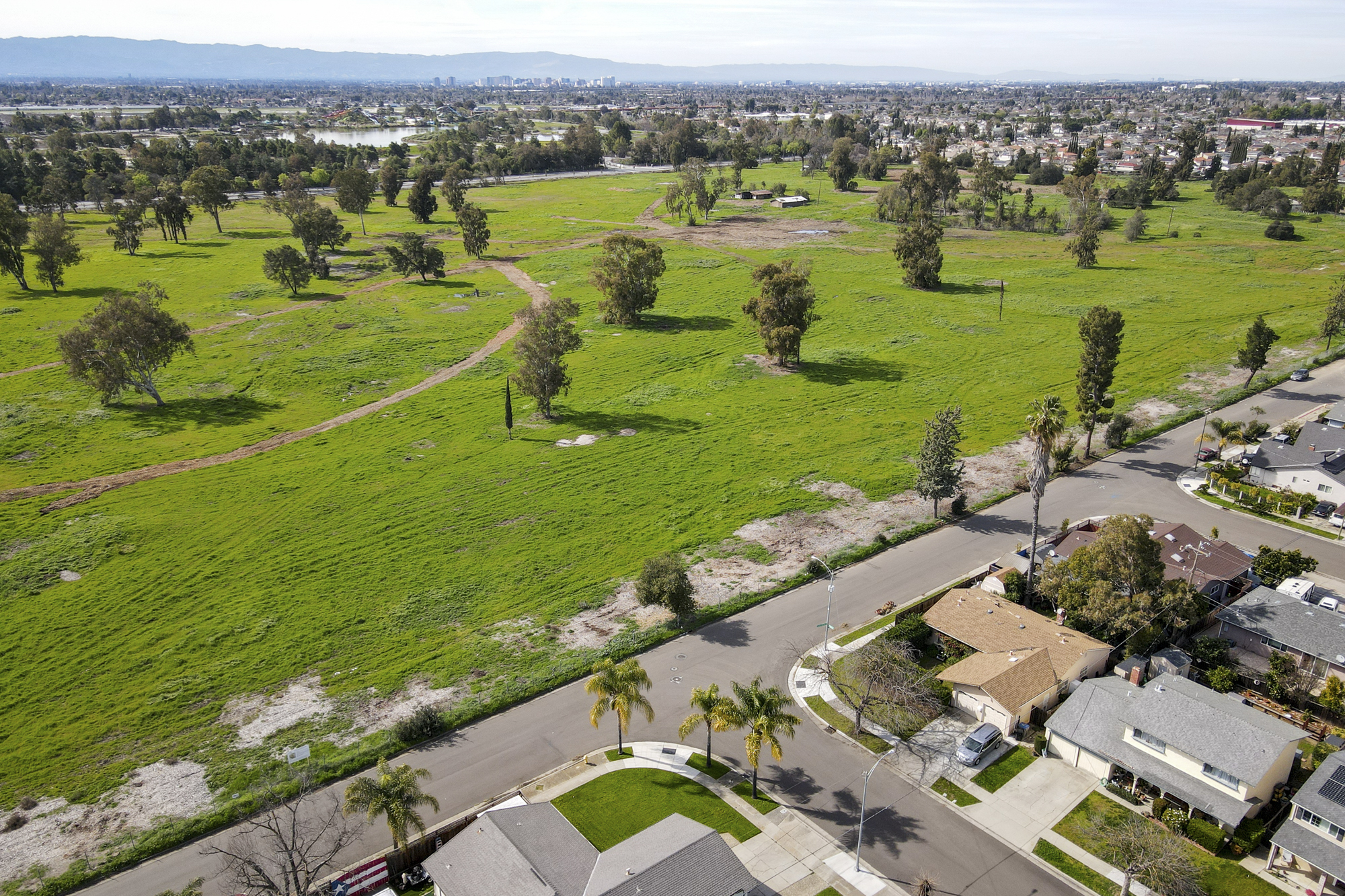
"caption": "An open grassy area at the former Pleasant Hills Golf Course in San José on Feb. 23, 2026. The golf course closed in 2004, and the site has since been the focus of redevelopment proposals that include housing and open space.",
"credit": "Beth LaBerge/KQED",
"altTag": null,
"description": null,
"imgSizes": {
"thumbnail": {
"file": "https://cdn.kqed.org/wp-content/uploads/sites/10/2026/02/260223-PLEASANTHILLSDEV-12-BL-KQED-160x107.jpg",
"width": 160,
"height": 107,
"mimeType": "image/jpeg"
},
"1536x1536": {
"file": "https://cdn.kqed.org/wp-content/uploads/sites/10/2026/02/260223-PLEASANTHILLSDEV-12-BL-KQED-1536x1024.jpg",
"width": 1536,
"height": 1024,
"mimeType": "image/jpeg"
},
"post-thumbnail": {
"file": "https://cdn.kqed.org/wp-content/uploads/sites/10/2026/02/260223-PLEASANTHILLSDEV-12-BL-KQED-672x372.jpg",
"width": 672,
"height": 372,
"mimeType": "image/jpeg"
},
"twentyfourteen-full-width": {
"file": "https://cdn.kqed.org/wp-content/uploads/sites/10/2026/02/260223-PLEASANTHILLSDEV-12-BL-KQED-1038x576.jpg",
"width": 1038,
"height": 576,
"mimeType": "image/jpeg"
},
"npr-cds-wide": {
"file": "https://cdn.kqed.org/wp-content/uploads/sites/10/2026/02/260223-PLEASANTHILLSDEV-12-BL-KQED-1200x675.jpg",
"width": 1200,
"height": 675,
"mimeType": "image/jpeg"
},
"kqedFullSize": {
"file": "https://cdn.kqed.org/wp-content/uploads/sites/10/2026/02/260223-PLEASANTHILLSDEV-12-BL-KQED.jpg",
"width": 2000,
"height": 1333
}
},
"isLoading": false,
"fetchFailed": false
},
"news_12074234": {
"type": "attachments",
"id": "news_12074234",
"meta": {
"index": "attachments_1716263798",
"site": "news",
"id": "12074234",
"found": true
},
"title": "021926_TREEFROG _GH_020-KQED",
"publishDate": 1771867990,
"status": "inherit",
"parent": 0,
"modified": 1771868015,
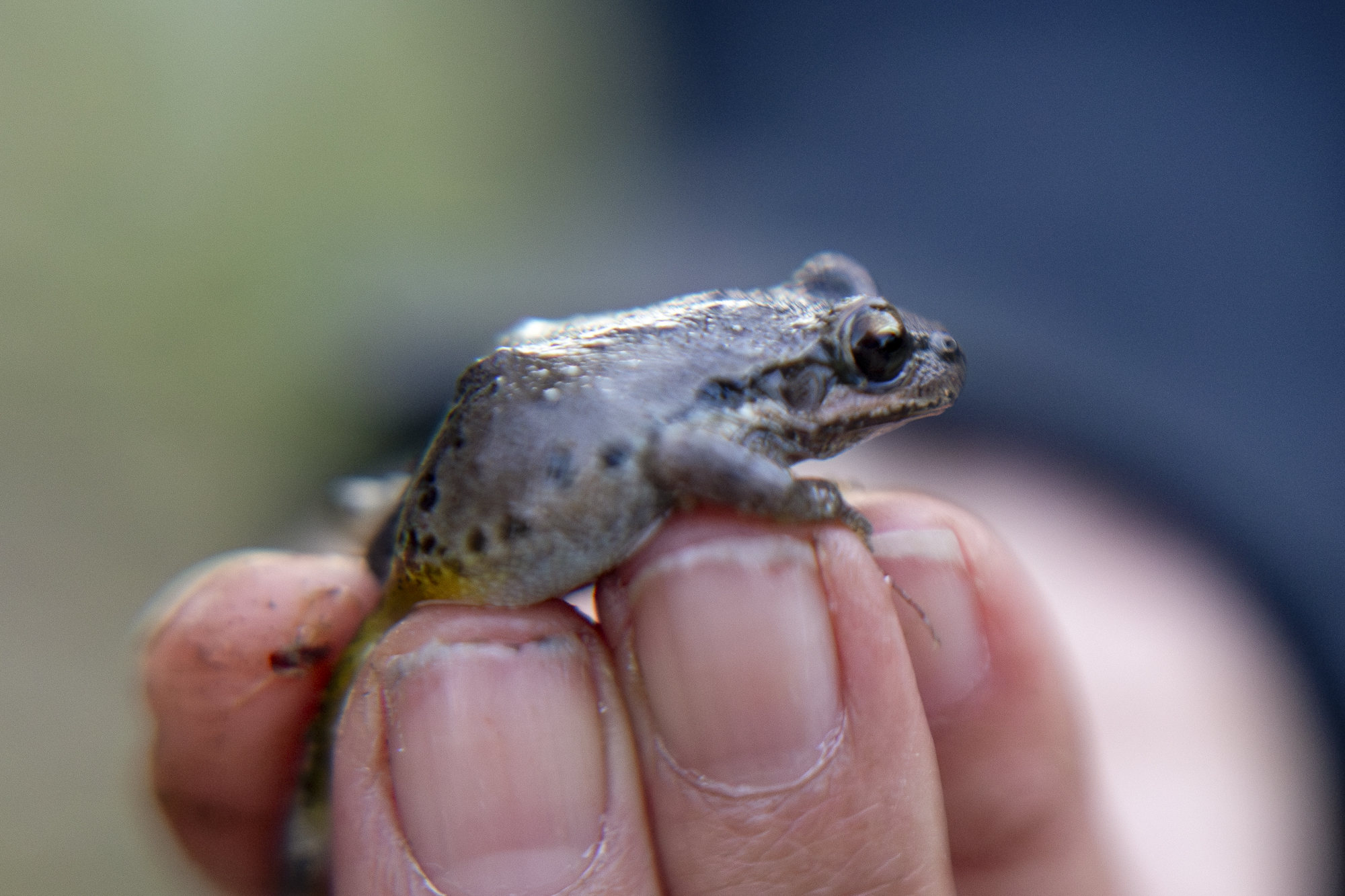
"caption": "A Pacific tree frog rests in the hand of Leticia Gallardo, a biology professor at West Valley College, on Feb. 19, 2026, at West Valley College in Saratoga.",
"credit": "Gustavo Hernandez/KQED",
"altTag": null,
"description": null,
"imgSizes": {
"thumbnail": {
"file": "https://cdn.kqed.org/wp-content/uploads/sites/10/2026/02/021926_TREEFROG-_GH_020-KQED-160x107.jpg",
"width": 160,
"height": 107,
"mimeType": "image/jpeg"
},
"1536x1536": {
"file": "https://cdn.kqed.org/wp-content/uploads/sites/10/2026/02/021926_TREEFROG-_GH_020-KQED-1536x1024.jpg",
"width": 1536,
"height": 1024,
"mimeType": "image/jpeg"
},
"post-thumbnail": {
"file": "https://cdn.kqed.org/wp-content/uploads/sites/10/2026/02/021926_TREEFROG-_GH_020-KQED-672x372.jpg",
"width": 672,
"height": 372,
"mimeType": "image/jpeg"
},
"twentyfourteen-full-width": {
"file": "https://cdn.kqed.org/wp-content/uploads/sites/10/2026/02/021926_TREEFROG-_GH_020-KQED-1038x576.jpg",
"width": 1038,
"height": 576,
"mimeType": "image/jpeg"
},
"npr-cds-wide": {
"file": "https://cdn.kqed.org/wp-content/uploads/sites/10/2026/02/021926_TREEFROG-_GH_020-KQED-1200x675.jpg",
"width": 1200,
"height": 675,
"mimeType": "image/jpeg"
},
"kqedFullSize": {
"file": "https://cdn.kqed.org/wp-content/uploads/sites/10/2026/02/021926_TREEFROG-_GH_020-KQED.jpg",
"width": 2000,
"height": 1333
}
},
"isLoading": false,
"fetchFailed": false
},
"news_12005552": {
"type": "attachments",
"id": "news_12005552",
"meta": {
"index": "attachments_1716263798",
"site": "news",
"id": "12005552",
"found": true
},
"title": "San Francisco Deploys License-Plate Reading Cameras To Catch Offenders",
"publishDate": 1726786577,
"status": "inherit",
"parent": 12005347,
"modified": 1726853688,
"caption": "An automated license plate reader is seen mounted on a pole on June 13, 2024, in San Francisco, California. Just across the Bay Bridge, Oakland is installing new automated license plate readers from the state.",
"credit": "Justin Sullivan/Getty Images",
"altTag": null,
"description": null,
"imgSizes": {
"medium": {
"file": "https://cdn.kqed.org/wp-content/uploads/sites/10/2024/09/SFLicensePlateReader-800x529.jpg",
"width": 800,
"height": 529,
"mimeType": "image/jpeg"
},
"large": {
"file": "https://cdn.kqed.org/wp-content/uploads/sites/10/2024/09/SFLicensePlateReader-1020x675.jpg",
"width": 1020,
"height": 675,
"mimeType": "image/jpeg"
},
"thumbnail": {
"file": "https://cdn.kqed.org/wp-content/uploads/sites/10/2024/09/SFLicensePlateReader-160x106.jpg",
"width": 160,
"height": 106,
"mimeType": "image/jpeg"
},
"1536x1536": {
"file": "https://cdn.kqed.org/wp-content/uploads/sites/10/2024/09/SFLicensePlateReader-1536x1016.jpg",
"width": 1536,
"height": 1016,
"mimeType": "image/jpeg"
},
"post-thumbnail": {
"file": "https://cdn.kqed.org/wp-content/uploads/sites/10/2024/09/SFLicensePlateReader-672x372.jpg",
"width": 672,
"height": 372,
"mimeType": "image/jpeg"
},
"twentyfourteen-full-width": {
"file": "https://cdn.kqed.org/wp-content/uploads/sites/10/2024/09/SFLicensePlateReader-1038x576.jpg",
"width": 1038,
"height": 576,
"mimeType": "image/jpeg"
},
"full-width": {
"file": "https://cdn.kqed.org/wp-content/uploads/sites/10/2024/09/SFLicensePlateReader-1920x1270.jpg",
"width": 1920,
"height": 1270,
"mimeType": "image/jpeg"
},
"kqedFullSize": {
"file": "https://cdn.kqed.org/wp-content/uploads/sites/10/2024/09/SFLicensePlateReader.jpg",
"width": 2000,
"height": 1323
}
},
"isLoading": false,
"fetchFailed": false
},
"news_12073892": {
"type": "attachments",
"id": "news_12073892",
"meta": {
"index": "attachments_1716263798",
"site": "news",
"id": "12073892",
"found": true
},
"title": "260208-superbowlsunday00908_TV_qed",
"publishDate": 1771533619,
"status": "inherit",
"parent": 12073875,
"modified": 1771550800,
"caption": "Spectators fill the seats at Levi’s Stadium for Super Bowl LX in Santa Clara on Feb. 8, 2026.",
"credit": "Tâm Vũ/KQED",
"altTag": null,
"description": null,
"imgSizes": {
"thumbnail": {
"file": "https://cdn.kqed.org/wp-content/uploads/sites/10/2026/02/260208-superbowlsunday00908_TV_qed-160x107.jpg",
"width": 160,
"height": 107,
"mimeType": "image/jpeg"
},
"1536x1536": {
"file": "https://cdn.kqed.org/wp-content/uploads/sites/10/2026/02/260208-superbowlsunday00908_TV_qed-1536x1024.jpg",
"width": 1536,
"height": 1024,
"mimeType": "image/jpeg"
},
"post-thumbnail": {
"file": "https://cdn.kqed.org/wp-content/uploads/sites/10/2026/02/260208-superbowlsunday00908_TV_qed-672x372.jpg",
"width": 672,
"height": 372,
"mimeType": "image/jpeg"
},
"twentyfourteen-full-width": {
"file": "https://cdn.kqed.org/wp-content/uploads/sites/10/2026/02/260208-superbowlsunday00908_TV_qed-1038x576.jpg",
"width": 1038,
"height": 576,
"mimeType": "image/jpeg"
},
"npr-cds-wide": {
"file": "https://cdn.kqed.org/wp-content/uploads/sites/10/2026/02/260208-superbowlsunday00908_TV_qed-1200x675.jpg",
"width": 1200,
"height": 675,
"mimeType": "image/jpeg"
},
"kqedFullSize": {
"file": "https://cdn.kqed.org/wp-content/uploads/sites/10/2026/02/260208-superbowlsunday00908_TV_qed.jpg",
"width": 1999,
"height": 1333
}
},
"isLoading": false,
"fetchFailed": false
},
"news_12034592": {
"type": "attachments",
"id": "news_12034592",
"meta": {
"index": "attachments_1716263798",
"site": "news",
"id": "12034592",
"found": true
},
"title": "AnthonyBecker",
"publishDate": 1743800504,
"status": "inherit",
"parent": 12034219,
"modified": 1780458545,
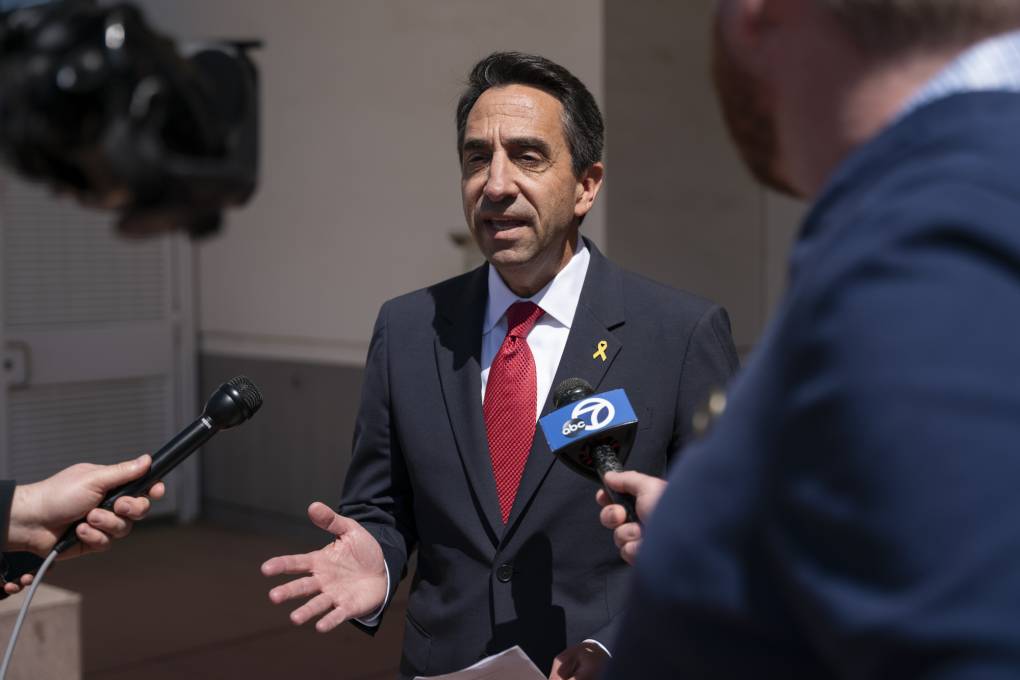
"caption": "Santa Clara County District Attorney Jeffrey F. Rosen makes a statement following Santa Clara City Councilmember Anthony Becker’s sentencing hearing at the South County Morgan Hill Courthouse on April 4, 2025.",
"credit": "Florence Middleton for KQED",
"altTag": null,
"description": null,
"imgSizes": {
"medium": {
"file": "https://cdn.kqed.org/wp-content/uploads/sites/10/2025/04/2025.04.04_MIDDLETON_ANTHONYBECKER_009-KQED-800x534.jpg",
"width": 800,
"height": 534,
"mimeType": "image/jpeg"
},
"large": {
"file": "https://cdn.kqed.org/wp-content/uploads/sites/10/2025/04/2025.04.04_MIDDLETON_ANTHONYBECKER_009-KQED-1020x680.jpg",
"width": 1020,
"height": 680,
"mimeType": "image/jpeg"
},
"thumbnail": {
"file": "https://cdn.kqed.org/wp-content/uploads/sites/10/2025/04/2025.04.04_MIDDLETON_ANTHONYBECKER_009-KQED-160x107.jpg",
"width": 160,
"height": 107,
"mimeType": "image/jpeg"
},
"1536x1536": {
"file": "https://cdn.kqed.org/wp-content/uploads/sites/10/2025/04/2025.04.04_MIDDLETON_ANTHONYBECKER_009-KQED-1536x1025.jpg",
"width": 1536,
"height": 1025,
"mimeType": "image/jpeg"
},
"post-thumbnail": {
"file": "https://cdn.kqed.org/wp-content/uploads/sites/10/2025/04/2025.04.04_MIDDLETON_ANTHONYBECKER_009-KQED-672x372.jpg",
"width": 672,
"height": 372,
"mimeType": "image/jpeg"
},
"twentyfourteen-full-width": {
"file": "https://cdn.kqed.org/wp-content/uploads/sites/10/2025/04/2025.04.04_MIDDLETON_ANTHONYBECKER_009-KQED-1038x576.jpg",
"width": 1038,
"height": 576,
"mimeType": "image/jpeg"
},
"full-width": {
"file": "https://cdn.kqed.org/wp-content/uploads/sites/10/2025/04/2025.04.04_MIDDLETON_ANTHONYBECKER_009-KQED-1920x1281.jpg",
"width": 1920,
"height": 1281,
"mimeType": "image/jpeg"
},
"kqedFullSize": {
"file": "https://cdn.kqed.org/wp-content/uploads/sites/10/2025/04/2025.04.04_MIDDLETON_ANTHONYBECKER_009-KQED.jpg",
"width": 2000,
"height": 1334
}
},
"isLoading": false,
"fetchFailed": false
},
"news_12072538": {
"type": "attachments",
"id": "news_12072538",
"meta": {
"index": "attachments_1716263798",
"site": "news",
"id": "12072538",
"found": true
},
"title": "020526SJ TINY HOMES_GH_025-KQED",
"publishDate": 1770338954,
"status": "inherit",
"parent": 12076238,
"modified": 1773339737,
"caption": "Construction workers continue building units at the Cerone Interim Housing Community on Feb. 5, 2026, in San José. The interim housing site is expected to house up to 200 people.",
"credit": "Gustavo Hernandez/KQED",
"altTag": null,
"description": null,
"imgSizes": {
"thumbnail": {
"file": "https://cdn.kqed.org/wp-content/uploads/sites/10/2026/02/020526SJ-TINY-HOMES_GH_025-KQED-160x107.jpg",
"width": 160,
"height": 107,
"mimeType": "image/jpeg"
},
"1536x1536": {
"file": "https://cdn.kqed.org/wp-content/uploads/sites/10/2026/02/020526SJ-TINY-HOMES_GH_025-KQED-1536x1024.jpg",
"width": 1536,
"height": 1024,
"mimeType": "image/jpeg"
},
"post-thumbnail": {
"file": "https://cdn.kqed.org/wp-content/uploads/sites/10/2026/02/020526SJ-TINY-HOMES_GH_025-KQED-672x372.jpg",
"width": 672,
"height": 372,
"mimeType": "image/jpeg"
},
"twentyfourteen-full-width": {
"file": "https://cdn.kqed.org/wp-content/uploads/sites/10/2026/02/020526SJ-TINY-HOMES_GH_025-KQED-1038x576.jpg",
"width": 1038,
"height": 576,
"mimeType": "image/jpeg"
},
"npr-cds-wide": {
"file": "https://cdn.kqed.org/wp-content/uploads/sites/10/2026/02/020526SJ-TINY-HOMES_GH_025-KQED-1200x675.jpg",
"width": 1200,
"height": 675,
"mimeType": "image/jpeg"
},
"kqedFullSize": {
"file": "https://cdn.kqed.org/wp-content/uploads/sites/10/2026/02/020526SJ-TINY-HOMES_GH_025-KQED.jpg",
"width": 2000,
"height": 1333
}
},
"isLoading": false,
"fetchFailed": false
},
"news_12073091": {
"type": "attachments",
"id": "news_12073091",
"meta": {
"index": "attachments_1716263798",
"site": "news",
"id": "12073091",
"found": true
},
"title": "260210-BAD BUGS-01-KQED",
"publishDate": 1770766267,
"status": "inherit",
"parent": 0,
"modified": 1770766870,
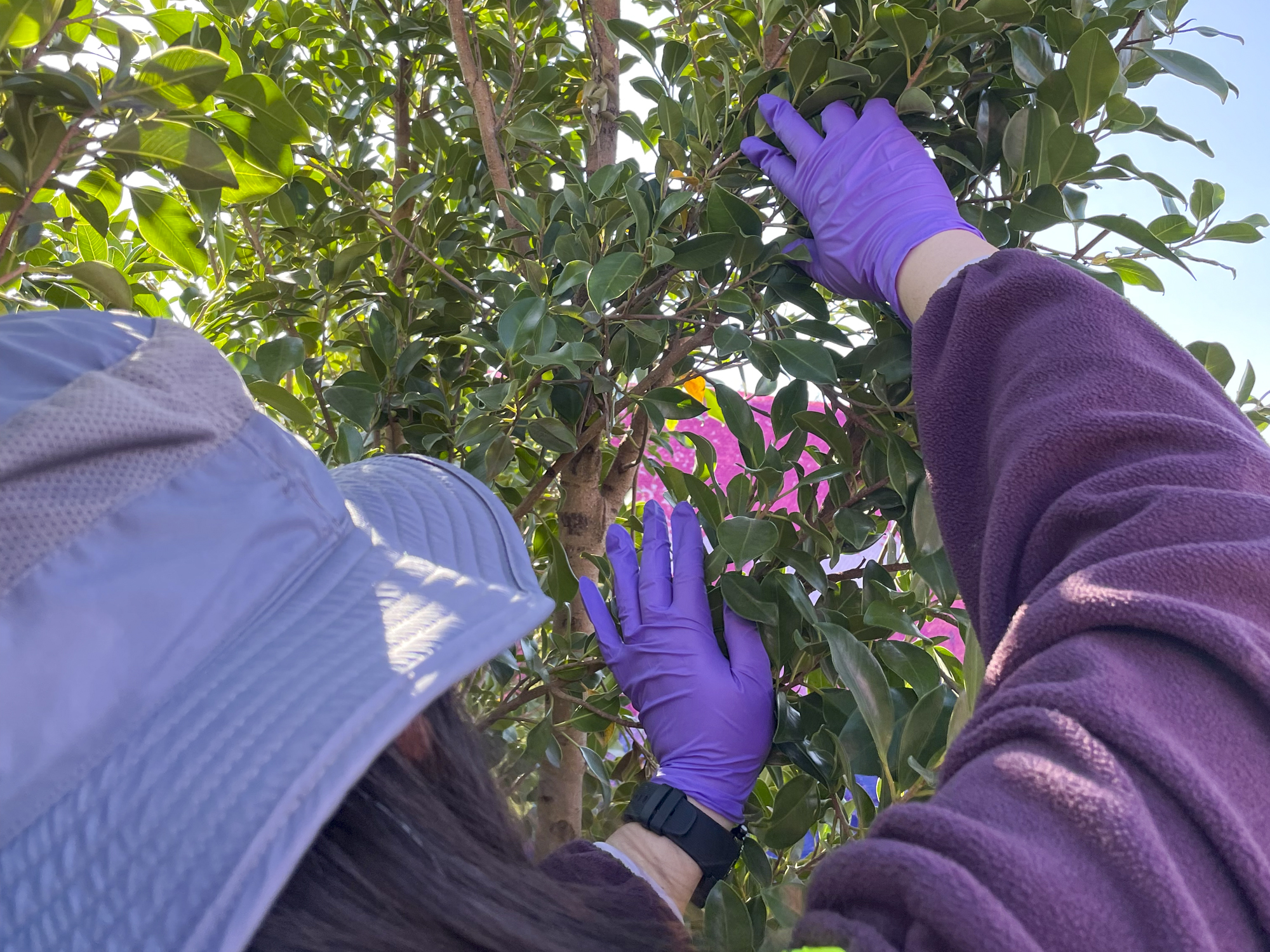
"caption": "Amy Chang, an agricultural inspector for the County of Santa Clara, looks for invasive pests on plant decor used at Levi’s Stadium during Super Bowl LX.",
"credit": "Courtesy of Carolyn Lê/SCC CEPA",
"altTag": null,
"description": null,
"imgSizes": {
"thumbnail": {
"file": "https://cdn.kqed.org/wp-content/uploads/sites/10/2026/02/260210-BAD-BUGS-01-KQED-160x120.jpg",
"width": 160,
"height": 120,
"mimeType": "image/jpeg"
},
"1536x1536": {
"file": "https://cdn.kqed.org/wp-content/uploads/sites/10/2026/02/260210-BAD-BUGS-01-KQED-1536x1152.jpg",
"width": 1536,
"height": 1152,
"mimeType": "image/jpeg"
},
"post-thumbnail": {
"file": "https://cdn.kqed.org/wp-content/uploads/sites/10/2026/02/260210-BAD-BUGS-01-KQED-672x372.jpg",
"width": 672,
"height": 372,
"mimeType": "image/jpeg"
},
"twentyfourteen-full-width": {
"file": "https://cdn.kqed.org/wp-content/uploads/sites/10/2026/02/260210-BAD-BUGS-01-KQED-1038x576.jpg",
"width": 1038,
"height": 576,
"mimeType": "image/jpeg"
},
"npr-cds-wide": {
"file": "https://cdn.kqed.org/wp-content/uploads/sites/10/2026/02/260210-BAD-BUGS-01-KQED-1200x675.jpg",
"width": 1200,
"height": 675,
"mimeType": "image/jpeg"
},
"kqedFullSize": {
"file": "https://cdn.kqed.org/wp-content/uploads/sites/10/2026/02/260210-BAD-BUGS-01-KQED.jpg",
"width": 2000,
"height": 1500
}
},
"isLoading": false,
"fetchFailed": false
},
"news_12053221": {
"type": "attachments",
"id": "news_12053221",
"meta": {
"index": "attachments_1716263798",
"site": "news",
"id": "12053221",
"found": true
},
"title": "SanJoseCourthouse",
"publishDate": 1755811154,
"status": "inherit",
"parent": 12053206,
"modified": 1755811178,
"caption": "Richard Tillman pleaded not guilty to a federal arson charge Thursday at the Robert F. Peckham federal courthouse in San José.",
"credit": "Joseph Geha/KQED",
"altTag": null,
"description": null,
"imgSizes": {
"thumbnail": {
"file": "https://cdn.kqed.org/wp-content/uploads/sites/10/2025/08/SanJoseCourthouse-160x120.jpg",
"width": 160,
"height": 120,
"mimeType": "image/jpeg"
},
"1536x1536": {
"file": "https://cdn.kqed.org/wp-content/uploads/sites/10/2025/08/SanJoseCourthouse-1536x1156.jpg",
"width": 1536,
"height": 1156,
"mimeType": "image/jpeg"
},
"post-thumbnail": {
"file": "https://cdn.kqed.org/wp-content/uploads/sites/10/2025/08/SanJoseCourthouse-672x372.jpg",
"width": 672,
"height": 372,
"mimeType": "image/jpeg"
},
"twentyfourteen-full-width": {
"file": "https://cdn.kqed.org/wp-content/uploads/sites/10/2025/08/SanJoseCourthouse-1038x576.jpg",
"width": 1038,
"height": 576,
"mimeType": "image/jpeg"
},
"kqedFullSize": {
"file": "https://cdn.kqed.org/wp-content/uploads/sites/10/2025/08/SanJoseCourthouse.jpg",
"width": 2000,
"height": 1505
}
},
"isLoading": false,
"fetchFailed": false
},
"news_11989256": {
"type": "attachments",
"id": "news_11989256",
"meta": {
"index": "attachments_1716263798",
"site": "news",
"id": "11989256",
"found": true
},
"title": "240424-SJPD-MD-01-KQED",
"publishDate": 1717696223,
"status": "inherit",
"parent": 12064587,
"modified": 1763511370,
"caption": "A San José Police Department squad car in San José on April 18, 2024.",
"credit": "Martin do Nascimento/KQED",
"altTag": null,
"description": null,
"imgSizes": {
"medium": {
"file": "https://cdn.kqed.org/wp-content/uploads/sites/10/2024/06/240424-SJPD-MD-01-KQED-800x533.jpg",
"width": 800,
"height": 533,
"mimeType": "image/jpeg"
},
"large": {
"file": "https://cdn.kqed.org/wp-content/uploads/sites/10/2024/06/240424-SJPD-MD-01-KQED-1020x680.jpg",
"width": 1020,
"height": 680,
"mimeType": "image/jpeg"
},
"thumbnail": {
"file": "https://cdn.kqed.org/wp-content/uploads/sites/10/2024/06/240424-SJPD-MD-01-KQED-160x107.jpg",
"width": 160,
"height": 107,
"mimeType": "image/jpeg"
},
"1536x1536": {
"file": "https://cdn.kqed.org/wp-content/uploads/sites/10/2024/06/240424-SJPD-MD-01-KQED-1536x1024.jpg",
"width": 1536,
"height": 1024,
"mimeType": "image/jpeg"
},
"post-thumbnail": {
"file": "https://cdn.kqed.org/wp-content/uploads/sites/10/2024/06/240424-SJPD-MD-01-KQED-672x372.jpg",
"width": 672,
"height": 372,
"mimeType": "image/jpeg"
},
"twentyfourteen-full-width": {
"file": "https://cdn.kqed.org/wp-content/uploads/sites/10/2024/06/240424-SJPD-MD-01-KQED-1038x576.jpg",
"width": 1038,
"height": 576,
"mimeType": "image/jpeg"
},
"full-width": {
"file": "https://cdn.kqed.org/wp-content/uploads/sites/10/2024/06/240424-SJPD-MD-01-KQED-1920x1280.jpg",
"width": 1920,
"height": 1280,
"mimeType": "image/jpeg"
},
"kqedFullSize": {
"file": "https://cdn.kqed.org/wp-content/uploads/sites/10/2024/06/240424-SJPD-MD-01-KQED.jpg",
"width": 2000,
"height": 1333
}
},
"isLoading": false,
"fetchFailed": false
},
"news_12072819": {
"type": "attachments",
"id": "news_12072819",
"meta": {
"index": "attachments_1716263798",
"site": "news",
"id": "12072819",
"found": true
},
"title": "260208-SuperBowlSF-14-BL_qed",
"publishDate": 1770609921,
"status": "inherit",
"parent": 0,
"modified": 1770609934,
"caption": "Seattle Seahawks fans cheer at Danny Coyle’s in San Francisco on Feb. 8, 2026, after the team wins Super Bowl LX.",
"credit": "Beth LaBerge/KQED",
"altTag": null,
"description": null,
"imgSizes": {
"thumbnail": {
"file": "https://cdn.kqed.org/wp-content/uploads/sites/10/2026/02/260208-SuperBowlSF-14-BL_qed-160x107.jpg",
"width": 160,
"height": 107,
"mimeType": "image/jpeg"
},
"1536x1536": {
"file": "https://cdn.kqed.org/wp-content/uploads/sites/10/2026/02/260208-SuperBowlSF-14-BL_qed-1536x1024.jpg",
"width": 1536,
"height": 1024,
"mimeType": "image/jpeg"
},
"post-thumbnail": {
"file": "https://cdn.kqed.org/wp-content/uploads/sites/10/2026/02/260208-SuperBowlSF-14-BL_qed-672x372.jpg",
"width": 672,
"height": 372,
"mimeType": "image/jpeg"
},
"twentyfourteen-full-width": {
"file": "https://cdn.kqed.org/wp-content/uploads/sites/10/2026/02/260208-SuperBowlSF-14-BL_qed-1038x576.jpg",
"width": 1038,
"height": 576,
"mimeType": "image/jpeg"
},
"npr-cds-wide": {
"file": "https://cdn.kqed.org/wp-content/uploads/sites/10/2026/02/260208-SuperBowlSF-14-BL_qed-1200x675.jpg",
"width": 1200,
"height": 675,
"mimeType": "image/jpeg"
},
"kqedFullSize": {
"file": "https://cdn.kqed.org/wp-content/uploads/sites/10/2026/02/260208-SuperBowlSF-14-BL_qed.jpg",
"width": 1999,
"height": 1333
}
},
"isLoading": false,
"fetchFailed": false
}
},
"audioPlayerReducer": {
"postId": "stream_live",
"isPaused": true,
"isPlaying": false,
"pfsActive": false,
"pledgeModalIsOpen": true,
"playerDrawerIsOpen": false,
"liveAudioPlayStartedAt": 0,
"liveAudioPlayContext": ""
},
"authorsReducer": {
"gmarzorati": {
"type": "authors",
"id": "227",
"meta": {
"index": "authors_1716337520",
"id": "227",
"found": true
},
"name": "Guy Marzorati",
"firstName": "Guy",
"lastName": "Marzorati",
"slug": "gmarzorati",
"email": "gmarzorati@KQED.org",
"display_author_email": true,
"staff_mastheads": [
"news"
],
"title": "Correspondent",
"bio": "Guy Marzorati is a correspondent on KQED's California Politics and Government Desk, based in San Jose. A graduate of Santa Clara University, Guy joined KQED in 2013. He reports on state and local politics and produces KQED's digital voter guide.",
"avatar": "https://secure.gravatar.com/avatar/e7038b8dbfd55b104369b76b1cd0b9de?s=600&d=blank&r=g",
"twitter": "guymarzorati",
"facebook": null,
"instagram": null,
"linkedin": null,
"sites": [
{
"site": "",
"roles": [
"editor"
]
},
{
"site": "news",
"roles": [
"editor"
]
},
{
"site": "science",
"roles": [
"editor"
]
},
{
"site": "forum",
"roles": [
"editor"
]
},
{
"site": "elections",
"roles": [
"editor"
]
},
{
"site": "liveblog",
"roles": [
"editor"
]
}
],
"headData": {
"title": "Guy Marzorati | KQED",
"description": "Correspondent",
"ogImgSrc": "https://secure.gravatar.com/avatar/e7038b8dbfd55b104369b76b1cd0b9de?s=600&d=blank&r=g",
"twImgSrc": "https://secure.gravatar.com/avatar/e7038b8dbfd55b104369b76b1cd0b9de?s=600&d=blank&r=g"
},
"isLoading": false,
"link": "/author/gmarzorati"
},
"tychehendricks": {
"type": "authors",
"id": "259",
"meta": {
"index": "authors_1716337520",
"id": "259",
"found": true
},
"name": "Tyche Hendricks",
"firstName": "Tyche",
"lastName": "Hendricks",
"slug": "tychehendricks",
"email": "thendricks@kqed.org",
"display_author_email": true,
"staff_mastheads": [
"news"
],
"title": "KQED Senior Editor, Immigration",
"bio": "\u003cspan style=\"font-weight: 400;\">Tyche Hendricks is KQED’s senior editor for immigration, leading coverage of the policy and politics that affect California’s immigrant communities. Her work for KQED’s radio and online audiences is also carried on NPR and other national outlets. She has been recognized with awards from the Radio and Television News Directors Association, the Society for Professional Journalists; the Education Writers Association; the Best of the West and the National Federation of Community Broadcasters. Before joining KQED in 2010, Tyche spent more than a dozen years as a newspaper reporter, notably at the \u003c/span>\u003ci>\u003cspan style=\"font-weight: 400;\">San Francisco Chronicle\u003c/span>\u003c/i>\u003cspan style=\"font-weight: 400;\">. At different times she has covered criminal justice, government and politics and urban planning. Tyche has taught in the MFA Creative Writing program at the University of San Francisco and at UC Berkeley’s Graduate School of Journalism, where she was co-director of a national immigration symposium for professional journalists. She is the author of \u003c/span>\u003ci>\u003cspan style=\"font-weight: 400;\">The Wind Doesn't Need a Passport: Stories from the U.S.-Mexico Borderlands\u003c/span>\u003c/i>\u003cspan style=\"font-weight: 400;\"> (University of California Press). \u003c/span>",
"avatar": "https://secure.gravatar.com/avatar/b8ee458e2731c2d43df86882ce17267e?s=600&d=blank&r=g",
"twitter": "tychehendricks",
"facebook": null,
"instagram": null,
"linkedin": null,
"sites": [
{
"site": "news",
"roles": [
"editor"
]
},
{
"site": "stateofhealth",
"roles": [
"editor"
]
}
],
"headData": {
"title": "Tyche Hendricks | KQED",
"description": "KQED Senior Editor, Immigration",
"ogImgSrc": "https://secure.gravatar.com/avatar/b8ee458e2731c2d43df86882ce17267e?s=600&d=blank&r=g",
"twImgSrc": "https://secure.gravatar.com/avatar/b8ee458e2731c2d43df86882ce17267e?s=600&d=blank&r=g"
},
"isLoading": false,
"link": "/author/tychehendricks"
},
"dcronin": {
"type": "authors",
"id": "11362",
"meta": {
"index": "authors_1716337520",
"id": "11362",
"found": true
},
"name": "Dana Cronin",
"firstName": "Dana",
"lastName": "Cronin",
"slug": "dcronin",
"email": "dcronin@KQED.org",
"display_author_email": true,
"staff_mastheads": [],
"title": "KQED Contributor",
"bio": "Dana Cronin is a reporter for KQED News. She loves writing stories about climate change, environmental issues, food and agriculture. She's reported across the country, from Colorado to Washington D.C. to Illinois, and has won numerous awards for her coverage. Her work is regularly featured on national broadcasts, including NPR’s Morning Edition, All Things Considered, PBS Newshour and Science Friday. She lives in Oakland and has an avocado tree in her back yard.",
"avatar": "https://secure.gravatar.com/avatar/bcf89e3455ff7235f96ab6fa7258dd95?s=600&d=blank&r=g",
"twitter": "DanaHCronin",
"facebook": null,
"instagram": null,
"linkedin": null,
"sites": [
{
"site": "arts",
"roles": [
"author"
]
},
{
"site": "news",
"roles": [
"editor"
]
},
{
"site": "science",
"roles": [
"author"
]
},
{
"site": "liveblog",
"roles": [
"author"
]
}
],
"headData": {
"title": "Dana Cronin | KQED",
"description": "KQED Contributor",
"ogImgSrc": "https://secure.gravatar.com/avatar/bcf89e3455ff7235f96ab6fa7258dd95?s=600&d=blank&r=g",
"twImgSrc": "https://secure.gravatar.com/avatar/bcf89e3455ff7235f96ab6fa7258dd95?s=600&d=blank&r=g"
},
"isLoading": false,
"link": "/author/dcronin"
},
"sjohnson": {
"type": "authors",
"id": "11840",
"meta": {
"index": "authors_1716337520",
"id": "11840",
"found": true
},
"name": "Sydney Johnson",
"firstName": "Sydney",
"lastName": "Johnson",
"slug": "sjohnson",
"email": "sjohnson@kqed.org",
"display_author_email": false,
"staff_mastheads": [
"news"
],
"title": "KQED Reporter",
"bio": "Sydney Johnson is a general assignment reporter at KQED. She previously reported on public health and city government at the San Francisco Examiner, and before that, she covered statewide education policy for EdSource. Her reporting has won multiple local, state and national awards. Sydney is a graduate of the University of California, Berkeley and lives in San Francisco.",
"avatar": "https://secure.gravatar.com/avatar/97855f2719b72ad6190b7c535fe642c8?s=600&d=blank&r=g",
"twitter": "sydneyfjohnson",
"facebook": null,
"instagram": null,
"linkedin": null,
"sites": [
{
"site": "news",
"roles": [
"editor"
]
}
],
"headData": {
"title": "Sydney Johnson | KQED",
"description": "KQED Reporter",
"ogImgSrc": "https://secure.gravatar.com/avatar/97855f2719b72ad6190b7c535fe642c8?s=600&d=blank&r=g",
"twImgSrc": "https://secure.gravatar.com/avatar/97855f2719b72ad6190b7c535fe642c8?s=600&d=blank&r=g"
},
"isLoading": false,
"link": "/author/sjohnson"
},
"nkhan": {
"type": "authors",
"id": "11867",
"meta": {
"index": "authors_1716337520",
"id": "11867",
"found": true
},
"name": "Nisa Khan",
"firstName": "Nisa",
"lastName": "Khan",
"slug": "nkhan",
"email": "nkhan@kqed.org",
"display_author_email": false,
"staff_mastheads": [],
"title": "KQED Contributor",
"bio": "Nisa Khan is a reporter for KQED's Audience News Desk. She was formerly a data reporter at Michigan Radio. She earned a Bachelor of Science in Information from the University of Michigan and a Master of Arts in Communication from Stanford University.",
"avatar": "https://secure.gravatar.com/avatar/8720459eef081ff64582b3506b124d58523e80e120704a0cbd9892533c914991?s=600&d=blank&r=g",
"twitter": "mnisakhan",
"bluesky": null,
"facebook": null,
"instagram": null,
"linkedin": null,
"sites": [
{
"site": "arts",
"roles": [
"editor"
]
},
{
"site": "news",
"roles": [
"editor"
]
},
{
"site": "science",
"roles": [
"editor",
"author"
]
},
{
"site": "forum",
"roles": [
"editor"
]
},
{
"site": "liveblog",
"roles": [
"contributor"
]
}
],
"headData": {
"title": "Nisa Khan | KQED",
"description": "KQED Contributor",
"ogImgSrc": "https://secure.gravatar.com/avatar/8720459eef081ff64582b3506b124d58523e80e120704a0cbd9892533c914991?s=600&d=blank&r=g",
"twImgSrc": "https://secure.gravatar.com/avatar/8720459eef081ff64582b3506b124d58523e80e120704a0cbd9892533c914991?s=600&d=blank&r=g"
},
"isLoading": false,
"link": "/author/nkhan"
},
"jgeha": {
"type": "authors",
"id": "11906",
"meta": {
"index": "authors_1716337520",
"id": "11906",
"found": true
},
"name": "Joseph Geha",
"firstName": "Joseph",
"lastName": "Geha",
"slug": "jgeha",
"email": "jgeha@kqed.org",
"display_author_email": false,
"staff_mastheads": [
"news",
"science"
],
"title": "KQED Contributor",
"bio": null,
"avatar": "https://secure.gravatar.com/avatar/ea84d2b6dd93d6369d453edf19dd583f117cd1759d2d9c9c92f9de77017354fe?s=600&d=blank&r=g",
"twitter": null,
"bluesky": null,
"facebook": null,
"instagram": null,
"linkedin": null,
"sites": [
{
"site": "news",
"roles": [
"editor"
]
},
{
"site": "liveblog",
"roles": [
"author"
]
}
],
"headData": {
"title": "Joseph Geha | KQED",
"description": "KQED Contributor",
"ogImgSrc": "https://secure.gravatar.com/avatar/ea84d2b6dd93d6369d453edf19dd583f117cd1759d2d9c9c92f9de77017354fe?s=600&d=blank&r=g",
"twImgSrc": "https://secure.gravatar.com/avatar/ea84d2b6dd93d6369d453edf19dd583f117cd1759d2d9c9c92f9de77017354fe?s=600&d=blank&r=g"
},
"isLoading": false,
"link": "/author/jgeha"
},
"kdebenedetti": {
"type": "authors",
"id": "11913",
"meta": {
"index": "authors_1716337520",
"id": "11913",
"found": true
},
"name": "Katie DeBenedetti",
"firstName": "Katie",
"lastName": "DeBenedetti",
"slug": "kdebenedetti",
"email": "kdebenedetti@kqed.org",
"display_author_email": false,
"staff_mastheads": [
"news",
"science"
],
"title": "KQED Contributor",
"bio": "Katie DeBenedetti is a digital reporter covering daily news for the Express Desk. Prior to joining KQED as a culture reporting intern in January 2024, she covered education and city government for the Napa Valley Register.",
"avatar": "https://secure.gravatar.com/avatar/6e31073cb8f7e4214ab03f42771d0f45?s=600&d=blank&r=g",
"twitter": null,
"facebook": null,
"instagram": null,
"linkedin": null,
"sites": [
{
"site": "news",
"roles": [
"author"
]
},
{
"site": "science",
"roles": [
"author"
]
},
{
"site": "liveblog",
"roles": [
"author"
]
}
],
"headData": {
"title": "Katie DeBenedetti | KQED",
"description": "KQED Contributor",
"ogImgSrc": "https://secure.gravatar.com/avatar/6e31073cb8f7e4214ab03f42771d0f45?s=600&d=blank&r=g",
"twImgSrc": "https://secure.gravatar.com/avatar/6e31073cb8f7e4214ab03f42771d0f45?s=600&d=blank&r=g"
},
"isLoading": false,
"link": "/author/kdebenedetti"
},
"aaliahmad": {
"type": "authors",
"id": "11986",
"meta": {
"index": "authors_1716337520",
"id": "11986",
"found": true
},
"name": "Ayah Ali-Ahmad",
"firstName": "Ayah",
"lastName": "Ali-Ahmad",
"slug": "aaliahmad",
"email": "aaliahmad@KQED.org",
"display_author_email": false,
"staff_mastheads": [],
"title": "KQED Contributor",
"bio": null,
"avatar": "https://secure.gravatar.com/avatar/1cf54f187a5e1064b2cfef3f3d2f1e4f93e453395d56912aca6382a6071ec3ed?s=600&d=blank&r=g",
"twitter": "ayahaliahmad",
"bluesky": null,
"facebook": null,
"instagram": null,
"linkedin": null,
"sites": [
{
"site": "news",
"roles": [
"subscriber"
]
}
],
"headData": {
"title": "Ayah Ali-Ahmad | KQED",
"description": "KQED Contributor",
"ogImgSrc": "https://secure.gravatar.com/avatar/1cf54f187a5e1064b2cfef3f3d2f1e4f93e453395d56912aca6382a6071ec3ed?s=600&d=blank&r=g",
"twImgSrc": "https://secure.gravatar.com/avatar/1cf54f187a5e1064b2cfef3f3d2f1e4f93e453395d56912aca6382a6071ec3ed?s=600&d=blank&r=g"
},
"isLoading": false,
"link": "/author/aaliahmad"
}
},
"pagesReducer": {
"news_tag_south-bay": {
"type": "terms",
"id": "news_21285",
"meta": {
"index": "terms_1716263798",
"site": "news",
"id": "21285",
"score": 7.0833073
},
"featImg": null,
"name": "South Bay",
"description": null,
"taxonomy": "tag",
"headData": {
"twImgId": null,
"twTitle": null,
"ogTitle": null,
"ogImgId": null,
"twDescription": null,
"description": null,
"title": "South Bay Archives | KQED News",
"ogDescription": null
},
"ttid": 21302,
"slug": "south-bay",
"isLoading": false,
"title": "South Bay",
"pageMeta": {
"site": "news",
"WpPageTemplate": "page-topic-editorial",
"currentPage": 8
},
"blocks": [
{
"blockName": "kqed/post-list",
"attrs": {
"layout": "cardArticle2",
"query": "posts/news?tag=south-bay",
"seeMore": false,
"paginated": true,
"page": 8
}
},
{
"blockName": "kqed/ad"
}
]
}
},
"pfsSessionReducer": {},
"postsReducer": {
"stream_live": {
"type": "live",
"id": "stream_live",
"audioUrl": "https://streams.kqed.org/kqedradio",
"title": "Live Stream",
"excerpt": "Live Stream information currently unavailable.",
"link": "/radio",
"featImg": "",
"label": {
"name": "KQED Live",
"link": "/"
}
},
"stream_kqedNewscast": {
"type": "posts",
"id": "stream_kqedNewscast",
"audioUrl": "https://www.kqed.org/.stream/anon/radio/RDnews/newscast.mp3?_=1",
"title": "KQED Newscast",
"featImg": "",
"label": {
"name": "88.5 FM",
"link": "/"
}
},
"news_12075152": {
"type": "posts",
"id": "news_12075152",
"meta": {
"index": "posts_1716263798",
"site": "news",
"id": "12075152",
"score": null,
"sort": [
1772640041000
]
},
"guestAuthors": [],
"slug": "a-year-after-ice-detained-south-bay-immigrant-family-trauma-lingers",
"title": "A Year After ICE Detained South Bay Immigrant, Family Trauma Lingers",
"publishDate": 1772640041,
"format": "standard",
"headTitle": "A Year After ICE Detained South Bay Immigrant, Family Trauma Lingers | KQED",
"labelTerm": {
"site": "news"
},
"content": "\u003cp>SUNNYVALE — Sitting on the sofa in her \u003ca href=\"https://www.kqed.org/news/tag/sunnyvale\">Sunnyvale\u003c/a> apartment, Aby Peña blew a kiss into her pink cellphone as she said goodbye to her husband, Ulises Peña López, 2,000 miles away in Uruapan, Mexico. It wasn’t their first call of the day, and it wouldn’t be their last. They’ve talked often since Ulises, 31, was deported in October.\u003c/p>\n\u003cp>It’s been a year since the couple woke up together in this apartment and began what they thought would be a mundane morning of family errands. Ulises, a carpenter, went downstairs to warm up the car, while Aby got their then-3-year-old daughter Emily ready.\u003c/p>\n\u003cp>An hour later, Ulises would be \u003ca href=\"https://www.kqed.org/news/12028303/ice-arrest-left-bay-area-man-hospitalized-struggling-breathe-attorney-says\">in the emergency room\u003c/a> at El Camino Health in Mountain View, barely conscious, with U.S. Immigration and Customs Enforcement officers stationed near his bed. His lawyers would later tell a court that ICE agents had beaten Ulises so severely he suffered a heart attack and a stroke, allegations the agency has denied.\u003c/p>\n\u003cp>Meanwhile, Aby would be on the phone with the local Rapid Response Network, frantically trying to locate her husband while soothing her wailing daughter, who had watched from the window as the agents forced her father from the car at gunpoint, wrestled him into handcuffs and drove away.\u003c/p>\n\u003cp>[ad fullwidth]\u003c/p>\n\u003cp>What happened that February day, in the early weeks of President Donald Trump’s second term, prefigured the \u003ca href=\"https://www.npr.org/2025/10/13/nx-s1-5566785/ice-dhs-immigration-tactics-more-violent\">often-violent immigration arrests\u003c/a> that have unfolded across the country over the past year. And the lasting trauma, upheaval and financial strain for this one Bay Area family is an early example of how Trump’s campaign of mass deportation has upended life for countless American children and families in the months that followed.\u003c/p>\n\u003cp>“Today, the right side of my body is paralyzed. I’ve lost vision and hearing and sensation,” Ulises said by phone from Mexico. “Before that day, I was a normal person working in construction.”\u003c/p>\n\u003cp>Nearly 400,000 people were arrested by ICE last year, \u003ca href=\"https://www.migrationpolicy.org/article/trump-2-immigration-1st-year\">more than four times\u003c/a> the number in 2024. Public attention has focused on the crackdown in cities like Los Angeles and Minneapolis, where federal agents have killed at least two people and observers have documented their use of aggressive tactics. But even in Northern California, where a \u003ca href=\"https://www.kqed.org/news/12061294/federal-immigration-agents-in-the-bay-what-we-know-and-dont-know\">planned Border Patrol\u003c/a> surge was called off at the last minute last fall, immigration arrests have more than doubled. Ulises’ detention was just one of them.\u003c/p>\n\u003cfigure id=\"attachment_12074619\" class=\"wp-caption aligncenter\" style=\"max-width: 2000px\">\u003cimg loading=\"lazy\" decoding=\"async\" class=\"size-full wp-image-12074619\" src=\"https://cdn.kqed.org/wp-content/uploads/sites/10/2026/02/260219-SUNNYVALEDEPORTED-04-BL-KQED.jpg\" alt=\"\" width=\"2000\" height=\"1333\" srcset=\"https://cdn.kqed.org/wp-content/uploads/sites/10/2026/02/260219-SUNNYVALEDEPORTED-04-BL-KQED.jpg 2000w, https://cdn.kqed.org/wp-content/uploads/sites/10/2026/02/260219-SUNNYVALEDEPORTED-04-BL-KQED-160x107.jpg 160w, https://cdn.kqed.org/wp-content/uploads/sites/10/2026/02/260219-SUNNYVALEDEPORTED-04-BL-KQED-1536x1024.jpg 1536w\" sizes=\"auto, (max-width: 2000px) 100vw, 2000px\">\u003cfigcaption class=\"wp-caption-text\">Aby Peña leaves her husband’s belongings as he left them at their home in Sunnyvale on Feb. 19, 2026. Her husband, Ulises Peña Lopez, was deported to Mexico after being taken into ICE custody outside their home in February 2025, leaving his wife and young daughter in the Bay Area. \u003ccite>(Beth LaBerge/KQED)\u003c/cite>\u003c/figcaption>\u003c/figure>\n\u003cp>With the help of pro bono lawyers, Ulises has appealed his deportation and the family has filed personal injury claims against ICE. KQED reviewed legal filings in those cases, as well as government documents, and interviewed Ulises, Aby, their lawyers and outside experts about what the last year has been like for the family and how it illustrates \u003ca href=\"https://www.npr.org/2025/12/25/nx-s1-5645006/how-trumps-mass-deportation-efforts-have-affected-families-this-year#:~:text=Transcript-,The%20centerpiece%20of%20the%20Trump%20administration's%20second%20term%20has%20been,Good%20morning.\">what is now unfolding\u003c/a> for tens of thousands of other families across the country.\u003c/p>\n\u003cp>Under previous administrations, ICE sometimes violated the civil rights of immigrants — and its own policies — said Elena Hodges, an immigration attorney with Pangea Legal Services who’s part of the team representing Ulises. But now the intensity is escalating, she said.\u003c/p>\n\u003cp>“This level of violence is becoming more common and is increasingly embraced as just the routine course of operations,” she said. “High-profile harms to people, where they end up in the hospital, their car window is smashed … that tracks with a new level of political acceptance and encouragement that we’re seeing from the Trump administration.”\u003c/p>\n\u003cp>Over the past year, the administration has \u003ca href=\"https://www.epi.org/policywatch/trump-administration-closes-three-dhs-offices-focused-on-civil-rights-and-oversight/\">dismantled\u003c/a> many of the internal watchdog offices at the Department of Homeland Security, enabling agents to act with impunity, said Doris Meissner, a senior fellow at the non-partisan Migration Policy Institute in Washington, D.C.\u003c/p>\n\u003cp>“So we are seeing them be more aggressive and less likely to be called to account,” Meissner said.\u003c/p>\n\u003ch2>The arrest\u003c/h2>\n\u003cp>It was a little after 7 a.m. on Feb. 21, 2025. Ulises was in the carport starting up his red Ford Explorer when unmarked SUVs suddenly blocked him in and armed men surrounded the car, shouting.\u003c/p>\n\u003cp>“That’s when it all started,” Ulises said. He said officers yelled racist epithets, pushed him to the ground, kicked him, then yanked him up and handcuffed him.\u003c/p>\n\u003cp>He said they did not show a warrant (the administrative warrant ICE eventually produced was dated four days after the arrest).\u003c/p>\n\u003cfigure id=\"attachment_12074621\" class=\"wp-caption aligncenter\" style=\"max-width: 2000px\">\u003cimg loading=\"lazy\" decoding=\"async\" class=\"size-full wp-image-12074621\" src=\"https://cdn.kqed.org/wp-content/uploads/sites/10/2026/02/260219-SUNNYVALEDEPORTED-09-BL-KQED.jpg\" alt=\"\" width=\"2000\" height=\"1333\" srcset=\"https://cdn.kqed.org/wp-content/uploads/sites/10/2026/02/260219-SUNNYVALEDEPORTED-09-BL-KQED.jpg 2000w, https://cdn.kqed.org/wp-content/uploads/sites/10/2026/02/260219-SUNNYVALEDEPORTED-09-BL-KQED-160x107.jpg 160w, https://cdn.kqed.org/wp-content/uploads/sites/10/2026/02/260219-SUNNYVALEDEPORTED-09-BL-KQED-1536x1024.jpg 1536w\" sizes=\"auto, (max-width: 2000px) 100vw, 2000px\">\u003cfigcaption class=\"wp-caption-text\">Aby Peña sits in the kitchen at her home in Sunnyvale on Feb. 19, 2026. \u003ccite>(Beth LaBerge/KQED)\u003c/cite>\u003c/figcaption>\u003c/figure>\n\u003cp>Aby looked on in horror from the terrace outside their second-floor apartment as her daughter watched from the window.\u003c/p>\n\u003cp>“I just remember seeing him shaking really bad,” she said. “I didn’t know, was it a panic attack or what was happening.”\u003c/p>\n\u003cp>Aby said she screamed to the agents that Ulises had a life-threatening medical condition and an important appointment the following day. Doctors had recently diagnosed a tear inside an artery in his neck that put him at risk of a stroke, court filings show. They were treating him with medications and closely monitoring him, Aby said. As the arrest was unfolding, she ran to the bathroom, threw his prescriptions in a plastic bag and handed them to an officer.[aside postID=news_12073728 hero='https://cdn.kqed.org/wp-content/uploads/sites/10/2026/02/260218-George-Retes-01-KQED.jpg']Ulises said officers drove him to a nearby alley and beat him again, his hands still cuffed behind his back.\u003c/p>\n\u003cp>“I thought they were going to kill me,” he said. “Suddenly, I couldn’t feel anything. I couldn’t see anything.”\u003c/p>\n\u003cp>He came to with an officer pressing on his chest, performing CPR. He heard another man call an ambulance. The next thing he knew, he was in the hospital, hooked up to tubes and wires and handcuffed to the bed.\u003c/p>\n\u003cp>ICE’s arrest report tells the story differently. There’s no mention of officers striking Ulises. The report said they handcuffed him without incident, but once he was in the ICE vehicle, Ulises told them he had a heart condition and “appeared to be panicking.” They gave him a pill from one of the prescription bottles, but he started coughing and spitting out pill fragments.\u003c/p>\n\u003cp>ICE said Ulises threw up a red substance and began convulsing, at which point officers uncuffed him and laid him on the ground. He began “violently coughing up phlegm and grabbing his chest,” ICE said. When he lost consciousness, they performed chest compressions until an ambulance arrived, the report said.\u003c/p>\n\u003cp>ICE did not reply to requests for comment for this story. Last year, shortly after the arrest, ICE \u003ca href=\"https://www.kqed.org/news/12028303/ice-arrest-left-bay-area-man-hospitalized-struggling-breathe-attorney-says\">responded\u003c/a> to KQED and denied mistreating Ulises. At the time, an ICE spokesperson called the allegation that Ulises was beaten by officers “absolutely inaccurate.”\u003c/p>\n\u003ch2>The aftermath\u003c/h2>\n\u003cp>At the hospital, according to Ulises’ appeal to the Ninth U.S. Circuit Court of Appeals, “his hands and arms were bandaged, his face was swollen, and he could not move his right arm or hand.” A doctor indicated that Ulises had had a heart attack, the brief said.\u003c/p>\n\u003cp>Hodges, the attorney, said she waited many hours before ICE allowed her to see her client at the hospital — briefly, with armed officers present. Likewise, she said, ICE prevented him from speaking privately with doctors or his wife. When Aby was finally allowed 30 minutes with him the next morning, ICE officers took her cellphone away so she couldn’t photograph him, she said.\u003c/p>\n\u003cp>Soon after, Ulises was transported to Golden State Annex, a privately run immigration jail in northern Kern County, where his lawyers say he didn’t receive consistent medication or meaningful follow-up care.\u003c/p>\n\u003cfigure id=\"attachment_12074623\" class=\"wp-caption aligncenter\" style=\"max-width: 2000px\">\u003cimg loading=\"lazy\" decoding=\"async\" class=\"size-full wp-image-12074623\" src=\"https://cdn.kqed.org/wp-content/uploads/sites/10/2026/02/260219-SUNNYVALEDEPORTED-14-BL-KQED.jpg\" alt=\"\" width=\"2000\" height=\"1333\" srcset=\"https://cdn.kqed.org/wp-content/uploads/sites/10/2026/02/260219-SUNNYVALEDEPORTED-14-BL-KQED.jpg 2000w, https://cdn.kqed.org/wp-content/uploads/sites/10/2026/02/260219-SUNNYVALEDEPORTED-14-BL-KQED-160x107.jpg 160w, https://cdn.kqed.org/wp-content/uploads/sites/10/2026/02/260219-SUNNYVALEDEPORTED-14-BL-KQED-1536x1024.jpg 1536w\" sizes=\"auto, (max-width: 2000px) 100vw, 2000px\">\u003cfigcaption class=\"wp-caption-text\">Family photos hang on the wall at Aby Peña and Ulises Peña Lopez’s home in Sunnyvale on Feb. 19, 2026. Peña Lopez was deported to Mexico after being taken into ICE custody outside their home in February 2025, leaving his wife and young daughter in the Bay Area. \u003ccite>(Beth LaBerge/KQED)\u003c/cite>\u003c/figcaption>\u003c/figure>\n\u003cp>In the following days, ICE took Ulises to a local emergency room twice, for chest pain, trouble breathing and neurological symptoms. “A CT scan confirmed that he had had a stroke — either that day or during his arrest, or both,” according to his legal brief.\u003c/p>\n\u003cp>During the nearly eight months Ulises spent in ICE detention, first at Golden State Annex and then east of Bakersfield at the California City Detention Center, his pain and neurological symptoms worsened, Hodges said. He suffered nightmares and flashbacks to the assault.\u003c/p>\n\u003cp>The ICE officers’ physical assaults and verbal abuse during the arrest, “shock the conscience,” according to his claim for damages under the Federal Tort Claims Act. And California Democrats, including Silicon Valley Rep. Ro Khanna, have recently \u003ca href=\"https://www.kqed.org/news/12069220/south-bay-rep-ro-khanna-horrified-after-visit-to-california-city-ice-detention-center\">called out deplorable conditions\u003c/a> at ICE detention centers, including at California City.\u003c/p>\n\u003cp>Today, Ulises said, he walks with a cane, still in pain. Unable to work, he has no health insurance in Mexico. An aunt took him in. And Aby sends some money. But the doctors he needs are expensive, and a two-hour bus ride away in Morelia, the capital of Michoacan.\u003c/p>\n\u003cp>“I’m certain that if I had gotten adequate medical attention at the time, I wouldn’t be suffering like this now,” he said. “It would be a totally different story if I’d gotten care.”\u003c/p>\n\u003ch2>Those left behind\u003c/h2>\n\u003cp>It’s not only the physical ailments that linger. Aggressive immigration enforcement not only harms immigrants, but their family members, many of whom — like Aby and Emily — are U.S.-born citizens.\u003c/p>\n\u003cp>Abrupt family separations are \u003ca href=\"https://www.kqed.org/mindshift/66102/how-immigration-raids-traumatize-even-the-youngest-children\">traumatic for children\u003c/a>, said Dr. Lisa Fortuna, who chairs the psychiatry department at UC Riverside. But when a young child like Emily watches the violent arrest of a parent, the experience can leave lasting scars.\u003c/p>\n\u003cp>“Providing treatment early and effectively can really help children,” Fortuna said. “But it is an emotional injury nonetheless, and it’s quite serious.”\u003c/p>\n\u003cfigure id=\"attachment_12074620\" class=\"wp-caption aligncenter\" style=\"max-width: 2000px\">\u003cimg loading=\"lazy\" decoding=\"async\" class=\"size-full wp-image-12074620\" src=\"https://cdn.kqed.org/wp-content/uploads/sites/10/2026/02/260219-SUNNYVALEDEPORTED-07-BL-KQED.jpg\" alt=\"\" width=\"2000\" height=\"1333\" srcset=\"https://cdn.kqed.org/wp-content/uploads/sites/10/2026/02/260219-SUNNYVALEDEPORTED-07-BL-KQED.jpg 2000w, https://cdn.kqed.org/wp-content/uploads/sites/10/2026/02/260219-SUNNYVALEDEPORTED-07-BL-KQED-160x107.jpg 160w, https://cdn.kqed.org/wp-content/uploads/sites/10/2026/02/260219-SUNNYVALEDEPORTED-07-BL-KQED-1536x1024.jpg 1536w\" sizes=\"auto, (max-width: 2000px) 100vw, 2000px\">\u003cfigcaption class=\"wp-caption-text\">Aby Peña holds a pink dress she bought for her daughter’s next birthday at her home in Sunnyvale on Feb. 19, 2026. Her husband, Ulises Peña Lopez, was deported to Mexico after being taken into ICE custody outside their home in February 2025, leaving his wife and young daughter in the Bay Area. \u003ccite>(Beth LaBerge/KQED)\u003c/cite>\u003c/figcaption>\u003c/figure>\n\u003cp>Unlike many children who witness immigration arrests, Emily sees a therapist. But the little girl who used to sleep peacefully now wakes up screaming nightly. She’s fearful of strangers and jumpy when a car door slams. A year on, she is still replaying the event in her mind.\u003c/p>\n\u003cp>“We did a video call just two days ago, and my daughter asked, ‘Papi, are the men going to come back and hit you again? Does it still hurt?’” Ulises said. “That just broke me.”\u003c/p>\n\u003cp>The dislocation in Emily’s life only compounded after her father’s arrest. Aby, 32, who’d been a stay-at-home mom, had to go back to work as a licensed vocational nurse. Needing child care on an unpredictable schedule, she moved Emily in with her parents in Chico. Aby typically works three 14-hour shifts, then drives the four hours north to spend a couple of days with her daughter before starting the work week again.\u003c/p>\n\u003cp>“She doesn’t have me or her dad nearby now,” Aby said.\u003c/p>\n\u003cp>The arrangement runs counter to therapists’ suggestion that Emily’s recovery depends on a predictable routine, she said.\u003c/p>\n\u003cp>“She’s always having to say goodbye,” Aby said.\u003c/p>\n\u003cp>When Aby is home in Sunnyvale, the apartment feels empty. Her daughter’s closet is still full of toys and small pink dresses. Her husband’s watch is still on his nightstand, his razor in the bathroom – comforting reminders of the life they used to share.\u003c/p>\n\u003cp>The pair met a decade ago when she went to a restaurant where he was working. She was in nursing school, and he was training with the carpenters’ union. She admired that he was a hard worker and was happy to find that he loved to cook. When Emily was born, and Aby was recovering from a difficult pregnancy, Ulises soothed the baby to sleep on his chest.\u003c/p>\n\u003ch2>The future\u003c/h2>\n\u003cp>Ulises was 18 when he came to the U.S. in 2013. According to his appeal to the Ninth Circuit, he was fleeing the Jalisco Cartel after its members extorted his family and beat him, then — when he reported it to the police — murdered his uncle and cousins. Lawyer Priya Patel, with the California Collaborative for Immigrant Justice, believes Ulises should have been considered for asylum at the time. Instead, he was swiftly deported under an expedited removal order. He crossed the border again, undetected, came to the Bay Area and built a life, unaware of that deportation order or the fact that it could be reinstated at any time.\u003c/p>\n\u003cp>Federal documents show that early last year, ICE’s Law Enforcement Support Center flagged Ulises’ whereabouts for the San Francisco field office. The ICE arrest report mentions several misdemeanor convictions from his 20s. The most serious is a 2019 assault. Patel said Ulises pleaded no contest, following a verbal fight with his wife after he’d been out drinking. He was given a suspended sentence, she said.\u003c/p>\n\u003cfigure id=\"attachment_12074618\" class=\"wp-caption aligncenter\" style=\"max-width: 2000px\">\u003cimg loading=\"lazy\" decoding=\"async\" class=\"size-full wp-image-12074618\" src=\"https://cdn.kqed.org/wp-content/uploads/sites/10/2026/02/260219-SUNNYVALEDEPORTED-02-BL-KQED.jpg\" alt=\"\" width=\"2000\" height=\"1333\" srcset=\"https://cdn.kqed.org/wp-content/uploads/sites/10/2026/02/260219-SUNNYVALEDEPORTED-02-BL-KQED.jpg 2000w, https://cdn.kqed.org/wp-content/uploads/sites/10/2026/02/260219-SUNNYVALEDEPORTED-02-BL-KQED-160x107.jpg 160w, https://cdn.kqed.org/wp-content/uploads/sites/10/2026/02/260219-SUNNYVALEDEPORTED-02-BL-KQED-1536x1024.jpg 1536w\" sizes=\"auto, (max-width: 2000px) 100vw, 2000px\">\u003cfigcaption class=\"wp-caption-text\">Aby Peña speaks by phone with her husband, Ulises Peña Lopez, from their home in Sunnyvale on Feb. 19, 2026. Peña Lopez was deported to Mexico after being taken into ICE custody outside their home in February 2025, leaving his wife and young daughter in the Bay Area. \u003ccite>(Beth LaBerge/KQED)\u003c/cite>\u003c/figcaption>\u003c/figure>\n\u003cp>“There are four convictions, none of them resulted in jail time, other than one day,” Patel said. “And none of it involved physical violence.”\u003c/p>\n\u003cp>Nevertheless, the convictions may have marked Ulises as a target for ICE, under priorities spelled out by Trump’s border czar Tom Homan early last year to focus on convicted criminals.\u003c/p>\n\u003cp>Homan’s pledge to stay focused on the “worst of the worst” \u003ca href=\"https://www.kqed.org/news/12071374/under-trump-ice-is-far-more-likely-to-arrest-people-with-no-criminal-record-data-shows\">buckled\u003c/a> in the face of Trump’s call for a million deportations in his first year, though. As of Jan. 6, just \u003ca href=\"https://www.migrationpolicy.org/article/trump-2-immigration-1st-year\">one in four people\u003c/a> in ICE detention had a criminal conviction, according to the Migration Policy Institute. Ulises’ misdemeanors put him in that category.[aside postID=news_12073215 hero='https://cdn.kqed.org/wp-content/uploads/sites/10/2025/06/CORECIVICCALCITY2-KQED.jpg']That’s likely to make his appeal harder. But his lawyers hope to convince the judges of the Ninth Circuit that Ulises was deported without due consideration of the risk of persecution he faced in Mexico.\u003c/p>\n\u003cp>For now, Aby keeps working to support her daughter and herself and help Ulises get the medical care he needs in Mexico. She wonders if she should move to Chico to be with Emily. And then she wonders if she and Emily should move to Mexico to be with Ulises — though he doesn’t want his daughter to grow up there. Mostly, she’s hoping against hope that her husband will someday be able to return to California.\u003c/p>\n\u003cp>The trauma and strain Aby, Ulises and Emily are experiencing, a year after the arrest, is multiplied thousands of times across the country, as the government’s mass deportation campaign continues, said Fortuna, the psychiatry professor.\u003c/p>\n\u003cp>“This is a public health issue,” she said. “It’s creating psychological distress, at minimum, for youth and children and families and whole communities.”\u003c/p>\n\u003cp>With the future uncertain, Aby and Ulises try to stay connected through frequent calls and — when his internet connection is strong enough — video chats. And both agree, their prime motivation is ensuring Emily gets well and has a bright future.\u003c/p>\n\u003cp>“Whenever I call them, I can hear their smiles,” Ulises said. “I know what it means to be a parent: Your children are the engine that drives you, and you never give up. And that’s how it is for my wife and me. Whatever happens, we’re not giving up.”\u003c/p>\n\u003cp>[ad floatright]\u003c/p>\n",
"blocks": [],
"excerpt": "A Sunnyvale carpenter who was deported to Mexico with arrest-related injuries is fighting to return to the Bay Area.",
"status": "publish",
"parent": 0,
"modified": 1773075701,
"stats": {
"hasAudio": false,
"hasVideo": false,
"hasChartOrMap": false,
"iframeSrcs": [],
"hasGoogleForm": false,
"hasGallery": false,
"hasHearkenModule": false,
"hasPolis": false,
"paragraphCount": 54,
"wordCount": 2860
},
"headData": {
"title": "A Year After ICE Detained South Bay Immigrant, Family Trauma Lingers | KQED",
"description": "A Sunnyvale carpenter who was deported to Mexico with arrest-related injuries is fighting to return to the Bay Area.",
"ogTitle": "",
"ogDescription": "",
"ogImgId": "",
"twTitle": "",
"twDescription": "",
"twImgId": "",
"schema": {
"@context": "https://schema.org",
"@type": "NewsArticle",
"headline": "A Year After ICE Detained South Bay Immigrant, Family Trauma Lingers",
"datePublished": "2026-03-04T08:00:41-08:00",
"dateModified": "2026-03-09T10:01:41-07:00",
"image": "https://cdn.kqed.org/wp-content/uploads/2020/02/KQED-OG-Image@1x.png",
"isAccessibleForFree": "True",
"publisher": {
"@type": "NewsMediaOrganization",
"@id": "https://www.kqed.org/#organization",
"name": "KQED",
"logo": "https://cdn.kqed.org/wp-content/uploads/2020/02/KQED-OG-Image@1x.png",
"url": "https://www.kqed.org",
"sameAs": [
"https://www.facebook.com/KQED",
"https://twitter.com/KQED",
"https://www.instagram.com/kqed/",
"https://www.tiktok.com/@kqedofficial",
"https://www.linkedin.com/company/kqed",
"https://www.youtube.com/channel/UCeC0IOo7i1P_61zVUWbJ4nw"
]
}
}
},
"primaryCategory": {
"termId": 1169,
"slug": "immigration",
"name": "Immigration"
},
"audioUrl": "https://traffic.omny.fm/d/clips/0af137ef-751e-4b19-a055-aaef00d2d578/ffca7e9f-6831-41c5-bcaf-aaef00f5a073/82373241-6486-41ab-9a0b-b4080114371e/audio.mp3",
"sticky": false,
"nprStoryId": "kqed-12075152",
"templateType": "standard",
"featuredImageType": "standard",
"excludeFromSiteSearch": "Include",
"articleAge": "0",
"path": "/news/12075152/a-year-after-ice-detained-south-bay-immigrant-family-trauma-lingers",
"audioTrackLength": null,
"parsedContent": [
{
"type": "contentString",
"content": "\u003cdiv class=\"post-body\">\u003cp>\u003cp>SUNNYVALE — Sitting on the sofa in her \u003ca href=\"https://www.kqed.org/news/tag/sunnyvale\">Sunnyvale\u003c/a> apartment, Aby Peña blew a kiss into her pink cellphone as she said goodbye to her husband, Ulises Peña López, 2,000 miles away in Uruapan, Mexico. It wasn’t their first call of the day, and it wouldn’t be their last. They’ve talked often since Ulises, 31, was deported in October.\u003c/p>\n\u003cp>It’s been a year since the couple woke up together in this apartment and began what they thought would be a mundane morning of family errands. Ulises, a carpenter, went downstairs to warm up the car, while Aby got their then-3-year-old daughter Emily ready.\u003c/p>\n\u003cp>An hour later, Ulises would be \u003ca href=\"https://www.kqed.org/news/12028303/ice-arrest-left-bay-area-man-hospitalized-struggling-breathe-attorney-says\">in the emergency room\u003c/a> at El Camino Health in Mountain View, barely conscious, with U.S. Immigration and Customs Enforcement officers stationed near his bed. His lawyers would later tell a court that ICE agents had beaten Ulises so severely he suffered a heart attack and a stroke, allegations the agency has denied.\u003c/p>\n\u003cp>Meanwhile, Aby would be on the phone with the local Rapid Response Network, frantically trying to locate her husband while soothing her wailing daughter, who had watched from the window as the agents forced her father from the car at gunpoint, wrestled him into handcuffs and drove away.\u003c/p>\n\u003cp>\u003c/p>\u003c/div>",
"attributes": {
"named": {},
"numeric": []
}
},
{
"type": "component",
"content": "",
"name": "ad",
"attributes": {
"named": {
"label": "fullwidth"
},
"numeric": [
"fullwidth"
]
}
},
{
"type": "contentString",
"content": "\u003cdiv class=\"post-body\">\u003cp>\u003c/p>\n\u003cp>What happened that February day, in the early weeks of President Donald Trump’s second term, prefigured the \u003ca href=\"https://www.npr.org/2025/10/13/nx-s1-5566785/ice-dhs-immigration-tactics-more-violent\">often-violent immigration arrests\u003c/a> that have unfolded across the country over the past year. And the lasting trauma, upheaval and financial strain for this one Bay Area family is an early example of how Trump’s campaign of mass deportation has upended life for countless American children and families in the months that followed.\u003c/p>\n\u003cp>“Today, the right side of my body is paralyzed. I’ve lost vision and hearing and sensation,” Ulises said by phone from Mexico. “Before that day, I was a normal person working in construction.”\u003c/p>\n\u003cp>Nearly 400,000 people were arrested by ICE last year, \u003ca href=\"https://www.migrationpolicy.org/article/trump-2-immigration-1st-year\">more than four times\u003c/a> the number in 2024. Public attention has focused on the crackdown in cities like Los Angeles and Minneapolis, where federal agents have killed at least two people and observers have documented their use of aggressive tactics. But even in Northern California, where a \u003ca href=\"https://www.kqed.org/news/12061294/federal-immigration-agents-in-the-bay-what-we-know-and-dont-know\">planned Border Patrol\u003c/a> surge was called off at the last minute last fall, immigration arrests have more than doubled. Ulises’ detention was just one of them.\u003c/p>\n\u003cfigure id=\"attachment_12074619\" class=\"wp-caption aligncenter\" style=\"max-width: 2000px\">\u003cimg loading=\"lazy\" decoding=\"async\" class=\"size-full wp-image-12074619\" src=\"https://cdn.kqed.org/wp-content/uploads/sites/10/2026/02/260219-SUNNYVALEDEPORTED-04-BL-KQED.jpg\" alt=\"\" width=\"2000\" height=\"1333\" srcset=\"https://cdn.kqed.org/wp-content/uploads/sites/10/2026/02/260219-SUNNYVALEDEPORTED-04-BL-KQED.jpg 2000w, https://cdn.kqed.org/wp-content/uploads/sites/10/2026/02/260219-SUNNYVALEDEPORTED-04-BL-KQED-160x107.jpg 160w, https://cdn.kqed.org/wp-content/uploads/sites/10/2026/02/260219-SUNNYVALEDEPORTED-04-BL-KQED-1536x1024.jpg 1536w\" sizes=\"auto, (max-width: 2000px) 100vw, 2000px\">\u003cfigcaption class=\"wp-caption-text\">Aby Peña leaves her husband’s belongings as he left them at their home in Sunnyvale on Feb. 19, 2026. Her husband, Ulises Peña Lopez, was deported to Mexico after being taken into ICE custody outside their home in February 2025, leaving his wife and young daughter in the Bay Area. \u003ccite>(Beth LaBerge/KQED)\u003c/cite>\u003c/figcaption>\u003c/figure>\n\u003cp>With the help of pro bono lawyers, Ulises has appealed his deportation and the family has filed personal injury claims against ICE. KQED reviewed legal filings in those cases, as well as government documents, and interviewed Ulises, Aby, their lawyers and outside experts about what the last year has been like for the family and how it illustrates \u003ca href=\"https://www.npr.org/2025/12/25/nx-s1-5645006/how-trumps-mass-deportation-efforts-have-affected-families-this-year#:~:text=Transcript-,The%20centerpiece%20of%20the%20Trump%20administration's%20second%20term%20has%20been,Good%20morning.\">what is now unfolding\u003c/a> for tens of thousands of other families across the country.\u003c/p>\n\u003cp>Under previous administrations, ICE sometimes violated the civil rights of immigrants — and its own policies — said Elena Hodges, an immigration attorney with Pangea Legal Services who’s part of the team representing Ulises. But now the intensity is escalating, she said.\u003c/p>\n\u003cp>“This level of violence is becoming more common and is increasingly embraced as just the routine course of operations,” she said. “High-profile harms to people, where they end up in the hospital, their car window is smashed … that tracks with a new level of political acceptance and encouragement that we’re seeing from the Trump administration.”\u003c/p>\n\u003cp>Over the past year, the administration has \u003ca href=\"https://www.epi.org/policywatch/trump-administration-closes-three-dhs-offices-focused-on-civil-rights-and-oversight/\">dismantled\u003c/a> many of the internal watchdog offices at the Department of Homeland Security, enabling agents to act with impunity, said Doris Meissner, a senior fellow at the non-partisan Migration Policy Institute in Washington, D.C.\u003c/p>\n\u003cp>“So we are seeing them be more aggressive and less likely to be called to account,” Meissner said.\u003c/p>\n\u003ch2>The arrest\u003c/h2>\n\u003cp>It was a little after 7 a.m. on Feb. 21, 2025. Ulises was in the carport starting up his red Ford Explorer when unmarked SUVs suddenly blocked him in and armed men surrounded the car, shouting.\u003c/p>\n\u003cp>“That’s when it all started,” Ulises said. He said officers yelled racist epithets, pushed him to the ground, kicked him, then yanked him up and handcuffed him.\u003c/p>\n\u003cp>He said they did not show a warrant (the administrative warrant ICE eventually produced was dated four days after the arrest).\u003c/p>\n\u003cfigure id=\"attachment_12074621\" class=\"wp-caption aligncenter\" style=\"max-width: 2000px\">\u003cimg loading=\"lazy\" decoding=\"async\" class=\"size-full wp-image-12074621\" src=\"https://cdn.kqed.org/wp-content/uploads/sites/10/2026/02/260219-SUNNYVALEDEPORTED-09-BL-KQED.jpg\" alt=\"\" width=\"2000\" height=\"1333\" srcset=\"https://cdn.kqed.org/wp-content/uploads/sites/10/2026/02/260219-SUNNYVALEDEPORTED-09-BL-KQED.jpg 2000w, https://cdn.kqed.org/wp-content/uploads/sites/10/2026/02/260219-SUNNYVALEDEPORTED-09-BL-KQED-160x107.jpg 160w, https://cdn.kqed.org/wp-content/uploads/sites/10/2026/02/260219-SUNNYVALEDEPORTED-09-BL-KQED-1536x1024.jpg 1536w\" sizes=\"auto, (max-width: 2000px) 100vw, 2000px\">\u003cfigcaption class=\"wp-caption-text\">Aby Peña sits in the kitchen at her home in Sunnyvale on Feb. 19, 2026. \u003ccite>(Beth LaBerge/KQED)\u003c/cite>\u003c/figcaption>\u003c/figure>\n\u003cp>Aby looked on in horror from the terrace outside their second-floor apartment as her daughter watched from the window.\u003c/p>\n\u003cp>“I just remember seeing him shaking really bad,” she said. “I didn’t know, was it a panic attack or what was happening.”\u003c/p>\n\u003cp>Aby said she screamed to the agents that Ulises had a life-threatening medical condition and an important appointment the following day. Doctors had recently diagnosed a tear inside an artery in his neck that put him at risk of a stroke, court filings show. They were treating him with medications and closely monitoring him, Aby said. As the arrest was unfolding, she ran to the bathroom, threw his prescriptions in a plastic bag and handed them to an officer.\u003c/p>\u003c/div>",
"attributes": {
"named": {},
"numeric": []
}
},
{
"type": "component",
"content": "",
"name": "aside",
"attributes": {
"named": {
"postid": "news_12073728",
"hero": "https://cdn.kqed.org/wp-content/uploads/sites/10/2026/02/260218-George-Retes-01-KQED.jpg",
"label": ""
},
"numeric": []
}
},
{
"type": "contentString",
"content": "\u003cdiv class=\"post-body\">\u003cp>Ulises said officers drove him to a nearby alley and beat him again, his hands still cuffed behind his back.\u003c/p>\n\u003cp>“I thought they were going to kill me,” he said. “Suddenly, I couldn’t feel anything. I couldn’t see anything.”\u003c/p>\n\u003cp>He came to with an officer pressing on his chest, performing CPR. He heard another man call an ambulance. The next thing he knew, he was in the hospital, hooked up to tubes and wires and handcuffed to the bed.\u003c/p>\n\u003cp>ICE’s arrest report tells the story differently. There’s no mention of officers striking Ulises. The report said they handcuffed him without incident, but once he was in the ICE vehicle, Ulises told them he had a heart condition and “appeared to be panicking.” They gave him a pill from one of the prescription bottles, but he started coughing and spitting out pill fragments.\u003c/p>\n\u003cp>ICE said Ulises threw up a red substance and began convulsing, at which point officers uncuffed him and laid him on the ground. He began “violently coughing up phlegm and grabbing his chest,” ICE said. When he lost consciousness, they performed chest compressions until an ambulance arrived, the report said.\u003c/p>\n\u003cp>ICE did not reply to requests for comment for this story. Last year, shortly after the arrest, ICE \u003ca href=\"https://www.kqed.org/news/12028303/ice-arrest-left-bay-area-man-hospitalized-struggling-breathe-attorney-says\">responded\u003c/a> to KQED and denied mistreating Ulises. At the time, an ICE spokesperson called the allegation that Ulises was beaten by officers “absolutely inaccurate.”\u003c/p>\n\u003ch2>The aftermath\u003c/h2>\n\u003cp>At the hospital, according to Ulises’ appeal to the Ninth U.S. Circuit Court of Appeals, “his hands and arms were bandaged, his face was swollen, and he could not move his right arm or hand.” A doctor indicated that Ulises had had a heart attack, the brief said.\u003c/p>\n\u003cp>Hodges, the attorney, said she waited many hours before ICE allowed her to see her client at the hospital — briefly, with armed officers present. Likewise, she said, ICE prevented him from speaking privately with doctors or his wife. When Aby was finally allowed 30 minutes with him the next morning, ICE officers took her cellphone away so she couldn’t photograph him, she said.\u003c/p>\n\u003cp>Soon after, Ulises was transported to Golden State Annex, a privately run immigration jail in northern Kern County, where his lawyers say he didn’t receive consistent medication or meaningful follow-up care.\u003c/p>\n\u003cfigure id=\"attachment_12074623\" class=\"wp-caption aligncenter\" style=\"max-width: 2000px\">\u003cimg loading=\"lazy\" decoding=\"async\" class=\"size-full wp-image-12074623\" src=\"https://cdn.kqed.org/wp-content/uploads/sites/10/2026/02/260219-SUNNYVALEDEPORTED-14-BL-KQED.jpg\" alt=\"\" width=\"2000\" height=\"1333\" srcset=\"https://cdn.kqed.org/wp-content/uploads/sites/10/2026/02/260219-SUNNYVALEDEPORTED-14-BL-KQED.jpg 2000w, https://cdn.kqed.org/wp-content/uploads/sites/10/2026/02/260219-SUNNYVALEDEPORTED-14-BL-KQED-160x107.jpg 160w, https://cdn.kqed.org/wp-content/uploads/sites/10/2026/02/260219-SUNNYVALEDEPORTED-14-BL-KQED-1536x1024.jpg 1536w\" sizes=\"auto, (max-width: 2000px) 100vw, 2000px\">\u003cfigcaption class=\"wp-caption-text\">Family photos hang on the wall at Aby Peña and Ulises Peña Lopez’s home in Sunnyvale on Feb. 19, 2026. Peña Lopez was deported to Mexico after being taken into ICE custody outside their home in February 2025, leaving his wife and young daughter in the Bay Area. \u003ccite>(Beth LaBerge/KQED)\u003c/cite>\u003c/figcaption>\u003c/figure>\n\u003cp>In the following days, ICE took Ulises to a local emergency room twice, for chest pain, trouble breathing and neurological symptoms. “A CT scan confirmed that he had had a stroke — either that day or during his arrest, or both,” according to his legal brief.\u003c/p>\n\u003cp>During the nearly eight months Ulises spent in ICE detention, first at Golden State Annex and then east of Bakersfield at the California City Detention Center, his pain and neurological symptoms worsened, Hodges said. He suffered nightmares and flashbacks to the assault.\u003c/p>\n\u003cp>The ICE officers’ physical assaults and verbal abuse during the arrest, “shock the conscience,” according to his claim for damages under the Federal Tort Claims Act. And California Democrats, including Silicon Valley Rep. Ro Khanna, have recently \u003ca href=\"https://www.kqed.org/news/12069220/south-bay-rep-ro-khanna-horrified-after-visit-to-california-city-ice-detention-center\">called out deplorable conditions\u003c/a> at ICE detention centers, including at California City.\u003c/p>\n\u003cp>Today, Ulises said, he walks with a cane, still in pain. Unable to work, he has no health insurance in Mexico. An aunt took him in. And Aby sends some money. But the doctors he needs are expensive, and a two-hour bus ride away in Morelia, the capital of Michoacan.\u003c/p>\n\u003cp>“I’m certain that if I had gotten adequate medical attention at the time, I wouldn’t be suffering like this now,” he said. “It would be a totally different story if I’d gotten care.”\u003c/p>\n\u003ch2>Those left behind\u003c/h2>\n\u003cp>It’s not only the physical ailments that linger. Aggressive immigration enforcement not only harms immigrants, but their family members, many of whom — like Aby and Emily — are U.S.-born citizens.\u003c/p>\n\u003cp>Abrupt family separations are \u003ca href=\"https://www.kqed.org/mindshift/66102/how-immigration-raids-traumatize-even-the-youngest-children\">traumatic for children\u003c/a>, said Dr. Lisa Fortuna, who chairs the psychiatry department at UC Riverside. But when a young child like Emily watches the violent arrest of a parent, the experience can leave lasting scars.\u003c/p>\n\u003cp>“Providing treatment early and effectively can really help children,” Fortuna said. “But it is an emotional injury nonetheless, and it’s quite serious.”\u003c/p>\n\u003cfigure id=\"attachment_12074620\" class=\"wp-caption aligncenter\" style=\"max-width: 2000px\">\u003cimg loading=\"lazy\" decoding=\"async\" class=\"size-full wp-image-12074620\" src=\"https://cdn.kqed.org/wp-content/uploads/sites/10/2026/02/260219-SUNNYVALEDEPORTED-07-BL-KQED.jpg\" alt=\"\" width=\"2000\" height=\"1333\" srcset=\"https://cdn.kqed.org/wp-content/uploads/sites/10/2026/02/260219-SUNNYVALEDEPORTED-07-BL-KQED.jpg 2000w, https://cdn.kqed.org/wp-content/uploads/sites/10/2026/02/260219-SUNNYVALEDEPORTED-07-BL-KQED-160x107.jpg 160w, https://cdn.kqed.org/wp-content/uploads/sites/10/2026/02/260219-SUNNYVALEDEPORTED-07-BL-KQED-1536x1024.jpg 1536w\" sizes=\"auto, (max-width: 2000px) 100vw, 2000px\">\u003cfigcaption class=\"wp-caption-text\">Aby Peña holds a pink dress she bought for her daughter’s next birthday at her home in Sunnyvale on Feb. 19, 2026. Her husband, Ulises Peña Lopez, was deported to Mexico after being taken into ICE custody outside their home in February 2025, leaving his wife and young daughter in the Bay Area. \u003ccite>(Beth LaBerge/KQED)\u003c/cite>\u003c/figcaption>\u003c/figure>\n\u003cp>Unlike many children who witness immigration arrests, Emily sees a therapist. But the little girl who used to sleep peacefully now wakes up screaming nightly. She’s fearful of strangers and jumpy when a car door slams. A year on, she is still replaying the event in her mind.\u003c/p>\n\u003cp>“We did a video call just two days ago, and my daughter asked, ‘Papi, are the men going to come back and hit you again? Does it still hurt?’” Ulises said. “That just broke me.”\u003c/p>\n\u003cp>The dislocation in Emily’s life only compounded after her father’s arrest. Aby, 32, who’d been a stay-at-home mom, had to go back to work as a licensed vocational nurse. Needing child care on an unpredictable schedule, she moved Emily in with her parents in Chico. Aby typically works three 14-hour shifts, then drives the four hours north to spend a couple of days with her daughter before starting the work week again.\u003c/p>\n\u003cp>“She doesn’t have me or her dad nearby now,” Aby said.\u003c/p>\n\u003cp>The arrangement runs counter to therapists’ suggestion that Emily’s recovery depends on a predictable routine, she said.\u003c/p>\n\u003cp>“She’s always having to say goodbye,” Aby said.\u003c/p>\n\u003cp>When Aby is home in Sunnyvale, the apartment feels empty. Her daughter’s closet is still full of toys and small pink dresses. Her husband’s watch is still on his nightstand, his razor in the bathroom – comforting reminders of the life they used to share.\u003c/p>\n\u003cp>The pair met a decade ago when she went to a restaurant where he was working. She was in nursing school, and he was training with the carpenters’ union. She admired that he was a hard worker and was happy to find that he loved to cook. When Emily was born, and Aby was recovering from a difficult pregnancy, Ulises soothed the baby to sleep on his chest.\u003c/p>\n\u003ch2>The future\u003c/h2>\n\u003cp>Ulises was 18 when he came to the U.S. in 2013. According to his appeal to the Ninth Circuit, he was fleeing the Jalisco Cartel after its members extorted his family and beat him, then — when he reported it to the police — murdered his uncle and cousins. Lawyer Priya Patel, with the California Collaborative for Immigrant Justice, believes Ulises should have been considered for asylum at the time. Instead, he was swiftly deported under an expedited removal order. He crossed the border again, undetected, came to the Bay Area and built a life, unaware of that deportation order or the fact that it could be reinstated at any time.\u003c/p>\n\u003cp>Federal documents show that early last year, ICE’s Law Enforcement Support Center flagged Ulises’ whereabouts for the San Francisco field office. The ICE arrest report mentions several misdemeanor convictions from his 20s. The most serious is a 2019 assault. Patel said Ulises pleaded no contest, following a verbal fight with his wife after he’d been out drinking. He was given a suspended sentence, she said.\u003c/p>\n\u003cfigure id=\"attachment_12074618\" class=\"wp-caption aligncenter\" style=\"max-width: 2000px\">\u003cimg loading=\"lazy\" decoding=\"async\" class=\"size-full wp-image-12074618\" src=\"https://cdn.kqed.org/wp-content/uploads/sites/10/2026/02/260219-SUNNYVALEDEPORTED-02-BL-KQED.jpg\" alt=\"\" width=\"2000\" height=\"1333\" srcset=\"https://cdn.kqed.org/wp-content/uploads/sites/10/2026/02/260219-SUNNYVALEDEPORTED-02-BL-KQED.jpg 2000w, https://cdn.kqed.org/wp-content/uploads/sites/10/2026/02/260219-SUNNYVALEDEPORTED-02-BL-KQED-160x107.jpg 160w, https://cdn.kqed.org/wp-content/uploads/sites/10/2026/02/260219-SUNNYVALEDEPORTED-02-BL-KQED-1536x1024.jpg 1536w\" sizes=\"auto, (max-width: 2000px) 100vw, 2000px\">\u003cfigcaption class=\"wp-caption-text\">Aby Peña speaks by phone with her husband, Ulises Peña Lopez, from their home in Sunnyvale on Feb. 19, 2026. Peña Lopez was deported to Mexico after being taken into ICE custody outside their home in February 2025, leaving his wife and young daughter in the Bay Area. \u003ccite>(Beth LaBerge/KQED)\u003c/cite>\u003c/figcaption>\u003c/figure>\n\u003cp>“There are four convictions, none of them resulted in jail time, other than one day,” Patel said. “And none of it involved physical violence.”\u003c/p>\n\u003cp>Nevertheless, the convictions may have marked Ulises as a target for ICE, under priorities spelled out by Trump’s border czar Tom Homan early last year to focus on convicted criminals.\u003c/p>\n\u003cp>Homan’s pledge to stay focused on the “worst of the worst” \u003ca href=\"https://www.kqed.org/news/12071374/under-trump-ice-is-far-more-likely-to-arrest-people-with-no-criminal-record-data-shows\">buckled\u003c/a> in the face of Trump’s call for a million deportations in his first year, though. As of Jan. 6, just \u003ca href=\"https://www.migrationpolicy.org/article/trump-2-immigration-1st-year\">one in four people\u003c/a> in ICE detention had a criminal conviction, according to the Migration Policy Institute. Ulises’ misdemeanors put him in that category.\u003c/p>\u003c/div>",
"attributes": {
"named": {},
"numeric": []
}
},
{
"type": "component",
"content": "",
"name": "aside",
"attributes": {
"named": {
"postid": "news_12073215",
"hero": "https://cdn.kqed.org/wp-content/uploads/sites/10/2025/06/CORECIVICCALCITY2-KQED.jpg",
"label": ""
},
"numeric": []
}
},
{
"type": "contentString",
"content": "\u003cdiv class=\"post-body\">\u003cp>That’s likely to make his appeal harder. But his lawyers hope to convince the judges of the Ninth Circuit that Ulises was deported without due consideration of the risk of persecution he faced in Mexico.\u003c/p>\n\u003cp>For now, Aby keeps working to support her daughter and herself and help Ulises get the medical care he needs in Mexico. She wonders if she should move to Chico to be with Emily. And then she wonders if she and Emily should move to Mexico to be with Ulises — though he doesn’t want his daughter to grow up there. Mostly, she’s hoping against hope that her husband will someday be able to return to California.\u003c/p>\n\u003cp>The trauma and strain Aby, Ulises and Emily are experiencing, a year after the arrest, is multiplied thousands of times across the country, as the government’s mass deportation campaign continues, said Fortuna, the psychiatry professor.\u003c/p>\n\u003cp>“This is a public health issue,” she said. “It’s creating psychological distress, at minimum, for youth and children and families and whole communities.”\u003c/p>\n\u003cp>With the future uncertain, Aby and Ulises try to stay connected through frequent calls and — when his internet connection is strong enough — video chats. And both agree, their prime motivation is ensuring Emily gets well and has a bright future.\u003c/p>\n\u003cp>“Whenever I call them, I can hear their smiles,” Ulises said. “I know what it means to be a parent: Your children are the engine that drives you, and you never give up. And that’s how it is for my wife and me. Whatever happens, we’re not giving up.”\u003c/p>\n\u003cp>\u003c/p>\u003c/div>",
"attributes": {
"named": {},
"numeric": []
}
},
{
"type": "component",
"content": "",
"name": "ad",
"attributes": {
"named": {
"label": "floatright"
},
"numeric": [
"floatright"
]
}
},
{
"type": "contentString",
"content": "\u003cdiv class=\"post-body\">\u003cp>\u003c/p>\n\u003c/div>\u003c/p>",
"attributes": {
"named": {},
"numeric": []
}
}
],
"link": "/news/12075152/a-year-after-ice-detained-south-bay-immigrant-family-trauma-lingers",
"authors": [
"259"
],
"categories": [
"news_31795",
"news_1169",
"news_8"
],
"tags": [
"news_18538",
"news_18123",
"news_1323",
"news_27626",
"news_20202",
"news_2403",
"news_21285",
"news_23930",
"news_20529"
],
"featImg": "news_12074622",
"label": "news"
},
"news_12074742": {
"type": "posts",
"id": "news_12074742",
"meta": {
"index": "posts_1716263798",
"site": "news",
"id": "12074742",
"score": null,
"sort": [
1772232095000
]
},
"guestAuthors": [],
"slug": "macklin-celebrini-19-year-old-olympian-catapults-the-sharks-into-the-spotlight",
"title": "Macklin Celebrini, 19-year-old Olympian, Catapults the Sharks Into the Spotlight",
"publishDate": 1772232095,
"format": "standard",
"headTitle": "Macklin Celebrini, 19-year-old Olympian, Catapults the Sharks Into the Spotlight | KQED",
"labelTerm": {
"site": "news"
},
"content": "\u003cp>After his first practice with the \u003ca href=\"https://www.kqed.org/news/tag/san-jose-sharks\">San José Sharks\u003c/a> since the Winter Olympics ended, 19-year-old Macklin Celebrini seemed taken aback by the number of cameras there to watch him play.\u003c/p>\n\u003cp>“This is the most media we have ever had. Ever,” he said Wednesday afternoon with a slight smile and a cut on his cheek from the international games still apparent. “It’s starting to feel like a Canadian market.”\u003c/p>\n\u003cp>The teenage hockey player has become a breakout star for his impressive run in Milan, and his performance has made the Bay Area hyped for his return to the Sharks.\u003c/p>\n\u003cp>[ad fullwidth]\u003c/p>\n\u003cp>According to the team’s chief marketing officer, Doug Bentz, individual game ticket sales for the Sharks are up 56% over last year, and Celebrini’s Team Canada jerseys sold out in less than an hour. Four of the six home games after the Olympics are almost or already sold out.\u003c/p>\n\u003cp>“I would tell people, ‘If you want to come see Macklin live, get tickets as soon as possible,’” Bentz said.\u003c/p>\n\u003cp>https://twitter.com/real_max_miller/status/2027218208667914508?s=46&t=7BBzFwo6eYLzJIVfAlumEQ\u003c/p>\n\u003cp>Along with being one of the youngest players in men’s ice hockey on the global stage, Celebrini led \u003ca href=\"https://www.nhl.com/news/macklin-celebrini-back-with-san-jose-sharks-learned-a-lot-at-olympics-in-milan\">the Olympic tournament with five goals in six games\u003c/a> and \u003ca href=\"https://x.com/Jackie_Redmond/status/2024951958952370547\">a surprisingly large amount of playing time\u003c/a>.\u003c/p>\n\u003cp>Celebrini even had American fans rooting for him.\u003c/p>\n\u003cp>“He was amazing. He was playing like crazy out there,” said J’lah Johnson of Modesto, a fan of both men’s and women’s ice hockey. “I’m Canadian at heart for Celebrini!”\u003c/p>\n\u003cp>https://twitter.com/leavetowns/status/2027222292061999414?s=46&t=7BBzFwo6eYLzJIVfAlumEQ\u003c/p>\n\u003cp>While the Sharks lost their first game after the Olympics on Thursday night, the excitement around Celebrini has fans starting to rank him among the Bay’s notable stars like the Warriors’ Stephen Curry and fellow Olympians \u003ca href=\"https://www.kqed.org/news/12074589/olympic-star-alysa-liu-is-back-in-the-bay-and-oakland-is-ready-to-celebrate\">Alysa Liu\u003c/a> and \u003ca href=\"https://time.com/7355691/eileen-gu-interview-2026-olympics/\">Eileen Gu\u003c/a>.\u003c/p>\n\u003cp>“I hope that energy [from Milan] still translates for us back home,” Johnson said. “Prior to the Olympics, none of my friends could name a player. But a few of them have asked me — since they know I’m really into it — ‘Oh, do you know Celebrini?’ I’m like, ‘Oh, here we go.’”\u003c/p>\n\u003ch2>New attention\u003c/h2>\n\u003cp>According to Bentz, Celebrini has “exploded both locally and outside of the market.”\u003c/p>\n\u003cp>“If you look over basically one year, the average daily mentions for Macklin versus his average during the Olympics” saw about a 420% increase in articles and social media posts, Bentz said. The Sharks’ own social media engagement went up as well, despite not posting as much during the Olympics.\u003c/p>\n\u003cfigure id=\"attachment_12074750\" class=\"wp-caption aligncenter\" style=\"max-width: 2000px\">\u003cimg loading=\"lazy\" decoding=\"async\" class=\"size-full wp-image-12074750\" src=\"https://cdn.kqed.org/wp-content/uploads/sites/10/2026/02/Macklin-Celebrini-Getty-2.jpg\" alt=\"\" width=\"2000\" height=\"1326\" srcset=\"https://cdn.kqed.org/wp-content/uploads/sites/10/2026/02/Macklin-Celebrini-Getty-2.jpg 2000w, https://cdn.kqed.org/wp-content/uploads/sites/10/2026/02/Macklin-Celebrini-Getty-2-160x106.jpg 160w, https://cdn.kqed.org/wp-content/uploads/sites/10/2026/02/Macklin-Celebrini-Getty-2-1536x1018.jpg 1536w\" sizes=\"auto, (max-width: 2000px) 100vw, 2000px\">\u003cfigcaption class=\"wp-caption-text\">Brady Tkachuk #7 of Team United States blocks a shot by Macklin Celebrini #17 of Team Canada during the Men’s Gold Medal match on day 16 of the Milano Cortina 2026 Winter Olympic Games at Milano Santagiulia Ice Hockey Arena on Feb. 22, 2026, in Milan, Italy. The United States defeated Canada 2-1 in overtime. \u003ccite>(Bruce Bennett/Getty Images)\u003c/cite>\u003c/figcaption>\u003c/figure>\n\u003cp>Devoted Sharks fans seemed shocked by the newfound attention and by the fact that Sharks in-jokes have \u003ca href=\"https://x.com/dewties/status/2026104664668639461?s=46&t=7BBzFwo6eYLzJIVfAlumEQ\">“breached containment.”\u003c/a> A major example: A team-sponsored fundraiser where fellow player Will Smith \u003ca href=\"https://www.instagram.com/reel/DVJ_Xj7EhJ9/\">seemingly volunteered Celebrini\u003c/a> for an \u003ca href=\"https://x.com/Frost_Cupcake/status/2026354390924407265?s=20\">“elevated cupcake experience”\u003c/a> at a San José bakery right after Canada’s loss to the U.S. in the gold medal game has become a meme-worthy moment, with posts about it attracting over \u003ca href=\"https://www.tiktok.com/@butterflybridgers/video/7609885938067574029\">259,000 likes on TikTok\u003c/a>.\u003c/p>\n\u003ch2>New fans\u003c/h2>\n\u003cp>Hockey has seen an uptick of interest among the American mainstream audience, especially after the success of \u003ca href=\"https://www.npr.org/transcripts/nx-s1-5637480\">the television series \u003cem>Heated Rivalry\u003c/em>\u003c/a>, the Olympics and gold from both U.S. men’s and women’s teams.\u003c/p>\n\u003cp>However, the American men’s ice hockey team is also facing some backlash after players celebrated their win \u003ca href=\"https://www.npr.org/2026/02/25/nx-s1-5724942/fbi-directors-leadership-questioned-after-partying-with-the-us-mens-hockey-team\">with FBI Director Kash Patel \u003c/a>and laughed at a comment made by President Donald Trump that \u003ca href=\"https://www.cnn.com/2026/02/25/sport/hilary-knight-president-trump-distasteful-joke\">slighted the women’s team\u003c/a>.\u003c/p>\n\u003cfigure id=\"attachment_12074937\" class=\"wp-caption aligncenter\" style=\"max-width: 2000px\">\u003cimg loading=\"lazy\" decoding=\"async\" class=\"size-full wp-image-12074937\" src=\"https://cdn.kqed.org/wp-content/uploads/sites/10/2026/02/Macklin-Celebrini-Getty-3.jpg\" alt=\"\" width=\"2000\" height=\"1333\" srcset=\"https://cdn.kqed.org/wp-content/uploads/sites/10/2026/02/Macklin-Celebrini-Getty-3.jpg 2000w, https://cdn.kqed.org/wp-content/uploads/sites/10/2026/02/Macklin-Celebrini-Getty-3-160x107.jpg 160w, https://cdn.kqed.org/wp-content/uploads/sites/10/2026/02/Macklin-Celebrini-Getty-3-1536x1024.jpg 1536w\" sizes=\"auto, (max-width: 2000px) 100vw, 2000px\">\u003cfigcaption class=\"wp-caption-text\">(Left to right) Silver medalists Bo Horvat #14, Macklin Celebrini #17 and Thomas Harley #20 of Team Canada react during the medal ceremony following the Men’s Gold Medal match between Canada and the United States on day 16 of the Milano Cortina 2026 Winter Olympic Games at Milano Santagiulia Ice Hockey Arena on Feb. 22, 2026, in Milan, Italy. \u003ccite>(Bruce Bennett/Getty Images)\u003c/cite>\u003c/figcaption>\u003c/figure>\n\u003cp>When thinking about new fans who are just getting into hockey, Johnson said that “this is still one of the most conservative sports and has not always been super open.”\u003c/p>\n\u003cp>She recommended that fans “find your community within the community,” and noted that there is a growing number of LGBTQ+ fans and fans of color, “so our voices are a little bit more heard, whether it’s on social media or in person.”[aside postID=news_12074589 hero='https://cdn.kqed.org/wp-content/uploads/sites/10/2026/02/AlysaLiuGetty3.jpg']Old and new fans alike are waiting to see if the Sharks, with their talented young roster, have what it takes to make it to the playoffs this year — something \u003ca href=\"https://sanjosehockeynow.com/san-jose-sharks-celebrini-askarov-nedeljkovic-playoffs/\">they haven’t done since 2019.\u003c/a>\u003c/p>\n\u003cp>The anticipation has also added pressure on the teen player, which made some fans worried for him.\u003c/p>\n\u003cp>For his part, Celebrini said on Wednesday he is “excited to start playing again” with the Sharks and bring the mindset he’s learned from some of the best players at the Olympics to San José.\u003c/p>\n\u003cp>He’ll be hoping for a turnaround after Canada’s silver-medal finish, a feeling that he said will stick with him forever.\u003c/p>\n\u003cp>“A lot of those guys I looked up to my whole childhood, and it was an honor to play with them and be around them every single day,” the Vancouver-born athlete said. “But it sucks. It’s a little sour that you look back at it and just didn’t get the job done.”\u003c/p>\n\u003cp>\u003c/p>\n",
"blocks": [],
"excerpt": "Ticket sales for the San José Sharks are rising as excitement builds around the team and its young Canadian superstar.",
"status": "publish",
"parent": 0,
"modified": 1772236555,
"stats": {
"hasAudio": false,
"hasVideo": false,
"hasChartOrMap": false,
"iframeSrcs": [],
"hasGoogleForm": false,
"hasGallery": false,
"hasHearkenModule": false,
"hasPolis": false,
"paragraphCount": 23,
"wordCount": 1044
},
"headData": {
"title": "Macklin Celebrini, 19-year-old Olympian, Catapults the Sharks Into the Spotlight | KQED",
"description": "Ticket sales for the San José Sharks are rising as excitement builds around the team and its young Canadian superstar.",
"ogTitle": "",
"ogDescription": "",
"ogImgId": "",
"twTitle": "",
"twDescription": "",
"twImgId": "",
"schema": {
"@context": "https://schema.org",
"@type": "NewsArticle",
"headline": "Macklin Celebrini, 19-year-old Olympian, Catapults the Sharks Into the Spotlight",
"datePublished": "2026-02-27T14:41:35-08:00",
"dateModified": "2026-02-27T15:55:55-08:00",
"image": "https://cdn.kqed.org/wp-content/uploads/2020/02/KQED-OG-Image@1x.png",
"isAccessibleForFree": "True",
"publisher": {
"@type": "NewsMediaOrganization",
"@id": "https://www.kqed.org/#organization",
"name": "KQED",
"logo": "https://cdn.kqed.org/wp-content/uploads/2020/02/KQED-OG-Image@1x.png",
"url": "https://www.kqed.org",
"sameAs": [
"https://www.facebook.com/KQED",
"https://twitter.com/KQED",
"https://www.instagram.com/kqed/",
"https://www.tiktok.com/@kqedofficial",
"https://www.linkedin.com/company/kqed",
"https://www.youtube.com/channel/UCeC0IOo7i1P_61zVUWbJ4nw"
]
}
}
},
"primaryCategory": {
"termId": 10,
"slug": "sports",
"name": "Sports"
},
"audioUrl": "https://traffic.omny.fm/d/clips/0af137ef-751e-4b19-a055-aaef00d2d578/ffca7e9f-6831-4[…]f-aaef00f5a073/382203d5-66a0-4cf6-81ac-b3fe0136ff10/audio.mp3",
"sticky": false,
"nprStoryId": "kqed-12074742",
"templateType": "standard",
"featuredImageType": "standard",
"excludeFromSiteSearch": "Include",
"articleAge": "0",
"path": "/news/12074742/macklin-celebrini-19-year-old-olympian-catapults-the-sharks-into-the-spotlight",
"audioTrackLength": null,
"parsedContent": [
{
"type": "contentString",
"content": "\u003cdiv class=\"post-body\">\u003cp>\u003cp>After his first practice with the \u003ca href=\"https://www.kqed.org/news/tag/san-jose-sharks\">San José Sharks\u003c/a> since the Winter Olympics ended, 19-year-old Macklin Celebrini seemed taken aback by the number of cameras there to watch him play.\u003c/p>\n\u003cp>“This is the most media we have ever had. Ever,” he said Wednesday afternoon with a slight smile and a cut on his cheek from the international games still apparent. “It’s starting to feel like a Canadian market.”\u003c/p>\n\u003cp>The teenage hockey player has become a breakout star for his impressive run in Milan, and his performance has made the Bay Area hyped for his return to the Sharks.\u003c/p>\n\u003cp>\u003c/p>\u003c/div>",
"attributes": {
"named": {},
"numeric": []
}
},
{
"type": "component",
"content": "",
"name": "ad",
"attributes": {
"named": {
"label": "fullwidth"
},
"numeric": [
"fullwidth"
]
}
},
{
"type": "contentString",
"content": "\u003cdiv class=\"post-body\">\u003cp>\u003c/p>\n\u003cp>According to the team’s chief marketing officer, Doug Bentz, individual game ticket sales for the Sharks are up 56% over last year, and Celebrini’s Team Canada jerseys sold out in less than an hour. Four of the six home games after the Olympics are almost or already sold out.\u003c/p>\n\u003cp>“I would tell people, ‘If you want to come see Macklin live, get tickets as soon as possible,’” Bentz said.\u003c/p>\u003c/p>\u003c/div>",
"attributes": {
"named": {},
"numeric": []
}
},
{
"type": "component",
"content": "",
"name": "singleTwitterStatus",
"attributes": {
"named": {
"id": "2027218208667914508"
},
"numeric": []
}
},
{
"type": "contentString",
"content": "\u003cdiv class=\"post-body\">\u003cp>\n\u003cp>Along with being one of the youngest players in men’s ice hockey on the global stage, Celebrini led \u003ca href=\"https://www.nhl.com/news/macklin-celebrini-back-with-san-jose-sharks-learned-a-lot-at-olympics-in-milan\">the Olympic tournament with five goals in six games\u003c/a> and \u003ca href=\"https://x.com/Jackie_Redmond/status/2024951958952370547\">a surprisingly large amount of playing time\u003c/a>.\u003c/p>\n\u003cp>Celebrini even had American fans rooting for him.\u003c/p>\n\u003cp>“He was amazing. He was playing like crazy out there,” said J’lah Johnson of Modesto, a fan of both men’s and women’s ice hockey. “I’m Canadian at heart for Celebrini!”\u003c/p>\u003c/p>\u003c/div>",
"attributes": {
"named": {},
"numeric": []
}
},
{
"type": "component",
"content": "",
"name": "singleTwitterStatus",
"attributes": {
"named": {
"id": "2027222292061999414"
},
"numeric": []
}
},
{
"type": "contentString",
"content": "\u003cdiv class=\"post-body\">\u003cp>\n\u003cp>While the Sharks lost their first game after the Olympics on Thursday night, the excitement around Celebrini has fans starting to rank him among the Bay’s notable stars like the Warriors’ Stephen Curry and fellow Olympians \u003ca href=\"https://www.kqed.org/news/12074589/olympic-star-alysa-liu-is-back-in-the-bay-and-oakland-is-ready-to-celebrate\">Alysa Liu\u003c/a> and \u003ca href=\"https://time.com/7355691/eileen-gu-interview-2026-olympics/\">Eileen Gu\u003c/a>.\u003c/p>\n\u003cp>“I hope that energy [from Milan] still translates for us back home,” Johnson said. “Prior to the Olympics, none of my friends could name a player. But a few of them have asked me — since they know I’m really into it — ‘Oh, do you know Celebrini?’ I’m like, ‘Oh, here we go.’”\u003c/p>\n\u003ch2>New attention\u003c/h2>\n\u003cp>According to Bentz, Celebrini has “exploded both locally and outside of the market.”\u003c/p>\n\u003cp>“If you look over basically one year, the average daily mentions for Macklin versus his average during the Olympics” saw about a 420% increase in articles and social media posts, Bentz said. The Sharks’ own social media engagement went up as well, despite not posting as much during the Olympics.\u003c/p>\n\u003cfigure id=\"attachment_12074750\" class=\"wp-caption aligncenter\" style=\"max-width: 2000px\">\u003cimg loading=\"lazy\" decoding=\"async\" class=\"size-full wp-image-12074750\" src=\"https://cdn.kqed.org/wp-content/uploads/sites/10/2026/02/Macklin-Celebrini-Getty-2.jpg\" alt=\"\" width=\"2000\" height=\"1326\" srcset=\"https://cdn.kqed.org/wp-content/uploads/sites/10/2026/02/Macklin-Celebrini-Getty-2.jpg 2000w, https://cdn.kqed.org/wp-content/uploads/sites/10/2026/02/Macklin-Celebrini-Getty-2-160x106.jpg 160w, https://cdn.kqed.org/wp-content/uploads/sites/10/2026/02/Macklin-Celebrini-Getty-2-1536x1018.jpg 1536w\" sizes=\"auto, (max-width: 2000px) 100vw, 2000px\">\u003cfigcaption class=\"wp-caption-text\">Brady Tkachuk #7 of Team United States blocks a shot by Macklin Celebrini #17 of Team Canada during the Men’s Gold Medal match on day 16 of the Milano Cortina 2026 Winter Olympic Games at Milano Santagiulia Ice Hockey Arena on Feb. 22, 2026, in Milan, Italy. The United States defeated Canada 2-1 in overtime. \u003ccite>(Bruce Bennett/Getty Images)\u003c/cite>\u003c/figcaption>\u003c/figure>\n\u003cp>Devoted Sharks fans seemed shocked by the newfound attention and by the fact that Sharks in-jokes have \u003ca href=\"https://x.com/dewties/status/2026104664668639461?s=46&t=7BBzFwo6eYLzJIVfAlumEQ\">“breached containment.”\u003c/a> A major example: A team-sponsored fundraiser where fellow player Will Smith \u003ca href=\"https://www.instagram.com/reel/DVJ_Xj7EhJ9/\">seemingly volunteered Celebrini\u003c/a> for an \u003ca href=\"https://x.com/Frost_Cupcake/status/2026354390924407265?s=20\">“elevated cupcake experience”\u003c/a> at a San José bakery right after Canada’s loss to the U.S. in the gold medal game has become a meme-worthy moment, with posts about it attracting over \u003ca href=\"https://www.tiktok.com/@butterflybridgers/video/7609885938067574029\">259,000 likes on TikTok\u003c/a>.\u003c/p>\n\u003ch2>New fans\u003c/h2>\n\u003cp>Hockey has seen an uptick of interest among the American mainstream audience, especially after the success of \u003ca href=\"https://www.npr.org/transcripts/nx-s1-5637480\">the television series \u003cem>Heated Rivalry\u003c/em>\u003c/a>, the Olympics and gold from both U.S. men’s and women’s teams.\u003c/p>\n\u003cp>However, the American men’s ice hockey team is also facing some backlash after players celebrated their win \u003ca href=\"https://www.npr.org/2026/02/25/nx-s1-5724942/fbi-directors-leadership-questioned-after-partying-with-the-us-mens-hockey-team\">with FBI Director Kash Patel \u003c/a>and laughed at a comment made by President Donald Trump that \u003ca href=\"https://www.cnn.com/2026/02/25/sport/hilary-knight-president-trump-distasteful-joke\">slighted the women’s team\u003c/a>.\u003c/p>\n\u003cfigure id=\"attachment_12074937\" class=\"wp-caption aligncenter\" style=\"max-width: 2000px\">\u003cimg loading=\"lazy\" decoding=\"async\" class=\"size-full wp-image-12074937\" src=\"https://cdn.kqed.org/wp-content/uploads/sites/10/2026/02/Macklin-Celebrini-Getty-3.jpg\" alt=\"\" width=\"2000\" height=\"1333\" srcset=\"https://cdn.kqed.org/wp-content/uploads/sites/10/2026/02/Macklin-Celebrini-Getty-3.jpg 2000w, https://cdn.kqed.org/wp-content/uploads/sites/10/2026/02/Macklin-Celebrini-Getty-3-160x107.jpg 160w, https://cdn.kqed.org/wp-content/uploads/sites/10/2026/02/Macklin-Celebrini-Getty-3-1536x1024.jpg 1536w\" sizes=\"auto, (max-width: 2000px) 100vw, 2000px\">\u003cfigcaption class=\"wp-caption-text\">(Left to right) Silver medalists Bo Horvat #14, Macklin Celebrini #17 and Thomas Harley #20 of Team Canada react during the medal ceremony following the Men’s Gold Medal match between Canada and the United States on day 16 of the Milano Cortina 2026 Winter Olympic Games at Milano Santagiulia Ice Hockey Arena on Feb. 22, 2026, in Milan, Italy. \u003ccite>(Bruce Bennett/Getty Images)\u003c/cite>\u003c/figcaption>\u003c/figure>\n\u003cp>When thinking about new fans who are just getting into hockey, Johnson said that “this is still one of the most conservative sports and has not always been super open.”\u003c/p>\n\u003cp>She recommended that fans “find your community within the community,” and noted that there is a growing number of LGBTQ+ fans and fans of color, “so our voices are a little bit more heard, whether it’s on social media or in person.”\u003c/p>\u003c/div>",
"attributes": {
"named": {},
"numeric": []
}
},
{
"type": "component",
"content": "",
"name": "aside",
"attributes": {
"named": {
"postid": "news_12074589",
"hero": "https://cdn.kqed.org/wp-content/uploads/sites/10/2026/02/AlysaLiuGetty3.jpg",
"label": ""
},
"numeric": []
}
},
{
"type": "contentString",
"content": "\u003cdiv class=\"post-body\">\u003cp>Old and new fans alike are waiting to see if the Sharks, with their talented young roster, have what it takes to make it to the playoffs this year — something \u003ca href=\"https://sanjosehockeynow.com/san-jose-sharks-celebrini-askarov-nedeljkovic-playoffs/\">they haven’t done since 2019.\u003c/a>\u003c/p>\n\u003cp>The anticipation has also added pressure on the teen player, which made some fans worried for him.\u003c/p>\n\u003cp>For his part, Celebrini said on Wednesday he is “excited to start playing again” with the Sharks and bring the mindset he’s learned from some of the best players at the Olympics to San José.\u003c/p>\n\u003cp>He’ll be hoping for a turnaround after Canada’s silver-medal finish, a feeling that he said will stick with him forever.\u003c/p>\n\u003cp>“A lot of those guys I looked up to my whole childhood, and it was an honor to play with them and be around them every single day,” the Vancouver-born athlete said. “But it sucks. It’s a little sour that you look back at it and just didn’t get the job done.”\u003c/p>\n\u003cp>\u003c/p>\n\u003c/div>\u003c/p>",
"attributes": {
"named": {},
"numeric": []
}
}
],
"link": "/news/12074742/macklin-celebrini-19-year-old-olympian-catapults-the-sharks-into-the-spotlight",
"authors": [
"11867"
],
"categories": [
"news_28250",
"news_8",
"news_10"
],
"tags": [
"news_33130",
"news_27626",
"news_4445",
"news_2808",
"news_18541",
"news_1411",
"news_21285",
"news_34078",
"news_5637"
],
"featImg": "news_12074939",
"label": "news"
},
"news_12074738": {
"type": "posts",
"id": "news_12074738",
"meta": {
"index": "posts_1716263798",
"site": "news",
"id": "12074738",
"score": null,
"sort": [
1772208030000
]
},
"guestAuthors": [],
"slug": "housing-advocates-call-this-big-plot-of-san-jose-land-the-most-important-in-a-century",
"title": "Housing Advocates Call This Big Plot of San José Land the Most Important in a Century",
"publishDate": 1772208030,
"format": "standard",
"headTitle": "Housing Advocates Call This Big Plot of San José Land the Most Important in a Century | KQED",
"labelTerm": {
"site": "news"
},
"content": "\u003cp>Whether the \u003ca href=\"https://www.kqed.org/news/tag/bay-area\">Bay Area\u003c/a>’s biggest city can meet its lofty housing goals to help cool a red-hot affordability crisis in the coming years could hinge on the fate of a former golf course.\u003c/p>\n\u003cp>Housing advocates say the 113-acre former Pleasant Hills Golf Course in East San José, a huge plot of open land that shuttered in 2004, has the potential to become a thriving new neighborhood with several thousand homes or more.\u003c/p>\n\u003cp>But neighbors and some city officials are not as keen to stack the site so densely over concerns about worsening traffic congestion and maintaining the area’s character.\u003c/p>\n\u003cp>[ad fullwidth]\u003c/p>\n\u003cp>“San José is still way behind. It’s way behind on its housing, and it’s way behind on its thinking about what development should look like,” said Alex Shoor, the executive director of Catalyze SV, a pro-housing group in Silicon Valley.\u003c/p>\n\u003cp>“We either build a lot of housing on this site, and we’re actually serious about solving the housing crisis, or we have elected officials and civic leaders who continue to pay lip service to housing while doing nowhere near enough to solve the real issues,” Shoor said.\u003c/p>\n\u003cp>San José could make a big dent in its state-mandated housing target to create 62,200 homes between 2023 and 2031 — a goal it is presently not on pace to meet — if it takes a full swing on the former course and pushes for roughly 6,000 homes, he said.\u003c/p>\n\u003cfigure id=\"attachment_12074334\" class=\"wp-caption aligncenter\" style=\"max-width: 2000px\">\u003cimg loading=\"lazy\" decoding=\"async\" class=\"size-full wp-image-12074334\" src=\"https://cdn.kqed.org/wp-content/uploads/sites/10/2026/02/260223-PLEASANTHILLSDEV-22-BL-KQED.jpg\" alt=\"\" width=\"2000\" height=\"1333\" srcset=\"https://cdn.kqed.org/wp-content/uploads/sites/10/2026/02/260223-PLEASANTHILLSDEV-22-BL-KQED.jpg 2000w, https://cdn.kqed.org/wp-content/uploads/sites/10/2026/02/260223-PLEASANTHILLSDEV-22-BL-KQED-160x107.jpg 160w, https://cdn.kqed.org/wp-content/uploads/sites/10/2026/02/260223-PLEASANTHILLSDEV-22-BL-KQED-1536x1024.jpg 1536w\" sizes=\"auto, (max-width: 2000px) 100vw, 2000px\">\u003cfigcaption class=\"wp-caption-text\">A pedestrian walks by a sign reading “Notice of Development Proposal” covered in graffiti at the site of the former Pleasant Hills Golf Course in San José on Feb. 23, 2026. \u003ccite>(Beth LaBerge/KQED)\u003c/cite>\u003c/figcaption>\u003c/figure>\n\u003cp>Like much of the Bay Area, San José doesn’t have many large tracts of developable land left in its urban areas, making the golf course all the more appealing to housing advocates.\u003c/p>\n\u003cp>“This development should be a walkable, dense, vibrant neighborhood where shops, workplaces and housing and recreation space should all be next to each other. That is how centuries of housing and communities have been built. And it is how you create the most safe, sustainable and dynamic neighborhoods,” Shoor said.\u003c/p>\n\u003cp>The course opened in 1960 and closed in 2004, according to the city. The family that owns the land said it shut down due to rising costs and changing interests, \u003ca href=\"https://sanjosespotlight.com/san-jose-officials-want-denser-housing-on-former-golf-course/\">San José Spotlight\u003c/a> reported.\u003c/p>\n\u003cp>A proposal from Mark Lazzarini and Tony Arreola, two prominent South Bay real estate investors, initially contemplated about 1,700 homes, largely plotted out as single-family homes or townhomes, but was reworked to propose 2,000 homes in recent months, after city planning staff urged the pair to boost the density as high as 2,850 homes.[aside postID=news_12069836 hero='https://cdn.kqed.org/wp-content/uploads/sites/10/2026/01/251208-DOWNTOWN-WEST-MD-08-KQED.jpg']City planners have also said the project should include a significant number of affordable homes, commercial space and park or open space, and provide easier connections to the nearby Eastridge Transit Center and Lake Cunningham.\u003c/p>\n\u003cp>Some neighbors worry the city is being too prescriptive about what the developer should build.\u003c/p>\n\u003cp>Robert Reese, a leader of the District Eight Community Roundtable, which represents several neighborhood associations in the area, said the project needs to be consistent with the existing single-family home communities in the area. He pointed to city studies that show denser mid-rise projects often don’t pencil out for developers under current market conditions.\u003c/p>\n\u003cp>Reese said Shoor and a group of like-minded community organizations calling for very dense housing on the land are oversimplifying a complex situation. A more realistic project, in his view, should be in the realm of 1,300 or 1,700 homes, on the high end.\u003c/p>\n\u003cp>“It’s one thing to have capacity, but we need to have something actually get built,” he said.\u003c/p>\n\u003cp>“I think the [San José City] Council is going to have to be focused on whether they want a chicken in the pot or turkey in the bush,” he said.\u003c/p>\n\u003cp>The site, while fully bounded by the city of San José, is currently an unincorporated part of Santa Clara County, and the county’s housing goals imagine the potential for up to 2,850 homes on the site.\u003c/p>\n\u003cfigure id=\"attachment_12074333\" class=\"wp-caption aligncenter\" style=\"max-width: 2000px\">\u003cimg loading=\"lazy\" decoding=\"async\" class=\"size-full wp-image-12074333\" src=\"https://cdn.kqed.org/wp-content/uploads/sites/10/2026/02/260223-PLEASANTHILLSDEV-18-BL-KQED.jpg\" alt=\"\" width=\"2000\" height=\"1333\" srcset=\"https://cdn.kqed.org/wp-content/uploads/sites/10/2026/02/260223-PLEASANTHILLSDEV-18-BL-KQED.jpg 2000w, https://cdn.kqed.org/wp-content/uploads/sites/10/2026/02/260223-PLEASANTHILLSDEV-18-BL-KQED-160x107.jpg 160w, https://cdn.kqed.org/wp-content/uploads/sites/10/2026/02/260223-PLEASANTHILLSDEV-18-BL-KQED-1536x1024.jpg 1536w\" sizes=\"auto, (max-width: 2000px) 100vw, 2000px\">\u003cfigcaption class=\"wp-caption-text\">An open grassy area at the former Pleasant Hills Golf Course in San José on Feb. 23, 2026. \u003ccite>(Beth LaBerge/KQED)\u003c/cite>\u003c/figcaption>\u003c/figure>\n\u003cp>If it were to be developed, City Planning Director Chris Burton said the property would need to be annexed into the city, and it’s not yet clear how the city and the county would divvy up the housing totals toward their respective targets.\u003c/p>\n\u003cp>“It’s not very often we get 110 acres,” Burton said. “Obviously, the market wants to drive to feasibility, which at this moment in time tends to be at lower densities. Certainly, the neighborhood is concerned about the impacts of more units in the area.”\u003c/p>\n\u003cp>But he also noted that market conditions that determine financing for housing projects can shift, and any large project on the site would take many years to build, in phases.[aside postID=news_12069608 hero='https://cdn.kqed.org/wp-content/uploads/sites/10/2026/01/019_KQED_RichmondHousing_08162022_qed.jpg']“From a city perspective, we really don’t see the future of building out the city around single-family homes and lower densities. We’ve got to continue to maximize opportunity to add,” he said. “But in a process like this, we have to balance all of those interests.”\u003c/p>\n\u003cp>Converting golf courses and sprawling private recreational spaces into havens of housing and retail is not a new idea, particularly in places where development tends to happen as infill in small pockets. But like in San José, some communities oppose the idea.\u003c/p>\n\u003cp>Just over the border from San José in Santa Clara, developers are planning \u003ca href=\"https://www.santaclaraca.gov/Home/Components/BusinessDirectory/BusinessDirectory/531/2495?npage=4\">316 apartments\u003c/a> on a portion of the popular nine-hole Pruneridge Golf Course, which already has older housing stock woven into it. That project doesn’t plan to replace the course, but will require a reconfiguration of three holes.\u003c/p>\n\u003cp>In Brentwood in the East Bay, voters overwhelmingly chose in a 2022 ballot measure to restrict potential developments across several golf course properties.\u003c/p>\n\u003cp>And in San Diego, a developer is working to replace the Riverwalk Golf Club with 4,300 residential units, more than 150,000 square feet of retail space and 1 million square feet of office space, plus nearly 100 acres of green space, according to \u003ca href=\"https://www.sandiegouniontribune.com/2025/10/28/riverwalk-developer-secures-380m-resumes-construction-on-mission-valley-project/\">The San Diego Union-Tribune\u003c/a>.\u003c/p>\n\u003cp>In San José, the Pleasant Hills Golf Course proposal is still undergoing environmental review. A formal vote to greenlight a final version of the project isn’t likely to happen this year.\u003c/p>\n\u003cfigure id=\"attachment_12074330\" class=\"wp-caption aligncenter\" style=\"max-width: 2000px\">\u003cimg loading=\"lazy\" decoding=\"async\" class=\"wp-image-12074330 size-full\" src=\"https://cdn.kqed.org/wp-content/uploads/sites/10/2026/02/260223-PLEASANTHILLSDEV-09-BL-KQED.jpg\" alt=\"\" width=\"2000\" height=\"1334\" srcset=\"https://cdn.kqed.org/wp-content/uploads/sites/10/2026/02/260223-PLEASANTHILLSDEV-09-BL-KQED.jpg 2000w, https://cdn.kqed.org/wp-content/uploads/sites/10/2026/02/260223-PLEASANTHILLSDEV-09-BL-KQED-160x107.jpg 160w, https://cdn.kqed.org/wp-content/uploads/sites/10/2026/02/260223-PLEASANTHILLSDEV-09-BL-KQED-1536x1025.jpg 1536w\" sizes=\"auto, (max-width: 2000px) 100vw, 2000px\">\u003cfigcaption class=\"wp-caption-text\">An open grassy area at the former Pleasant Hills Golf Course in San José on Feb. 23, 2026. \u003ccite>(Beth LaBerge/KQED)\u003c/cite>\u003c/figcaption>\u003c/figure>\n\u003cp>District 8 City Councilmember Domingo Candelas, who represents the area where the land sits, said there are still many questions to be answered, and declined to say how big or dense the project should be.\u003c/p>\n\u003cp>“I firmly believe we’re not going to solve our housing crisis with this single project,” Candelas said. “I remain fully committed to finding a thoughtful, responsible solution that addresses this crisis while protecting the quality of life of our neighborhoods and of our neighbors.”\u003c/p>\n\u003cp>Shoor said the housing crisis in Silicon Valley — with average homes in San José valued at roughly $1.4 million — and the Bay Area needs to be treated with more urgency by officials around the region, and compared the situation to California’s drought cycles.\u003c/p>\n\u003cp>“If we don’t build enough housing on Pleasant Hills, it’s like we’re in a drought, and we say, ‘One day of rain will be OK. If we just get a day of rainfall, we’ll get back to where we need to go,’” Shoor said.\u003c/p>\n\u003cp>“What we need is a rainstorm of housing,” he said. “We need a deluge of new housing to provide for the people who are already here, the people growing up here, the people who are trying to move back here, and the new immigrants who deserve to be here, as well.”\u003c/p>\n\u003cp>[ad floatright]\u003c/p>\n",
"blocks": [],
"excerpt": "Some neighbors are worried that increasing density will cause traffic congestion and destroy the character of the neighborhood.",
"status": "publish",
"parent": 0,
"modified": 1772226620,
"stats": {
"hasAudio": false,
"hasVideo": false,
"hasChartOrMap": false,
"iframeSrcs": [],
"hasGoogleForm": false,
"hasGallery": false,
"hasHearkenModule": false,
"hasPolis": false,
"paragraphCount": 31,
"wordCount": 1441
},
"headData": {
"title": "Housing Advocates Call This Big Plot of San José Land the Most Important in a Century | KQED",
"description": "Some neighbors are worried that increasing density will cause traffic congestion and destroy the character of the neighborhood.",
"ogTitle": "",
"ogDescription": "",
"ogImgId": "",
"twTitle": "",
"twDescription": "",
"twImgId": "",
"schema": {
"@context": "https://schema.org",
"@type": "NewsArticle",
"headline": "Housing Advocates Call This Big Plot of San José Land the Most Important in a Century",
"datePublished": "2026-02-27T08:00:30-08:00",
"dateModified": "2026-02-27T13:10:20-08:00",
"image": "https://cdn.kqed.org/wp-content/uploads/2020/02/KQED-OG-Image@1x.png",
"isAccessibleForFree": "True",
"publisher": {
"@type": "NewsMediaOrganization",
"@id": "https://www.kqed.org/#organization",
"name": "KQED",
"logo": "https://cdn.kqed.org/wp-content/uploads/2020/02/KQED-OG-Image@1x.png",
"url": "https://www.kqed.org",
"sameAs": [
"https://www.facebook.com/KQED",
"https://twitter.com/KQED",
"https://www.instagram.com/kqed/",
"https://www.tiktok.com/@kqedofficial",
"https://www.linkedin.com/company/kqed",
"https://www.youtube.com/channel/UCeC0IOo7i1P_61zVUWbJ4nw"
]
}
}
},
"primaryCategory": {
"termId": 6266,
"slug": "housing",
"name": "Housing"
},
"sticky": false,
"nprStoryId": "kqed-12074738",
"templateType": "standard",
"featuredImageType": "standard",
"excludeFromSiteSearch": "Include",
"articleAge": "0",
"path": "/news/12074738/housing-advocates-call-this-big-plot-of-san-jose-land-the-most-important-in-a-century",
"audioTrackLength": null,
"parsedContent": [
{
"type": "contentString",
"content": "\u003cdiv class=\"post-body\">\u003cp>\u003cp>Whether the \u003ca href=\"https://www.kqed.org/news/tag/bay-area\">Bay Area\u003c/a>’s biggest city can meet its lofty housing goals to help cool a red-hot affordability crisis in the coming years could hinge on the fate of a former golf course.\u003c/p>\n\u003cp>Housing advocates say the 113-acre former Pleasant Hills Golf Course in East San José, a huge plot of open land that shuttered in 2004, has the potential to become a thriving new neighborhood with several thousand homes or more.\u003c/p>\n\u003cp>But neighbors and some city officials are not as keen to stack the site so densely over concerns about worsening traffic congestion and maintaining the area’s character.\u003c/p>\n\u003cp>\u003c/p>\u003c/div>",
"attributes": {
"named": {},
"numeric": []
}
},
{
"type": "component",
"content": "",
"name": "ad",
"attributes": {
"named": {
"label": "fullwidth"
},
"numeric": [
"fullwidth"
]
}
},
{
"type": "contentString",
"content": "\u003cdiv class=\"post-body\">\u003cp>\u003c/p>\n\u003cp>“San José is still way behind. It’s way behind on its housing, and it’s way behind on its thinking about what development should look like,” said Alex Shoor, the executive director of Catalyze SV, a pro-housing group in Silicon Valley.\u003c/p>\n\u003cp>“We either build a lot of housing on this site, and we’re actually serious about solving the housing crisis, or we have elected officials and civic leaders who continue to pay lip service to housing while doing nowhere near enough to solve the real issues,” Shoor said.\u003c/p>\n\u003cp>San José could make a big dent in its state-mandated housing target to create 62,200 homes between 2023 and 2031 — a goal it is presently not on pace to meet — if it takes a full swing on the former course and pushes for roughly 6,000 homes, he said.\u003c/p>\n\u003cfigure id=\"attachment_12074334\" class=\"wp-caption aligncenter\" style=\"max-width: 2000px\">\u003cimg loading=\"lazy\" decoding=\"async\" class=\"size-full wp-image-12074334\" src=\"https://cdn.kqed.org/wp-content/uploads/sites/10/2026/02/260223-PLEASANTHILLSDEV-22-BL-KQED.jpg\" alt=\"\" width=\"2000\" height=\"1333\" srcset=\"https://cdn.kqed.org/wp-content/uploads/sites/10/2026/02/260223-PLEASANTHILLSDEV-22-BL-KQED.jpg 2000w, https://cdn.kqed.org/wp-content/uploads/sites/10/2026/02/260223-PLEASANTHILLSDEV-22-BL-KQED-160x107.jpg 160w, https://cdn.kqed.org/wp-content/uploads/sites/10/2026/02/260223-PLEASANTHILLSDEV-22-BL-KQED-1536x1024.jpg 1536w\" sizes=\"auto, (max-width: 2000px) 100vw, 2000px\">\u003cfigcaption class=\"wp-caption-text\">A pedestrian walks by a sign reading “Notice of Development Proposal” covered in graffiti at the site of the former Pleasant Hills Golf Course in San José on Feb. 23, 2026. \u003ccite>(Beth LaBerge/KQED)\u003c/cite>\u003c/figcaption>\u003c/figure>\n\u003cp>Like much of the Bay Area, San José doesn’t have many large tracts of developable land left in its urban areas, making the golf course all the more appealing to housing advocates.\u003c/p>\n\u003cp>“This development should be a walkable, dense, vibrant neighborhood where shops, workplaces and housing and recreation space should all be next to each other. That is how centuries of housing and communities have been built. And it is how you create the most safe, sustainable and dynamic neighborhoods,” Shoor said.\u003c/p>\n\u003cp>The course opened in 1960 and closed in 2004, according to the city. The family that owns the land said it shut down due to rising costs and changing interests, \u003ca href=\"https://sanjosespotlight.com/san-jose-officials-want-denser-housing-on-former-golf-course/\">San José Spotlight\u003c/a> reported.\u003c/p>\n\u003cp>A proposal from Mark Lazzarini and Tony Arreola, two prominent South Bay real estate investors, initially contemplated about 1,700 homes, largely plotted out as single-family homes or townhomes, but was reworked to propose 2,000 homes in recent months, after city planning staff urged the pair to boost the density as high as 2,850 homes.\u003c/p>\u003c/div>",
"attributes": {
"named": {},
"numeric": []
}
},
{
"type": "component",
"content": "",
"name": "aside",
"attributes": {
"named": {
"postid": "news_12069836",
"hero": "https://cdn.kqed.org/wp-content/uploads/sites/10/2026/01/251208-DOWNTOWN-WEST-MD-08-KQED.jpg",
"label": ""
},
"numeric": []
}
},
{
"type": "contentString",
"content": "\u003cdiv class=\"post-body\">\u003cp>City planners have also said the project should include a significant number of affordable homes, commercial space and park or open space, and provide easier connections to the nearby Eastridge Transit Center and Lake Cunningham.\u003c/p>\n\u003cp>Some neighbors worry the city is being too prescriptive about what the developer should build.\u003c/p>\n\u003cp>Robert Reese, a leader of the District Eight Community Roundtable, which represents several neighborhood associations in the area, said the project needs to be consistent with the existing single-family home communities in the area. He pointed to city studies that show denser mid-rise projects often don’t pencil out for developers under current market conditions.\u003c/p>\n\u003cp>Reese said Shoor and a group of like-minded community organizations calling for very dense housing on the land are oversimplifying a complex situation. A more realistic project, in his view, should be in the realm of 1,300 or 1,700 homes, on the high end.\u003c/p>\n\u003cp>“It’s one thing to have capacity, but we need to have something actually get built,” he said.\u003c/p>\n\u003cp>“I think the [San José City] Council is going to have to be focused on whether they want a chicken in the pot or turkey in the bush,” he said.\u003c/p>\n\u003cp>The site, while fully bounded by the city of San José, is currently an unincorporated part of Santa Clara County, and the county’s housing goals imagine the potential for up to 2,850 homes on the site.\u003c/p>\n\u003cfigure id=\"attachment_12074333\" class=\"wp-caption aligncenter\" style=\"max-width: 2000px\">\u003cimg loading=\"lazy\" decoding=\"async\" class=\"size-full wp-image-12074333\" src=\"https://cdn.kqed.org/wp-content/uploads/sites/10/2026/02/260223-PLEASANTHILLSDEV-18-BL-KQED.jpg\" alt=\"\" width=\"2000\" height=\"1333\" srcset=\"https://cdn.kqed.org/wp-content/uploads/sites/10/2026/02/260223-PLEASANTHILLSDEV-18-BL-KQED.jpg 2000w, https://cdn.kqed.org/wp-content/uploads/sites/10/2026/02/260223-PLEASANTHILLSDEV-18-BL-KQED-160x107.jpg 160w, https://cdn.kqed.org/wp-content/uploads/sites/10/2026/02/260223-PLEASANTHILLSDEV-18-BL-KQED-1536x1024.jpg 1536w\" sizes=\"auto, (max-width: 2000px) 100vw, 2000px\">\u003cfigcaption class=\"wp-caption-text\">An open grassy area at the former Pleasant Hills Golf Course in San José on Feb. 23, 2026. \u003ccite>(Beth LaBerge/KQED)\u003c/cite>\u003c/figcaption>\u003c/figure>\n\u003cp>If it were to be developed, City Planning Director Chris Burton said the property would need to be annexed into the city, and it’s not yet clear how the city and the county would divvy up the housing totals toward their respective targets.\u003c/p>\n\u003cp>“It’s not very often we get 110 acres,” Burton said. “Obviously, the market wants to drive to feasibility, which at this moment in time tends to be at lower densities. Certainly, the neighborhood is concerned about the impacts of more units in the area.”\u003c/p>\n\u003cp>But he also noted that market conditions that determine financing for housing projects can shift, and any large project on the site would take many years to build, in phases.\u003c/p>\u003c/div>",
"attributes": {
"named": {},
"numeric": []
}
},
{
"type": "component",
"content": "",
"name": "aside",
"attributes": {
"named": {
"postid": "news_12069608",
"hero": "https://cdn.kqed.org/wp-content/uploads/sites/10/2026/01/019_KQED_RichmondHousing_08162022_qed.jpg",
"label": ""
},
"numeric": []
}
},
{
"type": "contentString",
"content": "\u003cdiv class=\"post-body\">\u003cp>“From a city perspective, we really don’t see the future of building out the city around single-family homes and lower densities. We’ve got to continue to maximize opportunity to add,” he said. “But in a process like this, we have to balance all of those interests.”\u003c/p>\n\u003cp>Converting golf courses and sprawling private recreational spaces into havens of housing and retail is not a new idea, particularly in places where development tends to happen as infill in small pockets. But like in San José, some communities oppose the idea.\u003c/p>\n\u003cp>Just over the border from San José in Santa Clara, developers are planning \u003ca href=\"https://www.santaclaraca.gov/Home/Components/BusinessDirectory/BusinessDirectory/531/2495?npage=4\">316 apartments\u003c/a> on a portion of the popular nine-hole Pruneridge Golf Course, which already has older housing stock woven into it. That project doesn’t plan to replace the course, but will require a reconfiguration of three holes.\u003c/p>\n\u003cp>In Brentwood in the East Bay, voters overwhelmingly chose in a 2022 ballot measure to restrict potential developments across several golf course properties.\u003c/p>\n\u003cp>And in San Diego, a developer is working to replace the Riverwalk Golf Club with 4,300 residential units, more than 150,000 square feet of retail space and 1 million square feet of office space, plus nearly 100 acres of green space, according to \u003ca href=\"https://www.sandiegouniontribune.com/2025/10/28/riverwalk-developer-secures-380m-resumes-construction-on-mission-valley-project/\">The San Diego Union-Tribune\u003c/a>.\u003c/p>\n\u003cp>In San José, the Pleasant Hills Golf Course proposal is still undergoing environmental review. A formal vote to greenlight a final version of the project isn’t likely to happen this year.\u003c/p>\n\u003cfigure id=\"attachment_12074330\" class=\"wp-caption aligncenter\" style=\"max-width: 2000px\">\u003cimg loading=\"lazy\" decoding=\"async\" class=\"wp-image-12074330 size-full\" src=\"https://cdn.kqed.org/wp-content/uploads/sites/10/2026/02/260223-PLEASANTHILLSDEV-09-BL-KQED.jpg\" alt=\"\" width=\"2000\" height=\"1334\" srcset=\"https://cdn.kqed.org/wp-content/uploads/sites/10/2026/02/260223-PLEASANTHILLSDEV-09-BL-KQED.jpg 2000w, https://cdn.kqed.org/wp-content/uploads/sites/10/2026/02/260223-PLEASANTHILLSDEV-09-BL-KQED-160x107.jpg 160w, https://cdn.kqed.org/wp-content/uploads/sites/10/2026/02/260223-PLEASANTHILLSDEV-09-BL-KQED-1536x1025.jpg 1536w\" sizes=\"auto, (max-width: 2000px) 100vw, 2000px\">\u003cfigcaption class=\"wp-caption-text\">An open grassy area at the former Pleasant Hills Golf Course in San José on Feb. 23, 2026. \u003ccite>(Beth LaBerge/KQED)\u003c/cite>\u003c/figcaption>\u003c/figure>\n\u003cp>District 8 City Councilmember Domingo Candelas, who represents the area where the land sits, said there are still many questions to be answered, and declined to say how big or dense the project should be.\u003c/p>\n\u003cp>“I firmly believe we’re not going to solve our housing crisis with this single project,” Candelas said. “I remain fully committed to finding a thoughtful, responsible solution that addresses this crisis while protecting the quality of life of our neighborhoods and of our neighbors.”\u003c/p>\n\u003cp>Shoor said the housing crisis in Silicon Valley — with average homes in San José valued at roughly $1.4 million — and the Bay Area needs to be treated with more urgency by officials around the region, and compared the situation to California’s drought cycles.\u003c/p>\n\u003cp>“If we don’t build enough housing on Pleasant Hills, it’s like we’re in a drought, and we say, ‘One day of rain will be OK. If we just get a day of rainfall, we’ll get back to where we need to go,’” Shoor said.\u003c/p>\n\u003cp>“What we need is a rainstorm of housing,” he said. “We need a deluge of new housing to provide for the people who are already here, the people growing up here, the people who are trying to move back here, and the new immigrants who deserve to be here, as well.”\u003c/p>\n\u003cp>\u003c/p>\u003c/div>",
"attributes": {
"named": {},
"numeric": []
}
},
{
"type": "component",
"content": "",
"name": "ad",
"attributes": {
"named": {
"label": "floatright"
},
"numeric": [
"floatright"
]
}
},
{
"type": "contentString",
"content": "\u003cdiv class=\"post-body\">\u003cp>\u003c/p>\n\u003c/div>\u003c/p>",
"attributes": {
"named": {},
"numeric": []
}
}
],
"link": "/news/12074738/housing-advocates-call-this-big-plot-of-san-jose-land-the-most-important-in-a-century",
"authors": [
"11906"
],
"categories": [
"news_6266",
"news_8"
],
"tags": [
"news_3921",
"news_21863",
"news_1775",
"news_23794",
"news_18541",
"news_21285"
],
"featImg": "news_12074331",
"label": "news"
},
"news_12074450": {
"type": "posts",
"id": "news_12074450",
"meta": {
"index": "posts_1716263798",
"site": "news",
"id": "12074450",
"score": null,
"sort": [
1772103651000
]
},
"guestAuthors": [],
"slug": "a-south-bay-mystery-what-happened-to-all-the-tree-frogs",
"title": "A South Bay Mystery: What Happened to All the Tree Frogs?",
"publishDate": 1772103651,
"format": "standard",
"headTitle": "A South Bay Mystery: What Happened to All the Tree Frogs? | KQED",
"labelTerm": {},
"content": "\u003cp>\u003ca href=\"#episode-transcript\">\u003ci>View the full episode transcript.\u003c/i>\u003c/a>\u003c/p>\n\u003cp>Springtime in the \u003ca href=\"https://www.kqed.org/news/tag/bay-area\">Bay Area\u003c/a> brings with it lush green landscapes, vibrant wildflowers and buds breaking open on trees. And in some places, the soundtrack to all that visual beauty is the chorusing of tree frogs, which can be incredibly loud in the spring when they mate.\u003c/p>\n\u003cp>Our local frog is the Pacific tree frog. They may sound mighty, but they’re not your stereotypical big, bloated bullfrogs. They’re little green frogs, just a couple of inches long, with bulging eyes and giant toe pads that allow them to climb trees.\u003c/p>\n\u003cp>“I used to wonder how people that lived next to them could sleep in the springtime because the frogs were so loud,” said Bay Curious listener Dave Ellis, who grew up in the South Bay city of Saratoga.\u003c/p>\n\u003cp>[ad fullwidth]\u003c/p>\n\u003cp>Dave grew up a quarter mile from a creek, which runs through West Valley College. He said he used to be able to hear the loud chorus of frogs all the way from his house, and would sometimes venture to the creek in search of them.\u003c/p>\n\u003cp>But now, even though he still lives nearby, he never hears them.\u003c/p>\n\u003cfigure id=\"attachment_12074229\" class=\"wp-caption aligncenter\" style=\"max-width: 2000px\">\u003ca href=\"https://cdn.kqed.org/wp-content/uploads/sites/10/2026/02/021926_TREEFROG-_GH_006-KQED.jpg\">\u003cimg loading=\"lazy\" decoding=\"async\" class=\"size-full wp-image-12074229\" src=\"https://cdn.kqed.org/wp-content/uploads/sites/10/2026/02/021926_TREEFROG-_GH_006-KQED.jpg\" alt=\"\" width=\"2000\" height=\"1333\" srcset=\"https://cdn.kqed.org/wp-content/uploads/sites/10/2026/02/021926_TREEFROG-_GH_006-KQED.jpg 2000w, https://cdn.kqed.org/wp-content/uploads/sites/10/2026/02/021926_TREEFROG-_GH_006-KQED-160x107.jpg 160w, https://cdn.kqed.org/wp-content/uploads/sites/10/2026/02/021926_TREEFROG-_GH_006-KQED-1536x1024.jpg 1536w\" sizes=\"auto, (max-width: 2000px) 100vw, 2000px\">\u003c/a>\u003cfigcaption class=\"wp-caption-text\">Leticia Gallardo, a biology professor at West Valley College, points out fungi growing on bark to student Galen Ventresca during a frog hunt on Feb. 19, 2026, at West Valley College in Saratoga. \u003ccite>(Gustavo Hernandez/KQED)\u003c/cite>\u003c/figcaption>\u003c/figure>\n\u003cp>“It’s so weird, it used to be so loud this time of year, and it’s just dead silent,” he said. “All of a sudden, the silence was just deafening.”\u003c/p>\n\u003cp>So, now Dave’s wondering, what happened to the tree frogs?\u003c/p>\n\u003ch2>\u003cstrong>The decline of amphibians\u003c/strong>\u003c/h2>\n\u003cp>There are many possible explanations for the disappearance of the tree frogs in Dave’s neighborhood, making it hard to pinpoint an exact cause.\u003c/p>\n\u003cp>One is the use of pesticides on the West Valley College campus, through which the creek runs.\u003c/p>\n\u003cp>[aside postID=news_12055329 hero='https://cdn.kqed.org/wp-content/uploads/sites/10/2025/08/250811-WILD-BOAR-OSA-03-KQED.jpg']“West Valley College uses limited pesticides in specific locations on campus when necessary,” a spokesperson for the college wrote in an email. “All applications are performed by licensed professionals and in accordance with California state regulations and safety guidelines.”\u003c/p>\n\u003cp>Pesticides could inflict direct harm on frogs, or they could kill the insects the frogs rely on for food.\u003c/p>\n\u003cp>Another possible contributor could be changes in habitat over time. For example, perhaps West Valley College has paved over certain parts of the creekbed, or disturbed it in some other way.\u003c/p>\n\u003cp>“If you bulldoze or cover in concrete a creek bed, then a lot of times you’ll wipe out the water-loving species, including amphibians,” said Emily Taylor, a biology professor at Cal Poly who specializes in reptiles and amphibians.\u003c/p>\n\u003cp>Frogs are particularly vulnerable to changes in their environment because they have permeable skin, which makes them susceptible to many toxins and diseases. Some scientists even refer to them as canaries in the coal mine.\u003c/p>\n\u003cp>And that’s why both locally here in California, as well as globally, \u003ca href=\"https://www.nature.com/articles/s41586-023-06578-4\">amphibians are on the decline\u003c/a>, in large part due to habitat destruction.\u003c/p>\n\u003cp>“We used to, up until literally just a couple hundred years ago, have this vast untouched landscape full of pristine wetlands,” Taylor said.\u003c/p>\n\u003cfigure id=\"attachment_12074233\" class=\"wp-caption aligncenter\" style=\"max-width: 2000px\">\u003ca href=\"https://cdn.kqed.org/wp-content/uploads/sites/10/2026/02/021926_TREEFROG-_GH_014-KQED.jpg\">\u003cimg loading=\"lazy\" decoding=\"async\" class=\"size-full wp-image-12074233\" src=\"https://cdn.kqed.org/wp-content/uploads/sites/10/2026/02/021926_TREEFROG-_GH_014-KQED.jpg\" alt=\"\" width=\"2000\" height=\"1333\" srcset=\"https://cdn.kqed.org/wp-content/uploads/sites/10/2026/02/021926_TREEFROG-_GH_014-KQED.jpg 2000w, https://cdn.kqed.org/wp-content/uploads/sites/10/2026/02/021926_TREEFROG-_GH_014-KQED-160x107.jpg 160w, https://cdn.kqed.org/wp-content/uploads/sites/10/2026/02/021926_TREEFROG-_GH_014-KQED-1536x1024.jpg 1536w\" sizes=\"auto, (max-width: 2000px) 100vw, 2000px\">\u003c/a>\u003cfigcaption class=\"wp-caption-text\">A Pacific tree frog sits inside a sprinkler box on campus after West Valley College student Galen Ventresca discovered it during a frog hunt on Feb. 19, 2026, at West Valley College in Saratoga. \u003ccite>(Gustavo Hernandez/KQED)\u003c/cite>\u003c/figcaption>\u003c/figure>\n\u003cp>Now, much of that habitat has been paved over for interstate freeways and housing developments, or cultivated for farmland.\u003c/p>\n\u003cp>In that time, the climate has also changed a lot, which has led to more drought. Frogs need wet environments to survive, and drought poses real danger to them over time.\u003c/p>\n\u003cp>New diseases have cropped up as well, including one caused by the \u003ca href=\"https://cisr.ucr.edu/invasive-species/chytrid-fungus\">chytrid fungus\u003c/a>, which affects frogs’ skin and prevents them from regulating their water intake. The chytrid fungus is a major factor in amphibian declines around the world, as well as here in California.\u003c/p>\n\u003cp>“If you look at California frogs in general, more than half of them are threatened or endangered,” Taylor said. “It’s really dire.”\u003c/p>\n\u003ch2>\u003cstrong>A resilient species\u003c/strong>\u003c/h2>\n\u003cp>Interestingly, though, that global trend doesn’t apply to the Pacific tree frog species, the one that Dave grew up hearing.\u003c/p>\n\u003cp>In fact, statewide, the population is thriving.[aside postID=news_12052988 hero='https://cdn.kqed.org/wp-content/uploads/sites/10/2025/08/250804-BC-BIODIVERSITY-01-KQED.jpg']“They are known for being very resilient,” Taylor said. “So whereas other species of frogs have become locally extinct in certain areas, Pacific chorus frogs are doing very well still.”\u003c/p>\n\u003cp>Their propensity for living in urban areas, including under garden hose drips, in backyard water features and small creeks, has made them resilient to all the changes the Bay Area has seen over time.\u003c/p>\n\u003cp>Which means the fact that Dave isn’t hearing those specific frogs anymore means there’s something going on more locally.\u003c/p>\n\u003cp>“I think that’s actually something that’s really concerning, because this is probably one of the most resilient amphibian species that we have,” Taylor said. “So if it is being impacted, then that does imply that there’s probably something amiss in that particular neighborhood.”\u003c/p>\n\u003cp>Luckily, Taylor said, the solution to bringing them back is quite simple.\u003c/p>\n\u003cp>She said the best thing people can do to encourage a thriving tree frog population in their neighborhoods is avoid pesticide use, have a water feature and plant native plants.\u003c/p>\n\u003cp>[baycuriousquestion]\u003c/p>\n\u003ch2 id=\"episode-transcript\">Episode Transcript\u003c/h2>\n\u003cp>\u003cstrong>Olivia Allen-Price\u003c/strong>: If you grew up here in the Bay Area … or if you’ve lived here a long time … I bet this sound is familiar to you:\u003c/p>\n\u003cp>\u003cem>Sounds of Pacific tree frogs chorusing\u003c/em>\u003c/p>\n\u003cp>\u003cstrong>Olivia Allen-Price\u003c/strong>: Tree frogs. A quintessential soundtrack to the Bay Area. These aren’t your stereotypical big, bloated bullfrogs. They’re little green frogs just a couple inches long, with bulging eyes and giant toe pads that allow them to climb trees.\u003c/p>\n\u003cp>They’re especially noisy during the springtime, which is their mating season.\u003c/p>\n\u003cp>\u003cstrong>Dave Ellis: \u003c/strong>I used to wonder how people that lived next to them could sleep in the springtime because the frogs were so loud. It was really cool.\u003c/p>\n\u003cp>\u003cstrong>Olivia Allen-Price\u003c/strong>: Dave Ellis grew up in the South Bay city of Saratoga.\u003c/p>\n\u003cp>\u003cstrong>Dave Ellis: \u003c/strong>We live about a quarter mile from the creek, and you could hear the tree frogs that far away.\u003c/p>\n\u003cp>\u003cstrong>Olivia Allen-Price\u003c/strong>: When he was a kid, he used to go to the creek, which ran through a community college campus, to try to see the frogs for himself.\u003c/p>\n\u003cp>\u003cstrong>Dave Ellis:\u003c/strong> We used to go to West Valley College and we used to catch them in the creek there um because they had like a little bridge you could climb down it was really easy to get into the creek um and you could hear lots of them there too.\u003c/p>\n\u003cp>\u003cstrong>Olivia Allen-Price\u003c/strong>: Dave still lives in Saratoga, not too far from that creek. But now, come springtime, it’s silent.\u003c/p>\n\u003cp>\u003cstrong>Dave Ellis:\u003c/strong> It’s so weird, it used to be so loud this time of year, and it’s just dead silent. All of a sudden, the silence was just deafening.\u003c/p>\n\u003cp>\u003cstrong>Olivia Allen-Price\u003c/strong>: He says he has hardly heard a single frog sound for years.\u003c/p>\n\u003cp>\u003cstrong>Dave Ellis:\u003c/strong> So I was wondering what happened. I mean, it could be pesticides. It could be climate change. It could mean, who knows, but it’s such a dramatic change because for years and years and probably before we moved here when I was a kid, even there was tree frogs and now there’s like literally none. There’s not a single one.\u003c/p>\n\u003cp>\u003cstrong>Olivia Allen-Price\u003c/strong>: Dave’s question won a public voting round at BayCurious.org. Which reminds me, head over to Bay Curious dot org to cast your vote in this month’s contest.\u003c/p>\n\u003cp>\u003cem>Bay Curious theme music\u003c/em>\u003c/p>\n\u003cp>\u003cstrong>Olivia Allen-Price\u003c/strong>: I’m Olivia Allen-Price, and today on Bay Curious, we look into the mystery of the disappearing tree frogs. We’ll visit that creek on the West Valley College campus … and enlist the help of some students … all to find out what happened to the tree frogs. Stay with us.\u003c/p>\n\u003cp>\u003cem>Sponsor message\u003c/em>\u003c/p>\n\u003cp>\u003cstrong>Olivia Allen-Price\u003c/strong>: This week, we’re looking into the odd lack of tree frog choruses that one Bay Curious listener has noticed. We sent Bay Curious reporter Dana Cronin on a hunt to find out what’s going on with the tree frogs.\u003c/p>\n\u003cp>\u003cstrong>Dana Cronin:\u003c/strong> I can totally relate to Dave’s nostalgia for the sound of frogs in the springtime. I, too, grew up across the street from some frogs. I’m not sure how many of them there were, but boy, were they loud.\u003c/p>\n\u003cp>I figured the best way to find out what happened to Dave’s frogs was to go straight to the source.\u003c/p>\n\u003cp>So I headed to the West Valley College campus — the one in the neighborhood where Dave grew up, with the creek running through it.\u003c/p>\n\u003cp>\u003cstrong>Dana Cronin (in scene):\u003c/strong> So this is the creek?\u003c/p>\n\u003cp>\u003cstrong>Leticia Gallardo: \u003c/strong>This is the Creek.\u003c/p>\n\u003cp>\u003cstrong>Dana Cronin: \u003c/strong>I met up with West Valley College biology professor Leticia Gallardo … who has agreed to go on this frog hunt with me.\u003c/p>\n\u003cp>\u003cstrong>Leticia Gallardo: \u003c/strong>I thought we’d walk up a little bit farther up … We have a little, bit of a wetland. I’m hoping we might have some luck looking for some frogs up there.\u003c/p>\n\u003cp>\u003cstrong>Dana Cronin (in scene): \u003c/strong>That sounds great!\u003c/p>\n\u003cp>\u003cstrong>Dana Cronin: \u003c/strong>So, we set off. It’s early fall, which isn’t the best time of year to be looking for them since it’s so dry.\u003c/p>\n\u003cp>But nonetheless, Professor Gallardo tells me we’re looking for the Pacific tree frog.\u003c/p>\n\u003cp>\u003cstrong>Leticia Gallardo:\u003c/strong> Their characteristic look is this black stripe over their eye. So if you see a little frog, maybe about two inches or so, with a black almost mask. Over their face, you’re probably looking at a tree frog.\u003c/p>\n\u003cp>\u003cstrong>Dana Cronin: \u003c/strong>Pacific tree frogs like living in cool, wet environments. In creekbeds … but even underneath a drip from a garden hose, or in a fountain.\u003c/p>\n\u003cp>And we’re keeping our ears — as well as our eyes — peeled. Because even though these frogs are small, their sound is mighty.\u003c/p>\n\u003cp>\u003cstrong>Leticia Gallardo:\u003c/strong> In fact, it’s the frog that Hollywood records right in the hills. And so they call it sometimes the Hollywood frog because when you hear frogs in the background of a movie or a TV show, is oftentimes that Pacific tree frog. That’s the one chorusing.\u003c/p>\n\u003cp>\u003cstrong>Dana Cronin: \u003c/strong>We walk along the creek, which winds through campus. We pass by classrooms, walk through a mini golf course, all the while looking for frog habitat.\u003c/p>\n\u003cp>Professor Gallardo spots a utility box, makes a beeline for it, and turns it over.\u003c/p>\n\u003cp>\u003cstrong>Leticia Gallardo:\u003c/strong> They sometimes hang out in the nice little cozy, moist utility box. They like those.\u003c/p>\n\u003cp>\u003cstrong>Dana Cronin: \u003c/strong>But not today. So, we keep walking.\u003c/p>\n\u003cp>\u003cstrong>Leticia Gallardo:\u003c/strong> Do you hear that?\u003c/p>\n\u003cp>\u003cstrong>Dana Cronin (in scene):\u003c/strong> Yeah.\u003c/p>\n\u003cp>\u003cstrong>Dana Cronin: \u003c/strong>We think we hear one. So we start to follow the sound back down to the creek.\u003c/p>\n\u003cp>\u003cstrong>Leticia Gallardo:\u003c/strong> I was trying to find a spot that doesn’t have as much poison oak.\u003c/p>\n\u003cp>\u003cstrong>Dana Cronin: \u003c/strong>But someone — ahem, me — wasn’t willing to brave the poison oak. So we keep walking.\u003c/p>\n\u003cp>Professor Gallardo has one more spot in mind.\u003c/p>\n\u003cp>\u003cstrong>Leticia Gallardo: \u003c/strong>The next spot where there’s water, we might get lucky.\u003c/p>\n\u003cp>\u003cstrong>Dana Cronin (in scene):\u003c/strong> Sure, let’s do it.\u003c/p>\n\u003cp>\u003cem>Sounds of running water\u003c/em>\u003c/p>\n\u003cp>\u003cstrong>Dana Cronin: \u003c/strong>We start walking back downstream, and get to a part of the creek where there’s a slow, steady drip – IDEAL frog habitat.\u003c/p>\n\u003cp>\u003cstrong>Leticia Gallardo: \u003c/strong>I thought I heard one. Were you recording?\u003c/p>\n\u003cp>\u003cstrong>Dana Cronin (in scene):\u003c/strong> I was, I didn’t hear.\u003c/p>\n\u003cp>\u003cstrong>Leticia Gallardo:\u003c/strong> You didn’t hear it?\u003c/p>\n\u003cp>\u003cstrong>Dana Cronin (in scene):\u003c/strong> No. Now we’re imagining frogs. (laughs)\u003c/p>\n\u003cp>\u003cstrong>Dana Cronin: \u003c/strong>We wait in silence, hoping for just one croak.\u003c/p>\n\u003cp>\u003cstrong>Dana Cronin (in scene): \u003c/strong>Well dang, it might be a strikeout.\u003c/p>\n\u003cp>\u003cstrong>Leticia Gallardo: \u003c/strong>No frogs.\u003c/p>\n\u003cp>\u003cstrong>Dana Cronin: \u003c/strong>I’m bummed. But Professor Gallardo is more than bummed; she seems disturbed.\u003c/p>\n\u003cp>\u003cstrong>Leticia Gallardo:\u003c/strong> It just seems that there should be something in here.\u003c/p>\n\u003cp>\u003cstrong>Dana Cronin: \u003c/strong>After all, this little creek is perfect habitat for tree frogs.\u003c/p>\n\u003cp>So, where are they all?\u003c/p>\n\u003cp>\u003cem>Music starts\u003c/em>\u003c/p>\n\u003cp>\u003cstrong>Dana Cronin: \u003c/strong>Dave’s right. What was once a booming tree frog population at West Valley College seems to have been nearly erased.\u003c/p>\n\u003cp>And it’s difficult to pinpoint exactly what happened to this particular population.\u003c/p>\n\u003cp>But still, I tried by asking Emily Taylor, a biology professor at Cal Poly, who specializes in amphibians and reptiles.\u003c/p>\n\u003cp>\u003cstrong>Emily Taylor: \u003c/strong>So my guess would be that they could be declining in some areas due to a combination of increased pesticide use, possibly. Which could be directly harming them, or it could be killing the insects that they rely on for food.\u003c/p>\n\u003cp>\u003cstrong>Dana Cronin: \u003c/strong>Indeed, there was a noticeable lack of bugs along the creekbed at West Valley College.\u003c/p>\n\u003cp>And sure enough, when I asked, a West Valley spokesperson said the college quote “uses limited pesticides in specific locations on campus when necessary.”\u003c/p>\n\u003cp>Professor Taylor said the decline could also be due to habitat changes in the creek bed where these frogs used to live. Like, maybe the college has paved over certain parts of it or has disturbed it in some other way.\u003c/p>\n\u003cp>\u003cstrong>Emily Taylor:\u003c/strong> If you bulldoze or cover in concrete a creek bed to manage the watersheds, then a lot of times you’ll wipe out the water-loving species, including amphibians.\u003c/p>\n\u003cp>\u003cstrong>Dana Cronin: \u003c/strong>Frogs in general are especially vulnerable to changes in their environment because they have permeable skin, which makes them susceptible to certain types of toxins and also disease. Some scientists even refer to them as canaries in the coal mine.\u003c/p>\n\u003cp>And that’s why both locally here in California and globally, amphibians are on the decline.\u003c/p>\n\u003cp>Because think about how much things have changed here for frogs over time.\u003c/p>\n\u003cp>\u003cstrong>Emily Taylor:\u003c/strong> We used to, up until literally just a couple hundred years ago, like pre-Gold Rush era, have just this vast untouched landscape full of pristine wetlands.\u003c/p>\n\u003cp>\u003cstrong>Dana Cronin: \u003c/strong>We’ve destroyed a lot of that habitat over time to make room for interstate freeways, housing developments and farms.\u003c/p>\n\u003cp>And in that time, our climate has also changed a lot, leading to more drought, which — as we’ve learned — is not good for frogs.\u003c/p>\n\u003cp>New diseases have cropped up over time as well, including one caused by the chytrid fungus, which affects frogs’ skin and prevents them from regulating their water intake.\u003c/p>\n\u003cp>The chytrid fungus is a major factor in amphibian declines around the world and here in California, too.\u003c/p>\n\u003cp>\u003cstrong>Emily Taylor:\u003c/strong> If you look at California frogs in general, more than half of them are threatened or endangered. It’s really dire.\u003c/p>\n\u003cp>\u003cstrong>Dana Cronin: \u003c/strong>But interestingly, Pacific tree frogs — the ones that Dave asked about — are not threatened or endangered.\u003c/p>\n\u003cp>In fact, their population is thriving.\u003c/p>\n\u003cp>\u003cstrong>Emily Taylor:\u003c/strong> They are known for being very resilient. So, whereas other species of frogs have become locally extinct in certain areas, Pacific chorus frogs are doing very well still.\u003c/p>\n\u003cp>\u003cstrong>Dana Cronin: \u003c/strong>Professor Taylor says their propensity for living in urban areas … including under garden hose drips, in backyard water features, and small creeks has made them resilient to all the changes the Bay Area has seen over time.\u003c/p>\n\u003cp>So the fact that Dave’s not hearing his neighborhood frogs anymore means there’s something going on more locally.\u003c/p>\n\u003cp>\u003cstrong>Emily Taylor: \u003c/strong>I think that’s actually something that’s really concerning, because this is probably one of the most resilient amphibian species that we have. And so if it is being impacted, then that does imply that there’s probably something amiss in that particular neighborhood.\u003c/p>\n\u003cp>\u003cstrong>Dana Cronin: \u003c/strong>The good news is that the solution is also pretty hyperlocal. Dave doesn’t need to solve climate change or cure any diseases to bring his neighborhood frogs back.\u003c/p>\n\u003cp>The solution is actually quite simple.\u003c/p>\n\u003cp>\u003cstrong>Emily Taylor:\u003c/strong> The best thing people can do, really, is to plant native plants in your yard, have a water feature, and really avoid pesticide use.\u003c/p>\n\u003cp>\u003cem>Sounds of flowing water\u003c/em>\u003c/p>\n\u003cp>\u003cstrong>Dana Cronin: \u003c/strong>Which is exactly what Leticia Gallardo has done at West Valley College.\u003c/p>\n\u003cp>\u003cstrong>Leticia Gallardo:\u003c/strong> This little plant right in here, this big-leafed, low-growing plant, is called yerba mansa.\u003c/p>\n\u003cp>\u003cstrong>Dana Cronin: \u003c/strong>Professor Gallardo and her students have been working on installing native gardens for the past few years. They want to create habitat for all kinds of native critters.\u003c/p>\n\u003cp>And they’re starting to see results! Just this year, a monarch butterfly caterpillar affixed its chrysalis to a big metal pole right outside their classroom. It’s the first time they’ve seen a monarch on campus, and they’re very protective of it.\u003c/p>\n\u003cp>Student Melanie Zarza reads me a sign that students pinned up next to the chrysalis.\u003c/p>\n\u003cp>\u003cstrong>Melanie Zarza:\u003c/strong> “This is a monarch butterfly chrysalis. He is cooking. Don’t bug him If you hurt this little creature the entire biology department will have beef with you and you and will release the curse of Ra.\u003c/p>\n\u003cp>\u003cstrong>Dana Cronin: \u003c/strong>As Melanie and I are admiring the chrysalis, Professor Gallardo is examining the native milkweed they have planted in the garden nearby.\u003c/p>\n\u003cp>\u003cstrong>Leticia Gallardo: \u003c/strong>There’s more caterpillars!\u003c/p>\n\u003cp>\u003cstrong>Melanie Zarza: \u003c/strong>Really?!\u003c/p>\n\u003cp>\u003cstrong>Dana Cronin: \u003c/strong>There are more of them, she says.\u003c/p>\n\u003cp>\u003cstrong>Leticia Gallardo: \u003c/strong>There’s an itty bitty tiny one right here. …\u003c/p>\n\u003cp>\u003cstrong>Melanie Zarza: \u003c/strong>There’s one right there, under you.\u003c/p>\n\u003cp>\u003cstrong>Leticia Gallardo: \u003c/strong>You see another one?\u003c/p>\n\u003cp>\u003cstrong>Melanie Zarza:\u003c/strong> Yeah.\u003c/p>\n\u003cp>\u003cstrong>Leticia Gallardo: \u003c/strong>Oh my God, oh my God! There’s more!\u003c/p>\n\u003cp>\u003cstrong>Dana Cronin: \u003c/strong>We fan out and start peeking under leaves and closely examining stalks — and we keep seeing more and more caterpillars, with vibrant yellow, black and white stripes lining their chunky bodies.\u003c/p>\n\u003cp>\u003cstrong>Melanie Zarza: \u003c/strong>So, how many do we have now?\u003c/p>\n\u003cp>\u003cstrong>Leticia Gallardo: \u003c/strong>I think we should count them. Oh, look, there’s another one. Oh my god, that’s so exciting.\u003c/p>\n\u003cp>\u003cstrong>Leticia Gallardo: \u003c/strong>It’s amazing when you like, spend so much time planting and like waiting for the critters to come and then they come. It makes it all worth it.\u003c/p>\n\u003cp>\u003cstrong>Dana Cronin (in scene): \u003c/strong>Do you think this could be? I mean, not that it has to be all about the frogs, but do you think that this could be an indication that the frog species here on campus could start to really come back?\u003c/p>\n\u003cp>\u003cstrong>Leticia Gallardo: \u003c/strong>Well, I think if you restore the habitat, you make a home for them, you make space for them. Yeah. If we can have less contaminants going into that creek, it’s totally hospitable. They are really adaptable, generalized little critters, And so I think they totally could.\u003c/p>\n\u003cp>\u003cstrong>Dana Cronin (in scene): \u003c/strong>Fingers crossed.\u003c/p>\n\u003cp>\u003cstrong>Dana Cronin: \u003c/strong>Sure enough, a couple months after my visit to West Valley College, I got an email from Professor Gallardo.\u003c/p>\n\u003cp>She said that winter rains brought out some frogs and that they’re now consistently hearing a few frogs in the gardens and the creek.\u003c/p>\n\u003cp>It’s not a huge chorus yet, she said, not like the one that Dave remembers. But it’s a step in that direction.\u003c/p>\n\u003cp>\u003cstrong>Olivia Allen-Price\u003c/strong>: That was KQED’s Dana Cronin. Thanks to Dave Ellis for asking this week’s question, which won a public voting round on Bay Curious dot org. There’s still time left to vote in February’s contest, so head on over and cast your vote.\u003c/p>\n\u003cp>Bay Curious is made in San Francisco at member-supported KQED.\u003c/p>\n\u003cp>Our show is produced by Katrina Schwartz, Christopher Beale and me, Olivia Allen-Price.\u003c/p>\n\u003cp>With extra support from Maha Sanad, Katie Sprenger, Jen Chien, Ethan Toven-Lindsey and everyone on team KQED.\u003c/p>\n\u003cp>Some members of the KQED podcast team are represented by The Screen Actors Guild, American Federation of Television and Radio Artists. San Francisco Northern California Local.\u003c/p>\n\u003cp>I’m Olivia Allen-Price. Have a wonderful week.\u003c/p>\n\u003cp>[ad floatright]\u003c/p>\n",
"blocks": [],
"excerpt": "Both locally in California and around the world, numbers of amphibians are on the decline.",
"status": "publish",
"parent": 0,
"modified": 1771973423,
"stats": {
"hasAudio": false,
"hasVideo": false,
"hasChartOrMap": false,
"iframeSrcs": [],
"hasGoogleForm": false,
"hasGallery": false,
"hasHearkenModule": true,
"hasPolis": false,
"paragraphCount": 147,
"wordCount": 3523
},
"headData": {
"title": "A South Bay Mystery: What Happened to All the Tree Frogs? | KQED",
"description": "Both locally in California and around the world, numbers of amphibians are on the decline.",
"ogTitle": "",
"ogDescription": "",
"ogImgId": "",
"twTitle": "",
"twDescription": "",
"twImgId": "",
"schema": {
"@context": "https://schema.org",
"@type": "NewsArticle",
"headline": "A South Bay Mystery: What Happened to All the Tree Frogs?",
"datePublished": "2026-02-26T03:00:51-08:00",
"dateModified": "2026-02-24T14:50:23-08:00",
"image": "https://cdn.kqed.org/wp-content/uploads/2020/02/KQED-OG-Image@1x.png",
"isAccessibleForFree": "True",
"publisher": {
"@type": "NewsMediaOrganization",
"@id": "https://www.kqed.org/#organization",
"name": "KQED",
"logo": "https://cdn.kqed.org/wp-content/uploads/2020/02/KQED-OG-Image@1x.png",
"url": "https://www.kqed.org",
"sameAs": [
"https://www.facebook.com/KQED",
"https://twitter.com/KQED",
"https://www.instagram.com/kqed/",
"https://www.tiktok.com/@kqedofficial",
"https://www.linkedin.com/company/kqed",
"https://www.youtube.com/channel/UCeC0IOo7i1P_61zVUWbJ4nw"
]
}
}
},
"primaryCategory": {
"termId": 33520,
"slug": "podcast",
"name": "Podcast"
},
"source": "Bay Curious",
"sourceUrl": "https://www.kqed.org/podcasts/baycurious",
"audioUrl": "https://dcs-cached.megaphone.fm/KQINC7653994726.mp3?key=492b3de2ff9674a52c3be9b48802ec21&request_event_id=a1cd8b28-0c68-4be9-92e9-9e49da60659d&session_id=a1cd8b28-0c68-4be9-92e9-9e49da60659d&timetoken=1771545216_8541AF5F753718FE782B58CF1055C2AC",
"sticky": false,
"templateType": "standard",
"featuredImageType": "standard",
"excludeFromSiteSearch": "Include",
"articleAge": "0",
"path": "/news/12074450/a-south-bay-mystery-what-happened-to-all-the-tree-frogs",
"audioTrackLength": null,
"parsedContent": [
{
"type": "contentString",
"content": "\u003cdiv class=\"post-body\">\u003cp>\u003cp>\u003ca href=\"#episode-transcript\">\u003ci>View the full episode transcript.\u003c/i>\u003c/a>\u003c/p>\n\u003cp>Springtime in the \u003ca href=\"https://www.kqed.org/news/tag/bay-area\">Bay Area\u003c/a> brings with it lush green landscapes, vibrant wildflowers and buds breaking open on trees. And in some places, the soundtrack to all that visual beauty is the chorusing of tree frogs, which can be incredibly loud in the spring when they mate.\u003c/p>\n\u003cp>Our local frog is the Pacific tree frog. They may sound mighty, but they’re not your stereotypical big, bloated bullfrogs. They’re little green frogs, just a couple of inches long, with bulging eyes and giant toe pads that allow them to climb trees.\u003c/p>\n\u003cp>“I used to wonder how people that lived next to them could sleep in the springtime because the frogs were so loud,” said Bay Curious listener Dave Ellis, who grew up in the South Bay city of Saratoga.\u003c/p>\n\u003cp>\u003c/p>\u003c/div>",
"attributes": {
"named": {},
"numeric": []
}
},
{
"type": "component",
"content": "",
"name": "ad",
"attributes": {
"named": {
"label": "fullwidth"
},
"numeric": [
"fullwidth"
]
}
},
{
"type": "contentString",
"content": "\u003cdiv class=\"post-body\">\u003cp>\u003c/p>\n\u003cp>Dave grew up a quarter mile from a creek, which runs through West Valley College. He said he used to be able to hear the loud chorus of frogs all the way from his house, and would sometimes venture to the creek in search of them.\u003c/p>\n\u003cp>But now, even though he still lives nearby, he never hears them.\u003c/p>\n\u003cfigure id=\"attachment_12074229\" class=\"wp-caption aligncenter\" style=\"max-width: 2000px\">\u003ca href=\"https://cdn.kqed.org/wp-content/uploads/sites/10/2026/02/021926_TREEFROG-_GH_006-KQED.jpg\">\u003cimg loading=\"lazy\" decoding=\"async\" class=\"size-full wp-image-12074229\" src=\"https://cdn.kqed.org/wp-content/uploads/sites/10/2026/02/021926_TREEFROG-_GH_006-KQED.jpg\" alt=\"\" width=\"2000\" height=\"1333\" srcset=\"https://cdn.kqed.org/wp-content/uploads/sites/10/2026/02/021926_TREEFROG-_GH_006-KQED.jpg 2000w, https://cdn.kqed.org/wp-content/uploads/sites/10/2026/02/021926_TREEFROG-_GH_006-KQED-160x107.jpg 160w, https://cdn.kqed.org/wp-content/uploads/sites/10/2026/02/021926_TREEFROG-_GH_006-KQED-1536x1024.jpg 1536w\" sizes=\"auto, (max-width: 2000px) 100vw, 2000px\">\u003c/a>\u003cfigcaption class=\"wp-caption-text\">Leticia Gallardo, a biology professor at West Valley College, points out fungi growing on bark to student Galen Ventresca during a frog hunt on Feb. 19, 2026, at West Valley College in Saratoga. \u003ccite>(Gustavo Hernandez/KQED)\u003c/cite>\u003c/figcaption>\u003c/figure>\n\u003cp>“It’s so weird, it used to be so loud this time of year, and it’s just dead silent,” he said. “All of a sudden, the silence was just deafening.”\u003c/p>\n\u003cp>So, now Dave’s wondering, what happened to the tree frogs?\u003c/p>\n\u003ch2>\u003cstrong>The decline of amphibians\u003c/strong>\u003c/h2>\n\u003cp>There are many possible explanations for the disappearance of the tree frogs in Dave’s neighborhood, making it hard to pinpoint an exact cause.\u003c/p>\n\u003cp>One is the use of pesticides on the West Valley College campus, through which the creek runs.\u003c/p>\n\u003cp>\u003c/p>\u003c/div>",
"attributes": {
"named": {},
"numeric": []
}
},
{
"type": "component",
"content": "",
"name": "aside",
"attributes": {
"named": {
"postid": "news_12055329",
"hero": "https://cdn.kqed.org/wp-content/uploads/sites/10/2025/08/250811-WILD-BOAR-OSA-03-KQED.jpg",
"label": ""
},
"numeric": []
}
},
{
"type": "contentString",
"content": "\u003cdiv class=\"post-body\">\u003cp>“West Valley College uses limited pesticides in specific locations on campus when necessary,” a spokesperson for the college wrote in an email. “All applications are performed by licensed professionals and in accordance with California state regulations and safety guidelines.”\u003c/p>\n\u003cp>Pesticides could inflict direct harm on frogs, or they could kill the insects the frogs rely on for food.\u003c/p>\n\u003cp>Another possible contributor could be changes in habitat over time. For example, perhaps West Valley College has paved over certain parts of the creekbed, or disturbed it in some other way.\u003c/p>\n\u003cp>“If you bulldoze or cover in concrete a creek bed, then a lot of times you’ll wipe out the water-loving species, including amphibians,” said Emily Taylor, a biology professor at Cal Poly who specializes in reptiles and amphibians.\u003c/p>\n\u003cp>Frogs are particularly vulnerable to changes in their environment because they have permeable skin, which makes them susceptible to many toxins and diseases. Some scientists even refer to them as canaries in the coal mine.\u003c/p>\n\u003cp>And that’s why both locally here in California, as well as globally, \u003ca href=\"https://www.nature.com/articles/s41586-023-06578-4\">amphibians are on the decline\u003c/a>, in large part due to habitat destruction.\u003c/p>\n\u003cp>“We used to, up until literally just a couple hundred years ago, have this vast untouched landscape full of pristine wetlands,” Taylor said.\u003c/p>\n\u003cfigure id=\"attachment_12074233\" class=\"wp-caption aligncenter\" style=\"max-width: 2000px\">\u003ca href=\"https://cdn.kqed.org/wp-content/uploads/sites/10/2026/02/021926_TREEFROG-_GH_014-KQED.jpg\">\u003cimg loading=\"lazy\" decoding=\"async\" class=\"size-full wp-image-12074233\" src=\"https://cdn.kqed.org/wp-content/uploads/sites/10/2026/02/021926_TREEFROG-_GH_014-KQED.jpg\" alt=\"\" width=\"2000\" height=\"1333\" srcset=\"https://cdn.kqed.org/wp-content/uploads/sites/10/2026/02/021926_TREEFROG-_GH_014-KQED.jpg 2000w, https://cdn.kqed.org/wp-content/uploads/sites/10/2026/02/021926_TREEFROG-_GH_014-KQED-160x107.jpg 160w, https://cdn.kqed.org/wp-content/uploads/sites/10/2026/02/021926_TREEFROG-_GH_014-KQED-1536x1024.jpg 1536w\" sizes=\"auto, (max-width: 2000px) 100vw, 2000px\">\u003c/a>\u003cfigcaption class=\"wp-caption-text\">A Pacific tree frog sits inside a sprinkler box on campus after West Valley College student Galen Ventresca discovered it during a frog hunt on Feb. 19, 2026, at West Valley College in Saratoga. \u003ccite>(Gustavo Hernandez/KQED)\u003c/cite>\u003c/figcaption>\u003c/figure>\n\u003cp>Now, much of that habitat has been paved over for interstate freeways and housing developments, or cultivated for farmland.\u003c/p>\n\u003cp>In that time, the climate has also changed a lot, which has led to more drought. Frogs need wet environments to survive, and drought poses real danger to them over time.\u003c/p>\n\u003cp>New diseases have cropped up as well, including one caused by the \u003ca href=\"https://cisr.ucr.edu/invasive-species/chytrid-fungus\">chytrid fungus\u003c/a>, which affects frogs’ skin and prevents them from regulating their water intake. The chytrid fungus is a major factor in amphibian declines around the world, as well as here in California.\u003c/p>\n\u003cp>“If you look at California frogs in general, more than half of them are threatened or endangered,” Taylor said. “It’s really dire.”\u003c/p>\n\u003ch2>\u003cstrong>A resilient species\u003c/strong>\u003c/h2>\n\u003cp>Interestingly, though, that global trend doesn’t apply to the Pacific tree frog species, the one that Dave grew up hearing.\u003c/p>\n\u003cp>In fact, statewide, the population is thriving.\u003c/p>\u003c/div>",
"attributes": {
"named": {},
"numeric": []
}
},
{
"type": "component",
"content": "",
"name": "aside",
"attributes": {
"named": {
"postid": "news_12052988",
"hero": "https://cdn.kqed.org/wp-content/uploads/sites/10/2025/08/250804-BC-BIODIVERSITY-01-KQED.jpg",
"label": ""
},
"numeric": []
}
},
{
"type": "contentString",
"content": "\u003cdiv class=\"post-body\">\u003cp>“They are known for being very resilient,” Taylor said. “So whereas other species of frogs have become locally extinct in certain areas, Pacific chorus frogs are doing very well still.”\u003c/p>\n\u003cp>Their propensity for living in urban areas, including under garden hose drips, in backyard water features and small creeks, has made them resilient to all the changes the Bay Area has seen over time.\u003c/p>\n\u003cp>Which means the fact that Dave isn’t hearing those specific frogs anymore means there’s something going on more locally.\u003c/p>\n\u003cp>“I think that’s actually something that’s really concerning, because this is probably one of the most resilient amphibian species that we have,” Taylor said. “So if it is being impacted, then that does imply that there’s probably something amiss in that particular neighborhood.”\u003c/p>\n\u003cp>Luckily, Taylor said, the solution to bringing them back is quite simple.\u003c/p>\n\u003cp>She said the best thing people can do to encourage a thriving tree frog population in their neighborhoods is avoid pesticide use, have a water feature and plant native plants.\u003c/p>\n\u003cp>\u003c/p>\u003c/div>",
"attributes": {
"named": {},
"numeric": []
}
},
{
"type": "component",
"content": "",
"name": "baycuriousquestion",
"attributes": {
"named": {
"label": ""
},
"numeric": []
}
},
{
"type": "contentString",
"content": "\u003cdiv class=\"post-body\">\u003c/div>",
"attributes": {
"named": {},
"numeric": []
}
},
{
"type": "contentString",
"content": "\u003cdiv class=\"post-content post-body\">\u003ch2 id=\"episode-transcript\">Episode Transcript\u003c/h2>\n\u003cp>\u003cstrong>Olivia Allen-Price\u003c/strong>: If you grew up here in the Bay Area … or if you’ve lived here a long time … I bet this sound is familiar to you:\u003c/p>\n\u003cp>\u003cem>Sounds of Pacific tree frogs chorusing\u003c/em>\u003c/p>\n\u003cp>\u003cstrong>Olivia Allen-Price\u003c/strong>: Tree frogs. A quintessential soundtrack to the Bay Area. These aren’t your stereotypical big, bloated bullfrogs. They’re little green frogs just a couple inches long, with bulging eyes and giant toe pads that allow them to climb trees.\u003c/p>\n\u003cp>They’re especially noisy during the springtime, which is their mating season.\u003c/p>\n\u003cp>\u003cstrong>Dave Ellis: \u003c/strong>I used to wonder how people that lived next to them could sleep in the springtime because the frogs were so loud. It was really cool.\u003c/p>\n\u003cp>\u003cstrong>Olivia Allen-Price\u003c/strong>: Dave Ellis grew up in the South Bay city of Saratoga.\u003c/p>\n\u003cp>\u003cstrong>Dave Ellis: \u003c/strong>We live about a quarter mile from the creek, and you could hear the tree frogs that far away.\u003c/p>\n\u003cp>\u003cstrong>Olivia Allen-Price\u003c/strong>: When he was a kid, he used to go to the creek, which ran through a community college campus, to try to see the frogs for himself.\u003c/p>\n\u003cp>\u003cstrong>Dave Ellis:\u003c/strong> We used to go to West Valley College and we used to catch them in the creek there um because they had like a little bridge you could climb down it was really easy to get into the creek um and you could hear lots of them there too.\u003c/p>\n\u003cp>\u003cstrong>Olivia Allen-Price\u003c/strong>: Dave still lives in Saratoga, not too far from that creek. But now, come springtime, it’s silent.\u003c/p>\n\u003cp>\u003cstrong>Dave Ellis:\u003c/strong> It’s so weird, it used to be so loud this time of year, and it’s just dead silent. All of a sudden, the silence was just deafening.\u003c/p>\n\u003cp>\u003cstrong>Olivia Allen-Price\u003c/strong>: He says he has hardly heard a single frog sound for years.\u003c/p>\n\u003cp>\u003cstrong>Dave Ellis:\u003c/strong> So I was wondering what happened. I mean, it could be pesticides. It could be climate change. It could mean, who knows, but it’s such a dramatic change because for years and years and probably before we moved here when I was a kid, even there was tree frogs and now there’s like literally none. There’s not a single one.\u003c/p>\n\u003cp>\u003cstrong>Olivia Allen-Price\u003c/strong>: Dave’s question won a public voting round at BayCurious.org. Which reminds me, head over to Bay Curious dot org to cast your vote in this month’s contest.\u003c/p>\n\u003cp>\u003cem>Bay Curious theme music\u003c/em>\u003c/p>\n\u003cp>\u003cstrong>Olivia Allen-Price\u003c/strong>: I’m Olivia Allen-Price, and today on Bay Curious, we look into the mystery of the disappearing tree frogs. We’ll visit that creek on the West Valley College campus … and enlist the help of some students … all to find out what happened to the tree frogs. Stay with us.\u003c/p>\n\u003cp>\u003cem>Sponsor message\u003c/em>\u003c/p>\n\u003cp>\u003cstrong>Olivia Allen-Price\u003c/strong>: This week, we’re looking into the odd lack of tree frog choruses that one Bay Curious listener has noticed. We sent Bay Curious reporter Dana Cronin on a hunt to find out what’s going on with the tree frogs.\u003c/p>\n\u003cp>\u003cstrong>Dana Cronin:\u003c/strong> I can totally relate to Dave’s nostalgia for the sound of frogs in the springtime. I, too, grew up across the street from some frogs. I’m not sure how many of them there were, but boy, were they loud.\u003c/p>\n\u003cp>I figured the best way to find out what happened to Dave’s frogs was to go straight to the source.\u003c/p>\n\u003cp>So I headed to the West Valley College campus — the one in the neighborhood where Dave grew up, with the creek running through it.\u003c/p>\n\u003cp>\u003cstrong>Dana Cronin (in scene):\u003c/strong> So this is the creek?\u003c/p>\n\u003cp>\u003cstrong>Leticia Gallardo: \u003c/strong>This is the Creek.\u003c/p>\n\u003cp>\u003cstrong>Dana Cronin: \u003c/strong>I met up with West Valley College biology professor Leticia Gallardo … who has agreed to go on this frog hunt with me.\u003c/p>\n\u003cp>\u003cstrong>Leticia Gallardo: \u003c/strong>I thought we’d walk up a little bit farther up … We have a little, bit of a wetland. I’m hoping we might have some luck looking for some frogs up there.\u003c/p>\n\u003cp>\u003cstrong>Dana Cronin (in scene): \u003c/strong>That sounds great!\u003c/p>\n\u003cp>\u003cstrong>Dana Cronin: \u003c/strong>So, we set off. It’s early fall, which isn’t the best time of year to be looking for them since it’s so dry.\u003c/p>\n\u003cp>But nonetheless, Professor Gallardo tells me we’re looking for the Pacific tree frog.\u003c/p>\n\u003cp>\u003cstrong>Leticia Gallardo:\u003c/strong> Their characteristic look is this black stripe over their eye. So if you see a little frog, maybe about two inches or so, with a black almost mask. Over their face, you’re probably looking at a tree frog.\u003c/p>\n\u003cp>\u003cstrong>Dana Cronin: \u003c/strong>Pacific tree frogs like living in cool, wet environments. In creekbeds … but even underneath a drip from a garden hose, or in a fountain.\u003c/p>\n\u003cp>And we’re keeping our ears — as well as our eyes — peeled. Because even though these frogs are small, their sound is mighty.\u003c/p>\n\u003cp>\u003cstrong>Leticia Gallardo:\u003c/strong> In fact, it’s the frog that Hollywood records right in the hills. And so they call it sometimes the Hollywood frog because when you hear frogs in the background of a movie or a TV show, is oftentimes that Pacific tree frog. That’s the one chorusing.\u003c/p>\n\u003cp>\u003cstrong>Dana Cronin: \u003c/strong>We walk along the creek, which winds through campus. We pass by classrooms, walk through a mini golf course, all the while looking for frog habitat.\u003c/p>\n\u003cp>Professor Gallardo spots a utility box, makes a beeline for it, and turns it over.\u003c/p>\n\u003cp>\u003cstrong>Leticia Gallardo:\u003c/strong> They sometimes hang out in the nice little cozy, moist utility box. They like those.\u003c/p>\n\u003cp>\u003cstrong>Dana Cronin: \u003c/strong>But not today. So, we keep walking.\u003c/p>\n\u003cp>\u003cstrong>Leticia Gallardo:\u003c/strong> Do you hear that?\u003c/p>\n\u003cp>\u003cstrong>Dana Cronin (in scene):\u003c/strong> Yeah.\u003c/p>\n\u003cp>\u003cstrong>Dana Cronin: \u003c/strong>We think we hear one. So we start to follow the sound back down to the creek.\u003c/p>\n\u003cp>\u003cstrong>Leticia Gallardo:\u003c/strong> I was trying to find a spot that doesn’t have as much poison oak.\u003c/p>\n\u003cp>\u003cstrong>Dana Cronin: \u003c/strong>But someone — ahem, me — wasn’t willing to brave the poison oak. So we keep walking.\u003c/p>\n\u003cp>Professor Gallardo has one more spot in mind.\u003c/p>\n\u003cp>\u003cstrong>Leticia Gallardo: \u003c/strong>The next spot where there’s water, we might get lucky.\u003c/p>\n\u003cp>\u003cstrong>Dana Cronin (in scene):\u003c/strong> Sure, let’s do it.\u003c/p>\n\u003cp>\u003cem>Sounds of running water\u003c/em>\u003c/p>\n\u003cp>\u003cstrong>Dana Cronin: \u003c/strong>We start walking back downstream, and get to a part of the creek where there’s a slow, steady drip – IDEAL frog habitat.\u003c/p>\n\u003cp>\u003cstrong>Leticia Gallardo: \u003c/strong>I thought I heard one. Were you recording?\u003c/p>\n\u003cp>\u003cstrong>Dana Cronin (in scene):\u003c/strong> I was, I didn’t hear.\u003c/p>\n\u003cp>\u003cstrong>Leticia Gallardo:\u003c/strong> You didn’t hear it?\u003c/p>\n\u003cp>\u003cstrong>Dana Cronin (in scene):\u003c/strong> No. Now we’re imagining frogs. (laughs)\u003c/p>\n\u003cp>\u003cstrong>Dana Cronin: \u003c/strong>We wait in silence, hoping for just one croak.\u003c/p>\n\u003cp>\u003cstrong>Dana Cronin (in scene): \u003c/strong>Well dang, it might be a strikeout.\u003c/p>\n\u003cp>\u003cstrong>Leticia Gallardo: \u003c/strong>No frogs.\u003c/p>\n\u003cp>\u003cstrong>Dana Cronin: \u003c/strong>I’m bummed. But Professor Gallardo is more than bummed; she seems disturbed.\u003c/p>\n\u003cp>\u003cstrong>Leticia Gallardo:\u003c/strong> It just seems that there should be something in here.\u003c/p>\n\u003cp>\u003cstrong>Dana Cronin: \u003c/strong>After all, this little creek is perfect habitat for tree frogs.\u003c/p>\n\u003cp>So, where are they all?\u003c/p>\n\u003cp>\u003cem>Music starts\u003c/em>\u003c/p>\n\u003cp>\u003cstrong>Dana Cronin: \u003c/strong>Dave’s right. What was once a booming tree frog population at West Valley College seems to have been nearly erased.\u003c/p>\n\u003cp>And it’s difficult to pinpoint exactly what happened to this particular population.\u003c/p>\n\u003cp>But still, I tried by asking Emily Taylor, a biology professor at Cal Poly, who specializes in amphibians and reptiles.\u003c/p>\n\u003cp>\u003cstrong>Emily Taylor: \u003c/strong>So my guess would be that they could be declining in some areas due to a combination of increased pesticide use, possibly. Which could be directly harming them, or it could be killing the insects that they rely on for food.\u003c/p>\n\u003cp>\u003cstrong>Dana Cronin: \u003c/strong>Indeed, there was a noticeable lack of bugs along the creekbed at West Valley College.\u003c/p>\n\u003cp>And sure enough, when I asked, a West Valley spokesperson said the college quote “uses limited pesticides in specific locations on campus when necessary.”\u003c/p>\n\u003cp>Professor Taylor said the decline could also be due to habitat changes in the creek bed where these frogs used to live. Like, maybe the college has paved over certain parts of it or has disturbed it in some other way.\u003c/p>\n\u003cp>\u003cstrong>Emily Taylor:\u003c/strong> If you bulldoze or cover in concrete a creek bed to manage the watersheds, then a lot of times you’ll wipe out the water-loving species, including amphibians.\u003c/p>\n\u003cp>\u003cstrong>Dana Cronin: \u003c/strong>Frogs in general are especially vulnerable to changes in their environment because they have permeable skin, which makes them susceptible to certain types of toxins and also disease. Some scientists even refer to them as canaries in the coal mine.\u003c/p>\n\u003cp>And that’s why both locally here in California and globally, amphibians are on the decline.\u003c/p>\n\u003cp>Because think about how much things have changed here for frogs over time.\u003c/p>\n\u003cp>\u003cstrong>Emily Taylor:\u003c/strong> We used to, up until literally just a couple hundred years ago, like pre-Gold Rush era, have just this vast untouched landscape full of pristine wetlands.\u003c/p>\n\u003cp>\u003cstrong>Dana Cronin: \u003c/strong>We’ve destroyed a lot of that habitat over time to make room for interstate freeways, housing developments and farms.\u003c/p>\n\u003cp>And in that time, our climate has also changed a lot, leading to more drought, which — as we’ve learned — is not good for frogs.\u003c/p>\n\u003cp>New diseases have cropped up over time as well, including one caused by the chytrid fungus, which affects frogs’ skin and prevents them from regulating their water intake.\u003c/p>\n\u003cp>The chytrid fungus is a major factor in amphibian declines around the world and here in California, too.\u003c/p>\n\u003cp>\u003cstrong>Emily Taylor:\u003c/strong> If you look at California frogs in general, more than half of them are threatened or endangered. It’s really dire.\u003c/p>\n\u003cp>\u003cstrong>Dana Cronin: \u003c/strong>But interestingly, Pacific tree frogs — the ones that Dave asked about — are not threatened or endangered.\u003c/p>\n\u003cp>In fact, their population is thriving.\u003c/p>\n\u003cp>\u003cstrong>Emily Taylor:\u003c/strong> They are known for being very resilient. So, whereas other species of frogs have become locally extinct in certain areas, Pacific chorus frogs are doing very well still.\u003c/p>\n\u003cp>\u003cstrong>Dana Cronin: \u003c/strong>Professor Taylor says their propensity for living in urban areas … including under garden hose drips, in backyard water features, and small creeks has made them resilient to all the changes the Bay Area has seen over time.\u003c/p>\n\u003cp>So the fact that Dave’s not hearing his neighborhood frogs anymore means there’s something going on more locally.\u003c/p>\n\u003cp>\u003cstrong>Emily Taylor: \u003c/strong>I think that’s actually something that’s really concerning, because this is probably one of the most resilient amphibian species that we have. And so if it is being impacted, then that does imply that there’s probably something amiss in that particular neighborhood.\u003c/p>\n\u003cp>\u003cstrong>Dana Cronin: \u003c/strong>The good news is that the solution is also pretty hyperlocal. Dave doesn’t need to solve climate change or cure any diseases to bring his neighborhood frogs back.\u003c/p>\n\u003cp>The solution is actually quite simple.\u003c/p>\n\u003cp>\u003cstrong>Emily Taylor:\u003c/strong> The best thing people can do, really, is to plant native plants in your yard, have a water feature, and really avoid pesticide use.\u003c/p>\n\u003cp>\u003cem>Sounds of flowing water\u003c/em>\u003c/p>\n\u003cp>\u003cstrong>Dana Cronin: \u003c/strong>Which is exactly what Leticia Gallardo has done at West Valley College.\u003c/p>\n\u003cp>\u003cstrong>Leticia Gallardo:\u003c/strong> This little plant right in here, this big-leafed, low-growing plant, is called yerba mansa.\u003c/p>\n\u003cp>\u003cstrong>Dana Cronin: \u003c/strong>Professor Gallardo and her students have been working on installing native gardens for the past few years. They want to create habitat for all kinds of native critters.\u003c/p>\n\u003cp>And they’re starting to see results! Just this year, a monarch butterfly caterpillar affixed its chrysalis to a big metal pole right outside their classroom. It’s the first time they’ve seen a monarch on campus, and they’re very protective of it.\u003c/p>\n\u003cp>Student Melanie Zarza reads me a sign that students pinned up next to the chrysalis.\u003c/p>\n\u003cp>\u003cstrong>Melanie Zarza:\u003c/strong> “This is a monarch butterfly chrysalis. He is cooking. Don’t bug him If you hurt this little creature the entire biology department will have beef with you and you and will release the curse of Ra.\u003c/p>\n\u003cp>\u003cstrong>Dana Cronin: \u003c/strong>As Melanie and I are admiring the chrysalis, Professor Gallardo is examining the native milkweed they have planted in the garden nearby.\u003c/p>\n\u003cp>\u003cstrong>Leticia Gallardo: \u003c/strong>There’s more caterpillars!\u003c/p>\n\u003cp>\u003cstrong>Melanie Zarza: \u003c/strong>Really?!\u003c/p>\n\u003cp>\u003cstrong>Dana Cronin: \u003c/strong>There are more of them, she says.\u003c/p>\n\u003cp>\u003cstrong>Leticia Gallardo: \u003c/strong>There’s an itty bitty tiny one right here. …\u003c/p>\n\u003cp>\u003cstrong>Melanie Zarza: \u003c/strong>There’s one right there, under you.\u003c/p>\n\u003cp>\u003cstrong>Leticia Gallardo: \u003c/strong>You see another one?\u003c/p>\n\u003cp>\u003cstrong>Melanie Zarza:\u003c/strong> Yeah.\u003c/p>\n\u003cp>\u003cstrong>Leticia Gallardo: \u003c/strong>Oh my God, oh my God! There’s more!\u003c/p>\n\u003cp>\u003cstrong>Dana Cronin: \u003c/strong>We fan out and start peeking under leaves and closely examining stalks — and we keep seeing more and more caterpillars, with vibrant yellow, black and white stripes lining their chunky bodies.\u003c/p>\n\u003cp>\u003cstrong>Melanie Zarza: \u003c/strong>So, how many do we have now?\u003c/p>\n\u003cp>\u003cstrong>Leticia Gallardo: \u003c/strong>I think we should count them. Oh, look, there’s another one. Oh my god, that’s so exciting.\u003c/p>\n\u003cp>\u003cstrong>Leticia Gallardo: \u003c/strong>It’s amazing when you like, spend so much time planting and like waiting for the critters to come and then they come. It makes it all worth it.\u003c/p>\n\u003cp>\u003cstrong>Dana Cronin (in scene): \u003c/strong>Do you think this could be? I mean, not that it has to be all about the frogs, but do you think that this could be an indication that the frog species here on campus could start to really come back?\u003c/p>\n\u003cp>\u003cstrong>Leticia Gallardo: \u003c/strong>Well, I think if you restore the habitat, you make a home for them, you make space for them. Yeah. If we can have less contaminants going into that creek, it’s totally hospitable. They are really adaptable, generalized little critters, And so I think they totally could.\u003c/p>\n\u003cp>\u003cstrong>Dana Cronin (in scene): \u003c/strong>Fingers crossed.\u003c/p>\n\u003cp>\u003cstrong>Dana Cronin: \u003c/strong>Sure enough, a couple months after my visit to West Valley College, I got an email from Professor Gallardo.\u003c/p>\n\u003cp>She said that winter rains brought out some frogs and that they’re now consistently hearing a few frogs in the gardens and the creek.\u003c/p>\n\u003cp>It’s not a huge chorus yet, she said, not like the one that Dave remembers. But it’s a step in that direction.\u003c/p>\n\u003cp>\u003cstrong>Olivia Allen-Price\u003c/strong>: That was KQED’s Dana Cronin. Thanks to Dave Ellis for asking this week’s question, which won a public voting round on Bay Curious dot org. There’s still time left to vote in February’s contest, so head on over and cast your vote.\u003c/p>\n\u003cp>Bay Curious is made in San Francisco at member-supported KQED.\u003c/p>\n\u003cp>Our show is produced by Katrina Schwartz, Christopher Beale and me, Olivia Allen-Price.\u003c/p>\n\u003cp>With extra support from Maha Sanad, Katie Sprenger, Jen Chien, Ethan Toven-Lindsey and everyone on team KQED.\u003c/p>\n\u003cp>Some members of the KQED podcast team are represented by The Screen Actors Guild, American Federation of Television and Radio Artists. San Francisco Northern California Local.\u003c/p>\n\u003cp>I’m Olivia Allen-Price. Have a wonderful week.\u003c/p>\n\u003cp>\u003c/p>\n\u003c/div>"
}
],
"link": "/news/12074450/a-south-bay-mystery-what-happened-to-all-the-tree-frogs",
"authors": [
"11362"
],
"programs": [
"news_33523",
"news_34552"
],
"series": [
"news_17986"
],
"categories": [
"news_31795",
"news_34165",
"news_19906",
"news_8",
"news_33520",
"news_356"
],
"tags": [
"news_3631",
"news_18426",
"news_18538",
"news_27626",
"news_38",
"news_3187",
"news_21285"
],
"featImg": "news_12074234",
"label": "source_news_12074450"
},
"news_12074467": {
"type": "posts",
"id": "news_12074467",
"meta": {
"index": "posts_1716263798",
"site": "news",
"id": "12074467",
"score": null,
"sort": [
1772045847000
]
},
"guestAuthors": [],
"slug": "santa-clara-county-leaders-cut-out-flock-safety-in-new-surveillance-policy",
"title": "Santa Clara County Leaders Cut Out Flock Safety in New Surveillance Policy",
"publishDate": 1772045847,
"format": "standard",
"headTitle": "Santa Clara County Leaders Cut Out Flock Safety in New Surveillance Policy | KQED",
"labelTerm": {
"site": "news"
},
"content": "\u003cp>Santa Clara County leaders are distancing themselves from automated license plate reader company Flock Safety due to growing concerns about the use of its data for immigration enforcement.\u003c/p>\n\u003cp>A split decision on Tuesday afternoon by the Board of Supervisors to effectively cut ties with Flock brings the county in league with dozens of other local governments that have canceled or paused contracts with, or otherwise separated from, the prolific license plate reader vendor in recent months.\u003c/p>\n\u003cp>The severings follow media reports that federal agencies like Customs and Border Protection and Immigration and Customs Enforcement were able to access data from vast local Flock camera networks across the country, at times even while local police departments and city officials said they were unaware the data sharing was happening. In some cases, the data sharing went directly against local or state policies.\u003c/p>\n\u003cp>[ad fullwidth]\u003c/p>\n\u003cp>“I do not believe the County of Santa Clara should be doing business with Flock,” District 2 Supervisor Betty Duong said at a press conference on Tuesday morning.\u003c/p>\n\u003cp>“Flock is a problematic company, and their reported conduct and sharing of private data is incompatible with our county’s values, my personal values and the values that I promised the voters of District 2 that I would uphold, and with multiple policies that we as a board have unanimously approved in recent years,” Duong said.\u003c/p>\n\u003cfigure id=\"attachment_12074576\" class=\"wp-caption aligncenter\" style=\"max-width: 2560px\">\u003ca href=\"https://cdn.kqed.org/wp-content/uploads/sites/10/2026/02/GettyImages-2247092731-scaled.jpg\">\u003cimg loading=\"lazy\" decoding=\"async\" class=\"size-full wp-image-12074576\" src=\"https://cdn.kqed.org/wp-content/uploads/sites/10/2026/02/GettyImages-2247092731-scaled.jpg\" alt=\"\" width=\"2560\" height=\"1826\" srcset=\"https://cdn.kqed.org/wp-content/uploads/sites/10/2026/02/GettyImages-2247092731-scaled.jpg 2560w, https://cdn.kqed.org/wp-content/uploads/sites/10/2026/02/GettyImages-2247092731-2000x1426.jpg 2000w, https://cdn.kqed.org/wp-content/uploads/sites/10/2026/02/GettyImages-2247092731-160x114.jpg 160w, https://cdn.kqed.org/wp-content/uploads/sites/10/2026/02/GettyImages-2247092731-1536x1095.jpg 1536w, https://cdn.kqed.org/wp-content/uploads/sites/10/2026/02/GettyImages-2247092731-2048x1461.jpg 2048w\" sizes=\"auto, (max-width: 2560px) 100vw, 2560px\">\u003c/a>\u003cfigcaption class=\"wp-caption-text\">Automated License Plate Readers (ALPRs) are seen at the intersection of Washington and La Cienega boulevards on Thursday, Nov. 20, 2025, in Culver City, California. \u003ccite>(Kayla Bartkowski / Los Angeles Times via Getty Images)\u003c/cite>\u003c/figcaption>\u003c/figure>\n\u003cp>While there are many license plate reader vendors, Flock has become one of the largest suppliers, with tens of thousands of cameras in more than 5,000 cities and counties around the nation.\u003c/p>\n\u003cp>The board voted 3-2 in favor of amending its own policies to effectively render Flock cameras useless in Cupertino and Saratoga, two South Bay cities that currently contract with the Santa Clara County Sheriff’s Office for public safety services.\u003c/p>\n\u003cp>The board’s decision also applies to Los Altos Hills, though that small town’s leadership decided to terminate its contract with Flock last month.\u003c/p>\n\u003cp>Because the sheriff’s office runs law enforcement for those three places, it also oversees the license plate cameras that those cities and towns use. All three have relied on Atlanta-based Flock.\u003c/p>\n\u003cp>Under the newly updated county “Surveillance Use Policy” adopted by the board, the sheriff’s office will no longer access or use any data sourced from a Flock camera.\u003c/p>\n\u003cp>“Effective immediately, the sheriff’s office and the staff cannot operate, manage or touch the cameras, the data, transmission, anything from ALPRs that are operated by Flock, vended by Flock,” Duong told KQED.\u003c/p>\n\u003cp>While the county doesn’t have the authority to force those cities to end their Flock contracts, the change in policy appears to make the images and data being logged by those cameras moot, as there isn’t another law enforcement agency to pursue leads it generates.[aside postID=news_12072077 hero='https://cdn.kqed.org/wp-content/uploads/sites/10/2024/04/SAN-JOSE-LICENSE-PLATE-READERS-11-KQED-1020x680.jpg']Cupertino City Manager Tina Kapoor confirmed Tuesday that the city’s Flock contract is active.\u003c/p>\n\u003cp>“We will be evaluating the agreement based on the county’s decision and other considerations at the moment, such as our upcoming law enforcement contract with the county and the budget,” Kapoor said.\u003c/p>\n\u003cp>Duong noted that if Cupertino or Saratoga were to find new vendors for license plate readers, the sheriff’s office would likely be able to quickly resume oversight and operation of that technology.\u003c/p>\n\u003cp>However, some county leaders raised broader concerns about the technology of ALPRs, which, in Flock’s case, record not only a car’s license plate, but also its make and model, color and defining features like roof racks and bumper stickers.\u003c/p>\n\u003cp>Supervisor Susan Ellenberg voted against the change in policy on Tuesday because she feels license plate readers in general represent an “excessive invasion of privacy,” and that those concerns outweigh any public safety benefit.\u003c/p>\n\u003cp>“Flock is particularly problematic. But I differ from my colleagues in that I don’t believe they are an outlying bad actor and alternatives are not necessarily any safer,” Ellenberg said during the county board meeting.\u003c/p>\n\u003cp>“I am really existentially troubled by the expansion of the surveillance state and its contribution to the erosion of democracy, civil liberties and other protections that actually create safe communities,” Ellenberg said.\u003c/p>\n\u003cp>“Alleviating poverty and ensuring stable housing, sufficient nutrition, access to health care and education, clean and well-lit streets, of course, create more safety than surveillance cameras, even when used under the strictest use policies,” she said.\u003c/p>\n\u003cfigure id=\"attachment_12066777\" class=\"wp-caption aligncenter\" style=\"max-width: 1279px\">\u003ca href=\"https://cdn.kqed.org/wp-content/uploads/sites/10/2025/12/251210-License-Plate-Readers-01-KQED.jpg\">\u003cimg loading=\"lazy\" decoding=\"async\" class=\"size-full wp-image-12066777\" src=\"https://cdn.kqed.org/wp-content/uploads/sites/10/2025/12/251210-License-Plate-Readers-01-KQED.jpg\" alt=\"\" width=\"1279\" height=\"853\" srcset=\"https://cdn.kqed.org/wp-content/uploads/sites/10/2025/12/251210-License-Plate-Readers-01-KQED.jpg 1279w, https://cdn.kqed.org/wp-content/uploads/sites/10/2025/12/251210-License-Plate-Readers-01-KQED-160x107.jpg 160w\" sizes=\"auto, (max-width: 1279px) 100vw, 1279px\">\u003c/a>\u003cfigcaption class=\"wp-caption-text\">Law enforcement agencies are deploying vehicle-tracking networks with settings that some advocates say can make local data nationally searchable. \u003ccite>(Courtesy of Flock Safety)\u003c/cite>\u003c/figcaption>\u003c/figure>\n\u003cp>Nick Hidalgo, a senior staff attorney with the ACLU of Northern California, said the county’s move was encouraging but that it does not go far enough.\u003c/p>\n\u003cp>“There is no guarantee that rival ALPR vendors will do better,” he said. “These companies market their systems as easy to share with other law enforcement agencies — sharing is by design, and vendors are incentivized to facilitate it.”\u003c/p>\n\u003cp>A spokesperson for Flock Safety, Paris Lewbel, said in an emailed statement that the company “is proud of the impact our technology has had in helping solve crimes and locate missing people in Santa Clara County and across the state of California.”\u003c/p>\n\u003cp>Locally, other cities have also taken steps to back away from Flock.\u003c/p>\n\u003cp>Mountain View’s City Council voted unanimously to\u003ca href=\"https://www.kqed.org/news/12072077/as-california-cities-grow-wary-of-flock-safety-cameras-mountain-views-shuts-its-off\"> end a contract and terminate\u003c/a> automatic license plate readers on Tuesday.\u003c/p>\n\u003cp>Councilmember Ellen Kamei said the city learned a lesson.\u003c/p>\n\u003cp>“Acknowledging a situation, acting quickly and communicating openly reflects integrity and public service,” she said. “We’ve talked about how our city is known as a community for all, and being a community for all means telling the truth, even when it’s difficult.”\u003c/p>\n\u003cp>Santa Cruz became the first city in California to \u003ca href=\"https://www.kqed.org/news/12069705/santa-cruz-the-first-in-california-to-terminate-its-contract-with-flock-safety\">sever ties with Flock \u003c/a>in January, following similar data-sharing problems, which violate longstanding state laws against sharing ALPR data with federal agencies and other agencies out of state.[aside postID=news_12069705 hero='https://cdn.kqed.org/wp-content/uploads/sites/10/2026/01/SFFlockSafetyGetty.jpg']In the wake of those cases, where local officials blamed Flock’s software platform for the unwanted searches of their databases, the company has pushed back.\u003c/p>\n\u003cp>“Each Flock customer fully owns and controls 100% of its data. Only our customers have sole authority over if, when, and with whom information is shared,” Lewbel, the Flock spokesperson, said. “By default, vehicle data is automatically deleted after 30 days unless local law or policy requires otherwise. Flock never shares data on its own, and customers may limit, revoke or deny data access at any time.”\u003c/p>\n\u003cp>According to NPR, at least 30 localities have either deactivated their Flock cameras or canceled their contracts since the beginning of 2025, with many of the changes happening this year.\u003c/p>\n\u003cp>The Trump administration’s crackdown on illegal immigration has heightened awareness and concern around such technologies, but privacy and civil liberties advocates have long pushed back against the growing webs of long-lasting data being created about people all over the country.\u003c/p>\n\u003cp>A group of civil-liberties and immigrant-support organizations\u003ca href=\"https://www.kqed.org/news/12064587/civil-liberties-groups-sue-san-jose-over-license-plate-reader-use\"> sued San José\u003c/a> over what they allege is the city’s “deeply invasive” mass surveillance network of hundreds of Flock cameras.\u003c/p>\n\u003cp>The city, the largest in the Bay Area, holds onto all ALPR data for a year, well beyond the 30-day default of Flock, whether a car is implicated in a crime or not.\u003c/p>\n\u003cp>The county’s new policy will also require immediate reporting to the board if any unauthorized ALPR data under county control is shared with the federal government. It will also require audits of the sheriff’s office’s compliance with the new policy every four months by the Office of Correction and Law Enforcement Monitoring.\u003c/p>\n\u003cp>\u003cem>KQED’s Senior Editor\u003c/em>\u003ca href=\"https://www.kqed.org/author/aemslie\">\u003cem> Alex Emslie\u003c/em>\u003c/a>\u003cem> contributed to this report.\u003c/em>\u003c/p>\n\u003cp>[ad floatright]\u003c/p>\n",
"blocks": [],
"excerpt": "Santa Clara County supervisors amended their own policies to restrict Flock Safety license plate cameras in three South Bay cities.",
"status": "publish",
"parent": 0,
"modified": 1772054193,
"stats": {
"hasAudio": false,
"hasVideo": false,
"hasChartOrMap": false,
"iframeSrcs": [],
"hasGoogleForm": false,
"hasGallery": false,
"hasHearkenModule": false,
"hasPolis": false,
"paragraphCount": 36,
"wordCount": 1413
},
"headData": {
"title": "Santa Clara County Leaders Cut Out Flock Safety in New Surveillance Policy | KQED",
"description": "Santa Clara County supervisors amended their own policies to restrict Flock Safety license plate cameras in three South Bay cities.",
"ogTitle": "",
"ogDescription": "",
"ogImgId": "",
"twTitle": "",
"twDescription": "",
"twImgId": "",
"schema": {
"@context": "https://schema.org",
"@type": "NewsArticle",
"headline": "Santa Clara County Leaders Cut Out Flock Safety in New Surveillance Policy",
"datePublished": "2026-02-25T10:57:27-08:00",
"dateModified": "2026-02-25T13:16:33-08:00",
"image": "https://cdn.kqed.org/wp-content/uploads/2020/02/KQED-OG-Image@1x.png",
"isAccessibleForFree": "True",
"publisher": {
"@type": "NewsMediaOrganization",
"@id": "https://www.kqed.org/#organization",
"name": "KQED",
"logo": "https://cdn.kqed.org/wp-content/uploads/2020/02/KQED-OG-Image@1x.png",
"url": "https://www.kqed.org",
"sameAs": [
"https://www.facebook.com/KQED",
"https://twitter.com/KQED",
"https://www.instagram.com/kqed/",
"https://www.tiktok.com/@kqedofficial",
"https://www.linkedin.com/company/kqed",
"https://www.youtube.com/channel/UCeC0IOo7i1P_61zVUWbJ4nw"
]
}
}
},
"primaryCategory": {
"termId": 34167,
"slug": "criminal-justice",
"name": "Criminal Justice"
},
"sticky": false,
"nprStoryId": "kqed-12074467",
"templateType": "standard",
"featuredImageType": "standard",
"excludeFromSiteSearch": "Include",
"articleAge": "0",
"path": "/news/12074467/santa-clara-county-leaders-cut-out-flock-safety-in-new-surveillance-policy",
"audioTrackLength": null,
"parsedContent": [
{
"type": "contentString",
"content": "\u003cdiv class=\"post-body\">\u003cp>\u003cp>Santa Clara County leaders are distancing themselves from automated license plate reader company Flock Safety due to growing concerns about the use of its data for immigration enforcement.\u003c/p>\n\u003cp>A split decision on Tuesday afternoon by the Board of Supervisors to effectively cut ties with Flock brings the county in league with dozens of other local governments that have canceled or paused contracts with, or otherwise separated from, the prolific license plate reader vendor in recent months.\u003c/p>\n\u003cp>The severings follow media reports that federal agencies like Customs and Border Protection and Immigration and Customs Enforcement were able to access data from vast local Flock camera networks across the country, at times even while local police departments and city officials said they were unaware the data sharing was happening. In some cases, the data sharing went directly against local or state policies.\u003c/p>\n\u003cp>\u003c/p>\u003c/div>",
"attributes": {
"named": {},
"numeric": []
}
},
{
"type": "component",
"content": "",
"name": "ad",
"attributes": {
"named": {
"label": "fullwidth"
},
"numeric": [
"fullwidth"
]
}
},
{
"type": "contentString",
"content": "\u003cdiv class=\"post-body\">\u003cp>\u003c/p>\n\u003cp>“I do not believe the County of Santa Clara should be doing business with Flock,” District 2 Supervisor Betty Duong said at a press conference on Tuesday morning.\u003c/p>\n\u003cp>“Flock is a problematic company, and their reported conduct and sharing of private data is incompatible with our county’s values, my personal values and the values that I promised the voters of District 2 that I would uphold, and with multiple policies that we as a board have unanimously approved in recent years,” Duong said.\u003c/p>\n\u003cfigure id=\"attachment_12074576\" class=\"wp-caption aligncenter\" style=\"max-width: 2560px\">\u003ca href=\"https://cdn.kqed.org/wp-content/uploads/sites/10/2026/02/GettyImages-2247092731-scaled.jpg\">\u003cimg loading=\"lazy\" decoding=\"async\" class=\"size-full wp-image-12074576\" src=\"https://cdn.kqed.org/wp-content/uploads/sites/10/2026/02/GettyImages-2247092731-scaled.jpg\" alt=\"\" width=\"2560\" height=\"1826\" srcset=\"https://cdn.kqed.org/wp-content/uploads/sites/10/2026/02/GettyImages-2247092731-scaled.jpg 2560w, https://cdn.kqed.org/wp-content/uploads/sites/10/2026/02/GettyImages-2247092731-2000x1426.jpg 2000w, https://cdn.kqed.org/wp-content/uploads/sites/10/2026/02/GettyImages-2247092731-160x114.jpg 160w, https://cdn.kqed.org/wp-content/uploads/sites/10/2026/02/GettyImages-2247092731-1536x1095.jpg 1536w, https://cdn.kqed.org/wp-content/uploads/sites/10/2026/02/GettyImages-2247092731-2048x1461.jpg 2048w\" sizes=\"auto, (max-width: 2560px) 100vw, 2560px\">\u003c/a>\u003cfigcaption class=\"wp-caption-text\">Automated License Plate Readers (ALPRs) are seen at the intersection of Washington and La Cienega boulevards on Thursday, Nov. 20, 2025, in Culver City, California. \u003ccite>(Kayla Bartkowski / Los Angeles Times via Getty Images)\u003c/cite>\u003c/figcaption>\u003c/figure>\n\u003cp>While there are many license plate reader vendors, Flock has become one of the largest suppliers, with tens of thousands of cameras in more than 5,000 cities and counties around the nation.\u003c/p>\n\u003cp>The board voted 3-2 in favor of amending its own policies to effectively render Flock cameras useless in Cupertino and Saratoga, two South Bay cities that currently contract with the Santa Clara County Sheriff’s Office for public safety services.\u003c/p>\n\u003cp>The board’s decision also applies to Los Altos Hills, though that small town’s leadership decided to terminate its contract with Flock last month.\u003c/p>\n\u003cp>Because the sheriff’s office runs law enforcement for those three places, it also oversees the license plate cameras that those cities and towns use. All three have relied on Atlanta-based Flock.\u003c/p>\n\u003cp>Under the newly updated county “Surveillance Use Policy” adopted by the board, the sheriff’s office will no longer access or use any data sourced from a Flock camera.\u003c/p>\n\u003cp>“Effective immediately, the sheriff’s office and the staff cannot operate, manage or touch the cameras, the data, transmission, anything from ALPRs that are operated by Flock, vended by Flock,” Duong told KQED.\u003c/p>\n\u003cp>While the county doesn’t have the authority to force those cities to end their Flock contracts, the change in policy appears to make the images and data being logged by those cameras moot, as there isn’t another law enforcement agency to pursue leads it generates.\u003c/p>\u003c/div>",
"attributes": {
"named": {},
"numeric": []
}
},
{
"type": "component",
"content": "",
"name": "aside",
"attributes": {
"named": {
"postid": "news_12072077",
"hero": "https://cdn.kqed.org/wp-content/uploads/sites/10/2024/04/SAN-JOSE-LICENSE-PLATE-READERS-11-KQED-1020x680.jpg",
"label": ""
},
"numeric": []
}
},
{
"type": "contentString",
"content": "\u003cdiv class=\"post-body\">\u003cp>Cupertino City Manager Tina Kapoor confirmed Tuesday that the city’s Flock contract is active.\u003c/p>\n\u003cp>“We will be evaluating the agreement based on the county’s decision and other considerations at the moment, such as our upcoming law enforcement contract with the county and the budget,” Kapoor said.\u003c/p>\n\u003cp>Duong noted that if Cupertino or Saratoga were to find new vendors for license plate readers, the sheriff’s office would likely be able to quickly resume oversight and operation of that technology.\u003c/p>\n\u003cp>However, some county leaders raised broader concerns about the technology of ALPRs, which, in Flock’s case, record not only a car’s license plate, but also its make and model, color and defining features like roof racks and bumper stickers.\u003c/p>\n\u003cp>Supervisor Susan Ellenberg voted against the change in policy on Tuesday because she feels license plate readers in general represent an “excessive invasion of privacy,” and that those concerns outweigh any public safety benefit.\u003c/p>\n\u003cp>“Flock is particularly problematic. But I differ from my colleagues in that I don’t believe they are an outlying bad actor and alternatives are not necessarily any safer,” Ellenberg said during the county board meeting.\u003c/p>\n\u003cp>“I am really existentially troubled by the expansion of the surveillance state and its contribution to the erosion of democracy, civil liberties and other protections that actually create safe communities,” Ellenberg said.\u003c/p>\n\u003cp>“Alleviating poverty and ensuring stable housing, sufficient nutrition, access to health care and education, clean and well-lit streets, of course, create more safety than surveillance cameras, even when used under the strictest use policies,” she said.\u003c/p>\n\u003cfigure id=\"attachment_12066777\" class=\"wp-caption aligncenter\" style=\"max-width: 1279px\">\u003ca href=\"https://cdn.kqed.org/wp-content/uploads/sites/10/2025/12/251210-License-Plate-Readers-01-KQED.jpg\">\u003cimg loading=\"lazy\" decoding=\"async\" class=\"size-full wp-image-12066777\" src=\"https://cdn.kqed.org/wp-content/uploads/sites/10/2025/12/251210-License-Plate-Readers-01-KQED.jpg\" alt=\"\" width=\"1279\" height=\"853\" srcset=\"https://cdn.kqed.org/wp-content/uploads/sites/10/2025/12/251210-License-Plate-Readers-01-KQED.jpg 1279w, https://cdn.kqed.org/wp-content/uploads/sites/10/2025/12/251210-License-Plate-Readers-01-KQED-160x107.jpg 160w\" sizes=\"auto, (max-width: 1279px) 100vw, 1279px\">\u003c/a>\u003cfigcaption class=\"wp-caption-text\">Law enforcement agencies are deploying vehicle-tracking networks with settings that some advocates say can make local data nationally searchable. \u003ccite>(Courtesy of Flock Safety)\u003c/cite>\u003c/figcaption>\u003c/figure>\n\u003cp>Nick Hidalgo, a senior staff attorney with the ACLU of Northern California, said the county’s move was encouraging but that it does not go far enough.\u003c/p>\n\u003cp>“There is no guarantee that rival ALPR vendors will do better,” he said. “These companies market their systems as easy to share with other law enforcement agencies — sharing is by design, and vendors are incentivized to facilitate it.”\u003c/p>\n\u003cp>A spokesperson for Flock Safety, Paris Lewbel, said in an emailed statement that the company “is proud of the impact our technology has had in helping solve crimes and locate missing people in Santa Clara County and across the state of California.”\u003c/p>\n\u003cp>Locally, other cities have also taken steps to back away from Flock.\u003c/p>\n\u003cp>Mountain View’s City Council voted unanimously to\u003ca href=\"https://www.kqed.org/news/12072077/as-california-cities-grow-wary-of-flock-safety-cameras-mountain-views-shuts-its-off\"> end a contract and terminate\u003c/a> automatic license plate readers on Tuesday.\u003c/p>\n\u003cp>Councilmember Ellen Kamei said the city learned a lesson.\u003c/p>\n\u003cp>“Acknowledging a situation, acting quickly and communicating openly reflects integrity and public service,” she said. “We’ve talked about how our city is known as a community for all, and being a community for all means telling the truth, even when it’s difficult.”\u003c/p>\n\u003cp>Santa Cruz became the first city in California to \u003ca href=\"https://www.kqed.org/news/12069705/santa-cruz-the-first-in-california-to-terminate-its-contract-with-flock-safety\">sever ties with Flock \u003c/a>in January, following similar data-sharing problems, which violate longstanding state laws against sharing ALPR data with federal agencies and other agencies out of state.\u003c/p>\u003c/div>",
"attributes": {
"named": {},
"numeric": []
}
},
{
"type": "component",
"content": "",
"name": "aside",
"attributes": {
"named": {
"postid": "news_12069705",
"hero": "https://cdn.kqed.org/wp-content/uploads/sites/10/2026/01/SFFlockSafetyGetty.jpg",
"label": ""
},
"numeric": []
}
},
{
"type": "contentString",
"content": "\u003cdiv class=\"post-body\">\u003cp>In the wake of those cases, where local officials blamed Flock’s software platform for the unwanted searches of their databases, the company has pushed back.\u003c/p>\n\u003cp>“Each Flock customer fully owns and controls 100% of its data. Only our customers have sole authority over if, when, and with whom information is shared,” Lewbel, the Flock spokesperson, said. “By default, vehicle data is automatically deleted after 30 days unless local law or policy requires otherwise. Flock never shares data on its own, and customers may limit, revoke or deny data access at any time.”\u003c/p>\n\u003cp>According to NPR, at least 30 localities have either deactivated their Flock cameras or canceled their contracts since the beginning of 2025, with many of the changes happening this year.\u003c/p>\n\u003cp>The Trump administration’s crackdown on illegal immigration has heightened awareness and concern around such technologies, but privacy and civil liberties advocates have long pushed back against the growing webs of long-lasting data being created about people all over the country.\u003c/p>\n\u003cp>A group of civil-liberties and immigrant-support organizations\u003ca href=\"https://www.kqed.org/news/12064587/civil-liberties-groups-sue-san-jose-over-license-plate-reader-use\"> sued San José\u003c/a> over what they allege is the city’s “deeply invasive” mass surveillance network of hundreds of Flock cameras.\u003c/p>\n\u003cp>The city, the largest in the Bay Area, holds onto all ALPR data for a year, well beyond the 30-day default of Flock, whether a car is implicated in a crime or not.\u003c/p>\n\u003cp>The county’s new policy will also require immediate reporting to the board if any unauthorized ALPR data under county control is shared with the federal government. It will also require audits of the sheriff’s office’s compliance with the new policy every four months by the Office of Correction and Law Enforcement Monitoring.\u003c/p>\n\u003cp>\u003cem>KQED’s Senior Editor\u003c/em>\u003ca href=\"https://www.kqed.org/author/aemslie\">\u003cem> Alex Emslie\u003c/em>\u003c/a>\u003cem> contributed to this report.\u003c/em>\u003c/p>\n\u003cp>\u003c/p>\u003c/div>",
"attributes": {
"named": {},
"numeric": []
}
},
{
"type": "component",
"content": "",
"name": "ad",
"attributes": {
"named": {
"label": "floatright"
},
"numeric": [
"floatright"
]
}
},
{
"type": "contentString",
"content": "\u003cdiv class=\"post-body\">\u003cp>\u003c/p>\n\u003c/div>\u003c/p>",
"attributes": {
"named": {},
"numeric": []
}
}
],
"link": "/news/12074467/santa-clara-county-leaders-cut-out-flock-safety-in-new-surveillance-policy",
"authors": [
"11906"
],
"categories": [
"news_31795",
"news_34167",
"news_8"
],
"tags": [
"news_18188",
"news_21285"
],
"featImg": "news_12005552",
"label": "news"
},
"news_12073875": {
"type": "posts",
"id": "news_12073875",
"meta": {
"index": "posts_1716263798",
"site": "news",
"id": "12073875",
"score": null,
"sort": [
1771550391000
]
},
"guestAuthors": [],
"slug": "super-bowl-sex-trafficking-stings-net-dozens-of-arrests-and-recovered-victims",
"title": "Super Bowl Sex Trafficking Stings Net Dozens of Arrests and Recovered Victims",
"publishDate": 1771550391,
"format": "standard",
"headTitle": "Super Bowl Sex Trafficking Stings Net Dozens of Arrests and Recovered Victims | KQED",
"labelTerm": {
"site": "news"
},
"content": "\u003cp>Authorities arrested nearly 30 people and recovered more than 70 victims across the Bay Area during heightened human trafficking investigations around \u003ca href=\"https://www.kqed.org/news/tag/super-bowl\">Super Bowl LX\u003c/a>, the Santa Clara County district attorney’s office announced Thursday.\u003c/p>\n\u003cp>The push, led by the office’s Human Trafficking Task Force, included dozens of law enforcement agencies and community organizations that carried out nearly 40 operations in counties surrounding Santa Clara during the lead-up to the game this month.\u003c/p>\n\u003cp>Among the 73 victims of trafficking who were recovered, 10 were minors, including a 12-year-old in Oakland, according to the district attorney’s office.\u003c/p>\n\u003cp>[ad fullwidth]\u003c/p>\n\u003cp>“We are literally looking for that one 12-year-old or that one child or one adult whose voice isn’t heard,” said Cheryl Csiky, the executive director of advocacy group In Our Backyard.\u003c/p>\n\u003cp>Advocates say the \u003ca href=\"https://www.kqed.org/news/12072253/during-super-bowl-lx-bay-area-advocates-police-renew-focus-on-human-trafficking-awareness\">heightened attention to human trafficking\u003c/a> in the Bay Area underscored the impact of collaboration in recovering victims — and could serve as a model for expanding such efforts regularly.\u003c/p>\n\u003cp>“Human trafficking happens every single day,” said Sharan Dhanoa, who directs the South Bay Coalition to End Human Trafficking. “The hope is that we can kind of replicate that in the future and not have it just be dependent on a sporting event.”\u003c/p>\n\u003cfigure id=\"attachment_12073894\" class=\"wp-caption aligncenter\" style=\"max-width: 1999px\">\u003cimg loading=\"lazy\" decoding=\"async\" class=\"size-full wp-image-12073894\" src=\"https://cdn.kqed.org/wp-content/uploads/sites/10/2026/02/260202-SuperBowlOpeningNight-17-BL_qed.jpg\" alt=\"\" width=\"1999\" height=\"1333\" srcset=\"https://cdn.kqed.org/wp-content/uploads/sites/10/2026/02/260202-SuperBowlOpeningNight-17-BL_qed.jpg 1999w, https://cdn.kqed.org/wp-content/uploads/sites/10/2026/02/260202-SuperBowlOpeningNight-17-BL_qed-160x107.jpg 160w, https://cdn.kqed.org/wp-content/uploads/sites/10/2026/02/260202-SuperBowlOpeningNight-17-BL_qed-1536x1024.jpg 1536w\" sizes=\"auto, (max-width: 1999px) 100vw, 1999px\">\u003cfigcaption class=\"wp-caption-text\">A New England Patriots team member speaks with the press during Super Bowl Opening Night at the San José Convention Center in San José on Feb. 2, 2026. \u003ccite>(Beth LaBerge/KQED)\u003c/cite>\u003c/figcaption>\u003c/figure>\n\u003cp>For the two weeks ahead of the Feb. 8 game, the Human Trafficking Task Force set up a command center in Sunnyvale that included 20 analysts from various agencies who responded to tips and coordinated with agents from Monterey to Sacramento to make arrests, according to the district attorney’s office.\u003c/p>\n\u003cp>“Operations that often take weeks took minutes in the enhanced Human Trafficking Tactical Operations Center,” it said in a statement on Thursday.\u003c/p>\n\u003cp>Such operations are common around the Super Bowl, and Bay Area authorities intend to focus similar anti-trafficking efforts ahead of World Cup games at Levi’s Stadium this summer.\u003c/p>\n\u003cp>Dhanoa said that, in part, this is because major economic draws to an area can increase demand for sex trafficking.\u003c/p>\n\u003cp>“Economics drives exploitation,” she told KQED.[aside postID=news_12072253 hero='https://cdn.kqed.org/wp-content/uploads/sites/10/2026/02/IMG_1350-2000x1500.jpg']However, Dhanoa said, the high volume of arrests and recoveries is also a reflection of law enforcement agencies being able to tap into additional resources that aren’t available year-round.\u003c/p>\n\u003cp>“This effort shows that when we’re all in a room together and have this opportunity to all work our resources in one place and our strategies, it’s a much quicker process,” Csiky said. “It just matters how much manpower is put into the effort.”\u003c/p>\n\u003cp>Both Dhanoa and Csiky said the operation’s focus on recovering victims of trafficking was especially significant. Dhanoa said some similar operations in the past have focused more on arrests of traffickers and less on victim identification and contact with potential survivors.\u003c/p>\n\u003cp>But while the operations can lead to recoveries of trafficking victims, some sex work advocates say they also negatively affect those who aren’t being trafficked.\u003c/p>\n\u003cp>Maxine Doogan, who describes herself as a “working prostitute of 30-plus years,” said that when such operations are going on, it puts her and other sex workers in an “economically disadvantaged position.”\u003c/p>\n\u003cp>“It’s really hard for people to turn down opportunities to make money, because this time of year is always traditionally very slow,” she told KQED. During such operations, she said, “anybody that was new, I wouldn’t answer their call. I would be too scared.”\u003c/p>\n\u003cp>“I couldn’t risk having an arrest, and then having to dig myself out of that while I’m trying to provide housing and food for myself and my children,” she said.\u003c/p>\n\u003cfigure id=\"attachment_12071720\" class=\"wp-caption aligncenter\" style=\"max-width: 2000px\">\u003cimg loading=\"lazy\" decoding=\"async\" class=\"size-full wp-image-12071720\" src=\"https://cdn.kqed.org/wp-content/uploads/sites/10/2026/01/260128-superbowlfile00030_TV_qed.jpg\" alt=\"\" width=\"2000\" height=\"1333\" srcset=\"https://cdn.kqed.org/wp-content/uploads/sites/10/2026/01/260128-superbowlfile00030_TV_qed.jpg 2000w, https://cdn.kqed.org/wp-content/uploads/sites/10/2026/01/260128-superbowlfile00030_TV_qed-160x107.jpg 160w, https://cdn.kqed.org/wp-content/uploads/sites/10/2026/01/260128-superbowlfile00030_TV_qed-1536x1024.jpg 1536w\" sizes=\"auto, (max-width: 2000px) 100vw, 2000px\">\u003cfigcaption class=\"wp-caption-text\">A Super Bowl Banner decorates the exterior of Levi’s Stadium in San José on Jan. 28, 2026. \u003ccite>(Tâm Vũ/KQED)\u003c/cite>\u003c/figcaption>\u003c/figure>\n\u003cp>Dhanoa acknowledged that an unintended consequence of these operations has sometimes been arresting “individuals who don’t identify as survivors.”\u003c/p>\n\u003cp>Lt. Josh Singleton, the anti-trafficking task force’s commander, said Santa Clara County does not criminalize sex work.\u003c/p>\n\u003cp>Still, he said, the department treats commercial sex workers as “potential victims.”\u003c/p>\n\u003cp>“Our team always takes a victim-centered, trauma-informed approach,” Singleton told KQED. “It can be very challenging to distinguish the difference between a commercial sex worker who’s working independently on their own versus someone who’s being trafficked by somebody else.”\u003c/p>\n\u003cp>According to Singleton, the task force’s 29 arrests were for pimping, pandering, human trafficking of an adult or human trafficking of a minor. An additional 36 commercial sex buyers were cited or arrested for solicitation.\u003c/p>\n\u003cp>\u003c/p>\n",
"blocks": [],
"excerpt": "Authorities arrested 29 people and recovered 73 victims across the Bay Area during heightened human trafficking investigations, including a 12-year-old in Oakland.",
"status": "publish",
"parent": 0,
"modified": 1771632925,
"stats": {
"hasAudio": false,
"hasVideo": false,
"hasChartOrMap": false,
"iframeSrcs": [],
"hasGoogleForm": false,
"hasGallery": false,
"hasHearkenModule": false,
"hasPolis": false,
"paragraphCount": 24,
"wordCount": 855
},
"headData": {
"title": "Super Bowl Sex Trafficking Stings Net Dozens of Arrests and Recovered Victims | KQED",
"description": "Authorities arrested 29 people and recovered 73 victims across the Bay Area during heightened human trafficking investigations, including a 12-year-old in Oakland.",
"ogTitle": "",
"ogDescription": "",
"ogImgId": "",
"twTitle": "",
"twDescription": "",
"twImgId": "",
"schema": {
"@context": "https://schema.org",
"@type": "NewsArticle",
"headline": "Super Bowl Sex Trafficking Stings Net Dozens of Arrests and Recovered Victims",
"datePublished": "2026-02-19T17:19:51-08:00",
"dateModified": "2026-02-20T16:15:25-08:00",
"image": "https://cdn.kqed.org/wp-content/uploads/2020/02/KQED-OG-Image@1x.png",
"isAccessibleForFree": "True",
"publisher": {
"@type": "NewsMediaOrganization",
"@id": "https://www.kqed.org/#organization",
"name": "KQED",
"logo": "https://cdn.kqed.org/wp-content/uploads/2020/02/KQED-OG-Image@1x.png",
"url": "https://www.kqed.org",
"sameAs": [
"https://www.facebook.com/KQED",
"https://twitter.com/KQED",
"https://www.instagram.com/kqed/",
"https://www.tiktok.com/@kqedofficial",
"https://www.linkedin.com/company/kqed",
"https://www.youtube.com/channel/UCeC0IOo7i1P_61zVUWbJ4nw"
]
}
}
},
"primaryCategory": {
"termId": 34167,
"slug": "criminal-justice",
"name": "Criminal Justice"
},
"sticky": false,
"nprStoryId": "kqed-12073875",
"templateType": "standard",
"featuredImageType": "standard",
"excludeFromSiteSearch": "Include",
"articleAge": "0",
"path": "/news/12073875/super-bowl-sex-trafficking-stings-net-dozens-of-arrests-and-recovered-victims",
"audioTrackLength": null,
"parsedContent": [
{
"type": "contentString",
"content": "\u003cdiv class=\"post-body\">\u003cp>\u003cp>Authorities arrested nearly 30 people and recovered more than 70 victims across the Bay Area during heightened human trafficking investigations around \u003ca href=\"https://www.kqed.org/news/tag/super-bowl\">Super Bowl LX\u003c/a>, the Santa Clara County district attorney’s office announced Thursday.\u003c/p>\n\u003cp>The push, led by the office’s Human Trafficking Task Force, included dozens of law enforcement agencies and community organizations that carried out nearly 40 operations in counties surrounding Santa Clara during the lead-up to the game this month.\u003c/p>\n\u003cp>Among the 73 victims of trafficking who were recovered, 10 were minors, including a 12-year-old in Oakland, according to the district attorney’s office.\u003c/p>\n\u003cp>\u003c/p>\u003c/div>",
"attributes": {
"named": {},
"numeric": []
}
},
{
"type": "component",
"content": "",
"name": "ad",
"attributes": {
"named": {
"label": "fullwidth"
},
"numeric": [
"fullwidth"
]
}
},
{
"type": "contentString",
"content": "\u003cdiv class=\"post-body\">\u003cp>\u003c/p>\n\u003cp>“We are literally looking for that one 12-year-old or that one child or one adult whose voice isn’t heard,” said Cheryl Csiky, the executive director of advocacy group In Our Backyard.\u003c/p>\n\u003cp>Advocates say the \u003ca href=\"https://www.kqed.org/news/12072253/during-super-bowl-lx-bay-area-advocates-police-renew-focus-on-human-trafficking-awareness\">heightened attention to human trafficking\u003c/a> in the Bay Area underscored the impact of collaboration in recovering victims — and could serve as a model for expanding such efforts regularly.\u003c/p>\n\u003cp>“Human trafficking happens every single day,” said Sharan Dhanoa, who directs the South Bay Coalition to End Human Trafficking. “The hope is that we can kind of replicate that in the future and not have it just be dependent on a sporting event.”\u003c/p>\n\u003cfigure id=\"attachment_12073894\" class=\"wp-caption aligncenter\" style=\"max-width: 1999px\">\u003cimg loading=\"lazy\" decoding=\"async\" class=\"size-full wp-image-12073894\" src=\"https://cdn.kqed.org/wp-content/uploads/sites/10/2026/02/260202-SuperBowlOpeningNight-17-BL_qed.jpg\" alt=\"\" width=\"1999\" height=\"1333\" srcset=\"https://cdn.kqed.org/wp-content/uploads/sites/10/2026/02/260202-SuperBowlOpeningNight-17-BL_qed.jpg 1999w, https://cdn.kqed.org/wp-content/uploads/sites/10/2026/02/260202-SuperBowlOpeningNight-17-BL_qed-160x107.jpg 160w, https://cdn.kqed.org/wp-content/uploads/sites/10/2026/02/260202-SuperBowlOpeningNight-17-BL_qed-1536x1024.jpg 1536w\" sizes=\"auto, (max-width: 1999px) 100vw, 1999px\">\u003cfigcaption class=\"wp-caption-text\">A New England Patriots team member speaks with the press during Super Bowl Opening Night at the San José Convention Center in San José on Feb. 2, 2026. \u003ccite>(Beth LaBerge/KQED)\u003c/cite>\u003c/figcaption>\u003c/figure>\n\u003cp>For the two weeks ahead of the Feb. 8 game, the Human Trafficking Task Force set up a command center in Sunnyvale that included 20 analysts from various agencies who responded to tips and coordinated with agents from Monterey to Sacramento to make arrests, according to the district attorney’s office.\u003c/p>\n\u003cp>“Operations that often take weeks took minutes in the enhanced Human Trafficking Tactical Operations Center,” it said in a statement on Thursday.\u003c/p>\n\u003cp>Such operations are common around the Super Bowl, and Bay Area authorities intend to focus similar anti-trafficking efforts ahead of World Cup games at Levi’s Stadium this summer.\u003c/p>\n\u003cp>Dhanoa said that, in part, this is because major economic draws to an area can increase demand for sex trafficking.\u003c/p>\n\u003cp>“Economics drives exploitation,” she told KQED.\u003c/p>\u003c/div>",
"attributes": {
"named": {},
"numeric": []
}
},
{
"type": "component",
"content": "",
"name": "aside",
"attributes": {
"named": {
"postid": "news_12072253",
"hero": "https://cdn.kqed.org/wp-content/uploads/sites/10/2026/02/IMG_1350-2000x1500.jpg",
"label": ""
},
"numeric": []
}
},
{
"type": "contentString",
"content": "\u003cdiv class=\"post-body\">\u003cp>However, Dhanoa said, the high volume of arrests and recoveries is also a reflection of law enforcement agencies being able to tap into additional resources that aren’t available year-round.\u003c/p>\n\u003cp>“This effort shows that when we’re all in a room together and have this opportunity to all work our resources in one place and our strategies, it’s a much quicker process,” Csiky said. “It just matters how much manpower is put into the effort.”\u003c/p>\n\u003cp>Both Dhanoa and Csiky said the operation’s focus on recovering victims of trafficking was especially significant. Dhanoa said some similar operations in the past have focused more on arrests of traffickers and less on victim identification and contact with potential survivors.\u003c/p>\n\u003cp>But while the operations can lead to recoveries of trafficking victims, some sex work advocates say they also negatively affect those who aren’t being trafficked.\u003c/p>\n\u003cp>Maxine Doogan, who describes herself as a “working prostitute of 30-plus years,” said that when such operations are going on, it puts her and other sex workers in an “economically disadvantaged position.”\u003c/p>\n\u003cp>“It’s really hard for people to turn down opportunities to make money, because this time of year is always traditionally very slow,” she told KQED. During such operations, she said, “anybody that was new, I wouldn’t answer their call. I would be too scared.”\u003c/p>\n\u003cp>“I couldn’t risk having an arrest, and then having to dig myself out of that while I’m trying to provide housing and food for myself and my children,” she said.\u003c/p>\n\u003cfigure id=\"attachment_12071720\" class=\"wp-caption aligncenter\" style=\"max-width: 2000px\">\u003cimg loading=\"lazy\" decoding=\"async\" class=\"size-full wp-image-12071720\" src=\"https://cdn.kqed.org/wp-content/uploads/sites/10/2026/01/260128-superbowlfile00030_TV_qed.jpg\" alt=\"\" width=\"2000\" height=\"1333\" srcset=\"https://cdn.kqed.org/wp-content/uploads/sites/10/2026/01/260128-superbowlfile00030_TV_qed.jpg 2000w, https://cdn.kqed.org/wp-content/uploads/sites/10/2026/01/260128-superbowlfile00030_TV_qed-160x107.jpg 160w, https://cdn.kqed.org/wp-content/uploads/sites/10/2026/01/260128-superbowlfile00030_TV_qed-1536x1024.jpg 1536w\" sizes=\"auto, (max-width: 2000px) 100vw, 2000px\">\u003cfigcaption class=\"wp-caption-text\">A Super Bowl Banner decorates the exterior of Levi’s Stadium in San José on Jan. 28, 2026. \u003ccite>(Tâm Vũ/KQED)\u003c/cite>\u003c/figcaption>\u003c/figure>\n\u003cp>Dhanoa acknowledged that an unintended consequence of these operations has sometimes been arresting “individuals who don’t identify as survivors.”\u003c/p>\n\u003cp>Lt. Josh Singleton, the anti-trafficking task force’s commander, said Santa Clara County does not criminalize sex work.\u003c/p>\n\u003cp>Still, he said, the department treats commercial sex workers as “potential victims.”\u003c/p>\n\u003cp>“Our team always takes a victim-centered, trauma-informed approach,” Singleton told KQED. “It can be very challenging to distinguish the difference between a commercial sex worker who’s working independently on their own versus someone who’s being trafficked by somebody else.”\u003c/p>\n\u003cp>According to Singleton, the task force’s 29 arrests were for pimping, pandering, human trafficking of an adult or human trafficking of a minor. An additional 36 commercial sex buyers were cited or arrested for solicitation.\u003c/p>\n\u003cp>\u003c/p>\n\u003c/div>\u003c/p>",
"attributes": {
"named": {},
"numeric": []
}
}
],
"link": "/news/12073875/super-bowl-sex-trafficking-stings-net-dozens-of-arrests-and-recovered-victims",
"authors": [
"11913"
],
"categories": [
"news_34167",
"news_28250",
"news_8",
"news_10"
],
"tags": [
"news_17626",
"news_17725",
"news_685",
"news_1749",
"news_18188",
"news_390",
"news_21285",
"news_783"
],
"featImg": "news_12073892",
"label": "news"
},
"news_12073766": {
"type": "posts",
"id": "news_12073766",
"meta": {
"index": "posts_1716263798",
"site": "news",
"id": "12073766",
"score": null,
"sort": [
1771464751000
]
},
"guestAuthors": [],
"slug": "santa-clara-county-da-warns-of-potential-layoffs-and-dire-safety-risks-amid-budget-crisis",
"title": "Santa Clara County DA Warns of Potential Layoffs and ‘Dire’ Safety Risks Amid Budget Crisis",
"publishDate": 1771464751,
"format": "standard",
"headTitle": "Santa Clara County DA Warns of Potential Layoffs and ‘Dire’ Safety Risks Amid Budget Crisis | KQED",
"labelTerm": {
"site": "news"
},
"content": "\u003cp>Budget shortfalls could force the \u003ca href=\"https://www.kqed.org/news/tag/south-bay\">South Bay\u003c/a>’s top prosecutor to abandon misdemeanor prosecutions, domestic violence cases and youth programs — leading to “tragic” consequences for public safety, according to Santa Clara District Attorney Jeff Rosen.\u003c/p>\n\u003cp>During his annual State of the Office address on Tuesday, Rosen said a potential 12% cut to his office’s general fund — estimated at $19 million — would likely result in the loss of 75 to 80 employees.\u003c/p>\n\u003cp>Speaking to KQED, Rosen called his office’s work “both exceptional and extraordinary.”\u003c/p>\n\u003cp>[ad fullwidth]\u003c/p>\n\u003cp>“While we’re very proud of those achievements, I have to let the residents know I’m very concerned about the budget cuts that are looming,” Rosen said. “And how it will affect everyone’s public safety in a very negative way.”\u003c/p>\n\u003cp>Rosen’s concern comes as Santa Clara County faces a \u003ca href=\"https://www.santaclaracounty.gov/federalfunding\">$1 billion\u003c/a> hole. H.R. 1, or the \u003ca href=\"https://www.kqed.org/forum/2010101910533/what-the-big-beautiful-bill-means-for-california\">One Big Beautiful Bill Act\u003c/a>, has triggered what County Executive James R. Williams described as an “unprecedented fiscal crisis,” with the county projecting an enormous loss of federal and state revenue.\u003c/p>\n\u003cp>The Santa Clara County Board of Supervisors recently approved $183 million in midyear \u003ca href=\"https://news.santaclaracounty.gov/board-supervisors-takes-mid-year-budget-action-offset-federal-funding-cuts-impacting-critical\">reductions\u003c/a> to the county’s public hospital system, eliminating 365 full-time positions countywide — many of which were vacant beforehand.\u003c/p>\n\u003cfigure id=\"attachment_12062885\" class=\"wp-caption aligncenter\" style=\"max-width: 2000px\">\u003cimg loading=\"lazy\" decoding=\"async\" class=\"wp-image-12062885 size-full\" src=\"https://cdn.kqed.org/wp-content/uploads/sites/10/2025/11/250924-Election-SJ-Measure-A_00671_TV_qed.jpg\" alt=\"\" width=\"2000\" height=\"1333\" srcset=\"https://cdn.kqed.org/wp-content/uploads/sites/10/2025/11/250924-Election-SJ-Measure-A_00671_TV_qed.jpg 2000w, https://cdn.kqed.org/wp-content/uploads/sites/10/2025/11/250924-Election-SJ-Measure-A_00671_TV_qed-160x107.jpg 160w, https://cdn.kqed.org/wp-content/uploads/sites/10/2025/11/250924-Election-SJ-Measure-A_00671_TV_qed-1536x1024.jpg 1536w\" sizes=\"auto, (max-width: 2000px) 100vw, 2000px\">\u003cfigcaption class=\"wp-caption-text\">Santa Clara Valley Medical Center in San José on Sept. 29, 2025. \u003ccite>(Tâm Vũ/KQED)\u003c/cite>\u003c/figcaption>\u003c/figure>\n\u003cp>While Rosen’s office was spared from those cuts, 10 of those positions, including five attorney openings, came from the Santa Clara County Public Defender’s Office.\u003c/p>\n\u003cp>Public Defender Damon Silver said the strain is reaching a breaking point across the legal system. He noted his office has already eliminated non-mandated work, and warned that further cuts will harm legal defense services provided to residents who cannot afford an attorney.\u003c/p>\n\u003cp>“Balance between the two offices is critical to ensure fairness,” Silver said. “Both offices need appropriate funding to ensure a healthy criminal legal process.”[aside postID=news_12073534 hero='https://cdn.kqed.org/wp-content/uploads/sites/10/2026/02/251117-STANFORDTRIAL-JG-2_qed.jpg']The County Executive’s Office, however, said that no formal budget recommendations for fiscal year 2026-2027 have been finalized. Per the county’s annual process, official proposals will be released by the County Executive on May 1, with the Board of Supervisors set to adopt a final budget by June 30.\u003c/p>\n\u003cp>Even with a \u003ca href=\"https://www.kqed.org/measure-a\">voter-approved sales tax Measure A\u003c/a>, which is expected to generate $330 million annually starting in April, the county is still projecting a $470 million deficit for the upcoming fiscal year.\u003c/p>\n\u003cp>“The hospital system and every General Fund department is being asked to make difficult reductions,” Williams said in a statement. “The fact remains that the largest share of our General Fund resources goes to public safety functions.”\u003c/p>\n\u003cp>Rosen said his office would be among those hit hard. Without the $19 million, he said prosecutors could no longer pursue misdemeanor cases — including drunk driving, domestic violence and sexual assault cases in which victims are uncooperative. Those victim cases make up more than 70% of the office’s prosecutions, Rosen said, meaning thousands could go unprosecuted.\u003c/p>\n\u003cp>Rosen also said that prevention programs targeting youth, including anti-truancy efforts, gang intervention and drug treatment, would end up on the chopping block.\u003c/p>\n\u003cp>“We’re seriously underfunding public safety,” he said. “These proposed budget cuts would be dire.”\u003c/p>\n\u003cp>\u003c/p>\n",
"blocks": [],
"excerpt": "Facing mounting financial pitfalls, Santa Clara County District Attorney Jeff Rosen said that potential cuts to his office’s general fund could be devastating for the county’s public safety.",
"status": "publish",
"parent": 0,
"modified": 1771466205,
"stats": {
"hasAudio": false,
"hasVideo": false,
"hasChartOrMap": false,
"iframeSrcs": [],
"hasGoogleForm": false,
"hasGallery": false,
"hasHearkenModule": false,
"hasPolis": false,
"paragraphCount": 16,
"wordCount": 605
},
"headData": {
"title": "Santa Clara County DA Warns of Potential Layoffs and ‘Dire’ Safety Risks Amid Budget Crisis | KQED",
"description": "Facing mounting financial pitfalls, Santa Clara County District Attorney Jeff Rosen said that potential cuts to his office’s general fund could be devastating for the county’s public safety.",
"ogTitle": "",
"ogDescription": "",
"ogImgId": "",
"twTitle": "",
"twDescription": "",
"twImgId": "",
"schema": {
"@context": "https://schema.org",
"@type": "NewsArticle",
"headline": "Santa Clara County DA Warns of Potential Layoffs and ‘Dire’ Safety Risks Amid Budget Crisis",
"datePublished": "2026-02-18T17:32:31-08:00",
"dateModified": "2026-02-18T17:56:45-08:00",
"image": "https://cdn.kqed.org/wp-content/uploads/2020/02/KQED-OG-Image@1x.png",
"isAccessibleForFree": "True",
"publisher": {
"@type": "NewsMediaOrganization",
"@id": "https://www.kqed.org/#organization",
"name": "KQED",
"logo": "https://cdn.kqed.org/wp-content/uploads/2020/02/KQED-OG-Image@1x.png",
"url": "https://www.kqed.org",
"sameAs": [
"https://www.facebook.com/KQED",
"https://twitter.com/KQED",
"https://www.instagram.com/kqed/",
"https://www.tiktok.com/@kqedofficial",
"https://www.linkedin.com/company/kqed",
"https://www.youtube.com/channel/UCeC0IOo7i1P_61zVUWbJ4nw"
]
}
}
},
"primaryCategory": {
"termId": 8,
"slug": "news",
"name": "News"
},
"sticky": false,
"nprStoryId": "kqed-12073766",
"templateType": "standard",
"featuredImageType": "standard",
"excludeFromSiteSearch": "Include",
"articleAge": "0",
"path": "/news/12073766/santa-clara-county-da-warns-of-potential-layoffs-and-dire-safety-risks-amid-budget-crisis",
"audioTrackLength": null,
"parsedContent": [
{
"type": "contentString",
"content": "\u003cdiv class=\"post-body\">\u003cp>\u003cp>Budget shortfalls could force the \u003ca href=\"https://www.kqed.org/news/tag/south-bay\">South Bay\u003c/a>’s top prosecutor to abandon misdemeanor prosecutions, domestic violence cases and youth programs — leading to “tragic” consequences for public safety, according to Santa Clara District Attorney Jeff Rosen.\u003c/p>\n\u003cp>During his annual State of the Office address on Tuesday, Rosen said a potential 12% cut to his office’s general fund — estimated at $19 million — would likely result in the loss of 75 to 80 employees.\u003c/p>\n\u003cp>Speaking to KQED, Rosen called his office’s work “both exceptional and extraordinary.”\u003c/p>\n\u003cp>\u003c/p>\u003c/div>",
"attributes": {
"named": {},
"numeric": []
}
},
{
"type": "component",
"content": "",
"name": "ad",
"attributes": {
"named": {
"label": "fullwidth"
},
"numeric": [
"fullwidth"
]
}
},
{
"type": "contentString",
"content": "\u003cdiv class=\"post-body\">\u003cp>\u003c/p>\n\u003cp>“While we’re very proud of those achievements, I have to let the residents know I’m very concerned about the budget cuts that are looming,” Rosen said. “And how it will affect everyone’s public safety in a very negative way.”\u003c/p>\n\u003cp>Rosen’s concern comes as Santa Clara County faces a \u003ca href=\"https://www.santaclaracounty.gov/federalfunding\">$1 billion\u003c/a> hole. H.R. 1, or the \u003ca href=\"https://www.kqed.org/forum/2010101910533/what-the-big-beautiful-bill-means-for-california\">One Big Beautiful Bill Act\u003c/a>, has triggered what County Executive James R. Williams described as an “unprecedented fiscal crisis,” with the county projecting an enormous loss of federal and state revenue.\u003c/p>\n\u003cp>The Santa Clara County Board of Supervisors recently approved $183 million in midyear \u003ca href=\"https://news.santaclaracounty.gov/board-supervisors-takes-mid-year-budget-action-offset-federal-funding-cuts-impacting-critical\">reductions\u003c/a> to the county’s public hospital system, eliminating 365 full-time positions countywide — many of which were vacant beforehand.\u003c/p>\n\u003cfigure id=\"attachment_12062885\" class=\"wp-caption aligncenter\" style=\"max-width: 2000px\">\u003cimg loading=\"lazy\" decoding=\"async\" class=\"wp-image-12062885 size-full\" src=\"https://cdn.kqed.org/wp-content/uploads/sites/10/2025/11/250924-Election-SJ-Measure-A_00671_TV_qed.jpg\" alt=\"\" width=\"2000\" height=\"1333\" srcset=\"https://cdn.kqed.org/wp-content/uploads/sites/10/2025/11/250924-Election-SJ-Measure-A_00671_TV_qed.jpg 2000w, https://cdn.kqed.org/wp-content/uploads/sites/10/2025/11/250924-Election-SJ-Measure-A_00671_TV_qed-160x107.jpg 160w, https://cdn.kqed.org/wp-content/uploads/sites/10/2025/11/250924-Election-SJ-Measure-A_00671_TV_qed-1536x1024.jpg 1536w\" sizes=\"auto, (max-width: 2000px) 100vw, 2000px\">\u003cfigcaption class=\"wp-caption-text\">Santa Clara Valley Medical Center in San José on Sept. 29, 2025. \u003ccite>(Tâm Vũ/KQED)\u003c/cite>\u003c/figcaption>\u003c/figure>\n\u003cp>While Rosen’s office was spared from those cuts, 10 of those positions, including five attorney openings, came from the Santa Clara County Public Defender’s Office.\u003c/p>\n\u003cp>Public Defender Damon Silver said the strain is reaching a breaking point across the legal system. He noted his office has already eliminated non-mandated work, and warned that further cuts will harm legal defense services provided to residents who cannot afford an attorney.\u003c/p>\n\u003cp>“Balance between the two offices is critical to ensure fairness,” Silver said. “Both offices need appropriate funding to ensure a healthy criminal legal process.”\u003c/p>\u003c/div>",
"attributes": {
"named": {},
"numeric": []
}
},
{
"type": "component",
"content": "",
"name": "aside",
"attributes": {
"named": {
"postid": "news_12073534",
"hero": "https://cdn.kqed.org/wp-content/uploads/sites/10/2026/02/251117-STANFORDTRIAL-JG-2_qed.jpg",
"label": ""
},
"numeric": []
}
},
{
"type": "contentString",
"content": "\u003cdiv class=\"post-body\">\u003cp>The County Executive’s Office, however, said that no formal budget recommendations for fiscal year 2026-2027 have been finalized. Per the county’s annual process, official proposals will be released by the County Executive on May 1, with the Board of Supervisors set to adopt a final budget by June 30.\u003c/p>\n\u003cp>Even with a \u003ca href=\"https://www.kqed.org/measure-a\">voter-approved sales tax Measure A\u003c/a>, which is expected to generate $330 million annually starting in April, the county is still projecting a $470 million deficit for the upcoming fiscal year.\u003c/p>\n\u003cp>“The hospital system and every General Fund department is being asked to make difficult reductions,” Williams said in a statement. “The fact remains that the largest share of our General Fund resources goes to public safety functions.”\u003c/p>\n\u003cp>Rosen said his office would be among those hit hard. Without the $19 million, he said prosecutors could no longer pursue misdemeanor cases — including drunk driving, domestic violence and sexual assault cases in which victims are uncooperative. Those victim cases make up more than 70% of the office’s prosecutions, Rosen said, meaning thousands could go unprosecuted.\u003c/p>\n\u003cp>Rosen also said that prevention programs targeting youth, including anti-truancy efforts, gang intervention and drug treatment, would end up on the chopping block.\u003c/p>\n\u003cp>“We’re seriously underfunding public safety,” he said. “These proposed budget cuts would be dire.”\u003c/p>\n\u003cp>\u003c/p>\n\u003c/div>\u003c/p>",
"attributes": {
"named": {},
"numeric": []
}
}
],
"link": "/news/12073766/santa-clara-county-da-warns-of-potential-layoffs-and-dire-safety-risks-amid-budget-crisis",
"authors": [
"11986"
],
"categories": [
"news_28250",
"news_8"
],
"tags": [
"news_3854",
"news_21479",
"news_18188",
"news_21285"
],
"featImg": "news_12034592",
"label": "news"
},
"news_12072999": {
"type": "posts",
"id": "news_12072999",
"meta": {
"index": "posts_1716263798",
"site": "news",
"id": "12072999",
"score": null,
"sort": [
1771348403000
]
},
"guestAuthors": [],
"slug": "tiny-homes-big-ambitions-matt-mahans-run-for-governor-spotlights-his-shelter-strategy",
"title": "Tiny Homes, Big Ambitions: Matt Mahan’s Run for Governor Spotlights His Shelter Strategy",
"publishDate": 1771348403,
"format": "standard",
"headTitle": "Tiny Homes, Big Ambitions: Matt Mahan’s Run for Governor Spotlights His Shelter Strategy | KQED",
"labelTerm": {
"site": "news"
},
"content": "\u003cp>Some mayors have airports as legacy projects. Others have downtown arenas. \u003ca href=\"https://www.kqed.org/news/tag/matt-mahan\">Matt Mahan\u003c/a> has tiny homes.\u003c/p>\n\u003cp>Last week, Mahan, the mayor of San José and \u003ca href=\"https://www.kqed.org/news/12071306/san-jose-mayor-matt-mahan-announces-run-for-california-governor\">Democratic candidate\u003c/a> for California governor, \u003ca href=\"https://www.kqed.org/news/12072666/san-jose-mayor-matt-mahan-wants-to-be-governor-heres-a-look-into-his-signature-homelessness-program\">celebrated the opening\u003c/a> of a tiny home project in North San José. A six-acre patch of dirt next to the Valley Transportation Authority’s Cerone Yard was transformed into a hub of 162 private rooms for people experiencing homelessness.\u003c/p>\n\u003cp>The Cerone ribbon-cutting marked the end of an \u003ca href=\"https://www.kqed.org/news/12064380/new-san-jose-tiny-homes-for-unhoused-open-next-to-former-encampment\">ambitious expansion\u003c/a> of shelter in the state’s third-largest city — the last project the city had budgeted in a construction sprint. In the last year, 11 temporary housing sites opened their doors and an existing site more than doubled in size, adding a total of 1,319 beds.\u003c/p>\n\u003cp>“This phase of shelter expansion may be over for now,” Mahan said at the site’s opening. “But our fight to end unsheltered homelessness continues.”\u003c/p>\n\u003cp>[ad fullwidth]\u003c/p>\n\u003cp>The shelter building boom is sunsetting just as a \u003ca href=\"https://www.kqed.org/news/12071841/can-a-centrist-democrat-win-the-governors-race\">new chapter\u003c/a> in Mahan’s political career begins. At the Cerone opening, the mayor’s usual cadre of city staff were joined by new faces: members of a campaign team guiding Mahan’s run for governor.\u003c/p>\n\u003cp>In that campaign, Mahan will \u003ca href=\"https://www.kqed.org/news/12070167/governors-race-takes-shape-as-bonta-opts-out-mahan-weighs-run\">likely tout his ability\u003c/a> to take on the state’s most vexing problems by pointing to his experience as mayor. The tiny homes, converted motels and RV parking lots that together make up San José’s Emergency Interim Housing system stand as the visual embodiment of Mahan’s tenure — the fruit of multiple \u003ca href=\"https://www.kqed.org/news/12042688/mahan-unveils-final-san-jose-budget-plan\">budget fights\u003c/a> and \u003ca href=\"https://www.kqed.org/news/11949797/in-controversial-plan-san-jose-mayor-seeks-to-use-homelessness-dollars-to-build-more-temporary-shelters-instead-of-permanent-housing\">political clashes\u003c/a>.\u003c/p>\n\u003cp>To Mahan and his supporters, the interim housing network is pragmatism in practice — an example of the type of “bias for action” prized in Silicon Valley that has delivered quick results on voters’ top issue. For critics, the tiny homes are monuments to political expediency, with a growing price tag that could weigh on the city’s books long after Mahan leaves office.\u003c/p>\n\u003cfigure id=\"attachment_12072537\" class=\"wp-caption aligncenter\" style=\"max-width: 2000px\">\u003cimg loading=\"lazy\" decoding=\"async\" class=\"size-full wp-image-12072537\" src=\"https://cdn.kqed.org/wp-content/uploads/sites/10/2026/02/020526SJ-TINY-HOMES_GH_024-KQED.jpg\" alt=\"\" width=\"2000\" height=\"1333\" srcset=\"https://cdn.kqed.org/wp-content/uploads/sites/10/2026/02/020526SJ-TINY-HOMES_GH_024-KQED.jpg 2000w, https://cdn.kqed.org/wp-content/uploads/sites/10/2026/02/020526SJ-TINY-HOMES_GH_024-KQED-160x107.jpg 160w, https://cdn.kqed.org/wp-content/uploads/sites/10/2026/02/020526SJ-TINY-HOMES_GH_024-KQED-1536x1024.jpg 1536w\" sizes=\"auto, (max-width: 2000px) 100vw, 2000px\">\u003cfigcaption class=\"wp-caption-text\">San José Mayor Matt Mahan addresses reporters and city leaders at the Cerone Interim Housing Community on Feb. 5, 2026, in San José. \u003ccite>(Gustavo Hernandez/KQED)\u003c/cite>\u003c/figcaption>\u003c/figure>\n\u003cp>“San José set a goal to create a lot more shelter units, and they’ve done it,” said Jennifer Loving, CEO of Destination: Home, a housing nonprofit.\u003c/p>\n\u003cp>But the city’s new shelter focus has only solved “part of the problem,” Loving said. “Because obviously people can’t live in those places forever.”\u003c/p>\n\u003cp>The interim housing sites have filled up just as quickly as they have opened, offering residents a more comfortable alternative to traditional congregate shelters. And on Mahan’s most prized metric, reducing unsheltered homelessness, the tiny homes appear to be delivering: last year’s point-in-time count found the number of people sleeping outdoors had \u003ca href=\"https://osh.santaclaracounty.gov/data-and-reports/point-time-count\">dropped by 10%\u003c/a> since January 2023, when Mahan took office.\u003c/p>\n\u003cp>But as this phase of the tiny home buildout winds down, nearly 4,000 people are still without shelter in San José — and the system’s future is uncertain.\u003c/p>\n\u003cfigure id=\"attachment_12072536\" class=\"wp-caption aligncenter\" style=\"max-width: 2000px\">\u003cimg loading=\"lazy\" decoding=\"async\" class=\"size-full wp-image-12072536\" src=\"https://cdn.kqed.org/wp-content/uploads/sites/10/2026/02/020526SJ-TINY-HOMES_GH_022-KQED.jpg\" alt=\"\" width=\"2000\" height=\"1333\" srcset=\"https://cdn.kqed.org/wp-content/uploads/sites/10/2026/02/020526SJ-TINY-HOMES_GH_022-KQED.jpg 2000w, https://cdn.kqed.org/wp-content/uploads/sites/10/2026/02/020526SJ-TINY-HOMES_GH_022-KQED-160x107.jpg 160w, https://cdn.kqed.org/wp-content/uploads/sites/10/2026/02/020526SJ-TINY-HOMES_GH_022-KQED-1536x1024.jpg 1536w\" sizes=\"auto, (max-width: 2000px) 100vw, 2000px\">\u003cfigcaption class=\"wp-caption-text\">HomeFirst CEO Rene Ramirez speaks during a news conference at the grand opening of the Cerone Interim Housing Community on Feb. 5, 2026, in San José. \u003ccite>(Gustavo Hernandez/KQED)\u003c/cite>\u003c/figcaption>\u003c/figure>\n\u003cp>Mahan and the council have committed to operate the shelter system in perpetuity, with no guarantee of ongoing funding help from the county, state or federal government.\u003c/p>\n\u003cp>Interim housing costs are outstripping the city’s dedicated homeless fund, and by 2029, the shelters could require an infusion of nearly $60 million from the city’s general fund, which pays for basic services like police and fire.\u003c/p>\n\u003cp>“We have leaned out in a big way in — some would say — taking a risk on going it alone and building out a system that is very expensive,” Mahan said. “The fact that we did that, though, and have shown that it’s working, I think has shown that we are committed to ending this crisis and has actually built the social and political capital to get others to the table.”\u003c/p>\n\u003ch2>A funding reversal\u003c/h2>\n\u003cp>In 2023, the South Bay ranked last among large California Continuums of Care (HUD-designated regional homeless planning bodies) in shelter capacity, according to \u003ca href=\"https://www.ppic.org/blog/taking-stock-of-californias-capacity-to-house-its-homeless-population/\">an analysis\u003c/a> by the Public Policy Institute of California.\u003c/p>\n\u003cp>The San José, Santa Clara City and County Continuum of Care had 29 shelter beds per 100 people experiencing homelessness — well behind San Diego (61.1 beds per 100 homeless individuals), San Francisco (50.9), Riverside (40) and Los Angeles (34.9).\u003c/p>\n\u003cp>Mahan won \u003ca href=\"https://www.kqed.org/news/11932432/cindy-chavez-concedes-race-for-san-jose-mayor-to-matt-mahan\">an upset victory\u003c/a> in the 2022 mayoral election on a vow to reduce unsheltered homelessness. But city funding was largely dedicated to building affordable apartments that offer a permanent path off the streets — though they typically take longer to build.\u003c/p>\n\u003cfigure id=\"attachment_12072533\" class=\"wp-caption aligncenter\" style=\"max-width: 2000px\">\u003cimg loading=\"lazy\" decoding=\"async\" class=\"size-full wp-image-12072533\" src=\"https://cdn.kqed.org/wp-content/uploads/sites/10/2026/02/020526SJ-TINY-HOMES_GH_001-KQED.jpg\" alt=\"\" width=\"2000\" height=\"1333\" srcset=\"https://cdn.kqed.org/wp-content/uploads/sites/10/2026/02/020526SJ-TINY-HOMES_GH_001-KQED.jpg 2000w, https://cdn.kqed.org/wp-content/uploads/sites/10/2026/02/020526SJ-TINY-HOMES_GH_001-KQED-160x107.jpg 160w, https://cdn.kqed.org/wp-content/uploads/sites/10/2026/02/020526SJ-TINY-HOMES_GH_001-KQED-1536x1024.jpg 1536w\" sizes=\"auto, (max-width: 2000px) 100vw, 2000px\">\u003cfigcaption class=\"wp-caption-text\">Outdoor common areas and walkways are shown at the Cerone Interim Housing Community on Feb. 5, 2026, in San José. The site will include shared seating, shaded areas and support facilities for future residents. \u003ccite>(Gustavo Hernandez/KQED)\u003c/cite>\u003c/figcaption>\u003c/figure>\n\u003cp>To engineer San José’s shift toward a shelter-focused strategy, Mahan eyed a pot of money created by voters in a 2020 ballot initiative, Measure E. The tax on high-value real estate sales raises around $50 million to $60 million a year — roughly 75% of which is dedicated to building permanent affordable housing.\u003c/p>\n\u003cp>In his first year as mayor, a council majority \u003ca href=\"https://www.kqed.org/news/11952913/san-jose-council-approves-modest-shift-toward-temporary-homeless-housing\">rejected Mahan’s proposal\u003c/a> to redirect a larger share of the Measure E revenue toward interim housing.\u003c/p>\n\u003cp>But over the \u003ca href=\"https://www.kqed.org/news/11989926/san-jose-council-approves-budget-with-historic-shift-in-unhoused-spending\">next two years\u003c/a>, Mahan evinced a political savvy in \u003ca href=\"https://www.kqed.org/news/12026437/san-jose-mayor-proposes-permanent-shift-homeless-funding-from-housing-shelter\">spearheading the reversal\u003c/a> in city homeless funding.\u003c/p>\n\u003cp>Lacking the executive power of other big-city mayors, he \u003ca href=\"https://www.kqed.org/news/11979482/san-jose-mayor-matt-mahan-calls-for-urgent-action-on-homelessness-in-city-budget-plan\">trumpeted warnings\u003c/a> that the city could face fines for its lack of shelter; urged his colleagues to continue approving new shelter construction (adding pressure to find revenue to support the costs); and \u003ca href=\"https://www.kqed.org/news/12024327/san-jose-council-taps-engineering-executive-carl-salas-vacant-seat\">built a roster of allies\u003c/a> on the council.\u003c/p>\n\u003cp>Last year, the council \u003ca href=\"https://www.kqed.org/news/12043418/san-jose-council-approves-mahans-shelter-enforcement-plan\">voted to permanently dedicate\u003c/a> 90% of the homeless fund toward shelter, with the remaining 10% earmarked for homeless prevention.\u003c/p>\n\u003cp>The funding reversal was complete, and construction of tiny home villages continued apace — in Downtown, Berryessa and South San José. Neighborhood opposition, which \u003ca href=\"https://www.kqed.org/news/11942734/emergency-calls-complaints-are-down-near-san-joses-temporary-housing-sites-so-why-are-they-still-so-politically-risky\">once threatened to derail\u003c/a> the program, began to soften.\u003c/p>\n\u003cp>At the beginning of Mahan’s tenure, the city was operating seven interim housing facilities. Now there are 23 — a mix of individual room projects such as Cerone, modular studio apartments, converted motel rooms and parking lots for lived-in vehicles.\u003c/p>\n\u003ch2>Investments ‘started to bear fruit’\u003c/h2>\n\u003cp>By the beginning of 2025, the South Bay had already caught up to the shelter capacity of other large California jurisdictions.\u003c/p>\n\u003cp>HUD has not yet released point-in-time counts of people experiencing homelessness in 2025 or the annual Housing Inventory Count of shelter. But seven of the state’s largest Continuums of Care provided the data they reported to HUD, either publicly or in response to a request from KQED.\u003c/p>\n\u003cp>In two years, the South Bay’s ratio of beds per 100 people experiencing homelessness had jumped from 29.0 to 40.6.\u003c/p>\n\u003cp>\u003c!-- iframe plugin v.4.3 wordpress.org/plugins/iframe/ -->\u003cbr>\n\u003ciframe loading=\"lazy\" title=\"Local Shelter Capacity in California\" aria-label=\"Dot Plot\" id=\"datawrapper-chart-dmxrZ\" src=\"https://datawrapper.dwcdn.net/dmxrZ/3/\" scrolling=\"no\" frameborder=\"0\" style=\"width: 0; min-width: 100% !important; border: none;\" height=\"333\" data-external=\"1\" width=\"100%\" class=\"iframe-class\">\u003c/iframe>\u003c/p>\n\u003cp>Throughout 2025, San José opened a dozen more interim projects, adding more than 1,000 additional beds that were not reflected in the count, which typically takes place at the beginning of the year.\u003c/p>\n\u003cp>Vacancy rates for the new tiny homes have remained low — in part because San José’s shelter expansion looks very different from the large congregate shelters that offer a cot or bunk-bed in a large room.\u003c/p>\n\u003cp>Congregate shelters can leave residents without privacy and dignity — and open to crime and abuse, said Benjamin Henwood, director of the Homelessness Policy Research Institute at USC.\u003c/p>\n\u003cp>“People sort of voted with their feet, meaning they opted out of these shelters,” Henwood said. “They preferred living unsheltered without all of those risks that came with a congregate shelter.”[aside postID=news_11988728 hero='https://cdn.kqed.org/wp-content/uploads/sites/10/2024/06/IMG_7876_qut-1020x765.jpg']While the designs of San José’s tiny home shelters vary from site to site, nearly all offer a private room with a locked door — and access to case managers who can help coordinate medical needs and search for permanent housing.\u003c/p>\n\u003cp>The tiny homes have consistently been more than 95% full. The utilization rate across 13 locations tracked on an ongoing basis \u003ca href=\"https://app.powerbigov.us/view?r=eyJrIjoiMjUxM2ZiMjAtNmE5Zi00ZTJlLWI4YjQtYTU3NjdiY2Q5OTBkIiwidCI6IjBmZTMzYmUwLTYxNDItNGY5Ni05YjhkLTc4MTdkNWMyNjEzOSJ9&pageName=fc2a0a27f1654d314199%22\">stands at 96%\u003c/a> over the last seven months.\u003c/p>\n\u003cp>Miguel Torres moved into the Rue Ferrari interim housing community in South San José last year. He had been living in his car for a year, by a train station on Monterey Road.\u003c/p>\n\u003cp>“Work was slow, and it was hard for me to find jobs and all that,” he said. “I didn’t have no resources in the car, and it’s hard to drive here and there.”\u003c/p>\n\u003cp>One day, Torres saw outreach workers knocking on nearby tents. They were offering spots at Rue Ferrari, which expanded this year from 124 to 268 beds.\u003c/p>\n\u003cp>He jumped at the opportunity but had concerns about what life would be like in short-term housing.\u003c/p>\n\u003cp>“I heard a lot of stuff [about] shelters because, you know, you live with a lot of people in bunk beds,” Torres said. “But here it’s peaceful, you get your own room, they kind of show you how to be independent more.”\u003c/p>\n\u003cp>“And for me, because I get a little anxiety, it’s perfect for me,” he said.\u003c/p>\n\u003cp>[ad fullwidth]\u003c/p>\n\u003cp>Four months later, Torres has settled into his one-bedroom, one-bathroom unit. His bed is covered with a San Francisco 49ers blanket, and a TV and speakers sit at the foot.\u003c/p>\n\u003cp>“Earlier today I was shaving, cutting my hair, and I had the music bumping — not too loud, respect the neighbors — but, ah man, you can’t complain, dude,” Torres said.\u003c/p>\n\u003ch2>A growing price tag\u003c/h2>\n\u003cp>Thousands of new shelter beds, with high rates of usage, have contributed to a decline in the number of people sleeping outdoors in San José — from 4,411 in January 2023 to 3,959 in January 2025.\u003c/p>\n\u003cp>A countywide financial assistance program also helped — \u003ca href=\"https://news.nd.edu/news/targeted-prevention-helps-stop-homelessness-before-it-starts/\">Notre Dame researchers\u003c/a> credited it with dramatically reducing the number of people becoming homeless in the first place.\u003c/p>\n\u003cp>“The investments that the city has been making have really started to bear fruit,” said Anthony Tordillos, a city council member representing downtown. “By bringing that additional capacity online, the city’s been successful in actually being able to move people from the streets and get them into more secure housing.”\u003c/p>\n\u003cfigure id=\"attachment_12072534\" class=\"wp-caption aligncenter\" style=\"max-width: 2000px\">\u003cimg loading=\"lazy\" decoding=\"async\" class=\"size-full wp-image-12072534\" src=\"https://cdn.kqed.org/wp-content/uploads/sites/10/2026/02/020526SJ-TINY-HOMES_GH_013-KQED.jpg\" alt=\"\" width=\"2000\" height=\"1333\" srcset=\"https://cdn.kqed.org/wp-content/uploads/sites/10/2026/02/020526SJ-TINY-HOMES_GH_013-KQED.jpg 2000w, https://cdn.kqed.org/wp-content/uploads/sites/10/2026/02/020526SJ-TINY-HOMES_GH_013-KQED-160x107.jpg 160w, https://cdn.kqed.org/wp-content/uploads/sites/10/2026/02/020526SJ-TINY-HOMES_GH_013-KQED-1536x1024.jpg 1536w\" sizes=\"auto, (max-width: 2000px) 100vw, 2000px\">\u003cfigcaption class=\"wp-caption-text\">Rows of newly installed tiny homes line a pedestrian walkway at the Cerone Interim Housing Community on Feb. 5, 2026, in San José. The city secured $12.7 million in state funding to purchase the homes. \u003ccite>(Gustavo Hernandez/KQED)\u003c/cite>\u003c/figcaption>\u003c/figure>\n\u003cp>But San José is still thousands of beds short of the 5,477 shelter beds the city estimated last year would be needed to achieve “functional zero” homelessness — meaning anyone who lost their housing would be able to access a bed.\u003c/p>\n\u003cp>Barring any influx of state or federal funding, the city’s shelter system won’t be greatly expanding anytime soon.\u003c/p>\n\u003cp>And just maintaining a system the size of San José’s could be difficult.\u003c/p>\n\u003cp>In permanent supportive housing projects, tenants typically pay a small share of rent or are subsidized by a federal housing voucher. In interim housing, there is typically no rent to offset the mounting operating costs, which include staffing and utilities.\u003c/p>\n\u003cp>“It doesn’t appear that these are sustainable strategies because…you’re paying the operation cost on an ongoing basis,” said Henwood, the USC professor. “Those are sort of never-ending costs.”\u003c/p>\n\u003cp>Even the shift of Measure E funds from affordable housing to shelter will not be enough to completely pay for San José’s interim housing system in the years to come.\u003c/p>\n\u003cp>A preliminary \u003ca href=\"https://sanjose.legistar.com/View.ashx?M=F&ID=15167200&GUID=86C22EAB-3F43-40BC-8A68-3C74BE78A74D\">budget forecast\u003c/a>, presented to the council last week, found the interim housing system would need an infusion of $17 million in the upcoming fiscal year from the general fund — increasing to $58 million in 2029-30.\u003c/p>\n\u003cp>\u003c!-- iframe plugin v.4.3 wordpress.org/plugins/iframe/ -->\u003cbr>\n\u003ciframe loading=\"lazy\" title=\"Required General Fund Contribution to Interim Housing ($ Millions)\" aria-label=\"Line chart\" id=\"datawrapper-chart-t1P8M\" src=\"https://datawrapper.dwcdn.net/t1P8M/2/\" scrolling=\"no\" frameborder=\"0\" style=\"width: 0; min-width: 100% !important; border: none;\" height=\"450\" data-external=\"1\" width=\"100%\" class=\"iframe-class\">\u003c/iframe>\u003c/p>\n\u003cp>The city is already \u003ca href=\"https://www.kqed.org/news/12071569/matt-mahan-is-running-for-governor-what-does-that-mean-for-san-jose\">facing a budget shortfall\u003c/a> of roughly $55 million to $65 million in the coming year, so maintaining the interim housing system could force difficult spending trade-offs with other city services.\u003c/p>\n\u003cp>“The city obviously took kind of a big bet making these investments to so dramatically expand our shelter capacity, and knowing that those do come with longer-term operational costs,” Tordillos said.\u003c/p>\n\u003cp>Now, Tordillos said, the city will need to pivot into “optimization mode,” by finding ways to drive down the costs of on-site services — and finding financial help from other levels of government.\u003c/p>\n\u003ch2>‘Not respecting the taxpayers’\u003c/h2>\n\u003cp>Federal funding for the interim housing program has dried up, and support from the state (which \u003ca href=\"https://www.kqed.org/news/11975319/newsom-reneges-on-sending-san-jose-tiny-homes-for-the-unhoused\">chipped in millions\u003c/a> for projects including Cerone) has declined.\u003c/p>\n\u003cp>The state budget approved last year by the Legislature and signed by Gov. Gavin Newsom appropriated no new flexible homeless dollars (known as the \u003ca href=\"https://calmatters.org/housing/homelessness/2026/01/homelessness-funding-2026/\">Homeless Housing Assistance and Prevention\u003c/a> — HHAP — program) for cities and counties in 2025-26 — a drop from the $1 billion approved in the previous budget.\u003c/p>\n\u003cp>To make up those costs, Mahan has turned to Santa Clara County, arguing in part that the city’s reduction in unsheltered homelessness is saving the county money by reducing the number of visits unhoused people make to the emergency room and jail.\u003c/p>\n\u003cfigure id=\"attachment_12072535\" class=\"wp-caption aligncenter\" style=\"max-width: 2000px\">\u003cimg loading=\"lazy\" decoding=\"async\" class=\"size-full wp-image-12072535\" src=\"https://cdn.kqed.org/wp-content/uploads/sites/10/2026/02/020526SJ-TINY-HOMES_GH_014-KQED.jpg\" alt=\"\" width=\"2000\" height=\"1333\" srcset=\"https://cdn.kqed.org/wp-content/uploads/sites/10/2026/02/020526SJ-TINY-HOMES_GH_014-KQED.jpg 2000w, https://cdn.kqed.org/wp-content/uploads/sites/10/2026/02/020526SJ-TINY-HOMES_GH_014-KQED-160x107.jpg 160w, https://cdn.kqed.org/wp-content/uploads/sites/10/2026/02/020526SJ-TINY-HOMES_GH_014-KQED-1536x1024.jpg 1536w\" sizes=\"auto, (max-width: 2000px) 100vw, 2000px\">\u003cfigcaption class=\"wp-caption-text\">The interior of a finished tiny home is seen through an open doorway at the Cerone Interim Housing Community on Feb. 5, 2026, in San José. Each unit includes a bed, storage space and basic furnishings for residents transitioning out of homelessness. \u003ccite>(Gustavo Hernandez/KQED)\u003c/cite>\u003c/figcaption>\u003c/figure>\n\u003cp>But county leaders have been among the sharpest critics of Mahan’s shelter-focused approach. They already fund more than 2,000 shelter placements of their own and have long prioritized funding permanent housing.\u003c/p>\n\u003cp>“I don’t know that as a policymaker, I’ve ever proposed a program, a service, that I expected another entity to support,” Supervisor Sylvia Arenas said. “Collaboration does actually make sense, but that means that you meet…and you talk about what you’re building together and have the same objective.”\u003c/p>\n\u003cp>“I don’t know that we have the same objective,” Arenas said.\u003c/p>\n\u003cp>A former San José council member, Arenas said she had longstanding concerns about continuing to expand the interim housing system without a stable funding source.\u003c/p>\n\u003cp>“I think to build tiny homes, and then you forget, oh, we needed to also put in some money to operate all of these tiny homes, is not respecting the taxpayers,” she said. “And also not being true to what you’re actually providing.”\u003c/p>\n\u003ch2>Accountability without resources\u003c/h2>\n\u003cp>Despite \u003ca href=\"https://www.kqed.org/news/12042370/in-san-jose-a-controversial-choice-for-unhoused-shelter-or-arrest\">harsh rhetoric between\u003c/a> members of the council and board of supervisors last year — which nearly resulted in a rare joint meeting to hash out their differences in public — the city-county relationship over interim housing appears to be thawing.\u003c/p>\n\u003cp>Last year, Mahan endorsed a county-led \u003ca href=\"https://www.kqed.org/news/12058418/santa-clara-county-sales-tax-measure-a-pitched-to-offset-deep-medicaid-cuts-measure-a\">ballot measure\u003c/a> to raise the sales tax, and county leaders committed to sending health workers to bring medical services directly to residents at tiny home sites.\u003c/p>\n\u003cp>Mahan insists that city general fund spending on temporary housing should be on the table, given the priority residents have placed on reducing street homelessness.[aside postID=news_12071306 hero='https://cdn.kqed.org/wp-content/uploads/sites/10/2026/01/250312-MATT-MAHAN-ON-PB-MD-02-KQED-1.jpg']“That’s the nightmare scenario, but we have to plan for that,” he said. “So [if] federal, state and county all pull back and choose not to invest in things that are working, we can sustain the system we have, though that is far from ideal.”\u003c/p>\n\u003cp>As mayor, Mahan faces the same challenge as many big-city leaders across the state, said Darrell Steinberg, the former mayor of Sacramento and president pro tem of the state Senate.\u003c/p>\n\u003cp>“I think the number one thing for a big-city mayor in California is that, aside from the HHAP funding, you have all the accountability but not the bulk of the resources,” Steinberg said.\u003c/p>\n\u003cp>If Mahan, the mayor, can’t secure money for the tiny homes now, he may be betting that Mahan, the governor, will be the program’s chief benefactor in the future, able to direct state resources toward the system he helped build in San José.\u003c/p>\n\u003cp>Miguel Torres has dreams of something more.\u003c/p>\n\u003cp>Sitting on a picnic table outside of his unit at Rue Ferrari, Torres said he feels like a weight has been lifted off his shoulders.\u003c/p>\n\u003cp>“Ever since I got a spot, a roof over my head, I ain’t got to worry about being in the street or anything,” he said. “So I’m focusing on a career, on a job.”\u003c/p>\n\u003cp>He’s hoping his tiny home will be a launching pad for the future he is already starting to envision.\u003c/p>\n\u003cp>“Just a regular little house, you know,” he said. “I got kids, so hopefully I could bring them in with me too — that’s pretty much my goal.”\u003c/p>\n\u003cp>[ad floatright]\u003c/p>\n",
"blocks": [],
"excerpt": "The mayor of San José has led a massive expansion of temporary housing. Now, he’s running for governor of California. Is the shelter system built to last? ",
"status": "publish",
"parent": 0,
"modified": 1771352292,
"stats": {
"hasAudio": false,
"hasVideo": false,
"hasChartOrMap": true,
"iframeSrcs": [
"https://datawrapper.dwcdn.net/dmxrZ/3/",
"https://datawrapper.dwcdn.net/t1P8M/2/"
],
"hasGoogleForm": false,
"hasGallery": false,
"hasHearkenModule": false,
"hasPolis": false,
"paragraphCount": 77,
"wordCount": 3004
},
"headData": {
"title": "Tiny Homes, Big Ambitions: Matt Mahan’s Run for Governor Spotlights His Shelter Strategy | KQED",
"description": "The mayor of San José has led a massive expansion of temporary housing. Now, he’s running for governor of California. Is the shelter system built to last? ",
"ogTitle": "",
"ogDescription": "",
"ogImgId": "",
"twTitle": "",
"twDescription": "",
"twImgId": "",
"schema": {
"@context": "https://schema.org",
"@type": "NewsArticle",
"headline": "Tiny Homes, Big Ambitions: Matt Mahan’s Run for Governor Spotlights His Shelter Strategy",
"datePublished": "2026-02-17T09:13:23-08:00",
"dateModified": "2026-02-17T10:18:12-08:00",
"image": "https://cdn.kqed.org/wp-content/uploads/2020/02/KQED-OG-Image@1x.png",
"isAccessibleForFree": "True",
"publisher": {
"@type": "NewsMediaOrganization",
"@id": "https://www.kqed.org/#organization",
"name": "KQED",
"logo": "https://cdn.kqed.org/wp-content/uploads/2020/02/KQED-OG-Image@1x.png",
"url": "https://www.kqed.org",
"sameAs": [
"https://www.facebook.com/KQED",
"https://twitter.com/KQED",
"https://www.instagram.com/kqed/",
"https://www.tiktok.com/@kqedofficial",
"https://www.linkedin.com/company/kqed",
"https://www.youtube.com/channel/UCeC0IOo7i1P_61zVUWbJ4nw"
]
}
}
},
"primaryCategory": {
"termId": 13,
"slug": "politics",
"name": "Politics"
},
"audioUrl": "https://traffic.omny.fm/d/clips/0af137ef-751e-4b19-a055-aaef00d2d578/ffca7e9f-6831-41c5-bcaf-aaef00f5a073/5743a036-e1fd-41bb-a92c-b3f4011cf42b/audio.mp3",
"sticky": false,
"nprStoryId": "kqed-12072999",
"templateType": "standard",
"featuredImageType": "standard",
"excludeFromSiteSearch": "Include",
"articleAge": "0",
"path": "/news/12072999/tiny-homes-big-ambitions-matt-mahans-run-for-governor-spotlights-his-shelter-strategy",
"audioTrackLength": null,
"parsedContent": [
{
"type": "contentString",
"content": "\u003cdiv class=\"post-body\">\u003cp>\u003cp>Some mayors have airports as legacy projects. Others have downtown arenas. \u003ca href=\"https://www.kqed.org/news/tag/matt-mahan\">Matt Mahan\u003c/a> has tiny homes.\u003c/p>\n\u003cp>Last week, Mahan, the mayor of San José and \u003ca href=\"https://www.kqed.org/news/12071306/san-jose-mayor-matt-mahan-announces-run-for-california-governor\">Democratic candidate\u003c/a> for California governor, \u003ca href=\"https://www.kqed.org/news/12072666/san-jose-mayor-matt-mahan-wants-to-be-governor-heres-a-look-into-his-signature-homelessness-program\">celebrated the opening\u003c/a> of a tiny home project in North San José. A six-acre patch of dirt next to the Valley Transportation Authority’s Cerone Yard was transformed into a hub of 162 private rooms for people experiencing homelessness.\u003c/p>\n\u003cp>The Cerone ribbon-cutting marked the end of an \u003ca href=\"https://www.kqed.org/news/12064380/new-san-jose-tiny-homes-for-unhoused-open-next-to-former-encampment\">ambitious expansion\u003c/a> of shelter in the state’s third-largest city — the last project the city had budgeted in a construction sprint. In the last year, 11 temporary housing sites opened their doors and an existing site more than doubled in size, adding a total of 1,319 beds.\u003c/p>\n\u003cp>“This phase of shelter expansion may be over for now,” Mahan said at the site’s opening. “But our fight to end unsheltered homelessness continues.”\u003c/p>\n\u003cp>\u003c/p>\u003c/div>",
"attributes": {
"named": {},
"numeric": []
}
},
{
"type": "component",
"content": "",
"name": "ad",
"attributes": {
"named": {
"label": "fullwidth"
},
"numeric": [
"fullwidth"
]
}
},
{
"type": "contentString",
"content": "\u003cdiv class=\"post-body\">\u003cp>\u003c/p>\n\u003cp>The shelter building boom is sunsetting just as a \u003ca href=\"https://www.kqed.org/news/12071841/can-a-centrist-democrat-win-the-governors-race\">new chapter\u003c/a> in Mahan’s political career begins. At the Cerone opening, the mayor’s usual cadre of city staff were joined by new faces: members of a campaign team guiding Mahan’s run for governor.\u003c/p>\n\u003cp>In that campaign, Mahan will \u003ca href=\"https://www.kqed.org/news/12070167/governors-race-takes-shape-as-bonta-opts-out-mahan-weighs-run\">likely tout his ability\u003c/a> to take on the state’s most vexing problems by pointing to his experience as mayor. The tiny homes, converted motels and RV parking lots that together make up San José’s Emergency Interim Housing system stand as the visual embodiment of Mahan’s tenure — the fruit of multiple \u003ca href=\"https://www.kqed.org/news/12042688/mahan-unveils-final-san-jose-budget-plan\">budget fights\u003c/a> and \u003ca href=\"https://www.kqed.org/news/11949797/in-controversial-plan-san-jose-mayor-seeks-to-use-homelessness-dollars-to-build-more-temporary-shelters-instead-of-permanent-housing\">political clashes\u003c/a>.\u003c/p>\n\u003cp>To Mahan and his supporters, the interim housing network is pragmatism in practice — an example of the type of “bias for action” prized in Silicon Valley that has delivered quick results on voters’ top issue. For critics, the tiny homes are monuments to political expediency, with a growing price tag that could weigh on the city’s books long after Mahan leaves office.\u003c/p>\n\u003cfigure id=\"attachment_12072537\" class=\"wp-caption aligncenter\" style=\"max-width: 2000px\">\u003cimg loading=\"lazy\" decoding=\"async\" class=\"size-full wp-image-12072537\" src=\"https://cdn.kqed.org/wp-content/uploads/sites/10/2026/02/020526SJ-TINY-HOMES_GH_024-KQED.jpg\" alt=\"\" width=\"2000\" height=\"1333\" srcset=\"https://cdn.kqed.org/wp-content/uploads/sites/10/2026/02/020526SJ-TINY-HOMES_GH_024-KQED.jpg 2000w, https://cdn.kqed.org/wp-content/uploads/sites/10/2026/02/020526SJ-TINY-HOMES_GH_024-KQED-160x107.jpg 160w, https://cdn.kqed.org/wp-content/uploads/sites/10/2026/02/020526SJ-TINY-HOMES_GH_024-KQED-1536x1024.jpg 1536w\" sizes=\"auto, (max-width: 2000px) 100vw, 2000px\">\u003cfigcaption class=\"wp-caption-text\">San José Mayor Matt Mahan addresses reporters and city leaders at the Cerone Interim Housing Community on Feb. 5, 2026, in San José. \u003ccite>(Gustavo Hernandez/KQED)\u003c/cite>\u003c/figcaption>\u003c/figure>\n\u003cp>“San José set a goal to create a lot more shelter units, and they’ve done it,” said Jennifer Loving, CEO of Destination: Home, a housing nonprofit.\u003c/p>\n\u003cp>But the city’s new shelter focus has only solved “part of the problem,” Loving said. “Because obviously people can’t live in those places forever.”\u003c/p>\n\u003cp>The interim housing sites have filled up just as quickly as they have opened, offering residents a more comfortable alternative to traditional congregate shelters. And on Mahan’s most prized metric, reducing unsheltered homelessness, the tiny homes appear to be delivering: last year’s point-in-time count found the number of people sleeping outdoors had \u003ca href=\"https://osh.santaclaracounty.gov/data-and-reports/point-time-count\">dropped by 10%\u003c/a> since January 2023, when Mahan took office.\u003c/p>\n\u003cp>But as this phase of the tiny home buildout winds down, nearly 4,000 people are still without shelter in San José — and the system’s future is uncertain.\u003c/p>\n\u003cfigure id=\"attachment_12072536\" class=\"wp-caption aligncenter\" style=\"max-width: 2000px\">\u003cimg loading=\"lazy\" decoding=\"async\" class=\"size-full wp-image-12072536\" src=\"https://cdn.kqed.org/wp-content/uploads/sites/10/2026/02/020526SJ-TINY-HOMES_GH_022-KQED.jpg\" alt=\"\" width=\"2000\" height=\"1333\" srcset=\"https://cdn.kqed.org/wp-content/uploads/sites/10/2026/02/020526SJ-TINY-HOMES_GH_022-KQED.jpg 2000w, https://cdn.kqed.org/wp-content/uploads/sites/10/2026/02/020526SJ-TINY-HOMES_GH_022-KQED-160x107.jpg 160w, https://cdn.kqed.org/wp-content/uploads/sites/10/2026/02/020526SJ-TINY-HOMES_GH_022-KQED-1536x1024.jpg 1536w\" sizes=\"auto, (max-width: 2000px) 100vw, 2000px\">\u003cfigcaption class=\"wp-caption-text\">HomeFirst CEO Rene Ramirez speaks during a news conference at the grand opening of the Cerone Interim Housing Community on Feb. 5, 2026, in San José. \u003ccite>(Gustavo Hernandez/KQED)\u003c/cite>\u003c/figcaption>\u003c/figure>\n\u003cp>Mahan and the council have committed to operate the shelter system in perpetuity, with no guarantee of ongoing funding help from the county, state or federal government.\u003c/p>\n\u003cp>Interim housing costs are outstripping the city’s dedicated homeless fund, and by 2029, the shelters could require an infusion of nearly $60 million from the city’s general fund, which pays for basic services like police and fire.\u003c/p>\n\u003cp>“We have leaned out in a big way in — some would say — taking a risk on going it alone and building out a system that is very expensive,” Mahan said. “The fact that we did that, though, and have shown that it’s working, I think has shown that we are committed to ending this crisis and has actually built the social and political capital to get others to the table.”\u003c/p>\n\u003ch2>A funding reversal\u003c/h2>\n\u003cp>In 2023, the South Bay ranked last among large California Continuums of Care (HUD-designated regional homeless planning bodies) in shelter capacity, according to \u003ca href=\"https://www.ppic.org/blog/taking-stock-of-californias-capacity-to-house-its-homeless-population/\">an analysis\u003c/a> by the Public Policy Institute of California.\u003c/p>\n\u003cp>The San José, Santa Clara City and County Continuum of Care had 29 shelter beds per 100 people experiencing homelessness — well behind San Diego (61.1 beds per 100 homeless individuals), San Francisco (50.9), Riverside (40) and Los Angeles (34.9).\u003c/p>\n\u003cp>Mahan won \u003ca href=\"https://www.kqed.org/news/11932432/cindy-chavez-concedes-race-for-san-jose-mayor-to-matt-mahan\">an upset victory\u003c/a> in the 2022 mayoral election on a vow to reduce unsheltered homelessness. But city funding was largely dedicated to building affordable apartments that offer a permanent path off the streets — though they typically take longer to build.\u003c/p>\n\u003cfigure id=\"attachment_12072533\" class=\"wp-caption aligncenter\" style=\"max-width: 2000px\">\u003cimg loading=\"lazy\" decoding=\"async\" class=\"size-full wp-image-12072533\" src=\"https://cdn.kqed.org/wp-content/uploads/sites/10/2026/02/020526SJ-TINY-HOMES_GH_001-KQED.jpg\" alt=\"\" width=\"2000\" height=\"1333\" srcset=\"https://cdn.kqed.org/wp-content/uploads/sites/10/2026/02/020526SJ-TINY-HOMES_GH_001-KQED.jpg 2000w, https://cdn.kqed.org/wp-content/uploads/sites/10/2026/02/020526SJ-TINY-HOMES_GH_001-KQED-160x107.jpg 160w, https://cdn.kqed.org/wp-content/uploads/sites/10/2026/02/020526SJ-TINY-HOMES_GH_001-KQED-1536x1024.jpg 1536w\" sizes=\"auto, (max-width: 2000px) 100vw, 2000px\">\u003cfigcaption class=\"wp-caption-text\">Outdoor common areas and walkways are shown at the Cerone Interim Housing Community on Feb. 5, 2026, in San José. The site will include shared seating, shaded areas and support facilities for future residents. \u003ccite>(Gustavo Hernandez/KQED)\u003c/cite>\u003c/figcaption>\u003c/figure>\n\u003cp>To engineer San José’s shift toward a shelter-focused strategy, Mahan eyed a pot of money created by voters in a 2020 ballot initiative, Measure E. The tax on high-value real estate sales raises around $50 million to $60 million a year — roughly 75% of which is dedicated to building permanent affordable housing.\u003c/p>\n\u003cp>In his first year as mayor, a council majority \u003ca href=\"https://www.kqed.org/news/11952913/san-jose-council-approves-modest-shift-toward-temporary-homeless-housing\">rejected Mahan’s proposal\u003c/a> to redirect a larger share of the Measure E revenue toward interim housing.\u003c/p>\n\u003cp>But over the \u003ca href=\"https://www.kqed.org/news/11989926/san-jose-council-approves-budget-with-historic-shift-in-unhoused-spending\">next two years\u003c/a>, Mahan evinced a political savvy in \u003ca href=\"https://www.kqed.org/news/12026437/san-jose-mayor-proposes-permanent-shift-homeless-funding-from-housing-shelter\">spearheading the reversal\u003c/a> in city homeless funding.\u003c/p>\n\u003cp>Lacking the executive power of other big-city mayors, he \u003ca href=\"https://www.kqed.org/news/11979482/san-jose-mayor-matt-mahan-calls-for-urgent-action-on-homelessness-in-city-budget-plan\">trumpeted warnings\u003c/a> that the city could face fines for its lack of shelter; urged his colleagues to continue approving new shelter construction (adding pressure to find revenue to support the costs); and \u003ca href=\"https://www.kqed.org/news/12024327/san-jose-council-taps-engineering-executive-carl-salas-vacant-seat\">built a roster of allies\u003c/a> on the council.\u003c/p>\n\u003cp>Last year, the council \u003ca href=\"https://www.kqed.org/news/12043418/san-jose-council-approves-mahans-shelter-enforcement-plan\">voted to permanently dedicate\u003c/a> 90% of the homeless fund toward shelter, with the remaining 10% earmarked for homeless prevention.\u003c/p>\n\u003cp>The funding reversal was complete, and construction of tiny home villages continued apace — in Downtown, Berryessa and South San José. Neighborhood opposition, which \u003ca href=\"https://www.kqed.org/news/11942734/emergency-calls-complaints-are-down-near-san-joses-temporary-housing-sites-so-why-are-they-still-so-politically-risky\">once threatened to derail\u003c/a> the program, began to soften.\u003c/p>\n\u003cp>At the beginning of Mahan’s tenure, the city was operating seven interim housing facilities. Now there are 23 — a mix of individual room projects such as Cerone, modular studio apartments, converted motel rooms and parking lots for lived-in vehicles.\u003c/p>\n\u003ch2>Investments ‘started to bear fruit’\u003c/h2>\n\u003cp>By the beginning of 2025, the South Bay had already caught up to the shelter capacity of other large California jurisdictions.\u003c/p>\n\u003cp>HUD has not yet released point-in-time counts of people experiencing homelessness in 2025 or the annual Housing Inventory Count of shelter. But seven of the state’s largest Continuums of Care provided the data they reported to HUD, either publicly or in response to a request from KQED.\u003c/p>\n\u003cp>In two years, the South Bay’s ratio of beds per 100 people experiencing homelessness had jumped from 29.0 to 40.6.\u003c/p>\n\u003cp>\u003c!-- iframe plugin v.4.3 wordpress.org/plugins/iframe/ -->\u003cbr>\n\u003ciframe loading=\"lazy\" title=\"Local Shelter Capacity in California\" aria-label=\"Dot Plot\" id=\"datawrapper-chart-dmxrZ\" src=\"https://datawrapper.dwcdn.net/dmxrZ/3/\" scrolling=\"no\" frameborder=\"0\" style=\"width: 0; min-width: 100% !important; border: none;\" height=\"333\" data-external=\"1\" width=\"100%\" class=\"iframe-class\">\u003c/iframe>\u003c/p>\n\u003cp>Throughout 2025, San José opened a dozen more interim projects, adding more than 1,000 additional beds that were not reflected in the count, which typically takes place at the beginning of the year.\u003c/p>\n\u003cp>Vacancy rates for the new tiny homes have remained low — in part because San José’s shelter expansion looks very different from the large congregate shelters that offer a cot or bunk-bed in a large room.\u003c/p>\n\u003cp>Congregate shelters can leave residents without privacy and dignity — and open to crime and abuse, said Benjamin Henwood, director of the Homelessness Policy Research Institute at USC.\u003c/p>\n\u003cp>“People sort of voted with their feet, meaning they opted out of these shelters,” Henwood said. “They preferred living unsheltered without all of those risks that came with a congregate shelter.”\u003c/p>\u003c/div>",
"attributes": {
"named": {},
"numeric": []
}
},
{
"type": "component",
"content": "",
"name": "aside",
"attributes": {
"named": {
"postid": "news_11988728",
"hero": "https://cdn.kqed.org/wp-content/uploads/sites/10/2024/06/IMG_7876_qut-1020x765.jpg",
"label": ""
},
"numeric": []
}
},
{
"type": "contentString",
"content": "\u003cdiv class=\"post-body\">\u003cp>While the designs of San José’s tiny home shelters vary from site to site, nearly all offer a private room with a locked door — and access to case managers who can help coordinate medical needs and search for permanent housing.\u003c/p>\n\u003cp>The tiny homes have consistently been more than 95% full. The utilization rate across 13 locations tracked on an ongoing basis \u003ca href=\"https://app.powerbigov.us/view?r=eyJrIjoiMjUxM2ZiMjAtNmE5Zi00ZTJlLWI4YjQtYTU3NjdiY2Q5OTBkIiwidCI6IjBmZTMzYmUwLTYxNDItNGY5Ni05YjhkLTc4MTdkNWMyNjEzOSJ9&pageName=fc2a0a27f1654d314199%22\">stands at 96%\u003c/a> over the last seven months.\u003c/p>\n\u003cp>Miguel Torres moved into the Rue Ferrari interim housing community in South San José last year. He had been living in his car for a year, by a train station on Monterey Road.\u003c/p>\n\u003cp>“Work was slow, and it was hard for me to find jobs and all that,” he said. “I didn’t have no resources in the car, and it’s hard to drive here and there.”\u003c/p>\n\u003cp>One day, Torres saw outreach workers knocking on nearby tents. They were offering spots at Rue Ferrari, which expanded this year from 124 to 268 beds.\u003c/p>\n\u003cp>He jumped at the opportunity but had concerns about what life would be like in short-term housing.\u003c/p>\n\u003cp>“I heard a lot of stuff [about] shelters because, you know, you live with a lot of people in bunk beds,” Torres said. “But here it’s peaceful, you get your own room, they kind of show you how to be independent more.”\u003c/p>\n\u003cp>“And for me, because I get a little anxiety, it’s perfect for me,” he said.\u003c/p>\n\u003cp>\u003c/p>\u003c/div>",
"attributes": {
"named": {},
"numeric": []
}
},
{
"type": "component",
"content": "",
"name": "ad",
"attributes": {
"named": {
"label": "fullwidth"
},
"numeric": [
"fullwidth"
]
}
},
{
"type": "contentString",
"content": "\u003cdiv class=\"post-body\">\u003cp>\u003c/p>\n\u003cp>Four months later, Torres has settled into his one-bedroom, one-bathroom unit. His bed is covered with a San Francisco 49ers blanket, and a TV and speakers sit at the foot.\u003c/p>\n\u003cp>“Earlier today I was shaving, cutting my hair, and I had the music bumping — not too loud, respect the neighbors — but, ah man, you can’t complain, dude,” Torres said.\u003c/p>\n\u003ch2>A growing price tag\u003c/h2>\n\u003cp>Thousands of new shelter beds, with high rates of usage, have contributed to a decline in the number of people sleeping outdoors in San José — from 4,411 in January 2023 to 3,959 in January 2025.\u003c/p>\n\u003cp>A countywide financial assistance program also helped — \u003ca href=\"https://news.nd.edu/news/targeted-prevention-helps-stop-homelessness-before-it-starts/\">Notre Dame researchers\u003c/a> credited it with dramatically reducing the number of people becoming homeless in the first place.\u003c/p>\n\u003cp>“The investments that the city has been making have really started to bear fruit,” said Anthony Tordillos, a city council member representing downtown. “By bringing that additional capacity online, the city’s been successful in actually being able to move people from the streets and get them into more secure housing.”\u003c/p>\n\u003cfigure id=\"attachment_12072534\" class=\"wp-caption aligncenter\" style=\"max-width: 2000px\">\u003cimg loading=\"lazy\" decoding=\"async\" class=\"size-full wp-image-12072534\" src=\"https://cdn.kqed.org/wp-content/uploads/sites/10/2026/02/020526SJ-TINY-HOMES_GH_013-KQED.jpg\" alt=\"\" width=\"2000\" height=\"1333\" srcset=\"https://cdn.kqed.org/wp-content/uploads/sites/10/2026/02/020526SJ-TINY-HOMES_GH_013-KQED.jpg 2000w, https://cdn.kqed.org/wp-content/uploads/sites/10/2026/02/020526SJ-TINY-HOMES_GH_013-KQED-160x107.jpg 160w, https://cdn.kqed.org/wp-content/uploads/sites/10/2026/02/020526SJ-TINY-HOMES_GH_013-KQED-1536x1024.jpg 1536w\" sizes=\"auto, (max-width: 2000px) 100vw, 2000px\">\u003cfigcaption class=\"wp-caption-text\">Rows of newly installed tiny homes line a pedestrian walkway at the Cerone Interim Housing Community on Feb. 5, 2026, in San José. The city secured $12.7 million in state funding to purchase the homes. \u003ccite>(Gustavo Hernandez/KQED)\u003c/cite>\u003c/figcaption>\u003c/figure>\n\u003cp>But San José is still thousands of beds short of the 5,477 shelter beds the city estimated last year would be needed to achieve “functional zero” homelessness — meaning anyone who lost their housing would be able to access a bed.\u003c/p>\n\u003cp>Barring any influx of state or federal funding, the city’s shelter system won’t be greatly expanding anytime soon.\u003c/p>\n\u003cp>And just maintaining a system the size of San José’s could be difficult.\u003c/p>\n\u003cp>In permanent supportive housing projects, tenants typically pay a small share of rent or are subsidized by a federal housing voucher. In interim housing, there is typically no rent to offset the mounting operating costs, which include staffing and utilities.\u003c/p>\n\u003cp>“It doesn’t appear that these are sustainable strategies because…you’re paying the operation cost on an ongoing basis,” said Henwood, the USC professor. “Those are sort of never-ending costs.”\u003c/p>\n\u003cp>Even the shift of Measure E funds from affordable housing to shelter will not be enough to completely pay for San José’s interim housing system in the years to come.\u003c/p>\n\u003cp>A preliminary \u003ca href=\"https://sanjose.legistar.com/View.ashx?M=F&ID=15167200&GUID=86C22EAB-3F43-40BC-8A68-3C74BE78A74D\">budget forecast\u003c/a>, presented to the council last week, found the interim housing system would need an infusion of $17 million in the upcoming fiscal year from the general fund — increasing to $58 million in 2029-30.\u003c/p>\n\u003cp>\u003c!-- iframe plugin v.4.3 wordpress.org/plugins/iframe/ -->\u003cbr>\n\u003ciframe loading=\"lazy\" title=\"Required General Fund Contribution to Interim Housing ($ Millions)\" aria-label=\"Line chart\" id=\"datawrapper-chart-t1P8M\" src=\"https://datawrapper.dwcdn.net/t1P8M/2/\" scrolling=\"no\" frameborder=\"0\" style=\"width: 0; min-width: 100% !important; border: none;\" height=\"450\" data-external=\"1\" width=\"100%\" class=\"iframe-class\">\u003c/iframe>\u003c/p>\n\u003cp>The city is already \u003ca href=\"https://www.kqed.org/news/12071569/matt-mahan-is-running-for-governor-what-does-that-mean-for-san-jose\">facing a budget shortfall\u003c/a> of roughly $55 million to $65 million in the coming year, so maintaining the interim housing system could force difficult spending trade-offs with other city services.\u003c/p>\n\u003cp>“The city obviously took kind of a big bet making these investments to so dramatically expand our shelter capacity, and knowing that those do come with longer-term operational costs,” Tordillos said.\u003c/p>\n\u003cp>Now, Tordillos said, the city will need to pivot into “optimization mode,” by finding ways to drive down the costs of on-site services — and finding financial help from other levels of government.\u003c/p>\n\u003ch2>‘Not respecting the taxpayers’\u003c/h2>\n\u003cp>Federal funding for the interim housing program has dried up, and support from the state (which \u003ca href=\"https://www.kqed.org/news/11975319/newsom-reneges-on-sending-san-jose-tiny-homes-for-the-unhoused\">chipped in millions\u003c/a> for projects including Cerone) has declined.\u003c/p>\n\u003cp>The state budget approved last year by the Legislature and signed by Gov. Gavin Newsom appropriated no new flexible homeless dollars (known as the \u003ca href=\"https://calmatters.org/housing/homelessness/2026/01/homelessness-funding-2026/\">Homeless Housing Assistance and Prevention\u003c/a> — HHAP — program) for cities and counties in 2025-26 — a drop from the $1 billion approved in the previous budget.\u003c/p>\n\u003cp>To make up those costs, Mahan has turned to Santa Clara County, arguing in part that the city’s reduction in unsheltered homelessness is saving the county money by reducing the number of visits unhoused people make to the emergency room and jail.\u003c/p>\n\u003cfigure id=\"attachment_12072535\" class=\"wp-caption aligncenter\" style=\"max-width: 2000px\">\u003cimg loading=\"lazy\" decoding=\"async\" class=\"size-full wp-image-12072535\" src=\"https://cdn.kqed.org/wp-content/uploads/sites/10/2026/02/020526SJ-TINY-HOMES_GH_014-KQED.jpg\" alt=\"\" width=\"2000\" height=\"1333\" srcset=\"https://cdn.kqed.org/wp-content/uploads/sites/10/2026/02/020526SJ-TINY-HOMES_GH_014-KQED.jpg 2000w, https://cdn.kqed.org/wp-content/uploads/sites/10/2026/02/020526SJ-TINY-HOMES_GH_014-KQED-160x107.jpg 160w, https://cdn.kqed.org/wp-content/uploads/sites/10/2026/02/020526SJ-TINY-HOMES_GH_014-KQED-1536x1024.jpg 1536w\" sizes=\"auto, (max-width: 2000px) 100vw, 2000px\">\u003cfigcaption class=\"wp-caption-text\">The interior of a finished tiny home is seen through an open doorway at the Cerone Interim Housing Community on Feb. 5, 2026, in San José. Each unit includes a bed, storage space and basic furnishings for residents transitioning out of homelessness. \u003ccite>(Gustavo Hernandez/KQED)\u003c/cite>\u003c/figcaption>\u003c/figure>\n\u003cp>But county leaders have been among the sharpest critics of Mahan’s shelter-focused approach. They already fund more than 2,000 shelter placements of their own and have long prioritized funding permanent housing.\u003c/p>\n\u003cp>“I don’t know that as a policymaker, I’ve ever proposed a program, a service, that I expected another entity to support,” Supervisor Sylvia Arenas said. “Collaboration does actually make sense, but that means that you meet…and you talk about what you’re building together and have the same objective.”\u003c/p>\n\u003cp>“I don’t know that we have the same objective,” Arenas said.\u003c/p>\n\u003cp>A former San José council member, Arenas said she had longstanding concerns about continuing to expand the interim housing system without a stable funding source.\u003c/p>\n\u003cp>“I think to build tiny homes, and then you forget, oh, we needed to also put in some money to operate all of these tiny homes, is not respecting the taxpayers,” she said. “And also not being true to what you’re actually providing.”\u003c/p>\n\u003ch2>Accountability without resources\u003c/h2>\n\u003cp>Despite \u003ca href=\"https://www.kqed.org/news/12042370/in-san-jose-a-controversial-choice-for-unhoused-shelter-or-arrest\">harsh rhetoric between\u003c/a> members of the council and board of supervisors last year — which nearly resulted in a rare joint meeting to hash out their differences in public — the city-county relationship over interim housing appears to be thawing.\u003c/p>\n\u003cp>Last year, Mahan endorsed a county-led \u003ca href=\"https://www.kqed.org/news/12058418/santa-clara-county-sales-tax-measure-a-pitched-to-offset-deep-medicaid-cuts-measure-a\">ballot measure\u003c/a> to raise the sales tax, and county leaders committed to sending health workers to bring medical services directly to residents at tiny home sites.\u003c/p>\n\u003cp>Mahan insists that city general fund spending on temporary housing should be on the table, given the priority residents have placed on reducing street homelessness.\u003c/p>\u003c/div>",
"attributes": {
"named": {},
"numeric": []
}
},
{
"type": "component",
"content": "",
"name": "aside",
"attributes": {
"named": {
"postid": "news_12071306",
"hero": "https://cdn.kqed.org/wp-content/uploads/sites/10/2026/01/250312-MATT-MAHAN-ON-PB-MD-02-KQED-1.jpg",
"label": ""
},
"numeric": []
}
},
{
"type": "contentString",
"content": "\u003cdiv class=\"post-body\">\u003cp>“That’s the nightmare scenario, but we have to plan for that,” he said. “So [if] federal, state and county all pull back and choose not to invest in things that are working, we can sustain the system we have, though that is far from ideal.”\u003c/p>\n\u003cp>As mayor, Mahan faces the same challenge as many big-city leaders across the state, said Darrell Steinberg, the former mayor of Sacramento and president pro tem of the state Senate.\u003c/p>\n\u003cp>“I think the number one thing for a big-city mayor in California is that, aside from the HHAP funding, you have all the accountability but not the bulk of the resources,” Steinberg said.\u003c/p>\n\u003cp>If Mahan, the mayor, can’t secure money for the tiny homes now, he may be betting that Mahan, the governor, will be the program’s chief benefactor in the future, able to direct state resources toward the system he helped build in San José.\u003c/p>\n\u003cp>Miguel Torres has dreams of something more.\u003c/p>\n\u003cp>Sitting on a picnic table outside of his unit at Rue Ferrari, Torres said he feels like a weight has been lifted off his shoulders.\u003c/p>\n\u003cp>“Ever since I got a spot, a roof over my head, I ain’t got to worry about being in the street or anything,” he said. “So I’m focusing on a career, on a job.”\u003c/p>\n\u003cp>He’s hoping his tiny home will be a launching pad for the future he is already starting to envision.\u003c/p>\n\u003cp>“Just a regular little house, you know,” he said. “I got kids, so hopefully I could bring them in with me too — that’s pretty much my goal.”\u003c/p>\n\u003cp>\u003c/p>\u003c/div>",
"attributes": {
"named": {},
"numeric": []
}
},
{
"type": "component",
"content": "",
"name": "ad",
"attributes": {
"named": {
"label": "floatright"
},
"numeric": [
"floatright"
]
}
},
{
"type": "contentString",
"content": "\u003cdiv class=\"post-body\">\u003cp>\u003c/p>\n\u003c/div>\u003c/p>",
"attributes": {
"named": {},
"numeric": []
}
}
],
"link": "/news/12072999/tiny-homes-big-ambitions-matt-mahans-run-for-governor-spotlights-his-shelter-strategy",
"authors": [
"227"
],
"categories": [
"news_6266",
"news_8",
"news_13"
],
"tags": [
"news_3921",
"news_18538",
"news_29125",
"news_35699",
"news_27626",
"news_34377",
"news_1775",
"news_31197",
"news_17968",
"news_18541",
"news_21285",
"news_22864"
],
"featImg": "news_12072538",
"label": "news"
},
"news_12072953": {
"type": "posts",
"id": "news_12072953",
"meta": {
"index": "posts_1716263798",
"site": "news",
"id": "12072953",
"score": null,
"sort": [
1770768986000
]
},
"guestAuthors": [],
"slug": "small-south-bay-agency-supports-super-bowl-with-bug-sleuths",
"title": "Bad Bunny’s Super Bowl Halftime Show Helps a Santa Clara County Agency Go Viral",
"publishDate": 1770768986,
"format": "standard",
"headTitle": "Bad Bunny’s Super Bowl Halftime Show Helps a Santa Clara County Agency Go Viral | KQED",
"labelTerm": {
"site": "news"
},
"content": "\u003cp>Days after \u003ca href=\"https://www.kqed.org/news/tag/super-bowl\">Super Bowl\u003c/a> LX, the buzz from \u003ca href=\"https://www.kqed.org/news/tag/bad-bunny\">Bad Bunny\u003c/a>’s halftime show is still tearing across the internet, with a lot of the focus on behind-the-scenes clips shared by supporting performers dressed as bushy sugarcane plants.\u003c/p>\n\u003cp>The visuals of dozens of people marching on and off the field at Levi’s Stadium in Santa Clara donning head-to-toe grassy getups offer fans a glimpse of just how much effort goes into throwing a massive event like the Super Bowl, and how some critical supporting roles might often go unseen.\u003c/p>\n\u003cp>In the wave of flora fixation, a little-known government agency in Santa Clara County is capitalizing on the cultural moment and hoping to earn a bigger following with some social media savvy.\u003c/p>\n\u003cp>[ad fullwidth]\u003c/p>\n\u003cp>The Consumer and Environmental Protection Agency has garnered hundreds of thousands of views and thousands of likes on some recent posts tying its government work hunting for bad bugs to the halftime show and the big game. It’s quite a feat for an \u003ca href=\"https://www.instagram.com/cepa.scc/\">account\u003c/a> started last fall that had fewer than 100 followers at the time of this writing.\u003c/p>\n\u003cp>“You never really know what’s going to take off and what people are going to be excited about,” said Ericka Mora, the county’s acting deputy agricultural commissioner. “But I’m really excited that hopefully this drives more people to start following the CEPA accounts that we have so that they can learn a lot more.”\u003c/p>\n\u003cp>The agency oversees a host of \u003ca href=\"https://cepa.santaclaracounty.gov/home\">functions\u003c/a>, including animal services, hazardous waste and mosquito control, among others. Its Division of Agriculture is responsible for ensuring local farms and plant life are kept safe from invasive pests, especially the glassy-winged sharpshooter.\u003c/p>\n\u003cfigure id=\"attachment_12073092\" class=\"wp-caption aligncenter\" style=\"max-width: 2000px\">\u003cimg loading=\"lazy\" decoding=\"async\" class=\"size-full wp-image-12073092\" src=\"https://cdn.kqed.org/wp-content/uploads/sites/10/2026/02/260210-BAD-BUGS-02-KQED.jpg\" alt=\"\" width=\"2000\" height=\"1500\" srcset=\"https://cdn.kqed.org/wp-content/uploads/sites/10/2026/02/260210-BAD-BUGS-02-KQED.jpg 2000w, https://cdn.kqed.org/wp-content/uploads/sites/10/2026/02/260210-BAD-BUGS-02-KQED-160x120.jpg 160w, https://cdn.kqed.org/wp-content/uploads/sites/10/2026/02/260210-BAD-BUGS-02-KQED-1536x1152.jpg 1536w\" sizes=\"auto, (max-width: 2000px) 100vw, 2000px\">\u003cfigcaption class=\"wp-caption-text\">Carly Miranda Lopez and Amy Chang, agricultural inspectors for the County of Santa Clara, look for invasive pests on plant decor used at Levi’s Stadium during Super Bowl LX. \u003ccite>(Courtesy of Carolyn Lê/SCC CEPA)\u003c/cite>\u003c/figcaption>\u003c/figure>\n\u003cp>The leafhopping bug is native to the southeastern U.S. and northeastern Mexico, but has established itself in Southern and Central California, as well. It can wreak havoc on grapevines by spreading a bacterium that causes Pierce’s disease, which the USDA said affects grape quality and production, and eventually kills the vines.\u003c/p>\n\u003cp>So when Super Bowl planners decided there needed to be about four semi-truckloads worth of hedges, trees and other live plant decor shipped into Santa Clara to spruce up the surroundings of Levi’s Stadium, staff from CEPA’s Division of Agriculture were called in for inspections.\u003c/p>\n\u003cp>“Definitely the scale of this event was larger than something that we normally deal with, but we were able to pool our resources together and finish the inspection over the course of about two afternoons,” said Carly Miranda Lopez, an associate biologist with the Division of Agriculture.\u003c/p>\n\u003cp>The small teams of inspectors worked to comb through the branches and leaves, checking their undersides for any trace of the sharpshooter or its egg casings. Thankfully, only one “egg scar” was found, which Lopez said indicates the bug was neutralized by a parasite long before it got to Santa Clara.[aside postID=news_12072822 hero='https://cdn.kqed.org/wp-content/uploads/sites/10/2026/02/GettyImages-2260613719-2000x1469.jpg']“I definitely thought it was cool and a little weird. I never thought stepping into this job that I would be part of an inspection for the Super Bowl at Levi’s Stadium,” said Lopez, who is a 49ers fan and was saddened her team didn’t make the championship. “I’m very glad that I was able to be a part of it with my colleagues who share that sort of pride around the event, representing our county.”\u003c/p>\n\u003cp>Following Lopez and other inspectors was Carolyn Lê, the senior communications officer for CEPA, who did some “content farming,” filming the staff as they went about their work.\u003c/p>\n\u003cp>Lê collaborated with her staff to post some cheeky and well-timed videos featuring the inspectors, and also clips of the halftime show itself, calling attention to all the plant life portrayed.\u003c/p>\n\u003cp>“POV: You tune into the halftime show, but you’re an agricultural inspector, so all you can think about are the plants,” some of the text over one \u003ca href=\"https://www.instagram.com/cepa.scc/reel/DUhTjJKkTCk/\">video\u003c/a> read, earning nearly 8,000 likes as of Tuesday.\u003c/p>\n\u003cp>“We’re approaching this in a way where it’s like, ‘Hey, we work for the government. This is the type of work that we do, and sometimes people don’t find it very fascinating, but we really love it,’” Lê said.\u003c/p>\n\u003cp>“We were pretty shocked” at the level of engagement the posts received, she said, even though the team knew there’d be a lot of eyes on videos related to Bad Bunny and the Super Bowl.\u003c/p>\n\u003cfigure id=\"attachment_12071720\" class=\"wp-caption aligncenter\" style=\"max-width: 2000px\">\u003cimg loading=\"lazy\" decoding=\"async\" class=\"size-full wp-image-12071720\" src=\"https://cdn.kqed.org/wp-content/uploads/sites/10/2026/01/260128-superbowlfile00030_TV_qed.jpg\" alt=\"\" width=\"2000\" height=\"1333\" srcset=\"https://cdn.kqed.org/wp-content/uploads/sites/10/2026/01/260128-superbowlfile00030_TV_qed.jpg 2000w, https://cdn.kqed.org/wp-content/uploads/sites/10/2026/01/260128-superbowlfile00030_TV_qed-160x107.jpg 160w, https://cdn.kqed.org/wp-content/uploads/sites/10/2026/01/260128-superbowlfile00030_TV_qed-1536x1024.jpg 1536w\" sizes=\"auto, (max-width: 2000px) 100vw, 2000px\">\u003cfigcaption class=\"wp-caption-text\">A Super Bowl Banner decorates the exterior of Levi’s Stadium in San Jose on Jan. 28, 2026. \u003ccite>(Tâm Vũ/KQED)\u003c/cite>\u003c/figcaption>\u003c/figure>\n\u003cp>Another successful \u003ca href=\"https://www.instagram.com/cepa.scc/reel/DUhn1wukczA/\">post\u003c/a> was rooted in a brief moment of panic Lê had when she saw the sugarcane grasses on screen and worried her team had missed some plants in their inspection, only to realize through other social posts that they were people.\u003c/p>\n\u003cp>“We’re just pretty grateful for the social media platform to allow us to connect with other people and then draw them into understanding why inspecting plants is so important,” she added.\u003c/p>\n\u003cp>The account also got a huge response from a video featuring the county’s animal services staff and a series of shots of \u003ca href=\"https://www.instagram.com/cepa.scc/reel/DUdv6OAkXmb/\">bunnies\u003c/a> at the county’s animal shelter, with a caption that said, “Looking for a bad bunny.”\u003c/p>\n\u003cp>“I was very surprised when I came to work on Monday morning and saw over the weekend, the posts had had thousands of views, hundreds of likes and was continuing to grow,” Lopez said.\u003c/p>\n\u003cp>“Most of our work is done behind the scenes, so kind of bringing it to the forefront of Instagram’s algorithm can be a great way to show the community what kind of services they have through us.”\u003c/p>\n\u003cp>\u003c/p>\n",
"blocks": [],
"excerpt": "A little-known Santa Clara County agency is using social media savvy to capitalize on the Bad Bunny and Super Bowl cultural moment.",
"status": "publish",
"parent": 0,
"modified": 1770770224,
"stats": {
"hasAudio": false,
"hasVideo": false,
"hasChartOrMap": false,
"iframeSrcs": [],
"hasGoogleForm": false,
"hasGallery": false,
"hasHearkenModule": false,
"hasPolis": false,
"paragraphCount": 22,
"wordCount": 1064
},
"headData": {
"title": "Bad Bunny’s Super Bowl Halftime Show Helps a Santa Clara County Agency Go Viral | KQED",
"description": "A little-known Santa Clara County agency is using social media savvy to capitalize on the Bad Bunny and Super Bowl cultural moment.",
"ogTitle": "",
"ogDescription": "",
"ogImgId": "",
"twTitle": "",
"twDescription": "",
"twImgId": "",
"schema": {
"@context": "https://schema.org",
"@type": "NewsArticle",
"headline": "Bad Bunny’s Super Bowl Halftime Show Helps a Santa Clara County Agency Go Viral",
"datePublished": "2026-02-10T16:16:26-08:00",
"dateModified": "2026-02-10T16:37:04-08:00",
"image": "https://cdn.kqed.org/wp-content/uploads/2020/02/KQED-OG-Image@1x.png",
"isAccessibleForFree": "True",
"publisher": {
"@type": "NewsMediaOrganization",
"@id": "https://www.kqed.org/#organization",
"name": "KQED",
"logo": "https://cdn.kqed.org/wp-content/uploads/2020/02/KQED-OG-Image@1x.png",
"url": "https://www.kqed.org",
"sameAs": [
"https://www.facebook.com/KQED",
"https://twitter.com/KQED",
"https://www.instagram.com/kqed/",
"https://www.tiktok.com/@kqedofficial",
"https://www.linkedin.com/company/kqed",
"https://www.youtube.com/channel/UCeC0IOo7i1P_61zVUWbJ4nw"
]
}
}
},
"primaryCategory": {
"termId": 457,
"slug": "health",
"name": "Health"
},
"sticky": false,
"nprStoryId": "kqed-12072953",
"templateType": "standard",
"featuredImageType": "standard",
"excludeFromSiteSearch": "Include",
"articleAge": "0",
"path": "/news/12072953/small-south-bay-agency-supports-super-bowl-with-bug-sleuths",
"audioTrackLength": null,
"parsedContent": [
{
"type": "contentString",
"content": "\u003cdiv class=\"post-body\">\u003cp>\u003cp>Days after \u003ca href=\"https://www.kqed.org/news/tag/super-bowl\">Super Bowl\u003c/a> LX, the buzz from \u003ca href=\"https://www.kqed.org/news/tag/bad-bunny\">Bad Bunny\u003c/a>’s halftime show is still tearing across the internet, with a lot of the focus on behind-the-scenes clips shared by supporting performers dressed as bushy sugarcane plants.\u003c/p>\n\u003cp>The visuals of dozens of people marching on and off the field at Levi’s Stadium in Santa Clara donning head-to-toe grassy getups offer fans a glimpse of just how much effort goes into throwing a massive event like the Super Bowl, and how some critical supporting roles might often go unseen.\u003c/p>\n\u003cp>In the wave of flora fixation, a little-known government agency in Santa Clara County is capitalizing on the cultural moment and hoping to earn a bigger following with some social media savvy.\u003c/p>\n\u003cp>\u003c/p>\u003c/div>",
"attributes": {
"named": {},
"numeric": []
}
},
{
"type": "component",
"content": "",
"name": "ad",
"attributes": {
"named": {
"label": "fullwidth"
},
"numeric": [
"fullwidth"
]
}
},
{
"type": "contentString",
"content": "\u003cdiv class=\"post-body\">\u003cp>\u003c/p>\n\u003cp>The Consumer and Environmental Protection Agency has garnered hundreds of thousands of views and thousands of likes on some recent posts tying its government work hunting for bad bugs to the halftime show and the big game. It’s quite a feat for an \u003ca href=\"https://www.instagram.com/cepa.scc/\">account\u003c/a> started last fall that had fewer than 100 followers at the time of this writing.\u003c/p>\n\u003cp>“You never really know what’s going to take off and what people are going to be excited about,” said Ericka Mora, the county’s acting deputy agricultural commissioner. “But I’m really excited that hopefully this drives more people to start following the CEPA accounts that we have so that they can learn a lot more.”\u003c/p>\n\u003cp>The agency oversees a host of \u003ca href=\"https://cepa.santaclaracounty.gov/home\">functions\u003c/a>, including animal services, hazardous waste and mosquito control, among others. Its Division of Agriculture is responsible for ensuring local farms and plant life are kept safe from invasive pests, especially the glassy-winged sharpshooter.\u003c/p>\n\u003cfigure id=\"attachment_12073092\" class=\"wp-caption aligncenter\" style=\"max-width: 2000px\">\u003cimg loading=\"lazy\" decoding=\"async\" class=\"size-full wp-image-12073092\" src=\"https://cdn.kqed.org/wp-content/uploads/sites/10/2026/02/260210-BAD-BUGS-02-KQED.jpg\" alt=\"\" width=\"2000\" height=\"1500\" srcset=\"https://cdn.kqed.org/wp-content/uploads/sites/10/2026/02/260210-BAD-BUGS-02-KQED.jpg 2000w, https://cdn.kqed.org/wp-content/uploads/sites/10/2026/02/260210-BAD-BUGS-02-KQED-160x120.jpg 160w, https://cdn.kqed.org/wp-content/uploads/sites/10/2026/02/260210-BAD-BUGS-02-KQED-1536x1152.jpg 1536w\" sizes=\"auto, (max-width: 2000px) 100vw, 2000px\">\u003cfigcaption class=\"wp-caption-text\">Carly Miranda Lopez and Amy Chang, agricultural inspectors for the County of Santa Clara, look for invasive pests on plant decor used at Levi’s Stadium during Super Bowl LX. \u003ccite>(Courtesy of Carolyn Lê/SCC CEPA)\u003c/cite>\u003c/figcaption>\u003c/figure>\n\u003cp>The leafhopping bug is native to the southeastern U.S. and northeastern Mexico, but has established itself in Southern and Central California, as well. It can wreak havoc on grapevines by spreading a bacterium that causes Pierce’s disease, which the USDA said affects grape quality and production, and eventually kills the vines.\u003c/p>\n\u003cp>So when Super Bowl planners decided there needed to be about four semi-truckloads worth of hedges, trees and other live plant decor shipped into Santa Clara to spruce up the surroundings of Levi’s Stadium, staff from CEPA’s Division of Agriculture were called in for inspections.\u003c/p>\n\u003cp>“Definitely the scale of this event was larger than something that we normally deal with, but we were able to pool our resources together and finish the inspection over the course of about two afternoons,” said Carly Miranda Lopez, an associate biologist with the Division of Agriculture.\u003c/p>\n\u003cp>The small teams of inspectors worked to comb through the branches and leaves, checking their undersides for any trace of the sharpshooter or its egg casings. Thankfully, only one “egg scar” was found, which Lopez said indicates the bug was neutralized by a parasite long before it got to Santa Clara.\u003c/p>\u003c/div>",
"attributes": {
"named": {},
"numeric": []
}
},
{
"type": "component",
"content": "",
"name": "aside",
"attributes": {
"named": {
"postid": "news_12072822",
"hero": "https://cdn.kqed.org/wp-content/uploads/sites/10/2026/02/GettyImages-2260613719-2000x1469.jpg",
"label": ""
},
"numeric": []
}
},
{
"type": "contentString",
"content": "\u003cdiv class=\"post-body\">\u003cp>“I definitely thought it was cool and a little weird. I never thought stepping into this job that I would be part of an inspection for the Super Bowl at Levi’s Stadium,” said Lopez, who is a 49ers fan and was saddened her team didn’t make the championship. “I’m very glad that I was able to be a part of it with my colleagues who share that sort of pride around the event, representing our county.”\u003c/p>\n\u003cp>Following Lopez and other inspectors was Carolyn Lê, the senior communications officer for CEPA, who did some “content farming,” filming the staff as they went about their work.\u003c/p>\n\u003cp>Lê collaborated with her staff to post some cheeky and well-timed videos featuring the inspectors, and also clips of the halftime show itself, calling attention to all the plant life portrayed.\u003c/p>\n\u003cp>“POV: You tune into the halftime show, but you’re an agricultural inspector, so all you can think about are the plants,” some of the text over one \u003ca href=\"https://www.instagram.com/cepa.scc/reel/DUhTjJKkTCk/\">video\u003c/a> read, earning nearly 8,000 likes as of Tuesday.\u003c/p>\n\u003cp>“We’re approaching this in a way where it’s like, ‘Hey, we work for the government. This is the type of work that we do, and sometimes people don’t find it very fascinating, but we really love it,’” Lê said.\u003c/p>\n\u003cp>“We were pretty shocked” at the level of engagement the posts received, she said, even though the team knew there’d be a lot of eyes on videos related to Bad Bunny and the Super Bowl.\u003c/p>\n\u003cfigure id=\"attachment_12071720\" class=\"wp-caption aligncenter\" style=\"max-width: 2000px\">\u003cimg loading=\"lazy\" decoding=\"async\" class=\"size-full wp-image-12071720\" src=\"https://cdn.kqed.org/wp-content/uploads/sites/10/2026/01/260128-superbowlfile00030_TV_qed.jpg\" alt=\"\" width=\"2000\" height=\"1333\" srcset=\"https://cdn.kqed.org/wp-content/uploads/sites/10/2026/01/260128-superbowlfile00030_TV_qed.jpg 2000w, https://cdn.kqed.org/wp-content/uploads/sites/10/2026/01/260128-superbowlfile00030_TV_qed-160x107.jpg 160w, https://cdn.kqed.org/wp-content/uploads/sites/10/2026/01/260128-superbowlfile00030_TV_qed-1536x1024.jpg 1536w\" sizes=\"auto, (max-width: 2000px) 100vw, 2000px\">\u003cfigcaption class=\"wp-caption-text\">A Super Bowl Banner decorates the exterior of Levi’s Stadium in San Jose on Jan. 28, 2026. \u003ccite>(Tâm Vũ/KQED)\u003c/cite>\u003c/figcaption>\u003c/figure>\n\u003cp>Another successful \u003ca href=\"https://www.instagram.com/cepa.scc/reel/DUhn1wukczA/\">post\u003c/a> was rooted in a brief moment of panic Lê had when she saw the sugarcane grasses on screen and worried her team had missed some plants in their inspection, only to realize through other social posts that they were people.\u003c/p>\n\u003cp>“We’re just pretty grateful for the social media platform to allow us to connect with other people and then draw them into understanding why inspecting plants is so important,” she added.\u003c/p>\n\u003cp>The account also got a huge response from a video featuring the county’s animal services staff and a series of shots of \u003ca href=\"https://www.instagram.com/cepa.scc/reel/DUdv6OAkXmb/\">bunnies\u003c/a> at the county’s animal shelter, with a caption that said, “Looking for a bad bunny.”\u003c/p>\n\u003cp>“I was very surprised when I came to work on Monday morning and saw over the weekend, the posts had had thousands of views, hundreds of likes and was continuing to grow,” Lopez said.\u003c/p>\n\u003cp>“Most of our work is done behind the scenes, so kind of bringing it to the forefront of Instagram’s algorithm can be a great way to show the community what kind of services they have through us.”\u003c/p>\n\u003cp>\u003c/p>\n\u003c/div>\u003c/p>",
"attributes": {
"named": {},
"numeric": []
}
}
],
"link": "/news/12072953/small-south-bay-agency-supports-super-bowl-with-bug-sleuths",
"authors": [
"11906"
],
"categories": [
"news_457",
"news_8",
"news_10"
],
"tags": [
"news_21506",
"news_28199",
"news_18543",
"news_18410",
"news_1749",
"news_21285",
"news_783"
],
"featImg": "news_12073091",
"label": "news"
},
"news_12072992": {
"type": "posts",
"id": "news_12072992",
"meta": {
"index": "posts_1716263798",
"site": "news",
"id": "12072992",
"score": null,
"sort": [
1770752347000
]
},
"guestAuthors": [],
"slug": "richard-tillman-pleads-guilty-to-san-jose-post-office-arson",
"title": "Richard Tillman Pleads Guilty to San José Post Office Arson",
"publishDate": 1770752347,
"format": "standard",
"headTitle": "Richard Tillman Pleads Guilty to San José Post Office Arson | KQED",
"labelTerm": {
"site": "news"
},
"content": "\u003cp>Richard Tillman, the younger brother of late NFL player and Army Ranger Pat Tillman Jr., pleaded guilty on Monday to a federal arson charge, accepting responsibility for setting fire to a South \u003ca href=\"https://www.kqed.org/news/tag/san-jose\">San José\u003c/a> post office building last summer.\u003c/p>\n\u003cp>The plea to one count of malicious destruction of government property by fire is part of an agreement Tillman, who is originally from San José, and his attorney struck with the U.S. Attorney’s Office, according to court documents. It \u003ca href=\"https://www.kqed.org/news/12053206/richard-tillman-pleads-not-guilty-to-federal-arson-in-san-jose-post-office-fire\">reverses\u003c/a> Tillman’s initial plea of not guilty.\u003c/p>\n\u003cp>“Tillman admitted that he intentionally set the fire in order to ‘make a point to the United States government,’” the U.S. Attorney’s Office said in a statement on Monday afternoon.\u003c/p>\n\u003cp>[ad fullwidth]\u003c/p>\n\u003cp>Federal postal inspectors said that in the early morning hours of July 20, Tillman loaded his car with fireplace logs and soaked them in lighter fluid before backing into the Almaden Valley U.S. Post Office branch at 6525 Crown Blvd. and using a match to light the car on fire.\u003c/p>\n\u003cp>“The fire quickly spread from the vehicle to the post office, completely destroying its lobby,” the attorney’s office said. “The fire rendered the lobby unusable, and it has not been available to the public since then.”\u003c/p>\n\u003cp>No injuries were reported.\u003c/p>\n\u003cfigure id=\"attachment_12049508\" class=\"wp-caption aligncenter\" style=\"max-width: 2000px\">\u003cimg loading=\"lazy\" decoding=\"async\" class=\"size-full wp-image-12049508\" src=\"https://cdn.kqed.org/wp-content/uploads/sites/10/2025/07/250723-TILLMAN-JG_QED-KQED.jpg\" alt=\"\" width=\"2000\" height=\"1334\" srcset=\"https://cdn.kqed.org/wp-content/uploads/sites/10/2025/07/250723-TILLMAN-JG_QED-KQED.jpg 2000w, https://cdn.kqed.org/wp-content/uploads/sites/10/2025/07/250723-TILLMAN-JG_QED-KQED-160x107.jpg 160w, https://cdn.kqed.org/wp-content/uploads/sites/10/2025/07/250723-TILLMAN-JG_QED-KQED-1536x1025.jpg 1536w\" sizes=\"auto, (max-width: 2000px) 100vw, 2000px\">\u003cfigcaption class=\"wp-caption-text\">Santa Clara County Assistant District Attorney Angela Bernhard speaks during a press conference following an arraignment hearing for Richard Tillman at the Hall of Justice in San José on July 23, 2025. \u003ccite>(Jospeh Geha/KQED)\u003c/cite>\u003c/figcaption>\u003c/figure>\n\u003cp>According to documents filed with the court, Tillman told San José police officers at the time of his arrest that he livestreamed the incident on YouTube using his phone.\u003c/p>\n\u003cp>The federal charge carries a minimum of five years in prison, and a maximum of 20 years, along with possible fines of up to $250,000, the attorney’s office said. His sentencing is scheduled for April 27.\u003c/p>\n\u003cp>Tillman was initially facing three state charges from Santa Clara County prosecutors for his actions, including felony arson and vandalism.\u003c/p>\n\u003cp>But his case was \u003ca href=\"https://www.kqed.org/news/12049354/richard-tillman-used-fireplace-logs-to-ignite-san-jose-post-office-prosecutors-say\">suspended\u003c/a> by a judge so doctors could evaluate his competency to stand trial. At that hearing, Tillman made multiple outbursts, questioned the ability of his own county public defender, and said he would prove his competence “whenever you like.”[aside postID=news_12053558 hero='https://cdn.kqed.org/wp-content/uploads/sites/10/2025/07/SanJosePostOfficeFireTwitter.jpg']Later, after a federal indictment for the same incident was filed against Tillman, local prosecutors \u003ca href=\"https://www.kqed.org/news/12053558/santa-clara-county-da-drops-arson-case-against-richard-tillman-as-federal-case-continues\">dismissed\u003c/a> their case.\u003c/p>\n\u003cp>Tillman’s brother, former NFL player Pat Tillman Jr., was killed in Afghanistan in 2004 when members of his U.S. platoon fired on him and an Afghan militia member, mistaking them for enemy fighters.\u003c/p>\n\u003cp>The U.S. government subsequently attempted to cover up the truth about the killing, including by instructing an officer to lie to the soldier’s family about the circumstances of his death.\u003c/p>\n\u003cp>At the time, Richard Tillman told ESPN he didn’t believe the story that the military told of his older brother’s death.\u003c/p>\n\u003cp>In recent years, Richard Tillman often \u003ca href=\"https://www.kqed.org/news/12049042/pat-tillmans-brother-arrested-in-san-jose-post-office-fire-had-alarming-posts-online\">livestreamed\u003c/a> on his YouTube account from behind the wheel of a parked car. He referred to himself as a god by the name of “Yeshua,” railed against the government and addressed posts to Taylor Swift as “Sweet Divine Soulmate Baby.”\u003c/p>\n\u003cp>After he was implicated in the arson of the post office last year, his brother Kevin Tillman shared a statement from his family that said Richard has been dealing with “severe mental health issues” for years.\u003c/p>\n\u003cp>“He has been livestreaming, what I’ll call, his altered self on social media for anyone to witness,” the statement said. “Unfortunately, securing the proper care and support for him has proven incredibly difficult — or rather, impossible. As a result, none of this is as shocking as it should be.”\u003c/p>\n\u003cp>\u003c/p>\n",
"blocks": [],
"excerpt": "The brother of late NFL player Pat Tillman pleaded guilty to an arson charge this week as part of an agreement with federal prosecutors.",
"status": "publish",
"parent": 0,
"modified": 1770759724,
"stats": {
"hasAudio": false,
"hasVideo": false,
"hasChartOrMap": false,
"iframeSrcs": [],
"hasGoogleForm": false,
"hasGallery": false,
"hasHearkenModule": false,
"hasPolis": false,
"paragraphCount": 18,
"wordCount": 671
},
"headData": {
"title": "Richard Tillman Pleads Guilty to San José Post Office Arson | KQED",
"description": "The brother of late NFL player Pat Tillman pleaded guilty to an arson charge this week as part of an agreement with federal prosecutors.",
"ogTitle": "",
"ogDescription": "",
"ogImgId": "",
"twTitle": "",
"twDescription": "",
"twImgId": "",
"schema": {
"@context": "https://schema.org",
"@type": "NewsArticle",
"headline": "Richard Tillman Pleads Guilty to San José Post Office Arson",
"datePublished": "2026-02-10T11:39:07-08:00",
"dateModified": "2026-02-10T13:42:04-08:00",
"image": "https://cdn.kqed.org/wp-content/uploads/2020/02/KQED-OG-Image@1x.png",
"isAccessibleForFree": "True",
"publisher": {
"@type": "NewsMediaOrganization",
"@id": "https://www.kqed.org/#organization",
"name": "KQED",
"logo": "https://cdn.kqed.org/wp-content/uploads/2020/02/KQED-OG-Image@1x.png",
"url": "https://www.kqed.org",
"sameAs": [
"https://www.facebook.com/KQED",
"https://twitter.com/KQED",
"https://www.instagram.com/kqed/",
"https://www.tiktok.com/@kqedofficial",
"https://www.linkedin.com/company/kqed",
"https://www.youtube.com/channel/UCeC0IOo7i1P_61zVUWbJ4nw"
]
}
}
},
"primaryCategory": {
"termId": 34167,
"slug": "criminal-justice",
"name": "Criminal Justice"
},
"sticky": false,
"nprStoryId": "kqed-12072992",
"templateType": "standard",
"featuredImageType": "standard",
"excludeFromSiteSearch": "Include",
"articleAge": "0",
"path": "/news/12072992/richard-tillman-pleads-guilty-to-san-jose-post-office-arson",
"audioTrackLength": null,
"parsedContent": [
{
"type": "contentString",
"content": "\u003cdiv class=\"post-body\">\u003cp>\u003cp>Richard Tillman, the younger brother of late NFL player and Army Ranger Pat Tillman Jr., pleaded guilty on Monday to a federal arson charge, accepting responsibility for setting fire to a South \u003ca href=\"https://www.kqed.org/news/tag/san-jose\">San José\u003c/a> post office building last summer.\u003c/p>\n\u003cp>The plea to one count of malicious destruction of government property by fire is part of an agreement Tillman, who is originally from San José, and his attorney struck with the U.S. Attorney’s Office, according to court documents. It \u003ca href=\"https://www.kqed.org/news/12053206/richard-tillman-pleads-not-guilty-to-federal-arson-in-san-jose-post-office-fire\">reverses\u003c/a> Tillman’s initial plea of not guilty.\u003c/p>\n\u003cp>“Tillman admitted that he intentionally set the fire in order to ‘make a point to the United States government,’” the U.S. Attorney’s Office said in a statement on Monday afternoon.\u003c/p>\n\u003cp>\u003c/p>\u003c/div>",
"attributes": {
"named": {},
"numeric": []
}
},
{
"type": "component",
"content": "",
"name": "ad",
"attributes": {
"named": {
"label": "fullwidth"
},
"numeric": [
"fullwidth"
]
}
},
{
"type": "contentString",
"content": "\u003cdiv class=\"post-body\">\u003cp>\u003c/p>\n\u003cp>Federal postal inspectors said that in the early morning hours of July 20, Tillman loaded his car with fireplace logs and soaked them in lighter fluid before backing into the Almaden Valley U.S. Post Office branch at 6525 Crown Blvd. and using a match to light the car on fire.\u003c/p>\n\u003cp>“The fire quickly spread from the vehicle to the post office, completely destroying its lobby,” the attorney’s office said. “The fire rendered the lobby unusable, and it has not been available to the public since then.”\u003c/p>\n\u003cp>No injuries were reported.\u003c/p>\n\u003cfigure id=\"attachment_12049508\" class=\"wp-caption aligncenter\" style=\"max-width: 2000px\">\u003cimg loading=\"lazy\" decoding=\"async\" class=\"size-full wp-image-12049508\" src=\"https://cdn.kqed.org/wp-content/uploads/sites/10/2025/07/250723-TILLMAN-JG_QED-KQED.jpg\" alt=\"\" width=\"2000\" height=\"1334\" srcset=\"https://cdn.kqed.org/wp-content/uploads/sites/10/2025/07/250723-TILLMAN-JG_QED-KQED.jpg 2000w, https://cdn.kqed.org/wp-content/uploads/sites/10/2025/07/250723-TILLMAN-JG_QED-KQED-160x107.jpg 160w, https://cdn.kqed.org/wp-content/uploads/sites/10/2025/07/250723-TILLMAN-JG_QED-KQED-1536x1025.jpg 1536w\" sizes=\"auto, (max-width: 2000px) 100vw, 2000px\">\u003cfigcaption class=\"wp-caption-text\">Santa Clara County Assistant District Attorney Angela Bernhard speaks during a press conference following an arraignment hearing for Richard Tillman at the Hall of Justice in San José on July 23, 2025. \u003ccite>(Jospeh Geha/KQED)\u003c/cite>\u003c/figcaption>\u003c/figure>\n\u003cp>According to documents filed with the court, Tillman told San José police officers at the time of his arrest that he livestreamed the incident on YouTube using his phone.\u003c/p>\n\u003cp>The federal charge carries a minimum of five years in prison, and a maximum of 20 years, along with possible fines of up to $250,000, the attorney’s office said. His sentencing is scheduled for April 27.\u003c/p>\n\u003cp>Tillman was initially facing three state charges from Santa Clara County prosecutors for his actions, including felony arson and vandalism.\u003c/p>\n\u003cp>But his case was \u003ca href=\"https://www.kqed.org/news/12049354/richard-tillman-used-fireplace-logs-to-ignite-san-jose-post-office-prosecutors-say\">suspended\u003c/a> by a judge so doctors could evaluate his competency to stand trial. At that hearing, Tillman made multiple outbursts, questioned the ability of his own county public defender, and said he would prove his competence “whenever you like.”\u003c/p>\u003c/div>",
"attributes": {
"named": {},
"numeric": []
}
},
{
"type": "component",
"content": "",
"name": "aside",
"attributes": {
"named": {
"postid": "news_12053558",
"hero": "https://cdn.kqed.org/wp-content/uploads/sites/10/2025/07/SanJosePostOfficeFireTwitter.jpg",
"label": ""
},
"numeric": []
}
},
{
"type": "contentString",
"content": "\u003cdiv class=\"post-body\">\u003cp>Later, after a federal indictment for the same incident was filed against Tillman, local prosecutors \u003ca href=\"https://www.kqed.org/news/12053558/santa-clara-county-da-drops-arson-case-against-richard-tillman-as-federal-case-continues\">dismissed\u003c/a> their case.\u003c/p>\n\u003cp>Tillman’s brother, former NFL player Pat Tillman Jr., was killed in Afghanistan in 2004 when members of his U.S. platoon fired on him and an Afghan militia member, mistaking them for enemy fighters.\u003c/p>\n\u003cp>The U.S. government subsequently attempted to cover up the truth about the killing, including by instructing an officer to lie to the soldier’s family about the circumstances of his death.\u003c/p>\n\u003cp>At the time, Richard Tillman told ESPN he didn’t believe the story that the military told of his older brother’s death.\u003c/p>\n\u003cp>In recent years, Richard Tillman often \u003ca href=\"https://www.kqed.org/news/12049042/pat-tillmans-brother-arrested-in-san-jose-post-office-fire-had-alarming-posts-online\">livestreamed\u003c/a> on his YouTube account from behind the wheel of a parked car. He referred to himself as a god by the name of “Yeshua,” railed against the government and addressed posts to Taylor Swift as “Sweet Divine Soulmate Baby.”\u003c/p>\n\u003cp>After he was implicated in the arson of the post office last year, his brother Kevin Tillman shared a statement from his family that said Richard has been dealing with “severe mental health issues” for years.\u003c/p>\n\u003cp>“He has been livestreaming, what I’ll call, his altered self on social media for anyone to witness,” the statement said. “Unfortunately, securing the proper care and support for him has proven incredibly difficult — or rather, impossible. As a result, none of this is as shocking as it should be.”\u003c/p>\n\u003cp>\u003c/p>\n\u003c/div>\u003c/p>",
"attributes": {
"named": {},
"numeric": []
}
}
],
"link": "/news/12072992/richard-tillman-pleads-guilty-to-san-jose-post-office-arson",
"authors": [
"11906"
],
"categories": [
"news_34167",
"news_8"
],
"tags": [
"news_24350",
"news_17626",
"news_17725",
"news_18541",
"news_21285"
],
"featImg": "news_12053221",
"label": "news"
},
"news_12072869": {
"type": "posts",
"id": "news_12072869",
"meta": {
"index": "posts_1716263798",
"site": "news",
"id": "12072869",
"score": null,
"sort": [
1770667462000
]
},
"guestAuthors": [],
"slug": "7-people-shot-in-downtown-san-jose-on-super-bowl-sunday",
"title": "7 People Shot in Downtown San José on Super Bowl Sunday",
"publishDate": 1770667462,
"format": "standard",
"headTitle": "7 People Shot in Downtown San José on Super Bowl Sunday | KQED",
"labelTerm": {
"site": "news"
},
"content": "\u003cp>A total of seven people were shot, and two were killed in two separate downtown San José shootings on \u003ca href=\"https://www.kqed.org/news/12072702/bay-area-buzzes-with-fans-parties-and-pageantry-on-super-bowl-sunday\">Super Bowl Sunday\u003c/a>, according to police.\u003c/p>\n\u003cp>The violence came during a busy weekend that saw thousands of people flood the streets for \u003ca href=\"https://www.kqed.org/arts/13986439/kehlani-san-jose-block-party-grammy-wins-folded\">concerts\u003c/a> in front of City Hall on Friday and Saturday, smaller events and afterparties at local clubs, and major Super Bowl watch parties in the area on Sunday.\u003c/p>\n\u003cp>It’s not yet clear what prompted the shootings, or if they were connected to any Super Bowl-related events in the area. San José police characterized each as an “isolated incident” during their early investigations.\u003c/p>\n\u003cp>[ad fullwidth]\u003c/p>\n\u003cp>“Preliminary investigations revealed that there was some sort of altercation between the suspects and victims prior to the shootings. The motive and circumstances for both incidents are still under investigation,” police said in an email Monday afternoon.\u003c/p>\n\u003cp>Early Sunday, around 2:20 a.m., patrol and special operations officers working in the area responded to a report of a shooting in the 100 block of Paseo de San Antonio downtown near the Hammer Theatre Center.\u003c/p>\n\u003cp>Officers found two men who had both been shot at least once. “Medical personnel also arrived quickly, but despite their efforts at medical intervention, both victims were pronounced deceased at the scene,” police said in a statement.[aside postID=news_12072657 hero='https://cdn.kqed.org/wp-content/uploads/sites/10/2026/02/A79A2187-KQED-2.jpg']The Santa Clara County Medical Examiner-Coroner’s Office said the identity of the victims was not yet confirmed as of early Monday.\u003c/p>\n\u003cp>Police said they identified and arrested a person suspected of the fatal shooting, and said that person will be publicly identified “at a later date.”\u003c/p>\n\u003cp>Later Sunday, police said they received a report of a shooting at 10:47 p.m. in the area of North Market and West Santa Clara streets. The intersection is just steps from popular \u003ca href=\"https://www.kqed.org/news/12072657/san-joses-downtown-has-had-a-strong-recovery-is-it-ready-for-the-super-bowl-surge\">San Pedro Square\u003c/a>, where a heavily promoted Super Bowl watch party was held until 8 p.m. Initial reports suggested at least three people were shot and taken to hospitals.\u003c/p>\n\u003cp>Just before 2 a.m. Monday, police updated that figure to say five total adults were shot in the incident, and taken to local hospitals “with varying gunshot wound injuries.”\u003c/p>\n\u003cp>All were expected to survive, police said. Streets were closed in the area for several hours while police investigated.\u003c/p>\n\u003cp>Police said the suspect in the late shooting is “unidentified and outstanding,” and asked anyone with information about the incident to contact the San José Police Department.\u003c/p>\n\u003cp>\u003c/p>\n",
"blocks": [],
"excerpt": "Two people were killed and five others injured in two separate shootings on Sunday in downtown San José, police said.",
"status": "publish",
"parent": 0,
"modified": 1770683338,
"stats": {
"hasAudio": false,
"hasVideo": false,
"hasChartOrMap": false,
"iframeSrcs": [],
"hasGoogleForm": false,
"hasGallery": false,
"hasHearkenModule": false,
"hasPolis": false,
"paragraphCount": 13,
"wordCount": 443
},
"headData": {
"title": "7 People Shot in Downtown San José on Super Bowl Sunday | KQED",
"description": "Two people were killed and five others injured in two separate shootings on Sunday in downtown San José, police said.",
"ogTitle": "",
"ogDescription": "",
"ogImgId": "",
"twTitle": "",
"twDescription": "",
"twImgId": "",
"schema": {
"@context": "https://schema.org",
"@type": "NewsArticle",
"headline": "7 People Shot in Downtown San José on Super Bowl Sunday",
"datePublished": "2026-02-09T12:04:22-08:00",
"dateModified": "2026-02-09T16:28:58-08:00",
"image": "https://cdn.kqed.org/wp-content/uploads/2020/02/KQED-OG-Image@1x.png",
"isAccessibleForFree": "True",
"publisher": {
"@type": "NewsMediaOrganization",
"@id": "https://www.kqed.org/#organization",
"name": "KQED",
"logo": "https://cdn.kqed.org/wp-content/uploads/2020/02/KQED-OG-Image@1x.png",
"url": "https://www.kqed.org",
"sameAs": [
"https://www.facebook.com/KQED",
"https://twitter.com/KQED",
"https://www.instagram.com/kqed/",
"https://www.tiktok.com/@kqedofficial",
"https://www.linkedin.com/company/kqed",
"https://www.youtube.com/channel/UCeC0IOo7i1P_61zVUWbJ4nw"
]
}
}
},
"primaryCategory": {
"termId": 34167,
"slug": "criminal-justice",
"name": "Criminal Justice"
},
"sticky": false,
"nprStoryId": "kqed-12072869",
"templateType": "standard",
"featuredImageType": "standard",
"excludeFromSiteSearch": "Include",
"articleAge": "0",
"path": "/news/12072869/7-people-shot-in-downtown-san-jose-on-super-bowl-sunday",
"audioTrackLength": null,
"parsedContent": [
{
"type": "contentString",
"content": "\u003cdiv class=\"post-body\">\u003cp>\u003cp>A total of seven people were shot, and two were killed in two separate downtown San José shootings on \u003ca href=\"https://www.kqed.org/news/12072702/bay-area-buzzes-with-fans-parties-and-pageantry-on-super-bowl-sunday\">Super Bowl Sunday\u003c/a>, according to police.\u003c/p>\n\u003cp>The violence came during a busy weekend that saw thousands of people flood the streets for \u003ca href=\"https://www.kqed.org/arts/13986439/kehlani-san-jose-block-party-grammy-wins-folded\">concerts\u003c/a> in front of City Hall on Friday and Saturday, smaller events and afterparties at local clubs, and major Super Bowl watch parties in the area on Sunday.\u003c/p>\n\u003cp>It’s not yet clear what prompted the shootings, or if they were connected to any Super Bowl-related events in the area. San José police characterized each as an “isolated incident” during their early investigations.\u003c/p>\n\u003cp>\u003c/p>\u003c/div>",
"attributes": {
"named": {},
"numeric": []
}
},
{
"type": "component",
"content": "",
"name": "ad",
"attributes": {
"named": {
"label": "fullwidth"
},
"numeric": [
"fullwidth"
]
}
},
{
"type": "contentString",
"content": "\u003cdiv class=\"post-body\">\u003cp>\u003c/p>\n\u003cp>“Preliminary investigations revealed that there was some sort of altercation between the suspects and victims prior to the shootings. The motive and circumstances for both incidents are still under investigation,” police said in an email Monday afternoon.\u003c/p>\n\u003cp>Early Sunday, around 2:20 a.m., patrol and special operations officers working in the area responded to a report of a shooting in the 100 block of Paseo de San Antonio downtown near the Hammer Theatre Center.\u003c/p>\n\u003cp>Officers found two men who had both been shot at least once. “Medical personnel also arrived quickly, but despite their efforts at medical intervention, both victims were pronounced deceased at the scene,” police said in a statement.\u003c/p>\u003c/div>",
"attributes": {
"named": {},
"numeric": []
}
},
{
"type": "component",
"content": "",
"name": "aside",
"attributes": {
"named": {
"postid": "news_12072657",
"hero": "https://cdn.kqed.org/wp-content/uploads/sites/10/2026/02/A79A2187-KQED-2.jpg",
"label": ""
},
"numeric": []
}
},
{
"type": "contentString",
"content": "\u003cdiv class=\"post-body\">\u003cp>The Santa Clara County Medical Examiner-Coroner’s Office said the identity of the victims was not yet confirmed as of early Monday.\u003c/p>\n\u003cp>Police said they identified and arrested a person suspected of the fatal shooting, and said that person will be publicly identified “at a later date.”\u003c/p>\n\u003cp>Later Sunday, police said they received a report of a shooting at 10:47 p.m. in the area of North Market and West Santa Clara streets. The intersection is just steps from popular \u003ca href=\"https://www.kqed.org/news/12072657/san-joses-downtown-has-had-a-strong-recovery-is-it-ready-for-the-super-bowl-surge\">San Pedro Square\u003c/a>, where a heavily promoted Super Bowl watch party was held until 8 p.m. Initial reports suggested at least three people were shot and taken to hospitals.\u003c/p>\n\u003cp>Just before 2 a.m. Monday, police updated that figure to say five total adults were shot in the incident, and taken to local hospitals “with varying gunshot wound injuries.”\u003c/p>\n\u003cp>All were expected to survive, police said. Streets were closed in the area for several hours while police investigated.\u003c/p>\n\u003cp>Police said the suspect in the late shooting is “unidentified and outstanding,” and asked anyone with information about the incident to contact the San José Police Department.\u003c/p>\n\u003cp>\u003c/p>\n\u003c/div>\u003c/p>",
"attributes": {
"named": {},
"numeric": []
}
}
],
"link": "/news/12072869/7-people-shot-in-downtown-san-jose-on-super-bowl-sunday",
"authors": [
"11906"
],
"categories": [
"news_34167",
"news_8"
],
"tags": [
"news_17626",
"news_17725",
"news_35784",
"news_1393",
"news_18541",
"news_667",
"news_21285",
"news_783"
],
"featImg": "news_11989256",
"label": "news"
},
"news_12072702": {
"type": "posts",
"id": "news_12072702",
"meta": {
"index": "posts_1716263798",
"site": "news",
"id": "12072702",
"score": null,
"sort": [
1770596359000
]
},
"guestAuthors": [],
"slug": "bay-area-buzzes-with-fans-parties-and-pageantry-on-super-bowl-sunday",
"title": "Bay Area Buzzes With Fans, Parties and Pageantry on Super Bowl Sunday",
"publishDate": 1770596359,
"format": "standard",
"headTitle": "Bay Area Buzzes With Fans, Parties and Pageantry on Super Bowl Sunday | KQED",
"labelTerm": {
"site": "news"
},
"content": "\u003cp>The Seattle Seahawks exacted revenge on the New England Patriots with a 29-13 victory in Super Bowl LX on Sunday night at Levi’s Stadium in Santa Clara.\u003c/p>\n\u003cp>Seahawks fans said hoisting the NFL’s Lombardi Trophy was the perfect balm for those still stung by the team’s narrow loss to New England in Super Bowl XLIX in 2015 in Arizona.\u003c/p>\n\u003cp>[ad fullwidth]\u003c/p>\n\u003cp>Tens of thousands of football fans \u003ca href=\"https://www.kqed.org/news/12072657/san-joses-downtown-has-had-a-strong-recovery-is-it-ready-for-the-super-bowl-surge\">swarmed into Santa Clara\u003c/a> on a sunny and breezy day, bringing waves of excitement and energy to a generally sleepy part of the South Bay city.\u003c/p>\n\u003cp>Super Bowl LX transformed portions of Santa Clara, San José and San Francisco for a week leading up to the matchup between the Seattle Seahawks and the New England Patriots with parties and concerts.\u003c/p>\n\u003cp>And the takeover continued Sunday on the blocks around Levi’s Stadium, which were buzzing with activity and filled with color and sound. Light rail trains were packed with fans and throngs of people filled streets, sidewalks and intersections, while hundreds of black luxury SUVs and vans loaded with swaths of VIPs, players’ families and high-rollers weaved through the crowds.\u003c/p>\n\u003cfigure id=\"attachment_12072808\" class=\"wp-caption aligncenter\" style=\"max-width: 2000px\">\u003cimg loading=\"lazy\" decoding=\"async\" class=\"size-full wp-image-12072808\" src=\"https://cdn.kqed.org/wp-content/uploads/sites/10/2026/02/260208-SUPERBOWLSUNDAY00496_TV-KQED.jpg\" alt=\"\" width=\"2000\" height=\"1334\" srcset=\"https://cdn.kqed.org/wp-content/uploads/sites/10/2026/02/260208-SUPERBOWLSUNDAY00496_TV-KQED.jpg 2000w, https://cdn.kqed.org/wp-content/uploads/sites/10/2026/02/260208-SUPERBOWLSUNDAY00496_TV-KQED-160x107.jpg 160w, https://cdn.kqed.org/wp-content/uploads/sites/10/2026/02/260208-SUPERBOWLSUNDAY00496_TV-KQED-1536x1025.jpg 1536w\" sizes=\"auto, (max-width: 2000px) 100vw, 2000px\">\u003cfigcaption class=\"wp-caption-text\">Josh Miran dances at a Super Bowl LX tailgate at the Hilton near Levi’s Stadium in Santa Clara on Feb. 8, 2026, as fans celebrated ahead of the Patriots-Seahawks game. \u003ccite>(Tâm Vũ/KQED)\u003c/cite>\u003c/figcaption>\u003c/figure>\n\u003cp>Bay Area hip hop music and reggaeton poured out of hotel tailgate parties, New England fans donned classic jerseys, oversized Patriots foam hats and thickly embroidered leather jackets. Hawks fans showed off giant shiny chrome and green chains, with Seahawks emblems dangling from their necks, as well as team-emblazoned leggings.\u003c/p>\n\u003cp>Most fans interviewed for this story had tickets in hand for the Super Bowl, though some were still looking for them at the last minute, while others tried to resell tickets on corners near hotels and the stadium. Some came with no plans to go to the game, but just wanted to be close to the action.\u003c/p>\n\u003cp>Many attending the game are from out of state, including Christopher Ruiz, a Hawks fan from Seattle, who was wearing a colorful outfit including a hat that read “born and raised” with the team’s logo.\u003c/p>\n\u003cfigure id=\"attachment_12072774\" class=\"wp-caption aligncenter\" style=\"max-width: 2000px\">\u003cimg loading=\"lazy\" decoding=\"async\" class=\"size-full wp-image-12072774\" src=\"https://cdn.kqed.org/wp-content/uploads/sites/10/2026/02/260208-SUPERBOWLSUNDAY00064_TV_QED-KQED.jpg\" alt=\"\" width=\"2000\" height=\"1334\" srcset=\"https://cdn.kqed.org/wp-content/uploads/sites/10/2026/02/260208-SUPERBOWLSUNDAY00064_TV_QED-KQED.jpg 2000w, https://cdn.kqed.org/wp-content/uploads/sites/10/2026/02/260208-SUPERBOWLSUNDAY00064_TV_QED-KQED-160x107.jpg 160w, https://cdn.kqed.org/wp-content/uploads/sites/10/2026/02/260208-SUPERBOWLSUNDAY00064_TV_QED-KQED-1536x1025.jpg 1536w\" sizes=\"auto, (max-width: 2000px) 100vw, 2000px\">\u003cfigcaption class=\"wp-caption-text\">Jonathan Ruiz (left), a Seattle Seahawks fan born and raised in Seattle, and Wayne Kimball (right), a New England Patriots fan, ride VTA to Levi’s Stadium for Super Bowl LX in Santa Clara on Feb. 8, 2026. \u003ccite>(Tâm Vũ/KQED)\u003c/cite>\u003c/figcaption>\u003c/figure>\n\u003cp>Ruiz and his brother Jonathan took the VTA light rail to the stadium in the early afternoon, and were riding high seeing their team back in the big game, confident they would come away victorious.\u003c/p>\n\u003cp>“I’ve been supporting this team since I was a young, young little boy,” Ruiz said. “It’s the culmination of life in general being able to witness this, not just myself, but with my brother. To be in a position in life to make this happen, it’s a dream of mine to be able to watch my team hoist that Lombardi Trophy.”\u003c/p>\n\u003cfigure id=\"attachment_12072809\" class=\"wp-caption aligncenter\" style=\"max-width: 2000px\">\u003cimg loading=\"lazy\" decoding=\"async\" class=\"size-full wp-image-12072809\" src=\"https://cdn.kqed.org/wp-content/uploads/sites/10/2026/02/260208-SUPERBOWLSUNDAY00615_TV-KQED.jpg\" alt=\"\" width=\"2000\" height=\"1334\" srcset=\"https://cdn.kqed.org/wp-content/uploads/sites/10/2026/02/260208-SUPERBOWLSUNDAY00615_TV-KQED.jpg 2000w, https://cdn.kqed.org/wp-content/uploads/sites/10/2026/02/260208-SUPERBOWLSUNDAY00615_TV-KQED-160x107.jpg 160w, https://cdn.kqed.org/wp-content/uploads/sites/10/2026/02/260208-SUPERBOWLSUNDAY00615_TV-KQED-1536x1025.jpg 1536w\" sizes=\"auto, (max-width: 2000px) 100vw, 2000px\">\u003cfigcaption class=\"wp-caption-text\">Isaac Guindy (right) orders a hotdog outside the Hilton near Levi’s Stadium on February 8, 2026. \u003ccite>(Tâm Vũ/KQED)\u003c/cite>\u003c/figcaption>\u003c/figure>\n\u003cp>Ruiz was sporting a Richard Sherman Seahawks jersey and was covered in bright green and dark blue, including the official Nike Seattle Seahawks Air Max 90 shoes. “I bleed this, I breathe this. This is our opportunity.”\u003c/p>\n\u003cp>But seated right next to Ruiz were lifelong Patriots fans Wayne Kimball and his wife Kim, who are in town from Menden, Mass. They felt the outcome would be different.\u003c/p>\n\u003cp>“I think we have a real good shot at this. No one’s picking us, so that means we’re gonna win,” Kimball said. “We came in Thursday and we’re getting ready to hand Seattle another loss.”\u003c/p>\n\u003cfigure id=\"attachment_12072771\" class=\"wp-caption aligncenter\" style=\"max-width: 2000px\">\u003cimg loading=\"lazy\" decoding=\"async\" class=\"size-full wp-image-12072771\" src=\"https://cdn.kqed.org/wp-content/uploads/sites/10/2026/02/260208-SUPERBOWLSUNDAY00252_TV-KQED.jpg\" alt=\"\" width=\"2000\" height=\"1334\" srcset=\"https://cdn.kqed.org/wp-content/uploads/sites/10/2026/02/260208-SUPERBOWLSUNDAY00252_TV-KQED.jpg 2000w, https://cdn.kqed.org/wp-content/uploads/sites/10/2026/02/260208-SUPERBOWLSUNDAY00252_TV-KQED-160x107.jpg 160w, https://cdn.kqed.org/wp-content/uploads/sites/10/2026/02/260208-SUPERBOWLSUNDAY00252_TV-KQED-1536x1025.jpg 1536w\" sizes=\"auto, (max-width: 2000px) 100vw, 2000px\">\u003cfigcaption class=\"wp-caption-text\">Super Bowl attendees exit VTA on their way to Levi’s Stadium for Super Bowl LX in Santa Clara on Feb. 8, 2026. \u003ccite>(Tâm Vũ/KQED)\u003c/cite>\u003c/figcaption>\u003c/figure>\n\u003cp>Fans on the train were ribbing each other the whole ride to the stadium. “Everyone’s been very friendly, even the Seahawks fans,” Kimball said. “We all bust each other’s chops. We’re all having a good time.”\u003c/p>\n\u003cp>But as thousands of people crowded the area, volunteers with the group Contra-ICE handed out “rally towels” that read “ICE OUT” on one side, with a drawing of a bunny rabbit dressed in football gear kicking a football frozen in a cube of ice out of the frame.\u003c/p>\n\u003cp>The group is trying to call attention to the Trump administration’s aggressive immigration enforcement and the violent tactics of Immigration and Customs Enforcement and Customs and Border Protection, and demanding an end to their presence in American communities.\u003c/p>\n\u003cfigure id=\"attachment_12072812\" class=\"wp-caption aligncenter\" style=\"max-width: 2000px\">\u003cimg loading=\"lazy\" decoding=\"async\" class=\"size-full wp-image-12072812\" src=\"https://cdn.kqed.org/wp-content/uploads/sites/10/2026/02/260208-SUPERBOWLSUNDAY01008_TV-KQED.jpg\" alt=\"\" width=\"2000\" height=\"1334\" srcset=\"https://cdn.kqed.org/wp-content/uploads/sites/10/2026/02/260208-SUPERBOWLSUNDAY01008_TV-KQED.jpg 2000w, https://cdn.kqed.org/wp-content/uploads/sites/10/2026/02/260208-SUPERBOWLSUNDAY01008_TV-KQED-160x107.jpg 160w, https://cdn.kqed.org/wp-content/uploads/sites/10/2026/02/260208-SUPERBOWLSUNDAY01008_TV-KQED-1536x1025.jpg 1536w\" sizes=\"auto, (max-width: 2000px) 100vw, 2000px\">\u003cfigcaption class=\"wp-caption-text\">Jonny Deborst, a protester against ICE, poses for a portrait outside Levi’s Stadium for the Super Bowl LX in Santa Clara on February 8, 2026. \u003ccite>(Tâm Vũ/KQED)\u003c/cite>\u003c/figcaption>\u003c/figure>\n\u003cp>Will Hanson, a Stanford University student from Washington state, was handing out the towels Sunday, and said the First Amendment protected free speech and the Super Bowl are two very American things that fit together.\u003c/p>\n\u003cp>“We should not have people dying in the streets,” Hanson said. Federal immigration agents have shot and killed two protesters in Minneapolis. “I think having un-ordered militia in our streets is just dangerous and something we should be protesting at any opportunity. I think the Super Bowl is a great point to show people this message and spread it to as many people as possible.”\u003c/p>\n\u003cfigure id=\"attachment_12072811\" class=\"wp-caption aligncenter\" style=\"max-width: 2000px\">\u003cimg loading=\"lazy\" decoding=\"async\" class=\"size-full wp-image-12072811\" src=\"https://cdn.kqed.org/wp-content/uploads/sites/10/2026/02/260208-SUPERBOWLSUNDAY00993_TV-KQED.jpg\" alt=\"\" width=\"2000\" height=\"1334\" srcset=\"https://cdn.kqed.org/wp-content/uploads/sites/10/2026/02/260208-SUPERBOWLSUNDAY00993_TV-KQED.jpg 2000w, https://cdn.kqed.org/wp-content/uploads/sites/10/2026/02/260208-SUPERBOWLSUNDAY00993_TV-KQED-160x107.jpg 160w, https://cdn.kqed.org/wp-content/uploads/sites/10/2026/02/260208-SUPERBOWLSUNDAY00993_TV-KQED-1536x1025.jpg 1536w\" sizes=\"auto, (max-width: 2000px) 100vw, 2000px\">\u003cfigcaption class=\"wp-caption-text\">Isaiah Slovani, a protester against ICE, poses for a portrait outside Levi’s Stadium for the Super Bowl LX in Santa Clara on February 8, 2026. \u003ccite>(Tâm Vũ/KQED)\u003c/cite>\u003c/figcaption>\u003c/figure>\n\u003cp>Just ahead of kickoff, about a couple hundred protesters opposing Immigration and Customs Enforcement and President Donald Trump’s administration marched from Our Lady of Peace Church & Shrine to streets south of the stadium.\u003c/p>\n\u003cp>The group included members of local and national organizations such as the Party for Socialism and Liberation, Refuse Fascism and SIREN Immigrant Rights. Protesters chanted slogans, held signs and carried a large yellow banner reading, “Trump Must Go Now.”\u003c/p>\n\u003cp>While fans poured into Levi’s, others around the Bay Area got settled in at their favorite spots to watch the game in good company.\u003c/p>\n\u003cp>About 40 miles north of Levi’s Stadium, crowds of Seahawks fans gathered at San Francisco’s only bar for the 12s in San Francisco, Danny Coyle’s. For Megan Page, Jenni Sandsmark and Erika Spencer, the Super Bowl is both a shot at redemption for their favorite team and a reunion for old friends.\u003c/p>\n\u003cfigure id=\"attachment_12072788\" class=\"wp-caption aligncenter\" style=\"max-width: 2000px\">\u003cimg loading=\"lazy\" decoding=\"async\" class=\"size-full wp-image-12072788\" src=\"https://cdn.kqed.org/wp-content/uploads/sites/10/2026/02/260208-SUPERBOWLSF-01-BL-KQED.jpg\" alt=\"\" width=\"2000\" height=\"1333\" srcset=\"https://cdn.kqed.org/wp-content/uploads/sites/10/2026/02/260208-SUPERBOWLSF-01-BL-KQED.jpg 2000w, https://cdn.kqed.org/wp-content/uploads/sites/10/2026/02/260208-SUPERBOWLSF-01-BL-KQED-160x107.jpg 160w, https://cdn.kqed.org/wp-content/uploads/sites/10/2026/02/260208-SUPERBOWLSF-01-BL-KQED-1536x1024.jpg 1536w\" sizes=\"auto, (max-width: 2000px) 100vw, 2000px\">\u003cfigcaption class=\"wp-caption-text\">Seahawks fans (from left) Megan Page, Erika Spencer and Jenni Sandsmark hang out at Danny Coyle’s in the Lower Haight neighborhood of San Francisco on Feb. 8, 2026, as festivities surrounding Super Bowl LX draw fans from across the region. \u003ccite>(Beth LaBerge/KQED)\u003c/cite>\u003c/figcaption>\u003c/figure>\n\u003cp>The three used to live in San Francisco, and made a pact to come back to their beloved sports bar in the Lower Haight neighborhood if the Seahawks made it to the Super Bowl. This week, they flew out from their respective homes in Seattle, Minnesota and North Carolina, and on Sunday, had their old table reserved for them at the front of the Irish sports bar.\u003c/p>\n\u003cp>“It was such an important place for us. We built so much community here, we knew this was the place to watch,” Sandsmark said.\u003c/p>\n\u003cfigure id=\"attachment_12072789\" class=\"wp-caption aligncenter\" style=\"max-width: 2000px\">\u003cimg loading=\"lazy\" decoding=\"async\" class=\"size-full wp-image-12072789\" src=\"https://cdn.kqed.org/wp-content/uploads/sites/10/2026/02/260208-SUPERBOWLSF-02-BL-KQED.jpg\" alt=\"\" width=\"2000\" height=\"1333\" srcset=\"https://cdn.kqed.org/wp-content/uploads/sites/10/2026/02/260208-SUPERBOWLSF-02-BL-KQED.jpg 2000w, https://cdn.kqed.org/wp-content/uploads/sites/10/2026/02/260208-SUPERBOWLSF-02-BL-KQED-160x107.jpg 160w, https://cdn.kqed.org/wp-content/uploads/sites/10/2026/02/260208-SUPERBOWLSF-02-BL-KQED-1536x1024.jpg 1536w\" sizes=\"auto, (max-width: 2000px) 100vw, 2000px\">\u003cfigcaption class=\"wp-caption-text\">Seahawks fans fill Danny Coyle’s in the Lower Haight neighborhood before kickoff of Super Bowl LX. \u003ccite>(Beth LaBerge/KQED)\u003c/cite>\u003c/figcaption>\u003c/figure>\n\u003cp>Brian Coyle, owner of Danny Coyle’s, was hanging out with the Seahawks fans who flocked to his bar just before kickoff. He’s more of a 49ers fan than a Seahawks fan, but he started playing Seahawks games after a regular patron from Seattle asked if he could dedicate one of the TVs inside to the team. He has since amassed a crew of regulars from the Seattle region, including a group of guys who bought him a new TV for the bar after an old one went kaput.\u003c/p>\n\u003cp>“The people from the Northwest are great people,” said Coyle, who is originally from Ireland and opened his bar in 2006. “It’s been hectic today but so good, controlled chaos.”\u003c/p>\n\u003cp>Allen Pickens, a San Francisco resident who goes to Danny Coyle’s for just about every Seahawks game, arrived early, decked out in a custom Seahawks jersey with “Coyles” on the back.\u003c/p>\n\u003cp>“This is Danny Coyle’s. This is Disneyland! This is the best bar in San Francisco, primarily because it’s the Seahawks bar. I hope like heck we win. I’m really excited for this opportunity to etch our names in history once again as a second-time Super Bowl champion.”\u003c/p>\n\u003cfigure id=\"attachment_12072783\" class=\"wp-caption aligncenter\" style=\"max-width: 2000px\">\u003cimg loading=\"lazy\" decoding=\"async\" class=\"size-full wp-image-12072783\" src=\"https://cdn.kqed.org/wp-content/uploads/sites/10/2026/02/020826GUY-FIERIS-TAILGATE_GH_001-KQED.jpg\" alt=\"\" width=\"2000\" height=\"1334\" srcset=\"https://cdn.kqed.org/wp-content/uploads/sites/10/2026/02/020826GUY-FIERIS-TAILGATE_GH_001-KQED.jpg 2000w, https://cdn.kqed.org/wp-content/uploads/sites/10/2026/02/020826GUY-FIERIS-TAILGATE_GH_001-KQED-160x107.jpg 160w, https://cdn.kqed.org/wp-content/uploads/sites/10/2026/02/020826GUY-FIERIS-TAILGATE_GH_001-KQED-1536x1025.jpg 1536w\" sizes=\"auto, (max-width: 2000px) 100vw, 2000px\">\u003cfigcaption class=\"wp-caption-text\">A marching band dressed as Guy Fieri performs during Guy Fieri’s Flavortown Tailgate, a free Big Game Sunday food festival featuring live music and culinary pop-ups, on Feb. 8, 2026, at the Cow Palace in Daly City. \u003ccite>(Gustavo Hernandez/KQED)\u003c/cite>\u003c/figcaption>\u003c/figure>\n\u003cp>Across the bar, Seattle native Adam Frazier said he flew down from Washington to watch the game with his best friend from high school, who now lives in San Francisco and brought him out to the Seahawks bar.\u003c/p>\n\u003cp>“It’s been a blast so far, and we were lucky enough to get a table here,” said Frazier, who played college football. “This is my second Seahawks away game in my life. It’s a lot of fun.”\u003c/p>\n\u003cfigure id=\"attachment_12072803\" class=\"wp-caption aligncenter\" style=\"max-width: 2000px\">\u003cimg loading=\"lazy\" decoding=\"async\" class=\"size-full wp-image-12072803\" src=\"https://cdn.kqed.org/wp-content/uploads/sites/10/2026/02/260208-SUPERBOWLSF-11-BL-KQED.jpg\" alt=\"\" width=\"2000\" height=\"1334\" srcset=\"https://cdn.kqed.org/wp-content/uploads/sites/10/2026/02/260208-SUPERBOWLSF-11-BL-KQED.jpg 2000w, https://cdn.kqed.org/wp-content/uploads/sites/10/2026/02/260208-SUPERBOWLSF-11-BL-KQED-160x107.jpg 160w, https://cdn.kqed.org/wp-content/uploads/sites/10/2026/02/260208-SUPERBOWLSF-11-BL-KQED-1536x1025.jpg 1536w\" sizes=\"auto, (max-width: 2000px) 100vw, 2000px\">\u003cfigcaption class=\"wp-caption-text\">New England Patriots fans watch Super Bowl LX at the Connecticut Yankee bar in San Francisco’s Potrero Hill neighborhood on Feb. 8, 2026. \u003ccite>(Beth LaBerge/KQED)\u003c/cite>\u003c/figcaption>\u003c/figure>\n\u003cp>Across town, Patriots fans filled the Connecticut Yankee bar and spilled onto the surrounding sidewalks, watching the game through the windows and on outdoor TVs.\u003c/p>\n\u003cp>Kelly O’Conner drove up Saturday from Santa Ynez on the Central Coast to watch the game with her cousin who lives in San Francisco.\u003c/p>\n\u003cp>“People think we’re all very hard and rude on the surface, but we’re all really kind-hearted and loving people,” she said of the Patriots fandom.\u003c/p>\n\u003cp>On the patio, Duncan Wong watched the game with his daughter, Chloe. The pair drove out from Sacramento after Wong heard on a Patriots podcast that the bar was a watering hole for fans.\u003c/p>\n\u003cp>“I’m just here to spend time with my daughter. That’s the most important thing,” Wong said. “And I hope the Pats win, too.”\u003c/p>\n\u003cfigure id=\"attachment_12072802\" class=\"wp-caption aligncenter\" style=\"max-width: 2000px\">\u003cimg loading=\"lazy\" decoding=\"async\" class=\"size-full wp-image-12072802\" src=\"https://cdn.kqed.org/wp-content/uploads/sites/10/2026/02/260208-SUPERBOWLSF-09-BL-KQED.jpg\" alt=\"\" width=\"2000\" height=\"1334\" srcset=\"https://cdn.kqed.org/wp-content/uploads/sites/10/2026/02/260208-SUPERBOWLSF-09-BL-KQED.jpg 2000w, https://cdn.kqed.org/wp-content/uploads/sites/10/2026/02/260208-SUPERBOWLSF-09-BL-KQED-160x107.jpg 160w, https://cdn.kqed.org/wp-content/uploads/sites/10/2026/02/260208-SUPERBOWLSF-09-BL-KQED-1536x1025.jpg 1536w\" sizes=\"auto, (max-width: 2000px) 100vw, 2000px\">\u003cfigcaption class=\"wp-caption-text\">Kelly O’Connor cheers with fellow New England Patriots fans while watching Super Bowl LX outside the Connecticut Yankee bar in San Francisco’s Potrero Hill neighborhood on Feb. 8, 2026. \u003ccite>(Beth LaBerge/KQED)\u003c/cite>\u003c/figcaption>\u003c/figure>\n\u003cp>Outside, Amogh Patankar sat with a crew of friends.\u003c/p>\n\u003cp>“I’m hyped to be here,” Patankar said. “If we win, we’ll celebrate, and if we lose, we’ll think about the game and move on. Go Patriots!”\u003c/p>\n\u003cp>For Jon Broyer, the New Hampshire native who runs the Connecticut Yankee, having the New England team playing in a Super Bowl in his current backyard was a dream come true. His management team bought the bar about a decade ago and “made it proper Boston,” he said.\u003c/p>\n\u003cp>“It’s been incredible. The last couple days have been nonstop,” Broyer said. “Having us in the Super Bowl is a blessing.”\u003c/p>\n\u003cfigure id=\"attachment_12072814\" class=\"wp-caption aligncenter\" style=\"max-width: 2000px\">\u003cimg loading=\"lazy\" decoding=\"async\" class=\"size-full wp-image-12072814\" src=\"https://cdn.kqed.org/wp-content/uploads/sites/10/2026/02/260208-SUPERBOWLSUNDAY01064_TV-KQED.jpg\" alt=\"\" width=\"2000\" height=\"1334\" srcset=\"https://cdn.kqed.org/wp-content/uploads/sites/10/2026/02/260208-SUPERBOWLSUNDAY01064_TV-KQED.jpg 2000w, https://cdn.kqed.org/wp-content/uploads/sites/10/2026/02/260208-SUPERBOWLSUNDAY01064_TV-KQED-160x107.jpg 160w, https://cdn.kqed.org/wp-content/uploads/sites/10/2026/02/260208-SUPERBOWLSUNDAY01064_TV-KQED-1536x1025.jpg 1536w\" sizes=\"auto, (max-width: 2000px) 100vw, 2000px\">\u003cfigcaption class=\"wp-caption-text\">Fireworks light up the sky during the Super Bowl LX halftime show at Levi’s Stadium in Santa Clara on Feb. 8, 2026. \u003ccite>(Tâm Vũ/KQED)\u003c/cite>\u003c/figcaption>\u003c/figure>\n\u003cp>Back in Santa Clara, about an hour before kickoff, comedian and actor JB Smoove headed into the stadium, and said he’s looking forward to a great game, and Bad Bunny’s much anticipated halftime show.\u003c/p>\n\u003cp>“We want everybody to have a great time today, and enjoy the game, the competition, enjoy the halftime show, and get home safe. These are all the things that really matter, right?,” Smoove said.\u003c/p>\n\u003cp>He offered some advice for how to best enjoy the halftime show, even if you’re not fluent in Spanish or Bad Bunny-isms.\u003c/p>\n\u003cp>“Just move your damn hips! It’s all about the hip movement today,” Smoove said. “Don’t concentrate on nothing else but the hip movement. Don’t worry about it if you can’t understand what he’s saying, just move your damn hips.”\u003c/p>\n\u003cp>[ad floatright]\u003c/p>\n",
"blocks": [],
"excerpt": "Tens of thousands of fans flooded Santa Clara and San Francisco for Super Bowl LX, turning streets around Levi’s Stadium into a lively fan festival filled with tailgate parties, team colors and anticipation for Bad Bunny’s halftime show.\r\n",
"status": "publish",
"parent": 0,
"modified": 1786044907,
"stats": {
"hasAudio": false,
"hasVideo": false,
"hasChartOrMap": false,
"iframeSrcs": [],
"hasGoogleForm": false,
"hasGallery": false,
"hasHearkenModule": false,
"hasPolis": false,
"paragraphCount": 45,
"wordCount": 2196
},
"headData": {
"title": "Bay Area Buzzes With Fans, Parties and Pageantry on Super Bowl Sunday | KQED",
"description": "Tens of thousands of fans flooded Santa Clara and San Francisco for Super Bowl LX, turning streets around Levi’s Stadium into a lively fan festival filled with tailgate parties, team colors and anticipation for Bad Bunny’s halftime show.\r\n",
"ogTitle": "",
"ogDescription": "",
"ogImgId": "",
"twTitle": "",
"twDescription": "",
"twImgId": "",
"schema": {
"@context": "https://schema.org",
"@type": "NewsArticle",
"headline": "Bay Area Buzzes With Fans, Parties and Pageantry on Super Bowl Sunday",
"datePublished": "2026-02-08T16:19:19-08:00",
"dateModified": "2026-08-06T12:35:07-07:00",
"image": "https://cdn.kqed.org/wp-content/uploads/2020/02/KQED-OG-Image@1x.png",
"isAccessibleForFree": "True",
"publisher": {
"@type": "NewsMediaOrganization",
"@id": "https://www.kqed.org/#organization",
"name": "KQED",
"logo": "https://cdn.kqed.org/wp-content/uploads/2020/02/KQED-OG-Image@1x.png",
"url": "https://www.kqed.org",
"sameAs": [
"https://www.facebook.com/KQED",
"https://twitter.com/KQED",
"https://www.instagram.com/kqed/",
"https://www.tiktok.com/@kqedofficial",
"https://www.linkedin.com/company/kqed",
"https://www.youtube.com/channel/UCeC0IOo7i1P_61zVUWbJ4nw"
]
}
}
},
"primaryCategory": {
"termId": 10,
"slug": "sports",
"name": "Sports"
},
"sticky": false,
"nprStoryId": "kqed-12072702",
"templateType": "standard",
"featuredImageType": "standard",
"excludeFromSiteSearch": "Include",
"articleAge": "0",
"path": "/news/12072702/bay-area-buzzes-with-fans-parties-and-pageantry-on-super-bowl-sunday",
"audioTrackLength": null,
"parsedContent": [
{
"type": "contentString",
"content": "\u003cdiv class=\"post-body\">\u003cp>\u003cp>The Seattle Seahawks exacted revenge on the New England Patriots with a 29-13 victory in Super Bowl LX on Sunday night at Levi’s Stadium in Santa Clara.\u003c/p>\n\u003cp>Seahawks fans said hoisting the NFL’s Lombardi Trophy was the perfect balm for those still stung by the team’s narrow loss to New England in Super Bowl XLIX in 2015 in Arizona.\u003c/p>\n\u003cp>\u003c/p>\u003c/div>",
"attributes": {
"named": {},
"numeric": []
}
},
{
"type": "component",
"content": "",
"name": "ad",
"attributes": {
"named": {
"label": "fullwidth"
},
"numeric": [
"fullwidth"
]
}
},
{
"type": "contentString",
"content": "\u003cdiv class=\"post-body\">\u003cp>\u003c/p>\n\u003cp>Tens of thousands of football fans \u003ca href=\"https://www.kqed.org/news/12072657/san-joses-downtown-has-had-a-strong-recovery-is-it-ready-for-the-super-bowl-surge\">swarmed into Santa Clara\u003c/a> on a sunny and breezy day, bringing waves of excitement and energy to a generally sleepy part of the South Bay city.\u003c/p>\n\u003cp>Super Bowl LX transformed portions of Santa Clara, San José and San Francisco for a week leading up to the matchup between the Seattle Seahawks and the New England Patriots with parties and concerts.\u003c/p>\n\u003cp>And the takeover continued Sunday on the blocks around Levi’s Stadium, which were buzzing with activity and filled with color and sound. Light rail trains were packed with fans and throngs of people filled streets, sidewalks and intersections, while hundreds of black luxury SUVs and vans loaded with swaths of VIPs, players’ families and high-rollers weaved through the crowds.\u003c/p>\n\u003cfigure id=\"attachment_12072808\" class=\"wp-caption aligncenter\" style=\"max-width: 2000px\">\u003cimg loading=\"lazy\" decoding=\"async\" class=\"size-full wp-image-12072808\" src=\"https://cdn.kqed.org/wp-content/uploads/sites/10/2026/02/260208-SUPERBOWLSUNDAY00496_TV-KQED.jpg\" alt=\"\" width=\"2000\" height=\"1334\" srcset=\"https://cdn.kqed.org/wp-content/uploads/sites/10/2026/02/260208-SUPERBOWLSUNDAY00496_TV-KQED.jpg 2000w, https://cdn.kqed.org/wp-content/uploads/sites/10/2026/02/260208-SUPERBOWLSUNDAY00496_TV-KQED-160x107.jpg 160w, https://cdn.kqed.org/wp-content/uploads/sites/10/2026/02/260208-SUPERBOWLSUNDAY00496_TV-KQED-1536x1025.jpg 1536w\" sizes=\"auto, (max-width: 2000px) 100vw, 2000px\">\u003cfigcaption class=\"wp-caption-text\">Josh Miran dances at a Super Bowl LX tailgate at the Hilton near Levi’s Stadium in Santa Clara on Feb. 8, 2026, as fans celebrated ahead of the Patriots-Seahawks game. \u003ccite>(Tâm Vũ/KQED)\u003c/cite>\u003c/figcaption>\u003c/figure>\n\u003cp>Bay Area hip hop music and reggaeton poured out of hotel tailgate parties, New England fans donned classic jerseys, oversized Patriots foam hats and thickly embroidered leather jackets. Hawks fans showed off giant shiny chrome and green chains, with Seahawks emblems dangling from their necks, as well as team-emblazoned leggings.\u003c/p>\n\u003cp>Most fans interviewed for this story had tickets in hand for the Super Bowl, though some were still looking for them at the last minute, while others tried to resell tickets on corners near hotels and the stadium. Some came with no plans to go to the game, but just wanted to be close to the action.\u003c/p>\n\u003cp>Many attending the game are from out of state, including Christopher Ruiz, a Hawks fan from Seattle, who was wearing a colorful outfit including a hat that read “born and raised” with the team’s logo.\u003c/p>\n\u003cfigure id=\"attachment_12072774\" class=\"wp-caption aligncenter\" style=\"max-width: 2000px\">\u003cimg loading=\"lazy\" decoding=\"async\" class=\"size-full wp-image-12072774\" src=\"https://cdn.kqed.org/wp-content/uploads/sites/10/2026/02/260208-SUPERBOWLSUNDAY00064_TV_QED-KQED.jpg\" alt=\"\" width=\"2000\" height=\"1334\" srcset=\"https://cdn.kqed.org/wp-content/uploads/sites/10/2026/02/260208-SUPERBOWLSUNDAY00064_TV_QED-KQED.jpg 2000w, https://cdn.kqed.org/wp-content/uploads/sites/10/2026/02/260208-SUPERBOWLSUNDAY00064_TV_QED-KQED-160x107.jpg 160w, https://cdn.kqed.org/wp-content/uploads/sites/10/2026/02/260208-SUPERBOWLSUNDAY00064_TV_QED-KQED-1536x1025.jpg 1536w\" sizes=\"auto, (max-width: 2000px) 100vw, 2000px\">\u003cfigcaption class=\"wp-caption-text\">Jonathan Ruiz (left), a Seattle Seahawks fan born and raised in Seattle, and Wayne Kimball (right), a New England Patriots fan, ride VTA to Levi’s Stadium for Super Bowl LX in Santa Clara on Feb. 8, 2026. \u003ccite>(Tâm Vũ/KQED)\u003c/cite>\u003c/figcaption>\u003c/figure>\n\u003cp>Ruiz and his brother Jonathan took the VTA light rail to the stadium in the early afternoon, and were riding high seeing their team back in the big game, confident they would come away victorious.\u003c/p>\n\u003cp>“I’ve been supporting this team since I was a young, young little boy,” Ruiz said. “It’s the culmination of life in general being able to witness this, not just myself, but with my brother. To be in a position in life to make this happen, it’s a dream of mine to be able to watch my team hoist that Lombardi Trophy.”\u003c/p>\n\u003cfigure id=\"attachment_12072809\" class=\"wp-caption aligncenter\" style=\"max-width: 2000px\">\u003cimg loading=\"lazy\" decoding=\"async\" class=\"size-full wp-image-12072809\" src=\"https://cdn.kqed.org/wp-content/uploads/sites/10/2026/02/260208-SUPERBOWLSUNDAY00615_TV-KQED.jpg\" alt=\"\" width=\"2000\" height=\"1334\" srcset=\"https://cdn.kqed.org/wp-content/uploads/sites/10/2026/02/260208-SUPERBOWLSUNDAY00615_TV-KQED.jpg 2000w, https://cdn.kqed.org/wp-content/uploads/sites/10/2026/02/260208-SUPERBOWLSUNDAY00615_TV-KQED-160x107.jpg 160w, https://cdn.kqed.org/wp-content/uploads/sites/10/2026/02/260208-SUPERBOWLSUNDAY00615_TV-KQED-1536x1025.jpg 1536w\" sizes=\"auto, (max-width: 2000px) 100vw, 2000px\">\u003cfigcaption class=\"wp-caption-text\">Isaac Guindy (right) orders a hotdog outside the Hilton near Levi’s Stadium on February 8, 2026. \u003ccite>(Tâm Vũ/KQED)\u003c/cite>\u003c/figcaption>\u003c/figure>\n\u003cp>Ruiz was sporting a Richard Sherman Seahawks jersey and was covered in bright green and dark blue, including the official Nike Seattle Seahawks Air Max 90 shoes. “I bleed this, I breathe this. This is our opportunity.”\u003c/p>\n\u003cp>But seated right next to Ruiz were lifelong Patriots fans Wayne Kimball and his wife Kim, who are in town from Menden, Mass. They felt the outcome would be different.\u003c/p>\n\u003cp>“I think we have a real good shot at this. No one’s picking us, so that means we’re gonna win,” Kimball said. “We came in Thursday and we’re getting ready to hand Seattle another loss.”\u003c/p>\n\u003cfigure id=\"attachment_12072771\" class=\"wp-caption aligncenter\" style=\"max-width: 2000px\">\u003cimg loading=\"lazy\" decoding=\"async\" class=\"size-full wp-image-12072771\" src=\"https://cdn.kqed.org/wp-content/uploads/sites/10/2026/02/260208-SUPERBOWLSUNDAY00252_TV-KQED.jpg\" alt=\"\" width=\"2000\" height=\"1334\" srcset=\"https://cdn.kqed.org/wp-content/uploads/sites/10/2026/02/260208-SUPERBOWLSUNDAY00252_TV-KQED.jpg 2000w, https://cdn.kqed.org/wp-content/uploads/sites/10/2026/02/260208-SUPERBOWLSUNDAY00252_TV-KQED-160x107.jpg 160w, https://cdn.kqed.org/wp-content/uploads/sites/10/2026/02/260208-SUPERBOWLSUNDAY00252_TV-KQED-1536x1025.jpg 1536w\" sizes=\"auto, (max-width: 2000px) 100vw, 2000px\">\u003cfigcaption class=\"wp-caption-text\">Super Bowl attendees exit VTA on their way to Levi’s Stadium for Super Bowl LX in Santa Clara on Feb. 8, 2026. \u003ccite>(Tâm Vũ/KQED)\u003c/cite>\u003c/figcaption>\u003c/figure>\n\u003cp>Fans on the train were ribbing each other the whole ride to the stadium. “Everyone’s been very friendly, even the Seahawks fans,” Kimball said. “We all bust each other’s chops. We’re all having a good time.”\u003c/p>\n\u003cp>But as thousands of people crowded the area, volunteers with the group Contra-ICE handed out “rally towels” that read “ICE OUT” on one side, with a drawing of a bunny rabbit dressed in football gear kicking a football frozen in a cube of ice out of the frame.\u003c/p>\n\u003cp>The group is trying to call attention to the Trump administration’s aggressive immigration enforcement and the violent tactics of Immigration and Customs Enforcement and Customs and Border Protection, and demanding an end to their presence in American communities.\u003c/p>\n\u003cfigure id=\"attachment_12072812\" class=\"wp-caption aligncenter\" style=\"max-width: 2000px\">\u003cimg loading=\"lazy\" decoding=\"async\" class=\"size-full wp-image-12072812\" src=\"https://cdn.kqed.org/wp-content/uploads/sites/10/2026/02/260208-SUPERBOWLSUNDAY01008_TV-KQED.jpg\" alt=\"\" width=\"2000\" height=\"1334\" srcset=\"https://cdn.kqed.org/wp-content/uploads/sites/10/2026/02/260208-SUPERBOWLSUNDAY01008_TV-KQED.jpg 2000w, https://cdn.kqed.org/wp-content/uploads/sites/10/2026/02/260208-SUPERBOWLSUNDAY01008_TV-KQED-160x107.jpg 160w, https://cdn.kqed.org/wp-content/uploads/sites/10/2026/02/260208-SUPERBOWLSUNDAY01008_TV-KQED-1536x1025.jpg 1536w\" sizes=\"auto, (max-width: 2000px) 100vw, 2000px\">\u003cfigcaption class=\"wp-caption-text\">Jonny Deborst, a protester against ICE, poses for a portrait outside Levi’s Stadium for the Super Bowl LX in Santa Clara on February 8, 2026. \u003ccite>(Tâm Vũ/KQED)\u003c/cite>\u003c/figcaption>\u003c/figure>\n\u003cp>Will Hanson, a Stanford University student from Washington state, was handing out the towels Sunday, and said the First Amendment protected free speech and the Super Bowl are two very American things that fit together.\u003c/p>\n\u003cp>“We should not have people dying in the streets,” Hanson said. Federal immigration agents have shot and killed two protesters in Minneapolis. “I think having un-ordered militia in our streets is just dangerous and something we should be protesting at any opportunity. I think the Super Bowl is a great point to show people this message and spread it to as many people as possible.”\u003c/p>\n\u003cfigure id=\"attachment_12072811\" class=\"wp-caption aligncenter\" style=\"max-width: 2000px\">\u003cimg loading=\"lazy\" decoding=\"async\" class=\"size-full wp-image-12072811\" src=\"https://cdn.kqed.org/wp-content/uploads/sites/10/2026/02/260208-SUPERBOWLSUNDAY00993_TV-KQED.jpg\" alt=\"\" width=\"2000\" height=\"1334\" srcset=\"https://cdn.kqed.org/wp-content/uploads/sites/10/2026/02/260208-SUPERBOWLSUNDAY00993_TV-KQED.jpg 2000w, https://cdn.kqed.org/wp-content/uploads/sites/10/2026/02/260208-SUPERBOWLSUNDAY00993_TV-KQED-160x107.jpg 160w, https://cdn.kqed.org/wp-content/uploads/sites/10/2026/02/260208-SUPERBOWLSUNDAY00993_TV-KQED-1536x1025.jpg 1536w\" sizes=\"auto, (max-width: 2000px) 100vw, 2000px\">\u003cfigcaption class=\"wp-caption-text\">Isaiah Slovani, a protester against ICE, poses for a portrait outside Levi’s Stadium for the Super Bowl LX in Santa Clara on February 8, 2026. \u003ccite>(Tâm Vũ/KQED)\u003c/cite>\u003c/figcaption>\u003c/figure>\n\u003cp>Just ahead of kickoff, about a couple hundred protesters opposing Immigration and Customs Enforcement and President Donald Trump’s administration marched from Our Lady of Peace Church & Shrine to streets south of the stadium.\u003c/p>\n\u003cp>The group included members of local and national organizations such as the Party for Socialism and Liberation, Refuse Fascism and SIREN Immigrant Rights. Protesters chanted slogans, held signs and carried a large yellow banner reading, “Trump Must Go Now.”\u003c/p>\n\u003cp>While fans poured into Levi’s, others around the Bay Area got settled in at their favorite spots to watch the game in good company.\u003c/p>\n\u003cp>About 40 miles north of Levi’s Stadium, crowds of Seahawks fans gathered at San Francisco’s only bar for the 12s in San Francisco, Danny Coyle’s. For Megan Page, Jenni Sandsmark and Erika Spencer, the Super Bowl is both a shot at redemption for their favorite team and a reunion for old friends.\u003c/p>\n\u003cfigure id=\"attachment_12072788\" class=\"wp-caption aligncenter\" style=\"max-width: 2000px\">\u003cimg loading=\"lazy\" decoding=\"async\" class=\"size-full wp-image-12072788\" src=\"https://cdn.kqed.org/wp-content/uploads/sites/10/2026/02/260208-SUPERBOWLSF-01-BL-KQED.jpg\" alt=\"\" width=\"2000\" height=\"1333\" srcset=\"https://cdn.kqed.org/wp-content/uploads/sites/10/2026/02/260208-SUPERBOWLSF-01-BL-KQED.jpg 2000w, https://cdn.kqed.org/wp-content/uploads/sites/10/2026/02/260208-SUPERBOWLSF-01-BL-KQED-160x107.jpg 160w, https://cdn.kqed.org/wp-content/uploads/sites/10/2026/02/260208-SUPERBOWLSF-01-BL-KQED-1536x1024.jpg 1536w\" sizes=\"auto, (max-width: 2000px) 100vw, 2000px\">\u003cfigcaption class=\"wp-caption-text\">Seahawks fans (from left) Megan Page, Erika Spencer and Jenni Sandsmark hang out at Danny Coyle’s in the Lower Haight neighborhood of San Francisco on Feb. 8, 2026, as festivities surrounding Super Bowl LX draw fans from across the region. \u003ccite>(Beth LaBerge/KQED)\u003c/cite>\u003c/figcaption>\u003c/figure>\n\u003cp>The three used to live in San Francisco, and made a pact to come back to their beloved sports bar in the Lower Haight neighborhood if the Seahawks made it to the Super Bowl. This week, they flew out from their respective homes in Seattle, Minnesota and North Carolina, and on Sunday, had their old table reserved for them at the front of the Irish sports bar.\u003c/p>\n\u003cp>“It was such an important place for us. We built so much community here, we knew this was the place to watch,” Sandsmark said.\u003c/p>\n\u003cfigure id=\"attachment_12072789\" class=\"wp-caption aligncenter\" style=\"max-width: 2000px\">\u003cimg loading=\"lazy\" decoding=\"async\" class=\"size-full wp-image-12072789\" src=\"https://cdn.kqed.org/wp-content/uploads/sites/10/2026/02/260208-SUPERBOWLSF-02-BL-KQED.jpg\" alt=\"\" width=\"2000\" height=\"1333\" srcset=\"https://cdn.kqed.org/wp-content/uploads/sites/10/2026/02/260208-SUPERBOWLSF-02-BL-KQED.jpg 2000w, https://cdn.kqed.org/wp-content/uploads/sites/10/2026/02/260208-SUPERBOWLSF-02-BL-KQED-160x107.jpg 160w, https://cdn.kqed.org/wp-content/uploads/sites/10/2026/02/260208-SUPERBOWLSF-02-BL-KQED-1536x1024.jpg 1536w\" sizes=\"auto, (max-width: 2000px) 100vw, 2000px\">\u003cfigcaption class=\"wp-caption-text\">Seahawks fans fill Danny Coyle’s in the Lower Haight neighborhood before kickoff of Super Bowl LX. \u003ccite>(Beth LaBerge/KQED)\u003c/cite>\u003c/figcaption>\u003c/figure>\n\u003cp>Brian Coyle, owner of Danny Coyle’s, was hanging out with the Seahawks fans who flocked to his bar just before kickoff. He’s more of a 49ers fan than a Seahawks fan, but he started playing Seahawks games after a regular patron from Seattle asked if he could dedicate one of the TVs inside to the team. He has since amassed a crew of regulars from the Seattle region, including a group of guys who bought him a new TV for the bar after an old one went kaput.\u003c/p>\n\u003cp>“The people from the Northwest are great people,” said Coyle, who is originally from Ireland and opened his bar in 2006. “It’s been hectic today but so good, controlled chaos.”\u003c/p>\n\u003cp>Allen Pickens, a San Francisco resident who goes to Danny Coyle’s for just about every Seahawks game, arrived early, decked out in a custom Seahawks jersey with “Coyles” on the back.\u003c/p>\n\u003cp>“This is Danny Coyle’s. This is Disneyland! This is the best bar in San Francisco, primarily because it’s the Seahawks bar. I hope like heck we win. I’m really excited for this opportunity to etch our names in history once again as a second-time Super Bowl champion.”\u003c/p>\n\u003cfigure id=\"attachment_12072783\" class=\"wp-caption aligncenter\" style=\"max-width: 2000px\">\u003cimg loading=\"lazy\" decoding=\"async\" class=\"size-full wp-image-12072783\" src=\"https://cdn.kqed.org/wp-content/uploads/sites/10/2026/02/020826GUY-FIERIS-TAILGATE_GH_001-KQED.jpg\" alt=\"\" width=\"2000\" height=\"1334\" srcset=\"https://cdn.kqed.org/wp-content/uploads/sites/10/2026/02/020826GUY-FIERIS-TAILGATE_GH_001-KQED.jpg 2000w, https://cdn.kqed.org/wp-content/uploads/sites/10/2026/02/020826GUY-FIERIS-TAILGATE_GH_001-KQED-160x107.jpg 160w, https://cdn.kqed.org/wp-content/uploads/sites/10/2026/02/020826GUY-FIERIS-TAILGATE_GH_001-KQED-1536x1025.jpg 1536w\" sizes=\"auto, (max-width: 2000px) 100vw, 2000px\">\u003cfigcaption class=\"wp-caption-text\">A marching band dressed as Guy Fieri performs during Guy Fieri’s Flavortown Tailgate, a free Big Game Sunday food festival featuring live music and culinary pop-ups, on Feb. 8, 2026, at the Cow Palace in Daly City. \u003ccite>(Gustavo Hernandez/KQED)\u003c/cite>\u003c/figcaption>\u003c/figure>\n\u003cp>Across the bar, Seattle native Adam Frazier said he flew down from Washington to watch the game with his best friend from high school, who now lives in San Francisco and brought him out to the Seahawks bar.\u003c/p>\n\u003cp>“It’s been a blast so far, and we were lucky enough to get a table here,” said Frazier, who played college football. “This is my second Seahawks away game in my life. It’s a lot of fun.”\u003c/p>\n\u003cfigure id=\"attachment_12072803\" class=\"wp-caption aligncenter\" style=\"max-width: 2000px\">\u003cimg loading=\"lazy\" decoding=\"async\" class=\"size-full wp-image-12072803\" src=\"https://cdn.kqed.org/wp-content/uploads/sites/10/2026/02/260208-SUPERBOWLSF-11-BL-KQED.jpg\" alt=\"\" width=\"2000\" height=\"1334\" srcset=\"https://cdn.kqed.org/wp-content/uploads/sites/10/2026/02/260208-SUPERBOWLSF-11-BL-KQED.jpg 2000w, https://cdn.kqed.org/wp-content/uploads/sites/10/2026/02/260208-SUPERBOWLSF-11-BL-KQED-160x107.jpg 160w, https://cdn.kqed.org/wp-content/uploads/sites/10/2026/02/260208-SUPERBOWLSF-11-BL-KQED-1536x1025.jpg 1536w\" sizes=\"auto, (max-width: 2000px) 100vw, 2000px\">\u003cfigcaption class=\"wp-caption-text\">New England Patriots fans watch Super Bowl LX at the Connecticut Yankee bar in San Francisco’s Potrero Hill neighborhood on Feb. 8, 2026. \u003ccite>(Beth LaBerge/KQED)\u003c/cite>\u003c/figcaption>\u003c/figure>\n\u003cp>Across town, Patriots fans filled the Connecticut Yankee bar and spilled onto the surrounding sidewalks, watching the game through the windows and on outdoor TVs.\u003c/p>\n\u003cp>Kelly O’Conner drove up Saturday from Santa Ynez on the Central Coast to watch the game with her cousin who lives in San Francisco.\u003c/p>\n\u003cp>“People think we’re all very hard and rude on the surface, but we’re all really kind-hearted and loving people,” she said of the Patriots fandom.\u003c/p>\n\u003cp>On the patio, Duncan Wong watched the game with his daughter, Chloe. The pair drove out from Sacramento after Wong heard on a Patriots podcast that the bar was a watering hole for fans.\u003c/p>\n\u003cp>“I’m just here to spend time with my daughter. That’s the most important thing,” Wong said. “And I hope the Pats win, too.”\u003c/p>\n\u003cfigure id=\"attachment_12072802\" class=\"wp-caption aligncenter\" style=\"max-width: 2000px\">\u003cimg loading=\"lazy\" decoding=\"async\" class=\"size-full wp-image-12072802\" src=\"https://cdn.kqed.org/wp-content/uploads/sites/10/2026/02/260208-SUPERBOWLSF-09-BL-KQED.jpg\" alt=\"\" width=\"2000\" height=\"1334\" srcset=\"https://cdn.kqed.org/wp-content/uploads/sites/10/2026/02/260208-SUPERBOWLSF-09-BL-KQED.jpg 2000w, https://cdn.kqed.org/wp-content/uploads/sites/10/2026/02/260208-SUPERBOWLSF-09-BL-KQED-160x107.jpg 160w, https://cdn.kqed.org/wp-content/uploads/sites/10/2026/02/260208-SUPERBOWLSF-09-BL-KQED-1536x1025.jpg 1536w\" sizes=\"auto, (max-width: 2000px) 100vw, 2000px\">\u003cfigcaption class=\"wp-caption-text\">Kelly O’Connor cheers with fellow New England Patriots fans while watching Super Bowl LX outside the Connecticut Yankee bar in San Francisco’s Potrero Hill neighborhood on Feb. 8, 2026. \u003ccite>(Beth LaBerge/KQED)\u003c/cite>\u003c/figcaption>\u003c/figure>\n\u003cp>Outside, Amogh Patankar sat with a crew of friends.\u003c/p>\n\u003cp>“I’m hyped to be here,” Patankar said. “If we win, we’ll celebrate, and if we lose, we’ll think about the game and move on. Go Patriots!”\u003c/p>\n\u003cp>For Jon Broyer, the New Hampshire native who runs the Connecticut Yankee, having the New England team playing in a Super Bowl in his current backyard was a dream come true. His management team bought the bar about a decade ago and “made it proper Boston,” he said.\u003c/p>\n\u003cp>“It’s been incredible. The last couple days have been nonstop,” Broyer said. “Having us in the Super Bowl is a blessing.”\u003c/p>\n\u003cfigure id=\"attachment_12072814\" class=\"wp-caption aligncenter\" style=\"max-width: 2000px\">\u003cimg loading=\"lazy\" decoding=\"async\" class=\"size-full wp-image-12072814\" src=\"https://cdn.kqed.org/wp-content/uploads/sites/10/2026/02/260208-SUPERBOWLSUNDAY01064_TV-KQED.jpg\" alt=\"\" width=\"2000\" height=\"1334\" srcset=\"https://cdn.kqed.org/wp-content/uploads/sites/10/2026/02/260208-SUPERBOWLSUNDAY01064_TV-KQED.jpg 2000w, https://cdn.kqed.org/wp-content/uploads/sites/10/2026/02/260208-SUPERBOWLSUNDAY01064_TV-KQED-160x107.jpg 160w, https://cdn.kqed.org/wp-content/uploads/sites/10/2026/02/260208-SUPERBOWLSUNDAY01064_TV-KQED-1536x1025.jpg 1536w\" sizes=\"auto, (max-width: 2000px) 100vw, 2000px\">\u003cfigcaption class=\"wp-caption-text\">Fireworks light up the sky during the Super Bowl LX halftime show at Levi’s Stadium in Santa Clara on Feb. 8, 2026. \u003ccite>(Tâm Vũ/KQED)\u003c/cite>\u003c/figcaption>\u003c/figure>\n\u003cp>Back in Santa Clara, about an hour before kickoff, comedian and actor JB Smoove headed into the stadium, and said he’s looking forward to a great game, and Bad Bunny’s much anticipated halftime show.\u003c/p>\n\u003cp>“We want everybody to have a great time today, and enjoy the game, the competition, enjoy the halftime show, and get home safe. These are all the things that really matter, right?,” Smoove said.\u003c/p>\n\u003cp>He offered some advice for how to best enjoy the halftime show, even if you’re not fluent in Spanish or Bad Bunny-isms.\u003c/p>\n\u003cp>“Just move your damn hips! It’s all about the hip movement today,” Smoove said. “Don’t concentrate on nothing else but the hip movement. Don’t worry about it if you can’t understand what he’s saying, just move your damn hips.”\u003c/p>\n\u003cp>\u003c/p>\u003c/div>",
"attributes": {
"named": {},
"numeric": []
}
},
{
"type": "component",
"content": "",
"name": "ad",
"attributes": {
"named": {
"label": "floatright"
},
"numeric": [
"floatright"
]
}
},
{
"type": "contentString",
"content": "\u003cdiv class=\"post-body\">\u003cp>\u003c/p>\n\u003c/div>\u003c/p>",
"attributes": {
"named": {},
"numeric": []
}
}
],
"link": "/news/12072702/bay-area-buzzes-with-fans-parties-and-pageantry-on-super-bowl-sunday",
"authors": [
"11906",
"11840"
],
"categories": [
"news_31795",
"news_28250",
"news_8",
"news_10"
],
"tags": [
"news_27626",
"news_5379",
"news_17996",
"news_2672",
"news_38",
"news_1749",
"news_21285",
"news_34078",
"news_783"
],
"featImg": "news_12072819",
"label": "news"
}
},
"podcastsReducer": {
"isFetching": false,
"fetchFailed": false,
"hasFetched": false,
"podcasts": {}
},
"radioProgramsReducer": {
"isFetching": false,
"fetchFailed": false,
"hasFetched": false,
"radioPrograms": {}
},
"radioSearchSegmentsReducer": {},
"programsReducer": {
"all-things-considered": {
"id": "all-things-considered",
"title": "All Things Considered",
"info": "Every weekday, \u003cem>All Things Considered\u003c/em> hosts Robert Siegel, Audie Cornish, Ari Shapiro, and Kelly McEvers present the program's trademark mix of news, interviews, commentaries, reviews, and offbeat features. Michel Martin hosts on the weekends.",
"airtime": "MON-FRI 1pm-2pm, 4:30pm-6:30pm\u003cbr />SAT-SUN 5pm-6pm",
"imageSrc": "https://cdn.kqed.org/wp-content/uploads/2024/04/All-Things-Considered-Podcast-Tile-360x360-1.jpg",
"officialWebsiteLink": "https://www.npr.org/programs/all-things-considered/",
"meta": {
"site": "news",
"source": "npr"
},
"link": "/radio/program/all-things-considered"
},
"american-suburb-podcast": {
"id": "american-suburb-podcast",
"title": "American Suburb: The Podcast",
"tagline": "The flip side of gentrification, told through one town",
"info": "Gentrification is changing cities across America, forcing people from neighborhoods they have long called home. Call them the displaced. Now those priced out of the Bay Area are looking for a better life in an unlikely place. American Suburb follows this migration to one California town along the Delta, 45 miles from San Francisco. But is this once sleepy suburb ready for them?",
"imageSrc": "https://cdn.kqed.org/wp-content/uploads/2024/04/American-Suburb-Podcast-Tile-703x703-1.jpg",
"officialWebsiteLink": "/news/series/american-suburb-podcast",
"meta": {
"site": "news",
"source": "kqed",
"order": 19
},
"link": "/news/series/american-suburb-podcast/",
"subscribe": {
"npr": "https://rpb3r.app.goo.gl/RBrW",
"apple": "https://itunes.apple.com/WebObjects/MZStore.woa/wa/viewPodcast?mt=2&id=1287748328",
"tuneIn": "https://tunein.com/radio/American-Suburb-p1086805/",
"rss": "https://ww2.kqed.org/news/series/american-suburb-podcast/feed/podcast",
"google": "https://podcasts.google.com/feed/aHR0cHM6Ly9mZWVkcy5tZWdhcGhvbmUuZm0vS1FJTkMzMDExODgxNjA5"
}
},
"baycurious": {
"id": "baycurious",
"title": "Bay Curious",
"tagline": "Exploring the Bay Area, one question at a time",
"info": "KQED’s new podcast, Bay Curious, gets to the bottom of the mysteries — both profound and peculiar — that give the Bay Area its unique identity. And we’ll do it with your help! You ask the questions. You decide what Bay Curious investigates. And you join us on the journey to find the answers.",
"imageSrc": "https://cdn.kqed.org/wp-content/uploads/2024/04/Bay-Curious-Podcast-Tile-703x703-1.jpg",
"imageAlt": "KQED Bay Curious",
"officialWebsiteLink": "/news/series/baycurious",
"meta": {
"site": "news",
"source": "kqed",
"order": 3
},
"link": "/podcasts/baycurious",
"subscribe": {
"apple": "https://podcasts.apple.com/us/podcast/bay-curious/id1172473406",
"npr": "https://www.npr.org/podcasts/500557090/bay-curious",
"rss": "https://ww2.kqed.org/news/category/bay-curious-podcast/feed/podcast",
"amazon": "https://music.amazon.com/podcasts/9a90d476-aa04-455d-9a4c-0871ed6216d4/bay-curious",
"stitcher": "https://www.stitcher.com/podcast/kqed/bay-curious",
"spotify": "https://open.spotify.com/show/6O76IdmhixfijmhTZLIJ8k"
}
},
"bbc-world-service": {
"id": "bbc-world-service",
"title": "BBC World Service",
"info": "The day's top stories from BBC News compiled twice daily in the week, once at weekends.",
"airtime": "MON-FRI 9pm-10pm, TUE-FRI 1am-2am",
"imageSrc": "https://cdn.kqed.org/wp-content/uploads/2024/04/BBC-World-Service-Podcast-Tile-360x360-1.jpg",
"officialWebsiteLink": "https://www.bbc.co.uk/sounds/play/live:bbc_world_service",
"meta": {
"site": "news",
"source": "BBC World Service"
},
"link": "/radio/program/bbc-world-service",
"subscribe": {
"apple": "https://itunes.apple.com/us/podcast/global-news-podcast/id135067274?mt=2",
"tuneIn": "https://tunein.com/radio/BBC-World-Service-p455581/",
"rss": "https://podcasts.files.bbci.co.uk/p02nq0gn.rss"
}
},
"californiareport": {
"id": "californiareport",
"title": "The California Report",
"tagline": "California, day by day",
"info": "KQED’s statewide radio news program providing daily coverage of issues, trends and public policy decisions.",
"imageSrc": "https://cdn.kqed.org/wp-content/uploads/2024/04/The-California-Report-Podcast-Tile-703x703-1.jpg",
"imageAlt": "KQED The California Report",
"officialWebsiteLink": "/californiareport",
"meta": {
"site": "news",
"source": "kqed",
"order": 8
},
"link": "/californiareport",
"subscribe": {
"apple": "https://podcasts.apple.com/us/podcast/kqeds-the-california-report/id79681292",
"amazon": "https://music.amazon.com/podcasts/26099305-72af-4542-9dde-ac1807fe36d5/kqed-s-the-california-report",
"npr": "https://www.npr.org/podcasts/432285393/the-california-report",
"stitcher": "https://www.stitcher.com/podcast/kqedfm-kqeds-the-california-report-podcast-8838",
"rss": "https://ww2.kqed.org/news/tag/tcram/feed/podcast"
}
},
"californiareportmagazine": {
"id": "californiareportmagazine",
"title": "The California Report Magazine",
"tagline": "Your state, your stories",
"info": "Every week, The California Report Magazine takes you on a road trip for the ears: to visit the places and meet the people who make California unique. The in-depth storytelling podcast from the California Report.",
"airtime": "FRI 4:30pm-5pm, 6:30pm-7pm, 11pm-11:30pm",
"imageSrc": "https://cdn.kqed.org/wp-content/uploads/2024/04/The-California-Report-Magazine-Podcast-Tile-703x703-1.jpg",
"imageAlt": "KQED The California Report Magazine",
"officialWebsiteLink": "/californiareportmagazine",
"meta": {
"site": "news",
"source": "kqed",
"order": 10
},
"link": "/californiareportmagazine",
"subscribe": {
"apple": "https://podcasts.apple.com/us/podcast/the-california-report-magazine/id1314750545",
"google": "https://podcasts.google.com/feed/aHR0cHM6Ly9mZWVkcy5tZWdhcGhvbmUuZm0vS1FJTkM3NjkwNjk1OTAz",
"npr": "https://www.npr.org/podcasts/564733126/the-california-report-magazine",
"stitcher": "https://www.stitcher.com/podcast/kqed/the-california-report-magazine",
"rss": "https://ww2.kqed.org/news/tag/tcrmag/feed/podcast"
}
},
"city-arts": {
"id": "city-arts",
"title": "City Arts & Lectures",
"info": "A one-hour radio program to hear celebrated writers, artists and thinkers address contemporary ideas and values, often discussing the creative process. Please note: tapes or transcripts are not available",
"imageSrc": "https://ww2.kqed.org/radio/wp-content/uploads/sites/50/2018/05/cityartsandlecture-300x300.jpg",
"officialWebsiteLink": "https://www.cityarts.net/",
"airtime": "SUN 1pm-2pm, TUE 10pm, WED 1am",
"meta": {
"site": "news",
"source": "City Arts & Lectures"
},
"link": "https://www.cityarts.net",
"subscribe": {
"tuneIn": "https://tunein.com/radio/City-Arts-and-Lectures-p692/",
"rss": "https://www.cityarts.net/feed/"
}
},
"closealltabs": {
"id": "closealltabs",
"title": "Close All Tabs",
"tagline": "Your irreverent guide to the trends redefining our world",
"info": "Close All Tabs breaks down how digital culture shapes our world through thoughtful insights and irreverent humor.",
"imageSrc": "https://cdn.kqed.org/wp-content/uploads/2025/02/CAT_2_Tile-scaled.jpg",
"imageAlt": "KQED Close All Tabs",
"officialWebsiteLink": "/podcasts/closealltabs",
"meta": {
"site": "news",
"source": "kqed",
"order": 1
},
"link": "/podcasts/closealltabs",
"subscribe": {
"apple": "https://podcasts.apple.com/us/podcast/close-all-tabs/id214663465",
"rss": "https://feeds.megaphone.fm/KQINC6993880386",
"amazon": "https://music.amazon.com/podcasts/92d9d4ac-67a3-4eed-b10a-fb45d45b1ef2/close-all-tabs",
"spotify": "https://open.spotify.com/show/6LAJFHnGK1pYXYzv6SIol6?si=deb0cae19813417c"
}
},
"code-switch-life-kit": {
"id": "code-switch-life-kit",
"title": "Code Switch / Life Kit",
"info": "\u003cem>Code Switch\u003c/em>, which listeners will hear in the first part of the hour, has fearless and much-needed conversations about race. Hosted by journalists of color, the show tackles the subject of race head-on, exploring how it impacts every part of society — from politics and pop culture to history, sports and more.\u003cbr />\u003cbr />\u003cem>Life Kit\u003c/em>, which will be in the second part of the hour, guides you through spaces and feelings no one prepares you for — from finances to mental health, from workplace microaggressions to imposter syndrome, from relationships to parenting. The show features experts with real world experience and shares their knowledge. Because everyone needs a little help being human.\u003cbr />\u003cbr />\u003ca href=\"https://www.npr.org/podcasts/510312/codeswitch\">\u003cem>Code Switch\u003c/em> offical site and podcast\u003c/a>\u003cbr />\u003ca href=\"https://www.npr.org/lifekit\">\u003cem>Life Kit\u003c/em> offical site and podcast\u003c/a>\u003cbr />",
"airtime": "SUN 9pm-10pm",
"imageSrc": "https://cdn.kqed.org/wp-content/uploads/2024/04/Code-Switch-Life-Kit-Podcast-Tile-360x360-1.jpg",
"meta": {
"site": "radio",
"source": "npr"
},
"link": "/radio/program/code-switch-life-kit",
"subscribe": {
"apple": "https://podcasts.apple.com/podcast/1112190608?mt=2&at=11l79Y&ct=nprdirectory",
"google": "https://podcasts.google.com/feed/aHR0cHM6Ly93d3cubnByLm9yZy9yc3MvcG9kY2FzdC5waHA_aWQ9NTEwMzEy",
"spotify": "https://open.spotify.com/show/3bExJ9JQpkwNhoHvaIIuyV",
"rss": "https://feeds.npr.org/510312/podcast.xml"
}
},
"commonwealth-club": {
"id": "commonwealth-club",
"title": "Commonwealth Club of California Podcast",
"info": "The Commonwealth Club of California is the nation's oldest and largest public affairs forum. As a non-partisan forum, The Club brings to the public airwaves diverse viewpoints on important topics. The Club's weekly radio broadcast - the oldest in the U.S., dating back to 1924 - is carried across the nation on public radio stations and is now podcasting. Our website archive features audio of our recent programs, as well as selected speeches from our long and distinguished history. This podcast feed is usually updated twice a week and is always un-edited.",
"airtime": "THU 10pm, FRI 1am",
"imageSrc": "https://cdn.kqed.org/wp-content/uploads/2024/04/Commonwealth-Club-Podcast-Tile-360x360-1.jpg",
"officialWebsiteLink": "https://www.commonwealthclub.org/podcasts",
"meta": {
"site": "news",
"source": "Commonwealth Club of California"
},
"link": "/radio/program/commonwealth-club",
"subscribe": {
"apple": "https://itunes.apple.com/us/podcast/commonwealth-club-of-california-podcast/id976334034?mt=2",
"google": "https://podcasts.google.com/feed/aHR0cDovL3d3dy5jb21tb253ZWFsdGhjbHViLm9yZy9hdWRpby9wb2RjYXN0L3dlZWtseS54bWw",
"tuneIn": "https://tunein.com/radio/Commonwealth-Club-of-California-p1060/"
}
},
"forum": {
"id": "forum",
"title": "Forum",
"tagline": "The conversation starts here",
"info": "KQED’s live call-in program discussing local, state, national and international issues, as well as in-depth interviews.",
"airtime": "MON-FRI 9am-11am, 10pm-11pm",
"imageSrc": "https://cdn.kqed.org/wp-content/uploads/2024/04/Forum-Podcast-Tile-703x703-1.jpg",
"imageAlt": "KQED Forum with Mina Kim and Alexis Madrigal",
"officialWebsiteLink": "/forum",
"meta": {
"site": "news",
"source": "kqed",
"order": 9
},
"link": "/forum",
"subscribe": {
"apple": "https://podcasts.apple.com/us/podcast/kqeds-forum/id73329719",
"google": "https://podcasts.google.com/feed/aHR0cHM6Ly9mZWVkcy5tZWdhcGhvbmUuZm0vS1FJTkM5NTU3MzgxNjMz",
"npr": "https://www.npr.org/podcasts/432307980/forum",
"stitcher": "https://www.stitcher.com/podcast/kqedfm-kqeds-forum-podcast",
"rss": "https://feeds.megaphone.fm/KQINC9557381633"
}
},
"freakonomics-radio": {
"id": "freakonomics-radio",
"title": "Freakonomics Radio",
"info": "Freakonomics Radio is a one-hour award-winning podcast and public-radio project hosted by Stephen Dubner, with co-author Steve Levitt as a regular guest. It is produced in partnership with WNYC.",
"imageSrc": "https://ww2.kqed.org/news/wp-content/uploads/sites/10/2018/05/freakonomicsRadio.png",
"officialWebsiteLink": "http://freakonomics.com/",
"airtime": "SUN 1am-2am, SAT 3pm-4pm",
"meta": {
"site": "radio",
"source": "WNYC"
},
"link": "/radio/program/freakonomics-radio",
"subscribe": {
"npr": "https://rpb3r.app.goo.gl/4s8b",
"apple": "https://itunes.apple.com/us/podcast/freakonomics-radio/id354668519",
"tuneIn": "https://tunein.com/podcasts/WNYC-Podcasts/Freakonomics-Radio-p272293/",
"rss": "https://feeds.feedburner.com/freakonomicsradio"
}
},
"fresh-air": {
"id": "fresh-air",
"title": "Fresh Air",
"info": "Hosted by Terry Gross, \u003cem>Fresh Air from WHYY\u003c/em> is the Peabody Award-winning weekday magazine of contemporary arts and issues. One of public radio's most popular programs, Fresh Air features intimate conversations with today's biggest luminaries.",
"airtime": "MON-FRI 7pm-8pm",
"imageSrc": "https://cdn.kqed.org/wp-content/uploads/2024/04/Fresh-Air-Podcast-Tile-360x360-1.jpg",
"officialWebsiteLink": "https://www.npr.org/programs/fresh-air/",
"meta": {
"site": "radio",
"source": "npr"
},
"link": "/radio/program/fresh-air",
"subscribe": {
"npr": "https://rpb3r.app.goo.gl/4s8b",
"apple": "https://itunes.apple.com/WebObjects/MZStore.woa/wa/viewPodcast?s=143441&mt=2&id=214089682&at=11l79Y&ct=nprdirectory",
"tuneIn": "https://tunein.com/radio/Fresh-Air-p17/",
"rss": "https://feeds.npr.org/381444908/podcast.xml"
}
},
"here-and-now": {
"id": "here-and-now",
"title": "Here & Now",
"info": "A live production of NPR and WBUR Boston, in collaboration with stations across the country, Here & Now reflects the fluid world of news as it's happening in the middle of the day, with timely, in-depth news, interviews and conversation. Hosted by Robin Young, Jeremy Hobson and Tonya Mosley.",
"airtime": "MON-THU 11am-12pm",
"imageSrc": "https://cdn.kqed.org/wp-content/uploads/2024/04/Here-And-Now-Podcast-Tile-360x360-1.jpg",
"officialWebsiteLink": "http://www.wbur.org/hereandnow",
"meta": {
"site": "news",
"source": "npr"
},
"link": "/radio/program/here-and-now",
"subsdcribe": {
"apple": "https://itunes.apple.com/WebObjects/MZStore.woa/wa/viewPodcast?mt=2&id=426698661",
"tuneIn": "https://tunein.com/radio/Here--Now-p211/",
"rss": "https://feeds.npr.org/510051/podcast.xml"
}
},
"hidden-brain": {
"id": "hidden-brain",
"title": "Hidden Brain",
"info": "Shankar Vedantam uses science and storytelling to reveal the unconscious patterns that drive human behavior, shape our choices and direct our relationships.",
"imageSrc": "https://ww2.kqed.org/radio/wp-content/uploads/sites/50/2018/05/hiddenbrain.jpg",
"officialWebsiteLink": "https://www.npr.org/series/423302056/hidden-brain",
"airtime": "SUN 7pm-8pm",
"meta": {
"site": "news",
"source": "NPR"
},
"link": "/radio/program/hidden-brain",
"subscribe": {
"apple": "https://itunes.apple.com/us/podcast/hidden-brain/id1028908750?mt=2",
"tuneIn": "https://tunein.com/podcasts/Science-Podcasts/Hidden-Brain-p787503/",
"rss": "https://feeds.npr.org/510308/podcast.xml"
}
},
"how-i-built-this": {
"id": "how-i-built-this",
"title": "How I Built This with Guy Raz",
"info": "Guy Raz dives into the stories behind some of the world's best known companies. How I Built This weaves a narrative journey about innovators, entrepreneurs and idealists—and the movements they built.",
"imageSrc": "https://ww2.kqed.org/news/wp-content/uploads/sites/10/2018/05/howIBuiltThis.png",
"officialWebsiteLink": "https://www.npr.org/podcasts/510313/how-i-built-this",
"airtime": "SUN 7:30pm-8pm",
"meta": {
"site": "news",
"source": "npr"
},
"link": "/radio/program/how-i-built-this",
"subscribe": {
"npr": "https://rpb3r.app.goo.gl/3zxy",
"apple": "https://itunes.apple.com/us/podcast/how-i-built-this-with-guy-raz/id1150510297?mt=2",
"tuneIn": "https://tunein.com/podcasts/Arts--Culture-Podcasts/How-I-Built-This-p910896/",
"rss": "https://feeds.npr.org/510313/podcast.xml"
}
},
"hyphenacion": {
"id": "hyphenacion",
"title": "Hyphenación",
"tagline": "Where conversation and cultura meet",
"info": "What kind of no sabo word is Hyphenación? For us, it’s about living within a hyphenation. Like being a third-gen Mexican-American from the Texas border now living that Bay Area Chicano life. Like Xorje! Each week we bring together a couple of hyphenated Latinos to talk all about personal life choices: family, careers, relationships, belonging … everything is on the table. ",
"imageSrc": "https://cdn.kqed.org/wp-content/uploads/2025/03/Hyphenacion_FinalAssets_PodcastTile.png",
"imageAlt": "KQED Hyphenación",
"officialWebsiteLink": "/podcasts/hyphenacion",
"meta": {
"site": "news",
"source": "kqed",
"order": 15
},
"link": "/podcasts/hyphenacion",
"subscribe": {
"apple": "https://podcasts.apple.com/us/podcast/hyphenaci%C3%B3n/id1191591838",
"spotify": "https://open.spotify.com/show/2p3Fifq96nw9BPcmFdIq0o?si=39209f7b25774f38",
"youtube": "https://www.youtube.com/c/kqedarts",
"amazon": "https://music.amazon.com/podcasts/6c3dd23c-93fb-4aab-97ba-1725fa6315f1/hyphenaci%C3%B3n",
"rss": "https://feeds.megaphone.fm/KQINC2275451163"
}
},
"jerrybrown": {
"id": "jerrybrown",
"title": "The Political Mind of Jerry Brown",
"tagline": "Lessons from a lifetime in politics",
"info": "The Political Mind of Jerry Brown brings listeners the wisdom of the former Governor, Mayor, and presidential candidate. Scott Shafer interviewed Brown for more than 40 hours, covering the former governor's life and half-century in the political game – and Brown has some lessons he'd like to share. ",
"imageSrc": "https://cdn.kqed.org/wp-content/uploads/2024/04/The-Political-Mind-of-Jerry-Brown-Podcast-Tile-703x703-1.jpg",
"imageAlt": "KQED The Political Mind of Jerry Brown",
"officialWebsiteLink": "/podcasts/jerrybrown",
"meta": {
"site": "news",
"source": "kqed",
"order": 18
},
"link": "/podcasts/jerrybrown",
"subscribe": {
"npr": "https://www.npr.org/podcasts/790253322/the-political-mind-of-jerry-brown",
"apple": "https://itunes.apple.com/us/podcast/id1492194549",
"rss": "https://ww2.kqed.org/news/series/jerrybrown/feed/podcast/",
"tuneIn": "http://tun.in/pjGcK",
"stitcher": "https://www.stitcher.com/podcast/kqed/the-political-mind-of-jerry-brown",
"spotify": "https://open.spotify.com/show/54C1dmuyFyKMFttY6X2j6r?si=K8SgRCoISNK6ZbjpXrX5-w",
"amazon": "https://music.amazon.com/podcasts/44420f75-3b0e-4301-ab3b-16da6b09e543/the-political-mind-of-jerry-brown"
}
},
"latino-usa": {
"id": "latino-usa",
"title": "Latino USA",
"airtime": "MON 1am-2am, SUN 6pm-7pm",
"info": "Latino USA, the radio journal of news and culture, is the only national, English-language radio program produced from a Latino perspective.",
"imageSrc": "https://ww2.kqed.org/radio/wp-content/uploads/sites/50/2018/04/latinoUsa.jpg",
"officialWebsiteLink": "http://latinousa.org/",
"meta": {
"site": "news",
"source": "npr"
},
"link": "/radio/program/latino-usa",
"subscribe": {
"npr": "https://rpb3r.app.goo.gl/xtTd",
"apple": "https://itunes.apple.com/WebObjects/MZStore.woa/wa/viewPodcast?s=143441&mt=2&id=79681317&at=11l79Y&ct=nprdirectory",
"tuneIn": "https://tunein.com/radio/Latino-USA-p621/",
"rss": "https://feeds.npr.org/510016/podcast.xml"
}
},
"marketplace": {
"id": "marketplace",
"title": "Marketplace",
"info": "Our flagship program, helmed by Kai Ryssdal, examines what the day in money delivered, through stories, conversations, newsworthy numbers and more. Updated Monday through Friday at about 3:30 p.m. PT.",
"airtime": "MON-FRI 4pm-4:30pm, MON-WED 6:30pm-7pm",
"imageSrc": "https://cdn.kqed.org/wp-content/uploads/2024/04/Marketplace-Podcast-Tile-360x360-1.jpg",
"officialWebsiteLink": "https://www.marketplace.org/",
"meta": {
"site": "news",
"source": "American Public Media"
},
"link": "/radio/program/marketplace",
"subscribe": {
"apple": "https://itunes.apple.com/WebObjects/MZStore.woa/wa/viewPodcast?s=143441&mt=2&id=201853034&at=11l79Y&ct=nprdirectory",
"tuneIn": "https://tunein.com/radio/APM-Marketplace-p88/",
"rss": "https://feeds.publicradio.org/public_feeds/marketplace-pm/rss/rss"
}
},
"masters-of-scale": {
"id": "masters-of-scale",
"title": "Masters of Scale",
"info": "Masters of Scale is an original podcast in which LinkedIn co-founder and Greylock Partner Reid Hoffman sets out to describe and prove theories that explain how great entrepreneurs take their companies from zero to a gazillion in ingenious fashion.",
"airtime": "Every other Wednesday June 12 through October 16 at 8pm (repeats Thursdays at 2am)",
"imageSrc": "https://cdn.kqed.org/wp-content/uploads/2024/04/Masters-of-Scale-Podcast-Tile-360x360-1.jpg",
"officialWebsiteLink": "https://mastersofscale.com/",
"meta": {
"site": "radio",
"source": "WaitWhat"
},
"link": "/radio/program/masters-of-scale",
"subscribe": {
"apple": "http://mastersofscale.app.link/",
"rss": "https://rss.art19.com/masters-of-scale"
}
},
"mindshift": {
"id": "mindshift",
"title": "MindShift",
"tagline": "A podcast about the future of learning and how we raise our kids",
"info": "The MindShift podcast explores the innovations in education that are shaping how kids learn. Hosts Ki Sung and Katrina Schwartz introduce listeners to educators, researchers, parents and students who are developing effective ways to improve how kids learn. We cover topics like how fed-up administrators are developing surprising tactics to deal with classroom disruptions; how listening to podcasts are helping kids develop reading skills; the consequences of overparenting; and why interdisciplinary learning can engage students on all ends of the traditional achievement spectrum. This podcast is part of the MindShift education site, a division of KQED News. KQED is an NPR/PBS member station based in San Francisco. You can also visit the MindShift website for episodes and supplemental blog posts or tweet us \u003ca href=\"https://twitter.com/MindShiftKQED\">@MindShiftKQED\u003c/a> or visit us at \u003ca href=\"/mindshift\">MindShift.KQED.org\u003c/a>",
"imageSrc": "https://cdn.kqed.org/wp-content/uploads/2024/04/Mindshift-Podcast-Tile-703x703-1.jpg",
"imageAlt": "KQED MindShift: How We Will Learn",
"officialWebsiteLink": "/mindshift/",
"meta": {
"site": "news",
"source": "kqed",
"order": 12
},
"link": "/podcasts/mindshift",
"subscribe": {
"apple": "https://podcasts.apple.com/us/podcast/mindshift-podcast/id1078765985",
"google": "https://podcasts.google.com/feed/aHR0cHM6Ly9mZWVkcy5tZWdhcGhvbmUuZm0vS1FJTkM1NzY0NjAwNDI5",
"npr": "https://www.npr.org/podcasts/464615685/mind-shift-podcast",
"stitcher": "https://www.stitcher.com/podcast/kqed/stories-teachers-share",
"spotify": "https://open.spotify.com/show/0MxSpNYZKNprFLCl7eEtyx"
}
},
"morning-edition": {
"id": "morning-edition",
"title": "Morning Edition",
"info": "\u003cem>Morning Edition\u003c/em> takes listeners around the country and the world with multi-faceted stories and commentaries every weekday. Hosts Steve Inskeep, David Greene and Rachel Martin bring you the latest breaking news and features to prepare you for the day.",
"airtime": "MON-FRI 3am-9am",
"imageSrc": "https://cdn.kqed.org/wp-content/uploads/2024/04/Morning-Edition-Podcast-Tile-360x360-1.jpg",
"officialWebsiteLink": "https://www.npr.org/programs/morning-edition/",
"meta": {
"site": "news",
"source": "npr"
},
"link": "/radio/program/morning-edition"
},
"onourwatch": {
"id": "onourwatch",
"title": "On Our Watch",
"tagline": "Deeply-reported investigative journalism",
"info": "For decades, the process for how police police themselves has been inconsistent – if not opaque. In some states, like California, these proceedings were completely hidden. After a new police transparency law unsealed scores of internal affairs files, our reporters set out to examine these cases and the shadow world of police discipline. On Our Watch brings listeners into the rooms where officers are questioned and witnesses are interrogated to find out who this system is really protecting. Is it the officers, or the public they've sworn to serve?",
"imageSrc": "https://cdn.kqed.org/wp-content/uploads/2024/04/On-Our-Watch-Podcast-Tile-703x703-1.jpg",
"imageAlt": "On Our Watch from NPR and KQED",
"officialWebsiteLink": "/podcasts/onourwatch",
"meta": {
"site": "news",
"source": "kqed",
"order": 11
},
"link": "/podcasts/onourwatch",
"subscribe": {
"apple": "https://podcasts.apple.com/podcast/id1567098962",
"google": "https://podcasts.google.com/feed/aHR0cHM6Ly9mZWVkcy5ucHIub3JnLzUxMDM2MC9wb2RjYXN0LnhtbD9zYz1nb29nbGVwb2RjYXN0cw",
"npr": "https://rpb3r.app.goo.gl/onourwatch",
"spotify": "https://open.spotify.com/show/0OLWoyizopu6tY1XiuX70x",
"tuneIn": "https://tunein.com/radio/On-Our-Watch-p1436229/",
"stitcher": "https://www.stitcher.com/show/on-our-watch",
"rss": "https://feeds.npr.org/510360/podcast.xml"
}
},
"on-the-media": {
"id": "on-the-media",
"title": "On The Media",
"info": "Our weekly podcast explores how the media 'sausage' is made, casts an incisive eye on fluctuations in the marketplace of ideas, and examines threats to the freedom of information and expression in America and abroad. For one hour a week, the show tries to lift the veil from the process of \"making media,\" especially news media, because it's through that lens that we see the world and the world sees us",
"airtime": "SUN 2pm-3pm, MON 12am-1am",
"imageSrc": "https://ww2.kqed.org/radio/wp-content/uploads/sites/50/2018/04/onTheMedia.png",
"officialWebsiteLink": "https://www.wnycstudios.org/shows/otm",
"meta": {
"site": "news",
"source": "wnyc"
},
"link": "/radio/program/on-the-media",
"subscribe": {
"apple": "https://itunes.apple.com/us/podcast/on-the-media/id73330715?mt=2",
"tuneIn": "https://tunein.com/radio/On-the-Media-p69/",
"rss": "http://feeds.wnyc.org/onthemedia"
}
},
"pbs-newshour": {
"id": "pbs-newshour",
"title": "PBS NewsHour",
"info": "Analysis, background reports and updates from the PBS NewsHour putting today's news in context.",
"airtime": "MON-FRI 3pm-4pm",
"imageSrc": "https://cdn.kqed.org/wp-content/uploads/2024/04/PBS-News-Hour-Podcast-Tile-360x360-1.jpg",
"officialWebsiteLink": "https://www.pbs.org/newshour/",
"meta": {
"site": "news",
"source": "pbs"
},
"link": "/radio/program/pbs-newshour",
"subscribe": {
"apple": "https://itunes.apple.com/us/podcast/pbs-newshour-full-show/id394432287?mt=2",
"tuneIn": "https://tunein.com/radio/PBS-NewsHour---Full-Show-p425698/",
"rss": "https://www.pbs.org/newshour/feeds/rss/podcasts/show"
}
},
"perspectives": {
"id": "perspectives",
"title": "Perspectives",
"tagline": "KQED's series of daily listener commentaries since 1991",
"info": "KQED's series of daily listener commentaries since 1991.",
"imageSrc": "https://cdn.kqed.org/wp-content/uploads/2025/01/Perspectives_Tile_Final.jpg",
"imageAlt": "KQED Perspectives",
"officialWebsiteLink": "/perspectives/",
"meta": {
"site": "radio",
"source": "kqed",
"order": 14
},
"link": "/perspectives",
"subscribe": {
"apple": "https://podcasts.apple.com/us/podcast/id73801135",
"npr": "https://www.npr.org/podcasts/432309616/perspectives",
"rss": "https://ww2.kqed.org/perspectives/category/perspectives/feed/",
"google": "https://podcasts.google.com/feed/aHR0cHM6Ly93dzIua3FlZC5vcmcvcGVyc3BlY3RpdmVzL2NhdGVnb3J5L3BlcnNwZWN0aXZlcy9mZWVkLw"
}
},
"planet-money": {
"id": "planet-money",
"title": "Planet Money",
"info": "The economy explained. Imagine you could call up a friend and say, Meet me at the bar and tell me what's going on with the economy. Now imagine that's actually a fun evening.",
"airtime": "SUN 3pm-4pm",
"imageSrc": "https://ww2.kqed.org/radio/wp-content/uploads/sites/50/2018/04/planetmoney.jpg",
"officialWebsiteLink": "https://www.npr.org/sections/money/",
"meta": {
"site": "news",
"source": "npr"
},
"link": "/radio/program/planet-money",
"subscribe": {
"npr": "https://rpb3r.app.goo.gl/M4f5",
"apple": "https://itunes.apple.com/us/podcast/planet-money/id290783428?mt=2",
"tuneIn": "https://tunein.com/podcasts/Business--Economics-Podcasts/Planet-Money-p164680/",
"rss": "https://feeds.npr.org/510289/podcast.xml"
}
},
"politicalbreakdown": {
"id": "politicalbreakdown",
"title": "Political Breakdown",
"tagline": "Politics from a personal perspective",
"info": "Political Breakdown is a new series that explores the political intersection of California and the nation. Each week hosts Scott Shafer and Marisa Lagos are joined with a new special guest to unpack politics -- with personality — and offer an insider’s glimpse at how politics happens.",
"airtime": "THU 6:30pm-7pm",
"imageSrc": "https://cdn.kqed.org/wp-content/uploads/2024/04/Political-Breakdown-2024-Podcast-Tile-703x703-1.jpg",
"imageAlt": "KQED Political Breakdown",
"officialWebsiteLink": "/podcasts/politicalbreakdown",
"meta": {
"site": "radio",
"source": "kqed",
"order": 5
},
"link": "/podcasts/politicalbreakdown",
"subscribe": {
"apple": "https://podcasts.apple.com/us/podcast/political-breakdown/id1327641087",
"amazon": "https://music.amazon.com/podcasts/e0c2d153-ad36-4c8d-901d-f1da6a724824/political-breakdown",
"npr": "https://www.npr.org/podcasts/572155894/political-breakdown",
"stitcher": "https://www.stitcher.com/podcast/kqed/political-breakdown",
"spotify": "https://open.spotify.com/show/07RVyIjIdk2WDuVehvBMoN",
"rss": "https://ww2.kqed.org/news/tag/political-breakdown/feed/podcast"
}
},
"possible": {
"id": "possible",
"title": "Possible",
"info": "Possible is hosted by entrepreneur Reid Hoffman and writer Aria Finger. Together in Possible, Hoffman and Finger lead enlightening discussions about building a brighter collective future. The show features interviews with visionary guests like Trevor Noah, Sam Altman and Janette Sadik-Khan. Possible paints an optimistic portrait of the world we can create through science, policy, business, art and our shared humanity. It asks: What if everything goes right for once? How can we get there? Each episode also includes a short fiction story generated by advanced AI GPT-4, serving as a thought-provoking springboard to speculate how humanity could leverage technology for good.",
"airtime": "SUN 2pm",
"imageSrc": "https://cdn.kqed.org/wp-content/uploads/2024/04/Possible-Podcast-Tile-360x360-1.jpg",
"officialWebsiteLink": "https://www.possible.fm/",
"meta": {
"site": "news",
"source": "Possible"
},
"link": "/radio/program/possible",
"subscribe": {
"apple": "https://podcasts.apple.com/us/podcast/possible/id1677184070",
"spotify": "https://open.spotify.com/show/730YpdUSNlMyPQwNnyjp4k"
}
},
"pri-the-world": {
"id": "pri-the-world",
"title": "PRI's The World: Latest Edition",
"info": "Each weekday, host Marco Werman and his team of producers bring you the world's most interesting stories in an hour of radio that reminds us just how small our planet really is.",
"airtime": "MON-FRI 2pm-3pm",
"imageSrc": "https://cdn.kqed.org/wp-content/uploads/2024/04/The-World-Podcast-Tile-360x360-1.jpg",
"officialWebsiteLink": "https://www.pri.org/programs/the-world",
"meta": {
"site": "news",
"source": "PRI"
},
"link": "/radio/program/pri-the-world",
"subscribe": {
"apple": "https://itunes.apple.com/us/podcast/pris-the-world-latest-edition/id278196007?mt=2",
"tuneIn": "https://tunein.com/podcasts/News--Politics-Podcasts/PRIs-The-World-p24/",
"rss": "http://feeds.feedburner.com/pri/theworld"
}
},
"radiolab": {
"id": "radiolab",
"title": "Radiolab",
"info": "A two-time Peabody Award-winner, Radiolab is an investigation told through sounds and stories, and centered around one big idea. In the Radiolab world, information sounds like music and science and culture collide. Hosted by Jad Abumrad and Robert Krulwich, the show is designed for listeners who demand skepticism, but appreciate wonder. WNYC Studios is the producer of other leading podcasts including Freakonomics Radio, Death, Sex & Money, On the Media and many more.",
"airtime": "SUN 12am-1am, SAT 2pm-3pm",
"imageSrc": "https://ww2.kqed.org/radio/wp-content/uploads/sites/50/2018/04/radiolab1400.png",
"officialWebsiteLink": "https://www.wnycstudios.org/shows/radiolab/",
"meta": {
"site": "science",
"source": "WNYC"
},
"link": "/radio/program/radiolab",
"subscribe": {
"apple": "https://itunes.apple.com/us/podcast/radiolab/id152249110?mt=2",
"tuneIn": "https://tunein.com/radio/RadioLab-p68032/",
"rss": "https://feeds.wnyc.org/radiolab"
}
},
"reveal": {
"id": "reveal",
"title": "Reveal",
"info": "Created by The Center for Investigative Reporting and PRX, Reveal is public radios first one-hour weekly radio show and podcast dedicated to investigative reporting. Credible, fact based and without a partisan agenda, Reveal combines the power and artistry of driveway moment storytelling with data-rich reporting on critically important issues. The result is stories that inform and inspire, arming our listeners with information to right injustices, hold the powerful accountable and improve lives.Reveal is hosted by Al Letson and showcases the award-winning work of CIR and newsrooms large and small across the nation. In a radio and podcast market crowded with choices, Reveal focuses on important and often surprising stories that illuminate the world for our listeners.",
"airtime": "SAT 4pm-5pm",
"imageSrc": "https://ww2.kqed.org/radio/wp-content/uploads/sites/50/2018/04/reveal300px.png",
"officialWebsiteLink": "https://www.revealnews.org/episodes/",
"meta": {
"site": "news",
"source": "npr"
},
"link": "/radio/program/reveal",
"subscribe": {
"apple": "https://itunes.apple.com/us/podcast/reveal/id886009669",
"tuneIn": "https://tunein.com/radio/Reveal-p679597/",
"rss": "http://feeds.revealradio.org/revealpodcast"
}
},
"rightnowish": {
"id": "rightnowish",
"title": "Rightnowish",
"tagline": "Art is where you find it",
"info": "Rightnowish digs into life in the Bay Area right now… ish. Journalist Pendarvis Harshaw takes us to galleries painted on the sides of liquor stores in West Oakland. We'll dance in warehouses in the Bayview, make smoothies with kids in South Berkeley, and listen to classical music in a 1984 Cutlass Supreme in Richmond. Every week, Pen talks to movers and shakers about how the Bay Area shapes what they create, and how they shape the place we call home.",
"imageSrc": "https://cdn.kqed.org/wp-content/uploads/2024/04/Rightnowish-Podcast-Tile-500x500-1.jpg",
"imageAlt": "KQED Rightnowish with Pendarvis Harshaw",
"officialWebsiteLink": "/podcasts/rightnowish",
"meta": {
"site": "arts",
"source": "kqed",
"order": 16
},
"link": "/podcasts/rightnowish",
"subscribe": {
"npr": "https://www.npr.org/podcasts/721590300/rightnowish",
"rss": "https://ww2.kqed.org/arts/programs/rightnowish/feed/podcast",
"apple": "https://podcasts.apple.com/us/podcast/rightnowish/id1482187648",
"stitcher": "https://www.stitcher.com/podcast/kqed/rightnowish",
"google": "https://podcasts.google.com/feed/aHR0cHM6Ly9mZWVkcy5tZWdhcGhvbmUuZm0vS1FJTkMxMjU5MTY3NDc4",
"spotify": "https://open.spotify.com/show/7kEJuafTzTVan7B78ttz1I"
}
},
"science-friday": {
"id": "science-friday",
"title": "Science Friday",
"info": "Science Friday is a weekly science talk show, broadcast live over public radio stations nationwide. Each week, the show focuses on science topics that are in the news and tries to bring an educated, balanced discussion to bear on the scientific issues at hand. Panels of expert guests join host Ira Flatow, a veteran science journalist, to discuss science and to take questions from listeners during the call-in portion of the program.",
"airtime": "FRI 11am-1pm",
"imageSrc": "https://cdn.kqed.org/wp-content/uploads/2024/04/Science-Friday-Podcast-Tile-360x360-1.jpg",
"officialWebsiteLink": "https://www.wnycstudios.org/shows/science-friday",
"meta": {
"site": "news",
"source": "npr"
},
"link": "/radio/program/science-friday",
"subscribe": {
"apple": "https://itunes.apple.com/WebObjects/MZStore.woa/wa/viewPodcast?s=143441&mt=2&id=73329284&at=11l79Y&ct=nprdirectory",
"tuneIn": "https://tunein.com/radio/Science-Friday-p394/",
"rss": "http://feeds.wnyc.org/science-friday"
}
},
"snap-judgment": {
"id": "snap-judgment",
"title": "Snap Judgment",
"tagline": "Real stories with killer beats",
"info": "The Snap Judgment radio show and podcast mixes real stories with killer beats to produce cinematic, dramatic radio. Snap's musical brand of storytelling dares listeners to see the world through the eyes of another. This is storytelling... with a BEAT!! Snap first aired on public radio stations nationwide in July 2010. Today, Snap Judgment airs on over 450 public radio stations and is brought to the airwaves by KQED & PRX.",
"airtime": "SAT 1pm-2pm, 9pm-10pm",
"imageSrc": "https://cdn.kqed.org/wp-content/uploads/2024/05/Snap-Judgment-Podcast-Tile-703x703-1.jpg",
"imageAlt": "KQED Snap Judgment",
"officialWebsiteLink": "https://snapjudgment.org",
"meta": {
"site": "arts",
"source": "kqed",
"order": 4
},
"link": "https://snapjudgment.org",
"subscribe": {
"apple": "https://podcasts.apple.com/us/podcast/snap-judgment/id283657561",
"npr": "https://www.npr.org/podcasts/449018144/snap-judgment",
"stitcher": "https://www.pandora.com/podcast/snap-judgment/PC:241?source=stitcher-sunset",
"spotify": "https://open.spotify.com/show/3Cct7ZWmxHNAtLgBTqjC5v",
"rss": "https://snap.feed.snapjudgment.org/"
}
},
"soldout": {
"id": "soldout",
"title": "SOLD OUT: Rethinking Housing in America",
"tagline": "A new future for housing",
"info": "Sold Out: Rethinking Housing in America",
"imageSrc": "https://cdn.kqed.org/wp-content/uploads/2024/04/Sold-Out-Podcast-Tile-703x703-1.jpg",
"imageAlt": "KQED Sold Out: Rethinking Housing in America",
"officialWebsiteLink": "/podcasts/soldout",
"meta": {
"site": "news",
"source": "kqed",
"order": 13
},
"link": "/podcasts/soldout",
"subscribe": {
"npr": "https://www.npr.org/podcasts/911586047/s-o-l-d-o-u-t-a-new-future-for-housing",
"apple": "https://podcasts.apple.com/us/podcast/introducing-sold-out-rethinking-housing-in-america/id1531354937",
"rss": "https://feeds.megaphone.fm/soldout",
"spotify": "https://open.spotify.com/show/38dTBSk2ISFoPiyYNoKn1X",
"stitcher": "https://www.stitcher.com/podcast/kqed/sold-out-rethinking-housing-in-america",
"tunein": "https://tunein.com/radio/SOLD-OUT-Rethinking-Housing-in-America-p1365871/"
}
},
"spooked": {
"id": "spooked",
"title": "Spooked",
"tagline": "True-life supernatural stories",
"info": "",
"imageSrc": "https://cdn.kqed.org/wp-content/uploads/2024/10/Spooked-Podcast-Tile-703x703-1.jpg",
"imageAlt": "KQED Spooked",
"officialWebsiteLink": "https://spookedpodcast.org/",
"meta": {
"site": "news",
"source": "kqed",
"order": 7
},
"link": "https://spookedpodcast.org/",
"subscribe": {
"apple": "https://podcasts.apple.com/us/podcast/spooked/id1279361017",
"npr": "https://www.npr.org/podcasts/549547848/snap-judgment-presents-spooked",
"spotify": "https://open.spotify.com/show/76571Rfl3m7PLJQZKQIGCT",
"rss": "https://feeds.simplecast.com/TBotaapn"
}
},
"tech-nation": {
"id": "tech-nation",
"title": "Tech Nation Radio Podcast",
"info": "Tech Nation is a weekly public radio program, hosted by Dr. Moira Gunn. Founded in 1993, it has grown from a simple interview show to a multi-faceted production, featuring conversations with noted technology and science leaders, and a weekly science and technology-related commentary.",
"airtime": "FRI 10pm",
"imageSrc": "https://cdn.kqed.org/wp-content/uploads/2024/04/Tech-Nation-Radio-Podcast-Tile-360x360-1.jpg",
"officialWebsiteLink": "http://technation.podomatic.com/",
"meta": {
"site": "science",
"source": "Tech Nation Media"
},
"link": "/radio/program/tech-nation",
"subscribe": {
"rss": "https://technation.podomatic.com/rss2.xml"
}
},
"ted-radio-hour": {
"id": "ted-radio-hour",
"title": "TED Radio Hour",
"info": "The TED Radio Hour is a journey through fascinating ideas, astonishing inventions, fresh approaches to old problems, and new ways to think and create.",
"airtime": "SUN 3pm-4pm, SAT 10pm-11pm",
"imageSrc": "https://ww2.kqed.org/radio/wp-content/uploads/sites/50/2018/04/tedRadioHour.jpg",
"officialWebsiteLink": "https://www.npr.org/programs/ted-radio-hour/?showDate=2018-06-22",
"meta": {
"site": "news",
"source": "npr"
},
"link": "/radio/program/ted-radio-hour",
"subscribe": {
"npr": "https://rpb3r.app.goo.gl/8vsS",
"apple": "https://itunes.apple.com/WebObjects/MZStore.woa/wa/viewPodcast?s=143441&mt=2&id=523121474&at=11l79Y&ct=nprdirectory",
"tuneIn": "https://tunein.com/radio/TED-Radio-Hour-p418021/",
"rss": "https://feeds.npr.org/510298/podcast.xml"
}
},
"thebay": {
"id": "thebay",
"title": "The Bay",
"tagline": "Local news to keep you rooted",
"info": "Host Devin Katayama walks you through the biggest story of the day with reporters and newsmakers.",
"imageSrc": "https://cdn.kqed.org/wp-content/uploads/2024/04/The-Bay-Podcast-Tile-703x703-1.jpg",
"imageAlt": "KQED The Bay",
"officialWebsiteLink": "/podcasts/thebay",
"meta": {
"site": "radio",
"source": "kqed",
"order": 2
},
"link": "/podcasts/thebay",
"subscribe": {
"apple": "https://podcasts.apple.com/us/podcast/the-bay/id1350043452",
"amazon": "https://music.amazon.com/podcasts/d800ea4c-7a2c-42f2-b861-edaf78a5db0b/the-bay",
"npr": "https://www.npr.org/podcasts/586725995/the-bay",
"stitcher": "https://www.stitcher.com/podcast/kqed/the-bay",
"spotify": "https://open.spotify.com/show/4BIKBKIujizLHlIlBNaAqQ",
"rss": "https://feeds.megaphone.fm/KQINC8259786327"
}
},
"thelatest": {
"id": "thelatest",
"title": "The Latest",
"tagline": "Trusted local news in real time",
"info": "",
"imageSrc": "https://cdn.kqed.org/wp-content/uploads/2025/05/The-Latest-2025-Podcast-Tile-703x703-1.jpg",
"imageAlt": "KQED The Latest",
"officialWebsiteLink": "/thelatest",
"meta": {
"site": "news",
"source": "kqed",
"order": 6
},
"link": "/thelatest",
"subscribe": {
"apple": "https://podcasts.apple.com/us/podcast/the-latest-from-kqed/id1197721799",
"npr": "https://www.npr.org/podcasts/1257949365/the-latest-from-k-q-e-d",
"spotify": "https://open.spotify.com/show/5KIIXMgM9GTi5AepwOYvIZ?si=bd3053fec7244dba",
"rss": "https://feeds.megaphone.fm/KQINC9137121918"
}
},
"theleap": {
"id": "theleap",
"title": "The Leap",
"tagline": "What if you closed your eyes, and jumped?",
"info": "Stories about people making dramatic, risky changes, told by award-winning public radio reporter Judy Campbell.",
"imageSrc": "https://cdn.kqed.org/wp-content/uploads/2024/04/The-Leap-Podcast-Tile-703x703-1.jpg",
"imageAlt": "KQED The Leap",
"officialWebsiteLink": "/podcasts/theleap",
"meta": {
"site": "news",
"source": "kqed",
"order": 17
},
"link": "/podcasts/theleap",
"subscribe": {
"apple": "https://podcasts.apple.com/us/podcast/the-leap/id1046668171",
"npr": "https://www.npr.org/podcasts/447248267/the-leap",
"stitcher": "https://www.stitcher.com/podcast/kqed/the-leap",
"spotify": "https://open.spotify.com/show/3sSlVHHzU0ytLwuGs1SD1U",
"rss": "https://ww2.kqed.org/news/programs/the-leap/feed/podcast"
}
},
"the-moth-radio-hour": {
"id": "the-moth-radio-hour",
"title": "The Moth Radio Hour",
"info": "Since its launch in 1997, The Moth has presented thousands of true stories, told live and without notes, to standing-room-only crowds worldwide. Moth storytellers stand alone, under a spotlight, with only a microphone and a roomful of strangers. The storyteller and the audience embark on a high-wire act of shared experience which is both terrifying and exhilarating. Since 2008, The Moth podcast has featured many of our favorite stories told live on Moth stages around the country. For information on all of our programs and live events, visit themoth.org.",
"airtime": "SAT 8pm-9pm and SUN 11am-12pm",
"imageSrc": "https://ww2.kqed.org/radio/wp-content/uploads/sites/50/2018/04/theMoth.jpg",
"officialWebsiteLink": "https://themoth.org/",
"meta": {
"site": "arts",
"source": "prx"
},
"link": "/radio/program/the-moth-radio-hour",
"subscribe": {
"apple": "https://itunes.apple.com/us/podcast/the-moth-podcast/id275699983?mt=2",
"tuneIn": "https://tunein.com/radio/The-Moth-p273888/",
"rss": "http://feeds.themoth.org/themothpodcast"
}
},
"the-new-yorker-radio-hour": {
"id": "the-new-yorker-radio-hour",
"title": "The New Yorker Radio Hour",
"info": "The New Yorker Radio Hour is a weekly program presented by the magazine's editor, David Remnick, and produced by WNYC Studios and The New Yorker. Each episode features a diverse mix of interviews, profiles, storytelling, and an occasional burst of humor inspired by the magazine, and shaped by its writers, artists, and editors. This isn't a radio version of a magazine, but something all its own, reflecting the rich possibilities of audio storytelling and conversation. Theme music for the show was composed and performed by Merrill Garbus of tUnE-YArDs.",
"airtime": "SAT 10am-11am",
"imageSrc": "https://cdn.kqed.org/wp-content/uploads/2024/04/The-New-Yorker-Podcast-Tile-360x360-1.jpg",
"officialWebsiteLink": "https://www.wnycstudios.org/shows/tnyradiohour",
"meta": {
"site": "arts",
"source": "WNYC"
},
"link": "/radio/program/the-new-yorker-radio-hour",
"subscribe": {
"apple": "https://itunes.apple.com/us/podcast/id1050430296",
"tuneIn": "https://tunein.com/podcasts/WNYC-Podcasts/New-Yorker-Radio-Hour-p803804/",
"rss": "https://feeds.feedburner.com/newyorkerradiohour"
}
},
"the-sam-sanders-show": {
"id": "the-sam-sanders-show",
"title": "The Sam Sanders Show",
"info": "One of public radio's most dynamic voices, Sam Sanders helped launch The NPR Politics Podcast and hosted NPR's hit show It's Been A Minute. Now, the award-winning host returns with something brand new, The Sam Sanders Show. Every week, Sam Sanders and friends dig into the culture that shapes our lives: what's driving the biggest trends, how artists really think, and even the memes you can't stop scrolling past. Sam is beloved for his way of unpacking the world and bringing you up close to fresh currents and engaging conversations. The Sam Sanders Show is smart, funny and always a good time.",
"airtime": "FRI 12-1pm AND SAT 11am-12pm",
"imageSrc": "https://cdn.kqed.org/wp-content/uploads/2025/11/The-Sam-Sanders-Show-Podcast-Tile-400x400-1.jpg",
"officialWebsiteLink": "https://www.kcrw.com/shows/the-sam-sanders-show/latest",
"meta": {
"site": "arts",
"source": "KCRW"
},
"link": "https://www.kcrw.com/shows/the-sam-sanders-show/latest",
"subscribe": {
"rss": "https://feed.cdnstream1.com/zjb/feed/download/ac/28/59/ac28594c-e1d0-4231-8728-61865cdc80e8.xml"
}
},
"the-splendid-table": {
"id": "the-splendid-table",
"title": "The Splendid Table",
"info": "\u003cem>The Splendid Table\u003c/em> hosts our nation's conversations about cooking, sustainability and food culture.",
"imageSrc": "https://cdn.kqed.org/wp-content/uploads/2024/04/The-Splendid-Table-Podcast-Tile-360x360-1.jpg",
"officialWebsiteLink": "https://www.splendidtable.org/",
"airtime": "SUN 10-11 pm",
"meta": {
"site": "radio",
"source": "npr"
},
"link": "/radio/program/the-splendid-table"
},
"this-american-life": {
"id": "this-american-life",
"title": "This American Life",
"info": "This American Life is a weekly public radio show, heard by 2.2 million people on more than 500 stations. Another 2.5 million people download the weekly podcast. It is hosted by Ira Glass, produced in collaboration with Chicago Public Media, delivered to stations by PRX The Public Radio Exchange, and has won all of the major broadcasting awards.",
"airtime": "SAT 12pm-1pm, 7pm-8pm",
"imageSrc": "https://ww2.kqed.org/radio/wp-content/uploads/sites/50/2018/04/thisAmericanLife.png",
"officialWebsiteLink": "https://www.thisamericanlife.org/",
"meta": {
"site": "news",
"source": "wbez"
},
"link": "/radio/program/this-american-life",
"subscribe": {
"apple": "https://itunes.apple.com/WebObjects/MZStore.woa/wa/viewPodcast?s=143441&mt=2&id=201671138&at=11l79Y&ct=nprdirectory",
"rss": "https://www.thisamericanlife.org/podcast/rss.xml"
}
},
"tinydeskradio": {
"id": "tinydeskradio",
"title": "Tiny Desk Radio",
"info": "We're bringing the best of Tiny Desk to the airwaves, only on public radio.",
"airtime": "SUN 8pm and SAT 9pm",
"imageSrc": "https://cdn.kqed.org/wp-content/uploads/2025/04/300x300-For-Member-Station-Logo-Tiny-Desk-Radio-@2x.png",
"officialWebsiteLink": "https://www.npr.org/series/g-s1-52030/tiny-desk-radio",
"meta": {
"site": "news",
"source": "npr"
},
"link": "/radio/program/tinydeskradio",
"subscribe": {
"rss": "https://feeds.npr.org/g-s1-52030/rss.xml"
}
},
"wait-wait-dont-tell-me": {
"id": "wait-wait-dont-tell-me",
"title": "Wait Wait... Don't Tell Me!",
"info": "Peter Sagal and Bill Kurtis host the weekly NPR News quiz show alongside some of the best and brightest news and entertainment personalities.",
"airtime": "SUN 10am-11am, SAT 11am-12pm, SAT 6pm-7pm",
"imageSrc": "https://cdn.kqed.org/wp-content/uploads/2024/04/Wait-Wait-Podcast-Tile-300x300-1.jpg",
"officialWebsiteLink": "https://www.npr.org/programs/wait-wait-dont-tell-me/",
"meta": {
"site": "news",
"source": "npr"
},
"link": "/radio/program/wait-wait-dont-tell-me",
"subscribe": {
"npr": "https://rpb3r.app.goo.gl/Xogv",
"apple": "https://itunes.apple.com/WebObjects/MZStore.woa/wa/viewPodcast?s=143441&mt=2&id=121493804&at=11l79Y&ct=nprdirectory",
"tuneIn": "https://tunein.com/radio/Wait-Wait-Dont-Tell-Me-p46/",
"rss": "https://feeds.npr.org/344098539/podcast.xml"
}
},
"weekend-edition-saturday": {
"id": "weekend-edition-saturday",
"title": "Weekend Edition Saturday",
"info": "Weekend Edition Saturday wraps up the week's news and offers a mix of analysis and features on a wide range of topics, including arts, sports, entertainment, and human interest stories. The two-hour program is hosted by NPR's Peabody Award-winning Scott Simon.",
"airtime": "SAT 5am-10am",
"imageSrc": "https://cdn.kqed.org/wp-content/uploads/2024/04/Weekend-Edition-Podcast-Tile-360x360-1.jpg",
"officialWebsiteLink": "https://www.npr.org/programs/weekend-edition-saturday/",
"meta": {
"site": "news",
"source": "npr"
},
"link": "/radio/program/weekend-edition-saturday"
},
"weekend-edition-sunday": {
"id": "weekend-edition-sunday",
"title": "Weekend Edition Sunday",
"info": "Weekend Edition Sunday features interviews with newsmakers, artists, scientists, politicians, musicians, writers, theologians and historians. The program has covered news events from Nelson Mandela's 1990 release from a South African prison to the capture of Saddam Hussein.",
"airtime": "SUN 5am-10am",
"imageSrc": "https://cdn.kqed.org/wp-content/uploads/2024/04/Weekend-Edition-Podcast-Tile-360x360-1.jpg",
"officialWebsiteLink": "https://www.npr.org/programs/weekend-edition-sunday/",
"meta": {
"site": "news",
"source": "npr"
},
"link": "/radio/program/weekend-edition-sunday"
}
},
"racesReducer": {},
"racesGenElectionReducer": {},
"racesGenElection2026Reducer": {},
"radioSchedulesReducer": {},
"listsReducer": {
"posts/news?tag=south-bay": {
"isFetching": false,
"latestQuery": {
"from": 84,
"size": 12
},
"vitalsOnly": false,
"totalRequested": 12,
"isLoading": false,
"isLoadingMore": true,
"total": {
"value": 319,
"relation": "eq"
},
"items": [
"news_12075152",
"news_12074742",
"news_12074738",
"news_12074450",
"news_12074467",
"news_12073875",
"news_12073766",
"news_12072999",
"news_12072953",
"news_12072992",
"news_12072869",
"news_12072702"
],
"complete": true
}
},
"recallGuideReducer": {
"intros": {},
"policy": {},
"candidates": {}
},
"savedArticleReducer": {
"articles": [],
"status": {}
},
"newslettersReducer": {
"isFetching": false,
"fetchFailed": false,
"hasFetched": false,
"newsletters": {},
"isSubscribing": false,
"isUnsubscribing": false,
"subscribedNewsletters": {}
},
"termsReducer": {
"about": {
"name": "About",
"type": "terms",
"id": "about",
"slug": "about",
"link": "/about",
"taxonomy": "site"
},
"arts": {
"name": "Arts & Culture",
"grouping": [
"arts",
"pop",
"trulyca"
],
"description": "KQED Arts provides daily in-depth coverage of the Bay Area's music, art, film, performing arts, literature and arts news, as well as cultural commentary and criticism.",
"type": "terms",
"id": "arts",
"slug": "arts",
"link": "/arts",
"taxonomy": "site"
},
"artschool": {
"name": "Art School",
"parent": "arts",
"type": "terms",
"id": "artschool",
"slug": "artschool",
"link": "/artschool",
"taxonomy": "site"
},
"bayareabites": {
"name": "KQED food",
"grouping": [
"food",
"bayareabites",
"checkplease"
],
"parent": "food",
"type": "terms",
"id": "bayareabites",
"slug": "bayareabites",
"link": "/food",
"taxonomy": "site"
},
"bayareahiphop": {
"name": "Bay Area Hiphop",
"type": "terms",
"id": "bayareahiphop",
"slug": "bayareahiphop",
"link": "/bayareahiphop",
"taxonomy": "site"
},
"campaign21": {
"name": "Campaign 21",
"type": "terms",
"id": "campaign21",
"slug": "campaign21",
"link": "/campaign21",
"taxonomy": "site"
},
"careers": {
"name": "Careers",
"type": "terms",
"id": "careers",
"slug": "careers",
"link": "/careers",
"taxonomy": "site"
},
"checkplease": {
"name": "KQED food",
"grouping": [
"food",
"bayareabites",
"checkplease"
],
"parent": "food",
"type": "terms",
"id": "checkplease",
"slug": "checkplease",
"link": "/food",
"taxonomy": "site"
},
"education": {
"name": "Education",
"grouping": [
"education"
],
"type": "terms",
"id": "education",
"slug": "education",
"link": "/education",
"taxonomy": "site"
},
"elections": {
"name": "Elections",
"type": "terms",
"id": "elections",
"slug": "elections",
"link": "/elections",
"taxonomy": "site"
},
"events": {
"name": "Events",
"type": "terms",
"id": "events",
"slug": "events",
"link": "/events",
"taxonomy": "site"
},
"event": {
"name": "Event",
"alias": "events",
"type": "terms",
"id": "event",
"slug": "event",
"link": "/event",
"taxonomy": "site"
},
"filmschoolshorts": {
"name": "Film School Shorts",
"type": "terms",
"id": "filmschoolshorts",
"slug": "filmschoolshorts",
"link": "/filmschoolshorts",
"taxonomy": "site"
},
"food": {
"name": "KQED food",
"grouping": [
"food",
"bayareabites",
"checkplease"
],
"type": "terms",
"id": "food",
"slug": "food",
"link": "/food",
"taxonomy": "site"
},
"forum": {
"name": "Forum",
"relatedContentQuery": "posts/forum?",
"parent": "news",
"type": "terms",
"id": "forum",
"slug": "forum",
"link": "/forum",
"taxonomy": "site"
},
"futureofyou": {
"name": "Future of You",
"grouping": [
"science",
"futureofyou"
],
"parent": "science",
"type": "terms",
"id": "futureofyou",
"slug": "futureofyou",
"link": "/futureofyou",
"taxonomy": "site"
},
"jpepinheart": {
"name": "KQED food",
"relatedContentQuery": "posts/food,bayareabites,checkplease",
"parent": "food",
"type": "terms",
"id": "jpepinheart",
"slug": "jpepinheart",
"link": "/food",
"taxonomy": "site"
},
"liveblog": {
"name": "Live Blog",
"type": "terms",
"id": "liveblog",
"slug": "liveblog",
"link": "/liveblog",
"taxonomy": "site"
},
"livetv": {
"name": "Live TV",
"parent": "tv",
"type": "terms",
"id": "livetv",
"slug": "livetv",
"link": "/livetv",
"taxonomy": "site"
},
"lowdown": {
"name": "The Lowdown",
"relatedContentQuery": "posts/lowdown?",
"parent": "news",
"type": "terms",
"id": "lowdown",
"slug": "lowdown",
"link": "/lowdown",
"taxonomy": "site"
},
"mindshift": {
"name": "Mindshift",
"parent": "news",
"description": "MindShift explores the future of education by highlighting the innovative – and sometimes counterintuitive – ways educators and parents are helping all children succeed.",
"type": "terms",
"id": "mindshift",
"slug": "mindshift",
"link": "/mindshift",
"taxonomy": "site"
},
"news": {
"name": "News",
"grouping": [
"news",
"forum"
],
"type": "terms",
"id": "news",
"slug": "news",
"link": "/news",
"taxonomy": "site"
},
"newsletters": {
"name": "newsletters",
"type": "terms",
"id": "newsletters",
"slug": "newsletters",
"link": "/newsletters",
"taxonomy": "site"
},
"perspectives": {
"name": "Perspectives",
"parent": "radio",
"type": "terms",
"id": "perspectives",
"slug": "perspectives",
"link": "/perspectives",
"taxonomy": "site"
},
"podcasts": {
"name": "Podcasts",
"type": "terms",
"id": "podcasts",
"slug": "podcasts",
"link": "/podcasts",
"taxonomy": "site"
},
"pop": {
"name": "Pop",
"parent": "arts",
"type": "terms",
"id": "pop",
"slug": "pop",
"link": "/pop",
"taxonomy": "site"
},
"pressroom": {
"name": "Pressroom",
"type": "terms",
"id": "pressroom",
"slug": "pressroom",
"link": "/pressroom",
"taxonomy": "site"
},
"quest": {
"name": "Quest",
"parent": "science",
"type": "terms",
"id": "quest",
"slug": "quest",
"link": "/quest",
"taxonomy": "site"
},
"radio": {
"name": "Radio",
"grouping": [
"forum",
"perspectives"
],
"description": "Listen to KQED Public Radio – home of Forum and The California Report – on 88.5 FM in San Francisco, 89.3 FM in Sacramento, 88.3 FM in Santa Rosa and 88.1 FM in Martinez.",
"type": "terms",
"id": "radio",
"slug": "radio",
"link": "/radio",
"taxonomy": "site"
},
"root": {
"name": "KQED",
"image": "https://ww2.kqed.org/app/uploads/2020/02/KQED-OG-Image@1x.png",
"imageWidth": 1200,
"imageHeight": 630,
"headData": {
"title": "KQED | News, Radio, Podcasts, TV | Public Media for Northern California",
"description": "KQED provides public radio, television, and independent reporting on issues that matter to the Bay Area. We’re the NPR and PBS member station for Northern California."
},
"type": "terms",
"id": "root",
"slug": "root",
"link": "/root",
"taxonomy": "site"
},
"science": {
"name": "Science",
"grouping": [
"science",
"futureofyou"
],
"description": "KQED Science brings you award-winning science and environment coverage from the Bay Area and beyond.",
"type": "terms",
"id": "science",
"slug": "science",
"link": "/science",
"taxonomy": "site"
},
"stateofhealth": {
"name": "State of Health",
"parent": "science",
"type": "terms",
"id": "stateofhealth",
"slug": "stateofhealth",
"link": "/stateofhealth",
"taxonomy": "site"
},
"support": {
"name": "Support",
"type": "terms",
"id": "support",
"slug": "support",
"link": "/support",
"taxonomy": "site"
},
"thedolist": {
"name": "The Do List",
"parent": "arts",
"type": "terms",
"id": "thedolist",
"slug": "thedolist",
"link": "/thedolist",
"taxonomy": "site"
},
"trulyca": {
"name": "Truly CA",
"grouping": [
"arts",
"pop",
"trulyca"
],
"parent": "arts",
"type": "terms",
"id": "trulyca",
"slug": "trulyca",
"link": "/trulyca",
"taxonomy": "site"
},
"tv": {
"name": "TV",
"type": "terms",
"id": "tv",
"slug": "tv",
"link": "/tv",
"taxonomy": "site"
},
"voterguide": {
"name": "Voter Guide",
"parent": "elections",
"alias": "elections",
"type": "terms",
"id": "voterguide",
"slug": "voterguide",
"link": "/voterguide",
"taxonomy": "site"
},
"guiaelectoral": {
"name": "Guia Electoral",
"parent": "elections",
"alias": "elections",
"type": "terms",
"id": "guiaelectoral",
"slug": "guiaelectoral",
"link": "/guiaelectoral",
"taxonomy": "site"
},
"news_tag_south-bay": {
"isLoading": true
},
"news_21285": {
"type": "terms",
"id": "news_21285",
"meta": {
"index": "terms_1716263798",
"site": "news",
"id": "21285",
"found": true
},
"relationships": {},
"featImg": null,
"name": "South Bay",
"description": null,
"taxonomy": "tag",
"headData": {
"twImgId": null,
"twTitle": null,
"ogTitle": null,
"ogImgId": null,
"twDescription": null,
"description": null,
"title": "South Bay Archives | KQED News",
"ogDescription": null
},
"ttid": 21302,
"slug": "south-bay",
"isLoading": false,
"link": "/news/tag/south-bay"
},
"source_news_12074450": {
"type": "terms",
"id": "source_news_12074450",
"meta": {
"override": true
},
"name": "Bay Curious",
"link": "https://www.kqed.org/podcasts/baycurious",
"isLoading": false
},
"news_31795": {
"type": "terms",
"id": "news_31795",
"meta": {
"index": "terms_1716263798",
"site": "news",
"id": "31795",
"found": true
},
"relationships": {},
"featImg": null,
"name": "California",
"description": null,
"taxonomy": "category",
"headData": {
"twImgId": null,
"twTitle": null,
"ogTitle": null,
"ogImgId": null,
"twDescription": null,
"description": null,
"title": "California Archives | KQED News",
"ogDescription": null
},
"ttid": 31812,
"slug": "california",
"isLoading": false,
"link": "/news/category/california"
},
"news_1169": {
"type": "terms",
"id": "news_1169",
"meta": {
"index": "terms_1716263798",
"site": "news",
"id": "1169",
"found": true
},
"relationships": {},
"featImg": null,
"name": "Immigration",
"description": null,
"taxonomy": "category",
"headData": {
"twImgId": null,
"twTitle": null,
"ogTitle": null,
"ogImgId": null,
"twDescription": null,
"description": null,
"title": "Immigration Archives | KQED News",
"ogDescription": null
},
"ttid": 1180,
"slug": "immigration",
"isLoading": false,
"link": "/news/category/immigration"
},
"news_8": {
"type": "terms",
"id": "news_8",
"meta": {
"index": "terms_1716263798",
"site": "news",
"id": "8",
"found": true
},
"relationships": {},
"featImg": null,
"name": "News",
"description": null,
"taxonomy": "category",
"headData": {
"twImgId": null,
"twTitle": null,
"ogTitle": null,
"ogImgId": null,
"twDescription": null,
"description": null,
"title": "News Archives | KQED News",
"ogDescription": null
},
"ttid": 8,
"slug": "news",
"isLoading": false,
"link": "/news/category/news"
},
"news_18538": {
"type": "terms",
"id": "news_18538",
"meta": {
"index": "terms_1716263798",
"site": "news",
"id": "18538",
"found": true
},
"relationships": {},
"featImg": null,
"name": "California",
"description": null,
"taxonomy": "tag",
"headData": {
"twImgId": null,
"twTitle": null,
"ogTitle": null,
"ogImgId": null,
"twDescription": null,
"description": null,
"title": "California Archives | KQED News",
"ogDescription": null
},
"ttid": 31,
"slug": "california",
"isLoading": false,
"link": "/news/tag/california"
},
"news_18123": {
"type": "terms",
"id": "news_18123",
"meta": {
"index": "terms_1716263798",
"site": "news",
"id": "18123",
"found": true
},
"relationships": {},
"featImg": null,
"name": "deportation",
"description": null,
"taxonomy": "tag",
"headData": {
"twImgId": null,
"twTitle": null,
"ogTitle": null,
"ogImgId": null,
"twDescription": null,
"description": null,
"title": "deportation Archives | KQED News",
"ogDescription": null
},
"ttid": 18157,
"slug": "deportation",
"isLoading": false,
"link": "/news/tag/deportation"
},
"news_1323": {
"type": "terms",
"id": "news_1323",
"meta": {
"index": "terms_1716263798",
"site": "news",
"id": "1323",
"found": true
},
"relationships": {},
"featImg": null,
"name": "Donald Trump",
"description": null,
"taxonomy": "tag",
"headData": {
"twImgId": null,
"twTitle": null,
"ogTitle": null,
"ogImgId": null,
"twDescription": null,
"description": null,
"title": "Donald Trump Archives | KQED News",
"ogDescription": null
},
"ttid": 1335,
"slug": "donald-trump",
"isLoading": false,
"link": "/news/tag/donald-trump"
},
"news_27626": {
"type": "terms",
"id": "news_27626",
"meta": {
"index": "terms_1716263798",
"site": "news",
"id": "27626",
"found": true
},
"relationships": {},
"featImg": null,
"name": "featured-news",
"description": null,
"taxonomy": "tag",
"headData": {
"twImgId": null,
"twTitle": null,
"ogTitle": null,
"ogImgId": null,
"twDescription": null,
"description": null,
"title": "featured-news Archives | KQED News",
"ogDescription": null
},
"ttid": 27643,
"slug": "featured-news",
"isLoading": false,
"link": "/news/tag/featured-news"
},
"news_20202": {
"type": "terms",
"id": "news_20202",
"meta": {
"index": "terms_1716263798",
"site": "news",
"id": "20202",
"found": true
},
"relationships": {},
"featImg": null,
"name": "immigration",
"description": null,
"taxonomy": "tag",
"headData": {
"twImgId": null,
"twTitle": null,
"ogTitle": null,
"ogImgId": null,
"twDescription": null,
"description": null,
"title": "immigration Archives | KQED News",
"ogDescription": null
},
"ttid": 20219,
"slug": "immigration",
"isLoading": false,
"link": "/news/tag/immigration"
},
"news_2403": {
"type": "terms",
"id": "news_2403",
"meta": {
"index": "terms_1716263798",
"site": "news",
"id": "2403",
"found": true
},
"relationships": {},
"featImg": null,
"name": "Mexico",
"description": null,
"taxonomy": "tag",
"headData": {
"twImgId": null,
"twTitle": null,
"ogTitle": null,
"ogImgId": null,
"twDescription": null,
"description": null,
"title": "Mexico Archives | KQED News",
"ogDescription": null
},
"ttid": 2418,
"slug": "mexico",
"isLoading": false,
"link": "/news/tag/mexico"
},
"news_23930": {
"type": "terms",
"id": "news_23930",
"meta": {
"index": "terms_1716263798",
"site": "news",
"id": "23930",
"found": true
},
"relationships": {},
"featImg": null,
"name": "Sunnyvale",
"description": null,
"taxonomy": "tag",
"headData": {
"twImgId": null,
"twTitle": null,
"ogTitle": null,
"ogImgId": null,
"twDescription": null,
"description": null,
"title": "Sunnyvale Archives | KQED News",
"ogDescription": null
},
"ttid": 23947,
"slug": "sunnyvale",
"isLoading": false,
"link": "/news/tag/sunnyvale"
},
"news_20529": {
"type": "terms",
"id": "news_20529",
"meta": {
"index": "terms_1716263798",
"site": "news",
"id": "20529",
"found": true
},
"relationships": {},
"featImg": null,
"name": "U.S. Immigration and Customs Enforcement",
"description": null,
"taxonomy": "tag",
"headData": {
"twImgId": null,
"twTitle": null,
"ogTitle": null,
"ogImgId": null,
"twDescription": null,
"description": null,
"title": "U.S. Immigration and Customs Enforcement Archives | KQED News",
"ogDescription": null
},
"ttid": 20546,
"slug": "u-s-immigration-and-customs-enforcement",
"isLoading": false,
"link": "/news/tag/u-s-immigration-and-customs-enforcement"
},
"news_33738": {
"type": "terms",
"id": "news_33738",
"meta": {
"index": "terms_1716263798",
"site": "news",
"id": "33738",
"found": true
},
"relationships": {},
"featImg": null,
"name": "California",
"description": null,
"taxonomy": "interest",
"headData": {
"twImgId": null,
"twTitle": null,
"ogTitle": null,
"ogImgId": null,
"twDescription": null,
"description": null,
"title": "California Archives | KQED News",
"ogDescription": null
},
"ttid": 33755,
"slug": "california",
"isLoading": false,
"link": "/news/interest/california"
},
"news_33748": {
"type": "terms",
"id": "news_33748",
"meta": {
"index": "terms_1716263798",
"site": "news",
"id": "33748",
"found": true
},
"relationships": {},
"featImg": null,
"name": "Immigration",
"description": null,
"taxonomy": "interest",
"headData": {
"twImgId": null,
"twTitle": null,
"ogTitle": null,
"ogImgId": null,
"twDescription": null,
"description": null,
"title": "Immigration Archives | KQED News",
"ogDescription": null
},
"ttid": 33765,
"slug": "immigration",
"isLoading": false,
"link": "/news/interest/immigration"
},
"news_33733": {
"type": "terms",
"id": "news_33733",
"meta": {
"index": "terms_1716263798",
"site": "news",
"id": "33733",
"found": true
},
"relationships": {},
"featImg": null,
"name": "News",
"description": null,
"taxonomy": "interest",
"headData": {
"twImgId": null,
"twTitle": null,
"ogTitle": null,
"ogImgId": null,
"twDescription": null,
"description": null,
"title": "News Archives | KQED News",
"ogDescription": null
},
"ttid": 33750,
"slug": "news",
"isLoading": false,
"link": "/news/interest/news"
},
"news_28250": {
"type": "terms",
"id": "news_28250",
"meta": {
"index": "terms_1716263798",
"site": "news",
"id": "28250",
"found": true
},
"relationships": {},
"featImg": null,
"name": "Local",
"description": null,
"taxonomy": "category",
"headData": {
"twImgId": null,
"twTitle": null,
"ogTitle": null,
"ogImgId": null,
"twDescription": null,
"description": null,
"title": "Local Archives | KQED News",
"ogDescription": null
},
"ttid": 28267,
"slug": "local",
"isLoading": false,
"link": "/news/category/local"
},
"news_10": {
"type": "terms",
"id": "news_10",
"meta": {
"index": "terms_1716263798",
"site": "news",
"id": "10",
"found": true
},
"relationships": {},
"featImg": null,
"name": "Sports",
"description": null,
"taxonomy": "category",
"headData": {
"twImgId": null,
"twTitle": null,
"ogTitle": null,
"ogImgId": null,
"twDescription": null,
"description": null,
"title": "Sports Archives | KQED News",
"ogDescription": null
},
"ttid": 10,
"slug": "sports",
"isLoading": false,
"link": "/news/category/sports"
},
"news_33130": {
"type": "terms",
"id": "news_33130",
"meta": {
"index": "terms_1716263798",
"site": "news",
"id": "33130",
"found": true
},
"relationships": {},
"featImg": null,
"name": "Bay Area sports",
"description": null,
"taxonomy": "tag",
"headData": {
"twImgId": null,
"twTitle": null,
"ogTitle": null,
"ogImgId": null,
"twDescription": null,
"description": null,
"title": "Bay Area sports Archives | KQED News",
"ogDescription": null
},
"ttid": 33147,
"slug": "bay-area-sports",
"isLoading": false,
"link": "/news/tag/bay-area-sports"
},
"news_4445": {
"type": "terms",
"id": "news_4445",
"meta": {
"index": "terms_1716263798",
"site": "news",
"id": "4445",
"found": true
},
"relationships": {},
"featImg": null,
"name": "hockey",
"description": null,
"taxonomy": "tag",
"headData": {
"twImgId": null,
"twTitle": null,
"ogTitle": null,
"ogImgId": null,
"twDescription": null,
"description": null,
"title": "hockey Archives | KQED News",
"ogDescription": null
},
"ttid": 4464,
"slug": "hockey",
"isLoading": false,
"link": "/news/tag/hockey"
},
"news_2808": {
"type": "terms",
"id": "news_2808",
"meta": {
"index": "terms_1716263798",
"site": "news",
"id": "2808",
"found": true
},
"relationships": {},
"featImg": null,
"name": "Olympics",
"description": null,
"taxonomy": "tag",
"headData": {
"twImgId": null,
"twTitle": null,
"ogTitle": null,
"ogImgId": null,
"twDescription": null,
"description": null,
"title": "Olympics Archives | KQED News",
"ogDescription": null
},
"ttid": 2826,
"slug": "olympics",
"isLoading": false,
"link": "/news/tag/olympics"
},
"news_18541": {
"type": "terms",
"id": "news_18541",
"meta": {
"index": "terms_1716263798",
"site": "news",
"id": "18541",
"found": true
},
"relationships": {},
"featImg": null,
"name": "San Jose",
"description": null,
"taxonomy": "tag",
"headData": {
"twImgId": null,
"twTitle": null,
"ogTitle": null,
"ogImgId": null,
"twDescription": null,
"description": null,
"title": "San Jose Archives | KQED News",
"ogDescription": null
},
"ttid": 91,
"slug": "san-jose",
"isLoading": false,
"link": "/news/tag/san-jose"
},
"news_1411": {
"type": "terms",
"id": "news_1411",
"meta": {
"index": "terms_1716263798",
"site": "news",
"id": "1411",
"found": true
},
"relationships": {},
"featImg": null,
"name": "San Jose Sharks",
"description": null,
"taxonomy": "tag",
"headData": {
"twImgId": null,
"twTitle": null,
"ogTitle": null,
"ogImgId": null,
"twDescription": null,
"description": null,
"title": "San Jose Sharks Archives | KQED News",
"ogDescription": null
},
"ttid": 1423,
"slug": "san-jose-sharks",
"isLoading": false,
"link": "/news/tag/san-jose-sharks"
},
"news_34078": {
"type": "terms",
"id": "news_34078",
"meta": {
"index": "terms_1716263798",
"site": "news",
"id": "34078",
"found": true
},
"relationships": {},
"featImg": null,
"name": "sports",
"description": null,
"taxonomy": "tag",
"headData": {
"twImgId": null,
"twTitle": null,
"ogTitle": null,
"ogImgId": null,
"twDescription": null,
"description": null,
"title": "sports Archives | KQED News",
"ogDescription": null
},
"ttid": 34095,
"slug": "sports",
"isLoading": false,
"link": "/news/tag/sports"
},
"news_5637": {
"type": "terms",
"id": "news_5637",
"meta": {
"index": "terms_1716263798",
"site": "news",
"id": "5637",
"found": true
},
"relationships": {},
"featImg": null,
"name": "Winter Olympics",
"description": null,
"taxonomy": "tag",
"headData": {
"twImgId": null,
"twTitle": null,
"ogTitle": null,
"ogImgId": null,
"twDescription": null,
"description": null,
"title": "Winter Olympics Archives | KQED News",
"ogDescription": null
},
"ttid": 5661,
"slug": "winter-olympics",
"isLoading": false,
"link": "/news/tag/winter-olympics"
},
"news_33731": {
"type": "terms",
"id": "news_33731",
"meta": {
"index": "terms_1716263798",
"site": "news",
"id": "33731",
"found": true
},
"relationships": {},
"featImg": null,
"name": "South Bay",
"description": null,
"taxonomy": "interest",
"headData": {
"twImgId": null,
"twTitle": null,
"ogTitle": null,
"ogImgId": null,
"twDescription": null,
"description": null,
"title": "South Bay Archives | KQED News",
"ogDescription": null
},
"ttid": 33748,
"slug": "south-bay",
"isLoading": false,
"link": "/news/interest/south-bay"
},
"news_6266": {
"type": "terms",
"id": "news_6266",
"meta": {
"index": "terms_1716263798",
"site": "news",
"id": "6266",
"found": true
},
"relationships": {},
"featImg": null,
"name": "Housing",
"description": null,
"taxonomy": "category",
"headData": {
"twImgId": null,
"twTitle": null,
"ogTitle": null,
"ogImgId": null,
"twDescription": null,
"description": null,
"title": "Housing Archives | KQED News",
"ogDescription": null
},
"ttid": 6290,
"slug": "housing",
"isLoading": false,
"link": "/news/category/housing"
},
"news_3921": {
"type": "terms",
"id": "news_3921",
"meta": {
"index": "terms_1716263798",
"site": "news",
"id": "3921",
"found": true
},
"relationships": {},
"featImg": null,
"name": "affordable housing",
"description": null,
"taxonomy": "tag",
"headData": {
"twImgId": null,
"twTitle": null,
"ogTitle": null,
"ogImgId": null,
"twDescription": null,
"description": null,
"title": "affordable housing Archives | KQED News",
"ogDescription": null
},
"ttid": 3940,
"slug": "affordable-housing",
"isLoading": false,
"link": "/news/tag/affordable-housing"
},
"news_21863": {
"type": "terms",
"id": "news_21863",
"meta": {
"index": "terms_1716263798",
"site": "news",
"id": "21863",
"found": true
},
"relationships": {},
"featImg": null,
"name": "development",
"description": null,
"taxonomy": "tag",
"headData": {
"twImgId": null,
"twTitle": null,
"ogTitle": null,
"ogImgId": null,
"twDescription": null,
"description": null,
"title": "development Archives | KQED News",
"ogDescription": null
},
"ttid": 21880,
"slug": "development",
"isLoading": false,
"link": "/news/tag/development"
},
"news_1775": {
"type": "terms",
"id": "news_1775",
"meta": {
"index": "terms_1716263798",
"site": "news",
"id": "1775",
"found": true
},
"relationships": {},
"featImg": null,
"name": "housing",
"description": null,
"taxonomy": "tag",
"headData": {
"twImgId": null,
"twTitle": null,
"ogTitle": null,
"ogImgId": null,
"twDescription": null,
"description": null,
"title": "housing Archives | KQED News",
"ogDescription": null
},
"ttid": 1790,
"slug": "housing",
"isLoading": false,
"link": "/news/tag/housing"
},
"news_23794": {
"type": "terms",
"id": "news_23794",
"meta": {
"index": "terms_1716263798",
"site": "news",
"id": "23794",
"found": true
},
"relationships": {},
"featImg": null,
"name": "pleasant hill",
"description": null,
"taxonomy": "tag",
"headData": {
"twImgId": null,
"twTitle": null,
"ogTitle": null,
"ogImgId": null,
"twDescription": null,
"description": null,
"title": "pleasant hill Archives | KQED News",
"ogDescription": null
},
"ttid": 23811,
"slug": "pleasant-hill",
"isLoading": false,
"link": "/news/tag/pleasant-hill"
},
"news_33739": {
"type": "terms",
"id": "news_33739",
"meta": {
"index": "terms_1716263798",
"site": "news",
"id": "33739",
"found": true
},
"relationships": {},
"featImg": null,
"name": "Housing",
"description": null,
"taxonomy": "interest",
"headData": {
"twImgId": null,
"twTitle": null,
"ogTitle": null,
"ogImgId": null,
"twDescription": null,
"description": null,
"title": "Housing Archives | KQED News",
"ogDescription": null
},
"ttid": 33756,
"slug": "housing",
"isLoading": false,
"link": "/news/interest/housing"
},
"news_33523": {
"type": "terms",
"id": "news_33523",
"meta": {
"index": "terms_1716263798",
"site": "news",
"id": "33523",
"found": true
},
"relationships": {},
"featImg": null,
"name": "Bay Curious",
"description": null,
"taxonomy": "program",
"headData": {
"twImgId": null,
"twTitle": null,
"ogTitle": null,
"ogImgId": null,
"twDescription": null,
"description": null,
"title": "Bay Curious Archives | KQED News",
"ogDescription": null
},
"ttid": 33540,
"slug": "bay-curious",
"isLoading": false,
"link": "/news/program/bay-curious"
},
"news_34552": {
"type": "terms",
"id": "news_34552",
"meta": {
"index": "terms_1716263798",
"site": "news",
"id": "34552",
"found": true
},
"relationships": {},
"name": "baycurious",
"slug": "baycurious",
"taxonomy": "program",
"description": null,
"featImg": null,
"headData": {
"title": "baycurious | KQED News",
"description": null,
"ogTitle": null,
"ogDescription": null,
"ogImgId": null,
"twTitle": null,
"twDescription": null,
"twImgId": null
},
"ttid": 34569,
"isLoading": false,
"link": "/news/program/baycurious"
},
"news_17986": {
"type": "terms",
"id": "news_17986",
"meta": {
"index": "terms_1716263798",
"site": "news",
"id": "17986",
"found": true
},
"relationships": {},
"featImg": "https://ww2.kqed.org/app/uploads/sites/10/2016/11/BayCuriousLogoFinal01-e1493662037229.png",
"name": "Bay Curious",
"description": "\u003ch2>A podcast exploring the Bay Area one question at a time\u003c/h2>\r\n\r\n\u003caside>\r\n\u003cdiv style=\"width: 100%; padding-right: 20px;\">\r\n\r\nKQED’s \u003cstrong>Bay Curious\u003c/strong> gets to the bottom of the mysteries — both profound and peculiar — that give the Bay Area its unique identity. And we’ll do it with your help! You ask the questions. You decide what Bay Curious investigates. And you join us on the journey to find the answers.\r\n\u003cbr />\r\n\u003cspan class=\"alignleft\">\u003ca href=\"https://itunes.apple.com/us/podcast/id1172473406\">\u003cimg width=\"75px\" src=\"https://ww2.kqed.org/news/wp-content/uploads/sites/10/2016/11/DownloadOniTunes_100x100.png\">\u003c/a> \u003ca href=\"https://goo.gl/app/playmusic?ibi=com.google.PlayMusic&isi=691797987&ius=googleplaymusic&link=https://play.google.com/music/m/Ipi2mc5aqfen4nr2daayiziiyuy?t%3DBay_Curious\">\u003cimg width=\"75px\" src=\"https://ww2.kqed.org/news/wp-content/uploads/sites/10/2016/11/Google_Play_100x100.png\">\u003c/a>\u003c/span>\u003c/div>\r\n\u003c/aside> \r\n\u003ch2>What's your question?\u003c/h2>\r\n\u003cdiv id=\"huxq6\" class=\"curiosity-module\" data-pym-src=\"//modules.wearehearken.com/kqed/curiosity_modules/133\">\u003c/div>\r\n\u003cscript src=\"//assets.wearehearken.com/production/thirdparty/p.m.js\">\u003c/script>\r\n\u003ch2>Bay Curious monthly newsletter\u003c/h2>\r\nWe're launching it soon! \u003ca href=\"https://docs.google.com/forms/d/e/1FAIpQLSdEtzbyNbSQkRHCCAkKhoGiAl3Bd0zWxhk0ZseJ1KH_o_ZDjQ/viewform\" target=\"_blank\">Sign up\u003c/a> so you don't miss it when it drops.\r\n",
"taxonomy": "series",
"headData": {
"twImgId": null,
"twTitle": null,
"ogTitle": null,
"ogImgId": null,
"twDescription": null,
"description": "A podcast exploring the Bay Area one question at a time KQED’s Bay Curious gets to the bottom of the mysteries — both profound and peculiar — that give the Bay Area its unique identity. And we’ll do it with your help! You ask the questions. You decide what Bay Curious investigates. And you join us on the journey to find the answers. What's your question? Bay Curious monthly newsletter We're launching it soon! Sign up so you don't miss it when it drops.",
"title": "Bay Curious Archives | KQED News",
"ogDescription": null
},
"ttid": 18020,
"slug": "baycurious",
"isLoading": false,
"link": "/news/series/baycurious"
},
"news_34165": {
"type": "terms",
"id": "news_34165",
"meta": {
"index": "terms_1716263798",
"site": "news",
"id": "34165",
"found": true
},
"relationships": {},
"name": "Climate",
"slug": "climate",
"taxonomy": "category",
"description": null,
"featImg": null,
"headData": {
"title": "Climate Archives | KQED News",
"description": null,
"ogTitle": null,
"ogDescription": null,
"ogImgId": null,
"twTitle": null,
"twDescription": null,
"twImgId": null
},
"ttid": 34182,
"isLoading": false,
"link": "/news/category/climate"
},
"news_19906": {
"type": "terms",
"id": "news_19906",
"meta": {
"index": "terms_1716263798",
"site": "news",
"id": "19906",
"found": true
},
"relationships": {},
"featImg": null,
"name": "Environment",
"description": null,
"taxonomy": "category",
"headData": {
"twImgId": null,
"twTitle": null,
"ogTitle": null,
"ogImgId": null,
"twDescription": null,
"description": null,
"title": "Environment Archives | KQED News",
"ogDescription": null
},
"ttid": 19923,
"slug": "environment",
"isLoading": false,
"link": "/news/category/environment"
},
"news_33520": {
"type": "terms",
"id": "news_33520",
"meta": {
"index": "terms_1716263798",
"site": "news",
"id": "33520",
"found": true
},
"relationships": {},
"featImg": null,
"name": "Podcast",
"description": null,
"taxonomy": "category",
"headData": {
"twImgId": null,
"twTitle": null,
"ogTitle": null,
"ogImgId": null,
"twDescription": null,
"description": null,
"title": "Podcast Archives | KQED News",
"ogDescription": null
},
"ttid": 33537,
"slug": "podcast",
"isLoading": false,
"link": "/news/category/podcast"
},
"news_356": {
"type": "terms",
"id": "news_356",
"meta": {
"index": "terms_1716263798",
"site": "news",
"id": "356",
"found": true
},
"relationships": {},
"featImg": null,
"name": "Science",
"description": null,
"taxonomy": "category",
"headData": {
"twImgId": null,
"twTitle": null,
"ogTitle": null,
"ogImgId": null,
"twDescription": null,
"description": null,
"title": "Science Archives | KQED News",
"ogDescription": null
},
"ttid": 364,
"slug": "science",
"isLoading": false,
"link": "/news/category/science"
},
"news_3631": {
"type": "terms",
"id": "news_3631",
"meta": {
"index": "terms_1716263798",
"site": "news",
"id": "3631",
"found": true
},
"relationships": {},
"featImg": null,
"name": "Bay Area History",
"description": null,
"taxonomy": "tag",
"headData": {
"twImgId": null,
"twTitle": null,
"ogTitle": null,
"ogImgId": null,
"twDescription": null,
"description": null,
"title": "Bay Area History Archives | KQED News",
"ogDescription": null
},
"ttid": 3649,
"slug": "bay-area-history",
"isLoading": false,
"link": "/news/tag/bay-area-history"
},
"news_18426": {
"type": "terms",
"id": "news_18426",
"meta": {
"index": "terms_1716263798",
"site": "news",
"id": "18426",
"found": true
},
"relationships": {},
"featImg": null,
"name": "Bay Curious",
"description": null,
"taxonomy": "tag",
"headData": {
"twImgId": null,
"twTitle": null,
"ogTitle": null,
"ogImgId": null,
"twDescription": null,
"description": null,
"title": "Bay Curious Archives | KQED News",
"ogDescription": null
},
"ttid": 18460,
"slug": "bay-curious",
"isLoading": false,
"link": "/news/tag/bay-curious"
},
"news_38": {
"type": "terms",
"id": "news_38",
"meta": {
"index": "terms_1716263798",
"site": "news",
"id": "38",
"found": true
},
"relationships": {},
"featImg": null,
"name": "San Francisco",
"description": null,
"taxonomy": "tag",
"headData": {
"twImgId": null,
"twTitle": null,
"ogTitle": null,
"ogImgId": null,
"twDescription": null,
"description": null,
"title": "San Francisco Archives | KQED News",
"ogDescription": null
},
"ttid": 58,
"slug": "san-francisco",
"isLoading": false,
"link": "/news/tag/san-francisco"
},
"news_3187": {
"type": "terms",
"id": "news_3187",
"meta": {
"index": "terms_1716263798",
"site": "news",
"id": "3187",
"found": true
},
"relationships": {},
"featImg": null,
"name": "science",
"description": null,
"taxonomy": "tag",
"headData": {
"twImgId": null,
"twTitle": null,
"ogTitle": null,
"ogImgId": null,
"twDescription": null,
"description": null,
"title": "science Archives | KQED News",
"ogDescription": null
},
"ttid": 3205,
"slug": "science-2",
"isLoading": false,
"link": "/news/tag/science-2"
},
"news_33750": {
"type": "terms",
"id": "news_33750",
"meta": {
"index": "terms_1716263798",
"site": "news",
"id": "33750",
"found": true
},
"relationships": {},
"featImg": null,
"name": "Climate",
"description": null,
"taxonomy": "interest",
"headData": {
"twImgId": null,
"twTitle": null,
"ogTitle": null,
"ogImgId": null,
"twDescription": null,
"description": null,
"title": "Climate Archives | KQED News",
"ogDescription": null
},
"ttid": 33767,
"slug": "climate",
"isLoading": false,
"link": "/news/interest/climate"
},
"news_34167": {
"type": "terms",
"id": "news_34167",
"meta": {
"index": "terms_1716263798",
"site": "news",
"id": "34167",
"found": true
},
"relationships": {},
"name": "Criminal Justice",
"slug": "criminal-justice",
"taxonomy": "category",
"description": null,
"featImg": null,
"headData": {
"title": "Criminal Justice Archives | KQED News",
"description": null,
"ogTitle": null,
"ogDescription": null,
"ogImgId": null,
"twTitle": null,
"twDescription": null,
"twImgId": null
},
"ttid": 34184,
"isLoading": false,
"link": "/news/category/criminal-justice"
},
"news_18188": {
"type": "terms",
"id": "news_18188",
"meta": {
"index": "terms_1716263798",
"site": "news",
"id": "18188",
"found": true
},
"relationships": {},
"featImg": null,
"name": "Santa Clara County",
"description": null,
"taxonomy": "tag",
"headData": {
"twImgId": null,
"twTitle": null,
"ogTitle": null,
"ogImgId": null,
"twDescription": null,
"description": null,
"title": "Santa Clara County Archives | KQED News",
"ogDescription": null
},
"ttid": 18222,
"slug": "santa-clara-county",
"isLoading": false,
"link": "/news/tag/santa-clara-county"
},
"news_33745": {
"type": "terms",
"id": "news_33745",
"meta": {
"index": "terms_1716263798",
"site": "news",
"id": "33745",
"found": true
},
"relationships": {},
"featImg": null,
"name": "Criminal Justice",
"description": null,
"taxonomy": "interest",
"headData": {
"twImgId": null,
"twTitle": null,
"ogTitle": null,
"ogImgId": null,
"twDescription": null,
"description": null,
"title": "Criminal Justice Archives | KQED News",
"ogDescription": null
},
"ttid": 33762,
"slug": "criminal-justice",
"isLoading": false,
"link": "/news/interest/criminal-justice"
},
"news_17626": {
"type": "terms",
"id": "news_17626",
"meta": {
"index": "terms_1716263798",
"site": "news",
"id": "17626",
"found": true
},
"relationships": {},
"featImg": null,
"name": "crime",
"description": null,
"taxonomy": "tag",
"headData": {
"twImgId": null,
"twTitle": null,
"ogTitle": null,
"ogImgId": null,
"twDescription": null,
"description": null,
"title": "crime Archives | KQED News",
"ogDescription": null
},
"ttid": 17660,
"slug": "crime",
"isLoading": false,
"link": "/news/tag/crime"
},
"news_17725": {
"type": "terms",
"id": "news_17725",
"meta": {
"index": "terms_1716263798",
"site": "news",
"id": "17725",
"found": true
},
"relationships": {},
"featImg": null,
"name": "criminal justice",
"description": null,
"taxonomy": "tag",
"headData": {
"twImgId": null,
"twTitle": null,
"ogTitle": null,
"ogImgId": null,
"twDescription": null,
"description": null,
"title": "criminal justice Archives | KQED News",
"ogDescription": null
},
"ttid": 17759,
"slug": "criminal-justice",
"isLoading": false,
"link": "/news/tag/criminal-justice"
},
"news_685": {
"type": "terms",
"id": "news_685",
"meta": {
"index": "terms_1716263798",
"site": "news",
"id": "685",
"found": true
},
"relationships": {},
"featImg": null,
"name": "human trafficking",
"description": null,
"taxonomy": "tag",
"headData": {
"twImgId": null,
"twTitle": null,
"ogTitle": null,
"ogImgId": null,
"twDescription": null,
"description": null,
"title": "human trafficking Archives | KQED News",
"ogDescription": null
},
"ttid": 694,
"slug": "human-trafficking",
"isLoading": false,
"link": "/news/tag/human-trafficking"
},
"news_1749": {
"type": "terms",
"id": "news_1749",
"meta": {
"index": "terms_1716263798",
"site": "news",
"id": "1749",
"found": true
},
"relationships": {},
"featImg": null,
"name": "Santa Clara",
"description": null,
"taxonomy": "tag",
"headData": {
"twImgId": null,
"twTitle": null,
"ogTitle": null,
"ogImgId": null,
"twDescription": null,
"description": null,
"title": "Santa Clara Archives | KQED News",
"ogDescription": null
},
"ttid": 1761,
"slug": "santa-clara",
"isLoading": false,
"link": "/news/tag/santa-clara"
},
"news_390": {
"type": "terms",
"id": "news_390",
"meta": {
"index": "terms_1716263798",
"site": "news",
"id": "390",
"found": true
},
"relationships": {},
"featImg": null,
"name": "sex trafficking",
"description": null,
"taxonomy": "tag",
"headData": {
"twImgId": null,
"twTitle": null,
"ogTitle": null,
"ogImgId": null,
"twDescription": null,
"description": null,
"title": "sex trafficking Archives | KQED News",
"ogDescription": null
},
"ttid": 398,
"slug": "sex-trafficking",
"isLoading": false,
"link": "/news/tag/sex-trafficking"
},
"news_783": {
"type": "terms",
"id": "news_783",
"meta": {
"index": "terms_1716263798",
"site": "news",
"id": "783",
"found": true
},
"relationships": {},
"featImg": null,
"name": "Super Bowl",
"description": null,
"taxonomy": "tag",
"headData": {
"twImgId": null,
"twTitle": null,
"ogTitle": null,
"ogImgId": null,
"twDescription": null,
"description": null,
"title": "Super Bowl Archives | KQED News",
"ogDescription": null
},
"ttid": 792,
"slug": "super-bowl",
"isLoading": false,
"link": "/news/tag/super-bowl"
},
"news_3854": {
"type": "terms",
"id": "news_3854",
"meta": {
"index": "terms_1716263798",
"site": "news",
"id": "3854",
"found": true
},
"relationships": {},
"featImg": null,
"name": "budget cuts",
"description": null,
"taxonomy": "tag",
"headData": {
"twImgId": null,
"twTitle": null,
"ogTitle": null,
"ogImgId": null,
"twDescription": null,
"description": null,
"title": "budget cuts Archives | KQED News",
"ogDescription": null
},
"ttid": 3873,
"slug": "budget-cuts",
"isLoading": false,
"link": "/news/tag/budget-cuts"
},
"news_21479": {
"type": "terms",
"id": "news_21479",
"meta": {
"index": "terms_1716263798",
"site": "news",
"id": "21479",
"found": true
},
"relationships": {},
"featImg": null,
"name": "District Attorney",
"description": null,
"taxonomy": "tag",
"headData": {
"twImgId": null,
"twTitle": null,
"ogTitle": null,
"ogImgId": null,
"twDescription": null,
"description": null,
"title": "District Attorney Archives | KQED News",
"ogDescription": null
},
"ttid": 21496,
"slug": "district-attorney",
"isLoading": false,
"link": "/news/tag/district-attorney"
},
"news_13": {
"type": "terms",
"id": "news_13",
"meta": {
"index": "terms_1716263798",
"site": "news",
"id": "13",
"found": true
},
"relationships": {},
"name": "Politics",
"slug": "politics",
"taxonomy": "category",
"description": null,
"featImg": null,
"headData": {
"title": "Politics | KQED News",
"description": null,
"ogTitle": null,
"ogDescription": null,
"ogImgId": null,
"twTitle": null,
"twDescription": null,
"twImgId": null
},
"ttid": 13,
"isLoading": false,
"link": "/news/category/politics"
},
"news_29125": {
"type": "terms",
"id": "news_29125",
"meta": {
"index": "terms_1716263798",
"site": "news",
"id": "29125",
"found": true
},
"relationships": {},
"featImg": null,
"name": "california governor",
"description": null,
"taxonomy": "tag",
"headData": {
"twImgId": null,
"twTitle": null,
"ogTitle": null,
"ogImgId": null,
"twDescription": null,
"description": null,
"title": "california governor Archives | KQED News",
"ogDescription": null
},
"ttid": 29142,
"slug": "california-governor",
"isLoading": false,
"link": "/news/tag/california-governor"
},
"news_35699": {
"type": "terms",
"id": "news_35699",
"meta": {
"index": "terms_1716263798",
"site": "news",
"id": "35699",
"found": true
},
"relationships": {},
"name": "california governor's race",
"slug": "california-governors-race",
"taxonomy": "tag",
"description": null,
"featImg": null,
"headData": {
"title": "california governor's race | KQED News",
"description": null,
"ogTitle": null,
"ogDescription": null,
"ogImgId": null,
"twTitle": null,
"twDescription": null,
"twImgId": null
},
"ttid": 35716,
"isLoading": false,
"link": "/news/tag/california-governors-race"
},
"news_34377": {
"type": "terms",
"id": "news_34377",
"meta": {
"index": "terms_1716263798",
"site": "news",
"id": "34377",
"found": true
},
"relationships": {},
"name": "featured-politics",
"slug": "featured-politics",
"taxonomy": "tag",
"description": null,
"featImg": null,
"headData": {
"title": "featured-politics Archives | KQED News",
"description": null,
"ogTitle": null,
"ogDescription": null,
"ogImgId": null,
"twTitle": null,
"twDescription": null,
"twImgId": null
},
"ttid": 34394,
"isLoading": false,
"link": "/news/tag/featured-politics"
},
"news_31197": {
"type": "terms",
"id": "news_31197",
"meta": {
"index": "terms_1716263798",
"site": "news",
"id": "31197",
"found": true
},
"relationships": {},
"name": "Matt Mahan",
"slug": "matt-mahan",
"taxonomy": "tag",
"description": null,
"featImg": null,
"headData": {
"title": "Matt Mahan | KQED News",
"description": null,
"ogTitle": null,
"ogDescription": null,
"ogImgId": null,
"twTitle": null,
"twDescription": null,
"twImgId": null
},
"ttid": 31214,
"isLoading": false,
"link": "/news/tag/matt-mahan"
},
"news_17968": {
"type": "terms",
"id": "news_17968",
"meta": {
"index": "terms_1716263798",
"site": "news",
"id": "17968",
"found": true
},
"relationships": {},
"name": "Politics",
"slug": "politics",
"taxonomy": "tag",
"description": null,
"featImg": null,
"headData": {
"title": "Politics | KQED News",
"description": null,
"ogTitle": null,
"ogDescription": null,
"ogImgId": null,
"twTitle": null,
"twDescription": null,
"twImgId": null
},
"ttid": 18002,
"isLoading": false,
"link": "/news/tag/politics"
},
"news_22864": {
"type": "terms",
"id": "news_22864",
"meta": {
"index": "terms_1716263798",
"site": "news",
"id": "22864",
"found": true
},
"relationships": {},
"featImg": null,
"name": "Tiny Homes",
"description": null,
"taxonomy": "tag",
"headData": {
"twImgId": null,
"twTitle": null,
"ogTitle": null,
"ogImgId": null,
"twDescription": null,
"description": null,
"title": "Tiny Homes Archives | KQED News",
"ogDescription": null
},
"ttid": 22881,
"slug": "tiny-homes",
"isLoading": false,
"link": "/news/tag/tiny-homes"
},
"news_33734": {
"type": "terms",
"id": "news_33734",
"meta": {
"index": "terms_1716263798",
"site": "news",
"id": "33734",
"found": true
},
"relationships": {},
"featImg": null,
"name": "Local Politics",
"description": null,
"taxonomy": "interest",
"headData": {
"twImgId": null,
"twTitle": null,
"ogTitle": null,
"ogImgId": null,
"twDescription": null,
"description": null,
"title": "Local Politics Archives | KQED News",
"ogDescription": null
},
"ttid": 33751,
"slug": "local-politics",
"isLoading": false,
"link": "/news/interest/local-politics"
},
"news_457": {
"type": "terms",
"id": "news_457",
"meta": {
"index": "terms_1716263798",
"site": "news",
"id": "457",
"found": true
},
"relationships": {},
"featImg": null,
"name": "Health",
"description": null,
"taxonomy": "category",
"headData": {
"twImgId": null,
"twTitle": null,
"ogTitle": null,
"ogImgId": null,
"twDescription": null,
"description": null,
"title": "Health Archives | KQED News",
"ogDescription": null
},
"ttid": 16998,
"slug": "health",
"isLoading": false,
"link": "/news/category/health"
},
"news_21506": {
"type": "terms",
"id": "news_21506",
"meta": {
"index": "terms_1716263798",
"site": "news",
"id": "21506",
"found": true
},
"relationships": {},
"featImg": null,
"name": "Environmental Protection Agency",
"description": null,
"taxonomy": "tag",
"headData": {
"twImgId": null,
"twTitle": null,
"ogTitle": null,
"ogImgId": null,
"twDescription": null,
"description": null,
"title": "Environmental Protection Agency Archives | KQED News",
"ogDescription": null
},
"ttid": 21523,
"slug": "environmental-protection-agency",
"isLoading": false,
"link": "/news/tag/environmental-protection-agency"
},
"news_28199": {
"type": "terms",
"id": "news_28199",
"meta": {
"index": "terms_1716263798",
"site": "news",
"id": "28199",
"found": true
},
"relationships": {},
"featImg": null,
"name": "featured-science",
"description": null,
"taxonomy": "tag",
"headData": {
"twImgId": null,
"twTitle": null,
"ogTitle": null,
"ogImgId": null,
"twDescription": null,
"description": null,
"title": "featured-science Archives | KQED News",
"ogDescription": null
},
"ttid": 28216,
"slug": "featured-science",
"isLoading": false,
"link": "/news/tag/featured-science"
},
"news_18543": {
"type": "terms",
"id": "news_18543",
"meta": {
"index": "terms_1716263798",
"site": "news",
"id": "18543",
"found": true
},
"relationships": {},
"featImg": null,
"name": "Health",
"description": null,
"taxonomy": "tag",
"headData": {
"twImgId": null,
"twTitle": null,
"ogTitle": null,
"ogImgId": null,
"twDescription": null,
"description": null,
"title": "Health Archives | KQED News",
"ogDescription": null
},
"ttid": 466,
"slug": "health",
"isLoading": false,
"link": "/news/tag/health"
},
"news_18410": {
"type": "terms",
"id": "news_18410",
"meta": {
"index": "terms_1716263798",
"site": "news",
"id": "18410",
"found": true
},
"relationships": {},
"featImg": null,
"name": "insects",
"description": null,
"taxonomy": "tag",
"headData": {
"twImgId": null,
"twTitle": null,
"ogTitle": null,
"ogImgId": null,
"twDescription": null,
"description": null,
"title": "insects Archives | KQED News",
"ogDescription": null
},
"ttid": 18444,
"slug": "insects",
"isLoading": false,
"link": "/news/tag/insects"
},
"news_33747": {
"type": "terms",
"id": "news_33747",
"meta": {
"index": "terms_1716263798",
"site": "news",
"id": "33747",
"found": true
},
"relationships": {},
"featImg": null,
"name": "Health",
"description": null,
"taxonomy": "interest",
"headData": {
"twImgId": null,
"twTitle": null,
"ogTitle": null,
"ogImgId": null,
"twDescription": null,
"description": null,
"title": "Health Archives | KQED News",
"ogDescription": null
},
"ttid": 33764,
"slug": "health",
"isLoading": false,
"link": "/news/interest/health"
},
"news_24350": {
"type": "terms",
"id": "news_24350",
"meta": {
"index": "terms_1716263798",
"site": "news",
"id": "24350",
"found": true
},
"relationships": {},
"featImg": null,
"name": "arson",
"description": null,
"taxonomy": "tag",
"headData": {
"twImgId": null,
"twTitle": null,
"ogTitle": null,
"ogImgId": null,
"twDescription": null,
"description": null,
"title": "arson Archives | KQED News",
"ogDescription": null
},
"ttid": 24367,
"slug": "arson",
"isLoading": false,
"link": "/news/tag/arson"
},
"news_35784": {
"type": "terms",
"id": "news_35784",
"meta": {
"index": "terms_1716263798",
"site": "news",
"id": "35784",
"found": true
},
"relationships": {},
"name": "gun violence",
"slug": "gun-violence",
"taxonomy": "tag",
"description": null,
"featImg": null,
"headData": {
"title": "gun violence | KQED News",
"description": null,
"ogTitle": null,
"ogDescription": null,
"ogImgId": null,
"twTitle": null,
"twDescription": null,
"twImgId": null
},
"ttid": 35801,
"isLoading": false,
"link": "/news/tag/gun-violence"
},
"news_1393": {
"type": "terms",
"id": "news_1393",
"meta": {
"index": "terms_1716263798",
"site": "news",
"id": "1393",
"found": true
},
"relationships": {},
"featImg": null,
"name": "homicide",
"description": null,
"taxonomy": "tag",
"headData": {
"twImgId": null,
"twTitle": null,
"ogTitle": null,
"ogImgId": null,
"twDescription": null,
"description": null,
"title": "homicide Archives | KQED News",
"ogDescription": null
},
"ttid": 1405,
"slug": "homicide",
"isLoading": false,
"link": "/news/tag/homicide"
},
"news_667": {
"type": "terms",
"id": "news_667",
"meta": {
"index": "terms_1716263798",
"site": "news",
"id": "667",
"found": true
},
"relationships": {},
"featImg": null,
"name": "San Jose police",
"description": null,
"taxonomy": "tag",
"headData": {
"twImgId": null,
"twTitle": null,
"ogTitle": null,
"ogImgId": null,
"twDescription": null,
"description": null,
"title": "San Jose police Archives | KQED News",
"ogDescription": null
},
"ttid": 676,
"slug": "san-jose-police",
"isLoading": false,
"link": "/news/tag/san-jose-police"
},
"news_5379": {
"type": "terms",
"id": "news_5379",
"meta": {
"index": "terms_1716263798",
"site": "news",
"id": "5379",
"found": true
},
"relationships": {},
"featImg": null,
"name": "Levi's Stadium",
"description": null,
"taxonomy": "tag",
"headData": {
"twImgId": null,
"twTitle": null,
"ogTitle": null,
"ogImgId": null,
"twDescription": null,
"description": null,
"title": "Levi's Stadium Archives | KQED News",
"ogDescription": null
},
"ttid": 5402,
"slug": "levis-stadium",
"isLoading": false,
"link": "/news/tag/levis-stadium"
},
"news_17996": {
"type": "terms",
"id": "news_17996",
"meta": {
"index": "terms_1716263798",
"site": "news",
"id": "17996",
"found": true
},
"relationships": {},
"featImg": null,
"name": "News",
"description": null,
"taxonomy": "tag",
"headData": {
"twImgId": null,
"twTitle": null,
"ogTitle": null,
"ogImgId": null,
"twDescription": null,
"description": null,
"title": "News Archives | KQED News",
"ogDescription": null
},
"ttid": 18030,
"slug": "news",
"isLoading": false,
"link": "/news/tag/news"
},
"news_2672": {
"type": "terms",
"id": "news_2672",
"meta": {
"index": "terms_1716263798",
"site": "news",
"id": "2672",
"found": true
},
"relationships": {},
"featImg": null,
"name": "Photography",
"description": "Witness the Bay Area through captivating images and compelling narratives. Explore the latest visually-driven storytelling by KQED and immerse yourself in the heart of our community.",
"taxonomy": "tag",
"headData": {
"twImgId": null,
"twTitle": null,
"ogTitle": null,
"ogImgId": null,
"twDescription": null,
"description": "Witness the Bay Area through captivating images and compelling narratives. Explore the latest visually-driven storytelling by KQED and immerse yourself in the heart of our community.",
"title": "Photography Archives | KQED News",
"ogDescription": null
},
"ttid": 2689,
"slug": "photography",
"isLoading": false,
"link": "/news/tag/photography"
},
"news_33749": {
"type": "terms",
"id": "news_33749",
"meta": {
"index": "terms_1716263798",
"site": "news",
"id": "33749",
"found": true
},
"relationships": {},
"featImg": null,
"name": "Entertainment",
"description": null,
"taxonomy": "interest",
"headData": {
"twImgId": null,
"twTitle": null,
"ogTitle": null,
"ogImgId": null,
"twDescription": null,
"description": null,
"title": "Entertainment Archives | KQED News",
"ogDescription": null
},
"ttid": 33766,
"slug": "entertainment",
"isLoading": false,
"link": "/news/interest/entertainment"
}
},
"userPermissionsReducer": {
"wpLoggedIn": false
},
"eventsReducer": {},
"fssReducer": {},
"tvDailyScheduleReducer": {},
"tvWeeklyScheduleReducer": {},
"tvPrimetimeScheduleReducer": {},
"tvMonthlyScheduleReducer": {},
"userAccountReducer": {
"user": {
"email": null,
"emailStatus": "EMAIL_UNVALIDATED",
"loggedStatus": "LOGGED_OUT",
"loggingChecked": false,
"articles": [],
"firstName": null,
"lastName": null,
"phoneNumber": null,
"fetchingMembership": false,
"membershipError": false,
"memberships": [
{
"id": null,
"startDate": null,
"firstName": null,
"lastName": null,
"familyNumber": null,
"memberNumber": null,
"memberSince": null,
"expirationDate": null,
"pfsEligible": false,
"isSustaining": false,
"membershipLevel": "Prospect",
"membershipStatus": "Non Member",
"lastGiftDate": null,
"renewalDate": null,
"lastDonationAmount": null
}
]
},
"authModal": {
"isOpen": false,
"view": "LANDING_VIEW"
},
"error": null
},
"youthMediaReducer": {},
"checkPleaseReducer": {
"filterData": {
"region": {
"key": "Restaurant Region",
"filters": [
"Any Region"
]
},
"cuisine": {
"key": "Restaurant Cuisine",
"filters": [
"Any Cuisine"
]
}
},
"restaurantDataById": {},
"restaurantIdsSorted": [],
"error": null
},
"userAgentReducer": {
"userAgent": "Mozilla/5.0 AppleWebKit/537.36 (KHTML, like Gecko; compatible; ClaudeBot/1.0; +claudebot@anthropic.com)",
"isBot": true
},
"requestOutcomesReducer": {
"notFound": []
}
}