window.__IS_SSR__=true
window.__INITIAL_STATE__={
"attachmentsReducer": {
"audio_0": {
"type": "attachments",
"id": "audio_0",
"imgSizes": {
"kqedFullSize": {
"file": "https://ww2.kqed.org/news/wp-content/themes/KQED-unified/img/audio_bgs/background0.jpg"
}
}
},
"audio_1": {
"type": "attachments",
"id": "audio_1",
"imgSizes": {
"kqedFullSize": {
"file": "https://ww2.kqed.org/news/wp-content/themes/KQED-unified/img/audio_bgs/background1.jpg"
}
}
},
"audio_2": {
"type": "attachments",
"id": "audio_2",
"imgSizes": {
"kqedFullSize": {
"file": "https://ww2.kqed.org/news/wp-content/themes/KQED-unified/img/audio_bgs/background2.jpg"
}
}
},
"audio_3": {
"type": "attachments",
"id": "audio_3",
"imgSizes": {
"kqedFullSize": {
"file": "https://ww2.kqed.org/news/wp-content/themes/KQED-unified/img/audio_bgs/background3.jpg"
}
}
},
"audio_4": {
"type": "attachments",
"id": "audio_4",
"imgSizes": {
"kqedFullSize": {
"file": "https://ww2.kqed.org/news/wp-content/themes/KQED-unified/img/audio_bgs/background4.jpg"
}
}
},
"placeholder": {
"type": "attachments",
"id": "placeholder",
"imgSizes": {
"thumbnail": {
"file": "https://cdn.kqed.org/wp-content/uploads/2024/12/KQED-Default-Image-816638274-2000x1333-1-160x107.jpg",
"width": 160,
"height": 107,
"mimeType": "image/jpeg"
},
"medium": {
"file": "https://cdn.kqed.org/wp-content/uploads/2024/12/KQED-Default-Image-816638274-2000x1333-1-800x533.jpg",
"width": 800,
"height": 533,
"mimeType": "image/jpeg"
},
"medium_large": {
"file": "https://cdn.kqed.org/wp-content/uploads/2024/12/KQED-Default-Image-816638274-2000x1333-1-768x512.jpg",
"width": 768,
"height": 512,
"mimeType": "image/jpeg"
},
"large": {
"file": "https://cdn.kqed.org/wp-content/uploads/2024/12/KQED-Default-Image-816638274-2000x1333-1-1020x680.jpg",
"width": 1020,
"height": 680,
"mimeType": "image/jpeg"
},
"1536x1536": {
"file": "https://cdn.kqed.org/wp-content/uploads/2024/12/KQED-Default-Image-816638274-2000x1333-1-1536x1024.jpg",
"width": 1536,
"height": 1024,
"mimeType": "image/jpeg"
},
"fd-lrg": {
"file": "https://cdn.kqed.org/wp-content/uploads/2024/12/KQED-Default-Image-816638274-2000x1333-1-1536x1024.jpg",
"width": 1536,
"height": 1024,
"mimeType": "image/jpeg"
},
"fd-med": {
"file": "https://cdn.kqed.org/wp-content/uploads/2024/12/KQED-Default-Image-816638274-2000x1333-1-1020x680.jpg",
"width": 1020,
"height": 680,
"mimeType": "image/jpeg"
},
"fd-sm": {
"file": "https://cdn.kqed.org/wp-content/uploads/2024/12/KQED-Default-Image-816638274-2000x1333-1-800x533.jpg",
"width": 800,
"height": 533,
"mimeType": "image/jpeg"
},
"post-thumbnail": {
"file": "https://cdn.kqed.org/wp-content/uploads/2024/12/KQED-Default-Image-816638274-2000x1333-1-672x372.jpg",
"width": 672,
"height": 372,
"mimeType": "image/jpeg"
},
"twentyfourteen-full-width": {
"file": "https://cdn.kqed.org/wp-content/uploads/2024/12/KQED-Default-Image-816638274-2000x1333-1-1038x576.jpg",
"width": 1038,
"height": 576,
"mimeType": "image/jpeg"
},
"xxsmall": {
"file": "https://cdn.kqed.org/wp-content/uploads/2024/12/KQED-Default-Image-816638274-2000x1333-1-160x107.jpg",
"width": 160,
"height": 107,
"mimeType": "image/jpeg"
},
"xsmall": {
"file": "https://cdn.kqed.org/wp-content/uploads/2024/12/KQED-Default-Image-816638274-2000x1333-1-672x372.jpg",
"width": 672,
"height": 372,
"mimeType": "image/jpeg"
},
"small": {
"file": "https://cdn.kqed.org/wp-content/uploads/2024/12/KQED-Default-Image-816638274-2000x1333-1-672x372.jpg",
"width": 672,
"height": 372,
"mimeType": "image/jpeg"
},
"xlarge": {
"file": "https://cdn.kqed.org/wp-content/uploads/2024/12/KQED-Default-Image-816638274-2000x1333-1-1020x680.jpg",
"width": 1020,
"height": 680,
"mimeType": "image/jpeg"
},
"full-width": {
"file": "https://cdn.kqed.org/wp-content/uploads/2024/12/KQED-Default-Image-816638274-2000x1333-1-1920x1280.jpg",
"width": 1920,
"height": 1280,
"mimeType": "image/jpeg"
},
"guest-author-32": {
"file": "https://cdn.kqed.org/wp-content/uploads/2025/01/KQED-Default-Image-816638274-1333x1333-1-160x160.jpg",
"width": 32,
"height": 32,
"mimeType": "image/jpeg"
},
"guest-author-50": {
"file": "https://cdn.kqed.org/wp-content/uploads/2025/01/KQED-Default-Image-816638274-1333x1333-1-160x160.jpg",
"width": 50,
"height": 50,
"mimeType": "image/jpeg"
},
"guest-author-64": {
"file": "https://cdn.kqed.org/wp-content/uploads/2025/01/KQED-Default-Image-816638274-1333x1333-1-160x160.jpg",
"width": 64,
"height": 64,
"mimeType": "image/jpeg"
},
"guest-author-96": {
"file": "https://cdn.kqed.org/wp-content/uploads/2025/01/KQED-Default-Image-816638274-1333x1333-1-160x160.jpg",
"width": 96,
"height": 96,
"mimeType": "image/jpeg"
},
"guest-author-128": {
"file": "https://cdn.kqed.org/wp-content/uploads/2025/01/KQED-Default-Image-816638274-1333x1333-1-160x160.jpg",
"width": 128,
"height": 128,
"mimeType": "image/jpeg"
},
"detail": {
"file": "https://cdn.kqed.org/wp-content/uploads/2025/01/KQED-Default-Image-816638274-1333x1333-1-160x160.jpg",
"width": 160,
"height": 160,
"mimeType": "image/jpeg"
},
"kqedFullSize": {
"file": "https://cdn.kqed.org/wp-content/uploads/2024/12/KQED-Default-Image-816638274-2000x1333-1.jpg",
"width": 2000,
"height": 1333
}
}
},
"news_12077727": {
"type": "attachments",
"id": "news_12077727",
"meta": {
"index": "attachments_1716263798",
"site": "news",
"id": "12077727",
"found": true
},
"title": "260326-SJSchoolClosures-13-BL",
"publishDate": 1774561258,
"status": "inherit",
"parent": 12077803,
"modified": 1774641518,
"caption": "Gardner Elementary School in San José on March 26, 2026. The school is among those proposed for closure as part of San José Unified School District’s “Schools of Tomorrow” plan.",
"credit": "Beth LaBerge/KQED",
"altTag": null,
"description": null,
"imgSizes": {
"thumbnail": {
"file": "https://cdn.kqed.org/wp-content/uploads/sites/10/2026/03/260326-SJSchoolClosures-13-BL-160x107.jpg",
"width": 160,
"height": 107,
"mimeType": "image/jpeg"
},
"1536x1536": {
"file": "https://cdn.kqed.org/wp-content/uploads/sites/10/2026/03/260326-SJSchoolClosures-13-BL-1536x1024.jpg",
"width": 1536,
"height": 1024,
"mimeType": "image/jpeg"
},
"post-thumbnail": {
"file": "https://cdn.kqed.org/wp-content/uploads/sites/10/2026/03/260326-SJSchoolClosures-13-BL-672x372.jpg",
"width": 672,
"height": 372,
"mimeType": "image/jpeg"
},
"twentyfourteen-full-width": {
"file": "https://cdn.kqed.org/wp-content/uploads/sites/10/2026/03/260326-SJSchoolClosures-13-BL-1038x576.jpg",
"width": 1038,
"height": 576,
"mimeType": "image/jpeg"
},
"npr-cds-wide": {
"file": "https://cdn.kqed.org/wp-content/uploads/sites/10/2026/03/260326-SJSchoolClosures-13-BL-1200x675.jpg",
"width": 1200,
"height": 675,
"mimeType": "image/jpeg"
},
"npr-cds-square": {
"file": "https://cdn.kqed.org/wp-content/uploads/sites/10/2026/03/260326-SJSchoolClosures-13-BL-600x600.jpg",
"width": 600,
"height": 600,
"mimeType": "image/jpeg"
},
"kqedFullSize": {
"file": "https://cdn.kqed.org/wp-content/uploads/sites/10/2026/03/260326-SJSchoolClosures-13-BL.jpg",
"width": 2000,
"height": 1333
}
},
"isLoading": false,
"fetchFailed": false
},
"news_12078455": {
"type": "attachments",
"id": "news_12078455",
"meta": {
"index": "attachments_1716263798",
"site": "news",
"id": "12078455",
"found": true
},
"title": "Big Basin Redwoods State Park, San Jose, California, wildfire.",
"publishDate": 1775150923,
"status": "inherit",
"parent": 12078438,
"modified": 1775152122,
"caption": "Big Basin Redwoods State Park on Nov. 5, 2020. The Big Basin Redwoods State Park was hit by a wildfire in August that burned roughly 97% of the park's 18,224 acres.",
"credit": "Carolyn Cole/Los Angeles Times via Getty Images",
"altTag": null,
"description": null,
"imgSizes": {
"thumbnail": {
"file": "https://cdn.kqed.org/wp-content/uploads/sites/10/2026/04/BoulderCreekSantaCruzGetty-160x107.jpg",
"width": 160,
"height": 107,
"mimeType": "image/jpeg"
},
"1536x1536": {
"file": "https://cdn.kqed.org/wp-content/uploads/sites/10/2026/04/BoulderCreekSantaCruzGetty-1536x1024.jpg",
"width": 1536,
"height": 1024,
"mimeType": "image/jpeg"
},
"post-thumbnail": {
"file": "https://cdn.kqed.org/wp-content/uploads/sites/10/2026/04/BoulderCreekSantaCruzGetty-672x372.jpg",
"width": 672,
"height": 372,
"mimeType": "image/jpeg"
},
"twentyfourteen-full-width": {
"file": "https://cdn.kqed.org/wp-content/uploads/sites/10/2026/04/BoulderCreekSantaCruzGetty-1038x576.jpg",
"width": 1038,
"height": 576,
"mimeType": "image/jpeg"
},
"npr-cds-wide": {
"file": "https://cdn.kqed.org/wp-content/uploads/sites/10/2026/04/BoulderCreekSantaCruzGetty-1200x675.jpg",
"width": 1200,
"height": 675,
"mimeType": "image/jpeg"
},
"npr-cds-square": {
"file": "https://cdn.kqed.org/wp-content/uploads/sites/10/2026/04/BoulderCreekSantaCruzGetty-600x600.jpg",
"width": 600,
"height": 600,
"mimeType": "image/jpeg"
},
"kqedFullSize": {
"file": "https://cdn.kqed.org/wp-content/uploads/sites/10/2026/04/BoulderCreekSantaCruzGetty.jpg",
"width": 2000,
"height": 1333
}
},
"isLoading": false,
"fetchFailed": false
},
"news_12077722": {
"type": "attachments",
"id": "news_12077722",
"meta": {
"index": "attachments_1716263798",
"site": "news",
"id": "12077722",
"found": true
},
"title": "260326-SJSchoolClosures-02-BL",
"publishDate": 1774561229,
"status": "inherit",
"parent": 0,
"modified": 1774646501,
"caption": "Canoas Elementary School in San José on March 26, 2026. The school is among those proposed for closure as part of the San José Unified School District’s “Schools of Tomorrow” plan.",
"credit": "Beth LaBerge/KQED",
"altTag": null,
"description": null,
"imgSizes": {
"thumbnail": {
"file": "https://cdn.kqed.org/wp-content/uploads/sites/10/2026/03/260326-SJSchoolClosures-02-BL-160x107.jpg",
"width": 160,
"height": 107,
"mimeType": "image/jpeg"
},
"1536x1536": {
"file": "https://cdn.kqed.org/wp-content/uploads/sites/10/2026/03/260326-SJSchoolClosures-02-BL-1536x1024.jpg",
"width": 1536,
"height": 1024,
"mimeType": "image/jpeg"
},
"post-thumbnail": {
"file": "https://cdn.kqed.org/wp-content/uploads/sites/10/2026/03/260326-SJSchoolClosures-02-BL-672x372.jpg",
"width": 672,
"height": 372,
"mimeType": "image/jpeg"
},
"twentyfourteen-full-width": {
"file": "https://cdn.kqed.org/wp-content/uploads/sites/10/2026/03/260326-SJSchoolClosures-02-BL-1038x576.jpg",
"width": 1038,
"height": 576,
"mimeType": "image/jpeg"
},
"npr-cds-wide": {
"file": "https://cdn.kqed.org/wp-content/uploads/sites/10/2026/03/260326-SJSchoolClosures-02-BL-1200x675.jpg",
"width": 1200,
"height": 675,
"mimeType": "image/jpeg"
},
"npr-cds-square": {
"file": "https://cdn.kqed.org/wp-content/uploads/sites/10/2026/03/260326-SJSchoolClosures-02-BL-600x600.jpg",
"width": 600,
"height": 600,
"mimeType": "image/jpeg"
},
"kqedFullSize": {
"file": "https://cdn.kqed.org/wp-content/uploads/sites/10/2026/03/260326-SJSchoolClosures-02-BL.jpg",
"width": 2000,
"height": 1333
}
},
"isLoading": false,
"fetchFailed": false
},
"news_12074618": {
"type": "attachments",
"id": "news_12074618",
"meta": {
"index": "attachments_1716263798",
"site": "news",
"id": "12074618",
"found": true
},
"title": "260219-SUNNYVALEDEPORTED-02-BL-KQED",
"publishDate": 1772053519,
"status": "inherit",
"parent": 12075152,
"modified": 1772586436,
"caption": "Aby Peña speaks by phone with her husband, Ulises Peña Lopez, from their home in Sunnyvale on Feb. 19, 2026. Peña Lopez was deported to Mexico after being taken into ICE custody outside their home in February 2025, leaving his wife and young daughter in the Bay Area.",
"credit": "Beth LaBerge/KQED",
"altTag": null,
"description": null,
"imgSizes": {
"thumbnail": {
"file": "https://cdn.kqed.org/wp-content/uploads/sites/10/2026/02/260219-SUNNYVALEDEPORTED-02-BL-KQED-160x107.jpg",
"width": 160,
"height": 107,
"mimeType": "image/jpeg"
},
"1536x1536": {
"file": "https://cdn.kqed.org/wp-content/uploads/sites/10/2026/02/260219-SUNNYVALEDEPORTED-02-BL-KQED-1536x1024.jpg",
"width": 1536,
"height": 1024,
"mimeType": "image/jpeg"
},
"post-thumbnail": {
"file": "https://cdn.kqed.org/wp-content/uploads/sites/10/2026/02/260219-SUNNYVALEDEPORTED-02-BL-KQED-672x372.jpg",
"width": 672,
"height": 372,
"mimeType": "image/jpeg"
},
"twentyfourteen-full-width": {
"file": "https://cdn.kqed.org/wp-content/uploads/sites/10/2026/02/260219-SUNNYVALEDEPORTED-02-BL-KQED-1038x576.jpg",
"width": 1038,
"height": 576,
"mimeType": "image/jpeg"
},
"npr-cds-wide": {
"file": "https://cdn.kqed.org/wp-content/uploads/sites/10/2026/02/260219-SUNNYVALEDEPORTED-02-BL-KQED-1200x675.jpg",
"width": 1200,
"height": 675,
"mimeType": "image/jpeg"
},
"kqedFullSize": {
"file": "https://cdn.kqed.org/wp-content/uploads/sites/10/2026/02/260219-SUNNYVALEDEPORTED-02-BL-KQED.jpg",
"width": 2000,
"height": 1333
}
},
"isLoading": false,
"fetchFailed": false
},
"news_12077726": {
"type": "attachments",
"id": "news_12077726",
"meta": {
"index": "attachments_1716263798",
"site": "news",
"id": "12077726",
"found": true
},
"title": "260326-SJSchoolClosures-08-BL",
"publishDate": 1774561253,
"status": "inherit",
"parent": 0,
"modified": 1774567489,
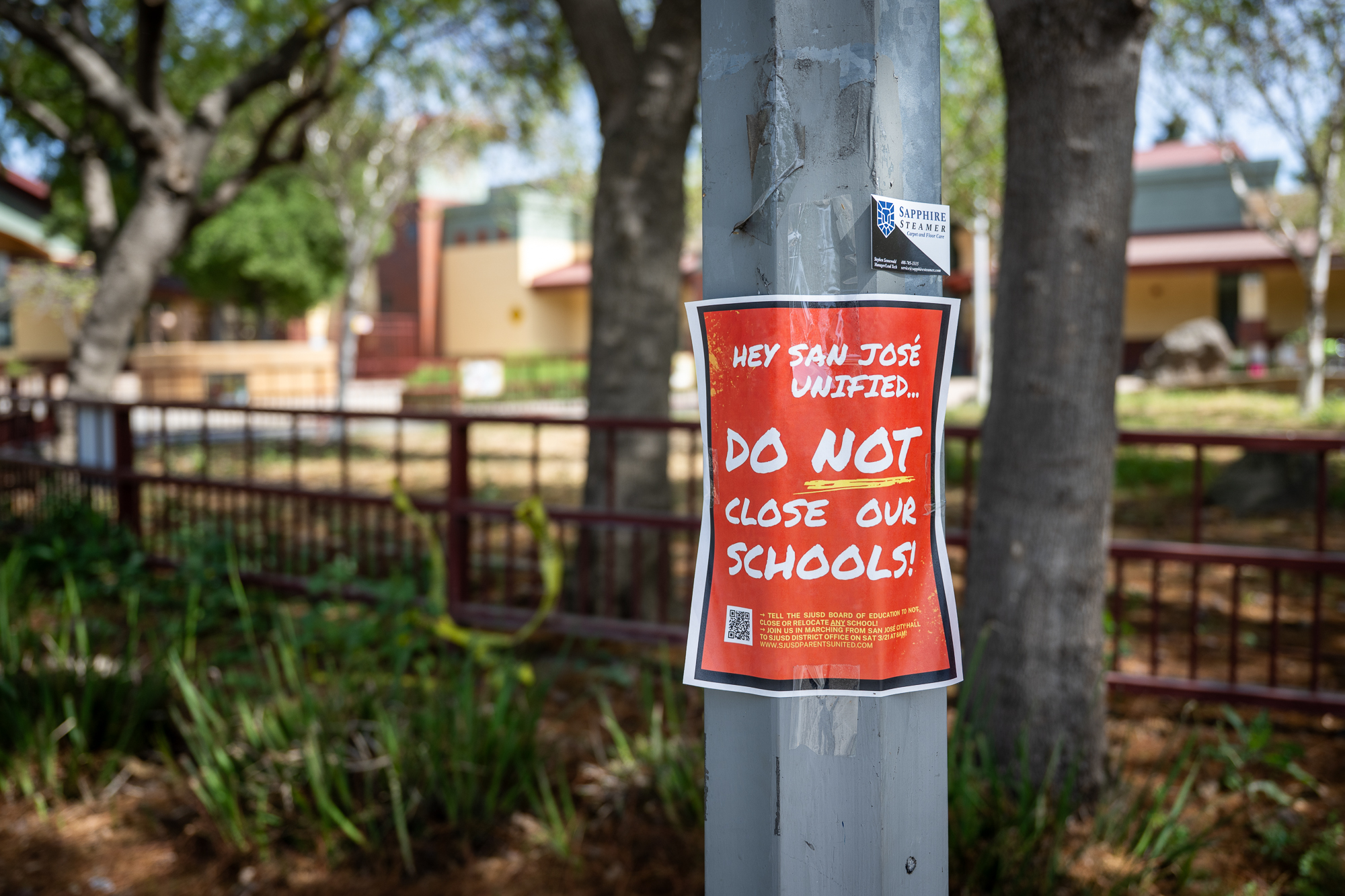
"caption": "A sign says, 'Do Not Close Our Schools' outside Hammer Montessori Elementary School in San José on March 26, 2026. The school is among those proposed for closure or relocation as part of the San José Unified School District’s “Schools of Tomorrow” plan.",
"credit": "Beth LaBerge/KQED",
"altTag": null,
"description": null,
"imgSizes": {
"thumbnail": {
"file": "https://cdn.kqed.org/wp-content/uploads/sites/10/2026/03/260326-SJSchoolClosures-08-BL-160x107.jpg",
"width": 160,
"height": 107,
"mimeType": "image/jpeg"
},
"1536x1536": {
"file": "https://cdn.kqed.org/wp-content/uploads/sites/10/2026/03/260326-SJSchoolClosures-08-BL-1536x1024.jpg",
"width": 1536,
"height": 1024,
"mimeType": "image/jpeg"
},
"post-thumbnail": {
"file": "https://cdn.kqed.org/wp-content/uploads/sites/10/2026/03/260326-SJSchoolClosures-08-BL-672x372.jpg",
"width": 672,
"height": 372,
"mimeType": "image/jpeg"
},
"twentyfourteen-full-width": {
"file": "https://cdn.kqed.org/wp-content/uploads/sites/10/2026/03/260326-SJSchoolClosures-08-BL-1038x576.jpg",
"width": 1038,
"height": 576,
"mimeType": "image/jpeg"
},
"npr-cds-wide": {
"file": "https://cdn.kqed.org/wp-content/uploads/sites/10/2026/03/260326-SJSchoolClosures-08-BL-1200x675.jpg",
"width": 1200,
"height": 675,
"mimeType": "image/jpeg"
},
"npr-cds-square": {
"file": "https://cdn.kqed.org/wp-content/uploads/sites/10/2026/03/260326-SJSchoolClosures-08-BL-600x600.jpg",
"width": 600,
"height": 600,
"mimeType": "image/jpeg"
},
"kqedFullSize": {
"file": "https://cdn.kqed.org/wp-content/uploads/sites/10/2026/03/260326-SJSchoolClosures-08-BL.jpg",
"width": 2000,
"height": 1333
}
},
"isLoading": false,
"fetchFailed": false
},
"news_12077198": {
"type": "attachments",
"id": "news_12077198",
"meta": {
"index": "attachments_1716263798",
"site": "news",
"id": "12077198",
"found": true
},
"title": "260319-CHAVEZSJ-KQED-09_qed",
"publishDate": 1774034858,
"status": "inherit",
"parent": 12077159,
"modified": 1774037044,
"caption": "Jessica Paz-Cedillos, CEO of Mexican Heritage Plaza, speaks about the community response to sexual abuse allegations against the late labor leader Cesar Chavez in East San José on Thursday, March 19, 2026.",
"credit": "Joseph Geha/KQED",
"altTag": null,
"description": null,
"imgSizes": {
"thumbnail": {
"file": "https://cdn.kqed.org/wp-content/uploads/sites/10/2026/03/260319-CHAVEZSJ-KQED-09_qed-160x107.jpg",
"width": 160,
"height": 107,
"mimeType": "image/jpeg"
},
"1536x1536": {
"file": "https://cdn.kqed.org/wp-content/uploads/sites/10/2026/03/260319-CHAVEZSJ-KQED-09_qed-1536x1024.jpg",
"width": 1536,
"height": 1024,
"mimeType": "image/jpeg"
},
"post-thumbnail": {
"file": "https://cdn.kqed.org/wp-content/uploads/sites/10/2026/03/260319-CHAVEZSJ-KQED-09_qed-672x372.jpg",
"width": 672,
"height": 372,
"mimeType": "image/jpeg"
},
"twentyfourteen-full-width": {
"file": "https://cdn.kqed.org/wp-content/uploads/sites/10/2026/03/260319-CHAVEZSJ-KQED-09_qed-1038x576.jpg",
"width": 1038,
"height": 576,
"mimeType": "image/jpeg"
},
"npr-cds-wide": {
"file": "https://cdn.kqed.org/wp-content/uploads/sites/10/2026/03/260319-CHAVEZSJ-KQED-09_qed-1200x675.jpg",
"width": 1200,
"height": 675,
"mimeType": "image/jpeg"
},
"kqedFullSize": {
"file": "https://cdn.kqed.org/wp-content/uploads/sites/10/2026/03/260319-CHAVEZSJ-KQED-09_qed.jpg",
"width": 1999,
"height": 1333
}
},
"isLoading": false,
"fetchFailed": false
},
"news_12076665": {
"type": "attachments",
"id": "news_12076665",
"meta": {
"index": "attachments_1716263798",
"site": "news",
"id": "12076665",
"found": true
},
"title": "260316-SJ SHELTER FOLO-MD-01-KQED",
"publishDate": 1773703118,
"status": "inherit",
"parent": 0,
"modified": 1773765396,
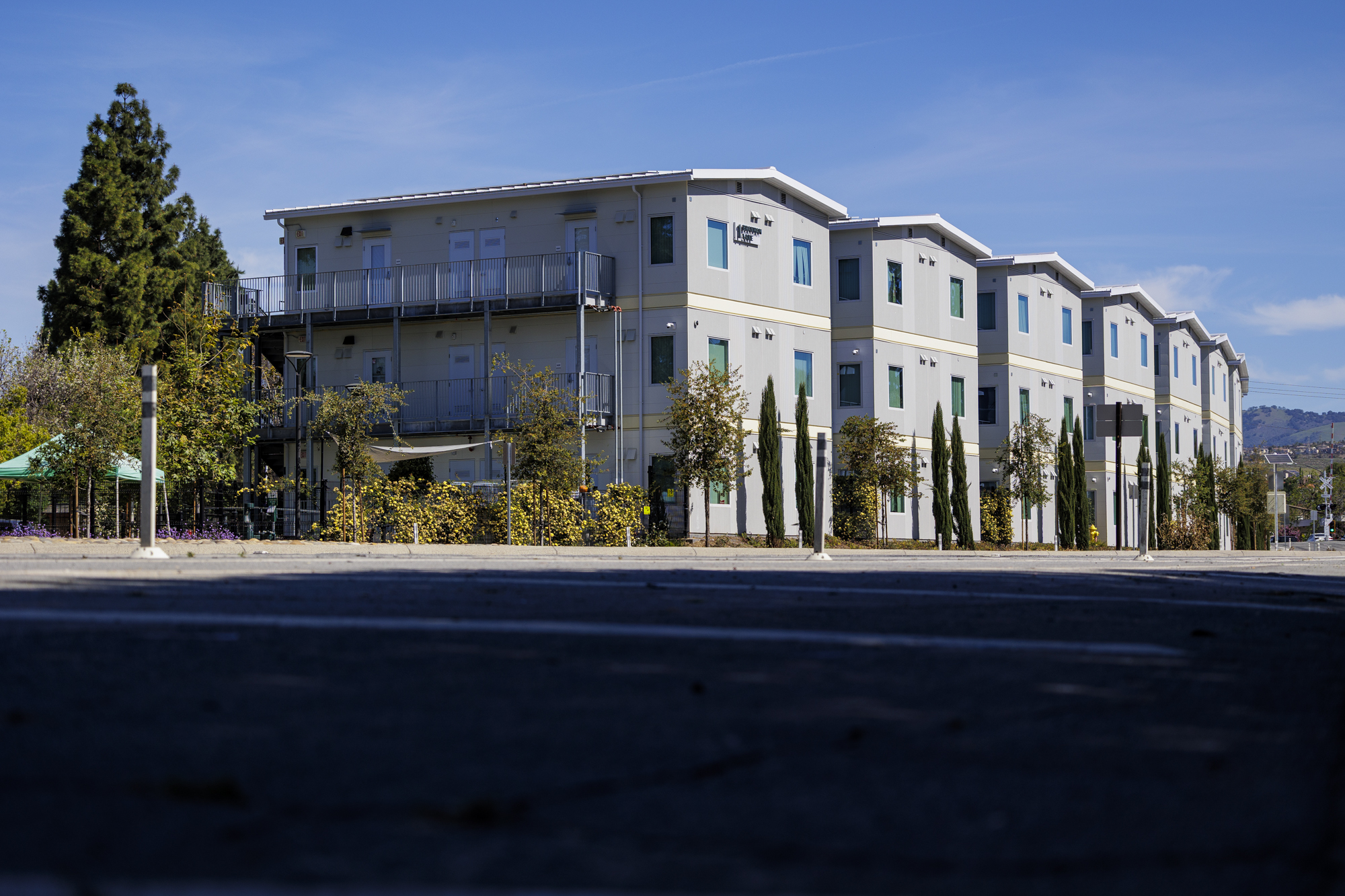
"caption": "The LifeMoves Branham Lane largest temporary housing site in San José on March 16, 2026.",
"credit": "Martin do Nascimento/KQED",
"altTag": null,
"description": null,
"imgSizes": {
"thumbnail": {
"file": "https://cdn.kqed.org/wp-content/uploads/sites/10/2026/03/260316-SJ-SHELTER-FOLO-MD-01-KQED-160x107.jpg",
"width": 160,
"height": 107,
"mimeType": "image/jpeg"
},
"1536x1536": {
"file": "https://cdn.kqed.org/wp-content/uploads/sites/10/2026/03/260316-SJ-SHELTER-FOLO-MD-01-KQED-1536x1024.jpg",
"width": 1536,
"height": 1024,
"mimeType": "image/jpeg"
},
"post-thumbnail": {
"file": "https://cdn.kqed.org/wp-content/uploads/sites/10/2026/03/260316-SJ-SHELTER-FOLO-MD-01-KQED-672x372.jpg",
"width": 672,
"height": 372,
"mimeType": "image/jpeg"
},
"twentyfourteen-full-width": {
"file": "https://cdn.kqed.org/wp-content/uploads/sites/10/2026/03/260316-SJ-SHELTER-FOLO-MD-01-KQED-1038x576.jpg",
"width": 1038,
"height": 576,
"mimeType": "image/jpeg"
},
"npr-cds-wide": {
"file": "https://cdn.kqed.org/wp-content/uploads/sites/10/2026/03/260316-SJ-SHELTER-FOLO-MD-01-KQED-1200x675.jpg",
"width": 1200,
"height": 675,
"mimeType": "image/jpeg"
},
"kqedFullSize": {
"file": "https://cdn.kqed.org/wp-content/uploads/sites/10/2026/03/260316-SJ-SHELTER-FOLO-MD-01-KQED.jpg",
"width": 2000,
"height": 1333
}
},
"isLoading": false,
"fetchFailed": false
},
"news_12076250": {
"type": "attachments",
"id": "news_12076250",
"meta": {
"index": "attachments_1716263798",
"site": "news",
"id": "12076250",
"found": true
},
"title": "020526SJ Tiny Homes_GH_013_qed",
"publishDate": 1773332967,
"status": "inherit",
"parent": 12076238,
"modified": 1773333007,
"caption": "Rows of newly installed tiny homes line a pedestrian walkway at the Cerone Interim Housing Community on Feb. 5, 2026, in San José. The city secured $12.7 million in state funding to purchase the homes.",
"credit": "Gustavo Hernandez/KQED",
"altTag": null,
"description": null,
"imgSizes": {
"thumbnail": {
"file": "https://cdn.kqed.org/wp-content/uploads/sites/10/2026/03/020526SJ-Tiny-Homes_GH_013_qed-160x107.jpg",
"width": 160,
"height": 107,
"mimeType": "image/jpeg"
},
"1536x1536": {
"file": "https://cdn.kqed.org/wp-content/uploads/sites/10/2026/03/020526SJ-Tiny-Homes_GH_013_qed-1536x1024.jpg",
"width": 1536,
"height": 1024,
"mimeType": "image/jpeg"
},
"post-thumbnail": {
"file": "https://cdn.kqed.org/wp-content/uploads/sites/10/2026/03/020526SJ-Tiny-Homes_GH_013_qed-672x372.jpg",
"width": 672,
"height": 372,
"mimeType": "image/jpeg"
},
"twentyfourteen-full-width": {
"file": "https://cdn.kqed.org/wp-content/uploads/sites/10/2026/03/020526SJ-Tiny-Homes_GH_013_qed-1038x576.jpg",
"width": 1038,
"height": 576,
"mimeType": "image/jpeg"
},
"npr-cds-wide": {
"file": "https://cdn.kqed.org/wp-content/uploads/sites/10/2026/03/020526SJ-Tiny-Homes_GH_013_qed-1200x675.jpg",
"width": 1200,
"height": 675,
"mimeType": "image/jpeg"
},
"kqedFullSize": {
"file": "https://cdn.kqed.org/wp-content/uploads/sites/10/2026/03/020526SJ-Tiny-Homes_GH_013_qed.jpg",
"width": 2000,
"height": 1333
}
},
"isLoading": false,
"fetchFailed": false
},
"news_11984097": {
"type": "attachments",
"id": "news_11984097",
"meta": {
"index": "attachments_1716263798",
"site": "news",
"id": "11984097",
"found": true
},
"title": "SAN JOSE LICENSE PLATE READERS-11-KQED",
"publishDate": 1714086991,
"status": "inherit",
"parent": 11983813,
"modified": 1766004900,
"caption": "A Flock Safety worker holds up a new automated license plate reader that was being installed in East San José on April 23, 2024.",
"credit": "Joseph Geha/KQED",
"altTag": "A man with a fluorescent yellow coat holds a black machine.",
"description": null,
"imgSizes": {
"medium": {
"file": "https://cdn.kqed.org/wp-content/uploads/sites/10/2024/04/SAN-JOSE-LICENSE-PLATE-READERS-11-KQED-800x533.jpg",
"width": 800,
"height": 533,
"mimeType": "image/jpeg"
},
"large": {
"file": "https://cdn.kqed.org/wp-content/uploads/sites/10/2024/04/SAN-JOSE-LICENSE-PLATE-READERS-11-KQED-1020x680.jpg",
"width": 1020,
"height": 680,
"mimeType": "image/jpeg"
},
"thumbnail": {
"file": "https://cdn.kqed.org/wp-content/uploads/sites/10/2024/04/SAN-JOSE-LICENSE-PLATE-READERS-11-KQED-160x107.jpg",
"width": 160,
"height": 107,
"mimeType": "image/jpeg"
},
"1536x1536": {
"file": "https://cdn.kqed.org/wp-content/uploads/sites/10/2024/04/SAN-JOSE-LICENSE-PLATE-READERS-11-KQED-1536x1024.jpg",
"width": 1536,
"height": 1024,
"mimeType": "image/jpeg"
},
"post-thumbnail": {
"file": "https://cdn.kqed.org/wp-content/uploads/sites/10/2024/04/SAN-JOSE-LICENSE-PLATE-READERS-11-KQED-672x372.jpg",
"width": 672,
"height": 372,
"mimeType": "image/jpeg"
},
"twentyfourteen-full-width": {
"file": "https://cdn.kqed.org/wp-content/uploads/sites/10/2024/04/SAN-JOSE-LICENSE-PLATE-READERS-11-KQED-1038x576.jpg",
"width": 1038,
"height": 576,
"mimeType": "image/jpeg"
},
"full-width": {
"file": "https://cdn.kqed.org/wp-content/uploads/sites/10/2024/04/SAN-JOSE-LICENSE-PLATE-READERS-11-KQED-1920x1280.jpg",
"width": 1920,
"height": 1280,
"mimeType": "image/jpeg"
},
"kqedFullSize": {
"file": "https://cdn.kqed.org/wp-content/uploads/sites/10/2024/04/SAN-JOSE-LICENSE-PLATE-READERS-11-KQED.jpg",
"width": 2000,
"height": 1333
}
},
"isLoading": false,
"fetchFailed": false
},
"news_12071397": {
"type": "attachments",
"id": "news_12071397",
"meta": {
"index": "attachments_1716263798",
"site": "news",
"id": "12071397",
"found": true
},
"title": "SJSU v Air Force",
"publishDate": 1769632742,
"status": "inherit",
"parent": 0,
"modified": 1769632809,
"caption": "Blaire Fleming and the San Jose State Spartans volleyball team play the Air Force Falcons in Colorado Springs, Colorado, on October 19, 2024.",
"credit": "Andrew Wevers/Getty Images",
"altTag": null,
"description": null,
"imgSizes": {
"thumbnail": {
"file": "https://cdn.kqed.org/wp-content/uploads/sites/10/2026/01/GETTYIMAGES-2179630055-KQED-160x107.jpg",
"width": 160,
"height": 107,
"mimeType": "image/jpeg"
},
"1536x1536": {
"file": "https://cdn.kqed.org/wp-content/uploads/sites/10/2026/01/GETTYIMAGES-2179630055-KQED-1536x1024.jpg",
"width": 1536,
"height": 1024,
"mimeType": "image/jpeg"
},
"post-thumbnail": {
"file": "https://cdn.kqed.org/wp-content/uploads/sites/10/2026/01/GETTYIMAGES-2179630055-KQED-672x372.jpg",
"width": 672,
"height": 372,
"mimeType": "image/jpeg"
},
"twentyfourteen-full-width": {
"file": "https://cdn.kqed.org/wp-content/uploads/sites/10/2026/01/GETTYIMAGES-2179630055-KQED-1038x576.jpg",
"width": 1038,
"height": 576,
"mimeType": "image/jpeg"
},
"npr-cds-wide": {
"file": "https://cdn.kqed.org/wp-content/uploads/sites/10/2026/01/GETTYIMAGES-2179630055-KQED-1200x675.jpg",
"width": 1200,
"height": 675,
"mimeType": "image/jpeg"
},
"kqedFullSize": {
"file": "https://cdn.kqed.org/wp-content/uploads/sites/10/2026/01/GETTYIMAGES-2179630055-KQED.jpg",
"width": 2000,
"height": 1333
}
},
"isLoading": false,
"fetchFailed": false
},
"news_12075966": {
"type": "attachments",
"id": "news_12075966",
"meta": {
"index": "attachments_1716263798",
"site": "news",
"id": "12075966",
"found": true
},
"title": "260202-SuperBowlOpeningNight-08-BL_qed",
"publishDate": 1773177296,
"status": "inherit",
"parent": 12075812,
"modified": 1773177306,
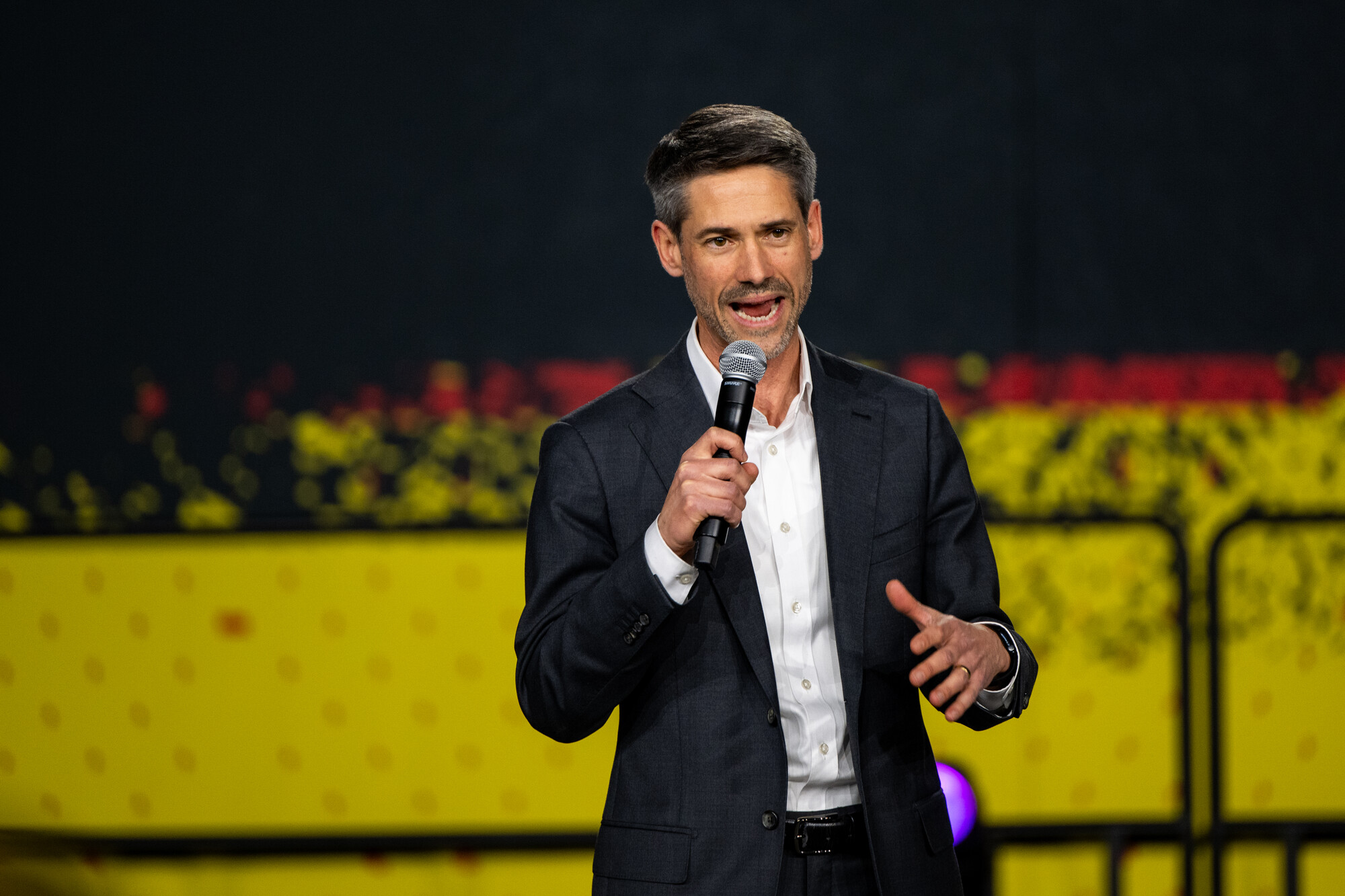
"caption": "Mayor Matt Mahan gives remarks during Super Bowl Opening Night at the San José Convention Center in San José on Feb. 2, 2026. As part of Super Bowl Week festivities, the event invites fans to celebrate the arrival of the Seattle Seahawks and New England Patriots ahead of Super Bowl LX.",
"credit": "Beth LaBerge/KQED",
"altTag": null,
"description": null,
"imgSizes": {
"thumbnail": {
"file": "https://cdn.kqed.org/wp-content/uploads/sites/10/2026/03/260202-SuperBowlOpeningNight-08-BL_qed-160x107.jpg",
"width": 160,
"height": 107,
"mimeType": "image/jpeg"
},
"1536x1536": {
"file": "https://cdn.kqed.org/wp-content/uploads/sites/10/2026/03/260202-SuperBowlOpeningNight-08-BL_qed-1536x1024.jpg",
"width": 1536,
"height": 1024,
"mimeType": "image/jpeg"
},
"post-thumbnail": {
"file": "https://cdn.kqed.org/wp-content/uploads/sites/10/2026/03/260202-SuperBowlOpeningNight-08-BL_qed-672x372.jpg",
"width": 672,
"height": 372,
"mimeType": "image/jpeg"
},
"twentyfourteen-full-width": {
"file": "https://cdn.kqed.org/wp-content/uploads/sites/10/2026/03/260202-SuperBowlOpeningNight-08-BL_qed-1038x576.jpg",
"width": 1038,
"height": 576,
"mimeType": "image/jpeg"
},
"npr-cds-wide": {
"file": "https://cdn.kqed.org/wp-content/uploads/sites/10/2026/03/260202-SuperBowlOpeningNight-08-BL_qed-1200x675.jpg",
"width": 1200,
"height": 675,
"mimeType": "image/jpeg"
},
"kqedFullSize": {
"file": "https://cdn.kqed.org/wp-content/uploads/sites/10/2026/03/260202-SuperBowlOpeningNight-08-BL_qed.jpg",
"width": 2000,
"height": 1333
}
},
"isLoading": false,
"fetchFailed": false
},
"news_12075716": {
"type": "attachments",
"id": "news_12075716",
"meta": {
"index": "attachments_1716263798",
"site": "news",
"id": "12075716",
"found": true
},
"title": "RibbonCutting",
"publishDate": 1772845759,
"status": "inherit",
"parent": 12075689,
"modified": 1772846243,
"caption": "From left, Campbell Councilmember Sergio Lopez, Campbell Mayor Daniel Furtado, state Sen. Anna Caballero, Nolan Gray, senior director of legislation and research at California YIMBY, Muhammad Alameldin, senior policy adviser at California YIMBY, and representatives of AlphaX RE Capital attend the groundbreaking ceremony for Mercury Lane Townhomes in Campbell on Friday, March 6, 2026.",
"credit": "Courtesy of AlphaX RE Capital",
"altTag": null,
"description": null,
"imgSizes": {
"thumbnail": {
"file": "https://cdn.kqed.org/wp-content/uploads/sites/10/2026/03/RibbonCutting-160x107.jpg",
"width": 160,
"height": 107,
"mimeType": "image/jpeg"
},
"1536x1536": {
"file": "https://cdn.kqed.org/wp-content/uploads/sites/10/2026/03/RibbonCutting-1536x1024.jpg",
"width": 1536,
"height": 1024,
"mimeType": "image/jpeg"
},
"post-thumbnail": {
"file": "https://cdn.kqed.org/wp-content/uploads/sites/10/2026/03/RibbonCutting-672x372.jpg",
"width": 672,
"height": 372,
"mimeType": "image/jpeg"
},
"twentyfourteen-full-width": {
"file": "https://cdn.kqed.org/wp-content/uploads/sites/10/2026/03/RibbonCutting-1038x576.jpg",
"width": 1038,
"height": 576,
"mimeType": "image/jpeg"
},
"npr-cds-wide": {
"file": "https://cdn.kqed.org/wp-content/uploads/sites/10/2026/03/RibbonCutting-1200x675.jpg",
"width": 1200,
"height": 675,
"mimeType": "image/jpeg"
},
"kqedFullSize": {
"file": "https://cdn.kqed.org/wp-content/uploads/sites/10/2026/03/RibbonCutting.jpg",
"width": 1920,
"height": 1280
}
},
"isLoading": false,
"fetchFailed": false
}
},
"audioPlayerReducer": {
"postId": "stream_live",
"isPaused": true,
"isPlaying": false,
"pfsActive": false,
"pledgeModalIsOpen": true,
"playerDrawerIsOpen": false,
"liveAudioPlayStartedAt": 0,
"liveAudioPlayContext": ""
},
"authorsReducer": {
"gmarzorati": {
"type": "authors",
"id": "227",
"meta": {
"index": "authors_1716337520",
"id": "227",
"found": true
},
"name": "Guy Marzorati",
"firstName": "Guy",
"lastName": "Marzorati",
"slug": "gmarzorati",
"email": "gmarzorati@KQED.org",
"display_author_email": true,
"staff_mastheads": [
"news"
],
"title": "Correspondent",
"bio": "Guy Marzorati is a correspondent on KQED's California Politics and Government Desk, based in San Jose. A graduate of Santa Clara University, Guy joined KQED in 2013. He reports on state and local politics and produces KQED's digital voter guide.",
"avatar": "https://secure.gravatar.com/avatar/e7038b8dbfd55b104369b76b1cd0b9de?s=600&d=blank&r=g",
"twitter": "guymarzorati",
"facebook": null,
"instagram": null,
"linkedin": null,
"sites": [
{
"site": "",
"roles": [
"editor"
]
},
{
"site": "news",
"roles": [
"editor"
]
},
{
"site": "science",
"roles": [
"editor"
]
},
{
"site": "forum",
"roles": [
"editor"
]
},
{
"site": "elections",
"roles": [
"editor"
]
},
{
"site": "liveblog",
"roles": [
"editor"
]
}
],
"headData": {
"title": "Guy Marzorati | KQED",
"description": "Correspondent",
"ogImgSrc": "https://secure.gravatar.com/avatar/e7038b8dbfd55b104369b76b1cd0b9de?s=600&d=blank&r=g",
"twImgSrc": "https://secure.gravatar.com/avatar/e7038b8dbfd55b104369b76b1cd0b9de?s=600&d=blank&r=g"
},
"isLoading": false,
"link": "/author/gmarzorati"
},
"tychehendricks": {
"type": "authors",
"id": "259",
"meta": {
"index": "authors_1716337520",
"id": "259",
"found": true
},
"name": "Tyche Hendricks",
"firstName": "Tyche",
"lastName": "Hendricks",
"slug": "tychehendricks",
"email": "thendricks@kqed.org",
"display_author_email": true,
"staff_mastheads": [
"news"
],
"title": "KQED Senior Editor, Immigration",
"bio": "\u003cspan style=\"font-weight: 400;\">Tyche Hendricks is KQED’s senior editor for immigration, leading coverage of the policy and politics that affect California’s immigrant communities. Her work for KQED’s radio and online audiences is also carried on NPR and other national outlets. She has been recognized with awards from the Radio and Television News Directors Association, the Society for Professional Journalists; the Education Writers Association; the Best of the West and the National Federation of Community Broadcasters. Before joining KQED in 2010, Tyche spent more than a dozen years as a newspaper reporter, notably at the \u003c/span>\u003ci>\u003cspan style=\"font-weight: 400;\">San Francisco Chronicle\u003c/span>\u003c/i>\u003cspan style=\"font-weight: 400;\">. At different times she has covered criminal justice, government and politics and urban planning. Tyche has taught in the MFA Creative Writing program at the University of San Francisco and at UC Berkeley’s Graduate School of Journalism, where she was co-director of a national immigration symposium for professional journalists. She is the author of \u003c/span>\u003ci>\u003cspan style=\"font-weight: 400;\">The Wind Doesn't Need a Passport: Stories from the U.S.-Mexico Borderlands\u003c/span>\u003c/i>\u003cspan style=\"font-weight: 400;\"> (University of California Press). \u003c/span>",
"avatar": "https://secure.gravatar.com/avatar/b8ee458e2731c2d43df86882ce17267e?s=600&d=blank&r=g",
"twitter": "tychehendricks",
"facebook": null,
"instagram": null,
"linkedin": null,
"sites": [
{
"site": "news",
"roles": [
"editor"
]
},
{
"site": "stateofhealth",
"roles": [
"editor"
]
}
],
"headData": {
"title": "Tyche Hendricks | KQED",
"description": "KQED Senior Editor, Immigration",
"ogImgSrc": "https://secure.gravatar.com/avatar/b8ee458e2731c2d43df86882ce17267e?s=600&d=blank&r=g",
"twImgSrc": "https://secure.gravatar.com/avatar/b8ee458e2731c2d43df86882ce17267e?s=600&d=blank&r=g"
},
"isLoading": false,
"link": "/author/tychehendricks"
},
"ecruzguevarra": {
"type": "authors",
"id": "8654",
"meta": {
"index": "authors_1716337520",
"id": "8654",
"found": true
},
"name": "Ericka Cruz Guevarra",
"firstName": "Ericka",
"lastName": "Cruz Guevarra",
"slug": "ecruzguevarra",
"email": "ecruzguevarra@kqed.org",
"display_author_email": true,
"staff_mastheads": [
"news"
],
"title": "Producer, The Bay Podcast",
"bio": "Ericka Cruz Guevarra is host of \u003ca href=\"https://www.kqed.org/podcasts/thebay\">\u003cem>The Bay\u003c/em>\u003c/a> podcast at KQED. Before host, she was the show’s producer. Her work in that capacity includes a three-part reported series on policing in Vallejo, which won a 2020 excellence in journalism award from the Society of Professional Journalists. Ericka has worked as a breaking news reporter at Oregon Public Broadcasting, helped produce the Code Switch podcast, and was KQED’s inaugural Raul Ramirez Diversity Fund intern. She’s also an alumna of NPR’s Next Generation Radio program. Send her an email if you have strong feelings about whether Fairfield and Suisun City are the Bay. Ericka is represented by SAG-AFTRA.",
"avatar": "https://secure.gravatar.com/avatar/accefc1de4bafc7e234b69bcb9b6f6536c130fd84709bc3069ef11a78787e1bb?s=600&d=blank&r=g",
"twitter": "NotoriousECG",
"bluesky": null,
"facebook": null,
"instagram": null,
"linkedin": null,
"sites": [
{
"site": "arts",
"roles": [
"subscriber"
]
},
{
"site": "news",
"roles": [
"editor",
"manage_categories"
]
},
{
"site": "futureofyou",
"roles": [
"subscriber"
]
},
{
"site": "stateofhealth",
"roles": [
"subscriber"
]
},
{
"site": "science",
"roles": [
"editor"
]
},
{
"site": "forum",
"roles": [
"subscriber"
]
}
],
"headData": {
"title": "Ericka Cruz Guevarra | KQED",
"description": "Producer, The Bay Podcast",
"ogImgSrc": "https://secure.gravatar.com/avatar/accefc1de4bafc7e234b69bcb9b6f6536c130fd84709bc3069ef11a78787e1bb?s=600&d=blank&r=g",
"twImgSrc": "https://secure.gravatar.com/avatar/accefc1de4bafc7e234b69bcb9b6f6536c130fd84709bc3069ef11a78787e1bb?s=600&d=blank&r=g"
},
"isLoading": false,
"link": "/author/ecruzguevarra"
},
"amontecillo": {
"type": "authors",
"id": "11649",
"meta": {
"index": "authors_1716337520",
"id": "11649",
"found": true
},
"name": "Alan Montecillo",
"firstName": "Alan",
"lastName": "Montecillo",
"slug": "amontecillo",
"email": "amontecillo@kqed.org",
"display_author_email": false,
"staff_mastheads": [
"news"
],
"title": "KQED Contributor",
"bio": "Alan Montecillo is the senior editor of \u003cem>\u003ca href=\"http://kqed.org/thebay\">The Bay\u003c/a>, \u003c/em> KQED's local news podcast. Before moving to the Bay Area, he worked as a senior talk show producer for WILL in Champaign-Urbana, Illinois and at Oregon Public Broadcasting in Portland, Oregon. He has won journalism awards from the Society of Professional Journalists Northern California, the Public Media Journalists Association, The Signal Awards, and has also received a regional Edward R. Murrow award. Alan is a Filipino American from Hong Kong and a graduate of Reed College.",
"avatar": "https://secure.gravatar.com/avatar/268f53a2066899ea9efdd8a5900218b17c822d9862cbc9326cccec53ef41d349?s=600&d=blank&r=g",
"twitter": "alanmontecillo",
"bluesky": null,
"facebook": null,
"instagram": null,
"linkedin": null,
"sites": [
{
"site": "",
"roles": [
"editor"
]
},
{
"site": "news",
"roles": [
"editor",
"manage_categories"
]
}
],
"headData": {
"title": "Alan Montecillo | KQED",
"description": "KQED Contributor",
"ogImgSrc": "https://secure.gravatar.com/avatar/268f53a2066899ea9efdd8a5900218b17c822d9862cbc9326cccec53ef41d349?s=600&d=blank&r=g",
"twImgSrc": "https://secure.gravatar.com/avatar/268f53a2066899ea9efdd8a5900218b17c822d9862cbc9326cccec53ef41d349?s=600&d=blank&r=g"
},
"isLoading": false,
"link": "/author/amontecillo"
},
"jessicakariisa": {
"type": "authors",
"id": "11831",
"meta": {
"index": "authors_1716337520",
"id": "11831",
"found": true
},
"name": "Jessica Kariisa",
"firstName": "Jessica",
"lastName": "Kariisa",
"slug": "jessicakariisa",
"email": "jkariisa@kqed.org",
"display_author_email": false,
"staff_mastheads": [],
"title": "Producer, The Bay",
"bio": "Jessica Kariisa is the producer of The Bay. She first joined KQED as an intern for The California Report Magazine, after which she became an on-call producer. She reported a Bay Curious episode on the use of rap lyrics in criminal trials which won a Society of Professional Journalists award in 2023 for Excellence in Features Journalism and the 2023 Signal Award for Best Conversation Starter. She’s worked on podcasts for Snap Judgment and American Public Media. Before embarking on her audio career, she was a music journalist.\r\n\r\nJessica Kariisa is represented by SAG-AFTRA.",
"avatar": "https://secure.gravatar.com/avatar/522e97b28ac0b3d411621c0fde8f3419c7b71ea2c5c262c57c4bb600963f328c?s=600&d=blank&r=g",
"twitter": null,
"bluesky": null,
"facebook": null,
"instagram": null,
"linkedin": null,
"sites": [
{
"site": "arts",
"roles": [
"author"
]
},
{
"site": "news",
"roles": [
"editor",
"manage_categories"
]
}
],
"headData": {
"title": "Jessica Kariisa | KQED",
"description": "Producer, The Bay",
"ogImgSrc": "https://secure.gravatar.com/avatar/522e97b28ac0b3d411621c0fde8f3419c7b71ea2c5c262c57c4bb600963f328c?s=600&d=blank&r=g",
"twImgSrc": "https://secure.gravatar.com/avatar/522e97b28ac0b3d411621c0fde8f3419c7b71ea2c5c262c57c4bb600963f328c?s=600&d=blank&r=g"
},
"isLoading": false,
"link": "/author/jessicakariisa"
},
"jgeha": {
"type": "authors",
"id": "11906",
"meta": {
"index": "authors_1716337520",
"id": "11906",
"found": true
},
"name": "Joseph Geha",
"firstName": "Joseph",
"lastName": "Geha",
"slug": "jgeha",
"email": "jgeha@kqed.org",
"display_author_email": false,
"staff_mastheads": [
"news",
"science"
],
"title": "KQED Contributor",
"bio": null,
"avatar": "https://secure.gravatar.com/avatar/ea84d2b6dd93d6369d453edf19dd583f117cd1759d2d9c9c92f9de77017354fe?s=600&d=blank&r=g",
"twitter": null,
"bluesky": null,
"facebook": null,
"instagram": null,
"linkedin": null,
"sites": [
{
"site": "news",
"roles": [
"editor"
]
},
{
"site": "liveblog",
"roles": [
"author"
]
}
],
"headData": {
"title": "Joseph Geha | KQED",
"description": "KQED Contributor",
"ogImgSrc": "https://secure.gravatar.com/avatar/ea84d2b6dd93d6369d453edf19dd583f117cd1759d2d9c9c92f9de77017354fe?s=600&d=blank&r=g",
"twImgSrc": "https://secure.gravatar.com/avatar/ea84d2b6dd93d6369d453edf19dd583f117cd1759d2d9c9c92f9de77017354fe?s=600&d=blank&r=g"
},
"isLoading": false,
"link": "/author/jgeha"
},
"kdebenedetti": {
"type": "authors",
"id": "11913",
"meta": {
"index": "authors_1716337520",
"id": "11913",
"found": true
},
"name": "Katie DeBenedetti",
"firstName": "Katie",
"lastName": "DeBenedetti",
"slug": "kdebenedetti",
"email": "kdebenedetti@kqed.org",
"display_author_email": false,
"staff_mastheads": [
"news",
"science"
],
"title": "KQED Contributor",
"bio": "Katie DeBenedetti is a digital reporter covering daily news for the Express Desk. Prior to joining KQED as a culture reporting intern in January 2024, she covered education and city government for the Napa Valley Register.",
"avatar": "https://secure.gravatar.com/avatar/6e31073cb8f7e4214ab03f42771d0f45?s=600&d=blank&r=g",
"twitter": null,
"facebook": null,
"instagram": null,
"linkedin": null,
"sites": [
{
"site": "news",
"roles": [
"author"
]
},
{
"site": "science",
"roles": [
"author"
]
},
{
"site": "liveblog",
"roles": [
"author"
]
}
],
"headData": {
"title": "Katie DeBenedetti | KQED",
"description": "KQED Contributor",
"ogImgSrc": "https://secure.gravatar.com/avatar/6e31073cb8f7e4214ab03f42771d0f45?s=600&d=blank&r=g",
"twImgSrc": "https://secure.gravatar.com/avatar/6e31073cb8f7e4214ab03f42771d0f45?s=600&d=blank&r=g"
},
"isLoading": false,
"link": "/author/kdebenedetti"
},
"aaliahmad": {
"type": "authors",
"id": "11986",
"meta": {
"index": "authors_1716337520",
"id": "11986",
"found": true
},
"name": "Ayah Ali-Ahmad",
"firstName": "Ayah",
"lastName": "Ali-Ahmad",
"slug": "aaliahmad",
"email": "aaliahmad@KQED.org",
"display_author_email": false,
"staff_mastheads": [],
"title": "KQED Contributor",
"bio": null,
"avatar": "https://secure.gravatar.com/avatar/1cf54f187a5e1064b2cfef3f3d2f1e4f93e453395d56912aca6382a6071ec3ed?s=600&d=blank&r=g",
"twitter": "ayahaliahmad",
"bluesky": null,
"facebook": null,
"instagram": null,
"linkedin": null,
"sites": [
{
"site": "news",
"roles": [
"subscriber"
]
}
],
"headData": {
"title": "Ayah Ali-Ahmad | KQED",
"description": "KQED Contributor",
"ogImgSrc": "https://secure.gravatar.com/avatar/1cf54f187a5e1064b2cfef3f3d2f1e4f93e453395d56912aca6382a6071ec3ed?s=600&d=blank&r=g",
"twImgSrc": "https://secure.gravatar.com/avatar/1cf54f187a5e1064b2cfef3f3d2f1e4f93e453395d56912aca6382a6071ec3ed?s=600&d=blank&r=g"
},
"isLoading": false,
"link": "/author/aaliahmad"
}
},
"pagesReducer": {
"news_tag_south-bay": {
"type": "terms",
"id": "news_21285",
"meta": {
"index": "terms_1716263798",
"site": "news",
"id": "21285",
"score": 7.0832872
},
"featImg": null,
"name": "South Bay",
"description": null,
"taxonomy": "tag",
"headData": {
"twImgId": null,
"twTitle": null,
"ogTitle": null,
"ogImgId": null,
"twDescription": null,
"description": null,
"title": "South Bay Archives | KQED News",
"ogDescription": null
},
"ttid": 21302,
"slug": "south-bay",
"isLoading": false,
"title": "South Bay",
"pageMeta": {
"site": "news",
"WpPageTemplate": "page-topic-editorial",
"currentPage": 7
},
"blocks": [
{
"blockName": "kqed/post-list",
"attrs": {
"layout": "cardArticle2",
"query": "posts/news?tag=south-bay",
"seeMore": false,
"paginated": true,
"page": 7
}
},
{
"blockName": "kqed/ad"
}
]
}
},
"pfsSessionReducer": {},
"postsReducer": {
"stream_live": {
"type": "live",
"id": "stream_live",
"audioUrl": "https://streams.kqed.org/kqedradio",
"title": "Live Stream",
"excerpt": "Live Stream information currently unavailable.",
"link": "/radio",
"featImg": "",
"label": {
"name": "KQED Live",
"link": "/"
}
},
"stream_kqedNewscast": {
"type": "posts",
"id": "stream_kqedNewscast",
"audioUrl": "https://www.kqed.org/.stream/anon/radio/RDnews/newscast.mp3?_=1",
"title": "KQED Newscast",
"featImg": "",
"label": {
"name": "88.5 FM",
"link": "/"
}
},
"news_12078479": {
"type": "posts",
"id": "news_12078479",
"meta": {
"index": "posts_1716263798",
"site": "news",
"id": "12078479",
"score": null,
"sort": [
1775210457000
]
},
"guestAuthors": [],
"slug": "san-jose-unified-plans-to-close-5-schools",
"title": "San José Unified Plans to Close 5 Schools",
"publishDate": 1775210457,
"format": "audio",
"headTitle": "San José Unified Plans to Close 5 Schools | KQED",
"labelTerm": {},
"content": "\u003cp class=\"e-10223-text encore-text-body-medium\" data-encore-id=\"text\" data-slate-node=\"element\">\u003cspan data-slate-fragment=\"JTVCJTdCJTIydHlwZSUyMiUzQSUyMnBhcmFncmFwaCUyMiUyQyUyMmNoaWxkcmVuJTIyJTNBJTVCJTdCJTIydGV4dCUyMiUzQSUyMkxhc3QlMjB3ZWVrJTJDJTIwdGhlJTIwU2FuJTIwSm9zJUMzJUE5JTIwVW5pZmllZCUyMEJvYXJkJTIwb2YlMjBFZHVjYXRpb24lMjB2b3RlZCUyMDMtMiUyMHRvJTIwY2xvc2UlMjA1JTIwZWxlbWVudGFyeSUyMHNjaG9vbHMlMjBhbmQlMjByZWxvY2F0ZSUyMGFub3RoZXIuJTIwRGlzdHJpY3QlMjBsZWFkZXJzJTJDJTIwY2l0aW5nJTIwZGVjbGluaW5nJTIwZW5yb2xsbWVudCUyQyUyMHNheSUyMHRoYXQlMjB0aGVzZSUyMGNsb3N1cmVzJTIwd2lsbCUyMG1ha2UlMjBpdCUyMGVhc2llciUyMHRvJTIwcHJvdmlkZSUyMGFkZXF1YXRlJTIwc2VydmljZXMlMjBhbmQlMjBwcm9ncmFtcyUyMHRvJTIwc3R1ZGVudHMuJTIwQnV0JTIwbWFueSUyMHBhcmVudHMlMjBhcmUlMjBmdXJpb3VzJTIwYW5kJTIwYXJlJTIwdm93aW5nJTIwdG8lMjBmaWdodCUyMGJhY2suJTIyJTdEJTVEJTdEJTVE\">Last week, the San José Unified Board of Education voted 3-2 to close 5 elementary schools and relocate another. District leaders, citing declining enrollment, say that these closures will make it easier to provide adequate services and programs to students. But many parents are furious and are vowing to fight back.\u003c/span>\u003c/p>\n\u003cp class=\"e-10223-text encore-text-body-medium\" data-encore-id=\"text\" data-slate-node=\"element\">\u003cspan data-slate-node=\"text\">\u003cspan class=\"sc-dAlyuH hNlDMA\" data-slate-leaf=\"true\">\u003cstrong>Links:\u003c/strong>\u003c/span>\u003c/span>\u003c/p>\n\u003cul class=\"sc-kpDqfm eIbtbk\" data-slate-node=\"element\" data-slate-fragment=\"JTVCJTdCJTIydHlwZSUyMiUzQSUyMnBhcmFncmFwaCUyMiUyQyUyMmNoaWxkcmVuJTIyJTNBJTVCJTdCJTIydGV4dCUyMiUzQSUyMkxhc3QlMjB3ZWVrJTJDJTIwdGhlJTIwU2FuJTIwSm9zJUMzJUE5JTIwVW5pZmllZCUyMEJvYXJkJTIwb2YlMjBFZHVjYXRpb24lMjB2b3RlZCUyMDMtMiUyMHRvJTIwY2xvc2UlMjA1JTIwZWxlbWVudGFyeSUyMHNjaG9vbHMlMjBhbmQlMjByZWxvY2F0ZSUyMGFub3RoZXIuJTIwVW5saWtlJTIwbWFueSUyMG90aGVyJTIwQmF5JTIwQXJlYSUyMHNjaG9vbCUyMGRpc3RyaWN0cyUyQyUyMFNhbiUyMEpvcyVDMyVBOSUyMFVuaWZpZWQlMjBpcyUyMG5vdCUyMGZhY2luZyUyMGElMjBidWRnZXQlMjBjcmlzaXMlMkMlMjBkaXN0cmljdCUyMGxlYWRlcnMlMjBzYXklMjB0aGF0JTIwZGVjbGluaW5nJTIwZW5yb2xsbWVudCUyMG1ha2VzJTIwdGhlc2UlMjBjbG9zdXJlcyUyMG5lY2Vzc2FyeS4lMjBCdXQlMjBtYW55JTIwcGFyZW50cyUyMGFyZSUyMGZ1cmlvdXMlMjBhbmQlMjBhcmUlMjB2b3dpbmclMjB0byUyMGZpZ2h0JTIwYmFjay4lMjIlN0QlNUQlN0QlMkMlN0IlMjJ0eXBlJTIyJTNBJTIycGFyYWdyYXBoJTIyJTJDJTIyY2hpbGRyZW4lMjIlM0ElNUIlN0IlMjJ0ZXh0JTIyJTNBJTIyTGlua3MlM0ElMjIlMkMlMjJib2xkJTIyJTNBdHJ1ZSU3RCU1RCU3RCUyQyU3QiUyMnR5cGUlMjIlM0ElMjJidWxsZXRlZC1saXN0JTIyJTJDJTIyY2hpbGRyZW4lMjIlM0ElNUIlN0IlMjJ0eXBlJTIyJTNBJTIybGlzdC1pdGVtJTIyJTJDJTIyY2hpbGRyZW4lMjIlM0ElNUIlN0IlMjJ0eXBlJTIyJTNBJTIycGFyYWdyYXBoJTIyJTJDJTIyY2hpbGRyZW4lMjIlM0ElNUIlN0IlMjJ0ZXh0JTIyJTNBJTIyJTIyJTdEJTJDJTdCJTIydHlwZSUyMiUzQSUyMmxpbmslMjIlMkMlMjJ1cmwlMjIlM0ElMjJodHRwcyUzQSUyRiUyRnd3dy5rcWVkLm9yZyUyRm5ld3MlMkYxMjA3NzgwMyUyRnNhbi1qb3NlLXNjaG9vbC1kaXN0cmljdC1tb3Zlcy10by1jbG9zZS01LWVsZW1lbnRhcnktc2Nob29scyUyMiUyQyUyMnRhcmdldCUyMiUzQW51bGwlMkMlMjJyZWwlMjIlM0FudWxsJTJDJTIyY2hpbGRyZW4lMjIlM0ElNUIlN0IlMjJ0ZXh0JTIyJTNBJTIyU2FuJTIwSm9zJUMzJUE5JTIwU2Nob29sJTIwRGlzdHJpY3QlMjBNb3ZlcyUyMHRvJTIwQ2xvc2UlMjA1JTIwRWxlbWVudGFyeSUyMFNjaG9vbHMlMjAlN0MlMjBLUUVEJTIyJTJDJTIydW5kZXJsaW5lJTIyJTNBdHJ1ZSU3RCU1RCU3RCUyQyU3QiUyMnRleHQlMjIlM0ElMjIlMjIlN0QlNUQlN0QlNUQlN0QlMkMlN0IlMjJ0eXBlJTIyJTNBJTIybGlzdC1pdGVtJTIyJTJDJTIyY2hpbGRyZW4lMjIlM0ElNUIlN0IlMjJ0eXBlJTIyJTNBJTIycGFyYWdyYXBoJTIyJTJDJTIyY2hpbGRyZW4lMjIlM0ElNUIlN0IlMjJ0ZXh0JTIyJTNBJTIyJTIyJTdEJTJDJTdCJTIydHlwZSUyMiUzQSUyMmxpbmslMjIlMkMlMjJ1cmwlMjIlM0ElMjJodHRwcyUzQSUyRiUyRnd3dy5rcWVkLm9yZyUyRm5ld3MlMkYxMjA3NzY0MCUyRmFsbGVnaW5nLWRpc2NyaW1pbmF0aW9uLXNhbi1qb3NlLXBhcmVudHMtdHJ5LXRvLWZpZ2h0LXNjaG9vbC1jbG9zdXJlcyUyMiUyQyUyMnRhcmdldCUyMiUzQW51bGwlMkMlMjJyZWwlMjIlM0FudWxsJTJDJTIyY2hpbGRyZW4lMjIlM0ElNUIlN0IlMjJ0ZXh0JTIyJTNBJTIyQWxsZWdpbmclMjBEaXNjcmltaW5hdGlvbiUyQyUyMFNhbiUyMEpvcyVDMyVBOSUyMFBhcmVudHMlMjBUcnklMjB0byUyMEZpZ2h0JTIwU2Nob29sJTIwQ2xvc3VyZXMlMjAlN0MlMjBLUUVEJTIyJTJDJTIydW5kZXJsaW5lJTIyJTNBdHJ1ZSU3RCU1RCU3RCUyQyU3QiUyMnRleHQlMjIlM0ElMjIlMjIlN0QlNUQlN0QlNUQlN0QlMkMlN0IlMjJ0eXBlJTIyJTNBJTIybGlzdC1pdGVtJTIyJTJDJTIyY2hpbGRyZW4lMjIlM0ElNUIlN0IlMjJ0eXBlJTIyJTNBJTIycGFyYWdyYXBoJTIyJTJDJTIyY2hpbGRyZW4lMjIlM0ElNUIlN0IlMjJ0ZXh0JTIyJTNBJTIyRW1haWwlMjB1cyUzQSUyMCUyMiU3RCUyQyU3QiUyMnR5cGUlMjIlM0ElMjJsaW5rJTIyJTJDJTIydXJsJTIyJTNBJTIybWFpbHRvJTNBdGhlYmF5JTQwa3FlZC5vcmclMjIlMkMlMjJ0YXJnZXQlMjIlM0FudWxsJTJDJTIycmVsJTIyJTNBbnVsbCUyQyUyMmNoaWxkcmVuJTIyJTNBJTVCJTdCJTIydGV4dCUyMiUzQSUyMnRoZWJheSU0MGtxZWQub3JnJTIyJTJDJTIydW5kZXJsaW5lJTIyJTNBdHJ1ZSU3RCU1RCU3RCUyQyU3QiUyMnRleHQlMjIlM0ElMjIlMjIlMkMlMjJiciUyMiUzQXRydWUlN0QlNUQlN0QlNUQlN0QlNUQlN0QlNUQ=\">\n\u003cli data-slate-node=\"element\">\n\u003cp class=\"e-10223-text encore-text-body-medium\" data-encore-id=\"text\" data-slate-node=\"element\">\u003ca class=\"e-10223-text-link e-10223-overflow-wrap-anywhere encore-internal-color-text-announcement e-10223-text-link--use-focus sc-cPiKLX jzJBXG\" href=\"https://www.kqed.org/news/12077803/san-jose-school-district-moves-to-close-5-elementary-schools\" data-encore-id=\"textLink\" data-slate-node=\"element\" data-slate-inline=\"true\">\u003cspan data-slate-node=\"text\">\u003cspan class=\"sc-dAlyuH hNlDMA\" data-slate-leaf=\"true\">\u003cu>San José School District Moves to Close 5 Elementary Schools | KQED\u003c/u>\u003c/span>\u003c/span>\u003c/a>\u003c/p>\n\u003c/li>\n\u003cli data-slate-node=\"element\">\n\u003cp class=\"e-10223-text encore-text-body-medium\" data-encore-id=\"text\" data-slate-node=\"element\">\u003ca class=\"e-10223-text-link e-10223-overflow-wrap-anywhere encore-internal-color-text-announcement e-10223-text-link--use-focus sc-cPiKLX jzJBXG\" href=\"https://www.kqed.org/news/12077640/alleging-discrimination-san-jose-parents-try-to-fight-school-closures\" data-encore-id=\"textLink\" data-slate-node=\"element\" data-slate-inline=\"true\">\u003cspan data-slate-node=\"text\">\u003cspan class=\"sc-dAlyuH hNlDMA\" data-slate-leaf=\"true\">\u003cu>Alleging Discrimination, San José Parents Try to Fight School Closures | KQED\u003c/u>\u003c/span>\u003c/span>\u003c/a>\u003c/p>\n\u003c/li>\n\u003cli data-slate-node=\"element\">\n\u003cp class=\"e-10223-text encore-text-body-medium\" data-encore-id=\"text\" data-slate-node=\"element\">\u003cspan data-slate-node=\"text\">\u003cspan class=\"sc-dAlyuH hNlDMA\" data-slate-leaf=\"true\">Email us: \u003c/span>\u003c/span>\u003ca class=\"e-10223-text-link e-10223-overflow-wrap-anywhere encore-internal-color-text-announcement e-10223-text-link--use-focus sc-cPiKLX jzJBXG\" href=\"mailto:thebay@kqed.org\" data-encore-id=\"textLink\" data-slate-node=\"element\" data-slate-inline=\"true\">\u003cspan data-slate-node=\"text\">\u003cspan class=\"sc-dAlyuH hNlDMA\" data-slate-leaf=\"true\">\u003cu>thebay@kqed.org\u003c/u>\u003c/span>\u003c/span>\u003c/a>\u003c/p>\n\u003c/li>\n\u003c/ul>\n\u003cp>\u003c!-- iframe plugin v.4.3 wordpress.org/plugins/iframe/ -->\u003cbr>\n\u003ciframe loading=\"lazy\" frameborder=\"0\" height=\"200\" scrolling=\"no\" src=\"https://playlist.megaphone.fm?e=KQINC2492719115\" width=\"100%\" class=\"iframe-class\">\u003c/iframe>\u003c/p>\n\u003cp>\u003ci>Some members of the KQED podcast team are represented by The Screen Actors Guild, American Federation of Television and Radio Artists, San Francisco-Northern California Local.\u003c/i>\u003c/p>\n\u003cp>\u003cstrong>Ericka Cruz Guevarra \u003c/strong>[00:00:00] I’m Ericka Cruz-Guevarra and welcome to The Bay, local news to keep you rooted. Bay Area public schools are really struggling right now. And even if your local school district isn’t struggling financially, it’s probably facing an enrollment decline. And in San Jose, one school district says low enrollment is prompting them to close schools.\u003c/p>\n\u003cp>[ad fullwidth]\u003c/p>\n\u003cp>\u003cstrong>Nancy Alberran \u003c/strong>[00:00:29] We’re here tonight because we have a responsibility to lead with care, with clarity and with courage. Leadership sometimes requires us to acknowledge painful realities even when the path forward is difficult.\u003c/p>\n\u003cp>\u003cstrong>Ericka Cruz Guevarra \u003c/strong>[00:00:43] Last week, San Jose Unified’s Board of Education voted three to two to close five elementary schools and relocate another. And it’s making a lot of parents really angry.\u003c/p>\n\u003cp>\u003cstrong>Public comment \u003c/strong>[00:00:58] We overwhelmingly do not want schools to close. We cannot be more clear. We don’t need to go fast. Don’t make this mistake. Vote no.\u003c/p>\n\u003cp>\u003cstrong>Ericka Cruz Guevarra \u003c/strong>[00:01:07] Today, school closures at San Jose Unified.\u003c/p>\n\u003cp>\u003cstrong>Ericka Cruz Guevarra \u003c/strong>[00:01:26] How would you describe San Jose Unified, especially compared to other districts in the Bay Area?\u003c/p>\n\u003cp>\u003cstrong>Kate DeBenedetti \u003c/strong>[00:01:31] San Jose Unified doesn’t cover the entire city, there’s actually more than a dozen school districts that make up San Jose.\u003c/p>\n\u003cp>\u003cstrong>Ericka Cruz Guevarra \u003c/strong>[00:01:41] Katie DeBenedetti is a reporter for KQED.\u003c/p>\n\u003cp>\u003cstrong>Kate DeBenedetti \u003c/strong>[00:01:47] Also it’s in an urban area like San Francisco, like Oakland, but it’s smaller than both of those districts. It’s about 25,000 students. It’s made up of about 40 schools. More than half of those are elementary schools. And the district is predominantly Latino. About 43% of the students qualify as low income, which is. Again, slightly lower than some neighboring urban districts. Like other districts around the Bay Area, San Jose Unified is struggling with declining enrollment, but it doesn’t affect their budget in the same way. The district is unique in the way that it’s funded. This is probably one of the biggest differences between San Jose and other districts in the Bay area. They actually are primarily funded by their own property taxes. Basically, this means that while their finances are still impacted by the enrollment decline and other factors that impact other schools across the state, they’re a little more stable.\u003c/p>\n\u003cp>\u003cstrong>Ericka Cruz Guevarra \u003c/strong>[00:03:00] And considering how expensive it is to live in San Jose, it sounds like perhaps the district might be doing actually pretty well financially or okay.\u003c/p>\n\u003cp>\u003cstrong>Kate DeBenedetti \u003c/strong>[00:03:10] I think they’re doing okay. They just approved their second interim budget report, which is kind of like the check-in mid-year of how the district’s doing, and they’re gonna meet their financial obligations. And so they’re kind of doing, yeah, okay.\u003c/p>\n\u003cp>\u003cstrong>Ericka Cruz Guevarra \u003c/strong>[00:03:29] And yeah, that seems pretty unique compared to many of the other districts that we’ve talked with you about on the show. So that said, things have been blowing up there a little bit after a San Jose Unified School Board meeting last week, what were they meeting to do?\u003c/p>\n\u003cp>\u003cstrong>School Board Meeting \u003c/strong>[00:03:49] We’re now gonna move on to item I-2 resolution 2026-03-2601, on consolidating existing elementary schools, redrawing attendance boundaries and relocating special programs. Before we do…\u003c/p>\n\u003cp>\u003cstrong>Kate DeBenedetti \u003c/strong>[00:04:00] The San Jose Unified School Board has approved closing five elementary schools and moving a sixth to a new campus. The schools that are going to close are Empire Gardens, Lowell, Gardner, Canoas, and Terrell Elementary Schools, and then they’re relocating Hammer Montessori to the Gardner campus. And they said that they chose these schools because they were lower enrolled. And they also said that when they were deciding which schools not to close, they took into account schools that had special day programs or bilingual programs.\u003c/p>\n\u003cp>\u003cstrong>Ericka Cruz Guevarra \u003c/strong>[00:04:34] I guess the question coming to my mind is, if the district isn’t struggling necessarily financially like other districts around the Bay Area, why close schools? What’s the district’s rationale for why this is happening?\u003c/p>\n\u003cp>\u003cstrong>Kate DeBenedetti \u003c/strong>[00:04:50] Yeah, I think, like you mentioned, like, we usually see a district kind of backed into a corner where they’re like, We are falling off a fiscal cliff, and so we need to do this right now. Right. But that’s not the case here. San Jose Unified has really put this on declining enrollment.\u003c/p>\n\u003cp>\u003cstrong>Nancy Alberran \u003c/strong>[00:05:09] If we do not act, we are not preserving quality as it exists today. Superintendent Nancy Alberran spoke about this at the school board meeting.\u003c/p>\n\u003cp>\u003cstrong>Nancy Alberran \u003c/strong>[00:05:19] We are allowing the effects of declining enrollment to continue shaping student experiences in ways that limit opportunity, stretch resources, and make it harder to deliver the excellent education our community expects and our students deserve.\u003c/p>\n\u003cp>\u003cstrong>Kate DeBenedetti \u003c/strong>[00:05:37] Since 2017, they’ve lost 6,000 students, which is 20% of their total enrollment. And this is because of the same factors that are affecting the whole state. Birth rates are down. The cost of living has forced a lot of families out. And what’s interesting is in Santa Clara County, enrollment in charter schools is actually also down about the same amount in the last decade. All that to say, they say that because they have this enrollment problem, elementary schools are falling below 350 students. They have 12 elementary schools with less than that number. And when they have fewer students, it means that they can put fewer staff at that school. And then when they had fewer staff at the school, they have to cut back on programs like art or music, science. And they might even have to pursue combination classes, combining grades with one teacher. And so basically the district is saying that the quality of the school will suffer if they don’t consolidate.\u003c/p>\n\u003cp>\u003cstrong>Nancy Alberran \u003c/strong>[00:06:43] Every student deserves access to quality instruction, caring adults, robust programs, collaboration among teachers, and the kind of school community that helps them thrive. That is what this recommendation is trying to protect and strengthen.\u003c/p>\n\u003cp>\u003cstrong>Ericka Cruz Guevarra \u003c/strong>[00:07:00] I mean, obviously, anytime you close a school, it’s gonna cause a lot of ruckus. What has the reaction been from parents in San Jose?\u003c/p>\n\u003cp>\u003cstrong>Kate DeBenedetti \u003c/strong>[00:07:10] I think there was a lot of anger, a lot of disappointment.\u003c/p>\n\u003cp>\u003cstrong>Paula Gisela-Silver \u003c/strong>[00:07:16] Hello, my name is Paula Gisela-Silver. I am appalled and saddened. I’m confused as to why you guys would want to remove Gardener and Empire. Shame on all of you. This is putting the kids at risk.\u003c/p>\n\u003cp>\u003cstrong>Kate DeBenedetti \u003c/strong>[00:07:33] A lot of parents kind of saying that this is going to rip their kid from a community that they have been a part of for years. Their friends are at this school. They know the teachers.\u003c/p>\n\u003cp>\u003cstrong>Tatiana Pineda \u003c/strong>[00:07:47] My name is Tatiana Pineda and I am a TWBI teacher and also a TWBI parent. Throughout the north side in downtown San Jose, parents are not just frustrated, they feel that their voices have not been heard and that their concerns about the proposed school closures are not being taken seriously.\u003c/p>\n\u003cp>\u003cstrong>Kate DeBenedetti \u003c/strong>[00:08:07] There was just a lot of emotion.\u003c/p>\n\u003cp>\u003cstrong>Ethan Dutra \u003c/strong>[00:08:15] I’m Ethan Dutra, a fifth grade student at Gardner Elementary. My sister goes to Gardner as well. She has a best friend and a favorite teacher. Are you willing, are you really willing to end that? I don’t know what this is, what you’re doing, but it isn’t right. Save Gardner.\u003c/p>\n\u003cp>\u003cstrong>Kate DeBenedetti \u003c/strong>[00:08:36] Also a lot are worried about logistics, you know, how are they gonna be able to drop off and pick up their kid if the new school that they’re assigned has different schedule times? Is it gonna be a longer commute? If their kid walks, how is their route going to be different? And is it going to safe for them to walk to school?\u003c/p>\n\u003cp>\u003cstrong>Dina Solnit \u003c/strong>[00:08:54] My name is Dina Solnit, I’m a teacher at Canoas Elementary, transportation is a real barrier for our families. Many of our families live far from the proposed schools. If a student misses a bus, their only options may be an unsafe walk or missing school altogether.\u003c/p>\n\u003cp>\u003cstrong>Kate DeBenedetti \u003c/strong>[00:09:10] The district is guaranteeing a year of transportation for students who live outside of like, a one and a half mile radius from their new school. But we don’t know if that will continue beyond that. And so I think there’s just a lot of nervousness about, you know, what will this look like?\u003c/p>\n\u003cp>\u003cstrong>Ericka Cruz Guevarra \u003c/strong>[00:09:26] And I know there’s also some parents who are arguing that this will actually disproportionately affect lower income students of color, right?\u003c/p>\n\u003cp>\u003cstrong>Kate DeBenedetti \u003c/strong>[00:09:35] Yes, so that’s kind of the big argument from parents here is that all five of the schools that have been approved for closure are Title I schools, which mean they serve a significant number of socioeconomically disadvantaged students. And all of them have higher Latino populations than the district average. Four of them have more than 70% Latino student bodies.\u003c/p>\n\u003cp>\u003cstrong>Elizabeth \u003c/strong>[00:10:02] Hi, my name is Elizabeth. I’ve lived in this community for the last 12 years, and I’m against these school closures. Disproportionately low-income immigrant, Latinx, black, and disabled students will suffer more with these school closure.\u003c/p>\n\u003cp>\u003cstrong>Kate DeBenedetti \u003c/strong>[00:10:16] And so a coalition of parents has filed a legal complaint with the school district alleging discrimination in the closure process.\u003c/p>\n\u003cp>\u003cstrong>David Friedlander \u003c/strong>[00:10:27] The kids in these schools deserve a district that solves hard problems with their families and not over their objections.\u003c/p>\n\u003cp>\u003cstrong>Kate DeBenedetti \u003c/strong>[00:10:36] David Friedlander is a parent of a student at Hammer Montessori, and he’s kind of leading this legal challenge.\u003c/p>\n\u003cp>\u003cstrong>David Friedlander \u003c/strong>[00:10:43] We haven’t seen that leadership tonight, and certainly tonight’s vote doesn’t change that. So we’ll be at the next board meeting and the one after that and the after that.\u003c/p>\n\u003cp>\u003cstrong>Kate DeBenedetti \u003c/strong>[00:10:53] The district says that some of these schools with higher percentages of disadvantaged students have lower enrollment on average because of prior consolidations, demographic changes, and the cost of living crisis already. It seems like parents\u003c/p>\n\u003cp>\u003cstrong>Ericka Cruz Guevarra \u003c/strong>[00:11:09] Students are also really upset about the process of how they went about deciding to close these schools. Is that right?\u003c/p>\n\u003cp>\u003cstrong>Kate DeBenedetti \u003c/strong>[00:11:16] Yeah, I think some parents wish that they had known what the schools were going to be sooner. I don’t think that schools started being named as options for closure until like February. So I think it can feel really abrupt. I think also there’s like questions about the language that’s used. When you started this process in September, it’s all, we’re looking at our portfolio. We’re thinking about the ideal school size and that all. Sounds very different than we are going to close schools. And I think it has felt, you know, pretty quick and these are changes that are taking effect in a matter of months.\u003c/p>\n\u003cp>\u003cstrong>Ericka Cruz Guevarra \u003c/strong>[00:11:56] Yeah, when exactly will these schools close? Is it gonna be for the next school year?\u003c/p>\n\u003cp>\u003cstrong>Kate DeBenedetti \u003c/strong>[00:12:00] Yes, the schools will close at the end of the year and then the students will move to their new campuses in the fall.\u003c/p>\n\u003cp>\u003cstrong>Ericka Cruz Guevarra \u003c/strong>[00:12:11] I think what’s interesting about this story is that it’s about schools closing, not necessarily because of a lack of funds. How would you say this story fits in with other districts that you’ve covered here in the Bay Area?\u003c/p>\n\u003cp>\u003cstrong>Kate DeBenedetti \u003c/strong>[00:12:26] The enrollment decline issue is the same. Having less students in your district and having less students in your classroom causes major problems for school districts that honestly, they don’t really have a solution for right now. The state is saying that they expect enrollment to continue declining in the next decade. So it’s kind of an open-ended question of how fundamentally are school districts in the state going to deal with this?\u003c/p>\n\u003cp>\u003cstrong>Ericka Cruz Guevarra \u003c/strong>[00:12:59] Katie, it sounds like this process has sort of led to a lot of mistrust and frustration among parents. How will the district know that this decision was all worth it despite all the anger?\u003c/p>\n\u003cp>\u003cstrong>Kate DeBenedetti \u003c/strong>[00:13:13] One good indicator will be, will they see kind of a mass exodus of families who are angry, like, will this further their enrollment decline? And two, I think, like in a few years, are they seeing that all of the elementary schools are still operating, have, you know, these thriving arts, music, enrichment programs that they’re saying are so important? Do they have full classrooms with enough teachers, campus supervisors, librarians? Or are they seeing more schools fall below the kind of 300 student threshold because they are continuing to have enrollment decline and will this need to happen again? Yeah, will this make things?\u003c/p>\n\u003cp>\u003cstrong>Ericka Cruz Guevarra \u003c/strong>[00:13:53] Actually better for the schools, yeah. Well, Katie, thank you so much for joining me. Appreciate it.\u003c/p>\n\u003cp>[ad floatright]\u003c/p>\n\u003cp>\u003cstrong>Kate DeBenedetti \u003c/strong>[00:14:02] Thanks so much.\u003c/p>\n\n",
"blocks": [],
"excerpt": "Last week, the San José Unified Board of Education voted 3-2 to close 5 elementary schools and relocate another.",
"status": "publish",
"parent": 0,
"modified": 1775238322,
"stats": {
"hasAudio": true,
"hasVideo": false,
"hasChartOrMap": false,
"iframeSrcs": [],
"hasGoogleForm": false,
"hasGallery": false,
"hasHearkenModule": false,
"hasPolis": false,
"paragraphCount": 52,
"wordCount": 2517
},
"headData": {
"title": "San José Unified Plans to Close 5 Schools | KQED",
"description": "Last week, the San José Unified Board of Education voted 3-2 to close 5 elementary schools and relocate another.",
"ogTitle": "",
"ogDescription": "",
"ogImgId": "",
"twTitle": "",
"twDescription": "",
"twImgId": "",
"schema": {
"@context": "https://schema.org",
"@type": "NewsArticle",
"headline": "San José Unified Plans to Close 5 Schools",
"datePublished": "2026-04-03T03:00:57-07:00",
"dateModified": "2026-04-03T10:45:22-07:00",
"image": "https://cdn.kqed.org/wp-content/uploads/2020/02/KQED-OG-Image@1x.png",
"isAccessibleForFree": "True",
"publisher": {
"@type": "NewsMediaOrganization",
"@id": "https://www.kqed.org/#organization",
"name": "KQED",
"logo": "https://cdn.kqed.org/wp-content/uploads/2020/02/KQED-OG-Image@1x.png",
"url": "https://www.kqed.org",
"sameAs": [
"https://www.facebook.com/KQED",
"https://twitter.com/KQED",
"https://www.instagram.com/kqed/",
"https://www.tiktok.com/@kqedofficial",
"https://www.linkedin.com/company/kqed",
"https://www.youtube.com/channel/UCeC0IOo7i1P_61zVUWbJ4nw"
]
}
}
},
"primaryCategory": {
"termId": 8,
"slug": "news",
"name": "News"
},
"source": "The Bay",
"sourceUrl": "https://www.kqed.org/podcasts/thebay",
"audioUrl": "https://www.podtrac.com/pts/redirect.mp3/traffic.megaphone.fm/KQINC2492719115.mp3",
"sticky": false,
"nprStoryId": "kqed-12078479",
"templateType": "standard",
"featuredImageType": "standard",
"excludeFromSiteSearch": "Include",
"articleAge": "0",
"path": "/news/12078479/san-jose-unified-plans-to-close-5-schools",
"audioTrackLength": null,
"parsedContent": [
{
"type": "contentString",
"content": "\u003cdiv class=\"post-body\">\u003cp>\u003cp class=\"e-10223-text encore-text-body-medium\" data-encore-id=\"text\" data-slate-node=\"element\">\u003cspan data-slate-fragment=\"JTVCJTdCJTIydHlwZSUyMiUzQSUyMnBhcmFncmFwaCUyMiUyQyUyMmNoaWxkcmVuJTIyJTNBJTVCJTdCJTIydGV4dCUyMiUzQSUyMkxhc3QlMjB3ZWVrJTJDJTIwdGhlJTIwU2FuJTIwSm9zJUMzJUE5JTIwVW5pZmllZCUyMEJvYXJkJTIwb2YlMjBFZHVjYXRpb24lMjB2b3RlZCUyMDMtMiUyMHRvJTIwY2xvc2UlMjA1JTIwZWxlbWVudGFyeSUyMHNjaG9vbHMlMjBhbmQlMjByZWxvY2F0ZSUyMGFub3RoZXIuJTIwRGlzdHJpY3QlMjBsZWFkZXJzJTJDJTIwY2l0aW5nJTIwZGVjbGluaW5nJTIwZW5yb2xsbWVudCUyQyUyMHNheSUyMHRoYXQlMjB0aGVzZSUyMGNsb3N1cmVzJTIwd2lsbCUyMG1ha2UlMjBpdCUyMGVhc2llciUyMHRvJTIwcHJvdmlkZSUyMGFkZXF1YXRlJTIwc2VydmljZXMlMjBhbmQlMjBwcm9ncmFtcyUyMHRvJTIwc3R1ZGVudHMuJTIwQnV0JTIwbWFueSUyMHBhcmVudHMlMjBhcmUlMjBmdXJpb3VzJTIwYW5kJTIwYXJlJTIwdm93aW5nJTIwdG8lMjBmaWdodCUyMGJhY2suJTIyJTdEJTVEJTdEJTVE\">Last week, the San José Unified Board of Education voted 3-2 to close 5 elementary schools and relocate another. District leaders, citing declining enrollment, say that these closures will make it easier to provide adequate services and programs to students. But many parents are furious and are vowing to fight back.\u003c/span>\u003c/p>\n\u003cp class=\"e-10223-text encore-text-body-medium\" data-encore-id=\"text\" data-slate-node=\"element\">\u003cspan data-slate-node=\"text\">\u003cspan class=\"sc-dAlyuH hNlDMA\" data-slate-leaf=\"true\">\u003cstrong>Links:\u003c/strong>\u003c/span>\u003c/span>\u003c/p>\n\u003cul class=\"sc-kpDqfm eIbtbk\" data-slate-node=\"element\" data-slate-fragment=\"JTVCJTdCJTIydHlwZSUyMiUzQSUyMnBhcmFncmFwaCUyMiUyQyUyMmNoaWxkcmVuJTIyJTNBJTVCJTdCJTIydGV4dCUyMiUzQSUyMkxhc3QlMjB3ZWVrJTJDJTIwdGhlJTIwU2FuJTIwSm9zJUMzJUE5JTIwVW5pZmllZCUyMEJvYXJkJTIwb2YlMjBFZHVjYXRpb24lMjB2b3RlZCUyMDMtMiUyMHRvJTIwY2xvc2UlMjA1JTIwZWxlbWVudGFyeSUyMHNjaG9vbHMlMjBhbmQlMjByZWxvY2F0ZSUyMGFub3RoZXIuJTIwVW5saWtlJTIwbWFueSUyMG90aGVyJTIwQmF5JTIwQXJlYSUyMHNjaG9vbCUyMGRpc3RyaWN0cyUyQyUyMFNhbiUyMEpvcyVDMyVBOSUyMFVuaWZpZWQlMjBpcyUyMG5vdCUyMGZhY2luZyUyMGElMjBidWRnZXQlMjBjcmlzaXMlMkMlMjBkaXN0cmljdCUyMGxlYWRlcnMlMjBzYXklMjB0aGF0JTIwZGVjbGluaW5nJTIwZW5yb2xsbWVudCUyMG1ha2VzJTIwdGhlc2UlMjBjbG9zdXJlcyUyMG5lY2Vzc2FyeS4lMjBCdXQlMjBtYW55JTIwcGFyZW50cyUyMGFyZSUyMGZ1cmlvdXMlMjBhbmQlMjBhcmUlMjB2b3dpbmclMjB0byUyMGZpZ2h0JTIwYmFjay4lMjIlN0QlNUQlN0QlMkMlN0IlMjJ0eXBlJTIyJTNBJTIycGFyYWdyYXBoJTIyJTJDJTIyY2hpbGRyZW4lMjIlM0ElNUIlN0IlMjJ0ZXh0JTIyJTNBJTIyTGlua3MlM0ElMjIlMkMlMjJib2xkJTIyJTNBdHJ1ZSU3RCU1RCU3RCUyQyU3QiUyMnR5cGUlMjIlM0ElMjJidWxsZXRlZC1saXN0JTIyJTJDJTIyY2hpbGRyZW4lMjIlM0ElNUIlN0IlMjJ0eXBlJTIyJTNBJTIybGlzdC1pdGVtJTIyJTJDJTIyY2hpbGRyZW4lMjIlM0ElNUIlN0IlMjJ0eXBlJTIyJTNBJTIycGFyYWdyYXBoJTIyJTJDJTIyY2hpbGRyZW4lMjIlM0ElNUIlN0IlMjJ0ZXh0JTIyJTNBJTIyJTIyJTdEJTJDJTdCJTIydHlwZSUyMiUzQSUyMmxpbmslMjIlMkMlMjJ1cmwlMjIlM0ElMjJodHRwcyUzQSUyRiUyRnd3dy5rcWVkLm9yZyUyRm5ld3MlMkYxMjA3NzgwMyUyRnNhbi1qb3NlLXNjaG9vbC1kaXN0cmljdC1tb3Zlcy10by1jbG9zZS01LWVsZW1lbnRhcnktc2Nob29scyUyMiUyQyUyMnRhcmdldCUyMiUzQW51bGwlMkMlMjJyZWwlMjIlM0FudWxsJTJDJTIyY2hpbGRyZW4lMjIlM0ElNUIlN0IlMjJ0ZXh0JTIyJTNBJTIyU2FuJTIwSm9zJUMzJUE5JTIwU2Nob29sJTIwRGlzdHJpY3QlMjBNb3ZlcyUyMHRvJTIwQ2xvc2UlMjA1JTIwRWxlbWVudGFyeSUyMFNjaG9vbHMlMjAlN0MlMjBLUUVEJTIyJTJDJTIydW5kZXJsaW5lJTIyJTNBdHJ1ZSU3RCU1RCU3RCUyQyU3QiUyMnRleHQlMjIlM0ElMjIlMjIlN0QlNUQlN0QlNUQlN0QlMkMlN0IlMjJ0eXBlJTIyJTNBJTIybGlzdC1pdGVtJTIyJTJDJTIyY2hpbGRyZW4lMjIlM0ElNUIlN0IlMjJ0eXBlJTIyJTNBJTIycGFyYWdyYXBoJTIyJTJDJTIyY2hpbGRyZW4lMjIlM0ElNUIlN0IlMjJ0ZXh0JTIyJTNBJTIyJTIyJTdEJTJDJTdCJTIydHlwZSUyMiUzQSUyMmxpbmslMjIlMkMlMjJ1cmwlMjIlM0ElMjJodHRwcyUzQSUyRiUyRnd3dy5rcWVkLm9yZyUyRm5ld3MlMkYxMjA3NzY0MCUyRmFsbGVnaW5nLWRpc2NyaW1pbmF0aW9uLXNhbi1qb3NlLXBhcmVudHMtdHJ5LXRvLWZpZ2h0LXNjaG9vbC1jbG9zdXJlcyUyMiUyQyUyMnRhcmdldCUyMiUzQW51bGwlMkMlMjJyZWwlMjIlM0FudWxsJTJDJTIyY2hpbGRyZW4lMjIlM0ElNUIlN0IlMjJ0ZXh0JTIyJTNBJTIyQWxsZWdpbmclMjBEaXNjcmltaW5hdGlvbiUyQyUyMFNhbiUyMEpvcyVDMyVBOSUyMFBhcmVudHMlMjBUcnklMjB0byUyMEZpZ2h0JTIwU2Nob29sJTIwQ2xvc3VyZXMlMjAlN0MlMjBLUUVEJTIyJTJDJTIydW5kZXJsaW5lJTIyJTNBdHJ1ZSU3RCU1RCU3RCUyQyU3QiUyMnRleHQlMjIlM0ElMjIlMjIlN0QlNUQlN0QlNUQlN0QlMkMlN0IlMjJ0eXBlJTIyJTNBJTIybGlzdC1pdGVtJTIyJTJDJTIyY2hpbGRyZW4lMjIlM0ElNUIlN0IlMjJ0eXBlJTIyJTNBJTIycGFyYWdyYXBoJTIyJTJDJTIyY2hpbGRyZW4lMjIlM0ElNUIlN0IlMjJ0ZXh0JTIyJTNBJTIyRW1haWwlMjB1cyUzQSUyMCUyMiU3RCUyQyU3QiUyMnR5cGUlMjIlM0ElMjJsaW5rJTIyJTJDJTIydXJsJTIyJTNBJTIybWFpbHRvJTNBdGhlYmF5JTQwa3FlZC5vcmclMjIlMkMlMjJ0YXJnZXQlMjIlM0FudWxsJTJDJTIycmVsJTIyJTNBbnVsbCUyQyUyMmNoaWxkcmVuJTIyJTNBJTVCJTdCJTIydGV4dCUyMiUzQSUyMnRoZWJheSU0MGtxZWQub3JnJTIyJTJDJTIydW5kZXJsaW5lJTIyJTNBdHJ1ZSU3RCU1RCU3RCUyQyU3QiUyMnRleHQlMjIlM0ElMjIlMjIlMkMlMjJiciUyMiUzQXRydWUlN0QlNUQlN0QlNUQlN0QlNUQlN0QlNUQ=\">\n\u003cli data-slate-node=\"element\">\n\u003cp class=\"e-10223-text encore-text-body-medium\" data-encore-id=\"text\" data-slate-node=\"element\">\u003ca class=\"e-10223-text-link e-10223-overflow-wrap-anywhere encore-internal-color-text-announcement e-10223-text-link--use-focus sc-cPiKLX jzJBXG\" href=\"https://www.kqed.org/news/12077803/san-jose-school-district-moves-to-close-5-elementary-schools\" data-encore-id=\"textLink\" data-slate-node=\"element\" data-slate-inline=\"true\">\u003cspan data-slate-node=\"text\">\u003cspan class=\"sc-dAlyuH hNlDMA\" data-slate-leaf=\"true\">\u003cu>San José School District Moves to Close 5 Elementary Schools | KQED\u003c/u>\u003c/span>\u003c/span>\u003c/a>\u003c/p>\n\u003c/li>\n\u003cli data-slate-node=\"element\">\n\u003cp class=\"e-10223-text encore-text-body-medium\" data-encore-id=\"text\" data-slate-node=\"element\">\u003ca class=\"e-10223-text-link e-10223-overflow-wrap-anywhere encore-internal-color-text-announcement e-10223-text-link--use-focus sc-cPiKLX jzJBXG\" href=\"https://www.kqed.org/news/12077640/alleging-discrimination-san-jose-parents-try-to-fight-school-closures\" data-encore-id=\"textLink\" data-slate-node=\"element\" data-slate-inline=\"true\">\u003cspan data-slate-node=\"text\">\u003cspan class=\"sc-dAlyuH hNlDMA\" data-slate-leaf=\"true\">\u003cu>Alleging Discrimination, San José Parents Try to Fight School Closures | KQED\u003c/u>\u003c/span>\u003c/span>\u003c/a>\u003c/p>\n\u003c/li>\n\u003cli data-slate-node=\"element\">\n\u003cp class=\"e-10223-text encore-text-body-medium\" data-encore-id=\"text\" data-slate-node=\"element\">\u003cspan data-slate-node=\"text\">\u003cspan class=\"sc-dAlyuH hNlDMA\" data-slate-leaf=\"true\">Email us: \u003c/span>\u003c/span>\u003ca class=\"e-10223-text-link e-10223-overflow-wrap-anywhere encore-internal-color-text-announcement e-10223-text-link--use-focus sc-cPiKLX jzJBXG\" href=\"mailto:thebay@kqed.org\" data-encore-id=\"textLink\" data-slate-node=\"element\" data-slate-inline=\"true\">\u003cspan data-slate-node=\"text\">\u003cspan class=\"sc-dAlyuH hNlDMA\" data-slate-leaf=\"true\">\u003cu>thebay@kqed.org\u003c/u>\u003c/span>\u003c/span>\u003c/a>\u003c/p>\n\u003c/li>\n\u003c/ul>\n\u003cp>\u003c!-- iframe plugin v.4.3 wordpress.org/plugins/iframe/ -->\u003cbr>\n\u003ciframe loading=\"lazy\" frameborder=\"0\" height=\"200\" scrolling=\"no\" src=\"https://playlist.megaphone.fm?e=KQINC2492719115\" width=\"100%\" class=\"iframe-class\">\u003c/iframe>\u003c/p>\n\u003cp>\u003ci>Some members of the KQED podcast team are represented by The Screen Actors Guild, American Federation of Television and Radio Artists, San Francisco-Northern California Local.\u003c/i>\u003c/p>\n\u003cp>\u003cstrong>Ericka Cruz Guevarra \u003c/strong>[00:00:00] I’m Ericka Cruz-Guevarra and welcome to The Bay, local news to keep you rooted. Bay Area public schools are really struggling right now. And even if your local school district isn’t struggling financially, it’s probably facing an enrollment decline. And in San Jose, one school district says low enrollment is prompting them to close schools.\u003c/p>\n\u003cp>\u003c/p>\u003c/div>",
"attributes": {
"named": {},
"numeric": []
}
},
{
"type": "component",
"content": "",
"name": "ad",
"attributes": {
"named": {
"label": "fullwidth"
},
"numeric": [
"fullwidth"
]
}
},
{
"type": "contentString",
"content": "\u003cdiv class=\"post-body\">\u003cp>\u003c/p>\n\u003cp>\u003cstrong>Nancy Alberran \u003c/strong>[00:00:29] We’re here tonight because we have a responsibility to lead with care, with clarity and with courage. Leadership sometimes requires us to acknowledge painful realities even when the path forward is difficult.\u003c/p>\n\u003cp>\u003cstrong>Ericka Cruz Guevarra \u003c/strong>[00:00:43] Last week, San Jose Unified’s Board of Education voted three to two to close five elementary schools and relocate another. And it’s making a lot of parents really angry.\u003c/p>\n\u003cp>\u003cstrong>Public comment \u003c/strong>[00:00:58] We overwhelmingly do not want schools to close. We cannot be more clear. We don’t need to go fast. Don’t make this mistake. Vote no.\u003c/p>\n\u003cp>\u003cstrong>Ericka Cruz Guevarra \u003c/strong>[00:01:07] Today, school closures at San Jose Unified.\u003c/p>\n\u003cp>\u003cstrong>Ericka Cruz Guevarra \u003c/strong>[00:01:26] How would you describe San Jose Unified, especially compared to other districts in the Bay Area?\u003c/p>\n\u003cp>\u003cstrong>Kate DeBenedetti \u003c/strong>[00:01:31] San Jose Unified doesn’t cover the entire city, there’s actually more than a dozen school districts that make up San Jose.\u003c/p>\n\u003cp>\u003cstrong>Ericka Cruz Guevarra \u003c/strong>[00:01:41] Katie DeBenedetti is a reporter for KQED.\u003c/p>\n\u003cp>\u003cstrong>Kate DeBenedetti \u003c/strong>[00:01:47] Also it’s in an urban area like San Francisco, like Oakland, but it’s smaller than both of those districts. It’s about 25,000 students. It’s made up of about 40 schools. More than half of those are elementary schools. And the district is predominantly Latino. About 43% of the students qualify as low income, which is. Again, slightly lower than some neighboring urban districts. Like other districts around the Bay Area, San Jose Unified is struggling with declining enrollment, but it doesn’t affect their budget in the same way. The district is unique in the way that it’s funded. This is probably one of the biggest differences between San Jose and other districts in the Bay area. They actually are primarily funded by their own property taxes. Basically, this means that while their finances are still impacted by the enrollment decline and other factors that impact other schools across the state, they’re a little more stable.\u003c/p>\n\u003cp>\u003cstrong>Ericka Cruz Guevarra \u003c/strong>[00:03:00] And considering how expensive it is to live in San Jose, it sounds like perhaps the district might be doing actually pretty well financially or okay.\u003c/p>\n\u003cp>\u003cstrong>Kate DeBenedetti \u003c/strong>[00:03:10] I think they’re doing okay. They just approved their second interim budget report, which is kind of like the check-in mid-year of how the district’s doing, and they’re gonna meet their financial obligations. And so they’re kind of doing, yeah, okay.\u003c/p>\n\u003cp>\u003cstrong>Ericka Cruz Guevarra \u003c/strong>[00:03:29] And yeah, that seems pretty unique compared to many of the other districts that we’ve talked with you about on the show. So that said, things have been blowing up there a little bit after a San Jose Unified School Board meeting last week, what were they meeting to do?\u003c/p>\n\u003cp>\u003cstrong>School Board Meeting \u003c/strong>[00:03:49] We’re now gonna move on to item I-2 resolution 2026-03-2601, on consolidating existing elementary schools, redrawing attendance boundaries and relocating special programs. Before we do…\u003c/p>\n\u003cp>\u003cstrong>Kate DeBenedetti \u003c/strong>[00:04:00] The San Jose Unified School Board has approved closing five elementary schools and moving a sixth to a new campus. The schools that are going to close are Empire Gardens, Lowell, Gardner, Canoas, and Terrell Elementary Schools, and then they’re relocating Hammer Montessori to the Gardner campus. And they said that they chose these schools because they were lower enrolled. And they also said that when they were deciding which schools not to close, they took into account schools that had special day programs or bilingual programs.\u003c/p>\n\u003cp>\u003cstrong>Ericka Cruz Guevarra \u003c/strong>[00:04:34] I guess the question coming to my mind is, if the district isn’t struggling necessarily financially like other districts around the Bay Area, why close schools? What’s the district’s rationale for why this is happening?\u003c/p>\n\u003cp>\u003cstrong>Kate DeBenedetti \u003c/strong>[00:04:50] Yeah, I think, like you mentioned, like, we usually see a district kind of backed into a corner where they’re like, We are falling off a fiscal cliff, and so we need to do this right now. Right. But that’s not the case here. San Jose Unified has really put this on declining enrollment.\u003c/p>\n\u003cp>\u003cstrong>Nancy Alberran \u003c/strong>[00:05:09] If we do not act, we are not preserving quality as it exists today. Superintendent Nancy Alberran spoke about this at the school board meeting.\u003c/p>\n\u003cp>\u003cstrong>Nancy Alberran \u003c/strong>[00:05:19] We are allowing the effects of declining enrollment to continue shaping student experiences in ways that limit opportunity, stretch resources, and make it harder to deliver the excellent education our community expects and our students deserve.\u003c/p>\n\u003cp>\u003cstrong>Kate DeBenedetti \u003c/strong>[00:05:37] Since 2017, they’ve lost 6,000 students, which is 20% of their total enrollment. And this is because of the same factors that are affecting the whole state. Birth rates are down. The cost of living has forced a lot of families out. And what’s interesting is in Santa Clara County, enrollment in charter schools is actually also down about the same amount in the last decade. All that to say, they say that because they have this enrollment problem, elementary schools are falling below 350 students. They have 12 elementary schools with less than that number. And when they have fewer students, it means that they can put fewer staff at that school. And then when they had fewer staff at the school, they have to cut back on programs like art or music, science. And they might even have to pursue combination classes, combining grades with one teacher. And so basically the district is saying that the quality of the school will suffer if they don’t consolidate.\u003c/p>\n\u003cp>\u003cstrong>Nancy Alberran \u003c/strong>[00:06:43] Every student deserves access to quality instruction, caring adults, robust programs, collaboration among teachers, and the kind of school community that helps them thrive. That is what this recommendation is trying to protect and strengthen.\u003c/p>\n\u003cp>\u003cstrong>Ericka Cruz Guevarra \u003c/strong>[00:07:00] I mean, obviously, anytime you close a school, it’s gonna cause a lot of ruckus. What has the reaction been from parents in San Jose?\u003c/p>\n\u003cp>\u003cstrong>Kate DeBenedetti \u003c/strong>[00:07:10] I think there was a lot of anger, a lot of disappointment.\u003c/p>\n\u003cp>\u003cstrong>Paula Gisela-Silver \u003c/strong>[00:07:16] Hello, my name is Paula Gisela-Silver. I am appalled and saddened. I’m confused as to why you guys would want to remove Gardener and Empire. Shame on all of you. This is putting the kids at risk.\u003c/p>\n\u003cp>\u003cstrong>Kate DeBenedetti \u003c/strong>[00:07:33] A lot of parents kind of saying that this is going to rip their kid from a community that they have been a part of for years. Their friends are at this school. They know the teachers.\u003c/p>\n\u003cp>\u003cstrong>Tatiana Pineda \u003c/strong>[00:07:47] My name is Tatiana Pineda and I am a TWBI teacher and also a TWBI parent. Throughout the north side in downtown San Jose, parents are not just frustrated, they feel that their voices have not been heard and that their concerns about the proposed school closures are not being taken seriously.\u003c/p>\n\u003cp>\u003cstrong>Kate DeBenedetti \u003c/strong>[00:08:07] There was just a lot of emotion.\u003c/p>\n\u003cp>\u003cstrong>Ethan Dutra \u003c/strong>[00:08:15] I’m Ethan Dutra, a fifth grade student at Gardner Elementary. My sister goes to Gardner as well. She has a best friend and a favorite teacher. Are you willing, are you really willing to end that? I don’t know what this is, what you’re doing, but it isn’t right. Save Gardner.\u003c/p>\n\u003cp>\u003cstrong>Kate DeBenedetti \u003c/strong>[00:08:36] Also a lot are worried about logistics, you know, how are they gonna be able to drop off and pick up their kid if the new school that they’re assigned has different schedule times? Is it gonna be a longer commute? If their kid walks, how is their route going to be different? And is it going to safe for them to walk to school?\u003c/p>\n\u003cp>\u003cstrong>Dina Solnit \u003c/strong>[00:08:54] My name is Dina Solnit, I’m a teacher at Canoas Elementary, transportation is a real barrier for our families. Many of our families live far from the proposed schools. If a student misses a bus, their only options may be an unsafe walk or missing school altogether.\u003c/p>\n\u003cp>\u003cstrong>Kate DeBenedetti \u003c/strong>[00:09:10] The district is guaranteeing a year of transportation for students who live outside of like, a one and a half mile radius from their new school. But we don’t know if that will continue beyond that. And so I think there’s just a lot of nervousness about, you know, what will this look like?\u003c/p>\n\u003cp>\u003cstrong>Ericka Cruz Guevarra \u003c/strong>[00:09:26] And I know there’s also some parents who are arguing that this will actually disproportionately affect lower income students of color, right?\u003c/p>\n\u003cp>\u003cstrong>Kate DeBenedetti \u003c/strong>[00:09:35] Yes, so that’s kind of the big argument from parents here is that all five of the schools that have been approved for closure are Title I schools, which mean they serve a significant number of socioeconomically disadvantaged students. And all of them have higher Latino populations than the district average. Four of them have more than 70% Latino student bodies.\u003c/p>\n\u003cp>\u003cstrong>Elizabeth \u003c/strong>[00:10:02] Hi, my name is Elizabeth. I’ve lived in this community for the last 12 years, and I’m against these school closures. Disproportionately low-income immigrant, Latinx, black, and disabled students will suffer more with these school closure.\u003c/p>\n\u003cp>\u003cstrong>Kate DeBenedetti \u003c/strong>[00:10:16] And so a coalition of parents has filed a legal complaint with the school district alleging discrimination in the closure process.\u003c/p>\n\u003cp>\u003cstrong>David Friedlander \u003c/strong>[00:10:27] The kids in these schools deserve a district that solves hard problems with their families and not over their objections.\u003c/p>\n\u003cp>\u003cstrong>Kate DeBenedetti \u003c/strong>[00:10:36] David Friedlander is a parent of a student at Hammer Montessori, and he’s kind of leading this legal challenge.\u003c/p>\n\u003cp>\u003cstrong>David Friedlander \u003c/strong>[00:10:43] We haven’t seen that leadership tonight, and certainly tonight’s vote doesn’t change that. So we’ll be at the next board meeting and the one after that and the after that.\u003c/p>\n\u003cp>\u003cstrong>Kate DeBenedetti \u003c/strong>[00:10:53] The district says that some of these schools with higher percentages of disadvantaged students have lower enrollment on average because of prior consolidations, demographic changes, and the cost of living crisis already. It seems like parents\u003c/p>\n\u003cp>\u003cstrong>Ericka Cruz Guevarra \u003c/strong>[00:11:09] Students are also really upset about the process of how they went about deciding to close these schools. Is that right?\u003c/p>\n\u003cp>\u003cstrong>Kate DeBenedetti \u003c/strong>[00:11:16] Yeah, I think some parents wish that they had known what the schools were going to be sooner. I don’t think that schools started being named as options for closure until like February. So I think it can feel really abrupt. I think also there’s like questions about the language that’s used. When you started this process in September, it’s all, we’re looking at our portfolio. We’re thinking about the ideal school size and that all. Sounds very different than we are going to close schools. And I think it has felt, you know, pretty quick and these are changes that are taking effect in a matter of months.\u003c/p>\n\u003cp>\u003cstrong>Ericka Cruz Guevarra \u003c/strong>[00:11:56] Yeah, when exactly will these schools close? Is it gonna be for the next school year?\u003c/p>\n\u003cp>\u003cstrong>Kate DeBenedetti \u003c/strong>[00:12:00] Yes, the schools will close at the end of the year and then the students will move to their new campuses in the fall.\u003c/p>\n\u003cp>\u003cstrong>Ericka Cruz Guevarra \u003c/strong>[00:12:11] I think what’s interesting about this story is that it’s about schools closing, not necessarily because of a lack of funds. How would you say this story fits in with other districts that you’ve covered here in the Bay Area?\u003c/p>\n\u003cp>\u003cstrong>Kate DeBenedetti \u003c/strong>[00:12:26] The enrollment decline issue is the same. Having less students in your district and having less students in your classroom causes major problems for school districts that honestly, they don’t really have a solution for right now. The state is saying that they expect enrollment to continue declining in the next decade. So it’s kind of an open-ended question of how fundamentally are school districts in the state going to deal with this?\u003c/p>\n\u003cp>\u003cstrong>Ericka Cruz Guevarra \u003c/strong>[00:12:59] Katie, it sounds like this process has sort of led to a lot of mistrust and frustration among parents. How will the district know that this decision was all worth it despite all the anger?\u003c/p>\n\u003cp>\u003cstrong>Kate DeBenedetti \u003c/strong>[00:13:13] One good indicator will be, will they see kind of a mass exodus of families who are angry, like, will this further their enrollment decline? And two, I think, like in a few years, are they seeing that all of the elementary schools are still operating, have, you know, these thriving arts, music, enrichment programs that they’re saying are so important? Do they have full classrooms with enough teachers, campus supervisors, librarians? Or are they seeing more schools fall below the kind of 300 student threshold because they are continuing to have enrollment decline and will this need to happen again? Yeah, will this make things?\u003c/p>\n\u003cp>\u003cstrong>Ericka Cruz Guevarra \u003c/strong>[00:13:53] Actually better for the schools, yeah. Well, Katie, thank you so much for joining me. Appreciate it.\u003c/p>\n\u003cp>\u003c/p>\u003c/div>",
"attributes": {
"named": {},
"numeric": []
}
},
{
"type": "component",
"content": "",
"name": "ad",
"attributes": {
"named": {
"label": "floatright"
},
"numeric": [
"floatright"
]
}
},
{
"type": "contentString",
"content": "\u003cdiv class=\"post-body\">\u003cp>\u003c/p>\n\u003cp>\u003cstrong>Kate DeBenedetti \u003c/strong>[00:14:02] Thanks so much.\u003c/p>\n\n\u003c/div>\u003c/p>",
"attributes": {
"named": {},
"numeric": []
}
}
],
"link": "/news/12078479/san-jose-unified-plans-to-close-5-schools",
"authors": [
"8654",
"11913",
"11831",
"11649"
],
"categories": [
"news_8"
],
"tags": [
"news_20013",
"news_33812",
"news_35401",
"news_18541",
"news_21285",
"news_22598"
],
"featImg": "news_12077727",
"label": "source_news_12078479"
},
"news_12078438": {
"type": "posts",
"id": "news_12078438",
"meta": {
"index": "posts_1716263798",
"site": "news",
"id": "12078438",
"score": null,
"sort": [
1775175522000
]
},
"guestAuthors": [],
"slug": "4-6-magnitude-earthquake-in-santa-cruz-mountains-shakes-bay-area-awake",
"title": "4.6 Magnitude Earthquake in Santa Cruz Mountains Shakes Bay Area Awake",
"publishDate": 1775175522,
"format": "standard",
"headTitle": "4.6 Magnitude Earthquake in Santa Cruz Mountains Shakes Bay Area Awake | KQED",
"labelTerm": {
"site": "news"
},
"content": "\u003cp>Bay Area residents were jolted awake by a magnitude 4.6 \u003ca href=\"https://www.kqed.org/earthquakes\">earthquake\u003c/a> early Thursday morning.\u003c/p>\n\u003cp>The U.S. Geological Survey reported the quake, which was centered about a mile from Boulder Creek in the Santa Cruz Mountains, around 1:40 a.m.\u003c/p>\n\u003cp>South Bay residents reported feeling the strongest tremors, with some saying they felt a sharp jolt followed by about 30 seconds of rolling and shaking. Across the Bay Area, the quake’s impacts were felt in San Francisco and Oakland, and as far north as Santa Rosa.\u003c/p>\n\u003cp>[ad fullwidth]\u003c/p>\n\u003cp>It was originally recorded as a magnitude of 5.1, but was downgraded to 4.6 by the USGS.\u003c/p>\n\u003cp>Early reports indicated little damage and no injuries as a result.[aside postID=news_11999982 hero='https://cdn.kqed.org/wp-content/uploads/sites/10/2024/08/MyShakeUCBerkeley-1020x679.jpg']It’s not clear what fault the quake occurred on. The San Andreas Fault, which caused the 1989 Loma Prieta earthquake, and the Hayward Fault, which has spurred multiple smaller seismic events over the last year, both run through the area.\u003c/p>\n\u003cp>As of 8 a.m., no significant aftershocks have been reported. While any earthquake can be a foreshock of a larger one to come, the likelihood is generally quite low.\u003c/p>\n\u003cp>According to USGS, there’s about a 25% chance of a magnitude 3.0 or greater quake in the next week, but the likelihood of a stronger 4.0 magnitude quake in that time drops to just 3%.\u003c/p>\n\u003cp>\u003c/p>\n",
"blocks": [],
"excerpt": "According to the U.S. Geological Survey, the tremors mean there’s about a 25% chance of another magnitude 3.0 or greater quake in the next week.",
"status": "publish",
"parent": 0,
"modified": 1775175487,
"stats": {
"hasAudio": false,
"hasVideo": false,
"hasChartOrMap": false,
"iframeSrcs": [],
"hasGoogleForm": false,
"hasGallery": false,
"hasHearkenModule": false,
"hasPolis": false,
"paragraphCount": 9,
"wordCount": 249
},
"headData": {
"title": "4.6 Magnitude Earthquake in Santa Cruz Mountains Shakes Bay Area Awake | KQED",
"description": "According to the U.S. Geological Survey, the tremors mean there’s about a 25% chance of another magnitude 3.0 or greater quake in the next week.",
"ogTitle": "",
"ogDescription": "",
"ogImgId": "",
"twTitle": "",
"twDescription": "",
"twImgId": "",
"schema": {
"@context": "https://schema.org",
"@type": "NewsArticle",
"headline": "4.6 Magnitude Earthquake in Santa Cruz Mountains Shakes Bay Area Awake",
"datePublished": "2026-04-02T17:18:42-07:00",
"dateModified": "2026-04-02T17:18:07-07:00",
"image": "https://cdn.kqed.org/wp-content/uploads/2020/02/KQED-OG-Image@1x.png",
"isAccessibleForFree": "True",
"publisher": {
"@type": "NewsMediaOrganization",
"@id": "https://www.kqed.org/#organization",
"name": "KQED",
"logo": "https://cdn.kqed.org/wp-content/uploads/2020/02/KQED-OG-Image@1x.png",
"url": "https://www.kqed.org",
"sameAs": [
"https://www.facebook.com/KQED",
"https://twitter.com/KQED",
"https://www.instagram.com/kqed/",
"https://www.tiktok.com/@kqedofficial",
"https://www.linkedin.com/company/kqed",
"https://www.youtube.com/channel/UCeC0IOo7i1P_61zVUWbJ4nw"
]
}
}
},
"primaryCategory": {
"termId": 19906,
"slug": "environment",
"name": "Environment"
},
"sticky": false,
"nprStoryId": "kqed-12078438",
"templateType": "standard",
"featuredImageType": "standard",
"excludeFromSiteSearch": "Include",
"articleAge": "0",
"path": "/news/12078438/4-6-magnitude-earthquake-in-santa-cruz-mountains-shakes-bay-area-awake",
"audioTrackLength": null,
"parsedContent": [
{
"type": "contentString",
"content": "\u003cdiv class=\"post-body\">\u003cp>\u003cp>Bay Area residents were jolted awake by a magnitude 4.6 \u003ca href=\"https://www.kqed.org/earthquakes\">earthquake\u003c/a> early Thursday morning.\u003c/p>\n\u003cp>The U.S. Geological Survey reported the quake, which was centered about a mile from Boulder Creek in the Santa Cruz Mountains, around 1:40 a.m.\u003c/p>\n\u003cp>South Bay residents reported feeling the strongest tremors, with some saying they felt a sharp jolt followed by about 30 seconds of rolling and shaking. Across the Bay Area, the quake’s impacts were felt in San Francisco and Oakland, and as far north as Santa Rosa.\u003c/p>\n\u003cp>\u003c/p>\u003c/div>",
"attributes": {
"named": {},
"numeric": []
}
},
{
"type": "component",
"content": "",
"name": "ad",
"attributes": {
"named": {
"label": "fullwidth"
},
"numeric": [
"fullwidth"
]
}
},
{
"type": "contentString",
"content": "\u003cdiv class=\"post-body\">\u003cp>\u003c/p>\n\u003cp>It was originally recorded as a magnitude of 5.1, but was downgraded to 4.6 by the USGS.\u003c/p>\n\u003cp>Early reports indicated little damage and no injuries as a result.\u003c/p>\u003c/div>",
"attributes": {
"named": {},
"numeric": []
}
},
{
"type": "component",
"content": "",
"name": "aside",
"attributes": {
"named": {
"postid": "news_11999982",
"hero": "https://cdn.kqed.org/wp-content/uploads/sites/10/2024/08/MyShakeUCBerkeley-1020x679.jpg",
"label": ""
},
"numeric": []
}
},
{
"type": "contentString",
"content": "\u003cdiv class=\"post-body\">\u003cp>It’s not clear what fault the quake occurred on. The San Andreas Fault, which caused the 1989 Loma Prieta earthquake, and the Hayward Fault, which has spurred multiple smaller seismic events over the last year, both run through the area.\u003c/p>\n\u003cp>As of 8 a.m., no significant aftershocks have been reported. While any earthquake can be a foreshock of a larger one to come, the likelihood is generally quite low.\u003c/p>\n\u003cp>According to USGS, there’s about a 25% chance of a magnitude 3.0 or greater quake in the next week, but the likelihood of a stronger 4.0 magnitude quake in that time drops to just 3%.\u003c/p>\n\u003cp>\u003c/p>\n\u003c/div>\u003c/p>",
"attributes": {
"named": {},
"numeric": []
}
}
],
"link": "/news/12078438/4-6-magnitude-earthquake-in-santa-cruz-mountains-shakes-bay-area-awake",
"authors": [
"11913"
],
"categories": [
"news_31795",
"news_34165",
"news_19906",
"news_28250",
"news_8"
],
"tags": [
"news_1386",
"news_18538",
"news_1463",
"news_19204",
"news_17826",
"news_20023",
"news_28199",
"news_34054",
"news_18541",
"news_721",
"news_3187",
"news_21285"
],
"featImg": "news_12078455",
"label": "news"
},
"news_12077803": {
"type": "posts",
"id": "news_12077803",
"meta": {
"index": "posts_1716263798",
"site": "news",
"id": "12077803",
"score": null,
"sort": [
1774641673000
]
},
"guestAuthors": [],
"slug": "san-jose-school-district-moves-to-close-5-elementary-schools",
"title": "San José School District Moves to Close 5 Elementary Schools",
"publishDate": 1774641673,
"format": "standard",
"headTitle": "San José School District Moves to Close 5 Elementary Schools | KQED",
"labelTerm": {
"site": "news"
},
"content": "\u003cp>San José’s school district will \u003ca href=\"https://www.kqed.org/news/12077640/alleging-discrimination-san-jose-parents-try-to-fight-school-closures\">shutter five elementary schools\u003c/a> and relocate another at the end of the year, despite pleas from parents and community members to halt the closure process.\u003c/p>\n\u003cp>The school board voted three to two late Thursday night in favor of the consolidation plan, which will close Empire Gardens, Lowell, Gardner, Canoas and Terrell elementary schools and relocate Hammer Montessori to the Gardner campus at the end of the year.\u003c/p>\n\u003cp>School Board Vice President Brian Wheatley and trustee Nicole Gribstad voted against the plan.\u003c/p>\n\u003cp>[ad fullwidth]\u003c/p>\n\u003cp>“It would not be honest to suggest that a recommendation like this comes without loss. There is grief and change, especially when it touches schools and neighborhoods that people love,” Superintendent Nancy Albarrán said. “But there is also hope … the goal of this work is to create stronger, more stable, more resource school communities for students now and into the future.”\u003c/p>\n\u003cp>SJUSD staff said it would alert families who will be affected by the closures on Friday and finalize students’ new school assignments by May 1.\u003c/p>\n\u003cp>The closures come as districts across the Bay Area combat significant enrollment declines. San José Unified School District’s student population has shrunk 20% — a total of 6,000 students — since 2017.\u003c/p>\n\u003cfigure id=\"attachment_12077727\" class=\"wp-caption aligncenter\" style=\"max-width: 2000px\">\u003cimg loading=\"lazy\" decoding=\"async\" class=\"size-full wp-image-12077727\" src=\"https://cdn.kqed.org/wp-content/uploads/sites/10/2026/03/260326-SJSchoolClosures-13-BL.jpg\" alt=\"\" width=\"2000\" height=\"1333\" srcset=\"https://cdn.kqed.org/wp-content/uploads/sites/10/2026/03/260326-SJSchoolClosures-13-BL.jpg 2000w, https://cdn.kqed.org/wp-content/uploads/sites/10/2026/03/260326-SJSchoolClosures-13-BL-160x107.jpg 160w, https://cdn.kqed.org/wp-content/uploads/sites/10/2026/03/260326-SJSchoolClosures-13-BL-1536x1024.jpg 1536w\" sizes=\"auto, (max-width: 2000px) 100vw, 2000px\">\u003cfigcaption class=\"wp-caption-text\">Gardner Elementary School in San José on March 26, 2026. The school is among those proposed for closure as part of the San José Unified School District’s “Schools of Tomorrow” plan. \u003ccite>(Beth LaBerge/KQED)\u003c/cite>\u003c/figcaption>\u003c/figure>\n\u003cp>District staff said that SJUSD cannot continue to provide the necessary resources to fully staff and resource its current number of small campuses.\u003c/p>\n\u003cp>“As schools get smaller, it becomes harder to provide the level of programming, staffing stability, teacher collaboration, student supports and enrichment opportunities that our students deserve,” Albarrán said. “This is not about buildings alone. It is about whether we’re willing to act so that students have access to the kind of school experience we want every child in this district to have.”\u003c/p>\n\u003cp>In September, the district announced a plan to consider school closures, known as the “Schools of Tomorrow” initiative, and earlier this month, a committee made up of parents, staff and community volunteers recommended the plan that was ultimately approved by the board.[aside postID=news_12077640 hero='https://cdn.kqed.org/wp-content/uploads/sites/10/2026/03/260326-SJSchoolClosures-08-BL.jpg']The committee identified the schools based on enrollment, targeting schools with fewer than 300 students, and took into account whether they had special education and bilingual programs. On its website, SJUSD said its “ideal” elementary school would have three classes per grade level, or four classes at schools with English immersion and bilingual programs.\u003c/p>\n\u003cp>But parents and educators packed into the district’s office for Thursday night’s meeting said the process has been rushed, and closures will cause stress and instability that harms their children.\u003c/p>\n\u003cp>Canoas Elementary teacher Dina Solnit told district leaders she’s worried about how her students will get to their new schools.\u003c/p>\n\u003cp>“Transportation is a real barrier for our families,” she said during Thursday’s meeting. “Many of our families live far from the proposed schools. If a student misses a bus, their only options may be an unsafe walk or missing school altogether.”\u003c/p>\n\u003cp>SJUSD has said it will provide students who live more than a mile and a half from their new school with transportation, but has only guaranteed that for the next year.\u003c/p>\n\u003cp>Another chief concern among parents is that the closures will disproportionately affect Latino and socio-economically disadvantaged students.\u003c/p>\n\u003cfigure id=\"attachment_12077729\" class=\"wp-caption aligncenter\" style=\"max-width: 2000px\">\u003cimg loading=\"lazy\" decoding=\"async\" class=\"size-full wp-image-12077729\" src=\"https://cdn.kqed.org/wp-content/uploads/sites/10/2026/03/260326-SJSchoolClosures-23-BL.jpg\" alt=\"\" width=\"2000\" height=\"1333\" srcset=\"https://cdn.kqed.org/wp-content/uploads/sites/10/2026/03/260326-SJSchoolClosures-23-BL.jpg 2000w, https://cdn.kqed.org/wp-content/uploads/sites/10/2026/03/260326-SJSchoolClosures-23-BL-160x107.jpg 160w, https://cdn.kqed.org/wp-content/uploads/sites/10/2026/03/260326-SJSchoolClosures-23-BL-1536x1024.jpg 1536w\" sizes=\"auto, (max-width: 2000px) 100vw, 2000px\">\u003cfigcaption class=\"wp-caption-text\">Empire Gardens Elementary School in San José on March 26, 2026. The school is among those proposed for closure as part of the San José Unified School District’s “Schools of Tomorrow” plan. \u003ccite>(Beth LaBerge/KQED)\u003c/cite>\u003c/figcaption>\u003c/figure>\n\u003cp>More than 70% of students at four of the schools recommended for closure identify as Hispanic or Latino, compared to about 55.2% of all SJUSD students, according to California Department of Education data. All five are Title I campuses.\u003c/p>\n\u003cp>“Parents are not just frustrated, they feel that their voices have not been heard, and that their concerns about the proposed school closures are not being taken seriously,” parent and teacher Tatiana Pineda said. “This lack of representation is especially pervasive among our Spanish-speaking parents, whose voices have been underrepresented and misrepresented in this process.”\u003c/p>\n\u003cp>Earlier this week, some filed a legal complaint with the school district, alleging that the closure plan violates state and federal anti-discrimination regulations.\u003c/p>\n\u003cfigure id=\"attachment_12077728\" class=\"wp-caption aligncenter\" style=\"max-width: 2000px\">\u003cimg loading=\"lazy\" decoding=\"async\" class=\"size-full wp-image-12077728\" src=\"https://cdn.kqed.org/wp-content/uploads/sites/10/2026/03/260326-SJSchoolClosures-16-BL.jpg\" alt=\"\" width=\"2000\" height=\"1333\" srcset=\"https://cdn.kqed.org/wp-content/uploads/sites/10/2026/03/260326-SJSchoolClosures-16-BL.jpg 2000w, https://cdn.kqed.org/wp-content/uploads/sites/10/2026/03/260326-SJSchoolClosures-16-BL-160x107.jpg 160w, https://cdn.kqed.org/wp-content/uploads/sites/10/2026/03/260326-SJSchoolClosures-16-BL-1536x1024.jpg 1536w\" sizes=\"auto, (max-width: 2000px) 100vw, 2000px\">\u003cfigcaption class=\"wp-caption-text\">Lowell Elementary School in San José on March 26, 2026. The school is among those proposed for closure as part of the San José Unified School District’s “Schools of Tomorrow” plan. \u003ccite>(Beth LaBerge/KQED)\u003c/cite>\u003c/figcaption>\u003c/figure>\n\u003cp>During Thursday’s meeting, Silvia Scandar Mahan read a statement from her husband, San José Mayor Matt Mahan, calling on the district to consider the effect the plan would have on historically marginalized communities.\u003c/p>\n\u003cp>“I respectfully urge the board not to move forward with this Schools of Tomorrow proposal and instead work directly with parents and educators who are most affected by these decisions,” she read. “Please also do not neglect communities of color and low-income communities who have historically been left off of decision-making tables. Parents should be partners in shaping their schools, not an afterthought.”\u003c/p>\n\u003cp>The school district will have to investigate the parents’ discrimination claims and report their findings within 60 days. Depending on their conclusions, the parents could escalate the legal challenge to the state.\u003c/p>\n\u003cp>\u003c/p>\n",
"blocks": [],
"excerpt": "South Bay parents and community members, including San José Mayor Matt Mahan, called on the school district to halt the closure process.",
"status": "publish",
"parent": 0,
"modified": 1774646945,
"stats": {
"hasAudio": false,
"hasVideo": false,
"hasChartOrMap": false,
"iframeSrcs": [],
"hasGoogleForm": false,
"hasGallery": false,
"hasHearkenModule": false,
"hasPolis": false,
"paragraphCount": 22,
"wordCount": 969
},
"headData": {
"title": "San José School District Moves to Close 5 Elementary Schools | KQED",
"description": "South Bay parents and community members, including San José Mayor Matt Mahan, called on the school district to halt the closure process.",
"ogTitle": "",
"ogDescription": "",
"ogImgId": "",
"twTitle": "",
"twDescription": "",
"twImgId": "",
"schema": {
"@context": "https://schema.org",
"@type": "NewsArticle",
"headline": "San José School District Moves to Close 5 Elementary Schools",
"datePublished": "2026-03-27T13:01:13-07:00",
"dateModified": "2026-03-27T14:29:05-07:00",
"image": "https://cdn.kqed.org/wp-content/uploads/2020/02/KQED-OG-Image@1x.png",
"isAccessibleForFree": "True",
"publisher": {
"@type": "NewsMediaOrganization",
"@id": "https://www.kqed.org/#organization",
"name": "KQED",
"logo": "https://cdn.kqed.org/wp-content/uploads/2020/02/KQED-OG-Image@1x.png",
"url": "https://www.kqed.org",
"sameAs": [
"https://www.facebook.com/KQED",
"https://twitter.com/KQED",
"https://www.instagram.com/kqed/",
"https://www.tiktok.com/@kqedofficial",
"https://www.linkedin.com/company/kqed",
"https://www.youtube.com/channel/UCeC0IOo7i1P_61zVUWbJ4nw"
]
}
}
},
"primaryCategory": {
"termId": 18540,
"slug": "education",
"name": "Education"
},
"sticky": false,
"nprStoryId": "kqed-12077803",
"templateType": "standard",
"featuredImageType": "standard",
"excludeFromSiteSearch": "Include",
"articleAge": "0",
"path": "/news/12077803/san-jose-school-district-moves-to-close-5-elementary-schools",
"audioTrackLength": null,
"parsedContent": [
{
"type": "contentString",
"content": "\u003cdiv class=\"post-body\">\u003cp>\u003cp>San José’s school district will \u003ca href=\"https://www.kqed.org/news/12077640/alleging-discrimination-san-jose-parents-try-to-fight-school-closures\">shutter five elementary schools\u003c/a> and relocate another at the end of the year, despite pleas from parents and community members to halt the closure process.\u003c/p>\n\u003cp>The school board voted three to two late Thursday night in favor of the consolidation plan, which will close Empire Gardens, Lowell, Gardner, Canoas and Terrell elementary schools and relocate Hammer Montessori to the Gardner campus at the end of the year.\u003c/p>\n\u003cp>School Board Vice President Brian Wheatley and trustee Nicole Gribstad voted against the plan.\u003c/p>\n\u003cp>\u003c/p>\u003c/div>",
"attributes": {
"named": {},
"numeric": []
}
},
{
"type": "component",
"content": "",
"name": "ad",
"attributes": {
"named": {
"label": "fullwidth"
},
"numeric": [
"fullwidth"
]
}
},
{
"type": "contentString",
"content": "\u003cdiv class=\"post-body\">\u003cp>\u003c/p>\n\u003cp>“It would not be honest to suggest that a recommendation like this comes without loss. There is grief and change, especially when it touches schools and neighborhoods that people love,” Superintendent Nancy Albarrán said. “But there is also hope … the goal of this work is to create stronger, more stable, more resource school communities for students now and into the future.”\u003c/p>\n\u003cp>SJUSD staff said it would alert families who will be affected by the closures on Friday and finalize students’ new school assignments by May 1.\u003c/p>\n\u003cp>The closures come as districts across the Bay Area combat significant enrollment declines. San José Unified School District’s student population has shrunk 20% — a total of 6,000 students — since 2017.\u003c/p>\n\u003cfigure id=\"attachment_12077727\" class=\"wp-caption aligncenter\" style=\"max-width: 2000px\">\u003cimg loading=\"lazy\" decoding=\"async\" class=\"size-full wp-image-12077727\" src=\"https://cdn.kqed.org/wp-content/uploads/sites/10/2026/03/260326-SJSchoolClosures-13-BL.jpg\" alt=\"\" width=\"2000\" height=\"1333\" srcset=\"https://cdn.kqed.org/wp-content/uploads/sites/10/2026/03/260326-SJSchoolClosures-13-BL.jpg 2000w, https://cdn.kqed.org/wp-content/uploads/sites/10/2026/03/260326-SJSchoolClosures-13-BL-160x107.jpg 160w, https://cdn.kqed.org/wp-content/uploads/sites/10/2026/03/260326-SJSchoolClosures-13-BL-1536x1024.jpg 1536w\" sizes=\"auto, (max-width: 2000px) 100vw, 2000px\">\u003cfigcaption class=\"wp-caption-text\">Gardner Elementary School in San José on March 26, 2026. The school is among those proposed for closure as part of the San José Unified School District’s “Schools of Tomorrow” plan. \u003ccite>(Beth LaBerge/KQED)\u003c/cite>\u003c/figcaption>\u003c/figure>\n\u003cp>District staff said that SJUSD cannot continue to provide the necessary resources to fully staff and resource its current number of small campuses.\u003c/p>\n\u003cp>“As schools get smaller, it becomes harder to provide the level of programming, staffing stability, teacher collaboration, student supports and enrichment opportunities that our students deserve,” Albarrán said. “This is not about buildings alone. It is about whether we’re willing to act so that students have access to the kind of school experience we want every child in this district to have.”\u003c/p>\n\u003cp>In September, the district announced a plan to consider school closures, known as the “Schools of Tomorrow” initiative, and earlier this month, a committee made up of parents, staff and community volunteers recommended the plan that was ultimately approved by the board.\u003c/p>\u003c/div>",
"attributes": {
"named": {},
"numeric": []
}
},
{
"type": "component",
"content": "",
"name": "aside",
"attributes": {
"named": {
"postid": "news_12077640",
"hero": "https://cdn.kqed.org/wp-content/uploads/sites/10/2026/03/260326-SJSchoolClosures-08-BL.jpg",
"label": ""
},
"numeric": []
}
},
{
"type": "contentString",
"content": "\u003cdiv class=\"post-body\">\u003cp>The committee identified the schools based on enrollment, targeting schools with fewer than 300 students, and took into account whether they had special education and bilingual programs. On its website, SJUSD said its “ideal” elementary school would have three classes per grade level, or four classes at schools with English immersion and bilingual programs.\u003c/p>\n\u003cp>But parents and educators packed into the district’s office for Thursday night’s meeting said the process has been rushed, and closures will cause stress and instability that harms their children.\u003c/p>\n\u003cp>Canoas Elementary teacher Dina Solnit told district leaders she’s worried about how her students will get to their new schools.\u003c/p>\n\u003cp>“Transportation is a real barrier for our families,” she said during Thursday’s meeting. “Many of our families live far from the proposed schools. If a student misses a bus, their only options may be an unsafe walk or missing school altogether.”\u003c/p>\n\u003cp>SJUSD has said it will provide students who live more than a mile and a half from their new school with transportation, but has only guaranteed that for the next year.\u003c/p>\n\u003cp>Another chief concern among parents is that the closures will disproportionately affect Latino and socio-economically disadvantaged students.\u003c/p>\n\u003cfigure id=\"attachment_12077729\" class=\"wp-caption aligncenter\" style=\"max-width: 2000px\">\u003cimg loading=\"lazy\" decoding=\"async\" class=\"size-full wp-image-12077729\" src=\"https://cdn.kqed.org/wp-content/uploads/sites/10/2026/03/260326-SJSchoolClosures-23-BL.jpg\" alt=\"\" width=\"2000\" height=\"1333\" srcset=\"https://cdn.kqed.org/wp-content/uploads/sites/10/2026/03/260326-SJSchoolClosures-23-BL.jpg 2000w, https://cdn.kqed.org/wp-content/uploads/sites/10/2026/03/260326-SJSchoolClosures-23-BL-160x107.jpg 160w, https://cdn.kqed.org/wp-content/uploads/sites/10/2026/03/260326-SJSchoolClosures-23-BL-1536x1024.jpg 1536w\" sizes=\"auto, (max-width: 2000px) 100vw, 2000px\">\u003cfigcaption class=\"wp-caption-text\">Empire Gardens Elementary School in San José on March 26, 2026. The school is among those proposed for closure as part of the San José Unified School District’s “Schools of Tomorrow” plan. \u003ccite>(Beth LaBerge/KQED)\u003c/cite>\u003c/figcaption>\u003c/figure>\n\u003cp>More than 70% of students at four of the schools recommended for closure identify as Hispanic or Latino, compared to about 55.2% of all SJUSD students, according to California Department of Education data. All five are Title I campuses.\u003c/p>\n\u003cp>“Parents are not just frustrated, they feel that their voices have not been heard, and that their concerns about the proposed school closures are not being taken seriously,” parent and teacher Tatiana Pineda said. “This lack of representation is especially pervasive among our Spanish-speaking parents, whose voices have been underrepresented and misrepresented in this process.”\u003c/p>\n\u003cp>Earlier this week, some filed a legal complaint with the school district, alleging that the closure plan violates state and federal anti-discrimination regulations.\u003c/p>\n\u003cfigure id=\"attachment_12077728\" class=\"wp-caption aligncenter\" style=\"max-width: 2000px\">\u003cimg loading=\"lazy\" decoding=\"async\" class=\"size-full wp-image-12077728\" src=\"https://cdn.kqed.org/wp-content/uploads/sites/10/2026/03/260326-SJSchoolClosures-16-BL.jpg\" alt=\"\" width=\"2000\" height=\"1333\" srcset=\"https://cdn.kqed.org/wp-content/uploads/sites/10/2026/03/260326-SJSchoolClosures-16-BL.jpg 2000w, https://cdn.kqed.org/wp-content/uploads/sites/10/2026/03/260326-SJSchoolClosures-16-BL-160x107.jpg 160w, https://cdn.kqed.org/wp-content/uploads/sites/10/2026/03/260326-SJSchoolClosures-16-BL-1536x1024.jpg 1536w\" sizes=\"auto, (max-width: 2000px) 100vw, 2000px\">\u003cfigcaption class=\"wp-caption-text\">Lowell Elementary School in San José on March 26, 2026. The school is among those proposed for closure as part of the San José Unified School District’s “Schools of Tomorrow” plan. \u003ccite>(Beth LaBerge/KQED)\u003c/cite>\u003c/figcaption>\u003c/figure>\n\u003cp>During Thursday’s meeting, Silvia Scandar Mahan read a statement from her husband, San José Mayor Matt Mahan, calling on the district to consider the effect the plan would have on historically marginalized communities.\u003c/p>\n\u003cp>“I respectfully urge the board not to move forward with this Schools of Tomorrow proposal and instead work directly with parents and educators who are most affected by these decisions,” she read. “Please also do not neglect communities of color and low-income communities who have historically been left off of decision-making tables. Parents should be partners in shaping their schools, not an afterthought.”\u003c/p>\n\u003cp>The school district will have to investigate the parents’ discrimination claims and report their findings within 60 days. Depending on their conclusions, the parents could escalate the legal challenge to the state.\u003c/p>\n\u003cp>\u003c/p>\n\u003c/div>\u003c/p>",
"attributes": {
"named": {},
"numeric": []
}
}
],
"link": "/news/12077803/san-jose-school-district-moves-to-close-5-elementary-schools",
"authors": [
"11913"
],
"categories": [
"news_18540",
"news_8"
],
"tags": [
"news_3854",
"news_34186",
"news_20013",
"news_20516",
"news_18541",
"news_24524",
"news_21285"
],
"featImg": "news_12077722",
"label": "news"
},
"news_12077703": {
"type": "posts",
"id": "news_12077703",
"meta": {
"index": "posts_1716263798",
"site": "news",
"id": "12077703",
"score": null,
"sort": [
1774605602000
]
},
"guestAuthors": [],
"slug": "its-inhumane-after-sunnyvale-fathers-deportation-family-trauma-lingers",
"title": "‘It’s Inhumane’: After Sunnyvale Father’s Deportation, Family Trauma Lingers",
"publishDate": 1774605602,
"format": "audio",
"headTitle": "‘It’s Inhumane’: After Sunnyvale Father’s Deportation, Family Trauma Lingers | KQED",
"labelTerm": {},
"content": "\u003cp>In the early weeks of President Donald Trump’s second term, Ulises Peña Lopez, a husband and father, was arrested by ICE outside his home in Sunnyvale. During the encounter, he says he was severely beaten and suffered a heart attack and stroke.\u003c/p>\n\u003cp>Last October, Ulises was deported to Mexico. Here in the Bay Area, his wife Aby and 4-year old daughter Emily are still reeling from the impacts of his deportation.\u003c/p>\n\u003cp>\u003cstrong>Links:\u003c/strong>\u003c/p>\n\u003cul>\n\u003cli>\u003ca href=\"https://www.kqed.org/news/12075152/a-year-after-ice-detained-south-bay-immigrant-family-trauma-lingers\">A Year After ICE Detained South Bay Immigrant, Family Trauma Lingers\u003c/a>\u003c/li>\n\u003c/ul>\n\u003cp>\u003c!-- iframe plugin v.4.3 wordpress.org/plugins/iframe/ -->\u003cbr>\n\u003ciframe loading=\"lazy\" frameborder=\"0\" height=\"200\" scrolling=\"no\" src=\"https://playlist.megaphone.fm?e=KQINC4840678572&light=true\" width=\"100%\" class=\"iframe-class\">\u003c/iframe>\u003c/p>\n\u003cp>\u003ci>This is a computer-generated transcript. While our team has reviewed it, there may be errors.\u003c/i>\u003c/p>\n\u003cp>[ad fullwidth]\u003c/p>\n\u003cp>\u003cb>Ericka Cruz Guevarra: \u003c/b>\u003cem>[00:00:00] \u003c/em>I’m Ericka Cruz Guevara and welcome to The Bay. Local news to keep you rooted.\u003c/p>\n\u003cp>\u003cb>\u003c/b>\u003cem>[00:00:08] \u003c/em>About 10 years ago, Aby Pena was in school studying to be a nurse in the Bay Area. One day, she walked into a restaurant with her sister, not expecting to meet the man she would marry.\u003c/p>\n\u003cp>\u003cb>Aby Peña: \u003c/b>\u003cem>[00:00:24] \u003c/em>This was like on a day where I didn’t have school, it was over the weekend, and he used to work at a restaurant. So then I just went through to you with my sister, like did not expect to meet him. It was like unexpected.\u003c/p>\n\u003cp>\u003cb>Ericka Cruz Guevarra: \u003c/b>\u003cem>[00:00:35] \u003c/em>Their waiter was being flirty, but she wasn’t interested in him.\u003c/p>\n\u003cp>\u003cb>Aby Peña: \u003c/b>\u003cem>[00:00:42] \u003c/em>He waiter was a different guy. He’s like, oh, you’re not interested in anybody that works here, but he was talking about himself. And then I was like, oh yes, the guy that sat us down on the table. I was, like, I think he’s really cute. So then he ended up coming over to talk to me and that’s how it all started.\u003c/p>\n\u003cp>\u003cb>Ericka Cruz Guevarra: \u003c/b>\u003cem>[00:01:01] \u003c/em>That guy was Ulises Peña Lopez. The two would later start dating, get married, have a daughter, and move into an apartment in Sunnyvale together. And they lived like any normal working family in the Bay Area until one day when Ulises was violently arrested by immigration and customs enforcement agents outside of their home. In front of his wife. And three-year-old daughter. He was eventually deported to Mexico.\u003c/p>\n\u003cp>\u003cb>Ulises Peña Lopez: \u003c/b>\u003cem>[00:01:37] \u003c/em>My life, my routine with my family was very different compared to what it is now. All these problems came to me when ICE arrived home that day.\u003c/p>\n\u003cp>\u003cb>Ericka Cruz Guevarra: \u003c/b>\u003cem>[00:01:52] \u003c/em>During the first nine months of the Trump administration, immigration and customs enforcement arrests in the Bay Area have doubled. And with each person arrested, there’s a whole network of family members and community whose lives are upended too.\u003c/p>\n\u003cp>\u003cb>Tyche Hendricks: \u003c/b>\u003cem>[00:02:14] \u003c/em>Something I really wanted to understand was, yeah, we focus on these moments, these incidents, but then how does that ripple out? How does it unfold going forward for people? And what I found for this family was tremendous upheaval.\u003c/p>\n\u003cp>\u003cb>Ericka Cruz Guevarra: \u003c/b>\u003cem>[00:02:36] \u003c/em>Today, I talk with KQED’s senior immigration editor, Tyche Hendricks, about life after deportation.\u003c/p>\n\u003cp>\u003cb>Ericka Cruz Guevarra: \u003c/b>\u003cem>[00:03:06] \u003c/em>So Tyche, your story focuses on a man named Ulises Pena Lopez. Tell me a little bit about him and why you wanted to tell his story.\u003c/p>\n\u003cp>\u003cb>Tyche Hendricks: \u003c/b>\u003cem>[00:03:16] \u003c/em>Ulises Pena-Lopez came from Michoacan, Mexico when he was 18. He was fleeing cartel violence and the police were not protecting him.\u003c/p>\n\u003cp>\u003cb>Ericka Cruz Guevarra: \u003c/b>\u003cem>[00:03:29] \u003c/em>Tyche Hendricks is a senior immigration editor for KQED.\u003c/p>\n\u003cp>\u003cb>Tyche Hendricks: \u003c/b>\u003cem>[00:03:35] \u003c/em>His uncle and his cousin, according to his lawyers, were killed by the cartel, and he was beaten and threatened with his life.\u003c/p>\n\u003cp>\u003cb>Ulises Peña Lopez: \u003c/b>\u003cem>[00:03:42] \u003c/em>I started with my job as a carpenter.\u003c/p>\n\u003cp>\u003cb>Tyche Hendricks: \u003c/b>\u003cem>[00:03:47] \u003c/em>He came to the Bay Area, settled in Sunnyvale, became a carpenter and a member of the Carpenters’ Union.\u003c/p>\n\u003cp>\u003cb>Ericka Cruz Guevarra: \u003c/b>\u003cem>[00:03:56] \u003c/em>He is, of course, married to a woman named Abby Pena. They have a family together. They have one child. What was life like for the two of them and their family before his deportation?\u003c/p>\n\u003cp>\u003cb>Tyche Hendricks: \u003c/b>\u003cem>[00:04:11] \u003c/em>They felt like they were, you know, making a good life together.\u003c/p>\n\u003cp>\u003cb>Aby Pena: \u003c/b>\u003cem>[00:04:17] \u003c/em>He liked cooking a lot of like typical Mexican dishes like he really liked beef and like stew and like he loves rice a lot\u003c/p>\n\u003cp>\u003cb>Tyche Hendricks: \u003c/b>\u003cem>[00:04:27] \u003c/em>I met Abby at the house. She’s a licensed vocational nurse.\u003c/p>\n\u003cp>\u003cb>Aby Pena: \u003c/b>\u003cem>[00:04:32] \u003c/em>So when they told me it was a girl, like at the appointment, I, he didn’t want me, he wanted me to like wait until he got home to tell him in person. But I was just too excited to tell them that it was a girl because I knew he wanted a girl.\u003c/p>\n\u003cp>\u003cb>Tyche Hendricks: \u003c/b>\u003cem>[00:04:45] \u003c/em>She had had a challenging pregnancy with some health complications and had actually ended up staying home with their daughter, Emily, for those early years of Emily’s life.\u003c/p>\n\u003cp>\u003cb>Aby Pena: \u003c/b>\u003cem>[00:04:58] \u003c/em>And then our daughter would watch him like eating spicy stuff. So then she would ask him. And then she started getting used to it too. Now she likes like spicy food.\u003c/p>\n\u003cp>\u003cb>Tyche Hendricks: \u003c/b>\u003cem>[00:05:05] \u003c/em>And so she was loving being a full-time stay-at-home mom, and he was supporting the family. Yeah, had a little apartment in Sunnyvale on the edge of San Jose in that area. Yeah, I think they were happy with their lives.\u003c/p>\n\u003cp>\u003cb>Aby Pena: \u003c/b>\u003cem>[00:05:20] \u003c/em>She was really a daddy’s girl, and he would always spoil her. I would say no, we would go to the store, she wants a toy. I was like, you have so many at home already, and then she would go him and he’s like, oh yeah, so then she will take her toy. She always knew that she could ask him for everything that I said no about.\u003c/p>\n\u003cp>\u003cb>Tyche Hendricks: \u003c/b>\u003cem>[00:05:41] \u003c/em>He had some health challenges that had emerged in the few months prior to this arrest. Doctors found a tear inside of an artery in his neck. So he had been a little more cautious about his work schedule and had been closely monitored by doctors. That very day after he was taken by ICE was a day that he was scheduled to go in for an MRI or some kind of a scan. To monitor, check-on.\u003c/p>\n\u003cp>\u003cb>Ericka Cruz Guevarra: \u003c/b>\u003cem>[00:06:12] \u003c/em>Right, but it sounds like aside from his sort of health problems that he was monitoring, they sound like a pretty average working family in the Bay Area. And then one morning, February 21st, 2025, everything really changed for them. Can you tell me about what happened?\u003c/p>\n\u003cp>\u003cb>Tyche Hendricks: \u003c/b>\u003cem>[00:06:35] \u003c/em>They were planning to go out and run some errands.\u003c/p>\n\u003cp>\u003cb>Aby Pena: \u003c/b>\u003cem>[00:06:39] \u003c/em>He went downstairs to warm our vehicle, which you can literally see from here in our window. It’s the red vehicle that’s there.\u003c/p>\n\u003cp>\u003cb>Tyche Hendricks: \u003c/b>\u003cem>[00:06:46] \u003c/em>It was, I don’t know, seven in the morning. Abby was upstairs getting Emily ready and getting herself ready.\u003c/p>\n\u003cp>\u003cb>Aby Pena: \u003c/b>\u003cem>[00:06:52] \u003c/em>All of a sudden he called me and he’s like, ‘ICE is here, immigration’s here, they have me surrounded, I’m inside the vehicle.’ And I did not believe him at first. I was on the phone in the bathroom. I was like, cause we had just woken up. I did expect that.\u003c/p>\n\u003cp>\u003cb>Tyche Hendricks: \u003c/b>\u003cem>[00:07:16] \u003c/em>They had blocked the driveway and surrounded him in the carport.\u003c/p>\n\u003cp>\u003cb>Ulises Peña Lopez: \u003c/b>\u003cem>[00:07:20] \u003c/em>They were all covered up, they didn’t have a specific insignia that said ICE or police.\u003c/p>\n\u003cp>\u003cb>Tyche Hendricks: \u003c/b>\u003cem>[00:07:30] \u003c/em>The agents were telling him to get out of the car. They, according to him, were masked. Trust getting out of the car. So he didn’t.\u003c/p>\n\u003cp>\u003cb>Aby Pena: \u003c/b>\u003cem>[00:07:43] \u003c/em>And I stepped outside but I could only stand like at the top of the stairs since we live on the second floor. The stairs were blocked with ICE agents like I could not go down they weren’t letting me go down.\u003c/p>\n\u003cp>\u003cb>Tyche Hendricks: \u003c/b>\u003cem>[00:07:55] \u003c/em>They took a baton and started banging on the window, cracked the window at which point he did open the door.\u003c/p>\n\u003cp>\u003cb>Aby Pena: \u003c/b>\u003cem>[00:08:04] \u003c/em>The ICE agents were just screaming like there was a lot of them surrounding the vehicle and as soon as he like barely opened it, they just pulled him out violently and pushed him against the floor and the vehicle, yeah. It was scary because I didn’t know what to do.\u003c/p>\n\u003cp>\u003cb>Tyche Hendricks: \u003c/b>\u003cem>[00:08:21] \u003c/em>He, you know, at one point, like collapsed onto the ground. He said they were kicking and beating.\u003c/p>\n\u003cp>\u003cb>Ulises Peña Lopez: \u003c/b>\u003cem>[00:08:28] \u003c/em>Me sacaron de la cabaneta, me tiraron al suelo, golpeándome, diciéndome palabras racistas. Me decían en inglés, ‘Fucking Mexican.’\u003cem> \u003c/em>\u003c/p>\n\u003cp>\u003cb>Tyche Hendricks: \u003c/b>\u003cem>[00:08:37] \u003c/em>Looking at ICE’s report of the incident, they say that they saw him fumbling around and they imagined that he might be looking for a weapon and so they justified their forceful actions on the theory that he could be armed.\u003c/p>\n\u003cp>\u003cb>Aby Pena: \u003c/b>\u003cem>[00:08:59] \u003c/em>And I remember telling them, like I said, that he has an appointment. He has to take his medications daily. And I just remember running back inside, grabbing a bag and putting all his medications in there. And I told them if they could at least take his medication with him, because he needs them. And just one of them took them away from me, but I don’t know what happened to those medications.\u003c/p>\n\u003cp>\u003cb>Tyche Hendricks: \u003c/b>\u003cem>[00:09:20] \u003c/em>Then they sort of hoisted him up and held him against the car and handcuffed him and threw him in their own vehicle and drove off.\u003c/p>\n\u003cp>\u003cb>Ericka Cruz Guevarra: \u003c/b>\u003cem>[00:09:28] \u003c/em>Oh my gosh, and their daughter was watching all of that.\u003c/p>\n\u003cp>\u003cb>Tyche Hendricks: \u003c/b>\u003cem>[00:09:31] \u003c/em>Emily was screaming and crying and, you know, inconsolable.\u003c/p>\n\u003cp>\u003cb>Ericka Cruz Guevarra: \u003c/b>\u003cem>[00:09:36] \u003c/em>Where does ICE end up taking him?\u003c/p>\n\u003cp>\u003cb>Tyche Hendricks: \u003c/b>\u003cem>[00:09:38] \u003c/em>They ended up taking him, according to his lawyer and according to some records, including ICE’s own records, to an alley behind some shops, including a hardware store that was a few minutes’ drive from the house. And he says they pulled him out of the vehicle there and beat him some more.\u003c/p>\n\u003cp>\u003cb>Ulises Peña Lopez: \u003c/b>\u003cem>[00:10:01] \u003c/em>And I had my hands exposed to the back and they started hitting me.\u003c/p>\n\u003cp>\u003cb>Tyche Hendricks: \u003c/b>\u003cem>[00:10:09] \u003c/em>Legal documents that they filed with a federal court. They have doctors testifying that he had probably both a heart attack and a stroke.\u003c/p>\n\u003cp>\u003cb>Ericka Cruz Guevarra: \u003c/b>\u003cem>[00:10:20] \u003c/em>Oh my goodness.\u003c/p>\n\u003cp>\u003cb>Ulises Peña Lopez: \u003c/b>\u003cem>[00:10:22] \u003c/em>No se me perdió el conocimiento. Cuando recuperé mi conocimiento, estaba conectado al hospital.\u003c/p>\n\u003cp>\u003cb>Tyche Hendricks: \u003c/b>\u003cem>[00:10:29] \u003c/em>Says that he lost consciousness as he was being beaten, and then he came to some what and he heard an officer say, you know, call 911 basically, and he and somebody was on his chest at that point giving CPR.\u003c/p>\n\u003cp>\u003cb>Ericka Cruz Guevarra: \u003c/b>\u003cem>[00:10:58] \u003c/em>What a terrifying sequence of events. And I imagine then he woke up in the emergency room. What was that experience like for him?\u003c/p>\n\u003cp>\u003cb>Tyche Hendricks: \u003c/b>\u003cem>[00:11:09] \u003c/em>He came-to in the emergency room. I think there were a lot of wires and tubes and things attached to his body. And there were ICE agents guarding his bed. And during his stay there, he was handcuffed to the bed because he was under arrest.\u003c/p>\n\u003cp>\u003cb>Ericka Cruz Guevarra: \u003c/b>\u003cem>[00:11:29] \u003c/em>According to federal documents, ICE had flagged Ulises’ whereabouts early last year. The ICE arrest report mentions several misdemeanor convictions from his 20s. And it’s these convictions that may have marked Ulises as a target for ICE.\u003c/p>\n\u003cp>\u003cb>Tyche Hendricks: \u003c/b>\u003cem>[00:11:55] \u003c/em>Meanwhile, back at the house, at the apartment, Abby was frantic, and she called Ulises’ mother, who lives nearby, and said, this is what happened. You know, what do I do?\u003c/p>\n\u003cp>\u003cb>Aby Pena: \u003c/b>\u003cem>[00:12:09] \u003c/em>And then she’s like, Oh, I saw this number on the TV for rapid response. And she gave me the number and I just called there.\u003c/p>\n\u003cp>\u003cb>Tyche Hendricks: \u003c/b>\u003cem>[00:12:17] \u003c/em>And she spoke to a lawyer. And once Abby was able to find somebody to take care of her daughter, went to the hospital and tried to see him. And they were blocked for many, many hours and ultimately had short visits with him, but only with ICE present.\u003c/p>\n\u003cp>\u003cb>Aby Pena: \u003c/b>\u003cem>[00:12:35] \u003c/em>I was there until really, really late at the hospital that day, and the ICE agents were there the whole time with him, so they never gave him any time alone with his lawyer that day.\u003c/p>\n\u003cp>\u003cb>Tyche Hendricks: \u003c/b>\u003cem>[00:12:45] \u003c/em>Aby says that they took her phone away from her when she did get to see him, and I think this happene with the lawyer as well, so that they weren’t able to take photographs of the shape that he was in.\u003c/p>\n\u003cp>\u003cb>Ericka Cruz Guevarra: \u003c/b>\u003cem>[00:12:58] \u003c/em>Yeah of his condition.\u003c/p>\n\u003cp>\u003cb>Tyche Hendricks: \u003c/b>\u003cem>[00:13:05] \u003c/em>Ulises, within 24 hours or so, he spent a night at the hospital, and then ICE transferred him to an immigration detention center down in Kern County in McFarland. And he spent the next eight months or so in ICE detention and had very limited access to medical care. And by all accounts, it was very inadequate to his needs. Then he was deported back to Mexico.\u003c/p>\n\u003cp>\u003cb>Ericka Cruz Guevarra: \u003c/b>\u003cem>[00:13:46] \u003c/em>Coming up, how Ulises’ deportation has affected everything else. We’ll be right back.\u003c/p>\n\u003cp>\u003cb>Ericka Cruz Guevarra: \u003c/b>\u003cem>[00:14:02] \u003c/em>I think what’s so interesting about this story is that you were able to talk with this family about what these last several months have been like for them.\u003c/p>\n\u003cp>\u003cb>Tyche Hendricks: \u003c/b>\u003cem>[00:14:13] \u003c/em>Yeah, I mean, it’s been a little over a year since he was arrested, and, you know, it still brings all of them to tears.\u003c/p>\n\u003cp>\u003cb>Aby Pena: \u003c/b>\u003cem>[00:14:26] \u003c/em>It’s really sad here, especially when I look at Lisa’s stuff, like his clothes hanging in the closet, his shoes.\u003c/p>\n\u003cp>\u003cb>Tyche Hendricks: \u003c/b>\u003cem>[00:14:33] \u003c/em>Something I really wanted to understand was, yeah, we focus on these moments, these incidents, but then how does that ripple out? How does it unfold going forward for people? And what I found for this family was tremendous upheaval.\u003c/p>\n\u003cp>\u003cb>Ericka Cruz Guevarra: \u003c/b>\u003cem>[00:14:58] \u003c/em>Since he was deported in October, Ulises has been living in a room at his aunt’s house in Mexico. He says he lost some of his vision and hearing as a result of his encounter with ICE, and that the right side of his body is largely paralyzed. Ulises doesn’t have health insurance, and it takes him a two-hour bus ride to see a doctor. And all of this has had major ripple effects on his family here in the Bay Area.\u003c/p>\n\u003cp>\u003cb>Tyche Hendricks: \u003c/b>\u003cem>[00:15:37] \u003c/em>Aby, who was a stay-at-home mom, had to go back to work now to support the family and pay the rent, and also to support her husband, who can’t support himself at this point.\u003c/p>\n\u003cp>\u003cb>Aby Pena: \u003c/b>\u003cem>[00:15:49] \u003c/em>And now she’s almost going to turn five at the end of April and it’s going to be a year since she hasn’t seen her dad.\u003c/p>\n\u003cp>\u003cb>Tyche Hendricks: \u003c/b>\u003cem>[00:15:55] \u003c/em>She worked some crazy shifts, 14 hour shifts typically, three of them back to back.\u003c/p>\n\u003cp>\u003cb>Ericka Cruz Guevarra: \u003c/b>\u003cem>[00:16:02] \u003c/em>That sounds impossible childcare-wise.\u003c/p>\n\u003cp>\u003cb>\u003c/b>\u003cem>[00:16:04] \u003c/em>Right, so what she figured out for childcare was that her parents could take care of Emily, but her parents moved outside of Chico, which is a four hour drive north.\u003c/p>\n\u003cp>\u003cb>Aby Pena: \u003c/b>\u003cem>[00:16:15] \u003c/em>So it’s pretty far, so it’s kind of a sacrifice to have her like far away from us.\u003c/p>\n\u003cp>\u003cb>Tyche Hendricks: \u003c/b>\u003cem>[00:16:20] \u003c/em>On her days off, she drives four hours up to the Chico area and spends two or three nights maybe to be with her daughter and then drives back and starts the week all over again.\u003c/p>\n\u003cp>\u003cb>Aby Pena: \u003c/b>\u003cem>[00:16:31] \u003c/em>It’s hard for me, but it’s probably even harder for her. She doesn’t have me or her dad nearby now. It’s really, really hard.\u003c/p>\n\u003cp>\u003cb>Tyche Hendricks: \u003c/b>\u003cem>[00:16:39] \u003c/em>And when you’re four years old, you don’t know what’s Monday or Tuesday or two days a week, or when is mom going to show up again. And when something as traumatic as happened to her father has happened in her life, psychiatrists and psychologists will say it really, developmentally, is a huge rupture in a child’s sense of stability and security that is the foundation for them to grow in a healthy way.\u003c/p>\n\u003cp>\u003cb>Ericka Cruz Guevarra: \u003c/b>\u003cem>[00:17:08] \u003c/em>Oh my God, and she’s so young when she witnessed that too. It seems like it’s just left them with a series of difficult choices.\u003c/p>\n\u003cp>\u003cb>Tyche Hendricks: \u003c/b>\u003cem>[00:17:17] \u003c/em>Yeah, and not a lot of options. Yeah. And Emily, by all accounts, was a lovely, peaceful, pretty easy child who slept through the night as a three-year-old. And since her dad was arrested, she wakes up screaming pretty much every night, is what they say. And this is a year on now, more than a year since this happened.\u003c/p>\n\u003cp>\u003cb>Aby Pena: \u003c/b>\u003cem>[00:17:48] \u003c/em>She was fine before that and this all started with that. So like even when I have her here and when she goes to school and I’m working, it will be tough because she still doesn’t sleep through the night. Like it’s hard.\u003c/p>\n\u003cp>\u003cb>Ericka Cruz Guevarra: \u003c/b>\u003cem>[00:18:04] \u003c/em>What is next for this family, Tyche? I mean, do they plan to fight Ulises’ deportation? I mean what do they planned to do here?\u003c/p>\n\u003cp>\u003cb>Tyche Hendricks: \u003c/b>\u003cem>[00:18:15] \u003c/em>I think the options are somewhat limited, but they have been fortunate that this call to the Rapid Response Network plugged them in with some legal support that has been like incredibly stalwart. And there are actually two different, you know, nonprofit legal offices involved. One of them is helping Ulysses with his immigration case, and one filed a complaint uh, under a federal law. Against ICE for the harm that they caused him. There is a level of an appeal to the appellate level of the immigration courts, but that would be his last chance to try to return to the U.S. And get some protection to be to live here.\u003c/p>\n\u003cp>\u003cb>Ericka Cruz Guevarra: \u003c/b>\u003cem>[00:19:11] \u003c/em>I guess I wanted to ask you this final question too, Tyche, which is what does this story say about how ICE is operating now versus in years past?\u003c/p>\n\u003cp>\u003cb>Tyche Hendricks: \u003c/b>\u003cem>[00:19:23] \u003c/em>Donald Trump came into his second term very much on an explicit platform that he was going to wage a campaign of mass deportations. So we are seeing a lot more. And Ulises was, you know, this was in the very first weeks after Trump’s inauguration. One thing that we have also seen is that some of the accountability sort of watchdog agencies within DHS, Homeland Security, ICE, have really been dismantled. And that means that there’s less accountability. And so it becomes easier for behavior, bad actors, excessive use of force to go unremarked. And sort of condoned. Right, yeah. Immigration enforcement is happening twice as often here, and it’s just happening a lot more quietly. We’re not seeing street confrontations or the same kinds of sort of nabbing people out in a public setting. But we did see an arrest of a mother and daughter at SFO just the other day. There have been hundreds of thousands of people deported from the country. And it’s happening, arguably, in a more aggressive and violent way. And this administration has sort of set some benchmarks for how many arrests a day do we want. And that’s leading to a much more aggressive approach to immigration enforcement.\u003c/p>\n\u003cp>\u003cb>Ericka Cruz Guevarra: \u003c/b>\u003cem>[00:21:09] \u003c/em>Well, Tyche, thank you so much for joining us on the show. I appreciate it.\u003c/p>\n\u003cp>\u003cb>Tyche Hendricks: \u003c/b>\u003cem>[00:21:12] \u003c/em>My pleasure, Ericka.\u003c/p>\n\u003cp>[ad floatright]\u003c/p>\n\u003cp>\u003ci>Some members of the KQED podcast team are represented by The Screen Actors Guild, American Federation of Television and Radio Artists, San Francisco-Northern California Local.\u003c/i>\u003c/p>\n\n",
"blocks": [],
"excerpt": "While the Bay Area hasn’t seen mass ICE raids like in Minneapolis, Chicago, or Los Angeles, immigration arrests are still happening in the Bay Area at an increased rate.",
"status": "publish",
"parent": 0,
"modified": 1774647102,
"stats": {
"hasAudio": true,
"hasVideo": false,
"hasChartOrMap": false,
"iframeSrcs": [],
"hasGoogleForm": false,
"hasGallery": false,
"hasHearkenModule": false,
"hasPolis": false,
"paragraphCount": 93,
"wordCount": 3640
},
"headData": {
"title": "‘It’s Inhumane’: After Sunnyvale Father’s Deportation, Family Trauma Lingers | KQED",
"description": "While the Bay Area hasn’t seen mass ICE raids like in Minneapolis, Chicago, or Los Angeles, immigration arrests are still happening in the Bay Area at an increased rate.",
"ogTitle": "",
"ogDescription": "",
"ogImgId": "",
"twTitle": "",
"twDescription": "",
"twImgId": "",
"schema": {
"@context": "https://schema.org",
"@type": "NewsArticle",
"headline": "‘It’s Inhumane’: After Sunnyvale Father’s Deportation, Family Trauma Lingers",
"datePublished": "2026-03-27T03:00:02-07:00",
"dateModified": "2026-03-27T14:31:42-07:00",
"image": "https://cdn.kqed.org/wp-content/uploads/2020/02/KQED-OG-Image@1x.png",
"isAccessibleForFree": "True",
"publisher": {
"@type": "NewsMediaOrganization",
"@id": "https://www.kqed.org/#organization",
"name": "KQED",
"logo": "https://cdn.kqed.org/wp-content/uploads/2020/02/KQED-OG-Image@1x.png",
"url": "https://www.kqed.org",
"sameAs": [
"https://www.facebook.com/KQED",
"https://twitter.com/KQED",
"https://www.instagram.com/kqed/",
"https://www.tiktok.com/@kqedofficial",
"https://www.linkedin.com/company/kqed",
"https://www.youtube.com/channel/UCeC0IOo7i1P_61zVUWbJ4nw"
]
}
}
},
"primaryCategory": {
"termId": 1169,
"slug": "immigration",
"name": "Immigration"
},
"source": "The Bay",
"sourceUrl": "https://www.kqed.org/podcasts/thebay",
"audioUrl": "https://www.podtrac.com/pts/redirect.mp3/traffic.megaphone.fm/KQINC4840678572.mp3?updated=1774634451",
"sticky": false,
"nprStoryId": "kqed-12077703",
"templateType": "standard",
"featuredImageType": "standard",
"excludeFromSiteSearch": "Include",
"articleAge": "0",
"path": "/news/12077703/its-inhumane-after-sunnyvale-fathers-deportation-family-trauma-lingers",
"audioTrackLength": null,
"parsedContent": [
{
"type": "contentString",
"content": "\u003cdiv class=\"post-body\">\u003cp>\u003cp>In the early weeks of President Donald Trump’s second term, Ulises Peña Lopez, a husband and father, was arrested by ICE outside his home in Sunnyvale. During the encounter, he says he was severely beaten and suffered a heart attack and stroke.\u003c/p>\n\u003cp>Last October, Ulises was deported to Mexico. Here in the Bay Area, his wife Aby and 4-year old daughter Emily are still reeling from the impacts of his deportation.\u003c/p>\n\u003cp>\u003cstrong>Links:\u003c/strong>\u003c/p>\n\u003cul>\n\u003cli>\u003ca href=\"https://www.kqed.org/news/12075152/a-year-after-ice-detained-south-bay-immigrant-family-trauma-lingers\">A Year After ICE Detained South Bay Immigrant, Family Trauma Lingers\u003c/a>\u003c/li>\n\u003c/ul>\n\u003cp>\u003c!-- iframe plugin v.4.3 wordpress.org/plugins/iframe/ -->\u003cbr>\n\u003ciframe loading=\"lazy\" frameborder=\"0\" height=\"200\" scrolling=\"no\" src=\"https://playlist.megaphone.fm?e=KQINC4840678572&light=true\" width=\"100%\" class=\"iframe-class\">\u003c/iframe>\u003c/p>\n\u003cp>\u003ci>This is a computer-generated transcript. While our team has reviewed it, there may be errors.\u003c/i>\u003c/p>\n\u003cp>\u003c/p>\u003c/div>",
"attributes": {
"named": {},
"numeric": []
}
},
{
"type": "component",
"content": "",
"name": "ad",
"attributes": {
"named": {
"label": "fullwidth"
},
"numeric": [
"fullwidth"
]
}
},
{
"type": "contentString",
"content": "\u003cdiv class=\"post-body\">\u003cp>\u003c/p>\n\u003cp>\u003cb>Ericka Cruz Guevarra: \u003c/b>\u003cem>[00:00:00] \u003c/em>I’m Ericka Cruz Guevara and welcome to The Bay. Local news to keep you rooted.\u003c/p>\n\u003cp>\u003cb>\u003c/b>\u003cem>[00:00:08] \u003c/em>About 10 years ago, Aby Pena was in school studying to be a nurse in the Bay Area. One day, she walked into a restaurant with her sister, not expecting to meet the man she would marry.\u003c/p>\n\u003cp>\u003cb>Aby Peña: \u003c/b>\u003cem>[00:00:24] \u003c/em>This was like on a day where I didn’t have school, it was over the weekend, and he used to work at a restaurant. So then I just went through to you with my sister, like did not expect to meet him. It was like unexpected.\u003c/p>\n\u003cp>\u003cb>Ericka Cruz Guevarra: \u003c/b>\u003cem>[00:00:35] \u003c/em>Their waiter was being flirty, but she wasn’t interested in him.\u003c/p>\n\u003cp>\u003cb>Aby Peña: \u003c/b>\u003cem>[00:00:42] \u003c/em>He waiter was a different guy. He’s like, oh, you’re not interested in anybody that works here, but he was talking about himself. And then I was like, oh yes, the guy that sat us down on the table. I was, like, I think he’s really cute. So then he ended up coming over to talk to me and that’s how it all started.\u003c/p>\n\u003cp>\u003cb>Ericka Cruz Guevarra: \u003c/b>\u003cem>[00:01:01] \u003c/em>That guy was Ulises Peña Lopez. The two would later start dating, get married, have a daughter, and move into an apartment in Sunnyvale together. And they lived like any normal working family in the Bay Area until one day when Ulises was violently arrested by immigration and customs enforcement agents outside of their home. In front of his wife. And three-year-old daughter. He was eventually deported to Mexico.\u003c/p>\n\u003cp>\u003cb>Ulises Peña Lopez: \u003c/b>\u003cem>[00:01:37] \u003c/em>My life, my routine with my family was very different compared to what it is now. All these problems came to me when ICE arrived home that day.\u003c/p>\n\u003cp>\u003cb>Ericka Cruz Guevarra: \u003c/b>\u003cem>[00:01:52] \u003c/em>During the first nine months of the Trump administration, immigration and customs enforcement arrests in the Bay Area have doubled. And with each person arrested, there’s a whole network of family members and community whose lives are upended too.\u003c/p>\n\u003cp>\u003cb>Tyche Hendricks: \u003c/b>\u003cem>[00:02:14] \u003c/em>Something I really wanted to understand was, yeah, we focus on these moments, these incidents, but then how does that ripple out? How does it unfold going forward for people? And what I found for this family was tremendous upheaval.\u003c/p>\n\u003cp>\u003cb>Ericka Cruz Guevarra: \u003c/b>\u003cem>[00:02:36] \u003c/em>Today, I talk with KQED’s senior immigration editor, Tyche Hendricks, about life after deportation.\u003c/p>\n\u003cp>\u003cb>Ericka Cruz Guevarra: \u003c/b>\u003cem>[00:03:06] \u003c/em>So Tyche, your story focuses on a man named Ulises Pena Lopez. Tell me a little bit about him and why you wanted to tell his story.\u003c/p>\n\u003cp>\u003cb>Tyche Hendricks: \u003c/b>\u003cem>[00:03:16] \u003c/em>Ulises Pena-Lopez came from Michoacan, Mexico when he was 18. He was fleeing cartel violence and the police were not protecting him.\u003c/p>\n\u003cp>\u003cb>Ericka Cruz Guevarra: \u003c/b>\u003cem>[00:03:29] \u003c/em>Tyche Hendricks is a senior immigration editor for KQED.\u003c/p>\n\u003cp>\u003cb>Tyche Hendricks: \u003c/b>\u003cem>[00:03:35] \u003c/em>His uncle and his cousin, according to his lawyers, were killed by the cartel, and he was beaten and threatened with his life.\u003c/p>\n\u003cp>\u003cb>Ulises Peña Lopez: \u003c/b>\u003cem>[00:03:42] \u003c/em>I started with my job as a carpenter.\u003c/p>\n\u003cp>\u003cb>Tyche Hendricks: \u003c/b>\u003cem>[00:03:47] \u003c/em>He came to the Bay Area, settled in Sunnyvale, became a carpenter and a member of the Carpenters’ Union.\u003c/p>\n\u003cp>\u003cb>Ericka Cruz Guevarra: \u003c/b>\u003cem>[00:03:56] \u003c/em>He is, of course, married to a woman named Abby Pena. They have a family together. They have one child. What was life like for the two of them and their family before his deportation?\u003c/p>\n\u003cp>\u003cb>Tyche Hendricks: \u003c/b>\u003cem>[00:04:11] \u003c/em>They felt like they were, you know, making a good life together.\u003c/p>\n\u003cp>\u003cb>Aby Pena: \u003c/b>\u003cem>[00:04:17] \u003c/em>He liked cooking a lot of like typical Mexican dishes like he really liked beef and like stew and like he loves rice a lot\u003c/p>\n\u003cp>\u003cb>Tyche Hendricks: \u003c/b>\u003cem>[00:04:27] \u003c/em>I met Abby at the house. She’s a licensed vocational nurse.\u003c/p>\n\u003cp>\u003cb>Aby Pena: \u003c/b>\u003cem>[00:04:32] \u003c/em>So when they told me it was a girl, like at the appointment, I, he didn’t want me, he wanted me to like wait until he got home to tell him in person. But I was just too excited to tell them that it was a girl because I knew he wanted a girl.\u003c/p>\n\u003cp>\u003cb>Tyche Hendricks: \u003c/b>\u003cem>[00:04:45] \u003c/em>She had had a challenging pregnancy with some health complications and had actually ended up staying home with their daughter, Emily, for those early years of Emily’s life.\u003c/p>\n\u003cp>\u003cb>Aby Pena: \u003c/b>\u003cem>[00:04:58] \u003c/em>And then our daughter would watch him like eating spicy stuff. So then she would ask him. And then she started getting used to it too. Now she likes like spicy food.\u003c/p>\n\u003cp>\u003cb>Tyche Hendricks: \u003c/b>\u003cem>[00:05:05] \u003c/em>And so she was loving being a full-time stay-at-home mom, and he was supporting the family. Yeah, had a little apartment in Sunnyvale on the edge of San Jose in that area. Yeah, I think they were happy with their lives.\u003c/p>\n\u003cp>\u003cb>Aby Pena: \u003c/b>\u003cem>[00:05:20] \u003c/em>She was really a daddy’s girl, and he would always spoil her. I would say no, we would go to the store, she wants a toy. I was like, you have so many at home already, and then she would go him and he’s like, oh yeah, so then she will take her toy. She always knew that she could ask him for everything that I said no about.\u003c/p>\n\u003cp>\u003cb>Tyche Hendricks: \u003c/b>\u003cem>[00:05:41] \u003c/em>He had some health challenges that had emerged in the few months prior to this arrest. Doctors found a tear inside of an artery in his neck. So he had been a little more cautious about his work schedule and had been closely monitored by doctors. That very day after he was taken by ICE was a day that he was scheduled to go in for an MRI or some kind of a scan. To monitor, check-on.\u003c/p>\n\u003cp>\u003cb>Ericka Cruz Guevarra: \u003c/b>\u003cem>[00:06:12] \u003c/em>Right, but it sounds like aside from his sort of health problems that he was monitoring, they sound like a pretty average working family in the Bay Area. And then one morning, February 21st, 2025, everything really changed for them. Can you tell me about what happened?\u003c/p>\n\u003cp>\u003cb>Tyche Hendricks: \u003c/b>\u003cem>[00:06:35] \u003c/em>They were planning to go out and run some errands.\u003c/p>\n\u003cp>\u003cb>Aby Pena: \u003c/b>\u003cem>[00:06:39] \u003c/em>He went downstairs to warm our vehicle, which you can literally see from here in our window. It’s the red vehicle that’s there.\u003c/p>\n\u003cp>\u003cb>Tyche Hendricks: \u003c/b>\u003cem>[00:06:46] \u003c/em>It was, I don’t know, seven in the morning. Abby was upstairs getting Emily ready and getting herself ready.\u003c/p>\n\u003cp>\u003cb>Aby Pena: \u003c/b>\u003cem>[00:06:52] \u003c/em>All of a sudden he called me and he’s like, ‘ICE is here, immigration’s here, they have me surrounded, I’m inside the vehicle.’ And I did not believe him at first. I was on the phone in the bathroom. I was like, cause we had just woken up. I did expect that.\u003c/p>\n\u003cp>\u003cb>Tyche Hendricks: \u003c/b>\u003cem>[00:07:16] \u003c/em>They had blocked the driveway and surrounded him in the carport.\u003c/p>\n\u003cp>\u003cb>Ulises Peña Lopez: \u003c/b>\u003cem>[00:07:20] \u003c/em>They were all covered up, they didn’t have a specific insignia that said ICE or police.\u003c/p>\n\u003cp>\u003cb>Tyche Hendricks: \u003c/b>\u003cem>[00:07:30] \u003c/em>The agents were telling him to get out of the car. They, according to him, were masked. Trust getting out of the car. So he didn’t.\u003c/p>\n\u003cp>\u003cb>Aby Pena: \u003c/b>\u003cem>[00:07:43] \u003c/em>And I stepped outside but I could only stand like at the top of the stairs since we live on the second floor. The stairs were blocked with ICE agents like I could not go down they weren’t letting me go down.\u003c/p>\n\u003cp>\u003cb>Tyche Hendricks: \u003c/b>\u003cem>[00:07:55] \u003c/em>They took a baton and started banging on the window, cracked the window at which point he did open the door.\u003c/p>\n\u003cp>\u003cb>Aby Pena: \u003c/b>\u003cem>[00:08:04] \u003c/em>The ICE agents were just screaming like there was a lot of them surrounding the vehicle and as soon as he like barely opened it, they just pulled him out violently and pushed him against the floor and the vehicle, yeah. It was scary because I didn’t know what to do.\u003c/p>\n\u003cp>\u003cb>Tyche Hendricks: \u003c/b>\u003cem>[00:08:21] \u003c/em>He, you know, at one point, like collapsed onto the ground. He said they were kicking and beating.\u003c/p>\n\u003cp>\u003cb>Ulises Peña Lopez: \u003c/b>\u003cem>[00:08:28] \u003c/em>Me sacaron de la cabaneta, me tiraron al suelo, golpeándome, diciéndome palabras racistas. Me decían en inglés, ‘Fucking Mexican.’\u003cem> \u003c/em>\u003c/p>\n\u003cp>\u003cb>Tyche Hendricks: \u003c/b>\u003cem>[00:08:37] \u003c/em>Looking at ICE’s report of the incident, they say that they saw him fumbling around and they imagined that he might be looking for a weapon and so they justified their forceful actions on the theory that he could be armed.\u003c/p>\n\u003cp>\u003cb>Aby Pena: \u003c/b>\u003cem>[00:08:59] \u003c/em>And I remember telling them, like I said, that he has an appointment. He has to take his medications daily. And I just remember running back inside, grabbing a bag and putting all his medications in there. And I told them if they could at least take his medication with him, because he needs them. And just one of them took them away from me, but I don’t know what happened to those medications.\u003c/p>\n\u003cp>\u003cb>Tyche Hendricks: \u003c/b>\u003cem>[00:09:20] \u003c/em>Then they sort of hoisted him up and held him against the car and handcuffed him and threw him in their own vehicle and drove off.\u003c/p>\n\u003cp>\u003cb>Ericka Cruz Guevarra: \u003c/b>\u003cem>[00:09:28] \u003c/em>Oh my gosh, and their daughter was watching all of that.\u003c/p>\n\u003cp>\u003cb>Tyche Hendricks: \u003c/b>\u003cem>[00:09:31] \u003c/em>Emily was screaming and crying and, you know, inconsolable.\u003c/p>\n\u003cp>\u003cb>Ericka Cruz Guevarra: \u003c/b>\u003cem>[00:09:36] \u003c/em>Where does ICE end up taking him?\u003c/p>\n\u003cp>\u003cb>Tyche Hendricks: \u003c/b>\u003cem>[00:09:38] \u003c/em>They ended up taking him, according to his lawyer and according to some records, including ICE’s own records, to an alley behind some shops, including a hardware store that was a few minutes’ drive from the house. And he says they pulled him out of the vehicle there and beat him some more.\u003c/p>\n\u003cp>\u003cb>Ulises Peña Lopez: \u003c/b>\u003cem>[00:10:01] \u003c/em>And I had my hands exposed to the back and they started hitting me.\u003c/p>\n\u003cp>\u003cb>Tyche Hendricks: \u003c/b>\u003cem>[00:10:09] \u003c/em>Legal documents that they filed with a federal court. They have doctors testifying that he had probably both a heart attack and a stroke.\u003c/p>\n\u003cp>\u003cb>Ericka Cruz Guevarra: \u003c/b>\u003cem>[00:10:20] \u003c/em>Oh my goodness.\u003c/p>\n\u003cp>\u003cb>Ulises Peña Lopez: \u003c/b>\u003cem>[00:10:22] \u003c/em>No se me perdió el conocimiento. Cuando recuperé mi conocimiento, estaba conectado al hospital.\u003c/p>\n\u003cp>\u003cb>Tyche Hendricks: \u003c/b>\u003cem>[00:10:29] \u003c/em>Says that he lost consciousness as he was being beaten, and then he came to some what and he heard an officer say, you know, call 911 basically, and he and somebody was on his chest at that point giving CPR.\u003c/p>\n\u003cp>\u003cb>Ericka Cruz Guevarra: \u003c/b>\u003cem>[00:10:58] \u003c/em>What a terrifying sequence of events. And I imagine then he woke up in the emergency room. What was that experience like for him?\u003c/p>\n\u003cp>\u003cb>Tyche Hendricks: \u003c/b>\u003cem>[00:11:09] \u003c/em>He came-to in the emergency room. I think there were a lot of wires and tubes and things attached to his body. And there were ICE agents guarding his bed. And during his stay there, he was handcuffed to the bed because he was under arrest.\u003c/p>\n\u003cp>\u003cb>Ericka Cruz Guevarra: \u003c/b>\u003cem>[00:11:29] \u003c/em>According to federal documents, ICE had flagged Ulises’ whereabouts early last year. The ICE arrest report mentions several misdemeanor convictions from his 20s. And it’s these convictions that may have marked Ulises as a target for ICE.\u003c/p>\n\u003cp>\u003cb>Tyche Hendricks: \u003c/b>\u003cem>[00:11:55] \u003c/em>Meanwhile, back at the house, at the apartment, Abby was frantic, and she called Ulises’ mother, who lives nearby, and said, this is what happened. You know, what do I do?\u003c/p>\n\u003cp>\u003cb>Aby Pena: \u003c/b>\u003cem>[00:12:09] \u003c/em>And then she’s like, Oh, I saw this number on the TV for rapid response. And she gave me the number and I just called there.\u003c/p>\n\u003cp>\u003cb>Tyche Hendricks: \u003c/b>\u003cem>[00:12:17] \u003c/em>And she spoke to a lawyer. And once Abby was able to find somebody to take care of her daughter, went to the hospital and tried to see him. And they were blocked for many, many hours and ultimately had short visits with him, but only with ICE present.\u003c/p>\n\u003cp>\u003cb>Aby Pena: \u003c/b>\u003cem>[00:12:35] \u003c/em>I was there until really, really late at the hospital that day, and the ICE agents were there the whole time with him, so they never gave him any time alone with his lawyer that day.\u003c/p>\n\u003cp>\u003cb>Tyche Hendricks: \u003c/b>\u003cem>[00:12:45] \u003c/em>Aby says that they took her phone away from her when she did get to see him, and I think this happene with the lawyer as well, so that they weren’t able to take photographs of the shape that he was in.\u003c/p>\n\u003cp>\u003cb>Ericka Cruz Guevarra: \u003c/b>\u003cem>[00:12:58] \u003c/em>Yeah of his condition.\u003c/p>\n\u003cp>\u003cb>Tyche Hendricks: \u003c/b>\u003cem>[00:13:05] \u003c/em>Ulises, within 24 hours or so, he spent a night at the hospital, and then ICE transferred him to an immigration detention center down in Kern County in McFarland. And he spent the next eight months or so in ICE detention and had very limited access to medical care. And by all accounts, it was very inadequate to his needs. Then he was deported back to Mexico.\u003c/p>\n\u003cp>\u003cb>Ericka Cruz Guevarra: \u003c/b>\u003cem>[00:13:46] \u003c/em>Coming up, how Ulises’ deportation has affected everything else. We’ll be right back.\u003c/p>\n\u003cp>\u003cb>Ericka Cruz Guevarra: \u003c/b>\u003cem>[00:14:02] \u003c/em>I think what’s so interesting about this story is that you were able to talk with this family about what these last several months have been like for them.\u003c/p>\n\u003cp>\u003cb>Tyche Hendricks: \u003c/b>\u003cem>[00:14:13] \u003c/em>Yeah, I mean, it’s been a little over a year since he was arrested, and, you know, it still brings all of them to tears.\u003c/p>\n\u003cp>\u003cb>Aby Pena: \u003c/b>\u003cem>[00:14:26] \u003c/em>It’s really sad here, especially when I look at Lisa’s stuff, like his clothes hanging in the closet, his shoes.\u003c/p>\n\u003cp>\u003cb>Tyche Hendricks: \u003c/b>\u003cem>[00:14:33] \u003c/em>Something I really wanted to understand was, yeah, we focus on these moments, these incidents, but then how does that ripple out? How does it unfold going forward for people? And what I found for this family was tremendous upheaval.\u003c/p>\n\u003cp>\u003cb>Ericka Cruz Guevarra: \u003c/b>\u003cem>[00:14:58] \u003c/em>Since he was deported in October, Ulises has been living in a room at his aunt’s house in Mexico. He says he lost some of his vision and hearing as a result of his encounter with ICE, and that the right side of his body is largely paralyzed. Ulises doesn’t have health insurance, and it takes him a two-hour bus ride to see a doctor. And all of this has had major ripple effects on his family here in the Bay Area.\u003c/p>\n\u003cp>\u003cb>Tyche Hendricks: \u003c/b>\u003cem>[00:15:37] \u003c/em>Aby, who was a stay-at-home mom, had to go back to work now to support the family and pay the rent, and also to support her husband, who can’t support himself at this point.\u003c/p>\n\u003cp>\u003cb>Aby Pena: \u003c/b>\u003cem>[00:15:49] \u003c/em>And now she’s almost going to turn five at the end of April and it’s going to be a year since she hasn’t seen her dad.\u003c/p>\n\u003cp>\u003cb>Tyche Hendricks: \u003c/b>\u003cem>[00:15:55] \u003c/em>She worked some crazy shifts, 14 hour shifts typically, three of them back to back.\u003c/p>\n\u003cp>\u003cb>Ericka Cruz Guevarra: \u003c/b>\u003cem>[00:16:02] \u003c/em>That sounds impossible childcare-wise.\u003c/p>\n\u003cp>\u003cb>\u003c/b>\u003cem>[00:16:04] \u003c/em>Right, so what she figured out for childcare was that her parents could take care of Emily, but her parents moved outside of Chico, which is a four hour drive north.\u003c/p>\n\u003cp>\u003cb>Aby Pena: \u003c/b>\u003cem>[00:16:15] \u003c/em>So it’s pretty far, so it’s kind of a sacrifice to have her like far away from us.\u003c/p>\n\u003cp>\u003cb>Tyche Hendricks: \u003c/b>\u003cem>[00:16:20] \u003c/em>On her days off, she drives four hours up to the Chico area and spends two or three nights maybe to be with her daughter and then drives back and starts the week all over again.\u003c/p>\n\u003cp>\u003cb>Aby Pena: \u003c/b>\u003cem>[00:16:31] \u003c/em>It’s hard for me, but it’s probably even harder for her. She doesn’t have me or her dad nearby now. It’s really, really hard.\u003c/p>\n\u003cp>\u003cb>Tyche Hendricks: \u003c/b>\u003cem>[00:16:39] \u003c/em>And when you’re four years old, you don’t know what’s Monday or Tuesday or two days a week, or when is mom going to show up again. And when something as traumatic as happened to her father has happened in her life, psychiatrists and psychologists will say it really, developmentally, is a huge rupture in a child’s sense of stability and security that is the foundation for them to grow in a healthy way.\u003c/p>\n\u003cp>\u003cb>Ericka Cruz Guevarra: \u003c/b>\u003cem>[00:17:08] \u003c/em>Oh my God, and she’s so young when she witnessed that too. It seems like it’s just left them with a series of difficult choices.\u003c/p>\n\u003cp>\u003cb>Tyche Hendricks: \u003c/b>\u003cem>[00:17:17] \u003c/em>Yeah, and not a lot of options. Yeah. And Emily, by all accounts, was a lovely, peaceful, pretty easy child who slept through the night as a three-year-old. And since her dad was arrested, she wakes up screaming pretty much every night, is what they say. And this is a year on now, more than a year since this happened.\u003c/p>\n\u003cp>\u003cb>Aby Pena: \u003c/b>\u003cem>[00:17:48] \u003c/em>She was fine before that and this all started with that. So like even when I have her here and when she goes to school and I’m working, it will be tough because she still doesn’t sleep through the night. Like it’s hard.\u003c/p>\n\u003cp>\u003cb>Ericka Cruz Guevarra: \u003c/b>\u003cem>[00:18:04] \u003c/em>What is next for this family, Tyche? I mean, do they plan to fight Ulises’ deportation? I mean what do they planned to do here?\u003c/p>\n\u003cp>\u003cb>Tyche Hendricks: \u003c/b>\u003cem>[00:18:15] \u003c/em>I think the options are somewhat limited, but they have been fortunate that this call to the Rapid Response Network plugged them in with some legal support that has been like incredibly stalwart. And there are actually two different, you know, nonprofit legal offices involved. One of them is helping Ulysses with his immigration case, and one filed a complaint uh, under a federal law. Against ICE for the harm that they caused him. There is a level of an appeal to the appellate level of the immigration courts, but that would be his last chance to try to return to the U.S. And get some protection to be to live here.\u003c/p>\n\u003cp>\u003cb>Ericka Cruz Guevarra: \u003c/b>\u003cem>[00:19:11] \u003c/em>I guess I wanted to ask you this final question too, Tyche, which is what does this story say about how ICE is operating now versus in years past?\u003c/p>\n\u003cp>\u003cb>Tyche Hendricks: \u003c/b>\u003cem>[00:19:23] \u003c/em>Donald Trump came into his second term very much on an explicit platform that he was going to wage a campaign of mass deportations. So we are seeing a lot more. And Ulises was, you know, this was in the very first weeks after Trump’s inauguration. One thing that we have also seen is that some of the accountability sort of watchdog agencies within DHS, Homeland Security, ICE, have really been dismantled. And that means that there’s less accountability. And so it becomes easier for behavior, bad actors, excessive use of force to go unremarked. And sort of condoned. Right, yeah. Immigration enforcement is happening twice as often here, and it’s just happening a lot more quietly. We’re not seeing street confrontations or the same kinds of sort of nabbing people out in a public setting. But we did see an arrest of a mother and daughter at SFO just the other day. There have been hundreds of thousands of people deported from the country. And it’s happening, arguably, in a more aggressive and violent way. And this administration has sort of set some benchmarks for how many arrests a day do we want. And that’s leading to a much more aggressive approach to immigration enforcement.\u003c/p>\n\u003cp>\u003cb>Ericka Cruz Guevarra: \u003c/b>\u003cem>[00:21:09] \u003c/em>Well, Tyche, thank you so much for joining us on the show. I appreciate it.\u003c/p>\n\u003cp>\u003cb>Tyche Hendricks: \u003c/b>\u003cem>[00:21:12] \u003c/em>My pleasure, Ericka.\u003c/p>\n\u003cp>\u003c/p>\u003c/div>",
"attributes": {
"named": {},
"numeric": []
}
},
{
"type": "component",
"content": "",
"name": "ad",
"attributes": {
"named": {
"label": "floatright"
},
"numeric": [
"floatright"
]
}
},
{
"type": "contentString",
"content": "\u003cdiv class=\"post-body\">\u003cp>\u003c/p>\n\u003cp>\u003ci>Some members of the KQED podcast team are represented by The Screen Actors Guild, American Federation of Television and Radio Artists, San Francisco-Northern California Local.\u003c/i>\u003c/p>\n\n\u003c/div>\u003c/p>",
"attributes": {
"named": {},
"numeric": []
}
}
],
"link": "/news/12077703/its-inhumane-after-sunnyvale-fathers-deportation-family-trauma-lingers",
"authors": [
"8654",
"259",
"11831",
"11649"
],
"categories": [
"news_1169",
"news_8"
],
"tags": [
"news_20202",
"news_33812",
"news_21285",
"news_23930",
"news_22598",
"news_20529"
],
"featImg": "news_12074618",
"label": "source_news_12077703"
},
"news_12077640": {
"type": "posts",
"id": "news_12077640",
"meta": {
"index": "posts_1716263798",
"site": "news",
"id": "12077640",
"score": null,
"sort": [
1774562402000
]
},
"guestAuthors": [],
"slug": "alleging-discrimination-san-jose-parents-try-to-fight-school-closures",
"title": "Alleging Discrimination, San José Parents Try to Fight School Closures",
"publishDate": 1774562402,
"format": "standard",
"headTitle": "Alleging Discrimination, San José Parents Try to Fight School Closures | KQED",
"labelTerm": {
"site": "news"
},
"content": "\u003cp>\u003ca href=\"https://www.kqed.org/news/tag/san-jose\">San José\u003c/a> parents are attempting to stop the city’s public school district from shuttering five campuses, alleging in a legal complaint that the plan would disproportionately impact low-income students and students of color.\u003c/p>\n\u003cp>Families filed the complaint with the San José Unified School District’s school board ahead of a vote on the closure plan on Thursday.\u003c/p>\n\u003cp>“This process has been discriminatory in its impact, misleading in how it has been presented to families, and procedurally deficient,” parent David Friedlander, who is leading the effort, said at a press conference on Wednesday.\u003c/p>\n\u003cp>[ad fullwidth]\u003c/p>\n\u003cp>Earlier this month, a committee of about 20 teachers, principals, parents and other community members recommended the board shutter Empire Gardens, Lowell, Gardner, Canoas and Terrell elementary schools and relocate Hammer Montessori to the Gardner campus at the end of the year.\u003c/p>\n\u003cp>It said the reorganization plan, dubbed “Schools of Tomorrow,” aims to address a 20% decline in enrollment — a loss of 6,000 students — since 2017. In that time, the number of elementary schools with fewer than 350 students has doubled from six to 12.\u003c/p>\n\u003cp>The committee’s recommendation said that shrinking enrollment could lead to reduced staffing, hurting programs like art and music at small schools, and increasing the need for combined grade classes at district schools.\u003c/p>\n\u003cfigure id=\"attachment_12077731\" class=\"wp-caption aligncenter\" style=\"max-width: 2000px\">\u003ca href=\"https://cdn.kqed.org/wp-content/uploads/sites/10/2026/03/260326-SJSchoolClosures-15-BL.jpg\">\u003cimg loading=\"lazy\" decoding=\"async\" class=\"size-full wp-image-12077731\" src=\"https://cdn.kqed.org/wp-content/uploads/sites/10/2026/03/260326-SJSchoolClosures-15-BL.jpg\" alt=\"\" width=\"2000\" height=\"1333\" srcset=\"https://cdn.kqed.org/wp-content/uploads/sites/10/2026/03/260326-SJSchoolClosures-15-BL.jpg 2000w, https://cdn.kqed.org/wp-content/uploads/sites/10/2026/03/260326-SJSchoolClosures-15-BL-160x107.jpg 160w, https://cdn.kqed.org/wp-content/uploads/sites/10/2026/03/260326-SJSchoolClosures-15-BL-1536x1024.jpg 1536w\" sizes=\"auto, (max-width: 2000px) 100vw, 2000px\">\u003c/a>\u003cfigcaption class=\"wp-caption-text\">Lowell Elementary School in San José on March 26, 2026. The school is among those proposed for closure as part of the San José Unified School District’s “Schools of Tomorrow” plan. \u003ccite>(Beth LaBerge/KQED)\u003c/cite>\u003c/figcaption>\u003c/figure>\n\u003cp>“The Schools of Tomorrow process is a response to these challenges that will enable us to address declining enrollment in a positive, student-centered way,” SJUSD said on its website.\u003c/p>\n\u003cp>But parents say the plan to close schools has been rushed, and should be a “last resort.”\u003c/p>\n\u003cp>“We want our community to have input. We want to improve the programs that are in the schools. We want to do this in a thoughtful way,” Friedlander, a Hammer Montessori parent, told KQED.\u003c/p>\n\u003cp>They also said the final list of campuses that will close discriminates against students of color and low-income families.[aside postID=news_12055955 hero='https://cdn.kqed.org/wp-content/uploads/sites/10/2025/09/250909-BERRYESSAUNIONCLOSURES_03248_TV-KQED.jpg']According to Maeve Naughton, a parent at Terrell Elementary, all five of the campuses that could shutter are Title I schools.\u003c/p>\n\u003cp>“Title I schools exist for one reason — to serve children living in poverty. Children who already carry burdens that most of us will never fully understand,” she said in a statement.\u003c/p>\n\u003cp>Friedlander said that up to nine school closures were initially considered, but “when they moved to fewer schools, it really shifted to targeting entirely Title I schools.”\u003c/p>\n\u003cp>“These schools are heavily Latino. They are also primarily socioeconomically disadvantaged students, foster youth, kids with special needs,” he told KQED.\u003c/p>\n\u003cp>Between 72% and 91% of the students at four of the schools recommended for closure identify as Hispanic or Latino, compared to about 55.2% of all SJUSD students, according to California Department of Education data.\u003c/p>\n\u003cp>“Those are way higher on that metric than the district average, and those are the schools targeted,” Friedlander continued.\u003c/p>\n\u003cp>The complaint alleges that this discrimination violates state and federal protections and that the closure process hasn’t included enough community input or an analysis examining the equity for affected students.\u003c/p>\n\u003cp>SJUSD did not immediately respond to a request for comment on Thursday.\u003c/p>\n\u003cfigure id=\"attachment_12077729\" class=\"wp-caption aligncenter\" style=\"max-width: 2000px\">\u003ca href=\"https://cdn.kqed.org/wp-content/uploads/sites/10/2026/03/260326-SJSchoolClosures-23-BL.jpg\">\u003cimg loading=\"lazy\" decoding=\"async\" class=\"size-full wp-image-12077729\" src=\"https://cdn.kqed.org/wp-content/uploads/sites/10/2026/03/260326-SJSchoolClosures-23-BL.jpg\" alt=\"\" width=\"2000\" height=\"1333\" srcset=\"https://cdn.kqed.org/wp-content/uploads/sites/10/2026/03/260326-SJSchoolClosures-23-BL.jpg 2000w, https://cdn.kqed.org/wp-content/uploads/sites/10/2026/03/260326-SJSchoolClosures-23-BL-160x107.jpg 160w, https://cdn.kqed.org/wp-content/uploads/sites/10/2026/03/260326-SJSchoolClosures-23-BL-1536x1024.jpg 1536w\" sizes=\"auto, (max-width: 2000px) 100vw, 2000px\">\u003c/a>\u003cfigcaption class=\"wp-caption-text\">Empire Gardens Elementary School in San José on March 26, 2026. The school is among those proposed for closure as part of the San José Unified School District’s “Schools of Tomorrow” plan. \u003ccite>(Beth LaBerge/KQED)\u003c/cite>\u003c/figcaption>\u003c/figure>\n\u003cp>The district said it identified the schools to close based on enrollment, targeting schools with fewer than 300 students, and took into account whether they had special education and bilingual programs. On its website, SJUSD said its “ideal” elementary school would have three classes per grade level, or four classes at schools with English immersion and bilingual programs.\u003c/p>\n\u003cp>The district will be required to conduct an investigation into the claims and report its findings within 60 days. Depending on its conclusion, the parents could appeal to the state department of education.\u003c/p>\n\u003cp>Friedlander said, in part, parents filed the complaint to get ahead of any decision the school board makes Thursday night. He said, depending on the outcome of the meeting, further legal challenges could follow.\u003c/p>\n\u003cp>“We are not going away. We are organized, we are filing through proper legal channels, and we expect answers,” he said.\u003c/p>\n\u003cp>\u003c/p>\n",
"blocks": [],
"excerpt": "The legal challenge comes ahead of a vote on the closure plan at a Thursday evening school board meeting. The South Bay district said enrollment has declined by 6,000 students since 2017. ",
"status": "publish",
"parent": 0,
"modified": 1774567616,
"stats": {
"hasAudio": false,
"hasVideo": false,
"hasChartOrMap": false,
"iframeSrcs": [],
"hasGoogleForm": false,
"hasGallery": false,
"hasHearkenModule": false,
"hasPolis": false,
"paragraphCount": 23,
"wordCount": 791
},
"headData": {
"title": "Alleging Discrimination, San José Parents Try to Fight School Closures | KQED",
"description": "The legal challenge comes ahead of a vote on the closure plan at a Thursday evening school board meeting. The South Bay district said enrollment has declined by 6,000 students since 2017. ",
"ogTitle": "",
"ogDescription": "",
"ogImgId": "",
"twTitle": "",
"twDescription": "",
"twImgId": "",
"schema": {
"@context": "https://schema.org",
"@type": "NewsArticle",
"headline": "Alleging Discrimination, San José Parents Try to Fight School Closures",
"datePublished": "2026-03-26T15:00:02-07:00",
"dateModified": "2026-03-26T16:26:56-07:00",
"image": "https://cdn.kqed.org/wp-content/uploads/2020/02/KQED-OG-Image@1x.png",
"isAccessibleForFree": "True",
"publisher": {
"@type": "NewsMediaOrganization",
"@id": "https://www.kqed.org/#organization",
"name": "KQED",
"logo": "https://cdn.kqed.org/wp-content/uploads/2020/02/KQED-OG-Image@1x.png",
"url": "https://www.kqed.org",
"sameAs": [
"https://www.facebook.com/KQED",
"https://twitter.com/KQED",
"https://www.instagram.com/kqed/",
"https://www.tiktok.com/@kqedofficial",
"https://www.linkedin.com/company/kqed",
"https://www.youtube.com/channel/UCeC0IOo7i1P_61zVUWbJ4nw"
]
}
}
},
"primaryCategory": {
"termId": 18540,
"slug": "education",
"name": "Education"
},
"sticky": false,
"nprStoryId": "kqed-12077640",
"templateType": "standard",
"featuredImageType": "standard",
"excludeFromSiteSearch": "Include",
"articleAge": "0",
"path": "/news/12077640/alleging-discrimination-san-jose-parents-try-to-fight-school-closures",
"audioTrackLength": null,
"parsedContent": [
{
"type": "contentString",
"content": "\u003cdiv class=\"post-body\">\u003cp>\u003cp>\u003ca href=\"https://www.kqed.org/news/tag/san-jose\">San José\u003c/a> parents are attempting to stop the city’s public school district from shuttering five campuses, alleging in a legal complaint that the plan would disproportionately impact low-income students and students of color.\u003c/p>\n\u003cp>Families filed the complaint with the San José Unified School District’s school board ahead of a vote on the closure plan on Thursday.\u003c/p>\n\u003cp>“This process has been discriminatory in its impact, misleading in how it has been presented to families, and procedurally deficient,” parent David Friedlander, who is leading the effort, said at a press conference on Wednesday.\u003c/p>\n\u003cp>\u003c/p>\u003c/div>",
"attributes": {
"named": {},
"numeric": []
}
},
{
"type": "component",
"content": "",
"name": "ad",
"attributes": {
"named": {
"label": "fullwidth"
},
"numeric": [
"fullwidth"
]
}
},
{
"type": "contentString",
"content": "\u003cdiv class=\"post-body\">\u003cp>\u003c/p>\n\u003cp>Earlier this month, a committee of about 20 teachers, principals, parents and other community members recommended the board shutter Empire Gardens, Lowell, Gardner, Canoas and Terrell elementary schools and relocate Hammer Montessori to the Gardner campus at the end of the year.\u003c/p>\n\u003cp>It said the reorganization plan, dubbed “Schools of Tomorrow,” aims to address a 20% decline in enrollment — a loss of 6,000 students — since 2017. In that time, the number of elementary schools with fewer than 350 students has doubled from six to 12.\u003c/p>\n\u003cp>The committee’s recommendation said that shrinking enrollment could lead to reduced staffing, hurting programs like art and music at small schools, and increasing the need for combined grade classes at district schools.\u003c/p>\n\u003cfigure id=\"attachment_12077731\" class=\"wp-caption aligncenter\" style=\"max-width: 2000px\">\u003ca href=\"https://cdn.kqed.org/wp-content/uploads/sites/10/2026/03/260326-SJSchoolClosures-15-BL.jpg\">\u003cimg loading=\"lazy\" decoding=\"async\" class=\"size-full wp-image-12077731\" src=\"https://cdn.kqed.org/wp-content/uploads/sites/10/2026/03/260326-SJSchoolClosures-15-BL.jpg\" alt=\"\" width=\"2000\" height=\"1333\" srcset=\"https://cdn.kqed.org/wp-content/uploads/sites/10/2026/03/260326-SJSchoolClosures-15-BL.jpg 2000w, https://cdn.kqed.org/wp-content/uploads/sites/10/2026/03/260326-SJSchoolClosures-15-BL-160x107.jpg 160w, https://cdn.kqed.org/wp-content/uploads/sites/10/2026/03/260326-SJSchoolClosures-15-BL-1536x1024.jpg 1536w\" sizes=\"auto, (max-width: 2000px) 100vw, 2000px\">\u003c/a>\u003cfigcaption class=\"wp-caption-text\">Lowell Elementary School in San José on March 26, 2026. The school is among those proposed for closure as part of the San José Unified School District’s “Schools of Tomorrow” plan. \u003ccite>(Beth LaBerge/KQED)\u003c/cite>\u003c/figcaption>\u003c/figure>\n\u003cp>“The Schools of Tomorrow process is a response to these challenges that will enable us to address declining enrollment in a positive, student-centered way,” SJUSD said on its website.\u003c/p>\n\u003cp>But parents say the plan to close schools has been rushed, and should be a “last resort.”\u003c/p>\n\u003cp>“We want our community to have input. We want to improve the programs that are in the schools. We want to do this in a thoughtful way,” Friedlander, a Hammer Montessori parent, told KQED.\u003c/p>\n\u003cp>They also said the final list of campuses that will close discriminates against students of color and low-income families.\u003c/p>\u003c/div>",
"attributes": {
"named": {},
"numeric": []
}
},
{
"type": "component",
"content": "",
"name": "aside",
"attributes": {
"named": {
"postid": "news_12055955",
"hero": "https://cdn.kqed.org/wp-content/uploads/sites/10/2025/09/250909-BERRYESSAUNIONCLOSURES_03248_TV-KQED.jpg",
"label": ""
},
"numeric": []
}
},
{
"type": "contentString",
"content": "\u003cdiv class=\"post-body\">\u003cp>According to Maeve Naughton, a parent at Terrell Elementary, all five of the campuses that could shutter are Title I schools.\u003c/p>\n\u003cp>“Title I schools exist for one reason — to serve children living in poverty. Children who already carry burdens that most of us will never fully understand,” she said in a statement.\u003c/p>\n\u003cp>Friedlander said that up to nine school closures were initially considered, but “when they moved to fewer schools, it really shifted to targeting entirely Title I schools.”\u003c/p>\n\u003cp>“These schools are heavily Latino. They are also primarily socioeconomically disadvantaged students, foster youth, kids with special needs,” he told KQED.\u003c/p>\n\u003cp>Between 72% and 91% of the students at four of the schools recommended for closure identify as Hispanic or Latino, compared to about 55.2% of all SJUSD students, according to California Department of Education data.\u003c/p>\n\u003cp>“Those are way higher on that metric than the district average, and those are the schools targeted,” Friedlander continued.\u003c/p>\n\u003cp>The complaint alleges that this discrimination violates state and federal protections and that the closure process hasn’t included enough community input or an analysis examining the equity for affected students.\u003c/p>\n\u003cp>SJUSD did not immediately respond to a request for comment on Thursday.\u003c/p>\n\u003cfigure id=\"attachment_12077729\" class=\"wp-caption aligncenter\" style=\"max-width: 2000px\">\u003ca href=\"https://cdn.kqed.org/wp-content/uploads/sites/10/2026/03/260326-SJSchoolClosures-23-BL.jpg\">\u003cimg loading=\"lazy\" decoding=\"async\" class=\"size-full wp-image-12077729\" src=\"https://cdn.kqed.org/wp-content/uploads/sites/10/2026/03/260326-SJSchoolClosures-23-BL.jpg\" alt=\"\" width=\"2000\" height=\"1333\" srcset=\"https://cdn.kqed.org/wp-content/uploads/sites/10/2026/03/260326-SJSchoolClosures-23-BL.jpg 2000w, https://cdn.kqed.org/wp-content/uploads/sites/10/2026/03/260326-SJSchoolClosures-23-BL-160x107.jpg 160w, https://cdn.kqed.org/wp-content/uploads/sites/10/2026/03/260326-SJSchoolClosures-23-BL-1536x1024.jpg 1536w\" sizes=\"auto, (max-width: 2000px) 100vw, 2000px\">\u003c/a>\u003cfigcaption class=\"wp-caption-text\">Empire Gardens Elementary School in San José on March 26, 2026. The school is among those proposed for closure as part of the San José Unified School District’s “Schools of Tomorrow” plan. \u003ccite>(Beth LaBerge/KQED)\u003c/cite>\u003c/figcaption>\u003c/figure>\n\u003cp>The district said it identified the schools to close based on enrollment, targeting schools with fewer than 300 students, and took into account whether they had special education and bilingual programs. On its website, SJUSD said its “ideal” elementary school would have three classes per grade level, or four classes at schools with English immersion and bilingual programs.\u003c/p>\n\u003cp>The district will be required to conduct an investigation into the claims and report its findings within 60 days. Depending on its conclusion, the parents could appeal to the state department of education.\u003c/p>\n\u003cp>Friedlander said, in part, parents filed the complaint to get ahead of any decision the school board makes Thursday night. He said, depending on the outcome of the meeting, further legal challenges could follow.\u003c/p>\n\u003cp>“We are not going away. We are organized, we are filing through proper legal channels, and we expect answers,” he said.\u003c/p>\n\u003cp>\u003c/p>\n\u003c/div>\u003c/p>",
"attributes": {
"named": {},
"numeric": []
}
}
],
"link": "/news/12077640/alleging-discrimination-san-jose-parents-try-to-fight-school-closures",
"authors": [
"11913"
],
"categories": [
"news_18540",
"news_34551",
"news_28250",
"news_8"
],
"tags": [
"news_3854",
"news_20013",
"news_27626",
"news_18541",
"news_24524",
"news_21285"
],
"featImg": "news_12077726",
"label": "news"
},
"news_12077159": {
"type": "posts",
"id": "news_12077159",
"meta": {
"index": "posts_1716263798",
"site": "news",
"id": "12077159",
"score": null,
"sort": [
1774035418000
]
},
"guestAuthors": [],
"slug": "east-san-jose-leaders-call-for-supporting-survivors-after-cesar-chavez-allegations",
"title": "East San José Leaders Call for Supporting Survivors After Cesar Chavez Allegations",
"publishDate": 1774035418,
"format": "standard",
"headTitle": "East San José Leaders Call for Supporting Survivors After Cesar Chavez Allegations | KQED",
"labelTerm": {
"site": "news"
},
"content": "\u003cp>A coalition of South Bay leaders said the sexual abuse allegations against \u003ca href=\"https://www.kqed.org/news/12077073/cesar-chavez-was-a-hero-to-farmworkers-now-they-confront-the-pain-of-alleged-abuse\">late labor leader Cesar Chavez\u003c/a> should be a turning point for the community and the country.\u003c/p>\n\u003cp>The heads of several community organizations and elected leaders gathered in Mexican Heritage Plaza on Thursday afternoon in East San José’s Mayfair neighborhood — where Chavez himself once lived — calling for \u003ca href=\"https://www.kqed.org/news/12077059/san-francisco-fought-to-name-a-major-street-after-cesar-chavez-will-it-be-renamed-again\">believing and supporting survivors\u003c/a>, and for healing.\u003c/p>\n\u003cp>“For us here in East San José, this is personal. This is Cesar Chavez’s neighborhood. His legacy is reflected in our murals, in our public spaces and in our community memory,” said Jessica Paz-Cedillos, the CEO of the plaza.\u003c/p>\n\u003cp>[ad fullwidth]\u003c/p>\n\u003cp>“That proximity makes this moment more painful, but also more important. Because we don’t have the luxury of distancing ourselves from it,” she said.\u003c/p>\n\u003cp>The coalition, including several organizations that make up a group known as the Sí Se Puede Collective — which borrows the powerful organizing slogan originating with \u003ca href=\"https://www.kqed.org/news/12077151/farmworker-activists-reflect-on-legacy-of-civil-rights-icon\">the farmworker movement\u003c/a> and Dolores Huerta — said communities must actively work to create spaces and cultures where no one is above accountability.\u003c/p>\n\u003cfigure id=\"attachment_12077194\" class=\"wp-caption aligncenter\" style=\"max-width: 1999px\">\u003cimg loading=\"lazy\" decoding=\"async\" class=\"size-full wp-image-12077194\" src=\"https://cdn.kqed.org/wp-content/uploads/sites/10/2026/03/260319-CHAVEZSJ-KQED-03_qed.jpg\" alt=\"\" width=\"1999\" height=\"1333\" srcset=\"https://cdn.kqed.org/wp-content/uploads/sites/10/2026/03/260319-CHAVEZSJ-KQED-03_qed.jpg 1999w, https://cdn.kqed.org/wp-content/uploads/sites/10/2026/03/260319-CHAVEZSJ-KQED-03_qed-160x107.jpg 160w, https://cdn.kqed.org/wp-content/uploads/sites/10/2026/03/260319-CHAVEZSJ-KQED-03_qed-1536x1024.jpg 1536w\" sizes=\"auto, (max-width: 1999px) 100vw, 1999px\">\u003cfigcaption class=\"wp-caption-text\">A sign featuring an image of Cesar Chavez and information about his connection to Mexican Heritage Plaza in East San José is seen leaning against a wall in an office at the plaza on March 19, 2026. The sign was removed from a memorial walkway this week after sexual abuse allegations were revealed against the late labor leader. \u003ccite>(Joseph Geha/KQED)\u003c/cite>\u003c/figcaption>\u003c/figure>\n\u003cp>“This is a moment of responsibility,” said Adriana Caldera Boroffice, the CEO of YWCA Golden Gate Silicon Valley. “A responsibility to listen without defensiveness, to resist the instinct to protect reputations over people, to challenge the systems that have allowed harm to go unaddressed and to stand firmly on the side of those who have carried these truths for far too long.”\u003c/p>\n\u003cp>Huerta, who co-founded the United Farm Workers with Chavez and helped lead and organize its many historic actions and protests, said Chavez pressured her into sex and raped her in the 1960s, resulting in two pregnancies, according to a \u003ca href=\"https://www.nytimes.com/2026/03/18/us/cesar-chavez-sexual-abuse-allegations-ufw.html\">\u003cem>New York Times\u003c/em> investigation\u003c/a> published this week.\u003c/p>\n\u003cp>The report also contained allegations against Chavez from two women who said they were young teenagers when he sexually abused them over a period of years.\u003c/p>\n\u003cfigure id=\"attachment_12077200\" class=\"wp-caption aligncenter\" style=\"max-width: 2000px\">\u003cimg loading=\"lazy\" decoding=\"async\" class=\"wp-image-12077200 size-full\" src=\"https://cdn.kqed.org/wp-content/uploads/sites/10/2026/03/260319-CHAVEZSJ-KQED-07_qed.jpg\" alt=\"\" width=\"2000\" height=\"1333\" srcset=\"https://cdn.kqed.org/wp-content/uploads/sites/10/2026/03/260319-CHAVEZSJ-KQED-07_qed.jpg 2000w, https://cdn.kqed.org/wp-content/uploads/sites/10/2026/03/260319-CHAVEZSJ-KQED-07_qed-160x107.jpg 160w, https://cdn.kqed.org/wp-content/uploads/sites/10/2026/03/260319-CHAVEZSJ-KQED-07_qed-1536x1024.jpg 1536w\" sizes=\"auto, (max-width: 2000px) 100vw, 2000px\">\u003cfigcaption class=\"wp-caption-text\">Colsaria Henderson, executive director of Next Door Solutions to Domestic Violence, is seen during a community gathering at Mexican Heritage Plaza in East San José on Thursday, March 19, 2026. \u003ccite>(Joseph Geha/KQED)\u003c/cite>\u003c/figcaption>\u003c/figure>\n\u003cp>Colsaria Henderson, executive director of Next Door Solutions to Domestic Violence in San José, said movements that shape history, like the farmworker movement, are not perfect and their leaders are not infallible.\u003c/p>\n\u003cp>“We are often told to choose between honoring a movement and confronting its flaws, but that is a false choice. We can do both. We can recognize the good that was done while refusing to excuse the harm that occurred. We can hold complexity without losing our moral clarity. In fact, this is how movements grow stronger,” Henderson said.\u003c/p>\n\u003cp>“At the heart of this moment are women and families, people whose voices have too often been minimized and doubted. Their experiences are not footnotes in history; they are part of it,” she said.\u003c/p>\n\u003cfigure id=\"attachment_12077192\" class=\"wp-caption aligncenter\" style=\"max-width: 2000px\">\u003cimg loading=\"lazy\" decoding=\"async\" class=\"wp-image-12077192 size-full\" src=\"https://cdn.kqed.org/wp-content/uploads/sites/10/2026/03/260319-CHAVEZSJ-KQED-10_qed.jpg\" alt=\"\" width=\"2000\" height=\"1333\" srcset=\"https://cdn.kqed.org/wp-content/uploads/sites/10/2026/03/260319-CHAVEZSJ-KQED-10_qed.jpg 2000w, https://cdn.kqed.org/wp-content/uploads/sites/10/2026/03/260319-CHAVEZSJ-KQED-10_qed-160x107.jpg 160w, https://cdn.kqed.org/wp-content/uploads/sites/10/2026/03/260319-CHAVEZSJ-KQED-10_qed-1536x1024.jpg 1536w\" sizes=\"auto, (max-width: 2000px) 100vw, 2000px\">\u003cfigcaption class=\"wp-caption-text\">Gabriela Chavez-Lopez, executive director of the Latina Coalition of Silicon Valley, listens during a gathering at Mexican Heritage Plaza in East San José on Thursday, March 19, 2026. \u003ccite>(Joseph Geha/KQED)\u003c/cite>\u003c/figcaption>\u003c/figure>\n\u003cp>Gabriela Chavez-Lopez, executive director of the Latina Coalition of Silicon Valley, said that the community must model what accountability looks like as a way to honor the courage of Huerta and other survivors, and to protect others who want to share their stories.\u003c/p>\n\u003cp>“So that they can see, okay, if I do that, then what would happen? Well, the community will come to my side, will be there for me,” Chavez-Lopez said. “If they are harmed, there will be somebody there to support you through that, and you don’t have to go at it alone, and you don’t have to feel judged about it.”[aside postID=news_12077059 hero='https://cdn.kqed.org/wp-content/uploads/sites/10/2026/03/260319-CESAR-CHAVEZ-STREET-MD-01-KQED.jpg']The revelations have shattered the longstanding iconic image of Chavez around the nation, and have deep resonance in San José, where he lived for a time and where the movement he and Huerta led witnessed some of its first organizing actions.\u003c/p>\n\u003cp>Mexican Heritage Plaza, a community gathering space with gardens, a theater, and a school of arts and culture, opened in 1999. The site of the plaza, at the intersection of South King Road and Alum Rock Avenue, once housed a Safeway where one of the earliest grocery store pickets took place during the UFW’s grape boycotts in the 1960s.\u003c/p>\n\u003cp>For years, until this week, a memorial walkway at the plaza featured a sign with a photo of Chavez and information about his connection to the site. Another corridor featured a deep blue painting, depicting a close-up image of Chavez’s eyes.\u003c/p>\n\u003cp>By Thursday afternoon, the sign was taken down and leaned against a wall inside an administrative office. The painting was removed and replaced with an image depicting a hummingbird with flowers.\u003c/p>\n\u003cp>City Councilmember Peter Ortiz said the council is planning to begin “a community-driven process to review public spaces, monuments, and sites, including Cesar Chavez Plaza in downtown San José,” that feature Chavez’s name or likeness, to consider changes.\u003c/p>\n\u003cfigure id=\"attachment_12077196\" class=\"wp-caption aligncenter\" style=\"max-width: 1999px\">\u003cimg loading=\"lazy\" decoding=\"async\" class=\"wp-image-12077196 size-full\" src=\"https://cdn.kqed.org/wp-content/uploads/sites/10/2026/03/260319-CHAVEZSJ-KQED-04_qed.jpg\" alt=\"\" width=\"1999\" height=\"1333\" srcset=\"https://cdn.kqed.org/wp-content/uploads/sites/10/2026/03/260319-CHAVEZSJ-KQED-04_qed.jpg 1999w, https://cdn.kqed.org/wp-content/uploads/sites/10/2026/03/260319-CHAVEZSJ-KQED-04_qed-160x107.jpg 160w, https://cdn.kqed.org/wp-content/uploads/sites/10/2026/03/260319-CHAVEZSJ-KQED-04_qed-1536x1024.jpg 1536w\" sizes=\"auto, (max-width: 1999px) 100vw, 1999px\">\u003cfigcaption class=\"wp-caption-text\">District 5 San José City Councilmember Peter Ortiz speaks on March 19, 2026, about the city’s plans to review public spaces that bear the name or image of Cesar Chavez, in the wake of the sexual abuse allegations against the late labor leader. \u003ccite>(Joseph Geha/KQED)\u003c/cite>\u003c/figcaption>\u003c/figure>\n\u003cp>“This will be an open and inclusive process, one that reflects our values and ensures we are not causing further harm to anyone,” Ortiz said.\u003c/p>\n\u003cp>The home where Chavez once lived, about a mile from Mexican Heritage Plaza, was purchased in 2022 by the nonprofit Amigos de Guadalupe, which has used the space for community organizing meetings and mental health programs.\u003c/p>\n\u003cp>Maritza Maldonado, the executive director of Amigos, said the organization bought the home to preserve it as a part of East San José history and to lift up the legacy of Chavez.\u003c/p>\n\u003cfigure id=\"attachment_12077197\" class=\"wp-caption aligncenter\" style=\"max-width: 1999px\">\u003cimg loading=\"lazy\" decoding=\"async\" class=\"wp-image-12077197 size-full\" src=\"https://cdn.kqed.org/wp-content/uploads/sites/10/2026/03/260319-CHAVEZSJ-KQED-05_qed.jpg\" alt=\"\" width=\"1999\" height=\"1333\" srcset=\"https://cdn.kqed.org/wp-content/uploads/sites/10/2026/03/260319-CHAVEZSJ-KQED-05_qed.jpg 1999w, https://cdn.kqed.org/wp-content/uploads/sites/10/2026/03/260319-CHAVEZSJ-KQED-05_qed-160x107.jpg 160w, https://cdn.kqed.org/wp-content/uploads/sites/10/2026/03/260319-CHAVEZSJ-KQED-05_qed-1536x1024.jpg 1536w\" sizes=\"auto, (max-width: 1999px) 100vw, 1999px\">\u003cfigcaption class=\"wp-caption-text\">Maritza Maldonado, the executive director of Amigos de Guadalupe in San José, listens during a community gathering to respond to the sexual abuse allegations against the late labor leader Cesar Chavez on Thursday, March 19, 2026. \u003ccite>(Joseph Geha/KQED)\u003c/cite>\u003c/figcaption>\u003c/figure>\n\u003cp>“He was a hero for all of us, from this very community, who rose to national and international status here,” she said.\u003c/p>\n\u003cp>Maldonado said the organization has been holding open meetings to get input on how to develop the space for community use and has been fundraising to build out that reality.\u003c/p>\n\u003cp>Some plans may need to change, and she said Amigos will ask for more input going forward.\u003c/p>\n\u003cp>“That house will remain the people’s house,” Maldonado said. “We are deciding what we’re going to name it, but it will remain a place for community organizers, a place of healing, a place of love.”\u003c/p>\n\u003cp>[ad floatright]\u003c/p>\n",
"blocks": [],
"excerpt": "South Bay community leaders are calling for more support for survivors in the wake of sexual abuse allegations against the late labor leader Cesar Chavez. ",
"status": "publish",
"parent": 0,
"modified": 1774037303,
"stats": {
"hasAudio": false,
"hasVideo": false,
"hasChartOrMap": false,
"iframeSrcs": [],
"hasGoogleForm": false,
"hasGallery": false,
"hasHearkenModule": false,
"hasPolis": false,
"paragraphCount": 26,
"wordCount": 1254
},
"headData": {
"title": "East San José Leaders Call for Supporting Survivors After Cesar Chavez Allegations | KQED",
"description": "South Bay community leaders are calling for more support for survivors in the wake of sexual abuse allegations against the late labor leader Cesar Chavez. ",
"ogTitle": "",
"ogDescription": "",
"ogImgId": "",
"twTitle": "",
"twDescription": "",
"twImgId": "",
"schema": {
"@context": "https://schema.org",
"@type": "NewsArticle",
"headline": "East San José Leaders Call for Supporting Survivors After Cesar Chavez Allegations",
"datePublished": "2026-03-20T12:36:58-07:00",
"dateModified": "2026-03-20T13:08:23-07:00",
"image": "https://cdn.kqed.org/wp-content/uploads/2020/02/KQED-OG-Image@1x.png",
"isAccessibleForFree": "True",
"publisher": {
"@type": "NewsMediaOrganization",
"@id": "https://www.kqed.org/#organization",
"name": "KQED",
"logo": "https://cdn.kqed.org/wp-content/uploads/2020/02/KQED-OG-Image@1x.png",
"url": "https://www.kqed.org",
"sameAs": [
"https://www.facebook.com/KQED",
"https://twitter.com/KQED",
"https://www.instagram.com/kqed/",
"https://www.tiktok.com/@kqedofficial",
"https://www.linkedin.com/company/kqed",
"https://www.youtube.com/channel/UCeC0IOo7i1P_61zVUWbJ4nw"
]
}
}
},
"primaryCategory": {
"termId": 28250,
"slug": "local",
"name": "Local"
},
"sticky": false,
"nprStoryId": "kqed-12077159",
"templateType": "standard",
"featuredImageType": "standard",
"excludeFromSiteSearch": "Include",
"articleAge": "0",
"path": "/news/12077159/east-san-jose-leaders-call-for-supporting-survivors-after-cesar-chavez-allegations",
"audioTrackLength": null,
"parsedContent": [
{
"type": "contentString",
"content": "\u003cdiv class=\"post-body\">\u003cp>\u003cp>A coalition of South Bay leaders said the sexual abuse allegations against \u003ca href=\"https://www.kqed.org/news/12077073/cesar-chavez-was-a-hero-to-farmworkers-now-they-confront-the-pain-of-alleged-abuse\">late labor leader Cesar Chavez\u003c/a> should be a turning point for the community and the country.\u003c/p>\n\u003cp>The heads of several community organizations and elected leaders gathered in Mexican Heritage Plaza on Thursday afternoon in East San José’s Mayfair neighborhood — where Chavez himself once lived — calling for \u003ca href=\"https://www.kqed.org/news/12077059/san-francisco-fought-to-name-a-major-street-after-cesar-chavez-will-it-be-renamed-again\">believing and supporting survivors\u003c/a>, and for healing.\u003c/p>\n\u003cp>“For us here in East San José, this is personal. This is Cesar Chavez’s neighborhood. His legacy is reflected in our murals, in our public spaces and in our community memory,” said Jessica Paz-Cedillos, the CEO of the plaza.\u003c/p>\n\u003cp>\u003c/p>\u003c/div>",
"attributes": {
"named": {},
"numeric": []
}
},
{
"type": "component",
"content": "",
"name": "ad",
"attributes": {
"named": {
"label": "fullwidth"
},
"numeric": [
"fullwidth"
]
}
},
{
"type": "contentString",
"content": "\u003cdiv class=\"post-body\">\u003cp>\u003c/p>\n\u003cp>“That proximity makes this moment more painful, but also more important. Because we don’t have the luxury of distancing ourselves from it,” she said.\u003c/p>\n\u003cp>The coalition, including several organizations that make up a group known as the Sí Se Puede Collective — which borrows the powerful organizing slogan originating with \u003ca href=\"https://www.kqed.org/news/12077151/farmworker-activists-reflect-on-legacy-of-civil-rights-icon\">the farmworker movement\u003c/a> and Dolores Huerta — said communities must actively work to create spaces and cultures where no one is above accountability.\u003c/p>\n\u003cfigure id=\"attachment_12077194\" class=\"wp-caption aligncenter\" style=\"max-width: 1999px\">\u003cimg loading=\"lazy\" decoding=\"async\" class=\"size-full wp-image-12077194\" src=\"https://cdn.kqed.org/wp-content/uploads/sites/10/2026/03/260319-CHAVEZSJ-KQED-03_qed.jpg\" alt=\"\" width=\"1999\" height=\"1333\" srcset=\"https://cdn.kqed.org/wp-content/uploads/sites/10/2026/03/260319-CHAVEZSJ-KQED-03_qed.jpg 1999w, https://cdn.kqed.org/wp-content/uploads/sites/10/2026/03/260319-CHAVEZSJ-KQED-03_qed-160x107.jpg 160w, https://cdn.kqed.org/wp-content/uploads/sites/10/2026/03/260319-CHAVEZSJ-KQED-03_qed-1536x1024.jpg 1536w\" sizes=\"auto, (max-width: 1999px) 100vw, 1999px\">\u003cfigcaption class=\"wp-caption-text\">A sign featuring an image of Cesar Chavez and information about his connection to Mexican Heritage Plaza in East San José is seen leaning against a wall in an office at the plaza on March 19, 2026. The sign was removed from a memorial walkway this week after sexual abuse allegations were revealed against the late labor leader. \u003ccite>(Joseph Geha/KQED)\u003c/cite>\u003c/figcaption>\u003c/figure>\n\u003cp>“This is a moment of responsibility,” said Adriana Caldera Boroffice, the CEO of YWCA Golden Gate Silicon Valley. “A responsibility to listen without defensiveness, to resist the instinct to protect reputations over people, to challenge the systems that have allowed harm to go unaddressed and to stand firmly on the side of those who have carried these truths for far too long.”\u003c/p>\n\u003cp>Huerta, who co-founded the United Farm Workers with Chavez and helped lead and organize its many historic actions and protests, said Chavez pressured her into sex and raped her in the 1960s, resulting in two pregnancies, according to a \u003ca href=\"https://www.nytimes.com/2026/03/18/us/cesar-chavez-sexual-abuse-allegations-ufw.html\">\u003cem>New York Times\u003c/em> investigation\u003c/a> published this week.\u003c/p>\n\u003cp>The report also contained allegations against Chavez from two women who said they were young teenagers when he sexually abused them over a period of years.\u003c/p>\n\u003cfigure id=\"attachment_12077200\" class=\"wp-caption aligncenter\" style=\"max-width: 2000px\">\u003cimg loading=\"lazy\" decoding=\"async\" class=\"wp-image-12077200 size-full\" src=\"https://cdn.kqed.org/wp-content/uploads/sites/10/2026/03/260319-CHAVEZSJ-KQED-07_qed.jpg\" alt=\"\" width=\"2000\" height=\"1333\" srcset=\"https://cdn.kqed.org/wp-content/uploads/sites/10/2026/03/260319-CHAVEZSJ-KQED-07_qed.jpg 2000w, https://cdn.kqed.org/wp-content/uploads/sites/10/2026/03/260319-CHAVEZSJ-KQED-07_qed-160x107.jpg 160w, https://cdn.kqed.org/wp-content/uploads/sites/10/2026/03/260319-CHAVEZSJ-KQED-07_qed-1536x1024.jpg 1536w\" sizes=\"auto, (max-width: 2000px) 100vw, 2000px\">\u003cfigcaption class=\"wp-caption-text\">Colsaria Henderson, executive director of Next Door Solutions to Domestic Violence, is seen during a community gathering at Mexican Heritage Plaza in East San José on Thursday, March 19, 2026. \u003ccite>(Joseph Geha/KQED)\u003c/cite>\u003c/figcaption>\u003c/figure>\n\u003cp>Colsaria Henderson, executive director of Next Door Solutions to Domestic Violence in San José, said movements that shape history, like the farmworker movement, are not perfect and their leaders are not infallible.\u003c/p>\n\u003cp>“We are often told to choose between honoring a movement and confronting its flaws, but that is a false choice. We can do both. We can recognize the good that was done while refusing to excuse the harm that occurred. We can hold complexity without losing our moral clarity. In fact, this is how movements grow stronger,” Henderson said.\u003c/p>\n\u003cp>“At the heart of this moment are women and families, people whose voices have too often been minimized and doubted. Their experiences are not footnotes in history; they are part of it,” she said.\u003c/p>\n\u003cfigure id=\"attachment_12077192\" class=\"wp-caption aligncenter\" style=\"max-width: 2000px\">\u003cimg loading=\"lazy\" decoding=\"async\" class=\"wp-image-12077192 size-full\" src=\"https://cdn.kqed.org/wp-content/uploads/sites/10/2026/03/260319-CHAVEZSJ-KQED-10_qed.jpg\" alt=\"\" width=\"2000\" height=\"1333\" srcset=\"https://cdn.kqed.org/wp-content/uploads/sites/10/2026/03/260319-CHAVEZSJ-KQED-10_qed.jpg 2000w, https://cdn.kqed.org/wp-content/uploads/sites/10/2026/03/260319-CHAVEZSJ-KQED-10_qed-160x107.jpg 160w, https://cdn.kqed.org/wp-content/uploads/sites/10/2026/03/260319-CHAVEZSJ-KQED-10_qed-1536x1024.jpg 1536w\" sizes=\"auto, (max-width: 2000px) 100vw, 2000px\">\u003cfigcaption class=\"wp-caption-text\">Gabriela Chavez-Lopez, executive director of the Latina Coalition of Silicon Valley, listens during a gathering at Mexican Heritage Plaza in East San José on Thursday, March 19, 2026. \u003ccite>(Joseph Geha/KQED)\u003c/cite>\u003c/figcaption>\u003c/figure>\n\u003cp>Gabriela Chavez-Lopez, executive director of the Latina Coalition of Silicon Valley, said that the community must model what accountability looks like as a way to honor the courage of Huerta and other survivors, and to protect others who want to share their stories.\u003c/p>\n\u003cp>“So that they can see, okay, if I do that, then what would happen? Well, the community will come to my side, will be there for me,” Chavez-Lopez said. “If they are harmed, there will be somebody there to support you through that, and you don’t have to go at it alone, and you don’t have to feel judged about it.”\u003c/p>\u003c/div>",
"attributes": {
"named": {},
"numeric": []
}
},
{
"type": "component",
"content": "",
"name": "aside",
"attributes": {
"named": {
"postid": "news_12077059",
"hero": "https://cdn.kqed.org/wp-content/uploads/sites/10/2026/03/260319-CESAR-CHAVEZ-STREET-MD-01-KQED.jpg",
"label": ""
},
"numeric": []
}
},
{
"type": "contentString",
"content": "\u003cdiv class=\"post-body\">\u003cp>The revelations have shattered the longstanding iconic image of Chavez around the nation, and have deep resonance in San José, where he lived for a time and where the movement he and Huerta led witnessed some of its first organizing actions.\u003c/p>\n\u003cp>Mexican Heritage Plaza, a community gathering space with gardens, a theater, and a school of arts and culture, opened in 1999. The site of the plaza, at the intersection of South King Road and Alum Rock Avenue, once housed a Safeway where one of the earliest grocery store pickets took place during the UFW’s grape boycotts in the 1960s.\u003c/p>\n\u003cp>For years, until this week, a memorial walkway at the plaza featured a sign with a photo of Chavez and information about his connection to the site. Another corridor featured a deep blue painting, depicting a close-up image of Chavez’s eyes.\u003c/p>\n\u003cp>By Thursday afternoon, the sign was taken down and leaned against a wall inside an administrative office. The painting was removed and replaced with an image depicting a hummingbird with flowers.\u003c/p>\n\u003cp>City Councilmember Peter Ortiz said the council is planning to begin “a community-driven process to review public spaces, monuments, and sites, including Cesar Chavez Plaza in downtown San José,” that feature Chavez’s name or likeness, to consider changes.\u003c/p>\n\u003cfigure id=\"attachment_12077196\" class=\"wp-caption aligncenter\" style=\"max-width: 1999px\">\u003cimg loading=\"lazy\" decoding=\"async\" class=\"wp-image-12077196 size-full\" src=\"https://cdn.kqed.org/wp-content/uploads/sites/10/2026/03/260319-CHAVEZSJ-KQED-04_qed.jpg\" alt=\"\" width=\"1999\" height=\"1333\" srcset=\"https://cdn.kqed.org/wp-content/uploads/sites/10/2026/03/260319-CHAVEZSJ-KQED-04_qed.jpg 1999w, https://cdn.kqed.org/wp-content/uploads/sites/10/2026/03/260319-CHAVEZSJ-KQED-04_qed-160x107.jpg 160w, https://cdn.kqed.org/wp-content/uploads/sites/10/2026/03/260319-CHAVEZSJ-KQED-04_qed-1536x1024.jpg 1536w\" sizes=\"auto, (max-width: 1999px) 100vw, 1999px\">\u003cfigcaption class=\"wp-caption-text\">District 5 San José City Councilmember Peter Ortiz speaks on March 19, 2026, about the city’s plans to review public spaces that bear the name or image of Cesar Chavez, in the wake of the sexual abuse allegations against the late labor leader. \u003ccite>(Joseph Geha/KQED)\u003c/cite>\u003c/figcaption>\u003c/figure>\n\u003cp>“This will be an open and inclusive process, one that reflects our values and ensures we are not causing further harm to anyone,” Ortiz said.\u003c/p>\n\u003cp>The home where Chavez once lived, about a mile from Mexican Heritage Plaza, was purchased in 2022 by the nonprofit Amigos de Guadalupe, which has used the space for community organizing meetings and mental health programs.\u003c/p>\n\u003cp>Maritza Maldonado, the executive director of Amigos, said the organization bought the home to preserve it as a part of East San José history and to lift up the legacy of Chavez.\u003c/p>\n\u003cfigure id=\"attachment_12077197\" class=\"wp-caption aligncenter\" style=\"max-width: 1999px\">\u003cimg loading=\"lazy\" decoding=\"async\" class=\"wp-image-12077197 size-full\" src=\"https://cdn.kqed.org/wp-content/uploads/sites/10/2026/03/260319-CHAVEZSJ-KQED-05_qed.jpg\" alt=\"\" width=\"1999\" height=\"1333\" srcset=\"https://cdn.kqed.org/wp-content/uploads/sites/10/2026/03/260319-CHAVEZSJ-KQED-05_qed.jpg 1999w, https://cdn.kqed.org/wp-content/uploads/sites/10/2026/03/260319-CHAVEZSJ-KQED-05_qed-160x107.jpg 160w, https://cdn.kqed.org/wp-content/uploads/sites/10/2026/03/260319-CHAVEZSJ-KQED-05_qed-1536x1024.jpg 1536w\" sizes=\"auto, (max-width: 1999px) 100vw, 1999px\">\u003cfigcaption class=\"wp-caption-text\">Maritza Maldonado, the executive director of Amigos de Guadalupe in San José, listens during a community gathering to respond to the sexual abuse allegations against the late labor leader Cesar Chavez on Thursday, March 19, 2026. \u003ccite>(Joseph Geha/KQED)\u003c/cite>\u003c/figcaption>\u003c/figure>\n\u003cp>“He was a hero for all of us, from this very community, who rose to national and international status here,” she said.\u003c/p>\n\u003cp>Maldonado said the organization has been holding open meetings to get input on how to develop the space for community use and has been fundraising to build out that reality.\u003c/p>\n\u003cp>Some plans may need to change, and she said Amigos will ask for more input going forward.\u003c/p>\n\u003cp>“That house will remain the people’s house,” Maldonado said. “We are deciding what we’re going to name it, but it will remain a place for community organizers, a place of healing, a place of love.”\u003c/p>\n\u003cp>\u003c/p>\u003c/div>",
"attributes": {
"named": {},
"numeric": []
}
},
{
"type": "component",
"content": "",
"name": "ad",
"attributes": {
"named": {
"label": "floatright"
},
"numeric": [
"floatright"
]
}
},
{
"type": "contentString",
"content": "\u003cdiv class=\"post-body\">\u003cp>\u003c/p>\n\u003c/div>\u003c/p>",
"attributes": {
"named": {},
"numeric": []
}
}
],
"link": "/news/12077159/east-san-jose-leaders-call-for-supporting-survivors-after-cesar-chavez-allegations",
"authors": [
"11906"
],
"categories": [
"news_31795",
"news_1169",
"news_34551",
"news_28250",
"news_8"
],
"tags": [
"news_1386",
"news_885",
"news_18269",
"news_27626",
"news_32889",
"news_20202",
"news_19904",
"news_21285",
"news_1602"
],
"featImg": "news_12077198",
"label": "news"
},
"news_12076693": {
"type": "posts",
"id": "news_12076693",
"meta": {
"index": "posts_1716263798",
"site": "news",
"id": "12076693",
"score": null,
"sort": [
1773864002000
]
},
"guestAuthors": [],
"slug": "san-jose-could-convert-troubled-homeless-shelter-to-permanent-housing",
"title": "San José Could Convert Troubled Homeless Shelter to Permanent Housing",
"publishDate": 1773864002,
"format": "standard",
"headTitle": "San José Could Convert Troubled Homeless Shelter to Permanent Housing | KQED",
"labelTerm": {
"site": "news"
},
"content": "\u003cp>The \u003ca href=\"http://kqed.org/news/tag/san-jose\">San José\u003c/a> City Council voted Tuesday to explore converting the city’s largest interim housing community into permanent housing — just days after officials moved to terminate the city’s contract with the site’s operators, following a staff member’s arrest on drug charges.\u003c/p>\n\u003cp>Councilmember Pamela Campos, whose district hosts the shelter, led the charge to pursue the conversion of the Branham Lane Emergency Interim Housing Community from a transitional shelter into permanent low-income housing. The transition would prioritize residents over age 55 and people with disabilities.\u003c/p>\n\u003cp>The move follows the March 9 arrest of LifeMoves caseworker Yasmin Wright, 46, outside the site for allegedly selling methamphetamine to residents, as first reported by \u003ca href=\"https://sanjosespotlight.com/san-jose-ends-homeless-shelter-contract-amid-worker-drug-charges/\">San José Spotlight\u003c/a>. LifeMoves, one of the most prominent shelter operators and \u003ca href=\"https://www.kqed.org/news/12073006/once-a-last-stop-for-the-citys-homeless-sfo-ramps-up-outreach-and-support\">homelessness outreach nonprofits\u003c/a> in the Bay Area, has come under fire for its failure to investigate Wright, who faces felony charges for possession with intent to sell and for transporting drugs, as well as a misdemeanor for drug paraphernalia.\u003c/p>\n\u003cp>[ad fullwidth]\u003c/p>\n\u003cp>The vote came during a broader budget discussion that drew hundreds of residents to City Hall. The three-story modular site in South San José, which currently houses more than 200 people, has become a flashpoint for neighbors concerned about safety and site management.\u003c/p>\n\u003cp>\u003ca href=\"https://www.kqed.org/news/12042370/in-san-jose-a-controversial-choice-for-unhoused-shelter-or-arrest\">Issa Ajlouny\u003c/a>, who chairs the community advisory committee for the site, said nearly 100 community members submitted emails in support of the transition. Neighborhood resident Lisa Doyle echoed those concerns during public comment.\u003c/p>\n\u003cp>“We sincerely appreciate an expedited change in operator and approval process so our quality of life, public safety and property values can be restored,” Doyle said.\u003c/p>\n\u003cfigure id=\"attachment_12076666\" class=\"wp-caption aligncenter\" style=\"max-width: 2000px\">\u003cimg loading=\"lazy\" decoding=\"async\" class=\"size-full wp-image-12076666\" src=\"https://cdn.kqed.org/wp-content/uploads/sites/10/2026/03/260316-SJ-SHELTER-FOLO-MD-03-KQED.jpg\" alt=\"\" width=\"2000\" height=\"1333\" srcset=\"https://cdn.kqed.org/wp-content/uploads/sites/10/2026/03/260316-SJ-SHELTER-FOLO-MD-03-KQED.jpg 2000w, https://cdn.kqed.org/wp-content/uploads/sites/10/2026/03/260316-SJ-SHELTER-FOLO-MD-03-KQED-160x107.jpg 160w, https://cdn.kqed.org/wp-content/uploads/sites/10/2026/03/260316-SJ-SHELTER-FOLO-MD-03-KQED-1536x1024.jpg 1536w\" sizes=\"auto, (max-width: 2000px) 100vw, 2000px\">\u003cfigcaption class=\"wp-caption-text\">The LifeMoves Branham Lane, the largest temporary housing site in San José, on March 16, 2026. \u003ccite>(Martin do Nascimento/KQED)\u003c/cite>\u003c/figcaption>\u003c/figure>\n\u003cp>Margie, a former resident who gave only their first name, told the council the site had been mismanaged and called on the city to pull funding from the current program because of “unprofessional” conditions.\u003c/p>\n\u003cp>The city’s Housing Department said that while a formal notice ending the contract has not yet been issued to LifeMoves, the intent has been communicated directly to the nonprofit’s leadership. Current residents will continue to receive on-site services and support throughout the transition.\u003c/p>\n\u003cp>LifeMoves said in a statement it first learned of the city’s position during a meeting with neighbors — not from city officials directly — and has since requested a meeting with the Housing Department.[aside postID=news_12076238 hero='https://cdn.kqed.org/wp-content/uploads/sites/10/2026/03/020526SJ-Tiny-Homes_GH_013_qed.jpg']“Our first priority remains the well-being and stability of the clients currently residing at the Branham Lane community and all of our 25 sites,” LifeMoves said. The nonprofit added that it is conducting an “organization-wide risk assessment” and a thorough review of internal processes following the arrest.\u003c/p>\n\u003cp>The modular site at Branham Lane and Monterey Road opened in early 2025 and serves up to 216 people across 204 units, all of which include full bathrooms and kitchenettes.\u003c/p>\n\u003cp>According to the \u003ca href=\"https://lifemoves.org/city-of-san-jose-and-lifemoves-unveil-citys-largest-interim-housing-community/\">LifeMoves website\u003c/a>, the project was funded through a $51.8 million state Project Homekey grant, $38.8 million from the city, $4 million from Santa Clara County and $5 million from the Sobrato Foundation. The site was designed and built with the long-term possibility of conversion to permanent housing, according to the city’s Housing Department.\u003c/p>\n\u003cp>Campos directed the city manager to update the status of the transition by Aug. 31.\u003c/p>\n\u003cp>The directive was folded into Mayor Matt Mahan’s annual March budget message, which sets city priorities for the coming fiscal year. Mahan said the process of finding a new operator is already underway.\u003c/p>\n\u003cp>“Interim housing sites exist to help vulnerable residents get back on a better path,” Mahan said Tuesday in an emailed statement. “Hearing allegations that someone entrusted with their care took advantage of them is an egregious violation of trust. We’ve already begun the process to transfer operations of this site to a provider capable of meeting the standards our residents and neighbors deserve.”\u003c/p>\n\u003cp>Mahan added that he hopes to have a new operator in place before the end of the year.\u003c/p>\n\u003cp>\u003c/p>\n",
"blocks": [],
"excerpt": "The three-story modular site in South San José housed over 300 residents and was operated by one of the Bay Area’s most prominent homelessness service providers.",
"status": "publish",
"parent": 0,
"modified": 1773868075,
"stats": {
"hasAudio": false,
"hasVideo": false,
"hasChartOrMap": false,
"iframeSrcs": [],
"hasGoogleForm": false,
"hasGallery": false,
"hasHearkenModule": false,
"hasPolis": false,
"paragraphCount": 17,
"wordCount": 738
},
"headData": {
"title": "San José Could Convert Troubled Homeless Shelter to Permanent Housing | KQED",
"description": "The three-story modular site in South San José housed over 300 residents and was operated by one of the Bay Area’s most prominent homelessness service providers.",
"ogTitle": "",
"ogDescription": "",
"ogImgId": "",
"twTitle": "",
"twDescription": "",
"twImgId": "",
"schema": {
"@context": "https://schema.org",
"@type": "NewsArticle",
"headline": "San José Could Convert Troubled Homeless Shelter to Permanent Housing",
"datePublished": "2026-03-18T13:00:02-07:00",
"dateModified": "2026-03-18T14:07:55-07:00",
"image": "https://cdn.kqed.org/wp-content/uploads/2020/02/KQED-OG-Image@1x.png",
"isAccessibleForFree": "True",
"publisher": {
"@type": "NewsMediaOrganization",
"@id": "https://www.kqed.org/#organization",
"name": "KQED",
"logo": "https://cdn.kqed.org/wp-content/uploads/2020/02/KQED-OG-Image@1x.png",
"url": "https://www.kqed.org",
"sameAs": [
"https://www.facebook.com/KQED",
"https://twitter.com/KQED",
"https://www.instagram.com/kqed/",
"https://www.tiktok.com/@kqedofficial",
"https://www.linkedin.com/company/kqed",
"https://www.youtube.com/channel/UCeC0IOo7i1P_61zVUWbJ4nw"
]
}
}
},
"primaryCategory": {
"termId": 6266,
"slug": "housing",
"name": "Housing"
},
"sticky": false,
"nprStoryId": "kqed-12076693",
"templateType": "standard",
"featuredImageType": "standard",
"excludeFromSiteSearch": "Include",
"articleAge": "0",
"path": "/news/12076693/san-jose-could-convert-troubled-homeless-shelter-to-permanent-housing",
"audioTrackLength": null,
"parsedContent": [
{
"type": "contentString",
"content": "\u003cdiv class=\"post-body\">\u003cp>\u003cp>The \u003ca href=\"http://kqed.org/news/tag/san-jose\">San José\u003c/a> City Council voted Tuesday to explore converting the city’s largest interim housing community into permanent housing — just days after officials moved to terminate the city’s contract with the site’s operators, following a staff member’s arrest on drug charges.\u003c/p>\n\u003cp>Councilmember Pamela Campos, whose district hosts the shelter, led the charge to pursue the conversion of the Branham Lane Emergency Interim Housing Community from a transitional shelter into permanent low-income housing. The transition would prioritize residents over age 55 and people with disabilities.\u003c/p>\n\u003cp>The move follows the March 9 arrest of LifeMoves caseworker Yasmin Wright, 46, outside the site for allegedly selling methamphetamine to residents, as first reported by \u003ca href=\"https://sanjosespotlight.com/san-jose-ends-homeless-shelter-contract-amid-worker-drug-charges/\">San José Spotlight\u003c/a>. LifeMoves, one of the most prominent shelter operators and \u003ca href=\"https://www.kqed.org/news/12073006/once-a-last-stop-for-the-citys-homeless-sfo-ramps-up-outreach-and-support\">homelessness outreach nonprofits\u003c/a> in the Bay Area, has come under fire for its failure to investigate Wright, who faces felony charges for possession with intent to sell and for transporting drugs, as well as a misdemeanor for drug paraphernalia.\u003c/p>\n\u003cp>\u003c/p>\u003c/div>",
"attributes": {
"named": {},
"numeric": []
}
},
{
"type": "component",
"content": "",
"name": "ad",
"attributes": {
"named": {
"label": "fullwidth"
},
"numeric": [
"fullwidth"
]
}
},
{
"type": "contentString",
"content": "\u003cdiv class=\"post-body\">\u003cp>\u003c/p>\n\u003cp>The vote came during a broader budget discussion that drew hundreds of residents to City Hall. The three-story modular site in South San José, which currently houses more than 200 people, has become a flashpoint for neighbors concerned about safety and site management.\u003c/p>\n\u003cp>\u003ca href=\"https://www.kqed.org/news/12042370/in-san-jose-a-controversial-choice-for-unhoused-shelter-or-arrest\">Issa Ajlouny\u003c/a>, who chairs the community advisory committee for the site, said nearly 100 community members submitted emails in support of the transition. Neighborhood resident Lisa Doyle echoed those concerns during public comment.\u003c/p>\n\u003cp>“We sincerely appreciate an expedited change in operator and approval process so our quality of life, public safety and property values can be restored,” Doyle said.\u003c/p>\n\u003cfigure id=\"attachment_12076666\" class=\"wp-caption aligncenter\" style=\"max-width: 2000px\">\u003cimg loading=\"lazy\" decoding=\"async\" class=\"size-full wp-image-12076666\" src=\"https://cdn.kqed.org/wp-content/uploads/sites/10/2026/03/260316-SJ-SHELTER-FOLO-MD-03-KQED.jpg\" alt=\"\" width=\"2000\" height=\"1333\" srcset=\"https://cdn.kqed.org/wp-content/uploads/sites/10/2026/03/260316-SJ-SHELTER-FOLO-MD-03-KQED.jpg 2000w, https://cdn.kqed.org/wp-content/uploads/sites/10/2026/03/260316-SJ-SHELTER-FOLO-MD-03-KQED-160x107.jpg 160w, https://cdn.kqed.org/wp-content/uploads/sites/10/2026/03/260316-SJ-SHELTER-FOLO-MD-03-KQED-1536x1024.jpg 1536w\" sizes=\"auto, (max-width: 2000px) 100vw, 2000px\">\u003cfigcaption class=\"wp-caption-text\">The LifeMoves Branham Lane, the largest temporary housing site in San José, on March 16, 2026. \u003ccite>(Martin do Nascimento/KQED)\u003c/cite>\u003c/figcaption>\u003c/figure>\n\u003cp>Margie, a former resident who gave only their first name, told the council the site had been mismanaged and called on the city to pull funding from the current program because of “unprofessional” conditions.\u003c/p>\n\u003cp>The city’s Housing Department said that while a formal notice ending the contract has not yet been issued to LifeMoves, the intent has been communicated directly to the nonprofit’s leadership. Current residents will continue to receive on-site services and support throughout the transition.\u003c/p>\n\u003cp>LifeMoves said in a statement it first learned of the city’s position during a meeting with neighbors — not from city officials directly — and has since requested a meeting with the Housing Department.\u003c/p>\u003c/div>",
"attributes": {
"named": {},
"numeric": []
}
},
{
"type": "component",
"content": "",
"name": "aside",
"attributes": {
"named": {
"postid": "news_12076238",
"hero": "https://cdn.kqed.org/wp-content/uploads/sites/10/2026/03/020526SJ-Tiny-Homes_GH_013_qed.jpg",
"label": ""
},
"numeric": []
}
},
{
"type": "contentString",
"content": "\u003cdiv class=\"post-body\">\u003cp>“Our first priority remains the well-being and stability of the clients currently residing at the Branham Lane community and all of our 25 sites,” LifeMoves said. The nonprofit added that it is conducting an “organization-wide risk assessment” and a thorough review of internal processes following the arrest.\u003c/p>\n\u003cp>The modular site at Branham Lane and Monterey Road opened in early 2025 and serves up to 216 people across 204 units, all of which include full bathrooms and kitchenettes.\u003c/p>\n\u003cp>According to the \u003ca href=\"https://lifemoves.org/city-of-san-jose-and-lifemoves-unveil-citys-largest-interim-housing-community/\">LifeMoves website\u003c/a>, the project was funded through a $51.8 million state Project Homekey grant, $38.8 million from the city, $4 million from Santa Clara County and $5 million from the Sobrato Foundation. The site was designed and built with the long-term possibility of conversion to permanent housing, according to the city’s Housing Department.\u003c/p>\n\u003cp>Campos directed the city manager to update the status of the transition by Aug. 31.\u003c/p>\n\u003cp>The directive was folded into Mayor Matt Mahan’s annual March budget message, which sets city priorities for the coming fiscal year. Mahan said the process of finding a new operator is already underway.\u003c/p>\n\u003cp>“Interim housing sites exist to help vulnerable residents get back on a better path,” Mahan said Tuesday in an emailed statement. “Hearing allegations that someone entrusted with their care took advantage of them is an egregious violation of trust. We’ve already begun the process to transfer operations of this site to a provider capable of meeting the standards our residents and neighbors deserve.”\u003c/p>\n\u003cp>Mahan added that he hopes to have a new operator in place before the end of the year.\u003c/p>\n\u003cp>\u003c/p>\n\u003c/div>\u003c/p>",
"attributes": {
"named": {},
"numeric": []
}
}
],
"link": "/news/12076693/san-jose-could-convert-troubled-homeless-shelter-to-permanent-housing",
"authors": [
"11986"
],
"categories": [
"news_6266",
"news_8"
],
"tags": [
"news_3921",
"news_1386",
"news_35213",
"news_1775",
"news_18541",
"news_36245",
"news_21285"
],
"featImg": "news_12076665",
"label": "news"
},
"news_12076238": {
"type": "posts",
"id": "news_12076238",
"meta": {
"index": "posts_1716263798",
"site": "news",
"id": "12076238",
"score": null,
"sort": [
1773339847000
]
},
"guestAuthors": [],
"slug": "san-jose-council-advances-plan-to-spread-homeless-shelters-citywide",
"title": "San José Council Advances Plan to Spread Homeless Shelters Citywide",
"publishDate": 1773339847,
"format": "standard",
"headTitle": "San José Council Advances Plan to Spread Homeless Shelters Citywide | KQED",
"labelTerm": {
"site": "news"
},
"content": "\u003cp>San José leaders are considering a plan to spread future shelters for people experiencing homelessness across the city, in response to complaints from some residents about the concentration of \u003ca href=\"https://www.kqed.org/news/12072999/tiny-homes-big-ambitions-matt-mahans-run-for-governor-spotlights-his-shelter-strategy\">interim housing\u003c/a> in Downtown and South San José.\u003c/p>\n\u003cp>The \u003ca href=\"https://sanjose.legistar.com/View.ashx?M=F&ID=15287745&GUID=E76CE262-AB90-4E36-B09E-1A3079B0EB10\">proposal\u003c/a>, unanimously approved Wednesday by the city council’s Rules and Open Government Committee, directs San José’s city manager to craft a policy to “decrease clustering” of future Emergency Interim Housing developments, typically communities of tiny homes.\u003c/p>\n\u003cp>The call for geographic equity mirrors a \u003ca href=\"https://www.kqed.org/news/12050263/a-new-san-francisco-plan-would-spread-out-homeless-shelters-more-evenly\">similar push\u003c/a> in San Francisco, which enacted a policy last year to limit new shelter construction in certain neighborhoods.\u003c/p>\n\u003cp>[ad fullwidth]\u003c/p>\n\u003cp>San José recently completed a \u003ca href=\"https://www.kqed.org/news/12072666/san-jose-mayor-matt-mahan-wants-to-be-governor-heres-a-look-into-his-signature-homelessness-program\">rapid expansion\u003c/a> of temporary shelter, opening nearly 2,200 shelter spots across nearly two dozen tiny home villages, converted motels and RV parking lots. But even after the ambitious buildout, many neighborhoods — including upscale West San José and Evergreen — have no shelter.\u003c/p>\n\u003cp>According to a staff memo, while previous city councils have approved policies referencing “equitable distribution” of shelters, the idea has never been codified into law.\u003c/p>\n\u003cfigure id=\"attachment_12076281\" class=\"wp-caption aligncenter\" style=\"max-width: 2000px\">\u003cimg loading=\"lazy\" decoding=\"async\" class=\"size-full wp-image-12076281\" src=\"https://cdn.kqed.org/wp-content/uploads/sites/10/2026/03/250529-SJArrestShelterVote-25-BL_qed.jpg\" alt=\"\" width=\"2000\" height=\"1333\" srcset=\"https://cdn.kqed.org/wp-content/uploads/sites/10/2026/03/250529-SJArrestShelterVote-25-BL_qed.jpg 2000w, https://cdn.kqed.org/wp-content/uploads/sites/10/2026/03/250529-SJArrestShelterVote-25-BL_qed-160x107.jpg 160w, https://cdn.kqed.org/wp-content/uploads/sites/10/2026/03/250529-SJArrestShelterVote-25-BL_qed-1536x1024.jpg 1536w\" sizes=\"auto, (max-width: 2000px) 100vw, 2000px\">\u003cfigcaption class=\"wp-caption-text\">The Via del Oro interim housing community in San José on May 29, 2025, developed by DignityMoves in partnership with the city. \u003ccite>(Beth LaBerge/KQED)\u003c/cite>\u003c/figcaption>\u003c/figure>\n\u003cp>Issa Ajlouny, who leads a neighborhood advisory committee for an interim housing site in South San José, said he pushed the council to consider a siting policy after reading a \u003ca href=\"https://www.kqed.org/news/12059460/bay-area-cities-expand-homeless-shelters-winning-over-neighbors-is-the-hard-part\">KQED story\u003c/a> on the topic. Ajlouny and other supporters argue it is unfair that some neighborhoods aren’t part of a solution to a citywide problem.\u003c/p>\n\u003cp>“It’s just common sense,” Ajlouny said in an interview. “It keeps the integrity of what the city of San José officials have stated they were going to do, and it’s just the fair thing to do.”\u003c/p>\n\u003cp>It remains to be seen whether the San José policy will require shelter in new neighborhoods — or simply restrict additional temporary housing near existing sites.[aside postID=news_12075812 hero='https://cdn.kqed.org/wp-content/uploads/sites/10/2026/03/260202-SuperBowlOpeningNight-08-BL_qed.jpg']While the expansion of shelter into new parts of the city could garner neighborhood opposition, homeless advocates fear geographic equity plans implicitly promote the idea that shelters are a “burden” on local communities. Mayors, including Daniel Lurie in San Francisco and Matt Mahan in San José, have warned that such ordinances slow the process of bringing people indoors.\u003c/p>\n\u003cp>In an \u003ca href=\"https://www.kqed.org/news/12059460/bay-area-cities-expand-homeless-shelters-winning-over-neighbors-is-the-hard-part\">interview\u003c/a> last year, Mahan said a restriction on new shelter in South San José would have prevented the city from opening Via del Oro, a tiny home development on land donated by a private developer.\u003c/p>\n\u003cp>“If you create a straitjacket through policy, you start missing opportunities,” he said.\u003c/p>\n\u003cp>When Supervisor Bilal Mahmood first introduced San Francisco’s policy, it mandated a new temporary housing or behavioral health care facility in each supervisorial district by mid-2026. But after opposition from Lurie, the bill was amended to only \u003ca href=\"https://sfbos.org/sites/default/files/o0172-25.pdf\">restrict new shelters\u003c/a> in neighborhoods where the number of existing beds exceeds the number of unhoused residents — and even that restriction can be paused by a board vote.\u003c/p>\n\u003cfigure id=\"attachment_12072538\" class=\"wp-caption aligncenter\" style=\"max-width: 2000px\">\u003cimg loading=\"lazy\" decoding=\"async\" class=\"size-full wp-image-12072538\" src=\"https://cdn.kqed.org/wp-content/uploads/sites/10/2026/02/020526SJ-TINY-HOMES_GH_025-KQED.jpg\" alt=\"\" width=\"2000\" height=\"1333\" srcset=\"https://cdn.kqed.org/wp-content/uploads/sites/10/2026/02/020526SJ-TINY-HOMES_GH_025-KQED.jpg 2000w, https://cdn.kqed.org/wp-content/uploads/sites/10/2026/02/020526SJ-TINY-HOMES_GH_025-KQED-160x107.jpg 160w, https://cdn.kqed.org/wp-content/uploads/sites/10/2026/02/020526SJ-TINY-HOMES_GH_025-KQED-1536x1024.jpg 1536w\" sizes=\"auto, (max-width: 2000px) 100vw, 2000px\">\u003cfigcaption class=\"wp-caption-text\">Construction workers continue building units at the Cerone Interim Housing Community on Feb. 5, 2026, in San José. The interim housing site is expected to house up to 200 people. \u003ccite>(Gustavo Hernandez/KQED)\u003c/cite>\u003c/figcaption>\u003c/figure>\n\u003cp>In San José, the opening of new shelters could be years away. A construction sprint that added 1,000 beds in 2025 finished last month.\u003c/p>\n\u003cp>At Wednesday’s hearing, Councilmember Domingo Candelas questioned whether a siting policy is worth staff time now.\u003c/p>\n\u003cp>“I also want to be realistic given the \u003ca href=\"https://www.kqed.org/news/12075812/mahan-calls-for-belt-tightening-in-san-jose-budget-plan\">$56 million deficit\u003c/a> that we are facing and the reality that the administration on numerous occasions has come back and said we are not in expansion mode at all whatsoever,” Candelas said at Wednesday’s meeting.\u003c/p>\n\u003cp>But Vice Mayor Pam Foley, who co-authored the proposal, argued it’s not too early for the city to think about its next phase of shelter construction.\u003c/p>\n\u003cp>Unsheltered homelessness in San José decreased by 10% between 2023 and 2025, but last year’s point-in-time count found nearly 4,000 people were still without shelter.\u003c/p>\n\u003cfigure id=\"attachment_12072535\" class=\"wp-caption aligncenter\" style=\"max-width: 2000px\">\u003cimg loading=\"lazy\" decoding=\"async\" class=\"size-full wp-image-12072535\" src=\"https://cdn.kqed.org/wp-content/uploads/sites/10/2026/02/020526SJ-TINY-HOMES_GH_014-KQED.jpg\" alt=\"\" width=\"2000\" height=\"1333\" srcset=\"https://cdn.kqed.org/wp-content/uploads/sites/10/2026/02/020526SJ-TINY-HOMES_GH_014-KQED.jpg 2000w, https://cdn.kqed.org/wp-content/uploads/sites/10/2026/02/020526SJ-TINY-HOMES_GH_014-KQED-160x107.jpg 160w, https://cdn.kqed.org/wp-content/uploads/sites/10/2026/02/020526SJ-TINY-HOMES_GH_014-KQED-1536x1024.jpg 1536w\" sizes=\"auto, (max-width: 2000px) 100vw, 2000px\">\u003cfigcaption class=\"wp-caption-text\">The interior of a finished tiny home is seen through an open doorway at the Cerone Interim Housing Community on Feb. 5, 2026, in San José. Each unit includes a bed, storage space and basic furnishings for residents transitioning out of homelessness. \u003ccite>(Gustavo Hernandez/KQED)\u003c/cite>\u003c/figcaption>\u003c/figure>\n\u003cp>“We’ve already said as a council that we’re not moving forward with any more EIH [Emergency Interim Housing] at the time,” Foley said. “The idea is in the future, when we do make that decision, that we look at districts that do not have EIHs.”\u003c/p>\n\u003cp>Lori Katcher, a resident who spoke at the meeting on behalf of the civil rights group Standing Up for Racial Justice, said the policy could be especially valuable for people who fall into homelessness in neighborhoods without existing shelter.\u003c/p>\n\u003cp>“We know that homelessness can befall anyone in any part of our city, and to have safe places for folks to go wherever they are living, near to where they are living, is very important,” Katcher said.\u003c/p>\n\u003cp>\u003c/p>\n",
"blocks": [],
"excerpt": "A city committee approved a proposal that aims to spread future interim housing sites across the city. San Francisco enacted a similar law last year. ",
"status": "publish",
"parent": 0,
"modified": 1773341675,
"stats": {
"hasAudio": false,
"hasVideo": false,
"hasChartOrMap": false,
"iframeSrcs": [],
"hasGoogleForm": false,
"hasGallery": false,
"hasHearkenModule": false,
"hasPolis": false,
"paragraphCount": 21,
"wordCount": 910
},
"headData": {
"title": "San José Council Advances Plan to Spread Homeless Shelters Citywide | KQED",
"description": "A city committee approved a proposal that aims to spread future interim housing sites across the city. San Francisco enacted a similar law last year. ",
"ogTitle": "",
"ogDescription": "",
"ogImgId": "",
"twTitle": "",
"twDescription": "",
"twImgId": "",
"schema": {
"@context": "https://schema.org",
"@type": "NewsArticle",
"headline": "San José Council Advances Plan to Spread Homeless Shelters Citywide",
"datePublished": "2026-03-12T11:24:07-07:00",
"dateModified": "2026-03-12T11:54:35-07:00",
"image": "https://cdn.kqed.org/wp-content/uploads/2020/02/KQED-OG-Image@1x.png",
"isAccessibleForFree": "True",
"publisher": {
"@type": "NewsMediaOrganization",
"@id": "https://www.kqed.org/#organization",
"name": "KQED",
"logo": "https://cdn.kqed.org/wp-content/uploads/2020/02/KQED-OG-Image@1x.png",
"url": "https://www.kqed.org",
"sameAs": [
"https://www.facebook.com/KQED",
"https://twitter.com/KQED",
"https://www.instagram.com/kqed/",
"https://www.tiktok.com/@kqedofficial",
"https://www.linkedin.com/company/kqed",
"https://www.youtube.com/channel/UCeC0IOo7i1P_61zVUWbJ4nw"
]
}
}
},
"primaryCategory": {
"termId": 6266,
"slug": "housing",
"name": "Housing"
},
"sticky": false,
"nprStoryId": "kqed-12076238",
"templateType": "standard",
"featuredImageType": "standard",
"excludeFromSiteSearch": "Include",
"articleAge": "0",
"path": "/news/12076238/san-jose-council-advances-plan-to-spread-homeless-shelters-citywide",
"audioTrackLength": null,
"parsedContent": [
{
"type": "contentString",
"content": "\u003cdiv class=\"post-body\">\u003cp>\u003cp>San José leaders are considering a plan to spread future shelters for people experiencing homelessness across the city, in response to complaints from some residents about the concentration of \u003ca href=\"https://www.kqed.org/news/12072999/tiny-homes-big-ambitions-matt-mahans-run-for-governor-spotlights-his-shelter-strategy\">interim housing\u003c/a> in Downtown and South San José.\u003c/p>\n\u003cp>The \u003ca href=\"https://sanjose.legistar.com/View.ashx?M=F&ID=15287745&GUID=E76CE262-AB90-4E36-B09E-1A3079B0EB10\">proposal\u003c/a>, unanimously approved Wednesday by the city council’s Rules and Open Government Committee, directs San José’s city manager to craft a policy to “decrease clustering” of future Emergency Interim Housing developments, typically communities of tiny homes.\u003c/p>\n\u003cp>The call for geographic equity mirrors a \u003ca href=\"https://www.kqed.org/news/12050263/a-new-san-francisco-plan-would-spread-out-homeless-shelters-more-evenly\">similar push\u003c/a> in San Francisco, which enacted a policy last year to limit new shelter construction in certain neighborhoods.\u003c/p>\n\u003cp>\u003c/p>\u003c/div>",
"attributes": {
"named": {},
"numeric": []
}
},
{
"type": "component",
"content": "",
"name": "ad",
"attributes": {
"named": {
"label": "fullwidth"
},
"numeric": [
"fullwidth"
]
}
},
{
"type": "contentString",
"content": "\u003cdiv class=\"post-body\">\u003cp>\u003c/p>\n\u003cp>San José recently completed a \u003ca href=\"https://www.kqed.org/news/12072666/san-jose-mayor-matt-mahan-wants-to-be-governor-heres-a-look-into-his-signature-homelessness-program\">rapid expansion\u003c/a> of temporary shelter, opening nearly 2,200 shelter spots across nearly two dozen tiny home villages, converted motels and RV parking lots. But even after the ambitious buildout, many neighborhoods — including upscale West San José and Evergreen — have no shelter.\u003c/p>\n\u003cp>According to a staff memo, while previous city councils have approved policies referencing “equitable distribution” of shelters, the idea has never been codified into law.\u003c/p>\n\u003cfigure id=\"attachment_12076281\" class=\"wp-caption aligncenter\" style=\"max-width: 2000px\">\u003cimg loading=\"lazy\" decoding=\"async\" class=\"size-full wp-image-12076281\" src=\"https://cdn.kqed.org/wp-content/uploads/sites/10/2026/03/250529-SJArrestShelterVote-25-BL_qed.jpg\" alt=\"\" width=\"2000\" height=\"1333\" srcset=\"https://cdn.kqed.org/wp-content/uploads/sites/10/2026/03/250529-SJArrestShelterVote-25-BL_qed.jpg 2000w, https://cdn.kqed.org/wp-content/uploads/sites/10/2026/03/250529-SJArrestShelterVote-25-BL_qed-160x107.jpg 160w, https://cdn.kqed.org/wp-content/uploads/sites/10/2026/03/250529-SJArrestShelterVote-25-BL_qed-1536x1024.jpg 1536w\" sizes=\"auto, (max-width: 2000px) 100vw, 2000px\">\u003cfigcaption class=\"wp-caption-text\">The Via del Oro interim housing community in San José on May 29, 2025, developed by DignityMoves in partnership with the city. \u003ccite>(Beth LaBerge/KQED)\u003c/cite>\u003c/figcaption>\u003c/figure>\n\u003cp>Issa Ajlouny, who leads a neighborhood advisory committee for an interim housing site in South San José, said he pushed the council to consider a siting policy after reading a \u003ca href=\"https://www.kqed.org/news/12059460/bay-area-cities-expand-homeless-shelters-winning-over-neighbors-is-the-hard-part\">KQED story\u003c/a> on the topic. Ajlouny and other supporters argue it is unfair that some neighborhoods aren’t part of a solution to a citywide problem.\u003c/p>\n\u003cp>“It’s just common sense,” Ajlouny said in an interview. “It keeps the integrity of what the city of San José officials have stated they were going to do, and it’s just the fair thing to do.”\u003c/p>\n\u003cp>It remains to be seen whether the San José policy will require shelter in new neighborhoods — or simply restrict additional temporary housing near existing sites.\u003c/p>\u003c/div>",
"attributes": {
"named": {},
"numeric": []
}
},
{
"type": "component",
"content": "",
"name": "aside",
"attributes": {
"named": {
"postid": "news_12075812",
"hero": "https://cdn.kqed.org/wp-content/uploads/sites/10/2026/03/260202-SuperBowlOpeningNight-08-BL_qed.jpg",
"label": ""
},
"numeric": []
}
},
{
"type": "contentString",
"content": "\u003cdiv class=\"post-body\">\u003cp>While the expansion of shelter into new parts of the city could garner neighborhood opposition, homeless advocates fear geographic equity plans implicitly promote the idea that shelters are a “burden” on local communities. Mayors, including Daniel Lurie in San Francisco and Matt Mahan in San José, have warned that such ordinances slow the process of bringing people indoors.\u003c/p>\n\u003cp>In an \u003ca href=\"https://www.kqed.org/news/12059460/bay-area-cities-expand-homeless-shelters-winning-over-neighbors-is-the-hard-part\">interview\u003c/a> last year, Mahan said a restriction on new shelter in South San José would have prevented the city from opening Via del Oro, a tiny home development on land donated by a private developer.\u003c/p>\n\u003cp>“If you create a straitjacket through policy, you start missing opportunities,” he said.\u003c/p>\n\u003cp>When Supervisor Bilal Mahmood first introduced San Francisco’s policy, it mandated a new temporary housing or behavioral health care facility in each supervisorial district by mid-2026. But after opposition from Lurie, the bill was amended to only \u003ca href=\"https://sfbos.org/sites/default/files/o0172-25.pdf\">restrict new shelters\u003c/a> in neighborhoods where the number of existing beds exceeds the number of unhoused residents — and even that restriction can be paused by a board vote.\u003c/p>\n\u003cfigure id=\"attachment_12072538\" class=\"wp-caption aligncenter\" style=\"max-width: 2000px\">\u003cimg loading=\"lazy\" decoding=\"async\" class=\"size-full wp-image-12072538\" src=\"https://cdn.kqed.org/wp-content/uploads/sites/10/2026/02/020526SJ-TINY-HOMES_GH_025-KQED.jpg\" alt=\"\" width=\"2000\" height=\"1333\" srcset=\"https://cdn.kqed.org/wp-content/uploads/sites/10/2026/02/020526SJ-TINY-HOMES_GH_025-KQED.jpg 2000w, https://cdn.kqed.org/wp-content/uploads/sites/10/2026/02/020526SJ-TINY-HOMES_GH_025-KQED-160x107.jpg 160w, https://cdn.kqed.org/wp-content/uploads/sites/10/2026/02/020526SJ-TINY-HOMES_GH_025-KQED-1536x1024.jpg 1536w\" sizes=\"auto, (max-width: 2000px) 100vw, 2000px\">\u003cfigcaption class=\"wp-caption-text\">Construction workers continue building units at the Cerone Interim Housing Community on Feb. 5, 2026, in San José. The interim housing site is expected to house up to 200 people. \u003ccite>(Gustavo Hernandez/KQED)\u003c/cite>\u003c/figcaption>\u003c/figure>\n\u003cp>In San José, the opening of new shelters could be years away. A construction sprint that added 1,000 beds in 2025 finished last month.\u003c/p>\n\u003cp>At Wednesday’s hearing, Councilmember Domingo Candelas questioned whether a siting policy is worth staff time now.\u003c/p>\n\u003cp>“I also want to be realistic given the \u003ca href=\"https://www.kqed.org/news/12075812/mahan-calls-for-belt-tightening-in-san-jose-budget-plan\">$56 million deficit\u003c/a> that we are facing and the reality that the administration on numerous occasions has come back and said we are not in expansion mode at all whatsoever,” Candelas said at Wednesday’s meeting.\u003c/p>\n\u003cp>But Vice Mayor Pam Foley, who co-authored the proposal, argued it’s not too early for the city to think about its next phase of shelter construction.\u003c/p>\n\u003cp>Unsheltered homelessness in San José decreased by 10% between 2023 and 2025, but last year’s point-in-time count found nearly 4,000 people were still without shelter.\u003c/p>\n\u003cfigure id=\"attachment_12072535\" class=\"wp-caption aligncenter\" style=\"max-width: 2000px\">\u003cimg loading=\"lazy\" decoding=\"async\" class=\"size-full wp-image-12072535\" src=\"https://cdn.kqed.org/wp-content/uploads/sites/10/2026/02/020526SJ-TINY-HOMES_GH_014-KQED.jpg\" alt=\"\" width=\"2000\" height=\"1333\" srcset=\"https://cdn.kqed.org/wp-content/uploads/sites/10/2026/02/020526SJ-TINY-HOMES_GH_014-KQED.jpg 2000w, https://cdn.kqed.org/wp-content/uploads/sites/10/2026/02/020526SJ-TINY-HOMES_GH_014-KQED-160x107.jpg 160w, https://cdn.kqed.org/wp-content/uploads/sites/10/2026/02/020526SJ-TINY-HOMES_GH_014-KQED-1536x1024.jpg 1536w\" sizes=\"auto, (max-width: 2000px) 100vw, 2000px\">\u003cfigcaption class=\"wp-caption-text\">The interior of a finished tiny home is seen through an open doorway at the Cerone Interim Housing Community on Feb. 5, 2026, in San José. Each unit includes a bed, storage space and basic furnishings for residents transitioning out of homelessness. \u003ccite>(Gustavo Hernandez/KQED)\u003c/cite>\u003c/figcaption>\u003c/figure>\n\u003cp>“We’ve already said as a council that we’re not moving forward with any more EIH [Emergency Interim Housing] at the time,” Foley said. “The idea is in the future, when we do make that decision, that we look at districts that do not have EIHs.”\u003c/p>\n\u003cp>Lori Katcher, a resident who spoke at the meeting on behalf of the civil rights group Standing Up for Racial Justice, said the policy could be especially valuable for people who fall into homelessness in neighborhoods without existing shelter.\u003c/p>\n\u003cp>“We know that homelessness can befall anyone in any part of our city, and to have safe places for folks to go wherever they are living, near to where they are living, is very important,” Katcher said.\u003c/p>\n\u003cp>\u003c/p>\n\u003c/div>\u003c/p>",
"attributes": {
"named": {},
"numeric": []
}
}
],
"link": "/news/12076238/san-jose-council-advances-plan-to-spread-homeless-shelters-citywide",
"authors": [
"227"
],
"categories": [
"news_6266",
"news_8",
"news_13"
],
"tags": [
"news_27626",
"news_35213",
"news_1775",
"news_31197",
"news_17996",
"news_18541",
"news_36245",
"news_21285"
],
"featImg": "news_12076250",
"label": "news"
},
"news_12075999": {
"type": "posts",
"id": "news_12075999",
"meta": {
"index": "posts_1716263798",
"site": "news",
"id": "12075999",
"score": null,
"sort": [
1773254509000
]
},
"guestAuthors": [],
"slug": "san-jose-is-the-latest-bay-area-city-to-restrict-flock-license-plate-cameras",
"title": "San José Is the Latest Bay Area City to Restrict Flock License Plate Cameras",
"publishDate": 1773254509,
"format": "standard",
"headTitle": "San José Is the Latest Bay Area City to Restrict Flock License Plate Cameras | KQED",
"labelTerm": {
"site": "news"
},
"content": "\u003cp>The \u003ca href=\"http://kqed.org/news/tag/san-jose\">San José\u003c/a> City Council unanimously voted Tuesday to tighten restrictions on its network of automated license plate reader cameras — the latest \u003ca href=\"https://www.kqed.org/news/12074467/santa-clara-county-leaders-cut-out-flock-safety-in-new-surveillance-policy\">Bay Area municipality\u003c/a> to take a closer look at the software’s risks and rewards.\u003c/p>\n\u003cp>Around 100 residents showed up to the meeting to weigh in on the city’s contract with Flock Safety, the automated license plate reader operator. Some credited the cameras with solving crime, while others warned of surveillance risks.\u003c/p>\n\u003cp>Police Chief Paul Joseph told the council the cameras have been instrumental in solving serious crimes — including murders, kidnappings and sexual assaults — across every district.\u003c/p>\n\u003cp>[ad fullwidth]\u003c/p>\n\u003cp>“I have never seen a technology advance so impactful to our ability to keep the community safe as I have with these license plate reader cameras,” Joseph said.\u003c/p>\n\u003cp>The city’s \u003ca href=\"https://sanjose.legistar.com/View.ashx?M=F&ID=15279913&GUID=F5A3F78C-488C-4982-A9DC-EFFD550773B4\">changes\u003c/a> reduce the default data retention period from one year to 30 days, prohibit placing cameras near reproductive health care facilities and places of worship, and add new documentation and authentication requirements for agencies requesting access to the data.\u003c/p>\n\u003cfigure id=\"attachment_12076124\" class=\"wp-caption aligncenter\" style=\"max-width: 1987px\">\u003cimg loading=\"lazy\" decoding=\"async\" class=\"size-full wp-image-12076124\" src=\"https://cdn.kqed.org/wp-content/uploads/sites/10/2026/03/IMG_1821-1.jpg\" alt=\"\" width=\"1987\" height=\"1490\" srcset=\"https://cdn.kqed.org/wp-content/uploads/sites/10/2026/03/IMG_1821-1.jpg 1987w, https://cdn.kqed.org/wp-content/uploads/sites/10/2026/03/IMG_1821-1-160x120.jpg 160w, https://cdn.kqed.org/wp-content/uploads/sites/10/2026/03/IMG_1821-1-1536x1152.jpg 1536w\" sizes=\"auto, (max-width: 1987px) 100vw, 1987px\">\u003cfigcaption class=\"wp-caption-text\">Hui Tran, executive director of the Services, Immigrant Rights and Education Network, addresses demonstrators outside San Jose City Hall on Tuesday, March 10, 2026, as the City Council prepared to vote on changes to the city’s automated license plate reader program. \u003ccite>(Ayah Ali-Ahmad/KQED)\u003c/cite>\u003c/figcaption>\u003c/figure>\n\u003cp>Officials said the new policy would also save the city an estimated $147,000 annually in storage costs.\u003c/p>\n\u003cp>Recently, Santa Cruz became the first city in the state to \u003ca href=\"https://www.kqed.org/news/12069705/santa-cruz-the-first-in-california-to-terminate-its-contract-with-flock-safety\">terminate its Flock contract in January\u003c/a>, after city officials confirmed out-of-state agencies had accessed its data in violation of state law.\u003c/p>\n\u003cp>Mountain View \u003ca href=\"https://www.kqed.org/news/12072077/as-california-cities-grow-wary-of-flock-safety-cameras-mountain-views-shuts-its-off\">shut off its cameras in February\u003c/a> after a similar discovery, and Santa Clara County supervisors \u003ca href=\"https://www.kqed.org/news/12074467/santa-clara-county-leaders-cut-out-flock-safety-in-new-surveillance-policy\">also amended their surveillance policy last month\u003c/a> to effectively cut out Flock as a vendor in Cupertino, Saratoga and Los Altos Hills.\u003c/p>\n\u003cp>San José has 474 Flock cameras administered by the police department’s Real Time Intelligence Center.[aside postID=news_12069838 hero='https://cdn.kqed.org/wp-content/uploads/sites/10/2026/01/250319-SF-SPEED-CAMERAS-MD-06_qed-1.jpg'] Joseph said the department has never shared data with federal immigration authorities — which would be illegal under California law — and that the manufacturer has disabled that capability statewide.\u003c/p>\n\u003cp>An independent audit found no unauthorized access or suspicious activity, according to the city’s Chief Information Officer Khaled Tawfik.\u003c/p>\n\u003cp>But advocates say restricting the cameras is not enough — they want the city to end its Flock contract entirely. Kimberly Woo, an organizer with the Services, Immigrant Rights and Education Network, said no policy can fully protect residents from what she called the “dangers of mass surveillance.”\u003c/p>\n\u003cp>“We must refuse to give this authoritarian federal government any AI mass surveillance weapon that will and has already been used to hunt our neighbors,” Woo said at a rally outside City Hall before the city council’s vote.\u003c/p>\n\u003cp>Late last year, SIREN and the Council on American-Islamic Relations filed\u003ca href=\"https://www.kqed.org/news/12064587/civil-liberties-groups-sue-san-jose-over-license-plate-reader-use\"> a lawsuit against the city\u003c/a> over its use of the cameras. Advocates warned that the data could be used to track residents visiting mosques, immigration legal clinics or health care facilities.\u003c/p>\n\u003cfigure id=\"attachment_12064595\" class=\"wp-caption aligncenter\" style=\"max-width: 2000px\">\u003cimg loading=\"lazy\" decoding=\"async\" class=\"size-full wp-image-12064595\" src=\"https://cdn.kqed.org/wp-content/uploads/sites/10/2025/11/image-9.png\" alt=\"\" width=\"2000\" height=\"1333\" srcset=\"https://cdn.kqed.org/wp-content/uploads/sites/10/2025/11/image-9.png 2000w, https://cdn.kqed.org/wp-content/uploads/sites/10/2025/11/image-9-160x107.png 160w, https://cdn.kqed.org/wp-content/uploads/sites/10/2025/11/image-9-1536x1024.png 1536w\" sizes=\"auto, (max-width: 2000px) 100vw, 2000px\">\u003cfigcaption class=\"wp-caption-text\">San José Mayor Matt Mahan helps to install a Flock Safety brand automated license plate reader on April 23, 2024. Civil liberties groups are now suing the city and Mahan over the technology’s uses. \u003ccite>(Joseph Geha/KQED)\u003c/cite>\u003c/figcaption>\u003c/figure>\n\u003cp>The coalition is calling on the city to permanently end its Flock contract, halt all license plate reader operations until an alternative vendor is found, require judicial warrants for all data searches and establish a quarterly independent audit process.\u003c/p>\n\u003cp>During the council discussion, Mayor Matt Mahan defended the city’s approach, arguing San José had been ahead of other cities in establishing privacy protections before Tuesday’s additional recommendations.\u003c/p>\n\u003cp>“I personally believe from everything I have read, seen, studied and discussed that we’ve struck the right balance here,” Mahan said.\u003c/p>\n\u003cp>The council approved two additional memos related to the Flock contract. A \u003ca href=\"https://sanjose.legistar.com/View.ashx?M=F&ID=15300715&GUID=F23F24C0-E5F4-4B56-9966-79D2D9CB7240\">brief \u003c/a>authored by Councilmember Domingo Candelas and four colleagues directs the city manager to explore alternative vendors, prohibits facial recognition integration and adds consulate and embassy offices to the list of sensitive locations where cameras cannot be placed.\u003c/p>\n\u003cfigure id=\"attachment_11987727\" class=\"wp-caption aligncenter\" style=\"max-width: 1920px\">\u003cimg loading=\"lazy\" decoding=\"async\" class=\"size-full wp-image-11987727\" src=\"https://cdn.kqed.org/wp-content/uploads/sites/10/2024/05/240524-REGIONALMEDICAL-JG-5_qut.jpg\" alt=\"\" width=\"1920\" height=\"1280\" srcset=\"https://cdn.kqed.org/wp-content/uploads/sites/10/2024/05/240524-REGIONALMEDICAL-JG-5_qut.jpg 1920w, https://cdn.kqed.org/wp-content/uploads/sites/10/2024/05/240524-REGIONALMEDICAL-JG-5_qut-800x533.jpg 800w, https://cdn.kqed.org/wp-content/uploads/sites/10/2024/05/240524-REGIONALMEDICAL-JG-5_qut-1020x680.jpg 1020w, https://cdn.kqed.org/wp-content/uploads/sites/10/2024/05/240524-REGIONALMEDICAL-JG-5_qut-160x107.jpg 160w, https://cdn.kqed.org/wp-content/uploads/sites/10/2024/05/240524-REGIONALMEDICAL-JG-5_qut-1536x1024.jpg 1536w\" sizes=\"auto, (max-width: 1920px) 100vw, 1920px\">\u003cfigcaption class=\"wp-caption-text\">San José City Councilmember Peter Ortiz speaks during a rally outside of Regional Medical Center in East San José on May 24. Ortiz and others called on Attorney General Rob Bonta to halt service cuts planned by the hospital’s ownership. \u003ccite>(Joseph Geha/KQED)\u003c/cite>\u003c/figcaption>\u003c/figure>\n\u003cp>A \u003ca href=\"https://sanjose.legistar.com/View.ashx?M=F&ID=15300754&GUID=16AEDB62-5677-4F86-A16A-FF261DF0056B\">separate memo\u003c/a> from Councilmember Peter Ortiz expanded placement restrictions to include facilities that primarily offer gender-affirming care. During the meeting, Ortiz went further, saying the city should end its Flock contract entirely.\u003c/p>\n\u003cp>“My concern is not with ALPR technology itself; my concern is with Flock Safety as a vendor,” Ortiz said. “Honestly, I believe we should end our contract with Flock today.”\u003c/p>\n\u003cp>Ortiz noted that the contract comes up for renewal each June, meaning the council could opt not to extend it. The contract otherwise runs on annual extensions through 2034 before a new competitive bidding process would be required.\u003c/p>\n\u003cp>\u003c/p>\n",
"blocks": [],
"excerpt": " Advocates said the changes aren’t enough. They want the city to follow others in Santa Clara County, and end its contract entirely.",
"status": "publish",
"parent": 0,
"modified": 1773419112,
"stats": {
"hasAudio": false,
"hasVideo": false,
"hasChartOrMap": false,
"iframeSrcs": [],
"hasGoogleForm": false,
"hasGallery": false,
"hasHearkenModule": false,
"hasPolis": false,
"paragraphCount": 22,
"wordCount": 886
},
"headData": {
"title": "San José Is the Latest Bay Area City to Restrict Flock License Plate Cameras | KQED",
"description": " Advocates said the changes aren’t enough. They want the city to follow others in Santa Clara County, and end its contract entirely.",
"ogTitle": "",
"ogDescription": "",
"ogImgId": "",
"twTitle": "",
"twDescription": "",
"twImgId": "",
"schema": {
"@context": "https://schema.org",
"@type": "NewsArticle",
"headline": "San José Is the Latest Bay Area City to Restrict Flock License Plate Cameras",
"datePublished": "2026-03-11T11:41:49-07:00",
"dateModified": "2026-03-13T09:25:12-07:00",
"image": "https://cdn.kqed.org/wp-content/uploads/2020/02/KQED-OG-Image@1x.png",
"isAccessibleForFree": "True",
"publisher": {
"@type": "NewsMediaOrganization",
"@id": "https://www.kqed.org/#organization",
"name": "KQED",
"logo": "https://cdn.kqed.org/wp-content/uploads/2020/02/KQED-OG-Image@1x.png",
"url": "https://www.kqed.org",
"sameAs": [
"https://www.facebook.com/KQED",
"https://twitter.com/KQED",
"https://www.instagram.com/kqed/",
"https://www.tiktok.com/@kqedofficial",
"https://www.linkedin.com/company/kqed",
"https://www.youtube.com/channel/UCeC0IOo7i1P_61zVUWbJ4nw"
]
}
}
},
"primaryCategory": {
"termId": 248,
"slug": "technology",
"name": "Technology"
},
"audioUrl": "https://traffic.omny.fm/d/clips/0af137ef-751e-4b19-a055-aaef00d2d578/ffca7e9f-6831-4[%E2%80%A6]f-aaef00f5a073/57797fed-cbf2-44cb-8984-b40b0136174b/audio.mp3",
"sticky": false,
"nprStoryId": "kqed-12075999",
"templateType": "standard",
"featuredImageType": "standard",
"excludeFromSiteSearch": "Include",
"articleAge": "0",
"path": "/news/12075999/san-jose-is-the-latest-bay-area-city-to-restrict-flock-license-plate-cameras",
"audioTrackLength": null,
"parsedContent": [
{
"type": "contentString",
"content": "\u003cdiv class=\"post-body\">\u003cp>\u003cp>The \u003ca href=\"http://kqed.org/news/tag/san-jose\">San José\u003c/a> City Council unanimously voted Tuesday to tighten restrictions on its network of automated license plate reader cameras — the latest \u003ca href=\"https://www.kqed.org/news/12074467/santa-clara-county-leaders-cut-out-flock-safety-in-new-surveillance-policy\">Bay Area municipality\u003c/a> to take a closer look at the software’s risks and rewards.\u003c/p>\n\u003cp>Around 100 residents showed up to the meeting to weigh in on the city’s contract with Flock Safety, the automated license plate reader operator. Some credited the cameras with solving crime, while others warned of surveillance risks.\u003c/p>\n\u003cp>Police Chief Paul Joseph told the council the cameras have been instrumental in solving serious crimes — including murders, kidnappings and sexual assaults — across every district.\u003c/p>\n\u003cp>\u003c/p>\u003c/div>",
"attributes": {
"named": {},
"numeric": []
}
},
{
"type": "component",
"content": "",
"name": "ad",
"attributes": {
"named": {
"label": "fullwidth"
},
"numeric": [
"fullwidth"
]
}
},
{
"type": "contentString",
"content": "\u003cdiv class=\"post-body\">\u003cp>\u003c/p>\n\u003cp>“I have never seen a technology advance so impactful to our ability to keep the community safe as I have with these license plate reader cameras,” Joseph said.\u003c/p>\n\u003cp>The city’s \u003ca href=\"https://sanjose.legistar.com/View.ashx?M=F&ID=15279913&GUID=F5A3F78C-488C-4982-A9DC-EFFD550773B4\">changes\u003c/a> reduce the default data retention period from one year to 30 days, prohibit placing cameras near reproductive health care facilities and places of worship, and add new documentation and authentication requirements for agencies requesting access to the data.\u003c/p>\n\u003cfigure id=\"attachment_12076124\" class=\"wp-caption aligncenter\" style=\"max-width: 1987px\">\u003cimg loading=\"lazy\" decoding=\"async\" class=\"size-full wp-image-12076124\" src=\"https://cdn.kqed.org/wp-content/uploads/sites/10/2026/03/IMG_1821-1.jpg\" alt=\"\" width=\"1987\" height=\"1490\" srcset=\"https://cdn.kqed.org/wp-content/uploads/sites/10/2026/03/IMG_1821-1.jpg 1987w, https://cdn.kqed.org/wp-content/uploads/sites/10/2026/03/IMG_1821-1-160x120.jpg 160w, https://cdn.kqed.org/wp-content/uploads/sites/10/2026/03/IMG_1821-1-1536x1152.jpg 1536w\" sizes=\"auto, (max-width: 1987px) 100vw, 1987px\">\u003cfigcaption class=\"wp-caption-text\">Hui Tran, executive director of the Services, Immigrant Rights and Education Network, addresses demonstrators outside San Jose City Hall on Tuesday, March 10, 2026, as the City Council prepared to vote on changes to the city’s automated license plate reader program. \u003ccite>(Ayah Ali-Ahmad/KQED)\u003c/cite>\u003c/figcaption>\u003c/figure>\n\u003cp>Officials said the new policy would also save the city an estimated $147,000 annually in storage costs.\u003c/p>\n\u003cp>Recently, Santa Cruz became the first city in the state to \u003ca href=\"https://www.kqed.org/news/12069705/santa-cruz-the-first-in-california-to-terminate-its-contract-with-flock-safety\">terminate its Flock contract in January\u003c/a>, after city officials confirmed out-of-state agencies had accessed its data in violation of state law.\u003c/p>\n\u003cp>Mountain View \u003ca href=\"https://www.kqed.org/news/12072077/as-california-cities-grow-wary-of-flock-safety-cameras-mountain-views-shuts-its-off\">shut off its cameras in February\u003c/a> after a similar discovery, and Santa Clara County supervisors \u003ca href=\"https://www.kqed.org/news/12074467/santa-clara-county-leaders-cut-out-flock-safety-in-new-surveillance-policy\">also amended their surveillance policy last month\u003c/a> to effectively cut out Flock as a vendor in Cupertino, Saratoga and Los Altos Hills.\u003c/p>\n\u003cp>San José has 474 Flock cameras administered by the police department’s Real Time Intelligence Center.\u003c/p>\u003c/div>",
"attributes": {
"named": {},
"numeric": []
}
},
{
"type": "component",
"content": "",
"name": "aside",
"attributes": {
"named": {
"postid": "news_12069838",
"hero": "https://cdn.kqed.org/wp-content/uploads/sites/10/2026/01/250319-SF-SPEED-CAMERAS-MD-06_qed-1.jpg",
"label": ""
},
"numeric": []
}
},
{
"type": "contentString",
"content": "\u003cdiv class=\"post-body\">\u003cp> Joseph said the department has never shared data with federal immigration authorities — which would be illegal under California law — and that the manufacturer has disabled that capability statewide.\u003c/p>\n\u003cp>An independent audit found no unauthorized access or suspicious activity, according to the city’s Chief Information Officer Khaled Tawfik.\u003c/p>\n\u003cp>But advocates say restricting the cameras is not enough — they want the city to end its Flock contract entirely. Kimberly Woo, an organizer with the Services, Immigrant Rights and Education Network, said no policy can fully protect residents from what she called the “dangers of mass surveillance.”\u003c/p>\n\u003cp>“We must refuse to give this authoritarian federal government any AI mass surveillance weapon that will and has already been used to hunt our neighbors,” Woo said at a rally outside City Hall before the city council’s vote.\u003c/p>\n\u003cp>Late last year, SIREN and the Council on American-Islamic Relations filed\u003ca href=\"https://www.kqed.org/news/12064587/civil-liberties-groups-sue-san-jose-over-license-plate-reader-use\"> a lawsuit against the city\u003c/a> over its use of the cameras. Advocates warned that the data could be used to track residents visiting mosques, immigration legal clinics or health care facilities.\u003c/p>\n\u003cfigure id=\"attachment_12064595\" class=\"wp-caption aligncenter\" style=\"max-width: 2000px\">\u003cimg loading=\"lazy\" decoding=\"async\" class=\"size-full wp-image-12064595\" src=\"https://cdn.kqed.org/wp-content/uploads/sites/10/2025/11/image-9.png\" alt=\"\" width=\"2000\" height=\"1333\" srcset=\"https://cdn.kqed.org/wp-content/uploads/sites/10/2025/11/image-9.png 2000w, https://cdn.kqed.org/wp-content/uploads/sites/10/2025/11/image-9-160x107.png 160w, https://cdn.kqed.org/wp-content/uploads/sites/10/2025/11/image-9-1536x1024.png 1536w\" sizes=\"auto, (max-width: 2000px) 100vw, 2000px\">\u003cfigcaption class=\"wp-caption-text\">San José Mayor Matt Mahan helps to install a Flock Safety brand automated license plate reader on April 23, 2024. Civil liberties groups are now suing the city and Mahan over the technology’s uses. \u003ccite>(Joseph Geha/KQED)\u003c/cite>\u003c/figcaption>\u003c/figure>\n\u003cp>The coalition is calling on the city to permanently end its Flock contract, halt all license plate reader operations until an alternative vendor is found, require judicial warrants for all data searches and establish a quarterly independent audit process.\u003c/p>\n\u003cp>During the council discussion, Mayor Matt Mahan defended the city’s approach, arguing San José had been ahead of other cities in establishing privacy protections before Tuesday’s additional recommendations.\u003c/p>\n\u003cp>“I personally believe from everything I have read, seen, studied and discussed that we’ve struck the right balance here,” Mahan said.\u003c/p>\n\u003cp>The council approved two additional memos related to the Flock contract. A \u003ca href=\"https://sanjose.legistar.com/View.ashx?M=F&ID=15300715&GUID=F23F24C0-E5F4-4B56-9966-79D2D9CB7240\">brief \u003c/a>authored by Councilmember Domingo Candelas and four colleagues directs the city manager to explore alternative vendors, prohibits facial recognition integration and adds consulate and embassy offices to the list of sensitive locations where cameras cannot be placed.\u003c/p>\n\u003cfigure id=\"attachment_11987727\" class=\"wp-caption aligncenter\" style=\"max-width: 1920px\">\u003cimg loading=\"lazy\" decoding=\"async\" class=\"size-full wp-image-11987727\" src=\"https://cdn.kqed.org/wp-content/uploads/sites/10/2024/05/240524-REGIONALMEDICAL-JG-5_qut.jpg\" alt=\"\" width=\"1920\" height=\"1280\" srcset=\"https://cdn.kqed.org/wp-content/uploads/sites/10/2024/05/240524-REGIONALMEDICAL-JG-5_qut.jpg 1920w, https://cdn.kqed.org/wp-content/uploads/sites/10/2024/05/240524-REGIONALMEDICAL-JG-5_qut-800x533.jpg 800w, https://cdn.kqed.org/wp-content/uploads/sites/10/2024/05/240524-REGIONALMEDICAL-JG-5_qut-1020x680.jpg 1020w, https://cdn.kqed.org/wp-content/uploads/sites/10/2024/05/240524-REGIONALMEDICAL-JG-5_qut-160x107.jpg 160w, https://cdn.kqed.org/wp-content/uploads/sites/10/2024/05/240524-REGIONALMEDICAL-JG-5_qut-1536x1024.jpg 1536w\" sizes=\"auto, (max-width: 1920px) 100vw, 1920px\">\u003cfigcaption class=\"wp-caption-text\">San José City Councilmember Peter Ortiz speaks during a rally outside of Regional Medical Center in East San José on May 24. Ortiz and others called on Attorney General Rob Bonta to halt service cuts planned by the hospital’s ownership. \u003ccite>(Joseph Geha/KQED)\u003c/cite>\u003c/figcaption>\u003c/figure>\n\u003cp>A \u003ca href=\"https://sanjose.legistar.com/View.ashx?M=F&ID=15300754&GUID=16AEDB62-5677-4F86-A16A-FF261DF0056B\">separate memo\u003c/a> from Councilmember Peter Ortiz expanded placement restrictions to include facilities that primarily offer gender-affirming care. During the meeting, Ortiz went further, saying the city should end its Flock contract entirely.\u003c/p>\n\u003cp>“My concern is not with ALPR technology itself; my concern is with Flock Safety as a vendor,” Ortiz said. “Honestly, I believe we should end our contract with Flock today.”\u003c/p>\n\u003cp>Ortiz noted that the contract comes up for renewal each June, meaning the council could opt not to extend it. The contract otherwise runs on annual extensions through 2034 before a new competitive bidding process would be required.\u003c/p>\n\u003cp>\u003c/p>\n\u003c/div>\u003c/p>",
"attributes": {
"named": {},
"numeric": []
}
}
],
"link": "/news/12075999/san-jose-is-the-latest-bay-area-city-to-restrict-flock-license-plate-cameras",
"authors": [
"11986"
],
"categories": [
"news_31795",
"news_8",
"news_248"
],
"tags": [
"news_18538",
"news_36204",
"news_27626",
"news_36201",
"news_17996",
"news_18541",
"news_21285",
"news_20517"
],
"featImg": "news_11984097",
"label": "news"
},
"news_12075913": {
"type": "posts",
"id": "news_12075913",
"meta": {
"index": "posts_1716263798",
"site": "news",
"id": "12075913",
"score": null,
"sort": [
1773182778000
]
},
"guestAuthors": [],
"slug": "san-jose-state-claps-back-at-trump-threats-to-withhold-student-funding",
"title": "San José State Claps Back at Trump Threats to Withhold Student Funding",
"publishDate": 1773182778,
"format": "standard",
"headTitle": "San José State Claps Back at Trump Threats to Withhold Student Funding | KQED",
"labelTerm": {
"site": "news"
},
"content": "\u003cp>San José State University is challenging the Trump administration’s \u003ca href=\"https://www.kqed.org/news/12071407/trump-officials-say-san-jose-state-broke-civil-rights-law-by-letting-trans-athlete-play\">threats to withhold funding\u003c/a> over policies supporting transgender student-athletes.\u003c/p>\n\u003cp>The lawsuit filed in federal court last week by the California State University system comes after the U.S. Department of Education presented San José State with an ultimatum in January, saying that if the school does not make a set of sweeping policy changes and public statements barring transgender students from athletic programs, it could risk losing hundreds of millions of dollars in federal financial aid and research funding.\u003c/p>\n\u003cp>“That is no choice at all,” the lawsuit reads. “SJSU has filed this action to defend the rule of law and protect itself and its community against such lawless acts by the federal government.”\u003c/p>\n\u003cp>[ad fullwidth]\u003c/p>\n\u003cp>The school made national headlines when a series of opponents forfeited games against its women’s volleyball team, which had a transgender player, in 2024. Shortly after, the department’s Office for Civil Rights opened an investigation into San José State University in February 2025, alleging the school violated federal Title IX law.\u003c/p>\n\u003cp>The same month, President Donald Trump issued an executive order barring transgender athletes from participating in women’s sports, and the NCAA said it would change its policies in line with the directive.\u003c/p>\n\u003cfigure id=\"attachment_12074482\" class=\"wp-caption aligncenter\" style=\"max-width: 2000px\">\u003cimg loading=\"lazy\" decoding=\"async\" class=\"size-full wp-image-12074482\" src=\"https://cdn.kqed.org/wp-content/uploads/sites/10/2026/02/GettyImages-2262729717-scaled-e1773182284895.jpg\" alt=\"\" width=\"2000\" height=\"1413\">\u003cfigcaption class=\"wp-caption-text\">President Donald Trump speaks during a press briefing at the White House on Feb. 20, 2026, in Washington, D.C. \u003ccite>(Chen Mengtong/China News Service/VCG via Getty Images)\u003c/cite>\u003c/figcaption>\u003c/figure>\n\u003cp>The moves followed a \u003ca href=\"https://www.kqed.org/news/12015114/anti-trans-lawsuit-seeks-ban-san-jose-state-volleyball-player-tournament\">lawsuit filed during the 2024 season\u003c/a> by San José State’s co-captain, Brooke Slusser and a slew of players on teams that had forfeited attempting to bar the transgender athlete from playing on San José State’s team, alleging that the school and the Big Mountain West athletic conference violated the rights of women by allowing transgender players to compete. At the time, the university had not acknowledged publicly whether a transgender athlete played on the team, and the player had not yet publicly \u003ca href=\"https://www.nytimes.com/2025/04/20/magazine/trans-athletes-women-college-sports.html\">come out\u003c/a> as trans.\u003c/p>\n\u003cp>In January, the federal government threatened to withhold federal funding if it didn’t make changes to school policies that state that there are only two sexes and that “the sex of a human — female or male — is unchangeable,” issue public and personal apologies to women who forfeited games against the volleyball team and bar transgender women from women’s sports teams and gendered facilities.\u003c/p>\n\u003cp>The school receives nearly $200 million in research funding from the federal government. About two-thirds of its students also rely on a total of about $130 million in federal financial aid, according to the lawsuit. Without the funding, the lawsuit states, those students, many of whom are the first in their families to go to college, could lose necessary financial support and may not be able to afford tuition.[aside postID=news_12071407 hero='https://cdn.kqed.org/wp-content/uploads/sites/10/2024/11/241120-TransgenderAthletes-01-1020x680.jpg']Still, the CSU rejected the proposed resolution agreement from the Department of Education last week.\u003c/p>\n\u003cp>Attorneys for the school said that its policies allowing transgender players to participate on the team between 2022 and 2024 were in line with federal law, and the DOE’s own interpretation of Title IX at the time. The 9th U.S. Circuit Court of Appeals also issued rulings in 2023 and 2024 upholding the rights of transgender athletes.\u003c/p>\n\u003cp>“Our position is simple: We have followed the law and cannot be punished for doing so,” SJSU President Cynthia Teniente-Matson said in a statement.\u003c/p>\n\u003cp>Attorneys for the CSU added that any future change cannot be applied retroactively.\u003c/p>\n\u003cp>“The President does not have the authority to override judicial decisions interpreting the Constitution or federal statutes — much less to go back in time and change the rules that applied before he took office,” the suit reads.\u003c/p>\n\u003cp>In a statement on its website, the CSU said its policies supporting transgender students and prohibiting gender identity discrimination remain in place, and “remains unwavering in its commitment to fostering an inclusive, respectful, and safe environment for all students, faculty, and staff — including LGBTQ+ community members.”\u003c/p>\n\u003cp>Still, the question of whether transgender athletes could be barred from competing in women’s sports more broadly in the future remains unclear.\u003c/p>\n\u003cfigure id=\"attachment_12016237\" class=\"wp-caption aligncenter\" style=\"max-width: 1999px\">\u003cimg loading=\"lazy\" decoding=\"async\" class=\"size-full wp-image-12016237\" src=\"https://cdn.kqed.org/wp-content/uploads/sites/10/2024/11/AP24306173842056_qed.jpg\" alt=\"Inside a gym with players in yellow uniforms.\" width=\"1999\" height=\"1333\" srcset=\"https://cdn.kqed.org/wp-content/uploads/sites/10/2024/11/AP24306173842056_qed.jpg 1999w, https://cdn.kqed.org/wp-content/uploads/sites/10/2024/11/AP24306173842056_qed-800x533.jpg 800w, https://cdn.kqed.org/wp-content/uploads/sites/10/2024/11/AP24306173842056_qed-1020x680.jpg 1020w, https://cdn.kqed.org/wp-content/uploads/sites/10/2024/11/AP24306173842056_qed-160x107.jpg 160w, https://cdn.kqed.org/wp-content/uploads/sites/10/2024/11/AP24306173842056_qed-1536x1024.jpg 1536w, https://cdn.kqed.org/wp-content/uploads/sites/10/2024/11/AP24306173842056_qed-1920x1280.jpg 1920w\" sizes=\"auto, (max-width: 1999px) 100vw, 1999px\">\u003cfigcaption class=\"wp-caption-text\">The San José State Spartans play the Air Force Falcons during the first set of an NCAA college volleyball match on Thursday, Oct. 31, 2024, in San José, California. \u003ccite>(Eakin Howard/AP Photo)\u003c/cite>\u003c/figcaption>\u003c/figure>\n\u003cp>Trump’s executive order restricting transgender athletes’ participation is currently being challenged in multiple lawsuits — both alleging that its enforcement violates Title IX precedent, like the CSU case, and that the administration’s process for rescinding federal funding is unlawful.\u003c/p>\n\u003cp>Shiwali Patel, a senior director of education justice at the National Women’s Law Center and a Title IX attorney, said that federal law limits the government from rescinding funds from an entire institution, as opposed to the program that’s been found in noncompliance with Title IX.\u003c/p>\n\u003cp>The \u003ca href=\"https://www.kqed.org/news/12075180/advocates-worry-supreme-court-is-going-after-the-transgender-community-deliberately\">Supreme Court\u003c/a> is also expected to rule on a pair of state laws banning transgender athletes from women’s teams this summer.\u003c/p>\n\u003cfigure id=\"attachment_12015199\" class=\"wp-caption aligncenter\" style=\"max-width: 2000px\">\u003cimg loading=\"lazy\" decoding=\"async\" class=\"size-full wp-image-12015199\" src=\"https://cdn.kqed.org/wp-content/uploads/sites/10/2024/11/241120-TransgenderAthletes-03.jpg\" alt=\"People wearing volleyball uniforms shake hands near the volleyball net.\" width=\"2000\" height=\"1333\" srcset=\"https://cdn.kqed.org/wp-content/uploads/sites/10/2024/11/241120-TransgenderAthletes-03.jpg 2000w, https://cdn.kqed.org/wp-content/uploads/sites/10/2024/11/241120-TransgenderAthletes-03-800x533.jpg 800w, https://cdn.kqed.org/wp-content/uploads/sites/10/2024/11/241120-TransgenderAthletes-03-1020x680.jpg 1020w, https://cdn.kqed.org/wp-content/uploads/sites/10/2024/11/241120-TransgenderAthletes-03-160x107.jpg 160w, https://cdn.kqed.org/wp-content/uploads/sites/10/2024/11/241120-TransgenderAthletes-03-1536x1024.jpg 1536w, https://cdn.kqed.org/wp-content/uploads/sites/10/2024/11/241120-TransgenderAthletes-03-1920x1280.jpg 1920w\" sizes=\"auto, (max-width: 2000px) 100vw, 2000px\">\u003cfigcaption class=\"wp-caption-text\">The San José State Spartans volleyball team greets their opponents, the University of New Mexico Lobos, before playing their home game on Nov. 2, 2024. \u003ccite>(Natalia Navarro/KQED)\u003c/cite>\u003c/figcaption>\u003c/figure>\n\u003cp>During oral arguments in January, the court appeared poised to uphold the bans, though depending on how narrowly the court chooses to rule, that decision might not directly impact schools in California, which has state laws protecting transgender students’ rights to participate in sports.\u003c/p>\n\u003cp>“Assuming that the court does that, and does not hold that Title IX mandates an anti-trans sports ban, then there is even stronger grounds for CSU to fight back against the Trump administration,” Patel said.\u003c/p>\n\u003cp>Still, some schools that have faced federal funding threats have \u003ca href=\"https://www.nytimes.com/article/trump-university-college.html\">made concessions \u003c/a>or come to agreements with the Trump administration, and the suit said that if the Supreme Court or Ninth Circuit changes the law and imposes new or different requirements, “SJSU will comply going forward.”\u003c/p>\n\u003cp>\u003c/p>\n",
"blocks": [],
"excerpt": "The lawsuit filed in federal court last week by the California State University system says the school is protecting itself from “lawless acts” by the U.S. government.",
"status": "publish",
"parent": 0,
"modified": 1773245707,
"stats": {
"hasAudio": false,
"hasVideo": false,
"hasChartOrMap": false,
"iframeSrcs": [],
"hasGoogleForm": false,
"hasGallery": false,
"hasHearkenModule": false,
"hasPolis": false,
"paragraphCount": 22,
"wordCount": 1051
},
"headData": {
"title": "San José State Claps Back at Trump Threats to Withhold Student Funding | KQED",
"description": "The lawsuit filed in federal court last week by the California State University system says the school is protecting itself from “lawless acts” by the U.S. government.",
"ogTitle": "",
"ogDescription": "",
"ogImgId": "",
"twTitle": "",
"twDescription": "",
"twImgId": "",
"schema": {
"@context": "https://schema.org",
"@type": "NewsArticle",
"headline": "San José State Claps Back at Trump Threats to Withhold Student Funding",
"datePublished": "2026-03-10T15:46:18-07:00",
"dateModified": "2026-03-11T09:15:07-07:00",
"image": "https://cdn.kqed.org/wp-content/uploads/2020/02/KQED-OG-Image@1x.png",
"isAccessibleForFree": "True",
"publisher": {
"@type": "NewsMediaOrganization",
"@id": "https://www.kqed.org/#organization",
"name": "KQED",
"logo": "https://cdn.kqed.org/wp-content/uploads/2020/02/KQED-OG-Image@1x.png",
"url": "https://www.kqed.org",
"sameAs": [
"https://www.facebook.com/KQED",
"https://twitter.com/KQED",
"https://www.instagram.com/kqed/",
"https://www.tiktok.com/@kqedofficial",
"https://www.linkedin.com/company/kqed",
"https://www.youtube.com/channel/UCeC0IOo7i1P_61zVUWbJ4nw"
]
}
}
},
"primaryCategory": {
"termId": 13,
"slug": "politics",
"name": "Politics"
},
"sticky": false,
"nprStoryId": "kqed-12075913",
"templateType": "standard",
"featuredImageType": "standard",
"excludeFromSiteSearch": "Include",
"articleAge": "0",
"path": "/news/12075913/san-jose-state-claps-back-at-trump-threats-to-withhold-student-funding",
"audioTrackLength": null,
"parsedContent": [
{
"type": "contentString",
"content": "\u003cdiv class=\"post-body\">\u003cp>\u003cp>San José State University is challenging the Trump administration’s \u003ca href=\"https://www.kqed.org/news/12071407/trump-officials-say-san-jose-state-broke-civil-rights-law-by-letting-trans-athlete-play\">threats to withhold funding\u003c/a> over policies supporting transgender student-athletes.\u003c/p>\n\u003cp>The lawsuit filed in federal court last week by the California State University system comes after the U.S. Department of Education presented San José State with an ultimatum in January, saying that if the school does not make a set of sweeping policy changes and public statements barring transgender students from athletic programs, it could risk losing hundreds of millions of dollars in federal financial aid and research funding.\u003c/p>\n\u003cp>“That is no choice at all,” the lawsuit reads. “SJSU has filed this action to defend the rule of law and protect itself and its community against such lawless acts by the federal government.”\u003c/p>\n\u003cp>\u003c/p>\u003c/div>",
"attributes": {
"named": {},
"numeric": []
}
},
{
"type": "component",
"content": "",
"name": "ad",
"attributes": {
"named": {
"label": "fullwidth"
},
"numeric": [
"fullwidth"
]
}
},
{
"type": "contentString",
"content": "\u003cdiv class=\"post-body\">\u003cp>\u003c/p>\n\u003cp>The school made national headlines when a series of opponents forfeited games against its women’s volleyball team, which had a transgender player, in 2024. Shortly after, the department’s Office for Civil Rights opened an investigation into San José State University in February 2025, alleging the school violated federal Title IX law.\u003c/p>\n\u003cp>The same month, President Donald Trump issued an executive order barring transgender athletes from participating in women’s sports, and the NCAA said it would change its policies in line with the directive.\u003c/p>\n\u003cfigure id=\"attachment_12074482\" class=\"wp-caption aligncenter\" style=\"max-width: 2000px\">\u003cimg loading=\"lazy\" decoding=\"async\" class=\"size-full wp-image-12074482\" src=\"https://cdn.kqed.org/wp-content/uploads/sites/10/2026/02/GettyImages-2262729717-scaled-e1773182284895.jpg\" alt=\"\" width=\"2000\" height=\"1413\">\u003cfigcaption class=\"wp-caption-text\">President Donald Trump speaks during a press briefing at the White House on Feb. 20, 2026, in Washington, D.C. \u003ccite>(Chen Mengtong/China News Service/VCG via Getty Images)\u003c/cite>\u003c/figcaption>\u003c/figure>\n\u003cp>The moves followed a \u003ca href=\"https://www.kqed.org/news/12015114/anti-trans-lawsuit-seeks-ban-san-jose-state-volleyball-player-tournament\">lawsuit filed during the 2024 season\u003c/a> by San José State’s co-captain, Brooke Slusser and a slew of players on teams that had forfeited attempting to bar the transgender athlete from playing on San José State’s team, alleging that the school and the Big Mountain West athletic conference violated the rights of women by allowing transgender players to compete. At the time, the university had not acknowledged publicly whether a transgender athlete played on the team, and the player had not yet publicly \u003ca href=\"https://www.nytimes.com/2025/04/20/magazine/trans-athletes-women-college-sports.html\">come out\u003c/a> as trans.\u003c/p>\n\u003cp>In January, the federal government threatened to withhold federal funding if it didn’t make changes to school policies that state that there are only two sexes and that “the sex of a human — female or male — is unchangeable,” issue public and personal apologies to women who forfeited games against the volleyball team and bar transgender women from women’s sports teams and gendered facilities.\u003c/p>\n\u003cp>The school receives nearly $200 million in research funding from the federal government. About two-thirds of its students also rely on a total of about $130 million in federal financial aid, according to the lawsuit. Without the funding, the lawsuit states, those students, many of whom are the first in their families to go to college, could lose necessary financial support and may not be able to afford tuition.\u003c/p>\u003c/div>",
"attributes": {
"named": {},
"numeric": []
}
},
{
"type": "component",
"content": "",
"name": "aside",
"attributes": {
"named": {
"postid": "news_12071407",
"hero": "https://cdn.kqed.org/wp-content/uploads/sites/10/2024/11/241120-TransgenderAthletes-01-1020x680.jpg",
"label": ""
},
"numeric": []
}
},
{
"type": "contentString",
"content": "\u003cdiv class=\"post-body\">\u003cp>Still, the CSU rejected the proposed resolution agreement from the Department of Education last week.\u003c/p>\n\u003cp>Attorneys for the school said that its policies allowing transgender players to participate on the team between 2022 and 2024 were in line with federal law, and the DOE’s own interpretation of Title IX at the time. The 9th U.S. Circuit Court of Appeals also issued rulings in 2023 and 2024 upholding the rights of transgender athletes.\u003c/p>\n\u003cp>“Our position is simple: We have followed the law and cannot be punished for doing so,” SJSU President Cynthia Teniente-Matson said in a statement.\u003c/p>\n\u003cp>Attorneys for the CSU added that any future change cannot be applied retroactively.\u003c/p>\n\u003cp>“The President does not have the authority to override judicial decisions interpreting the Constitution or federal statutes — much less to go back in time and change the rules that applied before he took office,” the suit reads.\u003c/p>\n\u003cp>In a statement on its website, the CSU said its policies supporting transgender students and prohibiting gender identity discrimination remain in place, and “remains unwavering in its commitment to fostering an inclusive, respectful, and safe environment for all students, faculty, and staff — including LGBTQ+ community members.”\u003c/p>\n\u003cp>Still, the question of whether transgender athletes could be barred from competing in women’s sports more broadly in the future remains unclear.\u003c/p>\n\u003cfigure id=\"attachment_12016237\" class=\"wp-caption aligncenter\" style=\"max-width: 1999px\">\u003cimg loading=\"lazy\" decoding=\"async\" class=\"size-full wp-image-12016237\" src=\"https://cdn.kqed.org/wp-content/uploads/sites/10/2024/11/AP24306173842056_qed.jpg\" alt=\"Inside a gym with players in yellow uniforms.\" width=\"1999\" height=\"1333\" srcset=\"https://cdn.kqed.org/wp-content/uploads/sites/10/2024/11/AP24306173842056_qed.jpg 1999w, https://cdn.kqed.org/wp-content/uploads/sites/10/2024/11/AP24306173842056_qed-800x533.jpg 800w, https://cdn.kqed.org/wp-content/uploads/sites/10/2024/11/AP24306173842056_qed-1020x680.jpg 1020w, https://cdn.kqed.org/wp-content/uploads/sites/10/2024/11/AP24306173842056_qed-160x107.jpg 160w, https://cdn.kqed.org/wp-content/uploads/sites/10/2024/11/AP24306173842056_qed-1536x1024.jpg 1536w, https://cdn.kqed.org/wp-content/uploads/sites/10/2024/11/AP24306173842056_qed-1920x1280.jpg 1920w\" sizes=\"auto, (max-width: 1999px) 100vw, 1999px\">\u003cfigcaption class=\"wp-caption-text\">The San José State Spartans play the Air Force Falcons during the first set of an NCAA college volleyball match on Thursday, Oct. 31, 2024, in San José, California. \u003ccite>(Eakin Howard/AP Photo)\u003c/cite>\u003c/figcaption>\u003c/figure>\n\u003cp>Trump’s executive order restricting transgender athletes’ participation is currently being challenged in multiple lawsuits — both alleging that its enforcement violates Title IX precedent, like the CSU case, and that the administration’s process for rescinding federal funding is unlawful.\u003c/p>\n\u003cp>Shiwali Patel, a senior director of education justice at the National Women’s Law Center and a Title IX attorney, said that federal law limits the government from rescinding funds from an entire institution, as opposed to the program that’s been found in noncompliance with Title IX.\u003c/p>\n\u003cp>The \u003ca href=\"https://www.kqed.org/news/12075180/advocates-worry-supreme-court-is-going-after-the-transgender-community-deliberately\">Supreme Court\u003c/a> is also expected to rule on a pair of state laws banning transgender athletes from women’s teams this summer.\u003c/p>\n\u003cfigure id=\"attachment_12015199\" class=\"wp-caption aligncenter\" style=\"max-width: 2000px\">\u003cimg loading=\"lazy\" decoding=\"async\" class=\"size-full wp-image-12015199\" src=\"https://cdn.kqed.org/wp-content/uploads/sites/10/2024/11/241120-TransgenderAthletes-03.jpg\" alt=\"People wearing volleyball uniforms shake hands near the volleyball net.\" width=\"2000\" height=\"1333\" srcset=\"https://cdn.kqed.org/wp-content/uploads/sites/10/2024/11/241120-TransgenderAthletes-03.jpg 2000w, https://cdn.kqed.org/wp-content/uploads/sites/10/2024/11/241120-TransgenderAthletes-03-800x533.jpg 800w, https://cdn.kqed.org/wp-content/uploads/sites/10/2024/11/241120-TransgenderAthletes-03-1020x680.jpg 1020w, https://cdn.kqed.org/wp-content/uploads/sites/10/2024/11/241120-TransgenderAthletes-03-160x107.jpg 160w, https://cdn.kqed.org/wp-content/uploads/sites/10/2024/11/241120-TransgenderAthletes-03-1536x1024.jpg 1536w, https://cdn.kqed.org/wp-content/uploads/sites/10/2024/11/241120-TransgenderAthletes-03-1920x1280.jpg 1920w\" sizes=\"auto, (max-width: 2000px) 100vw, 2000px\">\u003cfigcaption class=\"wp-caption-text\">The San José State Spartans volleyball team greets their opponents, the University of New Mexico Lobos, before playing their home game on Nov. 2, 2024. \u003ccite>(Natalia Navarro/KQED)\u003c/cite>\u003c/figcaption>\u003c/figure>\n\u003cp>During oral arguments in January, the court appeared poised to uphold the bans, though depending on how narrowly the court chooses to rule, that decision might not directly impact schools in California, which has state laws protecting transgender students’ rights to participate in sports.\u003c/p>\n\u003cp>“Assuming that the court does that, and does not hold that Title IX mandates an anti-trans sports ban, then there is even stronger grounds for CSU to fight back against the Trump administration,” Patel said.\u003c/p>\n\u003cp>Still, some schools that have faced federal funding threats have \u003ca href=\"https://www.nytimes.com/article/trump-university-college.html\">made concessions \u003c/a>or come to agreements with the Trump administration, and the suit said that if the Supreme Court or Ninth Circuit changes the law and imposes new or different requirements, “SJSU will comply going forward.”\u003c/p>\n\u003cp>\u003c/p>\n\u003c/div>\u003c/p>",
"attributes": {
"named": {},
"numeric": []
}
}
],
"link": "/news/12075913/san-jose-state-claps-back-at-trump-threats-to-withhold-student-funding",
"authors": [
"11913"
],
"categories": [
"news_18540",
"news_8",
"news_13",
"news_10"
],
"tags": [
"news_33130",
"news_20013",
"news_20004",
"news_17968",
"news_18541",
"news_1405",
"news_5711",
"news_21285",
"news_34078",
"news_2486",
"news_35628",
"news_36591",
"news_25293"
],
"featImg": "news_12071397",
"label": "news"
},
"news_12075812": {
"type": "posts",
"id": "news_12075812",
"meta": {
"index": "posts_1716263798",
"site": "news",
"id": "12075812",
"score": null,
"sort": [
1773178039000
]
},
"guestAuthors": [],
"slug": "mahan-calls-for-belt-tightening-in-san-jose-budget-plan",
"title": "Mahan Calls for Belt-Tightening in San José Budget Plan",
"publishDate": 1773178039,
"format": "standard",
"headTitle": "Mahan Calls for Belt-Tightening in San José Budget Plan | KQED",
"labelTerm": {
"site": "news"
},
"content": "\u003cp>Facing a projected budget shortfall of $56 million, San José Mayor \u003ca href=\"https://www.kqed.org/news/tag/matt-mahan\">Matt Mahan\u003c/a> on Tuesday called for a round of belt-tightening at City Hall in his annual spending plan.\u003c/p>\n\u003cp>Mahan, who is running for \u003ca href=\"https://www.kqed.org/news/12075490/san-jose-mayor-matt-mahan-positions-himself-as-a-change-candidate-in-governors-race\">California governor\u003c/a>, acknowledged that cuts are likely unavoidable given sluggish tax returns and rising employee costs — but he called for the preservation of funding for five city “focus areas” that have defined both his mayoralty and his nascent \u003ca href=\"https://www.kqed.org/news/12071306/san-jose-mayor-matt-mahan-announces-run-for-california-governor\">statewide campaign\u003c/a>: unsheltered homelessness, public safety, housing production, neighborhood cleanup and economic growth.\u003c/p>\n\u003cp>“Our current fiscal outlook demands that we make difficult trade-offs to maintain critical core services for our residents,” Mahan wrote in his March Budget Message. “Recommitting to focus reinforces our commitment to fiscal sustainability and cost-effective service delivery.”\u003c/p>\n\u003cp>[ad fullwidth]\u003c/p>\n\u003cp>Mahan did not identify specific positions for cuts. Under San José’s weak-mayor system, that work will be left to the city manager, who oversees the municipal workforce and crafts a detailed budget based on the mayor’s budget message.\u003c/p>\n\u003cp>In his message, Mahan called broadly for reductions to come with minimal service impacts; investments in downtown to spur economic activity; and the pursuit of new revenue, including a potential expansion of the parcel tax that supports libraries.\u003c/p>\n\u003cp>And he vowed to reduce the ongoing cost of his \u003ca href=\"https://www.kqed.org/news/12072999/tiny-homes-big-ambitions-matt-mahans-run-for-governor-spotlights-his-shelter-strategy\">signature program\u003c/a>: a network of shelters and tiny homes for people experiencing homelessness that Mahan has credited for a drop in the city’s unsheltered homeless population.\u003c/p>\n\u003cfigure id=\"attachment_12075969\" class=\"wp-caption aligncenter\" style=\"max-width: 1999px\">\u003cimg loading=\"lazy\" decoding=\"async\" class=\"size-full wp-image-12075969\" src=\"https://cdn.kqed.org/wp-content/uploads/sites/10/2026/03/20230801-SJCityHall-21-JY_qed.jpg\" alt=\"\" width=\"1999\" height=\"1333\" srcset=\"https://cdn.kqed.org/wp-content/uploads/sites/10/2026/03/20230801-SJCityHall-21-JY_qed.jpg 1999w, https://cdn.kqed.org/wp-content/uploads/sites/10/2026/03/20230801-SJCityHall-21-JY_qed-160x107.jpg 160w, https://cdn.kqed.org/wp-content/uploads/sites/10/2026/03/20230801-SJCityHall-21-JY_qed-1536x1024.jpg 1536w\" sizes=\"auto, (max-width: 1999px) 100vw, 1999px\">\u003cfigcaption class=\"wp-caption-text\">Pedestrians walk past City Hall in San José, California, on Aug. 1, 2023. \u003ccite>(Juliana Yamada/KQED)\u003c/cite>\u003c/figcaption>\u003c/figure>\n\u003cp>The city council will review Mahan’s initial budget plan on March 17. That vote will be followed by months of hearings and negotiations, before the council votes on a final budget in early June.\u003c/p>\n\u003cp>John Tucker, senior union representative for AFSCME Local 101, said there is a “pretty big concern” that layoffs could be coming. AFSCME represents most unionized municipal employees, including workers at San José Mineta International Airport and city libraries.\u003c/p>\n\u003cp>“San José already runs with one of the leanest city workforces of any major city in the country,” Tucker said. “So, when budget pressure like this hits, there’s not really a lot of cushion — and what that usually looks like then is reduced library hours and longer response times for services.”\u003c/p>\n\u003cp>In a \u003ca href=\"https://www.sanjoseca.gov/home/showpublisheddocument/128789/639081378653070000\">budget forecast\u003c/a> released last week, San José’s city manager wrote that while city revenues are only slightly lower than anticipated last year, projected expenditures are running $54.2 million higher — largely driven by increases in employee compensation and retirement contributions.[aside postID=news_12075490 hero='https://cdn.kqed.org/wp-content/uploads/sites/10/2026/02/260227-MATT-MAHAN-ON-PB-MD-05-KQED.jpg']Last fall, the city council unanimously approved a new contract with San José’s police union with wage increases of 7%, 5% and 3%, which will cost an \u003ca href=\"https://sanjose.legistar.com/View.ashx?M=F&ID=14792860&GUID=534B17E5-8894-4197-B2DE-396CB354F373\">estimated\u003c/a> $14.3 million in the upcoming fiscal year, according to the city’s director of human resources.\u003c/p>\n\u003cp>The forecast also pointed to the cost of the city’s \u003ca href=\"https://www.kqed.org/news/12072666/san-jose-mayor-matt-mahan-wants-to-be-governor-heres-a-look-into-his-signature-homelessness-program\">interim housing program\u003c/a>, which has rapidly expanded during Mahan’s time as mayor to include nearly 2,200 shelter spots across a network of tiny homes, converted motels and RV parking lots.\u003c/p>\n\u003cp>The vast majority of interim housing costs are covered using money in a voter-approved homeless fund — the result of \u003ca href=\"https://www.kqed.org/news/12026437/san-jose-mayor-proposes-permanent-shift-homeless-funding-from-housing-shelter\">previous\u003c/a> budget \u003ca href=\"https://www.kqed.org/news/12043418/san-jose-council-approves-mahans-shelter-enforcement-plan\">debates\u003c/a> during Mahan’s tenure. But operating costs for the shelters are currently projected to outstrip that Measure E funding, requiring a projected $15 million infusion from the general fund in the upcoming budget year and $29 million in 2027-28.\u003c/p>\n\u003cp>“We have essentially shifted all of that money to [interim housing], and it is still not enough,” Councilmember Pamela Campos said in an interview. “It is unsustainable to be addressing our homelessness crisis at a level that is so focused on one faction of the issue.”\u003c/p>\n\u003cp>Mahan has described those forecasts as “pessimistic” and is promising to drive down interim housing costs by re-bidding contracts, obtaining funding from the state government and Santa Clara County and exploring the idea of charging interim housing residents a fee for their stay or having them assume maintenance tasks at the properties.\u003c/p>\n\u003cp>“As we complete this phase of shelter expansion, we are shifting focus to system optimization: building on our progress by lowering operating costs without compromising outcomes,” Mahan wrote.\u003c/p>\n\u003cfigure id=\"attachment_12042506\" class=\"wp-caption aligncenter\" style=\"max-width: 2000px\">\u003cimg loading=\"lazy\" decoding=\"async\" class=\"size-full wp-image-12042506\" src=\"https://cdn.kqed.org/wp-content/uploads/sites/10/2025/06/250529-SJARRESTSHELTERVOTE-14-BL-KQED.jpg\" alt=\"\" width=\"2000\" height=\"1333\" srcset=\"https://cdn.kqed.org/wp-content/uploads/sites/10/2025/06/250529-SJARRESTSHELTERVOTE-14-BL-KQED.jpg 2000w, https://cdn.kqed.org/wp-content/uploads/sites/10/2025/06/250529-SJARRESTSHELTERVOTE-14-BL-KQED-800x533.jpg 800w, https://cdn.kqed.org/wp-content/uploads/sites/10/2025/06/250529-SJARRESTSHELTERVOTE-14-BL-KQED-1020x680.jpg 1020w, https://cdn.kqed.org/wp-content/uploads/sites/10/2025/06/250529-SJARRESTSHELTERVOTE-14-BL-KQED-160x107.jpg 160w, https://cdn.kqed.org/wp-content/uploads/sites/10/2025/06/250529-SJARRESTSHELTERVOTE-14-BL-KQED-1536x1024.jpg 1536w, https://cdn.kqed.org/wp-content/uploads/sites/10/2025/06/250529-SJARRESTSHELTERVOTE-14-BL-KQED-1920x1280.jpg 1920w\" sizes=\"auto, (max-width: 2000px) 100vw, 2000px\">\u003cfigcaption class=\"wp-caption-text\">An interim housing site is built near an unhoused community along the Guadalupe River in San José on May 29, 2025. \u003ccite>(Beth LaBerge/KQED)\u003c/cite>\u003c/figcaption>\u003c/figure>\n\u003cp>City budget analysts are projecting that this year’s shortfall will be followed by smaller deficits of $26.8 million in 2027-28 and $11.8 million in 2028-29, before expected surpluses at the end of the decade.\u003c/p>\n\u003cp>Retirement costs, the subject of \u003ca href=\"https://www.kqed.org/news/10656386/san-joses-long-and-winding-road-to-pension-reform-takes-another-turn\">bitter political fights\u003c/a> last decade, are expected to decrease in future budget years — from $405.1 million in 2026-27 to $382.6 million in 2030-31.\u003c/p>\n\u003cp>Still, labor relations remain a volatile political issue in California’s third-largest city.[aside postID=news_12074738 hero='https://cdn.kqed.org/wp-content/uploads/sites/10/2026/02/260223-PLEASANTHILLSDEV-12-BL-KQED.jpg']In 2023, Mahan was the lone vote against a \u003ca href=\"https://www.kqed.org/news/11958290/san-jose-city-council-approves-agreements-with-unions-to-avoid-strike\">wage agreement\u003c/a> with two unions representing nearly 4,500 city workers that narrowly avoided a strike. In a recent interview with KQED’s \u003cem>Political Breakdown\u003c/em>, Mahan said the city’s current fiscal outlook has \u003ca href=\"https://www.kqed.org/news/12075490/san-jose-mayor-matt-mahan-positions-himself-as-a-change-candidate-in-governors-race\">vindicated\u003c/a> him.\u003c/p>\n\u003cp>“Over my warning, our council, under an incredible amount of pressure from some of our unions, gave a 14.5% raise over three years,” Mahan said. “This year we will be cutting services, we will be laying off unionized workers as a result, and it was avoidable.”\u003c/p>\n\u003cp>Tucker, the union representative, called Mahan’s comment “concerning.” He pointed to the wage increase for police officers and questioned the administration’s downtown spending related to major sporting events and future upgrades to the SAP Center.\u003c/p>\n\u003cp>“If the city can spend on hockey arena upgrades and global events like the Super Bowl and the World Cup and March Madness, it should be able to fund the workforce that continues to deliver services,” Tucker said.\u003c/p>\n\u003cp>A new infusion of tax revenue could be on the way to help ease future cuts. City leaders are asking San José voters to approve a 2% increase in the city’s hotel tax that could raise $10 million annually.\u003c/p>\n\u003cp>[ad floatright]\u003c/p>\n",
"blocks": [],
"excerpt": "Facing a $56 million shortfall, Mahan unveiled his first spending plan since launching a run for governor of California.",
"status": "publish",
"parent": 0,
"modified": 1773681837,
"stats": {
"hasAudio": false,
"hasVideo": false,
"hasChartOrMap": false,
"iframeSrcs": [],
"hasGoogleForm": false,
"hasGallery": false,
"hasHearkenModule": false,
"hasPolis": false,
"paragraphCount": 24,
"wordCount": 1130
},
"headData": {
"title": "Mahan Calls for Belt-Tightening in San José Budget Plan | KQED",
"description": "Facing a $56 million shortfall, Mahan unveiled his first spending plan since launching a run for governor of California.",
"ogTitle": "",
"ogDescription": "",
"ogImgId": "",
"twTitle": "",
"twDescription": "",
"twImgId": "",
"schema": {
"@context": "https://schema.org",
"@type": "NewsArticle",
"headline": "Mahan Calls for Belt-Tightening in San José Budget Plan",
"datePublished": "2026-03-10T14:27:19-07:00",
"dateModified": "2026-03-16T10:23:57-07:00",
"image": "https://cdn.kqed.org/wp-content/uploads/2020/02/KQED-OG-Image@1x.png",
"isAccessibleForFree": "True",
"publisher": {
"@type": "NewsMediaOrganization",
"@id": "https://www.kqed.org/#organization",
"name": "KQED",
"logo": "https://cdn.kqed.org/wp-content/uploads/2020/02/KQED-OG-Image@1x.png",
"url": "https://www.kqed.org",
"sameAs": [
"https://www.facebook.com/KQED",
"https://twitter.com/KQED",
"https://www.instagram.com/kqed/",
"https://www.tiktok.com/@kqedofficial",
"https://www.linkedin.com/company/kqed",
"https://www.youtube.com/channel/UCeC0IOo7i1P_61zVUWbJ4nw"
]
}
}
},
"primaryCategory": {
"termId": 13,
"slug": "politics",
"name": "Politics"
},
"audioUrl": "https://traffic.omny.fm/d/clips/0af137ef-751e-4b19-a055-aaef00d2d578/ffca7e9f-6831-41c5-bcaf-aaef00f5a073/f6a6a8f4-aaab-4521-bf87-b40f01133626/audio.mp3",
"sticky": false,
"nprStoryId": "kqed-12075812",
"templateType": "standard",
"featuredImageType": "standard",
"excludeFromSiteSearch": "Include",
"articleAge": "0",
"path": "/news/12075812/mahan-calls-for-belt-tightening-in-san-jose-budget-plan",
"audioTrackLength": null,
"parsedContent": [
{
"type": "contentString",
"content": "\u003cdiv class=\"post-body\">\u003cp>\u003cp>Facing a projected budget shortfall of $56 million, San José Mayor \u003ca href=\"https://www.kqed.org/news/tag/matt-mahan\">Matt Mahan\u003c/a> on Tuesday called for a round of belt-tightening at City Hall in his annual spending plan.\u003c/p>\n\u003cp>Mahan, who is running for \u003ca href=\"https://www.kqed.org/news/12075490/san-jose-mayor-matt-mahan-positions-himself-as-a-change-candidate-in-governors-race\">California governor\u003c/a>, acknowledged that cuts are likely unavoidable given sluggish tax returns and rising employee costs — but he called for the preservation of funding for five city “focus areas” that have defined both his mayoralty and his nascent \u003ca href=\"https://www.kqed.org/news/12071306/san-jose-mayor-matt-mahan-announces-run-for-california-governor\">statewide campaign\u003c/a>: unsheltered homelessness, public safety, housing production, neighborhood cleanup and economic growth.\u003c/p>\n\u003cp>“Our current fiscal outlook demands that we make difficult trade-offs to maintain critical core services for our residents,” Mahan wrote in his March Budget Message. “Recommitting to focus reinforces our commitment to fiscal sustainability and cost-effective service delivery.”\u003c/p>\n\u003cp>\u003c/p>\u003c/div>",
"attributes": {
"named": {},
"numeric": []
}
},
{
"type": "component",
"content": "",
"name": "ad",
"attributes": {
"named": {
"label": "fullwidth"
},
"numeric": [
"fullwidth"
]
}
},
{
"type": "contentString",
"content": "\u003cdiv class=\"post-body\">\u003cp>\u003c/p>\n\u003cp>Mahan did not identify specific positions for cuts. Under San José’s weak-mayor system, that work will be left to the city manager, who oversees the municipal workforce and crafts a detailed budget based on the mayor’s budget message.\u003c/p>\n\u003cp>In his message, Mahan called broadly for reductions to come with minimal service impacts; investments in downtown to spur economic activity; and the pursuit of new revenue, including a potential expansion of the parcel tax that supports libraries.\u003c/p>\n\u003cp>And he vowed to reduce the ongoing cost of his \u003ca href=\"https://www.kqed.org/news/12072999/tiny-homes-big-ambitions-matt-mahans-run-for-governor-spotlights-his-shelter-strategy\">signature program\u003c/a>: a network of shelters and tiny homes for people experiencing homelessness that Mahan has credited for a drop in the city’s unsheltered homeless population.\u003c/p>\n\u003cfigure id=\"attachment_12075969\" class=\"wp-caption aligncenter\" style=\"max-width: 1999px\">\u003cimg loading=\"lazy\" decoding=\"async\" class=\"size-full wp-image-12075969\" src=\"https://cdn.kqed.org/wp-content/uploads/sites/10/2026/03/20230801-SJCityHall-21-JY_qed.jpg\" alt=\"\" width=\"1999\" height=\"1333\" srcset=\"https://cdn.kqed.org/wp-content/uploads/sites/10/2026/03/20230801-SJCityHall-21-JY_qed.jpg 1999w, https://cdn.kqed.org/wp-content/uploads/sites/10/2026/03/20230801-SJCityHall-21-JY_qed-160x107.jpg 160w, https://cdn.kqed.org/wp-content/uploads/sites/10/2026/03/20230801-SJCityHall-21-JY_qed-1536x1024.jpg 1536w\" sizes=\"auto, (max-width: 1999px) 100vw, 1999px\">\u003cfigcaption class=\"wp-caption-text\">Pedestrians walk past City Hall in San José, California, on Aug. 1, 2023. \u003ccite>(Juliana Yamada/KQED)\u003c/cite>\u003c/figcaption>\u003c/figure>\n\u003cp>The city council will review Mahan’s initial budget plan on March 17. That vote will be followed by months of hearings and negotiations, before the council votes on a final budget in early June.\u003c/p>\n\u003cp>John Tucker, senior union representative for AFSCME Local 101, said there is a “pretty big concern” that layoffs could be coming. AFSCME represents most unionized municipal employees, including workers at San José Mineta International Airport and city libraries.\u003c/p>\n\u003cp>“San José already runs with one of the leanest city workforces of any major city in the country,” Tucker said. “So, when budget pressure like this hits, there’s not really a lot of cushion — and what that usually looks like then is reduced library hours and longer response times for services.”\u003c/p>\n\u003cp>In a \u003ca href=\"https://www.sanjoseca.gov/home/showpublisheddocument/128789/639081378653070000\">budget forecast\u003c/a> released last week, San José’s city manager wrote that while city revenues are only slightly lower than anticipated last year, projected expenditures are running $54.2 million higher — largely driven by increases in employee compensation and retirement contributions.\u003c/p>\u003c/div>",
"attributes": {
"named": {},
"numeric": []
}
},
{
"type": "component",
"content": "",
"name": "aside",
"attributes": {
"named": {
"postid": "news_12075490",
"hero": "https://cdn.kqed.org/wp-content/uploads/sites/10/2026/02/260227-MATT-MAHAN-ON-PB-MD-05-KQED.jpg",
"label": ""
},
"numeric": []
}
},
{
"type": "contentString",
"content": "\u003cdiv class=\"post-body\">\u003cp>Last fall, the city council unanimously approved a new contract with San José’s police union with wage increases of 7%, 5% and 3%, which will cost an \u003ca href=\"https://sanjose.legistar.com/View.ashx?M=F&ID=14792860&GUID=534B17E5-8894-4197-B2DE-396CB354F373\">estimated\u003c/a> $14.3 million in the upcoming fiscal year, according to the city’s director of human resources.\u003c/p>\n\u003cp>The forecast also pointed to the cost of the city’s \u003ca href=\"https://www.kqed.org/news/12072666/san-jose-mayor-matt-mahan-wants-to-be-governor-heres-a-look-into-his-signature-homelessness-program\">interim housing program\u003c/a>, which has rapidly expanded during Mahan’s time as mayor to include nearly 2,200 shelter spots across a network of tiny homes, converted motels and RV parking lots.\u003c/p>\n\u003cp>The vast majority of interim housing costs are covered using money in a voter-approved homeless fund — the result of \u003ca href=\"https://www.kqed.org/news/12026437/san-jose-mayor-proposes-permanent-shift-homeless-funding-from-housing-shelter\">previous\u003c/a> budget \u003ca href=\"https://www.kqed.org/news/12043418/san-jose-council-approves-mahans-shelter-enforcement-plan\">debates\u003c/a> during Mahan’s tenure. But operating costs for the shelters are currently projected to outstrip that Measure E funding, requiring a projected $15 million infusion from the general fund in the upcoming budget year and $29 million in 2027-28.\u003c/p>\n\u003cp>“We have essentially shifted all of that money to [interim housing], and it is still not enough,” Councilmember Pamela Campos said in an interview. “It is unsustainable to be addressing our homelessness crisis at a level that is so focused on one faction of the issue.”\u003c/p>\n\u003cp>Mahan has described those forecasts as “pessimistic” and is promising to drive down interim housing costs by re-bidding contracts, obtaining funding from the state government and Santa Clara County and exploring the idea of charging interim housing residents a fee for their stay or having them assume maintenance tasks at the properties.\u003c/p>\n\u003cp>“As we complete this phase of shelter expansion, we are shifting focus to system optimization: building on our progress by lowering operating costs without compromising outcomes,” Mahan wrote.\u003c/p>\n\u003cfigure id=\"attachment_12042506\" class=\"wp-caption aligncenter\" style=\"max-width: 2000px\">\u003cimg loading=\"lazy\" decoding=\"async\" class=\"size-full wp-image-12042506\" src=\"https://cdn.kqed.org/wp-content/uploads/sites/10/2025/06/250529-SJARRESTSHELTERVOTE-14-BL-KQED.jpg\" alt=\"\" width=\"2000\" height=\"1333\" srcset=\"https://cdn.kqed.org/wp-content/uploads/sites/10/2025/06/250529-SJARRESTSHELTERVOTE-14-BL-KQED.jpg 2000w, https://cdn.kqed.org/wp-content/uploads/sites/10/2025/06/250529-SJARRESTSHELTERVOTE-14-BL-KQED-800x533.jpg 800w, https://cdn.kqed.org/wp-content/uploads/sites/10/2025/06/250529-SJARRESTSHELTERVOTE-14-BL-KQED-1020x680.jpg 1020w, https://cdn.kqed.org/wp-content/uploads/sites/10/2025/06/250529-SJARRESTSHELTERVOTE-14-BL-KQED-160x107.jpg 160w, https://cdn.kqed.org/wp-content/uploads/sites/10/2025/06/250529-SJARRESTSHELTERVOTE-14-BL-KQED-1536x1024.jpg 1536w, https://cdn.kqed.org/wp-content/uploads/sites/10/2025/06/250529-SJARRESTSHELTERVOTE-14-BL-KQED-1920x1280.jpg 1920w\" sizes=\"auto, (max-width: 2000px) 100vw, 2000px\">\u003cfigcaption class=\"wp-caption-text\">An interim housing site is built near an unhoused community along the Guadalupe River in San José on May 29, 2025. \u003ccite>(Beth LaBerge/KQED)\u003c/cite>\u003c/figcaption>\u003c/figure>\n\u003cp>City budget analysts are projecting that this year’s shortfall will be followed by smaller deficits of $26.8 million in 2027-28 and $11.8 million in 2028-29, before expected surpluses at the end of the decade.\u003c/p>\n\u003cp>Retirement costs, the subject of \u003ca href=\"https://www.kqed.org/news/10656386/san-joses-long-and-winding-road-to-pension-reform-takes-another-turn\">bitter political fights\u003c/a> last decade, are expected to decrease in future budget years — from $405.1 million in 2026-27 to $382.6 million in 2030-31.\u003c/p>\n\u003cp>Still, labor relations remain a volatile political issue in California’s third-largest city.\u003c/p>\u003c/div>",
"attributes": {
"named": {},
"numeric": []
}
},
{
"type": "component",
"content": "",
"name": "aside",
"attributes": {
"named": {
"postid": "news_12074738",
"hero": "https://cdn.kqed.org/wp-content/uploads/sites/10/2026/02/260223-PLEASANTHILLSDEV-12-BL-KQED.jpg",
"label": ""
},
"numeric": []
}
},
{
"type": "contentString",
"content": "\u003cdiv class=\"post-body\">\u003cp>In 2023, Mahan was the lone vote against a \u003ca href=\"https://www.kqed.org/news/11958290/san-jose-city-council-approves-agreements-with-unions-to-avoid-strike\">wage agreement\u003c/a> with two unions representing nearly 4,500 city workers that narrowly avoided a strike. In a recent interview with KQED’s \u003cem>Political Breakdown\u003c/em>, Mahan said the city’s current fiscal outlook has \u003ca href=\"https://www.kqed.org/news/12075490/san-jose-mayor-matt-mahan-positions-himself-as-a-change-candidate-in-governors-race\">vindicated\u003c/a> him.\u003c/p>\n\u003cp>“Over my warning, our council, under an incredible amount of pressure from some of our unions, gave a 14.5% raise over three years,” Mahan said. “This year we will be cutting services, we will be laying off unionized workers as a result, and it was avoidable.”\u003c/p>\n\u003cp>Tucker, the union representative, called Mahan’s comment “concerning.” He pointed to the wage increase for police officers and questioned the administration’s downtown spending related to major sporting events and future upgrades to the SAP Center.\u003c/p>\n\u003cp>“If the city can spend on hockey arena upgrades and global events like the Super Bowl and the World Cup and March Madness, it should be able to fund the workforce that continues to deliver services,” Tucker said.\u003c/p>\n\u003cp>A new infusion of tax revenue could be on the way to help ease future cuts. City leaders are asking San José voters to approve a 2% increase in the city’s hotel tax that could raise $10 million annually.\u003c/p>\n\u003cp>\u003c/p>\u003c/div>",
"attributes": {
"named": {},
"numeric": []
}
},
{
"type": "component",
"content": "",
"name": "ad",
"attributes": {
"named": {
"label": "floatright"
},
"numeric": [
"floatright"
]
}
},
{
"type": "contentString",
"content": "\u003cdiv class=\"post-body\">\u003cp>\u003c/p>\n\u003c/div>\u003c/p>",
"attributes": {
"named": {},
"numeric": []
}
}
],
"link": "/news/12075812/mahan-calls-for-belt-tightening-in-san-jose-budget-plan",
"authors": [
"227"
],
"categories": [
"news_8",
"news_13"
],
"tags": [
"news_3854",
"news_32983",
"news_32006",
"news_34377",
"news_31197",
"news_17968",
"news_18541",
"news_21285"
],
"featImg": "news_12075966",
"label": "news"
},
"news_12075689": {
"type": "posts",
"id": "news_12075689",
"meta": {
"index": "posts_1716263798",
"site": "news",
"id": "12075689",
"score": null,
"sort": [
1772895602000
]
},
"guestAuthors": [],
"slug": "campbell-fast-tracks-townhome-development-first-in-state",
"title": "Campbell Fast-tracks Townhome Development, First in State",
"publishDate": 1772895602,
"format": "standard",
"headTitle": "Campbell Fast-tracks Townhome Development, First in State | KQED",
"labelTerm": {
"site": "news"
},
"content": "\u003cp>A Campbell townhome complex that broke ground on Friday tests \u003ca href=\"https://www.kqed.org/news/11970993/these-new-california-housing-laws-are-going-into-effect-in-2024\">a 2023 state law\u003c/a> designed to fast-track small-scale homeownership opportunities for middle-income families.\u003c/p>\n\u003cp>The six-unit Mercury Lane Townhomes, located at 300 Redding Road in Campbell, is believed to be the first construction under \u003ca href=\"https://leginfo.legislature.ca.gov/faces/billNavClient.xhtml?bill_id=202320240SB684\">SB 684\u003c/a>, a state law known as California’s Starter Home Revitalization Act, state Sen. Anna Caballero said Friday.\u003c/p>\n\u003cp>SB 684 streamlines permitting for qualified projects that have two to ten units, like Mercury Lane, bypassing the public hearings and environmental reviews typically required for a new development.\u003c/p>\n\u003cp>[ad fullwidth]\u003c/p>\n\u003cp>Units are expected to be completed in early 2027 with projected prices starting at around $1.15 million — well below the median home price in Campbell, which exceeds $1.8 million.\u003c/p>\n\u003cp>“Today’s event represents progress, partnership and practical solutions to California’s housing shortage,” said Caballero, who authored the bill, at the Friday groundbreaking ceremony. “Proof that smart policy can translate into real homes for real families.”\u003c/p>\n\u003cfigure id=\"attachment_12075717\" class=\"wp-caption aligncenter\" style=\"max-width: 1920px\">\u003cimg loading=\"lazy\" decoding=\"async\" class=\"size-full wp-image-12075717\" src=\"https://cdn.kqed.org/wp-content/uploads/sites/10/2026/03/Site-Aerial-Photo.jpg\" alt=\"\" width=\"1920\" height=\"1080\" srcset=\"https://cdn.kqed.org/wp-content/uploads/sites/10/2026/03/Site-Aerial-Photo.jpg 1920w, https://cdn.kqed.org/wp-content/uploads/sites/10/2026/03/Site-Aerial-Photo-160x90.jpg 160w, https://cdn.kqed.org/wp-content/uploads/sites/10/2026/03/Site-Aerial-Photo-1536x864.jpg 1536w, https://cdn.kqed.org/wp-content/uploads/sites/10/2026/03/Site-Aerial-Photo-1200x675.jpg 1200w\" sizes=\"auto, (max-width: 1920px) 100vw, 1920px\">\u003cfigcaption class=\"wp-caption-text\">The lot at 300 Redding Road in Campbell, where the Mercury Lane Townhomes will be built. Construction broke ground on Friday, March 6, 2026. \u003ccite>(Courtesy of AlphaX RE Capital)\u003c/cite>\u003c/figcaption>\u003c/figure>\n\u003cp>Nolan Gray, California YIMBY’s senior director of legislation and research, said the bill was designed to mitigate the lengthy approval process that otherwise \u003ca href=\"https://www.kqed.org/news/11965492/san-francisco-takes-forever-to-approve-new-housing-california-officials-are-forcing-change\">slows down\u003c/a> construction across the state.\u003c/p>\n\u003cp>\u003ca href=\"https://www.kqed.org/news/11985468/map-what-you-need-to-earn-to-afford-a-median-priced-home-in-your-county-in-california\">Homeownership in California\u003c/a> has become increasingly out of reach, as the state holds the second-lowest homeownership rate in the country.\u003c/p>\n\u003cp>The state’s median home price is roughly eight times higher than the state’s median household income. Homeownership has skewed older, with younger buyers often banking on inherited wealth or property to get a foothold.\u003c/p>\n\u003cp>“You essentially need intergenerational wealth to become a homeowner, or you have to sort of morbidly wait for your parents to pass away and inherit their home,” said Gray.[aside postID=news_12075043 hero='https://cdn.kqed.org/wp-content/uploads/sites/10/2026/03/026_KQED_Vallejo_FactoryOS_08062020_qed.jpg']“This is not how we’re going to build the next generation of middle-class California families.”\u003c/p>\n\u003cp>Under standard permitting, projects can face months or years of discretionary review, environmental analysis and potential litigation, Gray said. SB 684 created what is known as ministerial review — meaning if a project meets the legal requirements, it must be approved within 60 days.\u003c/p>\n\u003cp>“It’s impossible to scale housing production as long as you have these sorts of delays,” Gray said.\u003c/p>\n\u003cp>Campbell Mayor Daniel Furtado said projects like Mercury Lane are precisely what the city needs. Campbell, a city of about 47,000 in Santa Clara County, already has roughly equal shares of single-family and multi-family housing. Campbell is the first city in Santa Clara County with a state-certified housing plan and a pro-housing designation.\u003c/p>\n\u003cp>The project’s developer, AlphaX RE Capital, is a Silicon Valley firm that has used new state housing laws to build more than 500 units. In this case, the company submitted its application under SB 684 in January 2025 and received approval eight months later.\u003c/p>\n\u003cp>Ruby Huo, a director at the firm, said the streamlined process led to a viable project that would have otherwise been financially unworkable.\u003c/p>\n\u003cfigure id=\"attachment_12075718\" class=\"wp-caption aligncenter\" style=\"max-width: 1920px\">\u003cimg loading=\"lazy\" decoding=\"async\" class=\"size-full wp-image-12075718\" src=\"https://cdn.kqed.org/wp-content/uploads/sites/10/2026/03/Stephanie-Yi.jpg\" alt=\"\" width=\"1920\" height=\"1280\" srcset=\"https://cdn.kqed.org/wp-content/uploads/sites/10/2026/03/Stephanie-Yi.jpg 1920w, https://cdn.kqed.org/wp-content/uploads/sites/10/2026/03/Stephanie-Yi-160x107.jpg 160w, https://cdn.kqed.org/wp-content/uploads/sites/10/2026/03/Stephanie-Yi-1536x1024.jpg 1536w\" sizes=\"auto, (max-width: 1920px) 100vw, 1920px\">\u003cfigcaption class=\"wp-caption-text\">Stephanie Yi, founder and CEO of AlphaX RE Capital, speaks at the groundbreaking ceremony for Mercury Lane Townhomes in Campbell on Friday, March 6, 2026. \u003ccite>(Courtesy of AlphaX RE Capital)\u003c/cite>\u003c/figcaption>\u003c/figure>\n\u003cp>Huo said the streamlined review process helped the developer and builder reduce the holding and financing costs. Each unit will range from roughly 1,400 to nearly 2,000 square feet, with floor plans offering three or four bedrooms and two-car garages.\u003c/p>\n\u003cp>AlphaX said that midway through construction, it plans to open an interest list for buyers, with a focus on younger families and first-time buyers. Huo said the firm is already using the same state law as it works on about 20 similar projects across the Bay Area, including four additional developments in Campbell.\u003c/p>\n\u003cp>California YIMBY’s Muhammad Alameldin noted that while 60-day approval is a meaningful step forward, housing advocates would like to see more aggressive policy changes.\u003c/p>\n\u003cp>“Our goal here is for homes to be approved within 24 hours, just like it is in many other states,” he said. “This is a good start, but we’re in a housing crisis, and we’re treating it like a crisis.”\u003c/p>\n\u003cp>\u003c/p>\n",
"blocks": [],
"excerpt": "The Silicon Valley groundbreaking marks potentially the first construction under a new law, promising middle-income families a faster track toward homeownership.",
"status": "publish",
"parent": 0,
"modified": 1772846918,
"stats": {
"hasAudio": false,
"hasVideo": false,
"hasChartOrMap": false,
"iframeSrcs": [],
"hasGoogleForm": false,
"hasGallery": false,
"hasHearkenModule": false,
"hasPolis": false,
"paragraphCount": 20,
"wordCount": 754
},
"headData": {
"title": "Campbell Fast-tracks Townhome Development, First in State | KQED",
"description": "The Silicon Valley groundbreaking marks potentially the first construction under a new law, promising middle-income families a faster track toward homeownership.",
"ogTitle": "",
"ogDescription": "",
"ogImgId": "",
"twTitle": "",
"twDescription": "",
"twImgId": "",
"schema": {
"@context": "https://schema.org",
"@type": "NewsArticle",
"headline": "Campbell Fast-tracks Townhome Development, First in State",
"datePublished": "2026-03-07T07:00:02-08:00",
"dateModified": "2026-03-06T17:28:38-08:00",
"image": "https://cdn.kqed.org/wp-content/uploads/2020/02/KQED-OG-Image@1x.png",
"isAccessibleForFree": "True",
"publisher": {
"@type": "NewsMediaOrganization",
"@id": "https://www.kqed.org/#organization",
"name": "KQED",
"logo": "https://cdn.kqed.org/wp-content/uploads/2020/02/KQED-OG-Image@1x.png",
"url": "https://www.kqed.org",
"sameAs": [
"https://www.facebook.com/KQED",
"https://twitter.com/KQED",
"https://www.instagram.com/kqed/",
"https://www.tiktok.com/@kqedofficial",
"https://www.linkedin.com/company/kqed",
"https://www.youtube.com/channel/UCeC0IOo7i1P_61zVUWbJ4nw"
]
}
}
},
"primaryCategory": {
"termId": 6266,
"slug": "housing",
"name": "Housing"
},
"sticky": false,
"templateType": "standard",
"featuredImageType": "standard",
"excludeFromSiteSearch": "Include",
"articleAge": "0",
"path": "/news/12075689/campbell-fast-tracks-townhome-development-first-in-state",
"audioTrackLength": null,
"parsedContent": [
{
"type": "contentString",
"content": "\u003cdiv class=\"post-body\">\u003cp>\u003cp>A Campbell townhome complex that broke ground on Friday tests \u003ca href=\"https://www.kqed.org/news/11970993/these-new-california-housing-laws-are-going-into-effect-in-2024\">a 2023 state law\u003c/a> designed to fast-track small-scale homeownership opportunities for middle-income families.\u003c/p>\n\u003cp>The six-unit Mercury Lane Townhomes, located at 300 Redding Road in Campbell, is believed to be the first construction under \u003ca href=\"https://leginfo.legislature.ca.gov/faces/billNavClient.xhtml?bill_id=202320240SB684\">SB 684\u003c/a>, a state law known as California’s Starter Home Revitalization Act, state Sen. Anna Caballero said Friday.\u003c/p>\n\u003cp>SB 684 streamlines permitting for qualified projects that have two to ten units, like Mercury Lane, bypassing the public hearings and environmental reviews typically required for a new development.\u003c/p>\n\u003cp>\u003c/p>\u003c/div>",
"attributes": {
"named": {},
"numeric": []
}
},
{
"type": "component",
"content": "",
"name": "ad",
"attributes": {
"named": {
"label": "fullwidth"
},
"numeric": [
"fullwidth"
]
}
},
{
"type": "contentString",
"content": "\u003cdiv class=\"post-body\">\u003cp>\u003c/p>\n\u003cp>Units are expected to be completed in early 2027 with projected prices starting at around $1.15 million — well below the median home price in Campbell, which exceeds $1.8 million.\u003c/p>\n\u003cp>“Today’s event represents progress, partnership and practical solutions to California’s housing shortage,” said Caballero, who authored the bill, at the Friday groundbreaking ceremony. “Proof that smart policy can translate into real homes for real families.”\u003c/p>\n\u003cfigure id=\"attachment_12075717\" class=\"wp-caption aligncenter\" style=\"max-width: 1920px\">\u003cimg loading=\"lazy\" decoding=\"async\" class=\"size-full wp-image-12075717\" src=\"https://cdn.kqed.org/wp-content/uploads/sites/10/2026/03/Site-Aerial-Photo.jpg\" alt=\"\" width=\"1920\" height=\"1080\" srcset=\"https://cdn.kqed.org/wp-content/uploads/sites/10/2026/03/Site-Aerial-Photo.jpg 1920w, https://cdn.kqed.org/wp-content/uploads/sites/10/2026/03/Site-Aerial-Photo-160x90.jpg 160w, https://cdn.kqed.org/wp-content/uploads/sites/10/2026/03/Site-Aerial-Photo-1536x864.jpg 1536w, https://cdn.kqed.org/wp-content/uploads/sites/10/2026/03/Site-Aerial-Photo-1200x675.jpg 1200w\" sizes=\"auto, (max-width: 1920px) 100vw, 1920px\">\u003cfigcaption class=\"wp-caption-text\">The lot at 300 Redding Road in Campbell, where the Mercury Lane Townhomes will be built. Construction broke ground on Friday, March 6, 2026. \u003ccite>(Courtesy of AlphaX RE Capital)\u003c/cite>\u003c/figcaption>\u003c/figure>\n\u003cp>Nolan Gray, California YIMBY’s senior director of legislation and research, said the bill was designed to mitigate the lengthy approval process that otherwise \u003ca href=\"https://www.kqed.org/news/11965492/san-francisco-takes-forever-to-approve-new-housing-california-officials-are-forcing-change\">slows down\u003c/a> construction across the state.\u003c/p>\n\u003cp>\u003ca href=\"https://www.kqed.org/news/11985468/map-what-you-need-to-earn-to-afford-a-median-priced-home-in-your-county-in-california\">Homeownership in California\u003c/a> has become increasingly out of reach, as the state holds the second-lowest homeownership rate in the country.\u003c/p>\n\u003cp>The state’s median home price is roughly eight times higher than the state’s median household income. Homeownership has skewed older, with younger buyers often banking on inherited wealth or property to get a foothold.\u003c/p>\n\u003cp>“You essentially need intergenerational wealth to become a homeowner, or you have to sort of morbidly wait for your parents to pass away and inherit their home,” said Gray.\u003c/p>\u003c/div>",
"attributes": {
"named": {},
"numeric": []
}
},
{
"type": "component",
"content": "",
"name": "aside",
"attributes": {
"named": {
"postid": "news_12075043",
"hero": "https://cdn.kqed.org/wp-content/uploads/sites/10/2026/03/026_KQED_Vallejo_FactoryOS_08062020_qed.jpg",
"label": ""
},
"numeric": []
}
},
{
"type": "contentString",
"content": "\u003cdiv class=\"post-body\">\u003cp>“This is not how we’re going to build the next generation of middle-class California families.”\u003c/p>\n\u003cp>Under standard permitting, projects can face months or years of discretionary review, environmental analysis and potential litigation, Gray said. SB 684 created what is known as ministerial review — meaning if a project meets the legal requirements, it must be approved within 60 days.\u003c/p>\n\u003cp>“It’s impossible to scale housing production as long as you have these sorts of delays,” Gray said.\u003c/p>\n\u003cp>Campbell Mayor Daniel Furtado said projects like Mercury Lane are precisely what the city needs. Campbell, a city of about 47,000 in Santa Clara County, already has roughly equal shares of single-family and multi-family housing. Campbell is the first city in Santa Clara County with a state-certified housing plan and a pro-housing designation.\u003c/p>\n\u003cp>The project’s developer, AlphaX RE Capital, is a Silicon Valley firm that has used new state housing laws to build more than 500 units. In this case, the company submitted its application under SB 684 in January 2025 and received approval eight months later.\u003c/p>\n\u003cp>Ruby Huo, a director at the firm, said the streamlined process led to a viable project that would have otherwise been financially unworkable.\u003c/p>\n\u003cfigure id=\"attachment_12075718\" class=\"wp-caption aligncenter\" style=\"max-width: 1920px\">\u003cimg loading=\"lazy\" decoding=\"async\" class=\"size-full wp-image-12075718\" src=\"https://cdn.kqed.org/wp-content/uploads/sites/10/2026/03/Stephanie-Yi.jpg\" alt=\"\" width=\"1920\" height=\"1280\" srcset=\"https://cdn.kqed.org/wp-content/uploads/sites/10/2026/03/Stephanie-Yi.jpg 1920w, https://cdn.kqed.org/wp-content/uploads/sites/10/2026/03/Stephanie-Yi-160x107.jpg 160w, https://cdn.kqed.org/wp-content/uploads/sites/10/2026/03/Stephanie-Yi-1536x1024.jpg 1536w\" sizes=\"auto, (max-width: 1920px) 100vw, 1920px\">\u003cfigcaption class=\"wp-caption-text\">Stephanie Yi, founder and CEO of AlphaX RE Capital, speaks at the groundbreaking ceremony for Mercury Lane Townhomes in Campbell on Friday, March 6, 2026. \u003ccite>(Courtesy of AlphaX RE Capital)\u003c/cite>\u003c/figcaption>\u003c/figure>\n\u003cp>Huo said the streamlined review process helped the developer and builder reduce the holding and financing costs. Each unit will range from roughly 1,400 to nearly 2,000 square feet, with floor plans offering three or four bedrooms and two-car garages.\u003c/p>\n\u003cp>AlphaX said that midway through construction, it plans to open an interest list for buyers, with a focus on younger families and first-time buyers. Huo said the firm is already using the same state law as it works on about 20 similar projects across the Bay Area, including four additional developments in Campbell.\u003c/p>\n\u003cp>California YIMBY’s Muhammad Alameldin noted that while 60-day approval is a meaningful step forward, housing advocates would like to see more aggressive policy changes.\u003c/p>\n\u003cp>“Our goal here is for homes to be approved within 24 hours, just like it is in many other states,” he said. “This is a good start, but we’re in a housing crisis, and we’re treating it like a crisis.”\u003c/p>\n\u003cp>\u003c/p>\n\u003c/div>\u003c/p>",
"attributes": {
"named": {},
"numeric": []
}
}
],
"link": "/news/12075689/campbell-fast-tracks-townhome-development-first-in-state",
"authors": [
"11986"
],
"categories": [
"news_6266",
"news_8"
],
"tags": [
"news_3921",
"news_1386",
"news_21863",
"news_36214",
"news_1775",
"news_17996",
"news_34586",
"news_21285"
],
"featImg": "news_12075716",
"label": "news"
}
},
"podcastsReducer": {
"isFetching": false,
"fetchFailed": false,
"hasFetched": false,
"podcasts": {}
},
"radioProgramsReducer": {
"isFetching": false,
"fetchFailed": false,
"hasFetched": false,
"radioPrograms": {}
},
"radioSearchSegmentsReducer": {},
"programsReducer": {
"all-things-considered": {
"id": "all-things-considered",
"title": "All Things Considered",
"info": "Every weekday, \u003cem>All Things Considered\u003c/em> hosts Robert Siegel, Audie Cornish, Ari Shapiro, and Kelly McEvers present the program's trademark mix of news, interviews, commentaries, reviews, and offbeat features. Michel Martin hosts on the weekends.",
"airtime": "MON-FRI 1pm-2pm, 4:30pm-6:30pm\u003cbr />SAT-SUN 5pm-6pm",
"imageSrc": "https://cdn.kqed.org/wp-content/uploads/2024/04/All-Things-Considered-Podcast-Tile-360x360-1.jpg",
"officialWebsiteLink": "https://www.npr.org/programs/all-things-considered/",
"meta": {
"site": "news",
"source": "npr"
},
"link": "/radio/program/all-things-considered"
},
"american-suburb-podcast": {
"id": "american-suburb-podcast",
"title": "American Suburb: The Podcast",
"tagline": "The flip side of gentrification, told through one town",
"info": "Gentrification is changing cities across America, forcing people from neighborhoods they have long called home. Call them the displaced. Now those priced out of the Bay Area are looking for a better life in an unlikely place. American Suburb follows this migration to one California town along the Delta, 45 miles from San Francisco. But is this once sleepy suburb ready for them?",
"imageSrc": "https://cdn.kqed.org/wp-content/uploads/2024/04/American-Suburb-Podcast-Tile-703x703-1.jpg",
"officialWebsiteLink": "/news/series/american-suburb-podcast",
"meta": {
"site": "news",
"source": "kqed",
"order": 19
},
"link": "/news/series/american-suburb-podcast/",
"subscribe": {
"npr": "https://rpb3r.app.goo.gl/RBrW",
"apple": "https://itunes.apple.com/WebObjects/MZStore.woa/wa/viewPodcast?mt=2&id=1287748328",
"tuneIn": "https://tunein.com/radio/American-Suburb-p1086805/",
"rss": "https://ww2.kqed.org/news/series/american-suburb-podcast/feed/podcast",
"google": "https://podcasts.google.com/feed/aHR0cHM6Ly9mZWVkcy5tZWdhcGhvbmUuZm0vS1FJTkMzMDExODgxNjA5"
}
},
"baycurious": {
"id": "baycurious",
"title": "Bay Curious",
"tagline": "Exploring the Bay Area, one question at a time",
"info": "KQED’s new podcast, Bay Curious, gets to the bottom of the mysteries — both profound and peculiar — that give the Bay Area its unique identity. And we’ll do it with your help! You ask the questions. You decide what Bay Curious investigates. And you join us on the journey to find the answers.",
"imageSrc": "https://cdn.kqed.org/wp-content/uploads/2024/04/Bay-Curious-Podcast-Tile-703x703-1.jpg",
"imageAlt": "KQED Bay Curious",
"officialWebsiteLink": "/news/series/baycurious",
"meta": {
"site": "news",
"source": "kqed",
"order": 3
},
"link": "/podcasts/baycurious",
"subscribe": {
"apple": "https://podcasts.apple.com/us/podcast/bay-curious/id1172473406",
"npr": "https://www.npr.org/podcasts/500557090/bay-curious",
"rss": "https://ww2.kqed.org/news/category/bay-curious-podcast/feed/podcast",
"amazon": "https://music.amazon.com/podcasts/9a90d476-aa04-455d-9a4c-0871ed6216d4/bay-curious",
"stitcher": "https://www.stitcher.com/podcast/kqed/bay-curious",
"spotify": "https://open.spotify.com/show/6O76IdmhixfijmhTZLIJ8k"
}
},
"bbc-world-service": {
"id": "bbc-world-service",
"title": "BBC World Service",
"info": "The day's top stories from BBC News compiled twice daily in the week, once at weekends.",
"airtime": "MON-FRI 9pm-10pm, TUE-FRI 1am-2am",
"imageSrc": "https://cdn.kqed.org/wp-content/uploads/2024/04/BBC-World-Service-Podcast-Tile-360x360-1.jpg",
"officialWebsiteLink": "https://www.bbc.co.uk/sounds/play/live:bbc_world_service",
"meta": {
"site": "news",
"source": "BBC World Service"
},
"link": "/radio/program/bbc-world-service",
"subscribe": {
"apple": "https://itunes.apple.com/us/podcast/global-news-podcast/id135067274?mt=2",
"tuneIn": "https://tunein.com/radio/BBC-World-Service-p455581/",
"rss": "https://podcasts.files.bbci.co.uk/p02nq0gn.rss"
}
},
"californiareport": {
"id": "californiareport",
"title": "The California Report",
"tagline": "California, day by day",
"info": "KQED’s statewide radio news program providing daily coverage of issues, trends and public policy decisions.",
"imageSrc": "https://cdn.kqed.org/wp-content/uploads/2024/04/The-California-Report-Podcast-Tile-703x703-1.jpg",
"imageAlt": "KQED The California Report",
"officialWebsiteLink": "/californiareport",
"meta": {
"site": "news",
"source": "kqed",
"order": 8
},
"link": "/californiareport",
"subscribe": {
"apple": "https://podcasts.apple.com/us/podcast/kqeds-the-california-report/id79681292",
"amazon": "https://music.amazon.com/podcasts/26099305-72af-4542-9dde-ac1807fe36d5/kqed-s-the-california-report",
"npr": "https://www.npr.org/podcasts/432285393/the-california-report",
"stitcher": "https://www.stitcher.com/podcast/kqedfm-kqeds-the-california-report-podcast-8838",
"rss": "https://ww2.kqed.org/news/tag/tcram/feed/podcast"
}
},
"californiareportmagazine": {
"id": "californiareportmagazine",
"title": "The California Report Magazine",
"tagline": "Your state, your stories",
"info": "Every week, The California Report Magazine takes you on a road trip for the ears: to visit the places and meet the people who make California unique. The in-depth storytelling podcast from the California Report.",
"airtime": "FRI 4:30pm-5pm, 6:30pm-7pm, 11pm-11:30pm",
"imageSrc": "https://cdn.kqed.org/wp-content/uploads/2024/04/The-California-Report-Magazine-Podcast-Tile-703x703-1.jpg",
"imageAlt": "KQED The California Report Magazine",
"officialWebsiteLink": "/californiareportmagazine",
"meta": {
"site": "news",
"source": "kqed",
"order": 10
},
"link": "/californiareportmagazine",
"subscribe": {
"apple": "https://podcasts.apple.com/us/podcast/the-california-report-magazine/id1314750545",
"google": "https://podcasts.google.com/feed/aHR0cHM6Ly9mZWVkcy5tZWdhcGhvbmUuZm0vS1FJTkM3NjkwNjk1OTAz",
"npr": "https://www.npr.org/podcasts/564733126/the-california-report-magazine",
"stitcher": "https://www.stitcher.com/podcast/kqed/the-california-report-magazine",
"rss": "https://ww2.kqed.org/news/tag/tcrmag/feed/podcast"
}
},
"city-arts": {
"id": "city-arts",
"title": "City Arts & Lectures",
"info": "A one-hour radio program to hear celebrated writers, artists and thinkers address contemporary ideas and values, often discussing the creative process. Please note: tapes or transcripts are not available",
"imageSrc": "https://ww2.kqed.org/radio/wp-content/uploads/sites/50/2018/05/cityartsandlecture-300x300.jpg",
"officialWebsiteLink": "https://www.cityarts.net/",
"airtime": "SUN 1pm-2pm, TUE 10pm, WED 1am",
"meta": {
"site": "news",
"source": "City Arts & Lectures"
},
"link": "https://www.cityarts.net",
"subscribe": {
"tuneIn": "https://tunein.com/radio/City-Arts-and-Lectures-p692/",
"rss": "https://www.cityarts.net/feed/"
}
},
"closealltabs": {
"id": "closealltabs",
"title": "Close All Tabs",
"tagline": "Your irreverent guide to the trends redefining our world",
"info": "Close All Tabs breaks down how digital culture shapes our world through thoughtful insights and irreverent humor.",
"imageSrc": "https://cdn.kqed.org/wp-content/uploads/2025/02/CAT_2_Tile-scaled.jpg",
"imageAlt": "KQED Close All Tabs",
"officialWebsiteLink": "/podcasts/closealltabs",
"meta": {
"site": "news",
"source": "kqed",
"order": 1
},
"link": "/podcasts/closealltabs",
"subscribe": {
"apple": "https://podcasts.apple.com/us/podcast/close-all-tabs/id214663465",
"rss": "https://feeds.megaphone.fm/KQINC6993880386",
"amazon": "https://music.amazon.com/podcasts/92d9d4ac-67a3-4eed-b10a-fb45d45b1ef2/close-all-tabs",
"spotify": "https://open.spotify.com/show/6LAJFHnGK1pYXYzv6SIol6?si=deb0cae19813417c"
}
},
"code-switch-life-kit": {
"id": "code-switch-life-kit",
"title": "Code Switch / Life Kit",
"info": "\u003cem>Code Switch\u003c/em>, which listeners will hear in the first part of the hour, has fearless and much-needed conversations about race. Hosted by journalists of color, the show tackles the subject of race head-on, exploring how it impacts every part of society — from politics and pop culture to history, sports and more.\u003cbr />\u003cbr />\u003cem>Life Kit\u003c/em>, which will be in the second part of the hour, guides you through spaces and feelings no one prepares you for — from finances to mental health, from workplace microaggressions to imposter syndrome, from relationships to parenting. The show features experts with real world experience and shares their knowledge. Because everyone needs a little help being human.\u003cbr />\u003cbr />\u003ca href=\"https://www.npr.org/podcasts/510312/codeswitch\">\u003cem>Code Switch\u003c/em> offical site and podcast\u003c/a>\u003cbr />\u003ca href=\"https://www.npr.org/lifekit\">\u003cem>Life Kit\u003c/em> offical site and podcast\u003c/a>\u003cbr />",
"airtime": "SUN 9pm-10pm",
"imageSrc": "https://cdn.kqed.org/wp-content/uploads/2024/04/Code-Switch-Life-Kit-Podcast-Tile-360x360-1.jpg",
"meta": {
"site": "radio",
"source": "npr"
},
"link": "/radio/program/code-switch-life-kit",
"subscribe": {
"apple": "https://podcasts.apple.com/podcast/1112190608?mt=2&at=11l79Y&ct=nprdirectory",
"google": "https://podcasts.google.com/feed/aHR0cHM6Ly93d3cubnByLm9yZy9yc3MvcG9kY2FzdC5waHA_aWQ9NTEwMzEy",
"spotify": "https://open.spotify.com/show/3bExJ9JQpkwNhoHvaIIuyV",
"rss": "https://feeds.npr.org/510312/podcast.xml"
}
},
"commonwealth-club": {
"id": "commonwealth-club",
"title": "Commonwealth Club of California Podcast",
"info": "The Commonwealth Club of California is the nation's oldest and largest public affairs forum. As a non-partisan forum, The Club brings to the public airwaves diverse viewpoints on important topics. The Club's weekly radio broadcast - the oldest in the U.S., dating back to 1924 - is carried across the nation on public radio stations and is now podcasting. Our website archive features audio of our recent programs, as well as selected speeches from our long and distinguished history. This podcast feed is usually updated twice a week and is always un-edited.",
"airtime": "THU 10pm, FRI 1am",
"imageSrc": "https://cdn.kqed.org/wp-content/uploads/2024/04/Commonwealth-Club-Podcast-Tile-360x360-1.jpg",
"officialWebsiteLink": "https://www.commonwealthclub.org/podcasts",
"meta": {
"site": "news",
"source": "Commonwealth Club of California"
},
"link": "/radio/program/commonwealth-club",
"subscribe": {
"apple": "https://itunes.apple.com/us/podcast/commonwealth-club-of-california-podcast/id976334034?mt=2",
"google": "https://podcasts.google.com/feed/aHR0cDovL3d3dy5jb21tb253ZWFsdGhjbHViLm9yZy9hdWRpby9wb2RjYXN0L3dlZWtseS54bWw",
"tuneIn": "https://tunein.com/radio/Commonwealth-Club-of-California-p1060/"
}
},
"forum": {
"id": "forum",
"title": "Forum",
"tagline": "The conversation starts here",
"info": "KQED’s live call-in program discussing local, state, national and international issues, as well as in-depth interviews.",
"airtime": "MON-FRI 9am-11am, 10pm-11pm",
"imageSrc": "https://cdn.kqed.org/wp-content/uploads/2024/04/Forum-Podcast-Tile-703x703-1.jpg",
"imageAlt": "KQED Forum with Mina Kim and Alexis Madrigal",
"officialWebsiteLink": "/forum",
"meta": {
"site": "news",
"source": "kqed",
"order": 9
},
"link": "/forum",
"subscribe": {
"apple": "https://podcasts.apple.com/us/podcast/kqeds-forum/id73329719",
"google": "https://podcasts.google.com/feed/aHR0cHM6Ly9mZWVkcy5tZWdhcGhvbmUuZm0vS1FJTkM5NTU3MzgxNjMz",
"npr": "https://www.npr.org/podcasts/432307980/forum",
"stitcher": "https://www.stitcher.com/podcast/kqedfm-kqeds-forum-podcast",
"rss": "https://feeds.megaphone.fm/KQINC9557381633"
}
},
"freakonomics-radio": {
"id": "freakonomics-radio",
"title": "Freakonomics Radio",
"info": "Freakonomics Radio is a one-hour award-winning podcast and public-radio project hosted by Stephen Dubner, with co-author Steve Levitt as a regular guest. It is produced in partnership with WNYC.",
"imageSrc": "https://ww2.kqed.org/news/wp-content/uploads/sites/10/2018/05/freakonomicsRadio.png",
"officialWebsiteLink": "http://freakonomics.com/",
"airtime": "SUN 1am-2am, SAT 3pm-4pm",
"meta": {
"site": "radio",
"source": "WNYC"
},
"link": "/radio/program/freakonomics-radio",
"subscribe": {
"npr": "https://rpb3r.app.goo.gl/4s8b",
"apple": "https://itunes.apple.com/us/podcast/freakonomics-radio/id354668519",
"tuneIn": "https://tunein.com/podcasts/WNYC-Podcasts/Freakonomics-Radio-p272293/",
"rss": "https://feeds.feedburner.com/freakonomicsradio"
}
},
"fresh-air": {
"id": "fresh-air",
"title": "Fresh Air",
"info": "Hosted by Terry Gross, \u003cem>Fresh Air from WHYY\u003c/em> is the Peabody Award-winning weekday magazine of contemporary arts and issues. One of public radio's most popular programs, Fresh Air features intimate conversations with today's biggest luminaries.",
"airtime": "MON-FRI 7pm-8pm",
"imageSrc": "https://cdn.kqed.org/wp-content/uploads/2024/04/Fresh-Air-Podcast-Tile-360x360-1.jpg",
"officialWebsiteLink": "https://www.npr.org/programs/fresh-air/",
"meta": {
"site": "radio",
"source": "npr"
},
"link": "/radio/program/fresh-air",
"subscribe": {
"npr": "https://rpb3r.app.goo.gl/4s8b",
"apple": "https://itunes.apple.com/WebObjects/MZStore.woa/wa/viewPodcast?s=143441&mt=2&id=214089682&at=11l79Y&ct=nprdirectory",
"tuneIn": "https://tunein.com/radio/Fresh-Air-p17/",
"rss": "https://feeds.npr.org/381444908/podcast.xml"
}
},
"here-and-now": {
"id": "here-and-now",
"title": "Here & Now",
"info": "A live production of NPR and WBUR Boston, in collaboration with stations across the country, Here & Now reflects the fluid world of news as it's happening in the middle of the day, with timely, in-depth news, interviews and conversation. Hosted by Robin Young, Jeremy Hobson and Tonya Mosley.",
"airtime": "MON-THU 11am-12pm",
"imageSrc": "https://cdn.kqed.org/wp-content/uploads/2024/04/Here-And-Now-Podcast-Tile-360x360-1.jpg",
"officialWebsiteLink": "http://www.wbur.org/hereandnow",
"meta": {
"site": "news",
"source": "npr"
},
"link": "/radio/program/here-and-now",
"subsdcribe": {
"apple": "https://itunes.apple.com/WebObjects/MZStore.woa/wa/viewPodcast?mt=2&id=426698661",
"tuneIn": "https://tunein.com/radio/Here--Now-p211/",
"rss": "https://feeds.npr.org/510051/podcast.xml"
}
},
"hidden-brain": {
"id": "hidden-brain",
"title": "Hidden Brain",
"info": "Shankar Vedantam uses science and storytelling to reveal the unconscious patterns that drive human behavior, shape our choices and direct our relationships.",
"imageSrc": "https://ww2.kqed.org/radio/wp-content/uploads/sites/50/2018/05/hiddenbrain.jpg",
"officialWebsiteLink": "https://www.npr.org/series/423302056/hidden-brain",
"airtime": "SUN 7pm-8pm",
"meta": {
"site": "news",
"source": "NPR"
},
"link": "/radio/program/hidden-brain",
"subscribe": {
"apple": "https://itunes.apple.com/us/podcast/hidden-brain/id1028908750?mt=2",
"tuneIn": "https://tunein.com/podcasts/Science-Podcasts/Hidden-Brain-p787503/",
"rss": "https://feeds.npr.org/510308/podcast.xml"
}
},
"how-i-built-this": {
"id": "how-i-built-this",
"title": "How I Built This with Guy Raz",
"info": "Guy Raz dives into the stories behind some of the world's best known companies. How I Built This weaves a narrative journey about innovators, entrepreneurs and idealists—and the movements they built.",
"imageSrc": "https://ww2.kqed.org/news/wp-content/uploads/sites/10/2018/05/howIBuiltThis.png",
"officialWebsiteLink": "https://www.npr.org/podcasts/510313/how-i-built-this",
"airtime": "SUN 7:30pm-8pm",
"meta": {
"site": "news",
"source": "npr"
},
"link": "/radio/program/how-i-built-this",
"subscribe": {
"npr": "https://rpb3r.app.goo.gl/3zxy",
"apple": "https://itunes.apple.com/us/podcast/how-i-built-this-with-guy-raz/id1150510297?mt=2",
"tuneIn": "https://tunein.com/podcasts/Arts--Culture-Podcasts/How-I-Built-This-p910896/",
"rss": "https://feeds.npr.org/510313/podcast.xml"
}
},
"hyphenacion": {
"id": "hyphenacion",
"title": "Hyphenación",
"tagline": "Where conversation and cultura meet",
"info": "What kind of no sabo word is Hyphenación? For us, it’s about living within a hyphenation. Like being a third-gen Mexican-American from the Texas border now living that Bay Area Chicano life. Like Xorje! Each week we bring together a couple of hyphenated Latinos to talk all about personal life choices: family, careers, relationships, belonging … everything is on the table. ",
"imageSrc": "https://cdn.kqed.org/wp-content/uploads/2025/03/Hyphenacion_FinalAssets_PodcastTile.png",
"imageAlt": "KQED Hyphenación",
"officialWebsiteLink": "/podcasts/hyphenacion",
"meta": {
"site": "news",
"source": "kqed",
"order": 15
},
"link": "/podcasts/hyphenacion",
"subscribe": {
"apple": "https://podcasts.apple.com/us/podcast/hyphenaci%C3%B3n/id1191591838",
"spotify": "https://open.spotify.com/show/2p3Fifq96nw9BPcmFdIq0o?si=39209f7b25774f38",
"youtube": "https://www.youtube.com/c/kqedarts",
"amazon": "https://music.amazon.com/podcasts/6c3dd23c-93fb-4aab-97ba-1725fa6315f1/hyphenaci%C3%B3n",
"rss": "https://feeds.megaphone.fm/KQINC2275451163"
}
},
"jerrybrown": {
"id": "jerrybrown",
"title": "The Political Mind of Jerry Brown",
"tagline": "Lessons from a lifetime in politics",
"info": "The Political Mind of Jerry Brown brings listeners the wisdom of the former Governor, Mayor, and presidential candidate. Scott Shafer interviewed Brown for more than 40 hours, covering the former governor's life and half-century in the political game – and Brown has some lessons he'd like to share. ",
"imageSrc": "https://cdn.kqed.org/wp-content/uploads/2024/04/The-Political-Mind-of-Jerry-Brown-Podcast-Tile-703x703-1.jpg",
"imageAlt": "KQED The Political Mind of Jerry Brown",
"officialWebsiteLink": "/podcasts/jerrybrown",
"meta": {
"site": "news",
"source": "kqed",
"order": 18
},
"link": "/podcasts/jerrybrown",
"subscribe": {
"npr": "https://www.npr.org/podcasts/790253322/the-political-mind-of-jerry-brown",
"apple": "https://itunes.apple.com/us/podcast/id1492194549",
"rss": "https://ww2.kqed.org/news/series/jerrybrown/feed/podcast/",
"tuneIn": "http://tun.in/pjGcK",
"stitcher": "https://www.stitcher.com/podcast/kqed/the-political-mind-of-jerry-brown",
"spotify": "https://open.spotify.com/show/54C1dmuyFyKMFttY6X2j6r?si=K8SgRCoISNK6ZbjpXrX5-w",
"amazon": "https://music.amazon.com/podcasts/44420f75-3b0e-4301-ab3b-16da6b09e543/the-political-mind-of-jerry-brown"
}
},
"latino-usa": {
"id": "latino-usa",
"title": "Latino USA",
"airtime": "MON 1am-2am, SUN 6pm-7pm",
"info": "Latino USA, the radio journal of news and culture, is the only national, English-language radio program produced from a Latino perspective.",
"imageSrc": "https://ww2.kqed.org/radio/wp-content/uploads/sites/50/2018/04/latinoUsa.jpg",
"officialWebsiteLink": "http://latinousa.org/",
"meta": {
"site": "news",
"source": "npr"
},
"link": "/radio/program/latino-usa",
"subscribe": {
"npr": "https://rpb3r.app.goo.gl/xtTd",
"apple": "https://itunes.apple.com/WebObjects/MZStore.woa/wa/viewPodcast?s=143441&mt=2&id=79681317&at=11l79Y&ct=nprdirectory",
"tuneIn": "https://tunein.com/radio/Latino-USA-p621/",
"rss": "https://feeds.npr.org/510016/podcast.xml"
}
},
"marketplace": {
"id": "marketplace",
"title": "Marketplace",
"info": "Our flagship program, helmed by Kai Ryssdal, examines what the day in money delivered, through stories, conversations, newsworthy numbers and more. Updated Monday through Friday at about 3:30 p.m. PT.",
"airtime": "MON-FRI 4pm-4:30pm, MON-WED 6:30pm-7pm",
"imageSrc": "https://cdn.kqed.org/wp-content/uploads/2024/04/Marketplace-Podcast-Tile-360x360-1.jpg",
"officialWebsiteLink": "https://www.marketplace.org/",
"meta": {
"site": "news",
"source": "American Public Media"
},
"link": "/radio/program/marketplace",
"subscribe": {
"apple": "https://itunes.apple.com/WebObjects/MZStore.woa/wa/viewPodcast?s=143441&mt=2&id=201853034&at=11l79Y&ct=nprdirectory",
"tuneIn": "https://tunein.com/radio/APM-Marketplace-p88/",
"rss": "https://feeds.publicradio.org/public_feeds/marketplace-pm/rss/rss"
}
},
"masters-of-scale": {
"id": "masters-of-scale",
"title": "Masters of Scale",
"info": "Masters of Scale is an original podcast in which LinkedIn co-founder and Greylock Partner Reid Hoffman sets out to describe and prove theories that explain how great entrepreneurs take their companies from zero to a gazillion in ingenious fashion.",
"airtime": "Every other Wednesday June 12 through October 16 at 8pm (repeats Thursdays at 2am)",
"imageSrc": "https://cdn.kqed.org/wp-content/uploads/2024/04/Masters-of-Scale-Podcast-Tile-360x360-1.jpg",
"officialWebsiteLink": "https://mastersofscale.com/",
"meta": {
"site": "radio",
"source": "WaitWhat"
},
"link": "/radio/program/masters-of-scale",
"subscribe": {
"apple": "http://mastersofscale.app.link/",
"rss": "https://rss.art19.com/masters-of-scale"
}
},
"mindshift": {
"id": "mindshift",
"title": "MindShift",
"tagline": "A podcast about the future of learning and how we raise our kids",
"info": "The MindShift podcast explores the innovations in education that are shaping how kids learn. Hosts Ki Sung and Katrina Schwartz introduce listeners to educators, researchers, parents and students who are developing effective ways to improve how kids learn. We cover topics like how fed-up administrators are developing surprising tactics to deal with classroom disruptions; how listening to podcasts are helping kids develop reading skills; the consequences of overparenting; and why interdisciplinary learning can engage students on all ends of the traditional achievement spectrum. This podcast is part of the MindShift education site, a division of KQED News. KQED is an NPR/PBS member station based in San Francisco. You can also visit the MindShift website for episodes and supplemental blog posts or tweet us \u003ca href=\"https://twitter.com/MindShiftKQED\">@MindShiftKQED\u003c/a> or visit us at \u003ca href=\"/mindshift\">MindShift.KQED.org\u003c/a>",
"imageSrc": "https://cdn.kqed.org/wp-content/uploads/2024/04/Mindshift-Podcast-Tile-703x703-1.jpg",
"imageAlt": "KQED MindShift: How We Will Learn",
"officialWebsiteLink": "/mindshift/",
"meta": {
"site": "news",
"source": "kqed",
"order": 12
},
"link": "/podcasts/mindshift",
"subscribe": {
"apple": "https://podcasts.apple.com/us/podcast/mindshift-podcast/id1078765985",
"google": "https://podcasts.google.com/feed/aHR0cHM6Ly9mZWVkcy5tZWdhcGhvbmUuZm0vS1FJTkM1NzY0NjAwNDI5",
"npr": "https://www.npr.org/podcasts/464615685/mind-shift-podcast",
"stitcher": "https://www.stitcher.com/podcast/kqed/stories-teachers-share",
"spotify": "https://open.spotify.com/show/0MxSpNYZKNprFLCl7eEtyx"
}
},
"morning-edition": {
"id": "morning-edition",
"title": "Morning Edition",
"info": "\u003cem>Morning Edition\u003c/em> takes listeners around the country and the world with multi-faceted stories and commentaries every weekday. Hosts Steve Inskeep, David Greene and Rachel Martin bring you the latest breaking news and features to prepare you for the day.",
"airtime": "MON-FRI 3am-9am",
"imageSrc": "https://cdn.kqed.org/wp-content/uploads/2024/04/Morning-Edition-Podcast-Tile-360x360-1.jpg",
"officialWebsiteLink": "https://www.npr.org/programs/morning-edition/",
"meta": {
"site": "news",
"source": "npr"
},
"link": "/radio/program/morning-edition"
},
"onourwatch": {
"id": "onourwatch",
"title": "On Our Watch",
"tagline": "Deeply-reported investigative journalism",
"info": "For decades, the process for how police police themselves has been inconsistent – if not opaque. In some states, like California, these proceedings were completely hidden. After a new police transparency law unsealed scores of internal affairs files, our reporters set out to examine these cases and the shadow world of police discipline. On Our Watch brings listeners into the rooms where officers are questioned and witnesses are interrogated to find out who this system is really protecting. Is it the officers, or the public they've sworn to serve?",
"imageSrc": "https://cdn.kqed.org/wp-content/uploads/2024/04/On-Our-Watch-Podcast-Tile-703x703-1.jpg",
"imageAlt": "On Our Watch from NPR and KQED",
"officialWebsiteLink": "/podcasts/onourwatch",
"meta": {
"site": "news",
"source": "kqed",
"order": 11
},
"link": "/podcasts/onourwatch",
"subscribe": {
"apple": "https://podcasts.apple.com/podcast/id1567098962",
"google": "https://podcasts.google.com/feed/aHR0cHM6Ly9mZWVkcy5ucHIub3JnLzUxMDM2MC9wb2RjYXN0LnhtbD9zYz1nb29nbGVwb2RjYXN0cw",
"npr": "https://rpb3r.app.goo.gl/onourwatch",
"spotify": "https://open.spotify.com/show/0OLWoyizopu6tY1XiuX70x",
"tuneIn": "https://tunein.com/radio/On-Our-Watch-p1436229/",
"stitcher": "https://www.stitcher.com/show/on-our-watch",
"rss": "https://feeds.npr.org/510360/podcast.xml"
}
},
"on-the-media": {
"id": "on-the-media",
"title": "On The Media",
"info": "Our weekly podcast explores how the media 'sausage' is made, casts an incisive eye on fluctuations in the marketplace of ideas, and examines threats to the freedom of information and expression in America and abroad. For one hour a week, the show tries to lift the veil from the process of \"making media,\" especially news media, because it's through that lens that we see the world and the world sees us",
"airtime": "SUN 2pm-3pm, MON 12am-1am",
"imageSrc": "https://ww2.kqed.org/radio/wp-content/uploads/sites/50/2018/04/onTheMedia.png",
"officialWebsiteLink": "https://www.wnycstudios.org/shows/otm",
"meta": {
"site": "news",
"source": "wnyc"
},
"link": "/radio/program/on-the-media",
"subscribe": {
"apple": "https://itunes.apple.com/us/podcast/on-the-media/id73330715?mt=2",
"tuneIn": "https://tunein.com/radio/On-the-Media-p69/",
"rss": "http://feeds.wnyc.org/onthemedia"
}
},
"pbs-newshour": {
"id": "pbs-newshour",
"title": "PBS NewsHour",
"info": "Analysis, background reports and updates from the PBS NewsHour putting today's news in context.",
"airtime": "MON-FRI 3pm-4pm",
"imageSrc": "https://cdn.kqed.org/wp-content/uploads/2024/04/PBS-News-Hour-Podcast-Tile-360x360-1.jpg",
"officialWebsiteLink": "https://www.pbs.org/newshour/",
"meta": {
"site": "news",
"source": "pbs"
},
"link": "/radio/program/pbs-newshour",
"subscribe": {
"apple": "https://itunes.apple.com/us/podcast/pbs-newshour-full-show/id394432287?mt=2",
"tuneIn": "https://tunein.com/radio/PBS-NewsHour---Full-Show-p425698/",
"rss": "https://www.pbs.org/newshour/feeds/rss/podcasts/show"
}
},
"perspectives": {
"id": "perspectives",
"title": "Perspectives",
"tagline": "KQED's series of daily listener commentaries since 1991",
"info": "KQED's series of daily listener commentaries since 1991.",
"imageSrc": "https://cdn.kqed.org/wp-content/uploads/2025/01/Perspectives_Tile_Final.jpg",
"imageAlt": "KQED Perspectives",
"officialWebsiteLink": "/perspectives/",
"meta": {
"site": "radio",
"source": "kqed",
"order": 14
},
"link": "/perspectives",
"subscribe": {
"apple": "https://podcasts.apple.com/us/podcast/id73801135",
"npr": "https://www.npr.org/podcasts/432309616/perspectives",
"rss": "https://ww2.kqed.org/perspectives/category/perspectives/feed/",
"google": "https://podcasts.google.com/feed/aHR0cHM6Ly93dzIua3FlZC5vcmcvcGVyc3BlY3RpdmVzL2NhdGVnb3J5L3BlcnNwZWN0aXZlcy9mZWVkLw"
}
},
"planet-money": {
"id": "planet-money",
"title": "Planet Money",
"info": "The economy explained. Imagine you could call up a friend and say, Meet me at the bar and tell me what's going on with the economy. Now imagine that's actually a fun evening.",
"airtime": "SUN 3pm-4pm",
"imageSrc": "https://ww2.kqed.org/radio/wp-content/uploads/sites/50/2018/04/planetmoney.jpg",
"officialWebsiteLink": "https://www.npr.org/sections/money/",
"meta": {
"site": "news",
"source": "npr"
},
"link": "/radio/program/planet-money",
"subscribe": {
"npr": "https://rpb3r.app.goo.gl/M4f5",
"apple": "https://itunes.apple.com/us/podcast/planet-money/id290783428?mt=2",
"tuneIn": "https://tunein.com/podcasts/Business--Economics-Podcasts/Planet-Money-p164680/",
"rss": "https://feeds.npr.org/510289/podcast.xml"
}
},
"politicalbreakdown": {
"id": "politicalbreakdown",
"title": "Political Breakdown",
"tagline": "Politics from a personal perspective",
"info": "Political Breakdown is a new series that explores the political intersection of California and the nation. Each week hosts Scott Shafer and Marisa Lagos are joined with a new special guest to unpack politics -- with personality — and offer an insider’s glimpse at how politics happens.",
"airtime": "THU 6:30pm-7pm",
"imageSrc": "https://cdn.kqed.org/wp-content/uploads/2024/04/Political-Breakdown-2024-Podcast-Tile-703x703-1.jpg",
"imageAlt": "KQED Political Breakdown",
"officialWebsiteLink": "/podcasts/politicalbreakdown",
"meta": {
"site": "radio",
"source": "kqed",
"order": 5
},
"link": "/podcasts/politicalbreakdown",
"subscribe": {
"apple": "https://podcasts.apple.com/us/podcast/political-breakdown/id1327641087",
"amazon": "https://music.amazon.com/podcasts/e0c2d153-ad36-4c8d-901d-f1da6a724824/political-breakdown",
"npr": "https://www.npr.org/podcasts/572155894/political-breakdown",
"stitcher": "https://www.stitcher.com/podcast/kqed/political-breakdown",
"spotify": "https://open.spotify.com/show/07RVyIjIdk2WDuVehvBMoN",
"rss": "https://ww2.kqed.org/news/tag/political-breakdown/feed/podcast"
}
},
"possible": {
"id": "possible",
"title": "Possible",
"info": "Possible is hosted by entrepreneur Reid Hoffman and writer Aria Finger. Together in Possible, Hoffman and Finger lead enlightening discussions about building a brighter collective future. The show features interviews with visionary guests like Trevor Noah, Sam Altman and Janette Sadik-Khan. Possible paints an optimistic portrait of the world we can create through science, policy, business, art and our shared humanity. It asks: What if everything goes right for once? How can we get there? Each episode also includes a short fiction story generated by advanced AI GPT-4, serving as a thought-provoking springboard to speculate how humanity could leverage technology for good.",
"airtime": "SUN 2pm",
"imageSrc": "https://cdn.kqed.org/wp-content/uploads/2024/04/Possible-Podcast-Tile-360x360-1.jpg",
"officialWebsiteLink": "https://www.possible.fm/",
"meta": {
"site": "news",
"source": "Possible"
},
"link": "/radio/program/possible",
"subscribe": {
"apple": "https://podcasts.apple.com/us/podcast/possible/id1677184070",
"spotify": "https://open.spotify.com/show/730YpdUSNlMyPQwNnyjp4k"
}
},
"pri-the-world": {
"id": "pri-the-world",
"title": "PRI's The World: Latest Edition",
"info": "Each weekday, host Marco Werman and his team of producers bring you the world's most interesting stories in an hour of radio that reminds us just how small our planet really is.",
"airtime": "MON-FRI 2pm-3pm",
"imageSrc": "https://cdn.kqed.org/wp-content/uploads/2024/04/The-World-Podcast-Tile-360x360-1.jpg",
"officialWebsiteLink": "https://www.pri.org/programs/the-world",
"meta": {
"site": "news",
"source": "PRI"
},
"link": "/radio/program/pri-the-world",
"subscribe": {
"apple": "https://itunes.apple.com/us/podcast/pris-the-world-latest-edition/id278196007?mt=2",
"tuneIn": "https://tunein.com/podcasts/News--Politics-Podcasts/PRIs-The-World-p24/",
"rss": "http://feeds.feedburner.com/pri/theworld"
}
},
"radiolab": {
"id": "radiolab",
"title": "Radiolab",
"info": "A two-time Peabody Award-winner, Radiolab is an investigation told through sounds and stories, and centered around one big idea. In the Radiolab world, information sounds like music and science and culture collide. Hosted by Jad Abumrad and Robert Krulwich, the show is designed for listeners who demand skepticism, but appreciate wonder. WNYC Studios is the producer of other leading podcasts including Freakonomics Radio, Death, Sex & Money, On the Media and many more.",
"airtime": "SUN 12am-1am, SAT 2pm-3pm",
"imageSrc": "https://ww2.kqed.org/radio/wp-content/uploads/sites/50/2018/04/radiolab1400.png",
"officialWebsiteLink": "https://www.wnycstudios.org/shows/radiolab/",
"meta": {
"site": "science",
"source": "WNYC"
},
"link": "/radio/program/radiolab",
"subscribe": {
"apple": "https://itunes.apple.com/us/podcast/radiolab/id152249110?mt=2",
"tuneIn": "https://tunein.com/radio/RadioLab-p68032/",
"rss": "https://feeds.wnyc.org/radiolab"
}
},
"reveal": {
"id": "reveal",
"title": "Reveal",
"info": "Created by The Center for Investigative Reporting and PRX, Reveal is public radios first one-hour weekly radio show and podcast dedicated to investigative reporting. Credible, fact based and without a partisan agenda, Reveal combines the power and artistry of driveway moment storytelling with data-rich reporting on critically important issues. The result is stories that inform and inspire, arming our listeners with information to right injustices, hold the powerful accountable and improve lives.Reveal is hosted by Al Letson and showcases the award-winning work of CIR and newsrooms large and small across the nation. In a radio and podcast market crowded with choices, Reveal focuses on important and often surprising stories that illuminate the world for our listeners.",
"airtime": "SAT 4pm-5pm",
"imageSrc": "https://ww2.kqed.org/radio/wp-content/uploads/sites/50/2018/04/reveal300px.png",
"officialWebsiteLink": "https://www.revealnews.org/episodes/",
"meta": {
"site": "news",
"source": "npr"
},
"link": "/radio/program/reveal",
"subscribe": {
"apple": "https://itunes.apple.com/us/podcast/reveal/id886009669",
"tuneIn": "https://tunein.com/radio/Reveal-p679597/",
"rss": "http://feeds.revealradio.org/revealpodcast"
}
},
"rightnowish": {
"id": "rightnowish",
"title": "Rightnowish",
"tagline": "Art is where you find it",
"info": "Rightnowish digs into life in the Bay Area right now… ish. Journalist Pendarvis Harshaw takes us to galleries painted on the sides of liquor stores in West Oakland. We'll dance in warehouses in the Bayview, make smoothies with kids in South Berkeley, and listen to classical music in a 1984 Cutlass Supreme in Richmond. Every week, Pen talks to movers and shakers about how the Bay Area shapes what they create, and how they shape the place we call home.",
"imageSrc": "https://cdn.kqed.org/wp-content/uploads/2024/04/Rightnowish-Podcast-Tile-500x500-1.jpg",
"imageAlt": "KQED Rightnowish with Pendarvis Harshaw",
"officialWebsiteLink": "/podcasts/rightnowish",
"meta": {
"site": "arts",
"source": "kqed",
"order": 16
},
"link": "/podcasts/rightnowish",
"subscribe": {
"npr": "https://www.npr.org/podcasts/721590300/rightnowish",
"rss": "https://ww2.kqed.org/arts/programs/rightnowish/feed/podcast",
"apple": "https://podcasts.apple.com/us/podcast/rightnowish/id1482187648",
"stitcher": "https://www.stitcher.com/podcast/kqed/rightnowish",
"google": "https://podcasts.google.com/feed/aHR0cHM6Ly9mZWVkcy5tZWdhcGhvbmUuZm0vS1FJTkMxMjU5MTY3NDc4",
"spotify": "https://open.spotify.com/show/7kEJuafTzTVan7B78ttz1I"
}
},
"science-friday": {
"id": "science-friday",
"title": "Science Friday",
"info": "Science Friday is a weekly science talk show, broadcast live over public radio stations nationwide. Each week, the show focuses on science topics that are in the news and tries to bring an educated, balanced discussion to bear on the scientific issues at hand. Panels of expert guests join host Ira Flatow, a veteran science journalist, to discuss science and to take questions from listeners during the call-in portion of the program.",
"airtime": "FRI 11am-1pm",
"imageSrc": "https://cdn.kqed.org/wp-content/uploads/2024/04/Science-Friday-Podcast-Tile-360x360-1.jpg",
"officialWebsiteLink": "https://www.wnycstudios.org/shows/science-friday",
"meta": {
"site": "news",
"source": "npr"
},
"link": "/radio/program/science-friday",
"subscribe": {
"apple": "https://itunes.apple.com/WebObjects/MZStore.woa/wa/viewPodcast?s=143441&mt=2&id=73329284&at=11l79Y&ct=nprdirectory",
"tuneIn": "https://tunein.com/radio/Science-Friday-p394/",
"rss": "http://feeds.wnyc.org/science-friday"
}
},
"snap-judgment": {
"id": "snap-judgment",
"title": "Snap Judgment",
"tagline": "Real stories with killer beats",
"info": "The Snap Judgment radio show and podcast mixes real stories with killer beats to produce cinematic, dramatic radio. Snap's musical brand of storytelling dares listeners to see the world through the eyes of another. This is storytelling... with a BEAT!! Snap first aired on public radio stations nationwide in July 2010. Today, Snap Judgment airs on over 450 public radio stations and is brought to the airwaves by KQED & PRX.",
"airtime": "SAT 1pm-2pm, 9pm-10pm",
"imageSrc": "https://cdn.kqed.org/wp-content/uploads/2024/05/Snap-Judgment-Podcast-Tile-703x703-1.jpg",
"imageAlt": "KQED Snap Judgment",
"officialWebsiteLink": "https://snapjudgment.org",
"meta": {
"site": "arts",
"source": "kqed",
"order": 4
},
"link": "https://snapjudgment.org",
"subscribe": {
"apple": "https://podcasts.apple.com/us/podcast/snap-judgment/id283657561",
"npr": "https://www.npr.org/podcasts/449018144/snap-judgment",
"stitcher": "https://www.pandora.com/podcast/snap-judgment/PC:241?source=stitcher-sunset",
"spotify": "https://open.spotify.com/show/3Cct7ZWmxHNAtLgBTqjC5v",
"rss": "https://snap.feed.snapjudgment.org/"
}
},
"soldout": {
"id": "soldout",
"title": "SOLD OUT: Rethinking Housing in America",
"tagline": "A new future for housing",
"info": "Sold Out: Rethinking Housing in America",
"imageSrc": "https://cdn.kqed.org/wp-content/uploads/2024/04/Sold-Out-Podcast-Tile-703x703-1.jpg",
"imageAlt": "KQED Sold Out: Rethinking Housing in America",
"officialWebsiteLink": "/podcasts/soldout",
"meta": {
"site": "news",
"source": "kqed",
"order": 13
},
"link": "/podcasts/soldout",
"subscribe": {
"npr": "https://www.npr.org/podcasts/911586047/s-o-l-d-o-u-t-a-new-future-for-housing",
"apple": "https://podcasts.apple.com/us/podcast/introducing-sold-out-rethinking-housing-in-america/id1531354937",
"rss": "https://feeds.megaphone.fm/soldout",
"spotify": "https://open.spotify.com/show/38dTBSk2ISFoPiyYNoKn1X",
"stitcher": "https://www.stitcher.com/podcast/kqed/sold-out-rethinking-housing-in-america",
"tunein": "https://tunein.com/radio/SOLD-OUT-Rethinking-Housing-in-America-p1365871/"
}
},
"spooked": {
"id": "spooked",
"title": "Spooked",
"tagline": "True-life supernatural stories",
"info": "",
"imageSrc": "https://cdn.kqed.org/wp-content/uploads/2024/10/Spooked-Podcast-Tile-703x703-1.jpg",
"imageAlt": "KQED Spooked",
"officialWebsiteLink": "https://spookedpodcast.org/",
"meta": {
"site": "news",
"source": "kqed",
"order": 7
},
"link": "https://spookedpodcast.org/",
"subscribe": {
"apple": "https://podcasts.apple.com/us/podcast/spooked/id1279361017",
"npr": "https://www.npr.org/podcasts/549547848/snap-judgment-presents-spooked",
"spotify": "https://open.spotify.com/show/76571Rfl3m7PLJQZKQIGCT",
"rss": "https://feeds.simplecast.com/TBotaapn"
}
},
"tech-nation": {
"id": "tech-nation",
"title": "Tech Nation Radio Podcast",
"info": "Tech Nation is a weekly public radio program, hosted by Dr. Moira Gunn. Founded in 1993, it has grown from a simple interview show to a multi-faceted production, featuring conversations with noted technology and science leaders, and a weekly science and technology-related commentary.",
"airtime": "FRI 10pm",
"imageSrc": "https://cdn.kqed.org/wp-content/uploads/2024/04/Tech-Nation-Radio-Podcast-Tile-360x360-1.jpg",
"officialWebsiteLink": "http://technation.podomatic.com/",
"meta": {
"site": "science",
"source": "Tech Nation Media"
},
"link": "/radio/program/tech-nation",
"subscribe": {
"rss": "https://technation.podomatic.com/rss2.xml"
}
},
"ted-radio-hour": {
"id": "ted-radio-hour",
"title": "TED Radio Hour",
"info": "The TED Radio Hour is a journey through fascinating ideas, astonishing inventions, fresh approaches to old problems, and new ways to think and create.",
"airtime": "SUN 3pm-4pm, SAT 10pm-11pm",
"imageSrc": "https://ww2.kqed.org/radio/wp-content/uploads/sites/50/2018/04/tedRadioHour.jpg",
"officialWebsiteLink": "https://www.npr.org/programs/ted-radio-hour/?showDate=2018-06-22",
"meta": {
"site": "news",
"source": "npr"
},
"link": "/radio/program/ted-radio-hour",
"subscribe": {
"npr": "https://rpb3r.app.goo.gl/8vsS",
"apple": "https://itunes.apple.com/WebObjects/MZStore.woa/wa/viewPodcast?s=143441&mt=2&id=523121474&at=11l79Y&ct=nprdirectory",
"tuneIn": "https://tunein.com/radio/TED-Radio-Hour-p418021/",
"rss": "https://feeds.npr.org/510298/podcast.xml"
}
},
"thebay": {
"id": "thebay",
"title": "The Bay",
"tagline": "Local news to keep you rooted",
"info": "Host Devin Katayama walks you through the biggest story of the day with reporters and newsmakers.",
"imageSrc": "https://cdn.kqed.org/wp-content/uploads/2024/04/The-Bay-Podcast-Tile-703x703-1.jpg",
"imageAlt": "KQED The Bay",
"officialWebsiteLink": "/podcasts/thebay",
"meta": {
"site": "radio",
"source": "kqed",
"order": 2
},
"link": "/podcasts/thebay",
"subscribe": {
"apple": "https://podcasts.apple.com/us/podcast/the-bay/id1350043452",
"amazon": "https://music.amazon.com/podcasts/d800ea4c-7a2c-42f2-b861-edaf78a5db0b/the-bay",
"npr": "https://www.npr.org/podcasts/586725995/the-bay",
"stitcher": "https://www.stitcher.com/podcast/kqed/the-bay",
"spotify": "https://open.spotify.com/show/4BIKBKIujizLHlIlBNaAqQ",
"rss": "https://feeds.megaphone.fm/KQINC8259786327"
}
},
"thelatest": {
"id": "thelatest",
"title": "The Latest",
"tagline": "Trusted local news in real time",
"info": "",
"imageSrc": "https://cdn.kqed.org/wp-content/uploads/2025/05/The-Latest-2025-Podcast-Tile-703x703-1.jpg",
"imageAlt": "KQED The Latest",
"officialWebsiteLink": "/thelatest",
"meta": {
"site": "news",
"source": "kqed",
"order": 6
},
"link": "/thelatest",
"subscribe": {
"apple": "https://podcasts.apple.com/us/podcast/the-latest-from-kqed/id1197721799",
"npr": "https://www.npr.org/podcasts/1257949365/the-latest-from-k-q-e-d",
"spotify": "https://open.spotify.com/show/5KIIXMgM9GTi5AepwOYvIZ?si=bd3053fec7244dba",
"rss": "https://feeds.megaphone.fm/KQINC9137121918"
}
},
"theleap": {
"id": "theleap",
"title": "The Leap",
"tagline": "What if you closed your eyes, and jumped?",
"info": "Stories about people making dramatic, risky changes, told by award-winning public radio reporter Judy Campbell.",
"imageSrc": "https://cdn.kqed.org/wp-content/uploads/2024/04/The-Leap-Podcast-Tile-703x703-1.jpg",
"imageAlt": "KQED The Leap",
"officialWebsiteLink": "/podcasts/theleap",
"meta": {
"site": "news",
"source": "kqed",
"order": 17
},
"link": "/podcasts/theleap",
"subscribe": {
"apple": "https://podcasts.apple.com/us/podcast/the-leap/id1046668171",
"npr": "https://www.npr.org/podcasts/447248267/the-leap",
"stitcher": "https://www.stitcher.com/podcast/kqed/the-leap",
"spotify": "https://open.spotify.com/show/3sSlVHHzU0ytLwuGs1SD1U",
"rss": "https://ww2.kqed.org/news/programs/the-leap/feed/podcast"
}
},
"the-moth-radio-hour": {
"id": "the-moth-radio-hour",
"title": "The Moth Radio Hour",
"info": "Since its launch in 1997, The Moth has presented thousands of true stories, told live and without notes, to standing-room-only crowds worldwide. Moth storytellers stand alone, under a spotlight, with only a microphone and a roomful of strangers. The storyteller and the audience embark on a high-wire act of shared experience which is both terrifying and exhilarating. Since 2008, The Moth podcast has featured many of our favorite stories told live on Moth stages around the country. For information on all of our programs and live events, visit themoth.org.",
"airtime": "SAT 8pm-9pm and SUN 11am-12pm",
"imageSrc": "https://ww2.kqed.org/radio/wp-content/uploads/sites/50/2018/04/theMoth.jpg",
"officialWebsiteLink": "https://themoth.org/",
"meta": {
"site": "arts",
"source": "prx"
},
"link": "/radio/program/the-moth-radio-hour",
"subscribe": {
"apple": "https://itunes.apple.com/us/podcast/the-moth-podcast/id275699983?mt=2",
"tuneIn": "https://tunein.com/radio/The-Moth-p273888/",
"rss": "http://feeds.themoth.org/themothpodcast"
}
},
"the-new-yorker-radio-hour": {
"id": "the-new-yorker-radio-hour",
"title": "The New Yorker Radio Hour",
"info": "The New Yorker Radio Hour is a weekly program presented by the magazine's editor, David Remnick, and produced by WNYC Studios and The New Yorker. Each episode features a diverse mix of interviews, profiles, storytelling, and an occasional burst of humor inspired by the magazine, and shaped by its writers, artists, and editors. This isn't a radio version of a magazine, but something all its own, reflecting the rich possibilities of audio storytelling and conversation. Theme music for the show was composed and performed by Merrill Garbus of tUnE-YArDs.",
"airtime": "SAT 10am-11am",
"imageSrc": "https://cdn.kqed.org/wp-content/uploads/2024/04/The-New-Yorker-Podcast-Tile-360x360-1.jpg",
"officialWebsiteLink": "https://www.wnycstudios.org/shows/tnyradiohour",
"meta": {
"site": "arts",
"source": "WNYC"
},
"link": "/radio/program/the-new-yorker-radio-hour",
"subscribe": {
"apple": "https://itunes.apple.com/us/podcast/id1050430296",
"tuneIn": "https://tunein.com/podcasts/WNYC-Podcasts/New-Yorker-Radio-Hour-p803804/",
"rss": "https://feeds.feedburner.com/newyorkerradiohour"
}
},
"the-sam-sanders-show": {
"id": "the-sam-sanders-show",
"title": "The Sam Sanders Show",
"info": "One of public radio's most dynamic voices, Sam Sanders helped launch The NPR Politics Podcast and hosted NPR's hit show It's Been A Minute. Now, the award-winning host returns with something brand new, The Sam Sanders Show. Every week, Sam Sanders and friends dig into the culture that shapes our lives: what's driving the biggest trends, how artists really think, and even the memes you can't stop scrolling past. Sam is beloved for his way of unpacking the world and bringing you up close to fresh currents and engaging conversations. The Sam Sanders Show is smart, funny and always a good time.",
"airtime": "FRI 12-1pm AND SAT 11am-12pm",
"imageSrc": "https://cdn.kqed.org/wp-content/uploads/2025/11/The-Sam-Sanders-Show-Podcast-Tile-400x400-1.jpg",
"officialWebsiteLink": "https://www.kcrw.com/shows/the-sam-sanders-show/latest",
"meta": {
"site": "arts",
"source": "KCRW"
},
"link": "https://www.kcrw.com/shows/the-sam-sanders-show/latest",
"subscribe": {
"rss": "https://feed.cdnstream1.com/zjb/feed/download/ac/28/59/ac28594c-e1d0-4231-8728-61865cdc80e8.xml"
}
},
"the-splendid-table": {
"id": "the-splendid-table",
"title": "The Splendid Table",
"info": "\u003cem>The Splendid Table\u003c/em> hosts our nation's conversations about cooking, sustainability and food culture.",
"imageSrc": "https://cdn.kqed.org/wp-content/uploads/2024/04/The-Splendid-Table-Podcast-Tile-360x360-1.jpg",
"officialWebsiteLink": "https://www.splendidtable.org/",
"airtime": "SUN 10-11 pm",
"meta": {
"site": "radio",
"source": "npr"
},
"link": "/radio/program/the-splendid-table"
},
"this-american-life": {
"id": "this-american-life",
"title": "This American Life",
"info": "This American Life is a weekly public radio show, heard by 2.2 million people on more than 500 stations. Another 2.5 million people download the weekly podcast. It is hosted by Ira Glass, produced in collaboration with Chicago Public Media, delivered to stations by PRX The Public Radio Exchange, and has won all of the major broadcasting awards.",
"airtime": "SAT 12pm-1pm, 7pm-8pm",
"imageSrc": "https://ww2.kqed.org/radio/wp-content/uploads/sites/50/2018/04/thisAmericanLife.png",
"officialWebsiteLink": "https://www.thisamericanlife.org/",
"meta": {
"site": "news",
"source": "wbez"
},
"link": "/radio/program/this-american-life",
"subscribe": {
"apple": "https://itunes.apple.com/WebObjects/MZStore.woa/wa/viewPodcast?s=143441&mt=2&id=201671138&at=11l79Y&ct=nprdirectory",
"rss": "https://www.thisamericanlife.org/podcast/rss.xml"
}
},
"tinydeskradio": {
"id": "tinydeskradio",
"title": "Tiny Desk Radio",
"info": "We're bringing the best of Tiny Desk to the airwaves, only on public radio.",
"airtime": "SUN 8pm and SAT 9pm",
"imageSrc": "https://cdn.kqed.org/wp-content/uploads/2025/04/300x300-For-Member-Station-Logo-Tiny-Desk-Radio-@2x.png",
"officialWebsiteLink": "https://www.npr.org/series/g-s1-52030/tiny-desk-radio",
"meta": {
"site": "news",
"source": "npr"
},
"link": "/radio/program/tinydeskradio",
"subscribe": {
"rss": "https://feeds.npr.org/g-s1-52030/rss.xml"
}
},
"wait-wait-dont-tell-me": {
"id": "wait-wait-dont-tell-me",
"title": "Wait Wait... Don't Tell Me!",
"info": "Peter Sagal and Bill Kurtis host the weekly NPR News quiz show alongside some of the best and brightest news and entertainment personalities.",
"airtime": "SUN 10am-11am, SAT 11am-12pm, SAT 6pm-7pm",
"imageSrc": "https://cdn.kqed.org/wp-content/uploads/2024/04/Wait-Wait-Podcast-Tile-300x300-1.jpg",
"officialWebsiteLink": "https://www.npr.org/programs/wait-wait-dont-tell-me/",
"meta": {
"site": "news",
"source": "npr"
},
"link": "/radio/program/wait-wait-dont-tell-me",
"subscribe": {
"npr": "https://rpb3r.app.goo.gl/Xogv",
"apple": "https://itunes.apple.com/WebObjects/MZStore.woa/wa/viewPodcast?s=143441&mt=2&id=121493804&at=11l79Y&ct=nprdirectory",
"tuneIn": "https://tunein.com/radio/Wait-Wait-Dont-Tell-Me-p46/",
"rss": "https://feeds.npr.org/344098539/podcast.xml"
}
},
"weekend-edition-saturday": {
"id": "weekend-edition-saturday",
"title": "Weekend Edition Saturday",
"info": "Weekend Edition Saturday wraps up the week's news and offers a mix of analysis and features on a wide range of topics, including arts, sports, entertainment, and human interest stories. The two-hour program is hosted by NPR's Peabody Award-winning Scott Simon.",
"airtime": "SAT 5am-10am",
"imageSrc": "https://cdn.kqed.org/wp-content/uploads/2024/04/Weekend-Edition-Podcast-Tile-360x360-1.jpg",
"officialWebsiteLink": "https://www.npr.org/programs/weekend-edition-saturday/",
"meta": {
"site": "news",
"source": "npr"
},
"link": "/radio/program/weekend-edition-saturday"
},
"weekend-edition-sunday": {
"id": "weekend-edition-sunday",
"title": "Weekend Edition Sunday",
"info": "Weekend Edition Sunday features interviews with newsmakers, artists, scientists, politicians, musicians, writers, theologians and historians. The program has covered news events from Nelson Mandela's 1990 release from a South African prison to the capture of Saddam Hussein.",
"airtime": "SUN 5am-10am",
"imageSrc": "https://cdn.kqed.org/wp-content/uploads/2024/04/Weekend-Edition-Podcast-Tile-360x360-1.jpg",
"officialWebsiteLink": "https://www.npr.org/programs/weekend-edition-sunday/",
"meta": {
"site": "news",
"source": "npr"
},
"link": "/radio/program/weekend-edition-sunday"
}
},
"racesReducer": {},
"racesGenElectionReducer": {},
"racesGenElection2026Reducer": {},
"radioSchedulesReducer": {},
"listsReducer": {
"posts/news?tag=south-bay": {
"isFetching": false,
"latestQuery": {
"from": 72,
"size": 12
},
"vitalsOnly": false,
"totalRequested": 12,
"isLoading": false,
"isLoadingMore": true,
"total": {
"value": 319,
"relation": "eq"
},
"items": [
"news_12078479",
"news_12078438",
"news_12077803",
"news_12077703",
"news_12077640",
"news_12077159",
"news_12076693",
"news_12076238",
"news_12075999",
"news_12075913",
"news_12075812",
"news_12075689"
],
"complete": true
}
},
"recallGuideReducer": {
"intros": {},
"policy": {},
"candidates": {}
},
"savedArticleReducer": {
"articles": [],
"status": {}
},
"newslettersReducer": {
"isFetching": false,
"fetchFailed": false,
"hasFetched": false,
"newsletters": {},
"isSubscribing": false,
"isUnsubscribing": false,
"subscribedNewsletters": {}
},
"termsReducer": {
"about": {
"name": "About",
"type": "terms",
"id": "about",
"slug": "about",
"link": "/about",
"taxonomy": "site"
},
"arts": {
"name": "Arts & Culture",
"grouping": [
"arts",
"pop",
"trulyca"
],
"description": "KQED Arts provides daily in-depth coverage of the Bay Area's music, art, film, performing arts, literature and arts news, as well as cultural commentary and criticism.",
"type": "terms",
"id": "arts",
"slug": "arts",
"link": "/arts",
"taxonomy": "site"
},
"artschool": {
"name": "Art School",
"parent": "arts",
"type": "terms",
"id": "artschool",
"slug": "artschool",
"link": "/artschool",
"taxonomy": "site"
},
"bayareabites": {
"name": "KQED food",
"grouping": [
"food",
"bayareabites",
"checkplease"
],
"parent": "food",
"type": "terms",
"id": "bayareabites",
"slug": "bayareabites",
"link": "/food",
"taxonomy": "site"
},
"bayareahiphop": {
"name": "Bay Area Hiphop",
"type": "terms",
"id": "bayareahiphop",
"slug": "bayareahiphop",
"link": "/bayareahiphop",
"taxonomy": "site"
},
"campaign21": {
"name": "Campaign 21",
"type": "terms",
"id": "campaign21",
"slug": "campaign21",
"link": "/campaign21",
"taxonomy": "site"
},
"careers": {
"name": "Careers",
"type": "terms",
"id": "careers",
"slug": "careers",
"link": "/careers",
"taxonomy": "site"
},
"checkplease": {
"name": "KQED food",
"grouping": [
"food",
"bayareabites",
"checkplease"
],
"parent": "food",
"type": "terms",
"id": "checkplease",
"slug": "checkplease",
"link": "/food",
"taxonomy": "site"
},
"education": {
"name": "Education",
"grouping": [
"education"
],
"type": "terms",
"id": "education",
"slug": "education",
"link": "/education",
"taxonomy": "site"
},
"elections": {
"name": "Elections",
"type": "terms",
"id": "elections",
"slug": "elections",
"link": "/elections",
"taxonomy": "site"
},
"events": {
"name": "Events",
"type": "terms",
"id": "events",
"slug": "events",
"link": "/events",
"taxonomy": "site"
},
"event": {
"name": "Event",
"alias": "events",
"type": "terms",
"id": "event",
"slug": "event",
"link": "/event",
"taxonomy": "site"
},
"filmschoolshorts": {
"name": "Film School Shorts",
"type": "terms",
"id": "filmschoolshorts",
"slug": "filmschoolshorts",
"link": "/filmschoolshorts",
"taxonomy": "site"
},
"food": {
"name": "KQED food",
"grouping": [
"food",
"bayareabites",
"checkplease"
],
"type": "terms",
"id": "food",
"slug": "food",
"link": "/food",
"taxonomy": "site"
},
"forum": {
"name": "Forum",
"relatedContentQuery": "posts/forum?",
"parent": "news",
"type": "terms",
"id": "forum",
"slug": "forum",
"link": "/forum",
"taxonomy": "site"
},
"futureofyou": {
"name": "Future of You",
"grouping": [
"science",
"futureofyou"
],
"parent": "science",
"type": "terms",
"id": "futureofyou",
"slug": "futureofyou",
"link": "/futureofyou",
"taxonomy": "site"
},
"jpepinheart": {
"name": "KQED food",
"relatedContentQuery": "posts/food,bayareabites,checkplease",
"parent": "food",
"type": "terms",
"id": "jpepinheart",
"slug": "jpepinheart",
"link": "/food",
"taxonomy": "site"
},
"liveblog": {
"name": "Live Blog",
"type": "terms",
"id": "liveblog",
"slug": "liveblog",
"link": "/liveblog",
"taxonomy": "site"
},
"livetv": {
"name": "Live TV",
"parent": "tv",
"type": "terms",
"id": "livetv",
"slug": "livetv",
"link": "/livetv",
"taxonomy": "site"
},
"lowdown": {
"name": "The Lowdown",
"relatedContentQuery": "posts/lowdown?",
"parent": "news",
"type": "terms",
"id": "lowdown",
"slug": "lowdown",
"link": "/lowdown",
"taxonomy": "site"
},
"mindshift": {
"name": "Mindshift",
"parent": "news",
"description": "MindShift explores the future of education by highlighting the innovative – and sometimes counterintuitive – ways educators and parents are helping all children succeed.",
"type": "terms",
"id": "mindshift",
"slug": "mindshift",
"link": "/mindshift",
"taxonomy": "site"
},
"news": {
"name": "News",
"grouping": [
"news",
"forum"
],
"type": "terms",
"id": "news",
"slug": "news",
"link": "/news",
"taxonomy": "site"
},
"newsletters": {
"name": "newsletters",
"type": "terms",
"id": "newsletters",
"slug": "newsletters",
"link": "/newsletters",
"taxonomy": "site"
},
"perspectives": {
"name": "Perspectives",
"parent": "radio",
"type": "terms",
"id": "perspectives",
"slug": "perspectives",
"link": "/perspectives",
"taxonomy": "site"
},
"podcasts": {
"name": "Podcasts",
"type": "terms",
"id": "podcasts",
"slug": "podcasts",
"link": "/podcasts",
"taxonomy": "site"
},
"pop": {
"name": "Pop",
"parent": "arts",
"type": "terms",
"id": "pop",
"slug": "pop",
"link": "/pop",
"taxonomy": "site"
},
"pressroom": {
"name": "Pressroom",
"type": "terms",
"id": "pressroom",
"slug": "pressroom",
"link": "/pressroom",
"taxonomy": "site"
},
"quest": {
"name": "Quest",
"parent": "science",
"type": "terms",
"id": "quest",
"slug": "quest",
"link": "/quest",
"taxonomy": "site"
},
"radio": {
"name": "Radio",
"grouping": [
"forum",
"perspectives"
],
"description": "Listen to KQED Public Radio – home of Forum and The California Report – on 88.5 FM in San Francisco, 89.3 FM in Sacramento, 88.3 FM in Santa Rosa and 88.1 FM in Martinez.",
"type": "terms",
"id": "radio",
"slug": "radio",
"link": "/radio",
"taxonomy": "site"
},
"root": {
"name": "KQED",
"image": "https://ww2.kqed.org/app/uploads/2020/02/KQED-OG-Image@1x.png",
"imageWidth": 1200,
"imageHeight": 630,
"headData": {
"title": "KQED | News, Radio, Podcasts, TV | Public Media for Northern California",
"description": "KQED provides public radio, television, and independent reporting on issues that matter to the Bay Area. We’re the NPR and PBS member station for Northern California."
},
"type": "terms",
"id": "root",
"slug": "root",
"link": "/root",
"taxonomy": "site"
},
"science": {
"name": "Science",
"grouping": [
"science",
"futureofyou"
],
"description": "KQED Science brings you award-winning science and environment coverage from the Bay Area and beyond.",
"type": "terms",
"id": "science",
"slug": "science",
"link": "/science",
"taxonomy": "site"
},
"stateofhealth": {
"name": "State of Health",
"parent": "science",
"type": "terms",
"id": "stateofhealth",
"slug": "stateofhealth",
"link": "/stateofhealth",
"taxonomy": "site"
},
"support": {
"name": "Support",
"type": "terms",
"id": "support",
"slug": "support",
"link": "/support",
"taxonomy": "site"
},
"thedolist": {
"name": "The Do List",
"parent": "arts",
"type": "terms",
"id": "thedolist",
"slug": "thedolist",
"link": "/thedolist",
"taxonomy": "site"
},
"trulyca": {
"name": "Truly CA",
"grouping": [
"arts",
"pop",
"trulyca"
],
"parent": "arts",
"type": "terms",
"id": "trulyca",
"slug": "trulyca",
"link": "/trulyca",
"taxonomy": "site"
},
"tv": {
"name": "TV",
"type": "terms",
"id": "tv",
"slug": "tv",
"link": "/tv",
"taxonomy": "site"
},
"voterguide": {
"name": "Voter Guide",
"parent": "elections",
"alias": "elections",
"type": "terms",
"id": "voterguide",
"slug": "voterguide",
"link": "/voterguide",
"taxonomy": "site"
},
"guiaelectoral": {
"name": "Guia Electoral",
"parent": "elections",
"alias": "elections",
"type": "terms",
"id": "guiaelectoral",
"slug": "guiaelectoral",
"link": "/guiaelectoral",
"taxonomy": "site"
},
"news_tag_south-bay": {
"isLoading": true
},
"news_21285": {
"type": "terms",
"id": "news_21285",
"meta": {
"index": "terms_1716263798",
"site": "news",
"id": "21285",
"found": true
},
"relationships": {},
"featImg": null,
"name": "South Bay",
"description": null,
"taxonomy": "tag",
"headData": {
"twImgId": null,
"twTitle": null,
"ogTitle": null,
"ogImgId": null,
"twDescription": null,
"description": null,
"title": "South Bay Archives | KQED News",
"ogDescription": null
},
"ttid": 21302,
"slug": "south-bay",
"isLoading": false,
"link": "/news/tag/south-bay"
},
"source_news_12078479": {
"type": "terms",
"id": "source_news_12078479",
"meta": {
"override": true
},
"name": "The Bay",
"link": "https://www.kqed.org/podcasts/thebay",
"isLoading": false
},
"source_news_12077703": {
"type": "terms",
"id": "source_news_12077703",
"meta": {
"override": true
},
"name": "The Bay",
"link": "https://www.kqed.org/podcasts/thebay",
"isLoading": false
},
"news_8": {
"type": "terms",
"id": "news_8",
"meta": {
"index": "terms_1716263798",
"site": "news",
"id": "8",
"found": true
},
"relationships": {},
"featImg": null,
"name": "News",
"description": null,
"taxonomy": "category",
"headData": {
"twImgId": null,
"twTitle": null,
"ogTitle": null,
"ogImgId": null,
"twDescription": null,
"description": null,
"title": "News Archives | KQED News",
"ogDescription": null
},
"ttid": 8,
"slug": "news",
"isLoading": false,
"link": "/news/category/news"
},
"news_20013": {
"type": "terms",
"id": "news_20013",
"meta": {
"index": "terms_1716263798",
"site": "news",
"id": "20013",
"found": true
},
"relationships": {},
"featImg": null,
"name": "education",
"description": null,
"taxonomy": "tag",
"headData": {
"twImgId": null,
"twTitle": null,
"ogTitle": null,
"ogImgId": null,
"twDescription": null,
"description": null,
"title": "education Archives | KQED News",
"ogDescription": null
},
"ttid": 20030,
"slug": "education",
"isLoading": false,
"link": "/news/tag/education"
},
"news_33812": {
"type": "terms",
"id": "news_33812",
"meta": {
"index": "terms_1716263798",
"site": "news",
"id": "33812",
"found": true
},
"relationships": {},
"featImg": null,
"name": "Interests",
"description": null,
"taxonomy": "tag",
"headData": {
"twImgId": null,
"twTitle": null,
"ogTitle": null,
"ogImgId": null,
"twDescription": null,
"description": null,
"title": "Interests Archives | KQED News",
"ogDescription": null
},
"ttid": 33829,
"slug": "interests",
"isLoading": false,
"link": "/news/tag/interests"
},
"news_35401": {
"type": "terms",
"id": "news_35401",
"meta": {
"index": "terms_1716263798",
"site": "news",
"id": "35401",
"found": true
},
"relationships": {},
"name": "k-12",
"slug": "k-12",
"taxonomy": "tag",
"description": null,
"featImg": null,
"headData": {
"title": "k-12 | KQED News",
"description": null,
"ogTitle": null,
"ogDescription": null,
"ogImgId": null,
"twTitle": null,
"twDescription": null,
"twImgId": null
},
"ttid": 35418,
"isLoading": false,
"link": "/news/tag/k-12"
},
"news_18541": {
"type": "terms",
"id": "news_18541",
"meta": {
"index": "terms_1716263798",
"site": "news",
"id": "18541",
"found": true
},
"relationships": {},
"featImg": null,
"name": "San Jose",
"description": null,
"taxonomy": "tag",
"headData": {
"twImgId": null,
"twTitle": null,
"ogTitle": null,
"ogImgId": null,
"twDescription": null,
"description": null,
"title": "San Jose Archives | KQED News",
"ogDescription": null
},
"ttid": 91,
"slug": "san-jose",
"isLoading": false,
"link": "/news/tag/san-jose"
},
"news_22598": {
"type": "terms",
"id": "news_22598",
"meta": {
"index": "terms_1716263798",
"site": "news",
"id": "22598",
"found": true
},
"relationships": {},
"featImg": null,
"name": "The Bay",
"description": "\u003cimg class=\"alignnone size-medium wp-image-11638190\" src=\"https://ww2.kqed.org/news/wp-content/uploads/sites/10/2018/02/TheBay_1200x6301.png\" alt=\"\" />\r\n\u003cbr/>\r\n\r\nEvery good story starts local. So that’s where we start. \u003ci>The Bay\u003c/i> is storytelling for daily news. KQED host Devin Katayama talks with reporters to help us make sense of what’s happening in the Bay Area. One story. One conversation. One idea.\r\n\r\n\u003cstrong>Subscribe to The Bay:\u003c/strong>\r\n\r\n\u003ca href=\"https://itunes.apple.com/us/podcast/the-bay/id1350043452?mt=2\">\u003cimg src=\"https://ww2.kqed.org/news/wp-content/uploads/sites/10/2018/01/Listen_on_Apple_Podcasts_sRGB_US-e1515635079510.png\" />\u003c/a>",
"taxonomy": "tag",
"headData": {
"twImgId": null,
"twTitle": null,
"ogTitle": null,
"ogImgId": null,
"twDescription": null,
"description": "Every good story starts local. So that’s where we start. The Bay is storytelling for daily news. KQED host Devin Katayama talks with reporters to help us make sense of what’s happening in the Bay Area. One story. One conversation. One idea. Subscribe to The Bay:",
"title": "The Bay Archives | KQED News",
"ogDescription": null
},
"ttid": 22615,
"slug": "the-bay",
"isLoading": false,
"link": "/news/tag/the-bay"
},
"news_31795": {
"type": "terms",
"id": "news_31795",
"meta": {
"index": "terms_1716263798",
"site": "news",
"id": "31795",
"found": true
},
"relationships": {},
"featImg": null,
"name": "California",
"description": null,
"taxonomy": "category",
"headData": {
"twImgId": null,
"twTitle": null,
"ogTitle": null,
"ogImgId": null,
"twDescription": null,
"description": null,
"title": "California Archives | KQED News",
"ogDescription": null
},
"ttid": 31812,
"slug": "california",
"isLoading": false,
"link": "/news/category/california"
},
"news_34165": {
"type": "terms",
"id": "news_34165",
"meta": {
"index": "terms_1716263798",
"site": "news",
"id": "34165",
"found": true
},
"relationships": {},
"name": "Climate",
"slug": "climate",
"taxonomy": "category",
"description": null,
"featImg": null,
"headData": {
"title": "Climate Archives | KQED News",
"description": null,
"ogTitle": null,
"ogDescription": null,
"ogImgId": null,
"twTitle": null,
"twDescription": null,
"twImgId": null
},
"ttid": 34182,
"isLoading": false,
"link": "/news/category/climate"
},
"news_19906": {
"type": "terms",
"id": "news_19906",
"meta": {
"index": "terms_1716263798",
"site": "news",
"id": "19906",
"found": true
},
"relationships": {},
"featImg": null,
"name": "Environment",
"description": null,
"taxonomy": "category",
"headData": {
"twImgId": null,
"twTitle": null,
"ogTitle": null,
"ogImgId": null,
"twDescription": null,
"description": null,
"title": "Environment Archives | KQED News",
"ogDescription": null
},
"ttid": 19923,
"slug": "environment",
"isLoading": false,
"link": "/news/category/environment"
},
"news_28250": {
"type": "terms",
"id": "news_28250",
"meta": {
"index": "terms_1716263798",
"site": "news",
"id": "28250",
"found": true
},
"relationships": {},
"featImg": null,
"name": "Local",
"description": null,
"taxonomy": "category",
"headData": {
"twImgId": null,
"twTitle": null,
"ogTitle": null,
"ogImgId": null,
"twDescription": null,
"description": null,
"title": "Local Archives | KQED News",
"ogDescription": null
},
"ttid": 28267,
"slug": "local",
"isLoading": false,
"link": "/news/category/local"
},
"news_1386": {
"type": "terms",
"id": "news_1386",
"meta": {
"index": "terms_1716263798",
"site": "news",
"id": "1386",
"found": true
},
"relationships": {},
"featImg": null,
"name": "Bay Area",
"description": null,
"taxonomy": "tag",
"headData": {
"twImgId": null,
"twTitle": null,
"ogTitle": null,
"ogImgId": null,
"twDescription": null,
"description": null,
"title": "Bay Area Archives | KQED News",
"ogDescription": null
},
"ttid": 1398,
"slug": "bay-area",
"isLoading": false,
"link": "/news/tag/bay-area"
},
"news_18538": {
"type": "terms",
"id": "news_18538",
"meta": {
"index": "terms_1716263798",
"site": "news",
"id": "18538",
"found": true
},
"relationships": {},
"featImg": null,
"name": "California",
"description": null,
"taxonomy": "tag",
"headData": {
"twImgId": null,
"twTitle": null,
"ogTitle": null,
"ogImgId": null,
"twDescription": null,
"description": null,
"title": "California Archives | KQED News",
"ogDescription": null
},
"ttid": 31,
"slug": "california",
"isLoading": false,
"link": "/news/tag/california"
},
"news_1463": {
"type": "terms",
"id": "news_1463",
"meta": {
"index": "terms_1716263798",
"site": "news",
"id": "1463",
"found": true
},
"relationships": {},
"featImg": null,
"name": "California Geological Survey",
"description": null,
"taxonomy": "tag",
"headData": {
"twImgId": null,
"twTitle": null,
"ogTitle": null,
"ogImgId": null,
"twDescription": null,
"description": null,
"title": "California Geological Survey Archives | KQED News",
"ogDescription": null
},
"ttid": 1475,
"slug": "california-geological-survey",
"isLoading": false,
"link": "/news/tag/california-geological-survey"
},
"news_19204": {
"type": "terms",
"id": "news_19204",
"meta": {
"index": "terms_1716263798",
"site": "news",
"id": "19204",
"found": true
},
"relationships": {},
"featImg": null,
"name": "climate",
"description": null,
"taxonomy": "tag",
"headData": {
"twImgId": null,
"twTitle": null,
"ogTitle": null,
"ogImgId": null,
"twDescription": null,
"description": null,
"title": "climate Archives | KQED News",
"ogDescription": null
},
"ttid": 19221,
"slug": "climate",
"isLoading": false,
"link": "/news/tag/climate"
},
"news_17826": {
"type": "terms",
"id": "news_17826",
"meta": {
"index": "terms_1716263798",
"site": "news",
"id": "17826",
"found": true
},
"relationships": {},
"featImg": null,
"name": "earthquakes",
"description": null,
"taxonomy": "tag",
"headData": {
"twImgId": null,
"twTitle": null,
"ogTitle": null,
"ogImgId": null,
"twDescription": null,
"description": null,
"title": "earthquakes Archives | KQED News",
"ogDescription": null
},
"ttid": 17860,
"slug": "earthquakes",
"isLoading": false,
"link": "/news/tag/earthquakes"
},
"news_20023": {
"type": "terms",
"id": "news_20023",
"meta": {
"index": "terms_1716263798",
"site": "news",
"id": "20023",
"found": true
},
"relationships": {},
"featImg": null,
"name": "environment",
"description": null,
"taxonomy": "tag",
"headData": {
"twImgId": null,
"twTitle": null,
"ogTitle": null,
"ogImgId": null,
"twDescription": null,
"description": null,
"title": "environment Archives | KQED News",
"ogDescription": null
},
"ttid": 20040,
"slug": "environment",
"isLoading": false,
"link": "/news/tag/environment"
},
"news_28199": {
"type": "terms",
"id": "news_28199",
"meta": {
"index": "terms_1716263798",
"site": "news",
"id": "28199",
"found": true
},
"relationships": {},
"featImg": null,
"name": "featured-science",
"description": null,
"taxonomy": "tag",
"headData": {
"twImgId": null,
"twTitle": null,
"ogTitle": null,
"ogImgId": null,
"twDescription": null,
"description": null,
"title": "featured-science Archives | KQED News",
"ogDescription": null
},
"ttid": 28216,
"slug": "featured-science",
"isLoading": false,
"link": "/news/tag/featured-science"
},
"news_34054": {
"type": "terms",
"id": "news_34054",
"meta": {
"index": "terms_1716263798",
"site": "news",
"id": "34054",
"found": true
},
"relationships": {},
"featImg": null,
"name": "oakland",
"description": null,
"taxonomy": "tag",
"headData": {
"twImgId": null,
"twTitle": null,
"ogTitle": null,
"ogImgId": null,
"twDescription": null,
"description": null,
"title": "oakland Archives | KQED News",
"ogDescription": null
},
"ttid": 34071,
"slug": "oakland",
"isLoading": false,
"link": "/news/tag/oakland"
},
"news_721": {
"type": "terms",
"id": "news_721",
"meta": {
"index": "terms_1716263798",
"site": "news",
"id": "721",
"found": true
},
"relationships": {},
"featImg": null,
"name": "Santa Cruz",
"description": null,
"taxonomy": "tag",
"headData": {
"twImgId": null,
"twTitle": null,
"ogTitle": null,
"ogImgId": null,
"twDescription": null,
"description": null,
"title": "Santa Cruz Archives | KQED News",
"ogDescription": null
},
"ttid": 730,
"slug": "santa-cruz",
"isLoading": false,
"link": "/news/tag/santa-cruz"
},
"news_3187": {
"type": "terms",
"id": "news_3187",
"meta": {
"index": "terms_1716263798",
"site": "news",
"id": "3187",
"found": true
},
"relationships": {},
"featImg": null,
"name": "science",
"description": null,
"taxonomy": "tag",
"headData": {
"twImgId": null,
"twTitle": null,
"ogTitle": null,
"ogImgId": null,
"twDescription": null,
"description": null,
"title": "science Archives | KQED News",
"ogDescription": null
},
"ttid": 3205,
"slug": "science-2",
"isLoading": false,
"link": "/news/tag/science-2"
},
"news_33750": {
"type": "terms",
"id": "news_33750",
"meta": {
"index": "terms_1716263798",
"site": "news",
"id": "33750",
"found": true
},
"relationships": {},
"featImg": null,
"name": "Climate",
"description": null,
"taxonomy": "interest",
"headData": {
"twImgId": null,
"twTitle": null,
"ogTitle": null,
"ogImgId": null,
"twDescription": null,
"description": null,
"title": "Climate Archives | KQED News",
"ogDescription": null
},
"ttid": 33767,
"slug": "climate",
"isLoading": false,
"link": "/news/interest/climate"
},
"news_33733": {
"type": "terms",
"id": "news_33733",
"meta": {
"index": "terms_1716263798",
"site": "news",
"id": "33733",
"found": true
},
"relationships": {},
"featImg": null,
"name": "News",
"description": null,
"taxonomy": "interest",
"headData": {
"twImgId": null,
"twTitle": null,
"ogTitle": null,
"ogImgId": null,
"twDescription": null,
"description": null,
"title": "News Archives | KQED News",
"ogDescription": null
},
"ttid": 33750,
"slug": "news",
"isLoading": false,
"link": "/news/interest/news"
},
"news_33731": {
"type": "terms",
"id": "news_33731",
"meta": {
"index": "terms_1716263798",
"site": "news",
"id": "33731",
"found": true
},
"relationships": {},
"featImg": null,
"name": "South Bay",
"description": null,
"taxonomy": "interest",
"headData": {
"twImgId": null,
"twTitle": null,
"ogTitle": null,
"ogImgId": null,
"twDescription": null,
"description": null,
"title": "South Bay Archives | KQED News",
"ogDescription": null
},
"ttid": 33748,
"slug": "south-bay",
"isLoading": false,
"link": "/news/interest/south-bay"
},
"news_18540": {
"type": "terms",
"id": "news_18540",
"meta": {
"index": "terms_1716263798",
"site": "news",
"id": "18540",
"found": true
},
"relationships": {},
"featImg": null,
"name": "Education",
"description": null,
"taxonomy": "category",
"headData": {
"twImgId": null,
"twTitle": null,
"ogTitle": null,
"ogImgId": null,
"twDescription": null,
"description": null,
"title": "Education Archives | KQED News",
"ogDescription": null
},
"ttid": 2595,
"slug": "education",
"isLoading": false,
"link": "/news/category/education"
},
"news_3854": {
"type": "terms",
"id": "news_3854",
"meta": {
"index": "terms_1716263798",
"site": "news",
"id": "3854",
"found": true
},
"relationships": {},
"featImg": null,
"name": "budget cuts",
"description": null,
"taxonomy": "tag",
"headData": {
"twImgId": null,
"twTitle": null,
"ogTitle": null,
"ogImgId": null,
"twDescription": null,
"description": null,
"title": "budget cuts Archives | KQED News",
"ogDescription": null
},
"ttid": 3873,
"slug": "budget-cuts",
"isLoading": false,
"link": "/news/tag/budget-cuts"
},
"news_34186": {
"type": "terms",
"id": "news_34186",
"meta": {
"index": "terms_1716263798",
"site": "news",
"id": "34186",
"found": true
},
"relationships": {},
"name": "budget deficit",
"slug": "budget-deficit",
"taxonomy": "tag",
"description": null,
"featImg": null,
"headData": {
"title": "budget deficit Archives | KQED News",
"description": null,
"ogTitle": null,
"ogDescription": null,
"ogImgId": null,
"twTitle": null,
"twDescription": null,
"twImgId": null
},
"ttid": 34203,
"isLoading": false,
"link": "/news/tag/budget-deficit"
},
"news_20516": {
"type": "terms",
"id": "news_20516",
"meta": {
"index": "terms_1716263798",
"site": "news",
"id": "20516",
"found": true
},
"relationships": {},
"featImg": null,
"name": "public schools",
"description": null,
"taxonomy": "tag",
"headData": {
"twImgId": null,
"twTitle": null,
"ogTitle": null,
"ogImgId": null,
"twDescription": null,
"description": null,
"title": "public schools Archives | KQED News",
"ogDescription": null
},
"ttid": 20533,
"slug": "public-schools",
"isLoading": false,
"link": "/news/tag/public-schools"
},
"news_24524": {
"type": "terms",
"id": "news_24524",
"meta": {
"index": "terms_1716263798",
"site": "news",
"id": "24524",
"found": true
},
"relationships": {},
"featImg": null,
"name": "school closures",
"description": null,
"taxonomy": "tag",
"headData": {
"twImgId": null,
"twTitle": null,
"ogTitle": null,
"ogImgId": null,
"twDescription": null,
"description": null,
"title": "school closures Archives | KQED News",
"ogDescription": null
},
"ttid": 24541,
"slug": "school-closures",
"isLoading": false,
"link": "/news/tag/school-closures"
},
"news_33746": {
"type": "terms",
"id": "news_33746",
"meta": {
"index": "terms_1716263798",
"site": "news",
"id": "33746",
"found": true
},
"relationships": {},
"featImg": null,
"name": "Education",
"description": null,
"taxonomy": "interest",
"headData": {
"twImgId": null,
"twTitle": null,
"ogTitle": null,
"ogImgId": null,
"twDescription": null,
"description": null,
"title": "Education Archives | KQED News",
"ogDescription": null
},
"ttid": 33763,
"slug": "education",
"isLoading": false,
"link": "/news/interest/education"
},
"news_1169": {
"type": "terms",
"id": "news_1169",
"meta": {
"index": "terms_1716263798",
"site": "news",
"id": "1169",
"found": true
},
"relationships": {},
"featImg": null,
"name": "Immigration",
"description": null,
"taxonomy": "category",
"headData": {
"twImgId": null,
"twTitle": null,
"ogTitle": null,
"ogImgId": null,
"twDescription": null,
"description": null,
"title": "Immigration Archives | KQED News",
"ogDescription": null
},
"ttid": 1180,
"slug": "immigration",
"isLoading": false,
"link": "/news/category/immigration"
},
"news_20202": {
"type": "terms",
"id": "news_20202",
"meta": {
"index": "terms_1716263798",
"site": "news",
"id": "20202",
"found": true
},
"relationships": {},
"featImg": null,
"name": "immigration",
"description": null,
"taxonomy": "tag",
"headData": {
"twImgId": null,
"twTitle": null,
"ogTitle": null,
"ogImgId": null,
"twDescription": null,
"description": null,
"title": "immigration Archives | KQED News",
"ogDescription": null
},
"ttid": 20219,
"slug": "immigration",
"isLoading": false,
"link": "/news/tag/immigration"
},
"news_23930": {
"type": "terms",
"id": "news_23930",
"meta": {
"index": "terms_1716263798",
"site": "news",
"id": "23930",
"found": true
},
"relationships": {},
"featImg": null,
"name": "Sunnyvale",
"description": null,
"taxonomy": "tag",
"headData": {
"twImgId": null,
"twTitle": null,
"ogTitle": null,
"ogImgId": null,
"twDescription": null,
"description": null,
"title": "Sunnyvale Archives | KQED News",
"ogDescription": null
},
"ttid": 23947,
"slug": "sunnyvale",
"isLoading": false,
"link": "/news/tag/sunnyvale"
},
"news_20529": {
"type": "terms",
"id": "news_20529",
"meta": {
"index": "terms_1716263798",
"site": "news",
"id": "20529",
"found": true
},
"relationships": {},
"featImg": null,
"name": "U.S. Immigration and Customs Enforcement",
"description": null,
"taxonomy": "tag",
"headData": {
"twImgId": null,
"twTitle": null,
"ogTitle": null,
"ogImgId": null,
"twDescription": null,
"description": null,
"title": "U.S. Immigration and Customs Enforcement Archives | KQED News",
"ogDescription": null
},
"ttid": 20546,
"slug": "u-s-immigration-and-customs-enforcement",
"isLoading": false,
"link": "/news/tag/u-s-immigration-and-customs-enforcement"
},
"news_34551": {
"type": "terms",
"id": "news_34551",
"meta": {
"index": "terms_1716263798",
"site": "news",
"id": "34551",
"found": true
},
"relationships": {},
"name": "Labor",
"slug": "labor",
"taxonomy": "category",
"description": "We examine worker safety, workplace regulation, employment trends and union organizing.",
"featImg": null,
"headData": {
"title": "Labor | KQED News",
"description": "We examine worker safety, workplace regulation, employment trends and union organizing.",
"ogTitle": null,
"ogDescription": null,
"ogImgId": null,
"twTitle": null,
"twDescription": null,
"twImgId": null
},
"ttid": 34568,
"isLoading": false,
"link": "/news/category/labor"
},
"news_27626": {
"type": "terms",
"id": "news_27626",
"meta": {
"index": "terms_1716263798",
"site": "news",
"id": "27626",
"found": true
},
"relationships": {},
"featImg": null,
"name": "featured-news",
"description": null,
"taxonomy": "tag",
"headData": {
"twImgId": null,
"twTitle": null,
"ogTitle": null,
"ogImgId": null,
"twDescription": null,
"description": null,
"title": "featured-news Archives | KQED News",
"ogDescription": null
},
"ttid": 27643,
"slug": "featured-news",
"isLoading": false,
"link": "/news/tag/featured-news"
},
"news_885": {
"type": "terms",
"id": "news_885",
"meta": {
"index": "terms_1716263798",
"site": "news",
"id": "885",
"found": true
},
"relationships": {},
"featImg": null,
"name": "Cesar Chavez",
"description": null,
"taxonomy": "tag",
"headData": {
"twImgId": null,
"twTitle": null,
"ogTitle": null,
"ogImgId": null,
"twDescription": null,
"description": null,
"title": "Cesar Chavez Archives | KQED News",
"ogDescription": null
},
"ttid": 895,
"slug": "cesar-chavez",
"isLoading": false,
"link": "/news/tag/cesar-chavez"
},
"news_18269": {
"type": "terms",
"id": "news_18269",
"meta": {
"index": "terms_1716263798",
"site": "news",
"id": "18269",
"found": true
},
"relationships": {},
"featImg": null,
"name": "farmworkers",
"description": null,
"taxonomy": "tag",
"headData": {
"twImgId": null,
"twTitle": null,
"ogTitle": null,
"ogImgId": null,
"twDescription": null,
"description": null,
"title": "farmworkers Archives | KQED News",
"ogDescription": null
},
"ttid": 18303,
"slug": "farmworkers",
"isLoading": false,
"link": "/news/tag/farmworkers"
},
"news_32889": {
"type": "terms",
"id": "news_32889",
"meta": {
"index": "terms_1716263798",
"site": "news",
"id": "32889",
"found": true
},
"relationships": {},
"featImg": null,
"name": "immigrant farmworkers",
"description": null,
"taxonomy": "tag",
"headData": {
"twImgId": null,
"twTitle": null,
"ogTitle": null,
"ogImgId": null,
"twDescription": null,
"description": null,
"title": "immigrant farmworkers Archives | KQED News",
"ogDescription": null
},
"ttid": 32906,
"slug": "immigrant-farmworkers",
"isLoading": false,
"link": "/news/tag/immigrant-farmworkers"
},
"news_19904": {
"type": "terms",
"id": "news_19904",
"meta": {
"index": "terms_1716263798",
"site": "news",
"id": "19904",
"found": true
},
"relationships": {},
"name": "Labor",
"slug": "labor",
"taxonomy": "tag",
"description": null,
"featImg": null,
"headData": {
"title": "Labor | KQED News",
"description": null,
"ogTitle": null,
"ogDescription": null,
"ogImgId": null,
"twTitle": null,
"twDescription": null,
"twImgId": null
},
"ttid": 19921,
"isLoading": false,
"link": "/news/tag/labor"
},
"news_1602": {
"type": "terms",
"id": "news_1602",
"meta": {
"index": "terms_1716263798",
"site": "news",
"id": "1602",
"found": true
},
"relationships": {},
"featImg": null,
"name": "united farm workers",
"description": null,
"taxonomy": "tag",
"headData": {
"twImgId": null,
"twTitle": null,
"ogTitle": null,
"ogImgId": null,
"twDescription": null,
"description": null,
"title": "united farm workers Archives | KQED News",
"ogDescription": null
},
"ttid": 1614,
"slug": "united-farm-workers",
"isLoading": false,
"link": "/news/tag/united-farm-workers"
},
"news_33738": {
"type": "terms",
"id": "news_33738",
"meta": {
"index": "terms_1716263798",
"site": "news",
"id": "33738",
"found": true
},
"relationships": {},
"featImg": null,
"name": "California",
"description": null,
"taxonomy": "interest",
"headData": {
"twImgId": null,
"twTitle": null,
"ogTitle": null,
"ogImgId": null,
"twDescription": null,
"description": null,
"title": "California Archives | KQED News",
"ogDescription": null
},
"ttid": 33755,
"slug": "california",
"isLoading": false,
"link": "/news/interest/california"
},
"news_6266": {
"type": "terms",
"id": "news_6266",
"meta": {
"index": "terms_1716263798",
"site": "news",
"id": "6266",
"found": true
},
"relationships": {},
"featImg": null,
"name": "Housing",
"description": null,
"taxonomy": "category",
"headData": {
"twImgId": null,
"twTitle": null,
"ogTitle": null,
"ogImgId": null,
"twDescription": null,
"description": null,
"title": "Housing Archives | KQED News",
"ogDescription": null
},
"ttid": 6290,
"slug": "housing",
"isLoading": false,
"link": "/news/category/housing"
},
"news_3921": {
"type": "terms",
"id": "news_3921",
"meta": {
"index": "terms_1716263798",
"site": "news",
"id": "3921",
"found": true
},
"relationships": {},
"featImg": null,
"name": "affordable housing",
"description": null,
"taxonomy": "tag",
"headData": {
"twImgId": null,
"twTitle": null,
"ogTitle": null,
"ogImgId": null,
"twDescription": null,
"description": null,
"title": "affordable housing Archives | KQED News",
"ogDescription": null
},
"ttid": 3940,
"slug": "affordable-housing",
"isLoading": false,
"link": "/news/tag/affordable-housing"
},
"news_35213": {
"type": "terms",
"id": "news_35213",
"meta": {
"index": "terms_1716263798",
"site": "news",
"id": "35213",
"found": true
},
"relationships": {},
"name": "homeless shelters",
"slug": "homeless-shelters",
"taxonomy": "tag",
"description": null,
"featImg": null,
"headData": {
"title": "homeless shelters | KQED News",
"description": null,
"ogTitle": null,
"ogDescription": null,
"ogImgId": null,
"twTitle": null,
"twDescription": null,
"twImgId": null
},
"ttid": 35230,
"isLoading": false,
"link": "/news/tag/homeless-shelters"
},
"news_1775": {
"type": "terms",
"id": "news_1775",
"meta": {
"index": "terms_1716263798",
"site": "news",
"id": "1775",
"found": true
},
"relationships": {},
"featImg": null,
"name": "housing",
"description": null,
"taxonomy": "tag",
"headData": {
"twImgId": null,
"twTitle": null,
"ogTitle": null,
"ogImgId": null,
"twDescription": null,
"description": null,
"title": "housing Archives | KQED News",
"ogDescription": null
},
"ttid": 1790,
"slug": "housing",
"isLoading": false,
"link": "/news/tag/housing"
},
"news_36245": {
"type": "terms",
"id": "news_36245",
"meta": {
"index": "terms_1716263798",
"site": "news",
"id": "36245",
"found": true
},
"relationships": {},
"name": "shelters",
"slug": "shelters",
"taxonomy": "tag",
"description": null,
"featImg": null,
"headData": {
"title": "shelters | KQED News",
"description": null,
"ogTitle": null,
"ogDescription": null,
"ogImgId": null,
"twTitle": null,
"twDescription": null,
"twImgId": null
},
"ttid": 36262,
"isLoading": false,
"link": "/news/tag/shelters"
},
"news_33739": {
"type": "terms",
"id": "news_33739",
"meta": {
"index": "terms_1716263798",
"site": "news",
"id": "33739",
"found": true
},
"relationships": {},
"featImg": null,
"name": "Housing",
"description": null,
"taxonomy": "interest",
"headData": {
"twImgId": null,
"twTitle": null,
"ogTitle": null,
"ogImgId": null,
"twDescription": null,
"description": null,
"title": "Housing Archives | KQED News",
"ogDescription": null
},
"ttid": 33756,
"slug": "housing",
"isLoading": false,
"link": "/news/interest/housing"
},
"news_13": {
"type": "terms",
"id": "news_13",
"meta": {
"index": "terms_1716263798",
"site": "news",
"id": "13",
"found": true
},
"relationships": {},
"name": "Politics",
"slug": "politics",
"taxonomy": "category",
"description": null,
"featImg": null,
"headData": {
"title": "Politics | KQED News",
"description": null,
"ogTitle": null,
"ogDescription": null,
"ogImgId": null,
"twTitle": null,
"twDescription": null,
"twImgId": null
},
"ttid": 13,
"isLoading": false,
"link": "/news/category/politics"
},
"news_31197": {
"type": "terms",
"id": "news_31197",
"meta": {
"index": "terms_1716263798",
"site": "news",
"id": "31197",
"found": true
},
"relationships": {},
"name": "Matt Mahan",
"slug": "matt-mahan",
"taxonomy": "tag",
"description": null,
"featImg": null,
"headData": {
"title": "Matt Mahan | KQED News",
"description": null,
"ogTitle": null,
"ogDescription": null,
"ogImgId": null,
"twTitle": null,
"twDescription": null,
"twImgId": null
},
"ttid": 31214,
"isLoading": false,
"link": "/news/tag/matt-mahan"
},
"news_17996": {
"type": "terms",
"id": "news_17996",
"meta": {
"index": "terms_1716263798",
"site": "news",
"id": "17996",
"found": true
},
"relationships": {},
"featImg": null,
"name": "News",
"description": null,
"taxonomy": "tag",
"headData": {
"twImgId": null,
"twTitle": null,
"ogTitle": null,
"ogImgId": null,
"twDescription": null,
"description": null,
"title": "News Archives | KQED News",
"ogDescription": null
},
"ttid": 18030,
"slug": "news",
"isLoading": false,
"link": "/news/tag/news"
},
"news_248": {
"type": "terms",
"id": "news_248",
"meta": {
"index": "terms_1716263798",
"site": "news",
"id": "248",
"found": true
},
"relationships": {},
"featImg": null,
"name": "Technology",
"description": null,
"taxonomy": "category",
"headData": {
"twImgId": null,
"twTitle": null,
"ogTitle": null,
"ogImgId": null,
"twDescription": null,
"description": null,
"title": "Technology Archives | KQED News",
"ogDescription": null
},
"ttid": 256,
"slug": "technology",
"isLoading": false,
"link": "/news/category/technology"
},
"news_36204": {
"type": "terms",
"id": "news_36204",
"meta": {
"index": "terms_1716263798",
"site": "news",
"id": "36204",
"found": true
},
"relationships": {},
"name": "cameras",
"slug": "cameras",
"taxonomy": "tag",
"description": null,
"featImg": null,
"headData": {
"title": "cameras | KQED News",
"description": null,
"ogTitle": null,
"ogDescription": null,
"ogImgId": null,
"twTitle": null,
"twDescription": null,
"twImgId": null
},
"ttid": 36221,
"isLoading": false,
"link": "/news/tag/cameras"
},
"news_36201": {
"type": "terms",
"id": "news_36201",
"meta": {
"index": "terms_1716263798",
"site": "news",
"id": "36201",
"found": true
},
"relationships": {},
"name": "Flock Safety",
"slug": "flock-safety",
"taxonomy": "tag",
"description": null,
"featImg": null,
"headData": {
"title": "Flock Safety | KQED News",
"description": null,
"ogTitle": null,
"ogDescription": null,
"ogImgId": null,
"twTitle": null,
"twDescription": null,
"twImgId": null
},
"ttid": 36218,
"isLoading": false,
"link": "/news/tag/flock-safety"
},
"news_20517": {
"type": "terms",
"id": "news_20517",
"meta": {
"index": "terms_1716263798",
"site": "news",
"id": "20517",
"found": true
},
"relationships": {},
"featImg": null,
"name": "transportation",
"description": null,
"taxonomy": "tag",
"headData": {
"twImgId": null,
"twTitle": null,
"ogTitle": null,
"ogImgId": null,
"twDescription": null,
"description": null,
"title": "transportation Archives | KQED News",
"ogDescription": null
},
"ttid": 20534,
"slug": "transportation",
"isLoading": false,
"link": "/news/tag/transportation"
},
"news_33732": {
"type": "terms",
"id": "news_33732",
"meta": {
"index": "terms_1716263798",
"site": "news",
"id": "33732",
"found": true
},
"relationships": {},
"featImg": null,
"name": "Technology",
"description": null,
"taxonomy": "interest",
"headData": {
"twImgId": null,
"twTitle": null,
"ogTitle": null,
"ogImgId": null,
"twDescription": null,
"description": null,
"title": "Technology Archives | KQED News",
"ogDescription": null
},
"ttid": 33749,
"slug": "technology",
"isLoading": false,
"link": "/news/interest/technology"
},
"news_10": {
"type": "terms",
"id": "news_10",
"meta": {
"index": "terms_1716263798",
"site": "news",
"id": "10",
"found": true
},
"relationships": {},
"featImg": null,
"name": "Sports",
"description": null,
"taxonomy": "category",
"headData": {
"twImgId": null,
"twTitle": null,
"ogTitle": null,
"ogImgId": null,
"twDescription": null,
"description": null,
"title": "Sports Archives | KQED News",
"ogDescription": null
},
"ttid": 10,
"slug": "sports",
"isLoading": false,
"link": "/news/category/sports"
},
"news_33130": {
"type": "terms",
"id": "news_33130",
"meta": {
"index": "terms_1716263798",
"site": "news",
"id": "33130",
"found": true
},
"relationships": {},
"featImg": null,
"name": "Bay Area sports",
"description": null,
"taxonomy": "tag",
"headData": {
"twImgId": null,
"twTitle": null,
"ogTitle": null,
"ogImgId": null,
"twDescription": null,
"description": null,
"title": "Bay Area sports Archives | KQED News",
"ogDescription": null
},
"ttid": 33147,
"slug": "bay-area-sports",
"isLoading": false,
"link": "/news/tag/bay-area-sports"
},
"news_20004": {
"type": "terms",
"id": "news_20004",
"meta": {
"index": "terms_1716263798",
"site": "news",
"id": "20004",
"found": true
},
"relationships": {},
"featImg": null,
"name": "LGBTQ",
"description": null,
"taxonomy": "tag",
"headData": {
"twImgId": null,
"twTitle": null,
"ogTitle": null,
"ogImgId": null,
"twDescription": null,
"description": null,
"title": "LGBTQ Archives | KQED News",
"ogDescription": null
},
"ttid": 20021,
"slug": "lgbtq",
"isLoading": false,
"link": "/news/tag/lgbtq"
},
"news_17968": {
"type": "terms",
"id": "news_17968",
"meta": {
"index": "terms_1716263798",
"site": "news",
"id": "17968",
"found": true
},
"relationships": {},
"name": "Politics",
"slug": "politics",
"taxonomy": "tag",
"description": null,
"featImg": null,
"headData": {
"title": "Politics | KQED News",
"description": null,
"ogTitle": null,
"ogDescription": null,
"ogImgId": null,
"twTitle": null,
"twDescription": null,
"twImgId": null
},
"ttid": 18002,
"isLoading": false,
"link": "/news/tag/politics"
},
"news_1405": {
"type": "terms",
"id": "news_1405",
"meta": {
"index": "terms_1716263798",
"site": "news",
"id": "1405",
"found": true
},
"relationships": {},
"featImg": null,
"name": "San Jose State",
"description": null,
"taxonomy": "tag",
"headData": {
"twImgId": null,
"twTitle": null,
"ogTitle": null,
"ogImgId": null,
"twDescription": null,
"description": null,
"title": "San Jose State Archives | KQED News",
"ogDescription": null
},
"ttid": 1417,
"slug": "san-jose-state",
"isLoading": false,
"link": "/news/tag/san-jose-state"
},
"news_5711": {
"type": "terms",
"id": "news_5711",
"meta": {
"index": "terms_1716263798",
"site": "news",
"id": "5711",
"found": true
},
"relationships": {},
"featImg": null,
"name": "San Jose State University",
"description": null,
"taxonomy": "tag",
"headData": {
"twImgId": null,
"twTitle": null,
"ogTitle": null,
"ogImgId": null,
"twDescription": null,
"description": null,
"title": "San Jose State University Archives | KQED News",
"ogDescription": null
},
"ttid": 5735,
"slug": "san-jose-state-university",
"isLoading": false,
"link": "/news/tag/san-jose-state-university"
},
"news_34078": {
"type": "terms",
"id": "news_34078",
"meta": {
"index": "terms_1716263798",
"site": "news",
"id": "34078",
"found": true
},
"relationships": {},
"featImg": null,
"name": "sports",
"description": null,
"taxonomy": "tag",
"headData": {
"twImgId": null,
"twTitle": null,
"ogTitle": null,
"ogImgId": null,
"twDescription": null,
"description": null,
"title": "sports Archives | KQED News",
"ogDescription": null
},
"ttid": 34095,
"slug": "sports",
"isLoading": false,
"link": "/news/tag/sports"
},
"news_2486": {
"type": "terms",
"id": "news_2486",
"meta": {
"index": "terms_1716263798",
"site": "news",
"id": "2486",
"found": true
},
"relationships": {},
"featImg": null,
"name": "transgender",
"description": null,
"taxonomy": "tag",
"headData": {
"twImgId": null,
"twTitle": null,
"ogTitle": null,
"ogImgId": null,
"twDescription": null,
"description": null,
"title": "transgender Archives | KQED News",
"ogDescription": null
},
"ttid": 2501,
"slug": "transgender",
"isLoading": false,
"link": "/news/tag/transgender"
},
"news_35628": {
"type": "terms",
"id": "news_35628",
"meta": {
"index": "terms_1716263798",
"site": "news",
"id": "35628",
"found": true
},
"relationships": {},
"name": "transgender rights",
"slug": "transgender-rights",
"taxonomy": "tag",
"description": null,
"featImg": null,
"headData": {
"title": "transgender rights | KQED News",
"description": null,
"ogTitle": null,
"ogDescription": null,
"ogImgId": null,
"twTitle": null,
"twDescription": null,
"twImgId": null
},
"ttid": 35645,
"isLoading": false,
"link": "/news/tag/transgender-rights"
},
"news_36591": {
"type": "terms",
"id": "news_36591",
"meta": {
"index": "terms_1716263798",
"site": "news",
"id": "36591",
"found": true
},
"relationships": {},
"name": "transgender students",
"slug": "transgender-students",
"taxonomy": "tag",
"description": null,
"featImg": null,
"headData": {
"title": "transgender students | KQED News",
"description": null,
"ogTitle": null,
"ogDescription": null,
"ogImgId": null,
"twTitle": null,
"twDescription": null,
"twImgId": null
},
"ttid": 36608,
"isLoading": false,
"link": "/news/tag/transgender-students"
},
"news_25293": {
"type": "terms",
"id": "news_25293",
"meta": {
"index": "terms_1716263798",
"site": "news",
"id": "25293",
"found": true
},
"relationships": {},
"featImg": null,
"name": "women's sports",
"description": null,
"taxonomy": "tag",
"headData": {
"twImgId": null,
"twTitle": null,
"ogTitle": null,
"ogImgId": null,
"twDescription": null,
"description": null,
"title": "women's sports Archives | KQED News",
"ogDescription": null
},
"ttid": 25310,
"slug": "womens-sports",
"isLoading": false,
"link": "/news/tag/womens-sports"
},
"news_33734": {
"type": "terms",
"id": "news_33734",
"meta": {
"index": "terms_1716263798",
"site": "news",
"id": "33734",
"found": true
},
"relationships": {},
"featImg": null,
"name": "Local Politics",
"description": null,
"taxonomy": "interest",
"headData": {
"twImgId": null,
"twTitle": null,
"ogTitle": null,
"ogImgId": null,
"twDescription": null,
"description": null,
"title": "Local Politics Archives | KQED News",
"ogDescription": null
},
"ttid": 33751,
"slug": "local-politics",
"isLoading": false,
"link": "/news/interest/local-politics"
},
"news_32983": {
"type": "terms",
"id": "news_32983",
"meta": {
"index": "terms_1716263798",
"site": "news",
"id": "32983",
"found": true
},
"relationships": {},
"featImg": null,
"name": "city budgets",
"description": null,
"taxonomy": "tag",
"headData": {
"twImgId": null,
"twTitle": null,
"ogTitle": null,
"ogImgId": null,
"twDescription": null,
"description": null,
"title": "city budgets Archives | KQED News",
"ogDescription": null
},
"ttid": 33000,
"slug": "city-budgets",
"isLoading": false,
"link": "/news/tag/city-budgets"
},
"news_32006": {
"type": "terms",
"id": "news_32006",
"meta": {
"index": "terms_1716263798",
"site": "news",
"id": "32006",
"found": true
},
"relationships": {},
"featImg": null,
"name": "City Hall",
"description": null,
"taxonomy": "tag",
"headData": {
"twImgId": null,
"twTitle": null,
"ogTitle": null,
"ogImgId": null,
"twDescription": null,
"description": null,
"title": "City Hall Archives | KQED News",
"ogDescription": null
},
"ttid": 32023,
"slug": "city-hall",
"isLoading": false,
"link": "/news/tag/city-hall"
},
"news_34377": {
"type": "terms",
"id": "news_34377",
"meta": {
"index": "terms_1716263798",
"site": "news",
"id": "34377",
"found": true
},
"relationships": {},
"name": "featured-politics",
"slug": "featured-politics",
"taxonomy": "tag",
"description": null,
"featImg": null,
"headData": {
"title": "featured-politics Archives | KQED News",
"description": null,
"ogTitle": null,
"ogDescription": null,
"ogImgId": null,
"twTitle": null,
"twDescription": null,
"twImgId": null
},
"ttid": 34394,
"isLoading": false,
"link": "/news/tag/featured-politics"
},
"news_21863": {
"type": "terms",
"id": "news_21863",
"meta": {
"index": "terms_1716263798",
"site": "news",
"id": "21863",
"found": true
},
"relationships": {},
"featImg": null,
"name": "development",
"description": null,
"taxonomy": "tag",
"headData": {
"twImgId": null,
"twTitle": null,
"ogTitle": null,
"ogImgId": null,
"twDescription": null,
"description": null,
"title": "development Archives | KQED News",
"ogDescription": null
},
"ttid": 21880,
"slug": "development",
"isLoading": false,
"link": "/news/tag/development"
},
"news_36214": {
"type": "terms",
"id": "news_36214",
"meta": {
"index": "terms_1716263798",
"site": "news",
"id": "36214",
"found": true
},
"relationships": {},
"name": "home ownership",
"slug": "home-ownership",
"taxonomy": "tag",
"description": null,
"featImg": null,
"headData": {
"title": "home ownership | KQED News",
"description": null,
"ogTitle": null,
"ogDescription": null,
"ogImgId": null,
"twTitle": null,
"twDescription": null,
"twImgId": null
},
"ttid": 36231,
"isLoading": false,
"link": "/news/tag/home-ownership"
},
"news_34586": {
"type": "terms",
"id": "news_34586",
"meta": {
"index": "terms_1716263798",
"site": "news",
"id": "34586",
"found": true
},
"relationships": {},
"name": "Silicon Valley",
"slug": "silicon-valley",
"taxonomy": "tag",
"description": null,
"featImg": null,
"headData": {
"title": "Silicon Valley | KQED News",
"description": null,
"ogTitle": null,
"ogDescription": null,
"ogImgId": null,
"twTitle": null,
"twDescription": null,
"twImgId": null
},
"ttid": 34603,
"isLoading": false,
"link": "/news/tag/silicon-valley"
}
},
"userPermissionsReducer": {
"wpLoggedIn": false
},
"eventsReducer": {},
"fssReducer": {},
"tvDailyScheduleReducer": {},
"tvWeeklyScheduleReducer": {},
"tvPrimetimeScheduleReducer": {},
"tvMonthlyScheduleReducer": {},
"userAccountReducer": {
"user": {
"email": null,
"emailStatus": "EMAIL_UNVALIDATED",
"loggedStatus": "LOGGED_OUT",
"loggingChecked": false,
"articles": [],
"firstName": null,
"lastName": null,
"phoneNumber": null,
"fetchingMembership": false,
"membershipError": false,
"memberships": [
{
"id": null,
"startDate": null,
"firstName": null,
"lastName": null,
"familyNumber": null,
"memberNumber": null,
"memberSince": null,
"expirationDate": null,
"pfsEligible": false,
"isSustaining": false,
"membershipLevel": "Prospect",
"membershipStatus": "Non Member",
"lastGiftDate": null,
"renewalDate": null,
"lastDonationAmount": null
}
]
},
"authModal": {
"isOpen": false,
"view": "LANDING_VIEW"
},
"error": null
},
"youthMediaReducer": {},
"checkPleaseReducer": {
"filterData": {
"region": {
"key": "Restaurant Region",
"filters": [
"Any Region"
]
},
"cuisine": {
"key": "Restaurant Cuisine",
"filters": [
"Any Cuisine"
]
}
},
"restaurantDataById": {},
"restaurantIdsSorted": [],
"error": null
},
"userAgentReducer": {
"userAgent": "Mozilla/5.0 AppleWebKit/537.36 (KHTML, like Gecko; compatible; ClaudeBot/1.0; +claudebot@anthropic.com)",
"isBot": true
},
"requestOutcomesReducer": {
"notFound": []
}
}