window.__IS_SSR__=true
window.__INITIAL_STATE__={
"attachmentsReducer": {
"audio_0": {
"type": "attachments",
"id": "audio_0",
"imgSizes": {
"kqedFullSize": {
"file": "https://ww2.kqed.org/news/wp-content/themes/KQED-unified/img/audio_bgs/background0.jpg"
}
}
},
"audio_1": {
"type": "attachments",
"id": "audio_1",
"imgSizes": {
"kqedFullSize": {
"file": "https://ww2.kqed.org/news/wp-content/themes/KQED-unified/img/audio_bgs/background1.jpg"
}
}
},
"audio_2": {
"type": "attachments",
"id": "audio_2",
"imgSizes": {
"kqedFullSize": {
"file": "https://ww2.kqed.org/news/wp-content/themes/KQED-unified/img/audio_bgs/background2.jpg"
}
}
},
"audio_3": {
"type": "attachments",
"id": "audio_3",
"imgSizes": {
"kqedFullSize": {
"file": "https://ww2.kqed.org/news/wp-content/themes/KQED-unified/img/audio_bgs/background3.jpg"
}
}
},
"audio_4": {
"type": "attachments",
"id": "audio_4",
"imgSizes": {
"kqedFullSize": {
"file": "https://ww2.kqed.org/news/wp-content/themes/KQED-unified/img/audio_bgs/background4.jpg"
}
}
},
"placeholder": {
"type": "attachments",
"id": "placeholder",
"imgSizes": {
"thumbnail": {
"file": "https://cdn.kqed.org/wp-content/uploads/2024/12/KQED-Default-Image-816638274-2000x1333-1-160x107.jpg",
"width": 160,
"height": 107,
"mimeType": "image/jpeg"
},
"medium": {
"file": "https://cdn.kqed.org/wp-content/uploads/2024/12/KQED-Default-Image-816638274-2000x1333-1-800x533.jpg",
"width": 800,
"height": 533,
"mimeType": "image/jpeg"
},
"medium_large": {
"file": "https://cdn.kqed.org/wp-content/uploads/2024/12/KQED-Default-Image-816638274-2000x1333-1-768x512.jpg",
"width": 768,
"height": 512,
"mimeType": "image/jpeg"
},
"large": {
"file": "https://cdn.kqed.org/wp-content/uploads/2024/12/KQED-Default-Image-816638274-2000x1333-1-1020x680.jpg",
"width": 1020,
"height": 680,
"mimeType": "image/jpeg"
},
"1536x1536": {
"file": "https://cdn.kqed.org/wp-content/uploads/2024/12/KQED-Default-Image-816638274-2000x1333-1-1536x1024.jpg",
"width": 1536,
"height": 1024,
"mimeType": "image/jpeg"
},
"fd-lrg": {
"file": "https://cdn.kqed.org/wp-content/uploads/2024/12/KQED-Default-Image-816638274-2000x1333-1-1536x1024.jpg",
"width": 1536,
"height": 1024,
"mimeType": "image/jpeg"
},
"fd-med": {
"file": "https://cdn.kqed.org/wp-content/uploads/2024/12/KQED-Default-Image-816638274-2000x1333-1-1020x680.jpg",
"width": 1020,
"height": 680,
"mimeType": "image/jpeg"
},
"fd-sm": {
"file": "https://cdn.kqed.org/wp-content/uploads/2024/12/KQED-Default-Image-816638274-2000x1333-1-800x533.jpg",
"width": 800,
"height": 533,
"mimeType": "image/jpeg"
},
"post-thumbnail": {
"file": "https://cdn.kqed.org/wp-content/uploads/2024/12/KQED-Default-Image-816638274-2000x1333-1-672x372.jpg",
"width": 672,
"height": 372,
"mimeType": "image/jpeg"
},
"twentyfourteen-full-width": {
"file": "https://cdn.kqed.org/wp-content/uploads/2024/12/KQED-Default-Image-816638274-2000x1333-1-1038x576.jpg",
"width": 1038,
"height": 576,
"mimeType": "image/jpeg"
},
"xxsmall": {
"file": "https://cdn.kqed.org/wp-content/uploads/2024/12/KQED-Default-Image-816638274-2000x1333-1-160x107.jpg",
"width": 160,
"height": 107,
"mimeType": "image/jpeg"
},
"xsmall": {
"file": "https://cdn.kqed.org/wp-content/uploads/2024/12/KQED-Default-Image-816638274-2000x1333-1-672x372.jpg",
"width": 672,
"height": 372,
"mimeType": "image/jpeg"
},
"small": {
"file": "https://cdn.kqed.org/wp-content/uploads/2024/12/KQED-Default-Image-816638274-2000x1333-1-672x372.jpg",
"width": 672,
"height": 372,
"mimeType": "image/jpeg"
},
"xlarge": {
"file": "https://cdn.kqed.org/wp-content/uploads/2024/12/KQED-Default-Image-816638274-2000x1333-1-1020x680.jpg",
"width": 1020,
"height": 680,
"mimeType": "image/jpeg"
},
"full-width": {
"file": "https://cdn.kqed.org/wp-content/uploads/2024/12/KQED-Default-Image-816638274-2000x1333-1-1920x1280.jpg",
"width": 1920,
"height": 1280,
"mimeType": "image/jpeg"
},
"guest-author-32": {
"file": "https://cdn.kqed.org/wp-content/uploads/2025/01/KQED-Default-Image-816638274-1333x1333-1-160x160.jpg",
"width": 32,
"height": 32,
"mimeType": "image/jpeg"
},
"guest-author-50": {
"file": "https://cdn.kqed.org/wp-content/uploads/2025/01/KQED-Default-Image-816638274-1333x1333-1-160x160.jpg",
"width": 50,
"height": 50,
"mimeType": "image/jpeg"
},
"guest-author-64": {
"file": "https://cdn.kqed.org/wp-content/uploads/2025/01/KQED-Default-Image-816638274-1333x1333-1-160x160.jpg",
"width": 64,
"height": 64,
"mimeType": "image/jpeg"
},
"guest-author-96": {
"file": "https://cdn.kqed.org/wp-content/uploads/2025/01/KQED-Default-Image-816638274-1333x1333-1-160x160.jpg",
"width": 96,
"height": 96,
"mimeType": "image/jpeg"
},
"guest-author-128": {
"file": "https://cdn.kqed.org/wp-content/uploads/2025/01/KQED-Default-Image-816638274-1333x1333-1-160x160.jpg",
"width": 128,
"height": 128,
"mimeType": "image/jpeg"
},
"detail": {
"file": "https://cdn.kqed.org/wp-content/uploads/2025/01/KQED-Default-Image-816638274-1333x1333-1-160x160.jpg",
"width": 160,
"height": 160,
"mimeType": "image/jpeg"
},
"kqedFullSize": {
"file": "https://cdn.kqed.org/wp-content/uploads/2024/12/KQED-Default-Image-816638274-2000x1333-1.jpg",
"width": 2000,
"height": 1333
}
}
},
"news_11819852": {
"type": "attachments",
"id": "news_11819852",
"meta": {
"index": "attachments_1716263798",
"site": "news",
"id": "11819852",
"found": true
},
"parent": 11819264,
"imgSizes": {
"apple_news_ca_landscape_5_5": {
"file": "https://ww2.kqed.org/app/uploads/sites/10/2020/05/1920_mosque-1044x783.jpg",
"width": 1044,
"mimeType": "image/jpeg",
"height": 783
},
"apple_news_ca_square_4_0": {
"file": "https://ww2.kqed.org/app/uploads/sites/10/2020/05/1920_mosque-470x470.jpg",
"width": 470,
"mimeType": "image/jpeg",
"height": 470
},
"twentyfourteen-full-width": {
"file": "https://ww2.kqed.org/app/uploads/sites/10/2020/05/1920_mosque-1038x576.jpg",
"width": 1038,
"mimeType": "image/jpeg",
"height": 576
},
"thumbnail": {
"file": "https://ww2.kqed.org/app/uploads/sites/10/2020/05/1920_mosque-160x124.jpg",
"width": 160,
"mimeType": "image/jpeg",
"height": 124
},
"post-thumbnail": {
"file": "https://ww2.kqed.org/app/uploads/sites/10/2020/05/1920_mosque-672x372.jpg",
"width": 672,
"mimeType": "image/jpeg",
"height": 372
},
"kqedFullSize": {
"file": "https://ww2.kqed.org/app/uploads/sites/10/2020/05/1920_mosque-e1590031667198.jpg",
"width": 1920,
"height": 1486
},
"apple_news_ca_landscape_4_7": {
"file": "https://ww2.kqed.org/app/uploads/sites/10/2020/05/1920_mosque-632x474.jpg",
"width": 632,
"mimeType": "image/jpeg",
"height": 474
},
"large": {
"file": "https://ww2.kqed.org/app/uploads/sites/10/2020/05/1920_mosque-1020x789.jpg",
"width": 1020,
"mimeType": "image/jpeg",
"height": 789
},
"apple_news_ca_landscape_4_0": {
"file": "https://ww2.kqed.org/app/uploads/sites/10/2020/05/1920_mosque-536x402.jpg",
"width": 536,
"mimeType": "image/jpeg",
"height": 402
},
"apple_news_ca_portrait_12_9": {
"file": "https://ww2.kqed.org/app/uploads/sites/10/2020/05/1920_mosque-1122x1496.jpg",
"width": 1122,
"mimeType": "image/jpeg",
"height": 1496
},
"medium": {
"file": "https://ww2.kqed.org/app/uploads/sites/10/2020/05/1920_mosque-800x619.jpg",
"width": 800,
"mimeType": "image/jpeg",
"height": 619
},
"apple_news_ca_portrait_4_0": {
"file": "https://ww2.kqed.org/app/uploads/sites/10/2020/05/1920_mosque-354x472.jpg",
"width": 354,
"mimeType": "image/jpeg",
"height": 472
},
"apple_news_ca_portrait_9_7": {
"file": "https://ww2.kqed.org/app/uploads/sites/10/2020/05/1920_mosque-840x1120.jpg",
"width": 840,
"mimeType": "image/jpeg",
"height": 1120
},
"apple_news_ca_landscape_12_9": {
"file": "https://ww2.kqed.org/app/uploads/sites/10/2020/05/1920_mosque-1832x1374.jpg",
"width": 1832,
"mimeType": "image/jpeg",
"height": 1374
},
"apple_news_ca_square_9_7": {
"file": "https://ww2.kqed.org/app/uploads/sites/10/2020/05/1920_mosque-1104x1104.jpg",
"width": 1104,
"mimeType": "image/jpeg",
"height": 1104
},
"apple_news_ca_portrait_4_7": {
"file": "https://ww2.kqed.org/app/uploads/sites/10/2020/05/1920_mosque-414x552.jpg",
"width": 414,
"mimeType": "image/jpeg",
"height": 552
},
"apple_news_ca_square_12_9": {
"file": "https://ww2.kqed.org/app/uploads/sites/10/2020/05/1920_mosque-1472x1472.jpg",
"width": 1472,
"mimeType": "image/jpeg",
"height": 1472
},
"apple_news_ca_portrait_5_5": {
"file": "https://ww2.kqed.org/app/uploads/sites/10/2020/05/1920_mosque-687x916.jpg",
"width": 687,
"mimeType": "image/jpeg",
"height": 916
},
"full-width": {
"file": "https://ww2.kqed.org/app/uploads/sites/10/2020/05/1920_mosque-1920x1486.jpg",
"width": 1920,
"mimeType": "image/jpeg",
"height": 1486
},
"apple_news_ca_square_4_7": {
"file": "https://ww2.kqed.org/app/uploads/sites/10/2020/05/1920_mosque-550x550.jpg",
"width": 550,
"mimeType": "image/jpeg",
"height": 550
},
"apple_news_ca_landscape_9_7": {
"file": "https://ww2.kqed.org/app/uploads/sites/10/2020/05/1920_mosque-1376x1032.jpg",
"width": 1376,
"mimeType": "image/jpeg",
"height": 1032
},
"apple_news_ca_square_5_5": {
"file": "https://ww2.kqed.org/app/uploads/sites/10/2020/05/1920_mosque-912x912.jpg",
"width": 912,
"mimeType": "image/jpeg",
"height": 912
}
},
"publishDate": 1590031620,
"modified": 1590031702,
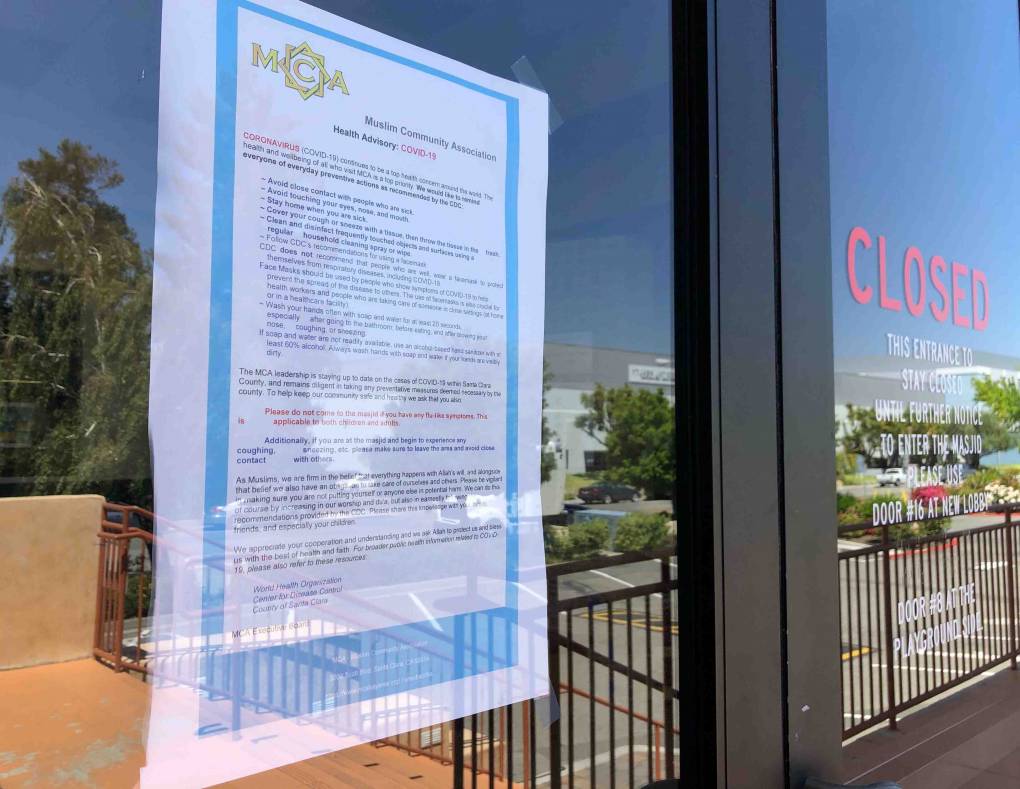
"caption": "Muslim Community Association (MCA) is one of the largest mosques in the Bay Area with more than two thousand worshippers. But without people coming into the mosque to donate money, fundraising during the month of Ramadan is at an all-time low.",
"description": null,
"title": "1920_mosque",
"credit": "Adhiti Bandlamudi/KQED",
"status": "inherit",
"isLoading": false,
"fetchFailed": false
},
"news_11814989": {
"type": "attachments",
"id": "news_11814989",
"meta": {
"index": "attachments_1716263798",
"site": "news",
"id": "11814989",
"found": true
},
"parent": 11814970,
"imgSizes": {
"apple_news_ca_landscape_5_5": {
"file": "https://ww2.kqed.org/app/uploads/sites/10/2020/04/GettyImages-1219994687_1920x-1044x783.jpg",
"width": 1044,
"mimeType": "image/jpeg",
"height": 783
},
"apple_news_ca_square_4_0": {
"file": "https://ww2.kqed.org/app/uploads/sites/10/2020/04/GettyImages-1219994687_1920x-470x470.jpg",
"width": 470,
"mimeType": "image/jpeg",
"height": 470
},
"twentyfourteen-full-width": {
"file": "https://ww2.kqed.org/app/uploads/sites/10/2020/04/GettyImages-1219994687_1920x-1038x576.jpg",
"width": 1038,
"mimeType": "image/jpeg",
"height": 576
},
"thumbnail": {
"file": "https://ww2.kqed.org/app/uploads/sites/10/2020/04/GettyImages-1219994687_1920x-160x102.jpg",
"width": 160,
"mimeType": "image/jpeg",
"height": 102
},
"post-thumbnail": {
"file": "https://ww2.kqed.org/app/uploads/sites/10/2020/04/GettyImages-1219994687_1920x-672x372.jpg",
"width": 672,
"mimeType": "image/jpeg",
"height": 372
},
"kqedFullSize": {
"file": "https://ww2.kqed.org/app/uploads/sites/10/2020/04/GettyImages-1219994687_1920x.jpg",
"width": 1920,
"height": 1229
},
"apple_news_ca_landscape_4_7": {
"file": "https://ww2.kqed.org/app/uploads/sites/10/2020/04/GettyImages-1219994687_1920x-632x474.jpg",
"width": 632,
"mimeType": "image/jpeg",
"height": 474
},
"large": {
"file": "https://ww2.kqed.org/app/uploads/sites/10/2020/04/GettyImages-1219994687_1920x-1020x653.jpg",
"width": 1020,
"mimeType": "image/jpeg",
"height": 653
},
"apple_news_ca_landscape_4_0": {
"file": "https://ww2.kqed.org/app/uploads/sites/10/2020/04/GettyImages-1219994687_1920x-536x402.jpg",
"width": 536,
"mimeType": "image/jpeg",
"height": 402
},
"apple_news_ca_portrait_12_9": {
"file": "https://ww2.kqed.org/app/uploads/sites/10/2020/04/GettyImages-1219994687_1920x-1122x1229.jpg",
"width": 1122,
"mimeType": "image/jpeg",
"height": 1229
},
"medium": {
"file": "https://ww2.kqed.org/app/uploads/sites/10/2020/04/GettyImages-1219994687_1920x-800x512.jpg",
"width": 800,
"mimeType": "image/jpeg",
"height": 512
},
"apple_news_ca_portrait_4_0": {
"file": "https://ww2.kqed.org/app/uploads/sites/10/2020/04/GettyImages-1219994687_1920x-354x472.jpg",
"width": 354,
"mimeType": "image/jpeg",
"height": 472
},
"apple_news_ca_portrait_9_7": {
"file": "https://ww2.kqed.org/app/uploads/sites/10/2020/04/GettyImages-1219994687_1920x-840x1120.jpg",
"width": 840,
"mimeType": "image/jpeg",
"height": 1120
},
"apple_news_ca_landscape_12_9": {
"file": "https://ww2.kqed.org/app/uploads/sites/10/2020/04/GettyImages-1219994687_1920x-1832x1229.jpg",
"width": 1832,
"mimeType": "image/jpeg",
"height": 1229
},
"apple_news_ca_square_9_7": {
"file": "https://ww2.kqed.org/app/uploads/sites/10/2020/04/GettyImages-1219994687_1920x-1104x1104.jpg",
"width": 1104,
"mimeType": "image/jpeg",
"height": 1104
},
"apple_news_ca_portrait_4_7": {
"file": "https://ww2.kqed.org/app/uploads/sites/10/2020/04/GettyImages-1219994687_1920x-414x552.jpg",
"width": 414,
"mimeType": "image/jpeg",
"height": 552
},
"apple_news_ca_square_12_9": {
"file": "https://ww2.kqed.org/app/uploads/sites/10/2020/04/GettyImages-1219994687_1920x-1472x1229.jpg",
"width": 1472,
"mimeType": "image/jpeg",
"height": 1229
},
"apple_news_ca_portrait_5_5": {
"file": "https://ww2.kqed.org/app/uploads/sites/10/2020/04/GettyImages-1219994687_1920x-687x916.jpg",
"width": 687,
"mimeType": "image/jpeg",
"height": 916
},
"full-width": {
"file": "https://ww2.kqed.org/app/uploads/sites/10/2020/04/GettyImages-1219994687_1920x-1920x1229.jpg",
"width": 1920,
"mimeType": "image/jpeg",
"height": 1229
},
"apple_news_ca_square_4_7": {
"file": "https://ww2.kqed.org/app/uploads/sites/10/2020/04/GettyImages-1219994687_1920x-550x550.jpg",
"width": 550,
"mimeType": "image/jpeg",
"height": 550
},
"apple_news_ca_landscape_9_7": {
"file": "https://ww2.kqed.org/app/uploads/sites/10/2020/04/GettyImages-1219994687_1920x-1376x1032.jpg",
"width": 1376,
"mimeType": "image/jpeg",
"height": 1032
},
"apple_news_ca_square_5_5": {
"file": "https://ww2.kqed.org/app/uploads/sites/10/2020/04/GettyImages-1219994687_1920x-912x912.jpg",
"width": 912,
"mimeType": "image/jpeg",
"height": 912
}
},
"publishDate": 1588186005,
"modified": 1588187267,
"caption": "Pedestrians walk by graffiti on April 20, 2020 in San Francisco encouraging people to wear masks. Regional shelter-in-place orders have been extended through May 31.",
"description": "Pedestrians walk by graffiti encouraging the wearing of masks on April 20, 2020 in San Francisco, California. The regional shelter-in-place order has been extended through May 31.",
"title": "Coronavirus Pandemic Causes Climate Of Anxiety And Changing Routines In America",
"credit": "Justin Sullivan/Getty Images",
"status": "inherit",
"isLoading": false,
"fetchFailed": false
},
"news_11812027": {
"type": "attachments",
"id": "news_11812027",
"meta": {
"index": "attachments_1716263798",
"site": "news",
"id": "11812027",
"found": true
},
"parent": 11812019,
"imgSizes": {
"apple_news_ca_landscape_5_5": {
"file": "https://ww2.kqed.org/app/uploads/sites/10/2020/04/1920_RS42655_SrDonna3-qut-1044x783.jpg",
"width": 1044,
"mimeType": "image/jpeg",
"height": 783
},
"apple_news_ca_square_4_0": {
"file": "https://ww2.kqed.org/app/uploads/sites/10/2020/04/1920_RS42655_SrDonna3-qut-470x470.jpg",
"width": 470,
"mimeType": "image/jpeg",
"height": 470
},
"twentyfourteen-full-width": {
"file": "https://ww2.kqed.org/app/uploads/sites/10/2020/04/1920_RS42655_SrDonna3-qut-1038x576.jpg",
"width": 1038,
"mimeType": "image/jpeg",
"height": 576
},
"thumbnail": {
"file": "https://ww2.kqed.org/app/uploads/sites/10/2020/04/1920_RS42655_SrDonna3-qut-160x90.jpg",
"width": 160,
"mimeType": "image/jpeg",
"height": 90
},
"post-thumbnail": {
"file": "https://ww2.kqed.org/app/uploads/sites/10/2020/04/1920_RS42655_SrDonna3-qut-672x372.jpg",
"width": 672,
"mimeType": "image/jpeg",
"height": 372
},
"kqedFullSize": {
"file": "https://ww2.kqed.org/app/uploads/sites/10/2020/04/1920_RS42655_SrDonna3-qut.jpg",
"width": 1920,
"height": 1080
},
"apple_news_ca_landscape_4_7": {
"file": "https://ww2.kqed.org/app/uploads/sites/10/2020/04/1920_RS42655_SrDonna3-qut-632x474.jpg",
"width": 632,
"mimeType": "image/jpeg",
"height": 474
},
"large": {
"file": "https://ww2.kqed.org/app/uploads/sites/10/2020/04/1920_RS42655_SrDonna3-qut-1020x574.jpg",
"width": 1020,
"mimeType": "image/jpeg",
"height": 574
},
"apple_news_ca_landscape_4_0": {
"file": "https://ww2.kqed.org/app/uploads/sites/10/2020/04/1920_RS42655_SrDonna3-qut-536x402.jpg",
"width": 536,
"mimeType": "image/jpeg",
"height": 402
},
"apple_news_ca_portrait_12_9": {
"file": "https://ww2.kqed.org/app/uploads/sites/10/2020/04/1920_RS42655_SrDonna3-qut-1122x1080.jpg",
"width": 1122,
"mimeType": "image/jpeg",
"height": 1080
},
"medium": {
"file": "https://ww2.kqed.org/app/uploads/sites/10/2020/04/1920_RS42655_SrDonna3-qut-800x450.jpg",
"width": 800,
"mimeType": "image/jpeg",
"height": 450
},
"apple_news_ca_portrait_4_0": {
"file": "https://ww2.kqed.org/app/uploads/sites/10/2020/04/1920_RS42655_SrDonna3-qut-354x472.jpg",
"width": 354,
"mimeType": "image/jpeg",
"height": 472
},
"apple_news_ca_portrait_9_7": {
"file": "https://ww2.kqed.org/app/uploads/sites/10/2020/04/1920_RS42655_SrDonna3-qut-840x1080.jpg",
"width": 840,
"mimeType": "image/jpeg",
"height": 1080
},
"apple_news_ca_landscape_12_9": {
"file": "https://ww2.kqed.org/app/uploads/sites/10/2020/04/1920_RS42655_SrDonna3-qut-1832x1080.jpg",
"width": 1832,
"mimeType": "image/jpeg",
"height": 1080
},
"apple_news_ca_square_9_7": {
"file": "https://ww2.kqed.org/app/uploads/sites/10/2020/04/1920_RS42655_SrDonna3-qut-1104x1080.jpg",
"width": 1104,
"mimeType": "image/jpeg",
"height": 1080
},
"apple_news_ca_portrait_4_7": {
"file": "https://ww2.kqed.org/app/uploads/sites/10/2020/04/1920_RS42655_SrDonna3-qut-414x552.jpg",
"width": 414,
"mimeType": "image/jpeg",
"height": 552
},
"apple_news_ca_square_12_9": {
"file": "https://ww2.kqed.org/app/uploads/sites/10/2020/04/1920_RS42655_SrDonna3-qut-1472x1080.jpg",
"width": 1472,
"mimeType": "image/jpeg",
"height": 1080
},
"apple_news_ca_portrait_5_5": {
"file": "https://ww2.kqed.org/app/uploads/sites/10/2020/04/1920_RS42655_SrDonna3-qut-687x916.jpg",
"width": 687,
"mimeType": "image/jpeg",
"height": 916
},
"full-width": {
"file": "https://ww2.kqed.org/app/uploads/sites/10/2020/04/1920_RS42655_SrDonna3-qut-1920x1080.jpg",
"width": 1920,
"mimeType": "image/jpeg",
"height": 1080
},
"apple_news_ca_square_4_7": {
"file": "https://ww2.kqed.org/app/uploads/sites/10/2020/04/1920_RS42655_SrDonna3-qut-550x550.jpg",
"width": 550,
"mimeType": "image/jpeg",
"height": 550
},
"apple_news_ca_landscape_9_7": {
"file": "https://ww2.kqed.org/app/uploads/sites/10/2020/04/1920_RS42655_SrDonna3-qut-1376x1032.jpg",
"width": 1376,
"mimeType": "image/jpeg",
"height": 1032
},
"apple_news_ca_square_5_5": {
"file": "https://ww2.kqed.org/app/uploads/sites/10/2020/04/1920_RS42655_SrDonna3-qut-912x912.jpg",
"width": 912,
"mimeType": "image/jpeg",
"height": 912
}
},
"publishDate": 1586636021,
"modified": 1586637608,
"caption": "Sister Donna Maria Moses is a senior chaplain at the Santa Clara Valley Medical Center. She and her colleagues minister to dying COVID-19 patients by phone.",
"description": null,
"title": "1920_RS42655_SrDonna3-qut",
"credit": "Courtesy of Sister Donna Maria Moses",
"status": "inherit",
"isLoading": false,
"fetchFailed": false
},
"news_11809026": {
"type": "attachments",
"id": "news_11809026",
"meta": {
"index": "attachments_1716263798",
"site": "news",
"id": "11809026",
"found": true
},
"parent": 11808977,
"imgSizes": {
"apple_news_ca_landscape_5_5": {
"file": "https://ww2.kqed.org/app/uploads/sites/10/2020/03/e1ac44a9-86e8-49e0-94a8-9f2cce9834f0-1044x783.jpeg",
"width": 1044,
"mimeType": "image/jpeg",
"height": 783
},
"apple_news_ca_square_4_0": {
"file": "https://ww2.kqed.org/app/uploads/sites/10/2020/03/e1ac44a9-86e8-49e0-94a8-9f2cce9834f0-470x470.jpeg",
"width": 470,
"mimeType": "image/jpeg",
"height": 470
},
"twentyfourteen-full-width": {
"file": "https://ww2.kqed.org/app/uploads/sites/10/2020/03/e1ac44a9-86e8-49e0-94a8-9f2cce9834f0-1038x576.jpeg",
"width": 1038,
"mimeType": "image/jpeg",
"height": 576
},
"thumbnail": {
"file": "https://ww2.kqed.org/app/uploads/sites/10/2020/03/e1ac44a9-86e8-49e0-94a8-9f2cce9834f0-160x120.jpeg",
"width": 160,
"mimeType": "image/jpeg",
"height": 120
},
"post-thumbnail": {
"file": "https://ww2.kqed.org/app/uploads/sites/10/2020/03/e1ac44a9-86e8-49e0-94a8-9f2cce9834f0-672x372.jpeg",
"width": 672,
"mimeType": "image/jpeg",
"height": 372
},
"kqedFullSize": {
"file": "https://ww2.kqed.org/app/uploads/sites/10/2020/03/e1ac44a9-86e8-49e0-94a8-9f2cce9834f0.jpeg",
"width": 1600,
"height": 1200
},
"apple_news_ca_landscape_4_7": {
"file": "https://ww2.kqed.org/app/uploads/sites/10/2020/03/e1ac44a9-86e8-49e0-94a8-9f2cce9834f0-632x474.jpeg",
"width": 632,
"mimeType": "image/jpeg",
"height": 474
},
"large": {
"file": "https://ww2.kqed.org/app/uploads/sites/10/2020/03/e1ac44a9-86e8-49e0-94a8-9f2cce9834f0-1020x765.jpeg",
"width": 1020,
"mimeType": "image/jpeg",
"height": 765
},
"apple_news_ca_landscape_4_0": {
"file": "https://ww2.kqed.org/app/uploads/sites/10/2020/03/e1ac44a9-86e8-49e0-94a8-9f2cce9834f0-536x402.jpeg",
"width": 536,
"mimeType": "image/jpeg",
"height": 402
},
"apple_news_ca_portrait_12_9": {
"file": "https://ww2.kqed.org/app/uploads/sites/10/2020/03/e1ac44a9-86e8-49e0-94a8-9f2cce9834f0-1122x1200.jpeg",
"width": 1122,
"mimeType": "image/jpeg",
"height": 1200
},
"medium": {
"file": "https://ww2.kqed.org/app/uploads/sites/10/2020/03/e1ac44a9-86e8-49e0-94a8-9f2cce9834f0-800x600.jpeg",
"width": 800,
"mimeType": "image/jpeg",
"height": 600
},
"apple_news_ca_portrait_4_0": {
"file": "https://ww2.kqed.org/app/uploads/sites/10/2020/03/e1ac44a9-86e8-49e0-94a8-9f2cce9834f0-354x472.jpeg",
"width": 354,
"mimeType": "image/jpeg",
"height": 472
},
"apple_news_ca_portrait_9_7": {
"file": "https://ww2.kqed.org/app/uploads/sites/10/2020/03/e1ac44a9-86e8-49e0-94a8-9f2cce9834f0-840x1120.jpeg",
"width": 840,
"mimeType": "image/jpeg",
"height": 1120
},
"apple_news_ca_square_9_7": {
"file": "https://ww2.kqed.org/app/uploads/sites/10/2020/03/e1ac44a9-86e8-49e0-94a8-9f2cce9834f0-1104x1104.jpeg",
"width": 1104,
"mimeType": "image/jpeg",
"height": 1104
},
"apple_news_ca_portrait_4_7": {
"file": "https://ww2.kqed.org/app/uploads/sites/10/2020/03/e1ac44a9-86e8-49e0-94a8-9f2cce9834f0-414x552.jpeg",
"width": 414,
"mimeType": "image/jpeg",
"height": 552
},
"apple_news_ca_square_12_9": {
"file": "https://ww2.kqed.org/app/uploads/sites/10/2020/03/e1ac44a9-86e8-49e0-94a8-9f2cce9834f0-1472x1200.jpeg",
"width": 1472,
"mimeType": "image/jpeg",
"height": 1200
},
"apple_news_ca_portrait_5_5": {
"file": "https://ww2.kqed.org/app/uploads/sites/10/2020/03/e1ac44a9-86e8-49e0-94a8-9f2cce9834f0-687x916.jpeg",
"width": 687,
"mimeType": "image/jpeg",
"height": 916
},
"apple_news_ca_square_4_7": {
"file": "https://ww2.kqed.org/app/uploads/sites/10/2020/03/e1ac44a9-86e8-49e0-94a8-9f2cce9834f0-550x550.jpeg",
"width": 550,
"mimeType": "image/jpeg",
"height": 550
},
"apple_news_ca_landscape_9_7": {
"file": "https://ww2.kqed.org/app/uploads/sites/10/2020/03/e1ac44a9-86e8-49e0-94a8-9f2cce9834f0-1376x1032.jpeg",
"width": 1376,
"mimeType": "image/jpeg",
"height": 1032
},
"apple_news_ca_square_5_5": {
"file": "https://ww2.kqed.org/app/uploads/sites/10/2020/03/e1ac44a9-86e8-49e0-94a8-9f2cce9834f0-912x912.jpeg",
"width": 912,
"mimeType": "image/jpeg",
"height": 912
}
},
"publishDate": 1585261924,
"modified": 1585338393,
"caption": "Harpreet Singh stands in a Restaurant Depot, collecting supplies for the Silicon Valley Gudwara's free grocery delivery service. Local temples and churches have been brainstorming how to support their congregations under COVID-19 shelter-in-place orders.",
"description": "Harpreet Singh stands in a Restaurant Depot, collecting supplies for the Silicon Valley Gudwara's free grocery delivery service. Local temples and churches have been brainstorming how to support their congregation under COVID-19.",
"title": "e1ac44a9-86e8-49e0-94a8-9f2cce9834f0",
"credit": "Photo courtesy of Harpreet Singh Kohli",
"status": "inherit",
"isLoading": false,
"fetchFailed": false
},
"news_11803798": {
"type": "attachments",
"id": "news_11803798",
"meta": {
"index": "attachments_1716263798",
"site": "news",
"id": "11803798",
"found": true
},
"parent": 11803793,
"imgSizes": {
"apple_news_ca_landscape_5_5": {
"file": "https://ww2.kqed.org/app/uploads/sites/10/2020/02/RS41425_027_KQED_RegistrarofVoters_SantaClara_02192020_9074-qut-1044x783.jpg",
"width": 1044,
"mimeType": "image/jpeg",
"height": 783
},
"apple_news_ca_square_4_0": {
"file": "https://ww2.kqed.org/app/uploads/sites/10/2020/02/RS41425_027_KQED_RegistrarofVoters_SantaClara_02192020_9074-qut-470x470.jpg",
"width": 470,
"mimeType": "image/jpeg",
"height": 470
},
"twentyfourteen-full-width": {
"file": "https://ww2.kqed.org/app/uploads/sites/10/2020/02/RS41425_027_KQED_RegistrarofVoters_SantaClara_02192020_9074-qut-1038x576.jpg",
"width": 1038,
"mimeType": "image/jpeg",
"height": 576
},
"thumbnail": {
"file": "https://ww2.kqed.org/app/uploads/sites/10/2020/02/RS41425_027_KQED_RegistrarofVoters_SantaClara_02192020_9074-qut-160x107.jpg",
"width": 160,
"mimeType": "image/jpeg",
"height": 107
},
"post-thumbnail": {
"file": "https://ww2.kqed.org/app/uploads/sites/10/2020/02/RS41425_027_KQED_RegistrarofVoters_SantaClara_02192020_9074-qut-672x372.jpg",
"width": 672,
"mimeType": "image/jpeg",
"height": 372
},
"kqedFullSize": {
"file": "https://ww2.kqed.org/app/uploads/sites/10/2020/02/RS41425_027_KQED_RegistrarofVoters_SantaClara_02192020_9074-qut.jpg",
"width": 1920,
"height": 1278
},
"apple_news_ca_landscape_4_7": {
"file": "https://ww2.kqed.org/app/uploads/sites/10/2020/02/RS41425_027_KQED_RegistrarofVoters_SantaClara_02192020_9074-qut-632x474.jpg",
"width": 632,
"mimeType": "image/jpeg",
"height": 474
},
"large": {
"file": "https://ww2.kqed.org/app/uploads/sites/10/2020/02/RS41425_027_KQED_RegistrarofVoters_SantaClara_02192020_9074-qut-1020x679.jpg",
"width": 1020,
"mimeType": "image/jpeg",
"height": 679
},
"apple_news_ca_landscape_4_0": {
"file": "https://ww2.kqed.org/app/uploads/sites/10/2020/02/RS41425_027_KQED_RegistrarofVoters_SantaClara_02192020_9074-qut-536x402.jpg",
"width": 536,
"mimeType": "image/jpeg",
"height": 402
},
"apple_news_ca_portrait_12_9": {
"file": "https://ww2.kqed.org/app/uploads/sites/10/2020/02/RS41425_027_KQED_RegistrarofVoters_SantaClara_02192020_9074-qut-1122x1278.jpg",
"width": 1122,
"mimeType": "image/jpeg",
"height": 1278
},
"medium": {
"file": "https://ww2.kqed.org/app/uploads/sites/10/2020/02/RS41425_027_KQED_RegistrarofVoters_SantaClara_02192020_9074-qut-800x533.jpg",
"width": 800,
"mimeType": "image/jpeg",
"height": 533
},
"apple_news_ca_portrait_4_0": {
"file": "https://ww2.kqed.org/app/uploads/sites/10/2020/02/RS41425_027_KQED_RegistrarofVoters_SantaClara_02192020_9074-qut-354x472.jpg",
"width": 354,
"mimeType": "image/jpeg",
"height": 472
},
"apple_news_ca_portrait_9_7": {
"file": "https://ww2.kqed.org/app/uploads/sites/10/2020/02/RS41425_027_KQED_RegistrarofVoters_SantaClara_02192020_9074-qut-840x1120.jpg",
"width": 840,
"mimeType": "image/jpeg",
"height": 1120
},
"apple_news_ca_landscape_12_9": {
"file": "https://ww2.kqed.org/app/uploads/sites/10/2020/02/RS41425_027_KQED_RegistrarofVoters_SantaClara_02192020_9074-qut-1832x1278.jpg",
"width": 1832,
"mimeType": "image/jpeg",
"height": 1278
},
"apple_news_ca_square_9_7": {
"file": "https://ww2.kqed.org/app/uploads/sites/10/2020/02/RS41425_027_KQED_RegistrarofVoters_SantaClara_02192020_9074-qut-1104x1104.jpg",
"width": 1104,
"mimeType": "image/jpeg",
"height": 1104
},
"apple_news_ca_portrait_4_7": {
"file": "https://ww2.kqed.org/app/uploads/sites/10/2020/02/RS41425_027_KQED_RegistrarofVoters_SantaClara_02192020_9074-qut-414x552.jpg",
"width": 414,
"mimeType": "image/jpeg",
"height": 552
},
"apple_news_ca_square_12_9": {
"file": "https://ww2.kqed.org/app/uploads/sites/10/2020/02/RS41425_027_KQED_RegistrarofVoters_SantaClara_02192020_9074-qut-1472x1278.jpg",
"width": 1472,
"mimeType": "image/jpeg",
"height": 1278
},
"apple_news_ca_portrait_5_5": {
"file": "https://ww2.kqed.org/app/uploads/sites/10/2020/02/RS41425_027_KQED_RegistrarofVoters_SantaClara_02192020_9074-qut-687x916.jpg",
"width": 687,
"mimeType": "image/jpeg",
"height": 916
},
"full-width": {
"file": "https://ww2.kqed.org/app/uploads/sites/10/2020/02/RS41425_027_KQED_RegistrarofVoters_SantaClara_02192020_9074-qut-1920x1278.jpg",
"width": 1920,
"mimeType": "image/jpeg",
"height": 1278
},
"apple_news_ca_square_4_7": {
"file": "https://ww2.kqed.org/app/uploads/sites/10/2020/02/RS41425_027_KQED_RegistrarofVoters_SantaClara_02192020_9074-qut-550x550.jpg",
"width": 550,
"mimeType": "image/jpeg",
"height": 550
},
"apple_news_ca_landscape_9_7": {
"file": "https://ww2.kqed.org/app/uploads/sites/10/2020/02/RS41425_027_KQED_RegistrarofVoters_SantaClara_02192020_9074-qut-1376x1032.jpg",
"width": 1376,
"mimeType": "image/jpeg",
"height": 1032
},
"apple_news_ca_square_5_5": {
"file": "https://ww2.kqed.org/app/uploads/sites/10/2020/02/RS41425_027_KQED_RegistrarofVoters_SantaClara_02192020_9074-qut-912x912.jpg",
"width": 912,
"mimeType": "image/jpeg",
"height": 912
}
},
"publishDate": 1582774066,
"modified": 1582842365,
"caption": "The city of Santa Clara is weighing a vote which would split the city into three districts, instead of six. It's becoming one of the most expensive races in the Bay Area. ",
"description": "The city of Santa Clara is weighing a vote which would split the city into three districts, instead of six. It's becoming one of the most expensive races in the Bay. ",
"title": "RS41425_027_KQED_RegistrarofVoters_SantaClara_02192020_9074-qut",
"credit": "Beth LaBerge/KQED",
"status": "inherit",
"isLoading": false,
"fetchFailed": false
},
"news_11803740": {
"type": "attachments",
"id": "news_11803740",
"meta": {
"index": "attachments_1716263798",
"site": "news",
"id": "11803740",
"found": true
},
"parent": 11803534,
"imgSizes": {
"apple_news_ca_landscape_5_5": {
"file": "https://ww2.kqed.org/app/uploads/sites/10/2020/02/RS41436_007_KQED_District15Candidates_02192020_3386-qut-1044x783.jpg",
"width": 1044,
"mimeType": "image/jpeg",
"height": 783
},
"apple_news_ca_square_4_0": {
"file": "https://ww2.kqed.org/app/uploads/sites/10/2020/02/RS41436_007_KQED_District15Candidates_02192020_3386-qut-470x470.jpg",
"width": 470,
"mimeType": "image/jpeg",
"height": 470
},
"twentyfourteen-full-width": {
"file": "https://ww2.kqed.org/app/uploads/sites/10/2020/02/RS41436_007_KQED_District15Candidates_02192020_3386-qut-1038x576.jpg",
"width": 1038,
"mimeType": "image/jpeg",
"height": 576
},
"thumbnail": {
"file": "https://ww2.kqed.org/app/uploads/sites/10/2020/02/RS41436_007_KQED_District15Candidates_02192020_3386-qut-160x107.jpg",
"width": 160,
"mimeType": "image/jpeg",
"height": 107
},
"post-thumbnail": {
"file": "https://ww2.kqed.org/app/uploads/sites/10/2020/02/RS41436_007_KQED_District15Candidates_02192020_3386-qut-672x372.jpg",
"width": 672,
"mimeType": "image/jpeg",
"height": 372
},
"kqedFullSize": {
"file": "https://ww2.kqed.org/app/uploads/sites/10/2020/02/RS41436_007_KQED_District15Candidates_02192020_3386-qut.jpg",
"width": 1920,
"height": 1280
},
"apple_news_ca_landscape_4_7": {
"file": "https://ww2.kqed.org/app/uploads/sites/10/2020/02/RS41436_007_KQED_District15Candidates_02192020_3386-qut-632x474.jpg",
"width": 632,
"mimeType": "image/jpeg",
"height": 474
},
"large": {
"file": "https://ww2.kqed.org/app/uploads/sites/10/2020/02/RS41436_007_KQED_District15Candidates_02192020_3386-qut-1020x680.jpg",
"width": 1020,
"mimeType": "image/jpeg",
"height": 680
},
"apple_news_ca_landscape_4_0": {
"file": "https://ww2.kqed.org/app/uploads/sites/10/2020/02/RS41436_007_KQED_District15Candidates_02192020_3386-qut-536x402.jpg",
"width": 536,
"mimeType": "image/jpeg",
"height": 402
},
"apple_news_ca_portrait_12_9": {
"file": "https://ww2.kqed.org/app/uploads/sites/10/2020/02/RS41436_007_KQED_District15Candidates_02192020_3386-qut-1122x1280.jpg",
"width": 1122,
"mimeType": "image/jpeg",
"height": 1280
},
"medium": {
"file": "https://ww2.kqed.org/app/uploads/sites/10/2020/02/RS41436_007_KQED_District15Candidates_02192020_3386-qut-800x533.jpg",
"width": 800,
"mimeType": "image/jpeg",
"height": 533
},
"apple_news_ca_portrait_4_0": {
"file": "https://ww2.kqed.org/app/uploads/sites/10/2020/02/RS41436_007_KQED_District15Candidates_02192020_3386-qut-354x472.jpg",
"width": 354,
"mimeType": "image/jpeg",
"height": 472
},
"apple_news_ca_portrait_9_7": {
"file": "https://ww2.kqed.org/app/uploads/sites/10/2020/02/RS41436_007_KQED_District15Candidates_02192020_3386-qut-840x1120.jpg",
"width": 840,
"mimeType": "image/jpeg",
"height": 1120
},
"apple_news_ca_landscape_12_9": {
"file": "https://ww2.kqed.org/app/uploads/sites/10/2020/02/RS41436_007_KQED_District15Candidates_02192020_3386-qut-1832x1280.jpg",
"width": 1832,
"mimeType": "image/jpeg",
"height": 1280
},
"apple_news_ca_square_9_7": {
"file": "https://ww2.kqed.org/app/uploads/sites/10/2020/02/RS41436_007_KQED_District15Candidates_02192020_3386-qut-1104x1104.jpg",
"width": 1104,
"mimeType": "image/jpeg",
"height": 1104
},
"apple_news_ca_portrait_4_7": {
"file": "https://ww2.kqed.org/app/uploads/sites/10/2020/02/RS41436_007_KQED_District15Candidates_02192020_3386-qut-414x552.jpg",
"width": 414,
"mimeType": "image/jpeg",
"height": 552
},
"apple_news_ca_square_12_9": {
"file": "https://ww2.kqed.org/app/uploads/sites/10/2020/02/RS41436_007_KQED_District15Candidates_02192020_3386-qut-1472x1280.jpg",
"width": 1472,
"mimeType": "image/jpeg",
"height": 1280
},
"apple_news_ca_portrait_5_5": {
"file": "https://ww2.kqed.org/app/uploads/sites/10/2020/02/RS41436_007_KQED_District15Candidates_02192020_3386-qut-687x916.jpg",
"width": 687,
"mimeType": "image/jpeg",
"height": 916
},
"full-width": {
"file": "https://ww2.kqed.org/app/uploads/sites/10/2020/02/RS41436_007_KQED_District15Candidates_02192020_3386-qut-1920x1280.jpg",
"width": 1920,
"mimeType": "image/jpeg",
"height": 1280
},
"apple_news_ca_square_4_7": {
"file": "https://ww2.kqed.org/app/uploads/sites/10/2020/02/RS41436_007_KQED_District15Candidates_02192020_3386-qut-550x550.jpg",
"width": 550,
"mimeType": "image/jpeg",
"height": 550
},
"apple_news_ca_landscape_9_7": {
"file": "https://ww2.kqed.org/app/uploads/sites/10/2020/02/RS41436_007_KQED_District15Candidates_02192020_3386-qut-1376x1032.jpg",
"width": 1376,
"mimeType": "image/jpeg",
"height": 1032
},
"apple_news_ca_square_5_5": {
"file": "https://ww2.kqed.org/app/uploads/sites/10/2020/02/RS41436_007_KQED_District15Candidates_02192020_3386-qut-912x912.jpg",
"width": 912,
"mimeType": "image/jpeg",
"height": 912
}
},
"publishDate": 1582763250,
"modified": 1582767606,
"caption": "Dave Cortese (left) and Nora Campos at a state Senate District 15 candidate forum at Campbell City Hall on Feb. 19, 2020.",
"description": null,
"title": "RS41436_007_KQED_District15Candidates_02192020_3386-qut",
"credit": "Beth LaBerge/KQED",
"status": "inherit",
"isLoading": false,
"fetchFailed": false
},
"news_11673984": {
"type": "attachments",
"id": "news_11673984",
"meta": {
"index": "attachments_1716263798",
"site": "news",
"id": "11673984",
"found": true
},
"parent": 0,
"imgSizes": {
"small": {
"file": "https://ww2.kqed.org/app/uploads/sites/10/2018/06/MCA4-520x390.jpg",
"width": 520,
"mimeType": "image/jpeg",
"height": 390
},
"twentyfourteen-full-width": {
"file": "https://ww2.kqed.org/app/uploads/sites/10/2018/06/MCA4-1024x576.jpg",
"width": 1024,
"mimeType": "image/jpeg",
"height": 576
},
"thumbnail": {
"file": "https://ww2.kqed.org/app/uploads/sites/10/2018/06/MCA4-160x120.jpg",
"width": 160,
"mimeType": "image/jpeg",
"height": 120
},
"fd-sm": {
"file": "https://ww2.kqed.org/app/uploads/sites/10/2018/06/MCA4-960x720.jpg",
"width": 960,
"mimeType": "image/jpeg",
"height": 720
},
"post-thumbnail": {
"file": "https://ww2.kqed.org/app/uploads/sites/10/2018/06/MCA4-672x372.jpg",
"width": 672,
"mimeType": "image/jpeg",
"height": 372
},
"xsmall": {
"file": "https://ww2.kqed.org/app/uploads/sites/10/2018/06/MCA4-375x281.jpg",
"width": 375,
"mimeType": "image/jpeg",
"height": 281
},
"kqedFullSize": {
"file": "https://ww2.kqed.org/app/uploads/sites/10/2018/06/MCA4.jpg",
"width": 1024,
"height": 768
},
"large": {
"file": "https://ww2.kqed.org/app/uploads/sites/10/2018/06/MCA4-1020x765.jpg",
"width": 1020,
"mimeType": "image/jpeg",
"height": 765
},
"guest-author-50": {
"file": "https://ww2.kqed.org/app/uploads/sites/10/2018/06/MCA4-50x50.jpg",
"width": 50,
"mimeType": "image/jpeg",
"height": 50
},
"guest-author-96": {
"file": "https://ww2.kqed.org/app/uploads/sites/10/2018/06/MCA4-96x96.jpg",
"width": 96,
"mimeType": "image/jpeg",
"height": 96
},
"medium": {
"file": "https://ww2.kqed.org/app/uploads/sites/10/2018/06/MCA4-800x600.jpg",
"width": 800,
"mimeType": "image/jpeg",
"height": 600
},
"guest-author-64": {
"file": "https://ww2.kqed.org/app/uploads/sites/10/2018/06/MCA4-64x64.jpg",
"width": 64,
"mimeType": "image/jpeg",
"height": 64
},
"guest-author-32": {
"file": "https://ww2.kqed.org/app/uploads/sites/10/2018/06/MCA4-32x32.jpg",
"width": 32,
"mimeType": "image/jpeg",
"height": 32
},
"detail": {
"file": "https://ww2.kqed.org/app/uploads/sites/10/2018/06/MCA4-150x150.jpg",
"width": 150,
"mimeType": "image/jpeg",
"height": 150
},
"guest-author-128": {
"file": "https://ww2.kqed.org/app/uploads/sites/10/2018/06/MCA4-128x128.jpg",
"width": 128,
"mimeType": "image/jpeg",
"height": 128
},
"xxsmall": {
"file": "https://ww2.kqed.org/app/uploads/sites/10/2018/06/MCA4-240x180.jpg",
"width": 240,
"mimeType": "image/jpeg",
"height": 180
}
},
"publishDate": 1528635981,
"modified": 1528657392,
"caption": "Mohammad Chowdhury (left) and his family speaks with Erika Warrick at the Muslim Community Association Ramadan Open House on June 2, 2018. Warrick says she and Chowdhury are co-workers, and she accepted his invitation to the event.",
"description": "Mohammad Chowdhury (left) and his family speaks with Erika Warrick at the Muslim Community Association Ramadan Open House on June 2, 2018. Warrick says she and Chowdhury are co-workers, and she accepted his invitation to the event.",
"title": "MCA4",
"credit": "Marnette Federis/KQED",
"status": "inherit",
"isLoading": false,
"fetchFailed": false
},
"news_11668385": {
"type": "attachments",
"id": "news_11668385",
"meta": {
"index": "attachments_1716263798",
"site": "news",
"id": "11668385",
"found": true
},
"parent": 11668379,
"imgSizes": {
"small": {
"file": "https://ww2.kqed.org/app/uploads/sites/10/2018/05/Caserta-screengrab-520x345.jpg",
"width": 520,
"mimeType": "image/jpeg",
"height": 345
},
"twentyfourteen-full-width": {
"file": "https://ww2.kqed.org/app/uploads/sites/10/2018/05/Caserta-screengrab-1023x576.jpg",
"width": 1023,
"mimeType": "image/jpeg",
"height": 576
},
"thumbnail": {
"file": "https://ww2.kqed.org/app/uploads/sites/10/2018/05/Caserta-screengrab-160x106.jpg",
"width": 160,
"mimeType": "image/jpeg",
"height": 106
},
"fd-sm": {
"file": "https://ww2.kqed.org/app/uploads/sites/10/2018/05/Caserta-screengrab-960x636.jpg",
"width": 960,
"mimeType": "image/jpeg",
"height": 636
},
"post-thumbnail": {
"file": "https://ww2.kqed.org/app/uploads/sites/10/2018/05/Caserta-screengrab-672x372.jpg",
"width": 672,
"mimeType": "image/jpeg",
"height": 372
},
"xsmall": {
"file": "https://ww2.kqed.org/app/uploads/sites/10/2018/05/Caserta-screengrab-375x249.jpg",
"width": 375,
"mimeType": "image/jpeg",
"height": 249
},
"kqedFullSize": {
"file": "https://ww2.kqed.org/app/uploads/sites/10/2018/05/Caserta-screengrab.jpg",
"width": 1023,
"height": 678
},
"large": {
"file": "https://ww2.kqed.org/app/uploads/sites/10/2018/05/Caserta-screengrab-1020x676.jpg",
"width": 1020,
"mimeType": "image/jpeg",
"height": 676
},
"guest-author-50": {
"file": "https://ww2.kqed.org/app/uploads/sites/10/2018/05/Caserta-screengrab-50x50.jpg",
"width": 50,
"mimeType": "image/jpeg",
"height": 50
},
"guest-author-96": {
"file": "https://ww2.kqed.org/app/uploads/sites/10/2018/05/Caserta-screengrab-96x96.jpg",
"width": 96,
"mimeType": "image/jpeg",
"height": 96
},
"medium": {
"file": "https://ww2.kqed.org/app/uploads/sites/10/2018/05/Caserta-screengrab-800x530.jpg",
"width": 800,
"mimeType": "image/jpeg",
"height": 530
},
"guest-author-64": {
"file": "https://ww2.kqed.org/app/uploads/sites/10/2018/05/Caserta-screengrab-64x64.jpg",
"width": 64,
"mimeType": "image/jpeg",
"height": 64
},
"guest-author-32": {
"file": "https://ww2.kqed.org/app/uploads/sites/10/2018/05/Caserta-screengrab-32x32.jpg",
"width": 32,
"mimeType": "image/jpeg",
"height": 32
},
"detail": {
"file": "https://ww2.kqed.org/app/uploads/sites/10/2018/05/Caserta-screengrab-150x150.jpg",
"width": 150,
"mimeType": "image/jpeg",
"height": 150
},
"guest-author-128": {
"file": "https://ww2.kqed.org/app/uploads/sites/10/2018/05/Caserta-screengrab-128x128.jpg",
"width": 128,
"mimeType": "image/jpeg",
"height": 128
},
"xxsmall": {
"file": "https://ww2.kqed.org/app/uploads/sites/10/2018/05/Caserta-screengrab-240x159.jpg",
"width": 240,
"mimeType": "image/jpeg",
"height": 159
}
},
"publishDate": 1526406498,
"modified": 1526406533,
"caption": "Dominic Caserta",
"description": null,
"title": "Caserta-screengrab",
"credit": "dominiccaserta.com",
"status": "inherit",
"isLoading": false,
"fetchFailed": false
},
"news_11663627": {
"type": "attachments",
"id": "news_11663627",
"meta": {
"index": "attachments_1716263798",
"site": "news",
"id": "11663627",
"found": true
},
"parent": 11663625,
"imgSizes": {
"small": {
"file": "https://ww2.kqed.org/app/uploads/sites/10/2018/04/Persky-1920x1309-520x355.jpg",
"width": 520,
"mimeType": "image/jpeg",
"height": 355
},
"twentyfourteen-full-width": {
"file": "https://ww2.kqed.org/app/uploads/sites/10/2018/04/Persky-1920x1309-1038x576.jpg",
"width": 1038,
"mimeType": "image/jpeg",
"height": 576
},
"thumbnail": {
"file": "https://ww2.kqed.org/app/uploads/sites/10/2018/04/Persky-1920x1309-160x109.jpg",
"width": 160,
"mimeType": "image/jpeg",
"height": 109
},
"fd-sm": {
"file": "https://ww2.kqed.org/app/uploads/sites/10/2018/04/Persky-1920x1309-960x655.jpg",
"width": 960,
"mimeType": "image/jpeg",
"height": 655
},
"post-thumbnail": {
"file": "https://ww2.kqed.org/app/uploads/sites/10/2018/04/Persky-1920x1309-672x372.jpg",
"width": 672,
"mimeType": "image/jpeg",
"height": 372
},
"xsmall": {
"file": "https://ww2.kqed.org/app/uploads/sites/10/2018/04/Persky-1920x1309-375x256.jpg",
"width": 375,
"mimeType": "image/jpeg",
"height": 256
},
"kqedFullSize": {
"file": "https://ww2.kqed.org/app/uploads/sites/10/2018/04/Persky-1920x1309.jpg",
"width": 1920,
"height": 1309
},
"large": {
"file": "https://ww2.kqed.org/app/uploads/sites/10/2018/04/Persky-1920x1309-1020x695.jpg",
"width": 1020,
"mimeType": "image/jpeg",
"height": 695
},
"xlarge": {
"file": "https://ww2.kqed.org/app/uploads/sites/10/2018/04/Persky-1920x1309-1180x804.jpg",
"width": 1180,
"mimeType": "image/jpeg",
"height": 804
},
"complete_open_graph": {
"file": "https://ww2.kqed.org/app/uploads/sites/10/2018/04/Persky-1920x1309-1200x818.jpg",
"width": 1200,
"mimeType": "image/jpeg",
"height": 818
},
"guest-author-50": {
"file": "https://ww2.kqed.org/app/uploads/sites/10/2018/04/Persky-1920x1309-50x50.jpg",
"width": 50,
"mimeType": "image/jpeg",
"height": 50
},
"guest-author-96": {
"file": "https://ww2.kqed.org/app/uploads/sites/10/2018/04/Persky-1920x1309-96x96.jpg",
"width": 96,
"mimeType": "image/jpeg",
"height": 96
},
"medium": {
"file": "https://ww2.kqed.org/app/uploads/sites/10/2018/04/Persky-1920x1309-800x545.jpg",
"width": 800,
"mimeType": "image/jpeg",
"height": 545
},
"guest-author-64": {
"file": "https://ww2.kqed.org/app/uploads/sites/10/2018/04/Persky-1920x1309-64x64.jpg",
"width": 64,
"mimeType": "image/jpeg",
"height": 64
},
"guest-author-32": {
"file": "https://ww2.kqed.org/app/uploads/sites/10/2018/04/Persky-1920x1309-32x32.jpg",
"width": 32,
"mimeType": "image/jpeg",
"height": 32
},
"fd-lrg": {
"file": "https://ww2.kqed.org/app/uploads/sites/10/2018/04/Persky-1920x1309-1920x1309.jpg",
"width": 1920,
"mimeType": "image/jpeg",
"height": 1309
},
"fd-med": {
"file": "https://ww2.kqed.org/app/uploads/sites/10/2018/04/Persky-1920x1309-1180x804.jpg",
"width": 1180,
"mimeType": "image/jpeg",
"height": 804
},
"full-width": {
"file": "https://ww2.kqed.org/app/uploads/sites/10/2018/04/Persky-1920x1309-1920x1309.jpg",
"width": 1920,
"mimeType": "image/jpeg",
"height": 1309
},
"detail": {
"file": "https://ww2.kqed.org/app/uploads/sites/10/2018/04/Persky-1920x1309-150x150.jpg",
"width": 150,
"mimeType": "image/jpeg",
"height": 150
},
"guest-author-128": {
"file": "https://ww2.kqed.org/app/uploads/sites/10/2018/04/Persky-1920x1309-128x128.jpg",
"width": 128,
"mimeType": "image/jpeg",
"height": 128
},
"xxsmall": {
"file": "https://ww2.kqed.org/app/uploads/sites/10/2018/04/Persky-1920x1309-240x164.jpg",
"width": 240,
"mimeType": "image/jpeg",
"height": 164
}
},
"publishDate": 1524248491,
"modified": 1524248528,
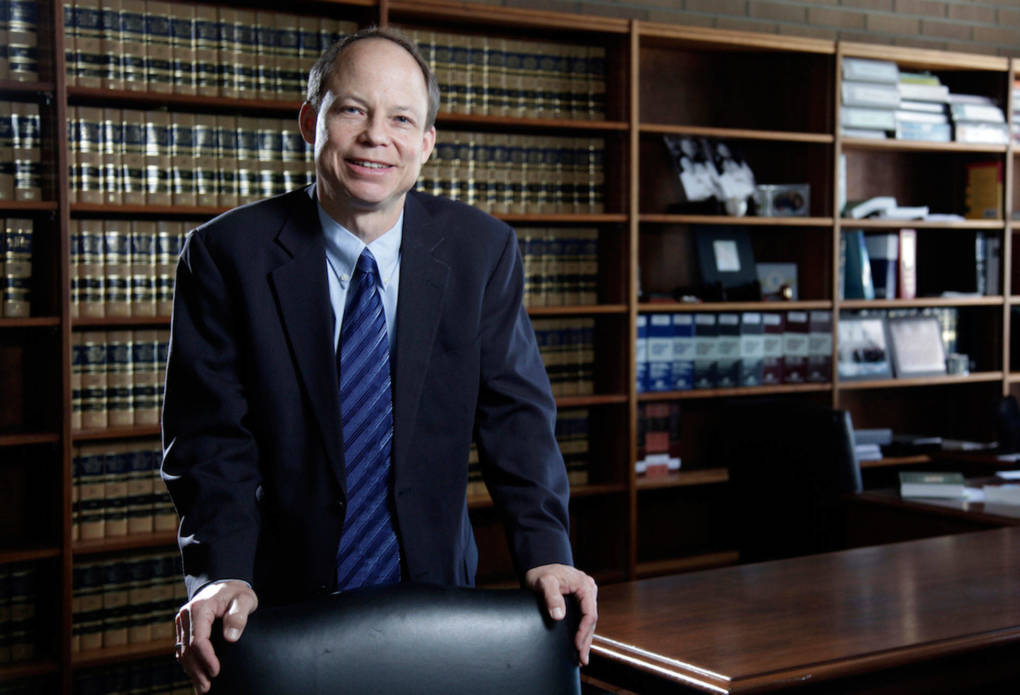
"caption": "Santa Clara County Judge Aaron Persky faces a potential recall after he sentenced an ex-Stanford University swimmer to six months in jail for sexually assaulting an unconscious woman.",
"description": "Santa Clara County Judge Aaron Persky faces a potential recall after he sentenced an ex-Stanford University swimmer to six months in jail for sexually assaulting an unconscious woman.",
"title": "Persky-1920x1309",
"credit": "Jason Doiy/The Recorder",
"status": "inherit",
"isLoading": false,
"fetchFailed": false
},
"news_11477176": {
"type": "attachments",
"id": "news_11477176",
"meta": {
"index": "attachments_1716263798",
"site": "news",
"id": "11477176",
"found": true
},
"parent": 11437363,
"imgSizes": {
"small": {
"file": "https://ww2.kqed.org/app/uploads/sites/10/2017/05/iStock-153181882-520x347.jpg",
"width": 520,
"mimeType": "image/jpeg",
"height": 347
},
"twentyfourteen-full-width": {
"file": "https://ww2.kqed.org/app/uploads/sites/10/2017/05/iStock-153181882-1038x576.jpg",
"width": 1038,
"mimeType": "image/jpeg",
"height": 576
},
"thumbnail": {
"file": "https://ww2.kqed.org/app/uploads/sites/10/2017/05/iStock-153181882-160x107.jpg",
"width": 160,
"mimeType": "image/jpeg",
"height": 107
},
"fd-sm": {
"file": "https://ww2.kqed.org/app/uploads/sites/10/2017/05/iStock-153181882-960x640.jpg",
"width": 960,
"mimeType": "image/jpeg",
"height": 640
},
"post-thumbnail": {
"file": "https://ww2.kqed.org/app/uploads/sites/10/2017/05/iStock-153181882-672x372.jpg",
"width": 672,
"mimeType": "image/jpeg",
"height": 372
},
"xsmall": {
"file": "https://ww2.kqed.org/app/uploads/sites/10/2017/05/iStock-153181882-375x250.jpg",
"width": 375,
"mimeType": "image/jpeg",
"height": 250
},
"kqedFullSize": {
"file": "https://ww2.kqed.org/app/uploads/sites/10/2017/05/iStock-153181882-e1495733328277.jpg",
"width": 1920,
"height": 1280
},
"large": {
"file": "https://ww2.kqed.org/app/uploads/sites/10/2017/05/iStock-153181882-1020x680.jpg",
"width": 1020,
"mimeType": "image/jpeg",
"height": 680
},
"xlarge": {
"file": "https://ww2.kqed.org/app/uploads/sites/10/2017/05/iStock-153181882-1180x786.jpg",
"width": 1180,
"mimeType": "image/jpeg",
"height": 786
},
"guest-author-50": {
"file": "https://ww2.kqed.org/app/uploads/sites/10/2017/05/iStock-153181882-50x50.jpg",
"width": 50,
"mimeType": "image/jpeg",
"height": 50
},
"guest-author-96": {
"file": "https://ww2.kqed.org/app/uploads/sites/10/2017/05/iStock-153181882-96x96.jpg",
"width": 96,
"mimeType": "image/jpeg",
"height": 96
},
"medium": {
"file": "https://ww2.kqed.org/app/uploads/sites/10/2017/05/iStock-153181882-800x533.jpg",
"width": 800,
"mimeType": "image/jpeg",
"height": 533
},
"guest-author-64": {
"file": "https://ww2.kqed.org/app/uploads/sites/10/2017/05/iStock-153181882-64x64.jpg",
"width": 64,
"mimeType": "image/jpeg",
"height": 64
},
"guest-author-32": {
"file": "https://ww2.kqed.org/app/uploads/sites/10/2017/05/iStock-153181882-32x32.jpg",
"width": 32,
"mimeType": "image/jpeg",
"height": 32
},
"fd-lrg": {
"file": "https://ww2.kqed.org/app/uploads/sites/10/2017/05/iStock-153181882-1920x1280.jpg",
"width": 1920,
"mimeType": "image/jpeg",
"height": 1280
},
"fd-med": {
"file": "https://ww2.kqed.org/app/uploads/sites/10/2017/05/iStock-153181882-1180x786.jpg",
"width": 1180,
"mimeType": "image/jpeg",
"height": 786
},
"full-width": {
"file": "https://ww2.kqed.org/app/uploads/sites/10/2017/05/iStock-153181882-1920x1280.jpg",
"width": 1920,
"mimeType": "image/jpeg",
"height": 1280
},
"detail": {
"file": "https://ww2.kqed.org/app/uploads/sites/10/2017/05/iStock-153181882-150x150.jpg",
"width": 150,
"mimeType": "image/jpeg",
"height": 150
},
"guest-author-128": {
"file": "https://ww2.kqed.org/app/uploads/sites/10/2017/05/iStock-153181882-128x128.jpg",
"width": 128,
"mimeType": "image/jpeg",
"height": 128
},
"xxsmall": {
"file": "https://ww2.kqed.org/app/uploads/sites/10/2017/05/iStock-153181882-240x160.jpg",
"width": 240,
"mimeType": "image/jpeg",
"height": 160
}
},
"publishDate": 1495733178,
"modified": 1495733206,
"caption": null,
"description": null,
"title": "I Voted Today Lapel Sticker",
"credit": "Getty Images",
"status": "inherit",
"isLoading": false,
"fetchFailed": false
},
"news_11473587": {
"type": "attachments",
"id": "news_11473587",
"meta": {
"index": "attachments_1716263798",
"site": "news",
"id": "11473587",
"found": true
},
"parent": 11702978,
"imgSizes": {
"small": {
"file": "https://ww2.kqed.org/app/uploads/sites/10/2017/05/RS18881_main-jail-sc-qut-520x347.jpg",
"width": 520,
"mimeType": "image/jpeg",
"height": 347
},
"twentyfourteen-full-width": {
"file": "https://ww2.kqed.org/app/uploads/sites/10/2017/05/RS18881_main-jail-sc-qut-1038x576.jpg",
"width": 1038,
"mimeType": "image/jpeg",
"height": 576
},
"thumbnail": {
"file": "https://ww2.kqed.org/app/uploads/sites/10/2017/05/RS18881_main-jail-sc-qut-160x107.jpg",
"width": 160,
"mimeType": "image/jpeg",
"height": 107
},
"fd-sm": {
"file": "https://ww2.kqed.org/app/uploads/sites/10/2017/05/RS18881_main-jail-sc-qut-960x640.jpg",
"width": 960,
"mimeType": "image/jpeg",
"height": 640
},
"post-thumbnail": {
"file": "https://ww2.kqed.org/app/uploads/sites/10/2017/05/RS18881_main-jail-sc-qut-672x372.jpg",
"width": 672,
"mimeType": "image/jpeg",
"height": 372
},
"xsmall": {
"file": "https://ww2.kqed.org/app/uploads/sites/10/2017/05/RS18881_main-jail-sc-qut-375x250.jpg",
"width": 375,
"mimeType": "image/jpeg",
"height": 250
},
"kqedFullSize": {
"file": "https://ww2.kqed.org/app/uploads/sites/10/2017/05/RS18881_main-jail-sc-qut.jpg",
"width": 1920,
"height": 1280
},
"large": {
"file": "https://ww2.kqed.org/app/uploads/sites/10/2017/05/RS18881_main-jail-sc-qut-1020x680.jpg",
"width": 1020,
"mimeType": "image/jpeg",
"height": 680
},
"xlarge": {
"file": "https://ww2.kqed.org/app/uploads/sites/10/2017/05/RS18881_main-jail-sc-qut-1180x787.jpg",
"width": 1180,
"mimeType": "image/jpeg",
"height": 787
},
"guest-author-50": {
"file": "https://ww2.kqed.org/app/uploads/sites/10/2017/05/RS18881_main-jail-sc-qut-50x50.jpg",
"width": 50,
"mimeType": "image/jpeg",
"height": 50
},
"guest-author-96": {
"file": "https://ww2.kqed.org/app/uploads/sites/10/2017/05/RS18881_main-jail-sc-qut-96x96.jpg",
"width": 96,
"mimeType": "image/jpeg",
"height": 96
},
"medium": {
"file": "https://ww2.kqed.org/app/uploads/sites/10/2017/05/RS18881_main-jail-sc-qut-800x533.jpg",
"width": 800,
"mimeType": "image/jpeg",
"height": 533
},
"guest-author-64": {
"file": "https://ww2.kqed.org/app/uploads/sites/10/2017/05/RS18881_main-jail-sc-qut-64x64.jpg",
"width": 64,
"mimeType": "image/jpeg",
"height": 64
},
"guest-author-32": {
"file": "https://ww2.kqed.org/app/uploads/sites/10/2017/05/RS18881_main-jail-sc-qut-32x32.jpg",
"width": 32,
"mimeType": "image/jpeg",
"height": 32
},
"fd-lrg": {
"file": "https://ww2.kqed.org/app/uploads/sites/10/2017/05/RS18881_main-jail-sc-qut-1920x1280.jpg",
"width": 1920,
"mimeType": "image/jpeg",
"height": 1280
},
"fd-med": {
"file": "https://ww2.kqed.org/app/uploads/sites/10/2017/05/RS18881_main-jail-sc-qut-1180x787.jpg",
"width": 1180,
"mimeType": "image/jpeg",
"height": 787
},
"full-width": {
"file": "https://ww2.kqed.org/app/uploads/sites/10/2017/05/RS18881_main-jail-sc-qut-1920x1280.jpg",
"width": 1920,
"mimeType": "image/jpeg",
"height": 1280
},
"detail": {
"file": "https://ww2.kqed.org/app/uploads/sites/10/2017/05/RS18881_main-jail-sc-qut-150x150.jpg",
"width": 150,
"mimeType": "image/jpeg",
"height": 150
},
"guest-author-128": {
"file": "https://ww2.kqed.org/app/uploads/sites/10/2017/05/RS18881_main-jail-sc-qut-128x128.jpg",
"width": 128,
"mimeType": "image/jpeg",
"height": 128
},
"xxsmall": {
"file": "https://ww2.kqed.org/app/uploads/sites/10/2017/05/RS18881_main-jail-sc-qut-240x160.jpg",
"width": 240,
"mimeType": "image/jpeg",
"height": 160
}
},
"publishDate": 1495565109,
"modified": 1541196697,
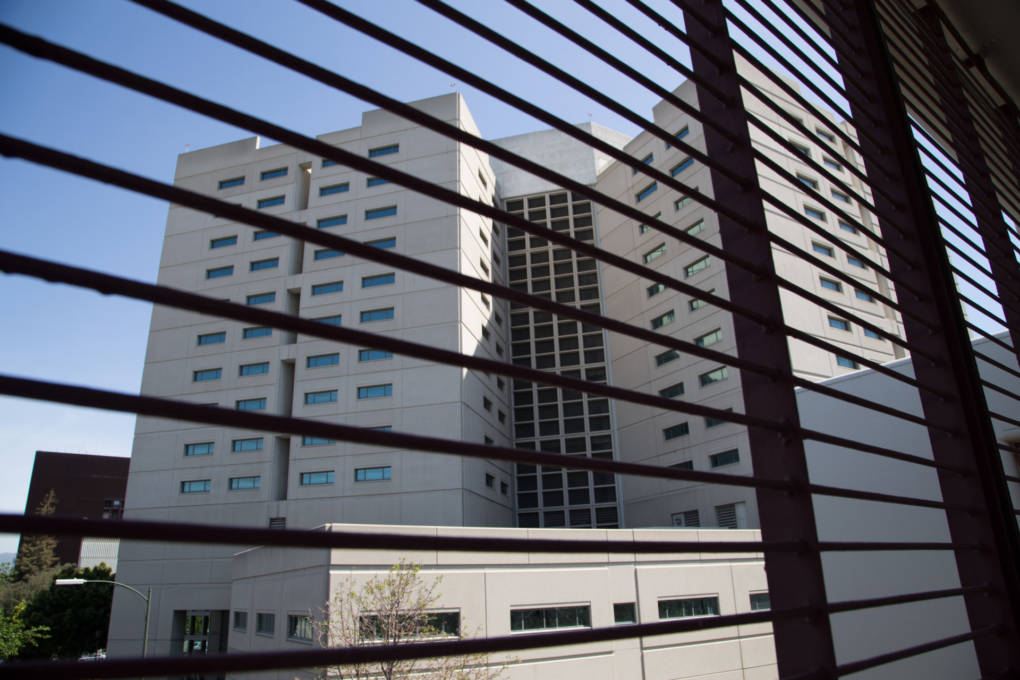
"caption": "Michael Tyree was allegedly beaten to death on the sixth floor of Santa Clara's Main Jail.",
"description": null,
"title": "RS18881_main-jail-sc-qut",
"credit": "Lisa Pickoff-White/KQED",
"status": "inherit",
"isLoading": false,
"fetchFailed": false
},
"news_10912302": {
"type": "attachments",
"id": "news_10912302",
"meta": {
"index": "attachments_1716263798",
"site": "news",
"id": "10912302",
"found": true
},
"parent": 10912163,
"imgSizes": {
"twentyfourteen-full-width": {
"file": "https://ww2.kqed.org/app/uploads/sites/10/2016/03/RS18880_main-jail-sc-vert-qut-1038x576.jpg",
"width": 1038,
"mimeType": "image/jpeg",
"height": 576
},
"thumbnail": {
"file": "https://ww2.kqed.org/app/uploads/sites/10/2016/03/RS18880_main-jail-sc-vert-qut-400x600.jpg",
"width": 400,
"mimeType": "image/jpeg",
"height": 600
},
"fd-sm": {
"file": "https://ww2.kqed.org/app/uploads/sites/10/2016/03/RS18880_main-jail-sc-vert-qut-960x1440.jpg",
"width": 960,
"mimeType": "image/jpeg",
"height": 1440
},
"post-thumbnail": {
"file": "https://ww2.kqed.org/app/uploads/sites/10/2016/03/RS18880_main-jail-sc-vert-qut-672x372.jpg",
"width": 672,
"mimeType": "image/jpeg",
"height": 372
},
"kqedFullSize": {
"file": "https://ww2.kqed.org/app/uploads/sites/10/2016/03/RS18880_main-jail-sc-vert-qut.jpg",
"width": 1920,
"height": 2880
},
"large": {
"file": "https://ww2.kqed.org/app/uploads/sites/10/2016/03/RS18880_main-jail-sc-vert-qut-1920x2880.jpg",
"width": 1920,
"mimeType": "image/jpeg",
"height": 2880
},
"guest-author-96": {
"file": "https://ww2.kqed.org/app/uploads/sites/10/2016/03/RS18880_main-jail-sc-vert-qut-96x96.jpg",
"width": 96,
"mimeType": "image/jpeg",
"height": 96
},
"medium": {
"file": "https://ww2.kqed.org/app/uploads/sites/10/2016/03/RS18880_main-jail-sc-vert-qut-800x1200.jpg",
"width": 800,
"mimeType": "image/jpeg",
"height": 1200
},
"guest-author-64": {
"file": "https://ww2.kqed.org/app/uploads/sites/10/2016/03/RS18880_main-jail-sc-vert-qut-64x64.jpg",
"width": 64,
"mimeType": "image/jpeg",
"height": 64
},
"guest-author-32": {
"file": "https://ww2.kqed.org/app/uploads/sites/10/2016/03/RS18880_main-jail-sc-vert-qut-32x32.jpg",
"width": 32,
"mimeType": "image/jpeg",
"height": 32
},
"jmtc-small-thumb": {
"file": "https://ww2.kqed.org/app/uploads/sites/10/2016/03/RS18880_main-jail-sc-vert-qut-280x150.jpg",
"width": 280,
"mimeType": "image/jpeg",
"height": 150
},
"fd-lrg": {
"file": "https://ww2.kqed.org/app/uploads/sites/10/2016/03/RS18880_main-jail-sc-vert-qut-1920x2880.jpg",
"width": 1920,
"mimeType": "image/jpeg",
"height": 2880
},
"fd-med": {
"file": "https://ww2.kqed.org/app/uploads/sites/10/2016/03/RS18880_main-jail-sc-vert-qut-1180x1770.jpg",
"width": 1180,
"mimeType": "image/jpeg",
"height": 1770
},
"detail": {
"file": "https://ww2.kqed.org/app/uploads/sites/10/2016/03/RS18880_main-jail-sc-vert-qut-75x75.jpg",
"width": 75,
"mimeType": "image/jpeg",
"height": 75
},
"guest-author-128": {
"file": "https://ww2.kqed.org/app/uploads/sites/10/2016/03/RS18880_main-jail-sc-vert-qut-128x128.jpg",
"width": 128,
"mimeType": "image/jpeg",
"height": 128
}
},
"publishDate": 1459202493,
"modified": 1459202547,
"caption": "The FBI and two independent commissions are investigating the operations of Santa Clara County's Main Jail.",
"description": "The FBI and two independent commissions are investigating the operations of Santa Clara County's Main Jail.",
"title": "RS18880_main-jail-sc-vert-qut",
"credit": "Lisa Pickoff-White/KQED",
"status": "inherit",
"isLoading": false,
"fetchFailed": false
}
},
"audioPlayerReducer": {
"postId": "stream_live",
"isPaused": true,
"isPlaying": false,
"pfsActive": false,
"pledgeModalIsOpen": true,
"playerDrawerIsOpen": false,
"liveAudioPlayStartedAt": 0,
"liveAudioPlayContext": ""
},
"authorsReducer": {
"byline_news_11668379": {
"type": "authors",
"id": "byline_news_11668379",
"meta": {
"override": true
},
"slug": "byline_news_11668379",
"name": "\u003cstrong>Bay City News\u003c/strong>",
"isLoading": false
},
"byline_news_11663625": {
"type": "authors",
"id": "byline_news_11663625",
"meta": {
"override": true
},
"slug": "byline_news_11663625",
"name": "Associated Press",
"isLoading": false
},
"lisapickoffwhite-2": {
"type": "authors",
"id": "199",
"meta": {
"index": "authors_1716337520",
"id": "199",
"found": true
},
"name": "Lisa Pickoff-White",
"firstName": "Lisa",
"lastName": "Pickoff-White",
"slug": "lisapickoffwhite-2",
"email": "lpickoffwhite@kqed.org",
"display_author_email": false,
"staff_mastheads": [
"news"
],
"title": "Data Journalist, Senior Producer",
"bio": "Lisa Pickoff-White is KQED's data reporter. Lisa specializes in simplifying complex topics and bringing them to life through compelling visuals, including photography and data visualizations. She previously has worked at the Center for Investigative Reporting and other national outlets. Her work has been honored with awards from the Online News Association, Investigative Reporters and Editors, the Society of Professional Journalists and SXSW Interactive. \u003cstrong> \u003c/strong>",
"avatar": "https://secure.gravatar.com/avatar/5513c5f3967df792aa65bee2501e84d6?s=600&d=blank&r=g",
"twitter": "pickoffwhite",
"facebook": null,
"instagram": null,
"linkedin": null,
"sites": [
{
"site": "",
"roles": [
"editor"
]
},
{
"site": "arts",
"roles": []
},
{
"site": "news",
"roles": [
"administrator"
]
},
{
"site": "about",
"roles": [
"editor"
]
},
{
"site": "stateofhealth",
"roles": [
"administrator"
]
},
{
"site": "science",
"roles": [
"editor"
]
},
{
"site": "quest",
"roles": [
"editor"
]
},
{
"site": "forum",
"roles": [
"editor"
]
}
],
"headData": {
"title": "Lisa Pickoff-White | KQED",
"description": "Data Journalist, Senior Producer",
"ogImgSrc": "https://secure.gravatar.com/avatar/5513c5f3967df792aa65bee2501e84d6?s=600&d=blank&r=g",
"twImgSrc": "https://secure.gravatar.com/avatar/5513c5f3967df792aa65bee2501e84d6?s=600&d=blank&r=g"
},
"isLoading": false,
"link": "/author/lisapickoffwhite-2"
},
"gmarzorati": {
"type": "authors",
"id": "227",
"meta": {
"index": "authors_1716337520",
"id": "227",
"found": true
},
"name": "Guy Marzorati",
"firstName": "Guy",
"lastName": "Marzorati",
"slug": "gmarzorati",
"email": "gmarzorati@KQED.org",
"display_author_email": true,
"staff_mastheads": [
"news"
],
"title": "Correspondent",
"bio": "Guy Marzorati is a correspondent on KQED's California Politics and Government Desk, based in San Jose. A graduate of Santa Clara University, Guy joined KQED in 2013. He reports on state and local politics and produces KQED's digital voter guide.",
"avatar": "https://secure.gravatar.com/avatar/e7038b8dbfd55b104369b76b1cd0b9de?s=600&d=blank&r=g",
"twitter": "guymarzorati",
"facebook": null,
"instagram": null,
"linkedin": null,
"sites": [
{
"site": "",
"roles": [
"editor"
]
},
{
"site": "news",
"roles": [
"editor"
]
},
{
"site": "science",
"roles": [
"editor"
]
},
{
"site": "forum",
"roles": [
"editor"
]
},
{
"site": "elections",
"roles": [
"editor"
]
},
{
"site": "liveblog",
"roles": [
"editor"
]
}
],
"headData": {
"title": "Guy Marzorati | KQED",
"description": "Correspondent",
"ogImgSrc": "https://secure.gravatar.com/avatar/e7038b8dbfd55b104369b76b1cd0b9de?s=600&d=blank&r=g",
"twImgSrc": "https://secure.gravatar.com/avatar/e7038b8dbfd55b104369b76b1cd0b9de?s=600&d=blank&r=g"
},
"isLoading": false,
"link": "/author/gmarzorati"
},
"jsmall": {
"type": "authors",
"id": "6625",
"meta": {
"index": "authors_1716337520",
"id": "6625",
"found": true
},
"name": "Julie Small",
"firstName": "Julie",
"lastName": "Small",
"slug": "jsmall",
"email": "jsmall@kqed.org",
"display_author_email": true,
"staff_mastheads": [
"news"
],
"title": "KQED Contributor",
"bio": "Julie Small reports on criminal justice and immigration.\r\n\r\nShe was part of a team at KQED awarded a regional 2019 Edward R. Murrow award for continuing coverage of the Trump Administration's family separation policy.\r\n\r\nThe Society for Professional Journalists recognized Julie's 2018 \u003ca href=\"https://www.kqed.org/news/11636262/the-officer-tased-him-31-times-the-sheriff-called-his-death-an-accident\">reporting\u003c/a> on the San Joaquin County Sheriff's \u003ca href=\"https://www.kqed.org/news/11634689/autopsy-doctors-sheriff-overrode-death-findings-to-protect-law-enforcement\">interference\u003c/a> in death investigations with an Excellence in Journalism Award for Ongoing Coverage.\r\n\r\nJulie's\u003ca href=\"https://www.kqed.org/news/11039666/two-mentally-ill-inmates-died-one-month-in-santa-clara\"> reporting\u003c/a> with Lisa Pickoff-White on the treatment of mentally ill offenders in California jails earned a 2017 regional Edward R. Murrow Award for news reporting and an investigative reporting award from the SPJ of Northern California.\r\n\r\nBefore joining KQED, Julie covered government and politics in Sacramento for Southern California Public Radio (SCPR). Her 2010 \u003ca href=\"https://www.scpr.org/specials/prisonmedical/\">series\u003c/a> on lapses in California’s prison medical care also won a regional Edward R. Murrow Award for investigative reporting and a Golden Mic Award from the RTNDA of Southern California.\r\n\r\nJulie began her career in journalism in 2000 as the deputy foreign editor for public radio's \u003cem>Marketplace, \u003c/em>while earning her master's degree in journalism from USC’s Annenberg School of Communication.",
"avatar": "https://secure.gravatar.com/avatar/4baedf201468df97be97c2a9dd7585d0?s=600&d=blank&r=g",
"twitter": "@SmallRadio2",
"facebook": null,
"instagram": null,
"linkedin": null,
"sites": [
{
"site": "news",
"roles": [
"editor"
]
},
{
"site": "stateofhealth",
"roles": [
"author"
]
},
{
"site": "science",
"roles": [
"author"
]
}
],
"headData": {
"title": "Julie Small | KQED",
"description": "KQED Contributor",
"ogImgSrc": "https://secure.gravatar.com/avatar/4baedf201468df97be97c2a9dd7585d0?s=600&d=blank&r=g",
"twImgSrc": "https://secure.gravatar.com/avatar/4baedf201468df97be97c2a9dd7585d0?s=600&d=blank&r=g"
},
"isLoading": false,
"link": "/author/jsmall"
},
"pshah": {
"type": "authors",
"id": "11347",
"meta": {
"index": "authors_1716337520",
"id": "11347",
"found": true
},
"name": "Parth Shah",
"firstName": "Parth",
"lastName": "Shah",
"slug": "pshah",
"email": "pshah@kqed.org",
"display_author_email": false,
"staff_mastheads": [],
"title": null,
"bio": null,
"avatar": "https://secure.gravatar.com/avatar/bd8793db408f23f2e3e869e4420b0a21?s=600&d=blank&r=g",
"twitter": null,
"facebook": null,
"instagram": null,
"linkedin": null,
"sites": [
{
"site": "news",
"roles": [
"contributor"
]
}
],
"headData": {
"title": "Parth Shah | KQED",
"description": null,
"ogImgSrc": "https://secure.gravatar.com/avatar/bd8793db408f23f2e3e869e4420b0a21?s=600&d=blank&r=g",
"twImgSrc": "https://secure.gravatar.com/avatar/bd8793db408f23f2e3e869e4420b0a21?s=600&d=blank&r=g"
},
"isLoading": false,
"link": "/author/pshah"
},
"rdillon": {
"type": "authors",
"id": "11495",
"meta": {
"index": "authors_1716337520",
"id": "11495",
"found": true
},
"name": "Raquel Maria Dillon",
"firstName": "Raquel Maria",
"lastName": "Dillon",
"slug": "rdillon",
"email": "rdillon@kqed.org",
"display_author_email": false,
"staff_mastheads": [],
"title": null,
"bio": "Raquel Maria Dillon was a reporter and host for KQED News. Previously, she produced the daily statewide California Report, edited newscasts, and covered health and education stories. Before returning to the Bay Area in 2016, she worked in Los Angeles as a wire reporter and one-woman-band video journalist for the Associated Press, where she shot, edited and reported breaking news and features across the West. Her work has appeared online and in print around the globe, and also on NPR’s Morning Edition, All Things Considered, Here and Now, Marketplace, On The Media, and Studio 360. She previously edited and mentored up-and-coming reporters at KALW, produced social videos for Timeline.com, and was a local TV news videographer for KTVU and digital producer for KNTV. She got her start as a Radio News Trainee at KQED, produced a weekly public affairs roundtable show for OPB, and covered health and politics at New Hampshire Public Radio. She has a BA in political science from Barnard College and a MA in video journalism from UC Berkeley, where she was awarded the Faith Fancher Scholarship and a Student Emmy. She has received numerous local awards from the Associated Press and the Society of Professional Journalists.",
"avatar": "https://secure.gravatar.com/avatar/b8e02ae982913d0950df605910267c1b?s=600&d=blank&r=g",
"twitter": "RaquelMDillon",
"facebook": null,
"instagram": null,
"linkedin": null,
"sites": [
{
"site": "news",
"roles": [
"subscriber"
]
},
{
"site": "stateofhealth",
"roles": [
"editor"
]
},
{
"site": "science",
"roles": [
"editor"
]
},
{
"site": "forum",
"roles": [
"editor"
]
}
],
"headData": {
"title": "Raquel Maria Dillon | KQED",
"description": null,
"ogImgSrc": "https://secure.gravatar.com/avatar/b8e02ae982913d0950df605910267c1b?s=600&d=blank&r=g",
"twImgSrc": "https://secure.gravatar.com/avatar/b8e02ae982913d0950df605910267c1b?s=600&d=blank&r=g"
},
"isLoading": false,
"link": "/author/rdillon"
},
"mfederis": {
"type": "authors",
"id": "11509",
"meta": {
"index": "authors_1716337520",
"id": "11509",
"found": true
},
"name": "Marnette Federis",
"firstName": "Marnette",
"lastName": "Federis",
"slug": "mfederis",
"email": "mfederis@kqed.org",
"display_author_email": false,
"staff_mastheads": [],
"title": "KQED Contributor",
"bio": null,
"avatar": "https://secure.gravatar.com/avatar/6553b16260501cef36787444651fa5ed?s=600&d=blank&r=g",
"twitter": null,
"facebook": null,
"instagram": null,
"linkedin": null,
"sites": [
{
"site": "news",
"roles": [
"editor"
]
},
{
"site": "mindshift",
"roles": [
"editor"
]
},
{
"site": "science",
"roles": [
"editor"
]
},
{
"site": "podcasts",
"roles": [
"editor"
]
}
],
"headData": {
"title": "Marnette Federis | KQED",
"description": "KQED Contributor",
"ogImgSrc": "https://secure.gravatar.com/avatar/6553b16260501cef36787444651fa5ed?s=600&d=blank&r=g",
"twImgSrc": "https://secure.gravatar.com/avatar/6553b16260501cef36787444651fa5ed?s=600&d=blank&r=g"
},
"isLoading": false,
"link": "/author/mfederis"
},
"mwiley": {
"type": "authors",
"id": "11526",
"meta": {
"index": "authors_1716337520",
"id": "11526",
"found": true
},
"name": "Michelle Wiley",
"firstName": "Michelle",
"lastName": "Wiley",
"slug": "mwiley",
"email": "mwiley@KQED.org",
"display_author_email": true,
"staff_mastheads": [],
"title": null,
"bio": "Michelle Wiley was the senior editor of weekends.",
"avatar": "https://secure.gravatar.com/avatar/3b897d82a09e8587e8e73fa69fbcc635?s=600&d=blank&r=g",
"twitter": "michelleewiley",
"facebook": null,
"instagram": null,
"linkedin": null,
"sites": [
{
"site": "",
"roles": [
"editor"
]
},
{
"site": "arts",
"roles": [
"editor"
]
},
{
"site": "news",
"roles": [
"subscriber"
]
},
{
"site": "lowdown",
"roles": [
"editor"
]
},
{
"site": "science",
"roles": [
"editor"
]
},
{
"site": "podcasts",
"roles": [
"editor"
]
}
],
"headData": {
"title": "Michelle Wiley | KQED",
"description": null,
"ogImgSrc": "https://secure.gravatar.com/avatar/3b897d82a09e8587e8e73fa69fbcc635?s=600&d=blank&r=g",
"twImgSrc": "https://secure.gravatar.com/avatar/3b897d82a09e8587e8e73fa69fbcc635?s=600&d=blank&r=g"
},
"isLoading": false,
"link": "/author/mwiley"
},
"abandlamudi": {
"type": "authors",
"id": "11672",
"meta": {
"index": "authors_1716337520",
"id": "11672",
"found": true
},
"name": "Adhiti Bandlamudi",
"firstName": "Adhiti",
"lastName": "Bandlamudi",
"slug": "abandlamudi",
"email": "abandlamudi@kqed.org",
"display_author_email": false,
"staff_mastheads": [
"news"
],
"title": "KQED Housing Reporter",
"bio": "Adhiti Bandlamudi reports for KQED's Housing desk. She focuses on how housing gets built across the Bay Area. Before joining KQED in 2020, she reported for WUNC in Durham, North Carolina, WABE in Atlanta, Georgia and Capital Public Radio in Sacramento. In 2017, she was awarded a Kroc Fellowship at NPR where she reported on everything from sprinkles to the Golden State Killer's arrest. When she's not reporting, she's baking new recipes in her kitchen or watching movies with friends and family. She's originally from Georgia and has strong opinions about Great British Bake Off.",
"avatar": "https://secure.gravatar.com/avatar/868129c8b257bb99a3500e2c86a65400?s=600&d=mm&r=g",
"twitter": "oddity_adhiti",
"facebook": null,
"instagram": null,
"linkedin": null,
"sites": [
{
"site": "arts",
"roles": [
"author"
]
},
{
"site": "news",
"roles": [
"editor"
]
},
{
"site": "liveblog",
"roles": [
"author"
]
}
],
"headData": {
"title": "Adhiti Bandlamudi | KQED",
"description": "KQED Housing Reporter",
"ogImgSrc": "https://secure.gravatar.com/avatar/868129c8b257bb99a3500e2c86a65400?s=600&d=mm&r=g",
"twImgSrc": "https://secure.gravatar.com/avatar/868129c8b257bb99a3500e2c86a65400?s=600&d=mm&r=g"
},
"isLoading": false,
"link": "/author/abandlamudi"
}
},
"pagesReducer": {
"news_tag_santa-clara": {
"type": "terms",
"id": "news_1749",
"meta": {
"index": "terms_1716263798",
"site": "news",
"id": "1749",
"score": 8.934682
},
"featImg": null,
"name": "Santa Clara",
"description": null,
"taxonomy": "tag",
"headData": {
"twImgId": null,
"twTitle": null,
"ogTitle": null,
"ogImgId": null,
"twDescription": null,
"description": null,
"title": "Santa Clara Archives | KQED News",
"ogDescription": null
},
"ttid": 1761,
"slug": "santa-clara",
"isLoading": false,
"title": "Santa Clara",
"pageMeta": {
"site": "news",
"WpPageTemplate": "page-topic-editorial",
"currentPage": 6
},
"blocks": [
{
"blockName": "kqed/post-list",
"attrs": {
"layout": "cardArticle2",
"query": "posts/news?tag=santa-clara",
"seeMore": false,
"paginated": true,
"page": 6
}
},
{
"blockName": "kqed/ad"
}
]
}
},
"pfsSessionReducer": {},
"postsReducer": {
"stream_live": {
"type": "live",
"id": "stream_live",
"audioUrl": "https://streams.kqed.org/kqedradio",
"title": "Live Stream",
"excerpt": "Live Stream information currently unavailable.",
"link": "/radio",
"featImg": "",
"label": {
"name": "KQED Live",
"link": "/"
}
},
"stream_kqedNewscast": {
"type": "posts",
"id": "stream_kqedNewscast",
"audioUrl": "https://www.kqed.org/.stream/anon/radio/RDnews/newscast.mp3?_=1",
"title": "KQED Newscast",
"featImg": "",
"label": {
"name": "88.5 FM",
"link": "/"
}
},
"news_11819264": {
"type": "posts",
"id": "news_11819264",
"meta": {
"index": "posts_1716263798",
"site": "news",
"id": "11819264",
"score": null,
"sort": [
1590073245000
]
},
"guestAuthors": [],
"slug": "bay-area-mosques-struggle-to-fundraise-during-the-pandemic",
"title": "Bay Area Mosques Struggle to Fundraise During the Pandemic",
"publishDate": 1590073245,
"format": "standard",
"headTitle": "Bay Area Mosques Struggle to Fundraise During the Pandemic | KQED",
"labelTerm": {},
"content": "\u003cp>Ramadan is coming to a close with a shelter-in-place version of Eid this weekend.\u003c/p>\n\u003cp>In a typical year, families come to a mosque for evening prayers, where they’re confronted with a host of collection boxes for different charities. Zakat, one of the pillars of the Muslim faith, requires people give 2.5% of their savings to charity, if they are able.\u003c/p>\n\u003cp>During Ramadan, according to belief, extra donations lead to extra blessings, and mosques typically raise most of their annual budget during this time. This year, it’s a different story. Bay Area mosques report fundraising has hit an all-time low.\u003c/p>\n\u003cp>Junaid Shaikh is a board member of \u003ca href=\"https://www.mcabayarea.org/\" target=\"_blank\" rel=\"noopener noreferrer\">Muslim Community Association\u003c/a>, a “mega-mosque” in Santa Clara with more than 2,000 worshippers. “It’s a month of fasting, but it’s also a month of giving,” Shaikh said. “It’s like about eight to 10 times more than regular months. That’s how much Muslims give.”\u003c/p>\n\u003cp>Because of the pandemic, mosques are holding online services, and they’re fundraising digitally, too. However, results have been disappointing for many mosques.\u003c/p>\n\u003cp>[ad fullwidth]\u003c/p>\n\u003cp>For example, MCA runs the \u003ca href=\"https://www.granadaschool.org/\" target=\"_blank\" rel=\"noopener noreferrer\">Granada Islamic School\u003c/a>, a private Islamic schools for grades K-12. On May 15, the school held a \u003ca href=\"https://www.facebook.com/128289646540/videos/237500914016848/\" target=\"_blank\" rel=\"noopener noreferrer\">Facebook Live fundraiser\u003c/a> with special guest speakers urging people to donate.\u003c/p>\n\u003cp>The school hoped to raise $100,000 by the end of Ramadan, but they’ve only raised half that, and the community association wanted to raise $1.5 million by the end of this week, but they’re \u003ca href=\"http://live.mcabayarea.org/\" target=\"_blank\" rel=\"noopener noreferrer\">far behind\u003c/a> the goal.\u003c/p>\n\u003cp>Shaikh believes online fundraising simply isn’t as effective as traditional, in-person methods. “People can tune out anytime, versus in a physical space [like a mosque], the doors are closed,” he joked.\u003c/p>\n\u003cfigure id=\"attachment_11819853\" class=\"wp-caption alignnone\" style=\"max-width: 800px\">\u003cimg loading=\"lazy\" decoding=\"async\" class=\"size-medium wp-image-11819853\" src=\"https://ww2.kqed.org/app/uploads/sites/10/2020/05/1920-800x519.jpg\" alt=\"\" width=\"800\" height=\"519\" srcset=\"https://cdn.kqed.org/wp-content/uploads/sites/10/2020/05/1920-800x519.jpg 800w, https://cdn.kqed.org/wp-content/uploads/sites/10/2020/05/1920-160x104.jpg 160w, https://cdn.kqed.org/wp-content/uploads/sites/10/2020/05/1920-1020x661.jpg 1020w, https://cdn.kqed.org/wp-content/uploads/sites/10/2020/05/1920-1920x1245.jpg 1920w\" sizes=\"(max-width: 800px) 100vw, 800px\">\u003cfigcaption class=\"wp-caption-text\">One of the largest mosques in the Bay Area, the Muslim Community Association says that without people coming into the mosque to donate money, fundraising is significantly lower than usual. \u003ccite>(Adhiti Bandlamudi/KQED)\u003c/cite>\u003c/figcaption>\u003c/figure>\n\u003ch3>The Smaller the Mosque, the Harder the Time\u003c/h3>\n\u003cp>Hatem Bazian, chair of the nonprofit \u003ca href=\"https://www.norcalcouncil.org/\" target=\"_blank\" rel=\"noopener noreferrer\">Northern California Islamic Council (NCIC)\u003c/a>, works with mosques across the Bay Area. Smaller mosques, he said, employ “one to two employees at most, and it’s part-time employment at best.” [aside tag=\"religion\" label=\"related coverage\"]\u003c/p>\n\u003cp>Bazian added that smaller mosques don’t have the digital resources bigger mosques do. “What we need is to figure out how to make sure that the larger mosques support the smaller mosques and begin to plan for long-term strategy,” he said.\u003c/p>\n\u003cp>The NCIC is helping smaller mosques fundraise, but Bazian is unsure how much longer they can survive under shelter-in-place restrictions. For now, houses of worship won’t be allowed to open until the third phase \u003ca href=\"https://www.kqed.org/news/11814720/beginning-of-california-reopening-businesses-is-weeks-away-says-newsom\" target=\"_blank\" rel=\"noopener noreferrer\">outlined by Gov. Gavin Newsom\u003c/a>.\u003c/p>\n\u003cp>\u003ca href=\"https://www.icfbayarea.com/\" target=\"_blank\" rel=\"noopener noreferrer\">The Islamic Center of Fremont\u003c/a> is a mid-size mosque that has been around for 20 years. They too have struggled to switch to virtual services since Alameda County’s shelter-in-place restrictions were enacted. \u003c/p>\n\u003cp>“There are a lot of people from different backgrounds, like India, Pakistan, Bangladesh, Afghanistan,” said Salim Mastan, an ICF volunteer. Mastan said they serve a variety of people with mixed incomes.\u003c/p>\n\u003cp>ICF is doing the best they can to fundraise, but again, it’s hard to reach people online. ICF usually holds an Eid celebration at Fremont’s popular Lake Elizabeth.\u003c/p>\n\u003cp>\u003c/p>\n\u003cp>This year, they likely won’t be able to have their Eid prayers at the lake. “That would [have] a very huge financial impact, not getting the funds that would be collected on Eid,” Mastan said.\u003c/p>\n\n",
"blocks": [],
"excerpt": "Bay Area Mosques make most of their annual budget during Ramadan. But with congregants staying home during the pandemic, donations have dropped drastically.",
"status": "publish",
"parent": 0,
"modified": 1721125034,
"stats": {
"hasAudio": false,
"hasVideo": false,
"hasChartOrMap": false,
"iframeSrcs": [],
"hasGoogleForm": false,
"hasGallery": false,
"hasHearkenModule": false,
"hasPolis": false,
"paragraphCount": 17,
"wordCount": 632
},
"headData": {
"title": "Bay Area Mosques Struggle to Fundraise During the Pandemic | KQED",
"description": "Bay Area Mosques make most of their annual budget during Ramadan. But with congregants staying home during the pandemic, donations have dropped drastically.",
"ogTitle": "",
"ogDescription": "",
"ogImgId": "",
"twTitle": "",
"twDescription": "",
"twImgId": "",
"schema": {
"@context": "https://schema.org",
"@type": "NewsArticle",
"headline": "Bay Area Mosques Struggle to Fundraise During the Pandemic",
"datePublished": "2020-05-21T08:00:45-07:00",
"dateModified": "2024-07-16T03:17:14-07:00",
"image": "https://cdn.kqed.org/wp-content/uploads/2020/02/KQED-OG-Image@1x.png",
"isAccessibleForFree": "True",
"publisher": {
"@type": "NewsMediaOrganization",
"@id": "https://www.kqed.org/#organization",
"name": "KQED",
"logo": "https://cdn.kqed.org/wp-content/uploads/2020/02/KQED-OG-Image@1x.png",
"url": "https://www.kqed.org",
"sameAs": [
"https://www.facebook.com/KQED",
"https://twitter.com/KQED",
"https://www.instagram.com/kqed/",
"https://www.tiktok.com/@kqedofficial",
"https://www.linkedin.com/company/kqed",
"https://www.youtube.com/channel/UCeC0IOo7i1P_61zVUWbJ4nw"
]
}
}
},
"source": "Coronavirus",
"sourceUrl": "https://www.kqed.org/coronavirus",
"audioUrl": "https://traffic.omny.fm/d/clips/0af137ef-751e-4b19-a055-aaef00d2d578/ffca7e9f-6831-41c5-bcaf-aaef00f5a073/5f451d62-54f9-43f3-a66c-abc00125ca89/audio.mp3",
"sticky": false,
"path": "/news/11819264/bay-area-mosques-struggle-to-fundraise-during-the-pandemic",
"audioDuration": 183000,
"audioTrackLength": null,
"parsedContent": [
{
"type": "contentString",
"content": "\u003cdiv class=\"post-body\">\u003cp>\u003cp>Ramadan is coming to a close with a shelter-in-place version of Eid this weekend.\u003c/p>\n\u003cp>In a typical year, families come to a mosque for evening prayers, where they’re confronted with a host of collection boxes for different charities. Zakat, one of the pillars of the Muslim faith, requires people give 2.5% of their savings to charity, if they are able.\u003c/p>\n\u003cp>During Ramadan, according to belief, extra donations lead to extra blessings, and mosques typically raise most of their annual budget during this time. This year, it’s a different story. Bay Area mosques report fundraising has hit an all-time low.\u003c/p>\n\u003cp>Junaid Shaikh is a board member of \u003ca href=\"https://www.mcabayarea.org/\" target=\"_blank\" rel=\"noopener noreferrer\">Muslim Community Association\u003c/a>, a “mega-mosque” in Santa Clara with more than 2,000 worshippers. “It’s a month of fasting, but it’s also a month of giving,” Shaikh said. “It’s like about eight to 10 times more than regular months. That’s how much Muslims give.”\u003c/p>\n\u003cp>Because of the pandemic, mosques are holding online services, and they’re fundraising digitally, too. However, results have been disappointing for many mosques.\u003c/p>\n\u003cp>\u003c/p>\u003c/div>",
"attributes": {
"named": {},
"numeric": []
}
},
{
"type": "component",
"content": "",
"name": "ad",
"attributes": {
"named": {
"label": "fullwidth"
},
"numeric": [
"fullwidth"
]
}
},
{
"type": "contentString",
"content": "\u003cdiv class=\"post-body\">\u003cp>\u003c/p>\n\u003cp>For example, MCA runs the \u003ca href=\"https://www.granadaschool.org/\" target=\"_blank\" rel=\"noopener noreferrer\">Granada Islamic School\u003c/a>, a private Islamic schools for grades K-12. On May 15, the school held a \u003ca href=\"https://www.facebook.com/128289646540/videos/237500914016848/\" target=\"_blank\" rel=\"noopener noreferrer\">Facebook Live fundraiser\u003c/a> with special guest speakers urging people to donate.\u003c/p>\n\u003cp>The school hoped to raise $100,000 by the end of Ramadan, but they’ve only raised half that, and the community association wanted to raise $1.5 million by the end of this week, but they’re \u003ca href=\"http://live.mcabayarea.org/\" target=\"_blank\" rel=\"noopener noreferrer\">far behind\u003c/a> the goal.\u003c/p>\n\u003cp>Shaikh believes online fundraising simply isn’t as effective as traditional, in-person methods. “People can tune out anytime, versus in a physical space [like a mosque], the doors are closed,” he joked.\u003c/p>\n\u003cfigure id=\"attachment_11819853\" class=\"wp-caption alignnone\" style=\"max-width: 800px\">\u003cimg loading=\"lazy\" decoding=\"async\" class=\"size-medium wp-image-11819853\" src=\"https://ww2.kqed.org/app/uploads/sites/10/2020/05/1920-800x519.jpg\" alt=\"\" width=\"800\" height=\"519\" srcset=\"https://cdn.kqed.org/wp-content/uploads/sites/10/2020/05/1920-800x519.jpg 800w, https://cdn.kqed.org/wp-content/uploads/sites/10/2020/05/1920-160x104.jpg 160w, https://cdn.kqed.org/wp-content/uploads/sites/10/2020/05/1920-1020x661.jpg 1020w, https://cdn.kqed.org/wp-content/uploads/sites/10/2020/05/1920-1920x1245.jpg 1920w\" sizes=\"(max-width: 800px) 100vw, 800px\">\u003cfigcaption class=\"wp-caption-text\">One of the largest mosques in the Bay Area, the Muslim Community Association says that without people coming into the mosque to donate money, fundraising is significantly lower than usual. \u003ccite>(Adhiti Bandlamudi/KQED)\u003c/cite>\u003c/figcaption>\u003c/figure>\n\u003ch3>The Smaller the Mosque, the Harder the Time\u003c/h3>\n\u003cp>Hatem Bazian, chair of the nonprofit \u003ca href=\"https://www.norcalcouncil.org/\" target=\"_blank\" rel=\"noopener noreferrer\">Northern California Islamic Council (NCIC)\u003c/a>, works with mosques across the Bay Area. Smaller mosques, he said, employ “one to two employees at most, and it’s part-time employment at best.” \u003c/p>\u003c/div>",
"attributes": {
"named": {},
"numeric": []
}
},
{
"type": "component",
"content": "",
"name": "aside",
"attributes": {
"named": {
"tag": "religion",
"label": "related coverage "
},
"numeric": []
}
},
{
"type": "contentString",
"content": "\u003cdiv class=\"post-body\">\u003cp>\u003c/p>\n\u003cp>Bazian added that smaller mosques don’t have the digital resources bigger mosques do. “What we need is to figure out how to make sure that the larger mosques support the smaller mosques and begin to plan for long-term strategy,” he said.\u003c/p>\n\u003cp>The NCIC is helping smaller mosques fundraise, but Bazian is unsure how much longer they can survive under shelter-in-place restrictions. For now, houses of worship won’t be allowed to open until the third phase \u003ca href=\"https://www.kqed.org/news/11814720/beginning-of-california-reopening-businesses-is-weeks-away-says-newsom\" target=\"_blank\" rel=\"noopener noreferrer\">outlined by Gov. Gavin Newsom\u003c/a>.\u003c/p>\n\u003cp>\u003ca href=\"https://www.icfbayarea.com/\" target=\"_blank\" rel=\"noopener noreferrer\">The Islamic Center of Fremont\u003c/a> is a mid-size mosque that has been around for 20 years. They too have struggled to switch to virtual services since Alameda County’s shelter-in-place restrictions were enacted. \u003c/p>\n\u003cp>“There are a lot of people from different backgrounds, like India, Pakistan, Bangladesh, Afghanistan,” said Salim Mastan, an ICF volunteer. Mastan said they serve a variety of people with mixed incomes.\u003c/p>\n\u003cp>ICF is doing the best they can to fundraise, but again, it’s hard to reach people online. ICF usually holds an Eid celebration at Fremont’s popular Lake Elizabeth.\u003c/p>\n\u003cp>\u003c/p>\n\u003cp>This year, they likely won’t be able to have their Eid prayers at the lake. “That would [have] a very huge financial impact, not getting the funds that would be collected on Eid,” Mastan said.\u003c/p>\n\n\u003c/div>\u003c/p>",
"attributes": {
"named": {},
"numeric": []
}
}
],
"link": "/news/11819264/bay-area-mosques-struggle-to-fundraise-during-the-pandemic",
"authors": [
"11672"
],
"categories": [
"news_223",
"news_18540",
"news_8"
],
"tags": [
"news_27510",
"news_1006",
"news_27504",
"news_66",
"news_6034",
"news_1768",
"news_1767",
"news_856",
"news_1749",
"news_27638",
"news_353"
],
"featImg": "news_11819852",
"label": "source_news_11819264"
},
"news_11814970": {
"type": "posts",
"id": "news_11814970",
"meta": {
"index": "posts_1716263798",
"site": "news",
"id": "11814970",
"score": null,
"sort": [
1588187358000
]
},
"parent": 0,
"labelTerm": {
"site": "news"
},
"blocks": [],
"publishDate": 1588187358,
"format": "standard",
"disqusTitle": "Bay Area Shelter-in-Place Orders Extended Through May 31",
"title": "Bay Area Shelter-in-Place Orders Extended Through May 31",
"headTitle": "KQED News",
"content": "\u003cp>\u003cem>This post will be updated.\u003c/em>\u003c/p>\n\u003cp>Regional shelter-in-place orders to curb the spread of the coronavirus have been extended through May 31, according to a joint press release from seven public health officials. This order applies to the six Bay Area counties of Alameda, Contra Costa, Marin, San Francisco, San Mateo and Santa Clara, as well as the City of Berkeley, an independent public health jurisdiction.\u003c/p>\n\u003cp>The new order eases some restrictions from the previous order, including:\u003c/p>\n\u003cul>\n\u003cli>Certain construction projects, so long as the project complies with the safety protocols in the order.\u003c/li>\n\u003cli>Some businesses that operate primarily outdoors, like wholesale and retail nurseries, landscapers, gardeners and other businesses that provide outdoor services. This \u003cstrong>does not\u003c/strong> include restaurants or bars with outdoor seating.\u003c/li>\n\u003cli>Certain outdoor activities — like skate parks, golf courses and fields — that were previously shut down can resume, so long as there is no shared equipment or physical contact.\u003c/li>\n\u003c/ul>\n\u003cp>The order also allows certain child care facilities, including \"summer camps and other educational or recreational institutions or programs,\" to reopen for the children of essential workers. The orders require that groups of children be no larger than 12, and that children not change from one group to another. During his daily press briefing, Gov. Gavin Newsom said the opening of these child care facilities would be a \"point of clarification\" between the state and Bay Area health officials.\u003c/p>\n\u003cp>In a press conference on Wednesday, Santa Clara County Public Health Officer Dr. Sara Cody praised the progress that Bay Area residents had made and said the new order is designed to \"preserve\" that progress.\u003c/p>\n\u003cp>\"If we move too fast to ease restrictions, the potential of exponential spread could have grave impacts to the health and wellness of our residents, as well as to our economy,\" Cody said. [ad fullwidth]\u003c/p>\n\u003cp>Additionally, Cody announced that local health officials will look toward the following indicators in determining the easing of restrictions around the shelter-in-place order:\u003c/p>\n\u003cul>\n\u003cli>Whether the total number of cases is flat or decreasing.\u003c/li>\n\u003cli>Whether the number of hospital patients is flat or decreasing.\u003c/li>\n\u003cli>If there is an adequate supply of personal protective equipment for all health care workers.\u003c/li>\n\u003cli>Whether the region is meeting the need for testing.\u003c/li>\n\u003cli>Whether there is the capacity to investigate all COVID-19 cases, conduct contact tracing and the ability to isolate positive cases and quarantine those who've been exposed.\u003c/li>\n\u003c/ul>\n\u003cp>\"Our goal is to gingerly chart a course so we can be the most health-protective,\" Cody said. \"Our plan is to go slow, learn all that we can and continue to work across sectors — and all levels of government — to rapidly stand up the infrastructure and systems that we need, and to chart the best path forward to protect and preserve the health of the residents that we all collectively serve.\" [aside tag=\"coronavirus\" label=\"related coverage\"]\u003c/p>\n\u003cp>Cody did not provide a timeline for easing restrictions in the future, but said that — without a vaccine — the area would likely see some safety restrictions for a \"very, very long time.\"\u003c/p>\n\u003cp>Officials with Santa Clara County acknowledged the confusion and frustration residents are experiencing and urged the public to be patient.\u003c/p>\n\u003cp>\"We are almost there. We are asking for continued patience, and continued leadership from all of you,\" said Santa Clara County Board of Supervisors President Cindy Chavez.\u003c/p>\n\u003cp>The new orders takes effect on May 4. The new orders are consistent with the state's shelter-in-place order, and on any issue where the local and state orders may differ — the stricter order applies.\u003c/p>\n\u003cp>\u003c/p>\n",
"disqusIdentifier": "11814970 https://ww2.kqed.org/news/?p=11814970",
"disqusUrl": "https://ww2.kqed.org/news/2020/04/29/bay-area-shelter-in-place-orders-extended-through-may-31/",
"stats": {
"hasVideo": false,
"hasChartOrMap": false,
"hasAudio": false,
"hasPolis": false,
"wordCount": 601,
"hasGoogleForm": false,
"hasGallery": false,
"hasHearkenModule": false,
"iframeSrcs": [],
"paragraphCount": 13
},
"modified": 1588194465,
"excerpt": "The new order eases some restrictions from the previous order, including outdoor recreation and certain construction projects. ",
"headData": {
"twImgId": "",
"twTitle": "",
"ogTitle": "",
"ogImgId": "",
"twDescription": "",
"description": "The new order eases some restrictions from the previous order, including outdoor recreation and certain construction projects. ",
"title": "Bay Area Shelter-in-Place Orders Extended Through May 31 | KQED",
"ogDescription": "",
"schema": {
"@context": "https://schema.org",
"@type": "NewsArticle",
"headline": "Bay Area Shelter-in-Place Orders Extended Through May 31",
"datePublished": "2020-04-29T12:09:18-07:00",
"dateModified": "2020-04-29T14:07:45-07:00",
"image": "https://cdn.kqed.org/wp-content/uploads/2020/02/KQED-OG-Image@1x.png",
"isAccessibleForFree": "True",
"publisher": {
"@type": "NewsMediaOrganization",
"@id": "https://www.kqed.org/#organization",
"name": "KQED",
"logo": "https://cdn.kqed.org/wp-content/uploads/2020/02/KQED-OG-Image@1x.png",
"url": "https://www.kqed.org",
"sameAs": [
"https://www.facebook.com/KQED",
"https://twitter.com/KQED",
"https://www.instagram.com/kqed/",
"https://www.tiktok.com/@kqedofficial",
"https://www.linkedin.com/company/kqed",
"https://www.youtube.com/channel/UCeC0IOo7i1P_61zVUWbJ4nw"
]
}
}
},
"guestAuthors": [],
"slug": "bay-area-shelter-in-place-orders-extended-through-may-31",
"status": "publish",
"path": "/news/11814970/bay-area-shelter-in-place-orders-extended-through-may-31",
"audioTrackLength": null,
"parsedContent": [
{
"type": "contentString",
"content": "\u003cdiv class=\"post-body\">\u003cp>\u003cp>\u003cem>This post will be updated.\u003c/em>\u003c/p>\n\u003cp>Regional shelter-in-place orders to curb the spread of the coronavirus have been extended through May 31, according to a joint press release from seven public health officials. This order applies to the six Bay Area counties of Alameda, Contra Costa, Marin, San Francisco, San Mateo and Santa Clara, as well as the City of Berkeley, an independent public health jurisdiction.\u003c/p>\n\u003cp>The new order eases some restrictions from the previous order, including:\u003c/p>\n\u003cul>\n\u003cli>Certain construction projects, so long as the project complies with the safety protocols in the order.\u003c/li>\n\u003cli>Some businesses that operate primarily outdoors, like wholesale and retail nurseries, landscapers, gardeners and other businesses that provide outdoor services. This \u003cstrong>does not\u003c/strong> include restaurants or bars with outdoor seating.\u003c/li>\n\u003cli>Certain outdoor activities — like skate parks, golf courses and fields — that were previously shut down can resume, so long as there is no shared equipment or physical contact.\u003c/li>\n\u003c/ul>\n\u003cp>The order also allows certain child care facilities, including \"summer camps and other educational or recreational institutions or programs,\" to reopen for the children of essential workers. The orders require that groups of children be no larger than 12, and that children not change from one group to another. During his daily press briefing, Gov. Gavin Newsom said the opening of these child care facilities would be a \"point of clarification\" between the state and Bay Area health officials.\u003c/p>\n\u003cp>In a press conference on Wednesday, Santa Clara County Public Health Officer Dr. Sara Cody praised the progress that Bay Area residents had made and said the new order is designed to \"preserve\" that progress.\u003c/p>\n\u003cp>\"If we move too fast to ease restrictions, the potential of exponential spread could have grave impacts to the health and wellness of our residents, as well as to our economy,\" Cody said. \u003c/p>\u003c/div>",
"attributes": {
"named": {},
"numeric": []
}
},
{
"type": "component",
"content": "",
"name": "ad",
"attributes": {
"named": {
"label": "fullwidth"
},
"numeric": [
"fullwidth"
]
}
},
{
"type": "contentString",
"content": "\u003cdiv class=\"post-body\">\u003cp>\u003c/p>\n\u003cp>Additionally, Cody announced that local health officials will look toward the following indicators in determining the easing of restrictions around the shelter-in-place order:\u003c/p>\n\u003cul>\n\u003cli>Whether the total number of cases is flat or decreasing.\u003c/li>\n\u003cli>Whether the number of hospital patients is flat or decreasing.\u003c/li>\n\u003cli>If there is an adequate supply of personal protective equipment for all health care workers.\u003c/li>\n\u003cli>Whether the region is meeting the need for testing.\u003c/li>\n\u003cli>Whether there is the capacity to investigate all COVID-19 cases, conduct contact tracing and the ability to isolate positive cases and quarantine those who've been exposed.\u003c/li>\n\u003c/ul>\n\u003cp>\"Our goal is to gingerly chart a course so we can be the most health-protective,\" Cody said. \"Our plan is to go slow, learn all that we can and continue to work across sectors — and all levels of government — to rapidly stand up the infrastructure and systems that we need, and to chart the best path forward to protect and preserve the health of the residents that we all collectively serve.\" \u003c/p>\u003c/div>",
"attributes": {
"named": {},
"numeric": []
}
},
{
"type": "component",
"content": "",
"name": "aside",
"attributes": {
"named": {
"tag": "coronavirus",
"label": "related coverage "
},
"numeric": []
}
},
{
"type": "contentString",
"content": "\u003cdiv class=\"post-body\">\u003cp>\u003c/p>\n\u003cp>Cody did not provide a timeline for easing restrictions in the future, but said that — without a vaccine — the area would likely see some safety restrictions for a \"very, very long time.\"\u003c/p>\n\u003cp>Officials with Santa Clara County acknowledged the confusion and frustration residents are experiencing and urged the public to be patient.\u003c/p>\n\u003cp>\"We are almost there. We are asking for continued patience, and continued leadership from all of you,\" said Santa Clara County Board of Supervisors President Cindy Chavez.\u003c/p>\n\u003cp>The new orders takes effect on May 4. The new orders are consistent with the state's shelter-in-place order, and on any issue where the local and state orders may differ — the stricter order applies.\u003c/p>\n\u003cp>\u003c/p>\n\u003c/div>\u003c/p>",
"attributes": {
"named": {},
"numeric": []
}
}
],
"link": "/news/11814970/bay-area-shelter-in-place-orders-extended-through-may-31",
"authors": [
"11526"
],
"categories": [
"news_8"
],
"tags": [
"news_260",
"news_1386",
"news_27350",
"news_27504",
"news_27626",
"news_38",
"news_1749",
"news_27638"
],
"featImg": "news_11814989",
"label": "news"
},
"news_11812019": {
"type": "posts",
"id": "news_11812019",
"meta": {
"index": "posts_1716263798",
"site": "news",
"id": "11812019",
"score": null,
"sort": [
1586647457000
]
},
"parent": 0,
"labelTerm": {},
"blocks": [],
"publishDate": 1586647457,
"format": "audio",
"disqusTitle": "How a Hospital Chaplain Brings Comfort to Patients, Without Hugs or Holding Hands",
"title": "How a Hospital Chaplain Brings Comfort to Patients, Without Hugs or Holding Hands",
"headTitle": "The California Report | KQED News",
"content": "\u003cp>Sister Donna Maria Moses, a Catholic nun and hospital chaplain who has seen the coronavirus pandemic firsthand, has adapted her ministry to provide solace to the dying over the phone, instead of the usual in-person visits.\u003c/p>\n\u003cp>She manages three staff chaplains and dozens of volunteers from many faiths at Santa Clara Valley Medical Center, one of the first hospitals to treat coronavirus patients returning from China and ill-fated cruise trips.\u003c/p>\n\u003cp>\u003ca href=\"https://www.scvmc.org/patients-and-visitors/services/Pages/Chaplain-and-Spiritual-Care-Services.aspx\">The chaplains\u003c/a> can’t visit patients, or even the units where COVID-19 patients are being treated. Moses is no longer able to hug or hold hands with someone who’s sick or with grieving family members, but she’s determined to provide other kinds of spiritual and emotional comfort.\u003c/p>\n\u003cp>“Most of our work is listening,” she said. “Asking an open-ended question and continuing to ask questions until we have a sense of what their real prayer is. Are they afraid? Are they grief stricken? Are they angry? Are they in despair? So we can offer the appropriate kind of prayer for them,” Moses added.\u003c/p>\n\u003ch3>Adapting Hospital Ministry to Coronavirus Conditions\u003c/h3>\n\u003cp>At first, she and her colleagues didn’t realize how contagious and dangerous it was to visit COVID-19 patients in their rooms, or how challenging it would be to establish an emotional connection with patients in distress when chaplains must hide behind protective masks, gowns and shields.\u003c/p>\n\u003cfigure id=\"attachment_11812030\" class=\"wp-caption alignnone\" style=\"max-width: 600px\">\u003cimg class=\"size-medium wp-image-11812030\" src=\"https://ww2.kqed.org/app/uploads/sites/10/2020/04/RS42654_SrDonna2-qut-800x1083.jpg\" alt=\"\" width=\"600\" srcset=\"https://ww2.kqed.org/app/uploads/sites/10/2020/04/RS42654_SrDonna2-qut-800x1083.jpg 800w, https://ww2.kqed.org/app/uploads/sites/10/2020/04/RS42654_SrDonna2-qut-160x217.jpg 160w, https://ww2.kqed.org/app/uploads/sites/10/2020/04/RS42654_SrDonna2-qut-1020x1381.jpg 1020w, https://ww2.kqed.org/app/uploads/sites/10/2020/04/RS42654_SrDonna2-qut.jpg 1381w\" sizes=\"(max-width: 800px) 100vw, 800px\">\u003cfigcaption class=\"wp-caption-text\">The desk of Sister Donna Maria Moses — a senior chaplain at the Santa Clara Valley Medical Center. \u003ccite>(Courtesy of Sr. Donna Maria Moses)\u003c/cite>\u003c/figcaption>\u003c/figure>\n\u003cp>“We don’t have to touch. Sometimes eye contact is enough,\" Moses said. \"We use a vocal tone that conveys peace and acceptance and compassion.\" But with layers of protective gear, it hasn't felt the same for her or the people she strives to support.\u003c/p>\n\u003cp>[ad fullwidth]\u003c/p>\n\u003cp>She suited up to visit two patients one day in early March. But the N95 mask muffled her voice and obscured her eyes.\u003c/p>\n\u003cp>“That's not comforting to see another person in all that gear,” Moses said. “It’s not anything anyone would want to see in their last moment on earth. You could see there’s a person, but you can’t see that you’re looking at them in a loving way.\"\u003c/p>\n\u003ch3>Last Rites in the Time of COVID-19\u003c/h3>\n\u003cp>In early March, Moses ended the volunteer program to protect hospital patients from exposure to outside visitors, and to protect volunteers from the virus. Now they call patients by phone — a mixture of cellphones, hospital phones and Zoom calls.\u003c/p>\n\u003cp>For Catholics like her, the last rites for the dying are more than just a prayer. There are three sacraments performed by a priest. She and her colleagues had to make small adjustments at first, like dispensing holy oil individually for each patient, leaving their Bibles at home and printing verses out because anything brought into the room of a contagious patient had to stay there.\u003c/p>\n\u003cfigure id=\"attachment_11812031\" class=\"wp-caption alignnone\" style=\"max-width: 800px\">\u003cimg class=\"size-medium wp-image-11812031\" src=\"https://ww2.kqed.org/app/uploads/sites/10/2020/04/RS42653_SrDonna-qut-800x484.jpg\" alt=\"\" width=\"800\" height=\"484\" srcset=\"https://ww2.kqed.org/app/uploads/sites/10/2020/04/RS42653_SrDonna-qut-800x484.jpg 800w, https://ww2.kqed.org/app/uploads/sites/10/2020/04/RS42653_SrDonna-qut-160x97.jpg 160w, https://ww2.kqed.org/app/uploads/sites/10/2020/04/RS42653_SrDonna-qut-1020x617.jpg 1020w, https://ww2.kqed.org/app/uploads/sites/10/2020/04/RS42653_SrDonna-qut.jpg 1707w\" sizes=\"(max-width: 800px) 100vw, 800px\">\u003cfigcaption class=\"wp-caption-text\">Sister Donna Maria Moses is a senior chaplain at the Santa Clara Valley Medical Center. She and her colleagues minister to dying COVID-19 patients by phone. \u003ccite>(Courtesy of Sister Donna Maria Moses)\u003c/cite>\u003c/figcaption>\u003c/figure>\n\u003cp>Eventually, once it was clear that the virus could be transmitted asymptomatically, Moses decided that even staff clergy shouldn’t visit patient rooms anymore, even with the same protective equipment that nurses use.\u003c/p>\n\u003cp>\"It was just about that time that Pope Francis came out with a Plenary Indulgence,\" an order absolving Catholics of their usual duties to perform the required sacraments during the pandemic, she said. \"He’s in Italy so he could see it firsthand. There weren’t enough priests to get to everyone (who was dying). And if they did, and the person was still alive and conscious enough to pray, the sight of a priest in all that gear — it’s distressing.\"\u003c/p>\n\u003ch3>Protecting Elderly Clergy and Supporting Nurses\u003c/h3>\n\u003cp>Many Catholic clergy live together in rectories or convents, so they risk infecting their entire communities. They also tend to be older and therefore are at higher risk. Moses lives with three other nuns at a parish house in Los Altos. The 64-year-old nun has decided to skip events at the Fremont mother house of her order, the Dominican Sisters of Mission San Jose. [aside tag=\"coronavirus\" label=\"More Coronavirus Coverage\"]\u003c/p>\n\u003cp>Moses and her staff have turned their attention to the spiritual and emotional needs of medical workers at the public hospital. \"Oftentimes, the entire unit is experiencing spiritual and emotional distress,\" Moses said. \"The nursing supervisor calls a debrief. We work with a therapist and open it up – it's really just venting. It’s good to talk so they’re not bringing it home and dumping that stress on their families,” she said. Moses added that since many families are \u003ca href=\"https://www.kqed.org/news/11806988/sheltering-in-place-what-you-need-to-know\" target=\"_blank\" rel=\"noopener noreferrer\">sheltering in place\u003c/a>, relationships at home can be particularly strained.\u003c/p>\n\u003cp>Moses said the phone visits are going well. Many of her previous volunteers have signed up. They reflect the South Bay’s demographics with people who speak Spanish, Vietnamese, Tagalog and Punjabi, with a diversity of faiths and spiritual practices.\u003c/p>\n\u003ch3>How to Celebrate Holy Week During Physical Isolation\u003c/h3>\n\u003cp>As Moses planned for Holy Week, the holiest time of the year for Christians, she said she won’t miss Mass on Easter Sunday because she has a wealth of online services to participate in. She can choose from Masses at St. Patrick’s Cathedral in New York, at the Vatican in Rome, or join the other nuns in her parish community who plan to tune in to Masses in their home countries of the Philippines or Vietnam.\u003c/p>\n\u003cp>Moses said she takes comfort in reading from the Bible daily because the text takes on new meaning in a crisis.\u003c/p>\n\u003cp>\"Almost daily I'll find something in the Scripture,\" she said. This week she found an encouraging verse from Isaiah: \"The Lord God has given me a well trained tongue so that I may know how to speak a word to the weary.\"\u003c/p>\n\u003cp>\"That's really what we're trying to do in this phone ministry. We're asking God to give us the words, to speak to the weary,” she said.\u003c/p>\n\u003cp>She’s also recited a version of the Jewish Passover Seder with her fellow nuns this week, and reflected on how the whole world is praying for this plague to ‘pass them over.’\u003c/p>\n\u003cp>\"In the midst of the signs of new hope of Spring, there's bitterness and sorrow and tears,” she said. “And on Good Friday, as Jesus is crying, ‘My God, my God, why have you abandoned me?’ We have so many people isolated at home or in a hospital bed alone, probably praying that prayer with their very last breath.\"\u003c/p>\n\u003cp>[ad floatright]\u003c/p>\n\u003cp>She insists that there is hope: \"The one truth is we are not alone. This has united us in a way unlike anything in our lifetime. Just look at all the acts of kindness,” she said. \"This will pass. We will get a vaccine... and we’ll be better prepared next time.\"\u003c/p>\n\n",
"disqusIdentifier": "11812019 https://ww2.kqed.org/news/?p=11812019",
"disqusUrl": "https://ww2.kqed.org/news/2020/04/11/how-a-hospital-chaplain-brings-comfort-to-patients-without-hugs-or-holding-hands/",
"stats": {
"hasVideo": false,
"hasChartOrMap": false,
"hasAudio": false,
"hasPolis": false,
"wordCount": 1216,
"hasGoogleForm": false,
"hasGallery": false,
"hasHearkenModule": false,
"iframeSrcs": [],
"paragraphCount": 24
},
"modified": 1586820224,
"excerpt": "Sister Donna Maria Moses is a Catholic nun and hospital chaplain. She’s had to adapt her ministry to provide solace to the dying over the phone, instead of the usual in-person visits.",
"headData": {
"twImgId": "",
"twTitle": "",
"ogTitle": "",
"ogImgId": "",
"twDescription": "",
"description": "Sister Donna Maria Moses is a Catholic nun and hospital chaplain. She’s had to adapt her ministry to provide solace to the dying over the phone, instead of the usual in-person visits.",
"title": "How a Hospital Chaplain Brings Comfort to Patients, Without Hugs or Holding Hands | KQED",
"ogDescription": "",
"schema": {
"@context": "https://schema.org",
"@type": "NewsArticle",
"headline": "How a Hospital Chaplain Brings Comfort to Patients, Without Hugs or Holding Hands",
"datePublished": "2020-04-11T16:24:17-07:00",
"dateModified": "2020-04-13T16:23:44-07:00",
"image": "https://cdn.kqed.org/wp-content/uploads/2020/02/KQED-OG-Image@1x.png",
"isAccessibleForFree": "True",
"publisher": {
"@type": "NewsMediaOrganization",
"@id": "https://www.kqed.org/#organization",
"name": "KQED",
"logo": "https://cdn.kqed.org/wp-content/uploads/2020/02/KQED-OG-Image@1x.png",
"url": "https://www.kqed.org",
"sameAs": [
"https://www.facebook.com/KQED",
"https://twitter.com/KQED",
"https://www.instagram.com/kqed/",
"https://www.tiktok.com/@kqedofficial",
"https://www.linkedin.com/company/kqed",
"https://www.youtube.com/channel/UCeC0IOo7i1P_61zVUWbJ4nw"
]
}
}
},
"guestAuthors": [],
"slug": "how-a-hospital-chaplain-brings-comfort-to-patients-without-hugs-or-holding-hands",
"status": "publish",
"sourceUrl": "https://www.kqed.org/coronavirus",
"audioUrl": "https://www.kqed.org/.stream/anon/radio/tcr/2020/04/HospitalChaplain2wayWEB.mp3",
"source": "Coronavirus",
"path": "/news/11812019/how-a-hospital-chaplain-brings-comfort-to-patients-without-hugs-or-holding-hands",
"audioTrackLength": null,
"parsedContent": [
{
"type": "contentString",
"content": "\u003cdiv class=\"post-body\">\u003cp>\u003cp>Sister Donna Maria Moses, a Catholic nun and hospital chaplain who has seen the coronavirus pandemic firsthand, has adapted her ministry to provide solace to the dying over the phone, instead of the usual in-person visits.\u003c/p>\n\u003cp>She manages three staff chaplains and dozens of volunteers from many faiths at Santa Clara Valley Medical Center, one of the first hospitals to treat coronavirus patients returning from China and ill-fated cruise trips.\u003c/p>\n\u003cp>\u003ca href=\"https://www.scvmc.org/patients-and-visitors/services/Pages/Chaplain-and-Spiritual-Care-Services.aspx\">The chaplains\u003c/a> can’t visit patients, or even the units where COVID-19 patients are being treated. Moses is no longer able to hug or hold hands with someone who’s sick or with grieving family members, but she’s determined to provide other kinds of spiritual and emotional comfort.\u003c/p>\n\u003cp>“Most of our work is listening,” she said. “Asking an open-ended question and continuing to ask questions until we have a sense of what their real prayer is. Are they afraid? Are they grief stricken? Are they angry? Are they in despair? So we can offer the appropriate kind of prayer for them,” Moses added.\u003c/p>\n\u003ch3>Adapting Hospital Ministry to Coronavirus Conditions\u003c/h3>\n\u003cp>At first, she and her colleagues didn’t realize how contagious and dangerous it was to visit COVID-19 patients in their rooms, or how challenging it would be to establish an emotional connection with patients in distress when chaplains must hide behind protective masks, gowns and shields.\u003c/p>\n\u003cfigure id=\"attachment_11812030\" class=\"wp-caption alignnone\" style=\"max-width: 600px\">\u003cimg class=\"size-medium wp-image-11812030\" src=\"https://ww2.kqed.org/app/uploads/sites/10/2020/04/RS42654_SrDonna2-qut-800x1083.jpg\" alt=\"\" width=\"600\" srcset=\"https://ww2.kqed.org/app/uploads/sites/10/2020/04/RS42654_SrDonna2-qut-800x1083.jpg 800w, https://ww2.kqed.org/app/uploads/sites/10/2020/04/RS42654_SrDonna2-qut-160x217.jpg 160w, https://ww2.kqed.org/app/uploads/sites/10/2020/04/RS42654_SrDonna2-qut-1020x1381.jpg 1020w, https://ww2.kqed.org/app/uploads/sites/10/2020/04/RS42654_SrDonna2-qut.jpg 1381w\" sizes=\"(max-width: 800px) 100vw, 800px\">\u003cfigcaption class=\"wp-caption-text\">The desk of Sister Donna Maria Moses — a senior chaplain at the Santa Clara Valley Medical Center. \u003ccite>(Courtesy of Sr. Donna Maria Moses)\u003c/cite>\u003c/figcaption>\u003c/figure>\n\u003cp>“We don’t have to touch. Sometimes eye contact is enough,\" Moses said. \"We use a vocal tone that conveys peace and acceptance and compassion.\" But with layers of protective gear, it hasn't felt the same for her or the people she strives to support.\u003c/p>\n\u003cp>\u003c/p>\u003c/div>",
"attributes": {
"named": {},
"numeric": []
}
},
{
"type": "component",
"content": "",
"name": "ad",
"attributes": {
"named": {
"label": "fullwidth"
},
"numeric": [
"fullwidth"
]
}
},
{
"type": "contentString",
"content": "\u003cdiv class=\"post-body\">\u003cp>\u003c/p>\n\u003cp>She suited up to visit two patients one day in early March. But the N95 mask muffled her voice and obscured her eyes.\u003c/p>\n\u003cp>“That's not comforting to see another person in all that gear,” Moses said. “It’s not anything anyone would want to see in their last moment on earth. You could see there’s a person, but you can’t see that you’re looking at them in a loving way.\"\u003c/p>\n\u003ch3>Last Rites in the Time of COVID-19\u003c/h3>\n\u003cp>In early March, Moses ended the volunteer program to protect hospital patients from exposure to outside visitors, and to protect volunteers from the virus. Now they call patients by phone — a mixture of cellphones, hospital phones and Zoom calls.\u003c/p>\n\u003cp>For Catholics like her, the last rites for the dying are more than just a prayer. There are three sacraments performed by a priest. She and her colleagues had to make small adjustments at first, like dispensing holy oil individually for each patient, leaving their Bibles at home and printing verses out because anything brought into the room of a contagious patient had to stay there.\u003c/p>\n\u003cfigure id=\"attachment_11812031\" class=\"wp-caption alignnone\" style=\"max-width: 800px\">\u003cimg class=\"size-medium wp-image-11812031\" src=\"https://ww2.kqed.org/app/uploads/sites/10/2020/04/RS42653_SrDonna-qut-800x484.jpg\" alt=\"\" width=\"800\" height=\"484\" srcset=\"https://ww2.kqed.org/app/uploads/sites/10/2020/04/RS42653_SrDonna-qut-800x484.jpg 800w, https://ww2.kqed.org/app/uploads/sites/10/2020/04/RS42653_SrDonna-qut-160x97.jpg 160w, https://ww2.kqed.org/app/uploads/sites/10/2020/04/RS42653_SrDonna-qut-1020x617.jpg 1020w, https://ww2.kqed.org/app/uploads/sites/10/2020/04/RS42653_SrDonna-qut.jpg 1707w\" sizes=\"(max-width: 800px) 100vw, 800px\">\u003cfigcaption class=\"wp-caption-text\">Sister Donna Maria Moses is a senior chaplain at the Santa Clara Valley Medical Center. She and her colleagues minister to dying COVID-19 patients by phone. \u003ccite>(Courtesy of Sister Donna Maria Moses)\u003c/cite>\u003c/figcaption>\u003c/figure>\n\u003cp>Eventually, once it was clear that the virus could be transmitted asymptomatically, Moses decided that even staff clergy shouldn’t visit patient rooms anymore, even with the same protective equipment that nurses use.\u003c/p>\n\u003cp>\"It was just about that time that Pope Francis came out with a Plenary Indulgence,\" an order absolving Catholics of their usual duties to perform the required sacraments during the pandemic, she said. \"He’s in Italy so he could see it firsthand. There weren’t enough priests to get to everyone (who was dying). And if they did, and the person was still alive and conscious enough to pray, the sight of a priest in all that gear — it’s distressing.\"\u003c/p>\n\u003ch3>Protecting Elderly Clergy and Supporting Nurses\u003c/h3>\n\u003cp>Many Catholic clergy live together in rectories or convents, so they risk infecting their entire communities. They also tend to be older and therefore are at higher risk. Moses lives with three other nuns at a parish house in Los Altos. The 64-year-old nun has decided to skip events at the Fremont mother house of her order, the Dominican Sisters of Mission San Jose. \u003c/p>\u003c/div>",
"attributes": {
"named": {},
"numeric": []
}
},
{
"type": "component",
"content": "",
"name": "aside",
"attributes": {
"named": {
"tag": "coronavirus",
"label": "More Coronavirus Coverage "
},
"numeric": []
}
},
{
"type": "contentString",
"content": "\u003cdiv class=\"post-body\">\u003cp>\u003c/p>\n\u003cp>Moses and her staff have turned their attention to the spiritual and emotional needs of medical workers at the public hospital. \"Oftentimes, the entire unit is experiencing spiritual and emotional distress,\" Moses said. \"The nursing supervisor calls a debrief. We work with a therapist and open it up – it's really just venting. It’s good to talk so they’re not bringing it home and dumping that stress on their families,” she said. Moses added that since many families are \u003ca href=\"https://www.kqed.org/news/11806988/sheltering-in-place-what-you-need-to-know\" target=\"_blank\" rel=\"noopener noreferrer\">sheltering in place\u003c/a>, relationships at home can be particularly strained.\u003c/p>\n\u003cp>Moses said the phone visits are going well. Many of her previous volunteers have signed up. They reflect the South Bay’s demographics with people who speak Spanish, Vietnamese, Tagalog and Punjabi, with a diversity of faiths and spiritual practices.\u003c/p>\n\u003ch3>How to Celebrate Holy Week During Physical Isolation\u003c/h3>\n\u003cp>As Moses planned for Holy Week, the holiest time of the year for Christians, she said she won’t miss Mass on Easter Sunday because she has a wealth of online services to participate in. She can choose from Masses at St. Patrick’s Cathedral in New York, at the Vatican in Rome, or join the other nuns in her parish community who plan to tune in to Masses in their home countries of the Philippines or Vietnam.\u003c/p>\n\u003cp>Moses said she takes comfort in reading from the Bible daily because the text takes on new meaning in a crisis.\u003c/p>\n\u003cp>\"Almost daily I'll find something in the Scripture,\" she said. This week she found an encouraging verse from Isaiah: \"The Lord God has given me a well trained tongue so that I may know how to speak a word to the weary.\"\u003c/p>\n\u003cp>\"That's really what we're trying to do in this phone ministry. We're asking God to give us the words, to speak to the weary,” she said.\u003c/p>\n\u003cp>She’s also recited a version of the Jewish Passover Seder with her fellow nuns this week, and reflected on how the whole world is praying for this plague to ‘pass them over.’\u003c/p>\n\u003cp>\"In the midst of the signs of new hope of Spring, there's bitterness and sorrow and tears,” she said. “And on Good Friday, as Jesus is crying, ‘My God, my God, why have you abandoned me?’ We have so many people isolated at home or in a hospital bed alone, probably praying that prayer with their very last breath.\"\u003c/p>\n\u003cp>\u003c/p>\u003c/div>",
"attributes": {
"named": {},
"numeric": []
}
},
{
"type": "component",
"content": "",
"name": "ad",
"attributes": {
"named": {
"label": "floatright"
},
"numeric": [
"floatright"
]
}
},
{
"type": "contentString",
"content": "\u003cdiv class=\"post-body\">\u003cp>\u003c/p>\n\u003cp>She insists that there is hope: \"The one truth is we are not alone. This has united us in a way unlike anything in our lifetime. Just look at all the acts of kindness,” she said. \"This will pass. We will get a vaccine... and we’ll be better prepared next time.\"\u003c/p>\n\n\u003c/div>\u003c/p>",
"attributes": {
"named": {},
"numeric": []
}
}
],
"link": "/news/11812019/how-a-hospital-chaplain-brings-comfort-to-patients-without-hugs-or-holding-hands",
"authors": [
"11495"
],
"programs": [
"news_72"
],
"categories": [
"news_457",
"news_8"
],
"tags": [
"news_27350",
"news_27626",
"news_18543",
"news_856",
"news_1749"
],
"featImg": "news_11812027",
"label": "source_news_11812019"
},
"news_11808977": {
"type": "posts",
"id": "news_11808977",
"meta": {
"index": "posts_1716263798",
"site": "news",
"id": "11808977",
"score": null,
"sort": [
1585336681000
]
},
"guestAuthors": [],
"slug": "with-bay-area-worshippers-stuck-at-home-religion-goes-virtual",
"title": "With Bay Area Worshippers Stuck at Home, Religion Goes Virtual",
"publishDate": 1585336681,
"format": "standard",
"headTitle": "With Bay Area Worshippers Stuck at Home, Religion Goes Virtual | KQED",
"labelTerm": {},
"content": "\u003cp>\u003ca href=\"https://www.st-andrews.org/\">St. Andrews Episcopal Church\u003c/a> in Saratoga is one of \u003ca href=\"https://crcc.usc.edu/santaclara/\">more than 400 houses of worship\u003c/a> in Santa Clara County that moved online last week following shelter-in-place orders to prevent the spread of the coronavirus.\u003c/p>\n\u003cp>The church has some experience filming services for online audiences, so it wasn’t completely unprepared for the abrupt transition, said the Rev. Peggy Bryan. But the change has still been jarring.\u003c/p>\n\u003cp>“We’re used to talking to people in front of us,” Bryan said. “So I delivered a sermon to a hundred empty pews. Where do I look? How do I engage?”\u003c/p>\n\u003cp>[pullquote size=\"medium\" align=\"right\" citation=\"Rev. Peggy Bryan, St. Andrews Episcopal Church\"]‘We had actually quite a few people who are not members. I got feedback from one person that it was her first time she had ever been in a church service.’[/pullquote]\u003c/p>\n\u003cp>For the past few weeks, as officials have sought to prevent large gatherings, religious congregations around the Bay Area have moved their services and communications online — using video apps like Zoom, YouTube and Facebook Live. The United Church of Christ, a national Protestant denomination, and other organizations have provided \u003ca href=\"https://www.ucc.org/coronavirus\">training\u003c/a> and other resources for churches that are trying to begin livestreaming their services.\u003c/p>\n\u003cp>That effort at Bryan’s church has been paying off, she said. On average, there are about 400 people in the St. Andrews congregation, but once she began \u003ca href=\"https://vimeo.com/saintandrews\">recording her services\u003c/a> using the Zoom video conferencing platform, she began noticing new names in the attendee log.\u003c/p>\n\u003cp>“We had actually quite a few people who are not members,” Bryan said. “I got feedback from one person that it was her first time she had ever been in a church service.”\u003c/p>\n\u003cp>Because so many religious communities have moved their services online, she explained, worshipers can now more easily either tune in to their own regular service or experiment with any number of other services streaming online.\u003c/p>\n\u003cp>“But then they said watching us was actually more comforting because there were familiar faces,” Bryan said. “So, how can we keep that comfort and normalize community feel in a time that looks like, for at least the next few weeks, we’re not going to be able to get together at all?”\u003c/p>\n\u003cp>For some, digital offerings from religious institutions during a time of uncertainty and isolation can’t come fast enough. Kyle Matsumoto Burch, who lives in San Jose’s Japantown neighborhood, regularly attends worship services at \u003ca href=\"https://www.sjbetsuin.com/\">San Jose Buddhist Church Betsuin\u003c/a>, located just a few blocks from his house.\u003c/p>\n\u003cp>“I [normally] walk to temple in the morning, usually when I hear the bell go off,” Burch. “There’s a bell that they ring outside and then I just go and attend the service.”\u003c/p>\n\u003cp>Attending these services in person, Burch said, is what he misses most about having to shelter in place. And with newfound time and additional anxiety, Burch said he now watches multiple \u003ca href=\"https://www.youtube.com/watch?v=qTMUgJqtypE&feature=youtu.be&fbclid=IwAR0TupWBm1DGw__puqcQVYwfrJaGqJzhfrMQhmWeHKLIyd_WbNZNxla4-rA\">services\u003c/a> a day.\u003c/p>\n\u003cp>“I started getting curious about what the Oregon Buddhist [Temple] was doing and what the Orange County Buddhist church was doing, so I watched all of them,” Burch said. “So I ended up watching about three dharma talks.”\u003c/p>\n\u003cp>[aside label=\"related coverage\" tag=\"coronavirus\"]Burch particularly misses the community he’s cultivated at the temple. And now, more than ever, he’s relying on his faith to guide him, he said.\u003c/p>\n\u003cp>“Being able to hear something positive for a change, which is what I get from hearing the dharma talks, is a nice, welcoming relief from the news that we keep hearing,” he said.\u003c/p>\n\u003cp>In addition to moving services online, some houses of worship have tried to reach out to their communities and provide offline support to those in need.\u003c/p>\n\u003cp>The \u003ca href=\"http://www.siliconvalleygurdwara.org/\">Silicon Valley Gurdwara\u003c/a>, a Sikh temple in Santa Clara, typically has religious services every day and serves langar, a free vegetarian meal, all of which it has had to suspend under COVID-19 restrictions. The temple has since started streaming its services on Facebook Live and last week, began delivering \u003ca href=\"https://www.facebook.com/SiliconValleyGurdwara/photos/pb.232281660211984.-2207520000../2772610906179034/?type=3&theater\">free groceries\u003c/a> to members of its congregation. [ad fullwidth]\u003c/p>\n\u003cp>Harpreet Singh Kohli, a volunteer at the temple, works with about 100 other members of his congregation to buy groceries and make care packages and then deliver them to people’s doorsteps.\u003c/p>\n\u003cp>“There’s lentils, rice, laundry detergents and diapers and toilet paper rolls, sanitizers, milks, fruits and veggies,” Kohli said. “A family can last [on] it for a week. And it takes around $100 to $120 for making one package.”\u003c/p>\n\u003cp>The temple serves about 40 families and delivers everywhere from Fremont to Gilroy. “It’s going smooth and thanks to God, we’re able to sustain it because we expect this to get much worse in the coming weeks,” Kohli said. As long as the temple keeps receiving donations, Kohli is certain his team will be able to continue meeting the need.\u003c/p>\n\u003cp>\u003c/p>\n",
"blocks": [],
"excerpt": "Religious organizations have been moving their services online after Bay Area officials issued the shelter-in-place order. But the transition to the digital space hasn't been easy for all congregations. ",
"status": "publish",
"parent": 0,
"modified": 1729028586,
"stats": {
"hasAudio": false,
"hasVideo": false,
"hasChartOrMap": false,
"iframeSrcs": [],
"hasGoogleForm": false,
"hasGallery": false,
"hasHearkenModule": false,
"hasPolis": false,
"paragraphCount": 21,
"wordCount": 859
},
"headData": {
"title": "With Bay Area Worshippers Stuck at Home, Religion Goes Virtual | KQED",
"description": "Religious organizations have been moving their services online after Bay Area officials issued the shelter-in-place order. But the transition to the digital space hasn't been easy for all congregations. ",
"ogTitle": "",
"ogDescription": "",
"ogImgId": "",
"twTitle": "",
"twDescription": "",
"twImgId": "",
"schema": {
"@context": "https://schema.org",
"@type": "NewsArticle",
"headline": "With Bay Area Worshippers Stuck at Home, Religion Goes Virtual",
"datePublished": "2020-03-27T12:18:01-07:00",
"dateModified": "2024-10-15T14:43:06-07:00",
"image": "https://cdn.kqed.org/wp-content/uploads/2020/02/KQED-OG-Image@1x.png",
"isAccessibleForFree": "True",
"publisher": {
"@type": "NewsMediaOrganization",
"@id": "https://www.kqed.org/#organization",
"name": "KQED",
"logo": "https://cdn.kqed.org/wp-content/uploads/2020/02/KQED-OG-Image@1x.png",
"url": "https://www.kqed.org",
"sameAs": [
"https://www.facebook.com/KQED",
"https://twitter.com/KQED",
"https://www.instagram.com/kqed/",
"https://www.tiktok.com/@kqedofficial",
"https://www.linkedin.com/company/kqed",
"https://www.youtube.com/channel/UCeC0IOo7i1P_61zVUWbJ4nw"
]
}
}
},
"source": "Coronavirus",
"sourceUrl": "https://www.kqed.org/coronavirus",
"audioUrl": "https://traffic.omny.fm/d/clips/0af137ef-751e-4b19-a055-aaef00d2d578/ffca7e9f-6831-41c5-bcaf-aaef00f5a073/99ff4ca2-7dc6-437c-a870-ab8b0128cdbe/audio.mp3",
"sticky": false,
"path": "/news/11808977/with-bay-area-worshippers-stuck-at-home-religion-goes-virtual",
"audioTrackLength": null,
"parsedContent": [
{
"type": "contentString",
"content": "\u003cdiv class=\"post-body\">\u003cp>\u003cp>\u003ca href=\"https://www.st-andrews.org/\">St. Andrews Episcopal Church\u003c/a> in Saratoga is one of \u003ca href=\"https://crcc.usc.edu/santaclara/\">more than 400 houses of worship\u003c/a> in Santa Clara County that moved online last week following shelter-in-place orders to prevent the spread of the coronavirus.\u003c/p>\n\u003cp>The church has some experience filming services for online audiences, so it wasn’t completely unprepared for the abrupt transition, said the Rev. Peggy Bryan. But the change has still been jarring.\u003c/p>\n\u003cp>“We’re used to talking to people in front of us,” Bryan said. “So I delivered a sermon to a hundred empty pews. Where do I look? How do I engage?”\u003c/p>\n\u003cp>\u003c/p>\u003c/div>",
"attributes": {
"named": {},
"numeric": []
}
},
{
"type": "component",
"content": "‘We had actually quite a few people who are not members. I got feedback from one person that it was her first time she had ever been in a church service.’",
"name": "pullquote",
"attributes": {
"named": {
"size": "medium",
"align": "right",
"citation": "Rev. Peggy Bryan, St. Andrews Episcopal Church",
"label": ""
},
"numeric": []
}
},
{
"type": "contentString",
"content": "\u003cdiv class=\"post-body\">\u003cp>\u003c/p>\n\u003cp>For the past few weeks, as officials have sought to prevent large gatherings, religious congregations around the Bay Area have moved their services and communications online — using video apps like Zoom, YouTube and Facebook Live. The United Church of Christ, a national Protestant denomination, and other organizations have provided \u003ca href=\"https://www.ucc.org/coronavirus\">training\u003c/a> and other resources for churches that are trying to begin livestreaming their services.\u003c/p>\n\u003cp>That effort at Bryan’s church has been paying off, she said. On average, there are about 400 people in the St. Andrews congregation, but once she began \u003ca href=\"https://vimeo.com/saintandrews\">recording her services\u003c/a> using the Zoom video conferencing platform, she began noticing new names in the attendee log.\u003c/p>\n\u003cp>“We had actually quite a few people who are not members,” Bryan said. “I got feedback from one person that it was her first time she had ever been in a church service.”\u003c/p>\n\u003cp>Because so many religious communities have moved their services online, she explained, worshipers can now more easily either tune in to their own regular service or experiment with any number of other services streaming online.\u003c/p>\n\u003cp>“But then they said watching us was actually more comforting because there were familiar faces,” Bryan said. “So, how can we keep that comfort and normalize community feel in a time that looks like, for at least the next few weeks, we’re not going to be able to get together at all?”\u003c/p>\n\u003cp>For some, digital offerings from religious institutions during a time of uncertainty and isolation can’t come fast enough. Kyle Matsumoto Burch, who lives in San Jose’s Japantown neighborhood, regularly attends worship services at \u003ca href=\"https://www.sjbetsuin.com/\">San Jose Buddhist Church Betsuin\u003c/a>, located just a few blocks from his house.\u003c/p>\n\u003cp>“I [normally] walk to temple in the morning, usually when I hear the bell go off,” Burch. “There’s a bell that they ring outside and then I just go and attend the service.”\u003c/p>\n\u003cp>Attending these services in person, Burch said, is what he misses most about having to shelter in place. And with newfound time and additional anxiety, Burch said he now watches multiple \u003ca href=\"https://www.youtube.com/watch?v=qTMUgJqtypE&feature=youtu.be&fbclid=IwAR0TupWBm1DGw__puqcQVYwfrJaGqJzhfrMQhmWeHKLIyd_WbNZNxla4-rA\">services\u003c/a> a day.\u003c/p>\n\u003cp>“I started getting curious about what the Oregon Buddhist [Temple] was doing and what the Orange County Buddhist church was doing, so I watched all of them,” Burch said. “So I ended up watching about three dharma talks.”\u003c/p>\n\u003cp>\u003c/p>\u003c/div>",
"attributes": {
"named": {},
"numeric": []
}
},
{
"type": "component",
"content": "",
"name": "aside",
"attributes": {
"named": {
"label": "related coverage ",
"tag": "coronavirus"
},
"numeric": []
}
},
{
"type": "contentString",
"content": "\u003cdiv class=\"post-body\">\u003cp>Burch particularly misses the community he’s cultivated at the temple. And now, more than ever, he’s relying on his faith to guide him, he said.\u003c/p>\n\u003cp>“Being able to hear something positive for a change, which is what I get from hearing the dharma talks, is a nice, welcoming relief from the news that we keep hearing,” he said.\u003c/p>\n\u003cp>In addition to moving services online, some houses of worship have tried to reach out to their communities and provide offline support to those in need.\u003c/p>\n\u003cp>The \u003ca href=\"http://www.siliconvalleygurdwara.org/\">Silicon Valley Gurdwara\u003c/a>, a Sikh temple in Santa Clara, typically has religious services every day and serves langar, a free vegetarian meal, all of which it has had to suspend under COVID-19 restrictions. The temple has since started streaming its services on Facebook Live and last week, began delivering \u003ca href=\"https://www.facebook.com/SiliconValleyGurdwara/photos/pb.232281660211984.-2207520000../2772610906179034/?type=3&theater\">free groceries\u003c/a> to members of its congregation. \u003c/p>\u003c/div>",
"attributes": {
"named": {},
"numeric": []
}
},
{
"type": "component",
"content": "",
"name": "ad",
"attributes": {
"named": {
"label": "fullwidth"
},
"numeric": [
"fullwidth"
]
}
},
{
"type": "contentString",
"content": "\u003cdiv class=\"post-body\">\u003cp>\u003c/p>\n\u003cp>Harpreet Singh Kohli, a volunteer at the temple, works with about 100 other members of his congregation to buy groceries and make care packages and then deliver them to people’s doorsteps.\u003c/p>\n\u003cp>“There’s lentils, rice, laundry detergents and diapers and toilet paper rolls, sanitizers, milks, fruits and veggies,” Kohli said. “A family can last [on] it for a week. And it takes around $100 to $120 for making one package.”\u003c/p>\n\u003cp>The temple serves about 40 families and delivers everywhere from Fremont to Gilroy. “It’s going smooth and thanks to God, we’re able to sustain it because we expect this to get much worse in the coming weeks,” Kohli said. As long as the temple keeps receiving donations, Kohli is certain his team will be able to continue meeting the need.\u003c/p>\n\u003cp>\u003c/p>\n\u003c/div>\u003c/p>",
"attributes": {
"named": {},
"numeric": []
}
}
],
"link": "/news/11808977/with-bay-area-worshippers-stuck-at-home-religion-goes-virtual",
"authors": [
"11672"
],
"categories": [
"news_24114",
"news_8",
"news_248"
],
"tags": [
"news_2975",
"news_21641",
"news_27350",
"news_27504",
"news_856",
"news_1749",
"news_20242",
"news_20056",
"news_25573",
"news_1631"
],
"featImg": "news_11809026",
"label": "source_news_11808977"
},
"news_11803793": {
"type": "posts",
"id": "news_11803793",
"meta": {
"index": "posts_1716263798",
"site": "news",
"id": "11803793",
"score": null,
"sort": [
1582842378000
]
},
"guestAuthors": [],
"slug": "santa-claras-measure-c-a-fight-over-dark-money-and-district-lines",
"title": "Santa Clara's Measure C: A Fight Over Dark Money and District Lines",
"publishDate": 1582842378,
"format": "audio",
"headTitle": "Santa Clara’s Measure C: A Fight Over Dark Money and District Lines | KQED",
"labelTerm": {},
"content": "\u003cp>Santa Clara voters are renewing debate over the city’s council district lines. \u003c/p>\n\u003cp>On March 3, residents will choose between voting for council members in six districts or three districts. \u003ca href=\"https://www.santaclaraca.gov/our-city/departments-a-f/city-clerk-s-office/election-information/march-3-2020-special-election/ballot-measure\" target=\"_blank\" rel=\"noopener noreferrer\">Measure C\u003c/a> has divided city leaders and caught the attention of the city’s most famous occupant — the 49ers.\u003c/p>\n\u003ch3>First Asian American Elected on the Santa Clara City Council\u003c/h3>\n\u003cp>Historically, Santa Clara has chosen its City Council through an “at-large” system, in which voters picked six council members to represent the whole city. In recent years, Santa Clara’s minority population (especially from \u003ca href=\"https://www.nytimes.com/2011/03/13/us/13bcwriter.html\" target=\"_blank\" rel=\"noopener noreferrer\">Asian American\u003c/a> communities) has grown, but its City Council has remained predominantly white.\u003c/p>\n\u003cp>That changed in 2018, after a \u003ca href=\"https://www.kqed.org/news/11437363/santa-clara-considers-changing-local-elections\" target=\"_blank\" rel=\"noopener noreferrer\">legal complaint\u003c/a> was filed against the city for its voting system, one of\u003ca href=\"https://laist.com/2019/01/02/the_massive_election_change_in_california_youve_likely_never_heard_of.php\" target=\"_blank\" rel=\"noopener noreferrer\"> dozens of challenges\u003c/a> to at-large elections across the state.\u003c/p>\n\u003cp>Santa Clara County Superior Court Judge Thomas E. Kuhnle found that the city’s at-large voting system diluted Asian votes and therefore violated the California Voting Rights Act. In a court order, he ruled the city must be divided into six districts, where each City Council member would represent an individual district. In November 2018, Raj Chahal won the District 2 seat.\u003c/p>\n\u003cp>“I think I’m the first Asian American, Indian Sikh on the council ever,” Chahal said.\u003c/p>\n\u003cfigure id=\"attachment_11803894\" class=\"wp-caption alignnone\" style=\"max-width: 800px\">\u003cimg loading=\"lazy\" decoding=\"async\" class=\"size-medium wp-image-11803894\" src=\"https://ww2.kqed.org/app/uploads/sites/10/2020/02/RS41642_IMG_7785-qut-800x600.jpg\" alt=\"\" width=\"800\" height=\"600\" srcset=\"https://cdn.kqed.org/wp-content/uploads/sites/10/2020/02/RS41642_IMG_7785-qut-800x600.jpg 800w, https://cdn.kqed.org/wp-content/uploads/sites/10/2020/02/RS41642_IMG_7785-qut-160x120.jpg 160w, https://cdn.kqed.org/wp-content/uploads/sites/10/2020/02/RS41642_IMG_7785-qut-1020x765.jpg 1020w, https://cdn.kqed.org/wp-content/uploads/sites/10/2020/02/RS41642_IMG_7785-qut.jpg 1920w, https://cdn.kqed.org/wp-content/uploads/sites/10/2020/02/RS41642_IMG_7785-qut-1832x1374.jpg 1832w, https://cdn.kqed.org/wp-content/uploads/sites/10/2020/02/RS41642_IMG_7785-qut-1376x1032.jpg 1376w, https://cdn.kqed.org/wp-content/uploads/sites/10/2020/02/RS41642_IMG_7785-qut-1044x783.jpg 1044w, https://cdn.kqed.org/wp-content/uploads/sites/10/2020/02/RS41642_IMG_7785-qut-632x474.jpg 632w, https://cdn.kqed.org/wp-content/uploads/sites/10/2020/02/RS41642_IMG_7785-qut-536x402.jpg 536w\" sizes=\"(max-width: 800px) 100vw, 800px\">\u003cfigcaption class=\"wp-caption-text\">Councilman Raj Chahal speaks at a press conference, hosted by the Asian Law Alliance, against Measure C. Chahal is the first Asian American to serve on the Santa Clara City Council. \u003ccite>(Adhiti Bandlamudi/KQED)\u003c/cite>\u003c/figcaption>\u003c/figure>\n\u003cp>Chahal believes splitting the city into six districts allowed him to campaign effectively in his smaller district, versus having to spend money on a campaign that would have to cover the entire city. He was able to walk throughout his district to talk to voters.\u003c/p>\n\u003cp>“I went to areas where nobody has ever seen any people coming to that area,” Chahal said. “I was able to converse with people and I was able to chat with them.”\u003c/p>\n\u003cp>He believes that a six-district voting system allows people who come from outside of politics to represent their district and fight for change from a grassroots level.\u003c/p>\n\u003ch3>What Measure C Does\u003c/h3>\n\u003cp>Judge Kuhnle’s court order technically only pertains to elections in 2018 and 2020. So, what does that mean for elections in the future?\u003c/p>\n\u003cp>Enter Measure C. In future years, the measure would shrink the number of districts from six to three, with two council members in each. It would also require council candidates to live in the districts they’re representing, for at least 30 days.\u003c/p>\n\u003cp>Council member Teresa O’Neill supports the measure because having two council members per district could be good for voter representation.\u003c/p>\n\u003cp>“If you only had one person to go to, and if they weren’t available for whatever reason, you might feel unrepresented,” O’Neill said. “But at least, if you had two people that you knew came from your section of the city, that would give you, once again, another chance to have more direct representation from the council.”\u003c/p>\n\u003cp>It’s an idea that voters have rejected before. In the 2018 primary, before Judge Kuhnle released his final decision, the City Council proposed \u003ca href=\"https://www.mercurynews.com/2018/06/05/santa-clara-voters-approve-measure-a-switch-to-district-elections/\" target=\"_blank\" rel=\"noopener noreferrer\">Measure A\u003c/a> which would split the city into two districts: north and south. Each district would have multiple representatives. It was rejected by 52% of voters.\u003c/p>\n\u003cp>But now, O’Neill believes Measure C is a good compromise. If it passes, the council members would be up for election every two years, which means people could vote on a City Council member during gubernatorial or presidential cycles.\u003c/p>\n\u003cp>Because different groups of people vote in gubernatorial versus presidential elections, “you might get better representation or a more distributed representation in that methodology rather than having six districts with just one person,” she said.\u003c/p>\n\u003ch3>The 49ers Owner Joins the Fight Against Measure C\u003c/h3>\n\u003cp>[pullquote size=\"medium\" align=\"right\" citation=\"Teresa O’Neill, Santa Clara City Council member\"]“I find it somewhat disingenuous that [the 49ers] say they’re doing this because of civil rights. I would ask the people of Santa Clara to consider other things that have happened between the 49ers and the City of Santa Clara.”[/pullquote]\u003c/p>\n\u003cp>This fight over the city’s district lines has become one of the most expensive campaigns in the Bay Area, thanks to the San Francisco 49ers. The football team plays in Santa Clara and the 49ers owner, \u003ca href=\"https://www.documentcloud.org/documents/6788983-Filing-497.html\" target=\"_blank\" rel=\"noopener noreferrer\">Jed York, has spent more than $330,000 to defeat Measure C\u003c/a>.\u003c/p>\n\u003cp>Councilwoman O’Neill thinks the donations are motivated by the team’s \u003ca href=\"https://www.mercurynews.com/2020/02/12/santa-clara-now-wants-to-strip-49ers-management-of-levis-entirely-including-football/\" target=\"_blank\" rel=\"noopener noreferrer\">rocky relationship\u003c/a> with the City Council over the management of Levi’s Stadium.\u003c/p>\n\u003cp>“I find it somewhat disingenuous that [the 49ers] say they’re doing this because of civil rights,” she said. “I would ask the people of Santa Clara to consider other things that have happened between the 49ers and the City of Santa Clara.”\u003c/p>\n\u003cp>Councilman Chahal disagrees. He says the 49ers are standing for a real cause.\u003c/p>\n\u003cp>“If they’re doing anything illegal, then yes, hold them responsible. I’m all for it,” Chahal said. “But if they’re doing the legal thing, I don’t know. It’s up to the residents and the voters to decide what’s wrong and what’s right in that.”\u003c/p>\n\u003ch3>Dark Money Concerns\u003c/h3>\n\u003cp>Like other city leaders, Santa Clara City Clerk Hosam Haggag is also skeptical of the 49ers support of the fight against Measure C and fears that they may have engaged in dark money practices.\u003c/p>\n\u003cp>[pullquote size=\"medium\" align=\"right\" citation=\"Hosam Haggag, Santa Clara city clerk\"]“Had I not sent that letter, nobody would have known where that political activity was coming from and who was behind it, which is the definition of dark money and is potentially a violation of our ordinance.”[/pullquote]\u003c/p>\n\u003cp>“Residents received an anonymous push poll trying to influence them against Measure C back in December,” Haggag said. “Based on a tip I received, I sent warning letters to the 49ers and their political consultants for failure to disclose their political activity and informing them of a potential violation of the dark money ordinance.”\u003c/p>\n\u003cp>In 2018, the city of Santa Clara \u003ca href=\"https://www.santaclaraca.gov/Home/Components/News/News/39901/3171\" target=\"_blank\" rel=\"noopener noreferrer\">passed\u003c/a> a \u003ca href=\"https://www.codepublishing.com/CA/SantaClara/#!/SantaClara02/SantaClara02130.html#2.130.340\" target=\"_blank\" rel=\"noopener noreferrer\">“dark money ordinance”\u003c/a>, which requires contributions of $100 from any organization to be reported as campaign contributions. Shortly after receiving Haggag’s warning letter, the 49ers filed paperwork for their campaign committee.\u003c/p>\n\u003cp>“Had I not sent that letter, nobody would have known where that political activity was coming from and who was behind it, which is the definition of dark money and is potentially a violation of our ordinance,” Haggag said.\u003c/p>\n\u003ch3>An Ongoing Lawsuit\u003c/h3>\n\u003cp>Judge Kuhnle’s ruling in the 2018 case was appealed by the city and is still making its way through the appellate court. That decision won’t be made until after the March 3 elections.\u003c/p>\n\u003cp>“If Measure C doesn’t pass, there’s uncertainty as to how we elect our council members after the 2020 election,” Haggag said. “Because the court’s ruling is under appeal, if the appellate court overturns the ruling, the city would default back to at-large voting.”\u003c/p>\n\u003cp>[aside postID=\"news_11803534\" label=\"Related Coverage\"]\u003c/p>\n\u003cp>Robert Rubin, a civil rights attorney, filed the initial complaint against Santa Clara in 2011 arguing the voting system was discriminatory. He doesn’t agree with Haggag on that sequence of events.\u003c/p>\n\u003cp>“That’s just folly,” he said. “A no-vote is not going to reinstate an at-large system because the court that we’re in front of already found that system to be illegal.”\u003c/p>\n\u003cp>[ad fullwidth]\u003c/p>\n\u003cp>[ad floatright]\u003c/p>\n",
"blocks": [],
"excerpt": "Measure C would reduce the number of council districts from six to three. The 49ers owner has spent more than $330,000 to defeat it.",
"status": "publish",
"parent": 0,
"modified": 1728430867,
"stats": {
"hasAudio": false,
"hasVideo": false,
"hasChartOrMap": false,
"iframeSrcs": [],
"hasGoogleForm": false,
"hasGallery": false,
"hasHearkenModule": false,
"hasPolis": false,
"paragraphCount": 34,
"wordCount": 1336
},
"headData": {
"title": "Santa Clara's Measure C: A Fight Over Dark Money and District Lines | KQED",
"description": "Measure C would reduce the number of council districts from six to three. The 49ers owner has spent more than $330,000 to defeat it.",
"ogTitle": "",
"ogDescription": "",
"ogImgId": "",
"twTitle": "",
"twDescription": "",
"twImgId": "",
"schema": {
"@context": "https://schema.org",
"@type": "NewsArticle",
"headline": "Santa Clara's Measure C: A Fight Over Dark Money and District Lines",
"datePublished": "2020-02-27T14:26:18-08:00",
"dateModified": "2024-10-08T16:41:07-07:00",
"image": "https://cdn.kqed.org/wp-content/uploads/2020/02/KQED-OG-Image@1x.png",
"isAccessibleForFree": "True",
"publisher": {
"@type": "NewsMediaOrganization",
"@id": "https://www.kqed.org/#organization",
"name": "KQED",
"logo": "https://cdn.kqed.org/wp-content/uploads/2020/02/KQED-OG-Image@1x.png",
"url": "https://www.kqed.org",
"sameAs": [
"https://www.facebook.com/KQED",
"https://twitter.com/KQED",
"https://www.instagram.com/kqed/",
"https://www.tiktok.com/@kqedofficial",
"https://www.linkedin.com/company/kqed",
"https://www.youtube.com/channel/UCeC0IOo7i1P_61zVUWbJ4nw"
]
}
}
},
"source": "Election 2020",
"sourceUrl": "https://www.kqed.org/elections",
"audioUrl": "https://traffic.omny.fm/d/clips/0af137ef-751e-4b19-a055-aaef00d2d578/ffca7e9f-6831-41c5-bcaf-aaef00f5a073/41767e2f-d8d9-4956-9dcd-ab6e012ee016/audio.mp3",
"sticky": false,
"path": "/news/11803793/santa-claras-measure-c-a-fight-over-dark-money-and-district-lines",
"audioDuration": 177000,
"audioTrackLength": null,
"parsedContent": [
{
"type": "contentString",
"content": "\u003cdiv class=\"post-body\">\u003cp>\u003cp>Santa Clara voters are renewing debate over the city’s council district lines. \u003c/p>\n\u003cp>On March 3, residents will choose between voting for council members in six districts or three districts. \u003ca href=\"https://www.santaclaraca.gov/our-city/departments-a-f/city-clerk-s-office/election-information/march-3-2020-special-election/ballot-measure\" target=\"_blank\" rel=\"noopener noreferrer\">Measure C\u003c/a> has divided city leaders and caught the attention of the city’s most famous occupant — the 49ers.\u003c/p>\n\u003ch3>First Asian American Elected on the Santa Clara City Council\u003c/h3>\n\u003cp>Historically, Santa Clara has chosen its City Council through an “at-large” system, in which voters picked six council members to represent the whole city. In recent years, Santa Clara’s minority population (especially from \u003ca href=\"https://www.nytimes.com/2011/03/13/us/13bcwriter.html\" target=\"_blank\" rel=\"noopener noreferrer\">Asian American\u003c/a> communities) has grown, but its City Council has remained predominantly white.\u003c/p>\n\u003cp>That changed in 2018, after a \u003ca href=\"https://www.kqed.org/news/11437363/santa-clara-considers-changing-local-elections\" target=\"_blank\" rel=\"noopener noreferrer\">legal complaint\u003c/a> was filed against the city for its voting system, one of\u003ca href=\"https://laist.com/2019/01/02/the_massive_election_change_in_california_youve_likely_never_heard_of.php\" target=\"_blank\" rel=\"noopener noreferrer\"> dozens of challenges\u003c/a> to at-large elections across the state.\u003c/p>\n\u003cp>Santa Clara County Superior Court Judge Thomas E. Kuhnle found that the city’s at-large voting system diluted Asian votes and therefore violated the California Voting Rights Act. In a court order, he ruled the city must be divided into six districts, where each City Council member would represent an individual district. In November 2018, Raj Chahal won the District 2 seat.\u003c/p>\n\u003cp>“I think I’m the first Asian American, Indian Sikh on the council ever,” Chahal said.\u003c/p>\n\u003cfigure id=\"attachment_11803894\" class=\"wp-caption alignnone\" style=\"max-width: 800px\">\u003cimg loading=\"lazy\" decoding=\"async\" class=\"size-medium wp-image-11803894\" src=\"https://ww2.kqed.org/app/uploads/sites/10/2020/02/RS41642_IMG_7785-qut-800x600.jpg\" alt=\"\" width=\"800\" height=\"600\" srcset=\"https://cdn.kqed.org/wp-content/uploads/sites/10/2020/02/RS41642_IMG_7785-qut-800x600.jpg 800w, https://cdn.kqed.org/wp-content/uploads/sites/10/2020/02/RS41642_IMG_7785-qut-160x120.jpg 160w, https://cdn.kqed.org/wp-content/uploads/sites/10/2020/02/RS41642_IMG_7785-qut-1020x765.jpg 1020w, https://cdn.kqed.org/wp-content/uploads/sites/10/2020/02/RS41642_IMG_7785-qut.jpg 1920w, https://cdn.kqed.org/wp-content/uploads/sites/10/2020/02/RS41642_IMG_7785-qut-1832x1374.jpg 1832w, https://cdn.kqed.org/wp-content/uploads/sites/10/2020/02/RS41642_IMG_7785-qut-1376x1032.jpg 1376w, https://cdn.kqed.org/wp-content/uploads/sites/10/2020/02/RS41642_IMG_7785-qut-1044x783.jpg 1044w, https://cdn.kqed.org/wp-content/uploads/sites/10/2020/02/RS41642_IMG_7785-qut-632x474.jpg 632w, https://cdn.kqed.org/wp-content/uploads/sites/10/2020/02/RS41642_IMG_7785-qut-536x402.jpg 536w\" sizes=\"(max-width: 800px) 100vw, 800px\">\u003cfigcaption class=\"wp-caption-text\">Councilman Raj Chahal speaks at a press conference, hosted by the Asian Law Alliance, against Measure C. Chahal is the first Asian American to serve on the Santa Clara City Council. \u003ccite>(Adhiti Bandlamudi/KQED)\u003c/cite>\u003c/figcaption>\u003c/figure>\n\u003cp>Chahal believes splitting the city into six districts allowed him to campaign effectively in his smaller district, versus having to spend money on a campaign that would have to cover the entire city. He was able to walk throughout his district to talk to voters.\u003c/p>\n\u003cp>“I went to areas where nobody has ever seen any people coming to that area,” Chahal said. “I was able to converse with people and I was able to chat with them.”\u003c/p>\n\u003cp>He believes that a six-district voting system allows people who come from outside of politics to represent their district and fight for change from a grassroots level.\u003c/p>\n\u003ch3>What Measure C Does\u003c/h3>\n\u003cp>Judge Kuhnle’s court order technically only pertains to elections in 2018 and 2020. So, what does that mean for elections in the future?\u003c/p>\n\u003cp>Enter Measure C. In future years, the measure would shrink the number of districts from six to three, with two council members in each. It would also require council candidates to live in the districts they’re representing, for at least 30 days.\u003c/p>\n\u003cp>Council member Teresa O’Neill supports the measure because having two council members per district could be good for voter representation.\u003c/p>\n\u003cp>“If you only had one person to go to, and if they weren’t available for whatever reason, you might feel unrepresented,” O’Neill said. “But at least, if you had two people that you knew came from your section of the city, that would give you, once again, another chance to have more direct representation from the council.”\u003c/p>\n\u003cp>It’s an idea that voters have rejected before. In the 2018 primary, before Judge Kuhnle released his final decision, the City Council proposed \u003ca href=\"https://www.mercurynews.com/2018/06/05/santa-clara-voters-approve-measure-a-switch-to-district-elections/\" target=\"_blank\" rel=\"noopener noreferrer\">Measure A\u003c/a> which would split the city into two districts: north and south. Each district would have multiple representatives. It was rejected by 52% of voters.\u003c/p>\n\u003cp>But now, O’Neill believes Measure C is a good compromise. If it passes, the council members would be up for election every two years, which means people could vote on a City Council member during gubernatorial or presidential cycles.\u003c/p>\n\u003cp>Because different groups of people vote in gubernatorial versus presidential elections, “you might get better representation or a more distributed representation in that methodology rather than having six districts with just one person,” she said.\u003c/p>\n\u003ch3>The 49ers Owner Joins the Fight Against Measure C\u003c/h3>\n\u003cp>\u003c/p>\u003c/div>",
"attributes": {
"named": {},
"numeric": []
}
},
{
"type": "component",
"content": "“I find it somewhat disingenuous that [the 49ers] say they’re doing this because of civil rights. I would ask the people of Santa Clara to consider other things that have happened between the 49ers and the City of Santa Clara.”",
"name": "pullquote",
"attributes": {
"named": {
"size": "medium",
"align": "right",
"citation": "Teresa O’Neill, Santa Clara City Council member",
"label": ""
},
"numeric": []
}
},
{
"type": "contentString",
"content": "\u003cdiv class=\"post-body\">\u003cp>\u003c/p>\n\u003cp>This fight over the city’s district lines has become one of the most expensive campaigns in the Bay Area, thanks to the San Francisco 49ers. The football team plays in Santa Clara and the 49ers owner, \u003ca href=\"https://www.documentcloud.org/documents/6788983-Filing-497.html\" target=\"_blank\" rel=\"noopener noreferrer\">Jed York, has spent more than $330,000 to defeat Measure C\u003c/a>.\u003c/p>\n\u003cp>Councilwoman O’Neill thinks the donations are motivated by the team’s \u003ca href=\"https://www.mercurynews.com/2020/02/12/santa-clara-now-wants-to-strip-49ers-management-of-levis-entirely-including-football/\" target=\"_blank\" rel=\"noopener noreferrer\">rocky relationship\u003c/a> with the City Council over the management of Levi’s Stadium.\u003c/p>\n\u003cp>“I find it somewhat disingenuous that [the 49ers] say they’re doing this because of civil rights,” she said. “I would ask the people of Santa Clara to consider other things that have happened between the 49ers and the City of Santa Clara.”\u003c/p>\n\u003cp>Councilman Chahal disagrees. He says the 49ers are standing for a real cause.\u003c/p>\n\u003cp>“If they’re doing anything illegal, then yes, hold them responsible. I’m all for it,” Chahal said. “But if they’re doing the legal thing, I don’t know. It’s up to the residents and the voters to decide what’s wrong and what’s right in that.”\u003c/p>\n\u003ch3>Dark Money Concerns\u003c/h3>\n\u003cp>Like other city leaders, Santa Clara City Clerk Hosam Haggag is also skeptical of the 49ers support of the fight against Measure C and fears that they may have engaged in dark money practices.\u003c/p>\n\u003cp>\u003c/p>\u003c/div>",
"attributes": {
"named": {},
"numeric": []
}
},
{
"type": "component",
"content": "“Had I not sent that letter, nobody would have known where that political activity was coming from and who was behind it, which is the definition of dark money and is potentially a violation of our ordinance.”",
"name": "pullquote",
"attributes": {
"named": {
"size": "medium",
"align": "right",
"citation": "Hosam Haggag, Santa Clara city clerk",
"label": ""
},
"numeric": []
}
},
{
"type": "contentString",
"content": "\u003cdiv class=\"post-body\">\u003cp>\u003c/p>\n\u003cp>“Residents received an anonymous push poll trying to influence them against Measure C back in December,” Haggag said. “Based on a tip I received, I sent warning letters to the 49ers and their political consultants for failure to disclose their political activity and informing them of a potential violation of the dark money ordinance.”\u003c/p>\n\u003cp>In 2018, the city of Santa Clara \u003ca href=\"https://www.santaclaraca.gov/Home/Components/News/News/39901/3171\" target=\"_blank\" rel=\"noopener noreferrer\">passed\u003c/a> a \u003ca href=\"https://www.codepublishing.com/CA/SantaClara/#!/SantaClara02/SantaClara02130.html#2.130.340\" target=\"_blank\" rel=\"noopener noreferrer\">“dark money ordinance”\u003c/a>, which requires contributions of $100 from any organization to be reported as campaign contributions. Shortly after receiving Haggag’s warning letter, the 49ers filed paperwork for their campaign committee.\u003c/p>\n\u003cp>“Had I not sent that letter, nobody would have known where that political activity was coming from and who was behind it, which is the definition of dark money and is potentially a violation of our ordinance,” Haggag said.\u003c/p>\n\u003ch3>An Ongoing Lawsuit\u003c/h3>\n\u003cp>Judge Kuhnle’s ruling in the 2018 case was appealed by the city and is still making its way through the appellate court. That decision won’t be made until after the March 3 elections.\u003c/p>\n\u003cp>“If Measure C doesn’t pass, there’s uncertainty as to how we elect our council members after the 2020 election,” Haggag said. “Because the court’s ruling is under appeal, if the appellate court overturns the ruling, the city would default back to at-large voting.”\u003c/p>\n\u003cp>\u003c/p>\u003c/div>",
"attributes": {
"named": {},
"numeric": []
}
},
{
"type": "component",
"content": "",
"name": "aside",
"attributes": {
"named": {
"postid": "news_11803534",
"label": "Related Coverage "
},
"numeric": []
}
},
{
"type": "contentString",
"content": "\u003cdiv class=\"post-body\">\u003cp>\u003c/p>\n\u003cp>Robert Rubin, a civil rights attorney, filed the initial complaint against Santa Clara in 2011 arguing the voting system was discriminatory. He doesn’t agree with Haggag on that sequence of events.\u003c/p>\n\u003cp>“That’s just folly,” he said. “A no-vote is not going to reinstate an at-large system because the court that we’re in front of already found that system to be illegal.”\u003c/p>\n\u003cp>\u003c/p>\u003c/div>",
"attributes": {
"named": {},
"numeric": []
}
},
{
"type": "component",
"content": "",
"name": "ad",
"attributes": {
"named": {
"label": "fullwidth"
},
"numeric": [
"fullwidth"
]
}
},
{
"type": "contentString",
"content": "\u003cdiv class=\"post-body\">\u003cp>\u003c/p>\n\u003cp>\u003c/p>\u003c/div>",
"attributes": {
"named": {},
"numeric": []
}
},
{
"type": "component",
"content": "",
"name": "ad",
"attributes": {
"named": {
"label": "floatright"
},
"numeric": [
"floatright"
]
}
},
{
"type": "contentString",
"content": "\u003cdiv class=\"post-body\">\u003cp>\u003c/p>\n\u003c/div>\u003c/p>",
"attributes": {
"named": {},
"numeric": []
}
}
],
"link": "/news/11803793/santa-claras-measure-c-a-fight-over-dark-money-and-district-lines",
"authors": [
"11672"
],
"categories": [
"news_8",
"news_13"
],
"tags": [
"news_17681",
"news_24788",
"news_18862",
"news_28756",
"news_23314",
"news_17968",
"news_282",
"news_505",
"news_1749",
"news_2027",
"news_4711"
],
"featImg": "news_11803798",
"label": "source_news_11803793"
},
"news_11803534": {
"type": "posts",
"id": "news_11803534",
"meta": {
"index": "posts_1716263798",
"site": "news",
"id": "11803534",
"score": null,
"sort": [
1582790619000
]
},
"parent": 0,
"labelTerm": {},
"blocks": [],
"publishDate": 1582790619,
"format": "standard",
"disqusTitle": "Big Money, Stiff Competition in Fight for South Bay Senate Seat",
"title": "Big Money, Stiff Competition in Fight for South Bay Senate Seat",
"headTitle": "KQED News",
"content": "\u003cp>At first glance, the race for state Senate in the 15th District presents a familiar dynamic in California politics: a battle royale between business and labor interests in a district likely to send a Democrat to Sacramento.\u003c/p>\n\u003cp>But the field of candidates running to represent San Jose area in the state Legislature extends beyond that dichotomy.\u003c/p>\n\u003cp>Dave Cortese and Nora Campos, both Democrats with years of experience in South Bay politics, are competing in the primary, along with Ann Ravel, a first-time candidate and fellow Democrat who spent decades in government. Also in the running is Johnny Khamis, a San Jose councilman running as an independent. The top-two finishers, regardless of party, will advance to the general election in November.\u003c/p>\n\u003cp>The candidates' impressive resumes, combined with an avalanche of spending, has made the race one of the most intriguing contests on the March 3 primary ballot.\u003c/p>\n\u003cp>[pullquote size=\"medium\" align=\"right\" citation=\"Michael Terris, political strategist\"]'A race like this is wide open.'[/pullquote]\u003c/p>\n\u003cp>\"A race like this is wide open,\" said political strategist Michael Terris, a partner at TBWB Strategies.\u003c/p>\n\u003cp>For the first time since 2012, the 15th District seat has no incumbent; Democrat Jim Beall is termed out after serving the last eight years in the state Senate and the six years before that in the Assembly.\u003c/p>\n\u003cp>Beall was a fixture in South Bay politics. First elected to the San Jose City Council in 1980, he went on to serve on the Santa Clara County Board of Supervisors before representing the region in Sacramento.\u003c/p>\n\u003cp>\"Beall had a lot of labor and centrist support just because he's such an institution,\" said Terris, who ran both of Beall's state Senate campaigns. \"I think [the current candidates] have a harder time getting to a wider tent.\"\u003c/p>\n\u003cp>The race to fill the seat has become one of the most expensive state legislative primaries in California, with more than $3.7 million spent by candidates and outside super PACs.\u003c/p>\n\u003cp>Much of that money has been directed along familiar lines, with labor interests backing Cortese, currently a Santa Clara County supervisor, and business groups getting behind Campos, a former state assemblywoman.\u003c/p>\n\u003cp>Cortese has raised more than $1.1 million and spent $668,794, outpacing the field, according to pre-primary campaign statements filed last week with California's secretary of state. His campaign has been buttressed by an additional $298,041 from independent expenditures, mostly from pro-labor super PACs.\u003c/p>\n\u003cp>Cortese has carved out a position as the most traditionally liberal and pro-labor candidate in the race. He is the only candidate in the field who supported Assembly Bill 5, which ushered in California's recent labor law changes for independent contractors. He's also the lone candidate to back a potential November ballot measure to change part of Proposition 13, the controversial 1978 tax measure, by raising property taxes for certain businesses but leaving residential tax rates as is.\u003c/p>\n\u003cp>[aside label=\"related coverage\" tag=\"election2020\"]\"I've actually opposed it in every campaign except this one,\" Cortese said of the \"split-roll\" proposal. \"I don't think commercial property owners should get the same protections and benefits as an elderly couple on fixed income who are trying to stay in their home.\"\u003c/p>\n\u003cp>Cortese has also taken a more aggressive position than his competitors around changing local zoning laws to spur housing construction. He voiced support for Senate Bill 50, a recently defeated measure to require more dense development throughout the state.\u003c/p>\n\u003cp>\"Sen. Wiener [the bill's author] made the amendments that we wanted as a county,\" Cortese said. \"I think he did just fine.\"\u003c/p>\n\u003cp>Campos is making her second run for the seat after losing to Beall in 2016. She previously served on the state Assembly from 2010 to 2016, after nearly a decade on the San Jose City Council.\u003c/p>\n\u003cp>In a race in which all candidates have promised to prioritize housing affordability, Campos points to her record writing state legislation on the issue — specifically a 2016 bill that allowed San Jose to \u003ca href=\"https://www.mercurynews.com/2016/10/07/san-jose-new-law-would-make-city-first-to-allow-tiny-homes-for-homeless/\">build tiny homes for the homeless\u003c/a>, half of which opened this year.\u003c/p>\n\u003cp>\"I think everyone is looking to this bill because we've been successful,\" she said. \"We actually have created a community in San Jose that actually houses individuals that are homeless with wraparound services.\"\u003c/p>\n\u003cp>Considered more moderate than Cortese, Campos' candidacy is getting a big boost from an influx of outside spending on the race: A super PAC funded by gas and oil companies has spent more than $1.1 million in support of Campos, allowing her to compete financially with Cortese.\u003c/p>\n\u003cp>Those same groups backed Campos in her 2016 primary against Beall, before cutting off their spending in the general election rematch. Beall sailed to reelection with a 25 point victory.\u003c/p>\n\u003cfigure id=\"attachment_11803742\" class=\"wp-caption alignnone\" style=\"max-width: 800px\">\u003cimg class=\"size-medium wp-image-11803742\" src=\"https://ww2.kqed.org/app/uploads/sites/10/2020/02/RS41433_004_KQED_District15Candidates_02192020_3379-qut-800x533.jpg\" alt=\"\" width=\"800\" height=\"533\" srcset=\"https://ww2.kqed.org/app/uploads/sites/10/2020/02/RS41433_004_KQED_District15Candidates_02192020_3379-qut-800x533.jpg 800w, https://ww2.kqed.org/app/uploads/sites/10/2020/02/RS41433_004_KQED_District15Candidates_02192020_3379-qut-160x107.jpg 160w, https://ww2.kqed.org/app/uploads/sites/10/2020/02/RS41433_004_KQED_District15Candidates_02192020_3379-qut-1020x680.jpg 1020w, https://ww2.kqed.org/app/uploads/sites/10/2020/02/RS41433_004_KQED_District15Candidates_02192020_3379-qut.jpg 1920w\" sizes=\"(max-width: 800px) 100vw, 800px\">\u003cfigcaption class=\"wp-caption-text\">Ann Ravel speaks during a state Senate District 15 candidate forum at Campbell City Hall on Feb. 19, 2020. \u003ccite>(Beth LaBerge/KQED)\u003c/cite>\u003c/figcaption>\u003c/figure>\n\u003cp>The torrent of campaign spending is familiar fodder for the third Democrat in the race, Ann Ravel, who has spent large parts of her career regulating money in politics.\u003c/p>\n\u003cp>A former attorney in the Santa Clara County Counsel's Office, Ravel served as head of California's Fair Political Practices Commission for two years, before heading to Washington, D.C., to chair the Federal Election Commission from 2013 to 2017.\u003c/p>\n\u003cp>Ravel said that as a candidate she is seeing the influence of money in the political system in new ways.\u003c/p>\n\u003cp>\"A lot of people will decide whether or not to endorse you or whether to help you in your campaign if you are viable,\" Ravel said. \"I believe that I'm eminently viable. But what it actually means is you have to have a lot of money. And so money seems to be the sole qualification for electoral success.\"\u003c/p>\n\u003cp>Lacking the war chest or interest group backing of Cortese and Campos, Ravel's path to the general election will most likely rely on performing well on the west side of the district, in wealthier San Jose neighborhoods like Willow Glen and towns like Campbell and Saratoga.\u003c/p>\n\u003cp>\"Smaller towns and the suburbs would be her natural base and constituencies,\" Terris said.\u003c/p>\n\u003cfigure id=\"attachment_11803747\" class=\"wp-caption alignnone\" style=\"max-width: 800px\">\u003cimg class=\"size-medium wp-image-11803747\" src=\"https://ww2.kqed.org/app/uploads/sites/10/2020/02/RS41434_005_KQED_District15Candidates_02192020_3381-qut-800x533.jpg\" alt=\"\" width=\"800\" height=\"533\" srcset=\"https://ww2.kqed.org/app/uploads/sites/10/2020/02/RS41434_005_KQED_District15Candidates_02192020_3381-qut-800x533.jpg 800w, https://ww2.kqed.org/app/uploads/sites/10/2020/02/RS41434_005_KQED_District15Candidates_02192020_3381-qut-160x107.jpg 160w, https://ww2.kqed.org/app/uploads/sites/10/2020/02/RS41434_005_KQED_District15Candidates_02192020_3381-qut-1020x680.jpg 1020w, https://ww2.kqed.org/app/uploads/sites/10/2020/02/RS41434_005_KQED_District15Candidates_02192020_3381-qut.jpg 1920w\" sizes=\"(max-width: 800px) 100vw, 800px\">\u003cfigcaption class=\"wp-caption-text\">Johnny Khamis speaks during a 15th District state Senate forum at Campbell City Hall on Feb. 19, 2020. \u003ccite>(Beth LaBerge/KQED)\u003c/cite>\u003c/figcaption>\u003c/figure>\n\u003cp>The real wild card in the race is Johnny Khamis, a San Jose councilman registered as \"no party preference.\"\u003c/p>\n\u003cp>As a child, Khamis fled Lebanon with his family and sought asylum in San Jose. In 2018, he left the Republican Party and became an independent.\u003c/p>\n\u003cp>\"I think that the Republican Party has concentrated too much on anti-immigrant rhetoric,\" Khamis said. \"I'm an immigrant and I came to the United States as a refugee, and it was welcoming.\"\u003c/p>\n\u003cp>Khamis believes his move away from a political party will work to his advantage in this race. More than 31% of the district's voters are no party preference, the second-highest of any district in the state.\u003c/p>\n\u003cp>[ad fullwidth]\u003c/p>\n\u003cp>\"I think most of these people are fiscally conservative and socially not so,\" Khamis said. \"That's where I fit in. I want to be the voice for that community.\"\u003c/p>\n\u003cp>Khamis' campaign pairs fiscal prudence and a tough-on-crime focus with more liberal stances on social and environmental issues.\u003c/p>\n\u003cp>His opponents, though, are dubious that Khamis' pitch to independent voters will pay off, arguing that no party preference voters sit all over the map ideologically.\u003c/p>\n\u003cp>Two Republicans, Kenneth Del Valle and Robert Howell, and another independent, Tim Gildersleeve, fill out the ballot, but none have spent any money campaigning.\u003c/p>\n\u003cp>[ad floatright]\u003c/p>\n",
"disqusIdentifier": "11803534 https://ww2.kqed.org/news/?p=11803534",
"disqusUrl": "https://ww2.kqed.org/news/2020/02/27/high-profile-candidates-compete-in-heated-costly-south-bay-senate-race/",
"stats": {
"hasVideo": false,
"hasChartOrMap": false,
"hasAudio": false,
"hasPolis": false,
"wordCount": 1274,
"hasGoogleForm": false,
"hasGallery": false,
"hasHearkenModule": false,
"iframeSrcs": [],
"paragraphCount": 37
},
"modified": 1584742509,
"excerpt": "Democrats Ann Ravel, Dave Cortese and Nora Campos, as we’ll as independent Johnny Khamis, are competing for an empty state Senate seat in the hotly contested 15th District, one of the most expensive races in the state.",
"headData": {
"twImgId": "",
"twTitle": "",
"ogTitle": "",
"ogImgId": "",
"twDescription": "",
"description": "Democrats Ann Ravel, Dave Cortese and Nora Campos, as we’ll as independent Johnny Khamis, are competing for an empty state Senate seat in the hotly contested 15th District, one of the most expensive races in the state.",
"title": "Big Money, Stiff Competition in Fight for South Bay Senate Seat | KQED",
"ogDescription": "",
"schema": {
"@context": "https://schema.org",
"@type": "NewsArticle",
"headline": "Big Money, Stiff Competition in Fight for South Bay Senate Seat",
"datePublished": "2020-02-27T00:03:39-08:00",
"dateModified": "2020-03-20T15:15:09-07:00",
"image": "https://cdn.kqed.org/wp-content/uploads/2020/02/KQED-OG-Image@1x.png",
"isAccessibleForFree": "True",
"publisher": {
"@type": "NewsMediaOrganization",
"@id": "https://www.kqed.org/#organization",
"name": "KQED",
"logo": "https://cdn.kqed.org/wp-content/uploads/2020/02/KQED-OG-Image@1x.png",
"url": "https://www.kqed.org",
"sameAs": [
"https://www.facebook.com/KQED",
"https://twitter.com/KQED",
"https://www.instagram.com/kqed/",
"https://www.tiktok.com/@kqedofficial",
"https://www.linkedin.com/company/kqed",
"https://www.youtube.com/channel/UCeC0IOo7i1P_61zVUWbJ4nw"
]
}
}
},
"guestAuthors": [],
"slug": "high-profile-candidates-compete-in-heated-costly-south-bay-senate-race",
"status": "publish",
"sourceUrl": "https://www.kqed.org/elections",
"source": "Election 2020",
"path": "/news/11803534/high-profile-candidates-compete-in-heated-costly-south-bay-senate-race",
"audioUrl": "https://traffic.omny.fm/d/clips/0af137ef-751e-4b19-a055-aaef00d2d578/ffca7e9f-6831-41c5-bcaf-aaef00f5a073/e07fbee0-f910-4cfe-bd25-ab6e012dc9c3/audio.mp3",
"audioDuration": 242000,
"audioTrackLength": null,
"parsedContent": [
{
"type": "contentString",
"content": "\u003cdiv class=\"post-body\">\u003cp>\u003cp>At first glance, the race for state Senate in the 15th District presents a familiar dynamic in California politics: a battle royale between business and labor interests in a district likely to send a Democrat to Sacramento.\u003c/p>\n\u003cp>But the field of candidates running to represent San Jose area in the state Legislature extends beyond that dichotomy.\u003c/p>\n\u003cp>Dave Cortese and Nora Campos, both Democrats with years of experience in South Bay politics, are competing in the primary, along with Ann Ravel, a first-time candidate and fellow Democrat who spent decades in government. Also in the running is Johnny Khamis, a San Jose councilman running as an independent. The top-two finishers, regardless of party, will advance to the general election in November.\u003c/p>\n\u003cp>The candidates' impressive resumes, combined with an avalanche of spending, has made the race one of the most intriguing contests on the March 3 primary ballot.\u003c/p>\n\u003cp>\u003c/p>\u003c/div>",
"attributes": {
"named": {},
"numeric": []
}
},
{
"type": "component",
"content": "'A race like this is wide open.'",
"name": "pullquote",
"attributes": {
"named": {
"size": "medium",
"align": "right",
"citation": "Michael Terris, political strategist",
"label": ""
},
"numeric": []
}
},
{
"type": "contentString",
"content": "\u003cdiv class=\"post-body\">\u003cp>\u003c/p>\n\u003cp>\"A race like this is wide open,\" said political strategist Michael Terris, a partner at TBWB Strategies.\u003c/p>\n\u003cp>For the first time since 2012, the 15th District seat has no incumbent; Democrat Jim Beall is termed out after serving the last eight years in the state Senate and the six years before that in the Assembly.\u003c/p>\n\u003cp>Beall was a fixture in South Bay politics. First elected to the San Jose City Council in 1980, he went on to serve on the Santa Clara County Board of Supervisors before representing the region in Sacramento.\u003c/p>\n\u003cp>\"Beall had a lot of labor and centrist support just because he's such an institution,\" said Terris, who ran both of Beall's state Senate campaigns. \"I think [the current candidates] have a harder time getting to a wider tent.\"\u003c/p>\n\u003cp>The race to fill the seat has become one of the most expensive state legislative primaries in California, with more than $3.7 million spent by candidates and outside super PACs.\u003c/p>\n\u003cp>Much of that money has been directed along familiar lines, with labor interests backing Cortese, currently a Santa Clara County supervisor, and business groups getting behind Campos, a former state assemblywoman.\u003c/p>\n\u003cp>Cortese has raised more than $1.1 million and spent $668,794, outpacing the field, according to pre-primary campaign statements filed last week with California's secretary of state. His campaign has been buttressed by an additional $298,041 from independent expenditures, mostly from pro-labor super PACs.\u003c/p>\n\u003cp>Cortese has carved out a position as the most traditionally liberal and pro-labor candidate in the race. He is the only candidate in the field who supported Assembly Bill 5, which ushered in California's recent labor law changes for independent contractors. He's also the lone candidate to back a potential November ballot measure to change part of Proposition 13, the controversial 1978 tax measure, by raising property taxes for certain businesses but leaving residential tax rates as is.\u003c/p>\n\u003cp>\u003c/p>\u003c/div>",
"attributes": {
"named": {},
"numeric": []
}
},
{
"type": "component",
"content": "",
"name": "aside",
"attributes": {
"named": {
"label": "related coverage ",
"tag": "election2020"
},
"numeric": []
}
},
{
"type": "contentString",
"content": "\u003cdiv class=\"post-body\">\u003cp>\"I've actually opposed it in every campaign except this one,\" Cortese said of the \"split-roll\" proposal. \"I don't think commercial property owners should get the same protections and benefits as an elderly couple on fixed income who are trying to stay in their home.\"\u003c/p>\n\u003cp>Cortese has also taken a more aggressive position than his competitors around changing local zoning laws to spur housing construction. He voiced support for Senate Bill 50, a recently defeated measure to require more dense development throughout the state.\u003c/p>\n\u003cp>\"Sen. Wiener [the bill's author] made the amendments that we wanted as a county,\" Cortese said. \"I think he did just fine.\"\u003c/p>\n\u003cp>Campos is making her second run for the seat after losing to Beall in 2016. She previously served on the state Assembly from 2010 to 2016, after nearly a decade on the San Jose City Council.\u003c/p>\n\u003cp>In a race in which all candidates have promised to prioritize housing affordability, Campos points to her record writing state legislation on the issue — specifically a 2016 bill that allowed San Jose to \u003ca href=\"https://www.mercurynews.com/2016/10/07/san-jose-new-law-would-make-city-first-to-allow-tiny-homes-for-homeless/\">build tiny homes for the homeless\u003c/a>, half of which opened this year.\u003c/p>\n\u003cp>\"I think everyone is looking to this bill because we've been successful,\" she said. \"We actually have created a community in San Jose that actually houses individuals that are homeless with wraparound services.\"\u003c/p>\n\u003cp>Considered more moderate than Cortese, Campos' candidacy is getting a big boost from an influx of outside spending on the race: A super PAC funded by gas and oil companies has spent more than $1.1 million in support of Campos, allowing her to compete financially with Cortese.\u003c/p>\n\u003cp>Those same groups backed Campos in her 2016 primary against Beall, before cutting off their spending in the general election rematch. Beall sailed to reelection with a 25 point victory.\u003c/p>\n\u003cfigure id=\"attachment_11803742\" class=\"wp-caption alignnone\" style=\"max-width: 800px\">\u003cimg class=\"size-medium wp-image-11803742\" src=\"https://ww2.kqed.org/app/uploads/sites/10/2020/02/RS41433_004_KQED_District15Candidates_02192020_3379-qut-800x533.jpg\" alt=\"\" width=\"800\" height=\"533\" srcset=\"https://ww2.kqed.org/app/uploads/sites/10/2020/02/RS41433_004_KQED_District15Candidates_02192020_3379-qut-800x533.jpg 800w, https://ww2.kqed.org/app/uploads/sites/10/2020/02/RS41433_004_KQED_District15Candidates_02192020_3379-qut-160x107.jpg 160w, https://ww2.kqed.org/app/uploads/sites/10/2020/02/RS41433_004_KQED_District15Candidates_02192020_3379-qut-1020x680.jpg 1020w, https://ww2.kqed.org/app/uploads/sites/10/2020/02/RS41433_004_KQED_District15Candidates_02192020_3379-qut.jpg 1920w\" sizes=\"(max-width: 800px) 100vw, 800px\">\u003cfigcaption class=\"wp-caption-text\">Ann Ravel speaks during a state Senate District 15 candidate forum at Campbell City Hall on Feb. 19, 2020. \u003ccite>(Beth LaBerge/KQED)\u003c/cite>\u003c/figcaption>\u003c/figure>\n\u003cp>The torrent of campaign spending is familiar fodder for the third Democrat in the race, Ann Ravel, who has spent large parts of her career regulating money in politics.\u003c/p>\n\u003cp>A former attorney in the Santa Clara County Counsel's Office, Ravel served as head of California's Fair Political Practices Commission for two years, before heading to Washington, D.C., to chair the Federal Election Commission from 2013 to 2017.\u003c/p>\n\u003cp>Ravel said that as a candidate she is seeing the influence of money in the political system in new ways.\u003c/p>\n\u003cp>\"A lot of people will decide whether or not to endorse you or whether to help you in your campaign if you are viable,\" Ravel said. \"I believe that I'm eminently viable. But what it actually means is you have to have a lot of money. And so money seems to be the sole qualification for electoral success.\"\u003c/p>\n\u003cp>Lacking the war chest or interest group backing of Cortese and Campos, Ravel's path to the general election will most likely rely on performing well on the west side of the district, in wealthier San Jose neighborhoods like Willow Glen and towns like Campbell and Saratoga.\u003c/p>\n\u003cp>\"Smaller towns and the suburbs would be her natural base and constituencies,\" Terris said.\u003c/p>\n\u003cfigure id=\"attachment_11803747\" class=\"wp-caption alignnone\" style=\"max-width: 800px\">\u003cimg class=\"size-medium wp-image-11803747\" src=\"https://ww2.kqed.org/app/uploads/sites/10/2020/02/RS41434_005_KQED_District15Candidates_02192020_3381-qut-800x533.jpg\" alt=\"\" width=\"800\" height=\"533\" srcset=\"https://ww2.kqed.org/app/uploads/sites/10/2020/02/RS41434_005_KQED_District15Candidates_02192020_3381-qut-800x533.jpg 800w, https://ww2.kqed.org/app/uploads/sites/10/2020/02/RS41434_005_KQED_District15Candidates_02192020_3381-qut-160x107.jpg 160w, https://ww2.kqed.org/app/uploads/sites/10/2020/02/RS41434_005_KQED_District15Candidates_02192020_3381-qut-1020x680.jpg 1020w, https://ww2.kqed.org/app/uploads/sites/10/2020/02/RS41434_005_KQED_District15Candidates_02192020_3381-qut.jpg 1920w\" sizes=\"(max-width: 800px) 100vw, 800px\">\u003cfigcaption class=\"wp-caption-text\">Johnny Khamis speaks during a 15th District state Senate forum at Campbell City Hall on Feb. 19, 2020. \u003ccite>(Beth LaBerge/KQED)\u003c/cite>\u003c/figcaption>\u003c/figure>\n\u003cp>The real wild card in the race is Johnny Khamis, a San Jose councilman registered as \"no party preference.\"\u003c/p>\n\u003cp>As a child, Khamis fled Lebanon with his family and sought asylum in San Jose. In 2018, he left the Republican Party and became an independent.\u003c/p>\n\u003cp>\"I think that the Republican Party has concentrated too much on anti-immigrant rhetoric,\" Khamis said. \"I'm an immigrant and I came to the United States as a refugee, and it was welcoming.\"\u003c/p>\n\u003cp>Khamis believes his move away from a political party will work to his advantage in this race. More than 31% of the district's voters are no party preference, the second-highest of any district in the state.\u003c/p>\n\u003cp>\u003c/p>\u003c/div>",
"attributes": {
"named": {},
"numeric": []
}
},
{
"type": "component",
"content": "",
"name": "ad",
"attributes": {
"named": {
"label": "fullwidth"
},
"numeric": [
"fullwidth"
]
}
},
{
"type": "contentString",
"content": "\u003cdiv class=\"post-body\">\u003cp>\u003c/p>\n\u003cp>\"I think most of these people are fiscally conservative and socially not so,\" Khamis said. \"That's where I fit in. I want to be the voice for that community.\"\u003c/p>\n\u003cp>Khamis' campaign pairs fiscal prudence and a tough-on-crime focus with more liberal stances on social and environmental issues.\u003c/p>\n\u003cp>His opponents, though, are dubious that Khamis' pitch to independent voters will pay off, arguing that no party preference voters sit all over the map ideologically.\u003c/p>\n\u003cp>Two Republicans, Kenneth Del Valle and Robert Howell, and another independent, Tim Gildersleeve, fill out the ballot, but none have spent any money campaigning.\u003c/p>\n\u003cp>\u003c/p>\u003c/div>",
"attributes": {
"named": {},
"numeric": []
}
},
{
"type": "component",
"content": "",
"name": "ad",
"attributes": {
"named": {
"label": "floatright"
},
"numeric": [
"floatright"
]
}
},
{
"type": "contentString",
"content": "\u003cdiv class=\"post-body\">\u003cp>\u003c/p>\n\u003c/div>\u003c/p>",
"attributes": {
"named": {},
"numeric": []
}
}
],
"link": "/news/11803534/high-profile-candidates-compete-in-heated-costly-south-bay-senate-race",
"authors": [
"227"
],
"categories": [
"news_8",
"news_13"
],
"tags": [
"news_27370",
"news_27419",
"news_19542",
"news_17968",
"news_1749"
],
"featImg": "news_11803740",
"label": "source_news_11803534"
},
"news_11673978": {
"type": "posts",
"id": "news_11673978",
"meta": {
"index": "posts_1716263798",
"site": "news",
"id": "11673978",
"score": null,
"sort": [
1528649295000
]
},
"parent": 0,
"labelTerm": {
"site": "news",
"term": 72
},
"blocks": [],
"publishDate": 1528649295,
"format": "standard",
"disqusTitle": "Food and Faith Shared at Ramadan Open House",
"title": "Food and Faith Shared at Ramadan Open House",
"headTitle": "The California Report | KQED News",
"content": "\u003cp>The \u003ca href=\"https://www.mcabayarea.org/\" target=\"_blank\" rel=\"noopener\">Muslim Community Association\u003c/a> in Santa Clara is one of the largest mosque and community centers in the Bay Area. During this year's Ramadan, they opened their doors to non-Muslims to explain the traditions of the holy month.\u003c/p>\n\u003cp>Ramadan is the holiest month of the year for Muslims, marking the month when the God revealed the first verses of the Quran to the Prophet Mohammed. Throughout the month, Muslims fast from sunrise to sunset, as well as abstaining from things like swearing, gossiping and sexual activity.\u003c/p>\n\u003cp>During one Saturday during this year's Ramadan, the halls of MCA are filled with men, women and children of every ethnicity who speak dozens of languages. It’s a reminder that Islam, the second largest religion in the world, is practiced by nearly 2 billion people. The MCA has about 700 members, but during Friday prayers and especially during Ramadan, thousands go there to worship.\u003c/p>\n\u003cp>Lubna Shaikh, outreach secretary for MCA, says the open house events began after 9/11 and has grown in popularity ever since. She says there are many questions about Islam that are driven by fear or lack of knowledge.\u003c/p>\n\u003cp>She says because of that, it's more critical than ever to share with non-Muslims what Ramadan is all about.\u003c/p>\n\u003cp>[ad fullwidth]\u003c/p>\n\u003cp>\"Come here if you have any question about Islam, if you have any misconceptions or ideas that you want answers to, please don't be shy to ask,” she says.\u003c/p>\n\u003cp>Shaikh says interest in the open house event has peaked this year.\u003c/p>\n\u003cfigure id=\"attachment_11673985\" class=\"wp-caption aligncenter\" style=\"max-width: 800px\">\u003cimg class=\"size-medium wp-image-11673985\" src=\"https://ww2.kqed.org/news/wp-content/uploads/sites/10/2018/06/MCA3-800x600.jpg\" alt=\"Barbara Wilcox (right) of Menlo Park listen to speakers during the Muslim Community Association Ramadan Open House on June 2, 2018. Wilcox says she learned about the event online and decided to attend so she could learn about Islam.\" width=\"800\" height=\"600\" srcset=\"https://ww2.kqed.org/app/uploads/sites/10/2018/06/MCA3-800x600.jpg 800w, https://ww2.kqed.org/app/uploads/sites/10/2018/06/MCA3-160x120.jpg 160w, https://ww2.kqed.org/app/uploads/sites/10/2018/06/MCA3-1020x765.jpg 1020w, https://ww2.kqed.org/app/uploads/sites/10/2018/06/MCA3-960x720.jpg 960w, https://ww2.kqed.org/app/uploads/sites/10/2018/06/MCA3-240x180.jpg 240w, https://ww2.kqed.org/app/uploads/sites/10/2018/06/MCA3-375x281.jpg 375w, https://ww2.kqed.org/app/uploads/sites/10/2018/06/MCA3-520x390.jpg 520w, https://ww2.kqed.org/app/uploads/sites/10/2018/06/MCA3.jpg 1024w\" sizes=\"(max-width: 800px) 100vw, 800px\">\u003cfigcaption class=\"wp-caption-text\">Barbara Wilcox (right) of Menlo Park listen to speakers during the Muslim Community Association Ramadan Open House on June 2, 2018. Wilcox says she learned about the event online and decided to attend so she could learn about Islam. \u003ccite>(Marnette Federis/KQED)\u003c/cite>\u003c/figcaption>\u003c/figure>\n\u003cp>Shaikh says in addition to abstention from food or drinks from sunrise to sunset, the month is also about introspection and personal reflection about one's life and relationship with God.\u003c/p>\n\u003cp>\"One of the biggest parts of Ramadan is that it's about community,\" she says. \"We're encouraged to break our fast with others, to feed people.\"\u003c/p>\n\u003cp>When Shaikh thinks of how her family marks the beginning of the holy month, she thinks about growing up, when her family would go to the Santa Cruz Mountains.\u003c/p>\n\u003cp>“The Ramadan is marked by the new moon,”Shaikh says. “So we'll go out the night before Ramadan to find out when Ramadan was coming and go out and look at the moon. So as a child growing up, it was really beautiful. We would go out with my grandparents, we would go and look at the moon. It was a really family-oriented time.”\u003c/p>\n\u003cfigure id=\"attachment_11673986\" class=\"wp-caption aligncenter\" style=\"max-width: 800px\">\u003cimg class=\"size-medium wp-image-11673986\" src=\"https://ww2.kqed.org/news/wp-content/uploads/sites/10/2018/06/MCA2-800x600.jpg\" alt=\"Imam Tahir Anwar speaks to the crowd at the 2018 Ramadan Open House at the Muslim Community Association in Santa Clara on June 2, 2018.\" width=\"800\" height=\"600\" srcset=\"https://ww2.kqed.org/app/uploads/sites/10/2018/06/MCA2-800x600.jpg 800w, https://ww2.kqed.org/app/uploads/sites/10/2018/06/MCA2-160x120.jpg 160w, https://ww2.kqed.org/app/uploads/sites/10/2018/06/MCA2-1020x765.jpg 1020w, https://ww2.kqed.org/app/uploads/sites/10/2018/06/MCA2-960x720.jpg 960w, https://ww2.kqed.org/app/uploads/sites/10/2018/06/MCA2-240x180.jpg 240w, https://ww2.kqed.org/app/uploads/sites/10/2018/06/MCA2-375x281.jpg 375w, https://ww2.kqed.org/app/uploads/sites/10/2018/06/MCA2-520x390.jpg 520w, https://ww2.kqed.org/app/uploads/sites/10/2018/06/MCA2.jpg 1024w\" sizes=\"(max-width: 800px) 100vw, 800px\">\u003cfigcaption class=\"wp-caption-text\">Imam Tahir Anwar speaks to the crowd at the 2018 Ramadan Open House at the Muslim Community Association in Santa Clara on June 2, 2018. \u003ccite>(Marnette Federis/KQED)\u003c/cite>\u003c/figcaption>\u003c/figure>\n\u003cp>Osama Mohamed remembers waking up for predawn prayers in Egypt, where he was born. Each day brought a sense of anticipation.\u003c/p>\n\u003cp>“Back home in Cairo, there'll be a guy, he walks around in the street with a big drum. What we can do is, give him some money and he can call out specific people's names. It's a really joyous moment,\" Mohamed says.\u003c/p>\n\u003cp>Ali Adawe Robleh describes being out all night as a kid in his native Ethiopia.\u003c/p>\n\u003cp>“Especially you’re young, summertime, no school, so the whole neighborhood was all up, back home, in Ethiopia. The stores are open all night long, the restaurants are open all night long,” Robleh says.\u003c/p>\n\u003cp>\u003c/p>\n\u003cp>Ramadan wraps up with the holiday Eid al-Fitr on June 14.\u003c/p>\n\n",
"disqusIdentifier": "11673978 https://ww2.kqed.org/news/?p=11673978",
"disqusUrl": "https://ww2.kqed.org/news/2018/06/10/food-and-faith-shared-at-ramadan-open-house/",
"stats": {
"hasVideo": false,
"hasChartOrMap": false,
"hasAudio": false,
"hasPolis": false,
"wordCount": 619,
"hasGoogleForm": false,
"hasGallery": false,
"hasHearkenModule": false,
"iframeSrcs": [],
"paragraphCount": 18
},
"modified": 1528830041,
"excerpt": "The Muslim Community Association in Santa Clara opened their doors to non-Muslims to explain the traditions of the holy month.\r\n",
"headData": {
"twImgId": "",
"twTitle": "",
"ogTitle": "",
"ogImgId": "",
"twDescription": "",
"description": "The Muslim Community Association in Santa Clara opened their doors to non-Muslims to explain the traditions of the holy month.\r\n",
"title": "Food and Faith Shared at Ramadan Open House | KQED",
"ogDescription": "",
"schema": {
"@context": "https://schema.org",
"@type": "NewsArticle",
"headline": "Food and Faith Shared at Ramadan Open House",
"datePublished": "2018-06-10T09:48:15-07:00",
"dateModified": "2018-06-12T12:00:41-07:00",
"image": "https://cdn.kqed.org/wp-content/uploads/2020/02/KQED-OG-Image@1x.png",
"isAccessibleForFree": "True",
"publisher": {
"@type": "NewsMediaOrganization",
"@id": "https://www.kqed.org/#organization",
"name": "KQED",
"logo": "https://cdn.kqed.org/wp-content/uploads/2020/02/KQED-OG-Image@1x.png",
"url": "https://www.kqed.org",
"sameAs": [
"https://www.facebook.com/KQED",
"https://twitter.com/KQED",
"https://www.instagram.com/kqed/",
"https://www.tiktok.com/@kqedofficial",
"https://www.linkedin.com/company/kqed",
"https://www.youtube.com/channel/UCeC0IOo7i1P_61zVUWbJ4nw"
]
}
}
},
"guestAuthors": [],
"slug": "food-and-faith-shared-at-ramadan-open-house",
"status": "publish",
"path": "/news/11673978/food-and-faith-shared-at-ramadan-open-house",
"audioTrackLength": null,
"parsedContent": [
{
"type": "contentString",
"content": "\u003cdiv class=\"post-body\">\u003cp>\u003cp>The \u003ca href=\"https://www.mcabayarea.org/\" target=\"_blank\" rel=\"noopener\">Muslim Community Association\u003c/a> in Santa Clara is one of the largest mosque and community centers in the Bay Area. During this year's Ramadan, they opened their doors to non-Muslims to explain the traditions of the holy month.\u003c/p>\n\u003cp>Ramadan is the holiest month of the year for Muslims, marking the month when the God revealed the first verses of the Quran to the Prophet Mohammed. Throughout the month, Muslims fast from sunrise to sunset, as well as abstaining from things like swearing, gossiping and sexual activity.\u003c/p>\n\u003cp>During one Saturday during this year's Ramadan, the halls of MCA are filled with men, women and children of every ethnicity who speak dozens of languages. It’s a reminder that Islam, the second largest religion in the world, is practiced by nearly 2 billion people. The MCA has about 700 members, but during Friday prayers and especially during Ramadan, thousands go there to worship.\u003c/p>\n\u003cp>Lubna Shaikh, outreach secretary for MCA, says the open house events began after 9/11 and has grown in popularity ever since. She says there are many questions about Islam that are driven by fear or lack of knowledge.\u003c/p>\n\u003cp>She says because of that, it's more critical than ever to share with non-Muslims what Ramadan is all about.\u003c/p>\n\u003cp>\u003c/p>\u003c/div>",
"attributes": {
"named": {},
"numeric": []
}
},
{
"type": "component",
"content": "",
"name": "ad",
"attributes": {
"named": {
"label": "fullwidth"
},
"numeric": [
"fullwidth"
]
}
},
{
"type": "contentString",
"content": "\u003cdiv class=\"post-body\">\u003cp>\u003c/p>\n\u003cp>\"Come here if you have any question about Islam, if you have any misconceptions or ideas that you want answers to, please don't be shy to ask,” she says.\u003c/p>\n\u003cp>Shaikh says interest in the open house event has peaked this year.\u003c/p>\n\u003cfigure id=\"attachment_11673985\" class=\"wp-caption aligncenter\" style=\"max-width: 800px\">\u003cimg class=\"size-medium wp-image-11673985\" src=\"https://ww2.kqed.org/news/wp-content/uploads/sites/10/2018/06/MCA3-800x600.jpg\" alt=\"Barbara Wilcox (right) of Menlo Park listen to speakers during the Muslim Community Association Ramadan Open House on June 2, 2018. Wilcox says she learned about the event online and decided to attend so she could learn about Islam.\" width=\"800\" height=\"600\" srcset=\"https://ww2.kqed.org/app/uploads/sites/10/2018/06/MCA3-800x600.jpg 800w, https://ww2.kqed.org/app/uploads/sites/10/2018/06/MCA3-160x120.jpg 160w, https://ww2.kqed.org/app/uploads/sites/10/2018/06/MCA3-1020x765.jpg 1020w, https://ww2.kqed.org/app/uploads/sites/10/2018/06/MCA3-960x720.jpg 960w, https://ww2.kqed.org/app/uploads/sites/10/2018/06/MCA3-240x180.jpg 240w, https://ww2.kqed.org/app/uploads/sites/10/2018/06/MCA3-375x281.jpg 375w, https://ww2.kqed.org/app/uploads/sites/10/2018/06/MCA3-520x390.jpg 520w, https://ww2.kqed.org/app/uploads/sites/10/2018/06/MCA3.jpg 1024w\" sizes=\"(max-width: 800px) 100vw, 800px\">\u003cfigcaption class=\"wp-caption-text\">Barbara Wilcox (right) of Menlo Park listen to speakers during the Muslim Community Association Ramadan Open House on June 2, 2018. Wilcox says she learned about the event online and decided to attend so she could learn about Islam. \u003ccite>(Marnette Federis/KQED)\u003c/cite>\u003c/figcaption>\u003c/figure>\n\u003cp>Shaikh says in addition to abstention from food or drinks from sunrise to sunset, the month is also about introspection and personal reflection about one's life and relationship with God.\u003c/p>\n\u003cp>\"One of the biggest parts of Ramadan is that it's about community,\" she says. \"We're encouraged to break our fast with others, to feed people.\"\u003c/p>\n\u003cp>When Shaikh thinks of how her family marks the beginning of the holy month, she thinks about growing up, when her family would go to the Santa Cruz Mountains.\u003c/p>\n\u003cp>“The Ramadan is marked by the new moon,”Shaikh says. “So we'll go out the night before Ramadan to find out when Ramadan was coming and go out and look at the moon. So as a child growing up, it was really beautiful. We would go out with my grandparents, we would go and look at the moon. It was a really family-oriented time.”\u003c/p>\n\u003cfigure id=\"attachment_11673986\" class=\"wp-caption aligncenter\" style=\"max-width: 800px\">\u003cimg class=\"size-medium wp-image-11673986\" src=\"https://ww2.kqed.org/news/wp-content/uploads/sites/10/2018/06/MCA2-800x600.jpg\" alt=\"Imam Tahir Anwar speaks to the crowd at the 2018 Ramadan Open House at the Muslim Community Association in Santa Clara on June 2, 2018.\" width=\"800\" height=\"600\" srcset=\"https://ww2.kqed.org/app/uploads/sites/10/2018/06/MCA2-800x600.jpg 800w, https://ww2.kqed.org/app/uploads/sites/10/2018/06/MCA2-160x120.jpg 160w, https://ww2.kqed.org/app/uploads/sites/10/2018/06/MCA2-1020x765.jpg 1020w, https://ww2.kqed.org/app/uploads/sites/10/2018/06/MCA2-960x720.jpg 960w, https://ww2.kqed.org/app/uploads/sites/10/2018/06/MCA2-240x180.jpg 240w, https://ww2.kqed.org/app/uploads/sites/10/2018/06/MCA2-375x281.jpg 375w, https://ww2.kqed.org/app/uploads/sites/10/2018/06/MCA2-520x390.jpg 520w, https://ww2.kqed.org/app/uploads/sites/10/2018/06/MCA2.jpg 1024w\" sizes=\"(max-width: 800px) 100vw, 800px\">\u003cfigcaption class=\"wp-caption-text\">Imam Tahir Anwar speaks to the crowd at the 2018 Ramadan Open House at the Muslim Community Association in Santa Clara on June 2, 2018. \u003ccite>(Marnette Federis/KQED)\u003c/cite>\u003c/figcaption>\u003c/figure>\n\u003cp>Osama Mohamed remembers waking up for predawn prayers in Egypt, where he was born. Each day brought a sense of anticipation.\u003c/p>\n\u003cp>“Back home in Cairo, there'll be a guy, he walks around in the street with a big drum. What we can do is, give him some money and he can call out specific people's names. It's a really joyous moment,\" Mohamed says.\u003c/p>\n\u003cp>Ali Adawe Robleh describes being out all night as a kid in his native Ethiopia.\u003c/p>\n\u003cp>“Especially you’re young, summertime, no school, so the whole neighborhood was all up, back home, in Ethiopia. The stores are open all night long, the restaurants are open all night long,” Robleh says.\u003c/p>\n\u003cp>\u003c/p>\n\u003cp>Ramadan wraps up with the holiday Eid al-Fitr on June 14.\u003c/p>\n\n\u003c/div>\u003c/p>",
"attributes": {
"named": {},
"numeric": []
}
}
],
"link": "/news/11673978/food-and-faith-shared-at-ramadan-open-house",
"authors": [
"11509"
],
"programs": [
"news_72"
],
"categories": [
"news_8"
],
"tags": [
"news_1767",
"news_1749"
],
"featImg": "news_11673984",
"label": "news_72"
},
"news_11668379": {
"type": "posts",
"id": "news_11668379",
"meta": {
"index": "posts_1716263798",
"site": "news",
"id": "11668379",
"score": null,
"sort": [
1526414281000
]
},
"parent": 0,
"labelTerm": {
"site": "news",
"term": 72
},
"blocks": [],
"publishDate": 1526414281,
"format": "standard",
"disqusTitle": "Santa Clara City Councilman Resigns Amid Harassment Allegations",
"title": "Santa Clara City Councilman Resigns Amid Harassment Allegations",
"headTitle": "The California Report | KQED News",
"content": "\u003cp>Santa Clara City Councilman and candidate for the county District 4 supervisor seat Dominic Caserta has resigned from his position and withdrawn his bid for supervisor amid sexual harassment allegations.\u003c/p>\n\u003cp>Caserta issued a statement Tuesday morning stating that the release of his personnel file by the Santa Clara Unified School District, with whom he is employed as a high school teacher, caused \"irreparable harm\" to him and his family. The \u003ca href=\"https://www.mercurynews.com/2018/05/15/santa-clara-councilman-caserta-resigns/\" target=\"_blank\" rel=\"noopener\">Mercury News reported\u003c/a> that \"Caserta’s Santa Clara High School personnel file, which contained accounts of complaints by students of sexual harassment or inappropriate behavior dating back more than a decade, was published apparently by mistake.\"\u003c/p>\n\u003cp>He said that harm has caused him to no longer be able to effectively serve his constituents, so he has resigned his seat on the Santa Clara City Council \"against every instinct in my body.\"\u003c/p>\n\u003cp>Caserta stated that while he was a front-runner for the Santa Clara County Board of Supervisors seat, he can no longer effectively talk about issues he is campaigning for. This means he will no longer campaign at all, he said.\u003c/p>\n\u003cp>He is still denying all allegations that he may have harassed or acted inappropriately in the presence of previous campaign staff or underage female students at Santa Clara High School.\u003c/p>\n\u003cp>[ad fullwidth]\u003c/p>\n\u003cp>Santa Clara Mayor Lisa Gillmor said Monday at a news conference at City Hall that nine police reports had been filed since last week against Caserta after the city sent out a notice asking for those who had been victims of Caserta's alleged actions to come forward.\u003c/p>\n\u003cp>Gillmor commended Caserta in a press statement Tuesday for \"making the right decision\" by resigning and said his actions had been a \"terrible stain on our city.\"\u003c/p>\n\u003cp>\"As a mother with children the same age as Councilman Caserta's alleged victims, let me say to you: I feel sorry for what you may have experienced,\" Gillmor said Tuesday. \"It's not easy for anyone, especially young adults and minors, to stand up to people in positions of power.\"\u003c/p>\n\u003cp>\"I must now work to preserve my family, livelihood and health,\" Caserta said in his statement. \"In the next few months, the allegations against me will be put to the test and my name will be cleared.\"\u003c/p>\n\u003cp>Last week, Caserta issued a news release on his campaign website for the District 4 supervisor seat denying all allegations and stating that portions of his school district personnel file had been released to everyone in the district without his knowledge or consent.\u003c/p>\n\u003cp>Caserta said in his statement last week that the allegations were investigated by the school district and that he was exonerated.\u003c/p>\n\u003cp>\"Rehashing things that occurred 12 to 16 years ago is a waste of time,\" the councilman stated.\u003c/p>\n\u003cp>\u003c/p>\n\u003cp>The Santa Clara City Council now has 30 days to fill the vacancy.\u003c/p>\n\n",
"disqusIdentifier": "11668379 https://ww2.kqed.org/news/?p=11668379",
"disqusUrl": "https://ww2.kqed.org/news/2018/05/15/santa-clara-city-councilman-resigns-amid-harassment-allegations/",
"stats": {
"hasVideo": false,
"hasChartOrMap": false,
"hasAudio": false,
"hasPolis": false,
"wordCount": 472,
"hasGoogleForm": false,
"hasGallery": false,
"hasHearkenModule": false,
"iframeSrcs": [],
"paragraphCount": 15
},
"modified": 1526419433,
"excerpt": "The mayor said numerous credible allegations about potential sexual abuse and improper behavior against Caserta came to light last week.",
"headData": {
"twImgId": "",
"twTitle": "",
"ogTitle": "",
"ogImgId": "",
"twDescription": "",
"description": "The mayor said numerous credible allegations about potential sexual abuse and improper behavior against Caserta came to light last week.",
"title": "Santa Clara City Councilman Resigns Amid Harassment Allegations | KQED",
"ogDescription": "",
"schema": {
"@context": "https://schema.org",
"@type": "NewsArticle",
"headline": "Santa Clara City Councilman Resigns Amid Harassment Allegations",
"datePublished": "2018-05-15T12:58:01-07:00",
"dateModified": "2018-05-15T14:23:53-07:00",
"image": "https://cdn.kqed.org/wp-content/uploads/2020/02/KQED-OG-Image@1x.png",
"isAccessibleForFree": "True",
"publisher": {
"@type": "NewsMediaOrganization",
"@id": "https://www.kqed.org/#organization",
"name": "KQED",
"logo": "https://cdn.kqed.org/wp-content/uploads/2020/02/KQED-OG-Image@1x.png",
"url": "https://www.kqed.org",
"sameAs": [
"https://www.facebook.com/KQED",
"https://twitter.com/KQED",
"https://www.instagram.com/kqed/",
"https://www.tiktok.com/@kqedofficial",
"https://www.linkedin.com/company/kqed",
"https://www.youtube.com/channel/UCeC0IOo7i1P_61zVUWbJ4nw"
]
}
}
},
"guestAuthors": [],
"slug": "santa-clara-city-councilman-resigns-amid-harassment-allegations",
"status": "publish",
"nprByline": "\u003cstrong>Bay City News\u003c/strong>",
"path": "/news/11668379/santa-clara-city-councilman-resigns-amid-harassment-allegations",
"audioTrackLength": null,
"parsedContent": [
{
"type": "contentString",
"content": "\u003cdiv class=\"post-body\">\u003cp>\u003cp>Santa Clara City Councilman and candidate for the county District 4 supervisor seat Dominic Caserta has resigned from his position and withdrawn his bid for supervisor amid sexual harassment allegations.\u003c/p>\n\u003cp>Caserta issued a statement Tuesday morning stating that the release of his personnel file by the Santa Clara Unified School District, with whom he is employed as a high school teacher, caused \"irreparable harm\" to him and his family. The \u003ca href=\"https://www.mercurynews.com/2018/05/15/santa-clara-councilman-caserta-resigns/\" target=\"_blank\" rel=\"noopener\">Mercury News reported\u003c/a> that \"Caserta’s Santa Clara High School personnel file, which contained accounts of complaints by students of sexual harassment or inappropriate behavior dating back more than a decade, was published apparently by mistake.\"\u003c/p>\n\u003cp>He said that harm has caused him to no longer be able to effectively serve his constituents, so he has resigned his seat on the Santa Clara City Council \"against every instinct in my body.\"\u003c/p>\n\u003cp>Caserta stated that while he was a front-runner for the Santa Clara County Board of Supervisors seat, he can no longer effectively talk about issues he is campaigning for. This means he will no longer campaign at all, he said.\u003c/p>\n\u003cp>He is still denying all allegations that he may have harassed or acted inappropriately in the presence of previous campaign staff or underage female students at Santa Clara High School.\u003c/p>\n\u003cp>\u003c/p>\u003c/div>",
"attributes": {
"named": {},
"numeric": []
}
},
{
"type": "component",
"content": "",
"name": "ad",
"attributes": {
"named": {
"label": "fullwidth"
},
"numeric": [
"fullwidth"
]
}
},
{
"type": "contentString",
"content": "\u003cdiv class=\"post-body\">\u003cp>\u003c/p>\n\u003cp>Santa Clara Mayor Lisa Gillmor said Monday at a news conference at City Hall that nine police reports had been filed since last week against Caserta after the city sent out a notice asking for those who had been victims of Caserta's alleged actions to come forward.\u003c/p>\n\u003cp>Gillmor commended Caserta in a press statement Tuesday for \"making the right decision\" by resigning and said his actions had been a \"terrible stain on our city.\"\u003c/p>\n\u003cp>\"As a mother with children the same age as Councilman Caserta's alleged victims, let me say to you: I feel sorry for what you may have experienced,\" Gillmor said Tuesday. \"It's not easy for anyone, especially young adults and minors, to stand up to people in positions of power.\"\u003c/p>\n\u003cp>\"I must now work to preserve my family, livelihood and health,\" Caserta said in his statement. \"In the next few months, the allegations against me will be put to the test and my name will be cleared.\"\u003c/p>\n\u003cp>Last week, Caserta issued a news release on his campaign website for the District 4 supervisor seat denying all allegations and stating that portions of his school district personnel file had been released to everyone in the district without his knowledge or consent.\u003c/p>\n\u003cp>Caserta said in his statement last week that the allegations were investigated by the school district and that he was exonerated.\u003c/p>\n\u003cp>\"Rehashing things that occurred 12 to 16 years ago is a waste of time,\" the councilman stated.\u003c/p>\n\u003cp>\u003c/p>\n\u003cp>The Santa Clara City Council now has 30 days to fill the vacancy.\u003c/p>\n\n\u003c/div>\u003c/p>",
"attributes": {
"named": {},
"numeric": []
}
}
],
"link": "/news/11668379/santa-clara-city-councilman-resigns-amid-harassment-allegations",
"authors": [
"byline_news_11668379"
],
"programs": [
"news_72"
],
"categories": [
"news_8",
"news_13"
],
"tags": [
"news_1749",
"news_18188"
],
"featImg": "news_11668385",
"label": "news_72"
},
"news_11663625": {
"type": "posts",
"id": "news_11663625",
"meta": {
"index": "posts_1716263798",
"site": "news",
"id": "11663625",
"score": null,
"sort": [
1524248879000
]
},
"parent": 0,
"labelTerm": {},
"blocks": [],
"publishDate": 1524248879,
"format": "standard",
"disqusTitle": "Judge in Stanford Rape Case Says His Recall Won't Aid Change",
"title": "Judge in Stanford Rape Case Says His Recall Won't Aid Change",
"headTitle": "The California Report | KQED News",
"content": "\u003cp>A judge who faces a \u003ca href=\"https://www.kqed.org/news/11648372/recall-of-judge-aaron-persky-approved-for-santa-clara-ballot\" rel=\"noopener\" target=\"_blank\">recall vote\u003c/a> over his handling of a \u003ca href=\"https://ww2.kqed.org/news/2016/06/07/sentence-in-stanford-sexual-assault-case-sparks-outrage/\" rel=\"noopener\" target=\"_blank\">sexual assault case involving a Stanford University swimmer\u003c/a> said he supports the movement to improve the way sexual assault victims are treated but ousting him won't help the cause.\u003c/p>\n\u003cp>Santa Clara County Superior Court Judge Aaron Persky spoke for the first time against \u003ca href=\"https://www.kqed.org/news/11643965/recall-of-judge-in-brock-turner-case-headed-for-june-ballot\" rel=\"noopener\" target=\"_blank\">efforts to recall him\u003c/a> in an interview Thursday with the editorial board of the Mercury News in San Jose.\u003c/p>\n\u003cp>\"There is an underlying deep frustration among actual victims of sexual assault and women in general about the criminal justice system not taking sexual assault and domestic violence seriously,\" Persky said.\u003c/p>\n\u003cp>\"But when you take this opportunity and you steer it in the direction that they've steered it, that's where there's a problem,\" he added.\u003c/p>\n\u003cp>Persky stood by his sentencing decision and said judges cannot bend to political pressure.\u003c/p>\n\u003cp>[ad fullwidth]\u003c/p>\n\u003cp>\"When the case came out and there's the social media outrage, my personal opinion was that I can take the heat, I signed on to this job, I promised to essentially ignore public opinion,\" he said.\u003c/p>\n\u003cp>Persky drew criticism after he sentenced former Stanford swimmer Brock Turner in 2016 to six months in jail for sexually assaulting a woman who had passed out behind a trash bin.\u003c/p>\n\u003cp>The sentence ignited debate over judicial treatment of sexual assault victims and soon after, critics started work to have a recall vote against him on the June 5 ballot.\u003c/p>\n\u003cp>Opponents of the recall argue it would threaten judicial independence.\u003c/p>\n\u003cp>Stanford law professor Michele Dauber, who spearheaded the recall effort, said she has faith in the rest of the judges throughout the state to reasonably apply the law — even after a possible recall.\u003c/p>\n\u003cp>\"I have more faith in judicial integrity than that perspective suggests,\" she said in a separate interview with the editorial board.\u003c/p>\n\u003cp>Persky reiterated that a righteous movement has been hijacked to attack him as a target.\u003c/p>\n\u003cp>\"Recall proponents have said something to the extent of, 'We're putting rape culture on trial.' So now I am the face of rape culture,\" he said. \"So you have to ask yourself, am I really the face of rape culture?\"\u003c/p>\n\u003cp>___\u003c/p>\n\u003cp>\u003c/p>\n\u003cp>Information from: San Jose \u003ca href=\"http://www.mercurynews.com\" rel=\"noopener\" target=\"_blank\">Mercury News\u003c/a>\u003c/p>\n\n",
"disqusIdentifier": "11663625 https://ww2.kqed.org/news/?p=11663625",
"disqusUrl": "https://ww2.kqed.org/news/2018/04/20/judge-in-stanford-rape-case-says-his-recall-wont-aid-change/",
"stats": {
"hasVideo": false,
"hasChartOrMap": false,
"hasAudio": false,
"hasPolis": false,
"wordCount": 374,
"hasGoogleForm": false,
"hasGallery": false,
"hasHearkenModule": false,
"iframeSrcs": [],
"paragraphCount": 17
},
"modified": 1524248879,
"excerpt": "The judge who faces a recall vote over his handling of a sexual assault case said he supports the movement to improve the way sexual assault victims are treated but ousting him won't help the cause.",
"headData": {
"twImgId": "",
"twTitle": "",
"ogTitle": "",
"ogImgId": "",
"twDescription": "",
"description": "The judge who faces a recall vote over his handling of a sexual assault case said he supports the movement to improve the way sexual assault victims are treated but ousting him won't help the cause.",
"title": "Judge in Stanford Rape Case Says His Recall Won't Aid Change | KQED",
"ogDescription": "",
"schema": {
"@context": "https://schema.org",
"@type": "NewsArticle",
"headline": "Judge in Stanford Rape Case Says His Recall Won't Aid Change",
"datePublished": "2018-04-20T11:27:59-07:00",
"dateModified": "2018-04-20T11:27:59-07:00",
"image": "https://cdn.kqed.org/wp-content/uploads/2020/02/KQED-OG-Image@1x.png",
"isAccessibleForFree": "True",
"publisher": {
"@type": "NewsMediaOrganization",
"@id": "https://www.kqed.org/#organization",
"name": "KQED",
"logo": "https://cdn.kqed.org/wp-content/uploads/2020/02/KQED-OG-Image@1x.png",
"url": "https://www.kqed.org",
"sameAs": [
"https://www.facebook.com/KQED",
"https://twitter.com/KQED",
"https://www.instagram.com/kqed/",
"https://www.tiktok.com/@kqedofficial",
"https://www.linkedin.com/company/kqed",
"https://www.youtube.com/channel/UCeC0IOo7i1P_61zVUWbJ4nw"
]
}
}
},
"guestAuthors": [],
"slug": "judge-in-stanford-rape-case-says-his-recall-wont-aid-change",
"status": "publish",
"nprByline": "Associated Press",
"source": "Associated Press",
"path": "/news/11663625/judge-in-stanford-rape-case-says-his-recall-wont-aid-change",
"audioTrackLength": null,
"parsedContent": [
{
"type": "contentString",
"content": "\u003cdiv class=\"post-body\">\u003cp>\u003cp>A judge who faces a \u003ca href=\"https://www.kqed.org/news/11648372/recall-of-judge-aaron-persky-approved-for-santa-clara-ballot\" rel=\"noopener\" target=\"_blank\">recall vote\u003c/a> over his handling of a \u003ca href=\"https://ww2.kqed.org/news/2016/06/07/sentence-in-stanford-sexual-assault-case-sparks-outrage/\" rel=\"noopener\" target=\"_blank\">sexual assault case involving a Stanford University swimmer\u003c/a> said he supports the movement to improve the way sexual assault victims are treated but ousting him won't help the cause.\u003c/p>\n\u003cp>Santa Clara County Superior Court Judge Aaron Persky spoke for the first time against \u003ca href=\"https://www.kqed.org/news/11643965/recall-of-judge-in-brock-turner-case-headed-for-june-ballot\" rel=\"noopener\" target=\"_blank\">efforts to recall him\u003c/a> in an interview Thursday with the editorial board of the Mercury News in San Jose.\u003c/p>\n\u003cp>\"There is an underlying deep frustration among actual victims of sexual assault and women in general about the criminal justice system not taking sexual assault and domestic violence seriously,\" Persky said.\u003c/p>\n\u003cp>\"But when you take this opportunity and you steer it in the direction that they've steered it, that's where there's a problem,\" he added.\u003c/p>\n\u003cp>Persky stood by his sentencing decision and said judges cannot bend to political pressure.\u003c/p>\n\u003cp>\u003c/p>\u003c/div>",
"attributes": {
"named": {},
"numeric": []
}
},
{
"type": "component",
"content": "",
"name": "ad",
"attributes": {
"named": {
"label": "fullwidth"
},
"numeric": [
"fullwidth"
]
}
},
{
"type": "contentString",
"content": "\u003cdiv class=\"post-body\">\u003cp>\u003c/p>\n\u003cp>\"When the case came out and there's the social media outrage, my personal opinion was that I can take the heat, I signed on to this job, I promised to essentially ignore public opinion,\" he said.\u003c/p>\n\u003cp>Persky drew criticism after he sentenced former Stanford swimmer Brock Turner in 2016 to six months in jail for sexually assaulting a woman who had passed out behind a trash bin.\u003c/p>\n\u003cp>The sentence ignited debate over judicial treatment of sexual assault victims and soon after, critics started work to have a recall vote against him on the June 5 ballot.\u003c/p>\n\u003cp>Opponents of the recall argue it would threaten judicial independence.\u003c/p>\n\u003cp>Stanford law professor Michele Dauber, who spearheaded the recall effort, said she has faith in the rest of the judges throughout the state to reasonably apply the law — even after a possible recall.\u003c/p>\n\u003cp>\"I have more faith in judicial integrity than that perspective suggests,\" she said in a separate interview with the editorial board.\u003c/p>\n\u003cp>Persky reiterated that a righteous movement has been hijacked to attack him as a target.\u003c/p>\n\u003cp>\"Recall proponents have said something to the extent of, 'We're putting rape culture on trial.' So now I am the face of rape culture,\" he said. \"So you have to ask yourself, am I really the face of rape culture?\"\u003c/p>\n\u003cp>___\u003c/p>\n\u003cp>\u003c/p>\n\u003cp>Information from: San Jose \u003ca href=\"http://www.mercurynews.com\" rel=\"noopener\" target=\"_blank\">Mercury News\u003c/a>\u003c/p>\n\n\u003c/div>\u003c/p>",
"attributes": {
"named": {},
"numeric": []
}
}
],
"link": "/news/11663625/judge-in-stanford-rape-case-says-his-recall-wont-aid-change",
"authors": [
"byline_news_11663625"
],
"programs": [
"news_72"
],
"categories": [
"news_6188",
"news_8"
],
"tags": [
"news_19544",
"news_19543",
"news_21509",
"news_1749",
"news_178",
"news_17286"
],
"featImg": "news_11663627",
"label": "source_news_11663625"
},
"news_11437363": {
"type": "posts",
"id": "news_11437363",
"meta": {
"index": "posts_1716263798",
"site": "news",
"id": "11437363",
"score": null,
"sort": [
1495733297000
]
},
"parent": 0,
"labelTerm": {
"site": "news",
"term": 6944
},
"blocks": [],
"publishDate": 1495733297,
"format": "audio",
"disqusTitle": "Santa Clara Considers Changing Local Elections",
"title": "Santa Clara Considers Changing Local Elections",
"headTitle": "News Fix | KQED News",
"content": "\u003cp>Local elections in Santa Clara might be conducted differently come 2018.\u003c/p>\n\u003cp>A legal complaint was filed against the city in March, alleging that Santa Clara’s voting system discriminates against Asian-Americans.\u003c/p>\n\u003cp>Santa Clara -- like 90 percent of the state’s cities -- votes using an at-large system, in which all voters can vote for all open seats during an election. The other 10 percent of cities conduct district elections, where voters cast a ballot only for candidates who live in their jurisdiction.\u003c/p>\n\u003cp>Robert Rubin, the civil rights attorney leading the legal complaint, said at-large elections make it harder for minorities to get elected.\u003c/p>\n\u003cp>“With a district system, you can draw a district with a majority of minority voters,” Rubin said. “So minority populations can enjoy representation somewhat proportional to their population.”\u003c/p>\n\u003cfigure id=\"attachment_11437587\" class=\"wp-caption alignright\" style=\"max-width: 800px\">\u003cimg class=\"size-medium wp-image-11437587\" src=\"https://ww2.kqed.org/news/wp-content/uploads/sites/10/2017/05/rob-rubin-800x600.jpeg\" alt=\"\" width=\"800\" height=\"600\">\u003cfigcaption class=\"wp-caption-text\">Civil rights attorney Robert Rubin looks over casework in his office. He's filed a legal complaint against the city of Santa Clara. \u003ccite>(Parth Shah/KQED)\u003c/cite>\u003c/figcaption>\u003c/figure>\n\u003cp>Rubin’s legal complaint is backed by the California Voting Rights Act, which states that cities with sizable minority populations should abandon at-large voting systems and switch to districts. Rubin has gotten nearly a dozen cities, counties and school districts in the state to make the conversion.\u003c/p>\n\u003cp>[ad fullwidth]\u003c/p>\n\u003cp>The city of Santa Clara is roughly 40 percent Asian. While Asian-Americans are involved in various local committees and commissions, an Asian-American has never been elected to the City Council.\u003c/p>\n\u003cp>Rubin first butted heads with Santa Clara in 2011. After he wrote a letter to the city urging a switch to districts, a charter review committee was convened to study the city’s voting system. After months of research, the committee determined a district system would not help elect minority candidates in Santa Clara.\u003c/p>\n\u003cp>“We didn’t really find any ethnic enclaves. The ethnic groups are spread pretty evenly throughout the city,” said Yuki Ikezi, a member of the 2011 charter review committee.\u003c/p>\n\u003cp>Rubin argues the city’s makeup has diversified in the six years since that committee reviewed Santa Clara’s demographics.\u003c/p>\n\u003cp>A new committee has been called to once again study districts. But engineer Kevin Park doesn’t think the committee should focus on using districts to get minorities elected.\u003c/p>\n\u003cp>“Districts are not just about racial diversity, but new candidates,” said Park, who is Korean-American and ran for the City Council in 2014 and 2016. He came in second both times.\u003c/p>\n\u003cp>Park said he doesn’t mind that all seven City Council seats are currently held by white people. What bothers him is that all of them are incumbents.\u003c/p>\n\u003cp>“I think that the at-large voting system is going to keep people who are not incumbents, who are not well known, out of the system,” Park said. “In order to get elected, I have to raise money to cover the entirety of Santa Clara. With a district system, I would only have to raise enough money to cover my district.”\u003c/p>\n\u003cp>\u003c/p>\n\u003cp>The committee tasked with reviewing a change in Santa Clara's voting system will meet throughout the summer. If it supports a move to districts, the City Council will put it on the ballot in the June 2018 primary election. If the general public approves it, the first district election would be in November of next year.\u003c/p>\n\n",
"disqusIdentifier": "11437363 https://ww2.kqed.org/news/?p=11437363",
"disqusUrl": "https://ww2.kqed.org/news/2017/05/25/santa-clara-considers-changing-local-elections/",
"stats": {
"hasVideo": false,
"hasChartOrMap": false,
"hasAudio": false,
"hasPolis": false,
"wordCount": 572,
"hasGoogleForm": false,
"hasGallery": false,
"hasHearkenModule": false,
"iframeSrcs": [],
"paragraphCount": 17
},
"modified": 1495733948,
"excerpt": "A legal complaint was filed against the city in March, alleging that Santa Clara’s voting system discriminates against Asian-Americans.",
"headData": {
"twImgId": "",
"twTitle": "",
"ogTitle": "",
"ogImgId": "",
"twDescription": "",
"description": "A legal complaint was filed against the city in March, alleging that Santa Clara’s voting system discriminates against Asian-Americans.",
"title": "Santa Clara Considers Changing Local Elections | KQED",
"ogDescription": "",
"schema": {
"@context": "https://schema.org",
"@type": "NewsArticle",
"headline": "Santa Clara Considers Changing Local Elections",
"datePublished": "2017-05-25T10:28:17-07:00",
"dateModified": "2017-05-25T10:39:08-07:00",
"image": "https://cdn.kqed.org/wp-content/uploads/2020/02/KQED-OG-Image@1x.png",
"isAccessibleForFree": "True",
"publisher": {
"@type": "NewsMediaOrganization",
"@id": "https://www.kqed.org/#organization",
"name": "KQED",
"logo": "https://cdn.kqed.org/wp-content/uploads/2020/02/KQED-OG-Image@1x.png",
"url": "https://www.kqed.org",
"sameAs": [
"https://www.facebook.com/KQED",
"https://twitter.com/KQED",
"https://www.instagram.com/kqed/",
"https://www.tiktok.com/@kqedofficial",
"https://www.linkedin.com/company/kqed",
"https://www.youtube.com/channel/UCeC0IOo7i1P_61zVUWbJ4nw"
]
}
}
},
"guestAuthors": [],
"slug": "santa-clara-considers-changing-local-elections",
"status": "publish",
"audioUrl": "http://www.kqed.org/.stream/anon/radio/RDnews/2017/05/20170525shah.mp3",
"guestFields": "0",
"path": "/news/11437363/santa-clara-considers-changing-local-elections",
"audioTrackLength": null,
"parsedContent": [
{
"type": "contentString",
"content": "\u003cdiv class=\"post-body\">\u003cp>\u003cp>Local elections in Santa Clara might be conducted differently come 2018.\u003c/p>\n\u003cp>A legal complaint was filed against the city in March, alleging that Santa Clara’s voting system discriminates against Asian-Americans.\u003c/p>\n\u003cp>Santa Clara -- like 90 percent of the state’s cities -- votes using an at-large system, in which all voters can vote for all open seats during an election. The other 10 percent of cities conduct district elections, where voters cast a ballot only for candidates who live in their jurisdiction.\u003c/p>\n\u003cp>Robert Rubin, the civil rights attorney leading the legal complaint, said at-large elections make it harder for minorities to get elected.\u003c/p>\n\u003cp>“With a district system, you can draw a district with a majority of minority voters,” Rubin said. “So minority populations can enjoy representation somewhat proportional to their population.”\u003c/p>\n\u003cfigure id=\"attachment_11437587\" class=\"wp-caption alignright\" style=\"max-width: 800px\">\u003cimg class=\"size-medium wp-image-11437587\" src=\"https://ww2.kqed.org/news/wp-content/uploads/sites/10/2017/05/rob-rubin-800x600.jpeg\" alt=\"\" width=\"800\" height=\"600\">\u003cfigcaption class=\"wp-caption-text\">Civil rights attorney Robert Rubin looks over casework in his office. He's filed a legal complaint against the city of Santa Clara. \u003ccite>(Parth Shah/KQED)\u003c/cite>\u003c/figcaption>\u003c/figure>\n\u003cp>Rubin’s legal complaint is backed by the California Voting Rights Act, which states that cities with sizable minority populations should abandon at-large voting systems and switch to districts. Rubin has gotten nearly a dozen cities, counties and school districts in the state to make the conversion.\u003c/p>\n\u003cp>\u003c/p>\u003c/div>",
"attributes": {
"named": {},
"numeric": []
}
},
{
"type": "component",
"content": "",
"name": "ad",
"attributes": {
"named": {
"label": "fullwidth"
},
"numeric": [
"fullwidth"
]
}
},
{
"type": "contentString",
"content": "\u003cdiv class=\"post-body\">\u003cp>\u003c/p>\n\u003cp>The city of Santa Clara is roughly 40 percent Asian. While Asian-Americans are involved in various local committees and commissions, an Asian-American has never been elected to the City Council.\u003c/p>\n\u003cp>Rubin first butted heads with Santa Clara in 2011. After he wrote a letter to the city urging a switch to districts, a charter review committee was convened to study the city’s voting system. After months of research, the committee determined a district system would not help elect minority candidates in Santa Clara.\u003c/p>\n\u003cp>“We didn’t really find any ethnic enclaves. The ethnic groups are spread pretty evenly throughout the city,” said Yuki Ikezi, a member of the 2011 charter review committee.\u003c/p>\n\u003cp>Rubin argues the city’s makeup has diversified in the six years since that committee reviewed Santa Clara’s demographics.\u003c/p>\n\u003cp>A new committee has been called to once again study districts. But engineer Kevin Park doesn’t think the committee should focus on using districts to get minorities elected.\u003c/p>\n\u003cp>“Districts are not just about racial diversity, but new candidates,” said Park, who is Korean-American and ran for the City Council in 2014 and 2016. He came in second both times.\u003c/p>\n\u003cp>Park said he doesn’t mind that all seven City Council seats are currently held by white people. What bothers him is that all of them are incumbents.\u003c/p>\n\u003cp>“I think that the at-large voting system is going to keep people who are not incumbents, who are not well known, out of the system,” Park said. “In order to get elected, I have to raise money to cover the entirety of Santa Clara. With a district system, I would only have to raise enough money to cover my district.”\u003c/p>\n\u003cp>\u003c/p>\n\u003cp>The committee tasked with reviewing a change in Santa Clara's voting system will meet throughout the summer. If it supports a move to districts, the City Council will put it on the ballot in the June 2018 primary election. If the general public approves it, the first district election would be in November of next year.\u003c/p>\n\n\u003c/div>\u003c/p>",
"attributes": {
"named": {},
"numeric": []
}
}
],
"link": "/news/11437363/santa-clara-considers-changing-local-elections",
"authors": [
"11347"
],
"programs": [
"news_6944"
],
"categories": [
"news_8",
"news_13"
],
"tags": [
"news_1749"
],
"featImg": "news_11477176",
"label": "news_6944"
},
"news_11471820": {
"type": "posts",
"id": "news_11471820",
"meta": {
"index": "posts_1716263798",
"site": "news",
"id": "11471820",
"score": null,
"sort": [
1495570199000
]
},
"parent": 0,
"labelTerm": {
"site": "news",
"term": 6944
},
"blocks": [],
"publishDate": 1495570199,
"format": "standard",
"disqusTitle": "Jury to Decide Whether Deputies Beat to Death Mentally Ill Man",
"title": "Jury to Decide Whether Deputies Beat to Death Mentally Ill Man",
"headTitle": "News Fix | KQED News",
"content": "\u003cp>Jury deliberations are expected to begin Thursday morning in the trial of three Santa Clara County sheriff's deputies accused of murdering a mentally ill inmate in their care in 2015.\u003c/p>\n\u003cp>The defendants appeared in Santa Clara County Superior Court dressed in dark suits, while concerned family members grimly looked on.\u003c/p>\n\u003cp>If convicted, the three sheriff's deputies could face life in prison.\u003c/p>\n\u003cfigure id=\"attachment_10912297\" class=\"wp-caption alignright\" style=\"max-width: 800px\">\u003ca href=\"https://ww2.kqed.org/news/wp-content/uploads/sites/10/2016/03/Michael-Head-Shot-Pic-e1459205001839.jpg\">\u003cimg class=\"size-medium wp-image-10912297\" src=\"https://ww2.kqed.org/news/wp-content/uploads/sites/10/2016/03/Michael-Head-Shot-Pic-800x1000.jpg\" alt=\"A photo of Michael Tyree several years before his death.\" width=\"800\" height=\"1000\">\u003c/a>\u003cfigcaption class=\"wp-caption-text\">A photo of Michael Tyree several years before his death. \u003ccite>(Courtesy the Tyree family)\u003c/cite>\u003c/figcaption>\u003c/figure>\n\u003cp>Deputy District Attorney Matt Braker told the jury that “power and abuse of power is what this case is about and why this happened.”\u003c/p>\n\u003cp>Braker went on to recount the testimony of numerous inmates in the same unit of the jail as Tyree, who recalled seeing all three deputies enter Tyree’s cell and hearing screaming, thumping, banging and then silence. Witnesses also noted that the deputies turned off the lights when they left Tyree's cell.\u003c/p>\n\u003cp>[ad fullwidth]\u003c/p>\n\u003cp>“They left him in his cell -- alone -- to die,” Braker said.\u003c/p>\n\u003cp>The defense attacked inmates' testimony, calling it inconsistent. Defense lawyers called several \"professional witnesses\" who believed they would be rewarded with legal or immigration benefits, a claim that prosecutors refuted.\u003c/p>\n\u003cp>The final arguments mark the conclusion of a two-month trial that brought national attention to the growing number of people with mental illness in jails, due to a lack of community mental health treatment, under the supervision of deputies who may have little or no training on how to interact with them.\u003c/p>\n\u003cp>At the time of his death, inmate Michael Tyree was being held in the Main Jail in Santa Clara County for his own safety.\u003c/p>\n\u003cp>The 31-year-old suffered from addiction and bipolar disorder. He had already served his five-day sentence for violating probation on a minor drug charge, but the judge in his case decided Tyree was better off waiting in jail than on the streets of San Jose until a psychiatric treatment bed -- part of the sentence -- opened up.\u003c/p>\n\u003cp>But on Aug. 27, 2015, jail staff discovered Tyree dead in his cell, his naked body smeared with vomit and feces.\u003c/p>\n\u003cp>Days later, in a highly unusual move, Sheriff Laurie Smith publicly announced that an internal \u003ca href=\"https://www.sccgov.org/sites/da/newsroom/newsreleases/Documents/SOF%20-%20Farris%20-%20Lubrin%20-%20Rodriguez.pdf\" target=\"_blank\" rel=\"noopener noreferrer\">investigation\u003c/a> had concluded that three correctional deputies were “the reason for this brutal murder of Michael Tyree.”\u003c/p>\n\u003cp>The deputies -- Matthew Farris, 28, Jereh Lubrin, 30, and Rafael Rodriguez, 28 -- were arrested in September 2015 and \u003ca href=\"https://www.sccgov.org/sites/da/newsroom/newsreleases/Pages/NRA2015/3CorrectionalOfficersCharged187.aspx\" target=\"_blank\" rel=\"noopener noreferrer\">charged\u003c/a> with murder.\u003c/p>\n\u003cp>They were released on $1.5 million bail each and placed on paid administrative leave.\u003c/p>\n\u003cp>During closing arguments Braker told the jury to consider key evidence presented over the past two months to answer just one fundamental question:\u003c/p>\n\u003cp>\"Did one or more of these defendants assault Mr. Tyree, resulting in his death?\" Braker said, \"The answer is 'yes.' \"\u003c/p>\n\u003cp>The defense was expected to present its side on Wednesday. The jury could begin deliberations immediately after.\u003c/p>\n\u003ch3>Jail Witnesses\u003c/h3>\n\u003cp>“They went to Tyree’s cell, and it was all bad,” testified Juan Perez, an immigration detainee facing deportation who was in a cell with a partial view into Tyree’s cell. “It took like 15 seconds before he started screaming for his life.”\u003cbr>\n[contextly_sidebar id=\"AzUHkWfHjR4vvpOIh1rve7b7mIibzEy1\"]\u003cbr>\nPerez told the jury he heard “Help! Help! Please stop!” followed by “boom, boom” and then Tyree fell silent.\u003c/p>\n\u003cp>The three deputies are also charged with assaulting another mentally ill inmate shortly before.\u003c/p>\n\u003cp>Juan Villa, 48, testified that the same deputies had beaten him just minutes before they allegedly beat Tyree.\u003c/p>\n\u003cp>During the trial, a defense attorney questioned the veracity of Villa’s testimony because of his diagnosis of schizophrenia with hallucinations and delusions.\u003c/p>\n\u003ch3>Sadistic Messages or 'False Bravado'?\u003c/h3>\n\u003cp>Part of the evidence the jury must consider are text messages on the deputies' cellphones.\u003c/p>\n\u003cp>Prosecutor Matthew Braker showed the jury text messages from both Rodriguez and Farris that suggested they used force with inmates. Braker said Lubrin, however, deleted the texts on his phone before authorities could seize it.\u003c/p>\n\u003cp>“I slapped a guy yesterday cu[z] he was cussing at the nurse,” one of Rodriguez's texts read.\u003c/p>\n\u003cp>Farris received a text message from an officer that said he wanted to start twisting inmates at 2 in the morning.\u003c/p>\n\u003cp>Farris texted back, “Come to the 6th bro, We do it at 12:01.”\u003c/p>\n\u003cp>The sixth floor refers to the part of the jail reserved for mentally ill inmates and others who need protection.\u003c/p>\n\u003cp>The deputy who wrote that text, Christian Wilton, said the text was “strictly sarcasm and banter.\"\u003c/p>\n\u003cp>During the trial Braker also presented evidence that on Aug. 27, the day after Tyree's death, Rodriguez searched online to find out whether a person can die from being punched in the armpit. The autopsy of Tyree’s body reported a bruise under his armpit.\u003c/p>\n\u003cfigure id=\"attachment_11475376\" class=\"wp-caption aligncenter\" style=\"max-width: 800px\">\u003cimg src=\"https://ww2.kqed.org/news/wp-content/uploads/sites/10/2017/05/Booking-Photos-800x464.jpeg\" alt=\"\" width=\"800\" height=\"464\" class=\"size-medium wp-image-11475376\" srcset=\"https://ww2.kqed.org/app/uploads/sites/10/2017/05/Booking-Photos-800x464.jpeg 800w, https://ww2.kqed.org/app/uploads/sites/10/2017/05/Booking-Photos-160x93.jpeg 160w, https://ww2.kqed.org/app/uploads/sites/10/2017/05/Booking-Photos-240x139.jpeg 240w, https://ww2.kqed.org/app/uploads/sites/10/2017/05/Booking-Photos-375x217.jpeg 375w, https://ww2.kqed.org/app/uploads/sites/10/2017/05/Booking-Photos-520x301.jpeg 520w, https://ww2.kqed.org/app/uploads/sites/10/2017/05/Booking-Photos.jpeg 940w\" sizes=\"(max-width: 800px) 100vw, 800px\">\u003cfigcaption class=\"wp-caption-text\">Deputies accused of 2015 murder of mentally ill inmate in Santa Clara County could face life in prison. From left to right: Rafael Rodriguez, Matthew Farris and Jereh Lubrin. \u003ccite>(Photo courtesy Santa Clara Sheriff's Department)\u003c/cite>\u003c/figcaption>\u003c/figure>\n\u003ch3>Autopsy Results\u003c/h3>\n\u003cp>The defense and prosecutors also interpreted Tyree's autopsy differently.\u003c/p>\n\u003cp>Santa Clara County Medical Examiner Dr. Joseph O’Hara told jurors that Tyree died of a ruptured liver and spleen from blunt force trauma so severe it was equivalent to being hit by a vehicle.\u003c/p>\n\u003cp>O’Hara testified that those are injuries Tyree could not have inflicted on himself.\u003c/p>\n\u003cp>But Dr. Judy Melinek, an expert witness for the defense, questioned O’Hara’s conclusions.\u003c/p>\n\u003cp>Melinek, a pathologist at the Alameda County Coroner’s Office, testified that Tyree’s ruptured liver and spleen could have resulted from CPR administered after he was discovered in his cell.\u003c/p>\n\u003cp>Her findings seemed to support the defense's theory that Tyree fatally injured himself by slipping of his toilet seat and hitting the sink in his cell.\u003c/p>\n\u003cp>Melinek told jurors that a bruise on Tyree's body was consistent with the shape of the sink in his cell.\u003c/p>\n\u003cfigure id=\"attachment_11473795\" class=\"wp-caption aligncenter\" style=\"max-width: 800px\">\u003cimg class=\"size-medium wp-image-11473795\" src=\"https://ww2.kqed.org/news/wp-content/uploads/sites/10/2017/05/sccourt-800x503.jpg\" alt=\"\" width=\"800\" height=\"503\" srcset=\"https://ww2.kqed.org/app/uploads/sites/10/2017/05/sccourt-800x503.jpg 800w, https://ww2.kqed.org/app/uploads/sites/10/2017/05/sccourt-160x101.jpg 160w, https://ww2.kqed.org/app/uploads/sites/10/2017/05/sccourt-1020x641.jpg 1020w, https://ww2.kqed.org/app/uploads/sites/10/2017/05/sccourt.jpg 1920w, https://ww2.kqed.org/app/uploads/sites/10/2017/05/sccourt-1180x741.jpg 1180w, https://ww2.kqed.org/app/uploads/sites/10/2017/05/sccourt-960x603.jpg 960w, https://ww2.kqed.org/app/uploads/sites/10/2017/05/sccourt-240x151.jpg 240w, https://ww2.kqed.org/app/uploads/sites/10/2017/05/sccourt-375x236.jpg 375w, https://ww2.kqed.org/app/uploads/sites/10/2017/05/sccourt-520x327.jpg 520w\" sizes=\"(max-width: 800px) 100vw, 800px\">\u003cfigcaption class=\"wp-caption-text\">Jurors hear closing arguments on May 23, 2017, against three sheriff's deputies accused of murder. \u003ccite>(Julie Small/KQED)\u003c/cite>\u003c/figcaption>\u003c/figure>\n\u003ch3>Tyree’s Death Spurred Increased Oversight and Reforms of the Jails\u003c/h3>\n\u003cp>Santa Clara County supervisors established a blue-ribbon commission in December 2015 to improve conditions and oversight of the jails and unanimously approved its recommendations.\u003c/p>\n\u003cp>In a written statement, Sheriff Smith responded that: \"Change of an institution the size and scope of our jails is never easy and it is never fast enough. What we have done over the past 18 months demonstrates our commitment to making the systemic move from just a jail to a mental health service provider, re-entry program provider, and a facility that has the best correctional and medical staff around.\"\u003c/p>\n\u003cp>The Board of Supervisors reviewed each and every \u003ca href=\"http://sccgov.iqm2.com/Citizens/Detail_LegiFile.aspx?Frame=SplitView&MeetingID=8646&MediaPosition=497.718&ID=85739&CssClass=\">recommendation\u003c/a>, but has yet to implement many of them.\u003c/p>\n\u003cp>On May 9, 2017, supervisors did approve a project to install suicide prevention barriers in the county’s Elmwood and Main jails on May 9, 2017.\u003c/p>\n\u003cp>Earlier this month the Sheriff's Office adopted new policies on the use of force negotiated with the Prison Law Office, according to attorney Don Specter.\u003c/p>\n\u003cp>[ad floatright]\u003c/p>\n\u003cp>Specter’s firm filed a class-action \u003ca href=\"http://prisonlaw.com/major-cases/\" target=\"_blank\" rel=\"noopener noreferrer\">lawsuit\u003c/a> against Santa Clara County shortly after Tyree’s death, alleging sheriff's deputies routinely resorted to excessive use of force and solitary confinement.\u003c/p>\n\n",
"disqusIdentifier": "11471820 https://ww2.kqed.org/news/?p=11471820",
"disqusUrl": "https://ww2.kqed.org/news/2017/05/23/they-left-him-alone-to-die-prosecutor-ends-case-against-sheriffs-deputies/",
"stats": {
"hasVideo": false,
"hasChartOrMap": false,
"hasAudio": false,
"hasPolis": false,
"wordCount": 1250,
"hasGoogleForm": false,
"hasGallery": false,
"hasHearkenModule": false,
"iframeSrcs": [],
"paragraphCount": 44
},
"modified": 1496361809,
"excerpt": "Three Santa Clara County officers could face life in prison if convicted of the murder of mentally ill inmate who died in 2015 of blunt-force injuries.",
"headData": {
"twImgId": "",
"twTitle": "",
"ogTitle": "",
"ogImgId": "",
"twDescription": "",
"description": "Three Santa Clara County officers could face life in prison if convicted of the murder of mentally ill inmate who died in 2015 of blunt-force injuries.",
"title": "Jury to Decide Whether Deputies Beat to Death Mentally Ill Man | KQED",
"ogDescription": "",
"schema": {
"@context": "https://schema.org",
"@type": "NewsArticle",
"headline": "Jury to Decide Whether Deputies Beat to Death Mentally Ill Man",
"datePublished": "2017-05-23T13:09:59-07:00",
"dateModified": "2017-06-01T17:03:29-07:00",
"image": "https://cdn.kqed.org/wp-content/uploads/2020/02/KQED-OG-Image@1x.png",
"isAccessibleForFree": "True",
"publisher": {
"@type": "NewsMediaOrganization",
"@id": "https://www.kqed.org/#organization",
"name": "KQED",
"logo": "https://cdn.kqed.org/wp-content/uploads/2020/02/KQED-OG-Image@1x.png",
"url": "https://www.kqed.org",
"sameAs": [
"https://www.facebook.com/KQED",
"https://twitter.com/KQED",
"https://www.instagram.com/kqed/",
"https://www.tiktok.com/@kqedofficial",
"https://www.linkedin.com/company/kqed",
"https://www.youtube.com/channel/UCeC0IOo7i1P_61zVUWbJ4nw"
]
}
}
},
"guestAuthors": [],
"slug": "they-left-him-alone-to-die-prosecutor-ends-case-against-sheriffs-deputies",
"status": "publish",
"customPermalink": "2017/05/23/santa-clara-jury-to-decide-murder-charges-against-jail-deputies/",
"path": "/news/11471820/they-left-him-alone-to-die-prosecutor-ends-case-against-sheriffs-deputies",
"audioTrackLength": null,
"parsedContent": [
{
"type": "contentString",
"content": "\u003cdiv class=\"post-body\">\u003cp>\u003cp>Jury deliberations are expected to begin Thursday morning in the trial of three Santa Clara County sheriff's deputies accused of murdering a mentally ill inmate in their care in 2015.\u003c/p>\n\u003cp>The defendants appeared in Santa Clara County Superior Court dressed in dark suits, while concerned family members grimly looked on.\u003c/p>\n\u003cp>If convicted, the three sheriff's deputies could face life in prison.\u003c/p>\n\u003cfigure id=\"attachment_10912297\" class=\"wp-caption alignright\" style=\"max-width: 800px\">\u003ca href=\"https://ww2.kqed.org/news/wp-content/uploads/sites/10/2016/03/Michael-Head-Shot-Pic-e1459205001839.jpg\">\u003cimg class=\"size-medium wp-image-10912297\" src=\"https://ww2.kqed.org/news/wp-content/uploads/sites/10/2016/03/Michael-Head-Shot-Pic-800x1000.jpg\" alt=\"A photo of Michael Tyree several years before his death.\" width=\"800\" height=\"1000\">\u003c/a>\u003cfigcaption class=\"wp-caption-text\">A photo of Michael Tyree several years before his death. \u003ccite>(Courtesy the Tyree family)\u003c/cite>\u003c/figcaption>\u003c/figure>\n\u003cp>Deputy District Attorney Matt Braker told the jury that “power and abuse of power is what this case is about and why this happened.”\u003c/p>\n\u003cp>Braker went on to recount the testimony of numerous inmates in the same unit of the jail as Tyree, who recalled seeing all three deputies enter Tyree’s cell and hearing screaming, thumping, banging and then silence. Witnesses also noted that the deputies turned off the lights when they left Tyree's cell.\u003c/p>\n\u003cp>\u003c/p>\u003c/div>",
"attributes": {
"named": {},
"numeric": []
}
},
{
"type": "component",
"content": "",
"name": "ad",
"attributes": {
"named": {
"label": "fullwidth"
},
"numeric": [
"fullwidth"
]
}
},
{
"type": "contentString",
"content": "\u003cdiv class=\"post-body\">\u003cp>\u003c/p>\n\u003cp>“They left him in his cell -- alone -- to die,” Braker said.\u003c/p>\n\u003cp>The defense attacked inmates' testimony, calling it inconsistent. Defense lawyers called several \"professional witnesses\" who believed they would be rewarded with legal or immigration benefits, a claim that prosecutors refuted.\u003c/p>\n\u003cp>The final arguments mark the conclusion of a two-month trial that brought national attention to the growing number of people with mental illness in jails, due to a lack of community mental health treatment, under the supervision of deputies who may have little or no training on how to interact with them.\u003c/p>\n\u003cp>At the time of his death, inmate Michael Tyree was being held in the Main Jail in Santa Clara County for his own safety.\u003c/p>\n\u003cp>The 31-year-old suffered from addiction and bipolar disorder. He had already served his five-day sentence for violating probation on a minor drug charge, but the judge in his case decided Tyree was better off waiting in jail than on the streets of San Jose until a psychiatric treatment bed -- part of the sentence -- opened up.\u003c/p>\n\u003cp>But on Aug. 27, 2015, jail staff discovered Tyree dead in his cell, his naked body smeared with vomit and feces.\u003c/p>\n\u003cp>Days later, in a highly unusual move, Sheriff Laurie Smith publicly announced that an internal \u003ca href=\"https://www.sccgov.org/sites/da/newsroom/newsreleases/Documents/SOF%20-%20Farris%20-%20Lubrin%20-%20Rodriguez.pdf\" target=\"_blank\" rel=\"noopener noreferrer\">investigation\u003c/a> had concluded that three correctional deputies were “the reason for this brutal murder of Michael Tyree.”\u003c/p>\n\u003cp>The deputies -- Matthew Farris, 28, Jereh Lubrin, 30, and Rafael Rodriguez, 28 -- were arrested in September 2015 and \u003ca href=\"https://www.sccgov.org/sites/da/newsroom/newsreleases/Pages/NRA2015/3CorrectionalOfficersCharged187.aspx\" target=\"_blank\" rel=\"noopener noreferrer\">charged\u003c/a> with murder.\u003c/p>\n\u003cp>They were released on $1.5 million bail each and placed on paid administrative leave.\u003c/p>\n\u003cp>During closing arguments Braker told the jury to consider key evidence presented over the past two months to answer just one fundamental question:\u003c/p>\n\u003cp>\"Did one or more of these defendants assault Mr. Tyree, resulting in his death?\" Braker said, \"The answer is 'yes.' \"\u003c/p>\n\u003cp>The defense was expected to present its side on Wednesday. The jury could begin deliberations immediately after.\u003c/p>\n\u003ch3>Jail Witnesses\u003c/h3>\n\u003cp>“They went to Tyree’s cell, and it was all bad,” testified Juan Perez, an immigration detainee facing deportation who was in a cell with a partial view into Tyree’s cell. “It took like 15 seconds before he started screaming for his life.”\u003cbr>\n\u003c/p>\u003cp>\u003c/p>\u003cp>\u003cbr>\nPerez told the jury he heard “Help! Help! Please stop!” followed by “boom, boom” and then Tyree fell silent.\u003c/p>\n\u003cp>The three deputies are also charged with assaulting another mentally ill inmate shortly before.\u003c/p>\n\u003cp>Juan Villa, 48, testified that the same deputies had beaten him just minutes before they allegedly beat Tyree.\u003c/p>\n\u003cp>During the trial, a defense attorney questioned the veracity of Villa’s testimony because of his diagnosis of schizophrenia with hallucinations and delusions.\u003c/p>\n\u003ch3>Sadistic Messages or 'False Bravado'?\u003c/h3>\n\u003cp>Part of the evidence the jury must consider are text messages on the deputies' cellphones.\u003c/p>\n\u003cp>Prosecutor Matthew Braker showed the jury text messages from both Rodriguez and Farris that suggested they used force with inmates. Braker said Lubrin, however, deleted the texts on his phone before authorities could seize it.\u003c/p>\n\u003cp>“I slapped a guy yesterday cu[z] he was cussing at the nurse,” one of Rodriguez's texts read.\u003c/p>\n\u003cp>Farris received a text message from an officer that said he wanted to start twisting inmates at 2 in the morning.\u003c/p>\n\u003cp>Farris texted back, “Come to the 6th bro, We do it at 12:01.”\u003c/p>\n\u003cp>The sixth floor refers to the part of the jail reserved for mentally ill inmates and others who need protection.\u003c/p>\n\u003cp>The deputy who wrote that text, Christian Wilton, said the text was “strictly sarcasm and banter.\"\u003c/p>\n\u003cp>During the trial Braker also presented evidence that on Aug. 27, the day after Tyree's death, Rodriguez searched online to find out whether a person can die from being punched in the armpit. The autopsy of Tyree’s body reported a bruise under his armpit.\u003c/p>\n\u003cfigure id=\"attachment_11475376\" class=\"wp-caption aligncenter\" style=\"max-width: 800px\">\u003cimg src=\"https://ww2.kqed.org/news/wp-content/uploads/sites/10/2017/05/Booking-Photos-800x464.jpeg\" alt=\"\" width=\"800\" height=\"464\" class=\"size-medium wp-image-11475376\" srcset=\"https://ww2.kqed.org/app/uploads/sites/10/2017/05/Booking-Photos-800x464.jpeg 800w, https://ww2.kqed.org/app/uploads/sites/10/2017/05/Booking-Photos-160x93.jpeg 160w, https://ww2.kqed.org/app/uploads/sites/10/2017/05/Booking-Photos-240x139.jpeg 240w, https://ww2.kqed.org/app/uploads/sites/10/2017/05/Booking-Photos-375x217.jpeg 375w, https://ww2.kqed.org/app/uploads/sites/10/2017/05/Booking-Photos-520x301.jpeg 520w, https://ww2.kqed.org/app/uploads/sites/10/2017/05/Booking-Photos.jpeg 940w\" sizes=\"(max-width: 800px) 100vw, 800px\">\u003cfigcaption class=\"wp-caption-text\">Deputies accused of 2015 murder of mentally ill inmate in Santa Clara County could face life in prison. From left to right: Rafael Rodriguez, Matthew Farris and Jereh Lubrin. \u003ccite>(Photo courtesy Santa Clara Sheriff's Department)\u003c/cite>\u003c/figcaption>\u003c/figure>\n\u003ch3>Autopsy Results\u003c/h3>\n\u003cp>The defense and prosecutors also interpreted Tyree's autopsy differently.\u003c/p>\n\u003cp>Santa Clara County Medical Examiner Dr. Joseph O’Hara told jurors that Tyree died of a ruptured liver and spleen from blunt force trauma so severe it was equivalent to being hit by a vehicle.\u003c/p>\n\u003cp>O’Hara testified that those are injuries Tyree could not have inflicted on himself.\u003c/p>\n\u003cp>But Dr. Judy Melinek, an expert witness for the defense, questioned O’Hara’s conclusions.\u003c/p>\n\u003cp>Melinek, a pathologist at the Alameda County Coroner’s Office, testified that Tyree’s ruptured liver and spleen could have resulted from CPR administered after he was discovered in his cell.\u003c/p>\n\u003cp>Her findings seemed to support the defense's theory that Tyree fatally injured himself by slipping of his toilet seat and hitting the sink in his cell.\u003c/p>\n\u003cp>Melinek told jurors that a bruise on Tyree's body was consistent with the shape of the sink in his cell.\u003c/p>\n\u003cfigure id=\"attachment_11473795\" class=\"wp-caption aligncenter\" style=\"max-width: 800px\">\u003cimg class=\"size-medium wp-image-11473795\" src=\"https://ww2.kqed.org/news/wp-content/uploads/sites/10/2017/05/sccourt-800x503.jpg\" alt=\"\" width=\"800\" height=\"503\" srcset=\"https://ww2.kqed.org/app/uploads/sites/10/2017/05/sccourt-800x503.jpg 800w, https://ww2.kqed.org/app/uploads/sites/10/2017/05/sccourt-160x101.jpg 160w, https://ww2.kqed.org/app/uploads/sites/10/2017/05/sccourt-1020x641.jpg 1020w, https://ww2.kqed.org/app/uploads/sites/10/2017/05/sccourt.jpg 1920w, https://ww2.kqed.org/app/uploads/sites/10/2017/05/sccourt-1180x741.jpg 1180w, https://ww2.kqed.org/app/uploads/sites/10/2017/05/sccourt-960x603.jpg 960w, https://ww2.kqed.org/app/uploads/sites/10/2017/05/sccourt-240x151.jpg 240w, https://ww2.kqed.org/app/uploads/sites/10/2017/05/sccourt-375x236.jpg 375w, https://ww2.kqed.org/app/uploads/sites/10/2017/05/sccourt-520x327.jpg 520w\" sizes=\"(max-width: 800px) 100vw, 800px\">\u003cfigcaption class=\"wp-caption-text\">Jurors hear closing arguments on May 23, 2017, against three sheriff's deputies accused of murder. \u003ccite>(Julie Small/KQED)\u003c/cite>\u003c/figcaption>\u003c/figure>\n\u003ch3>Tyree’s Death Spurred Increased Oversight and Reforms of the Jails\u003c/h3>\n\u003cp>Santa Clara County supervisors established a blue-ribbon commission in December 2015 to improve conditions and oversight of the jails and unanimously approved its recommendations.\u003c/p>\n\u003cp>In a written statement, Sheriff Smith responded that: \"Change of an institution the size and scope of our jails is never easy and it is never fast enough. What we have done over the past 18 months demonstrates our commitment to making the systemic move from just a jail to a mental health service provider, re-entry program provider, and a facility that has the best correctional and medical staff around.\"\u003c/p>\n\u003cp>The Board of Supervisors reviewed each and every \u003ca href=\"http://sccgov.iqm2.com/Citizens/Detail_LegiFile.aspx?Frame=SplitView&MeetingID=8646&MediaPosition=497.718&ID=85739&CssClass=\">recommendation\u003c/a>, but has yet to implement many of them.\u003c/p>\n\u003cp>On May 9, 2017, supervisors did approve a project to install suicide prevention barriers in the county’s Elmwood and Main jails on May 9, 2017.\u003c/p>\n\u003cp>Earlier this month the Sheriff's Office adopted new policies on the use of force negotiated with the Prison Law Office, according to attorney Don Specter.\u003c/p>\n\u003cp>\u003c/p>\u003c/div>",
"attributes": {
"named": {},
"numeric": []
}
},
{
"type": "component",
"content": "",
"name": "ad",
"attributes": {
"named": {
"label": "floatright"
},
"numeric": [
"floatright"
]
}
},
{
"type": "contentString",
"content": "\u003cdiv class=\"post-body\">\u003cp>\u003c/p>\n\u003cp>Specter’s firm filed a class-action \u003ca href=\"http://prisonlaw.com/major-cases/\" target=\"_blank\" rel=\"noopener noreferrer\">lawsuit\u003c/a> against Santa Clara County shortly after Tyree’s death, alleging sheriff's deputies routinely resorted to excessive use of force and solitary confinement.\u003c/p>\n\n\u003c/div>\u003c/p>",
"attributes": {
"named": {},
"numeric": []
}
}
],
"link": "/news/11471820/they-left-him-alone-to-die-prosecutor-ends-case-against-sheriffs-deputies",
"authors": [
"6625",
"199"
],
"programs": [
"news_6944"
],
"categories": [
"news_6188",
"news_8"
],
"tags": [
"news_2687",
"news_17983",
"news_21033",
"news_1749"
],
"featImg": "news_11473587",
"label": "news_6944"
},
"news_11285099": {
"type": "posts",
"id": "news_11285099",
"meta": {
"index": "posts_1716263798",
"site": "news",
"id": "11285099",
"score": null,
"sort": [
1485356431000
]
},
"parent": 0,
"labelTerm": {
"site": "news",
"term": 6944
},
"blocks": [],
"publishDate": 1485356431,
"format": "aside",
"disqusTitle": "Inmate's Brutal Beating Death Spurs Scrutiny and Reform in Santa Clara County Jails",
"title": "Inmate's Brutal Beating Death Spurs Scrutiny and Reform in Santa Clara County Jails",
"headTitle": "News Fix | KQED News",
"content": "\u003cp>Michael Tyree had already served his sentence for petty theft — and was being held in the Main Jail in Santa Clara County for his own safety. The 31-year-old suffered from addiction and bipolar disorder and was going to be released to a treatment facility as soon as a bed opened up.\u003c/p>\n\u003cp>But on Aug. 27, 2015, jail staff discovered Tyree dead in his cell, his naked body covered with vomit and feces.\u003c/p>\n\u003cp>Within days of Tyree's death, Sheriff Laurie Smith announced the arrest of the men suspected of killing him.\u003c/p>\n\u003cfigure id=\"attachment_11285198\" class=\"wp-caption alignright\" style=\"max-width: 800px\">\u003ca href=\"https://ww2.kqed.org/news/wp-content/uploads/sites/10/2017/01/RS18880_main-jail-sc-vert-qut.jpg\">\u003cimg class=\"size-medium wp-image-11285198\" src=\"https://ww2.kqed.org/news/wp-content/uploads/sites/10/2017/01/RS18880_main-jail-sc-vert-qut-800x1200.jpg\" alt=\"Santa Clara's Main Jail is the focus of reforms.\" width=\"800\" height=\"1200\" srcset=\"https://ww2.kqed.org/app/uploads/sites/10/2017/01/RS18880_main-jail-sc-vert-qut-800x1200.jpg 800w, https://ww2.kqed.org/app/uploads/sites/10/2017/01/RS18880_main-jail-sc-vert-qut-160x240.jpg 160w, https://ww2.kqed.org/app/uploads/sites/10/2017/01/RS18880_main-jail-sc-vert-qut-1020x1530.jpg 1020w, https://ww2.kqed.org/app/uploads/sites/10/2017/01/RS18880_main-jail-sc-vert-qut.jpg 1920w, https://ww2.kqed.org/app/uploads/sites/10/2017/01/RS18880_main-jail-sc-vert-qut-1180x1770.jpg 1180w, https://ww2.kqed.org/app/uploads/sites/10/2017/01/RS18880_main-jail-sc-vert-qut-960x1440.jpg 960w, https://ww2.kqed.org/app/uploads/sites/10/2017/01/RS18880_main-jail-sc-vert-qut-240x360.jpg 240w, https://ww2.kqed.org/app/uploads/sites/10/2017/01/RS18880_main-jail-sc-vert-qut-375x563.jpg 375w, https://ww2.kqed.org/app/uploads/sites/10/2017/01/RS18880_main-jail-sc-vert-qut-520x780.jpg 520w\" sizes=\"(max-width: 800px) 100vw, 800px\">\u003c/a>\u003cfigcaption class=\"wp-caption-text\">Santa Clara's Main Jail is the focus of reforms. \u003ccite>(Lisa Pickoff-White/KQED)\u003c/cite>\u003c/figcaption>\u003c/figure>\n\u003cp>Speaking at a packed press conference Smith said, “The disappointment and disgust that I feel cannot be overstated because our investigation has concluded that three correctional deputies -- Jereh Lubrin, Matthew Farris and Rafael Rodriguez -- are the reason for this brutal murder of Michael Tyree.”\u003c/p>\n\u003cp>The \u003ca href=\"https://www.sccgov.org/sites/da/newsroom/newsreleases/Documents/Felony%20Complaint-FarrisLubrinRodriguez.pdf\" target=\"_blank\">murder\u003c/a> trial for the three accused deputies began Monday. If convicted, the men could face life in prison.\u003c/p>\n\u003cp>[ad fullwidth]\u003c/p>\n\u003cp>Santa Clara County recently agreed to pay $3.6 million to Tyree’s family to \u003ca href=\"http://www.mercurynews.com/2016/12/09/county-settles-tyree-excessive-force-claim-for-3-6-million/\" target=\"_blank\">settle\u003c/a> a civil wrongful death lawsuit.\u003c/p>\n\u003cp>The family’s attorney, Paula Canny, says the jails are not equipped to provide treatment for inmates with mental illness like Tyree.\u003c/p>\n\u003cp>“He needed mental health treatment, he was kept in a jail. He did receive medication, but that’s the only treatment that he did. And it’s bad enough that you’re going to neglect somebody, but this isn’t a case of neglect. This is basically a case of abuse and torture.”\u003c/p>\n\u003cp>A sheriff's \u003ca href=\"https://www.sccgov.org/sites/da/newsroom/newsreleases/Documents/SOF%20-%20Farris%20-%20Lubrin%20-%20Rodriguez.pdf\" target=\"_blank\">investigation \u003c/a> found that on the night of Tyree’s death, the three accused deputies entered his cell. Witnesses say they then heard Tyree screaming, “I’m sorry, I’m sorry. Stop.” They also heard \"sounds of thumping, wall banging and what sounded like blows on a person's body.\"\u003c/p>\n\u003cp>The county medical examiner said Tyree had died of blunt force trauma that ruptured his spleen and liver, causing him to bleed to death internally -- injuries he could not have inflicted on himself.\u003c/p>\n\u003cp>\u003cstrong>How Could This Happen?\u003c/strong>\u003c/p>\n\u003cp>Tyree’s murder led to soul-searching and a series of investigations about the treatment of inmates in Santa Clara jails.\u003c/p>\n\u003cp>“I felt very angry and ashamed,” says Santa Clara County Undersheriff Carl Neusel. “We took great pride in hiring the best and in holding our employees accountable, and we thought we had a first-class county jail.”\u003c/p>\n\u003cp>Neusel says the sheriff immediately increased supervision by adding a lieutenant and sergeant on the overnight shift during which Tyree was killed and installing cameras on the jail floor where Tyree died.\u003cbr>\n[contextly_sidebar id=\"b3OyV9K4Da4jQBMBTTDkO67V89HfzVDT\"]\u003cbr>\nThe department also reviewed all inmate use-of-force complaints against deputies for 2015 and found that deputies who worked that shift — known as D shift — received the most complaints.\u003c/p>\n\u003cp>According to a 2016 grand jury \u003ca href=\"https://www.sccgov.org/sites/sheriff/jail-reforms/Documents/Civil%20Grand%20Jury%20Report%20Addressing%20Mental%20Illness%20in%20Santa%20Clara%20County%20Jails.pdf\" target=\"_blank\">report\u003c/a>, 43 percent of inmate complaints of excessive force were filed against deputies on the D shift.\u003c/p>\n\u003cp>The sheriff brought in \u003ca href=\"https://www.sccgov.org/sites/sheriff/jail-reforms/Documents/Departmentof%20Justice's%20National%20Institue%20of%20Corrections%20Report.pdf\" target=\"_blank\">federal monitors\u003c/a> from the National Institute of Corrections to determine whether the jail’s work culture encouraged mistreatment of inmates. They found pockets of excessive force -- though no systemic problem. But they faulted the sheriff for insufficient staffing and training.\u003c/p>\n\u003cp>Neusel says the problem became more acute because the number of mentally ill inmates in jails has increased dramatically.\u003c/p>\n\u003cp>“When you need more psychiatrists, you need more doctors, and you have a higher percentage of seriously mentally ill in our inmate population -- then the custody deputies are faced with a difficult challenge,\" he says.\u003c/p>\n\u003cp>Starting in February 2016, new deputies were required to complete a weeklong training in crisis intervention. All staff are required to take a two-day course on how to de-escalate conflict with inmates who suffer from mental illness. A spokesman with the sheriff’s office says they anticipate all badged correctional officers will complete the course by June 30, 2017.\u003c/p>\n\u003cp>Neusel says the department has noticed a decrease in the use-of-force complaints from inmates and the number of inmate assaults on staff.\u003c/p>\n\u003cp>But jail staffing vacancies have actually increased since 2015, from 12 to 15 percent.\u003c/p>\n\u003cp>\u003cstrong>Santa Clara Advocates Nearing Agreement on Use-of-Force Policy\u003c/strong>\u003c/p>\n\u003cp>Meanwhile, a \u003ca href=\"http://prisonlaw.com/major-cases/\" target=\"_blank\">lawsuit\u003c/a> brought by inmate advocates with the Prison Law Office prompted negotiations for a new use-of-force policy inside the jails.\u003c/p>\n\u003cp>“To her credit, the sheriff is taking a very progressive response,” says the nonprofit's director, Don Specter, who could not reveal specifics on the new policy, “There’s much more emphasis on de-escalation, rather than using force to respond to incidents. Much more emphasis on making sure that if force has to be used, it's the least amount of force possible.”\u003c/p>\n\u003cp>The Board of Supervisors is also championing jail reform, including convening what became known as the Blue Ribbon Commission on Improving Custody Operations in 2015.\u003c/p>\n\u003cp>LaDoris Cordell, a retired judge who led that effort, says disturbing evidence emerged of widespread \u003ca href=\"https://ww2.kqed.org/news/2016/02/23/santa-clara-county-jail-report-finds-widespread-complaints-of-inmate-abuse/\" target=\"_blank\">abuse\u003c/a> of inmates with little accountability.\u003c/p>\n\u003cp>Cordell says that points to problems at the top.\u003c/p>\n\u003cp>“It took a murder to get things looked at the way any good leader should have looked at this.” Cordell says. “There should have never been the necessity for a blue-ribbon commission if the person running the operations of the jail was truly paying attention and cared about what was going on.”\u003c/p>\n\u003cp>On April 12, 2016, the commission presented more than 100 recommendations for supervisors to consider.\u003c/p>\n\u003cp>Topping that list, “an immediate change in leadership” and the creation of an office of inspector general to provide civilian oversight of the jails.\u003c/p>\n\u003cp>So far, neither has happened.\u003c/p>\n\u003cp>Supervisor Joe Simitian convened a \u003ca href=\"http://sccgov.iqm2.com/Citizens/Detail_Meeting.aspx?ID=8032\" target=\"_blank\">panel\u003c/a> in September 2016 to discuss some of the options for civilian oversight, and says he hopes the board will approve a plan by summer.\u003c/p>\n\u003cp>He says people who want to see safer jails need to remain vigilant.\u003c/p>\n\u003cp>“It’s too easy in the aftermath of a tragedy like this for people to wring their hands, or to raise their voices, express their concern and then watch the issue sort of slip away,” Simitian says.\u003c/p>\n\u003cp>He created a system for \u003ca href=\"https://www.sccgov.org/sites/scc/pages/jail-reforms.aspx\">tracking\u003c/a> more than 500 recommendations submitted by various agencies and community groups to ensure that supervisors consider and act on each one.\u003c/p>\n\u003cp>Simitian says real reform won’t happen in weeks or even months, but will take years.\u003c/p>\n\u003cp>[ad floatright]\u003c/p>\n\u003cp>“An organization of this size and complexity is going to require constant attention if we’re going to make sure the things that need to be fixed have been fixed,\" he says. \"And that once they’re fixed, they stay fixed.”\u003c/p>\n\n",
"disqusIdentifier": "11285099 https://ww2.kqed.org/news/?p=11285099",
"disqusUrl": "https://ww2.kqed.org/news/2017/01/25/inmates-brutal-beating-death-spurs-scrutiny-and-reform-in-santa-clara-county-jails/",
"stats": {
"hasVideo": false,
"hasChartOrMap": false,
"hasAudio": false,
"hasPolis": false,
"wordCount": 1161,
"hasGoogleForm": false,
"hasGallery": false,
"hasHearkenModule": false,
"iframeSrcs": [],
"paragraphCount": 39
},
"modified": 1485310044,
"excerpt": "“It’s too easy in the aftermath of a tragedy like this for people to wring their hands ... and then watch the issue sort of slip away,” says Supervisor Joe Simitian.",
"headData": {
"twImgId": "",
"twTitle": "",
"ogTitle": "",
"ogImgId": "",
"twDescription": "",
"description": "“It’s too easy in the aftermath of a tragedy like this for people to wring their hands ... and then watch the issue sort of slip away,” says Supervisor Joe Simitian.",
"title": "Inmate's Brutal Beating Death Spurs Scrutiny and Reform in Santa Clara County Jails | KQED",
"ogDescription": "",
"schema": {
"@context": "https://schema.org",
"@type": "NewsArticle",
"headline": "Inmate's Brutal Beating Death Spurs Scrutiny and Reform in Santa Clara County Jails",
"datePublished": "2017-01-25T07:00:31-08:00",
"dateModified": "2017-01-24T18:07:24-08:00",
"image": "https://cdn.kqed.org/wp-content/uploads/2020/02/KQED-OG-Image@1x.png",
"isAccessibleForFree": "True",
"publisher": {
"@type": "NewsMediaOrganization",
"@id": "https://www.kqed.org/#organization",
"name": "KQED",
"logo": "https://cdn.kqed.org/wp-content/uploads/2020/02/KQED-OG-Image@1x.png",
"url": "https://www.kqed.org",
"sameAs": [
"https://www.facebook.com/KQED",
"https://twitter.com/KQED",
"https://www.instagram.com/kqed/",
"https://www.tiktok.com/@kqedofficial",
"https://www.linkedin.com/company/kqed",
"https://www.youtube.com/channel/UCeC0IOo7i1P_61zVUWbJ4nw"
]
}
}
},
"guestAuthors": [],
"slug": "inmates-brutal-beating-death-spurs-scrutiny-and-reform-in-santa-clara-county-jails",
"status": "publish",
"path": "/news/11285099/inmates-brutal-beating-death-spurs-scrutiny-and-reform-in-santa-clara-county-jails",
"audioTrackLength": null,
"parsedContent": [
{
"type": "contentString",
"content": "\u003cdiv class=\"post-body\">\u003cp>\u003cp>Michael Tyree had already served his sentence for petty theft — and was being held in the Main Jail in Santa Clara County for his own safety. The 31-year-old suffered from addiction and bipolar disorder and was going to be released to a treatment facility as soon as a bed opened up.\u003c/p>\n\u003cp>But on Aug. 27, 2015, jail staff discovered Tyree dead in his cell, his naked body covered with vomit and feces.\u003c/p>\n\u003cp>Within days of Tyree's death, Sheriff Laurie Smith announced the arrest of the men suspected of killing him.\u003c/p>\n\u003cfigure id=\"attachment_11285198\" class=\"wp-caption alignright\" style=\"max-width: 800px\">\u003ca href=\"https://ww2.kqed.org/news/wp-content/uploads/sites/10/2017/01/RS18880_main-jail-sc-vert-qut.jpg\">\u003cimg class=\"size-medium wp-image-11285198\" src=\"https://ww2.kqed.org/news/wp-content/uploads/sites/10/2017/01/RS18880_main-jail-sc-vert-qut-800x1200.jpg\" alt=\"Santa Clara's Main Jail is the focus of reforms.\" width=\"800\" height=\"1200\" srcset=\"https://ww2.kqed.org/app/uploads/sites/10/2017/01/RS18880_main-jail-sc-vert-qut-800x1200.jpg 800w, https://ww2.kqed.org/app/uploads/sites/10/2017/01/RS18880_main-jail-sc-vert-qut-160x240.jpg 160w, https://ww2.kqed.org/app/uploads/sites/10/2017/01/RS18880_main-jail-sc-vert-qut-1020x1530.jpg 1020w, https://ww2.kqed.org/app/uploads/sites/10/2017/01/RS18880_main-jail-sc-vert-qut.jpg 1920w, https://ww2.kqed.org/app/uploads/sites/10/2017/01/RS18880_main-jail-sc-vert-qut-1180x1770.jpg 1180w, https://ww2.kqed.org/app/uploads/sites/10/2017/01/RS18880_main-jail-sc-vert-qut-960x1440.jpg 960w, https://ww2.kqed.org/app/uploads/sites/10/2017/01/RS18880_main-jail-sc-vert-qut-240x360.jpg 240w, https://ww2.kqed.org/app/uploads/sites/10/2017/01/RS18880_main-jail-sc-vert-qut-375x563.jpg 375w, https://ww2.kqed.org/app/uploads/sites/10/2017/01/RS18880_main-jail-sc-vert-qut-520x780.jpg 520w\" sizes=\"(max-width: 800px) 100vw, 800px\">\u003c/a>\u003cfigcaption class=\"wp-caption-text\">Santa Clara's Main Jail is the focus of reforms. \u003ccite>(Lisa Pickoff-White/KQED)\u003c/cite>\u003c/figcaption>\u003c/figure>\n\u003cp>Speaking at a packed press conference Smith said, “The disappointment and disgust that I feel cannot be overstated because our investigation has concluded that three correctional deputies -- Jereh Lubrin, Matthew Farris and Rafael Rodriguez -- are the reason for this brutal murder of Michael Tyree.”\u003c/p>\n\u003cp>The \u003ca href=\"https://www.sccgov.org/sites/da/newsroom/newsreleases/Documents/Felony%20Complaint-FarrisLubrinRodriguez.pdf\" target=\"_blank\">murder\u003c/a> trial for the three accused deputies began Monday. If convicted, the men could face life in prison.\u003c/p>\n\u003cp>\u003c/p>\u003c/div>",
"attributes": {
"named": {},
"numeric": []
}
},
{
"type": "component",
"content": "",
"name": "ad",
"attributes": {
"named": {
"label": "fullwidth"
},
"numeric": [
"fullwidth"
]
}
},
{
"type": "contentString",
"content": "\u003cdiv class=\"post-body\">\u003cp>\u003c/p>\n\u003cp>Santa Clara County recently agreed to pay $3.6 million to Tyree’s family to \u003ca href=\"http://www.mercurynews.com/2016/12/09/county-settles-tyree-excessive-force-claim-for-3-6-million/\" target=\"_blank\">settle\u003c/a> a civil wrongful death lawsuit.\u003c/p>\n\u003cp>The family’s attorney, Paula Canny, says the jails are not equipped to provide treatment for inmates with mental illness like Tyree.\u003c/p>\n\u003cp>“He needed mental health treatment, he was kept in a jail. He did receive medication, but that’s the only treatment that he did. And it’s bad enough that you’re going to neglect somebody, but this isn’t a case of neglect. This is basically a case of abuse and torture.”\u003c/p>\n\u003cp>A sheriff's \u003ca href=\"https://www.sccgov.org/sites/da/newsroom/newsreleases/Documents/SOF%20-%20Farris%20-%20Lubrin%20-%20Rodriguez.pdf\" target=\"_blank\">investigation \u003c/a> found that on the night of Tyree’s death, the three accused deputies entered his cell. Witnesses say they then heard Tyree screaming, “I’m sorry, I’m sorry. Stop.” They also heard \"sounds of thumping, wall banging and what sounded like blows on a person's body.\"\u003c/p>\n\u003cp>The county medical examiner said Tyree had died of blunt force trauma that ruptured his spleen and liver, causing him to bleed to death internally -- injuries he could not have inflicted on himself.\u003c/p>\n\u003cp>\u003cstrong>How Could This Happen?\u003c/strong>\u003c/p>\n\u003cp>Tyree’s murder led to soul-searching and a series of investigations about the treatment of inmates in Santa Clara jails.\u003c/p>\n\u003cp>“I felt very angry and ashamed,” says Santa Clara County Undersheriff Carl Neusel. “We took great pride in hiring the best and in holding our employees accountable, and we thought we had a first-class county jail.”\u003c/p>\n\u003cp>Neusel says the sheriff immediately increased supervision by adding a lieutenant and sergeant on the overnight shift during which Tyree was killed and installing cameras on the jail floor where Tyree died.\u003cbr>\n\u003c/p>\u003cp>\u003c/p>\u003cp>\u003cbr>\nThe department also reviewed all inmate use-of-force complaints against deputies for 2015 and found that deputies who worked that shift — known as D shift — received the most complaints.\u003c/p>\n\u003cp>According to a 2016 grand jury \u003ca href=\"https://www.sccgov.org/sites/sheriff/jail-reforms/Documents/Civil%20Grand%20Jury%20Report%20Addressing%20Mental%20Illness%20in%20Santa%20Clara%20County%20Jails.pdf\" target=\"_blank\">report\u003c/a>, 43 percent of inmate complaints of excessive force were filed against deputies on the D shift.\u003c/p>\n\u003cp>The sheriff brought in \u003ca href=\"https://www.sccgov.org/sites/sheriff/jail-reforms/Documents/Departmentof%20Justice's%20National%20Institue%20of%20Corrections%20Report.pdf\" target=\"_blank\">federal monitors\u003c/a> from the National Institute of Corrections to determine whether the jail’s work culture encouraged mistreatment of inmates. They found pockets of excessive force -- though no systemic problem. But they faulted the sheriff for insufficient staffing and training.\u003c/p>\n\u003cp>Neusel says the problem became more acute because the number of mentally ill inmates in jails has increased dramatically.\u003c/p>\n\u003cp>“When you need more psychiatrists, you need more doctors, and you have a higher percentage of seriously mentally ill in our inmate population -- then the custody deputies are faced with a difficult challenge,\" he says.\u003c/p>\n\u003cp>Starting in February 2016, new deputies were required to complete a weeklong training in crisis intervention. All staff are required to take a two-day course on how to de-escalate conflict with inmates who suffer from mental illness. A spokesman with the sheriff’s office says they anticipate all badged correctional officers will complete the course by June 30, 2017.\u003c/p>\n\u003cp>Neusel says the department has noticed a decrease in the use-of-force complaints from inmates and the number of inmate assaults on staff.\u003c/p>\n\u003cp>But jail staffing vacancies have actually increased since 2015, from 12 to 15 percent.\u003c/p>\n\u003cp>\u003cstrong>Santa Clara Advocates Nearing Agreement on Use-of-Force Policy\u003c/strong>\u003c/p>\n\u003cp>Meanwhile, a \u003ca href=\"http://prisonlaw.com/major-cases/\" target=\"_blank\">lawsuit\u003c/a> brought by inmate advocates with the Prison Law Office prompted negotiations for a new use-of-force policy inside the jails.\u003c/p>\n\u003cp>“To her credit, the sheriff is taking a very progressive response,” says the nonprofit's director, Don Specter, who could not reveal specifics on the new policy, “There’s much more emphasis on de-escalation, rather than using force to respond to incidents. Much more emphasis on making sure that if force has to be used, it's the least amount of force possible.”\u003c/p>\n\u003cp>The Board of Supervisors is also championing jail reform, including convening what became known as the Blue Ribbon Commission on Improving Custody Operations in 2015.\u003c/p>\n\u003cp>LaDoris Cordell, a retired judge who led that effort, says disturbing evidence emerged of widespread \u003ca href=\"https://ww2.kqed.org/news/2016/02/23/santa-clara-county-jail-report-finds-widespread-complaints-of-inmate-abuse/\" target=\"_blank\">abuse\u003c/a> of inmates with little accountability.\u003c/p>\n\u003cp>Cordell says that points to problems at the top.\u003c/p>\n\u003cp>“It took a murder to get things looked at the way any good leader should have looked at this.” Cordell says. “There should have never been the necessity for a blue-ribbon commission if the person running the operations of the jail was truly paying attention and cared about what was going on.”\u003c/p>\n\u003cp>On April 12, 2016, the commission presented more than 100 recommendations for supervisors to consider.\u003c/p>\n\u003cp>Topping that list, “an immediate change in leadership” and the creation of an office of inspector general to provide civilian oversight of the jails.\u003c/p>\n\u003cp>So far, neither has happened.\u003c/p>\n\u003cp>Supervisor Joe Simitian convened a \u003ca href=\"http://sccgov.iqm2.com/Citizens/Detail_Meeting.aspx?ID=8032\" target=\"_blank\">panel\u003c/a> in September 2016 to discuss some of the options for civilian oversight, and says he hopes the board will approve a plan by summer.\u003c/p>\n\u003cp>He says people who want to see safer jails need to remain vigilant.\u003c/p>\n\u003cp>“It’s too easy in the aftermath of a tragedy like this for people to wring their hands, or to raise their voices, express their concern and then watch the issue sort of slip away,” Simitian says.\u003c/p>\n\u003cp>He created a system for \u003ca href=\"https://www.sccgov.org/sites/scc/pages/jail-reforms.aspx\">tracking\u003c/a> more than 500 recommendations submitted by various agencies and community groups to ensure that supervisors consider and act on each one.\u003c/p>\n\u003cp>Simitian says real reform won’t happen in weeks or even months, but will take years.\u003c/p>\n\u003cp>\u003c/p>\u003c/div>",
"attributes": {
"named": {},
"numeric": []
}
},
{
"type": "component",
"content": "",
"name": "ad",
"attributes": {
"named": {
"label": "floatright"
},
"numeric": [
"floatright"
]
}
},
{
"type": "contentString",
"content": "\u003cdiv class=\"post-body\">\u003cp>\u003c/p>\n\u003cp>“An organization of this size and complexity is going to require constant attention if we’re going to make sure the things that need to be fixed have been fixed,\" he says. \"And that once they’re fixed, they stay fixed.”\u003c/p>\n\n\u003c/div>\u003c/p>",
"attributes": {
"named": {},
"numeric": []
}
}
],
"link": "/news/11285099/inmates-brutal-beating-death-spurs-scrutiny-and-reform-in-santa-clara-county-jails",
"authors": [
"6625"
],
"programs": [
"news_6944"
],
"categories": [
"news_457",
"news_6188",
"news_8",
"news_13"
],
"tags": [
"news_17983",
"news_1749"
],
"featImg": "news_10912302",
"label": "news_6944"
}
},
"podcastsReducer": {
"isFetching": false,
"fetchFailed": false,
"hasFetched": false,
"podcasts": {}
},
"radioProgramsReducer": {
"isFetching": false,
"fetchFailed": false,
"hasFetched": false,
"radioPrograms": {}
},
"programsReducer": {
"all-things-considered": {
"id": "all-things-considered",
"title": "All Things Considered",
"info": "Every weekday, \u003cem>All Things Considered\u003c/em> hosts Robert Siegel, Audie Cornish, Ari Shapiro, and Kelly McEvers present the program's trademark mix of news, interviews, commentaries, reviews, and offbeat features. Michel Martin hosts on the weekends.",
"airtime": "MON-FRI 1pm-2pm, 4:30pm-6:30pm\u003cbr />SAT-SUN 5pm-6pm",
"imageSrc": "https://cdn.kqed.org/wp-content/uploads/2024/04/All-Things-Considered-Podcast-Tile-360x360-1.jpg",
"officialWebsiteLink": "https://www.npr.org/programs/all-things-considered/",
"meta": {
"site": "news",
"source": "npr"
},
"link": "/radio/program/all-things-considered"
},
"american-suburb-podcast": {
"id": "american-suburb-podcast",
"title": "American Suburb: The Podcast",
"tagline": "The flip side of gentrification, told through one town",
"info": "Gentrification is changing cities across America, forcing people from neighborhoods they have long called home. Call them the displaced. Now those priced out of the Bay Area are looking for a better life in an unlikely place. American Suburb follows this migration to one California town along the Delta, 45 miles from San Francisco. But is this once sleepy suburb ready for them?",
"imageSrc": "https://cdn.kqed.org/wp-content/uploads/2024/04/American-Suburb-Podcast-Tile-703x703-1.jpg",
"officialWebsiteLink": "/news/series/american-suburb-podcast",
"meta": {
"site": "news",
"source": "kqed",
"order": 19
},
"link": "/news/series/american-suburb-podcast/",
"subscribe": {
"npr": "https://rpb3r.app.goo.gl/RBrW",
"apple": "https://itunes.apple.com/WebObjects/MZStore.woa/wa/viewPodcast?mt=2&id=1287748328",
"tuneIn": "https://tunein.com/radio/American-Suburb-p1086805/",
"rss": "https://ww2.kqed.org/news/series/american-suburb-podcast/feed/podcast",
"google": "https://podcasts.google.com/feed/aHR0cHM6Ly9mZWVkcy5tZWdhcGhvbmUuZm0vS1FJTkMzMDExODgxNjA5"
}
},
"baycurious": {
"id": "baycurious",
"title": "Bay Curious",
"tagline": "Exploring the Bay Area, one question at a time",
"info": "KQED’s new podcast, Bay Curious, gets to the bottom of the mysteries — both profound and peculiar — that give the Bay Area its unique identity. And we’ll do it with your help! You ask the questions. You decide what Bay Curious investigates. And you join us on the journey to find the answers.",
"imageSrc": "https://cdn.kqed.org/wp-content/uploads/2024/04/Bay-Curious-Podcast-Tile-703x703-1.jpg",
"imageAlt": "KQED Bay Curious",
"officialWebsiteLink": "/news/series/baycurious",
"meta": {
"site": "news",
"source": "kqed",
"order": 3
},
"link": "/podcasts/baycurious",
"subscribe": {
"apple": "https://podcasts.apple.com/us/podcast/bay-curious/id1172473406",
"npr": "https://www.npr.org/podcasts/500557090/bay-curious",
"rss": "https://ww2.kqed.org/news/category/bay-curious-podcast/feed/podcast",
"amazon": "https://music.amazon.com/podcasts/9a90d476-aa04-455d-9a4c-0871ed6216d4/bay-curious",
"stitcher": "https://www.stitcher.com/podcast/kqed/bay-curious",
"spotify": "https://open.spotify.com/show/6O76IdmhixfijmhTZLIJ8k"
}
},
"bbc-world-service": {
"id": "bbc-world-service",
"title": "BBC World Service",
"info": "The day's top stories from BBC News compiled twice daily in the week, once at weekends.",
"airtime": "MON-FRI 9pm-10pm, TUE-FRI 1am-2am",
"imageSrc": "https://cdn.kqed.org/wp-content/uploads/2024/04/BBC-World-Service-Podcast-Tile-360x360-1.jpg",
"officialWebsiteLink": "https://www.bbc.co.uk/sounds/play/live:bbc_world_service",
"meta": {
"site": "news",
"source": "BBC World Service"
},
"link": "/radio/program/bbc-world-service",
"subscribe": {
"apple": "https://itunes.apple.com/us/podcast/global-news-podcast/id135067274?mt=2",
"tuneIn": "https://tunein.com/radio/BBC-World-Service-p455581/",
"rss": "https://podcasts.files.bbci.co.uk/p02nq0gn.rss"
}
},
"californiareport": {
"id": "californiareport",
"title": "The California Report",
"tagline": "California, day by day",
"info": "KQED’s statewide radio news program providing daily coverage of issues, trends and public policy decisions.",
"imageSrc": "https://cdn.kqed.org/wp-content/uploads/2024/04/The-California-Report-Podcast-Tile-703x703-1.jpg",
"imageAlt": "KQED The California Report",
"officialWebsiteLink": "/californiareport",
"meta": {
"site": "news",
"source": "kqed",
"order": 8
},
"link": "/californiareport",
"subscribe": {
"apple": "https://podcasts.apple.com/us/podcast/kqeds-the-california-report/id79681292",
"amazon": "https://music.amazon.com/podcasts/26099305-72af-4542-9dde-ac1807fe36d5/kqed-s-the-california-report",
"npr": "https://www.npr.org/podcasts/432285393/the-california-report",
"stitcher": "https://www.stitcher.com/podcast/kqedfm-kqeds-the-california-report-podcast-8838",
"rss": "https://ww2.kqed.org/news/tag/tcram/feed/podcast"
}
},
"californiareportmagazine": {
"id": "californiareportmagazine",
"title": "The California Report Magazine",
"tagline": "Your state, your stories",
"info": "Every week, The California Report Magazine takes you on a road trip for the ears: to visit the places and meet the people who make California unique. The in-depth storytelling podcast from the California Report.",
"airtime": "FRI 4:30pm-5pm, 6:30pm-7pm, 11pm-11:30pm",
"imageSrc": "https://cdn.kqed.org/wp-content/uploads/2024/04/The-California-Report-Magazine-Podcast-Tile-703x703-1.jpg",
"imageAlt": "KQED The California Report Magazine",
"officialWebsiteLink": "/californiareportmagazine",
"meta": {
"site": "news",
"source": "kqed",
"order": 10
},
"link": "/californiareportmagazine",
"subscribe": {
"apple": "https://podcasts.apple.com/us/podcast/the-california-report-magazine/id1314750545",
"google": "https://podcasts.google.com/feed/aHR0cHM6Ly9mZWVkcy5tZWdhcGhvbmUuZm0vS1FJTkM3NjkwNjk1OTAz",
"npr": "https://www.npr.org/podcasts/564733126/the-california-report-magazine",
"stitcher": "https://www.stitcher.com/podcast/kqed/the-california-report-magazine",
"rss": "https://ww2.kqed.org/news/tag/tcrmag/feed/podcast"
}
},
"city-arts": {
"id": "city-arts",
"title": "City Arts & Lectures",
"info": "A one-hour radio program to hear celebrated writers, artists and thinkers address contemporary ideas and values, often discussing the creative process. Please note: tapes or transcripts are not available",
"imageSrc": "https://ww2.kqed.org/radio/wp-content/uploads/sites/50/2018/05/cityartsandlecture-300x300.jpg",
"officialWebsiteLink": "https://www.cityarts.net/",
"airtime": "SUN 1pm-2pm, TUE 10pm, WED 1am",
"meta": {
"site": "news",
"source": "City Arts & Lectures"
},
"link": "https://www.cityarts.net",
"subscribe": {
"tuneIn": "https://tunein.com/radio/City-Arts-and-Lectures-p692/",
"rss": "https://www.cityarts.net/feed/"
}
},
"closealltabs": {
"id": "closealltabs",
"title": "Close All Tabs",
"tagline": "Your irreverent guide to the trends redefining our world",
"info": "Close All Tabs breaks down how digital culture shapes our world through thoughtful insights and irreverent humor.",
"imageSrc": "https://cdn.kqed.org/wp-content/uploads/2025/02/CAT_2_Tile-scaled.jpg",
"imageAlt": "KQED Close All Tabs",
"officialWebsiteLink": "/podcasts/closealltabs",
"meta": {
"site": "news",
"source": "kqed",
"order": 1
},
"link": "/podcasts/closealltabs",
"subscribe": {
"apple": "https://podcasts.apple.com/us/podcast/close-all-tabs/id214663465",
"rss": "https://feeds.megaphone.fm/KQINC6993880386",
"amazon": "https://music.amazon.com/podcasts/92d9d4ac-67a3-4eed-b10a-fb45d45b1ef2/close-all-tabs",
"spotify": "https://open.spotify.com/show/6LAJFHnGK1pYXYzv6SIol6?si=deb0cae19813417c"
}
},
"code-switch-life-kit": {
"id": "code-switch-life-kit",
"title": "Code Switch / Life Kit",
"info": "\u003cem>Code Switch\u003c/em>, which listeners will hear in the first part of the hour, has fearless and much-needed conversations about race. Hosted by journalists of color, the show tackles the subject of race head-on, exploring how it impacts every part of society — from politics and pop culture to history, sports and more.\u003cbr />\u003cbr />\u003cem>Life Kit\u003c/em>, which will be in the second part of the hour, guides you through spaces and feelings no one prepares you for — from finances to mental health, from workplace microaggressions to imposter syndrome, from relationships to parenting. The show features experts with real world experience and shares their knowledge. Because everyone needs a little help being human.\u003cbr />\u003cbr />\u003ca href=\"https://www.npr.org/podcasts/510312/codeswitch\">\u003cem>Code Switch\u003c/em> offical site and podcast\u003c/a>\u003cbr />\u003ca href=\"https://www.npr.org/lifekit\">\u003cem>Life Kit\u003c/em> offical site and podcast\u003c/a>\u003cbr />",
"airtime": "SUN 9pm-10pm",
"imageSrc": "https://cdn.kqed.org/wp-content/uploads/2024/04/Code-Switch-Life-Kit-Podcast-Tile-360x360-1.jpg",
"meta": {
"site": "radio",
"source": "npr"
},
"link": "/radio/program/code-switch-life-kit",
"subscribe": {
"apple": "https://podcasts.apple.com/podcast/1112190608?mt=2&at=11l79Y&ct=nprdirectory",
"google": "https://podcasts.google.com/feed/aHR0cHM6Ly93d3cubnByLm9yZy9yc3MvcG9kY2FzdC5waHA_aWQ9NTEwMzEy",
"spotify": "https://open.spotify.com/show/3bExJ9JQpkwNhoHvaIIuyV",
"rss": "https://feeds.npr.org/510312/podcast.xml"
}
},
"commonwealth-club": {
"id": "commonwealth-club",
"title": "Commonwealth Club of California Podcast",
"info": "The Commonwealth Club of California is the nation's oldest and largest public affairs forum. As a non-partisan forum, The Club brings to the public airwaves diverse viewpoints on important topics. The Club's weekly radio broadcast - the oldest in the U.S., dating back to 1924 - is carried across the nation on public radio stations and is now podcasting. Our website archive features audio of our recent programs, as well as selected speeches from our long and distinguished history. This podcast feed is usually updated twice a week and is always un-edited.",
"airtime": "THU 10pm, FRI 1am",
"imageSrc": "https://cdn.kqed.org/wp-content/uploads/2024/04/Commonwealth-Club-Podcast-Tile-360x360-1.jpg",
"officialWebsiteLink": "https://www.commonwealthclub.org/podcasts",
"meta": {
"site": "news",
"source": "Commonwealth Club of California"
},
"link": "/radio/program/commonwealth-club",
"subscribe": {
"apple": "https://itunes.apple.com/us/podcast/commonwealth-club-of-california-podcast/id976334034?mt=2",
"google": "https://podcasts.google.com/feed/aHR0cDovL3d3dy5jb21tb253ZWFsdGhjbHViLm9yZy9hdWRpby9wb2RjYXN0L3dlZWtseS54bWw",
"tuneIn": "https://tunein.com/radio/Commonwealth-Club-of-California-p1060/"
}
},
"forum": {
"id": "forum",
"title": "Forum",
"tagline": "The conversation starts here",
"info": "KQED’s live call-in program discussing local, state, national and international issues, as well as in-depth interviews.",
"airtime": "MON-FRI 9am-11am, 10pm-11pm",
"imageSrc": "https://cdn.kqed.org/wp-content/uploads/2024/04/Forum-Podcast-Tile-703x703-1.jpg",
"imageAlt": "KQED Forum with Mina Kim and Alexis Madrigal",
"officialWebsiteLink": "/forum",
"meta": {
"site": "news",
"source": "kqed",
"order": 9
},
"link": "/forum",
"subscribe": {
"apple": "https://podcasts.apple.com/us/podcast/kqeds-forum/id73329719",
"google": "https://podcasts.google.com/feed/aHR0cHM6Ly9mZWVkcy5tZWdhcGhvbmUuZm0vS1FJTkM5NTU3MzgxNjMz",
"npr": "https://www.npr.org/podcasts/432307980/forum",
"stitcher": "https://www.stitcher.com/podcast/kqedfm-kqeds-forum-podcast",
"rss": "https://feeds.megaphone.fm/KQINC9557381633"
}
},
"freakonomics-radio": {
"id": "freakonomics-radio",
"title": "Freakonomics Radio",
"info": "Freakonomics Radio is a one-hour award-winning podcast and public-radio project hosted by Stephen Dubner, with co-author Steve Levitt as a regular guest. It is produced in partnership with WNYC.",
"imageSrc": "https://ww2.kqed.org/news/wp-content/uploads/sites/10/2018/05/freakonomicsRadio.png",
"officialWebsiteLink": "http://freakonomics.com/",
"airtime": "SUN 1am-2am, SAT 3pm-4pm",
"meta": {
"site": "radio",
"source": "WNYC"
},
"link": "/radio/program/freakonomics-radio",
"subscribe": {
"npr": "https://rpb3r.app.goo.gl/4s8b",
"apple": "https://itunes.apple.com/us/podcast/freakonomics-radio/id354668519",
"tuneIn": "https://tunein.com/podcasts/WNYC-Podcasts/Freakonomics-Radio-p272293/",
"rss": "https://feeds.feedburner.com/freakonomicsradio"
}
},
"fresh-air": {
"id": "fresh-air",
"title": "Fresh Air",
"info": "Hosted by Terry Gross, \u003cem>Fresh Air from WHYY\u003c/em> is the Peabody Award-winning weekday magazine of contemporary arts and issues. One of public radio's most popular programs, Fresh Air features intimate conversations with today's biggest luminaries.",
"airtime": "MON-FRI 7pm-8pm",
"imageSrc": "https://cdn.kqed.org/wp-content/uploads/2024/04/Fresh-Air-Podcast-Tile-360x360-1.jpg",
"officialWebsiteLink": "https://www.npr.org/programs/fresh-air/",
"meta": {
"site": "radio",
"source": "npr"
},
"link": "/radio/program/fresh-air",
"subscribe": {
"npr": "https://rpb3r.app.goo.gl/4s8b",
"apple": "https://itunes.apple.com/WebObjects/MZStore.woa/wa/viewPodcast?s=143441&mt=2&id=214089682&at=11l79Y&ct=nprdirectory",
"tuneIn": "https://tunein.com/radio/Fresh-Air-p17/",
"rss": "https://feeds.npr.org/381444908/podcast.xml"
}
},
"here-and-now": {
"id": "here-and-now",
"title": "Here & Now",
"info": "A live production of NPR and WBUR Boston, in collaboration with stations across the country, Here & Now reflects the fluid world of news as it's happening in the middle of the day, with timely, in-depth news, interviews and conversation. Hosted by Robin Young, Jeremy Hobson and Tonya Mosley.",
"airtime": "MON-THU 11am-12pm",
"imageSrc": "https://cdn.kqed.org/wp-content/uploads/2024/04/Here-And-Now-Podcast-Tile-360x360-1.jpg",
"officialWebsiteLink": "http://www.wbur.org/hereandnow",
"meta": {
"site": "news",
"source": "npr"
},
"link": "/radio/program/here-and-now",
"subsdcribe": {
"apple": "https://itunes.apple.com/WebObjects/MZStore.woa/wa/viewPodcast?mt=2&id=426698661",
"tuneIn": "https://tunein.com/radio/Here--Now-p211/",
"rss": "https://feeds.npr.org/510051/podcast.xml"
}
},
"hidden-brain": {
"id": "hidden-brain",
"title": "Hidden Brain",
"info": "Shankar Vedantam uses science and storytelling to reveal the unconscious patterns that drive human behavior, shape our choices and direct our relationships.",
"imageSrc": "https://ww2.kqed.org/radio/wp-content/uploads/sites/50/2018/05/hiddenbrain.jpg",
"officialWebsiteLink": "https://www.npr.org/series/423302056/hidden-brain",
"airtime": "SUN 7pm-8pm",
"meta": {
"site": "news",
"source": "NPR"
},
"link": "/radio/program/hidden-brain",
"subscribe": {
"apple": "https://itunes.apple.com/us/podcast/hidden-brain/id1028908750?mt=2",
"tuneIn": "https://tunein.com/podcasts/Science-Podcasts/Hidden-Brain-p787503/",
"rss": "https://feeds.npr.org/510308/podcast.xml"
}
},
"how-i-built-this": {
"id": "how-i-built-this",
"title": "How I Built This with Guy Raz",
"info": "Guy Raz dives into the stories behind some of the world's best known companies. How I Built This weaves a narrative journey about innovators, entrepreneurs and idealists—and the movements they built.",
"imageSrc": "https://ww2.kqed.org/news/wp-content/uploads/sites/10/2018/05/howIBuiltThis.png",
"officialWebsiteLink": "https://www.npr.org/podcasts/510313/how-i-built-this",
"airtime": "SUN 7:30pm-8pm",
"meta": {
"site": "news",
"source": "npr"
},
"link": "/radio/program/how-i-built-this",
"subscribe": {
"npr": "https://rpb3r.app.goo.gl/3zxy",
"apple": "https://itunes.apple.com/us/podcast/how-i-built-this-with-guy-raz/id1150510297?mt=2",
"tuneIn": "https://tunein.com/podcasts/Arts--Culture-Podcasts/How-I-Built-This-p910896/",
"rss": "https://feeds.npr.org/510313/podcast.xml"
}
},
"hyphenacion": {
"id": "hyphenacion",
"title": "Hyphenación",
"tagline": "Where conversation and cultura meet",
"info": "What kind of no sabo word is Hyphenación? For us, it’s about living within a hyphenation. Like being a third-gen Mexican-American from the Texas border now living that Bay Area Chicano life. Like Xorje! Each week we bring together a couple of hyphenated Latinos to talk all about personal life choices: family, careers, relationships, belonging … everything is on the table. ",
"imageSrc": "https://cdn.kqed.org/wp-content/uploads/2025/03/Hyphenacion_FinalAssets_PodcastTile.png",
"imageAlt": "KQED Hyphenación",
"officialWebsiteLink": "/podcasts/hyphenacion",
"meta": {
"site": "news",
"source": "kqed",
"order": 15
},
"link": "/podcasts/hyphenacion",
"subscribe": {
"apple": "https://podcasts.apple.com/us/podcast/hyphenaci%C3%B3n/id1191591838",
"spotify": "https://open.spotify.com/show/2p3Fifq96nw9BPcmFdIq0o?si=39209f7b25774f38",
"youtube": "https://www.youtube.com/c/kqedarts",
"amazon": "https://music.amazon.com/podcasts/6c3dd23c-93fb-4aab-97ba-1725fa6315f1/hyphenaci%C3%B3n",
"rss": "https://feeds.megaphone.fm/KQINC2275451163"
}
},
"jerrybrown": {
"id": "jerrybrown",
"title": "The Political Mind of Jerry Brown",
"tagline": "Lessons from a lifetime in politics",
"info": "The Political Mind of Jerry Brown brings listeners the wisdom of the former Governor, Mayor, and presidential candidate. Scott Shafer interviewed Brown for more than 40 hours, covering the former governor's life and half-century in the political game – and Brown has some lessons he'd like to share. ",
"imageSrc": "https://cdn.kqed.org/wp-content/uploads/2024/04/The-Political-Mind-of-Jerry-Brown-Podcast-Tile-703x703-1.jpg",
"imageAlt": "KQED The Political Mind of Jerry Brown",
"officialWebsiteLink": "/podcasts/jerrybrown",
"meta": {
"site": "news",
"source": "kqed",
"order": 18
},
"link": "/podcasts/jerrybrown",
"subscribe": {
"npr": "https://www.npr.org/podcasts/790253322/the-political-mind-of-jerry-brown",
"apple": "https://itunes.apple.com/us/podcast/id1492194549",
"rss": "https://ww2.kqed.org/news/series/jerrybrown/feed/podcast/",
"tuneIn": "http://tun.in/pjGcK",
"stitcher": "https://www.stitcher.com/podcast/kqed/the-political-mind-of-jerry-brown",
"spotify": "https://open.spotify.com/show/54C1dmuyFyKMFttY6X2j6r?si=K8SgRCoISNK6ZbjpXrX5-w",
"amazon": "https://music.amazon.com/podcasts/44420f75-3b0e-4301-ab3b-16da6b09e543/the-political-mind-of-jerry-brown"
}
},
"latino-usa": {
"id": "latino-usa",
"title": "Latino USA",
"airtime": "MON 1am-2am, SUN 6pm-7pm",
"info": "Latino USA, the radio journal of news and culture, is the only national, English-language radio program produced from a Latino perspective.",
"imageSrc": "https://ww2.kqed.org/radio/wp-content/uploads/sites/50/2018/04/latinoUsa.jpg",
"officialWebsiteLink": "http://latinousa.org/",
"meta": {
"site": "news",
"source": "npr"
},
"link": "/radio/program/latino-usa",
"subscribe": {
"npr": "https://rpb3r.app.goo.gl/xtTd",
"apple": "https://itunes.apple.com/WebObjects/MZStore.woa/wa/viewPodcast?s=143441&mt=2&id=79681317&at=11l79Y&ct=nprdirectory",
"tuneIn": "https://tunein.com/radio/Latino-USA-p621/",
"rss": "https://feeds.npr.org/510016/podcast.xml"
}
},
"marketplace": {
"id": "marketplace",
"title": "Marketplace",
"info": "Our flagship program, helmed by Kai Ryssdal, examines what the day in money delivered, through stories, conversations, newsworthy numbers and more. Updated Monday through Friday at about 3:30 p.m. PT.",
"airtime": "MON-FRI 4pm-4:30pm, MON-WED 6:30pm-7pm",
"imageSrc": "https://cdn.kqed.org/wp-content/uploads/2024/04/Marketplace-Podcast-Tile-360x360-1.jpg",
"officialWebsiteLink": "https://www.marketplace.org/",
"meta": {
"site": "news",
"source": "American Public Media"
},
"link": "/radio/program/marketplace",
"subscribe": {
"apple": "https://itunes.apple.com/WebObjects/MZStore.woa/wa/viewPodcast?s=143441&mt=2&id=201853034&at=11l79Y&ct=nprdirectory",
"tuneIn": "https://tunein.com/radio/APM-Marketplace-p88/",
"rss": "https://feeds.publicradio.org/public_feeds/marketplace-pm/rss/rss"
}
},
"masters-of-scale": {
"id": "masters-of-scale",
"title": "Masters of Scale",
"info": "Masters of Scale is an original podcast in which LinkedIn co-founder and Greylock Partner Reid Hoffman sets out to describe and prove theories that explain how great entrepreneurs take their companies from zero to a gazillion in ingenious fashion.",
"airtime": "Every other Wednesday June 12 through October 16 at 8pm (repeats Thursdays at 2am)",
"imageSrc": "https://cdn.kqed.org/wp-content/uploads/2024/04/Masters-of-Scale-Podcast-Tile-360x360-1.jpg",
"officialWebsiteLink": "https://mastersofscale.com/",
"meta": {
"site": "radio",
"source": "WaitWhat"
},
"link": "/radio/program/masters-of-scale",
"subscribe": {
"apple": "http://mastersofscale.app.link/",
"rss": "https://rss.art19.com/masters-of-scale"
}
},
"mindshift": {
"id": "mindshift",
"title": "MindShift",
"tagline": "A podcast about the future of learning and how we raise our kids",
"info": "The MindShift podcast explores the innovations in education that are shaping how kids learn. Hosts Ki Sung and Katrina Schwartz introduce listeners to educators, researchers, parents and students who are developing effective ways to improve how kids learn. We cover topics like how fed-up administrators are developing surprising tactics to deal with classroom disruptions; how listening to podcasts are helping kids develop reading skills; the consequences of overparenting; and why interdisciplinary learning can engage students on all ends of the traditional achievement spectrum. This podcast is part of the MindShift education site, a division of KQED News. KQED is an NPR/PBS member station based in San Francisco. You can also visit the MindShift website for episodes and supplemental blog posts or tweet us \u003ca href=\"https://twitter.com/MindShiftKQED\">@MindShiftKQED\u003c/a> or visit us at \u003ca href=\"/mindshift\">MindShift.KQED.org\u003c/a>",
"imageSrc": "https://cdn.kqed.org/wp-content/uploads/2024/04/Mindshift-Podcast-Tile-703x703-1.jpg",
"imageAlt": "KQED MindShift: How We Will Learn",
"officialWebsiteLink": "/mindshift/",
"meta": {
"site": "news",
"source": "kqed",
"order": 12
},
"link": "/podcasts/mindshift",
"subscribe": {
"apple": "https://podcasts.apple.com/us/podcast/mindshift-podcast/id1078765985",
"google": "https://podcasts.google.com/feed/aHR0cHM6Ly9mZWVkcy5tZWdhcGhvbmUuZm0vS1FJTkM1NzY0NjAwNDI5",
"npr": "https://www.npr.org/podcasts/464615685/mind-shift-podcast",
"stitcher": "https://www.stitcher.com/podcast/kqed/stories-teachers-share",
"spotify": "https://open.spotify.com/show/0MxSpNYZKNprFLCl7eEtyx"
}
},
"morning-edition": {
"id": "morning-edition",
"title": "Morning Edition",
"info": "\u003cem>Morning Edition\u003c/em> takes listeners around the country and the world with multi-faceted stories and commentaries every weekday. Hosts Steve Inskeep, David Greene and Rachel Martin bring you the latest breaking news and features to prepare you for the day.",
"airtime": "MON-FRI 3am-9am",
"imageSrc": "https://cdn.kqed.org/wp-content/uploads/2024/04/Morning-Edition-Podcast-Tile-360x360-1.jpg",
"officialWebsiteLink": "https://www.npr.org/programs/morning-edition/",
"meta": {
"site": "news",
"source": "npr"
},
"link": "/radio/program/morning-edition"
},
"onourwatch": {
"id": "onourwatch",
"title": "On Our Watch",
"tagline": "Deeply-reported investigative journalism",
"info": "For decades, the process for how police police themselves has been inconsistent – if not opaque. In some states, like California, these proceedings were completely hidden. After a new police transparency law unsealed scores of internal affairs files, our reporters set out to examine these cases and the shadow world of police discipline. On Our Watch brings listeners into the rooms where officers are questioned and witnesses are interrogated to find out who this system is really protecting. Is it the officers, or the public they've sworn to serve?",
"imageSrc": "https://cdn.kqed.org/wp-content/uploads/2024/04/On-Our-Watch-Podcast-Tile-703x703-1.jpg",
"imageAlt": "On Our Watch from NPR and KQED",
"officialWebsiteLink": "/podcasts/onourwatch",
"meta": {
"site": "news",
"source": "kqed",
"order": 11
},
"link": "/podcasts/onourwatch",
"subscribe": {
"apple": "https://podcasts.apple.com/podcast/id1567098962",
"google": "https://podcasts.google.com/feed/aHR0cHM6Ly9mZWVkcy5ucHIub3JnLzUxMDM2MC9wb2RjYXN0LnhtbD9zYz1nb29nbGVwb2RjYXN0cw",
"npr": "https://rpb3r.app.goo.gl/onourwatch",
"spotify": "https://open.spotify.com/show/0OLWoyizopu6tY1XiuX70x",
"tuneIn": "https://tunein.com/radio/On-Our-Watch-p1436229/",
"stitcher": "https://www.stitcher.com/show/on-our-watch",
"rss": "https://feeds.npr.org/510360/podcast.xml"
}
},
"on-the-media": {
"id": "on-the-media",
"title": "On The Media",
"info": "Our weekly podcast explores how the media 'sausage' is made, casts an incisive eye on fluctuations in the marketplace of ideas, and examines threats to the freedom of information and expression in America and abroad. For one hour a week, the show tries to lift the veil from the process of \"making media,\" especially news media, because it's through that lens that we see the world and the world sees us",
"airtime": "SUN 2pm-3pm, MON 12am-1am",
"imageSrc": "https://ww2.kqed.org/radio/wp-content/uploads/sites/50/2018/04/onTheMedia.png",
"officialWebsiteLink": "https://www.wnycstudios.org/shows/otm",
"meta": {
"site": "news",
"source": "wnyc"
},
"link": "/radio/program/on-the-media",
"subscribe": {
"apple": "https://itunes.apple.com/us/podcast/on-the-media/id73330715?mt=2",
"tuneIn": "https://tunein.com/radio/On-the-Media-p69/",
"rss": "http://feeds.wnyc.org/onthemedia"
}
},
"pbs-newshour": {
"id": "pbs-newshour",
"title": "PBS NewsHour",
"info": "Analysis, background reports and updates from the PBS NewsHour putting today's news in context.",
"airtime": "MON-FRI 3pm-4pm",
"imageSrc": "https://cdn.kqed.org/wp-content/uploads/2024/04/PBS-News-Hour-Podcast-Tile-360x360-1.jpg",
"officialWebsiteLink": "https://www.pbs.org/newshour/",
"meta": {
"site": "news",
"source": "pbs"
},
"link": "/radio/program/pbs-newshour",
"subscribe": {
"apple": "https://itunes.apple.com/us/podcast/pbs-newshour-full-show/id394432287?mt=2",
"tuneIn": "https://tunein.com/radio/PBS-NewsHour---Full-Show-p425698/",
"rss": "https://www.pbs.org/newshour/feeds/rss/podcasts/show"
}
},
"perspectives": {
"id": "perspectives",
"title": "Perspectives",
"tagline": "KQED's series of daily listener commentaries since 1991",
"info": "KQED's series of daily listener commentaries since 1991.",
"imageSrc": "https://cdn.kqed.org/wp-content/uploads/2025/01/Perspectives_Tile_Final.jpg",
"imageAlt": "KQED Perspectives",
"officialWebsiteLink": "/perspectives/",
"meta": {
"site": "radio",
"source": "kqed",
"order": 14
},
"link": "/perspectives",
"subscribe": {
"apple": "https://podcasts.apple.com/us/podcast/id73801135",
"npr": "https://www.npr.org/podcasts/432309616/perspectives",
"rss": "https://ww2.kqed.org/perspectives/category/perspectives/feed/",
"google": "https://podcasts.google.com/feed/aHR0cHM6Ly93dzIua3FlZC5vcmcvcGVyc3BlY3RpdmVzL2NhdGVnb3J5L3BlcnNwZWN0aXZlcy9mZWVkLw"
}
},
"planet-money": {
"id": "planet-money",
"title": "Planet Money",
"info": "The economy explained. Imagine you could call up a friend and say, Meet me at the bar and tell me what's going on with the economy. Now imagine that's actually a fun evening.",
"airtime": "SUN 3pm-4pm",
"imageSrc": "https://ww2.kqed.org/radio/wp-content/uploads/sites/50/2018/04/planetmoney.jpg",
"officialWebsiteLink": "https://www.npr.org/sections/money/",
"meta": {
"site": "news",
"source": "npr"
},
"link": "/radio/program/planet-money",
"subscribe": {
"npr": "https://rpb3r.app.goo.gl/M4f5",
"apple": "https://itunes.apple.com/us/podcast/planet-money/id290783428?mt=2",
"tuneIn": "https://tunein.com/podcasts/Business--Economics-Podcasts/Planet-Money-p164680/",
"rss": "https://feeds.npr.org/510289/podcast.xml"
}
},
"politicalbreakdown": {
"id": "politicalbreakdown",
"title": "Political Breakdown",
"tagline": "Politics from a personal perspective",
"info": "Political Breakdown is a new series that explores the political intersection of California and the nation. Each week hosts Scott Shafer and Marisa Lagos are joined with a new special guest to unpack politics -- with personality — and offer an insider’s glimpse at how politics happens.",
"airtime": "THU 6:30pm-7pm",
"imageSrc": "https://cdn.kqed.org/wp-content/uploads/2024/04/Political-Breakdown-2024-Podcast-Tile-703x703-1.jpg",
"imageAlt": "KQED Political Breakdown",
"officialWebsiteLink": "/podcasts/politicalbreakdown",
"meta": {
"site": "radio",
"source": "kqed",
"order": 5
},
"link": "/podcasts/politicalbreakdown",
"subscribe": {
"apple": "https://podcasts.apple.com/us/podcast/political-breakdown/id1327641087",
"amazon": "https://music.amazon.com/podcasts/e0c2d153-ad36-4c8d-901d-f1da6a724824/political-breakdown",
"npr": "https://www.npr.org/podcasts/572155894/political-breakdown",
"stitcher": "https://www.stitcher.com/podcast/kqed/political-breakdown",
"spotify": "https://open.spotify.com/show/07RVyIjIdk2WDuVehvBMoN",
"rss": "https://ww2.kqed.org/news/tag/political-breakdown/feed/podcast"
}
},
"possible": {
"id": "possible",
"title": "Possible",
"info": "Possible is hosted by entrepreneur Reid Hoffman and writer Aria Finger. Together in Possible, Hoffman and Finger lead enlightening discussions about building a brighter collective future. The show features interviews with visionary guests like Trevor Noah, Sam Altman and Janette Sadik-Khan. Possible paints an optimistic portrait of the world we can create through science, policy, business, art and our shared humanity. It asks: What if everything goes right for once? How can we get there? Each episode also includes a short fiction story generated by advanced AI GPT-4, serving as a thought-provoking springboard to speculate how humanity could leverage technology for good.",
"airtime": "SUN 2pm",
"imageSrc": "https://cdn.kqed.org/wp-content/uploads/2024/04/Possible-Podcast-Tile-360x360-1.jpg",
"officialWebsiteLink": "https://www.possible.fm/",
"meta": {
"site": "news",
"source": "Possible"
},
"link": "/radio/program/possible",
"subscribe": {
"apple": "https://podcasts.apple.com/us/podcast/possible/id1677184070",
"spotify": "https://open.spotify.com/show/730YpdUSNlMyPQwNnyjp4k"
}
},
"pri-the-world": {
"id": "pri-the-world",
"title": "PRI's The World: Latest Edition",
"info": "Each weekday, host Marco Werman and his team of producers bring you the world's most interesting stories in an hour of radio that reminds us just how small our planet really is.",
"airtime": "MON-FRI 2pm-3pm",
"imageSrc": "https://cdn.kqed.org/wp-content/uploads/2024/04/The-World-Podcast-Tile-360x360-1.jpg",
"officialWebsiteLink": "https://www.pri.org/programs/the-world",
"meta": {
"site": "news",
"source": "PRI"
},
"link": "/radio/program/pri-the-world",
"subscribe": {
"apple": "https://itunes.apple.com/us/podcast/pris-the-world-latest-edition/id278196007?mt=2",
"tuneIn": "https://tunein.com/podcasts/News--Politics-Podcasts/PRIs-The-World-p24/",
"rss": "http://feeds.feedburner.com/pri/theworld"
}
},
"radiolab": {
"id": "radiolab",
"title": "Radiolab",
"info": "A two-time Peabody Award-winner, Radiolab is an investigation told through sounds and stories, and centered around one big idea. In the Radiolab world, information sounds like music and science and culture collide. Hosted by Jad Abumrad and Robert Krulwich, the show is designed for listeners who demand skepticism, but appreciate wonder. WNYC Studios is the producer of other leading podcasts including Freakonomics Radio, Death, Sex & Money, On the Media and many more.",
"airtime": "SUN 12am-1am, SAT 2pm-3pm",
"imageSrc": "https://ww2.kqed.org/radio/wp-content/uploads/sites/50/2018/04/radiolab1400.png",
"officialWebsiteLink": "https://www.wnycstudios.org/shows/radiolab/",
"meta": {
"site": "science",
"source": "WNYC"
},
"link": "/radio/program/radiolab",
"subscribe": {
"apple": "https://itunes.apple.com/us/podcast/radiolab/id152249110?mt=2",
"tuneIn": "https://tunein.com/radio/RadioLab-p68032/",
"rss": "https://feeds.wnyc.org/radiolab"
}
},
"reveal": {
"id": "reveal",
"title": "Reveal",
"info": "Created by The Center for Investigative Reporting and PRX, Reveal is public radios first one-hour weekly radio show and podcast dedicated to investigative reporting. Credible, fact based and without a partisan agenda, Reveal combines the power and artistry of driveway moment storytelling with data-rich reporting on critically important issues. The result is stories that inform and inspire, arming our listeners with information to right injustices, hold the powerful accountable and improve lives.Reveal is hosted by Al Letson and showcases the award-winning work of CIR and newsrooms large and small across the nation. In a radio and podcast market crowded with choices, Reveal focuses on important and often surprising stories that illuminate the world for our listeners.",
"airtime": "SAT 4pm-5pm",
"imageSrc": "https://ww2.kqed.org/radio/wp-content/uploads/sites/50/2018/04/reveal300px.png",
"officialWebsiteLink": "https://www.revealnews.org/episodes/",
"meta": {
"site": "news",
"source": "npr"
},
"link": "/radio/program/reveal",
"subscribe": {
"apple": "https://itunes.apple.com/us/podcast/reveal/id886009669",
"tuneIn": "https://tunein.com/radio/Reveal-p679597/",
"rss": "http://feeds.revealradio.org/revealpodcast"
}
},
"rightnowish": {
"id": "rightnowish",
"title": "Rightnowish",
"tagline": "Art is where you find it",
"info": "Rightnowish digs into life in the Bay Area right now… ish. Journalist Pendarvis Harshaw takes us to galleries painted on the sides of liquor stores in West Oakland. We'll dance in warehouses in the Bayview, make smoothies with kids in South Berkeley, and listen to classical music in a 1984 Cutlass Supreme in Richmond. Every week, Pen talks to movers and shakers about how the Bay Area shapes what they create, and how they shape the place we call home.",
"imageSrc": "https://cdn.kqed.org/wp-content/uploads/2024/04/Rightnowish-Podcast-Tile-500x500-1.jpg",
"imageAlt": "KQED Rightnowish with Pendarvis Harshaw",
"officialWebsiteLink": "/podcasts/rightnowish",
"meta": {
"site": "arts",
"source": "kqed",
"order": 16
},
"link": "/podcasts/rightnowish",
"subscribe": {
"npr": "https://www.npr.org/podcasts/721590300/rightnowish",
"rss": "https://ww2.kqed.org/arts/programs/rightnowish/feed/podcast",
"apple": "https://podcasts.apple.com/us/podcast/rightnowish/id1482187648",
"stitcher": "https://www.stitcher.com/podcast/kqed/rightnowish",
"google": "https://podcasts.google.com/feed/aHR0cHM6Ly9mZWVkcy5tZWdhcGhvbmUuZm0vS1FJTkMxMjU5MTY3NDc4",
"spotify": "https://open.spotify.com/show/7kEJuafTzTVan7B78ttz1I"
}
},
"science-friday": {
"id": "science-friday",
"title": "Science Friday",
"info": "Science Friday is a weekly science talk show, broadcast live over public radio stations nationwide. Each week, the show focuses on science topics that are in the news and tries to bring an educated, balanced discussion to bear on the scientific issues at hand. Panels of expert guests join host Ira Flatow, a veteran science journalist, to discuss science and to take questions from listeners during the call-in portion of the program.",
"airtime": "FRI 11am-1pm",
"imageSrc": "https://cdn.kqed.org/wp-content/uploads/2024/04/Science-Friday-Podcast-Tile-360x360-1.jpg",
"officialWebsiteLink": "https://www.wnycstudios.org/shows/science-friday",
"meta": {
"site": "news",
"source": "npr"
},
"link": "/radio/program/science-friday",
"subscribe": {
"apple": "https://itunes.apple.com/WebObjects/MZStore.woa/wa/viewPodcast?s=143441&mt=2&id=73329284&at=11l79Y&ct=nprdirectory",
"tuneIn": "https://tunein.com/radio/Science-Friday-p394/",
"rss": "http://feeds.wnyc.org/science-friday"
}
},
"snap-judgment": {
"id": "snap-judgment",
"title": "Snap Judgment",
"tagline": "Real stories with killer beats",
"info": "The Snap Judgment radio show and podcast mixes real stories with killer beats to produce cinematic, dramatic radio. Snap's musical brand of storytelling dares listeners to see the world through the eyes of another. This is storytelling... with a BEAT!! Snap first aired on public radio stations nationwide in July 2010. Today, Snap Judgment airs on over 450 public radio stations and is brought to the airwaves by KQED & PRX.",
"airtime": "SAT 1pm-2pm, 9pm-10pm",
"imageSrc": "https://cdn.kqed.org/wp-content/uploads/2024/05/Snap-Judgment-Podcast-Tile-703x703-1.jpg",
"imageAlt": "KQED Snap Judgment",
"officialWebsiteLink": "https://snapjudgment.org",
"meta": {
"site": "arts",
"source": "kqed",
"order": 4
},
"link": "https://snapjudgment.org",
"subscribe": {
"apple": "https://podcasts.apple.com/us/podcast/snap-judgment/id283657561",
"npr": "https://www.npr.org/podcasts/449018144/snap-judgment",
"stitcher": "https://www.pandora.com/podcast/snap-judgment/PC:241?source=stitcher-sunset",
"spotify": "https://open.spotify.com/show/3Cct7ZWmxHNAtLgBTqjC5v",
"rss": "https://snap.feed.snapjudgment.org/"
}
},
"soldout": {
"id": "soldout",
"title": "SOLD OUT: Rethinking Housing in America",
"tagline": "A new future for housing",
"info": "Sold Out: Rethinking Housing in America",
"imageSrc": "https://cdn.kqed.org/wp-content/uploads/2024/04/Sold-Out-Podcast-Tile-703x703-1.jpg",
"imageAlt": "KQED Sold Out: Rethinking Housing in America",
"officialWebsiteLink": "/podcasts/soldout",
"meta": {
"site": "news",
"source": "kqed",
"order": 13
},
"link": "/podcasts/soldout",
"subscribe": {
"npr": "https://www.npr.org/podcasts/911586047/s-o-l-d-o-u-t-a-new-future-for-housing",
"apple": "https://podcasts.apple.com/us/podcast/introducing-sold-out-rethinking-housing-in-america/id1531354937",
"rss": "https://feeds.megaphone.fm/soldout",
"spotify": "https://open.spotify.com/show/38dTBSk2ISFoPiyYNoKn1X",
"stitcher": "https://www.stitcher.com/podcast/kqed/sold-out-rethinking-housing-in-america",
"tunein": "https://tunein.com/radio/SOLD-OUT-Rethinking-Housing-in-America-p1365871/"
}
},
"spooked": {
"id": "spooked",
"title": "Spooked",
"tagline": "True-life supernatural stories",
"info": "",
"imageSrc": "https://cdn.kqed.org/wp-content/uploads/2024/10/Spooked-Podcast-Tile-703x703-1.jpg",
"imageAlt": "KQED Spooked",
"officialWebsiteLink": "https://spookedpodcast.org/",
"meta": {
"site": "news",
"source": "kqed",
"order": 7
},
"link": "https://spookedpodcast.org/",
"subscribe": {
"apple": "https://podcasts.apple.com/us/podcast/spooked/id1279361017",
"npr": "https://www.npr.org/podcasts/549547848/snap-judgment-presents-spooked",
"spotify": "https://open.spotify.com/show/76571Rfl3m7PLJQZKQIGCT",
"rss": "https://feeds.simplecast.com/TBotaapn"
}
},
"tech-nation": {
"id": "tech-nation",
"title": "Tech Nation Radio Podcast",
"info": "Tech Nation is a weekly public radio program, hosted by Dr. Moira Gunn. Founded in 1993, it has grown from a simple interview show to a multi-faceted production, featuring conversations with noted technology and science leaders, and a weekly science and technology-related commentary.",
"airtime": "FRI 10pm",
"imageSrc": "https://cdn.kqed.org/wp-content/uploads/2024/04/Tech-Nation-Radio-Podcast-Tile-360x360-1.jpg",
"officialWebsiteLink": "http://technation.podomatic.com/",
"meta": {
"site": "science",
"source": "Tech Nation Media"
},
"link": "/radio/program/tech-nation",
"subscribe": {
"rss": "https://technation.podomatic.com/rss2.xml"
}
},
"ted-radio-hour": {
"id": "ted-radio-hour",
"title": "TED Radio Hour",
"info": "The TED Radio Hour is a journey through fascinating ideas, astonishing inventions, fresh approaches to old problems, and new ways to think and create.",
"airtime": "SUN 3pm-4pm, SAT 10pm-11pm",
"imageSrc": "https://ww2.kqed.org/radio/wp-content/uploads/sites/50/2018/04/tedRadioHour.jpg",
"officialWebsiteLink": "https://www.npr.org/programs/ted-radio-hour/?showDate=2018-06-22",
"meta": {
"site": "news",
"source": "npr"
},
"link": "/radio/program/ted-radio-hour",
"subscribe": {
"npr": "https://rpb3r.app.goo.gl/8vsS",
"apple": "https://itunes.apple.com/WebObjects/MZStore.woa/wa/viewPodcast?s=143441&mt=2&id=523121474&at=11l79Y&ct=nprdirectory",
"tuneIn": "https://tunein.com/radio/TED-Radio-Hour-p418021/",
"rss": "https://feeds.npr.org/510298/podcast.xml"
}
},
"thebay": {
"id": "thebay",
"title": "The Bay",
"tagline": "Local news to keep you rooted",
"info": "Host Devin Katayama walks you through the biggest story of the day with reporters and newsmakers.",
"imageSrc": "https://cdn.kqed.org/wp-content/uploads/2024/04/The-Bay-Podcast-Tile-703x703-1.jpg",
"imageAlt": "KQED The Bay",
"officialWebsiteLink": "/podcasts/thebay",
"meta": {
"site": "radio",
"source": "kqed",
"order": 2
},
"link": "/podcasts/thebay",
"subscribe": {
"apple": "https://podcasts.apple.com/us/podcast/the-bay/id1350043452",
"amazon": "https://music.amazon.com/podcasts/d800ea4c-7a2c-42f2-b861-edaf78a5db0b/the-bay",
"npr": "https://www.npr.org/podcasts/586725995/the-bay",
"stitcher": "https://www.stitcher.com/podcast/kqed/the-bay",
"spotify": "https://open.spotify.com/show/4BIKBKIujizLHlIlBNaAqQ",
"rss": "https://feeds.megaphone.fm/KQINC8259786327"
}
},
"thelatest": {
"id": "thelatest",
"title": "The Latest",
"tagline": "Trusted local news in real time",
"info": "",
"imageSrc": "https://cdn.kqed.org/wp-content/uploads/2025/05/The-Latest-2025-Podcast-Tile-703x703-1.jpg",
"imageAlt": "KQED The Latest",
"officialWebsiteLink": "/thelatest",
"meta": {
"site": "news",
"source": "kqed",
"order": 6
},
"link": "/thelatest",
"subscribe": {
"apple": "https://podcasts.apple.com/us/podcast/the-latest-from-kqed/id1197721799",
"npr": "https://www.npr.org/podcasts/1257949365/the-latest-from-k-q-e-d",
"spotify": "https://open.spotify.com/show/5KIIXMgM9GTi5AepwOYvIZ?si=bd3053fec7244dba",
"rss": "https://feeds.megaphone.fm/KQINC9137121918"
}
},
"theleap": {
"id": "theleap",
"title": "The Leap",
"tagline": "What if you closed your eyes, and jumped?",
"info": "Stories about people making dramatic, risky changes, told by award-winning public radio reporter Judy Campbell.",
"imageSrc": "https://cdn.kqed.org/wp-content/uploads/2024/04/The-Leap-Podcast-Tile-703x703-1.jpg",
"imageAlt": "KQED The Leap",
"officialWebsiteLink": "/podcasts/theleap",
"meta": {
"site": "news",
"source": "kqed",
"order": 17
},
"link": "/podcasts/theleap",
"subscribe": {
"apple": "https://podcasts.apple.com/us/podcast/the-leap/id1046668171",
"npr": "https://www.npr.org/podcasts/447248267/the-leap",
"stitcher": "https://www.stitcher.com/podcast/kqed/the-leap",
"spotify": "https://open.spotify.com/show/3sSlVHHzU0ytLwuGs1SD1U",
"rss": "https://ww2.kqed.org/news/programs/the-leap/feed/podcast"
}
},
"the-moth-radio-hour": {
"id": "the-moth-radio-hour",
"title": "The Moth Radio Hour",
"info": "Since its launch in 1997, The Moth has presented thousands of true stories, told live and without notes, to standing-room-only crowds worldwide. Moth storytellers stand alone, under a spotlight, with only a microphone and a roomful of strangers. The storyteller and the audience embark on a high-wire act of shared experience which is both terrifying and exhilarating. Since 2008, The Moth podcast has featured many of our favorite stories told live on Moth stages around the country. For information on all of our programs and live events, visit themoth.org.",
"airtime": "SAT 8pm-9pm and SUN 11am-12pm",
"imageSrc": "https://ww2.kqed.org/radio/wp-content/uploads/sites/50/2018/04/theMoth.jpg",
"officialWebsiteLink": "https://themoth.org/",
"meta": {
"site": "arts",
"source": "prx"
},
"link": "/radio/program/the-moth-radio-hour",
"subscribe": {
"apple": "https://itunes.apple.com/us/podcast/the-moth-podcast/id275699983?mt=2",
"tuneIn": "https://tunein.com/radio/The-Moth-p273888/",
"rss": "http://feeds.themoth.org/themothpodcast"
}
},
"the-new-yorker-radio-hour": {
"id": "the-new-yorker-radio-hour",
"title": "The New Yorker Radio Hour",
"info": "The New Yorker Radio Hour is a weekly program presented by the magazine's editor, David Remnick, and produced by WNYC Studios and The New Yorker. Each episode features a diverse mix of interviews, profiles, storytelling, and an occasional burst of humor inspired by the magazine, and shaped by its writers, artists, and editors. This isn't a radio version of a magazine, but something all its own, reflecting the rich possibilities of audio storytelling and conversation. Theme music for the show was composed and performed by Merrill Garbus of tUnE-YArDs.",
"airtime": "SAT 10am-11am",
"imageSrc": "https://cdn.kqed.org/wp-content/uploads/2024/04/The-New-Yorker-Podcast-Tile-360x360-1.jpg",
"officialWebsiteLink": "https://www.wnycstudios.org/shows/tnyradiohour",
"meta": {
"site": "arts",
"source": "WNYC"
},
"link": "/radio/program/the-new-yorker-radio-hour",
"subscribe": {
"apple": "https://itunes.apple.com/us/podcast/id1050430296",
"tuneIn": "https://tunein.com/podcasts/WNYC-Podcasts/New-Yorker-Radio-Hour-p803804/",
"rss": "https://feeds.feedburner.com/newyorkerradiohour"
}
},
"the-sam-sanders-show": {
"id": "the-sam-sanders-show",
"title": "The Sam Sanders Show",
"info": "One of public radio's most dynamic voices, Sam Sanders helped launch The NPR Politics Podcast and hosted NPR's hit show It's Been A Minute. Now, the award-winning host returns with something brand new, The Sam Sanders Show. Every week, Sam Sanders and friends dig into the culture that shapes our lives: what's driving the biggest trends, how artists really think, and even the memes you can't stop scrolling past. Sam is beloved for his way of unpacking the world and bringing you up close to fresh currents and engaging conversations. The Sam Sanders Show is smart, funny and always a good time.",
"airtime": "FRI 12-1pm AND SAT 11am-12pm",
"imageSrc": "https://cdn.kqed.org/wp-content/uploads/2025/11/The-Sam-Sanders-Show-Podcast-Tile-400x400-1.jpg",
"officialWebsiteLink": "https://www.kcrw.com/shows/the-sam-sanders-show/latest",
"meta": {
"site": "arts",
"source": "KCRW"
},
"link": "https://www.kcrw.com/shows/the-sam-sanders-show/latest",
"subscribe": {
"rss": "https://feed.cdnstream1.com/zjb/feed/download/ac/28/59/ac28594c-e1d0-4231-8728-61865cdc80e8.xml"
}
},
"the-splendid-table": {
"id": "the-splendid-table",
"title": "The Splendid Table",
"info": "\u003cem>The Splendid Table\u003c/em> hosts our nation's conversations about cooking, sustainability and food culture.",
"imageSrc": "https://cdn.kqed.org/wp-content/uploads/2024/04/The-Splendid-Table-Podcast-Tile-360x360-1.jpg",
"officialWebsiteLink": "https://www.splendidtable.org/",
"airtime": "SUN 10-11 pm",
"meta": {
"site": "radio",
"source": "npr"
},
"link": "/radio/program/the-splendid-table"
},
"this-american-life": {
"id": "this-american-life",
"title": "This American Life",
"info": "This American Life is a weekly public radio show, heard by 2.2 million people on more than 500 stations. Another 2.5 million people download the weekly podcast. It is hosted by Ira Glass, produced in collaboration with Chicago Public Media, delivered to stations by PRX The Public Radio Exchange, and has won all of the major broadcasting awards.",
"airtime": "SAT 12pm-1pm, 7pm-8pm",
"imageSrc": "https://ww2.kqed.org/radio/wp-content/uploads/sites/50/2018/04/thisAmericanLife.png",
"officialWebsiteLink": "https://www.thisamericanlife.org/",
"meta": {
"site": "news",
"source": "wbez"
},
"link": "/radio/program/this-american-life",
"subscribe": {
"apple": "https://itunes.apple.com/WebObjects/MZStore.woa/wa/viewPodcast?s=143441&mt=2&id=201671138&at=11l79Y&ct=nprdirectory",
"rss": "https://www.thisamericanlife.org/podcast/rss.xml"
}
},
"tinydeskradio": {
"id": "tinydeskradio",
"title": "Tiny Desk Radio",
"info": "We're bringing the best of Tiny Desk to the airwaves, only on public radio.",
"airtime": "SUN 8pm and SAT 9pm",
"imageSrc": "https://cdn.kqed.org/wp-content/uploads/2025/04/300x300-For-Member-Station-Logo-Tiny-Desk-Radio-@2x.png",
"officialWebsiteLink": "https://www.npr.org/series/g-s1-52030/tiny-desk-radio",
"meta": {
"site": "news",
"source": "npr"
},
"link": "/radio/program/tinydeskradio",
"subscribe": {
"rss": "https://feeds.npr.org/g-s1-52030/rss.xml"
}
},
"wait-wait-dont-tell-me": {
"id": "wait-wait-dont-tell-me",
"title": "Wait Wait... Don't Tell Me!",
"info": "Peter Sagal and Bill Kurtis host the weekly NPR News quiz show alongside some of the best and brightest news and entertainment personalities.",
"airtime": "SUN 10am-11am, SAT 11am-12pm, SAT 6pm-7pm",
"imageSrc": "https://cdn.kqed.org/wp-content/uploads/2024/04/Wait-Wait-Podcast-Tile-300x300-1.jpg",
"officialWebsiteLink": "https://www.npr.org/programs/wait-wait-dont-tell-me/",
"meta": {
"site": "news",
"source": "npr"
},
"link": "/radio/program/wait-wait-dont-tell-me",
"subscribe": {
"npr": "https://rpb3r.app.goo.gl/Xogv",
"apple": "https://itunes.apple.com/WebObjects/MZStore.woa/wa/viewPodcast?s=143441&mt=2&id=121493804&at=11l79Y&ct=nprdirectory",
"tuneIn": "https://tunein.com/radio/Wait-Wait-Dont-Tell-Me-p46/",
"rss": "https://feeds.npr.org/344098539/podcast.xml"
}
},
"weekend-edition-saturday": {
"id": "weekend-edition-saturday",
"title": "Weekend Edition Saturday",
"info": "Weekend Edition Saturday wraps up the week's news and offers a mix of analysis and features on a wide range of topics, including arts, sports, entertainment, and human interest stories. The two-hour program is hosted by NPR's Peabody Award-winning Scott Simon.",
"airtime": "SAT 5am-10am",
"imageSrc": "https://cdn.kqed.org/wp-content/uploads/2024/04/Weekend-Edition-Podcast-Tile-360x360-1.jpg",
"officialWebsiteLink": "https://www.npr.org/programs/weekend-edition-saturday/",
"meta": {
"site": "news",
"source": "npr"
},
"link": "/radio/program/weekend-edition-saturday"
},
"weekend-edition-sunday": {
"id": "weekend-edition-sunday",
"title": "Weekend Edition Sunday",
"info": "Weekend Edition Sunday features interviews with newsmakers, artists, scientists, politicians, musicians, writers, theologians and historians. The program has covered news events from Nelson Mandela's 1990 release from a South African prison to the capture of Saddam Hussein.",
"airtime": "SUN 5am-10am",
"imageSrc": "https://cdn.kqed.org/wp-content/uploads/2024/04/Weekend-Edition-Podcast-Tile-360x360-1.jpg",
"officialWebsiteLink": "https://www.npr.org/programs/weekend-edition-sunday/",
"meta": {
"site": "news",
"source": "npr"
},
"link": "/radio/program/weekend-edition-sunday"
}
},
"racesReducer": {},
"racesGenElectionReducer": {},
"racesGenElection2026Reducer": {},
"radioSchedulesReducer": {},
"listsReducer": {
"posts/news?tag=santa-clara": {
"isFetching": false,
"latestQuery": {
"from": 60,
"size": 12
},
"vitalsOnly": false,
"totalRequested": 12,
"isLoading": false,
"isLoadingMore": true,
"total": {
"value": 88,
"relation": "eq"
},
"items": [
"news_11819264",
"news_11814970",
"news_11812019",
"news_11808977",
"news_11803793",
"news_11803534",
"news_11673978",
"news_11668379",
"news_11663625",
"news_11437363",
"news_11471820",
"news_11285099"
],
"complete": true
}
},
"recallGuideReducer": {
"intros": {},
"policy": {},
"candidates": {}
},
"savedArticleReducer": {
"articles": [],
"status": {}
},
"newslettersReducer": {
"isFetching": false,
"fetchFailed": false,
"hasFetched": false,
"newsletters": {},
"isSubscribing": false,
"isUnsubscribing": false,
"subscribedNewsletters": {}
},
"termsReducer": {
"about": {
"name": "About",
"type": "terms",
"id": "about",
"slug": "about",
"link": "/about",
"taxonomy": "site"
},
"arts": {
"name": "Arts & Culture",
"grouping": [
"arts",
"pop",
"trulyca"
],
"description": "KQED Arts provides daily in-depth coverage of the Bay Area's music, art, film, performing arts, literature and arts news, as well as cultural commentary and criticism.",
"type": "terms",
"id": "arts",
"slug": "arts",
"link": "/arts",
"taxonomy": "site"
},
"artschool": {
"name": "Art School",
"parent": "arts",
"type": "terms",
"id": "artschool",
"slug": "artschool",
"link": "/artschool",
"taxonomy": "site"
},
"bayareabites": {
"name": "KQED food",
"grouping": [
"food",
"bayareabites",
"checkplease"
],
"parent": "food",
"type": "terms",
"id": "bayareabites",
"slug": "bayareabites",
"link": "/food",
"taxonomy": "site"
},
"bayareahiphop": {
"name": "Bay Area Hiphop",
"type": "terms",
"id": "bayareahiphop",
"slug": "bayareahiphop",
"link": "/bayareahiphop",
"taxonomy": "site"
},
"campaign21": {
"name": "Campaign 21",
"type": "terms",
"id": "campaign21",
"slug": "campaign21",
"link": "/campaign21",
"taxonomy": "site"
},
"careers": {
"name": "Careers",
"type": "terms",
"id": "careers",
"slug": "careers",
"link": "/careers",
"taxonomy": "site"
},
"checkplease": {
"name": "KQED food",
"grouping": [
"food",
"bayareabites",
"checkplease"
],
"parent": "food",
"type": "terms",
"id": "checkplease",
"slug": "checkplease",
"link": "/food",
"taxonomy": "site"
},
"education": {
"name": "Education",
"grouping": [
"education"
],
"type": "terms",
"id": "education",
"slug": "education",
"link": "/education",
"taxonomy": "site"
},
"elections": {
"name": "Elections",
"type": "terms",
"id": "elections",
"slug": "elections",
"link": "/elections",
"taxonomy": "site"
},
"events": {
"name": "Events",
"type": "terms",
"id": "events",
"slug": "events",
"link": "/events",
"taxonomy": "site"
},
"event": {
"name": "Event",
"alias": "events",
"type": "terms",
"id": "event",
"slug": "event",
"link": "/event",
"taxonomy": "site"
},
"filmschoolshorts": {
"name": "Film School Shorts",
"type": "terms",
"id": "filmschoolshorts",
"slug": "filmschoolshorts",
"link": "/filmschoolshorts",
"taxonomy": "site"
},
"food": {
"name": "KQED food",
"grouping": [
"food",
"bayareabites",
"checkplease"
],
"type": "terms",
"id": "food",
"slug": "food",
"link": "/food",
"taxonomy": "site"
},
"forum": {
"name": "Forum",
"relatedContentQuery": "posts/forum?",
"parent": "news",
"type": "terms",
"id": "forum",
"slug": "forum",
"link": "/forum",
"taxonomy": "site"
},
"futureofyou": {
"name": "Future of You",
"grouping": [
"science",
"futureofyou"
],
"parent": "science",
"type": "terms",
"id": "futureofyou",
"slug": "futureofyou",
"link": "/futureofyou",
"taxonomy": "site"
},
"jpepinheart": {
"name": "KQED food",
"relatedContentQuery": "posts/food,bayareabites,checkplease",
"parent": "food",
"type": "terms",
"id": "jpepinheart",
"slug": "jpepinheart",
"link": "/food",
"taxonomy": "site"
},
"liveblog": {
"name": "Live Blog",
"type": "terms",
"id": "liveblog",
"slug": "liveblog",
"link": "/liveblog",
"taxonomy": "site"
},
"livetv": {
"name": "Live TV",
"parent": "tv",
"type": "terms",
"id": "livetv",
"slug": "livetv",
"link": "/livetv",
"taxonomy": "site"
},
"lowdown": {
"name": "The Lowdown",
"relatedContentQuery": "posts/lowdown?",
"parent": "news",
"type": "terms",
"id": "lowdown",
"slug": "lowdown",
"link": "/lowdown",
"taxonomy": "site"
},
"mindshift": {
"name": "Mindshift",
"parent": "news",
"description": "MindShift explores the future of education by highlighting the innovative – and sometimes counterintuitive – ways educators and parents are helping all children succeed.",
"type": "terms",
"id": "mindshift",
"slug": "mindshift",
"link": "/mindshift",
"taxonomy": "site"
},
"news": {
"name": "News",
"grouping": [
"news",
"forum"
],
"type": "terms",
"id": "news",
"slug": "news",
"link": "/news",
"taxonomy": "site"
},
"newsletters": {
"name": "newsletters",
"type": "terms",
"id": "newsletters",
"slug": "newsletters",
"link": "/newsletters",
"taxonomy": "site"
},
"perspectives": {
"name": "Perspectives",
"parent": "radio",
"type": "terms",
"id": "perspectives",
"slug": "perspectives",
"link": "/perspectives",
"taxonomy": "site"
},
"podcasts": {
"name": "Podcasts",
"type": "terms",
"id": "podcasts",
"slug": "podcasts",
"link": "/podcasts",
"taxonomy": "site"
},
"pop": {
"name": "Pop",
"parent": "arts",
"type": "terms",
"id": "pop",
"slug": "pop",
"link": "/pop",
"taxonomy": "site"
},
"pressroom": {
"name": "Pressroom",
"type": "terms",
"id": "pressroom",
"slug": "pressroom",
"link": "/pressroom",
"taxonomy": "site"
},
"quest": {
"name": "Quest",
"parent": "science",
"type": "terms",
"id": "quest",
"slug": "quest",
"link": "/quest",
"taxonomy": "site"
},
"radio": {
"name": "Radio",
"grouping": [
"forum",
"perspectives"
],
"description": "Listen to KQED Public Radio – home of Forum and The California Report – on 88.5 FM in San Francisco, 89.3 FM in Sacramento, 88.3 FM in Santa Rosa and 88.1 FM in Martinez.",
"type": "terms",
"id": "radio",
"slug": "radio",
"link": "/radio",
"taxonomy": "site"
},
"root": {
"name": "KQED",
"image": "https://ww2.kqed.org/app/uploads/2020/02/KQED-OG-Image@1x.png",
"imageWidth": 1200,
"imageHeight": 630,
"headData": {
"title": "KQED | News, Radio, Podcasts, TV | Public Media for Northern California",
"description": "KQED provides public radio, television, and independent reporting on issues that matter to the Bay Area. We’re the NPR and PBS member station for Northern California."
},
"type": "terms",
"id": "root",
"slug": "root",
"link": "/root",
"taxonomy": "site"
},
"science": {
"name": "Science",
"grouping": [
"science",
"futureofyou"
],
"description": "KQED Science brings you award-winning science and environment coverage from the Bay Area and beyond.",
"type": "terms",
"id": "science",
"slug": "science",
"link": "/science",
"taxonomy": "site"
},
"stateofhealth": {
"name": "State of Health",
"parent": "science",
"type": "terms",
"id": "stateofhealth",
"slug": "stateofhealth",
"link": "/stateofhealth",
"taxonomy": "site"
},
"support": {
"name": "Support",
"type": "terms",
"id": "support",
"slug": "support",
"link": "/support",
"taxonomy": "site"
},
"thedolist": {
"name": "The Do List",
"parent": "arts",
"type": "terms",
"id": "thedolist",
"slug": "thedolist",
"link": "/thedolist",
"taxonomy": "site"
},
"trulyca": {
"name": "Truly CA",
"grouping": [
"arts",
"pop",
"trulyca"
],
"parent": "arts",
"type": "terms",
"id": "trulyca",
"slug": "trulyca",
"link": "/trulyca",
"taxonomy": "site"
},
"tv": {
"name": "TV",
"type": "terms",
"id": "tv",
"slug": "tv",
"link": "/tv",
"taxonomy": "site"
},
"voterguide": {
"name": "Voter Guide",
"parent": "elections",
"alias": "elections",
"type": "terms",
"id": "voterguide",
"slug": "voterguide",
"link": "/voterguide",
"taxonomy": "site"
},
"guiaelectoral": {
"name": "Guia Electoral",
"parent": "elections",
"alias": "elections",
"type": "terms",
"id": "guiaelectoral",
"slug": "guiaelectoral",
"link": "/guiaelectoral",
"taxonomy": "site"
},
"news_tag_santa-clara": {
"isLoading": true
},
"news_1749": {
"type": "terms",
"id": "news_1749",
"meta": {
"index": "terms_1716263798",
"site": "news",
"id": "1749",
"found": true
},
"relationships": {},
"featImg": null,
"name": "Santa Clara",
"description": null,
"taxonomy": "tag",
"headData": {
"twImgId": null,
"twTitle": null,
"ogTitle": null,
"ogImgId": null,
"twDescription": null,
"description": null,
"title": "Santa Clara Archives | KQED News",
"ogDescription": null
},
"ttid": 1761,
"slug": "santa-clara",
"isLoading": false,
"link": "/news/tag/santa-clara"
},
"source_news_11819264": {
"type": "terms",
"id": "source_news_11819264",
"meta": {
"override": true
},
"name": "Coronavirus",
"link": "https://www.kqed.org/coronavirus",
"isLoading": false
},
"source_news_11812019": {
"type": "terms",
"id": "source_news_11812019",
"meta": {
"override": true
},
"name": "Coronavirus",
"link": "https://www.kqed.org/coronavirus",
"isLoading": false
},
"source_news_11808977": {
"type": "terms",
"id": "source_news_11808977",
"meta": {
"override": true
},
"name": "Coronavirus",
"link": "https://www.kqed.org/coronavirus",
"isLoading": false
},
"source_news_11803793": {
"type": "terms",
"id": "source_news_11803793",
"meta": {
"override": true
},
"name": "Election 2020",
"link": "https://www.kqed.org/elections",
"isLoading": false
},
"source_news_11803534": {
"type": "terms",
"id": "source_news_11803534",
"meta": {
"override": true
},
"name": "Election 2020",
"link": "https://www.kqed.org/elections",
"isLoading": false
},
"source_news_11663625": {
"type": "terms",
"id": "source_news_11663625",
"meta": {
"override": true
},
"name": "Associated Press",
"isLoading": false
},
"news_223": {
"type": "terms",
"id": "news_223",
"meta": {
"index": "terms_1716263798",
"site": "news",
"id": "223",
"found": true
},
"relationships": {},
"featImg": null,
"name": "Arts and Culture",
"description": null,
"taxonomy": "category",
"headData": {
"twImgId": null,
"twTitle": null,
"ogTitle": null,
"ogImgId": null,
"twDescription": null,
"description": null,
"title": "Arts and Culture Archives | KQED News",
"ogDescription": null
},
"ttid": 231,
"slug": "arts-and-culture",
"isLoading": false,
"link": "/news/category/arts-and-culture"
},
"news_18540": {
"type": "terms",
"id": "news_18540",
"meta": {
"index": "terms_1716263798",
"site": "news",
"id": "18540",
"found": true
},
"relationships": {},
"featImg": null,
"name": "Education",
"description": null,
"taxonomy": "category",
"headData": {
"twImgId": null,
"twTitle": null,
"ogTitle": null,
"ogImgId": null,
"twDescription": null,
"description": null,
"title": "Education Archives | KQED News",
"ogDescription": null
},
"ttid": 2595,
"slug": "education",
"isLoading": false,
"link": "/news/category/education"
},
"news_8": {
"type": "terms",
"id": "news_8",
"meta": {
"index": "terms_1716263798",
"site": "news",
"id": "8",
"found": true
},
"relationships": {},
"featImg": null,
"name": "News",
"description": null,
"taxonomy": "category",
"headData": {
"twImgId": null,
"twTitle": null,
"ogTitle": null,
"ogImgId": null,
"twDescription": null,
"description": null,
"title": "News Archives | KQED News",
"ogDescription": null
},
"ttid": 8,
"slug": "news",
"isLoading": false,
"link": "/news/category/news"
},
"news_27510": {
"type": "terms",
"id": "news_27510",
"meta": {
"index": "terms_1716263798",
"site": "news",
"id": "27510",
"found": true
},
"relationships": {},
"featImg": null,
"name": "Adhiti Bandlamudi",
"description": null,
"taxonomy": "tag",
"headData": {
"twImgId": null,
"twTitle": null,
"ogTitle": null,
"ogImgId": null,
"twDescription": null,
"description": null,
"title": "Adhiti Bandlamudi Archives | KQED News",
"ogDescription": null
},
"ttid": 27527,
"slug": "adhiti-bandlamudi",
"isLoading": false,
"link": "/news/tag/adhiti-bandlamudi"
},
"news_1006": {
"type": "terms",
"id": "news_1006",
"meta": {
"index": "terms_1716263798",
"site": "news",
"id": "1006",
"found": true
},
"relationships": {},
"featImg": null,
"name": "American Muslims",
"description": null,
"taxonomy": "tag",
"headData": {
"twImgId": null,
"twTitle": null,
"ogTitle": null,
"ogImgId": null,
"twDescription": null,
"description": null,
"title": "American Muslims Archives | KQED News",
"ogDescription": null
},
"ttid": 1016,
"slug": "american-muslims",
"isLoading": false,
"link": "/news/tag/american-muslims"
},
"news_27504": {
"type": "terms",
"id": "news_27504",
"meta": {
"index": "terms_1716263798",
"site": "news",
"id": "27504",
"found": true
},
"relationships": {},
"featImg": null,
"name": "covid-19",
"description": null,
"taxonomy": "tag",
"headData": {
"twImgId": null,
"twTitle": null,
"ogTitle": null,
"ogImgId": null,
"twDescription": null,
"description": null,
"title": "covid-19 Archives | KQED News",
"ogDescription": null
},
"ttid": 27521,
"slug": "covid-19",
"isLoading": false,
"link": "/news/tag/covid-19"
},
"news_66": {
"type": "terms",
"id": "news_66",
"meta": {
"index": "terms_1716263798",
"site": "news",
"id": "66",
"found": true
},
"relationships": {},
"featImg": null,
"name": "Fremont",
"description": null,
"taxonomy": "tag",
"headData": {
"twImgId": null,
"twTitle": null,
"ogTitle": null,
"ogImgId": null,
"twDescription": null,
"description": null,
"title": "Fremont Archives | KQED News",
"ogDescription": null
},
"ttid": 67,
"slug": "fremont",
"isLoading": false,
"link": "/news/tag/fremont"
},
"news_6034": {
"type": "terms",
"id": "news_6034",
"meta": {
"index": "terms_1716263798",
"site": "news",
"id": "6034",
"found": true
},
"relationships": {},
"featImg": null,
"name": "fundraising",
"description": null,
"taxonomy": "tag",
"headData": {
"twImgId": null,
"twTitle": null,
"ogTitle": null,
"ogImgId": null,
"twDescription": null,
"description": null,
"title": "fundraising Archives | KQED News",
"ogDescription": null
},
"ttid": 6058,
"slug": "fundraising",
"isLoading": false,
"link": "/news/tag/fundraising"
},
"news_1768": {
"type": "terms",
"id": "news_1768",
"meta": {
"index": "terms_1716263798",
"site": "news",
"id": "1768",
"found": true
},
"relationships": {},
"featImg": null,
"name": "Islam",
"description": null,
"taxonomy": "tag",
"headData": {
"twImgId": null,
"twTitle": null,
"ogTitle": null,
"ogImgId": null,
"twDescription": null,
"description": null,
"title": "Islam Archives | KQED News",
"ogDescription": null
},
"ttid": 1782,
"slug": "islam",
"isLoading": false,
"link": "/news/tag/islam"
},
"news_1767": {
"type": "terms",
"id": "news_1767",
"meta": {
"index": "terms_1716263798",
"site": "news",
"id": "1767",
"found": true
},
"relationships": {},
"featImg": null,
"name": "Ramadan",
"description": null,
"taxonomy": "tag",
"headData": {
"twImgId": null,
"twTitle": null,
"ogTitle": null,
"ogImgId": null,
"twDescription": null,
"description": null,
"title": "Ramadan Archives | KQED News",
"ogDescription": null
},
"ttid": 1781,
"slug": "ramadan",
"isLoading": false,
"link": "/news/tag/ramadan"
},
"news_856": {
"type": "terms",
"id": "news_856",
"meta": {
"index": "terms_1716263798",
"site": "news",
"id": "856",
"found": true
},
"relationships": {},
"featImg": null,
"name": "Religion",
"description": null,
"taxonomy": "tag",
"headData": {
"twImgId": null,
"twTitle": null,
"ogTitle": null,
"ogImgId": null,
"twDescription": null,
"description": null,
"title": "Religion Archives | KQED News",
"ogDescription": null
},
"ttid": 866,
"slug": "religion",
"isLoading": false,
"link": "/news/tag/religion"
},
"news_27638": {
"type": "terms",
"id": "news_27638",
"meta": {
"index": "terms_1716263798",
"site": "news",
"id": "27638",
"found": true
},
"relationships": {},
"featImg": null,
"name": "shelter-in-place",
"description": null,
"taxonomy": "tag",
"headData": {
"twImgId": null,
"twTitle": null,
"ogTitle": null,
"ogImgId": null,
"twDescription": null,
"description": null,
"title": "shelter-in-place Archives | KQED News",
"ogDescription": null
},
"ttid": 27655,
"slug": "shelter-in-place",
"isLoading": false,
"link": "/news/tag/shelter-in-place"
},
"news_260": {
"type": "terms",
"id": "news_260",
"meta": {
"index": "terms_1716263798",
"site": "news",
"id": "260",
"found": true
},
"relationships": {},
"featImg": null,
"name": "Alameda County",
"description": null,
"taxonomy": "tag",
"headData": {
"twImgId": null,
"twTitle": null,
"ogTitle": null,
"ogImgId": null,
"twDescription": null,
"description": null,
"title": "Alameda County Archives | KQED News",
"ogDescription": null
},
"ttid": 268,
"slug": "alameda-county",
"isLoading": false,
"link": "/news/tag/alameda-county"
},
"news_1386": {
"type": "terms",
"id": "news_1386",
"meta": {
"index": "terms_1716263798",
"site": "news",
"id": "1386",
"found": true
},
"relationships": {},
"featImg": null,
"name": "Bay Area",
"description": null,
"taxonomy": "tag",
"headData": {
"twImgId": null,
"twTitle": null,
"ogTitle": null,
"ogImgId": null,
"twDescription": null,
"description": null,
"title": "Bay Area Archives | KQED News",
"ogDescription": null
},
"ttid": 1398,
"slug": "bay-area",
"isLoading": false,
"link": "/news/tag/bay-area"
},
"news_27350": {
"type": "terms",
"id": "news_27350",
"meta": {
"index": "terms_1716263798",
"site": "news",
"id": "27350",
"found": true
},
"relationships": {},
"featImg": null,
"name": "coronavirus",
"description": null,
"taxonomy": "tag",
"headData": {
"twImgId": null,
"twTitle": null,
"ogTitle": null,
"ogImgId": null,
"twDescription": null,
"description": null,
"title": "coronavirus Archives | KQED News",
"ogDescription": null
},
"ttid": 27367,
"slug": "coronavirus",
"isLoading": false,
"link": "/news/tag/coronavirus"
},
"news_27626": {
"type": "terms",
"id": "news_27626",
"meta": {
"index": "terms_1716263798",
"site": "news",
"id": "27626",
"found": true
},
"relationships": {},
"featImg": null,
"name": "featured-news",
"description": null,
"taxonomy": "tag",
"headData": {
"twImgId": null,
"twTitle": null,
"ogTitle": null,
"ogImgId": null,
"twDescription": null,
"description": null,
"title": "featured-news Archives | KQED News",
"ogDescription": null
},
"ttid": 27643,
"slug": "featured-news",
"isLoading": false,
"link": "/news/tag/featured-news"
},
"news_38": {
"type": "terms",
"id": "news_38",
"meta": {
"index": "terms_1716263798",
"site": "news",
"id": "38",
"found": true
},
"relationships": {},
"featImg": null,
"name": "San Francisco",
"description": null,
"taxonomy": "tag",
"headData": {
"twImgId": null,
"twTitle": null,
"ogTitle": null,
"ogImgId": null,
"twDescription": null,
"description": null,
"title": "San Francisco Archives | KQED News",
"ogDescription": null
},
"ttid": 58,
"slug": "san-francisco",
"isLoading": false,
"link": "/news/tag/san-francisco"
},
"news_72": {
"type": "terms",
"id": "news_72",
"meta": {
"index": "terms_1716263798",
"site": "news",
"id": "72",
"found": true
},
"relationships": {},
"featImg": "https://ww2.kqed.org/app/uploads/sites/10/2014/10/TCR-2-Logo-Web-Banners-03.png",
"name": "The California Report",
"description": null,
"taxonomy": "program",
"headData": {
"twImgId": null,
"twTitle": null,
"ogTitle": null,
"ogImgId": null,
"twDescription": null,
"description": null,
"title": "The California Report Archives | KQED News",
"ogDescription": null
},
"ttid": 6969,
"slug": "the-california-report",
"isLoading": false,
"link": "/news/program/the-california-report"
},
"news_457": {
"type": "terms",
"id": "news_457",
"meta": {
"index": "terms_1716263798",
"site": "news",
"id": "457",
"found": true
},
"relationships": {},
"featImg": null,
"name": "Health",
"description": null,
"taxonomy": "category",
"headData": {
"twImgId": null,
"twTitle": null,
"ogTitle": null,
"ogImgId": null,
"twDescription": null,
"description": null,
"title": "Health Archives | KQED News",
"ogDescription": null
},
"ttid": 16998,
"slug": "health",
"isLoading": false,
"link": "/news/category/health"
},
"news_18543": {
"type": "terms",
"id": "news_18543",
"meta": {
"index": "terms_1716263798",
"site": "news",
"id": "18543",
"found": true
},
"relationships": {},
"featImg": null,
"name": "Health",
"description": null,
"taxonomy": "tag",
"headData": {
"twImgId": null,
"twTitle": null,
"ogTitle": null,
"ogImgId": null,
"twDescription": null,
"description": null,
"title": "Health Archives | KQED News",
"ogDescription": null
},
"ttid": 466,
"slug": "health",
"isLoading": false,
"link": "/news/tag/health"
},
"news_24114": {
"type": "terms",
"id": "news_24114",
"meta": {
"index": "terms_1716263798",
"site": "news",
"id": "24114",
"found": true
},
"relationships": {},
"featImg": null,
"name": "Food",
"description": null,
"taxonomy": "category",
"headData": {
"twImgId": null,
"twTitle": null,
"ogTitle": null,
"ogImgId": null,
"twDescription": null,
"description": null,
"title": "Food Archives | KQED News",
"ogDescription": null
},
"ttid": 24131,
"slug": "food",
"isLoading": false,
"link": "/news/category/food"
},
"news_248": {
"type": "terms",
"id": "news_248",
"meta": {
"index": "terms_1716263798",
"site": "news",
"id": "248",
"found": true
},
"relationships": {},
"featImg": null,
"name": "Technology",
"description": null,
"taxonomy": "category",
"headData": {
"twImgId": null,
"twTitle": null,
"ogTitle": null,
"ogImgId": null,
"twDescription": null,
"description": null,
"title": "Technology Archives | KQED News",
"ogDescription": null
},
"ttid": 256,
"slug": "technology",
"isLoading": false,
"link": "/news/category/technology"
},
"news_2975": {
"type": "terms",
"id": "news_2975",
"meta": {
"index": "terms_1716263798",
"site": "news",
"id": "2975",
"found": true
},
"relationships": {},
"name": "Buddhism",
"slug": "buddhism",
"taxonomy": "tag",
"description": null,
"featImg": null,
"headData": {
"title": "Buddhism | KQED News",
"description": null,
"ogTitle": null,
"ogDescription": null,
"ogImgId": null,
"twTitle": null,
"twDescription": null,
"twImgId": null,
"metaRobotsNoIndex": "noindex"
},
"ttid": 2993,
"isLoading": false,
"link": "/news/tag/buddhism"
},
"news_21641": {
"type": "terms",
"id": "news_21641",
"meta": {
"index": "terms_1716263798",
"site": "news",
"id": "21641",
"found": true
},
"relationships": {},
"featImg": null,
"name": "churches",
"description": null,
"taxonomy": "tag",
"headData": {
"twImgId": null,
"twTitle": null,
"ogTitle": null,
"ogImgId": null,
"twDescription": null,
"description": null,
"title": "churches Archives | KQED News",
"ogDescription": null
},
"ttid": 21658,
"slug": "churches",
"isLoading": false,
"link": "/news/tag/churches"
},
"news_20242": {
"type": "terms",
"id": "news_20242",
"meta": {
"index": "terms_1716263798",
"site": "news",
"id": "20242",
"found": true
},
"relationships": {},
"featImg": null,
"name": "Sikh",
"description": null,
"taxonomy": "tag",
"headData": {
"twImgId": null,
"twTitle": null,
"ogTitle": null,
"ogImgId": null,
"twDescription": null,
"description": null,
"title": "Sikh Archives | KQED News",
"ogDescription": null
},
"ttid": 20259,
"slug": "sikh",
"isLoading": false,
"link": "/news/tag/sikh"
},
"news_20056": {
"type": "terms",
"id": "news_20056",
"meta": {
"index": "terms_1716263798",
"site": "news",
"id": "20056",
"found": true
},
"relationships": {},
"featImg": null,
"name": "Sikh Community",
"description": null,
"taxonomy": "tag",
"headData": {
"twImgId": null,
"twTitle": null,
"ogTitle": null,
"ogImgId": null,
"twDescription": null,
"description": null,
"title": "Sikh Community Archives | KQED News",
"ogDescription": null
},
"ttid": 20073,
"slug": "sikh-community",
"isLoading": false,
"link": "/news/tag/sikh-community"
},
"news_25573": {
"type": "terms",
"id": "news_25573",
"meta": {
"index": "terms_1716263798",
"site": "news",
"id": "25573",
"found": true
},
"relationships": {},
"featImg": null,
"name": "synagogue",
"description": null,
"taxonomy": "tag",
"headData": {
"twImgId": null,
"twTitle": null,
"ogTitle": null,
"ogImgId": null,
"twDescription": null,
"description": null,
"title": "synagogue Archives | KQED News",
"ogDescription": null
},
"ttid": 25590,
"slug": "synagogue",
"isLoading": false,
"link": "/news/tag/synagogue"
},
"news_1631": {
"type": "terms",
"id": "news_1631",
"meta": {
"index": "terms_1716263798",
"site": "news",
"id": "1631",
"found": true
},
"relationships": {},
"name": "Technology",
"slug": "technology",
"taxonomy": "tag",
"description": null,
"featImg": null,
"headData": {
"title": "Technology | KQED News",
"description": null,
"ogTitle": null,
"ogDescription": null,
"ogImgId": null,
"twTitle": null,
"twDescription": null,
"twImgId": null
},
"ttid": 1643,
"isLoading": false,
"link": "/news/tag/technology"
},
"news_13": {
"type": "terms",
"id": "news_13",
"meta": {
"index": "terms_1716263798",
"site": "news",
"id": "13",
"found": true
},
"relationships": {},
"name": "Politics",
"slug": "politics",
"taxonomy": "category",
"description": null,
"featImg": null,
"headData": {
"title": "Politics | KQED News",
"description": null,
"ogTitle": null,
"ogDescription": null,
"ogImgId": null,
"twTitle": null,
"twDescription": null,
"twImgId": null
},
"ttid": 13,
"isLoading": false,
"link": "/news/category/politics"
},
"news_17681": {
"type": "terms",
"id": "news_17681",
"meta": {
"index": "terms_1716263798",
"site": "news",
"id": "17681",
"found": true
},
"relationships": {},
"name": "49ers",
"slug": "49ers",
"taxonomy": "tag",
"description": null,
"featImg": null,
"headData": {
"title": "49ers | KQED News",
"description": null,
"ogTitle": null,
"ogDescription": null,
"ogImgId": null,
"twTitle": null,
"twDescription": null,
"twImgId": null
},
"ttid": 17715,
"isLoading": false,
"link": "/news/tag/49ers"
},
"news_24788": {
"type": "terms",
"id": "news_24788",
"meta": {
"index": "terms_1716263798",
"site": "news",
"id": "24788",
"found": true
},
"relationships": {},
"featImg": null,
"name": "Asian American",
"description": null,
"taxonomy": "tag",
"headData": {
"twImgId": null,
"twTitle": null,
"ogTitle": null,
"ogImgId": null,
"twDescription": null,
"description": null,
"title": "Asian American Archives | KQED News",
"ogDescription": null
},
"ttid": 24805,
"slug": "asian-american",
"isLoading": false,
"link": "/news/tag/asian-american"
},
"news_18862": {
"type": "terms",
"id": "news_18862",
"meta": {
"index": "terms_1716263798",
"site": "news",
"id": "18862",
"found": true
},
"relationships": {},
"featImg": null,
"name": "ballot measures",
"description": null,
"taxonomy": "tag",
"headData": {
"twImgId": null,
"twTitle": null,
"ogTitle": null,
"ogImgId": null,
"twDescription": null,
"description": null,
"title": "ballot measures Archives | KQED News",
"ogDescription": null
},
"ttid": 18879,
"slug": "ballot-measures",
"isLoading": false,
"link": "/news/tag/ballot-measures"
},
"news_28756": {
"type": "terms",
"id": "news_28756",
"meta": {
"index": "terms_1716263798",
"site": "news",
"id": "28756",
"found": true
},
"relationships": {},
"name": "Election 2020",
"slug": "election-2020",
"taxonomy": "tag",
"description": null,
"featImg": null,
"headData": {
"title": "Election 2020 | KQED News",
"description": null,
"ogTitle": null,
"ogDescription": null,
"ogImgId": null,
"twTitle": null,
"twDescription": null,
"twImgId": null
},
"ttid": 28773,
"isLoading": false,
"link": "/news/tag/election-2020"
},
"news_23314": {
"type": "terms",
"id": "news_23314",
"meta": {
"index": "terms_1716263798",
"site": "news",
"id": "23314",
"found": true
},
"relationships": {},
"featImg": null,
"name": "Measure C",
"description": null,
"taxonomy": "tag",
"headData": {
"twImgId": null,
"twTitle": null,
"ogTitle": null,
"ogImgId": null,
"twDescription": null,
"description": null,
"title": "Measure C Archives | KQED News",
"ogDescription": null
},
"ttid": 23331,
"slug": "measure-c",
"isLoading": false,
"link": "/news/tag/measure-c"
},
"news_17968": {
"type": "terms",
"id": "news_17968",
"meta": {
"index": "terms_1716263798",
"site": "news",
"id": "17968",
"found": true
},
"relationships": {},
"name": "Politics",
"slug": "politics",
"taxonomy": "tag",
"description": null,
"featImg": null,
"headData": {
"title": "Politics | KQED News",
"description": null,
"ogTitle": null,
"ogDescription": null,
"ogImgId": null,
"twTitle": null,
"twDescription": null,
"twImgId": null
},
"ttid": 18002,
"isLoading": false,
"link": "/news/tag/politics"
},
"news_282": {
"type": "terms",
"id": "news_282",
"meta": {
"index": "terms_1716263798",
"site": "news",
"id": "282",
"found": true
},
"relationships": {},
"featImg": null,
"name": "redistricting",
"description": null,
"taxonomy": "tag",
"headData": {
"twImgId": null,
"twTitle": null,
"ogTitle": null,
"ogImgId": null,
"twDescription": null,
"description": null,
"title": "redistricting Archives | KQED News",
"ogDescription": null
},
"ttid": 290,
"slug": "redistricting",
"isLoading": false,
"link": "/news/tag/redistricting"
},
"news_505": {
"type": "terms",
"id": "news_505",
"meta": {
"index": "terms_1716263798",
"site": "news",
"id": "505",
"found": true
},
"relationships": {},
"featImg": null,
"name": "San Francisco 49ers",
"description": null,
"taxonomy": "tag",
"headData": {
"twImgId": null,
"twTitle": null,
"ogTitle": null,
"ogImgId": null,
"twDescription": null,
"description": null,
"title": "San Francisco 49ers Archives | KQED News",
"ogDescription": null
},
"ttid": 514,
"slug": "san-francisco-49ers",
"isLoading": false,
"link": "/news/tag/san-francisco-49ers"
},
"news_2027": {
"type": "terms",
"id": "news_2027",
"meta": {
"index": "terms_1716263798",
"site": "news",
"id": "2027",
"found": true
},
"relationships": {},
"featImg": null,
"name": "voting",
"description": null,
"taxonomy": "tag",
"headData": {
"twImgId": null,
"twTitle": null,
"ogTitle": null,
"ogImgId": null,
"twDescription": null,
"description": null,
"title": "voting Archives | KQED News",
"ogDescription": null
},
"ttid": 2042,
"slug": "voting",
"isLoading": false,
"link": "/news/tag/voting"
},
"news_4711": {
"type": "terms",
"id": "news_4711",
"meta": {
"index": "terms_1716263798",
"site": "news",
"id": "4711",
"found": true
},
"relationships": {},
"featImg": null,
"name": "Voting Rights Act",
"description": null,
"taxonomy": "tag",
"headData": {
"twImgId": null,
"twTitle": null,
"ogTitle": null,
"ogImgId": null,
"twDescription": null,
"description": null,
"title": "Voting Rights Act Archives | KQED News",
"ogDescription": null
},
"ttid": 4730,
"slug": "voting-rights-act",
"isLoading": false,
"link": "/news/tag/voting-rights-act"
},
"news_27370": {
"type": "terms",
"id": "news_27370",
"meta": {
"index": "terms_1716263798",
"site": "news",
"id": "27370",
"found": true
},
"relationships": {},
"name": "Election2020",
"slug": "election2020",
"taxonomy": "tag",
"description": null,
"featImg": null,
"headData": {
"title": "Election2020 | KQED News",
"description": null,
"ogTitle": null,
"ogDescription": null,
"ogImgId": null,
"twTitle": null,
"twDescription": null,
"twImgId": null
},
"ttid": 27387,
"isLoading": false,
"link": "/news/tag/election2020"
},
"news_27419": {
"type": "terms",
"id": "news_27419",
"meta": {
"index": "terms_1716263798",
"site": "news",
"id": "27419",
"found": true
},
"relationships": {},
"featImg": null,
"name": "election2020-featured",
"description": null,
"taxonomy": "tag",
"headData": {
"twImgId": null,
"twTitle": null,
"ogTitle": null,
"ogImgId": null,
"twDescription": null,
"description": null,
"title": "election2020-featured Archives | KQED News",
"ogDescription": null
},
"ttid": 27436,
"slug": "election2020-featured",
"isLoading": false,
"link": "/news/tag/election2020-featured"
},
"news_19542": {
"type": "terms",
"id": "news_19542",
"meta": {
"index": "terms_1716263798",
"site": "news",
"id": "19542",
"found": true
},
"relationships": {},
"featImg": null,
"name": "featured",
"description": null,
"taxonomy": "tag",
"headData": {
"twImgId": null,
"twTitle": null,
"ogTitle": null,
"ogImgId": null,
"twDescription": null,
"description": null,
"title": "featured Archives | KQED News",
"ogDescription": null
},
"ttid": 19559,
"slug": "featured",
"isLoading": false,
"link": "/news/tag/featured"
},
"news_18188": {
"type": "terms",
"id": "news_18188",
"meta": {
"index": "terms_1716263798",
"site": "news",
"id": "18188",
"found": true
},
"relationships": {},
"featImg": null,
"name": "Santa Clara County",
"description": null,
"taxonomy": "tag",
"headData": {
"twImgId": null,
"twTitle": null,
"ogTitle": null,
"ogImgId": null,
"twDescription": null,
"description": null,
"title": "Santa Clara County Archives | KQED News",
"ogDescription": null
},
"ttid": 18222,
"slug": "santa-clara-county",
"isLoading": false,
"link": "/news/tag/santa-clara-county"
},
"news_6188": {
"type": "terms",
"id": "news_6188",
"meta": {
"index": "terms_1716263798",
"site": "news",
"id": "6188",
"found": true
},
"relationships": {},
"featImg": null,
"name": "Law and Justice",
"description": null,
"taxonomy": "category",
"headData": {
"twImgId": null,
"twTitle": null,
"ogTitle": null,
"ogImgId": null,
"twDescription": null,
"description": null,
"title": "Law and Justice Archives | KQED News",
"ogDescription": null
},
"ttid": 6212,
"slug": "law-and-justice",
"isLoading": false,
"link": "/news/category/law-and-justice"
},
"news_19544": {
"type": "terms",
"id": "news_19544",
"meta": {
"index": "terms_1716263798",
"site": "news",
"id": "19544",
"found": true
},
"relationships": {},
"featImg": null,
"name": "Aaron Persky",
"description": null,
"taxonomy": "tag",
"headData": {
"twImgId": null,
"twTitle": null,
"ogTitle": null,
"ogImgId": null,
"twDescription": null,
"description": null,
"title": "Aaron Persky Archives | KQED News",
"ogDescription": null
},
"ttid": 19561,
"slug": "aaron-persky",
"isLoading": false,
"link": "/news/tag/aaron-persky"
},
"news_19543": {
"type": "terms",
"id": "news_19543",
"meta": {
"index": "terms_1716263798",
"site": "news",
"id": "19543",
"found": true
},
"relationships": {},
"featImg": null,
"name": "Brock Turner",
"description": null,
"taxonomy": "tag",
"headData": {
"twImgId": null,
"twTitle": null,
"ogTitle": null,
"ogImgId": null,
"twDescription": null,
"description": null,
"title": "Brock Turner Archives | KQED News",
"ogDescription": null
},
"ttid": 19560,
"slug": "brock-turner",
"isLoading": false,
"link": "/news/tag/brock-turner"
},
"news_21509": {
"type": "terms",
"id": "news_21509",
"meta": {
"index": "terms_1716263798",
"site": "news",
"id": "21509",
"found": true
},
"relationships": {},
"featImg": null,
"name": "recall",
"description": null,
"taxonomy": "tag",
"headData": {
"twImgId": null,
"twTitle": null,
"ogTitle": null,
"ogImgId": null,
"twDescription": null,
"description": null,
"title": "recall Archives | KQED News",
"ogDescription": null
},
"ttid": 21526,
"slug": "recall",
"isLoading": false,
"link": "/news/tag/recall"
},
"news_178": {
"type": "terms",
"id": "news_178",
"meta": {
"index": "terms_1716263798",
"site": "news",
"id": "178",
"found": true
},
"relationships": {},
"featImg": null,
"name": "Stanford",
"description": null,
"taxonomy": "tag",
"headData": {
"twImgId": null,
"twTitle": null,
"ogTitle": null,
"ogImgId": null,
"twDescription": null,
"description": null,
"title": "Stanford Archives | KQED News",
"ogDescription": null
},
"ttid": 185,
"slug": "stanford",
"isLoading": false,
"link": "/news/tag/stanford"
},
"news_17286": {
"type": "terms",
"id": "news_17286",
"meta": {
"index": "terms_1716263798",
"site": "news",
"id": "17286",
"found": true
},
"relationships": {},
"featImg": null,
"name": "tcr",
"description": null,
"taxonomy": "tag",
"headData": {
"twImgId": null,
"twTitle": null,
"ogTitle": null,
"ogImgId": null,
"twDescription": null,
"description": null,
"title": "tcr Archives | KQED News",
"ogDescription": null
},
"ttid": 17318,
"slug": "tcr",
"isLoading": false,
"link": "/news/tag/tcr"
},
"news_6944": {
"type": "terms",
"id": "news_6944",
"meta": {
"index": "terms_1716263798",
"site": "news",
"id": "6944",
"found": true
},
"relationships": {},
"featImg": "https://ww2.kqed.org/app/uploads/sites/10/2014/10/News-Fix-Logo-Web-Banners-04.png",
"name": "News Fix",
"description": null,
"taxonomy": "program",
"headData": {
"twImgId": null,
"twTitle": null,
"ogTitle": null,
"ogImgId": null,
"twDescription": null,
"description": "The News Fix is a daily news podcast from KQED that breaks down the latest headlines and provides in-depth analysis of the stories that matter to the Bay Area.",
"title": "News Fix - Daily Dose of Bay Area News | KQED",
"ogDescription": null
},
"ttid": 6968,
"slug": "news-fix",
"isLoading": false,
"link": "/news/program/news-fix"
},
"news_2687": {
"type": "terms",
"id": "news_2687",
"meta": {
"index": "terms_1716263798",
"site": "news",
"id": "2687",
"found": true
},
"relationships": {},
"featImg": null,
"name": "jail",
"description": null,
"taxonomy": "tag",
"headData": {
"twImgId": null,
"twTitle": null,
"ogTitle": null,
"ogImgId": null,
"twDescription": null,
"description": null,
"title": "jail Archives | KQED News",
"ogDescription": null
},
"ttid": 2704,
"slug": "jail",
"isLoading": false,
"link": "/news/tag/jail"
},
"news_17983": {
"type": "terms",
"id": "news_17983",
"meta": {
"index": "terms_1716263798",
"site": "news",
"id": "17983",
"found": true
},
"relationships": {},
"featImg": null,
"name": "mental illness",
"description": null,
"taxonomy": "tag",
"headData": {
"twImgId": null,
"twTitle": null,
"ogTitle": null,
"ogImgId": null,
"twDescription": null,
"description": null,
"title": "mental illness Archives | KQED News",
"ogDescription": null
},
"ttid": 18017,
"slug": "mental-illness",
"isLoading": false,
"link": "/news/tag/mental-illness"
},
"news_21033": {
"type": "terms",
"id": "news_21033",
"meta": {
"index": "terms_1716263798",
"site": "news",
"id": "21033",
"found": true
},
"relationships": {},
"featImg": null,
"name": "Michael Tyree",
"description": null,
"taxonomy": "tag",
"headData": {
"twImgId": null,
"twTitle": null,
"ogTitle": null,
"ogImgId": null,
"twDescription": null,
"description": null,
"title": "Michael Tyree Archives | KQED News",
"ogDescription": null
},
"ttid": 21050,
"slug": "michael-tyree",
"isLoading": false,
"link": "/news/tag/michael-tyree"
}
},
"userPermissionsReducer": {
"wpLoggedIn": false
},
"eventsReducer": {},
"fssReducer": {},
"tvDailyScheduleReducer": {},
"tvWeeklyScheduleReducer": {},
"tvPrimetimeScheduleReducer": {},
"tvMonthlyScheduleReducer": {},
"userAccountReducer": {
"user": {
"email": null,
"emailStatus": "EMAIL_UNVALIDATED",
"loggedStatus": "LOGGED_OUT",
"loggingChecked": false,
"articles": [],
"firstName": null,
"lastName": null,
"phoneNumber": null,
"fetchingMembership": false,
"membershipError": false,
"memberships": [
{
"id": null,
"startDate": null,
"firstName": null,
"lastName": null,
"familyNumber": null,
"memberNumber": null,
"memberSince": null,
"expirationDate": null,
"pfsEligible": false,
"isSustaining": false,
"membershipLevel": "Prospect",
"membershipStatus": "Non Member",
"lastGiftDate": null,
"renewalDate": null,
"lastDonationAmount": null
}
]
},
"authModal": {
"isOpen": false,
"view": "LANDING_VIEW"
},
"error": null
},
"youthMediaReducer": {},
"checkPleaseReducer": {
"filterData": {
"region": {
"key": "Restaurant Region",
"filters": [
"Any Region"
]
},
"cuisine": {
"key": "Restaurant Cuisine",
"filters": [
"Any Cuisine"
]
}
},
"restaurantDataById": {},
"restaurantIdsSorted": [],
"error": null
},
"userAgentReducer": {
"userAgent": "Mozilla/5.0 AppleWebKit/537.36 (KHTML, like Gecko; compatible; ClaudeBot/1.0; +claudebot@anthropic.com)",
"isBot": true
}
}