window.__IS_SSR__=true
window.__INITIAL_STATE__={
"attachmentsReducer": {
"audio_0": {
"type": "attachments",
"id": "audio_0",
"imgSizes": {
"kqedFullSize": {
"file": "https://ww2.kqed.org/news/wp-content/themes/KQED-unified/img/audio_bgs/background0.jpg"
}
}
},
"audio_1": {
"type": "attachments",
"id": "audio_1",
"imgSizes": {
"kqedFullSize": {
"file": "https://ww2.kqed.org/news/wp-content/themes/KQED-unified/img/audio_bgs/background1.jpg"
}
}
},
"audio_2": {
"type": "attachments",
"id": "audio_2",
"imgSizes": {
"kqedFullSize": {
"file": "https://ww2.kqed.org/news/wp-content/themes/KQED-unified/img/audio_bgs/background2.jpg"
}
}
},
"audio_3": {
"type": "attachments",
"id": "audio_3",
"imgSizes": {
"kqedFullSize": {
"file": "https://ww2.kqed.org/news/wp-content/themes/KQED-unified/img/audio_bgs/background3.jpg"
}
}
},
"audio_4": {
"type": "attachments",
"id": "audio_4",
"imgSizes": {
"kqedFullSize": {
"file": "https://ww2.kqed.org/news/wp-content/themes/KQED-unified/img/audio_bgs/background4.jpg"
}
}
},
"placeholder": {
"type": "attachments",
"id": "placeholder",
"imgSizes": {
"thumbnail": {
"file": "https://cdn.kqed.org/wp-content/uploads/2024/12/KQED-Default-Image-816638274-2000x1333-1-160x107.jpg",
"width": 160,
"height": 107,
"mimeType": "image/jpeg"
},
"medium": {
"file": "https://cdn.kqed.org/wp-content/uploads/2024/12/KQED-Default-Image-816638274-2000x1333-1-800x533.jpg",
"width": 800,
"height": 533,
"mimeType": "image/jpeg"
},
"medium_large": {
"file": "https://cdn.kqed.org/wp-content/uploads/2024/12/KQED-Default-Image-816638274-2000x1333-1-768x512.jpg",
"width": 768,
"height": 512,
"mimeType": "image/jpeg"
},
"large": {
"file": "https://cdn.kqed.org/wp-content/uploads/2024/12/KQED-Default-Image-816638274-2000x1333-1-1020x680.jpg",
"width": 1020,
"height": 680,
"mimeType": "image/jpeg"
},
"1536x1536": {
"file": "https://cdn.kqed.org/wp-content/uploads/2024/12/KQED-Default-Image-816638274-2000x1333-1-1536x1024.jpg",
"width": 1536,
"height": 1024,
"mimeType": "image/jpeg"
},
"fd-lrg": {
"file": "https://cdn.kqed.org/wp-content/uploads/2024/12/KQED-Default-Image-816638274-2000x1333-1-1536x1024.jpg",
"width": 1536,
"height": 1024,
"mimeType": "image/jpeg"
},
"fd-med": {
"file": "https://cdn.kqed.org/wp-content/uploads/2024/12/KQED-Default-Image-816638274-2000x1333-1-1020x680.jpg",
"width": 1020,
"height": 680,
"mimeType": "image/jpeg"
},
"fd-sm": {
"file": "https://cdn.kqed.org/wp-content/uploads/2024/12/KQED-Default-Image-816638274-2000x1333-1-800x533.jpg",
"width": 800,
"height": 533,
"mimeType": "image/jpeg"
},
"post-thumbnail": {
"file": "https://cdn.kqed.org/wp-content/uploads/2024/12/KQED-Default-Image-816638274-2000x1333-1-672x372.jpg",
"width": 672,
"height": 372,
"mimeType": "image/jpeg"
},
"twentyfourteen-full-width": {
"file": "https://cdn.kqed.org/wp-content/uploads/2024/12/KQED-Default-Image-816638274-2000x1333-1-1038x576.jpg",
"width": 1038,
"height": 576,
"mimeType": "image/jpeg"
},
"xxsmall": {
"file": "https://cdn.kqed.org/wp-content/uploads/2024/12/KQED-Default-Image-816638274-2000x1333-1-160x107.jpg",
"width": 160,
"height": 107,
"mimeType": "image/jpeg"
},
"xsmall": {
"file": "https://cdn.kqed.org/wp-content/uploads/2024/12/KQED-Default-Image-816638274-2000x1333-1-672x372.jpg",
"width": 672,
"height": 372,
"mimeType": "image/jpeg"
},
"small": {
"file": "https://cdn.kqed.org/wp-content/uploads/2024/12/KQED-Default-Image-816638274-2000x1333-1-672x372.jpg",
"width": 672,
"height": 372,
"mimeType": "image/jpeg"
},
"xlarge": {
"file": "https://cdn.kqed.org/wp-content/uploads/2024/12/KQED-Default-Image-816638274-2000x1333-1-1020x680.jpg",
"width": 1020,
"height": 680,
"mimeType": "image/jpeg"
},
"full-width": {
"file": "https://cdn.kqed.org/wp-content/uploads/2024/12/KQED-Default-Image-816638274-2000x1333-1-1920x1280.jpg",
"width": 1920,
"height": 1280,
"mimeType": "image/jpeg"
},
"guest-author-32": {
"file": "https://cdn.kqed.org/wp-content/uploads/2025/01/KQED-Default-Image-816638274-1333x1333-1-160x160.jpg",
"width": 32,
"height": 32,
"mimeType": "image/jpeg"
},
"guest-author-50": {
"file": "https://cdn.kqed.org/wp-content/uploads/2025/01/KQED-Default-Image-816638274-1333x1333-1-160x160.jpg",
"width": 50,
"height": 50,
"mimeType": "image/jpeg"
},
"guest-author-64": {
"file": "https://cdn.kqed.org/wp-content/uploads/2025/01/KQED-Default-Image-816638274-1333x1333-1-160x160.jpg",
"width": 64,
"height": 64,
"mimeType": "image/jpeg"
},
"guest-author-96": {
"file": "https://cdn.kqed.org/wp-content/uploads/2025/01/KQED-Default-Image-816638274-1333x1333-1-160x160.jpg",
"width": 96,
"height": 96,
"mimeType": "image/jpeg"
},
"guest-author-128": {
"file": "https://cdn.kqed.org/wp-content/uploads/2025/01/KQED-Default-Image-816638274-1333x1333-1-160x160.jpg",
"width": 128,
"height": 128,
"mimeType": "image/jpeg"
},
"detail": {
"file": "https://cdn.kqed.org/wp-content/uploads/2025/01/KQED-Default-Image-816638274-1333x1333-1-160x160.jpg",
"width": 160,
"height": 160,
"mimeType": "image/jpeg"
},
"kqedFullSize": {
"file": "https://cdn.kqed.org/wp-content/uploads/2024/12/KQED-Default-Image-816638274-2000x1333-1.jpg",
"width": 2000,
"height": 1333
}
}
},
"news_12004626": {
"type": "attachments",
"id": "news_12004626",
"meta": {
"index": "attachments_1716263798",
"site": "news",
"id": "12004626",
"found": true
},
"title": "Huge dome atop governmental building",
"publishDate": 1726186254,
"status": "inherit",
"parent": 12004606,
"modified": 1727375643,
"caption": "San Francisco City Hall in Civic Center, San Francisco, on Oct. 14, 2013. San Francisco's decades-old sanctuary policies are once again under fire from the Trump administration, reviving past controversies that have long surrounded the law.",
"credit": "Barry Winiker/Getty Images",
"altTag": null,
"description": null,
"imgSizes": {
"medium": {
"file": "https://cdn.kqed.org/wp-content/uploads/sites/10/2024/09/GettyImages-184795463-800x533.jpg",
"width": 800,
"height": 533,
"mimeType": "image/jpeg"
},
"large": {
"file": "https://cdn.kqed.org/wp-content/uploads/sites/10/2024/09/GettyImages-184795463-1020x680.jpg",
"width": 1020,
"height": 680,
"mimeType": "image/jpeg"
},
"thumbnail": {
"file": "https://cdn.kqed.org/wp-content/uploads/sites/10/2024/09/GettyImages-184795463-160x107.jpg",
"width": 160,
"height": 107,
"mimeType": "image/jpeg"
},
"1536x1536": {
"file": "https://cdn.kqed.org/wp-content/uploads/sites/10/2024/09/GettyImages-184795463-1536x1023.jpg",
"width": 1536,
"height": 1023,
"mimeType": "image/jpeg"
},
"2048x2048": {
"file": "https://cdn.kqed.org/wp-content/uploads/sites/10/2024/09/GettyImages-184795463-2048x1364.jpg",
"width": 2048,
"height": 1364,
"mimeType": "image/jpeg"
},
"post-thumbnail": {
"file": "https://cdn.kqed.org/wp-content/uploads/sites/10/2024/09/GettyImages-184795463-672x372.jpg",
"width": 672,
"height": 372,
"mimeType": "image/jpeg"
},
"twentyfourteen-full-width": {
"file": "https://cdn.kqed.org/wp-content/uploads/sites/10/2024/09/GettyImages-184795463-1038x576.jpg",
"width": 1038,
"height": 576,
"mimeType": "image/jpeg"
},
"full-width": {
"file": "https://cdn.kqed.org/wp-content/uploads/sites/10/2024/09/GettyImages-184795463-1920x1279.jpg",
"width": 1920,
"height": 1279,
"mimeType": "image/jpeg"
},
"kqedFullSize": {
"file": "https://cdn.kqed.org/wp-content/uploads/sites/10/2024/09/GettyImages-184795463-e1733354345817.jpg",
"width": 2000,
"height": 1332
}
},
"isLoading": false,
"fetchFailed": false
},
"news_12023105": {
"type": "attachments",
"id": "news_12023105",
"meta": {
"index": "attachments_1716263798",
"site": "news",
"id": "12023105",
"found": true
},
"title": "060324-CBP-Arrest-GETTY-CM-1",
"publishDate": 1737392456,
"status": "inherit",
"parent": 12023104,
"modified": 1737392496,
"caption": "Immigrant advocates are closely watching California sheriffs to see how they'll uphold the state's sanctuary law in a new Trump administration. Here, people seeking asylum are detained by border patrol after crossing the U.S. and Mexico border near Campo on June 3, 2024.",
"credit": "Robert Gauthier/Los Angeles Times via Getty Images",
"altTag": null,
"description": null,
"imgSizes": {
"medium": {
"file": "https://cdn.kqed.org/wp-content/uploads/sites/10/2025/01/060324-CBP-Arrest-GETTY-CM-1-800x533.jpg",
"width": 800,
"height": 533,
"mimeType": "image/jpeg"
},
"large": {
"file": "https://cdn.kqed.org/wp-content/uploads/sites/10/2025/01/060324-CBP-Arrest-GETTY-CM-1-1020x680.jpg",
"width": 1020,
"height": 680,
"mimeType": "image/jpeg"
},
"thumbnail": {
"file": "https://cdn.kqed.org/wp-content/uploads/sites/10/2025/01/060324-CBP-Arrest-GETTY-CM-1-160x107.jpg",
"width": 160,
"height": 107,
"mimeType": "image/jpeg"
},
"1536x1536": {
"file": "https://cdn.kqed.org/wp-content/uploads/sites/10/2025/01/060324-CBP-Arrest-GETTY-CM-1-1536x1024.jpg",
"width": 1536,
"height": 1024,
"mimeType": "image/jpeg"
},
"post-thumbnail": {
"file": "https://cdn.kqed.org/wp-content/uploads/sites/10/2025/01/060324-CBP-Arrest-GETTY-CM-1-672x372.jpg",
"width": 672,
"height": 372,
"mimeType": "image/jpeg"
},
"twentyfourteen-full-width": {
"file": "https://cdn.kqed.org/wp-content/uploads/sites/10/2025/01/060324-CBP-Arrest-GETTY-CM-1-1038x576.jpg",
"width": 1038,
"height": 576,
"mimeType": "image/jpeg"
},
"full-width": {
"file": "https://cdn.kqed.org/wp-content/uploads/sites/10/2025/01/060324-CBP-Arrest-GETTY-CM-1-1920x1280.jpg",
"width": 1920,
"height": 1280,
"mimeType": "image/jpeg"
},
"kqedFullSize": {
"file": "https://cdn.kqed.org/wp-content/uploads/sites/10/2025/01/060324-CBP-Arrest-GETTY-CM-1.jpg",
"width": 2000,
"height": 1333
}
},
"isLoading": false,
"fetchFailed": false
},
"news_12024428": {
"type": "attachments",
"id": "news_12024428",
"meta": {
"index": "attachments_1716263798",
"site": "news",
"id": "12024428",
"found": true
},
"title": "250128-SFImmigration-03-BL",
"publishDate": 1738105092,
"status": "inherit",
"parent": 0,
"modified": 1738105369,
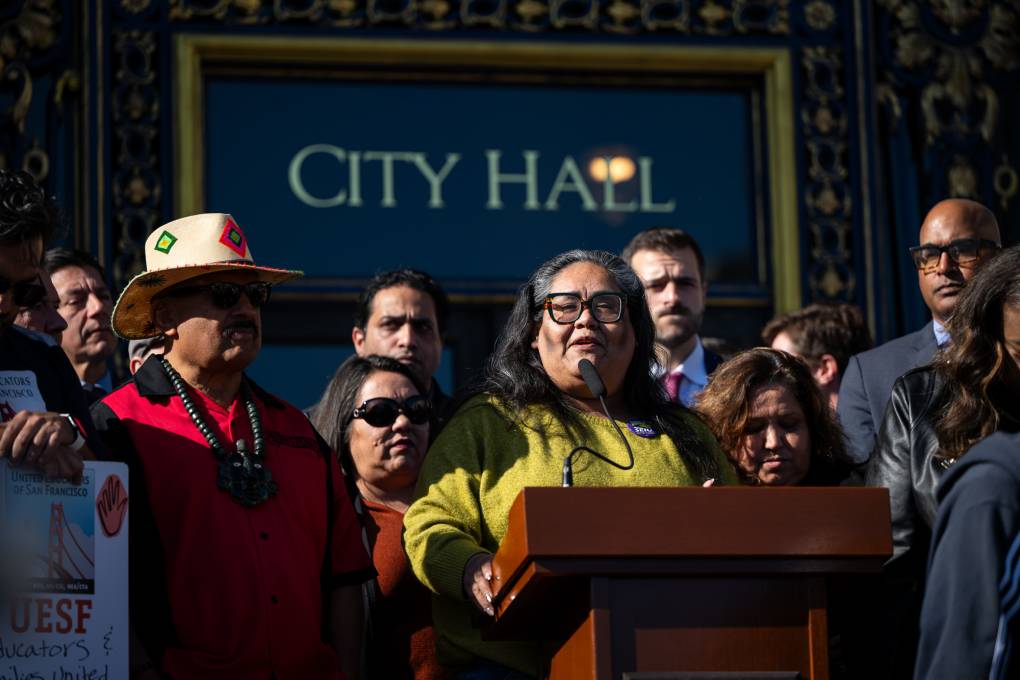
"caption": "SEIU Local 87 president Olga Miranda speaks during a press conference with elected and public safety officials and labor leaders in front of City Hall in San Francisco on Tuesday, Jan. 28, 2025, to reaffirm San Francisco’s commitment to being a Sanctuary City.",
"credit": "Beth LaBerge/KQED",
"altTag": null,
"description": null,
"imgSizes": {
"medium": {
"file": "https://cdn.kqed.org/wp-content/uploads/sites/10/2025/01/250128-SFImmigration-03-BL-800x533.jpg",
"width": 800,
"height": 533,
"mimeType": "image/jpeg"
},
"large": {
"file": "https://cdn.kqed.org/wp-content/uploads/sites/10/2025/01/250128-SFImmigration-03-BL-1020x680.jpg",
"width": 1020,
"height": 680,
"mimeType": "image/jpeg"
},
"thumbnail": {
"file": "https://cdn.kqed.org/wp-content/uploads/sites/10/2025/01/250128-SFImmigration-03-BL-160x107.jpg",
"width": 160,
"height": 107,
"mimeType": "image/jpeg"
},
"1536x1536": {
"file": "https://cdn.kqed.org/wp-content/uploads/sites/10/2025/01/250128-SFImmigration-03-BL-1536x1024.jpg",
"width": 1536,
"height": 1024,
"mimeType": "image/jpeg"
},
"post-thumbnail": {
"file": "https://cdn.kqed.org/wp-content/uploads/sites/10/2025/01/250128-SFImmigration-03-BL-672x372.jpg",
"width": 672,
"height": 372,
"mimeType": "image/jpeg"
},
"twentyfourteen-full-width": {
"file": "https://cdn.kqed.org/wp-content/uploads/sites/10/2025/01/250128-SFImmigration-03-BL-1038x576.jpg",
"width": 1038,
"height": 576,
"mimeType": "image/jpeg"
},
"full-width": {
"file": "https://cdn.kqed.org/wp-content/uploads/sites/10/2025/01/250128-SFImmigration-03-BL-1920x1280.jpg",
"width": 1920,
"height": 1280,
"mimeType": "image/jpeg"
},
"kqedFullSize": {
"file": "https://cdn.kqed.org/wp-content/uploads/sites/10/2025/01/250128-SFImmigration-03-BL.jpg",
"width": 2000,
"height": 1333
}
},
"isLoading": false,
"fetchFailed": false
},
"news_12023545": {
"type": "attachments",
"id": "news_12023545",
"meta": {
"index": "attachments_1716263798",
"site": "news",
"id": "12023545",
"found": true
},
"title": "250122-OaklandImmigrants-28-BL",
"publishDate": 1737580511,
"status": "inherit",
"parent": 12069782,
"modified": 1768439327,
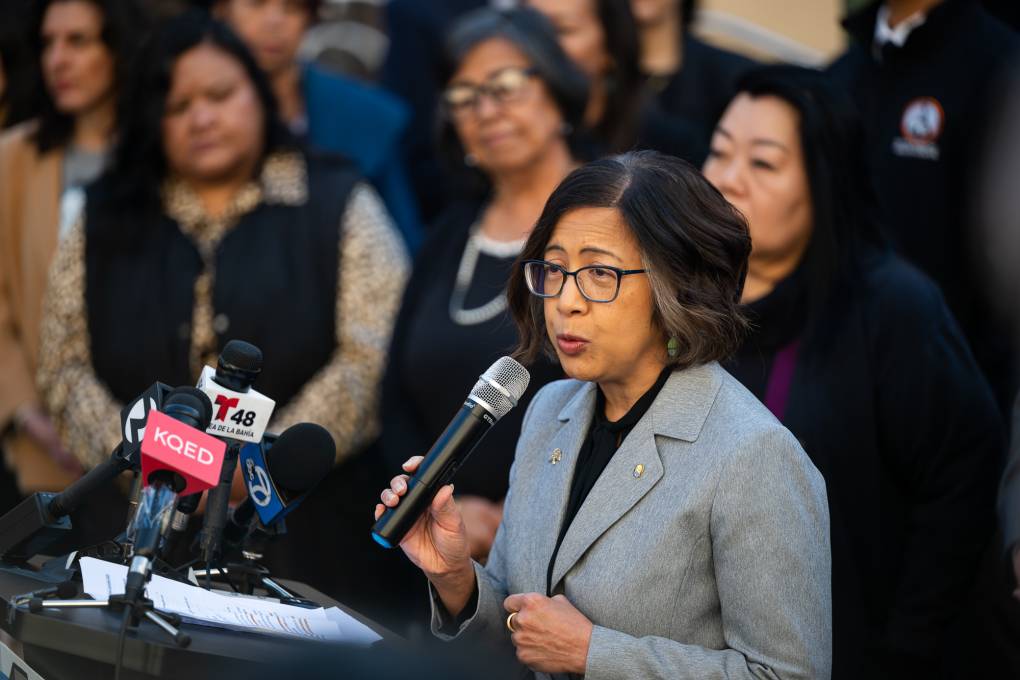
"caption": "Alameda County Supervisor Nikki Fortunato Bas speaks during a press conference with leaders from community groups throughout Alameda County in the Fruitvale neighborhood of Oakland on Jan. 22, 2025, to discuss support for immigrant families in the Bay Area after President Donald Trump promised mass deportations.",
"credit": "Beth LaBerge/KQED",
"altTag": null,
"description": null,
"imgSizes": {
"medium": {
"file": "https://cdn.kqed.org/wp-content/uploads/sites/10/2025/01/250122-OaklandImmigrants-28-BL-800x533.jpg",
"width": 800,
"height": 533,
"mimeType": "image/jpeg"
},
"large": {
"file": "https://cdn.kqed.org/wp-content/uploads/sites/10/2025/01/250122-OaklandImmigrants-28-BL-1020x680.jpg",
"width": 1020,
"height": 680,
"mimeType": "image/jpeg"
},
"thumbnail": {
"file": "https://cdn.kqed.org/wp-content/uploads/sites/10/2025/01/250122-OaklandImmigrants-28-BL-160x107.jpg",
"width": 160,
"height": 107,
"mimeType": "image/jpeg"
},
"1536x1536": {
"file": "https://cdn.kqed.org/wp-content/uploads/sites/10/2025/01/250122-OaklandImmigrants-28-BL-1536x1024.jpg",
"width": 1536,
"height": 1024,
"mimeType": "image/jpeg"
},
"post-thumbnail": {
"file": "https://cdn.kqed.org/wp-content/uploads/sites/10/2025/01/250122-OaklandImmigrants-28-BL-672x372.jpg",
"width": 672,
"height": 372,
"mimeType": "image/jpeg"
},
"twentyfourteen-full-width": {
"file": "https://cdn.kqed.org/wp-content/uploads/sites/10/2025/01/250122-OaklandImmigrants-28-BL-1038x576.jpg",
"width": 1038,
"height": 576,
"mimeType": "image/jpeg"
},
"full-width": {
"file": "https://cdn.kqed.org/wp-content/uploads/sites/10/2025/01/250122-OaklandImmigrants-28-BL-1920x1280.jpg",
"width": 1920,
"height": 1280,
"mimeType": "image/jpeg"
},
"kqedFullSize": {
"file": "https://cdn.kqed.org/wp-content/uploads/sites/10/2025/01/250122-OaklandImmigrants-28-BL.jpg",
"width": 2000,
"height": 1333
}
},
"isLoading": false,
"fetchFailed": false
},
"news_12019937": {
"type": "attachments",
"id": "news_12019937",
"meta": {
"index": "attachments_1716263798",
"site": "news",
"id": "12019937",
"found": true
},
"title": "122724-Stephen-Miller-MB-REUTERS-01 copy",
"publishDate": 1735420447,
"status": "inherit",
"parent": 12019933,
"modified": 1735420474,
"caption": "Stephen Miller, an adviser to President-elect Donald Trump who is expected to join the incoming administration, speaks during a rally for the president-elect in Coachella on Oct. 12, 2024. ",
"credit": "Mike Blake/Reuters",
"altTag": null,
"description": null,
"imgSizes": {
"medium": {
"file": "https://cdn.kqed.org/wp-content/uploads/sites/10/2024/12/122724-Stephen-Miller-MB-REUTERS-01-copy-800x533.jpg",
"width": 800,
"height": 533,
"mimeType": "image/jpeg"
},
"large": {
"file": "https://cdn.kqed.org/wp-content/uploads/sites/10/2024/12/122724-Stephen-Miller-MB-REUTERS-01-copy-1020x680.jpg",
"width": 1020,
"height": 680,
"mimeType": "image/jpeg"
},
"thumbnail": {
"file": "https://cdn.kqed.org/wp-content/uploads/sites/10/2024/12/122724-Stephen-Miller-MB-REUTERS-01-copy-160x107.jpg",
"width": 160,
"height": 107,
"mimeType": "image/jpeg"
},
"1536x1536": {
"file": "https://cdn.kqed.org/wp-content/uploads/sites/10/2024/12/122724-Stephen-Miller-MB-REUTERS-01-copy-1536x1024.jpg",
"width": 1536,
"height": 1024,
"mimeType": "image/jpeg"
},
"post-thumbnail": {
"file": "https://cdn.kqed.org/wp-content/uploads/sites/10/2024/12/122724-Stephen-Miller-MB-REUTERS-01-copy-672x372.jpg",
"width": 672,
"height": 372,
"mimeType": "image/jpeg"
},
"twentyfourteen-full-width": {
"file": "https://cdn.kqed.org/wp-content/uploads/sites/10/2024/12/122724-Stephen-Miller-MB-REUTERS-01-copy-1038x576.jpg",
"width": 1038,
"height": 576,
"mimeType": "image/jpeg"
},
"full-width": {
"file": "https://cdn.kqed.org/wp-content/uploads/sites/10/2024/12/122724-Stephen-Miller-MB-REUTERS-01-copy-1920x1280.jpg",
"width": 1920,
"height": 1280,
"mimeType": "image/jpeg"
},
"kqedFullSize": {
"file": "https://cdn.kqed.org/wp-content/uploads/sites/10/2024/12/122724-Stephen-Miller-MB-REUTERS-01-copy.jpg",
"width": 2000,
"height": 1333
}
},
"isLoading": false,
"fetchFailed": false
},
"news_12018686": {
"type": "attachments",
"id": "news_12018686",
"meta": {
"index": "attachments_1716263798",
"site": "news",
"id": "12018686",
"found": true
},
"title": "230601-MindShift-33-BL_qed",
"publishDate": 1734473312,
"status": "inherit",
"parent": 12018681,
"modified": 1734473354,
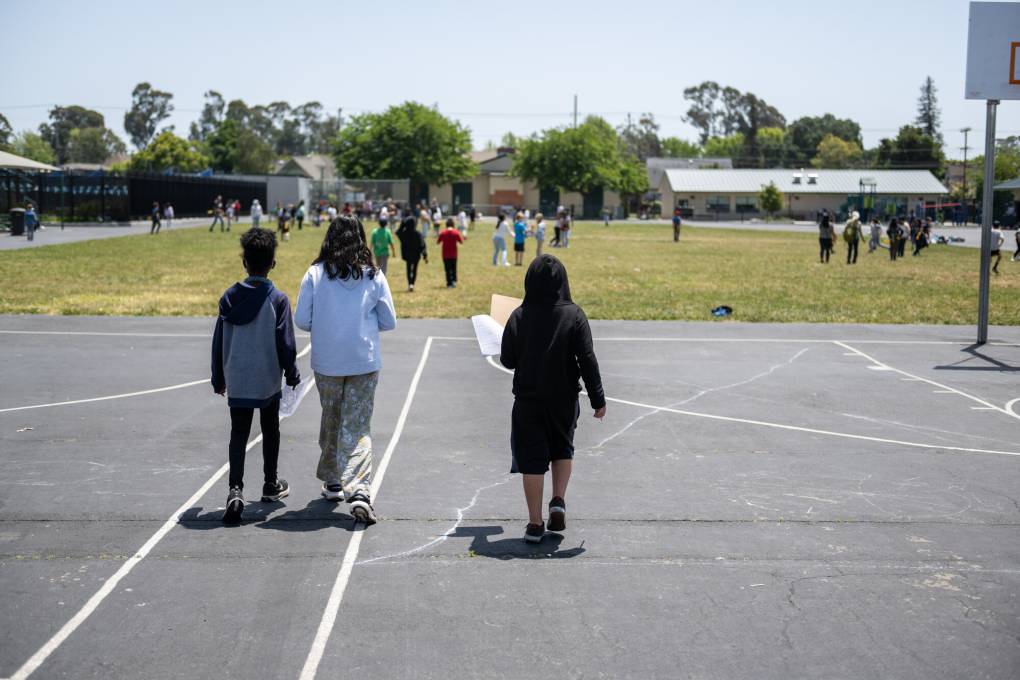
"caption": "Students in the schoolyard at Roosevelt Elementary School in San Leandro on June 1, 2023. ",
"credit": "Beth LaBerge/KQED",
"altTag": null,
"description": null,
"imgSizes": {
"medium": {
"file": "https://cdn.kqed.org/wp-content/uploads/sites/10/2024/12/230601-MindShift-33-BL_qed-800x533.jpg",
"width": 800,
"height": 533,
"mimeType": "image/jpeg"
},
"large": {
"file": "https://cdn.kqed.org/wp-content/uploads/sites/10/2024/12/230601-MindShift-33-BL_qed-1020x680.jpg",
"width": 1020,
"height": 680,
"mimeType": "image/jpeg"
},
"thumbnail": {
"file": "https://cdn.kqed.org/wp-content/uploads/sites/10/2024/12/230601-MindShift-33-BL_qed-160x107.jpg",
"width": 160,
"height": 107,
"mimeType": "image/jpeg"
},
"1536x1536": {
"file": "https://cdn.kqed.org/wp-content/uploads/sites/10/2024/12/230601-MindShift-33-BL_qed-1536x1024.jpg",
"width": 1536,
"height": 1024,
"mimeType": "image/jpeg"
},
"post-thumbnail": {
"file": "https://cdn.kqed.org/wp-content/uploads/sites/10/2024/12/230601-MindShift-33-BL_qed-672x372.jpg",
"width": 672,
"height": 372,
"mimeType": "image/jpeg"
},
"twentyfourteen-full-width": {
"file": "https://cdn.kqed.org/wp-content/uploads/sites/10/2024/12/230601-MindShift-33-BL_qed-1038x576.jpg",
"width": 1038,
"height": 576,
"mimeType": "image/jpeg"
},
"full-width": {
"file": "https://cdn.kqed.org/wp-content/uploads/sites/10/2024/12/230601-MindShift-33-BL_qed-1920x1280.jpg",
"width": 1920,
"height": 1280,
"mimeType": "image/jpeg"
},
"kqedFullSize": {
"file": "https://cdn.kqed.org/wp-content/uploads/sites/10/2024/12/230601-MindShift-33-BL_qed.jpg",
"width": 2000,
"height": 1333
}
},
"isLoading": false,
"fetchFailed": false
},
"news_12016443": {
"type": "attachments",
"id": "news_12016443",
"meta": {
"index": "attachments_1716263798",
"site": "news",
"id": "12016443",
"found": true
},
"title": "ClassroomSanctuarySpace",
"publishDate": 1733254813,
"status": "inherit",
"parent": 12016440,
"modified": 1733254828,
"caption": null,
"credit": "Daisy Nguyen/ KQED",
"altTag": null,
"description": null,
"imgSizes": {
"medium": {
"file": "https://cdn.kqed.org/wp-content/uploads/sites/10/2024/12/ClassroomSanctuarySpace-800x600.jpg",
"width": 800,
"height": 600,
"mimeType": "image/jpeg"
},
"large": {
"file": "https://cdn.kqed.org/wp-content/uploads/sites/10/2024/12/ClassroomSanctuarySpace-1020x765.jpg",
"width": 1020,
"height": 765,
"mimeType": "image/jpeg"
},
"thumbnail": {
"file": "https://cdn.kqed.org/wp-content/uploads/sites/10/2024/12/ClassroomSanctuarySpace-160x120.jpg",
"width": 160,
"height": 120,
"mimeType": "image/jpeg"
},
"1536x1536": {
"file": "https://cdn.kqed.org/wp-content/uploads/sites/10/2024/12/ClassroomSanctuarySpace-1536x1152.jpg",
"width": 1536,
"height": 1152,
"mimeType": "image/jpeg"
},
"post-thumbnail": {
"file": "https://cdn.kqed.org/wp-content/uploads/sites/10/2024/12/ClassroomSanctuarySpace-672x372.jpg",
"width": 672,
"height": 372,
"mimeType": "image/jpeg"
},
"twentyfourteen-full-width": {
"file": "https://cdn.kqed.org/wp-content/uploads/sites/10/2024/12/ClassroomSanctuarySpace-1038x576.jpg",
"width": 1038,
"height": 576,
"mimeType": "image/jpeg"
},
"full-width": {
"file": "https://cdn.kqed.org/wp-content/uploads/sites/10/2024/12/ClassroomSanctuarySpace-1920x1440.jpg",
"width": 1920,
"height": 1440,
"mimeType": "image/jpeg"
},
"kqedFullSize": {
"file": "https://cdn.kqed.org/wp-content/uploads/sites/10/2024/12/ClassroomSanctuarySpace.jpg",
"width": 2000,
"height": 1500
}
},
"isLoading": false,
"fetchFailed": false
},
"news_11941180": {
"type": "attachments",
"id": "news_11941180",
"meta": {
"index": "attachments_1716263798",
"site": "news",
"id": "11941180",
"found": true
},
"parent": 11941173,
"imgSizes": {
"twentyfourteen-full-width": {
"file": "https://ww2.kqed.org/app/uploads/sites/10/2023/02/GettyImages-1342583014-1-1024x576.jpg",
"width": 1024,
"mimeType": "image/jpeg",
"height": 576
},
"thumbnail": {
"file": "https://ww2.kqed.org/app/uploads/sites/10/2023/02/GettyImages-1342583014-1-160x107.jpg",
"width": 160,
"mimeType": "image/jpeg",
"height": 107
},
"post-thumbnail": {
"file": "https://ww2.kqed.org/app/uploads/sites/10/2023/02/GettyImages-1342583014-1-672x372.jpg",
"width": 672,
"mimeType": "image/jpeg",
"height": 372
},
"kqedFullSize": {
"file": "https://ww2.kqed.org/app/uploads/sites/10/2023/02/GettyImages-1342583014-1.jpg",
"width": 1024,
"height": 683
},
"large": {
"file": "https://ww2.kqed.org/app/uploads/sites/10/2023/02/GettyImages-1342583014-1-1020x680.jpg",
"width": 1020,
"mimeType": "image/jpeg",
"height": 680
},
"medium": {
"file": "https://ww2.kqed.org/app/uploads/sites/10/2023/02/GettyImages-1342583014-1-800x534.jpg",
"width": 800,
"mimeType": "image/jpeg",
"height": 534
}
},
"publishDate": 1676512496,
"modified": 1676522386,
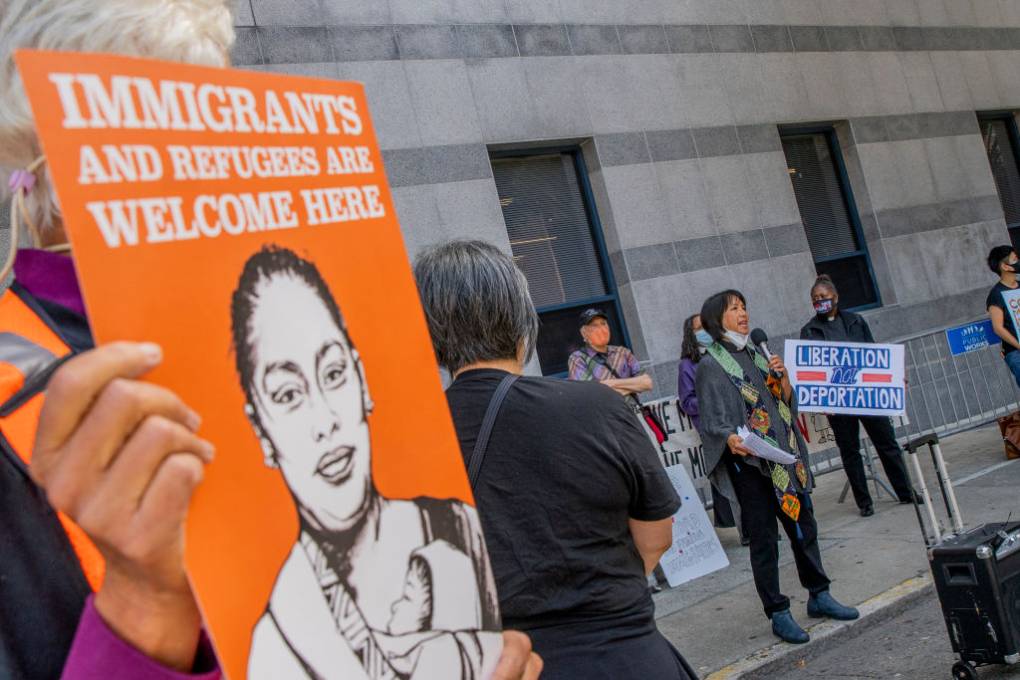
"caption": "Immigrant advocates protesting deportations of Haitian immigrants demonstrate outside the San Francisco offices of US Immigration and Customs Enforcement on Sept. 23, 2021.",
"description": null,
"title": "SFChronicleHAITI",
"credit": "Santiago Mejia/The San Francisco Chronicle via Getty Images",
"status": "inherit",
"altTag": "Protesters on the street hold up signs in support of immigrants and refugees.",
"isLoading": false,
"fetchFailed": false
},
"news_11728413": {
"type": "attachments",
"id": "news_11728413",
"meta": {
"index": "attachments_1716263798",
"site": "news",
"id": "11728413",
"found": true
},
"parent": 11728381,
"imgSizes": {
"twentyfourteen-full-width": {
"file": "https://ww2.kqed.org/app/uploads/sites/10/2019/02/RS15994_arraignment2-qut-1038x576.jpg",
"width": 1038,
"mimeType": "image/jpeg",
"height": 576
},
"thumbnail": {
"file": "https://ww2.kqed.org/app/uploads/sites/10/2019/02/RS15994_arraignment2-qut-160x114.jpg",
"width": 160,
"mimeType": "image/jpeg",
"height": 114
},
"post-thumbnail": {
"file": "https://ww2.kqed.org/app/uploads/sites/10/2019/02/RS15994_arraignment2-qut-672x372.jpg",
"width": 672,
"mimeType": "image/jpeg",
"height": 372
},
"kqedFullSize": {
"file": "https://ww2.kqed.org/app/uploads/sites/10/2019/02/RS15994_arraignment2-qut.jpg",
"width": 1920,
"height": 1365
},
"large": {
"file": "https://ww2.kqed.org/app/uploads/sites/10/2019/02/RS15994_arraignment2-qut-1020x725.jpg",
"width": 1020,
"mimeType": "image/jpeg",
"height": 725
},
"complete_open_graph": {
"file": "https://ww2.kqed.org/app/uploads/sites/10/2019/02/RS15994_arraignment2-qut-1200x853.jpg",
"width": 1200,
"mimeType": "image/jpeg",
"height": 853
},
"guest-author-50": {
"file": "https://ww2.kqed.org/app/uploads/sites/10/2019/02/RS15994_arraignment2-qut-50x50.jpg",
"width": 50,
"mimeType": "image/jpeg",
"height": 50
},
"guest-author-96": {
"file": "https://ww2.kqed.org/app/uploads/sites/10/2019/02/RS15994_arraignment2-qut-96x96.jpg",
"width": 96,
"mimeType": "image/jpeg",
"height": 96
},
"medium": {
"file": "https://ww2.kqed.org/app/uploads/sites/10/2019/02/RS15994_arraignment2-qut-800x569.jpg",
"width": 800,
"mimeType": "image/jpeg",
"height": 569
},
"guest-author-64": {
"file": "https://ww2.kqed.org/app/uploads/sites/10/2019/02/RS15994_arraignment2-qut-64x64.jpg",
"width": 64,
"mimeType": "image/jpeg",
"height": 64
},
"guest-author-32": {
"file": "https://ww2.kqed.org/app/uploads/sites/10/2019/02/RS15994_arraignment2-qut-32x32.jpg",
"width": 32,
"mimeType": "image/jpeg",
"height": 32
},
"full-width": {
"file": "https://ww2.kqed.org/app/uploads/sites/10/2019/02/RS15994_arraignment2-qut-1920x1365.jpg",
"width": 1920,
"mimeType": "image/jpeg",
"height": 1365
},
"detail": {
"file": "https://ww2.kqed.org/app/uploads/sites/10/2019/02/RS15994_arraignment2-qut-150x150.jpg",
"width": 150,
"mimeType": "image/jpeg",
"height": 150
},
"guest-author-128": {
"file": "https://ww2.kqed.org/app/uploads/sites/10/2019/02/RS15994_arraignment2-qut-128x128.jpg",
"width": 128,
"mimeType": "image/jpeg",
"height": 128
}
},
"publishDate": 1550907586,
"modified": 1654561223,
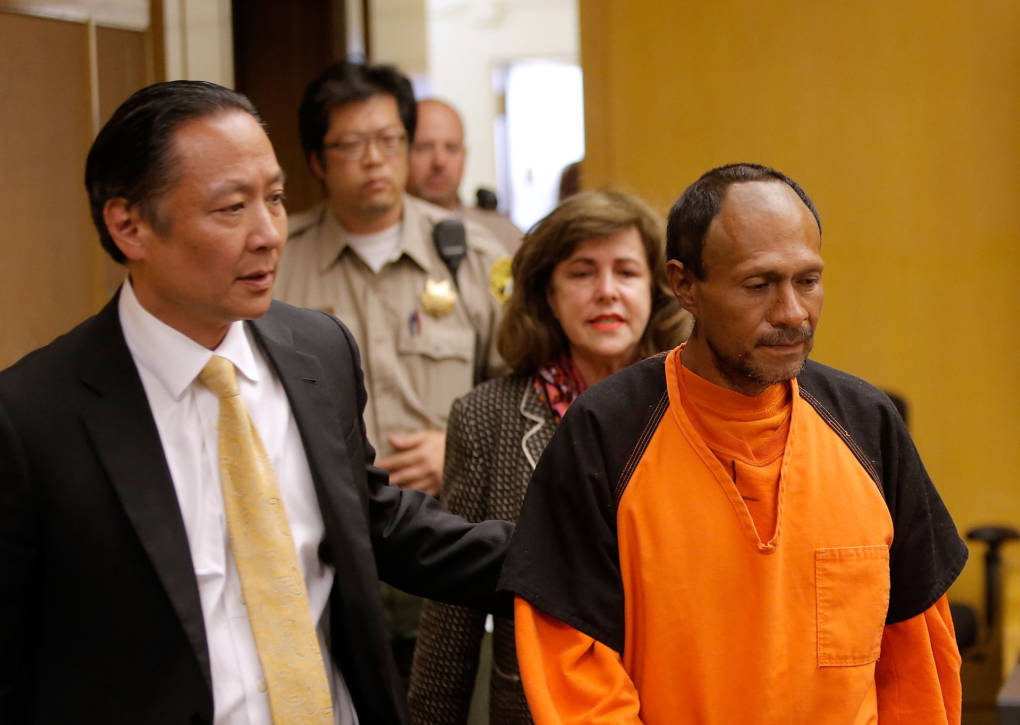
"caption": "Former San Francisco Public Defender Jeff Adachi (left) enters court for an arraignment with José Inez García Zárate on July 7, 2015, in San Francisco. Adachi, who died in 2019, oversaw García Zárate's acquittal for the killing of Kate Steinle, a case that gained national attention, including from then-candidate Donald Trump.",
"description": null,
"title": "RS15994_arraignment(2)-qut",
"credit": "Michael Macor-Pool/Getty Images",
"status": "inherit",
"altTag": "A man in a suit and tie leads another man in an orange jumpsuit into court.",
"isLoading": false,
"fetchFailed": false
},
"news_11629662": {
"type": "attachments",
"id": "news_11629662",
"meta": {
"index": "attachments_1716263798",
"site": "news",
"id": "11629662",
"found": true
},
"parent": 11629621,
"imgSizes": {
"small": {
"file": "https://ww2.kqed.org/app/uploads/sites/10/2017/11/RS27953_GettyImages-479823632-qut-520x347.jpg",
"width": 520,
"mimeType": "image/jpeg",
"height": 347
},
"twentyfourteen-full-width": {
"file": "https://ww2.kqed.org/app/uploads/sites/10/2017/11/RS27953_GettyImages-479823632-qut-1038x576.jpg",
"width": 1038,
"mimeType": "image/jpeg",
"height": 576
},
"thumbnail": {
"file": "https://ww2.kqed.org/app/uploads/sites/10/2017/11/RS27953_GettyImages-479823632-qut-160x107.jpg",
"width": 160,
"mimeType": "image/jpeg",
"height": 107
},
"fd-sm": {
"file": "https://ww2.kqed.org/app/uploads/sites/10/2017/11/RS27953_GettyImages-479823632-qut-960x640.jpg",
"width": 960,
"mimeType": "image/jpeg",
"height": 640
},
"post-thumbnail": {
"file": "https://ww2.kqed.org/app/uploads/sites/10/2017/11/RS27953_GettyImages-479823632-qut-672x372.jpg",
"width": 672,
"mimeType": "image/jpeg",
"height": 372
},
"xsmall": {
"file": "https://ww2.kqed.org/app/uploads/sites/10/2017/11/RS27953_GettyImages-479823632-qut-375x250.jpg",
"width": 375,
"mimeType": "image/jpeg",
"height": 250
},
"kqedFullSize": {
"file": "https://ww2.kqed.org/app/uploads/sites/10/2017/11/RS27953_GettyImages-479823632-qut.jpg",
"width": 1920,
"height": 1280
},
"large": {
"file": "https://ww2.kqed.org/app/uploads/sites/10/2017/11/RS27953_GettyImages-479823632-qut-1020x680.jpg",
"width": 1020,
"mimeType": "image/jpeg",
"height": 680
},
"xlarge": {
"file": "https://ww2.kqed.org/app/uploads/sites/10/2017/11/RS27953_GettyImages-479823632-qut-1180x787.jpg",
"width": 1180,
"mimeType": "image/jpeg",
"height": 787
},
"guest-author-50": {
"file": "https://ww2.kqed.org/app/uploads/sites/10/2017/11/RS27953_GettyImages-479823632-qut-50x50.jpg",
"width": 50,
"mimeType": "image/jpeg",
"height": 50
},
"guest-author-96": {
"file": "https://ww2.kqed.org/app/uploads/sites/10/2017/11/RS27953_GettyImages-479823632-qut-96x96.jpg",
"width": 96,
"mimeType": "image/jpeg",
"height": 96
},
"medium": {
"file": "https://ww2.kqed.org/app/uploads/sites/10/2017/11/RS27953_GettyImages-479823632-qut-800x533.jpg",
"width": 800,
"mimeType": "image/jpeg",
"height": 533
},
"guest-author-64": {
"file": "https://ww2.kqed.org/app/uploads/sites/10/2017/11/RS27953_GettyImages-479823632-qut-64x64.jpg",
"width": 64,
"mimeType": "image/jpeg",
"height": 64
},
"guest-author-32": {
"file": "https://ww2.kqed.org/app/uploads/sites/10/2017/11/RS27953_GettyImages-479823632-qut-32x32.jpg",
"width": 32,
"mimeType": "image/jpeg",
"height": 32
},
"fd-lrg": {
"file": "https://ww2.kqed.org/app/uploads/sites/10/2017/11/RS27953_GettyImages-479823632-qut-1920x1280.jpg",
"width": 1920,
"mimeType": "image/jpeg",
"height": 1280
},
"fd-med": {
"file": "https://ww2.kqed.org/app/uploads/sites/10/2017/11/RS27953_GettyImages-479823632-qut-1180x787.jpg",
"width": 1180,
"mimeType": "image/jpeg",
"height": 787
},
"full-width": {
"file": "https://ww2.kqed.org/app/uploads/sites/10/2017/11/RS27953_GettyImages-479823632-qut-1920x1280.jpg",
"width": 1920,
"mimeType": "image/jpeg",
"height": 1280
},
"detail": {
"file": "https://ww2.kqed.org/app/uploads/sites/10/2017/11/RS27953_GettyImages-479823632-qut-150x150.jpg",
"width": 150,
"mimeType": "image/jpeg",
"height": 150
},
"guest-author-128": {
"file": "https://ww2.kqed.org/app/uploads/sites/10/2017/11/RS27953_GettyImages-479823632-qut-128x128.jpg",
"width": 128,
"mimeType": "image/jpeg",
"height": 128
},
"xxsmall": {
"file": "https://ww2.kqed.org/app/uploads/sites/10/2017/11/RS27953_GettyImages-479823632-qut-240x160.jpg",
"width": 240,
"mimeType": "image/jpeg",
"height": 160
}
},
"publishDate": 1510267227,
"modified": 1510270822,
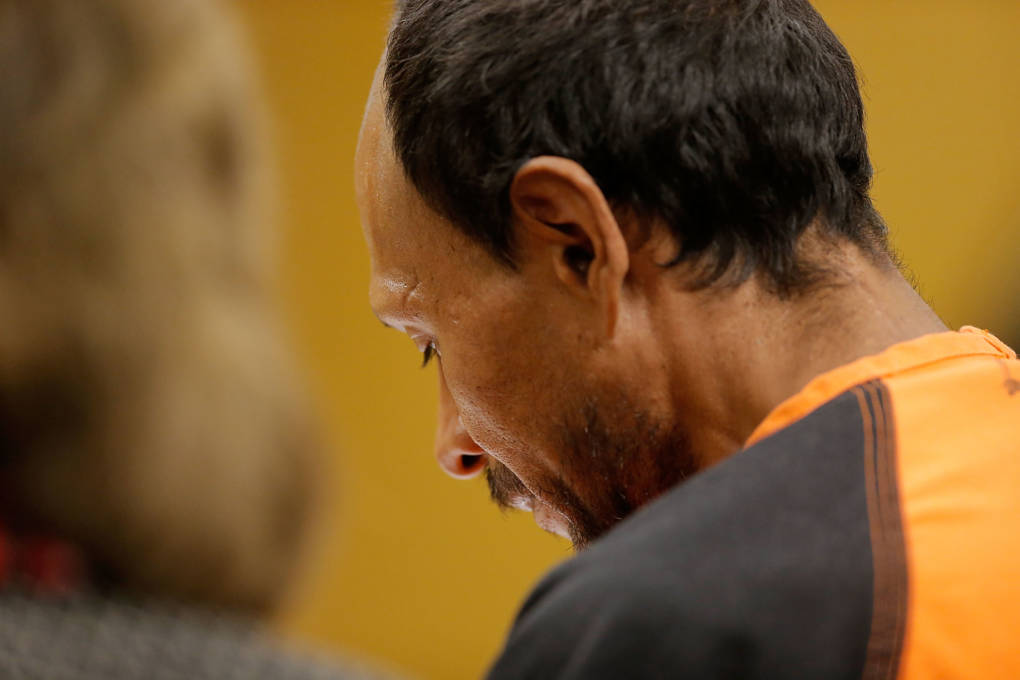
"caption": "Jose Ines Garcia Zarate, also known as Juan Francisco Lopez Sanchez, at an arraignment hearing on July 7, 2015, in San Francisco.",
"description": "Jose Ines Garcia Zarate, also known as Juan Francisco Lopez Sanchez, at an arraignment hearing on July 7, 2015 in San Francisco.",
"title": "Arraignment Held For Francisco Sanchez, Charged With The Shooting Death Of Kathryn Steinle On Pier 14",
"credit": "Michael Macor-Pool/Getty Images",
"status": "inherit",
"isLoading": false,
"fetchFailed": false
},
"news_11795594": {
"type": "attachments",
"id": "news_11795594",
"meta": {
"index": "attachments_1716263798",
"site": "news",
"id": "11795594",
"found": true
},
"parent": 11795477,
"imgSizes": {
"apple_news_ca_landscape_5_5": {
"file": "https://ww2.kqed.org/app/uploads/sites/10/2020/01/GettyImages-675216212-1044x783.jpg",
"width": 1044,
"mimeType": "image/jpeg",
"height": 783
},
"apple_news_ca_square_4_0": {
"file": "https://ww2.kqed.org/app/uploads/sites/10/2020/01/GettyImages-675216212-470x470.jpg",
"width": 470,
"mimeType": "image/jpeg",
"height": 470
},
"twentyfourteen-full-width": {
"file": "https://ww2.kqed.org/app/uploads/sites/10/2020/01/GettyImages-675216212-1038x576.jpg",
"width": 1038,
"mimeType": "image/jpeg",
"height": 576
},
"thumbnail": {
"file": "https://ww2.kqed.org/app/uploads/sites/10/2020/01/GettyImages-675216212-160x107.jpg",
"width": 160,
"mimeType": "image/jpeg",
"height": 107
},
"post-thumbnail": {
"file": "https://ww2.kqed.org/app/uploads/sites/10/2020/01/GettyImages-675216212-672x372.jpg",
"width": 672,
"mimeType": "image/jpeg",
"height": 372
},
"kqedFullSize": {
"file": "https://ww2.kqed.org/app/uploads/sites/10/2020/01/GettyImages-675216212-e1578704482384.jpg",
"width": 1920,
"height": 1280
},
"apple_news_ca_landscape_4_7": {
"file": "https://ww2.kqed.org/app/uploads/sites/10/2020/01/GettyImages-675216212-632x474.jpg",
"width": 632,
"mimeType": "image/jpeg",
"height": 474
},
"large": {
"file": "https://ww2.kqed.org/app/uploads/sites/10/2020/01/GettyImages-675216212-1020x680.jpg",
"width": 1020,
"mimeType": "image/jpeg",
"height": 680
},
"complete_open_graph": {
"file": "https://ww2.kqed.org/app/uploads/sites/10/2020/01/GettyImages-675216212-1200x800.jpg",
"width": 1200,
"mimeType": "image/jpeg",
"height": 800
},
"apple_news_ca_landscape_4_0": {
"file": "https://ww2.kqed.org/app/uploads/sites/10/2020/01/GettyImages-675216212-536x402.jpg",
"width": 536,
"mimeType": "image/jpeg",
"height": 402
},
"apple_news_ca_portrait_12_9": {
"file": "https://ww2.kqed.org/app/uploads/sites/10/2020/01/GettyImages-675216212-1122x1496.jpg",
"width": 1122,
"mimeType": "image/jpeg",
"height": 1496
},
"medium": {
"file": "https://ww2.kqed.org/app/uploads/sites/10/2020/01/GettyImages-675216212-800x533.jpg",
"width": 800,
"mimeType": "image/jpeg",
"height": 533
},
"apple_news_ca_portrait_4_0": {
"file": "https://ww2.kqed.org/app/uploads/sites/10/2020/01/GettyImages-675216212-354x472.jpg",
"width": 354,
"mimeType": "image/jpeg",
"height": 472
},
"apple_news_ca_portrait_9_7": {
"file": "https://ww2.kqed.org/app/uploads/sites/10/2020/01/GettyImages-675216212-840x1120.jpg",
"width": 840,
"mimeType": "image/jpeg",
"height": 1120
},
"apple_news_ca_landscape_12_9": {
"file": "https://ww2.kqed.org/app/uploads/sites/10/2020/01/GettyImages-675216212-1832x1374.jpg",
"width": 1832,
"mimeType": "image/jpeg",
"height": 1374
},
"apple_news_ca_square_9_7": {
"file": "https://ww2.kqed.org/app/uploads/sites/10/2020/01/GettyImages-675216212-1104x1104.jpg",
"width": 1104,
"mimeType": "image/jpeg",
"height": 1104
},
"apple_news_ca_portrait_4_7": {
"file": "https://ww2.kqed.org/app/uploads/sites/10/2020/01/GettyImages-675216212-414x552.jpg",
"width": 414,
"mimeType": "image/jpeg",
"height": 552
},
"apple_news_ca_square_12_9": {
"file": "https://ww2.kqed.org/app/uploads/sites/10/2020/01/GettyImages-675216212-1472x1472.jpg",
"width": 1472,
"mimeType": "image/jpeg",
"height": 1472
},
"apple_news_ca_portrait_5_5": {
"file": "https://ww2.kqed.org/app/uploads/sites/10/2020/01/GettyImages-675216212-687x916.jpg",
"width": 687,
"mimeType": "image/jpeg",
"height": 916
},
"full-width": {
"file": "https://ww2.kqed.org/app/uploads/sites/10/2020/01/GettyImages-675216212-1920x1280.jpg",
"width": 1920,
"mimeType": "image/jpeg",
"height": 1280
},
"apple_news_ca_square_4_7": {
"file": "https://ww2.kqed.org/app/uploads/sites/10/2020/01/GettyImages-675216212-550x550.jpg",
"width": 550,
"mimeType": "image/jpeg",
"height": 550
},
"apple_news_ca_landscape_9_7": {
"file": "https://ww2.kqed.org/app/uploads/sites/10/2020/01/GettyImages-675216212-1376x1032.jpg",
"width": 1376,
"mimeType": "image/jpeg",
"height": 1032
},
"apple_news_ca_square_5_5": {
"file": "https://ww2.kqed.org/app/uploads/sites/10/2020/01/GettyImages-675216212-912x912.jpg",
"width": 912,
"mimeType": "image/jpeg",
"height": 912
}
},
"publishDate": 1578704427,
"modified": 1578759914,
"caption": "The California Court of Appeal ruled that a state law limiting police collaboration with federal immigration authorities does not interfere with a charter city's rights.",
"description": "The California Court of Appeal ruled that a state law limiting police collaboration with federal immigration authorities does not interfere with a charter city's rights.",
"title": "The California Court of Appeal ruled that a state law limiting police collaboration with federal immigration authorities does not interfere with a charter city's rights.",
"credit": "Photo by Earl Gibson III/Getty Images for MoveOn.org",
"status": "inherit",
"isLoading": false,
"fetchFailed": false
},
"news_11740260": {
"type": "attachments",
"id": "news_11740260",
"meta": {
"index": "attachments_1716263798",
"site": "news",
"id": "11740260",
"found": true
},
"parent": 11740258,
"imgSizes": {
"apple_news_ca_landscape_5_5": {
"file": "https://ww2.kqed.org/app/uploads/sites/10/2019/04/RS24019_GettyImages-632730322-qut-1044x783.jpg",
"width": 1044,
"mimeType": "image/jpeg",
"height": 783
},
"apple_news_ca_square_4_0": {
"file": "https://ww2.kqed.org/app/uploads/sites/10/2019/04/RS24019_GettyImages-632730322-qut-470x470.jpg",
"width": 470,
"mimeType": "image/jpeg",
"height": 470
},
"twentyfourteen-full-width": {
"file": "https://ww2.kqed.org/app/uploads/sites/10/2019/04/RS24019_GettyImages-632730322-qut-1038x576.jpg",
"width": 1038,
"mimeType": "image/jpeg",
"height": 576
},
"thumbnail": {
"file": "https://ww2.kqed.org/app/uploads/sites/10/2019/04/RS24019_GettyImages-632730322-qut-160x111.jpg",
"width": 160,
"mimeType": "image/jpeg",
"height": 111
},
"post-thumbnail": {
"file": "https://ww2.kqed.org/app/uploads/sites/10/2019/04/RS24019_GettyImages-632730322-qut-672x372.jpg",
"width": 672,
"mimeType": "image/jpeg",
"height": 372
},
"kqedFullSize": {
"file": "https://ww2.kqed.org/app/uploads/sites/10/2019/04/RS24019_GettyImages-632730322-qut.jpg",
"width": 1920,
"height": 1336
},
"apple_news_ca_landscape_4_7": {
"file": "https://ww2.kqed.org/app/uploads/sites/10/2019/04/RS24019_GettyImages-632730322-qut-632x474.jpg",
"width": 632,
"mimeType": "image/jpeg",
"height": 474
},
"large": {
"file": "https://ww2.kqed.org/app/uploads/sites/10/2019/04/RS24019_GettyImages-632730322-qut-1020x710.jpg",
"width": 1020,
"mimeType": "image/jpeg",
"height": 710
},
"complete_open_graph": {
"file": "https://ww2.kqed.org/app/uploads/sites/10/2019/04/RS24019_GettyImages-632730322-qut-1200x835.jpg",
"width": 1200,
"mimeType": "image/jpeg",
"height": 835
},
"apple_news_ca_landscape_4_0": {
"file": "https://ww2.kqed.org/app/uploads/sites/10/2019/04/RS24019_GettyImages-632730322-qut-536x402.jpg",
"width": 536,
"mimeType": "image/jpeg",
"height": 402
},
"apple_news_ca_portrait_12_9": {
"file": "https://ww2.kqed.org/app/uploads/sites/10/2019/04/RS24019_GettyImages-632730322-qut-1122x1336.jpg",
"width": 1122,
"mimeType": "image/jpeg",
"height": 1336
},
"medium": {
"file": "https://ww2.kqed.org/app/uploads/sites/10/2019/04/RS24019_GettyImages-632730322-qut-800x557.jpg",
"width": 800,
"mimeType": "image/jpeg",
"height": 557
},
"apple_news_ca_portrait_4_0": {
"file": "https://ww2.kqed.org/app/uploads/sites/10/2019/04/RS24019_GettyImages-632730322-qut-354x472.jpg",
"width": 354,
"mimeType": "image/jpeg",
"height": 472
},
"apple_news_ca_portrait_9_7": {
"file": "https://ww2.kqed.org/app/uploads/sites/10/2019/04/RS24019_GettyImages-632730322-qut-840x1120.jpg",
"width": 840,
"mimeType": "image/jpeg",
"height": 1120
},
"apple_news_ca_landscape_12_9": {
"file": "https://ww2.kqed.org/app/uploads/sites/10/2019/04/RS24019_GettyImages-632730322-qut-1832x1336.jpg",
"width": 1832,
"mimeType": "image/jpeg",
"height": 1336
},
"apple_news_ca_square_9_7": {
"file": "https://ww2.kqed.org/app/uploads/sites/10/2019/04/RS24019_GettyImages-632730322-qut-1104x1104.jpg",
"width": 1104,
"mimeType": "image/jpeg",
"height": 1104
},
"apple_news_ca_portrait_4_7": {
"file": "https://ww2.kqed.org/app/uploads/sites/10/2019/04/RS24019_GettyImages-632730322-qut-414x552.jpg",
"width": 414,
"mimeType": "image/jpeg",
"height": 552
},
"apple_news_ca_square_12_9": {
"file": "https://ww2.kqed.org/app/uploads/sites/10/2019/04/RS24019_GettyImages-632730322-qut-1472x1336.jpg",
"width": 1472,
"mimeType": "image/jpeg",
"height": 1336
},
"apple_news_ca_portrait_5_5": {
"file": "https://ww2.kqed.org/app/uploads/sites/10/2019/04/RS24019_GettyImages-632730322-qut-687x916.jpg",
"width": 687,
"mimeType": "image/jpeg",
"height": 916
},
"full-width": {
"file": "https://ww2.kqed.org/app/uploads/sites/10/2019/04/RS24019_GettyImages-632730322-qut-1920x1336.jpg",
"width": 1920,
"mimeType": "image/jpeg",
"height": 1336
},
"apple_news_ca_square_4_7": {
"file": "https://ww2.kqed.org/app/uploads/sites/10/2019/04/RS24019_GettyImages-632730322-qut-550x550.jpg",
"width": 550,
"mimeType": "image/jpeg",
"height": 550
},
"apple_news_ca_landscape_9_7": {
"file": "https://ww2.kqed.org/app/uploads/sites/10/2019/04/RS24019_GettyImages-632730322-qut-1376x1032.jpg",
"width": 1376,
"mimeType": "image/jpeg",
"height": 1032
},
"apple_news_ca_square_5_5": {
"file": "https://ww2.kqed.org/app/uploads/sites/10/2019/04/RS24019_GettyImages-632730322-qut-912x912.jpg",
"width": 912,
"mimeType": "image/jpeg",
"height": 912
}
},
"publishDate": 1555281676,
"modified": 1555372454,
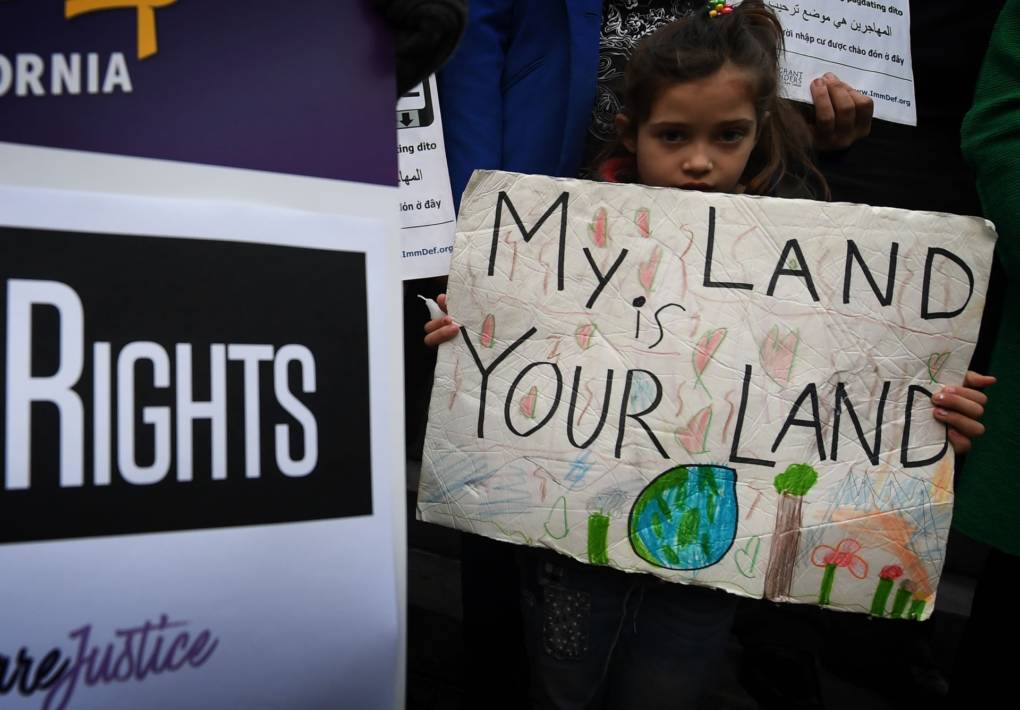
"caption": "Maya Casillas, 7, joins migrant rights group during a vigil to protest against U.S. President Trump's crackdown on sanctuary cities, outside City Hall in Los Angeles on Jan. 25, 2017.",
"description": "Maya Casillas, 7, joins migrant rights group during a vigil to protest against US President Donald Trump's crackdown on \"sanctuary cities\", outside the City Hall in Los Angeles on January 25, 2017.",
"title": "RS24019_GettyImages-632730322-qut",
"credit": "MARK RALSTON/AFP/Getty Images",
"status": "inherit",
"isLoading": false,
"fetchFailed": false
}
},
"audioPlayerReducer": {
"postId": "stream_live",
"isPaused": true,
"isPlaying": false,
"pfsActive": false,
"pledgeModalIsOpen": true,
"playerDrawerIsOpen": false,
"liveAudioPlayStartedAt": 0,
"liveAudioPlayContext": ""
},
"authorsReducer": {
"byline_news_12019933": {
"type": "authors",
"id": "byline_news_12019933",
"meta": {
"override": true
},
"slug": "byline_news_12019933",
"name": "\u003ca href=\"https://calmatters.org/author/wendy-fry/\">Wendy Fry\u003c/a> and \u003ca href=\"https://calmatters.org/author/jeanne-kuang/\">Jeanne Kuang\u003c/a>, CalMatters",
"isLoading": false
},
"byline_news_11916187": {
"type": "authors",
"id": "byline_news_11916187",
"meta": {
"override": true
},
"slug": "byline_news_11916187",
"name": "The Associated Press",
"isLoading": false
},
"byline_news_11842759": {
"type": "authors",
"id": "byline_news_11842759",
"meta": {
"override": true
},
"slug": "byline_news_11842759",
"name": "The Associated Press",
"isLoading": false
},
"byline_news_11740258": {
"type": "authors",
"id": "byline_news_11740258",
"meta": {
"override": true
},
"slug": "byline_news_11740258",
"name": "Associated Press",
"isLoading": false
},
"tychehendricks": {
"type": "authors",
"id": "259",
"meta": {
"index": "authors_1716337520",
"id": "259",
"found": true
},
"name": "Tyche Hendricks",
"firstName": "Tyche",
"lastName": "Hendricks",
"slug": "tychehendricks",
"email": "thendricks@kqed.org",
"display_author_email": true,
"staff_mastheads": [
"news"
],
"title": "KQED Senior Editor, Immigration",
"bio": "\u003cspan style=\"font-weight: 400;\">Tyche Hendricks is KQED’s senior editor for immigration, leading coverage of the policy and politics that affect California’s immigrant communities. Her work for KQED’s radio and online audiences is also carried on NPR and other national outlets. She has been recognized with awards from the Radio and Television News Directors Association, the Society for Professional Journalists; the Education Writers Association; the Best of the West and the National Federation of Community Broadcasters. Before joining KQED in 2010, Tyche spent more than a dozen years as a newspaper reporter, notably at the \u003c/span>\u003ci>\u003cspan style=\"font-weight: 400;\">San Francisco Chronicle\u003c/span>\u003c/i>\u003cspan style=\"font-weight: 400;\">. At different times she has covered criminal justice, government and politics and urban planning. Tyche has taught in the MFA Creative Writing program at the University of San Francisco and at UC Berkeley’s Graduate School of Journalism, where she was co-director of a national immigration symposium for professional journalists. She is the author of \u003c/span>\u003ci>\u003cspan style=\"font-weight: 400;\">The Wind Doesn't Need a Passport: Stories from the U.S.-Mexico Borderlands\u003c/span>\u003c/i>\u003cspan style=\"font-weight: 400;\"> (University of California Press). \u003c/span>",
"avatar": "https://secure.gravatar.com/avatar/b8ee458e2731c2d43df86882ce17267e?s=600&d=blank&r=g",
"twitter": "tychehendricks",
"facebook": null,
"instagram": null,
"linkedin": null,
"sites": [
{
"site": "news",
"roles": [
"editor"
]
},
{
"site": "stateofhealth",
"roles": [
"editor"
]
}
],
"headData": {
"title": "Tyche Hendricks | KQED",
"description": "KQED Senior Editor, Immigration",
"ogImgSrc": "https://secure.gravatar.com/avatar/b8ee458e2731c2d43df86882ce17267e?s=600&d=blank&r=g",
"twImgSrc": "https://secure.gravatar.com/avatar/b8ee458e2731c2d43df86882ce17267e?s=600&d=blank&r=g"
},
"isLoading": false,
"link": "/author/tychehendricks"
},
"mlagos": {
"type": "authors",
"id": "3239",
"meta": {
"index": "authors_1716337520",
"id": "3239",
"found": true
},
"name": "Marisa Lagos",
"firstName": "Marisa",
"lastName": "Lagos",
"slug": "mlagos",
"email": "mlagos@kqed.org",
"display_author_email": false,
"staff_mastheads": [
"news"
],
"title": "KQED Contributor",
"bio": "Marisa Lagos is a correspondent for KQED’s California Politics and Government Desk and co-hosts the award-winning show and podcast, Political Breakdown. At KQED, Lagos also conducts reporting, analysis and investigations into state, local and national politics for radio, TV, online and onstage. In 2022, she and co-host, Scott Shafer, moderated the only gubernatorial debate in California. In 2020, the \u003ci>Washington Post\u003c/i> named her one of the top political journalists in California; she was nominated for a Peabody and won several other awards for her work investigating the 2017 California wildfires. She has worked at the \u003ci>San Francisco Chronicle\u003c/i>, \u003ci>San Francisco Examiner\u003c/i> and \u003ci>Los Angeles Times\u003c/i>. A UC Santa Barbara graduate, she lives in San Francisco with her two sons and husband.",
"avatar": "https://secure.gravatar.com/avatar/a261a0d3696fc066871ef96b85b5e7d2?s=600&d=blank&r=g",
"twitter": "@mlagos",
"facebook": null,
"instagram": null,
"linkedin": null,
"sites": [
{
"site": "arts",
"roles": [
"author"
]
},
{
"site": "news",
"roles": [
"editor"
]
},
{
"site": "science",
"roles": [
"editor"
]
},
{
"site": "forum",
"roles": [
"author"
]
},
{
"site": "liveblog",
"roles": [
"author"
]
}
],
"headData": {
"title": "Marisa Lagos | KQED",
"description": "KQED Contributor",
"ogImgSrc": "https://secure.gravatar.com/avatar/a261a0d3696fc066871ef96b85b5e7d2?s=600&d=blank&r=g",
"twImgSrc": "https://secure.gravatar.com/avatar/a261a0d3696fc066871ef96b85b5e7d2?s=600&d=blank&r=g"
},
"isLoading": false,
"link": "/author/mlagos"
},
"mwiley": {
"type": "authors",
"id": "11526",
"meta": {
"index": "authors_1716337520",
"id": "11526",
"found": true
},
"name": "Michelle Wiley",
"firstName": "Michelle",
"lastName": "Wiley",
"slug": "mwiley",
"email": "mwiley@KQED.org",
"display_author_email": true,
"staff_mastheads": [],
"title": null,
"bio": "Michelle Wiley was the senior editor of weekends.",
"avatar": "https://secure.gravatar.com/avatar/3b897d82a09e8587e8e73fa69fbcc635?s=600&d=blank&r=g",
"twitter": "michelleewiley",
"facebook": null,
"instagram": null,
"linkedin": null,
"sites": [
{
"site": "",
"roles": [
"editor"
]
},
{
"site": "arts",
"roles": [
"editor"
]
},
{
"site": "news",
"roles": [
"subscriber"
]
},
{
"site": "lowdown",
"roles": [
"editor"
]
},
{
"site": "science",
"roles": [
"editor"
]
},
{
"site": "podcasts",
"roles": [
"editor"
]
}
],
"headData": {
"title": "Michelle Wiley | KQED",
"description": null,
"ogImgSrc": "https://secure.gravatar.com/avatar/3b897d82a09e8587e8e73fa69fbcc635?s=600&d=blank&r=g",
"twImgSrc": "https://secure.gravatar.com/avatar/3b897d82a09e8587e8e73fa69fbcc635?s=600&d=blank&r=g"
},
"isLoading": false,
"link": "/author/mwiley"
},
"daisynguyen": {
"type": "authors",
"id": "11829",
"meta": {
"index": "authors_1716337520",
"id": "11829",
"found": true
},
"name": "Daisy Nguyen",
"firstName": "Daisy",
"lastName": "Nguyen",
"slug": "daisynguyen",
"email": "daisynguyen@kqed.org",
"display_author_email": true,
"staff_mastheads": [
"news"
],
"title": "KQED Contributor",
"bio": "I have covered early childhood education and child care for KQED since 2022. I focus on policies aimed at increasing access to early care and education and how they shape individual lives. I've been a journalist for more than two decades, with most of that time devoted to covering breaking news throughout California for The Associated Press. I grew up in San Francisco and studied at UC Davis and Columbia University's Graduate School of Journalism. I live in Oakland with my husband and two kids.",
"avatar": "https://secure.gravatar.com/avatar/2da2127c27f7143b53ebd419800fd55f?s=600&d=blank&r=g",
"twitter": null,
"facebook": null,
"instagram": null,
"linkedin": "https://www.linkedin.com/in/daisynguyen/",
"sites": [
{
"site": "news",
"roles": [
"author"
]
},
{
"site": "liveblog",
"roles": [
"author"
]
}
],
"headData": {
"title": "Daisy Nguyen | KQED",
"description": "KQED Contributor",
"ogImgSrc": "https://secure.gravatar.com/avatar/2da2127c27f7143b53ebd419800fd55f?s=600&d=blank&r=g",
"twImgSrc": "https://secure.gravatar.com/avatar/2da2127c27f7143b53ebd419800fd55f?s=600&d=blank&r=g"
},
"isLoading": false,
"link": "/author/daisynguyen"
},
"sjohnson": {
"type": "authors",
"id": "11840",
"meta": {
"index": "authors_1716337520",
"id": "11840",
"found": true
},
"name": "Sydney Johnson",
"firstName": "Sydney",
"lastName": "Johnson",
"slug": "sjohnson",
"email": "sjohnson@kqed.org",
"display_author_email": false,
"staff_mastheads": [
"news"
],
"title": "KQED Reporter",
"bio": "Sydney Johnson is a general assignment reporter at KQED. She previously reported on public health and city government at the San Francisco Examiner, and before that, she covered statewide education policy for EdSource. Her reporting has won multiple local, state and national awards. Sydney is a graduate of the University of California, Berkeley and lives in San Francisco.",
"avatar": "https://secure.gravatar.com/avatar/97855f2719b72ad6190b7c535fe642c8?s=600&d=blank&r=g",
"twitter": "sydneyfjohnson",
"facebook": null,
"instagram": null,
"linkedin": null,
"sites": [
{
"site": "news",
"roles": [
"editor"
]
}
],
"headData": {
"title": "Sydney Johnson | KQED",
"description": "KQED Reporter",
"ogImgSrc": "https://secure.gravatar.com/avatar/97855f2719b72ad6190b7c535fe642c8?s=600&d=blank&r=g",
"twImgSrc": "https://secure.gravatar.com/avatar/97855f2719b72ad6190b7c535fe642c8?s=600&d=blank&r=g"
},
"isLoading": false,
"link": "/author/sjohnson"
},
"kdebenedetti": {
"type": "authors",
"id": "11913",
"meta": {
"index": "authors_1716337520",
"id": "11913",
"found": true
},
"name": "Katie DeBenedetti",
"firstName": "Katie",
"lastName": "DeBenedetti",
"slug": "kdebenedetti",
"email": "kdebenedetti@kqed.org",
"display_author_email": false,
"staff_mastheads": [
"news",
"science"
],
"title": "KQED Contributor",
"bio": "Katie DeBenedetti is a digital reporter covering daily news for the Express Desk. Prior to joining KQED as a culture reporting intern in January 2024, she covered education and city government for the Napa Valley Register.",
"avatar": "https://secure.gravatar.com/avatar/6e31073cb8f7e4214ab03f42771d0f45?s=600&d=blank&r=g",
"twitter": null,
"facebook": null,
"instagram": null,
"linkedin": null,
"sites": [
{
"site": "news",
"roles": [
"author"
]
},
{
"site": "science",
"roles": [
"author"
]
},
{
"site": "liveblog",
"roles": [
"author"
]
}
],
"headData": {
"title": "Katie DeBenedetti | KQED",
"description": "KQED Contributor",
"ogImgSrc": "https://secure.gravatar.com/avatar/6e31073cb8f7e4214ab03f42771d0f45?s=600&d=blank&r=g",
"twImgSrc": "https://secure.gravatar.com/avatar/6e31073cb8f7e4214ab03f42771d0f45?s=600&d=blank&r=g"
},
"isLoading": false,
"link": "/author/kdebenedetti"
},
"slim": {
"type": "authors",
"id": "11920",
"meta": {
"index": "authors_1716337520",
"id": "11920",
"found": true
},
"name": "Samantha Lim",
"firstName": "Samantha",
"lastName": "Lim",
"slug": "slim",
"email": "slim@KQED.org",
"display_author_email": false,
"staff_mastheads": [],
"title": "KQED Contributor",
"bio": null,
"avatar": "https://secure.gravatar.com/avatar/82e592e6c15fe1a04d385e8ad0fb0b4e?s=600&d=blank&r=g",
"twitter": null,
"facebook": null,
"instagram": null,
"linkedin": null,
"sites": [
{
"site": "news",
"roles": []
}
],
"headData": {
"title": "Samantha Lim | KQED",
"description": "KQED Contributor",
"ogImgSrc": "https://secure.gravatar.com/avatar/82e592e6c15fe1a04d385e8ad0fb0b4e?s=600&d=blank&r=g",
"twImgSrc": "https://secure.gravatar.com/avatar/82e592e6c15fe1a04d385e8ad0fb0b4e?s=600&d=blank&r=g"
},
"isLoading": false,
"link": "/author/slim"
}
},
"pagesReducer": {
"news_tag_sanctuary-cities": {
"type": "terms",
"id": "news_20445",
"meta": {
"index": "terms_1716263798",
"site": "news",
"id": "20445",
"score": 9.555889
},
"featImg": null,
"name": "Sanctuary Cities",
"description": null,
"taxonomy": "tag",
"headData": {
"twImgId": null,
"twTitle": null,
"ogTitle": null,
"ogImgId": null,
"twDescription": null,
"description": null,
"title": "Sanctuary Cities Archives | KQED News",
"ogDescription": null
},
"ttid": 20462,
"slug": "sanctuary-cities",
"isLoading": false,
"title": "Sanctuary Cities",
"pageMeta": {
"site": "news",
"WpPageTemplate": "page-topic-editorial",
"currentPage": 2
},
"blocks": [
{
"blockName": "kqed/post-list",
"attrs": {
"layout": "cardArticle2",
"query": "posts/news?tag=sanctuary-cities",
"seeMore": false,
"paginated": true,
"page": 2
}
},
{
"blockName": "kqed/ad"
}
]
}
},
"pfsSessionReducer": {},
"postsReducer": {
"stream_live": {
"type": "live",
"id": "stream_live",
"audioUrl": "https://streams.kqed.org/kqedradio",
"title": "Live Stream",
"excerpt": "Live Stream information currently unavailable.",
"link": "/radio",
"featImg": "",
"label": {
"name": "KQED Live",
"link": "/"
}
},
"stream_kqedNewscast": {
"type": "posts",
"id": "stream_kqedNewscast",
"audioUrl": "https://www.kqed.org/.stream/anon/radio/RDnews/newscast.mp3?_=1",
"title": "KQED Newscast",
"featImg": "",
"label": {
"name": "88.5 FM",
"link": "/"
}
},
"news_12027607": {
"type": "posts",
"id": "news_12027607",
"meta": {
"index": "posts_1716263798",
"site": "news",
"id": "12027607",
"score": null,
"sort": [
1739973606000
]
},
"guestAuthors": [],
"slug": "sfs-long-history-as-sanctuary-city-faces-renewed-challenges-under-trump",
"title": "SF’s Long History as a Sanctuary City Faces Renewed Challenges Under Trump",
"publishDate": 1739973606,
"format": "standard",
"headTitle": "SF’s Long History as a Sanctuary City Faces Renewed Challenges Under Trump | KQED",
"labelTerm": {
"site": "news"
},
"content": "\u003cp>A major component of \u003ca href=\"https://www.kqed.org/news/tag/donald-trump\">President Donald Trump’s\u003c/a> approach to cracking down on immigration focuses on so-called sanctuary jurisdictions — cities, counties and states that have laws or policies restricting local officials from helping with immigration enforcement.\u003c/p>\n\u003cp>At least 13 states and hundreds of cities and counties nationwide \u003ca href=\"https://www.kqed.org/news/12016037/california-is-a-sanctuary-state-how-much-protection-will-that-give-immigrants-from-trumps-deportation-plans\">have policies\u003c/a> that set rules on how and when local police can assist federal authorities with immigration actions. \u003ca href=\"https://www.kqed.org/news/12024325/sf-leaders-reaffirm-sanctuary-city-status-amid-trumps-immigration-crackdown\">Supporters argue\u003c/a> the policies keep communities safe by ensuring that immigrants feel comfortable reporting crimes and cooperating with law enforcement.\u003c/p>\n\u003cp>While Trump’s political rise has forced this debate to the forefront, sanctuary laws and policies are not new, and some are decades old. However, they are facing renewed scrutiny in both courts and public opinion because of Trump’s aggressive stance against them.\u003c/p>\n\u003cp>[ad fullwidth]\u003c/p>\n\u003cp>Since he took office on Jan. 20, Trump has issued an \u003ca href=\"https://www.federalregister.gov/documents/2025/01/29/2025-02006/protecting-the-american-people-against-invasion\">executive order\u003c/a> directing the federal government to cut off funding for sanctuary cities, counties and states. The Department of Justice issued two \u003ca href=\"https://www.justice.gov/ag/media/1388531/dl?inline\">memos\u003c/a> \u003ca href=\"https://www.documentcloud.org/documents/25501154-doj-all-staff-memo-jan-21/\">instructing\u003c/a> federal law enforcement to investigate and prosecute local officials who don’t actively assist in immigration enforcement. Additionally, the Department of Justice has filed lawsuits against Illinois and New York, challenging their sanctuary laws.\u003c/p>\n\u003cp>Sanctuary jurisdictions have also gone on the offensive, with San Francisco and Santa Clara counties \u003ca href=\"https://www.sfcityattorney.org/wp-content/uploads/2025/02/2025-02-07-Complaint.pdf\">leading a lawsuit\u003c/a> challenging the administration’s actions.\u003c/p>\n\u003cp>\u003ca href=\"https://www.kqed.org/news/11367881/long-history-of-sanctuary-laws-debate-in-san-francisco\">Here’s how we got here in San Francisco\u003c/a>, which was among the first places to enact sanctuary policies and laws.\u003c/p>\n\u003cfigure id=\"attachment_12024430\" class=\"wp-caption aligncenter\" style=\"max-width: 2000px\">\u003cimg loading=\"lazy\" decoding=\"async\" class=\"size-full wp-image-12024430\" src=\"https://cdn.kqed.org/wp-content/uploads/sites/10/2025/01/250128-SFImmigration-08-BL.jpg\" alt=\"\" width=\"2000\" height=\"1333\" srcset=\"https://cdn.kqed.org/wp-content/uploads/sites/10/2025/01/250128-SFImmigration-08-BL.jpg 2000w, https://cdn.kqed.org/wp-content/uploads/sites/10/2025/01/250128-SFImmigration-08-BL-800x533.jpg 800w, https://cdn.kqed.org/wp-content/uploads/sites/10/2025/01/250128-SFImmigration-08-BL-1020x680.jpg 1020w, https://cdn.kqed.org/wp-content/uploads/sites/10/2025/01/250128-SFImmigration-08-BL-160x107.jpg 160w, https://cdn.kqed.org/wp-content/uploads/sites/10/2025/01/250128-SFImmigration-08-BL-1536x1024.jpg 1536w, https://cdn.kqed.org/wp-content/uploads/sites/10/2025/01/250128-SFImmigration-08-BL-1920x1280.jpg 1920w\" sizes=\"auto, (max-width: 2000px) 100vw, 2000px\">\u003cfigcaption class=\"wp-caption-text\">A group of elected and public safety officials, labor leaders, and community members fill the steps in front of City Hall in San Francisco on Tuesday, Jan. 28, 2025, during a press conference to reaffirm San Francisco’s commitment to being a Sanctuary City. \u003ccite>(Beth LaBerge/KQED)\u003c/cite>\u003c/figcaption>\u003c/figure>\n\u003ch2>How did sanctuary policies emerge?\u003c/h2>\n\u003cp>Sanctuary policies arose in the 1980s in response to civil wars in Central America and refugees fleeing war-torn countries in the region. Berkeley was the first to have one in the Bay Area, followed by San Francisco. Initially, these were either policy statements passed by lawmakers without legal teeth behind them or simply police agency policies. Eventually, many were passed into law.\u003c/p>\n\u003cp>Then-President Ronald Reagan’s administration refused to recognize Central American migrants as asylum seekers. Federal immigration authorities would regularly show up at jails to look at records and question incarcerated people.\u003c/p>\n\u003ch2>How did San Francisco become a sanctuary city?\u003c/h2>\n\u003cp>The pivotal moment occurred in 1989 when San Francisco police officers joined federal immigration authorities to raid a Mission District dance club, Club Elegante. Dozens of people were detained for hours, some of them American citizens, and it sparked a political firestorm. Later that year, the city’s sanctuary ordinance was passed into law.\u003c/p>\n\u003ch2>Has there always been support for these policies in San Francisco?\u003c/h2>\n\u003cp>Generally, yes, but there have been moments of controversy, including after a horrific triple murder in 2008 when Gov. Gavin Newsom was San Francisco’s mayor. An undocumented gang member gunned down Tony Bologna and two of his children in a case of mistaken identity.\u003c/p>\n\u003cp>The shooter, Edwin Ramos, had previously been convicted of several violent felonies as a minor, but city officials didn’t turn him over to immigration officials because, at the time, San Francisco had a policy never to hand over juveniles.\u003c/p>\n\u003cp>[aside postID=news_12027154 hero='https://cdn.kqed.org/wp-content/uploads/sites/10/2024/07/240408-FCIDublin-012-BL_qed-1020x680.jpg']\u003c/p>\n\u003cp>The ensuing political outrage, including national attention, prompted Newsom to change city policy and begin turning over undocumented juveniles merely accused of felonies, a move that sparked backlash in the broader community and at City Hall.\u003c/p>\n\u003cp>The Board of Supervisors ultimately passed a law clarifying only juveniles convicted of a felony should be handed over. (\u003ca href=\"https://leginfo.legislature.ca.gov/faces/billNavClient.xhtml?bill_id=201720180SB54\">Current state law\u003c/a> mandates that anyone convicted of serious or violent crime can be handed over to Immigration and Customs Enforcement from prisons and jails; thousands have been in recent years.)\u003c/p>\n\u003cp>Another tragic case in 2015 again focused attention on San Francisco when 32-year-old Kate Steinle was fatally shot as she walked along an Embarcadero pier. Her accused killer, Juan Francisco Lopez-Sanchez, had previously been deported five times and had just been released from San Francisco County Jail when the shooting occurred. He was \u003ca href=\"https://www.kqed.org/news/11633296/steinle-trial-verdict\">acquitted of murder\u003c/a>.\u003c/p>\n\u003cp>Although federal officials blamed San Francisco’s sanctuary policy in both cases, evidence shows immigration officials were aware of both men and could have deported them. Lopez-Sanchez was in federal custody before authorities transferred him to San Francisco to face a 20-year-old marijuana charge, a relatively minor offense. And the gun he used was stolen from a federal park ranger who had left it in his car.\u003c/p>\n\u003cp>Federal authorities decided not to deport Ramos because they were trying to build a larger case around gang activity. Additionally, Ramos had applied for legal status, so they knew his whereabouts.\u003c/p>\n\u003ch2>Did the controversies result in San Francisco changing its law?\u003c/h2>\n\u003cp>There were attempts to tighten city law, but the 10 amendments to San Francisco’s sanctuary ordinance made it even harder for local officials to cooperate with ICE.\u003c/p>\n\u003cp>Most of those changes were initiated not in response to a Republican administration in Washington, D.C., but to policies rolled out under former Democratic President Barack Obama. Most of the pushback focused on a program called “Secure Communities,” which automatically sent the fingerprints of every person booked into a jail to immigration officials so they could check their legal status.\u003c/p>\n\u003cfigure id=\"attachment_12026446\" class=\"wp-caption aligncenter\" style=\"max-width: 2000px\">\u003cimg loading=\"lazy\" decoding=\"async\" class=\"size-full wp-image-12026446\" src=\"https://cdn.kqed.org/wp-content/uploads/sites/10/2025/02/020625-ICE-Arrest-AP-GB-01-CM.jpg\" alt=\"\" width=\"2000\" height=\"1333\" srcset=\"https://cdn.kqed.org/wp-content/uploads/sites/10/2025/02/020625-ICE-Arrest-AP-GB-01-CM.jpg 2000w, https://cdn.kqed.org/wp-content/uploads/sites/10/2025/02/020625-ICE-Arrest-AP-GB-01-CM-800x533.jpg 800w, https://cdn.kqed.org/wp-content/uploads/sites/10/2025/02/020625-ICE-Arrest-AP-GB-01-CM-1020x680.jpg 1020w, https://cdn.kqed.org/wp-content/uploads/sites/10/2025/02/020625-ICE-Arrest-AP-GB-01-CM-160x107.jpg 160w, https://cdn.kqed.org/wp-content/uploads/sites/10/2025/02/020625-ICE-Arrest-AP-GB-01-CM-1536x1024.jpg 1536w, https://cdn.kqed.org/wp-content/uploads/sites/10/2025/02/020625-ICE-Arrest-AP-GB-01-CM-1920x1280.jpg 1920w\" sizes=\"auto, (max-width: 2000px) 100vw, 2000px\">\u003cfigcaption class=\"wp-caption-text\">A U.S. Immigration and Customs Enforcement (ICE) officer escorts a man in handcuffs during an operation in Escondido on July 8, 2019. \u003ccite>(Gregory Bull/AP Photo)\u003c/cite>\u003c/figcaption>\u003c/figure>\n\u003cp>It also allowed ICE to send requests to local jails to hold undocumented immigrants after they qualified for release. Some counties ignored the requests and sued. In 2014, a federal appeals court ruled that \u003ca href=\"https://www.nytimes.com/2014/07/06/us/politics/fearing-lawsuits-sheriffs-balk-at-us-request-to-detain-noncitizens-for-extra-time.html?_r=0\">jails could be legally liable\u003c/a> for violating someone’s civil rights against unlawful detention since the requests were not legally binding warrants.\u003c/p>\n\u003cp>In response to Secure Communities, San Francisco passed a law in 2013 that limits the city’s cooperation with ICE to cases involving violent felons. A \u003ca href=\"https://leginfo.legislature.ca.gov/faces/billNavClient.xhtml?bill_id=201320140AB4\">similar law\u003c/a> was passed at the state level around the same time.\u003c/p>\n\u003cp>In 2016, though, the city passed another law making it slightly easier for local officials to cooperate with ICE. The law lets the sheriff notify immigration officials about an incarcerated person accused of a violent felony if the person was convicted of a violent or serious felony in the past seven years and if a judge decides there’s probable cause for the current charge.\u003c/p>\n\u003ch2>What’s at stake now?\u003c/h2>\n\u003cp>Sanctuary jurisdictions like San Francisco believe the law is on their side and that constitutional provisions will protect them from the Trump administration’s attacks. Currently, the debate is largely playing out in court, with lawsuits pending in \u003ca href=\"https://www.kqed.org/news/12026179/san-francisco-leads-lawsuit-against-trumps-threats-to-punish-sanctuary-cities\">California\u003c/a>, Illinois and New York.\u003c/p>\n\u003cp>Read more about the history of San Francisco’s sanctuary laws \u003ca href=\"https://www.kqed.org/news/11367881/long-history-of-sanctuary-laws-debate-in-san-francisco\">here\u003c/a>.\u003c/p>\n\u003cp>[ad floatright]\u003c/p>\n",
"blocks": [],
"excerpt": "Sanctuary policies are newly under attack by the Trump administration, but San Francisco's has existed for more than 30 years — and been the subject of controversies in the past.",
"status": "publish",
"parent": 0,
"modified": 1739984731,
"stats": {
"hasAudio": false,
"hasVideo": false,
"hasChartOrMap": false,
"iframeSrcs": [],
"hasGoogleForm": false,
"hasGallery": false,
"hasHearkenModule": false,
"hasPolis": false,
"paragraphCount": 26,
"wordCount": 1186
},
"headData": {
"title": "SF’s Long History as a Sanctuary City Faces Renewed Challenges Under Trump | KQED",
"description": "Sanctuary policies are newly under attack by the Trump administration, but San Francisco's has existed for more than 30 years — and been the subject of controversies in the past.",
"ogTitle": "",
"ogDescription": "",
"ogImgId": "",
"twTitle": "",
"twDescription": "",
"twImgId": "",
"schema": {
"@context": "https://schema.org",
"@type": "NewsArticle",
"headline": "SF’s Long History as a Sanctuary City Faces Renewed Challenges Under Trump",
"datePublished": "2025-02-19T06:00:06-08:00",
"dateModified": "2025-02-19T09:05:31-08:00",
"image": "https://cdn.kqed.org/wp-content/uploads/2020/02/KQED-OG-Image@1x.png",
"isAccessibleForFree": "True",
"publisher": {
"@type": "NewsMediaOrganization",
"@id": "https://www.kqed.org/#organization",
"name": "KQED",
"logo": "https://cdn.kqed.org/wp-content/uploads/2020/02/KQED-OG-Image@1x.png",
"url": "https://www.kqed.org",
"sameAs": [
"https://www.facebook.com/KQED",
"https://twitter.com/KQED",
"https://www.instagram.com/kqed/",
"https://www.tiktok.com/@kqedofficial",
"https://www.linkedin.com/company/kqed",
"https://www.youtube.com/channel/UCeC0IOo7i1P_61zVUWbJ4nw"
]
}
}
},
"audioUrl": "https://traffic.omny.fm/d/clips/0af137ef-751e-4b19-a055-aaef00d2d578/ffca7e9f-6831-41c5-bcaf-aaef00f5a073/fe471e73-0819-4bb7-8e6b-b2880117658d/audio.mp3",
"sticky": false,
"nprStoryId": "kqed-12027607",
"excludeFromSiteSearch": "Include",
"articleAge": "0",
"path": "/news/12027607/sfs-long-history-as-sanctuary-city-faces-renewed-challenges-under-trump",
"audioTrackLength": null,
"parsedContent": [
{
"type": "contentString",
"content": "\u003cdiv class=\"post-body\">\u003cp>\u003cp>A major component of \u003ca href=\"https://www.kqed.org/news/tag/donald-trump\">President Donald Trump’s\u003c/a> approach to cracking down on immigration focuses on so-called sanctuary jurisdictions — cities, counties and states that have laws or policies restricting local officials from helping with immigration enforcement.\u003c/p>\n\u003cp>At least 13 states and hundreds of cities and counties nationwide \u003ca href=\"https://www.kqed.org/news/12016037/california-is-a-sanctuary-state-how-much-protection-will-that-give-immigrants-from-trumps-deportation-plans\">have policies\u003c/a> that set rules on how and when local police can assist federal authorities with immigration actions. \u003ca href=\"https://www.kqed.org/news/12024325/sf-leaders-reaffirm-sanctuary-city-status-amid-trumps-immigration-crackdown\">Supporters argue\u003c/a> the policies keep communities safe by ensuring that immigrants feel comfortable reporting crimes and cooperating with law enforcement.\u003c/p>\n\u003cp>While Trump’s political rise has forced this debate to the forefront, sanctuary laws and policies are not new, and some are decades old. However, they are facing renewed scrutiny in both courts and public opinion because of Trump’s aggressive stance against them.\u003c/p>\n\u003cp>\u003c/p>\u003c/div>",
"attributes": {
"named": {},
"numeric": []
}
},
{
"type": "component",
"content": "",
"name": "ad",
"attributes": {
"named": {
"label": "fullwidth"
},
"numeric": [
"fullwidth"
]
}
},
{
"type": "contentString",
"content": "\u003cdiv class=\"post-body\">\u003cp>\u003c/p>\n\u003cp>Since he took office on Jan. 20, Trump has issued an \u003ca href=\"https://www.federalregister.gov/documents/2025/01/29/2025-02006/protecting-the-american-people-against-invasion\">executive order\u003c/a> directing the federal government to cut off funding for sanctuary cities, counties and states. The Department of Justice issued two \u003ca href=\"https://www.justice.gov/ag/media/1388531/dl?inline\">memos\u003c/a> \u003ca href=\"https://www.documentcloud.org/documents/25501154-doj-all-staff-memo-jan-21/\">instructing\u003c/a> federal law enforcement to investigate and prosecute local officials who don’t actively assist in immigration enforcement. Additionally, the Department of Justice has filed lawsuits against Illinois and New York, challenging their sanctuary laws.\u003c/p>\n\u003cp>Sanctuary jurisdictions have also gone on the offensive, with San Francisco and Santa Clara counties \u003ca href=\"https://www.sfcityattorney.org/wp-content/uploads/2025/02/2025-02-07-Complaint.pdf\">leading a lawsuit\u003c/a> challenging the administration’s actions.\u003c/p>\n\u003cp>\u003ca href=\"https://www.kqed.org/news/11367881/long-history-of-sanctuary-laws-debate-in-san-francisco\">Here’s how we got here in San Francisco\u003c/a>, which was among the first places to enact sanctuary policies and laws.\u003c/p>\n\u003cfigure id=\"attachment_12024430\" class=\"wp-caption aligncenter\" style=\"max-width: 2000px\">\u003cimg loading=\"lazy\" decoding=\"async\" class=\"size-full wp-image-12024430\" src=\"https://cdn.kqed.org/wp-content/uploads/sites/10/2025/01/250128-SFImmigration-08-BL.jpg\" alt=\"\" width=\"2000\" height=\"1333\" srcset=\"https://cdn.kqed.org/wp-content/uploads/sites/10/2025/01/250128-SFImmigration-08-BL.jpg 2000w, https://cdn.kqed.org/wp-content/uploads/sites/10/2025/01/250128-SFImmigration-08-BL-800x533.jpg 800w, https://cdn.kqed.org/wp-content/uploads/sites/10/2025/01/250128-SFImmigration-08-BL-1020x680.jpg 1020w, https://cdn.kqed.org/wp-content/uploads/sites/10/2025/01/250128-SFImmigration-08-BL-160x107.jpg 160w, https://cdn.kqed.org/wp-content/uploads/sites/10/2025/01/250128-SFImmigration-08-BL-1536x1024.jpg 1536w, https://cdn.kqed.org/wp-content/uploads/sites/10/2025/01/250128-SFImmigration-08-BL-1920x1280.jpg 1920w\" sizes=\"auto, (max-width: 2000px) 100vw, 2000px\">\u003cfigcaption class=\"wp-caption-text\">A group of elected and public safety officials, labor leaders, and community members fill the steps in front of City Hall in San Francisco on Tuesday, Jan. 28, 2025, during a press conference to reaffirm San Francisco’s commitment to being a Sanctuary City. \u003ccite>(Beth LaBerge/KQED)\u003c/cite>\u003c/figcaption>\u003c/figure>\n\u003ch2>How did sanctuary policies emerge?\u003c/h2>\n\u003cp>Sanctuary policies arose in the 1980s in response to civil wars in Central America and refugees fleeing war-torn countries in the region. Berkeley was the first to have one in the Bay Area, followed by San Francisco. Initially, these were either policy statements passed by lawmakers without legal teeth behind them or simply police agency policies. Eventually, many were passed into law.\u003c/p>\n\u003cp>Then-President Ronald Reagan’s administration refused to recognize Central American migrants as asylum seekers. Federal immigration authorities would regularly show up at jails to look at records and question incarcerated people.\u003c/p>\n\u003ch2>How did San Francisco become a sanctuary city?\u003c/h2>\n\u003cp>The pivotal moment occurred in 1989 when San Francisco police officers joined federal immigration authorities to raid a Mission District dance club, Club Elegante. Dozens of people were detained for hours, some of them American citizens, and it sparked a political firestorm. Later that year, the city’s sanctuary ordinance was passed into law.\u003c/p>\n\u003ch2>Has there always been support for these policies in San Francisco?\u003c/h2>\n\u003cp>Generally, yes, but there have been moments of controversy, including after a horrific triple murder in 2008 when Gov. Gavin Newsom was San Francisco’s mayor. An undocumented gang member gunned down Tony Bologna and two of his children in a case of mistaken identity.\u003c/p>\n\u003cp>The shooter, Edwin Ramos, had previously been convicted of several violent felonies as a minor, but city officials didn’t turn him over to immigration officials because, at the time, San Francisco had a policy never to hand over juveniles.\u003c/p>\n\u003cp>\u003c/p>\u003c/div>",
"attributes": {
"named": {},
"numeric": []
}
},
{
"type": "component",
"content": "",
"name": "aside",
"attributes": {
"named": {
"postid": "news_12027154",
"hero": "https://cdn.kqed.org/wp-content/uploads/sites/10/2024/07/240408-FCIDublin-012-BL_qed-1020x680.jpg",
"label": ""
},
"numeric": []
}
},
{
"type": "contentString",
"content": "\u003cdiv class=\"post-body\">\u003cp>\u003c/p>\n\u003cp>The ensuing political outrage, including national attention, prompted Newsom to change city policy and begin turning over undocumented juveniles merely accused of felonies, a move that sparked backlash in the broader community and at City Hall.\u003c/p>\n\u003cp>The Board of Supervisors ultimately passed a law clarifying only juveniles convicted of a felony should be handed over. (\u003ca href=\"https://leginfo.legislature.ca.gov/faces/billNavClient.xhtml?bill_id=201720180SB54\">Current state law\u003c/a> mandates that anyone convicted of serious or violent crime can be handed over to Immigration and Customs Enforcement from prisons and jails; thousands have been in recent years.)\u003c/p>\n\u003cp>Another tragic case in 2015 again focused attention on San Francisco when 32-year-old Kate Steinle was fatally shot as she walked along an Embarcadero pier. Her accused killer, Juan Francisco Lopez-Sanchez, had previously been deported five times and had just been released from San Francisco County Jail when the shooting occurred. He was \u003ca href=\"https://www.kqed.org/news/11633296/steinle-trial-verdict\">acquitted of murder\u003c/a>.\u003c/p>\n\u003cp>Although federal officials blamed San Francisco’s sanctuary policy in both cases, evidence shows immigration officials were aware of both men and could have deported them. Lopez-Sanchez was in federal custody before authorities transferred him to San Francisco to face a 20-year-old marijuana charge, a relatively minor offense. And the gun he used was stolen from a federal park ranger who had left it in his car.\u003c/p>\n\u003cp>Federal authorities decided not to deport Ramos because they were trying to build a larger case around gang activity. Additionally, Ramos had applied for legal status, so they knew his whereabouts.\u003c/p>\n\u003ch2>Did the controversies result in San Francisco changing its law?\u003c/h2>\n\u003cp>There were attempts to tighten city law, but the 10 amendments to San Francisco’s sanctuary ordinance made it even harder for local officials to cooperate with ICE.\u003c/p>\n\u003cp>Most of those changes were initiated not in response to a Republican administration in Washington, D.C., but to policies rolled out under former Democratic President Barack Obama. Most of the pushback focused on a program called “Secure Communities,” which automatically sent the fingerprints of every person booked into a jail to immigration officials so they could check their legal status.\u003c/p>\n\u003cfigure id=\"attachment_12026446\" class=\"wp-caption aligncenter\" style=\"max-width: 2000px\">\u003cimg loading=\"lazy\" decoding=\"async\" class=\"size-full wp-image-12026446\" src=\"https://cdn.kqed.org/wp-content/uploads/sites/10/2025/02/020625-ICE-Arrest-AP-GB-01-CM.jpg\" alt=\"\" width=\"2000\" height=\"1333\" srcset=\"https://cdn.kqed.org/wp-content/uploads/sites/10/2025/02/020625-ICE-Arrest-AP-GB-01-CM.jpg 2000w, https://cdn.kqed.org/wp-content/uploads/sites/10/2025/02/020625-ICE-Arrest-AP-GB-01-CM-800x533.jpg 800w, https://cdn.kqed.org/wp-content/uploads/sites/10/2025/02/020625-ICE-Arrest-AP-GB-01-CM-1020x680.jpg 1020w, https://cdn.kqed.org/wp-content/uploads/sites/10/2025/02/020625-ICE-Arrest-AP-GB-01-CM-160x107.jpg 160w, https://cdn.kqed.org/wp-content/uploads/sites/10/2025/02/020625-ICE-Arrest-AP-GB-01-CM-1536x1024.jpg 1536w, https://cdn.kqed.org/wp-content/uploads/sites/10/2025/02/020625-ICE-Arrest-AP-GB-01-CM-1920x1280.jpg 1920w\" sizes=\"auto, (max-width: 2000px) 100vw, 2000px\">\u003cfigcaption class=\"wp-caption-text\">A U.S. Immigration and Customs Enforcement (ICE) officer escorts a man in handcuffs during an operation in Escondido on July 8, 2019. \u003ccite>(Gregory Bull/AP Photo)\u003c/cite>\u003c/figcaption>\u003c/figure>\n\u003cp>It also allowed ICE to send requests to local jails to hold undocumented immigrants after they qualified for release. Some counties ignored the requests and sued. In 2014, a federal appeals court ruled that \u003ca href=\"https://www.nytimes.com/2014/07/06/us/politics/fearing-lawsuits-sheriffs-balk-at-us-request-to-detain-noncitizens-for-extra-time.html?_r=0\">jails could be legally liable\u003c/a> for violating someone’s civil rights against unlawful detention since the requests were not legally binding warrants.\u003c/p>\n\u003cp>In response to Secure Communities, San Francisco passed a law in 2013 that limits the city’s cooperation with ICE to cases involving violent felons. A \u003ca href=\"https://leginfo.legislature.ca.gov/faces/billNavClient.xhtml?bill_id=201320140AB4\">similar law\u003c/a> was passed at the state level around the same time.\u003c/p>\n\u003cp>In 2016, though, the city passed another law making it slightly easier for local officials to cooperate with ICE. The law lets the sheriff notify immigration officials about an incarcerated person accused of a violent felony if the person was convicted of a violent or serious felony in the past seven years and if a judge decides there’s probable cause for the current charge.\u003c/p>\n\u003ch2>What’s at stake now?\u003c/h2>\n\u003cp>Sanctuary jurisdictions like San Francisco believe the law is on their side and that constitutional provisions will protect them from the Trump administration’s attacks. Currently, the debate is largely playing out in court, with lawsuits pending in \u003ca href=\"https://www.kqed.org/news/12026179/san-francisco-leads-lawsuit-against-trumps-threats-to-punish-sanctuary-cities\">California\u003c/a>, Illinois and New York.\u003c/p>\n\u003cp>Read more about the history of San Francisco’s sanctuary laws \u003ca href=\"https://www.kqed.org/news/11367881/long-history-of-sanctuary-laws-debate-in-san-francisco\">here\u003c/a>.\u003c/p>\n\u003cp>\u003c/p>\u003c/div>",
"attributes": {
"named": {},
"numeric": []
}
},
{
"type": "component",
"content": "",
"name": "ad",
"attributes": {
"named": {
"label": "floatright"
},
"numeric": [
"floatright"
]
}
},
{
"type": "contentString",
"content": "\u003cdiv class=\"post-body\">\u003cp>\u003c/p>\n\u003c/div>\u003c/p>",
"attributes": {
"named": {},
"numeric": []
}
}
],
"link": "/news/12027607/sfs-long-history-as-sanctuary-city-faces-renewed-challenges-under-trump",
"authors": [
"3239"
],
"categories": [
"news_1169",
"news_8",
"news_13"
],
"tags": [
"news_335",
"news_1323",
"news_27626",
"news_34377",
"news_20202",
"news_717",
"news_17968",
"news_38",
"news_6627",
"news_20445"
],
"featImg": "news_12004626",
"label": "news"
},
"news_12025493": {
"type": "posts",
"id": "news_12025493",
"meta": {
"index": "posts_1716263798",
"site": "news",
"id": "12025493",
"score": null,
"sort": [
1738674015000
]
},
"guestAuthors": [],
"slug": "uc-law-joins-lawsuit-against-trumps-asylum-suspension-order-unlawful",
"title": "UC Law's Refugee Center Joins Lawsuit Against Trump’s Asylum Suspension Order",
"publishDate": 1738674015,
"format": "standard",
"headTitle": "UC Law’s Refugee Center Joins Lawsuit Against Trump’s Asylum Suspension Order | KQED",
"labelTerm": {
"site": "news"
},
"content": "\u003cp>The Center for Gender and Refugee Studies at UC Law San Francisco and other legal service providers are challenging an executive order by \u003ca href=\"https://www.kqed.org/news/tag/donald-trump\">President Donald Trump\u003c/a> that suspends entry to the United States for asylum seekers, claiming that it violates immigration protections put in place by Congress.\u003c/p>\n\u003cp>The center joined a federal lawsuit Monday opposing Trump’s proclamation that there was an “invasion” at the U.S.-Mexico border. The suit claims that the order is in violation of federal law, which requires the U.S. to allow people to enter the country to apply for asylum and prohibits the government from returning people to a country where they face the threat of persecution or torture.\u003c/p>\n\u003cp>“Under the Proclamation, the government is doing just what Congress by statute decreed that the United States must not do. It is returning asylum seekers — not just single adults, but families too — to countries where they face persecution or torture, without allowing them to invoke the protections Congress has provided,” the suit reads.\u003c/p>\n\u003cp>[ad fullwidth]\u003c/p>\n\u003cp>Trump’s order relies on Section 212(f) of the Immigration and Nationality Act, which says that the president can “suspend the entry” of non-citizens when their entry “would be detrimental to the interest of the United States.”\u003c/p>\n\u003cp>The order classifies immigration at the southern border as an “invasion” and says that under Article IV of the Constitution, the president has the responsibility to protect the country. Trump has ordered the Secretary of Homeland Security, Secretary of State and Attorney General to block asylum seekers from entering the country.\u003c/p>\n\u003cp>The lawsuit argues that Trump has not given a definition of an invasion and that immigration at any scale would not be considered one.\u003c/p>\n\u003cfigure id=\"attachment_12024922\" class=\"wp-caption aligncenter\" style=\"max-width: 2000px\">\u003cimg loading=\"lazy\" decoding=\"async\" class=\"size-full wp-image-12024922\" src=\"https://cdn.kqed.org/wp-content/uploads/sites/10/2025/01/GettyImages-2194989581.jpg\" alt=\"\" width=\"2000\" height=\"1333\" srcset=\"https://cdn.kqed.org/wp-content/uploads/sites/10/2025/01/GettyImages-2194989581.jpg 2000w, https://cdn.kqed.org/wp-content/uploads/sites/10/2025/01/GettyImages-2194989581-800x533.jpg 800w, https://cdn.kqed.org/wp-content/uploads/sites/10/2025/01/GettyImages-2194989581-1020x680.jpg 1020w, https://cdn.kqed.org/wp-content/uploads/sites/10/2025/01/GettyImages-2194989581-160x107.jpg 160w, https://cdn.kqed.org/wp-content/uploads/sites/10/2025/01/GettyImages-2194989581-1536x1024.jpg 1536w, https://cdn.kqed.org/wp-content/uploads/sites/10/2025/01/GettyImages-2194989581-1920x1280.jpg 1920w\" sizes=\"auto, (max-width: 2000px) 100vw, 2000px\">\u003cfigcaption class=\"wp-caption-text\">President Donald Trump signs executive orders in the Oval Office on January 20, 2025, in Washington, D.C. \u003ccite>(Anna Monkeymaker/Getty)\u003c/cite>\u003c/figcaption>\u003c/figure>\n\u003cp>“The invasion provision of the Constitution has in the past been used in wartime,” said Melissa Crow, the director of litigation for the Center for Gender and Refugee Studies. “We are alleging that [Trump] is abusing his authority, both because there’s not an invasion and because there are numerous separate provisions of the immigration law that give people who are either physically present in the United States or who arrive in the United States the right to apply for asylum.”\u003c/p>\n\u003cp>Other sections of the Immigration and Nationality Act prevent the U.S. from removing people who have reached ports of entry or entered the country without inspection. The law says that anyone who does arrive is entitled to apply for asylum and prohibits the country from removing non-citizens to a country where their life or freedom would be threatened or returning them to a country where the U.S. believes they would be in danger of being tortured.\u003c/p>\n\u003cp>[aside postID=news_12025063 hero='https://cdn.kqed.org/wp-content/uploads/sites/10/2024/09/081723_Assembly-Floor-File_SN_CM-05-1020x680.jpg']\u003c/p>\n\u003cp>“As far as we can tell, under the terms of the proclamation, these people will be expelled from the United States without any process,” Crow said. “Immigration laws provide a very specific process that people have to go through before they can be removed or deported from the United States. That is not happening here.”\u003c/p>\n\u003cp>Under the Immigration and Nationality Act, asylum seekers who arrive without valid documents, like a visa, are entitled to an interview with an asylum officer to determine if they have a “credible fear” of returning to the country from which they fled. If fear is established, they are eligible for a full hearing. Immigration judges decide whether to grant asylum.\u003c/p>\n\u003cp>Trump’s order calls for the suspension of that process entirely, including for unaccompanied children who previously had additional protections.\u003c/p>\n\u003cp>In 2016, the U.S. began putting constraints on the flow of asylum seekers through metering. U.S. Customs and Border Protection officials began “turnbacks” when people “were simply told that there wasn’t capacity to process them,” Crow told KQED.\u003c/p>\n\u003cp>She said the issue isn’t so much that too many people are arriving at the border but that the immigration system hasn’t been bolstered to process people in a reasonable amount of time.\u003c/p>\n\u003cp>The Center for Gender and Refugee Studies and other legal providers have been litigating the metering policy for years, alleging that it violates federal and international law. Now, they are also fighting the new order.\u003c/p>\n\u003cp>“People are going to keep coming because they are fleeing for their lives,” she said. “The fact that they’re going to be turned back is something they’re only going to realize when they get here.”\u003c/p>\n\u003cp>\u003cem>Feb. 5: This story’s headline was updated to distinguish the Center for Gender and Refugee Studies from the full UC Law San Francisco college.\u003c/em>\u003c/p>\n\u003cp>\u003c/p>\n",
"blocks": [],
"excerpt": "President Donald Trump’s executive order suspending entry to asylum seekers was met with an immediate challenge.",
"status": "publish",
"parent": 0,
"modified": 1738772638,
"stats": {
"hasAudio": false,
"hasVideo": false,
"hasChartOrMap": false,
"iframeSrcs": [],
"hasGoogleForm": false,
"hasGallery": false,
"hasHearkenModule": false,
"hasPolis": false,
"paragraphCount": 19,
"wordCount": 835
},
"headData": {
"title": "UC Law's Refugee Center Joins Lawsuit Against Trump’s Asylum Suspension Order | KQED",
"description": "President Donald Trump’s executive order suspending entry to asylum seekers was met with an immediate challenge.",
"ogTitle": "",
"ogDescription": "",
"ogImgId": "",
"twTitle": "",
"twDescription": "",
"twImgId": "",
"schema": {
"@context": "https://schema.org",
"@type": "NewsArticle",
"headline": "UC Law's Refugee Center Joins Lawsuit Against Trump’s Asylum Suspension Order",
"datePublished": "2025-02-04T05:00:15-08:00",
"dateModified": "2025-02-05T08:23:58-08:00",
"image": "https://cdn.kqed.org/wp-content/uploads/2020/02/KQED-OG-Image@1x.png",
"isAccessibleForFree": "True",
"publisher": {
"@type": "NewsMediaOrganization",
"@id": "https://www.kqed.org/#organization",
"name": "KQED",
"logo": "https://cdn.kqed.org/wp-content/uploads/2020/02/KQED-OG-Image@1x.png",
"url": "https://www.kqed.org",
"sameAs": [
"https://www.facebook.com/KQED",
"https://twitter.com/KQED",
"https://www.instagram.com/kqed/",
"https://www.tiktok.com/@kqedofficial",
"https://www.linkedin.com/company/kqed",
"https://www.youtube.com/channel/UCeC0IOo7i1P_61zVUWbJ4nw"
]
}
}
},
"sticky": false,
"nprStoryId": "kqed-12025493",
"excludeFromSiteSearch": "Include",
"articleAge": "0",
"path": "/news/12025493/uc-law-joins-lawsuit-against-trumps-asylum-suspension-order-unlawful",
"audioTrackLength": null,
"parsedContent": [
{
"type": "contentString",
"content": "\u003cdiv class=\"post-body\">\u003cp>\u003cp>The Center for Gender and Refugee Studies at UC Law San Francisco and other legal service providers are challenging an executive order by \u003ca href=\"https://www.kqed.org/news/tag/donald-trump\">President Donald Trump\u003c/a> that suspends entry to the United States for asylum seekers, claiming that it violates immigration protections put in place by Congress.\u003c/p>\n\u003cp>The center joined a federal lawsuit Monday opposing Trump’s proclamation that there was an “invasion” at the U.S.-Mexico border. The suit claims that the order is in violation of federal law, which requires the U.S. to allow people to enter the country to apply for asylum and prohibits the government from returning people to a country where they face the threat of persecution or torture.\u003c/p>\n\u003cp>“Under the Proclamation, the government is doing just what Congress by statute decreed that the United States must not do. It is returning asylum seekers — not just single adults, but families too — to countries where they face persecution or torture, without allowing them to invoke the protections Congress has provided,” the suit reads.\u003c/p>\n\u003cp>\u003c/p>\u003c/div>",
"attributes": {
"named": {},
"numeric": []
}
},
{
"type": "component",
"content": "",
"name": "ad",
"attributes": {
"named": {
"label": "fullwidth"
},
"numeric": [
"fullwidth"
]
}
},
{
"type": "contentString",
"content": "\u003cdiv class=\"post-body\">\u003cp>\u003c/p>\n\u003cp>Trump’s order relies on Section 212(f) of the Immigration and Nationality Act, which says that the president can “suspend the entry” of non-citizens when their entry “would be detrimental to the interest of the United States.”\u003c/p>\n\u003cp>The order classifies immigration at the southern border as an “invasion” and says that under Article IV of the Constitution, the president has the responsibility to protect the country. Trump has ordered the Secretary of Homeland Security, Secretary of State and Attorney General to block asylum seekers from entering the country.\u003c/p>\n\u003cp>The lawsuit argues that Trump has not given a definition of an invasion and that immigration at any scale would not be considered one.\u003c/p>\n\u003cfigure id=\"attachment_12024922\" class=\"wp-caption aligncenter\" style=\"max-width: 2000px\">\u003cimg loading=\"lazy\" decoding=\"async\" class=\"size-full wp-image-12024922\" src=\"https://cdn.kqed.org/wp-content/uploads/sites/10/2025/01/GettyImages-2194989581.jpg\" alt=\"\" width=\"2000\" height=\"1333\" srcset=\"https://cdn.kqed.org/wp-content/uploads/sites/10/2025/01/GettyImages-2194989581.jpg 2000w, https://cdn.kqed.org/wp-content/uploads/sites/10/2025/01/GettyImages-2194989581-800x533.jpg 800w, https://cdn.kqed.org/wp-content/uploads/sites/10/2025/01/GettyImages-2194989581-1020x680.jpg 1020w, https://cdn.kqed.org/wp-content/uploads/sites/10/2025/01/GettyImages-2194989581-160x107.jpg 160w, https://cdn.kqed.org/wp-content/uploads/sites/10/2025/01/GettyImages-2194989581-1536x1024.jpg 1536w, https://cdn.kqed.org/wp-content/uploads/sites/10/2025/01/GettyImages-2194989581-1920x1280.jpg 1920w\" sizes=\"auto, (max-width: 2000px) 100vw, 2000px\">\u003cfigcaption class=\"wp-caption-text\">President Donald Trump signs executive orders in the Oval Office on January 20, 2025, in Washington, D.C. \u003ccite>(Anna Monkeymaker/Getty)\u003c/cite>\u003c/figcaption>\u003c/figure>\n\u003cp>“The invasion provision of the Constitution has in the past been used in wartime,” said Melissa Crow, the director of litigation for the Center for Gender and Refugee Studies. “We are alleging that [Trump] is abusing his authority, both because there’s not an invasion and because there are numerous separate provisions of the immigration law that give people who are either physically present in the United States or who arrive in the United States the right to apply for asylum.”\u003c/p>\n\u003cp>Other sections of the Immigration and Nationality Act prevent the U.S. from removing people who have reached ports of entry or entered the country without inspection. The law says that anyone who does arrive is entitled to apply for asylum and prohibits the country from removing non-citizens to a country where their life or freedom would be threatened or returning them to a country where the U.S. believes they would be in danger of being tortured.\u003c/p>\n\u003cp>\u003c/p>\u003c/div>",
"attributes": {
"named": {},
"numeric": []
}
},
{
"type": "component",
"content": "",
"name": "aside",
"attributes": {
"named": {
"postid": "news_12025063",
"hero": "https://cdn.kqed.org/wp-content/uploads/sites/10/2024/09/081723_Assembly-Floor-File_SN_CM-05-1020x680.jpg",
"label": ""
},
"numeric": []
}
},
{
"type": "contentString",
"content": "\u003cdiv class=\"post-body\">\u003cp>\u003c/p>\n\u003cp>“As far as we can tell, under the terms of the proclamation, these people will be expelled from the United States without any process,” Crow said. “Immigration laws provide a very specific process that people have to go through before they can be removed or deported from the United States. That is not happening here.”\u003c/p>\n\u003cp>Under the Immigration and Nationality Act, asylum seekers who arrive without valid documents, like a visa, are entitled to an interview with an asylum officer to determine if they have a “credible fear” of returning to the country from which they fled. If fear is established, they are eligible for a full hearing. Immigration judges decide whether to grant asylum.\u003c/p>\n\u003cp>Trump’s order calls for the suspension of that process entirely, including for unaccompanied children who previously had additional protections.\u003c/p>\n\u003cp>In 2016, the U.S. began putting constraints on the flow of asylum seekers through metering. U.S. Customs and Border Protection officials began “turnbacks” when people “were simply told that there wasn’t capacity to process them,” Crow told KQED.\u003c/p>\n\u003cp>She said the issue isn’t so much that too many people are arriving at the border but that the immigration system hasn’t been bolstered to process people in a reasonable amount of time.\u003c/p>\n\u003cp>The Center for Gender and Refugee Studies and other legal providers have been litigating the metering policy for years, alleging that it violates federal and international law. Now, they are also fighting the new order.\u003c/p>\n\u003cp>“People are going to keep coming because they are fleeing for their lives,” she said. “The fact that they’re going to be turned back is something they’re only going to realize when they get here.”\u003c/p>\n\u003cp>\u003cem>Feb. 5: This story’s headline was updated to distinguish the Center for Gender and Refugee Studies from the full UC Law San Francisco college.\u003c/em>\u003c/p>\n\u003cp>\u003c/p>\n\u003c/div>\u003c/p>",
"attributes": {
"named": {},
"numeric": []
}
}
],
"link": "/news/12025493/uc-law-joins-lawsuit-against-trumps-asylum-suspension-order-unlawful",
"authors": [
"11913"
],
"categories": [
"news_31795",
"news_8",
"news_13"
],
"tags": [
"news_23087",
"news_23653",
"news_18538",
"news_20226",
"news_1323",
"news_34377",
"news_20202",
"news_17968",
"news_19006",
"news_38",
"news_20445",
"news_32743"
],
"featImg": "news_12023105",
"label": "news"
},
"news_12024442": {
"type": "posts",
"id": "news_12024442",
"meta": {
"index": "posts_1716263798",
"site": "news",
"id": "12024442",
"score": null,
"sort": [
1738161133000
]
},
"guestAuthors": [],
"slug": "ice-agents-tried-to-enter-downtown-sf-office-buildings-janitors-union-says",
"title": "ICE Agents Tried to Enter Downtown SF Office Buildings, Janitors Union Says",
"publishDate": 1738161133,
"format": "standard",
"headTitle": "ICE Agents Tried to Enter Downtown SF Office Buildings, Janitors Union Says | KQED",
"labelTerm": {
"site": "news"
},
"content": "\u003cp>A union representing janitors in \u003ca href=\"https://www.kqed.org/news/tag/san-francisco\">San Francisco\u003c/a> claimed federal immigration agents entered office buildings last week, spreading concern that immigrant workers in the city may be at risk of being detained.\u003c/p>\n\u003cp>“The janitors who work in these buildings clean our city’s offices. They go to work each day, pay taxes & raise their kids,” state Sen. Scott Wiener (D–San Francisco) \u003ca href=\"https://x.com/Scott_Wiener/status/1883928916072751332\">said on social media platform X\u003c/a>. “Trump says he’s only targeting criminals. That’s a bald-faced lie.”\u003c/p>\n\u003cp>\u003ca href=\"https://www.kqed.org/news/tag/donald-trump\">President Donald Trump\u003c/a> has signed executive orders to strengthen border security and increase deportations since his inauguration. There have been two confirmed immigration enforcement actions in the Bay Area, as well as rumors of several more. Rumors of federal raids and mass deportations have instilled fear in the undocumented community.\u003c/p>\n\u003cp>[ad fullwidth]\u003c/p>\n\u003cp>There were reports of immigration agents entering five buildings in downtown San Francisco on Friday night, but SEIU Local 87 was only able to confirm two, according to union President Olga Miranda. Workers said plainclothes agents attempted to access the building, but they were stopped by security and asked to provide warrants.\u003c/p>\n\u003cp>No one was detained, Miranda said.\u003c/p>\n\u003cp>“This is the moment that private business in San Francisco can really speak up and say, ‘This is private property. You can’t come here’,” Miranda said.\u003c/p>\n\u003cp>She said it’s critical for employees to be educated on what to do if immigration officers show up at their workplace. Businesses also need to be ready to protect their workers by having established protocols, she added.[aside postID=news_12024332 hero='https://cdn.kqed.org/wp-content/uploads/sites/10/2025/01/GettyImages-1181956018-scaled.jpg']\u003c/p>\n\u003cp>Bay Area elected officials have pushed back against Trump’s anti-immigrant directives and his attacks on sanctuary cities. In San Francisco, officials reaffirmed a commitment to \u003ca href=\"https://www.kqed.org/news/12024325/sf-leaders-reaffirm-sanctuary-city-status-amid-trumps-immigration-crackdown\">not use city resources\u003c/a> for immigration enforcement on Tuesday.\u003c/p>\n\u003cp>In San Jose, Mayor Matt Mahan confirmed ICE agents were conducting operations over the weekend. In a statement, he said the San Jose Police Department will not participate in immigration enforcement.\u003c/p>\n\u003cp>Miranda said cities such as San Francisco were always going to be targets for the Trump administration. However, the community shouldn’t live in fear, according to Miranda. People should feel comfortable sending their children to school and going to work, and it shouldn’t be seen as an act of defiance by federal officials, she said.\u003c/p>\n\u003cp>“We will always be in the crosshairs of this administration… but we will not live in darkness, and we will not live in fear,” Miranda said.\u003c/p>\n\u003cp>\u003c/p>\n",
"blocks": [],
"excerpt": "A union representing San Francisco service workers confirmed two sightings last week but said no one was detained. The reports come amid heightened fears in the immigrant community.",
"status": "publish",
"parent": 0,
"modified": 1738968654,
"stats": {
"hasAudio": false,
"hasVideo": false,
"hasChartOrMap": false,
"iframeSrcs": [],
"hasGoogleForm": false,
"hasGallery": false,
"hasHearkenModule": false,
"hasPolis": false,
"paragraphCount": 13,
"wordCount": 445
},
"headData": {
"title": "ICE Agents Tried to Enter Downtown SF Office Buildings, Janitors Union Says | KQED",
"description": "A union representing San Francisco service workers confirmed two sightings last week but said no one was detained. The reports come amid heightened fears in the immigrant community.",
"ogTitle": "",
"ogDescription": "",
"ogImgId": "",
"twTitle": "",
"twDescription": "",
"twImgId": "",
"schema": {
"@context": "https://schema.org",
"@type": "NewsArticle",
"headline": "ICE Agents Tried to Enter Downtown SF Office Buildings, Janitors Union Says",
"datePublished": "2025-01-29T06:32:13-08:00",
"dateModified": "2025-02-07T14:50:54-08:00",
"image": "https://cdn.kqed.org/wp-content/uploads/2020/02/KQED-OG-Image@1x.png",
"isAccessibleForFree": "True",
"publisher": {
"@type": "NewsMediaOrganization",
"@id": "https://www.kqed.org/#organization",
"name": "KQED",
"logo": "https://cdn.kqed.org/wp-content/uploads/2020/02/KQED-OG-Image@1x.png",
"url": "https://www.kqed.org",
"sameAs": [
"https://www.facebook.com/KQED",
"https://twitter.com/KQED",
"https://www.instagram.com/kqed/",
"https://www.tiktok.com/@kqedofficial",
"https://www.linkedin.com/company/kqed",
"https://www.youtube.com/channel/UCeC0IOo7i1P_61zVUWbJ4nw"
]
}
}
},
"sticky": false,
"nprStoryId": "kqed-12024442",
"excludeFromSiteSearch": "Include",
"articleAge": "0",
"path": "/news/12024442/ice-agents-tried-to-enter-downtown-sf-office-buildings-janitors-union-says",
"audioTrackLength": null,
"parsedContent": [
{
"type": "contentString",
"content": "\u003cdiv class=\"post-body\">\u003cp>\u003cp>A union representing janitors in \u003ca href=\"https://www.kqed.org/news/tag/san-francisco\">San Francisco\u003c/a> claimed federal immigration agents entered office buildings last week, spreading concern that immigrant workers in the city may be at risk of being detained.\u003c/p>\n\u003cp>“The janitors who work in these buildings clean our city’s offices. They go to work each day, pay taxes & raise their kids,” state Sen. Scott Wiener (D–San Francisco) \u003ca href=\"https://x.com/Scott_Wiener/status/1883928916072751332\">said on social media platform X\u003c/a>. “Trump says he’s only targeting criminals. That’s a bald-faced lie.”\u003c/p>\n\u003cp>\u003ca href=\"https://www.kqed.org/news/tag/donald-trump\">President Donald Trump\u003c/a> has signed executive orders to strengthen border security and increase deportations since his inauguration. There have been two confirmed immigration enforcement actions in the Bay Area, as well as rumors of several more. Rumors of federal raids and mass deportations have instilled fear in the undocumented community.\u003c/p>\n\u003cp>\u003c/p>\u003c/div>",
"attributes": {
"named": {},
"numeric": []
}
},
{
"type": "component",
"content": "",
"name": "ad",
"attributes": {
"named": {
"label": "fullwidth"
},
"numeric": [
"fullwidth"
]
}
},
{
"type": "contentString",
"content": "\u003cdiv class=\"post-body\">\u003cp>\u003c/p>\n\u003cp>There were reports of immigration agents entering five buildings in downtown San Francisco on Friday night, but SEIU Local 87 was only able to confirm two, according to union President Olga Miranda. Workers said plainclothes agents attempted to access the building, but they were stopped by security and asked to provide warrants.\u003c/p>\n\u003cp>No one was detained, Miranda said.\u003c/p>\n\u003cp>“This is the moment that private business in San Francisco can really speak up and say, ‘This is private property. You can’t come here’,” Miranda said.\u003c/p>\n\u003cp>She said it’s critical for employees to be educated on what to do if immigration officers show up at their workplace. Businesses also need to be ready to protect their workers by having established protocols, she added.\u003c/p>\u003c/div>",
"attributes": {
"named": {},
"numeric": []
}
},
{
"type": "component",
"content": "",
"name": "aside",
"attributes": {
"named": {
"postid": "news_12024332",
"hero": "https://cdn.kqed.org/wp-content/uploads/sites/10/2025/01/GettyImages-1181956018-scaled.jpg",
"label": ""
},
"numeric": []
}
},
{
"type": "contentString",
"content": "\u003cdiv class=\"post-body\">\u003cp>\u003c/p>\n\u003cp>Bay Area elected officials have pushed back against Trump’s anti-immigrant directives and his attacks on sanctuary cities. In San Francisco, officials reaffirmed a commitment to \u003ca href=\"https://www.kqed.org/news/12024325/sf-leaders-reaffirm-sanctuary-city-status-amid-trumps-immigration-crackdown\">not use city resources\u003c/a> for immigration enforcement on Tuesday.\u003c/p>\n\u003cp>In San Jose, Mayor Matt Mahan confirmed ICE agents were conducting operations over the weekend. In a statement, he said the San Jose Police Department will not participate in immigration enforcement.\u003c/p>\n\u003cp>Miranda said cities such as San Francisco were always going to be targets for the Trump administration. However, the community shouldn’t live in fear, according to Miranda. People should feel comfortable sending their children to school and going to work, and it shouldn’t be seen as an act of defiance by federal officials, she said.\u003c/p>\n\u003cp>“We will always be in the crosshairs of this administration… but we will not live in darkness, and we will not live in fear,” Miranda said.\u003c/p>\n\u003cp>\u003c/p>\n\u003c/div>\u003c/p>",
"attributes": {
"named": {},
"numeric": []
}
}
],
"link": "/news/12024442/ice-agents-tried-to-enter-downtown-sf-office-buildings-janitors-union-says",
"authors": [
"11920"
],
"categories": [
"news_31795",
"news_1169",
"news_8",
"news_13"
],
"tags": [
"news_18538",
"news_167",
"news_27626",
"news_34377",
"news_21027",
"news_20579",
"news_20202",
"news_17968",
"news_38",
"news_20445",
"news_20529"
],
"featImg": "news_12024428",
"label": "news"
},
"news_12023560": {
"type": "posts",
"id": "news_12023560",
"meta": {
"index": "posts_1716263798",
"site": "news",
"id": "12023560",
"score": null,
"sort": [
1737587062000
]
},
"guestAuthors": [],
"slug": "bay-area-officials-vow-uphold-sanctuary-immigrants-despite-threats-from-trump",
"title": "Bay Area Officials Vow to Uphold Sanctuary for Immigrants Despite Threats From Trump",
"publishDate": 1737587062,
"format": "standard",
"headTitle": "Bay Area Officials Vow to Uphold Sanctuary for Immigrants Despite Threats From Trump | KQED",
"labelTerm": {
"site": "news"
},
"content": "\u003cp>With \u003ca href=\"https://www.kqed.org/news/tag/donald-trump\">President Donald Trump\u003c/a> continuing to call for mass deportations and his administration threatening recalcitrant state and local leaders with federal prosecution, officials in sanctuary cities like Oakland and San Francisco are preparing for the worst.\u003c/p>\n\u003cp>Only a few hours after entering the Oval Office on Monday, Trump signed several executive orders on immigration, including one that \u003ca href=\"https://www.kqed.org/news/12023126/california-leaders-to-sue-trump-over-birthright-citizenship-border-policies\">threatens to end birthright citizenship\u003c/a> for children whose parents are living in the U.S. without permanent legal status. Meanwhile, fears of federal raids and deportations have gripped immigrant communities.\u003c/p>\n\u003cp>Despite pressure from the Trump administration, officials in Oakland and San Francisco said they are committed to shielding members of the immigrant community, including those without legal status.\u003c/p>\n\u003cp>[ad fullwidth]\u003c/p>\n\u003cp>“Whatever Trump says or threatens, we are a sanctuary city, and we are a sanctuary state,” state Sen. Jesse Arreguín (D–Berkeley) said Wednesday in Oakland, where officials discussed new initiatives and protections for immigrant families. “We are ready to protect our immigrant families. That’s what Oakland does as a proud sanctuary city and a place of refuge for decades, and the state of California is a committed partner in this work.”\u003c/p>\n\u003cp>Arreguín pointed to bills being \u003ca href=\"https://www.kqed.org/news/12023345/california-legislatures-special-session-fire-aid-trump-lawsuits-faces-1st-test\">considered in a special legislative session\u003c/a> to allocate $25 million to funding litigation against the Trump administration and another $25 million for nonprofit legal aid providers assisting Californians at risk of deportation or detention.\u003c/p>\n\u003cfigure id=\"attachment_12023544\" class=\"wp-caption aligncenter\" style=\"max-width: 2000px\">\u003cimg loading=\"lazy\" decoding=\"async\" class=\"wp-image-12023544 size-full\" src=\"https://cdn.kqed.org/wp-content/uploads/sites/10/2025/01/250122-OaklandImmigrants-22-BL.jpg\" alt=\"\" width=\"2000\" height=\"1333\" srcset=\"https://cdn.kqed.org/wp-content/uploads/sites/10/2025/01/250122-OaklandImmigrants-22-BL.jpg 2000w, https://cdn.kqed.org/wp-content/uploads/sites/10/2025/01/250122-OaklandImmigrants-22-BL-800x533.jpg 800w, https://cdn.kqed.org/wp-content/uploads/sites/10/2025/01/250122-OaklandImmigrants-22-BL-1020x680.jpg 1020w, https://cdn.kqed.org/wp-content/uploads/sites/10/2025/01/250122-OaklandImmigrants-22-BL-160x107.jpg 160w, https://cdn.kqed.org/wp-content/uploads/sites/10/2025/01/250122-OaklandImmigrants-22-BL-1536x1024.jpg 1536w, https://cdn.kqed.org/wp-content/uploads/sites/10/2025/01/250122-OaklandImmigrants-22-BL-1920x1280.jpg 1920w\" sizes=\"auto, (max-width: 2000px) 100vw, 2000px\">\u003cfigcaption class=\"wp-caption-text\">Sen. Jesse Arreguín speaks during a press conference with leaders from community groups throughout Alameda County in the Fruitvale neighborhood of Oakland on Jan. 22, 2025. \u003ccite>(Beth LaBerge/KQED)\u003c/cite>\u003c/figcaption>\u003c/figure>\n\u003cp>The efforts come amid reports of \u003ca href=\"https://www.documentcloud.org/documents/25501043-memorandum-from-the-acting-deputy-attorney-general-01/?mode=document\">a Justice Department memorandum\u003c/a> sent Tuesday directing the FBI’s Joint Terrorism Task Forces to take part in the enforcement of the president’s directives and instructing U.S. attorneys to \u003ca href=\"https://www.politico.com/news/2025/01/22/donald-trump-justice-department-immigration-005783\">pursue prosecutions and legal action\u003c/a> against state and local officials who resist the beefed-up immigration protocol — a veiled threat against states such as California.\u003c/p>\n\u003cp>State officials passed several sanctuary laws during Trump’s first administration and frequently \u003ca href=\"https://kqed.org/news/12023094/california-has-sued-trump-123-times-heres-where-it-won-and-lost\">pushed back\u003c/a> against the president’s anti-immigrant policies.\u003c/p>\n\u003cp>[aside postID=news_12023252 hero='https://cdn.kqed.org/wp-content/uploads/sites/10/2025/01/DonaldTrumpJanuary6PardonsGetty-1020x686.jpg']\u003c/p>\n\u003cp>Joaquín Torres, the elected assessor-recorder in San Francisco, said city officials there are also prepared to defend undocumented residents against the Trump administration’s hostile policies regardless of what federal officials threaten to do.\u003c/p>\n\u003cp>San Francisco is working with community organizations to educate people on their rights and the protections they’re guaranteed through the city’s sanctuary laws, Torres said. He noted that San Francisco County has an \u003ca href=\"https://immigrants.sf.gov/help/rapid-response\">emergency hotline for immigrants\u003c/a> that is monitored 24/7.\u003c/p>\n\u003cp>“We have been preparing and getting information out to communities so that they can know their rights no matter what actions are taken by the federal government,” Torres said.\u003c/p>\n\u003cp>He continued: “We’re not going to fall prey to scare tactics. We are not going to allow fear to divide our communities.”\u003c/p>\n\u003cfigure id=\"attachment_12023542\" class=\"wp-caption aligncenter\" style=\"max-width: 2000px\">\u003cimg loading=\"lazy\" decoding=\"async\" class=\"size-full wp-image-12023542\" src=\"https://cdn.kqed.org/wp-content/uploads/sites/10/2025/01/250122-OaklandImmigrants-13-BL.jpg\" alt=\"\" width=\"2000\" height=\"1333\" srcset=\"https://cdn.kqed.org/wp-content/uploads/sites/10/2025/01/250122-OaklandImmigrants-13-BL.jpg 2000w, https://cdn.kqed.org/wp-content/uploads/sites/10/2025/01/250122-OaklandImmigrants-13-BL-800x533.jpg 800w, https://cdn.kqed.org/wp-content/uploads/sites/10/2025/01/250122-OaklandImmigrants-13-BL-1020x680.jpg 1020w, https://cdn.kqed.org/wp-content/uploads/sites/10/2025/01/250122-OaklandImmigrants-13-BL-160x107.jpg 160w, https://cdn.kqed.org/wp-content/uploads/sites/10/2025/01/250122-OaklandImmigrants-13-BL-1536x1024.jpg 1536w, https://cdn.kqed.org/wp-content/uploads/sites/10/2025/01/250122-OaklandImmigrants-13-BL-1920x1280.jpg 1920w\" sizes=\"auto, (max-width: 2000px) 100vw, 2000px\">\u003cfigcaption class=\"wp-caption-text\">Monique Berlanga, Executive Director for Centro Legal de La Raza, speaks during a press conference with leaders from community groups throughout Alameda County in the Fruitvale neighborhood of Oakland on Jan. 22, 2025. \u003ccite>(Beth LaBerge/KQED)\u003c/cite>\u003c/figcaption>\u003c/figure>\n\u003cp>East Bay officials will also revive a rapid response hotline that residents can use to report Immigration and Customs Enforcement activity or to access legal assistance, they said at Wednesday’s press conference.\u003c/p>\n\u003cp>The hotline will be run by a coalition of community organizations headed by the legal nonprofit Centro Legal de la Raza. According to Monique Berlanga, executive director of the group, the emergency line will be active for the next three years and will cost around $4.5 million.\u003c/p>\n\u003cp>Alameda County Supervisor Nikki Fortunato Bas said at the press conference that the Board of Supervisors has created a committee that specifically focuses on protecting immigrant communities in the county.\u003c/p>\n\u003cp>“We want to make sure that we uphold our collective vision to ensure that everyone, whether you are an immigrant, a resident, undocumented or not, that you are able to go to school safely, able to seek health care services safely and able to go about your daily routine without fear,” Bas said.\u003c/p>\n\u003cp>\u003cem>KQED’s \u003ca href=\"https://www.kqed.org/author/rcooke\">Riley Cooke\u003c/a> contributed to this report.\u003c/em>\u003c/p>\n\u003cp>\u003c/p>\n",
"blocks": [],
"excerpt": "Leaders in sanctuary cities like Oakland and San Francisco outlined efforts to protect immigrant communities, even as they could draw legal action from Trump’s Justice Department.",
"status": "publish",
"parent": 0,
"modified": 1738715688,
"stats": {
"hasAudio": false,
"hasVideo": false,
"hasChartOrMap": false,
"iframeSrcs": [],
"hasGoogleForm": false,
"hasGallery": false,
"hasHearkenModule": false,
"hasPolis": false,
"paragraphCount": 19,
"wordCount": 730
},
"headData": {
"title": "Bay Area Officials Vow to Uphold Sanctuary for Immigrants Despite Threats From Trump | KQED",
"description": "Leaders in sanctuary cities like Oakland and San Francisco outlined efforts to protect immigrant communities, even as they could draw legal action from Trump’s Justice Department.",
"ogTitle": "",
"ogDescription": "",
"ogImgId": "",
"twTitle": "",
"twDescription": "",
"twImgId": "",
"schema": {
"@context": "https://schema.org",
"@type": "NewsArticle",
"headline": "Bay Area Officials Vow to Uphold Sanctuary for Immigrants Despite Threats From Trump",
"datePublished": "2025-01-22T15:04:22-08:00",
"dateModified": "2025-02-04T16:34:48-08:00",
"image": "https://cdn.kqed.org/wp-content/uploads/2020/02/KQED-OG-Image@1x.png",
"isAccessibleForFree": "True",
"publisher": {
"@type": "NewsMediaOrganization",
"@id": "https://www.kqed.org/#organization",
"name": "KQED",
"logo": "https://cdn.kqed.org/wp-content/uploads/2020/02/KQED-OG-Image@1x.png",
"url": "https://www.kqed.org",
"sameAs": [
"https://www.facebook.com/KQED",
"https://twitter.com/KQED",
"https://www.instagram.com/kqed/",
"https://www.tiktok.com/@kqedofficial",
"https://www.linkedin.com/company/kqed",
"https://www.youtube.com/channel/UCeC0IOo7i1P_61zVUWbJ4nw"
]
}
}
},
"sticky": false,
"nprStoryId": "kqed-12023560",
"excludeFromSiteSearch": "Include",
"articleAge": "0",
"path": "/news/12023560/bay-area-officials-vow-uphold-sanctuary-immigrants-despite-threats-from-trump",
"audioTrackLength": null,
"parsedContent": [
{
"type": "contentString",
"content": "\u003cdiv class=\"post-body\">\u003cp>\u003cp>With \u003ca href=\"https://www.kqed.org/news/tag/donald-trump\">President Donald Trump\u003c/a> continuing to call for mass deportations and his administration threatening recalcitrant state and local leaders with federal prosecution, officials in sanctuary cities like Oakland and San Francisco are preparing for the worst.\u003c/p>\n\u003cp>Only a few hours after entering the Oval Office on Monday, Trump signed several executive orders on immigration, including one that \u003ca href=\"https://www.kqed.org/news/12023126/california-leaders-to-sue-trump-over-birthright-citizenship-border-policies\">threatens to end birthright citizenship\u003c/a> for children whose parents are living in the U.S. without permanent legal status. Meanwhile, fears of federal raids and deportations have gripped immigrant communities.\u003c/p>\n\u003cp>Despite pressure from the Trump administration, officials in Oakland and San Francisco said they are committed to shielding members of the immigrant community, including those without legal status.\u003c/p>\n\u003cp>\u003c/p>\u003c/div>",
"attributes": {
"named": {},
"numeric": []
}
},
{
"type": "component",
"content": "",
"name": "ad",
"attributes": {
"named": {
"label": "fullwidth"
},
"numeric": [
"fullwidth"
]
}
},
{
"type": "contentString",
"content": "\u003cdiv class=\"post-body\">\u003cp>\u003c/p>\n\u003cp>“Whatever Trump says or threatens, we are a sanctuary city, and we are a sanctuary state,” state Sen. Jesse Arreguín (D–Berkeley) said Wednesday in Oakland, where officials discussed new initiatives and protections for immigrant families. “We are ready to protect our immigrant families. That’s what Oakland does as a proud sanctuary city and a place of refuge for decades, and the state of California is a committed partner in this work.”\u003c/p>\n\u003cp>Arreguín pointed to bills being \u003ca href=\"https://www.kqed.org/news/12023345/california-legislatures-special-session-fire-aid-trump-lawsuits-faces-1st-test\">considered in a special legislative session\u003c/a> to allocate $25 million to funding litigation against the Trump administration and another $25 million for nonprofit legal aid providers assisting Californians at risk of deportation or detention.\u003c/p>\n\u003cfigure id=\"attachment_12023544\" class=\"wp-caption aligncenter\" style=\"max-width: 2000px\">\u003cimg loading=\"lazy\" decoding=\"async\" class=\"wp-image-12023544 size-full\" src=\"https://cdn.kqed.org/wp-content/uploads/sites/10/2025/01/250122-OaklandImmigrants-22-BL.jpg\" alt=\"\" width=\"2000\" height=\"1333\" srcset=\"https://cdn.kqed.org/wp-content/uploads/sites/10/2025/01/250122-OaklandImmigrants-22-BL.jpg 2000w, https://cdn.kqed.org/wp-content/uploads/sites/10/2025/01/250122-OaklandImmigrants-22-BL-800x533.jpg 800w, https://cdn.kqed.org/wp-content/uploads/sites/10/2025/01/250122-OaklandImmigrants-22-BL-1020x680.jpg 1020w, https://cdn.kqed.org/wp-content/uploads/sites/10/2025/01/250122-OaklandImmigrants-22-BL-160x107.jpg 160w, https://cdn.kqed.org/wp-content/uploads/sites/10/2025/01/250122-OaklandImmigrants-22-BL-1536x1024.jpg 1536w, https://cdn.kqed.org/wp-content/uploads/sites/10/2025/01/250122-OaklandImmigrants-22-BL-1920x1280.jpg 1920w\" sizes=\"auto, (max-width: 2000px) 100vw, 2000px\">\u003cfigcaption class=\"wp-caption-text\">Sen. Jesse Arreguín speaks during a press conference with leaders from community groups throughout Alameda County in the Fruitvale neighborhood of Oakland on Jan. 22, 2025. \u003ccite>(Beth LaBerge/KQED)\u003c/cite>\u003c/figcaption>\u003c/figure>\n\u003cp>The efforts come amid reports of \u003ca href=\"https://www.documentcloud.org/documents/25501043-memorandum-from-the-acting-deputy-attorney-general-01/?mode=document\">a Justice Department memorandum\u003c/a> sent Tuesday directing the FBI’s Joint Terrorism Task Forces to take part in the enforcement of the president’s directives and instructing U.S. attorneys to \u003ca href=\"https://www.politico.com/news/2025/01/22/donald-trump-justice-department-immigration-005783\">pursue prosecutions and legal action\u003c/a> against state and local officials who resist the beefed-up immigration protocol — a veiled threat against states such as California.\u003c/p>\n\u003cp>State officials passed several sanctuary laws during Trump’s first administration and frequently \u003ca href=\"https://kqed.org/news/12023094/california-has-sued-trump-123-times-heres-where-it-won-and-lost\">pushed back\u003c/a> against the president’s anti-immigrant policies.\u003c/p>\n\u003cp>\u003c/p>\u003c/div>",
"attributes": {
"named": {},
"numeric": []
}
},
{
"type": "component",
"content": "",
"name": "aside",
"attributes": {
"named": {
"postid": "news_12023252",
"hero": "https://cdn.kqed.org/wp-content/uploads/sites/10/2025/01/DonaldTrumpJanuary6PardonsGetty-1020x686.jpg",
"label": ""
},
"numeric": []
}
},
{
"type": "contentString",
"content": "\u003cdiv class=\"post-body\">\u003cp>\u003c/p>\n\u003cp>Joaquín Torres, the elected assessor-recorder in San Francisco, said city officials there are also prepared to defend undocumented residents against the Trump administration’s hostile policies regardless of what federal officials threaten to do.\u003c/p>\n\u003cp>San Francisco is working with community organizations to educate people on their rights and the protections they’re guaranteed through the city’s sanctuary laws, Torres said. He noted that San Francisco County has an \u003ca href=\"https://immigrants.sf.gov/help/rapid-response\">emergency hotline for immigrants\u003c/a> that is monitored 24/7.\u003c/p>\n\u003cp>“We have been preparing and getting information out to communities so that they can know their rights no matter what actions are taken by the federal government,” Torres said.\u003c/p>\n\u003cp>He continued: “We’re not going to fall prey to scare tactics. We are not going to allow fear to divide our communities.”\u003c/p>\n\u003cfigure id=\"attachment_12023542\" class=\"wp-caption aligncenter\" style=\"max-width: 2000px\">\u003cimg loading=\"lazy\" decoding=\"async\" class=\"size-full wp-image-12023542\" src=\"https://cdn.kqed.org/wp-content/uploads/sites/10/2025/01/250122-OaklandImmigrants-13-BL.jpg\" alt=\"\" width=\"2000\" height=\"1333\" srcset=\"https://cdn.kqed.org/wp-content/uploads/sites/10/2025/01/250122-OaklandImmigrants-13-BL.jpg 2000w, https://cdn.kqed.org/wp-content/uploads/sites/10/2025/01/250122-OaklandImmigrants-13-BL-800x533.jpg 800w, https://cdn.kqed.org/wp-content/uploads/sites/10/2025/01/250122-OaklandImmigrants-13-BL-1020x680.jpg 1020w, https://cdn.kqed.org/wp-content/uploads/sites/10/2025/01/250122-OaklandImmigrants-13-BL-160x107.jpg 160w, https://cdn.kqed.org/wp-content/uploads/sites/10/2025/01/250122-OaklandImmigrants-13-BL-1536x1024.jpg 1536w, https://cdn.kqed.org/wp-content/uploads/sites/10/2025/01/250122-OaklandImmigrants-13-BL-1920x1280.jpg 1920w\" sizes=\"auto, (max-width: 2000px) 100vw, 2000px\">\u003cfigcaption class=\"wp-caption-text\">Monique Berlanga, Executive Director for Centro Legal de La Raza, speaks during a press conference with leaders from community groups throughout Alameda County in the Fruitvale neighborhood of Oakland on Jan. 22, 2025. \u003ccite>(Beth LaBerge/KQED)\u003c/cite>\u003c/figcaption>\u003c/figure>\n\u003cp>East Bay officials will also revive a rapid response hotline that residents can use to report Immigration and Customs Enforcement activity or to access legal assistance, they said at Wednesday’s press conference.\u003c/p>\n\u003cp>The hotline will be run by a coalition of community organizations headed by the legal nonprofit Centro Legal de la Raza. According to Monique Berlanga, executive director of the group, the emergency line will be active for the next three years and will cost around $4.5 million.\u003c/p>\n\u003cp>Alameda County Supervisor Nikki Fortunato Bas said at the press conference that the Board of Supervisors has created a committee that specifically focuses on protecting immigrant communities in the county.\u003c/p>\n\u003cp>“We want to make sure that we uphold our collective vision to ensure that everyone, whether you are an immigrant, a resident, undocumented or not, that you are able to go to school safely, able to seek health care services safely and able to go about your daily routine without fear,” Bas said.\u003c/p>\n\u003cp>\u003cem>KQED’s \u003ca href=\"https://www.kqed.org/author/rcooke\">Riley Cooke\u003c/a> contributed to this report.\u003c/em>\u003c/p>\n\u003cp>\u003c/p>\n\u003c/div>\u003c/p>",
"attributes": {
"named": {},
"numeric": []
}
}
],
"link": "/news/12023560/bay-area-officials-vow-uphold-sanctuary-immigrants-despite-threats-from-trump",
"authors": [
"11920"
],
"categories": [
"news_31795",
"news_1169",
"news_8",
"news_13"
],
"tags": [
"news_260",
"news_18538",
"news_1323",
"news_27626",
"news_34377",
"news_16",
"news_21027",
"news_20202",
"news_34468",
"news_34054",
"news_17968",
"news_38",
"news_20445"
],
"featImg": "news_12023545",
"label": "news"
},
"news_12019933": {
"type": "posts",
"id": "news_12019933",
"meta": {
"index": "posts_1716263798",
"site": "news",
"id": "12019933",
"score": null,
"sort": [
1735423222000
]
},
"guestAuthors": [],
"slug": "trump-allies-warn-california-leaders-they-could-go-to-prison-over-sanctuary-city-laws",
"title": "Trump Allies Warn California Leaders They Could Go to Prison Over Sanctuary City Laws",
"publishDate": 1735423222,
"format": "standard",
"headTitle": "Trump Allies Warn California Leaders They Could Go to Prison Over Sanctuary City Laws | KQED",
"labelTerm": {
"term": 18481,
"site": "news"
},
"content": "\u003cp>California’s southern border, long ‘ground zero’ in the fight between federal and local officials over immigration policy, is now at the center of renewed controversy over how far local leaders can go to protect people from deportation.\u003c/p>\n\u003cp>After San Diego County took steps earlier this month to strengthen safeguards for undocumented residents, an organization led by President-elect \u003ca href=\"https://calmatters.org/tag/donald-trump/\">Donald Trump\u003c/a>’s adviser Stephen Miller sent a letter warning that elected leaders and employees of “sanctuary” jurisdictions could be “criminally liable” if they impede federal immigration enforcement.\u003c/p>\n\u003cp>In the \u003ca href=\"https://calmatters.org/wp-content/uploads/2024/12/AFL-Sanctuary-City-Letters-Vargas.pdf\">Dec. 23 letter (PDF)\u003c/a>, America First Legal Foundation wrote: “We have identified San Diego County as a sanctuary jurisdiction that is violating federal law.”\u003c/p>\n\u003cp>The conservative legal nonprofit that day announced that it had identified 249 \u003ca href=\"https://calmatters.org/wp-content/uploads/2024/10/101224-Donald-Trump-Coachella-REUTERS-CM-01.jpg\">elected officials in sanctuary jurisdictions\u003c/a> who it said could face “legal consequences” over immigration policies. The California Attorney General’s office and Los Angeles Mayor Karen Bass were sent similar letters.\u003c/p>\n\u003cp>[ad fullwidth]\u003c/p>\n\u003cp>The letter also suggests sanctuary city officials could be civilly liable under federal anti-racketeering laws.\u003c/p>\n\u003cp>With Trump pledging to carry out the “largest mass deportation campaign in U.S. history,” San Diego’s board of supervisors enacted a policy on Dec. 12 prohibiting local law enforcement from communicating with immigration authorities about undocumented people in local jails without a judicial warrant.\u003c/p>\n\u003cp>San Diego’s newly enacted ordinance goes a step further than California’s existing state “sanctuary” law, which only limits cooperation between local law enforcement and the federal Immigration and Customs Enforcement (ICE). The law prevents jailers from notifying ICE about non-citizen inmates who are about to be released from local criminal custody unless they committed one of about 800 serious crimes. State prison officials regularly communicate with ICE about people in their custody, including U.S. citizens, public records show.\u003c/p>\n\u003cp>San Diego County’s action faced immediate pushback, with the county’s top law enforcement official, Sheriff Kelly Martinez, \u003ca href=\"https://www.kpbs.org/news/border-immigration/2024/12/17/sheriff-refusal-to-further-limit-ice-cooperation-may-violate-state-law\">saying she would not \u003c/a>follow the new policy and would continue allowing immigration authorities access to the jail inmates.\u003c/p>\n\u003cp>American First Legal Foundation sent its letter to the chair of San Diego County’s Board of Supervisors, Nora Vargas, who stepped down from her position on Friday citing security concerns just weeks after being elected to a second term.\u003c/p>\n\u003cp>“Federal law is clear: aliens unlawfully present in the United States are subject to removal from the country, and it is a crime to conceal, harbor, or shield them. It is also a crime to prevent federal officials from enforcing immigration law,” states the letter, dated three days after the resignation.\u003c/p>\n\u003cfigure id=\"attachment_12019934\" class=\"wp-caption aligncenter\" style=\"max-width: 1568px\">\u003cimg loading=\"lazy\" decoding=\"async\" class=\"size-full wp-image-12019934\" src=\"https://cdn.kqed.org/wp-content/uploads/sites/10/2024/12/122724-Nora-Vargas-DK-GettyImages-01-copy.jpg\" alt=\"\" width=\"1568\" height=\"1045\" srcset=\"https://cdn.kqed.org/wp-content/uploads/sites/10/2024/12/122724-Nora-Vargas-DK-GettyImages-01-copy.jpg 1568w, https://cdn.kqed.org/wp-content/uploads/sites/10/2024/12/122724-Nora-Vargas-DK-GettyImages-01-copy-800x533.jpg 800w, https://cdn.kqed.org/wp-content/uploads/sites/10/2024/12/122724-Nora-Vargas-DK-GettyImages-01-copy-1020x680.jpg 1020w, https://cdn.kqed.org/wp-content/uploads/sites/10/2024/12/122724-Nora-Vargas-DK-GettyImages-01-copy-160x107.jpg 160w, https://cdn.kqed.org/wp-content/uploads/sites/10/2024/12/122724-Nora-Vargas-DK-GettyImages-01-copy-1536x1024.jpg 1536w\" sizes=\"auto, (max-width: 1568px) 100vw, 1568px\">\u003cfigcaption class=\"wp-caption-text\">Nora Vargas speaks onstage at Women’s March San Diego on Jan. 19, 2019. \u003ccite>(Daniel Knighton/Getty Images)\u003c/cite>\u003c/figcaption>\u003c/figure>\n\u003cp>Vargas, who was born in Tijuana, has long championed rights for asylum seekers and immigrants. She was the first immigrant and Latina to serve on San Diego’s board of supervisors. She was elected to the board in 2020, flipping the seat from Republican to Democrat for the first time in decades.\u003c/p>\n\u003cp>Vargas said the new board policy was developed through “rigorous legal review and stands in full compliance with federal, state and local laws.”\u003c/p>\n\u003cp>“This nation’s foundation was built on the strength and contributions of immigrants,” she posted on social media. “Now it’s time to turn our focus to honoring the humanity of those who help make this country the beacon of hope it continues to be.”\u003c/p>\n\u003cp>Spokespersons for Trump’s transition team did not immediately respond to inquiries about whether the administration plans to prosecute local officials in sanctuary cities\u003cstrong>.\u003c/strong> Trump has named Miller to be his \u003ca href=\"https://www.npr.org/2024/11/11/g-s1-33741/trump-stephen-miller-deputy-chief-of-staff-immigration-policy-deportations\">deputy chief of staff for policy\u003c/a> and homeland security advisor.\u003c/p>\n\u003ch2>California preparing legal battles with Trump administration\u003c/h2>\n\u003cp>State officials have asked the Legislature, in a special session called by \u003ca href=\"https://calmatters.org/politics/capitol/2024/11/gavin-newsom-special-session-trump-resistance/\">Gov. Gavin Newsom last month\u003c/a>, for $25 million for legal fights with the incoming administration on issues including immigration.\u003c/p>\n\u003cp>“This is a scare tactic, plain and simple,” read a statement from the Attorney General Rob Bonta’s office, in response to the America First letter. “While we are unable to comment on the specifics of the letter, we want to be clear: SB 54 was upheld by the courts during the first Trump administration, and it prevents the use of state and local resources for federal immigration enforcement with certain narrow exceptions. SB 54 does nothing, however, to block federal agencies from conducting immigration enforcement themselves. California will continue to comply with all applicable state and federal laws, and we expect all local law enforcement agencies to do the same.”[aside label=\"Related Stories\" postID=\"news_12016037,news_12014436,news_12015773\"]Democratic state Senate leader Mike McGuire, of Healdsburg, in response to the letters called the incoming administration’s proposed immigration policies “draconian” and damaging to California’s economy.\u003c/p>\n\u003cp>“The previous Trump administration came at California before on a variety of legal fronts and the majority of the time, lost,” said McGuire, whose office did not receive a letter. “Mark my word, we’ll be prepared again.”\u003c/p>\n\u003cp>The state is home to several major cities with policies limiting cooperation between local police and federal immigration authorities. Proponents say such policies make immigrants less fearful of deportation when reporting crimes to or cooperating with the police. Los Angeles adopted a sanctuary city ordinance in November, fast-tracking the policy after Trump’s election.\u003c/p>\n\u003cp>Asked for comment on the America First letter, Zach Seidl, a spokesperson for Los Angeles Mayor Karen Bass, called it “wrong on public safety and wrong on the law.”\u003c/p>\n\u003cp>“Sanctuary policies are against the law, make a mockery of America’s democratic principles, and demonstrate a shocking disrespect for our Constitution and our citizens. The officials in charge of sanctuary jurisdictions have no excuse and must be held accountable,” read a statement from James Rogers, a senior counsel with America First Legal.\u003c/p>\n\u003ch2>Trump targeted California sanctuary cities before\u003c/h2>\n\u003cp>The state’s own \u003ca href=\"https://calmatters.org/justice/2017/12/californias-new-sanctuary-law-will-aid-immigrants-not/\">sanctuary law\u003c/a>, signed by then-Gov. Jerry Brown in 2017, curbs local sheriffs’ transfers of detainees to federal immigration custody and also prohibits police from asking people about their immigration status. That law, Senate Bill 54, contains an exception for state prisons, which regularly transfer ex-inmates who have completed their sentences to Immigration and Customs Enforcement for deportation proceedings.\u003c/p>\n\u003cp>Trump advisers, including Miller, have been considering using federal pressure, such as withholding federal funds, against jurisdictions that won’t cooperate with federal immigration authorities. The last Trump administration tried to get the California sanctuary law overturned in federal court, but the Supreme Court in 2020 declined to hear its petition. And in 2018, Trump’s Department of Homeland Security \u003ca href=\"https://www.nytimes.com/2018/01/18/us/politics/justice-department-sanctuary-cities-criminal-charges-elected-offiicals.html\">floated criminal charges\u003c/a> against politicians of cities that enact sanctuary policies. It did not file charges.\u003c/p>\n\u003cp>“So-called ‘sanctuary’ jurisdictions that forbid compliance with federal immigration law and cooperation with the officials who enforce it are, therefore, breaking the law. Moreover, sanctuary jurisdictions are strictly prohibited from requiring their employees to violate federal immigration law,” the America First letter states.\u003c/p>\n\u003cfigure id=\"attachment_12019935\" class=\"wp-caption aligncenter\" style=\"max-width: 1568px\">\u003cimg loading=\"lazy\" decoding=\"async\" class=\"size-full wp-image-12019935\" src=\"https://cdn.kqed.org/wp-content/uploads/sites/10/2024/12/022524_Migrants-Iris-Transit_AH_CM_14-copy.jpg\" alt=\"\" width=\"1568\" height=\"1045\" srcset=\"https://cdn.kqed.org/wp-content/uploads/sites/10/2024/12/022524_Migrants-Iris-Transit_AH_CM_14-copy.jpg 1568w, https://cdn.kqed.org/wp-content/uploads/sites/10/2024/12/022524_Migrants-Iris-Transit_AH_CM_14-copy-800x533.jpg 800w, https://cdn.kqed.org/wp-content/uploads/sites/10/2024/12/022524_Migrants-Iris-Transit_AH_CM_14-copy-1020x680.jpg 1020w, https://cdn.kqed.org/wp-content/uploads/sites/10/2024/12/022524_Migrants-Iris-Transit_AH_CM_14-copy-160x107.jpg 160w, https://cdn.kqed.org/wp-content/uploads/sites/10/2024/12/022524_Migrants-Iris-Transit_AH_CM_14-copy-1536x1024.jpg 1536w\" sizes=\"auto, (max-width: 1568px) 100vw, 1568px\">\u003cfigcaption class=\"wp-caption-text\">Migrants arrive at the Iris Avenue Transit Center after being dropped off by Border Patrol agents in San Diego on Feb. 25, 2024. \u003ccite>(Adriana Heldiz/CalMatters)\u003c/cite>\u003c/figcaption>\u003c/figure>\n\u003cp>But Ahilan Arulanantham, co-director of the Center for Immigration Law and Policy at the UCLA School of Law, said the letter’s reasoning that sanctuary policies amount to “harboring” or concealing federal fugitives is flawed.\u003c/p>\n\u003cp>“Not inquiring about someone’s status is not harboring. Neither is declining to share such information,” Arulanantham said in a text message Friday. “I’m not aware of any criminal protections based on such conduct, and the letter fails to cite any.”\u003c/p>\n\u003cp>To carry out his plan to deport more people than any other president, Trump will need the cooperation of local officials. Immigrant Legal Resource Center, a national nonprofit that provides legal training and does pro-immigrant policy work in California and Texas, estimates 70 to 75% of ICE arrests in the interior of the U.S. are handoffs from another law enforcement agency, such as local jails or state or federal prisons. Since 2019, California’s state prison system has delivered more than 5,700 formerly incarcerated immigrants to ICE, federal data shows.\u003c/p>\n\u003cp>San Diego was the epicenter of a surge of unauthorized crossings earlier this year, \u003ca href=\"https://calmatters.org/california-divide/2024/02/california-border-migrants/\">straining local resources\u003c/a>. In April, 37,370 people crossed between ports of entry in the San Diego sector, with the majority surrendering to Border Patrol to claim asylum. This made it the top spot for crossings in the country for a few weeks in 2024, according to federal data. The number of unauthorized crossings dropped sharply after the Biden administration \u003ca href=\"https://calmatters.org/california-divide/2024/06/mexico-border-biden-california/\">implemented new asylum restrictions in June\u003c/a>.\u003c/p>\n\u003cp>[ad floatright]\u003c/p>\n",
"blocks": [],
"excerpt": "A conservative organization led by Trump adviser Stephen Miller sent letters to California leaders warning of 'serious consequences' over sanctuary policies that protect undocumented residents.",
"status": "publish",
"parent": 0,
"modified": 1735432644,
"stats": {
"hasAudio": false,
"hasVideo": false,
"hasChartOrMap": false,
"iframeSrcs": [],
"hasGoogleForm": false,
"hasGallery": false,
"hasHearkenModule": false,
"hasPolis": false,
"paragraphCount": 29,
"wordCount": 1528
},
"headData": {
"title": "Trump Allies Warn California Leaders They Could Go to Prison Over Sanctuary City Laws | KQED",
"description": "A conservative organization led by Trump adviser Stephen Miller sent letters to California leaders warning of 'serious consequences' over sanctuary policies that protect undocumented residents.",
"ogTitle": "",
"ogDescription": "",
"ogImgId": "",
"twTitle": "",
"twDescription": "",
"twImgId": "",
"schema": {
"@context": "https://schema.org",
"@type": "NewsArticle",
"headline": "Trump Allies Warn California Leaders They Could Go to Prison Over Sanctuary City Laws",
"datePublished": "2024-12-28T14:00:22-08:00",
"dateModified": "2024-12-28T16:37:24-08:00",
"image": "https://cdn.kqed.org/wp-content/uploads/2020/02/KQED-OG-Image@1x.png",
"isAccessibleForFree": "True",
"publisher": {
"@type": "NewsMediaOrganization",
"@id": "https://www.kqed.org/#organization",
"name": "KQED",
"logo": "https://cdn.kqed.org/wp-content/uploads/2020/02/KQED-OG-Image@1x.png",
"url": "https://www.kqed.org",
"sameAs": [
"https://www.facebook.com/KQED",
"https://twitter.com/KQED",
"https://www.instagram.com/kqed/",
"https://www.tiktok.com/@kqedofficial",
"https://www.linkedin.com/company/kqed",
"https://www.youtube.com/channel/UCeC0IOo7i1P_61zVUWbJ4nw"
]
}
}
},
"sticky": false,
"nprByline": "\u003ca href=\"https://calmatters.org/author/wendy-fry/\">Wendy Fry\u003c/a> and \u003ca href=\"https://calmatters.org/author/jeanne-kuang/\">Jeanne Kuang\u003c/a>, CalMatters",
"nprStoryId": "kqed-12019933",
"excludeFromSiteSearch": "Include",
"showOnAuthorArchivePages": "No",
"articleAge": "0",
"path": "/news/12019933/trump-allies-warn-california-leaders-they-could-go-to-prison-over-sanctuary-city-laws",
"audioTrackLength": null,
"parsedContent": [
{
"type": "contentString",
"content": "\u003cdiv class=\"post-body\">\u003cp>\u003cp>California’s southern border, long ‘ground zero’ in the fight between federal and local officials over immigration policy, is now at the center of renewed controversy over how far local leaders can go to protect people from deportation.\u003c/p>\n\u003cp>After San Diego County took steps earlier this month to strengthen safeguards for undocumented residents, an organization led by President-elect \u003ca href=\"https://calmatters.org/tag/donald-trump/\">Donald Trump\u003c/a>’s adviser Stephen Miller sent a letter warning that elected leaders and employees of “sanctuary” jurisdictions could be “criminally liable” if they impede federal immigration enforcement.\u003c/p>\n\u003cp>In the \u003ca href=\"https://calmatters.org/wp-content/uploads/2024/12/AFL-Sanctuary-City-Letters-Vargas.pdf\">Dec. 23 letter (PDF)\u003c/a>, America First Legal Foundation wrote: “We have identified San Diego County as a sanctuary jurisdiction that is violating federal law.”\u003c/p>\n\u003cp>The conservative legal nonprofit that day announced that it had identified 249 \u003ca href=\"https://calmatters.org/wp-content/uploads/2024/10/101224-Donald-Trump-Coachella-REUTERS-CM-01.jpg\">elected officials in sanctuary jurisdictions\u003c/a> who it said could face “legal consequences” over immigration policies. The California Attorney General’s office and Los Angeles Mayor Karen Bass were sent similar letters.\u003c/p>\n\u003cp>\u003c/p>\u003c/div>",
"attributes": {
"named": {},
"numeric": []
}
},
{
"type": "component",
"content": "",
"name": "ad",
"attributes": {
"named": {
"label": "fullwidth"
},
"numeric": [
"fullwidth"
]
}
},
{
"type": "contentString",
"content": "\u003cdiv class=\"post-body\">\u003cp>\u003c/p>\n\u003cp>The letter also suggests sanctuary city officials could be civilly liable under federal anti-racketeering laws.\u003c/p>\n\u003cp>With Trump pledging to carry out the “largest mass deportation campaign in U.S. history,” San Diego’s board of supervisors enacted a policy on Dec. 12 prohibiting local law enforcement from communicating with immigration authorities about undocumented people in local jails without a judicial warrant.\u003c/p>\n\u003cp>San Diego’s newly enacted ordinance goes a step further than California’s existing state “sanctuary” law, which only limits cooperation between local law enforcement and the federal Immigration and Customs Enforcement (ICE). The law prevents jailers from notifying ICE about non-citizen inmates who are about to be released from local criminal custody unless they committed one of about 800 serious crimes. State prison officials regularly communicate with ICE about people in their custody, including U.S. citizens, public records show.\u003c/p>\n\u003cp>San Diego County’s action faced immediate pushback, with the county’s top law enforcement official, Sheriff Kelly Martinez, \u003ca href=\"https://www.kpbs.org/news/border-immigration/2024/12/17/sheriff-refusal-to-further-limit-ice-cooperation-may-violate-state-law\">saying she would not \u003c/a>follow the new policy and would continue allowing immigration authorities access to the jail inmates.\u003c/p>\n\u003cp>American First Legal Foundation sent its letter to the chair of San Diego County’s Board of Supervisors, Nora Vargas, who stepped down from her position on Friday citing security concerns just weeks after being elected to a second term.\u003c/p>\n\u003cp>“Federal law is clear: aliens unlawfully present in the United States are subject to removal from the country, and it is a crime to conceal, harbor, or shield them. It is also a crime to prevent federal officials from enforcing immigration law,” states the letter, dated three days after the resignation.\u003c/p>\n\u003cfigure id=\"attachment_12019934\" class=\"wp-caption aligncenter\" style=\"max-width: 1568px\">\u003cimg loading=\"lazy\" decoding=\"async\" class=\"size-full wp-image-12019934\" src=\"https://cdn.kqed.org/wp-content/uploads/sites/10/2024/12/122724-Nora-Vargas-DK-GettyImages-01-copy.jpg\" alt=\"\" width=\"1568\" height=\"1045\" srcset=\"https://cdn.kqed.org/wp-content/uploads/sites/10/2024/12/122724-Nora-Vargas-DK-GettyImages-01-copy.jpg 1568w, https://cdn.kqed.org/wp-content/uploads/sites/10/2024/12/122724-Nora-Vargas-DK-GettyImages-01-copy-800x533.jpg 800w, https://cdn.kqed.org/wp-content/uploads/sites/10/2024/12/122724-Nora-Vargas-DK-GettyImages-01-copy-1020x680.jpg 1020w, https://cdn.kqed.org/wp-content/uploads/sites/10/2024/12/122724-Nora-Vargas-DK-GettyImages-01-copy-160x107.jpg 160w, https://cdn.kqed.org/wp-content/uploads/sites/10/2024/12/122724-Nora-Vargas-DK-GettyImages-01-copy-1536x1024.jpg 1536w\" sizes=\"auto, (max-width: 1568px) 100vw, 1568px\">\u003cfigcaption class=\"wp-caption-text\">Nora Vargas speaks onstage at Women’s March San Diego on Jan. 19, 2019. \u003ccite>(Daniel Knighton/Getty Images)\u003c/cite>\u003c/figcaption>\u003c/figure>\n\u003cp>Vargas, who was born in Tijuana, has long championed rights for asylum seekers and immigrants. She was the first immigrant and Latina to serve on San Diego’s board of supervisors. She was elected to the board in 2020, flipping the seat from Republican to Democrat for the first time in decades.\u003c/p>\n\u003cp>Vargas said the new board policy was developed through “rigorous legal review and stands in full compliance with federal, state and local laws.”\u003c/p>\n\u003cp>“This nation’s foundation was built on the strength and contributions of immigrants,” she posted on social media. “Now it’s time to turn our focus to honoring the humanity of those who help make this country the beacon of hope it continues to be.”\u003c/p>\n\u003cp>Spokespersons for Trump’s transition team did not immediately respond to inquiries about whether the administration plans to prosecute local officials in sanctuary cities\u003cstrong>.\u003c/strong> Trump has named Miller to be his \u003ca href=\"https://www.npr.org/2024/11/11/g-s1-33741/trump-stephen-miller-deputy-chief-of-staff-immigration-policy-deportations\">deputy chief of staff for policy\u003c/a> and homeland security advisor.\u003c/p>\n\u003ch2>California preparing legal battles with Trump administration\u003c/h2>\n\u003cp>State officials have asked the Legislature, in a special session called by \u003ca href=\"https://calmatters.org/politics/capitol/2024/11/gavin-newsom-special-session-trump-resistance/\">Gov. Gavin Newsom last month\u003c/a>, for $25 million for legal fights with the incoming administration on issues including immigration.\u003c/p>\n\u003cp>“This is a scare tactic, plain and simple,” read a statement from the Attorney General Rob Bonta’s office, in response to the America First letter. “While we are unable to comment on the specifics of the letter, we want to be clear: SB 54 was upheld by the courts during the first Trump administration, and it prevents the use of state and local resources for federal immigration enforcement with certain narrow exceptions. SB 54 does nothing, however, to block federal agencies from conducting immigration enforcement themselves. California will continue to comply with all applicable state and federal laws, and we expect all local law enforcement agencies to do the same.”\u003c/p>\u003c/div>",
"attributes": {
"named": {},
"numeric": []
}
},
{
"type": "component",
"content": "",
"name": "aside",
"attributes": {
"named": {
"label": "Related Stories ",
"postid": "news_12016037,news_12014436,news_12015773"
},
"numeric": []
}
},
{
"type": "contentString",
"content": "\u003cdiv class=\"post-body\">\u003cp>Democratic state Senate leader Mike McGuire, of Healdsburg, in response to the letters called the incoming administration’s proposed immigration policies “draconian” and damaging to California’s economy.\u003c/p>\n\u003cp>“The previous Trump administration came at California before on a variety of legal fronts and the majority of the time, lost,” said McGuire, whose office did not receive a letter. “Mark my word, we’ll be prepared again.”\u003c/p>\n\u003cp>The state is home to several major cities with policies limiting cooperation between local police and federal immigration authorities. Proponents say such policies make immigrants less fearful of deportation when reporting crimes to or cooperating with the police. Los Angeles adopted a sanctuary city ordinance in November, fast-tracking the policy after Trump’s election.\u003c/p>\n\u003cp>Asked for comment on the America First letter, Zach Seidl, a spokesperson for Los Angeles Mayor Karen Bass, called it “wrong on public safety and wrong on the law.”\u003c/p>\n\u003cp>“Sanctuary policies are against the law, make a mockery of America’s democratic principles, and demonstrate a shocking disrespect for our Constitution and our citizens. The officials in charge of sanctuary jurisdictions have no excuse and must be held accountable,” read a statement from James Rogers, a senior counsel with America First Legal.\u003c/p>\n\u003ch2>Trump targeted California sanctuary cities before\u003c/h2>\n\u003cp>The state’s own \u003ca href=\"https://calmatters.org/justice/2017/12/californias-new-sanctuary-law-will-aid-immigrants-not/\">sanctuary law\u003c/a>, signed by then-Gov. Jerry Brown in 2017, curbs local sheriffs’ transfers of detainees to federal immigration custody and also prohibits police from asking people about their immigration status. That law, Senate Bill 54, contains an exception for state prisons, which regularly transfer ex-inmates who have completed their sentences to Immigration and Customs Enforcement for deportation proceedings.\u003c/p>\n\u003cp>Trump advisers, including Miller, have been considering using federal pressure, such as withholding federal funds, against jurisdictions that won’t cooperate with federal immigration authorities. The last Trump administration tried to get the California sanctuary law overturned in federal court, but the Supreme Court in 2020 declined to hear its petition. And in 2018, Trump’s Department of Homeland Security \u003ca href=\"https://www.nytimes.com/2018/01/18/us/politics/justice-department-sanctuary-cities-criminal-charges-elected-offiicals.html\">floated criminal charges\u003c/a> against politicians of cities that enact sanctuary policies. It did not file charges.\u003c/p>\n\u003cp>“So-called ‘sanctuary’ jurisdictions that forbid compliance with federal immigration law and cooperation with the officials who enforce it are, therefore, breaking the law. Moreover, sanctuary jurisdictions are strictly prohibited from requiring their employees to violate federal immigration law,” the America First letter states.\u003c/p>\n\u003cfigure id=\"attachment_12019935\" class=\"wp-caption aligncenter\" style=\"max-width: 1568px\">\u003cimg loading=\"lazy\" decoding=\"async\" class=\"size-full wp-image-12019935\" src=\"https://cdn.kqed.org/wp-content/uploads/sites/10/2024/12/022524_Migrants-Iris-Transit_AH_CM_14-copy.jpg\" alt=\"\" width=\"1568\" height=\"1045\" srcset=\"https://cdn.kqed.org/wp-content/uploads/sites/10/2024/12/022524_Migrants-Iris-Transit_AH_CM_14-copy.jpg 1568w, https://cdn.kqed.org/wp-content/uploads/sites/10/2024/12/022524_Migrants-Iris-Transit_AH_CM_14-copy-800x533.jpg 800w, https://cdn.kqed.org/wp-content/uploads/sites/10/2024/12/022524_Migrants-Iris-Transit_AH_CM_14-copy-1020x680.jpg 1020w, https://cdn.kqed.org/wp-content/uploads/sites/10/2024/12/022524_Migrants-Iris-Transit_AH_CM_14-copy-160x107.jpg 160w, https://cdn.kqed.org/wp-content/uploads/sites/10/2024/12/022524_Migrants-Iris-Transit_AH_CM_14-copy-1536x1024.jpg 1536w\" sizes=\"auto, (max-width: 1568px) 100vw, 1568px\">\u003cfigcaption class=\"wp-caption-text\">Migrants arrive at the Iris Avenue Transit Center after being dropped off by Border Patrol agents in San Diego on Feb. 25, 2024. \u003ccite>(Adriana Heldiz/CalMatters)\u003c/cite>\u003c/figcaption>\u003c/figure>\n\u003cp>But Ahilan Arulanantham, co-director of the Center for Immigration Law and Policy at the UCLA School of Law, said the letter’s reasoning that sanctuary policies amount to “harboring” or concealing federal fugitives is flawed.\u003c/p>\n\u003cp>“Not inquiring about someone’s status is not harboring. Neither is declining to share such information,” Arulanantham said in a text message Friday. “I’m not aware of any criminal protections based on such conduct, and the letter fails to cite any.”\u003c/p>\n\u003cp>To carry out his plan to deport more people than any other president, Trump will need the cooperation of local officials. Immigrant Legal Resource Center, a national nonprofit that provides legal training and does pro-immigrant policy work in California and Texas, estimates 70 to 75% of ICE arrests in the interior of the U.S. are handoffs from another law enforcement agency, such as local jails or state or federal prisons. Since 2019, California’s state prison system has delivered more than 5,700 formerly incarcerated immigrants to ICE, federal data shows.\u003c/p>\n\u003cp>San Diego was the epicenter of a surge of unauthorized crossings earlier this year, \u003ca href=\"https://calmatters.org/california-divide/2024/02/california-border-migrants/\">straining local resources\u003c/a>. In April, 37,370 people crossed between ports of entry in the San Diego sector, with the majority surrendering to Border Patrol to claim asylum. This made it the top spot for crossings in the country for a few weeks in 2024, according to federal data. The number of unauthorized crossings dropped sharply after the Biden administration \u003ca href=\"https://calmatters.org/california-divide/2024/06/mexico-border-biden-california/\">implemented new asylum restrictions in June\u003c/a>.\u003c/p>\n\u003cp>\u003c/p>\u003c/div>",
"attributes": {
"named": {},
"numeric": []
}
},
{
"type": "component",
"content": "",
"name": "ad",
"attributes": {
"named": {
"label": "floatright"
},
"numeric": [
"floatright"
]
}
},
{
"type": "contentString",
"content": "\u003cdiv class=\"post-body\">\u003cp>\u003c/p>\n\u003c/div>\u003c/p>",
"attributes": {
"named": {},
"numeric": []
}
}
],
"link": "/news/12019933/trump-allies-warn-california-leaders-they-could-go-to-prison-over-sanctuary-city-laws",
"authors": [
"byline_news_12019933"
],
"categories": [
"news_31795",
"news_1169",
"news_6188",
"news_8",
"news_13"
],
"tags": [
"news_1323",
"news_20202",
"news_20445",
"news_23272"
],
"affiliates": [
"news_18481"
],
"featImg": "news_12019937",
"label": "news_18481"
},
"news_12018681": {
"type": "posts",
"id": "news_12018681",
"meta": {
"index": "posts_1716263798",
"site": "news",
"id": "12018681",
"score": null,
"sort": [
1734548800000
]
},
"guestAuthors": [],
"slug": "california-lawmaker-seeks-keep-ice-agents-1-mile-from-schools",
"title": "California Lawmaker Seeks to Keep ICE Agents 1 Mile From Schools",
"publishDate": 1734548800,
"format": "standard",
"headTitle": "California Lawmaker Seeks to Keep ICE Agents 1 Mile From Schools | KQED",
"labelTerm": {
"site": "news"
},
"content": "\u003cp>A\u003ca href=\"https://www.kqed.org/news/tag/california\"> California\u003c/a> lawmaker wants to create a safe zone around schools to protect immigrant students and their parents against the threat of large-scale deportations by President-elect Donald Trump’s incoming administration.\u003c/p>\n\u003cp>State Senate Majority Leader Lena Gonzalez introduced a bill this week in response to concerns that Trump would scrap the federal government’s long-standing policy to generally avoid conducting \u003ca href=\"https://www.ice.gov/doclib/ero-outreach/pdf/10029.2-policy.pdf\">immigration enforcement actions in “sensitive locations\u003c/a>” such as schools, hospitals and places of worship. One in five, or 20%, of California children \u003ca href=\"https://immigrantdataca.org/indicators/mixed-status-families\">live in mixed-status families\u003c/a> where at least one one of their relatives is an undocumented immigrant.\u003c/p>\n\u003cp>Gonzalez’s \u003ca href=\"https://leginfo.legislature.ca.gov/faces/billNavClient.xhtml?bill_id=202520260SB48\">bill \u003c/a>would prohibit local police from assisting U.S. Immigration and Customs Enforcement agents in the one-mile radius around a school. It also would not allow immigration authorities to enter schools or obtain information about students, their families and school employees without a judicial warrant.\u003c/p>\n\u003cp>[ad fullwidth]\u003c/p>\n\u003cp>“All California children deserve safe school environments that prioritize student learning, regardless of immigration status,” Gonzalez said in a statement.\u003c/p>\n\u003cp>Her bill comes two weeks after \u003ca href=\"https://www.kqed.org/news/12016440/california-bill-would-protect-schools-child-care-centers-from-immigration-raids\">another state lawmaker proposed\u003c/a> barring ICE agents from entering a school or child care center without a statement of purpose, court order and approval from the district superintendent or other supervisors.\u003c/p>\n\u003cp>The proposals come amid escalating fears of mass deportation as Trump’s inauguration approaches on Jan. 20, 2025. \u003ca href=\"https://time.com/7200212/person-of-the-year-2024-donald-trump/\">In an interview published by Time magazine\u003c/a> last week, Trump said he was willing to enlist the military to round up and deport undocumented immigrants.\u003c/p>\n\u003cfigure id=\"attachment_11989678\" class=\"wp-caption aligncenter\" style=\"max-width: 1920px\">\u003cimg loading=\"lazy\" decoding=\"async\" class=\"size-full wp-image-11989678\" src=\"https://cdn.kqed.org/wp-content/uploads/sites/10/2024/06/TKBackPack.jpg\" alt=\"\" width=\"1920\" height=\"1218\" srcset=\"https://cdn.kqed.org/wp-content/uploads/sites/10/2024/06/TKBackPack.jpg 1920w, https://cdn.kqed.org/wp-content/uploads/sites/10/2024/06/TKBackPack-800x508.jpg 800w, https://cdn.kqed.org/wp-content/uploads/sites/10/2024/06/TKBackPack-1020x647.jpg 1020w, https://cdn.kqed.org/wp-content/uploads/sites/10/2024/06/TKBackPack-160x102.jpg 160w, https://cdn.kqed.org/wp-content/uploads/sites/10/2024/06/TKBackPack-1536x974.jpg 1536w\" sizes=\"auto, (max-width: 1920px) 100vw, 1920px\">\u003cfigcaption class=\"wp-caption-text\">Students’ backpacks hang outside the transitional kindergarten classroom at Will Rogers Elementary School in Santa Monica. \u003ccite>(Courtesy of Ashley Balderrama)\u003c/cite>\u003c/figcaption>\u003c/figure>\n\u003cp>Education leaders say his rhetoric is already creating a chilling effect on immigrant children and parents who live in fear of deportation.\u003c/p>\n\u003cp>“I’ve heard from elementary school teachers experiencing a kid coming to school, just crying and wanting to be held because they’re so worried [about whether] their parent is going to pick them up after school,’” said Xilonin Cruz-Gonzalez, co-founder of National Newcomer Network, a coalition of educators, researchers and advocates dedicated to newcomer education.\u003c/p>\n\u003cp>She said teachers are concerned the stress will impede student’s ability to learn.\u003c/p>\n\u003cp>At Oakland International High School, some newcomer students with after-school jobs are facing additional pressure to work more to pay immigration lawyers to fight their cases, said Lauren Markham, director of the school’s learning lab.\u003c/p>\n\u003cp>Markham expressed concern that the urgency to work more may lead the students to miss classes.\u003c/p>\n\u003cp>[aside postID=news_12017430 hero='https://cdn.kqed.org/wp-content/uploads/sites/10/2018/04/HarmeetDhillon-1180x793.jpg']\u003c/p>\n\u003cp>“Our students are incredibly afraid that they or their parents are going to be swept up in immigration raids,” Markham said. “There is a pervasive sense of uncertainty, and this kind of looming, amorphous threat that ‘at any moment I may be sent home’ to, in many cases, a place of danger.”\u003c/p>\n\u003cp>Oakland Unified School District already has trained staff on how to respond to potential immigration enforcement at schools, and it urges immigrant parents to make a \u003ca href=\"https://www.ousd.org/know-your-rights/for-immigrant-families\">“family safety plan,”\u003c/a> including naming a trusted adult to take care of their child in case they get detained or deported.\u003c/p>\n\u003cp>During Trump’s first term, \u003ca href=\"https://www.civilrightsproject.ucla.edu/research/k-12-education/immigration-immigrant-students/u.s.-immigration-enforcement-policy-and-its-impact-on-teaching-and-learning-in-the-nations-schools\">researchers at the Civil Rights Project at UCLA \u003c/a>found that his immigration policies contributed to increased absenteeism, decreased student achievement and parent disengagement.\u003c/p>\n\u003cp>\u003cspan style=\"font-weight: 400\">The researchers surveyed 3600 educators in more than 700 schools in 12 states and discovered that increased absenteeism led to lower funding for schools, which affected support services for all students, said Patricia Gandara, a co-director of the project. \u003c/span>\u003c/p>\n\u003cp>“Because most of the schools where immigrant students are found are poor schools, they [had] a hard time meeting the very deep needs of the students,” Gandara said. “Even the students who were not from immigrant families were being affected by this because of the climate in the school, the climate in the classroom, and the concern for the other students who were more targeted. So it was having a devastating effect on the schools that most need help,” she said.\u003c/p>\n\u003cp>She said legislation to beef up protections for immigrant students sends a message to those students that schools have their back.\u003c/p>\n\u003cp>“One of the really sad things that we heard from teachers was that oftentimes, their best students were giving up. Because the kids would say, ‘I don’t see that I have a future in this country. Why am I knocking myself out to try and go to college if I have no future?” Gandara said. “So if these young people hear that legislators and other people in the schools are really working on their behalf and are trying to protect them, I think that’s helpful.”\u003c/p>\n\u003cp>\u003cem>Correction: An earlier version of this story incorrectly stated the number of schools surveyed by researchers at the Civil Rights Project at UCLA. The story has been updated to reflect that they surveyed 3600 educators in more than 700 schools in 12 states.\u003c/em>\u003c/p>\n\u003cp>\u003c/p>\n",
"blocks": [],
"excerpt": "A California lawmaker wants to create a safe zone around schools to protect immigrant students and their parents against the threat of large-scale deportations by the incoming Trump administration.",
"status": "publish",
"parent": 0,
"modified": 1734712257,
"stats": {
"hasAudio": false,
"hasVideo": false,
"hasChartOrMap": false,
"iframeSrcs": [],
"hasGoogleForm": false,
"hasGallery": false,
"hasHearkenModule": false,
"hasPolis": false,
"paragraphCount": 22,
"wordCount": 872
},
"headData": {
"title": "California Lawmaker Seeks to Keep ICE Agents 1 Mile From Schools | KQED",
"description": "A California lawmaker wants to create a safe zone around schools to protect immigrant students and their parents against the threat of large-scale deportations by the incoming Trump administration.",
"ogTitle": "",
"ogDescription": "",
"ogImgId": "",
"twTitle": "",
"twDescription": "",
"twImgId": "",
"schema": {
"@context": "https://schema.org",
"@type": "NewsArticle",
"headline": "California Lawmaker Seeks to Keep ICE Agents 1 Mile From Schools",
"datePublished": "2024-12-18T11:06:40-08:00",
"dateModified": "2024-12-20T08:30:57-08:00",
"image": "https://cdn.kqed.org/wp-content/uploads/2020/02/KQED-OG-Image@1x.png",
"isAccessibleForFree": "True",
"publisher": {
"@type": "NewsMediaOrganization",
"@id": "https://www.kqed.org/#organization",
"name": "KQED",
"logo": "https://cdn.kqed.org/wp-content/uploads/2020/02/KQED-OG-Image@1x.png",
"url": "https://www.kqed.org",
"sameAs": [
"https://www.facebook.com/KQED",
"https://twitter.com/KQED",
"https://www.instagram.com/kqed/",
"https://www.tiktok.com/@kqedofficial",
"https://www.linkedin.com/company/kqed",
"https://www.youtube.com/channel/UCeC0IOo7i1P_61zVUWbJ4nw"
]
}
}
},
"sticky": false,
"nprStoryId": "kqed-12018681",
"excludeFromSiteSearch": "Include",
"articleAge": "0",
"path": "/news/12018681/california-lawmaker-seeks-keep-ice-agents-1-mile-from-schools",
"audioTrackLength": null,
"parsedContent": [
{
"type": "contentString",
"content": "\u003cdiv class=\"post-body\">\u003cp>\u003cp>A\u003ca href=\"https://www.kqed.org/news/tag/california\"> California\u003c/a> lawmaker wants to create a safe zone around schools to protect immigrant students and their parents against the threat of large-scale deportations by President-elect Donald Trump’s incoming administration.\u003c/p>\n\u003cp>State Senate Majority Leader Lena Gonzalez introduced a bill this week in response to concerns that Trump would scrap the federal government’s long-standing policy to generally avoid conducting \u003ca href=\"https://www.ice.gov/doclib/ero-outreach/pdf/10029.2-policy.pdf\">immigration enforcement actions in “sensitive locations\u003c/a>” such as schools, hospitals and places of worship. One in five, or 20%, of California children \u003ca href=\"https://immigrantdataca.org/indicators/mixed-status-families\">live in mixed-status families\u003c/a> where at least one one of their relatives is an undocumented immigrant.\u003c/p>\n\u003cp>Gonzalez’s \u003ca href=\"https://leginfo.legislature.ca.gov/faces/billNavClient.xhtml?bill_id=202520260SB48\">bill \u003c/a>would prohibit local police from assisting U.S. Immigration and Customs Enforcement agents in the one-mile radius around a school. It also would not allow immigration authorities to enter schools or obtain information about students, their families and school employees without a judicial warrant.\u003c/p>\n\u003cp>\u003c/p>\u003c/div>",
"attributes": {
"named": {},
"numeric": []
}
},
{
"type": "component",
"content": "",
"name": "ad",
"attributes": {
"named": {
"label": "fullwidth"
},
"numeric": [
"fullwidth"
]
}
},
{
"type": "contentString",
"content": "\u003cdiv class=\"post-body\">\u003cp>\u003c/p>\n\u003cp>“All California children deserve safe school environments that prioritize student learning, regardless of immigration status,” Gonzalez said in a statement.\u003c/p>\n\u003cp>Her bill comes two weeks after \u003ca href=\"https://www.kqed.org/news/12016440/california-bill-would-protect-schools-child-care-centers-from-immigration-raids\">another state lawmaker proposed\u003c/a> barring ICE agents from entering a school or child care center without a statement of purpose, court order and approval from the district superintendent or other supervisors.\u003c/p>\n\u003cp>The proposals come amid escalating fears of mass deportation as Trump’s inauguration approaches on Jan. 20, 2025. \u003ca href=\"https://time.com/7200212/person-of-the-year-2024-donald-trump/\">In an interview published by Time magazine\u003c/a> last week, Trump said he was willing to enlist the military to round up and deport undocumented immigrants.\u003c/p>\n\u003cfigure id=\"attachment_11989678\" class=\"wp-caption aligncenter\" style=\"max-width: 1920px\">\u003cimg loading=\"lazy\" decoding=\"async\" class=\"size-full wp-image-11989678\" src=\"https://cdn.kqed.org/wp-content/uploads/sites/10/2024/06/TKBackPack.jpg\" alt=\"\" width=\"1920\" height=\"1218\" srcset=\"https://cdn.kqed.org/wp-content/uploads/sites/10/2024/06/TKBackPack.jpg 1920w, https://cdn.kqed.org/wp-content/uploads/sites/10/2024/06/TKBackPack-800x508.jpg 800w, https://cdn.kqed.org/wp-content/uploads/sites/10/2024/06/TKBackPack-1020x647.jpg 1020w, https://cdn.kqed.org/wp-content/uploads/sites/10/2024/06/TKBackPack-160x102.jpg 160w, https://cdn.kqed.org/wp-content/uploads/sites/10/2024/06/TKBackPack-1536x974.jpg 1536w\" sizes=\"auto, (max-width: 1920px) 100vw, 1920px\">\u003cfigcaption class=\"wp-caption-text\">Students’ backpacks hang outside the transitional kindergarten classroom at Will Rogers Elementary School in Santa Monica. \u003ccite>(Courtesy of Ashley Balderrama)\u003c/cite>\u003c/figcaption>\u003c/figure>\n\u003cp>Education leaders say his rhetoric is already creating a chilling effect on immigrant children and parents who live in fear of deportation.\u003c/p>\n\u003cp>“I’ve heard from elementary school teachers experiencing a kid coming to school, just crying and wanting to be held because they’re so worried [about whether] their parent is going to pick them up after school,’” said Xilonin Cruz-Gonzalez, co-founder of National Newcomer Network, a coalition of educators, researchers and advocates dedicated to newcomer education.\u003c/p>\n\u003cp>She said teachers are concerned the stress will impede student’s ability to learn.\u003c/p>\n\u003cp>At Oakland International High School, some newcomer students with after-school jobs are facing additional pressure to work more to pay immigration lawyers to fight their cases, said Lauren Markham, director of the school’s learning lab.\u003c/p>\n\u003cp>Markham expressed concern that the urgency to work more may lead the students to miss classes.\u003c/p>\n\u003cp>\u003c/p>\u003c/div>",
"attributes": {
"named": {},
"numeric": []
}
},
{
"type": "component",
"content": "",
"name": "aside",
"attributes": {
"named": {
"postid": "news_12017430",
"hero": "https://cdn.kqed.org/wp-content/uploads/sites/10/2018/04/HarmeetDhillon-1180x793.jpg",
"label": ""
},
"numeric": []
}
},
{
"type": "contentString",
"content": "\u003cdiv class=\"post-body\">\u003cp>\u003c/p>\n\u003cp>“Our students are incredibly afraid that they or their parents are going to be swept up in immigration raids,” Markham said. “There is a pervasive sense of uncertainty, and this kind of looming, amorphous threat that ‘at any moment I may be sent home’ to, in many cases, a place of danger.”\u003c/p>\n\u003cp>Oakland Unified School District already has trained staff on how to respond to potential immigration enforcement at schools, and it urges immigrant parents to make a \u003ca href=\"https://www.ousd.org/know-your-rights/for-immigrant-families\">“family safety plan,”\u003c/a> including naming a trusted adult to take care of their child in case they get detained or deported.\u003c/p>\n\u003cp>During Trump’s first term, \u003ca href=\"https://www.civilrightsproject.ucla.edu/research/k-12-education/immigration-immigrant-students/u.s.-immigration-enforcement-policy-and-its-impact-on-teaching-and-learning-in-the-nations-schools\">researchers at the Civil Rights Project at UCLA \u003c/a>found that his immigration policies contributed to increased absenteeism, decreased student achievement and parent disengagement.\u003c/p>\n\u003cp>\u003cspan style=\"font-weight: 400\">The researchers surveyed 3600 educators in more than 700 schools in 12 states and discovered that increased absenteeism led to lower funding for schools, which affected support services for all students, said Patricia Gandara, a co-director of the project. \u003c/span>\u003c/p>\n\u003cp>“Because most of the schools where immigrant students are found are poor schools, they [had] a hard time meeting the very deep needs of the students,” Gandara said. “Even the students who were not from immigrant families were being affected by this because of the climate in the school, the climate in the classroom, and the concern for the other students who were more targeted. So it was having a devastating effect on the schools that most need help,” she said.\u003c/p>\n\u003cp>She said legislation to beef up protections for immigrant students sends a message to those students that schools have their back.\u003c/p>\n\u003cp>“One of the really sad things that we heard from teachers was that oftentimes, their best students were giving up. Because the kids would say, ‘I don’t see that I have a future in this country. Why am I knocking myself out to try and go to college if I have no future?” Gandara said. “So if these young people hear that legislators and other people in the schools are really working on their behalf and are trying to protect them, I think that’s helpful.”\u003c/p>\n\u003cp>\u003cem>Correction: An earlier version of this story incorrectly stated the number of schools surveyed by researchers at the Civil Rights Project at UCLA. The story has been updated to reflect that they surveyed 3600 educators in more than 700 schools in 12 states.\u003c/em>\u003c/p>\n\u003cp>\u003c/p>\n\u003c/div>\u003c/p>",
"attributes": {
"named": {},
"numeric": []
}
}
],
"link": "/news/12018681/california-lawmaker-seeks-keep-ice-agents-1-mile-from-schools",
"authors": [
"11829"
],
"categories": [
"news_31795",
"news_18540",
"news_1169",
"news_8"
],
"tags": [
"news_18538",
"news_20226",
"news_1323",
"news_32102",
"news_32928",
"news_20013",
"news_34377",
"news_6904",
"news_20202",
"news_17968",
"news_20445",
"news_23272"
],
"featImg": "news_12018686",
"label": "news"
},
"news_12016440": {
"type": "posts",
"id": "news_12016440",
"meta": {
"index": "posts_1716263798",
"site": "news",
"id": "12016440",
"score": null,
"sort": [
1733313622000
]
},
"guestAuthors": [],
"slug": "california-bill-would-protect-schools-child-care-centers-from-immigration-raids",
"title": "California Bill Would Protect Schools, Child Care Centers From Immigration Raids",
"publishDate": 1733313622,
"format": "standard",
"headTitle": "California Bill Would Protect Schools, Child Care Centers From Immigration Raids | KQED",
"labelTerm": {
"site": "news"
},
"content": "\u003cp>Amid fear of mass deportations under the incoming Trump administration, a state lawmaker wants to make all California schools and child care centers safe havens for immigrant children by passing legislation that would limit immigration officers’ access to school grounds.\u003c/p>\n\u003cp>\u003ca href=\"https://leginfo.legislature.ca.gov/faces/billTextClient.xhtml?bill_id=202520260AB49\">The bill, introduced Monday by Assemblymember Al Muratsuchi,\u003c/a> would prohibit school or child care center employees from letting U.S. Immigration and Customs Enforcement (ICE) officers enter their sites without a valid ID, statement of purpose, court order and approval from the school district’s superintendent or director of the child care center.\u003c/p>\n\u003cp>If an ICE officer meets all those requirements, they can only enter facilities where children aren’t present.\u003c/p>\n\u003cp>\u003ca href=\"https://immigrantdataca.org/indicators/mixed-status-families\">One in 5, or 20%, of California children live in mixed-status families\u003c/a> where at least one of their relatives is an undocumented immigrant, according to researchers at the University of Southern California. Muratsuchi, who chairs the Assembly’s education committee, said the threat of being deported or becoming separated from their parents is casting fear over many of those students.\u003c/p>\n\u003cp>[ad fullwidth]\u003c/p>\n\u003cp>\u003cstrong>“\u003c/strong>Our children should not be afraid to come to school and parents should not be afraid to send their children to school,” he said.\u003c/p>\n\u003cp>State leaders worry that fear may affect students’ attendance and ability to learn.\u003c/p>\n\u003cp>Under Trump’s first term as president, Latino student attendance and academic performance dropped significantly in areas affected by deportation arrests,\u003ca href=\"https://siepr.stanford.edu/publications/policy-brief/how-strict-immigration-enforcement-harms-schoolchildren\"> according to a 2018 Stanford study\u003c/a>.\u003c/p>\n\u003cp>In late November, Gov. Gavin Newsom sent\u003ca href=\"https://content.acsa.org/governors-letter-to-schools-re-immigration-enforcement/\"> a letter to school leaders\u003c/a> to remind them that all students have the constitutional right to attend public school, regardless of their immigration status.\u003c/p>\n\u003cp>[aside postID=news_12009791 hero='https://cdn.kqed.org/wp-content/uploads/sites/10/2024/05/20240524_MobileHeadStart-39_qut-1020x680.jpg']\u003c/p>\n\u003cp>“As we continue our shared work to provide students with a safe and supportive environment, I am compelled to reaffirm the state’s unwavering commitment to the rights and dignity of all students within our education system, including immigrant students and students from immigrant families,” Newsom wrote.\u003c/p>\n\u003cp>Muratsuchi’s bill builds upon a state law that prohibits schools from gathering information about students’ immigration status and another that allows schools to deny anyone access to a campus during school hours to limit disruption to the learning environment and to ensure the safety of their staff and students.\u003c/p>\n\u003cp>Experts praised the bill for designating schools and child care centers as safe spaces for immigrant families but say it stops short of addressing the possibility of immigration crackdowns that occur near or just outside of schools when parents pick up or drop off young children.\u003c/p>\n\u003cp>“Those are vulnerable moments for parents if they are undocumented. I think that’s a real concern,” said John Rogers, an education professor at UCLA who has studied the intersection of politics and K–12 education.\u003c/p>\n\u003cp>Muratsuchi said he plans to look into the legality of establishing a buffer zone surrounding schools and child care centers that’s off-limits to immigration officers.\u003c/p>\n\u003cp>ICE has a longstanding policy that \u003ca href=\"https://www.ice.gov/doclib/ero-outreach/pdf/10029.2-policy.pdf\">discourages immigration enforcement actions in “sensitive locations,”\u003c/a> including schools, hospitals and places of worship.\u003c/p>\n\u003cp>It remains to be seen whether the Trump administration will adhere to that guidance.\u003c/p>\n\u003cp>Project 2025, a set of policy recommendations written by several former Trump administration officials, calls for rescinding all ICE memos that identify sensitive zones where immigration action should be limited.\u003c/p>\n\u003cp>\u003c/p>\n",
"blocks": [],
"excerpt": "California lawmaker says President-elect Trump’s pledge to deport undocumented immigrants has created fear for students and families. ",
"status": "publish",
"parent": 0,
"modified": 1733277621,
"stats": {
"hasAudio": false,
"hasVideo": false,
"hasChartOrMap": false,
"iframeSrcs": [],
"hasGoogleForm": false,
"hasGallery": false,
"hasHearkenModule": false,
"hasPolis": false,
"paragraphCount": 19,
"wordCount": 578
},
"headData": {
"title": "California Bill Would Protect Schools, Child Care Centers From Immigration Raids | KQED",
"description": "California lawmaker says President-elect Trump’s pledge to deport undocumented immigrants has created fear for students and families. ",
"ogTitle": "",
"ogDescription": "",
"ogImgId": "",
"twTitle": "",
"twDescription": "",
"twImgId": "",
"schema": {
"@context": "https://schema.org",
"@type": "NewsArticle",
"headline": "California Bill Would Protect Schools, Child Care Centers From Immigration Raids",
"datePublished": "2024-12-04T04:00:22-08:00",
"dateModified": "2024-12-03T18:00:21-08:00",
"image": "https://cdn.kqed.org/wp-content/uploads/2020/02/KQED-OG-Image@1x.png",
"isAccessibleForFree": "True",
"publisher": {
"@type": "NewsMediaOrganization",
"@id": "https://www.kqed.org/#organization",
"name": "KQED",
"logo": "https://cdn.kqed.org/wp-content/uploads/2020/02/KQED-OG-Image@1x.png",
"url": "https://www.kqed.org",
"sameAs": [
"https://www.facebook.com/KQED",
"https://twitter.com/KQED",
"https://www.instagram.com/kqed/",
"https://www.tiktok.com/@kqedofficial",
"https://www.linkedin.com/company/kqed",
"https://www.youtube.com/channel/UCeC0IOo7i1P_61zVUWbJ4nw"
]
}
}
},
"sticky": false,
"excludeFromSiteSearch": "Include",
"articleAge": "0",
"path": "/news/12016440/california-bill-would-protect-schools-child-care-centers-from-immigration-raids",
"audioTrackLength": null,
"parsedContent": [
{
"type": "contentString",
"content": "\u003cdiv class=\"post-body\">\u003cp>\u003cp>Amid fear of mass deportations under the incoming Trump administration, a state lawmaker wants to make all California schools and child care centers safe havens for immigrant children by passing legislation that would limit immigration officers’ access to school grounds.\u003c/p>\n\u003cp>\u003ca href=\"https://leginfo.legislature.ca.gov/faces/billTextClient.xhtml?bill_id=202520260AB49\">The bill, introduced Monday by Assemblymember Al Muratsuchi,\u003c/a> would prohibit school or child care center employees from letting U.S. Immigration and Customs Enforcement (ICE) officers enter their sites without a valid ID, statement of purpose, court order and approval from the school district’s superintendent or director of the child care center.\u003c/p>\n\u003cp>If an ICE officer meets all those requirements, they can only enter facilities where children aren’t present.\u003c/p>\n\u003cp>\u003ca href=\"https://immigrantdataca.org/indicators/mixed-status-families\">One in 5, or 20%, of California children live in mixed-status families\u003c/a> where at least one of their relatives is an undocumented immigrant, according to researchers at the University of Southern California. Muratsuchi, who chairs the Assembly’s education committee, said the threat of being deported or becoming separated from their parents is casting fear over many of those students.\u003c/p>\n\u003cp>\u003c/p>\u003c/div>",
"attributes": {
"named": {},
"numeric": []
}
},
{
"type": "component",
"content": "",
"name": "ad",
"attributes": {
"named": {
"label": "fullwidth"
},
"numeric": [
"fullwidth"
]
}
},
{
"type": "contentString",
"content": "\u003cdiv class=\"post-body\">\u003cp>\u003c/p>\n\u003cp>\u003cstrong>“\u003c/strong>Our children should not be afraid to come to school and parents should not be afraid to send their children to school,” he said.\u003c/p>\n\u003cp>State leaders worry that fear may affect students’ attendance and ability to learn.\u003c/p>\n\u003cp>Under Trump’s first term as president, Latino student attendance and academic performance dropped significantly in areas affected by deportation arrests,\u003ca href=\"https://siepr.stanford.edu/publications/policy-brief/how-strict-immigration-enforcement-harms-schoolchildren\"> according to a 2018 Stanford study\u003c/a>.\u003c/p>\n\u003cp>In late November, Gov. Gavin Newsom sent\u003ca href=\"https://content.acsa.org/governors-letter-to-schools-re-immigration-enforcement/\"> a letter to school leaders\u003c/a> to remind them that all students have the constitutional right to attend public school, regardless of their immigration status.\u003c/p>\n\u003cp>\u003c/p>\u003c/div>",
"attributes": {
"named": {},
"numeric": []
}
},
{
"type": "component",
"content": "",
"name": "aside",
"attributes": {
"named": {
"postid": "news_12009791",
"hero": "https://cdn.kqed.org/wp-content/uploads/sites/10/2024/05/20240524_MobileHeadStart-39_qut-1020x680.jpg",
"label": ""
},
"numeric": []
}
},
{
"type": "contentString",
"content": "\u003cdiv class=\"post-body\">\u003cp>\u003c/p>\n\u003cp>“As we continue our shared work to provide students with a safe and supportive environment, I am compelled to reaffirm the state’s unwavering commitment to the rights and dignity of all students within our education system, including immigrant students and students from immigrant families,” Newsom wrote.\u003c/p>\n\u003cp>Muratsuchi’s bill builds upon a state law that prohibits schools from gathering information about students’ immigration status and another that allows schools to deny anyone access to a campus during school hours to limit disruption to the learning environment and to ensure the safety of their staff and students.\u003c/p>\n\u003cp>Experts praised the bill for designating schools and child care centers as safe spaces for immigrant families but say it stops short of addressing the possibility of immigration crackdowns that occur near or just outside of schools when parents pick up or drop off young children.\u003c/p>\n\u003cp>“Those are vulnerable moments for parents if they are undocumented. I think that’s a real concern,” said John Rogers, an education professor at UCLA who has studied the intersection of politics and K–12 education.\u003c/p>\n\u003cp>Muratsuchi said he plans to look into the legality of establishing a buffer zone surrounding schools and child care centers that’s off-limits to immigration officers.\u003c/p>\n\u003cp>ICE has a longstanding policy that \u003ca href=\"https://www.ice.gov/doclib/ero-outreach/pdf/10029.2-policy.pdf\">discourages immigration enforcement actions in “sensitive locations,”\u003c/a> including schools, hospitals and places of worship.\u003c/p>\n\u003cp>It remains to be seen whether the Trump administration will adhere to that guidance.\u003c/p>\n\u003cp>Project 2025, a set of policy recommendations written by several former Trump administration officials, calls for rescinding all ICE memos that identify sensitive zones where immigration action should be limited.\u003c/p>\n\u003cp>\u003c/p>\n\u003c/div>\u003c/p>",
"attributes": {
"named": {},
"numeric": []
}
}
],
"link": "/news/12016440/california-bill-would-protect-schools-child-care-centers-from-immigration-raids",
"authors": [
"11829"
],
"categories": [
"news_1169",
"news_8",
"news_13"
],
"tags": [
"news_32102",
"news_32928",
"news_20013",
"news_6904",
"news_20445"
],
"featImg": "news_12016443",
"label": "news"
},
"news_11941173": {
"type": "posts",
"id": "news_11941173",
"meta": {
"index": "posts_1716263798",
"site": "news",
"id": "11941173",
"score": null,
"sort": [
1676556047000
]
},
"guestAuthors": [],
"slug": "sf-supervisors-split-on-details-of-citys-sanctuary-policy-shielding-immigrants-from-deportation",
"title": "SF Supervisors Split on Details of City's Sanctuary Policy Shielding Immigrants From Deportation",
"publishDate": 1676556047,
"format": "standard",
"headTitle": "SF Supervisors Split on Details of City’s Sanctuary Policy Shielding Immigrants From Deportation | KQED",
"labelTerm": {
"site": "news"
},
"content": "\u003cp>San Francisco Supervisor Hillary Ronen on Tuesday put forward a resolution rejecting a request from the District Attorney’s Office seeking an exception to the city’s strict sanctuary policy, which broadly prohibits city leaders and police from cooperating with federal immigration enforcement officials.\u003c/p>\n\u003cp>At issue is an effort by DA Brooke Jenkins to prosecute two suspects wanted for serious crimes in separate cases — one for murder, the other for sexually molesting young children — who fled the country but have since been located in Mexico.\u003c/p>\n\u003cp>Under Jenkins’ proposal, once the defendants are returned to San Francisco, city officials would commit to notifying Immigration and Customs Enforcement if either man were to be released from custody.\u003c/p>\n\u003cp>But Ronen said doing so would set a “dangerous precedent.”\u003c/p>\n\u003cp>“The feds don’t need us to make an exception to our sanctuary process. They spend billions of dollars a year on immigration enforcement, they can easily track these public cases,” she told KQED. “This is just playing politics with immigrants.”\u003c/p>\n\u003cp>It’s unlikely either suspect would be released from San Francisco jail unless charges were dropped or a defendant was acquitted. Judges issued an arrest warrant for the murder suspect in 2009 and for the sexual abuse suspect in 2021. Bail was set at $5 million dollars in each case.\u003c/p>\n\u003cp>In a separate move on Tuesday, Supervisor Matt Dorsey proposed a measure to make it easier to deport accused fentanyl dealers who are noncitizens.[aside label=\"related coverage\" tag=\"immigration-and-customs-enforcement\"]“I’m asking my colleagues to update our ‘Due Process for All’ ordinance to add fentanyl dealing felonies alongside violent felonies,” Dorsey told KQED. “The whole idea of sanctuary was to create a safe environment so that local governments could serve immigrant communities, including undocumented immigrant communities, and have their trust. To do otherwise would be to empower organized crime and elements that might exploit people who are in vulnerable situations.”\u003c/p>\n\u003cp>Under San Francisco’s current policy, local law enforcement can honor an ICE request to hold someone if that person is facing a violent felony charge and was previously convicted of a violent felony — including murder, rape and arson — in the previous seven years, or of a serious felony — including robbery and carjacking — in the previous five years.\u003c/p>\n\u003cp>Dorsey’s proposal would add people charged with dealing fentanyl to the list of exceptions for sanctuary protections. It would only apply to a person found guilty of selling fentanyl who had been previously convicted of fentanyl dealing or a violent felony in the prior seven years, or a serious felony in the prior five years.\u003c/p>\n\u003cp>Dorsey said he had not yet examined how deporting suspected dealers has affected the fentanyl crisis in other major cities with looser sanctuary laws. There is also little public data showing what portion of drug dealers in San Francisco are noncitizens.\u003c/p>\n\u003cp>Dorsey also did not say whether he would support Ronen’s separate resolution rejecting the DA’s request to notify ICE about the two suspects from Mexico.\u003c/p>\n\u003cp>For her part, Ronen said she opposes Dorsey’s proposal. And she and other immigration advocates say city officials do not need to compromise the city’s sanctuary law, which has been on the books since 1989, for federal immigration officials to arrest either of the suspects if and when they are released from San Francisco jail.\u003c/p>\n\u003cp>A similar challenge occurred in 2019, when the Department of Homeland Security demanded that San Francisco make an exception to its sanctuary policy to extradite a Tunisian national who had fled to Canada.\u003c/p>\n\u003cp>City officials ultimately decided they would not cooperate, saying it was unnecessary for DHS to do its work and could ultimately weaken the city’s sanctuary law. Nonetheless, \u003ca href=\"https://www.sfchronicle.com/bayarea/article/Assault-suspect-extradited-to-San-Francisco-13572023.php\">DHS successfully arranged for the suspect to be returned to San Francisco, where he was eventually prosecuted\u003c/a> for rape and sexual battery.\u003c/p>\n\u003cp>Much as they did in 2019, immigrant advocates are supporting Ronen’s call to stand up to federal immigration authorities in the current case.\u003c/p>\n\u003cp>“I’m urging the Board of Supervisors to remember that lesson from not very long ago that we don’t need to succumb to their distortions,” said Angela Chan, attorney with the San Francisco Public Defender’s Office, \u003ca href=\"https://sfpublicdefender.org/news/2022/02/san-francisco-public-defender-announces-the-hiring-of-angela-chan-long-time-immigrant-advocate-for-the-asian-law-caucus/\">who played a role in drafting California’s sanctuary law\u003c/a> and updating San Francisco’s policy. “It’s a threat, it’s empty, and we learned this only four years ago.”\u003c/p>\n\u003cp>“San Francisco should not fall for these tactics,” Chan added. “This is one of many things they do to try to attack our sanctuary ordinance.”\u003c/p>\n\u003cp>Weakening sanctuary protections would affect not only undocumented immigrants, but also documented immigrants with criminal histories. Any noncitizen is eligible for deportation if convicted of a wide range of crimes.\u003c/p>\n\u003cp>Jenkins says that while she supports San Francisco’s sanctuary city law, she is seeking an exemption in these particular cases to get the suspects extradited as soon as possible for what she described as “unspeakable crimes.”\u003c/p>\n\u003cp>“We cannot let two wanted fugitives hiding out internationally get away with murder and sexually abusing young children,” Jenkins said in a statement. “These men must be brought to the United States to face justice and be held accountable for their heinous crimes. We cannot let our well-intentioned policy be exploited in this way and must act now.”\u003c/p>\n\u003cp>Dorsey also expressed his support for the city’s sanctuary policy, but said fentanyl is so lethal that he thinks it should be treated differently from other drugs.\u003c/p>\n\u003cp>“I don’t think there is a precedent in drug policy for what we’re seeing with fentanyl. And what’s terrifying is that there are other synthetic opioids on the horizon that are cheaper and more profitable for dealers and drug cartels,” Dorsey said. “We’re in uncharted waters here.”\u003c/p>\n\u003cp>[ad fullwidth]\u003c/p>\n\u003cp>\u003c/p>\n",
"blocks": [],
"excerpt": "This week, Supervisor Matt Dorsey proposed making it easier to deport immigrants who deal fentanyl, while Supervisor Hillary Ronen urged the city to steer clear of cooperating with ICE officials.",
"status": "publish",
"parent": 0,
"modified": 1738715723,
"stats": {
"hasAudio": false,
"hasVideo": false,
"hasChartOrMap": false,
"iframeSrcs": [],
"hasGoogleForm": false,
"hasGallery": false,
"hasHearkenModule": false,
"hasPolis": false,
"paragraphCount": 24,
"wordCount": 1030
},
"headData": {
"title": "SF Supervisors Split on Details of City's Sanctuary Policy Shielding Immigrants From Deportation | KQED",
"description": "This week, Supervisor Matt Dorsey proposed making it easier to deport immigrants who deal fentanyl, while Supervisor Hillary Ronen urged the city to steer clear of cooperating with ICE officials.",
"ogTitle": "",
"ogDescription": "",
"ogImgId": "",
"twTitle": "",
"twDescription": "",
"twImgId": "",
"schema": {
"@context": "https://schema.org",
"@type": "NewsArticle",
"headline": "SF Supervisors Split on Details of City's Sanctuary Policy Shielding Immigrants From Deportation",
"datePublished": "2023-02-16T06:00:47-08:00",
"dateModified": "2025-02-04T16:35:23-08:00",
"image": "https://cdn.kqed.org/wp-content/uploads/2020/02/KQED-OG-Image@1x.png",
"isAccessibleForFree": "True",
"publisher": {
"@type": "NewsMediaOrganization",
"@id": "https://www.kqed.org/#organization",
"name": "KQED",
"logo": "https://cdn.kqed.org/wp-content/uploads/2020/02/KQED-OG-Image@1x.png",
"url": "https://www.kqed.org",
"sameAs": [
"https://www.facebook.com/KQED",
"https://twitter.com/KQED",
"https://www.instagram.com/kqed/",
"https://www.tiktok.com/@kqedofficial",
"https://www.linkedin.com/company/kqed",
"https://www.youtube.com/channel/UCeC0IOo7i1P_61zVUWbJ4nw"
]
}
}
},
"sticky": false,
"excludeFromSiteSearch": "Include",
"articleAge": "0",
"path": "/news/11941173/sf-supervisors-split-on-details-of-citys-sanctuary-policy-shielding-immigrants-from-deportation",
"audioTrackLength": null,
"parsedContent": [
{
"type": "contentString",
"content": "\u003cdiv class=\"post-body\">\u003cp>\u003cp>San Francisco Supervisor Hillary Ronen on Tuesday put forward a resolution rejecting a request from the District Attorney’s Office seeking an exception to the city’s strict sanctuary policy, which broadly prohibits city leaders and police from cooperating with federal immigration enforcement officials.\u003c/p>\n\u003cp>At issue is an effort by DA Brooke Jenkins to prosecute two suspects wanted for serious crimes in separate cases — one for murder, the other for sexually molesting young children — who fled the country but have since been located in Mexico.\u003c/p>\n\u003cp>Under Jenkins’ proposal, once the defendants are returned to San Francisco, city officials would commit to notifying Immigration and Customs Enforcement if either man were to be released from custody.\u003c/p>\n\u003cp>But Ronen said doing so would set a “dangerous precedent.”\u003c/p>\n\u003cp>“The feds don’t need us to make an exception to our sanctuary process. They spend billions of dollars a year on immigration enforcement, they can easily track these public cases,” she told KQED. “This is just playing politics with immigrants.”\u003c/p>\n\u003cp>It’s unlikely either suspect would be released from San Francisco jail unless charges were dropped or a defendant was acquitted. Judges issued an arrest warrant for the murder suspect in 2009 and for the sexual abuse suspect in 2021. Bail was set at $5 million dollars in each case.\u003c/p>\n\u003cp>In a separate move on Tuesday, Supervisor Matt Dorsey proposed a measure to make it easier to deport accused fentanyl dealers who are noncitizens.\u003c/p>\u003c/div>",
"attributes": {
"named": {},
"numeric": []
}
},
{
"type": "component",
"content": "",
"name": "aside",
"attributes": {
"named": {
"label": "related coverage ",
"tag": "immigration-and-customs-enforcement"
},
"numeric": []
}
},
{
"type": "contentString",
"content": "\u003cdiv class=\"post-body\">\u003cp>“I’m asking my colleagues to update our ‘Due Process for All’ ordinance to add fentanyl dealing felonies alongside violent felonies,” Dorsey told KQED. “The whole idea of sanctuary was to create a safe environment so that local governments could serve immigrant communities, including undocumented immigrant communities, and have their trust. To do otherwise would be to empower organized crime and elements that might exploit people who are in vulnerable situations.”\u003c/p>\n\u003cp>Under San Francisco’s current policy, local law enforcement can honor an ICE request to hold someone if that person is facing a violent felony charge and was previously convicted of a violent felony — including murder, rape and arson — in the previous seven years, or of a serious felony — including robbery and carjacking — in the previous five years.\u003c/p>\n\u003cp>Dorsey’s proposal would add people charged with dealing fentanyl to the list of exceptions for sanctuary protections. It would only apply to a person found guilty of selling fentanyl who had been previously convicted of fentanyl dealing or a violent felony in the prior seven years, or a serious felony in the prior five years.\u003c/p>\n\u003cp>Dorsey said he had not yet examined how deporting suspected dealers has affected the fentanyl crisis in other major cities with looser sanctuary laws. There is also little public data showing what portion of drug dealers in San Francisco are noncitizens.\u003c/p>\n\u003cp>Dorsey also did not say whether he would support Ronen’s separate resolution rejecting the DA’s request to notify ICE about the two suspects from Mexico.\u003c/p>\n\u003cp>For her part, Ronen said she opposes Dorsey’s proposal. And she and other immigration advocates say city officials do not need to compromise the city’s sanctuary law, which has been on the books since 1989, for federal immigration officials to arrest either of the suspects if and when they are released from San Francisco jail.\u003c/p>\n\u003cp>A similar challenge occurred in 2019, when the Department of Homeland Security demanded that San Francisco make an exception to its sanctuary policy to extradite a Tunisian national who had fled to Canada.\u003c/p>\n\u003cp>City officials ultimately decided they would not cooperate, saying it was unnecessary for DHS to do its work and could ultimately weaken the city’s sanctuary law. Nonetheless, \u003ca href=\"https://www.sfchronicle.com/bayarea/article/Assault-suspect-extradited-to-San-Francisco-13572023.php\">DHS successfully arranged for the suspect to be returned to San Francisco, where he was eventually prosecuted\u003c/a> for rape and sexual battery.\u003c/p>\n\u003cp>Much as they did in 2019, immigrant advocates are supporting Ronen’s call to stand up to federal immigration authorities in the current case.\u003c/p>\n\u003cp>“I’m urging the Board of Supervisors to remember that lesson from not very long ago that we don’t need to succumb to their distortions,” said Angela Chan, attorney with the San Francisco Public Defender’s Office, \u003ca href=\"https://sfpublicdefender.org/news/2022/02/san-francisco-public-defender-announces-the-hiring-of-angela-chan-long-time-immigrant-advocate-for-the-asian-law-caucus/\">who played a role in drafting California’s sanctuary law\u003c/a> and updating San Francisco’s policy. “It’s a threat, it’s empty, and we learned this only four years ago.”\u003c/p>\n\u003cp>“San Francisco should not fall for these tactics,” Chan added. “This is one of many things they do to try to attack our sanctuary ordinance.”\u003c/p>\n\u003cp>Weakening sanctuary protections would affect not only undocumented immigrants, but also documented immigrants with criminal histories. Any noncitizen is eligible for deportation if convicted of a wide range of crimes.\u003c/p>\n\u003cp>Jenkins says that while she supports San Francisco’s sanctuary city law, she is seeking an exemption in these particular cases to get the suspects extradited as soon as possible for what she described as “unspeakable crimes.”\u003c/p>\n\u003cp>“We cannot let two wanted fugitives hiding out internationally get away with murder and sexually abusing young children,” Jenkins said in a statement. “These men must be brought to the United States to face justice and be held accountable for their heinous crimes. We cannot let our well-intentioned policy be exploited in this way and must act now.”\u003c/p>\n\u003cp>Dorsey also expressed his support for the city’s sanctuary policy, but said fentanyl is so lethal that he thinks it should be treated differently from other drugs.\u003c/p>\n\u003cp>“I don’t think there is a precedent in drug policy for what we’re seeing with fentanyl. And what’s terrifying is that there are other synthetic opioids on the horizon that are cheaper and more profitable for dealers and drug cartels,” Dorsey said. “We’re in uncharted waters here.”\u003c/p>\n\u003cp>\u003c/p>\u003c/div>",
"attributes": {
"named": {},
"numeric": []
}
},
{
"type": "component",
"content": "",
"name": "ad",
"attributes": {
"named": {
"label": "fullwidth"
},
"numeric": [
"fullwidth"
]
}
},
{
"type": "contentString",
"content": "\u003cdiv class=\"post-body\">\u003cp>\u003c/p>\n\u003cp>\u003c/p>\n\u003c/div>\u003c/p>",
"attributes": {
"named": {},
"numeric": []
}
}
],
"link": "/news/11941173/sf-supervisors-split-on-details-of-citys-sanctuary-policy-shielding-immigrants-from-deportation",
"authors": [
"11840",
"259"
],
"categories": [
"news_1169",
"news_8"
],
"tags": [
"news_18123",
"news_27626",
"news_21027",
"news_20202",
"news_20445",
"news_244"
],
"featImg": "news_11941180",
"label": "news"
},
"news_11916187": {
"type": "posts",
"id": "news_11916187",
"meta": {
"index": "posts_1716263798",
"site": "news",
"id": "11916187",
"score": null,
"sort": [
1654555602000
]
},
"guestAuthors": [],
"slug": "do-not-return-to-this-country-sf-judge-gives-time-served-to-man-acquitted-of-murder-in-2015-kate-steinle-shooting",
"title": "'Do Not Return to This Country': SF Judge Gives Time Served to Man Acquitted of Murder in 2015 Kate Steinle Shooting",
"publishDate": 1654555602,
"format": "standard",
"headTitle": "‘Do Not Return to This Country’: SF Judge Gives Time Served to Man Acquitted of Murder in 2015 Kate Steinle Shooting | KQED",
"labelTerm": {
"site": "news"
},
"content": "\u003cp>A California federal judge on Monday sentenced the man acquitted of murder in the 2015 shooting death of a woman on a San Francisco pier to the seven years he’s already spent in jail — bringing to a legal close the case that \u003ca href=\"https://www.kqed.org/news/10590304/kate-steinle-shooting-opens-can-of-worms-on-san-francisco-immigration-policy\">ignited a national firestorm\u003c/a> over immigration, crime and sanctuary cities.\u003c/p>\n\u003cp>José Inez García Zárate, from Mexico, was in the U.S. without legal documentation when he fatally shot Kate Steinle, 32, along a crowded Pier 14 where she was walking with her father and a family friend.\u003c/p>\n\u003cp>“If you return to this country again and you are back in front of me, I will not spare you. Let this be your last warning: Do not return to this country,” U.S. District Judge Vince Chhabria said before sentencing García Zárate to the time he has already served.\u003c/p>\n\u003cp>Chhabria also delivered a harsh rebuke of the mental health treatment received by García Zárate for his schizophrenia while in custody, which the judge said was virtually nonexistent.\u003c/p>\n\u003cp>He expressed some sympathy for García Zárate, who spent most of his seven years in county jail without medication or meaningful treatment, even after doctors diagnosed him with schizophrenia and found him unfit to stand trial.[aside label=\"related coverage\" tag=\"jose-inez-garcia-zarate\"]“That must have been hell,” Chhabria said.\u003c/p>\n\u003cp>The shooting shocked a country already divided over immigration and fueled Donald Trump’s successful campaign for president. Trump called for a crackdown on unlawful immigration and the sanctuary cities and states — including San Francisco and California — that limit their cooperation with certain federal immigration enforcement actions.\u003c/p>\n\u003cp>García Zárate admitted firing the gun on July 4, 2015, but said he found it under a bench and didn’t know what it was when he picked it up because it was wrapped in a T-shirt. The gun fired accidentally after he picked it up, he said. Officials said the bullet ricocheted off the ground and hit Steinle.\u003c/p>\n\u003cp>The handgun belonged to a U.S. Bureau of Land Management ranger who reported it stolen from his parked car a week before Steinle was killed.\u003c/p>\n\u003cp>He was \u003ca href=\"https://www.kqed.org/news/11633296/steinle-trial-verdict\">acquitted of homicide charges\u003c/a> by a San Francisco jury in 2017, but faced firearms charges in federal court. In March, \u003ca href=\"https://apnews.com/article/immigration-kate-steinle-san-francisco-shootings-acquittals-f73682b40417436c3ec6e2c91f464ffb\">he pleaded guilty to being a felon in possession of a firearm\u003c/a> and a person illegally in the country in possession of a firearm.\u003c/p>\n\u003cp>García Zárate will be sent to Texas, where he faces a federal judge for failing to report his location when he was released from a San Francisco jail shortly before the shooting. He had already been deported five times and was on track to be removed from the U.S. again when he shot Steinle.\u003c/p>\n\u003cp>The maximum sentence on the firearms charges was 10 years. Prosecutors agreed to the sentence of time served, plus three years of probation. García Zárate’s lawyers wanted a shorter sentence so he could apply any time left over in case the judge in Texas imposes additional prison time.\u003c/p>\n\u003cp>Before the killing, García Zárate had recently completed a prison sentence for illegal reentry to the U.S., and was then transferred to San Francisco to face a 20-year-old marijuana charge.\u003c/p>\n\u003cp>Prosecutors declined the case, and the San Francisco sheriff released him from jail despite a federal immigration request to detain him for at least two more days to face deportation proceedings.\u003c/p>\n\u003cp>García Zárate “feels horrible about what happened, and that he’s very sorry and apologizes,” his lawyer, Mike Hinckley, said in court Monday.\u003c/p>\n\u003cp>Chhabria said he does not believe that prosecutors proved that García Zárate had acted with criminal recklessness in the shooting, and that because of his mental health illness, he likely did not understand what was happening that day.\u003c/p>\n\u003cp>But the judge also said that consequences matter, and that García Zárate admitted being a felon in possession of a firearm.\u003c/p>\n\u003cp>Steinle’s relatives were not present in court for the sentencing, and prosecutors said her family did not want to participate in the proceedings.\u003cbr>\n[ad fullwidth]\u003c/p>\n\u003cp>\u003c/p>\n",
"blocks": [],
"excerpt": "The sentence brings to a legal close the case that ignited a national firestorm over immigration, crime and sanctuary cities like San Francisco.",
"status": "publish",
"parent": 0,
"modified": 1721112535,
"stats": {
"hasAudio": false,
"hasVideo": false,
"hasChartOrMap": false,
"iframeSrcs": [],
"hasGoogleForm": false,
"hasGallery": false,
"hasHearkenModule": false,
"hasPolis": false,
"paragraphCount": 18,
"wordCount": 735
},
"headData": {
"title": "'Do Not Return to This Country': SF Judge Gives Time Served to Man Acquitted of Murder in 2015 Kate Steinle Shooting | KQED",
"description": "The sentence brings to a legal close the case that ignited a national firestorm over immigration, crime and sanctuary cities like San Francisco.",
"ogTitle": "",
"ogDescription": "",
"ogImgId": "",
"twTitle": "",
"twDescription": "",
"twImgId": "",
"schema": {
"@context": "https://schema.org",
"@type": "NewsArticle",
"headline": "'Do Not Return to This Country': SF Judge Gives Time Served to Man Acquitted of Murder in 2015 Kate Steinle Shooting",
"datePublished": "2022-06-06T15:46:42-07:00",
"dateModified": "2024-07-15T23:48:55-07:00",
"image": "https://cdn.kqed.org/wp-content/uploads/2020/02/KQED-OG-Image@1x.png",
"isAccessibleForFree": "True",
"publisher": {
"@type": "NewsMediaOrganization",
"@id": "https://www.kqed.org/#organization",
"name": "KQED",
"logo": "https://cdn.kqed.org/wp-content/uploads/2020/02/KQED-OG-Image@1x.png",
"url": "https://www.kqed.org",
"sameAs": [
"https://www.facebook.com/KQED",
"https://twitter.com/KQED",
"https://www.instagram.com/kqed/",
"https://www.tiktok.com/@kqedofficial",
"https://www.linkedin.com/company/kqed",
"https://www.youtube.com/channel/UCeC0IOo7i1P_61zVUWbJ4nw"
]
}
}
},
"sticky": false,
"nprByline": "The Associated Press",
"excludeFromSiteSearch": "Include",
"showOnAuthorArchivePages": "No",
"path": "/news/11916187/do-not-return-to-this-country-sf-judge-gives-time-served-to-man-acquitted-of-murder-in-2015-kate-steinle-shooting",
"audioTrackLength": null,
"parsedContent": [
{
"type": "contentString",
"content": "\u003cdiv class=\"post-body\">\u003cp>\u003cp>A California federal judge on Monday sentenced the man acquitted of murder in the 2015 shooting death of a woman on a San Francisco pier to the seven years he’s already spent in jail — bringing to a legal close the case that \u003ca href=\"https://www.kqed.org/news/10590304/kate-steinle-shooting-opens-can-of-worms-on-san-francisco-immigration-policy\">ignited a national firestorm\u003c/a> over immigration, crime and sanctuary cities.\u003c/p>\n\u003cp>José Inez García Zárate, from Mexico, was in the U.S. without legal documentation when he fatally shot Kate Steinle, 32, along a crowded Pier 14 where she was walking with her father and a family friend.\u003c/p>\n\u003cp>“If you return to this country again and you are back in front of me, I will not spare you. Let this be your last warning: Do not return to this country,” U.S. District Judge Vince Chhabria said before sentencing García Zárate to the time he has already served.\u003c/p>\n\u003cp>Chhabria also delivered a harsh rebuke of the mental health treatment received by García Zárate for his schizophrenia while in custody, which the judge said was virtually nonexistent.\u003c/p>\n\u003cp>He expressed some sympathy for García Zárate, who spent most of his seven years in county jail without medication or meaningful treatment, even after doctors diagnosed him with schizophrenia and found him unfit to stand trial.\u003c/p>\u003c/div>",
"attributes": {
"named": {},
"numeric": []
}
},
{
"type": "component",
"content": "",
"name": "aside",
"attributes": {
"named": {
"label": "related coverage ",
"tag": "jose-inez-garcia-zarate"
},
"numeric": []
}
},
{
"type": "contentString",
"content": "\u003cdiv class=\"post-body\">\u003cp>“That must have been hell,” Chhabria said.\u003c/p>\n\u003cp>The shooting shocked a country already divided over immigration and fueled Donald Trump’s successful campaign for president. Trump called for a crackdown on unlawful immigration and the sanctuary cities and states — including San Francisco and California — that limit their cooperation with certain federal immigration enforcement actions.\u003c/p>\n\u003cp>García Zárate admitted firing the gun on July 4, 2015, but said he found it under a bench and didn’t know what it was when he picked it up because it was wrapped in a T-shirt. The gun fired accidentally after he picked it up, he said. Officials said the bullet ricocheted off the ground and hit Steinle.\u003c/p>\n\u003cp>The handgun belonged to a U.S. Bureau of Land Management ranger who reported it stolen from his parked car a week before Steinle was killed.\u003c/p>\n\u003cp>He was \u003ca href=\"https://www.kqed.org/news/11633296/steinle-trial-verdict\">acquitted of homicide charges\u003c/a> by a San Francisco jury in 2017, but faced firearms charges in federal court. In March, \u003ca href=\"https://apnews.com/article/immigration-kate-steinle-san-francisco-shootings-acquittals-f73682b40417436c3ec6e2c91f464ffb\">he pleaded guilty to being a felon in possession of a firearm\u003c/a> and a person illegally in the country in possession of a firearm.\u003c/p>\n\u003cp>García Zárate will be sent to Texas, where he faces a federal judge for failing to report his location when he was released from a San Francisco jail shortly before the shooting. He had already been deported five times and was on track to be removed from the U.S. again when he shot Steinle.\u003c/p>\n\u003cp>The maximum sentence on the firearms charges was 10 years. Prosecutors agreed to the sentence of time served, plus three years of probation. García Zárate’s lawyers wanted a shorter sentence so he could apply any time left over in case the judge in Texas imposes additional prison time.\u003c/p>\n\u003cp>Before the killing, García Zárate had recently completed a prison sentence for illegal reentry to the U.S., and was then transferred to San Francisco to face a 20-year-old marijuana charge.\u003c/p>\n\u003cp>Prosecutors declined the case, and the San Francisco sheriff released him from jail despite a federal immigration request to detain him for at least two more days to face deportation proceedings.\u003c/p>\n\u003cp>García Zárate “feels horrible about what happened, and that he’s very sorry and apologizes,” his lawyer, Mike Hinckley, said in court Monday.\u003c/p>\n\u003cp>Chhabria said he does not believe that prosecutors proved that García Zárate had acted with criminal recklessness in the shooting, and that because of his mental health illness, he likely did not understand what was happening that day.\u003c/p>\n\u003cp>But the judge also said that consequences matter, and that García Zárate admitted being a felon in possession of a firearm.\u003c/p>\n\u003cp>Steinle’s relatives were not present in court for the sentencing, and prosecutors said her family did not want to participate in the proceedings.\u003cbr>\n\u003c/p>\u003c/div>",
"attributes": {
"named": {},
"numeric": []
}
},
{
"type": "component",
"content": "",
"name": "ad",
"attributes": {
"named": {
"label": "fullwidth"
},
"numeric": [
"fullwidth"
]
}
},
{
"type": "contentString",
"content": "\u003cdiv class=\"post-body\">\u003cp>\u003c/p>\n\u003cp>\u003c/p>\n\u003c/div>\u003c/p>",
"attributes": {
"named": {},
"numeric": []
}
}
],
"link": "/news/11916187/do-not-return-to-this-country-sf-judge-gives-time-served-to-man-acquitted-of-murder-in-2015-kate-steinle-shooting",
"authors": [
"byline_news_11916187"
],
"categories": [
"news_8"
],
"tags": [
"news_17725",
"news_18325",
"news_20445"
],
"featImg": "news_11728413",
"label": "news"
},
"news_11842759": {
"type": "posts",
"id": "news_11842759",
"meta": {
"index": "posts_1716263798",
"site": "news",
"id": "11842759",
"score": null,
"sort": [
1602987527000
]
},
"guestAuthors": [],
"slug": "judge-mulls-mental-competency-of-man-who-shot-kate-steinle",
"title": "Judge Mulls Mental Competency of Man Who Shot Kate Steinle",
"publishDate": 1602987527,
"format": "standard",
"headTitle": "Judge Mulls Mental Competency of Man Who Shot Kate Steinle | KQED",
"labelTerm": {},
"content": "\u003cp>A federal judge in San Francisco is mulling the competency to stand trial of an undocumented man who shot and killed 32-year-old Kate Steinle, a shooting that figured prominently in President Trump’s run for the White House four years ago.\u003c/p>\n\u003cp>The case against Jose Ines Garcia Zarate on federal gun charges has been pending since U.S. District Court Judge Vince Chhabria raised “serious concerns” about his mental capacities back in January, \u003ca href=\"https://www.sfexaminer.com/news/judge-mulls-kate-steinle-shooters-competency-to-stand-trial/\">the San Francisco Examiner reported Friday\u003c/a>.\u003c/p>\n\u003cp>“I’m tired of waiting here,” Garcia Zarate told the court Friday through a Spanish interpreter, adding that he wanted to be sentenced to prison or deported back to Mexico.\u003c/p>\n\u003cp>Two doctors have diagnosed Garcia Zarate with schizophrenia and found him unfit to stand trial because he cannot follow the court proceedings. They said he believes electronics are broadcasting messages to him and other inmates and that he believes his attorney is accepting bribes from the police.\u003c/p>\n\u003cp>Garcia Zarate has also said he wants to plead guilty. The judge told him he would not be allowed to do so on Friday.\u003c/p>\n\u003cp>[ad fullwidth]\u003c/p>\n\u003cp>Dr. Samantha Shelton, a forensic psychologist with the U.S. Bureau of Prisons based on Los Angeles, said Garcia Zarate, said “he discussed inmates being placed in spoons, he tended to ruminate on this idea of immigration and being here ‘illegally,’ ” according to the Examiner.\u003c/p>\n\u003cp>Garcia Zarate has been in detention since the July 1, 2015 shooting on a crowded San Francisco pier, setting off a political firestorm over immigration and crime. Zarate is from Mexico.\u003c/p>\n\u003cp>A San Francisco Superior Court jury acquitted him of various charges, including murder, in late 2017. An appeals court later overturned the only conviction prosecutors obtained against him, that of being a felon in possession of a firearm.\u003c/p>\n\u003cp>\u003c/p>\n\u003cp>His defense attorneys in the state case argued he picked up the gun not knowing what it was and fired it accidentally.\u003c/p>\n\n",
"blocks": [],
"excerpt": "Two doctors have diagnosed Jose Ines Garcia Zarate, the man who shot and killed 32-year-old Kate Steinle, with schizophrenia and found him unfit to stand trial because he cannot follow the court proceedings.",
"status": "publish",
"parent": 0,
"modified": 1727475600,
"stats": {
"hasAudio": false,
"hasVideo": false,
"hasChartOrMap": false,
"iframeSrcs": [],
"hasGoogleForm": false,
"hasGallery": false,
"hasHearkenModule": false,
"hasPolis": false,
"paragraphCount": 11,
"wordCount": 330
},
"headData": {
"title": "Judge Mulls Mental Competency of Man Who Shot Kate Steinle | KQED",
"description": "Two doctors have diagnosed Jose Ines Garcia Zarate, the man who shot and killed 32-year-old Kate Steinle, with schizophrenia and found him unfit to stand trial because he cannot follow the court proceedings.",
"ogTitle": "",
"ogDescription": "",
"ogImgId": "",
"twTitle": "",
"twDescription": "",
"twImgId": "",
"schema": {
"@context": "https://schema.org",
"@type": "NewsArticle",
"headline": "Judge Mulls Mental Competency of Man Who Shot Kate Steinle",
"datePublished": "2020-10-17T19:18:47-07:00",
"dateModified": "2024-09-27T15:20:00-07:00",
"image": "https://cdn.kqed.org/wp-content/uploads/2020/02/KQED-OG-Image@1x.png",
"isAccessibleForFree": "True",
"publisher": {
"@type": "NewsMediaOrganization",
"@id": "https://www.kqed.org/#organization",
"name": "KQED",
"logo": "https://cdn.kqed.org/wp-content/uploads/2020/02/KQED-OG-Image@1x.png",
"url": "https://www.kqed.org",
"sameAs": [
"https://www.facebook.com/KQED",
"https://twitter.com/KQED",
"https://www.instagram.com/kqed/",
"https://www.tiktok.com/@kqedofficial",
"https://www.linkedin.com/company/kqed",
"https://www.youtube.com/channel/UCeC0IOo7i1P_61zVUWbJ4nw"
]
}
}
},
"source": "AP",
"sticky": false,
"nprByline": "The Associated Press",
"path": "/news/11842759/judge-mulls-mental-competency-of-man-who-shot-kate-steinle",
"audioTrackLength": null,
"parsedContent": [
{
"type": "contentString",
"content": "\u003cdiv class=\"post-body\">\u003cp>\u003cp>A federal judge in San Francisco is mulling the competency to stand trial of an undocumented man who shot and killed 32-year-old Kate Steinle, a shooting that figured prominently in President Trump’s run for the White House four years ago.\u003c/p>\n\u003cp>The case against Jose Ines Garcia Zarate on federal gun charges has been pending since U.S. District Court Judge Vince Chhabria raised “serious concerns” about his mental capacities back in January, \u003ca href=\"https://www.sfexaminer.com/news/judge-mulls-kate-steinle-shooters-competency-to-stand-trial/\">the San Francisco Examiner reported Friday\u003c/a>.\u003c/p>\n\u003cp>“I’m tired of waiting here,” Garcia Zarate told the court Friday through a Spanish interpreter, adding that he wanted to be sentenced to prison or deported back to Mexico.\u003c/p>\n\u003cp>Two doctors have diagnosed Garcia Zarate with schizophrenia and found him unfit to stand trial because he cannot follow the court proceedings. They said he believes electronics are broadcasting messages to him and other inmates and that he believes his attorney is accepting bribes from the police.\u003c/p>\n\u003cp>Garcia Zarate has also said he wants to plead guilty. The judge told him he would not be allowed to do so on Friday.\u003c/p>\n\u003cp>\u003c/p>\u003c/div>",
"attributes": {
"named": {},
"numeric": []
}
},
{
"type": "component",
"content": "",
"name": "ad",
"attributes": {
"named": {
"label": "fullwidth"
},
"numeric": [
"fullwidth"
]
}
},
{
"type": "contentString",
"content": "\u003cdiv class=\"post-body\">\u003cp>\u003c/p>\n\u003cp>Dr. Samantha Shelton, a forensic psychologist with the U.S. Bureau of Prisons based on Los Angeles, said Garcia Zarate, said “he discussed inmates being placed in spoons, he tended to ruminate on this idea of immigration and being here ‘illegally,’ ” according to the Examiner.\u003c/p>\n\u003cp>Garcia Zarate has been in detention since the July 1, 2015 shooting on a crowded San Francisco pier, setting off a political firestorm over immigration and crime. Zarate is from Mexico.\u003c/p>\n\u003cp>A San Francisco Superior Court jury acquitted him of various charges, including murder, in late 2017. An appeals court later overturned the only conviction prosecutors obtained against him, that of being a felon in possession of a firearm.\u003c/p>\n\u003cp>\u003c/p>\n\u003cp>His defense attorneys in the state case argued he picked up the gun not knowing what it was and fired it accidentally.\u003c/p>\n\n\u003c/div>\u003c/p>",
"attributes": {
"named": {},
"numeric": []
}
}
],
"link": "/news/11842759/judge-mulls-mental-competency-of-man-who-shot-kate-steinle",
"authors": [
"byline_news_11842759"
],
"categories": [
"news_8"
],
"tags": [
"news_1323",
"news_1393",
"news_18325",
"news_38",
"news_20445"
],
"featImg": "news_11629662",
"label": "source_news_11842759"
},
"news_11795477": {
"type": "posts",
"id": "news_11795477",
"meta": {
"index": "posts_1716263798",
"site": "news",
"id": "11795477",
"score": null,
"sort": [
1578759979000
]
},
"parent": 0,
"labelTerm": {
"site": "news",
"term": 72
},
"blocks": [],
"publishDate": 1578759979,
"format": "standard",
"disqusTitle": "'Charter Cities' Like Huntington Beach Aren’t Exempt From Sanctuary State Law, Court Says",
"title": "'Charter Cities' Like Huntington Beach Aren’t Exempt From Sanctuary State Law, Court Says",
"headTitle": "The California Report | KQED News",
"content": "\u003cp>A California appeals court ruled Friday that California's so-called \"sanctuary state\" law does not violate a charter city's rights, a reversal of a lower court's decision.\u003c/p>\n\u003cp>\u003ca href=\"https://leginfo.legislature.ca.gov/faces/billNavClient.xhtml?bill_id=201720180SB54\" target=\"_blank\" rel=\"noopener noreferrer\">Senate Bill 54\u003c/a>, the California Values Act, was signed into law in 2017 and limits the ability of state and local law enforcement agencies to work with federal immigration authorities, except in cases where immigrants have been convicted of serious or violent crimes.\u003c/p>\n\u003cp>[aside tag='immigration' label='Related Coverage']The law argues that \"[e]ntangling state and local agencies with federal immigration enforcement programs diverts already limited resources and blurs the lines of accountability between local, state, and federal governments.\"\u003c/p>\n\u003cp>After the law was enacted, the city of Huntington Beach in southeast Los Angeles sued the state, arguing that SB 54 would interfere with the effectiveness of its police force.\u003c/p>\n\u003cp>The city also made the case that because it is governed by a voter-approved \u003ca href=\"https://www.cacities.org/Resources/Charter-Cities\" target=\"_blank\" rel=\"noopener noreferrer\">charter\u003c/a> — rather than by the general law of California — it is afforded more autonomy.\u003c/p>\n\u003cp>That \u003ca href=\"https://www.latimes.com/local/lanow/la-me-oc-sanctuary-state-20180928-story.html\" target=\"_blank\" rel=\"noopener noreferrer\">position was supported\u003c/a> by an Orange County judge in 2018.\u003c/p>\n\u003cp>In Friday's decision overturning that earlier ruling, a panel of judges on the California Court of Appeal said that the sanctuary law does not violate the constitution as applied to charter cities because \"it addresses matters of statewide concern\" and \"is narrowly tailored to avoid unnecessary interference in local government.\"\u003c/p>\n\u003cp>[documentcloud url=\"https://www.documentcloud.org/documents/6616439-H-B-Opinion.html\" responsive=true height=800]\u003c/p>\n\u003cp>\"We are disappointed by the Court of Appeal decision,\" said Huntington Beach City Attorney Michael Gates. \"If this fight for Constitutional Rights does not continue here and in other cities, then the State will eventually literally be able to dictate every aspect of local governance, which would render local governance pointless.\"\u003c/p>\n\u003cp>California Attorney General Xavier Becerra said in a statement that he is pleased with the decision, adding that SB 54 \"furthers the state’s interests in addressing matters of statewide concern—including public safety and health, effective policing, and protection of constitutional rights.\"\u003c/p>\n\u003cp>Gates, the Huntington Beach City Attorney, said he plans to discuss next steps with the City Council, including potentially appealing the decision to the California Supreme Court.\u003c/p>\n\u003cp>[ad fullwidth]\u003c/p>\n\u003cp>\u003c/p>\n",
"disqusIdentifier": "11795477 https://ww2.kqed.org/news/?p=11795477",
"disqusUrl": "https://ww2.kqed.org/news/2020/01/11/charter-cities-like-huntington-beach-arent-exempt-from-sanctuary-state-law-court-says/",
"stats": {
"hasVideo": false,
"hasChartOrMap": false,
"hasAudio": false,
"hasPolis": false,
"wordCount": 374,
"hasGoogleForm": false,
"hasGallery": false,
"hasHearkenModule": false,
"iframeSrcs": [],
"paragraphCount": 13
},
"modified": 1578948487,
"excerpt": "Officials in Huntington Beach said they're considering appealing the decision to the California Supreme Court.",
"headData": {
"twImgId": "",
"twTitle": "",
"ogTitle": "",
"ogImgId": "",
"twDescription": "",
"description": "Officials in Huntington Beach said they're considering appealing the decision to the California Supreme Court.",
"title": "'Charter Cities' Like Huntington Beach Aren’t Exempt From Sanctuary State Law, Court Says | KQED",
"ogDescription": "",
"schema": {
"@context": "https://schema.org",
"@type": "NewsArticle",
"headline": "'Charter Cities' Like Huntington Beach Aren’t Exempt From Sanctuary State Law, Court Says",
"datePublished": "2020-01-11T08:26:19-08:00",
"dateModified": "2020-01-13T12:48:07-08:00",
"image": "https://cdn.kqed.org/wp-content/uploads/2020/02/KQED-OG-Image@1x.png",
"isAccessibleForFree": "True",
"publisher": {
"@type": "NewsMediaOrganization",
"@id": "https://www.kqed.org/#organization",
"name": "KQED",
"logo": "https://cdn.kqed.org/wp-content/uploads/2020/02/KQED-OG-Image@1x.png",
"url": "https://www.kqed.org",
"sameAs": [
"https://www.facebook.com/KQED",
"https://twitter.com/KQED",
"https://www.instagram.com/kqed/",
"https://www.tiktok.com/@kqedofficial",
"https://www.linkedin.com/company/kqed",
"https://www.youtube.com/channel/UCeC0IOo7i1P_61zVUWbJ4nw"
]
}
}
},
"guestAuthors": [],
"slug": "charter-cities-like-huntington-beach-arent-exempt-from-sanctuary-state-law-court-says",
"status": "publish",
"audioTrackLength": 57,
"path": "/news/11795477/charter-cities-like-huntington-beach-arent-exempt-from-sanctuary-state-law-court-says",
"audioUrl": "https://www.kqed.org/.stream/anon/radio/tcr/2020/01/WileyAppealsCourt.mp3",
"audioDuration": 54000,
"parsedContent": [
{
"type": "contentString",
"content": "\u003cdiv class=\"post-body\">\u003cp>\u003cp>A California appeals court ruled Friday that California's so-called \"sanctuary state\" law does not violate a charter city's rights, a reversal of a lower court's decision.\u003c/p>\n\u003cp>\u003ca href=\"https://leginfo.legislature.ca.gov/faces/billNavClient.xhtml?bill_id=201720180SB54\" target=\"_blank\" rel=\"noopener noreferrer\">Senate Bill 54\u003c/a>, the California Values Act, was signed into law in 2017 and limits the ability of state and local law enforcement agencies to work with federal immigration authorities, except in cases where immigrants have been convicted of serious or violent crimes.\u003c/p>\n\u003cp>\u003c/p>\u003c/div>",
"attributes": {
"named": {},
"numeric": []
}
},
{
"type": "component",
"content": "",
"name": "aside",
"attributes": {
"named": {
"tag": "immigration",
"label": "Related Coverage "
},
"numeric": []
}
},
{
"type": "contentString",
"content": "\u003cdiv class=\"post-body\">\u003cp>The law argues that \"[e]ntangling state and local agencies with federal immigration enforcement programs diverts already limited resources and blurs the lines of accountability between local, state, and federal governments.\"\u003c/p>\n\u003cp>After the law was enacted, the city of Huntington Beach in southeast Los Angeles sued the state, arguing that SB 54 would interfere with the effectiveness of its police force.\u003c/p>\n\u003cp>The city also made the case that because it is governed by a voter-approved \u003ca href=\"https://www.cacities.org/Resources/Charter-Cities\" target=\"_blank\" rel=\"noopener noreferrer\">charter\u003c/a> — rather than by the general law of California — it is afforded more autonomy.\u003c/p>\n\u003cp>That \u003ca href=\"https://www.latimes.com/local/lanow/la-me-oc-sanctuary-state-20180928-story.html\" target=\"_blank\" rel=\"noopener noreferrer\">position was supported\u003c/a> by an Orange County judge in 2018.\u003c/p>\n\u003cp>In Friday's decision overturning that earlier ruling, a panel of judges on the California Court of Appeal said that the sanctuary law does not violate the constitution as applied to charter cities because \"it addresses matters of statewide concern\" and \"is narrowly tailored to avoid unnecessary interference in local government.\"\u003c/p>\n\u003cp>\u003c/p>\u003c/div>",
"attributes": {
"named": {},
"numeric": []
}
},
{
"type": "component",
"content": "",
"name": "documentcloud",
"attributes": {
"named": {
"url": "https://www.documentcloud.org/documents/6616439-H-B-Opinion.html",
"responsive": "true",
"height": "800",
"label": ""
},
"numeric": []
}
},
{
"type": "contentString",
"content": "\u003cdiv class=\"post-body\">\u003cp>\u003c/p>\n\u003cp>\"We are disappointed by the Court of Appeal decision,\" said Huntington Beach City Attorney Michael Gates. \"If this fight for Constitutional Rights does not continue here and in other cities, then the State will eventually literally be able to dictate every aspect of local governance, which would render local governance pointless.\"\u003c/p>\n\u003cp>California Attorney General Xavier Becerra said in a statement that he is pleased with the decision, adding that SB 54 \"furthers the state’s interests in addressing matters of statewide concern—including public safety and health, effective policing, and protection of constitutional rights.\"\u003c/p>\n\u003cp>Gates, the Huntington Beach City Attorney, said he plans to discuss next steps with the City Council, including potentially appealing the decision to the California Supreme Court.\u003c/p>\n\u003cp>\u003c/p>\u003c/div>",
"attributes": {
"named": {},
"numeric": []
}
},
{
"type": "component",
"content": "",
"name": "ad",
"attributes": {
"named": {
"label": "fullwidth"
},
"numeric": [
"fullwidth"
]
}
},
{
"type": "contentString",
"content": "\u003cdiv class=\"post-body\">\u003cp>\u003c/p>\n\u003cp>\u003c/p>\n\u003c/div>\u003c/p>",
"attributes": {
"named": {},
"numeric": []
}
}
],
"link": "/news/11795477/charter-cities-like-huntington-beach-arent-exempt-from-sanctuary-state-law-court-says",
"authors": [
"11526"
],
"programs": [
"news_72"
],
"categories": [
"news_1169",
"news_6188",
"news_8",
"news_13"
],
"tags": [
"news_24221",
"news_18371",
"news_20445",
"news_23272",
"news_20750"
],
"featImg": "news_11795594",
"label": "news_72"
},
"news_11740258": {
"type": "posts",
"id": "news_11740258",
"meta": {
"index": "posts_1716263798",
"site": "news",
"id": "11740258",
"score": null,
"sort": [
1555283586000
]
},
"parent": 0,
"labelTerm": {
"site": "news"
},
"blocks": [],
"publishDate": 1555283586,
"format": "standard",
"disqusTitle": "White House Officials Say Plan to Send Migrants to Sanctuary Cities Is Not a Top Choice",
"title": "White House Officials Say Plan to Send Migrants to Sanctuary Cities Is Not a Top Choice",
"headTitle": "KQED News",
"content": "\u003cp>WASHINGTON — President Trump wants to explore a twice-rejected proposal to send migrants to \"sanctuary cities,\" but that is not the preferred solution to fix the straining immigration system, the White House said Sunday.\u003c/p>\n\u003cp>Press secretary Sarah Sanders said it was one of many options, though she hoped Congress would work with the president on a comprehensive immigration overhaul.\u003c/p>\n\u003cp>The Trump administration is dealing with an ever-increasing number of Central American migrants crossing the U.S.-Mexico border, an influx that has pushed the immigration system to the breaking point.\u003c/p>\n\u003cp>Laws make it hard to quickly return Central Americans, and many of them spend years in the U.S. waiting for their immigration cases to play out. Others claim asylum and wait just as long, living and working in the U.S. as they wait.\u003c/p>\n\u003cp>Sanctuary cities are mostly left-leaning places such as New York City and San Francisco, where laws prohibit local police and correction officers from working with immigration officials to help arrest and deport people living there illegally.\u003c/p>\n\u003cp>[ad fullwidth]\u003c/p>\n\u003cp>Trump seized on reports last week of the proposal that sought to send migrants already detained to Democratic locations or transport migrants that have just crossed the U.S.-Mexico border to sanctuary cities.\u003c/p>\n\u003cp>Sanders said the idea would be to spread out the number of migrants, so the strain would not be on \"one or two border communities.\"\u003c/p>\n\u003cp>\"The president likes the idea and Democrats have said they want these individuals into their communities, so let's see if it works and everybody gets a win out of it,\" Sanders said. \"Again, this is not the ideal situation.\"\u003c/p>\n\u003cp>[aside tag='sanctuary-cities' label='More on sanctuary cities']\u003c/p>\n\u003cp>Trump tweeted on Saturday evening that the U.S. had the \"absolute legal right to have apprehended illegal immigrants transferred to Sanctuary Cities.\"\u003c/p>\n\u003cp>But the plan had already been eschewed twice.\u003c/p>\n\u003cp>People with knowledge of the discussions say it was first brought to the Department of Homeland Security from White House staff in November, and was again discussed in February but was put down after DHS officials reviewed it and found it was too costly, a misuse of funds and would be too timely. The people were not authorized to speak publicly and spoke on condition of anonymity.\u003c/p>\n\u003cp>It actually could make it more difficult for Immigration and Customs Enforcement officers to arrest people facing deportation because sanctuary cities do not work with ICE.\u003c/p>\n\u003cp>The Transactional Records Access Clearinghouse at Syracuse University announced last week that an analysis found that immigrants in sanctuary cities are 20% less likely to be arrested out in the community than in cities without such policies.\u003c/p>\n\u003cp>Democrats criticized the White House proposal as a political stunt that used humans as pawns and would not work.\u003c/p>\n\u003cp>\"Look, you can't threaten somebody with something they're not afraid of,\" said Gov. Jay Inslee of Washington state, a candidate for president. \"And we are not afraid of diversity in the state of Washington. We relish it. It is the basis of our economic and cultural success. We're built as a state of immigrants.\"\u003c/p>\n\u003cp>The chairman of the House Homeland Security Committee, Rep. Bennie Thompson, D-Miss., questioned the legality of the proposal.\u003c/p>\n\u003cp>\"This is again his manufactured chaos that he's created over the last two years on the border,\" Thompson said of Trump, adding Democrats were more than willing to sit down and talk about immigration legislation.\u003c/p>\n\u003cp>But Sen. Rick Scott, R-Fla., said sanctuary cities showed contempt for the law, though he didn't know whether there were any legal concerns with transporting migrants to the locales.\u003c/p>\n\u003cp>\u003c/p>\n\u003cp>\"I mean, maybe he's just saying this to make everybody crazy,\" he said of Trump.\u003c/p>\n\n",
"disqusIdentifier": "11740258 https://ww2.kqed.org/news/?p=11740258",
"disqusUrl": "https://ww2.kqed.org/news/2019/04/14/white-house-officials-say-plan-to-send-migrants-to-sanctuary-cities-is-not-a-top-choice/",
"stats": {
"hasVideo": false,
"hasChartOrMap": false,
"hasAudio": false,
"hasPolis": false,
"wordCount": 624,
"hasGoogleForm": false,
"hasGallery": false,
"hasHearkenModule": false,
"iframeSrcs": [],
"paragraphCount": 22
},
"modified": 1555372581,
"excerpt": "Democrats criticized the proposal as a political stunt that used humans as pawns and would not work.",
"headData": {
"twImgId": "",
"twTitle": "",
"ogTitle": "",
"ogImgId": "",
"twDescription": "",
"description": "Democrats criticized the proposal as a political stunt that used humans as pawns and would not work.",
"title": "White House Officials Say Plan to Send Migrants to Sanctuary Cities Is Not a Top Choice | KQED",
"ogDescription": "",
"schema": {
"@context": "https://schema.org",
"@type": "NewsArticle",
"headline": "White House Officials Say Plan to Send Migrants to Sanctuary Cities Is Not a Top Choice",
"datePublished": "2019-04-14T16:13:06-07:00",
"dateModified": "2019-04-15T16:56:21-07:00",
"image": "https://cdn.kqed.org/wp-content/uploads/2020/02/KQED-OG-Image@1x.png",
"isAccessibleForFree": "True",
"publisher": {
"@type": "NewsMediaOrganization",
"@id": "https://www.kqed.org/#organization",
"name": "KQED",
"logo": "https://cdn.kqed.org/wp-content/uploads/2020/02/KQED-OG-Image@1x.png",
"url": "https://www.kqed.org",
"sameAs": [
"https://www.facebook.com/KQED",
"https://twitter.com/KQED",
"https://www.instagram.com/kqed/",
"https://www.tiktok.com/@kqedofficial",
"https://www.linkedin.com/company/kqed",
"https://www.youtube.com/channel/UCeC0IOo7i1P_61zVUWbJ4nw"
]
}
}
},
"guestAuthors": [],
"slug": "white-house-officials-say-plan-to-send-migrants-to-sanctuary-cities-is-not-a-top-choice",
"status": "publish",
"sourceUrl": "\u003cstrong>Associated Press\u003c/strong>",
"nprByline": "Associated Press",
"path": "/news/11740258/white-house-officials-say-plan-to-send-migrants-to-sanctuary-cities-is-not-a-top-choice",
"audioTrackLength": null,
"parsedContent": [
{
"type": "contentString",
"content": "\u003cdiv class=\"post-body\">\u003cp>\u003cp>WASHINGTON — President Trump wants to explore a twice-rejected proposal to send migrants to \"sanctuary cities,\" but that is not the preferred solution to fix the straining immigration system, the White House said Sunday.\u003c/p>\n\u003cp>Press secretary Sarah Sanders said it was one of many options, though she hoped Congress would work with the president on a comprehensive immigration overhaul.\u003c/p>\n\u003cp>The Trump administration is dealing with an ever-increasing number of Central American migrants crossing the U.S.-Mexico border, an influx that has pushed the immigration system to the breaking point.\u003c/p>\n\u003cp>Laws make it hard to quickly return Central Americans, and many of them spend years in the U.S. waiting for their immigration cases to play out. Others claim asylum and wait just as long, living and working in the U.S. as they wait.\u003c/p>\n\u003cp>Sanctuary cities are mostly left-leaning places such as New York City and San Francisco, where laws prohibit local police and correction officers from working with immigration officials to help arrest and deport people living there illegally.\u003c/p>\n\u003cp>\u003c/p>\u003c/div>",
"attributes": {
"named": {},
"numeric": []
}
},
{
"type": "component",
"content": "",
"name": "ad",
"attributes": {
"named": {
"label": "fullwidth"
},
"numeric": [
"fullwidth"
]
}
},
{
"type": "contentString",
"content": "\u003cdiv class=\"post-body\">\u003cp>\u003c/p>\n\u003cp>Trump seized on reports last week of the proposal that sought to send migrants already detained to Democratic locations or transport migrants that have just crossed the U.S.-Mexico border to sanctuary cities.\u003c/p>\n\u003cp>Sanders said the idea would be to spread out the number of migrants, so the strain would not be on \"one or two border communities.\"\u003c/p>\n\u003cp>\"The president likes the idea and Democrats have said they want these individuals into their communities, so let's see if it works and everybody gets a win out of it,\" Sanders said. \"Again, this is not the ideal situation.\"\u003c/p>\n\u003cp>\u003c/p>\u003c/div>",
"attributes": {
"named": {},
"numeric": []
}
},
{
"type": "component",
"content": "",
"name": "aside",
"attributes": {
"named": {
"tag": "sanctuary-cities",
"label": "More on sanctuary cities "
},
"numeric": []
}
},
{
"type": "contentString",
"content": "\u003cdiv class=\"post-body\">\u003cp>\u003c/p>\n\u003cp>Trump tweeted on Saturday evening that the U.S. had the \"absolute legal right to have apprehended illegal immigrants transferred to Sanctuary Cities.\"\u003c/p>\n\u003cp>But the plan had already been eschewed twice.\u003c/p>\n\u003cp>People with knowledge of the discussions say it was first brought to the Department of Homeland Security from White House staff in November, and was again discussed in February but was put down after DHS officials reviewed it and found it was too costly, a misuse of funds and would be too timely. The people were not authorized to speak publicly and spoke on condition of anonymity.\u003c/p>\n\u003cp>It actually could make it more difficult for Immigration and Customs Enforcement officers to arrest people facing deportation because sanctuary cities do not work with ICE.\u003c/p>\n\u003cp>The Transactional Records Access Clearinghouse at Syracuse University announced last week that an analysis found that immigrants in sanctuary cities are 20% less likely to be arrested out in the community than in cities without such policies.\u003c/p>\n\u003cp>Democrats criticized the White House proposal as a political stunt that used humans as pawns and would not work.\u003c/p>\n\u003cp>\"Look, you can't threaten somebody with something they're not afraid of,\" said Gov. Jay Inslee of Washington state, a candidate for president. \"And we are not afraid of diversity in the state of Washington. We relish it. It is the basis of our economic and cultural success. We're built as a state of immigrants.\"\u003c/p>\n\u003cp>The chairman of the House Homeland Security Committee, Rep. Bennie Thompson, D-Miss., questioned the legality of the proposal.\u003c/p>\n\u003cp>\"This is again his manufactured chaos that he's created over the last two years on the border,\" Thompson said of Trump, adding Democrats were more than willing to sit down and talk about immigration legislation.\u003c/p>\n\u003cp>But Sen. Rick Scott, R-Fla., said sanctuary cities showed contempt for the law, though he didn't know whether there were any legal concerns with transporting migrants to the locales.\u003c/p>\n\u003cp>\u003c/p>\n\u003cp>\"I mean, maybe he's just saying this to make everybody crazy,\" he said of Trump.\u003c/p>\n\n\u003c/div>\u003c/p>",
"attributes": {
"named": {},
"numeric": []
}
}
],
"link": "/news/11740258/white-house-officials-say-plan-to-send-migrants-to-sanctuary-cities-is-not-a-top-choice",
"authors": [
"byline_news_11740258"
],
"categories": [
"news_1169",
"news_13"
],
"tags": [
"news_3716",
"news_1323",
"news_38",
"news_20445",
"news_18775",
"news_21038",
"news_244"
],
"featImg": "news_11740260",
"label": "news"
}
},
"podcastsReducer": {
"isFetching": false,
"fetchFailed": false,
"hasFetched": false,
"podcasts": {}
},
"radioProgramsReducer": {
"isFetching": false,
"fetchFailed": false,
"hasFetched": false,
"radioPrograms": {}
},
"radioSearchSegmentsReducer": {},
"programsReducer": {
"all-things-considered": {
"id": "all-things-considered",
"title": "All Things Considered",
"info": "Every weekday, \u003cem>All Things Considered\u003c/em> hosts Robert Siegel, Audie Cornish, Ari Shapiro, and Kelly McEvers present the program's trademark mix of news, interviews, commentaries, reviews, and offbeat features. Michel Martin hosts on the weekends.",
"airtime": "MON-FRI 1pm-2pm, 4:30pm-6:30pm\u003cbr />SAT-SUN 5pm-6pm",
"imageSrc": "https://cdn.kqed.org/wp-content/uploads/2024/04/All-Things-Considered-Podcast-Tile-360x360-1.jpg",
"officialWebsiteLink": "https://www.npr.org/programs/all-things-considered/",
"meta": {
"site": "news",
"source": "npr"
},
"link": "/radio/program/all-things-considered"
},
"american-suburb-podcast": {
"id": "american-suburb-podcast",
"title": "American Suburb: The Podcast",
"tagline": "The flip side of gentrification, told through one town",
"info": "Gentrification is changing cities across America, forcing people from neighborhoods they have long called home. Call them the displaced. Now those priced out of the Bay Area are looking for a better life in an unlikely place. American Suburb follows this migration to one California town along the Delta, 45 miles from San Francisco. But is this once sleepy suburb ready for them?",
"imageSrc": "https://cdn.kqed.org/wp-content/uploads/2024/04/American-Suburb-Podcast-Tile-703x703-1.jpg",
"officialWebsiteLink": "/news/series/american-suburb-podcast",
"meta": {
"site": "news",
"source": "kqed",
"order": 19
},
"link": "/news/series/american-suburb-podcast/",
"subscribe": {
"npr": "https://rpb3r.app.goo.gl/RBrW",
"apple": "https://itunes.apple.com/WebObjects/MZStore.woa/wa/viewPodcast?mt=2&id=1287748328",
"tuneIn": "https://tunein.com/radio/American-Suburb-p1086805/",
"rss": "https://ww2.kqed.org/news/series/american-suburb-podcast/feed/podcast",
"google": "https://podcasts.google.com/feed/aHR0cHM6Ly9mZWVkcy5tZWdhcGhvbmUuZm0vS1FJTkMzMDExODgxNjA5"
}
},
"baycurious": {
"id": "baycurious",
"title": "Bay Curious",
"tagline": "Exploring the Bay Area, one question at a time",
"info": "KQED’s new podcast, Bay Curious, gets to the bottom of the mysteries — both profound and peculiar — that give the Bay Area its unique identity. And we’ll do it with your help! You ask the questions. You decide what Bay Curious investigates. And you join us on the journey to find the answers.",
"imageSrc": "https://cdn.kqed.org/wp-content/uploads/2024/04/Bay-Curious-Podcast-Tile-703x703-1.jpg",
"imageAlt": "KQED Bay Curious",
"officialWebsiteLink": "/news/series/baycurious",
"meta": {
"site": "news",
"source": "kqed",
"order": 3
},
"link": "/podcasts/baycurious",
"subscribe": {
"apple": "https://podcasts.apple.com/us/podcast/bay-curious/id1172473406",
"npr": "https://www.npr.org/podcasts/500557090/bay-curious",
"rss": "https://ww2.kqed.org/news/category/bay-curious-podcast/feed/podcast",
"amazon": "https://music.amazon.com/podcasts/9a90d476-aa04-455d-9a4c-0871ed6216d4/bay-curious",
"stitcher": "https://www.stitcher.com/podcast/kqed/bay-curious",
"spotify": "https://open.spotify.com/show/6O76IdmhixfijmhTZLIJ8k"
}
},
"bbc-world-service": {
"id": "bbc-world-service",
"title": "BBC World Service",
"info": "The day's top stories from BBC News compiled twice daily in the week, once at weekends.",
"airtime": "MON-FRI 9pm-10pm, TUE-FRI 1am-2am",
"imageSrc": "https://cdn.kqed.org/wp-content/uploads/2024/04/BBC-World-Service-Podcast-Tile-360x360-1.jpg",
"officialWebsiteLink": "https://www.bbc.co.uk/sounds/play/live:bbc_world_service",
"meta": {
"site": "news",
"source": "BBC World Service"
},
"link": "/radio/program/bbc-world-service",
"subscribe": {
"apple": "https://itunes.apple.com/us/podcast/global-news-podcast/id135067274?mt=2",
"tuneIn": "https://tunein.com/radio/BBC-World-Service-p455581/",
"rss": "https://podcasts.files.bbci.co.uk/p02nq0gn.rss"
}
},
"californiareport": {
"id": "californiareport",
"title": "The California Report",
"tagline": "California, day by day",
"info": "KQED’s statewide radio news program providing daily coverage of issues, trends and public policy decisions.",
"imageSrc": "https://cdn.kqed.org/wp-content/uploads/2024/04/The-California-Report-Podcast-Tile-703x703-1.jpg",
"imageAlt": "KQED The California Report",
"officialWebsiteLink": "/californiareport",
"meta": {
"site": "news",
"source": "kqed",
"order": 8
},
"link": "/californiareport",
"subscribe": {
"apple": "https://podcasts.apple.com/us/podcast/kqeds-the-california-report/id79681292",
"amazon": "https://music.amazon.com/podcasts/26099305-72af-4542-9dde-ac1807fe36d5/kqed-s-the-california-report",
"npr": "https://www.npr.org/podcasts/432285393/the-california-report",
"stitcher": "https://www.stitcher.com/podcast/kqedfm-kqeds-the-california-report-podcast-8838",
"rss": "https://ww2.kqed.org/news/tag/tcram/feed/podcast"
}
},
"californiareportmagazine": {
"id": "californiareportmagazine",
"title": "The California Report Magazine",
"tagline": "Your state, your stories",
"info": "Every week, The California Report Magazine takes you on a road trip for the ears: to visit the places and meet the people who make California unique. The in-depth storytelling podcast from the California Report.",
"airtime": "FRI 4:30pm-5pm, 6:30pm-7pm, 11pm-11:30pm",
"imageSrc": "https://cdn.kqed.org/wp-content/uploads/2024/04/The-California-Report-Magazine-Podcast-Tile-703x703-1.jpg",
"imageAlt": "KQED The California Report Magazine",
"officialWebsiteLink": "/californiareportmagazine",
"meta": {
"site": "news",
"source": "kqed",
"order": 10
},
"link": "/californiareportmagazine",
"subscribe": {
"apple": "https://podcasts.apple.com/us/podcast/the-california-report-magazine/id1314750545",
"google": "https://podcasts.google.com/feed/aHR0cHM6Ly9mZWVkcy5tZWdhcGhvbmUuZm0vS1FJTkM3NjkwNjk1OTAz",
"npr": "https://www.npr.org/podcasts/564733126/the-california-report-magazine",
"stitcher": "https://www.stitcher.com/podcast/kqed/the-california-report-magazine",
"rss": "https://ww2.kqed.org/news/tag/tcrmag/feed/podcast"
}
},
"city-arts": {
"id": "city-arts",
"title": "City Arts & Lectures",
"info": "A one-hour radio program to hear celebrated writers, artists and thinkers address contemporary ideas and values, often discussing the creative process. Please note: tapes or transcripts are not available",
"imageSrc": "https://ww2.kqed.org/radio/wp-content/uploads/sites/50/2018/05/cityartsandlecture-300x300.jpg",
"officialWebsiteLink": "https://www.cityarts.net/",
"airtime": "SUN 1pm-2pm, TUE 10pm, WED 1am",
"meta": {
"site": "news",
"source": "City Arts & Lectures"
},
"link": "https://www.cityarts.net",
"subscribe": {
"tuneIn": "https://tunein.com/radio/City-Arts-and-Lectures-p692/",
"rss": "https://www.cityarts.net/feed/"
}
},
"closealltabs": {
"id": "closealltabs",
"title": "Close All Tabs",
"tagline": "Your irreverent guide to the trends redefining our world",
"info": "Close All Tabs breaks down how digital culture shapes our world through thoughtful insights and irreverent humor.",
"imageSrc": "https://cdn.kqed.org/wp-content/uploads/2025/02/CAT_2_Tile-scaled.jpg",
"imageAlt": "KQED Close All Tabs",
"officialWebsiteLink": "/podcasts/closealltabs",
"meta": {
"site": "news",
"source": "kqed",
"order": 1
},
"link": "/podcasts/closealltabs",
"subscribe": {
"apple": "https://podcasts.apple.com/us/podcast/close-all-tabs/id214663465",
"rss": "https://feeds.megaphone.fm/KQINC6993880386",
"amazon": "https://music.amazon.com/podcasts/92d9d4ac-67a3-4eed-b10a-fb45d45b1ef2/close-all-tabs",
"spotify": "https://open.spotify.com/show/6LAJFHnGK1pYXYzv6SIol6?si=deb0cae19813417c"
}
},
"code-switch-life-kit": {
"id": "code-switch-life-kit",
"title": "Code Switch / Life Kit",
"info": "\u003cem>Code Switch\u003c/em>, which listeners will hear in the first part of the hour, has fearless and much-needed conversations about race. Hosted by journalists of color, the show tackles the subject of race head-on, exploring how it impacts every part of society — from politics and pop culture to history, sports and more.\u003cbr />\u003cbr />\u003cem>Life Kit\u003c/em>, which will be in the second part of the hour, guides you through spaces and feelings no one prepares you for — from finances to mental health, from workplace microaggressions to imposter syndrome, from relationships to parenting. The show features experts with real world experience and shares their knowledge. Because everyone needs a little help being human.\u003cbr />\u003cbr />\u003ca href=\"https://www.npr.org/podcasts/510312/codeswitch\">\u003cem>Code Switch\u003c/em> offical site and podcast\u003c/a>\u003cbr />\u003ca href=\"https://www.npr.org/lifekit\">\u003cem>Life Kit\u003c/em> offical site and podcast\u003c/a>\u003cbr />",
"airtime": "SUN 9pm-10pm",
"imageSrc": "https://cdn.kqed.org/wp-content/uploads/2024/04/Code-Switch-Life-Kit-Podcast-Tile-360x360-1.jpg",
"meta": {
"site": "radio",
"source": "npr"
},
"link": "/radio/program/code-switch-life-kit",
"subscribe": {
"apple": "https://podcasts.apple.com/podcast/1112190608?mt=2&at=11l79Y&ct=nprdirectory",
"google": "https://podcasts.google.com/feed/aHR0cHM6Ly93d3cubnByLm9yZy9yc3MvcG9kY2FzdC5waHA_aWQ9NTEwMzEy",
"spotify": "https://open.spotify.com/show/3bExJ9JQpkwNhoHvaIIuyV",
"rss": "https://feeds.npr.org/510312/podcast.xml"
}
},
"commonwealth-club": {
"id": "commonwealth-club",
"title": "Commonwealth Club of California Podcast",
"info": "The Commonwealth Club of California is the nation's oldest and largest public affairs forum. As a non-partisan forum, The Club brings to the public airwaves diverse viewpoints on important topics. The Club's weekly radio broadcast - the oldest in the U.S., dating back to 1924 - is carried across the nation on public radio stations and is now podcasting. Our website archive features audio of our recent programs, as well as selected speeches from our long and distinguished history. This podcast feed is usually updated twice a week and is always un-edited.",
"airtime": "THU 10pm, FRI 1am",
"imageSrc": "https://cdn.kqed.org/wp-content/uploads/2024/04/Commonwealth-Club-Podcast-Tile-360x360-1.jpg",
"officialWebsiteLink": "https://www.commonwealthclub.org/podcasts",
"meta": {
"site": "news",
"source": "Commonwealth Club of California"
},
"link": "/radio/program/commonwealth-club",
"subscribe": {
"apple": "https://itunes.apple.com/us/podcast/commonwealth-club-of-california-podcast/id976334034?mt=2",
"google": "https://podcasts.google.com/feed/aHR0cDovL3d3dy5jb21tb253ZWFsdGhjbHViLm9yZy9hdWRpby9wb2RjYXN0L3dlZWtseS54bWw",
"tuneIn": "https://tunein.com/radio/Commonwealth-Club-of-California-p1060/"
}
},
"forum": {
"id": "forum",
"title": "Forum",
"tagline": "The conversation starts here",
"info": "KQED’s live call-in program discussing local, state, national and international issues, as well as in-depth interviews.",
"airtime": "MON-FRI 9am-11am, 10pm-11pm",
"imageSrc": "https://cdn.kqed.org/wp-content/uploads/2024/04/Forum-Podcast-Tile-703x703-1.jpg",
"imageAlt": "KQED Forum with Mina Kim and Alexis Madrigal",
"officialWebsiteLink": "/forum",
"meta": {
"site": "news",
"source": "kqed",
"order": 9
},
"link": "/forum",
"subscribe": {
"apple": "https://podcasts.apple.com/us/podcast/kqeds-forum/id73329719",
"google": "https://podcasts.google.com/feed/aHR0cHM6Ly9mZWVkcy5tZWdhcGhvbmUuZm0vS1FJTkM5NTU3MzgxNjMz",
"npr": "https://www.npr.org/podcasts/432307980/forum",
"stitcher": "https://www.stitcher.com/podcast/kqedfm-kqeds-forum-podcast",
"rss": "https://feeds.megaphone.fm/KQINC9557381633"
}
},
"freakonomics-radio": {
"id": "freakonomics-radio",
"title": "Freakonomics Radio",
"info": "Freakonomics Radio is a one-hour award-winning podcast and public-radio project hosted by Stephen Dubner, with co-author Steve Levitt as a regular guest. It is produced in partnership with WNYC.",
"imageSrc": "https://ww2.kqed.org/news/wp-content/uploads/sites/10/2018/05/freakonomicsRadio.png",
"officialWebsiteLink": "http://freakonomics.com/",
"airtime": "SUN 1am-2am, SAT 3pm-4pm",
"meta": {
"site": "radio",
"source": "WNYC"
},
"link": "/radio/program/freakonomics-radio",
"subscribe": {
"npr": "https://rpb3r.app.goo.gl/4s8b",
"apple": "https://itunes.apple.com/us/podcast/freakonomics-radio/id354668519",
"tuneIn": "https://tunein.com/podcasts/WNYC-Podcasts/Freakonomics-Radio-p272293/",
"rss": "https://feeds.feedburner.com/freakonomicsradio"
}
},
"fresh-air": {
"id": "fresh-air",
"title": "Fresh Air",
"info": "Hosted by Terry Gross, \u003cem>Fresh Air from WHYY\u003c/em> is the Peabody Award-winning weekday magazine of contemporary arts and issues. One of public radio's most popular programs, Fresh Air features intimate conversations with today's biggest luminaries.",
"airtime": "MON-FRI 7pm-8pm",
"imageSrc": "https://cdn.kqed.org/wp-content/uploads/2024/04/Fresh-Air-Podcast-Tile-360x360-1.jpg",
"officialWebsiteLink": "https://www.npr.org/programs/fresh-air/",
"meta": {
"site": "radio",
"source": "npr"
},
"link": "/radio/program/fresh-air",
"subscribe": {
"npr": "https://rpb3r.app.goo.gl/4s8b",
"apple": "https://itunes.apple.com/WebObjects/MZStore.woa/wa/viewPodcast?s=143441&mt=2&id=214089682&at=11l79Y&ct=nprdirectory",
"tuneIn": "https://tunein.com/radio/Fresh-Air-p17/",
"rss": "https://feeds.npr.org/381444908/podcast.xml"
}
},
"here-and-now": {
"id": "here-and-now",
"title": "Here & Now",
"info": "A live production of NPR and WBUR Boston, in collaboration with stations across the country, Here & Now reflects the fluid world of news as it's happening in the middle of the day, with timely, in-depth news, interviews and conversation. Hosted by Robin Young, Jeremy Hobson and Tonya Mosley.",
"airtime": "MON-THU 11am-12pm",
"imageSrc": "https://cdn.kqed.org/wp-content/uploads/2024/04/Here-And-Now-Podcast-Tile-360x360-1.jpg",
"officialWebsiteLink": "http://www.wbur.org/hereandnow",
"meta": {
"site": "news",
"source": "npr"
},
"link": "/radio/program/here-and-now",
"subsdcribe": {
"apple": "https://itunes.apple.com/WebObjects/MZStore.woa/wa/viewPodcast?mt=2&id=426698661",
"tuneIn": "https://tunein.com/radio/Here--Now-p211/",
"rss": "https://feeds.npr.org/510051/podcast.xml"
}
},
"hidden-brain": {
"id": "hidden-brain",
"title": "Hidden Brain",
"info": "Shankar Vedantam uses science and storytelling to reveal the unconscious patterns that drive human behavior, shape our choices and direct our relationships.",
"imageSrc": "https://ww2.kqed.org/radio/wp-content/uploads/sites/50/2018/05/hiddenbrain.jpg",
"officialWebsiteLink": "https://www.npr.org/series/423302056/hidden-brain",
"airtime": "SUN 7pm-8pm",
"meta": {
"site": "news",
"source": "NPR"
},
"link": "/radio/program/hidden-brain",
"subscribe": {
"apple": "https://itunes.apple.com/us/podcast/hidden-brain/id1028908750?mt=2",
"tuneIn": "https://tunein.com/podcasts/Science-Podcasts/Hidden-Brain-p787503/",
"rss": "https://feeds.npr.org/510308/podcast.xml"
}
},
"how-i-built-this": {
"id": "how-i-built-this",
"title": "How I Built This with Guy Raz",
"info": "Guy Raz dives into the stories behind some of the world's best known companies. How I Built This weaves a narrative journey about innovators, entrepreneurs and idealists—and the movements they built.",
"imageSrc": "https://ww2.kqed.org/news/wp-content/uploads/sites/10/2018/05/howIBuiltThis.png",
"officialWebsiteLink": "https://www.npr.org/podcasts/510313/how-i-built-this",
"airtime": "SUN 7:30pm-8pm",
"meta": {
"site": "news",
"source": "npr"
},
"link": "/radio/program/how-i-built-this",
"subscribe": {
"npr": "https://rpb3r.app.goo.gl/3zxy",
"apple": "https://itunes.apple.com/us/podcast/how-i-built-this-with-guy-raz/id1150510297?mt=2",
"tuneIn": "https://tunein.com/podcasts/Arts--Culture-Podcasts/How-I-Built-This-p910896/",
"rss": "https://feeds.npr.org/510313/podcast.xml"
}
},
"hyphenacion": {
"id": "hyphenacion",
"title": "Hyphenación",
"tagline": "Where conversation and cultura meet",
"info": "What kind of no sabo word is Hyphenación? For us, it’s about living within a hyphenation. Like being a third-gen Mexican-American from the Texas border now living that Bay Area Chicano life. Like Xorje! Each week we bring together a couple of hyphenated Latinos to talk all about personal life choices: family, careers, relationships, belonging … everything is on the table. ",
"imageSrc": "https://cdn.kqed.org/wp-content/uploads/2025/03/Hyphenacion_FinalAssets_PodcastTile.png",
"imageAlt": "KQED Hyphenación",
"officialWebsiteLink": "/podcasts/hyphenacion",
"meta": {
"site": "news",
"source": "kqed",
"order": 15
},
"link": "/podcasts/hyphenacion",
"subscribe": {
"apple": "https://podcasts.apple.com/us/podcast/hyphenaci%C3%B3n/id1191591838",
"spotify": "https://open.spotify.com/show/2p3Fifq96nw9BPcmFdIq0o?si=39209f7b25774f38",
"youtube": "https://www.youtube.com/c/kqedarts",
"amazon": "https://music.amazon.com/podcasts/6c3dd23c-93fb-4aab-97ba-1725fa6315f1/hyphenaci%C3%B3n",
"rss": "https://feeds.megaphone.fm/KQINC2275451163"
}
},
"jerrybrown": {
"id": "jerrybrown",
"title": "The Political Mind of Jerry Brown",
"tagline": "Lessons from a lifetime in politics",
"info": "The Political Mind of Jerry Brown brings listeners the wisdom of the former Governor, Mayor, and presidential candidate. Scott Shafer interviewed Brown for more than 40 hours, covering the former governor's life and half-century in the political game – and Brown has some lessons he'd like to share. ",
"imageSrc": "https://cdn.kqed.org/wp-content/uploads/2024/04/The-Political-Mind-of-Jerry-Brown-Podcast-Tile-703x703-1.jpg",
"imageAlt": "KQED The Political Mind of Jerry Brown",
"officialWebsiteLink": "/podcasts/jerrybrown",
"meta": {
"site": "news",
"source": "kqed",
"order": 18
},
"link": "/podcasts/jerrybrown",
"subscribe": {
"npr": "https://www.npr.org/podcasts/790253322/the-political-mind-of-jerry-brown",
"apple": "https://itunes.apple.com/us/podcast/id1492194549",
"rss": "https://ww2.kqed.org/news/series/jerrybrown/feed/podcast/",
"tuneIn": "http://tun.in/pjGcK",
"stitcher": "https://www.stitcher.com/podcast/kqed/the-political-mind-of-jerry-brown",
"spotify": "https://open.spotify.com/show/54C1dmuyFyKMFttY6X2j6r?si=K8SgRCoISNK6ZbjpXrX5-w",
"amazon": "https://music.amazon.com/podcasts/44420f75-3b0e-4301-ab3b-16da6b09e543/the-political-mind-of-jerry-brown"
}
},
"latino-usa": {
"id": "latino-usa",
"title": "Latino USA",
"airtime": "MON 1am-2am, SUN 6pm-7pm",
"info": "Latino USA, the radio journal of news and culture, is the only national, English-language radio program produced from a Latino perspective.",
"imageSrc": "https://ww2.kqed.org/radio/wp-content/uploads/sites/50/2018/04/latinoUsa.jpg",
"officialWebsiteLink": "http://latinousa.org/",
"meta": {
"site": "news",
"source": "npr"
},
"link": "/radio/program/latino-usa",
"subscribe": {
"npr": "https://rpb3r.app.goo.gl/xtTd",
"apple": "https://itunes.apple.com/WebObjects/MZStore.woa/wa/viewPodcast?s=143441&mt=2&id=79681317&at=11l79Y&ct=nprdirectory",
"tuneIn": "https://tunein.com/radio/Latino-USA-p621/",
"rss": "https://feeds.npr.org/510016/podcast.xml"
}
},
"marketplace": {
"id": "marketplace",
"title": "Marketplace",
"info": "Our flagship program, helmed by Kai Ryssdal, examines what the day in money delivered, through stories, conversations, newsworthy numbers and more. Updated Monday through Friday at about 3:30 p.m. PT.",
"airtime": "MON-FRI 4pm-4:30pm, MON-WED 6:30pm-7pm",
"imageSrc": "https://cdn.kqed.org/wp-content/uploads/2024/04/Marketplace-Podcast-Tile-360x360-1.jpg",
"officialWebsiteLink": "https://www.marketplace.org/",
"meta": {
"site": "news",
"source": "American Public Media"
},
"link": "/radio/program/marketplace",
"subscribe": {
"apple": "https://itunes.apple.com/WebObjects/MZStore.woa/wa/viewPodcast?s=143441&mt=2&id=201853034&at=11l79Y&ct=nprdirectory",
"tuneIn": "https://tunein.com/radio/APM-Marketplace-p88/",
"rss": "https://feeds.publicradio.org/public_feeds/marketplace-pm/rss/rss"
}
},
"masters-of-scale": {
"id": "masters-of-scale",
"title": "Masters of Scale",
"info": "Masters of Scale is an original podcast in which LinkedIn co-founder and Greylock Partner Reid Hoffman sets out to describe and prove theories that explain how great entrepreneurs take their companies from zero to a gazillion in ingenious fashion.",
"airtime": "Every other Wednesday June 12 through October 16 at 8pm (repeats Thursdays at 2am)",
"imageSrc": "https://cdn.kqed.org/wp-content/uploads/2024/04/Masters-of-Scale-Podcast-Tile-360x360-1.jpg",
"officialWebsiteLink": "https://mastersofscale.com/",
"meta": {
"site": "radio",
"source": "WaitWhat"
},
"link": "/radio/program/masters-of-scale",
"subscribe": {
"apple": "http://mastersofscale.app.link/",
"rss": "https://rss.art19.com/masters-of-scale"
}
},
"mindshift": {
"id": "mindshift",
"title": "MindShift",
"tagline": "A podcast about the future of learning and how we raise our kids",
"info": "The MindShift podcast explores the innovations in education that are shaping how kids learn. Hosts Ki Sung and Katrina Schwartz introduce listeners to educators, researchers, parents and students who are developing effective ways to improve how kids learn. We cover topics like how fed-up administrators are developing surprising tactics to deal with classroom disruptions; how listening to podcasts are helping kids develop reading skills; the consequences of overparenting; and why interdisciplinary learning can engage students on all ends of the traditional achievement spectrum. This podcast is part of the MindShift education site, a division of KQED News. KQED is an NPR/PBS member station based in San Francisco. You can also visit the MindShift website for episodes and supplemental blog posts or tweet us \u003ca href=\"https://twitter.com/MindShiftKQED\">@MindShiftKQED\u003c/a> or visit us at \u003ca href=\"/mindshift\">MindShift.KQED.org\u003c/a>",
"imageSrc": "https://cdn.kqed.org/wp-content/uploads/2024/04/Mindshift-Podcast-Tile-703x703-1.jpg",
"imageAlt": "KQED MindShift: How We Will Learn",
"officialWebsiteLink": "/mindshift/",
"meta": {
"site": "news",
"source": "kqed",
"order": 12
},
"link": "/podcasts/mindshift",
"subscribe": {
"apple": "https://podcasts.apple.com/us/podcast/mindshift-podcast/id1078765985",
"google": "https://podcasts.google.com/feed/aHR0cHM6Ly9mZWVkcy5tZWdhcGhvbmUuZm0vS1FJTkM1NzY0NjAwNDI5",
"npr": "https://www.npr.org/podcasts/464615685/mind-shift-podcast",
"stitcher": "https://www.stitcher.com/podcast/kqed/stories-teachers-share",
"spotify": "https://open.spotify.com/show/0MxSpNYZKNprFLCl7eEtyx"
}
},
"morning-edition": {
"id": "morning-edition",
"title": "Morning Edition",
"info": "\u003cem>Morning Edition\u003c/em> takes listeners around the country and the world with multi-faceted stories and commentaries every weekday. Hosts Steve Inskeep, David Greene and Rachel Martin bring you the latest breaking news and features to prepare you for the day.",
"airtime": "MON-FRI 3am-9am",
"imageSrc": "https://cdn.kqed.org/wp-content/uploads/2024/04/Morning-Edition-Podcast-Tile-360x360-1.jpg",
"officialWebsiteLink": "https://www.npr.org/programs/morning-edition/",
"meta": {
"site": "news",
"source": "npr"
},
"link": "/radio/program/morning-edition"
},
"onourwatch": {
"id": "onourwatch",
"title": "On Our Watch",
"tagline": "Deeply-reported investigative journalism",
"info": "For decades, the process for how police police themselves has been inconsistent – if not opaque. In some states, like California, these proceedings were completely hidden. After a new police transparency law unsealed scores of internal affairs files, our reporters set out to examine these cases and the shadow world of police discipline. On Our Watch brings listeners into the rooms where officers are questioned and witnesses are interrogated to find out who this system is really protecting. Is it the officers, or the public they've sworn to serve?",
"imageSrc": "https://cdn.kqed.org/wp-content/uploads/2024/04/On-Our-Watch-Podcast-Tile-703x703-1.jpg",
"imageAlt": "On Our Watch from NPR and KQED",
"officialWebsiteLink": "/podcasts/onourwatch",
"meta": {
"site": "news",
"source": "kqed",
"order": 11
},
"link": "/podcasts/onourwatch",
"subscribe": {
"apple": "https://podcasts.apple.com/podcast/id1567098962",
"google": "https://podcasts.google.com/feed/aHR0cHM6Ly9mZWVkcy5ucHIub3JnLzUxMDM2MC9wb2RjYXN0LnhtbD9zYz1nb29nbGVwb2RjYXN0cw",
"npr": "https://rpb3r.app.goo.gl/onourwatch",
"spotify": "https://open.spotify.com/show/0OLWoyizopu6tY1XiuX70x",
"tuneIn": "https://tunein.com/radio/On-Our-Watch-p1436229/",
"stitcher": "https://www.stitcher.com/show/on-our-watch",
"rss": "https://feeds.npr.org/510360/podcast.xml"
}
},
"on-the-media": {
"id": "on-the-media",
"title": "On The Media",
"info": "Our weekly podcast explores how the media 'sausage' is made, casts an incisive eye on fluctuations in the marketplace of ideas, and examines threats to the freedom of information and expression in America and abroad. For one hour a week, the show tries to lift the veil from the process of \"making media,\" especially news media, because it's through that lens that we see the world and the world sees us",
"airtime": "SUN 2pm-3pm, MON 12am-1am",
"imageSrc": "https://ww2.kqed.org/radio/wp-content/uploads/sites/50/2018/04/onTheMedia.png",
"officialWebsiteLink": "https://www.wnycstudios.org/shows/otm",
"meta": {
"site": "news",
"source": "wnyc"
},
"link": "/radio/program/on-the-media",
"subscribe": {
"apple": "https://itunes.apple.com/us/podcast/on-the-media/id73330715?mt=2",
"tuneIn": "https://tunein.com/radio/On-the-Media-p69/",
"rss": "http://feeds.wnyc.org/onthemedia"
}
},
"pbs-newshour": {
"id": "pbs-newshour",
"title": "PBS NewsHour",
"info": "Analysis, background reports and updates from the PBS NewsHour putting today's news in context.",
"airtime": "MON-FRI 3pm-4pm",
"imageSrc": "https://cdn.kqed.org/wp-content/uploads/2024/04/PBS-News-Hour-Podcast-Tile-360x360-1.jpg",
"officialWebsiteLink": "https://www.pbs.org/newshour/",
"meta": {
"site": "news",
"source": "pbs"
},
"link": "/radio/program/pbs-newshour",
"subscribe": {
"apple": "https://itunes.apple.com/us/podcast/pbs-newshour-full-show/id394432287?mt=2",
"tuneIn": "https://tunein.com/radio/PBS-NewsHour---Full-Show-p425698/",
"rss": "https://www.pbs.org/newshour/feeds/rss/podcasts/show"
}
},
"perspectives": {
"id": "perspectives",
"title": "Perspectives",
"tagline": "KQED's series of daily listener commentaries since 1991",
"info": "KQED's series of daily listener commentaries since 1991.",
"imageSrc": "https://cdn.kqed.org/wp-content/uploads/2025/01/Perspectives_Tile_Final.jpg",
"imageAlt": "KQED Perspectives",
"officialWebsiteLink": "/perspectives/",
"meta": {
"site": "radio",
"source": "kqed",
"order": 14
},
"link": "/perspectives",
"subscribe": {
"apple": "https://podcasts.apple.com/us/podcast/id73801135",
"npr": "https://www.npr.org/podcasts/432309616/perspectives",
"rss": "https://ww2.kqed.org/perspectives/category/perspectives/feed/",
"google": "https://podcasts.google.com/feed/aHR0cHM6Ly93dzIua3FlZC5vcmcvcGVyc3BlY3RpdmVzL2NhdGVnb3J5L3BlcnNwZWN0aXZlcy9mZWVkLw"
}
},
"planet-money": {
"id": "planet-money",
"title": "Planet Money",
"info": "The economy explained. Imagine you could call up a friend and say, Meet me at the bar and tell me what's going on with the economy. Now imagine that's actually a fun evening.",
"airtime": "SUN 3pm-4pm",
"imageSrc": "https://ww2.kqed.org/radio/wp-content/uploads/sites/50/2018/04/planetmoney.jpg",
"officialWebsiteLink": "https://www.npr.org/sections/money/",
"meta": {
"site": "news",
"source": "npr"
},
"link": "/radio/program/planet-money",
"subscribe": {
"npr": "https://rpb3r.app.goo.gl/M4f5",
"apple": "https://itunes.apple.com/us/podcast/planet-money/id290783428?mt=2",
"tuneIn": "https://tunein.com/podcasts/Business--Economics-Podcasts/Planet-Money-p164680/",
"rss": "https://feeds.npr.org/510289/podcast.xml"
}
},
"politicalbreakdown": {
"id": "politicalbreakdown",
"title": "Political Breakdown",
"tagline": "Politics from a personal perspective",
"info": "Political Breakdown is a new series that explores the political intersection of California and the nation. Each week hosts Scott Shafer and Marisa Lagos are joined with a new special guest to unpack politics -- with personality — and offer an insider’s glimpse at how politics happens.",
"airtime": "THU 6:30pm-7pm",
"imageSrc": "https://cdn.kqed.org/wp-content/uploads/2024/04/Political-Breakdown-2024-Podcast-Tile-703x703-1.jpg",
"imageAlt": "KQED Political Breakdown",
"officialWebsiteLink": "/podcasts/politicalbreakdown",
"meta": {
"site": "radio",
"source": "kqed",
"order": 5
},
"link": "/podcasts/politicalbreakdown",
"subscribe": {
"apple": "https://podcasts.apple.com/us/podcast/political-breakdown/id1327641087",
"amazon": "https://music.amazon.com/podcasts/e0c2d153-ad36-4c8d-901d-f1da6a724824/political-breakdown",
"npr": "https://www.npr.org/podcasts/572155894/political-breakdown",
"stitcher": "https://www.stitcher.com/podcast/kqed/political-breakdown",
"spotify": "https://open.spotify.com/show/07RVyIjIdk2WDuVehvBMoN",
"rss": "https://ww2.kqed.org/news/tag/political-breakdown/feed/podcast"
}
},
"possible": {
"id": "possible",
"title": "Possible",
"info": "Possible is hosted by entrepreneur Reid Hoffman and writer Aria Finger. Together in Possible, Hoffman and Finger lead enlightening discussions about building a brighter collective future. The show features interviews with visionary guests like Trevor Noah, Sam Altman and Janette Sadik-Khan. Possible paints an optimistic portrait of the world we can create through science, policy, business, art and our shared humanity. It asks: What if everything goes right for once? How can we get there? Each episode also includes a short fiction story generated by advanced AI GPT-4, serving as a thought-provoking springboard to speculate how humanity could leverage technology for good.",
"airtime": "SUN 2pm",
"imageSrc": "https://cdn.kqed.org/wp-content/uploads/2024/04/Possible-Podcast-Tile-360x360-1.jpg",
"officialWebsiteLink": "https://www.possible.fm/",
"meta": {
"site": "news",
"source": "Possible"
},
"link": "/radio/program/possible",
"subscribe": {
"apple": "https://podcasts.apple.com/us/podcast/possible/id1677184070",
"spotify": "https://open.spotify.com/show/730YpdUSNlMyPQwNnyjp4k"
}
},
"pri-the-world": {
"id": "pri-the-world",
"title": "PRI's The World: Latest Edition",
"info": "Each weekday, host Marco Werman and his team of producers bring you the world's most interesting stories in an hour of radio that reminds us just how small our planet really is.",
"airtime": "MON-FRI 2pm-3pm",
"imageSrc": "https://cdn.kqed.org/wp-content/uploads/2024/04/The-World-Podcast-Tile-360x360-1.jpg",
"officialWebsiteLink": "https://www.pri.org/programs/the-world",
"meta": {
"site": "news",
"source": "PRI"
},
"link": "/radio/program/pri-the-world",
"subscribe": {
"apple": "https://itunes.apple.com/us/podcast/pris-the-world-latest-edition/id278196007?mt=2",
"tuneIn": "https://tunein.com/podcasts/News--Politics-Podcasts/PRIs-The-World-p24/",
"rss": "http://feeds.feedburner.com/pri/theworld"
}
},
"radiolab": {
"id": "radiolab",
"title": "Radiolab",
"info": "A two-time Peabody Award-winner, Radiolab is an investigation told through sounds and stories, and centered around one big idea. In the Radiolab world, information sounds like music and science and culture collide. Hosted by Jad Abumrad and Robert Krulwich, the show is designed for listeners who demand skepticism, but appreciate wonder. WNYC Studios is the producer of other leading podcasts including Freakonomics Radio, Death, Sex & Money, On the Media and many more.",
"airtime": "SUN 12am-1am, SAT 2pm-3pm",
"imageSrc": "https://ww2.kqed.org/radio/wp-content/uploads/sites/50/2018/04/radiolab1400.png",
"officialWebsiteLink": "https://www.wnycstudios.org/shows/radiolab/",
"meta": {
"site": "science",
"source": "WNYC"
},
"link": "/radio/program/radiolab",
"subscribe": {
"apple": "https://itunes.apple.com/us/podcast/radiolab/id152249110?mt=2",
"tuneIn": "https://tunein.com/radio/RadioLab-p68032/",
"rss": "https://feeds.wnyc.org/radiolab"
}
},
"reveal": {
"id": "reveal",
"title": "Reveal",
"info": "Created by The Center for Investigative Reporting and PRX, Reveal is public radios first one-hour weekly radio show and podcast dedicated to investigative reporting. Credible, fact based and without a partisan agenda, Reveal combines the power and artistry of driveway moment storytelling with data-rich reporting on critically important issues. The result is stories that inform and inspire, arming our listeners with information to right injustices, hold the powerful accountable and improve lives.Reveal is hosted by Al Letson and showcases the award-winning work of CIR and newsrooms large and small across the nation. In a radio and podcast market crowded with choices, Reveal focuses on important and often surprising stories that illuminate the world for our listeners.",
"airtime": "SAT 4pm-5pm",
"imageSrc": "https://ww2.kqed.org/radio/wp-content/uploads/sites/50/2018/04/reveal300px.png",
"officialWebsiteLink": "https://www.revealnews.org/episodes/",
"meta": {
"site": "news",
"source": "npr"
},
"link": "/radio/program/reveal",
"subscribe": {
"apple": "https://itunes.apple.com/us/podcast/reveal/id886009669",
"tuneIn": "https://tunein.com/radio/Reveal-p679597/",
"rss": "http://feeds.revealradio.org/revealpodcast"
}
},
"rightnowish": {
"id": "rightnowish",
"title": "Rightnowish",
"tagline": "Art is where you find it",
"info": "Rightnowish digs into life in the Bay Area right now… ish. Journalist Pendarvis Harshaw takes us to galleries painted on the sides of liquor stores in West Oakland. We'll dance in warehouses in the Bayview, make smoothies with kids in South Berkeley, and listen to classical music in a 1984 Cutlass Supreme in Richmond. Every week, Pen talks to movers and shakers about how the Bay Area shapes what they create, and how they shape the place we call home.",
"imageSrc": "https://cdn.kqed.org/wp-content/uploads/2024/04/Rightnowish-Podcast-Tile-500x500-1.jpg",
"imageAlt": "KQED Rightnowish with Pendarvis Harshaw",
"officialWebsiteLink": "/podcasts/rightnowish",
"meta": {
"site": "arts",
"source": "kqed",
"order": 16
},
"link": "/podcasts/rightnowish",
"subscribe": {
"npr": "https://www.npr.org/podcasts/721590300/rightnowish",
"rss": "https://ww2.kqed.org/arts/programs/rightnowish/feed/podcast",
"apple": "https://podcasts.apple.com/us/podcast/rightnowish/id1482187648",
"stitcher": "https://www.stitcher.com/podcast/kqed/rightnowish",
"google": "https://podcasts.google.com/feed/aHR0cHM6Ly9mZWVkcy5tZWdhcGhvbmUuZm0vS1FJTkMxMjU5MTY3NDc4",
"spotify": "https://open.spotify.com/show/7kEJuafTzTVan7B78ttz1I"
}
},
"science-friday": {
"id": "science-friday",
"title": "Science Friday",
"info": "Science Friday is a weekly science talk show, broadcast live over public radio stations nationwide. Each week, the show focuses on science topics that are in the news and tries to bring an educated, balanced discussion to bear on the scientific issues at hand. Panels of expert guests join host Ira Flatow, a veteran science journalist, to discuss science and to take questions from listeners during the call-in portion of the program.",
"airtime": "FRI 11am-1pm",
"imageSrc": "https://cdn.kqed.org/wp-content/uploads/2024/04/Science-Friday-Podcast-Tile-360x360-1.jpg",
"officialWebsiteLink": "https://www.wnycstudios.org/shows/science-friday",
"meta": {
"site": "news",
"source": "npr"
},
"link": "/radio/program/science-friday",
"subscribe": {
"apple": "https://itunes.apple.com/WebObjects/MZStore.woa/wa/viewPodcast?s=143441&mt=2&id=73329284&at=11l79Y&ct=nprdirectory",
"tuneIn": "https://tunein.com/radio/Science-Friday-p394/",
"rss": "http://feeds.wnyc.org/science-friday"
}
},
"snap-judgment": {
"id": "snap-judgment",
"title": "Snap Judgment",
"tagline": "Real stories with killer beats",
"info": "The Snap Judgment radio show and podcast mixes real stories with killer beats to produce cinematic, dramatic radio. Snap's musical brand of storytelling dares listeners to see the world through the eyes of another. This is storytelling... with a BEAT!! Snap first aired on public radio stations nationwide in July 2010. Today, Snap Judgment airs on over 450 public radio stations and is brought to the airwaves by KQED & PRX.",
"airtime": "SAT 1pm-2pm, 9pm-10pm",
"imageSrc": "https://cdn.kqed.org/wp-content/uploads/2024/05/Snap-Judgment-Podcast-Tile-703x703-1.jpg",
"imageAlt": "KQED Snap Judgment",
"officialWebsiteLink": "https://snapjudgment.org",
"meta": {
"site": "arts",
"source": "kqed",
"order": 4
},
"link": "https://snapjudgment.org",
"subscribe": {
"apple": "https://podcasts.apple.com/us/podcast/snap-judgment/id283657561",
"npr": "https://www.npr.org/podcasts/449018144/snap-judgment",
"stitcher": "https://www.pandora.com/podcast/snap-judgment/PC:241?source=stitcher-sunset",
"spotify": "https://open.spotify.com/show/3Cct7ZWmxHNAtLgBTqjC5v",
"rss": "https://snap.feed.snapjudgment.org/"
}
},
"soldout": {
"id": "soldout",
"title": "SOLD OUT: Rethinking Housing in America",
"tagline": "A new future for housing",
"info": "Sold Out: Rethinking Housing in America",
"imageSrc": "https://cdn.kqed.org/wp-content/uploads/2024/04/Sold-Out-Podcast-Tile-703x703-1.jpg",
"imageAlt": "KQED Sold Out: Rethinking Housing in America",
"officialWebsiteLink": "/podcasts/soldout",
"meta": {
"site": "news",
"source": "kqed",
"order": 13
},
"link": "/podcasts/soldout",
"subscribe": {
"npr": "https://www.npr.org/podcasts/911586047/s-o-l-d-o-u-t-a-new-future-for-housing",
"apple": "https://podcasts.apple.com/us/podcast/introducing-sold-out-rethinking-housing-in-america/id1531354937",
"rss": "https://feeds.megaphone.fm/soldout",
"spotify": "https://open.spotify.com/show/38dTBSk2ISFoPiyYNoKn1X",
"stitcher": "https://www.stitcher.com/podcast/kqed/sold-out-rethinking-housing-in-america",
"tunein": "https://tunein.com/radio/SOLD-OUT-Rethinking-Housing-in-America-p1365871/"
}
},
"spooked": {
"id": "spooked",
"title": "Spooked",
"tagline": "True-life supernatural stories",
"info": "",
"imageSrc": "https://cdn.kqed.org/wp-content/uploads/2024/10/Spooked-Podcast-Tile-703x703-1.jpg",
"imageAlt": "KQED Spooked",
"officialWebsiteLink": "https://spookedpodcast.org/",
"meta": {
"site": "news",
"source": "kqed",
"order": 7
},
"link": "https://spookedpodcast.org/",
"subscribe": {
"apple": "https://podcasts.apple.com/us/podcast/spooked/id1279361017",
"npr": "https://www.npr.org/podcasts/549547848/snap-judgment-presents-spooked",
"spotify": "https://open.spotify.com/show/76571Rfl3m7PLJQZKQIGCT",
"rss": "https://feeds.simplecast.com/TBotaapn"
}
},
"tech-nation": {
"id": "tech-nation",
"title": "Tech Nation Radio Podcast",
"info": "Tech Nation is a weekly public radio program, hosted by Dr. Moira Gunn. Founded in 1993, it has grown from a simple interview show to a multi-faceted production, featuring conversations with noted technology and science leaders, and a weekly science and technology-related commentary.",
"airtime": "FRI 10pm",
"imageSrc": "https://cdn.kqed.org/wp-content/uploads/2024/04/Tech-Nation-Radio-Podcast-Tile-360x360-1.jpg",
"officialWebsiteLink": "http://technation.podomatic.com/",
"meta": {
"site": "science",
"source": "Tech Nation Media"
},
"link": "/radio/program/tech-nation",
"subscribe": {
"rss": "https://technation.podomatic.com/rss2.xml"
}
},
"ted-radio-hour": {
"id": "ted-radio-hour",
"title": "TED Radio Hour",
"info": "The TED Radio Hour is a journey through fascinating ideas, astonishing inventions, fresh approaches to old problems, and new ways to think and create.",
"airtime": "SUN 3pm-4pm, SAT 10pm-11pm",
"imageSrc": "https://ww2.kqed.org/radio/wp-content/uploads/sites/50/2018/04/tedRadioHour.jpg",
"officialWebsiteLink": "https://www.npr.org/programs/ted-radio-hour/?showDate=2018-06-22",
"meta": {
"site": "news",
"source": "npr"
},
"link": "/radio/program/ted-radio-hour",
"subscribe": {
"npr": "https://rpb3r.app.goo.gl/8vsS",
"apple": "https://itunes.apple.com/WebObjects/MZStore.woa/wa/viewPodcast?s=143441&mt=2&id=523121474&at=11l79Y&ct=nprdirectory",
"tuneIn": "https://tunein.com/radio/TED-Radio-Hour-p418021/",
"rss": "https://feeds.npr.org/510298/podcast.xml"
}
},
"thebay": {
"id": "thebay",
"title": "The Bay",
"tagline": "Local news to keep you rooted",
"info": "Host Devin Katayama walks you through the biggest story of the day with reporters and newsmakers.",
"imageSrc": "https://cdn.kqed.org/wp-content/uploads/2024/04/The-Bay-Podcast-Tile-703x703-1.jpg",
"imageAlt": "KQED The Bay",
"officialWebsiteLink": "/podcasts/thebay",
"meta": {
"site": "radio",
"source": "kqed",
"order": 2
},
"link": "/podcasts/thebay",
"subscribe": {
"apple": "https://podcasts.apple.com/us/podcast/the-bay/id1350043452",
"amazon": "https://music.amazon.com/podcasts/d800ea4c-7a2c-42f2-b861-edaf78a5db0b/the-bay",
"npr": "https://www.npr.org/podcasts/586725995/the-bay",
"stitcher": "https://www.stitcher.com/podcast/kqed/the-bay",
"spotify": "https://open.spotify.com/show/4BIKBKIujizLHlIlBNaAqQ",
"rss": "https://feeds.megaphone.fm/KQINC8259786327"
}
},
"thelatest": {
"id": "thelatest",
"title": "The Latest",
"tagline": "Trusted local news in real time",
"info": "",
"imageSrc": "https://cdn.kqed.org/wp-content/uploads/2025/05/The-Latest-2025-Podcast-Tile-703x703-1.jpg",
"imageAlt": "KQED The Latest",
"officialWebsiteLink": "/thelatest",
"meta": {
"site": "news",
"source": "kqed",
"order": 6
},
"link": "/thelatest",
"subscribe": {
"apple": "https://podcasts.apple.com/us/podcast/the-latest-from-kqed/id1197721799",
"npr": "https://www.npr.org/podcasts/1257949365/the-latest-from-k-q-e-d",
"spotify": "https://open.spotify.com/show/5KIIXMgM9GTi5AepwOYvIZ?si=bd3053fec7244dba",
"rss": "https://feeds.megaphone.fm/KQINC9137121918"
}
},
"theleap": {
"id": "theleap",
"title": "The Leap",
"tagline": "What if you closed your eyes, and jumped?",
"info": "Stories about people making dramatic, risky changes, told by award-winning public radio reporter Judy Campbell.",
"imageSrc": "https://cdn.kqed.org/wp-content/uploads/2024/04/The-Leap-Podcast-Tile-703x703-1.jpg",
"imageAlt": "KQED The Leap",
"officialWebsiteLink": "/podcasts/theleap",
"meta": {
"site": "news",
"source": "kqed",
"order": 17
},
"link": "/podcasts/theleap",
"subscribe": {
"apple": "https://podcasts.apple.com/us/podcast/the-leap/id1046668171",
"npr": "https://www.npr.org/podcasts/447248267/the-leap",
"stitcher": "https://www.stitcher.com/podcast/kqed/the-leap",
"spotify": "https://open.spotify.com/show/3sSlVHHzU0ytLwuGs1SD1U",
"rss": "https://ww2.kqed.org/news/programs/the-leap/feed/podcast"
}
},
"the-moth-radio-hour": {
"id": "the-moth-radio-hour",
"title": "The Moth Radio Hour",
"info": "Since its launch in 1997, The Moth has presented thousands of true stories, told live and without notes, to standing-room-only crowds worldwide. Moth storytellers stand alone, under a spotlight, with only a microphone and a roomful of strangers. The storyteller and the audience embark on a high-wire act of shared experience which is both terrifying and exhilarating. Since 2008, The Moth podcast has featured many of our favorite stories told live on Moth stages around the country. For information on all of our programs and live events, visit themoth.org.",
"airtime": "SAT 8pm-9pm and SUN 11am-12pm",
"imageSrc": "https://ww2.kqed.org/radio/wp-content/uploads/sites/50/2018/04/theMoth.jpg",
"officialWebsiteLink": "https://themoth.org/",
"meta": {
"site": "arts",
"source": "prx"
},
"link": "/radio/program/the-moth-radio-hour",
"subscribe": {
"apple": "https://itunes.apple.com/us/podcast/the-moth-podcast/id275699983?mt=2",
"tuneIn": "https://tunein.com/radio/The-Moth-p273888/",
"rss": "http://feeds.themoth.org/themothpodcast"
}
},
"the-new-yorker-radio-hour": {
"id": "the-new-yorker-radio-hour",
"title": "The New Yorker Radio Hour",
"info": "The New Yorker Radio Hour is a weekly program presented by the magazine's editor, David Remnick, and produced by WNYC Studios and The New Yorker. Each episode features a diverse mix of interviews, profiles, storytelling, and an occasional burst of humor inspired by the magazine, and shaped by its writers, artists, and editors. This isn't a radio version of a magazine, but something all its own, reflecting the rich possibilities of audio storytelling and conversation. Theme music for the show was composed and performed by Merrill Garbus of tUnE-YArDs.",
"airtime": "SAT 10am-11am",
"imageSrc": "https://cdn.kqed.org/wp-content/uploads/2024/04/The-New-Yorker-Podcast-Tile-360x360-1.jpg",
"officialWebsiteLink": "https://www.wnycstudios.org/shows/tnyradiohour",
"meta": {
"site": "arts",
"source": "WNYC"
},
"link": "/radio/program/the-new-yorker-radio-hour",
"subscribe": {
"apple": "https://itunes.apple.com/us/podcast/id1050430296",
"tuneIn": "https://tunein.com/podcasts/WNYC-Podcasts/New-Yorker-Radio-Hour-p803804/",
"rss": "https://feeds.feedburner.com/newyorkerradiohour"
}
},
"the-sam-sanders-show": {
"id": "the-sam-sanders-show",
"title": "The Sam Sanders Show",
"info": "One of public radio's most dynamic voices, Sam Sanders helped launch The NPR Politics Podcast and hosted NPR's hit show It's Been A Minute. Now, the award-winning host returns with something brand new, The Sam Sanders Show. Every week, Sam Sanders and friends dig into the culture that shapes our lives: what's driving the biggest trends, how artists really think, and even the memes you can't stop scrolling past. Sam is beloved for his way of unpacking the world and bringing you up close to fresh currents and engaging conversations. The Sam Sanders Show is smart, funny and always a good time.",
"airtime": "FRI 12-1pm AND SAT 11am-12pm",
"imageSrc": "https://cdn.kqed.org/wp-content/uploads/2025/11/The-Sam-Sanders-Show-Podcast-Tile-400x400-1.jpg",
"officialWebsiteLink": "https://www.kcrw.com/shows/the-sam-sanders-show/latest",
"meta": {
"site": "arts",
"source": "KCRW"
},
"link": "https://www.kcrw.com/shows/the-sam-sanders-show/latest",
"subscribe": {
"rss": "https://feed.cdnstream1.com/zjb/feed/download/ac/28/59/ac28594c-e1d0-4231-8728-61865cdc80e8.xml"
}
},
"the-splendid-table": {
"id": "the-splendid-table",
"title": "The Splendid Table",
"info": "\u003cem>The Splendid Table\u003c/em> hosts our nation's conversations about cooking, sustainability and food culture.",
"imageSrc": "https://cdn.kqed.org/wp-content/uploads/2024/04/The-Splendid-Table-Podcast-Tile-360x360-1.jpg",
"officialWebsiteLink": "https://www.splendidtable.org/",
"airtime": "SUN 10-11 pm",
"meta": {
"site": "radio",
"source": "npr"
},
"link": "/radio/program/the-splendid-table"
},
"this-american-life": {
"id": "this-american-life",
"title": "This American Life",
"info": "This American Life is a weekly public radio show, heard by 2.2 million people on more than 500 stations. Another 2.5 million people download the weekly podcast. It is hosted by Ira Glass, produced in collaboration with Chicago Public Media, delivered to stations by PRX The Public Radio Exchange, and has won all of the major broadcasting awards.",
"airtime": "SAT 12pm-1pm, 7pm-8pm",
"imageSrc": "https://ww2.kqed.org/radio/wp-content/uploads/sites/50/2018/04/thisAmericanLife.png",
"officialWebsiteLink": "https://www.thisamericanlife.org/",
"meta": {
"site": "news",
"source": "wbez"
},
"link": "/radio/program/this-american-life",
"subscribe": {
"apple": "https://itunes.apple.com/WebObjects/MZStore.woa/wa/viewPodcast?s=143441&mt=2&id=201671138&at=11l79Y&ct=nprdirectory",
"rss": "https://www.thisamericanlife.org/podcast/rss.xml"
}
},
"tinydeskradio": {
"id": "tinydeskradio",
"title": "Tiny Desk Radio",
"info": "We're bringing the best of Tiny Desk to the airwaves, only on public radio.",
"airtime": "SUN 8pm and SAT 9pm",
"imageSrc": "https://cdn.kqed.org/wp-content/uploads/2025/04/300x300-For-Member-Station-Logo-Tiny-Desk-Radio-@2x.png",
"officialWebsiteLink": "https://www.npr.org/series/g-s1-52030/tiny-desk-radio",
"meta": {
"site": "news",
"source": "npr"
},
"link": "/radio/program/tinydeskradio",
"subscribe": {
"rss": "https://feeds.npr.org/g-s1-52030/rss.xml"
}
},
"wait-wait-dont-tell-me": {
"id": "wait-wait-dont-tell-me",
"title": "Wait Wait... Don't Tell Me!",
"info": "Peter Sagal and Bill Kurtis host the weekly NPR News quiz show alongside some of the best and brightest news and entertainment personalities.",
"airtime": "SUN 10am-11am, SAT 11am-12pm, SAT 6pm-7pm",
"imageSrc": "https://cdn.kqed.org/wp-content/uploads/2024/04/Wait-Wait-Podcast-Tile-300x300-1.jpg",
"officialWebsiteLink": "https://www.npr.org/programs/wait-wait-dont-tell-me/",
"meta": {
"site": "news",
"source": "npr"
},
"link": "/radio/program/wait-wait-dont-tell-me",
"subscribe": {
"npr": "https://rpb3r.app.goo.gl/Xogv",
"apple": "https://itunes.apple.com/WebObjects/MZStore.woa/wa/viewPodcast?s=143441&mt=2&id=121493804&at=11l79Y&ct=nprdirectory",
"tuneIn": "https://tunein.com/radio/Wait-Wait-Dont-Tell-Me-p46/",
"rss": "https://feeds.npr.org/344098539/podcast.xml"
}
},
"weekend-edition-saturday": {
"id": "weekend-edition-saturday",
"title": "Weekend Edition Saturday",
"info": "Weekend Edition Saturday wraps up the week's news and offers a mix of analysis and features on a wide range of topics, including arts, sports, entertainment, and human interest stories. The two-hour program is hosted by NPR's Peabody Award-winning Scott Simon.",
"airtime": "SAT 5am-10am",
"imageSrc": "https://cdn.kqed.org/wp-content/uploads/2024/04/Weekend-Edition-Podcast-Tile-360x360-1.jpg",
"officialWebsiteLink": "https://www.npr.org/programs/weekend-edition-saturday/",
"meta": {
"site": "news",
"source": "npr"
},
"link": "/radio/program/weekend-edition-saturday"
},
"weekend-edition-sunday": {
"id": "weekend-edition-sunday",
"title": "Weekend Edition Sunday",
"info": "Weekend Edition Sunday features interviews with newsmakers, artists, scientists, politicians, musicians, writers, theologians and historians. The program has covered news events from Nelson Mandela's 1990 release from a South African prison to the capture of Saddam Hussein.",
"airtime": "SUN 5am-10am",
"imageSrc": "https://cdn.kqed.org/wp-content/uploads/2024/04/Weekend-Edition-Podcast-Tile-360x360-1.jpg",
"officialWebsiteLink": "https://www.npr.org/programs/weekend-edition-sunday/",
"meta": {
"site": "news",
"source": "npr"
},
"link": "/radio/program/weekend-edition-sunday"
}
},
"racesReducer": {},
"racesGenElectionReducer": {},
"racesGenElection2026Reducer": {},
"radioSchedulesReducer": {},
"listsReducer": {
"posts/news?tag=sanctuary-cities": {
"isFetching": false,
"latestQuery": {
"from": 12,
"size": 12
},
"vitalsOnly": false,
"totalRequested": 12,
"isLoading": false,
"isLoadingMore": true,
"total": {
"value": 80,
"relation": "eq"
},
"items": [
"news_12027607",
"news_12025493",
"news_12024442",
"news_12023560",
"news_12019933",
"news_12018681",
"news_12016440",
"news_11941173",
"news_11916187",
"news_11842759",
"news_11795477",
"news_11740258"
],
"complete": true
}
},
"recallGuideReducer": {
"intros": {},
"policy": {},
"candidates": {}
},
"savedArticleReducer": {
"articles": [],
"status": {}
},
"newslettersReducer": {
"isFetching": false,
"fetchFailed": false,
"hasFetched": false,
"newsletters": {},
"isSubscribing": false,
"isUnsubscribing": false,
"subscribedNewsletters": {}
},
"termsReducer": {
"about": {
"name": "About",
"type": "terms",
"id": "about",
"slug": "about",
"link": "/about",
"taxonomy": "site"
},
"arts": {
"name": "Arts & Culture",
"grouping": [
"arts",
"pop",
"trulyca"
],
"description": "KQED Arts provides daily in-depth coverage of the Bay Area's music, art, film, performing arts, literature and arts news, as well as cultural commentary and criticism.",
"type": "terms",
"id": "arts",
"slug": "arts",
"link": "/arts",
"taxonomy": "site"
},
"artschool": {
"name": "Art School",
"parent": "arts",
"type": "terms",
"id": "artschool",
"slug": "artschool",
"link": "/artschool",
"taxonomy": "site"
},
"bayareabites": {
"name": "KQED food",
"grouping": [
"food",
"bayareabites",
"checkplease"
],
"parent": "food",
"type": "terms",
"id": "bayareabites",
"slug": "bayareabites",
"link": "/food",
"taxonomy": "site"
},
"bayareahiphop": {
"name": "Bay Area Hiphop",
"type": "terms",
"id": "bayareahiphop",
"slug": "bayareahiphop",
"link": "/bayareahiphop",
"taxonomy": "site"
},
"campaign21": {
"name": "Campaign 21",
"type": "terms",
"id": "campaign21",
"slug": "campaign21",
"link": "/campaign21",
"taxonomy": "site"
},
"careers": {
"name": "Careers",
"type": "terms",
"id": "careers",
"slug": "careers",
"link": "/careers",
"taxonomy": "site"
},
"checkplease": {
"name": "KQED food",
"grouping": [
"food",
"bayareabites",
"checkplease"
],
"parent": "food",
"type": "terms",
"id": "checkplease",
"slug": "checkplease",
"link": "/food",
"taxonomy": "site"
},
"education": {
"name": "Education",
"grouping": [
"education"
],
"type": "terms",
"id": "education",
"slug": "education",
"link": "/education",
"taxonomy": "site"
},
"elections": {
"name": "Elections",
"type": "terms",
"id": "elections",
"slug": "elections",
"link": "/elections",
"taxonomy": "site"
},
"events": {
"name": "Events",
"type": "terms",
"id": "events",
"slug": "events",
"link": "/events",
"taxonomy": "site"
},
"event": {
"name": "Event",
"alias": "events",
"type": "terms",
"id": "event",
"slug": "event",
"link": "/event",
"taxonomy": "site"
},
"filmschoolshorts": {
"name": "Film School Shorts",
"type": "terms",
"id": "filmschoolshorts",
"slug": "filmschoolshorts",
"link": "/filmschoolshorts",
"taxonomy": "site"
},
"food": {
"name": "KQED food",
"grouping": [
"food",
"bayareabites",
"checkplease"
],
"type": "terms",
"id": "food",
"slug": "food",
"link": "/food",
"taxonomy": "site"
},
"forum": {
"name": "Forum",
"relatedContentQuery": "posts/forum?",
"parent": "news",
"type": "terms",
"id": "forum",
"slug": "forum",
"link": "/forum",
"taxonomy": "site"
},
"futureofyou": {
"name": "Future of You",
"grouping": [
"science",
"futureofyou"
],
"parent": "science",
"type": "terms",
"id": "futureofyou",
"slug": "futureofyou",
"link": "/futureofyou",
"taxonomy": "site"
},
"jpepinheart": {
"name": "KQED food",
"relatedContentQuery": "posts/food,bayareabites,checkplease",
"parent": "food",
"type": "terms",
"id": "jpepinheart",
"slug": "jpepinheart",
"link": "/food",
"taxonomy": "site"
},
"liveblog": {
"name": "Live Blog",
"type": "terms",
"id": "liveblog",
"slug": "liveblog",
"link": "/liveblog",
"taxonomy": "site"
},
"livetv": {
"name": "Live TV",
"parent": "tv",
"type": "terms",
"id": "livetv",
"slug": "livetv",
"link": "/livetv",
"taxonomy": "site"
},
"lowdown": {
"name": "The Lowdown",
"relatedContentQuery": "posts/lowdown?",
"parent": "news",
"type": "terms",
"id": "lowdown",
"slug": "lowdown",
"link": "/lowdown",
"taxonomy": "site"
},
"mindshift": {
"name": "Mindshift",
"parent": "news",
"description": "MindShift explores the future of education by highlighting the innovative – and sometimes counterintuitive – ways educators and parents are helping all children succeed.",
"type": "terms",
"id": "mindshift",
"slug": "mindshift",
"link": "/mindshift",
"taxonomy": "site"
},
"news": {
"name": "News",
"grouping": [
"news",
"forum"
],
"type": "terms",
"id": "news",
"slug": "news",
"link": "/news",
"taxonomy": "site"
},
"newsletters": {
"name": "newsletters",
"type": "terms",
"id": "newsletters",
"slug": "newsletters",
"link": "/newsletters",
"taxonomy": "site"
},
"perspectives": {
"name": "Perspectives",
"parent": "radio",
"type": "terms",
"id": "perspectives",
"slug": "perspectives",
"link": "/perspectives",
"taxonomy": "site"
},
"podcasts": {
"name": "Podcasts",
"type": "terms",
"id": "podcasts",
"slug": "podcasts",
"link": "/podcasts",
"taxonomy": "site"
},
"pop": {
"name": "Pop",
"parent": "arts",
"type": "terms",
"id": "pop",
"slug": "pop",
"link": "/pop",
"taxonomy": "site"
},
"pressroom": {
"name": "Pressroom",
"type": "terms",
"id": "pressroom",
"slug": "pressroom",
"link": "/pressroom",
"taxonomy": "site"
},
"quest": {
"name": "Quest",
"parent": "science",
"type": "terms",
"id": "quest",
"slug": "quest",
"link": "/quest",
"taxonomy": "site"
},
"radio": {
"name": "Radio",
"grouping": [
"forum",
"perspectives"
],
"description": "Listen to KQED Public Radio – home of Forum and The California Report – on 88.5 FM in San Francisco, 89.3 FM in Sacramento, 88.3 FM in Santa Rosa and 88.1 FM in Martinez.",
"type": "terms",
"id": "radio",
"slug": "radio",
"link": "/radio",
"taxonomy": "site"
},
"root": {
"name": "KQED",
"image": "https://ww2.kqed.org/app/uploads/2020/02/KQED-OG-Image@1x.png",
"imageWidth": 1200,
"imageHeight": 630,
"headData": {
"title": "KQED | News, Radio, Podcasts, TV | Public Media for Northern California",
"description": "KQED provides public radio, television, and independent reporting on issues that matter to the Bay Area. We’re the NPR and PBS member station for Northern California."
},
"type": "terms",
"id": "root",
"slug": "root",
"link": "/root",
"taxonomy": "site"
},
"science": {
"name": "Science",
"grouping": [
"science",
"futureofyou"
],
"description": "KQED Science brings you award-winning science and environment coverage from the Bay Area and beyond.",
"type": "terms",
"id": "science",
"slug": "science",
"link": "/science",
"taxonomy": "site"
},
"stateofhealth": {
"name": "State of Health",
"parent": "science",
"type": "terms",
"id": "stateofhealth",
"slug": "stateofhealth",
"link": "/stateofhealth",
"taxonomy": "site"
},
"support": {
"name": "Support",
"type": "terms",
"id": "support",
"slug": "support",
"link": "/support",
"taxonomy": "site"
},
"thedolist": {
"name": "The Do List",
"parent": "arts",
"type": "terms",
"id": "thedolist",
"slug": "thedolist",
"link": "/thedolist",
"taxonomy": "site"
},
"trulyca": {
"name": "Truly CA",
"grouping": [
"arts",
"pop",
"trulyca"
],
"parent": "arts",
"type": "terms",
"id": "trulyca",
"slug": "trulyca",
"link": "/trulyca",
"taxonomy": "site"
},
"tv": {
"name": "TV",
"type": "terms",
"id": "tv",
"slug": "tv",
"link": "/tv",
"taxonomy": "site"
},
"voterguide": {
"name": "Voter Guide",
"parent": "elections",
"alias": "elections",
"type": "terms",
"id": "voterguide",
"slug": "voterguide",
"link": "/voterguide",
"taxonomy": "site"
},
"guiaelectoral": {
"name": "Guia Electoral",
"parent": "elections",
"alias": "elections",
"type": "terms",
"id": "guiaelectoral",
"slug": "guiaelectoral",
"link": "/guiaelectoral",
"taxonomy": "site"
},
"news_tag_sanctuary-cities": {
"isLoading": true
},
"news_20445": {
"type": "terms",
"id": "news_20445",
"meta": {
"index": "terms_1716263798",
"site": "news",
"id": "20445",
"found": true
},
"relationships": {},
"featImg": null,
"name": "Sanctuary Cities",
"description": null,
"taxonomy": "tag",
"headData": {
"twImgId": null,
"twTitle": null,
"ogTitle": null,
"ogImgId": null,
"twDescription": null,
"description": null,
"title": "Sanctuary Cities Archives | KQED News",
"ogDescription": null
},
"ttid": 20462,
"slug": "sanctuary-cities",
"isLoading": false,
"link": "/news/tag/sanctuary-cities"
},
"source_news_11842759": {
"type": "terms",
"id": "source_news_11842759",
"meta": {
"override": true
},
"name": "AP",
"isLoading": false
},
"news_1169": {
"type": "terms",
"id": "news_1169",
"meta": {
"index": "terms_1716263798",
"site": "news",
"id": "1169",
"found": true
},
"relationships": {},
"featImg": null,
"name": "Immigration",
"description": null,
"taxonomy": "category",
"headData": {
"twImgId": null,
"twTitle": null,
"ogTitle": null,
"ogImgId": null,
"twDescription": null,
"description": null,
"title": "Immigration Archives | KQED News",
"ogDescription": null
},
"ttid": 1180,
"slug": "immigration",
"isLoading": false,
"link": "/news/category/immigration"
},
"news_8": {
"type": "terms",
"id": "news_8",
"meta": {
"index": "terms_1716263798",
"site": "news",
"id": "8",
"found": true
},
"relationships": {},
"featImg": null,
"name": "News",
"description": null,
"taxonomy": "category",
"headData": {
"twImgId": null,
"twTitle": null,
"ogTitle": null,
"ogImgId": null,
"twDescription": null,
"description": null,
"title": "News Archives | KQED News",
"ogDescription": null
},
"ttid": 8,
"slug": "news",
"isLoading": false,
"link": "/news/category/news"
},
"news_13": {
"type": "terms",
"id": "news_13",
"meta": {
"index": "terms_1716263798",
"site": "news",
"id": "13",
"found": true
},
"relationships": {},
"name": "Politics",
"slug": "politics",
"taxonomy": "category",
"description": null,
"featImg": null,
"headData": {
"title": "Politics | KQED News",
"description": null,
"ogTitle": null,
"ogDescription": null,
"ogImgId": null,
"twTitle": null,
"twDescription": null,
"twImgId": null
},
"ttid": 13,
"isLoading": false,
"link": "/news/category/politics"
},
"news_335": {
"type": "terms",
"id": "news_335",
"meta": {
"index": "terms_1716263798",
"site": "news",
"id": "335",
"found": true
},
"relationships": {},
"featImg": null,
"name": "Barack Obama",
"description": null,
"taxonomy": "tag",
"headData": {
"twImgId": null,
"twTitle": null,
"ogTitle": null,
"ogImgId": null,
"twDescription": null,
"description": null,
"title": "Barack Obama Archives | KQED News",
"ogDescription": null
},
"ttid": 343,
"slug": "barack-obama",
"isLoading": false,
"link": "/news/tag/barack-obama"
},
"news_1323": {
"type": "terms",
"id": "news_1323",
"meta": {
"index": "terms_1716263798",
"site": "news",
"id": "1323",
"found": true
},
"relationships": {},
"featImg": null,
"name": "Donald Trump",
"description": null,
"taxonomy": "tag",
"headData": {
"twImgId": null,
"twTitle": null,
"ogTitle": null,
"ogImgId": null,
"twDescription": null,
"description": null,
"title": "Donald Trump Archives | KQED News",
"ogDescription": null
},
"ttid": 1335,
"slug": "donald-trump",
"isLoading": false,
"link": "/news/tag/donald-trump"
},
"news_27626": {
"type": "terms",
"id": "news_27626",
"meta": {
"index": "terms_1716263798",
"site": "news",
"id": "27626",
"found": true
},
"relationships": {},
"featImg": null,
"name": "featured-news",
"description": null,
"taxonomy": "tag",
"headData": {
"twImgId": null,
"twTitle": null,
"ogTitle": null,
"ogImgId": null,
"twDescription": null,
"description": null,
"title": "featured-news Archives | KQED News",
"ogDescription": null
},
"ttid": 27643,
"slug": "featured-news",
"isLoading": false,
"link": "/news/tag/featured-news"
},
"news_34377": {
"type": "terms",
"id": "news_34377",
"meta": {
"index": "terms_1716263798",
"site": "news",
"id": "34377",
"found": true
},
"relationships": {},
"name": "featured-politics",
"slug": "featured-politics",
"taxonomy": "tag",
"description": null,
"featImg": null,
"headData": {
"title": "featured-politics Archives | KQED News",
"description": null,
"ogTitle": null,
"ogDescription": null,
"ogImgId": null,
"twTitle": null,
"twDescription": null,
"twImgId": null
},
"ttid": 34394,
"isLoading": false,
"link": "/news/tag/featured-politics"
},
"news_20202": {
"type": "terms",
"id": "news_20202",
"meta": {
"index": "terms_1716263798",
"site": "news",
"id": "20202",
"found": true
},
"relationships": {},
"featImg": null,
"name": "immigration",
"description": null,
"taxonomy": "tag",
"headData": {
"twImgId": null,
"twTitle": null,
"ogTitle": null,
"ogImgId": null,
"twDescription": null,
"description": null,
"title": "immigration Archives | KQED News",
"ogDescription": null
},
"ttid": 20219,
"slug": "immigration",
"isLoading": false,
"link": "/news/tag/immigration"
},
"news_717": {
"type": "terms",
"id": "news_717",
"meta": {
"index": "terms_1716263798",
"site": "news",
"id": "717",
"found": true
},
"relationships": {},
"featImg": null,
"name": "Joe Biden",
"description": null,
"taxonomy": "tag",
"headData": {
"twImgId": null,
"twTitle": null,
"ogTitle": null,
"ogImgId": null,
"twDescription": null,
"description": null,
"title": "Joe Biden Archives | KQED News",
"ogDescription": null
},
"ttid": 726,
"slug": "joe-biden",
"isLoading": false,
"link": "/news/tag/joe-biden"
},
"news_17968": {
"type": "terms",
"id": "news_17968",
"meta": {
"index": "terms_1716263798",
"site": "news",
"id": "17968",
"found": true
},
"relationships": {},
"name": "Politics",
"slug": "politics",
"taxonomy": "tag",
"description": null,
"featImg": null,
"headData": {
"title": "Politics | KQED News",
"description": null,
"ogTitle": null,
"ogDescription": null,
"ogImgId": null,
"twTitle": null,
"twDescription": null,
"twImgId": null
},
"ttid": 18002,
"isLoading": false,
"link": "/news/tag/politics"
},
"news_38": {
"type": "terms",
"id": "news_38",
"meta": {
"index": "terms_1716263798",
"site": "news",
"id": "38",
"found": true
},
"relationships": {},
"featImg": null,
"name": "San Francisco",
"description": null,
"taxonomy": "tag",
"headData": {
"twImgId": null,
"twTitle": null,
"ogTitle": null,
"ogImgId": null,
"twDescription": null,
"description": null,
"title": "San Francisco Archives | KQED News",
"ogDescription": null
},
"ttid": 58,
"slug": "san-francisco",
"isLoading": false,
"link": "/news/tag/san-francisco"
},
"news_6627": {
"type": "terms",
"id": "news_6627",
"meta": {
"index": "terms_1716263798",
"site": "news",
"id": "6627",
"found": true
},
"relationships": {},
"featImg": null,
"name": "San Francisco history",
"description": null,
"taxonomy": "tag",
"headData": {
"twImgId": null,
"twTitle": null,
"ogTitle": null,
"ogImgId": null,
"twDescription": null,
"description": null,
"title": "San Francisco history Archives | KQED News",
"ogDescription": null
},
"ttid": 6651,
"slug": "san-francisco-history",
"isLoading": false,
"link": "/news/tag/san-francisco-history"
},
"news_33734": {
"type": "terms",
"id": "news_33734",
"meta": {
"index": "terms_1716263798",
"site": "news",
"id": "33734",
"found": true
},
"relationships": {},
"featImg": null,
"name": "Local Politics",
"description": null,
"taxonomy": "interest",
"headData": {
"twImgId": null,
"twTitle": null,
"ogTitle": null,
"ogImgId": null,
"twDescription": null,
"description": null,
"title": "Local Politics Archives | KQED News",
"ogDescription": null
},
"ttid": 33751,
"slug": "local-politics",
"isLoading": false,
"link": "/news/interest/local-politics"
},
"news_33733": {
"type": "terms",
"id": "news_33733",
"meta": {
"index": "terms_1716263798",
"site": "news",
"id": "33733",
"found": true
},
"relationships": {},
"featImg": null,
"name": "News",
"description": null,
"taxonomy": "interest",
"headData": {
"twImgId": null,
"twTitle": null,
"ogTitle": null,
"ogImgId": null,
"twDescription": null,
"description": null,
"title": "News Archives | KQED News",
"ogDescription": null
},
"ttid": 33750,
"slug": "news",
"isLoading": false,
"link": "/news/interest/news"
},
"news_33729": {
"type": "terms",
"id": "news_33729",
"meta": {
"index": "terms_1716263798",
"site": "news",
"id": "33729",
"found": true
},
"relationships": {},
"featImg": null,
"name": "San Francisco",
"description": null,
"taxonomy": "interest",
"headData": {
"twImgId": null,
"twTitle": null,
"ogTitle": null,
"ogImgId": null,
"twDescription": null,
"description": null,
"title": "San Francisco Archives | KQED News",
"ogDescription": null
},
"ttid": 33746,
"slug": "san-francisco",
"isLoading": false,
"link": "/news/interest/san-francisco"
},
"news_31795": {
"type": "terms",
"id": "news_31795",
"meta": {
"index": "terms_1716263798",
"site": "news",
"id": "31795",
"found": true
},
"relationships": {},
"featImg": null,
"name": "California",
"description": null,
"taxonomy": "category",
"headData": {
"twImgId": null,
"twTitle": null,
"ogTitle": null,
"ogImgId": null,
"twDescription": null,
"description": null,
"title": "California Archives | KQED News",
"ogDescription": null
},
"ttid": 31812,
"slug": "california",
"isLoading": false,
"link": "/news/category/california"
},
"news_23087": {
"type": "terms",
"id": "news_23087",
"meta": {
"index": "terms_1716263798",
"site": "news",
"id": "23087",
"found": true
},
"relationships": {},
"featImg": null,
"name": "Asylum",
"description": null,
"taxonomy": "tag",
"headData": {
"twImgId": null,
"twTitle": null,
"ogTitle": null,
"ogImgId": null,
"twDescription": null,
"description": null,
"title": "Asylum Archives | KQED News",
"ogDescription": null
},
"ttid": 23104,
"slug": "asylum",
"isLoading": false,
"link": "/news/tag/asylum"
},
"news_23653": {
"type": "terms",
"id": "news_23653",
"meta": {
"index": "terms_1716263798",
"site": "news",
"id": "23653",
"found": true
},
"relationships": {},
"featImg": null,
"name": "Asylum-seekers",
"description": null,
"taxonomy": "tag",
"headData": {
"twImgId": null,
"twTitle": null,
"ogTitle": null,
"ogImgId": null,
"twDescription": null,
"description": null,
"title": "Asylum-seekers Archives | KQED News",
"ogDescription": null
},
"ttid": 23670,
"slug": "asylum-seekers",
"isLoading": false,
"link": "/news/tag/asylum-seekers"
},
"news_18538": {
"type": "terms",
"id": "news_18538",
"meta": {
"index": "terms_1716263798",
"site": "news",
"id": "18538",
"found": true
},
"relationships": {},
"featImg": null,
"name": "California",
"description": null,
"taxonomy": "tag",
"headData": {
"twImgId": null,
"twTitle": null,
"ogTitle": null,
"ogImgId": null,
"twDescription": null,
"description": null,
"title": "California Archives | KQED News",
"ogDescription": null
},
"ttid": 31,
"slug": "california",
"isLoading": false,
"link": "/news/tag/california"
},
"news_20226": {
"type": "terms",
"id": "news_20226",
"meta": {
"index": "terms_1716263798",
"site": "news",
"id": "20226",
"found": true
},
"relationships": {},
"featImg": null,
"name": "DACA",
"description": null,
"taxonomy": "tag",
"headData": {
"twImgId": null,
"twTitle": null,
"ogTitle": null,
"ogImgId": null,
"twDescription": null,
"description": null,
"title": "DACA Archives | KQED News",
"ogDescription": null
},
"ttid": 20243,
"slug": "daca",
"isLoading": false,
"link": "/news/tag/daca"
},
"news_19006": {
"type": "terms",
"id": "news_19006",
"meta": {
"index": "terms_1716263798",
"site": "news",
"id": "19006",
"found": true
},
"relationships": {},
"featImg": null,
"name": "refugees",
"description": null,
"taxonomy": "tag",
"headData": {
"twImgId": null,
"twTitle": null,
"ogTitle": null,
"ogImgId": null,
"twDescription": null,
"description": null,
"title": "refugees Archives | KQED News",
"ogDescription": null
},
"ttid": 19023,
"slug": "refugees",
"isLoading": false,
"link": "/news/tag/refugees"
},
"news_32743": {
"type": "terms",
"id": "news_32743",
"meta": {
"index": "terms_1716263798",
"site": "news",
"id": "32743",
"found": true
},
"relationships": {},
"featImg": null,
"name": "UC Law SF",
"description": null,
"taxonomy": "tag",
"headData": {
"twImgId": null,
"twTitle": null,
"ogTitle": null,
"ogImgId": null,
"twDescription": null,
"description": null,
"title": "UC Law SF Archives | KQED News",
"ogDescription": null
},
"ttid": 32760,
"slug": "uc-law-sf",
"isLoading": false,
"link": "/news/tag/uc-law-sf"
},
"news_167": {
"type": "terms",
"id": "news_167",
"meta": {
"index": "terms_1716263798",
"site": "news",
"id": "167",
"found": true
},
"relationships": {},
"featImg": null,
"name": "David Chiu",
"description": null,
"taxonomy": "tag",
"headData": {
"twImgId": null,
"twTitle": null,
"ogTitle": null,
"ogImgId": null,
"twDescription": null,
"description": null,
"title": "David Chiu Archives | KQED News",
"ogDescription": null
},
"ttid": 174,
"slug": "david-chiu",
"isLoading": false,
"link": "/news/tag/david-chiu"
},
"news_21027": {
"type": "terms",
"id": "news_21027",
"meta": {
"index": "terms_1716263798",
"site": "news",
"id": "21027",
"found": true
},
"relationships": {},
"featImg": null,
"name": "ICE",
"description": null,
"taxonomy": "tag",
"headData": {
"twImgId": null,
"twTitle": null,
"ogTitle": null,
"ogImgId": null,
"twDescription": null,
"description": null,
"title": "ICE Archives | KQED News",
"ogDescription": null
},
"ttid": 21044,
"slug": "ice",
"isLoading": false,
"link": "/news/tag/ice"
},
"news_20579": {
"type": "terms",
"id": "news_20579",
"meta": {
"index": "terms_1716263798",
"site": "news",
"id": "20579",
"found": true
},
"relationships": {},
"featImg": null,
"name": "immigrant rights",
"description": null,
"taxonomy": "tag",
"headData": {
"twImgId": null,
"twTitle": null,
"ogTitle": null,
"ogImgId": null,
"twDescription": null,
"description": null,
"title": "immigrant rights Archives | KQED News",
"ogDescription": null
},
"ttid": 20596,
"slug": "immigrant-rights",
"isLoading": false,
"link": "/news/tag/immigrant-rights"
},
"news_20529": {
"type": "terms",
"id": "news_20529",
"meta": {
"index": "terms_1716263798",
"site": "news",
"id": "20529",
"found": true
},
"relationships": {},
"featImg": null,
"name": "U.S. Immigration and Customs Enforcement",
"description": null,
"taxonomy": "tag",
"headData": {
"twImgId": null,
"twTitle": null,
"ogTitle": null,
"ogImgId": null,
"twDescription": null,
"description": null,
"title": "U.S. Immigration and Customs Enforcement Archives | KQED News",
"ogDescription": null
},
"ttid": 20546,
"slug": "u-s-immigration-and-customs-enforcement",
"isLoading": false,
"link": "/news/tag/u-s-immigration-and-customs-enforcement"
},
"news_33748": {
"type": "terms",
"id": "news_33748",
"meta": {
"index": "terms_1716263798",
"site": "news",
"id": "33748",
"found": true
},
"relationships": {},
"featImg": null,
"name": "Immigration",
"description": null,
"taxonomy": "interest",
"headData": {
"twImgId": null,
"twTitle": null,
"ogTitle": null,
"ogImgId": null,
"twDescription": null,
"description": null,
"title": "Immigration Archives | KQED News",
"ogDescription": null
},
"ttid": 33765,
"slug": "immigration",
"isLoading": false,
"link": "/news/interest/immigration"
},
"news_260": {
"type": "terms",
"id": "news_260",
"meta": {
"index": "terms_1716263798",
"site": "news",
"id": "260",
"found": true
},
"relationships": {},
"featImg": null,
"name": "Alameda County",
"description": null,
"taxonomy": "tag",
"headData": {
"twImgId": null,
"twTitle": null,
"ogTitle": null,
"ogImgId": null,
"twDescription": null,
"description": null,
"title": "Alameda County Archives | KQED News",
"ogDescription": null
},
"ttid": 268,
"slug": "alameda-county",
"isLoading": false,
"link": "/news/tag/alameda-county"
},
"news_16": {
"type": "terms",
"id": "news_16",
"meta": {
"index": "terms_1716263798",
"site": "news",
"id": "16",
"found": true
},
"relationships": {},
"featImg": null,
"name": "Gavin Newsom",
"description": null,
"taxonomy": "tag",
"headData": {
"twImgId": null,
"twTitle": null,
"ogTitle": null,
"ogImgId": null,
"twDescription": null,
"description": null,
"title": "Gavin Newsom Archives | KQED News",
"ogDescription": null
},
"ttid": 16,
"slug": "gavin-newsom",
"isLoading": false,
"link": "/news/tag/gavin-newsom"
},
"news_34468": {
"type": "terms",
"id": "news_34468",
"meta": {
"index": "terms_1716263798",
"site": "news",
"id": "34468",
"found": true
},
"relationships": {},
"name": "mass deportations",
"slug": "mass-deportations",
"taxonomy": "tag",
"description": null,
"featImg": null,
"headData": {
"title": "mass deportations | KQED News",
"description": null,
"ogTitle": null,
"ogDescription": null,
"ogImgId": null,
"twTitle": null,
"twDescription": null,
"twImgId": null
},
"ttid": 34485,
"isLoading": false,
"link": "/news/tag/mass-deportations"
},
"news_34054": {
"type": "terms",
"id": "news_34054",
"meta": {
"index": "terms_1716263798",
"site": "news",
"id": "34054",
"found": true
},
"relationships": {},
"featImg": null,
"name": "oakland",
"description": null,
"taxonomy": "tag",
"headData": {
"twImgId": null,
"twTitle": null,
"ogTitle": null,
"ogImgId": null,
"twDescription": null,
"description": null,
"title": "oakland Archives | KQED News",
"ogDescription": null
},
"ttid": 34071,
"slug": "oakland",
"isLoading": false,
"link": "/news/tag/oakland"
},
"news_33730": {
"type": "terms",
"id": "news_33730",
"meta": {
"index": "terms_1716263798",
"site": "news",
"id": "33730",
"found": true
},
"relationships": {},
"featImg": null,
"name": "Oakland",
"description": null,
"taxonomy": "interest",
"headData": {
"twImgId": null,
"twTitle": null,
"ogTitle": null,
"ogImgId": null,
"twDescription": null,
"description": null,
"title": "Oakland Archives | KQED News",
"ogDescription": null
},
"ttid": 33747,
"slug": "oakland",
"isLoading": false,
"link": "/news/interest/oakland"
},
"news_6188": {
"type": "terms",
"id": "news_6188",
"meta": {
"index": "terms_1716263798",
"site": "news",
"id": "6188",
"found": true
},
"relationships": {},
"featImg": null,
"name": "Law and Justice",
"description": null,
"taxonomy": "category",
"headData": {
"twImgId": null,
"twTitle": null,
"ogTitle": null,
"ogImgId": null,
"twDescription": null,
"description": null,
"title": "Law and Justice Archives | KQED News",
"ogDescription": null
},
"ttid": 6212,
"slug": "law-and-justice",
"isLoading": false,
"link": "/news/category/law-and-justice"
},
"news_23272": {
"type": "terms",
"id": "news_23272",
"meta": {
"index": "terms_1716263798",
"site": "news",
"id": "23272",
"found": true
},
"relationships": {},
"featImg": null,
"name": "Sanctuary State",
"description": null,
"taxonomy": "tag",
"headData": {
"twImgId": null,
"twTitle": null,
"ogTitle": null,
"ogImgId": null,
"twDescription": null,
"description": null,
"title": "Sanctuary State Archives | KQED News",
"ogDescription": null
},
"ttid": 23289,
"slug": "sanctuary-state",
"isLoading": false,
"link": "/news/tag/sanctuary-state"
},
"news_18481": {
"type": "terms",
"id": "news_18481",
"meta": {
"index": "terms_1716263798",
"site": "news",
"id": "18481",
"found": true
},
"relationships": {},
"featImg": null,
"name": "CALmatters",
"description": null,
"taxonomy": "affiliate",
"headData": {
"twImgId": null,
"twTitle": null,
"ogTitle": null,
"ogImgId": null,
"twDescription": null,
"description": null,
"title": "CALmatters Archives | KQED Arts",
"ogDescription": null
},
"ttid": 18515,
"slug": "calmatters",
"isLoading": false,
"link": "/news/affiliate/calmatters"
},
"news_33738": {
"type": "terms",
"id": "news_33738",
"meta": {
"index": "terms_1716263798",
"site": "news",
"id": "33738",
"found": true
},
"relationships": {},
"featImg": null,
"name": "California",
"description": null,
"taxonomy": "interest",
"headData": {
"twImgId": null,
"twTitle": null,
"ogTitle": null,
"ogImgId": null,
"twDescription": null,
"description": null,
"title": "California Archives | KQED News",
"ogDescription": null
},
"ttid": 33755,
"slug": "california",
"isLoading": false,
"link": "/news/interest/california"
},
"news_18540": {
"type": "terms",
"id": "news_18540",
"meta": {
"index": "terms_1716263798",
"site": "news",
"id": "18540",
"found": true
},
"relationships": {},
"featImg": null,
"name": "Education",
"description": null,
"taxonomy": "category",
"headData": {
"twImgId": null,
"twTitle": null,
"ogTitle": null,
"ogImgId": null,
"twDescription": null,
"description": null,
"title": "Education Archives | KQED News",
"ogDescription": null
},
"ttid": 2595,
"slug": "education",
"isLoading": false,
"link": "/news/category/education"
},
"news_32102": {
"type": "terms",
"id": "news_32102",
"meta": {
"index": "terms_1716263798",
"site": "news",
"id": "32102",
"found": true
},
"relationships": {},
"featImg": null,
"name": "early childhood education and care",
"description": null,
"taxonomy": "tag",
"headData": {
"twImgId": null,
"twTitle": null,
"ogTitle": null,
"ogImgId": null,
"twDescription": null,
"description": null,
"title": "early childhood education and care Archives | KQED News",
"ogDescription": null
},
"ttid": 32119,
"slug": "early-childhood-education-and-care",
"isLoading": false,
"link": "/news/tag/early-childhood-education-and-care"
},
"news_32928": {
"type": "terms",
"id": "news_32928",
"meta": {
"index": "terms_1716263798",
"site": "news",
"id": "32928",
"found": true
},
"relationships": {},
"featImg": null,
"name": "early childhood services",
"description": null,
"taxonomy": "tag",
"headData": {
"twImgId": null,
"twTitle": null,
"ogTitle": null,
"ogImgId": null,
"twDescription": null,
"description": null,
"title": "early childhood services Archives | KQED News",
"ogDescription": null
},
"ttid": 32945,
"slug": "early-childhood-services",
"isLoading": false,
"link": "/news/tag/early-childhood-services"
},
"news_20013": {
"type": "terms",
"id": "news_20013",
"meta": {
"index": "terms_1716263798",
"site": "news",
"id": "20013",
"found": true
},
"relationships": {},
"featImg": null,
"name": "education",
"description": null,
"taxonomy": "tag",
"headData": {
"twImgId": null,
"twTitle": null,
"ogTitle": null,
"ogImgId": null,
"twDescription": null,
"description": null,
"title": "education Archives | KQED News",
"ogDescription": null
},
"ttid": 20030,
"slug": "education",
"isLoading": false,
"link": "/news/tag/education"
},
"news_6904": {
"type": "terms",
"id": "news_6904",
"meta": {
"index": "terms_1716263798",
"site": "news",
"id": "6904",
"found": true
},
"relationships": {},
"featImg": null,
"name": "immigrant children",
"description": null,
"taxonomy": "tag",
"headData": {
"twImgId": null,
"twTitle": null,
"ogTitle": null,
"ogImgId": null,
"twDescription": null,
"description": null,
"title": "immigrant children Archives | KQED News",
"ogDescription": null
},
"ttid": 6928,
"slug": "immigrant-children",
"isLoading": false,
"link": "/news/tag/immigrant-children"
},
"news_33746": {
"type": "terms",
"id": "news_33746",
"meta": {
"index": "terms_1716263798",
"site": "news",
"id": "33746",
"found": true
},
"relationships": {},
"featImg": null,
"name": "Education",
"description": null,
"taxonomy": "interest",
"headData": {
"twImgId": null,
"twTitle": null,
"ogTitle": null,
"ogImgId": null,
"twDescription": null,
"description": null,
"title": "Education Archives | KQED News",
"ogDescription": null
},
"ttid": 33763,
"slug": "education",
"isLoading": false,
"link": "/news/interest/education"
},
"news_18123": {
"type": "terms",
"id": "news_18123",
"meta": {
"index": "terms_1716263798",
"site": "news",
"id": "18123",
"found": true
},
"relationships": {},
"featImg": null,
"name": "deportation",
"description": null,
"taxonomy": "tag",
"headData": {
"twImgId": null,
"twTitle": null,
"ogTitle": null,
"ogImgId": null,
"twDescription": null,
"description": null,
"title": "deportation Archives | KQED News",
"ogDescription": null
},
"ttid": 18157,
"slug": "deportation",
"isLoading": false,
"link": "/news/tag/deportation"
},
"news_244": {
"type": "terms",
"id": "news_244",
"meta": {
"index": "terms_1716263798",
"site": "news",
"id": "244",
"found": true
},
"relationships": {},
"featImg": null,
"name": "undocumented immigrants",
"description": null,
"taxonomy": "tag",
"headData": {
"twImgId": null,
"twTitle": null,
"ogTitle": null,
"ogImgId": null,
"twDescription": null,
"description": null,
"title": "undocumented immigrants Archives | KQED News",
"ogDescription": null
},
"ttid": 252,
"slug": "undocumented-immigrants",
"isLoading": false,
"link": "/news/tag/undocumented-immigrants"
},
"news_17725": {
"type": "terms",
"id": "news_17725",
"meta": {
"index": "terms_1716263798",
"site": "news",
"id": "17725",
"found": true
},
"relationships": {},
"featImg": null,
"name": "criminal justice",
"description": null,
"taxonomy": "tag",
"headData": {
"twImgId": null,
"twTitle": null,
"ogTitle": null,
"ogImgId": null,
"twDescription": null,
"description": null,
"title": "criminal justice Archives | KQED News",
"ogDescription": null
},
"ttid": 17759,
"slug": "criminal-justice",
"isLoading": false,
"link": "/news/tag/criminal-justice"
},
"news_18325": {
"type": "terms",
"id": "news_18325",
"meta": {
"index": "terms_1716263798",
"site": "news",
"id": "18325",
"found": true
},
"relationships": {},
"featImg": null,
"name": "Kate Steinle",
"description": null,
"taxonomy": "tag",
"headData": {
"twImgId": null,
"twTitle": null,
"ogTitle": null,
"ogImgId": null,
"twDescription": null,
"description": null,
"title": "Kate Steinle Archives | KQED News",
"ogDescription": null
},
"ttid": 18359,
"slug": "kate-steinle",
"isLoading": false,
"link": "/news/tag/kate-steinle"
},
"news_1393": {
"type": "terms",
"id": "news_1393",
"meta": {
"index": "terms_1716263798",
"site": "news",
"id": "1393",
"found": true
},
"relationships": {},
"featImg": null,
"name": "homicide",
"description": null,
"taxonomy": "tag",
"headData": {
"twImgId": null,
"twTitle": null,
"ogTitle": null,
"ogImgId": null,
"twDescription": null,
"description": null,
"title": "homicide Archives | KQED News",
"ogDescription": null
},
"ttid": 1405,
"slug": "homicide",
"isLoading": false,
"link": "/news/tag/homicide"
},
"news_72": {
"type": "terms",
"id": "news_72",
"meta": {
"index": "terms_1716263798",
"site": "news",
"id": "72",
"found": true
},
"relationships": {},
"featImg": "https://ww2.kqed.org/app/uploads/sites/10/2014/10/TCR-2-Logo-Web-Banners-03.png",
"name": "The California Report",
"description": null,
"taxonomy": "program",
"headData": {
"twImgId": null,
"twTitle": null,
"ogTitle": null,
"ogImgId": null,
"twDescription": null,
"description": null,
"title": "The California Report Archives | KQED News",
"ogDescription": null
},
"ttid": 6969,
"slug": "the-california-report",
"isLoading": false,
"link": "/news/program/the-california-report"
},
"news_24221": {
"type": "terms",
"id": "news_24221",
"meta": {
"index": "terms_1716263798",
"site": "news",
"id": "24221",
"found": true
},
"relationships": {},
"featImg": null,
"name": "huntington beach",
"description": null,
"taxonomy": "tag",
"headData": {
"twImgId": null,
"twTitle": null,
"ogTitle": null,
"ogImgId": null,
"twDescription": null,
"description": null,
"title": "huntington beach Archives | KQED News",
"ogDescription": null
},
"ttid": 24238,
"slug": "huntington-beach",
"isLoading": false,
"link": "/news/tag/huntington-beach"
},
"news_18371": {
"type": "terms",
"id": "news_18371",
"meta": {
"index": "terms_1716263798",
"site": "news",
"id": "18371",
"found": true
},
"relationships": {},
"featImg": null,
"name": "orange county",
"description": null,
"taxonomy": "tag",
"headData": {
"twImgId": null,
"twTitle": null,
"ogTitle": null,
"ogImgId": null,
"twDescription": null,
"description": null,
"title": "orange county Archives | KQED News",
"ogDescription": null
},
"ttid": 18405,
"slug": "orange-county",
"isLoading": false,
"link": "/news/tag/orange-county"
},
"news_20750": {
"type": "terms",
"id": "news_20750",
"meta": {
"index": "terms_1716263798",
"site": "news",
"id": "20750",
"found": true
},
"relationships": {},
"featImg": null,
"name": "SB 54",
"description": null,
"taxonomy": "tag",
"headData": {
"twImgId": null,
"twTitle": null,
"ogTitle": null,
"ogImgId": null,
"twDescription": null,
"description": null,
"title": "SB 54 Archives | KQED News",
"ogDescription": null
},
"ttid": 20767,
"slug": "sb-54",
"isLoading": false,
"link": "/news/tag/sb-54"
},
"news_3716": {
"type": "terms",
"id": "news_3716",
"meta": {
"index": "terms_1716263798",
"site": "news",
"id": "3716",
"found": true
},
"relationships": {},
"featImg": null,
"name": "Department of Homeland Security",
"description": null,
"taxonomy": "tag",
"headData": {
"twImgId": null,
"twTitle": null,
"ogTitle": null,
"ogImgId": null,
"twDescription": null,
"description": null,
"title": "Department of Homeland Security Archives | KQED News",
"ogDescription": null
},
"ttid": 3734,
"slug": "department-of-homeland-security",
"isLoading": false,
"link": "/news/tag/department-of-homeland-security"
},
"news_18775": {
"type": "terms",
"id": "news_18775",
"meta": {
"index": "terms_1716263798",
"site": "news",
"id": "18775",
"found": true
},
"relationships": {},
"featImg": null,
"name": "sanctuary city",
"description": null,
"taxonomy": "tag",
"headData": {
"twImgId": null,
"twTitle": null,
"ogTitle": null,
"ogImgId": null,
"twDescription": null,
"description": null,
"title": "sanctuary city Archives | KQED News",
"ogDescription": null
},
"ttid": 18792,
"slug": "sanctuary-city",
"isLoading": false,
"link": "/news/tag/sanctuary-city"
},
"news_21038": {
"type": "terms",
"id": "news_21038",
"meta": {
"index": "terms_1716263798",
"site": "news",
"id": "21038",
"found": true
},
"relationships": {},
"featImg": null,
"name": "U.S. Mexico border",
"description": null,
"taxonomy": "tag",
"headData": {
"twImgId": null,
"twTitle": null,
"ogTitle": null,
"ogImgId": null,
"twDescription": null,
"description": null,
"title": "U.S. Mexico border Archives | KQED News",
"ogDescription": null
},
"ttid": 21055,
"slug": "u-s-mexico-border",
"isLoading": false,
"link": "/news/tag/u-s-mexico-border"
}
},
"userPermissionsReducer": {
"wpLoggedIn": false
},
"eventsReducer": {},
"fssReducer": {},
"tvDailyScheduleReducer": {},
"tvWeeklyScheduleReducer": {},
"tvPrimetimeScheduleReducer": {},
"tvMonthlyScheduleReducer": {},
"userAccountReducer": {
"user": {
"email": null,
"emailStatus": "EMAIL_UNVALIDATED",
"loggedStatus": "LOGGED_OUT",
"loggingChecked": false,
"articles": [],
"firstName": null,
"lastName": null,
"phoneNumber": null,
"fetchingMembership": false,
"membershipError": false,
"memberships": [
{
"id": null,
"startDate": null,
"firstName": null,
"lastName": null,
"familyNumber": null,
"memberNumber": null,
"memberSince": null,
"expirationDate": null,
"pfsEligible": false,
"isSustaining": false,
"membershipLevel": "Prospect",
"membershipStatus": "Non Member",
"lastGiftDate": null,
"renewalDate": null,
"lastDonationAmount": null
}
]
},
"authModal": {
"isOpen": false,
"view": "LANDING_VIEW"
},
"error": null
},
"youthMediaReducer": {},
"checkPleaseReducer": {
"filterData": {
"region": {
"key": "Restaurant Region",
"filters": [
"Any Region"
]
},
"cuisine": {
"key": "Restaurant Cuisine",
"filters": [
"Any Cuisine"
]
}
},
"restaurantDataById": {},
"restaurantIdsSorted": [],
"error": null
},
"userAgentReducer": {
"userAgent": "Mozilla/5.0 AppleWebKit/537.36 (KHTML, like Gecko; compatible; ClaudeBot/1.0; +claudebot@anthropic.com)",
"isBot": true
},
"requestOutcomesReducer": {
"notFound": []
}
}