window.__IS_SSR__=true
window.__INITIAL_STATE__={
"attachmentsReducer": {
"audio_0": {
"type": "attachments",
"id": "audio_0",
"imgSizes": {
"kqedFullSize": {
"file": "https://ww2.kqed.org/news/wp-content/themes/KQED-unified/img/audio_bgs/background0.jpg"
}
}
},
"audio_1": {
"type": "attachments",
"id": "audio_1",
"imgSizes": {
"kqedFullSize": {
"file": "https://ww2.kqed.org/news/wp-content/themes/KQED-unified/img/audio_bgs/background1.jpg"
}
}
},
"audio_2": {
"type": "attachments",
"id": "audio_2",
"imgSizes": {
"kqedFullSize": {
"file": "https://ww2.kqed.org/news/wp-content/themes/KQED-unified/img/audio_bgs/background2.jpg"
}
}
},
"audio_3": {
"type": "attachments",
"id": "audio_3",
"imgSizes": {
"kqedFullSize": {
"file": "https://ww2.kqed.org/news/wp-content/themes/KQED-unified/img/audio_bgs/background3.jpg"
}
}
},
"audio_4": {
"type": "attachments",
"id": "audio_4",
"imgSizes": {
"kqedFullSize": {
"file": "https://ww2.kqed.org/news/wp-content/themes/KQED-unified/img/audio_bgs/background4.jpg"
}
}
},
"placeholder": {
"type": "attachments",
"id": "placeholder",
"imgSizes": {
"thumbnail": {
"file": "https://cdn.kqed.org/wp-content/uploads/2024/12/KQED-Default-Image-816638274-2000x1333-1-160x107.jpg",
"width": 160,
"height": 107,
"mimeType": "image/jpeg"
},
"medium": {
"file": "https://cdn.kqed.org/wp-content/uploads/2024/12/KQED-Default-Image-816638274-2000x1333-1-800x533.jpg",
"width": 800,
"height": 533,
"mimeType": "image/jpeg"
},
"medium_large": {
"file": "https://cdn.kqed.org/wp-content/uploads/2024/12/KQED-Default-Image-816638274-2000x1333-1-768x512.jpg",
"width": 768,
"height": 512,
"mimeType": "image/jpeg"
},
"large": {
"file": "https://cdn.kqed.org/wp-content/uploads/2024/12/KQED-Default-Image-816638274-2000x1333-1-1020x680.jpg",
"width": 1020,
"height": 680,
"mimeType": "image/jpeg"
},
"1536x1536": {
"file": "https://cdn.kqed.org/wp-content/uploads/2024/12/KQED-Default-Image-816638274-2000x1333-1-1536x1024.jpg",
"width": 1536,
"height": 1024,
"mimeType": "image/jpeg"
},
"fd-lrg": {
"file": "https://cdn.kqed.org/wp-content/uploads/2024/12/KQED-Default-Image-816638274-2000x1333-1-1536x1024.jpg",
"width": 1536,
"height": 1024,
"mimeType": "image/jpeg"
},
"fd-med": {
"file": "https://cdn.kqed.org/wp-content/uploads/2024/12/KQED-Default-Image-816638274-2000x1333-1-1020x680.jpg",
"width": 1020,
"height": 680,
"mimeType": "image/jpeg"
},
"fd-sm": {
"file": "https://cdn.kqed.org/wp-content/uploads/2024/12/KQED-Default-Image-816638274-2000x1333-1-800x533.jpg",
"width": 800,
"height": 533,
"mimeType": "image/jpeg"
},
"post-thumbnail": {
"file": "https://cdn.kqed.org/wp-content/uploads/2024/12/KQED-Default-Image-816638274-2000x1333-1-672x372.jpg",
"width": 672,
"height": 372,
"mimeType": "image/jpeg"
},
"twentyfourteen-full-width": {
"file": "https://cdn.kqed.org/wp-content/uploads/2024/12/KQED-Default-Image-816638274-2000x1333-1-1038x576.jpg",
"width": 1038,
"height": 576,
"mimeType": "image/jpeg"
},
"xxsmall": {
"file": "https://cdn.kqed.org/wp-content/uploads/2024/12/KQED-Default-Image-816638274-2000x1333-1-160x107.jpg",
"width": 160,
"height": 107,
"mimeType": "image/jpeg"
},
"xsmall": {
"file": "https://cdn.kqed.org/wp-content/uploads/2024/12/KQED-Default-Image-816638274-2000x1333-1-672x372.jpg",
"width": 672,
"height": 372,
"mimeType": "image/jpeg"
},
"small": {
"file": "https://cdn.kqed.org/wp-content/uploads/2024/12/KQED-Default-Image-816638274-2000x1333-1-672x372.jpg",
"width": 672,
"height": 372,
"mimeType": "image/jpeg"
},
"xlarge": {
"file": "https://cdn.kqed.org/wp-content/uploads/2024/12/KQED-Default-Image-816638274-2000x1333-1-1020x680.jpg",
"width": 1020,
"height": 680,
"mimeType": "image/jpeg"
},
"full-width": {
"file": "https://cdn.kqed.org/wp-content/uploads/2024/12/KQED-Default-Image-816638274-2000x1333-1-1920x1280.jpg",
"width": 1920,
"height": 1280,
"mimeType": "image/jpeg"
},
"guest-author-32": {
"file": "https://cdn.kqed.org/wp-content/uploads/2025/01/KQED-Default-Image-816638274-1333x1333-1-160x160.jpg",
"width": 32,
"height": 32,
"mimeType": "image/jpeg"
},
"guest-author-50": {
"file": "https://cdn.kqed.org/wp-content/uploads/2025/01/KQED-Default-Image-816638274-1333x1333-1-160x160.jpg",
"width": 50,
"height": 50,
"mimeType": "image/jpeg"
},
"guest-author-64": {
"file": "https://cdn.kqed.org/wp-content/uploads/2025/01/KQED-Default-Image-816638274-1333x1333-1-160x160.jpg",
"width": 64,
"height": 64,
"mimeType": "image/jpeg"
},
"guest-author-96": {
"file": "https://cdn.kqed.org/wp-content/uploads/2025/01/KQED-Default-Image-816638274-1333x1333-1-160x160.jpg",
"width": 96,
"height": 96,
"mimeType": "image/jpeg"
},
"guest-author-128": {
"file": "https://cdn.kqed.org/wp-content/uploads/2025/01/KQED-Default-Image-816638274-1333x1333-1-160x160.jpg",
"width": 128,
"height": 128,
"mimeType": "image/jpeg"
},
"detail": {
"file": "https://cdn.kqed.org/wp-content/uploads/2025/01/KQED-Default-Image-816638274-1333x1333-1-160x160.jpg",
"width": 160,
"height": 160,
"mimeType": "image/jpeg"
},
"kqedFullSize": {
"file": "https://cdn.kqed.org/wp-content/uploads/2024/12/KQED-Default-Image-816638274-2000x1333-1.jpg",
"width": 2000,
"height": 1333
}
}
},
"news_12053921": {
"type": "attachments",
"id": "news_12053921",
"meta": {
"index": "attachments_1716263798",
"site": "news",
"id": "12053921",
"found": true
},
"title": "250826_SFHARMREDUCTION00437_TV-KQED-1",
"publishDate": 1756325702,
"status": "inherit",
"parent": 0,
"modified": 1756326063,
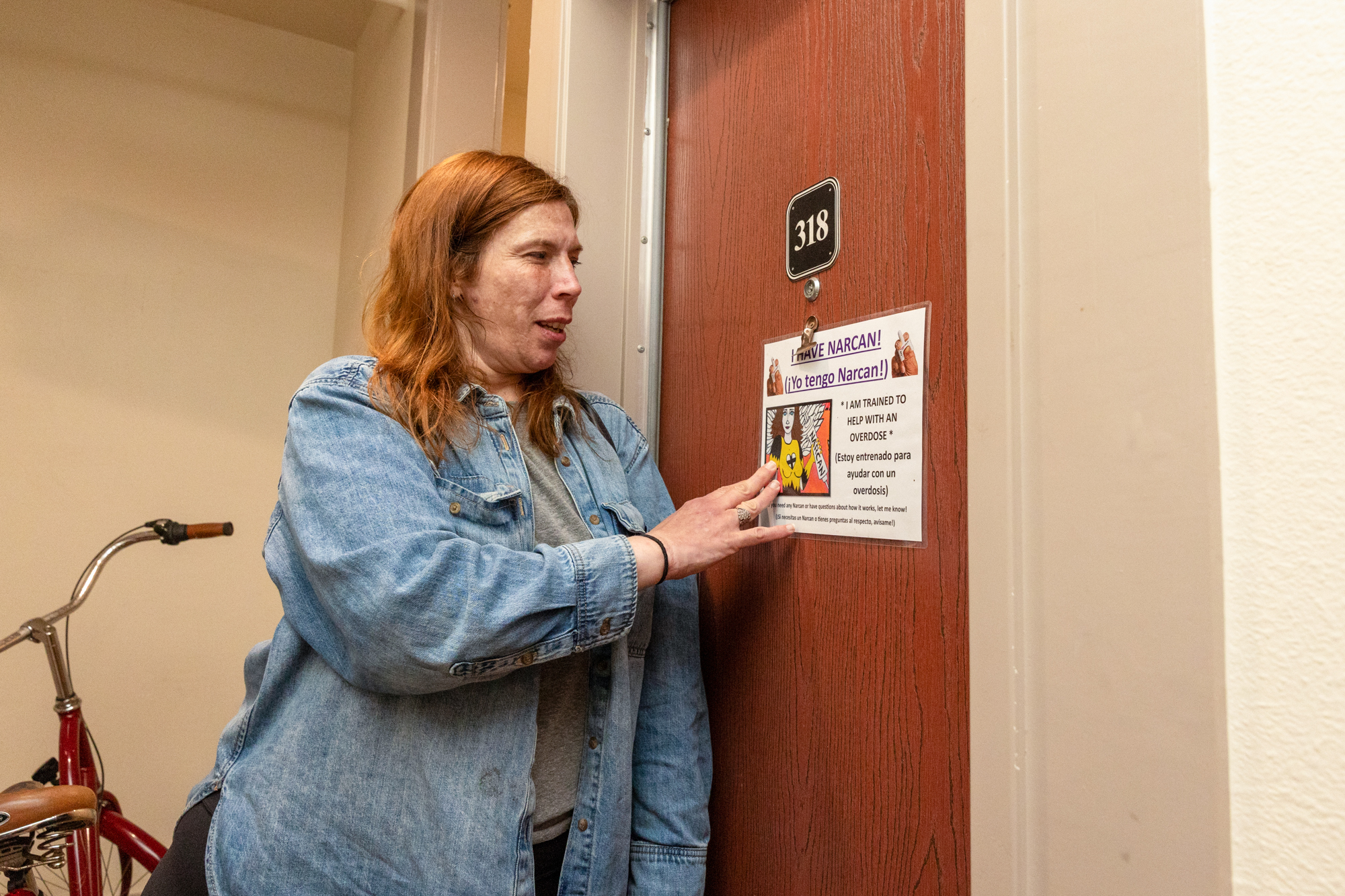
"caption": "Nicole Flores, a peer responder for Delivering Innovation in Supportive Housing, stands outside her unit at The Auburn in San Francisco on Aug. 20, 2025. San Francisco has scaled back harm reduction programs, but in housing units such as The Margot, the city is expanding access to harm reduction efforts.",
"credit": "Tâm Vũ/KQED",
"altTag": null,
"description": null,
"imgSizes": {
"thumbnail": {
"file": "https://cdn.kqed.org/wp-content/uploads/sites/10/2025/08/250826_SFHARMREDUCTION00437_TV-KQED-1-160x107.jpg",
"width": 160,
"height": 107,
"mimeType": "image/jpeg"
},
"1536x1536": {
"file": "https://cdn.kqed.org/wp-content/uploads/sites/10/2025/08/250826_SFHARMREDUCTION00437_TV-KQED-1-1536x1024.jpg",
"width": 1536,
"height": 1024,
"mimeType": "image/jpeg"
},
"post-thumbnail": {
"file": "https://cdn.kqed.org/wp-content/uploads/sites/10/2025/08/250826_SFHARMREDUCTION00437_TV-KQED-1-672x372.jpg",
"width": 672,
"height": 372,
"mimeType": "image/jpeg"
},
"twentyfourteen-full-width": {
"file": "https://cdn.kqed.org/wp-content/uploads/sites/10/2025/08/250826_SFHARMREDUCTION00437_TV-KQED-1-1038x576.jpg",
"width": 1038,
"height": 576,
"mimeType": "image/jpeg"
},
"kqedFullSize": {
"file": "https://cdn.kqed.org/wp-content/uploads/sites/10/2025/08/250826_SFHARMREDUCTION00437_TV-KQED-1.jpg",
"width": 2000,
"height": 1333
}
},
"isLoading": false,
"fetchFailed": false
},
"news_12056098": {
"type": "attachments",
"id": "news_12056098",
"meta": {
"index": "attachments_1716263798",
"site": "news",
"id": "12056098",
"found": true
},
"title": "The UC Berkeley Campus in Berkeley on Aug. 17, 2023.",
"publishDate": 1758043376,
"status": "inherit",
"parent": 12056089,
"modified": 1758043405,
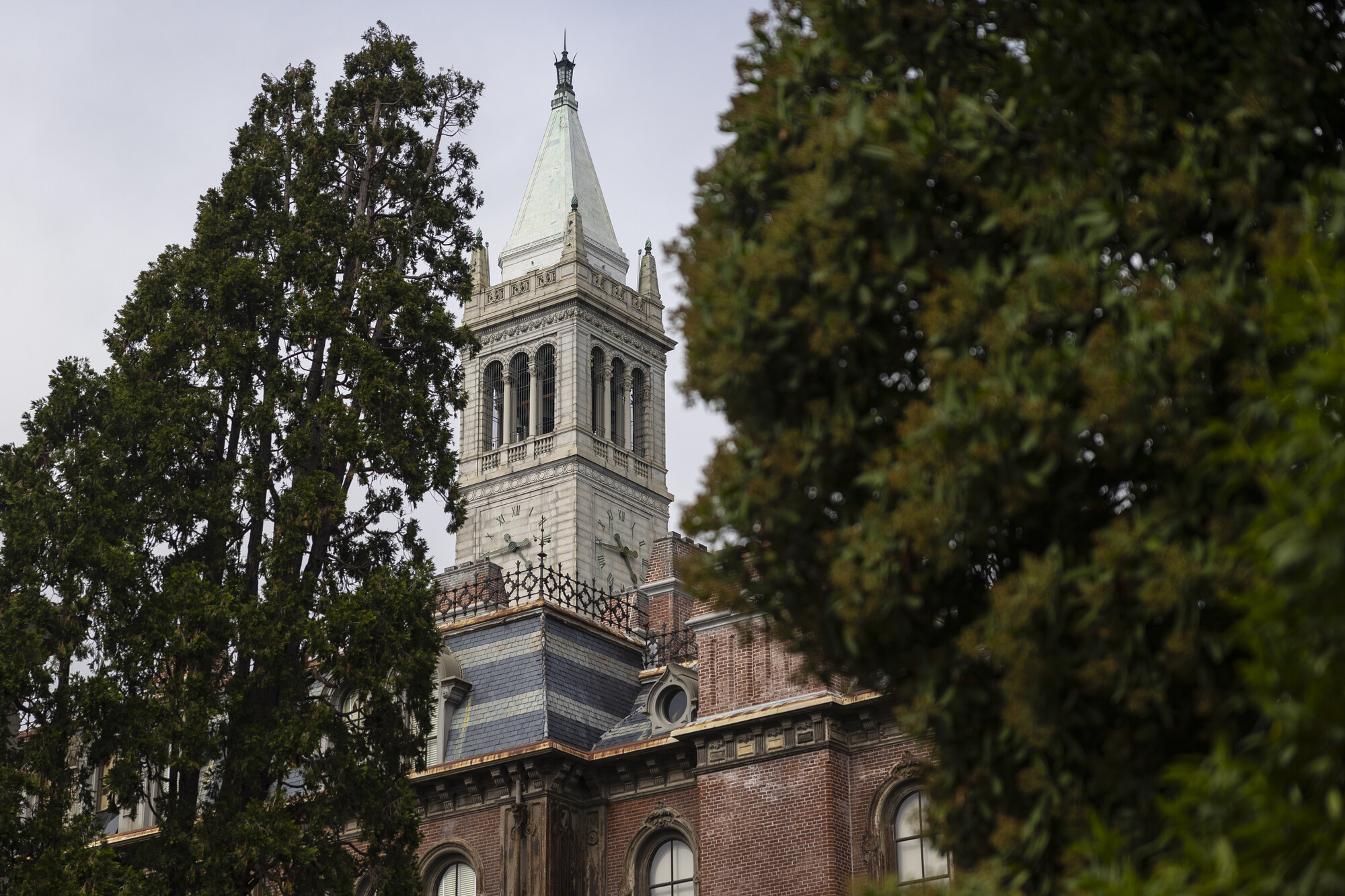
"caption": "The UC Berkeley Campus in Berkeley on Aug. 17, 2023.",
"credit": "Martin do Nascimento/KQED",
"altTag": null,
"description": null,
"imgSizes": {
"thumbnail": {
"file": "https://cdn.kqed.org/wp-content/uploads/sites/10/2025/09/230817-UC-BERKELEY-CAMPUS-MD-02_qed-160x107.jpg",
"width": 160,
"height": 107,
"mimeType": "image/jpeg"
},
"1536x1536": {
"file": "https://cdn.kqed.org/wp-content/uploads/sites/10/2025/09/230817-UC-BERKELEY-CAMPUS-MD-02_qed-1536x1024.jpg",
"width": 1536,
"height": 1024,
"mimeType": "image/jpeg"
},
"post-thumbnail": {
"file": "https://cdn.kqed.org/wp-content/uploads/sites/10/2025/09/230817-UC-BERKELEY-CAMPUS-MD-02_qed-672x372.jpg",
"width": 672,
"height": 372,
"mimeType": "image/jpeg"
},
"twentyfourteen-full-width": {
"file": "https://cdn.kqed.org/wp-content/uploads/sites/10/2025/09/230817-UC-BERKELEY-CAMPUS-MD-02_qed-1038x576.jpg",
"width": 1038,
"height": 576,
"mimeType": "image/jpeg"
},
"kqedFullSize": {
"file": "https://cdn.kqed.org/wp-content/uploads/sites/10/2025/09/230817-UC-BERKELEY-CAMPUS-MD-02_qed.jpg",
"width": 2000,
"height": 1333
}
},
"isLoading": false,
"fetchFailed": false
},
"news_12057835": {
"type": "attachments",
"id": "news_12057835",
"meta": {
"index": "attachments_1716263798",
"site": "news",
"id": "12057835",
"found": true
},
"title": "20250926_StarbucksClosures_GC-2_qed",
"publishDate": 1758930403,
"status": "inherit",
"parent": 0,
"modified": 1758930507,
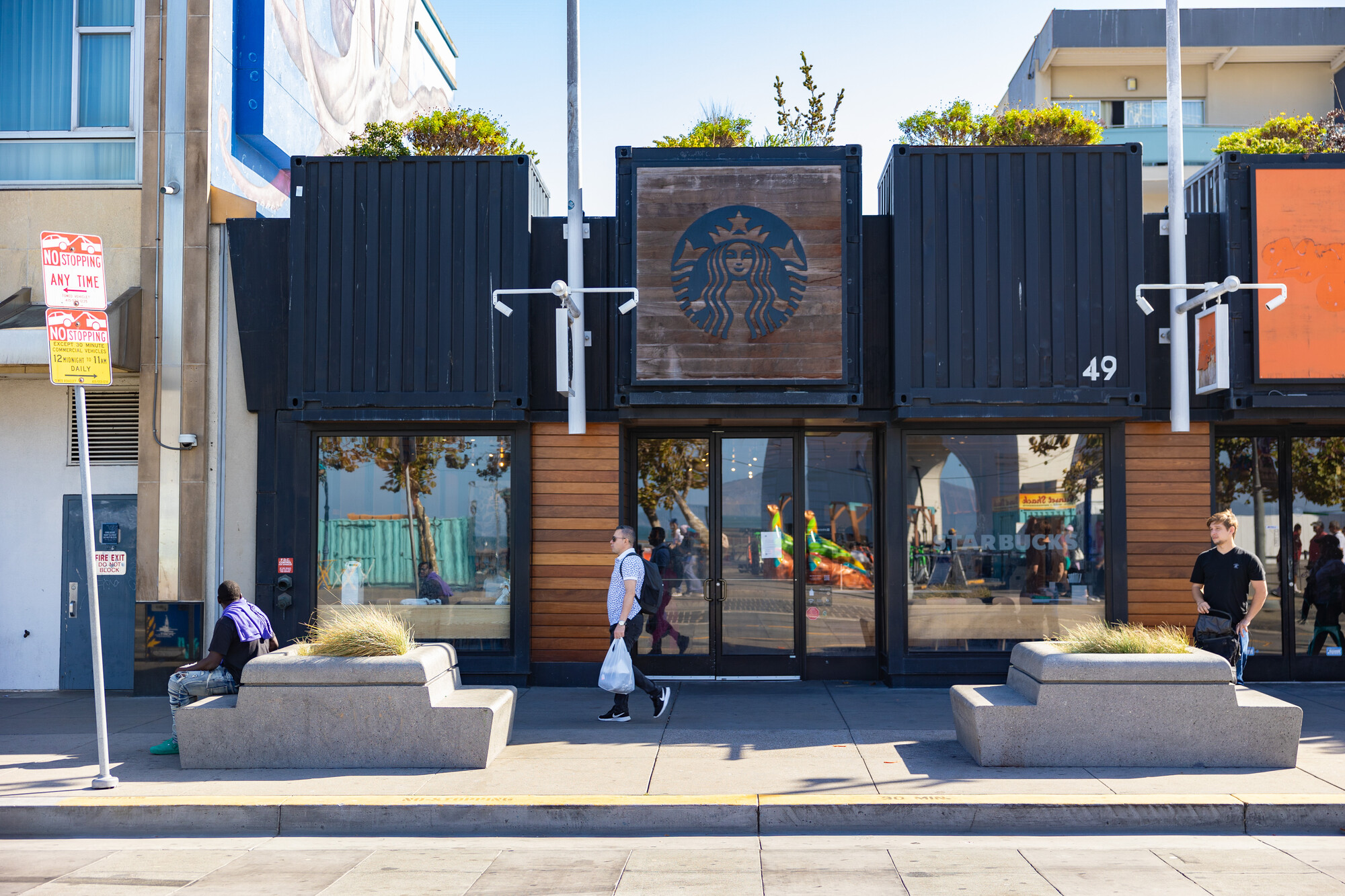
"caption": "The Starbucks on 49 Jefferson St. in Fisherman’s Wharf, which will permanently close, on Sept. 26, 2025.",
"credit": "Gina Castro/KQED",
"altTag": null,
"description": null,
"imgSizes": {
"thumbnail": {
"file": "https://cdn.kqed.org/wp-content/uploads/sites/10/2025/09/20250926_StarbucksClosures_GC-2_qed-160x107.jpg",
"width": 160,
"height": 107,
"mimeType": "image/jpeg"
},
"1536x1536": {
"file": "https://cdn.kqed.org/wp-content/uploads/sites/10/2025/09/20250926_StarbucksClosures_GC-2_qed-1536x1024.jpg",
"width": 1536,
"height": 1024,
"mimeType": "image/jpeg"
},
"post-thumbnail": {
"file": "https://cdn.kqed.org/wp-content/uploads/sites/10/2025/09/20250926_StarbucksClosures_GC-2_qed-672x372.jpg",
"width": 672,
"height": 372,
"mimeType": "image/jpeg"
},
"twentyfourteen-full-width": {
"file": "https://cdn.kqed.org/wp-content/uploads/sites/10/2025/09/20250926_StarbucksClosures_GC-2_qed-1038x576.jpg",
"width": 1038,
"height": 576,
"mimeType": "image/jpeg"
},
"kqedFullSize": {
"file": "https://cdn.kqed.org/wp-content/uploads/sites/10/2025/09/20250926_StarbucksClosures_GC-2_qed.jpg",
"width": 2000,
"height": 1333
}
},
"isLoading": false,
"fetchFailed": false
},
"news_12057730": {
"type": "attachments",
"id": "news_12057730",
"meta": {
"index": "attachments_1716263798",
"site": "news",
"id": "12057730",
"found": true
},
"title": "2509226-VAN CRASH-01-KQED",
"publishDate": 1758902732,
"status": "inherit",
"parent": 0,
"modified": 1758909719,
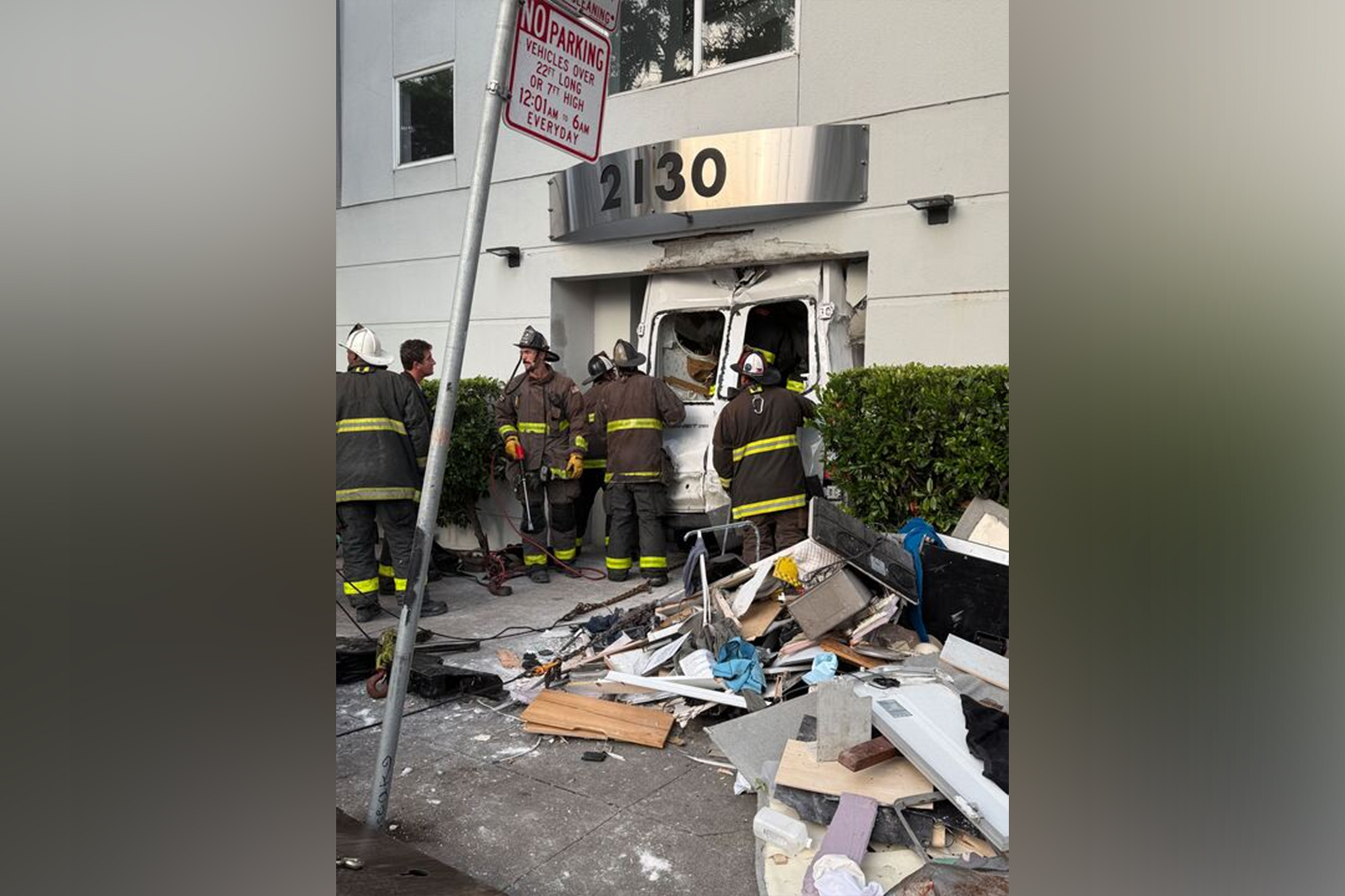
"caption": "A van barreled into the front of a building on Harrison Street in San Francisco on Sept. 26, 2025. The driver was pronounced dead on the scene.",
"credit": "Courtesy of SFFD",
"altTag": null,
"description": null,
"imgSizes": {
"thumbnail": {
"file": "https://cdn.kqed.org/wp-content/uploads/sites/10/2025/09/2509226-VAN-CRASH-01-KQED-160x107.jpg",
"width": 160,
"height": 107,
"mimeType": "image/jpeg"
},
"1536x1536": {
"file": "https://cdn.kqed.org/wp-content/uploads/sites/10/2025/09/2509226-VAN-CRASH-01-KQED-1536x1024.jpg",
"width": 1536,
"height": 1024,
"mimeType": "image/jpeg"
},
"post-thumbnail": {
"file": "https://cdn.kqed.org/wp-content/uploads/sites/10/2025/09/2509226-VAN-CRASH-01-KQED-672x372.jpg",
"width": 672,
"height": 372,
"mimeType": "image/jpeg"
},
"twentyfourteen-full-width": {
"file": "https://cdn.kqed.org/wp-content/uploads/sites/10/2025/09/2509226-VAN-CRASH-01-KQED-1038x576.jpg",
"width": 1038,
"height": 576,
"mimeType": "image/jpeg"
},
"kqedFullSize": {
"file": "https://cdn.kqed.org/wp-content/uploads/sites/10/2025/09/2509226-VAN-CRASH-01-KQED.jpg",
"width": 2000,
"height": 1333
}
},
"isLoading": false,
"fetchFailed": false
},
"news_12057664": {
"type": "attachments",
"id": "news_12057664",
"meta": {
"index": "attachments_1716263798",
"site": "news",
"id": "12057664",
"found": true
},
"title": "250224-Presidio-09-BL_qed",
"publishDate": 1758838251,
"status": "inherit",
"parent": 12057647,
"modified": 1758838263,
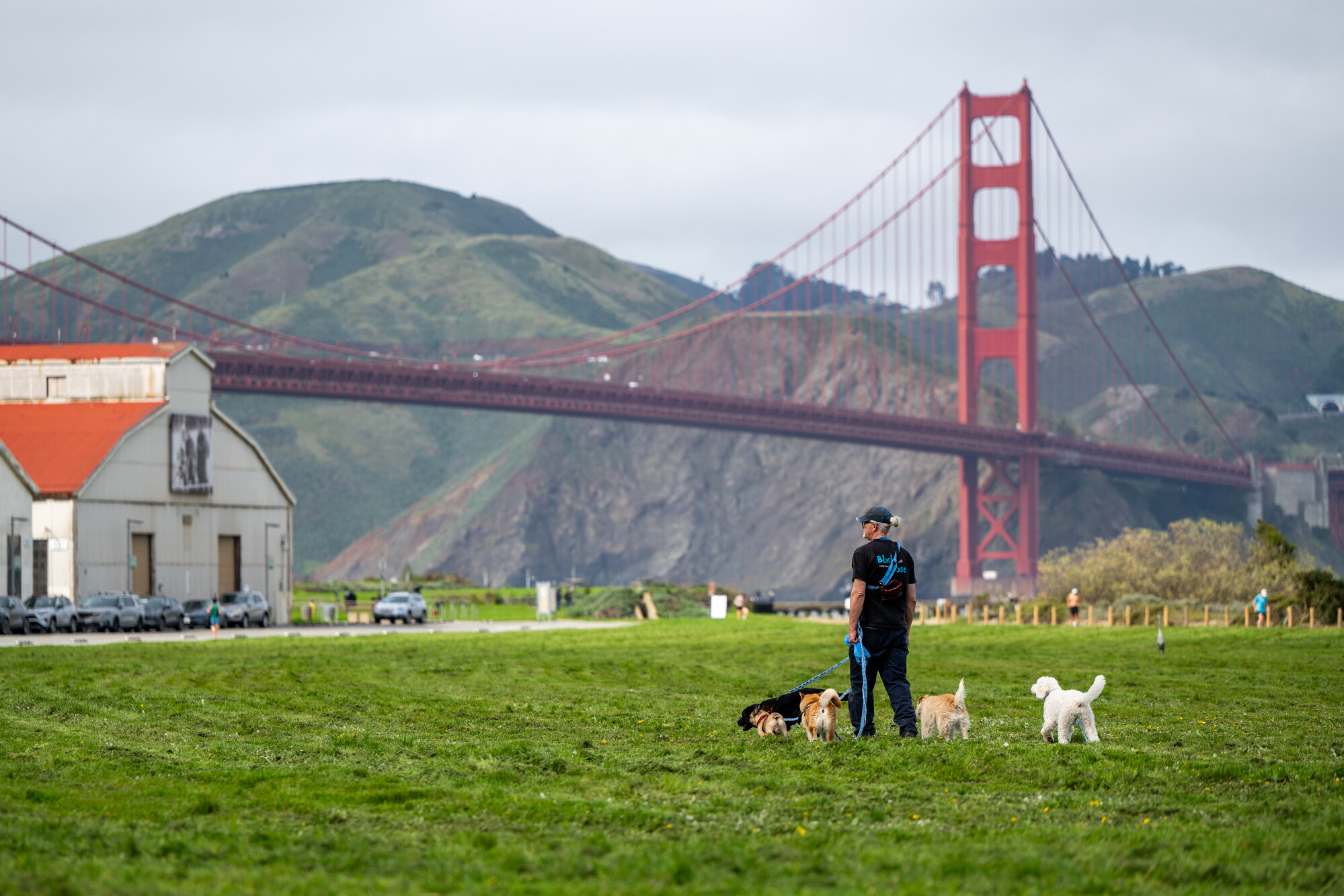
"caption": "A person walks dogs through Crissy Field in the Presidio, a park and former military outpost, in San Francisco on Feb. 25, 2025.",
"credit": "Beth LaBerge/KQED",
"altTag": null,
"description": null,
"imgSizes": {
"thumbnail": {
"file": "https://cdn.kqed.org/wp-content/uploads/sites/10/2025/09/250224-Presidio-09-BL_qed-160x107.jpg",
"width": 160,
"height": 107,
"mimeType": "image/jpeg"
},
"1536x1536": {
"file": "https://cdn.kqed.org/wp-content/uploads/sites/10/2025/09/250224-Presidio-09-BL_qed-1536x1024.jpg",
"width": 1536,
"height": 1024,
"mimeType": "image/jpeg"
},
"post-thumbnail": {
"file": "https://cdn.kqed.org/wp-content/uploads/sites/10/2025/09/250224-Presidio-09-BL_qed-672x372.jpg",
"width": 672,
"height": 372,
"mimeType": "image/jpeg"
},
"twentyfourteen-full-width": {
"file": "https://cdn.kqed.org/wp-content/uploads/sites/10/2025/09/250224-Presidio-09-BL_qed-1038x576.jpg",
"width": 1038,
"height": 576,
"mimeType": "image/jpeg"
},
"kqedFullSize": {
"file": "https://cdn.kqed.org/wp-content/uploads/sites/10/2025/09/250224-Presidio-09-BL_qed.jpg",
"width": 1999,
"height": 1333
}
},
"isLoading": false,
"fetchFailed": false
},
"news_12057246": {
"type": "attachments",
"id": "news_12057246",
"meta": {
"index": "attachments_1716263798",
"site": "news",
"id": "12057246",
"found": true
},
"title": "250922-KIRKVIGIL00438_TV-KQED",
"publishDate": 1758648837,
"status": "inherit",
"parent": 0,
"modified": 1758649093,
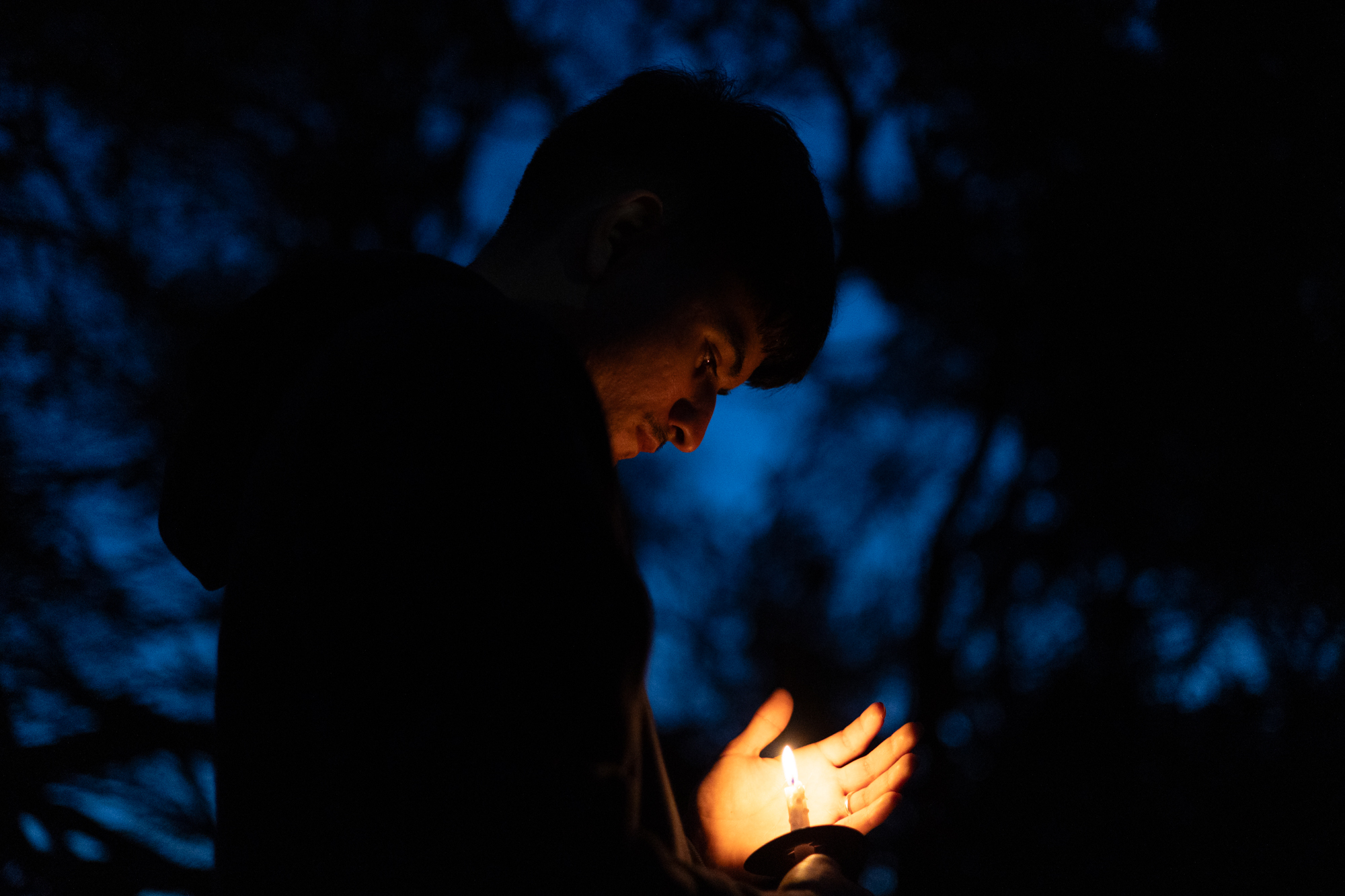
"caption": "Luis Viramontes, a Santa Rosa Junior College student, holds a candlelight at a vigil for Charlie Kirk hosted by the San Francisco State University chapter of Turning Point USA at Fort Funston in San Francisco on Sept. 22, 2025. The San Francisco State University Chapter of Turning Point USA hosts a vigil for Charlie Kirk who was shot and killed on Sept. 10, 2025.",
"credit": "Tâm Vũ/KQED",
"altTag": null,
"description": null,
"imgSizes": {
"thumbnail": {
"file": "https://cdn.kqed.org/wp-content/uploads/sites/10/2025/09/250922-KIRKVIGIL00438_TV-KQED-160x107.jpg",
"width": 160,
"height": 107,
"mimeType": "image/jpeg"
},
"1536x1536": {
"file": "https://cdn.kqed.org/wp-content/uploads/sites/10/2025/09/250922-KIRKVIGIL00438_TV-KQED-1536x1024.jpg",
"width": 1536,
"height": 1024,
"mimeType": "image/jpeg"
},
"post-thumbnail": {
"file": "https://cdn.kqed.org/wp-content/uploads/sites/10/2025/09/250922-KIRKVIGIL00438_TV-KQED-672x372.jpg",
"width": 672,
"height": 372,
"mimeType": "image/jpeg"
},
"twentyfourteen-full-width": {
"file": "https://cdn.kqed.org/wp-content/uploads/sites/10/2025/09/250922-KIRKVIGIL00438_TV-KQED-1038x576.jpg",
"width": 1038,
"height": 576,
"mimeType": "image/jpeg"
},
"kqedFullSize": {
"file": "https://cdn.kqed.org/wp-content/uploads/sites/10/2025/09/250922-KIRKVIGIL00438_TV-KQED.jpg",
"width": 2000,
"height": 1333
}
},
"isLoading": false,
"fetchFailed": false
},
"news_11965489": {
"type": "attachments",
"id": "news_11965489",
"meta": {
"index": "attachments_1716263798",
"site": "news",
"id": "11965489",
"found": true
},
"parent": 0,
"imgSizes": {
"twentyfourteen-full-width": {
"file": "https://ww2.kqed.org/app/uploads/sites/10/2023/10/231024-Belva-Davis-Getty-CAG-KQED-1038x576.jpg",
"width": 1038,
"mimeType": "image/jpeg",
"height": 576
},
"thumbnail": {
"file": "https://ww2.kqed.org/app/uploads/sites/10/2023/10/231024-Belva-Davis-Getty-CAG-KQED-160x105.jpg",
"width": 160,
"mimeType": "image/jpeg",
"height": 105
},
"post-thumbnail": {
"file": "https://ww2.kqed.org/app/uploads/sites/10/2023/10/231024-Belva-Davis-Getty-CAG-KQED-672x372.jpg",
"width": 672,
"mimeType": "image/jpeg",
"height": 372
},
"kqedFullSize": {
"file": "https://ww2.kqed.org/app/uploads/sites/10/2023/10/231024-Belva-Davis-Getty-CAG-KQED.jpg",
"width": 2000,
"height": 1316
},
"large": {
"file": "https://ww2.kqed.org/app/uploads/sites/10/2023/10/231024-Belva-Davis-Getty-CAG-KQED-1020x671.jpg",
"width": 1020,
"mimeType": "image/jpeg",
"height": 671
},
"1536x1536": {
"file": "https://ww2.kqed.org/app/uploads/sites/10/2023/10/231024-Belva-Davis-Getty-CAG-KQED-1536x1011.jpg",
"width": 1536,
"mimeType": "image/jpeg",
"height": 1011
},
"full-width": {
"file": "https://ww2.kqed.org/app/uploads/sites/10/2023/10/231024-Belva-Davis-Getty-CAG-KQED-1920x1263.jpg",
"width": 1920,
"mimeType": "image/jpeg",
"height": 1263
},
"medium": {
"file": "https://ww2.kqed.org/app/uploads/sites/10/2023/10/231024-Belva-Davis-Getty-CAG-KQED-800x526.jpg",
"width": 800,
"mimeType": "image/jpeg",
"height": 526
}
},
"publishDate": 1698191387,
"modified": 1698264052,
"caption": "Belva Davis, a legend of Bay Area journalism and the first Black woman to be hired as a TV journalist on the West Coast, pictured speaking at an event in San Francisco in 2010.",
"description": null,
"title": "Mistress of Ceremonies, Belva Davis, addresses the audience during an event celebrating the life and work of Quentin Easter, founding executive director of the Lorraine Hansberry Theatre who passed away recently.The theater community came together at the",
"credit": "Carlos Avila Gonzalez/The San Francisco Chronicle via Getty Images",
"status": "inherit",
"altTag": "A person with long hair speaks into a set of microphones in a dark room.",
"isLoading": false,
"fetchFailed": false
},
"news_12042430": {
"type": "attachments",
"id": "news_12042430",
"meta": {
"index": "attachments_1716263798",
"site": "news",
"id": "12042430",
"found": true
},
"title": "Housing in San Francisco’s Sunset District on May 19, 2025.",
"publishDate": 1748902889,
"status": "inherit",
"parent": 12042376,
"modified": 1748902889,
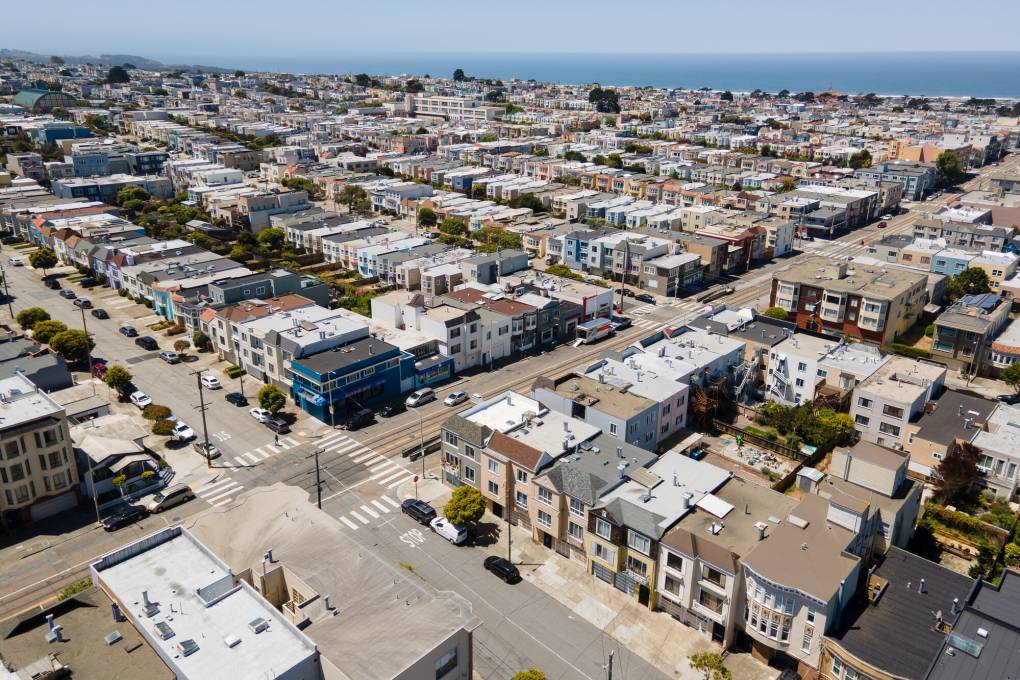
"caption": "Housing in San Francisco’s Sunset District on May 19, 2025.",
"credit": null,
"altTag": null,
"description": null,
"imgSizes": {
"medium": {
"file": "https://cdn.kqed.org/wp-content/uploads/sites/10/2025/06/250519-AffordableHousingFile-24-BL_qed-800x533.jpg",
"width": 800,
"height": 533,
"mimeType": "image/jpeg"
},
"large": {
"file": "https://cdn.kqed.org/wp-content/uploads/sites/10/2025/06/250519-AffordableHousingFile-24-BL_qed-1020x680.jpg",
"width": 1020,
"height": 680,
"mimeType": "image/jpeg"
},
"thumbnail": {
"file": "https://cdn.kqed.org/wp-content/uploads/sites/10/2025/06/250519-AffordableHousingFile-24-BL_qed-160x107.jpg",
"width": 160,
"height": 107,
"mimeType": "image/jpeg"
},
"1536x1536": {
"file": "https://cdn.kqed.org/wp-content/uploads/sites/10/2025/06/250519-AffordableHousingFile-24-BL_qed-1536x1024.jpg",
"width": 1536,
"height": 1024,
"mimeType": "image/jpeg"
},
"post-thumbnail": {
"file": "https://cdn.kqed.org/wp-content/uploads/sites/10/2025/06/250519-AffordableHousingFile-24-BL_qed-672x372.jpg",
"width": 672,
"height": 372,
"mimeType": "image/jpeg"
},
"twentyfourteen-full-width": {
"file": "https://cdn.kqed.org/wp-content/uploads/sites/10/2025/06/250519-AffordableHousingFile-24-BL_qed-1038x576.jpg",
"width": 1038,
"height": 576,
"mimeType": "image/jpeg"
},
"full-width": {
"file": "https://cdn.kqed.org/wp-content/uploads/sites/10/2025/06/250519-AffordableHousingFile-24-BL_qed-1920x1280.jpg",
"width": 1920,
"height": 1280,
"mimeType": "image/jpeg"
},
"kqedFullSize": {
"file": "https://cdn.kqed.org/wp-content/uploads/sites/10/2025/06/250519-AffordableHousingFile-24-BL_qed.jpg",
"width": 1999,
"height": 1333
}
},
"isLoading": false,
"fetchFailed": false
},
"news_12057381": {
"type": "attachments",
"id": "news_12057381",
"meta": {
"index": "attachments_1716263798",
"site": "news",
"id": "12057381",
"found": true
},
"title": "250923-LAFAYETTE PLAYGROUND-NS-01",
"publishDate": 1758732164,
"status": "inherit",
"parent": 0,
"modified": 1758734691,
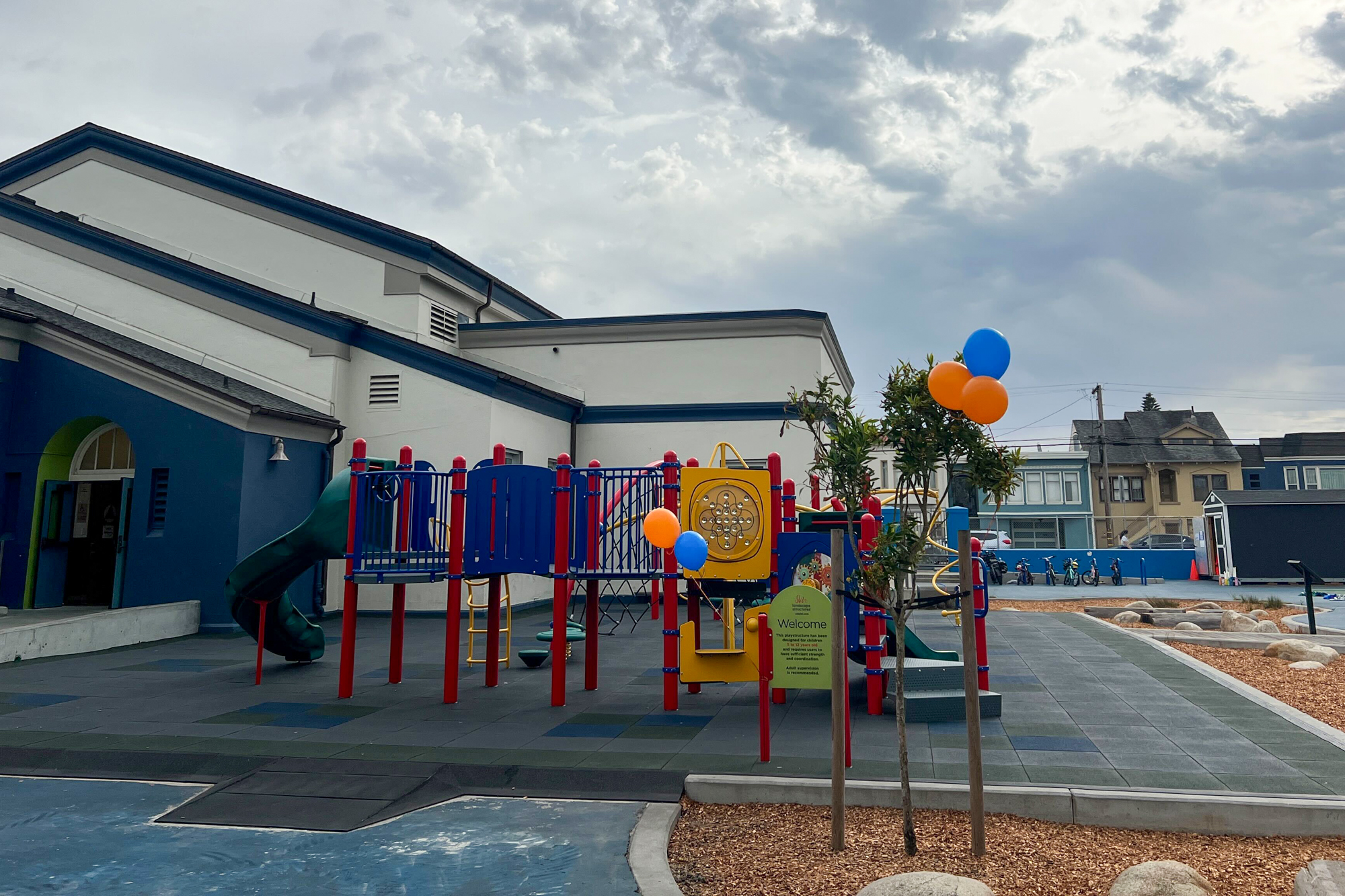
"caption": "Lafayette Elementary hosted a playground reopening ceremony on Wednesday, Sept. 24, 2025. The playground was destroyed by a fire in May.",
"credit": "Nibras Suliman/KQED",
"altTag": null,
"description": null,
"imgSizes": {
"thumbnail": {
"file": "https://cdn.kqed.org/wp-content/uploads/sites/10/2025/09/250923-LAFAYETTE-PLAYGROUND-NS-01-160x107.jpg",
"width": 160,
"height": 107,
"mimeType": "image/jpeg"
},
"1536x1536": {
"file": "https://cdn.kqed.org/wp-content/uploads/sites/10/2025/09/250923-LAFAYETTE-PLAYGROUND-NS-01-1536x1024.jpg",
"width": 1536,
"height": 1024,
"mimeType": "image/jpeg"
},
"post-thumbnail": {
"file": "https://cdn.kqed.org/wp-content/uploads/sites/10/2025/09/250923-LAFAYETTE-PLAYGROUND-NS-01-672x372.jpg",
"width": 672,
"height": 372,
"mimeType": "image/jpeg"
},
"twentyfourteen-full-width": {
"file": "https://cdn.kqed.org/wp-content/uploads/sites/10/2025/09/250923-LAFAYETTE-PLAYGROUND-NS-01-1038x576.jpg",
"width": 1038,
"height": 576,
"mimeType": "image/jpeg"
},
"kqedFullSize": {
"file": "https://cdn.kqed.org/wp-content/uploads/sites/10/2025/09/250923-LAFAYETTE-PLAYGROUND-NS-01.jpg",
"width": 2000,
"height": 1333
}
},
"isLoading": false,
"fetchFailed": false
},
"news_12057475": {
"type": "attachments",
"id": "news_12057475",
"meta": {
"index": "attachments_1716263798",
"site": "news",
"id": "12057475",
"found": true
},
"title": "250325-ApartmentsonWestside-21-BL_qed",
"publishDate": 1758749930,
"status": "inherit",
"parent": 12057465,
"modified": 1758749939,
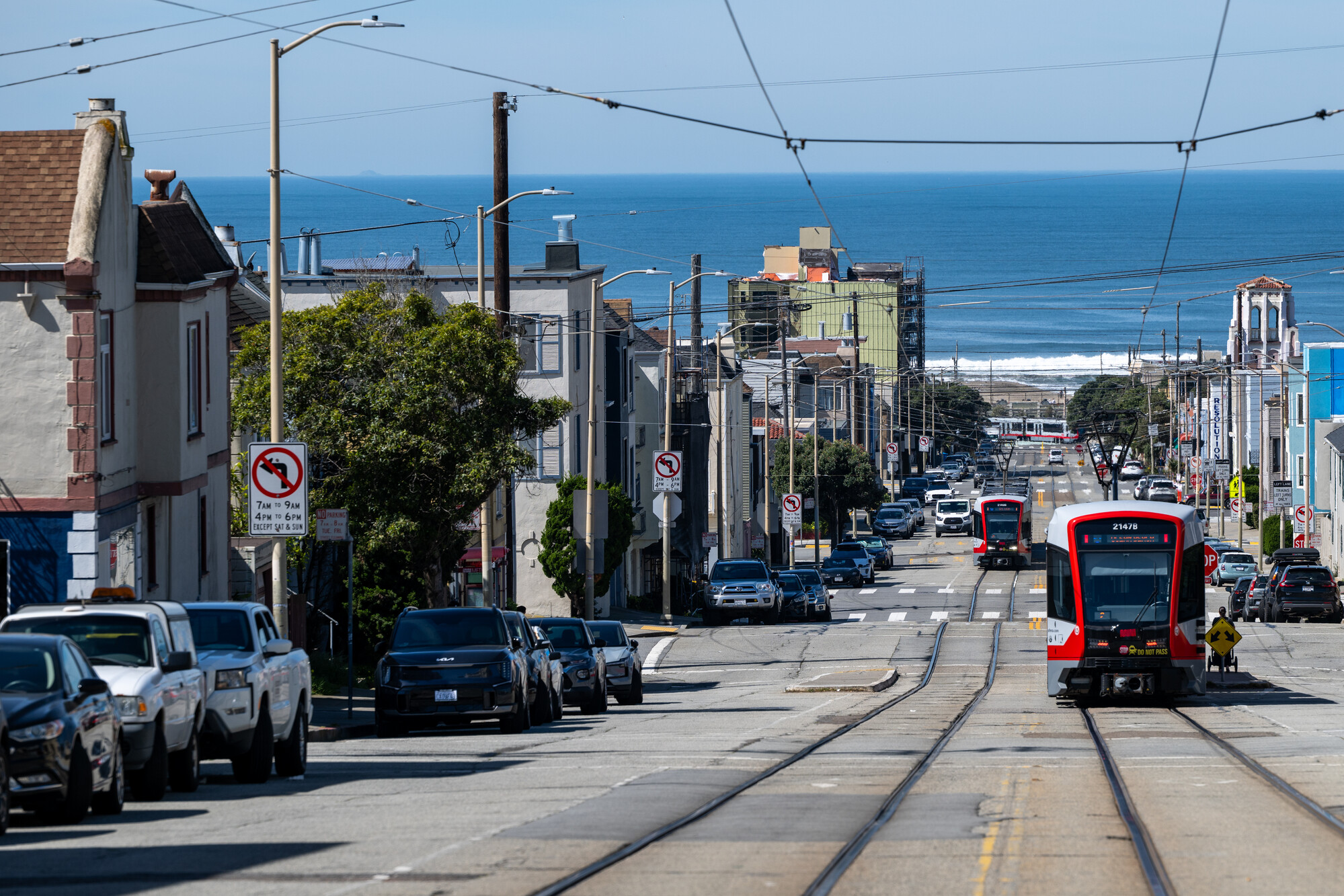
"caption": "Muni Metro cars runs along Judah Street in San Francisco’s Sunset District on March 25, 2025.",
"credit": "Beth LaBerge/KQED",
"altTag": null,
"description": null,
"imgSizes": {
"thumbnail": {
"file": "https://cdn.kqed.org/wp-content/uploads/sites/10/2025/09/250325-ApartmentsonWestside-21-BL_qed-160x107.jpg",
"width": 160,
"height": 107,
"mimeType": "image/jpeg"
},
"1536x1536": {
"file": "https://cdn.kqed.org/wp-content/uploads/sites/10/2025/09/250325-ApartmentsonWestside-21-BL_qed-1536x1024.jpg",
"width": 1536,
"height": 1024,
"mimeType": "image/jpeg"
},
"post-thumbnail": {
"file": "https://cdn.kqed.org/wp-content/uploads/sites/10/2025/09/250325-ApartmentsonWestside-21-BL_qed-672x372.jpg",
"width": 672,
"height": 372,
"mimeType": "image/jpeg"
},
"twentyfourteen-full-width": {
"file": "https://cdn.kqed.org/wp-content/uploads/sites/10/2025/09/250325-ApartmentsonWestside-21-BL_qed-1038x576.jpg",
"width": 1038,
"height": 576,
"mimeType": "image/jpeg"
},
"kqedFullSize": {
"file": "https://cdn.kqed.org/wp-content/uploads/sites/10/2025/09/250325-ApartmentsonWestside-21-BL_qed.jpg",
"width": 1999,
"height": 1333
}
},
"isLoading": false,
"fetchFailed": false
},
"news_12045494": {
"type": "attachments",
"id": "news_12045494",
"meta": {
"index": "attachments_1716263798",
"site": "news",
"id": "12045494",
"found": true
},
"title": "250620-TENDERLOIN INSTANT CAMERAS-48-KQED",
"publishDate": 1750681706,
"status": "inherit",
"parent": 12054193,
"modified": 1757026807,
"caption": "(Mohammed Haidar Khaled)",
"credit": null,
"altTag": null,
"description": null,
"imgSizes": {
"thumbnail": {
"file": "https://cdn.kqed.org/wp-content/uploads/sites/10/2025/06/250620-TENDERLOIN-INSTANT-CAMERAS-48-KQED-160x106.jpg",
"width": 160,
"height": 106,
"mimeType": "image/jpeg"
},
"1536x1536": {
"file": "https://cdn.kqed.org/wp-content/uploads/sites/10/2025/06/250620-TENDERLOIN-INSTANT-CAMERAS-48-KQED-1536x1018.jpg",
"width": 1536,
"height": 1018,
"mimeType": "image/jpeg"
},
"post-thumbnail": {
"file": "https://cdn.kqed.org/wp-content/uploads/sites/10/2025/06/250620-TENDERLOIN-INSTANT-CAMERAS-48-KQED-672x372.jpg",
"width": 672,
"height": 372,
"mimeType": "image/jpeg"
},
"twentyfourteen-full-width": {
"file": "https://cdn.kqed.org/wp-content/uploads/sites/10/2025/06/250620-TENDERLOIN-INSTANT-CAMERAS-48-KQED-1038x576.jpg",
"width": 1038,
"height": 576,
"mimeType": "image/jpeg"
},
"kqedFullSize": {
"file": "https://cdn.kqed.org/wp-content/uploads/sites/10/2025/06/250620-TENDERLOIN-INSTANT-CAMERAS-48-KQED.jpg",
"width": 2000,
"height": 1326
}
},
"isLoading": false,
"fetchFailed": false
},
"news_12057112": {
"type": "attachments",
"id": "news_12057112",
"meta": {
"index": "attachments_1716263798",
"site": "news",
"id": "12057112",
"found": true
},
"title": "Background Checks",
"publishDate": 1758571460,
"status": "inherit",
"parent": 12057093,
"modified": 1758662735,
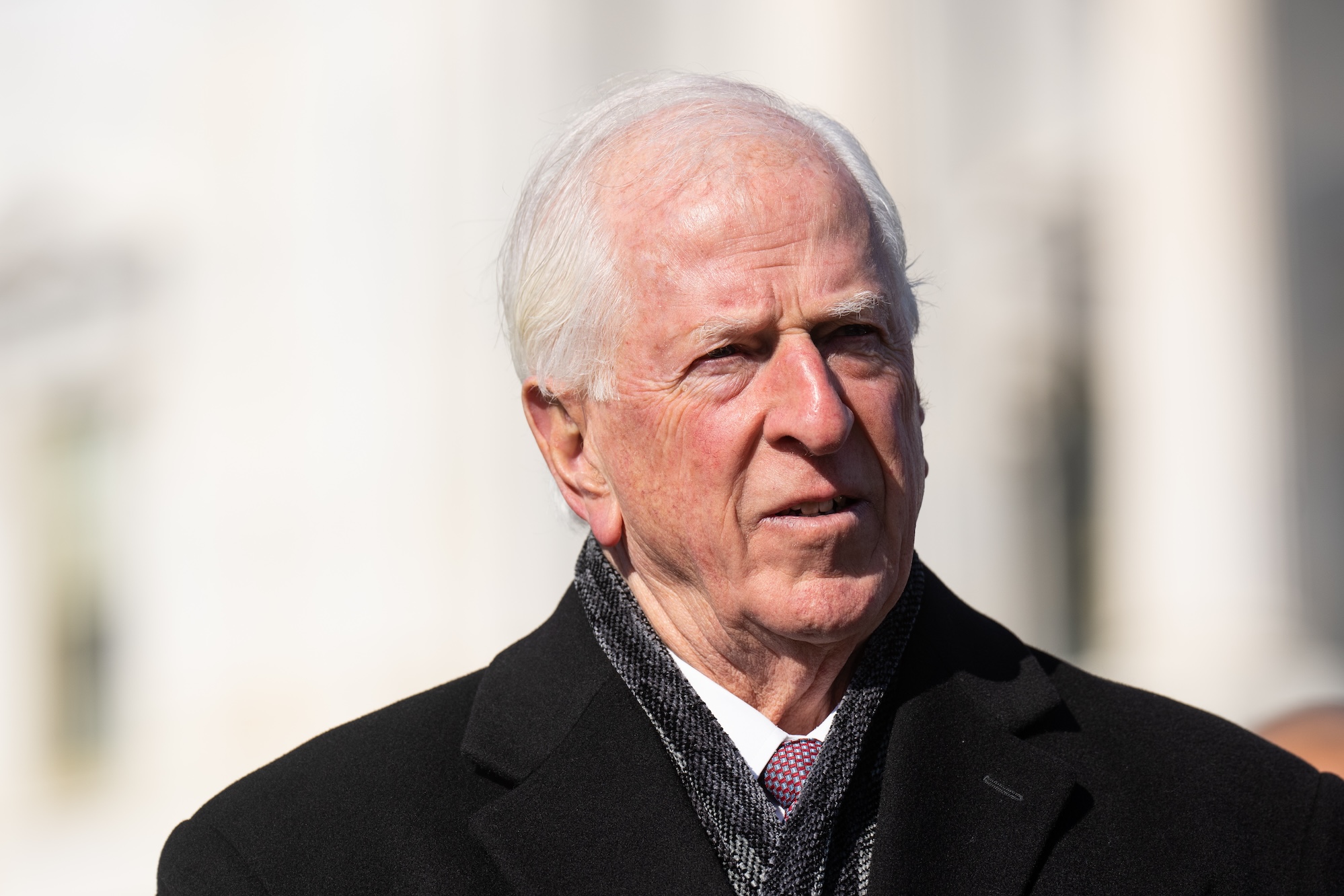
"caption": "North Bay Rep. Mike Thompson participates in a news conference outside the Capitol on Feb. 1, 2023. ",
"credit": "Bill Clark/CQ-Roll Call, Inc via Getty Images",
"altTag": null,
"description": null,
"imgSizes": {
"thumbnail": {
"file": "https://cdn.kqed.org/wp-content/uploads/sites/10/2025/09/MikeThompson_ICE-1-160x107.jpg",
"width": 160,
"height": 107,
"mimeType": "image/jpeg"
},
"1536x1536": {
"file": "https://cdn.kqed.org/wp-content/uploads/sites/10/2025/09/MikeThompson_ICE-1-1536x1024.jpg",
"width": 1536,
"height": 1024,
"mimeType": "image/jpeg"
},
"post-thumbnail": {
"file": "https://cdn.kqed.org/wp-content/uploads/sites/10/2025/09/MikeThompson_ICE-1-672x372.jpg",
"width": 672,
"height": 372,
"mimeType": "image/jpeg"
},
"twentyfourteen-full-width": {
"file": "https://cdn.kqed.org/wp-content/uploads/sites/10/2025/09/MikeThompson_ICE-1-1038x576.jpg",
"width": 1038,
"height": 576,
"mimeType": "image/jpeg"
},
"kqedFullSize": {
"file": "https://cdn.kqed.org/wp-content/uploads/sites/10/2025/09/MikeThompson_ICE-1.jpg",
"width": 1998,
"height": 1332
}
},
"isLoading": false,
"fetchFailed": false
}
},
"audioPlayerReducer": {
"postId": "stream_live",
"isPaused": true,
"isPlaying": false,
"pfsActive": false,
"pledgeModalIsOpen": true,
"playerDrawerIsOpen": false,
"liveAudioPlayStartedAt": 0,
"liveAudioPlayContext": ""
},
"authorsReducer": {
"gmarzorati": {
"type": "authors",
"id": "227",
"meta": {
"index": "authors_1716337520",
"id": "227",
"found": true
},
"name": "Guy Marzorati",
"firstName": "Guy",
"lastName": "Marzorati",
"slug": "gmarzorati",
"email": "gmarzorati@KQED.org",
"display_author_email": true,
"staff_mastheads": [
"news"
],
"title": "Correspondent",
"bio": "Guy Marzorati is a correspondent on KQED's California Politics and Government Desk, based in San Jose. A graduate of Santa Clara University, Guy joined KQED in 2013. He reports on state and local politics and produces KQED's digital voter guide.",
"avatar": "https://secure.gravatar.com/avatar/e7038b8dbfd55b104369b76b1cd0b9de?s=600&d=blank&r=g",
"twitter": "guymarzorati",
"facebook": null,
"instagram": null,
"linkedin": null,
"sites": [
{
"site": "",
"roles": [
"editor"
]
},
{
"site": "news",
"roles": [
"editor"
]
},
{
"site": "science",
"roles": [
"editor"
]
},
{
"site": "forum",
"roles": [
"editor"
]
},
{
"site": "elections",
"roles": [
"editor"
]
},
{
"site": "liveblog",
"roles": [
"editor"
]
}
],
"headData": {
"title": "Guy Marzorati | KQED",
"description": "Correspondent",
"ogImgSrc": "https://secure.gravatar.com/avatar/e7038b8dbfd55b104369b76b1cd0b9de?s=600&d=blank&r=g",
"twImgSrc": "https://secure.gravatar.com/avatar/e7038b8dbfd55b104369b76b1cd0b9de?s=600&d=blank&r=g"
},
"isLoading": false,
"link": "/author/gmarzorati"
},
"scottshafer": {
"type": "authors",
"id": "255",
"meta": {
"index": "authors_1716337520",
"id": "255",
"found": true
},
"name": "Scott Shafer",
"firstName": "Scott",
"lastName": "Shafer",
"slug": "scottshafer",
"email": "sshafer@kqed.org",
"display_author_email": false,
"staff_mastheads": [
"news"
],
"title": "KQED Contributor",
"bio": "Scott Shafer is a senior editor with the KQED Politics and Government desk. He is co-host of Political Breakdown, the award-winning radio show and podcast with a personal take on the world of politics. Scott came to KQED in 1998 to host the statewide\u003cem> California Report\u003c/em>. Prior to that he had extended stints in politics and government\u003cem>.\u003c/em> He uses that inside experience at KQED in his, reporting, hosting and analysis for the politics desk. Scott collaborated \u003cem>Political Breakdown a\u003c/em>nd on \u003cem>The Political Mind of Jerry Brown, \u003c/em>an eight-part series about the life and extraordinary political career of the former governor. For fun, he plays water polo with the San Francisco Tsunami.",
"avatar": "https://secure.gravatar.com/avatar/a62ebae45b79d7aed1a39a0e3bf68104?s=600&d=blank&r=g",
"twitter": "scottshafer",
"bluesky": null,
"facebook": null,
"instagram": null,
"linkedin": null,
"sites": [
{
"site": "news",
"roles": [
"editor"
]
},
{
"site": "stateofhealth",
"roles": [
"author"
]
},
{
"site": "science",
"roles": [
"author"
]
},
{
"site": "forum",
"roles": [
"subscriber"
]
},
{
"site": "liveblog",
"roles": [
"author"
]
}
],
"headData": {
"title": "Scott Shafer | KQED",
"description": "KQED Contributor",
"ogImgSrc": "https://secure.gravatar.com/avatar/a62ebae45b79d7aed1a39a0e3bf68104?s=600&d=blank&r=g",
"twImgSrc": "https://secure.gravatar.com/avatar/a62ebae45b79d7aed1a39a0e3bf68104?s=600&d=blank&r=g"
},
"isLoading": false,
"link": "/author/scottshafer"
},
"tychehendricks": {
"type": "authors",
"id": "259",
"meta": {
"index": "authors_1716337520",
"id": "259",
"found": true
},
"name": "Tyche Hendricks",
"firstName": "Tyche",
"lastName": "Hendricks",
"slug": "tychehendricks",
"email": "thendricks@kqed.org",
"display_author_email": true,
"staff_mastheads": [
"news"
],
"title": "KQED Senior Editor, Immigration",
"bio": "\u003cspan style=\"font-weight: 400;\">Tyche Hendricks is KQED’s senior editor for immigration, leading coverage of the policy and politics that affect California’s immigrant communities. Her work for KQED’s radio and online audiences is also carried on NPR and other national outlets. She has been recognized with awards from the Radio and Television News Directors Association, the Society for Professional Journalists; the Education Writers Association; the Best of the West and the National Federation of Community Broadcasters. Before joining KQED in 2010, Tyche spent more than a dozen years as a newspaper reporter, notably at the \u003c/span>\u003ci>\u003cspan style=\"font-weight: 400;\">San Francisco Chronicle\u003c/span>\u003c/i>\u003cspan style=\"font-weight: 400;\">. At different times she has covered criminal justice, government and politics and urban planning. Tyche has taught in the MFA Creative Writing program at the University of San Francisco and at UC Berkeley’s Graduate School of Journalism, where she was co-director of a national immigration symposium for professional journalists. She is the author of \u003c/span>\u003ci>\u003cspan style=\"font-weight: 400;\">The Wind Doesn't Need a Passport: Stories from the U.S.-Mexico Borderlands\u003c/span>\u003c/i>\u003cspan style=\"font-weight: 400;\"> (University of California Press). \u003c/span>",
"avatar": "https://secure.gravatar.com/avatar/b8ee458e2731c2d43df86882ce17267e?s=600&d=blank&r=g",
"twitter": "tychehendricks",
"facebook": null,
"instagram": null,
"linkedin": null,
"sites": [
{
"site": "news",
"roles": [
"editor"
]
},
{
"site": "stateofhealth",
"roles": [
"editor"
]
}
],
"headData": {
"title": "Tyche Hendricks | KQED",
"description": "KQED Senior Editor, Immigration",
"ogImgSrc": "https://secure.gravatar.com/avatar/b8ee458e2731c2d43df86882ce17267e?s=600&d=blank&r=g",
"twImgSrc": "https://secure.gravatar.com/avatar/b8ee458e2731c2d43df86882ce17267e?s=600&d=blank&r=g"
},
"isLoading": false,
"link": "/author/tychehendricks"
},
"ecruzguevarra": {
"type": "authors",
"id": "8654",
"meta": {
"index": "authors_1716337520",
"id": "8654",
"found": true
},
"name": "Ericka Cruz Guevarra",
"firstName": "Ericka",
"lastName": "Cruz Guevarra",
"slug": "ecruzguevarra",
"email": "ecruzguevarra@kqed.org",
"display_author_email": true,
"staff_mastheads": [
"news"
],
"title": "Producer, The Bay Podcast",
"bio": "Ericka Cruz Guevarra is host of \u003ca href=\"https://www.kqed.org/podcasts/thebay\">\u003cem>The Bay\u003c/em>\u003c/a> podcast at KQED. Before host, she was the show’s producer. Her work in that capacity includes a three-part reported series on policing in Vallejo, which won a 2020 excellence in journalism award from the Society of Professional Journalists. Ericka has worked as a breaking news reporter at Oregon Public Broadcasting, helped produce the Code Switch podcast, and was KQED’s inaugural Raul Ramirez Diversity Fund intern. She’s also an alumna of NPR’s Next Generation Radio program. Send her an email if you have strong feelings about whether Fairfield and Suisun City are the Bay. Ericka is represented by SAG-AFTRA.",
"avatar": "https://secure.gravatar.com/avatar/accefc1de4bafc7e234b69bcb9b6f6536c130fd84709bc3069ef11a78787e1bb?s=600&d=blank&r=g",
"twitter": "NotoriousECG",
"bluesky": null,
"facebook": null,
"instagram": null,
"linkedin": null,
"sites": [
{
"site": "arts",
"roles": [
"subscriber"
]
},
{
"site": "news",
"roles": [
"editor",
"manage_categories"
]
},
{
"site": "futureofyou",
"roles": [
"subscriber"
]
},
{
"site": "stateofhealth",
"roles": [
"subscriber"
]
},
{
"site": "science",
"roles": [
"editor"
]
},
{
"site": "forum",
"roles": [
"subscriber"
]
}
],
"headData": {
"title": "Ericka Cruz Guevarra | KQED",
"description": "Producer, The Bay Podcast",
"ogImgSrc": "https://secure.gravatar.com/avatar/accefc1de4bafc7e234b69bcb9b6f6536c130fd84709bc3069ef11a78787e1bb?s=600&d=blank&r=g",
"twImgSrc": "https://secure.gravatar.com/avatar/accefc1de4bafc7e234b69bcb9b6f6536c130fd84709bc3069ef11a78787e1bb?s=600&d=blank&r=g"
},
"isLoading": false,
"link": "/author/ecruzguevarra"
},
"amontecillo": {
"type": "authors",
"id": "11649",
"meta": {
"index": "authors_1716337520",
"id": "11649",
"found": true
},
"name": "Alan Montecillo",
"firstName": "Alan",
"lastName": "Montecillo",
"slug": "amontecillo",
"email": "amontecillo@kqed.org",
"display_author_email": false,
"staff_mastheads": [
"news"
],
"title": "KQED Contributor",
"bio": "Alan Montecillo is the senior editor of \u003cem>\u003ca href=\"http://kqed.org/thebay\">The Bay\u003c/a>, \u003c/em> KQED's local news podcast. Before moving to the Bay Area, he worked as a senior talk show producer for WILL in Champaign-Urbana, Illinois and at Oregon Public Broadcasting in Portland, Oregon. He has won journalism awards from the Society of Professional Journalists Northern California, the Public Media Journalists Association, The Signal Awards, and has also received a regional Edward R. Murrow award. Alan is a Filipino American from Hong Kong and a graduate of Reed College.",
"avatar": "https://secure.gravatar.com/avatar/268f53a2066899ea9efdd8a5900218b17c822d9862cbc9326cccec53ef41d349?s=600&d=blank&r=g",
"twitter": "alanmontecillo",
"bluesky": null,
"facebook": null,
"instagram": null,
"linkedin": null,
"sites": [
{
"site": "",
"roles": [
"editor"
]
},
{
"site": "news",
"roles": [
"editor",
"manage_categories"
]
}
],
"headData": {
"title": "Alan Montecillo | KQED",
"description": "KQED Contributor",
"ogImgSrc": "https://secure.gravatar.com/avatar/268f53a2066899ea9efdd8a5900218b17c822d9862cbc9326cccec53ef41d349?s=600&d=blank&r=g",
"twImgSrc": "https://secure.gravatar.com/avatar/268f53a2066899ea9efdd8a5900218b17c822d9862cbc9326cccec53ef41d349?s=600&d=blank&r=g"
},
"isLoading": false,
"link": "/author/amontecillo"
},
"abandlamudi": {
"type": "authors",
"id": "11672",
"meta": {
"index": "authors_1716337520",
"id": "11672",
"found": true
},
"name": "Adhiti Bandlamudi",
"firstName": "Adhiti",
"lastName": "Bandlamudi",
"slug": "abandlamudi",
"email": "abandlamudi@kqed.org",
"display_author_email": false,
"staff_mastheads": [
"news"
],
"title": "KQED Housing Reporter",
"bio": "Adhiti Bandlamudi reports for KQED's Housing desk. She focuses on how housing gets built across the Bay Area. Before joining KQED in 2020, she reported for WUNC in Durham, North Carolina, WABE in Atlanta, Georgia and Capital Public Radio in Sacramento. In 2017, she was awarded a Kroc Fellowship at NPR where she reported on everything from sprinkles to the Golden State Killer's arrest. When she's not reporting, she's baking new recipes in her kitchen or watching movies with friends and family. She's originally from Georgia and has strong opinions about Great British Bake Off.",
"avatar": "https://secure.gravatar.com/avatar/868129c8b257bb99a3500e2c86a65400?s=600&d=mm&r=g",
"twitter": "oddity_adhiti",
"facebook": null,
"instagram": null,
"linkedin": null,
"sites": [
{
"site": "arts",
"roles": [
"author"
]
},
{
"site": "news",
"roles": [
"editor"
]
},
{
"site": "liveblog",
"roles": [
"author"
]
}
],
"headData": {
"title": "Adhiti Bandlamudi | KQED",
"description": "KQED Housing Reporter",
"ogImgSrc": "https://secure.gravatar.com/avatar/868129c8b257bb99a3500e2c86a65400?s=600&d=mm&r=g",
"twImgSrc": "https://secure.gravatar.com/avatar/868129c8b257bb99a3500e2c86a65400?s=600&d=mm&r=g"
},
"isLoading": false,
"link": "/author/abandlamudi"
},
"jlara": {
"type": "authors",
"id": "11761",
"meta": {
"index": "authors_1716337520",
"id": "11761",
"found": true
},
"name": "Juan Carlos Lara",
"firstName": "Juan Carlos",
"lastName": "Lara",
"slug": "jlara",
"email": "jlara@kqed.org",
"display_author_email": false,
"staff_mastheads": [],
"title": "KQED Contributor",
"bio": null,
"avatar": "https://secure.gravatar.com/avatar/19e2052b9b05657c5ff2af2121846e9c?s=600&d=blank&r=g",
"twitter": null,
"facebook": null,
"instagram": null,
"linkedin": null,
"sites": [
{
"site": "arts",
"roles": [
"editor"
]
},
{
"site": "news",
"roles": [
"editor"
]
},
{
"site": "forum",
"roles": [
"editor"
]
},
{
"site": "liveblog",
"roles": [
"contributor"
]
}
],
"headData": {
"title": "Juan Carlos Lara | KQED",
"description": "KQED Contributor",
"ogImgSrc": "https://secure.gravatar.com/avatar/19e2052b9b05657c5ff2af2121846e9c?s=600&d=blank&r=g",
"twImgSrc": "https://secure.gravatar.com/avatar/19e2052b9b05657c5ff2af2121846e9c?s=600&d=blank&r=g"
},
"isLoading": false,
"link": "/author/jlara"
},
"adahlstromeckman": {
"type": "authors",
"id": "11785",
"meta": {
"index": "authors_1716337520",
"id": "11785",
"found": true
},
"name": "Azul Dahlstrom-Eckman",
"firstName": "Azul",
"lastName": "Dahlstrom-Eckman",
"slug": "adahlstromeckman",
"email": "adahlstrom-eckman@kqed.org",
"display_author_email": true,
"staff_mastheads": [],
"title": "Reporter",
"bio": "Azul is a reporter for KQED focusing on transportation and features. He joined KQED in 2021 as an alumna of KALW's Audio Academy radio journalism training program.",
"avatar": "https://secure.gravatar.com/avatar/9cb750298435add7815a777f55bf1f46845c1386bb8452555c60a7b820b5aba3?s=600&d=blank&r=g",
"twitter": "@zuliemann",
"bluesky": "@azul415.bsky.social",
"facebook": null,
"instagram": null,
"linkedin": null,
"sites": [
{
"site": "arts",
"roles": [
"editor"
]
},
{
"site": "news",
"roles": [
"editor"
]
},
{
"site": "science",
"roles": [
"editor"
]
},
{
"site": "liveblog",
"roles": [
"author"
]
}
],
"headData": {
"title": "Azul Dahlstrom-Eckman | KQED",
"description": "Reporter",
"ogImgSrc": "https://secure.gravatar.com/avatar/9cb750298435add7815a777f55bf1f46845c1386bb8452555c60a7b820b5aba3?s=600&d=blank&r=g",
"twImgSrc": "https://secure.gravatar.com/avatar/9cb750298435add7815a777f55bf1f46845c1386bb8452555c60a7b820b5aba3?s=600&d=blank&r=g"
},
"isLoading": false,
"link": "/author/adahlstromeckman"
},
"jessicakariisa": {
"type": "authors",
"id": "11831",
"meta": {
"index": "authors_1716337520",
"id": "11831",
"found": true
},
"name": "Jessica Kariisa",
"firstName": "Jessica",
"lastName": "Kariisa",
"slug": "jessicakariisa",
"email": "jkariisa@kqed.org",
"display_author_email": false,
"staff_mastheads": [],
"title": "Producer, The Bay",
"bio": "Jessica Kariisa is the producer of The Bay. She first joined KQED as an intern for The California Report Magazine, after which she became an on-call producer. She reported a Bay Curious episode on the use of rap lyrics in criminal trials which won a Society of Professional Journalists award in 2023 for Excellence in Features Journalism and the 2023 Signal Award for Best Conversation Starter. She’s worked on podcasts for Snap Judgment and American Public Media. Before embarking on her audio career, she was a music journalist.\r\n\r\nJessica Kariisa is represented by SAG-AFTRA.",
"avatar": "https://secure.gravatar.com/avatar/522e97b28ac0b3d411621c0fde8f3419c7b71ea2c5c262c57c4bb600963f328c?s=600&d=blank&r=g",
"twitter": null,
"bluesky": null,
"facebook": null,
"instagram": null,
"linkedin": null,
"sites": [
{
"site": "arts",
"roles": [
"author"
]
},
{
"site": "news",
"roles": [
"editor",
"manage_categories"
]
}
],
"headData": {
"title": "Jessica Kariisa | KQED",
"description": "Producer, The Bay",
"ogImgSrc": "https://secure.gravatar.com/avatar/522e97b28ac0b3d411621c0fde8f3419c7b71ea2c5c262c57c4bb600963f328c?s=600&d=blank&r=g",
"twImgSrc": "https://secure.gravatar.com/avatar/522e97b28ac0b3d411621c0fde8f3419c7b71ea2c5c262c57c4bb600963f328c?s=600&d=blank&r=g"
},
"isLoading": false,
"link": "/author/jessicakariisa"
},
"sjohnson": {
"type": "authors",
"id": "11840",
"meta": {
"index": "authors_1716337520",
"id": "11840",
"found": true
},
"name": "Sydney Johnson",
"firstName": "Sydney",
"lastName": "Johnson",
"slug": "sjohnson",
"email": "sjohnson@kqed.org",
"display_author_email": false,
"staff_mastheads": [
"news"
],
"title": "KQED Reporter",
"bio": "Sydney Johnson is a general assignment reporter at KQED. She previously reported on public health and city government at the San Francisco Examiner, and before that, she covered statewide education policy for EdSource. Her reporting has won multiple local, state and national awards. Sydney is a graduate of the University of California, Berkeley and lives in San Francisco.",
"avatar": "https://secure.gravatar.com/avatar/97855f2719b72ad6190b7c535fe642c8?s=600&d=blank&r=g",
"twitter": "sydneyfjohnson",
"facebook": null,
"instagram": null,
"linkedin": null,
"sites": [
{
"site": "news",
"roles": [
"editor"
]
}
],
"headData": {
"title": "Sydney Johnson | KQED",
"description": "KQED Reporter",
"ogImgSrc": "https://secure.gravatar.com/avatar/97855f2719b72ad6190b7c535fe642c8?s=600&d=blank&r=g",
"twImgSrc": "https://secure.gravatar.com/avatar/97855f2719b72ad6190b7c535fe642c8?s=600&d=blank&r=g"
},
"isLoading": false,
"link": "/author/sjohnson"
},
"kdebenedetti": {
"type": "authors",
"id": "11913",
"meta": {
"index": "authors_1716337520",
"id": "11913",
"found": true
},
"name": "Katie DeBenedetti",
"firstName": "Katie",
"lastName": "DeBenedetti",
"slug": "kdebenedetti",
"email": "kdebenedetti@kqed.org",
"display_author_email": false,
"staff_mastheads": [
"news",
"science"
],
"title": "KQED Contributor",
"bio": "Katie DeBenedetti is a digital reporter covering daily news for the Express Desk. Prior to joining KQED as a culture reporting intern in January 2024, she covered education and city government for the Napa Valley Register.",
"avatar": "https://secure.gravatar.com/avatar/6e31073cb8f7e4214ab03f42771d0f45?s=600&d=blank&r=g",
"twitter": null,
"facebook": null,
"instagram": null,
"linkedin": null,
"sites": [
{
"site": "news",
"roles": [
"author"
]
},
{
"site": "science",
"roles": [
"author"
]
},
{
"site": "liveblog",
"roles": [
"author"
]
}
],
"headData": {
"title": "Katie DeBenedetti | KQED",
"description": "KQED Contributor",
"ogImgSrc": "https://secure.gravatar.com/avatar/6e31073cb8f7e4214ab03f42771d0f45?s=600&d=blank&r=g",
"twImgSrc": "https://secure.gravatar.com/avatar/6e31073cb8f7e4214ab03f42771d0f45?s=600&d=blank&r=g"
},
"isLoading": false,
"link": "/author/kdebenedetti"
},
"sarahwright": {
"type": "authors",
"id": "11956",
"meta": {
"index": "authors_1716337520",
"id": "11956",
"found": true
},
"name": "Sarah Wright",
"firstName": "Sarah",
"lastName": "Wright",
"slug": "sarahwright",
"email": "swright@kqed.org",
"display_author_email": true,
"staff_mastheads": [],
"title": "Outdoors Engagement Reporter",
"bio": "Sarah Wright is KQED's Outdoors Engagement Reporter. Originally from Lake Tahoe, she completed a thru-hike of the Pacific Crest Trail in 2019 and was a U.S. Fulbright Program grantee to Argentina in 2023. Her journalism has appeared in The Guardian, The San Francisco Standard, The Palo Alto Weekly and the Half Moon Bay Review.",
"avatar": "https://secure.gravatar.com/avatar/c161a3d6441865cba25e6db4fa561099ad665799e9432e34da2b84d7e371524c?s=600&d=blank&r=g",
"twitter": null,
"bluesky": null,
"facebook": null,
"instagram": null,
"linkedin": null,
"sites": [
{
"site": "arts",
"roles": [
"editor"
]
},
{
"site": "news",
"roles": [
"editor"
]
},
{
"site": "science",
"roles": [
"contributor",
"author"
]
},
{
"site": "forum",
"roles": [
"editor"
]
}
],
"headData": {
"title": "Sarah Wright | KQED",
"description": "Outdoors Engagement Reporter",
"ogImgSrc": "https://secure.gravatar.com/avatar/c161a3d6441865cba25e6db4fa561099ad665799e9432e34da2b84d7e371524c?s=600&d=blank&r=g",
"twImgSrc": "https://secure.gravatar.com/avatar/c161a3d6441865cba25e6db4fa561099ad665799e9432e34da2b84d7e371524c?s=600&d=blank&r=g"
},
"isLoading": false,
"link": "/author/sarahwright"
},
"nsuliman": {
"type": "authors",
"id": "11985",
"meta": {
"index": "authors_1716337520",
"id": "11985",
"found": true
},
"name": "Nibras Suliman",
"firstName": "Nibras",
"lastName": "Suliman",
"slug": "nsuliman",
"email": "nsuliman@kqed.org",
"display_author_email": false,
"staff_mastheads": [],
"title": "KQED Contributor",
"bio": null,
"avatar": "https://secure.gravatar.com/avatar/581946774e0249b1fcdfb01d4f143d12?s=600&d=blank&r=g",
"twitter": null,
"facebook": null,
"instagram": null,
"linkedin": null,
"sites": [
{
"site": "news",
"roles": []
}
],
"headData": {
"title": "Nibras Suliman | KQED",
"description": "KQED Contributor",
"ogImgSrc": "https://secure.gravatar.com/avatar/581946774e0249b1fcdfb01d4f143d12?s=600&d=blank&r=g",
"twImgSrc": "https://secure.gravatar.com/avatar/581946774e0249b1fcdfb01d4f143d12?s=600&d=blank&r=g"
},
"isLoading": false,
"link": "/author/nsuliman"
}
},
"pagesReducer": {
"news_tag_san-francisco": {
"type": "terms",
"id": "news_38",
"meta": {
"index": "terms_1716263798",
"site": "news",
"id": "38",
"score": 6.7228813
},
"featImg": null,
"name": "San Francisco",
"description": null,
"taxonomy": "tag",
"headData": {
"twImgId": null,
"twTitle": null,
"ogTitle": null,
"ogImgId": null,
"twDescription": null,
"description": null,
"title": "San Francisco Archives | KQED News",
"ogDescription": null
},
"ttid": 58,
"slug": "san-francisco",
"isLoading": false,
"title": "San Francisco",
"pageMeta": {
"site": "news",
"WpPageTemplate": "page-topic-editorial",
"currentPage": 47
},
"blocks": [
{
"blockName": "kqed/post-list",
"attrs": {
"layout": "cardArticle2",
"query": "posts/news?tag=san-francisco",
"seeMore": false,
"paginated": true,
"page": 47
}
},
{
"blockName": "kqed/ad"
}
]
}
},
"pfsSessionReducer": {},
"postsReducer": {
"stream_live": {
"type": "live",
"id": "stream_live",
"audioUrl": "https://streams.kqed.org/kqedradio",
"title": "Live Stream",
"excerpt": "Live Stream information currently unavailable.",
"link": "/radio",
"featImg": "",
"label": {
"name": "KQED Live",
"link": "/"
}
},
"stream_kqedNewscast": {
"type": "posts",
"id": "stream_kqedNewscast",
"audioUrl": "https://www.kqed.org/.stream/anon/radio/RDnews/newscast.mp3?_=1",
"title": "KQED Newscast",
"featImg": "",
"label": {
"name": "88.5 FM",
"link": "/"
}
},
"news_12057616": {
"type": "posts",
"id": "news_12057616",
"meta": {
"index": "posts_1716263798",
"site": "news",
"id": "12057616",
"score": null,
"sort": [
1759154407000
]
},
"guestAuthors": [],
"slug": "how-san-francisco-harm-reduction-strategies-are-changing-under-mayor-lurie",
"title": "How San Francisco's Harm Reduction Strategies Are Changing Under Mayor Lurie",
"publishDate": 1759154407,
"format": "standard",
"headTitle": "How San Francisco’s Harm Reduction Strategies Are Changing Under Mayor Lurie | KQED",
"labelTerm": {
"site": "news"
},
"content": "\u003cp>Dimitri Clark is everywhere in his South of Market apartment building. Greeting residents in the lobby, checking in on floormates and keeping a door open for others to come by the tiny studio he shares with two affectionate terriers, Porcupine and Panda.\u003c/p>\n\u003cp>He’s doing it all to promote safer drug use and reduce overdoses as part of a broader public health program that the city is now expanding within permanent supportive housing buildings. But it comes as San Francisco is \u003ca href=\"https://www.kqed.org/news/12032239/overdoses-climb-lurie-orders-scaling-back-harm-reduction-programs\">scaling back other harm reduction programs\u003c/a>, and as high overdose rates in the city persist.\u003c/p>\n\u003cp>Nearly 460 people died of overdose from January to August 2025, according to the most recently available \u003ca href=\"https://www.sf.gov/data--preliminary-unintentional-drug-overdose-deaths\">public data\u003c/a>, putting the city on pace to exceed last year’s total.\u003c/p>\n\u003cp>[ad fullwidth]\u003c/p>\n\u003cp>“There are people who use drugs—that’s just part of human nature—and a lot of people want to isolate themselves, and that’s often when they’ll experience an overdose,” said Clark, who has been in recovery for about a year. “We talk to people about it, take the shame away.”\u003c/p>\n\u003cp>The city’s Public Health Department recently gave the peer responder program Clark is part of a boost: $600,000 over the next five years to expand its work in San Francisco.\u003c/p>\n\u003cfigure id=\"attachment_12053915\" class=\"wp-caption aligncenter\" style=\"max-width: 2000px\">\u003cimg loading=\"lazy\" decoding=\"async\" class=\"wp-image-12053915 size-full\" src=\"https://cdn.kqed.org/wp-content/uploads/sites/10/2025/08/250826_SFHARMREDUCTION00371_TV-KQED.jpg\" alt=\"\" width=\"2000\" height=\"1333\" srcset=\"https://cdn.kqed.org/wp-content/uploads/sites/10/2025/08/250826_SFHARMREDUCTION00371_TV-KQED.jpg 2000w, https://cdn.kqed.org/wp-content/uploads/sites/10/2025/08/250826_SFHARMREDUCTION00371_TV-KQED-160x107.jpg 160w, https://cdn.kqed.org/wp-content/uploads/sites/10/2025/08/250826_SFHARMREDUCTION00371_TV-KQED-1536x1024.jpg 1536w\" sizes=\"auto, (max-width: 2000px) 100vw, 2000px\">\u003cfigcaption class=\"wp-caption-text\">Dimitri Clark, a peer responder for Delivering Innovation in Supportive Housing, hugs his dog in his room at The Margot in San Francisco on Aug. 20, 2025. \u003ccite>(Tâm Vũ/KQED)\u003c/cite>\u003c/figcaption>\u003c/figure>\n\u003cp>As a peer responder, Clark guides neighbors through safer drug use practices and ways to prevent an overdose. For a couple of hours each week, he posts up in his building lobby to talk about overdose prevention and hands out safety supplies like oxygen masks, sanitizing wipes and information on how to get help for anyone ready—or even just curious—about quitting. He also frequently gives out \u003ca href=\"https://www.kqed.org/news/11947448/there-to-save-a-life-san-francisco-bars-fight-fentanyl-overdoses-with-narcan\">drug test kits and the opioid overdose-reversal medicine naloxone\u003c/a>.\u003c/p>\n\u003cp>The program started in 2021 with five people, including Clark, at his former South of Market residence, the Minna Lee. Overdoses were soaring during the pandemic, so the building’s service provider, a nonprofit called Delivering Innovation in Supportive Housing (DISH SF), decided to train residents with experience using drugs on life-saving strategies to help their neighbors.\u003c/p>\n\u003cp>Suddenly, overdoses at the Minna Lee began dropping.[aside postID=news_12038907 hero='https://cdn.kqed.org/wp-content/uploads/sites/10/2025/05/240109-SFCeasefireVote-10-BL_qed-1020x680.jpg']“We had multiple years of zero fatal overdoses at the Minna Lee, specifically due to, I would argue, that intervention,” said Mattie Loyce, senior manager of community development at DISH SF.\u003c/p>\n\u003cp>DISH SF has been training more peer responders ever since. This spring, 25 peer responders graduated from the program that is now operating in seven permanent supportive housing buildings.\u003c/p>\n\u003cp>To help incentivize residents to join, the program offers peer responders a $600 stipend. It’s hardly enough to cover a single month’s rent, but several members said the 14-week training program provided tools to change their own relationship to substances, help others and build confidence in other areas of their lives.\u003c/p>\n\u003cp>During the three-month training program, participants take classes on everything from how to respond to an overdose to where to direct people for treatment, as well as different substances’ potencies and effects on the mind and body.\u003c/p>\n\u003cp>“I actually didn’t know before I started this program how many overdoses were happening in our buildings,” said Nicole Flores, another peer responder in the program, who said she is still navigating her own relationship with drugs. “A lot of these resources I didn’t know were available, not just harm reduction supplies, but also wound care and other programs for our community.”\u003c/p>\n\u003cfigure id=\"attachment_12057624\" class=\"wp-caption aligncenter\" style=\"max-width: 2000px\">\u003cimg loading=\"lazy\" decoding=\"async\" class=\"size-full wp-image-12057624\" src=\"https://cdn.kqed.org/wp-content/uploads/sites/10/2025/09/250826_sfharmreduction00450_TV_qed.jpg\" alt=\"\" width=\"2000\" height=\"1333\" srcset=\"https://cdn.kqed.org/wp-content/uploads/sites/10/2025/09/250826_sfharmreduction00450_TV_qed.jpg 2000w, https://cdn.kqed.org/wp-content/uploads/sites/10/2025/09/250826_sfharmreduction00450_TV_qed-160x107.jpg 160w, https://cdn.kqed.org/wp-content/uploads/sites/10/2025/09/250826_sfharmreduction00450_TV_qed-1536x1024.jpg 1536w\" sizes=\"auto, (max-width: 2000px) 100vw, 2000px\">\u003cfigcaption class=\"wp-caption-text\">Nicole Flores, a peer responder for Delivering Innovation in Supportive Housing, stands outside her unit at The Auburn in San Francisco on Aug. 20, 2025. \u003ccite>(Tâm Vũ/KQED)\u003c/cite>\u003c/figcaption>\u003c/figure>\n\u003cp>Peer responders have crafted overdose prevention safety plans with dozens of residents already. Harm reduction, a method backed by \u003ca href=\"https://www.cdc.gov/overdose-prevention/media/pdfs/OD2A-Case-Studies-Harm-Reduction-508.pdf\">scientific research\u003c/a> to reduce overdose risk and other negative consequences of drug use, is just one element of the city’s approach. San Francisco also sends medical professionals into supportive housing buildings to \u003ca href=\"https://www.kqed.org/news/11945418/san-francisco-has-doubled-participants-of-this-opioid-treatment-heres-why\">deliver drug treatment\u003c/a> options like buprenorphine, a medication that can reduce opioid cravings and withdrawal.\u003c/p>\n\u003cp>“I would like for people to start looking at this community and seeing an asset, instead of seeing a problem, because there’s a lot of potential,” said Katie O’Bryant, manager of the peer responder program. “There’s lot of transferable skills that people learn in this lifestyle that can be replicated for all kinds of good in other instances.”\u003c/p>\n\u003cp>Mayor Daniel Lurie made reducing overdoses, and particularly the most visible street-level drug use and dealing, a central part of his campaign. As part of the mayor’s “Breaking the Cycle” initiative, the city has opened a stabilization center at \u003ca href=\"https://www.kqed.org/news/12038376/tenderloin-welcomes-mental-health-clinic-demands-broader-city-action-on-homelessness\">822 Geary\u003c/a> St., reorganized street response teams and increased policing of outdoor drug use and dealing.[aside postID=news_12034214 hero='https://cdn.kqed.org/wp-content/uploads/sites/10/2025/04/250218-SFDowntown-07-BL_qed-1020x680.jpg']Last spring, Lurie \u003ca href=\"https://www.kqed.org/news/12034214/san-francisco-ends-health-programs-for-drug-users-not-active-in-treatment\">controversially ended public health programs\u003c/a> that handed out clean smoking supplies to drug users on the street, and the city now requires people to participate in counseling in order to obtain any safer drug use supplies, like clean needles, from city-funded public health providers.\u003c/p>\n\u003cp>Critics of the city’s approach to harm reduction applauded the shift, including Stanford professor Keith Humphreys, \u003ca href=\"https://www.kqed.org/forum/2010101909499/san-francisco-scales-back-harm-reduction-policy\">who told KQED\u003c/a> it previously had not done enough to connect people to treatment.\u003c/p>\n\u003cp>One group of anonymous residents is \u003ca href=\"https://storage.courtlistener.com/recap/gov.uscourts.cand.426452/gov.uscourts.cand.426452.101.0.pdf\">suing the city\u003c/a> over its harm reduction practices, saying they have led to litter and concentration of dangerous drug activity in neighborhoods like the Tenderloin.\u003c/p>\n\u003cp>Other addiction experts like Tyler TerMeer, who leads the San Francisco Aids Foundation, \u003ca href=\"https://www.kqed.org/forum/2010101909499/san-francisco-scales-back-harm-reduction-policy\">raised concern over the change\u003c/a>, however. He warned it could strip medically vulnerable people of connections to health workers and push drug users toward tainted supplies, increasing chances of disease spread, riskier use, like injection, or overdose.\u003c/p>\n\u003cp>Fatal overdoses have slightly decreased in recent months, after several months of increasing, according to \u003ca href=\"https://www.sf.gov/data--preliminary-unintentional-drug-overdose-deaths\">city data\u003c/a>. It’s good news, yet addiction treatment providers are raising concerns about other changes they’re noticing after the city cut back on outdoor harm reduction efforts.\u003c/p>\n\u003cfigure id=\"attachment_12053919\" class=\"wp-caption aligncenter\" style=\"max-width: 2000px\">\u003cimg loading=\"lazy\" decoding=\"async\" class=\"size-full wp-image-12053919\" src=\"https://cdn.kqed.org/wp-content/uploads/sites/10/2025/08/250826_SFHARMREDUCTION00459_TV-KQED.jpg\" alt=\"\" width=\"2000\" height=\"1333\" srcset=\"https://cdn.kqed.org/wp-content/uploads/sites/10/2025/08/250826_SFHARMREDUCTION00459_TV-KQED.jpg 2000w, https://cdn.kqed.org/wp-content/uploads/sites/10/2025/08/250826_SFHARMREDUCTION00459_TV-KQED-160x107.jpg 160w, https://cdn.kqed.org/wp-content/uploads/sites/10/2025/08/250826_SFHARMREDUCTION00459_TV-KQED-1536x1024.jpg 1536w\" sizes=\"auto, (max-width: 2000px) 100vw, 2000px\">\u003cfigcaption class=\"wp-caption-text\">Opioid emergency kits containing Narcan are placed throughout The Auburn in San Francisco on Aug. 20, 2025. \u003ccite>(Tâm Vũ/KQED)\u003c/cite>\u003c/figcaption>\u003c/figure>\n\u003cp>“Our clients are letting us know that when it’s harder to get smoking supplies, they feel a pressure to inject or share equipment. It’s not large numbers, but we have been hearing that,” said Anna Berg, director of the Harm Reduction Therapy Center. She said the center is also handing out far less naloxone now that they distribute at fewer street-based sites following the policy change.\u003c/p>\n\u003cp>The residential peer responder program happens mostly indoors and is one area where San Francisco is investing more in harm reduction.\u003c/p>\n\u003cp>Berg has clients in treatment who are also participants in the city’s peer responder program, who tell her it works.\u003c/p>\n\u003cp>“They really take it seriously,” Berg said. “These are the kinds of interventions that really work; you need community and to lead with care and support in as many places as possible.”\u003c/p>\n\u003cp>For Flores, who has been in and out of rehabilitation programs, \u003ca href=\"https://www.kqed.org/news/12034006/san-francisco-mans-housing-struggle-relapse-put-him-back-on-streets\">strict abstinence-based requirements made it harder\u003c/a> to work through already difficult relapse periods. Having access to housing allowed her to stabilize, something she said was positively life-changing, but it didn’t wipe away her challenges with drug use.\u003c/p>\n\u003cfigure id=\"attachment_12053920\" class=\"wp-caption aligncenter\" style=\"max-width: 2000px\">\u003cimg loading=\"lazy\" decoding=\"async\" class=\"size-full wp-image-12053920\" src=\"https://cdn.kqed.org/wp-content/uploads/sites/10/2025/08/250826_SFHARMREDUCTION00466_TV-KQED.jpg\" alt=\"\" width=\"2000\" height=\"1333\" srcset=\"https://cdn.kqed.org/wp-content/uploads/sites/10/2025/08/250826_SFHARMREDUCTION00466_TV-KQED.jpg 2000w, https://cdn.kqed.org/wp-content/uploads/sites/10/2025/08/250826_SFHARMREDUCTION00466_TV-KQED-160x107.jpg 160w, https://cdn.kqed.org/wp-content/uploads/sites/10/2025/08/250826_SFHARMREDUCTION00466_TV-KQED-1536x1024.jpg 1536w\" sizes=\"auto, (max-width: 2000px) 100vw, 2000px\">\u003cfigcaption class=\"wp-caption-text\">The Auburn, a housing project under Delivering Innovation in Supportive Housing, is located in SoMa in San Francisco on Aug. 20, 2025. San Francisco has scaled back harm reduction programs, but in housing units such as The Margot, the city is expanding access to harm reduction efforts. \u003ccite>(Tâm Vũ/KQED)\u003c/cite>\u003c/figcaption>\u003c/figure>\n\u003cp>“Abstinence-based programs don’t make it easy for people to reach out,” during a relapse, Flores said. “And I think that this peer responder program does make it feel very safe to reach out in those circumstances, to just come hang out in the same room so that somebody’s there if they overdose.”\u003c/p>\n\u003cp>Rob Hoffman of the city’s Office of Overdose Prevention said the goal of growing the peer responder program is “to leverage the community to connect with other people and break down isolation.”\u003c/p>\n\u003cp>That’s already beginning to happen, and people like Flores and Clark are saving lives.\u003c/p>\n\u003cp>“I know of two of our clients who have successfully reversed overdoses as part of that program,” Berg said.\u003c/p>\n\u003cp>Flores met one of her floormates after stepping into the role. She’s helped treat his wounds and said she’ll sometimes go over to his room while he is using drugs to offer support if something goes awry.\u003c/p>\n\u003cfigure id=\"attachment_12053916\" class=\"wp-caption aligncenter\" style=\"max-width: 2000px\">\u003cimg loading=\"lazy\" decoding=\"async\" class=\"size-full wp-image-12053916\" src=\"https://cdn.kqed.org/wp-content/uploads/sites/10/2025/08/250826_SFHARMREDUCTION00397_TV-KQED.jpg\" alt=\"\" width=\"2000\" height=\"1333\" srcset=\"https://cdn.kqed.org/wp-content/uploads/sites/10/2025/08/250826_SFHARMREDUCTION00397_TV-KQED.jpg 2000w, https://cdn.kqed.org/wp-content/uploads/sites/10/2025/08/250826_SFHARMREDUCTION00397_TV-KQED-160x107.jpg 160w, https://cdn.kqed.org/wp-content/uploads/sites/10/2025/08/250826_SFHARMREDUCTION00397_TV-KQED-1536x1024.jpg 1536w\" sizes=\"auto, (max-width: 2000px) 100vw, 2000px\">\u003cfigcaption class=\"wp-caption-text\">The Minna Lee, a housing project under Delivering Innovation in Supportive Housing, is located in SoMa in San Francisco on Aug. 20, 2025. \u003ccite>(Tâm Vũ/KQED)\u003c/cite>\u003c/figcaption>\u003c/figure>\n\u003cp>“He has vision problems and other health problems, and just the knowledge that I’ve gained from helping him has been helpful in other areas of my life, too,” Flores said. “It means a lot to me that people trust me enough to come in. I would consider him one of my best friends now.”\u003c/p>\n\u003cp>Clark has occasionally given out clean needles when someone needs them. But due to legal and political challenges, the peer responder program does not fund the distribution of safe-use supplies like needles and does not describe its work as drug-use supervision. Peers themselves entirely lead those efforts..\u003c/p>\n\u003cp>“This program focuses specifically on overdose prevention, and the supplies we give out are CPR masks, naloxone and linkage to care. But the safer-use supplies, that is, the direct advocacy of peers themselves,” said Loyce, with DISH SF. “We don’t give that out, but you know we also support their inclination toward whatever types of resources they want to carry for themselves.”\u003c/p>\n\u003cp>Lurie’s changes this year aren’t the first time the city has pulled back on harm reduction, an approach pioneered in San Francisco during the AIDS crisis. In 2021, the city pulled the plug on a \u003ca href=\"https://www.kqed.org/news/11915870/inside-san-franciscos-tenderloin-center-that-serves-hundreds-every-day\">safe consumption site\u003c/a> following legal concerns and complaints from neighbors and local businesses over long lines outside the facility, which was located in United Nations Plaza.\u003c/p>\n\u003cfigure id=\"attachment_12053923\" class=\"wp-caption aligncenter\" style=\"max-width: 2000px\">\u003cimg loading=\"lazy\" decoding=\"async\" class=\"size-full wp-image-12053923\" src=\"https://cdn.kqed.org/wp-content/uploads/sites/10/2025/08/250826_SFHARMREDUCTION00241_TV-KQED.jpg\" alt=\"\" width=\"2000\" height=\"1333\" srcset=\"https://cdn.kqed.org/wp-content/uploads/sites/10/2025/08/250826_SFHARMREDUCTION00241_TV-KQED.jpg 2000w, https://cdn.kqed.org/wp-content/uploads/sites/10/2025/08/250826_SFHARMREDUCTION00241_TV-KQED-160x107.jpg 160w, https://cdn.kqed.org/wp-content/uploads/sites/10/2025/08/250826_SFHARMREDUCTION00241_TV-KQED-1536x1024.jpg 1536w\" sizes=\"auto, (max-width: 2000px) 100vw, 2000px\">\u003cfigcaption class=\"wp-caption-text\">Dimitri Clark, a peer responder for Delivering Innovation in Supportive Housing, sets up his distribution station at The Margot in San Francisco on Aug. 20, 2025. \u003ccite>(Tâm Vũ/KQED)\u003c/cite>\u003c/figcaption>\u003c/figure>\n\u003cp>Thousands of people visited the site for support. More than 300 overdoses were reversed at the facility, and no one died of an overdose on site during the program’s nearly 10-month run.\u003c/p>\n\u003cp>Berg said the disparity between what peer responders are allowed to do with the program and what neighbors come to them needing reveals a gap in the continuum of care.\u003c/p>\n\u003cp>“We have safe consumption sites all over the place, they’re just not necessarily sanctioned. It is things like neighbors looking out for each other. That is not a new concept. And the reason it sticks around is that it works,” Berg said. “What would it be like to allow people to do things that work? How many people are we losing every month in San Francisco? How many of those folks, if they had somebody there, could have a different outcome?”\u003c/p>\n\u003cp>For Clark, a simple tool is being around when someone needs him.\u003c/p>\n\u003cp>“What’s so nice about this is it’s not forceful,” Clark said. “It’s the isolation, you know, and fundamentally we have to overcome that.”\u003c/p>\n\u003cp>[ad floatright]\u003c/p>\n",
"blocks": [],
"excerpt": "San Francisco is expanding a harm reduction program inside permanent supportive housing while cutting back on street-level safe supply distribution. ",
"status": "publish",
"parent": 0,
"modified": 1759167906,
"stats": {
"hasAudio": false,
"hasVideo": false,
"hasChartOrMap": false,
"iframeSrcs": [],
"hasGoogleForm": false,
"hasGallery": false,
"hasHearkenModule": false,
"hasPolis": false,
"paragraphCount": 40,
"wordCount": 2066
},
"headData": {
"title": "How San Francisco's Harm Reduction Strategies Are Changing Under Mayor Lurie | KQED",
"description": "San Francisco is expanding a harm reduction program inside permanent supportive housing while cutting back on street-level safe supply distribution. ",
"ogTitle": "",
"ogDescription": "",
"ogImgId": "",
"twTitle": "",
"twDescription": "",
"twImgId": "",
"schema": {
"@context": "https://schema.org",
"@type": "NewsArticle",
"headline": "How San Francisco's Harm Reduction Strategies Are Changing Under Mayor Lurie",
"datePublished": "2025-09-29T07:00:07-07:00",
"dateModified": "2025-09-29T10:45:06-07:00",
"image": "https://cdn.kqed.org/wp-content/uploads/2020/02/KQED-OG-Image@1x.png",
"isAccessibleForFree": "True",
"publisher": {
"@type": "NewsMediaOrganization",
"@id": "https://www.kqed.org/#organization",
"name": "KQED",
"logo": "https://cdn.kqed.org/wp-content/uploads/2020/02/KQED-OG-Image@1x.png",
"url": "https://www.kqed.org",
"sameAs": [
"https://www.facebook.com/KQED",
"https://twitter.com/KQED",
"https://www.instagram.com/kqed/",
"https://www.tiktok.com/@kqedofficial",
"https://www.linkedin.com/company/kqed",
"https://www.youtube.com/channel/UCeC0IOo7i1P_61zVUWbJ4nw"
]
}
}
},
"primaryCategory": {
"termId": 457,
"slug": "health",
"name": "Health"
},
"audioUrl": "https://traffic.omny.fm/d/clips/0af137ef-751e-4b19-a055-aaef00d2d578/ffca7e9f-6831-41c5-bcaf-aaef00f5a073/018d1e6a-bb1b-4c79-86dc-b3670109646b/audio.mp3",
"sticky": false,
"nprStoryId": "kqed-12057616",
"templateType": "standard",
"featuredImageType": "standard",
"excludeFromSiteSearch": "Include",
"articleAge": "0",
"path": "/news/12057616/how-san-francisco-harm-reduction-strategies-are-changing-under-mayor-lurie",
"audioTrackLength": null,
"parsedContent": [
{
"type": "contentString",
"content": "\u003cdiv class=\"post-body\">\u003cp>\u003cp>Dimitri Clark is everywhere in his South of Market apartment building. Greeting residents in the lobby, checking in on floormates and keeping a door open for others to come by the tiny studio he shares with two affectionate terriers, Porcupine and Panda.\u003c/p>\n\u003cp>He’s doing it all to promote safer drug use and reduce overdoses as part of a broader public health program that the city is now expanding within permanent supportive housing buildings. But it comes as San Francisco is \u003ca href=\"https://www.kqed.org/news/12032239/overdoses-climb-lurie-orders-scaling-back-harm-reduction-programs\">scaling back other harm reduction programs\u003c/a>, and as high overdose rates in the city persist.\u003c/p>\n\u003cp>Nearly 460 people died of overdose from January to August 2025, according to the most recently available \u003ca href=\"https://www.sf.gov/data--preliminary-unintentional-drug-overdose-deaths\">public data\u003c/a>, putting the city on pace to exceed last year’s total.\u003c/p>\n\u003cp>\u003c/p>\u003c/div>",
"attributes": {
"named": {},
"numeric": []
}
},
{
"type": "component",
"content": "",
"name": "ad",
"attributes": {
"named": {
"label": "fullwidth"
},
"numeric": [
"fullwidth"
]
}
},
{
"type": "contentString",
"content": "\u003cdiv class=\"post-body\">\u003cp>\u003c/p>\n\u003cp>“There are people who use drugs—that’s just part of human nature—and a lot of people want to isolate themselves, and that’s often when they’ll experience an overdose,” said Clark, who has been in recovery for about a year. “We talk to people about it, take the shame away.”\u003c/p>\n\u003cp>The city’s Public Health Department recently gave the peer responder program Clark is part of a boost: $600,000 over the next five years to expand its work in San Francisco.\u003c/p>\n\u003cfigure id=\"attachment_12053915\" class=\"wp-caption aligncenter\" style=\"max-width: 2000px\">\u003cimg loading=\"lazy\" decoding=\"async\" class=\"wp-image-12053915 size-full\" src=\"https://cdn.kqed.org/wp-content/uploads/sites/10/2025/08/250826_SFHARMREDUCTION00371_TV-KQED.jpg\" alt=\"\" width=\"2000\" height=\"1333\" srcset=\"https://cdn.kqed.org/wp-content/uploads/sites/10/2025/08/250826_SFHARMREDUCTION00371_TV-KQED.jpg 2000w, https://cdn.kqed.org/wp-content/uploads/sites/10/2025/08/250826_SFHARMREDUCTION00371_TV-KQED-160x107.jpg 160w, https://cdn.kqed.org/wp-content/uploads/sites/10/2025/08/250826_SFHARMREDUCTION00371_TV-KQED-1536x1024.jpg 1536w\" sizes=\"auto, (max-width: 2000px) 100vw, 2000px\">\u003cfigcaption class=\"wp-caption-text\">Dimitri Clark, a peer responder for Delivering Innovation in Supportive Housing, hugs his dog in his room at The Margot in San Francisco on Aug. 20, 2025. \u003ccite>(Tâm Vũ/KQED)\u003c/cite>\u003c/figcaption>\u003c/figure>\n\u003cp>As a peer responder, Clark guides neighbors through safer drug use practices and ways to prevent an overdose. For a couple of hours each week, he posts up in his building lobby to talk about overdose prevention and hands out safety supplies like oxygen masks, sanitizing wipes and information on how to get help for anyone ready—or even just curious—about quitting. He also frequently gives out \u003ca href=\"https://www.kqed.org/news/11947448/there-to-save-a-life-san-francisco-bars-fight-fentanyl-overdoses-with-narcan\">drug test kits and the opioid overdose-reversal medicine naloxone\u003c/a>.\u003c/p>\n\u003cp>The program started in 2021 with five people, including Clark, at his former South of Market residence, the Minna Lee. Overdoses were soaring during the pandemic, so the building’s service provider, a nonprofit called Delivering Innovation in Supportive Housing (DISH SF), decided to train residents with experience using drugs on life-saving strategies to help their neighbors.\u003c/p>\n\u003cp>Suddenly, overdoses at the Minna Lee began dropping.\u003c/p>\u003c/div>",
"attributes": {
"named": {},
"numeric": []
}
},
{
"type": "component",
"content": "",
"name": "aside",
"attributes": {
"named": {
"postid": "news_12038907",
"hero": "https://cdn.kqed.org/wp-content/uploads/sites/10/2025/05/240109-SFCeasefireVote-10-BL_qed-1020x680.jpg",
"label": ""
},
"numeric": []
}
},
{
"type": "contentString",
"content": "\u003cdiv class=\"post-body\">\u003cp>“We had multiple years of zero fatal overdoses at the Minna Lee, specifically due to, I would argue, that intervention,” said Mattie Loyce, senior manager of community development at DISH SF.\u003c/p>\n\u003cp>DISH SF has been training more peer responders ever since. This spring, 25 peer responders graduated from the program that is now operating in seven permanent supportive housing buildings.\u003c/p>\n\u003cp>To help incentivize residents to join, the program offers peer responders a $600 stipend. It’s hardly enough to cover a single month’s rent, but several members said the 14-week training program provided tools to change their own relationship to substances, help others and build confidence in other areas of their lives.\u003c/p>\n\u003cp>During the three-month training program, participants take classes on everything from how to respond to an overdose to where to direct people for treatment, as well as different substances’ potencies and effects on the mind and body.\u003c/p>\n\u003cp>“I actually didn’t know before I started this program how many overdoses were happening in our buildings,” said Nicole Flores, another peer responder in the program, who said she is still navigating her own relationship with drugs. “A lot of these resources I didn’t know were available, not just harm reduction supplies, but also wound care and other programs for our community.”\u003c/p>\n\u003cfigure id=\"attachment_12057624\" class=\"wp-caption aligncenter\" style=\"max-width: 2000px\">\u003cimg loading=\"lazy\" decoding=\"async\" class=\"size-full wp-image-12057624\" src=\"https://cdn.kqed.org/wp-content/uploads/sites/10/2025/09/250826_sfharmreduction00450_TV_qed.jpg\" alt=\"\" width=\"2000\" height=\"1333\" srcset=\"https://cdn.kqed.org/wp-content/uploads/sites/10/2025/09/250826_sfharmreduction00450_TV_qed.jpg 2000w, https://cdn.kqed.org/wp-content/uploads/sites/10/2025/09/250826_sfharmreduction00450_TV_qed-160x107.jpg 160w, https://cdn.kqed.org/wp-content/uploads/sites/10/2025/09/250826_sfharmreduction00450_TV_qed-1536x1024.jpg 1536w\" sizes=\"auto, (max-width: 2000px) 100vw, 2000px\">\u003cfigcaption class=\"wp-caption-text\">Nicole Flores, a peer responder for Delivering Innovation in Supportive Housing, stands outside her unit at The Auburn in San Francisco on Aug. 20, 2025. \u003ccite>(Tâm Vũ/KQED)\u003c/cite>\u003c/figcaption>\u003c/figure>\n\u003cp>Peer responders have crafted overdose prevention safety plans with dozens of residents already. Harm reduction, a method backed by \u003ca href=\"https://www.cdc.gov/overdose-prevention/media/pdfs/OD2A-Case-Studies-Harm-Reduction-508.pdf\">scientific research\u003c/a> to reduce overdose risk and other negative consequences of drug use, is just one element of the city’s approach. San Francisco also sends medical professionals into supportive housing buildings to \u003ca href=\"https://www.kqed.org/news/11945418/san-francisco-has-doubled-participants-of-this-opioid-treatment-heres-why\">deliver drug treatment\u003c/a> options like buprenorphine, a medication that can reduce opioid cravings and withdrawal.\u003c/p>\n\u003cp>“I would like for people to start looking at this community and seeing an asset, instead of seeing a problem, because there’s a lot of potential,” said Katie O’Bryant, manager of the peer responder program. “There’s lot of transferable skills that people learn in this lifestyle that can be replicated for all kinds of good in other instances.”\u003c/p>\n\u003cp>Mayor Daniel Lurie made reducing overdoses, and particularly the most visible street-level drug use and dealing, a central part of his campaign. As part of the mayor’s “Breaking the Cycle” initiative, the city has opened a stabilization center at \u003ca href=\"https://www.kqed.org/news/12038376/tenderloin-welcomes-mental-health-clinic-demands-broader-city-action-on-homelessness\">822 Geary\u003c/a> St., reorganized street response teams and increased policing of outdoor drug use and dealing.\u003c/p>\u003c/div>",
"attributes": {
"named": {},
"numeric": []
}
},
{
"type": "component",
"content": "",
"name": "aside",
"attributes": {
"named": {
"postid": "news_12034214",
"hero": "https://cdn.kqed.org/wp-content/uploads/sites/10/2025/04/250218-SFDowntown-07-BL_qed-1020x680.jpg",
"label": ""
},
"numeric": []
}
},
{
"type": "contentString",
"content": "\u003cdiv class=\"post-body\">\u003cp>Last spring, Lurie \u003ca href=\"https://www.kqed.org/news/12034214/san-francisco-ends-health-programs-for-drug-users-not-active-in-treatment\">controversially ended public health programs\u003c/a> that handed out clean smoking supplies to drug users on the street, and the city now requires people to participate in counseling in order to obtain any safer drug use supplies, like clean needles, from city-funded public health providers.\u003c/p>\n\u003cp>Critics of the city’s approach to harm reduction applauded the shift, including Stanford professor Keith Humphreys, \u003ca href=\"https://www.kqed.org/forum/2010101909499/san-francisco-scales-back-harm-reduction-policy\">who told KQED\u003c/a> it previously had not done enough to connect people to treatment.\u003c/p>\n\u003cp>One group of anonymous residents is \u003ca href=\"https://storage.courtlistener.com/recap/gov.uscourts.cand.426452/gov.uscourts.cand.426452.101.0.pdf\">suing the city\u003c/a> over its harm reduction practices, saying they have led to litter and concentration of dangerous drug activity in neighborhoods like the Tenderloin.\u003c/p>\n\u003cp>Other addiction experts like Tyler TerMeer, who leads the San Francisco Aids Foundation, \u003ca href=\"https://www.kqed.org/forum/2010101909499/san-francisco-scales-back-harm-reduction-policy\">raised concern over the change\u003c/a>, however. He warned it could strip medically vulnerable people of connections to health workers and push drug users toward tainted supplies, increasing chances of disease spread, riskier use, like injection, or overdose.\u003c/p>\n\u003cp>Fatal overdoses have slightly decreased in recent months, after several months of increasing, according to \u003ca href=\"https://www.sf.gov/data--preliminary-unintentional-drug-overdose-deaths\">city data\u003c/a>. It’s good news, yet addiction treatment providers are raising concerns about other changes they’re noticing after the city cut back on outdoor harm reduction efforts.\u003c/p>\n\u003cfigure id=\"attachment_12053919\" class=\"wp-caption aligncenter\" style=\"max-width: 2000px\">\u003cimg loading=\"lazy\" decoding=\"async\" class=\"size-full wp-image-12053919\" src=\"https://cdn.kqed.org/wp-content/uploads/sites/10/2025/08/250826_SFHARMREDUCTION00459_TV-KQED.jpg\" alt=\"\" width=\"2000\" height=\"1333\" srcset=\"https://cdn.kqed.org/wp-content/uploads/sites/10/2025/08/250826_SFHARMREDUCTION00459_TV-KQED.jpg 2000w, https://cdn.kqed.org/wp-content/uploads/sites/10/2025/08/250826_SFHARMREDUCTION00459_TV-KQED-160x107.jpg 160w, https://cdn.kqed.org/wp-content/uploads/sites/10/2025/08/250826_SFHARMREDUCTION00459_TV-KQED-1536x1024.jpg 1536w\" sizes=\"auto, (max-width: 2000px) 100vw, 2000px\">\u003cfigcaption class=\"wp-caption-text\">Opioid emergency kits containing Narcan are placed throughout The Auburn in San Francisco on Aug. 20, 2025. \u003ccite>(Tâm Vũ/KQED)\u003c/cite>\u003c/figcaption>\u003c/figure>\n\u003cp>“Our clients are letting us know that when it’s harder to get smoking supplies, they feel a pressure to inject or share equipment. It’s not large numbers, but we have been hearing that,” said Anna Berg, director of the Harm Reduction Therapy Center. She said the center is also handing out far less naloxone now that they distribute at fewer street-based sites following the policy change.\u003c/p>\n\u003cp>The residential peer responder program happens mostly indoors and is one area where San Francisco is investing more in harm reduction.\u003c/p>\n\u003cp>Berg has clients in treatment who are also participants in the city’s peer responder program, who tell her it works.\u003c/p>\n\u003cp>“They really take it seriously,” Berg said. “These are the kinds of interventions that really work; you need community and to lead with care and support in as many places as possible.”\u003c/p>\n\u003cp>For Flores, who has been in and out of rehabilitation programs, \u003ca href=\"https://www.kqed.org/news/12034006/san-francisco-mans-housing-struggle-relapse-put-him-back-on-streets\">strict abstinence-based requirements made it harder\u003c/a> to work through already difficult relapse periods. Having access to housing allowed her to stabilize, something she said was positively life-changing, but it didn’t wipe away her challenges with drug use.\u003c/p>\n\u003cfigure id=\"attachment_12053920\" class=\"wp-caption aligncenter\" style=\"max-width: 2000px\">\u003cimg loading=\"lazy\" decoding=\"async\" class=\"size-full wp-image-12053920\" src=\"https://cdn.kqed.org/wp-content/uploads/sites/10/2025/08/250826_SFHARMREDUCTION00466_TV-KQED.jpg\" alt=\"\" width=\"2000\" height=\"1333\" srcset=\"https://cdn.kqed.org/wp-content/uploads/sites/10/2025/08/250826_SFHARMREDUCTION00466_TV-KQED.jpg 2000w, https://cdn.kqed.org/wp-content/uploads/sites/10/2025/08/250826_SFHARMREDUCTION00466_TV-KQED-160x107.jpg 160w, https://cdn.kqed.org/wp-content/uploads/sites/10/2025/08/250826_SFHARMREDUCTION00466_TV-KQED-1536x1024.jpg 1536w\" sizes=\"auto, (max-width: 2000px) 100vw, 2000px\">\u003cfigcaption class=\"wp-caption-text\">The Auburn, a housing project under Delivering Innovation in Supportive Housing, is located in SoMa in San Francisco on Aug. 20, 2025. San Francisco has scaled back harm reduction programs, but in housing units such as The Margot, the city is expanding access to harm reduction efforts. \u003ccite>(Tâm Vũ/KQED)\u003c/cite>\u003c/figcaption>\u003c/figure>\n\u003cp>“Abstinence-based programs don’t make it easy for people to reach out,” during a relapse, Flores said. “And I think that this peer responder program does make it feel very safe to reach out in those circumstances, to just come hang out in the same room so that somebody’s there if they overdose.”\u003c/p>\n\u003cp>Rob Hoffman of the city’s Office of Overdose Prevention said the goal of growing the peer responder program is “to leverage the community to connect with other people and break down isolation.”\u003c/p>\n\u003cp>That’s already beginning to happen, and people like Flores and Clark are saving lives.\u003c/p>\n\u003cp>“I know of two of our clients who have successfully reversed overdoses as part of that program,” Berg said.\u003c/p>\n\u003cp>Flores met one of her floormates after stepping into the role. She’s helped treat his wounds and said she’ll sometimes go over to his room while he is using drugs to offer support if something goes awry.\u003c/p>\n\u003cfigure id=\"attachment_12053916\" class=\"wp-caption aligncenter\" style=\"max-width: 2000px\">\u003cimg loading=\"lazy\" decoding=\"async\" class=\"size-full wp-image-12053916\" src=\"https://cdn.kqed.org/wp-content/uploads/sites/10/2025/08/250826_SFHARMREDUCTION00397_TV-KQED.jpg\" alt=\"\" width=\"2000\" height=\"1333\" srcset=\"https://cdn.kqed.org/wp-content/uploads/sites/10/2025/08/250826_SFHARMREDUCTION00397_TV-KQED.jpg 2000w, https://cdn.kqed.org/wp-content/uploads/sites/10/2025/08/250826_SFHARMREDUCTION00397_TV-KQED-160x107.jpg 160w, https://cdn.kqed.org/wp-content/uploads/sites/10/2025/08/250826_SFHARMREDUCTION00397_TV-KQED-1536x1024.jpg 1536w\" sizes=\"auto, (max-width: 2000px) 100vw, 2000px\">\u003cfigcaption class=\"wp-caption-text\">The Minna Lee, a housing project under Delivering Innovation in Supportive Housing, is located in SoMa in San Francisco on Aug. 20, 2025. \u003ccite>(Tâm Vũ/KQED)\u003c/cite>\u003c/figcaption>\u003c/figure>\n\u003cp>“He has vision problems and other health problems, and just the knowledge that I’ve gained from helping him has been helpful in other areas of my life, too,” Flores said. “It means a lot to me that people trust me enough to come in. I would consider him one of my best friends now.”\u003c/p>\n\u003cp>Clark has occasionally given out clean needles when someone needs them. But due to legal and political challenges, the peer responder program does not fund the distribution of safe-use supplies like needles and does not describe its work as drug-use supervision. Peers themselves entirely lead those efforts..\u003c/p>\n\u003cp>“This program focuses specifically on overdose prevention, and the supplies we give out are CPR masks, naloxone and linkage to care. But the safer-use supplies, that is, the direct advocacy of peers themselves,” said Loyce, with DISH SF. “We don’t give that out, but you know we also support their inclination toward whatever types of resources they want to carry for themselves.”\u003c/p>\n\u003cp>Lurie’s changes this year aren’t the first time the city has pulled back on harm reduction, an approach pioneered in San Francisco during the AIDS crisis. In 2021, the city pulled the plug on a \u003ca href=\"https://www.kqed.org/news/11915870/inside-san-franciscos-tenderloin-center-that-serves-hundreds-every-day\">safe consumption site\u003c/a> following legal concerns and complaints from neighbors and local businesses over long lines outside the facility, which was located in United Nations Plaza.\u003c/p>\n\u003cfigure id=\"attachment_12053923\" class=\"wp-caption aligncenter\" style=\"max-width: 2000px\">\u003cimg loading=\"lazy\" decoding=\"async\" class=\"size-full wp-image-12053923\" src=\"https://cdn.kqed.org/wp-content/uploads/sites/10/2025/08/250826_SFHARMREDUCTION00241_TV-KQED.jpg\" alt=\"\" width=\"2000\" height=\"1333\" srcset=\"https://cdn.kqed.org/wp-content/uploads/sites/10/2025/08/250826_SFHARMREDUCTION00241_TV-KQED.jpg 2000w, https://cdn.kqed.org/wp-content/uploads/sites/10/2025/08/250826_SFHARMREDUCTION00241_TV-KQED-160x107.jpg 160w, https://cdn.kqed.org/wp-content/uploads/sites/10/2025/08/250826_SFHARMREDUCTION00241_TV-KQED-1536x1024.jpg 1536w\" sizes=\"auto, (max-width: 2000px) 100vw, 2000px\">\u003cfigcaption class=\"wp-caption-text\">Dimitri Clark, a peer responder for Delivering Innovation in Supportive Housing, sets up his distribution station at The Margot in San Francisco on Aug. 20, 2025. \u003ccite>(Tâm Vũ/KQED)\u003c/cite>\u003c/figcaption>\u003c/figure>\n\u003cp>Thousands of people visited the site for support. More than 300 overdoses were reversed at the facility, and no one died of an overdose on site during the program’s nearly 10-month run.\u003c/p>\n\u003cp>Berg said the disparity between what peer responders are allowed to do with the program and what neighbors come to them needing reveals a gap in the continuum of care.\u003c/p>\n\u003cp>“We have safe consumption sites all over the place, they’re just not necessarily sanctioned. It is things like neighbors looking out for each other. That is not a new concept. And the reason it sticks around is that it works,” Berg said. “What would it be like to allow people to do things that work? How many people are we losing every month in San Francisco? How many of those folks, if they had somebody there, could have a different outcome?”\u003c/p>\n\u003cp>For Clark, a simple tool is being around when someone needs him.\u003c/p>\n\u003cp>“What’s so nice about this is it’s not forceful,” Clark said. “It’s the isolation, you know, and fundamentally we have to overcome that.”\u003c/p>\n\u003cp>\u003c/p>\u003c/div>",
"attributes": {
"named": {},
"numeric": []
}
},
{
"type": "component",
"content": "",
"name": "ad",
"attributes": {
"named": {
"label": "floatright"
},
"numeric": [
"floatright"
]
}
},
{
"type": "contentString",
"content": "\u003cdiv class=\"post-body\">\u003cp>\u003c/p>\n\u003c/div>\u003c/p>",
"attributes": {
"named": {},
"numeric": []
}
}
],
"link": "/news/12057616/how-san-francisco-harm-reduction-strategies-are-changing-under-mayor-lurie",
"authors": [
"11840"
],
"categories": [
"news_457",
"news_28250",
"news_8",
"news_13"
],
"tags": [
"news_21434",
"news_28991",
"news_1386",
"news_34055",
"news_27626",
"news_34377",
"news_34405",
"news_18543",
"news_17968",
"news_19960",
"news_38"
],
"featImg": "news_12053921",
"label": "news"
},
"news_12057775": {
"type": "posts",
"id": "news_12057775",
"meta": {
"index": "posts_1716263798",
"site": "news",
"id": "12057775",
"score": null,
"sort": [
1759140023000
]
},
"guestAuthors": [],
"slug": "uc-berkeley-gives-names-to-the-feds-valeros-benicia-refinery-closing-and-waymos-at-the-airport",
"title": "UC Berkeley Gives Names to the Feds, Valero's Benicia Refinery Closing, and Robotaxis at the Airport",
"publishDate": 1759140023,
"format": "audio",
"headTitle": "UC Berkeley Gives Names to the Feds, Valero’s Benicia Refinery Closing, and Robotaxis at the Airport | KQED",
"labelTerm": {},
"content": "\u003cp class=\"e-91036-text encore-text-body-medium\" data-encore-id=\"text\" data-slate-node=\"element\">\u003cspan data-slate-node=\"text\">\u003cspan class=\"sc-kAyceB grEoze\" data-slate-leaf=\"true\">In this edition of The Bay’s news roundup, Ericka, Jessica, and KQED political correspondent Guy Marzorati discuss UC Berkeley’s decision to hand over more than 150 names to the Trump administration as part of a federal investigation into antisemitism. Plus, the Valero refinery in Benicia is on track to close, and Waymo driverless cars could be en route to the San Francisco and San José airports soon.\u003c/span>\u003c/span>\u003c/p>\n\u003cp data-encore-id=\"text\" data-slate-node=\"element\">\n\u003c!-- iframe plugin v.4.3 wordpress.org/plugins/iframe/ -->\u003cbr>\n\u003ciframe loading=\"lazy\" frameborder=\"0\" height=\"200\" scrolling=\"no\" src=\"https://playlist.megaphone.fm?e=KQINC3550539483\" width=\"100%\" class=\"iframe-class\">\u003c/iframe>\n\u003c/p>\n\u003cp class=\"e-91036-text encore-text-body-medium\" data-encore-id=\"text\" data-slate-node=\"element\">\u003cspan data-slate-node=\"text\">\u003cspan class=\"sc-kAyceB grEoze\" data-slate-leaf=\"true\">\u003cstrong>Links:\u003c/strong>\u003c/span>\u003c/span>\u003c/p>\n\u003cul class=\"sc-gsFSXq jSVEKt\" data-slate-node=\"element\" data-slate-fragment=\"JTVCJTdCJTIydHlwZSUyMiUzQSUyMnBhcmFncmFwaCUyMiUyQyUyMmNoaWxkcmVuJTIyJTNBJTVCJTdCJTIydGV4dCUyMiUzQSUyMkluJTIwdGhpcyUyMGVkaXRpb24lMjBvZiUyMFRoZSUyMEJheSVFMiU4MCU5OXMlMjBuZXdzJTIwcm91bmR1cCUyQyUyMEVyaWNrYSUyQyUyMEplc3NpY2ElMkMlMjBhbmQlMjBLUUVEJTIwcG9saXRpY2FsJTIwY29ycmVzcG9uZGVudCUyMEd1eSUyME1hcnpvcmF0aSUyMGRpc2N1c3MlMjBVQyUyMEJlcmtlbGV5JUUyJTgwJTk5cyUyMGRlY2lzaW9uJTIwdG8lMjBoYW5kJTIwb3ZlciUyMG1vcmUlMjB0aGFuJTIwMTUwJTIwbmFtZXMlMjB0byUyMHRoZSUyMFRydW1wJTIwYWRtaW5pc3RyYXRpb24lMjBhcyUyMHBhcnQlMjBvZiUyMGElMjBmZWRlcmFsJTIwaW52ZXN0aWdhdGlvbiUyMGludG8lMjBhbnRpc2VtaXRpc20uJTIwUGx1cyUyQyUyMHRoZSUyMFZhbGVybyUyMHJlZmluZXJ5JTIwaW4lMjBCZW5pY2lhJTIwaXMlMjBvbiUyMHRyYWNrJTIwdG8lMjBjbG9zZSUyQyUyMGFuZCUyMFdheW1vcyUyMGNvdWxkJTIwYmUlMjBlbiUyMHJvdXRlJTIwdG8lMjB0aGUlMjBTYW4lMjBGcmFuY2lzY28lMjBhbmQlMjBTYW4lMjBKb3NlJTIwYWlycG9ydHMlMjBzb29uLiUyMiU3RCU1RCU3RCUyQyU3QiUyMnR5cGUlMjIlM0ElMjJwYXJhZ3JhcGglMjIlMkMlMjJjaGlsZHJlbiUyMiUzQSU1QiU3QiUyMnRleHQlMjIlM0ElMjJMaW5rcyUzQSUyMiUyQyUyMmJvbGQlMjIlM0F0cnVlJTdEJTVEJTdEJTJDJTdCJTIydHlwZSUyMiUzQSUyMmJ1bGxldGVkLWxpc3QlMjIlMkMlMjJjaGlsZHJlbiUyMiUzQSU1QiU3QiUyMnR5cGUlMjIlM0ElMjJsaXN0LWl0ZW0lMjIlMkMlMjJjaGlsZHJlbiUyMiUzQSU1QiU3QiUyMnR5cGUlMjIlM0ElMjJsaW5rJTIyJTJDJTIydXJsJTIyJTNBJTIyaHR0cHMlM0ElMkYlMkZ3d3cuZGFpbHljYWwub3JnJTJGbmV3cyUyRmNhbXB1cyUyRnVjLWJlcmtlbGV5LXR1cm5zLW92ZXItcGVyc29uYWwtaW5mb3JtYXRpb24tb2YtbW9yZS10aGFuLTE1MC1zdHVkZW50cy1hbmQtc3RhZmYtdG8tZmVkZXJhbCUyRmFydGljbGVfYTRhYWQzZTEtYmJiYS00MmNjLTkyZDctYTc5NjRkOTY0MWM1Lmh0bWwlMjIlMkMlMjJ0YXJnZXQlMjIlM0FudWxsJTJDJTIycmVsJTIyJTNBbnVsbCUyQyUyMmNoaWxkcmVuJTIyJTNBJTVCJTdCJTIydGV4dCUyMiUzQSUyMlVDJTIwQmVya2VsZXklMjB0dXJucyUyMG92ZXIlMjBwZXJzb25hbCUyMGluZm9ybWF0aW9uJTIwb2YlMjBtb3JlJTIwdGhhbiUyMDE1MCUyMHN0dWRlbnRzJTIwYW5kJTIwc3RhZmYlMjB0byUyMGZlZGVyYWwlMjBnb3Zlcm5tZW50JTIyJTdEJTVEJTdEJTVEJTdEJTJDJTdCJTIydHlwZSUyMiUzQSUyMmxpc3QtaXRlbSUyMiUyQyUyMmNoaWxkcmVuJTIyJTNBJTVCJTdCJTIydHlwZSUyMiUzQSUyMmxpbmslMjIlMkMlMjJ1cmwlMjIlM0ElMjJodHRwcyUzQSUyRiUyRnd3dy5zZmNocm9uaWNsZS5jb20lMkZiYXlhcmVhJTJGYXJ0aWNsZSUyRmJlbmljaWFsLXZhbGVyby1yZWZpbmVyeS0yMTA1MTIyOS5waHAlMjIlMkMlMjJ0YXJnZXQlMjIlM0FudWxsJTJDJTIycmVsJTIyJTNBbnVsbCUyQyUyMmNoaWxkcmVuJTIyJTNBJTVCJTdCJTIydGV4dCUyMiUzQSUyMk1ham9yJTIwQmF5JTIwQXJlYSUyMHJlZmluZXJ5JTIwb24lMjB0cmFjayUyMHRvJTIwY2xvc2UlMkMlMjBjaXR5JTIwb2ZmaWNpYWwlMjBzYXlzJTIyJTdEJTVEJTdEJTVEJTdEJTJDJTdCJTIydHlwZSUyMiUzQSUyMmxpc3QtaXRlbSUyMiUyQyUyMmNoaWxkcmVuJTIyJTNBJTVCJTdCJTIydHlwZSUyMiUzQSUyMmxpbmslMjIlMkMlMjJ1cmwlMjIlM0ElMjJodHRwcyUzQSUyRiUyRnd3dy5zZmNocm9uaWNsZS5jb20lMkZzZiUyRmFydGljbGUlMkZ3YXltby1zZm8tcm9ib3RheGktZmxlZXQtMjEwNTAwMTkucGhwJTIyJTJDJTIydGFyZ2V0JTIyJTNBbnVsbCUyQyUyMnJlbCUyMiUzQW51bGwlMkMlMjJjaGlsZHJlbiUyMiUzQSU1QiU3QiUyMnRleHQlMjIlM0ElMjJXYXltbyUyMHdpbnMlMjBhcHByb3ZhbCUyMHRvJTIwcGljayUyMHVwJTIwcGFzc2VuZ2VycyUyMGF0JTIwU0ZPJTJDJTIwaXRzJTIwcm9ib3RheGlzJTIwd2lsbCUyMHN0YXJ0JTIwd2l0aCUyMGh1bWFuJTIwZHJpdmVycyUyMiU3RCU1RCU3RCU1RCU3RCU1RCU3RCU1RA==\">\n\u003cli data-slate-node=\"element\">\u003ca class=\"e-91036-text-link e-91036-baseline e-91036-overflow-wrap-anywhere encore-internal-color-text-announcement e-91036-text-link--use-focus sc-kpDqfm ejcycC\" href=\"https://www.dailycal.org/news/campus/uc-berkeley-turns-over-personal-information-of-more-than-150-students-and-staff-to-federal/article_a4aad3e1-bbba-42cc-92d7-a7964d9641c5.html\" data-encore-id=\"textLink\" data-slate-node=\"element\" data-slate-inline=\"true\">\u003cspan data-slate-node=\"text\">\u003cspan class=\"sc-kAyceB grEoze\" data-slate-leaf=\"true\">UC Berkeley turns over personal information of more than 150 students and staff to federal government\u003c/span>\u003c/span>\u003c/a>\u003c/li>\n\u003cli data-slate-node=\"element\">\u003ca class=\"e-91036-text-link e-91036-baseline e-91036-overflow-wrap-anywhere encore-internal-color-text-announcement e-91036-text-link--use-focus sc-kpDqfm ejcycC\" href=\"https://www.sfchronicle.com/bayarea/article/benicial-valero-refinery-21051229.php\" data-encore-id=\"textLink\" data-slate-node=\"element\" data-slate-inline=\"true\">\u003cspan data-slate-node=\"text\">\u003cspan class=\"sc-kAyceB grEoze\" data-slate-leaf=\"true\">Major Bay Area refinery on track to close, city official says\u003c/span>\u003c/span>\u003c/a>\u003c/li>\n\u003cli data-slate-node=\"element\">\u003ca class=\"e-91036-text-link e-91036-baseline e-91036-overflow-wrap-anywhere encore-internal-color-text-announcement e-91036-text-link--use-focus sc-kpDqfm ejcycC\" href=\"https://www.sfchronicle.com/sf/article/waymo-sfo-robotaxi-fleet-21050019.php\" data-encore-id=\"textLink\" data-slate-node=\"element\" data-slate-inline=\"true\">\u003cspan data-slate-node=\"text\">\u003cspan class=\"sc-kAyceB grEoze\" data-slate-leaf=\"true\">Waymo wins approval to pick up passengers at SFO, its robotaxis will start with human drivers\u003c/span>\u003c/span>\u003c/a>\u003c/li>\n\u003c/ul>\n\u003cp>\u003cem>\u003ci>Some members of the KQED podcast team are represented by The Screen Actors Guild, American Federation of Television and Radio Artists. San Francisco Northern California Local.\u003c/i>\u003c/em>\u003c/p>\n\u003cp>\u003cem>This is a computer-generated transcript. While our team has reviewed it, there may be errors.\u003c/em>\u003c/p>\n\u003cp>[ad fullwidth]\u003c/p>\n\u003cp>\u003cb>Ericka Cruz Guevarra: \u003c/b>\u003cem>[00:00:38] \u003c/em>I’m Ericka Cruz Guevara, and welcome to the Bay Local News to keep you rooted. And welcome to our September news roundup, where we talk about some of the other stories that we’ve been following this month. I am joined by Jessica Kariisa, our producer. Hey, Jessica.\u003c/p>\n\u003cp>\u003cb>Jessica Kariisa: \u003c/b>\u003cem>[00:00:54] \u003c/em>Hey, Ericka.\u003c/p>\n\u003cp>\u003cb>Ericka Cruz Guevarra: \u003c/b>\u003cem>[00:00:55] \u003c/em>And our very special guest this month, Guy Marzorotti, politics and government correspondent for KQED. What’s up, Guy?\u003c/p>\n\u003cp>\u003cb>Guy Marzorati: \u003c/b>\u003cem>[00:01:02] \u003c/em>Hey, thanks for having me\u003c/p>\n\u003cp>\u003cb>Ericka Cruz Guevarra: \u003c/b>\u003cem>[00:01:03] \u003c/em>Thank you so much for being here. I am sitting here with two San Jose folks, South Bay folks. I take it you guys didn’t feel the earthquake, which had its epicenter in Berkeley. No, I definitely didn’t fell it.\u003c/p>\n\u003cp>\u003cb>Guy Marzorati: \u003c/b>\u003cem>[00:01:21] \u003c/em>No, that was a fantastic night of sleep.\u003c/p>\n\u003cp>\u003cb>Ericka Cruz Guevarra: \u003c/b>\u003cem>[00:01:24] \u003c/em>I am curious. So I felt it, and I feel like a lot of people in my circles are just talking about it and freaking out about it. Are people in your orbits talking about the earthquake?\u003c/p>\n\u003cp>\u003cb>Guy Marzorati: \u003c/b>\u003cem>[00:01:35] \u003c/em>I was in the office the next day and there was a lot of buzz about it. It didn’t stand out to me statistically as like, oh, this is a massive number. But yeah, maybe it was just, you know, when it landed, people were talking about it\u003c/p>\n\u003cp>\u003cb>Ericka Cruz Guevarra: \u003c/b>\u003cem>[00:01:50] \u003c/em>Yeah, Jessica, you and I on Wednesday picked up emergency kits. So is it, it was on your mind, it seems like.\u003c/p>\n\u003cp>\u003cb>Jessica Kariisa: \u003c/b>\u003cem>[00:01:58] \u003c/em>It’s always been on my mind since I moved to California, to be honest with you, I just was aware of earthquakes being a possibility. So even though living in San Jose, I haven’t really felt much. I think there was one that was like really, really tiny. I just wanna be prepared. So I did pick up that go bag and it’s underneath my bed, ready to go.\u003c/p>\n\u003cp>\u003cb>Ericka Cruz Guevarra: \u003c/b>\u003cem>[00:02:18] \u003c/em>Yeah, I have to say that even though I felt the earthquake, I definitely woke up and then immediately went back to sleep.\u003c/p>\n\u003cp>\u003cb>Guy Marzorati: \u003c/b>\u003cem>[00:02:28] \u003c/em>Yeah, no, I feel like that you have that like sense as working in news of like, okay, is this, does this meet the scale if I need to fully get out of bed? Like I remember that about the Napa earthquake. It was like, okay, this is not just a like roll back over type of shake. So yeah, your senses were on.\u003c/p>\n\u003cp>\u003cb>Ericka Cruz Guevarra: \u003c/b>\u003cem>[00:02:44] \u003c/em>But definitely a California girl a little too used to it. I guess we could just dive right into the stories that we’ve been following this month. I’m gonna stick here in Berkeley with my story actually, which is a story about UC Berkeley where earlier this month, the university confirmed that it sent the names of 160 students, staff and faculty members over to the federal government for its investigation into anti-Semitism on campus. Individuals were notified that their personal info was shared with the Department of Education’s Office for Civil Rights earlier this month. And it’s drawn, as you can imagine, lots of criticism from folks who say that this is a violation of academic freedom and puts a lot of people at risk.\u003c/p>\n\u003cp>\u003cb>Jessica Kariisa: \u003c/b>\u003cem>[00:03:45] \u003c/em>So why is this happening? Could you tell us a bit more about this investigation?\u003c/p>\n\u003cp>\u003cb>Ericka Cruz Guevarra: \u003c/b>\u003cem>[00:03:50] \u003c/em>Yeah, so Cal is the subject of several federal investigations right now. It’s one of 60 universities facing a civil rights investigation into how the university handles complaints and allegations of anti-Semitism and or discrimination on campus. And these investigations really came out of the campus protests that we saw last summer over Israel’s war in Gaza. The university spokesperson said that its decision to share these names was really just in compliance with this federal investigation and its legal obligation to do so.\u003c/p>\n\u003cp>\u003cb>Guy Marzorati: \u003c/b>\u003cem>[00:04:29] \u003c/em>So why these specific people? What was the federal government looking for about these specific folks?\u003c/p>\n\u003cp>\u003cb>Ericka Cruz Guevarra: \u003c/b>\u003cem>[00:04:37] \u003c/em>So the San Francisco Chronicle got a hold of this letter that had been shared with each person whose name and information had been with the federal government. And the letter notes that the Federal Office of Civil Rights quote, required production of comprehensive documents, including files and reports related to alleged anti-Semitic incidents, unquote. There isn’t a ton of information about why these specific people had their names given to the federal government, but one grad student who got one of these letters from the university told the Daily Cal that they feel like the move seems to be targeting Arab and Muslim individuals who had expressed support for Palestine. If you recall, there were these protests on campus last summer. And there’s a feeling that many of the folks involved in that were among those targeted by this investigation.\u003c/p>\n\u003cp>\u003cb>Jessica Kariisa: \u003c/b>\u003cem>[00:05:44] \u003c/em>Yeah, I mean, I think a lot of us know the history of UC Berkeley as this center of student protests and just a lot of activism. What’s been the response? I can’t imagine that people are just sort of taking this lying down.\u003c/p>\n\u003cp>\u003cb>Ericka Cruz Guevarra: \u003c/b>\u003cem>[00:06:01] \u003c/em>Yeah, I mean, you’re hearing a lot of folks saying that this effectively represses folks’ First Amendment rights. There’s petitions circulating, including one that’s been signed by 600 university professors from around the world and professors who have worked with faculty at Cal saying that they’re truly concerned about the decision to share these names, these professors. Acknowledge that Berkeley has an obligation to comply with this federal investigation. But they criticized how those names were shared, specifically that the folks whose names were shared didn’t really have a chance to dispute the information that the university had collected on them.\u003c/p>\n\u003cp>\u003cb>Guy Marzorati: \u003c/b>\u003cem>[00:06:49] \u003c/em>OK, so I know UC has a new president. How has he been kind of factoring into all this?\u003c/p>\n\u003cp>\u003cb>Ericka Cruz Guevarra: \u003c/b>\u003cem>[00:06:55] \u003c/em>So I will say that UC Berkeley said that their decision to comply with these federal investigations was made by the University of California’s system-wide office of the general counsel. And so now there is a national coalition that’s calling for the removal of the head of the UC. That’s President James Millikan. And the petition is basically describing the UC’s move as a violation of academic freedom. And so some folks are looking to hold someone accountable for this.\u003c/p>\n\u003cp>\u003cb>Guy Marzorati: \u003c/b>\u003cem>[00:07:30] \u003c/em>Wow, just a few months in already on the hot seat.\u003c/p>\n\u003cp>\u003cb>Ericka Cruz Guevarra: \u003c/b>\u003cem>[00:07:33] \u003c/em>Right, intense time to run colleges, I guess, for anyone in that job. Well, that is it for my story this month. We’re going to take a quick break. But when we come back, we’ll talk about some of the other stories that we’ve been following this month Stay with us.\u003c/p>\n\u003cp>\u003cb>Ericka Cruz Guevarra: \u003c/b>\u003cem>[00:08:46] \u003c/em>And welcome back to the Bay September News Roundup where we talk about some of the other stories that we’ve been following this month. Our special guest, Guy, we’re gonna turn to you. I know you got a story on the biggest economic driver in Benicia closing down for good.\u003c/p>\n\u003cp>\u003cb>Guy Marzorati: \u003c/b>\u003cem>[00:09:03] \u003c/em>Yes. So this is, you know, we’ve been following the saga I know you have on the Bay about the closure announcement from the Valero refinery in Benicia. And there’s a reporting in the San Francisco Chronicle by Julie Johnson that this refinery in Benisia is on track to close. There has been a lot of effort since Valero made this announcement to like keep the refinery open. Because when you combine that refinery closing with another refinery and LA closing, there could be like 20% of the state’s fuel refining capacity just gone overnight. So there’s been a lot of efforts to counteract that. There were some bills signed by the governor earlier this month to increase oil drilling in the state. But then we have this reporting in the San Francisco Chronicle where the city manager of Benicia said, quote, it seems there is now no path that remains for Valero to remain.\u003c/p>\n\u003cp>\u003cb>Ericka Cruz Guevarra: \u003c/b>\u003cem>[00:09:55] \u003c/em>I mean, why is that guy after all that effort, after all this hubbub around trying to keep this thing open, the worries about the impact on Benicia, why couldn’t they make it happen?\u003c/p>\n\u003cp>\u003cb>Guy Marzorati: \u003c/b>\u003cem>[00:10:07] \u003c/em>I think this is something very immediate, right? This is a company that decided dollars and cents is not working for us. We’re gonna close our doors. I’ve heard about there have been some efforts to literally do like a bailout package, like literally have the state just give money to Valero to keep their refinery open because we are talking about jobs, talking about impact to the local city economy. That never came to fruition. And I think in absence of that, Valero made the decision, look, this still just doesn’t work for us and we’re gonna, you know. Close up our doors.\u003c/p>\n\u003cp>\u003cb>Jessica Kariisa: \u003c/b>\u003cem>[00:10:38] \u003c/em>I mean, with two refineries in the state closing, does that mean that our gas is gonna get more expensive?\u003c/p>\n\u003cp>\u003cb>Guy Marzorati: \u003c/b>\u003cem>[00:10:45] \u003c/em>I think that’s the big fear, right? To counteract that, I think there is more and more conversation about bringing in fuel from elsewhere, right. Like, you know, California, it’s often described as like islands for fuel production because we have these really strict standards. We can’t necessarily import from other states. And so as you see the decline in actual like oil being drilled in California, it has to come from somewhere because even as there’s less demand for fuel in the state, people are still driving, right. California is still a state where people drive a lot. So I think the conversation might turn to like, can we import more of this? The thing that I’m really curious about is the impact on like the local city economies.\u003c/p>\n\u003cp>\u003cb>Ericka Cruz Guevarra: \u003c/b>\u003cem>[00:11:26] \u003c/em>Mm.\u003c/p>\n\u003cp>\u003cb>Guy Marzorati: \u003c/b>\u003cem>[00:11:27] \u003c/em>Because I think it’s often like, okay, well, what about the people that are gonna work at the refineries, you know, what’s gonna happen to their jobs? I read this interview with the head of the refinery in LA and he’s like, oh, basically everyone from this refinery can find a job pretty easily. Like they’re getting new employment. But this Chronicle story says that Benicia will lose more than $10 million in taxes out of a $60 million budget when Valero closes.\u003c/p>\n\u003cp>\u003cb>Ericka Cruz Guevarra: \u003c/b>\u003cem>[00:11:53] \u003c/em>Yeah, I was gonna ask about that guy because I know that Valera was a major economic engine in the city of Benicia. I mean, what has the reaction from the local community been?\u003c/p>\n\u003cp>\u003cb>Guy Marzorati: \u003c/b>\u003cem>[00:12:06] \u003c/em>Yeah, I mean, it really seems like a scramble right now. Like there’s work being done to try to figure out, okay, how to, you know, prop up local businesses. But one city council member who’s quoted in this story said, we have a lot of businesses in Venetia where Valero is their only client. They might make a specific piece or part or some complicated refining equipment that’s really only built to serve Valero. So what is that business supposed to do right now? And when you talk about like the budget impact, yeah, you lose that much money overnight. Like how are you gonna pay the police, the fire, the like, you know, clean up people’s streets, fix the roads, all of that I think suddenly becomes like a really urgent question for the city.\u003c/p>\n\u003cp>\u003cb>Jessica Kariisa: \u003c/b>\u003cem>[00:12:49] \u003c/em>I’m curious too though, like at a statewide level, knowing that we’re a state that wants to move away from fossil fuels, how does the closing of this refinery like square with that? Like, does that get us closer to the goal in a weird way?\u003c/p>\n\u003cp>\u003cb>Guy Marzorati: \u003c/b>\u003cem>[00:13:06] \u003c/em>Yeah, I think it’s like, it’s a really delicate dance that the state is doing because they are pushing away from petroleum and they’re pushing towards like clean energy. At the same time, we still have a demand for those products and we still have, you know, people who are driving up to the pump every day and looking at the price and that’s affecting, you who they might vote for. So I think that when people say like, California is in mid-transition, like we are literally. In the middle of this transition and nowhere else is experiencing it like we are. Like people talk about, oh, climate change is coming, like we’re living it with wildfires and everything. We’re also living like what it means to transition away from fossil fuels. And it’s, you know, it’s kind of crazy being like living in the middle an experiment.\u003c/p>\n\u003cp>\u003cb>Ericka Cruz Guevarra: \u003c/b>\u003cem>[00:13:53] \u003c/em>Crazy way to think about it, guy. But it’s true and I guess it means that like whatever happens in Benicia over the next few months and years is gonna be something to like really watch closely.\u003c/p>\n\u003cp>\u003cb>Guy Marzorati: \u003c/b>\u003cem>[00:14:06] \u003c/em>And I feel like there’s gonna be thousands of Benicas across the country in the next like few decades. So yeah, what happens here is important.\u003c/p>\n\u003cp>\u003cb>Ericka Cruz Guevarra: \u003c/b>\u003cem>[00:14:14] \u003c/em>Well, guy, thank you so much for bringing that story.\u003c/p>\n\u003cp>\u003cb>Guy Marzorati: \u003c/b>\u003cem>[00:14:16] \u003c/em>Yeah, absolutely.\u003c/p>\n\u003cp>\u003cb>Ericka Cruz Guevarra: \u003c/b>\u003cem>[00:14:22] \u003c/em>And last but not least, producer Jessica Kariisa, you brought a story about Waymo coming to an airport near you real soon.\u003c/p>\n\u003cp>\u003cb>Jessica Kariisa: \u003c/b>\u003cem>[00:14:31] \u003c/em>Yes, living in San Jose, I don’t see a lot of Waymos, but I’m about to see Waymo. I thought about that on the train and I delivered. Yes. I wasn’t ready. Anyways, yes, Waymos are coming to the airport. They were first approved at San Jose’s airport, my airport of choice earlier this month. And then soon after SFO followed up. And so there isn’t an exact date, but. Waymos will be coming to the airports in the Bay Area.\u003c/p>\n\u003cp>\u003cb>Ericka Cruz Guevarra: \u003c/b>\u003cem>[00:15:04] \u003c/em>Why exactly. Is this happening?\u003c/p>\n\u003cp>\u003cb>\u003c/b>\u003cem>[00:15:08] \u003c/em>Well, I mean, yeah. Like around KQED, we’re in the mission. We see Waymos all the time. We know that it’s a thing here. It’s become like a tourist attraction. And I think with a lot of big events coming to the Bay Area next year, namely the Super Bowl and the World Cup, San Jose and San Francisco want to capitalize on like another tourist experience for people coming into the city. And also Waymo was always gonna roll out across the Bay Area. Its plan is to expand in general. And so I think, you know, this is one step as they get closer to more penetration in other parts of the Bay area.\u003c/p>\n\u003cp>\u003cb>Guy Marzorati: \u003c/b>\u003cem>[00:15:46] \u003c/em>I remember when Uber and Lyft, like when they were first trying to go to SFO and go to airports, it was like a huge deal. And it was a big fight with all the taxi drivers, a lot of the unions. Is there any opposition now this time around to these companies trying to create a foothold at the airports?\u003c/p>\n\u003cp>\u003cb>Jessica Kariisa: \u003c/b>\u003cem>[00:16:03] \u003c/em>According to the reporting that I’ve seen in the Standard and the Chronicle, I haven’t heard of any opposition. There’s already rideshare options at the airport. This will just be an addition to that. And Waymo released a report back in March saying that there were over 13,000 searches for SFO in their app. And also there were 700 people that downloaded the app while at the airports. So, you know, it almost just kind of feels inevitable. I think we had the big sort of push and opposition when rideshare first emerged. But with Waymo, it’s just another option, you now. So just pick which one you prefer.\u003c/p>\n\u003cp>\u003cb>Ericka Cruz Guevarra: \u003c/b>\u003cem>[00:16:44] \u003c/em>Yeah, I remember that guy. Like it doesn’t feel that long ago when we were talking about like taxi medallions and people feeling really upset about, you know, paying a ton of money to have those and be able to drive folks from the airport. And now we’re talking about driverless cars at the airport, what is the timeline here, Jessica? Like how soon, I guess, are people gonna see Waymo’s at the airports?\u003c/p>\n\u003cp>\u003cb>Jessica Kariisa: \u003c/b>\u003cem>[00:17:13] \u003c/em>Yeah, so we just know that it’s gonna be this year. At San Jose, they did testing last summer. At SFO, they’re gonna start off with a testing phase where there’ll be a human in the car, a safety driver is what they call it. And then after that, they are gonna open up the rides to Waymo employees and airport staff. And then, after that it’ll open up to everybody else. We don’t have an exact date yet, but that’s the process.\u003c/p>\n\u003cp>\u003cb>Ericka Cruz Guevarra: \u003c/b>\u003cem>[00:17:42] \u003c/em>Well, Jessica, thank you so much for bringing that story. Thank you so. And that is it for our September news roundup. Thank you so much to producer Jessica Kariisa for joining me.\u003c/p>\n\u003cp>\u003cb>Jessica Kariisa: \u003c/b>\u003cem>[00:17:55] \u003c/em>Thank you, Ericka.\u003c/p>\n\u003cp>\u003cb>Jessica Kariisa: \u003c/b>\u003cem>[00:17:57] \u003c/em>And Guy Marzorati, politics and government correspondent for KQED.\u003c/p>\n\u003cp>[ad floatright]\u003c/p>\n\u003cp>\u003cb>Guy Marzorati: \u003c/b>\u003cem>[00:18:00] \u003c/em>Thanks for having me.\u003c/p>\n\n",
"blocks": [],
"excerpt": "In this edition of The Bay’s news roundup, KQED political correspondent Guy Marzorati joins The Bay host Ericka Cruz Guevarra and producer Jessica Kariisa.",
"status": "publish",
"parent": 0,
"modified": 1759262356,
"stats": {
"hasAudio": true,
"hasVideo": false,
"hasChartOrMap": false,
"iframeSrcs": [],
"hasGoogleForm": false,
"hasGallery": false,
"hasHearkenModule": false,
"hasPolis": false,
"paragraphCount": 55,
"wordCount": 3313
},
"headData": {
"title": "UC Berkeley Gives Names to the Feds, Valero's Benicia Refinery Closing, and Robotaxis at the Airport | KQED",
"description": "In this edition of The Bay’s news roundup, KQED political correspondent Guy Marzorati joins The Bay host Ericka Cruz Guevarra and producer Jessica Kariisa.",
"ogTitle": "",
"ogDescription": "",
"ogImgId": "",
"twTitle": "",
"twDescription": "",
"twImgId": "",
"schema": {
"@context": "https://schema.org",
"@type": "NewsArticle",
"headline": "UC Berkeley Gives Names to the Feds, Valero's Benicia Refinery Closing, and Robotaxis at the Airport",
"datePublished": "2025-09-29T03:00:23-07:00",
"dateModified": "2025-09-30T12:59:16-07:00",
"image": "https://cdn.kqed.org/wp-content/uploads/2020/02/KQED-OG-Image@1x.png",
"isAccessibleForFree": "True",
"publisher": {
"@type": "NewsMediaOrganization",
"@id": "https://www.kqed.org/#organization",
"name": "KQED",
"logo": "https://cdn.kqed.org/wp-content/uploads/2020/02/KQED-OG-Image@1x.png",
"url": "https://www.kqed.org",
"sameAs": [
"https://www.facebook.com/KQED",
"https://twitter.com/KQED",
"https://www.instagram.com/kqed/",
"https://www.tiktok.com/@kqedofficial",
"https://www.linkedin.com/company/kqed",
"https://www.youtube.com/channel/UCeC0IOo7i1P_61zVUWbJ4nw"
]
}
}
},
"primaryCategory": {
"termId": 8,
"slug": "news",
"name": "News"
},
"source": "The Bay",
"sourceUrl": "https://www.kqed.org/podcasts/thebay",
"audioUrl": "https://www.podtrac.com/pts/redirect.mp3/chrt.fm/track/G6C7C3/traffic.megaphone.fm/KQINC3550539483.mp3",
"sticky": false,
"nprStoryId": "kqed-12057775",
"templateType": "standard",
"featuredImageType": "standard",
"excludeFromSiteSearch": "Include",
"articleAge": "0",
"path": "/news/12057775/uc-berkeley-gives-names-to-the-feds-valeros-benicia-refinery-closing-and-waymos-at-the-airport",
"audioTrackLength": null,
"parsedContent": [
{
"type": "contentString",
"content": "\u003cdiv class=\"post-body\">\u003cp>\u003cp class=\"e-91036-text encore-text-body-medium\" data-encore-id=\"text\" data-slate-node=\"element\">\u003cspan data-slate-node=\"text\">\u003cspan class=\"sc-kAyceB grEoze\" data-slate-leaf=\"true\">In this edition of The Bay’s news roundup, Ericka, Jessica, and KQED political correspondent Guy Marzorati discuss UC Berkeley’s decision to hand over more than 150 names to the Trump administration as part of a federal investigation into antisemitism. Plus, the Valero refinery in Benicia is on track to close, and Waymo driverless cars could be en route to the San Francisco and San José airports soon.\u003c/span>\u003c/span>\u003c/p>\n\u003cp data-encore-id=\"text\" data-slate-node=\"element\">\n\u003c!-- iframe plugin v.4.3 wordpress.org/plugins/iframe/ -->\u003cbr>\n\u003ciframe loading=\"lazy\" frameborder=\"0\" height=\"200\" scrolling=\"no\" src=\"https://playlist.megaphone.fm?e=KQINC3550539483\" width=\"100%\" class=\"iframe-class\">\u003c/iframe>\n\u003c/p>\n\u003cp class=\"e-91036-text encore-text-body-medium\" data-encore-id=\"text\" data-slate-node=\"element\">\u003cspan data-slate-node=\"text\">\u003cspan class=\"sc-kAyceB grEoze\" data-slate-leaf=\"true\">\u003cstrong>Links:\u003c/strong>\u003c/span>\u003c/span>\u003c/p>\n\u003cul class=\"sc-gsFSXq jSVEKt\" data-slate-node=\"element\" data-slate-fragment=\"JTVCJTdCJTIydHlwZSUyMiUzQSUyMnBhcmFncmFwaCUyMiUyQyUyMmNoaWxkcmVuJTIyJTNBJTVCJTdCJTIydGV4dCUyMiUzQSUyMkluJTIwdGhpcyUyMGVkaXRpb24lMjBvZiUyMFRoZSUyMEJheSVFMiU4MCU5OXMlMjBuZXdzJTIwcm91bmR1cCUyQyUyMEVyaWNrYSUyQyUyMEplc3NpY2ElMkMlMjBhbmQlMjBLUUVEJTIwcG9saXRpY2FsJTIwY29ycmVzcG9uZGVudCUyMEd1eSUyME1hcnpvcmF0aSUyMGRpc2N1c3MlMjBVQyUyMEJlcmtlbGV5JUUyJTgwJTk5cyUyMGRlY2lzaW9uJTIwdG8lMjBoYW5kJTIwb3ZlciUyMG1vcmUlMjB0aGFuJTIwMTUwJTIwbmFtZXMlMjB0byUyMHRoZSUyMFRydW1wJTIwYWRtaW5pc3RyYXRpb24lMjBhcyUyMHBhcnQlMjBvZiUyMGElMjBmZWRlcmFsJTIwaW52ZXN0aWdhdGlvbiUyMGludG8lMjBhbnRpc2VtaXRpc20uJTIwUGx1cyUyQyUyMHRoZSUyMFZhbGVybyUyMHJlZmluZXJ5JTIwaW4lMjBCZW5pY2lhJTIwaXMlMjBvbiUyMHRyYWNrJTIwdG8lMjBjbG9zZSUyQyUyMGFuZCUyMFdheW1vcyUyMGNvdWxkJTIwYmUlMjBlbiUyMHJvdXRlJTIwdG8lMjB0aGUlMjBTYW4lMjBGcmFuY2lzY28lMjBhbmQlMjBTYW4lMjBKb3NlJTIwYWlycG9ydHMlMjBzb29uLiUyMiU3RCU1RCU3RCUyQyU3QiUyMnR5cGUlMjIlM0ElMjJwYXJhZ3JhcGglMjIlMkMlMjJjaGlsZHJlbiUyMiUzQSU1QiU3QiUyMnRleHQlMjIlM0ElMjJMaW5rcyUzQSUyMiUyQyUyMmJvbGQlMjIlM0F0cnVlJTdEJTVEJTdEJTJDJTdCJTIydHlwZSUyMiUzQSUyMmJ1bGxldGVkLWxpc3QlMjIlMkMlMjJjaGlsZHJlbiUyMiUzQSU1QiU3QiUyMnR5cGUlMjIlM0ElMjJsaXN0LWl0ZW0lMjIlMkMlMjJjaGlsZHJlbiUyMiUzQSU1QiU3QiUyMnR5cGUlMjIlM0ElMjJsaW5rJTIyJTJDJTIydXJsJTIyJTNBJTIyaHR0cHMlM0ElMkYlMkZ3d3cuZGFpbHljYWwub3JnJTJGbmV3cyUyRmNhbXB1cyUyRnVjLWJlcmtlbGV5LXR1cm5zLW92ZXItcGVyc29uYWwtaW5mb3JtYXRpb24tb2YtbW9yZS10aGFuLTE1MC1zdHVkZW50cy1hbmQtc3RhZmYtdG8tZmVkZXJhbCUyRmFydGljbGVfYTRhYWQzZTEtYmJiYS00MmNjLTkyZDctYTc5NjRkOTY0MWM1Lmh0bWwlMjIlMkMlMjJ0YXJnZXQlMjIlM0FudWxsJTJDJTIycmVsJTIyJTNBbnVsbCUyQyUyMmNoaWxkcmVuJTIyJTNBJTVCJTdCJTIydGV4dCUyMiUzQSUyMlVDJTIwQmVya2VsZXklMjB0dXJucyUyMG92ZXIlMjBwZXJzb25hbCUyMGluZm9ybWF0aW9uJTIwb2YlMjBtb3JlJTIwdGhhbiUyMDE1MCUyMHN0dWRlbnRzJTIwYW5kJTIwc3RhZmYlMjB0byUyMGZlZGVyYWwlMjBnb3Zlcm5tZW50JTIyJTdEJTVEJTdEJTVEJTdEJTJDJTdCJTIydHlwZSUyMiUzQSUyMmxpc3QtaXRlbSUyMiUyQyUyMmNoaWxkcmVuJTIyJTNBJTVCJTdCJTIydHlwZSUyMiUzQSUyMmxpbmslMjIlMkMlMjJ1cmwlMjIlM0ElMjJodHRwcyUzQSUyRiUyRnd3dy5zZmNocm9uaWNsZS5jb20lMkZiYXlhcmVhJTJGYXJ0aWNsZSUyRmJlbmljaWFsLXZhbGVyby1yZWZpbmVyeS0yMTA1MTIyOS5waHAlMjIlMkMlMjJ0YXJnZXQlMjIlM0FudWxsJTJDJTIycmVsJTIyJTNBbnVsbCUyQyUyMmNoaWxkcmVuJTIyJTNBJTVCJTdCJTIydGV4dCUyMiUzQSUyMk1ham9yJTIwQmF5JTIwQXJlYSUyMHJlZmluZXJ5JTIwb24lMjB0cmFjayUyMHRvJTIwY2xvc2UlMkMlMjBjaXR5JTIwb2ZmaWNpYWwlMjBzYXlzJTIyJTdEJTVEJTdEJTVEJTdEJTJDJTdCJTIydHlwZSUyMiUzQSUyMmxpc3QtaXRlbSUyMiUyQyUyMmNoaWxkcmVuJTIyJTNBJTVCJTdCJTIydHlwZSUyMiUzQSUyMmxpbmslMjIlMkMlMjJ1cmwlMjIlM0ElMjJodHRwcyUzQSUyRiUyRnd3dy5zZmNocm9uaWNsZS5jb20lMkZzZiUyRmFydGljbGUlMkZ3YXltby1zZm8tcm9ib3RheGktZmxlZXQtMjEwNTAwMTkucGhwJTIyJTJDJTIydGFyZ2V0JTIyJTNBbnVsbCUyQyUyMnJlbCUyMiUzQW51bGwlMkMlMjJjaGlsZHJlbiUyMiUzQSU1QiU3QiUyMnRleHQlMjIlM0ElMjJXYXltbyUyMHdpbnMlMjBhcHByb3ZhbCUyMHRvJTIwcGljayUyMHVwJTIwcGFzc2VuZ2VycyUyMGF0JTIwU0ZPJTJDJTIwaXRzJTIwcm9ib3RheGlzJTIwd2lsbCUyMHN0YXJ0JTIwd2l0aCUyMGh1bWFuJTIwZHJpdmVycyUyMiU3RCU1RCU3RCU1RCU3RCU1RCU3RCU1RA==\">\n\u003cli data-slate-node=\"element\">\u003ca class=\"e-91036-text-link e-91036-baseline e-91036-overflow-wrap-anywhere encore-internal-color-text-announcement e-91036-text-link--use-focus sc-kpDqfm ejcycC\" href=\"https://www.dailycal.org/news/campus/uc-berkeley-turns-over-personal-information-of-more-than-150-students-and-staff-to-federal/article_a4aad3e1-bbba-42cc-92d7-a7964d9641c5.html\" data-encore-id=\"textLink\" data-slate-node=\"element\" data-slate-inline=\"true\">\u003cspan data-slate-node=\"text\">\u003cspan class=\"sc-kAyceB grEoze\" data-slate-leaf=\"true\">UC Berkeley turns over personal information of more than 150 students and staff to federal government\u003c/span>\u003c/span>\u003c/a>\u003c/li>\n\u003cli data-slate-node=\"element\">\u003ca class=\"e-91036-text-link e-91036-baseline e-91036-overflow-wrap-anywhere encore-internal-color-text-announcement e-91036-text-link--use-focus sc-kpDqfm ejcycC\" href=\"https://www.sfchronicle.com/bayarea/article/benicial-valero-refinery-21051229.php\" data-encore-id=\"textLink\" data-slate-node=\"element\" data-slate-inline=\"true\">\u003cspan data-slate-node=\"text\">\u003cspan class=\"sc-kAyceB grEoze\" data-slate-leaf=\"true\">Major Bay Area refinery on track to close, city official says\u003c/span>\u003c/span>\u003c/a>\u003c/li>\n\u003cli data-slate-node=\"element\">\u003ca class=\"e-91036-text-link e-91036-baseline e-91036-overflow-wrap-anywhere encore-internal-color-text-announcement e-91036-text-link--use-focus sc-kpDqfm ejcycC\" href=\"https://www.sfchronicle.com/sf/article/waymo-sfo-robotaxi-fleet-21050019.php\" data-encore-id=\"textLink\" data-slate-node=\"element\" data-slate-inline=\"true\">\u003cspan data-slate-node=\"text\">\u003cspan class=\"sc-kAyceB grEoze\" data-slate-leaf=\"true\">Waymo wins approval to pick up passengers at SFO, its robotaxis will start with human drivers\u003c/span>\u003c/span>\u003c/a>\u003c/li>\n\u003c/ul>\n\u003cp>\u003cem>\u003ci>Some members of the KQED podcast team are represented by The Screen Actors Guild, American Federation of Television and Radio Artists. San Francisco Northern California Local.\u003c/i>\u003c/em>\u003c/p>\n\u003cp>\u003cem>This is a computer-generated transcript. While our team has reviewed it, there may be errors.\u003c/em>\u003c/p>\n\u003cp>\u003c/p>\u003c/div>",
"attributes": {
"named": {},
"numeric": []
}
},
{
"type": "component",
"content": "",
"name": "ad",
"attributes": {
"named": {
"label": "fullwidth"
},
"numeric": [
"fullwidth"
]
}
},
{
"type": "contentString",
"content": "\u003cdiv class=\"post-body\">\u003cp>\u003c/p>\n\u003cp>\u003cb>Ericka Cruz Guevarra: \u003c/b>\u003cem>[00:00:38] \u003c/em>I’m Ericka Cruz Guevara, and welcome to the Bay Local News to keep you rooted. And welcome to our September news roundup, where we talk about some of the other stories that we’ve been following this month. I am joined by Jessica Kariisa, our producer. Hey, Jessica.\u003c/p>\n\u003cp>\u003cb>Jessica Kariisa: \u003c/b>\u003cem>[00:00:54] \u003c/em>Hey, Ericka.\u003c/p>\n\u003cp>\u003cb>Ericka Cruz Guevarra: \u003c/b>\u003cem>[00:00:55] \u003c/em>And our very special guest this month, Guy Marzorotti, politics and government correspondent for KQED. What’s up, Guy?\u003c/p>\n\u003cp>\u003cb>Guy Marzorati: \u003c/b>\u003cem>[00:01:02] \u003c/em>Hey, thanks for having me\u003c/p>\n\u003cp>\u003cb>Ericka Cruz Guevarra: \u003c/b>\u003cem>[00:01:03] \u003c/em>Thank you so much for being here. I am sitting here with two San Jose folks, South Bay folks. I take it you guys didn’t feel the earthquake, which had its epicenter in Berkeley. No, I definitely didn’t fell it.\u003c/p>\n\u003cp>\u003cb>Guy Marzorati: \u003c/b>\u003cem>[00:01:21] \u003c/em>No, that was a fantastic night of sleep.\u003c/p>\n\u003cp>\u003cb>Ericka Cruz Guevarra: \u003c/b>\u003cem>[00:01:24] \u003c/em>I am curious. So I felt it, and I feel like a lot of people in my circles are just talking about it and freaking out about it. Are people in your orbits talking about the earthquake?\u003c/p>\n\u003cp>\u003cb>Guy Marzorati: \u003c/b>\u003cem>[00:01:35] \u003c/em>I was in the office the next day and there was a lot of buzz about it. It didn’t stand out to me statistically as like, oh, this is a massive number. But yeah, maybe it was just, you know, when it landed, people were talking about it\u003c/p>\n\u003cp>\u003cb>Ericka Cruz Guevarra: \u003c/b>\u003cem>[00:01:50] \u003c/em>Yeah, Jessica, you and I on Wednesday picked up emergency kits. So is it, it was on your mind, it seems like.\u003c/p>\n\u003cp>\u003cb>Jessica Kariisa: \u003c/b>\u003cem>[00:01:58] \u003c/em>It’s always been on my mind since I moved to California, to be honest with you, I just was aware of earthquakes being a possibility. So even though living in San Jose, I haven’t really felt much. I think there was one that was like really, really tiny. I just wanna be prepared. So I did pick up that go bag and it’s underneath my bed, ready to go.\u003c/p>\n\u003cp>\u003cb>Ericka Cruz Guevarra: \u003c/b>\u003cem>[00:02:18] \u003c/em>Yeah, I have to say that even though I felt the earthquake, I definitely woke up and then immediately went back to sleep.\u003c/p>\n\u003cp>\u003cb>Guy Marzorati: \u003c/b>\u003cem>[00:02:28] \u003c/em>Yeah, no, I feel like that you have that like sense as working in news of like, okay, is this, does this meet the scale if I need to fully get out of bed? Like I remember that about the Napa earthquake. It was like, okay, this is not just a like roll back over type of shake. So yeah, your senses were on.\u003c/p>\n\u003cp>\u003cb>Ericka Cruz Guevarra: \u003c/b>\u003cem>[00:02:44] \u003c/em>But definitely a California girl a little too used to it. I guess we could just dive right into the stories that we’ve been following this month. I’m gonna stick here in Berkeley with my story actually, which is a story about UC Berkeley where earlier this month, the university confirmed that it sent the names of 160 students, staff and faculty members over to the federal government for its investigation into anti-Semitism on campus. Individuals were notified that their personal info was shared with the Department of Education’s Office for Civil Rights earlier this month. And it’s drawn, as you can imagine, lots of criticism from folks who say that this is a violation of academic freedom and puts a lot of people at risk.\u003c/p>\n\u003cp>\u003cb>Jessica Kariisa: \u003c/b>\u003cem>[00:03:45] \u003c/em>So why is this happening? Could you tell us a bit more about this investigation?\u003c/p>\n\u003cp>\u003cb>Ericka Cruz Guevarra: \u003c/b>\u003cem>[00:03:50] \u003c/em>Yeah, so Cal is the subject of several federal investigations right now. It’s one of 60 universities facing a civil rights investigation into how the university handles complaints and allegations of anti-Semitism and or discrimination on campus. And these investigations really came out of the campus protests that we saw last summer over Israel’s war in Gaza. The university spokesperson said that its decision to share these names was really just in compliance with this federal investigation and its legal obligation to do so.\u003c/p>\n\u003cp>\u003cb>Guy Marzorati: \u003c/b>\u003cem>[00:04:29] \u003c/em>So why these specific people? What was the federal government looking for about these specific folks?\u003c/p>\n\u003cp>\u003cb>Ericka Cruz Guevarra: \u003c/b>\u003cem>[00:04:37] \u003c/em>So the San Francisco Chronicle got a hold of this letter that had been shared with each person whose name and information had been with the federal government. And the letter notes that the Federal Office of Civil Rights quote, required production of comprehensive documents, including files and reports related to alleged anti-Semitic incidents, unquote. There isn’t a ton of information about why these specific people had their names given to the federal government, but one grad student who got one of these letters from the university told the Daily Cal that they feel like the move seems to be targeting Arab and Muslim individuals who had expressed support for Palestine. If you recall, there were these protests on campus last summer. And there’s a feeling that many of the folks involved in that were among those targeted by this investigation.\u003c/p>\n\u003cp>\u003cb>Jessica Kariisa: \u003c/b>\u003cem>[00:05:44] \u003c/em>Yeah, I mean, I think a lot of us know the history of UC Berkeley as this center of student protests and just a lot of activism. What’s been the response? I can’t imagine that people are just sort of taking this lying down.\u003c/p>\n\u003cp>\u003cb>Ericka Cruz Guevarra: \u003c/b>\u003cem>[00:06:01] \u003c/em>Yeah, I mean, you’re hearing a lot of folks saying that this effectively represses folks’ First Amendment rights. There’s petitions circulating, including one that’s been signed by 600 university professors from around the world and professors who have worked with faculty at Cal saying that they’re truly concerned about the decision to share these names, these professors. Acknowledge that Berkeley has an obligation to comply with this federal investigation. But they criticized how those names were shared, specifically that the folks whose names were shared didn’t really have a chance to dispute the information that the university had collected on them.\u003c/p>\n\u003cp>\u003cb>Guy Marzorati: \u003c/b>\u003cem>[00:06:49] \u003c/em>OK, so I know UC has a new president. How has he been kind of factoring into all this?\u003c/p>\n\u003cp>\u003cb>Ericka Cruz Guevarra: \u003c/b>\u003cem>[00:06:55] \u003c/em>So I will say that UC Berkeley said that their decision to comply with these federal investigations was made by the University of California’s system-wide office of the general counsel. And so now there is a national coalition that’s calling for the removal of the head of the UC. That’s President James Millikan. And the petition is basically describing the UC’s move as a violation of academic freedom. And so some folks are looking to hold someone accountable for this.\u003c/p>\n\u003cp>\u003cb>Guy Marzorati: \u003c/b>\u003cem>[00:07:30] \u003c/em>Wow, just a few months in already on the hot seat.\u003c/p>\n\u003cp>\u003cb>Ericka Cruz Guevarra: \u003c/b>\u003cem>[00:07:33] \u003c/em>Right, intense time to run colleges, I guess, for anyone in that job. Well, that is it for my story this month. We’re going to take a quick break. But when we come back, we’ll talk about some of the other stories that we’ve been following this month Stay with us.\u003c/p>\n\u003cp>\u003cb>Ericka Cruz Guevarra: \u003c/b>\u003cem>[00:08:46] \u003c/em>And welcome back to the Bay September News Roundup where we talk about some of the other stories that we’ve been following this month. Our special guest, Guy, we’re gonna turn to you. I know you got a story on the biggest economic driver in Benicia closing down for good.\u003c/p>\n\u003cp>\u003cb>Guy Marzorati: \u003c/b>\u003cem>[00:09:03] \u003c/em>Yes. So this is, you know, we’ve been following the saga I know you have on the Bay about the closure announcement from the Valero refinery in Benicia. And there’s a reporting in the San Francisco Chronicle by Julie Johnson that this refinery in Benisia is on track to close. There has been a lot of effort since Valero made this announcement to like keep the refinery open. Because when you combine that refinery closing with another refinery and LA closing, there could be like 20% of the state’s fuel refining capacity just gone overnight. So there’s been a lot of efforts to counteract that. There were some bills signed by the governor earlier this month to increase oil drilling in the state. But then we have this reporting in the San Francisco Chronicle where the city manager of Benicia said, quote, it seems there is now no path that remains for Valero to remain.\u003c/p>\n\u003cp>\u003cb>Ericka Cruz Guevarra: \u003c/b>\u003cem>[00:09:55] \u003c/em>I mean, why is that guy after all that effort, after all this hubbub around trying to keep this thing open, the worries about the impact on Benicia, why couldn’t they make it happen?\u003c/p>\n\u003cp>\u003cb>Guy Marzorati: \u003c/b>\u003cem>[00:10:07] \u003c/em>I think this is something very immediate, right? This is a company that decided dollars and cents is not working for us. We’re gonna close our doors. I’ve heard about there have been some efforts to literally do like a bailout package, like literally have the state just give money to Valero to keep their refinery open because we are talking about jobs, talking about impact to the local city economy. That never came to fruition. And I think in absence of that, Valero made the decision, look, this still just doesn’t work for us and we’re gonna, you know. Close up our doors.\u003c/p>\n\u003cp>\u003cb>Jessica Kariisa: \u003c/b>\u003cem>[00:10:38] \u003c/em>I mean, with two refineries in the state closing, does that mean that our gas is gonna get more expensive?\u003c/p>\n\u003cp>\u003cb>Guy Marzorati: \u003c/b>\u003cem>[00:10:45] \u003c/em>I think that’s the big fear, right? To counteract that, I think there is more and more conversation about bringing in fuel from elsewhere, right. Like, you know, California, it’s often described as like islands for fuel production because we have these really strict standards. We can’t necessarily import from other states. And so as you see the decline in actual like oil being drilled in California, it has to come from somewhere because even as there’s less demand for fuel in the state, people are still driving, right. California is still a state where people drive a lot. So I think the conversation might turn to like, can we import more of this? The thing that I’m really curious about is the impact on like the local city economies.\u003c/p>\n\u003cp>\u003cb>Ericka Cruz Guevarra: \u003c/b>\u003cem>[00:11:26] \u003c/em>Mm.\u003c/p>\n\u003cp>\u003cb>Guy Marzorati: \u003c/b>\u003cem>[00:11:27] \u003c/em>Because I think it’s often like, okay, well, what about the people that are gonna work at the refineries, you know, what’s gonna happen to their jobs? I read this interview with the head of the refinery in LA and he’s like, oh, basically everyone from this refinery can find a job pretty easily. Like they’re getting new employment. But this Chronicle story says that Benicia will lose more than $10 million in taxes out of a $60 million budget when Valero closes.\u003c/p>\n\u003cp>\u003cb>Ericka Cruz Guevarra: \u003c/b>\u003cem>[00:11:53] \u003c/em>Yeah, I was gonna ask about that guy because I know that Valera was a major economic engine in the city of Benicia. I mean, what has the reaction from the local community been?\u003c/p>\n\u003cp>\u003cb>Guy Marzorati: \u003c/b>\u003cem>[00:12:06] \u003c/em>Yeah, I mean, it really seems like a scramble right now. Like there’s work being done to try to figure out, okay, how to, you know, prop up local businesses. But one city council member who’s quoted in this story said, we have a lot of businesses in Venetia where Valero is their only client. They might make a specific piece or part or some complicated refining equipment that’s really only built to serve Valero. So what is that business supposed to do right now? And when you talk about like the budget impact, yeah, you lose that much money overnight. Like how are you gonna pay the police, the fire, the like, you know, clean up people’s streets, fix the roads, all of that I think suddenly becomes like a really urgent question for the city.\u003c/p>\n\u003cp>\u003cb>Jessica Kariisa: \u003c/b>\u003cem>[00:12:49] \u003c/em>I’m curious too though, like at a statewide level, knowing that we’re a state that wants to move away from fossil fuels, how does the closing of this refinery like square with that? Like, does that get us closer to the goal in a weird way?\u003c/p>\n\u003cp>\u003cb>Guy Marzorati: \u003c/b>\u003cem>[00:13:06] \u003c/em>Yeah, I think it’s like, it’s a really delicate dance that the state is doing because they are pushing away from petroleum and they’re pushing towards like clean energy. At the same time, we still have a demand for those products and we still have, you know, people who are driving up to the pump every day and looking at the price and that’s affecting, you who they might vote for. So I think that when people say like, California is in mid-transition, like we are literally. In the middle of this transition and nowhere else is experiencing it like we are. Like people talk about, oh, climate change is coming, like we’re living it with wildfires and everything. We’re also living like what it means to transition away from fossil fuels. And it’s, you know, it’s kind of crazy being like living in the middle an experiment.\u003c/p>\n\u003cp>\u003cb>Ericka Cruz Guevarra: \u003c/b>\u003cem>[00:13:53] \u003c/em>Crazy way to think about it, guy. But it’s true and I guess it means that like whatever happens in Benicia over the next few months and years is gonna be something to like really watch closely.\u003c/p>\n\u003cp>\u003cb>Guy Marzorati: \u003c/b>\u003cem>[00:14:06] \u003c/em>And I feel like there’s gonna be thousands of Benicas across the country in the next like few decades. So yeah, what happens here is important.\u003c/p>\n\u003cp>\u003cb>Ericka Cruz Guevarra: \u003c/b>\u003cem>[00:14:14] \u003c/em>Well, guy, thank you so much for bringing that story.\u003c/p>\n\u003cp>\u003cb>Guy Marzorati: \u003c/b>\u003cem>[00:14:16] \u003c/em>Yeah, absolutely.\u003c/p>\n\u003cp>\u003cb>Ericka Cruz Guevarra: \u003c/b>\u003cem>[00:14:22] \u003c/em>And last but not least, producer Jessica Kariisa, you brought a story about Waymo coming to an airport near you real soon.\u003c/p>\n\u003cp>\u003cb>Jessica Kariisa: \u003c/b>\u003cem>[00:14:31] \u003c/em>Yes, living in San Jose, I don’t see a lot of Waymos, but I’m about to see Waymo. I thought about that on the train and I delivered. Yes. I wasn’t ready. Anyways, yes, Waymos are coming to the airport. They were first approved at San Jose’s airport, my airport of choice earlier this month. And then soon after SFO followed up. And so there isn’t an exact date, but. Waymos will be coming to the airports in the Bay Area.\u003c/p>\n\u003cp>\u003cb>Ericka Cruz Guevarra: \u003c/b>\u003cem>[00:15:04] \u003c/em>Why exactly. Is this happening?\u003c/p>\n\u003cp>\u003cb>\u003c/b>\u003cem>[00:15:08] \u003c/em>Well, I mean, yeah. Like around KQED, we’re in the mission. We see Waymos all the time. We know that it’s a thing here. It’s become like a tourist attraction. And I think with a lot of big events coming to the Bay Area next year, namely the Super Bowl and the World Cup, San Jose and San Francisco want to capitalize on like another tourist experience for people coming into the city. And also Waymo was always gonna roll out across the Bay Area. Its plan is to expand in general. And so I think, you know, this is one step as they get closer to more penetration in other parts of the Bay area.\u003c/p>\n\u003cp>\u003cb>Guy Marzorati: \u003c/b>\u003cem>[00:15:46] \u003c/em>I remember when Uber and Lyft, like when they were first trying to go to SFO and go to airports, it was like a huge deal. And it was a big fight with all the taxi drivers, a lot of the unions. Is there any opposition now this time around to these companies trying to create a foothold at the airports?\u003c/p>\n\u003cp>\u003cb>Jessica Kariisa: \u003c/b>\u003cem>[00:16:03] \u003c/em>According to the reporting that I’ve seen in the Standard and the Chronicle, I haven’t heard of any opposition. There’s already rideshare options at the airport. This will just be an addition to that. And Waymo released a report back in March saying that there were over 13,000 searches for SFO in their app. And also there were 700 people that downloaded the app while at the airports. So, you know, it almost just kind of feels inevitable. I think we had the big sort of push and opposition when rideshare first emerged. But with Waymo, it’s just another option, you now. So just pick which one you prefer.\u003c/p>\n\u003cp>\u003cb>Ericka Cruz Guevarra: \u003c/b>\u003cem>[00:16:44] \u003c/em>Yeah, I remember that guy. Like it doesn’t feel that long ago when we were talking about like taxi medallions and people feeling really upset about, you know, paying a ton of money to have those and be able to drive folks from the airport. And now we’re talking about driverless cars at the airport, what is the timeline here, Jessica? Like how soon, I guess, are people gonna see Waymo’s at the airports?\u003c/p>\n\u003cp>\u003cb>Jessica Kariisa: \u003c/b>\u003cem>[00:17:13] \u003c/em>Yeah, so we just know that it’s gonna be this year. At San Jose, they did testing last summer. At SFO, they’re gonna start off with a testing phase where there’ll be a human in the car, a safety driver is what they call it. And then after that, they are gonna open up the rides to Waymo employees and airport staff. And then, after that it’ll open up to everybody else. We don’t have an exact date yet, but that’s the process.\u003c/p>\n\u003cp>\u003cb>Ericka Cruz Guevarra: \u003c/b>\u003cem>[00:17:42] \u003c/em>Well, Jessica, thank you so much for bringing that story. Thank you so. And that is it for our September news roundup. Thank you so much to producer Jessica Kariisa for joining me.\u003c/p>\n\u003cp>\u003cb>Jessica Kariisa: \u003c/b>\u003cem>[00:17:55] \u003c/em>Thank you, Ericka.\u003c/p>\n\u003cp>\u003cb>Jessica Kariisa: \u003c/b>\u003cem>[00:17:57] \u003c/em>And Guy Marzorati, politics and government correspondent for KQED.\u003c/p>\n\u003cp>\u003c/p>\u003c/div>",
"attributes": {
"named": {},
"numeric": []
}
},
{
"type": "component",
"content": "",
"name": "ad",
"attributes": {
"named": {
"label": "floatright"
},
"numeric": [
"floatright"
]
}
},
{
"type": "contentString",
"content": "\u003cdiv class=\"post-body\">\u003cp>\u003c/p>\n\u003cp>\u003cb>Guy Marzorati: \u003c/b>\u003cem>[00:18:00] \u003c/em>Thanks for having me.\u003c/p>\n\n\u003c/div>\u003c/p>",
"attributes": {
"named": {},
"numeric": []
}
}
],
"link": "/news/12057775/uc-berkeley-gives-names-to-the-feds-valeros-benicia-refinery-closing-and-waymos-at-the-airport",
"authors": [
"8654",
"227",
"11831",
"11649"
],
"categories": [
"news_8"
],
"tags": [
"news_20902",
"news_21826",
"news_19204",
"news_21973",
"news_20023",
"news_4843",
"news_33812",
"news_3111",
"news_4198",
"news_38",
"news_508",
"news_18541",
"news_20112",
"news_18078",
"news_22598",
"news_20517",
"news_35256",
"news_21567",
"news_17597",
"news_20022",
"news_21030",
"news_20576"
],
"featImg": "news_12056098",
"label": "source_news_12057775"
},
"news_12057789": {
"type": "posts",
"id": "news_12057789",
"meta": {
"index": "posts_1716263798",
"site": "news",
"id": "12057789",
"score": null,
"sort": [
1758928196000
]
},
"guestAuthors": [],
"slug": "starbucks-to-shutter-san-francisco-stores-as-part-of-nationwide-restructuring-plan",
"title": "Starbucks to Shutter San Francisco Stores as Part of Nationwide Restructuring Plan",
"publishDate": 1758928196,
"format": "standard",
"headTitle": "Starbucks to Shutter San Francisco Stores as Part of Nationwide Restructuring Plan | KQED",
"labelTerm": {
"site": "news"
},
"content": "\u003cp>At least two \u003ca href=\"https://www.kqed.org/news/tag/san-francisco\">San Francisco\u003c/a> Starbucks locations are permanently closing, and more will be closed next week as the company undergoes nationwide restructuring.\u003c/p>\n\u003cp>A Jefferson Street store near Fisherman’s Wharf and an 18th Street store in the heart of the Castro both had identical posted signs Friday announcing their closures.\u003c/p>\n\u003cp>“We’ve made the incredibly difficult decision to close this Starbucks location by the end of the week. We know this may be hard to hear,” the signs read.\u003c/p>\n\u003cp>[ad fullwidth]\u003c/p>\n\u003cp>Starbucks CEO \u003ca href=\"https://about.starbucks.com/press/2025/message-from-brian-an-important-update/\">Brian Niccol said Thursday\u003c/a> the company expects to end the fiscal year, which closes Sunday, with roughly 400 fewer stores in North America than it had at the end of June.\u003c/p>\n\u003cp>“We identified coffeehouses where we’re unable to create the physical environment our customers and partners expect, or where we don’t see a path to financial performance, and these locations will be closed,” Niccol wrote.\u003c/p>\n\u003cfigure id=\"attachment_12057834\" class=\"wp-caption aligncenter\" style=\"max-width: 1952px\">\u003ca href=\"https://cdn.kqed.org/wp-content/uploads/sites/10/2025/09/20250926_StarbucksClosures_GC-1_qed.jpg\">\u003cimg loading=\"lazy\" decoding=\"async\" class=\"size-full wp-image-12057834\" src=\"https://cdn.kqed.org/wp-content/uploads/sites/10/2025/09/20250926_StarbucksClosures_GC-1_qed.jpg\" alt=\"\" width=\"1952\" height=\"1333\" srcset=\"https://cdn.kqed.org/wp-content/uploads/sites/10/2025/09/20250926_StarbucksClosures_GC-1_qed.jpg 1952w, https://cdn.kqed.org/wp-content/uploads/sites/10/2025/09/20250926_StarbucksClosures_GC-1_qed-160x109.jpg 160w, https://cdn.kqed.org/wp-content/uploads/sites/10/2025/09/20250926_StarbucksClosures_GC-1_qed-1536x1049.jpg 1536w\" sizes=\"auto, (max-width: 1952px) 100vw, 1952px\">\u003c/a>\u003cfigcaption class=\"wp-caption-text\">A sign is posted informing customers that this location will permanently close is posted at the Starbucks on 49 Jefferson St. in Fisherman’s Wharf on Sept. 26, 2025. \u003ccite>(Gina Castro/KQED)\u003c/cite>\u003c/figcaption>\u003c/figure>\n\u003cp>The company has not released a list of closures, but an \u003ca href=\"https://www.starbucks.com/store-locator?map=37.740845,-122.43827,13z&place=18th%20St,%20San%20Francisco,%20CA,%20USA\">online store locator\u003c/a> shows over a dozen locations in the Bay Area set to be closed all next week.\u003c/p>\n\u003cp>In San Francisco, those include the Fisherman’s Wharf and Castro locations — the latter notable as the first unionized store in the city — as well as:\u003c/p>\n\u003cul>\n\u003cli>350 Rhode Island St.\u003c/li>\n\u003cli>1501 Fillmore St.\u003c/li>\n\u003cli>462 Powell St.\u003c/li>\n\u003cli>689 Townsend St.\u003c/li>\n\u003cli>44 Montgomery St.\u003c/li>\n\u003c/ul>\n\u003cp>San Mateo County locations listed as closed next week:\u003c/p>\n\u003cul>\n\u003cli>321 Gellert Blvd., Daly City\u003c/li>\n\u003cli>1391 Saratoga Dr., San Mateo\u003c/li>\n\u003c/ul>\n\u003cp>East Bay locations listed as closed next week:\u003c/p>\n\u003cul>\n\u003cli>200 Broadway, Oakland\u003c/li>\n\u003cli>3013 Broadway, Oakland\u003c/li>\n\u003cli>470 Lake Park Ave., Oakland\u003c/li>\n\u003cli>3839 Emery St., Emeryville\u003c/li>\n\u003cli>1799 Solano Ave., Berkeley\u003c/li>\n\u003cli>41093 Fremont Blvd., Fremont\u003c/li>\n\u003cli>38012 Mission Blvd., Fremont\u003c/li>\n\u003cli>4251 Livermore Outlets Dr., Livermore\u003c/li>\n\u003cli>223 S. Vasco Rd., Livermore\u003c/li>\n\u003cli>1900 Contra Costa Blvd., Pleasant Hill\u003c/li>\n\u003cli>398 Hartz Ave., Danville\u003c/li>\n\u003cli>11000 Crow Canyon Rd., Danville\u003c/li>\n\u003cli>799 A St., Hayward\u003c/li>\n\u003cli>6000 Bollinger Canyon Rd., San Ramon\u003c/li>\n\u003cli>1601 Mt. Diablo Blvd., Walnut Creek\u003c/li>\n\u003c/ul>\n\u003cp>In the North Bay, \u003cem>The Press Democrat\u003c/em> reports \u003ca href=\"https://www.pressdemocrat.com/2025/09/26/starbucks-closures-which-locations-are-shutting-down-in-sonoma-and-napa/\">at least six planned closures\u003c/a>:\u003c/p>\n\u003cul>\n\u003cli>801 Gravenstein Highway, Sebastopol\u003c/li>\n\u003cli>2755 Yulupa Ave., Santa Rosa\u003c/li>\n\u003cli>125 Petaluma Blvd. N., Petaluma\u003c/li>\n\u003cli>3350 California Blvd., Napa\u003c/li>\n\u003cli>1200 Lincoln Ave., Napa\u003c/li>\n\u003cli>1340 Trancas St., Napa\u003c/li>\n\u003c/ul>\n\u003cp>“This announcement makes it clear things are only going Backwards at Starbucks under Brian Niccol’s leadership,” Starbucks Workers United said in a statement. “Yet again, we’re experiencing new policies and major decisions being made with zero barista input.”[aside postID=news_12019704 hero='https://cdn.kqed.org/wp-content/uploads/sites/10/2024/12/121924_Amazon_Strike_SF-02-CM-copy-1020x680.jpg']The push to unionize Starbucks has surged in recent years. Baristas formed Starbucks Workers United in New York in December of 2021, and by the following May, California employees had organized four locations in a single week. Earlier this month, the union announced its 650th successful vote nationwide.\u003c/p>\n\u003cp>A Starbucks spokesperson said unionized status was not considered when deciding which stores to close. Niccol said the company plans to offer transfers to employees at shuttered stores and severance packages for those who can’t be reassigned. Starbucks will also cut about 900 non-retail jobs and eliminate some open positions.\u003c/p>\n\u003cp>\u003c/p>\n",
"blocks": [],
"excerpt": "Several Bay Area Starbucks locations, including unionized stores, face closures amid cost-cutting moves. \r\n",
"status": "publish",
"parent": 0,
"modified": 1758930663,
"stats": {
"hasAudio": false,
"hasVideo": false,
"hasChartOrMap": false,
"iframeSrcs": [],
"hasGoogleForm": false,
"hasGallery": false,
"hasHearkenModule": false,
"hasPolis": false,
"paragraphCount": 14,
"wordCount": 569
},
"headData": {
"title": "Starbucks to Shutter San Francisco Stores as Part of Nationwide Restructuring Plan | KQED",
"description": "Several Bay Area Starbucks locations, including unionized stores, face closures amid cost-cutting moves. \r\n",
"ogTitle": "",
"ogDescription": "",
"ogImgId": "",
"twTitle": "",
"twDescription": "",
"twImgId": "",
"schema": {
"@context": "https://schema.org",
"@type": "NewsArticle",
"headline": "Starbucks to Shutter San Francisco Stores as Part of Nationwide Restructuring Plan",
"datePublished": "2025-09-26T16:09:56-07:00",
"dateModified": "2025-09-26T16:51:03-07:00",
"image": "https://cdn.kqed.org/wp-content/uploads/2020/02/KQED-OG-Image@1x.png",
"isAccessibleForFree": "True",
"publisher": {
"@type": "NewsMediaOrganization",
"@id": "https://www.kqed.org/#organization",
"name": "KQED",
"logo": "https://cdn.kqed.org/wp-content/uploads/2020/02/KQED-OG-Image@1x.png",
"url": "https://www.kqed.org",
"sameAs": [
"https://www.facebook.com/KQED",
"https://twitter.com/KQED",
"https://www.instagram.com/kqed/",
"https://www.tiktok.com/@kqedofficial",
"https://www.linkedin.com/company/kqed",
"https://www.youtube.com/channel/UCeC0IOo7i1P_61zVUWbJ4nw"
]
}
}
},
"primaryCategory": {
"termId": 8,
"slug": "news",
"name": "News"
},
"sticky": false,
"nprStoryId": "kqed-12057789",
"templateType": "standard",
"featuredImageType": "standard",
"excludeFromSiteSearch": "Include",
"articleAge": "0",
"path": "/news/12057789/starbucks-to-shutter-san-francisco-stores-as-part-of-nationwide-restructuring-plan",
"audioTrackLength": null,
"parsedContent": [
{
"type": "contentString",
"content": "\u003cdiv class=\"post-body\">\u003cp>\u003cp>At least two \u003ca href=\"https://www.kqed.org/news/tag/san-francisco\">San Francisco\u003c/a> Starbucks locations are permanently closing, and more will be closed next week as the company undergoes nationwide restructuring.\u003c/p>\n\u003cp>A Jefferson Street store near Fisherman’s Wharf and an 18th Street store in the heart of the Castro both had identical posted signs Friday announcing their closures.\u003c/p>\n\u003cp>“We’ve made the incredibly difficult decision to close this Starbucks location by the end of the week. We know this may be hard to hear,” the signs read.\u003c/p>\n\u003cp>\u003c/p>\u003c/div>",
"attributes": {
"named": {},
"numeric": []
}
},
{
"type": "component",
"content": "",
"name": "ad",
"attributes": {
"named": {
"label": "fullwidth"
},
"numeric": [
"fullwidth"
]
}
},
{
"type": "contentString",
"content": "\u003cdiv class=\"post-body\">\u003cp>\u003c/p>\n\u003cp>Starbucks CEO \u003ca href=\"https://about.starbucks.com/press/2025/message-from-brian-an-important-update/\">Brian Niccol said Thursday\u003c/a> the company expects to end the fiscal year, which closes Sunday, with roughly 400 fewer stores in North America than it had at the end of June.\u003c/p>\n\u003cp>“We identified coffeehouses where we’re unable to create the physical environment our customers and partners expect, or where we don’t see a path to financial performance, and these locations will be closed,” Niccol wrote.\u003c/p>\n\u003cfigure id=\"attachment_12057834\" class=\"wp-caption aligncenter\" style=\"max-width: 1952px\">\u003ca href=\"https://cdn.kqed.org/wp-content/uploads/sites/10/2025/09/20250926_StarbucksClosures_GC-1_qed.jpg\">\u003cimg loading=\"lazy\" decoding=\"async\" class=\"size-full wp-image-12057834\" src=\"https://cdn.kqed.org/wp-content/uploads/sites/10/2025/09/20250926_StarbucksClosures_GC-1_qed.jpg\" alt=\"\" width=\"1952\" height=\"1333\" srcset=\"https://cdn.kqed.org/wp-content/uploads/sites/10/2025/09/20250926_StarbucksClosures_GC-1_qed.jpg 1952w, https://cdn.kqed.org/wp-content/uploads/sites/10/2025/09/20250926_StarbucksClosures_GC-1_qed-160x109.jpg 160w, https://cdn.kqed.org/wp-content/uploads/sites/10/2025/09/20250926_StarbucksClosures_GC-1_qed-1536x1049.jpg 1536w\" sizes=\"auto, (max-width: 1952px) 100vw, 1952px\">\u003c/a>\u003cfigcaption class=\"wp-caption-text\">A sign is posted informing customers that this location will permanently close is posted at the Starbucks on 49 Jefferson St. in Fisherman’s Wharf on Sept. 26, 2025. \u003ccite>(Gina Castro/KQED)\u003c/cite>\u003c/figcaption>\u003c/figure>\n\u003cp>The company has not released a list of closures, but an \u003ca href=\"https://www.starbucks.com/store-locator?map=37.740845,-122.43827,13z&place=18th%20St,%20San%20Francisco,%20CA,%20USA\">online store locator\u003c/a> shows over a dozen locations in the Bay Area set to be closed all next week.\u003c/p>\n\u003cp>In San Francisco, those include the Fisherman’s Wharf and Castro locations — the latter notable as the first unionized store in the city — as well as:\u003c/p>\n\u003cul>\n\u003cli>350 Rhode Island St.\u003c/li>\n\u003cli>1501 Fillmore St.\u003c/li>\n\u003cli>462 Powell St.\u003c/li>\n\u003cli>689 Townsend St.\u003c/li>\n\u003cli>44 Montgomery St.\u003c/li>\n\u003c/ul>\n\u003cp>San Mateo County locations listed as closed next week:\u003c/p>\n\u003cul>\n\u003cli>321 Gellert Blvd., Daly City\u003c/li>\n\u003cli>1391 Saratoga Dr., San Mateo\u003c/li>\n\u003c/ul>\n\u003cp>East Bay locations listed as closed next week:\u003c/p>\n\u003cul>\n\u003cli>200 Broadway, Oakland\u003c/li>\n\u003cli>3013 Broadway, Oakland\u003c/li>\n\u003cli>470 Lake Park Ave., Oakland\u003c/li>\n\u003cli>3839 Emery St., Emeryville\u003c/li>\n\u003cli>1799 Solano Ave., Berkeley\u003c/li>\n\u003cli>41093 Fremont Blvd., Fremont\u003c/li>\n\u003cli>38012 Mission Blvd., Fremont\u003c/li>\n\u003cli>4251 Livermore Outlets Dr., Livermore\u003c/li>\n\u003cli>223 S. Vasco Rd., Livermore\u003c/li>\n\u003cli>1900 Contra Costa Blvd., Pleasant Hill\u003c/li>\n\u003cli>398 Hartz Ave., Danville\u003c/li>\n\u003cli>11000 Crow Canyon Rd., Danville\u003c/li>\n\u003cli>799 A St., Hayward\u003c/li>\n\u003cli>6000 Bollinger Canyon Rd., San Ramon\u003c/li>\n\u003cli>1601 Mt. Diablo Blvd., Walnut Creek\u003c/li>\n\u003c/ul>\n\u003cp>In the North Bay, \u003cem>The Press Democrat\u003c/em> reports \u003ca href=\"https://www.pressdemocrat.com/2025/09/26/starbucks-closures-which-locations-are-shutting-down-in-sonoma-and-napa/\">at least six planned closures\u003c/a>:\u003c/p>\n\u003cul>\n\u003cli>801 Gravenstein Highway, Sebastopol\u003c/li>\n\u003cli>2755 Yulupa Ave., Santa Rosa\u003c/li>\n\u003cli>125 Petaluma Blvd. N., Petaluma\u003c/li>\n\u003cli>3350 California Blvd., Napa\u003c/li>\n\u003cli>1200 Lincoln Ave., Napa\u003c/li>\n\u003cli>1340 Trancas St., Napa\u003c/li>\n\u003c/ul>\n\u003cp>“This announcement makes it clear things are only going Backwards at Starbucks under Brian Niccol’s leadership,” Starbucks Workers United said in a statement. “Yet again, we’re experiencing new policies and major decisions being made with zero barista input.”\u003c/p>\u003c/div>",
"attributes": {
"named": {},
"numeric": []
}
},
{
"type": "component",
"content": "",
"name": "aside",
"attributes": {
"named": {
"postid": "news_12019704",
"hero": "https://cdn.kqed.org/wp-content/uploads/sites/10/2024/12/121924_Amazon_Strike_SF-02-CM-copy-1020x680.jpg",
"label": ""
},
"numeric": []
}
},
{
"type": "contentString",
"content": "\u003cdiv class=\"post-body\">\u003cp>The push to unionize Starbucks has surged in recent years. Baristas formed Starbucks Workers United in New York in December of 2021, and by the following May, California employees had organized four locations in a single week. Earlier this month, the union announced its 650th successful vote nationwide.\u003c/p>\n\u003cp>A Starbucks spokesperson said unionized status was not considered when deciding which stores to close. Niccol said the company plans to offer transfers to employees at shuttered stores and severance packages for those who can’t be reassigned. Starbucks will also cut about 900 non-retail jobs and eliminate some open positions.\u003c/p>\n\u003cp>\u003c/p>\n\u003c/div>\u003c/p>",
"attributes": {
"named": {},
"numeric": []
}
}
],
"link": "/news/12057789/starbucks-to-shutter-san-francisco-stores-as-part-of-nationwide-restructuring-plan",
"authors": [
"11761"
],
"categories": [
"news_31795",
"news_34551",
"news_28250",
"news_8"
],
"tags": [
"news_1386",
"news_34215",
"news_27626",
"news_333",
"news_19904",
"news_20482",
"news_38",
"news_794"
],
"featImg": "news_12057835",
"label": "news"
},
"news_12057733": {
"type": "posts",
"id": "news_12057733",
"meta": {
"index": "posts_1716263798",
"site": "news",
"id": "12057733",
"score": null,
"sort": [
1758903954000
]
},
"guestAuthors": [],
"slug": "1-killed-when-van-slams-into-sf-mission-district-apartment-building",
"title": "1 Killed When Van Slams Into SF Mission District Apartment Building",
"publishDate": 1758903954,
"format": "standard",
"headTitle": "1 Killed When Van Slams Into SF Mission District Apartment Building | KQED",
"labelTerm": {
"site": "news"
},
"content": "\u003cp>A van barreled into a residential building in San Francisco’s \u003ca href=\"https://www.kqed.org/news/tag/mission-district\">Mission District\u003c/a> early Friday, killing the driver, fire officials said.\u003c/p>\n\u003cp>Around 1:50 a.m., the vehicle sped through multiple intersections before ramming into the front of the four-story apartment building on the 2100 block of Harrison Street, causing significant damage and blocking multiple intersections for hours into the morning.\u003c/p>\n\u003cp>Michael Dzamba, who lives in the building, said he was jolted awake by the impact of the crash.\u003c/p>\n\u003cp>[ad fullwidth]\u003c/p>\n\u003cp>“We just heard an explosion and the whole building shook,” he told KQED. “I jumped out of bed and went to go see it, and then I just felt confused and sad [because] just based on the impact … it’s really hard to believe that anyone survived that.”\u003c/p>\n\u003cp>Police responded to the crash around 1:56 a.m. and found almost the entire van had passed the threshold of the building, into its lobby, according to the San Francisco Police Department.\u003c/p>\n\u003cp>https://www.youtube.com/watch?v=o-wtecPeeao\u003c/p>\n\u003cp>Officers extricated the driver, who was assessed by paramedics and pronounced dead at the scene.\u003c/p>\n\u003cp>No occupants of the building — which Dzamba estimated has about a dozen apartments — were injured, according to SFFPD. The ground floor of the building includes two office rooms and a garage, but no residential units, according to Dzamba.\u003c/p>\n\u003cp>Surveillance footage shows what’s believed to be the white van that crashed driving slowly up Mariposa Street toward Potrero Avenue just before 1:50 a.m. About 30 seconds later, it appears to have turned back toward Harrison Street, zipping through multiple intersections including Bryant Street and Mariposa Street.[aside postID=news_12057465 hero='https://cdn.kqed.org/wp-content/uploads/sites/10/2025/09/250325-ApartmentsonWestside-21-BL_qed.jpg']The city’s fire and building inspection departments assessed the structural integrity of the building following the crash, and tagged it for repairs. They determined that apartment occupants could remain for the time being.\u003c/p>\n\u003cp>When officials pulled the van out of the building, the front half appeared mangled, with its sides completely crumpled back toward its rear wheels. Parts of the building’s lobby walls and ceiling were dangling off, exposing wires and wood, and an internal wall leading to the building’s garage had also been slammed through.\u003c/p>\n\u003cp>Around 8:30 a.m., the San Francisco Fire Department said first responders had cleared the scene. SFPD’s Major Accident Investigation Team is investigating the crash.\u003c/p>\n\u003cp>KQED’s \u003ca href=\"https://www.kqed.org/author/tgoldberg\">Ted Goldberg\u003c/a> contributed to this report.\u003c/p>\n\u003cp>\u003c/p>\n",
"blocks": [],
"excerpt": "Surveillance footage shows the van speeding through multiple intersections before ramming into the front of a building on Harrison Street. The driver was pronounced dead on the scene.\r\n",
"status": "publish",
"parent": 0,
"modified": 1758918329,
"stats": {
"hasAudio": false,
"hasVideo": true,
"hasChartOrMap": false,
"iframeSrcs": [],
"hasGoogleForm": false,
"hasGallery": false,
"hasHearkenModule": false,
"hasPolis": false,
"paragraphCount": 13,
"wordCount": 433
},
"headData": {
"title": "1 Killed When Van Slams Into SF Mission District Apartment Building | KQED",
"description": "Surveillance footage shows the van speeding through multiple intersections before ramming into the front of a building on Harrison Street. The driver was pronounced dead on the scene.\r\n",
"ogTitle": "",
"ogDescription": "",
"ogImgId": "",
"twTitle": "",
"twDescription": "",
"twImgId": "",
"schema": {
"@context": "https://schema.org",
"@type": "NewsArticle",
"headline": "1 Killed When Van Slams Into SF Mission District Apartment Building",
"datePublished": "2025-09-26T09:25:54-07:00",
"dateModified": "2025-09-26T13:25:29-07:00",
"image": "https://cdn.kqed.org/wp-content/uploads/2020/02/KQED-OG-Image@1x.png",
"isAccessibleForFree": "True",
"publisher": {
"@type": "NewsMediaOrganization",
"@id": "https://www.kqed.org/#organization",
"name": "KQED",
"logo": "https://cdn.kqed.org/wp-content/uploads/2020/02/KQED-OG-Image@1x.png",
"url": "https://www.kqed.org",
"sameAs": [
"https://www.facebook.com/KQED",
"https://twitter.com/KQED",
"https://www.instagram.com/kqed/",
"https://www.tiktok.com/@kqedofficial",
"https://www.linkedin.com/company/kqed",
"https://www.youtube.com/channel/UCeC0IOo7i1P_61zVUWbJ4nw"
]
}
}
},
"primaryCategory": {
"termId": 8,
"slug": "news",
"name": "News"
},
"sticky": false,
"nprStoryId": "kqed-12057733",
"templateType": "standard",
"featuredImageType": "standard",
"excludeFromSiteSearch": "Include",
"articleAge": "0",
"path": "/news/12057733/1-killed-when-van-slams-into-sf-mission-district-apartment-building",
"audioTrackLength": null,
"parsedContent": [
{
"type": "contentString",
"content": "\u003cdiv class=\"post-body\">\u003cp>\u003cp>A van barreled into a residential building in San Francisco’s \u003ca href=\"https://www.kqed.org/news/tag/mission-district\">Mission District\u003c/a> early Friday, killing the driver, fire officials said.\u003c/p>\n\u003cp>Around 1:50 a.m., the vehicle sped through multiple intersections before ramming into the front of the four-story apartment building on the 2100 block of Harrison Street, causing significant damage and blocking multiple intersections for hours into the morning.\u003c/p>\n\u003cp>Michael Dzamba, who lives in the building, said he was jolted awake by the impact of the crash.\u003c/p>\n\u003cp>\u003c/p>\u003c/div>",
"attributes": {
"named": {},
"numeric": []
}
},
{
"type": "component",
"content": "",
"name": "ad",
"attributes": {
"named": {
"label": "fullwidth"
},
"numeric": [
"fullwidth"
]
}
},
{
"type": "contentString",
"content": "\u003cdiv class=\"post-body\">\u003cp>\u003c/p>\n\u003cp>“We just heard an explosion and the whole building shook,” he told KQED. “I jumped out of bed and went to go see it, and then I just felt confused and sad [because] just based on the impact … it’s really hard to believe that anyone survived that.”\u003c/p>\n\u003cp>Police responded to the crash around 1:56 a.m. and found almost the entire van had passed the threshold of the building, into its lobby, according to the San Francisco Police Department.\u003c/p>\u003c/p>\u003cp>\u003cspan class='utils-parseShortcode-shortcodes-__youtubeShortcode__embedYoutube'>\n \u003cspan class='utils-parseShortcode-shortcodes-__youtubeShortcode__embedYoutubeInside'>\n \u003ciframe\n loading='lazy'\n class='utils-parseShortcode-shortcodes-__youtubeShortcode__youtubePlayer'\n type='text/html'\n src='//www.youtube.com/embed/o-wtecPeeao'\n title='//www.youtube.com/embed/o-wtecPeeao'\n allowfullscreen='true'\n style='border:0;'>\u003c/iframe>\n \u003c/span>\n \u003c/span>\u003c/p>\u003cp>\u003cp>Officers extricated the driver, who was assessed by paramedics and pronounced dead at the scene.\u003c/p>\n\u003cp>No occupants of the building — which Dzamba estimated has about a dozen apartments — were injured, according to SFFPD. The ground floor of the building includes two office rooms and a garage, but no residential units, according to Dzamba.\u003c/p>\n\u003cp>Surveillance footage shows what’s believed to be the white van that crashed driving slowly up Mariposa Street toward Potrero Avenue just before 1:50 a.m. About 30 seconds later, it appears to have turned back toward Harrison Street, zipping through multiple intersections including Bryant Street and Mariposa Street.\u003c/p>\u003c/div>",
"attributes": {
"named": {},
"numeric": []
}
},
{
"type": "component",
"content": "",
"name": "aside",
"attributes": {
"named": {
"postid": "news_12057465",
"hero": "https://cdn.kqed.org/wp-content/uploads/sites/10/2025/09/250325-ApartmentsonWestside-21-BL_qed.jpg",
"label": ""
},
"numeric": []
}
},
{
"type": "contentString",
"content": "\u003cdiv class=\"post-body\">\u003cp>The city’s fire and building inspection departments assessed the structural integrity of the building following the crash, and tagged it for repairs. They determined that apartment occupants could remain for the time being.\u003c/p>\n\u003cp>When officials pulled the van out of the building, the front half appeared mangled, with its sides completely crumpled back toward its rear wheels. Parts of the building’s lobby walls and ceiling were dangling off, exposing wires and wood, and an internal wall leading to the building’s garage had also been slammed through.\u003c/p>\n\u003cp>Around 8:30 a.m., the San Francisco Fire Department said first responders had cleared the scene. SFPD’s Major Accident Investigation Team is investigating the crash.\u003c/p>\n\u003cp>KQED’s \u003ca href=\"https://www.kqed.org/author/tgoldberg\">Ted Goldberg\u003c/a> contributed to this report.\u003c/p>\n\u003cp>\u003c/p>\n\u003c/div>\u003c/p>",
"attributes": {
"named": {},
"numeric": []
}
}
],
"link": "/news/12057733/1-killed-when-van-slams-into-sf-mission-district-apartment-building",
"authors": [
"11913"
],
"categories": [
"news_28250",
"news_8",
"news_1397"
],
"tags": [
"news_35349",
"news_38",
"news_5258",
"news_2684"
],
"featImg": "news_12057730",
"label": "news"
},
"news_12057647": {
"type": "posts",
"id": "news_12057647",
"meta": {
"index": "posts_1716263798",
"site": "news",
"id": "12057647",
"score": null,
"sort": [
1758839437000
]
},
"guestAuthors": [],
"slug": "volunteer-bay-area-outdoors-public-lands-day-2025-golden-gate-national-recreation-area",
"title": "Weekend Idea: Volunteer Outdoors in Sight of the Golden Gate Bridge",
"publishDate": 1758839437,
"format": "standard",
"headTitle": "Weekend Idea: Volunteer Outdoors in Sight of the Golden Gate Bridge | KQED",
"labelTerm": {
"site": "news"
},
"content": "\u003cp>Looking for weekend plans? Consider getting your hands dirty this weekend to celebrate Saturday’s \u003ca href=\"https://www.blm.gov/national-public-lands-day\">National Public Lands Day\u003c/a>.\u003c/p>\n\u003cp>The annual event means all federally managed lands — including properties stewarded by the Bureau of Land Management, the National Park Service, the Forest Service and the U.S. Fish and Wildlife Service — are free to enter on Saturday.\u003c/p>\n\u003cp>But it’s also an opportunity to give back by \u003ca href=\"https://www.kqed.org/news/12036573/volunteer-bay-area-non-profits-what-helps-opportunities\">volunteering\u003c/a> — and there is a wealth of National Park Service sites within the \u003ca href=\"https://www.nps.gov/goga/getinvolved/volunteer.htm\">Golden Gate National Recreation Area\u003c/a> that are \u003ca href=\"https://www.parksconservancy.org/volunteer/national-public-lands-day-2025\">hosting their own volunteering events\u003c/a> this weekend in celebration of National Public Lands Day.\u003c/p>\n\u003cp>Keep reading for how to get involved outdoors over the next few days, and remember that some events may require signing up in advance.\u003c/p>\n\u003cp>[ad fullwidth]\u003c/p>\n\u003ch2>Volunteering opportunities in the Golden Gate National Recreation Area\u003c/h2>\n\u003cp>\u003cstrong>Friday: \u003c/strong>\u003ca href=\"https://www.parksconservancy.org/events/register?fid=46&eid=30996\">Tend to young trees in the Presidio,\u003c/a> where reforestation efforts are underway, alongside the \u003ca href=\"https://www.parksconservancy.org/programs/presidio-forest-stewards\">Presidio Forest Stewards\u003c/a> (9 a.m. to noon).\u003c/p>\n\u003cp>\u003cstrong>Friday: \u003c/strong>\u003ca href=\"https://www.parksconservancy.org/events/register?fid=46&eid=31430\">Head to Fort Mason\u003c/a> to \u003ca href=\"https://www.parksconservancy.org/programs/black-point-historic-gardens\">help cultivate Black Point Historic Gardens\u003c/a>, which has been around since 1850 but is still in need of maintenance. (9 a.m. to noon).\u003c/p>\n\u003cfigure id=\"attachment_12057667\" class=\"wp-caption aligncenter\" style=\"max-width: 2000px\">\u003cimg loading=\"lazy\" decoding=\"async\" class=\"size-full wp-image-12057667\" src=\"https://cdn.kqed.org/wp-content/uploads/sites/10/2025/09/20250418_BirdwatchingTeens_GC-63_qed.jpg\" alt=\"\" width=\"2000\" height=\"1286\" srcset=\"https://cdn.kqed.org/wp-content/uploads/sites/10/2025/09/20250418_BirdwatchingTeens_GC-63_qed.jpg 2000w, https://cdn.kqed.org/wp-content/uploads/sites/10/2025/09/20250418_BirdwatchingTeens_GC-63_qed-160x103.jpg 160w, https://cdn.kqed.org/wp-content/uploads/sites/10/2025/09/20250418_BirdwatchingTeens_GC-63_qed-1536x988.jpg 1536w\" sizes=\"auto, (max-width: 2000px) 100vw, 2000px\">\u003cfigcaption class=\"wp-caption-text\">A hummingbird perched on a tree branch at Crissy Field in San Francisco on April 18, 2025. \u003ccite>(Gina Castro/KQED)\u003c/cite>\u003c/figcaption>\u003c/figure>\n\u003cp>\u003cstrong>Saturday: \u003c/strong>\u003ca href=\"https://www.parksconservancy.org/events/register?fid=46&eid=30986\">Spend the morning helping to restore\u003c/a> the Presidio, San Francisco’s own National Park Service site, alongside the \u003ca href=\"https://www.parksconservancy.org/programs/presidio-habitat-stewards\">Presidio Habitat Stewards\u003c/a> (9 a.m. to noon Saturday).\u003c/p>\n\u003cp>\u003cstrong>Saturday: \u003c/strong>\u003ca href=\"https://www.parksconservancy.org/events/register?fid=99&eid=a0wUQ000006rHIb\">Head to the East Beach of Crissy Field\u003c/a> to work on the vegetation along the San Francisco Bay shoreline, with the \u003ca href=\"https://www.parksconservancy.org/events/baker-beach/golden-gate-historic-landscaping-and-maintenance\">Golden Gate Historic Landscaping and Maintenance group\u003c/a> (9 a.m. to noon Saturday).\u003c/p>\n\u003ch2>Other ways to volunteer in the Bay Area this weekend\u003c/h2>\n\u003cp>Looking for volunteer opportunities a little further afield? Here are a few more ideas for how to spend your Saturday celebrating National Public Lands Day (and most events include a free lunch).\u003c/p>\n\u003cp>\u003ca href=\"https://www.neefusa.org/npld/long-ridge-open-space-preserve/trail-maintenance-achistaca-trail\">\u003cstrong>Long Ridge Open Space Preserve off Skyline Boulevard\u003c/strong>\u003c/a>\u003cstrong> \u003c/strong>\u003c/p>\n\u003cp>Join the Midpeninsula Regional Open Space District for a half-day of maintenance work on the Achistaca Trail (9 a.m. -1 p.m.).\u003c/p>\n\u003cfigure id=\"attachment_12055114\" class=\"wp-caption aligncenter\" style=\"max-width: 2000px\">\u003cimg loading=\"lazy\" decoding=\"async\" class=\"size-full wp-image-12055114\" src=\"https://cdn.kqed.org/wp-content/uploads/sites/10/2025/09/250904-PRESIDIOHIKES-30-BL-KQED.jpg\" alt=\"\" width=\"2000\" height=\"1333\" srcset=\"https://cdn.kqed.org/wp-content/uploads/sites/10/2025/09/250904-PRESIDIOHIKES-30-BL-KQED.jpg 2000w, https://cdn.kqed.org/wp-content/uploads/sites/10/2025/09/250904-PRESIDIOHIKES-30-BL-KQED-160x107.jpg 160w, https://cdn.kqed.org/wp-content/uploads/sites/10/2025/09/250904-PRESIDIOHIKES-30-BL-KQED-1536x1024.jpg 1536w\" sizes=\"auto, (max-width: 2000px) 100vw, 2000px\">\u003cfigcaption class=\"wp-caption-text\">Mariah Tengler (left) and Andrew Rouse walk with dogs Oro and Atticus on the Lobos Creek Trail in the Presidio on Sept. 4, 2025. \u003ccite>(Beth LaBerge/KQED)\u003c/cite>\u003c/figcaption>\u003c/figure>\n\u003cp>\u003ca href=\"https://www.neefusa.org/npld/quail-hollow-ranch-county-park/pace-trail-building\">\u003cstrong>Quail Hollow Ranch County Park in Felton\u003c/strong>\u003c/a>\u003c/p>\n\u003cp>Help expand the trail network while protecting native ecosystems near Santa Cruz (9 a.m. -1 p.m.)\u003c/p>\n\u003cp>\u003ca href=\"https://www.neefusa.org/npld/lake-sonoma/lake-sonoma-clean-day-1\">\u003cstrong>Lake Sonoma in Sonoma County\u003c/strong>\u003c/a>\u003c/p>\n\u003cp>Work with volunteers to clean up the park’s shorelines, day use areas and boat ramps. (8 a.m. -12 p.m.).\u003c/p>\n\u003cp>\u003ca href=\"https://www.neefusa.org/npld/cosumnes-river-preserve/national-public-lands-day-cosumnes-river-preserve-0\">\u003cstrong>Consumes River Preserve in Sacramento County\u003c/strong>\u003c/a>\u003c/p>\n\u003cp>Head inland to be part of the stewardship of one of the state’s only free-flowing rivers, and explore the preserve while you’re at it (9 a.m. -12 p.m.).\u003c/p>\n\u003cp>But if you’re keen to volunteer specifically within the Golden Gate National Recreation Area, you’re in luck: this weekend isn’t the only time to volunteer, as GGNRA hosts \u003ca href=\"https://www.parksconservancy.org/events\">events and volunteer opportunities all year long. \u003c/a>\u003c/p>\n\u003cp>\u003c/p>\n",
"blocks": [],
"excerpt": "To celebrate National Public Lands Day, here’s how to donate your time restoring some of the Bay Area’s most beautiful spaces.\r\n",
"status": "publish",
"parent": 0,
"modified": 1758842390,
"stats": {
"hasAudio": false,
"hasVideo": false,
"hasChartOrMap": false,
"iframeSrcs": [],
"hasGoogleForm": false,
"hasGallery": false,
"hasHearkenModule": false,
"hasPolis": false,
"paragraphCount": 20,
"wordCount": 516
},
"headData": {
"title": "Weekend Idea: Volunteer Outdoors in Sight of the Golden Gate Bridge | KQED",
"description": "To celebrate National Public Lands Day, here’s how to donate your time restoring some of the Bay Area’s most beautiful spaces.\r\n",
"ogTitle": "",
"ogDescription": "",
"ogImgId": "",
"twTitle": "",
"twDescription": "",
"twImgId": "",
"schema": {
"@context": "https://schema.org",
"@type": "NewsArticle",
"headline": "Weekend Idea: Volunteer Outdoors in Sight of the Golden Gate Bridge",
"datePublished": "2025-09-25T15:30:37-07:00",
"dateModified": "2025-09-25T16:19:50-07:00",
"image": "https://cdn.kqed.org/wp-content/uploads/2020/02/KQED-OG-Image@1x.png",
"isAccessibleForFree": "True",
"publisher": {
"@type": "NewsMediaOrganization",
"@id": "https://www.kqed.org/#organization",
"name": "KQED",
"logo": "https://cdn.kqed.org/wp-content/uploads/2020/02/KQED-OG-Image@1x.png",
"url": "https://www.kqed.org",
"sameAs": [
"https://www.facebook.com/KQED",
"https://twitter.com/KQED",
"https://www.instagram.com/kqed/",
"https://www.tiktok.com/@kqedofficial",
"https://www.linkedin.com/company/kqed",
"https://www.youtube.com/channel/UCeC0IOo7i1P_61zVUWbJ4nw"
]
}
}
},
"primaryCategory": {
"termId": 34168,
"slug": "guides-and-explainers",
"name": "Guides and Explainers"
},
"sticky": false,
"nprStoryId": "kqed-12057647",
"templateType": "standard",
"featuredImageType": "standard",
"excludeFromSiteSearch": "Include",
"articleAge": "0",
"path": "/news/12057647/volunteer-bay-area-outdoors-public-lands-day-2025-golden-gate-national-recreation-area",
"audioTrackLength": null,
"parsedContent": [
{
"type": "contentString",
"content": "\u003cdiv class=\"post-body\">\u003cp>\u003cp>Looking for weekend plans? Consider getting your hands dirty this weekend to celebrate Saturday’s \u003ca href=\"https://www.blm.gov/national-public-lands-day\">National Public Lands Day\u003c/a>.\u003c/p>\n\u003cp>The annual event means all federally managed lands — including properties stewarded by the Bureau of Land Management, the National Park Service, the Forest Service and the U.S. Fish and Wildlife Service — are free to enter on Saturday.\u003c/p>\n\u003cp>But it’s also an opportunity to give back by \u003ca href=\"https://www.kqed.org/news/12036573/volunteer-bay-area-non-profits-what-helps-opportunities\">volunteering\u003c/a> — and there is a wealth of National Park Service sites within the \u003ca href=\"https://www.nps.gov/goga/getinvolved/volunteer.htm\">Golden Gate National Recreation Area\u003c/a> that are \u003ca href=\"https://www.parksconservancy.org/volunteer/national-public-lands-day-2025\">hosting their own volunteering events\u003c/a> this weekend in celebration of National Public Lands Day.\u003c/p>\n\u003cp>Keep reading for how to get involved outdoors over the next few days, and remember that some events may require signing up in advance.\u003c/p>\n\u003cp>\u003c/p>\u003c/div>",
"attributes": {
"named": {},
"numeric": []
}
},
{
"type": "component",
"content": "",
"name": "ad",
"attributes": {
"named": {
"label": "fullwidth"
},
"numeric": [
"fullwidth"
]
}
},
{
"type": "contentString",
"content": "\u003cdiv class=\"post-body\">\u003cp>\u003c/p>\n\u003ch2>Volunteering opportunities in the Golden Gate National Recreation Area\u003c/h2>\n\u003cp>\u003cstrong>Friday: \u003c/strong>\u003ca href=\"https://www.parksconservancy.org/events/register?fid=46&eid=30996\">Tend to young trees in the Presidio,\u003c/a> where reforestation efforts are underway, alongside the \u003ca href=\"https://www.parksconservancy.org/programs/presidio-forest-stewards\">Presidio Forest Stewards\u003c/a> (9 a.m. to noon).\u003c/p>\n\u003cp>\u003cstrong>Friday: \u003c/strong>\u003ca href=\"https://www.parksconservancy.org/events/register?fid=46&eid=31430\">Head to Fort Mason\u003c/a> to \u003ca href=\"https://www.parksconservancy.org/programs/black-point-historic-gardens\">help cultivate Black Point Historic Gardens\u003c/a>, which has been around since 1850 but is still in need of maintenance. (9 a.m. to noon).\u003c/p>\n\u003cfigure id=\"attachment_12057667\" class=\"wp-caption aligncenter\" style=\"max-width: 2000px\">\u003cimg loading=\"lazy\" decoding=\"async\" class=\"size-full wp-image-12057667\" src=\"https://cdn.kqed.org/wp-content/uploads/sites/10/2025/09/20250418_BirdwatchingTeens_GC-63_qed.jpg\" alt=\"\" width=\"2000\" height=\"1286\" srcset=\"https://cdn.kqed.org/wp-content/uploads/sites/10/2025/09/20250418_BirdwatchingTeens_GC-63_qed.jpg 2000w, https://cdn.kqed.org/wp-content/uploads/sites/10/2025/09/20250418_BirdwatchingTeens_GC-63_qed-160x103.jpg 160w, https://cdn.kqed.org/wp-content/uploads/sites/10/2025/09/20250418_BirdwatchingTeens_GC-63_qed-1536x988.jpg 1536w\" sizes=\"auto, (max-width: 2000px) 100vw, 2000px\">\u003cfigcaption class=\"wp-caption-text\">A hummingbird perched on a tree branch at Crissy Field in San Francisco on April 18, 2025. \u003ccite>(Gina Castro/KQED)\u003c/cite>\u003c/figcaption>\u003c/figure>\n\u003cp>\u003cstrong>Saturday: \u003c/strong>\u003ca href=\"https://www.parksconservancy.org/events/register?fid=46&eid=30986\">Spend the morning helping to restore\u003c/a> the Presidio, San Francisco’s own National Park Service site, alongside the \u003ca href=\"https://www.parksconservancy.org/programs/presidio-habitat-stewards\">Presidio Habitat Stewards\u003c/a> (9 a.m. to noon Saturday).\u003c/p>\n\u003cp>\u003cstrong>Saturday: \u003c/strong>\u003ca href=\"https://www.parksconservancy.org/events/register?fid=99&eid=a0wUQ000006rHIb\">Head to the East Beach of Crissy Field\u003c/a> to work on the vegetation along the San Francisco Bay shoreline, with the \u003ca href=\"https://www.parksconservancy.org/events/baker-beach/golden-gate-historic-landscaping-and-maintenance\">Golden Gate Historic Landscaping and Maintenance group\u003c/a> (9 a.m. to noon Saturday).\u003c/p>\n\u003ch2>Other ways to volunteer in the Bay Area this weekend\u003c/h2>\n\u003cp>Looking for volunteer opportunities a little further afield? Here are a few more ideas for how to spend your Saturday celebrating National Public Lands Day (and most events include a free lunch).\u003c/p>\n\u003cp>\u003ca href=\"https://www.neefusa.org/npld/long-ridge-open-space-preserve/trail-maintenance-achistaca-trail\">\u003cstrong>Long Ridge Open Space Preserve off Skyline Boulevard\u003c/strong>\u003c/a>\u003cstrong> \u003c/strong>\u003c/p>\n\u003cp>Join the Midpeninsula Regional Open Space District for a half-day of maintenance work on the Achistaca Trail (9 a.m. -1 p.m.).\u003c/p>\n\u003cfigure id=\"attachment_12055114\" class=\"wp-caption aligncenter\" style=\"max-width: 2000px\">\u003cimg loading=\"lazy\" decoding=\"async\" class=\"size-full wp-image-12055114\" src=\"https://cdn.kqed.org/wp-content/uploads/sites/10/2025/09/250904-PRESIDIOHIKES-30-BL-KQED.jpg\" alt=\"\" width=\"2000\" height=\"1333\" srcset=\"https://cdn.kqed.org/wp-content/uploads/sites/10/2025/09/250904-PRESIDIOHIKES-30-BL-KQED.jpg 2000w, https://cdn.kqed.org/wp-content/uploads/sites/10/2025/09/250904-PRESIDIOHIKES-30-BL-KQED-160x107.jpg 160w, https://cdn.kqed.org/wp-content/uploads/sites/10/2025/09/250904-PRESIDIOHIKES-30-BL-KQED-1536x1024.jpg 1536w\" sizes=\"auto, (max-width: 2000px) 100vw, 2000px\">\u003cfigcaption class=\"wp-caption-text\">Mariah Tengler (left) and Andrew Rouse walk with dogs Oro and Atticus on the Lobos Creek Trail in the Presidio on Sept. 4, 2025. \u003ccite>(Beth LaBerge/KQED)\u003c/cite>\u003c/figcaption>\u003c/figure>\n\u003cp>\u003ca href=\"https://www.neefusa.org/npld/quail-hollow-ranch-county-park/pace-trail-building\">\u003cstrong>Quail Hollow Ranch County Park in Felton\u003c/strong>\u003c/a>\u003c/p>\n\u003cp>Help expand the trail network while protecting native ecosystems near Santa Cruz (9 a.m. -1 p.m.)\u003c/p>\n\u003cp>\u003ca href=\"https://www.neefusa.org/npld/lake-sonoma/lake-sonoma-clean-day-1\">\u003cstrong>Lake Sonoma in Sonoma County\u003c/strong>\u003c/a>\u003c/p>\n\u003cp>Work with volunteers to clean up the park’s shorelines, day use areas and boat ramps. (8 a.m. -12 p.m.).\u003c/p>\n\u003cp>\u003ca href=\"https://www.neefusa.org/npld/cosumnes-river-preserve/national-public-lands-day-cosumnes-river-preserve-0\">\u003cstrong>Consumes River Preserve in Sacramento County\u003c/strong>\u003c/a>\u003c/p>\n\u003cp>Head inland to be part of the stewardship of one of the state’s only free-flowing rivers, and explore the preserve while you’re at it (9 a.m. -12 p.m.).\u003c/p>\n\u003cp>But if you’re keen to volunteer specifically within the Golden Gate National Recreation Area, you’re in luck: this weekend isn’t the only time to volunteer, as GGNRA hosts \u003ca href=\"https://www.parksconservancy.org/events\">events and volunteer opportunities all year long. \u003c/a>\u003c/p>\n\u003cp>\u003c/p>\n\u003c/div>\u003c/p>",
"attributes": {
"named": {},
"numeric": []
}
}
],
"link": "/news/12057647/volunteer-bay-area-outdoors-public-lands-day-2025-golden-gate-national-recreation-area",
"authors": [
"11956"
],
"categories": [
"news_31795",
"news_34168",
"news_34551",
"news_8"
],
"tags": [
"news_32707",
"news_4867",
"news_35888",
"news_41",
"news_21950",
"news_2905",
"news_5663",
"news_35145",
"news_383",
"news_38",
"news_21221"
],
"featImg": "news_12057664",
"label": "news"
},
"news_12055641": {
"type": "posts",
"id": "news_12055641",
"meta": {
"index": "posts_1716263798",
"site": "news",
"id": "12055641",
"score": null,
"sort": [
1758805259000
]
},
"guestAuthors": [],
"slug": "after-kirks-death-trump-targets-critics-in-expanding-free-speech-fight",
"title": "After Kirk’s Death, Trump Targets Critics in Expanding Free Speech Fight",
"publishDate": 1758805259,
"format": "standard",
"headTitle": "After Kirk’s Death, Trump Targets Critics in Expanding Free Speech Fight | KQED",
"labelTerm": {
"site": "news"
},
"content": "\u003cp>Four months \u003ca href=\"https://www.kqed.org/news/12056113/charlie-kirks-assassination-and-the-rise-of-political-violence\">before he was assassinated\u003c/a> at Utah Valley University on Sept. 10, Charlie Kirk staged one of his trademark “American Comeback” tour stops at San Francisco State University.\u003c/p>\n\u003cp>Under a white tent, with a stack of MAGA hats at his side and a raucous student crowd in front of him, the scene looked eerily like the one where he would later be killed. The video of that day, \u003ca href=\"https://www.youtube.com/watch?v=oH4BhA2UY08\">posted on YouTube\u003c/a>, is titled “Charlie Kirk & Riley Gaines Take on Freaky San Francisco.” In it, Kirk sipped tea from a Peet’s Coffee cup as he debated students. He folded his arms and looked down as he listened to each new question.\u003c/p>\n\u003cp>In response to a question about why America is so politically divided, Kirk said, “The left is the one dividing this country,” adding, “We heal this country by defeating the left.”\u003c/p>\n\u003cp>[ad fullwidth]\u003c/p>\n\u003cp>In the days since Kirk’s killing, President Donald Trump and his administration have seized on the moment to justify a broader crackdown on political dissent. Trump officials have launched investigations, pressured universities to hand over student information and promised to target what they call a left-wing domestic terror network — raising fears that the free speech movement Kirk claimed to defend is now being undermined in his name.\u003c/p>\n\u003cp>“ I think they’re seeing an opportunity here to do something they’ve wanted to do for quite some time, which is silence criticisms of their movement, get rid of some of their political enemies and send a chilling effect that silences critics or potential protesters,” said Nolan Higdon, a political and media analyst at UC Santa Cruz. He pointed in a \u003ca href=\"https://nolanhigdon.substack.com/p/charlie-kirks-death\">blog post\u003c/a> to the recent firing of MSNBC pundit Matthew Dowd and a Florida reporter for their observations while covering Kirk’s killing.\u003c/p>\n\u003cfigure id=\"attachment_12057240\" class=\"wp-caption aligncenter\" style=\"max-width: 2000px\">\u003cimg loading=\"lazy\" decoding=\"async\" class=\"size-full wp-image-12057240\" src=\"https://cdn.kqed.org/wp-content/uploads/sites/10/2025/09/250922-KIRKVIGIL00001_TV-KQED.jpg\" alt=\"\" width=\"2000\" height=\"1333\" srcset=\"https://cdn.kqed.org/wp-content/uploads/sites/10/2025/09/250922-KIRKVIGIL00001_TV-KQED.jpg 2000w, https://cdn.kqed.org/wp-content/uploads/sites/10/2025/09/250922-KIRKVIGIL00001_TV-KQED-160x107.jpg 160w, https://cdn.kqed.org/wp-content/uploads/sites/10/2025/09/250922-KIRKVIGIL00001_TV-KQED-1536x1024.jpg 1536w\" sizes=\"auto, (max-width: 2000px) 100vw, 2000px\">\u003cfigcaption class=\"wp-caption-text\">Flowers surround a framed photo of Charlie Kirk at a vigil hosted by the San Francisco State University chapter of Turning Point USA at Fort Funston in San Francisco on Sept. 22, 2025. The San Francisco State University Chapter of Turning Point USA hosts a vigil for Charlie Kirk, who was shot and killed on Sept. 10, 2025. \u003ccite>(Tâm Vũ/KQED)\u003c/cite>\u003c/figcaption>\u003c/figure>\n\u003cp>ABC pulled comedian Jimmy Kimmel’s show last week after a Sept. 15 monologue, following FCC Chair Brendan Carr’s podcast comments that called Kimmel’s remarks as “the sickest conduct possible” and warned the network could face regulatory consequences.\u003c/p>\n\u003cp>Kimmel, who returned Tuesday night, had said that Trump’s supporters were eager to characterize Kirk’s accused assassin “as anything other than one of them.”[aside postID=news_12055470 hero='https://cdn.kqed.org/wp-content/uploads/sites/10/2025/09/CharlieKirkAP2.jpg']On Tuesday, Kimmel said “it was never my intention to make light of the murder of a young man” and used most of his monologue to accuse the Trump administration of attacking the First Amendment. Trump has also called for the termination of late-night hosts Jimmy Fallon and Seth Meyers.\u003c/p>\n\u003cp>“Our government cannot be allowed to control what we do and do not say on television, and we have to stand up for it,” Kimmel said.\u003c/p>\n\u003cp>Kirk rose to national prominence as the co-founder of Turning Point USA, a nonprofit organization that promotes conservative values on high school and college campuses, in 2012. TPUSA, which created a website identifying college instructors it claimed discriminated against conservative students, expanded beyond campus activism to become a major engine for Trump’s 2024 campaign, using its nationwide network of student chapters to energize young conservatives.\u003c/p>\n\u003cp>A popular podcaster, Kirk used social media and his college campus events to argue that free speech was under attack at American universities because of liberal bias among students and faculty. Although Kirk’s campus events were billed as forums for respectful debate, they often devolved into name-calling and shouting matches. In 2023, he called San Francisco State an “island of totalitarianism.”\u003c/p>\n\u003cp>https://www.youtube.com/watch?v=oH4BhA2UY08\u003c/p>\n\u003cp>Speaking at a memorial service for Kirk in Glendale, Arizona, on Sunday, Trump pledged to defend free speech “at all costs.”\u003c/p>\n\u003cp>“The tradition of reason and open debate that Charlie practiced is not a pillar of our democracy; in many ways, it’s the basis of our entire society,” Trump said to an audience of tens of thousands of people.\u003c/p>\n\u003cp>But Trump has made a cottage industry of suing U.S. media outlets over coverage he deems unfavorable. In December 2024, ABC News contributed $15 million to Trump’s planned presidential library as part of a settlement in a defamation case. The lawsuit stemmed from anchor George Stephanopoulos’ inaccurate on-air claim that Trump had been found civilly liable for raping writer E. Jean Carroll. Trump was found liable for sexual abuse and defamation.\u003c/p>\n\u003cp>In July, Paramount, the parent company of CBS, agreed to donate $16 million to Trump’s presidential library to settle a lawsuit over coverage on CBS’s \u003cem>60 Minutes\u003c/em>. Last Friday, a federal judge dismissed a $15 billion defamation lawsuit against \u003cem>The New York Times\u003c/em>.\u003c/p>\n\u003cfigure id=\"attachment_12057242\" class=\"wp-caption aligncenter\" style=\"max-width: 2000px\">\u003cimg loading=\"lazy\" decoding=\"async\" class=\"size-full wp-image-12057242\" src=\"https://cdn.kqed.org/wp-content/uploads/sites/10/2025/09/250922-KIRKVIGIL00085_TV-KQED.jpg\" alt=\"\" width=\"2000\" height=\"1333\" srcset=\"https://cdn.kqed.org/wp-content/uploads/sites/10/2025/09/250922-KIRKVIGIL00085_TV-KQED.jpg 2000w, https://cdn.kqed.org/wp-content/uploads/sites/10/2025/09/250922-KIRKVIGIL00085_TV-KQED-160x107.jpg 160w, https://cdn.kqed.org/wp-content/uploads/sites/10/2025/09/250922-KIRKVIGIL00085_TV-KQED-1536x1024.jpg 1536w\" sizes=\"auto, (max-width: 2000px) 100vw, 2000px\">\u003cfigcaption class=\"wp-caption-text\">Takumi Sugawara, center, president of the San Francisco State University chapter of Turning Point USA, leads a prayer with his fellow members before starting a vigil for Charlie Kirk at Fort Funston in San Francisco on Sept. 22, 2025. The San Francisco State University Chapter of Turning Point USA hosts a vigil for Charlie Kirk, who was shot and killed on Sept. 10, 2025. \u003ccite>(Tâm Vũ/KQED)\u003c/cite>\u003c/figcaption>\u003c/figure>\n\u003cp>UC Berkeley, where Kirk spoke in 2022 and had reportedly planned to return later this year, is one target of a sprawling antisemitism investigation launched by the Trump administration earlier this year.\u003c/p>\n\u003cp>Just two days after Kirk’s death, on Sept. 12, the university announced it had turned over\u003ca href=\"https://www.kqed.org/news/12055827/uc-berkeley-gives-trump-administration-160-names-in-antisemitism-investigation\"> information of more than 160 students and faculty\u003c/a> to administration officials after a request by the Department of Education’s Office for Civil Rights. The investigation largely centers on \u003ca href=\"https://www.kqed.org/news/11986306/uc-berkeley-encampment-is-packing-up-for-merced-heres-what-admin-agreed-to\">pro-Palestinian protests\u003c/a> that erupted on university campuses following the Hamas-led attack on Israel on Oct. 7, 2023, and the ongoing retaliation by Israel that has followed.\u003c/p>\n\u003cp>UC Berkeley’s decision to cooperate with the investigation has rattled some on campus, who say the school — long celebrated as the \u003ca href=\"https://www.kqed.org/news/12032030/uc-berkeley-faculty-rally-to-defend-free-speech-and-protest-cuts\">birthplace of the free speech movement\u003c/a> — is failing to defend its own students and faculty.\u003c/p>\n\u003cfigure id=\"attachment_12057243\" class=\"wp-caption aligncenter\" style=\"max-width: 2000px\">\u003cimg loading=\"lazy\" decoding=\"async\" class=\"size-full wp-image-12057243\" src=\"https://cdn.kqed.org/wp-content/uploads/sites/10/2025/09/250922-KIRKVIGIL00109_TV-KQED.jpg\" alt=\"\" width=\"2000\" height=\"1333\" srcset=\"https://cdn.kqed.org/wp-content/uploads/sites/10/2025/09/250922-KIRKVIGIL00109_TV-KQED.jpg 2000w, https://cdn.kqed.org/wp-content/uploads/sites/10/2025/09/250922-KIRKVIGIL00109_TV-KQED-160x107.jpg 160w, https://cdn.kqed.org/wp-content/uploads/sites/10/2025/09/250922-KIRKVIGIL00109_TV-KQED-1536x1024.jpg 1536w\" sizes=\"auto, (max-width: 2000px) 100vw, 2000px\">\u003cfigcaption class=\"wp-caption-text\">Attendees listen to opening remarks at a vigil for Charlie Kirk hosted by the San Francisco State University chapter of Turning Point USA at Fort Funston in San Francisco on Sept. 22, 2025. The San Francisco State University Chapter of Turning Point USA hosts a vigil for Charlie Kirk, who was shot and killed on Sept. 10, 2025. \u003ccite>(Tâm Vũ/KQED)\u003c/cite>\u003c/figcaption>\u003c/figure>\n\u003cp>“The administration has not been honest with its own community, and it has broken trust with the community … knowing full well that the consequences [of forwarding these names] could be deportation, harassment, detention, loss of employment, limitations imposed on passports, congressional hearings, vilification, abduction,” said Judith Butler, a distinguished professor in UC Berkeley’s graduate school. “All of these things have happened to students at other universities.”\u003c/p>\n\u003cp>By debating students and posting the clips online, Kirk helped swell the ranks of the Republican Party and turn Turning Point USA into a kingmaker in the American conservative movement. California — and the Bay Area in particular — proved especially useful foils.\u003c/p>\n\u003cp>“This is also a guy who was trying to make money off the internet. He knew his audience was MAGA folks, and one of the biggest villains of that movement is the state of California, whether it be Nancy Pelosi, Gavin Newsom and his lockdowns, or the ‘blue-haired liberals’ they make fun of,” Higdon said. “So coming out here and recording videos that make you look intellectually superior to California’s college youth plays really well with that audience.\u003c/p>\n\u003cp>“I don’t think it’s surprising that Kirk would choose California as a location for that.”\u003c/p>\n\u003cfigure id=\"attachment_12057245\" class=\"wp-caption aligncenter\" style=\"max-width: 2000px\">\u003cimg loading=\"lazy\" decoding=\"async\" class=\"size-full wp-image-12057245\" src=\"https://cdn.kqed.org/wp-content/uploads/sites/10/2025/09/250922-KIRKVIGIL00429_TV-KQED.jpg\" alt=\"\" width=\"2000\" height=\"1333\" srcset=\"https://cdn.kqed.org/wp-content/uploads/sites/10/2025/09/250922-KIRKVIGIL00429_TV-KQED.jpg 2000w, https://cdn.kqed.org/wp-content/uploads/sites/10/2025/09/250922-KIRKVIGIL00429_TV-KQED-160x107.jpg 160w, https://cdn.kqed.org/wp-content/uploads/sites/10/2025/09/250922-KIRKVIGIL00429_TV-KQED-1536x1024.jpg 1536w\" sizes=\"auto, (max-width: 2000px) 100vw, 2000px\">\u003cfigcaption class=\"wp-caption-text\">Jan Kulisek (center), a Concord resident, holds a candlelight at a vigil for Charlie Kirk hosted by the San Francisco State University chapter of Turning Point USA at Fort Funston in San Francisco on Sept. 22, 2025. The San Francisco State University Chapter of Turning Point USA hosts a vigil for Charlie Kirk, who was shot and killed on Sept. 10, 2025. \u003ccite>(Tâm Vũ/KQED)\u003c/cite>\u003c/figcaption>\u003c/figure>\n\u003cp>Takumi Sugawara, president of the San Francisco State University chapter of Turning Point USA, said it still “doesn’t feel real” that Kirk is dead.\u003c/p>\n\u003cp>“He was so relevant to my life. I listened to his podcast, I tuned into his show like every morning,” Sugawara said, adding that he joined Turning Point USA because he wanted to promote free speech on campus. “ I wanted to foster this environment where people can agree to disagree, but still call each other fellow Americans and fellow free speech lovers.”\u003c/p>\n\u003cp>He said he opposed ABC’s decision to suspend \u003cem>Jimmy Kimmel Live\u003c/em> over comments Kimmel made in a monologue following Kirk’s death.\u003c/p>\n\u003cfigure id=\"attachment_12057244\" class=\"wp-caption aligncenter\" style=\"max-width: 2000px\">\u003cimg loading=\"lazy\" decoding=\"async\" class=\"size-full wp-image-12057244\" src=\"https://cdn.kqed.org/wp-content/uploads/sites/10/2025/09/250922-KIRKVIGIL00296_TV-KQED.jpg\" alt=\"\" width=\"2000\" height=\"1333\" srcset=\"https://cdn.kqed.org/wp-content/uploads/sites/10/2025/09/250922-KIRKVIGIL00296_TV-KQED.jpg 2000w, https://cdn.kqed.org/wp-content/uploads/sites/10/2025/09/250922-KIRKVIGIL00296_TV-KQED-160x107.jpg 160w, https://cdn.kqed.org/wp-content/uploads/sites/10/2025/09/250922-KIRKVIGIL00296_TV-KQED-1536x1024.jpg 1536w\" sizes=\"auto, (max-width: 2000px) 100vw, 2000px\">\u003cfigcaption class=\"wp-caption-text\">An attendee grabs a candlelight at a vigil for Charlie Kirk hosted by the San Francisco State University chapter of Turning Point USA at Fort Funston in San Francisco on Sept. 22, 2025. The San Francisco State University Chapter of Turning Point USA hosts a vigil for Charlie Kirk, who was shot and killed on Sept. 10, 2025. \u003ccite>(Tâm Vũ/KQED)\u003c/cite>\u003c/figcaption>\u003c/figure>\n\u003cp>“ As long as you’re not inciting violence or directly threatening someone, all speeches are protected,” Sugawara said, adding that he has seen an increased interest from people wanting to join SFSU’s TPUSA chapter meetings. “I truly believe that as long as I have the right to speak my mind, you get to do the same.”\u003c/p>\n\u003cp>On Tuesday, during an emotional opening monologue, Kimmel urged his audience to speak out against the Trump administration. Trump criticized the network’s decision to reinstate Kimmel, saying it amounted to an illegal campaign contribution to the Democrats, and threatened legal action against ABC and its parent company, Disney.\u003c/p>\n\u003cp>“This show is not important,” Kimmel said. “What is important is that we get to live in a country that allows us to have a show like this.”\u003c/p>\n\u003cp>\u003cem>KQED’s \u003c/em>\u003ca href=\"https://www.kqed.org/author/bkrans\">\u003cem>Brian Krans\u003c/em>\u003c/a>\u003cem> and \u003c/em>\u003ca href=\"https://www.kqed.org/author/emanoukian\">\u003cem>Elize Manoukian\u003c/em>\u003c/a>\u003cem> contributed to this report\u003c/em>.\u003c/p>\n\u003cp>[ad floatright]\u003c/p>\n",
"blocks": [],
"excerpt": "Following Charlie Kirk’s assassination, President Trump and his administration have intensified efforts to suppress dissent, threatening legal action against media figures, universities and individuals critical of the conservative activist, raising concerns over First Amendment rights.",
"status": "publish",
"parent": 0,
"modified": 1762537512,
"stats": {
"hasAudio": false,
"hasVideo": true,
"hasChartOrMap": false,
"iframeSrcs": [],
"hasGoogleForm": false,
"hasGallery": false,
"hasHearkenModule": false,
"hasPolis": false,
"paragraphCount": 30,
"wordCount": 1801
},
"headData": {
"title": "After Kirk’s Death, Trump Targets Critics in Expanding Free Speech Fight | KQED",
"description": "Following Charlie Kirk’s assassination, President Trump and his administration have intensified efforts to suppress dissent, threatening legal action against media figures, universities and individuals critical of the conservative activist, raising concerns over First Amendment rights.",
"ogTitle": "",
"ogDescription": "",
"ogImgId": "",
"twTitle": "",
"twDescription": "",
"twImgId": "",
"schema": {
"@context": "https://schema.org",
"@type": "NewsArticle",
"headline": "After Kirk’s Death, Trump Targets Critics in Expanding Free Speech Fight",
"datePublished": "2025-09-25T06:00:59-07:00",
"dateModified": "2025-11-07T09:45:12-08:00",
"image": "https://cdn.kqed.org/wp-content/uploads/2020/02/KQED-OG-Image@1x.png",
"isAccessibleForFree": "True",
"publisher": {
"@type": "NewsMediaOrganization",
"@id": "https://www.kqed.org/#organization",
"name": "KQED",
"logo": "https://cdn.kqed.org/wp-content/uploads/2020/02/KQED-OG-Image@1x.png",
"url": "https://www.kqed.org",
"sameAs": [
"https://www.facebook.com/KQED",
"https://twitter.com/KQED",
"https://www.instagram.com/kqed/",
"https://www.tiktok.com/@kqedofficial",
"https://www.linkedin.com/company/kqed",
"https://www.youtube.com/channel/UCeC0IOo7i1P_61zVUWbJ4nw"
]
}
}
},
"primaryCategory": {
"termId": 13,
"slug": "politics",
"name": "Politics"
},
"sticky": false,
"nprStoryId": "kqed-12055641",
"templateType": "standard",
"featuredImageType": "standard",
"excludeFromSiteSearch": "Include",
"articleAge": "0",
"path": "/news/12055641/after-kirks-death-trump-targets-critics-in-expanding-free-speech-fight",
"audioTrackLength": null,
"parsedContent": [
{
"type": "contentString",
"content": "\u003cdiv class=\"post-body\">\u003cp>\u003cp>Four months \u003ca href=\"https://www.kqed.org/news/12056113/charlie-kirks-assassination-and-the-rise-of-political-violence\">before he was assassinated\u003c/a> at Utah Valley University on Sept. 10, Charlie Kirk staged one of his trademark “American Comeback” tour stops at San Francisco State University.\u003c/p>\n\u003cp>Under a white tent, with a stack of MAGA hats at his side and a raucous student crowd in front of him, the scene looked eerily like the one where he would later be killed. The video of that day, \u003ca href=\"https://www.youtube.com/watch?v=oH4BhA2UY08\">posted on YouTube\u003c/a>, is titled “Charlie Kirk & Riley Gaines Take on Freaky San Francisco.” In it, Kirk sipped tea from a Peet’s Coffee cup as he debated students. He folded his arms and looked down as he listened to each new question.\u003c/p>\n\u003cp>In response to a question about why America is so politically divided, Kirk said, “The left is the one dividing this country,” adding, “We heal this country by defeating the left.”\u003c/p>\n\u003cp>\u003c/p>\u003c/div>",
"attributes": {
"named": {},
"numeric": []
}
},
{
"type": "component",
"content": "",
"name": "ad",
"attributes": {
"named": {
"label": "fullwidth"
},
"numeric": [
"fullwidth"
]
}
},
{
"type": "contentString",
"content": "\u003cdiv class=\"post-body\">\u003cp>\u003c/p>\n\u003cp>In the days since Kirk’s killing, President Donald Trump and his administration have seized on the moment to justify a broader crackdown on political dissent. Trump officials have launched investigations, pressured universities to hand over student information and promised to target what they call a left-wing domestic terror network — raising fears that the free speech movement Kirk claimed to defend is now being undermined in his name.\u003c/p>\n\u003cp>“ I think they’re seeing an opportunity here to do something they’ve wanted to do for quite some time, which is silence criticisms of their movement, get rid of some of their political enemies and send a chilling effect that silences critics or potential protesters,” said Nolan Higdon, a political and media analyst at UC Santa Cruz. He pointed in a \u003ca href=\"https://nolanhigdon.substack.com/p/charlie-kirks-death\">blog post\u003c/a> to the recent firing of MSNBC pundit Matthew Dowd and a Florida reporter for their observations while covering Kirk’s killing.\u003c/p>\n\u003cfigure id=\"attachment_12057240\" class=\"wp-caption aligncenter\" style=\"max-width: 2000px\">\u003cimg loading=\"lazy\" decoding=\"async\" class=\"size-full wp-image-12057240\" src=\"https://cdn.kqed.org/wp-content/uploads/sites/10/2025/09/250922-KIRKVIGIL00001_TV-KQED.jpg\" alt=\"\" width=\"2000\" height=\"1333\" srcset=\"https://cdn.kqed.org/wp-content/uploads/sites/10/2025/09/250922-KIRKVIGIL00001_TV-KQED.jpg 2000w, https://cdn.kqed.org/wp-content/uploads/sites/10/2025/09/250922-KIRKVIGIL00001_TV-KQED-160x107.jpg 160w, https://cdn.kqed.org/wp-content/uploads/sites/10/2025/09/250922-KIRKVIGIL00001_TV-KQED-1536x1024.jpg 1536w\" sizes=\"auto, (max-width: 2000px) 100vw, 2000px\">\u003cfigcaption class=\"wp-caption-text\">Flowers surround a framed photo of Charlie Kirk at a vigil hosted by the San Francisco State University chapter of Turning Point USA at Fort Funston in San Francisco on Sept. 22, 2025. The San Francisco State University Chapter of Turning Point USA hosts a vigil for Charlie Kirk, who was shot and killed on Sept. 10, 2025. \u003ccite>(Tâm Vũ/KQED)\u003c/cite>\u003c/figcaption>\u003c/figure>\n\u003cp>ABC pulled comedian Jimmy Kimmel’s show last week after a Sept. 15 monologue, following FCC Chair Brendan Carr’s podcast comments that called Kimmel’s remarks as “the sickest conduct possible” and warned the network could face regulatory consequences.\u003c/p>\n\u003cp>Kimmel, who returned Tuesday night, had said that Trump’s supporters were eager to characterize Kirk’s accused assassin “as anything other than one of them.”\u003c/p>\u003c/div>",
"attributes": {
"named": {},
"numeric": []
}
},
{
"type": "component",
"content": "",
"name": "aside",
"attributes": {
"named": {
"postid": "news_12055470",
"hero": "https://cdn.kqed.org/wp-content/uploads/sites/10/2025/09/CharlieKirkAP2.jpg",
"label": ""
},
"numeric": []
}
},
{
"type": "contentString",
"content": "\u003cdiv class=\"post-body\">\u003cp>On Tuesday, Kimmel said “it was never my intention to make light of the murder of a young man” and used most of his monologue to accuse the Trump administration of attacking the First Amendment. Trump has also called for the termination of late-night hosts Jimmy Fallon and Seth Meyers.\u003c/p>\n\u003cp>“Our government cannot be allowed to control what we do and do not say on television, and we have to stand up for it,” Kimmel said.\u003c/p>\n\u003cp>Kirk rose to national prominence as the co-founder of Turning Point USA, a nonprofit organization that promotes conservative values on high school and college campuses, in 2012. TPUSA, which created a website identifying college instructors it claimed discriminated against conservative students, expanded beyond campus activism to become a major engine for Trump’s 2024 campaign, using its nationwide network of student chapters to energize young conservatives.\u003c/p>\n\u003cp>A popular podcaster, Kirk used social media and his college campus events to argue that free speech was under attack at American universities because of liberal bias among students and faculty. Although Kirk’s campus events were billed as forums for respectful debate, they often devolved into name-calling and shouting matches. In 2023, he called San Francisco State an “island of totalitarianism.”\u003c/p>\u003c/p>\u003cp>\u003cspan class='utils-parseShortcode-shortcodes-__youtubeShortcode__embedYoutube'>\n \u003cspan class='utils-parseShortcode-shortcodes-__youtubeShortcode__embedYoutubeInside'>\n \u003ciframe\n loading='lazy'\n class='utils-parseShortcode-shortcodes-__youtubeShortcode__youtubePlayer'\n type='text/html'\n src='//www.youtube.com/embed/oH4BhA2UY08'\n title='//www.youtube.com/embed/oH4BhA2UY08'\n allowfullscreen='true'\n style='border:0;'>\u003c/iframe>\n \u003c/span>\n \u003c/span>\u003c/p>\u003cp>\u003cp>Speaking at a memorial service for Kirk in Glendale, Arizona, on Sunday, Trump pledged to defend free speech “at all costs.”\u003c/p>\n\u003cp>“The tradition of reason and open debate that Charlie practiced is not a pillar of our democracy; in many ways, it’s the basis of our entire society,” Trump said to an audience of tens of thousands of people.\u003c/p>\n\u003cp>But Trump has made a cottage industry of suing U.S. media outlets over coverage he deems unfavorable. In December 2024, ABC News contributed $15 million to Trump’s planned presidential library as part of a settlement in a defamation case. The lawsuit stemmed from anchor George Stephanopoulos’ inaccurate on-air claim that Trump had been found civilly liable for raping writer E. Jean Carroll. Trump was found liable for sexual abuse and defamation.\u003c/p>\n\u003cp>In July, Paramount, the parent company of CBS, agreed to donate $16 million to Trump’s presidential library to settle a lawsuit over coverage on CBS’s \u003cem>60 Minutes\u003c/em>. Last Friday, a federal judge dismissed a $15 billion defamation lawsuit against \u003cem>The New York Times\u003c/em>.\u003c/p>\n\u003cfigure id=\"attachment_12057242\" class=\"wp-caption aligncenter\" style=\"max-width: 2000px\">\u003cimg loading=\"lazy\" decoding=\"async\" class=\"size-full wp-image-12057242\" src=\"https://cdn.kqed.org/wp-content/uploads/sites/10/2025/09/250922-KIRKVIGIL00085_TV-KQED.jpg\" alt=\"\" width=\"2000\" height=\"1333\" srcset=\"https://cdn.kqed.org/wp-content/uploads/sites/10/2025/09/250922-KIRKVIGIL00085_TV-KQED.jpg 2000w, https://cdn.kqed.org/wp-content/uploads/sites/10/2025/09/250922-KIRKVIGIL00085_TV-KQED-160x107.jpg 160w, https://cdn.kqed.org/wp-content/uploads/sites/10/2025/09/250922-KIRKVIGIL00085_TV-KQED-1536x1024.jpg 1536w\" sizes=\"auto, (max-width: 2000px) 100vw, 2000px\">\u003cfigcaption class=\"wp-caption-text\">Takumi Sugawara, center, president of the San Francisco State University chapter of Turning Point USA, leads a prayer with his fellow members before starting a vigil for Charlie Kirk at Fort Funston in San Francisco on Sept. 22, 2025. The San Francisco State University Chapter of Turning Point USA hosts a vigil for Charlie Kirk, who was shot and killed on Sept. 10, 2025. \u003ccite>(Tâm Vũ/KQED)\u003c/cite>\u003c/figcaption>\u003c/figure>\n\u003cp>UC Berkeley, where Kirk spoke in 2022 and had reportedly planned to return later this year, is one target of a sprawling antisemitism investigation launched by the Trump administration earlier this year.\u003c/p>\n\u003cp>Just two days after Kirk’s death, on Sept. 12, the university announced it had turned over\u003ca href=\"https://www.kqed.org/news/12055827/uc-berkeley-gives-trump-administration-160-names-in-antisemitism-investigation\"> information of more than 160 students and faculty\u003c/a> to administration officials after a request by the Department of Education’s Office for Civil Rights. The investigation largely centers on \u003ca href=\"https://www.kqed.org/news/11986306/uc-berkeley-encampment-is-packing-up-for-merced-heres-what-admin-agreed-to\">pro-Palestinian protests\u003c/a> that erupted on university campuses following the Hamas-led attack on Israel on Oct. 7, 2023, and the ongoing retaliation by Israel that has followed.\u003c/p>\n\u003cp>UC Berkeley’s decision to cooperate with the investigation has rattled some on campus, who say the school — long celebrated as the \u003ca href=\"https://www.kqed.org/news/12032030/uc-berkeley-faculty-rally-to-defend-free-speech-and-protest-cuts\">birthplace of the free speech movement\u003c/a> — is failing to defend its own students and faculty.\u003c/p>\n\u003cfigure id=\"attachment_12057243\" class=\"wp-caption aligncenter\" style=\"max-width: 2000px\">\u003cimg loading=\"lazy\" decoding=\"async\" class=\"size-full wp-image-12057243\" src=\"https://cdn.kqed.org/wp-content/uploads/sites/10/2025/09/250922-KIRKVIGIL00109_TV-KQED.jpg\" alt=\"\" width=\"2000\" height=\"1333\" srcset=\"https://cdn.kqed.org/wp-content/uploads/sites/10/2025/09/250922-KIRKVIGIL00109_TV-KQED.jpg 2000w, https://cdn.kqed.org/wp-content/uploads/sites/10/2025/09/250922-KIRKVIGIL00109_TV-KQED-160x107.jpg 160w, https://cdn.kqed.org/wp-content/uploads/sites/10/2025/09/250922-KIRKVIGIL00109_TV-KQED-1536x1024.jpg 1536w\" sizes=\"auto, (max-width: 2000px) 100vw, 2000px\">\u003cfigcaption class=\"wp-caption-text\">Attendees listen to opening remarks at a vigil for Charlie Kirk hosted by the San Francisco State University chapter of Turning Point USA at Fort Funston in San Francisco on Sept. 22, 2025. The San Francisco State University Chapter of Turning Point USA hosts a vigil for Charlie Kirk, who was shot and killed on Sept. 10, 2025. \u003ccite>(Tâm Vũ/KQED)\u003c/cite>\u003c/figcaption>\u003c/figure>\n\u003cp>“The administration has not been honest with its own community, and it has broken trust with the community … knowing full well that the consequences [of forwarding these names] could be deportation, harassment, detention, loss of employment, limitations imposed on passports, congressional hearings, vilification, abduction,” said Judith Butler, a distinguished professor in UC Berkeley’s graduate school. “All of these things have happened to students at other universities.”\u003c/p>\n\u003cp>By debating students and posting the clips online, Kirk helped swell the ranks of the Republican Party and turn Turning Point USA into a kingmaker in the American conservative movement. California — and the Bay Area in particular — proved especially useful foils.\u003c/p>\n\u003cp>“This is also a guy who was trying to make money off the internet. He knew his audience was MAGA folks, and one of the biggest villains of that movement is the state of California, whether it be Nancy Pelosi, Gavin Newsom and his lockdowns, or the ‘blue-haired liberals’ they make fun of,” Higdon said. “So coming out here and recording videos that make you look intellectually superior to California’s college youth plays really well with that audience.\u003c/p>\n\u003cp>“I don’t think it’s surprising that Kirk would choose California as a location for that.”\u003c/p>\n\u003cfigure id=\"attachment_12057245\" class=\"wp-caption aligncenter\" style=\"max-width: 2000px\">\u003cimg loading=\"lazy\" decoding=\"async\" class=\"size-full wp-image-12057245\" src=\"https://cdn.kqed.org/wp-content/uploads/sites/10/2025/09/250922-KIRKVIGIL00429_TV-KQED.jpg\" alt=\"\" width=\"2000\" height=\"1333\" srcset=\"https://cdn.kqed.org/wp-content/uploads/sites/10/2025/09/250922-KIRKVIGIL00429_TV-KQED.jpg 2000w, https://cdn.kqed.org/wp-content/uploads/sites/10/2025/09/250922-KIRKVIGIL00429_TV-KQED-160x107.jpg 160w, https://cdn.kqed.org/wp-content/uploads/sites/10/2025/09/250922-KIRKVIGIL00429_TV-KQED-1536x1024.jpg 1536w\" sizes=\"auto, (max-width: 2000px) 100vw, 2000px\">\u003cfigcaption class=\"wp-caption-text\">Jan Kulisek (center), a Concord resident, holds a candlelight at a vigil for Charlie Kirk hosted by the San Francisco State University chapter of Turning Point USA at Fort Funston in San Francisco on Sept. 22, 2025. The San Francisco State University Chapter of Turning Point USA hosts a vigil for Charlie Kirk, who was shot and killed on Sept. 10, 2025. \u003ccite>(Tâm Vũ/KQED)\u003c/cite>\u003c/figcaption>\u003c/figure>\n\u003cp>Takumi Sugawara, president of the San Francisco State University chapter of Turning Point USA, said it still “doesn’t feel real” that Kirk is dead.\u003c/p>\n\u003cp>“He was so relevant to my life. I listened to his podcast, I tuned into his show like every morning,” Sugawara said, adding that he joined Turning Point USA because he wanted to promote free speech on campus. “ I wanted to foster this environment where people can agree to disagree, but still call each other fellow Americans and fellow free speech lovers.”\u003c/p>\n\u003cp>He said he opposed ABC’s decision to suspend \u003cem>Jimmy Kimmel Live\u003c/em> over comments Kimmel made in a monologue following Kirk’s death.\u003c/p>\n\u003cfigure id=\"attachment_12057244\" class=\"wp-caption aligncenter\" style=\"max-width: 2000px\">\u003cimg loading=\"lazy\" decoding=\"async\" class=\"size-full wp-image-12057244\" src=\"https://cdn.kqed.org/wp-content/uploads/sites/10/2025/09/250922-KIRKVIGIL00296_TV-KQED.jpg\" alt=\"\" width=\"2000\" height=\"1333\" srcset=\"https://cdn.kqed.org/wp-content/uploads/sites/10/2025/09/250922-KIRKVIGIL00296_TV-KQED.jpg 2000w, https://cdn.kqed.org/wp-content/uploads/sites/10/2025/09/250922-KIRKVIGIL00296_TV-KQED-160x107.jpg 160w, https://cdn.kqed.org/wp-content/uploads/sites/10/2025/09/250922-KIRKVIGIL00296_TV-KQED-1536x1024.jpg 1536w\" sizes=\"auto, (max-width: 2000px) 100vw, 2000px\">\u003cfigcaption class=\"wp-caption-text\">An attendee grabs a candlelight at a vigil for Charlie Kirk hosted by the San Francisco State University chapter of Turning Point USA at Fort Funston in San Francisco on Sept. 22, 2025. The San Francisco State University Chapter of Turning Point USA hosts a vigil for Charlie Kirk, who was shot and killed on Sept. 10, 2025. \u003ccite>(Tâm Vũ/KQED)\u003c/cite>\u003c/figcaption>\u003c/figure>\n\u003cp>“ As long as you’re not inciting violence or directly threatening someone, all speeches are protected,” Sugawara said, adding that he has seen an increased interest from people wanting to join SFSU’s TPUSA chapter meetings. “I truly believe that as long as I have the right to speak my mind, you get to do the same.”\u003c/p>\n\u003cp>On Tuesday, during an emotional opening monologue, Kimmel urged his audience to speak out against the Trump administration. Trump criticized the network’s decision to reinstate Kimmel, saying it amounted to an illegal campaign contribution to the Democrats, and threatened legal action against ABC and its parent company, Disney.\u003c/p>\n\u003cp>“This show is not important,” Kimmel said. “What is important is that we get to live in a country that allows us to have a show like this.”\u003c/p>\n\u003cp>\u003cem>KQED’s \u003c/em>\u003ca href=\"https://www.kqed.org/author/bkrans\">\u003cem>Brian Krans\u003c/em>\u003c/a>\u003cem> and \u003c/em>\u003ca href=\"https://www.kqed.org/author/emanoukian\">\u003cem>Elize Manoukian\u003c/em>\u003c/a>\u003cem> contributed to this report\u003c/em>.\u003c/p>\n\u003cp>\u003c/p>\u003c/div>",
"attributes": {
"named": {},
"numeric": []
}
},
{
"type": "component",
"content": "",
"name": "ad",
"attributes": {
"named": {
"label": "floatright"
},
"numeric": [
"floatright"
]
}
},
{
"type": "contentString",
"content": "\u003cdiv class=\"post-body\">\u003cp>\u003c/p>\n\u003c/div>\u003c/p>",
"attributes": {
"named": {},
"numeric": []
}
}
],
"link": "/news/12055641/after-kirks-death-trump-targets-critics-in-expanding-free-speech-fight",
"authors": [
"11785"
],
"categories": [
"news_31795",
"news_34167",
"news_18540",
"news_28250",
"news_8",
"news_13"
],
"tags": [
"news_1386",
"news_18538",
"news_33638",
"news_3976",
"news_35881",
"news_17725",
"news_1323",
"news_20013",
"news_27626",
"news_34377",
"news_17968",
"news_386",
"news_38",
"news_2200",
"news_697"
],
"featImg": "news_12057246",
"label": "news"
},
"news_11962918": {
"type": "posts",
"id": "news_11962918",
"meta": {
"index": "posts_1716263798",
"site": "news",
"id": "11962918",
"score": null,
"sort": [
1758763503000
]
},
"guestAuthors": [],
"slug": "groundbreaking-journalist-belva-davis-dies-at-92",
"title": "Groundbreaking Journalist Belva Davis Dies at 92",
"publishDate": 1758763503,
"format": "standard",
"headTitle": "Groundbreaking Journalist Belva Davis Dies at 92 | KQED",
"labelTerm": {
"site": "news"
},
"content": "\u003cp>Belva Davis, an Emmy Award-winning journalist who broke the color barrier in Bay Area radio and television in the 1960s, died Wednesday. She was 92.\u003c/p>\n\u003cp>Davis was the first Black woman to be hired as a television journalist on the West Coast when she took a position with KPIX-TV, the CBS affiliate in San Francisco, in 1966. She remained on the air for nearly five decades at KPIX, KRON and KQED. Davis rose to prominence during an era of pervasive sexism, racism and discrimination.\u003c/p>\n\u003cp>[pullquote size=\"medium\" align=\"right\" citation=\"Pam Moore, former KRON TV anchor\"]‘She is a legend and she was a mentor, a friend, a mom… You don’t work in California and journalism as a person of color and not know about Belva Davis.’[/pullquote]“Her legitimacy as an excellent reporter, her integrity, her professional accomplishments and her personal attributes made her the sort of person that everyone aspired to become,” said Mary Bitterman, who served as KQED’s CEO from 1993 to 2002.\u003c/p>\n\u003cp>“Her reputation as a journalist, reporter and anchor was always highly respected, noted for its fairness and for putting stories into context,” Bitterman noted.\u003c/p>\n\u003cp>Davis was hired by KQED TV in 1977 and continued working there until her retirement in 2012. Among the programs she hosted were KQED Newsroom and This Week in Northern California. She was known as much for her personal kindness and warmth as she was for her deep knowledge of journalism, Bay Area communities and politics.\u003c/p>\n\u003cp>“She is a legend and she was a mentor, a friend, a mom – you know, all of those things. And I just loved her,” said former KRON TV anchor Pam Moore, who met Davis early in her own career. “Certainly you don’t work in California and journalism as a person of color and not know about Belva Davis.”\u003c/p>\n\u003cfigure id=\"attachment_11963630\" class=\"wp-caption aligncenter\" style=\"max-width: 1615px\">\u003cimg loading=\"lazy\" decoding=\"async\" class=\"size-full wp-image-11963630\" src=\"https://ww2.kqed.org/app/uploads/sites/10/2023/10/27_Belva-Davis_TWINC-KQED.jpg\" alt='A person leans on a desk in a TV studio with the words \"This Week in Northern California\" written on the wall behind them.' width=\"1615\" height=\"2000\" srcset=\"https://cdn.kqed.org/wp-content/uploads/sites/10/2023/10/27_Belva-Davis_TWINC-KQED.jpg 1615w, https://cdn.kqed.org/wp-content/uploads/sites/10/2023/10/27_Belva-Davis_TWINC-KQED-800x991.jpg 800w, https://cdn.kqed.org/wp-content/uploads/sites/10/2023/10/27_Belva-Davis_TWINC-KQED-1020x1263.jpg 1020w, https://cdn.kqed.org/wp-content/uploads/sites/10/2023/10/27_Belva-Davis_TWINC-KQED-160x198.jpg 160w, https://cdn.kqed.org/wp-content/uploads/sites/10/2023/10/27_Belva-Davis_TWINC-KQED-1240x1536.jpg 1240w\" sizes=\"auto, (max-width: 1615px) 100vw, 1615px\">\u003cfigcaption class=\"wp-caption-text\">Belva Davis on the set of KQED’s ‘This Week in Northern California.’ \u003ccite>(KQED archives)\u003c/cite>\u003c/figcaption>\u003c/figure>\n\u003cp>Without any formal training, Davis broke into an industry with steep obstacles for Black women. Being hired for media jobs outside community-focused radio stations and newspapers, which aimed their programming and news coverage at predominantly Black audiences, was almost unheard of.\u003c/p>\n\u003cp>Working for radio station KDIA in 1964, Davis covered the Republican National Convention at San Francisco’s Cow Palace, where conservative Barry Goldwater was nominated for president. As one of the few journalists of color at the convention, Davis endured extraordinary abuse and discrimination.\u003c/p>\n\u003cp>[ad fullwidth]\u003c/p>\n\u003cp>During an interview at Google in 2011, Davis recalled the treatment she and others, including her radio news director, Louis Freeman, received that week, such as being denied press passes.\u003c/p>\n\u003cp>“We were in the rafters, sitting quietly, trying to make sure nobody found us,” she recalled. When Davis and Freeman were discovered, convention attendees yelled, “‘What are you [N-word] doing in here anyway?’,” Davis recalled. “We were driven out of that hall as people threw debris at my news director and I.”\u003c/p>\n\u003cp>The incident, \u003ca href=\"https://msmagazine.com/2020/08/24/republican-national-convention-conventional-ignorance-belva-daviss-confrontation-with-violent-racism-at-the-1964-rnc/\">which Davis also wrote about in her 2011 memoir, \u003cem>Never in My Wildest Dreams: A Black Woman’s Life in Journalism\u003c/em>\u003c/a>, shook but did not deter her. In fact, it deepened her resolve to stick with journalism to tell the stories of Black communities and others overlooked by mainstream media.\u003c/p>\n\u003cp>“Journalists were beginning to bring the stories of Black Americans out of the shadows … and into the light of day,” Davis wrote of her thoughts following the RNC incident. “They were reporting on the cross burnings and water hosings, the beatings and lynchings, in vivid details that the public could no longer ignore. I wanted to be one of them.”\u003c/p>\n\u003cp>“She confronted prejudice, confronted every possible barrier, and yet became the journalist who was most trusted and most believed,” former \u003cem>San Francisco Chronicle\u003c/em> and Politico journalist Carla Marinucci said.\u003c/p>\n\u003cp>“She had to put up with being thrown out of press conferences, being called names, being called ethnic slurs. She never let any of that deter her,” Marinucci said.\u003c/p>\n\u003cfigure id=\"attachment_11965647\" class=\"wp-caption aligncenter\" style=\"max-width: 1421px\">\u003cimg loading=\"lazy\" decoding=\"async\" class=\"size-full wp-image-11965647\" src=\"https://ww2.kqed.org/app/uploads/sites/10/2023/10/231025-BELVA-DAVIS-KAMALA-HARRIS-DM-KQED.jpg\" alt='Two people sit at a table talking to each other in front of a TV screen with the words \"This Week in Northern California\" written on it.' width=\"1421\" height=\"945\" srcset=\"https://cdn.kqed.org/wp-content/uploads/sites/10/2023/10/231025-BELVA-DAVIS-KAMALA-HARRIS-DM-KQED.jpg 1421w, https://cdn.kqed.org/wp-content/uploads/sites/10/2023/10/231025-BELVA-DAVIS-KAMALA-HARRIS-DM-KQED-800x532.jpg 800w, https://cdn.kqed.org/wp-content/uploads/sites/10/2023/10/231025-BELVA-DAVIS-KAMALA-HARRIS-DM-KQED-1020x678.jpg 1020w, https://cdn.kqed.org/wp-content/uploads/sites/10/2023/10/231025-BELVA-DAVIS-KAMALA-HARRIS-DM-KQED-160x106.jpg 160w\" sizes=\"auto, (max-width: 1421px) 100vw, 1421px\">\u003cfigcaption class=\"wp-caption-text\">Belva Davis (right) interviews Kamala Harris on This Week in Northern California in 2012. \u003ccite>(David Marks/KQED)\u003c/cite>\u003c/figcaption>\u003c/figure>\n\u003cp>Even as she was the focus of abuse at the RNC, Davis realized that television journalism was where she wanted to be.\u003c/p>\n\u003cp>“It was a bad, terrible incident, but it inspired me to do something that I might not have ever done had that been a pleasant, ordinary, normal convention,” Davis said years later.\u003c/p>\n\u003cp>Two years after that GOP convention, Davis was hired by KPIX TV, becoming the first Black woman to be hired as a full-time journalist on Bay Area television. It was just another step on a journey that began many miles from the Bay Area.\u003c/p>\n\u003cfigure id=\"attachment_11965469\" class=\"wp-caption aligncenter\" style=\"max-width: 1920px\">\u003cimg loading=\"lazy\" decoding=\"async\" class=\"size-full wp-image-11965469\" src=\"https://ww2.kqed.org/app/uploads/sites/10/2030/09/231003-BELVA-DAVIS-Romaine.jpg\" alt=\"A young Black woman smiles at the camera.\" width=\"1920\" height=\"2412\" srcset=\"https://cdn.kqed.org/wp-content/uploads/sites/10/2030/09/231003-BELVA-DAVIS-Romaine.jpg 1920w, https://cdn.kqed.org/wp-content/uploads/sites/10/2030/09/231003-BELVA-DAVIS-Romaine-800x1005.jpg 800w, https://cdn.kqed.org/wp-content/uploads/sites/10/2030/09/231003-BELVA-DAVIS-Romaine-1020x1281.jpg 1020w, https://cdn.kqed.org/wp-content/uploads/sites/10/2030/09/231003-BELVA-DAVIS-Romaine-160x201.jpg 160w, https://cdn.kqed.org/wp-content/uploads/sites/10/2030/09/231003-BELVA-DAVIS-Romaine-1223x1536.jpg 1223w, https://cdn.kqed.org/wp-content/uploads/sites/10/2030/09/231003-BELVA-DAVIS-Romaine-1630x2048.jpg 1630w\" sizes=\"auto, (max-width: 1920px) 100vw, 1920px\">\u003cfigcaption class=\"wp-caption-text\">A young Belva Davis’s first foray into journalism began as a freelancer for Jet Magazine in 1957. \u003ccite>(ROMAINE/KQED archives)\u003c/cite>\u003c/figcaption>\u003c/figure>\n\u003cp>Born Belvagene Melton in 1932 in Monroe, Louisiana, she was the oldest of four children. In the early 1940s, she and her family moved west to Oakland, where she attended public schools. She graduated from Berkeley High School in 1951, becoming the first in her family to get a high school diploma. Although she was accepted to San Francisco State University, she did not attend because her family could not afford the tuition.\u003c/p>\n\u003cp>Her first foray into the world of journalism came in 1957 when she wrote articles as a freelancer for Jet magazine. For the next few years, she wrote for other publications, such as the Sun-Reporter, which covered issues of particular interest to Black communities in the Bay Area.\u003c/p>\n\u003cp>“You know, neither one of us had gone to journalism school,” recalled retired news anchor Barbara Rodgers, who worked with Davis at KPIX. “And in fact, in her case, she always sort of felt she didn’t have everything she needed because she didn’t get to go to college … And I would tell her, you got your J-school education by doing it – the same way I got mine.”\u003c/p>\n\u003cp>Rodgers met Davis in 1979 when she moved to San Francisco from Rochester, New York, where she’d worked in local television. Friends told her to look Davis up when she came to town. Davis was known for hosting parties for the holidays, often inviting people new to the Bay Area who didn’t have a circle of friends.\u003c/p>\n\u003cp>“I went to her house for my first Thanksgiving dinner and almost every Thanksgiving after that, because Belva would put together every year this really eclectic group of people who were just so interesting,” Rodgers recalled.\u003c/p>\n\u003cp>“She was so gracious… She just took me under her wing anytime I had a question or needed some advice. So she became my San Francisco mom.”\u003c/p>\n\u003cp>In fact, Rodgers said, Davis helped pave the way for her and many women who followed her in Bay Area journalism.\u003c/p>\n\u003cp>“I say that Belva kicked open the door, but left her shoe in it,” Rodgers said. “She wanted to prop it open for all the rest of us and really encouraged us.”\u003c/p>\n\u003cp>But first she had to get in the door herself. Davis recalled being turned away by one Bay Area television news director who told her, “We’re not hiring any Negresses.”\u003c/p>\n\u003cp>“That may not sound like a harmful word, but even as a young woman starting out in the business world, that was something that was very hurtful,” she said years later on KQED’s Forum.\u003c/p>\n\u003cp>“It helped me in my resolve to demonstrate that I could do whatever they were doing in that station as well as anybody.”\u003c/p>\n\u003cp>Early in her career at KRON TV, Davis was assigned the title “urban affairs specialist,” but she soon burnished her credentials covering political stories more broadly.\u003c/p>\n\u003cfigure id=\"attachment_11963229\" class=\"wp-caption aligncenter\" style=\"max-width: 2000px\">\u003cimg loading=\"lazy\" decoding=\"async\" class=\"size-full wp-image-11963229\" src=\"https://ww2.kqed.org/app/uploads/sites/10/2023/10/231003-BELVA-DAVIS-04-KQED.jpg\" alt=\"A group of people sit around a large table in a TV studio.\" width=\"2000\" height=\"1296\" srcset=\"https://cdn.kqed.org/wp-content/uploads/sites/10/2023/10/231003-BELVA-DAVIS-04-KQED.jpg 2000w, https://cdn.kqed.org/wp-content/uploads/sites/10/2023/10/231003-BELVA-DAVIS-04-KQED-800x518.jpg 800w, https://cdn.kqed.org/wp-content/uploads/sites/10/2023/10/231003-BELVA-DAVIS-04-KQED-1020x661.jpg 1020w, https://cdn.kqed.org/wp-content/uploads/sites/10/2023/10/231003-BELVA-DAVIS-04-KQED-160x104.jpg 160w, https://cdn.kqed.org/wp-content/uploads/sites/10/2023/10/231003-BELVA-DAVIS-04-KQED-1536x995.jpg 1536w, https://cdn.kqed.org/wp-content/uploads/sites/10/2023/10/231003-BELVA-DAVIS-04-KQED-1920x1244.jpg 1920w\" sizes=\"auto, (max-width: 2000px) 100vw, 2000px\">\u003cfigcaption class=\"wp-caption-text\">Belva Davis leads a roundtable discussion during a 1993 broadcast of KQED’s ‘This Week in Northern California.’ Panelists include Anthony Moor of KRON-TV (far left) and Phil Matier of The San Francisco Chronicle (second from left). \u003ccite>(KQED archives)\u003c/cite>\u003c/figcaption>\u003c/figure>\n\u003cp>At KQED, Davis hosted several TV news-oriented programs that often focused on public affairs and politics. Over the years, she covered some of the most important stories and issues, including the deaths of hundreds of people at the Jonestown cult compound in Guyana, the assassinations of San Francisco Mayor George Moscone and openly gay Supervisor Harvey Milk, and the AIDS crisis, as well as many local, state and national elections. She interviewed some of the most iconic newsmakers, including Muhammad Ali, Coretta Scott King and Fidel Castro, among many others. She also reported early on about deadly use of force by local police.\u003c/p>\n\u003cp>Marinucci, a frequent guest on This Week in Northern California, called Davis “the gold standard for a generation of journalists.”\u003c/p>\n\u003cp>“Belva Davis was a trailblazer like no other. She was a pioneer as an African American woman, but also a mentor to so many of us all throughout the Bay Area and throughout the nation,” Marinucci said.\u003c/p>\n\u003cfigure id=\"attachment_11965466\" class=\"wp-caption aligncenter\" style=\"max-width: 1920px\">\u003cimg loading=\"lazy\" decoding=\"async\" class=\"size-full wp-image-11965466\" src=\"https://ww2.kqed.org/app/uploads/sites/10/2030/09/231003-BELVA-DAVIS-Roszak.jpg\" alt=\"Black and white photo showing a Black woman and white man having a discussion looking at prepared sheets of paper with an old-style CRT television in the background\" width=\"1920\" height=\"1247\" srcset=\"https://cdn.kqed.org/wp-content/uploads/sites/10/2030/09/231003-BELVA-DAVIS-Roszak.jpg 1920w, https://cdn.kqed.org/wp-content/uploads/sites/10/2030/09/231003-BELVA-DAVIS-Roszak-800x520.jpg 800w, https://cdn.kqed.org/wp-content/uploads/sites/10/2030/09/231003-BELVA-DAVIS-Roszak-1020x662.jpg 1020w, https://cdn.kqed.org/wp-content/uploads/sites/10/2030/09/231003-BELVA-DAVIS-Roszak-160x104.jpg 160w, https://cdn.kqed.org/wp-content/uploads/sites/10/2030/09/231003-BELVA-DAVIS-Roszak-1536x998.jpg 1536w\" sizes=\"auto, (max-width: 1920px) 100vw, 1920px\">\u003cfigcaption class=\"wp-caption-text\">Belva Davis and producer John Roszak behind the scenes of a 1993 broadcast of KQED’s ‘This Week in Northern California.’ \u003ccite>(KQED archives)\u003c/cite>\u003c/figcaption>\u003c/figure>\n\u003cp>Davis was also very active with her union, including a stint as vice president of the American Federation of Television and Radio Artists. In addition to the eight Emmy Awards she won from the San Francisco/Northern California chapter, Davis received lifetime achievement awards from the National Association of Black Journalists and American Women in Radio and Television.\u003c/p>\n\u003cp>She was often called upon to serve on boards and commissions in the Bay Area. Former San Francisco Mayor Willie Brown tapped Davis to help head fundraising efforts for the city’s Museum of the African Diaspora, which opened in 2005.\u003c/p>\n\u003cp>Davis’ oft-repeated motto was, “Don’t be afraid of the space between your dreams and reality. If you dream it, you can make it so.”\u003c/p>\n\u003cp>Reflecting on Davis’ professional and personal life, KQED’s Bitterman said, “Belva was always a gentle woman and a strong woman with high standards. And I think her influence will be felt for many years to come … we shall not soon see her like again.”\u003c/p>\n\u003cp>Davis is survived by her second husband, Bill Moore; two children from her first marriage, Darolyn Davis and Steven Davis; and a granddaughter, Sterling Davis.\u003c/p>\n\u003cp>[ad floatright]\u003c/p>\n",
"blocks": [],
"excerpt": "Davis, a legend of Bay Area journalism, was the first Black woman to be hired as a TV journalist on the West Coast.",
"status": "publish",
"parent": 0,
"modified": 1758823506,
"stats": {
"hasAudio": false,
"hasVideo": false,
"hasChartOrMap": false,
"iframeSrcs": [],
"hasGoogleForm": false,
"hasGallery": false,
"hasHearkenModule": false,
"hasPolis": false,
"paragraphCount": 39,
"wordCount": 1794
},
"headData": {
"title": "Groundbreaking Journalist Belva Davis Dies at 92 | KQED",
"description": "Davis, a legend of Bay Area journalism, was the first Black woman to be hired as a TV journalist on the West Coast.",
"ogTitle": "",
"ogDescription": "",
"ogImgId": "",
"twTitle": "",
"twDescription": "",
"twImgId": "",
"schema": {
"@context": "https://schema.org",
"@type": "NewsArticle",
"headline": "Groundbreaking Journalist Belva Davis Dies at 92",
"datePublished": "2025-09-24T18:25:03-07:00",
"dateModified": "2025-09-25T11:05:06-07:00",
"image": "https://cdn.kqed.org/wp-content/uploads/2020/02/KQED-OG-Image@1x.png",
"isAccessibleForFree": "True",
"publisher": {
"@type": "NewsMediaOrganization",
"@id": "https://www.kqed.org/#organization",
"name": "KQED",
"logo": "https://cdn.kqed.org/wp-content/uploads/2020/02/KQED-OG-Image@1x.png",
"url": "https://www.kqed.org",
"sameAs": [
"https://www.facebook.com/KQED",
"https://twitter.com/KQED",
"https://www.instagram.com/kqed/",
"https://www.tiktok.com/@kqedofficial",
"https://www.linkedin.com/company/kqed",
"https://www.youtube.com/channel/UCeC0IOo7i1P_61zVUWbJ4nw"
]
}
}
},
"primaryCategory": {
"termId": 8,
"slug": "news",
"name": "News"
},
"sticky": false,
"templateType": "standard",
"featuredImageType": "standard",
"excludeFromSiteSearch": "Include",
"articleAge": "0",
"path": "/news/11962918/groundbreaking-journalist-belva-davis-dies-at-92",
"audioTrackLength": null,
"parsedContent": [
{
"type": "contentString",
"content": "\u003cdiv class=\"post-body\">\u003cp>\u003cp>Belva Davis, an Emmy Award-winning journalist who broke the color barrier in Bay Area radio and television in the 1960s, died Wednesday. She was 92.\u003c/p>\n\u003cp>Davis was the first Black woman to be hired as a television journalist on the West Coast when she took a position with KPIX-TV, the CBS affiliate in San Francisco, in 1966. She remained on the air for nearly five decades at KPIX, KRON and KQED. Davis rose to prominence during an era of pervasive sexism, racism and discrimination.\u003c/p>\n\u003cp>\u003c/p>\u003c/div>",
"attributes": {
"named": {},
"numeric": []
}
},
{
"type": "component",
"content": "‘She is a legend and she was a mentor, a friend, a mom… You don’t work in California and journalism as a person of color and not know about Belva Davis.’",
"name": "pullquote",
"attributes": {
"named": {
"size": "medium",
"align": "right",
"citation": "Pam Moore, former KRON TV anchor",
"label": ""
},
"numeric": []
}
},
{
"type": "contentString",
"content": "\u003cdiv class=\"post-body\">\u003cp>“Her legitimacy as an excellent reporter, her integrity, her professional accomplishments and her personal attributes made her the sort of person that everyone aspired to become,” said Mary Bitterman, who served as KQED’s CEO from 1993 to 2002.\u003c/p>\n\u003cp>“Her reputation as a journalist, reporter and anchor was always highly respected, noted for its fairness and for putting stories into context,” Bitterman noted.\u003c/p>\n\u003cp>Davis was hired by KQED TV in 1977 and continued working there until her retirement in 2012. Among the programs she hosted were KQED Newsroom and This Week in Northern California. She was known as much for her personal kindness and warmth as she was for her deep knowledge of journalism, Bay Area communities and politics.\u003c/p>\n\u003cp>“She is a legend and she was a mentor, a friend, a mom – you know, all of those things. And I just loved her,” said former KRON TV anchor Pam Moore, who met Davis early in her own career. “Certainly you don’t work in California and journalism as a person of color and not know about Belva Davis.”\u003c/p>\n\u003cfigure id=\"attachment_11963630\" class=\"wp-caption aligncenter\" style=\"max-width: 1615px\">\u003cimg loading=\"lazy\" decoding=\"async\" class=\"size-full wp-image-11963630\" src=\"https://ww2.kqed.org/app/uploads/sites/10/2023/10/27_Belva-Davis_TWINC-KQED.jpg\" alt='A person leans on a desk in a TV studio with the words \"This Week in Northern California\" written on the wall behind them.' width=\"1615\" height=\"2000\" srcset=\"https://cdn.kqed.org/wp-content/uploads/sites/10/2023/10/27_Belva-Davis_TWINC-KQED.jpg 1615w, https://cdn.kqed.org/wp-content/uploads/sites/10/2023/10/27_Belva-Davis_TWINC-KQED-800x991.jpg 800w, https://cdn.kqed.org/wp-content/uploads/sites/10/2023/10/27_Belva-Davis_TWINC-KQED-1020x1263.jpg 1020w, https://cdn.kqed.org/wp-content/uploads/sites/10/2023/10/27_Belva-Davis_TWINC-KQED-160x198.jpg 160w, https://cdn.kqed.org/wp-content/uploads/sites/10/2023/10/27_Belva-Davis_TWINC-KQED-1240x1536.jpg 1240w\" sizes=\"auto, (max-width: 1615px) 100vw, 1615px\">\u003cfigcaption class=\"wp-caption-text\">Belva Davis on the set of KQED’s ‘This Week in Northern California.’ \u003ccite>(KQED archives)\u003c/cite>\u003c/figcaption>\u003c/figure>\n\u003cp>Without any formal training, Davis broke into an industry with steep obstacles for Black women. Being hired for media jobs outside community-focused radio stations and newspapers, which aimed their programming and news coverage at predominantly Black audiences, was almost unheard of.\u003c/p>\n\u003cp>Working for radio station KDIA in 1964, Davis covered the Republican National Convention at San Francisco’s Cow Palace, where conservative Barry Goldwater was nominated for president. As one of the few journalists of color at the convention, Davis endured extraordinary abuse and discrimination.\u003c/p>\n\u003cp>\u003c/p>\u003c/div>",
"attributes": {
"named": {},
"numeric": []
}
},
{
"type": "component",
"content": "",
"name": "ad",
"attributes": {
"named": {
"label": "fullwidth"
},
"numeric": [
"fullwidth"
]
}
},
{
"type": "contentString",
"content": "\u003cdiv class=\"post-body\">\u003cp>\u003c/p>\n\u003cp>During an interview at Google in 2011, Davis recalled the treatment she and others, including her radio news director, Louis Freeman, received that week, such as being denied press passes.\u003c/p>\n\u003cp>“We were in the rafters, sitting quietly, trying to make sure nobody found us,” she recalled. When Davis and Freeman were discovered, convention attendees yelled, “‘What are you [N-word] doing in here anyway?’,” Davis recalled. “We were driven out of that hall as people threw debris at my news director and I.”\u003c/p>\n\u003cp>The incident, \u003ca href=\"https://msmagazine.com/2020/08/24/republican-national-convention-conventional-ignorance-belva-daviss-confrontation-with-violent-racism-at-the-1964-rnc/\">which Davis also wrote about in her 2011 memoir, \u003cem>Never in My Wildest Dreams: A Black Woman’s Life in Journalism\u003c/em>\u003c/a>, shook but did not deter her. In fact, it deepened her resolve to stick with journalism to tell the stories of Black communities and others overlooked by mainstream media.\u003c/p>\n\u003cp>“Journalists were beginning to bring the stories of Black Americans out of the shadows … and into the light of day,” Davis wrote of her thoughts following the RNC incident. “They were reporting on the cross burnings and water hosings, the beatings and lynchings, in vivid details that the public could no longer ignore. I wanted to be one of them.”\u003c/p>\n\u003cp>“She confronted prejudice, confronted every possible barrier, and yet became the journalist who was most trusted and most believed,” former \u003cem>San Francisco Chronicle\u003c/em> and Politico journalist Carla Marinucci said.\u003c/p>\n\u003cp>“She had to put up with being thrown out of press conferences, being called names, being called ethnic slurs. She never let any of that deter her,” Marinucci said.\u003c/p>\n\u003cfigure id=\"attachment_11965647\" class=\"wp-caption aligncenter\" style=\"max-width: 1421px\">\u003cimg loading=\"lazy\" decoding=\"async\" class=\"size-full wp-image-11965647\" src=\"https://ww2.kqed.org/app/uploads/sites/10/2023/10/231025-BELVA-DAVIS-KAMALA-HARRIS-DM-KQED.jpg\" alt='Two people sit at a table talking to each other in front of a TV screen with the words \"This Week in Northern California\" written on it.' width=\"1421\" height=\"945\" srcset=\"https://cdn.kqed.org/wp-content/uploads/sites/10/2023/10/231025-BELVA-DAVIS-KAMALA-HARRIS-DM-KQED.jpg 1421w, https://cdn.kqed.org/wp-content/uploads/sites/10/2023/10/231025-BELVA-DAVIS-KAMALA-HARRIS-DM-KQED-800x532.jpg 800w, https://cdn.kqed.org/wp-content/uploads/sites/10/2023/10/231025-BELVA-DAVIS-KAMALA-HARRIS-DM-KQED-1020x678.jpg 1020w, https://cdn.kqed.org/wp-content/uploads/sites/10/2023/10/231025-BELVA-DAVIS-KAMALA-HARRIS-DM-KQED-160x106.jpg 160w\" sizes=\"auto, (max-width: 1421px) 100vw, 1421px\">\u003cfigcaption class=\"wp-caption-text\">Belva Davis (right) interviews Kamala Harris on This Week in Northern California in 2012. \u003ccite>(David Marks/KQED)\u003c/cite>\u003c/figcaption>\u003c/figure>\n\u003cp>Even as she was the focus of abuse at the RNC, Davis realized that television journalism was where she wanted to be.\u003c/p>\n\u003cp>“It was a bad, terrible incident, but it inspired me to do something that I might not have ever done had that been a pleasant, ordinary, normal convention,” Davis said years later.\u003c/p>\n\u003cp>Two years after that GOP convention, Davis was hired by KPIX TV, becoming the first Black woman to be hired as a full-time journalist on Bay Area television. It was just another step on a journey that began many miles from the Bay Area.\u003c/p>\n\u003cfigure id=\"attachment_11965469\" class=\"wp-caption aligncenter\" style=\"max-width: 1920px\">\u003cimg loading=\"lazy\" decoding=\"async\" class=\"size-full wp-image-11965469\" src=\"https://ww2.kqed.org/app/uploads/sites/10/2030/09/231003-BELVA-DAVIS-Romaine.jpg\" alt=\"A young Black woman smiles at the camera.\" width=\"1920\" height=\"2412\" srcset=\"https://cdn.kqed.org/wp-content/uploads/sites/10/2030/09/231003-BELVA-DAVIS-Romaine.jpg 1920w, https://cdn.kqed.org/wp-content/uploads/sites/10/2030/09/231003-BELVA-DAVIS-Romaine-800x1005.jpg 800w, https://cdn.kqed.org/wp-content/uploads/sites/10/2030/09/231003-BELVA-DAVIS-Romaine-1020x1281.jpg 1020w, https://cdn.kqed.org/wp-content/uploads/sites/10/2030/09/231003-BELVA-DAVIS-Romaine-160x201.jpg 160w, https://cdn.kqed.org/wp-content/uploads/sites/10/2030/09/231003-BELVA-DAVIS-Romaine-1223x1536.jpg 1223w, https://cdn.kqed.org/wp-content/uploads/sites/10/2030/09/231003-BELVA-DAVIS-Romaine-1630x2048.jpg 1630w\" sizes=\"auto, (max-width: 1920px) 100vw, 1920px\">\u003cfigcaption class=\"wp-caption-text\">A young Belva Davis’s first foray into journalism began as a freelancer for Jet Magazine in 1957. \u003ccite>(ROMAINE/KQED archives)\u003c/cite>\u003c/figcaption>\u003c/figure>\n\u003cp>Born Belvagene Melton in 1932 in Monroe, Louisiana, she was the oldest of four children. In the early 1940s, she and her family moved west to Oakland, where she attended public schools. She graduated from Berkeley High School in 1951, becoming the first in her family to get a high school diploma. Although she was accepted to San Francisco State University, she did not attend because her family could not afford the tuition.\u003c/p>\n\u003cp>Her first foray into the world of journalism came in 1957 when she wrote articles as a freelancer for Jet magazine. For the next few years, she wrote for other publications, such as the Sun-Reporter, which covered issues of particular interest to Black communities in the Bay Area.\u003c/p>\n\u003cp>“You know, neither one of us had gone to journalism school,” recalled retired news anchor Barbara Rodgers, who worked with Davis at KPIX. “And in fact, in her case, she always sort of felt she didn’t have everything she needed because she didn’t get to go to college … And I would tell her, you got your J-school education by doing it – the same way I got mine.”\u003c/p>\n\u003cp>Rodgers met Davis in 1979 when she moved to San Francisco from Rochester, New York, where she’d worked in local television. Friends told her to look Davis up when she came to town. Davis was known for hosting parties for the holidays, often inviting people new to the Bay Area who didn’t have a circle of friends.\u003c/p>\n\u003cp>“I went to her house for my first Thanksgiving dinner and almost every Thanksgiving after that, because Belva would put together every year this really eclectic group of people who were just so interesting,” Rodgers recalled.\u003c/p>\n\u003cp>“She was so gracious… She just took me under her wing anytime I had a question or needed some advice. So she became my San Francisco mom.”\u003c/p>\n\u003cp>In fact, Rodgers said, Davis helped pave the way for her and many women who followed her in Bay Area journalism.\u003c/p>\n\u003cp>“I say that Belva kicked open the door, but left her shoe in it,” Rodgers said. “She wanted to prop it open for all the rest of us and really encouraged us.”\u003c/p>\n\u003cp>But first she had to get in the door herself. Davis recalled being turned away by one Bay Area television news director who told her, “We’re not hiring any Negresses.”\u003c/p>\n\u003cp>“That may not sound like a harmful word, but even as a young woman starting out in the business world, that was something that was very hurtful,” she said years later on KQED’s Forum.\u003c/p>\n\u003cp>“It helped me in my resolve to demonstrate that I could do whatever they were doing in that station as well as anybody.”\u003c/p>\n\u003cp>Early in her career at KRON TV, Davis was assigned the title “urban affairs specialist,” but she soon burnished her credentials covering political stories more broadly.\u003c/p>\n\u003cfigure id=\"attachment_11963229\" class=\"wp-caption aligncenter\" style=\"max-width: 2000px\">\u003cimg loading=\"lazy\" decoding=\"async\" class=\"size-full wp-image-11963229\" src=\"https://ww2.kqed.org/app/uploads/sites/10/2023/10/231003-BELVA-DAVIS-04-KQED.jpg\" alt=\"A group of people sit around a large table in a TV studio.\" width=\"2000\" height=\"1296\" srcset=\"https://cdn.kqed.org/wp-content/uploads/sites/10/2023/10/231003-BELVA-DAVIS-04-KQED.jpg 2000w, https://cdn.kqed.org/wp-content/uploads/sites/10/2023/10/231003-BELVA-DAVIS-04-KQED-800x518.jpg 800w, https://cdn.kqed.org/wp-content/uploads/sites/10/2023/10/231003-BELVA-DAVIS-04-KQED-1020x661.jpg 1020w, https://cdn.kqed.org/wp-content/uploads/sites/10/2023/10/231003-BELVA-DAVIS-04-KQED-160x104.jpg 160w, https://cdn.kqed.org/wp-content/uploads/sites/10/2023/10/231003-BELVA-DAVIS-04-KQED-1536x995.jpg 1536w, https://cdn.kqed.org/wp-content/uploads/sites/10/2023/10/231003-BELVA-DAVIS-04-KQED-1920x1244.jpg 1920w\" sizes=\"auto, (max-width: 2000px) 100vw, 2000px\">\u003cfigcaption class=\"wp-caption-text\">Belva Davis leads a roundtable discussion during a 1993 broadcast of KQED’s ‘This Week in Northern California.’ Panelists include Anthony Moor of KRON-TV (far left) and Phil Matier of The San Francisco Chronicle (second from left). \u003ccite>(KQED archives)\u003c/cite>\u003c/figcaption>\u003c/figure>\n\u003cp>At KQED, Davis hosted several TV news-oriented programs that often focused on public affairs and politics. Over the years, she covered some of the most important stories and issues, including the deaths of hundreds of people at the Jonestown cult compound in Guyana, the assassinations of San Francisco Mayor George Moscone and openly gay Supervisor Harvey Milk, and the AIDS crisis, as well as many local, state and national elections. She interviewed some of the most iconic newsmakers, including Muhammad Ali, Coretta Scott King and Fidel Castro, among many others. She also reported early on about deadly use of force by local police.\u003c/p>\n\u003cp>Marinucci, a frequent guest on This Week in Northern California, called Davis “the gold standard for a generation of journalists.”\u003c/p>\n\u003cp>“Belva Davis was a trailblazer like no other. She was a pioneer as an African American woman, but also a mentor to so many of us all throughout the Bay Area and throughout the nation,” Marinucci said.\u003c/p>\n\u003cfigure id=\"attachment_11965466\" class=\"wp-caption aligncenter\" style=\"max-width: 1920px\">\u003cimg loading=\"lazy\" decoding=\"async\" class=\"size-full wp-image-11965466\" src=\"https://ww2.kqed.org/app/uploads/sites/10/2030/09/231003-BELVA-DAVIS-Roszak.jpg\" alt=\"Black and white photo showing a Black woman and white man having a discussion looking at prepared sheets of paper with an old-style CRT television in the background\" width=\"1920\" height=\"1247\" srcset=\"https://cdn.kqed.org/wp-content/uploads/sites/10/2030/09/231003-BELVA-DAVIS-Roszak.jpg 1920w, https://cdn.kqed.org/wp-content/uploads/sites/10/2030/09/231003-BELVA-DAVIS-Roszak-800x520.jpg 800w, https://cdn.kqed.org/wp-content/uploads/sites/10/2030/09/231003-BELVA-DAVIS-Roszak-1020x662.jpg 1020w, https://cdn.kqed.org/wp-content/uploads/sites/10/2030/09/231003-BELVA-DAVIS-Roszak-160x104.jpg 160w, https://cdn.kqed.org/wp-content/uploads/sites/10/2030/09/231003-BELVA-DAVIS-Roszak-1536x998.jpg 1536w\" sizes=\"auto, (max-width: 1920px) 100vw, 1920px\">\u003cfigcaption class=\"wp-caption-text\">Belva Davis and producer John Roszak behind the scenes of a 1993 broadcast of KQED’s ‘This Week in Northern California.’ \u003ccite>(KQED archives)\u003c/cite>\u003c/figcaption>\u003c/figure>\n\u003cp>Davis was also very active with her union, including a stint as vice president of the American Federation of Television and Radio Artists. In addition to the eight Emmy Awards she won from the San Francisco/Northern California chapter, Davis received lifetime achievement awards from the National Association of Black Journalists and American Women in Radio and Television.\u003c/p>\n\u003cp>She was often called upon to serve on boards and commissions in the Bay Area. Former San Francisco Mayor Willie Brown tapped Davis to help head fundraising efforts for the city’s Museum of the African Diaspora, which opened in 2005.\u003c/p>\n\u003cp>Davis’ oft-repeated motto was, “Don’t be afraid of the space between your dreams and reality. If you dream it, you can make it so.”\u003c/p>\n\u003cp>Reflecting on Davis’ professional and personal life, KQED’s Bitterman said, “Belva was always a gentle woman and a strong woman with high standards. And I think her influence will be felt for many years to come … we shall not soon see her like again.”\u003c/p>\n\u003cp>Davis is survived by her second husband, Bill Moore; two children from her first marriage, Darolyn Davis and Steven Davis; and a granddaughter, Sterling Davis.\u003c/p>\n\u003cp>\u003c/p>\u003c/div>",
"attributes": {
"named": {},
"numeric": []
}
},
{
"type": "component",
"content": "",
"name": "ad",
"attributes": {
"named": {
"label": "floatright"
},
"numeric": [
"floatright"
]
}
},
{
"type": "contentString",
"content": "\u003cdiv class=\"post-body\">\u003cp>\u003c/p>\n\u003c/div>\u003c/p>",
"attributes": {
"named": {},
"numeric": []
}
}
],
"link": "/news/11962918/groundbreaking-journalist-belva-davis-dies-at-92",
"authors": [
"255"
],
"categories": [
"news_31795",
"news_8",
"news_13"
],
"tags": [
"news_1698",
"news_18538",
"news_27626",
"news_22012",
"news_17968",
"news_38"
],
"featImg": "news_11965489",
"label": "news"
},
"news_12057448": {
"type": "posts",
"id": "news_12057448",
"meta": {
"index": "posts_1716263798",
"site": "news",
"id": "12057448",
"score": null,
"sort": [
1758755741000
]
},
"guestAuthors": [],
"slug": "on-sfs-west-side-a-push-to-protect-historic-landmarks-amid-plans-for-more-housing",
"title": "On SF’s West Side, a Push to Protect Historic Landmarks Amid Plans for More Housing",
"publishDate": 1758755741,
"format": "standard",
"headTitle": "On SF’s West Side, a Push to Protect Historic Landmarks Amid Plans for More Housing | KQED",
"labelTerm": {
"site": "news"
},
"content": "\u003cp>As San Francisco leaders finalize their plan to make way for \u003ca href=\"https://www.kqed.org/news/12033966/sfs-single-family-home-neighborhoods-apartments-65-story-towers-downtown\">thousands of new homes\u003c/a>, they have heard the same criticism: New construction could dramatically change the quaint and quirky character of San Francisco neighborhoods.\u003c/p>\n\u003cp>In an attempt to appease that concern, San Francisco’s Planning Department wants to find a compromise by identifying historic landmarks for preservation across the city, too.\u003c/p>\n\u003cp>That tug-of-war is especially tense on the city’s west side, where many new homes could be built by the plan’s upzoning of mostly single-family neighborhoods.\u003c/p>\n\u003cp>[ad fullwidth]\u003c/p>\n\u003cp>On Wednesday, the Planning Department and Supervisor Connie Chan will \u003ca href=\"https://sfplanning.org/sites/default/files/documents/preserv/landmarks_designation/hp-fzp-landmarks-program-district-01-forum-notification-112425.pdf\">host a community forum\u003c/a> to discuss designating 10 neighborhood buildings as historic landmarks there. The event will inform Mayor Daniel Lurie’s Family Zoning Plan, which includes a \u003ca href=\"https://sfplanning.org/landmark-designation-program\">landmark designation program\u003c/a>.\u003c/p>\n\u003cp>“The meeting will be a chance for us, alongside Supervisor Chan, to share information about the landmarking process, what it means, and about work we’ve done in District 1 so far — and to get feedback from the neighborhood,” Dan Sider, the department’s chief of staff, said in an email. “This is a step along the path to elevating the Richmond’s most special buildings.”\u003c/p>\n\u003cfigure id=\"attachment_12057522\" class=\"wp-caption aligncenter\" style=\"max-width: 2000px\">\u003cimg loading=\"lazy\" decoding=\"async\" class=\"size-full wp-image-12057522\" src=\"https://cdn.kqed.org/wp-content/uploads/sites/10/2025/09/building_qed.jpg\" alt=\"\" width=\"2000\" height=\"1333\" srcset=\"https://cdn.kqed.org/wp-content/uploads/sites/10/2025/09/building_qed.jpg 2000w, https://cdn.kqed.org/wp-content/uploads/sites/10/2025/09/building_qed-160x107.jpg 160w, https://cdn.kqed.org/wp-content/uploads/sites/10/2025/09/building_qed-1536x1024.jpg 1536w\" sizes=\"auto, (max-width: 2000px) 100vw, 2000px\">\u003cfigcaption class=\"wp-caption-text\">An apartment building in the Richmond District on April 4, 2015. \u003ccite>(Anya Schultz/KQED)\u003c/cite>\u003c/figcaption>\u003c/figure>\n\u003cp>The department has already held a forum in the Castro for District 8 and aims to hold such meetings in every supervisorial district eventually. The parcels under consideration in the Richmond include the Jefferson Airplane House on Fulton Street, the Star of the Sea Church on Geary Boulevard, and the Internet Archive on Funston Avenue.\u003c/p>\n\u003cp>But housing advocates worry the historic landmark program could make it harder to add housing in neighborhoods that have been historically lower-density.\u003c/p>\n\u003cp>San Francisco plans to upzone large swaths of those neighborhoods to make way for about 36,000 homes. The city’s efforts are part of a larger statewide mandate requiring every city and county to plan for a record number of homes by 2030. But historic designation, housing advocates warn, is \u003ca href=\"https://www.kqed.org/news/12022208/why-a-push-to-make-san-franciscos-north-beach-a-historic-district-has-housing-advocates-worried\">increasingly being used\u003c/a> as a tool to skirt those rules.[aside postID=news_12024770 hero='https://cdn.kqed.org/wp-content/uploads/sites/10/2025/01/20250113_North-Beach_DMB_00193-1020x680.jpg']Buildings that receive historic landmark status also enjoy special protections against demolitions and renovations. And if a developer wants to redevelop the historic property, their design often has to adhere to certain rules to maintain the building’s historic character.\u003c/p>\n\u003cp>Juliana Lamm-Perez, a volunteer lead with Grow the Richmond, agreed that some of the buildings under consideration should be protected, but said others are a stretch.\u003c/p>\n\u003cp>“There are also a few that it feels like they’re just being protected because they’re old and not necessarily because they have any sort of historical significance,” said Lamm-Perez, whose organization advocates for reducing obstacles to housing development. “We want to make sure that we are not creating more roadblocks to new housing — especially in the Richmond, [which] has seen so little growth in the last 30 years.”\u003c/p>\n\u003cp>She pointed to 3700 Geary Blvd., which currently houses an Office Depot and a large parking garage.\u003c/p>\n\u003cp>“I mean, [that’s] the store that I go to for my supplies, but ultimately, if there is an opportunity to create new housing there, we shouldn’t block it just because the building is old,” she said.\u003c/p>\n\u003cfigure id=\"attachment_12039193\" class=\"wp-caption aligncenter\" style=\"max-width: 2000px\">\u003cimg loading=\"lazy\" decoding=\"async\" class=\"size-full wp-image-12039193\" src=\"https://cdn.kqed.org/wp-content/uploads/sites/10/2025/05/250507-ALEXANDRIA-THEATER-MD-03-KQED.jpg\" alt=\"\" width=\"2000\" height=\"1334\" srcset=\"https://cdn.kqed.org/wp-content/uploads/sites/10/2025/05/250507-ALEXANDRIA-THEATER-MD-03-KQED.jpg 2000w, https://cdn.kqed.org/wp-content/uploads/sites/10/2025/05/250507-ALEXANDRIA-THEATER-MD-03-KQED-800x534.jpg 800w, https://cdn.kqed.org/wp-content/uploads/sites/10/2025/05/250507-ALEXANDRIA-THEATER-MD-03-KQED-1020x680.jpg 1020w, https://cdn.kqed.org/wp-content/uploads/sites/10/2025/05/250507-ALEXANDRIA-THEATER-MD-03-KQED-160x107.jpg 160w, https://cdn.kqed.org/wp-content/uploads/sites/10/2025/05/250507-ALEXANDRIA-THEATER-MD-03-KQED-1536x1025.jpg 1536w, https://cdn.kqed.org/wp-content/uploads/sites/10/2025/05/250507-ALEXANDRIA-THEATER-MD-03-KQED-1920x1281.jpg 1920w\" sizes=\"auto, (max-width: 2000px) 100vw, 2000px\">\u003cfigcaption class=\"wp-caption-text\">The Alexandria Theater building in San Francisco on May 7, 2025. \u003ccite>(Martin do Nascimento/KQED)\u003c/cite>\u003c/figcaption>\u003c/figure>\n\u003cp>Woody LaBounty, president of preservationist group SF Heritage, agreed that the building would be a great candidate for housing, particularly because it is adjacent to Arguello Boulevard, a busy thoroughfare. But he rejected the premise that historical designation would prevent housing from being built there.\u003c/p>\n\u003cp>According to the Western Neighborhoods Project, a nonprofit historical organization, \u003ca href=\"https://www.outsidelands.org/geary-st-cc-pwrhse.php\">the Larkins Building\u003c/a> was home to the Larkins Carriage Company in 1919. The building later became a garage for Muni buses, and following World War II, it became a car dealership.\u003c/p>\n\u003cp>“The Larkins building is important, both architecturally and to [the] history of transportation in the city,” he said. “But the big point here is: making it a landmark does not mean you can’t add housing to that building.”\u003c/p>\n\u003cp>He acknowledged that the designation adds a step to the development process; however, because any changes made to historic buildings often require additional environmental and design reviews.\u003c/p>\n\u003cp>When it created the list of potential historic sites, the Planning Department referred to previous surveys, worked with residents, property owners and supervisors, and made sure each site complied with the city’s \u003ca href=\"https://codelibrary.amlegal.com/codes/san_francisco/latest/sf_planning/0-0-0-27871\">existing historic designation standards\u003c/a>. Then, it whittled down the list to 10 properties.\u003c/p>\n\u003cp>“We want to share those buildings with the public tonight and get their feedback,” Dan Sider said. “I imagine that some of these folks will say, ‘Yeah, that’s great, we should definitely preserve it.’ Others might have a very different reaction. And people might show up and say, ‘Hey, look, why didn’t you consider some other address?’ That’s the purpose of tonight.”\u003c/p>\n\u003cp>\u003c/p>\n",
"blocks": [],
"excerpt": "San Francisco’s Planning Department is hosting a series of community conversations in each district to determine which buildings should be designated as landmarks. ",
"status": "publish",
"parent": 0,
"modified": 1758759640,
"stats": {
"hasAudio": false,
"hasVideo": false,
"hasChartOrMap": false,
"iframeSrcs": [],
"hasGoogleForm": false,
"hasGallery": false,
"hasHearkenModule": false,
"hasPolis": false,
"paragraphCount": 20,
"wordCount": 886
},
"headData": {
"title": "On SF’s West Side, a Push to Protect Historic Landmarks Amid Plans for More Housing | KQED",
"description": "San Francisco’s Planning Department is hosting a series of community conversations in each district to determine which buildings should be designated as landmarks. ",
"ogTitle": "",
"ogDescription": "",
"ogImgId": "",
"twTitle": "",
"twDescription": "",
"twImgId": "",
"schema": {
"@context": "https://schema.org",
"@type": "NewsArticle",
"headline": "On SF’s West Side, a Push to Protect Historic Landmarks Amid Plans for More Housing",
"datePublished": "2025-09-24T16:15:41-07:00",
"dateModified": "2025-09-24T17:20:40-07:00",
"image": "https://cdn.kqed.org/wp-content/uploads/2020/02/KQED-OG-Image@1x.png",
"isAccessibleForFree": "True",
"publisher": {
"@type": "NewsMediaOrganization",
"@id": "https://www.kqed.org/#organization",
"name": "KQED",
"logo": "https://cdn.kqed.org/wp-content/uploads/2020/02/KQED-OG-Image@1x.png",
"url": "https://www.kqed.org",
"sameAs": [
"https://www.facebook.com/KQED",
"https://twitter.com/KQED",
"https://www.instagram.com/kqed/",
"https://www.tiktok.com/@kqedofficial",
"https://www.linkedin.com/company/kqed",
"https://www.youtube.com/channel/UCeC0IOo7i1P_61zVUWbJ4nw"
]
}
}
},
"primaryCategory": {
"termId": 6266,
"slug": "housing",
"name": "Housing"
},
"sticky": false,
"nprStoryId": "kqed-12057448",
"templateType": "standard",
"featuredImageType": "standard",
"excludeFromSiteSearch": "Include",
"articleAge": "0",
"path": "/news/12057448/on-sfs-west-side-a-push-to-protect-historic-landmarks-amid-plans-for-more-housing",
"audioTrackLength": null,
"parsedContent": [
{
"type": "contentString",
"content": "\u003cdiv class=\"post-body\">\u003cp>\u003cp>As San Francisco leaders finalize their plan to make way for \u003ca href=\"https://www.kqed.org/news/12033966/sfs-single-family-home-neighborhoods-apartments-65-story-towers-downtown\">thousands of new homes\u003c/a>, they have heard the same criticism: New construction could dramatically change the quaint and quirky character of San Francisco neighborhoods.\u003c/p>\n\u003cp>In an attempt to appease that concern, San Francisco’s Planning Department wants to find a compromise by identifying historic landmarks for preservation across the city, too.\u003c/p>\n\u003cp>That tug-of-war is especially tense on the city’s west side, where many new homes could be built by the plan’s upzoning of mostly single-family neighborhoods.\u003c/p>\n\u003cp>\u003c/p>\u003c/div>",
"attributes": {
"named": {},
"numeric": []
}
},
{
"type": "component",
"content": "",
"name": "ad",
"attributes": {
"named": {
"label": "fullwidth"
},
"numeric": [
"fullwidth"
]
}
},
{
"type": "contentString",
"content": "\u003cdiv class=\"post-body\">\u003cp>\u003c/p>\n\u003cp>On Wednesday, the Planning Department and Supervisor Connie Chan will \u003ca href=\"https://sfplanning.org/sites/default/files/documents/preserv/landmarks_designation/hp-fzp-landmarks-program-district-01-forum-notification-112425.pdf\">host a community forum\u003c/a> to discuss designating 10 neighborhood buildings as historic landmarks there. The event will inform Mayor Daniel Lurie’s Family Zoning Plan, which includes a \u003ca href=\"https://sfplanning.org/landmark-designation-program\">landmark designation program\u003c/a>.\u003c/p>\n\u003cp>“The meeting will be a chance for us, alongside Supervisor Chan, to share information about the landmarking process, what it means, and about work we’ve done in District 1 so far — and to get feedback from the neighborhood,” Dan Sider, the department’s chief of staff, said in an email. “This is a step along the path to elevating the Richmond’s most special buildings.”\u003c/p>\n\u003cfigure id=\"attachment_12057522\" class=\"wp-caption aligncenter\" style=\"max-width: 2000px\">\u003cimg loading=\"lazy\" decoding=\"async\" class=\"size-full wp-image-12057522\" src=\"https://cdn.kqed.org/wp-content/uploads/sites/10/2025/09/building_qed.jpg\" alt=\"\" width=\"2000\" height=\"1333\" srcset=\"https://cdn.kqed.org/wp-content/uploads/sites/10/2025/09/building_qed.jpg 2000w, https://cdn.kqed.org/wp-content/uploads/sites/10/2025/09/building_qed-160x107.jpg 160w, https://cdn.kqed.org/wp-content/uploads/sites/10/2025/09/building_qed-1536x1024.jpg 1536w\" sizes=\"auto, (max-width: 2000px) 100vw, 2000px\">\u003cfigcaption class=\"wp-caption-text\">An apartment building in the Richmond District on April 4, 2015. \u003ccite>(Anya Schultz/KQED)\u003c/cite>\u003c/figcaption>\u003c/figure>\n\u003cp>The department has already held a forum in the Castro for District 8 and aims to hold such meetings in every supervisorial district eventually. The parcels under consideration in the Richmond include the Jefferson Airplane House on Fulton Street, the Star of the Sea Church on Geary Boulevard, and the Internet Archive on Funston Avenue.\u003c/p>\n\u003cp>But housing advocates worry the historic landmark program could make it harder to add housing in neighborhoods that have been historically lower-density.\u003c/p>\n\u003cp>San Francisco plans to upzone large swaths of those neighborhoods to make way for about 36,000 homes. The city’s efforts are part of a larger statewide mandate requiring every city and county to plan for a record number of homes by 2030. But historic designation, housing advocates warn, is \u003ca href=\"https://www.kqed.org/news/12022208/why-a-push-to-make-san-franciscos-north-beach-a-historic-district-has-housing-advocates-worried\">increasingly being used\u003c/a> as a tool to skirt those rules.\u003c/p>\u003c/div>",
"attributes": {
"named": {},
"numeric": []
}
},
{
"type": "component",
"content": "",
"name": "aside",
"attributes": {
"named": {
"postid": "news_12024770",
"hero": "https://cdn.kqed.org/wp-content/uploads/sites/10/2025/01/20250113_North-Beach_DMB_00193-1020x680.jpg",
"label": ""
},
"numeric": []
}
},
{
"type": "contentString",
"content": "\u003cdiv class=\"post-body\">\u003cp>Buildings that receive historic landmark status also enjoy special protections against demolitions and renovations. And if a developer wants to redevelop the historic property, their design often has to adhere to certain rules to maintain the building’s historic character.\u003c/p>\n\u003cp>Juliana Lamm-Perez, a volunteer lead with Grow the Richmond, agreed that some of the buildings under consideration should be protected, but said others are a stretch.\u003c/p>\n\u003cp>“There are also a few that it feels like they’re just being protected because they’re old and not necessarily because they have any sort of historical significance,” said Lamm-Perez, whose organization advocates for reducing obstacles to housing development. “We want to make sure that we are not creating more roadblocks to new housing — especially in the Richmond, [which] has seen so little growth in the last 30 years.”\u003c/p>\n\u003cp>She pointed to 3700 Geary Blvd., which currently houses an Office Depot and a large parking garage.\u003c/p>\n\u003cp>“I mean, [that’s] the store that I go to for my supplies, but ultimately, if there is an opportunity to create new housing there, we shouldn’t block it just because the building is old,” she said.\u003c/p>\n\u003cfigure id=\"attachment_12039193\" class=\"wp-caption aligncenter\" style=\"max-width: 2000px\">\u003cimg loading=\"lazy\" decoding=\"async\" class=\"size-full wp-image-12039193\" src=\"https://cdn.kqed.org/wp-content/uploads/sites/10/2025/05/250507-ALEXANDRIA-THEATER-MD-03-KQED.jpg\" alt=\"\" width=\"2000\" height=\"1334\" srcset=\"https://cdn.kqed.org/wp-content/uploads/sites/10/2025/05/250507-ALEXANDRIA-THEATER-MD-03-KQED.jpg 2000w, https://cdn.kqed.org/wp-content/uploads/sites/10/2025/05/250507-ALEXANDRIA-THEATER-MD-03-KQED-800x534.jpg 800w, https://cdn.kqed.org/wp-content/uploads/sites/10/2025/05/250507-ALEXANDRIA-THEATER-MD-03-KQED-1020x680.jpg 1020w, https://cdn.kqed.org/wp-content/uploads/sites/10/2025/05/250507-ALEXANDRIA-THEATER-MD-03-KQED-160x107.jpg 160w, https://cdn.kqed.org/wp-content/uploads/sites/10/2025/05/250507-ALEXANDRIA-THEATER-MD-03-KQED-1536x1025.jpg 1536w, https://cdn.kqed.org/wp-content/uploads/sites/10/2025/05/250507-ALEXANDRIA-THEATER-MD-03-KQED-1920x1281.jpg 1920w\" sizes=\"auto, (max-width: 2000px) 100vw, 2000px\">\u003cfigcaption class=\"wp-caption-text\">The Alexandria Theater building in San Francisco on May 7, 2025. \u003ccite>(Martin do Nascimento/KQED)\u003c/cite>\u003c/figcaption>\u003c/figure>\n\u003cp>Woody LaBounty, president of preservationist group SF Heritage, agreed that the building would be a great candidate for housing, particularly because it is adjacent to Arguello Boulevard, a busy thoroughfare. But he rejected the premise that historical designation would prevent housing from being built there.\u003c/p>\n\u003cp>According to the Western Neighborhoods Project, a nonprofit historical organization, \u003ca href=\"https://www.outsidelands.org/geary-st-cc-pwrhse.php\">the Larkins Building\u003c/a> was home to the Larkins Carriage Company in 1919. The building later became a garage for Muni buses, and following World War II, it became a car dealership.\u003c/p>\n\u003cp>“The Larkins building is important, both architecturally and to [the] history of transportation in the city,” he said. “But the big point here is: making it a landmark does not mean you can’t add housing to that building.”\u003c/p>\n\u003cp>He acknowledged that the designation adds a step to the development process; however, because any changes made to historic buildings often require additional environmental and design reviews.\u003c/p>\n\u003cp>When it created the list of potential historic sites, the Planning Department referred to previous surveys, worked with residents, property owners and supervisors, and made sure each site complied with the city’s \u003ca href=\"https://codelibrary.amlegal.com/codes/san_francisco/latest/sf_planning/0-0-0-27871\">existing historic designation standards\u003c/a>. Then, it whittled down the list to 10 properties.\u003c/p>\n\u003cp>“We want to share those buildings with the public tonight and get their feedback,” Dan Sider said. “I imagine that some of these folks will say, ‘Yeah, that’s great, we should definitely preserve it.’ Others might have a very different reaction. And people might show up and say, ‘Hey, look, why didn’t you consider some other address?’ That’s the purpose of tonight.”\u003c/p>\n\u003cp>\u003c/p>\n\u003c/div>\u003c/p>",
"attributes": {
"named": {},
"numeric": []
}
}
],
"link": "/news/12057448/on-sfs-west-side-a-push-to-protect-historic-landmarks-amid-plans-for-more-housing",
"authors": [
"11672"
],
"categories": [
"news_31795",
"news_6266",
"news_28250",
"news_8"
],
"tags": [
"news_3921",
"news_34062",
"news_1775",
"news_17996",
"news_38",
"news_6627",
"news_168",
"news_35898"
],
"featImg": "news_12042430",
"label": "news"
},
"news_12057396": {
"type": "posts",
"id": "news_12057396",
"meta": {
"index": "posts_1716263798",
"site": "news",
"id": "12057396",
"score": null,
"sort": [
1758753874000
]
},
"guestAuthors": [],
"slug": "sf-elementary-school-community-rebuilds-playground-lost-to-suspicious-fire",
"title": "SF Elementary School Community Rebuilds Playground Lost to Suspicious Fire",
"publishDate": 1758753874,
"format": "standard",
"headTitle": "SF Elementary School Community Rebuilds Playground Lost to Suspicious Fire | KQED",
"labelTerm": {
"site": "news"
},
"content": "\u003cp>Months after the playground at San Francisco’s Lafayette Elementary School was destroyed in \u003ca href=\"https://www.kqed.org/news/12041470/suspicious-playground-fires-parents-neighbors-sfs-outer-richmond-on-edge\">a suspicious fire\u003c/a>, students, parents and teachers gathered Wednesday morning to celebrate the unveiling of a replacement.\u003c/p>\n\u003cp>The school’s original playground was destroyed by a May 18 fire, which was the second to break out at the school that month and the third in a string of fires in the Outer Richmond that left residents on edge.\u003c/p>\n\u003cp>The first happened on May 1 outside the elementary school, when a storage container filled with PTA supplies was found on fire.\u003c/p>\n\u003cp>[ad fullwidth]\u003c/p>\n\u003cp>On May 10, a fire burned a small hole through one of the slides at nearby Lincoln Park. Just over a week later, the second Lafayette Elementary fire broke out on the school playground, leaving behind only rubble and ash.\u003c/p>\n\u003cp>The San Francisco Police Department arrested a suspect in relation to the fires on May 26, but it said in a \u003ca href=\"https://www.sanfranciscopolice.org/news/sfpd-arrests-arson-suspect-richmond-district-25-067\">press release\u003c/a> two days later that the investigation remains active and open. SFPD did not immediately respond to a request for an update on the investigation on Wednesday.\u003c/p>\n\u003cp>Trip Seibold, a father of two students at the school, found out about the fire when he dropped his kids off at school that morning.[aside postID=news_12041864 hero='https://cdn.kqed.org/wp-content/uploads/sites/10/2025/05/SFPlayground2-1020x765.jpg'] “How could this happen? Why did this happen? That’s what all the students and parents in the community were feeling,” he said\u003c/p>\n\u003cp>While the school staff did a great job of ensuring that the kids could engage in other activities the past few months, he said, his kids are excited to have their old playground back. But he’s concerned that the arson case is unresolved.\u003c/p>\n\u003cp>Parents and school officials had a meeting on Monday morning where questions regarding the investigation went unanswered, Seibold said.\u003c/p>\n\u003cp>“I think more transparency about what is the current state of the investigation being shared with the community at large, that’s really all I think what most parents want,” he said.\u003c/p>\n\u003cp>San Francisco Unified School District Superintendent Maria Su said the destruction of the playground was traumatic for the school community.\u003c/p>\n\u003cp>“It was very painful to see the ashes and to see the play yard in shambles,” she said. “It was melted down, it was dark. There was soot and dirt everywhere, and it really hurt.”\u003c/p>\n\u003cp>The playground was rebuilt four months after it was destroyed.\u003c/p>\n\u003cp>Parents and volunteers helped clean up what was left by the fire. Afterward, they decorated the playground’s fence.\u003c/p>\n\u003cp>“We as a community came together over the last three months to rally all our officials, state leaders, local leaders, to fast-track this project for our students,” Su said.\u003c/p>\n\u003cp>\u003c/p>\n",
"blocks": [],
"excerpt": "Months after the playground at Lafayette Elementary School was destroyed in one of a series of fires in the Outer Richmond, parents said they still have questions about the investigation.",
"status": "publish",
"parent": 0,
"modified": 1767641594,
"stats": {
"hasAudio": false,
"hasVideo": false,
"hasChartOrMap": false,
"iframeSrcs": [],
"hasGoogleForm": false,
"hasGallery": false,
"hasHearkenModule": false,
"hasPolis": false,
"paragraphCount": 16,
"wordCount": 477
},
"headData": {
"title": "SF Elementary School Community Rebuilds Playground Lost to Suspicious Fire | KQED",
"description": "Months after the playground at Lafayette Elementary School was destroyed in one of a series of fires in the Outer Richmond, parents said they still have questions about the investigation.",
"ogTitle": "",
"ogDescription": "",
"ogImgId": "",
"twTitle": "",
"twDescription": "",
"twImgId": "",
"schema": {
"@context": "https://schema.org",
"@type": "NewsArticle",
"headline": "SF Elementary School Community Rebuilds Playground Lost to Suspicious Fire",
"datePublished": "2025-09-24T15:44:34-07:00",
"dateModified": "2026-01-05T11:33:14-08:00",
"image": "https://cdn.kqed.org/wp-content/uploads/2020/02/KQED-OG-Image@1x.png",
"isAccessibleForFree": "True",
"publisher": {
"@type": "NewsMediaOrganization",
"@id": "https://www.kqed.org/#organization",
"name": "KQED",
"logo": "https://cdn.kqed.org/wp-content/uploads/2020/02/KQED-OG-Image@1x.png",
"url": "https://www.kqed.org",
"sameAs": [
"https://www.facebook.com/KQED",
"https://twitter.com/KQED",
"https://www.instagram.com/kqed/",
"https://www.tiktok.com/@kqedofficial",
"https://www.linkedin.com/company/kqed",
"https://www.youtube.com/channel/UCeC0IOo7i1P_61zVUWbJ4nw"
]
}
}
},
"primaryCategory": {
"termId": 28250,
"slug": "local",
"name": "Local"
},
"sticky": false,
"nprStoryId": "kqed-12057396",
"templateType": "standard",
"featuredImageType": "standard",
"excludeFromSiteSearch": "Include",
"showOnAuthorArchivePages": "No",
"articleAge": "0",
"path": "/news/12057396/sf-elementary-school-community-rebuilds-playground-lost-to-suspicious-fire",
"audioTrackLength": null,
"parsedContent": [
{
"type": "contentString",
"content": "\u003cdiv class=\"post-body\">\u003cp>\u003cp>Months after the playground at San Francisco’s Lafayette Elementary School was destroyed in \u003ca href=\"https://www.kqed.org/news/12041470/suspicious-playground-fires-parents-neighbors-sfs-outer-richmond-on-edge\">a suspicious fire\u003c/a>, students, parents and teachers gathered Wednesday morning to celebrate the unveiling of a replacement.\u003c/p>\n\u003cp>The school’s original playground was destroyed by a May 18 fire, which was the second to break out at the school that month and the third in a string of fires in the Outer Richmond that left residents on edge.\u003c/p>\n\u003cp>The first happened on May 1 outside the elementary school, when a storage container filled with PTA supplies was found on fire.\u003c/p>\n\u003cp>\u003c/p>\u003c/div>",
"attributes": {
"named": {},
"numeric": []
}
},
{
"type": "component",
"content": "",
"name": "ad",
"attributes": {
"named": {
"label": "fullwidth"
},
"numeric": [
"fullwidth"
]
}
},
{
"type": "contentString",
"content": "\u003cdiv class=\"post-body\">\u003cp>\u003c/p>\n\u003cp>On May 10, a fire burned a small hole through one of the slides at nearby Lincoln Park. Just over a week later, the second Lafayette Elementary fire broke out on the school playground, leaving behind only rubble and ash.\u003c/p>\n\u003cp>The San Francisco Police Department arrested a suspect in relation to the fires on May 26, but it said in a \u003ca href=\"https://www.sanfranciscopolice.org/news/sfpd-arrests-arson-suspect-richmond-district-25-067\">press release\u003c/a> two days later that the investigation remains active and open. SFPD did not immediately respond to a request for an update on the investigation on Wednesday.\u003c/p>\n\u003cp>Trip Seibold, a father of two students at the school, found out about the fire when he dropped his kids off at school that morning.\u003c/p>\u003c/div>",
"attributes": {
"named": {},
"numeric": []
}
},
{
"type": "component",
"content": "",
"name": "aside",
"attributes": {
"named": {
"postid": "news_12041864",
"hero": "https://cdn.kqed.org/wp-content/uploads/sites/10/2025/05/SFPlayground2-1020x765.jpg",
"label": ""
},
"numeric": []
}
},
{
"type": "contentString",
"content": "\u003cdiv class=\"post-body\">\u003cp> “How could this happen? Why did this happen? That’s what all the students and parents in the community were feeling,” he said\u003c/p>\n\u003cp>While the school staff did a great job of ensuring that the kids could engage in other activities the past few months, he said, his kids are excited to have their old playground back. But he’s concerned that the arson case is unresolved.\u003c/p>\n\u003cp>Parents and school officials had a meeting on Monday morning where questions regarding the investigation went unanswered, Seibold said.\u003c/p>\n\u003cp>“I think more transparency about what is the current state of the investigation being shared with the community at large, that’s really all I think what most parents want,” he said.\u003c/p>\n\u003cp>San Francisco Unified School District Superintendent Maria Su said the destruction of the playground was traumatic for the school community.\u003c/p>\n\u003cp>“It was very painful to see the ashes and to see the play yard in shambles,” she said. “It was melted down, it was dark. There was soot and dirt everywhere, and it really hurt.”\u003c/p>\n\u003cp>The playground was rebuilt four months after it was destroyed.\u003c/p>\n\u003cp>Parents and volunteers helped clean up what was left by the fire. Afterward, they decorated the playground’s fence.\u003c/p>\n\u003cp>“We as a community came together over the last three months to rally all our officials, state leaders, local leaders, to fast-track this project for our students,” Su said.\u003c/p>\n\u003cp>\u003c/p>\n\u003c/div>\u003c/p>",
"attributes": {
"named": {},
"numeric": []
}
}
],
"link": "/news/12057396/sf-elementary-school-community-rebuilds-playground-lost-to-suspicious-fire",
"authors": [
"11985"
],
"categories": [
"news_31795",
"news_18540",
"news_28250",
"news_8"
],
"tags": [
"news_24350",
"news_2043",
"news_20013",
"news_4462",
"news_17996",
"news_20516",
"news_38",
"news_1290",
"news_98"
],
"featImg": "news_12057381",
"label": "news"
},
"news_12057465": {
"type": "posts",
"id": "news_12057465",
"meta": {
"index": "posts_1716263798",
"site": "news",
"id": "12057465",
"score": null,
"sort": [
1758750118000
]
},
"guestAuthors": [],
"slug": "sf-muni-riders-say-morning-train-barreled-through-stop-felt-like-it-could-derail",
"title": "SF Muni Riders Say Morning Train Barreled Through Stop, Felt Like It Could Derail",
"publishDate": 1758750118,
"format": "standard",
"headTitle": "SF Muni Riders Say Morning Train Barreled Through Stop, Felt Like It Could Derail | KQED",
"labelTerm": {
"site": "news"
},
"content": "\u003cp>\u003ca href=\"https://www.kqed.org/news/tag/san-francisco-muni\">San Francisco’s Muni\u003c/a> is investigating after riders on the N Judah train reported a frightening Wednesday morning commute that they said seemed to go largely unaddressed.\u003c/p>\n\u003cp>About 8:38 a.m., a train headed east coming out of the Sunset Tunnel barreled through its usual stop at Duboce Avenue and Noe Street, making multiple S curves along the track at abnormal speeds. Many passengers standing in its packed aisles were knocked over, according to people on the train.\u003c/p>\n\u003cp>“It was definitely scary. I had people fall on me as we were going around the first curve. There were a couple loud yells, but then the train didn’t really stop immediately,” said Jack Logar, whose usual work commute on the N Judah was interrupted by the incident. “It definitely seemed like for at least five seconds, maybe longer, the train was just flying.”\u003c/p>\n\u003cp>[ad fullwidth]\u003c/p>\n\u003cp>Logar and other riders said the train came to an abrupt stop about half a block past its usual drop-off point, where all of the passengers exited. After it was cleared, the train moved a bit farther toward the station at Duboce and Church Street, where Muni attendants were seen boarding and assessing it.\u003c/p>\n\u003cp>The train was put on hold, and Muni was investigating, according to spokesperson Erica Kato. She said there were no reports of injuries.\u003c/p>\n\u003cfigure id=\"attachment_12057471\" class=\"wp-caption aligncenter\" style=\"max-width: 1999px\">\u003cimg loading=\"lazy\" decoding=\"async\" class=\"size-full wp-image-12057471\" src=\"https://cdn.kqed.org/wp-content/uploads/sites/10/2025/09/20231128-Muni-011-JY_qed.jpg\" alt=\"\" width=\"1999\" height=\"1333\" srcset=\"https://cdn.kqed.org/wp-content/uploads/sites/10/2025/09/20231128-Muni-011-JY_qed.jpg 1999w, https://cdn.kqed.org/wp-content/uploads/sites/10/2025/09/20231128-Muni-011-JY_qed-160x107.jpg 160w, https://cdn.kqed.org/wp-content/uploads/sites/10/2025/09/20231128-Muni-011-JY_qed-1536x1024.jpg 1536w\" sizes=\"auto, (max-width: 1999px) 100vw, 1999px\">\u003cfigcaption class=\"wp-caption-text\">Passengers wait for the train at West Portal Station in San Francisco on Nov. 28, 2023. \u003ccite>(Juliana Yamada/KQED)\u003c/cite>\u003c/figcaption>\u003c/figure>\n\u003cp>Logar said it felt like the driver didn’t apply any brakes until about 100 yards past the station, in front of Duboce Park Cafe. Another rider said that as the train was going through the tunnel, they heard a loud sound and the train picked up speed rapidly as it went downhill. It took two curves at high speeds, jerking and knocking people forward.\u003c/p>\n\u003cp>“It seems like we were pretty close to derailing, and it seems like we narrowly avoided what could have been a major accident,” Logar said. “It was definitely out of control.”\u003c/p>\n\u003cp>As the train came out of the tunnel, it blew past its usual stop onto Duboce Avenue. Kenny Sandon, another rider en route to work, wrote via email, “thank goodness no pedestrians or cars were hit as that is a shared roadway.”[aside postID=news_12056134 hero='https://cdn.kqed.org/wp-content/uploads/sites/10/2025/05/GETTYIMAGES-1788126569-KQED-1020x680.jpg']One person commenting on a \u003ca href=\"https://www.reddit.com/r/sanfrancisco/comments/1npg9xs/anyone_know_what_happened_with_the_muni_n_at/\">Reddit thread about the morning’s incident\u003c/a> said that given the busy intersection where the close call occurred, “I’m surprised someone’s Tesla didn’t get t-boned.”\u003c/p>\n\u003cp>“Perhaps SF needs more funding for Muni maintenance and less free concerts,” another said.\u003c/p>\n\u003cp>Logar and other riders told KQED that there wasn’t any announcement from a train attendant when the vehicle came to a stop, but when the doors opened, riders took it as a cue to get off. One said they smelled burning plastic.\u003c/p>\n\u003cp>Sandon said the driver exited the vehicle, visibly shaken and was saying in passing that the train wouldn’t stop.\u003c/p>\n\u003cp>As of midday, there hadn’t been any report on the Muni Alert website, but a number of riders said they had submitted complaints to the agency. Logar said he didn’t expect any acknowledgement from the Municipal Transportation Agency.\u003c/p>\n\u003cp>“A lot of people would agree that San Francisco city departments have a lot of trouble self-regulating,” he told KQED. “I was very doubtful about any reports to Muni actually leading to any change or removing a driver if they acted inappropriately. This is clearly a very unsafe event, and I honestly doubt Muni and [San Francisco’s] ability to self-police.”\u003c/p>\n\u003cp>\u003c/p>\n",
"blocks": [],
"excerpt": "San Francisco’s Muni is investigating after riders on an eastbound N Judah train said it sped through the Sunset Tunnel, missed its station and then came to an abrupt stop.",
"status": "publish",
"parent": 0,
"modified": 1758753831,
"stats": {
"hasAudio": false,
"hasVideo": false,
"hasChartOrMap": false,
"iframeSrcs": [],
"hasGoogleForm": false,
"hasGallery": false,
"hasHearkenModule": false,
"hasPolis": false,
"paragraphCount": 15,
"wordCount": 645
},
"headData": {
"title": "SF Muni Riders Say Morning Train Barreled Through Stop, Felt Like It Could Derail | KQED",
"description": "San Francisco’s Muni is investigating after riders on an eastbound N Judah train said it sped through the Sunset Tunnel, missed its station and then came to an abrupt stop.",
"ogTitle": "",
"ogDescription": "",
"ogImgId": "",
"twTitle": "",
"twDescription": "",
"twImgId": "",
"schema": {
"@context": "https://schema.org",
"@type": "NewsArticle",
"headline": "SF Muni Riders Say Morning Train Barreled Through Stop, Felt Like It Could Derail",
"datePublished": "2025-09-24T14:41:58-07:00",
"dateModified": "2025-09-24T15:43:51-07:00",
"image": "https://cdn.kqed.org/wp-content/uploads/2020/02/KQED-OG-Image@1x.png",
"isAccessibleForFree": "True",
"publisher": {
"@type": "NewsMediaOrganization",
"@id": "https://www.kqed.org/#organization",
"name": "KQED",
"logo": "https://cdn.kqed.org/wp-content/uploads/2020/02/KQED-OG-Image@1x.png",
"url": "https://www.kqed.org",
"sameAs": [
"https://www.facebook.com/KQED",
"https://twitter.com/KQED",
"https://www.instagram.com/kqed/",
"https://www.tiktok.com/@kqedofficial",
"https://www.linkedin.com/company/kqed",
"https://www.youtube.com/channel/UCeC0IOo7i1P_61zVUWbJ4nw"
]
}
}
},
"primaryCategory": {
"termId": 1397,
"slug": "transportation",
"name": "Transportation"
},
"sticky": false,
"nprStoryId": "kqed-12057465",
"templateType": "standard",
"featuredImageType": "standard",
"excludeFromSiteSearch": "Include",
"articleAge": "0",
"path": "/news/12057465/sf-muni-riders-say-morning-train-barreled-through-stop-felt-like-it-could-derail",
"audioTrackLength": null,
"parsedContent": [
{
"type": "contentString",
"content": "\u003cdiv class=\"post-body\">\u003cp>\u003cp>\u003ca href=\"https://www.kqed.org/news/tag/san-francisco-muni\">San Francisco’s Muni\u003c/a> is investigating after riders on the N Judah train reported a frightening Wednesday morning commute that they said seemed to go largely unaddressed.\u003c/p>\n\u003cp>About 8:38 a.m., a train headed east coming out of the Sunset Tunnel barreled through its usual stop at Duboce Avenue and Noe Street, making multiple S curves along the track at abnormal speeds. Many passengers standing in its packed aisles were knocked over, according to people on the train.\u003c/p>\n\u003cp>“It was definitely scary. I had people fall on me as we were going around the first curve. There were a couple loud yells, but then the train didn’t really stop immediately,” said Jack Logar, whose usual work commute on the N Judah was interrupted by the incident. “It definitely seemed like for at least five seconds, maybe longer, the train was just flying.”\u003c/p>\n\u003cp>\u003c/p>\u003c/div>",
"attributes": {
"named": {},
"numeric": []
}
},
{
"type": "component",
"content": "",
"name": "ad",
"attributes": {
"named": {
"label": "fullwidth"
},
"numeric": [
"fullwidth"
]
}
},
{
"type": "contentString",
"content": "\u003cdiv class=\"post-body\">\u003cp>\u003c/p>\n\u003cp>Logar and other riders said the train came to an abrupt stop about half a block past its usual drop-off point, where all of the passengers exited. After it was cleared, the train moved a bit farther toward the station at Duboce and Church Street, where Muni attendants were seen boarding and assessing it.\u003c/p>\n\u003cp>The train was put on hold, and Muni was investigating, according to spokesperson Erica Kato. She said there were no reports of injuries.\u003c/p>\n\u003cfigure id=\"attachment_12057471\" class=\"wp-caption aligncenter\" style=\"max-width: 1999px\">\u003cimg loading=\"lazy\" decoding=\"async\" class=\"size-full wp-image-12057471\" src=\"https://cdn.kqed.org/wp-content/uploads/sites/10/2025/09/20231128-Muni-011-JY_qed.jpg\" alt=\"\" width=\"1999\" height=\"1333\" srcset=\"https://cdn.kqed.org/wp-content/uploads/sites/10/2025/09/20231128-Muni-011-JY_qed.jpg 1999w, https://cdn.kqed.org/wp-content/uploads/sites/10/2025/09/20231128-Muni-011-JY_qed-160x107.jpg 160w, https://cdn.kqed.org/wp-content/uploads/sites/10/2025/09/20231128-Muni-011-JY_qed-1536x1024.jpg 1536w\" sizes=\"auto, (max-width: 1999px) 100vw, 1999px\">\u003cfigcaption class=\"wp-caption-text\">Passengers wait for the train at West Portal Station in San Francisco on Nov. 28, 2023. \u003ccite>(Juliana Yamada/KQED)\u003c/cite>\u003c/figcaption>\u003c/figure>\n\u003cp>Logar said it felt like the driver didn’t apply any brakes until about 100 yards past the station, in front of Duboce Park Cafe. Another rider said that as the train was going through the tunnel, they heard a loud sound and the train picked up speed rapidly as it went downhill. It took two curves at high speeds, jerking and knocking people forward.\u003c/p>\n\u003cp>“It seems like we were pretty close to derailing, and it seems like we narrowly avoided what could have been a major accident,” Logar said. “It was definitely out of control.”\u003c/p>\n\u003cp>As the train came out of the tunnel, it blew past its usual stop onto Duboce Avenue. Kenny Sandon, another rider en route to work, wrote via email, “thank goodness no pedestrians or cars were hit as that is a shared roadway.”\u003c/p>\u003c/div>",
"attributes": {
"named": {},
"numeric": []
}
},
{
"type": "component",
"content": "",
"name": "aside",
"attributes": {
"named": {
"postid": "news_12056134",
"hero": "https://cdn.kqed.org/wp-content/uploads/sites/10/2025/05/GETTYIMAGES-1788126569-KQED-1020x680.jpg",
"label": ""
},
"numeric": []
}
},
{
"type": "contentString",
"content": "\u003cdiv class=\"post-body\">\u003cp>One person commenting on a \u003ca href=\"https://www.reddit.com/r/sanfrancisco/comments/1npg9xs/anyone_know_what_happened_with_the_muni_n_at/\">Reddit thread about the morning’s incident\u003c/a> said that given the busy intersection where the close call occurred, “I’m surprised someone’s Tesla didn’t get t-boned.”\u003c/p>\n\u003cp>“Perhaps SF needs more funding for Muni maintenance and less free concerts,” another said.\u003c/p>\n\u003cp>Logar and other riders told KQED that there wasn’t any announcement from a train attendant when the vehicle came to a stop, but when the doors opened, riders took it as a cue to get off. One said they smelled burning plastic.\u003c/p>\n\u003cp>Sandon said the driver exited the vehicle, visibly shaken and was saying in passing that the train wouldn’t stop.\u003c/p>\n\u003cp>As of midday, there hadn’t been any report on the Muni Alert website, but a number of riders said they had submitted complaints to the agency. Logar said he didn’t expect any acknowledgement from the Municipal Transportation Agency.\u003c/p>\n\u003cp>“A lot of people would agree that San Francisco city departments have a lot of trouble self-regulating,” he told KQED. “I was very doubtful about any reports to Muni actually leading to any change or removing a driver if they acted inappropriately. This is clearly a very unsafe event, and I honestly doubt Muni and [San Francisco’s] ability to self-police.”\u003c/p>\n\u003cp>\u003c/p>\n\u003c/div>\u003c/p>",
"attributes": {
"named": {},
"numeric": []
}
}
],
"link": "/news/12057465/sf-muni-riders-say-morning-train-barreled-through-stop-felt-like-it-could-derail",
"authors": [
"11913"
],
"categories": [
"news_28250",
"news_8",
"news_1397"
],
"tags": [
"news_1386",
"news_17768",
"news_18352",
"news_320",
"news_22456",
"news_1764",
"news_1533",
"news_38",
"news_20517"
],
"featImg": "news_12057475",
"label": "news"
},
"news_12057249": {
"type": "posts",
"id": "news_12057249",
"meta": {
"index": "posts_1716263798",
"site": "news",
"id": "12057249",
"score": null,
"sort": [
1758708029000
]
},
"guestAuthors": [],
"slug": "a-reporter-gave-tenderloin-kids-disposable-cameras-this-is-what-they-showed",
"title": "A Reporter Gave Tenderloin Kids Disposable Cameras. This Is What They Showed",
"publishDate": 1758708029,
"format": "audio",
"headTitle": "A Reporter Gave Tenderloin Kids Disposable Cameras. This Is What They Showed | KQED",
"labelTerm": {},
"content": "\u003cp>San Francisco’s Tenderloin neighborhood has the highest concentration of children in the city. But stories about the Tenderloin often overlook this fact.\u003c/p>\n\u003cp>So reporter Cami Dominguez worked with a local nonprofit to give kids in the neighborhood disposable cameras for a week. Today, we talk about what the photos show.\u003c/p>\n\u003cp>\u003cb>Links:\u003c/b>\u003c/p>\n\u003cul>\n\u003cli>\u003ca href=\"https://www.instagram.com/p/DOOm7biETOA/?img_index=1\">Photos Capture SF’s Tenderloin Through the Eyes of Kids Who Live There\u003c/a>\u003c/li>\n\u003c/ul>\n\u003cp>\u003cem>\u003ci>Some members of the KQED podcast team are represented by The Screen Actors Guild, American Federation of Television and Radio Artists. San Francisco Northern California Local.\u003c/i>\u003c/em>\u003c/p>\n\u003cp>\u003c!-- iframe plugin v.4.3 wordpress.org/plugins/iframe/ -->\u003cbr>\n\u003ciframe loading=\"lazy\" frameborder=\"0\" height=\"200\" scrolling=\"no\" src=\"https://playlist.megaphone.fm?e=KQINC1106136147&light=true\" width=\"100%\" class=\"iframe-class\">\u003c/iframe>\u003c/p>\n\u003cp>[ad fullwidth]\u003c/p>\n\u003cp data-encore-id=\"text\" data-slate-node=\"element\" data-slate-fragment=\"JTVCJTdCJTIydHlwZSUyMiUzQSUyMnBhcmFncmFwaCUyMiUyQyUyMmNoaWxkcmVuJTIyJTNBJTVCJTdCJTIydGV4dCUyMiUzQSUyMkVhcmxpZXIlMjB0aGlzJTIwU3ByaW5nJTJDJTIwdGhlJTIwVHJ1bXAlMjBBZG1pbmlzdHJhdGlvbiUyMGlzc3VlZCUyMGFuJTIwRXhlY3V0aXZlJTIwT3JkZXIlMjB0ZWxsaW5nJTIwVS5TLiUyME5hdGlvbmFsJTIwUGFyayUyMFNlcnZpY2UlMjBzdGFmZiUyQyUyMGluY2x1ZGluZyUyMHRob3NlJTIwaW4lMjBDYWxpZm9ybmlhJTJDJTIwdG8lMjBzY3J1YiUyMHBhcmtzJTIwb2YlMjBhbnklMjBtYXRlcmlhbHMlMjB0aGF0JTIwJUUyJTgwJTlDaW5hcHByb3ByaWF0ZWx5JTIwZGlzcGFyYWdlJTIwQW1lcmljYW5zJTIwcGFzdCUyMG9yJTIwbGl2aW5nLiVFMiU4MCU5RCUyMEFkdm9jYXRlcyUyMGFuZCUyMHBhcmslMjB3b3JrZXJzJTIwc2F5JTIwZm9sbG93aW5nJTIwdGhyb3VnaCUyMGhhcyUyMGJlZW4lMjBjb25mdXNpbmclMjBhbmQlMjBjaGFvdGljJTJDJTIwYW5kJTIwbWFueSUyMHdvcnJ5JTIwdGhhdCUyMGElMjB0cnVlJTIwcmVjb3JkJTIwb2YlMjBDYWxpZm9ybmlhJUUyJTgwJTk5cyUyMGhpc3RvcnklMjBpcyUyMGF0JTIwc3Rha2UuJUMyJUEwJTIyJTdEJTVEJTdEJTJDJTdCJTIydHlwZSUyMiUzQSUyMnBhcmFncmFwaCUyMiUyQyUyMmNoaWxkcmVuJTIyJTNBJTVCJTdCJTIydGV4dCUyMiUzQSUyMiUyMiUyQyUyMmJyJTIyJTNBdHJ1ZSU3RCU1RCU3RCUyQyU3QiUyMnR5cGUlMjIlM0ElMjJwYXJhZ3JhcGglMjIlMkMlMjJjaGlsZHJlbiUyMiUzQSU1QiU3QiUyMnRleHQlMjIlM0ElMjJUaGlzJTIwZXBpc29kZSUyMHdhcyUyMGhvc3RlZCUyMGJ5JTIwRXJpY2thJTIwQ3J1eiUyMEd1ZXZhcnJhJTIwYW5kJTIwcHJvZHVjZWQlMjBieSUyMEplc3NpY2ElMjBLYXJpaXNhJTIwYW5kJTIwQWxhbiUyME1vbnRlY2lsbG8lMjIlMkMlMjJiciUyMiUzQXRydWUlMkMlMjJpdGFsaWMlMjIlM0F0cnVlJTdEJTJDJTdCJTIyYnIlMjIlM0F0cnVlJTJDJTIydGV4dCUyMiUzQSUyMiU1Q24lNUNuJTIyJTdEJTVEJTdEJTVE\">\u003cem>This transcript is computer-generated. While our team has reviewed it, there may be errors.\u003c/em>\u003c/p>\n\u003cp>\u003cstrong>Jessica Kariisa \u003c/strong>[00:00:00] I’m Jessica Kariisa, in for Ericka Cruz Guevarra, and welcome to The Bay, local news to keep you rooted.\u003c/p>\n\u003cp>\u003cstrong>Bilal Mahmood \u003c/strong>[00:00:07] Thank you all for being here. We’re here to discuss an extremely important issue concerning our neighborhood here in the Tenderloin.\u003c/p>\n\u003cp>\u003cstrong>Jessica Kariisa \u003c/strong>[00:00:15] Back in March, there was a press conference in the Tenderloin neighborhood in San Francisco about young people getting involved in the drug trade. The neighborhood supervisor, Bilal Mahmood, spoke vividly about the dangers facing the children of the Tenderloin.\u003c/p>\n\u003cp>\u003cstrong>Bilal Mahmood \u003c/strong>[00:00:33] I’ve heard disheartening stories of children in our neighborhood who are being pulled into the drug trade, some as young as 13 years old. For the sake of our neighbors, we cannot allow this to become normalized. Every child in San Francisco deserves…\u003c/p>\n\u003cp>\u003cstrong>Jessica Kariisa \u003c/strong>[00:00:48] Reporter Cami Dominguez was covering that press conference, and it made them wonder about the experiences of kids all over the Tenderloin, which has the highest concentration of children in the city. Cami wondered not just about the hard stuff we often hear about in the news, but also what life was like for these kids every day.\u003c/p>\n\u003cp>\u003cstrong>Cami Dominguez \u003c/strong>[00:01:16] They just kept mentioning, like, oh, what about the children, the children in the Tenderloin? Like, the drug usage problem and the unhoused population, it’s like, how are children supposed to navigate this? And then that’s when I realized, what about the kids? I really wanted to hear and see that perspective from them.\u003c/p>\n\u003cp>\u003cstrong>Jessica Kariisa \u003c/strong>[00:01:34] So Cami, alongside the nonprofit 826 Valencia, gave about 20 kids in the neighborhood disposable cameras, and for one week, they documented their lives. Today, what the Tenderloin looks like from a kid’s point of view. I want to talk about the project that you were involved in. What was the idea behind it and how did it work?\u003c/p>\n\u003cp>\u003cstrong>Cami Dominguez \u003c/strong>[00:02:03] So the intent behind my project was to kind of be able to visually illustrate what it’s like to be a kid in the Tenderloin just day to day.\u003c/p>\n\u003cp>\u003cstrong>Jessica Kariisa \u003c/strong>[00:02:15] Cami Dominguez is a California local news fellow with the San Francisco Public Press. They originally reported this story for KQED.\u003c/p>\n\u003cp>\u003cstrong>Cami Dominguez \u003c/strong>[00:02:25] I emailed a bunch of after school programs in the neighborhood. 826 Valencia, which is a local nonprofit that is kind of dedicated towards helping low income community, children kind of develop their creative writing skills, they were super enthusiastic to hear about my project. It was about 20 kids. I gave them all disposable cameras and the week after that, the pictures were printed and developed for them to kind of see and look. And just kind of write about it, tell us more about why you took that picture.\u003c/p>\n\u003cp>\u003cstrong>Jessica Kariisa \u003c/strong>[00:03:00] Could you tell me a bit more about the kids that actually participated in this? Like what, you know, their ages, their backgrounds?\u003c/p>\n\u003cp>\u003cstrong>Cami Dominguez \u003c/strong>[00:03:10] So these were kids specifically that lived in the Tenderloin or that went to the Tenderloin community school. This specific group of kids were second to fifth grade and oh my god they were such a lively group of children. I went into one of their classes and they introduced me as Miss Cami and it was very phasing for me because these kids did not know how to use disposable cameras so I was just trying to give them like a step-to-step guide but they were very receptive.\u003c/p>\n\u003cp>\u003cstrong>Cami Dominguez \u003c/strong>[00:03:50] A lot of the pictures that I got back were so, like, vivid, so, oh my god, I cried when I first got those pictures.\u003c/p>\n\u003cp>\u003cstrong>Mohammed Haidar Khaled \u003c/strong>[00:03:58] This represents me in childhood.\u003c/p>\n\u003cp>\u003cstrong>Cami Dominguez \u003c/strong>[00:04:01] So one of the kids that I met was Mohammed Haidar Khaled, who is now 10 years old. He was the central figure of my story and I think took some of the most impactful images.\u003c/p>\n\u003cp>\u003cstrong>Mohammed Haidar Khaled \u003c/strong>[00:04:13] This is my friend Samira, she’s been with me since kindergarten, she loves my aunt. She’s really fun and playful.\u003c/p>\n\u003cp>\u003cstrong>Cami Dominguez \u003c/strong>[00:04:22] He documented a lot of his family, a lot of school. He took a lot pictures with his friends and when I went through all of his pictures with him and he was very intentional with every picture that he took. It was actually kind of incredible seeing the eye, the photographic eye he has.\u003c/p>\n\u003cp>\u003cstrong>Mohammed Haidar Khaled \u003c/strong>[00:04:43] This is my other parrot, the reason why she’s locked up in a cage is because people stole her two times and she’s 25.\u003c/p>\n\u003cp>\u003cstrong>Cami Dominguez \u003c/strong>[00:04:53] He took a picture of like his pet bird, he took a picture of all of his cousins, him going on like public transit, commuting to school. It was just a very well-rounded group of pictures that represented what it is like to grow up in the Tenderloin.\u003c/p>\n\u003cp>\u003cstrong>Mohammed Haidar Khaled \u003c/strong>[00:05:10] Yeah I took these pictures to remember stuff and like myself and how young I was and when I took this and how creative I was.\u003c/p>\n\u003cp>\u003cstrong>Jessica Kariisa \u003c/strong>[00:05:25] So we’re looking at this photo by Mohammed and I just love it so much. Cami, could you describe it?\u003c/p>\n\u003cp>\u003cstrong>Cami Dominguez \u003c/strong>[00:05:32] You remember those giant parachutes? That you used to have in like probably elementary where all of the kids kind of line up in a circle and they kind of toss the parachute up and then they all run underneath. I don’t know how Mohammed did this, but this picture is of one of his friends under the parachute. It’s perfectly framed. Where the friend just kind of goes in front of the camera and strikes like a simple smile. But you can see all of the kids kind of holding up the parachute.\u003c/p>\n\u003cp>\u003cstrong>Mohammed Haidar Khaled \u003c/strong>[00:06:04] This is my friend Ahmed. He took a picture when we were inside. And my friends are all around the balloon. And these are my teachers.\u003c/p>\n\u003cp>\u003cstrong>Jessica Kariisa \u003c/strong>[00:06:19] Yeah, I used to love that game so much and I feel like the smile on his friend’s face that he captured is like the exact feeling I had when playing parachute as a kid.\u003c/p>\n\u003cp>\u003cstrong>Cami Dominguez \u003c/strong>[00:06:31] It really is this perfect encapsulation and Mohammed said it himself where it’s this is a moment that only happens in childhood.\u003c/p>\n\u003cp>\u003cstrong>Mohammed Haidar Khaled \u003c/strong>[00:06:38] This is like childhood. Childhood is really fun. So you’re going to miss on childhood when you get older. So I try to take as much pictures of childhood.\u003c/p>\n\u003cp>\u003cstrong>Cami Dominguez \u003c/strong>[00:06:48] His voice was very unique. It felt very meta to talk to such a young child who had such a perspective on life that I definitely did not have as a 10-year-old.\u003c/p>\n\u003cp>\u003cstrong>Jessica Kariisa \u003c/strong>[00:07:05] It’s funny, I mean, there’s so many beautiful photos in this photo essay, you know. There’s photos of flowers and just like beautiful images of like the street being captured from outside a window. But there was a really simple image that really struck me by Miguel Parra. And it was just of like a street sign, just of Turk Street, you now. And then he writes in the accompanying paragraph that people don’t realize how beautiful the Tenderloin is, you know, and it’s like beautiful because it’s his home. Can you talk a little bit more about how the Tenderloin as a neighborhood and just like a neighborhood to be proud of showed up in these photos?\u003c/p>\n\u003cp>\u003cstrong>Cami Dominguez \u003c/strong>[00:07:46] I wanna develop that and frame that. Because it’s so simple yet so effective of what it is literally like to be in an apartment in the Tenderloin. Like, that is uniquely an angle that you would only be able to get from someone who lives in the neighborhood. I think that that was one of the more striking things to see is also the addition of the writing aspect. It was so touching because a lot of kids did include, like, this is my home, this is the Tenderloin. Like, oh, if someone’s new to San Francisco, I want to show them that the Tenderloin is beautiful.\u003c/p>\n\u003cp>\u003cstrong>Jessica Kariisa \u003c/strong>[00:08:18] Yeah, and even just capturing the feeling of being a kid, like I’m thinking of Vianney Campos’ photos. She has some really fun ones of her friends sticking their tongue out and just being really playful. Can you introduce us to her and what she told you about this experience?\u003c/p>\n\u003cp>\u003cstrong>Cami Dominguez \u003c/strong>[00:08:38] Yeah, that was one of the more fun interviews that I had.\u003c/p>\n\u003cp>\u003cstrong>Cami Dominguez \u003c/strong>[00:08:48] So Vianney Campos and her best friend, Zi-Anna Jones, they did the interview together. They were like, we’re sticking through it together. We want to go through these pictures together.\u003c/p>\n\u003cp>\u003cstrong>Cami Dominguez \u003c/strong>[00:08:58] Why did you pick this picture?\u003c/p>\n\u003cp>\u003cstrong>Vianney Campos \u003c/strong>[00:08:59] I picked this picture because it means my friendship with her means a lot. We’ve been friends since TK.\u003c/p>\n\u003cp>\u003cstrong>Cami Dominguez \u003c/strong>[00:09:07] They let me in on all of their, like, friend group, like gossip and everything.\u003c/p>\n\u003cp>\u003cstrong>Vianney Campos \u003c/strong>[00:09:13] She gets jealous sometimes.\u003c/p>\n\u003cp>\u003cstrong>Cami Dominguez \u003c/strong>[00:09:17] A lot of the pictures were on the go. I think the picture that she has of Zi-Anna that we included in the photo essay was them walking.\u003c/p>\n\u003cp>\u003cstrong>Vianney Campos \u003c/strong>[00:09:25] That’s when we were walking to the park on Wednesday.\u003c/p>\n\u003cp>\u003cstrong>Cami Dominguez \u003c/strong>[00:09:30] That kind of ties into this passage programs that they have in the Tenderoloin. So often a lot of time after school program people will kind of guide the kids through the neighborhood and just kind of get them from point A to point B. So yeah a lot of Vianney’s pictures were her and Zi’Anna at the at the park or at like some field trip that they were going to. Regardless of destination, the two of them were for sure interlinked, so it was very sweet.\u003c/p>\n\u003cp>\u003cstrong>Vianney Campos \u003c/strong>[00:10:00] Oh my gosh, I didn’t know you took that.\u003c/p>\n\u003cp>\u003cstrong>Jessica Kariisa \u003c/strong>[00:10:07] What do they say about living in the Tenderloin.\u003c/p>\n\u003cp>\u003cstrong>Cami Dominguez \u003c/strong>[00:10:11] Zi-Anna, at the end of it, you know, we had just finished going through all of their pictures and just a wrap-up question that I wanted to ask them is what does living in the tenderloins mean to you?\u003c/p>\n\u003cp>\u003cstrong>Zi-Anna Jones \u003c/strong>[00:10:23] We’re proud of living in this neighborhood, and there’s a lot of fun places to go to. And when I grew up in this neighborhood, it’s like home to me. And I have a lot family.\u003c/p>\n\u003cp>\u003cstrong>Cami Dominguez \u003c/strong>[00:10:41] That is so easily reflected in the pictures that they took because on top of taking pictures of each other, they were in conjunction of going to these parks together. It really is from a child’s perspective, it’s a certain innocence of, this neighborhood to me is my friends and the parks that I go to.\u003c/p>\n\u003cp>\u003cstrong>Jessica Kariisa \u003c/strong>[00:11:08] Yeah, how does having that experience with the kids, seeing their photos, seeing their reaction to their photos. How does that square with the conversations that we often hear about the Tenderloin, like around homelessness or drug addiction, like how do those two things sort of match up for you?\u003c/p>\n\u003cp>\u003cstrong>Cami Dominguez \u003c/strong>[00:11:28] I don’t deny that the neighborhood has its issues. I wasn’t gonna be surprised if the kids did happen to include some of that like in their pictures. Surprisingly though, none of them did. These were easily probably over like 400 pictures that we got back. None of those depicted those harder parts of the neighborhood, which doesn’t necessarily mean that the kids aren’t aware of it, but I think that that is also a part of just growing up in the neighborhood is that they see those as like, I don’t know, their neighbors. I think one of the more refreshing parts of this story is that it really does differ from that main narrative that we see coming from the Tenderloin. I think the last time I checked, there was over 600,000 views on the KQED Instagram post alone. And yeah, all of the comments, oh my god, the comments. There was, I think, the ones that touched me the most were kids that grew up in the Tenderloin, seeing the ways that people were just like, oh, more of this, we want more of these, or it’s like, yes, people want to hear from the community. And I hope that this is something that other journalists like take into consideration and kind of, you know, letting communities be able to tell their stories.\u003c/p>\n\u003cp>[ad floatright]\u003c/p>\n\u003cp>\u003cstrong>Jessica Kariisa \u003c/strong>[00:12:57] Well, Cami, thank you so much for sharing your reporting with us.\u003c/p>\n\n",
"blocks": [],
"excerpt": "San Francisco’s Tenderloin neighborhood has the highest concentration of children in the city.",
"status": "publish",
"parent": 0,
"modified": 1758738044,
"stats": {
"hasAudio": true,
"hasVideo": false,
"hasChartOrMap": false,
"iframeSrcs": [],
"hasGoogleForm": false,
"hasGallery": false,
"hasHearkenModule": false,
"hasPolis": false,
"paragraphCount": 54,
"wordCount": 2424
},
"headData": {
"title": "A Reporter Gave Tenderloin Kids Disposable Cameras. This Is What They Showed | KQED",
"description": "San Francisco’s Tenderloin neighborhood has the highest concentration of children in the city.",
"ogTitle": "",
"ogDescription": "",
"ogImgId": "",
"twTitle": "",
"twDescription": "",
"twImgId": "",
"schema": {
"@context": "https://schema.org",
"@type": "NewsArticle",
"headline": "A Reporter Gave Tenderloin Kids Disposable Cameras. This Is What They Showed",
"datePublished": "2025-09-24T03:00:29-07:00",
"dateModified": "2025-09-24T11:20:44-07:00",
"image": "https://cdn.kqed.org/wp-content/uploads/2020/02/KQED-OG-Image@1x.png",
"isAccessibleForFree": "True",
"publisher": {
"@type": "NewsMediaOrganization",
"@id": "https://www.kqed.org/#organization",
"name": "KQED",
"logo": "https://cdn.kqed.org/wp-content/uploads/2020/02/KQED-OG-Image@1x.png",
"url": "https://www.kqed.org",
"sameAs": [
"https://www.facebook.com/KQED",
"https://twitter.com/KQED",
"https://www.instagram.com/kqed/",
"https://www.tiktok.com/@kqedofficial",
"https://www.linkedin.com/company/kqed",
"https://www.youtube.com/channel/UCeC0IOo7i1P_61zVUWbJ4nw"
]
}
}
},
"primaryCategory": {
"termId": 8,
"slug": "news",
"name": "News"
},
"source": "The Bay",
"sourceUrl": "https://www.kqed.org/podcasts/thebay",
"audioUrl": "https://www.podtrac.com/pts/redirect.mp3/chrt.fm/track/G6C7C3/traffic.megaphone.fm/KQINC1106136147.mp3",
"sticky": false,
"nprStoryId": "kqed-12057249",
"templateType": "standard",
"featuredImageType": "standard",
"excludeFromSiteSearch": "Include",
"articleAge": "0",
"path": "/news/12057249/a-reporter-gave-tenderloin-kids-disposable-cameras-this-is-what-they-showed",
"audioTrackLength": null,
"parsedContent": [
{
"type": "contentString",
"content": "\u003cdiv class=\"post-body\">\u003cp>\u003cp>San Francisco’s Tenderloin neighborhood has the highest concentration of children in the city. But stories about the Tenderloin often overlook this fact.\u003c/p>\n\u003cp>So reporter Cami Dominguez worked with a local nonprofit to give kids in the neighborhood disposable cameras for a week. Today, we talk about what the photos show.\u003c/p>\n\u003cp>\u003cb>Links:\u003c/b>\u003c/p>\n\u003cul>\n\u003cli>\u003ca href=\"https://www.instagram.com/p/DOOm7biETOA/?img_index=1\">Photos Capture SF’s Tenderloin Through the Eyes of Kids Who Live There\u003c/a>\u003c/li>\n\u003c/ul>\n\u003cp>\u003cem>\u003ci>Some members of the KQED podcast team are represented by The Screen Actors Guild, American Federation of Television and Radio Artists. San Francisco Northern California Local.\u003c/i>\u003c/em>\u003c/p>\n\u003cp>\u003c!-- iframe plugin v.4.3 wordpress.org/plugins/iframe/ -->\u003cbr>\n\u003ciframe loading=\"lazy\" frameborder=\"0\" height=\"200\" scrolling=\"no\" src=\"https://playlist.megaphone.fm?e=KQINC1106136147&light=true\" width=\"100%\" class=\"iframe-class\">\u003c/iframe>\u003c/p>\n\u003cp>\u003c/p>\u003c/div>",
"attributes": {
"named": {},
"numeric": []
}
},
{
"type": "component",
"content": "",
"name": "ad",
"attributes": {
"named": {
"label": "fullwidth"
},
"numeric": [
"fullwidth"
]
}
},
{
"type": "contentString",
"content": "\u003cdiv class=\"post-body\">\u003cp>\u003c/p>\n\u003cp data-encore-id=\"text\" data-slate-node=\"element\" data-slate-fragment=\"JTVCJTdCJTIydHlwZSUyMiUzQSUyMnBhcmFncmFwaCUyMiUyQyUyMmNoaWxkcmVuJTIyJTNBJTVCJTdCJTIydGV4dCUyMiUzQSUyMkVhcmxpZXIlMjB0aGlzJTIwU3ByaW5nJTJDJTIwdGhlJTIwVHJ1bXAlMjBBZG1pbmlzdHJhdGlvbiUyMGlzc3VlZCUyMGFuJTIwRXhlY3V0aXZlJTIwT3JkZXIlMjB0ZWxsaW5nJTIwVS5TLiUyME5hdGlvbmFsJTIwUGFyayUyMFNlcnZpY2UlMjBzdGFmZiUyQyUyMGluY2x1ZGluZyUyMHRob3NlJTIwaW4lMjBDYWxpZm9ybmlhJTJDJTIwdG8lMjBzY3J1YiUyMHBhcmtzJTIwb2YlMjBhbnklMjBtYXRlcmlhbHMlMjB0aGF0JTIwJUUyJTgwJTlDaW5hcHByb3ByaWF0ZWx5JTIwZGlzcGFyYWdlJTIwQW1lcmljYW5zJTIwcGFzdCUyMG9yJTIwbGl2aW5nLiVFMiU4MCU5RCUyMEFkdm9jYXRlcyUyMGFuZCUyMHBhcmslMjB3b3JrZXJzJTIwc2F5JTIwZm9sbG93aW5nJTIwdGhyb3VnaCUyMGhhcyUyMGJlZW4lMjBjb25mdXNpbmclMjBhbmQlMjBjaGFvdGljJTJDJTIwYW5kJTIwbWFueSUyMHdvcnJ5JTIwdGhhdCUyMGElMjB0cnVlJTIwcmVjb3JkJTIwb2YlMjBDYWxpZm9ybmlhJUUyJTgwJTk5cyUyMGhpc3RvcnklMjBpcyUyMGF0JTIwc3Rha2UuJUMyJUEwJTIyJTdEJTVEJTdEJTJDJTdCJTIydHlwZSUyMiUzQSUyMnBhcmFncmFwaCUyMiUyQyUyMmNoaWxkcmVuJTIyJTNBJTVCJTdCJTIydGV4dCUyMiUzQSUyMiUyMiUyQyUyMmJyJTIyJTNBdHJ1ZSU3RCU1RCU3RCUyQyU3QiUyMnR5cGUlMjIlM0ElMjJwYXJhZ3JhcGglMjIlMkMlMjJjaGlsZHJlbiUyMiUzQSU1QiU3QiUyMnRleHQlMjIlM0ElMjJUaGlzJTIwZXBpc29kZSUyMHdhcyUyMGhvc3RlZCUyMGJ5JTIwRXJpY2thJTIwQ3J1eiUyMEd1ZXZhcnJhJTIwYW5kJTIwcHJvZHVjZWQlMjBieSUyMEplc3NpY2ElMjBLYXJpaXNhJTIwYW5kJTIwQWxhbiUyME1vbnRlY2lsbG8lMjIlMkMlMjJiciUyMiUzQXRydWUlMkMlMjJpdGFsaWMlMjIlM0F0cnVlJTdEJTJDJTdCJTIyYnIlMjIlM0F0cnVlJTJDJTIydGV4dCUyMiUzQSUyMiU1Q24lNUNuJTIyJTdEJTVEJTdEJTVE\">\u003cem>This transcript is computer-generated. While our team has reviewed it, there may be errors.\u003c/em>\u003c/p>\n\u003cp>\u003cstrong>Jessica Kariisa \u003c/strong>[00:00:00] I’m Jessica Kariisa, in for Ericka Cruz Guevarra, and welcome to The Bay, local news to keep you rooted.\u003c/p>\n\u003cp>\u003cstrong>Bilal Mahmood \u003c/strong>[00:00:07] Thank you all for being here. We’re here to discuss an extremely important issue concerning our neighborhood here in the Tenderloin.\u003c/p>\n\u003cp>\u003cstrong>Jessica Kariisa \u003c/strong>[00:00:15] Back in March, there was a press conference in the Tenderloin neighborhood in San Francisco about young people getting involved in the drug trade. The neighborhood supervisor, Bilal Mahmood, spoke vividly about the dangers facing the children of the Tenderloin.\u003c/p>\n\u003cp>\u003cstrong>Bilal Mahmood \u003c/strong>[00:00:33] I’ve heard disheartening stories of children in our neighborhood who are being pulled into the drug trade, some as young as 13 years old. For the sake of our neighbors, we cannot allow this to become normalized. Every child in San Francisco deserves…\u003c/p>\n\u003cp>\u003cstrong>Jessica Kariisa \u003c/strong>[00:00:48] Reporter Cami Dominguez was covering that press conference, and it made them wonder about the experiences of kids all over the Tenderloin, which has the highest concentration of children in the city. Cami wondered not just about the hard stuff we often hear about in the news, but also what life was like for these kids every day.\u003c/p>\n\u003cp>\u003cstrong>Cami Dominguez \u003c/strong>[00:01:16] They just kept mentioning, like, oh, what about the children, the children in the Tenderloin? Like, the drug usage problem and the unhoused population, it’s like, how are children supposed to navigate this? And then that’s when I realized, what about the kids? I really wanted to hear and see that perspective from them.\u003c/p>\n\u003cp>\u003cstrong>Jessica Kariisa \u003c/strong>[00:01:34] So Cami, alongside the nonprofit 826 Valencia, gave about 20 kids in the neighborhood disposable cameras, and for one week, they documented their lives. Today, what the Tenderloin looks like from a kid’s point of view. I want to talk about the project that you were involved in. What was the idea behind it and how did it work?\u003c/p>\n\u003cp>\u003cstrong>Cami Dominguez \u003c/strong>[00:02:03] So the intent behind my project was to kind of be able to visually illustrate what it’s like to be a kid in the Tenderloin just day to day.\u003c/p>\n\u003cp>\u003cstrong>Jessica Kariisa \u003c/strong>[00:02:15] Cami Dominguez is a California local news fellow with the San Francisco Public Press. They originally reported this story for KQED.\u003c/p>\n\u003cp>\u003cstrong>Cami Dominguez \u003c/strong>[00:02:25] I emailed a bunch of after school programs in the neighborhood. 826 Valencia, which is a local nonprofit that is kind of dedicated towards helping low income community, children kind of develop their creative writing skills, they were super enthusiastic to hear about my project. It was about 20 kids. I gave them all disposable cameras and the week after that, the pictures were printed and developed for them to kind of see and look. And just kind of write about it, tell us more about why you took that picture.\u003c/p>\n\u003cp>\u003cstrong>Jessica Kariisa \u003c/strong>[00:03:00] Could you tell me a bit more about the kids that actually participated in this? Like what, you know, their ages, their backgrounds?\u003c/p>\n\u003cp>\u003cstrong>Cami Dominguez \u003c/strong>[00:03:10] So these were kids specifically that lived in the Tenderloin or that went to the Tenderloin community school. This specific group of kids were second to fifth grade and oh my god they were such a lively group of children. I went into one of their classes and they introduced me as Miss Cami and it was very phasing for me because these kids did not know how to use disposable cameras so I was just trying to give them like a step-to-step guide but they were very receptive.\u003c/p>\n\u003cp>\u003cstrong>Cami Dominguez \u003c/strong>[00:03:50] A lot of the pictures that I got back were so, like, vivid, so, oh my god, I cried when I first got those pictures.\u003c/p>\n\u003cp>\u003cstrong>Mohammed Haidar Khaled \u003c/strong>[00:03:58] This represents me in childhood.\u003c/p>\n\u003cp>\u003cstrong>Cami Dominguez \u003c/strong>[00:04:01] So one of the kids that I met was Mohammed Haidar Khaled, who is now 10 years old. He was the central figure of my story and I think took some of the most impactful images.\u003c/p>\n\u003cp>\u003cstrong>Mohammed Haidar Khaled \u003c/strong>[00:04:13] This is my friend Samira, she’s been with me since kindergarten, she loves my aunt. She’s really fun and playful.\u003c/p>\n\u003cp>\u003cstrong>Cami Dominguez \u003c/strong>[00:04:22] He documented a lot of his family, a lot of school. He took a lot pictures with his friends and when I went through all of his pictures with him and he was very intentional with every picture that he took. It was actually kind of incredible seeing the eye, the photographic eye he has.\u003c/p>\n\u003cp>\u003cstrong>Mohammed Haidar Khaled \u003c/strong>[00:04:43] This is my other parrot, the reason why she’s locked up in a cage is because people stole her two times and she’s 25.\u003c/p>\n\u003cp>\u003cstrong>Cami Dominguez \u003c/strong>[00:04:53] He took a picture of like his pet bird, he took a picture of all of his cousins, him going on like public transit, commuting to school. It was just a very well-rounded group of pictures that represented what it is like to grow up in the Tenderloin.\u003c/p>\n\u003cp>\u003cstrong>Mohammed Haidar Khaled \u003c/strong>[00:05:10] Yeah I took these pictures to remember stuff and like myself and how young I was and when I took this and how creative I was.\u003c/p>\n\u003cp>\u003cstrong>Jessica Kariisa \u003c/strong>[00:05:25] So we’re looking at this photo by Mohammed and I just love it so much. Cami, could you describe it?\u003c/p>\n\u003cp>\u003cstrong>Cami Dominguez \u003c/strong>[00:05:32] You remember those giant parachutes? That you used to have in like probably elementary where all of the kids kind of line up in a circle and they kind of toss the parachute up and then they all run underneath. I don’t know how Mohammed did this, but this picture is of one of his friends under the parachute. It’s perfectly framed. Where the friend just kind of goes in front of the camera and strikes like a simple smile. But you can see all of the kids kind of holding up the parachute.\u003c/p>\n\u003cp>\u003cstrong>Mohammed Haidar Khaled \u003c/strong>[00:06:04] This is my friend Ahmed. He took a picture when we were inside. And my friends are all around the balloon. And these are my teachers.\u003c/p>\n\u003cp>\u003cstrong>Jessica Kariisa \u003c/strong>[00:06:19] Yeah, I used to love that game so much and I feel like the smile on his friend’s face that he captured is like the exact feeling I had when playing parachute as a kid.\u003c/p>\n\u003cp>\u003cstrong>Cami Dominguez \u003c/strong>[00:06:31] It really is this perfect encapsulation and Mohammed said it himself where it’s this is a moment that only happens in childhood.\u003c/p>\n\u003cp>\u003cstrong>Mohammed Haidar Khaled \u003c/strong>[00:06:38] This is like childhood. Childhood is really fun. So you’re going to miss on childhood when you get older. So I try to take as much pictures of childhood.\u003c/p>\n\u003cp>\u003cstrong>Cami Dominguez \u003c/strong>[00:06:48] His voice was very unique. It felt very meta to talk to such a young child who had such a perspective on life that I definitely did not have as a 10-year-old.\u003c/p>\n\u003cp>\u003cstrong>Jessica Kariisa \u003c/strong>[00:07:05] It’s funny, I mean, there’s so many beautiful photos in this photo essay, you know. There’s photos of flowers and just like beautiful images of like the street being captured from outside a window. But there was a really simple image that really struck me by Miguel Parra. And it was just of like a street sign, just of Turk Street, you now. And then he writes in the accompanying paragraph that people don’t realize how beautiful the Tenderloin is, you know, and it’s like beautiful because it’s his home. Can you talk a little bit more about how the Tenderloin as a neighborhood and just like a neighborhood to be proud of showed up in these photos?\u003c/p>\n\u003cp>\u003cstrong>Cami Dominguez \u003c/strong>[00:07:46] I wanna develop that and frame that. Because it’s so simple yet so effective of what it is literally like to be in an apartment in the Tenderloin. Like, that is uniquely an angle that you would only be able to get from someone who lives in the neighborhood. I think that that was one of the more striking things to see is also the addition of the writing aspect. It was so touching because a lot of kids did include, like, this is my home, this is the Tenderloin. Like, oh, if someone’s new to San Francisco, I want to show them that the Tenderloin is beautiful.\u003c/p>\n\u003cp>\u003cstrong>Jessica Kariisa \u003c/strong>[00:08:18] Yeah, and even just capturing the feeling of being a kid, like I’m thinking of Vianney Campos’ photos. She has some really fun ones of her friends sticking their tongue out and just being really playful. Can you introduce us to her and what she told you about this experience?\u003c/p>\n\u003cp>\u003cstrong>Cami Dominguez \u003c/strong>[00:08:38] Yeah, that was one of the more fun interviews that I had.\u003c/p>\n\u003cp>\u003cstrong>Cami Dominguez \u003c/strong>[00:08:48] So Vianney Campos and her best friend, Zi-Anna Jones, they did the interview together. They were like, we’re sticking through it together. We want to go through these pictures together.\u003c/p>\n\u003cp>\u003cstrong>Cami Dominguez \u003c/strong>[00:08:58] Why did you pick this picture?\u003c/p>\n\u003cp>\u003cstrong>Vianney Campos \u003c/strong>[00:08:59] I picked this picture because it means my friendship with her means a lot. We’ve been friends since TK.\u003c/p>\n\u003cp>\u003cstrong>Cami Dominguez \u003c/strong>[00:09:07] They let me in on all of their, like, friend group, like gossip and everything.\u003c/p>\n\u003cp>\u003cstrong>Vianney Campos \u003c/strong>[00:09:13] She gets jealous sometimes.\u003c/p>\n\u003cp>\u003cstrong>Cami Dominguez \u003c/strong>[00:09:17] A lot of the pictures were on the go. I think the picture that she has of Zi-Anna that we included in the photo essay was them walking.\u003c/p>\n\u003cp>\u003cstrong>Vianney Campos \u003c/strong>[00:09:25] That’s when we were walking to the park on Wednesday.\u003c/p>\n\u003cp>\u003cstrong>Cami Dominguez \u003c/strong>[00:09:30] That kind of ties into this passage programs that they have in the Tenderoloin. So often a lot of time after school program people will kind of guide the kids through the neighborhood and just kind of get them from point A to point B. So yeah a lot of Vianney’s pictures were her and Zi’Anna at the at the park or at like some field trip that they were going to. Regardless of destination, the two of them were for sure interlinked, so it was very sweet.\u003c/p>\n\u003cp>\u003cstrong>Vianney Campos \u003c/strong>[00:10:00] Oh my gosh, I didn’t know you took that.\u003c/p>\n\u003cp>\u003cstrong>Jessica Kariisa \u003c/strong>[00:10:07] What do they say about living in the Tenderloin.\u003c/p>\n\u003cp>\u003cstrong>Cami Dominguez \u003c/strong>[00:10:11] Zi-Anna, at the end of it, you know, we had just finished going through all of their pictures and just a wrap-up question that I wanted to ask them is what does living in the tenderloins mean to you?\u003c/p>\n\u003cp>\u003cstrong>Zi-Anna Jones \u003c/strong>[00:10:23] We’re proud of living in this neighborhood, and there’s a lot of fun places to go to. And when I grew up in this neighborhood, it’s like home to me. And I have a lot family.\u003c/p>\n\u003cp>\u003cstrong>Cami Dominguez \u003c/strong>[00:10:41] That is so easily reflected in the pictures that they took because on top of taking pictures of each other, they were in conjunction of going to these parks together. It really is from a child’s perspective, it’s a certain innocence of, this neighborhood to me is my friends and the parks that I go to.\u003c/p>\n\u003cp>\u003cstrong>Jessica Kariisa \u003c/strong>[00:11:08] Yeah, how does having that experience with the kids, seeing their photos, seeing their reaction to their photos. How does that square with the conversations that we often hear about the Tenderloin, like around homelessness or drug addiction, like how do those two things sort of match up for you?\u003c/p>\n\u003cp>\u003cstrong>Cami Dominguez \u003c/strong>[00:11:28] I don’t deny that the neighborhood has its issues. I wasn’t gonna be surprised if the kids did happen to include some of that like in their pictures. Surprisingly though, none of them did. These were easily probably over like 400 pictures that we got back. None of those depicted those harder parts of the neighborhood, which doesn’t necessarily mean that the kids aren’t aware of it, but I think that that is also a part of just growing up in the neighborhood is that they see those as like, I don’t know, their neighbors. I think one of the more refreshing parts of this story is that it really does differ from that main narrative that we see coming from the Tenderloin. I think the last time I checked, there was over 600,000 views on the KQED Instagram post alone. And yeah, all of the comments, oh my god, the comments. There was, I think, the ones that touched me the most were kids that grew up in the Tenderloin, seeing the ways that people were just like, oh, more of this, we want more of these, or it’s like, yes, people want to hear from the community. And I hope that this is something that other journalists like take into consideration and kind of, you know, letting communities be able to tell their stories.\u003c/p>\n\u003cp>\u003c/p>\u003c/div>",
"attributes": {
"named": {},
"numeric": []
}
},
{
"type": "component",
"content": "",
"name": "ad",
"attributes": {
"named": {
"label": "floatright"
},
"numeric": [
"floatright"
]
}
},
{
"type": "contentString",
"content": "\u003cdiv class=\"post-body\">\u003cp>\u003c/p>\n\u003cp>\u003cstrong>Jessica Kariisa \u003c/strong>[00:12:57] Well, Cami, thank you so much for sharing your reporting with us.\u003c/p>\n\n\u003c/div>\u003c/p>",
"attributes": {
"named": {},
"numeric": []
}
}
],
"link": "/news/12057249/a-reporter-gave-tenderloin-kids-disposable-cameras-this-is-what-they-showed",
"authors": [
"11831",
"8654",
"11649"
],
"categories": [
"news_8"
],
"tags": [
"news_2043",
"news_33812",
"news_17762",
"news_38",
"news_3181",
"news_22598"
],
"featImg": "news_12045494",
"label": "source_news_12057249"
},
"news_12057093": {
"type": "posts",
"id": "news_12057093",
"meta": {
"index": "posts_1716263798",
"site": "news",
"id": "12057093",
"score": null,
"sort": [
1758661674000
]
},
"guestAuthors": [],
"slug": "bay-area-lawmaker-inspects-ice-detention-facility-in-sf-after-reports-of-mistreatment",
"title": "Bay Area Lawmaker Inspects ICE Detention Facility in SF After Reports of Mistreatment",
"publishDate": 1758661674,
"format": "standard",
"headTitle": "Bay Area Lawmaker Inspects ICE Detention Facility in SF After Reports of Mistreatment | KQED",
"labelTerm": {
"site": "news"
},
"content": "\u003cp>A Bay Area congressperson said he remains deeply concerned over possible mistreatment of detained immigrants after a visit to \u003ca href=\"https://www.kqed.org/news/12056762/bay-area-immigrant-advocates-sue-the-trump-administration-to-end-courthouse-arrests\">an immigration holding facility in San Francisco\u003c/a> on Monday.\u003c/p>\n\u003cp>Rep. Mike Thompson, a North Bay Democrat, said he scheduled the visit to the U.S. Immigration and Customs Enforcement field office at 630 Sansome St. in San Francisco after getting reports that detainees were mistreated there.\u003c/p>\n\u003cp>His inspection comes on the heels of a class action \u003ca href=\"https://lccrsf.org/wp-content/uploads/2025/09/32.pdf\">lawsuit\u003c/a>, filed last week, that alleged conditions at the facility are so inhumane they violate the U.S. Constitution. The suit accused ICE of turning 12-hour holding cells in the downtown office building into a jail where people are detained for days with no beds, hygiene or medical care.\u003c/p>\n\u003cp>[ad fullwidth]\u003c/p>\n\u003cp>Thompson said he did not observe egregious conditions on Monday, but he noted that his visit was planned in advance. It was not a response to the lawsuit.\u003c/p>\n\u003cp>“While the conditions shown to me appeared orderly and maintained, leadership at the facility was given prior notice of my visit,” he told KQED in a statement. “I will continue to closely monitor reports of undue detainments and improper conditions at the immigration facilities near our community.”\u003c/p>\n\u003cfigure id=\"attachment_12042200\" class=\"wp-caption aligncenter\" style=\"max-width: 1999px\">\u003cimg loading=\"lazy\" decoding=\"async\" class=\"size-full wp-image-12042200\" src=\"https://cdn.kqed.org/wp-content/uploads/sites/10/2025/05/008_KQED_630Sansome_02052020_1470_qed.jpg\" alt=\"\" width=\"1999\" height=\"1333\" srcset=\"https://cdn.kqed.org/wp-content/uploads/sites/10/2025/05/008_KQED_630Sansome_02052020_1470_qed.jpg 1999w, https://cdn.kqed.org/wp-content/uploads/sites/10/2025/05/008_KQED_630Sansome_02052020_1470_qed-800x533.jpg 800w, https://cdn.kqed.org/wp-content/uploads/sites/10/2025/05/008_KQED_630Sansome_02052020_1470_qed-1020x680.jpg 1020w, https://cdn.kqed.org/wp-content/uploads/sites/10/2025/05/008_KQED_630Sansome_02052020_1470_qed-160x107.jpg 160w, https://cdn.kqed.org/wp-content/uploads/sites/10/2025/05/008_KQED_630Sansome_02052020_1470_qed-1536x1024.jpg 1536w, https://cdn.kqed.org/wp-content/uploads/sites/10/2025/05/008_KQED_630Sansome_02052020_1470_qed-1920x1280.jpg 1920w\" sizes=\"auto, (max-width: 1999px) 100vw, 1999px\">\u003cfigcaption class=\"wp-caption-text\">The U.S. Immigration & Customs Enforcement building at 630 Sansome St. in San Francisco, California, on Feb. 5, 2020. \u003ccite>(Beth LaBerge/KQED)\u003c/cite>\u003c/figcaption>\u003c/figure>\n\u003cp>Under federal \u003ca href=\"https://www.congress.gov/118/plaws/publ47/PLAW-118publ47.pdf\">law\u003c/a>, members of Congress have the right to conduct inspections of immigration detention facilities without providing advance notice. However, in recent months, ICE has repeatedly\u003ca href=\"https://www.pogo.org/analysis/ice-barring-congress-from-detention-facilities-is-illegal\"> blocked \u003c/a>members of \u003ca href=\"https://www.pogo.org/analysis/ice-barring-congress-from-detention-facilities-is-illegal\">Congress \u003c/a>from entering detention facilities. In July, a dozen lawmakers who were denied access \u003ca href=\"https://democracyforward.org/wp-content/uploads/2025/07/1-Neguse-v.-ICE-Complaint.pdf\">sued\u003c/a> the Trump administration.\u003c/p>\n\u003cp>Until recently, the sixth-floor cells at the Sansome Street ICE office were intended for temporary custody while immigrants awaited transfer or processing for release, according to the lawsuit. But in January, ICE rescinded a national policy that limited the use of such temporary “hold rooms” to a maximum of 12 hours.[aside postID=news_12056762 hero='https://cdn.kqed.org/wp-content/uploads/sites/10/2025/09/250715-ImmigrationCourtProtests-16-BL_qed.jpg']Since then, people arrested at Northern California immigration courts, at ICE check-in appointments and elsewhere have been locked up overnight — some as long as six days — and have nowhere to sleep but a metal bench or the floor, with the lights on around the clock, the suit alleged. They must share a toilet with no privacy, have nowhere to bathe and are denied soap and toothpaste, according to the lawsuit, which was filed on behalf of several people who were held there.\u003c/p>\n\u003cp>“Defendants do not conduct a medical intake or use a medical questionnaire to identify the needs of people being detained in the hold rooms,” the suit said. “Defendants routinely fail to provide for the proper administration of prescription medications, and they do not allow detained people to make arrangements to access their prescription medications or keep medication with them.”\u003c/p>\n\u003cp>ICE spokesperson Tricia McLaughlin denied the charges in a statement to KQED.\u003c/p>\n\u003cp>“Any claim that there are subprime conditions at ICE detention centers are false,” she wrote. “In fact, ICE has higher detention standards than most US prisons that hold actual US citizens. All detainees are provided with proper meals, medical treatment, and have opportunities to communicate with lawyers and their family members. It is a longstanding practice to provide comprehensive medical care from the moment an alien enters ICE custody.”\u003c/p>\n\u003cp>The lawsuit, which also challenged ICE’s recent practice of arresting people at immigration courthouses, was brought by the Lawyers’ Committee for Civil Rights of the San Francisco Bay Area, the Central American Resource Center of San Francisco and the American Civil Liberties Union of Northern California, as well as attorneys with the firm Coblentz, Patch, Duffy & Bass.\u003c/p>\n\u003cfigure id=\"attachment_12024499\" class=\"wp-caption aligncenter\" style=\"max-width: 2000px\">\u003cimg loading=\"lazy\" decoding=\"async\" class=\"size-full wp-image-12024499\" src=\"https://cdn.kqed.org/wp-content/uploads/sites/10/2025/01/240828-ICEDetainees-04-BL_qed.jpg\" alt=\"\" width=\"2000\" height=\"1333\" srcset=\"https://cdn.kqed.org/wp-content/uploads/sites/10/2025/01/240828-ICEDetainees-04-BL_qed.jpg 2000w, https://cdn.kqed.org/wp-content/uploads/sites/10/2025/01/240828-ICEDetainees-04-BL_qed-800x533.jpg 800w, https://cdn.kqed.org/wp-content/uploads/sites/10/2025/01/240828-ICEDetainees-04-BL_qed-1020x680.jpg 1020w, https://cdn.kqed.org/wp-content/uploads/sites/10/2025/01/240828-ICEDetainees-04-BL_qed-160x107.jpg 160w, https://cdn.kqed.org/wp-content/uploads/sites/10/2025/01/240828-ICEDetainees-04-BL_qed-1536x1024.jpg 1536w, https://cdn.kqed.org/wp-content/uploads/sites/10/2025/01/240828-ICEDetainees-04-BL_qed-1920x1280.jpg 1920w\" sizes=\"auto, (max-width: 2000px) 100vw, 2000px\">\u003cfigcaption class=\"wp-caption-text\">Jesse Lucas rallies outside the U.S. Customs and Immigration Enforcement offices in San Francisco on Aug. 28, 2024, in support of labor and hunger strikers inside two detention centers in Kern County. \u003ccite>(Beth LaBerge/KQED)\u003c/cite>\u003c/figcaption>\u003c/figure>\n\u003cp>In her statement, ICE’s McLaughlin wrote: “The ACLU should just change its name. It’s clear they only care about illegal aliens—not Americans.”\u003c/p>\n\u003cp>Thompson said he would continue to work with immigrant service organizations “to ensure members of our immigrant community know their rights and are treated with dignity.”\u003c/p>\n\u003cp>He urged anyone in his 4th Congressional District who has faced inhumane treatment in ICE custody to contact his office.\u003c/p>\n\u003cp>\u003c/p>\n",
"blocks": [],
"excerpt": "The visit by Rep. Mike Thompson coincided with a class-action lawsuit alleging inhumane and unconstitutional conditions at ICE’s temporary holding facility in downtown San Francisco. ",
"status": "publish",
"parent": 0,
"modified": 1758667893,
"stats": {
"hasAudio": false,
"hasVideo": false,
"hasChartOrMap": false,
"iframeSrcs": [],
"hasGoogleForm": false,
"hasGallery": false,
"hasHearkenModule": false,
"hasPolis": false,
"paragraphCount": 16,
"wordCount": 759
},
"headData": {
"title": "Bay Area Lawmaker Inspects ICE Detention Facility in SF After Reports of Mistreatment | KQED",
"description": "The visit by Rep. Mike Thompson coincided with a class-action lawsuit alleging inhumane and unconstitutional conditions at ICE’s temporary holding facility in downtown San Francisco. ",
"ogTitle": "",
"ogDescription": "",
"ogImgId": "",
"twTitle": "",
"twDescription": "",
"twImgId": "",
"schema": {
"@context": "https://schema.org",
"@type": "NewsArticle",
"headline": "Bay Area Lawmaker Inspects ICE Detention Facility in SF After Reports of Mistreatment",
"datePublished": "2025-09-23T14:07:54-07:00",
"dateModified": "2025-09-23T15:51:33-07:00",
"image": "https://cdn.kqed.org/wp-content/uploads/2020/02/KQED-OG-Image@1x.png",
"isAccessibleForFree": "True",
"publisher": {
"@type": "NewsMediaOrganization",
"@id": "https://www.kqed.org/#organization",
"name": "KQED",
"logo": "https://cdn.kqed.org/wp-content/uploads/2020/02/KQED-OG-Image@1x.png",
"url": "https://www.kqed.org",
"sameAs": [
"https://www.facebook.com/KQED",
"https://twitter.com/KQED",
"https://www.instagram.com/kqed/",
"https://www.tiktok.com/@kqedofficial",
"https://www.linkedin.com/company/kqed",
"https://www.youtube.com/channel/UCeC0IOo7i1P_61zVUWbJ4nw"
]
}
}
},
"primaryCategory": {
"termId": 1169,
"slug": "immigration",
"name": "Immigration"
},
"sticky": false,
"nprStoryId": "kqed-12057093",
"templateType": "standard",
"featuredImageType": "standard",
"excludeFromSiteSearch": "Include",
"articleAge": "0",
"path": "/news/12057093/bay-area-lawmaker-inspects-ice-detention-facility-in-sf-after-reports-of-mistreatment",
"audioTrackLength": null,
"parsedContent": [
{
"type": "contentString",
"content": "\u003cdiv class=\"post-body\">\u003cp>\u003cp>A Bay Area congressperson said he remains deeply concerned over possible mistreatment of detained immigrants after a visit to \u003ca href=\"https://www.kqed.org/news/12056762/bay-area-immigrant-advocates-sue-the-trump-administration-to-end-courthouse-arrests\">an immigration holding facility in San Francisco\u003c/a> on Monday.\u003c/p>\n\u003cp>Rep. Mike Thompson, a North Bay Democrat, said he scheduled the visit to the U.S. Immigration and Customs Enforcement field office at 630 Sansome St. in San Francisco after getting reports that detainees were mistreated there.\u003c/p>\n\u003cp>His inspection comes on the heels of a class action \u003ca href=\"https://lccrsf.org/wp-content/uploads/2025/09/32.pdf\">lawsuit\u003c/a>, filed last week, that alleged conditions at the facility are so inhumane they violate the U.S. Constitution. The suit accused ICE of turning 12-hour holding cells in the downtown office building into a jail where people are detained for days with no beds, hygiene or medical care.\u003c/p>\n\u003cp>\u003c/p>\u003c/div>",
"attributes": {
"named": {},
"numeric": []
}
},
{
"type": "component",
"content": "",
"name": "ad",
"attributes": {
"named": {
"label": "fullwidth"
},
"numeric": [
"fullwidth"
]
}
},
{
"type": "contentString",
"content": "\u003cdiv class=\"post-body\">\u003cp>\u003c/p>\n\u003cp>Thompson said he did not observe egregious conditions on Monday, but he noted that his visit was planned in advance. It was not a response to the lawsuit.\u003c/p>\n\u003cp>“While the conditions shown to me appeared orderly and maintained, leadership at the facility was given prior notice of my visit,” he told KQED in a statement. “I will continue to closely monitor reports of undue detainments and improper conditions at the immigration facilities near our community.”\u003c/p>\n\u003cfigure id=\"attachment_12042200\" class=\"wp-caption aligncenter\" style=\"max-width: 1999px\">\u003cimg loading=\"lazy\" decoding=\"async\" class=\"size-full wp-image-12042200\" src=\"https://cdn.kqed.org/wp-content/uploads/sites/10/2025/05/008_KQED_630Sansome_02052020_1470_qed.jpg\" alt=\"\" width=\"1999\" height=\"1333\" srcset=\"https://cdn.kqed.org/wp-content/uploads/sites/10/2025/05/008_KQED_630Sansome_02052020_1470_qed.jpg 1999w, https://cdn.kqed.org/wp-content/uploads/sites/10/2025/05/008_KQED_630Sansome_02052020_1470_qed-800x533.jpg 800w, https://cdn.kqed.org/wp-content/uploads/sites/10/2025/05/008_KQED_630Sansome_02052020_1470_qed-1020x680.jpg 1020w, https://cdn.kqed.org/wp-content/uploads/sites/10/2025/05/008_KQED_630Sansome_02052020_1470_qed-160x107.jpg 160w, https://cdn.kqed.org/wp-content/uploads/sites/10/2025/05/008_KQED_630Sansome_02052020_1470_qed-1536x1024.jpg 1536w, https://cdn.kqed.org/wp-content/uploads/sites/10/2025/05/008_KQED_630Sansome_02052020_1470_qed-1920x1280.jpg 1920w\" sizes=\"auto, (max-width: 1999px) 100vw, 1999px\">\u003cfigcaption class=\"wp-caption-text\">The U.S. Immigration & Customs Enforcement building at 630 Sansome St. in San Francisco, California, on Feb. 5, 2020. \u003ccite>(Beth LaBerge/KQED)\u003c/cite>\u003c/figcaption>\u003c/figure>\n\u003cp>Under federal \u003ca href=\"https://www.congress.gov/118/plaws/publ47/PLAW-118publ47.pdf\">law\u003c/a>, members of Congress have the right to conduct inspections of immigration detention facilities without providing advance notice. However, in recent months, ICE has repeatedly\u003ca href=\"https://www.pogo.org/analysis/ice-barring-congress-from-detention-facilities-is-illegal\"> blocked \u003c/a>members of \u003ca href=\"https://www.pogo.org/analysis/ice-barring-congress-from-detention-facilities-is-illegal\">Congress \u003c/a>from entering detention facilities. In July, a dozen lawmakers who were denied access \u003ca href=\"https://democracyforward.org/wp-content/uploads/2025/07/1-Neguse-v.-ICE-Complaint.pdf\">sued\u003c/a> the Trump administration.\u003c/p>\n\u003cp>Until recently, the sixth-floor cells at the Sansome Street ICE office were intended for temporary custody while immigrants awaited transfer or processing for release, according to the lawsuit. But in January, ICE rescinded a national policy that limited the use of such temporary “hold rooms” to a maximum of 12 hours.\u003c/p>\u003c/div>",
"attributes": {
"named": {},
"numeric": []
}
},
{
"type": "component",
"content": "",
"name": "aside",
"attributes": {
"named": {
"postid": "news_12056762",
"hero": "https://cdn.kqed.org/wp-content/uploads/sites/10/2025/09/250715-ImmigrationCourtProtests-16-BL_qed.jpg",
"label": ""
},
"numeric": []
}
},
{
"type": "contentString",
"content": "\u003cdiv class=\"post-body\">\u003cp>Since then, people arrested at Northern California immigration courts, at ICE check-in appointments and elsewhere have been locked up overnight — some as long as six days — and have nowhere to sleep but a metal bench or the floor, with the lights on around the clock, the suit alleged. They must share a toilet with no privacy, have nowhere to bathe and are denied soap and toothpaste, according to the lawsuit, which was filed on behalf of several people who were held there.\u003c/p>\n\u003cp>“Defendants do not conduct a medical intake or use a medical questionnaire to identify the needs of people being detained in the hold rooms,” the suit said. “Defendants routinely fail to provide for the proper administration of prescription medications, and they do not allow detained people to make arrangements to access their prescription medications or keep medication with them.”\u003c/p>\n\u003cp>ICE spokesperson Tricia McLaughlin denied the charges in a statement to KQED.\u003c/p>\n\u003cp>“Any claim that there are subprime conditions at ICE detention centers are false,” she wrote. “In fact, ICE has higher detention standards than most US prisons that hold actual US citizens. All detainees are provided with proper meals, medical treatment, and have opportunities to communicate with lawyers and their family members. It is a longstanding practice to provide comprehensive medical care from the moment an alien enters ICE custody.”\u003c/p>\n\u003cp>The lawsuit, which also challenged ICE’s recent practice of arresting people at immigration courthouses, was brought by the Lawyers’ Committee for Civil Rights of the San Francisco Bay Area, the Central American Resource Center of San Francisco and the American Civil Liberties Union of Northern California, as well as attorneys with the firm Coblentz, Patch, Duffy & Bass.\u003c/p>\n\u003cfigure id=\"attachment_12024499\" class=\"wp-caption aligncenter\" style=\"max-width: 2000px\">\u003cimg loading=\"lazy\" decoding=\"async\" class=\"size-full wp-image-12024499\" src=\"https://cdn.kqed.org/wp-content/uploads/sites/10/2025/01/240828-ICEDetainees-04-BL_qed.jpg\" alt=\"\" width=\"2000\" height=\"1333\" srcset=\"https://cdn.kqed.org/wp-content/uploads/sites/10/2025/01/240828-ICEDetainees-04-BL_qed.jpg 2000w, https://cdn.kqed.org/wp-content/uploads/sites/10/2025/01/240828-ICEDetainees-04-BL_qed-800x533.jpg 800w, https://cdn.kqed.org/wp-content/uploads/sites/10/2025/01/240828-ICEDetainees-04-BL_qed-1020x680.jpg 1020w, https://cdn.kqed.org/wp-content/uploads/sites/10/2025/01/240828-ICEDetainees-04-BL_qed-160x107.jpg 160w, https://cdn.kqed.org/wp-content/uploads/sites/10/2025/01/240828-ICEDetainees-04-BL_qed-1536x1024.jpg 1536w, https://cdn.kqed.org/wp-content/uploads/sites/10/2025/01/240828-ICEDetainees-04-BL_qed-1920x1280.jpg 1920w\" sizes=\"auto, (max-width: 2000px) 100vw, 2000px\">\u003cfigcaption class=\"wp-caption-text\">Jesse Lucas rallies outside the U.S. Customs and Immigration Enforcement offices in San Francisco on Aug. 28, 2024, in support of labor and hunger strikers inside two detention centers in Kern County. \u003ccite>(Beth LaBerge/KQED)\u003c/cite>\u003c/figcaption>\u003c/figure>\n\u003cp>In her statement, ICE’s McLaughlin wrote: “The ACLU should just change its name. It’s clear they only care about illegal aliens—not Americans.”\u003c/p>\n\u003cp>Thompson said he would continue to work with immigrant service organizations “to ensure members of our immigrant community know their rights and are treated with dignity.”\u003c/p>\n\u003cp>He urged anyone in his 4th Congressional District who has faced inhumane treatment in ICE custody to contact his office.\u003c/p>\n\u003cp>\u003c/p>\n\u003c/div>\u003c/p>",
"attributes": {
"named": {},
"numeric": []
}
}
],
"link": "/news/12057093/bay-area-lawmaker-inspects-ice-detention-facility-in-sf-after-reports-of-mistreatment",
"authors": [
"259"
],
"categories": [
"news_1169",
"news_6188",
"news_28250",
"news_8"
],
"tags": [
"news_1323",
"news_21027",
"news_20606",
"news_20579",
"news_20199",
"news_24484",
"news_17996",
"news_38"
],
"featImg": "news_12057112",
"label": "news"
}
},
"podcastsReducer": {
"isFetching": false,
"fetchFailed": false,
"hasFetched": false,
"podcasts": {}
},
"radioProgramsReducer": {
"isFetching": false,
"fetchFailed": false,
"hasFetched": false,
"radioPrograms": {}
},
"radioSearchSegmentsReducer": {},
"programsReducer": {
"all-things-considered": {
"id": "all-things-considered",
"title": "All Things Considered",
"info": "Every weekday, \u003cem>All Things Considered\u003c/em> hosts Robert Siegel, Audie Cornish, Ari Shapiro, and Kelly McEvers present the program's trademark mix of news, interviews, commentaries, reviews, and offbeat features. Michel Martin hosts on the weekends.",
"airtime": "MON-FRI 1pm-2pm, 4:30pm-6:30pm\u003cbr />SAT-SUN 5pm-6pm",
"imageSrc": "https://cdn.kqed.org/wp-content/uploads/2024/04/All-Things-Considered-Podcast-Tile-360x360-1.jpg",
"officialWebsiteLink": "https://www.npr.org/programs/all-things-considered/",
"meta": {
"site": "news",
"source": "npr"
},
"link": "/radio/program/all-things-considered"
},
"american-suburb-podcast": {
"id": "american-suburb-podcast",
"title": "American Suburb: The Podcast",
"tagline": "The flip side of gentrification, told through one town",
"info": "Gentrification is changing cities across America, forcing people from neighborhoods they have long called home. Call them the displaced. Now those priced out of the Bay Area are looking for a better life in an unlikely place. American Suburb follows this migration to one California town along the Delta, 45 miles from San Francisco. But is this once sleepy suburb ready for them?",
"imageSrc": "https://cdn.kqed.org/wp-content/uploads/2024/04/American-Suburb-Podcast-Tile-703x703-1.jpg",
"officialWebsiteLink": "/news/series/american-suburb-podcast",
"meta": {
"site": "news",
"source": "kqed",
"order": 19
},
"link": "/news/series/american-suburb-podcast/",
"subscribe": {
"npr": "https://rpb3r.app.goo.gl/RBrW",
"apple": "https://itunes.apple.com/WebObjects/MZStore.woa/wa/viewPodcast?mt=2&id=1287748328",
"tuneIn": "https://tunein.com/radio/American-Suburb-p1086805/",
"rss": "https://ww2.kqed.org/news/series/american-suburb-podcast/feed/podcast",
"google": "https://podcasts.google.com/feed/aHR0cHM6Ly9mZWVkcy5tZWdhcGhvbmUuZm0vS1FJTkMzMDExODgxNjA5"
}
},
"baycurious": {
"id": "baycurious",
"title": "Bay Curious",
"tagline": "Exploring the Bay Area, one question at a time",
"info": "KQED’s new podcast, Bay Curious, gets to the bottom of the mysteries — both profound and peculiar — that give the Bay Area its unique identity. And we’ll do it with your help! You ask the questions. You decide what Bay Curious investigates. And you join us on the journey to find the answers.",
"imageSrc": "https://cdn.kqed.org/wp-content/uploads/2024/04/Bay-Curious-Podcast-Tile-703x703-1.jpg",
"imageAlt": "KQED Bay Curious",
"officialWebsiteLink": "/news/series/baycurious",
"meta": {
"site": "news",
"source": "kqed",
"order": 3
},
"link": "/podcasts/baycurious",
"subscribe": {
"apple": "https://podcasts.apple.com/us/podcast/bay-curious/id1172473406",
"npr": "https://www.npr.org/podcasts/500557090/bay-curious",
"rss": "https://ww2.kqed.org/news/category/bay-curious-podcast/feed/podcast",
"amazon": "https://music.amazon.com/podcasts/9a90d476-aa04-455d-9a4c-0871ed6216d4/bay-curious",
"stitcher": "https://www.stitcher.com/podcast/kqed/bay-curious",
"spotify": "https://open.spotify.com/show/6O76IdmhixfijmhTZLIJ8k"
}
},
"bbc-world-service": {
"id": "bbc-world-service",
"title": "BBC World Service",
"info": "The day's top stories from BBC News compiled twice daily in the week, once at weekends.",
"airtime": "MON-FRI 9pm-10pm, TUE-FRI 1am-2am",
"imageSrc": "https://cdn.kqed.org/wp-content/uploads/2024/04/BBC-World-Service-Podcast-Tile-360x360-1.jpg",
"officialWebsiteLink": "https://www.bbc.co.uk/sounds/play/live:bbc_world_service",
"meta": {
"site": "news",
"source": "BBC World Service"
},
"link": "/radio/program/bbc-world-service",
"subscribe": {
"apple": "https://itunes.apple.com/us/podcast/global-news-podcast/id135067274?mt=2",
"tuneIn": "https://tunein.com/radio/BBC-World-Service-p455581/",
"rss": "https://podcasts.files.bbci.co.uk/p02nq0gn.rss"
}
},
"californiareport": {
"id": "californiareport",
"title": "The California Report",
"tagline": "California, day by day",
"info": "KQED’s statewide radio news program providing daily coverage of issues, trends and public policy decisions.",
"imageSrc": "https://cdn.kqed.org/wp-content/uploads/2024/04/The-California-Report-Podcast-Tile-703x703-1.jpg",
"imageAlt": "KQED The California Report",
"officialWebsiteLink": "/californiareport",
"meta": {
"site": "news",
"source": "kqed",
"order": 8
},
"link": "/californiareport",
"subscribe": {
"apple": "https://podcasts.apple.com/us/podcast/kqeds-the-california-report/id79681292",
"amazon": "https://music.amazon.com/podcasts/26099305-72af-4542-9dde-ac1807fe36d5/kqed-s-the-california-report",
"npr": "https://www.npr.org/podcasts/432285393/the-california-report",
"stitcher": "https://www.stitcher.com/podcast/kqedfm-kqeds-the-california-report-podcast-8838",
"rss": "https://ww2.kqed.org/news/tag/tcram/feed/podcast"
}
},
"californiareportmagazine": {
"id": "californiareportmagazine",
"title": "The California Report Magazine",
"tagline": "Your state, your stories",
"info": "Every week, The California Report Magazine takes you on a road trip for the ears: to visit the places and meet the people who make California unique. The in-depth storytelling podcast from the California Report.",
"airtime": "FRI 4:30pm-5pm, 6:30pm-7pm, 11pm-11:30pm",
"imageSrc": "https://cdn.kqed.org/wp-content/uploads/2024/04/The-California-Report-Magazine-Podcast-Tile-703x703-1.jpg",
"imageAlt": "KQED The California Report Magazine",
"officialWebsiteLink": "/californiareportmagazine",
"meta": {
"site": "news",
"source": "kqed",
"order": 10
},
"link": "/californiareportmagazine",
"subscribe": {
"apple": "https://podcasts.apple.com/us/podcast/the-california-report-magazine/id1314750545",
"google": "https://podcasts.google.com/feed/aHR0cHM6Ly9mZWVkcy5tZWdhcGhvbmUuZm0vS1FJTkM3NjkwNjk1OTAz",
"npr": "https://www.npr.org/podcasts/564733126/the-california-report-magazine",
"stitcher": "https://www.stitcher.com/podcast/kqed/the-california-report-magazine",
"rss": "https://ww2.kqed.org/news/tag/tcrmag/feed/podcast"
}
},
"city-arts": {
"id": "city-arts",
"title": "City Arts & Lectures",
"info": "A one-hour radio program to hear celebrated writers, artists and thinkers address contemporary ideas and values, often discussing the creative process. Please note: tapes or transcripts are not available",
"imageSrc": "https://ww2.kqed.org/radio/wp-content/uploads/sites/50/2018/05/cityartsandlecture-300x300.jpg",
"officialWebsiteLink": "https://www.cityarts.net/",
"airtime": "SUN 1pm-2pm, TUE 10pm, WED 1am",
"meta": {
"site": "news",
"source": "City Arts & Lectures"
},
"link": "https://www.cityarts.net",
"subscribe": {
"tuneIn": "https://tunein.com/radio/City-Arts-and-Lectures-p692/",
"rss": "https://www.cityarts.net/feed/"
}
},
"closealltabs": {
"id": "closealltabs",
"title": "Close All Tabs",
"tagline": "Your irreverent guide to the trends redefining our world",
"info": "Close All Tabs breaks down how digital culture shapes our world through thoughtful insights and irreverent humor.",
"imageSrc": "https://cdn.kqed.org/wp-content/uploads/2025/02/CAT_2_Tile-scaled.jpg",
"imageAlt": "KQED Close All Tabs",
"officialWebsiteLink": "/podcasts/closealltabs",
"meta": {
"site": "news",
"source": "kqed",
"order": 1
},
"link": "/podcasts/closealltabs",
"subscribe": {
"apple": "https://podcasts.apple.com/us/podcast/close-all-tabs/id214663465",
"rss": "https://feeds.megaphone.fm/KQINC6993880386",
"amazon": "https://music.amazon.com/podcasts/92d9d4ac-67a3-4eed-b10a-fb45d45b1ef2/close-all-tabs",
"spotify": "https://open.spotify.com/show/6LAJFHnGK1pYXYzv6SIol6?si=deb0cae19813417c"
}
},
"code-switch-life-kit": {
"id": "code-switch-life-kit",
"title": "Code Switch / Life Kit",
"info": "\u003cem>Code Switch\u003c/em>, which listeners will hear in the first part of the hour, has fearless and much-needed conversations about race. Hosted by journalists of color, the show tackles the subject of race head-on, exploring how it impacts every part of society — from politics and pop culture to history, sports and more.\u003cbr />\u003cbr />\u003cem>Life Kit\u003c/em>, which will be in the second part of the hour, guides you through spaces and feelings no one prepares you for — from finances to mental health, from workplace microaggressions to imposter syndrome, from relationships to parenting. The show features experts with real world experience and shares their knowledge. Because everyone needs a little help being human.\u003cbr />\u003cbr />\u003ca href=\"https://www.npr.org/podcasts/510312/codeswitch\">\u003cem>Code Switch\u003c/em> offical site and podcast\u003c/a>\u003cbr />\u003ca href=\"https://www.npr.org/lifekit\">\u003cem>Life Kit\u003c/em> offical site and podcast\u003c/a>\u003cbr />",
"airtime": "SUN 9pm-10pm",
"imageSrc": "https://cdn.kqed.org/wp-content/uploads/2024/04/Code-Switch-Life-Kit-Podcast-Tile-360x360-1.jpg",
"meta": {
"site": "radio",
"source": "npr"
},
"link": "/radio/program/code-switch-life-kit",
"subscribe": {
"apple": "https://podcasts.apple.com/podcast/1112190608?mt=2&at=11l79Y&ct=nprdirectory",
"google": "https://podcasts.google.com/feed/aHR0cHM6Ly93d3cubnByLm9yZy9yc3MvcG9kY2FzdC5waHA_aWQ9NTEwMzEy",
"spotify": "https://open.spotify.com/show/3bExJ9JQpkwNhoHvaIIuyV",
"rss": "https://feeds.npr.org/510312/podcast.xml"
}
},
"commonwealth-club": {
"id": "commonwealth-club",
"title": "Commonwealth Club of California Podcast",
"info": "The Commonwealth Club of California is the nation's oldest and largest public affairs forum. As a non-partisan forum, The Club brings to the public airwaves diverse viewpoints on important topics. The Club's weekly radio broadcast - the oldest in the U.S., dating back to 1924 - is carried across the nation on public radio stations and is now podcasting. Our website archive features audio of our recent programs, as well as selected speeches from our long and distinguished history. This podcast feed is usually updated twice a week and is always un-edited.",
"airtime": "THU 10pm, FRI 1am",
"imageSrc": "https://cdn.kqed.org/wp-content/uploads/2024/04/Commonwealth-Club-Podcast-Tile-360x360-1.jpg",
"officialWebsiteLink": "https://www.commonwealthclub.org/podcasts",
"meta": {
"site": "news",
"source": "Commonwealth Club of California"
},
"link": "/radio/program/commonwealth-club",
"subscribe": {
"apple": "https://itunes.apple.com/us/podcast/commonwealth-club-of-california-podcast/id976334034?mt=2",
"google": "https://podcasts.google.com/feed/aHR0cDovL3d3dy5jb21tb253ZWFsdGhjbHViLm9yZy9hdWRpby9wb2RjYXN0L3dlZWtseS54bWw",
"tuneIn": "https://tunein.com/radio/Commonwealth-Club-of-California-p1060/"
}
},
"forum": {
"id": "forum",
"title": "Forum",
"tagline": "The conversation starts here",
"info": "KQED’s live call-in program discussing local, state, national and international issues, as well as in-depth interviews.",
"airtime": "MON-FRI 9am-11am, 10pm-11pm",
"imageSrc": "https://cdn.kqed.org/wp-content/uploads/2024/04/Forum-Podcast-Tile-703x703-1.jpg",
"imageAlt": "KQED Forum with Mina Kim and Alexis Madrigal",
"officialWebsiteLink": "/forum",
"meta": {
"site": "news",
"source": "kqed",
"order": 9
},
"link": "/forum",
"subscribe": {
"apple": "https://podcasts.apple.com/us/podcast/kqeds-forum/id73329719",
"google": "https://podcasts.google.com/feed/aHR0cHM6Ly9mZWVkcy5tZWdhcGhvbmUuZm0vS1FJTkM5NTU3MzgxNjMz",
"npr": "https://www.npr.org/podcasts/432307980/forum",
"stitcher": "https://www.stitcher.com/podcast/kqedfm-kqeds-forum-podcast",
"rss": "https://feeds.megaphone.fm/KQINC9557381633"
}
},
"freakonomics-radio": {
"id": "freakonomics-radio",
"title": "Freakonomics Radio",
"info": "Freakonomics Radio is a one-hour award-winning podcast and public-radio project hosted by Stephen Dubner, with co-author Steve Levitt as a regular guest. It is produced in partnership with WNYC.",
"imageSrc": "https://ww2.kqed.org/news/wp-content/uploads/sites/10/2018/05/freakonomicsRadio.png",
"officialWebsiteLink": "http://freakonomics.com/",
"airtime": "SUN 1am-2am, SAT 3pm-4pm",
"meta": {
"site": "radio",
"source": "WNYC"
},
"link": "/radio/program/freakonomics-radio",
"subscribe": {
"npr": "https://rpb3r.app.goo.gl/4s8b",
"apple": "https://itunes.apple.com/us/podcast/freakonomics-radio/id354668519",
"tuneIn": "https://tunein.com/podcasts/WNYC-Podcasts/Freakonomics-Radio-p272293/",
"rss": "https://feeds.feedburner.com/freakonomicsradio"
}
},
"fresh-air": {
"id": "fresh-air",
"title": "Fresh Air",
"info": "Hosted by Terry Gross, \u003cem>Fresh Air from WHYY\u003c/em> is the Peabody Award-winning weekday magazine of contemporary arts and issues. One of public radio's most popular programs, Fresh Air features intimate conversations with today's biggest luminaries.",
"airtime": "MON-FRI 7pm-8pm",
"imageSrc": "https://cdn.kqed.org/wp-content/uploads/2024/04/Fresh-Air-Podcast-Tile-360x360-1.jpg",
"officialWebsiteLink": "https://www.npr.org/programs/fresh-air/",
"meta": {
"site": "radio",
"source": "npr"
},
"link": "/radio/program/fresh-air",
"subscribe": {
"npr": "https://rpb3r.app.goo.gl/4s8b",
"apple": "https://itunes.apple.com/WebObjects/MZStore.woa/wa/viewPodcast?s=143441&mt=2&id=214089682&at=11l79Y&ct=nprdirectory",
"tuneIn": "https://tunein.com/radio/Fresh-Air-p17/",
"rss": "https://feeds.npr.org/381444908/podcast.xml"
}
},
"here-and-now": {
"id": "here-and-now",
"title": "Here & Now",
"info": "A live production of NPR and WBUR Boston, in collaboration with stations across the country, Here & Now reflects the fluid world of news as it's happening in the middle of the day, with timely, in-depth news, interviews and conversation. Hosted by Robin Young, Jeremy Hobson and Tonya Mosley.",
"airtime": "MON-THU 11am-12pm",
"imageSrc": "https://cdn.kqed.org/wp-content/uploads/2024/04/Here-And-Now-Podcast-Tile-360x360-1.jpg",
"officialWebsiteLink": "http://www.wbur.org/hereandnow",
"meta": {
"site": "news",
"source": "npr"
},
"link": "/radio/program/here-and-now",
"subsdcribe": {
"apple": "https://itunes.apple.com/WebObjects/MZStore.woa/wa/viewPodcast?mt=2&id=426698661",
"tuneIn": "https://tunein.com/radio/Here--Now-p211/",
"rss": "https://feeds.npr.org/510051/podcast.xml"
}
},
"hidden-brain": {
"id": "hidden-brain",
"title": "Hidden Brain",
"info": "Shankar Vedantam uses science and storytelling to reveal the unconscious patterns that drive human behavior, shape our choices and direct our relationships.",
"imageSrc": "https://ww2.kqed.org/radio/wp-content/uploads/sites/50/2018/05/hiddenbrain.jpg",
"officialWebsiteLink": "https://www.npr.org/series/423302056/hidden-brain",
"airtime": "SUN 7pm-8pm",
"meta": {
"site": "news",
"source": "NPR"
},
"link": "/radio/program/hidden-brain",
"subscribe": {
"apple": "https://itunes.apple.com/us/podcast/hidden-brain/id1028908750?mt=2",
"tuneIn": "https://tunein.com/podcasts/Science-Podcasts/Hidden-Brain-p787503/",
"rss": "https://feeds.npr.org/510308/podcast.xml"
}
},
"how-i-built-this": {
"id": "how-i-built-this",
"title": "How I Built This with Guy Raz",
"info": "Guy Raz dives into the stories behind some of the world's best known companies. How I Built This weaves a narrative journey about innovators, entrepreneurs and idealists—and the movements they built.",
"imageSrc": "https://ww2.kqed.org/news/wp-content/uploads/sites/10/2018/05/howIBuiltThis.png",
"officialWebsiteLink": "https://www.npr.org/podcasts/510313/how-i-built-this",
"airtime": "SUN 7:30pm-8pm",
"meta": {
"site": "news",
"source": "npr"
},
"link": "/radio/program/how-i-built-this",
"subscribe": {
"npr": "https://rpb3r.app.goo.gl/3zxy",
"apple": "https://itunes.apple.com/us/podcast/how-i-built-this-with-guy-raz/id1150510297?mt=2",
"tuneIn": "https://tunein.com/podcasts/Arts--Culture-Podcasts/How-I-Built-This-p910896/",
"rss": "https://feeds.npr.org/510313/podcast.xml"
}
},
"hyphenacion": {
"id": "hyphenacion",
"title": "Hyphenación",
"tagline": "Where conversation and cultura meet",
"info": "What kind of no sabo word is Hyphenación? For us, it’s about living within a hyphenation. Like being a third-gen Mexican-American from the Texas border now living that Bay Area Chicano life. Like Xorje! Each week we bring together a couple of hyphenated Latinos to talk all about personal life choices: family, careers, relationships, belonging … everything is on the table. ",
"imageSrc": "https://cdn.kqed.org/wp-content/uploads/2025/03/Hyphenacion_FinalAssets_PodcastTile.png",
"imageAlt": "KQED Hyphenación",
"officialWebsiteLink": "/podcasts/hyphenacion",
"meta": {
"site": "news",
"source": "kqed",
"order": 15
},
"link": "/podcasts/hyphenacion",
"subscribe": {
"apple": "https://podcasts.apple.com/us/podcast/hyphenaci%C3%B3n/id1191591838",
"spotify": "https://open.spotify.com/show/2p3Fifq96nw9BPcmFdIq0o?si=39209f7b25774f38",
"youtube": "https://www.youtube.com/c/kqedarts",
"amazon": "https://music.amazon.com/podcasts/6c3dd23c-93fb-4aab-97ba-1725fa6315f1/hyphenaci%C3%B3n",
"rss": "https://feeds.megaphone.fm/KQINC2275451163"
}
},
"jerrybrown": {
"id": "jerrybrown",
"title": "The Political Mind of Jerry Brown",
"tagline": "Lessons from a lifetime in politics",
"info": "The Political Mind of Jerry Brown brings listeners the wisdom of the former Governor, Mayor, and presidential candidate. Scott Shafer interviewed Brown for more than 40 hours, covering the former governor's life and half-century in the political game – and Brown has some lessons he'd like to share. ",
"imageSrc": "https://cdn.kqed.org/wp-content/uploads/2024/04/The-Political-Mind-of-Jerry-Brown-Podcast-Tile-703x703-1.jpg",
"imageAlt": "KQED The Political Mind of Jerry Brown",
"officialWebsiteLink": "/podcasts/jerrybrown",
"meta": {
"site": "news",
"source": "kqed",
"order": 18
},
"link": "/podcasts/jerrybrown",
"subscribe": {
"npr": "https://www.npr.org/podcasts/790253322/the-political-mind-of-jerry-brown",
"apple": "https://itunes.apple.com/us/podcast/id1492194549",
"rss": "https://ww2.kqed.org/news/series/jerrybrown/feed/podcast/",
"tuneIn": "http://tun.in/pjGcK",
"stitcher": "https://www.stitcher.com/podcast/kqed/the-political-mind-of-jerry-brown",
"spotify": "https://open.spotify.com/show/54C1dmuyFyKMFttY6X2j6r?si=K8SgRCoISNK6ZbjpXrX5-w",
"amazon": "https://music.amazon.com/podcasts/44420f75-3b0e-4301-ab3b-16da6b09e543/the-political-mind-of-jerry-brown"
}
},
"latino-usa": {
"id": "latino-usa",
"title": "Latino USA",
"airtime": "MON 1am-2am, SUN 6pm-7pm",
"info": "Latino USA, the radio journal of news and culture, is the only national, English-language radio program produced from a Latino perspective.",
"imageSrc": "https://ww2.kqed.org/radio/wp-content/uploads/sites/50/2018/04/latinoUsa.jpg",
"officialWebsiteLink": "http://latinousa.org/",
"meta": {
"site": "news",
"source": "npr"
},
"link": "/radio/program/latino-usa",
"subscribe": {
"npr": "https://rpb3r.app.goo.gl/xtTd",
"apple": "https://itunes.apple.com/WebObjects/MZStore.woa/wa/viewPodcast?s=143441&mt=2&id=79681317&at=11l79Y&ct=nprdirectory",
"tuneIn": "https://tunein.com/radio/Latino-USA-p621/",
"rss": "https://feeds.npr.org/510016/podcast.xml"
}
},
"marketplace": {
"id": "marketplace",
"title": "Marketplace",
"info": "Our flagship program, helmed by Kai Ryssdal, examines what the day in money delivered, through stories, conversations, newsworthy numbers and more. Updated Monday through Friday at about 3:30 p.m. PT.",
"airtime": "MON-FRI 4pm-4:30pm, MON-WED 6:30pm-7pm",
"imageSrc": "https://cdn.kqed.org/wp-content/uploads/2024/04/Marketplace-Podcast-Tile-360x360-1.jpg",
"officialWebsiteLink": "https://www.marketplace.org/",
"meta": {
"site": "news",
"source": "American Public Media"
},
"link": "/radio/program/marketplace",
"subscribe": {
"apple": "https://itunes.apple.com/WebObjects/MZStore.woa/wa/viewPodcast?s=143441&mt=2&id=201853034&at=11l79Y&ct=nprdirectory",
"tuneIn": "https://tunein.com/radio/APM-Marketplace-p88/",
"rss": "https://feeds.publicradio.org/public_feeds/marketplace-pm/rss/rss"
}
},
"masters-of-scale": {
"id": "masters-of-scale",
"title": "Masters of Scale",
"info": "Masters of Scale is an original podcast in which LinkedIn co-founder and Greylock Partner Reid Hoffman sets out to describe and prove theories that explain how great entrepreneurs take their companies from zero to a gazillion in ingenious fashion.",
"airtime": "Every other Wednesday June 12 through October 16 at 8pm (repeats Thursdays at 2am)",
"imageSrc": "https://cdn.kqed.org/wp-content/uploads/2024/04/Masters-of-Scale-Podcast-Tile-360x360-1.jpg",
"officialWebsiteLink": "https://mastersofscale.com/",
"meta": {
"site": "radio",
"source": "WaitWhat"
},
"link": "/radio/program/masters-of-scale",
"subscribe": {
"apple": "http://mastersofscale.app.link/",
"rss": "https://rss.art19.com/masters-of-scale"
}
},
"mindshift": {
"id": "mindshift",
"title": "MindShift",
"tagline": "A podcast about the future of learning and how we raise our kids",
"info": "The MindShift podcast explores the innovations in education that are shaping how kids learn. Hosts Ki Sung and Katrina Schwartz introduce listeners to educators, researchers, parents and students who are developing effective ways to improve how kids learn. We cover topics like how fed-up administrators are developing surprising tactics to deal with classroom disruptions; how listening to podcasts are helping kids develop reading skills; the consequences of overparenting; and why interdisciplinary learning can engage students on all ends of the traditional achievement spectrum. This podcast is part of the MindShift education site, a division of KQED News. KQED is an NPR/PBS member station based in San Francisco. You can also visit the MindShift website for episodes and supplemental blog posts or tweet us \u003ca href=\"https://twitter.com/MindShiftKQED\">@MindShiftKQED\u003c/a> or visit us at \u003ca href=\"/mindshift\">MindShift.KQED.org\u003c/a>",
"imageSrc": "https://cdn.kqed.org/wp-content/uploads/2024/04/Mindshift-Podcast-Tile-703x703-1.jpg",
"imageAlt": "KQED MindShift: How We Will Learn",
"officialWebsiteLink": "/mindshift/",
"meta": {
"site": "news",
"source": "kqed",
"order": 12
},
"link": "/podcasts/mindshift",
"subscribe": {
"apple": "https://podcasts.apple.com/us/podcast/mindshift-podcast/id1078765985",
"google": "https://podcasts.google.com/feed/aHR0cHM6Ly9mZWVkcy5tZWdhcGhvbmUuZm0vS1FJTkM1NzY0NjAwNDI5",
"npr": "https://www.npr.org/podcasts/464615685/mind-shift-podcast",
"stitcher": "https://www.stitcher.com/podcast/kqed/stories-teachers-share",
"spotify": "https://open.spotify.com/show/0MxSpNYZKNprFLCl7eEtyx"
}
},
"morning-edition": {
"id": "morning-edition",
"title": "Morning Edition",
"info": "\u003cem>Morning Edition\u003c/em> takes listeners around the country and the world with multi-faceted stories and commentaries every weekday. Hosts Steve Inskeep, David Greene and Rachel Martin bring you the latest breaking news and features to prepare you for the day.",
"airtime": "MON-FRI 3am-9am",
"imageSrc": "https://cdn.kqed.org/wp-content/uploads/2024/04/Morning-Edition-Podcast-Tile-360x360-1.jpg",
"officialWebsiteLink": "https://www.npr.org/programs/morning-edition/",
"meta": {
"site": "news",
"source": "npr"
},
"link": "/radio/program/morning-edition"
},
"onourwatch": {
"id": "onourwatch",
"title": "On Our Watch",
"tagline": "Deeply-reported investigative journalism",
"info": "For decades, the process for how police police themselves has been inconsistent – if not opaque. In some states, like California, these proceedings were completely hidden. After a new police transparency law unsealed scores of internal affairs files, our reporters set out to examine these cases and the shadow world of police discipline. On Our Watch brings listeners into the rooms where officers are questioned and witnesses are interrogated to find out who this system is really protecting. Is it the officers, or the public they've sworn to serve?",
"imageSrc": "https://cdn.kqed.org/wp-content/uploads/2024/04/On-Our-Watch-Podcast-Tile-703x703-1.jpg",
"imageAlt": "On Our Watch from NPR and KQED",
"officialWebsiteLink": "/podcasts/onourwatch",
"meta": {
"site": "news",
"source": "kqed",
"order": 11
},
"link": "/podcasts/onourwatch",
"subscribe": {
"apple": "https://podcasts.apple.com/podcast/id1567098962",
"google": "https://podcasts.google.com/feed/aHR0cHM6Ly9mZWVkcy5ucHIub3JnLzUxMDM2MC9wb2RjYXN0LnhtbD9zYz1nb29nbGVwb2RjYXN0cw",
"npr": "https://rpb3r.app.goo.gl/onourwatch",
"spotify": "https://open.spotify.com/show/0OLWoyizopu6tY1XiuX70x",
"tuneIn": "https://tunein.com/radio/On-Our-Watch-p1436229/",
"stitcher": "https://www.stitcher.com/show/on-our-watch",
"rss": "https://feeds.npr.org/510360/podcast.xml"
}
},
"on-the-media": {
"id": "on-the-media",
"title": "On The Media",
"info": "Our weekly podcast explores how the media 'sausage' is made, casts an incisive eye on fluctuations in the marketplace of ideas, and examines threats to the freedom of information and expression in America and abroad. For one hour a week, the show tries to lift the veil from the process of \"making media,\" especially news media, because it's through that lens that we see the world and the world sees us",
"airtime": "SUN 2pm-3pm, MON 12am-1am",
"imageSrc": "https://ww2.kqed.org/radio/wp-content/uploads/sites/50/2018/04/onTheMedia.png",
"officialWebsiteLink": "https://www.wnycstudios.org/shows/otm",
"meta": {
"site": "news",
"source": "wnyc"
},
"link": "/radio/program/on-the-media",
"subscribe": {
"apple": "https://itunes.apple.com/us/podcast/on-the-media/id73330715?mt=2",
"tuneIn": "https://tunein.com/radio/On-the-Media-p69/",
"rss": "http://feeds.wnyc.org/onthemedia"
}
},
"pbs-newshour": {
"id": "pbs-newshour",
"title": "PBS NewsHour",
"info": "Analysis, background reports and updates from the PBS NewsHour putting today's news in context.",
"airtime": "MON-FRI 3pm-4pm",
"imageSrc": "https://cdn.kqed.org/wp-content/uploads/2024/04/PBS-News-Hour-Podcast-Tile-360x360-1.jpg",
"officialWebsiteLink": "https://www.pbs.org/newshour/",
"meta": {
"site": "news",
"source": "pbs"
},
"link": "/radio/program/pbs-newshour",
"subscribe": {
"apple": "https://itunes.apple.com/us/podcast/pbs-newshour-full-show/id394432287?mt=2",
"tuneIn": "https://tunein.com/radio/PBS-NewsHour---Full-Show-p425698/",
"rss": "https://www.pbs.org/newshour/feeds/rss/podcasts/show"
}
},
"perspectives": {
"id": "perspectives",
"title": "Perspectives",
"tagline": "KQED's series of daily listener commentaries since 1991",
"info": "KQED's series of daily listener commentaries since 1991.",
"imageSrc": "https://cdn.kqed.org/wp-content/uploads/2025/01/Perspectives_Tile_Final.jpg",
"imageAlt": "KQED Perspectives",
"officialWebsiteLink": "/perspectives/",
"meta": {
"site": "radio",
"source": "kqed",
"order": 14
},
"link": "/perspectives",
"subscribe": {
"apple": "https://podcasts.apple.com/us/podcast/id73801135",
"npr": "https://www.npr.org/podcasts/432309616/perspectives",
"rss": "https://ww2.kqed.org/perspectives/category/perspectives/feed/",
"google": "https://podcasts.google.com/feed/aHR0cHM6Ly93dzIua3FlZC5vcmcvcGVyc3BlY3RpdmVzL2NhdGVnb3J5L3BlcnNwZWN0aXZlcy9mZWVkLw"
}
},
"planet-money": {
"id": "planet-money",
"title": "Planet Money",
"info": "The economy explained. Imagine you could call up a friend and say, Meet me at the bar and tell me what's going on with the economy. Now imagine that's actually a fun evening.",
"airtime": "SUN 3pm-4pm",
"imageSrc": "https://ww2.kqed.org/radio/wp-content/uploads/sites/50/2018/04/planetmoney.jpg",
"officialWebsiteLink": "https://www.npr.org/sections/money/",
"meta": {
"site": "news",
"source": "npr"
},
"link": "/radio/program/planet-money",
"subscribe": {
"npr": "https://rpb3r.app.goo.gl/M4f5",
"apple": "https://itunes.apple.com/us/podcast/planet-money/id290783428?mt=2",
"tuneIn": "https://tunein.com/podcasts/Business--Economics-Podcasts/Planet-Money-p164680/",
"rss": "https://feeds.npr.org/510289/podcast.xml"
}
},
"politicalbreakdown": {
"id": "politicalbreakdown",
"title": "Political Breakdown",
"tagline": "Politics from a personal perspective",
"info": "Political Breakdown is a new series that explores the political intersection of California and the nation. Each week hosts Scott Shafer and Marisa Lagos are joined with a new special guest to unpack politics -- with personality — and offer an insider’s glimpse at how politics happens.",
"airtime": "THU 6:30pm-7pm",
"imageSrc": "https://cdn.kqed.org/wp-content/uploads/2024/04/Political-Breakdown-2024-Podcast-Tile-703x703-1.jpg",
"imageAlt": "KQED Political Breakdown",
"officialWebsiteLink": "/podcasts/politicalbreakdown",
"meta": {
"site": "radio",
"source": "kqed",
"order": 5
},
"link": "/podcasts/politicalbreakdown",
"subscribe": {
"apple": "https://podcasts.apple.com/us/podcast/political-breakdown/id1327641087",
"amazon": "https://music.amazon.com/podcasts/e0c2d153-ad36-4c8d-901d-f1da6a724824/political-breakdown",
"npr": "https://www.npr.org/podcasts/572155894/political-breakdown",
"stitcher": "https://www.stitcher.com/podcast/kqed/political-breakdown",
"spotify": "https://open.spotify.com/show/07RVyIjIdk2WDuVehvBMoN",
"rss": "https://ww2.kqed.org/news/tag/political-breakdown/feed/podcast"
}
},
"possible": {
"id": "possible",
"title": "Possible",
"info": "Possible is hosted by entrepreneur Reid Hoffman and writer Aria Finger. Together in Possible, Hoffman and Finger lead enlightening discussions about building a brighter collective future. The show features interviews with visionary guests like Trevor Noah, Sam Altman and Janette Sadik-Khan. Possible paints an optimistic portrait of the world we can create through science, policy, business, art and our shared humanity. It asks: What if everything goes right for once? How can we get there? Each episode also includes a short fiction story generated by advanced AI GPT-4, serving as a thought-provoking springboard to speculate how humanity could leverage technology for good.",
"airtime": "SUN 2pm",
"imageSrc": "https://cdn.kqed.org/wp-content/uploads/2024/04/Possible-Podcast-Tile-360x360-1.jpg",
"officialWebsiteLink": "https://www.possible.fm/",
"meta": {
"site": "news",
"source": "Possible"
},
"link": "/radio/program/possible",
"subscribe": {
"apple": "https://podcasts.apple.com/us/podcast/possible/id1677184070",
"spotify": "https://open.spotify.com/show/730YpdUSNlMyPQwNnyjp4k"
}
},
"pri-the-world": {
"id": "pri-the-world",
"title": "PRI's The World: Latest Edition",
"info": "Each weekday, host Marco Werman and his team of producers bring you the world's most interesting stories in an hour of radio that reminds us just how small our planet really is.",
"airtime": "MON-FRI 2pm-3pm",
"imageSrc": "https://cdn.kqed.org/wp-content/uploads/2024/04/The-World-Podcast-Tile-360x360-1.jpg",
"officialWebsiteLink": "https://www.pri.org/programs/the-world",
"meta": {
"site": "news",
"source": "PRI"
},
"link": "/radio/program/pri-the-world",
"subscribe": {
"apple": "https://itunes.apple.com/us/podcast/pris-the-world-latest-edition/id278196007?mt=2",
"tuneIn": "https://tunein.com/podcasts/News--Politics-Podcasts/PRIs-The-World-p24/",
"rss": "http://feeds.feedburner.com/pri/theworld"
}
},
"radiolab": {
"id": "radiolab",
"title": "Radiolab",
"info": "A two-time Peabody Award-winner, Radiolab is an investigation told through sounds and stories, and centered around one big idea. In the Radiolab world, information sounds like music and science and culture collide. Hosted by Jad Abumrad and Robert Krulwich, the show is designed for listeners who demand skepticism, but appreciate wonder. WNYC Studios is the producer of other leading podcasts including Freakonomics Radio, Death, Sex & Money, On the Media and many more.",
"airtime": "SUN 12am-1am, SAT 2pm-3pm",
"imageSrc": "https://ww2.kqed.org/radio/wp-content/uploads/sites/50/2018/04/radiolab1400.png",
"officialWebsiteLink": "https://www.wnycstudios.org/shows/radiolab/",
"meta": {
"site": "science",
"source": "WNYC"
},
"link": "/radio/program/radiolab",
"subscribe": {
"apple": "https://itunes.apple.com/us/podcast/radiolab/id152249110?mt=2",
"tuneIn": "https://tunein.com/radio/RadioLab-p68032/",
"rss": "https://feeds.wnyc.org/radiolab"
}
},
"reveal": {
"id": "reveal",
"title": "Reveal",
"info": "Created by The Center for Investigative Reporting and PRX, Reveal is public radios first one-hour weekly radio show and podcast dedicated to investigative reporting. Credible, fact based and without a partisan agenda, Reveal combines the power and artistry of driveway moment storytelling with data-rich reporting on critically important issues. The result is stories that inform and inspire, arming our listeners with information to right injustices, hold the powerful accountable and improve lives.Reveal is hosted by Al Letson and showcases the award-winning work of CIR and newsrooms large and small across the nation. In a radio and podcast market crowded with choices, Reveal focuses on important and often surprising stories that illuminate the world for our listeners.",
"airtime": "SAT 4pm-5pm",
"imageSrc": "https://ww2.kqed.org/radio/wp-content/uploads/sites/50/2018/04/reveal300px.png",
"officialWebsiteLink": "https://www.revealnews.org/episodes/",
"meta": {
"site": "news",
"source": "npr"
},
"link": "/radio/program/reveal",
"subscribe": {
"apple": "https://itunes.apple.com/us/podcast/reveal/id886009669",
"tuneIn": "https://tunein.com/radio/Reveal-p679597/",
"rss": "http://feeds.revealradio.org/revealpodcast"
}
},
"rightnowish": {
"id": "rightnowish",
"title": "Rightnowish",
"tagline": "Art is where you find it",
"info": "Rightnowish digs into life in the Bay Area right now… ish. Journalist Pendarvis Harshaw takes us to galleries painted on the sides of liquor stores in West Oakland. We'll dance in warehouses in the Bayview, make smoothies with kids in South Berkeley, and listen to classical music in a 1984 Cutlass Supreme in Richmond. Every week, Pen talks to movers and shakers about how the Bay Area shapes what they create, and how they shape the place we call home.",
"imageSrc": "https://cdn.kqed.org/wp-content/uploads/2024/04/Rightnowish-Podcast-Tile-500x500-1.jpg",
"imageAlt": "KQED Rightnowish with Pendarvis Harshaw",
"officialWebsiteLink": "/podcasts/rightnowish",
"meta": {
"site": "arts",
"source": "kqed",
"order": 16
},
"link": "/podcasts/rightnowish",
"subscribe": {
"npr": "https://www.npr.org/podcasts/721590300/rightnowish",
"rss": "https://ww2.kqed.org/arts/programs/rightnowish/feed/podcast",
"apple": "https://podcasts.apple.com/us/podcast/rightnowish/id1482187648",
"stitcher": "https://www.stitcher.com/podcast/kqed/rightnowish",
"google": "https://podcasts.google.com/feed/aHR0cHM6Ly9mZWVkcy5tZWdhcGhvbmUuZm0vS1FJTkMxMjU5MTY3NDc4",
"spotify": "https://open.spotify.com/show/7kEJuafTzTVan7B78ttz1I"
}
},
"science-friday": {
"id": "science-friday",
"title": "Science Friday",
"info": "Science Friday is a weekly science talk show, broadcast live over public radio stations nationwide. Each week, the show focuses on science topics that are in the news and tries to bring an educated, balanced discussion to bear on the scientific issues at hand. Panels of expert guests join host Ira Flatow, a veteran science journalist, to discuss science and to take questions from listeners during the call-in portion of the program.",
"airtime": "FRI 11am-1pm",
"imageSrc": "https://cdn.kqed.org/wp-content/uploads/2024/04/Science-Friday-Podcast-Tile-360x360-1.jpg",
"officialWebsiteLink": "https://www.wnycstudios.org/shows/science-friday",
"meta": {
"site": "news",
"source": "npr"
},
"link": "/radio/program/science-friday",
"subscribe": {
"apple": "https://itunes.apple.com/WebObjects/MZStore.woa/wa/viewPodcast?s=143441&mt=2&id=73329284&at=11l79Y&ct=nprdirectory",
"tuneIn": "https://tunein.com/radio/Science-Friday-p394/",
"rss": "http://feeds.wnyc.org/science-friday"
}
},
"snap-judgment": {
"id": "snap-judgment",
"title": "Snap Judgment",
"tagline": "Real stories with killer beats",
"info": "The Snap Judgment radio show and podcast mixes real stories with killer beats to produce cinematic, dramatic radio. Snap's musical brand of storytelling dares listeners to see the world through the eyes of another. This is storytelling... with a BEAT!! Snap first aired on public radio stations nationwide in July 2010. Today, Snap Judgment airs on over 450 public radio stations and is brought to the airwaves by KQED & PRX.",
"airtime": "SAT 1pm-2pm, 9pm-10pm",
"imageSrc": "https://cdn.kqed.org/wp-content/uploads/2024/05/Snap-Judgment-Podcast-Tile-703x703-1.jpg",
"imageAlt": "KQED Snap Judgment",
"officialWebsiteLink": "https://snapjudgment.org",
"meta": {
"site": "arts",
"source": "kqed",
"order": 4
},
"link": "https://snapjudgment.org",
"subscribe": {
"apple": "https://podcasts.apple.com/us/podcast/snap-judgment/id283657561",
"npr": "https://www.npr.org/podcasts/449018144/snap-judgment",
"stitcher": "https://www.pandora.com/podcast/snap-judgment/PC:241?source=stitcher-sunset",
"spotify": "https://open.spotify.com/show/3Cct7ZWmxHNAtLgBTqjC5v",
"rss": "https://snap.feed.snapjudgment.org/"
}
},
"soldout": {
"id": "soldout",
"title": "SOLD OUT: Rethinking Housing in America",
"tagline": "A new future for housing",
"info": "Sold Out: Rethinking Housing in America",
"imageSrc": "https://cdn.kqed.org/wp-content/uploads/2024/04/Sold-Out-Podcast-Tile-703x703-1.jpg",
"imageAlt": "KQED Sold Out: Rethinking Housing in America",
"officialWebsiteLink": "/podcasts/soldout",
"meta": {
"site": "news",
"source": "kqed",
"order": 13
},
"link": "/podcasts/soldout",
"subscribe": {
"npr": "https://www.npr.org/podcasts/911586047/s-o-l-d-o-u-t-a-new-future-for-housing",
"apple": "https://podcasts.apple.com/us/podcast/introducing-sold-out-rethinking-housing-in-america/id1531354937",
"rss": "https://feeds.megaphone.fm/soldout",
"spotify": "https://open.spotify.com/show/38dTBSk2ISFoPiyYNoKn1X",
"stitcher": "https://www.stitcher.com/podcast/kqed/sold-out-rethinking-housing-in-america",
"tunein": "https://tunein.com/radio/SOLD-OUT-Rethinking-Housing-in-America-p1365871/"
}
},
"spooked": {
"id": "spooked",
"title": "Spooked",
"tagline": "True-life supernatural stories",
"info": "",
"imageSrc": "https://cdn.kqed.org/wp-content/uploads/2024/10/Spooked-Podcast-Tile-703x703-1.jpg",
"imageAlt": "KQED Spooked",
"officialWebsiteLink": "https://spookedpodcast.org/",
"meta": {
"site": "news",
"source": "kqed",
"order": 7
},
"link": "https://spookedpodcast.org/",
"subscribe": {
"apple": "https://podcasts.apple.com/us/podcast/spooked/id1279361017",
"npr": "https://www.npr.org/podcasts/549547848/snap-judgment-presents-spooked",
"spotify": "https://open.spotify.com/show/76571Rfl3m7PLJQZKQIGCT",
"rss": "https://feeds.simplecast.com/TBotaapn"
}
},
"tech-nation": {
"id": "tech-nation",
"title": "Tech Nation Radio Podcast",
"info": "Tech Nation is a weekly public radio program, hosted by Dr. Moira Gunn. Founded in 1993, it has grown from a simple interview show to a multi-faceted production, featuring conversations with noted technology and science leaders, and a weekly science and technology-related commentary.",
"airtime": "FRI 10pm",
"imageSrc": "https://cdn.kqed.org/wp-content/uploads/2024/04/Tech-Nation-Radio-Podcast-Tile-360x360-1.jpg",
"officialWebsiteLink": "http://technation.podomatic.com/",
"meta": {
"site": "science",
"source": "Tech Nation Media"
},
"link": "/radio/program/tech-nation",
"subscribe": {
"rss": "https://technation.podomatic.com/rss2.xml"
}
},
"ted-radio-hour": {
"id": "ted-radio-hour",
"title": "TED Radio Hour",
"info": "The TED Radio Hour is a journey through fascinating ideas, astonishing inventions, fresh approaches to old problems, and new ways to think and create.",
"airtime": "SUN 3pm-4pm, SAT 10pm-11pm",
"imageSrc": "https://ww2.kqed.org/radio/wp-content/uploads/sites/50/2018/04/tedRadioHour.jpg",
"officialWebsiteLink": "https://www.npr.org/programs/ted-radio-hour/?showDate=2018-06-22",
"meta": {
"site": "news",
"source": "npr"
},
"link": "/radio/program/ted-radio-hour",
"subscribe": {
"npr": "https://rpb3r.app.goo.gl/8vsS",
"apple": "https://itunes.apple.com/WebObjects/MZStore.woa/wa/viewPodcast?s=143441&mt=2&id=523121474&at=11l79Y&ct=nprdirectory",
"tuneIn": "https://tunein.com/radio/TED-Radio-Hour-p418021/",
"rss": "https://feeds.npr.org/510298/podcast.xml"
}
},
"thebay": {
"id": "thebay",
"title": "The Bay",
"tagline": "Local news to keep you rooted",
"info": "Host Devin Katayama walks you through the biggest story of the day with reporters and newsmakers.",
"imageSrc": "https://cdn.kqed.org/wp-content/uploads/2024/04/The-Bay-Podcast-Tile-703x703-1.jpg",
"imageAlt": "KQED The Bay",
"officialWebsiteLink": "/podcasts/thebay",
"meta": {
"site": "radio",
"source": "kqed",
"order": 2
},
"link": "/podcasts/thebay",
"subscribe": {
"apple": "https://podcasts.apple.com/us/podcast/the-bay/id1350043452",
"amazon": "https://music.amazon.com/podcasts/d800ea4c-7a2c-42f2-b861-edaf78a5db0b/the-bay",
"npr": "https://www.npr.org/podcasts/586725995/the-bay",
"stitcher": "https://www.stitcher.com/podcast/kqed/the-bay",
"spotify": "https://open.spotify.com/show/4BIKBKIujizLHlIlBNaAqQ",
"rss": "https://feeds.megaphone.fm/KQINC8259786327"
}
},
"thelatest": {
"id": "thelatest",
"title": "The Latest",
"tagline": "Trusted local news in real time",
"info": "",
"imageSrc": "https://cdn.kqed.org/wp-content/uploads/2025/05/The-Latest-2025-Podcast-Tile-703x703-1.jpg",
"imageAlt": "KQED The Latest",
"officialWebsiteLink": "/thelatest",
"meta": {
"site": "news",
"source": "kqed",
"order": 6
},
"link": "/thelatest",
"subscribe": {
"apple": "https://podcasts.apple.com/us/podcast/the-latest-from-kqed/id1197721799",
"npr": "https://www.npr.org/podcasts/1257949365/the-latest-from-k-q-e-d",
"spotify": "https://open.spotify.com/show/5KIIXMgM9GTi5AepwOYvIZ?si=bd3053fec7244dba",
"rss": "https://feeds.megaphone.fm/KQINC9137121918"
}
},
"theleap": {
"id": "theleap",
"title": "The Leap",
"tagline": "What if you closed your eyes, and jumped?",
"info": "Stories about people making dramatic, risky changes, told by award-winning public radio reporter Judy Campbell.",
"imageSrc": "https://cdn.kqed.org/wp-content/uploads/2024/04/The-Leap-Podcast-Tile-703x703-1.jpg",
"imageAlt": "KQED The Leap",
"officialWebsiteLink": "/podcasts/theleap",
"meta": {
"site": "news",
"source": "kqed",
"order": 17
},
"link": "/podcasts/theleap",
"subscribe": {
"apple": "https://podcasts.apple.com/us/podcast/the-leap/id1046668171",
"npr": "https://www.npr.org/podcasts/447248267/the-leap",
"stitcher": "https://www.stitcher.com/podcast/kqed/the-leap",
"spotify": "https://open.spotify.com/show/3sSlVHHzU0ytLwuGs1SD1U",
"rss": "https://ww2.kqed.org/news/programs/the-leap/feed/podcast"
}
},
"the-moth-radio-hour": {
"id": "the-moth-radio-hour",
"title": "The Moth Radio Hour",
"info": "Since its launch in 1997, The Moth has presented thousands of true stories, told live and without notes, to standing-room-only crowds worldwide. Moth storytellers stand alone, under a spotlight, with only a microphone and a roomful of strangers. The storyteller and the audience embark on a high-wire act of shared experience which is both terrifying and exhilarating. Since 2008, The Moth podcast has featured many of our favorite stories told live on Moth stages around the country. For information on all of our programs and live events, visit themoth.org.",
"airtime": "SAT 8pm-9pm and SUN 11am-12pm",
"imageSrc": "https://ww2.kqed.org/radio/wp-content/uploads/sites/50/2018/04/theMoth.jpg",
"officialWebsiteLink": "https://themoth.org/",
"meta": {
"site": "arts",
"source": "prx"
},
"link": "/radio/program/the-moth-radio-hour",
"subscribe": {
"apple": "https://itunes.apple.com/us/podcast/the-moth-podcast/id275699983?mt=2",
"tuneIn": "https://tunein.com/radio/The-Moth-p273888/",
"rss": "http://feeds.themoth.org/themothpodcast"
}
},
"the-new-yorker-radio-hour": {
"id": "the-new-yorker-radio-hour",
"title": "The New Yorker Radio Hour",
"info": "The New Yorker Radio Hour is a weekly program presented by the magazine's editor, David Remnick, and produced by WNYC Studios and The New Yorker. Each episode features a diverse mix of interviews, profiles, storytelling, and an occasional burst of humor inspired by the magazine, and shaped by its writers, artists, and editors. This isn't a radio version of a magazine, but something all its own, reflecting the rich possibilities of audio storytelling and conversation. Theme music for the show was composed and performed by Merrill Garbus of tUnE-YArDs.",
"airtime": "SAT 10am-11am",
"imageSrc": "https://cdn.kqed.org/wp-content/uploads/2024/04/The-New-Yorker-Podcast-Tile-360x360-1.jpg",
"officialWebsiteLink": "https://www.wnycstudios.org/shows/tnyradiohour",
"meta": {
"site": "arts",
"source": "WNYC"
},
"link": "/radio/program/the-new-yorker-radio-hour",
"subscribe": {
"apple": "https://itunes.apple.com/us/podcast/id1050430296",
"tuneIn": "https://tunein.com/podcasts/WNYC-Podcasts/New-Yorker-Radio-Hour-p803804/",
"rss": "https://feeds.feedburner.com/newyorkerradiohour"
}
},
"the-sam-sanders-show": {
"id": "the-sam-sanders-show",
"title": "The Sam Sanders Show",
"info": "One of public radio's most dynamic voices, Sam Sanders helped launch The NPR Politics Podcast and hosted NPR's hit show It's Been A Minute. Now, the award-winning host returns with something brand new, The Sam Sanders Show. Every week, Sam Sanders and friends dig into the culture that shapes our lives: what's driving the biggest trends, how artists really think, and even the memes you can't stop scrolling past. Sam is beloved for his way of unpacking the world and bringing you up close to fresh currents and engaging conversations. The Sam Sanders Show is smart, funny and always a good time.",
"airtime": "FRI 12-1pm AND SAT 11am-12pm",
"imageSrc": "https://cdn.kqed.org/wp-content/uploads/2025/11/The-Sam-Sanders-Show-Podcast-Tile-400x400-1.jpg",
"officialWebsiteLink": "https://www.kcrw.com/shows/the-sam-sanders-show/latest",
"meta": {
"site": "arts",
"source": "KCRW"
},
"link": "https://www.kcrw.com/shows/the-sam-sanders-show/latest",
"subscribe": {
"rss": "https://feed.cdnstream1.com/zjb/feed/download/ac/28/59/ac28594c-e1d0-4231-8728-61865cdc80e8.xml"
}
},
"the-splendid-table": {
"id": "the-splendid-table",
"title": "The Splendid Table",
"info": "\u003cem>The Splendid Table\u003c/em> hosts our nation's conversations about cooking, sustainability and food culture.",
"imageSrc": "https://cdn.kqed.org/wp-content/uploads/2024/04/The-Splendid-Table-Podcast-Tile-360x360-1.jpg",
"officialWebsiteLink": "https://www.splendidtable.org/",
"airtime": "SUN 10-11 pm",
"meta": {
"site": "radio",
"source": "npr"
},
"link": "/radio/program/the-splendid-table"
},
"this-american-life": {
"id": "this-american-life",
"title": "This American Life",
"info": "This American Life is a weekly public radio show, heard by 2.2 million people on more than 500 stations. Another 2.5 million people download the weekly podcast. It is hosted by Ira Glass, produced in collaboration with Chicago Public Media, delivered to stations by PRX The Public Radio Exchange, and has won all of the major broadcasting awards.",
"airtime": "SAT 12pm-1pm, 7pm-8pm",
"imageSrc": "https://ww2.kqed.org/radio/wp-content/uploads/sites/50/2018/04/thisAmericanLife.png",
"officialWebsiteLink": "https://www.thisamericanlife.org/",
"meta": {
"site": "news",
"source": "wbez"
},
"link": "/radio/program/this-american-life",
"subscribe": {
"apple": "https://itunes.apple.com/WebObjects/MZStore.woa/wa/viewPodcast?s=143441&mt=2&id=201671138&at=11l79Y&ct=nprdirectory",
"rss": "https://www.thisamericanlife.org/podcast/rss.xml"
}
},
"tinydeskradio": {
"id": "tinydeskradio",
"title": "Tiny Desk Radio",
"info": "We're bringing the best of Tiny Desk to the airwaves, only on public radio.",
"airtime": "SUN 8pm and SAT 9pm",
"imageSrc": "https://cdn.kqed.org/wp-content/uploads/2025/04/300x300-For-Member-Station-Logo-Tiny-Desk-Radio-@2x.png",
"officialWebsiteLink": "https://www.npr.org/series/g-s1-52030/tiny-desk-radio",
"meta": {
"site": "news",
"source": "npr"
},
"link": "/radio/program/tinydeskradio",
"subscribe": {
"rss": "https://feeds.npr.org/g-s1-52030/rss.xml"
}
},
"wait-wait-dont-tell-me": {
"id": "wait-wait-dont-tell-me",
"title": "Wait Wait... Don't Tell Me!",
"info": "Peter Sagal and Bill Kurtis host the weekly NPR News quiz show alongside some of the best and brightest news and entertainment personalities.",
"airtime": "SUN 10am-11am, SAT 11am-12pm, SAT 6pm-7pm",
"imageSrc": "https://cdn.kqed.org/wp-content/uploads/2024/04/Wait-Wait-Podcast-Tile-300x300-1.jpg",
"officialWebsiteLink": "https://www.npr.org/programs/wait-wait-dont-tell-me/",
"meta": {
"site": "news",
"source": "npr"
},
"link": "/radio/program/wait-wait-dont-tell-me",
"subscribe": {
"npr": "https://rpb3r.app.goo.gl/Xogv",
"apple": "https://itunes.apple.com/WebObjects/MZStore.woa/wa/viewPodcast?s=143441&mt=2&id=121493804&at=11l79Y&ct=nprdirectory",
"tuneIn": "https://tunein.com/radio/Wait-Wait-Dont-Tell-Me-p46/",
"rss": "https://feeds.npr.org/344098539/podcast.xml"
}
},
"weekend-edition-saturday": {
"id": "weekend-edition-saturday",
"title": "Weekend Edition Saturday",
"info": "Weekend Edition Saturday wraps up the week's news and offers a mix of analysis and features on a wide range of topics, including arts, sports, entertainment, and human interest stories. The two-hour program is hosted by NPR's Peabody Award-winning Scott Simon.",
"airtime": "SAT 5am-10am",
"imageSrc": "https://cdn.kqed.org/wp-content/uploads/2024/04/Weekend-Edition-Podcast-Tile-360x360-1.jpg",
"officialWebsiteLink": "https://www.npr.org/programs/weekend-edition-saturday/",
"meta": {
"site": "news",
"source": "npr"
},
"link": "/radio/program/weekend-edition-saturday"
},
"weekend-edition-sunday": {
"id": "weekend-edition-sunday",
"title": "Weekend Edition Sunday",
"info": "Weekend Edition Sunday features interviews with newsmakers, artists, scientists, politicians, musicians, writers, theologians and historians. The program has covered news events from Nelson Mandela's 1990 release from a South African prison to the capture of Saddam Hussein.",
"airtime": "SUN 5am-10am",
"imageSrc": "https://cdn.kqed.org/wp-content/uploads/2024/04/Weekend-Edition-Podcast-Tile-360x360-1.jpg",
"officialWebsiteLink": "https://www.npr.org/programs/weekend-edition-sunday/",
"meta": {
"site": "news",
"source": "npr"
},
"link": "/radio/program/weekend-edition-sunday"
}
},
"racesReducer": {},
"racesGenElectionReducer": {},
"racesGenElection2026Reducer": {},
"radioSchedulesReducer": {},
"listsReducer": {
"posts/news?tag=san-francisco": {
"isFetching": false,
"latestQuery": {
"from": 552,
"size": 12
},
"vitalsOnly": false,
"totalRequested": 12,
"isLoading": false,
"isLoadingMore": true,
"total": {
"value": 3221,
"relation": "eq"
},
"items": [
"news_12057616",
"news_12057775",
"news_12057789",
"news_12057733",
"news_12057647",
"news_12055641",
"news_11962918",
"news_12057448",
"news_12057396",
"news_12057465",
"news_12057249",
"news_12057093"
],
"complete": true
}
},
"recallGuideReducer": {
"intros": {},
"policy": {},
"candidates": {}
},
"savedArticleReducer": {
"articles": [],
"status": {}
},
"newslettersReducer": {
"isFetching": false,
"fetchFailed": false,
"hasFetched": false,
"newsletters": {},
"isSubscribing": false,
"isUnsubscribing": false,
"subscribedNewsletters": {}
},
"termsReducer": {
"about": {
"name": "About",
"type": "terms",
"id": "about",
"slug": "about",
"link": "/about",
"taxonomy": "site"
},
"arts": {
"name": "Arts & Culture",
"grouping": [
"arts",
"pop",
"trulyca"
],
"description": "KQED Arts provides daily in-depth coverage of the Bay Area's music, art, film, performing arts, literature and arts news, as well as cultural commentary and criticism.",
"type": "terms",
"id": "arts",
"slug": "arts",
"link": "/arts",
"taxonomy": "site"
},
"artschool": {
"name": "Art School",
"parent": "arts",
"type": "terms",
"id": "artschool",
"slug": "artschool",
"link": "/artschool",
"taxonomy": "site"
},
"bayareabites": {
"name": "KQED food",
"grouping": [
"food",
"bayareabites",
"checkplease"
],
"parent": "food",
"type": "terms",
"id": "bayareabites",
"slug": "bayareabites",
"link": "/food",
"taxonomy": "site"
},
"bayareahiphop": {
"name": "Bay Area Hiphop",
"type": "terms",
"id": "bayareahiphop",
"slug": "bayareahiphop",
"link": "/bayareahiphop",
"taxonomy": "site"
},
"campaign21": {
"name": "Campaign 21",
"type": "terms",
"id": "campaign21",
"slug": "campaign21",
"link": "/campaign21",
"taxonomy": "site"
},
"careers": {
"name": "Careers",
"type": "terms",
"id": "careers",
"slug": "careers",
"link": "/careers",
"taxonomy": "site"
},
"checkplease": {
"name": "KQED food",
"grouping": [
"food",
"bayareabites",
"checkplease"
],
"parent": "food",
"type": "terms",
"id": "checkplease",
"slug": "checkplease",
"link": "/food",
"taxonomy": "site"
},
"education": {
"name": "Education",
"grouping": [
"education"
],
"type": "terms",
"id": "education",
"slug": "education",
"link": "/education",
"taxonomy": "site"
},
"elections": {
"name": "Elections",
"type": "terms",
"id": "elections",
"slug": "elections",
"link": "/elections",
"taxonomy": "site"
},
"events": {
"name": "Events",
"type": "terms",
"id": "events",
"slug": "events",
"link": "/events",
"taxonomy": "site"
},
"event": {
"name": "Event",
"alias": "events",
"type": "terms",
"id": "event",
"slug": "event",
"link": "/event",
"taxonomy": "site"
},
"filmschoolshorts": {
"name": "Film School Shorts",
"type": "terms",
"id": "filmschoolshorts",
"slug": "filmschoolshorts",
"link": "/filmschoolshorts",
"taxonomy": "site"
},
"food": {
"name": "KQED food",
"grouping": [
"food",
"bayareabites",
"checkplease"
],
"type": "terms",
"id": "food",
"slug": "food",
"link": "/food",
"taxonomy": "site"
},
"forum": {
"name": "Forum",
"relatedContentQuery": "posts/forum?",
"parent": "news",
"type": "terms",
"id": "forum",
"slug": "forum",
"link": "/forum",
"taxonomy": "site"
},
"futureofyou": {
"name": "Future of You",
"grouping": [
"science",
"futureofyou"
],
"parent": "science",
"type": "terms",
"id": "futureofyou",
"slug": "futureofyou",
"link": "/futureofyou",
"taxonomy": "site"
},
"jpepinheart": {
"name": "KQED food",
"relatedContentQuery": "posts/food,bayareabites,checkplease",
"parent": "food",
"type": "terms",
"id": "jpepinheart",
"slug": "jpepinheart",
"link": "/food",
"taxonomy": "site"
},
"liveblog": {
"name": "Live Blog",
"type": "terms",
"id": "liveblog",
"slug": "liveblog",
"link": "/liveblog",
"taxonomy": "site"
},
"livetv": {
"name": "Live TV",
"parent": "tv",
"type": "terms",
"id": "livetv",
"slug": "livetv",
"link": "/livetv",
"taxonomy": "site"
},
"lowdown": {
"name": "The Lowdown",
"relatedContentQuery": "posts/lowdown?",
"parent": "news",
"type": "terms",
"id": "lowdown",
"slug": "lowdown",
"link": "/lowdown",
"taxonomy": "site"
},
"mindshift": {
"name": "Mindshift",
"parent": "news",
"description": "MindShift explores the future of education by highlighting the innovative – and sometimes counterintuitive – ways educators and parents are helping all children succeed.",
"type": "terms",
"id": "mindshift",
"slug": "mindshift",
"link": "/mindshift",
"taxonomy": "site"
},
"news": {
"name": "News",
"grouping": [
"news",
"forum"
],
"type": "terms",
"id": "news",
"slug": "news",
"link": "/news",
"taxonomy": "site"
},
"newsletters": {
"name": "newsletters",
"type": "terms",
"id": "newsletters",
"slug": "newsletters",
"link": "/newsletters",
"taxonomy": "site"
},
"perspectives": {
"name": "Perspectives",
"parent": "radio",
"type": "terms",
"id": "perspectives",
"slug": "perspectives",
"link": "/perspectives",
"taxonomy": "site"
},
"podcasts": {
"name": "Podcasts",
"type": "terms",
"id": "podcasts",
"slug": "podcasts",
"link": "/podcasts",
"taxonomy": "site"
},
"pop": {
"name": "Pop",
"parent": "arts",
"type": "terms",
"id": "pop",
"slug": "pop",
"link": "/pop",
"taxonomy": "site"
},
"pressroom": {
"name": "Pressroom",
"type": "terms",
"id": "pressroom",
"slug": "pressroom",
"link": "/pressroom",
"taxonomy": "site"
},
"quest": {
"name": "Quest",
"parent": "science",
"type": "terms",
"id": "quest",
"slug": "quest",
"link": "/quest",
"taxonomy": "site"
},
"radio": {
"name": "Radio",
"grouping": [
"forum",
"perspectives"
],
"description": "Listen to KQED Public Radio – home of Forum and The California Report – on 88.5 FM in San Francisco, 89.3 FM in Sacramento, 88.3 FM in Santa Rosa and 88.1 FM in Martinez.",
"type": "terms",
"id": "radio",
"slug": "radio",
"link": "/radio",
"taxonomy": "site"
},
"root": {
"name": "KQED",
"image": "https://ww2.kqed.org/app/uploads/2020/02/KQED-OG-Image@1x.png",
"imageWidth": 1200,
"imageHeight": 630,
"headData": {
"title": "KQED | News, Radio, Podcasts, TV | Public Media for Northern California",
"description": "KQED provides public radio, television, and independent reporting on issues that matter to the Bay Area. We’re the NPR and PBS member station for Northern California."
},
"type": "terms",
"id": "root",
"slug": "root",
"link": "/root",
"taxonomy": "site"
},
"science": {
"name": "Science",
"grouping": [
"science",
"futureofyou"
],
"description": "KQED Science brings you award-winning science and environment coverage from the Bay Area and beyond.",
"type": "terms",
"id": "science",
"slug": "science",
"link": "/science",
"taxonomy": "site"
},
"stateofhealth": {
"name": "State of Health",
"parent": "science",
"type": "terms",
"id": "stateofhealth",
"slug": "stateofhealth",
"link": "/stateofhealth",
"taxonomy": "site"
},
"support": {
"name": "Support",
"type": "terms",
"id": "support",
"slug": "support",
"link": "/support",
"taxonomy": "site"
},
"thedolist": {
"name": "The Do List",
"parent": "arts",
"type": "terms",
"id": "thedolist",
"slug": "thedolist",
"link": "/thedolist",
"taxonomy": "site"
},
"trulyca": {
"name": "Truly CA",
"grouping": [
"arts",
"pop",
"trulyca"
],
"parent": "arts",
"type": "terms",
"id": "trulyca",
"slug": "trulyca",
"link": "/trulyca",
"taxonomy": "site"
},
"tv": {
"name": "TV",
"type": "terms",
"id": "tv",
"slug": "tv",
"link": "/tv",
"taxonomy": "site"
},
"voterguide": {
"name": "Voter Guide",
"parent": "elections",
"alias": "elections",
"type": "terms",
"id": "voterguide",
"slug": "voterguide",
"link": "/voterguide",
"taxonomy": "site"
},
"guiaelectoral": {
"name": "Guia Electoral",
"parent": "elections",
"alias": "elections",
"type": "terms",
"id": "guiaelectoral",
"slug": "guiaelectoral",
"link": "/guiaelectoral",
"taxonomy": "site"
},
"news_tag_san-francisco": {
"isLoading": true
},
"news_38": {
"type": "terms",
"id": "news_38",
"meta": {
"index": "terms_1716263798",
"site": "news",
"id": "38",
"found": true
},
"relationships": {},
"featImg": null,
"name": "San Francisco",
"description": null,
"taxonomy": "tag",
"headData": {
"twImgId": null,
"twTitle": null,
"ogTitle": null,
"ogImgId": null,
"twDescription": null,
"description": null,
"title": "San Francisco Archives | KQED News",
"ogDescription": null
},
"ttid": 58,
"slug": "san-francisco",
"isLoading": false,
"link": "/news/tag/san-francisco"
},
"source_news_12057775": {
"type": "terms",
"id": "source_news_12057775",
"meta": {
"override": true
},
"name": "The Bay",
"link": "https://www.kqed.org/podcasts/thebay",
"isLoading": false
},
"source_news_12057249": {
"type": "terms",
"id": "source_news_12057249",
"meta": {
"override": true
},
"name": "The Bay",
"link": "https://www.kqed.org/podcasts/thebay",
"isLoading": false
},
"news_457": {
"type": "terms",
"id": "news_457",
"meta": {
"index": "terms_1716263798",
"site": "news",
"id": "457",
"found": true
},
"relationships": {},
"featImg": null,
"name": "Health",
"description": null,
"taxonomy": "category",
"headData": {
"twImgId": null,
"twTitle": null,
"ogTitle": null,
"ogImgId": null,
"twDescription": null,
"description": null,
"title": "Health Archives | KQED News",
"ogDescription": null
},
"ttid": 16998,
"slug": "health",
"isLoading": false,
"link": "/news/category/health"
},
"news_28250": {
"type": "terms",
"id": "news_28250",
"meta": {
"index": "terms_1716263798",
"site": "news",
"id": "28250",
"found": true
},
"relationships": {},
"featImg": null,
"name": "Local",
"description": null,
"taxonomy": "category",
"headData": {
"twImgId": null,
"twTitle": null,
"ogTitle": null,
"ogImgId": null,
"twDescription": null,
"description": null,
"title": "Local Archives | KQED News",
"ogDescription": null
},
"ttid": 28267,
"slug": "local",
"isLoading": false,
"link": "/news/category/local"
},
"news_8": {
"type": "terms",
"id": "news_8",
"meta": {
"index": "terms_1716263798",
"site": "news",
"id": "8",
"found": true
},
"relationships": {},
"featImg": null,
"name": "News",
"description": null,
"taxonomy": "category",
"headData": {
"twImgId": null,
"twTitle": null,
"ogTitle": null,
"ogImgId": null,
"twDescription": null,
"description": null,
"title": "News Archives | KQED News",
"ogDescription": null
},
"ttid": 8,
"slug": "news",
"isLoading": false,
"link": "/news/category/news"
},
"news_13": {
"type": "terms",
"id": "news_13",
"meta": {
"index": "terms_1716263798",
"site": "news",
"id": "13",
"found": true
},
"relationships": {},
"name": "Politics",
"slug": "politics",
"taxonomy": "category",
"description": null,
"featImg": null,
"headData": {
"title": "Politics | KQED News",
"description": null,
"ogTitle": null,
"ogDescription": null,
"ogImgId": null,
"twTitle": null,
"twDescription": null,
"twImgId": null
},
"ttid": 13,
"isLoading": false,
"link": "/news/category/politics"
},
"news_21434": {
"type": "terms",
"id": "news_21434",
"meta": {
"index": "terms_1716263798",
"site": "news",
"id": "21434",
"found": true
},
"relationships": {},
"featImg": null,
"name": "addiction",
"description": null,
"taxonomy": "tag",
"headData": {
"twImgId": null,
"twTitle": null,
"ogTitle": null,
"ogImgId": null,
"twDescription": null,
"description": null,
"title": "addiction Archives | KQED News",
"ogDescription": null
},
"ttid": 21451,
"slug": "addiction",
"isLoading": false,
"link": "/news/tag/addiction"
},
"news_28991": {
"type": "terms",
"id": "news_28991",
"meta": {
"index": "terms_1716263798",
"site": "news",
"id": "28991",
"found": true
},
"relationships": {},
"featImg": null,
"name": "addiction treatment",
"description": null,
"taxonomy": "tag",
"headData": {
"twImgId": null,
"twTitle": null,
"ogTitle": null,
"ogImgId": null,
"twDescription": null,
"description": null,
"title": "addiction treatment Archives | KQED News",
"ogDescription": null
},
"ttid": 29008,
"slug": "addiction-treatment",
"isLoading": false,
"link": "/news/tag/addiction-treatment"
},
"news_1386": {
"type": "terms",
"id": "news_1386",
"meta": {
"index": "terms_1716263798",
"site": "news",
"id": "1386",
"found": true
},
"relationships": {},
"featImg": null,
"name": "Bay Area",
"description": null,
"taxonomy": "tag",
"headData": {
"twImgId": null,
"twTitle": null,
"ogTitle": null,
"ogImgId": null,
"twDescription": null,
"description": null,
"title": "Bay Area Archives | KQED News",
"ogDescription": null
},
"ttid": 1398,
"slug": "bay-area",
"isLoading": false,
"link": "/news/tag/bay-area"
},
"news_34055": {
"type": "terms",
"id": "news_34055",
"meta": {
"index": "terms_1716263798",
"site": "news",
"id": "34055",
"found": true
},
"relationships": {},
"name": "Daniel Lurie",
"slug": "daniel-lurie",
"taxonomy": "tag",
"description": null,
"featImg": null,
"headData": {
"title": "Daniel Lurie | KQED News",
"description": null,
"ogTitle": null,
"ogDescription": null,
"ogImgId": null,
"twTitle": null,
"twDescription": null,
"twImgId": null
},
"ttid": 34072,
"isLoading": false,
"link": "/news/tag/daniel-lurie"
},
"news_27626": {
"type": "terms",
"id": "news_27626",
"meta": {
"index": "terms_1716263798",
"site": "news",
"id": "27626",
"found": true
},
"relationships": {},
"featImg": null,
"name": "featured-news",
"description": null,
"taxonomy": "tag",
"headData": {
"twImgId": null,
"twTitle": null,
"ogTitle": null,
"ogImgId": null,
"twDescription": null,
"description": null,
"title": "featured-news Archives | KQED News",
"ogDescription": null
},
"ttid": 27643,
"slug": "featured-news",
"isLoading": false,
"link": "/news/tag/featured-news"
},
"news_34377": {
"type": "terms",
"id": "news_34377",
"meta": {
"index": "terms_1716263798",
"site": "news",
"id": "34377",
"found": true
},
"relationships": {},
"name": "featured-politics",
"slug": "featured-politics",
"taxonomy": "tag",
"description": null,
"featImg": null,
"headData": {
"title": "featured-politics Archives | KQED News",
"description": null,
"ogTitle": null,
"ogDescription": null,
"ogImgId": null,
"twTitle": null,
"twDescription": null,
"twImgId": null
},
"ttid": 34394,
"isLoading": false,
"link": "/news/tag/featured-politics"
},
"news_34405": {
"type": "terms",
"id": "news_34405",
"meta": {
"index": "terms_1716263798",
"site": "news",
"id": "34405",
"found": true
},
"relationships": {},
"name": "harm reduction",
"slug": "harm-reduction",
"taxonomy": "tag",
"description": null,
"featImg": null,
"headData": {
"title": "harm reduction Archives | KQED News",
"description": null,
"ogTitle": null,
"ogDescription": null,
"ogImgId": null,
"twTitle": null,
"twDescription": null,
"twImgId": null
},
"ttid": 34422,
"isLoading": false,
"link": "/news/tag/harm-reduction"
},
"news_18543": {
"type": "terms",
"id": "news_18543",
"meta": {
"index": "terms_1716263798",
"site": "news",
"id": "18543",
"found": true
},
"relationships": {},
"featImg": null,
"name": "Health",
"description": null,
"taxonomy": "tag",
"headData": {
"twImgId": null,
"twTitle": null,
"ogTitle": null,
"ogImgId": null,
"twDescription": null,
"description": null,
"title": "Health Archives | KQED News",
"ogDescription": null
},
"ttid": 466,
"slug": "health",
"isLoading": false,
"link": "/news/tag/health"
},
"news_17968": {
"type": "terms",
"id": "news_17968",
"meta": {
"index": "terms_1716263798",
"site": "news",
"id": "17968",
"found": true
},
"relationships": {},
"name": "Politics",
"slug": "politics",
"taxonomy": "tag",
"description": null,
"featImg": null,
"headData": {
"title": "Politics | KQED News",
"description": null,
"ogTitle": null,
"ogDescription": null,
"ogImgId": null,
"twTitle": null,
"twDescription": null,
"twImgId": null
},
"ttid": 18002,
"isLoading": false,
"link": "/news/tag/politics"
},
"news_19960": {
"type": "terms",
"id": "news_19960",
"meta": {
"index": "terms_1716263798",
"site": "news",
"id": "19960",
"found": true
},
"relationships": {},
"featImg": null,
"name": "public health",
"description": null,
"taxonomy": "tag",
"headData": {
"twImgId": null,
"twTitle": null,
"ogTitle": null,
"ogImgId": null,
"twDescription": null,
"description": null,
"title": "public health Archives | KQED News",
"ogDescription": null
},
"ttid": 19977,
"slug": "public-health",
"isLoading": false,
"link": "/news/tag/public-health"
},
"news_33734": {
"type": "terms",
"id": "news_33734",
"meta": {
"index": "terms_1716263798",
"site": "news",
"id": "33734",
"found": true
},
"relationships": {},
"featImg": null,
"name": "Local Politics",
"description": null,
"taxonomy": "interest",
"headData": {
"twImgId": null,
"twTitle": null,
"ogTitle": null,
"ogImgId": null,
"twDescription": null,
"description": null,
"title": "Local Politics Archives | KQED News",
"ogDescription": null
},
"ttid": 33751,
"slug": "local-politics",
"isLoading": false,
"link": "/news/interest/local-politics"
},
"news_33733": {
"type": "terms",
"id": "news_33733",
"meta": {
"index": "terms_1716263798",
"site": "news",
"id": "33733",
"found": true
},
"relationships": {},
"featImg": null,
"name": "News",
"description": null,
"taxonomy": "interest",
"headData": {
"twImgId": null,
"twTitle": null,
"ogTitle": null,
"ogImgId": null,
"twDescription": null,
"description": null,
"title": "News Archives | KQED News",
"ogDescription": null
},
"ttid": 33750,
"slug": "news",
"isLoading": false,
"link": "/news/interest/news"
},
"news_33729": {
"type": "terms",
"id": "news_33729",
"meta": {
"index": "terms_1716263798",
"site": "news",
"id": "33729",
"found": true
},
"relationships": {},
"featImg": null,
"name": "San Francisco",
"description": null,
"taxonomy": "interest",
"headData": {
"twImgId": null,
"twTitle": null,
"ogTitle": null,
"ogImgId": null,
"twDescription": null,
"description": null,
"title": "San Francisco Archives | KQED News",
"ogDescription": null
},
"ttid": 33746,
"slug": "san-francisco",
"isLoading": false,
"link": "/news/interest/san-francisco"
},
"news_20902": {
"type": "terms",
"id": "news_20902",
"meta": {
"index": "terms_1716263798",
"site": "news",
"id": "20902",
"found": true
},
"relationships": {},
"featImg": null,
"name": "Benicia",
"description": null,
"taxonomy": "tag",
"headData": {
"twImgId": null,
"twTitle": null,
"ogTitle": null,
"ogImgId": null,
"twDescription": null,
"description": null,
"title": "Benicia Archives | KQED News",
"ogDescription": null
},
"ttid": 20919,
"slug": "benicia",
"isLoading": false,
"link": "/news/tag/benicia"
},
"news_21826": {
"type": "terms",
"id": "news_21826",
"meta": {
"index": "terms_1716263798",
"site": "news",
"id": "21826",
"found": true
},
"relationships": {},
"featImg": null,
"name": "Benicia Refinery",
"description": null,
"taxonomy": "tag",
"headData": {
"twImgId": null,
"twTitle": null,
"ogTitle": null,
"ogImgId": null,
"twDescription": null,
"description": null,
"title": "Benicia Refinery Archives | KQED News",
"ogDescription": null
},
"ttid": 21843,
"slug": "benicia-refinery",
"isLoading": false,
"link": "/news/tag/benicia-refinery"
},
"news_19204": {
"type": "terms",
"id": "news_19204",
"meta": {
"index": "terms_1716263798",
"site": "news",
"id": "19204",
"found": true
},
"relationships": {},
"featImg": null,
"name": "climate",
"description": null,
"taxonomy": "tag",
"headData": {
"twImgId": null,
"twTitle": null,
"ogTitle": null,
"ogImgId": null,
"twDescription": null,
"description": null,
"title": "climate Archives | KQED News",
"ogDescription": null
},
"ttid": 19221,
"slug": "climate",
"isLoading": false,
"link": "/news/tag/climate"
},
"news_21973": {
"type": "terms",
"id": "news_21973",
"meta": {
"index": "terms_1716263798",
"site": "news",
"id": "21973",
"found": true
},
"relationships": {},
"featImg": null,
"name": "energy",
"description": null,
"taxonomy": "tag",
"headData": {
"twImgId": null,
"twTitle": null,
"ogTitle": null,
"ogImgId": null,
"twDescription": null,
"description": null,
"title": "energy Archives | KQED News",
"ogDescription": null
},
"ttid": 21990,
"slug": "energy",
"isLoading": false,
"link": "/news/tag/energy"
},
"news_20023": {
"type": "terms",
"id": "news_20023",
"meta": {
"index": "terms_1716263798",
"site": "news",
"id": "20023",
"found": true
},
"relationships": {},
"featImg": null,
"name": "environment",
"description": null,
"taxonomy": "tag",
"headData": {
"twImgId": null,
"twTitle": null,
"ogTitle": null,
"ogImgId": null,
"twDescription": null,
"description": null,
"title": "environment Archives | KQED News",
"ogDescription": null
},
"ttid": 20040,
"slug": "environment",
"isLoading": false,
"link": "/news/tag/environment"
},
"news_4843": {
"type": "terms",
"id": "news_4843",
"meta": {
"index": "terms_1716263798",
"site": "news",
"id": "4843",
"found": true
},
"relationships": {},
"featImg": null,
"name": "higher education",
"description": null,
"taxonomy": "tag",
"headData": {
"twImgId": null,
"twTitle": null,
"ogTitle": null,
"ogImgId": null,
"twDescription": null,
"description": null,
"title": "higher education Archives | KQED News",
"ogDescription": null
},
"ttid": 4862,
"slug": "higher-education",
"isLoading": false,
"link": "/news/tag/higher-education"
},
"news_33812": {
"type": "terms",
"id": "news_33812",
"meta": {
"index": "terms_1716263798",
"site": "news",
"id": "33812",
"found": true
},
"relationships": {},
"featImg": null,
"name": "Interests",
"description": null,
"taxonomy": "tag",
"headData": {
"twImgId": null,
"twTitle": null,
"ogTitle": null,
"ogImgId": null,
"twDescription": null,
"description": null,
"title": "Interests Archives | KQED News",
"ogDescription": null
},
"ttid": 33829,
"slug": "interests",
"isLoading": false,
"link": "/news/tag/interests"
},
"news_3111": {
"type": "terms",
"id": "news_3111",
"meta": {
"index": "terms_1716263798",
"site": "news",
"id": "3111",
"found": true
},
"relationships": {},
"featImg": null,
"name": "oil",
"description": null,
"taxonomy": "tag",
"headData": {
"twImgId": null,
"twTitle": null,
"ogTitle": null,
"ogImgId": null,
"twDescription": null,
"description": null,
"title": "oil Archives | KQED News",
"ogDescription": null
},
"ttid": 3129,
"slug": "oil",
"isLoading": false,
"link": "/news/tag/oil"
},
"news_4198": {
"type": "terms",
"id": "news_4198",
"meta": {
"index": "terms_1716263798",
"site": "news",
"id": "4198",
"found": true
},
"relationships": {},
"featImg": null,
"name": "oil and gas",
"description": null,
"taxonomy": "tag",
"headData": {
"twImgId": null,
"twTitle": null,
"ogTitle": null,
"ogImgId": null,
"twDescription": null,
"description": null,
"title": "oil and gas Archives | KQED News",
"ogDescription": null
},
"ttid": 4217,
"slug": "oil-and-gas",
"isLoading": false,
"link": "/news/tag/oil-and-gas"
},
"news_508": {
"type": "terms",
"id": "news_508",
"meta": {
"index": "terms_1716263798",
"site": "news",
"id": "508",
"found": true
},
"relationships": {},
"featImg": null,
"name": "San Francisco Airport",
"description": null,
"taxonomy": "tag",
"headData": {
"twImgId": null,
"twTitle": null,
"ogTitle": null,
"ogImgId": null,
"twDescription": null,
"description": null,
"title": "San Francisco Airport Archives | KQED News",
"ogDescription": null
},
"ttid": 517,
"slug": "san-francisco-airport",
"isLoading": false,
"link": "/news/tag/san-francisco-airport"
},
"news_18541": {
"type": "terms",
"id": "news_18541",
"meta": {
"index": "terms_1716263798",
"site": "news",
"id": "18541",
"found": true
},
"relationships": {},
"featImg": null,
"name": "San Jose",
"description": null,
"taxonomy": "tag",
"headData": {
"twImgId": null,
"twTitle": null,
"ogTitle": null,
"ogImgId": null,
"twDescription": null,
"description": null,
"title": "San Jose Archives | KQED News",
"ogDescription": null
},
"ttid": 91,
"slug": "san-jose",
"isLoading": false,
"link": "/news/tag/san-jose"
},
"news_20112": {
"type": "terms",
"id": "news_20112",
"meta": {
"index": "terms_1716263798",
"site": "news",
"id": "20112",
"found": true
},
"relationships": {},
"name": "San Jose International Airport",
"slug": "san-jose-international-airport",
"taxonomy": "tag",
"description": null,
"featImg": null,
"headData": {
"title": "San Jose International Airport | KQED News",
"description": null,
"ogTitle": null,
"ogDescription": null,
"ogImgId": null,
"twTitle": null,
"twDescription": null,
"twImgId": null,
"metaRobotsNoIndex": "noindex"
},
"ttid": 20129,
"isLoading": false,
"link": "/news/tag/san-jose-international-airport"
},
"news_18078": {
"type": "terms",
"id": "news_18078",
"meta": {
"index": "terms_1716263798",
"site": "news",
"id": "18078",
"found": true
},
"relationships": {},
"featImg": null,
"name": "self-driving cars",
"description": null,
"taxonomy": "tag",
"headData": {
"twImgId": null,
"twTitle": null,
"ogTitle": null,
"ogImgId": null,
"twDescription": null,
"description": null,
"title": "self-driving cars Archives | KQED News",
"ogDescription": null
},
"ttid": 18112,
"slug": "self-driving-cars",
"isLoading": false,
"link": "/news/tag/self-driving-cars"
},
"news_22598": {
"type": "terms",
"id": "news_22598",
"meta": {
"index": "terms_1716263798",
"site": "news",
"id": "22598",
"found": true
},
"relationships": {},
"featImg": null,
"name": "The Bay",
"description": "\u003cimg class=\"alignnone size-medium wp-image-11638190\" src=\"https://ww2.kqed.org/news/wp-content/uploads/sites/10/2018/02/TheBay_1200x6301.png\" alt=\"\" />\r\n\u003cbr/>\r\n\r\nEvery good story starts local. So that’s where we start. \u003ci>The Bay\u003c/i> is storytelling for daily news. KQED host Devin Katayama talks with reporters to help us make sense of what’s happening in the Bay Area. One story. One conversation. One idea.\r\n\r\n\u003cstrong>Subscribe to The Bay:\u003c/strong>\r\n\r\n\u003ca href=\"https://itunes.apple.com/us/podcast/the-bay/id1350043452?mt=2\">\u003cimg src=\"https://ww2.kqed.org/news/wp-content/uploads/sites/10/2018/01/Listen_on_Apple_Podcasts_sRGB_US-e1515635079510.png\" />\u003c/a>",
"taxonomy": "tag",
"headData": {
"twImgId": null,
"twTitle": null,
"ogTitle": null,
"ogImgId": null,
"twDescription": null,
"description": "Every good story starts local. So that’s where we start. The Bay is storytelling for daily news. KQED host Devin Katayama talks with reporters to help us make sense of what’s happening in the Bay Area. One story. One conversation. One idea. Subscribe to The Bay:",
"title": "The Bay Archives | KQED News",
"ogDescription": null
},
"ttid": 22615,
"slug": "the-bay",
"isLoading": false,
"link": "/news/tag/the-bay"
},
"news_20517": {
"type": "terms",
"id": "news_20517",
"meta": {
"index": "terms_1716263798",
"site": "news",
"id": "20517",
"found": true
},
"relationships": {},
"featImg": null,
"name": "transportation",
"description": null,
"taxonomy": "tag",
"headData": {
"twImgId": null,
"twTitle": null,
"ogTitle": null,
"ogImgId": null,
"twDescription": null,
"description": null,
"title": "transportation Archives | KQED News",
"ogDescription": null
},
"ttid": 20534,
"slug": "transportation",
"isLoading": false,
"link": "/news/tag/transportation"
},
"news_35256": {
"type": "terms",
"id": "news_35256",
"meta": {
"index": "terms_1716263798",
"site": "news",
"id": "35256",
"found": true
},
"relationships": {},
"name": "Trump Administration",
"slug": "trump-administration",
"taxonomy": "tag",
"description": null,
"featImg": null,
"headData": {
"title": "Trump Administration | KQED News",
"description": null,
"ogTitle": null,
"ogDescription": null,
"ogImgId": null,
"twTitle": null,
"twDescription": null,
"twImgId": null
},
"ttid": 35273,
"isLoading": false,
"link": "/news/tag/trump-administration"
},
"news_21567": {
"type": "terms",
"id": "news_21567",
"meta": {
"index": "terms_1716263798",
"site": "news",
"id": "21567",
"found": true
},
"relationships": {},
"featImg": null,
"name": "U.S. Department of Education",
"description": null,
"taxonomy": "tag",
"headData": {
"twImgId": null,
"twTitle": null,
"ogTitle": null,
"ogImgId": null,
"twDescription": null,
"description": null,
"title": "U.S. Department of Education Archives | KQED News",
"ogDescription": null
},
"ttid": 21584,
"slug": "u-s-department-of-education",
"isLoading": false,
"link": "/news/tag/u-s-department-of-education"
},
"news_17597": {
"type": "terms",
"id": "news_17597",
"meta": {
"index": "terms_1716263798",
"site": "news",
"id": "17597",
"found": true
},
"relationships": {},
"featImg": null,
"name": "UC Berkeley",
"description": null,
"taxonomy": "tag",
"headData": {
"twImgId": null,
"twTitle": null,
"ogTitle": null,
"ogImgId": null,
"twDescription": null,
"description": null,
"title": "UC Berkeley Archives | KQED News",
"ogDescription": null
},
"ttid": 17631,
"slug": "uc-berkeley",
"isLoading": false,
"link": "/news/tag/uc-berkeley"
},
"news_20022": {
"type": "terms",
"id": "news_20022",
"meta": {
"index": "terms_1716263798",
"site": "news",
"id": "20022",
"found": true
},
"relationships": {},
"featImg": null,
"name": "Valero",
"description": null,
"taxonomy": "tag",
"headData": {
"twImgId": null,
"twTitle": null,
"ogTitle": null,
"ogImgId": null,
"twDescription": null,
"description": null,
"title": "Valero Archives | KQED News",
"ogDescription": null
},
"ttid": 20039,
"slug": "valero",
"isLoading": false,
"link": "/news/tag/valero"
},
"news_21030": {
"type": "terms",
"id": "news_21030",
"meta": {
"index": "terms_1716263798",
"site": "news",
"id": "21030",
"found": true
},
"relationships": {},
"featImg": null,
"name": "Valero Refinery",
"description": null,
"taxonomy": "tag",
"headData": {
"twImgId": null,
"twTitle": null,
"ogTitle": null,
"ogImgId": null,
"twDescription": null,
"description": null,
"title": "Valero Refinery Archives | KQED News",
"ogDescription": null
},
"ttid": 21047,
"slug": "valero-refinery",
"isLoading": false,
"link": "/news/tag/valero-refinery"
},
"news_20576": {
"type": "terms",
"id": "news_20576",
"meta": {
"index": "terms_1716263798",
"site": "news",
"id": "20576",
"found": true
},
"relationships": {},
"featImg": null,
"name": "Waymo",
"description": null,
"taxonomy": "tag",
"headData": {
"twImgId": null,
"twTitle": null,
"ogTitle": null,
"ogImgId": null,
"twDescription": null,
"description": null,
"title": "Waymo Archives | KQED News",
"ogDescription": null
},
"ttid": 20593,
"slug": "waymo",
"isLoading": false,
"link": "/news/tag/waymo"
},
"news_31795": {
"type": "terms",
"id": "news_31795",
"meta": {
"index": "terms_1716263798",
"site": "news",
"id": "31795",
"found": true
},
"relationships": {},
"featImg": null,
"name": "California",
"description": null,
"taxonomy": "category",
"headData": {
"twImgId": null,
"twTitle": null,
"ogTitle": null,
"ogImgId": null,
"twDescription": null,
"description": null,
"title": "California Archives | KQED News",
"ogDescription": null
},
"ttid": 31812,
"slug": "california",
"isLoading": false,
"link": "/news/category/california"
},
"news_34551": {
"type": "terms",
"id": "news_34551",
"meta": {
"index": "terms_1716263798",
"site": "news",
"id": "34551",
"found": true
},
"relationships": {},
"name": "Labor",
"slug": "labor",
"taxonomy": "category",
"description": "We examine worker safety, workplace regulation, employment trends and union organizing.",
"featImg": null,
"headData": {
"title": "Labor | KQED News",
"description": "We examine worker safety, workplace regulation, employment trends and union organizing.",
"ogTitle": null,
"ogDescription": null,
"ogImgId": null,
"twTitle": null,
"twDescription": null,
"twImgId": null
},
"ttid": 34568,
"isLoading": false,
"link": "/news/category/labor"
},
"news_34215": {
"type": "terms",
"id": "news_34215",
"meta": {
"index": "terms_1716263798",
"site": "news",
"id": "34215",
"found": true
},
"relationships": {},
"name": "coffee",
"slug": "coffee",
"taxonomy": "tag",
"description": null,
"featImg": null,
"headData": {
"title": "coffee Archives | KQED News",
"description": null,
"ogTitle": null,
"ogDescription": null,
"ogImgId": null,
"twTitle": null,
"twDescription": null,
"twImgId": null
},
"ttid": 34232,
"isLoading": false,
"link": "/news/tag/coffee"
},
"news_333": {
"type": "terms",
"id": "news_333",
"meta": {
"index": "terms_1716263798",
"site": "news",
"id": "333",
"found": true
},
"relationships": {},
"featImg": null,
"name": "Food",
"description": null,
"taxonomy": "tag",
"headData": {
"twImgId": null,
"twTitle": null,
"ogTitle": null,
"ogImgId": null,
"twDescription": null,
"description": null,
"title": "Food Archives | KQED News",
"ogDescription": null
},
"ttid": 341,
"slug": "food",
"isLoading": false,
"link": "/news/tag/food"
},
"news_19904": {
"type": "terms",
"id": "news_19904",
"meta": {
"index": "terms_1716263798",
"site": "news",
"id": "19904",
"found": true
},
"relationships": {},
"name": "Labor",
"slug": "labor",
"taxonomy": "tag",
"description": null,
"featImg": null,
"headData": {
"title": "Labor | KQED News",
"description": null,
"ogTitle": null,
"ogDescription": null,
"ogImgId": null,
"twTitle": null,
"twDescription": null,
"twImgId": null
},
"ttid": 19921,
"isLoading": false,
"link": "/news/tag/labor"
},
"news_20482": {
"type": "terms",
"id": "news_20482",
"meta": {
"index": "terms_1716263798",
"site": "news",
"id": "20482",
"found": true
},
"relationships": {},
"featImg": null,
"name": "labor unions",
"description": null,
"taxonomy": "tag",
"headData": {
"twImgId": null,
"twTitle": null,
"ogTitle": null,
"ogImgId": null,
"twDescription": null,
"description": null,
"title": "labor unions Archives | KQED News",
"ogDescription": null
},
"ttid": 20499,
"slug": "labor-unions",
"isLoading": false,
"link": "/news/tag/labor-unions"
},
"news_794": {
"type": "terms",
"id": "news_794",
"meta": {
"index": "terms_1716263798",
"site": "news",
"id": "794",
"found": true
},
"relationships": {},
"name": "Unions",
"slug": "unions",
"taxonomy": "tag",
"description": null,
"featImg": null,
"headData": {
"title": "Unions | KQED News",
"description": null,
"ogTitle": null,
"ogDescription": null,
"ogImgId": null,
"twTitle": null,
"twDescription": null,
"twImgId": null
},
"ttid": 804,
"isLoading": false,
"link": "/news/tag/unions"
},
"news_33738": {
"type": "terms",
"id": "news_33738",
"meta": {
"index": "terms_1716263798",
"site": "news",
"id": "33738",
"found": true
},
"relationships": {},
"featImg": null,
"name": "California",
"description": null,
"taxonomy": "interest",
"headData": {
"twImgId": null,
"twTitle": null,
"ogTitle": null,
"ogImgId": null,
"twDescription": null,
"description": null,
"title": "California Archives | KQED News",
"ogDescription": null
},
"ttid": 33755,
"slug": "california",
"isLoading": false,
"link": "/news/interest/california"
},
"news_33735": {
"type": "terms",
"id": "news_33735",
"meta": {
"index": "terms_1716263798",
"site": "news",
"id": "33735",
"found": true
},
"relationships": {},
"featImg": null,
"name": "Food and Drink",
"description": null,
"taxonomy": "interest",
"headData": {
"twImgId": null,
"twTitle": null,
"ogTitle": null,
"ogImgId": null,
"twDescription": null,
"description": null,
"title": "Food and Drink Archives | KQED News",
"ogDescription": null
},
"ttid": 33752,
"slug": "food-and-drink",
"isLoading": false,
"link": "/news/interest/food-and-drink"
},
"news_1397": {
"type": "terms",
"id": "news_1397",
"meta": {
"index": "terms_1716263798",
"site": "news",
"id": "1397",
"found": true
},
"relationships": {},
"featImg": null,
"name": "Transportation",
"description": null,
"taxonomy": "category",
"headData": {
"twImgId": null,
"twTitle": null,
"ogTitle": null,
"ogImgId": null,
"twDescription": null,
"description": null,
"title": "Transportation Archives | KQED News",
"ogDescription": null
},
"ttid": 1409,
"slug": "transportation",
"isLoading": false,
"link": "/news/category/transportation"
},
"news_35349": {
"type": "terms",
"id": "news_35349",
"meta": {
"index": "terms_1716263798",
"site": "news",
"id": "35349",
"found": true
},
"relationships": {},
"name": "car crash",
"slug": "car-crash",
"taxonomy": "tag",
"description": null,
"featImg": null,
"headData": {
"title": "car crash | KQED News",
"description": null,
"ogTitle": null,
"ogDescription": null,
"ogImgId": null,
"twTitle": null,
"twDescription": null,
"twImgId": null
},
"ttid": 35366,
"isLoading": false,
"link": "/news/tag/car-crash"
},
"news_5258": {
"type": "terms",
"id": "news_5258",
"meta": {
"index": "terms_1716263798",
"site": "news",
"id": "5258",
"found": true
},
"relationships": {},
"name": "street deaths",
"slug": "street-deaths",
"taxonomy": "tag",
"description": null,
"featImg": null,
"headData": {
"title": "street deaths | KQED News",
"description": null,
"ogTitle": null,
"ogDescription": null,
"ogImgId": null,
"twTitle": null,
"twDescription": null,
"twImgId": null,
"metaRobotsNoIndex": "noindex"
},
"ttid": 5280,
"isLoading": false,
"link": "/news/tag/street-deaths"
},
"news_2684": {
"type": "terms",
"id": "news_2684",
"meta": {
"index": "terms_1716263798",
"site": "news",
"id": "2684",
"found": true
},
"relationships": {},
"featImg": null,
"name": "transit",
"description": null,
"taxonomy": "tag",
"headData": {
"twImgId": null,
"twTitle": null,
"ogTitle": null,
"ogImgId": null,
"twDescription": null,
"description": null,
"title": "transit Archives | KQED News",
"ogDescription": null
},
"ttid": 2701,
"slug": "transit",
"isLoading": false,
"link": "/news/tag/transit"
},
"news_34168": {
"type": "terms",
"id": "news_34168",
"meta": {
"index": "terms_1716263798",
"site": "news",
"id": "34168",
"found": true
},
"relationships": {},
"name": "Guides and Explainers",
"slug": "guides-and-explainers",
"taxonomy": "category",
"description": null,
"featImg": null,
"headData": {
"title": "Guides and Explainers Archives | KQED News",
"description": null,
"ogTitle": null,
"ogDescription": null,
"ogImgId": null,
"twTitle": null,
"twDescription": null,
"twImgId": null
},
"ttid": 34185,
"isLoading": false,
"link": "/news/category/guides-and-explainers"
},
"news_32707": {
"type": "terms",
"id": "news_32707",
"meta": {
"index": "terms_1716263798",
"site": "news",
"id": "32707",
"found": true
},
"relationships": {},
"featImg": null,
"name": "audience-news",
"description": null,
"taxonomy": "tag",
"headData": {
"twImgId": null,
"twTitle": null,
"ogTitle": null,
"ogImgId": null,
"twDescription": null,
"description": null,
"title": "audience-news Archives | KQED News",
"ogDescription": null
},
"ttid": 32724,
"slug": "audience-news",
"isLoading": false,
"link": "/news/tag/audience-news"
},
"news_4867": {
"type": "terms",
"id": "news_4867",
"meta": {
"index": "terms_1716263798",
"site": "news",
"id": "4867",
"found": true
},
"relationships": {},
"featImg": null,
"name": "Crissy Field",
"description": null,
"taxonomy": "tag",
"headData": {
"twImgId": null,
"twTitle": null,
"ogTitle": null,
"ogImgId": null,
"twDescription": null,
"description": null,
"title": "Crissy Field Archives | KQED News",
"ogDescription": null
},
"ttid": 4886,
"slug": "crissy-field",
"isLoading": false,
"link": "/news/tag/crissy-field"
},
"news_35888": {
"type": "terms",
"id": "news_35888",
"meta": {
"index": "terms_1716263798",
"site": "news",
"id": "35888",
"found": true
},
"relationships": {},
"name": "featured-audience-news",
"slug": "featured-audience-news",
"taxonomy": "tag",
"description": null,
"featImg": null,
"headData": {
"title": "featured-audience-news | KQED News",
"description": null,
"ogTitle": null,
"ogDescription": null,
"ogImgId": null,
"twTitle": null,
"twDescription": null,
"twImgId": null
},
"ttid": 35905,
"isLoading": false,
"link": "/news/tag/featured-audience-news"
},
"news_41": {
"type": "terms",
"id": "news_41",
"meta": {
"index": "terms_1716263798",
"site": "news",
"id": "41",
"found": true
},
"relationships": {},
"featImg": null,
"name": "Golden Gate National Recreation Area",
"description": null,
"taxonomy": "tag",
"headData": {
"twImgId": null,
"twTitle": null,
"ogTitle": null,
"ogImgId": null,
"twDescription": null,
"description": null,
"title": "Golden Gate National Recreation Area Archives | KQED News",
"ogDescription": null
},
"ttid": 41,
"slug": "golden-gate-national-recreation-area",
"isLoading": false,
"link": "/news/tag/golden-gate-national-recreation-area"
},
"news_21950": {
"type": "terms",
"id": "news_21950",
"meta": {
"index": "terms_1716263798",
"site": "news",
"id": "21950",
"found": true
},
"relationships": {},
"featImg": null,
"name": "nature",
"description": null,
"taxonomy": "tag",
"headData": {
"twImgId": null,
"twTitle": null,
"ogTitle": null,
"ogImgId": null,
"twDescription": null,
"description": null,
"title": "nature Archives | KQED News",
"ogDescription": null
},
"ttid": 21967,
"slug": "nature",
"isLoading": false,
"link": "/news/tag/nature"
},
"news_2905": {
"type": "terms",
"id": "news_2905",
"meta": {
"index": "terms_1716263798",
"site": "news",
"id": "2905",
"found": true
},
"relationships": {},
"featImg": null,
"name": "parks",
"description": null,
"taxonomy": "tag",
"headData": {
"twImgId": null,
"twTitle": null,
"ogTitle": null,
"ogImgId": null,
"twDescription": null,
"description": null,
"title": "parks Archives | KQED News",
"ogDescription": null
},
"ttid": 2923,
"slug": "parks",
"isLoading": false,
"link": "/news/tag/parks"
},
"news_5663": {
"type": "terms",
"id": "news_5663",
"meta": {
"index": "terms_1716263798",
"site": "news",
"id": "5663",
"found": true
},
"relationships": {},
"featImg": null,
"name": "Presidio",
"description": null,
"taxonomy": "tag",
"headData": {
"twImgId": null,
"twTitle": null,
"ogTitle": null,
"ogImgId": null,
"twDescription": null,
"description": null,
"title": "Presidio Archives | KQED News",
"ogDescription": null
},
"ttid": 5687,
"slug": "presidio",
"isLoading": false,
"link": "/news/tag/presidio"
},
"news_35145": {
"type": "terms",
"id": "news_35145",
"meta": {
"index": "terms_1716263798",
"site": "news",
"id": "35145",
"found": true
},
"relationships": {},
"name": "public lands",
"slug": "public-lands",
"taxonomy": "tag",
"description": null,
"featImg": null,
"headData": {
"title": "public lands | KQED News",
"description": null,
"ogTitle": null,
"ogDescription": null,
"ogImgId": null,
"twTitle": null,
"twDescription": null,
"twImgId": null
},
"ttid": 35162,
"isLoading": false,
"link": "/news/tag/public-lands"
},
"news_383": {
"type": "terms",
"id": "news_383",
"meta": {
"index": "terms_1716263798",
"site": "news",
"id": "383",
"found": true
},
"relationships": {},
"featImg": null,
"name": "Recreation",
"description": null,
"taxonomy": "tag",
"headData": {
"twImgId": null,
"twTitle": null,
"ogTitle": null,
"ogImgId": null,
"twDescription": null,
"description": null,
"title": "Recreation Archives | KQED News",
"ogDescription": null
},
"ttid": 391,
"slug": "recreation",
"isLoading": false,
"link": "/news/tag/recreation"
},
"news_21221": {
"type": "terms",
"id": "news_21221",
"meta": {
"index": "terms_1716263798",
"site": "news",
"id": "21221",
"found": true
},
"relationships": {},
"featImg": null,
"name": "volunteers",
"description": null,
"taxonomy": "tag",
"headData": {
"twImgId": null,
"twTitle": null,
"ogTitle": null,
"ogImgId": null,
"twDescription": null,
"description": null,
"title": "volunteers Archives | KQED News",
"ogDescription": null
},
"ttid": 21238,
"slug": "volunteers",
"isLoading": false,
"link": "/news/tag/volunteers"
},
"news_33740": {
"type": "terms",
"id": "news_33740",
"meta": {
"index": "terms_1716263798",
"site": "news",
"id": "33740",
"found": true
},
"relationships": {},
"featImg": null,
"name": "Events",
"description": null,
"taxonomy": "interest",
"headData": {
"twImgId": null,
"twTitle": null,
"ogTitle": null,
"ogImgId": null,
"twDescription": null,
"description": null,
"title": "Events Archives | KQED News",
"ogDescription": null
},
"ttid": 33757,
"slug": "events",
"isLoading": false,
"link": "/news/interest/events"
},
"news_34167": {
"type": "terms",
"id": "news_34167",
"meta": {
"index": "terms_1716263798",
"site": "news",
"id": "34167",
"found": true
},
"relationships": {},
"name": "Criminal Justice",
"slug": "criminal-justice",
"taxonomy": "category",
"description": null,
"featImg": null,
"headData": {
"title": "Criminal Justice Archives | KQED News",
"description": null,
"ogTitle": null,
"ogDescription": null,
"ogImgId": null,
"twTitle": null,
"twDescription": null,
"twImgId": null
},
"ttid": 34184,
"isLoading": false,
"link": "/news/category/criminal-justice"
},
"news_18540": {
"type": "terms",
"id": "news_18540",
"meta": {
"index": "terms_1716263798",
"site": "news",
"id": "18540",
"found": true
},
"relationships": {},
"featImg": null,
"name": "Education",
"description": null,
"taxonomy": "category",
"headData": {
"twImgId": null,
"twTitle": null,
"ogTitle": null,
"ogImgId": null,
"twDescription": null,
"description": null,
"title": "Education Archives | KQED News",
"ogDescription": null
},
"ttid": 2595,
"slug": "education",
"isLoading": false,
"link": "/news/category/education"
},
"news_18538": {
"type": "terms",
"id": "news_18538",
"meta": {
"index": "terms_1716263798",
"site": "news",
"id": "18538",
"found": true
},
"relationships": {},
"featImg": null,
"name": "California",
"description": null,
"taxonomy": "tag",
"headData": {
"twImgId": null,
"twTitle": null,
"ogTitle": null,
"ogImgId": null,
"twDescription": null,
"description": null,
"title": "California Archives | KQED News",
"ogDescription": null
},
"ttid": 31,
"slug": "california",
"isLoading": false,
"link": "/news/tag/california"
},
"news_33638": {
"type": "terms",
"id": "news_33638",
"meta": {
"index": "terms_1716263798",
"site": "news",
"id": "33638",
"found": true
},
"relationships": {},
"featImg": null,
"name": "california colleges",
"description": null,
"taxonomy": "tag",
"headData": {
"twImgId": null,
"twTitle": null,
"ogTitle": null,
"ogImgId": null,
"twDescription": null,
"description": null,
"title": "california colleges Archives | KQED News",
"ogDescription": null
},
"ttid": 33655,
"slug": "california-colleges",
"isLoading": false,
"link": "/news/tag/california-colleges"
},
"news_3976": {
"type": "terms",
"id": "news_3976",
"meta": {
"index": "terms_1716263798",
"site": "news",
"id": "3976",
"found": true
},
"relationships": {},
"featImg": null,
"name": "California Republicans",
"description": null,
"taxonomy": "tag",
"headData": {
"twImgId": null,
"twTitle": null,
"ogTitle": null,
"ogImgId": null,
"twDescription": null,
"description": null,
"title": "California Republicans Archives | KQED News",
"ogDescription": null
},
"ttid": 3995,
"slug": "california-republicans",
"isLoading": false,
"link": "/news/tag/california-republicans"
},
"news_35881": {
"type": "terms",
"id": "news_35881",
"meta": {
"index": "terms_1716263798",
"site": "news",
"id": "35881",
"found": true
},
"relationships": {},
"name": "charlie kirk",
"slug": "charlie-kirk",
"taxonomy": "tag",
"description": null,
"featImg": null,
"headData": {
"title": "charlie kirk | KQED News",
"description": null,
"ogTitle": null,
"ogDescription": null,
"ogImgId": null,
"twTitle": null,
"twDescription": null,
"twImgId": null
},
"ttid": 35898,
"isLoading": false,
"link": "/news/tag/charlie-kirk"
},
"news_17725": {
"type": "terms",
"id": "news_17725",
"meta": {
"index": "terms_1716263798",
"site": "news",
"id": "17725",
"found": true
},
"relationships": {},
"featImg": null,
"name": "criminal justice",
"description": null,
"taxonomy": "tag",
"headData": {
"twImgId": null,
"twTitle": null,
"ogTitle": null,
"ogImgId": null,
"twDescription": null,
"description": null,
"title": "criminal justice Archives | KQED News",
"ogDescription": null
},
"ttid": 17759,
"slug": "criminal-justice",
"isLoading": false,
"link": "/news/tag/criminal-justice"
},
"news_1323": {
"type": "terms",
"id": "news_1323",
"meta": {
"index": "terms_1716263798",
"site": "news",
"id": "1323",
"found": true
},
"relationships": {},
"featImg": null,
"name": "Donald Trump",
"description": null,
"taxonomy": "tag",
"headData": {
"twImgId": null,
"twTitle": null,
"ogTitle": null,
"ogImgId": null,
"twDescription": null,
"description": null,
"title": "Donald Trump Archives | KQED News",
"ogDescription": null
},
"ttid": 1335,
"slug": "donald-trump",
"isLoading": false,
"link": "/news/tag/donald-trump"
},
"news_20013": {
"type": "terms",
"id": "news_20013",
"meta": {
"index": "terms_1716263798",
"site": "news",
"id": "20013",
"found": true
},
"relationships": {},
"featImg": null,
"name": "education",
"description": null,
"taxonomy": "tag",
"headData": {
"twImgId": null,
"twTitle": null,
"ogTitle": null,
"ogImgId": null,
"twDescription": null,
"description": null,
"title": "education Archives | KQED News",
"ogDescription": null
},
"ttid": 20030,
"slug": "education",
"isLoading": false,
"link": "/news/tag/education"
},
"news_386": {
"type": "terms",
"id": "news_386",
"meta": {
"index": "terms_1716263798",
"site": "news",
"id": "386",
"found": true
},
"relationships": {},
"featImg": null,
"name": "Republicans",
"description": null,
"taxonomy": "tag",
"headData": {
"twImgId": null,
"twTitle": null,
"ogTitle": null,
"ogImgId": null,
"twDescription": null,
"description": null,
"title": "Republicans Archives | KQED News",
"ogDescription": null
},
"ttid": 394,
"slug": "republicans",
"isLoading": false,
"link": "/news/tag/republicans"
},
"news_2200": {
"type": "terms",
"id": "news_2200",
"meta": {
"index": "terms_1716263798",
"site": "news",
"id": "2200",
"found": true
},
"relationships": {},
"featImg": null,
"name": "San Francisco State University",
"description": null,
"taxonomy": "tag",
"headData": {
"twImgId": null,
"twTitle": null,
"ogTitle": null,
"ogImgId": null,
"twDescription": null,
"description": null,
"title": "San Francisco State University Archives | KQED News",
"ogDescription": null
},
"ttid": 2215,
"slug": "san-francisco-state-university",
"isLoading": false,
"link": "/news/tag/san-francisco-state-university"
},
"news_697": {
"type": "terms",
"id": "news_697",
"meta": {
"index": "terms_1716263798",
"site": "news",
"id": "697",
"found": true
},
"relationships": {},
"featImg": null,
"name": "UC Davis",
"description": null,
"taxonomy": "tag",
"headData": {
"twImgId": null,
"twTitle": null,
"ogTitle": null,
"ogImgId": null,
"twDescription": null,
"description": null,
"title": "UC Davis Archives | KQED News",
"ogDescription": null
},
"ttid": 706,
"slug": "uc-davis",
"isLoading": false,
"link": "/news/tag/uc-davis"
},
"news_1698": {
"type": "terms",
"id": "news_1698",
"meta": {
"index": "terms_1716263798",
"site": "news",
"id": "1698",
"found": true
},
"relationships": {},
"featImg": null,
"name": "Belva Davis",
"description": null,
"taxonomy": "tag",
"headData": {
"twImgId": null,
"twTitle": null,
"ogTitle": null,
"ogImgId": null,
"twDescription": null,
"description": null,
"title": "Belva Davis Archives | KQED News",
"ogDescription": null
},
"ttid": 1710,
"slug": "belva-davis",
"isLoading": false,
"link": "/news/tag/belva-davis"
},
"news_22012": {
"type": "terms",
"id": "news_22012",
"meta": {
"index": "terms_1716263798",
"site": "news",
"id": "22012",
"found": true
},
"relationships": {},
"featImg": null,
"name": "obituaries",
"description": null,
"taxonomy": "tag",
"headData": {
"twImgId": null,
"twTitle": null,
"ogTitle": null,
"ogImgId": null,
"twDescription": null,
"description": null,
"title": "obituaries Archives | KQED News",
"ogDescription": null
},
"ttid": 22029,
"slug": "obituaries",
"isLoading": false,
"link": "/news/tag/obituaries"
},
"news_6266": {
"type": "terms",
"id": "news_6266",
"meta": {
"index": "terms_1716263798",
"site": "news",
"id": "6266",
"found": true
},
"relationships": {},
"featImg": null,
"name": "Housing",
"description": null,
"taxonomy": "category",
"headData": {
"twImgId": null,
"twTitle": null,
"ogTitle": null,
"ogImgId": null,
"twDescription": null,
"description": null,
"title": "Housing Archives | KQED News",
"ogDescription": null
},
"ttid": 6290,
"slug": "housing",
"isLoading": false,
"link": "/news/category/housing"
},
"news_3921": {
"type": "terms",
"id": "news_3921",
"meta": {
"index": "terms_1716263798",
"site": "news",
"id": "3921",
"found": true
},
"relationships": {},
"featImg": null,
"name": "affordable housing",
"description": null,
"taxonomy": "tag",
"headData": {
"twImgId": null,
"twTitle": null,
"ogTitle": null,
"ogImgId": null,
"twDescription": null,
"description": null,
"title": "affordable housing Archives | KQED News",
"ogDescription": null
},
"ttid": 3940,
"slug": "affordable-housing",
"isLoading": false,
"link": "/news/tag/affordable-housing"
},
"news_34062": {
"type": "terms",
"id": "news_34062",
"meta": {
"index": "terms_1716263798",
"site": "news",
"id": "34062",
"found": true
},
"relationships": {},
"name": "city planning",
"slug": "city-planning",
"taxonomy": "tag",
"description": null,
"featImg": null,
"headData": {
"title": "city planning | KQED News",
"description": null,
"ogTitle": null,
"ogDescription": null,
"ogImgId": null,
"twTitle": null,
"twDescription": null,
"twImgId": null,
"metaRobotsNoIndex": "noindex"
},
"ttid": 34079,
"isLoading": false,
"link": "/news/tag/city-planning"
},
"news_1775": {
"type": "terms",
"id": "news_1775",
"meta": {
"index": "terms_1716263798",
"site": "news",
"id": "1775",
"found": true
},
"relationships": {},
"featImg": null,
"name": "housing",
"description": null,
"taxonomy": "tag",
"headData": {
"twImgId": null,
"twTitle": null,
"ogTitle": null,
"ogImgId": null,
"twDescription": null,
"description": null,
"title": "housing Archives | KQED News",
"ogDescription": null
},
"ttid": 1790,
"slug": "housing",
"isLoading": false,
"link": "/news/tag/housing"
},
"news_17996": {
"type": "terms",
"id": "news_17996",
"meta": {
"index": "terms_1716263798",
"site": "news",
"id": "17996",
"found": true
},
"relationships": {},
"featImg": null,
"name": "News",
"description": null,
"taxonomy": "tag",
"headData": {
"twImgId": null,
"twTitle": null,
"ogTitle": null,
"ogImgId": null,
"twDescription": null,
"description": null,
"title": "News Archives | KQED News",
"ogDescription": null
},
"ttid": 18030,
"slug": "news",
"isLoading": false,
"link": "/news/tag/news"
},
"news_6627": {
"type": "terms",
"id": "news_6627",
"meta": {
"index": "terms_1716263798",
"site": "news",
"id": "6627",
"found": true
},
"relationships": {},
"featImg": null,
"name": "San Francisco history",
"description": null,
"taxonomy": "tag",
"headData": {
"twImgId": null,
"twTitle": null,
"ogTitle": null,
"ogImgId": null,
"twDescription": null,
"description": null,
"title": "San Francisco history Archives | KQED News",
"ogDescription": null
},
"ttid": 6651,
"slug": "san-francisco-history",
"isLoading": false,
"link": "/news/tag/san-francisco-history"
},
"news_168": {
"type": "terms",
"id": "news_168",
"meta": {
"index": "terms_1716263798",
"site": "news",
"id": "168",
"found": true
},
"relationships": {},
"featImg": null,
"name": "San Francisco Supervisors",
"description": null,
"taxonomy": "tag",
"headData": {
"twImgId": null,
"twTitle": null,
"ogTitle": null,
"ogImgId": null,
"twDescription": null,
"description": null,
"title": "San Francisco Supervisors Archives | KQED News",
"ogDescription": null
},
"ttid": 175,
"slug": "san-francisco-supervisors",
"isLoading": false,
"link": "/news/tag/san-francisco-supervisors"
},
"news_35898": {
"type": "terms",
"id": "news_35898",
"meta": {
"index": "terms_1716263798",
"site": "news",
"id": "35898",
"found": true
},
"relationships": {},
"name": "yimby",
"slug": "yimby",
"taxonomy": "tag",
"description": null,
"featImg": null,
"headData": {
"title": "yimby | KQED News",
"description": null,
"ogTitle": null,
"ogDescription": null,
"ogImgId": null,
"twTitle": null,
"twDescription": null,
"twImgId": null
},
"ttid": 35915,
"isLoading": false,
"link": "/news/tag/yimby"
},
"news_33739": {
"type": "terms",
"id": "news_33739",
"meta": {
"index": "terms_1716263798",
"site": "news",
"id": "33739",
"found": true
},
"relationships": {},
"featImg": null,
"name": "Housing",
"description": null,
"taxonomy": "interest",
"headData": {
"twImgId": null,
"twTitle": null,
"ogTitle": null,
"ogImgId": null,
"twDescription": null,
"description": null,
"title": "Housing Archives | KQED News",
"ogDescription": null
},
"ttid": 33756,
"slug": "housing",
"isLoading": false,
"link": "/news/interest/housing"
},
"news_24350": {
"type": "terms",
"id": "news_24350",
"meta": {
"index": "terms_1716263798",
"site": "news",
"id": "24350",
"found": true
},
"relationships": {},
"featImg": null,
"name": "arson",
"description": null,
"taxonomy": "tag",
"headData": {
"twImgId": null,
"twTitle": null,
"ogTitle": null,
"ogImgId": null,
"twDescription": null,
"description": null,
"title": "arson Archives | KQED News",
"ogDescription": null
},
"ttid": 24367,
"slug": "arson",
"isLoading": false,
"link": "/news/tag/arson"
},
"news_2043": {
"type": "terms",
"id": "news_2043",
"meta": {
"index": "terms_1716263798",
"site": "news",
"id": "2043",
"found": true
},
"relationships": {},
"featImg": null,
"name": "children",
"description": null,
"taxonomy": "tag",
"headData": {
"twImgId": null,
"twTitle": null,
"ogTitle": null,
"ogImgId": null,
"twDescription": null,
"description": null,
"title": "children Archives | KQED News",
"ogDescription": null
},
"ttid": 2058,
"slug": "children",
"isLoading": false,
"link": "/news/tag/children"
},
"news_4462": {
"type": "terms",
"id": "news_4462",
"meta": {
"index": "terms_1716263798",
"site": "news",
"id": "4462",
"found": true
},
"relationships": {},
"featImg": null,
"name": "fires",
"description": null,
"taxonomy": "tag",
"headData": {
"twImgId": null,
"twTitle": null,
"ogTitle": null,
"ogImgId": null,
"twDescription": null,
"description": null,
"title": "fires Archives | KQED News",
"ogDescription": null
},
"ttid": 4481,
"slug": "fires",
"isLoading": false,
"link": "/news/tag/fires"
},
"news_20516": {
"type": "terms",
"id": "news_20516",
"meta": {
"index": "terms_1716263798",
"site": "news",
"id": "20516",
"found": true
},
"relationships": {},
"featImg": null,
"name": "public schools",
"description": null,
"taxonomy": "tag",
"headData": {
"twImgId": null,
"twTitle": null,
"ogTitle": null,
"ogImgId": null,
"twDescription": null,
"description": null,
"title": "public schools Archives | KQED News",
"ogDescription": null
},
"ttid": 20533,
"slug": "public-schools",
"isLoading": false,
"link": "/news/tag/public-schools"
},
"news_1290": {
"type": "terms",
"id": "news_1290",
"meta": {
"index": "terms_1716263798",
"site": "news",
"id": "1290",
"found": true
},
"relationships": {},
"featImg": null,
"name": "SFUSD",
"description": null,
"taxonomy": "tag",
"headData": {
"twImgId": null,
"twTitle": null,
"ogTitle": null,
"ogImgId": null,
"twDescription": null,
"description": null,
"title": "SFUSD Archives | KQED News",
"ogDescription": null
},
"ttid": 1302,
"slug": "sfusd",
"isLoading": false,
"link": "/news/tag/sfusd"
},
"news_98": {
"type": "terms",
"id": "news_98",
"meta": {
"index": "terms_1716263798",
"site": "news",
"id": "98",
"found": true
},
"relationships": {},
"featImg": null,
"name": "Youth",
"description": null,
"taxonomy": "tag",
"headData": {
"twImgId": null,
"twTitle": null,
"ogTitle": null,
"ogImgId": null,
"twDescription": null,
"description": null,
"title": "Youth Archives | KQED News",
"ogDescription": null
},
"ttid": 101,
"slug": "youth",
"isLoading": false,
"link": "/news/tag/youth"
},
"news_33746": {
"type": "terms",
"id": "news_33746",
"meta": {
"index": "terms_1716263798",
"site": "news",
"id": "33746",
"found": true
},
"relationships": {},
"featImg": null,
"name": "Education",
"description": null,
"taxonomy": "interest",
"headData": {
"twImgId": null,
"twTitle": null,
"ogTitle": null,
"ogImgId": null,
"twDescription": null,
"description": null,
"title": "Education Archives | KQED News",
"ogDescription": null
},
"ttid": 33763,
"slug": "education",
"isLoading": false,
"link": "/news/interest/education"
},
"news_17768": {
"type": "terms",
"id": "news_17768",
"meta": {
"index": "terms_1716263798",
"site": "news",
"id": "17768",
"found": true
},
"relationships": {},
"featImg": null,
"name": "commuting",
"description": null,
"taxonomy": "tag",
"headData": {
"twImgId": null,
"twTitle": null,
"ogTitle": null,
"ogImgId": null,
"twDescription": null,
"description": null,
"title": "commuting Archives | KQED News",
"ogDescription": null
},
"ttid": 17802,
"slug": "commuting",
"isLoading": false,
"link": "/news/tag/commuting"
},
"news_18352": {
"type": "terms",
"id": "news_18352",
"meta": {
"index": "terms_1716263798",
"site": "news",
"id": "18352",
"found": true
},
"relationships": {},
"featImg": null,
"name": "East Bay",
"description": null,
"taxonomy": "tag",
"headData": {
"twImgId": null,
"twTitle": null,
"ogTitle": null,
"ogImgId": null,
"twDescription": null,
"description": null,
"title": "East Bay Archives | KQED News",
"ogDescription": null
},
"ttid": 18386,
"slug": "east-bay",
"isLoading": false,
"link": "/news/tag/east-bay"
},
"news_320": {
"type": "terms",
"id": "news_320",
"meta": {
"index": "terms_1716263798",
"site": "news",
"id": "320",
"found": true
},
"relationships": {},
"featImg": null,
"name": "Muni",
"description": null,
"taxonomy": "tag",
"headData": {
"twImgId": null,
"twTitle": null,
"ogTitle": null,
"ogImgId": null,
"twDescription": null,
"description": null,
"title": "Muni Archives | KQED News",
"ogDescription": null
},
"ttid": 328,
"slug": "muni",
"isLoading": false,
"link": "/news/tag/muni"
},
"news_22456": {
"type": "terms",
"id": "news_22456",
"meta": {
"index": "terms_1716263798",
"site": "news",
"id": "22456",
"found": true
},
"relationships": {},
"featImg": null,
"name": "public safety",
"description": null,
"taxonomy": "tag",
"headData": {
"twImgId": null,
"twTitle": null,
"ogTitle": null,
"ogImgId": null,
"twDescription": null,
"description": null,
"title": "public safety Archives | KQED News",
"ogDescription": null
},
"ttid": 22473,
"slug": "public-safety",
"isLoading": false,
"link": "/news/tag/public-safety"
},
"news_1764": {
"type": "terms",
"id": "news_1764",
"meta": {
"index": "terms_1716263798",
"site": "news",
"id": "1764",
"found": true
},
"relationships": {},
"featImg": null,
"name": "public transit",
"description": null,
"taxonomy": "tag",
"headData": {
"twImgId": null,
"twTitle": null,
"ogTitle": null,
"ogImgId": null,
"twDescription": null,
"description": null,
"title": "public transit Archives | KQED News",
"ogDescription": null
},
"ttid": 1777,
"slug": "public-transit",
"isLoading": false,
"link": "/news/tag/public-transit"
},
"news_1533": {
"type": "terms",
"id": "news_1533",
"meta": {
"index": "terms_1716263798",
"site": "news",
"id": "1533",
"found": true
},
"relationships": {},
"featImg": null,
"name": "public transportation",
"description": null,
"taxonomy": "tag",
"headData": {
"twImgId": null,
"twTitle": null,
"ogTitle": null,
"ogImgId": null,
"twDescription": null,
"description": null,
"title": "public transportation Archives | KQED News",
"ogDescription": null
},
"ttid": 1545,
"slug": "public-transportation",
"isLoading": false,
"link": "/news/tag/public-transportation"
},
"news_17762": {
"type": "terms",
"id": "news_17762",
"meta": {
"index": "terms_1716263798",
"site": "news",
"id": "17762",
"found": true
},
"relationships": {},
"featImg": null,
"name": "kids",
"description": null,
"taxonomy": "tag",
"headData": {
"twImgId": null,
"twTitle": null,
"ogTitle": null,
"ogImgId": null,
"twDescription": null,
"description": null,
"title": "kids Archives | KQED News",
"ogDescription": null
},
"ttid": 17796,
"slug": "kids",
"isLoading": false,
"link": "/news/tag/kids"
},
"news_3181": {
"type": "terms",
"id": "news_3181",
"meta": {
"index": "terms_1716263798",
"site": "news",
"id": "3181",
"found": true
},
"relationships": {},
"featImg": null,
"name": "Tenderloin",
"description": null,
"taxonomy": "tag",
"headData": {
"twImgId": null,
"twTitle": null,
"ogTitle": null,
"ogImgId": null,
"twDescription": null,
"description": null,
"title": "Tenderloin Archives | KQED News",
"ogDescription": null
},
"ttid": 3199,
"slug": "tenderloin",
"isLoading": false,
"link": "/news/tag/tenderloin"
},
"news_1169": {
"type": "terms",
"id": "news_1169",
"meta": {
"index": "terms_1716263798",
"site": "news",
"id": "1169",
"found": true
},
"relationships": {},
"featImg": null,
"name": "Immigration",
"description": null,
"taxonomy": "category",
"headData": {
"twImgId": null,
"twTitle": null,
"ogTitle": null,
"ogImgId": null,
"twDescription": null,
"description": null,
"title": "Immigration Archives | KQED News",
"ogDescription": null
},
"ttid": 1180,
"slug": "immigration",
"isLoading": false,
"link": "/news/category/immigration"
},
"news_6188": {
"type": "terms",
"id": "news_6188",
"meta": {
"index": "terms_1716263798",
"site": "news",
"id": "6188",
"found": true
},
"relationships": {},
"featImg": null,
"name": "Law and Justice",
"description": null,
"taxonomy": "category",
"headData": {
"twImgId": null,
"twTitle": null,
"ogTitle": null,
"ogImgId": null,
"twDescription": null,
"description": null,
"title": "Law and Justice Archives | KQED News",
"ogDescription": null
},
"ttid": 6212,
"slug": "law-and-justice",
"isLoading": false,
"link": "/news/category/law-and-justice"
},
"news_21027": {
"type": "terms",
"id": "news_21027",
"meta": {
"index": "terms_1716263798",
"site": "news",
"id": "21027",
"found": true
},
"relationships": {},
"featImg": null,
"name": "ICE",
"description": null,
"taxonomy": "tag",
"headData": {
"twImgId": null,
"twTitle": null,
"ogTitle": null,
"ogImgId": null,
"twDescription": null,
"description": null,
"title": "ICE Archives | KQED News",
"ogDescription": null
},
"ttid": 21044,
"slug": "ice",
"isLoading": false,
"link": "/news/tag/ice"
},
"news_20606": {
"type": "terms",
"id": "news_20606",
"meta": {
"index": "terms_1716263798",
"site": "news",
"id": "20606",
"found": true
},
"relationships": {},
"featImg": null,
"name": "immigrant detainees",
"description": null,
"taxonomy": "tag",
"headData": {
"twImgId": null,
"twTitle": null,
"ogTitle": null,
"ogImgId": null,
"twDescription": null,
"description": null,
"title": "immigrant detainees Archives | KQED News",
"ogDescription": null
},
"ttid": 20623,
"slug": "immigrant-detainees",
"isLoading": false,
"link": "/news/tag/immigrant-detainees"
},
"news_20579": {
"type": "terms",
"id": "news_20579",
"meta": {
"index": "terms_1716263798",
"site": "news",
"id": "20579",
"found": true
},
"relationships": {},
"featImg": null,
"name": "immigrant rights",
"description": null,
"taxonomy": "tag",
"headData": {
"twImgId": null,
"twTitle": null,
"ogTitle": null,
"ogImgId": null,
"twDescription": null,
"description": null,
"title": "immigrant rights Archives | KQED News",
"ogDescription": null
},
"ttid": 20596,
"slug": "immigrant-rights",
"isLoading": false,
"link": "/news/tag/immigrant-rights"
},
"news_20199": {
"type": "terms",
"id": "news_20199",
"meta": {
"index": "terms_1716263798",
"site": "news",
"id": "20199",
"found": true
},
"relationships": {},
"featImg": null,
"name": "lawsuit",
"description": null,
"taxonomy": "tag",
"headData": {
"twImgId": null,
"twTitle": null,
"ogTitle": null,
"ogImgId": null,
"twDescription": null,
"description": null,
"title": "lawsuit Archives | KQED News",
"ogDescription": null
},
"ttid": 20216,
"slug": "lawsuit",
"isLoading": false,
"link": "/news/tag/lawsuit"
},
"news_24484": {
"type": "terms",
"id": "news_24484",
"meta": {
"index": "terms_1716263798",
"site": "news",
"id": "24484",
"found": true
},
"relationships": {},
"featImg": null,
"name": "mike thompson",
"description": null,
"taxonomy": "tag",
"headData": {
"twImgId": null,
"twTitle": null,
"ogTitle": null,
"ogImgId": null,
"twDescription": null,
"description": null,
"title": "mike thompson Archives | KQED News",
"ogDescription": null
},
"ttid": 24501,
"slug": "mike-thompson",
"isLoading": false,
"link": "/news/tag/mike-thompson"
},
"news_33748": {
"type": "terms",
"id": "news_33748",
"meta": {
"index": "terms_1716263798",
"site": "news",
"id": "33748",
"found": true
},
"relationships": {},
"featImg": null,
"name": "Immigration",
"description": null,
"taxonomy": "interest",
"headData": {
"twImgId": null,
"twTitle": null,
"ogTitle": null,
"ogImgId": null,
"twDescription": null,
"description": null,
"title": "Immigration Archives | KQED News",
"ogDescription": null
},
"ttid": 33765,
"slug": "immigration",
"isLoading": false,
"link": "/news/interest/immigration"
}
},
"userPermissionsReducer": {
"wpLoggedIn": false
},
"eventsReducer": {},
"fssReducer": {},
"tvDailyScheduleReducer": {},
"tvWeeklyScheduleReducer": {},
"tvPrimetimeScheduleReducer": {},
"tvMonthlyScheduleReducer": {},
"userAccountReducer": {
"user": {
"email": null,
"emailStatus": "EMAIL_UNVALIDATED",
"loggedStatus": "LOGGED_OUT",
"loggingChecked": false,
"articles": [],
"firstName": null,
"lastName": null,
"phoneNumber": null,
"fetchingMembership": false,
"membershipError": false,
"memberships": [
{
"id": null,
"startDate": null,
"firstName": null,
"lastName": null,
"familyNumber": null,
"memberNumber": null,
"memberSince": null,
"expirationDate": null,
"pfsEligible": false,
"isSustaining": false,
"membershipLevel": "Prospect",
"membershipStatus": "Non Member",
"lastGiftDate": null,
"renewalDate": null,
"lastDonationAmount": null
}
]
},
"authModal": {
"isOpen": false,
"view": "LANDING_VIEW"
},
"error": null
},
"youthMediaReducer": {},
"checkPleaseReducer": {
"filterData": {
"region": {
"key": "Restaurant Region",
"filters": [
"Any Region"
]
},
"cuisine": {
"key": "Restaurant Cuisine",
"filters": [
"Any Cuisine"
]
}
},
"restaurantDataById": {},
"restaurantIdsSorted": [],
"error": null
},
"userAgentReducer": {
"userAgent": "Mozilla/5.0 AppleWebKit/537.36 (KHTML, like Gecko; compatible; ClaudeBot/1.0; +claudebot@anthropic.com)",
"isBot": true
},
"requestOutcomesReducer": {
"notFound": []
}
}