window.__IS_SSR__=true
window.__INITIAL_STATE__={
"attachmentsReducer": {
"audio_0": {
"type": "attachments",
"id": "audio_0",
"imgSizes": {
"kqedFullSize": {
"file": "https://ww2.kqed.org/news/wp-content/themes/KQED-unified/img/audio_bgs/background0.jpg"
}
}
},
"audio_1": {
"type": "attachments",
"id": "audio_1",
"imgSizes": {
"kqedFullSize": {
"file": "https://ww2.kqed.org/news/wp-content/themes/KQED-unified/img/audio_bgs/background1.jpg"
}
}
},
"audio_2": {
"type": "attachments",
"id": "audio_2",
"imgSizes": {
"kqedFullSize": {
"file": "https://ww2.kqed.org/news/wp-content/themes/KQED-unified/img/audio_bgs/background2.jpg"
}
}
},
"audio_3": {
"type": "attachments",
"id": "audio_3",
"imgSizes": {
"kqedFullSize": {
"file": "https://ww2.kqed.org/news/wp-content/themes/KQED-unified/img/audio_bgs/background3.jpg"
}
}
},
"audio_4": {
"type": "attachments",
"id": "audio_4",
"imgSizes": {
"kqedFullSize": {
"file": "https://ww2.kqed.org/news/wp-content/themes/KQED-unified/img/audio_bgs/background4.jpg"
}
}
},
"placeholder": {
"type": "attachments",
"id": "placeholder",
"imgSizes": {
"thumbnail": {
"file": "https://cdn.kqed.org/wp-content/uploads/2024/12/KQED-Default-Image-816638274-2000x1333-1-160x107.jpg",
"width": 160,
"height": 107,
"mimeType": "image/jpeg"
},
"medium": {
"file": "https://cdn.kqed.org/wp-content/uploads/2024/12/KQED-Default-Image-816638274-2000x1333-1-800x533.jpg",
"width": 800,
"height": 533,
"mimeType": "image/jpeg"
},
"medium_large": {
"file": "https://cdn.kqed.org/wp-content/uploads/2024/12/KQED-Default-Image-816638274-2000x1333-1-768x512.jpg",
"width": 768,
"height": 512,
"mimeType": "image/jpeg"
},
"large": {
"file": "https://cdn.kqed.org/wp-content/uploads/2024/12/KQED-Default-Image-816638274-2000x1333-1-1020x680.jpg",
"width": 1020,
"height": 680,
"mimeType": "image/jpeg"
},
"1536x1536": {
"file": "https://cdn.kqed.org/wp-content/uploads/2024/12/KQED-Default-Image-816638274-2000x1333-1-1536x1024.jpg",
"width": 1536,
"height": 1024,
"mimeType": "image/jpeg"
},
"fd-lrg": {
"file": "https://cdn.kqed.org/wp-content/uploads/2024/12/KQED-Default-Image-816638274-2000x1333-1-1536x1024.jpg",
"width": 1536,
"height": 1024,
"mimeType": "image/jpeg"
},
"fd-med": {
"file": "https://cdn.kqed.org/wp-content/uploads/2024/12/KQED-Default-Image-816638274-2000x1333-1-1020x680.jpg",
"width": 1020,
"height": 680,
"mimeType": "image/jpeg"
},
"fd-sm": {
"file": "https://cdn.kqed.org/wp-content/uploads/2024/12/KQED-Default-Image-816638274-2000x1333-1-800x533.jpg",
"width": 800,
"height": 533,
"mimeType": "image/jpeg"
},
"post-thumbnail": {
"file": "https://cdn.kqed.org/wp-content/uploads/2024/12/KQED-Default-Image-816638274-2000x1333-1-672x372.jpg",
"width": 672,
"height": 372,
"mimeType": "image/jpeg"
},
"twentyfourteen-full-width": {
"file": "https://cdn.kqed.org/wp-content/uploads/2024/12/KQED-Default-Image-816638274-2000x1333-1-1038x576.jpg",
"width": 1038,
"height": 576,
"mimeType": "image/jpeg"
},
"xxsmall": {
"file": "https://cdn.kqed.org/wp-content/uploads/2024/12/KQED-Default-Image-816638274-2000x1333-1-160x107.jpg",
"width": 160,
"height": 107,
"mimeType": "image/jpeg"
},
"xsmall": {
"file": "https://cdn.kqed.org/wp-content/uploads/2024/12/KQED-Default-Image-816638274-2000x1333-1-672x372.jpg",
"width": 672,
"height": 372,
"mimeType": "image/jpeg"
},
"small": {
"file": "https://cdn.kqed.org/wp-content/uploads/2024/12/KQED-Default-Image-816638274-2000x1333-1-672x372.jpg",
"width": 672,
"height": 372,
"mimeType": "image/jpeg"
},
"xlarge": {
"file": "https://cdn.kqed.org/wp-content/uploads/2024/12/KQED-Default-Image-816638274-2000x1333-1-1020x680.jpg",
"width": 1020,
"height": 680,
"mimeType": "image/jpeg"
},
"full-width": {
"file": "https://cdn.kqed.org/wp-content/uploads/2024/12/KQED-Default-Image-816638274-2000x1333-1-1920x1280.jpg",
"width": 1920,
"height": 1280,
"mimeType": "image/jpeg"
},
"guest-author-32": {
"file": "https://cdn.kqed.org/wp-content/uploads/2025/01/KQED-Default-Image-816638274-1333x1333-1-160x160.jpg",
"width": 32,
"height": 32,
"mimeType": "image/jpeg"
},
"guest-author-50": {
"file": "https://cdn.kqed.org/wp-content/uploads/2025/01/KQED-Default-Image-816638274-1333x1333-1-160x160.jpg",
"width": 50,
"height": 50,
"mimeType": "image/jpeg"
},
"guest-author-64": {
"file": "https://cdn.kqed.org/wp-content/uploads/2025/01/KQED-Default-Image-816638274-1333x1333-1-160x160.jpg",
"width": 64,
"height": 64,
"mimeType": "image/jpeg"
},
"guest-author-96": {
"file": "https://cdn.kqed.org/wp-content/uploads/2025/01/KQED-Default-Image-816638274-1333x1333-1-160x160.jpg",
"width": 96,
"height": 96,
"mimeType": "image/jpeg"
},
"guest-author-128": {
"file": "https://cdn.kqed.org/wp-content/uploads/2025/01/KQED-Default-Image-816638274-1333x1333-1-160x160.jpg",
"width": 128,
"height": 128,
"mimeType": "image/jpeg"
},
"detail": {
"file": "https://cdn.kqed.org/wp-content/uploads/2025/01/KQED-Default-Image-816638274-1333x1333-1-160x160.jpg",
"width": 160,
"height": 160,
"mimeType": "image/jpeg"
},
"kqedFullSize": {
"file": "https://cdn.kqed.org/wp-content/uploads/2024/12/KQED-Default-Image-816638274-2000x1333-1.jpg",
"width": 2000,
"height": 1333
}
}
},
"news_12059036": {
"type": "attachments",
"id": "news_12059036",
"meta": {
"index": "attachments_1716263798",
"site": "news",
"id": "12059036",
"found": true
},
"title": "251007_Urban Alchemy Rally_-21_qed",
"publishDate": 1759877337,
"status": "inherit",
"parent": 0,
"modified": 1759877741,
"caption": "Urban Alchemy practitioners gather on the steps of San Francisco City Hall during a rally honoring colleague Joey Alexander on Oct. 7, 2025. The nonprofit, which created a new model for public safety in San Francisco, has stumbled over financial management issues in recent years. ",
"credit": "Gustavo Hernandez/KQED",
"altTag": null,
"description": null,
"imgSizes": {
"thumbnail": {
"file": "https://cdn.kqed.org/wp-content/uploads/sites/10/2025/10/251007_Urban-Alchemy-Rally_-21_qed-160x107.jpg",
"width": 160,
"height": 107,
"mimeType": "image/jpeg"
},
"1536x1536": {
"file": "https://cdn.kqed.org/wp-content/uploads/sites/10/2025/10/251007_Urban-Alchemy-Rally_-21_qed-1536x1024.jpg",
"width": 1536,
"height": 1024,
"mimeType": "image/jpeg"
},
"post-thumbnail": {
"file": "https://cdn.kqed.org/wp-content/uploads/sites/10/2025/10/251007_Urban-Alchemy-Rally_-21_qed-672x372.jpg",
"width": 672,
"height": 372,
"mimeType": "image/jpeg"
},
"twentyfourteen-full-width": {
"file": "https://cdn.kqed.org/wp-content/uploads/sites/10/2025/10/251007_Urban-Alchemy-Rally_-21_qed-1038x576.jpg",
"width": 1038,
"height": 576,
"mimeType": "image/jpeg"
},
"kqedFullSize": {
"file": "https://cdn.kqed.org/wp-content/uploads/sites/10/2025/10/251007_Urban-Alchemy-Rally_-21_qed.jpg",
"width": 2000,
"height": 1333
}
},
"isLoading": false,
"fetchFailed": false
},
"news_12057954": {
"type": "attachments",
"id": "news_12057954",
"meta": {
"index": "attachments_1716263798",
"site": "news",
"id": "12057954",
"found": true
},
"title": "20250923_MEDICAIDDISABILITY_GC-15-KQED",
"publishDate": 1759164379,
"status": "inherit",
"parent": 0,
"modified": 1759165152,
"caption": "Art student Douglas Morales, left, works on a painting in the art studio at the Arc in San Francisco on Sept. 23, 2025.",
"credit": "Gina Castro/KQED",
"altTag": null,
"description": null,
"imgSizes": {
"thumbnail": {
"file": "https://cdn.kqed.org/wp-content/uploads/sites/10/2025/09/20250923_MEDICAIDDISABILITY_GC-15-KQED-160x107.jpg",
"width": 160,
"height": 107,
"mimeType": "image/jpeg"
},
"1536x1536": {
"file": "https://cdn.kqed.org/wp-content/uploads/sites/10/2025/09/20250923_MEDICAIDDISABILITY_GC-15-KQED-1536x1024.jpg",
"width": 1536,
"height": 1024,
"mimeType": "image/jpeg"
},
"post-thumbnail": {
"file": "https://cdn.kqed.org/wp-content/uploads/sites/10/2025/09/20250923_MEDICAIDDISABILITY_GC-15-KQED-672x372.jpg",
"width": 672,
"height": 372,
"mimeType": "image/jpeg"
},
"twentyfourteen-full-width": {
"file": "https://cdn.kqed.org/wp-content/uploads/sites/10/2025/09/20250923_MEDICAIDDISABILITY_GC-15-KQED-1038x576.jpg",
"width": 1038,
"height": 576,
"mimeType": "image/jpeg"
},
"kqedFullSize": {
"file": "https://cdn.kqed.org/wp-content/uploads/sites/10/2025/09/20250923_MEDICAIDDISABILITY_GC-15-KQED.jpg",
"width": 2000,
"height": 1333
}
},
"isLoading": false,
"fetchFailed": false
},
"news_12054634": {
"type": "attachments",
"id": "news_12054634",
"meta": {
"index": "attachments_1716263798",
"site": "news",
"id": "12054634",
"found": true
},
"title": "California Trump Newsom",
"publishDate": 1757009366,
"status": "inherit",
"parent": 12054630,
"modified": 1757009400,
"caption": "Gov. Gavin Newsom at a press conference to discuss the measures to redraw the state's Congressional districts and put new maps before voters in a special election, in Sacramento, California, on Aug. 21, 2025. ",
"credit": "Rich Pedroncelli/AP Photo",
"altTag": null,
"description": null,
"imgSizes": {
"thumbnail": {
"file": "https://cdn.kqed.org/wp-content/uploads/sites/10/2025/09/GavinNewsomAP-160x107.jpg",
"width": 160,
"height": 107,
"mimeType": "image/jpeg"
},
"1536x1536": {
"file": "https://cdn.kqed.org/wp-content/uploads/sites/10/2025/09/GavinNewsomAP-1536x1024.jpg",
"width": 1536,
"height": 1024,
"mimeType": "image/jpeg"
},
"post-thumbnail": {
"file": "https://cdn.kqed.org/wp-content/uploads/sites/10/2025/09/GavinNewsomAP-672x372.jpg",
"width": 672,
"height": 372,
"mimeType": "image/jpeg"
},
"twentyfourteen-full-width": {
"file": "https://cdn.kqed.org/wp-content/uploads/sites/10/2025/09/GavinNewsomAP-1038x576.jpg",
"width": 1038,
"height": 576,
"mimeType": "image/jpeg"
},
"kqedFullSize": {
"file": "https://cdn.kqed.org/wp-content/uploads/sites/10/2025/09/GavinNewsomAP.jpg",
"width": 2000,
"height": 1333
}
},
"isLoading": false,
"fetchFailed": false
},
"news_12058872": {
"type": "attachments",
"id": "news_12058872",
"meta": {
"index": "attachments_1716263798",
"site": "news",
"id": "12058872",
"found": true
},
"title": "230808-SanFranciscoCityHall-23-BL_qed",
"publishDate": 1759795710,
"status": "inherit",
"parent": 12058853,
"modified": 1759796817,
"caption": "City Hall is reflected in the Veterans Building in San Francisco on Aug. 8, 2023.",
"credit": "Beth LaBerge/KQED",
"altTag": null,
"description": null,
"imgSizes": {
"thumbnail": {
"file": "https://cdn.kqed.org/wp-content/uploads/sites/10/2025/10/230808-SanFranciscoCityHall-23-BL_qed-160x107.jpg",
"width": 160,
"height": 107,
"mimeType": "image/jpeg"
},
"1536x1536": {
"file": "https://cdn.kqed.org/wp-content/uploads/sites/10/2025/10/230808-SanFranciscoCityHall-23-BL_qed-1536x1024.jpg",
"width": 1536,
"height": 1024,
"mimeType": "image/jpeg"
},
"post-thumbnail": {
"file": "https://cdn.kqed.org/wp-content/uploads/sites/10/2025/10/230808-SanFranciscoCityHall-23-BL_qed-672x372.jpg",
"width": 672,
"height": 372,
"mimeType": "image/jpeg"
},
"twentyfourteen-full-width": {
"file": "https://cdn.kqed.org/wp-content/uploads/sites/10/2025/10/230808-SanFranciscoCityHall-23-BL_qed-1038x576.jpg",
"width": 1038,
"height": 576,
"mimeType": "image/jpeg"
},
"kqedFullSize": {
"file": "https://cdn.kqed.org/wp-content/uploads/sites/10/2025/10/230808-SanFranciscoCityHall-23-BL_qed.jpg",
"width": 1999,
"height": 1333
}
},
"isLoading": false,
"fetchFailed": false
},
"news_12058601": {
"type": "attachments",
"id": "news_12058601",
"meta": {
"index": "attachments_1716263798",
"site": "news",
"id": "12058601",
"found": true
},
"title": "A view of Alcatraz from a ferry in the San Francisco Bay on Oct. 28, 2021.",
"publishDate": 1759519870,
"status": "inherit",
"parent": 12058592,
"modified": 1759519879,
"caption": "A view of Alcatraz from a ferry in the San Francisco Bay on Oct. 28, 2021.",
"credit": "Beth LaBerge/KQED",
"altTag": null,
"description": null,
"imgSizes": {
"thumbnail": {
"file": "https://cdn.kqed.org/wp-content/uploads/sites/10/2025/10/015_Alcatraz_IncarcerationExhibit_10282021_qed-160x107.jpg",
"width": 160,
"height": 107,
"mimeType": "image/jpeg"
},
"1536x1536": {
"file": "https://cdn.kqed.org/wp-content/uploads/sites/10/2025/10/015_Alcatraz_IncarcerationExhibit_10282021_qed-1536x1024.jpg",
"width": 1536,
"height": 1024,
"mimeType": "image/jpeg"
},
"post-thumbnail": {
"file": "https://cdn.kqed.org/wp-content/uploads/sites/10/2025/10/015_Alcatraz_IncarcerationExhibit_10282021_qed-672x372.jpg",
"width": 672,
"height": 372,
"mimeType": "image/jpeg"
},
"twentyfourteen-full-width": {
"file": "https://cdn.kqed.org/wp-content/uploads/sites/10/2025/10/015_Alcatraz_IncarcerationExhibit_10282021_qed-1038x576.jpg",
"width": 1038,
"height": 576,
"mimeType": "image/jpeg"
},
"kqedFullSize": {
"file": "https://cdn.kqed.org/wp-content/uploads/sites/10/2025/10/015_Alcatraz_IncarcerationExhibit_10282021_qed.jpg",
"width": 1999,
"height": 1333
}
},
"isLoading": false,
"fetchFailed": false
},
"news_11797566": {
"type": "attachments",
"id": "news_11797566",
"meta": {
"index": "attachments_1716263798",
"site": "news",
"id": "11797566",
"found": true
},
"title": "Market Street Car-Free traffic",
"publishDate": 1579813888,
"status": "inherit",
"parent": 11797562,
"modified": 1727483341,
"caption": "Traffic on Market Street in San Francisco.",
"credit": "Beth LaBerge/KQED",
"altTag": "Cars drive down Market Street in San Francisco on Thursday, less than a week before the street will go car-free.",
"description": "Cars drive down Market Street in San Francisco on Thursday, less than a week before the street will go car-free.",
"imgSizes": {
"thumbnail": {
"file": "https://cdn.kqed.org/wp-content/uploads/sites/10/2020/01/RS40878_001_KQED_MarketStCarFree_01232020_8469-qut-160x107.jpg",
"width": 160,
"height": 107,
"mimeType": "image/jpeg"
},
"medium": {
"file": "https://cdn.kqed.org/wp-content/uploads/sites/10/2020/01/RS40878_001_KQED_MarketStCarFree_01232020_8469-qut-800x533.jpg",
"width": 800,
"height": 533,
"mimeType": "image/jpeg"
},
"large": {
"file": "https://cdn.kqed.org/wp-content/uploads/sites/10/2020/01/RS40878_001_KQED_MarketStCarFree_01232020_8469-qut-1020x680.jpg",
"width": 1020,
"height": 680,
"mimeType": "image/jpeg"
},
"post-thumbnail": {
"file": "https://cdn.kqed.org/wp-content/uploads/sites/10/2020/01/RS40878_001_KQED_MarketStCarFree_01232020_8469-qut-672x372.jpg",
"width": 672,
"height": 372,
"mimeType": "image/jpeg"
},
"twentyfourteen-full-width": {
"file": "https://cdn.kqed.org/wp-content/uploads/sites/10/2020/01/RS40878_001_KQED_MarketStCarFree_01232020_8469-qut-1038x576.jpg",
"width": 1038,
"height": 576,
"mimeType": "image/jpeg"
},
"full-width": {
"file": "https://cdn.kqed.org/wp-content/uploads/sites/10/2020/01/RS40878_001_KQED_MarketStCarFree_01232020_8469-qut-1920x1280.jpg",
"width": 1920,
"height": 1280,
"mimeType": "image/jpeg"
},
"apple_news_ca_landscape_12_9": {
"file": "https://cdn.kqed.org/wp-content/uploads/sites/10/2020/01/RS40878_001_KQED_MarketStCarFree_01232020_8469-qut-1832x1280.jpg",
"width": 1832,
"height": 1280,
"mimeType": "image/jpeg"
},
"apple_news_ca_landscape_9_7": {
"file": "https://cdn.kqed.org/wp-content/uploads/sites/10/2020/01/RS40878_001_KQED_MarketStCarFree_01232020_8469-qut-1376x1032.jpg",
"width": 1376,
"height": 1032,
"mimeType": "image/jpeg"
},
"apple_news_ca_landscape_5_5": {
"file": "https://cdn.kqed.org/wp-content/uploads/sites/10/2020/01/RS40878_001_KQED_MarketStCarFree_01232020_8469-qut-1044x783.jpg",
"width": 1044,
"height": 783,
"mimeType": "image/jpeg"
},
"apple_news_ca_landscape_4_7": {
"file": "https://cdn.kqed.org/wp-content/uploads/sites/10/2020/01/RS40878_001_KQED_MarketStCarFree_01232020_8469-qut-632x474.jpg",
"width": 632,
"height": 474,
"mimeType": "image/jpeg"
},
"apple_news_ca_landscape_4_0": {
"file": "https://cdn.kqed.org/wp-content/uploads/sites/10/2020/01/RS40878_001_KQED_MarketStCarFree_01232020_8469-qut-536x402.jpg",
"width": 536,
"height": 402,
"mimeType": "image/jpeg"
},
"apple_news_ca_portrait_12_9": {
"file": "https://cdn.kqed.org/wp-content/uploads/sites/10/2020/01/RS40878_001_KQED_MarketStCarFree_01232020_8469-qut-1122x1280.jpg",
"width": 1122,
"height": 1280,
"mimeType": "image/jpeg"
},
"apple_news_ca_portrait_9_7": {
"file": "https://cdn.kqed.org/wp-content/uploads/sites/10/2020/01/RS40878_001_KQED_MarketStCarFree_01232020_8469-qut-840x1120.jpg",
"width": 840,
"height": 1120,
"mimeType": "image/jpeg"
},
"apple_news_ca_portrait_5_5": {
"file": "https://cdn.kqed.org/wp-content/uploads/sites/10/2020/01/RS40878_001_KQED_MarketStCarFree_01232020_8469-qut-687x916.jpg",
"width": 687,
"height": 916,
"mimeType": "image/jpeg"
},
"apple_news_ca_portrait_4_7": {
"file": "https://cdn.kqed.org/wp-content/uploads/sites/10/2020/01/RS40878_001_KQED_MarketStCarFree_01232020_8469-qut-414x552.jpg",
"width": 414,
"height": 552,
"mimeType": "image/jpeg"
},
"apple_news_ca_portrait_4_0": {
"file": "https://cdn.kqed.org/wp-content/uploads/sites/10/2020/01/RS40878_001_KQED_MarketStCarFree_01232020_8469-qut-354x472.jpg",
"width": 354,
"height": 472,
"mimeType": "image/jpeg"
},
"apple_news_ca_square_12_9": {
"file": "https://cdn.kqed.org/wp-content/uploads/sites/10/2020/01/RS40878_001_KQED_MarketStCarFree_01232020_8469-qut-1472x1280.jpg",
"width": 1472,
"height": 1280,
"mimeType": "image/jpeg"
},
"apple_news_ca_square_9_7": {
"file": "https://cdn.kqed.org/wp-content/uploads/sites/10/2020/01/RS40878_001_KQED_MarketStCarFree_01232020_8469-qut-1104x1104.jpg",
"width": 1104,
"height": 1104,
"mimeType": "image/jpeg"
},
"apple_news_ca_square_5_5": {
"file": "https://cdn.kqed.org/wp-content/uploads/sites/10/2020/01/RS40878_001_KQED_MarketStCarFree_01232020_8469-qut-912x912.jpg",
"width": 912,
"height": 912,
"mimeType": "image/jpeg"
},
"apple_news_ca_square_4_7": {
"file": "https://cdn.kqed.org/wp-content/uploads/sites/10/2020/01/RS40878_001_KQED_MarketStCarFree_01232020_8469-qut-550x550.jpg",
"width": 550,
"height": 550,
"mimeType": "image/jpeg"
},
"apple_news_ca_square_4_0": {
"file": "https://cdn.kqed.org/wp-content/uploads/sites/10/2020/01/RS40878_001_KQED_MarketStCarFree_01232020_8469-qut-470x470.jpg",
"width": 470,
"height": 470,
"mimeType": "image/jpeg"
},
"kqedFullSize": {
"file": "https://cdn.kqed.org/wp-content/uploads/sites/10/2020/01/RS40878_001_KQED_MarketStCarFree_01232020_8469-qut.jpg",
"width": 1920,
"height": 1280
}
},
"isLoading": false,
"fetchFailed": false
},
"news_12058453": {
"type": "attachments",
"id": "news_12058453",
"meta": {
"index": "attachments_1716263798",
"site": "news",
"id": "12058453",
"found": true
},
"title": "URBAN ALCHEMY-01-KQED",
"publishDate": 1759441196,
"status": "inherit",
"parent": 0,
"modified": 1759443749,
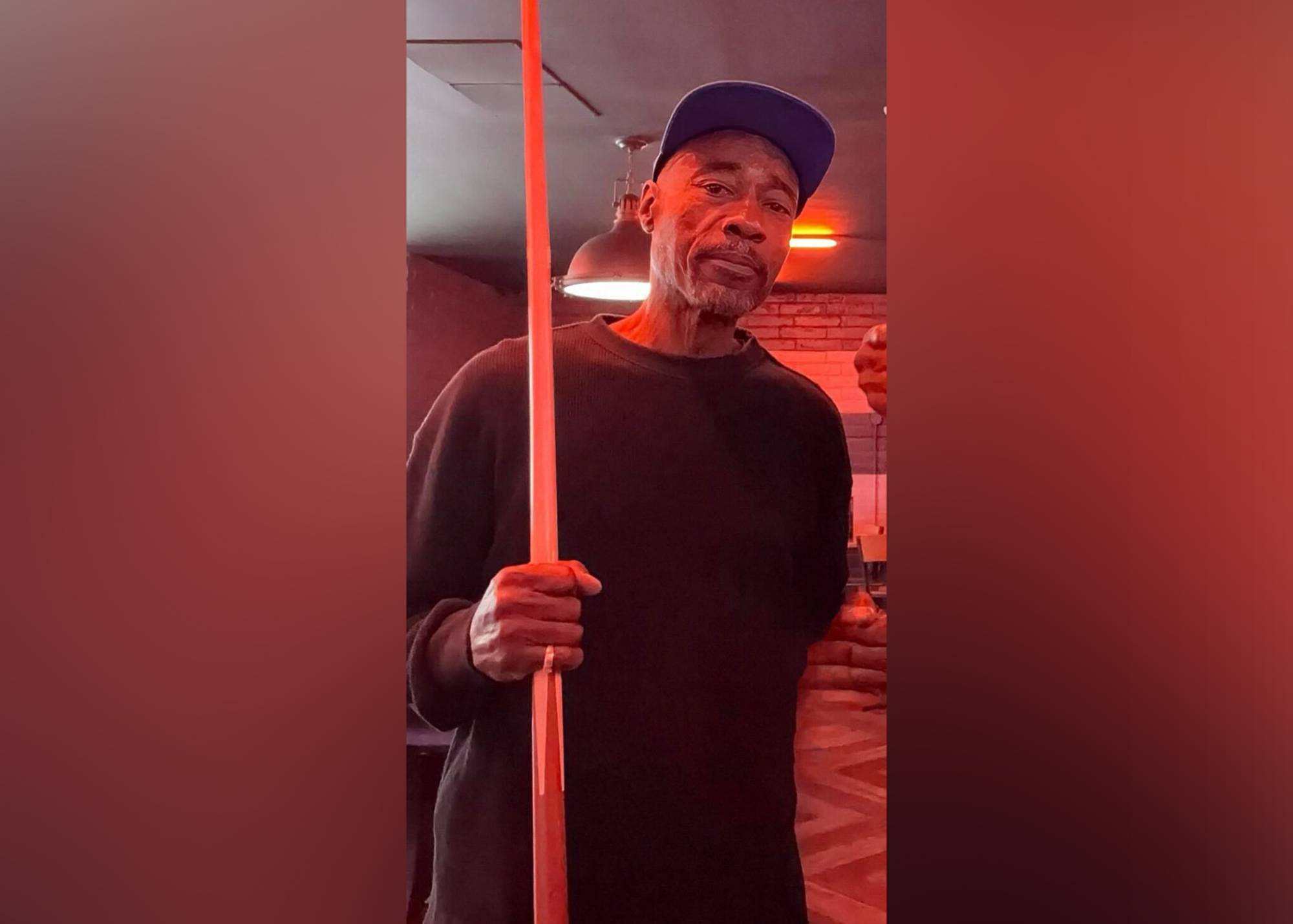
"caption": "Joey Alexander had worked for Urban Alchemy as a street practitioner for over two years.",
"credit": "Courtesy of Urban Alchemy",
"altTag": null,
"description": null,
"imgSizes": {
"medium": {
"file": "https://cdn.kqed.org/wp-content/uploads/sites/10/2025/10/URBAN-ALCHEMY-01-KQED-2000x1429.jpg",
"width": 2000,
"height": 1429,
"mimeType": "image/jpeg"
},
"large": {
"file": "https://cdn.kqed.org/wp-content/uploads/sites/10/2025/10/URBAN-ALCHEMY-01-KQED-2000x1429.jpg",
"width": 2000,
"height": 1429,
"mimeType": "image/jpeg"
},
"thumbnail": {
"file": "https://cdn.kqed.org/wp-content/uploads/sites/10/2025/10/URBAN-ALCHEMY-01-KQED-160x114.jpg",
"width": 160,
"height": 114,
"mimeType": "image/jpeg"
},
"1536x1536": {
"file": "https://cdn.kqed.org/wp-content/uploads/sites/10/2025/10/URBAN-ALCHEMY-01-KQED-1536x1097.jpg",
"width": 1536,
"height": 1097,
"mimeType": "image/jpeg"
},
"2048x2048": {
"file": "https://cdn.kqed.org/wp-content/uploads/sites/10/2025/10/URBAN-ALCHEMY-01-KQED-2048x1463.jpg",
"width": 2048,
"height": 1463,
"mimeType": "image/jpeg"
},
"post-thumbnail": {
"file": "https://cdn.kqed.org/wp-content/uploads/sites/10/2025/10/URBAN-ALCHEMY-01-KQED-672x372.jpg",
"width": 672,
"height": 372,
"mimeType": "image/jpeg"
},
"twentyfourteen-full-width": {
"file": "https://cdn.kqed.org/wp-content/uploads/sites/10/2025/10/URBAN-ALCHEMY-01-KQED-1038x576.jpg",
"width": 1038,
"height": 576,
"mimeType": "image/jpeg"
},
"full-width": {
"file": "https://cdn.kqed.org/wp-content/uploads/sites/10/2025/10/URBAN-ALCHEMY-01-KQED-2000x1429.jpg",
"width": 2000,
"height": 1429,
"mimeType": "image/jpeg"
},
"kqedFullSize": {
"file": "https://cdn.kqed.org/wp-content/uploads/sites/10/2025/10/URBAN-ALCHEMY-01-KQED.jpg",
"width": 2100,
"height": 1500
}
},
"isLoading": false,
"fetchFailed": false
},
"news_12058387": {
"type": "attachments",
"id": "news_12058387",
"meta": {
"index": "attachments_1716263798",
"site": "news",
"id": "12058387",
"found": true
},
"title": "Kamala Harris Book Tour In Los Angeles",
"publishDate": 1759425921,
"status": "inherit",
"parent": 12058380,
"modified": 1759428967,
"caption": "Former U.S. Vice President Kamala Harris speaks at the Wiltern Theatre on Sept. 29, 2025, in Los Angeles, California. Harris is in the midst of a 15-city book tour following the release of her new book, “107 Days,” recounting her presidential campaign against President Donald Trump.",
"credit": "Mario Tama/Getty Images",
"altTag": null,
"description": null,
"imgSizes": {
"thumbnail": {
"file": "https://cdn.kqed.org/wp-content/uploads/sites/10/2025/10/KamalaHarrisBookTourGetty-160x106.jpg",
"width": 160,
"height": 106,
"mimeType": "image/jpeg"
},
"1536x1536": {
"file": "https://cdn.kqed.org/wp-content/uploads/sites/10/2025/10/KamalaHarrisBookTourGetty-1536x1018.jpg",
"width": 1536,
"height": 1018,
"mimeType": "image/jpeg"
},
"post-thumbnail": {
"file": "https://cdn.kqed.org/wp-content/uploads/sites/10/2025/10/KamalaHarrisBookTourGetty-672x372.jpg",
"width": 672,
"height": 372,
"mimeType": "image/jpeg"
},
"twentyfourteen-full-width": {
"file": "https://cdn.kqed.org/wp-content/uploads/sites/10/2025/10/KamalaHarrisBookTourGetty-1038x576.jpg",
"width": 1038,
"height": 576,
"mimeType": "image/jpeg"
},
"kqedFullSize": {
"file": "https://cdn.kqed.org/wp-content/uploads/sites/10/2025/10/KamalaHarrisBookTourGetty.jpg",
"width": 2000,
"height": 1325
}
},
"isLoading": false,
"fetchFailed": false
},
"news_12058119": {
"type": "attachments",
"id": "news_12058119",
"meta": {
"index": "attachments_1716263798",
"site": "news",
"id": "12058119",
"found": true
},
"title": "Blue Angels Practice For Fleet Week Performance In San Francisco",
"publishDate": 1759259404,
"status": "inherit",
"parent": 12058113,
"modified": 1759259461,
"caption": "The U.S. Navy Blue Angels pass in front of the Golden Gate Bridge during a practice session for San Francisco Fleet Week on Oct. 4, 2007, in San Francisco, California. ",
"credit": "Justin Sullivan/Getty Images",
"altTag": null,
"description": null,
"imgSizes": {
"thumbnail": {
"file": "https://cdn.kqed.org/wp-content/uploads/sites/10/2025/09/bridgejets20120515_qed-160x111.jpg",
"width": 160,
"height": 111,
"mimeType": "image/jpeg"
},
"1536x1536": {
"file": "https://cdn.kqed.org/wp-content/uploads/sites/10/2025/09/bridgejets20120515_qed-1536x1069.jpg",
"width": 1536,
"height": 1069,
"mimeType": "image/jpeg"
},
"post-thumbnail": {
"file": "https://cdn.kqed.org/wp-content/uploads/sites/10/2025/09/bridgejets20120515_qed-672x372.jpg",
"width": 672,
"height": 372,
"mimeType": "image/jpeg"
},
"twentyfourteen-full-width": {
"file": "https://cdn.kqed.org/wp-content/uploads/sites/10/2025/09/bridgejets20120515_qed-1038x576.jpg",
"width": 1038,
"height": 576,
"mimeType": "image/jpeg"
},
"kqedFullSize": {
"file": "https://cdn.kqed.org/wp-content/uploads/sites/10/2025/09/bridgejets20120515_qed.jpg",
"width": 1916,
"height": 1333
}
},
"isLoading": false,
"fetchFailed": false
},
"news_12058166": {
"type": "attachments",
"id": "news_12058166",
"meta": {
"index": "attachments_1716263798",
"site": "news",
"id": "12058166",
"found": true
},
"title": "President Trump And Pete Hegseth Address U.S. Senior Military Leaders At Quantico",
"publishDate": 1759276159,
"status": "inherit",
"parent": 12058130,
"modified": 1759276199,
"caption": "U.S. President Donald Trump speaks to senior military leaders at Marine Corps Base Quantico on Sept. 30, 2025, in Quantico, Virginia. In an unprecedented gathering, almost 800 generals, admirals and their senior enlisted leaders have been ordered into one location from around the world on short notice. ",
"credit": "Andrew Harnik/Getty Images",
"altTag": null,
"description": null,
"imgSizes": {
"thumbnail": {
"file": "https://cdn.kqed.org/wp-content/uploads/sites/10/2025/09/DonaldTrumpVirginaGetty-160x107.jpg",
"width": 160,
"height": 107,
"mimeType": "image/jpeg"
},
"1536x1536": {
"file": "https://cdn.kqed.org/wp-content/uploads/sites/10/2025/09/DonaldTrumpVirginaGetty-1536x1024.jpg",
"width": 1536,
"height": 1024,
"mimeType": "image/jpeg"
},
"post-thumbnail": {
"file": "https://cdn.kqed.org/wp-content/uploads/sites/10/2025/09/DonaldTrumpVirginaGetty-672x372.jpg",
"width": 672,
"height": 372,
"mimeType": "image/jpeg"
},
"twentyfourteen-full-width": {
"file": "https://cdn.kqed.org/wp-content/uploads/sites/10/2025/09/DonaldTrumpVirginaGetty-1038x576.jpg",
"width": 1038,
"height": 576,
"mimeType": "image/jpeg"
},
"kqedFullSize": {
"file": "https://cdn.kqed.org/wp-content/uploads/sites/10/2025/09/DonaldTrumpVirginaGetty.jpg",
"width": 2000,
"height": 1333
}
},
"isLoading": false,
"fetchFailed": false
},
"news_12054336": {
"type": "attachments",
"id": "news_12054336",
"meta": {
"index": "attachments_1716263798",
"site": "news",
"id": "12054336",
"found": true
},
"title": "250831-CREATIVEMUTUALAID00140_TV-KQED",
"publishDate": 1756830735,
"status": "inherit",
"parent": 12058091,
"modified": 1759254619,
"caption": "Joe Mitchell (left) and Sara Rubenstein (right) pose for a portrait at their tabling session for Creative Mutual Aid at the Conservatory of Flowers in San Francisco on Aug. 31, 2025. Creative Mutual Aid, a group of Sara Rubenstein and Joe Mitchell, aims to bring mutual aid to San Francisco parks whether it’s through free trinkets, or providing household items.",
"credit": "Tâm Vũ/KQED",
"altTag": null,
"description": null,
"imgSizes": {
"thumbnail": {
"file": "https://cdn.kqed.org/wp-content/uploads/sites/10/2025/09/250831-CREATIVEMUTUALAID00140_TV-KQED-160x107.jpg",
"width": 160,
"height": 107,
"mimeType": "image/jpeg"
},
"1536x1536": {
"file": "https://cdn.kqed.org/wp-content/uploads/sites/10/2025/09/250831-CREATIVEMUTUALAID00140_TV-KQED-1536x1024.jpg",
"width": 1536,
"height": 1024,
"mimeType": "image/jpeg"
},
"post-thumbnail": {
"file": "https://cdn.kqed.org/wp-content/uploads/sites/10/2025/09/250831-CREATIVEMUTUALAID00140_TV-KQED-672x372.jpg",
"width": 672,
"height": 372,
"mimeType": "image/jpeg"
},
"twentyfourteen-full-width": {
"file": "https://cdn.kqed.org/wp-content/uploads/sites/10/2025/09/250831-CREATIVEMUTUALAID00140_TV-KQED-1038x576.jpg",
"width": 1038,
"height": 576,
"mimeType": "image/jpeg"
},
"kqedFullSize": {
"file": "https://cdn.kqed.org/wp-content/uploads/sites/10/2025/09/250831-CREATIVEMUTUALAID00140_TV-KQED.jpg",
"width": 2000,
"height": 1333
}
},
"isLoading": false,
"fetchFailed": false
},
"news_12057957": {
"type": "attachments",
"id": "news_12057957",
"meta": {
"index": "attachments_1716263798",
"site": "news",
"id": "12057957",
"found": true
},
"title": "Rockies Giants Baseball",
"publishDate": 1759165287,
"status": "inherit",
"parent": 12057956,
"modified": 1759165308,
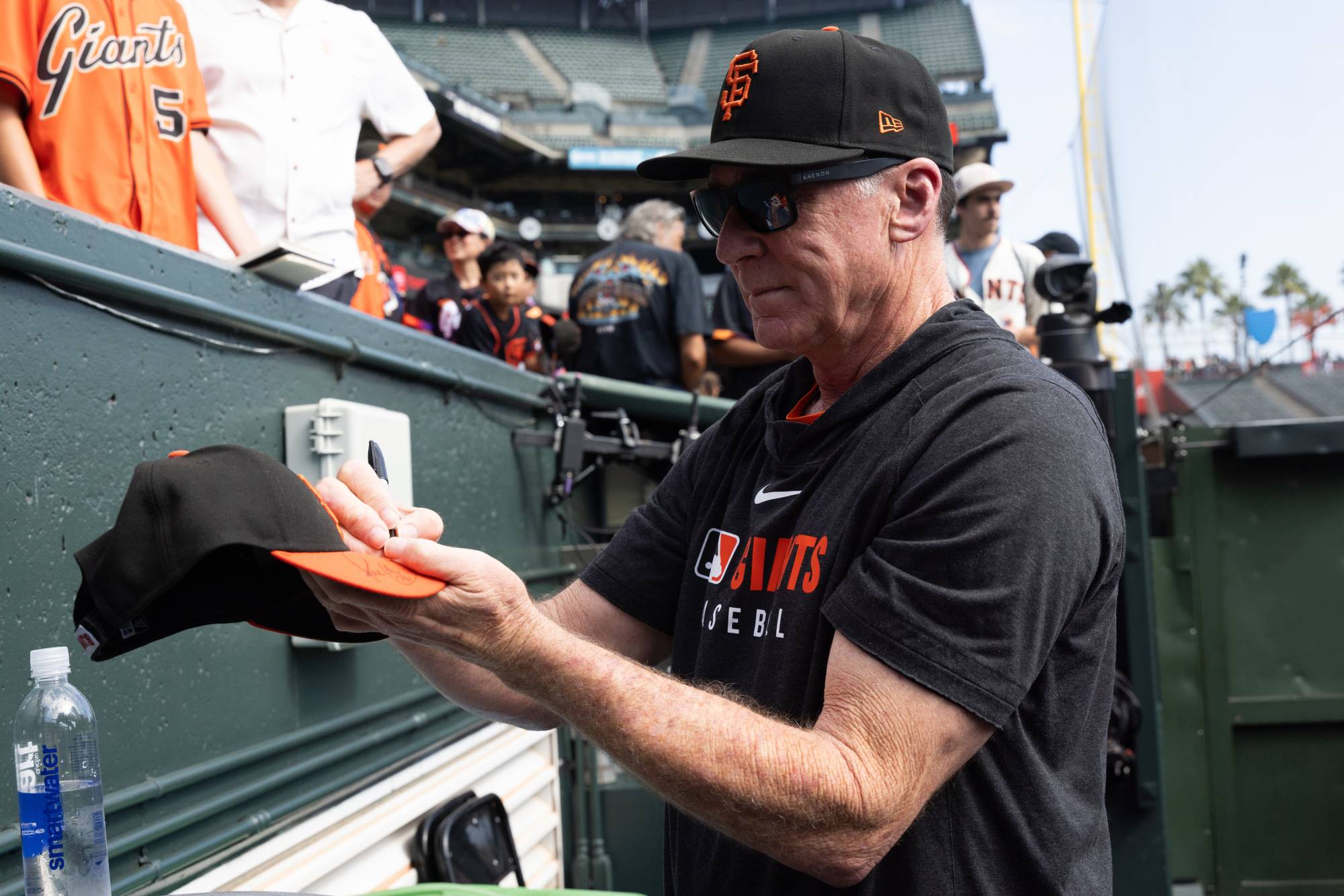
"caption": "San Francisco Giants manager Bob Melvin gives out autographs before an MLB baseball game against the Colorado Rockies, Saturday, Sept. 27, 2025, in San Francisco. ",
"credit": "Carlos Avila Gonzalez/San Francisco Chronicle via AP",
"altTag": null,
"description": null,
"imgSizes": {
"medium": {
"file": "https://cdn.kqed.org/wp-content/uploads/sites/10/2025/09/AP25270699858184-2000x1334.jpg",
"width": 2000,
"height": 1334,
"mimeType": "image/jpeg"
},
"large": {
"file": "https://cdn.kqed.org/wp-content/uploads/sites/10/2025/09/AP25270699858184-2000x1334.jpg",
"width": 2000,
"height": 1334,
"mimeType": "image/jpeg"
},
"thumbnail": {
"file": "https://cdn.kqed.org/wp-content/uploads/sites/10/2025/09/AP25270699858184-160x107.jpg",
"width": 160,
"height": 107,
"mimeType": "image/jpeg"
},
"1536x1536": {
"file": "https://cdn.kqed.org/wp-content/uploads/sites/10/2025/09/AP25270699858184-1536x1025.jpg",
"width": 1536,
"height": 1025,
"mimeType": "image/jpeg"
},
"2048x2048": {
"file": "https://cdn.kqed.org/wp-content/uploads/sites/10/2025/09/AP25270699858184-2048x1366.jpg",
"width": 2048,
"height": 1366,
"mimeType": "image/jpeg"
},
"post-thumbnail": {
"file": "https://cdn.kqed.org/wp-content/uploads/sites/10/2025/09/AP25270699858184-672x372.jpg",
"width": 672,
"height": 372,
"mimeType": "image/jpeg"
},
"twentyfourteen-full-width": {
"file": "https://cdn.kqed.org/wp-content/uploads/sites/10/2025/09/AP25270699858184-1038x576.jpg",
"width": 1038,
"height": 576,
"mimeType": "image/jpeg"
},
"full-width": {
"file": "https://cdn.kqed.org/wp-content/uploads/sites/10/2025/09/AP25270699858184-2000x1334.jpg",
"width": 2000,
"height": 1334,
"mimeType": "image/jpeg"
},
"kqedFullSize": {
"file": "https://cdn.kqed.org/wp-content/uploads/sites/10/2025/09/AP25270699858184-scaled.jpg",
"width": 2560,
"height": 1708
}
},
"isLoading": false,
"fetchFailed": false
}
},
"audioPlayerReducer": {
"postId": "stream_live",
"isPaused": true,
"isPlaying": false,
"pfsActive": false,
"pledgeModalIsOpen": true,
"playerDrawerIsOpen": false,
"liveAudioPlayStartedAt": 0,
"liveAudioPlayContext": ""
},
"authorsReducer": {
"byline_news_12058091": {
"type": "authors",
"id": "byline_news_12058091",
"meta": {
"override": true
},
"slug": "byline_news_12058091",
"name": "Hussain Khan",
"isLoading": false
},
"byline_news_12057956": {
"type": "authors",
"id": "byline_news_12057956",
"meta": {
"override": true
},
"slug": "byline_news_12057956",
"name": "Janie McCauley, The Associated Press",
"isLoading": false
},
"mlagos": {
"type": "authors",
"id": "3239",
"meta": {
"index": "authors_1716337520",
"id": "3239",
"found": true
},
"name": "Marisa Lagos",
"firstName": "Marisa",
"lastName": "Lagos",
"slug": "mlagos",
"email": "mlagos@kqed.org",
"display_author_email": false,
"staff_mastheads": [
"news"
],
"title": "KQED Contributor",
"bio": "Marisa Lagos is a correspondent for KQED’s California Politics and Government Desk and co-hosts the award-winning show and podcast, Political Breakdown. At KQED, Lagos also conducts reporting, analysis and investigations into state, local and national politics for radio, TV, online and onstage. In 2022, she and co-host, Scott Shafer, moderated the only gubernatorial debate in California. In 2020, the \u003ci>Washington Post\u003c/i> named her one of the top political journalists in California; she was nominated for a Peabody and won several other awards for her work investigating the 2017 California wildfires. She has worked at the \u003ci>San Francisco Chronicle\u003c/i>, \u003ci>San Francisco Examiner\u003c/i> and \u003ci>Los Angeles Times\u003c/i>. A UC Santa Barbara graduate, she lives in San Francisco with her two sons and husband.",
"avatar": "https://secure.gravatar.com/avatar/a261a0d3696fc066871ef96b85b5e7d2?s=600&d=blank&r=g",
"twitter": "@mlagos",
"facebook": null,
"instagram": null,
"linkedin": null,
"sites": [
{
"site": "arts",
"roles": [
"author"
]
},
{
"site": "news",
"roles": [
"editor"
]
},
{
"site": "science",
"roles": [
"editor"
]
},
{
"site": "forum",
"roles": [
"author"
]
},
{
"site": "liveblog",
"roles": [
"author"
]
}
],
"headData": {
"title": "Marisa Lagos | KQED",
"description": "KQED Contributor",
"ogImgSrc": "https://secure.gravatar.com/avatar/a261a0d3696fc066871ef96b85b5e7d2?s=600&d=blank&r=g",
"twImgSrc": "https://secure.gravatar.com/avatar/a261a0d3696fc066871ef96b85b5e7d2?s=600&d=blank&r=g"
},
"isLoading": false,
"link": "/author/mlagos"
},
"carlysevern": {
"type": "authors",
"id": "3243",
"meta": {
"index": "authors_1716337520",
"id": "3243",
"found": true
},
"name": "Carly Severn",
"firstName": "Carly",
"lastName": "Severn",
"slug": "carlysevern",
"email": "csevern@kqed.org",
"display_author_email": false,
"staff_mastheads": [
"news"
],
"title": "Senior Editor, Audience News ",
"bio": "Carly is KQED's Senior Editor of Audience News on the Digital News team, and has reported for the California Report Magazine, Bay Curious and KQED Arts. She's formerly the host of \u003ca href=\"http://ww2.kqed.org/pop/category/the-cooler/\" rel=\"noopener noreferrer\">The Cooler\u003c/a> podcast.",
"avatar": "https://secure.gravatar.com/avatar/54037bf5c128fe678f0ef26cec97a93f2e7f220a22d7285703328f12c42c1b1d?s=600&d=blank&r=g",
"twitter": "teacupinthebay",
"bluesky": null,
"facebook": null,
"instagram": null,
"linkedin": null,
"sites": [
{
"site": "",
"roles": [
"editor"
]
},
{
"site": "arts",
"roles": [
"editor"
]
},
{
"site": "news",
"roles": [
"administrator"
]
},
{
"site": "pop",
"roles": [
"editor"
]
},
{
"site": "futureofyou",
"roles": [
"editor"
]
},
{
"site": "about",
"roles": [
"administrator"
]
},
{
"site": "mindshift",
"roles": [
"editor"
]
},
{
"site": "bayareabites",
"roles": [
"editor"
]
},
{
"site": "stateofhealth",
"roles": [
"editor"
]
},
{
"site": "science",
"roles": [
"editor"
]
},
{
"site": "food",
"roles": [
"contributor"
]
},
{
"site": "forum",
"roles": [
"editor"
]
},
{
"site": "perspectives",
"roles": [
"administrator"
]
},
{
"site": "liveblog",
"roles": [
"editor"
]
}
],
"headData": {
"title": "Carly Severn | KQED",
"description": "Senior Editor, Audience News ",
"ogImgSrc": "https://secure.gravatar.com/avatar/54037bf5c128fe678f0ef26cec97a93f2e7f220a22d7285703328f12c42c1b1d?s=600&d=blank&r=g",
"twImgSrc": "https://secure.gravatar.com/avatar/54037bf5c128fe678f0ef26cec97a93f2e7f220a22d7285703328f12c42c1b1d?s=600&d=blank&r=g"
},
"isLoading": false,
"link": "/author/carlysevern"
},
"ibloom": {
"type": "authors",
"id": "11805",
"meta": {
"index": "authors_1716337520",
"id": "11805",
"found": true
},
"name": "Izzy Bloom",
"firstName": "Izzy",
"lastName": "Bloom",
"slug": "ibloom",
"email": "ibloom@kqed.org",
"display_author_email": false,
"staff_mastheads": [],
"title": "KQED Reporter & Producer",
"bio": "Izzy is a reporter and producer on KQED's California Politics & Government Desk. She joined the desk in 2024 to produce Political Breakdown, covering local and national elections and attending the RNC and DNC in Milwaukee and Chicago. \r\n\r\nBefore that, Izzy was a producer on The California Report and reported long-form stories for The California Report Magazine. She was a finalist for the Third Coast/Richard H. Driehaus Foundation Competition and was awarded for her reporting on indigenous land back by the Society of Professional Journalists. Izzy received her master's in journalism from the University of California, Berkeley.",
"avatar": "https://secure.gravatar.com/avatar/cc4d272ca430783ee1a8efac470a6b1e0fdd082c3beb61da019801d0ff751c8c?s=600&d=blank&r=g",
"twitter": null,
"bluesky": null,
"facebook": null,
"instagram": null,
"linkedin": null,
"sites": [
{
"site": "news",
"roles": [
"editor"
]
},
{
"site": "perspectives",
"roles": [
"editor"
]
}
],
"headData": {
"title": "Izzy Bloom | KQED",
"description": "KQED Reporter & Producer",
"ogImgSrc": "https://secure.gravatar.com/avatar/cc4d272ca430783ee1a8efac470a6b1e0fdd082c3beb61da019801d0ff751c8c?s=600&d=blank&r=g",
"twImgSrc": "https://secure.gravatar.com/avatar/cc4d272ca430783ee1a8efac470a6b1e0fdd082c3beb61da019801d0ff751c8c?s=600&d=blank&r=g"
},
"isLoading": false,
"link": "/author/ibloom"
},
"sjohnson": {
"type": "authors",
"id": "11840",
"meta": {
"index": "authors_1716337520",
"id": "11840",
"found": true
},
"name": "Sydney Johnson",
"firstName": "Sydney",
"lastName": "Johnson",
"slug": "sjohnson",
"email": "sjohnson@kqed.org",
"display_author_email": false,
"staff_mastheads": [
"news"
],
"title": "KQED Reporter",
"bio": "Sydney Johnson is a general assignment reporter at KQED. She previously reported on public health and city government at the San Francisco Examiner, and before that, she covered statewide education policy for EdSource. Her reporting has won multiple local, state and national awards. Sydney is a graduate of the University of California, Berkeley and lives in San Francisco.",
"avatar": "https://secure.gravatar.com/avatar/97855f2719b72ad6190b7c535fe642c8?s=600&d=blank&r=g",
"twitter": "sydneyfjohnson",
"facebook": null,
"instagram": null,
"linkedin": null,
"sites": [
{
"site": "news",
"roles": [
"editor"
]
}
],
"headData": {
"title": "Sydney Johnson | KQED",
"description": "KQED Reporter",
"ogImgSrc": "https://secure.gravatar.com/avatar/97855f2719b72ad6190b7c535fe642c8?s=600&d=blank&r=g",
"twImgSrc": "https://secure.gravatar.com/avatar/97855f2719b72ad6190b7c535fe642c8?s=600&d=blank&r=g"
},
"isLoading": false,
"link": "/author/sjohnson"
},
"kdebenedetti": {
"type": "authors",
"id": "11913",
"meta": {
"index": "authors_1716337520",
"id": "11913",
"found": true
},
"name": "Katie DeBenedetti",
"firstName": "Katie",
"lastName": "DeBenedetti",
"slug": "kdebenedetti",
"email": "kdebenedetti@kqed.org",
"display_author_email": false,
"staff_mastheads": [
"news",
"science"
],
"title": "KQED Contributor",
"bio": "Katie DeBenedetti is a digital reporter covering daily news for the Express Desk. Prior to joining KQED as a culture reporting intern in January 2024, she covered education and city government for the Napa Valley Register.",
"avatar": "https://secure.gravatar.com/avatar/6e31073cb8f7e4214ab03f42771d0f45?s=600&d=blank&r=g",
"twitter": null,
"facebook": null,
"instagram": null,
"linkedin": null,
"sites": [
{
"site": "news",
"roles": [
"author"
]
},
{
"site": "science",
"roles": [
"author"
]
},
{
"site": "liveblog",
"roles": [
"author"
]
}
],
"headData": {
"title": "Katie DeBenedetti | KQED",
"description": "KQED Contributor",
"ogImgSrc": "https://secure.gravatar.com/avatar/6e31073cb8f7e4214ab03f42771d0f45?s=600&d=blank&r=g",
"twImgSrc": "https://secure.gravatar.com/avatar/6e31073cb8f7e4214ab03f42771d0f45?s=600&d=blank&r=g"
},
"isLoading": false,
"link": "/author/kdebenedetti"
}
},
"pagesReducer": {
"news_tag_san-francisco": {
"type": "terms",
"id": "news_38",
"meta": {
"index": "terms_1716263798",
"site": "news",
"id": "38",
"score": 6.7229023
},
"featImg": null,
"name": "San Francisco",
"description": null,
"taxonomy": "tag",
"headData": {
"twImgId": null,
"twTitle": null,
"ogTitle": null,
"ogImgId": null,
"twDescription": null,
"description": null,
"title": "San Francisco Archives | KQED News",
"ogDescription": null
},
"ttid": 58,
"slug": "san-francisco",
"isLoading": false,
"title": "San Francisco",
"pageMeta": {
"site": "news",
"WpPageTemplate": "page-topic-editorial",
"currentPage": 46
},
"blocks": [
{
"blockName": "kqed/post-list",
"attrs": {
"layout": "cardArticle2",
"query": "posts/news?tag=san-francisco",
"seeMore": false,
"paginated": true,
"page": 46
}
},
{
"blockName": "kqed/ad"
}
]
}
},
"pfsSessionReducer": {},
"postsReducer": {
"stream_live": {
"type": "live",
"id": "stream_live",
"audioUrl": "https://streams.kqed.org/kqedradio",
"title": "Live Stream",
"excerpt": "Live Stream information currently unavailable.",
"link": "/radio",
"featImg": "",
"label": {
"name": "KQED Live",
"link": "/"
}
},
"stream_kqedNewscast": {
"type": "posts",
"id": "stream_kqedNewscast",
"audioUrl": "https://www.kqed.org/.stream/anon/radio/RDnews/newscast.mp3?_=1",
"title": "KQED Newscast",
"featImg": "",
"label": {
"name": "88.5 FM",
"link": "/"
}
},
"news_12058981": {
"type": "posts",
"id": "news_12058981",
"meta": {
"index": "posts_1716263798",
"site": "news",
"id": "12058981",
"score": null,
"sort": [
1759963980000
]
},
"guestAuthors": [],
"slug": "city-leaders-and-tenderloin-vow-to-fight-for-urban-alchemy-after-employee-shot-while-working",
"title": "City Leaders and Tenderloin Vow to ‘Fight’ for Urban Alchemy After Employee Shot While Working",
"publishDate": 1759963980,
"format": "standard",
"headTitle": "City Leaders and Tenderloin Vow to ‘Fight’ for Urban Alchemy After Employee Shot While Working | KQED",
"labelTerm": {
"site": "news"
},
"content": "\u003cp>After an Urban Alchemy community ambassador was \u003ca href=\"https://www.kqed.org/news/12058277/sf-district-attorney-to-charge-man-suspected-of-killing-urban-alchemy-employee-with-shotgun-blast\">fatally shot on the job\u003c/a> last month, San Francisco lawmakers on Tuesday rallied behind the nonprofit, whose future role in the city has been in question in recent months.\u003c/p>\n\u003cp>City leaders joined about 100 members of the Tenderloin community on the steps of City Hall to pay tribute to Joey Alexander, who was shot just a few hundred feet away in front of the city’s main library after asking a man to stop using drugs on the street.\u003c/p>\n\u003cp>They paid tribute to Alexander’s life and service, as well as to the mission of the nonprofit, which has contracted with the city since 2018 to patrol and clean up some of its roughest downtown streets.\u003c/p>\n\u003cp>[ad fullwidth]\u003c/p>\n\u003cp>“We cannot deliver on safe and clean streets in the Tenderloin without Urban Alchemy, full stop,” said Supervisor Bilal Mahmood, who represents the neighborhood.\u003c/p>\n\u003cp>Mayor Daniel Lurie, District Attorney Brooke Jenkins and other city supervisors also praised the ambassadors’ ability to connect with Tenderloin residents, aid in school children’s safe passage through the neighborhood and drive reductions in crime and drug use on the streets they patrol.\u003c/p>\n\u003cfigure id=\"attachment_12059031\" class=\"wp-caption aligncenter\" style=\"max-width: 2000px\">\u003cimg loading=\"lazy\" decoding=\"async\" class=\"size-full wp-image-12059031\" src=\"https://cdn.kqed.org/wp-content/uploads/sites/10/2025/10/251007_Urban-Alchemy-Rally_-2_qed.jpg\" alt=\"\" width=\"2000\" height=\"1333\" srcset=\"https://cdn.kqed.org/wp-content/uploads/sites/10/2025/10/251007_Urban-Alchemy-Rally_-2_qed.jpg 2000w, https://cdn.kqed.org/wp-content/uploads/sites/10/2025/10/251007_Urban-Alchemy-Rally_-2_qed-160x107.jpg 160w, https://cdn.kqed.org/wp-content/uploads/sites/10/2025/10/251007_Urban-Alchemy-Rally_-2_qed-1536x1024.jpg 1536w\" sizes=\"auto, (max-width: 2000px) 100vw, 2000px\">\u003cfigcaption class=\"wp-caption-text\">Mayor Daniel Lurie speaks at a rally on the steps of City Hall in San Francisco on Oct. 7, 2025, following the death of Urban Alchemy practitioner Joey Alexander. \u003ccite>(Gustavo Hernandez/KQED)\u003c/cite>\u003c/figcaption>\u003c/figure>\n\u003cp>Jenkins said that she was moved looking out at the throng of Urban Alchemy ambassadors gathered for the event, wearing their identifiable black and yellow branded vests.\u003c/p>\n\u003cp>“[I see] a beautiful representation — of mostly Black men — in front of me with those vests on, working, contributing, giving back to our city,” she said, noting that the nonprofit’s employment opportunities for formerly incarcerated people, including Alexander, can have a major impact on reducing recidivism.\u003c/p>\n\u003cp>“Every day, ambassadors [from] Urban Alchemy work alongside San Francisco police officers, our neighborhood street teams and service providers, helping connect people in crisis to care, supporting first responders and ensuring that our neighborhoods are welcoming places for everyone,” Lurie said. “That work, your work, is so important.”[aside postID=news_12058277 hero='https://cdn.kqed.org/wp-content/uploads/sites/10/2025/10/URBAN-ALCHEMY-01-KQED-2000x1429.jpg']Whether Urban Alchemy’s ambassador work with the city — which currently extends through the end of the year — will continue in its current capacity, though, is somewhat uncertain.\u003c/p>\n\u003cp>The role of the nonprofit has expanded to include operating safe RV parking sites and homeless shelters in recent years, but its ambassador contract could be impacted by changes to the city’s larger approach to street safety work.\u003c/p>\n\u003cp>In 2023, a \u003ca href=\"https://www.sf.gov/sites/default/files/2024-01/Ambassador%20Program%20Report%202023.pdf\">Department of Emergency Management report\u003c/a> showed that there were at least 34 different ambassador programs, run by seven nonprofits and even more “community benefit districts,” which were awarded grants by twelve government agencies to operate across the city.\u003c/p>\n\u003cp>Lurie spokesperson Charles Lutvak said that strategically, it makes more sense to have one department overseeing all of the work around street conditions.\u003c/p>\n\u003cp>The city is phasing out its own Community Ambassador Program through the Office of Civic Engagement and Immigrant Affairs in 2027, and the Mayor’s office has consolidated all street ambassador contracts under DEM, which will decide which organizations win future bids.\u003c/p>\n\u003cfigure id=\"attachment_12059035\" class=\"wp-caption aligncenter\" style=\"max-width: 2000px\">\u003cimg loading=\"lazy\" decoding=\"async\" class=\"size-full wp-image-12059035\" src=\"https://cdn.kqed.org/wp-content/uploads/sites/10/2025/10/251007_Urban-Alchemy-Rally_-18_qed.jpg\" alt=\"\" width=\"2000\" height=\"1333\" srcset=\"https://cdn.kqed.org/wp-content/uploads/sites/10/2025/10/251007_Urban-Alchemy-Rally_-18_qed.jpg 2000w, https://cdn.kqed.org/wp-content/uploads/sites/10/2025/10/251007_Urban-Alchemy-Rally_-18_qed-160x107.jpg 160w, https://cdn.kqed.org/wp-content/uploads/sites/10/2025/10/251007_Urban-Alchemy-Rally_-18_qed-1536x1024.jpg 1536w\" sizes=\"auto, (max-width: 2000px) 100vw, 2000px\">\u003cfigcaption class=\"wp-caption-text\">A jacket with the Urban Alchemy logo is seen during a rally outside San Francisco City Hall on Oct. 7, 2025. \u003ccite>(Gustavo Hernandez/KQED)\u003c/cite>\u003c/figcaption>\u003c/figure>\n\u003cp>Earlier this month, the agency \u003ca href=\"https://sfcitypartner.sfgov.org/pages/Events-BS3/event-details.aspx?Page=AUC_RESP_INQ_DTL&Action=U&AUC_ID=0000011141&AUC_ROUND=1&AUC_VERSION=2&BIDDER_ID=0000000001&BIDDER_LOC=1&BIDDER_SETID=SHARE&BIDDER_TYPE=B&BUSINESS_UNIT=SFGOV&PAGE=AUC_RESP_INQ_DTL&&PAGE=AUC_RESP_INQ_DTL&PAGE=AUC_RESP_INQ_DTL\">issued a request for proposals\u003c/a> for contractors to run a “Community Safety Ambassador Program,” which it said would provide “ongoing deployment of a specialized and highly trained community safety ambassador program” along 12 corridors, including the Tenderloin and Civic Center areas.\u003c/p>\n\u003cp>The restructuring comes after the city controller’s office placed Urban Alchemy under review over financial issues, and after the nonprofit lost a key contract to staff Bay Area Rapid Transit bathrooms and elevators in the city with its ambassadors. Separately, Supervisor Connie Chan called for an audit of its previous overspending last November.\u003c/p>\n\u003cp>But the outpouring of support for the organization — and \u003ca href=\"https://urban-alchemy.us/mayor-london-breed-stanford-researchers-and-urban-alchemyannounce-52-decrease-in-crime-rates-in-ambassador-served-areas/\">data\u003c/a> that shows an overall 50% reduction in crime and 80% reduction in drug-related crime where it operates — was a “loud and clear” indicator of its impact, Mahmood said Tuesday.\u003c/p>\n\u003cp>“We’re urging the mayor’s office to include Urban Alchemy as part of the long-term plan,” he said. “We still don’t know the long-term details of what’s going to happen in years to come.\u003c/p>\n\u003cp>“We have seen the data of how they impact this neighborhood, and so we’re going to fight like hell to ensure that our communities still continue to feel safe,” he continued.\u003c/p>\n\u003cp>\u003c/p>\n",
"blocks": [],
"excerpt": "The nonprofit, which created a new model for public safety in San Francisco, has stumbled over financial management issues in recent years. ",
"status": "publish",
"parent": 0,
"modified": 1759966131,
"stats": {
"hasAudio": false,
"hasVideo": false,
"hasChartOrMap": false,
"iframeSrcs": [],
"hasGoogleForm": false,
"hasGallery": false,
"hasHearkenModule": false,
"hasPolis": false,
"paragraphCount": 19,
"wordCount": 817
},
"headData": {
"title": "City Leaders and Tenderloin Vow to ‘Fight’ for Urban Alchemy After Employee Shot While Working | KQED",
"description": "The nonprofit, which created a new model for public safety in San Francisco, has stumbled over financial management issues in recent years. ",
"ogTitle": "",
"ogDescription": "",
"ogImgId": "",
"twTitle": "",
"twDescription": "",
"twImgId": "",
"schema": {
"@context": "https://schema.org",
"@type": "NewsArticle",
"headline": "City Leaders and Tenderloin Vow to ‘Fight’ for Urban Alchemy After Employee Shot While Working",
"datePublished": "2025-10-08T15:53:00-07:00",
"dateModified": "2025-10-08T16:28:51-07:00",
"image": "https://cdn.kqed.org/wp-content/uploads/2020/02/KQED-OG-Image@1x.png",
"isAccessibleForFree": "True",
"publisher": {
"@type": "NewsMediaOrganization",
"@id": "https://www.kqed.org/#organization",
"name": "KQED",
"logo": "https://cdn.kqed.org/wp-content/uploads/2020/02/KQED-OG-Image@1x.png",
"url": "https://www.kqed.org",
"sameAs": [
"https://www.facebook.com/KQED",
"https://twitter.com/KQED",
"https://www.instagram.com/kqed/",
"https://www.tiktok.com/@kqedofficial",
"https://www.linkedin.com/company/kqed",
"https://www.youtube.com/channel/UCeC0IOo7i1P_61zVUWbJ4nw"
]
}
}
},
"primaryCategory": {
"termId": 34167,
"slug": "criminal-justice",
"name": "Criminal Justice"
},
"sticky": false,
"nprStoryId": "kqed-12058981",
"templateType": "standard",
"featuredImageType": "standard",
"excludeFromSiteSearch": "Include",
"articleAge": "0",
"path": "/news/12058981/city-leaders-and-tenderloin-vow-to-fight-for-urban-alchemy-after-employee-shot-while-working",
"audioTrackLength": null,
"parsedContent": [
{
"type": "contentString",
"content": "\u003cdiv class=\"post-body\">\u003cp>\u003cp>After an Urban Alchemy community ambassador was \u003ca href=\"https://www.kqed.org/news/12058277/sf-district-attorney-to-charge-man-suspected-of-killing-urban-alchemy-employee-with-shotgun-blast\">fatally shot on the job\u003c/a> last month, San Francisco lawmakers on Tuesday rallied behind the nonprofit, whose future role in the city has been in question in recent months.\u003c/p>\n\u003cp>City leaders joined about 100 members of the Tenderloin community on the steps of City Hall to pay tribute to Joey Alexander, who was shot just a few hundred feet away in front of the city’s main library after asking a man to stop using drugs on the street.\u003c/p>\n\u003cp>They paid tribute to Alexander’s life and service, as well as to the mission of the nonprofit, which has contracted with the city since 2018 to patrol and clean up some of its roughest downtown streets.\u003c/p>\n\u003cp>\u003c/p>\u003c/div>",
"attributes": {
"named": {},
"numeric": []
}
},
{
"type": "component",
"content": "",
"name": "ad",
"attributes": {
"named": {
"label": "fullwidth"
},
"numeric": [
"fullwidth"
]
}
},
{
"type": "contentString",
"content": "\u003cdiv class=\"post-body\">\u003cp>\u003c/p>\n\u003cp>“We cannot deliver on safe and clean streets in the Tenderloin without Urban Alchemy, full stop,” said Supervisor Bilal Mahmood, who represents the neighborhood.\u003c/p>\n\u003cp>Mayor Daniel Lurie, District Attorney Brooke Jenkins and other city supervisors also praised the ambassadors’ ability to connect with Tenderloin residents, aid in school children’s safe passage through the neighborhood and drive reductions in crime and drug use on the streets they patrol.\u003c/p>\n\u003cfigure id=\"attachment_12059031\" class=\"wp-caption aligncenter\" style=\"max-width: 2000px\">\u003cimg loading=\"lazy\" decoding=\"async\" class=\"size-full wp-image-12059031\" src=\"https://cdn.kqed.org/wp-content/uploads/sites/10/2025/10/251007_Urban-Alchemy-Rally_-2_qed.jpg\" alt=\"\" width=\"2000\" height=\"1333\" srcset=\"https://cdn.kqed.org/wp-content/uploads/sites/10/2025/10/251007_Urban-Alchemy-Rally_-2_qed.jpg 2000w, https://cdn.kqed.org/wp-content/uploads/sites/10/2025/10/251007_Urban-Alchemy-Rally_-2_qed-160x107.jpg 160w, https://cdn.kqed.org/wp-content/uploads/sites/10/2025/10/251007_Urban-Alchemy-Rally_-2_qed-1536x1024.jpg 1536w\" sizes=\"auto, (max-width: 2000px) 100vw, 2000px\">\u003cfigcaption class=\"wp-caption-text\">Mayor Daniel Lurie speaks at a rally on the steps of City Hall in San Francisco on Oct. 7, 2025, following the death of Urban Alchemy practitioner Joey Alexander. \u003ccite>(Gustavo Hernandez/KQED)\u003c/cite>\u003c/figcaption>\u003c/figure>\n\u003cp>Jenkins said that she was moved looking out at the throng of Urban Alchemy ambassadors gathered for the event, wearing their identifiable black and yellow branded vests.\u003c/p>\n\u003cp>“[I see] a beautiful representation — of mostly Black men — in front of me with those vests on, working, contributing, giving back to our city,” she said, noting that the nonprofit’s employment opportunities for formerly incarcerated people, including Alexander, can have a major impact on reducing recidivism.\u003c/p>\n\u003cp>“Every day, ambassadors [from] Urban Alchemy work alongside San Francisco police officers, our neighborhood street teams and service providers, helping connect people in crisis to care, supporting first responders and ensuring that our neighborhoods are welcoming places for everyone,” Lurie said. “That work, your work, is so important.”\u003c/p>\u003c/div>",
"attributes": {
"named": {},
"numeric": []
}
},
{
"type": "component",
"content": "",
"name": "aside",
"attributes": {
"named": {
"postid": "news_12058277",
"hero": "https://cdn.kqed.org/wp-content/uploads/sites/10/2025/10/URBAN-ALCHEMY-01-KQED-2000x1429.jpg",
"label": ""
},
"numeric": []
}
},
{
"type": "contentString",
"content": "\u003cdiv class=\"post-body\">\u003cp>Whether Urban Alchemy’s ambassador work with the city — which currently extends through the end of the year — will continue in its current capacity, though, is somewhat uncertain.\u003c/p>\n\u003cp>The role of the nonprofit has expanded to include operating safe RV parking sites and homeless shelters in recent years, but its ambassador contract could be impacted by changes to the city’s larger approach to street safety work.\u003c/p>\n\u003cp>In 2023, a \u003ca href=\"https://www.sf.gov/sites/default/files/2024-01/Ambassador%20Program%20Report%202023.pdf\">Department of Emergency Management report\u003c/a> showed that there were at least 34 different ambassador programs, run by seven nonprofits and even more “community benefit districts,” which were awarded grants by twelve government agencies to operate across the city.\u003c/p>\n\u003cp>Lurie spokesperson Charles Lutvak said that strategically, it makes more sense to have one department overseeing all of the work around street conditions.\u003c/p>\n\u003cp>The city is phasing out its own Community Ambassador Program through the Office of Civic Engagement and Immigrant Affairs in 2027, and the Mayor’s office has consolidated all street ambassador contracts under DEM, which will decide which organizations win future bids.\u003c/p>\n\u003cfigure id=\"attachment_12059035\" class=\"wp-caption aligncenter\" style=\"max-width: 2000px\">\u003cimg loading=\"lazy\" decoding=\"async\" class=\"size-full wp-image-12059035\" src=\"https://cdn.kqed.org/wp-content/uploads/sites/10/2025/10/251007_Urban-Alchemy-Rally_-18_qed.jpg\" alt=\"\" width=\"2000\" height=\"1333\" srcset=\"https://cdn.kqed.org/wp-content/uploads/sites/10/2025/10/251007_Urban-Alchemy-Rally_-18_qed.jpg 2000w, https://cdn.kqed.org/wp-content/uploads/sites/10/2025/10/251007_Urban-Alchemy-Rally_-18_qed-160x107.jpg 160w, https://cdn.kqed.org/wp-content/uploads/sites/10/2025/10/251007_Urban-Alchemy-Rally_-18_qed-1536x1024.jpg 1536w\" sizes=\"auto, (max-width: 2000px) 100vw, 2000px\">\u003cfigcaption class=\"wp-caption-text\">A jacket with the Urban Alchemy logo is seen during a rally outside San Francisco City Hall on Oct. 7, 2025. \u003ccite>(Gustavo Hernandez/KQED)\u003c/cite>\u003c/figcaption>\u003c/figure>\n\u003cp>Earlier this month, the agency \u003ca href=\"https://sfcitypartner.sfgov.org/pages/Events-BS3/event-details.aspx?Page=AUC_RESP_INQ_DTL&Action=U&AUC_ID=0000011141&AUC_ROUND=1&AUC_VERSION=2&BIDDER_ID=0000000001&BIDDER_LOC=1&BIDDER_SETID=SHARE&BIDDER_TYPE=B&BUSINESS_UNIT=SFGOV&PAGE=AUC_RESP_INQ_DTL&&PAGE=AUC_RESP_INQ_DTL&PAGE=AUC_RESP_INQ_DTL\">issued a request for proposals\u003c/a> for contractors to run a “Community Safety Ambassador Program,” which it said would provide “ongoing deployment of a specialized and highly trained community safety ambassador program” along 12 corridors, including the Tenderloin and Civic Center areas.\u003c/p>\n\u003cp>The restructuring comes after the city controller’s office placed Urban Alchemy under review over financial issues, and after the nonprofit lost a key contract to staff Bay Area Rapid Transit bathrooms and elevators in the city with its ambassadors. Separately, Supervisor Connie Chan called for an audit of its previous overspending last November.\u003c/p>\n\u003cp>But the outpouring of support for the organization — and \u003ca href=\"https://urban-alchemy.us/mayor-london-breed-stanford-researchers-and-urban-alchemyannounce-52-decrease-in-crime-rates-in-ambassador-served-areas/\">data\u003c/a> that shows an overall 50% reduction in crime and 80% reduction in drug-related crime where it operates — was a “loud and clear” indicator of its impact, Mahmood said Tuesday.\u003c/p>\n\u003cp>“We’re urging the mayor’s office to include Urban Alchemy as part of the long-term plan,” he said. “We still don’t know the long-term details of what’s going to happen in years to come.\u003c/p>\n\u003cp>“We have seen the data of how they impact this neighborhood, and so we’re going to fight like hell to ensure that our communities still continue to feel safe,” he continued.\u003c/p>\n\u003cp>\u003c/p>\n\u003c/div>\u003c/p>",
"attributes": {
"named": {},
"numeric": []
}
}
],
"link": "/news/12058981/city-leaders-and-tenderloin-vow-to-fight-for-urban-alchemy-after-employee-shot-while-working",
"authors": [
"11913"
],
"categories": [
"news_34167",
"news_6188",
"news_28250",
"news_8"
],
"tags": [
"news_1386",
"news_17725",
"news_27626",
"news_35784",
"news_4020",
"news_19904",
"news_19954",
"news_34054",
"news_22456",
"news_38"
],
"featImg": "news_12059036",
"label": "news"
},
"news_12058930": {
"type": "posts",
"id": "news_12058930",
"meta": {
"index": "posts_1716263798",
"site": "news",
"id": "12058930",
"score": null,
"sort": [
1759928407000
]
},
"guestAuthors": [],
"slug": "medicaid-cuts-could-put-services-for-disabled-californians-at-risk",
"title": "For Californians With Disabilities, Medicaid Cuts Could Mean Losing Not Just Services — But Freedom",
"publishDate": 1759928407,
"format": "standard",
"headTitle": "For Californians With Disabilities, Medicaid Cuts Could Mean Losing Not Just Services — But Freedom | KQED",
"labelTerm": {
"site": "news"
},
"content": "\u003cp>A fall-themed Snoopy jazz playlist hums throughout the art studio, rising just above the soft scratching of brushes on canvas. One person uses purple paint to carefully outline Squidward, his fourth SpongeBob-themed painting. Another artist prefers to paint airplanes, having previously worked at the airport.\u003c/p>\n\u003cp>Ron Ansley’s specialty is abstract paintings, often inspired by Tiggy, his cat who passed away. Today, he’s using oil pastels to outline an illustration of plates and cups sprouting cactuses.\u003c/p>\n\u003cp>“Making art is what I call a relaxation stress breaker,” Ansley said. “Mostly, I just like to express myself in painting.”\u003c/p>\n\u003cp>[ad fullwidth]\u003c/p>\n\u003cp>Ansley, 64, has autism and several physical disabilities, including deep vein thrombosis and cataracts. Since 2019, he’s been attending art classes three days a week at The Arc \u003ca href=\"https://www.kqed.org/news/tag/san-francisco\">San Francisco\u003c/a>. As the local chapter of the national Arc organization, the nonprofit serves about 800 adults with intellectual and developmental disabilities in the \u003ca href=\"https://www.kqed.org/news/tag/bay-area\">Bay Area\u003c/a>. In addition to art, music and cooking classes, The Arc helps clients find jobs, pursue higher education and navigate their health care.\u003c/p>\n\u003cp>Now, programs like these are at risk nationwide. When President Donald Trump signed into law his sweeping policy bill, dubbed the One Big Beautiful Bill, it included roughly $1 trillion in federal Medicaid cuts over the next decade.\u003c/p>\n\u003cfigure id=\"attachment_12057949\" class=\"wp-caption aligncenter\" style=\"max-width: 2000px\">\u003cimg loading=\"lazy\" decoding=\"async\" class=\"size-full wp-image-12057949\" src=\"https://cdn.kqed.org/wp-content/uploads/sites/10/2025/09/20250923_MEDICAIDDISABILITY_GC-2-KQED.jpg\" alt=\"\" width=\"2000\" height=\"1333\" srcset=\"https://cdn.kqed.org/wp-content/uploads/sites/10/2025/09/20250923_MEDICAIDDISABILITY_GC-2-KQED.jpg 2000w, https://cdn.kqed.org/wp-content/uploads/sites/10/2025/09/20250923_MEDICAIDDISABILITY_GC-2-KQED-160x107.jpg 160w, https://cdn.kqed.org/wp-content/uploads/sites/10/2025/09/20250923_MEDICAIDDISABILITY_GC-2-KQED-1536x1024.jpg 1536w\" sizes=\"auto, (max-width: 2000px) 100vw, 2000px\">\u003cfigcaption class=\"wp-caption-text\">Ronald Albert Ansley, a student in ArtReach, shows his painting of glass vases in the art studio at the Arc in San Francisco on Sept. 23, 2025. \u003ccite>(Gina Castro/KQED)\u003c/cite>\u003c/figcaption>\u003c/figure>\n\u003cp>Medicaid, called Medi-Cal in California, is best known for helping low-income people access health care, but it also funds services for people with disabilities.\u003c/p>\n\u003cp>The White House website claims Trump’s megabill \u003ca href=\"https://www.whitehouse.gov/articles/2025/06/myth-vs-fact-the-one-big-beautiful-bill/\">won’t impact Americans with disabilities\u003c/a>: “Rest assured, those with disabilities receiving Medicaid will receive no loss or change in coverage.”\u003c/p>\n\u003cp>Policy experts, however, say that while nothing in the bill specifically targets disability services, they’re unlikely to be left unscathed.\u003c/p>\n\u003cp>“Because people with disabilities are more likely to depend on Medi-Cal compared to the general population, we would argue that any cuts to this funding would disproportionately harm folks with a disability,” said Adriana Ramos-Yamamoto, a senior policy analyst at the California Budget and Policy Center. “They’re essentially destabilizing a whole program and system that supports these communities.”[aside postID=news_12058418 hero='https://cdn.kqed.org/wp-content/uploads/sites/10/2025/10/250924-ELECTION-SJ-MEASURE-A_00613_TV-KQED.jpg']The California Department of Health Care Services (DHCS) estimates the state could \u003ca href=\"https://ahea.assembly.ca.gov/system/files/2025-08/dhcs-slide-presentation.pdf\">lose $30 billion a year\u003c/a> in federal MediCal funding for the next decade. It falls to state legislators to close that gap when they take on next year’s budget.\u003c/p>\n\u003cp>Ramos-Yamamoto expects the state will drain money from a benefit known as home- and community-based care, which \u003ca href=\"https://www.dhcs.ca.gov/dataandstats/dashboards/Pages/LTSS-Dashboard.aspx\">serves more than 900,000 Californians\u003c/a>, according to 2022 data from DHCS.\u003c/p>\n\u003cp>Home- and community-based services are programs like those provided by The Arc, which allow people to live and work in their homes and communities rather than in institutions like nursing homes.\u003c/p>\n\u003cp>“During tough budget years, these home- and community-based services are at risk because they’re optional services and when budgets are tight, those are often times on the chopping block,” Ramos-Yamamoto said.\u003c/p>\n\u003cp>Federal law requires states to provide certain benefits, like nursing home services, to receive matching Medicaid dollars. Other benefits, like home- and community-based services, are considered optional. That means states can make changes to them — limiting enrollment, reducing benefits or cutting them entirely — when they face budgetary emergencies.\u003c/p>\n\u003cp>“During the Great Recession, just about every state in the country ended up cutting some of their home- and community-based services,” said William Dow, a professor at the UC Berkeley School of Public Health. “And these account for about half of the Medicaid optional service spending nationwide, and so they’re just ripe for cutting.”\u003c/p>\n\u003cfigure id=\"attachment_12057948\" class=\"wp-caption aligncenter\" style=\"max-width: 2000px\">\u003cimg loading=\"lazy\" decoding=\"async\" class=\"size-full wp-image-12057948\" src=\"https://cdn.kqed.org/wp-content/uploads/sites/10/2025/09/20250923_MEDICAIDDISABILITY_GC-1-KQED.jpg\" alt=\"\" width=\"2000\" height=\"1333\" srcset=\"https://cdn.kqed.org/wp-content/uploads/sites/10/2025/09/20250923_MEDICAIDDISABILITY_GC-1-KQED.jpg 2000w, https://cdn.kqed.org/wp-content/uploads/sites/10/2025/09/20250923_MEDICAIDDISABILITY_GC-1-KQED-160x107.jpg 160w, https://cdn.kqed.org/wp-content/uploads/sites/10/2025/09/20250923_MEDICAIDDISABILITY_GC-1-KQED-1536x1024.jpg 1536w\" sizes=\"auto, (max-width: 2000px) 100vw, 2000px\">\u003cfigcaption class=\"wp-caption-text\">Wecley Borges, a student in ArtReach, paints in the art studio at the Arc in San Francisco on Sept. 23, 2025. \u003ccite>(Gina Castro/KQED)\u003c/cite>\u003c/figcaption>\u003c/figure>\n\u003cp>In an email to KQED, the White House disputed that Medicaid changes will jeopardize home- and community-based services and pointed to a \u003ca href=\"https://www.kff.org/medicaid/health-provisions-in-the-2025-federal-budget-reconciliation-law/#2ca666ac-5d15-4454-8973-241566e22bb5\">provision in the bill\u003c/a> providing additional funding to expand access to this care.\u003c/p>\n\u003cp>However, Ramos-Yamamoto said it’s unlikely states will spend limited resources to make new investments in these services while facing billions of dollars in cuts elsewhere.\u003c/p>\n\u003cp>“Despite there being some promising revisions related to this HCBS expansion … it is really insignificant compared to the amount that Republicans in Congress and the Trump administration are cutting from Medicaid overall,” Ramos-Yamamoto said.\u003c/p>\n\u003cp>Kristen Pedersen, executive director of The Arc San Francisco, said even before these changes to Medicaid, disability services were underfunded. Most of The Arc’s programs have a 12-month waitlist with over 125 people waiting.[aside postID=news_12048636 hero='https://cdn.kqed.org/wp-content/uploads/sites/10/2025/05/npr.brightspotcdn-1020x680.jpg']“What’s really concerning for us is… knowing that funding is going to be sparse for a system that’s already pretty anemic as it is,” Pedersen said.\u003c/p>\n\u003cp>Pederson is most worried about their clients with complex needs, like Ansley.\u003c/p>\n\u003cp>“I think those folks are very much at risk of ending up in institutional settings,” she said. “As the funding depletes and you aren’t able to pay direct service workers for very skilled work that they do to support these individuals, I think that options are going to really decrease.”\u003c/p>\n\u003cp>In addition to attending art classes, Ansley lives at The Arc’s affordable housing project in San Francisco. He receives care from direct support professionals who take him to the grocery store and help him with his laundry, budgeting and medications.\u003c/p>\n\u003cp>For Ansley, the thought of losing his independent living services is terrifying.\u003c/p>\n\u003cp>“I’m an independent man. I just have to stay independent,” Ansley said. “I don’t want to end up in no nursing home. If I end up in a nursing home, I’m a nobody. I am just a number.”\u003c/p>\n\u003cp>Ansley also relies on a health advocate named Arlo Beckman, who takes him to doctor’s appointments and coordinates his health care services like insurance renewal. Beckman said that although home- and community-based care is deemed optional, it’s vital to people’s quality of life.\u003c/p>\n\u003cfigure id=\"attachment_12057950\" class=\"wp-caption aligncenter\" style=\"max-width: 2000px\">\u003cimg loading=\"lazy\" decoding=\"async\" class=\"size-full wp-image-12057950\" src=\"https://cdn.kqed.org/wp-content/uploads/sites/10/2025/09/20250923_MEDICAIDDISABILITY_GC-7-KQED.jpg\" alt=\"\" width=\"2000\" height=\"1333\" srcset=\"https://cdn.kqed.org/wp-content/uploads/sites/10/2025/09/20250923_MEDICAIDDISABILITY_GC-7-KQED.jpg 2000w, https://cdn.kqed.org/wp-content/uploads/sites/10/2025/09/20250923_MEDICAIDDISABILITY_GC-7-KQED-160x107.jpg 160w, https://cdn.kqed.org/wp-content/uploads/sites/10/2025/09/20250923_MEDICAIDDISABILITY_GC-7-KQED-1536x1024.jpg 1536w\" sizes=\"auto, (max-width: 2000px) 100vw, 2000px\">\u003cfigcaption class=\"wp-caption-text\">Students Ruth Defoe, left, and Douglas Morales, right, work on art in the art studio at the Arc in San Francisco on Sept. 23, 2025. \u003ccite>(Gina Castro/KQED)\u003c/cite>\u003c/figcaption>\u003c/figure>\n\u003cp>“In this world, we all consider in-home supportive services to be critical to our participants’ lives and their well-being,” Beckman said.\u003c/p>\n\u003cp>Many of The Arc’s clients rely on this support to hold jobs, volunteer in their communities and go to school. Any reductions in funding could mean less staff available for individualized services and even longer waitlists.\u003c/p>\n\u003cp>“I find that the clients that are more homebound are sad, more frequently struggle with mental health issues,” Beckman said. “I think we’re at a point where we understand how significantly being social and getting outside and just moving in general impacts both physical and mental health.”\u003c/p>\n\u003cp>Many of the changes to Medicaid don’t go into effect until after the 2026 midterm elections, but advocates are already pushing state leaders to uphold obligations as laid out in the \u003ca href=\"https://www.dds.ca.gov/transparency/laws-regulations/lanterman-act-and-related-laws/\">Lanterman Act\u003c/a>.\u003c/p>\n\u003cfigure id=\"attachment_12057951\" class=\"wp-caption aligncenter\" style=\"max-width: 2000px\">\u003cimg loading=\"lazy\" decoding=\"async\" class=\"size-full wp-image-12057951\" src=\"https://cdn.kqed.org/wp-content/uploads/sites/10/2025/09/20250923_MEDICAIDDISABILITY_GC-9-KQED.jpg\" alt=\"\" width=\"2000\" height=\"1333\" srcset=\"https://cdn.kqed.org/wp-content/uploads/sites/10/2025/09/20250923_MEDICAIDDISABILITY_GC-9-KQED.jpg 2000w, https://cdn.kqed.org/wp-content/uploads/sites/10/2025/09/20250923_MEDICAIDDISABILITY_GC-9-KQED-160x107.jpg 160w, https://cdn.kqed.org/wp-content/uploads/sites/10/2025/09/20250923_MEDICAIDDISABILITY_GC-9-KQED-1536x1024.jpg 1536w\" sizes=\"auto, (max-width: 2000px) 100vw, 2000px\">\u003cfigcaption class=\"wp-caption-text\">Drawers with art students’ names taped in ArtReach Studios at the Arc in San Francisco on Sept. 23, 2025. \u003ccite>(Gina Castro/KQED)\u003c/cite>\u003c/figcaption>\u003c/figure>\n\u003cp>The landmark law, passed in California in 1969, ensures people with developmental disabilities have the support to live full and inclusive lives.\u003c/p>\n\u003cp>“We just want to make sure that the balancing of the budget isn’t done on the backs of people with disabilities,” Pedersen said.\u003c/p>\n\u003cp>To offset the impending damage of federal cuts, some health care advocates have proposed a \u003ca href=\"https://www.sacbee.com/news/politics-government/capitol-alert/article311855234.html\">ballot measure to raise taxes on the ultra-rich\u003c/a>.\u003c/p>\n\u003cp>Santa Clara County has already put the question before voters, placing a \u003ca href=\"https://www.kqed.org/news/12058418/santa-clara-county-sales-tax-measure-a-pitched-to-offset-deep-medicaid-cuts-measure-a\">sales tax measure on a November special election ballot\u003c/a> to support the county’s health care system.\u003c/p>\n\u003cfigure id=\"attachment_12057952\" class=\"wp-caption aligncenter\" style=\"max-width: 2000px\">\u003cimg loading=\"lazy\" decoding=\"async\" class=\"size-full wp-image-12057952\" src=\"https://cdn.kqed.org/wp-content/uploads/sites/10/2025/09/20250923_MEDICAIDDISABILITY_GC-11-KQED.jpg\" alt=\"\" width=\"2000\" height=\"1333\" srcset=\"https://cdn.kqed.org/wp-content/uploads/sites/10/2025/09/20250923_MEDICAIDDISABILITY_GC-11-KQED.jpg 2000w, https://cdn.kqed.org/wp-content/uploads/sites/10/2025/09/20250923_MEDICAIDDISABILITY_GC-11-KQED-160x107.jpg 160w, https://cdn.kqed.org/wp-content/uploads/sites/10/2025/09/20250923_MEDICAIDDISABILITY_GC-11-KQED-1536x1024.jpg 1536w\" sizes=\"auto, (max-width: 2000px) 100vw, 2000px\">\u003cfigcaption class=\"wp-caption-text\">Ronald Albert Ansley poses for a portrait at the Arc in San Francisco on Sept. 23, 2025. \u003ccite>(Gina Castro/KQED)\u003c/cite>\u003c/figcaption>\u003c/figure>\n\u003cp>Pedersen said her organization is also approaching 2026 gubernatorial candidates, asking them to make a campaign pledge to prioritize disability services.\u003c/p>\n\u003cp>“We don’t really have someone right now who’s taking up that mantle,” Pedersen said. “That’s something we’re really working on at The Arc California level and just educating our new legislators.”\u003c/p>\n\u003cp>For now, as they wait for state lawmakers to unveil their budget plan, the disability community has to sit with uncertainty and the fear of what’s to come.\u003c/p>\n\u003cp>“It’s like you have to choose: medicine or food. Medicine or art supplies. Medicine or laundry money. Medicine or bus rides. Medicine or paying your bills,” Ansley said. “It’s the worst thing that is going to ruin people’s physical health and their mental health. I don’t like it at all.”\u003c/p>\n\u003cp>[ad floatright]\u003c/p>\n",
"blocks": [],
"excerpt": "Medicaid helps pay for programs that allow disabled Californians to live and work in their homes and communities, rather than in institutions. But federal cuts might endanger those services.",
"status": "publish",
"parent": 0,
"modified": 1759948659,
"stats": {
"hasAudio": false,
"hasVideo": false,
"hasChartOrMap": false,
"iframeSrcs": [],
"hasGoogleForm": false,
"hasGallery": false,
"hasHearkenModule": false,
"hasPolis": false,
"paragraphCount": 38,
"wordCount": 1597
},
"headData": {
"title": "For Californians With Disabilities, Medicaid Cuts Could Mean Losing Not Just Services — But Freedom | KQED",
"description": "Medicaid helps pay for programs that allow disabled Californians to live and work in their homes and communities, rather than in institutions. But federal cuts might endanger those services.",
"ogTitle": "",
"ogDescription": "",
"ogImgId": "",
"twTitle": "",
"twDescription": "",
"twImgId": "",
"schema": {
"@context": "https://schema.org",
"@type": "NewsArticle",
"headline": "For Californians With Disabilities, Medicaid Cuts Could Mean Losing Not Just Services — But Freedom",
"datePublished": "2025-10-08T06:00:07-07:00",
"dateModified": "2025-10-08T11:37:39-07:00",
"image": "https://cdn.kqed.org/wp-content/uploads/2020/02/KQED-OG-Image@1x.png",
"isAccessibleForFree": "True",
"publisher": {
"@type": "NewsMediaOrganization",
"@id": "https://www.kqed.org/#organization",
"name": "KQED",
"logo": "https://cdn.kqed.org/wp-content/uploads/2020/02/KQED-OG-Image@1x.png",
"url": "https://www.kqed.org",
"sameAs": [
"https://www.facebook.com/KQED",
"https://twitter.com/KQED",
"https://www.instagram.com/kqed/",
"https://www.tiktok.com/@kqedofficial",
"https://www.linkedin.com/company/kqed",
"https://www.youtube.com/channel/UCeC0IOo7i1P_61zVUWbJ4nw"
]
}
}
},
"primaryCategory": {
"termId": 13,
"slug": "politics",
"name": "Politics"
},
"audioUrl": "https://traffic.omny.fm/d/clips/0af137ef-751e-4b19-a055-aaef00d2d578/ffca7e9f-6831-4[…]f-aaef00f5a073/ec0bc706-7ec0-46d7-8459-b36e011225a3/audio.mp3",
"sticky": false,
"nprStoryId": "kqed-12058930",
"templateType": "standard",
"featuredImageType": "standard",
"excludeFromSiteSearch": "Include",
"articleAge": "0",
"path": "/news/12058930/medicaid-cuts-could-put-services-for-disabled-californians-at-risk",
"audioTrackLength": null,
"parsedContent": [
{
"type": "contentString",
"content": "\u003cdiv class=\"post-body\">\u003cp>\u003cp>A fall-themed Snoopy jazz playlist hums throughout the art studio, rising just above the soft scratching of brushes on canvas. One person uses purple paint to carefully outline Squidward, his fourth SpongeBob-themed painting. Another artist prefers to paint airplanes, having previously worked at the airport.\u003c/p>\n\u003cp>Ron Ansley’s specialty is abstract paintings, often inspired by Tiggy, his cat who passed away. Today, he’s using oil pastels to outline an illustration of plates and cups sprouting cactuses.\u003c/p>\n\u003cp>“Making art is what I call a relaxation stress breaker,” Ansley said. “Mostly, I just like to express myself in painting.”\u003c/p>\n\u003cp>\u003c/p>\u003c/div>",
"attributes": {
"named": {},
"numeric": []
}
},
{
"type": "component",
"content": "",
"name": "ad",
"attributes": {
"named": {
"label": "fullwidth"
},
"numeric": [
"fullwidth"
]
}
},
{
"type": "contentString",
"content": "\u003cdiv class=\"post-body\">\u003cp>\u003c/p>\n\u003cp>Ansley, 64, has autism and several physical disabilities, including deep vein thrombosis and cataracts. Since 2019, he’s been attending art classes three days a week at The Arc \u003ca href=\"https://www.kqed.org/news/tag/san-francisco\">San Francisco\u003c/a>. As the local chapter of the national Arc organization, the nonprofit serves about 800 adults with intellectual and developmental disabilities in the \u003ca href=\"https://www.kqed.org/news/tag/bay-area\">Bay Area\u003c/a>. In addition to art, music and cooking classes, The Arc helps clients find jobs, pursue higher education and navigate their health care.\u003c/p>\n\u003cp>Now, programs like these are at risk nationwide. When President Donald Trump signed into law his sweeping policy bill, dubbed the One Big Beautiful Bill, it included roughly $1 trillion in federal Medicaid cuts over the next decade.\u003c/p>\n\u003cfigure id=\"attachment_12057949\" class=\"wp-caption aligncenter\" style=\"max-width: 2000px\">\u003cimg loading=\"lazy\" decoding=\"async\" class=\"size-full wp-image-12057949\" src=\"https://cdn.kqed.org/wp-content/uploads/sites/10/2025/09/20250923_MEDICAIDDISABILITY_GC-2-KQED.jpg\" alt=\"\" width=\"2000\" height=\"1333\" srcset=\"https://cdn.kqed.org/wp-content/uploads/sites/10/2025/09/20250923_MEDICAIDDISABILITY_GC-2-KQED.jpg 2000w, https://cdn.kqed.org/wp-content/uploads/sites/10/2025/09/20250923_MEDICAIDDISABILITY_GC-2-KQED-160x107.jpg 160w, https://cdn.kqed.org/wp-content/uploads/sites/10/2025/09/20250923_MEDICAIDDISABILITY_GC-2-KQED-1536x1024.jpg 1536w\" sizes=\"auto, (max-width: 2000px) 100vw, 2000px\">\u003cfigcaption class=\"wp-caption-text\">Ronald Albert Ansley, a student in ArtReach, shows his painting of glass vases in the art studio at the Arc in San Francisco on Sept. 23, 2025. \u003ccite>(Gina Castro/KQED)\u003c/cite>\u003c/figcaption>\u003c/figure>\n\u003cp>Medicaid, called Medi-Cal in California, is best known for helping low-income people access health care, but it also funds services for people with disabilities.\u003c/p>\n\u003cp>The White House website claims Trump’s megabill \u003ca href=\"https://www.whitehouse.gov/articles/2025/06/myth-vs-fact-the-one-big-beautiful-bill/\">won’t impact Americans with disabilities\u003c/a>: “Rest assured, those with disabilities receiving Medicaid will receive no loss or change in coverage.”\u003c/p>\n\u003cp>Policy experts, however, say that while nothing in the bill specifically targets disability services, they’re unlikely to be left unscathed.\u003c/p>\n\u003cp>“Because people with disabilities are more likely to depend on Medi-Cal compared to the general population, we would argue that any cuts to this funding would disproportionately harm folks with a disability,” said Adriana Ramos-Yamamoto, a senior policy analyst at the California Budget and Policy Center. “They’re essentially destabilizing a whole program and system that supports these communities.”\u003c/p>\u003c/div>",
"attributes": {
"named": {},
"numeric": []
}
},
{
"type": "component",
"content": "",
"name": "aside",
"attributes": {
"named": {
"postid": "news_12058418",
"hero": "https://cdn.kqed.org/wp-content/uploads/sites/10/2025/10/250924-ELECTION-SJ-MEASURE-A_00613_TV-KQED.jpg",
"label": ""
},
"numeric": []
}
},
{
"type": "contentString",
"content": "\u003cdiv class=\"post-body\">\u003cp>The California Department of Health Care Services (DHCS) estimates the state could \u003ca href=\"https://ahea.assembly.ca.gov/system/files/2025-08/dhcs-slide-presentation.pdf\">lose $30 billion a year\u003c/a> in federal MediCal funding for the next decade. It falls to state legislators to close that gap when they take on next year’s budget.\u003c/p>\n\u003cp>Ramos-Yamamoto expects the state will drain money from a benefit known as home- and community-based care, which \u003ca href=\"https://www.dhcs.ca.gov/dataandstats/dashboards/Pages/LTSS-Dashboard.aspx\">serves more than 900,000 Californians\u003c/a>, according to 2022 data from DHCS.\u003c/p>\n\u003cp>Home- and community-based services are programs like those provided by The Arc, which allow people to live and work in their homes and communities rather than in institutions like nursing homes.\u003c/p>\n\u003cp>“During tough budget years, these home- and community-based services are at risk because they’re optional services and when budgets are tight, those are often times on the chopping block,” Ramos-Yamamoto said.\u003c/p>\n\u003cp>Federal law requires states to provide certain benefits, like nursing home services, to receive matching Medicaid dollars. Other benefits, like home- and community-based services, are considered optional. That means states can make changes to them — limiting enrollment, reducing benefits or cutting them entirely — when they face budgetary emergencies.\u003c/p>\n\u003cp>“During the Great Recession, just about every state in the country ended up cutting some of their home- and community-based services,” said William Dow, a professor at the UC Berkeley School of Public Health. “And these account for about half of the Medicaid optional service spending nationwide, and so they’re just ripe for cutting.”\u003c/p>\n\u003cfigure id=\"attachment_12057948\" class=\"wp-caption aligncenter\" style=\"max-width: 2000px\">\u003cimg loading=\"lazy\" decoding=\"async\" class=\"size-full wp-image-12057948\" src=\"https://cdn.kqed.org/wp-content/uploads/sites/10/2025/09/20250923_MEDICAIDDISABILITY_GC-1-KQED.jpg\" alt=\"\" width=\"2000\" height=\"1333\" srcset=\"https://cdn.kqed.org/wp-content/uploads/sites/10/2025/09/20250923_MEDICAIDDISABILITY_GC-1-KQED.jpg 2000w, https://cdn.kqed.org/wp-content/uploads/sites/10/2025/09/20250923_MEDICAIDDISABILITY_GC-1-KQED-160x107.jpg 160w, https://cdn.kqed.org/wp-content/uploads/sites/10/2025/09/20250923_MEDICAIDDISABILITY_GC-1-KQED-1536x1024.jpg 1536w\" sizes=\"auto, (max-width: 2000px) 100vw, 2000px\">\u003cfigcaption class=\"wp-caption-text\">Wecley Borges, a student in ArtReach, paints in the art studio at the Arc in San Francisco on Sept. 23, 2025. \u003ccite>(Gina Castro/KQED)\u003c/cite>\u003c/figcaption>\u003c/figure>\n\u003cp>In an email to KQED, the White House disputed that Medicaid changes will jeopardize home- and community-based services and pointed to a \u003ca href=\"https://www.kff.org/medicaid/health-provisions-in-the-2025-federal-budget-reconciliation-law/#2ca666ac-5d15-4454-8973-241566e22bb5\">provision in the bill\u003c/a> providing additional funding to expand access to this care.\u003c/p>\n\u003cp>However, Ramos-Yamamoto said it’s unlikely states will spend limited resources to make new investments in these services while facing billions of dollars in cuts elsewhere.\u003c/p>\n\u003cp>“Despite there being some promising revisions related to this HCBS expansion … it is really insignificant compared to the amount that Republicans in Congress and the Trump administration are cutting from Medicaid overall,” Ramos-Yamamoto said.\u003c/p>\n\u003cp>Kristen Pedersen, executive director of The Arc San Francisco, said even before these changes to Medicaid, disability services were underfunded. Most of The Arc’s programs have a 12-month waitlist with over 125 people waiting.\u003c/p>\u003c/div>",
"attributes": {
"named": {},
"numeric": []
}
},
{
"type": "component",
"content": "",
"name": "aside",
"attributes": {
"named": {
"postid": "news_12048636",
"hero": "https://cdn.kqed.org/wp-content/uploads/sites/10/2025/05/npr.brightspotcdn-1020x680.jpg",
"label": ""
},
"numeric": []
}
},
{
"type": "contentString",
"content": "\u003cdiv class=\"post-body\">\u003cp>“What’s really concerning for us is… knowing that funding is going to be sparse for a system that’s already pretty anemic as it is,” Pedersen said.\u003c/p>\n\u003cp>Pederson is most worried about their clients with complex needs, like Ansley.\u003c/p>\n\u003cp>“I think those folks are very much at risk of ending up in institutional settings,” she said. “As the funding depletes and you aren’t able to pay direct service workers for very skilled work that they do to support these individuals, I think that options are going to really decrease.”\u003c/p>\n\u003cp>In addition to attending art classes, Ansley lives at The Arc’s affordable housing project in San Francisco. He receives care from direct support professionals who take him to the grocery store and help him with his laundry, budgeting and medications.\u003c/p>\n\u003cp>For Ansley, the thought of losing his independent living services is terrifying.\u003c/p>\n\u003cp>“I’m an independent man. I just have to stay independent,” Ansley said. “I don’t want to end up in no nursing home. If I end up in a nursing home, I’m a nobody. I am just a number.”\u003c/p>\n\u003cp>Ansley also relies on a health advocate named Arlo Beckman, who takes him to doctor’s appointments and coordinates his health care services like insurance renewal. Beckman said that although home- and community-based care is deemed optional, it’s vital to people’s quality of life.\u003c/p>\n\u003cfigure id=\"attachment_12057950\" class=\"wp-caption aligncenter\" style=\"max-width: 2000px\">\u003cimg loading=\"lazy\" decoding=\"async\" class=\"size-full wp-image-12057950\" src=\"https://cdn.kqed.org/wp-content/uploads/sites/10/2025/09/20250923_MEDICAIDDISABILITY_GC-7-KQED.jpg\" alt=\"\" width=\"2000\" height=\"1333\" srcset=\"https://cdn.kqed.org/wp-content/uploads/sites/10/2025/09/20250923_MEDICAIDDISABILITY_GC-7-KQED.jpg 2000w, https://cdn.kqed.org/wp-content/uploads/sites/10/2025/09/20250923_MEDICAIDDISABILITY_GC-7-KQED-160x107.jpg 160w, https://cdn.kqed.org/wp-content/uploads/sites/10/2025/09/20250923_MEDICAIDDISABILITY_GC-7-KQED-1536x1024.jpg 1536w\" sizes=\"auto, (max-width: 2000px) 100vw, 2000px\">\u003cfigcaption class=\"wp-caption-text\">Students Ruth Defoe, left, and Douglas Morales, right, work on art in the art studio at the Arc in San Francisco on Sept. 23, 2025. \u003ccite>(Gina Castro/KQED)\u003c/cite>\u003c/figcaption>\u003c/figure>\n\u003cp>“In this world, we all consider in-home supportive services to be critical to our participants’ lives and their well-being,” Beckman said.\u003c/p>\n\u003cp>Many of The Arc’s clients rely on this support to hold jobs, volunteer in their communities and go to school. Any reductions in funding could mean less staff available for individualized services and even longer waitlists.\u003c/p>\n\u003cp>“I find that the clients that are more homebound are sad, more frequently struggle with mental health issues,” Beckman said. “I think we’re at a point where we understand how significantly being social and getting outside and just moving in general impacts both physical and mental health.”\u003c/p>\n\u003cp>Many of the changes to Medicaid don’t go into effect until after the 2026 midterm elections, but advocates are already pushing state leaders to uphold obligations as laid out in the \u003ca href=\"https://www.dds.ca.gov/transparency/laws-regulations/lanterman-act-and-related-laws/\">Lanterman Act\u003c/a>.\u003c/p>\n\u003cfigure id=\"attachment_12057951\" class=\"wp-caption aligncenter\" style=\"max-width: 2000px\">\u003cimg loading=\"lazy\" decoding=\"async\" class=\"size-full wp-image-12057951\" src=\"https://cdn.kqed.org/wp-content/uploads/sites/10/2025/09/20250923_MEDICAIDDISABILITY_GC-9-KQED.jpg\" alt=\"\" width=\"2000\" height=\"1333\" srcset=\"https://cdn.kqed.org/wp-content/uploads/sites/10/2025/09/20250923_MEDICAIDDISABILITY_GC-9-KQED.jpg 2000w, https://cdn.kqed.org/wp-content/uploads/sites/10/2025/09/20250923_MEDICAIDDISABILITY_GC-9-KQED-160x107.jpg 160w, https://cdn.kqed.org/wp-content/uploads/sites/10/2025/09/20250923_MEDICAIDDISABILITY_GC-9-KQED-1536x1024.jpg 1536w\" sizes=\"auto, (max-width: 2000px) 100vw, 2000px\">\u003cfigcaption class=\"wp-caption-text\">Drawers with art students’ names taped in ArtReach Studios at the Arc in San Francisco on Sept. 23, 2025. \u003ccite>(Gina Castro/KQED)\u003c/cite>\u003c/figcaption>\u003c/figure>\n\u003cp>The landmark law, passed in California in 1969, ensures people with developmental disabilities have the support to live full and inclusive lives.\u003c/p>\n\u003cp>“We just want to make sure that the balancing of the budget isn’t done on the backs of people with disabilities,” Pedersen said.\u003c/p>\n\u003cp>To offset the impending damage of federal cuts, some health care advocates have proposed a \u003ca href=\"https://www.sacbee.com/news/politics-government/capitol-alert/article311855234.html\">ballot measure to raise taxes on the ultra-rich\u003c/a>.\u003c/p>\n\u003cp>Santa Clara County has already put the question before voters, placing a \u003ca href=\"https://www.kqed.org/news/12058418/santa-clara-county-sales-tax-measure-a-pitched-to-offset-deep-medicaid-cuts-measure-a\">sales tax measure on a November special election ballot\u003c/a> to support the county’s health care system.\u003c/p>\n\u003cfigure id=\"attachment_12057952\" class=\"wp-caption aligncenter\" style=\"max-width: 2000px\">\u003cimg loading=\"lazy\" decoding=\"async\" class=\"size-full wp-image-12057952\" src=\"https://cdn.kqed.org/wp-content/uploads/sites/10/2025/09/20250923_MEDICAIDDISABILITY_GC-11-KQED.jpg\" alt=\"\" width=\"2000\" height=\"1333\" srcset=\"https://cdn.kqed.org/wp-content/uploads/sites/10/2025/09/20250923_MEDICAIDDISABILITY_GC-11-KQED.jpg 2000w, https://cdn.kqed.org/wp-content/uploads/sites/10/2025/09/20250923_MEDICAIDDISABILITY_GC-11-KQED-160x107.jpg 160w, https://cdn.kqed.org/wp-content/uploads/sites/10/2025/09/20250923_MEDICAIDDISABILITY_GC-11-KQED-1536x1024.jpg 1536w\" sizes=\"auto, (max-width: 2000px) 100vw, 2000px\">\u003cfigcaption class=\"wp-caption-text\">Ronald Albert Ansley poses for a portrait at the Arc in San Francisco on Sept. 23, 2025. \u003ccite>(Gina Castro/KQED)\u003c/cite>\u003c/figcaption>\u003c/figure>\n\u003cp>Pedersen said her organization is also approaching 2026 gubernatorial candidates, asking them to make a campaign pledge to prioritize disability services.\u003c/p>\n\u003cp>“We don’t really have someone right now who’s taking up that mantle,” Pedersen said. “That’s something we’re really working on at The Arc California level and just educating our new legislators.”\u003c/p>\n\u003cp>For now, as they wait for state lawmakers to unveil their budget plan, the disability community has to sit with uncertainty and the fear of what’s to come.\u003c/p>\n\u003cp>“It’s like you have to choose: medicine or food. Medicine or art supplies. Medicine or laundry money. Medicine or bus rides. Medicine or paying your bills,” Ansley said. “It’s the worst thing that is going to ruin people’s physical health and their mental health. I don’t like it at all.”\u003c/p>\n\u003cp>\u003c/p>\u003c/div>",
"attributes": {
"named": {},
"numeric": []
}
},
{
"type": "component",
"content": "",
"name": "ad",
"attributes": {
"named": {
"label": "floatright"
},
"numeric": [
"floatright"
]
}
},
{
"type": "contentString",
"content": "\u003cdiv class=\"post-body\">\u003cp>\u003c/p>\n\u003c/div>\u003c/p>",
"attributes": {
"named": {},
"numeric": []
}
}
],
"link": "/news/12058930/medicaid-cuts-could-put-services-for-disabled-californians-at-risk",
"authors": [
"11805"
],
"categories": [
"news_31795",
"news_457",
"news_28250",
"news_8",
"news_13"
],
"tags": [
"news_19133",
"news_18538",
"news_21845",
"news_25262",
"news_1323",
"news_34377",
"news_18543",
"news_35118",
"news_2605",
"news_30761",
"news_20666",
"news_26763",
"news_17968",
"news_38"
],
"featImg": "news_12057954",
"label": "news"
},
"news_12058779": {
"type": "posts",
"id": "news_12058779",
"meta": {
"index": "posts_1716263798",
"site": "news",
"id": "12058779",
"score": null,
"sort": [
1759868791000
]
},
"guestAuthors": [],
"slug": "newsoms-veto-of-sober-housing-bill-sparks-a-backlash-in-sf",
"title": "Newsom’s Veto of Sober Housing Bill Sparks a Backlash in SF",
"publishDate": 1759868791,
"format": "standard",
"headTitle": "Newsom’s Veto of Sober Housing Bill Sparks a Backlash in SF | KQED",
"labelTerm": {
"site": "news"
},
"content": "\u003cp>After Gov. \u003ca href=\"https://www.kqed.org/news/tag/gavin-newsom\">Gavin Newsom\u003c/a> last week vetoed an initiative aimed at expanding sober housing in California, San Francisco supervisors are proposing new legislation that would all but bar new city money from funding supportive housing developments that don’t \u003ca href=\"https://www.kqed.org/news/12034006/san-francisco-mans-housing-struggle-relapse-put-him-back-on-streets\">require residents to be drug-free\u003c/a>.\u003c/p>\n\u003cp>“Today, San Francisco’s exclusively drug-tolerant [permanent supportive housing] model is blamed for disproportionate rates of fatal overdoses, chaotic and too often violent\u003c/p>\n\u003cp>neighborhood conditions, and a wide range of drug-driven public safety challenges,” Supervisor Matt Dorsey said in a statement. “It’s time to deliver the drug-free options [permanent supportive housing] residents have long been asking for.”\u003c/p>\n\u003cp>[ad fullwidth]\u003c/p>\n\u003cp>For about a decade, California has required supportive housing programs that utilize state funding to follow a “Housing First” framework, which aims to remove barriers to housing by requiring programs to accept tenants regardless of their credit score, criminal history or drug use, among other conditions.\u003c/p>\n\u003cp>The San Francisco legislation, co-sponsored by Board President Rafael Mandelman, aims to expand the availability of drug-free supportive housing in the city, despite Newsom’s veto of the state bill.\u003c/p>\n\u003cfigure id=\"attachment_12027566\" class=\"wp-caption aligncenter\" style=\"max-width: 2000px\">\u003cimg loading=\"lazy\" decoding=\"async\" class=\"size-full wp-image-12027566\" src=\"https://cdn.kqed.org/wp-content/uploads/sites/10/2025/02/250218-SFDowntown-14-BL.jpg\" alt=\"\" width=\"2000\" height=\"1333\" srcset=\"https://cdn.kqed.org/wp-content/uploads/sites/10/2025/02/250218-SFDowntown-14-BL.jpg 2000w, https://cdn.kqed.org/wp-content/uploads/sites/10/2025/02/250218-SFDowntown-14-BL-800x533.jpg 800w, https://cdn.kqed.org/wp-content/uploads/sites/10/2025/02/250218-SFDowntown-14-BL-1020x680.jpg 1020w, https://cdn.kqed.org/wp-content/uploads/sites/10/2025/02/250218-SFDowntown-14-BL-160x107.jpg 160w, https://cdn.kqed.org/wp-content/uploads/sites/10/2025/02/250218-SFDowntown-14-BL-1536x1024.jpg 1536w, https://cdn.kqed.org/wp-content/uploads/sites/10/2025/02/250218-SFDowntown-14-BL-1920x1280.jpg 1920w\" sizes=\"auto, (max-width: 2000px) 100vw, 2000px\">\u003cfigcaption class=\"wp-caption-text\">Assemblymember Matt Haney speaks during a press conference announcing legislation to increase nightlife in Downtown San Francisco to help the recovery of the neighborhood, in Union Square, San Francisco, on Feb. 18, 2025. \u003ccite>(Beth LaBerge/KQED)\u003c/cite>\u003c/figcaption>\u003c/figure>\n\u003cp>Assemblymember Matt Haney’s \u003ca href=\"https://leginfo.legislature.ca.gov/faces/billNavClient.xhtml?bill_id=202520260AB255\">AB 255\u003c/a>, which would have allowed cities and counties to use up to 10% of state supportive housing dollars to fund sober living centers, was returned unsigned by Gov. Gavin Newsom on Sept. 30.\u003c/p>\n\u003cp>Haney and other San Francisco leaders have long \u003ca href=\"https://www.kqed.org/news/11990693/san-francisco-lawmakers-want-sober-housing-to-be-part-of-homelessness-plan\">advocated for the expansion of state-funded sober living programs\u003c/a>, which many believe are prohibited by California’s Housing First framework.\u003c/p>\n\u003cp>The California Interagency Council on Homelessness, which oversees the implementation of those guidelines in the state, said the intention is to provide housing as a starting place for all people, including those who want to seek recovery, instead of using housing as a “reward” for achieving recovery.\u003c/p>\n\u003cp>Many housing providers have interpreted the framework to mean they could not bar a new tenant, or evict an existing one, if they were not sober — which Haney said creates living environments that make it difficult for many people trying to get sober.[aside postID=news_12057616 hero='https://cdn.kqed.org/wp-content/uploads/sites/10/2025/08/250826_SFHARMREDUCTION00437_TV-KQED-1.jpg']“If you know you need to get off of and away from drugs, you shouldn’t be forced into housing where drug use is allowed and where recovery is not supported,” he said. “Some folks won’t go into housing because they know that it actually is dangerous for them because they’re still experiencing an addiction. … This isn’t about having zero tolerance to drug use. It’s about having environments where recovery is explicitly supported, and that is the goal.”\u003c/p>\n\u003cp>But according to Newsom, jurisdictions can already use state dollars to “support recovery housing.”\u003c/p>\n\u003cp>“That was news to most cities and counties,” Haney said after \u003ca href=\"https://leginfo.legislature.ca.gov/faces/billNavClient.xhtml?bill_id=202520260AB255\">AB 255\u003c/a> was vetoed.\u003c/p>\n\u003cp>Newsom said in his veto message that he believes “recovery-focused” housing is essential, but that Haney’s legislation would require the state to establish a separate — and costly — certification and oversight process. The Senate Appropriations Committee estimated that creating the new regulatory system would have cost more than $4 million in its first year.\u003c/p>\n\u003cp>Instead, he pointed to guidance the California Interagency Council on Homelessness published in July, which allows jurisdictions to access state funding for recovery housing already.\u003c/p>\n\u003cfigure id=\"attachment_11962415\" class=\"wp-caption aligncenter\" style=\"max-width: 2000px\">\u003cimg loading=\"lazy\" decoding=\"async\" class=\"size-full wp-image-11962415\" src=\"https://cdn.kqed.org/wp-content/uploads/sites/10/2023/09/230925-ENCAMPMENT-SAN-FRANCISCO-GETTY-KQED.jpg\" alt=\"A series of tents lined up along a city sidewalk.\" width=\"2000\" height=\"1333\" srcset=\"https://cdn.kqed.org/wp-content/uploads/sites/10/2023/09/230925-ENCAMPMENT-SAN-FRANCISCO-GETTY-KQED.jpg 2000w, https://cdn.kqed.org/wp-content/uploads/sites/10/2023/09/230925-ENCAMPMENT-SAN-FRANCISCO-GETTY-KQED-800x533.jpg 800w, https://cdn.kqed.org/wp-content/uploads/sites/10/2023/09/230925-ENCAMPMENT-SAN-FRANCISCO-GETTY-KQED-1020x680.jpg 1020w, https://cdn.kqed.org/wp-content/uploads/sites/10/2023/09/230925-ENCAMPMENT-SAN-FRANCISCO-GETTY-KQED-160x107.jpg 160w, https://cdn.kqed.org/wp-content/uploads/sites/10/2023/09/230925-ENCAMPMENT-SAN-FRANCISCO-GETTY-KQED-1536x1024.jpg 1536w, https://cdn.kqed.org/wp-content/uploads/sites/10/2023/09/230925-ENCAMPMENT-SAN-FRANCISCO-GETTY-KQED-1920x1280.jpg 1920w\" sizes=\"auto, (max-width: 2000px) 100vw, 2000px\">\u003cfigcaption class=\"wp-caption-text\">A homeless encampment on a sidewalk in San Francisco on Sept. 2, 2023. \u003ccite>(Tayfun Coskun/Anadolu Agency via Getty Images)\u003c/cite>\u003c/figcaption>\u003c/figure>\n\u003cp>According to the guidance, recovery housing programs “may include sobriety requirements; however, the decision to pursue sobriety must be made by the participant.”\u003c/p>\n\u003cp>The idea, it said, is that choice is central to the Housing First framework — “This includes the choice to participate in recovery housing and sober living programs, programs with a focus on implementing harm reduction methods, or other programs.”\u003c/p>\n\u003cp>“People using substances or in recovery from substance use disorders have diverse needs, goals, and interests and should be provided with meaningful choice within the housing and services options available to them,” the guidance continues.\u003c/p>\n\u003cp>After the veto, Haney and San Francisco Mayor Daniel Lurie, who co-sponsored the bill, both said they were disappointed but would continue to create housing “across the spectrum” at the city level.\u003c/p>\n\u003cp>The legislation announced Tuesday appears poised to do just that.[aside postID=news_12057448 hero='https://cdn.kqed.org/wp-content/uploads/sites/10/2025/06/250519-AffordableHousingFile-24-BL_qed-1020x680.jpg']Dorsey said he and Mandelman — with support from Supervisors Stephen Sherrill and Danny Sauter — would propose legislation to prevent San Francisco officials from using city dollars to open new non-sober housing.\u003c/p>\n\u003cp>The city already generates independent revenue for sober housing through Proposition C, which voters passed in 2018.\u003c/p>\n\u003cp>Lurie said that since he took office, “We’ve stood up over 300 new beds, the right kind of beds, treatment beds, recovery beds.”\u003c/p>\n\u003cp>He’s not offered a new drug-free supportive program that provides the sort of permanent housing that Dorsey’s proposal would apply to, though.\u003c/p>\n\u003cp>If passed, it would prohibit the use of city funds for drug-tolerant permanent supportive housing sites and more clearly separate the models of permanent supportive housing projects in the city.\u003c/p>\n\u003cp>According to Dorsey’s office, there would be three: state-funded housing that prohibits evictions of tenants found using illegal drugs; drug-free sites that disallow use of illegal drugs but allow legal substances like alcohol and marijuana; and sober, recovery-oriented housing.\u003c/p>\n\u003cp>The effort — and sobriety restrictions on housing in general — could invite more pushback from homelessness advocates, like Coalition on Homelessness Executive Director Jennifer Friedenbach, who opposed the less-restrictive Assembly bill.\u003c/p>\n\u003cp>“Some people are at a place where they would love to have sober housing, so let’s do that, but let’s not rob Peter to pay Paul,” she said. “Let’s find funding for that and expand it so there are those options available for people.”\u003c/p>\n\u003cp>Haney pushed back on Friedenbach’s assertion that his state bill would have carved out a portion of already-thin funding exclusively for those in recovery. Dorsey’s forthcoming city legislation, on the other hand, would appear to do so.\u003c/p>\n\u003cp>\u003cem>KQED’s \u003c/em>\u003ca href=\"https://www.kqed.org/author/abandlamudi\">\u003cem>Adhiti Bandlamudi\u003c/em>\u003c/a>\u003cem> contributed to this report.\u003c/em>\u003c/p>\n\u003cp>[ad floatright]\u003c/p>\n",
"blocks": [],
"excerpt": "San Francisco supervisors are proposing new legislation that seeks to push city dollars toward drug-free supportive housing.",
"status": "publish",
"parent": 0,
"modified": 1759872012,
"stats": {
"hasAudio": false,
"hasVideo": false,
"hasChartOrMap": false,
"iframeSrcs": [],
"hasGoogleForm": false,
"hasGallery": false,
"hasHearkenModule": false,
"hasPolis": false,
"paragraphCount": 29,
"wordCount": 1133
},
"headData": {
"title": "Newsom’s Veto of Sober Housing Bill Sparks a Backlash in SF | KQED",
"description": "San Francisco supervisors are proposing new legislation that seeks to push city dollars toward drug-free supportive housing.",
"ogTitle": "",
"ogDescription": "",
"ogImgId": "",
"twTitle": "",
"twDescription": "",
"twImgId": "",
"schema": {
"@context": "https://schema.org",
"@type": "NewsArticle",
"headline": "Newsom’s Veto of Sober Housing Bill Sparks a Backlash in SF",
"datePublished": "2025-10-07T13:26:31-07:00",
"dateModified": "2025-10-07T14:20:12-07:00",
"image": "https://cdn.kqed.org/wp-content/uploads/2020/02/KQED-OG-Image@1x.png",
"isAccessibleForFree": "True",
"publisher": {
"@type": "NewsMediaOrganization",
"@id": "https://www.kqed.org/#organization",
"name": "KQED",
"logo": "https://cdn.kqed.org/wp-content/uploads/2020/02/KQED-OG-Image@1x.png",
"url": "https://www.kqed.org",
"sameAs": [
"https://www.facebook.com/KQED",
"https://twitter.com/KQED",
"https://www.instagram.com/kqed/",
"https://www.tiktok.com/@kqedofficial",
"https://www.linkedin.com/company/kqed",
"https://www.youtube.com/channel/UCeC0IOo7i1P_61zVUWbJ4nw"
]
}
}
},
"primaryCategory": {
"termId": 6266,
"slug": "housing",
"name": "Housing"
},
"sticky": false,
"nprStoryId": "kqed-12058779",
"templateType": "standard",
"featuredImageType": "standard",
"excludeFromSiteSearch": "Include",
"articleAge": "0",
"path": "/news/12058779/newsoms-veto-of-sober-housing-bill-sparks-a-backlash-in-sf",
"audioTrackLength": null,
"parsedContent": [
{
"type": "contentString",
"content": "\u003cdiv class=\"post-body\">\u003cp>\u003cp>After Gov. \u003ca href=\"https://www.kqed.org/news/tag/gavin-newsom\">Gavin Newsom\u003c/a> last week vetoed an initiative aimed at expanding sober housing in California, San Francisco supervisors are proposing new legislation that would all but bar new city money from funding supportive housing developments that don’t \u003ca href=\"https://www.kqed.org/news/12034006/san-francisco-mans-housing-struggle-relapse-put-him-back-on-streets\">require residents to be drug-free\u003c/a>.\u003c/p>\n\u003cp>“Today, San Francisco’s exclusively drug-tolerant [permanent supportive housing] model is blamed for disproportionate rates of fatal overdoses, chaotic and too often violent\u003c/p>\n\u003cp>neighborhood conditions, and a wide range of drug-driven public safety challenges,” Supervisor Matt Dorsey said in a statement. “It’s time to deliver the drug-free options [permanent supportive housing] residents have long been asking for.”\u003c/p>\n\u003cp>\u003c/p>\u003c/div>",
"attributes": {
"named": {},
"numeric": []
}
},
{
"type": "component",
"content": "",
"name": "ad",
"attributes": {
"named": {
"label": "fullwidth"
},
"numeric": [
"fullwidth"
]
}
},
{
"type": "contentString",
"content": "\u003cdiv class=\"post-body\">\u003cp>\u003c/p>\n\u003cp>For about a decade, California has required supportive housing programs that utilize state funding to follow a “Housing First” framework, which aims to remove barriers to housing by requiring programs to accept tenants regardless of their credit score, criminal history or drug use, among other conditions.\u003c/p>\n\u003cp>The San Francisco legislation, co-sponsored by Board President Rafael Mandelman, aims to expand the availability of drug-free supportive housing in the city, despite Newsom’s veto of the state bill.\u003c/p>\n\u003cfigure id=\"attachment_12027566\" class=\"wp-caption aligncenter\" style=\"max-width: 2000px\">\u003cimg loading=\"lazy\" decoding=\"async\" class=\"size-full wp-image-12027566\" src=\"https://cdn.kqed.org/wp-content/uploads/sites/10/2025/02/250218-SFDowntown-14-BL.jpg\" alt=\"\" width=\"2000\" height=\"1333\" srcset=\"https://cdn.kqed.org/wp-content/uploads/sites/10/2025/02/250218-SFDowntown-14-BL.jpg 2000w, https://cdn.kqed.org/wp-content/uploads/sites/10/2025/02/250218-SFDowntown-14-BL-800x533.jpg 800w, https://cdn.kqed.org/wp-content/uploads/sites/10/2025/02/250218-SFDowntown-14-BL-1020x680.jpg 1020w, https://cdn.kqed.org/wp-content/uploads/sites/10/2025/02/250218-SFDowntown-14-BL-160x107.jpg 160w, https://cdn.kqed.org/wp-content/uploads/sites/10/2025/02/250218-SFDowntown-14-BL-1536x1024.jpg 1536w, https://cdn.kqed.org/wp-content/uploads/sites/10/2025/02/250218-SFDowntown-14-BL-1920x1280.jpg 1920w\" sizes=\"auto, (max-width: 2000px) 100vw, 2000px\">\u003cfigcaption class=\"wp-caption-text\">Assemblymember Matt Haney speaks during a press conference announcing legislation to increase nightlife in Downtown San Francisco to help the recovery of the neighborhood, in Union Square, San Francisco, on Feb. 18, 2025. \u003ccite>(Beth LaBerge/KQED)\u003c/cite>\u003c/figcaption>\u003c/figure>\n\u003cp>Assemblymember Matt Haney’s \u003ca href=\"https://leginfo.legislature.ca.gov/faces/billNavClient.xhtml?bill_id=202520260AB255\">AB 255\u003c/a>, which would have allowed cities and counties to use up to 10% of state supportive housing dollars to fund sober living centers, was returned unsigned by Gov. Gavin Newsom on Sept. 30.\u003c/p>\n\u003cp>Haney and other San Francisco leaders have long \u003ca href=\"https://www.kqed.org/news/11990693/san-francisco-lawmakers-want-sober-housing-to-be-part-of-homelessness-plan\">advocated for the expansion of state-funded sober living programs\u003c/a>, which many believe are prohibited by California’s Housing First framework.\u003c/p>\n\u003cp>The California Interagency Council on Homelessness, which oversees the implementation of those guidelines in the state, said the intention is to provide housing as a starting place for all people, including those who want to seek recovery, instead of using housing as a “reward” for achieving recovery.\u003c/p>\n\u003cp>Many housing providers have interpreted the framework to mean they could not bar a new tenant, or evict an existing one, if they were not sober — which Haney said creates living environments that make it difficult for many people trying to get sober.\u003c/p>\u003c/div>",
"attributes": {
"named": {},
"numeric": []
}
},
{
"type": "component",
"content": "",
"name": "aside",
"attributes": {
"named": {
"postid": "news_12057616",
"hero": "https://cdn.kqed.org/wp-content/uploads/sites/10/2025/08/250826_SFHARMREDUCTION00437_TV-KQED-1.jpg",
"label": ""
},
"numeric": []
}
},
{
"type": "contentString",
"content": "\u003cdiv class=\"post-body\">\u003cp>“If you know you need to get off of and away from drugs, you shouldn’t be forced into housing where drug use is allowed and where recovery is not supported,” he said. “Some folks won’t go into housing because they know that it actually is dangerous for them because they’re still experiencing an addiction. … This isn’t about having zero tolerance to drug use. It’s about having environments where recovery is explicitly supported, and that is the goal.”\u003c/p>\n\u003cp>But according to Newsom, jurisdictions can already use state dollars to “support recovery housing.”\u003c/p>\n\u003cp>“That was news to most cities and counties,” Haney said after \u003ca href=\"https://leginfo.legislature.ca.gov/faces/billNavClient.xhtml?bill_id=202520260AB255\">AB 255\u003c/a> was vetoed.\u003c/p>\n\u003cp>Newsom said in his veto message that he believes “recovery-focused” housing is essential, but that Haney’s legislation would require the state to establish a separate — and costly — certification and oversight process. The Senate Appropriations Committee estimated that creating the new regulatory system would have cost more than $4 million in its first year.\u003c/p>\n\u003cp>Instead, he pointed to guidance the California Interagency Council on Homelessness published in July, which allows jurisdictions to access state funding for recovery housing already.\u003c/p>\n\u003cfigure id=\"attachment_11962415\" class=\"wp-caption aligncenter\" style=\"max-width: 2000px\">\u003cimg loading=\"lazy\" decoding=\"async\" class=\"size-full wp-image-11962415\" src=\"https://cdn.kqed.org/wp-content/uploads/sites/10/2023/09/230925-ENCAMPMENT-SAN-FRANCISCO-GETTY-KQED.jpg\" alt=\"A series of tents lined up along a city sidewalk.\" width=\"2000\" height=\"1333\" srcset=\"https://cdn.kqed.org/wp-content/uploads/sites/10/2023/09/230925-ENCAMPMENT-SAN-FRANCISCO-GETTY-KQED.jpg 2000w, https://cdn.kqed.org/wp-content/uploads/sites/10/2023/09/230925-ENCAMPMENT-SAN-FRANCISCO-GETTY-KQED-800x533.jpg 800w, https://cdn.kqed.org/wp-content/uploads/sites/10/2023/09/230925-ENCAMPMENT-SAN-FRANCISCO-GETTY-KQED-1020x680.jpg 1020w, https://cdn.kqed.org/wp-content/uploads/sites/10/2023/09/230925-ENCAMPMENT-SAN-FRANCISCO-GETTY-KQED-160x107.jpg 160w, https://cdn.kqed.org/wp-content/uploads/sites/10/2023/09/230925-ENCAMPMENT-SAN-FRANCISCO-GETTY-KQED-1536x1024.jpg 1536w, https://cdn.kqed.org/wp-content/uploads/sites/10/2023/09/230925-ENCAMPMENT-SAN-FRANCISCO-GETTY-KQED-1920x1280.jpg 1920w\" sizes=\"auto, (max-width: 2000px) 100vw, 2000px\">\u003cfigcaption class=\"wp-caption-text\">A homeless encampment on a sidewalk in San Francisco on Sept. 2, 2023. \u003ccite>(Tayfun Coskun/Anadolu Agency via Getty Images)\u003c/cite>\u003c/figcaption>\u003c/figure>\n\u003cp>According to the guidance, recovery housing programs “may include sobriety requirements; however, the decision to pursue sobriety must be made by the participant.”\u003c/p>\n\u003cp>The idea, it said, is that choice is central to the Housing First framework — “This includes the choice to participate in recovery housing and sober living programs, programs with a focus on implementing harm reduction methods, or other programs.”\u003c/p>\n\u003cp>“People using substances or in recovery from substance use disorders have diverse needs, goals, and interests and should be provided with meaningful choice within the housing and services options available to them,” the guidance continues.\u003c/p>\n\u003cp>After the veto, Haney and San Francisco Mayor Daniel Lurie, who co-sponsored the bill, both said they were disappointed but would continue to create housing “across the spectrum” at the city level.\u003c/p>\n\u003cp>The legislation announced Tuesday appears poised to do just that.\u003c/p>\u003c/div>",
"attributes": {
"named": {},
"numeric": []
}
},
{
"type": "component",
"content": "",
"name": "aside",
"attributes": {
"named": {
"postid": "news_12057448",
"hero": "https://cdn.kqed.org/wp-content/uploads/sites/10/2025/06/250519-AffordableHousingFile-24-BL_qed-1020x680.jpg",
"label": ""
},
"numeric": []
}
},
{
"type": "contentString",
"content": "\u003cdiv class=\"post-body\">\u003cp>Dorsey said he and Mandelman — with support from Supervisors Stephen Sherrill and Danny Sauter — would propose legislation to prevent San Francisco officials from using city dollars to open new non-sober housing.\u003c/p>\n\u003cp>The city already generates independent revenue for sober housing through Proposition C, which voters passed in 2018.\u003c/p>\n\u003cp>Lurie said that since he took office, “We’ve stood up over 300 new beds, the right kind of beds, treatment beds, recovery beds.”\u003c/p>\n\u003cp>He’s not offered a new drug-free supportive program that provides the sort of permanent housing that Dorsey’s proposal would apply to, though.\u003c/p>\n\u003cp>If passed, it would prohibit the use of city funds for drug-tolerant permanent supportive housing sites and more clearly separate the models of permanent supportive housing projects in the city.\u003c/p>\n\u003cp>According to Dorsey’s office, there would be three: state-funded housing that prohibits evictions of tenants found using illegal drugs; drug-free sites that disallow use of illegal drugs but allow legal substances like alcohol and marijuana; and sober, recovery-oriented housing.\u003c/p>\n\u003cp>The effort — and sobriety restrictions on housing in general — could invite more pushback from homelessness advocates, like Coalition on Homelessness Executive Director Jennifer Friedenbach, who opposed the less-restrictive Assembly bill.\u003c/p>\n\u003cp>“Some people are at a place where they would love to have sober housing, so let’s do that, but let’s not rob Peter to pay Paul,” she said. “Let’s find funding for that and expand it so there are those options available for people.”\u003c/p>\n\u003cp>Haney pushed back on Friedenbach’s assertion that his state bill would have carved out a portion of already-thin funding exclusively for those in recovery. Dorsey’s forthcoming city legislation, on the other hand, would appear to do so.\u003c/p>\n\u003cp>\u003cem>KQED’s \u003c/em>\u003ca href=\"https://www.kqed.org/author/abandlamudi\">\u003cem>Adhiti Bandlamudi\u003c/em>\u003c/a>\u003cem> contributed to this report.\u003c/em>\u003c/p>\n\u003cp>\u003c/p>\u003c/div>",
"attributes": {
"named": {},
"numeric": []
}
},
{
"type": "component",
"content": "",
"name": "ad",
"attributes": {
"named": {
"label": "floatright"
},
"numeric": [
"floatright"
]
}
},
{
"type": "contentString",
"content": "\u003cdiv class=\"post-body\">\u003cp>\u003c/p>\n\u003c/div>\u003c/p>",
"attributes": {
"named": {},
"numeric": []
}
}
],
"link": "/news/12058779/newsoms-veto-of-sober-housing-bill-sparks-a-backlash-in-sf",
"authors": [
"11913"
],
"categories": [
"news_31795",
"news_6266",
"news_28250",
"news_8",
"news_13"
],
"tags": [
"news_3921",
"news_18538",
"news_34055",
"news_27626",
"news_16",
"news_1775",
"news_35856",
"news_25468",
"news_38"
],
"featImg": "news_12054634",
"label": "news"
},
"news_12058853": {
"type": "posts",
"id": "news_12058853",
"meta": {
"index": "posts_1716263798",
"site": "news",
"id": "12058853",
"score": null,
"sort": [
1759845602000
]
},
"guestAuthors": [],
"slug": "san-francisco-public-bank-supporters-eye-2026-ballot-measure",
"title": "San Francisco Public Bank Supporters Eye 2026 Ballot Measure",
"publishDate": 1759845602,
"format": "standard",
"headTitle": "San Francisco Public Bank Supporters Eye 2026 Ballot Measure | KQED",
"labelTerm": {
"site": "news"
},
"content": "\u003cp>A long-brewing effort to open the nation’s first municipal bank in \u003ca href=\"https://www.kqed.org/news/tag/san-francisco\">San Francisco\u003c/a> could go before the city’s voters next year.\u003c/p>\n\u003cp>That’s according to lead organizers behind the San Francisco Public Bank Coalition, who released a poll on Monday showing 67% of likely San Francisco voters support the creation of a public bank. The push comes as the city faces a pressing housing crisis, the coalition said the bank could help address, and as legal barriers to creating the institution have cleared.\u003c/p>\n\u003cp>“We are in this moment of crisis with the federal and state government having not been able to backfill and actually cut back some low-income housing,” said Fernando Martí, former co-director at the Council of Community Housing Organizations, who now teaches housing politics at the University of San Francisco. “Affordable housing is dependent on the public’s investment.”\u003c/p>\n\u003cp>[ad fullwidth]\u003c/p>\n\u003cp>Organizers behind the public bank effort say it would offer low-cost financing for affordable housing development, small business loans and green infrastructure projects.\u003c/p>\n\u003cp>California lawmakers passed \u003ca href=\"https://trackbill.com/bill/california-assembly-bill-857-public-banks/1697845/\">Assembly Bill 857\u003c/a> in 2019, enabling local governments to charter public banks. In April 2022, San Francisco launched a working group made up of community leaders, bankers, financial experts and small-business owners to study the idea. The following year, \u003ca href=\"https://www.kqed.org/news/11960406/san-francisco-green-lights-nations-first-public-bank\">San Francisco supervisors gave a green light\u003c/a> for the city to begin designing the bank.\u003c/p>\n\u003cp>The city has since crafted a business plan with The Federal Deposit Insurance Corporation (FDIC) approval “top of mind,” according to lead organizer Misha Steier. Next, the city has to pass an ordinance that would create the publicly owned financial corporation.\u003c/p>\n\u003cfigure id=\"attachment_12058874\" class=\"wp-caption aligncenter\" style=\"max-width: 2000px\">\u003cimg loading=\"lazy\" decoding=\"async\" class=\"size-full wp-image-12058874\" src=\"https://cdn.kqed.org/wp-content/uploads/sites/10/2025/10/241022-Prop36-19-BL_qed.jpg\" alt=\"\" width=\"2000\" height=\"1333\" srcset=\"https://cdn.kqed.org/wp-content/uploads/sites/10/2025/10/241022-Prop36-19-BL_qed.jpg 2000w, https://cdn.kqed.org/wp-content/uploads/sites/10/2025/10/241022-Prop36-19-BL_qed-160x107.jpg 160w, https://cdn.kqed.org/wp-content/uploads/sites/10/2025/10/241022-Prop36-19-BL_qed-1536x1024.jpg 1536w\" sizes=\"auto, (max-width: 2000px) 100vw, 2000px\">\u003cfigcaption class=\"wp-caption-text\">Booksmith owner Christin Evans speaks during a rally against Proposition 36 at the Upper Haight bookstore, Booksmith, in San Francisco on Oct. 22, 2024. \u003ccite>(Beth LaBerge/KQED)\u003c/cite>\u003c/figcaption>\u003c/figure>\n\u003cp>“We have a business plan. And now we need the seed funding,” said Martí, who was on the working group. A ballot measure is one way proponents are exploring generating initial capital, but specifics remain unclear.\u003c/p>\n\u003cp>Small business supporters on the working group said a municipal bank would provide an alternative to corporate lenders who tend to favor mid-sized and large-scale businesses, and protect mom and pop shops from fraudulent loans.\u003c/p>\n\u003cp>“We’ve seen examples of small businesses along Haight Street that have gotten caught up in predatory lending. There’s a ton of advertisements towards small businesses; we get it all the time,” said Christin Evans, who owns a bookstore along Haight Street and has been working with the San Francisco Public Bank Coalition. “Most banks are not catering to small business needs.”\u003c/p>\n\u003cp>San Francisco is also on the hook to pass rezoning legislation by January 2026 and build nearly 82,000 housing units by 2031. Failing to meet these goals could result in loss of funding, or the state could step in to approve local development plans.[aside postID=news_12057616 hero='https://cdn.kqed.org/wp-content/uploads/sites/10/2025/08/250826_SFHARMREDUCTION00437_TV-KQED-1.jpg']Nearly 46,600 of those units must be affordable to very low- to moderate-income residents, meaning a single person making up to about $68,550 to $130,600, \u003ca href=\"https://www.hcd.ca.gov/sites/default/files/docs/grants-and-funding/income-limits-2025.pdf\">according to 2025 state income limits\u003c/a>.\u003c/p>\n\u003cp>Evans, who also served as vice chair of the city’s Homeless Oversight Commission, said her initial support for the public bank stemmed from her advocacy for more affordable and subsidized housing.\u003c/p>\n\u003cp>“We’ve had a real lack of capital and dollars for greatly expanding affordable housing,” Evans said. “So we’re in a very difficult situation where our affordable housing crisis continues to worsen.”\u003c/p>\n\u003cp>City officials are currently battling over Mayor Daniel Lurie’s rezoning plan, which would increase density along transit corridors and is expected to increase zoning capacity to make room for 36,000 new housing units on the city’s north and west sides, two regions that have historically resisted new development.\u003c/p>\n\u003cp>The mayor’s \u003ca href=\"https://sfplanning.org/sf-family-zoning-plan#faqs\">Family Zoning Plan\u003c/a> is not tied to any specific projects, but would allow developers and homeowners to build more housing in certain areas where supporters say it’s most needed.\u003c/p>\n\u003cp>But Martí and others say that zoning changes alone won’t solve the city’s housing crunch. Thousands of projects have received city approval, yet developers are struggling to find financing to get construction off the ground, and fallout from the COVID-19 pandemic continues to affect the city’s economic recovery.\u003c/p>\n\u003cfigure id=\"attachment_12024435\" class=\"wp-caption aligncenter\" style=\"max-width: 2000px\">\u003cimg loading=\"lazy\" decoding=\"async\" class=\"size-full wp-image-12024435\" src=\"https://cdn.kqed.org/wp-content/uploads/sites/10/2025/01/250128-SFImmigration-30-BL.jpg\" alt=\"\" width=\"2000\" height=\"1333\" srcset=\"https://cdn.kqed.org/wp-content/uploads/sites/10/2025/01/250128-SFImmigration-30-BL.jpg 2000w, https://cdn.kqed.org/wp-content/uploads/sites/10/2025/01/250128-SFImmigration-30-BL-800x533.jpg 800w, https://cdn.kqed.org/wp-content/uploads/sites/10/2025/01/250128-SFImmigration-30-BL-1020x680.jpg 1020w, https://cdn.kqed.org/wp-content/uploads/sites/10/2025/01/250128-SFImmigration-30-BL-160x107.jpg 160w, https://cdn.kqed.org/wp-content/uploads/sites/10/2025/01/250128-SFImmigration-30-BL-1536x1024.jpg 1536w, https://cdn.kqed.org/wp-content/uploads/sites/10/2025/01/250128-SFImmigration-30-BL-1920x1280.jpg 1920w\" sizes=\"auto, (max-width: 2000px) 100vw, 2000px\">\u003cfigcaption class=\"wp-caption-text\">San Francisco Supervisor Jackie Fielder speaks during a press conference with elected and public safety officials and labor leaders in front of City Hall in San Francisco on Tuesday, Jan. 28, 2025, to reaffirm San Francisco’s commitment to being a Sanctuary City. \u003ccite>(Beth LaBerge/KQED)\u003c/cite>\u003c/figcaption>\u003c/figure>\n\u003cp>“We see the cost of living rising, and when it comes to affordable housing, zoning is just one part of it. What’s really missing is the financing piece,” said Supervisor Jackie Fielder, who has advocated for the public bank since before her election in 2024. “Not even market-rate housing developers are breaking ground on projects because there’s just not a market for it.”\u003c/p>\n\u003cp>Fielder said her office is also exploring a legislative proposal through the Board of Supervisors that could later bring the public bank before voters.\u003c/p>\n\u003cp>“So if we want to decouple our ability to build housing from market conditions, we really need a public financing option like a public bank, that could, through no-cost loans, help bridge crucial financing,” Fielder said.[aside postID=news_12050701 hero='https://cdn.kqed.org/wp-content/uploads/sites/10/2025/07/250722-SHELTERFAMILIES-08-BL-KQED.jpg']\u003c/p>\n\u003cp>Voters passed Proposition C in 2018, creating a tax on the city’s wealthiest tech companies to fund homeless services and affordable housing. However, the city’s most recent budget, passed this year, moved some funding that had been set aside for permanent housing to building out the city’s temporary shelter system.\u003c/p>\n\u003cp>“Unfortunately, the political will from our prior mayor and our current mayor is that they’ve been unwilling to spend that [Proposition C] money on housing,” Evans said. “Instead, they’ve focused on things like zoning alone, which basically creates the capacity for some future housing that may or may not appear.”\u003c/p>\n\u003cp>The public bank model proponents are pushing for in San Francisco is similar to a statewide state-owned bank in North Dakota, currently the only public bank in the nation.\u003c/p>\n\u003cp>Jon Coupal, president of the anti-tax Howard Jarvis Taxpayers Association, said the North Dakota example is intriguing. But if San Francisco is planning any tax increase in order to fund a public bank locally, “we would oppose it,” he said.\u003c/p>\n\u003cp>The poll released Monday, conducted for the coalition by Underpin, a progressive political strategy firm, also found nearly 69% of voters would support the public bank if it invests in renewable energy, affordable housing and other public projects. The survey was based upon a representative sample of 541 San Franciscans, with a margin of error of 4.4%.\u003c/p>\n\u003cp>“This poll is really powerful in showing that a lot of people have heard about a public bank and they see the need for it,” Fielder said. “We’re at a point where Wall Street banks being in charge of our money is clearly not aligned with our values and our interests in San Francisco.”\u003c/p>\n\u003cp>[ad floatright]\u003c/p>\n",
"blocks": [],
"excerpt": "San Francisco is laying the groundwork to become the first city in the country to have a municipal bank, with supporters exploring their next steps. ",
"status": "publish",
"parent": 0,
"modified": 1759861095,
"stats": {
"hasAudio": false,
"hasVideo": false,
"hasChartOrMap": false,
"iframeSrcs": [],
"hasGoogleForm": false,
"hasGallery": false,
"hasHearkenModule": false,
"hasPolis": false,
"paragraphCount": 26,
"wordCount": 1279
},
"headData": {
"title": "San Francisco Public Bank Supporters Eye 2026 Ballot Measure | KQED",
"description": "San Francisco is laying the groundwork to become the first city in the country to have a municipal bank, with supporters exploring their next steps. ",
"ogTitle": "",
"ogDescription": "",
"ogImgId": "",
"twTitle": "",
"twDescription": "",
"twImgId": "",
"schema": {
"@context": "https://schema.org",
"@type": "NewsArticle",
"headline": "San Francisco Public Bank Supporters Eye 2026 Ballot Measure",
"datePublished": "2025-10-07T07:00:02-07:00",
"dateModified": "2025-10-07T11:18:15-07:00",
"image": "https://cdn.kqed.org/wp-content/uploads/2020/02/KQED-OG-Image@1x.png",
"isAccessibleForFree": "True",
"publisher": {
"@type": "NewsMediaOrganization",
"@id": "https://www.kqed.org/#organization",
"name": "KQED",
"logo": "https://cdn.kqed.org/wp-content/uploads/2020/02/KQED-OG-Image@1x.png",
"url": "https://www.kqed.org",
"sameAs": [
"https://www.facebook.com/KQED",
"https://twitter.com/KQED",
"https://www.instagram.com/kqed/",
"https://www.tiktok.com/@kqedofficial",
"https://www.linkedin.com/company/kqed",
"https://www.youtube.com/channel/UCeC0IOo7i1P_61zVUWbJ4nw"
]
}
}
},
"primaryCategory": {
"termId": 28250,
"slug": "local",
"name": "Local"
},
"sticky": false,
"nprStoryId": "kqed-12058853",
"templateType": "standard",
"featuredImageType": "standard",
"excludeFromSiteSearch": "Include",
"articleAge": "0",
"path": "/news/12058853/san-francisco-public-bank-supporters-eye-2026-ballot-measure",
"audioTrackLength": null,
"parsedContent": [
{
"type": "contentString",
"content": "\u003cdiv class=\"post-body\">\u003cp>\u003cp>A long-brewing effort to open the nation’s first municipal bank in \u003ca href=\"https://www.kqed.org/news/tag/san-francisco\">San Francisco\u003c/a> could go before the city’s voters next year.\u003c/p>\n\u003cp>That’s according to lead organizers behind the San Francisco Public Bank Coalition, who released a poll on Monday showing 67% of likely San Francisco voters support the creation of a public bank. The push comes as the city faces a pressing housing crisis, the coalition said the bank could help address, and as legal barriers to creating the institution have cleared.\u003c/p>\n\u003cp>“We are in this moment of crisis with the federal and state government having not been able to backfill and actually cut back some low-income housing,” said Fernando Martí, former co-director at the Council of Community Housing Organizations, who now teaches housing politics at the University of San Francisco. “Affordable housing is dependent on the public’s investment.”\u003c/p>\n\u003cp>\u003c/p>\u003c/div>",
"attributes": {
"named": {},
"numeric": []
}
},
{
"type": "component",
"content": "",
"name": "ad",
"attributes": {
"named": {
"label": "fullwidth"
},
"numeric": [
"fullwidth"
]
}
},
{
"type": "contentString",
"content": "\u003cdiv class=\"post-body\">\u003cp>\u003c/p>\n\u003cp>Organizers behind the public bank effort say it would offer low-cost financing for affordable housing development, small business loans and green infrastructure projects.\u003c/p>\n\u003cp>California lawmakers passed \u003ca href=\"https://trackbill.com/bill/california-assembly-bill-857-public-banks/1697845/\">Assembly Bill 857\u003c/a> in 2019, enabling local governments to charter public banks. In April 2022, San Francisco launched a working group made up of community leaders, bankers, financial experts and small-business owners to study the idea. The following year, \u003ca href=\"https://www.kqed.org/news/11960406/san-francisco-green-lights-nations-first-public-bank\">San Francisco supervisors gave a green light\u003c/a> for the city to begin designing the bank.\u003c/p>\n\u003cp>The city has since crafted a business plan with The Federal Deposit Insurance Corporation (FDIC) approval “top of mind,” according to lead organizer Misha Steier. Next, the city has to pass an ordinance that would create the publicly owned financial corporation.\u003c/p>\n\u003cfigure id=\"attachment_12058874\" class=\"wp-caption aligncenter\" style=\"max-width: 2000px\">\u003cimg loading=\"lazy\" decoding=\"async\" class=\"size-full wp-image-12058874\" src=\"https://cdn.kqed.org/wp-content/uploads/sites/10/2025/10/241022-Prop36-19-BL_qed.jpg\" alt=\"\" width=\"2000\" height=\"1333\" srcset=\"https://cdn.kqed.org/wp-content/uploads/sites/10/2025/10/241022-Prop36-19-BL_qed.jpg 2000w, https://cdn.kqed.org/wp-content/uploads/sites/10/2025/10/241022-Prop36-19-BL_qed-160x107.jpg 160w, https://cdn.kqed.org/wp-content/uploads/sites/10/2025/10/241022-Prop36-19-BL_qed-1536x1024.jpg 1536w\" sizes=\"auto, (max-width: 2000px) 100vw, 2000px\">\u003cfigcaption class=\"wp-caption-text\">Booksmith owner Christin Evans speaks during a rally against Proposition 36 at the Upper Haight bookstore, Booksmith, in San Francisco on Oct. 22, 2024. \u003ccite>(Beth LaBerge/KQED)\u003c/cite>\u003c/figcaption>\u003c/figure>\n\u003cp>“We have a business plan. And now we need the seed funding,” said Martí, who was on the working group. A ballot measure is one way proponents are exploring generating initial capital, but specifics remain unclear.\u003c/p>\n\u003cp>Small business supporters on the working group said a municipal bank would provide an alternative to corporate lenders who tend to favor mid-sized and large-scale businesses, and protect mom and pop shops from fraudulent loans.\u003c/p>\n\u003cp>“We’ve seen examples of small businesses along Haight Street that have gotten caught up in predatory lending. There’s a ton of advertisements towards small businesses; we get it all the time,” said Christin Evans, who owns a bookstore along Haight Street and has been working with the San Francisco Public Bank Coalition. “Most banks are not catering to small business needs.”\u003c/p>\n\u003cp>San Francisco is also on the hook to pass rezoning legislation by January 2026 and build nearly 82,000 housing units by 2031. Failing to meet these goals could result in loss of funding, or the state could step in to approve local development plans.\u003c/p>\u003c/div>",
"attributes": {
"named": {},
"numeric": []
}
},
{
"type": "component",
"content": "",
"name": "aside",
"attributes": {
"named": {
"postid": "news_12057616",
"hero": "https://cdn.kqed.org/wp-content/uploads/sites/10/2025/08/250826_SFHARMREDUCTION00437_TV-KQED-1.jpg",
"label": ""
},
"numeric": []
}
},
{
"type": "contentString",
"content": "\u003cdiv class=\"post-body\">\u003cp>Nearly 46,600 of those units must be affordable to very low- to moderate-income residents, meaning a single person making up to about $68,550 to $130,600, \u003ca href=\"https://www.hcd.ca.gov/sites/default/files/docs/grants-and-funding/income-limits-2025.pdf\">according to 2025 state income limits\u003c/a>.\u003c/p>\n\u003cp>Evans, who also served as vice chair of the city’s Homeless Oversight Commission, said her initial support for the public bank stemmed from her advocacy for more affordable and subsidized housing.\u003c/p>\n\u003cp>“We’ve had a real lack of capital and dollars for greatly expanding affordable housing,” Evans said. “So we’re in a very difficult situation where our affordable housing crisis continues to worsen.”\u003c/p>\n\u003cp>City officials are currently battling over Mayor Daniel Lurie’s rezoning plan, which would increase density along transit corridors and is expected to increase zoning capacity to make room for 36,000 new housing units on the city’s north and west sides, two regions that have historically resisted new development.\u003c/p>\n\u003cp>The mayor’s \u003ca href=\"https://sfplanning.org/sf-family-zoning-plan#faqs\">Family Zoning Plan\u003c/a> is not tied to any specific projects, but would allow developers and homeowners to build more housing in certain areas where supporters say it’s most needed.\u003c/p>\n\u003cp>But Martí and others say that zoning changes alone won’t solve the city’s housing crunch. Thousands of projects have received city approval, yet developers are struggling to find financing to get construction off the ground, and fallout from the COVID-19 pandemic continues to affect the city’s economic recovery.\u003c/p>\n\u003cfigure id=\"attachment_12024435\" class=\"wp-caption aligncenter\" style=\"max-width: 2000px\">\u003cimg loading=\"lazy\" decoding=\"async\" class=\"size-full wp-image-12024435\" src=\"https://cdn.kqed.org/wp-content/uploads/sites/10/2025/01/250128-SFImmigration-30-BL.jpg\" alt=\"\" width=\"2000\" height=\"1333\" srcset=\"https://cdn.kqed.org/wp-content/uploads/sites/10/2025/01/250128-SFImmigration-30-BL.jpg 2000w, https://cdn.kqed.org/wp-content/uploads/sites/10/2025/01/250128-SFImmigration-30-BL-800x533.jpg 800w, https://cdn.kqed.org/wp-content/uploads/sites/10/2025/01/250128-SFImmigration-30-BL-1020x680.jpg 1020w, https://cdn.kqed.org/wp-content/uploads/sites/10/2025/01/250128-SFImmigration-30-BL-160x107.jpg 160w, https://cdn.kqed.org/wp-content/uploads/sites/10/2025/01/250128-SFImmigration-30-BL-1536x1024.jpg 1536w, https://cdn.kqed.org/wp-content/uploads/sites/10/2025/01/250128-SFImmigration-30-BL-1920x1280.jpg 1920w\" sizes=\"auto, (max-width: 2000px) 100vw, 2000px\">\u003cfigcaption class=\"wp-caption-text\">San Francisco Supervisor Jackie Fielder speaks during a press conference with elected and public safety officials and labor leaders in front of City Hall in San Francisco on Tuesday, Jan. 28, 2025, to reaffirm San Francisco’s commitment to being a Sanctuary City. \u003ccite>(Beth LaBerge/KQED)\u003c/cite>\u003c/figcaption>\u003c/figure>\n\u003cp>“We see the cost of living rising, and when it comes to affordable housing, zoning is just one part of it. What’s really missing is the financing piece,” said Supervisor Jackie Fielder, who has advocated for the public bank since before her election in 2024. “Not even market-rate housing developers are breaking ground on projects because there’s just not a market for it.”\u003c/p>\n\u003cp>Fielder said her office is also exploring a legislative proposal through the Board of Supervisors that could later bring the public bank before voters.\u003c/p>\n\u003cp>“So if we want to decouple our ability to build housing from market conditions, we really need a public financing option like a public bank, that could, through no-cost loans, help bridge crucial financing,” Fielder said.\u003c/p>\u003c/div>",
"attributes": {
"named": {},
"numeric": []
}
},
{
"type": "component",
"content": "",
"name": "aside",
"attributes": {
"named": {
"postid": "news_12050701",
"hero": "https://cdn.kqed.org/wp-content/uploads/sites/10/2025/07/250722-SHELTERFAMILIES-08-BL-KQED.jpg",
"label": ""
},
"numeric": []
}
},
{
"type": "contentString",
"content": "\u003cdiv class=\"post-body\">\u003cp>\u003c/p>\n\u003cp>Voters passed Proposition C in 2018, creating a tax on the city’s wealthiest tech companies to fund homeless services and affordable housing. However, the city’s most recent budget, passed this year, moved some funding that had been set aside for permanent housing to building out the city’s temporary shelter system.\u003c/p>\n\u003cp>“Unfortunately, the political will from our prior mayor and our current mayor is that they’ve been unwilling to spend that [Proposition C] money on housing,” Evans said. “Instead, they’ve focused on things like zoning alone, which basically creates the capacity for some future housing that may or may not appear.”\u003c/p>\n\u003cp>The public bank model proponents are pushing for in San Francisco is similar to a statewide state-owned bank in North Dakota, currently the only public bank in the nation.\u003c/p>\n\u003cp>Jon Coupal, president of the anti-tax Howard Jarvis Taxpayers Association, said the North Dakota example is intriguing. But if San Francisco is planning any tax increase in order to fund a public bank locally, “we would oppose it,” he said.\u003c/p>\n\u003cp>The poll released Monday, conducted for the coalition by Underpin, a progressive political strategy firm, also found nearly 69% of voters would support the public bank if it invests in renewable energy, affordable housing and other public projects. The survey was based upon a representative sample of 541 San Franciscans, with a margin of error of 4.4%.\u003c/p>\n\u003cp>“This poll is really powerful in showing that a lot of people have heard about a public bank and they see the need for it,” Fielder said. “We’re at a point where Wall Street banks being in charge of our money is clearly not aligned with our values and our interests in San Francisco.”\u003c/p>\n\u003cp>\u003c/p>\u003c/div>",
"attributes": {
"named": {},
"numeric": []
}
},
{
"type": "component",
"content": "",
"name": "ad",
"attributes": {
"named": {
"label": "floatright"
},
"numeric": [
"floatright"
]
}
},
{
"type": "contentString",
"content": "\u003cdiv class=\"post-body\">\u003cp>\u003c/p>\n\u003c/div>\u003c/p>",
"attributes": {
"named": {},
"numeric": []
}
}
],
"link": "/news/12058853/san-francisco-public-bank-supporters-eye-2026-ballot-measure",
"authors": [
"11840"
],
"categories": [
"news_1758",
"news_28250",
"news_8",
"news_13"
],
"tags": [
"news_69",
"news_34055",
"news_18545",
"news_27626",
"news_34377",
"news_17968",
"news_38",
"news_20147",
"news_2027"
],
"featImg": "news_12058872",
"label": "news"
},
"news_12058592": {
"type": "posts",
"id": "news_12058592",
"meta": {
"index": "posts_1716263798",
"site": "news",
"id": "12058592",
"score": null,
"sort": [
1759531422000
]
},
"guestAuthors": [],
"slug": "alcatraz-island-is-open-again-after-several-false-starts",
"title": "Alcatraz Island Is Open Again — After Several False Starts",
"publishDate": 1759531422,
"format": "standard",
"headTitle": "Alcatraz Island Is Open Again — After Several False Starts | KQED",
"labelTerm": {
"site": "news"
},
"content": "\u003cp>Alcatraz Island reopened to visitors on Friday after more than two days of closures during the \u003ca href=\"https://www.kqed.org/news/12058291/san-francisco-national-parks-government-shutdown-bay-area-muir-woods-redwoods-fort-point\">federal government shutdown\u003c/a>, but some tourists and the businesses that rely on them continued to be frustrated by the back-and-forth.\u003c/p>\n\u003cp>On the first day of the shutdown, which has \u003ca href=\"https://www.kqed.org/news/12058298/at-muir-woods-tourists-heartbroken-over-national-park-closure-during-shutdown\">shuttered several popular National Park Service sites\u003c/a>, including Muir Woods, \u003ca href=\"http://nps.gov\">NPS.gov\u003c/a> noted that Alcatraz would close for one day, Wednesday, due to a “planned project,” then reopen “for its regular schedule on Oct. 2 with all facilities OPEN.”\u003c/p>\n\u003cp>But on Thursday morning, NPS said \u003ca href=\"https://www.nps.gov/alca/index.htm\">Alcatraz Island was now “closed due to lapse in federal appropriations.”\u003c/a> The park service offered no timeframe for the closure and said any ticket purchases through the ferry company that operates boat service to the island, Alcatraz City Cruises, would be refunded.\u003c/p>\n\u003cp>[ad fullwidth]\u003c/p>\n\u003cp>On Friday,\u003ca href=\"https://www.cityexperiences.com/san-francisco/city-cruises/alcatraz/tour-options/alcatraz-day-tour/\"> Alcatraz City Cruises’ website said tours to the island had finally resumed at 10:30 a.m.\u003c/a> The company did not respond to KQED’s queries about reopening on Friday, but a message on its website said, “All Alcatraz Tours are operating as scheduled.”\u003c/p>\n\u003cp>The 10:30 a.m. opening meant the first four boat rides to Alcatraz Island — for which tickets had already been sold — were canceled, resulting in long lines at Pier 33’s Alcatraz Landing ferry dock. Rachel Giblett, visiting San Francisco from Australia, was one of those who discovered this firsthand.\u003c/p>\n\u003cfigure id=\"attachment_12058259\" class=\"wp-caption aligncenter\" style=\"max-width: 2000px\">\u003cimg loading=\"lazy\" decoding=\"async\" class=\"wp-image-12058259 size-full\" src=\"https://cdn.kqed.org/wp-content/uploads/sites/10/2025/10/20251001_PARKSSHUTDOWN_GC-9-KQED.jpg\" alt=\"\" width=\"2000\" height=\"1333\" srcset=\"https://cdn.kqed.org/wp-content/uploads/sites/10/2025/10/20251001_PARKSSHUTDOWN_GC-9-KQED.jpg 2000w, https://cdn.kqed.org/wp-content/uploads/sites/10/2025/10/20251001_PARKSSHUTDOWN_GC-9-KQED-160x107.jpg 160w, https://cdn.kqed.org/wp-content/uploads/sites/10/2025/10/20251001_PARKSSHUTDOWN_GC-9-KQED-1536x1024.jpg 1536w\" sizes=\"auto, (max-width: 2000px) 100vw, 2000px\">\u003cfigcaption class=\"wp-caption-text\">Tourists wait around Pier 33 at the Alcatraz Ferry landing on Oct. 1, 2025. \u003ccite>(Gina Castro/KQED)\u003c/cite>\u003c/figcaption>\u003c/figure>\n\u003cp>This was the second time her group’s Alcatraz tour had been rescheduled this week after they originally bought tickets for Thursday. The tour was pushed to 8:40 a.m. Friday, and they were only notified that the tickets were being moved again around 40 minutes before that, she said.\u003c/p>\n\u003cp>“This has now pushed out our time in San Francisco, which means that our future plans are pushed out,” said Giblett, who was concerned about their plans to visit \u003ca href=\"https://www.kqed.org/news/12058508/yes-yosemite-is-open-during-the-shutdown-but-with-lots-of-changes-for-visitors\">Yosemite National Park\u003c/a> next. “It’s really unfortunate.”\u003c/p>\n\u003cp>The two-day closure allowed NPS staff to work with the organizations that provide services to and on Alcatraz and finalize plans to keep the island open to the public, said Christine Lehnertz, president and CEO of the Golden Gate National Parks Conservancy.[aside postID=news_12058291 hero='https://cdn.kqed.org/wp-content/uploads/sites/10/2025/10/GGBridgeGetty.jpg']“It just took some time to put in place the agreements that we can continue to do that work,” said Lehnertz, whose nonprofit membership organization supports parks within the \u003ca href=\"https://www.nps.gov/goga/planyourvisit/park-status-during-2025-lapse.htm\">Golden Gate National Recreation Area\u003c/a>. Considering the need for plans to move from the park to the regional NPS offices to the Department of the Interior, “frankly, it moved pretty quickly,” Lehnertz said.\u003c/p>\n\u003cp>The conservancy confirmed Friday that, \u003ca href=\"https://www.kqed.org/news/12058291/san-francisco-national-parks-government-shutdown-bay-area-muir-woods-redwoods-fort-point\">unlike other national parks\u003c/a>, the reopened Alcatraz will be “operating as normal” during the shutdown.\u003c/p>\n\u003cp>The plan for national park closures during the shutdown has meant that while some sites like Muir Woods and Fort Point have been completely closed, \u003ca href=\"https://www.kqed.org/news/12058291/san-francisco-national-parks-government-shutdown-bay-area-muir-woods-redwoods-fort-point\">others remain open \u003c/a>but with parking lots blocked, bathrooms locked or staff greatly reduced. \u003ca href=\"https://www.kqed.org/news/12058137/government-shutdown-2025-national-parks-planning-memo\">Advocates had previously expressed alarm \u003c/a>about the Interior Department’s last-minute shutdown contingency planning for national parks.\u003c/p>\n\u003cp>\u003ca href=\"https://sftravel.ent.box.com/s/n3xqgl7cnjxl9wwd3kodkxkooswrp2ca\">San Francisco received 23.3 million total visitors in 2024, \u003c/a>according to SF Travel. And with \u003ca href=\"https://www.nps.gov/articles/000/central-to-visitor-access-stabilizing-1939-alcatraz-island-wharf.htm\">an estimated 1.6 million visitors per year\u003c/a>, Alcatraz remains one of the city’s biggest tourist draws. During the 2018–19 government shutdown,\u003ca href=\"https://www.mercurynews.com/2018/12/24/alcatraz-cancelled-shutdown-san-francisco-bay-area-muir-woods/\"> Alcatraz remained open, though night tours were canceled.\u003c/a>\u003c/p>\n\u003cp>“A government shutdown is hard on everybody who loves parks,” Lehnertz said. “It limits access for visitors. It certainly creates real hardships for National Park Service staff. And they’re the frontline stewards of these places.”\u003c/p>\n\u003cfigure id=\"attachment_12055806\" class=\"wp-caption aligncenter\" style=\"max-width: 2000px\">\u003cimg loading=\"lazy\" decoding=\"async\" class=\"size-full wp-image-12055806\" src=\"https://cdn.kqed.org/wp-content/uploads/sites/10/2025/09/250912-TRUMPSSIGNAGEORDER-04-BL-KQED.jpg\" alt=\"\" width=\"2000\" height=\"1333\" srcset=\"https://cdn.kqed.org/wp-content/uploads/sites/10/2025/09/250912-TRUMPSSIGNAGEORDER-04-BL-KQED.jpg 2000w, https://cdn.kqed.org/wp-content/uploads/sites/10/2025/09/250912-TRUMPSSIGNAGEORDER-04-BL-KQED-160x107.jpg 160w, https://cdn.kqed.org/wp-content/uploads/sites/10/2025/09/250912-TRUMPSSIGNAGEORDER-04-BL-KQED-1536x1024.jpg 1536w\" sizes=\"auto, (max-width: 2000px) 100vw, 2000px\">\u003cfigcaption class=\"wp-caption-text\">Christine Lehnertz, president & CEO of the Golden Gate National Parks Conservancy, stands in Muir Woods National Monument on Sept. 12, 2025. The park is home to some of the last remaining stands of old-growth coast redwoods in the Bay Area. \u003ccite>(Beth LaBerge/KQED)\u003c/cite>\u003c/figcaption>\u003c/figure>\n\u003cp>And “there’s only so much that we can do as a nonprofit when parks are shuttered,” she said.\u003c/p>\n\u003cp>Brendan David, owner of local tour company San Francisco Excursions, said local tour companies like his had been overwhelmed over the last few days trying to deal with the swift and often-changing closures.\u003c/p>\n\u003cp>The closures have meant 50% of his tour itinerary — which takes visitors around San Francisco, Muir Woods, Sausalito and Alcatraz — has been off the table for the last several days.\u003c/p>\n\u003cp>“It’s affecting us business-wise — like, really bad with cancellations [and] having to give 25% off,” David said.[aside postID=news_12058508 hero='https://cdn.kqed.org/wp-content/uploads/sites/10/2025/10/YosemiteGetty.jpg']Tour guides offering visits to Yosemite National Park have also reported \u003ca href=\"https://www.sfgate.com/national-parks/article/yosemite-national-park-shutdown-21081255.php\">cancellations in recent days\u003c/a>. While Yosemite remains open during the shutdown, extremely reduced staffing means that entry gates are unmanned, with no fees being collected, and visitor centers are locked.\u003c/p>\n\u003cp>International visitors have often been outright confused by the idea of a government shutdown itself, David said. “Really, the worst part is just seeing the people coming [from] all around the world and the disappointment they have.”\u003c/p>\n\u003cp>“We’re here to advertise San Francisco, the Bay Area, United States, and it’s really hard to do that right now,” he said. “And a lot of them just don’t understand how a country like ours is in such a mess.”\u003c/p>\n\u003cp>Commenting on the shutdown and its impact, Australian tourist Giblett said she was “just concerned for the American people, really.”\u003c/p>\n\u003cp>Lehnertz stressed that anyone planning to visit a national park during the shutdown should expect to “visit in a way that’s probably a little different than you might have planned” — and to consider themselves “acting park rangers right now.”\u003c/p>\n\u003cp>“Visitors are the people who can help to preserve and protect and steward these parks,” she said.\u003c/p>\n\u003cp>“Those connections to nature and each other are really important — and these disruptions are difficult,” she said.\u003c/p>\n\u003cp>\u003cem>KQED’s Amanda Hernandez contributed to this report.\u003c/em>\u003c/p>\n\u003cp>\u003c/p>\n",
"blocks": [],
"excerpt": "Alcatraz was closed to visitors when the federal government shutdown began, but the National Park Service said it would reopen the next day. That didn’t happen.",
"status": "publish",
"parent": 0,
"modified": 1761760597,
"stats": {
"hasAudio": false,
"hasVideo": false,
"hasChartOrMap": false,
"iframeSrcs": [],
"hasGoogleForm": false,
"hasGallery": false,
"hasHearkenModule": false,
"hasPolis": false,
"paragraphCount": 25,
"wordCount": 1073
},
"headData": {
"title": "Alcatraz Island Is Open Again — After Several False Starts | KQED",
"description": "Alcatraz was closed to visitors when the federal government shutdown began, but the National Park Service said it would reopen the next day. That didn’t happen.",
"ogTitle": "",
"ogDescription": "",
"ogImgId": "",
"twTitle": "",
"twDescription": "",
"twImgId": "",
"schema": {
"@context": "https://schema.org",
"@type": "NewsArticle",
"headline": "Alcatraz Island Is Open Again — After Several False Starts",
"datePublished": "2025-10-03T15:43:42-07:00",
"dateModified": "2025-10-29T10:56:37-07:00",
"image": "https://cdn.kqed.org/wp-content/uploads/2020/02/KQED-OG-Image@1x.png",
"isAccessibleForFree": "True",
"publisher": {
"@type": "NewsMediaOrganization",
"@id": "https://www.kqed.org/#organization",
"name": "KQED",
"logo": "https://cdn.kqed.org/wp-content/uploads/2020/02/KQED-OG-Image@1x.png",
"url": "https://www.kqed.org",
"sameAs": [
"https://www.facebook.com/KQED",
"https://twitter.com/KQED",
"https://www.instagram.com/kqed/",
"https://www.tiktok.com/@kqedofficial",
"https://www.linkedin.com/company/kqed",
"https://www.youtube.com/channel/UCeC0IOo7i1P_61zVUWbJ4nw"
]
}
}
},
"primaryCategory": {
"termId": 13,
"slug": "politics",
"name": "Politics"
},
"sticky": false,
"nprStoryId": "kqed-12058592",
"templateType": "standard",
"featuredImageType": "standard",
"excludeFromSiteSearch": "Include",
"articleAge": "0",
"path": "/news/12058592/alcatraz-island-is-open-again-after-several-false-starts",
"audioTrackLength": null,
"parsedContent": [
{
"type": "contentString",
"content": "\u003cdiv class=\"post-body\">\u003cp>\u003cp>Alcatraz Island reopened to visitors on Friday after more than two days of closures during the \u003ca href=\"https://www.kqed.org/news/12058291/san-francisco-national-parks-government-shutdown-bay-area-muir-woods-redwoods-fort-point\">federal government shutdown\u003c/a>, but some tourists and the businesses that rely on them continued to be frustrated by the back-and-forth.\u003c/p>\n\u003cp>On the first day of the shutdown, which has \u003ca href=\"https://www.kqed.org/news/12058298/at-muir-woods-tourists-heartbroken-over-national-park-closure-during-shutdown\">shuttered several popular National Park Service sites\u003c/a>, including Muir Woods, \u003ca href=\"http://nps.gov\">NPS.gov\u003c/a> noted that Alcatraz would close for one day, Wednesday, due to a “planned project,” then reopen “for its regular schedule on Oct. 2 with all facilities OPEN.”\u003c/p>\n\u003cp>But on Thursday morning, NPS said \u003ca href=\"https://www.nps.gov/alca/index.htm\">Alcatraz Island was now “closed due to lapse in federal appropriations.”\u003c/a> The park service offered no timeframe for the closure and said any ticket purchases through the ferry company that operates boat service to the island, Alcatraz City Cruises, would be refunded.\u003c/p>\n\u003cp>\u003c/p>\u003c/div>",
"attributes": {
"named": {},
"numeric": []
}
},
{
"type": "component",
"content": "",
"name": "ad",
"attributes": {
"named": {
"label": "fullwidth"
},
"numeric": [
"fullwidth"
]
}
},
{
"type": "contentString",
"content": "\u003cdiv class=\"post-body\">\u003cp>\u003c/p>\n\u003cp>On Friday,\u003ca href=\"https://www.cityexperiences.com/san-francisco/city-cruises/alcatraz/tour-options/alcatraz-day-tour/\"> Alcatraz City Cruises’ website said tours to the island had finally resumed at 10:30 a.m.\u003c/a> The company did not respond to KQED’s queries about reopening on Friday, but a message on its website said, “All Alcatraz Tours are operating as scheduled.”\u003c/p>\n\u003cp>The 10:30 a.m. opening meant the first four boat rides to Alcatraz Island — for which tickets had already been sold — were canceled, resulting in long lines at Pier 33’s Alcatraz Landing ferry dock. Rachel Giblett, visiting San Francisco from Australia, was one of those who discovered this firsthand.\u003c/p>\n\u003cfigure id=\"attachment_12058259\" class=\"wp-caption aligncenter\" style=\"max-width: 2000px\">\u003cimg loading=\"lazy\" decoding=\"async\" class=\"wp-image-12058259 size-full\" src=\"https://cdn.kqed.org/wp-content/uploads/sites/10/2025/10/20251001_PARKSSHUTDOWN_GC-9-KQED.jpg\" alt=\"\" width=\"2000\" height=\"1333\" srcset=\"https://cdn.kqed.org/wp-content/uploads/sites/10/2025/10/20251001_PARKSSHUTDOWN_GC-9-KQED.jpg 2000w, https://cdn.kqed.org/wp-content/uploads/sites/10/2025/10/20251001_PARKSSHUTDOWN_GC-9-KQED-160x107.jpg 160w, https://cdn.kqed.org/wp-content/uploads/sites/10/2025/10/20251001_PARKSSHUTDOWN_GC-9-KQED-1536x1024.jpg 1536w\" sizes=\"auto, (max-width: 2000px) 100vw, 2000px\">\u003cfigcaption class=\"wp-caption-text\">Tourists wait around Pier 33 at the Alcatraz Ferry landing on Oct. 1, 2025. \u003ccite>(Gina Castro/KQED)\u003c/cite>\u003c/figcaption>\u003c/figure>\n\u003cp>This was the second time her group’s Alcatraz tour had been rescheduled this week after they originally bought tickets for Thursday. The tour was pushed to 8:40 a.m. Friday, and they were only notified that the tickets were being moved again around 40 minutes before that, she said.\u003c/p>\n\u003cp>“This has now pushed out our time in San Francisco, which means that our future plans are pushed out,” said Giblett, who was concerned about their plans to visit \u003ca href=\"https://www.kqed.org/news/12058508/yes-yosemite-is-open-during-the-shutdown-but-with-lots-of-changes-for-visitors\">Yosemite National Park\u003c/a> next. “It’s really unfortunate.”\u003c/p>\n\u003cp>The two-day closure allowed NPS staff to work with the organizations that provide services to and on Alcatraz and finalize plans to keep the island open to the public, said Christine Lehnertz, president and CEO of the Golden Gate National Parks Conservancy.\u003c/p>\u003c/div>",
"attributes": {
"named": {},
"numeric": []
}
},
{
"type": "component",
"content": "",
"name": "aside",
"attributes": {
"named": {
"postid": "news_12058291",
"hero": "https://cdn.kqed.org/wp-content/uploads/sites/10/2025/10/GGBridgeGetty.jpg",
"label": ""
},
"numeric": []
}
},
{
"type": "contentString",
"content": "\u003cdiv class=\"post-body\">\u003cp>“It just took some time to put in place the agreements that we can continue to do that work,” said Lehnertz, whose nonprofit membership organization supports parks within the \u003ca href=\"https://www.nps.gov/goga/planyourvisit/park-status-during-2025-lapse.htm\">Golden Gate National Recreation Area\u003c/a>. Considering the need for plans to move from the park to the regional NPS offices to the Department of the Interior, “frankly, it moved pretty quickly,” Lehnertz said.\u003c/p>\n\u003cp>The conservancy confirmed Friday that, \u003ca href=\"https://www.kqed.org/news/12058291/san-francisco-national-parks-government-shutdown-bay-area-muir-woods-redwoods-fort-point\">unlike other national parks\u003c/a>, the reopened Alcatraz will be “operating as normal” during the shutdown.\u003c/p>\n\u003cp>The plan for national park closures during the shutdown has meant that while some sites like Muir Woods and Fort Point have been completely closed, \u003ca href=\"https://www.kqed.org/news/12058291/san-francisco-national-parks-government-shutdown-bay-area-muir-woods-redwoods-fort-point\">others remain open \u003c/a>but with parking lots blocked, bathrooms locked or staff greatly reduced. \u003ca href=\"https://www.kqed.org/news/12058137/government-shutdown-2025-national-parks-planning-memo\">Advocates had previously expressed alarm \u003c/a>about the Interior Department’s last-minute shutdown contingency planning for national parks.\u003c/p>\n\u003cp>\u003ca href=\"https://sftravel.ent.box.com/s/n3xqgl7cnjxl9wwd3kodkxkooswrp2ca\">San Francisco received 23.3 million total visitors in 2024, \u003c/a>according to SF Travel. And with \u003ca href=\"https://www.nps.gov/articles/000/central-to-visitor-access-stabilizing-1939-alcatraz-island-wharf.htm\">an estimated 1.6 million visitors per year\u003c/a>, Alcatraz remains one of the city’s biggest tourist draws. During the 2018–19 government shutdown,\u003ca href=\"https://www.mercurynews.com/2018/12/24/alcatraz-cancelled-shutdown-san-francisco-bay-area-muir-woods/\"> Alcatraz remained open, though night tours were canceled.\u003c/a>\u003c/p>\n\u003cp>“A government shutdown is hard on everybody who loves parks,” Lehnertz said. “It limits access for visitors. It certainly creates real hardships for National Park Service staff. And they’re the frontline stewards of these places.”\u003c/p>\n\u003cfigure id=\"attachment_12055806\" class=\"wp-caption aligncenter\" style=\"max-width: 2000px\">\u003cimg loading=\"lazy\" decoding=\"async\" class=\"size-full wp-image-12055806\" src=\"https://cdn.kqed.org/wp-content/uploads/sites/10/2025/09/250912-TRUMPSSIGNAGEORDER-04-BL-KQED.jpg\" alt=\"\" width=\"2000\" height=\"1333\" srcset=\"https://cdn.kqed.org/wp-content/uploads/sites/10/2025/09/250912-TRUMPSSIGNAGEORDER-04-BL-KQED.jpg 2000w, https://cdn.kqed.org/wp-content/uploads/sites/10/2025/09/250912-TRUMPSSIGNAGEORDER-04-BL-KQED-160x107.jpg 160w, https://cdn.kqed.org/wp-content/uploads/sites/10/2025/09/250912-TRUMPSSIGNAGEORDER-04-BL-KQED-1536x1024.jpg 1536w\" sizes=\"auto, (max-width: 2000px) 100vw, 2000px\">\u003cfigcaption class=\"wp-caption-text\">Christine Lehnertz, president & CEO of the Golden Gate National Parks Conservancy, stands in Muir Woods National Monument on Sept. 12, 2025. The park is home to some of the last remaining stands of old-growth coast redwoods in the Bay Area. \u003ccite>(Beth LaBerge/KQED)\u003c/cite>\u003c/figcaption>\u003c/figure>\n\u003cp>And “there’s only so much that we can do as a nonprofit when parks are shuttered,” she said.\u003c/p>\n\u003cp>Brendan David, owner of local tour company San Francisco Excursions, said local tour companies like his had been overwhelmed over the last few days trying to deal with the swift and often-changing closures.\u003c/p>\n\u003cp>The closures have meant 50% of his tour itinerary — which takes visitors around San Francisco, Muir Woods, Sausalito and Alcatraz — has been off the table for the last several days.\u003c/p>\n\u003cp>“It’s affecting us business-wise — like, really bad with cancellations [and] having to give 25% off,” David said.\u003c/p>\u003c/div>",
"attributes": {
"named": {},
"numeric": []
}
},
{
"type": "component",
"content": "",
"name": "aside",
"attributes": {
"named": {
"postid": "news_12058508",
"hero": "https://cdn.kqed.org/wp-content/uploads/sites/10/2025/10/YosemiteGetty.jpg",
"label": ""
},
"numeric": []
}
},
{
"type": "contentString",
"content": "\u003cdiv class=\"post-body\">\u003cp>Tour guides offering visits to Yosemite National Park have also reported \u003ca href=\"https://www.sfgate.com/national-parks/article/yosemite-national-park-shutdown-21081255.php\">cancellations in recent days\u003c/a>. While Yosemite remains open during the shutdown, extremely reduced staffing means that entry gates are unmanned, with no fees being collected, and visitor centers are locked.\u003c/p>\n\u003cp>International visitors have often been outright confused by the idea of a government shutdown itself, David said. “Really, the worst part is just seeing the people coming [from] all around the world and the disappointment they have.”\u003c/p>\n\u003cp>“We’re here to advertise San Francisco, the Bay Area, United States, and it’s really hard to do that right now,” he said. “And a lot of them just don’t understand how a country like ours is in such a mess.”\u003c/p>\n\u003cp>Commenting on the shutdown and its impact, Australian tourist Giblett said she was “just concerned for the American people, really.”\u003c/p>\n\u003cp>Lehnertz stressed that anyone planning to visit a national park during the shutdown should expect to “visit in a way that’s probably a little different than you might have planned” — and to consider themselves “acting park rangers right now.”\u003c/p>\n\u003cp>“Visitors are the people who can help to preserve and protect and steward these parks,” she said.\u003c/p>\n\u003cp>“Those connections to nature and each other are really important — and these disruptions are difficult,” she said.\u003c/p>\n\u003cp>\u003cem>KQED’s Amanda Hernandez contributed to this report.\u003c/em>\u003c/p>\n\u003cp>\u003c/p>\n\u003c/div>\u003c/p>",
"attributes": {
"named": {},
"numeric": []
}
}
],
"link": "/news/12058592/alcatraz-island-is-open-again-after-several-false-starts",
"authors": [
"3243"
],
"categories": [
"news_31795",
"news_34168",
"news_28250",
"news_8",
"news_13"
],
"tags": [
"news_165",
"news_25738",
"news_32707",
"news_36020",
"news_18538",
"news_35888",
"news_1204",
"news_2715",
"news_17968",
"news_38"
],
"featImg": "news_12058601",
"label": "news"
},
"news_12058605": {
"type": "posts",
"id": "news_12058605",
"meta": {
"index": "posts_1716263798",
"site": "news",
"id": "12058605",
"score": null,
"sort": [
1759529313000
]
},
"guestAuthors": [],
"slug": "sf-speed-cameras-are-issuing-tons-of-tickets-and-slowing-drivers-sfmta-says",
"title": "SF Speed Cameras Are Issuing Tons of Tickets — and Slowing Drivers, SFMTA Says",
"publishDate": 1759529313,
"format": "standard",
"headTitle": "SF Speed Cameras Are Issuing Tons of Tickets — and Slowing Drivers, SFMTA Says | KQED",
"labelTerm": {
"site": "news"
},
"content": "\u003cp>It’s been four months since \u003ca href=\"https://www.kqed.org/news/tag/san-francisco\">San Francisco\u003c/a> drivers began receiving a new kind of mail from the city’s Municipal Transportation Agency: \u003ca href=\"https://www.kqed.org/news/12050256/sf-speed-cameras-are-about-to-start-ticketing-theyve-already-helped-officials-say\">speeding tickets\u003c/a>, issued by cameras.\u003c/p>\n\u003cp>Those notices, the agency said, are already having a drastic impact on driver behavior.\u003c/p>\n\u003cp>“In that time, we have seen a major decrease in speeding throughout San Francisco,” \u003ca href=\"https://www.kqed.org/news/tag/san-francisco-municipal-transportation-agency\">SFMTA \u003c/a>communications director Parisa Safarzadeh wrote via email.\u003c/p>\n\u003cp>[ad fullwidth]\u003c/p>\n\u003cp>This spring, the department set up automated speed cameras at 33 locations \u003ca href=\"https://www.kqed.org/news/12032036/sf-speed-cameras-first-in-state-turn-on-today-heres-where-they-are\">throughout San Francisco’s High Injury Network —\u003c/a> the 12% of streets across the city that account for more than two-thirds of traffic-related severe injuries or fatalities. According to Safarzadeh, an SFMTA study tracking speeds along 15 of the corridors where the cameras have been installed found an average 72% reduction in speeding, based on data captured before and after the cameras went into effect.\u003c/p>\n\u003cp>The results come as San Francisco looks to reimagine its strategy for curbing traffic deaths after the \u003ca href=\"https://www.kqed.org/news/12041243/san-franciscos-streets-still-deadly-advocates-want-lurie-to-do-more\">expiration of its lofty Vision Zero policy in 2024\u003c/a>. Despite the campaign, that year the city saw the highest number of traffic fatalities in more than a decade.\u003c/p>\n\u003cp>Marta Lindsey, the communications director for advocacy group Walk SF, said that the new cameras can be a powerful tool to promote street safety.\u003c/p>\n\u003cfigure id=\"attachment_12032140\" class=\"wp-caption aligncenter\" style=\"max-width: 2000px\">\u003cimg loading=\"lazy\" decoding=\"async\" class=\"size-full wp-image-12032140\" src=\"https://cdn.kqed.org/wp-content/uploads/sites/10/2025/03/250319-SF-SPEED-CAMERAS-MD-03-KQED.jpg\" alt=\"\" width=\"2000\" height=\"1333\" srcset=\"https://cdn.kqed.org/wp-content/uploads/sites/10/2025/03/250319-SF-SPEED-CAMERAS-MD-03-KQED.jpg 2000w, https://cdn.kqed.org/wp-content/uploads/sites/10/2025/03/250319-SF-SPEED-CAMERAS-MD-03-KQED-800x533.jpg 800w, https://cdn.kqed.org/wp-content/uploads/sites/10/2025/03/250319-SF-SPEED-CAMERAS-MD-03-KQED-1020x680.jpg 1020w, https://cdn.kqed.org/wp-content/uploads/sites/10/2025/03/250319-SF-SPEED-CAMERAS-MD-03-KQED-160x107.jpg 160w, https://cdn.kqed.org/wp-content/uploads/sites/10/2025/03/250319-SF-SPEED-CAMERAS-MD-03-KQED-1536x1024.jpg 1536w, https://cdn.kqed.org/wp-content/uploads/sites/10/2025/03/250319-SF-SPEED-CAMERAS-MD-03-KQED-1920x1280.jpg 1920w\" sizes=\"auto, (max-width: 2000px) 100vw, 2000px\">\u003cfigcaption class=\"wp-caption-text\">A speed camera on Geary Street in San Francisco on March 19, 2025. \u003ccite>(Martin do Nascimento/KQED)\u003c/cite>\u003c/figcaption>\u003c/figure>\n\u003cp>“Speed cameras are doing exactly what we hoped they would in changing driver behavior,” Lindsey said. “On Fulton Street… there’s a camera now, and you can tell drivers are going slower and they are paying attention and it’s different.”\u003c/p>\n\u003cp>The first of its kind in the state, San Francisco’s speed camera program had a \u003ca href=\"https://www.kqed.org/news/12032036/sf-speed-cameras-first-in-state-turn-on-today-heres-where-they-are\">bit of a rocky start \u003c/a>after a \u003ca href=\"https://www.kqed.org/news/12039914/just-over-half-sfs-speed-cameras-operational-whats-with-slowdown\">slow and halting rollout\u003c/a> this spring.\u003c/p>\n\u003cp>But by June, the cameras were up and running. After a 60-day grace period, when the city sent warnings to drivers traveling more than 11 mph above marked speed limits on camera-monitored roads, it started issuing tickets for $50 and up, depending on the driver’s speed.\u003c/p>\n\u003cp>Throughout the summer months, SFMTA recorded 260,142 warnings and citations sent to drivers. The actual number of speeding events on those roads during the warning period was higher, Safarzadeh said, but the agency had limited staff resources to manually review the incidents, and its software underwent an update that made the screening process more conservative.[aside postID=news_12055304 hero='https://cdn.kqed.org/wp-content/uploads/sites/10/2025/09/IMG_5059_qed.jpg']Since July, the agency said it’s issued fewer violations week over week. So far, two-thirds of the vehicles that have received a violation haven’t received a second.\u003c/p>\n\u003cp>The average vehicle speed across the 15 major streets SFMTA studied also declined by an average of 4 mph, and all now have averages below posted speed limits.\u003c/p>\n\u003cp>Gov. Gavin Newsom signed AB \u003ca href=\"https://leginfo.legislature.ca.gov/faces/billNavClient.xhtml?bill_id=202320240AB645\">645\u003c/a> in 2023, approving the pilot camera program in multiple cities across the state. San Francisco is only able to have 33 camera systems under the legislation, which caps the number of authorized systems by population size, but Lindsey said there are still a number of roads on the city’s “high-injury network” that could benefit from speed monitoring.\u003c/p>\n\u003cp>She said the camera data also points to just how pervasive — and extreme — speeding in the city is.\u003c/p>\n\u003cp>“The data is this combination of things for me where I’m like, ‘This is fantastic, this is working,’ and this problem is as big or maybe even worse than we thought it was,” she told KQED.\u003c/p>\n\u003cp>More than 51,700 of the drivers who have been cited since June were traveling at least 16 miles above posted speed limits — which means they were exceeding 40 mph at 28 of the intersections.\u003c/p>\n\u003cfigure id=\"attachment_12045965\" class=\"wp-caption aligncenter\" style=\"max-width: 2000px\">\u003cimg loading=\"lazy\" decoding=\"async\" class=\"size-full wp-image-12045965\" src=\"https://cdn.kqed.org/wp-content/uploads/sites/10/2025/06/250228-WaterCitiesSF-11-BL_qed.jpg\" alt=\"\" width=\"2000\" height=\"1333\" srcset=\"https://cdn.kqed.org/wp-content/uploads/sites/10/2025/06/250228-WaterCitiesSF-11-BL_qed.jpg 2000w, https://cdn.kqed.org/wp-content/uploads/sites/10/2025/06/250228-WaterCitiesSF-11-BL_qed-160x107.jpg 160w, https://cdn.kqed.org/wp-content/uploads/sites/10/2025/06/250228-WaterCitiesSF-11-BL_qed-1536x1024.jpg 1536w\" sizes=\"auto, (max-width: 2000px) 100vw, 2000px\">\u003cfigcaption class=\"wp-caption-text\">A pedestrian crosses Folsom Street along Cesar Chavez Street in San Francisco on Feb. 28, 2025. \u003ccite>(Beth LaBerge/KQED)\u003c/cite>\u003c/figcaption>\u003c/figure>\n\u003cp>“If someone is hit by a driver going 40 miles an hour, [there’s a] 75% or higher chance that they’re extremely severely injured or they’re dead,” Lindsey said.\u003c/p>\n\u003cp>According to the SFMTA study, the average speed for issued violations has dropped each month since all of the cameras went into effect. Lindsey is hopeful that this trend will continue, and the cameras’ positive results will inspire local and state leaders to allow more cameras in the pilot cities and beyond.\u003c/p>\n\u003cp>Still, she believes even the current system can slow drivers around the city, not just where they’re being watched.\u003c/p>\n\u003cp>“There’s kind of this halo effect that often happens in cities with speed cameras where drivers are slowing down beyond just where the camera is,” Lindsey said. “I think it can become a virtuous cycle with driver behavior, being like, ‘OK, we have to go slower in San Francisco. Everybody’s going slower.’”\u003c/p>\n\u003cp>\u003c/p>\n",
"blocks": [],
"excerpt": "In the six months since San Francisco’s automated speed cameras switched on, the city’s transit agency says it’s seen a significant decrease in speeding. ",
"status": "publish",
"parent": 0,
"modified": 1759531849,
"stats": {
"hasAudio": false,
"hasVideo": false,
"hasChartOrMap": false,
"iframeSrcs": [],
"hasGoogleForm": false,
"hasGallery": false,
"hasHearkenModule": false,
"hasPolis": false,
"paragraphCount": 21,
"wordCount": 854
},
"headData": {
"title": "SF Speed Cameras Are Issuing Tons of Tickets — and Slowing Drivers, SFMTA Says | KQED",
"description": "In the six months since San Francisco’s automated speed cameras switched on, the city’s transit agency says it’s seen a significant decrease in speeding. ",
"ogTitle": "",
"ogDescription": "",
"ogImgId": "",
"twTitle": "",
"twDescription": "",
"twImgId": "",
"schema": {
"@context": "https://schema.org",
"@type": "NewsArticle",
"headline": "SF Speed Cameras Are Issuing Tons of Tickets — and Slowing Drivers, SFMTA Says",
"datePublished": "2025-10-03T15:08:33-07:00",
"dateModified": "2025-10-03T15:50:49-07:00",
"image": "https://cdn.kqed.org/wp-content/uploads/2020/02/KQED-OG-Image@1x.png",
"isAccessibleForFree": "True",
"publisher": {
"@type": "NewsMediaOrganization",
"@id": "https://www.kqed.org/#organization",
"name": "KQED",
"logo": "https://cdn.kqed.org/wp-content/uploads/2020/02/KQED-OG-Image@1x.png",
"url": "https://www.kqed.org",
"sameAs": [
"https://www.facebook.com/KQED",
"https://twitter.com/KQED",
"https://www.instagram.com/kqed/",
"https://www.tiktok.com/@kqedofficial",
"https://www.linkedin.com/company/kqed",
"https://www.youtube.com/channel/UCeC0IOo7i1P_61zVUWbJ4nw"
]
}
}
},
"primaryCategory": {
"termId": 28250,
"slug": "local",
"name": "Local"
},
"sticky": false,
"nprStoryId": "kqed-12058605",
"templateType": "standard",
"featuredImageType": "standard",
"excludeFromSiteSearch": "Include",
"articleAge": "0",
"path": "/news/12058605/sf-speed-cameras-are-issuing-tons-of-tickets-and-slowing-drivers-sfmta-says",
"audioTrackLength": null,
"parsedContent": [
{
"type": "contentString",
"content": "\u003cdiv class=\"post-body\">\u003cp>\u003cp>It’s been four months since \u003ca href=\"https://www.kqed.org/news/tag/san-francisco\">San Francisco\u003c/a> drivers began receiving a new kind of mail from the city’s Municipal Transportation Agency: \u003ca href=\"https://www.kqed.org/news/12050256/sf-speed-cameras-are-about-to-start-ticketing-theyve-already-helped-officials-say\">speeding tickets\u003c/a>, issued by cameras.\u003c/p>\n\u003cp>Those notices, the agency said, are already having a drastic impact on driver behavior.\u003c/p>\n\u003cp>“In that time, we have seen a major decrease in speeding throughout San Francisco,” \u003ca href=\"https://www.kqed.org/news/tag/san-francisco-municipal-transportation-agency\">SFMTA \u003c/a>communications director Parisa Safarzadeh wrote via email.\u003c/p>\n\u003cp>\u003c/p>\u003c/div>",
"attributes": {
"named": {},
"numeric": []
}
},
{
"type": "component",
"content": "",
"name": "ad",
"attributes": {
"named": {
"label": "fullwidth"
},
"numeric": [
"fullwidth"
]
}
},
{
"type": "contentString",
"content": "\u003cdiv class=\"post-body\">\u003cp>\u003c/p>\n\u003cp>This spring, the department set up automated speed cameras at 33 locations \u003ca href=\"https://www.kqed.org/news/12032036/sf-speed-cameras-first-in-state-turn-on-today-heres-where-they-are\">throughout San Francisco’s High Injury Network —\u003c/a> the 12% of streets across the city that account for more than two-thirds of traffic-related severe injuries or fatalities. According to Safarzadeh, an SFMTA study tracking speeds along 15 of the corridors where the cameras have been installed found an average 72% reduction in speeding, based on data captured before and after the cameras went into effect.\u003c/p>\n\u003cp>The results come as San Francisco looks to reimagine its strategy for curbing traffic deaths after the \u003ca href=\"https://www.kqed.org/news/12041243/san-franciscos-streets-still-deadly-advocates-want-lurie-to-do-more\">expiration of its lofty Vision Zero policy in 2024\u003c/a>. Despite the campaign, that year the city saw the highest number of traffic fatalities in more than a decade.\u003c/p>\n\u003cp>Marta Lindsey, the communications director for advocacy group Walk SF, said that the new cameras can be a powerful tool to promote street safety.\u003c/p>\n\u003cfigure id=\"attachment_12032140\" class=\"wp-caption aligncenter\" style=\"max-width: 2000px\">\u003cimg loading=\"lazy\" decoding=\"async\" class=\"size-full wp-image-12032140\" src=\"https://cdn.kqed.org/wp-content/uploads/sites/10/2025/03/250319-SF-SPEED-CAMERAS-MD-03-KQED.jpg\" alt=\"\" width=\"2000\" height=\"1333\" srcset=\"https://cdn.kqed.org/wp-content/uploads/sites/10/2025/03/250319-SF-SPEED-CAMERAS-MD-03-KQED.jpg 2000w, https://cdn.kqed.org/wp-content/uploads/sites/10/2025/03/250319-SF-SPEED-CAMERAS-MD-03-KQED-800x533.jpg 800w, https://cdn.kqed.org/wp-content/uploads/sites/10/2025/03/250319-SF-SPEED-CAMERAS-MD-03-KQED-1020x680.jpg 1020w, https://cdn.kqed.org/wp-content/uploads/sites/10/2025/03/250319-SF-SPEED-CAMERAS-MD-03-KQED-160x107.jpg 160w, https://cdn.kqed.org/wp-content/uploads/sites/10/2025/03/250319-SF-SPEED-CAMERAS-MD-03-KQED-1536x1024.jpg 1536w, https://cdn.kqed.org/wp-content/uploads/sites/10/2025/03/250319-SF-SPEED-CAMERAS-MD-03-KQED-1920x1280.jpg 1920w\" sizes=\"auto, (max-width: 2000px) 100vw, 2000px\">\u003cfigcaption class=\"wp-caption-text\">A speed camera on Geary Street in San Francisco on March 19, 2025. \u003ccite>(Martin do Nascimento/KQED)\u003c/cite>\u003c/figcaption>\u003c/figure>\n\u003cp>“Speed cameras are doing exactly what we hoped they would in changing driver behavior,” Lindsey said. “On Fulton Street… there’s a camera now, and you can tell drivers are going slower and they are paying attention and it’s different.”\u003c/p>\n\u003cp>The first of its kind in the state, San Francisco’s speed camera program had a \u003ca href=\"https://www.kqed.org/news/12032036/sf-speed-cameras-first-in-state-turn-on-today-heres-where-they-are\">bit of a rocky start \u003c/a>after a \u003ca href=\"https://www.kqed.org/news/12039914/just-over-half-sfs-speed-cameras-operational-whats-with-slowdown\">slow and halting rollout\u003c/a> this spring.\u003c/p>\n\u003cp>But by June, the cameras were up and running. After a 60-day grace period, when the city sent warnings to drivers traveling more than 11 mph above marked speed limits on camera-monitored roads, it started issuing tickets for $50 and up, depending on the driver’s speed.\u003c/p>\n\u003cp>Throughout the summer months, SFMTA recorded 260,142 warnings and citations sent to drivers. The actual number of speeding events on those roads during the warning period was higher, Safarzadeh said, but the agency had limited staff resources to manually review the incidents, and its software underwent an update that made the screening process more conservative.\u003c/p>\u003c/div>",
"attributes": {
"named": {},
"numeric": []
}
},
{
"type": "component",
"content": "",
"name": "aside",
"attributes": {
"named": {
"postid": "news_12055304",
"hero": "https://cdn.kqed.org/wp-content/uploads/sites/10/2025/09/IMG_5059_qed.jpg",
"label": ""
},
"numeric": []
}
},
{
"type": "contentString",
"content": "\u003cdiv class=\"post-body\">\u003cp>Since July, the agency said it’s issued fewer violations week over week. So far, two-thirds of the vehicles that have received a violation haven’t received a second.\u003c/p>\n\u003cp>The average vehicle speed across the 15 major streets SFMTA studied also declined by an average of 4 mph, and all now have averages below posted speed limits.\u003c/p>\n\u003cp>Gov. Gavin Newsom signed AB \u003ca href=\"https://leginfo.legislature.ca.gov/faces/billNavClient.xhtml?bill_id=202320240AB645\">645\u003c/a> in 2023, approving the pilot camera program in multiple cities across the state. San Francisco is only able to have 33 camera systems under the legislation, which caps the number of authorized systems by population size, but Lindsey said there are still a number of roads on the city’s “high-injury network” that could benefit from speed monitoring.\u003c/p>\n\u003cp>She said the camera data also points to just how pervasive — and extreme — speeding in the city is.\u003c/p>\n\u003cp>“The data is this combination of things for me where I’m like, ‘This is fantastic, this is working,’ and this problem is as big or maybe even worse than we thought it was,” she told KQED.\u003c/p>\n\u003cp>More than 51,700 of the drivers who have been cited since June were traveling at least 16 miles above posted speed limits — which means they were exceeding 40 mph at 28 of the intersections.\u003c/p>\n\u003cfigure id=\"attachment_12045965\" class=\"wp-caption aligncenter\" style=\"max-width: 2000px\">\u003cimg loading=\"lazy\" decoding=\"async\" class=\"size-full wp-image-12045965\" src=\"https://cdn.kqed.org/wp-content/uploads/sites/10/2025/06/250228-WaterCitiesSF-11-BL_qed.jpg\" alt=\"\" width=\"2000\" height=\"1333\" srcset=\"https://cdn.kqed.org/wp-content/uploads/sites/10/2025/06/250228-WaterCitiesSF-11-BL_qed.jpg 2000w, https://cdn.kqed.org/wp-content/uploads/sites/10/2025/06/250228-WaterCitiesSF-11-BL_qed-160x107.jpg 160w, https://cdn.kqed.org/wp-content/uploads/sites/10/2025/06/250228-WaterCitiesSF-11-BL_qed-1536x1024.jpg 1536w\" sizes=\"auto, (max-width: 2000px) 100vw, 2000px\">\u003cfigcaption class=\"wp-caption-text\">A pedestrian crosses Folsom Street along Cesar Chavez Street in San Francisco on Feb. 28, 2025. \u003ccite>(Beth LaBerge/KQED)\u003c/cite>\u003c/figcaption>\u003c/figure>\n\u003cp>“If someone is hit by a driver going 40 miles an hour, [there’s a] 75% or higher chance that they’re extremely severely injured or they’re dead,” Lindsey said.\u003c/p>\n\u003cp>According to the SFMTA study, the average speed for issued violations has dropped each month since all of the cameras went into effect. Lindsey is hopeful that this trend will continue, and the cameras’ positive results will inspire local and state leaders to allow more cameras in the pilot cities and beyond.\u003c/p>\n\u003cp>Still, she believes even the current system can slow drivers around the city, not just where they’re being watched.\u003c/p>\n\u003cp>“There’s kind of this halo effect that often happens in cities with speed cameras where drivers are slowing down beyond just where the camera is,” Lindsey said. “I think it can become a virtuous cycle with driver behavior, being like, ‘OK, we have to go slower in San Francisco. Everybody’s going slower.’”\u003c/p>\n\u003cp>\u003c/p>\n\u003c/div>\u003c/p>",
"attributes": {
"named": {},
"numeric": []
}
}
],
"link": "/news/12058605/sf-speed-cameras-are-issuing-tons-of-tickets-and-slowing-drivers-sfmta-says",
"authors": [
"11913"
],
"categories": [
"news_28250",
"news_8"
],
"tags": [
"news_32939",
"news_1386",
"news_27626",
"news_5535",
"news_22456",
"news_38"
],
"featImg": "news_11797566",
"label": "news"
},
"news_12058277": {
"type": "posts",
"id": "news_12058277",
"meta": {
"index": "posts_1716263798",
"site": "news",
"id": "12058277",
"score": null,
"sort": [
1759518045000
]
},
"guestAuthors": [],
"slug": "sf-district-attorney-to-charge-man-suspected-of-killing-urban-alchemy-employee-with-shotgun-blast",
"title": "Man Charged With Murder in Shooting of Urban Alchemy Worker Near SF Civic Center",
"publishDate": 1759518045,
"format": "standard",
"headTitle": "Man Charged With Murder in Shooting of Urban Alchemy Worker Near SF Civic Center | KQED",
"labelTerm": {
"site": "news"
},
"content": "\u003cp>The man accused of fatally shooting an Urban Alchemy street ambassador outside \u003ca href=\"https://www.kqed.org/news/tag/san-francisco\">San Francisco\u003c/a>’s main library last week has been charged with murder, District Attorney Brooke Jenkins said Thursday.\u003c/p>\n\u003cp>Edmund Bowen, 42, is accused of shooting Joey Alexander, 60, with a shotgun at close range after Alexander asked him not to use drugs in public. Alexander, who had worked for more than two years as an ambassador for the nonprofit contracted by the city to help improve safety and cleanliness on downtown streets, died Tuesday of his injuries.\u003c/p>\n\u003cp>“Urban Alchemy ambassadors work every day to provide safe passage for [the Tenderloin’s students], to make sure that families feel that there is somebody looking out for them as they move about this community,” Jenkins \u003ca href=\"https://www.ktvu.com/video/1718055?taid=68df37894406150001618cbb&utm_campaign=trueanthem&utm_medium=trueanthem&utm_source=twitter\">told reporters on Thursday\u003c/a>. “To have one of those ambassadors who has come back into the community after once serving time in prison and now coming back to give back to the community, be hurt and be tragically killed in this way, of course, is very disheartening and alarming.”\u003c/p>\n\u003cp>[ad fullwidth]\u003c/p>\n\u003cp>Alexander was manning his usual post outside San Francisco’s main library on Larkin Street just before 5 p.m. Friday when he approached Bowen, who was allegedly using drugs on the street, according to the nonprofit.\u003c/p>\n\u003cp>After Alexander asked him not to, Bowen pulled a shotgun out of his bag, said “F— Urban Alchemy” and shot Alexander, an Urban Alchemy spokesperson said. According to the district attorney’s office, Bowen was standing about 20 feet from Alexander when he fired.\u003c/p>\n\u003cp>Bowen was arrested shortly after the shooting and has remained in custody since. He also faces an assault charge after another nearby worker said they were injured by shrapnel from his shotgun.\u003c/p>\n\u003cfigure id=\"attachment_12058454\" class=\"wp-caption alignleft\" style=\"max-width: 1499px\">\u003cimg loading=\"lazy\" decoding=\"async\" class=\"size-full wp-image-12058454\" src=\"https://cdn.kqed.org/wp-content/uploads/sites/10/2025/10/URBAN-ALCHEMY-02-KQED.jpg\" alt=\"\" width=\"1499\" height=\"2000\" srcset=\"https://cdn.kqed.org/wp-content/uploads/sites/10/2025/10/URBAN-ALCHEMY-02-KQED.jpg 1499w, https://cdn.kqed.org/wp-content/uploads/sites/10/2025/10/URBAN-ALCHEMY-02-KQED-160x213.jpg 160w, https://cdn.kqed.org/wp-content/uploads/sites/10/2025/10/URBAN-ALCHEMY-02-KQED-1151x1536.jpg 1151w\" sizes=\"auto, (max-width: 1499px) 100vw, 1499px\">\u003cfigcaption class=\"wp-caption-text\">Colleagues said Joey Alexander, left, was a beloved coworker and friend. \u003ccite>(Courtesy of Urban Alchemy)\u003c/cite>\u003c/figcaption>\u003c/figure>\n\u003cp>Alexander was rushed to the hospital, where doctors treated him for multiple days before he died Tuesday, according to Jess Montejano, a spokesperson for the nonprofit. He is at least the third Urban Alchemy employee to be shot on the job. Montejano said he believes Alexander is the first to die from related injuries.\u003c/p>\n\u003cp>“Mr. Alexander was a beloved member of our team, and it’s a devastating loss,” Montejano said. “[He] was an exceptional employee, … loved his job, loved giving back and serving the community and doing his work. [He was] just beloved among everyone that worked with him and that knew him.”\u003c/p>\n\u003cp>Like many Urban Alchemy employees, Alexander had lived through some of the same challenging experiences — like homelessness, addiction and incarceration — as the people he aimed to serve, Montejano said.\u003c/p>\n\u003cp>According to the \u003ca href=\"https://www.sfchronicle.com/sf/article/prison-found-new-life-s-f-came-shotgun-blast-21078628.php\">\u003cem>San Francisco Chronicle\u003c/em>\u003c/a>, Alexander had previously spent 23 years in prison. An Oakland resident, Alexander worked for Urban Alchemy as a “street practitioner” for more than two years.\u003c/p>\n\u003cp>“Our entire team really shares a higher purpose of giving back to the community and serving these vulnerable populations because many of them share that same experience that these people in crisis are going through themselves,” Montejano said.\u003c/p>\n\u003cp>While many street practitioners can connect with people and manage crises situations based on their own life experience, Montejano said the employees, who do not have law enforcement training, are sometimes put in dangerous situations.\u003c/p>\n\u003cp>“Our practitioners serve some of the most tough neighborhoods impacted by addiction, poverty, homelessness and crime in San Francisco,” he said. “They are trained with their lived experience … to bring more peace, safety and cleanliness on the streets. It’s an unfortunate reality that, yes, we do experience hate and sometimes violence in the line of work that we do.”\u003c/p>\n\u003cp>Jenkins said Thursday that the shooting raises concerns about these workers’ safety, and she said the city should ensure police are in a position to “serve as a buffer” to protect them.[aside postID=news_12058145 hero='https://cdn.kqed.org/wp-content/uploads/sites/10/2025/09/20231128-Muni-002-JY_qed.jpg']However, she said, the nonprofit’s model for patrolling the neighborhood is worthwhile.\u003c/p>\n\u003cp>“These are people who make [Tenderloin residents] feel safer,” Jenkins said. “And what we do know is that we are over 500 [police] officers short, and so we have to do something as a city to supplement the shortage in police staffing who can also help us maintain our street conditions.”\u003c/p>\n\u003cp>The shooting comes at an inflection point for Urban Alchemy, once heralded for its breakthrough community-centered approach to tackling homelessness and drug use.\u003c/p>\n\u003cp>San Francisco first contracted with a predecessor of the nonprofit, Hunters Point Family, then \u003ca href=\"https://urban-alchemy.us/who-we-are/our-people/dr-lena-miller/\">led by Urban Alchemy’s Executive Director\u003c/a>, Dr. Lena Miller, in 2014. At the time, it was tasked with operating and cleaning public toilets throughout the city overnight.\u003c/p>\n\u003cp>Since its founding in 2018, Urban Alchemy’s responsibilities have steadily mounted, from stationing practitioners during daytime hours downtown to dissuade public drug use and clean up streets to operating \u003ca href=\"https://hsh.archive.sf.gov/wp-content/uploads/2024/04/Consent-Item-11.1-UA-Safe-Parking-@-Candlestick.pdf\">safe RV parking sites\u003c/a> and \u003ca href=\"https://sfgov.legistar.com/LegislationDetail.aspx?ID=5363341&GUID=0F3A493D-A9D0-4090-AED9-B465E2D61842\">homeless shelters\u003c/a>.\u003c/p>\n\u003cp>The organization has expanded to nine cities in six states, and received \u003ca href=\"https://www.youtube.com/watch?v=odRmLmrPEz8\">praise from former Mayor London Breed\u003c/a> and community activists in the Tenderloin. A 2024 \u003ca href=\"https://urban-alchemy.us/wp-content/uploads/2024/08/Stanford-Data-Press-Release.pdf\">Stanford University study\u003c/a> found that when its practitioners are present on street corners, crime dropped significantly.\u003c/p>\n\u003cp>But it’s also struggled to live up to its lofty mission in recent years. Friday’s tragic incident comes as the nonprofit has faced backlash for overspending, management struggles and employee misconduct allegations.\u003c/p>\n\u003cp>In April, Urban Alchemy lost contracts with Bay Area Rapid Transit to provide bathroom and elevator attendants at San Francisco stations and in August, the city placed it on a nonprofit “watch list,” citing serious fiscal or programmatic concerns.\u003c/p>\n\u003cfigure id=\"attachment_12036369\" class=\"wp-caption aligncenter\" style=\"max-width: 2000px\">\u003cimg loading=\"lazy\" decoding=\"async\" class=\"size-full wp-image-12036369\" src=\"https://cdn.kqed.org/wp-content/uploads/sites/10/2025/04/019_KQED_EmbarcaderoNavigationCenter_01302020_7872_qed.jpg\" alt=\"\" width=\"2000\" height=\"1331\" srcset=\"https://cdn.kqed.org/wp-content/uploads/sites/10/2025/04/019_KQED_EmbarcaderoNavigationCenter_01302020_7872_qed.jpg 2000w, https://cdn.kqed.org/wp-content/uploads/sites/10/2025/04/019_KQED_EmbarcaderoNavigationCenter_01302020_7872_qed-800x532.jpg 800w, https://cdn.kqed.org/wp-content/uploads/sites/10/2025/04/019_KQED_EmbarcaderoNavigationCenter_01302020_7872_qed-1020x679.jpg 1020w, https://cdn.kqed.org/wp-content/uploads/sites/10/2025/04/019_KQED_EmbarcaderoNavigationCenter_01302020_7872_qed-160x106.jpg 160w, https://cdn.kqed.org/wp-content/uploads/sites/10/2025/04/019_KQED_EmbarcaderoNavigationCenter_01302020_7872_qed-1536x1022.jpg 1536w, https://cdn.kqed.org/wp-content/uploads/sites/10/2025/04/019_KQED_EmbarcaderoNavigationCenter_01302020_7872_qed-1920x1278.jpg 1920w\" sizes=\"auto, (max-width: 2000px) 100vw, 2000px\">\u003cfigcaption class=\"wp-caption-text\">The dormitory at the Embarcadero SAFE Navigation Center at the corner of Embarcadero and Beale Street in San Francisco on Jan. 30, 2020. San Francisco plans to expand a program pairing shelter beds at the Adante Hotel on Geary Street in Lower Nob Hill with access to addiction treatment, to intervene in the city’s drug crisis. \u003ccite>(Beth LaBerge/KQED)\u003c/cite>\u003c/figcaption>\u003c/figure>\n\u003cp>In September, the \u003ca href=\"https://www.sfchronicle.com/sf/article/urban-alchemy-gave-800k-in-bump-to-shelter-staff-21055295.php\">\u003cem>San Francisco Chronicle \u003c/em>reported\u003c/a> that the organization gave staff pay raises that overspent its contract to operate a shelter in Lower Nob Hill by about $800,000, despite warnings not to by city analysts. The nonprofit disputed the claim, saying it requested $800,000 in budget increases after being asked to run a larger operation but overspent by only $336,000.\u003c/p>\n\u003cp>At the end of last month, Austin, Texas, opted not to renew contracts with the company to operate emergency centers after finding it misrepresented client exit data,\u003ca href=\"https://www.statesman.com/news/local/article/city-end-contracts-urban-alchemy-three-years-21051321.php\"> according to the \u003cem>Austin American-Statesman.\u003c/em>\u003c/a>\u003c/p>\n\u003cp>Last year, the city controller in Los Angeles, another of Urban Alchemy’s outposts, launched an investigation into the organization after a video circulated of an employee spraying water toward an unhoused person as they scrambled to collect their things on a sidewalk in the Skid Row neighborhood, the \u003ca href=\"https://www.latimes.com/california/story/2024-01-23/after-worker-sprays-water-near-unhoused-person-l-a-city-controller-launches-investigation?utm_source=chatgpt.com\">\u003cem>Los Angeles Times\u003c/em>\u003c/a> reported. Urban Alchemy denounced the incident at the time and said that it had fired the involved employee.\u003c/p>\n\u003cp>Last February, a man who had lived at a homeless encampment in Sausalito managed by Urban Alchemy \u003ca href=\"https://wraphome.org/wp-content/uploads/2024/02/Filed-Scan-Arthur-Bruce-v-Urban-Alchemy-et-al.pdf\">filed a lawsuit\u003c/a> alleging that an employee assaulted him after raising concerns that the nonprofit’s staff had engaged in dealing methamphetamine and sexually exploited unhoused residents. Urban Alchemy said it is seeking to have the suit dismissed and noted the court has already dismissed multiple of the initial complaints.\u003c/p>\n\u003cp>Montejano said the nonprofit’s “community-based” safety models are proven and data-driven. He said he doesn’t expect Alexander’s death to mean any change in the way it operates.\u003c/p>\n\u003cp>“We’re doubling down on the mission and the model, and we’re making sure that Mr. Alexander’s death isn’t in vain,” he told KQED. “We always train our employees to be safe; we are not the police. But we’re going to continue to work on our mission, our model that we know is effective, and providing safety, cleanliness and connections to care and support, and housing in some instances, for the communities that we serve.”\u003c/p>\n\u003cp>[ad floatright]\u003c/p>\n",
"blocks": [],
"excerpt": "Urban Alchemy, a “homelessness solutions” nonprofit founded in San Francisco, has come under increased scrutiny for the safety of its community-driven model. \r\n",
"status": "publish",
"parent": 0,
"modified": 1759519587,
"stats": {
"hasAudio": false,
"hasVideo": false,
"hasChartOrMap": false,
"iframeSrcs": [],
"hasGoogleForm": false,
"hasGallery": false,
"hasHearkenModule": false,
"hasPolis": false,
"paragraphCount": 29,
"wordCount": 1402
},
"headData": {
"title": "Man Charged With Murder in Shooting of Urban Alchemy Worker Near SF Civic Center | KQED",
"description": "Urban Alchemy, a “homelessness solutions” nonprofit founded in San Francisco, has come under increased scrutiny for the safety of its community-driven model. \r\n",
"ogTitle": "",
"ogDescription": "",
"ogImgId": "",
"twTitle": "",
"twDescription": "",
"twImgId": "",
"schema": {
"@context": "https://schema.org",
"@type": "NewsArticle",
"headline": "Man Charged With Murder in Shooting of Urban Alchemy Worker Near SF Civic Center",
"datePublished": "2025-10-03T12:00:45-07:00",
"dateModified": "2025-10-03T12:26:27-07:00",
"image": "https://cdn.kqed.org/wp-content/uploads/2020/02/KQED-OG-Image@1x.png",
"isAccessibleForFree": "True",
"publisher": {
"@type": "NewsMediaOrganization",
"@id": "https://www.kqed.org/#organization",
"name": "KQED",
"logo": "https://cdn.kqed.org/wp-content/uploads/2020/02/KQED-OG-Image@1x.png",
"url": "https://www.kqed.org",
"sameAs": [
"https://www.facebook.com/KQED",
"https://twitter.com/KQED",
"https://www.instagram.com/kqed/",
"https://www.tiktok.com/@kqedofficial",
"https://www.linkedin.com/company/kqed",
"https://www.youtube.com/channel/UCeC0IOo7i1P_61zVUWbJ4nw"
]
}
}
},
"primaryCategory": {
"termId": 34167,
"slug": "criminal-justice",
"name": "Criminal Justice"
},
"sticky": false,
"nprStoryId": "kqed-12058277",
"templateType": "standard",
"featuredImageType": "standard",
"excludeFromSiteSearch": "Include",
"articleAge": "0",
"path": "/news/12058277/sf-district-attorney-to-charge-man-suspected-of-killing-urban-alchemy-employee-with-shotgun-blast",
"audioTrackLength": null,
"parsedContent": [
{
"type": "contentString",
"content": "\u003cdiv class=\"post-body\">\u003cp>\u003cp>The man accused of fatally shooting an Urban Alchemy street ambassador outside \u003ca href=\"https://www.kqed.org/news/tag/san-francisco\">San Francisco\u003c/a>’s main library last week has been charged with murder, District Attorney Brooke Jenkins said Thursday.\u003c/p>\n\u003cp>Edmund Bowen, 42, is accused of shooting Joey Alexander, 60, with a shotgun at close range after Alexander asked him not to use drugs in public. Alexander, who had worked for more than two years as an ambassador for the nonprofit contracted by the city to help improve safety and cleanliness on downtown streets, died Tuesday of his injuries.\u003c/p>\n\u003cp>“Urban Alchemy ambassadors work every day to provide safe passage for [the Tenderloin’s students], to make sure that families feel that there is somebody looking out for them as they move about this community,” Jenkins \u003ca href=\"https://www.ktvu.com/video/1718055?taid=68df37894406150001618cbb&utm_campaign=trueanthem&utm_medium=trueanthem&utm_source=twitter\">told reporters on Thursday\u003c/a>. “To have one of those ambassadors who has come back into the community after once serving time in prison and now coming back to give back to the community, be hurt and be tragically killed in this way, of course, is very disheartening and alarming.”\u003c/p>\n\u003cp>\u003c/p>\u003c/div>",
"attributes": {
"named": {},
"numeric": []
}
},
{
"type": "component",
"content": "",
"name": "ad",
"attributes": {
"named": {
"label": "fullwidth"
},
"numeric": [
"fullwidth"
]
}
},
{
"type": "contentString",
"content": "\u003cdiv class=\"post-body\">\u003cp>\u003c/p>\n\u003cp>Alexander was manning his usual post outside San Francisco’s main library on Larkin Street just before 5 p.m. Friday when he approached Bowen, who was allegedly using drugs on the street, according to the nonprofit.\u003c/p>\n\u003cp>After Alexander asked him not to, Bowen pulled a shotgun out of his bag, said “F— Urban Alchemy” and shot Alexander, an Urban Alchemy spokesperson said. According to the district attorney’s office, Bowen was standing about 20 feet from Alexander when he fired.\u003c/p>\n\u003cp>Bowen was arrested shortly after the shooting and has remained in custody since. He also faces an assault charge after another nearby worker said they were injured by shrapnel from his shotgun.\u003c/p>\n\u003cfigure id=\"attachment_12058454\" class=\"wp-caption alignleft\" style=\"max-width: 1499px\">\u003cimg loading=\"lazy\" decoding=\"async\" class=\"size-full wp-image-12058454\" src=\"https://cdn.kqed.org/wp-content/uploads/sites/10/2025/10/URBAN-ALCHEMY-02-KQED.jpg\" alt=\"\" width=\"1499\" height=\"2000\" srcset=\"https://cdn.kqed.org/wp-content/uploads/sites/10/2025/10/URBAN-ALCHEMY-02-KQED.jpg 1499w, https://cdn.kqed.org/wp-content/uploads/sites/10/2025/10/URBAN-ALCHEMY-02-KQED-160x213.jpg 160w, https://cdn.kqed.org/wp-content/uploads/sites/10/2025/10/URBAN-ALCHEMY-02-KQED-1151x1536.jpg 1151w\" sizes=\"auto, (max-width: 1499px) 100vw, 1499px\">\u003cfigcaption class=\"wp-caption-text\">Colleagues said Joey Alexander, left, was a beloved coworker and friend. \u003ccite>(Courtesy of Urban Alchemy)\u003c/cite>\u003c/figcaption>\u003c/figure>\n\u003cp>Alexander was rushed to the hospital, where doctors treated him for multiple days before he died Tuesday, according to Jess Montejano, a spokesperson for the nonprofit. He is at least the third Urban Alchemy employee to be shot on the job. Montejano said he believes Alexander is the first to die from related injuries.\u003c/p>\n\u003cp>“Mr. Alexander was a beloved member of our team, and it’s a devastating loss,” Montejano said. “[He] was an exceptional employee, … loved his job, loved giving back and serving the community and doing his work. [He was] just beloved among everyone that worked with him and that knew him.”\u003c/p>\n\u003cp>Like many Urban Alchemy employees, Alexander had lived through some of the same challenging experiences — like homelessness, addiction and incarceration — as the people he aimed to serve, Montejano said.\u003c/p>\n\u003cp>According to the \u003ca href=\"https://www.sfchronicle.com/sf/article/prison-found-new-life-s-f-came-shotgun-blast-21078628.php\">\u003cem>San Francisco Chronicle\u003c/em>\u003c/a>, Alexander had previously spent 23 years in prison. An Oakland resident, Alexander worked for Urban Alchemy as a “street practitioner” for more than two years.\u003c/p>\n\u003cp>“Our entire team really shares a higher purpose of giving back to the community and serving these vulnerable populations because many of them share that same experience that these people in crisis are going through themselves,” Montejano said.\u003c/p>\n\u003cp>While many street practitioners can connect with people and manage crises situations based on their own life experience, Montejano said the employees, who do not have law enforcement training, are sometimes put in dangerous situations.\u003c/p>\n\u003cp>“Our practitioners serve some of the most tough neighborhoods impacted by addiction, poverty, homelessness and crime in San Francisco,” he said. “They are trained with their lived experience … to bring more peace, safety and cleanliness on the streets. It’s an unfortunate reality that, yes, we do experience hate and sometimes violence in the line of work that we do.”\u003c/p>\n\u003cp>Jenkins said Thursday that the shooting raises concerns about these workers’ safety, and she said the city should ensure police are in a position to “serve as a buffer” to protect them.\u003c/p>\u003c/div>",
"attributes": {
"named": {},
"numeric": []
}
},
{
"type": "component",
"content": "",
"name": "aside",
"attributes": {
"named": {
"postid": "news_12058145",
"hero": "https://cdn.kqed.org/wp-content/uploads/sites/10/2025/09/20231128-Muni-002-JY_qed.jpg",
"label": ""
},
"numeric": []
}
},
{
"type": "contentString",
"content": "\u003cdiv class=\"post-body\">\u003cp>However, she said, the nonprofit’s model for patrolling the neighborhood is worthwhile.\u003c/p>\n\u003cp>“These are people who make [Tenderloin residents] feel safer,” Jenkins said. “And what we do know is that we are over 500 [police] officers short, and so we have to do something as a city to supplement the shortage in police staffing who can also help us maintain our street conditions.”\u003c/p>\n\u003cp>The shooting comes at an inflection point for Urban Alchemy, once heralded for its breakthrough community-centered approach to tackling homelessness and drug use.\u003c/p>\n\u003cp>San Francisco first contracted with a predecessor of the nonprofit, Hunters Point Family, then \u003ca href=\"https://urban-alchemy.us/who-we-are/our-people/dr-lena-miller/\">led by Urban Alchemy’s Executive Director\u003c/a>, Dr. Lena Miller, in 2014. At the time, it was tasked with operating and cleaning public toilets throughout the city overnight.\u003c/p>\n\u003cp>Since its founding in 2018, Urban Alchemy’s responsibilities have steadily mounted, from stationing practitioners during daytime hours downtown to dissuade public drug use and clean up streets to operating \u003ca href=\"https://hsh.archive.sf.gov/wp-content/uploads/2024/04/Consent-Item-11.1-UA-Safe-Parking-@-Candlestick.pdf\">safe RV parking sites\u003c/a> and \u003ca href=\"https://sfgov.legistar.com/LegislationDetail.aspx?ID=5363341&GUID=0F3A493D-A9D0-4090-AED9-B465E2D61842\">homeless shelters\u003c/a>.\u003c/p>\n\u003cp>The organization has expanded to nine cities in six states, and received \u003ca href=\"https://www.youtube.com/watch?v=odRmLmrPEz8\">praise from former Mayor London Breed\u003c/a> and community activists in the Tenderloin. A 2024 \u003ca href=\"https://urban-alchemy.us/wp-content/uploads/2024/08/Stanford-Data-Press-Release.pdf\">Stanford University study\u003c/a> found that when its practitioners are present on street corners, crime dropped significantly.\u003c/p>\n\u003cp>But it’s also struggled to live up to its lofty mission in recent years. Friday’s tragic incident comes as the nonprofit has faced backlash for overspending, management struggles and employee misconduct allegations.\u003c/p>\n\u003cp>In April, Urban Alchemy lost contracts with Bay Area Rapid Transit to provide bathroom and elevator attendants at San Francisco stations and in August, the city placed it on a nonprofit “watch list,” citing serious fiscal or programmatic concerns.\u003c/p>\n\u003cfigure id=\"attachment_12036369\" class=\"wp-caption aligncenter\" style=\"max-width: 2000px\">\u003cimg loading=\"lazy\" decoding=\"async\" class=\"size-full wp-image-12036369\" src=\"https://cdn.kqed.org/wp-content/uploads/sites/10/2025/04/019_KQED_EmbarcaderoNavigationCenter_01302020_7872_qed.jpg\" alt=\"\" width=\"2000\" height=\"1331\" srcset=\"https://cdn.kqed.org/wp-content/uploads/sites/10/2025/04/019_KQED_EmbarcaderoNavigationCenter_01302020_7872_qed.jpg 2000w, https://cdn.kqed.org/wp-content/uploads/sites/10/2025/04/019_KQED_EmbarcaderoNavigationCenter_01302020_7872_qed-800x532.jpg 800w, https://cdn.kqed.org/wp-content/uploads/sites/10/2025/04/019_KQED_EmbarcaderoNavigationCenter_01302020_7872_qed-1020x679.jpg 1020w, https://cdn.kqed.org/wp-content/uploads/sites/10/2025/04/019_KQED_EmbarcaderoNavigationCenter_01302020_7872_qed-160x106.jpg 160w, https://cdn.kqed.org/wp-content/uploads/sites/10/2025/04/019_KQED_EmbarcaderoNavigationCenter_01302020_7872_qed-1536x1022.jpg 1536w, https://cdn.kqed.org/wp-content/uploads/sites/10/2025/04/019_KQED_EmbarcaderoNavigationCenter_01302020_7872_qed-1920x1278.jpg 1920w\" sizes=\"auto, (max-width: 2000px) 100vw, 2000px\">\u003cfigcaption class=\"wp-caption-text\">The dormitory at the Embarcadero SAFE Navigation Center at the corner of Embarcadero and Beale Street in San Francisco on Jan. 30, 2020. San Francisco plans to expand a program pairing shelter beds at the Adante Hotel on Geary Street in Lower Nob Hill with access to addiction treatment, to intervene in the city’s drug crisis. \u003ccite>(Beth LaBerge/KQED)\u003c/cite>\u003c/figcaption>\u003c/figure>\n\u003cp>In September, the \u003ca href=\"https://www.sfchronicle.com/sf/article/urban-alchemy-gave-800k-in-bump-to-shelter-staff-21055295.php\">\u003cem>San Francisco Chronicle \u003c/em>reported\u003c/a> that the organization gave staff pay raises that overspent its contract to operate a shelter in Lower Nob Hill by about $800,000, despite warnings not to by city analysts. The nonprofit disputed the claim, saying it requested $800,000 in budget increases after being asked to run a larger operation but overspent by only $336,000.\u003c/p>\n\u003cp>At the end of last month, Austin, Texas, opted not to renew contracts with the company to operate emergency centers after finding it misrepresented client exit data,\u003ca href=\"https://www.statesman.com/news/local/article/city-end-contracts-urban-alchemy-three-years-21051321.php\"> according to the \u003cem>Austin American-Statesman.\u003c/em>\u003c/a>\u003c/p>\n\u003cp>Last year, the city controller in Los Angeles, another of Urban Alchemy’s outposts, launched an investigation into the organization after a video circulated of an employee spraying water toward an unhoused person as they scrambled to collect their things on a sidewalk in the Skid Row neighborhood, the \u003ca href=\"https://www.latimes.com/california/story/2024-01-23/after-worker-sprays-water-near-unhoused-person-l-a-city-controller-launches-investigation?utm_source=chatgpt.com\">\u003cem>Los Angeles Times\u003c/em>\u003c/a> reported. Urban Alchemy denounced the incident at the time and said that it had fired the involved employee.\u003c/p>\n\u003cp>Last February, a man who had lived at a homeless encampment in Sausalito managed by Urban Alchemy \u003ca href=\"https://wraphome.org/wp-content/uploads/2024/02/Filed-Scan-Arthur-Bruce-v-Urban-Alchemy-et-al.pdf\">filed a lawsuit\u003c/a> alleging that an employee assaulted him after raising concerns that the nonprofit’s staff had engaged in dealing methamphetamine and sexually exploited unhoused residents. Urban Alchemy said it is seeking to have the suit dismissed and noted the court has already dismissed multiple of the initial complaints.\u003c/p>\n\u003cp>Montejano said the nonprofit’s “community-based” safety models are proven and data-driven. He said he doesn’t expect Alexander’s death to mean any change in the way it operates.\u003c/p>\n\u003cp>“We’re doubling down on the mission and the model, and we’re making sure that Mr. Alexander’s death isn’t in vain,” he told KQED. “We always train our employees to be safe; we are not the police. But we’re going to continue to work on our mission, our model that we know is effective, and providing safety, cleanliness and connections to care and support, and housing in some instances, for the communities that we serve.”\u003c/p>\n\u003cp>\u003c/p>\u003c/div>",
"attributes": {
"named": {},
"numeric": []
}
},
{
"type": "component",
"content": "",
"name": "ad",
"attributes": {
"named": {
"label": "floatright"
},
"numeric": [
"floatright"
]
}
},
{
"type": "contentString",
"content": "\u003cdiv class=\"post-body\">\u003cp>\u003c/p>\n\u003c/div>\u003c/p>",
"attributes": {
"named": {},
"numeric": []
}
}
],
"link": "/news/12058277/sf-district-attorney-to-charge-man-suspected-of-killing-urban-alchemy-employee-with-shotgun-blast",
"authors": [
"11913"
],
"categories": [
"news_31795",
"news_34167",
"news_6266",
"news_34551",
"news_28250",
"news_8"
],
"tags": [
"news_3921",
"news_1386",
"news_17725",
"news_18352",
"news_4020",
"news_1775",
"news_19904",
"news_17996",
"news_412",
"news_416",
"news_22456",
"news_38"
],
"featImg": "news_12058453",
"label": "news"
},
"news_12058380": {
"type": "posts",
"id": "news_12058380",
"meta": {
"index": "posts_1716263798",
"site": "news",
"id": "12058380",
"score": null,
"sort": [
1759500054000
]
},
"guestAuthors": [],
"slug": "harris-reckons-with-her-2024-campaign-in-san-francisco-homecoming",
"title": "Harris Reckons With Her 2024 Campaign in San Francisco Homecoming",
"publishDate": 1759500054,
"format": "standard",
"headTitle": "Harris Reckons With Her 2024 Campaign in San Francisco Homecoming | KQED",
"labelTerm": {
"site": "news"
},
"content": "\u003cp>\u003ca href=\"https://www.kqed.org/news/tag/kamala-harris\">Kamala Harris\u003c/a> is coming home to the Bay Area — on her book tour, that is.\u003c/p>\n\u003cp>The former vice president, who also served as U.S. senator, state attorney general and San Francisco district attorney, will appear on stage at the Masonic Auditorium for two back-to-back events on Sunday. She’s promoting her new book, \u003ca href=\"https://www.barnesandnoble.com/w/107-days-kamala-harris/1147932213\">\u003cem>107 Days\u003c/em>\u003c/a>, which chronicles her truncated, unsuccessful presidential campaign last year.\u003c/p>\n\u003cp>Harris’s popularity in the Democratic Party has waned since her loss — even in her home state of California. A \u003ca href=\"https://escholarship.org/uc/item/0ph594n5\">recent poll \u003c/a>found nearly two-thirds of state voters do not think she should run for president again. And earlier this summer, Harris \u003ca href=\"https://www.kqed.org/news/12030198/prewrite-kamala-harris-enters-california-governor-race-upending-democratic-landscape\">decided against running for governor\u003c/a> in California.\u003c/p>\n\u003cp>[ad fullwidth]\u003c/p>\n\u003cp>But in San Francisco, where her political career began, she is likely to be welcomed by an enthusiastic, nostalgic crowd, \u003ca href=\"https://www.kqed.org/news/11999777/vice-president-kamala-harris-makes-fundraising-stop-in-san-francisco-amid-protests\">as she was during her campaign last year.\u003c/a>\u003c/p>\n\u003cp>“I think the world of Kamala and I’ve known her and have supported her for more than 20 years,” said state Sen. Scott Wiener, a Democrat who represents San Francisco. “I think she’s fantastic. She would have been a really good president, and I’m still sad that she lost to this horrific human being.”\u003c/p>\n\u003cfigure id=\"attachment_12039671\" class=\"wp-caption aligncenter\" style=\"max-width: 2000px\">\u003cimg loading=\"lazy\" decoding=\"async\" class=\"size-full wp-image-12039671\" src=\"https://cdn.kqed.org/wp-content/uploads/sites/10/2025/05/250218-SFDowntown-03-BL_qed.jpg\" alt=\"\" width=\"2000\" height=\"1333\" srcset=\"https://cdn.kqed.org/wp-content/uploads/sites/10/2025/05/250218-SFDowntown-03-BL_qed.jpg 2000w, https://cdn.kqed.org/wp-content/uploads/sites/10/2025/05/250218-SFDowntown-03-BL_qed-800x533.jpg 800w, https://cdn.kqed.org/wp-content/uploads/sites/10/2025/05/250218-SFDowntown-03-BL_qed-1020x680.jpg 1020w, https://cdn.kqed.org/wp-content/uploads/sites/10/2025/05/250218-SFDowntown-03-BL_qed-160x107.jpg 160w, https://cdn.kqed.org/wp-content/uploads/sites/10/2025/05/250218-SFDowntown-03-BL_qed-1536x1024.jpg 1536w, https://cdn.kqed.org/wp-content/uploads/sites/10/2025/05/250218-SFDowntown-03-BL_qed-1920x1280.jpg 1920w\" sizes=\"auto, (max-width: 2000px) 100vw, 2000px\">\u003cfigcaption class=\"wp-caption-text\">Sen. Scott Wiener speaks during a press conference in Union Square, San Francisco, on Feb. 18, 2025. \u003ccite>(Beth LaBerge/KQED)\u003c/cite>\u003c/figcaption>\u003c/figure>\n\u003cp>Wiener’s unwavering support comes in contrast to some Democratic \u003ca href=\"https://www.politico.com/news/2025/09/19/kamala-harris-new-book-befuddles-dems-00574304\">reaction\u003c/a> to her book, which details her short campaign and includes swipes at fellow Democrats. Those named in the book include Pennsylvania Gov. Josh Shapiro and California Gov. Gavin Newsom — politicians she could face in a 2028 presidential primary.\u003c/p>\n\u003cp>But in vintage Harris style — she’s \u003ca href=\"https://www.politico.com/news/2025/09/30/kamala-harris-book-tour-critiques-candidate-00586107\">often been criticized for being overly cautious in her politics\u003c/a> — the book is circumspect.\u003c/p>\n\u003cp>“It was somewhat salty at points,” said Melanie Mason, Politico’s senior California politics reporter, on \u003ca href=\"https://www.kqed.org/news/12057779/aoc-and-schwarzenegger-take-their-stances-on-prop-50\">KQED’s \u003cem>Political Breakdown\u003c/em> podcast\u003c/a>. But, she added, “This is not a tell-all. It is a tell-all-ish … it still feels like she is holding back.”[aside postID=news_12057638 hero='https://cdn.kqed.org/wp-content/uploads/sites/10/2025/03/AP25069706250720-1020x680.jpg']Mason noted that while Harris makes some digs, she stops short of anything too controversial.\u003c/p>\n\u003cp>“We focus a lot on these jabs or sharp elbows she throws at fellow Democrats. But the thing that doesn’t get wrapped up in these excerpts is like, she’ll make one or two comments about Josh Shapiro, but it’s after like five pages of saying all these nice things about Josh,” Mason said. “If she wanted to really burn it all down, she wouldn’t have included all the nice stuff. And I think that that shows she still has that reflex of saying the kind of politically correct thing.”\u003c/p>\n\u003cp>For many of Harris’s allies and fans, who are expected to pack the Masonic Auditorium on Sunday, it makes sense for her to look back to move forward.\u003c/p>\n\u003cp>Former Orange County Rep. Katie Porter, who worked for Harris when she was attorney general, said she is glad to see Harris tell her side of the story.\u003c/p>\n\u003cp>“I think she wrote the book to be forthcoming. Those are her stories that she’s telling,” said Porter, \u003ca href=\"https://www.kqed.org/news/12030744/porter-enters-crowded-field-for-california-governor-as-kamala-harris-weighs-run\">who is running for California governor next year\u003c/a>. “Certainly, others are going to tell their version of what happened. But I think it’s absolutely appropriate that she is trying to talk about that campaign. We’re going to need to learn those lessons going into 2028.”\u003c/p>\n\u003cp>\u003c/p>\n",
"blocks": [],
"excerpt": "Kamala Harris is returning to San Francisco this weekend to promote her new book chronicling her failed 2024 presidential run. ",
"status": "publish",
"parent": 0,
"modified": 1759516123,
"stats": {
"hasAudio": false,
"hasVideo": false,
"hasChartOrMap": false,
"iframeSrcs": [],
"hasGoogleForm": false,
"hasGallery": false,
"hasHearkenModule": false,
"hasPolis": false,
"paragraphCount": 14,
"wordCount": 626
},
"headData": {
"title": "Harris Reckons With Her 2024 Campaign in San Francisco Homecoming | KQED",
"description": "Kamala Harris is returning to San Francisco this weekend to promote her new book chronicling her failed 2024 presidential run. ",
"ogTitle": "",
"ogDescription": "",
"ogImgId": "",
"twTitle": "",
"twDescription": "",
"twImgId": "",
"schema": {
"@context": "https://schema.org",
"@type": "NewsArticle",
"headline": "Harris Reckons With Her 2024 Campaign in San Francisco Homecoming",
"datePublished": "2025-10-03T07:00:54-07:00",
"dateModified": "2025-10-03T11:28:43-07:00",
"image": "https://cdn.kqed.org/wp-content/uploads/2020/02/KQED-OG-Image@1x.png",
"isAccessibleForFree": "True",
"publisher": {
"@type": "NewsMediaOrganization",
"@id": "https://www.kqed.org/#organization",
"name": "KQED",
"logo": "https://cdn.kqed.org/wp-content/uploads/2020/02/KQED-OG-Image@1x.png",
"url": "https://www.kqed.org",
"sameAs": [
"https://www.facebook.com/KQED",
"https://twitter.com/KQED",
"https://www.instagram.com/kqed/",
"https://www.tiktok.com/@kqedofficial",
"https://www.linkedin.com/company/kqed",
"https://www.youtube.com/channel/UCeC0IOo7i1P_61zVUWbJ4nw"
]
}
}
},
"primaryCategory": {
"termId": 13,
"slug": "politics",
"name": "Politics"
},
"audioUrl": "https://traffic.omny.fm/d/clips/0af137ef-751e-4b19-a055-aaef00d2d578/ffca7e9f-6831-4[…]f-aaef00f5a073/459327d4-1e83-4722-93cf-b36b0116c0e2/audio.mp3",
"sticky": false,
"nprStoryId": "kqed-12058380",
"templateType": "standard",
"featuredImageType": "standard",
"excludeFromSiteSearch": "Include",
"articleAge": "0",
"path": "/news/12058380/harris-reckons-with-her-2024-campaign-in-san-francisco-homecoming",
"audioTrackLength": null,
"parsedContent": [
{
"type": "contentString",
"content": "\u003cdiv class=\"post-body\">\u003cp>\u003cp>\u003ca href=\"https://www.kqed.org/news/tag/kamala-harris\">Kamala Harris\u003c/a> is coming home to the Bay Area — on her book tour, that is.\u003c/p>\n\u003cp>The former vice president, who also served as U.S. senator, state attorney general and San Francisco district attorney, will appear on stage at the Masonic Auditorium for two back-to-back events on Sunday. She’s promoting her new book, \u003ca href=\"https://www.barnesandnoble.com/w/107-days-kamala-harris/1147932213\">\u003cem>107 Days\u003c/em>\u003c/a>, which chronicles her truncated, unsuccessful presidential campaign last year.\u003c/p>\n\u003cp>Harris’s popularity in the Democratic Party has waned since her loss — even in her home state of California. A \u003ca href=\"https://escholarship.org/uc/item/0ph594n5\">recent poll \u003c/a>found nearly two-thirds of state voters do not think she should run for president again. And earlier this summer, Harris \u003ca href=\"https://www.kqed.org/news/12030198/prewrite-kamala-harris-enters-california-governor-race-upending-democratic-landscape\">decided against running for governor\u003c/a> in California.\u003c/p>\n\u003cp>\u003c/p>\u003c/div>",
"attributes": {
"named": {},
"numeric": []
}
},
{
"type": "component",
"content": "",
"name": "ad",
"attributes": {
"named": {
"label": "fullwidth"
},
"numeric": [
"fullwidth"
]
}
},
{
"type": "contentString",
"content": "\u003cdiv class=\"post-body\">\u003cp>\u003c/p>\n\u003cp>But in San Francisco, where her political career began, she is likely to be welcomed by an enthusiastic, nostalgic crowd, \u003ca href=\"https://www.kqed.org/news/11999777/vice-president-kamala-harris-makes-fundraising-stop-in-san-francisco-amid-protests\">as she was during her campaign last year.\u003c/a>\u003c/p>\n\u003cp>“I think the world of Kamala and I’ve known her and have supported her for more than 20 years,” said state Sen. Scott Wiener, a Democrat who represents San Francisco. “I think she’s fantastic. She would have been a really good president, and I’m still sad that she lost to this horrific human being.”\u003c/p>\n\u003cfigure id=\"attachment_12039671\" class=\"wp-caption aligncenter\" style=\"max-width: 2000px\">\u003cimg loading=\"lazy\" decoding=\"async\" class=\"size-full wp-image-12039671\" src=\"https://cdn.kqed.org/wp-content/uploads/sites/10/2025/05/250218-SFDowntown-03-BL_qed.jpg\" alt=\"\" width=\"2000\" height=\"1333\" srcset=\"https://cdn.kqed.org/wp-content/uploads/sites/10/2025/05/250218-SFDowntown-03-BL_qed.jpg 2000w, https://cdn.kqed.org/wp-content/uploads/sites/10/2025/05/250218-SFDowntown-03-BL_qed-800x533.jpg 800w, https://cdn.kqed.org/wp-content/uploads/sites/10/2025/05/250218-SFDowntown-03-BL_qed-1020x680.jpg 1020w, https://cdn.kqed.org/wp-content/uploads/sites/10/2025/05/250218-SFDowntown-03-BL_qed-160x107.jpg 160w, https://cdn.kqed.org/wp-content/uploads/sites/10/2025/05/250218-SFDowntown-03-BL_qed-1536x1024.jpg 1536w, https://cdn.kqed.org/wp-content/uploads/sites/10/2025/05/250218-SFDowntown-03-BL_qed-1920x1280.jpg 1920w\" sizes=\"auto, (max-width: 2000px) 100vw, 2000px\">\u003cfigcaption class=\"wp-caption-text\">Sen. Scott Wiener speaks during a press conference in Union Square, San Francisco, on Feb. 18, 2025. \u003ccite>(Beth LaBerge/KQED)\u003c/cite>\u003c/figcaption>\u003c/figure>\n\u003cp>Wiener’s unwavering support comes in contrast to some Democratic \u003ca href=\"https://www.politico.com/news/2025/09/19/kamala-harris-new-book-befuddles-dems-00574304\">reaction\u003c/a> to her book, which details her short campaign and includes swipes at fellow Democrats. Those named in the book include Pennsylvania Gov. Josh Shapiro and California Gov. Gavin Newsom — politicians she could face in a 2028 presidential primary.\u003c/p>\n\u003cp>But in vintage Harris style — she’s \u003ca href=\"https://www.politico.com/news/2025/09/30/kamala-harris-book-tour-critiques-candidate-00586107\">often been criticized for being overly cautious in her politics\u003c/a> — the book is circumspect.\u003c/p>\n\u003cp>“It was somewhat salty at points,” said Melanie Mason, Politico’s senior California politics reporter, on \u003ca href=\"https://www.kqed.org/news/12057779/aoc-and-schwarzenegger-take-their-stances-on-prop-50\">KQED’s \u003cem>Political Breakdown\u003c/em> podcast\u003c/a>. But, she added, “This is not a tell-all. It is a tell-all-ish … it still feels like she is holding back.”\u003c/p>\u003c/div>",
"attributes": {
"named": {},
"numeric": []
}
},
{
"type": "component",
"content": "",
"name": "aside",
"attributes": {
"named": {
"postid": "news_12057638",
"hero": "https://cdn.kqed.org/wp-content/uploads/sites/10/2025/03/AP25069706250720-1020x680.jpg",
"label": ""
},
"numeric": []
}
},
{
"type": "contentString",
"content": "\u003cdiv class=\"post-body\">\u003cp>Mason noted that while Harris makes some digs, she stops short of anything too controversial.\u003c/p>\n\u003cp>“We focus a lot on these jabs or sharp elbows she throws at fellow Democrats. But the thing that doesn’t get wrapped up in these excerpts is like, she’ll make one or two comments about Josh Shapiro, but it’s after like five pages of saying all these nice things about Josh,” Mason said. “If she wanted to really burn it all down, she wouldn’t have included all the nice stuff. And I think that that shows she still has that reflex of saying the kind of politically correct thing.”\u003c/p>\n\u003cp>For many of Harris’s allies and fans, who are expected to pack the Masonic Auditorium on Sunday, it makes sense for her to look back to move forward.\u003c/p>\n\u003cp>Former Orange County Rep. Katie Porter, who worked for Harris when she was attorney general, said she is glad to see Harris tell her side of the story.\u003c/p>\n\u003cp>“I think she wrote the book to be forthcoming. Those are her stories that she’s telling,” said Porter, \u003ca href=\"https://www.kqed.org/news/12030744/porter-enters-crowded-field-for-california-governor-as-kamala-harris-weighs-run\">who is running for California governor next year\u003c/a>. “Certainly, others are going to tell their version of what happened. But I think it’s absolutely appropriate that she is trying to talk about that campaign. We’re going to need to learn those lessons going into 2028.”\u003c/p>\n\u003cp>\u003c/p>\n\u003c/div>\u003c/p>",
"attributes": {
"named": {},
"numeric": []
}
}
],
"link": "/news/12058380/harris-reckons-with-her-2024-campaign-in-san-francisco-homecoming",
"authors": [
"3239"
],
"categories": [
"news_28250",
"news_8",
"news_13"
],
"tags": [
"news_1386",
"news_27626",
"news_34377",
"news_61",
"news_17968",
"news_38"
],
"featImg": "news_12058387",
"label": "news"
},
"news_12058113": {
"type": "posts",
"id": "news_12058113",
"meta": {
"index": "posts_1716263798",
"site": "news",
"id": "12058113",
"score": null,
"sort": [
1759393981000
]
},
"guestAuthors": [],
"slug": "government-shutdown-could-stop-blue-angels-from-flying-in-sf-fleet-week",
"title": "It’s a Bird. It’s a Plane. It’s Coming From Canada to Save SF’s Fleet Week",
"publishDate": 1759393981,
"format": "standard",
"headTitle": "It’s a Bird. It’s a Plane. It’s Coming From Canada to Save SF’s Fleet Week | KQED",
"labelTerm": {
"site": "news"
},
"content": "\u003cp>After the \u003ca href=\"https://www.kqed.org/news/12058294/its-going-to-be-painful-day-one-of-government-shutdown-hits-the-bay-area\">federal government shutdown\u003c/a> took effect this week, some San Francisco residents and businesses were devastated by reports that the city’s Fleet Week air show, which has become synonymous with the Blue Angels, could lack its star performers.\u003c/p>\n\u003cp>But next weekend’s highly-anticipated performance will go on regardless — thanks to Canadian captains.\u003c/p>\n\u003cp>While Fleet Week organizers have yet to formally cancel the Blue Angels’ appearance, the Navy said in a statement earlier this week that unless the shutdown is quickly quashed, which Democratic representatives say isn’t likely, military personnel will not be able to participate.\u003c/p>\n\u003cp>[ad fullwidth]\u003c/p>\n\u003cp>Regardless of whether U.S. officers, aircraft carriers and ships are able to travel to San Francisco to celebrate the 250th anniversary of Fleet Week, though, people who flock to the city’s northern neighborhoods to watch impressive flight formations and thrilling low-to-the-ground fly-bys from military crews each October won’t be left without a show.\u003c/p>\n\u003cp>Canada’s Snowbirds, the Royal Canadian Air Force’s demonstration team, are set to appear in the event for the first time since 2017, among “many other performers,” according to Fleet Week’s communications director David Cruise. Ships are also still confirmed to visit from Canada and Colombia.\u003c/p>\n\u003cfigure id=\"attachment_11697029\" class=\"wp-caption aligncenter\" style=\"max-width: 1920px\">\u003cimg loading=\"lazy\" decoding=\"async\" class=\"size-full wp-image-11697029\" src=\"https://cdn.kqed.org/wp-content/uploads/sites/10/2018/10/RS33070_10052018_AW_FleetWeek_08-qut.jpg\" alt=\"\" width=\"1920\" height=\"1280\" srcset=\"https://cdn.kqed.org/wp-content/uploads/sites/10/2018/10/RS33070_10052018_AW_FleetWeek_08-qut.jpg 1920w, https://cdn.kqed.org/wp-content/uploads/sites/10/2018/10/RS33070_10052018_AW_FleetWeek_08-qut-160x107.jpg 160w, https://cdn.kqed.org/wp-content/uploads/sites/10/2018/10/RS33070_10052018_AW_FleetWeek_08-qut-800x533.jpg 800w, https://cdn.kqed.org/wp-content/uploads/sites/10/2018/10/RS33070_10052018_AW_FleetWeek_08-qut-1020x680.jpg 1020w, https://cdn.kqed.org/wp-content/uploads/sites/10/2018/10/RS33070_10052018_AW_FleetWeek_08-qut-1200x800.jpg 1200w, https://cdn.kqed.org/wp-content/uploads/sites/10/2018/10/RS33070_10052018_AW_FleetWeek_08-qut-1180x787.jpg 1180w, https://cdn.kqed.org/wp-content/uploads/sites/10/2018/10/RS33070_10052018_AW_FleetWeek_08-qut-960x640.jpg 960w, https://cdn.kqed.org/wp-content/uploads/sites/10/2018/10/RS33070_10052018_AW_FleetWeek_08-qut-240x160.jpg 240w, https://cdn.kqed.org/wp-content/uploads/sites/10/2018/10/RS33070_10052018_AW_FleetWeek_08-qut-375x250.jpg 375w, https://cdn.kqed.org/wp-content/uploads/sites/10/2018/10/RS33070_10052018_AW_FleetWeek_08-qut-520x347.jpg 520w\" sizes=\"auto, (max-width: 1920px) 100vw, 1920px\">\u003cfigcaption class=\"wp-caption-text\">From left: Jackson Buttler, 4; Wyatt Buttler, 3; and Kai Super, 4, play with toy Blue Angel jets as a little girl looks on during the Fleet Week air show at the Marina Green. \u003ccite>(Anne Wernikoff/KQED)\u003c/cite>\u003c/figcaption>\u003c/figure>\n\u003cp>“San Francisco Fleet Week is as much a civic tradition as a military one — honoring all those who are called to serve, from our military to first responders and everyone involved in civic service,” Cruise said via email Tuesday. “No matter the circumstances, San Francisco Fleet Week will continue to stand as a tribute to service, resilience, and community.”\u003c/p>\n\u003cp>The Navy said Tuesday if a deal is reached quickly, it could salvage military participation.\u003c/p>\n\u003cp>“Our Sailors and Marines look forward to participating in the unparalleled training and outreach events Fleet Week provides,” the branch of the armed forces said in a statement, adding that officers would be disappointed if they have to sit out the event. “Our hope is for a swift decision on a funding bill.”\u003c/p>\n\u003cp>But with no end to the deadlock in sight, many of the week’s highly anticipated activities — \u003ca href=\"https://sfstandard.com/2024/10/11/fleet-week-2024-party-with-sailors/\">and visitors\u003c/a> — will be sorely missed.[aside postID=news_12058298 hero='https://cdn.kqed.org/wp-content/uploads/sites/10/2025/10/251001-NATIONAL-PARKS-SHUTDOWN-MD-08-KQED.jpg']Throughout the seven-day event, some city clubs offer military personnel free entry, and bars host huge parties attended by both city dwellers and tourists hoping for a run-in with a pack of seamen.\u003c/p>\n\u003cp>“Sailors about!” one Reddit user \u003ca href=\"https://www.reddit.com/r/AskSF/comments/xr8ike/fleet_week_yay_or_nay/\">said of the weeklong affair\u003c/a>. “Every bar is packed with sailors for three days. Long live Fleet Week!” another chimed in.\u003c/p>\n\u003cp>Harrington’s Bar and Grill, an Irish pub in the Financial District, is promoting a Friday block party to celebrate Fleet Week.\u003c/p>\n\u003cp>“North Beach especially, and parts of the Marina, you just get roving packs of sailors out on shore leave to have a good time,” said Ben Bleiman, who owns Harrington’s and has worked in San Francisco’s entertainment spaces for decades.\u003c/p>\n\u003cp>He said the weekend is often one of the highest-grossing for local bars and restaurants, and anchors their sales for the month of October.\u003c/p>\n\u003cp>“When I walk around the North Beach and Marina or other areas during Fleet Week, it feels like Chicago in the summer where people are just overflowing out of the restaurants and bars and walking down the street going from location to location,” he said. “It is one of the biggest party weekends of the year, one of the biggest social weekends of the year. And in some areas, it’s definitely the biggest.”\u003c/p>\n\u003cfigure id=\"attachment_11697045\" class=\"wp-caption aligncenter\" style=\"max-width: 1920px\">\u003cimg loading=\"lazy\" decoding=\"async\" class=\"size-full wp-image-11697045\" src=\"https://cdn.kqed.org/wp-content/uploads/sites/10/2018/10/RS33073_10052018_AW_FleetWeek_11-qut.jpg\" alt=\"\" width=\"1920\" height=\"1261\" srcset=\"https://cdn.kqed.org/wp-content/uploads/sites/10/2018/10/RS33073_10052018_AW_FleetWeek_11-qut.jpg 1920w, https://cdn.kqed.org/wp-content/uploads/sites/10/2018/10/RS33073_10052018_AW_FleetWeek_11-qut-160x105.jpg 160w, https://cdn.kqed.org/wp-content/uploads/sites/10/2018/10/RS33073_10052018_AW_FleetWeek_11-qut-800x525.jpg 800w, https://cdn.kqed.org/wp-content/uploads/sites/10/2018/10/RS33073_10052018_AW_FleetWeek_11-qut-1020x670.jpg 1020w, https://cdn.kqed.org/wp-content/uploads/sites/10/2018/10/RS33073_10052018_AW_FleetWeek_11-qut-1200x788.jpg 1200w, https://cdn.kqed.org/wp-content/uploads/sites/10/2018/10/RS33073_10052018_AW_FleetWeek_11-qut-1180x775.jpg 1180w, https://cdn.kqed.org/wp-content/uploads/sites/10/2018/10/RS33073_10052018_AW_FleetWeek_11-qut-960x631.jpg 960w, https://cdn.kqed.org/wp-content/uploads/sites/10/2018/10/RS33073_10052018_AW_FleetWeek_11-qut-240x158.jpg 240w, https://cdn.kqed.org/wp-content/uploads/sites/10/2018/10/RS33073_10052018_AW_FleetWeek_11-qut-375x246.jpg 375w, https://cdn.kqed.org/wp-content/uploads/sites/10/2018/10/RS33073_10052018_AW_FleetWeek_11-qut-520x342.jpg 520w\" sizes=\"auto, (max-width: 1920px) 100vw, 1920px\">\u003cfigcaption class=\"wp-caption-text\">U.S. Navy Blue Angel jets fly over the San Francisco Bay. Blue Angels are the most popular event at the San Francisco Fleet Week air show. \u003ccite>(Anne Wernikoff/KQED)\u003c/cite>\u003c/figcaption>\u003c/figure>\n\u003cp>In addition to the groups of uniformed sailors \u003ca href=\"https://www.tiktok.com/@monica.morales17/video/7423951850971417886?q=fleet%20week%20san%20francisco%20bars&t=1759269787429\">walking down city streets\u003c/a> or \u003ca href=\"https://www.tiktok.com/@katwalksf/video/7424701294532726059\">drinking in North Beach\u003c/a>’s iconic bars like Vesuvio Cafe, the military personnel and equipment are integral to a packed agenda of official events planned for the week.\u003c/p>\n\u003cp>The online schedule includes multiple “Hoops with the Troops” pickup basketball games, more than a dozen performances by the armed forces’ various quintets and bands, and tours of service members’ living quarters and day-to-day routines about naval ships and aircraft carriers.[aside postID=news_12058294 hero='https://cdn.kqed.org/wp-content/uploads/sites/10/2025/10/GettyImages-2238183191-2000x1334.jpg']Sailors and Marines also often make stops at local \u003ca href=\"https://abc7news.com/post/fleet-week-us-marines-volunteer-san-francisco-marin-food-bank-north-beach-ahead-weekend-events/15412845/\">charities\u003c/a> and \u003ca href=\"https://www.dvidshub.net/image/7460314/blue-angels-balboa-high-school-fleet-week-2022#:~:text=Navy%20Talent%20Acquisition%20Group%20Golden%20Gate%20SAN,in%20San%20Francisco%2C%20California%2C%20Oct%207%2C%202022\">schools\u003c/a>.\u003c/p>\n\u003cp>Some of those events will likely be canceled, or lack their VIP guests, but Bleiman said Fleet Week will go on.\u003c/p>\n\u003cp>“Having done this for 20 years, I think it’s obvious that the sailors are a portion of the [event], but really it’s the entire vibe that brings everyone out,” Bleiman said.\u003c/p>\n\u003cp>Mayor Daniel Lurie said Tuesday that the city was monitoring the situation.\u003c/p>\n\u003cp>“We have not gotten word, but we’re in touch with our allies and friends in D.C. and trying to understand what’s going on there,” he said.\u003c/p>\n\u003cp>\u003c/p>\n",
"blocks": [],
"excerpt": "San Francisco aviation enthusiasts can expect fly-overs and stunning aeronautics displays by Canada’s Snowbirds, regardless of the U.S. government shutdown. ",
"status": "publish",
"parent": 0,
"modified": 1759437226,
"stats": {
"hasAudio": false,
"hasVideo": false,
"hasChartOrMap": false,
"iframeSrcs": [],
"hasGoogleForm": false,
"hasGallery": false,
"hasHearkenModule": false,
"hasPolis": false,
"paragraphCount": 22,
"wordCount": 935
},
"headData": {
"title": "It’s a Bird. It’s a Plane. It’s Coming From Canada to Save SF’s Fleet Week | KQED",
"description": "San Francisco aviation enthusiasts can expect fly-overs and stunning aeronautics displays by Canada’s Snowbirds, regardless of the U.S. government shutdown. ",
"ogTitle": "",
"ogDescription": "",
"ogImgId": "",
"twTitle": "",
"twDescription": "",
"twImgId": "",
"schema": {
"@context": "https://schema.org",
"@type": "NewsArticle",
"headline": "It’s a Bird. It’s a Plane. It’s Coming From Canada to Save SF’s Fleet Week",
"datePublished": "2025-10-02T01:33:01-07:00",
"dateModified": "2025-10-02T13:33:46-07:00",
"image": "https://cdn.kqed.org/wp-content/uploads/2020/02/KQED-OG-Image@1x.png",
"isAccessibleForFree": "True",
"publisher": {
"@type": "NewsMediaOrganization",
"@id": "https://www.kqed.org/#organization",
"name": "KQED",
"logo": "https://cdn.kqed.org/wp-content/uploads/2020/02/KQED-OG-Image@1x.png",
"url": "https://www.kqed.org",
"sameAs": [
"https://www.facebook.com/KQED",
"https://twitter.com/KQED",
"https://www.instagram.com/kqed/",
"https://www.tiktok.com/@kqedofficial",
"https://www.linkedin.com/company/kqed",
"https://www.youtube.com/channel/UCeC0IOo7i1P_61zVUWbJ4nw"
]
}
}
},
"primaryCategory": {
"termId": 13,
"slug": "politics",
"name": "Politics"
},
"sticky": false,
"nprStoryId": "kqed-12058113",
"templateType": "standard",
"featuredImageType": "standard",
"excludeFromSiteSearch": "Include",
"articleAge": "0",
"path": "/news/12058113/government-shutdown-could-stop-blue-angels-from-flying-in-sf-fleet-week",
"audioTrackLength": null,
"parsedContent": [
{
"type": "contentString",
"content": "\u003cdiv class=\"post-body\">\u003cp>\u003cp>After the \u003ca href=\"https://www.kqed.org/news/12058294/its-going-to-be-painful-day-one-of-government-shutdown-hits-the-bay-area\">federal government shutdown\u003c/a> took effect this week, some San Francisco residents and businesses were devastated by reports that the city’s Fleet Week air show, which has become synonymous with the Blue Angels, could lack its star performers.\u003c/p>\n\u003cp>But next weekend’s highly-anticipated performance will go on regardless — thanks to Canadian captains.\u003c/p>\n\u003cp>While Fleet Week organizers have yet to formally cancel the Blue Angels’ appearance, the Navy said in a statement earlier this week that unless the shutdown is quickly quashed, which Democratic representatives say isn’t likely, military personnel will not be able to participate.\u003c/p>\n\u003cp>\u003c/p>\u003c/div>",
"attributes": {
"named": {},
"numeric": []
}
},
{
"type": "component",
"content": "",
"name": "ad",
"attributes": {
"named": {
"label": "fullwidth"
},
"numeric": [
"fullwidth"
]
}
},
{
"type": "contentString",
"content": "\u003cdiv class=\"post-body\">\u003cp>\u003c/p>\n\u003cp>Regardless of whether U.S. officers, aircraft carriers and ships are able to travel to San Francisco to celebrate the 250th anniversary of Fleet Week, though, people who flock to the city’s northern neighborhoods to watch impressive flight formations and thrilling low-to-the-ground fly-bys from military crews each October won’t be left without a show.\u003c/p>\n\u003cp>Canada’s Snowbirds, the Royal Canadian Air Force’s demonstration team, are set to appear in the event for the first time since 2017, among “many other performers,” according to Fleet Week’s communications director David Cruise. Ships are also still confirmed to visit from Canada and Colombia.\u003c/p>\n\u003cfigure id=\"attachment_11697029\" class=\"wp-caption aligncenter\" style=\"max-width: 1920px\">\u003cimg loading=\"lazy\" decoding=\"async\" class=\"size-full wp-image-11697029\" src=\"https://cdn.kqed.org/wp-content/uploads/sites/10/2018/10/RS33070_10052018_AW_FleetWeek_08-qut.jpg\" alt=\"\" width=\"1920\" height=\"1280\" srcset=\"https://cdn.kqed.org/wp-content/uploads/sites/10/2018/10/RS33070_10052018_AW_FleetWeek_08-qut.jpg 1920w, https://cdn.kqed.org/wp-content/uploads/sites/10/2018/10/RS33070_10052018_AW_FleetWeek_08-qut-160x107.jpg 160w, https://cdn.kqed.org/wp-content/uploads/sites/10/2018/10/RS33070_10052018_AW_FleetWeek_08-qut-800x533.jpg 800w, https://cdn.kqed.org/wp-content/uploads/sites/10/2018/10/RS33070_10052018_AW_FleetWeek_08-qut-1020x680.jpg 1020w, https://cdn.kqed.org/wp-content/uploads/sites/10/2018/10/RS33070_10052018_AW_FleetWeek_08-qut-1200x800.jpg 1200w, https://cdn.kqed.org/wp-content/uploads/sites/10/2018/10/RS33070_10052018_AW_FleetWeek_08-qut-1180x787.jpg 1180w, https://cdn.kqed.org/wp-content/uploads/sites/10/2018/10/RS33070_10052018_AW_FleetWeek_08-qut-960x640.jpg 960w, https://cdn.kqed.org/wp-content/uploads/sites/10/2018/10/RS33070_10052018_AW_FleetWeek_08-qut-240x160.jpg 240w, https://cdn.kqed.org/wp-content/uploads/sites/10/2018/10/RS33070_10052018_AW_FleetWeek_08-qut-375x250.jpg 375w, https://cdn.kqed.org/wp-content/uploads/sites/10/2018/10/RS33070_10052018_AW_FleetWeek_08-qut-520x347.jpg 520w\" sizes=\"auto, (max-width: 1920px) 100vw, 1920px\">\u003cfigcaption class=\"wp-caption-text\">From left: Jackson Buttler, 4; Wyatt Buttler, 3; and Kai Super, 4, play with toy Blue Angel jets as a little girl looks on during the Fleet Week air show at the Marina Green. \u003ccite>(Anne Wernikoff/KQED)\u003c/cite>\u003c/figcaption>\u003c/figure>\n\u003cp>“San Francisco Fleet Week is as much a civic tradition as a military one — honoring all those who are called to serve, from our military to first responders and everyone involved in civic service,” Cruise said via email Tuesday. “No matter the circumstances, San Francisco Fleet Week will continue to stand as a tribute to service, resilience, and community.”\u003c/p>\n\u003cp>The Navy said Tuesday if a deal is reached quickly, it could salvage military participation.\u003c/p>\n\u003cp>“Our Sailors and Marines look forward to participating in the unparalleled training and outreach events Fleet Week provides,” the branch of the armed forces said in a statement, adding that officers would be disappointed if they have to sit out the event. “Our hope is for a swift decision on a funding bill.”\u003c/p>\n\u003cp>But with no end to the deadlock in sight, many of the week’s highly anticipated activities — \u003ca href=\"https://sfstandard.com/2024/10/11/fleet-week-2024-party-with-sailors/\">and visitors\u003c/a> — will be sorely missed.\u003c/p>\u003c/div>",
"attributes": {
"named": {},
"numeric": []
}
},
{
"type": "component",
"content": "",
"name": "aside",
"attributes": {
"named": {
"postid": "news_12058298",
"hero": "https://cdn.kqed.org/wp-content/uploads/sites/10/2025/10/251001-NATIONAL-PARKS-SHUTDOWN-MD-08-KQED.jpg",
"label": ""
},
"numeric": []
}
},
{
"type": "contentString",
"content": "\u003cdiv class=\"post-body\">\u003cp>Throughout the seven-day event, some city clubs offer military personnel free entry, and bars host huge parties attended by both city dwellers and tourists hoping for a run-in with a pack of seamen.\u003c/p>\n\u003cp>“Sailors about!” one Reddit user \u003ca href=\"https://www.reddit.com/r/AskSF/comments/xr8ike/fleet_week_yay_or_nay/\">said of the weeklong affair\u003c/a>. “Every bar is packed with sailors for three days. Long live Fleet Week!” another chimed in.\u003c/p>\n\u003cp>Harrington’s Bar and Grill, an Irish pub in the Financial District, is promoting a Friday block party to celebrate Fleet Week.\u003c/p>\n\u003cp>“North Beach especially, and parts of the Marina, you just get roving packs of sailors out on shore leave to have a good time,” said Ben Bleiman, who owns Harrington’s and has worked in San Francisco’s entertainment spaces for decades.\u003c/p>\n\u003cp>He said the weekend is often one of the highest-grossing for local bars and restaurants, and anchors their sales for the month of October.\u003c/p>\n\u003cp>“When I walk around the North Beach and Marina or other areas during Fleet Week, it feels like Chicago in the summer where people are just overflowing out of the restaurants and bars and walking down the street going from location to location,” he said. “It is one of the biggest party weekends of the year, one of the biggest social weekends of the year. And in some areas, it’s definitely the biggest.”\u003c/p>\n\u003cfigure id=\"attachment_11697045\" class=\"wp-caption aligncenter\" style=\"max-width: 1920px\">\u003cimg loading=\"lazy\" decoding=\"async\" class=\"size-full wp-image-11697045\" src=\"https://cdn.kqed.org/wp-content/uploads/sites/10/2018/10/RS33073_10052018_AW_FleetWeek_11-qut.jpg\" alt=\"\" width=\"1920\" height=\"1261\" srcset=\"https://cdn.kqed.org/wp-content/uploads/sites/10/2018/10/RS33073_10052018_AW_FleetWeek_11-qut.jpg 1920w, https://cdn.kqed.org/wp-content/uploads/sites/10/2018/10/RS33073_10052018_AW_FleetWeek_11-qut-160x105.jpg 160w, https://cdn.kqed.org/wp-content/uploads/sites/10/2018/10/RS33073_10052018_AW_FleetWeek_11-qut-800x525.jpg 800w, https://cdn.kqed.org/wp-content/uploads/sites/10/2018/10/RS33073_10052018_AW_FleetWeek_11-qut-1020x670.jpg 1020w, https://cdn.kqed.org/wp-content/uploads/sites/10/2018/10/RS33073_10052018_AW_FleetWeek_11-qut-1200x788.jpg 1200w, https://cdn.kqed.org/wp-content/uploads/sites/10/2018/10/RS33073_10052018_AW_FleetWeek_11-qut-1180x775.jpg 1180w, https://cdn.kqed.org/wp-content/uploads/sites/10/2018/10/RS33073_10052018_AW_FleetWeek_11-qut-960x631.jpg 960w, https://cdn.kqed.org/wp-content/uploads/sites/10/2018/10/RS33073_10052018_AW_FleetWeek_11-qut-240x158.jpg 240w, https://cdn.kqed.org/wp-content/uploads/sites/10/2018/10/RS33073_10052018_AW_FleetWeek_11-qut-375x246.jpg 375w, https://cdn.kqed.org/wp-content/uploads/sites/10/2018/10/RS33073_10052018_AW_FleetWeek_11-qut-520x342.jpg 520w\" sizes=\"auto, (max-width: 1920px) 100vw, 1920px\">\u003cfigcaption class=\"wp-caption-text\">U.S. Navy Blue Angel jets fly over the San Francisco Bay. Blue Angels are the most popular event at the San Francisco Fleet Week air show. \u003ccite>(Anne Wernikoff/KQED)\u003c/cite>\u003c/figcaption>\u003c/figure>\n\u003cp>In addition to the groups of uniformed sailors \u003ca href=\"https://www.tiktok.com/@monica.morales17/video/7423951850971417886?q=fleet%20week%20san%20francisco%20bars&t=1759269787429\">walking down city streets\u003c/a> or \u003ca href=\"https://www.tiktok.com/@katwalksf/video/7424701294532726059\">drinking in North Beach\u003c/a>’s iconic bars like Vesuvio Cafe, the military personnel and equipment are integral to a packed agenda of official events planned for the week.\u003c/p>\n\u003cp>The online schedule includes multiple “Hoops with the Troops” pickup basketball games, more than a dozen performances by the armed forces’ various quintets and bands, and tours of service members’ living quarters and day-to-day routines about naval ships and aircraft carriers.\u003c/p>\u003c/div>",
"attributes": {
"named": {},
"numeric": []
}
},
{
"type": "component",
"content": "",
"name": "aside",
"attributes": {
"named": {
"postid": "news_12058294",
"hero": "https://cdn.kqed.org/wp-content/uploads/sites/10/2025/10/GettyImages-2238183191-2000x1334.jpg",
"label": ""
},
"numeric": []
}
},
{
"type": "contentString",
"content": "\u003cdiv class=\"post-body\">\u003cp>Sailors and Marines also often make stops at local \u003ca href=\"https://abc7news.com/post/fleet-week-us-marines-volunteer-san-francisco-marin-food-bank-north-beach-ahead-weekend-events/15412845/\">charities\u003c/a> and \u003ca href=\"https://www.dvidshub.net/image/7460314/blue-angels-balboa-high-school-fleet-week-2022#:~:text=Navy%20Talent%20Acquisition%20Group%20Golden%20Gate%20SAN,in%20San%20Francisco%2C%20California%2C%20Oct%207%2C%202022\">schools\u003c/a>.\u003c/p>\n\u003cp>Some of those events will likely be canceled, or lack their VIP guests, but Bleiman said Fleet Week will go on.\u003c/p>\n\u003cp>“Having done this for 20 years, I think it’s obvious that the sailors are a portion of the [event], but really it’s the entire vibe that brings everyone out,” Bleiman said.\u003c/p>\n\u003cp>Mayor Daniel Lurie said Tuesday that the city was monitoring the situation.\u003c/p>\n\u003cp>“We have not gotten word, but we’re in touch with our allies and friends in D.C. and trying to understand what’s going on there,” he said.\u003c/p>\n\u003cp>\u003c/p>\n\u003c/div>\u003c/p>",
"attributes": {
"named": {},
"numeric": []
}
}
],
"link": "/news/12058113/government-shutdown-could-stop-blue-angels-from-flying-in-sf-fleet-week",
"authors": [
"11913"
],
"categories": [
"news_31795",
"news_28250",
"news_8",
"news_13"
],
"tags": [
"news_21653",
"news_1386",
"news_3281",
"news_34055",
"news_1323",
"news_27626",
"news_3278",
"news_17968",
"news_38",
"news_4220"
],
"featImg": "news_12058119",
"label": "news"
},
"news_12058130": {
"type": "posts",
"id": "news_12058130",
"meta": {
"index": "posts_1716263798",
"site": "news",
"id": "12058130",
"score": null,
"sort": [
1759276516000
]
},
"guestAuthors": [],
"slug": "san-francisco-officials-respond-to-trump-telling-us-generals-were-under-invasion-from-within",
"title": "San Francisco Officials Respond to Trump Telling US Generals: ‘We're Under Invasion From Within’",
"publishDate": 1759276516,
"format": "standard",
"headTitle": "San Francisco Officials Respond to Trump Telling US Generals: ‘We’re Under Invasion From Within’ | KQED",
"labelTerm": {
"site": "news"
},
"content": "\u003cp>California elected officials reacted with concern on Tuesday to President \u003ca href=\"https://www.kqed.org/news/tag/donald-trump\">Donald Trump\u003c/a>’s threat to send troops to Democratic strongholds like \u003ca href=\"https://www.kqed.org/news/tag/san-francisco\">San Francisco\u003c/a> and other major cities to fight what the commander-in-chief called a “war from within.”\u003c/p>\n\u003cp>Speaking to a highly unusual gathering of top U.S. military officials in Virginia, Trump called on generals to defend the country against an internal invasion. He suggested using Democratic-led cities as “training grounds” for the National Guard.\u003c/p>\n\u003cp>The president’s comments quickly drew condemnation from Democratic leaders, including Gov. Gavin Newsom and state Sen. Scott Wiener, as well as immigration advocates across California.\u003c/p>\n\u003cp>[ad fullwidth]\u003c/p>\n\u003cp>“Training the military to ‘quell civil disturbances’ is another step toward authoritarianism,” Wiener posted on social media platform X. “Linking it to ‘the enemy from within’ is absolutely terrifying since that was the phrase Hitler used for Jews & others considered undesirable. He doesn’t even hide what he’s doing.”\u003c/p>\n\u003cp>Trump’s remarks come amid \u003ca href=\"https://www.kqed.org/news/12054322/judge-rules-trump-violated-law-by-sending-troops-to-los-angeles\">an ongoing court battle over his decision\u003c/a> to deploy the National Guard and military to Los Angeles in June in the wake of protests against raids by U.S. Immigration and Customs Enforcement. A federal judge later ruled that deployment violated federal law, and the Trump administration has appealed.\u003c/p>\n\u003cfigure id=\"attachment_12010450\" class=\"wp-caption aligncenter\" style=\"max-width: 2000px\">\u003cimg loading=\"lazy\" decoding=\"async\" class=\"size-full wp-image-12010450\" src=\"https://cdn.kqed.org/wp-content/uploads/sites/10/2024/10/241021-SFUSD-BREED-STATE-PRESSER-MD-09-KQED.jpg\" alt=\"\" width=\"2000\" height=\"1333\" srcset=\"https://cdn.kqed.org/wp-content/uploads/sites/10/2024/10/241021-SFUSD-BREED-STATE-PRESSER-MD-09-KQED.jpg 2000w, https://cdn.kqed.org/wp-content/uploads/sites/10/2024/10/241021-SFUSD-BREED-STATE-PRESSER-MD-09-KQED-800x533.jpg 800w, https://cdn.kqed.org/wp-content/uploads/sites/10/2024/10/241021-SFUSD-BREED-STATE-PRESSER-MD-09-KQED-1020x680.jpg 1020w, https://cdn.kqed.org/wp-content/uploads/sites/10/2024/10/241021-SFUSD-BREED-STATE-PRESSER-MD-09-KQED-160x107.jpg 160w, https://cdn.kqed.org/wp-content/uploads/sites/10/2024/10/241021-SFUSD-BREED-STATE-PRESSER-MD-09-KQED-1536x1024.jpg 1536w, https://cdn.kqed.org/wp-content/uploads/sites/10/2024/10/241021-SFUSD-BREED-STATE-PRESSER-MD-09-KQED-1920x1280.jpg 1920w\" sizes=\"auto, (max-width: 2000px) 100vw, 2000px\">\u003cfigcaption class=\"wp-caption-text\">State Sen. Scott Wiener speaks at a press event in front of the SFUSD offices in San Francisco on Oct. 21, 2024. \u003ccite>(Martin do Nascimento/KQED)\u003c/cite>\u003c/figcaption>\u003c/figure>\n\u003cp>He has repeatedly targeted cities with sanctuary policies, which prohibit local law enforcement from aiding ICE. Federal officers can still carry out immigration enforcement in these cities.\u003c/p>\n\u003cp>In August, Trump called out San Francisco as one of the \u003ca href=\"https://www.sfchronicle.com/politics/article/trump-san-francisco-troops-20883072.php\">cities he’d like to “clean up”\u003c/a> by sending in the National Guard. This week, the president said he would deploy troops to Portland, Oregon, to protect immigration enforcement officials. The city of Portland and the state of Oregon have since sued the Trump administration to stop the deployment.\u003c/p>\n\u003cp>The president’s speech on Tuesday, however, was the first time Trump publicly alluded to cities such as San Francisco, Chicago, New York and Los Angeles as war zones, according to the \u003cem>Washington Post\u003c/em>, and directed military officials to be “a major part” in fighting on the ground.[aside postID=news_12057742 hero='https://cdn.kqed.org/wp-content/uploads/sites/10/2025/09/GettyImages-2236329361-2000x1333.jpg']“San Francisco and Chicago, New York, Los Angeles. They’re very unsafe places,” Trump said. “We’re gonna straighten them out one by one.”\u003c/p>\n\u003cp>An operation is currently underway in Memphis, Tennessee, where 219 officers have been “special deputized,” according to a \u003ca href=\"https://x.com/AGPamBondi/status/1973000379185938582\">post on X\u003c/a> from Attorney General Pamela Bondi. Nine arrests were made on Monday, she said.\u003c/p>\n\u003cp>When asked by reporters for a response at a press conference on Tuesday, San Francisco Mayor Daniel Lurie said crime rates are falling and general welfare in the city is rebounding.\u003c/p>\n\u003cp>“Crime in San Francisco is down 30%, it’s down 40% in our financial district, and we are continuing to drive those numbers down,” Lurie said. “People are feeling better here in San Francisco. And that’s what I can control.”\u003c/p>\n\u003cp>Lurie has largely \u003ca href=\"https://www.kqed.org/news/12023569/lurie-tiptoes-around-trump-as-sf-leaders-challenge-executive-orders\">avoided uttering Trump’s name\u003c/a> and repeatedly said he can only focus on San Francisco, not what happens in Washington, D.C. The mayor’s approach has marked a stark contrast to that of other Democratic leaders, \u003ca href=\"https://www.kqed.org/news/12054630/in-picking-a-fight-with-trump-newsom-gambles-on-his-own-political-future\">like Newsom\u003c/a>, who has staked out a position as a leader of the Trump resistance movement and sought opportunities to spar with the president.\u003c/p>\n\u003cp>“This speech should terrify anyone who cares about our country. Declaring war on our nation’s cities and using our troops as political pawns is what dictators do,” Newsom posted on X on Tuesday. “This man cares about nothing but his own ego and power.”\u003c/p>\n\u003cfigure id=\"attachment_12054634\" class=\"wp-caption aligncenter\" style=\"max-width: 2000px\">\u003cimg loading=\"lazy\" decoding=\"async\" class=\"size-full wp-image-12054634\" src=\"https://cdn.kqed.org/wp-content/uploads/sites/10/2025/09/GavinNewsomAP.jpg\" alt=\"\" width=\"2000\" height=\"1333\" srcset=\"https://cdn.kqed.org/wp-content/uploads/sites/10/2025/09/GavinNewsomAP.jpg 2000w, https://cdn.kqed.org/wp-content/uploads/sites/10/2025/09/GavinNewsomAP-160x107.jpg 160w, https://cdn.kqed.org/wp-content/uploads/sites/10/2025/09/GavinNewsomAP-1536x1024.jpg 1536w\" sizes=\"auto, (max-width: 2000px) 100vw, 2000px\">\u003cfigcaption class=\"wp-caption-text\">Gov. Gavin Newsom at a press conference to discuss the measures to redraw the state’s Congressional districts and put new maps before voters in a special election, in Sacramento, California, on Aug. 21, 2025. \u003ccite>(Rich Pedroncelli/AP Photo)\u003c/cite>\u003c/figcaption>\u003c/figure>\n\u003cp>Trump, known for his off-the-cuff remarks, has previously made threats that don’t transpire and his comments on Tuesday were met with lackluster applause from military leaders. But arrests by ICE outside San Francisco’s immigration court have increased this year already and his comments on Tuesday appear to mark an escalation in his fight against Democrats.\u003c/p>\n\u003cp>Immigration advocates across the state said the president’s words amplify fear in communities and should be taken seriously.\u003c/p>\n\u003cp>“Far from making our neighborhoods safer, the militarization of our streets brought fear, violence and separation of families,” said Masih Fouladi, executive director of the California Immigration Policy Center.\u003c/p>\n\u003cp>Fouladi pointed to events such as the National Guard rolling military vehicles through MacArthur Park in Los Angeles in July in a dramatic show of force.\u003c/p>\n\u003cp>“The deployment led to the detention and deportation of permanent residents … including family members of military veterans. This is not public safety. It is state-sponsored violence and harm.”\u003c/p>\n\u003cp>Several local leaders in Los Angeles, including Mayor Karen Bass, fired back at the president at the time, saying local police were capable of keeping peace in protests and that federal law enforcement was overreaching and stirring fear.\u003c/p>\n\u003cp>“Localities and the state should not take this passively,” Fouladi said. “They should be thinking proactively about how to prepare so that if what happened in L.A. happens in our region, that we protect those who are going to be most vulnerable.”\u003c/p>\n\u003cp>\u003c/p>\n",
"blocks": [],
"excerpt": "The president’s remarks quickly drew criticism from local Democratic leaders and were met with lackluster applause from military officials.",
"status": "publish",
"parent": 0,
"modified": 1759278341,
"stats": {
"hasAudio": false,
"hasVideo": false,
"hasChartOrMap": false,
"iframeSrcs": [],
"hasGoogleForm": false,
"hasGallery": false,
"hasHearkenModule": false,
"hasPolis": false,
"paragraphCount": 22,
"wordCount": 969
},
"headData": {
"title": "San Francisco Officials Respond to Trump Telling US Generals: ‘We're Under Invasion From Within’ | KQED",
"description": "The president’s remarks quickly drew criticism from local Democratic leaders and were met with lackluster applause from military officials.",
"ogTitle": "",
"ogDescription": "",
"ogImgId": "",
"twTitle": "",
"twDescription": "",
"twImgId": "",
"schema": {
"@context": "https://schema.org",
"@type": "NewsArticle",
"headline": "San Francisco Officials Respond to Trump Telling US Generals: ‘We're Under Invasion From Within’",
"datePublished": "2025-09-30T16:55:16-07:00",
"dateModified": "2025-09-30T17:25:41-07:00",
"image": "https://cdn.kqed.org/wp-content/uploads/2020/02/KQED-OG-Image@1x.png",
"isAccessibleForFree": "True",
"publisher": {
"@type": "NewsMediaOrganization",
"@id": "https://www.kqed.org/#organization",
"name": "KQED",
"logo": "https://cdn.kqed.org/wp-content/uploads/2020/02/KQED-OG-Image@1x.png",
"url": "https://www.kqed.org",
"sameAs": [
"https://www.facebook.com/KQED",
"https://twitter.com/KQED",
"https://www.instagram.com/kqed/",
"https://www.tiktok.com/@kqedofficial",
"https://www.linkedin.com/company/kqed",
"https://www.youtube.com/channel/UCeC0IOo7i1P_61zVUWbJ4nw"
]
}
}
},
"primaryCategory": {
"termId": 13,
"slug": "politics",
"name": "Politics"
},
"sticky": false,
"nprStoryId": "kqed-12058130",
"templateType": "standard",
"featuredImageType": "standard",
"excludeFromSiteSearch": "Include",
"articleAge": "0",
"path": "/news/12058130/san-francisco-officials-respond-to-trump-telling-us-generals-were-under-invasion-from-within",
"audioTrackLength": null,
"parsedContent": [
{
"type": "contentString",
"content": "\u003cdiv class=\"post-body\">\u003cp>\u003cp>California elected officials reacted with concern on Tuesday to President \u003ca href=\"https://www.kqed.org/news/tag/donald-trump\">Donald Trump\u003c/a>’s threat to send troops to Democratic strongholds like \u003ca href=\"https://www.kqed.org/news/tag/san-francisco\">San Francisco\u003c/a> and other major cities to fight what the commander-in-chief called a “war from within.”\u003c/p>\n\u003cp>Speaking to a highly unusual gathering of top U.S. military officials in Virginia, Trump called on generals to defend the country against an internal invasion. He suggested using Democratic-led cities as “training grounds” for the National Guard.\u003c/p>\n\u003cp>The president’s comments quickly drew condemnation from Democratic leaders, including Gov. Gavin Newsom and state Sen. Scott Wiener, as well as immigration advocates across California.\u003c/p>\n\u003cp>\u003c/p>\u003c/div>",
"attributes": {
"named": {},
"numeric": []
}
},
{
"type": "component",
"content": "",
"name": "ad",
"attributes": {
"named": {
"label": "fullwidth"
},
"numeric": [
"fullwidth"
]
}
},
{
"type": "contentString",
"content": "\u003cdiv class=\"post-body\">\u003cp>\u003c/p>\n\u003cp>“Training the military to ‘quell civil disturbances’ is another step toward authoritarianism,” Wiener posted on social media platform X. “Linking it to ‘the enemy from within’ is absolutely terrifying since that was the phrase Hitler used for Jews & others considered undesirable. He doesn’t even hide what he’s doing.”\u003c/p>\n\u003cp>Trump’s remarks come amid \u003ca href=\"https://www.kqed.org/news/12054322/judge-rules-trump-violated-law-by-sending-troops-to-los-angeles\">an ongoing court battle over his decision\u003c/a> to deploy the National Guard and military to Los Angeles in June in the wake of protests against raids by U.S. Immigration and Customs Enforcement. A federal judge later ruled that deployment violated federal law, and the Trump administration has appealed.\u003c/p>\n\u003cfigure id=\"attachment_12010450\" class=\"wp-caption aligncenter\" style=\"max-width: 2000px\">\u003cimg loading=\"lazy\" decoding=\"async\" class=\"size-full wp-image-12010450\" src=\"https://cdn.kqed.org/wp-content/uploads/sites/10/2024/10/241021-SFUSD-BREED-STATE-PRESSER-MD-09-KQED.jpg\" alt=\"\" width=\"2000\" height=\"1333\" srcset=\"https://cdn.kqed.org/wp-content/uploads/sites/10/2024/10/241021-SFUSD-BREED-STATE-PRESSER-MD-09-KQED.jpg 2000w, https://cdn.kqed.org/wp-content/uploads/sites/10/2024/10/241021-SFUSD-BREED-STATE-PRESSER-MD-09-KQED-800x533.jpg 800w, https://cdn.kqed.org/wp-content/uploads/sites/10/2024/10/241021-SFUSD-BREED-STATE-PRESSER-MD-09-KQED-1020x680.jpg 1020w, https://cdn.kqed.org/wp-content/uploads/sites/10/2024/10/241021-SFUSD-BREED-STATE-PRESSER-MD-09-KQED-160x107.jpg 160w, https://cdn.kqed.org/wp-content/uploads/sites/10/2024/10/241021-SFUSD-BREED-STATE-PRESSER-MD-09-KQED-1536x1024.jpg 1536w, https://cdn.kqed.org/wp-content/uploads/sites/10/2024/10/241021-SFUSD-BREED-STATE-PRESSER-MD-09-KQED-1920x1280.jpg 1920w\" sizes=\"auto, (max-width: 2000px) 100vw, 2000px\">\u003cfigcaption class=\"wp-caption-text\">State Sen. Scott Wiener speaks at a press event in front of the SFUSD offices in San Francisco on Oct. 21, 2024. \u003ccite>(Martin do Nascimento/KQED)\u003c/cite>\u003c/figcaption>\u003c/figure>\n\u003cp>He has repeatedly targeted cities with sanctuary policies, which prohibit local law enforcement from aiding ICE. Federal officers can still carry out immigration enforcement in these cities.\u003c/p>\n\u003cp>In August, Trump called out San Francisco as one of the \u003ca href=\"https://www.sfchronicle.com/politics/article/trump-san-francisco-troops-20883072.php\">cities he’d like to “clean up”\u003c/a> by sending in the National Guard. This week, the president said he would deploy troops to Portland, Oregon, to protect immigration enforcement officials. The city of Portland and the state of Oregon have since sued the Trump administration to stop the deployment.\u003c/p>\n\u003cp>The president’s speech on Tuesday, however, was the first time Trump publicly alluded to cities such as San Francisco, Chicago, New York and Los Angeles as war zones, according to the \u003cem>Washington Post\u003c/em>, and directed military officials to be “a major part” in fighting on the ground.\u003c/p>\u003c/div>",
"attributes": {
"named": {},
"numeric": []
}
},
{
"type": "component",
"content": "",
"name": "aside",
"attributes": {
"named": {
"postid": "news_12057742",
"hero": "https://cdn.kqed.org/wp-content/uploads/sites/10/2025/09/GettyImages-2236329361-2000x1333.jpg",
"label": ""
},
"numeric": []
}
},
{
"type": "contentString",
"content": "\u003cdiv class=\"post-body\">\u003cp>“San Francisco and Chicago, New York, Los Angeles. They’re very unsafe places,” Trump said. “We’re gonna straighten them out one by one.”\u003c/p>\n\u003cp>An operation is currently underway in Memphis, Tennessee, where 219 officers have been “special deputized,” according to a \u003ca href=\"https://x.com/AGPamBondi/status/1973000379185938582\">post on X\u003c/a> from Attorney General Pamela Bondi. Nine arrests were made on Monday, she said.\u003c/p>\n\u003cp>When asked by reporters for a response at a press conference on Tuesday, San Francisco Mayor Daniel Lurie said crime rates are falling and general welfare in the city is rebounding.\u003c/p>\n\u003cp>“Crime in San Francisco is down 30%, it’s down 40% in our financial district, and we are continuing to drive those numbers down,” Lurie said. “People are feeling better here in San Francisco. And that’s what I can control.”\u003c/p>\n\u003cp>Lurie has largely \u003ca href=\"https://www.kqed.org/news/12023569/lurie-tiptoes-around-trump-as-sf-leaders-challenge-executive-orders\">avoided uttering Trump’s name\u003c/a> and repeatedly said he can only focus on San Francisco, not what happens in Washington, D.C. The mayor’s approach has marked a stark contrast to that of other Democratic leaders, \u003ca href=\"https://www.kqed.org/news/12054630/in-picking-a-fight-with-trump-newsom-gambles-on-his-own-political-future\">like Newsom\u003c/a>, who has staked out a position as a leader of the Trump resistance movement and sought opportunities to spar with the president.\u003c/p>\n\u003cp>“This speech should terrify anyone who cares about our country. Declaring war on our nation’s cities and using our troops as political pawns is what dictators do,” Newsom posted on X on Tuesday. “This man cares about nothing but his own ego and power.”\u003c/p>\n\u003cfigure id=\"attachment_12054634\" class=\"wp-caption aligncenter\" style=\"max-width: 2000px\">\u003cimg loading=\"lazy\" decoding=\"async\" class=\"size-full wp-image-12054634\" src=\"https://cdn.kqed.org/wp-content/uploads/sites/10/2025/09/GavinNewsomAP.jpg\" alt=\"\" width=\"2000\" height=\"1333\" srcset=\"https://cdn.kqed.org/wp-content/uploads/sites/10/2025/09/GavinNewsomAP.jpg 2000w, https://cdn.kqed.org/wp-content/uploads/sites/10/2025/09/GavinNewsomAP-160x107.jpg 160w, https://cdn.kqed.org/wp-content/uploads/sites/10/2025/09/GavinNewsomAP-1536x1024.jpg 1536w\" sizes=\"auto, (max-width: 2000px) 100vw, 2000px\">\u003cfigcaption class=\"wp-caption-text\">Gov. Gavin Newsom at a press conference to discuss the measures to redraw the state’s Congressional districts and put new maps before voters in a special election, in Sacramento, California, on Aug. 21, 2025. \u003ccite>(Rich Pedroncelli/AP Photo)\u003c/cite>\u003c/figcaption>\u003c/figure>\n\u003cp>Trump, known for his off-the-cuff remarks, has previously made threats that don’t transpire and his comments on Tuesday were met with lackluster applause from military leaders. But arrests by ICE outside San Francisco’s immigration court have increased this year already and his comments on Tuesday appear to mark an escalation in his fight against Democrats.\u003c/p>\n\u003cp>Immigration advocates across the state said the president’s words amplify fear in communities and should be taken seriously.\u003c/p>\n\u003cp>“Far from making our neighborhoods safer, the militarization of our streets brought fear, violence and separation of families,” said Masih Fouladi, executive director of the California Immigration Policy Center.\u003c/p>\n\u003cp>Fouladi pointed to events such as the National Guard rolling military vehicles through MacArthur Park in Los Angeles in July in a dramatic show of force.\u003c/p>\n\u003cp>“The deployment led to the detention and deportation of permanent residents … including family members of military veterans. This is not public safety. It is state-sponsored violence and harm.”\u003c/p>\n\u003cp>Several local leaders in Los Angeles, including Mayor Karen Bass, fired back at the president at the time, saying local police were capable of keeping peace in protests and that federal law enforcement was overreaching and stirring fear.\u003c/p>\n\u003cp>“Localities and the state should not take this passively,” Fouladi said. “They should be thinking proactively about how to prepare so that if what happened in L.A. happens in our region, that we protect those who are going to be most vulnerable.”\u003c/p>\n\u003cp>\u003c/p>\n\u003c/div>\u003c/p>",
"attributes": {
"named": {},
"numeric": []
}
}
],
"link": "/news/12058130/san-francisco-officials-respond-to-trump-telling-us-generals-were-under-invasion-from-within",
"authors": [
"11840"
],
"categories": [
"news_31795",
"news_1169",
"news_6188",
"news_28250",
"news_8",
"news_13"
],
"tags": [
"news_20098",
"news_34055",
"news_1323",
"news_34377",
"news_20202",
"news_79",
"news_17968",
"news_38"
],
"featImg": "news_12058166",
"label": "news"
},
"news_12058091": {
"type": "posts",
"id": "news_12058091",
"meta": {
"index": "posts_1716263798",
"site": "news",
"id": "12058091",
"score": null,
"sort": [
1759256527000
]
},
"guestAuthors": [],
"slug": "need-community-support-dial-mystery-to-reach-san-franciscos-creative-mutual-aid-hotline",
"title": "Need Community Support? Dial 'MYSTERY' to Reach San Francisco’s Creative Mutual Aid Hotline",
"publishDate": 1759256527,
"format": "standard",
"headTitle": "Need Community Support? Dial ‘MYSTERY’ to Reach San Francisco’s Creative Mutual Aid Hotline | KQED",
"labelTerm": {
"term": 26731,
"site": "news"
},
"content": "\u003cp>On a Sunday in San Francisco’s Castro neighborhood, a prize wheel promising zany items invited passersby to try their luck.\u003c/p>\n\u003cp>Out on an afternoon walk, Matt Melnicki took a spin. The wheel landed on a picture of a skull and crossbones surrounded by jelly beans, meaning he had to eat a mystery flavor.\u003c/p>\n\u003cp>Melnicki guessed a red jelly bean was either cappuccino or liver and onion. He took a bite and grimaced.\u003c/p>\n\u003cp>[ad fullwidth]\u003c/p>\n\u003cp>“It … doesn’t taste like coffee,” Melnicki said, laughing.\u003c/p>\n\u003cp>The wheel of fortune and a host of other activities, including whimsical petitions — “Abolish the raven vs. crow distinction” and art supplies for drawing on strangers’ faces, seemed fantastically varied, but fit the name of the station’s organizers: Creative Mutual Aid.\u003c/p>\n\u003cfigure id=\"attachment_12054341\" class=\"wp-caption aligncenter\" style=\"max-width: 2000px\">\u003ca href=\"https://cdn.kqed.org/wp-content/uploads/sites/10/2025/09/250831-CREATIVEMUTUALAID00490_TV-KQED.jpg\">\u003cimg loading=\"lazy\" decoding=\"async\" class=\"size-full wp-image-12054341\" src=\"https://cdn.kqed.org/wp-content/uploads/sites/10/2025/09/250831-CREATIVEMUTUALAID00490_TV-KQED.jpg\" alt=\"\" width=\"2000\" height=\"1333\" srcset=\"https://cdn.kqed.org/wp-content/uploads/sites/10/2025/09/250831-CREATIVEMUTUALAID00490_TV-KQED.jpg 2000w, https://cdn.kqed.org/wp-content/uploads/sites/10/2025/09/250831-CREATIVEMUTUALAID00490_TV-KQED-160x107.jpg 160w, https://cdn.kqed.org/wp-content/uploads/sites/10/2025/09/250831-CREATIVEMUTUALAID00490_TV-KQED-1536x1024.jpg 1536w\" sizes=\"auto, (max-width: 2000px) 100vw, 2000px\">\u003c/a>\u003cfigcaption class=\"wp-caption-text\">Joe Mitchell (left) sits with his friend at a Creative Mutual Aid tabling session at the Conservatory of Flowers in San Francisco on Aug. 31, 2025. Creative Mutual Aid, a group of Sara Rubenstein and Joe Mitchell, aims to bring mutual aid to San Francisco parks, whether it’s through free trinkets or providing household items. \u003ccite>(Tâm Vũ/KQED)\u003c/cite>\u003c/figcaption>\u003c/figure>\n\u003cp>Mutual aid, an idea that gained traction during the pandemic, is defined broadly as people caring for one another by building “new social relations that are more survivable” than those traditionally provided (or not) by the government, according to some researchers.\u003c/p>\n\u003cp>Conventional examples of mutual aid include online crowdfunding to help people cover emergency bills or neighbors sharing food or skills with one another.\u003c/p>\n\u003cp>San Francisco’s Creative Mutual Aid, a volunteer-led collective, also provides this kind of grassroots support to the community. At their pop-ups, there’s a “Free Mall” — usually a blanket laid out with donated items, such as canned food, used books and clothes. They also provide free fentanyl test strips in a heart-shaped tin.[aside postID=news_12055649 hero='https://cdn.kqed.org/wp-content/uploads/sites/10/2025/09/250905-JackieKeliiaa-01-BL_qed.jpg']“You can give something to someone who’s spending, you know, more nights under the stars than they’d like to,” said Joe Mitchell, an organizer with Creative Mutual Aid. “Give them some toilet paper, give somebody some water.”\u003c/p>\n\u003cp>Or, dial their hotline at 252-697-8379 (“MYSTERY”). You’ll hear Sara Rubenstein’s voice saying, “You’ve reached the gifts request hotline. Please make your request, and our links in the chain will fulfill it,” — with the “links” being their community of volunteers.\u003c/p>\n\u003cp>These requests run from the artistic to the absurd, Rubenstein, another organizer, said. One early request was for a painting of a sunset, fulfilled by a community member who created a watercolor for the caller. Someone once requested a blueprint for a time machine. Another there requested a scented bar of soap — an item Rubenstein calls “small acts of care.”\u003c/p>\n\u003cp>“It can be anything as deep as something helping somebody out of a really depressed state, or it can be something funny — like the other day we got a request for unusual Rice Krispies treats,” Rubenstein said.\u003c/p>\n\u003cp>Once someone texted the line and asked for some words of wisdom. Rubenstein texted back a passage from Herman Hesse’s novel Steppenwolf.\u003c/p>\n\u003cp>“Thus, like a precious, fleeting foam over the sea of sufferings arise all those works of art in which a single individual lives himself for an hour or so high above his personal destiny that his happiness shines like a star … .”\u003c/p>\n\u003cfigure id=\"attachment_12054334\" class=\"wp-caption aligncenter\" style=\"max-width: 2000px\">\u003ca href=\"https://cdn.kqed.org/wp-content/uploads/sites/10/2025/09/250831-CREATIVEMUTUALAID00048_TV-KQED.jpg\">\u003cimg loading=\"lazy\" decoding=\"async\" class=\"size-full wp-image-12054334\" src=\"https://cdn.kqed.org/wp-content/uploads/sites/10/2025/09/250831-CREATIVEMUTUALAID00048_TV-KQED.jpg\" alt=\"\" width=\"2000\" height=\"1333\" srcset=\"https://cdn.kqed.org/wp-content/uploads/sites/10/2025/09/250831-CREATIVEMUTUALAID00048_TV-KQED.jpg 2000w, https://cdn.kqed.org/wp-content/uploads/sites/10/2025/09/250831-CREATIVEMUTUALAID00048_TV-KQED-160x107.jpg 160w, https://cdn.kqed.org/wp-content/uploads/sites/10/2025/09/250831-CREATIVEMUTUALAID00048_TV-KQED-1536x1024.jpg 1536w\" sizes=\"auto, (max-width: 2000px) 100vw, 2000px\">\u003c/a>\u003cfigcaption class=\"wp-caption-text\">A wagon houses Creative Mutual Aid’s, “Free Mall” full of trinkets, condoms, and fentanyl testing strips at the Conservatory of Flowers in San Francisco on Aug. 31, 2025. Creative Mutual Aid, a group of Sara Rubenstein and Joe Mitchell, aims to bring mutual aid to San Francisco parks, whether it’s through free trinkets or providing household items. \u003ccite>(Tâm Vũ/KQED)\u003c/cite>\u003c/figcaption>\u003c/figure>\n\u003cp>The response: “Beautiful. I feel my precious fleeting foams arising already.”\u003c/p>\n\u003cp>Creative Mutual Aid launched informally around last spring. Rubenstein had recently made the switch from a career as a preschool educator to working at a nonprofit, and she missed the creativity and playfulness of working with children.\u003c/p>\n\u003cp>“I was trying to figure out how to engage with the public in a way that was natural to me and was my giving self,” she said.\u003c/p>\n\u003cp>One day, she and Mitchell decided to set up a table of art supplies in Golden Gate Park. At first, only children showed up, but they soon dragged adults along with them.\u003c/p>\n\u003cp>Rubenstein and Mitchell started doing the pop-ups nearly every week, on Sundays from noon to 6 p.m. at public parks in San Francisco.[aside postID=news_12052092 hero='https://cdn.kqed.org/wp-content/uploads/sites/10/2025/07/250716-SFFixItClinic-25-BL_qed.jpg']The collective mainly does art, but they mentioned needs that might not be met by governments or nonprofits, citing examples like raising money for rent to prevent sudden eviction, or paying emergency medical bills.\u003c/p>\n\u003cp>They try to address serious and immediate needs, too. Rubenstein remembered a man named Stanley who approached her on the street. She said he needed a dress shirt and shoes for a job interview he had coming up, and a mobility scooter. Through the Creative Mutual Aid network, they were able to crowdsource what he needed.\u003c/p>\n\u003cp>“Except for the scooter,” Rubenstein said, undeterred. “That’s still on the list!”\u003c/p>\n\u003cp>As a part of the group’s theatrical flair, Mitchell wears chainmail on his head during tabling, and Rubenstein has some wrapped around her hands. Mitchell thinks the attire is an appropriate metaphor for what the group tries to provide, connecting the medieval-themed accessories to the current political atmosphere.\u003c/p>\n\u003cp>“I mean, let’s face it. These are dark ages. And we want to be a light,” Mitchell said. “ Neighbors have to be around for each other, supporting each other — without needing anything in return.”\u003c/p>\n\u003cp>The group is supported through donations, volunteers and self-funding. While most interactions are positive, some aren’t, and there are times when hardly anyone shows up at all.\u003c/p>\n\u003cp>The Sunday in the Castro was particularly slow. Toward the end of their shift, a man named Teddy stopped by with his partner, David, spun the wheel and got a temporary tattoo of a skull from Rubenstein.\u003c/p>\n\u003cfigure id=\"attachment_12054338\" class=\"wp-caption aligncenter\" style=\"max-width: 2000px\">\u003ca href=\"https://cdn.kqed.org/wp-content/uploads/sites/10/2025/09/250831-CREATIVEMUTUALAID00374_TV-KQED.jpg\">\u003cimg loading=\"lazy\" decoding=\"async\" class=\"size-full wp-image-12054338\" src=\"https://cdn.kqed.org/wp-content/uploads/sites/10/2025/09/250831-CREATIVEMUTUALAID00374_TV-KQED.jpg\" alt=\"\" width=\"2000\" height=\"1333\" srcset=\"https://cdn.kqed.org/wp-content/uploads/sites/10/2025/09/250831-CREATIVEMUTUALAID00374_TV-KQED.jpg 2000w, https://cdn.kqed.org/wp-content/uploads/sites/10/2025/09/250831-CREATIVEMUTUALAID00374_TV-KQED-160x107.jpg 160w, https://cdn.kqed.org/wp-content/uploads/sites/10/2025/09/250831-CREATIVEMUTUALAID00374_TV-KQED-1536x1024.jpg 1536w\" sizes=\"auto, (max-width: 2000px) 100vw, 2000px\">\u003c/a>\u003cfigcaption class=\"wp-caption-text\">Sara Rubenstein makes bubbles at the Conservatory of Flowers in San Francisco on Aug. 31, 2025. Creative Mutual Aid, a group of Sara Rubenstein and Joe Mitchell, aims to bring mutual aid to San Francisco parks whether it’s through free trinkets, or providing household items. \u003ccite>(Tâm Vũ/KQED)\u003c/cite>\u003c/figcaption>\u003c/figure>\n\u003cp>Before he left, she rummaged under the table and found a bookmark with a teddy bear design to give him. The gratitude was evident in Teddy’s voice and eyes.\u003c/p>\n\u003cp>“Thank you so much. I really appreciate you,” he said. “And you’re our neighbors, yeah?”\u003c/p>\n\u003cp>Interactions like that, for Rubenstein, are what make the group’s efforts worthwhile.\u003c/p>\n\u003cp>“The idea of being part of a beautiful experience for somebody in this destabilized world is a joy and a sacred honor to me.”\u003c/p>\n\u003cp>[ad floatright]\u003c/p>\n",
"blocks": [],
"excerpt": "A San Francisco arts collective is reimagining solidarity, one wacky request at a time. ",
"status": "publish",
"parent": 0,
"modified": 1759257151,
"stats": {
"hasAudio": false,
"hasVideo": false,
"hasChartOrMap": false,
"iframeSrcs": [],
"hasGoogleForm": false,
"hasGallery": false,
"hasHearkenModule": false,
"hasPolis": false,
"paragraphCount": 30,
"wordCount": 1257
},
"headData": {
"title": "Need Community Support? Dial 'MYSTERY' to Reach San Francisco’s Creative Mutual Aid Hotline | KQED",
"description": "A San Francisco arts collective is reimagining solidarity, one wacky request at a time. ",
"ogTitle": "",
"ogDescription": "",
"ogImgId": "",
"twTitle": "",
"twDescription": "",
"twImgId": "",
"schema": {
"@context": "https://schema.org",
"@type": "NewsArticle",
"headline": "Need Community Support? Dial 'MYSTERY' to Reach San Francisco’s Creative Mutual Aid Hotline",
"datePublished": "2025-09-30T11:22:07-07:00",
"dateModified": "2025-09-30T11:32:31-07:00",
"image": "https://cdn.kqed.org/wp-content/uploads/2020/02/KQED-OG-Image@1x.png",
"isAccessibleForFree": "True",
"publisher": {
"@type": "NewsMediaOrganization",
"@id": "https://www.kqed.org/#organization",
"name": "KQED",
"logo": "https://cdn.kqed.org/wp-content/uploads/2020/02/KQED-OG-Image@1x.png",
"url": "https://www.kqed.org",
"sameAs": [
"https://www.facebook.com/KQED",
"https://twitter.com/KQED",
"https://www.instagram.com/kqed/",
"https://www.tiktok.com/@kqedofficial",
"https://www.linkedin.com/company/kqed",
"https://www.youtube.com/channel/UCeC0IOo7i1P_61zVUWbJ4nw"
]
}
}
},
"primaryCategory": {
"termId": 33520,
"slug": "podcast",
"name": "Podcast"
},
"audioUrl": "https://traffic.omny.fm/d/clips/0af137ef-751e-4b19-a055-aaef00d2d578/ffca7e9f-6831-41c5-bcaf-aaef00f5a073/ca889afb-c285-4440-8507-b368010ebcc6/audio.mp3",
"sticky": false,
"nprByline": "Hussain Khan",
"nprStoryId": "kqed-12058091",
"templateType": "standard",
"featuredImageType": "standard",
"excludeFromSiteSearch": "Include",
"showOnAuthorArchivePages": "No",
"articleAge": "0",
"path": "/news/12058091/need-community-support-dial-mystery-to-reach-san-franciscos-creative-mutual-aid-hotline",
"audioTrackLength": null,
"parsedContent": [
{
"type": "contentString",
"content": "\u003cdiv class=\"post-body\">\u003cp>\u003cp>On a Sunday in San Francisco’s Castro neighborhood, a prize wheel promising zany items invited passersby to try their luck.\u003c/p>\n\u003cp>Out on an afternoon walk, Matt Melnicki took a spin. The wheel landed on a picture of a skull and crossbones surrounded by jelly beans, meaning he had to eat a mystery flavor.\u003c/p>\n\u003cp>Melnicki guessed a red jelly bean was either cappuccino or liver and onion. He took a bite and grimaced.\u003c/p>\n\u003cp>\u003c/p>\u003c/div>",
"attributes": {
"named": {},
"numeric": []
}
},
{
"type": "component",
"content": "",
"name": "ad",
"attributes": {
"named": {
"label": "fullwidth"
},
"numeric": [
"fullwidth"
]
}
},
{
"type": "contentString",
"content": "\u003cdiv class=\"post-body\">\u003cp>\u003c/p>\n\u003cp>“It … doesn’t taste like coffee,” Melnicki said, laughing.\u003c/p>\n\u003cp>The wheel of fortune and a host of other activities, including whimsical petitions — “Abolish the raven vs. crow distinction” and art supplies for drawing on strangers’ faces, seemed fantastically varied, but fit the name of the station’s organizers: Creative Mutual Aid.\u003c/p>\n\u003cfigure id=\"attachment_12054341\" class=\"wp-caption aligncenter\" style=\"max-width: 2000px\">\u003ca href=\"https://cdn.kqed.org/wp-content/uploads/sites/10/2025/09/250831-CREATIVEMUTUALAID00490_TV-KQED.jpg\">\u003cimg loading=\"lazy\" decoding=\"async\" class=\"size-full wp-image-12054341\" src=\"https://cdn.kqed.org/wp-content/uploads/sites/10/2025/09/250831-CREATIVEMUTUALAID00490_TV-KQED.jpg\" alt=\"\" width=\"2000\" height=\"1333\" srcset=\"https://cdn.kqed.org/wp-content/uploads/sites/10/2025/09/250831-CREATIVEMUTUALAID00490_TV-KQED.jpg 2000w, https://cdn.kqed.org/wp-content/uploads/sites/10/2025/09/250831-CREATIVEMUTUALAID00490_TV-KQED-160x107.jpg 160w, https://cdn.kqed.org/wp-content/uploads/sites/10/2025/09/250831-CREATIVEMUTUALAID00490_TV-KQED-1536x1024.jpg 1536w\" sizes=\"auto, (max-width: 2000px) 100vw, 2000px\">\u003c/a>\u003cfigcaption class=\"wp-caption-text\">Joe Mitchell (left) sits with his friend at a Creative Mutual Aid tabling session at the Conservatory of Flowers in San Francisco on Aug. 31, 2025. Creative Mutual Aid, a group of Sara Rubenstein and Joe Mitchell, aims to bring mutual aid to San Francisco parks, whether it’s through free trinkets or providing household items. \u003ccite>(Tâm Vũ/KQED)\u003c/cite>\u003c/figcaption>\u003c/figure>\n\u003cp>Mutual aid, an idea that gained traction during the pandemic, is defined broadly as people caring for one another by building “new social relations that are more survivable” than those traditionally provided (or not) by the government, according to some researchers.\u003c/p>\n\u003cp>Conventional examples of mutual aid include online crowdfunding to help people cover emergency bills or neighbors sharing food or skills with one another.\u003c/p>\n\u003cp>San Francisco’s Creative Mutual Aid, a volunteer-led collective, also provides this kind of grassroots support to the community. At their pop-ups, there’s a “Free Mall” — usually a blanket laid out with donated items, such as canned food, used books and clothes. They also provide free fentanyl test strips in a heart-shaped tin.\u003c/p>\u003c/div>",
"attributes": {
"named": {},
"numeric": []
}
},
{
"type": "component",
"content": "",
"name": "aside",
"attributes": {
"named": {
"postid": "news_12055649",
"hero": "https://cdn.kqed.org/wp-content/uploads/sites/10/2025/09/250905-JackieKeliiaa-01-BL_qed.jpg",
"label": ""
},
"numeric": []
}
},
{
"type": "contentString",
"content": "\u003cdiv class=\"post-body\">\u003cp>“You can give something to someone who’s spending, you know, more nights under the stars than they’d like to,” said Joe Mitchell, an organizer with Creative Mutual Aid. “Give them some toilet paper, give somebody some water.”\u003c/p>\n\u003cp>Or, dial their hotline at 252-697-8379 (“MYSTERY”). You’ll hear Sara Rubenstein’s voice saying, “You’ve reached the gifts request hotline. Please make your request, and our links in the chain will fulfill it,” — with the “links” being their community of volunteers.\u003c/p>\n\u003cp>These requests run from the artistic to the absurd, Rubenstein, another organizer, said. One early request was for a painting of a sunset, fulfilled by a community member who created a watercolor for the caller. Someone once requested a blueprint for a time machine. Another there requested a scented bar of soap — an item Rubenstein calls “small acts of care.”\u003c/p>\n\u003cp>“It can be anything as deep as something helping somebody out of a really depressed state, or it can be something funny — like the other day we got a request for unusual Rice Krispies treats,” Rubenstein said.\u003c/p>\n\u003cp>Once someone texted the line and asked for some words of wisdom. Rubenstein texted back a passage from Herman Hesse’s novel Steppenwolf.\u003c/p>\n\u003cp>“Thus, like a precious, fleeting foam over the sea of sufferings arise all those works of art in which a single individual lives himself for an hour or so high above his personal destiny that his happiness shines like a star … .”\u003c/p>\n\u003cfigure id=\"attachment_12054334\" class=\"wp-caption aligncenter\" style=\"max-width: 2000px\">\u003ca href=\"https://cdn.kqed.org/wp-content/uploads/sites/10/2025/09/250831-CREATIVEMUTUALAID00048_TV-KQED.jpg\">\u003cimg loading=\"lazy\" decoding=\"async\" class=\"size-full wp-image-12054334\" src=\"https://cdn.kqed.org/wp-content/uploads/sites/10/2025/09/250831-CREATIVEMUTUALAID00048_TV-KQED.jpg\" alt=\"\" width=\"2000\" height=\"1333\" srcset=\"https://cdn.kqed.org/wp-content/uploads/sites/10/2025/09/250831-CREATIVEMUTUALAID00048_TV-KQED.jpg 2000w, https://cdn.kqed.org/wp-content/uploads/sites/10/2025/09/250831-CREATIVEMUTUALAID00048_TV-KQED-160x107.jpg 160w, https://cdn.kqed.org/wp-content/uploads/sites/10/2025/09/250831-CREATIVEMUTUALAID00048_TV-KQED-1536x1024.jpg 1536w\" sizes=\"auto, (max-width: 2000px) 100vw, 2000px\">\u003c/a>\u003cfigcaption class=\"wp-caption-text\">A wagon houses Creative Mutual Aid’s, “Free Mall” full of trinkets, condoms, and fentanyl testing strips at the Conservatory of Flowers in San Francisco on Aug. 31, 2025. Creative Mutual Aid, a group of Sara Rubenstein and Joe Mitchell, aims to bring mutual aid to San Francisco parks, whether it’s through free trinkets or providing household items. \u003ccite>(Tâm Vũ/KQED)\u003c/cite>\u003c/figcaption>\u003c/figure>\n\u003cp>The response: “Beautiful. I feel my precious fleeting foams arising already.”\u003c/p>\n\u003cp>Creative Mutual Aid launched informally around last spring. Rubenstein had recently made the switch from a career as a preschool educator to working at a nonprofit, and she missed the creativity and playfulness of working with children.\u003c/p>\n\u003cp>“I was trying to figure out how to engage with the public in a way that was natural to me and was my giving self,” she said.\u003c/p>\n\u003cp>One day, she and Mitchell decided to set up a table of art supplies in Golden Gate Park. At first, only children showed up, but they soon dragged adults along with them.\u003c/p>\n\u003cp>Rubenstein and Mitchell started doing the pop-ups nearly every week, on Sundays from noon to 6 p.m. at public parks in San Francisco.\u003c/p>\u003c/div>",
"attributes": {
"named": {},
"numeric": []
}
},
{
"type": "component",
"content": "",
"name": "aside",
"attributes": {
"named": {
"postid": "news_12052092",
"hero": "https://cdn.kqed.org/wp-content/uploads/sites/10/2025/07/250716-SFFixItClinic-25-BL_qed.jpg",
"label": ""
},
"numeric": []
}
},
{
"type": "contentString",
"content": "\u003cdiv class=\"post-body\">\u003cp>The collective mainly does art, but they mentioned needs that might not be met by governments or nonprofits, citing examples like raising money for rent to prevent sudden eviction, or paying emergency medical bills.\u003c/p>\n\u003cp>They try to address serious and immediate needs, too. Rubenstein remembered a man named Stanley who approached her on the street. She said he needed a dress shirt and shoes for a job interview he had coming up, and a mobility scooter. Through the Creative Mutual Aid network, they were able to crowdsource what he needed.\u003c/p>\n\u003cp>“Except for the scooter,” Rubenstein said, undeterred. “That’s still on the list!”\u003c/p>\n\u003cp>As a part of the group’s theatrical flair, Mitchell wears chainmail on his head during tabling, and Rubenstein has some wrapped around her hands. Mitchell thinks the attire is an appropriate metaphor for what the group tries to provide, connecting the medieval-themed accessories to the current political atmosphere.\u003c/p>\n\u003cp>“I mean, let’s face it. These are dark ages. And we want to be a light,” Mitchell said. “ Neighbors have to be around for each other, supporting each other — without needing anything in return.”\u003c/p>\n\u003cp>The group is supported through donations, volunteers and self-funding. While most interactions are positive, some aren’t, and there are times when hardly anyone shows up at all.\u003c/p>\n\u003cp>The Sunday in the Castro was particularly slow. Toward the end of their shift, a man named Teddy stopped by with his partner, David, spun the wheel and got a temporary tattoo of a skull from Rubenstein.\u003c/p>\n\u003cfigure id=\"attachment_12054338\" class=\"wp-caption aligncenter\" style=\"max-width: 2000px\">\u003ca href=\"https://cdn.kqed.org/wp-content/uploads/sites/10/2025/09/250831-CREATIVEMUTUALAID00374_TV-KQED.jpg\">\u003cimg loading=\"lazy\" decoding=\"async\" class=\"size-full wp-image-12054338\" src=\"https://cdn.kqed.org/wp-content/uploads/sites/10/2025/09/250831-CREATIVEMUTUALAID00374_TV-KQED.jpg\" alt=\"\" width=\"2000\" height=\"1333\" srcset=\"https://cdn.kqed.org/wp-content/uploads/sites/10/2025/09/250831-CREATIVEMUTUALAID00374_TV-KQED.jpg 2000w, https://cdn.kqed.org/wp-content/uploads/sites/10/2025/09/250831-CREATIVEMUTUALAID00374_TV-KQED-160x107.jpg 160w, https://cdn.kqed.org/wp-content/uploads/sites/10/2025/09/250831-CREATIVEMUTUALAID00374_TV-KQED-1536x1024.jpg 1536w\" sizes=\"auto, (max-width: 2000px) 100vw, 2000px\">\u003c/a>\u003cfigcaption class=\"wp-caption-text\">Sara Rubenstein makes bubbles at the Conservatory of Flowers in San Francisco on Aug. 31, 2025. Creative Mutual Aid, a group of Sara Rubenstein and Joe Mitchell, aims to bring mutual aid to San Francisco parks whether it’s through free trinkets, or providing household items. \u003ccite>(Tâm Vũ/KQED)\u003c/cite>\u003c/figcaption>\u003c/figure>\n\u003cp>Before he left, she rummaged under the table and found a bookmark with a teddy bear design to give him. The gratitude was evident in Teddy’s voice and eyes.\u003c/p>\n\u003cp>“Thank you so much. I really appreciate you,” he said. “And you’re our neighbors, yeah?”\u003c/p>\n\u003cp>Interactions like that, for Rubenstein, are what make the group’s efforts worthwhile.\u003c/p>\n\u003cp>“The idea of being part of a beautiful experience for somebody in this destabilized world is a joy and a sacred honor to me.”\u003c/p>\n\u003cp>\u003c/p>\u003c/div>",
"attributes": {
"named": {},
"numeric": []
}
},
{
"type": "component",
"content": "",
"name": "ad",
"attributes": {
"named": {
"label": "floatright"
},
"numeric": [
"floatright"
]
}
},
{
"type": "contentString",
"content": "\u003cdiv class=\"post-body\">\u003cp>\u003c/p>\n\u003c/div>\u003c/p>",
"attributes": {
"named": {},
"numeric": []
}
}
],
"link": "/news/12058091/need-community-support-dial-mystery-to-reach-san-franciscos-creative-mutual-aid-hotline",
"authors": [
"byline_news_12058091"
],
"programs": [
"news_26731"
],
"categories": [
"news_223",
"news_31795",
"news_8",
"news_33520"
],
"tags": [
"news_18538",
"news_22960",
"news_27626",
"news_28508",
"news_38"
],
"featImg": "news_12054336",
"label": "news_26731"
},
"news_12057956": {
"type": "posts",
"id": "news_12057956",
"meta": {
"index": "posts_1716263798",
"site": "news",
"id": "12057956",
"score": null,
"sort": [
1759165720000
]
},
"guestAuthors": [],
"slug": "giants-fire-veteran-manager-bob-melvin-after-2-years",
"title": "Giants Fire Veteran Manager Bob Melvin After 2 Years",
"publishDate": 1759165720,
"format": "standard",
"headTitle": "Giants Fire Veteran Manager Bob Melvin After 2 Years | KQED",
"labelTerm": {
"site": "news"
},
"content": "\u003cp>Manager Bob Melvin was fired Monday by \u003ca href=\"https://www.kqed.org/news/tag/san-francisco-giants\">the San Francisco Giants\u003c/a> after the club missed the playoffs for a fourth straight season.\u003c/p>\n\u003cp>Giants President of Baseball Operations \u003ca href=\"https://www.kqed.org/news/tag/buster-posey\">Buster Posey\u003c/a> announced the decision Monday. Posey had shown his confidence in Melvin by exercising the veteran manager’s contract option for the 2026 season on July 1.\u003c/p>\n\u003cp>But, after Sunday’s 4–0 victory against Colorado to conclude his second season, Melvin said he had received no assurances about managing in 2026.\u003c/p>\n\u003cp>“It is what it is,” he said. “We’ll see what the next day brings.”\u003c/p>\n\u003cp>[ad fullwidth]\u003c/p>\n\u003cp>The Giants finished 81–81 for one more victory than in Melvin’s first year. They haven’t reached the postseason since winning the NL West with a franchise-record 107 victories to edge the rival Dodgers by one game in 2021 under then-skipper Gabe Kapler.[aside postID=news_12057075 hero='https://cdn.kqed.org/wp-content/uploads/sites/10/2024/06/240604-OAKLAND-BALLERS-AC-05-KQED-1020x680.jpg']“After meeting with ownership, I met with Bob today to inform him of my decision,” Posey said in a statement. “On behalf of the organization, I want to express my appreciation to Bob for his dedication, professionalism and class. I wish him all the best. After careful evaluation, we determined that making a change in leadership was in the best interest of the team. The last couple of months have been both disappointing and frustrating for all of us, and we did not perform up to our standards. We now turn our focus to identifying a new leader to guide us forward.”\u003c/p>\n\u003cp>Players offered support for Melvin as the season ended.\u003c/p>\n\u003cp>“You know how I feel about BoMel, I loved him. He’s been my manager for I guess seven years,” said third baseman Matt Chapman, who also played for Melvin with Oakland. “I feel extremely grateful that I get to play for him and he’s the same guy every day. He’s been steady for us, he’s always honest with the players, he has our back. He’s done the best with what we’ve given him. The players, a lot of us, didn’t play to probably our capabilities.”\u003c/p>\n\u003cp>The 63-year-old Melvin left the San Diego Padres \u003ca href=\"https://apnews.com/article/bob-melvin-giants-padres-hired-manager-d9c861b54aef09b7e30814f0e54cec8b\">to return home to the Bay Area\u003c/a> and manage the Giants last year for the job he always dreamed of doing as a former catcher with the organization. This is his 22nd year as a major league manager.\u003c/p>\n\u003cp>Melvin has a 1,678–1,588 career regular-season managerial record. A three-time Manager of the Year who has won the award in both leagues, he has eight postseason appearances while guiding Arizona, Seattle, Oakland, San Diego and the Giants.\u003c/p>\n\u003cp>San Francisco finished 80–82 in Melvin’s first season last year after he replaced Kapler, who was fired with three days remaining in the 2023 season.[aside postID=news_12056563 hero='https://cdn.kqed.org/wp-content/uploads/sites/10/2025/09/250917-VALKYRIESPLAYOFFS-14-BL_QED-KQED.jpg']Melvin is a native of nearby Palo Alto. He attended UC Berkeley and played for his hometown Giants from 1986–88.\u003c/p>\n\u003cp>\u003ca href=\"https://apnews.com/article/bob-melvin-giants-padres-hired-manager-d9c861b54aef09b7e30814f0e54cec8b\">This has been his dream job\u003c/a>, one he thought about in each visit to Oracle Park as a visiting manager.\u003c/p>\n\u003cp>His players realized their skipper’s passion for being in a place that means so much to him.\u003c/p>\n\u003cp>While several Giants — including All-Star Logan Webb — said they don’t expect Posey to be satisfied with this disappointing year, that didn’t necessarily mean they expected a managerial change.\u003c/p>\n\u003cp>“He’s done a great job,” Webb said after Sunday’s start. “I know I said some things last time that I think got misconstrued. It had nothing to do with BoMel. He’s amazing at what he does. I think at the end of the day, it comes down to us being able to play better as players, and I think everyone in here will say the exact same thing. BoMel’s a great leader of men. It’s been amazing. I think BoMel is great.”\u003c/p>\n\u003cp>\u003c/p>\n",
"blocks": [],
"excerpt": "Manager Bob Melvin has been fired by the San Francisco Giants after the club missed the playoffs for a fourth straight season. ",
"status": "publish",
"parent": 0,
"modified": 1759169547,
"stats": {
"hasAudio": false,
"hasVideo": false,
"hasChartOrMap": false,
"iframeSrcs": [],
"hasGoogleForm": false,
"hasGallery": false,
"hasHearkenModule": false,
"hasPolis": false,
"paragraphCount": 16,
"wordCount": 730
},
"headData": {
"title": "Giants Fire Veteran Manager Bob Melvin After 2 Years | KQED",
"description": "Manager Bob Melvin has been fired by the San Francisco Giants after the club missed the playoffs for a fourth straight season. ",
"ogTitle": "",
"ogDescription": "",
"ogImgId": "",
"twTitle": "",
"twDescription": "",
"twImgId": "",
"schema": {
"@context": "https://schema.org",
"@type": "NewsArticle",
"headline": "Giants Fire Veteran Manager Bob Melvin After 2 Years",
"datePublished": "2025-09-29T10:08:40-07:00",
"dateModified": "2025-09-29T11:12:27-07:00",
"image": "https://cdn.kqed.org/wp-content/uploads/2020/02/KQED-OG-Image@1x.png",
"isAccessibleForFree": "True",
"publisher": {
"@type": "NewsMediaOrganization",
"@id": "https://www.kqed.org/#organization",
"name": "KQED",
"logo": "https://cdn.kqed.org/wp-content/uploads/2020/02/KQED-OG-Image@1x.png",
"url": "https://www.kqed.org",
"sameAs": [
"https://www.facebook.com/KQED",
"https://twitter.com/KQED",
"https://www.instagram.com/kqed/",
"https://www.tiktok.com/@kqedofficial",
"https://www.linkedin.com/company/kqed",
"https://www.youtube.com/channel/UCeC0IOo7i1P_61zVUWbJ4nw"
]
}
}
},
"primaryCategory": {
"termId": 10,
"slug": "sports",
"name": "Sports"
},
"sticky": false,
"nprByline": "Janie McCauley, The Associated Press",
"nprStoryId": "kqed-12057956",
"templateType": "standard",
"featuredImageType": "standard",
"excludeFromSiteSearch": "Include",
"showOnAuthorArchivePages": "No",
"articleAge": "0",
"path": "/news/12057956/giants-fire-veteran-manager-bob-melvin-after-2-years",
"audioTrackLength": null,
"parsedContent": [
{
"type": "contentString",
"content": "\u003cdiv class=\"post-body\">\u003cp>\u003cp>Manager Bob Melvin was fired Monday by \u003ca href=\"https://www.kqed.org/news/tag/san-francisco-giants\">the San Francisco Giants\u003c/a> after the club missed the playoffs for a fourth straight season.\u003c/p>\n\u003cp>Giants President of Baseball Operations \u003ca href=\"https://www.kqed.org/news/tag/buster-posey\">Buster Posey\u003c/a> announced the decision Monday. Posey had shown his confidence in Melvin by exercising the veteran manager’s contract option for the 2026 season on July 1.\u003c/p>\n\u003cp>But, after Sunday’s 4–0 victory against Colorado to conclude his second season, Melvin said he had received no assurances about managing in 2026.\u003c/p>\n\u003cp>“It is what it is,” he said. “We’ll see what the next day brings.”\u003c/p>\n\u003cp>\u003c/p>\u003c/div>",
"attributes": {
"named": {},
"numeric": []
}
},
{
"type": "component",
"content": "",
"name": "ad",
"attributes": {
"named": {
"label": "fullwidth"
},
"numeric": [
"fullwidth"
]
}
},
{
"type": "contentString",
"content": "\u003cdiv class=\"post-body\">\u003cp>\u003c/p>\n\u003cp>The Giants finished 81–81 for one more victory than in Melvin’s first year. They haven’t reached the postseason since winning the NL West with a franchise-record 107 victories to edge the rival Dodgers by one game in 2021 under then-skipper Gabe Kapler.\u003c/p>\u003c/div>",
"attributes": {
"named": {},
"numeric": []
}
},
{
"type": "component",
"content": "",
"name": "aside",
"attributes": {
"named": {
"postid": "news_12057075",
"hero": "https://cdn.kqed.org/wp-content/uploads/sites/10/2024/06/240604-OAKLAND-BALLERS-AC-05-KQED-1020x680.jpg",
"label": ""
},
"numeric": []
}
},
{
"type": "contentString",
"content": "\u003cdiv class=\"post-body\">\u003cp>“After meeting with ownership, I met with Bob today to inform him of my decision,” Posey said in a statement. “On behalf of the organization, I want to express my appreciation to Bob for his dedication, professionalism and class. I wish him all the best. After careful evaluation, we determined that making a change in leadership was in the best interest of the team. The last couple of months have been both disappointing and frustrating for all of us, and we did not perform up to our standards. We now turn our focus to identifying a new leader to guide us forward.”\u003c/p>\n\u003cp>Players offered support for Melvin as the season ended.\u003c/p>\n\u003cp>“You know how I feel about BoMel, I loved him. He’s been my manager for I guess seven years,” said third baseman Matt Chapman, who also played for Melvin with Oakland. “I feel extremely grateful that I get to play for him and he’s the same guy every day. He’s been steady for us, he’s always honest with the players, he has our back. He’s done the best with what we’ve given him. The players, a lot of us, didn’t play to probably our capabilities.”\u003c/p>\n\u003cp>The 63-year-old Melvin left the San Diego Padres \u003ca href=\"https://apnews.com/article/bob-melvin-giants-padres-hired-manager-d9c861b54aef09b7e30814f0e54cec8b\">to return home to the Bay Area\u003c/a> and manage the Giants last year for the job he always dreamed of doing as a former catcher with the organization. This is his 22nd year as a major league manager.\u003c/p>\n\u003cp>Melvin has a 1,678–1,588 career regular-season managerial record. A three-time Manager of the Year who has won the award in both leagues, he has eight postseason appearances while guiding Arizona, Seattle, Oakland, San Diego and the Giants.\u003c/p>\n\u003cp>San Francisco finished 80–82 in Melvin’s first season last year after he replaced Kapler, who was fired with three days remaining in the 2023 season.\u003c/p>\u003c/div>",
"attributes": {
"named": {},
"numeric": []
}
},
{
"type": "component",
"content": "",
"name": "aside",
"attributes": {
"named": {
"postid": "news_12056563",
"hero": "https://cdn.kqed.org/wp-content/uploads/sites/10/2025/09/250917-VALKYRIESPLAYOFFS-14-BL_QED-KQED.jpg",
"label": ""
},
"numeric": []
}
},
{
"type": "contentString",
"content": "\u003cdiv class=\"post-body\">\u003cp>Melvin is a native of nearby Palo Alto. He attended UC Berkeley and played for his hometown Giants from 1986–88.\u003c/p>\n\u003cp>\u003ca href=\"https://apnews.com/article/bob-melvin-giants-padres-hired-manager-d9c861b54aef09b7e30814f0e54cec8b\">This has been his dream job\u003c/a>, one he thought about in each visit to Oracle Park as a visiting manager.\u003c/p>\n\u003cp>His players realized their skipper’s passion for being in a place that means so much to him.\u003c/p>\n\u003cp>While several Giants — including All-Star Logan Webb — said they don’t expect Posey to be satisfied with this disappointing year, that didn’t necessarily mean they expected a managerial change.\u003c/p>\n\u003cp>“He’s done a great job,” Webb said after Sunday’s start. “I know I said some things last time that I think got misconstrued. It had nothing to do with BoMel. He’s amazing at what he does. I think at the end of the day, it comes down to us being able to play better as players, and I think everyone in here will say the exact same thing. BoMel’s a great leader of men. It’s been amazing. I think BoMel is great.”\u003c/p>\n\u003cp>\u003c/p>\n\u003c/div>\u003c/p>",
"attributes": {
"named": {},
"numeric": []
}
}
],
"link": "/news/12057956/giants-fire-veteran-manager-bob-melvin-after-2-years",
"authors": [
"byline_news_12057956"
],
"categories": [
"news_31795",
"news_28250",
"news_8",
"news_10"
],
"tags": [
"news_18203",
"news_18538",
"news_4694",
"news_17996",
"news_38",
"news_17152",
"news_34078"
],
"featImg": "news_12057957",
"label": "news"
}
},
"podcastsReducer": {
"isFetching": false,
"fetchFailed": false,
"hasFetched": false,
"podcasts": {}
},
"radioProgramsReducer": {
"isFetching": false,
"fetchFailed": false,
"hasFetched": false,
"radioPrograms": {}
},
"radioSearchSegmentsReducer": {},
"programsReducer": {
"all-things-considered": {
"id": "all-things-considered",
"title": "All Things Considered",
"info": "Every weekday, \u003cem>All Things Considered\u003c/em> hosts Robert Siegel, Audie Cornish, Ari Shapiro, and Kelly McEvers present the program's trademark mix of news, interviews, commentaries, reviews, and offbeat features. Michel Martin hosts on the weekends.",
"airtime": "MON-FRI 1pm-2pm, 4:30pm-6:30pm\u003cbr />SAT-SUN 5pm-6pm",
"imageSrc": "https://cdn.kqed.org/wp-content/uploads/2024/04/All-Things-Considered-Podcast-Tile-360x360-1.jpg",
"officialWebsiteLink": "https://www.npr.org/programs/all-things-considered/",
"meta": {
"site": "news",
"source": "npr"
},
"link": "/radio/program/all-things-considered"
},
"american-suburb-podcast": {
"id": "american-suburb-podcast",
"title": "American Suburb: The Podcast",
"tagline": "The flip side of gentrification, told through one town",
"info": "Gentrification is changing cities across America, forcing people from neighborhoods they have long called home. Call them the displaced. Now those priced out of the Bay Area are looking for a better life in an unlikely place. American Suburb follows this migration to one California town along the Delta, 45 miles from San Francisco. But is this once sleepy suburb ready for them?",
"imageSrc": "https://cdn.kqed.org/wp-content/uploads/2024/04/American-Suburb-Podcast-Tile-703x703-1.jpg",
"officialWebsiteLink": "/news/series/american-suburb-podcast",
"meta": {
"site": "news",
"source": "kqed",
"order": 19
},
"link": "/news/series/american-suburb-podcast/",
"subscribe": {
"npr": "https://rpb3r.app.goo.gl/RBrW",
"apple": "https://itunes.apple.com/WebObjects/MZStore.woa/wa/viewPodcast?mt=2&id=1287748328",
"tuneIn": "https://tunein.com/radio/American-Suburb-p1086805/",
"rss": "https://ww2.kqed.org/news/series/american-suburb-podcast/feed/podcast",
"google": "https://podcasts.google.com/feed/aHR0cHM6Ly9mZWVkcy5tZWdhcGhvbmUuZm0vS1FJTkMzMDExODgxNjA5"
}
},
"baycurious": {
"id": "baycurious",
"title": "Bay Curious",
"tagline": "Exploring the Bay Area, one question at a time",
"info": "KQED’s new podcast, Bay Curious, gets to the bottom of the mysteries — both profound and peculiar — that give the Bay Area its unique identity. And we’ll do it with your help! You ask the questions. You decide what Bay Curious investigates. And you join us on the journey to find the answers.",
"imageSrc": "https://cdn.kqed.org/wp-content/uploads/2024/04/Bay-Curious-Podcast-Tile-703x703-1.jpg",
"imageAlt": "KQED Bay Curious",
"officialWebsiteLink": "/news/series/baycurious",
"meta": {
"site": "news",
"source": "kqed",
"order": 3
},
"link": "/podcasts/baycurious",
"subscribe": {
"apple": "https://podcasts.apple.com/us/podcast/bay-curious/id1172473406",
"npr": "https://www.npr.org/podcasts/500557090/bay-curious",
"rss": "https://ww2.kqed.org/news/category/bay-curious-podcast/feed/podcast",
"amazon": "https://music.amazon.com/podcasts/9a90d476-aa04-455d-9a4c-0871ed6216d4/bay-curious",
"stitcher": "https://www.stitcher.com/podcast/kqed/bay-curious",
"spotify": "https://open.spotify.com/show/6O76IdmhixfijmhTZLIJ8k"
}
},
"bbc-world-service": {
"id": "bbc-world-service",
"title": "BBC World Service",
"info": "The day's top stories from BBC News compiled twice daily in the week, once at weekends.",
"airtime": "MON-FRI 9pm-10pm, TUE-FRI 1am-2am",
"imageSrc": "https://cdn.kqed.org/wp-content/uploads/2024/04/BBC-World-Service-Podcast-Tile-360x360-1.jpg",
"officialWebsiteLink": "https://www.bbc.co.uk/sounds/play/live:bbc_world_service",
"meta": {
"site": "news",
"source": "BBC World Service"
},
"link": "/radio/program/bbc-world-service",
"subscribe": {
"apple": "https://itunes.apple.com/us/podcast/global-news-podcast/id135067274?mt=2",
"tuneIn": "https://tunein.com/radio/BBC-World-Service-p455581/",
"rss": "https://podcasts.files.bbci.co.uk/p02nq0gn.rss"
}
},
"californiareport": {
"id": "californiareport",
"title": "The California Report",
"tagline": "California, day by day",
"info": "KQED’s statewide radio news program providing daily coverage of issues, trends and public policy decisions.",
"imageSrc": "https://cdn.kqed.org/wp-content/uploads/2024/04/The-California-Report-Podcast-Tile-703x703-1.jpg",
"imageAlt": "KQED The California Report",
"officialWebsiteLink": "/californiareport",
"meta": {
"site": "news",
"source": "kqed",
"order": 8
},
"link": "/californiareport",
"subscribe": {
"apple": "https://podcasts.apple.com/us/podcast/kqeds-the-california-report/id79681292",
"amazon": "https://music.amazon.com/podcasts/26099305-72af-4542-9dde-ac1807fe36d5/kqed-s-the-california-report",
"npr": "https://www.npr.org/podcasts/432285393/the-california-report",
"stitcher": "https://www.stitcher.com/podcast/kqedfm-kqeds-the-california-report-podcast-8838",
"rss": "https://ww2.kqed.org/news/tag/tcram/feed/podcast"
}
},
"californiareportmagazine": {
"id": "californiareportmagazine",
"title": "The California Report Magazine",
"tagline": "Your state, your stories",
"info": "Every week, The California Report Magazine takes you on a road trip for the ears: to visit the places and meet the people who make California unique. The in-depth storytelling podcast from the California Report.",
"airtime": "FRI 4:30pm-5pm, 6:30pm-7pm, 11pm-11:30pm",
"imageSrc": "https://cdn.kqed.org/wp-content/uploads/2024/04/The-California-Report-Magazine-Podcast-Tile-703x703-1.jpg",
"imageAlt": "KQED The California Report Magazine",
"officialWebsiteLink": "/californiareportmagazine",
"meta": {
"site": "news",
"source": "kqed",
"order": 10
},
"link": "/californiareportmagazine",
"subscribe": {
"apple": "https://podcasts.apple.com/us/podcast/the-california-report-magazine/id1314750545",
"google": "https://podcasts.google.com/feed/aHR0cHM6Ly9mZWVkcy5tZWdhcGhvbmUuZm0vS1FJTkM3NjkwNjk1OTAz",
"npr": "https://www.npr.org/podcasts/564733126/the-california-report-magazine",
"stitcher": "https://www.stitcher.com/podcast/kqed/the-california-report-magazine",
"rss": "https://ww2.kqed.org/news/tag/tcrmag/feed/podcast"
}
},
"city-arts": {
"id": "city-arts",
"title": "City Arts & Lectures",
"info": "A one-hour radio program to hear celebrated writers, artists and thinkers address contemporary ideas and values, often discussing the creative process. Please note: tapes or transcripts are not available",
"imageSrc": "https://ww2.kqed.org/radio/wp-content/uploads/sites/50/2018/05/cityartsandlecture-300x300.jpg",
"officialWebsiteLink": "https://www.cityarts.net/",
"airtime": "SUN 1pm-2pm, TUE 10pm, WED 1am",
"meta": {
"site": "news",
"source": "City Arts & Lectures"
},
"link": "https://www.cityarts.net",
"subscribe": {
"tuneIn": "https://tunein.com/radio/City-Arts-and-Lectures-p692/",
"rss": "https://www.cityarts.net/feed/"
}
},
"closealltabs": {
"id": "closealltabs",
"title": "Close All Tabs",
"tagline": "Your irreverent guide to the trends redefining our world",
"info": "Close All Tabs breaks down how digital culture shapes our world through thoughtful insights and irreverent humor.",
"imageSrc": "https://cdn.kqed.org/wp-content/uploads/2025/02/CAT_2_Tile-scaled.jpg",
"imageAlt": "KQED Close All Tabs",
"officialWebsiteLink": "/podcasts/closealltabs",
"meta": {
"site": "news",
"source": "kqed",
"order": 1
},
"link": "/podcasts/closealltabs",
"subscribe": {
"apple": "https://podcasts.apple.com/us/podcast/close-all-tabs/id214663465",
"rss": "https://feeds.megaphone.fm/KQINC6993880386",
"amazon": "https://music.amazon.com/podcasts/92d9d4ac-67a3-4eed-b10a-fb45d45b1ef2/close-all-tabs",
"spotify": "https://open.spotify.com/show/6LAJFHnGK1pYXYzv6SIol6?si=deb0cae19813417c"
}
},
"code-switch-life-kit": {
"id": "code-switch-life-kit",
"title": "Code Switch / Life Kit",
"info": "\u003cem>Code Switch\u003c/em>, which listeners will hear in the first part of the hour, has fearless and much-needed conversations about race. Hosted by journalists of color, the show tackles the subject of race head-on, exploring how it impacts every part of society — from politics and pop culture to history, sports and more.\u003cbr />\u003cbr />\u003cem>Life Kit\u003c/em>, which will be in the second part of the hour, guides you through spaces and feelings no one prepares you for — from finances to mental health, from workplace microaggressions to imposter syndrome, from relationships to parenting. The show features experts with real world experience and shares their knowledge. Because everyone needs a little help being human.\u003cbr />\u003cbr />\u003ca href=\"https://www.npr.org/podcasts/510312/codeswitch\">\u003cem>Code Switch\u003c/em> offical site and podcast\u003c/a>\u003cbr />\u003ca href=\"https://www.npr.org/lifekit\">\u003cem>Life Kit\u003c/em> offical site and podcast\u003c/a>\u003cbr />",
"airtime": "SUN 9pm-10pm",
"imageSrc": "https://cdn.kqed.org/wp-content/uploads/2024/04/Code-Switch-Life-Kit-Podcast-Tile-360x360-1.jpg",
"meta": {
"site": "radio",
"source": "npr"
},
"link": "/radio/program/code-switch-life-kit",
"subscribe": {
"apple": "https://podcasts.apple.com/podcast/1112190608?mt=2&at=11l79Y&ct=nprdirectory",
"google": "https://podcasts.google.com/feed/aHR0cHM6Ly93d3cubnByLm9yZy9yc3MvcG9kY2FzdC5waHA_aWQ9NTEwMzEy",
"spotify": "https://open.spotify.com/show/3bExJ9JQpkwNhoHvaIIuyV",
"rss": "https://feeds.npr.org/510312/podcast.xml"
}
},
"commonwealth-club": {
"id": "commonwealth-club",
"title": "Commonwealth Club of California Podcast",
"info": "The Commonwealth Club of California is the nation's oldest and largest public affairs forum. As a non-partisan forum, The Club brings to the public airwaves diverse viewpoints on important topics. The Club's weekly radio broadcast - the oldest in the U.S., dating back to 1924 - is carried across the nation on public radio stations and is now podcasting. Our website archive features audio of our recent programs, as well as selected speeches from our long and distinguished history. This podcast feed is usually updated twice a week and is always un-edited.",
"airtime": "THU 10pm, FRI 1am",
"imageSrc": "https://cdn.kqed.org/wp-content/uploads/2024/04/Commonwealth-Club-Podcast-Tile-360x360-1.jpg",
"officialWebsiteLink": "https://www.commonwealthclub.org/podcasts",
"meta": {
"site": "news",
"source": "Commonwealth Club of California"
},
"link": "/radio/program/commonwealth-club",
"subscribe": {
"apple": "https://itunes.apple.com/us/podcast/commonwealth-club-of-california-podcast/id976334034?mt=2",
"google": "https://podcasts.google.com/feed/aHR0cDovL3d3dy5jb21tb253ZWFsdGhjbHViLm9yZy9hdWRpby9wb2RjYXN0L3dlZWtseS54bWw",
"tuneIn": "https://tunein.com/radio/Commonwealth-Club-of-California-p1060/"
}
},
"forum": {
"id": "forum",
"title": "Forum",
"tagline": "The conversation starts here",
"info": "KQED’s live call-in program discussing local, state, national and international issues, as well as in-depth interviews.",
"airtime": "MON-FRI 9am-11am, 10pm-11pm",
"imageSrc": "https://cdn.kqed.org/wp-content/uploads/2024/04/Forum-Podcast-Tile-703x703-1.jpg",
"imageAlt": "KQED Forum with Mina Kim and Alexis Madrigal",
"officialWebsiteLink": "/forum",
"meta": {
"site": "news",
"source": "kqed",
"order": 9
},
"link": "/forum",
"subscribe": {
"apple": "https://podcasts.apple.com/us/podcast/kqeds-forum/id73329719",
"google": "https://podcasts.google.com/feed/aHR0cHM6Ly9mZWVkcy5tZWdhcGhvbmUuZm0vS1FJTkM5NTU3MzgxNjMz",
"npr": "https://www.npr.org/podcasts/432307980/forum",
"stitcher": "https://www.stitcher.com/podcast/kqedfm-kqeds-forum-podcast",
"rss": "https://feeds.megaphone.fm/KQINC9557381633"
}
},
"freakonomics-radio": {
"id": "freakonomics-radio",
"title": "Freakonomics Radio",
"info": "Freakonomics Radio is a one-hour award-winning podcast and public-radio project hosted by Stephen Dubner, with co-author Steve Levitt as a regular guest. It is produced in partnership with WNYC.",
"imageSrc": "https://ww2.kqed.org/news/wp-content/uploads/sites/10/2018/05/freakonomicsRadio.png",
"officialWebsiteLink": "http://freakonomics.com/",
"airtime": "SUN 1am-2am, SAT 3pm-4pm",
"meta": {
"site": "radio",
"source": "WNYC"
},
"link": "/radio/program/freakonomics-radio",
"subscribe": {
"npr": "https://rpb3r.app.goo.gl/4s8b",
"apple": "https://itunes.apple.com/us/podcast/freakonomics-radio/id354668519",
"tuneIn": "https://tunein.com/podcasts/WNYC-Podcasts/Freakonomics-Radio-p272293/",
"rss": "https://feeds.feedburner.com/freakonomicsradio"
}
},
"fresh-air": {
"id": "fresh-air",
"title": "Fresh Air",
"info": "Hosted by Terry Gross, \u003cem>Fresh Air from WHYY\u003c/em> is the Peabody Award-winning weekday magazine of contemporary arts and issues. One of public radio's most popular programs, Fresh Air features intimate conversations with today's biggest luminaries.",
"airtime": "MON-FRI 7pm-8pm",
"imageSrc": "https://cdn.kqed.org/wp-content/uploads/2024/04/Fresh-Air-Podcast-Tile-360x360-1.jpg",
"officialWebsiteLink": "https://www.npr.org/programs/fresh-air/",
"meta": {
"site": "radio",
"source": "npr"
},
"link": "/radio/program/fresh-air",
"subscribe": {
"npr": "https://rpb3r.app.goo.gl/4s8b",
"apple": "https://itunes.apple.com/WebObjects/MZStore.woa/wa/viewPodcast?s=143441&mt=2&id=214089682&at=11l79Y&ct=nprdirectory",
"tuneIn": "https://tunein.com/radio/Fresh-Air-p17/",
"rss": "https://feeds.npr.org/381444908/podcast.xml"
}
},
"here-and-now": {
"id": "here-and-now",
"title": "Here & Now",
"info": "A live production of NPR and WBUR Boston, in collaboration with stations across the country, Here & Now reflects the fluid world of news as it's happening in the middle of the day, with timely, in-depth news, interviews and conversation. Hosted by Robin Young, Jeremy Hobson and Tonya Mosley.",
"airtime": "MON-THU 11am-12pm",
"imageSrc": "https://cdn.kqed.org/wp-content/uploads/2024/04/Here-And-Now-Podcast-Tile-360x360-1.jpg",
"officialWebsiteLink": "http://www.wbur.org/hereandnow",
"meta": {
"site": "news",
"source": "npr"
},
"link": "/radio/program/here-and-now",
"subsdcribe": {
"apple": "https://itunes.apple.com/WebObjects/MZStore.woa/wa/viewPodcast?mt=2&id=426698661",
"tuneIn": "https://tunein.com/radio/Here--Now-p211/",
"rss": "https://feeds.npr.org/510051/podcast.xml"
}
},
"hidden-brain": {
"id": "hidden-brain",
"title": "Hidden Brain",
"info": "Shankar Vedantam uses science and storytelling to reveal the unconscious patterns that drive human behavior, shape our choices and direct our relationships.",
"imageSrc": "https://ww2.kqed.org/radio/wp-content/uploads/sites/50/2018/05/hiddenbrain.jpg",
"officialWebsiteLink": "https://www.npr.org/series/423302056/hidden-brain",
"airtime": "SUN 7pm-8pm",
"meta": {
"site": "news",
"source": "NPR"
},
"link": "/radio/program/hidden-brain",
"subscribe": {
"apple": "https://itunes.apple.com/us/podcast/hidden-brain/id1028908750?mt=2",
"tuneIn": "https://tunein.com/podcasts/Science-Podcasts/Hidden-Brain-p787503/",
"rss": "https://feeds.npr.org/510308/podcast.xml"
}
},
"how-i-built-this": {
"id": "how-i-built-this",
"title": "How I Built This with Guy Raz",
"info": "Guy Raz dives into the stories behind some of the world's best known companies. How I Built This weaves a narrative journey about innovators, entrepreneurs and idealists—and the movements they built.",
"imageSrc": "https://ww2.kqed.org/news/wp-content/uploads/sites/10/2018/05/howIBuiltThis.png",
"officialWebsiteLink": "https://www.npr.org/podcasts/510313/how-i-built-this",
"airtime": "SUN 7:30pm-8pm",
"meta": {
"site": "news",
"source": "npr"
},
"link": "/radio/program/how-i-built-this",
"subscribe": {
"npr": "https://rpb3r.app.goo.gl/3zxy",
"apple": "https://itunes.apple.com/us/podcast/how-i-built-this-with-guy-raz/id1150510297?mt=2",
"tuneIn": "https://tunein.com/podcasts/Arts--Culture-Podcasts/How-I-Built-This-p910896/",
"rss": "https://feeds.npr.org/510313/podcast.xml"
}
},
"hyphenacion": {
"id": "hyphenacion",
"title": "Hyphenación",
"tagline": "Where conversation and cultura meet",
"info": "What kind of no sabo word is Hyphenación? For us, it’s about living within a hyphenation. Like being a third-gen Mexican-American from the Texas border now living that Bay Area Chicano life. Like Xorje! Each week we bring together a couple of hyphenated Latinos to talk all about personal life choices: family, careers, relationships, belonging … everything is on the table. ",
"imageSrc": "https://cdn.kqed.org/wp-content/uploads/2025/03/Hyphenacion_FinalAssets_PodcastTile.png",
"imageAlt": "KQED Hyphenación",
"officialWebsiteLink": "/podcasts/hyphenacion",
"meta": {
"site": "news",
"source": "kqed",
"order": 15
},
"link": "/podcasts/hyphenacion",
"subscribe": {
"apple": "https://podcasts.apple.com/us/podcast/hyphenaci%C3%B3n/id1191591838",
"spotify": "https://open.spotify.com/show/2p3Fifq96nw9BPcmFdIq0o?si=39209f7b25774f38",
"youtube": "https://www.youtube.com/c/kqedarts",
"amazon": "https://music.amazon.com/podcasts/6c3dd23c-93fb-4aab-97ba-1725fa6315f1/hyphenaci%C3%B3n",
"rss": "https://feeds.megaphone.fm/KQINC2275451163"
}
},
"jerrybrown": {
"id": "jerrybrown",
"title": "The Political Mind of Jerry Brown",
"tagline": "Lessons from a lifetime in politics",
"info": "The Political Mind of Jerry Brown brings listeners the wisdom of the former Governor, Mayor, and presidential candidate. Scott Shafer interviewed Brown for more than 40 hours, covering the former governor's life and half-century in the political game – and Brown has some lessons he'd like to share. ",
"imageSrc": "https://cdn.kqed.org/wp-content/uploads/2024/04/The-Political-Mind-of-Jerry-Brown-Podcast-Tile-703x703-1.jpg",
"imageAlt": "KQED The Political Mind of Jerry Brown",
"officialWebsiteLink": "/podcasts/jerrybrown",
"meta": {
"site": "news",
"source": "kqed",
"order": 18
},
"link": "/podcasts/jerrybrown",
"subscribe": {
"npr": "https://www.npr.org/podcasts/790253322/the-political-mind-of-jerry-brown",
"apple": "https://itunes.apple.com/us/podcast/id1492194549",
"rss": "https://ww2.kqed.org/news/series/jerrybrown/feed/podcast/",
"tuneIn": "http://tun.in/pjGcK",
"stitcher": "https://www.stitcher.com/podcast/kqed/the-political-mind-of-jerry-brown",
"spotify": "https://open.spotify.com/show/54C1dmuyFyKMFttY6X2j6r?si=K8SgRCoISNK6ZbjpXrX5-w",
"amazon": "https://music.amazon.com/podcasts/44420f75-3b0e-4301-ab3b-16da6b09e543/the-political-mind-of-jerry-brown"
}
},
"latino-usa": {
"id": "latino-usa",
"title": "Latino USA",
"airtime": "MON 1am-2am, SUN 6pm-7pm",
"info": "Latino USA, the radio journal of news and culture, is the only national, English-language radio program produced from a Latino perspective.",
"imageSrc": "https://ww2.kqed.org/radio/wp-content/uploads/sites/50/2018/04/latinoUsa.jpg",
"officialWebsiteLink": "http://latinousa.org/",
"meta": {
"site": "news",
"source": "npr"
},
"link": "/radio/program/latino-usa",
"subscribe": {
"npr": "https://rpb3r.app.goo.gl/xtTd",
"apple": "https://itunes.apple.com/WebObjects/MZStore.woa/wa/viewPodcast?s=143441&mt=2&id=79681317&at=11l79Y&ct=nprdirectory",
"tuneIn": "https://tunein.com/radio/Latino-USA-p621/",
"rss": "https://feeds.npr.org/510016/podcast.xml"
}
},
"marketplace": {
"id": "marketplace",
"title": "Marketplace",
"info": "Our flagship program, helmed by Kai Ryssdal, examines what the day in money delivered, through stories, conversations, newsworthy numbers and more. Updated Monday through Friday at about 3:30 p.m. PT.",
"airtime": "MON-FRI 4pm-4:30pm, MON-WED 6:30pm-7pm",
"imageSrc": "https://cdn.kqed.org/wp-content/uploads/2024/04/Marketplace-Podcast-Tile-360x360-1.jpg",
"officialWebsiteLink": "https://www.marketplace.org/",
"meta": {
"site": "news",
"source": "American Public Media"
},
"link": "/radio/program/marketplace",
"subscribe": {
"apple": "https://itunes.apple.com/WebObjects/MZStore.woa/wa/viewPodcast?s=143441&mt=2&id=201853034&at=11l79Y&ct=nprdirectory",
"tuneIn": "https://tunein.com/radio/APM-Marketplace-p88/",
"rss": "https://feeds.publicradio.org/public_feeds/marketplace-pm/rss/rss"
}
},
"masters-of-scale": {
"id": "masters-of-scale",
"title": "Masters of Scale",
"info": "Masters of Scale is an original podcast in which LinkedIn co-founder and Greylock Partner Reid Hoffman sets out to describe and prove theories that explain how great entrepreneurs take their companies from zero to a gazillion in ingenious fashion.",
"airtime": "Every other Wednesday June 12 through October 16 at 8pm (repeats Thursdays at 2am)",
"imageSrc": "https://cdn.kqed.org/wp-content/uploads/2024/04/Masters-of-Scale-Podcast-Tile-360x360-1.jpg",
"officialWebsiteLink": "https://mastersofscale.com/",
"meta": {
"site": "radio",
"source": "WaitWhat"
},
"link": "/radio/program/masters-of-scale",
"subscribe": {
"apple": "http://mastersofscale.app.link/",
"rss": "https://rss.art19.com/masters-of-scale"
}
},
"mindshift": {
"id": "mindshift",
"title": "MindShift",
"tagline": "A podcast about the future of learning and how we raise our kids",
"info": "The MindShift podcast explores the innovations in education that are shaping how kids learn. Hosts Ki Sung and Katrina Schwartz introduce listeners to educators, researchers, parents and students who are developing effective ways to improve how kids learn. We cover topics like how fed-up administrators are developing surprising tactics to deal with classroom disruptions; how listening to podcasts are helping kids develop reading skills; the consequences of overparenting; and why interdisciplinary learning can engage students on all ends of the traditional achievement spectrum. This podcast is part of the MindShift education site, a division of KQED News. KQED is an NPR/PBS member station based in San Francisco. You can also visit the MindShift website for episodes and supplemental blog posts or tweet us \u003ca href=\"https://twitter.com/MindShiftKQED\">@MindShiftKQED\u003c/a> or visit us at \u003ca href=\"/mindshift\">MindShift.KQED.org\u003c/a>",
"imageSrc": "https://cdn.kqed.org/wp-content/uploads/2024/04/Mindshift-Podcast-Tile-703x703-1.jpg",
"imageAlt": "KQED MindShift: How We Will Learn",
"officialWebsiteLink": "/mindshift/",
"meta": {
"site": "news",
"source": "kqed",
"order": 12
},
"link": "/podcasts/mindshift",
"subscribe": {
"apple": "https://podcasts.apple.com/us/podcast/mindshift-podcast/id1078765985",
"google": "https://podcasts.google.com/feed/aHR0cHM6Ly9mZWVkcy5tZWdhcGhvbmUuZm0vS1FJTkM1NzY0NjAwNDI5",
"npr": "https://www.npr.org/podcasts/464615685/mind-shift-podcast",
"stitcher": "https://www.stitcher.com/podcast/kqed/stories-teachers-share",
"spotify": "https://open.spotify.com/show/0MxSpNYZKNprFLCl7eEtyx"
}
},
"morning-edition": {
"id": "morning-edition",
"title": "Morning Edition",
"info": "\u003cem>Morning Edition\u003c/em> takes listeners around the country and the world with multi-faceted stories and commentaries every weekday. Hosts Steve Inskeep, David Greene and Rachel Martin bring you the latest breaking news and features to prepare you for the day.",
"airtime": "MON-FRI 3am-9am",
"imageSrc": "https://cdn.kqed.org/wp-content/uploads/2024/04/Morning-Edition-Podcast-Tile-360x360-1.jpg",
"officialWebsiteLink": "https://www.npr.org/programs/morning-edition/",
"meta": {
"site": "news",
"source": "npr"
},
"link": "/radio/program/morning-edition"
},
"onourwatch": {
"id": "onourwatch",
"title": "On Our Watch",
"tagline": "Deeply-reported investigative journalism",
"info": "For decades, the process for how police police themselves has been inconsistent – if not opaque. In some states, like California, these proceedings were completely hidden. After a new police transparency law unsealed scores of internal affairs files, our reporters set out to examine these cases and the shadow world of police discipline. On Our Watch brings listeners into the rooms where officers are questioned and witnesses are interrogated to find out who this system is really protecting. Is it the officers, or the public they've sworn to serve?",
"imageSrc": "https://cdn.kqed.org/wp-content/uploads/2024/04/On-Our-Watch-Podcast-Tile-703x703-1.jpg",
"imageAlt": "On Our Watch from NPR and KQED",
"officialWebsiteLink": "/podcasts/onourwatch",
"meta": {
"site": "news",
"source": "kqed",
"order": 11
},
"link": "/podcasts/onourwatch",
"subscribe": {
"apple": "https://podcasts.apple.com/podcast/id1567098962",
"google": "https://podcasts.google.com/feed/aHR0cHM6Ly9mZWVkcy5ucHIub3JnLzUxMDM2MC9wb2RjYXN0LnhtbD9zYz1nb29nbGVwb2RjYXN0cw",
"npr": "https://rpb3r.app.goo.gl/onourwatch",
"spotify": "https://open.spotify.com/show/0OLWoyizopu6tY1XiuX70x",
"tuneIn": "https://tunein.com/radio/On-Our-Watch-p1436229/",
"stitcher": "https://www.stitcher.com/show/on-our-watch",
"rss": "https://feeds.npr.org/510360/podcast.xml"
}
},
"on-the-media": {
"id": "on-the-media",
"title": "On The Media",
"info": "Our weekly podcast explores how the media 'sausage' is made, casts an incisive eye on fluctuations in the marketplace of ideas, and examines threats to the freedom of information and expression in America and abroad. For one hour a week, the show tries to lift the veil from the process of \"making media,\" especially news media, because it's through that lens that we see the world and the world sees us",
"airtime": "SUN 2pm-3pm, MON 12am-1am",
"imageSrc": "https://ww2.kqed.org/radio/wp-content/uploads/sites/50/2018/04/onTheMedia.png",
"officialWebsiteLink": "https://www.wnycstudios.org/shows/otm",
"meta": {
"site": "news",
"source": "wnyc"
},
"link": "/radio/program/on-the-media",
"subscribe": {
"apple": "https://itunes.apple.com/us/podcast/on-the-media/id73330715?mt=2",
"tuneIn": "https://tunein.com/radio/On-the-Media-p69/",
"rss": "http://feeds.wnyc.org/onthemedia"
}
},
"pbs-newshour": {
"id": "pbs-newshour",
"title": "PBS NewsHour",
"info": "Analysis, background reports and updates from the PBS NewsHour putting today's news in context.",
"airtime": "MON-FRI 3pm-4pm",
"imageSrc": "https://cdn.kqed.org/wp-content/uploads/2024/04/PBS-News-Hour-Podcast-Tile-360x360-1.jpg",
"officialWebsiteLink": "https://www.pbs.org/newshour/",
"meta": {
"site": "news",
"source": "pbs"
},
"link": "/radio/program/pbs-newshour",
"subscribe": {
"apple": "https://itunes.apple.com/us/podcast/pbs-newshour-full-show/id394432287?mt=2",
"tuneIn": "https://tunein.com/radio/PBS-NewsHour---Full-Show-p425698/",
"rss": "https://www.pbs.org/newshour/feeds/rss/podcasts/show"
}
},
"perspectives": {
"id": "perspectives",
"title": "Perspectives",
"tagline": "KQED's series of daily listener commentaries since 1991",
"info": "KQED's series of daily listener commentaries since 1991.",
"imageSrc": "https://cdn.kqed.org/wp-content/uploads/2025/01/Perspectives_Tile_Final.jpg",
"imageAlt": "KQED Perspectives",
"officialWebsiteLink": "/perspectives/",
"meta": {
"site": "radio",
"source": "kqed",
"order": 14
},
"link": "/perspectives",
"subscribe": {
"apple": "https://podcasts.apple.com/us/podcast/id73801135",
"npr": "https://www.npr.org/podcasts/432309616/perspectives",
"rss": "https://ww2.kqed.org/perspectives/category/perspectives/feed/",
"google": "https://podcasts.google.com/feed/aHR0cHM6Ly93dzIua3FlZC5vcmcvcGVyc3BlY3RpdmVzL2NhdGVnb3J5L3BlcnNwZWN0aXZlcy9mZWVkLw"
}
},
"planet-money": {
"id": "planet-money",
"title": "Planet Money",
"info": "The economy explained. Imagine you could call up a friend and say, Meet me at the bar and tell me what's going on with the economy. Now imagine that's actually a fun evening.",
"airtime": "SUN 3pm-4pm",
"imageSrc": "https://ww2.kqed.org/radio/wp-content/uploads/sites/50/2018/04/planetmoney.jpg",
"officialWebsiteLink": "https://www.npr.org/sections/money/",
"meta": {
"site": "news",
"source": "npr"
},
"link": "/radio/program/planet-money",
"subscribe": {
"npr": "https://rpb3r.app.goo.gl/M4f5",
"apple": "https://itunes.apple.com/us/podcast/planet-money/id290783428?mt=2",
"tuneIn": "https://tunein.com/podcasts/Business--Economics-Podcasts/Planet-Money-p164680/",
"rss": "https://feeds.npr.org/510289/podcast.xml"
}
},
"politicalbreakdown": {
"id": "politicalbreakdown",
"title": "Political Breakdown",
"tagline": "Politics from a personal perspective",
"info": "Political Breakdown is a new series that explores the political intersection of California and the nation. Each week hosts Scott Shafer and Marisa Lagos are joined with a new special guest to unpack politics -- with personality — and offer an insider’s glimpse at how politics happens.",
"airtime": "THU 6:30pm-7pm",
"imageSrc": "https://cdn.kqed.org/wp-content/uploads/2024/04/Political-Breakdown-2024-Podcast-Tile-703x703-1.jpg",
"imageAlt": "KQED Political Breakdown",
"officialWebsiteLink": "/podcasts/politicalbreakdown",
"meta": {
"site": "radio",
"source": "kqed",
"order": 5
},
"link": "/podcasts/politicalbreakdown",
"subscribe": {
"apple": "https://podcasts.apple.com/us/podcast/political-breakdown/id1327641087",
"amazon": "https://music.amazon.com/podcasts/e0c2d153-ad36-4c8d-901d-f1da6a724824/political-breakdown",
"npr": "https://www.npr.org/podcasts/572155894/political-breakdown",
"stitcher": "https://www.stitcher.com/podcast/kqed/political-breakdown",
"spotify": "https://open.spotify.com/show/07RVyIjIdk2WDuVehvBMoN",
"rss": "https://ww2.kqed.org/news/tag/political-breakdown/feed/podcast"
}
},
"possible": {
"id": "possible",
"title": "Possible",
"info": "Possible is hosted by entrepreneur Reid Hoffman and writer Aria Finger. Together in Possible, Hoffman and Finger lead enlightening discussions about building a brighter collective future. The show features interviews with visionary guests like Trevor Noah, Sam Altman and Janette Sadik-Khan. Possible paints an optimistic portrait of the world we can create through science, policy, business, art and our shared humanity. It asks: What if everything goes right for once? How can we get there? Each episode also includes a short fiction story generated by advanced AI GPT-4, serving as a thought-provoking springboard to speculate how humanity could leverage technology for good.",
"airtime": "SUN 2pm",
"imageSrc": "https://cdn.kqed.org/wp-content/uploads/2024/04/Possible-Podcast-Tile-360x360-1.jpg",
"officialWebsiteLink": "https://www.possible.fm/",
"meta": {
"site": "news",
"source": "Possible"
},
"link": "/radio/program/possible",
"subscribe": {
"apple": "https://podcasts.apple.com/us/podcast/possible/id1677184070",
"spotify": "https://open.spotify.com/show/730YpdUSNlMyPQwNnyjp4k"
}
},
"pri-the-world": {
"id": "pri-the-world",
"title": "PRI's The World: Latest Edition",
"info": "Each weekday, host Marco Werman and his team of producers bring you the world's most interesting stories in an hour of radio that reminds us just how small our planet really is.",
"airtime": "MON-FRI 2pm-3pm",
"imageSrc": "https://cdn.kqed.org/wp-content/uploads/2024/04/The-World-Podcast-Tile-360x360-1.jpg",
"officialWebsiteLink": "https://www.pri.org/programs/the-world",
"meta": {
"site": "news",
"source": "PRI"
},
"link": "/radio/program/pri-the-world",
"subscribe": {
"apple": "https://itunes.apple.com/us/podcast/pris-the-world-latest-edition/id278196007?mt=2",
"tuneIn": "https://tunein.com/podcasts/News--Politics-Podcasts/PRIs-The-World-p24/",
"rss": "http://feeds.feedburner.com/pri/theworld"
}
},
"radiolab": {
"id": "radiolab",
"title": "Radiolab",
"info": "A two-time Peabody Award-winner, Radiolab is an investigation told through sounds and stories, and centered around one big idea. In the Radiolab world, information sounds like music and science and culture collide. Hosted by Jad Abumrad and Robert Krulwich, the show is designed for listeners who demand skepticism, but appreciate wonder. WNYC Studios is the producer of other leading podcasts including Freakonomics Radio, Death, Sex & Money, On the Media and many more.",
"airtime": "SUN 12am-1am, SAT 2pm-3pm",
"imageSrc": "https://ww2.kqed.org/radio/wp-content/uploads/sites/50/2018/04/radiolab1400.png",
"officialWebsiteLink": "https://www.wnycstudios.org/shows/radiolab/",
"meta": {
"site": "science",
"source": "WNYC"
},
"link": "/radio/program/radiolab",
"subscribe": {
"apple": "https://itunes.apple.com/us/podcast/radiolab/id152249110?mt=2",
"tuneIn": "https://tunein.com/radio/RadioLab-p68032/",
"rss": "https://feeds.wnyc.org/radiolab"
}
},
"reveal": {
"id": "reveal",
"title": "Reveal",
"info": "Created by The Center for Investigative Reporting and PRX, Reveal is public radios first one-hour weekly radio show and podcast dedicated to investigative reporting. Credible, fact based and without a partisan agenda, Reveal combines the power and artistry of driveway moment storytelling with data-rich reporting on critically important issues. The result is stories that inform and inspire, arming our listeners with information to right injustices, hold the powerful accountable and improve lives.Reveal is hosted by Al Letson and showcases the award-winning work of CIR and newsrooms large and small across the nation. In a radio and podcast market crowded with choices, Reveal focuses on important and often surprising stories that illuminate the world for our listeners.",
"airtime": "SAT 4pm-5pm",
"imageSrc": "https://ww2.kqed.org/radio/wp-content/uploads/sites/50/2018/04/reveal300px.png",
"officialWebsiteLink": "https://www.revealnews.org/episodes/",
"meta": {
"site": "news",
"source": "npr"
},
"link": "/radio/program/reveal",
"subscribe": {
"apple": "https://itunes.apple.com/us/podcast/reveal/id886009669",
"tuneIn": "https://tunein.com/radio/Reveal-p679597/",
"rss": "http://feeds.revealradio.org/revealpodcast"
}
},
"rightnowish": {
"id": "rightnowish",
"title": "Rightnowish",
"tagline": "Art is where you find it",
"info": "Rightnowish digs into life in the Bay Area right now… ish. Journalist Pendarvis Harshaw takes us to galleries painted on the sides of liquor stores in West Oakland. We'll dance in warehouses in the Bayview, make smoothies with kids in South Berkeley, and listen to classical music in a 1984 Cutlass Supreme in Richmond. Every week, Pen talks to movers and shakers about how the Bay Area shapes what they create, and how they shape the place we call home.",
"imageSrc": "https://cdn.kqed.org/wp-content/uploads/2024/04/Rightnowish-Podcast-Tile-500x500-1.jpg",
"imageAlt": "KQED Rightnowish with Pendarvis Harshaw",
"officialWebsiteLink": "/podcasts/rightnowish",
"meta": {
"site": "arts",
"source": "kqed",
"order": 16
},
"link": "/podcasts/rightnowish",
"subscribe": {
"npr": "https://www.npr.org/podcasts/721590300/rightnowish",
"rss": "https://ww2.kqed.org/arts/programs/rightnowish/feed/podcast",
"apple": "https://podcasts.apple.com/us/podcast/rightnowish/id1482187648",
"stitcher": "https://www.stitcher.com/podcast/kqed/rightnowish",
"google": "https://podcasts.google.com/feed/aHR0cHM6Ly9mZWVkcy5tZWdhcGhvbmUuZm0vS1FJTkMxMjU5MTY3NDc4",
"spotify": "https://open.spotify.com/show/7kEJuafTzTVan7B78ttz1I"
}
},
"science-friday": {
"id": "science-friday",
"title": "Science Friday",
"info": "Science Friday is a weekly science talk show, broadcast live over public radio stations nationwide. Each week, the show focuses on science topics that are in the news and tries to bring an educated, balanced discussion to bear on the scientific issues at hand. Panels of expert guests join host Ira Flatow, a veteran science journalist, to discuss science and to take questions from listeners during the call-in portion of the program.",
"airtime": "FRI 11am-1pm",
"imageSrc": "https://cdn.kqed.org/wp-content/uploads/2024/04/Science-Friday-Podcast-Tile-360x360-1.jpg",
"officialWebsiteLink": "https://www.wnycstudios.org/shows/science-friday",
"meta": {
"site": "news",
"source": "npr"
},
"link": "/radio/program/science-friday",
"subscribe": {
"apple": "https://itunes.apple.com/WebObjects/MZStore.woa/wa/viewPodcast?s=143441&mt=2&id=73329284&at=11l79Y&ct=nprdirectory",
"tuneIn": "https://tunein.com/radio/Science-Friday-p394/",
"rss": "http://feeds.wnyc.org/science-friday"
}
},
"snap-judgment": {
"id": "snap-judgment",
"title": "Snap Judgment",
"tagline": "Real stories with killer beats",
"info": "The Snap Judgment radio show and podcast mixes real stories with killer beats to produce cinematic, dramatic radio. Snap's musical brand of storytelling dares listeners to see the world through the eyes of another. This is storytelling... with a BEAT!! Snap first aired on public radio stations nationwide in July 2010. Today, Snap Judgment airs on over 450 public radio stations and is brought to the airwaves by KQED & PRX.",
"airtime": "SAT 1pm-2pm, 9pm-10pm",
"imageSrc": "https://cdn.kqed.org/wp-content/uploads/2024/05/Snap-Judgment-Podcast-Tile-703x703-1.jpg",
"imageAlt": "KQED Snap Judgment",
"officialWebsiteLink": "https://snapjudgment.org",
"meta": {
"site": "arts",
"source": "kqed",
"order": 4
},
"link": "https://snapjudgment.org",
"subscribe": {
"apple": "https://podcasts.apple.com/us/podcast/snap-judgment/id283657561",
"npr": "https://www.npr.org/podcasts/449018144/snap-judgment",
"stitcher": "https://www.pandora.com/podcast/snap-judgment/PC:241?source=stitcher-sunset",
"spotify": "https://open.spotify.com/show/3Cct7ZWmxHNAtLgBTqjC5v",
"rss": "https://snap.feed.snapjudgment.org/"
}
},
"soldout": {
"id": "soldout",
"title": "SOLD OUT: Rethinking Housing in America",
"tagline": "A new future for housing",
"info": "Sold Out: Rethinking Housing in America",
"imageSrc": "https://cdn.kqed.org/wp-content/uploads/2024/04/Sold-Out-Podcast-Tile-703x703-1.jpg",
"imageAlt": "KQED Sold Out: Rethinking Housing in America",
"officialWebsiteLink": "/podcasts/soldout",
"meta": {
"site": "news",
"source": "kqed",
"order": 13
},
"link": "/podcasts/soldout",
"subscribe": {
"npr": "https://www.npr.org/podcasts/911586047/s-o-l-d-o-u-t-a-new-future-for-housing",
"apple": "https://podcasts.apple.com/us/podcast/introducing-sold-out-rethinking-housing-in-america/id1531354937",
"rss": "https://feeds.megaphone.fm/soldout",
"spotify": "https://open.spotify.com/show/38dTBSk2ISFoPiyYNoKn1X",
"stitcher": "https://www.stitcher.com/podcast/kqed/sold-out-rethinking-housing-in-america",
"tunein": "https://tunein.com/radio/SOLD-OUT-Rethinking-Housing-in-America-p1365871/"
}
},
"spooked": {
"id": "spooked",
"title": "Spooked",
"tagline": "True-life supernatural stories",
"info": "",
"imageSrc": "https://cdn.kqed.org/wp-content/uploads/2024/10/Spooked-Podcast-Tile-703x703-1.jpg",
"imageAlt": "KQED Spooked",
"officialWebsiteLink": "https://spookedpodcast.org/",
"meta": {
"site": "news",
"source": "kqed",
"order": 7
},
"link": "https://spookedpodcast.org/",
"subscribe": {
"apple": "https://podcasts.apple.com/us/podcast/spooked/id1279361017",
"npr": "https://www.npr.org/podcasts/549547848/snap-judgment-presents-spooked",
"spotify": "https://open.spotify.com/show/76571Rfl3m7PLJQZKQIGCT",
"rss": "https://feeds.simplecast.com/TBotaapn"
}
},
"tech-nation": {
"id": "tech-nation",
"title": "Tech Nation Radio Podcast",
"info": "Tech Nation is a weekly public radio program, hosted by Dr. Moira Gunn. Founded in 1993, it has grown from a simple interview show to a multi-faceted production, featuring conversations with noted technology and science leaders, and a weekly science and technology-related commentary.",
"airtime": "FRI 10pm",
"imageSrc": "https://cdn.kqed.org/wp-content/uploads/2024/04/Tech-Nation-Radio-Podcast-Tile-360x360-1.jpg",
"officialWebsiteLink": "http://technation.podomatic.com/",
"meta": {
"site": "science",
"source": "Tech Nation Media"
},
"link": "/radio/program/tech-nation",
"subscribe": {
"rss": "https://technation.podomatic.com/rss2.xml"
}
},
"ted-radio-hour": {
"id": "ted-radio-hour",
"title": "TED Radio Hour",
"info": "The TED Radio Hour is a journey through fascinating ideas, astonishing inventions, fresh approaches to old problems, and new ways to think and create.",
"airtime": "SUN 3pm-4pm, SAT 10pm-11pm",
"imageSrc": "https://ww2.kqed.org/radio/wp-content/uploads/sites/50/2018/04/tedRadioHour.jpg",
"officialWebsiteLink": "https://www.npr.org/programs/ted-radio-hour/?showDate=2018-06-22",
"meta": {
"site": "news",
"source": "npr"
},
"link": "/radio/program/ted-radio-hour",
"subscribe": {
"npr": "https://rpb3r.app.goo.gl/8vsS",
"apple": "https://itunes.apple.com/WebObjects/MZStore.woa/wa/viewPodcast?s=143441&mt=2&id=523121474&at=11l79Y&ct=nprdirectory",
"tuneIn": "https://tunein.com/radio/TED-Radio-Hour-p418021/",
"rss": "https://feeds.npr.org/510298/podcast.xml"
}
},
"thebay": {
"id": "thebay",
"title": "The Bay",
"tagline": "Local news to keep you rooted",
"info": "Host Devin Katayama walks you through the biggest story of the day with reporters and newsmakers.",
"imageSrc": "https://cdn.kqed.org/wp-content/uploads/2024/04/The-Bay-Podcast-Tile-703x703-1.jpg",
"imageAlt": "KQED The Bay",
"officialWebsiteLink": "/podcasts/thebay",
"meta": {
"site": "radio",
"source": "kqed",
"order": 2
},
"link": "/podcasts/thebay",
"subscribe": {
"apple": "https://podcasts.apple.com/us/podcast/the-bay/id1350043452",
"amazon": "https://music.amazon.com/podcasts/d800ea4c-7a2c-42f2-b861-edaf78a5db0b/the-bay",
"npr": "https://www.npr.org/podcasts/586725995/the-bay",
"stitcher": "https://www.stitcher.com/podcast/kqed/the-bay",
"spotify": "https://open.spotify.com/show/4BIKBKIujizLHlIlBNaAqQ",
"rss": "https://feeds.megaphone.fm/KQINC8259786327"
}
},
"thelatest": {
"id": "thelatest",
"title": "The Latest",
"tagline": "Trusted local news in real time",
"info": "",
"imageSrc": "https://cdn.kqed.org/wp-content/uploads/2025/05/The-Latest-2025-Podcast-Tile-703x703-1.jpg",
"imageAlt": "KQED The Latest",
"officialWebsiteLink": "/thelatest",
"meta": {
"site": "news",
"source": "kqed",
"order": 6
},
"link": "/thelatest",
"subscribe": {
"apple": "https://podcasts.apple.com/us/podcast/the-latest-from-kqed/id1197721799",
"npr": "https://www.npr.org/podcasts/1257949365/the-latest-from-k-q-e-d",
"spotify": "https://open.spotify.com/show/5KIIXMgM9GTi5AepwOYvIZ?si=bd3053fec7244dba",
"rss": "https://feeds.megaphone.fm/KQINC9137121918"
}
},
"theleap": {
"id": "theleap",
"title": "The Leap",
"tagline": "What if you closed your eyes, and jumped?",
"info": "Stories about people making dramatic, risky changes, told by award-winning public radio reporter Judy Campbell.",
"imageSrc": "https://cdn.kqed.org/wp-content/uploads/2024/04/The-Leap-Podcast-Tile-703x703-1.jpg",
"imageAlt": "KQED The Leap",
"officialWebsiteLink": "/podcasts/theleap",
"meta": {
"site": "news",
"source": "kqed",
"order": 17
},
"link": "/podcasts/theleap",
"subscribe": {
"apple": "https://podcasts.apple.com/us/podcast/the-leap/id1046668171",
"npr": "https://www.npr.org/podcasts/447248267/the-leap",
"stitcher": "https://www.stitcher.com/podcast/kqed/the-leap",
"spotify": "https://open.spotify.com/show/3sSlVHHzU0ytLwuGs1SD1U",
"rss": "https://ww2.kqed.org/news/programs/the-leap/feed/podcast"
}
},
"the-moth-radio-hour": {
"id": "the-moth-radio-hour",
"title": "The Moth Radio Hour",
"info": "Since its launch in 1997, The Moth has presented thousands of true stories, told live and without notes, to standing-room-only crowds worldwide. Moth storytellers stand alone, under a spotlight, with only a microphone and a roomful of strangers. The storyteller and the audience embark on a high-wire act of shared experience which is both terrifying and exhilarating. Since 2008, The Moth podcast has featured many of our favorite stories told live on Moth stages around the country. For information on all of our programs and live events, visit themoth.org.",
"airtime": "SAT 8pm-9pm and SUN 11am-12pm",
"imageSrc": "https://ww2.kqed.org/radio/wp-content/uploads/sites/50/2018/04/theMoth.jpg",
"officialWebsiteLink": "https://themoth.org/",
"meta": {
"site": "arts",
"source": "prx"
},
"link": "/radio/program/the-moth-radio-hour",
"subscribe": {
"apple": "https://itunes.apple.com/us/podcast/the-moth-podcast/id275699983?mt=2",
"tuneIn": "https://tunein.com/radio/The-Moth-p273888/",
"rss": "http://feeds.themoth.org/themothpodcast"
}
},
"the-new-yorker-radio-hour": {
"id": "the-new-yorker-radio-hour",
"title": "The New Yorker Radio Hour",
"info": "The New Yorker Radio Hour is a weekly program presented by the magazine's editor, David Remnick, and produced by WNYC Studios and The New Yorker. Each episode features a diverse mix of interviews, profiles, storytelling, and an occasional burst of humor inspired by the magazine, and shaped by its writers, artists, and editors. This isn't a radio version of a magazine, but something all its own, reflecting the rich possibilities of audio storytelling and conversation. Theme music for the show was composed and performed by Merrill Garbus of tUnE-YArDs.",
"airtime": "SAT 10am-11am",
"imageSrc": "https://cdn.kqed.org/wp-content/uploads/2024/04/The-New-Yorker-Podcast-Tile-360x360-1.jpg",
"officialWebsiteLink": "https://www.wnycstudios.org/shows/tnyradiohour",
"meta": {
"site": "arts",
"source": "WNYC"
},
"link": "/radio/program/the-new-yorker-radio-hour",
"subscribe": {
"apple": "https://itunes.apple.com/us/podcast/id1050430296",
"tuneIn": "https://tunein.com/podcasts/WNYC-Podcasts/New-Yorker-Radio-Hour-p803804/",
"rss": "https://feeds.feedburner.com/newyorkerradiohour"
}
},
"the-sam-sanders-show": {
"id": "the-sam-sanders-show",
"title": "The Sam Sanders Show",
"info": "One of public radio's most dynamic voices, Sam Sanders helped launch The NPR Politics Podcast and hosted NPR's hit show It's Been A Minute. Now, the award-winning host returns with something brand new, The Sam Sanders Show. Every week, Sam Sanders and friends dig into the culture that shapes our lives: what's driving the biggest trends, how artists really think, and even the memes you can't stop scrolling past. Sam is beloved for his way of unpacking the world and bringing you up close to fresh currents and engaging conversations. The Sam Sanders Show is smart, funny and always a good time.",
"airtime": "FRI 12-1pm AND SAT 11am-12pm",
"imageSrc": "https://cdn.kqed.org/wp-content/uploads/2025/11/The-Sam-Sanders-Show-Podcast-Tile-400x400-1.jpg",
"officialWebsiteLink": "https://www.kcrw.com/shows/the-sam-sanders-show/latest",
"meta": {
"site": "arts",
"source": "KCRW"
},
"link": "https://www.kcrw.com/shows/the-sam-sanders-show/latest",
"subscribe": {
"rss": "https://feed.cdnstream1.com/zjb/feed/download/ac/28/59/ac28594c-e1d0-4231-8728-61865cdc80e8.xml"
}
},
"the-splendid-table": {
"id": "the-splendid-table",
"title": "The Splendid Table",
"info": "\u003cem>The Splendid Table\u003c/em> hosts our nation's conversations about cooking, sustainability and food culture.",
"imageSrc": "https://cdn.kqed.org/wp-content/uploads/2024/04/The-Splendid-Table-Podcast-Tile-360x360-1.jpg",
"officialWebsiteLink": "https://www.splendidtable.org/",
"airtime": "SUN 10-11 pm",
"meta": {
"site": "radio",
"source": "npr"
},
"link": "/radio/program/the-splendid-table"
},
"this-american-life": {
"id": "this-american-life",
"title": "This American Life",
"info": "This American Life is a weekly public radio show, heard by 2.2 million people on more than 500 stations. Another 2.5 million people download the weekly podcast. It is hosted by Ira Glass, produced in collaboration with Chicago Public Media, delivered to stations by PRX The Public Radio Exchange, and has won all of the major broadcasting awards.",
"airtime": "SAT 12pm-1pm, 7pm-8pm",
"imageSrc": "https://ww2.kqed.org/radio/wp-content/uploads/sites/50/2018/04/thisAmericanLife.png",
"officialWebsiteLink": "https://www.thisamericanlife.org/",
"meta": {
"site": "news",
"source": "wbez"
},
"link": "/radio/program/this-american-life",
"subscribe": {
"apple": "https://itunes.apple.com/WebObjects/MZStore.woa/wa/viewPodcast?s=143441&mt=2&id=201671138&at=11l79Y&ct=nprdirectory",
"rss": "https://www.thisamericanlife.org/podcast/rss.xml"
}
},
"tinydeskradio": {
"id": "tinydeskradio",
"title": "Tiny Desk Radio",
"info": "We're bringing the best of Tiny Desk to the airwaves, only on public radio.",
"airtime": "SUN 8pm and SAT 9pm",
"imageSrc": "https://cdn.kqed.org/wp-content/uploads/2025/04/300x300-For-Member-Station-Logo-Tiny-Desk-Radio-@2x.png",
"officialWebsiteLink": "https://www.npr.org/series/g-s1-52030/tiny-desk-radio",
"meta": {
"site": "news",
"source": "npr"
},
"link": "/radio/program/tinydeskradio",
"subscribe": {
"rss": "https://feeds.npr.org/g-s1-52030/rss.xml"
}
},
"wait-wait-dont-tell-me": {
"id": "wait-wait-dont-tell-me",
"title": "Wait Wait... Don't Tell Me!",
"info": "Peter Sagal and Bill Kurtis host the weekly NPR News quiz show alongside some of the best and brightest news and entertainment personalities.",
"airtime": "SUN 10am-11am, SAT 11am-12pm, SAT 6pm-7pm",
"imageSrc": "https://cdn.kqed.org/wp-content/uploads/2024/04/Wait-Wait-Podcast-Tile-300x300-1.jpg",
"officialWebsiteLink": "https://www.npr.org/programs/wait-wait-dont-tell-me/",
"meta": {
"site": "news",
"source": "npr"
},
"link": "/radio/program/wait-wait-dont-tell-me",
"subscribe": {
"npr": "https://rpb3r.app.goo.gl/Xogv",
"apple": "https://itunes.apple.com/WebObjects/MZStore.woa/wa/viewPodcast?s=143441&mt=2&id=121493804&at=11l79Y&ct=nprdirectory",
"tuneIn": "https://tunein.com/radio/Wait-Wait-Dont-Tell-Me-p46/",
"rss": "https://feeds.npr.org/344098539/podcast.xml"
}
},
"weekend-edition-saturday": {
"id": "weekend-edition-saturday",
"title": "Weekend Edition Saturday",
"info": "Weekend Edition Saturday wraps up the week's news and offers a mix of analysis and features on a wide range of topics, including arts, sports, entertainment, and human interest stories. The two-hour program is hosted by NPR's Peabody Award-winning Scott Simon.",
"airtime": "SAT 5am-10am",
"imageSrc": "https://cdn.kqed.org/wp-content/uploads/2024/04/Weekend-Edition-Podcast-Tile-360x360-1.jpg",
"officialWebsiteLink": "https://www.npr.org/programs/weekend-edition-saturday/",
"meta": {
"site": "news",
"source": "npr"
},
"link": "/radio/program/weekend-edition-saturday"
},
"weekend-edition-sunday": {
"id": "weekend-edition-sunday",
"title": "Weekend Edition Sunday",
"info": "Weekend Edition Sunday features interviews with newsmakers, artists, scientists, politicians, musicians, writers, theologians and historians. The program has covered news events from Nelson Mandela's 1990 release from a South African prison to the capture of Saddam Hussein.",
"airtime": "SUN 5am-10am",
"imageSrc": "https://cdn.kqed.org/wp-content/uploads/2024/04/Weekend-Edition-Podcast-Tile-360x360-1.jpg",
"officialWebsiteLink": "https://www.npr.org/programs/weekend-edition-sunday/",
"meta": {
"site": "news",
"source": "npr"
},
"link": "/radio/program/weekend-edition-sunday"
}
},
"racesReducer": {},
"racesGenElectionReducer": {},
"racesGenElection2026Reducer": {},
"radioSchedulesReducer": {},
"listsReducer": {
"posts/news?tag=san-francisco": {
"isFetching": false,
"latestQuery": {
"from": 540,
"size": 12
},
"vitalsOnly": false,
"totalRequested": 12,
"isLoading": false,
"isLoadingMore": true,
"total": {
"value": 3221,
"relation": "eq"
},
"items": [
"news_12058981",
"news_12058930",
"news_12058779",
"news_12058853",
"news_12058592",
"news_12058605",
"news_12058277",
"news_12058380",
"news_12058113",
"news_12058130",
"news_12058091",
"news_12057956"
],
"complete": true
}
},
"recallGuideReducer": {
"intros": {},
"policy": {},
"candidates": {}
},
"savedArticleReducer": {
"articles": [],
"status": {}
},
"newslettersReducer": {
"isFetching": false,
"fetchFailed": false,
"hasFetched": false,
"newsletters": {},
"isSubscribing": false,
"isUnsubscribing": false,
"subscribedNewsletters": {}
},
"termsReducer": {
"about": {
"name": "About",
"type": "terms",
"id": "about",
"slug": "about",
"link": "/about",
"taxonomy": "site"
},
"arts": {
"name": "Arts & Culture",
"grouping": [
"arts",
"pop",
"trulyca"
],
"description": "KQED Arts provides daily in-depth coverage of the Bay Area's music, art, film, performing arts, literature and arts news, as well as cultural commentary and criticism.",
"type": "terms",
"id": "arts",
"slug": "arts",
"link": "/arts",
"taxonomy": "site"
},
"artschool": {
"name": "Art School",
"parent": "arts",
"type": "terms",
"id": "artschool",
"slug": "artschool",
"link": "/artschool",
"taxonomy": "site"
},
"bayareabites": {
"name": "KQED food",
"grouping": [
"food",
"bayareabites",
"checkplease"
],
"parent": "food",
"type": "terms",
"id": "bayareabites",
"slug": "bayareabites",
"link": "/food",
"taxonomy": "site"
},
"bayareahiphop": {
"name": "Bay Area Hiphop",
"type": "terms",
"id": "bayareahiphop",
"slug": "bayareahiphop",
"link": "/bayareahiphop",
"taxonomy": "site"
},
"campaign21": {
"name": "Campaign 21",
"type": "terms",
"id": "campaign21",
"slug": "campaign21",
"link": "/campaign21",
"taxonomy": "site"
},
"careers": {
"name": "Careers",
"type": "terms",
"id": "careers",
"slug": "careers",
"link": "/careers",
"taxonomy": "site"
},
"checkplease": {
"name": "KQED food",
"grouping": [
"food",
"bayareabites",
"checkplease"
],
"parent": "food",
"type": "terms",
"id": "checkplease",
"slug": "checkplease",
"link": "/food",
"taxonomy": "site"
},
"education": {
"name": "Education",
"grouping": [
"education"
],
"type": "terms",
"id": "education",
"slug": "education",
"link": "/education",
"taxonomy": "site"
},
"elections": {
"name": "Elections",
"type": "terms",
"id": "elections",
"slug": "elections",
"link": "/elections",
"taxonomy": "site"
},
"events": {
"name": "Events",
"type": "terms",
"id": "events",
"slug": "events",
"link": "/events",
"taxonomy": "site"
},
"event": {
"name": "Event",
"alias": "events",
"type": "terms",
"id": "event",
"slug": "event",
"link": "/event",
"taxonomy": "site"
},
"filmschoolshorts": {
"name": "Film School Shorts",
"type": "terms",
"id": "filmschoolshorts",
"slug": "filmschoolshorts",
"link": "/filmschoolshorts",
"taxonomy": "site"
},
"food": {
"name": "KQED food",
"grouping": [
"food",
"bayareabites",
"checkplease"
],
"type": "terms",
"id": "food",
"slug": "food",
"link": "/food",
"taxonomy": "site"
},
"forum": {
"name": "Forum",
"relatedContentQuery": "posts/forum?",
"parent": "news",
"type": "terms",
"id": "forum",
"slug": "forum",
"link": "/forum",
"taxonomy": "site"
},
"futureofyou": {
"name": "Future of You",
"grouping": [
"science",
"futureofyou"
],
"parent": "science",
"type": "terms",
"id": "futureofyou",
"slug": "futureofyou",
"link": "/futureofyou",
"taxonomy": "site"
},
"jpepinheart": {
"name": "KQED food",
"relatedContentQuery": "posts/food,bayareabites,checkplease",
"parent": "food",
"type": "terms",
"id": "jpepinheart",
"slug": "jpepinheart",
"link": "/food",
"taxonomy": "site"
},
"liveblog": {
"name": "Live Blog",
"type": "terms",
"id": "liveblog",
"slug": "liveblog",
"link": "/liveblog",
"taxonomy": "site"
},
"livetv": {
"name": "Live TV",
"parent": "tv",
"type": "terms",
"id": "livetv",
"slug": "livetv",
"link": "/livetv",
"taxonomy": "site"
},
"lowdown": {
"name": "The Lowdown",
"relatedContentQuery": "posts/lowdown?",
"parent": "news",
"type": "terms",
"id": "lowdown",
"slug": "lowdown",
"link": "/lowdown",
"taxonomy": "site"
},
"mindshift": {
"name": "Mindshift",
"parent": "news",
"description": "MindShift explores the future of education by highlighting the innovative – and sometimes counterintuitive – ways educators and parents are helping all children succeed.",
"type": "terms",
"id": "mindshift",
"slug": "mindshift",
"link": "/mindshift",
"taxonomy": "site"
},
"news": {
"name": "News",
"grouping": [
"news",
"forum"
],
"type": "terms",
"id": "news",
"slug": "news",
"link": "/news",
"taxonomy": "site"
},
"newsletters": {
"name": "newsletters",
"type": "terms",
"id": "newsletters",
"slug": "newsletters",
"link": "/newsletters",
"taxonomy": "site"
},
"perspectives": {
"name": "Perspectives",
"parent": "radio",
"type": "terms",
"id": "perspectives",
"slug": "perspectives",
"link": "/perspectives",
"taxonomy": "site"
},
"podcasts": {
"name": "Podcasts",
"type": "terms",
"id": "podcasts",
"slug": "podcasts",
"link": "/podcasts",
"taxonomy": "site"
},
"pop": {
"name": "Pop",
"parent": "arts",
"type": "terms",
"id": "pop",
"slug": "pop",
"link": "/pop",
"taxonomy": "site"
},
"pressroom": {
"name": "Pressroom",
"type": "terms",
"id": "pressroom",
"slug": "pressroom",
"link": "/pressroom",
"taxonomy": "site"
},
"quest": {
"name": "Quest",
"parent": "science",
"type": "terms",
"id": "quest",
"slug": "quest",
"link": "/quest",
"taxonomy": "site"
},
"radio": {
"name": "Radio",
"grouping": [
"forum",
"perspectives"
],
"description": "Listen to KQED Public Radio – home of Forum and The California Report – on 88.5 FM in San Francisco, 89.3 FM in Sacramento, 88.3 FM in Santa Rosa and 88.1 FM in Martinez.",
"type": "terms",
"id": "radio",
"slug": "radio",
"link": "/radio",
"taxonomy": "site"
},
"root": {
"name": "KQED",
"image": "https://ww2.kqed.org/app/uploads/2020/02/KQED-OG-Image@1x.png",
"imageWidth": 1200,
"imageHeight": 630,
"headData": {
"title": "KQED | News, Radio, Podcasts, TV | Public Media for Northern California",
"description": "KQED provides public radio, television, and independent reporting on issues that matter to the Bay Area. We’re the NPR and PBS member station for Northern California."
},
"type": "terms",
"id": "root",
"slug": "root",
"link": "/root",
"taxonomy": "site"
},
"science": {
"name": "Science",
"grouping": [
"science",
"futureofyou"
],
"description": "KQED Science brings you award-winning science and environment coverage from the Bay Area and beyond.",
"type": "terms",
"id": "science",
"slug": "science",
"link": "/science",
"taxonomy": "site"
},
"stateofhealth": {
"name": "State of Health",
"parent": "science",
"type": "terms",
"id": "stateofhealth",
"slug": "stateofhealth",
"link": "/stateofhealth",
"taxonomy": "site"
},
"support": {
"name": "Support",
"type": "terms",
"id": "support",
"slug": "support",
"link": "/support",
"taxonomy": "site"
},
"thedolist": {
"name": "The Do List",
"parent": "arts",
"type": "terms",
"id": "thedolist",
"slug": "thedolist",
"link": "/thedolist",
"taxonomy": "site"
},
"trulyca": {
"name": "Truly CA",
"grouping": [
"arts",
"pop",
"trulyca"
],
"parent": "arts",
"type": "terms",
"id": "trulyca",
"slug": "trulyca",
"link": "/trulyca",
"taxonomy": "site"
},
"tv": {
"name": "TV",
"type": "terms",
"id": "tv",
"slug": "tv",
"link": "/tv",
"taxonomy": "site"
},
"voterguide": {
"name": "Voter Guide",
"parent": "elections",
"alias": "elections",
"type": "terms",
"id": "voterguide",
"slug": "voterguide",
"link": "/voterguide",
"taxonomy": "site"
},
"guiaelectoral": {
"name": "Guia Electoral",
"parent": "elections",
"alias": "elections",
"type": "terms",
"id": "guiaelectoral",
"slug": "guiaelectoral",
"link": "/guiaelectoral",
"taxonomy": "site"
},
"news_tag_san-francisco": {
"isLoading": true
},
"news_38": {
"type": "terms",
"id": "news_38",
"meta": {
"index": "terms_1716263798",
"site": "news",
"id": "38",
"found": true
},
"relationships": {},
"featImg": null,
"name": "San Francisco",
"description": null,
"taxonomy": "tag",
"headData": {
"twImgId": null,
"twTitle": null,
"ogTitle": null,
"ogImgId": null,
"twDescription": null,
"description": null,
"title": "San Francisco Archives | KQED News",
"ogDescription": null
},
"ttid": 58,
"slug": "san-francisco",
"isLoading": false,
"link": "/news/tag/san-francisco"
},
"news_34167": {
"type": "terms",
"id": "news_34167",
"meta": {
"index": "terms_1716263798",
"site": "news",
"id": "34167",
"found": true
},
"relationships": {},
"name": "Criminal Justice",
"slug": "criminal-justice",
"taxonomy": "category",
"description": null,
"featImg": null,
"headData": {
"title": "Criminal Justice Archives | KQED News",
"description": null,
"ogTitle": null,
"ogDescription": null,
"ogImgId": null,
"twTitle": null,
"twDescription": null,
"twImgId": null
},
"ttid": 34184,
"isLoading": false,
"link": "/news/category/criminal-justice"
},
"news_6188": {
"type": "terms",
"id": "news_6188",
"meta": {
"index": "terms_1716263798",
"site": "news",
"id": "6188",
"found": true
},
"relationships": {},
"featImg": null,
"name": "Law and Justice",
"description": null,
"taxonomy": "category",
"headData": {
"twImgId": null,
"twTitle": null,
"ogTitle": null,
"ogImgId": null,
"twDescription": null,
"description": null,
"title": "Law and Justice Archives | KQED News",
"ogDescription": null
},
"ttid": 6212,
"slug": "law-and-justice",
"isLoading": false,
"link": "/news/category/law-and-justice"
},
"news_28250": {
"type": "terms",
"id": "news_28250",
"meta": {
"index": "terms_1716263798",
"site": "news",
"id": "28250",
"found": true
},
"relationships": {},
"featImg": null,
"name": "Local",
"description": null,
"taxonomy": "category",
"headData": {
"twImgId": null,
"twTitle": null,
"ogTitle": null,
"ogImgId": null,
"twDescription": null,
"description": null,
"title": "Local Archives | KQED News",
"ogDescription": null
},
"ttid": 28267,
"slug": "local",
"isLoading": false,
"link": "/news/category/local"
},
"news_8": {
"type": "terms",
"id": "news_8",
"meta": {
"index": "terms_1716263798",
"site": "news",
"id": "8",
"found": true
},
"relationships": {},
"featImg": null,
"name": "News",
"description": null,
"taxonomy": "category",
"headData": {
"twImgId": null,
"twTitle": null,
"ogTitle": null,
"ogImgId": null,
"twDescription": null,
"description": null,
"title": "News Archives | KQED News",
"ogDescription": null
},
"ttid": 8,
"slug": "news",
"isLoading": false,
"link": "/news/category/news"
},
"news_1386": {
"type": "terms",
"id": "news_1386",
"meta": {
"index": "terms_1716263798",
"site": "news",
"id": "1386",
"found": true
},
"relationships": {},
"featImg": null,
"name": "Bay Area",
"description": null,
"taxonomy": "tag",
"headData": {
"twImgId": null,
"twTitle": null,
"ogTitle": null,
"ogImgId": null,
"twDescription": null,
"description": null,
"title": "Bay Area Archives | KQED News",
"ogDescription": null
},
"ttid": 1398,
"slug": "bay-area",
"isLoading": false,
"link": "/news/tag/bay-area"
},
"news_17725": {
"type": "terms",
"id": "news_17725",
"meta": {
"index": "terms_1716263798",
"site": "news",
"id": "17725",
"found": true
},
"relationships": {},
"featImg": null,
"name": "criminal justice",
"description": null,
"taxonomy": "tag",
"headData": {
"twImgId": null,
"twTitle": null,
"ogTitle": null,
"ogImgId": null,
"twDescription": null,
"description": null,
"title": "criminal justice Archives | KQED News",
"ogDescription": null
},
"ttid": 17759,
"slug": "criminal-justice",
"isLoading": false,
"link": "/news/tag/criminal-justice"
},
"news_27626": {
"type": "terms",
"id": "news_27626",
"meta": {
"index": "terms_1716263798",
"site": "news",
"id": "27626",
"found": true
},
"relationships": {},
"featImg": null,
"name": "featured-news",
"description": null,
"taxonomy": "tag",
"headData": {
"twImgId": null,
"twTitle": null,
"ogTitle": null,
"ogImgId": null,
"twDescription": null,
"description": null,
"title": "featured-news Archives | KQED News",
"ogDescription": null
},
"ttid": 27643,
"slug": "featured-news",
"isLoading": false,
"link": "/news/tag/featured-news"
},
"news_35784": {
"type": "terms",
"id": "news_35784",
"meta": {
"index": "terms_1716263798",
"site": "news",
"id": "35784",
"found": true
},
"relationships": {},
"name": "gun violence",
"slug": "gun-violence",
"taxonomy": "tag",
"description": null,
"featImg": null,
"headData": {
"title": "gun violence | KQED News",
"description": null,
"ogTitle": null,
"ogDescription": null,
"ogImgId": null,
"twTitle": null,
"twDescription": null,
"twImgId": null
},
"ttid": 35801,
"isLoading": false,
"link": "/news/tag/gun-violence"
},
"news_4020": {
"type": "terms",
"id": "news_4020",
"meta": {
"index": "terms_1716263798",
"site": "news",
"id": "4020",
"found": true
},
"relationships": {},
"name": "Homelessness",
"slug": "homelessness",
"taxonomy": "tag",
"description": null,
"featImg": null,
"headData": {
"title": "Homelessness | KQED News",
"description": null,
"ogTitle": null,
"ogDescription": null,
"ogImgId": null,
"twTitle": null,
"twDescription": null,
"twImgId": null,
"metaRobotsNoIndex": "index"
},
"ttid": 4039,
"isLoading": false,
"link": "/news/tag/homelessness"
},
"news_19904": {
"type": "terms",
"id": "news_19904",
"meta": {
"index": "terms_1716263798",
"site": "news",
"id": "19904",
"found": true
},
"relationships": {},
"name": "Labor",
"slug": "labor",
"taxonomy": "tag",
"description": null,
"featImg": null,
"headData": {
"title": "Labor | KQED News",
"description": null,
"ogTitle": null,
"ogDescription": null,
"ogImgId": null,
"twTitle": null,
"twDescription": null,
"twImgId": null
},
"ttid": 19921,
"isLoading": false,
"link": "/news/tag/labor"
},
"news_19954": {
"type": "terms",
"id": "news_19954",
"meta": {
"index": "terms_1716263798",
"site": "news",
"id": "19954",
"found": true
},
"relationships": {},
"featImg": null,
"name": "Law and Justice",
"description": null,
"taxonomy": "tag",
"headData": {
"twImgId": null,
"twTitle": null,
"ogTitle": null,
"ogImgId": null,
"twDescription": null,
"description": null,
"title": "Law and Justice Archives | KQED News",
"ogDescription": null
},
"ttid": 19971,
"slug": "law-and-justice",
"isLoading": false,
"link": "/news/tag/law-and-justice"
},
"news_34054": {
"type": "terms",
"id": "news_34054",
"meta": {
"index": "terms_1716263798",
"site": "news",
"id": "34054",
"found": true
},
"relationships": {},
"featImg": null,
"name": "oakland",
"description": null,
"taxonomy": "tag",
"headData": {
"twImgId": null,
"twTitle": null,
"ogTitle": null,
"ogImgId": null,
"twDescription": null,
"description": null,
"title": "oakland Archives | KQED News",
"ogDescription": null
},
"ttid": 34071,
"slug": "oakland",
"isLoading": false,
"link": "/news/tag/oakland"
},
"news_22456": {
"type": "terms",
"id": "news_22456",
"meta": {
"index": "terms_1716263798",
"site": "news",
"id": "22456",
"found": true
},
"relationships": {},
"featImg": null,
"name": "public safety",
"description": null,
"taxonomy": "tag",
"headData": {
"twImgId": null,
"twTitle": null,
"ogTitle": null,
"ogImgId": null,
"twDescription": null,
"description": null,
"title": "public safety Archives | KQED News",
"ogDescription": null
},
"ttid": 22473,
"slug": "public-safety",
"isLoading": false,
"link": "/news/tag/public-safety"
},
"news_33745": {
"type": "terms",
"id": "news_33745",
"meta": {
"index": "terms_1716263798",
"site": "news",
"id": "33745",
"found": true
},
"relationships": {},
"featImg": null,
"name": "Criminal Justice",
"description": null,
"taxonomy": "interest",
"headData": {
"twImgId": null,
"twTitle": null,
"ogTitle": null,
"ogImgId": null,
"twDescription": null,
"description": null,
"title": "Criminal Justice Archives | KQED News",
"ogDescription": null
},
"ttid": 33762,
"slug": "criminal-justice",
"isLoading": false,
"link": "/news/interest/criminal-justice"
},
"news_33733": {
"type": "terms",
"id": "news_33733",
"meta": {
"index": "terms_1716263798",
"site": "news",
"id": "33733",
"found": true
},
"relationships": {},
"featImg": null,
"name": "News",
"description": null,
"taxonomy": "interest",
"headData": {
"twImgId": null,
"twTitle": null,
"ogTitle": null,
"ogImgId": null,
"twDescription": null,
"description": null,
"title": "News Archives | KQED News",
"ogDescription": null
},
"ttid": 33750,
"slug": "news",
"isLoading": false,
"link": "/news/interest/news"
},
"news_33729": {
"type": "terms",
"id": "news_33729",
"meta": {
"index": "terms_1716263798",
"site": "news",
"id": "33729",
"found": true
},
"relationships": {},
"featImg": null,
"name": "San Francisco",
"description": null,
"taxonomy": "interest",
"headData": {
"twImgId": null,
"twTitle": null,
"ogTitle": null,
"ogImgId": null,
"twDescription": null,
"description": null,
"title": "San Francisco Archives | KQED News",
"ogDescription": null
},
"ttid": 33746,
"slug": "san-francisco",
"isLoading": false,
"link": "/news/interest/san-francisco"
},
"news_31795": {
"type": "terms",
"id": "news_31795",
"meta": {
"index": "terms_1716263798",
"site": "news",
"id": "31795",
"found": true
},
"relationships": {},
"featImg": null,
"name": "California",
"description": null,
"taxonomy": "category",
"headData": {
"twImgId": null,
"twTitle": null,
"ogTitle": null,
"ogImgId": null,
"twDescription": null,
"description": null,
"title": "California Archives | KQED News",
"ogDescription": null
},
"ttid": 31812,
"slug": "california",
"isLoading": false,
"link": "/news/category/california"
},
"news_457": {
"type": "terms",
"id": "news_457",
"meta": {
"index": "terms_1716263798",
"site": "news",
"id": "457",
"found": true
},
"relationships": {},
"featImg": null,
"name": "Health",
"description": null,
"taxonomy": "category",
"headData": {
"twImgId": null,
"twTitle": null,
"ogTitle": null,
"ogImgId": null,
"twDescription": null,
"description": null,
"title": "Health Archives | KQED News",
"ogDescription": null
},
"ttid": 16998,
"slug": "health",
"isLoading": false,
"link": "/news/category/health"
},
"news_13": {
"type": "terms",
"id": "news_13",
"meta": {
"index": "terms_1716263798",
"site": "news",
"id": "13",
"found": true
},
"relationships": {},
"name": "Politics",
"slug": "politics",
"taxonomy": "category",
"description": null,
"featImg": null,
"headData": {
"title": "Politics | KQED News",
"description": null,
"ogTitle": null,
"ogDescription": null,
"ogImgId": null,
"twTitle": null,
"twDescription": null,
"twImgId": null
},
"ttid": 13,
"isLoading": false,
"link": "/news/category/politics"
},
"news_19133": {
"type": "terms",
"id": "news_19133",
"meta": {
"index": "terms_1716263798",
"site": "news",
"id": "19133",
"found": true
},
"relationships": {},
"featImg": null,
"name": "Arts",
"description": null,
"taxonomy": "tag",
"headData": {
"twImgId": null,
"twTitle": null,
"ogTitle": null,
"ogImgId": null,
"twDescription": null,
"description": null,
"title": "Arts Archives | KQED News",
"ogDescription": null
},
"ttid": 19150,
"slug": "arts",
"isLoading": false,
"link": "/news/tag/arts"
},
"news_18538": {
"type": "terms",
"id": "news_18538",
"meta": {
"index": "terms_1716263798",
"site": "news",
"id": "18538",
"found": true
},
"relationships": {},
"featImg": null,
"name": "California",
"description": null,
"taxonomy": "tag",
"headData": {
"twImgId": null,
"twTitle": null,
"ogTitle": null,
"ogImgId": null,
"twDescription": null,
"description": null,
"title": "California Archives | KQED News",
"ogDescription": null
},
"ttid": 31,
"slug": "california",
"isLoading": false,
"link": "/news/tag/california"
},
"news_21845": {
"type": "terms",
"id": "news_21845",
"meta": {
"index": "terms_1716263798",
"site": "news",
"id": "21845",
"found": true
},
"relationships": {},
"featImg": null,
"name": "disability",
"description": null,
"taxonomy": "tag",
"headData": {
"twImgId": null,
"twTitle": null,
"ogTitle": null,
"ogImgId": null,
"twDescription": null,
"description": null,
"title": "disability Archives | KQED News",
"ogDescription": null
},
"ttid": 21862,
"slug": "disability",
"isLoading": false,
"link": "/news/tag/disability"
},
"news_25262": {
"type": "terms",
"id": "news_25262",
"meta": {
"index": "terms_1716263798",
"site": "news",
"id": "25262",
"found": true
},
"relationships": {},
"featImg": null,
"name": "disability rights",
"description": null,
"taxonomy": "tag",
"headData": {
"twImgId": null,
"twTitle": null,
"ogTitle": null,
"ogImgId": null,
"twDescription": null,
"description": null,
"title": "disability rights Archives | KQED News",
"ogDescription": null
},
"ttid": 25279,
"slug": "disability-rights",
"isLoading": false,
"link": "/news/tag/disability-rights"
},
"news_1323": {
"type": "terms",
"id": "news_1323",
"meta": {
"index": "terms_1716263798",
"site": "news",
"id": "1323",
"found": true
},
"relationships": {},
"featImg": null,
"name": "Donald Trump",
"description": null,
"taxonomy": "tag",
"headData": {
"twImgId": null,
"twTitle": null,
"ogTitle": null,
"ogImgId": null,
"twDescription": null,
"description": null,
"title": "Donald Trump Archives | KQED News",
"ogDescription": null
},
"ttid": 1335,
"slug": "donald-trump",
"isLoading": false,
"link": "/news/tag/donald-trump"
},
"news_34377": {
"type": "terms",
"id": "news_34377",
"meta": {
"index": "terms_1716263798",
"site": "news",
"id": "34377",
"found": true
},
"relationships": {},
"name": "featured-politics",
"slug": "featured-politics",
"taxonomy": "tag",
"description": null,
"featImg": null,
"headData": {
"title": "featured-politics Archives | KQED News",
"description": null,
"ogTitle": null,
"ogDescription": null,
"ogImgId": null,
"twTitle": null,
"twDescription": null,
"twImgId": null
},
"ttid": 34394,
"isLoading": false,
"link": "/news/tag/featured-politics"
},
"news_18543": {
"type": "terms",
"id": "news_18543",
"meta": {
"index": "terms_1716263798",
"site": "news",
"id": "18543",
"found": true
},
"relationships": {},
"featImg": null,
"name": "Health",
"description": null,
"taxonomy": "tag",
"headData": {
"twImgId": null,
"twTitle": null,
"ogTitle": null,
"ogImgId": null,
"twDescription": null,
"description": null,
"title": "Health Archives | KQED News",
"ogDescription": null
},
"ttid": 466,
"slug": "health",
"isLoading": false,
"link": "/news/tag/health"
},
"news_35118": {
"type": "terms",
"id": "news_35118",
"meta": {
"index": "terms_1716263798",
"site": "news",
"id": "35118",
"found": true
},
"relationships": {},
"name": "health care",
"slug": "health-care",
"taxonomy": "tag",
"description": null,
"featImg": null,
"headData": {
"title": "health care | KQED News",
"description": null,
"ogTitle": null,
"ogDescription": null,
"ogImgId": null,
"twTitle": null,
"twDescription": null,
"twImgId": null
},
"ttid": 35135,
"isLoading": false,
"link": "/news/tag/health-care"
},
"news_2605": {
"type": "terms",
"id": "news_2605",
"meta": {
"index": "terms_1716263798",
"site": "news",
"id": "2605",
"found": true
},
"relationships": {},
"featImg": null,
"name": "Medi-Cal",
"description": null,
"taxonomy": "tag",
"headData": {
"twImgId": null,
"twTitle": null,
"ogTitle": null,
"ogImgId": null,
"twDescription": null,
"description": null,
"title": "Medi-Cal Archives | KQED News",
"ogDescription": null
},
"ttid": 2621,
"slug": "medi-cal",
"isLoading": false,
"link": "/news/tag/medi-cal"
},
"news_30761": {
"type": "terms",
"id": "news_30761",
"meta": {
"index": "terms_1716263798",
"site": "news",
"id": "30761",
"found": true
},
"relationships": {},
"featImg": null,
"name": "Medi-Cal coverage",
"description": null,
"taxonomy": "tag",
"headData": {
"twImgId": null,
"twTitle": null,
"ogTitle": null,
"ogImgId": null,
"twDescription": null,
"description": null,
"title": "Medi-Cal coverage Archives | KQED News",
"ogDescription": null
},
"ttid": 30778,
"slug": "medi-cal-coverage",
"isLoading": false,
"link": "/news/tag/medi-cal-coverage"
},
"news_20666": {
"type": "terms",
"id": "news_20666",
"meta": {
"index": "terms_1716263798",
"site": "news",
"id": "20666",
"found": true
},
"relationships": {},
"featImg": null,
"name": "Medicaid",
"description": null,
"taxonomy": "tag",
"headData": {
"twImgId": null,
"twTitle": null,
"ogTitle": null,
"ogImgId": null,
"twDescription": null,
"description": null,
"title": "Medicaid Archives | KQED News",
"ogDescription": null
},
"ttid": 20683,
"slug": "medicaid",
"isLoading": false,
"link": "/news/tag/medicaid"
},
"news_26763": {
"type": "terms",
"id": "news_26763",
"meta": {
"index": "terms_1716263798",
"site": "news",
"id": "26763",
"found": true
},
"relationships": {},
"featImg": null,
"name": "Medicare",
"description": null,
"taxonomy": "tag",
"headData": {
"twImgId": null,
"twTitle": null,
"ogTitle": null,
"ogImgId": null,
"twDescription": null,
"description": null,
"title": "Medicare Archives | KQED News",
"ogDescription": null
},
"ttid": 26780,
"slug": "medicare",
"isLoading": false,
"link": "/news/tag/medicare"
},
"news_17968": {
"type": "terms",
"id": "news_17968",
"meta": {
"index": "terms_1716263798",
"site": "news",
"id": "17968",
"found": true
},
"relationships": {},
"name": "Politics",
"slug": "politics",
"taxonomy": "tag",
"description": null,
"featImg": null,
"headData": {
"title": "Politics | KQED News",
"description": null,
"ogTitle": null,
"ogDescription": null,
"ogImgId": null,
"twTitle": null,
"twDescription": null,
"twImgId": null
},
"ttid": 18002,
"isLoading": false,
"link": "/news/tag/politics"
},
"news_33747": {
"type": "terms",
"id": "news_33747",
"meta": {
"index": "terms_1716263798",
"site": "news",
"id": "33747",
"found": true
},
"relationships": {},
"featImg": null,
"name": "Health",
"description": null,
"taxonomy": "interest",
"headData": {
"twImgId": null,
"twTitle": null,
"ogTitle": null,
"ogImgId": null,
"twDescription": null,
"description": null,
"title": "Health Archives | KQED News",
"ogDescription": null
},
"ttid": 33764,
"slug": "health",
"isLoading": false,
"link": "/news/interest/health"
},
"news_33734": {
"type": "terms",
"id": "news_33734",
"meta": {
"index": "terms_1716263798",
"site": "news",
"id": "33734",
"found": true
},
"relationships": {},
"featImg": null,
"name": "Local Politics",
"description": null,
"taxonomy": "interest",
"headData": {
"twImgId": null,
"twTitle": null,
"ogTitle": null,
"ogImgId": null,
"twDescription": null,
"description": null,
"title": "Local Politics Archives | KQED News",
"ogDescription": null
},
"ttid": 33751,
"slug": "local-politics",
"isLoading": false,
"link": "/news/interest/local-politics"
},
"news_6266": {
"type": "terms",
"id": "news_6266",
"meta": {
"index": "terms_1716263798",
"site": "news",
"id": "6266",
"found": true
},
"relationships": {},
"featImg": null,
"name": "Housing",
"description": null,
"taxonomy": "category",
"headData": {
"twImgId": null,
"twTitle": null,
"ogTitle": null,
"ogImgId": null,
"twDescription": null,
"description": null,
"title": "Housing Archives | KQED News",
"ogDescription": null
},
"ttid": 6290,
"slug": "housing",
"isLoading": false,
"link": "/news/category/housing"
},
"news_3921": {
"type": "terms",
"id": "news_3921",
"meta": {
"index": "terms_1716263798",
"site": "news",
"id": "3921",
"found": true
},
"relationships": {},
"featImg": null,
"name": "affordable housing",
"description": null,
"taxonomy": "tag",
"headData": {
"twImgId": null,
"twTitle": null,
"ogTitle": null,
"ogImgId": null,
"twDescription": null,
"description": null,
"title": "affordable housing Archives | KQED News",
"ogDescription": null
},
"ttid": 3940,
"slug": "affordable-housing",
"isLoading": false,
"link": "/news/tag/affordable-housing"
},
"news_34055": {
"type": "terms",
"id": "news_34055",
"meta": {
"index": "terms_1716263798",
"site": "news",
"id": "34055",
"found": true
},
"relationships": {},
"name": "Daniel Lurie",
"slug": "daniel-lurie",
"taxonomy": "tag",
"description": null,
"featImg": null,
"headData": {
"title": "Daniel Lurie | KQED News",
"description": null,
"ogTitle": null,
"ogDescription": null,
"ogImgId": null,
"twTitle": null,
"twDescription": null,
"twImgId": null
},
"ttid": 34072,
"isLoading": false,
"link": "/news/tag/daniel-lurie"
},
"news_16": {
"type": "terms",
"id": "news_16",
"meta": {
"index": "terms_1716263798",
"site": "news",
"id": "16",
"found": true
},
"relationships": {},
"featImg": null,
"name": "Gavin Newsom",
"description": null,
"taxonomy": "tag",
"headData": {
"twImgId": null,
"twTitle": null,
"ogTitle": null,
"ogImgId": null,
"twDescription": null,
"description": null,
"title": "Gavin Newsom Archives | KQED News",
"ogDescription": null
},
"ttid": 16,
"slug": "gavin-newsom",
"isLoading": false,
"link": "/news/tag/gavin-newsom"
},
"news_1775": {
"type": "terms",
"id": "news_1775",
"meta": {
"index": "terms_1716263798",
"site": "news",
"id": "1775",
"found": true
},
"relationships": {},
"featImg": null,
"name": "housing",
"description": null,
"taxonomy": "tag",
"headData": {
"twImgId": null,
"twTitle": null,
"ogTitle": null,
"ogImgId": null,
"twDescription": null,
"description": null,
"title": "housing Archives | KQED News",
"ogDescription": null
},
"ttid": 1790,
"slug": "housing",
"isLoading": false,
"link": "/news/tag/housing"
},
"news_35856": {
"type": "terms",
"id": "news_35856",
"meta": {
"index": "terms_1716263798",
"site": "news",
"id": "35856",
"found": true
},
"relationships": {},
"name": "Housing First",
"slug": "housing-first",
"taxonomy": "tag",
"description": null,
"featImg": null,
"headData": {
"title": "Housing First | KQED News",
"description": null,
"ogTitle": null,
"ogDescription": null,
"ogImgId": null,
"twTitle": null,
"twDescription": null,
"twImgId": null
},
"ttid": 35873,
"isLoading": false,
"link": "/news/tag/housing-first"
},
"news_25468": {
"type": "terms",
"id": "news_25468",
"meta": {
"index": "terms_1716263798",
"site": "news",
"id": "25468",
"found": true
},
"relationships": {},
"featImg": null,
"name": "Matt Haney",
"description": null,
"taxonomy": "tag",
"headData": {
"twImgId": null,
"twTitle": null,
"ogTitle": null,
"ogImgId": null,
"twDescription": null,
"description": null,
"title": "Matt Haney Archives | KQED News",
"ogDescription": null
},
"ttid": 25485,
"slug": "matt-haney",
"isLoading": false,
"link": "/news/tag/matt-haney"
},
"news_1758": {
"type": "terms",
"id": "news_1758",
"meta": {
"index": "terms_1716263798",
"site": "news",
"id": "1758",
"found": true
},
"relationships": {},
"featImg": null,
"name": "Economy",
"description": null,
"taxonomy": "category",
"headData": {
"twImgId": null,
"twTitle": null,
"ogTitle": null,
"ogImgId": null,
"twDescription": null,
"description": "Full coverage of the economy",
"title": "Economy Archives | KQED News",
"ogDescription": null
},
"ttid": 2648,
"slug": "economy",
"isLoading": false,
"link": "/news/category/economy"
},
"news_69": {
"type": "terms",
"id": "news_69",
"meta": {
"index": "terms_1716263798",
"site": "news",
"id": "69",
"found": true
},
"relationships": {},
"name": "Banks",
"slug": "banks",
"taxonomy": "tag",
"description": null,
"featImg": null,
"headData": {
"title": "Banks | KQED News",
"description": null,
"ogTitle": null,
"ogDescription": null,
"ogImgId": null,
"twTitle": null,
"twDescription": null,
"twImgId": null
},
"ttid": 70,
"isLoading": false,
"link": "/news/tag/banks"
},
"news_18545": {
"type": "terms",
"id": "news_18545",
"meta": {
"index": "terms_1716263798",
"site": "news",
"id": "18545",
"found": true
},
"relationships": {},
"featImg": null,
"name": "Economy",
"description": null,
"taxonomy": "tag",
"headData": {
"twImgId": null,
"twTitle": null,
"ogTitle": null,
"ogImgId": null,
"twDescription": null,
"description": null,
"title": "Economy Archives | KQED News",
"ogDescription": null
},
"ttid": 1771,
"slug": "economy",
"isLoading": false,
"link": "/news/tag/economy"
},
"news_20147": {
"type": "terms",
"id": "news_20147",
"meta": {
"index": "terms_1716263798",
"site": "news",
"id": "20147",
"found": true
},
"relationships": {},
"featImg": null,
"name": "voters",
"description": null,
"taxonomy": "tag",
"headData": {
"twImgId": null,
"twTitle": null,
"ogTitle": null,
"ogImgId": null,
"twDescription": null,
"description": null,
"title": "voters Archives | KQED News",
"ogDescription": null
},
"ttid": 20164,
"slug": "voters",
"isLoading": false,
"link": "/news/tag/voters"
},
"news_2027": {
"type": "terms",
"id": "news_2027",
"meta": {
"index": "terms_1716263798",
"site": "news",
"id": "2027",
"found": true
},
"relationships": {},
"featImg": null,
"name": "voting",
"description": null,
"taxonomy": "tag",
"headData": {
"twImgId": null,
"twTitle": null,
"ogTitle": null,
"ogImgId": null,
"twDescription": null,
"description": null,
"title": "voting Archives | KQED News",
"ogDescription": null
},
"ttid": 2042,
"slug": "voting",
"isLoading": false,
"link": "/news/tag/voting"
},
"news_34168": {
"type": "terms",
"id": "news_34168",
"meta": {
"index": "terms_1716263798",
"site": "news",
"id": "34168",
"found": true
},
"relationships": {},
"name": "Guides and Explainers",
"slug": "guides-and-explainers",
"taxonomy": "category",
"description": null,
"featImg": null,
"headData": {
"title": "Guides and Explainers Archives | KQED News",
"description": null,
"ogTitle": null,
"ogDescription": null,
"ogImgId": null,
"twTitle": null,
"twDescription": null,
"twImgId": null
},
"ttid": 34185,
"isLoading": false,
"link": "/news/category/guides-and-explainers"
},
"news_165": {
"type": "terms",
"id": "news_165",
"meta": {
"index": "terms_1716263798",
"site": "news",
"id": "165",
"found": true
},
"relationships": {},
"name": "Alcatraz",
"slug": "alcatraz",
"taxonomy": "tag",
"description": null,
"featImg": null,
"headData": {
"title": "Alcatraz | KQED News",
"description": null,
"ogTitle": null,
"ogDescription": null,
"ogImgId": null,
"twTitle": null,
"twDescription": null,
"twImgId": null,
"metaRobotsNoIndex": "noindex"
},
"ttid": 172,
"isLoading": false,
"link": "/news/tag/alcatraz"
},
"news_25738": {
"type": "terms",
"id": "news_25738",
"meta": {
"index": "terms_1716263798",
"site": "news",
"id": "25738",
"found": true
},
"relationships": {},
"featImg": null,
"name": "Alcatraz Island",
"description": null,
"taxonomy": "tag",
"headData": {
"twImgId": null,
"twTitle": null,
"ogTitle": null,
"ogImgId": null,
"twDescription": null,
"description": null,
"title": "Alcatraz Island Archives | KQED News",
"ogDescription": null
},
"ttid": 25755,
"slug": "alcatraz-island",
"isLoading": false,
"link": "/news/tag/alcatraz-island"
},
"news_32707": {
"type": "terms",
"id": "news_32707",
"meta": {
"index": "terms_1716263798",
"site": "news",
"id": "32707",
"found": true
},
"relationships": {},
"featImg": null,
"name": "audience-news",
"description": null,
"taxonomy": "tag",
"headData": {
"twImgId": null,
"twTitle": null,
"ogTitle": null,
"ogImgId": null,
"twDescription": null,
"description": null,
"title": "audience-news Archives | KQED News",
"ogDescription": null
},
"ttid": 32724,
"slug": "audience-news",
"isLoading": false,
"link": "/news/tag/audience-news"
},
"news_36020": {
"type": "terms",
"id": "news_36020",
"meta": {
"index": "terms_1716263798",
"site": "news",
"id": "36020",
"found": true
},
"relationships": {},
"name": "audience-shutdown",
"slug": "audience-shutdown",
"taxonomy": "tag",
"description": null,
"featImg": null,
"headData": {
"title": "audience-shutdown | KQED News",
"description": null,
"ogTitle": null,
"ogDescription": null,
"ogImgId": null,
"twTitle": null,
"twDescription": null,
"twImgId": null
},
"ttid": 36037,
"isLoading": false,
"link": "/news/tag/audience-shutdown"
},
"news_35888": {
"type": "terms",
"id": "news_35888",
"meta": {
"index": "terms_1716263798",
"site": "news",
"id": "35888",
"found": true
},
"relationships": {},
"name": "featured-audience-news",
"slug": "featured-audience-news",
"taxonomy": "tag",
"description": null,
"featImg": null,
"headData": {
"title": "featured-audience-news | KQED News",
"description": null,
"ogTitle": null,
"ogDescription": null,
"ogImgId": null,
"twTitle": null,
"twDescription": null,
"twImgId": null
},
"ttid": 35905,
"isLoading": false,
"link": "/news/tag/featured-audience-news"
},
"news_1204": {
"type": "terms",
"id": "news_1204",
"meta": {
"index": "terms_1716263798",
"site": "news",
"id": "1204",
"found": true
},
"relationships": {},
"featImg": null,
"name": "government shutdown",
"description": null,
"taxonomy": "tag",
"headData": {
"twImgId": null,
"twTitle": null,
"ogTitle": null,
"ogImgId": null,
"twDescription": null,
"description": null,
"title": "government shutdown Archives | KQED News",
"ogDescription": null
},
"ttid": 1216,
"slug": "government-shutdown",
"isLoading": false,
"link": "/news/tag/government-shutdown"
},
"news_2715": {
"type": "terms",
"id": "news_2715",
"meta": {
"index": "terms_1716263798",
"site": "news",
"id": "2715",
"found": true
},
"relationships": {},
"featImg": null,
"name": "national parks",
"description": null,
"taxonomy": "tag",
"headData": {
"twImgId": null,
"twTitle": null,
"ogTitle": null,
"ogImgId": null,
"twDescription": null,
"description": null,
"title": "national parks Archives | KQED News",
"ogDescription": null
},
"ttid": 2733,
"slug": "national-parks",
"isLoading": false,
"link": "/news/tag/national-parks"
},
"news_32939": {
"type": "terms",
"id": "news_32939",
"meta": {
"index": "terms_1716263798",
"site": "news",
"id": "32939",
"found": true
},
"relationships": {},
"featImg": null,
"name": "automated speeding tickets",
"description": null,
"taxonomy": "tag",
"headData": {
"twImgId": null,
"twTitle": null,
"ogTitle": null,
"ogImgId": null,
"twDescription": null,
"description": null,
"title": "automated speeding tickets Archives | KQED News",
"ogDescription": null
},
"ttid": 32956,
"slug": "automated-speeding-tickets",
"isLoading": false,
"link": "/news/tag/automated-speeding-tickets"
},
"news_5535": {
"type": "terms",
"id": "news_5535",
"meta": {
"index": "terms_1716263798",
"site": "news",
"id": "5535",
"found": true
},
"relationships": {},
"featImg": null,
"name": "pedestrian safety",
"description": null,
"taxonomy": "tag",
"headData": {
"twImgId": null,
"twTitle": null,
"ogTitle": null,
"ogImgId": null,
"twDescription": null,
"description": null,
"title": "pedestrian safety Archives | KQED News",
"ogDescription": null
},
"ttid": 5558,
"slug": "pedestrian-safety",
"isLoading": false,
"link": "/news/tag/pedestrian-safety"
},
"news_34551": {
"type": "terms",
"id": "news_34551",
"meta": {
"index": "terms_1716263798",
"site": "news",
"id": "34551",
"found": true
},
"relationships": {},
"name": "Labor",
"slug": "labor",
"taxonomy": "category",
"description": "We examine worker safety, workplace regulation, employment trends and union organizing.",
"featImg": null,
"headData": {
"title": "Labor | KQED News",
"description": "We examine worker safety, workplace regulation, employment trends and union organizing.",
"ogTitle": null,
"ogDescription": null,
"ogImgId": null,
"twTitle": null,
"twDescription": null,
"twImgId": null
},
"ttid": 34568,
"isLoading": false,
"link": "/news/category/labor"
},
"news_18352": {
"type": "terms",
"id": "news_18352",
"meta": {
"index": "terms_1716263798",
"site": "news",
"id": "18352",
"found": true
},
"relationships": {},
"featImg": null,
"name": "East Bay",
"description": null,
"taxonomy": "tag",
"headData": {
"twImgId": null,
"twTitle": null,
"ogTitle": null,
"ogImgId": null,
"twDescription": null,
"description": null,
"title": "East Bay Archives | KQED News",
"ogDescription": null
},
"ttid": 18386,
"slug": "east-bay",
"isLoading": false,
"link": "/news/tag/east-bay"
},
"news_17996": {
"type": "terms",
"id": "news_17996",
"meta": {
"index": "terms_1716263798",
"site": "news",
"id": "17996",
"found": true
},
"relationships": {},
"featImg": null,
"name": "News",
"description": null,
"taxonomy": "tag",
"headData": {
"twImgId": null,
"twTitle": null,
"ogTitle": null,
"ogImgId": null,
"twDescription": null,
"description": null,
"title": "News Archives | KQED News",
"ogDescription": null
},
"ttid": 18030,
"slug": "news",
"isLoading": false,
"link": "/news/tag/news"
},
"news_412": {
"type": "terms",
"id": "news_412",
"meta": {
"index": "terms_1716263798",
"site": "news",
"id": "412",
"found": true
},
"relationships": {},
"featImg": null,
"name": "Oakland police",
"description": null,
"taxonomy": "tag",
"headData": {
"twImgId": null,
"twTitle": null,
"ogTitle": null,
"ogImgId": null,
"twDescription": null,
"description": null,
"title": "Oakland police Archives | KQED News",
"ogDescription": null
},
"ttid": 421,
"slug": "oakland-police",
"isLoading": false,
"link": "/news/tag/oakland-police"
},
"news_416": {
"type": "terms",
"id": "news_416",
"meta": {
"index": "terms_1716263798",
"site": "news",
"id": "416",
"found": true
},
"relationships": {},
"featImg": null,
"name": "Oakland Police Department",
"description": null,
"taxonomy": "tag",
"headData": {
"twImgId": null,
"twTitle": null,
"ogTitle": null,
"ogImgId": null,
"twDescription": null,
"description": null,
"title": "Oakland Police Department Archives | KQED News",
"ogDescription": null
},
"ttid": 425,
"slug": "oakland-police-department",
"isLoading": false,
"link": "/news/tag/oakland-police-department"
},
"news_33730": {
"type": "terms",
"id": "news_33730",
"meta": {
"index": "terms_1716263798",
"site": "news",
"id": "33730",
"found": true
},
"relationships": {},
"featImg": null,
"name": "Oakland",
"description": null,
"taxonomy": "interest",
"headData": {
"twImgId": null,
"twTitle": null,
"ogTitle": null,
"ogImgId": null,
"twDescription": null,
"description": null,
"title": "Oakland Archives | KQED News",
"ogDescription": null
},
"ttid": 33747,
"slug": "oakland",
"isLoading": false,
"link": "/news/interest/oakland"
},
"news_61": {
"type": "terms",
"id": "news_61",
"meta": {
"index": "terms_1716263798",
"site": "news",
"id": "61",
"found": true
},
"relationships": {},
"name": "Kamala Harris",
"slug": "kamala-harris",
"taxonomy": "tag",
"description": "Browse all our stories on Vice President Kamala Harris, including archive coverage of her accomplishments — and controversies — during her time in Bay Area and California politics before 2020.\r\n\r\nThe Oakland-born, Berkeley-raised Harris was San Francisco district attorney from 2004–10, California attorney general from 2011–17 and United States senator for California from 2017–21. In 2020, she became the first woman, the first Black woman and the first South Asian woman to be elected to vice president.",
"featImg": null,
"headData": {
"title": "Kamala Harris Archives | KQED News",
"description": "Browse all our stories on Vice President Kamala Harris, including archive coverage of her accomplishments — and controversies — during her time in Bay Area and California politics before 2020. The Oakland-born, Berkeley-raised Harris was San Francisco district attorney from 2004–10, California attorney general from 2011–17 and United States senator for California from 2017–21. In 2020, she became the first woman, the first Black woman and the first South Asian woman to be elected to vice president.",
"ogTitle": null,
"ogDescription": null,
"ogImgId": null,
"twTitle": null,
"twDescription": null,
"twImgId": null
},
"ttid": 62,
"isLoading": false,
"link": "/news/tag/kamala-harris"
},
"news_21653": {
"type": "terms",
"id": "news_21653",
"meta": {
"index": "terms_1716263798",
"site": "news",
"id": "21653",
"found": true
},
"relationships": {},
"featImg": null,
"name": "Air Force",
"description": null,
"taxonomy": "tag",
"headData": {
"twImgId": null,
"twTitle": null,
"ogTitle": null,
"ogImgId": null,
"twDescription": null,
"description": null,
"title": "Air Force Archives | KQED News",
"ogDescription": null
},
"ttid": 21670,
"slug": "air-force",
"isLoading": false,
"link": "/news/tag/air-force"
},
"news_3281": {
"type": "terms",
"id": "news_3281",
"meta": {
"index": "terms_1716263798",
"site": "news",
"id": "3281",
"found": true
},
"relationships": {},
"name": "Blue Angels",
"slug": "blue-angels",
"taxonomy": "tag",
"description": null,
"featImg": null,
"headData": {
"title": "Blue Angels | KQED News",
"description": null,
"ogTitle": null,
"ogDescription": null,
"ogImgId": null,
"twTitle": null,
"twDescription": null,
"twImgId": null,
"metaRobotsNoIndex": "noindex"
},
"ttid": 3299,
"isLoading": false,
"link": "/news/tag/blue-angels"
},
"news_3278": {
"type": "terms",
"id": "news_3278",
"meta": {
"index": "terms_1716263798",
"site": "news",
"id": "3278",
"found": true
},
"relationships": {},
"featImg": null,
"name": "Fleet Week",
"description": null,
"taxonomy": "tag",
"headData": {
"twImgId": null,
"twTitle": null,
"ogTitle": null,
"ogImgId": null,
"twDescription": null,
"description": null,
"title": "Fleet Week Archives | KQED News",
"ogDescription": null
},
"ttid": 3296,
"slug": "fleet-week",
"isLoading": false,
"link": "/news/tag/fleet-week"
},
"news_4220": {
"type": "terms",
"id": "news_4220",
"meta": {
"index": "terms_1716263798",
"site": "news",
"id": "4220",
"found": true
},
"relationships": {},
"featImg": null,
"name": "U.S. Navy",
"description": null,
"taxonomy": "tag",
"headData": {
"twImgId": null,
"twTitle": null,
"ogTitle": null,
"ogImgId": null,
"twDescription": null,
"description": null,
"title": "U.S. Navy Archives | KQED News",
"ogDescription": null
},
"ttid": 4239,
"slug": "u-s-navy",
"isLoading": false,
"link": "/news/tag/u-s-navy"
},
"news_1169": {
"type": "terms",
"id": "news_1169",
"meta": {
"index": "terms_1716263798",
"site": "news",
"id": "1169",
"found": true
},
"relationships": {},
"featImg": null,
"name": "Immigration",
"description": null,
"taxonomy": "category",
"headData": {
"twImgId": null,
"twTitle": null,
"ogTitle": null,
"ogImgId": null,
"twDescription": null,
"description": null,
"title": "Immigration Archives | KQED News",
"ogDescription": null
},
"ttid": 1180,
"slug": "immigration",
"isLoading": false,
"link": "/news/category/immigration"
},
"news_20098": {
"type": "terms",
"id": "news_20098",
"meta": {
"index": "terms_1716263798",
"site": "news",
"id": "20098",
"found": true
},
"relationships": {},
"featImg": null,
"name": "California National Guard",
"description": null,
"taxonomy": "tag",
"headData": {
"twImgId": null,
"twTitle": null,
"ogTitle": null,
"ogImgId": null,
"twDescription": null,
"description": null,
"title": "California National Guard Archives | KQED News",
"ogDescription": null
},
"ttid": 20115,
"slug": "california-national-guard",
"isLoading": false,
"link": "/news/tag/california-national-guard"
},
"news_20202": {
"type": "terms",
"id": "news_20202",
"meta": {
"index": "terms_1716263798",
"site": "news",
"id": "20202",
"found": true
},
"relationships": {},
"featImg": null,
"name": "immigration",
"description": null,
"taxonomy": "tag",
"headData": {
"twImgId": null,
"twTitle": null,
"ogTitle": null,
"ogImgId": null,
"twDescription": null,
"description": null,
"title": "immigration Archives | KQED News",
"ogDescription": null
},
"ttid": 20219,
"slug": "immigration",
"isLoading": false,
"link": "/news/tag/immigration"
},
"news_79": {
"type": "terms",
"id": "news_79",
"meta": {
"index": "terms_1716263798",
"site": "news",
"id": "79",
"found": true
},
"relationships": {},
"featImg": null,
"name": "National Guard",
"description": null,
"taxonomy": "tag",
"headData": {
"twImgId": null,
"twTitle": null,
"ogTitle": null,
"ogImgId": null,
"twDescription": null,
"description": null,
"title": "National Guard Archives | KQED News",
"ogDescription": null
},
"ttid": 80,
"slug": "national-guard",
"isLoading": false,
"link": "/news/tag/national-guard"
},
"news_26731": {
"type": "terms",
"id": "news_26731",
"meta": {
"index": "terms_1716263798",
"site": "news",
"id": "26731",
"found": true
},
"relationships": {},
"featImg": null,
"name": "The California Report Magazine",
"description": null,
"taxonomy": "program",
"headData": {
"twImgId": null,
"twTitle": null,
"ogTitle": null,
"ogImgId": null,
"twDescription": null,
"description": null,
"title": "The California Report Magazine Archives | KQED News",
"ogDescription": null
},
"ttid": 26748,
"slug": "the-california-report-magazine",
"isLoading": false,
"link": "/news/program/the-california-report-magazine"
},
"news_223": {
"type": "terms",
"id": "news_223",
"meta": {
"index": "terms_1716263798",
"site": "news",
"id": "223",
"found": true
},
"relationships": {},
"featImg": null,
"name": "Arts and Culture",
"description": null,
"taxonomy": "category",
"headData": {
"twImgId": null,
"twTitle": null,
"ogTitle": null,
"ogImgId": null,
"twDescription": null,
"description": null,
"title": "Arts and Culture Archives | KQED News",
"ogDescription": null
},
"ttid": 231,
"slug": "arts-and-culture",
"isLoading": false,
"link": "/news/category/arts-and-culture"
},
"news_33520": {
"type": "terms",
"id": "news_33520",
"meta": {
"index": "terms_1716263798",
"site": "news",
"id": "33520",
"found": true
},
"relationships": {},
"featImg": null,
"name": "Podcast",
"description": null,
"taxonomy": "category",
"headData": {
"twImgId": null,
"twTitle": null,
"ogTitle": null,
"ogImgId": null,
"twDescription": null,
"description": null,
"title": "Podcast Archives | KQED News",
"ogDescription": null
},
"ttid": 33537,
"slug": "podcast",
"isLoading": false,
"link": "/news/category/podcast"
},
"news_22960": {
"type": "terms",
"id": "news_22960",
"meta": {
"index": "terms_1716263798",
"site": "news",
"id": "22960",
"found": true
},
"relationships": {},
"featImg": null,
"name": "community",
"description": null,
"taxonomy": "tag",
"headData": {
"twImgId": null,
"twTitle": null,
"ogTitle": null,
"ogImgId": null,
"twDescription": null,
"description": null,
"title": "community Archives | KQED News",
"ogDescription": null
},
"ttid": 22977,
"slug": "community",
"isLoading": false,
"link": "/news/tag/community"
},
"news_28508": {
"type": "terms",
"id": "news_28508",
"meta": {
"index": "terms_1716263798",
"site": "news",
"id": "28508",
"found": true
},
"relationships": {},
"featImg": null,
"name": "mutual aid",
"description": null,
"taxonomy": "tag",
"headData": {
"twImgId": null,
"twTitle": null,
"ogTitle": null,
"ogImgId": null,
"twDescription": null,
"description": null,
"title": "mutual aid Archives | KQED News",
"ogDescription": null
},
"ttid": 28525,
"slug": "mutual-aid",
"isLoading": false,
"link": "/news/tag/mutual-aid"
},
"news_33736": {
"type": "terms",
"id": "news_33736",
"meta": {
"index": "terms_1716263798",
"site": "news",
"id": "33736",
"found": true
},
"relationships": {},
"featImg": null,
"name": "Arts and Culture",
"description": null,
"taxonomy": "interest",
"headData": {
"twImgId": null,
"twTitle": null,
"ogTitle": null,
"ogImgId": null,
"twDescription": null,
"description": null,
"title": "Arts and Culture Archives | KQED News",
"ogDescription": null
},
"ttid": 33753,
"slug": "arts-and-culture",
"isLoading": false,
"link": "/news/interest/arts-and-culture"
},
"news_33738": {
"type": "terms",
"id": "news_33738",
"meta": {
"index": "terms_1716263798",
"site": "news",
"id": "33738",
"found": true
},
"relationships": {},
"featImg": null,
"name": "California",
"description": null,
"taxonomy": "interest",
"headData": {
"twImgId": null,
"twTitle": null,
"ogTitle": null,
"ogImgId": null,
"twDescription": null,
"description": null,
"title": "California Archives | KQED News",
"ogDescription": null
},
"ttid": 33755,
"slug": "california",
"isLoading": false,
"link": "/news/interest/california"
},
"news_10": {
"type": "terms",
"id": "news_10",
"meta": {
"index": "terms_1716263798",
"site": "news",
"id": "10",
"found": true
},
"relationships": {},
"featImg": null,
"name": "Sports",
"description": null,
"taxonomy": "category",
"headData": {
"twImgId": null,
"twTitle": null,
"ogTitle": null,
"ogImgId": null,
"twDescription": null,
"description": null,
"title": "Sports Archives | KQED News",
"ogDescription": null
},
"ttid": 10,
"slug": "sports",
"isLoading": false,
"link": "/news/category/sports"
},
"news_18203": {
"type": "terms",
"id": "news_18203",
"meta": {
"index": "terms_1716263798",
"site": "news",
"id": "18203",
"found": true
},
"relationships": {},
"featImg": null,
"name": "baseball",
"description": null,
"taxonomy": "tag",
"headData": {
"twImgId": null,
"twTitle": null,
"ogTitle": null,
"ogImgId": null,
"twDescription": null,
"description": null,
"title": "baseball Archives | KQED News",
"ogDescription": null
},
"ttid": 18237,
"slug": "baseball",
"isLoading": false,
"link": "/news/tag/baseball"
},
"news_4694": {
"type": "terms",
"id": "news_4694",
"meta": {
"index": "terms_1716263798",
"site": "news",
"id": "4694",
"found": true
},
"relationships": {},
"featImg": null,
"name": "Major League Baseball",
"description": null,
"taxonomy": "tag",
"headData": {
"twImgId": null,
"twTitle": null,
"ogTitle": null,
"ogImgId": null,
"twDescription": null,
"description": null,
"title": "Major League Baseball Archives | KQED News",
"ogDescription": null
},
"ttid": 4713,
"slug": "major-league-baseball",
"isLoading": false,
"link": "/news/tag/major-league-baseball"
},
"news_17152": {
"type": "terms",
"id": "news_17152",
"meta": {
"index": "terms_1716263798",
"site": "news",
"id": "17152",
"found": true
},
"relationships": {},
"featImg": null,
"name": "San Francisco Giants",
"description": null,
"taxonomy": "tag",
"headData": {
"twImgId": null,
"twTitle": null,
"ogTitle": null,
"ogImgId": null,
"twDescription": null,
"description": null,
"title": "San Francisco Giants Archives | KQED News",
"ogDescription": null
},
"ttid": 17182,
"slug": "san-francisco-giants",
"isLoading": false,
"link": "/news/tag/san-francisco-giants"
},
"news_34078": {
"type": "terms",
"id": "news_34078",
"meta": {
"index": "terms_1716263798",
"site": "news",
"id": "34078",
"found": true
},
"relationships": {},
"featImg": null,
"name": "sports",
"description": null,
"taxonomy": "tag",
"headData": {
"twImgId": null,
"twTitle": null,
"ogTitle": null,
"ogImgId": null,
"twDescription": null,
"description": null,
"title": "sports Archives | KQED News",
"ogDescription": null
},
"ttid": 34095,
"slug": "sports",
"isLoading": false,
"link": "/news/tag/sports"
},
"news_33749": {
"type": "terms",
"id": "news_33749",
"meta": {
"index": "terms_1716263798",
"site": "news",
"id": "33749",
"found": true
},
"relationships": {},
"featImg": null,
"name": "Entertainment",
"description": null,
"taxonomy": "interest",
"headData": {
"twImgId": null,
"twTitle": null,
"ogTitle": null,
"ogImgId": null,
"twDescription": null,
"description": null,
"title": "Entertainment Archives | KQED News",
"ogDescription": null
},
"ttid": 33766,
"slug": "entertainment",
"isLoading": false,
"link": "/news/interest/entertainment"
}
},
"userPermissionsReducer": {
"wpLoggedIn": false
},
"eventsReducer": {},
"fssReducer": {},
"tvDailyScheduleReducer": {},
"tvWeeklyScheduleReducer": {},
"tvPrimetimeScheduleReducer": {},
"tvMonthlyScheduleReducer": {},
"userAccountReducer": {
"user": {
"email": null,
"emailStatus": "EMAIL_UNVALIDATED",
"loggedStatus": "LOGGED_OUT",
"loggingChecked": false,
"articles": [],
"firstName": null,
"lastName": null,
"phoneNumber": null,
"fetchingMembership": false,
"membershipError": false,
"memberships": [
{
"id": null,
"startDate": null,
"firstName": null,
"lastName": null,
"familyNumber": null,
"memberNumber": null,
"memberSince": null,
"expirationDate": null,
"pfsEligible": false,
"isSustaining": false,
"membershipLevel": "Prospect",
"membershipStatus": "Non Member",
"lastGiftDate": null,
"renewalDate": null,
"lastDonationAmount": null
}
]
},
"authModal": {
"isOpen": false,
"view": "LANDING_VIEW"
},
"error": null
},
"youthMediaReducer": {},
"checkPleaseReducer": {
"filterData": {
"region": {
"key": "Restaurant Region",
"filters": [
"Any Region"
]
},
"cuisine": {
"key": "Restaurant Cuisine",
"filters": [
"Any Cuisine"
]
}
},
"restaurantDataById": {},
"restaurantIdsSorted": [],
"error": null
},
"userAgentReducer": {
"userAgent": "Mozilla/5.0 AppleWebKit/537.36 (KHTML, like Gecko; compatible; ClaudeBot/1.0; +claudebot@anthropic.com)",
"isBot": true
},
"requestOutcomesReducer": {
"notFound": []
}
}