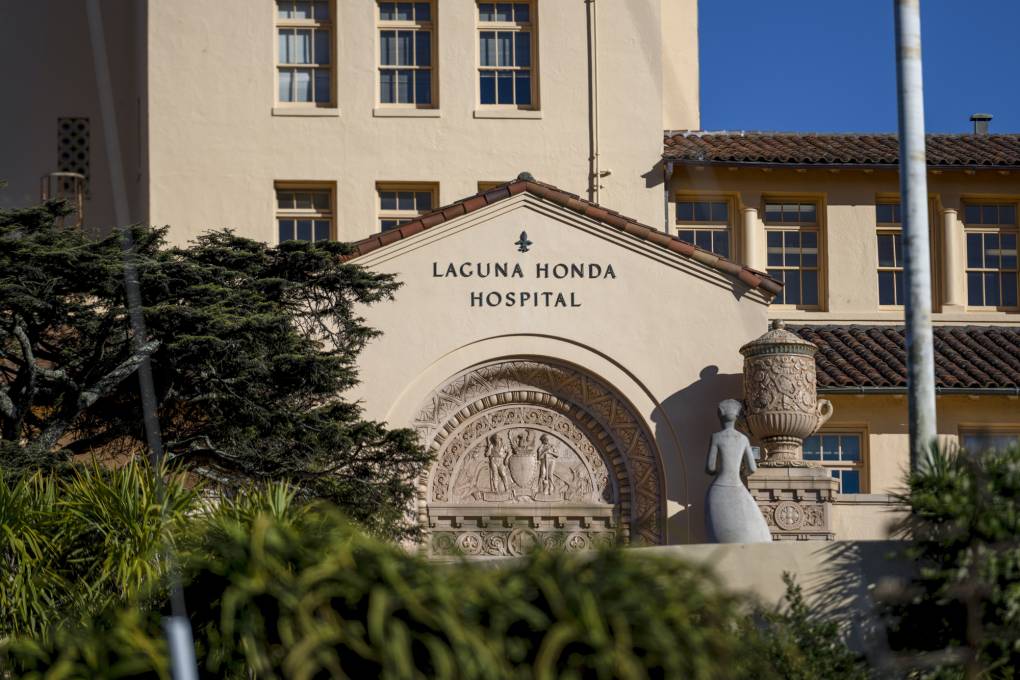
window.__IS_SSR__=true
window.__INITIAL_STATE__={
"attachmentsReducer": {
"audio_0": {
"type": "attachments",
"id": "audio_0",
"imgSizes": {
"kqedFullSize": {
"file": "https://ww2.kqed.org/news/wp-content/themes/KQED-unified/img/audio_bgs/background0.jpg"
}
}
},
"audio_1": {
"type": "attachments",
"id": "audio_1",
"imgSizes": {
"kqedFullSize": {
"file": "https://ww2.kqed.org/news/wp-content/themes/KQED-unified/img/audio_bgs/background1.jpg"
}
}
},
"audio_2": {
"type": "attachments",
"id": "audio_2",
"imgSizes": {
"kqedFullSize": {
"file": "https://ww2.kqed.org/news/wp-content/themes/KQED-unified/img/audio_bgs/background2.jpg"
}
}
},
"audio_3": {
"type": "attachments",
"id": "audio_3",
"imgSizes": {
"kqedFullSize": {
"file": "https://ww2.kqed.org/news/wp-content/themes/KQED-unified/img/audio_bgs/background3.jpg"
}
}
},
"audio_4": {
"type": "attachments",
"id": "audio_4",
"imgSizes": {
"kqedFullSize": {
"file": "https://ww2.kqed.org/news/wp-content/themes/KQED-unified/img/audio_bgs/background4.jpg"
}
}
},
"placeholder": {
"type": "attachments",
"id": "placeholder",
"imgSizes": {
"thumbnail": {
"file": "https://cdn.kqed.org/wp-content/uploads/2024/12/KQED-Default-Image-816638274-2000x1333-1-160x107.jpg",
"width": 160,
"height": 107,
"mimeType": "image/jpeg"
},
"medium": {
"file": "https://cdn.kqed.org/wp-content/uploads/2024/12/KQED-Default-Image-816638274-2000x1333-1-800x533.jpg",
"width": 800,
"height": 533,
"mimeType": "image/jpeg"
},
"medium_large": {
"file": "https://cdn.kqed.org/wp-content/uploads/2024/12/KQED-Default-Image-816638274-2000x1333-1-768x512.jpg",
"width": 768,
"height": 512,
"mimeType": "image/jpeg"
},
"large": {
"file": "https://cdn.kqed.org/wp-content/uploads/2024/12/KQED-Default-Image-816638274-2000x1333-1-1020x680.jpg",
"width": 1020,
"height": 680,
"mimeType": "image/jpeg"
},
"1536x1536": {
"file": "https://cdn.kqed.org/wp-content/uploads/2024/12/KQED-Default-Image-816638274-2000x1333-1-1536x1024.jpg",
"width": 1536,
"height": 1024,
"mimeType": "image/jpeg"
},
"fd-lrg": {
"file": "https://cdn.kqed.org/wp-content/uploads/2024/12/KQED-Default-Image-816638274-2000x1333-1-1536x1024.jpg",
"width": 1536,
"height": 1024,
"mimeType": "image/jpeg"
},
"fd-med": {
"file": "https://cdn.kqed.org/wp-content/uploads/2024/12/KQED-Default-Image-816638274-2000x1333-1-1020x680.jpg",
"width": 1020,
"height": 680,
"mimeType": "image/jpeg"
},
"fd-sm": {
"file": "https://cdn.kqed.org/wp-content/uploads/2024/12/KQED-Default-Image-816638274-2000x1333-1-800x533.jpg",
"width": 800,
"height": 533,
"mimeType": "image/jpeg"
},
"post-thumbnail": {
"file": "https://cdn.kqed.org/wp-content/uploads/2024/12/KQED-Default-Image-816638274-2000x1333-1-672x372.jpg",
"width": 672,
"height": 372,
"mimeType": "image/jpeg"
},
"twentyfourteen-full-width": {
"file": "https://cdn.kqed.org/wp-content/uploads/2024/12/KQED-Default-Image-816638274-2000x1333-1-1038x576.jpg",
"width": 1038,
"height": 576,
"mimeType": "image/jpeg"
},
"xxsmall": {
"file": "https://cdn.kqed.org/wp-content/uploads/2024/12/KQED-Default-Image-816638274-2000x1333-1-160x107.jpg",
"width": 160,
"height": 107,
"mimeType": "image/jpeg"
},
"xsmall": {
"file": "https://cdn.kqed.org/wp-content/uploads/2024/12/KQED-Default-Image-816638274-2000x1333-1-672x372.jpg",
"width": 672,
"height": 372,
"mimeType": "image/jpeg"
},
"small": {
"file": "https://cdn.kqed.org/wp-content/uploads/2024/12/KQED-Default-Image-816638274-2000x1333-1-672x372.jpg",
"width": 672,
"height": 372,
"mimeType": "image/jpeg"
},
"xlarge": {
"file": "https://cdn.kqed.org/wp-content/uploads/2024/12/KQED-Default-Image-816638274-2000x1333-1-1020x680.jpg",
"width": 1020,
"height": 680,
"mimeType": "image/jpeg"
},
"full-width": {
"file": "https://cdn.kqed.org/wp-content/uploads/2024/12/KQED-Default-Image-816638274-2000x1333-1-1920x1280.jpg",
"width": 1920,
"height": 1280,
"mimeType": "image/jpeg"
},
"guest-author-32": {
"file": "https://cdn.kqed.org/wp-content/uploads/2025/01/KQED-Default-Image-816638274-1333x1333-1-160x160.jpg",
"width": 32,
"height": 32,
"mimeType": "image/jpeg"
},
"guest-author-50": {
"file": "https://cdn.kqed.org/wp-content/uploads/2025/01/KQED-Default-Image-816638274-1333x1333-1-160x160.jpg",
"width": 50,
"height": 50,
"mimeType": "image/jpeg"
},
"guest-author-64": {
"file": "https://cdn.kqed.org/wp-content/uploads/2025/01/KQED-Default-Image-816638274-1333x1333-1-160x160.jpg",
"width": 64,
"height": 64,
"mimeType": "image/jpeg"
},
"guest-author-96": {
"file": "https://cdn.kqed.org/wp-content/uploads/2025/01/KQED-Default-Image-816638274-1333x1333-1-160x160.jpg",
"width": 96,
"height": 96,
"mimeType": "image/jpeg"
},
"guest-author-128": {
"file": "https://cdn.kqed.org/wp-content/uploads/2025/01/KQED-Default-Image-816638274-1333x1333-1-160x160.jpg",
"width": 128,
"height": 128,
"mimeType": "image/jpeg"
},
"detail": {
"file": "https://cdn.kqed.org/wp-content/uploads/2025/01/KQED-Default-Image-816638274-1333x1333-1-160x160.jpg",
"width": 160,
"height": 160,
"mimeType": "image/jpeg"
},
"kqedFullSize": {
"file": "https://cdn.kqed.org/wp-content/uploads/2024/12/KQED-Default-Image-816638274-2000x1333-1.jpg",
"width": 2000,
"height": 1333
}
}
},
"news_12076745": {
"type": "attachments",
"id": "news_12076745",
"meta": {
"index": "attachments_1716263798",
"site": "news",
"id": "12076745",
"found": true
},
"title": "The CBS Bay Area television studio in San Francisco on March 17, 2026.",
"publishDate": 1773771883,
"status": "inherit",
"parent": 0,
"modified": 1773771903,
"caption": "The CBS Bay Area television studio in San Francisco on March 17, 2026. Union representatives said CBS’s owner, Paramount, spent billions to acquire Warner Bros. Discovery, “but still hasn’t guaranteed fair wages and basic job protections for the workers who make their streaming news operation run.” ",
"credit": "Beth LaBerge/KQED",
"altTag": null,
"description": null,
"imgSizes": {
"thumbnail": {
"file": "https://cdn.kqed.org/wp-content/uploads/sites/10/2026/03/260317-CBSSTRIKE-01-BL-KQED-160x107.jpg",
"width": 160,
"height": 107,
"mimeType": "image/jpeg"
},
"1536x1536": {
"file": "https://cdn.kqed.org/wp-content/uploads/sites/10/2026/03/260317-CBSSTRIKE-01-BL-KQED-1536x1024.jpg",
"width": 1536,
"height": 1024,
"mimeType": "image/jpeg"
},
"post-thumbnail": {
"file": "https://cdn.kqed.org/wp-content/uploads/sites/10/2026/03/260317-CBSSTRIKE-01-BL-KQED-672x372.jpg",
"width": 672,
"height": 372,
"mimeType": "image/jpeg"
},
"twentyfourteen-full-width": {
"file": "https://cdn.kqed.org/wp-content/uploads/sites/10/2026/03/260317-CBSSTRIKE-01-BL-KQED-1038x576.jpg",
"width": 1038,
"height": 576,
"mimeType": "image/jpeg"
},
"npr-cds-wide": {
"file": "https://cdn.kqed.org/wp-content/uploads/sites/10/2026/03/260317-CBSSTRIKE-01-BL-KQED-1200x675.jpg",
"width": 1200,
"height": 675,
"mimeType": "image/jpeg"
},
"kqedFullSize": {
"file": "https://cdn.kqed.org/wp-content/uploads/sites/10/2026/03/260317-CBSSTRIKE-01-BL-KQED.jpg",
"width": 2000,
"height": 1333
}
},
"isLoading": false,
"fetchFailed": false
},
"news_12076629": {
"type": "attachments",
"id": "news_12076629",
"meta": {
"index": "attachments_1716263798",
"site": "news",
"id": "12076629",
"found": true
},
"title": "Billboard-AI-Illustration_6",
"publishDate": 1773699455,
"status": "inherit",
"parent": 12076608,
"modified": 1773703712,
"caption": "The Bay Area's booming AI industry has taken over bus shelters, buildings and billboards, broadcasting an array of messages about the future of work for humans.",
"credit": "Darren Tu/KQED",
"altTag": null,
"description": null,
"imgSizes": {
"thumbnail": {
"file": "https://cdn.kqed.org/wp-content/uploads/sites/10/2026/03/Billboard-AI-Illustration_6-160x103.jpg",
"width": 160,
"height": 103,
"mimeType": "image/jpeg"
},
"1536x1536": {
"file": "https://cdn.kqed.org/wp-content/uploads/sites/10/2026/03/Billboard-AI-Illustration_6-1536x992.jpg",
"width": 1536,
"height": 992,
"mimeType": "image/jpeg"
},
"post-thumbnail": {
"file": "https://cdn.kqed.org/wp-content/uploads/sites/10/2026/03/Billboard-AI-Illustration_6-672x372.jpg",
"width": 672,
"height": 372,
"mimeType": "image/jpeg"
},
"twentyfourteen-full-width": {
"file": "https://cdn.kqed.org/wp-content/uploads/sites/10/2026/03/Billboard-AI-Illustration_6-1038x576.jpg",
"width": 1038,
"height": 576,
"mimeType": "image/jpeg"
},
"npr-cds-wide": {
"file": "https://cdn.kqed.org/wp-content/uploads/sites/10/2026/03/Billboard-AI-Illustration_6-1200x675.jpg",
"width": 1200,
"height": 675,
"mimeType": "image/jpeg"
},
"kqedFullSize": {
"file": "https://cdn.kqed.org/wp-content/uploads/sites/10/2026/03/Billboard-AI-Illustration_6.jpg",
"width": 1920,
"height": 1240
}
},
"isLoading": false,
"fetchFailed": false
},
"news_12076653": {
"type": "attachments",
"id": "news_12076653",
"meta": {
"index": "attachments_1716263798",
"site": "news",
"id": "12076653",
"found": true
},
"title": "260130-sfchildcareaccess00137_TV_qed",
"publishDate": 1773702595,
"status": "inherit",
"parent": 12076592,
"modified": 1786725662,
"caption": "Lyuba Shkolnik teaches children how to bake muffins at her in-home childcare business called Daycare Bumblebee in San Francisco on Jan. 30, 2026. San Francisco is expanding access to child care by offering 50% discounts to middle- and upper-middle-income earners in an effort to tackle affordability issues in one of the most expensive cities in the country. Daycare Bumblebee is trying to get approval to enter the city's Early Learning For All system.",
"credit": "Tâm Vũ/KQED",
"altTag": null,
"description": null,
"imgSizes": {
"thumbnail": {
"file": "https://cdn.kqed.org/wp-content/uploads/sites/10/2026/03/260130-sfchildcareaccess00137_TV_qed-160x107.jpg",
"width": 160,
"height": 107,
"mimeType": "image/jpeg"
},
"1536x1536": {
"file": "https://cdn.kqed.org/wp-content/uploads/sites/10/2026/03/260130-sfchildcareaccess00137_TV_qed-1536x1024.jpg",
"width": 1536,
"height": 1024,
"mimeType": "image/jpeg"
},
"post-thumbnail": {
"file": "https://cdn.kqed.org/wp-content/uploads/sites/10/2026/03/260130-sfchildcareaccess00137_TV_qed-672x372.jpg",
"width": 672,
"height": 372,
"mimeType": "image/jpeg"
},
"twentyfourteen-full-width": {
"file": "https://cdn.kqed.org/wp-content/uploads/sites/10/2026/03/260130-sfchildcareaccess00137_TV_qed-1038x576.jpg",
"width": 1038,
"height": 576,
"mimeType": "image/jpeg"
},
"npr-cds-wide": {
"file": "https://cdn.kqed.org/wp-content/uploads/sites/10/2026/03/260130-sfchildcareaccess00137_TV_qed-1200x675.jpg",
"width": 1200,
"height": 675,
"mimeType": "image/jpeg"
},
"kqedFullSize": {
"file": "https://cdn.kqed.org/wp-content/uploads/sites/10/2026/03/260130-sfchildcareaccess00137_TV_qed.jpg",
"width": 2000,
"height": 1333
}
},
"isLoading": false,
"fetchFailed": false
},
"news_11726081": {
"type": "attachments",
"id": "news_11726081",
"meta": {
"index": "attachments_1716263798",
"site": "news",
"id": "11726081",
"found": true
},
"title": "Los Angeles City Council Votes To Ban Medical Marijuana Dispensaries",
"publishDate": 1550105027,
"status": "inherit",
"parent": 11726034,
"modified": 1773693624,
"caption": "Supporters say fully opening the doors of the U.S. banking system to the legal marijuana industry would reduce crime risks and resolve a litany of challenges for cannabis companies, from paying taxes to getting a loan.",
"credit": "David McNew/Getty Images",
"altTag": null,
"description": "Supporters say fully opening the doors of the U.S. banking system to the legal marijuana industry would reduce crime risks and resolve a litany of challenges for cannabis companies, from paying taxes to getting a loan.",
"imgSizes": {
"thumbnail": {
"file": "https://cdn.kqed.org/wp-content/uploads/sites/10/2019/02/RS4903_marajuanasales-160x107.jpg",
"width": 160,
"height": 107,
"mimeType": "image/jpeg"
},
"medium": {
"file": "https://cdn.kqed.org/wp-content/uploads/sites/10/2019/02/RS4903_marajuanasales-800x533.jpg",
"width": 800,
"height": 533,
"mimeType": "image/jpeg"
},
"large": {
"file": "https://cdn.kqed.org/wp-content/uploads/sites/10/2019/02/RS4903_marajuanasales-1020x680.jpg",
"width": 1020,
"height": 680,
"mimeType": "image/jpeg"
},
"complete_open_graph": {
"file": "https://cdn.kqed.org/wp-content/uploads/sites/10/2019/02/RS4903_marajuanasales-1200x800.jpg",
"width": 1200,
"height": 800,
"mimeType": "image/jpeg"
},
"post-thumbnail": {
"file": "https://cdn.kqed.org/wp-content/uploads/sites/10/2019/02/RS4903_marajuanasales-672x372.jpg",
"width": 672,
"height": 372,
"mimeType": "image/jpeg"
},
"twentyfourteen-full-width": {
"file": "https://cdn.kqed.org/wp-content/uploads/sites/10/2019/02/RS4903_marajuanasales-1038x576.jpg",
"width": 1038,
"height": 576,
"mimeType": "image/jpeg"
},
"full-width": {
"file": "https://cdn.kqed.org/wp-content/uploads/sites/10/2019/02/RS4903_marajuanasales-1920x1280.jpg",
"width": 1920,
"height": 1280,
"mimeType": "image/jpeg"
},
"guest-author-32": {
"file": "https://cdn.kqed.org/wp-content/uploads/sites/10/2019/02/RS4903_marajuanasales-32x32.jpg",
"width": 32,
"height": 32,
"mimeType": "image/jpeg"
},
"guest-author-50": {
"file": "https://cdn.kqed.org/wp-content/uploads/sites/10/2019/02/RS4903_marajuanasales-50x50.jpg",
"width": 50,
"height": 50,
"mimeType": "image/jpeg"
},
"guest-author-64": {
"file": "https://cdn.kqed.org/wp-content/uploads/sites/10/2019/02/RS4903_marajuanasales-64x64.jpg",
"width": 64,
"height": 64,
"mimeType": "image/jpeg"
},
"guest-author-96": {
"file": "https://cdn.kqed.org/wp-content/uploads/sites/10/2019/02/RS4903_marajuanasales-96x96.jpg",
"width": 96,
"height": 96,
"mimeType": "image/jpeg"
},
"guest-author-128": {
"file": "https://cdn.kqed.org/wp-content/uploads/sites/10/2019/02/RS4903_marajuanasales-128x128.jpg",
"width": 128,
"height": 128,
"mimeType": "image/jpeg"
},
"detail": {
"file": "https://cdn.kqed.org/wp-content/uploads/sites/10/2019/02/RS4903_marajuanasales-150x150.jpg",
"width": 150,
"height": 150,
"mimeType": "image/jpeg"
},
"kqedFullSize": {
"file": "https://cdn.kqed.org/wp-content/uploads/sites/10/2019/02/RS4903_marajuanasales-e1550105105781.jpg",
"width": 1920,
"height": 1280
}
},
"isLoading": false,
"fetchFailed": false
},
"news_12076453": {
"type": "attachments",
"id": "news_12076453",
"meta": {
"index": "attachments_1716263798",
"site": "news",
"id": "12076453",
"found": true
},
"title": "HaywardFamilyDeportation1",
"publishDate": 1773427265,
"status": "inherit",
"parent": 12076370,
"modified": 1773427650,
"caption": "Staff at California School for the Deaf in Fremont meet virtually with Joseph Londono Rodriguez and his mother, Lesly Rodriguez Gutierrez, now in hiding in Colombia, on Thursday, March 12, 2026. From left are teacher Tanisha Cotton, Superintendent Amy Novotny, State Superintendent of Public Instruction Tony Thurmond, ASL interpreter Jacelia Washington and family educator Vanessa Sandez. Staff interpret in ASL and speak English and Spanish so everyone can communicate.",
"credit": "Courtesy of State Superintendent Tony Thurmond's Office",
"altTag": null,
"description": null,
"imgSizes": {
"thumbnail": {
"file": "https://cdn.kqed.org/wp-content/uploads/sites/10/2026/03/HaywardFamilyDeportation1-160x120.jpg",
"width": 160,
"height": 120,
"mimeType": "image/jpeg"
},
"1536x1536": {
"file": "https://cdn.kqed.org/wp-content/uploads/sites/10/2026/03/HaywardFamilyDeportation1-1536x1152.jpg",
"width": 1536,
"height": 1152,
"mimeType": "image/jpeg"
},
"post-thumbnail": {
"file": "https://cdn.kqed.org/wp-content/uploads/sites/10/2026/03/HaywardFamilyDeportation1-672x372.jpg",
"width": 672,
"height": 372,
"mimeType": "image/jpeg"
},
"twentyfourteen-full-width": {
"file": "https://cdn.kqed.org/wp-content/uploads/sites/10/2026/03/HaywardFamilyDeportation1-1038x576.jpg",
"width": 1038,
"height": 576,
"mimeType": "image/jpeg"
},
"npr-cds-wide": {
"file": "https://cdn.kqed.org/wp-content/uploads/sites/10/2026/03/HaywardFamilyDeportation1-1200x675.jpg",
"width": 1200,
"height": 675,
"mimeType": "image/jpeg"
},
"kqedFullSize": {
"file": "https://cdn.kqed.org/wp-content/uploads/sites/10/2026/03/HaywardFamilyDeportation1.jpg",
"width": 2000,
"height": 1500
}
},
"isLoading": false,
"fetchFailed": false
},
"news_12037951": {
"type": "attachments",
"id": "news_12037951",
"meta": {
"index": "attachments_1716263798",
"site": "news",
"id": "12037951",
"found": true
},
"title": "20250428_WARRANTLESSSEARCHES_GC-27-KQED",
"publishDate": 1745872938,
"status": "inherit",
"parent": 12039092,
"modified": 1746647464,
"caption": "Mayor Daniel Lurie attends a press conference announcing the San Francisco Sheriff’s Office’s plan to resume warrantless searches of criminal defendants who have been released and awaiting trial, outside of City Hall on April 28, 2025.",
"credit": "Gina Castro/KQED",
"altTag": null,
"description": null,
"imgSizes": {
"medium": {
"file": "https://cdn.kqed.org/wp-content/uploads/sites/10/2025/04/20250428_WARRANTLESSSEARCHES_GC-27-KQED-800x533.jpg",
"width": 800,
"height": 533,
"mimeType": "image/jpeg"
},
"large": {
"file": "https://cdn.kqed.org/wp-content/uploads/sites/10/2025/04/20250428_WARRANTLESSSEARCHES_GC-27-KQED-1020x680.jpg",
"width": 1020,
"height": 680,
"mimeType": "image/jpeg"
},
"thumbnail": {
"file": "https://cdn.kqed.org/wp-content/uploads/sites/10/2025/04/20250428_WARRANTLESSSEARCHES_GC-27-KQED-160x107.jpg",
"width": 160,
"height": 107,
"mimeType": "image/jpeg"
},
"1536x1536": {
"file": "https://cdn.kqed.org/wp-content/uploads/sites/10/2025/04/20250428_WARRANTLESSSEARCHES_GC-27-KQED-1536x1024.jpg",
"width": 1536,
"height": 1024,
"mimeType": "image/jpeg"
},
"post-thumbnail": {
"file": "https://cdn.kqed.org/wp-content/uploads/sites/10/2025/04/20250428_WARRANTLESSSEARCHES_GC-27-KQED-672x372.jpg",
"width": 672,
"height": 372,
"mimeType": "image/jpeg"
},
"twentyfourteen-full-width": {
"file": "https://cdn.kqed.org/wp-content/uploads/sites/10/2025/04/20250428_WARRANTLESSSEARCHES_GC-27-KQED-1038x576.jpg",
"width": 1038,
"height": 576,
"mimeType": "image/jpeg"
},
"full-width": {
"file": "https://cdn.kqed.org/wp-content/uploads/sites/10/2025/04/20250428_WARRANTLESSSEARCHES_GC-27-KQED-1920x1280.jpg",
"width": 1920,
"height": 1280,
"mimeType": "image/jpeg"
},
"kqedFullSize": {
"file": "https://cdn.kqed.org/wp-content/uploads/sites/10/2025/04/20250428_WARRANTLESSSEARCHES_GC-27-KQED.jpg",
"width": 2000,
"height": 1333
}
},
"isLoading": false,
"fetchFailed": false
},
"news_12075952": {
"type": "attachments",
"id": "news_12075952",
"meta": {
"index": "attachments_1716263798",
"site": "news",
"id": "12075952",
"found": true
},
"title": "260310-ALYSA LIU COACH-MD-03-KQED",
"publishDate": 1773172122,
"status": "inherit",
"parent": 0,
"modified": 1773172294,
"caption": "Phillip DiGuglielmo, Alysa Liu's coach, at KQED in San Francisco on March 10, 2026.",
"credit": "Martin do Nascimento/KQED",
"altTag": null,
"description": null,
"imgSizes": {
"thumbnail": {
"file": "https://cdn.kqed.org/wp-content/uploads/sites/10/2026/03/260310-ALYSA-LIU-COACH-MD-03-KQED-160x107.jpg",
"width": 160,
"height": 107,
"mimeType": "image/jpeg"
},
"1536x1536": {
"file": "https://cdn.kqed.org/wp-content/uploads/sites/10/2026/03/260310-ALYSA-LIU-COACH-MD-03-KQED-1536x1025.jpg",
"width": 1536,
"height": 1025,
"mimeType": "image/jpeg"
},
"post-thumbnail": {
"file": "https://cdn.kqed.org/wp-content/uploads/sites/10/2026/03/260310-ALYSA-LIU-COACH-MD-03-KQED-672x372.jpg",
"width": 672,
"height": 372,
"mimeType": "image/jpeg"
},
"twentyfourteen-full-width": {
"file": "https://cdn.kqed.org/wp-content/uploads/sites/10/2026/03/260310-ALYSA-LIU-COACH-MD-03-KQED-1038x576.jpg",
"width": 1038,
"height": 576,
"mimeType": "image/jpeg"
},
"npr-cds-wide": {
"file": "https://cdn.kqed.org/wp-content/uploads/sites/10/2026/03/260310-ALYSA-LIU-COACH-MD-03-KQED-1200x675.jpg",
"width": 1200,
"height": 675,
"mimeType": "image/jpeg"
},
"kqedFullSize": {
"file": "https://cdn.kqed.org/wp-content/uploads/sites/10/2026/03/260310-ALYSA-LIU-COACH-MD-03-KQED.jpg",
"width": 2000,
"height": 1334
}
},
"isLoading": false,
"fetchFailed": false
},
"news_12067023": {
"type": "attachments",
"id": "news_12067023",
"meta": {
"index": "attachments_1716263798",
"site": "news",
"id": "12067023",
"found": true
},
"title": "251212-JET PLAYGROUND-MD-09-KQED",
"publishDate": 1765583456,
"status": "inherit",
"parent": 0,
"modified": 1765583484,
"caption": "The restored Vought F-8 Crusader at the Pacific Coast Air Museum in Santa Rosa on Dec. 12, 2025.",
"credit": "Martin do Nascimento/KQED",
"altTag": null,
"description": null,
"imgSizes": {
"thumbnail": {
"file": "https://cdn.kqed.org/wp-content/uploads/sites/10/2025/12/251212-JET-PLAYGROUND-MD-09-KQED-160x107.jpg",
"width": 160,
"height": 107,
"mimeType": "image/jpeg"
},
"1536x1536": {
"file": "https://cdn.kqed.org/wp-content/uploads/sites/10/2025/12/251212-JET-PLAYGROUND-MD-09-KQED-1536x1025.jpg",
"width": 1536,
"height": 1025,
"mimeType": "image/jpeg"
},
"post-thumbnail": {
"file": "https://cdn.kqed.org/wp-content/uploads/sites/10/2025/12/251212-JET-PLAYGROUND-MD-09-KQED-672x372.jpg",
"width": 672,
"height": 372,
"mimeType": "image/jpeg"
},
"twentyfourteen-full-width": {
"file": "https://cdn.kqed.org/wp-content/uploads/sites/10/2025/12/251212-JET-PLAYGROUND-MD-09-KQED-1038x576.jpg",
"width": 1038,
"height": 576,
"mimeType": "image/jpeg"
},
"npr-cds-wide": {
"file": "https://cdn.kqed.org/wp-content/uploads/sites/10/2025/12/251212-JET-PLAYGROUND-MD-09-KQED-1200x675.jpg",
"width": 1200,
"height": 675,
"mimeType": "image/jpeg"
},
"kqedFullSize": {
"file": "https://cdn.kqed.org/wp-content/uploads/sites/10/2025/12/251212-JET-PLAYGROUND-MD-09-KQED.jpg",
"width": 2000,
"height": 1334
}
},
"isLoading": false,
"fetchFailed": false
},
"news_12075949": {
"type": "attachments",
"id": "news_12075949",
"meta": {
"index": "attachments_1716263798",
"site": "news",
"id": "12075949",
"found": true
},
"title": "260310-EVCHARGING-02-BL-KQED",
"publishDate": 1773170406,
"status": "inherit",
"parent": 0,
"modified": 1773170447,
"caption": "An electric vehicle charges at a curbside EV charging station in San Francisco on March 10, 2026.",
"credit": "Beth LaBerge/KQED",
"altTag": null,
"description": null,
"imgSizes": {
"thumbnail": {
"file": "https://cdn.kqed.org/wp-content/uploads/sites/10/2026/03/260310-EVCHARGING-02-BL-KQED-160x107.jpg",
"width": 160,
"height": 107,
"mimeType": "image/jpeg"
},
"1536x1536": {
"file": "https://cdn.kqed.org/wp-content/uploads/sites/10/2026/03/260310-EVCHARGING-02-BL-KQED-1536x1024.jpg",
"width": 1536,
"height": 1024,
"mimeType": "image/jpeg"
},
"post-thumbnail": {
"file": "https://cdn.kqed.org/wp-content/uploads/sites/10/2026/03/260310-EVCHARGING-02-BL-KQED-672x372.jpg",
"width": 672,
"height": 372,
"mimeType": "image/jpeg"
},
"twentyfourteen-full-width": {
"file": "https://cdn.kqed.org/wp-content/uploads/sites/10/2026/03/260310-EVCHARGING-02-BL-KQED-1038x576.jpg",
"width": 1038,
"height": 576,
"mimeType": "image/jpeg"
},
"npr-cds-wide": {
"file": "https://cdn.kqed.org/wp-content/uploads/sites/10/2026/03/260310-EVCHARGING-02-BL-KQED-1200x675.jpg",
"width": 1200,
"height": 675,
"mimeType": "image/jpeg"
},
"kqedFullSize": {
"file": "https://cdn.kqed.org/wp-content/uploads/sites/10/2026/03/260310-EVCHARGING-02-BL-KQED.jpg",
"width": 2000,
"height": 1333
}
},
"isLoading": false,
"fetchFailed": false
},
"news_11805615": {
"type": "attachments",
"id": "news_11805615",
"meta": {
"index": "attachments_1716263798",
"site": "news",
"id": "11805615",
"found": true
},
"title": "RS14516_475371681-qut",
"publishDate": 1583521455,
"status": "inherit",
"parent": 11805573,
"modified": 1773167109,
"caption": "The San Francisco resident was on his way to a court hearing at the San Francisco Hall of Justice when Immigration and Customs Enforcement agents arrested him — the first such arrest in the city, according to the public defender’s office.",
"credit": "Justin Sullivan/Getty Images",
"altTag": null,
"description": "The San Francisco resident was on his way to a court hearing at the San Francisco Hall of Justice when he was arrested by Immigration and Customs Enforcement agents — the first such arrest in the city, according to the public defender’s office.",
"imgSizes": {
"thumbnail": {
"file": "https://cdn.kqed.org/wp-content/uploads/sites/10/2020/03/RS14516_475371681-qut-160x107.jpg",
"width": 160,
"height": 107,
"mimeType": "image/jpeg"
},
"medium": {
"file": "https://cdn.kqed.org/wp-content/uploads/sites/10/2020/03/RS14516_475371681-qut-800x534.jpg",
"width": 800,
"height": 534,
"mimeType": "image/jpeg"
},
"large": {
"file": "https://cdn.kqed.org/wp-content/uploads/sites/10/2020/03/RS14516_475371681-qut-1020x681.jpg",
"width": 1020,
"height": 681,
"mimeType": "image/jpeg"
},
"post-thumbnail": {
"file": "https://cdn.kqed.org/wp-content/uploads/sites/10/2020/03/RS14516_475371681-qut-672x372.jpg",
"width": 672,
"height": 372,
"mimeType": "image/jpeg"
},
"twentyfourteen-full-width": {
"file": "https://cdn.kqed.org/wp-content/uploads/sites/10/2020/03/RS14516_475371681-qut-1038x576.jpg",
"width": 1038,
"height": 576,
"mimeType": "image/jpeg"
},
"full-width": {
"file": "https://cdn.kqed.org/wp-content/uploads/sites/10/2020/03/RS14516_475371681-qut-1920x1281.jpg",
"width": 1920,
"height": 1281,
"mimeType": "image/jpeg"
},
"apple_news_ca_landscape_12_9": {
"file": "https://cdn.kqed.org/wp-content/uploads/sites/10/2020/03/RS14516_475371681-qut-1832x1281.jpg",
"width": 1832,
"height": 1281,
"mimeType": "image/jpeg"
},
"apple_news_ca_landscape_9_7": {
"file": "https://cdn.kqed.org/wp-content/uploads/sites/10/2020/03/RS14516_475371681-qut-1376x1032.jpg",
"width": 1376,
"height": 1032,
"mimeType": "image/jpeg"
},
"apple_news_ca_landscape_5_5": {
"file": "https://cdn.kqed.org/wp-content/uploads/sites/10/2020/03/RS14516_475371681-qut-1044x783.jpg",
"width": 1044,
"height": 783,
"mimeType": "image/jpeg"
},
"apple_news_ca_landscape_4_7": {
"file": "https://cdn.kqed.org/wp-content/uploads/sites/10/2020/03/RS14516_475371681-qut-632x474.jpg",
"width": 632,
"height": 474,
"mimeType": "image/jpeg"
},
"apple_news_ca_landscape_4_0": {
"file": "https://cdn.kqed.org/wp-content/uploads/sites/10/2020/03/RS14516_475371681-qut-536x402.jpg",
"width": 536,
"height": 402,
"mimeType": "image/jpeg"
},
"apple_news_ca_portrait_12_9": {
"file": "https://cdn.kqed.org/wp-content/uploads/sites/10/2020/03/RS14516_475371681-qut-1122x1281.jpg",
"width": 1122,
"height": 1281,
"mimeType": "image/jpeg"
},
"apple_news_ca_portrait_9_7": {
"file": "https://cdn.kqed.org/wp-content/uploads/sites/10/2020/03/RS14516_475371681-qut-840x1120.jpg",
"width": 840,
"height": 1120,
"mimeType": "image/jpeg"
},
"apple_news_ca_portrait_5_5": {
"file": "https://cdn.kqed.org/wp-content/uploads/sites/10/2020/03/RS14516_475371681-qut-687x916.jpg",
"width": 687,
"height": 916,
"mimeType": "image/jpeg"
},
"apple_news_ca_portrait_4_7": {
"file": "https://cdn.kqed.org/wp-content/uploads/sites/10/2020/03/RS14516_475371681-qut-414x552.jpg",
"width": 414,
"height": 552,
"mimeType": "image/jpeg"
},
"apple_news_ca_portrait_4_0": {
"file": "https://cdn.kqed.org/wp-content/uploads/sites/10/2020/03/RS14516_475371681-qut-354x472.jpg",
"width": 354,
"height": 472,
"mimeType": "image/jpeg"
},
"apple_news_ca_square_12_9": {
"file": "https://cdn.kqed.org/wp-content/uploads/sites/10/2020/03/RS14516_475371681-qut-1472x1281.jpg",
"width": 1472,
"height": 1281,
"mimeType": "image/jpeg"
},
"apple_news_ca_square_9_7": {
"file": "https://cdn.kqed.org/wp-content/uploads/sites/10/2020/03/RS14516_475371681-qut-1104x1104.jpg",
"width": 1104,
"height": 1104,
"mimeType": "image/jpeg"
},
"apple_news_ca_square_5_5": {
"file": "https://cdn.kqed.org/wp-content/uploads/sites/10/2020/03/RS14516_475371681-qut-912x912.jpg",
"width": 912,
"height": 912,
"mimeType": "image/jpeg"
},
"apple_news_ca_square_4_7": {
"file": "https://cdn.kqed.org/wp-content/uploads/sites/10/2020/03/RS14516_475371681-qut-550x550.jpg",
"width": 550,
"height": 550,
"mimeType": "image/jpeg"
},
"apple_news_ca_square_4_0": {
"file": "https://cdn.kqed.org/wp-content/uploads/sites/10/2020/03/RS14516_475371681-qut-470x470.jpg",
"width": 470,
"height": 470,
"mimeType": "image/jpeg"
},
"kqedFullSize": {
"file": "https://cdn.kqed.org/wp-content/uploads/sites/10/2020/03/RS14516_475371681-qut.jpg",
"width": 1920,
"height": 1281
}
},
"isLoading": false,
"fetchFailed": false
},
"news_11958378": {
"type": "attachments",
"id": "news_11958378",
"meta": {
"index": "attachments_1716263798",
"site": "news",
"id": "11958378",
"found": true
},
"title": "RS62463_010_KQED_LagunaHondaHospital_01312023-KQED",
"publishDate": 1692221115,
"status": "inherit",
"parent": 12079126,
"modified": 1775683972,
"caption": "The Laguna Honda Hospital administration building in San Francisco on Jan. 31, 2023.",
"credit": "Beth LaBerge/KQED",
"altTag": "Signage reading Laguna Honda Hospital over the entryway to a large tile-roofed building.",
"description": null,
"imgSizes": {
"medium": {
"file": "https://cdn.kqed.org/wp-content/uploads/sites/10/2023/08/RS62463_010_KQED_LagunaHondaHospital_01312023-KQED-800x533.jpg",
"width": 800,
"height": 533,
"mimeType": "image/jpeg"
},
"large": {
"file": "https://cdn.kqed.org/wp-content/uploads/sites/10/2023/08/RS62463_010_KQED_LagunaHondaHospital_01312023-KQED-1020x680.jpg",
"width": 1020,
"height": 680,
"mimeType": "image/jpeg"
},
"thumbnail": {
"file": "https://cdn.kqed.org/wp-content/uploads/sites/10/2023/08/RS62463_010_KQED_LagunaHondaHospital_01312023-KQED-160x107.jpg",
"width": 160,
"height": 107,
"mimeType": "image/jpeg"
},
"1536x1536": {
"file": "https://cdn.kqed.org/wp-content/uploads/sites/10/2023/08/RS62463_010_KQED_LagunaHondaHospital_01312023-KQED-1536x1024.jpg",
"width": 1536,
"height": 1024,
"mimeType": "image/jpeg"
},
"post-thumbnail": {
"file": "https://cdn.kqed.org/wp-content/uploads/sites/10/2023/08/RS62463_010_KQED_LagunaHondaHospital_01312023-KQED-672x372.jpg",
"width": 672,
"height": 372,
"mimeType": "image/jpeg"
},
"twentyfourteen-full-width": {
"file": "https://cdn.kqed.org/wp-content/uploads/sites/10/2023/08/RS62463_010_KQED_LagunaHondaHospital_01312023-KQED-1038x576.jpg",
"width": 1038,
"height": 576,
"mimeType": "image/jpeg"
},
"full-width": {
"file": "https://cdn.kqed.org/wp-content/uploads/sites/10/2023/08/RS62463_010_KQED_LagunaHondaHospital_01312023-KQED-1920x1280.jpg",
"width": 1920,
"height": 1280,
"mimeType": "image/jpeg"
},
"kqedFullSize": {
"file": "https://cdn.kqed.org/wp-content/uploads/sites/10/2023/08/RS62463_010_KQED_LagunaHondaHospital_01312023-KQED.jpg",
"width": 2000,
"height": 1333
}
},
"isLoading": false,
"fetchFailed": false
},
"news_12067181": {
"type": "attachments",
"id": "news_12067181",
"meta": {
"index": "attachments_1716263798",
"site": "news",
"id": "12067181",
"found": true
},
"title": "250418-SFPDFile-46-BL_qed",
"publishDate": 1765829502,
"status": "inherit",
"parent": 12067175,
"modified": 1765847308,
"caption": "Mayor Daniel Lurie walks with Santiago Lerma, from the Department of Emergency Management, during a public safety walk in San Francisco’s Mission District on April 18, 2025.",
"credit": "Beth LaBerge/KQED",
"altTag": null,
"description": null,
"imgSizes": {
"thumbnail": {
"file": "https://cdn.kqed.org/wp-content/uploads/sites/10/2025/12/250418-SFPDFile-46-BL_qed-160x107.jpg",
"width": 160,
"height": 107,
"mimeType": "image/jpeg"
},
"1536x1536": {
"file": "https://cdn.kqed.org/wp-content/uploads/sites/10/2025/12/250418-SFPDFile-46-BL_qed-1536x1024.jpg",
"width": 1536,
"height": 1024,
"mimeType": "image/jpeg"
},
"post-thumbnail": {
"file": "https://cdn.kqed.org/wp-content/uploads/sites/10/2025/12/250418-SFPDFile-46-BL_qed-672x372.jpg",
"width": 672,
"height": 372,
"mimeType": "image/jpeg"
},
"twentyfourteen-full-width": {
"file": "https://cdn.kqed.org/wp-content/uploads/sites/10/2025/12/250418-SFPDFile-46-BL_qed-1038x576.jpg",
"width": 1038,
"height": 576,
"mimeType": "image/jpeg"
},
"npr-cds-wide": {
"file": "https://cdn.kqed.org/wp-content/uploads/sites/10/2025/12/250418-SFPDFile-46-BL_qed-1200x675.jpg",
"width": 1200,
"height": 675,
"mimeType": "image/jpeg"
},
"kqedFullSize": {
"file": "https://cdn.kqed.org/wp-content/uploads/sites/10/2025/12/250418-SFPDFile-46-BL_qed.jpg",
"width": 1999,
"height": 1333
}
},
"isLoading": false,
"fetchFailed": false
}
},
"audioPlayerReducer": {
"postId": "stream_live",
"isPaused": true,
"isPlaying": false,
"pfsActive": false,
"pledgeModalIsOpen": true,
"playerDrawerIsOpen": false,
"liveAudioPlayStartedAt": 0,
"liveAudioPlayContext": ""
},
"authorsReducer": {
"katrinaschwartz": {
"type": "authors",
"id": "234",
"meta": {
"index": "authors_1716337520",
"id": "234",
"found": true
},
"name": "Katrina Schwartz",
"firstName": "Katrina",
"lastName": "Schwartz",
"slug": "katrinaschwartz",
"email": "kschwartz@kqed.org",
"display_author_email": false,
"staff_mastheads": [
"news"
],
"title": "Producer",
"bio": "Katrina Schwartz is a journalist based in San Francisco. She's worked at KPCC public radio in LA and has reported on air and online for KQED since 2010. She covered how teaching and learning is changing for MindShift between 2012 and 2020. She is the co-host of the MindShift podcast and now produces KQED's Bay Curious podcast.",
"avatar": "https://secure.gravatar.com/avatar/edb4ee79070447a018538c9aae6eeecf28786515b8a0c30e43b6b7dce5aa44c8?s=600&d=blank&r=g",
"twitter": "kschwart",
"bluesky": null,
"facebook": null,
"instagram": null,
"linkedin": null,
"sites": [
{
"site": "",
"roles": [
"editor"
]
},
{
"site": "news",
"roles": [
"editor"
]
},
{
"site": "mindshift",
"roles": [
"administrator"
]
},
{
"site": "stateofhealth",
"roles": [
"author"
]
},
{
"site": "science",
"roles": [
"editor"
]
}
],
"headData": {
"title": "Katrina Schwartz | KQED",
"description": "Producer",
"ogImgSrc": "https://secure.gravatar.com/avatar/edb4ee79070447a018538c9aae6eeecf28786515b8a0c30e43b6b7dce5aa44c8?s=600&d=blank&r=g",
"twImgSrc": "https://secure.gravatar.com/avatar/edb4ee79070447a018538c9aae6eeecf28786515b8a0c30e43b6b7dce5aa44c8?s=600&d=blank&r=g"
},
"isLoading": false,
"link": "/author/katrinaschwartz"
},
"tychehendricks": {
"type": "authors",
"id": "259",
"meta": {
"index": "authors_1716337520",
"id": "259",
"found": true
},
"name": "Tyche Hendricks",
"firstName": "Tyche",
"lastName": "Hendricks",
"slug": "tychehendricks",
"email": "thendricks@kqed.org",
"display_author_email": true,
"staff_mastheads": [
"news"
],
"title": "KQED Senior Editor, Immigration",
"bio": "\u003cspan style=\"font-weight: 400;\">Tyche Hendricks is KQED’s senior editor for immigration, leading coverage of the policy and politics that affect California’s immigrant communities. Her work for KQED’s radio and online audiences is also carried on NPR and other national outlets. She has been recognized with awards from the Radio and Television News Directors Association, the Society for Professional Journalists; the Education Writers Association; the Best of the West and the National Federation of Community Broadcasters. Before joining KQED in 2010, Tyche spent more than a dozen years as a newspaper reporter, notably at the \u003c/span>\u003ci>\u003cspan style=\"font-weight: 400;\">San Francisco Chronicle\u003c/span>\u003c/i>\u003cspan style=\"font-weight: 400;\">. At different times she has covered criminal justice, government and politics and urban planning. Tyche has taught in the MFA Creative Writing program at the University of San Francisco and at UC Berkeley’s Graduate School of Journalism, where she was co-director of a national immigration symposium for professional journalists. She is the author of \u003c/span>\u003ci>\u003cspan style=\"font-weight: 400;\">The Wind Doesn't Need a Passport: Stories from the U.S.-Mexico Borderlands\u003c/span>\u003c/i>\u003cspan style=\"font-weight: 400;\"> (University of California Press). \u003c/span>",
"avatar": "https://secure.gravatar.com/avatar/b8ee458e2731c2d43df86882ce17267e?s=600&d=blank&r=g",
"twitter": "tychehendricks",
"facebook": null,
"instagram": null,
"linkedin": null,
"sites": [
{
"site": "news",
"roles": [
"editor"
]
},
{
"site": "stateofhealth",
"roles": [
"editor"
]
}
],
"headData": {
"title": "Tyche Hendricks | KQED",
"description": "KQED Senior Editor, Immigration",
"ogImgSrc": "https://secure.gravatar.com/avatar/b8ee458e2731c2d43df86882ce17267e?s=600&d=blank&r=g",
"twImgSrc": "https://secure.gravatar.com/avatar/b8ee458e2731c2d43df86882ce17267e?s=600&d=blank&r=g"
},
"isLoading": false,
"link": "/author/tychehendricks"
},
"bwatt": {
"type": "authors",
"id": "11238",
"meta": {
"index": "authors_1716337520",
"id": "11238",
"found": true
},
"name": "Brian Watt",
"firstName": "Brian",
"lastName": "Watt",
"slug": "bwatt",
"email": "bwatt@KQED.org",
"display_author_email": false,
"staff_mastheads": [
"news"
],
"title": "Morning News Anchor",
"bio": "Brian Watt is KQED's morning radio news anchor. He joined the KQED News team in April of 2016. Prior to that, he worked as a Reporter for KPCC in Los Angeles and a producer at \u003cem>Marketplace.\u003c/em>\r\n\r\nDuring eight years at KPCC, Brian covered business and economics, and his work won several awards. In 2008, he won the Los Angeles Press Club’s first-place award for Business and Financial Reporting, Broadcast. He’s also received honorable mention and been first runner up for the Press Club’s Radio Journalist of the Year. He won two Golden Mike awards from the Radio and TV News Association of Southern California.\r\n\r\nBrian holds degrees in theater from Yale University and the Sorbonne, and has worked as an actor in France, Italy, Brazil, Hungary and . . . Hollywood. He appeared in a few television shows, including \u003cem>The West Wing, Judging Amy\u003c/em> and \u003cem>The District.\u003c/em>\r\n\r\nEmail: bwatt@KQED.org Twitter: @RadioBWatt",
"avatar": "https://secure.gravatar.com/avatar/55393ff57ed34e2be773ba4789dd6a19?s=600&d=blank&r=g",
"twitter": "@RadioBWatt",
"facebook": null,
"instagram": null,
"linkedin": null,
"sites": [
{
"site": "arts",
"roles": [
"contributor"
]
},
{
"site": "news",
"roles": [
"editor"
]
}
],
"headData": {
"title": "Brian Watt | KQED",
"description": "Morning News Anchor",
"ogImgSrc": "https://secure.gravatar.com/avatar/55393ff57ed34e2be773ba4789dd6a19?s=600&d=blank&r=g",
"twImgSrc": "https://secure.gravatar.com/avatar/55393ff57ed34e2be773ba4789dd6a19?s=600&d=blank&r=g"
},
"isLoading": false,
"link": "/author/bwatt"
},
"ccabreralomeli": {
"type": "authors",
"id": "11708",
"meta": {
"index": "authors_1716337520",
"id": "11708",
"found": true
},
"name": "Carlos Cabrera-Lomelí",
"firstName": "Carlos",
"lastName": "Cabrera-Lomelí",
"slug": "ccabreralomeli",
"email": "ccabreralomeli@KQED.org",
"display_author_email": true,
"staff_mastheads": [
"news"
],
"title": "Community Reporter",
"bio": "Carlos Cabrera-Lomelí is a community reporter with KQED's digital engagement team. He also reports and co-produces for KQED's bilingual news hub KQED en Español. He grew up in San Francisco's Mission District and has previously worked with Univision, 48 Hills and REFORMA in Mexico City.",
"avatar": "https://secure.gravatar.com/avatar/c309be9665e484f887b818c89e273ecc673004f426f36b24d00a4d813a2e0518?s=600&d=blank&r=g",
"twitter": "@LomeliCabrera",
"bluesky": null,
"facebook": null,
"instagram": null,
"linkedin": null,
"sites": [
{
"site": "arts",
"roles": [
"editor"
]
},
{
"site": "news",
"roles": [
"editor"
]
},
{
"site": "about",
"roles": [
"editor"
]
},
{
"site": "science",
"roles": [
"editor"
]
},
{
"site": "perspectives",
"roles": [
"editor"
]
},
{
"site": "elections",
"roles": [
"editor"
]
},
{
"site": "liveblog",
"roles": [
"contributor"
]
}
],
"headData": {
"title": "Carlos Cabrera-Lomelí | KQED",
"description": "Community Reporter",
"ogImgSrc": "https://secure.gravatar.com/avatar/c309be9665e484f887b818c89e273ecc673004f426f36b24d00a4d813a2e0518?s=600&d=blank&r=g",
"twImgSrc": "https://secure.gravatar.com/avatar/c309be9665e484f887b818c89e273ecc673004f426f36b24d00a4d813a2e0518?s=600&d=blank&r=g"
},
"isLoading": false,
"link": "/author/ccabreralomeli"
},
"agonzalez": {
"type": "authors",
"id": "11724",
"meta": {
"index": "authors_1716337520",
"id": "11724",
"found": true
},
"name": "Alexander Gonzalez",
"firstName": "Alexander",
"lastName": "Gonzalez",
"slug": "agonzalez",
"email": "AlexanderGonzalez@KQED.org",
"display_author_email": false,
"staff_mastheads": [
"news"
],
"title": "KQED Contributor",
"bio": null,
"avatar": "https://secure.gravatar.com/avatar/9e291ed34e154df4c662edf858b641d70b4859939bfe40be478408f9dfd057d2?s=600&d=blank&r=g",
"twitter": null,
"bluesky": null,
"facebook": null,
"instagram": null,
"linkedin": null,
"sites": [
{
"site": "arts",
"roles": [
"editor"
]
},
{
"site": "news",
"roles": [
"editor"
]
},
{
"site": "science",
"roles": [
"editor"
]
}
],
"headData": {
"title": "Alexander Gonzalez | KQED",
"description": "KQED Contributor",
"ogImgSrc": "https://secure.gravatar.com/avatar/9e291ed34e154df4c662edf858b641d70b4859939bfe40be478408f9dfd057d2?s=600&d=blank&r=g",
"twImgSrc": "https://secure.gravatar.com/avatar/9e291ed34e154df4c662edf858b641d70b4859939bfe40be478408f9dfd057d2?s=600&d=blank&r=g"
},
"isLoading": false,
"link": "/author/agonzalez"
},
"adahlstromeckman": {
"type": "authors",
"id": "11785",
"meta": {
"index": "authors_1716337520",
"id": "11785",
"found": true
},
"name": "Azul Dahlstrom-Eckman",
"firstName": "Azul",
"lastName": "Dahlstrom-Eckman",
"slug": "adahlstromeckman",
"email": "adahlstrom-eckman@kqed.org",
"display_author_email": true,
"staff_mastheads": [],
"title": "Reporter",
"bio": "Azul is a reporter for KQED focusing on transportation and features. He joined KQED in 2021 as an alumna of KALW's Audio Academy radio journalism training program.",
"avatar": "https://secure.gravatar.com/avatar/9cb750298435add7815a777f55bf1f46845c1386bb8452555c60a7b820b5aba3?s=600&d=blank&r=g",
"twitter": "@zuliemann",
"bluesky": "@azul415.bsky.social",
"facebook": null,
"instagram": null,
"linkedin": null,
"sites": [
{
"site": "arts",
"roles": [
"editor"
]
},
{
"site": "news",
"roles": [
"editor"
]
},
{
"site": "science",
"roles": [
"editor"
]
},
{
"site": "liveblog",
"roles": [
"author"
]
}
],
"headData": {
"title": "Azul Dahlstrom-Eckman | KQED",
"description": "Reporter",
"ogImgSrc": "https://secure.gravatar.com/avatar/9cb750298435add7815a777f55bf1f46845c1386bb8452555c60a7b820b5aba3?s=600&d=blank&r=g",
"twImgSrc": "https://secure.gravatar.com/avatar/9cb750298435add7815a777f55bf1f46845c1386bb8452555c60a7b820b5aba3?s=600&d=blank&r=g"
},
"isLoading": false,
"link": "/author/adahlstromeckman"
},
"daisynguyen": {
"type": "authors",
"id": "11829",
"meta": {
"index": "authors_1716337520",
"id": "11829",
"found": true
},
"name": "Daisy Nguyen",
"firstName": "Daisy",
"lastName": "Nguyen",
"slug": "daisynguyen",
"email": "daisynguyen@kqed.org",
"display_author_email": true,
"staff_mastheads": [
"news"
],
"title": "KQED Contributor",
"bio": "I have covered early childhood education and child care for KQED since 2022. I focus on policies aimed at increasing access to early care and education and how they shape individual lives. I've been a journalist for more than two decades, with most of that time devoted to covering breaking news throughout California for The Associated Press. I grew up in San Francisco and studied at UC Davis and Columbia University's Graduate School of Journalism. I live in Oakland with my husband and two kids.",
"avatar": "https://secure.gravatar.com/avatar/2da2127c27f7143b53ebd419800fd55f?s=600&d=blank&r=g",
"twitter": null,
"facebook": null,
"instagram": null,
"linkedin": "https://www.linkedin.com/in/daisynguyen/",
"sites": [
{
"site": "news",
"roles": [
"author"
]
},
{
"site": "liveblog",
"roles": [
"author"
]
}
],
"headData": {
"title": "Daisy Nguyen | KQED",
"description": "KQED Contributor",
"ogImgSrc": "https://secure.gravatar.com/avatar/2da2127c27f7143b53ebd419800fd55f?s=600&d=blank&r=g",
"twImgSrc": "https://secure.gravatar.com/avatar/2da2127c27f7143b53ebd419800fd55f?s=600&d=blank&r=g"
},
"isLoading": false,
"link": "/author/daisynguyen"
},
"sjohnson": {
"type": "authors",
"id": "11840",
"meta": {
"index": "authors_1716337520",
"id": "11840",
"found": true
},
"name": "Sydney Johnson",
"firstName": "Sydney",
"lastName": "Johnson",
"slug": "sjohnson",
"email": "sjohnson@kqed.org",
"display_author_email": false,
"staff_mastheads": [
"news"
],
"title": "KQED Reporter",
"bio": "Sydney Johnson is a general assignment reporter at KQED. She previously reported on public health and city government at the San Francisco Examiner, and before that, she covered statewide education policy for EdSource. Her reporting has won multiple local, state and national awards. Sydney is a graduate of the University of California, Berkeley and lives in San Francisco.",
"avatar": "https://secure.gravatar.com/avatar/97855f2719b72ad6190b7c535fe642c8?s=600&d=blank&r=g",
"twitter": "sydneyfjohnson",
"facebook": null,
"instagram": null,
"linkedin": null,
"sites": [
{
"site": "news",
"roles": [
"editor"
]
}
],
"headData": {
"title": "Sydney Johnson | KQED",
"description": "KQED Reporter",
"ogImgSrc": "https://secure.gravatar.com/avatar/97855f2719b72ad6190b7c535fe642c8?s=600&d=blank&r=g",
"twImgSrc": "https://secure.gravatar.com/avatar/97855f2719b72ad6190b7c535fe642c8?s=600&d=blank&r=g"
},
"isLoading": false,
"link": "/author/sjohnson"
},
"kdebenedetti": {
"type": "authors",
"id": "11913",
"meta": {
"index": "authors_1716337520",
"id": "11913",
"found": true
},
"name": "Katie DeBenedetti",
"firstName": "Katie",
"lastName": "DeBenedetti",
"slug": "kdebenedetti",
"email": "kdebenedetti@kqed.org",
"display_author_email": false,
"staff_mastheads": [
"news",
"science"
],
"title": "KQED Contributor",
"bio": "Katie DeBenedetti is a digital reporter covering daily news for the Express Desk. Prior to joining KQED as a culture reporting intern in January 2024, she covered education and city government for the Napa Valley Register.",
"avatar": "https://secure.gravatar.com/avatar/6e31073cb8f7e4214ab03f42771d0f45?s=600&d=blank&r=g",
"twitter": null,
"facebook": null,
"instagram": null,
"linkedin": null,
"sites": [
{
"site": "news",
"roles": [
"author"
]
},
{
"site": "science",
"roles": [
"author"
]
},
{
"site": "liveblog",
"roles": [
"author"
]
}
],
"headData": {
"title": "Katie DeBenedetti | KQED",
"description": "KQED Contributor",
"ogImgSrc": "https://secure.gravatar.com/avatar/6e31073cb8f7e4214ab03f42771d0f45?s=600&d=blank&r=g",
"twImgSrc": "https://secure.gravatar.com/avatar/6e31073cb8f7e4214ab03f42771d0f45?s=600&d=blank&r=g"
},
"isLoading": false,
"link": "/author/kdebenedetti"
},
"aaliahmad": {
"type": "authors",
"id": "11986",
"meta": {
"index": "authors_1716337520",
"id": "11986",
"found": true
},
"name": "Ayah Ali-Ahmad",
"firstName": "Ayah",
"lastName": "Ali-Ahmad",
"slug": "aaliahmad",
"email": "aaliahmad@KQED.org",
"display_author_email": false,
"staff_mastheads": [],
"title": "KQED Contributor",
"bio": null,
"avatar": "https://secure.gravatar.com/avatar/1cf54f187a5e1064b2cfef3f3d2f1e4f93e453395d56912aca6382a6071ec3ed?s=600&d=blank&r=g",
"twitter": "ayahaliahmad",
"bluesky": null,
"facebook": null,
"instagram": null,
"linkedin": null,
"sites": [
{
"site": "news",
"roles": [
"subscriber"
]
}
],
"headData": {
"title": "Ayah Ali-Ahmad | KQED",
"description": "KQED Contributor",
"ogImgSrc": "https://secure.gravatar.com/avatar/1cf54f187a5e1064b2cfef3f3d2f1e4f93e453395d56912aca6382a6071ec3ed?s=600&d=blank&r=g",
"twImgSrc": "https://secure.gravatar.com/avatar/1cf54f187a5e1064b2cfef3f3d2f1e4f93e453395d56912aca6382a6071ec3ed?s=600&d=blank&r=g"
},
"isLoading": false,
"link": "/author/aaliahmad"
},
"psibulo": {
"type": "authors",
"id": "11995",
"meta": {
"index": "authors_1716337520",
"id": "11995",
"found": true
},
"name": "Paula Sibulo",
"firstName": "Paula",
"lastName": "Sibulo",
"slug": "psibulo",
"email": "psibulo@kqed.org",
"display_author_email": false,
"staff_mastheads": [
"news"
],
"title": "KQED Contributor",
"bio": "Paula Sibulo is a reporter at KQED. She graduated from San Francisco State University, where she studied broadcast journalism and served as the editor-in-chief of its student-run newspaper, \u003cem>Golden Gate Xpress\u003c/em>. Her work has been recognized with awards from Society of Professional Journalists NorCal, College Media Association, Associated Collegiate Press, and Best of SNO.",
"avatar": "https://secure.gravatar.com/avatar/0548c07ed39b61edb3e76faad378e49a997fd03a43541c27edf5392b1e0738f6?s=600&d=blank&r=g",
"twitter": null,
"bluesky": null,
"facebook": null,
"instagram": null,
"linkedin": null,
"sites": [
{
"site": "news",
"roles": [
"contributor"
]
}
],
"headData": {
"title": "Paula Sibulo | KQED",
"description": "KQED Contributor",
"ogImgSrc": "https://secure.gravatar.com/avatar/0548c07ed39b61edb3e76faad378e49a997fd03a43541c27edf5392b1e0738f6?s=600&d=blank&r=g",
"twImgSrc": "https://secure.gravatar.com/avatar/0548c07ed39b61edb3e76faad378e49a997fd03a43541c27edf5392b1e0738f6?s=600&d=blank&r=g"
},
"isLoading": false,
"link": "/author/psibulo"
}
},
"pagesReducer": {
"news_tag_san-francisco": {
"type": "terms",
"id": "news_38",
"meta": {
"index": "terms_1716263798",
"site": "news",
"id": "38",
"score": 6.7229023
},
"featImg": null,
"name": "San Francisco",
"description": null,
"taxonomy": "tag",
"headData": {
"twImgId": null,
"twTitle": null,
"ogTitle": null,
"ogImgId": null,
"twDescription": null,
"description": null,
"title": "San Francisco Archives | KQED News",
"ogDescription": null
},
"ttid": 58,
"slug": "san-francisco",
"isLoading": false,
"title": "San Francisco",
"pageMeta": {
"site": "news",
"WpPageTemplate": "page-topic-editorial",
"currentPage": 25
},
"blocks": [
{
"blockName": "kqed/post-list",
"attrs": {
"layout": "cardArticle2",
"query": "posts/news?tag=san-francisco",
"seeMore": false,
"paginated": true,
"page": 25
}
},
{
"blockName": "kqed/ad"
}
]
}
},
"pfsSessionReducer": {},
"postsReducer": {
"stream_live": {
"type": "live",
"id": "stream_live",
"audioUrl": "https://streams.kqed.org/kqedradio",
"title": "Live Stream",
"excerpt": "Live Stream information currently unavailable.",
"link": "/radio",
"featImg": "",
"label": {
"name": "KQED Live",
"link": "/"
}
},
"stream_kqedNewscast": {
"type": "posts",
"id": "stream_kqedNewscast",
"audioUrl": "https://www.kqed.org/.stream/anon/radio/RDnews/newscast.mp3?_=1",
"title": "KQED Newscast",
"featImg": "",
"label": {
"name": "88.5 FM",
"link": "/"
}
},
"news_12076712": {
"type": "posts",
"id": "news_12076712",
"meta": {
"index": "posts_1716263798",
"site": "news",
"id": "12076712",
"score": null,
"sort": [
1773783460000
]
},
"guestAuthors": [],
"slug": "san-francisco-cbs-workers-hold-24-hour-walk-out-for-higher-pay-more-respect",
"title": "San Francisco CBS Workers Hold 24-Hour Walkout for Higher Pay, More ‘Respect’",
"publishDate": 1773783460,
"format": "standard",
"headTitle": "San Francisco CBS Workers Hold 24-Hour Walkout for Higher Pay, More ‘Respect’ | KQED",
"labelTerm": {
"site": "news"
},
"content": "\u003cp>CBS News employees in \u003ca href=\"https://www.kqed.org/news/tag/san-francisco\">San Francisco\u003c/a> joined dozens of colleagues in New York in a 24-hour walkout on Tuesday, after contract negotiations stalled last week.\u003c/p>\n\u003cp>Workers for streaming service CBS News 24/7, represented by the Writers Guild of America East, are demanding wage increases, “respect and a sustainable work-life balance.” The walkout comes amid rising tensions at the Paramount-owned broadcast company following its recent bid to acquire Warner Bros. Discovery, and the appointment of controversial political commentator Bari Weiss as CBS News’ editor-in-chief last fall.\u003c/p>\n\u003cp>“Paramount has billions to spend acquiring Warner Bros. Discovery, but still hasn’t guaranteed fair wages and basic job protections for the workers who make their streaming news operation run,” said Beth Godvik, WGAE’s Vice President of Broadcast/Cable/Streaming News. “Our members are walking out today to show management they stand united in their demand for a fair contract — and the WGAE is with them every step of the way.”\u003c/p>\n\u003cp>[ad fullwidth]\u003c/p>\n\u003cp>The union represents about 60 workers, including 10 in San Francisco.\u003c/p>\n\u003cp>During initial contract negotiations, which began last month, the company proposed a 1.5% raise for each of the next three years. Producer Justin Lape, a member of the union’s bargaining committee, likened that offer to a slap in the face, saying WGAE’s previous contract, which expired March 9, included 3% annual raises.\u003c/p>\n\u003cp>Through negotiations, CBS has come up to match the wage hikes in the former contract, he said, but the union has asked for higher.\u003c/p>\n\u003cfigure id=\"attachment_12076783\" class=\"wp-caption aligncenter\" style=\"max-width: 2000px\">\u003cimg loading=\"lazy\" decoding=\"async\" class=\"size-full wp-image-12076783\" src=\"https://cdn.kqed.org/wp-content/uploads/sites/10/2026/03/CBS-Walk-Out-KQED.jpg\" alt=\"\" width=\"2000\" height=\"1500\" srcset=\"https://cdn.kqed.org/wp-content/uploads/sites/10/2026/03/CBS-Walk-Out-KQED.jpg 2000w, https://cdn.kqed.org/wp-content/uploads/sites/10/2026/03/CBS-Walk-Out-KQED-160x120.jpg 160w, https://cdn.kqed.org/wp-content/uploads/sites/10/2026/03/CBS-Walk-Out-KQED-1536x1152.jpg 1536w\" sizes=\"auto, (max-width: 2000px) 100vw, 2000px\">\u003cfigcaption class=\"wp-caption-text\">Union representatives said CBS’s owner, Paramount, spent billions to acquire Warner Bros. Discovery, “but still hasn’t guaranteed fair wages and basic job protections for the workers who make their streaming news operation run.” \u003ccite>(Katie DeBenedetti/KQED)\u003c/cite>\u003c/figcaption>\u003c/figure>\n\u003cp>“We’re constantly doing stories that show the rising cost of living,” said Lape, who is a member of the union’s bargaining team. “Three percent a year just can’t match that. There has to be some other at least language within that contract to meet the needs of just traveling to work, coming back from work, the cost of food.\u003c/p>\n\u003cp>“It’s just meeting something that doesn’t pinch our pockets as much,” he continued.\u003c/p>\n\u003cp>A CBS spokesperson said the company was negotiating in good faith and hopes to “reach a fair resolution quickly.”\u003c/p>\n\u003cp>While Lape said the walkout was not “personal” and centered around pay issues, it comes as CBS undergoes major structural and leadership changes.[aside postID=news_12076608 hero='https://cdn.kqed.org/wp-content/uploads/sites/10/2026/03/Billboard-AI-Illustration_6.jpg']In August, CBS’s parent company, Paramount, was acquired by Skydance Media, owned by David Ellison and primarily funded by Larry Ellison, a longtime ally of President Donald Trump. In October, CBS announced that Weiss — a vocal critic of mainstream news who founded right-leaning online publication \u003cem>The Free Press, \u003c/em>known for its “anti-woke” perspectives — had been named editor in chief.\u003c/p>\n\u003cp>Since her takeover, CBS News has undergone \u003ca href=\"https://www.latimes.com/entertainment-arts/business/story/2025-10-29/paramount-1000-layoffs-skydance-david-ellison\">layoffs\u003c/a> and has seen \u003ca href=\"https://www.washingtonpost.com/business/2025/11/07/bari-weiss-cbs-news-remake/\">departures\u003c/a> of multiple high-profile journalists, as concerns rise about editorial interference within the company.\u003c/p>\n\u003cp>In July, just a week before the FCC approved Skydance’s $8 billion deal to purchase Paramount, CBS late-night host Stephen Colbert, who’s often criticized Trump, announced that his show had been canceled. In December, amid Paramount Skydance’s push to merge with Warner Bros. Discovery, CBS sparked more controversy after it pulled a \u003cem>60 Minutes \u003c/em>segment hours before it was supposed to air. The segment on the Terrorism Confinement Center, or CECOT, a prison in El Salvador where the Trump administration has deported hundreds of people, was apparently cut after Weiss expressed \u003ca href=\"https://www.nytimes.com/2025/12/21/business/60-minutes-trump-bari-weiss.html\">concerns\u003c/a> that the piece didn’t include an interview with a White House representative.\u003c/p>\n\u003cp>“Members are fighting to protect their livelihoods during a period of uncertainty in broadcast news,” WGAE said in a statement. “Layoffs, editorial interference and political pressure have all become existential threats following the Paramount Skydance merger, and those same concerns have escalated with a possible merger of Paramount Skydance and Warner Bros. Discovery.”\u003c/p>\n\u003cp>Lape said he was confident that the union and company would be able to come to a deal.\u003c/p>\n\u003cp>“We’re trying to meet them in the middle. I think we’re slowly getting there,” he told KQED. “We love what we do. Especially with as much as is constantly happening and changing in the world with breaking news, there’s a lot of pressure on that. We just want to reach a fair contract for both sides.”\u003c/p>\n\u003cp>\u003c/p>\n",
"blocks": [],
"excerpt": "Union representatives said CBS’s owner, Paramount, spent billions to acquire Warner Bros. Discovery, “but still hasn’t guaranteed fair wages and basic job protections for the workers who make their streaming news operation run.”",
"status": "publish",
"parent": 0,
"modified": 1773786900,
"stats": {
"hasAudio": false,
"hasVideo": false,
"hasChartOrMap": false,
"iframeSrcs": [],
"hasGoogleForm": false,
"hasGallery": false,
"hasHearkenModule": false,
"hasPolis": false,
"paragraphCount": 17,
"wordCount": 808
},
"headData": {
"title": "San Francisco CBS Workers Hold 24-Hour Walkout for Higher Pay, More ‘Respect’ | KQED",
"description": "Union representatives said CBS’s owner, Paramount, spent billions to acquire Warner Bros. Discovery, “but still hasn’t guaranteed fair wages and basic job protections for the workers who make their streaming news operation run.”",
"ogTitle": "",
"ogDescription": "",
"ogImgId": "",
"twTitle": "",
"twDescription": "",
"twImgId": "",
"schema": {
"@context": "https://schema.org",
"@type": "NewsArticle",
"headline": "San Francisco CBS Workers Hold 24-Hour Walkout for Higher Pay, More ‘Respect’",
"datePublished": "2026-03-17T14:37:40-07:00",
"dateModified": "2026-03-17T15:35:00-07:00",
"image": "https://cdn.kqed.org/wp-content/uploads/2020/02/KQED-OG-Image@1x.png",
"isAccessibleForFree": "True",
"publisher": {
"@type": "NewsMediaOrganization",
"@id": "https://www.kqed.org/#organization",
"name": "KQED",
"logo": "https://cdn.kqed.org/wp-content/uploads/2020/02/KQED-OG-Image@1x.png",
"url": "https://www.kqed.org",
"sameAs": [
"https://www.facebook.com/KQED",
"https://twitter.com/KQED",
"https://www.instagram.com/kqed/",
"https://www.tiktok.com/@kqedofficial",
"https://www.linkedin.com/company/kqed",
"https://www.youtube.com/channel/UCeC0IOo7i1P_61zVUWbJ4nw"
]
}
}
},
"primaryCategory": {
"termId": 34551,
"slug": "labor",
"name": "Labor"
},
"sticky": false,
"nprStoryId": "kqed-12076712",
"templateType": "standard",
"featuredImageType": "standard",
"excludeFromSiteSearch": "Include",
"articleAge": "0",
"path": "/news/12076712/san-francisco-cbs-workers-hold-24-hour-walk-out-for-higher-pay-more-respect",
"audioTrackLength": null,
"parsedContent": [
{
"type": "contentString",
"content": "\u003cdiv class=\"post-body\">\u003cp>\u003cp>CBS News employees in \u003ca href=\"https://www.kqed.org/news/tag/san-francisco\">San Francisco\u003c/a> joined dozens of colleagues in New York in a 24-hour walkout on Tuesday, after contract negotiations stalled last week.\u003c/p>\n\u003cp>Workers for streaming service CBS News 24/7, represented by the Writers Guild of America East, are demanding wage increases, “respect and a sustainable work-life balance.” The walkout comes amid rising tensions at the Paramount-owned broadcast company following its recent bid to acquire Warner Bros. Discovery, and the appointment of controversial political commentator Bari Weiss as CBS News’ editor-in-chief last fall.\u003c/p>\n\u003cp>“Paramount has billions to spend acquiring Warner Bros. Discovery, but still hasn’t guaranteed fair wages and basic job protections for the workers who make their streaming news operation run,” said Beth Godvik, WGAE’s Vice President of Broadcast/Cable/Streaming News. “Our members are walking out today to show management they stand united in their demand for a fair contract — and the WGAE is with them every step of the way.”\u003c/p>\n\u003cp>\u003c/p>\u003c/div>",
"attributes": {
"named": {},
"numeric": []
}
},
{
"type": "component",
"content": "",
"name": "ad",
"attributes": {
"named": {
"label": "fullwidth"
},
"numeric": [
"fullwidth"
]
}
},
{
"type": "contentString",
"content": "\u003cdiv class=\"post-body\">\u003cp>\u003c/p>\n\u003cp>The union represents about 60 workers, including 10 in San Francisco.\u003c/p>\n\u003cp>During initial contract negotiations, which began last month, the company proposed a 1.5% raise for each of the next three years. Producer Justin Lape, a member of the union’s bargaining committee, likened that offer to a slap in the face, saying WGAE’s previous contract, which expired March 9, included 3% annual raises.\u003c/p>\n\u003cp>Through negotiations, CBS has come up to match the wage hikes in the former contract, he said, but the union has asked for higher.\u003c/p>\n\u003cfigure id=\"attachment_12076783\" class=\"wp-caption aligncenter\" style=\"max-width: 2000px\">\u003cimg loading=\"lazy\" decoding=\"async\" class=\"size-full wp-image-12076783\" src=\"https://cdn.kqed.org/wp-content/uploads/sites/10/2026/03/CBS-Walk-Out-KQED.jpg\" alt=\"\" width=\"2000\" height=\"1500\" srcset=\"https://cdn.kqed.org/wp-content/uploads/sites/10/2026/03/CBS-Walk-Out-KQED.jpg 2000w, https://cdn.kqed.org/wp-content/uploads/sites/10/2026/03/CBS-Walk-Out-KQED-160x120.jpg 160w, https://cdn.kqed.org/wp-content/uploads/sites/10/2026/03/CBS-Walk-Out-KQED-1536x1152.jpg 1536w\" sizes=\"auto, (max-width: 2000px) 100vw, 2000px\">\u003cfigcaption class=\"wp-caption-text\">Union representatives said CBS’s owner, Paramount, spent billions to acquire Warner Bros. Discovery, “but still hasn’t guaranteed fair wages and basic job protections for the workers who make their streaming news operation run.” \u003ccite>(Katie DeBenedetti/KQED)\u003c/cite>\u003c/figcaption>\u003c/figure>\n\u003cp>“We’re constantly doing stories that show the rising cost of living,” said Lape, who is a member of the union’s bargaining team. “Three percent a year just can’t match that. There has to be some other at least language within that contract to meet the needs of just traveling to work, coming back from work, the cost of food.\u003c/p>\n\u003cp>“It’s just meeting something that doesn’t pinch our pockets as much,” he continued.\u003c/p>\n\u003cp>A CBS spokesperson said the company was negotiating in good faith and hopes to “reach a fair resolution quickly.”\u003c/p>\n\u003cp>While Lape said the walkout was not “personal” and centered around pay issues, it comes as CBS undergoes major structural and leadership changes.\u003c/p>\u003c/div>",
"attributes": {
"named": {},
"numeric": []
}
},
{
"type": "component",
"content": "",
"name": "aside",
"attributes": {
"named": {
"postid": "news_12076608",
"hero": "https://cdn.kqed.org/wp-content/uploads/sites/10/2026/03/Billboard-AI-Illustration_6.jpg",
"label": ""
},
"numeric": []
}
},
{
"type": "contentString",
"content": "\u003cdiv class=\"post-body\">\u003cp>In August, CBS’s parent company, Paramount, was acquired by Skydance Media, owned by David Ellison and primarily funded by Larry Ellison, a longtime ally of President Donald Trump. In October, CBS announced that Weiss — a vocal critic of mainstream news who founded right-leaning online publication \u003cem>The Free Press, \u003c/em>known for its “anti-woke” perspectives — had been named editor in chief.\u003c/p>\n\u003cp>Since her takeover, CBS News has undergone \u003ca href=\"https://www.latimes.com/entertainment-arts/business/story/2025-10-29/paramount-1000-layoffs-skydance-david-ellison\">layoffs\u003c/a> and has seen \u003ca href=\"https://www.washingtonpost.com/business/2025/11/07/bari-weiss-cbs-news-remake/\">departures\u003c/a> of multiple high-profile journalists, as concerns rise about editorial interference within the company.\u003c/p>\n\u003cp>In July, just a week before the FCC approved Skydance’s $8 billion deal to purchase Paramount, CBS late-night host Stephen Colbert, who’s often criticized Trump, announced that his show had been canceled. In December, amid Paramount Skydance’s push to merge with Warner Bros. Discovery, CBS sparked more controversy after it pulled a \u003cem>60 Minutes \u003c/em>segment hours before it was supposed to air. The segment on the Terrorism Confinement Center, or CECOT, a prison in El Salvador where the Trump administration has deported hundreds of people, was apparently cut after Weiss expressed \u003ca href=\"https://www.nytimes.com/2025/12/21/business/60-minutes-trump-bari-weiss.html\">concerns\u003c/a> that the piece didn’t include an interview with a White House representative.\u003c/p>\n\u003cp>“Members are fighting to protect their livelihoods during a period of uncertainty in broadcast news,” WGAE said in a statement. “Layoffs, editorial interference and political pressure have all become existential threats following the Paramount Skydance merger, and those same concerns have escalated with a possible merger of Paramount Skydance and Warner Bros. Discovery.”\u003c/p>\n\u003cp>Lape said he was confident that the union and company would be able to come to a deal.\u003c/p>\n\u003cp>“We’re trying to meet them in the middle. I think we’re slowly getting there,” he told KQED. “We love what we do. Especially with as much as is constantly happening and changing in the world with breaking news, there’s a lot of pressure on that. We just want to reach a fair contract for both sides.”\u003c/p>\n\u003cp>\u003c/p>\n\u003c/div>\u003c/p>",
"attributes": {
"named": {},
"numeric": []
}
}
],
"link": "/news/12076712/san-francisco-cbs-workers-hold-24-hour-walk-out-for-higher-pay-more-respect",
"authors": [
"11913"
],
"categories": [
"news_34551",
"news_28250",
"news_8",
"news_13"
],
"tags": [
"news_1386",
"news_32885",
"news_19904",
"news_24590",
"news_20482",
"news_205",
"news_17968",
"news_38"
],
"featImg": "news_12076745",
"label": "news"
},
"news_12076608": {
"type": "posts",
"id": "news_12076608",
"meta": {
"index": "posts_1716263798",
"site": "news",
"id": "12076608",
"score": null,
"sort": [
1773776093000
]
},
"guestAuthors": [],
"slug": "what-do-san-franciscos-ai-vs-humans-billboards-say-about-our-working-futures",
"title": "What Do San Francisco’s ‘AI vs. Humans’ Billboards Say About Our Working Futures?",
"publishDate": 1773776093,
"format": "standard",
"headTitle": "What Do San Francisco’s ‘AI vs. Humans’ Billboards Say About Our Working Futures? | KQED",
"labelTerm": {
"site": "news"
},
"content": "\u003cp>It’s no secret that \u003ca href=\"https://www.kqed.org/news/tag/ai\">artificial intelligence\u003c/a> has taken over the Bay Area’s advertising space. \u003ca href=\"https://www.sidewalktattoos.com/blogs/transforming-san-francisco-streets-wheatpaste-postings-for-ai-companies\">Buildings\u003c/a>, bus shelters and billboards lining Highway \u003ca href=\"https://clearchanneloutdoor.com/blog/decoded-the-psychology-behind-san-franciscos-cryptic-tech-billboards/\">101\u003c/a> have become unofficial chroniclers of the region’s AI boom.\u003c/p>\n\u003cp>The ads are peppered with Silicon Valley speak— SaaS! SOC 2! Vibe coding! — to woo a select few potential employees, clients or investors. But for everyone who \u003cem>isn’t\u003c/em> working in tech, the billboards are an opaque window into an industry that isn’t speaking to them at all.\u003c/p>\n\u003cp>“So much of AI right here in the Bay, but it feels like a whole separate world,” said Angélica Castro, a community health worker living in San Francisco, on her way to a class at City College of San Francisco. “When you do see AI, it’s on billboards. And they make you feel like you’re some sort of problem for being a human.”\u003c/p>\n\u003cp>[ad fullwidth]\u003c/p>\n\u003cp>The anti-human sentiment dates back to a 2024 campaign by San Francisco-based Artisan AI \u003ca href=\"https://www.sfgate.com/tech/article/sf-artisan-billboards-stop-hiring-humans-19969672.php\">featuring the message\u003c/a>, “Stop hiring humans.”\u003c/p>\n\u003cp>Company leadership did not respond to an interview request from KQED, but CEO Jaspar Carmichael-Jack said in \u003ca href=\"https://sfstandard.com/2025/04/07/the-real-person-behind-san-franciscos-hated-anti-human-ad-campaign/\">a 2025 interview\u003c/a> with the San Francisco Standard that the billboards were, in fact, deliberate ragebait, designed to spark outrage and \u003ca href=\"https://www.reddit.com/r/Futurology/comments/1he5ojx/ai_firms_stop_hiring_humans_billboard_campaign/\">angry online chatter\u003c/a> to boost the company’s visibility.\u003c/p>\n\u003cfigure id=\"attachment_12076632\" class=\"wp-caption aligncenter\" style=\"max-width: 2000px\">\u003cimg loading=\"lazy\" decoding=\"async\" class=\"size-full wp-image-12076632\" src=\"https://cdn.kqed.org/wp-content/uploads/sites/10/2026/03/020226AI-Billboards-_GH_007_qed.jpg\" alt=\"\" width=\"2000\" height=\"1333\" srcset=\"https://cdn.kqed.org/wp-content/uploads/sites/10/2026/03/020226AI-Billboards-_GH_007_qed.jpg 2000w, https://cdn.kqed.org/wp-content/uploads/sites/10/2026/03/020226AI-Billboards-_GH_007_qed-160x107.jpg 160w, https://cdn.kqed.org/wp-content/uploads/sites/10/2026/03/020226AI-Billboards-_GH_007_qed-1536x1024.jpg 1536w\" sizes=\"auto, (max-width: 2000px) 100vw, 2000px\">\u003cfigcaption class=\"wp-caption-text\">Cars idle at a light beneath a tech billboard at Brannan and Fourth streets on Feb. 2, 2026, in San Francisco. \u003ccite>(Gustavo Hernandez/KQED)\u003c/cite>\u003c/figcaption>\u003c/figure>\n\u003cp>Artisan’s ads are now mostly gone, but the fear and anxiety they provoked have taken hold. According to a 2025 \u003ca href=\"https://www.reuters.com/world/us/americans-fear-ai-permanently-displacing-workers-reutersipsos-poll-finds-2025-08-19/\">Reuters/Ipsos poll\u003c/a>, more than 70% of adults surveyed fear that AI will be “putting too many people out of work permanently.” Recent news that Bay Area companies like \u003ca href=\"https://apnews.com/article/pinterest-layoffs-ai-cf278cf06929db07d5b1310ab7f91861\">Pinterest\u003c/a> and \u003ca href=\"https://x.com/jack/status/2027129697092731343\">Block\u003c/a> are conducting massive layoffs as they automate work with AI continues to stoke these anxieties.\u003c/p>\n\u003cp>Many billboards now feature ad campaigns that argue AI will empower rather than replace humans. The backlash against “Stop hiring humans” has brought us “Stop firing humans.” But shifting public perception about AI’s human impact will require more than a change in advertising, as skeptics call for worker protections and regulations to prevent large-scale displacement.\u003c/p>\n\u003ch2>Zig and zag\u003c/h2>\n\u003cp>When the billboards for Artisan AI first went up, David McGrane, advertising professor at the University of San Francisco, remembers how his students reacted. “They were enraged,” he said, adding that many of them felt frustrated seeing this message displayed so publicly when they themselves were starting to look for jobs.\u003c/p>\n\u003cp>“Trying to attract attention by being obnoxious — that’s been done in advertising for a century. That’s nothing new,” he said.\u003c/p>\n\u003cp>But the approach opened an opportunity for other companies, he said. “They saw the ragebait,” he said. “They saw they could explain that their AI works well when it works with humans. ‘If they’re zigging, we will zag.’”\u003c/p>\n\u003cfigure id=\"attachment_12076633\" class=\"wp-caption aligncenter\" style=\"max-width: 1999px\">\u003cimg loading=\"lazy\" decoding=\"async\" class=\"size-full wp-image-12076633\" src=\"https://cdn.kqed.org/wp-content/uploads/sites/10/2026/03/020326AI-Billboards-_GH_010_qed.jpg\" alt=\"\" width=\"1999\" height=\"1333\" srcset=\"https://cdn.kqed.org/wp-content/uploads/sites/10/2026/03/020326AI-Billboards-_GH_010_qed.jpg 1999w, https://cdn.kqed.org/wp-content/uploads/sites/10/2026/03/020326AI-Billboards-_GH_010_qed-160x107.jpg 160w, https://cdn.kqed.org/wp-content/uploads/sites/10/2026/03/020326AI-Billboards-_GH_010_qed-1536x1024.jpg 1536w\" sizes=\"auto, (max-width: 1999px) 100vw, 1999px\">\u003cfigcaption class=\"wp-caption-text\">Tech billboards line Interstate 80 South on Feb. 3, 2026, in San Francisco. \u003ccite>(Gustavo Hernandez/KQED)\u003c/cite>\u003c/figcaption>\u003c/figure>\n\u003cp>That’s exactly what Abby Connect did. The Las Vegas-based virtual receptionist service unveiled an AI-powered offering last year that takes over some administrative tasks that its human receptionists usually do. After a visit to San Francisco, CEO Nathan Strum wanted to promote it on Silicon Valley’s own turf.\u003c/p>\n\u003cp>“We couldn’t come in with your typical message, ‘Hi, we’re an answering service, call us and set up an appointment to learn more,’” Strum said. He wanted to respond directly to the Artisan campaign, he said. “Something triggered me when I saw that — something deep down.”\u003c/p>\n\u003cp>Soon, Abby ads that read, “Humanity: Stop firing humans,” appeared on Muni bus shelters all over the city. While Abby’s AI schedules appointments, it’s a human that still handles the more complicated calls — like someone calling their dentist about a toothache.\u003c/p>\n\u003cp>“I love human service, and I love AI. I don’t have to be one or the other,” Strum said.\u003c/p>\n\u003cp>Abby’s not the only one with a campaign that pushes back against automation fears. San Francisco-based firm Nooks pitched its message with a pair of billboards along 101 that read “AI won’t take your job …” and “But someone using Nooks will!”[aside postID=news_12071615 hero='https://cdn.kqed.org/wp-content/uploads/sites/10/2026/01/Tesla-Optimus-Getty.jpg']“We are playing into the topical, ‘How does AI change hiring and jobs?” said CEO Daniel Lee, who started Nooks with fellow Stanford University students during the pandemic. The company sells software that automates parts of a salesperson’s job — like researching clients or following up on emails.\u003c/p>\n\u003cp>“Sales is human, and sales reps will continue selling in the future,” Lee said, and compared sales to a game of chess. “We’re playing the game alongside you, helping you think a lot less about manually making the moves and a lot more about the strategy and solving customer problems.”\u003c/p>\n\u003cp>Linear, a San Francisco-based company, took one of the most recognizable images in Western civilization — Michelangelo’s \u003cem>The Creation of Adam\u003c/em> — and instead of God reaching towards Adam, God’s hand now approaches a cluster of tiny cursor hands. Below, a message reads, “Agents. At your command.”\u003c/p>\n\u003cp>The company wanted to stay away from any message that suggested AI is replacing humans, COO Cristina Cordova said. Linear produces software for engineers and designers to work together on projects, and includes “agents” — virtual workers that do a lot of the coding themselves.\u003c/p>\n\u003cp>The billboards — like Linear’s product — are not meant for everyone, Cordova said. But she’s optimistic about a future where more people can build their own software when AI can deal with complex code.\u003c/p>\n\u003cp>“We want to position human beings as the source of intent, the decision makers, the ones who have taste and judgment,” Cordova said. Echoing her company’s Sistine Chapel-coded billboards, she said. “The human role is almost divine.”\u003c/p>\n\u003ch2>Who regulates AI workers?\u003c/h2>\n\u003cp>At a recent industry conference in New Delhi, OpenAI and ChatGPT chief Sam Altman \u003ca href=\"https://www.youtube.com/live/qH7thwrCluM\">told the press\u003c/a> that automation has eliminated jobs multiple times in history. But it’s also created entirely new industries, he said. “We always find new things to do, and I have no doubt we will find lots of better ones this time.”\u003c/p>\n\u003cp>But there’s no guarantee that humans whose jobs are automated will actually find a new livelihood, said UC Los Angeles professor Ramesh Srinivasan, who studies the connections between technology and democracy.\u003c/p>\n\u003cfigure id=\"attachment_12076634\" class=\"wp-caption aligncenter\" style=\"max-width: 2000px\">\u003cimg loading=\"lazy\" decoding=\"async\" class=\"size-full wp-image-12076634\" src=\"https://cdn.kqed.org/wp-content/uploads/sites/10/2026/03/020226AI-Billboards-_GH_006_qed.jpg\" alt=\"\" width=\"2000\" height=\"1333\" srcset=\"https://cdn.kqed.org/wp-content/uploads/sites/10/2026/03/020226AI-Billboards-_GH_006_qed.jpg 2000w, https://cdn.kqed.org/wp-content/uploads/sites/10/2026/03/020226AI-Billboards-_GH_006_qed-160x107.jpg 160w, https://cdn.kqed.org/wp-content/uploads/sites/10/2026/03/020226AI-Billboards-_GH_006_qed-1536x1024.jpg 1536w\" sizes=\"auto, (max-width: 2000px) 100vw, 2000px\">\u003cfigcaption class=\"wp-caption-text\">A cyclist rides along Fifth Street beneath a tech billboard on Feb. 2, 2026, in San Francisco. \u003ccite>(Gustavo Hernandez/KQED)\u003c/cite>\u003c/figcaption>\u003c/figure>\n\u003cp>“Where are the jobs and what are they going to look like?” he said. Without a clear picture of how humans will add value to the work AI takes up, he said. “What’s on the chopping block is the social contract where people are compensated for their labor.”\u003c/p>\n\u003cp>Srinivasan said the gig economy — rideshare apps like Uber and Lyft, for example — show how, without enough government oversight, tech innovations that promised to give workers more freedom actually create more precarious conditions.\u003c/p>\n\u003cp>During California’s 2020 election, Uber and other gig companies spent \u003ca href=\"https://www.kqed.org/news/11843123/prop-22-explained-why-gig-companies-are-spending-huge-money-on-an-unprecedented-measure\">more than $200 million\u003c/a> backing Proposition 22, a ballot measure allowing them to classify drivers as independent contractors rather than employees — exempting them from state labor protections such as minimum wage, overtime pay, and workers’ compensation. While backers of Proposition 22 promised the initiative would guarantee minimum earnings, many ride-hail drivers say their\u003ca href=\"https://www.kqed.org/news/12057798/california-gives-uber-lyft-drivers-collective-bargaining-rights\"> real wages have slipped\u003c/a>.[aside postID=news_12072425 hero='https://cdn.kqed.org/wp-content/uploads/sites/10/2024/05/AP24134775174210-1020x680.jpg']“The direction tech has taken has become an amplifier of inequality, but it certainly doesn’t need to be that way,” Srinivasan said. He’s skeptical that President Donald Trump and his administration will set up guardrails to prevent widespread AI automation and points to \u003ca href=\"https://www.wired.com/story/tech-ceos-donald-trump-white-house/\">the close relationship\u003c/a> OpenAI and other tech giants have developed with the White House.\u003c/p>\n\u003cp>“If regulators have been captured by the technology industry, then you don’t have much recourse,” he said. “The point of regulation isn’t to stop technology innovation, but to direct it in a way that supports multiple stakeholders rather than just a few investors.”\u003c/p>\n\u003cp>California lawmakers and labor groups are pushing forward legislation in response to AI automation. Last month, state Sen. Eloise Gómez Reyes, D-San Bernardino, introduced \u003ca href=\"https://calmatters.digitaldemocracy.org/bills/ca_202520260sb951\">SB 951\u003c/a>, which would require employers to notify workers and state officials at least 90 days in advance before any “technological displacement” — layoffs caused “by the introduction of an AI system or other automated technology.”\u003c/p>\n\u003cp>The California Labor Federation — which represents over 2.3 million workers — supports the bill. “We need data on which jobs and industries are impacted by AI layoffs and hiring freezes and what tools are being used to replace workers,” said Lorena Gonzalez, president of the California Labor Federation.\u003c/p>\n\u003cp>Whether the AI industry can keep that promised balance between human and machine in the workforce may not matter much for Bay Area residents already struggling in the existing job market.\u003c/p>\n\u003cfigure id=\"attachment_12076637\" class=\"wp-caption aligncenter\" style=\"max-width: 2000px\">\u003cimg loading=\"lazy\" decoding=\"async\" class=\"size-full wp-image-12076637\" src=\"https://cdn.kqed.org/wp-content/uploads/sites/10/2026/03/020226AI-Billboards-_GH_005_qed.jpg\" alt=\"\" width=\"2000\" height=\"1333\" srcset=\"https://cdn.kqed.org/wp-content/uploads/sites/10/2026/03/020226AI-Billboards-_GH_005_qed.jpg 2000w, https://cdn.kqed.org/wp-content/uploads/sites/10/2026/03/020226AI-Billboards-_GH_005_qed-160x107.jpg 160w, https://cdn.kqed.org/wp-content/uploads/sites/10/2026/03/020226AI-Billboards-_GH_005_qed-1536x1024.jpg 1536w\" sizes=\"auto, (max-width: 2000px) 100vw, 2000px\">\u003cfigcaption class=\"wp-caption-text\">A woman walks past a bus shelter ad reading “Humanity. Stop firing humans.” in front of a boarded storefront at Fifth and Harrison streets on Feb. 2, 2026, in San Francisco. \u003ccite>(Gustavo Hernandez/KQED)\u003c/cite>\u003c/figcaption>\u003c/figure>\n\u003cp>Ian Molloy, a paraeducator at a San Francisco public school, said he sees the billboard advertisements for AI every single day. “You see them and feel this existential dread about this whole block of AI,” he said.\u003c/p>\n\u003cp>Molloy participated in February’s four-day \u003ca href=\"https://www.kqed.org/news/12073306/sfusd-teachers-strike-no-end-in-sight-health-care-battle\">teacher strike\u003c/a> that included demands for family health care and wage increases. He said the topic of billboards in the city came up on the picket line.\u003c/p>\n\u003cp>“A lot of San Francisco is marketed towards a very small portion of San Francisco,” he said, adding that the future these billboards promise impacts everyone in the city — regardless of whether they are the target audience or not.\u003c/p>\n\u003cp>“I wish we lived in a world where if AI took your job, you would not starve, not be homeless,” he said.\u003c/p>\n\u003cp>“But the reality is we don’t have a good enough social safety net.”\u003c/p>\n\u003cp>[ad floatright]\u003c/p>\n",
"blocks": [],
"excerpt": "AI company billboards have evolved from “Stop Hiring Humans” to “Stop Firing Humans” as the technology raises fears of massive layoffs.",
"status": "publish",
"parent": 0,
"modified": 1773779318,
"stats": {
"hasAudio": false,
"hasVideo": false,
"hasChartOrMap": false,
"iframeSrcs": [],
"hasGoogleForm": false,
"hasGallery": false,
"hasHearkenModule": false,
"hasPolis": false,
"paragraphCount": 36,
"wordCount": 1840
},
"headData": {
"title": "What Do San Francisco’s ‘AI vs. Humans’ Billboards Say About Our Working Futures? | KQED",
"description": "AI company billboards have evolved from “Stop Hiring Humans” to “Stop Firing Humans” as the technology raises fears of massive layoffs.",
"ogTitle": "",
"ogDescription": "",
"ogImgId": "",
"twTitle": "",
"twDescription": "",
"twImgId": "",
"schema": {
"@context": "https://schema.org",
"@type": "NewsArticle",
"headline": "What Do San Francisco’s ‘AI vs. Humans’ Billboards Say About Our Working Futures?",
"datePublished": "2026-03-17T12:34:53-07:00",
"dateModified": "2026-03-17T13:28:38-07:00",
"image": "https://cdn.kqed.org/wp-content/uploads/2020/02/KQED-OG-Image@1x.png",
"isAccessibleForFree": "True",
"publisher": {
"@type": "NewsMediaOrganization",
"@id": "https://www.kqed.org/#organization",
"name": "KQED",
"logo": "https://cdn.kqed.org/wp-content/uploads/2020/02/KQED-OG-Image@1x.png",
"url": "https://www.kqed.org",
"sameAs": [
"https://www.facebook.com/KQED",
"https://twitter.com/KQED",
"https://www.instagram.com/kqed/",
"https://www.tiktok.com/@kqedofficial",
"https://www.linkedin.com/company/kqed",
"https://www.youtube.com/channel/UCeC0IOo7i1P_61zVUWbJ4nw"
]
}
}
},
"primaryCategory": {
"termId": 248,
"slug": "technology",
"name": "Technology"
},
"sticky": false,
"nprStoryId": "kqed-12076608",
"templateType": "standard",
"featuredImageType": "standard",
"excludeFromSiteSearch": "Include",
"articleAge": "0",
"path": "/news/12076608/what-do-san-franciscos-ai-vs-humans-billboards-say-about-our-working-futures",
"audioTrackLength": null,
"parsedContent": [
{
"type": "contentString",
"content": "\u003cdiv class=\"post-body\">\u003cp>\u003cp>It’s no secret that \u003ca href=\"https://www.kqed.org/news/tag/ai\">artificial intelligence\u003c/a> has taken over the Bay Area’s advertising space. \u003ca href=\"https://www.sidewalktattoos.com/blogs/transforming-san-francisco-streets-wheatpaste-postings-for-ai-companies\">Buildings\u003c/a>, bus shelters and billboards lining Highway \u003ca href=\"https://clearchanneloutdoor.com/blog/decoded-the-psychology-behind-san-franciscos-cryptic-tech-billboards/\">101\u003c/a> have become unofficial chroniclers of the region’s AI boom.\u003c/p>\n\u003cp>The ads are peppered with Silicon Valley speak— SaaS! SOC 2! Vibe coding! — to woo a select few potential employees, clients or investors. But for everyone who \u003cem>isn’t\u003c/em> working in tech, the billboards are an opaque window into an industry that isn’t speaking to them at all.\u003c/p>\n\u003cp>“So much of AI right here in the Bay, but it feels like a whole separate world,” said Angélica Castro, a community health worker living in San Francisco, on her way to a class at City College of San Francisco. “When you do see AI, it’s on billboards. And they make you feel like you’re some sort of problem for being a human.”\u003c/p>\n\u003cp>\u003c/p>\u003c/div>",
"attributes": {
"named": {},
"numeric": []
}
},
{
"type": "component",
"content": "",
"name": "ad",
"attributes": {
"named": {
"label": "fullwidth"
},
"numeric": [
"fullwidth"
]
}
},
{
"type": "contentString",
"content": "\u003cdiv class=\"post-body\">\u003cp>\u003c/p>\n\u003cp>The anti-human sentiment dates back to a 2024 campaign by San Francisco-based Artisan AI \u003ca href=\"https://www.sfgate.com/tech/article/sf-artisan-billboards-stop-hiring-humans-19969672.php\">featuring the message\u003c/a>, “Stop hiring humans.”\u003c/p>\n\u003cp>Company leadership did not respond to an interview request from KQED, but CEO Jaspar Carmichael-Jack said in \u003ca href=\"https://sfstandard.com/2025/04/07/the-real-person-behind-san-franciscos-hated-anti-human-ad-campaign/\">a 2025 interview\u003c/a> with the San Francisco Standard that the billboards were, in fact, deliberate ragebait, designed to spark outrage and \u003ca href=\"https://www.reddit.com/r/Futurology/comments/1he5ojx/ai_firms_stop_hiring_humans_billboard_campaign/\">angry online chatter\u003c/a> to boost the company’s visibility.\u003c/p>\n\u003cfigure id=\"attachment_12076632\" class=\"wp-caption aligncenter\" style=\"max-width: 2000px\">\u003cimg loading=\"lazy\" decoding=\"async\" class=\"size-full wp-image-12076632\" src=\"https://cdn.kqed.org/wp-content/uploads/sites/10/2026/03/020226AI-Billboards-_GH_007_qed.jpg\" alt=\"\" width=\"2000\" height=\"1333\" srcset=\"https://cdn.kqed.org/wp-content/uploads/sites/10/2026/03/020226AI-Billboards-_GH_007_qed.jpg 2000w, https://cdn.kqed.org/wp-content/uploads/sites/10/2026/03/020226AI-Billboards-_GH_007_qed-160x107.jpg 160w, https://cdn.kqed.org/wp-content/uploads/sites/10/2026/03/020226AI-Billboards-_GH_007_qed-1536x1024.jpg 1536w\" sizes=\"auto, (max-width: 2000px) 100vw, 2000px\">\u003cfigcaption class=\"wp-caption-text\">Cars idle at a light beneath a tech billboard at Brannan and Fourth streets on Feb. 2, 2026, in San Francisco. \u003ccite>(Gustavo Hernandez/KQED)\u003c/cite>\u003c/figcaption>\u003c/figure>\n\u003cp>Artisan’s ads are now mostly gone, but the fear and anxiety they provoked have taken hold. According to a 2025 \u003ca href=\"https://www.reuters.com/world/us/americans-fear-ai-permanently-displacing-workers-reutersipsos-poll-finds-2025-08-19/\">Reuters/Ipsos poll\u003c/a>, more than 70% of adults surveyed fear that AI will be “putting too many people out of work permanently.” Recent news that Bay Area companies like \u003ca href=\"https://apnews.com/article/pinterest-layoffs-ai-cf278cf06929db07d5b1310ab7f91861\">Pinterest\u003c/a> and \u003ca href=\"https://x.com/jack/status/2027129697092731343\">Block\u003c/a> are conducting massive layoffs as they automate work with AI continues to stoke these anxieties.\u003c/p>\n\u003cp>Many billboards now feature ad campaigns that argue AI will empower rather than replace humans. The backlash against “Stop hiring humans” has brought us “Stop firing humans.” But shifting public perception about AI’s human impact will require more than a change in advertising, as skeptics call for worker protections and regulations to prevent large-scale displacement.\u003c/p>\n\u003ch2>Zig and zag\u003c/h2>\n\u003cp>When the billboards for Artisan AI first went up, David McGrane, advertising professor at the University of San Francisco, remembers how his students reacted. “They were enraged,” he said, adding that many of them felt frustrated seeing this message displayed so publicly when they themselves were starting to look for jobs.\u003c/p>\n\u003cp>“Trying to attract attention by being obnoxious — that’s been done in advertising for a century. That’s nothing new,” he said.\u003c/p>\n\u003cp>But the approach opened an opportunity for other companies, he said. “They saw the ragebait,” he said. “They saw they could explain that their AI works well when it works with humans. ‘If they’re zigging, we will zag.’”\u003c/p>\n\u003cfigure id=\"attachment_12076633\" class=\"wp-caption aligncenter\" style=\"max-width: 1999px\">\u003cimg loading=\"lazy\" decoding=\"async\" class=\"size-full wp-image-12076633\" src=\"https://cdn.kqed.org/wp-content/uploads/sites/10/2026/03/020326AI-Billboards-_GH_010_qed.jpg\" alt=\"\" width=\"1999\" height=\"1333\" srcset=\"https://cdn.kqed.org/wp-content/uploads/sites/10/2026/03/020326AI-Billboards-_GH_010_qed.jpg 1999w, https://cdn.kqed.org/wp-content/uploads/sites/10/2026/03/020326AI-Billboards-_GH_010_qed-160x107.jpg 160w, https://cdn.kqed.org/wp-content/uploads/sites/10/2026/03/020326AI-Billboards-_GH_010_qed-1536x1024.jpg 1536w\" sizes=\"auto, (max-width: 1999px) 100vw, 1999px\">\u003cfigcaption class=\"wp-caption-text\">Tech billboards line Interstate 80 South on Feb. 3, 2026, in San Francisco. \u003ccite>(Gustavo Hernandez/KQED)\u003c/cite>\u003c/figcaption>\u003c/figure>\n\u003cp>That’s exactly what Abby Connect did. The Las Vegas-based virtual receptionist service unveiled an AI-powered offering last year that takes over some administrative tasks that its human receptionists usually do. After a visit to San Francisco, CEO Nathan Strum wanted to promote it on Silicon Valley’s own turf.\u003c/p>\n\u003cp>“We couldn’t come in with your typical message, ‘Hi, we’re an answering service, call us and set up an appointment to learn more,’” Strum said. He wanted to respond directly to the Artisan campaign, he said. “Something triggered me when I saw that — something deep down.”\u003c/p>\n\u003cp>Soon, Abby ads that read, “Humanity: Stop firing humans,” appeared on Muni bus shelters all over the city. While Abby’s AI schedules appointments, it’s a human that still handles the more complicated calls — like someone calling their dentist about a toothache.\u003c/p>\n\u003cp>“I love human service, and I love AI. I don’t have to be one or the other,” Strum said.\u003c/p>\n\u003cp>Abby’s not the only one with a campaign that pushes back against automation fears. San Francisco-based firm Nooks pitched its message with a pair of billboards along 101 that read “AI won’t take your job …” and “But someone using Nooks will!”\u003c/p>\u003c/div>",
"attributes": {
"named": {},
"numeric": []
}
},
{
"type": "component",
"content": "",
"name": "aside",
"attributes": {
"named": {
"postid": "news_12071615",
"hero": "https://cdn.kqed.org/wp-content/uploads/sites/10/2026/01/Tesla-Optimus-Getty.jpg",
"label": ""
},
"numeric": []
}
},
{
"type": "contentString",
"content": "\u003cdiv class=\"post-body\">\u003cp>“We are playing into the topical, ‘How does AI change hiring and jobs?” said CEO Daniel Lee, who started Nooks with fellow Stanford University students during the pandemic. The company sells software that automates parts of a salesperson’s job — like researching clients or following up on emails.\u003c/p>\n\u003cp>“Sales is human, and sales reps will continue selling in the future,” Lee said, and compared sales to a game of chess. “We’re playing the game alongside you, helping you think a lot less about manually making the moves and a lot more about the strategy and solving customer problems.”\u003c/p>\n\u003cp>Linear, a San Francisco-based company, took one of the most recognizable images in Western civilization — Michelangelo’s \u003cem>The Creation of Adam\u003c/em> — and instead of God reaching towards Adam, God’s hand now approaches a cluster of tiny cursor hands. Below, a message reads, “Agents. At your command.”\u003c/p>\n\u003cp>The company wanted to stay away from any message that suggested AI is replacing humans, COO Cristina Cordova said. Linear produces software for engineers and designers to work together on projects, and includes “agents” — virtual workers that do a lot of the coding themselves.\u003c/p>\n\u003cp>The billboards — like Linear’s product — are not meant for everyone, Cordova said. But she’s optimistic about a future where more people can build their own software when AI can deal with complex code.\u003c/p>\n\u003cp>“We want to position human beings as the source of intent, the decision makers, the ones who have taste and judgment,” Cordova said. Echoing her company’s Sistine Chapel-coded billboards, she said. “The human role is almost divine.”\u003c/p>\n\u003ch2>Who regulates AI workers?\u003c/h2>\n\u003cp>At a recent industry conference in New Delhi, OpenAI and ChatGPT chief Sam Altman \u003ca href=\"https://www.youtube.com/live/qH7thwrCluM\">told the press\u003c/a> that automation has eliminated jobs multiple times in history. But it’s also created entirely new industries, he said. “We always find new things to do, and I have no doubt we will find lots of better ones this time.”\u003c/p>\n\u003cp>But there’s no guarantee that humans whose jobs are automated will actually find a new livelihood, said UC Los Angeles professor Ramesh Srinivasan, who studies the connections between technology and democracy.\u003c/p>\n\u003cfigure id=\"attachment_12076634\" class=\"wp-caption aligncenter\" style=\"max-width: 2000px\">\u003cimg loading=\"lazy\" decoding=\"async\" class=\"size-full wp-image-12076634\" src=\"https://cdn.kqed.org/wp-content/uploads/sites/10/2026/03/020226AI-Billboards-_GH_006_qed.jpg\" alt=\"\" width=\"2000\" height=\"1333\" srcset=\"https://cdn.kqed.org/wp-content/uploads/sites/10/2026/03/020226AI-Billboards-_GH_006_qed.jpg 2000w, https://cdn.kqed.org/wp-content/uploads/sites/10/2026/03/020226AI-Billboards-_GH_006_qed-160x107.jpg 160w, https://cdn.kqed.org/wp-content/uploads/sites/10/2026/03/020226AI-Billboards-_GH_006_qed-1536x1024.jpg 1536w\" sizes=\"auto, (max-width: 2000px) 100vw, 2000px\">\u003cfigcaption class=\"wp-caption-text\">A cyclist rides along Fifth Street beneath a tech billboard on Feb. 2, 2026, in San Francisco. \u003ccite>(Gustavo Hernandez/KQED)\u003c/cite>\u003c/figcaption>\u003c/figure>\n\u003cp>“Where are the jobs and what are they going to look like?” he said. Without a clear picture of how humans will add value to the work AI takes up, he said. “What’s on the chopping block is the social contract where people are compensated for their labor.”\u003c/p>\n\u003cp>Srinivasan said the gig economy — rideshare apps like Uber and Lyft, for example — show how, without enough government oversight, tech innovations that promised to give workers more freedom actually create more precarious conditions.\u003c/p>\n\u003cp>During California’s 2020 election, Uber and other gig companies spent \u003ca href=\"https://www.kqed.org/news/11843123/prop-22-explained-why-gig-companies-are-spending-huge-money-on-an-unprecedented-measure\">more than $200 million\u003c/a> backing Proposition 22, a ballot measure allowing them to classify drivers as independent contractors rather than employees — exempting them from state labor protections such as minimum wage, overtime pay, and workers’ compensation. While backers of Proposition 22 promised the initiative would guarantee minimum earnings, many ride-hail drivers say their\u003ca href=\"https://www.kqed.org/news/12057798/california-gives-uber-lyft-drivers-collective-bargaining-rights\"> real wages have slipped\u003c/a>.\u003c/p>\u003c/div>",
"attributes": {
"named": {},
"numeric": []
}
},
{
"type": "component",
"content": "",
"name": "aside",
"attributes": {
"named": {
"postid": "news_12072425",
"hero": "https://cdn.kqed.org/wp-content/uploads/sites/10/2024/05/AP24134775174210-1020x680.jpg",
"label": ""
},
"numeric": []
}
},
{
"type": "contentString",
"content": "\u003cdiv class=\"post-body\">\u003cp>“The direction tech has taken has become an amplifier of inequality, but it certainly doesn’t need to be that way,” Srinivasan said. He’s skeptical that President Donald Trump and his administration will set up guardrails to prevent widespread AI automation and points to \u003ca href=\"https://www.wired.com/story/tech-ceos-donald-trump-white-house/\">the close relationship\u003c/a> OpenAI and other tech giants have developed with the White House.\u003c/p>\n\u003cp>“If regulators have been captured by the technology industry, then you don’t have much recourse,” he said. “The point of regulation isn’t to stop technology innovation, but to direct it in a way that supports multiple stakeholders rather than just a few investors.”\u003c/p>\n\u003cp>California lawmakers and labor groups are pushing forward legislation in response to AI automation. Last month, state Sen. Eloise Gómez Reyes, D-San Bernardino, introduced \u003ca href=\"https://calmatters.digitaldemocracy.org/bills/ca_202520260sb951\">SB 951\u003c/a>, which would require employers to notify workers and state officials at least 90 days in advance before any “technological displacement” — layoffs caused “by the introduction of an AI system or other automated technology.”\u003c/p>\n\u003cp>The California Labor Federation — which represents over 2.3 million workers — supports the bill. “We need data on which jobs and industries are impacted by AI layoffs and hiring freezes and what tools are being used to replace workers,” said Lorena Gonzalez, president of the California Labor Federation.\u003c/p>\n\u003cp>Whether the AI industry can keep that promised balance between human and machine in the workforce may not matter much for Bay Area residents already struggling in the existing job market.\u003c/p>\n\u003cfigure id=\"attachment_12076637\" class=\"wp-caption aligncenter\" style=\"max-width: 2000px\">\u003cimg loading=\"lazy\" decoding=\"async\" class=\"size-full wp-image-12076637\" src=\"https://cdn.kqed.org/wp-content/uploads/sites/10/2026/03/020226AI-Billboards-_GH_005_qed.jpg\" alt=\"\" width=\"2000\" height=\"1333\" srcset=\"https://cdn.kqed.org/wp-content/uploads/sites/10/2026/03/020226AI-Billboards-_GH_005_qed.jpg 2000w, https://cdn.kqed.org/wp-content/uploads/sites/10/2026/03/020226AI-Billboards-_GH_005_qed-160x107.jpg 160w, https://cdn.kqed.org/wp-content/uploads/sites/10/2026/03/020226AI-Billboards-_GH_005_qed-1536x1024.jpg 1536w\" sizes=\"auto, (max-width: 2000px) 100vw, 2000px\">\u003cfigcaption class=\"wp-caption-text\">A woman walks past a bus shelter ad reading “Humanity. Stop firing humans.” in front of a boarded storefront at Fifth and Harrison streets on Feb. 2, 2026, in San Francisco. \u003ccite>(Gustavo Hernandez/KQED)\u003c/cite>\u003c/figcaption>\u003c/figure>\n\u003cp>Ian Molloy, a paraeducator at a San Francisco public school, said he sees the billboard advertisements for AI every single day. “You see them and feel this existential dread about this whole block of AI,” he said.\u003c/p>\n\u003cp>Molloy participated in February’s four-day \u003ca href=\"https://www.kqed.org/news/12073306/sfusd-teachers-strike-no-end-in-sight-health-care-battle\">teacher strike\u003c/a> that included demands for family health care and wage increases. He said the topic of billboards in the city came up on the picket line.\u003c/p>\n\u003cp>“A lot of San Francisco is marketed towards a very small portion of San Francisco,” he said, adding that the future these billboards promise impacts everyone in the city — regardless of whether they are the target audience or not.\u003c/p>\n\u003cp>“I wish we lived in a world where if AI took your job, you would not starve, not be homeless,” he said.\u003c/p>\n\u003cp>“But the reality is we don’t have a good enough social safety net.”\u003c/p>\n\u003cp>\u003c/p>\u003c/div>",
"attributes": {
"named": {},
"numeric": []
}
},
{
"type": "component",
"content": "",
"name": "ad",
"attributes": {
"named": {
"label": "floatright"
},
"numeric": [
"floatright"
]
}
},
{
"type": "contentString",
"content": "\u003cdiv class=\"post-body\">\u003cp>\u003c/p>\n\u003c/div>\u003c/p>",
"attributes": {
"named": {},
"numeric": []
}
}
],
"link": "/news/12076608/what-do-san-franciscos-ai-vs-humans-billboards-say-about-our-working-futures",
"authors": [
"11708"
],
"categories": [
"news_34551",
"news_28250",
"news_248"
],
"tags": [
"news_25184",
"news_34755",
"news_32707",
"news_1386",
"news_27626",
"news_1760",
"news_19904",
"news_352",
"news_38",
"news_34586",
"news_1631"
],
"featImg": "news_12076629",
"label": "news"
},
"news_12076592": {
"type": "posts",
"id": "news_12076592",
"meta": {
"index": "posts_1716263798",
"site": "news",
"id": "12076592",
"score": null,
"sort": [
1773703532000
]
},
"guestAuthors": [],
"slug": "san-francisco-kids-with-special-needs-get-delayed-and-unequal-access-to-services",
"title": "San Francisco Kids With Special Needs Get Delayed and Unequal Access to Services",
"publishDate": 1773703532,
"format": "standard",
"headTitle": "San Francisco Kids With Special Needs Get Delayed and Unequal Access to Services | KQED",
"labelTerm": {
"site": "news"
},
"content": "\u003cp>Babies and toddlers with special needs are not getting the therapies they’re entitled to receive in \u003ca href=\"https://www.kqed.org/news/tag/san-francisco\">San Francisco\u003c/a> in a timely way, if at all, according to a survey released Monday of more than 400 early child educators and providers.\u003c/p>\n\u003cp>The \u003ca href=\"https://felton.org/wp-content/uploads/2026/03/WHITE-PAPER_EII-Equity-Taskforce_11-2025.pdf\">report, from a task force made up of early childhood education advocates\u003c/a>, found the agencies responsible for delivering them are disconnected from one another. These challenges make it \u003ca href=\"https://www.kqed.org/news/11979071/californias-low-income-families-face-barriers-to-in-home-therapy-for-infants-with-developmental-delays\">especially hard for immigrant and low-income families\u003c/a> to access services aimed at supporting children’s language, physical and social-emotional development.\u003c/p>\n\u003cp>The report calls for building a system that better coordinates services — something the San Francisco Department of Early Childhood is looking into.\u003c/p>\n\u003cp>[ad fullwidth]\u003c/p>\n\u003cp>“A lot of programs are fragmented, and it’s up to us to start putting those pieces together,” said Ingrid Mezquita, director of the department.\u003c/p>\n\u003cp>\u003ca href=\"https://www.congress.gov/crs-product/R43631\">Federal law guarantees\u003c/a> services like speech therapy, occupational therapy and physical therapy for children under the age of 3 who may have a disability. Experts say getting these services during the early years, when children’s brains are the most adaptable, can head off the need for special education services when they’re older. Any delay can have long-term consequences for their development.\u003c/p>\n\u003cfigure id=\"attachment_12076657\" class=\"wp-caption aligncenter\" style=\"max-width: 2000px\">\u003cimg loading=\"lazy\" decoding=\"async\" class=\"wp-image-12076657 size-full\" src=\"https://cdn.kqed.org/wp-content/uploads/sites/10/2026/03/Yolanda-WIlson-2-kids_qed-1.jpg\" alt=\"\" width=\"2000\" height=\"1126\" srcset=\"https://cdn.kqed.org/wp-content/uploads/sites/10/2026/03/Yolanda-WIlson-2-kids_qed-1.jpg 2000w, https://cdn.kqed.org/wp-content/uploads/sites/10/2026/03/Yolanda-WIlson-2-kids_qed-1-160x90.jpg 160w, https://cdn.kqed.org/wp-content/uploads/sites/10/2026/03/Yolanda-WIlson-2-kids_qed-1-1536x865.jpg 1536w, https://cdn.kqed.org/wp-content/uploads/sites/10/2026/03/Yolanda-WIlson-2-kids_qed-1-1200x675.jpg 1200w\" sizes=\"auto, (max-width: 2000px) 100vw, 2000px\">\u003cfigcaption class=\"wp-caption-text\">Babies and toddlers with special needs in San Francisco are not receiving therapies they’re entitled to in a timely way — if at all — according to a new survey of more than 400 early childhood educators and providers. \u003ccite>(Andrew Stelzer for KQED)\u003c/cite>\u003c/figcaption>\u003c/figure>\n\u003cp>“And yet we see time and time again, particularly for children in certain zip codes, children of certain races, children who speak certain languages, that they are waiting long periods of time or never being connected to the services,” said Heidi Lamar, program director for Compass Family Services’ Children Center, and coleader of the task force.\u003c/p>\n\u003cp>Usually, caregivers or pediatricians who observe a developmental concern refer families to the Golden Gate Regional Center, a nonprofit responsible for getting children assessed, determining their eligibility and arranging early intervention services. The services are funded by a blend of state and federal grants.\u003c/p>\n\u003cp>If a child needs therapies after turning 3, their families must go to the San Francisco Unified School District to request continuing services.[aside postID=news_11979071 hero='https://cdn.kqed.org/wp-content/uploads/sites/10/2024/03/240309-EARLY-START-DEVELOPMENTAL-DELAYS-MD-02-KQED-1-1020x680.jpg']But early childhood educators and providers reported in the survey that limited coordination and communications between these systems and underfunding of the services often result in delayed and unequal access to the therapies.\u003c/p>\n\u003cp>The report noted that Black and Latinx students, and children with special needs, scored the lowest in SFUSD’s kindergarten readiness evaluations.\u003c/p>\n\u003cp>Karla Ramos said her daughter, who has Down syndrome, lost access to therapies after turning three last Fall and had to wait months to restart them through the school district.\u003c/p>\n\u003cp>“Imagine a child who’s already struggling — she’s still in diapers, and she just learned to walk in October — still maneuvering and learning a lot of things,” Ramos said. “I felt that it’s a great disservice for children with needs.”\u003c/p>\n\u003cp>Some child care programs have taken it upon themselves to hire in-house early intervention specialists, but have a hard time recruiting and retaining them.\u003c/p>\n\u003cp>Mezquita said the city is also looking into “building the capacity” at early learning programs to provide the services to children.\u003c/p>\n\u003cfigure id=\"attachment_12076655\" class=\"wp-caption aligncenter\" style=\"max-width: 2000px\">\u003cimg loading=\"lazy\" decoding=\"async\" class=\"size-full wp-image-12076655\" src=\"https://cdn.kqed.org/wp-content/uploads/sites/10/2026/03/260130-sfchildcareaccess00146_TV_qed.jpg\" alt=\"\" width=\"2000\" height=\"1333\" srcset=\"https://cdn.kqed.org/wp-content/uploads/sites/10/2026/03/260130-sfchildcareaccess00146_TV_qed.jpg 2000w, https://cdn.kqed.org/wp-content/uploads/sites/10/2026/03/260130-sfchildcareaccess00146_TV_qed-160x107.jpg 160w, https://cdn.kqed.org/wp-content/uploads/sites/10/2026/03/260130-sfchildcareaccess00146_TV_qed-1536x1024.jpg 1536w\" sizes=\"auto, (max-width: 2000px) 100vw, 2000px\">\u003cfigcaption class=\"wp-caption-text\">Victoria Golobordko walks a child at Daycare Bumblebee in San Francisco on Jan. 30, 2026. San Francisco is expanding access to child care by offering 50% discounts to middle- and upper-middle-income earners in an effort to tackle affordability issues in one of the most expensive cities in the country. Daycare Bumblebee is trying to get approval to enter the city’s Early Learning For All system. \u003ccite>(Tâm Vũ/KQED)\u003c/cite>\u003c/figcaption>\u003c/figure>\n\u003cp>Besides calling for better coordination between child care providers, the school district, regional centers and health care providers, the task force also urged the city to fund the “true cost” of supporting children with disabilities, including smaller class sizes staffed with specialists.\u003c/p>\n\u003cp>Lamar said most of the people involved in caring for or providing early intervention services want to make improvements.\u003c/p>\n\u003cp>“There’s interest, there’s motivation, there is care,” she said. “There are also some feelings of being daunted by the huge workload it’s going to take to really make sure that no child is falling through the cracks.”\u003c/p>\n\u003cp>\u003c/p>\n",
"blocks": [],
"excerpt": "The report recommends increased funding and better coordination between child care providers, the school district and health agencies.",
"status": "publish",
"parent": 0,
"modified": 1773705840,
"stats": {
"hasAudio": false,
"hasVideo": false,
"hasChartOrMap": false,
"iframeSrcs": [],
"hasGoogleForm": false,
"hasGallery": false,
"hasHearkenModule": false,
"hasPolis": false,
"paragraphCount": 18,
"wordCount": 780
},
"headData": {
"title": "San Francisco Kids With Special Needs Get Delayed and Unequal Access to Services | KQED",
"description": "The report recommends increased funding and better coordination between child care providers, the school district and health agencies.",
"ogTitle": "",
"ogDescription": "",
"ogImgId": "",
"twTitle": "",
"twDescription": "",
"twImgId": "",
"schema": {
"@context": "https://schema.org",
"@type": "NewsArticle",
"headline": "San Francisco Kids With Special Needs Get Delayed and Unequal Access to Services",
"datePublished": "2026-03-16T16:25:32-07:00",
"dateModified": "2026-03-16T17:04:00-07:00",
"image": "https://cdn.kqed.org/wp-content/uploads/2020/02/KQED-OG-Image@1x.png",
"isAccessibleForFree": "True",
"publisher": {
"@type": "NewsMediaOrganization",
"@id": "https://www.kqed.org/#organization",
"name": "KQED",
"logo": "https://cdn.kqed.org/wp-content/uploads/2020/02/KQED-OG-Image@1x.png",
"url": "https://www.kqed.org",
"sameAs": [
"https://www.facebook.com/KQED",
"https://twitter.com/KQED",
"https://www.instagram.com/kqed/",
"https://www.tiktok.com/@kqedofficial",
"https://www.linkedin.com/company/kqed",
"https://www.youtube.com/channel/UCeC0IOo7i1P_61zVUWbJ4nw"
]
}
}
},
"primaryCategory": {
"termId": 18540,
"slug": "education",
"name": "Education"
},
"sticky": false,
"nprStoryId": "kqed-12076592",
"templateType": "standard",
"featuredImageType": "standard",
"excludeFromSiteSearch": "Include",
"articleAge": "0",
"path": "/news/12076592/san-francisco-kids-with-special-needs-get-delayed-and-unequal-access-to-services",
"audioTrackLength": null,
"parsedContent": [
{
"type": "contentString",
"content": "\u003cdiv class=\"post-body\">\u003cp>\u003cp>Babies and toddlers with special needs are not getting the therapies they’re entitled to receive in \u003ca href=\"https://www.kqed.org/news/tag/san-francisco\">San Francisco\u003c/a> in a timely way, if at all, according to a survey released Monday of more than 400 early child educators and providers.\u003c/p>\n\u003cp>The \u003ca href=\"https://felton.org/wp-content/uploads/2026/03/WHITE-PAPER_EII-Equity-Taskforce_11-2025.pdf\">report, from a task force made up of early childhood education advocates\u003c/a>, found the agencies responsible for delivering them are disconnected from one another. These challenges make it \u003ca href=\"https://www.kqed.org/news/11979071/californias-low-income-families-face-barriers-to-in-home-therapy-for-infants-with-developmental-delays\">especially hard for immigrant and low-income families\u003c/a> to access services aimed at supporting children’s language, physical and social-emotional development.\u003c/p>\n\u003cp>The report calls for building a system that better coordinates services — something the San Francisco Department of Early Childhood is looking into.\u003c/p>\n\u003cp>\u003c/p>\u003c/div>",
"attributes": {
"named": {},
"numeric": []
}
},
{
"type": "component",
"content": "",
"name": "ad",
"attributes": {
"named": {
"label": "fullwidth"
},
"numeric": [
"fullwidth"
]
}
},
{
"type": "contentString",
"content": "\u003cdiv class=\"post-body\">\u003cp>\u003c/p>\n\u003cp>“A lot of programs are fragmented, and it’s up to us to start putting those pieces together,” said Ingrid Mezquita, director of the department.\u003c/p>\n\u003cp>\u003ca href=\"https://www.congress.gov/crs-product/R43631\">Federal law guarantees\u003c/a> services like speech therapy, occupational therapy and physical therapy for children under the age of 3 who may have a disability. Experts say getting these services during the early years, when children’s brains are the most adaptable, can head off the need for special education services when they’re older. Any delay can have long-term consequences for their development.\u003c/p>\n\u003cfigure id=\"attachment_12076657\" class=\"wp-caption aligncenter\" style=\"max-width: 2000px\">\u003cimg loading=\"lazy\" decoding=\"async\" class=\"wp-image-12076657 size-full\" src=\"https://cdn.kqed.org/wp-content/uploads/sites/10/2026/03/Yolanda-WIlson-2-kids_qed-1.jpg\" alt=\"\" width=\"2000\" height=\"1126\" srcset=\"https://cdn.kqed.org/wp-content/uploads/sites/10/2026/03/Yolanda-WIlson-2-kids_qed-1.jpg 2000w, https://cdn.kqed.org/wp-content/uploads/sites/10/2026/03/Yolanda-WIlson-2-kids_qed-1-160x90.jpg 160w, https://cdn.kqed.org/wp-content/uploads/sites/10/2026/03/Yolanda-WIlson-2-kids_qed-1-1536x865.jpg 1536w, https://cdn.kqed.org/wp-content/uploads/sites/10/2026/03/Yolanda-WIlson-2-kids_qed-1-1200x675.jpg 1200w\" sizes=\"auto, (max-width: 2000px) 100vw, 2000px\">\u003cfigcaption class=\"wp-caption-text\">Babies and toddlers with special needs in San Francisco are not receiving therapies they’re entitled to in a timely way — if at all — according to a new survey of more than 400 early childhood educators and providers. \u003ccite>(Andrew Stelzer for KQED)\u003c/cite>\u003c/figcaption>\u003c/figure>\n\u003cp>“And yet we see time and time again, particularly for children in certain zip codes, children of certain races, children who speak certain languages, that they are waiting long periods of time or never being connected to the services,” said Heidi Lamar, program director for Compass Family Services’ Children Center, and coleader of the task force.\u003c/p>\n\u003cp>Usually, caregivers or pediatricians who observe a developmental concern refer families to the Golden Gate Regional Center, a nonprofit responsible for getting children assessed, determining their eligibility and arranging early intervention services. The services are funded by a blend of state and federal grants.\u003c/p>\n\u003cp>If a child needs therapies after turning 3, their families must go to the San Francisco Unified School District to request continuing services.\u003c/p>\u003c/div>",
"attributes": {
"named": {},
"numeric": []
}
},
{
"type": "component",
"content": "",
"name": "aside",
"attributes": {
"named": {
"postid": "news_11979071",
"hero": "https://cdn.kqed.org/wp-content/uploads/sites/10/2024/03/240309-EARLY-START-DEVELOPMENTAL-DELAYS-MD-02-KQED-1-1020x680.jpg",
"label": ""
},
"numeric": []
}
},
{
"type": "contentString",
"content": "\u003cdiv class=\"post-body\">\u003cp>But early childhood educators and providers reported in the survey that limited coordination and communications between these systems and underfunding of the services often result in delayed and unequal access to the therapies.\u003c/p>\n\u003cp>The report noted that Black and Latinx students, and children with special needs, scored the lowest in SFUSD’s kindergarten readiness evaluations.\u003c/p>\n\u003cp>Karla Ramos said her daughter, who has Down syndrome, lost access to therapies after turning three last Fall and had to wait months to restart them through the school district.\u003c/p>\n\u003cp>“Imagine a child who’s already struggling — she’s still in diapers, and she just learned to walk in October — still maneuvering and learning a lot of things,” Ramos said. “I felt that it’s a great disservice for children with needs.”\u003c/p>\n\u003cp>Some child care programs have taken it upon themselves to hire in-house early intervention specialists, but have a hard time recruiting and retaining them.\u003c/p>\n\u003cp>Mezquita said the city is also looking into “building the capacity” at early learning programs to provide the services to children.\u003c/p>\n\u003cfigure id=\"attachment_12076655\" class=\"wp-caption aligncenter\" style=\"max-width: 2000px\">\u003cimg loading=\"lazy\" decoding=\"async\" class=\"size-full wp-image-12076655\" src=\"https://cdn.kqed.org/wp-content/uploads/sites/10/2026/03/260130-sfchildcareaccess00146_TV_qed.jpg\" alt=\"\" width=\"2000\" height=\"1333\" srcset=\"https://cdn.kqed.org/wp-content/uploads/sites/10/2026/03/260130-sfchildcareaccess00146_TV_qed.jpg 2000w, https://cdn.kqed.org/wp-content/uploads/sites/10/2026/03/260130-sfchildcareaccess00146_TV_qed-160x107.jpg 160w, https://cdn.kqed.org/wp-content/uploads/sites/10/2026/03/260130-sfchildcareaccess00146_TV_qed-1536x1024.jpg 1536w\" sizes=\"auto, (max-width: 2000px) 100vw, 2000px\">\u003cfigcaption class=\"wp-caption-text\">Victoria Golobordko walks a child at Daycare Bumblebee in San Francisco on Jan. 30, 2026. San Francisco is expanding access to child care by offering 50% discounts to middle- and upper-middle-income earners in an effort to tackle affordability issues in one of the most expensive cities in the country. Daycare Bumblebee is trying to get approval to enter the city’s Early Learning For All system. \u003ccite>(Tâm Vũ/KQED)\u003c/cite>\u003c/figcaption>\u003c/figure>\n\u003cp>Besides calling for better coordination between child care providers, the school district, regional centers and health care providers, the task force also urged the city to fund the “true cost” of supporting children with disabilities, including smaller class sizes staffed with specialists.\u003c/p>\n\u003cp>Lamar said most of the people involved in caring for or providing early intervention services want to make improvements.\u003c/p>\n\u003cp>“There’s interest, there’s motivation, there is care,” she said. “There are also some feelings of being daunted by the huge workload it’s going to take to really make sure that no child is falling through the cracks.”\u003c/p>\n\u003cp>\u003c/p>\n\u003c/div>\u003c/p>",
"attributes": {
"named": {},
"numeric": []
}
}
],
"link": "/news/12076592/san-francisco-kids-with-special-needs-get-delayed-and-unequal-access-to-services",
"authors": [
"11829"
],
"categories": [
"news_18540",
"news_28250",
"news_8"
],
"tags": [
"news_34055",
"news_32102",
"news_32928",
"news_29460",
"news_20013",
"news_27626",
"news_38"
],
"featImg": "news_12076653",
"label": "news"
},
"news_12076584": {
"type": "posts",
"id": "news_12076584",
"meta": {
"index": "posts_1716263798",
"site": "news",
"id": "12076584",
"score": null,
"sort": [
1773693436000
]
},
"guestAuthors": [],
"slug": "san-francisco-leaders-hope-to-spark-citys-cannabis-scene",
"title": "San Francisco Leaders Hope to Spark City’s Cannabis Scene",
"publishDate": 1773693436,
"format": "standard",
"headTitle": "San Francisco Leaders Hope to Spark City’s Cannabis Scene | KQED",
"labelTerm": {
"site": "news"
},
"content": "\u003cp>The sale of \u003ca href=\"https://www.kqed.org/news/tag/cannabis\">cannabis\u003c/a>, prepared food, coffee and live entertainment — all in one place — has been legal in California for over a year.\u003c/p>\n\u003cp>But while San Francisco has long been marijuana-friendly, the city has yet to approve cannabis cafes for operation, officials said Monday.\u003c/p>\n\u003cp>At City Hall, Supervisor Rafael Mandelman announced Monday an ordinance that would enact \u003ca href=\"https://calmatters.digitaldemocracy.org/bills/ca_202320240ab1775\">AB 1775\u003c/a> — The Control, Regulate and Tax Adult Use of Marijuana Act — on the city level.\u003c/p>\n\u003cp>[ad fullwidth]\u003c/p>\n\u003cp>California operates the world’s largest legal cannabis market — with \u003ca href=\"https://www.cannabis.ca.gov/resources/data-dashboard/daily-sales-customer-type-item-category-report/\">$29 billion \u003c/a>in cumulative sales since 2020, according to state numbers. Yet the state only captures \u003ca href=\"https://www.dankreports.com/california-cannabis-market-failure-analysis/#:~:text=Why%20California%20Fails:%20Three%20Structural,Angeles:%20The%20Enforcement%20Black%20Hole\">less than two-thirds \u003c/a>of the total market, while illegal operations flourish.\u003c/p>\n\u003cp>“We have our legal cannabis industry retailers following all the rules, following all the laws, paying the taxes in competition with people who just don’t have to deal with any of that,” Mandelman said at a press conference on Monday. “It’s important to provide new pathways for the legal industry to survive and thrive.”\u003c/p>\n\u003cfigure id=\"attachment_12034721\" class=\"wp-caption aligncenter\" style=\"max-width: 2000px\">\u003cimg loading=\"lazy\" decoding=\"async\" class=\"size-full wp-image-12034721\" src=\"https://cdn.kqed.org/wp-content/uploads/sites/10/2025/04/250218-SFDowntown-12-BL_qed.jpg\" alt=\"\" width=\"2000\" height=\"1333\" srcset=\"https://cdn.kqed.org/wp-content/uploads/sites/10/2025/04/250218-SFDowntown-12-BL_qed.jpg 2000w, https://cdn.kqed.org/wp-content/uploads/sites/10/2025/04/250218-SFDowntown-12-BL_qed-800x533.jpg 800w, https://cdn.kqed.org/wp-content/uploads/sites/10/2025/04/250218-SFDowntown-12-BL_qed-1020x680.jpg 1020w, https://cdn.kqed.org/wp-content/uploads/sites/10/2025/04/250218-SFDowntown-12-BL_qed-160x107.jpg 160w, https://cdn.kqed.org/wp-content/uploads/sites/10/2025/04/250218-SFDowntown-12-BL_qed-1536x1024.jpg 1536w, https://cdn.kqed.org/wp-content/uploads/sites/10/2025/04/250218-SFDowntown-12-BL_qed-1920x1280.jpg 1920w\" sizes=\"auto, (max-width: 2000px) 100vw, 2000px\">\u003cfigcaption class=\"wp-caption-text\">Assemblymember Matt Haney speaks during a press conference in Union Square, San Francisco, on Feb. 18, 2025, announcing legislation to increase nightlife in Downtown San Francisco to help the recovery of the neighborhood. \u003ccite>(Beth LaBerge/KQED)\u003c/cite>\u003c/figcaption>\u003c/figure>\n\u003cp>Assemblymember Matt Haney, who authored the state law, said he’s supported efforts like this since \u003ca href=\"https://courts.ca.gov/programs-initiatives/criminal-justice-services/proposition-64-adult-use-marijuana-act\">Proposition 64\u003c/a>, which legalized cannabis for recreational use in California since 2016.\u003c/p>\n\u003cp>“If we don’t innovate and adapt like we are doing today, we risk watching California’s legal cannabis industry continue to collapse,” Haney said. “This has tremendous value in jobs and revenue for our state.”\u003c/p>\n\u003cp>Will Dolan, owner of cannabis businesses in the Outer Sunset and Mission districts, said local legislation will allow him and other community members to have “a space at the crossroads of cannabis and hospitality.”[aside postID=news_12048931 hero='https://cdn.kqed.org/wp-content/uploads/sites/10/2025/07/070125-Camarillo-Aftermath-LV-CM-06-copy.jpg']“The community can gather, consume cannabis and enjoy such things as coffee, light bites, a snack, and entertainment such as music and standup comedy,” Dolan said. “I’m incredibly excited for this opportunity, not just for my business but for the industry as a whole and specifically for our local industry here in San Francisco.”\u003c/p>\n\u003cp>San Diego, West Hollywood and Sacramento already operate cannabis cafes of their own.\u003c/p>\n\u003cp>Lawmakers cited health and safety laws as the main reasons why the bill has not yet gone into effect in San Francisco. The ordinance would amend the city code governing those domains, along with tax and business laws, to make it easier for cannabis cafes in San Francisco to get approved.\u003c/p>\n\u003cp>Mandelman thanked San Francisco’s Director of Nightlife Initiatives Ben Van Houten for amending the existing legislation in efforts to reduce obstacles businesses may face from local government and “clear the path to open real cannabis cafes.”\u003c/p>\n\u003cp>The ordinance would additionally require sites to have clear signage of consumption, training on second-hand smoke and ventilation and prohibit loitering.\u003c/p>\n\u003cp>\u003c/p>\n",
"blocks": [],
"excerpt": "“If we don’t innovate and adapt, we risk watching California’s legal cannabis industry continue to collapse,” Assemblymember Matt Haney said at City Hall on Monday.",
"status": "publish",
"parent": 0,
"modified": 1774369133,
"stats": {
"hasAudio": false,
"hasVideo": false,
"hasChartOrMap": false,
"iframeSrcs": [],
"hasGoogleForm": false,
"hasGallery": false,
"hasHearkenModule": false,
"hasPolis": false,
"paragraphCount": 14,
"wordCount": 534
},
"headData": {
"title": "San Francisco Leaders Hope to Spark City’s Cannabis Scene | KQED",
"description": "“If we don’t innovate and adapt, we risk watching California’s legal cannabis industry continue to collapse,” Assemblymember Matt Haney said at City Hall on Monday.",
"ogTitle": "",
"ogDescription": "",
"ogImgId": "",
"twTitle": "",
"twDescription": "",
"twImgId": "",
"schema": {
"@context": "https://schema.org",
"@type": "NewsArticle",
"headline": "San Francisco Leaders Hope to Spark City’s Cannabis Scene",
"datePublished": "2026-03-16T13:37:16-07:00",
"dateModified": "2026-03-24T09:18:53-07:00",
"image": "https://cdn.kqed.org/wp-content/uploads/2020/02/KQED-OG-Image@1x.png",
"isAccessibleForFree": "True",
"publisher": {
"@type": "NewsMediaOrganization",
"@id": "https://www.kqed.org/#organization",
"name": "KQED",
"logo": "https://cdn.kqed.org/wp-content/uploads/2020/02/KQED-OG-Image@1x.png",
"url": "https://www.kqed.org",
"sameAs": [
"https://www.facebook.com/KQED",
"https://twitter.com/KQED",
"https://www.instagram.com/kqed/",
"https://www.tiktok.com/@kqedofficial",
"https://www.linkedin.com/company/kqed",
"https://www.youtube.com/channel/UCeC0IOo7i1P_61zVUWbJ4nw"
]
}
}
},
"primaryCategory": {
"termId": 28250,
"slug": "local",
"name": "Local"
},
"sticky": false,
"nprStoryId": "kqed-12076584",
"templateType": "standard",
"featuredImageType": "standard",
"excludeFromSiteSearch": "Include",
"showOnAuthorArchivePages": "No",
"articleAge": "0",
"path": "/news/12076584/san-francisco-leaders-hope-to-spark-citys-cannabis-scene",
"audioTrackLength": null,
"parsedContent": [
{
"type": "contentString",
"content": "\u003cdiv class=\"post-body\">\u003cp>\u003cp>The sale of \u003ca href=\"https://www.kqed.org/news/tag/cannabis\">cannabis\u003c/a>, prepared food, coffee and live entertainment — all in one place — has been legal in California for over a year.\u003c/p>\n\u003cp>But while San Francisco has long been marijuana-friendly, the city has yet to approve cannabis cafes for operation, officials said Monday.\u003c/p>\n\u003cp>At City Hall, Supervisor Rafael Mandelman announced Monday an ordinance that would enact \u003ca href=\"https://calmatters.digitaldemocracy.org/bills/ca_202320240ab1775\">AB 1775\u003c/a> — The Control, Regulate and Tax Adult Use of Marijuana Act — on the city level.\u003c/p>\n\u003cp>\u003c/p>\u003c/div>",
"attributes": {
"named": {},
"numeric": []
}
},
{
"type": "component",
"content": "",
"name": "ad",
"attributes": {
"named": {
"label": "fullwidth"
},
"numeric": [
"fullwidth"
]
}
},
{
"type": "contentString",
"content": "\u003cdiv class=\"post-body\">\u003cp>\u003c/p>\n\u003cp>California operates the world’s largest legal cannabis market — with \u003ca href=\"https://www.cannabis.ca.gov/resources/data-dashboard/daily-sales-customer-type-item-category-report/\">$29 billion \u003c/a>in cumulative sales since 2020, according to state numbers. Yet the state only captures \u003ca href=\"https://www.dankreports.com/california-cannabis-market-failure-analysis/#:~:text=Why%20California%20Fails:%20Three%20Structural,Angeles:%20The%20Enforcement%20Black%20Hole\">less than two-thirds \u003c/a>of the total market, while illegal operations flourish.\u003c/p>\n\u003cp>“We have our legal cannabis industry retailers following all the rules, following all the laws, paying the taxes in competition with people who just don’t have to deal with any of that,” Mandelman said at a press conference on Monday. “It’s important to provide new pathways for the legal industry to survive and thrive.”\u003c/p>\n\u003cfigure id=\"attachment_12034721\" class=\"wp-caption aligncenter\" style=\"max-width: 2000px\">\u003cimg loading=\"lazy\" decoding=\"async\" class=\"size-full wp-image-12034721\" src=\"https://cdn.kqed.org/wp-content/uploads/sites/10/2025/04/250218-SFDowntown-12-BL_qed.jpg\" alt=\"\" width=\"2000\" height=\"1333\" srcset=\"https://cdn.kqed.org/wp-content/uploads/sites/10/2025/04/250218-SFDowntown-12-BL_qed.jpg 2000w, https://cdn.kqed.org/wp-content/uploads/sites/10/2025/04/250218-SFDowntown-12-BL_qed-800x533.jpg 800w, https://cdn.kqed.org/wp-content/uploads/sites/10/2025/04/250218-SFDowntown-12-BL_qed-1020x680.jpg 1020w, https://cdn.kqed.org/wp-content/uploads/sites/10/2025/04/250218-SFDowntown-12-BL_qed-160x107.jpg 160w, https://cdn.kqed.org/wp-content/uploads/sites/10/2025/04/250218-SFDowntown-12-BL_qed-1536x1024.jpg 1536w, https://cdn.kqed.org/wp-content/uploads/sites/10/2025/04/250218-SFDowntown-12-BL_qed-1920x1280.jpg 1920w\" sizes=\"auto, (max-width: 2000px) 100vw, 2000px\">\u003cfigcaption class=\"wp-caption-text\">Assemblymember Matt Haney speaks during a press conference in Union Square, San Francisco, on Feb. 18, 2025, announcing legislation to increase nightlife in Downtown San Francisco to help the recovery of the neighborhood. \u003ccite>(Beth LaBerge/KQED)\u003c/cite>\u003c/figcaption>\u003c/figure>\n\u003cp>Assemblymember Matt Haney, who authored the state law, said he’s supported efforts like this since \u003ca href=\"https://courts.ca.gov/programs-initiatives/criminal-justice-services/proposition-64-adult-use-marijuana-act\">Proposition 64\u003c/a>, which legalized cannabis for recreational use in California since 2016.\u003c/p>\n\u003cp>“If we don’t innovate and adapt like we are doing today, we risk watching California’s legal cannabis industry continue to collapse,” Haney said. “This has tremendous value in jobs and revenue for our state.”\u003c/p>\n\u003cp>Will Dolan, owner of cannabis businesses in the Outer Sunset and Mission districts, said local legislation will allow him and other community members to have “a space at the crossroads of cannabis and hospitality.”\u003c/p>\u003c/div>",
"attributes": {
"named": {},
"numeric": []
}
},
{
"type": "component",
"content": "",
"name": "aside",
"attributes": {
"named": {
"postid": "news_12048931",
"hero": "https://cdn.kqed.org/wp-content/uploads/sites/10/2025/07/070125-Camarillo-Aftermath-LV-CM-06-copy.jpg",
"label": ""
},
"numeric": []
}
},
{
"type": "contentString",
"content": "\u003cdiv class=\"post-body\">\u003cp>“The community can gather, consume cannabis and enjoy such things as coffee, light bites, a snack, and entertainment such as music and standup comedy,” Dolan said. “I’m incredibly excited for this opportunity, not just for my business but for the industry as a whole and specifically for our local industry here in San Francisco.”\u003c/p>\n\u003cp>San Diego, West Hollywood and Sacramento already operate cannabis cafes of their own.\u003c/p>\n\u003cp>Lawmakers cited health and safety laws as the main reasons why the bill has not yet gone into effect in San Francisco. The ordinance would amend the city code governing those domains, along with tax and business laws, to make it easier for cannabis cafes in San Francisco to get approved.\u003c/p>\n\u003cp>Mandelman thanked San Francisco’s Director of Nightlife Initiatives Ben Van Houten for amending the existing legislation in efforts to reduce obstacles businesses may face from local government and “clear the path to open real cannabis cafes.”\u003c/p>\n\u003cp>The ordinance would additionally require sites to have clear signage of consumption, training on second-hand smoke and ventilation and prohibit loitering.\u003c/p>\n\u003cp>\u003c/p>\n\u003c/div>\u003c/p>",
"attributes": {
"named": {},
"numeric": []
}
}
],
"link": "/news/12076584/san-francisco-leaders-hope-to-spark-citys-cannabis-scene",
"authors": [
"11995"
],
"categories": [
"news_28250",
"news_8"
],
"tags": [
"news_1386",
"news_19963",
"news_34085",
"news_21926",
"news_25468",
"news_25113",
"news_38"
],
"featImg": "news_11726081",
"label": "news"
},
"news_12076370": {
"type": "posts",
"id": "news_12076370",
"meta": {
"index": "posts_1716263798",
"site": "news",
"id": "12076370",
"score": null,
"sort": [
1773434635000
]
},
"guestAuthors": [],
"slug": "state-schools-leader-urges-ice-to-return-deported-deaf-child-to-california",
"title": "State Schools Leader Urges ICE to Return Deported Deaf Child to California",
"publishDate": 1773434635,
"format": "standard",
"headTitle": "State Schools Leader Urges ICE to Return Deported Deaf Child to California | KQED",
"labelTerm": {
"site": "news"
},
"content": "\u003cp>California’s Superintendent of Public Instruction Tony Thurmond is calling for the Trump administration to bring back a deaf child and his family, who were \u003ca href=\"https://www.kqed.org/news/12075826/immigration-attorney-says-ice-violated-hayward-familys-due-process-before-deportation\">deported\u003c/a> to Colombia last week.\u003c/p>\n\u003cp>Thurmond on Thursday sent a \u003ca href=\"https://cdn.kqed.org/wp-content/uploads/sites/10/2026/03/Thurmond-Letter-of-Support-JALR-3-12-26-for-press.pdf\">letter\u003c/a> to White House officials, stressing the need for 6-year-old Joseph Londoño Rodríguez to resume his education at the California School for the Deaf in Fremont, where he was enrolled before being deported.\u003c/p>\n\u003cp>For the past three years, Joseph attended the state school, founded in 1860, becoming part of a community of 300 other deaf students — from infants to college age — and their families.\u003c/p>\n\u003cp>[ad fullwidth]\u003c/p>\n\u003cp>Speaking at the school on Thursday, with an American Sign Language interpreter at his side, Thurmond said Joseph has been isolated and depressed since his abrupt deportation. But Thurmond said that he saw the boy crack a big smile when he was able to speak in ASL with his teacher on a video call earlier in the day.\u003c/p>\n\u003cp>“Joseph said: ‘I want to come back to school,’” Thurmond said, adding that “no one should be treated the way he and his family have been treated.”\u003c/p>\n\u003cfigure id=\"attachment_12075685\" class=\"wp-caption aligncenter\" style=\"max-width: 2000px\">\u003cimg loading=\"lazy\" decoding=\"async\" class=\"size-full wp-image-12075685\" src=\"https://cdn.kqed.org/wp-content/uploads/sites/10/2026/03/260306-Child-Deportation-01-KQED.jpg\" alt=\"\" width=\"2000\" height=\"1334\" srcset=\"https://cdn.kqed.org/wp-content/uploads/sites/10/2026/03/260306-Child-Deportation-01-KQED.jpg 2000w, https://cdn.kqed.org/wp-content/uploads/sites/10/2026/03/260306-Child-Deportation-01-KQED-160x107.jpg 160w, https://cdn.kqed.org/wp-content/uploads/sites/10/2026/03/260306-Child-Deportation-01-KQED-1536x1025.jpg 1536w\" sizes=\"auto, (max-width: 2000px) 100vw, 2000px\">\u003cfigcaption class=\"wp-caption-text\">Lesly Rodriguez Gutierrez and her two sons were deported following an asylum check-in appointment in San Francisco on Tuesday. \u003ccite>(Courtesy of Centro Legal de la Raza)\u003c/cite>\u003c/figcaption>\u003c/figure>\n\u003cp>Lawyers with the Alameda County Immigration Legal and Education Partnership, or ACILEP — the county’s rapid response network for immigration legal aid — said that on March 3, Joseph, his little brother and their mother, Lesly Rodríguez Gutiérrez, were summoned to a check-in at the San Francisco office of U.S. Immigration and Customs Enforcement, ostensibly to update photos of the children.\u003c/p>\n\u003cp>But at the appointment, ICE arrested the family. According to the family’s attorney, Nikolas De Bremaeker of Centro Legal de la Raza, they were not permitted to retrieve Joseph’s hearing devices, which a relative had in the car outside, or to make contact with lawyers. They were deported on March 5.\u003c/p>\n\u003cp>“They were not given a chance to seek humanitarian protection, which they should have under the law and under the Constitution,” De Bremaeker said. He said that ICE “misled us at every turn,” and he slammed the agency for denying Joseph access to his assistive devices.[aside postID=news_12075826 hero='https://cdn.kqed.org/wp-content/uploads/sites/10/2026/03/260309-DEAF-DEPORTEE-MD-01-KQED.jpg']Not only did ICE’s conduct violate the Constitution, De Bremaeker said, “it shocks the conscience.”\u003c/p>\n\u003cp>A DHS spokesperson, who would not give their name, told KQED that Rodríguez Gutiérrez “received full due process,” and that an immigration judge ordered her family’s deportation on Nov. 25, 2024.\u003c/p>\n\u003cp>The spokesperson said Rodríguez Gutiérrez was given an opportunity to designate a guardian with whom to leave her children in the U.S., but she “chose to be removed with her children.”\u003c/p>\n\u003cp>De Bremaeker said Rodríguez Gutiérrez had come to the U.S. with her sons in 2022 to seek asylum, fleeing severe gender-based violence in Colombia. She did not have a lawyer to help with her asylum case, and it was denied.\u003c/p>\n\u003cp>However, he said, as long as she was in the U.S., there were still avenues to seek protection. De Bremaeker added that after their arrest, ICE thwarted lawyers’ efforts to locate the family and file legal claims on their behalf.\u003c/p>\n\u003cp>Lawyers filed an emergency petition for humanitarian parole with the Department of Homeland Security early Thursday morning, according to De Bremaeker, so the family can return lawfully and Joseph can continue to attend the deaf school. The petition asked the department to return them to the U.S. by March 18.\u003c/p>\n\u003cfigure id=\"attachment_12075687\" class=\"wp-caption alignleft\" style=\"max-width: 1500px\">\u003cimg loading=\"lazy\" decoding=\"async\" class=\"size-full wp-image-12075687\" src=\"https://cdn.kqed.org/wp-content/uploads/sites/10/2026/03/260306-CHILD-DEPORTATION-02-KQED.jpg\" alt=\"\" width=\"1500\" height=\"2000\" srcset=\"https://cdn.kqed.org/wp-content/uploads/sites/10/2026/03/260306-CHILD-DEPORTATION-02-KQED.jpg 1500w, https://cdn.kqed.org/wp-content/uploads/sites/10/2026/03/260306-CHILD-DEPORTATION-02-KQED-160x213.jpg 160w, https://cdn.kqed.org/wp-content/uploads/sites/10/2026/03/260306-CHILD-DEPORTATION-02-KQED-1152x1536.jpg 1152w\" sizes=\"auto, (max-width: 1500px) 100vw, 1500px\">\u003cfigcaption class=\"wp-caption-text\">Rodriguez Gutierrez’s two sons, who are 4 and 6 years old. \u003ccite>(Courtesy of Centro Legal de la Raza)\u003c/cite>\u003c/figcaption>\u003c/figure>\n\u003cp>The family is currently in hiding in Colombia, De Bremaeker said, because the threats that caused Rodríguez Gutiérrez to flee are still present. He added that without the medical care Joseph had been receiving in California, his health would be at risk.\u003c/p>\n\u003cp>According to Joseph’s doctors, because of his cochlear implants, he needs ongoing care, or else he faces “risk of infection, meningitis,” De Bremaeker said. “It’s very serious.”\u003c/p>\n\u003cp>At the press conference, teachers and administrators at the California School for the Deaf gathered to show support.\u003c/p>\n\u003cp>Speaking in ASL through an interpreter, school superintendent Amy Novotny told KQED the school provides a “critical mass” of ASL speakers, allowing students like Joseph to express themselves and develop relationships with other children and adults. She said Joseph belongs at the school.\u003c/p>\n\u003cp>ASL is Joseph’s only language, officials said. His mother had only begun to learn it, leaving Joseph cut off in Colombia. He cannot communicate in Spanish or Colombian Sign Language.\u003c/p>\n\u003cp>In his letter to DHS, Thurmond wrote that “remaining in an environment where ASL is the primary language of instruction is essential for his continued language development and academic progress and overall well-being.”\u003c/p>\n\u003cp>He added that Joseph is a “joyful student” who has thrived at the school, where he “enjoys dancing, playing with his friends and participating in classroom activities.”\u003c/p>\n\u003cp>Without this support system, Thurmond warned, Joseph faces language loss, learning delays and social and emotional difficulties. He urged Bay Area residents to contact their elected officials if they are concerned.\u003c/p>\n\u003cfigure id=\"attachment_12075783\" class=\"wp-caption aligncenter\" style=\"max-width: 2000px\">\u003cimg loading=\"lazy\" decoding=\"async\" class=\"size-full wp-image-12075783\" src=\"https://cdn.kqed.org/wp-content/uploads/sites/10/2026/03/260309-DEAF-DEPORTEE-MD-02-KQED.jpg\" alt=\"\" width=\"2000\" height=\"1333\" srcset=\"https://cdn.kqed.org/wp-content/uploads/sites/10/2026/03/260309-DEAF-DEPORTEE-MD-02-KQED.jpg 2000w, https://cdn.kqed.org/wp-content/uploads/sites/10/2026/03/260309-DEAF-DEPORTEE-MD-02-KQED-160x107.jpg 160w, https://cdn.kqed.org/wp-content/uploads/sites/10/2026/03/260309-DEAF-DEPORTEE-MD-02-KQED-1536x1024.jpg 1536w\" sizes=\"auto, (max-width: 2000px) 100vw, 2000px\">\u003cfigcaption class=\"wp-caption-text\">Rep. Eric Swalwell addresses the press in Hayward on March 9, 2026. \u003ccite>(Martin do Nascimento/KQED)\u003c/cite>\u003c/figcaption>\u003c/figure>\n\u003cp>Thurmond, who is running for governor, said he is working with East Bay Congressional Rep. Eric Swalwell, \u003ca href=\"https://www.kqed.org/news/12075156/californias-governors-race-is-breaking-an-80-year-political-mold\">another gubernatorial candidate\u003c/a>, Rep. Lateefah Simon and Sens. Alex Padilla and Adam Schiff, to pressure the administration to bring the family back.\u003c/p>\n\u003cp>“If ever there was a case for this administration to walk back these actions,” he said, “this certainly would be the case.”\u003c/p>\n\u003cp>Thurmond stressed Joseph’s health risks and the language deprivation that he is currently struggling with. “There is no one who can communicate with him,” he said. “No one.”\u003c/p>\n\u003cp>\u003c/p>\n",
"blocks": [],
"excerpt": "Superintendent Tony Thurmond told the Trump administration it’s “essential” that the 6-year-old boy return to the California School for the Deaf, as he faces health and learning risks in Colombia.",
"status": "publish",
"parent": 0,
"modified": 1773443687,
"stats": {
"hasAudio": false,
"hasVideo": false,
"hasChartOrMap": false,
"iframeSrcs": [],
"hasGoogleForm": false,
"hasGallery": false,
"hasHearkenModule": false,
"hasPolis": false,
"paragraphCount": 26,
"wordCount": 1069
},
"headData": {
"title": "State Schools Leader Urges ICE to Return Deported Deaf Child to California | KQED",
"description": "Superintendent Tony Thurmond told the Trump administration it’s “essential” that the 6-year-old boy return to the California School for the Deaf, as he faces health and learning risks in Colombia.",
"ogTitle": "",
"ogDescription": "",
"ogImgId": "",
"twTitle": "",
"twDescription": "",
"twImgId": "",
"schema": {
"@context": "https://schema.org",
"@type": "NewsArticle",
"headline": "State Schools Leader Urges ICE to Return Deported Deaf Child to California",
"datePublished": "2026-03-13T13:43:55-07:00",
"dateModified": "2026-03-13T16:14:47-07:00",
"image": "https://cdn.kqed.org/wp-content/uploads/2020/02/KQED-OG-Image@1x.png",
"isAccessibleForFree": "True",
"publisher": {
"@type": "NewsMediaOrganization",
"@id": "https://www.kqed.org/#organization",
"name": "KQED",
"logo": "https://cdn.kqed.org/wp-content/uploads/2020/02/KQED-OG-Image@1x.png",
"url": "https://www.kqed.org",
"sameAs": [
"https://www.facebook.com/KQED",
"https://twitter.com/KQED",
"https://www.instagram.com/kqed/",
"https://www.tiktok.com/@kqedofficial",
"https://www.linkedin.com/company/kqed",
"https://www.youtube.com/channel/UCeC0IOo7i1P_61zVUWbJ4nw"
]
}
}
},
"primaryCategory": {
"termId": 1169,
"slug": "immigration",
"name": "Immigration"
},
"audioUrl": "https://traffic.omny.fm/d/clips/0af137ef-751e-4b19-a055-aaef00d2d578/ffca7e9f-6831-41c5-bcaf-aaef00f5a073/f3af1978-0dc7-454c-8161-b40c01150e85/audio.mp3",
"sticky": false,
"nprStoryId": "kqed-12076370",
"templateType": "standard",
"featuredImageType": "standard",
"excludeFromSiteSearch": "Include",
"articleAge": "0",
"path": "/news/12076370/state-schools-leader-urges-ice-to-return-deported-deaf-child-to-california",
"audioTrackLength": null,
"parsedContent": [
{
"type": "contentString",
"content": "\u003cdiv class=\"post-body\">\u003cp>\u003cp>California’s Superintendent of Public Instruction Tony Thurmond is calling for the Trump administration to bring back a deaf child and his family, who were \u003ca href=\"https://www.kqed.org/news/12075826/immigration-attorney-says-ice-violated-hayward-familys-due-process-before-deportation\">deported\u003c/a> to Colombia last week.\u003c/p>\n\u003cp>Thurmond on Thursday sent a \u003ca href=\"https://cdn.kqed.org/wp-content/uploads/sites/10/2026/03/Thurmond-Letter-of-Support-JALR-3-12-26-for-press.pdf\">letter\u003c/a> to White House officials, stressing the need for 6-year-old Joseph Londoño Rodríguez to resume his education at the California School for the Deaf in Fremont, where he was enrolled before being deported.\u003c/p>\n\u003cp>For the past three years, Joseph attended the state school, founded in 1860, becoming part of a community of 300 other deaf students — from infants to college age — and their families.\u003c/p>\n\u003cp>\u003c/p>\u003c/div>",
"attributes": {
"named": {},
"numeric": []
}
},
{
"type": "component",
"content": "",
"name": "ad",
"attributes": {
"named": {
"label": "fullwidth"
},
"numeric": [
"fullwidth"
]
}
},
{
"type": "contentString",
"content": "\u003cdiv class=\"post-body\">\u003cp>\u003c/p>\n\u003cp>Speaking at the school on Thursday, with an American Sign Language interpreter at his side, Thurmond said Joseph has been isolated and depressed since his abrupt deportation. But Thurmond said that he saw the boy crack a big smile when he was able to speak in ASL with his teacher on a video call earlier in the day.\u003c/p>\n\u003cp>“Joseph said: ‘I want to come back to school,’” Thurmond said, adding that “no one should be treated the way he and his family have been treated.”\u003c/p>\n\u003cfigure id=\"attachment_12075685\" class=\"wp-caption aligncenter\" style=\"max-width: 2000px\">\u003cimg loading=\"lazy\" decoding=\"async\" class=\"size-full wp-image-12075685\" src=\"https://cdn.kqed.org/wp-content/uploads/sites/10/2026/03/260306-Child-Deportation-01-KQED.jpg\" alt=\"\" width=\"2000\" height=\"1334\" srcset=\"https://cdn.kqed.org/wp-content/uploads/sites/10/2026/03/260306-Child-Deportation-01-KQED.jpg 2000w, https://cdn.kqed.org/wp-content/uploads/sites/10/2026/03/260306-Child-Deportation-01-KQED-160x107.jpg 160w, https://cdn.kqed.org/wp-content/uploads/sites/10/2026/03/260306-Child-Deportation-01-KQED-1536x1025.jpg 1536w\" sizes=\"auto, (max-width: 2000px) 100vw, 2000px\">\u003cfigcaption class=\"wp-caption-text\">Lesly Rodriguez Gutierrez and her two sons were deported following an asylum check-in appointment in San Francisco on Tuesday. \u003ccite>(Courtesy of Centro Legal de la Raza)\u003c/cite>\u003c/figcaption>\u003c/figure>\n\u003cp>Lawyers with the Alameda County Immigration Legal and Education Partnership, or ACILEP — the county’s rapid response network for immigration legal aid — said that on March 3, Joseph, his little brother and their mother, Lesly Rodríguez Gutiérrez, were summoned to a check-in at the San Francisco office of U.S. Immigration and Customs Enforcement, ostensibly to update photos of the children.\u003c/p>\n\u003cp>But at the appointment, ICE arrested the family. According to the family’s attorney, Nikolas De Bremaeker of Centro Legal de la Raza, they were not permitted to retrieve Joseph’s hearing devices, which a relative had in the car outside, or to make contact with lawyers. They were deported on March 5.\u003c/p>\n\u003cp>“They were not given a chance to seek humanitarian protection, which they should have under the law and under the Constitution,” De Bremaeker said. He said that ICE “misled us at every turn,” and he slammed the agency for denying Joseph access to his assistive devices.\u003c/p>\u003c/div>",
"attributes": {
"named": {},
"numeric": []
}
},
{
"type": "component",
"content": "",
"name": "aside",
"attributes": {
"named": {
"postid": "news_12075826",
"hero": "https://cdn.kqed.org/wp-content/uploads/sites/10/2026/03/260309-DEAF-DEPORTEE-MD-01-KQED.jpg",
"label": ""
},
"numeric": []
}
},
{
"type": "contentString",
"content": "\u003cdiv class=\"post-body\">\u003cp>Not only did ICE’s conduct violate the Constitution, De Bremaeker said, “it shocks the conscience.”\u003c/p>\n\u003cp>A DHS spokesperson, who would not give their name, told KQED that Rodríguez Gutiérrez “received full due process,” and that an immigration judge ordered her family’s deportation on Nov. 25, 2024.\u003c/p>\n\u003cp>The spokesperson said Rodríguez Gutiérrez was given an opportunity to designate a guardian with whom to leave her children in the U.S., but she “chose to be removed with her children.”\u003c/p>\n\u003cp>De Bremaeker said Rodríguez Gutiérrez had come to the U.S. with her sons in 2022 to seek asylum, fleeing severe gender-based violence in Colombia. She did not have a lawyer to help with her asylum case, and it was denied.\u003c/p>\n\u003cp>However, he said, as long as she was in the U.S., there were still avenues to seek protection. De Bremaeker added that after their arrest, ICE thwarted lawyers’ efforts to locate the family and file legal claims on their behalf.\u003c/p>\n\u003cp>Lawyers filed an emergency petition for humanitarian parole with the Department of Homeland Security early Thursday morning, according to De Bremaeker, so the family can return lawfully and Joseph can continue to attend the deaf school. The petition asked the department to return them to the U.S. by March 18.\u003c/p>\n\u003cfigure id=\"attachment_12075687\" class=\"wp-caption alignleft\" style=\"max-width: 1500px\">\u003cimg loading=\"lazy\" decoding=\"async\" class=\"size-full wp-image-12075687\" src=\"https://cdn.kqed.org/wp-content/uploads/sites/10/2026/03/260306-CHILD-DEPORTATION-02-KQED.jpg\" alt=\"\" width=\"1500\" height=\"2000\" srcset=\"https://cdn.kqed.org/wp-content/uploads/sites/10/2026/03/260306-CHILD-DEPORTATION-02-KQED.jpg 1500w, https://cdn.kqed.org/wp-content/uploads/sites/10/2026/03/260306-CHILD-DEPORTATION-02-KQED-160x213.jpg 160w, https://cdn.kqed.org/wp-content/uploads/sites/10/2026/03/260306-CHILD-DEPORTATION-02-KQED-1152x1536.jpg 1152w\" sizes=\"auto, (max-width: 1500px) 100vw, 1500px\">\u003cfigcaption class=\"wp-caption-text\">Rodriguez Gutierrez’s two sons, who are 4 and 6 years old. \u003ccite>(Courtesy of Centro Legal de la Raza)\u003c/cite>\u003c/figcaption>\u003c/figure>\n\u003cp>The family is currently in hiding in Colombia, De Bremaeker said, because the threats that caused Rodríguez Gutiérrez to flee are still present. He added that without the medical care Joseph had been receiving in California, his health would be at risk.\u003c/p>\n\u003cp>According to Joseph’s doctors, because of his cochlear implants, he needs ongoing care, or else he faces “risk of infection, meningitis,” De Bremaeker said. “It’s very serious.”\u003c/p>\n\u003cp>At the press conference, teachers and administrators at the California School for the Deaf gathered to show support.\u003c/p>\n\u003cp>Speaking in ASL through an interpreter, school superintendent Amy Novotny told KQED the school provides a “critical mass” of ASL speakers, allowing students like Joseph to express themselves and develop relationships with other children and adults. She said Joseph belongs at the school.\u003c/p>\n\u003cp>ASL is Joseph’s only language, officials said. His mother had only begun to learn it, leaving Joseph cut off in Colombia. He cannot communicate in Spanish or Colombian Sign Language.\u003c/p>\n\u003cp>In his letter to DHS, Thurmond wrote that “remaining in an environment where ASL is the primary language of instruction is essential for his continued language development and academic progress and overall well-being.”\u003c/p>\n\u003cp>He added that Joseph is a “joyful student” who has thrived at the school, where he “enjoys dancing, playing with his friends and participating in classroom activities.”\u003c/p>\n\u003cp>Without this support system, Thurmond warned, Joseph faces language loss, learning delays and social and emotional difficulties. He urged Bay Area residents to contact their elected officials if they are concerned.\u003c/p>\n\u003cfigure id=\"attachment_12075783\" class=\"wp-caption aligncenter\" style=\"max-width: 2000px\">\u003cimg loading=\"lazy\" decoding=\"async\" class=\"size-full wp-image-12075783\" src=\"https://cdn.kqed.org/wp-content/uploads/sites/10/2026/03/260309-DEAF-DEPORTEE-MD-02-KQED.jpg\" alt=\"\" width=\"2000\" height=\"1333\" srcset=\"https://cdn.kqed.org/wp-content/uploads/sites/10/2026/03/260309-DEAF-DEPORTEE-MD-02-KQED.jpg 2000w, https://cdn.kqed.org/wp-content/uploads/sites/10/2026/03/260309-DEAF-DEPORTEE-MD-02-KQED-160x107.jpg 160w, https://cdn.kqed.org/wp-content/uploads/sites/10/2026/03/260309-DEAF-DEPORTEE-MD-02-KQED-1536x1024.jpg 1536w\" sizes=\"auto, (max-width: 2000px) 100vw, 2000px\">\u003cfigcaption class=\"wp-caption-text\">Rep. Eric Swalwell addresses the press in Hayward on March 9, 2026. \u003ccite>(Martin do Nascimento/KQED)\u003c/cite>\u003c/figcaption>\u003c/figure>\n\u003cp>Thurmond, who is running for governor, said he is working with East Bay Congressional Rep. Eric Swalwell, \u003ca href=\"https://www.kqed.org/news/12075156/californias-governors-race-is-breaking-an-80-year-political-mold\">another gubernatorial candidate\u003c/a>, Rep. Lateefah Simon and Sens. Alex Padilla and Adam Schiff, to pressure the administration to bring the family back.\u003c/p>\n\u003cp>“If ever there was a case for this administration to walk back these actions,” he said, “this certainly would be the case.”\u003c/p>\n\u003cp>Thurmond stressed Joseph’s health risks and the language deprivation that he is currently struggling with. “There is no one who can communicate with him,” he said. “No one.”\u003c/p>\n\u003cp>\u003c/p>\n\u003c/div>\u003c/p>",
"attributes": {
"named": {},
"numeric": []
}
}
],
"link": "/news/12076370/state-schools-leader-urges-ice-to-return-deported-deaf-child-to-california",
"authors": [
"259"
],
"categories": [
"news_1169",
"news_6188",
"news_8"
],
"tags": [
"news_1386",
"news_18538",
"news_34258",
"news_3716",
"news_18123",
"news_20202",
"news_20857",
"news_38",
"news_36465",
"news_23313",
"news_20529"
],
"featImg": "news_12076453",
"label": "news"
},
"news_12076293": {
"type": "posts",
"id": "news_12076293",
"meta": {
"index": "posts_1716263798",
"site": "news",
"id": "12076293",
"score": null,
"sort": [
1773354617000
]
},
"guestAuthors": [],
"slug": "san-francisco-receives-100-million-prop-1-windfall-to-expand-treatment-beds",
"title": "San Francisco Receives $100 Million Proposition 1 Windfall to Expand Treatment Beds",
"publishDate": 1773354617,
"format": "standard",
"headTitle": "San Francisco Receives $100 Million Proposition 1 Windfall to Expand Treatment Beds | KQED",
"labelTerm": {
"site": "news"
},
"content": "\u003cp>As San Francisco faces a looming budget deficit, city leaders are breathing a momentary sigh of relief thanks to around $100 million in new state funding that will go toward expanding local psychiatric and addiction treatment beds.\u003c/p>\n\u003cp>The latest funding comes from \u003ca href=\"https://www.kqed.org/news/11980415/newsom-celebrates-proposition-1-victory-after-sleepless-weeks\">Proposition 1\u003c/a>, a $6.4 billion bond that California voters passed in 2024, and will specifically fund additional beds at three different locations in San Francisco.\u003c/p>\n\u003cp>It comes as the city is also proposing to cut millions of dollars across departments, including public health, to close a nearly $900 million budget shortfall and amid federal funding cuts.\u003c/p>\n\u003cp>[ad fullwidth]\u003c/p>\n\u003cp>“These investments strengthen our city’s ability to respond with compassion and accountability. Facing a serious budget deficit as we are here in the city, we are leveraging every possible funding source,” Lurie said as he announced the funding on Thursday. “We’re not simply pouring money into something that’s broken, but investing in solutions that get people off the streets, into treatment and on a path to recovery.”\u003c/p>\n\u003cp>Already, California has distributed nearly $4.17 billion across the state in one-time Proposition 1 dollars to support nearly 7,000 residential treatment beds and 27,500 outpatient treatment slots, although \u003ca href=\"https://www.kqed.org/news/12076232/projects-under-initial-prop-1-funding-hit-delays\">some projects have been delayed\u003c/a>.\u003c/p>\n\u003cfigure id=\"attachment_12036369\" class=\"wp-caption aligncenter\" style=\"max-width: 2000px\">\u003cimg loading=\"lazy\" decoding=\"async\" class=\"size-full wp-image-12036369\" src=\"https://cdn.kqed.org/wp-content/uploads/sites/10/2025/04/019_KQED_EmbarcaderoNavigationCenter_01302020_7872_qed.jpg\" alt=\"\" width=\"2000\" height=\"1331\" srcset=\"https://cdn.kqed.org/wp-content/uploads/sites/10/2025/04/019_KQED_EmbarcaderoNavigationCenter_01302020_7872_qed.jpg 2000w, https://cdn.kqed.org/wp-content/uploads/sites/10/2025/04/019_KQED_EmbarcaderoNavigationCenter_01302020_7872_qed-800x532.jpg 800w, https://cdn.kqed.org/wp-content/uploads/sites/10/2025/04/019_KQED_EmbarcaderoNavigationCenter_01302020_7872_qed-1020x679.jpg 1020w, https://cdn.kqed.org/wp-content/uploads/sites/10/2025/04/019_KQED_EmbarcaderoNavigationCenter_01302020_7872_qed-160x106.jpg 160w, https://cdn.kqed.org/wp-content/uploads/sites/10/2025/04/019_KQED_EmbarcaderoNavigationCenter_01302020_7872_qed-1536x1022.jpg 1536w, https://cdn.kqed.org/wp-content/uploads/sites/10/2025/04/019_KQED_EmbarcaderoNavigationCenter_01302020_7872_qed-1920x1278.jpg 1920w\" sizes=\"auto, (max-width: 2000px) 100vw, 2000px\">\u003cfigcaption class=\"wp-caption-text\">The dormitory at the Embarcadero SAFE Navigation Center at the corner of Embarcadero and Beale Street in San Francisco on Jan. 30, 2020. San Francisco plans to expand a program pairing shelter beds at the Adante Hotel on Geary Street in Lower Nob Hill with access to addiction treatment, to intervene in the city’s drug crisis. \u003ccite>(Beth LaBerge/KQED)\u003c/cite>\u003c/figcaption>\u003c/figure>\n\u003cp>San Francisco received funding for 73 new locked and dual diagnosis treatment beds through the bond program last year.\u003c/p>\n\u003cp>In this latest funding round, local health officials plan to put $70.2 million toward 50 sub-acute beds and six acute psychiatric beds at UCSF Health Hyde Hospital, $14.2 million toward 44 treatment beds on Treasure Island and $11.2 million toward opening a sobering center in an unused city property at 1660 Mission St.\u003c/p>\n\u003cp>Health Director Daniel Tsai said the funding is desperately needed. The city has a dearth of adequate and \u003ca href=\"https://www.findtreatment-sf.org/\">available beds\u003c/a>, which means that people who are ready for treatment must often leave the city.[aside postID=news_12075619 hero='https://cdn.kqed.org/wp-content/uploads/sites/10/2025/12/250418-SFPDFile-46-BL_qed.jpg']The move can pull them away from their support network, making their recovery even more difficult, or it can deter them from treatment entirely. “There are simply not enough beds. We are sending people as far as Santa Barbara for this level of care,” Tsai said on Thursday. “In many cases, folks are left on the street because there is no appropriate level of care.”\u003c/p>\n\u003cp>Construction for the new beds on Treasure Island is slated to begin in winter of 2026 at a 64,000-square-foot, six-story building located at Tradewinds Avenue and Mackey Lane. About 172 existing recovery beds on Treasure Island will also be relocated from the former U.S. Navy housing on the island to the site that is slated to be redeveloped.\u003c/p>\n\u003cp>Timelines for the other two projects were not specified, but Tsai said they will begin “as fast as humanely possible.”\u003c/p>\n\u003cp>City officials added that the vision for the site at 1660 Mission St. includes a sobering center that also serves as a hub for other public health care services, like pharmacy pick-ups, case worker meetings and other health assessments.\u003c/p>\n\u003cp>It would be the second sobering center that Lurie’s administration has attempted, after the city recently announced the upcoming opening of the so-called \u003ca href=\"https://www.kqed.org/news/12073638/san-francisco-moves-ahead-with-sobering-center-despite-legal-risk-memo\">RESET Center\u003c/a>, where police are expected to drop off people they arrest for outdoor drug use, rather than taking them to jail for booking.\u003c/p>\n\u003cfigure id=\"attachment_12038603\" class=\"wp-caption aligncenter\" style=\"max-width: 2000px\">\u003cimg loading=\"lazy\" decoding=\"async\" class=\"size-full wp-image-12038603\" src=\"https://cdn.kqed.org/wp-content/uploads/sites/10/2025/05/250502-TENDERLOINTRIAGECENTER-02-BL-KQED.jpg\" alt=\"\" width=\"2000\" height=\"1333\" srcset=\"https://cdn.kqed.org/wp-content/uploads/sites/10/2025/05/250502-TENDERLOINTRIAGECENTER-02-BL-KQED.jpg 2000w, https://cdn.kqed.org/wp-content/uploads/sites/10/2025/05/250502-TENDERLOINTRIAGECENTER-02-BL-KQED-800x533.jpg 800w, https://cdn.kqed.org/wp-content/uploads/sites/10/2025/05/250502-TENDERLOINTRIAGECENTER-02-BL-KQED-1020x680.jpg 1020w, https://cdn.kqed.org/wp-content/uploads/sites/10/2025/05/250502-TENDERLOINTRIAGECENTER-02-BL-KQED-160x107.jpg 160w, https://cdn.kqed.org/wp-content/uploads/sites/10/2025/05/250502-TENDERLOINTRIAGECENTER-02-BL-KQED-1536x1024.jpg 1536w, https://cdn.kqed.org/wp-content/uploads/sites/10/2025/05/250502-TENDERLOINTRIAGECENTER-02-BL-KQED-1920x1280.jpg 1920w\" sizes=\"auto, (max-width: 2000px) 100vw, 2000px\">\u003cfigcaption class=\"wp-caption-text\">A new behavioral health center at 822 Geary St., opened by the Department of Public Health, in San Francisco on May 2, 2025, is geared toward treating unhoused individuals experiencing a behavioral health crisis. \u003ccite>(Beth LaBerge/KQED)\u003c/cite>\u003c/figcaption>\u003c/figure>\n\u003cp>However, if someone has an outstanding warrant or other reason for arrest along with drug use, they could still be booked into jail. Some studies have shown that the risk of fatal and non-fatal \u003ca href=\"https://pmc.ncbi.nlm.nih.gov/articles/PMC10795482/\">overdose dramatically increases\u003c/a> following a release from jail or prison. That, along with Lurie’s controversial decision to \u003ca href=\"https://www.kqed.org/news/12032239/overdoses-climb-lurie-orders-scaling-back-harm-reduction-programs\">scale back many of the city’s harm reduction\u003c/a> public health programs, has alarmed some addiction experts and advocates.\u003c/p>\n\u003cp>The new funding comes almost a year after Lurie opened a \u003ca href=\"https://www.kqed.org/news/12038376/tenderloin-welcomes-mental-health-clinic-demands-broader-city-action-on-homelessness\">mental health crisis center at 822 Geary St.\u003c/a>, also intended for first responders to drop off people struggling on the street. Individuals can also walk in themselves for a quiet space to relax and get connected with medical professionals.\u003c/p>\n\u003cp>“These programs will provide much-needed mental health services to some of our most vulnerable individuals in the community and support them on their road to recovery,” Crestwood CEO Patty Bloom said in a statement.\u003c/p>\n\u003cp>The health organization will operate the new 50 locked beds at Health Hyde Hospital for people under mental health conservatorship, and it currently oversees the stabilization center at 822 Geary St.\u003c/p>\n\u003cfigure id=\"attachment_12026726\" class=\"wp-caption aligncenter\" style=\"max-width: 2000px\">\u003cimg loading=\"lazy\" decoding=\"async\" class=\"size-full wp-image-12026726\" src=\"https://cdn.kqed.org/wp-content/uploads/sites/10/2025/02/20250211_SFPOLICETRIAGE_GC-20-KQED.jpg\" alt=\"\" width=\"2000\" height=\"1333\" srcset=\"https://cdn.kqed.org/wp-content/uploads/sites/10/2025/02/20250211_SFPOLICETRIAGE_GC-20-KQED.jpg 2000w, https://cdn.kqed.org/wp-content/uploads/sites/10/2025/02/20250211_SFPOLICETRIAGE_GC-20-KQED-800x533.jpg 800w, https://cdn.kqed.org/wp-content/uploads/sites/10/2025/02/20250211_SFPOLICETRIAGE_GC-20-KQED-1020x680.jpg 1020w, https://cdn.kqed.org/wp-content/uploads/sites/10/2025/02/20250211_SFPOLICETRIAGE_GC-20-KQED-160x107.jpg 160w, https://cdn.kqed.org/wp-content/uploads/sites/10/2025/02/20250211_SFPOLICETRIAGE_GC-20-KQED-1536x1024.jpg 1536w, https://cdn.kqed.org/wp-content/uploads/sites/10/2025/02/20250211_SFPOLICETRIAGE_GC-20-KQED-1920x1280.jpg 1920w\" sizes=\"auto, (max-width: 2000px) 100vw, 2000px\">\u003cfigcaption class=\"wp-caption-text\">James Patrick McDonald on Sixth Street in San Francisco after visiting the outdoor triage center to get a shelter space on Feb. 11, 2025. He has a broken hip. “I’ve been on the streets so long, I just want off,” he said. “I just want to cry.” \u003ccite>(Gina Castro/KQED)\u003c/cite>\u003c/figcaption>\u003c/figure>\n\u003cp>Lurie’s \u003ca href=\"https://www.kqed.org/news/12028499/can-sfs-new-triage-centers-help-solve-the-addiction-crisis\">police-friendly triage center on Sixth Street\u003c/a>, however, did not have the same success and has quietly tapered off services such as offering a place to sit and get a hot coffee on the often-hectic South of Market neighborhood stretch, or sign up for social services.\u003c/p>\n\u003cp>Meanwhile, overdose rates have fluctuated on a month-to-month basis but \u003ca href=\"https://www.sf.gov/data--preliminary-unintentional-drug-overdose-deaths\">remain high in San Francisco\u003c/a>, with fentanyl still one of the most common substances involved in accidental overdose death.\u003c/p>\n\u003cp>On Thursday, the mayor touted the progress the city has made on street-level conditions, one of the key issues he campaigned on before entering office. Last month, the city saw a drop in tent encampments and more people participating in Journey Home, a program that covers transportation out of the city for unhoused people.\u003c/p>\n\u003cp>“We know that we have challenges on our streets, but with this momentum, we will continue to push for results for the people of San Francisco,” Lurie said. “We must keep going.”\u003c/p>\n\u003cp>[ad floatright]\u003c/p>\n",
"blocks": [],
"excerpt": "San Francisco received funding for 73 new locked and dual diagnosis treatment beds through the bond program last year.",
"status": "publish",
"parent": 0,
"modified": 1773430574,
"stats": {
"hasAudio": false,
"hasVideo": false,
"hasChartOrMap": false,
"iframeSrcs": [],
"hasGoogleForm": false,
"hasGallery": false,
"hasHearkenModule": false,
"hasPolis": false,
"paragraphCount": 22,
"wordCount": 1109
},
"headData": {
"title": "San Francisco Receives $100 Million Proposition 1 Windfall to Expand Treatment Beds | KQED",
"description": "San Francisco received funding for 73 new locked and dual diagnosis treatment beds through the bond program last year.",
"ogTitle": "",
"ogDescription": "",
"ogImgId": "",
"twTitle": "",
"twDescription": "",
"twImgId": "",
"schema": {
"@context": "https://schema.org",
"@type": "NewsArticle",
"headline": "San Francisco Receives $100 Million Proposition 1 Windfall to Expand Treatment Beds",
"datePublished": "2026-03-12T15:30:17-07:00",
"dateModified": "2026-03-13T12:36:14-07:00",
"image": "https://cdn.kqed.org/wp-content/uploads/2020/02/KQED-OG-Image@1x.png",
"isAccessibleForFree": "True",
"publisher": {
"@type": "NewsMediaOrganization",
"@id": "https://www.kqed.org/#organization",
"name": "KQED",
"logo": "https://cdn.kqed.org/wp-content/uploads/2020/02/KQED-OG-Image@1x.png",
"url": "https://www.kqed.org",
"sameAs": [
"https://www.facebook.com/KQED",
"https://twitter.com/KQED",
"https://www.instagram.com/kqed/",
"https://www.tiktok.com/@kqedofficial",
"https://www.linkedin.com/company/kqed",
"https://www.youtube.com/channel/UCeC0IOo7i1P_61zVUWbJ4nw"
]
}
}
},
"primaryCategory": {
"termId": 28250,
"slug": "local",
"name": "Local"
},
"sticky": false,
"nprStoryId": "kqed-12076293",
"templateType": "standard",
"featuredImageType": "standard",
"excludeFromSiteSearch": "Include",
"articleAge": "0",
"path": "/news/12076293/san-francisco-receives-100-million-prop-1-windfall-to-expand-treatment-beds",
"audioTrackLength": null,
"parsedContent": [
{
"type": "contentString",
"content": "\u003cdiv class=\"post-body\">\u003cp>\u003cp>As San Francisco faces a looming budget deficit, city leaders are breathing a momentary sigh of relief thanks to around $100 million in new state funding that will go toward expanding local psychiatric and addiction treatment beds.\u003c/p>\n\u003cp>The latest funding comes from \u003ca href=\"https://www.kqed.org/news/11980415/newsom-celebrates-proposition-1-victory-after-sleepless-weeks\">Proposition 1\u003c/a>, a $6.4 billion bond that California voters passed in 2024, and will specifically fund additional beds at three different locations in San Francisco.\u003c/p>\n\u003cp>It comes as the city is also proposing to cut millions of dollars across departments, including public health, to close a nearly $900 million budget shortfall and amid federal funding cuts.\u003c/p>\n\u003cp>\u003c/p>\u003c/div>",
"attributes": {
"named": {},
"numeric": []
}
},
{
"type": "component",
"content": "",
"name": "ad",
"attributes": {
"named": {
"label": "fullwidth"
},
"numeric": [
"fullwidth"
]
}
},
{
"type": "contentString",
"content": "\u003cdiv class=\"post-body\">\u003cp>\u003c/p>\n\u003cp>“These investments strengthen our city’s ability to respond with compassion and accountability. Facing a serious budget deficit as we are here in the city, we are leveraging every possible funding source,” Lurie said as he announced the funding on Thursday. “We’re not simply pouring money into something that’s broken, but investing in solutions that get people off the streets, into treatment and on a path to recovery.”\u003c/p>\n\u003cp>Already, California has distributed nearly $4.17 billion across the state in one-time Proposition 1 dollars to support nearly 7,000 residential treatment beds and 27,500 outpatient treatment slots, although \u003ca href=\"https://www.kqed.org/news/12076232/projects-under-initial-prop-1-funding-hit-delays\">some projects have been delayed\u003c/a>.\u003c/p>\n\u003cfigure id=\"attachment_12036369\" class=\"wp-caption aligncenter\" style=\"max-width: 2000px\">\u003cimg loading=\"lazy\" decoding=\"async\" class=\"size-full wp-image-12036369\" src=\"https://cdn.kqed.org/wp-content/uploads/sites/10/2025/04/019_KQED_EmbarcaderoNavigationCenter_01302020_7872_qed.jpg\" alt=\"\" width=\"2000\" height=\"1331\" srcset=\"https://cdn.kqed.org/wp-content/uploads/sites/10/2025/04/019_KQED_EmbarcaderoNavigationCenter_01302020_7872_qed.jpg 2000w, https://cdn.kqed.org/wp-content/uploads/sites/10/2025/04/019_KQED_EmbarcaderoNavigationCenter_01302020_7872_qed-800x532.jpg 800w, https://cdn.kqed.org/wp-content/uploads/sites/10/2025/04/019_KQED_EmbarcaderoNavigationCenter_01302020_7872_qed-1020x679.jpg 1020w, https://cdn.kqed.org/wp-content/uploads/sites/10/2025/04/019_KQED_EmbarcaderoNavigationCenter_01302020_7872_qed-160x106.jpg 160w, https://cdn.kqed.org/wp-content/uploads/sites/10/2025/04/019_KQED_EmbarcaderoNavigationCenter_01302020_7872_qed-1536x1022.jpg 1536w, https://cdn.kqed.org/wp-content/uploads/sites/10/2025/04/019_KQED_EmbarcaderoNavigationCenter_01302020_7872_qed-1920x1278.jpg 1920w\" sizes=\"auto, (max-width: 2000px) 100vw, 2000px\">\u003cfigcaption class=\"wp-caption-text\">The dormitory at the Embarcadero SAFE Navigation Center at the corner of Embarcadero and Beale Street in San Francisco on Jan. 30, 2020. San Francisco plans to expand a program pairing shelter beds at the Adante Hotel on Geary Street in Lower Nob Hill with access to addiction treatment, to intervene in the city’s drug crisis. \u003ccite>(Beth LaBerge/KQED)\u003c/cite>\u003c/figcaption>\u003c/figure>\n\u003cp>San Francisco received funding for 73 new locked and dual diagnosis treatment beds through the bond program last year.\u003c/p>\n\u003cp>In this latest funding round, local health officials plan to put $70.2 million toward 50 sub-acute beds and six acute psychiatric beds at UCSF Health Hyde Hospital, $14.2 million toward 44 treatment beds on Treasure Island and $11.2 million toward opening a sobering center in an unused city property at 1660 Mission St.\u003c/p>\n\u003cp>Health Director Daniel Tsai said the funding is desperately needed. The city has a dearth of adequate and \u003ca href=\"https://www.findtreatment-sf.org/\">available beds\u003c/a>, which means that people who are ready for treatment must often leave the city.\u003c/p>\u003c/div>",
"attributes": {
"named": {},
"numeric": []
}
},
{
"type": "component",
"content": "",
"name": "aside",
"attributes": {
"named": {
"postid": "news_12075619",
"hero": "https://cdn.kqed.org/wp-content/uploads/sites/10/2025/12/250418-SFPDFile-46-BL_qed.jpg",
"label": ""
},
"numeric": []
}
},
{
"type": "contentString",
"content": "\u003cdiv class=\"post-body\">\u003cp>The move can pull them away from their support network, making their recovery even more difficult, or it can deter them from treatment entirely. “There are simply not enough beds. We are sending people as far as Santa Barbara for this level of care,” Tsai said on Thursday. “In many cases, folks are left on the street because there is no appropriate level of care.”\u003c/p>\n\u003cp>Construction for the new beds on Treasure Island is slated to begin in winter of 2026 at a 64,000-square-foot, six-story building located at Tradewinds Avenue and Mackey Lane. About 172 existing recovery beds on Treasure Island will also be relocated from the former U.S. Navy housing on the island to the site that is slated to be redeveloped.\u003c/p>\n\u003cp>Timelines for the other two projects were not specified, but Tsai said they will begin “as fast as humanely possible.”\u003c/p>\n\u003cp>City officials added that the vision for the site at 1660 Mission St. includes a sobering center that also serves as a hub for other public health care services, like pharmacy pick-ups, case worker meetings and other health assessments.\u003c/p>\n\u003cp>It would be the second sobering center that Lurie’s administration has attempted, after the city recently announced the upcoming opening of the so-called \u003ca href=\"https://www.kqed.org/news/12073638/san-francisco-moves-ahead-with-sobering-center-despite-legal-risk-memo\">RESET Center\u003c/a>, where police are expected to drop off people they arrest for outdoor drug use, rather than taking them to jail for booking.\u003c/p>\n\u003cfigure id=\"attachment_12038603\" class=\"wp-caption aligncenter\" style=\"max-width: 2000px\">\u003cimg loading=\"lazy\" decoding=\"async\" class=\"size-full wp-image-12038603\" src=\"https://cdn.kqed.org/wp-content/uploads/sites/10/2025/05/250502-TENDERLOINTRIAGECENTER-02-BL-KQED.jpg\" alt=\"\" width=\"2000\" height=\"1333\" srcset=\"https://cdn.kqed.org/wp-content/uploads/sites/10/2025/05/250502-TENDERLOINTRIAGECENTER-02-BL-KQED.jpg 2000w, https://cdn.kqed.org/wp-content/uploads/sites/10/2025/05/250502-TENDERLOINTRIAGECENTER-02-BL-KQED-800x533.jpg 800w, https://cdn.kqed.org/wp-content/uploads/sites/10/2025/05/250502-TENDERLOINTRIAGECENTER-02-BL-KQED-1020x680.jpg 1020w, https://cdn.kqed.org/wp-content/uploads/sites/10/2025/05/250502-TENDERLOINTRIAGECENTER-02-BL-KQED-160x107.jpg 160w, https://cdn.kqed.org/wp-content/uploads/sites/10/2025/05/250502-TENDERLOINTRIAGECENTER-02-BL-KQED-1536x1024.jpg 1536w, https://cdn.kqed.org/wp-content/uploads/sites/10/2025/05/250502-TENDERLOINTRIAGECENTER-02-BL-KQED-1920x1280.jpg 1920w\" sizes=\"auto, (max-width: 2000px) 100vw, 2000px\">\u003cfigcaption class=\"wp-caption-text\">A new behavioral health center at 822 Geary St., opened by the Department of Public Health, in San Francisco on May 2, 2025, is geared toward treating unhoused individuals experiencing a behavioral health crisis. \u003ccite>(Beth LaBerge/KQED)\u003c/cite>\u003c/figcaption>\u003c/figure>\n\u003cp>However, if someone has an outstanding warrant or other reason for arrest along with drug use, they could still be booked into jail. Some studies have shown that the risk of fatal and non-fatal \u003ca href=\"https://pmc.ncbi.nlm.nih.gov/articles/PMC10795482/\">overdose dramatically increases\u003c/a> following a release from jail or prison. That, along with Lurie’s controversial decision to \u003ca href=\"https://www.kqed.org/news/12032239/overdoses-climb-lurie-orders-scaling-back-harm-reduction-programs\">scale back many of the city’s harm reduction\u003c/a> public health programs, has alarmed some addiction experts and advocates.\u003c/p>\n\u003cp>The new funding comes almost a year after Lurie opened a \u003ca href=\"https://www.kqed.org/news/12038376/tenderloin-welcomes-mental-health-clinic-demands-broader-city-action-on-homelessness\">mental health crisis center at 822 Geary St.\u003c/a>, also intended for first responders to drop off people struggling on the street. Individuals can also walk in themselves for a quiet space to relax and get connected with medical professionals.\u003c/p>\n\u003cp>“These programs will provide much-needed mental health services to some of our most vulnerable individuals in the community and support them on their road to recovery,” Crestwood CEO Patty Bloom said in a statement.\u003c/p>\n\u003cp>The health organization will operate the new 50 locked beds at Health Hyde Hospital for people under mental health conservatorship, and it currently oversees the stabilization center at 822 Geary St.\u003c/p>\n\u003cfigure id=\"attachment_12026726\" class=\"wp-caption aligncenter\" style=\"max-width: 2000px\">\u003cimg loading=\"lazy\" decoding=\"async\" class=\"size-full wp-image-12026726\" src=\"https://cdn.kqed.org/wp-content/uploads/sites/10/2025/02/20250211_SFPOLICETRIAGE_GC-20-KQED.jpg\" alt=\"\" width=\"2000\" height=\"1333\" srcset=\"https://cdn.kqed.org/wp-content/uploads/sites/10/2025/02/20250211_SFPOLICETRIAGE_GC-20-KQED.jpg 2000w, https://cdn.kqed.org/wp-content/uploads/sites/10/2025/02/20250211_SFPOLICETRIAGE_GC-20-KQED-800x533.jpg 800w, https://cdn.kqed.org/wp-content/uploads/sites/10/2025/02/20250211_SFPOLICETRIAGE_GC-20-KQED-1020x680.jpg 1020w, https://cdn.kqed.org/wp-content/uploads/sites/10/2025/02/20250211_SFPOLICETRIAGE_GC-20-KQED-160x107.jpg 160w, https://cdn.kqed.org/wp-content/uploads/sites/10/2025/02/20250211_SFPOLICETRIAGE_GC-20-KQED-1536x1024.jpg 1536w, https://cdn.kqed.org/wp-content/uploads/sites/10/2025/02/20250211_SFPOLICETRIAGE_GC-20-KQED-1920x1280.jpg 1920w\" sizes=\"auto, (max-width: 2000px) 100vw, 2000px\">\u003cfigcaption class=\"wp-caption-text\">James Patrick McDonald on Sixth Street in San Francisco after visiting the outdoor triage center to get a shelter space on Feb. 11, 2025. He has a broken hip. “I’ve been on the streets so long, I just want off,” he said. “I just want to cry.” \u003ccite>(Gina Castro/KQED)\u003c/cite>\u003c/figcaption>\u003c/figure>\n\u003cp>Lurie’s \u003ca href=\"https://www.kqed.org/news/12028499/can-sfs-new-triage-centers-help-solve-the-addiction-crisis\">police-friendly triage center on Sixth Street\u003c/a>, however, did not have the same success and has quietly tapered off services such as offering a place to sit and get a hot coffee on the often-hectic South of Market neighborhood stretch, or sign up for social services.\u003c/p>\n\u003cp>Meanwhile, overdose rates have fluctuated on a month-to-month basis but \u003ca href=\"https://www.sf.gov/data--preliminary-unintentional-drug-overdose-deaths\">remain high in San Francisco\u003c/a>, with fentanyl still one of the most common substances involved in accidental overdose death.\u003c/p>\n\u003cp>On Thursday, the mayor touted the progress the city has made on street-level conditions, one of the key issues he campaigned on before entering office. Last month, the city saw a drop in tent encampments and more people participating in Journey Home, a program that covers transportation out of the city for unhoused people.\u003c/p>\n\u003cp>“We know that we have challenges on our streets, but with this momentum, we will continue to push for results for the people of San Francisco,” Lurie said. “We must keep going.”\u003c/p>\n\u003cp>\u003c/p>\u003c/div>",
"attributes": {
"named": {},
"numeric": []
}
},
{
"type": "component",
"content": "",
"name": "ad",
"attributes": {
"named": {
"label": "floatright"
},
"numeric": [
"floatright"
]
}
},
{
"type": "contentString",
"content": "\u003cdiv class=\"post-body\">\u003cp>\u003c/p>\n\u003c/div>\u003c/p>",
"attributes": {
"named": {},
"numeric": []
}
}
],
"link": "/news/12076293/san-francisco-receives-100-million-prop-1-windfall-to-expand-treatment-beds",
"authors": [
"11840"
],
"categories": [
"news_28250",
"news_8",
"news_13"
],
"tags": [
"news_34055",
"news_18543",
"news_1775",
"news_17968",
"news_31304",
"news_38"
],
"featImg": "news_12037951",
"label": "news"
},
"news_12076055": {
"type": "posts",
"id": "news_12076055",
"meta": {
"index": "posts_1716263798",
"site": "news",
"id": "12076055",
"score": null,
"sort": [
1773331234000
]
},
"guestAuthors": [],
"slug": "alysa-lius-figure-skating-coach-from-san-francisco-says-her-next-lesson-is-fame",
"title": "Alysa Liu’s Figure Skating Coach From San Francisco Says Her Next Lesson … Is Fame?",
"publishDate": 1773331234,
"format": "standard",
"headTitle": "Alysa Liu’s Figure Skating Coach From San Francisco Says Her Next Lesson … Is Fame? | KQED",
"labelTerm": {
"site": "news"
},
"content": "\u003cp>Longtime \u003ca href=\"https://www.kqed.org/news/tag/san-francisco\">San Francisco\u003c/a> figure skating coach Phillip DiGuglielmo recalled the day when his former athlete, \u003ca href=\"https://www.kqed.org/news/12074589/olympic-star-alysa-liu-is-back-in-the-bay-and-oakland-is-ready-to-celebrate\">Alysa Liu\u003c/a>, asked to FaceTime. He said she asked him about getting back on the ice, two years after she had announced her retirement from the sport.\u003c/p>\n\u003cp>DiGuglielmo said he tried to talk her out of it.\u003c/p>\n\u003cp>“My heart sank a little bit because I knew what it means for an athlete who is at that level to come back,” he told KQED. “I was afraid that she wouldn’t be able to succeed and do something even better than that.”\u003c/p>\n\u003cp>[ad fullwidth]\u003c/p>\n\u003cp>Liu, the youngest woman to land a triple axel in international competition and the first woman to combine a quadruple jump with a triple axel, came out of retirement in 2024.\u003c/p>\n\u003cp>In collaboration with coach DiGuglielmo and choreographer Massimo Scali, the team charted a star-making course at the 2026 Milan Winter Games that helped the 20-year-old, who grew up in Richmond and trained in Oakland, become the first U.S. woman to \u003ca href=\"https://www.kqed.org/news/12073916/oaklands-alysa-liu-gives-the-us-its-first-womens-figure-skating-olympic-gold-in-24-years\">win an Olympic gold in her sport\u003c/a> in the last 24 years.\u003c/p>\n\u003cp>“Alysa has that rare confluence of hard work, excellent jump technique, excellent performance ability and an ability to not see competition as this make-or-break moment for her, [rather] that competition is an opportunity to share her art with the audience,” he said.\u003c/p>\n\u003cfigure id=\"attachment_12076106\" class=\"wp-caption aligncenter\" style=\"max-width: 2000px\">\u003cimg loading=\"lazy\" decoding=\"async\" class=\"size-full wp-image-12076106\" src=\"https://cdn.kqed.org/wp-content/uploads/sites/10/2026/03/031026_ALYSA-LIU-OAKLAND-ICE-_GH_011-KQED.jpg\" alt=\"\" width=\"2000\" height=\"1333\" srcset=\"https://cdn.kqed.org/wp-content/uploads/sites/10/2026/03/031026_ALYSA-LIU-OAKLAND-ICE-_GH_011-KQED.jpg 2000w, https://cdn.kqed.org/wp-content/uploads/sites/10/2026/03/031026_ALYSA-LIU-OAKLAND-ICE-_GH_011-KQED-160x107.jpg 160w, https://cdn.kqed.org/wp-content/uploads/sites/10/2026/03/031026_ALYSA-LIU-OAKLAND-ICE-_GH_011-KQED-1536x1024.jpg 1536w\" sizes=\"auto, (max-width: 2000px) 100vw, 2000px\">\u003cfigcaption class=\"wp-caption-text\">Coach Phillip DiGuglielmo watches Haya Marie Hayes practice on March 10, 2026, at the Oakland Ice Center in Oakland. \u003ccite>(Gustavo Hernandez/KQED)\u003c/cite>\u003c/figcaption>\u003c/figure>\n\u003cp>DiGuglielmo talked about the rise of Liu’s stardom with KQED morning host \u003ca href=\"https://www.kqed.org/author/bwatt\">Brian Watt\u003c/a>, as the city of Oakland gears up for a Thursday \u003ca href=\"https://www.kqed.org/news/12075928/alysa-liu-celebration-oakland-city-hall-free-tickets-sold-out-parking-bag-policy-no-parade\">pep rally\u003c/a> to celebrate Liu. Their conversation has been edited for brevity and clarity.\u003c/p>\n\u003cp>\u003cstrong>Brian Watt:\u003c/strong> In what way did you notice a difference in Alysa Liu between pre- and post-retirement?\u003c/p>\n\u003cp>\u003cstrong>Phillip DiGuglielmo:\u003c/strong> Before she retired, she was your little model athlete. She did exactly what every coach ever asked her to. She tried as hard as she could. She succeeded at almost everything she tried. But I don’t think that we ever got to see who Alysa Liu was.[aside postID=arts_13987431 hero='https://cdn.kqed.org/wp-content/uploads/sites/2/2026/03/alysia-liu.png']Now, when she’s come back, the magic about her is that you get to see who she is as the athlete. There were around 13,000 people in the [Milano Ice Skating Arena].\u003c/p>\n\u003cp>Those are the people she was performing for, but she was also performing for her family and for the millions of people watching on TV or Instagram or wherever they consume their media. She feels like she just wants to show her art, and it comes across in a different way than the other athletes that we have in our sport.\u003c/p>\n\u003cp>\u003cstrong>What is it about her style? She’s called the queen of the triple axels, but what else is she doing?\u003c/strong>\u003c/p>\n\u003cp>Because she’s taken ownership of her sport, of her performances, of her training, it just comes from inside of her. It’s not about the coaches and not the training facility. It’s only about Alysa trying to do the best that she can, and all of our whole team supporting her.\u003c/p>\n\u003cp>\u003cstrong>Take us back to the Winter Olympics in Milan. What moment stands out to you?\u003c/strong>\u003c/p>\n\u003cp>Alyssa in this crazy gold sequined dress that looks like she just walked out of Studio 54 in 1978. Donna Summer’s “MacArthur Park” is playing, and the whole crowd gets into that vibe.\u003c/p>\n\u003cp>It’s like she is skating around, floating on the ice, doing these difficult triple combinations. The spins, the step sequences and the split jumps are all perfectly on the music.\u003c/p>\n\u003cp>https://www.youtube.com/watch?v=Dg0h9iZ1ZAg\u003c/p>\n\u003cp>The audience feels like they are part of it. At the end, she grabs her foot and pulls it above her head, and it turns into like a disco ball.\u003c/p>\n\u003cp>She ends in this pose with her right arm up with her finger pointing straight up to the sky, No.1.\u003c/p>\n\u003cp>\u003cstrong>Now that that has all happened, what are you hearing from her? She’s become a star known around the world. And I imagine that there’s more joy that comes with that, but also a lot of pressure.\u003c/strong>\u003c/p>\n\u003cp>She is worried for these next few months. Being recognized on the street, everywhere she goes. She’ll be able to handle it with time, but it’s going to be a challenge.\u003c/p>\n\u003cp>She’s very busy, and she’s bringing a lot of attention to figure skating. Alysa has some new lessons to learn — how to balance this kind of attention. I don’t want to say “fame,” but maybe it is fame.\u003c/p>\n\u003cp>\u003ci>Clarification: Alysa Liu has \u003c/i>\u003ci>\u003ca href=\"https://www.instagram.com/p/DVWjM5VEl1_/?img_index=2&igsh=ZjNiYTJpdjc3M28y\" target=\"_blank\" rel=\"noopener noreferrer\">said on social media\u003c/a>\u003c/i>\u003ci> that her family moved around a lot to various places, including Richmond. Liu has said she spent most of her life in Oakland.\u003c/i>\u003c/p>\n\u003cp>\u003c/p>\n",
"blocks": [],
"excerpt": "Bay Area instructor Phillip DiGuglielmo reflects on the rise of the Olympian’s stardom, following her two-year retirement.",
"status": "publish",
"parent": 0,
"modified": 1773340109,
"stats": {
"hasAudio": false,
"hasVideo": true,
"hasChartOrMap": false,
"iframeSrcs": [],
"hasGoogleForm": false,
"hasGallery": false,
"hasHearkenModule": false,
"hasPolis": false,
"paragraphCount": 23,
"wordCount": 855
},
"headData": {
"title": "Alysa Liu’s Figure Skating Coach From San Francisco Says Her Next Lesson … Is Fame? | KQED",
"description": "Bay Area instructor Phillip DiGuglielmo reflects on the rise of the Olympian’s stardom, following her two-year retirement.",
"ogTitle": "",
"ogDescription": "",
"ogImgId": "",
"twTitle": "",
"twDescription": "",
"twImgId": "",
"schema": {
"@context": "https://schema.org",
"@type": "NewsArticle",
"headline": "Alysa Liu’s Figure Skating Coach From San Francisco Says Her Next Lesson … Is Fame?",
"datePublished": "2026-03-12T09:00:34-07:00",
"dateModified": "2026-03-12T11:28:29-07:00",
"image": "https://cdn.kqed.org/wp-content/uploads/2020/02/KQED-OG-Image@1x.png",
"isAccessibleForFree": "True",
"publisher": {
"@type": "NewsMediaOrganization",
"@id": "https://www.kqed.org/#organization",
"name": "KQED",
"logo": "https://cdn.kqed.org/wp-content/uploads/2020/02/KQED-OG-Image@1x.png",
"url": "https://www.kqed.org",
"sameAs": [
"https://www.facebook.com/KQED",
"https://twitter.com/KQED",
"https://www.instagram.com/kqed/",
"https://www.tiktok.com/@kqedofficial",
"https://www.linkedin.com/company/kqed",
"https://www.youtube.com/channel/UCeC0IOo7i1P_61zVUWbJ4nw"
]
}
}
},
"primaryCategory": {
"termId": 28250,
"slug": "local",
"name": "Local"
},
"audioUrl": "https://traffic.omny.fm/d/clips/0af137ef-751e-4b19-a055-aaef00d2d578/ffca7e9f-6831-41c5-bcaf-aaef00f5a073/cc0ace8a-5f27-4532-abc0-b40b012797aa/audio.mp3",
"sticky": false,
"nprStoryId": "kqed-12076055",
"templateType": "standard",
"featuredImageType": "standard",
"excludeFromSiteSearch": "Include",
"articleAge": "0",
"path": "/news/12076055/alysa-lius-figure-skating-coach-from-san-francisco-says-her-next-lesson-is-fame",
"audioTrackLength": null,
"parsedContent": [
{
"type": "contentString",
"content": "\u003cdiv class=\"post-body\">\u003cp>\u003cp>Longtime \u003ca href=\"https://www.kqed.org/news/tag/san-francisco\">San Francisco\u003c/a> figure skating coach Phillip DiGuglielmo recalled the day when his former athlete, \u003ca href=\"https://www.kqed.org/news/12074589/olympic-star-alysa-liu-is-back-in-the-bay-and-oakland-is-ready-to-celebrate\">Alysa Liu\u003c/a>, asked to FaceTime. He said she asked him about getting back on the ice, two years after she had announced her retirement from the sport.\u003c/p>\n\u003cp>DiGuglielmo said he tried to talk her out of it.\u003c/p>\n\u003cp>“My heart sank a little bit because I knew what it means for an athlete who is at that level to come back,” he told KQED. “I was afraid that she wouldn’t be able to succeed and do something even better than that.”\u003c/p>\n\u003cp>\u003c/p>\u003c/div>",
"attributes": {
"named": {},
"numeric": []
}
},
{
"type": "component",
"content": "",
"name": "ad",
"attributes": {
"named": {
"label": "fullwidth"
},
"numeric": [
"fullwidth"
]
}
},
{
"type": "contentString",
"content": "\u003cdiv class=\"post-body\">\u003cp>\u003c/p>\n\u003cp>Liu, the youngest woman to land a triple axel in international competition and the first woman to combine a quadruple jump with a triple axel, came out of retirement in 2024.\u003c/p>\n\u003cp>In collaboration with coach DiGuglielmo and choreographer Massimo Scali, the team charted a star-making course at the 2026 Milan Winter Games that helped the 20-year-old, who grew up in Richmond and trained in Oakland, become the first U.S. woman to \u003ca href=\"https://www.kqed.org/news/12073916/oaklands-alysa-liu-gives-the-us-its-first-womens-figure-skating-olympic-gold-in-24-years\">win an Olympic gold in her sport\u003c/a> in the last 24 years.\u003c/p>\n\u003cp>“Alysa has that rare confluence of hard work, excellent jump technique, excellent performance ability and an ability to not see competition as this make-or-break moment for her, [rather] that competition is an opportunity to share her art with the audience,” he said.\u003c/p>\n\u003cfigure id=\"attachment_12076106\" class=\"wp-caption aligncenter\" style=\"max-width: 2000px\">\u003cimg loading=\"lazy\" decoding=\"async\" class=\"size-full wp-image-12076106\" src=\"https://cdn.kqed.org/wp-content/uploads/sites/10/2026/03/031026_ALYSA-LIU-OAKLAND-ICE-_GH_011-KQED.jpg\" alt=\"\" width=\"2000\" height=\"1333\" srcset=\"https://cdn.kqed.org/wp-content/uploads/sites/10/2026/03/031026_ALYSA-LIU-OAKLAND-ICE-_GH_011-KQED.jpg 2000w, https://cdn.kqed.org/wp-content/uploads/sites/10/2026/03/031026_ALYSA-LIU-OAKLAND-ICE-_GH_011-KQED-160x107.jpg 160w, https://cdn.kqed.org/wp-content/uploads/sites/10/2026/03/031026_ALYSA-LIU-OAKLAND-ICE-_GH_011-KQED-1536x1024.jpg 1536w\" sizes=\"auto, (max-width: 2000px) 100vw, 2000px\">\u003cfigcaption class=\"wp-caption-text\">Coach Phillip DiGuglielmo watches Haya Marie Hayes practice on March 10, 2026, at the Oakland Ice Center in Oakland. \u003ccite>(Gustavo Hernandez/KQED)\u003c/cite>\u003c/figcaption>\u003c/figure>\n\u003cp>DiGuglielmo talked about the rise of Liu’s stardom with KQED morning host \u003ca href=\"https://www.kqed.org/author/bwatt\">Brian Watt\u003c/a>, as the city of Oakland gears up for a Thursday \u003ca href=\"https://www.kqed.org/news/12075928/alysa-liu-celebration-oakland-city-hall-free-tickets-sold-out-parking-bag-policy-no-parade\">pep rally\u003c/a> to celebrate Liu. Their conversation has been edited for brevity and clarity.\u003c/p>\n\u003cp>\u003cstrong>Brian Watt:\u003c/strong> In what way did you notice a difference in Alysa Liu between pre- and post-retirement?\u003c/p>\n\u003cp>\u003cstrong>Phillip DiGuglielmo:\u003c/strong> Before she retired, she was your little model athlete. She did exactly what every coach ever asked her to. She tried as hard as she could. She succeeded at almost everything she tried. But I don’t think that we ever got to see who Alysa Liu was.\u003c/p>\u003c/div>",
"attributes": {
"named": {},
"numeric": []
}
},
{
"type": "component",
"content": "",
"name": "aside",
"attributes": {
"named": {
"postid": "arts_13987431",
"hero": "https://cdn.kqed.org/wp-content/uploads/sites/2/2026/03/alysia-liu.png",
"label": ""
},
"numeric": []
}
},
{
"type": "contentString",
"content": "\u003cdiv class=\"post-body\">\u003cp>Now, when she’s come back, the magic about her is that you get to see who she is as the athlete. There were around 13,000 people in the [Milano Ice Skating Arena].\u003c/p>\n\u003cp>Those are the people she was performing for, but she was also performing for her family and for the millions of people watching on TV or Instagram or wherever they consume their media. She feels like she just wants to show her art, and it comes across in a different way than the other athletes that we have in our sport.\u003c/p>\n\u003cp>\u003cstrong>What is it about her style? She’s called the queen of the triple axels, but what else is she doing?\u003c/strong>\u003c/p>\n\u003cp>Because she’s taken ownership of her sport, of her performances, of her training, it just comes from inside of her. It’s not about the coaches and not the training facility. It’s only about Alysa trying to do the best that she can, and all of our whole team supporting her.\u003c/p>\n\u003cp>\u003cstrong>Take us back to the Winter Olympics in Milan. What moment stands out to you?\u003c/strong>\u003c/p>\n\u003cp>Alyssa in this crazy gold sequined dress that looks like she just walked out of Studio 54 in 1978. Donna Summer’s “MacArthur Park” is playing, and the whole crowd gets into that vibe.\u003c/p>\n\u003cp>It’s like she is skating around, floating on the ice, doing these difficult triple combinations. The spins, the step sequences and the split jumps are all perfectly on the music.\u003c/p>\u003c/p>\u003cp>\u003cspan class='utils-parseShortcode-shortcodes-__youtubeShortcode__embedYoutube'>\n \u003cspan class='utils-parseShortcode-shortcodes-__youtubeShortcode__embedYoutubeInside'>\n \u003ciframe\n loading='lazy'\n class='utils-parseShortcode-shortcodes-__youtubeShortcode__youtubePlayer'\n type='text/html'\n src='//www.youtube.com/embed/Dg0h9iZ1ZAg'\n title='//www.youtube.com/embed/Dg0h9iZ1ZAg'\n allowfullscreen='true'\n style='border:0;'>\u003c/iframe>\n \u003c/span>\n \u003c/span>\u003c/p>\u003cp>\u003cp>The audience feels like they are part of it. At the end, she grabs her foot and pulls it above her head, and it turns into like a disco ball.\u003c/p>\n\u003cp>She ends in this pose with her right arm up with her finger pointing straight up to the sky, No.1.\u003c/p>\n\u003cp>\u003cstrong>Now that that has all happened, what are you hearing from her? She’s become a star known around the world. And I imagine that there’s more joy that comes with that, but also a lot of pressure.\u003c/strong>\u003c/p>\n\u003cp>She is worried for these next few months. Being recognized on the street, everywhere she goes. She’ll be able to handle it with time, but it’s going to be a challenge.\u003c/p>\n\u003cp>She’s very busy, and she’s bringing a lot of attention to figure skating. Alysa has some new lessons to learn — how to balance this kind of attention. I don’t want to say “fame,” but maybe it is fame.\u003c/p>\n\u003cp>\u003ci>Clarification: Alysa Liu has \u003c/i>\u003ci>\u003ca href=\"https://www.instagram.com/p/DVWjM5VEl1_/?img_index=2&igsh=ZjNiYTJpdjc3M28y\" target=\"_blank\" rel=\"noopener noreferrer\">said on social media\u003c/a>\u003c/i>\u003ci> that her family moved around a lot to various places, including Richmond. Liu has said she spent most of her life in Oakland.\u003c/i>\u003c/p>\n\u003cp>\u003c/p>\n\u003c/div>\u003c/p>",
"attributes": {
"named": {},
"numeric": []
}
}
],
"link": "/news/12076055/alysa-lius-figure-skating-coach-from-san-francisco-says-her-next-lesson-is-fame",
"authors": [
"11724",
"11238"
],
"categories": [
"news_28250",
"news_8",
"news_10"
],
"tags": [
"news_1386",
"news_34054",
"news_2808",
"news_38",
"news_34078",
"news_5637"
],
"featImg": "news_12075952",
"label": "news"
},
"news_12076077": {
"type": "posts",
"id": "news_12076077",
"meta": {
"index": "posts_1716263798",
"site": "news",
"id": "12076077",
"score": null,
"sort": [
1773309645000
]
},
"guestAuthors": [],
"slug": "the-navy-jet-generations-of-san-francisco-kids-played-on",
"title": "The Navy Jet Generations of San Francisco Kids Played On",
"publishDate": 1773309645,
"format": "standard",
"headTitle": "The Navy Jet Generations of San Francisco Kids Played On | KQED",
"labelTerm": {},
"content": "\u003cp>\u003cem>\u003ca href=\"#Viewthefullepisodetranscript\">View the full episode transcript.\u003c/a>\u003c/em>\u003c/p>\n\u003cp>When Dennis O’Neill was a kid growing up in the Outer Sunset neighborhood of\u003ca href=\"https://www.kqed.org/news/tag/san-francisco\"> San Francisco\u003c/a>, his world largely consisted of several blocks to either side of his home. In one direction was his school, Saint Cecilia’s, and in the other was Carl Larsen Park, which had all the usual fun and games plus something a little extra special — a real Navy jet.\u003c/p>\n\u003cp>“It was fantastic, I have to say,” O’Neill said. “I still remember. I’m 64 years old. I remember specifically sitting in that cockpit and being a pilot.”\u003c/p>\n\u003cp>And he’s certainly not the only one. Every time a picture of the Larsen Park plane gets posted to history groups on Facebook, the comments blow up with hundreds of people fondly remembering playing on the jet.\u003c/p>\n\u003cp>“That was a meeting place, after school,” O’Neill remembered. “‘Meet at the airplane.’ That was common. And when you started getting girlfriends or hanging out with girls, that was a safe place to hang out.”\u003c/p>\n\u003cp>[ad fullwidth]\u003c/p>\n\u003cp>Each kid who played in Larsen Park remembers \u003ca href=\"https://www.outsidelands.org/larsen_park_jets.php\">“their plane” clearly\u003c/a>, but over a period of 35 years, there were actually three different Navy jets in that park. The last one was placed in 1975 — and the nose of it was painted with shark’s teeth. It was there the longest and was known to many as “The Shark in the Park.”\u003c/p>\n\u003cp>That’s the plane our \u003ca href=\"http://www.baycurious.org\">Bay Curious\u003c/a> question asker, Aaron Van Lieu, played on when he was little.\u003c/p>\n\u003cp>“It’s some of my earliest memories,” said Van Lieu, who thinks he was 5 for 6. “My brother, dad and I we [went] there in the late 80s.”\u003c/p>\n\u003cfigure id=\"attachment_12067017\" class=\"wp-caption aligncenter\" style=\"max-width: 2000px\">\u003cimg loading=\"lazy\" decoding=\"async\" class=\"size-full wp-image-12067017\" src=\"https://cdn.kqed.org/wp-content/uploads/sites/10/2025/12/251212-JET-PLAYGROUND-MD-02-KQED.jpg\" alt=\"\" width=\"2000\" height=\"1334\" srcset=\"https://cdn.kqed.org/wp-content/uploads/sites/10/2025/12/251212-JET-PLAYGROUND-MD-02-KQED.jpg 2000w, https://cdn.kqed.org/wp-content/uploads/sites/10/2025/12/251212-JET-PLAYGROUND-MD-02-KQED-160x107.jpg 160w, https://cdn.kqed.org/wp-content/uploads/sites/10/2025/12/251212-JET-PLAYGROUND-MD-02-KQED-1536x1025.jpg 1536w\" sizes=\"auto, (max-width: 2000px) 100vw, 2000px\">\u003cfigcaption class=\"wp-caption-text\">Aaron Van Lieu looks up at the Vought F-8 Crusader with Janet Doto at the Pacific Coast Air Museum in Santa Rosa on Dec. 12, 2025. \u003ccite>(Martin do Nascimento/KQED)\u003c/cite>\u003c/figcaption>\u003c/figure>\n\u003cp>Van Lieu remembers stopping at the park with his dad and brother as a treat after a Saturday morning spent going to open houses with his dad, who was a realtor. The jet was the kids’ reward for behaving.\u003c/p>\n\u003cp>“Playing tag, but there’s a jet involved, and hide and seek,” Van Lieu reminisced.\u003c/p>\n\u003cp>But despite these fond memories, Aaron also remembers watching the jet slowly fall apart.\u003c/p>\n\u003cfigure id=\"attachment_12067018\" class=\"wp-caption aligncenter\" style=\"max-width: 2000px\">\u003cimg loading=\"lazy\" decoding=\"async\" class=\"wp-image-12067018 size-full\" src=\"https://cdn.kqed.org/wp-content/uploads/sites/10/2025/12/251212-JET-PLAYGROUND-MD-03-KQED.jpg\" alt=\"\" width=\"2000\" height=\"1334\" srcset=\"https://cdn.kqed.org/wp-content/uploads/sites/10/2025/12/251212-JET-PLAYGROUND-MD-03-KQED.jpg 2000w, https://cdn.kqed.org/wp-content/uploads/sites/10/2025/12/251212-JET-PLAYGROUND-MD-03-KQED-160x107.jpg 160w, https://cdn.kqed.org/wp-content/uploads/sites/10/2025/12/251212-JET-PLAYGROUND-MD-03-KQED-1536x1025.jpg 1536w\" sizes=\"auto, (max-width: 2000px) 100vw, 2000px\">\u003cfigcaption class=\"wp-caption-text\">Aaron Van Lieu looks at a display showing photos of the Vought F-8 Crusader from when it was located at Carl Larsen Park in San Francisco, and its removal from the park at the Pacific Coast Air Museum in Santa Rosa on Dec. 12, 2025. \u003ccite>(Martin do Nascimento/KQED)\u003c/cite>\u003c/figcaption>\u003c/figure>\n\u003cp>“Little by little, the wings and parts of the jet just started falling off and disappearing,” Van Lieu said. “And then, eventually, it was kind of like this skeleton.”\u003c/p>\n\u003cp>And then one day it was gone. Aaron has spent the better part of 30 years wondering where it landed.\u003c/p>\n\u003cp>He wants to know: “What happened to the jet and why did it get taken out — aside from being covered in graffiti? I just wanna know where it went from there.”\u003c/p>\n\u003ch2>How did a Navy jet end up in Larsen Park in the first place?\u003c/h2>\n\u003cp>Larsen Park opened in 1926 after Danish immigrant and Tivoli Cafe owner Carl Larsen donated the land. At the time, the concept of a playground was fairly new. \u003ca href=\"https://savingplaces.org/stories/how-we-came-to-play-the-history-of-playgrounds/\">They came into fashion at the turn of the century \u003c/a>when people started to realize that children weren’t just mini adults, but developing beings that learned through play.\u003c/p>\n\u003cp>“Kids were getting into trouble because they didn’t have enough to do in off-hours of school,” said Christopher Pollock, historian in residence for the San Francisco Recreation and Parks Department.\u003c/p>\n\u003cp>In the early days, every park had a Recreation Director who kept play equipment in their office, organized games and kept an eye on the kids when they were at the park.\u003c/p>\n\u003cfigure id=\"attachment_12076067\" class=\"wp-caption aligncenter\" style=\"max-width: 2000px\">\u003cimg loading=\"lazy\" decoding=\"async\" class=\"size-full wp-image-12076067\" src=\"https://cdn.kqed.org/wp-content/uploads/sites/10/2026/03/260311-Jet-Playground-Archival-03-KQED.jpg\" alt=\"\" width=\"2000\" height=\"1254\" srcset=\"https://cdn.kqed.org/wp-content/uploads/sites/10/2026/03/260311-Jet-Playground-Archival-03-KQED.jpg 2000w, https://cdn.kqed.org/wp-content/uploads/sites/10/2026/03/260311-Jet-Playground-Archival-03-KQED-160x100.jpg 160w, https://cdn.kqed.org/wp-content/uploads/sites/10/2026/03/260311-Jet-Playground-Archival-03-KQED-1536x963.jpg 1536w\" sizes=\"auto, (max-width: 2000px) 100vw, 2000px\">\u003cfigcaption class=\"wp-caption-text\">Children play on the first Larsen Park jet circa 1964. \u003ccite>(Courtesy of San Francisco History Center/San Francisco Public Library)\u003c/cite>\u003c/figcaption>\u003c/figure>\n\u003cp>The first jet came to Larsen Park in 1958.\u003c/p>\n\u003cp>“That period is called the jet age because we have rockets being developed,” Pollock said. “People want to go to the moon, and people started designing playground equipment to look like jet planes and rockets and things like that.”\u003c/p>\n\u003cp>Pollock said even back then, San Francisco didn’t want to be like everywhere else. The general manager of Rec and Park at the time heard that there were surplus jets at \u003ca href=\"https://www.moffettfieldmuseum.org/\">Moffett Field \u003c/a>in Mountain View.\u003c/p>\n\u003cp>“And so that becomes our very first plaything in a playground, but it’s the real thing,” Pollock said. “Our kids were going to learn the real straight skinny on stuff, not some representation.”\u003c/p>\n\u003cp>They took the engine out of the jet, put it on a truck and dragged it up the freeway to the park with a California Highway Patrol escort. But once in the park, kids were hard on it.\u003c/p>\n\u003cfigure id=\"attachment_12076061\" class=\"wp-caption aligncenter\" style=\"max-width: 2000px\">\u003cimg loading=\"lazy\" decoding=\"async\" class=\"size-full wp-image-12076061\" src=\"https://cdn.kqed.org/wp-content/uploads/sites/10/2026/03/260311-Jet-Playground-Archival-01-KQED.jpg\" alt=\"\" width=\"2000\" height=\"1387\" srcset=\"https://cdn.kqed.org/wp-content/uploads/sites/10/2026/03/260311-Jet-Playground-Archival-01-KQED.jpg 2000w, https://cdn.kqed.org/wp-content/uploads/sites/10/2026/03/260311-Jet-Playground-Archival-01-KQED-160x111.jpg 160w, https://cdn.kqed.org/wp-content/uploads/sites/10/2026/03/260311-Jet-Playground-Archival-01-KQED-1536x1065.jpg 1536w\" sizes=\"auto, (max-width: 2000px) 100vw, 2000px\">\u003cfigcaption class=\"wp-caption-text\">The third and final Larsen Park jet, a 1956 F-8 Crusader, just before being removed from the park by Pacific Coast Air Museum volunteers. \u003ccite>(Courtesy of Pacific Coast Air Museum)\u003c/cite>\u003c/figcaption>\u003c/figure>\n\u003cp>“About every 10 years, these jets had to be replaced because the kids wore them down so much,” Pollock said.\u003c/p>\n\u003cp>The second jet in Larsen Park came from the Alameda Naval Base and was placed in the park in 1967. But the longest tenured jet — the “Shark in the Park” our question asker loved — arrived in dramatic fashion in 1975.\u003c/p>\n\u003cp>A \u003cem>San Francisco Chronicle\u003c/em> article from Jan. 15, 1975, details its route:\u003c/p>\n\u003cp>“A marine helicopter carrying a surplus Navy fighter in its sling, flew under the Golden Gate Bridge yesterday morning — after it had cruised under the Bay Bridge. The old F-8 Crusader was taken from Alameda Naval Air Station to the parking lot of the San Francisco Zoo. … The engineless plane will be used, as was its predecessor, as a giant toy in which San Francisco children may take flights of imagination.”\u003c/p>\n\u003cp>After landing at the Zoo, workers towed the jet two and a half miles northeast, going up Sloat Boulevard and down 19th Avenue to Larsen Park. And there it stayed for 18 years.\u003c/p>\n\u003cp>But by the early 1990s, the F-8 Crusader had seen better days, and city leaders were learning more about the hazards to kids that it posed.\u003c/p>\n\u003cfigure id=\"attachment_12070945\" class=\"wp-caption aligncenter\" style=\"max-width: 2000px\">\u003cimg loading=\"lazy\" decoding=\"async\" class=\"size-full wp-image-12070945\" src=\"https://cdn.kqed.org/wp-content/uploads/sites/10/2026/01/260123-JET-PLAYGROUND-MD-01-KQED.jpg\" alt=\"\" width=\"2000\" height=\"1334\" srcset=\"https://cdn.kqed.org/wp-content/uploads/sites/10/2026/01/260123-JET-PLAYGROUND-MD-01-KQED.jpg 2000w, https://cdn.kqed.org/wp-content/uploads/sites/10/2026/01/260123-JET-PLAYGROUND-MD-01-KQED-160x107.jpg 160w, https://cdn.kqed.org/wp-content/uploads/sites/10/2026/01/260123-JET-PLAYGROUND-MD-01-KQED-1536x1025.jpg 1536w\" sizes=\"auto, (max-width: 2000px) 100vw, 2000px\">\u003cfigcaption class=\"wp-caption-text\">The jet play structure that replaced the Vought F-8 Crusader at Carl Larsen Park in San Francisco on Jan. 23, 2026. \u003ccite>(Martin do Nascimento/KQED)\u003c/cite>\u003c/figcaption>\u003c/figure>\n\u003cp>“When this first started, people weren’t thinking so much about safety,” Pollock said.\u003c/p>\n\u003cp>“But as the years went by, safety became a much bigger issue. It was found that the paint on these jets was lead-based, and it was being discovered in later years that this was toxic to children.”\u003c/p>\n\u003cp>In 1993, city leaders had the Navy take the jet back.\u003c/p>\n\u003cp>Larsen Park was without a jet for 22 years. In 2015, Larsen Park playground got a makeover, and community leaders insisted that the new play structure look like a jet plane. It’s no longer the real deal, but kids still like it.\u003c/p>\n\u003ch2>So, what happened to the Shark in the Park?\u003c/h2>\n\u003cp>Jim Mattison used to commute from Santa Rosa to a job in Daly City. When he was idling in traffic on 19th Avenue, he’d look over at Larsen Park and see the plane.\u003c/p>\n\u003cp>“I look over there, and I say, ‘What’s the city gonna do to that piece of junk? That looks terrible,’” Mattison remembered. “And it’s just the irony that 30 years later, guess what I’m doing?”\u003c/p>\n\u003cp>Retired from the workforce now, and an Air Force veteran, Mattison is a volunteer at the \u003ca href=\"https://pacificcoastairmuseum.org/\">Pacific Coast Air Museum (PCAM)\u003c/a>, where the Shark in the Park ended up.\u003c/p>\n\u003cfigure id=\"attachment_12067090\" class=\"wp-caption aligncenter\" style=\"max-width: 2000px\">\u003cimg loading=\"lazy\" decoding=\"async\" class=\"size-full wp-image-12067090\" src=\"https://cdn.kqed.org/wp-content/uploads/sites/10/2025/12/251212-JET-PLAYGROUND-MD-04-KQED-1.jpg\" alt=\"\" width=\"2000\" height=\"1334\" srcset=\"https://cdn.kqed.org/wp-content/uploads/sites/10/2025/12/251212-JET-PLAYGROUND-MD-04-KQED-1.jpg 2000w, https://cdn.kqed.org/wp-content/uploads/sites/10/2025/12/251212-JET-PLAYGROUND-MD-04-KQED-1-160x107.jpg 160w, https://cdn.kqed.org/wp-content/uploads/sites/10/2025/12/251212-JET-PLAYGROUND-MD-04-KQED-1-1536x1025.jpg 1536w\" sizes=\"auto, (max-width: 2000px) 100vw, 2000px\">\u003cfigcaption class=\"wp-caption-text\">Jim Mattison, the Pacific Coast Air Museum volunteer responsible for restoring the Vought F-8 Crusader, talks to Aaron Van Lieu about the restoration process at the Pacific Coast Air Museum in Santa Rosa on Dec. 12, 2025. \u003ccite>(Martin do Nascimento/KQED)\u003c/cite>\u003c/figcaption>\u003c/figure>\n\u003cp>The way he tells it, San Francisco leaders were bugging the Navy to take the plane away because it was hazardous. Then, the Navy basically begged the museum to take the F-8 Crusader off their hands, promising that if they did, more aircraft might come the museum’s way.\u003c/p>\n\u003cp>“I like to say this was the catalyst,” Mattison said. “This started our association with the Navy. We developed a really close association because we started getting more and more assets. So that’s how we wound up becoming a museum, because we took this.”\u003c/p>\n\u003cp>Now, the museum has an impressive set of aircraft to visit at its open-air site. Some planes flew during War War II, Korea and Vietnam. They have a plane that was one of the first responders to the 9/11 attacks in New York City in 2001. Each volunteer has their favorites — often related to the branch of the military where they served.[aside postID=news_12074947 hero='https://cdn.kqed.org/wp-content/uploads/sites/10/2026/02/260221-SUNNYSIDECONSERVATORY00252_TV-KQED.jpg']“We are not a velvet rope air museum,” Mattison said. “We encourage people to touch them.”\u003c/p>\n\u003cp>When the F-8 Crusader first arrived at the museum in 1993, a crew did a ton of work to reverse some of the things San Francisco Rec and Park had done to make the plane safer for kids. Park workers had filled the body of the plane with concrete to prevent kids from crawling through it — the PCAM crew had to jackhammer it out. And, the body of the plane had been buried in the sand — another safety measure to soften the landing when kids fell off.\u003c/p>\n\u003cp>“The entire section of the fuselage where the engine and all the internal components were was filled with sand,” said Guy Crow, a PCAM volunteer who worked on the plane when it first arrived. “About seven yards of sand we scraped, swept, shoveled, vacuumed. And it took us a couple of weeks to get it all out.”\u003c/p>\n\u003cp>That original team got the plane looking presentable and painted it with the telltale shark mouth for which it was known. They even had T-shirts made up with “Shark in the Park” on them.\u003c/p>\n\u003cp>But after more than two decades on display in the field at the museum, the weather had taken its toll on the F-8. Museum staff removed it from the display in 2012 and started revamping it once again in 2014.\u003c/p>\n\u003cp>“We treat [them like] they’re full-size model airplanes,” Mattison said.\u003c/p>\n\u003cp>Mattison’s team removed still more sand, fixed the rudder and reskinned the wings and flaps, patched the fuselage and gave it a new paint job.\u003c/p>\n\u003cfigure id=\"attachment_12067024\" class=\"wp-caption aligncenter\" style=\"max-width: 2000px\">\u003cimg loading=\"lazy\" decoding=\"async\" class=\"size-full wp-image-12067024\" src=\"https://cdn.kqed.org/wp-content/uploads/sites/10/2025/12/251212-JET-PLAYGROUND-MD-10-KQED.jpg\" alt=\"\" width=\"2000\" height=\"1334\" srcset=\"https://cdn.kqed.org/wp-content/uploads/sites/10/2025/12/251212-JET-PLAYGROUND-MD-10-KQED.jpg 2000w, https://cdn.kqed.org/wp-content/uploads/sites/10/2025/12/251212-JET-PLAYGROUND-MD-10-KQED-160x107.jpg 160w, https://cdn.kqed.org/wp-content/uploads/sites/10/2025/12/251212-JET-PLAYGROUND-MD-10-KQED-1536x1025.jpg 1536w\" sizes=\"auto, (max-width: 2000px) 100vw, 2000px\">\u003cfigcaption class=\"wp-caption-text\">Museum visitor Michael Wilkins reads about the F-5E Tiger II at the Pacific Coast Air Museum in Santa Rosa on Dec. 12, 2025. \u003ccite>(Martin do Nascimento/KQED)\u003c/cite>\u003c/figcaption>\u003c/figure>\n\u003cp>“I chose to paint it in the Marine Corps colors,” Mattison said. “That was the last squadron it flew out of.”\u003c/p>\n\u003cp>The F-8 Crusader was built in 1956 as a “supersonic dayfighter. It was fast. I think it was [one of] the first Navy aircraft that achieved a thousand miles an hour. It’s very maneuverable, and the pilots loved flying it,” he said.\u003c/p>\n\u003cp>Our question asker, Aaron Van Lieu, accompanied me on the trip to the museum. He remembered the jet immediately, although he said it looked bigger than he remembered.\u003c/p>\n\u003cp>“It’s just a rush and flush of emotions and memories,” he said. “I’m on top of the world, being able to see it again. ‘Cause I’ve always wondered what happened to it.”\u003c/p>\n\u003cp>\u003cem>The Pacific Coast Air Museum is open \u003c/em>\u003ca href=\"https://pacificcoastairmuseum.org/visit-us/#hours_admin\">\u003cem>Thursday-Sunday, 10 a.m.-4 p.m.\u003c/em>\u003c/a>\u003cem> It’s\u003c/em> \u003cem>located at the Charles M Schulz — Sonoma County Airport, off Airport Boulevard on the corner of N. Laughlin Road. and Becker Boulevard.\u003c/em>\u003c/p>\n\u003cp>[baycuriousquestion]\u003c/p>\n\u003ch2>\u003ca id=\"Viewthefullepisodetranscript\">\u003c/a>Episode transcript\u003c/h2>\n\u003cp>\u003cstrong>Olivia Allen-Price:\u003c/strong> Things were different for San Francisco kids back in the 1960s and ’70s. For one, there was a lot more freedom.\u003c/p>\n\u003cp>\u003cstrong>Dennis O’Neill: \u003c/strong>In those days, there were no cars parked on the street for the most part. And there were kids everywhere. You know, there were six or seven kids on my block. My name’s Dennis O’Neill. I grew up on 18th Avenue from about 1963 to 1980.\u003c/p>\n\u003cp>\u003cstrong>Olivia Allen-Price: \u003c/strong>Dennis and the other neighborhood kids spent a lot of time at nearby Larsen Park. It’s right on busy 19th Avenue at Vicente Street.\u003c/p>\n\u003cp>\u003cstrong>Dennis O’Neill: \u003c/strong>We were seven or eight. And our parents, you know, allowed us to cross 19th Avenue, the highway, on a green light and go to the park.\u003c/p>\n\u003cp>\u003cstrong>Olivia Allen-Price: \u003c/strong>Back then, every city park had a park director. They would organize games, keep an eye on the kids and maintain play equipment. But Larsen Park also had something that made it extra special. A real Navy jet.\u003c/p>\n\u003cp>\u003cstrong>Dennis O’Neill: \u003c/strong>It felt like an actual jet landed in Larsen Park.\u003c/p>\n\u003cp>\u003cstrong>Olivia Allen-Price: \u003c/strong>And wow, was that jet beloved by the neighborhood kids!\u003c/p>\n\u003cp>\u003cstrong>Dennis O’Neill: \u003c/strong>It was fantastic, I have to say. I still remember. I’m 64 years old. I remember specifically sitting in that cockpit and being a pilot, you know.\u003c/p>\n\u003cp>Olivia Allen-Price: Our question asker this week, Aaron Van Lieu, also spent a lot of time at the plane in Larsen Park.\u003c/p>\n\u003cp>\u003cstrong>Aaron Van Lieu:\u003c/strong> It’s some of my earliest memories. My brother, dad and I were going there in the late ’80s, like ’88-’89. So I was like 4, 5, 6.\u003c/p>\n\u003cp>\u003cstrong>Olivia Allen-Price: \u003c/strong>Over a period of 35 years, there were actually three different Navy jets in that park. The last one was placed in 1975, and the nose of it was painted with shark’s teeth. It was there the longest and was known to many as “The Shark in the Park.”\u003c/p>\n\u003cp>That’s the plane Aaron remembers.\u003c/p>\n\u003cp>\u003cstrong>Aaron Van Lieu: \u003c/strong>Playing tag, but there’s a jet involved. And hide and seek and you know, just running around it. My dad, you know, trying to explain what certain things were because for a long time the canopy was there, and you could see inside of it, and it had all the gauges and stuff.\u003c/p>\n\u003cp>\u003cstrong>Olivia Allen-Price: \u003c/strong>But Aaron also remembers how the jet slowly started falling apart.\u003c/p>\n\u003cp>\u003cstrong>Aaron Van Lieu: \u003c/strong>Little by little, the wings and parts of the jet just started falling off and going and disappearing. So, and then eventually it was like kind of like this, like skeleton.\u003c/p>\n\u003cp>\u003cstrong>Olivia Allen-Price: \u003c/strong>And then, one day, it was gone.\u003c/p>\n\u003cp>Aaron has spent decades wondering what happened to that jet that he loved so much. He even credits it, in small part, with his love of aviation and a short stint as a flight attendant. He wants to know:\u003c/p>\n\u003cp>\u003cstrong>Aaron Van Lieu: \u003c/strong>What happened to the jet, and why did it get taken out, aside from being covered in graffiti? So I just wanna know where it went from there, you know?\u003c/p>\n\u003cp>\u003cstrong>Katrina Schwartz: \u003c/strong>And, I want to know who thought a jet in a playground was a good idea in the first place.\u003c/p>\n\u003cp>\u003cstrong>Olivia Allen-Price:\u003c/strong> Bay Curious editor and producer, Katrina Schwartz, always the pragmatic one.\u003c/p>\n\u003cp>\u003cstrong>Katrina Schwartz: \u003c/strong>A real fighter jet has to be one of the most expensive pieces of playground equipment ever!\u003c/p>\n\u003cp>\u003cstrong>Olivia Allen-Price:\u003c/strong> So, I did a little math, and the plane cost about 2 million to build originally, which is nearly $24 million today.\u003c/p>\n\u003cp>\u003cem>Sounds of pickleball\u003c/em>\u003c/p>\n\u003cp>\u003cstrong>Katrina Schwartz: \u003c/strong>Our modern obsessions on display at the park are a little more mundane … and a lot less expensive.\u003c/p>\n\u003cp>\u003cem>Pickleball sounds\u003c/em>\u003c/p>\n\u003cp>\u003cstrong>Katrina Schwartz: \u003c/strong>The near constant pop and thwack of the very popular pickleball courts has been the soundtrack to Larsen Park since they opened in 2023.\u003c/p>\n\u003cp>I visited with Christopher Pollock, historian in residence for the San Francisco Recreation and Parks Department, to learn a little more about this park.\u003c/p>\n\u003cp>\u003cstrong>Christopher Pollock: \u003c/strong>So Carl L Larsen is a Danish immigrant who was a cafe owner in downtown San Francisco. He owned the Tivoli Cafe and he was quite a large landowner in San Francisco.\u003c/p>\n\u003cp>\u003cstrong>Katrina Schwartz: \u003c/strong>Larsen gave the city a parcel of land to create a park before this west side neighborhood was even fully built. The park opened in 1926. Bisected by Vicente Street, one side had tennis courts and playground equipment and the other side had an open field and a swimming pool, now called Sava Pool.\u003c/p>\n\u003cp>\u003cstrong>Christopher Pollock: \u003c/strong>He, as a developer, certainly had the vision that San Francisco was going to grow and that things would grow to be what they are today.\u003c/p>\n\u003cp>\u003cstrong>Katrina Schwartz: \u003c/strong>At this point, playgrounds were a fairly new idea. They only came into fashion in the early 1900s as a tool to keep kids off the streets.\u003c/p>\n\u003cp>\u003cstrong>Christopher Pollock: \u003c/strong>Kids were getting into trouble because they didn’t have enough to do in off hours of school. Yeah, they had their playgrounds within the schools, but those were closed when school was not open.\u003c/p>\n\u003cp>\u003cstrong>Katrina Schwartz: \u003c/strong>The first Navy jet came to Larsen Park in 1958. It was during the Cold War and people were obsessed with going to the moon.\u003c/p>\n\u003cp>\u003cstrong>Archival video 1: \u003c/strong>In October 1957, the world entered the Space Age. At that time, a multistage rocket took off from Russia – Sputnik 1.\u003c/p>\n\u003cp>\u003cstrong>Archival video 2: \u003c/strong>More and more teenagers are giving up rock and roll for Rocket Rolls.\u003c/p>\n\u003cp>\u003cstrong>Christopher Pollock: \u003c/strong>People want to go to the moon, and so it becomes a very popular kind of thing that people started designing playground equipment to look like jet planes and rockets and things like that.\u003c/p>\n\u003cp>\u003cstrong>Katrina Schwartz: \u003c/strong>Space exploration was a national obsession. But you know, San Francisco, it had to approach the trend a little differently.\u003c/p>\n\u003cp>\u003cstrong>Christopher Pollock: \u003c/strong>There was surplus jet down at Moffat Field in Mountain View and that it could be had for a song. It just had to be brought to San Francisco. So that becomes our very first plaything in a playground, but it’s the real thing. Our kids were going to learn, you know, the real straight skinny on stuff, not some representation.\u003c/p>\n\u003cp>\u003cstrong>Katrina Schwartz: \u003c/strong>It’s easy to forget that back then, San Francisco was a Navy town. The city was surrounded by Naval stations and there were jets like this one in playgrounds in Bayview, Sunnyvale and San Leandro.\u003c/p>\n\u003cp>But as any parent knows, kids are hard on stuff. Even military grade materials were no match for their grubby little hands.\u003c/p>\n\u003cp>\u003cstrong>Christopher Pollock: \u003c/strong>About every 10 years these jets had to be replaced because the kids wore them down so much.\u003c/p>\n\u003cp>\u003cstrong>Katrina Schwartz: \u003c/strong>The \u003cem>second\u003c/em> jet in Larsen Park came from the Alameda Naval Base and was placed in the park in 1967. But the longest tenured jet — the “shark in the park” our question asker loved — arrived in dramatic fashion eight years later, in 1975.\u003c/p>\n\u003cp>\u003cstrong>Newspaper read: \u003c/strong>A marine helicopter carrying a surplus Navy fighter in its sling, flew under the Golden Gate Bridge yesterday morning — after it had cruised under the Bay Bridge. The old F-8 Crusader was taken from Alameda Naval Air Station to the parking lot of the San Francisco Zoo.\u003c/p>\n\u003cp>\u003cstrong>Katrina Schwartz: \u003c/strong>They then towed the jet two and a half miles northeast … going up Sloat Boulevard and down 19th Avenue to Larsen Park.\u003c/p>\n\u003cp>\u003cstrong>Newspaper read: \u003c/strong>The engineless plane will be used, as was its predecessor, as a giant toy in which San Francisco children may take flights of imagination.\u003c/p>\n\u003cp>\u003cstrong>Katrina Schwartz: \u003c/strong>And there it stayed, delighting generations of children … for 18 years.\u003c/p>\n\u003cp>\u003cstrong>Christopher Pollock:\u003c/strong> When this first started, people weren’t thinking so much about safety, but as the years went by, safety became a much bigger issue.\u003c/p>\n\u003cp>\u003cstrong>Katrina Schwartz: \u003c/strong>The first two planes were propped up, with ladders to climb into the cockpits. Kids would crawl on the wings, fall off and break arms and legs. And, the metal was sharp — many a kid got a nasty gash playing on the jets.\u003c/p>\n\u003cp>\u003cstrong>Christopher Pollock: \u003c/strong>Not only that but it was found that the paint on these jets was lead-based and it was being discovered in later years that this was toxic to children. It was decided in 1993 to remove the last of the three jets. And so we were without a jet for a very long time in this park.\u003c/p>\n\u003cp>\u003cstrong>Katrina Schwartz: \u003c/strong>After 22 jetless years, Larsen Park got an all new playground in 2015, one complete with a play structure that looks like a jet. It may not be the \u003cem>real\u003c/em> thing, but kids still like it.\u003c/p>\n\u003cp>By the time the shark in the park was removed, it was a hunk of junk. The wings were gone, the nose ripped off and it was covered in graffiti.\u003c/p>\n\u003cp>\u003cstrong>Aaron Van Lieu: \u003c/strong>My last memory of it is being like a skeleton. So I would hope that it was maybe fixed a little bit.\u003c/p>\n\u003cp>\u003cstrong>Katrina Schwartz: \u003c/strong>It was in that forlorn state that Aaron, our question asker, last saw the plane. Until I met up with him at the Pacific Coast Air Museum to show him what had become of it. That’s coming up, after this short break.\u003c/p>\n\u003cp>\u003cem>Sponsor Message\u003c/em>\u003c/p>\n\u003cp>\u003cstrong>Katrina Schwartz: \u003c/strong>Aaron Van Lieu has always wondered what happened to the jet in San Francisco’s Larsen Park that made such an impression on him as a child. And it turns out, its new home isn’t too far away, at the Pacific Coast Air Museum in Santa Rosa.\u003c/p>\n\u003cp>\u003cstrong>Janet Doto: \u003c/strong>OK, we ready?\u003c/p>\n\u003cp>\u003cstrong>Katrina Schwartz: \u003c/strong>I guess so.\u003c/p>\n\u003cp>\u003cstrong>Janet Doto: \u003c/strong>All right.\u003c/p>\n\u003cp>\u003cstrong>Katrina Schwartz: \u003c/strong>Aaron and I meet up at the museum and hop in a golf cart for a quick tour with Janet Doto, an Airforce veteran and volunteer here.\u003c/p>\n\u003cp>\u003cstrong>Janet Doto: \u003c/strong>These are the two top gun aircraft, the F-14 Tomcat and then the F-18 Viper.\u003c/p>\n\u003cp>\u003cstrong>Aaron Van Lieu: \u003c/strong>The Tomcat was one of my favorite jets.\u003c/p>\n\u003cp>\u003cstrong>Janet Dotto:\u003c/strong> Oh, it’s a beautiful jet. My favorite’s the F4, but yeah, I’m partial. 23 years in the Air Force, you can’t love a navy aircraft.\u003c/p>\n\u003cp>\u003cstrong>Katrina Schwartz: \u003c/strong>The museum is a small but mighty operation. Almost all outdoors, they have 37 restored aircraft. One plane fought in WWII, another was a first responder to the 911 attacks and of course, parked out on the tarmac they’ve got the Shark in the Park.\u003c/p>\n\u003cp>\u003cstrong>Janet Doto: \u003c/strong>And there she is, the F-8.\u003c/p>\n\u003cp>\u003cstrong>Aaron Van Lieu: \u003c/strong>This one right here.\u003c/p>\n\u003cp>\u003cstrong>Janet Doto: \u003c/strong>That’s the one.\u003c/p>\n\u003cp>\u003cstrong>Aaron Van Lieu: \u003c/strong>Whoa!\u003c/p>\n\u003cp>\u003cstrong>Katrina Schwartz: \u003c/strong>Is it how you remember it looking?\u003c/p>\n\u003cp>\u003cstrong>Aaron Van Lieu: \u003c/strong>Yeah, very much. Yeah, the canopy, it actually looks bigger than I remember.\u003c/p>\n\u003cp>\u003cstrong>Janet Doto: \u003c/strong>That’s probably because there’s more of it.\u003c/p>\n\u003cp>\u003cem>Laughter\u003c/em>\u003c/p>\n\u003cp>\u003cstrong>Katrina Schwartz: \u003c/strong>This F-8 jet is the very one that generations of San Francisco kids played on.\u003c/p>\n\u003cp>\u003cstrong>Jim Mattison: \u003c/strong>Aaron, okay, I’m Jim Mattison. I’m the crew chief. And I’m proud to say I’m responsible for how this came out.\u003c/p>\n\u003cp>\u003cstrong>Katrina Schwartz: \u003c/strong>Jim is also an Air Force veteran and volunteer. But his memories of the Shark in the Park go way back to when he used to be stuck in traffic on 19th Avenue, commuting to Daly City.\u003c/p>\n\u003cp>\u003cstrong>Jim Mattison: \u003c/strong>I look over there, and I say, What’s the city gonna do to that piece of junk? That looks terrible. And it’s just the irony that 30 years later, guess what I’m doing?\u003c/p>\n\u003cp>\u003cstrong>Katrina Schwartz: \u003c/strong>Jim and his team have lovingly restored this 1956 F-8. The paint scheme is mostly gray with accents of red and navy blue.\u003c/p>\n\u003cp>\u003cstrong>Jim Mattison: \u003c/strong>I chose to paint it in the Marine Corps colors. Why? Because that was the last squadron it flew out of. And this was such an amazing paint scheme, I saw that and thought, I know what I want to do.\u003c/p>\n\u003cp>\u003cstrong>Katrina Schwartz: \u003c/strong>The Navy basically begged the museum to take the plane. San Francisco officials wanted the dangerous eyesore gone, especially because by the 90s, the Navy’s presence in the Bay Area had waned.\u003c/p>\n\u003cp>\u003cstrong>Jim Mattison: \u003c/strong>They got a big crane and a low boy truck. Dug it out of the sand, took it apart.\u003c/p>\n\u003cp>\u003cstrong>Katrina Schwartz: \u003c/strong>And like so many jets before it, put it on a truck and drove it up to Santa Rosa\u003c/p>\n\u003cp>\u003cstrong>Jim Mattison: \u003c/strong>And then just like a model airplane, put it all back together. My teammate, he was working on the belly. And every once in a while, he’s busy banging and drilling holes. He’d get a face full of Larson Park sand.\u003c/p>\n\u003cp>\u003cstrong>Katrina Schwartz: \u003c/strong>The museum initially didn’t want to take this plane, but now, it’s one of the most popular attractions. Many visitors who remember playing on the F-8 as kids never knew much about what the jet did before it became playground equipment. That history is something Jim is passionate about sharing.\u003c/p>\n\u003cp>\u003cstrong>Jim Mattison: \u003c/strong>This was designed as a supersonic day fighter for the Navy.\u003c/p>\n\u003cp>\u003cstrong>Katrina Schwartz: \u003c/strong>It would land on incredibly short runways … just 500 feet … on floating aircraft carriers.\u003c/p>\n\u003cp>\u003cstrong>Jim Mattison: \u003c/strong>And it was fast. Very maneuverable and the pilots loved flying it.\u003c/p>\n\u003cp>\u003cstrong>Katrina Schwartz in scene: \u003c/strong>I’m curious, Aaron, what do you think now that you’ve seen it?\u003c/p>\n\u003cp>\u003cstrong>Aaron Van Lieu: \u003c/strong>There’s been a rush and flush of emotions and and memories, you know. I’m on top of the world being able to see it again, really. ‘Cause I’ve always wondered what happened to it.\u003c/p>\n\u003cp>\u003cstrong>Katrina Schwartz: \u003c/strong>And if you remember playing on this jet and have always wondered what happened to it … the Pacific Coast Air Museum is waiting for you.\u003c/p>\n\u003cp>\u003cstrong>Olivia Allen-Price: \u003c/strong>That was Bay Curious editor and producer, Katrina Schwartz.\u003c/p>\n\u003cp>You can still play on some real Navy equipment if you go to Lincoln and 45th Avenue Playground in Golden Gate Park. There’s a blue boat there that was donated by the Navy … and it’s the real deal.\u003c/p>\n\u003cp>Are you loving having more Bay Curious episodes in your podcast feed? If so, you can get even more Bay Curious in your life via the Bay Curious newsletter! Head to our website to sign up. As always, at \u003ca href=\"http://baycurious.org\">BayCurious.org\u003c/a>.\u003c/p>\n\u003cp>BC is made in SF at member-supported KQED.\u003c/p>\n\u003cp>Our show is made by Katrina Schwartz, Christopher Beale and me, Olivia Allen Price.\u003c/p>\n\u003cp>Extra support from Maha Sanad, Katie Sprenger, Jen Chien, Ethan Toven-Lindsey and everyone at team KQED.\u003c/p>\n\u003cp>Some members of the KQED podcast team are represented by the Screen Actors Guild, American Federation of Television and Radio Artists, San Francisco, Northern California local.\u003c/p>\n\u003cp>I’m Olivia Allen-Price. Cleared for takeoff.\u003c/p>\n\u003cp>[ad floatright]\u003c/p>\n",
"blocks": [],
"excerpt": "Generations of San Francisco kids grew up playing on real Navy jets in Larsen Park. But what happened to the last plane after it was removed in 1993?",
"status": "publish",
"parent": 0,
"modified": 1773874749,
"stats": {
"hasAudio": false,
"hasVideo": false,
"hasChartOrMap": false,
"iframeSrcs": [],
"hasGoogleForm": false,
"hasGallery": false,
"hasHearkenModule": true,
"hasPolis": false,
"paragraphCount": 148,
"wordCount": 4682
},
"headData": {
"title": "The Navy Jet Generations of San Francisco Kids Played On | KQED",
"description": "Generations of San Francisco kids grew up playing on real Navy jets in Larsen Park. But what happened to the last plane after it was removed in 1993?",
"ogTitle": "",
"ogDescription": "",
"ogImgId": "",
"twTitle": "",
"twDescription": "",
"twImgId": "",
"schema": {
"@context": "https://schema.org",
"@type": "NewsArticle",
"headline": "The Navy Jet Generations of San Francisco Kids Played On",
"datePublished": "2026-03-12T03:00:45-07:00",
"dateModified": "2026-03-18T15:59:09-07:00",
"image": "https://cdn.kqed.org/wp-content/uploads/2020/02/KQED-OG-Image@1x.png",
"isAccessibleForFree": "True",
"publisher": {
"@type": "NewsMediaOrganization",
"@id": "https://www.kqed.org/#organization",
"name": "KQED",
"logo": "https://cdn.kqed.org/wp-content/uploads/2020/02/KQED-OG-Image@1x.png",
"url": "https://www.kqed.org",
"sameAs": [
"https://www.facebook.com/KQED",
"https://twitter.com/KQED",
"https://www.instagram.com/kqed/",
"https://www.tiktok.com/@kqedofficial",
"https://www.linkedin.com/company/kqed",
"https://www.youtube.com/channel/UCeC0IOo7i1P_61zVUWbJ4nw"
]
}
}
},
"primaryCategory": {
"termId": 33520,
"slug": "podcast",
"name": "Podcast"
},
"source": "Bay Curious",
"sourceUrl": "https://www.kqed.org/podcasts/baycurious",
"audioUrl": "https://dcs-spotify.megaphone.fm/KQINC7127393477.mp3?key=02f563046cdd5beebeac36cae5242a6e&request_event_id=b1248e26-2939-4856-8f0e-24ca07a19622&session_id=b1248e26-2939-4856-8f0e-24ca07a19622&timetoken=1773278988_7046DBDDB133229498F917E95EC330A7",
"sticky": false,
"nprStoryId": "kqed-12076077",
"templateType": "standard",
"featuredImageType": "standard",
"excludeFromSiteSearch": "Include",
"articleAge": "0",
"path": "/news/12076077/the-navy-jet-generations-of-san-francisco-kids-played-on",
"audioTrackLength": null,
"parsedContent": [
{
"type": "contentString",
"content": "\u003cdiv class=\"post-body\">\u003cp>\u003cp>\u003cem>\u003ca href=\"#Viewthefullepisodetranscript\">View the full episode transcript.\u003c/a>\u003c/em>\u003c/p>\n\u003cp>When Dennis O’Neill was a kid growing up in the Outer Sunset neighborhood of\u003ca href=\"https://www.kqed.org/news/tag/san-francisco\"> San Francisco\u003c/a>, his world largely consisted of several blocks to either side of his home. In one direction was his school, Saint Cecilia’s, and in the other was Carl Larsen Park, which had all the usual fun and games plus something a little extra special — a real Navy jet.\u003c/p>\n\u003cp>“It was fantastic, I have to say,” O’Neill said. “I still remember. I’m 64 years old. I remember specifically sitting in that cockpit and being a pilot.”\u003c/p>\n\u003cp>And he’s certainly not the only one. Every time a picture of the Larsen Park plane gets posted to history groups on Facebook, the comments blow up with hundreds of people fondly remembering playing on the jet.\u003c/p>\n\u003cp>“That was a meeting place, after school,” O’Neill remembered. “‘Meet at the airplane.’ That was common. And when you started getting girlfriends or hanging out with girls, that was a safe place to hang out.”\u003c/p>\n\u003cp>\u003c/p>\u003c/div>",
"attributes": {
"named": {},
"numeric": []
}
},
{
"type": "component",
"content": "",
"name": "ad",
"attributes": {
"named": {
"label": "fullwidth"
},
"numeric": [
"fullwidth"
]
}
},
{
"type": "contentString",
"content": "\u003cdiv class=\"post-body\">\u003cp>\u003c/p>\n\u003cp>Each kid who played in Larsen Park remembers \u003ca href=\"https://www.outsidelands.org/larsen_park_jets.php\">“their plane” clearly\u003c/a>, but over a period of 35 years, there were actually three different Navy jets in that park. The last one was placed in 1975 — and the nose of it was painted with shark’s teeth. It was there the longest and was known to many as “The Shark in the Park.”\u003c/p>\n\u003cp>That’s the plane our \u003ca href=\"http://www.baycurious.org\">Bay Curious\u003c/a> question asker, Aaron Van Lieu, played on when he was little.\u003c/p>\n\u003cp>“It’s some of my earliest memories,” said Van Lieu, who thinks he was 5 for 6. “My brother, dad and I we [went] there in the late 80s.”\u003c/p>\n\u003cfigure id=\"attachment_12067017\" class=\"wp-caption aligncenter\" style=\"max-width: 2000px\">\u003cimg loading=\"lazy\" decoding=\"async\" class=\"size-full wp-image-12067017\" src=\"https://cdn.kqed.org/wp-content/uploads/sites/10/2025/12/251212-JET-PLAYGROUND-MD-02-KQED.jpg\" alt=\"\" width=\"2000\" height=\"1334\" srcset=\"https://cdn.kqed.org/wp-content/uploads/sites/10/2025/12/251212-JET-PLAYGROUND-MD-02-KQED.jpg 2000w, https://cdn.kqed.org/wp-content/uploads/sites/10/2025/12/251212-JET-PLAYGROUND-MD-02-KQED-160x107.jpg 160w, https://cdn.kqed.org/wp-content/uploads/sites/10/2025/12/251212-JET-PLAYGROUND-MD-02-KQED-1536x1025.jpg 1536w\" sizes=\"auto, (max-width: 2000px) 100vw, 2000px\">\u003cfigcaption class=\"wp-caption-text\">Aaron Van Lieu looks up at the Vought F-8 Crusader with Janet Doto at the Pacific Coast Air Museum in Santa Rosa on Dec. 12, 2025. \u003ccite>(Martin do Nascimento/KQED)\u003c/cite>\u003c/figcaption>\u003c/figure>\n\u003cp>Van Lieu remembers stopping at the park with his dad and brother as a treat after a Saturday morning spent going to open houses with his dad, who was a realtor. The jet was the kids’ reward for behaving.\u003c/p>\n\u003cp>“Playing tag, but there’s a jet involved, and hide and seek,” Van Lieu reminisced.\u003c/p>\n\u003cp>But despite these fond memories, Aaron also remembers watching the jet slowly fall apart.\u003c/p>\n\u003cfigure id=\"attachment_12067018\" class=\"wp-caption aligncenter\" style=\"max-width: 2000px\">\u003cimg loading=\"lazy\" decoding=\"async\" class=\"wp-image-12067018 size-full\" src=\"https://cdn.kqed.org/wp-content/uploads/sites/10/2025/12/251212-JET-PLAYGROUND-MD-03-KQED.jpg\" alt=\"\" width=\"2000\" height=\"1334\" srcset=\"https://cdn.kqed.org/wp-content/uploads/sites/10/2025/12/251212-JET-PLAYGROUND-MD-03-KQED.jpg 2000w, https://cdn.kqed.org/wp-content/uploads/sites/10/2025/12/251212-JET-PLAYGROUND-MD-03-KQED-160x107.jpg 160w, https://cdn.kqed.org/wp-content/uploads/sites/10/2025/12/251212-JET-PLAYGROUND-MD-03-KQED-1536x1025.jpg 1536w\" sizes=\"auto, (max-width: 2000px) 100vw, 2000px\">\u003cfigcaption class=\"wp-caption-text\">Aaron Van Lieu looks at a display showing photos of the Vought F-8 Crusader from when it was located at Carl Larsen Park in San Francisco, and its removal from the park at the Pacific Coast Air Museum in Santa Rosa on Dec. 12, 2025. \u003ccite>(Martin do Nascimento/KQED)\u003c/cite>\u003c/figcaption>\u003c/figure>\n\u003cp>“Little by little, the wings and parts of the jet just started falling off and disappearing,” Van Lieu said. “And then, eventually, it was kind of like this skeleton.”\u003c/p>\n\u003cp>And then one day it was gone. Aaron has spent the better part of 30 years wondering where it landed.\u003c/p>\n\u003cp>He wants to know: “What happened to the jet and why did it get taken out — aside from being covered in graffiti? I just wanna know where it went from there.”\u003c/p>\n\u003ch2>How did a Navy jet end up in Larsen Park in the first place?\u003c/h2>\n\u003cp>Larsen Park opened in 1926 after Danish immigrant and Tivoli Cafe owner Carl Larsen donated the land. At the time, the concept of a playground was fairly new. \u003ca href=\"https://savingplaces.org/stories/how-we-came-to-play-the-history-of-playgrounds/\">They came into fashion at the turn of the century \u003c/a>when people started to realize that children weren’t just mini adults, but developing beings that learned through play.\u003c/p>\n\u003cp>“Kids were getting into trouble because they didn’t have enough to do in off-hours of school,” said Christopher Pollock, historian in residence for the San Francisco Recreation and Parks Department.\u003c/p>\n\u003cp>In the early days, every park had a Recreation Director who kept play equipment in their office, organized games and kept an eye on the kids when they were at the park.\u003c/p>\n\u003cfigure id=\"attachment_12076067\" class=\"wp-caption aligncenter\" style=\"max-width: 2000px\">\u003cimg loading=\"lazy\" decoding=\"async\" class=\"size-full wp-image-12076067\" src=\"https://cdn.kqed.org/wp-content/uploads/sites/10/2026/03/260311-Jet-Playground-Archival-03-KQED.jpg\" alt=\"\" width=\"2000\" height=\"1254\" srcset=\"https://cdn.kqed.org/wp-content/uploads/sites/10/2026/03/260311-Jet-Playground-Archival-03-KQED.jpg 2000w, https://cdn.kqed.org/wp-content/uploads/sites/10/2026/03/260311-Jet-Playground-Archival-03-KQED-160x100.jpg 160w, https://cdn.kqed.org/wp-content/uploads/sites/10/2026/03/260311-Jet-Playground-Archival-03-KQED-1536x963.jpg 1536w\" sizes=\"auto, (max-width: 2000px) 100vw, 2000px\">\u003cfigcaption class=\"wp-caption-text\">Children play on the first Larsen Park jet circa 1964. \u003ccite>(Courtesy of San Francisco History Center/San Francisco Public Library)\u003c/cite>\u003c/figcaption>\u003c/figure>\n\u003cp>The first jet came to Larsen Park in 1958.\u003c/p>\n\u003cp>“That period is called the jet age because we have rockets being developed,” Pollock said. “People want to go to the moon, and people started designing playground equipment to look like jet planes and rockets and things like that.”\u003c/p>\n\u003cp>Pollock said even back then, San Francisco didn’t want to be like everywhere else. The general manager of Rec and Park at the time heard that there were surplus jets at \u003ca href=\"https://www.moffettfieldmuseum.org/\">Moffett Field \u003c/a>in Mountain View.\u003c/p>\n\u003cp>“And so that becomes our very first plaything in a playground, but it’s the real thing,” Pollock said. “Our kids were going to learn the real straight skinny on stuff, not some representation.”\u003c/p>\n\u003cp>They took the engine out of the jet, put it on a truck and dragged it up the freeway to the park with a California Highway Patrol escort. But once in the park, kids were hard on it.\u003c/p>\n\u003cfigure id=\"attachment_12076061\" class=\"wp-caption aligncenter\" style=\"max-width: 2000px\">\u003cimg loading=\"lazy\" decoding=\"async\" class=\"size-full wp-image-12076061\" src=\"https://cdn.kqed.org/wp-content/uploads/sites/10/2026/03/260311-Jet-Playground-Archival-01-KQED.jpg\" alt=\"\" width=\"2000\" height=\"1387\" srcset=\"https://cdn.kqed.org/wp-content/uploads/sites/10/2026/03/260311-Jet-Playground-Archival-01-KQED.jpg 2000w, https://cdn.kqed.org/wp-content/uploads/sites/10/2026/03/260311-Jet-Playground-Archival-01-KQED-160x111.jpg 160w, https://cdn.kqed.org/wp-content/uploads/sites/10/2026/03/260311-Jet-Playground-Archival-01-KQED-1536x1065.jpg 1536w\" sizes=\"auto, (max-width: 2000px) 100vw, 2000px\">\u003cfigcaption class=\"wp-caption-text\">The third and final Larsen Park jet, a 1956 F-8 Crusader, just before being removed from the park by Pacific Coast Air Museum volunteers. \u003ccite>(Courtesy of Pacific Coast Air Museum)\u003c/cite>\u003c/figcaption>\u003c/figure>\n\u003cp>“About every 10 years, these jets had to be replaced because the kids wore them down so much,” Pollock said.\u003c/p>\n\u003cp>The second jet in Larsen Park came from the Alameda Naval Base and was placed in the park in 1967. But the longest tenured jet — the “Shark in the Park” our question asker loved — arrived in dramatic fashion in 1975.\u003c/p>\n\u003cp>A \u003cem>San Francisco Chronicle\u003c/em> article from Jan. 15, 1975, details its route:\u003c/p>\n\u003cp>“A marine helicopter carrying a surplus Navy fighter in its sling, flew under the Golden Gate Bridge yesterday morning — after it had cruised under the Bay Bridge. The old F-8 Crusader was taken from Alameda Naval Air Station to the parking lot of the San Francisco Zoo. … The engineless plane will be used, as was its predecessor, as a giant toy in which San Francisco children may take flights of imagination.”\u003c/p>\n\u003cp>After landing at the Zoo, workers towed the jet two and a half miles northeast, going up Sloat Boulevard and down 19th Avenue to Larsen Park. And there it stayed for 18 years.\u003c/p>\n\u003cp>But by the early 1990s, the F-8 Crusader had seen better days, and city leaders were learning more about the hazards to kids that it posed.\u003c/p>\n\u003cfigure id=\"attachment_12070945\" class=\"wp-caption aligncenter\" style=\"max-width: 2000px\">\u003cimg loading=\"lazy\" decoding=\"async\" class=\"size-full wp-image-12070945\" src=\"https://cdn.kqed.org/wp-content/uploads/sites/10/2026/01/260123-JET-PLAYGROUND-MD-01-KQED.jpg\" alt=\"\" width=\"2000\" height=\"1334\" srcset=\"https://cdn.kqed.org/wp-content/uploads/sites/10/2026/01/260123-JET-PLAYGROUND-MD-01-KQED.jpg 2000w, https://cdn.kqed.org/wp-content/uploads/sites/10/2026/01/260123-JET-PLAYGROUND-MD-01-KQED-160x107.jpg 160w, https://cdn.kqed.org/wp-content/uploads/sites/10/2026/01/260123-JET-PLAYGROUND-MD-01-KQED-1536x1025.jpg 1536w\" sizes=\"auto, (max-width: 2000px) 100vw, 2000px\">\u003cfigcaption class=\"wp-caption-text\">The jet play structure that replaced the Vought F-8 Crusader at Carl Larsen Park in San Francisco on Jan. 23, 2026. \u003ccite>(Martin do Nascimento/KQED)\u003c/cite>\u003c/figcaption>\u003c/figure>\n\u003cp>“When this first started, people weren’t thinking so much about safety,” Pollock said.\u003c/p>\n\u003cp>“But as the years went by, safety became a much bigger issue. It was found that the paint on these jets was lead-based, and it was being discovered in later years that this was toxic to children.”\u003c/p>\n\u003cp>In 1993, city leaders had the Navy take the jet back.\u003c/p>\n\u003cp>Larsen Park was without a jet for 22 years. In 2015, Larsen Park playground got a makeover, and community leaders insisted that the new play structure look like a jet plane. It’s no longer the real deal, but kids still like it.\u003c/p>\n\u003ch2>So, what happened to the Shark in the Park?\u003c/h2>\n\u003cp>Jim Mattison used to commute from Santa Rosa to a job in Daly City. When he was idling in traffic on 19th Avenue, he’d look over at Larsen Park and see the plane.\u003c/p>\n\u003cp>“I look over there, and I say, ‘What’s the city gonna do to that piece of junk? That looks terrible,’” Mattison remembered. “And it’s just the irony that 30 years later, guess what I’m doing?”\u003c/p>\n\u003cp>Retired from the workforce now, and an Air Force veteran, Mattison is a volunteer at the \u003ca href=\"https://pacificcoastairmuseum.org/\">Pacific Coast Air Museum (PCAM)\u003c/a>, where the Shark in the Park ended up.\u003c/p>\n\u003cfigure id=\"attachment_12067090\" class=\"wp-caption aligncenter\" style=\"max-width: 2000px\">\u003cimg loading=\"lazy\" decoding=\"async\" class=\"size-full wp-image-12067090\" src=\"https://cdn.kqed.org/wp-content/uploads/sites/10/2025/12/251212-JET-PLAYGROUND-MD-04-KQED-1.jpg\" alt=\"\" width=\"2000\" height=\"1334\" srcset=\"https://cdn.kqed.org/wp-content/uploads/sites/10/2025/12/251212-JET-PLAYGROUND-MD-04-KQED-1.jpg 2000w, https://cdn.kqed.org/wp-content/uploads/sites/10/2025/12/251212-JET-PLAYGROUND-MD-04-KQED-1-160x107.jpg 160w, https://cdn.kqed.org/wp-content/uploads/sites/10/2025/12/251212-JET-PLAYGROUND-MD-04-KQED-1-1536x1025.jpg 1536w\" sizes=\"auto, (max-width: 2000px) 100vw, 2000px\">\u003cfigcaption class=\"wp-caption-text\">Jim Mattison, the Pacific Coast Air Museum volunteer responsible for restoring the Vought F-8 Crusader, talks to Aaron Van Lieu about the restoration process at the Pacific Coast Air Museum in Santa Rosa on Dec. 12, 2025. \u003ccite>(Martin do Nascimento/KQED)\u003c/cite>\u003c/figcaption>\u003c/figure>\n\u003cp>The way he tells it, San Francisco leaders were bugging the Navy to take the plane away because it was hazardous. Then, the Navy basically begged the museum to take the F-8 Crusader off their hands, promising that if they did, more aircraft might come the museum’s way.\u003c/p>\n\u003cp>“I like to say this was the catalyst,” Mattison said. “This started our association with the Navy. We developed a really close association because we started getting more and more assets. So that’s how we wound up becoming a museum, because we took this.”\u003c/p>\n\u003cp>Now, the museum has an impressive set of aircraft to visit at its open-air site. Some planes flew during War War II, Korea and Vietnam. They have a plane that was one of the first responders to the 9/11 attacks in New York City in 2001. Each volunteer has their favorites — often related to the branch of the military where they served.\u003c/p>\u003c/div>",
"attributes": {
"named": {},
"numeric": []
}
},
{
"type": "component",
"content": "",
"name": "aside",
"attributes": {
"named": {
"postid": "news_12074947",
"hero": "https://cdn.kqed.org/wp-content/uploads/sites/10/2026/02/260221-SUNNYSIDECONSERVATORY00252_TV-KQED.jpg",
"label": ""
},
"numeric": []
}
},
{
"type": "contentString",
"content": "\u003cdiv class=\"post-body\">\u003cp>“We are not a velvet rope air museum,” Mattison said. “We encourage people to touch them.”\u003c/p>\n\u003cp>When the F-8 Crusader first arrived at the museum in 1993, a crew did a ton of work to reverse some of the things San Francisco Rec and Park had done to make the plane safer for kids. Park workers had filled the body of the plane with concrete to prevent kids from crawling through it — the PCAM crew had to jackhammer it out. And, the body of the plane had been buried in the sand — another safety measure to soften the landing when kids fell off.\u003c/p>\n\u003cp>“The entire section of the fuselage where the engine and all the internal components were was filled with sand,” said Guy Crow, a PCAM volunteer who worked on the plane when it first arrived. “About seven yards of sand we scraped, swept, shoveled, vacuumed. And it took us a couple of weeks to get it all out.”\u003c/p>\n\u003cp>That original team got the plane looking presentable and painted it with the telltale shark mouth for which it was known. They even had T-shirts made up with “Shark in the Park” on them.\u003c/p>\n\u003cp>But after more than two decades on display in the field at the museum, the weather had taken its toll on the F-8. Museum staff removed it from the display in 2012 and started revamping it once again in 2014.\u003c/p>\n\u003cp>“We treat [them like] they’re full-size model airplanes,” Mattison said.\u003c/p>\n\u003cp>Mattison’s team removed still more sand, fixed the rudder and reskinned the wings and flaps, patched the fuselage and gave it a new paint job.\u003c/p>\n\u003cfigure id=\"attachment_12067024\" class=\"wp-caption aligncenter\" style=\"max-width: 2000px\">\u003cimg loading=\"lazy\" decoding=\"async\" class=\"size-full wp-image-12067024\" src=\"https://cdn.kqed.org/wp-content/uploads/sites/10/2025/12/251212-JET-PLAYGROUND-MD-10-KQED.jpg\" alt=\"\" width=\"2000\" height=\"1334\" srcset=\"https://cdn.kqed.org/wp-content/uploads/sites/10/2025/12/251212-JET-PLAYGROUND-MD-10-KQED.jpg 2000w, https://cdn.kqed.org/wp-content/uploads/sites/10/2025/12/251212-JET-PLAYGROUND-MD-10-KQED-160x107.jpg 160w, https://cdn.kqed.org/wp-content/uploads/sites/10/2025/12/251212-JET-PLAYGROUND-MD-10-KQED-1536x1025.jpg 1536w\" sizes=\"auto, (max-width: 2000px) 100vw, 2000px\">\u003cfigcaption class=\"wp-caption-text\">Museum visitor Michael Wilkins reads about the F-5E Tiger II at the Pacific Coast Air Museum in Santa Rosa on Dec. 12, 2025. \u003ccite>(Martin do Nascimento/KQED)\u003c/cite>\u003c/figcaption>\u003c/figure>\n\u003cp>“I chose to paint it in the Marine Corps colors,” Mattison said. “That was the last squadron it flew out of.”\u003c/p>\n\u003cp>The F-8 Crusader was built in 1956 as a “supersonic dayfighter. It was fast. I think it was [one of] the first Navy aircraft that achieved a thousand miles an hour. It’s very maneuverable, and the pilots loved flying it,” he said.\u003c/p>\n\u003cp>Our question asker, Aaron Van Lieu, accompanied me on the trip to the museum. He remembered the jet immediately, although he said it looked bigger than he remembered.\u003c/p>\n\u003cp>“It’s just a rush and flush of emotions and memories,” he said. “I’m on top of the world, being able to see it again. ‘Cause I’ve always wondered what happened to it.”\u003c/p>\n\u003cp>\u003cem>The Pacific Coast Air Museum is open \u003c/em>\u003ca href=\"https://pacificcoastairmuseum.org/visit-us/#hours_admin\">\u003cem>Thursday-Sunday, 10 a.m.-4 p.m.\u003c/em>\u003c/a>\u003cem> It’s\u003c/em> \u003cem>located at the Charles M Schulz — Sonoma County Airport, off Airport Boulevard on the corner of N. Laughlin Road. and Becker Boulevard.\u003c/em>\u003c/p>\n\u003cp>\u003c/p>\u003c/div>",
"attributes": {
"named": {},
"numeric": []
}
},
{
"type": "component",
"content": "",
"name": "baycuriousquestion",
"attributes": {
"named": {
"label": ""
},
"numeric": []
}
},
{
"type": "contentString",
"content": "\u003cdiv class=\"post-body\">\u003cp>\u003c/p>\n\u003ch2>\u003ca id=\"Viewthefullepisodetranscript\">\u003c/a>Episode transcript\u003c/h2>\n\u003cp>\u003cstrong>Olivia Allen-Price:\u003c/strong> Things were different for San Francisco kids back in the 1960s and ’70s. For one, there was a lot more freedom.\u003c/p>\n\u003cp>\u003cstrong>Dennis O’Neill: \u003c/strong>In those days, there were no cars parked on the street for the most part. And there were kids everywhere. You know, there were six or seven kids on my block. My name’s Dennis O’Neill. I grew up on 18th Avenue from about 1963 to 1980.\u003c/p>\n\u003cp>\u003cstrong>Olivia Allen-Price: \u003c/strong>Dennis and the other neighborhood kids spent a lot of time at nearby Larsen Park. It’s right on busy 19th Avenue at Vicente Street.\u003c/p>\n\u003cp>\u003cstrong>Dennis O’Neill: \u003c/strong>We were seven or eight. And our parents, you know, allowed us to cross 19th Avenue, the highway, on a green light and go to the park.\u003c/p>\n\u003cp>\u003cstrong>Olivia Allen-Price: \u003c/strong>Back then, every city park had a park director. They would organize games, keep an eye on the kids and maintain play equipment. But Larsen Park also had something that made it extra special. A real Navy jet.\u003c/p>\n\u003cp>\u003cstrong>Dennis O’Neill: \u003c/strong>It felt like an actual jet landed in Larsen Park.\u003c/p>\n\u003cp>\u003cstrong>Olivia Allen-Price: \u003c/strong>And wow, was that jet beloved by the neighborhood kids!\u003c/p>\n\u003cp>\u003cstrong>Dennis O’Neill: \u003c/strong>It was fantastic, I have to say. I still remember. I’m 64 years old. I remember specifically sitting in that cockpit and being a pilot, you know.\u003c/p>\n\u003cp>Olivia Allen-Price: Our question asker this week, Aaron Van Lieu, also spent a lot of time at the plane in Larsen Park.\u003c/p>\n\u003cp>\u003cstrong>Aaron Van Lieu:\u003c/strong> It’s some of my earliest memories. My brother, dad and I were going there in the late ’80s, like ’88-’89. So I was like 4, 5, 6.\u003c/p>\n\u003cp>\u003cstrong>Olivia Allen-Price: \u003c/strong>Over a period of 35 years, there were actually three different Navy jets in that park. The last one was placed in 1975, and the nose of it was painted with shark’s teeth. It was there the longest and was known to many as “The Shark in the Park.”\u003c/p>\n\u003cp>That’s the plane Aaron remembers.\u003c/p>\n\u003cp>\u003cstrong>Aaron Van Lieu: \u003c/strong>Playing tag, but there’s a jet involved. And hide and seek and you know, just running around it. My dad, you know, trying to explain what certain things were because for a long time the canopy was there, and you could see inside of it, and it had all the gauges and stuff.\u003c/p>\n\u003cp>\u003cstrong>Olivia Allen-Price: \u003c/strong>But Aaron also remembers how the jet slowly started falling apart.\u003c/p>\n\u003cp>\u003cstrong>Aaron Van Lieu: \u003c/strong>Little by little, the wings and parts of the jet just started falling off and going and disappearing. So, and then eventually it was like kind of like this, like skeleton.\u003c/p>\n\u003cp>\u003cstrong>Olivia Allen-Price: \u003c/strong>And then, one day, it was gone.\u003c/p>\n\u003cp>Aaron has spent decades wondering what happened to that jet that he loved so much. He even credits it, in small part, with his love of aviation and a short stint as a flight attendant. He wants to know:\u003c/p>\n\u003cp>\u003cstrong>Aaron Van Lieu: \u003c/strong>What happened to the jet, and why did it get taken out, aside from being covered in graffiti? So I just wanna know where it went from there, you know?\u003c/p>\n\u003cp>\u003cstrong>Katrina Schwartz: \u003c/strong>And, I want to know who thought a jet in a playground was a good idea in the first place.\u003c/p>\n\u003cp>\u003cstrong>Olivia Allen-Price:\u003c/strong> Bay Curious editor and producer, Katrina Schwartz, always the pragmatic one.\u003c/p>\n\u003cp>\u003cstrong>Katrina Schwartz: \u003c/strong>A real fighter jet has to be one of the most expensive pieces of playground equipment ever!\u003c/p>\n\u003cp>\u003cstrong>Olivia Allen-Price:\u003c/strong> So, I did a little math, and the plane cost about 2 million to build originally, which is nearly $24 million today.\u003c/p>\n\u003cp>\u003cem>Sounds of pickleball\u003c/em>\u003c/p>\n\u003cp>\u003cstrong>Katrina Schwartz: \u003c/strong>Our modern obsessions on display at the park are a little more mundane … and a lot less expensive.\u003c/p>\n\u003cp>\u003cem>Pickleball sounds\u003c/em>\u003c/p>\n\u003cp>\u003cstrong>Katrina Schwartz: \u003c/strong>The near constant pop and thwack of the very popular pickleball courts has been the soundtrack to Larsen Park since they opened in 2023.\u003c/p>\n\u003cp>I visited with Christopher Pollock, historian in residence for the San Francisco Recreation and Parks Department, to learn a little more about this park.\u003c/p>\n\u003cp>\u003cstrong>Christopher Pollock: \u003c/strong>So Carl L Larsen is a Danish immigrant who was a cafe owner in downtown San Francisco. He owned the Tivoli Cafe and he was quite a large landowner in San Francisco.\u003c/p>\n\u003cp>\u003cstrong>Katrina Schwartz: \u003c/strong>Larsen gave the city a parcel of land to create a park before this west side neighborhood was even fully built. The park opened in 1926. Bisected by Vicente Street, one side had tennis courts and playground equipment and the other side had an open field and a swimming pool, now called Sava Pool.\u003c/p>\n\u003cp>\u003cstrong>Christopher Pollock: \u003c/strong>He, as a developer, certainly had the vision that San Francisco was going to grow and that things would grow to be what they are today.\u003c/p>\n\u003cp>\u003cstrong>Katrina Schwartz: \u003c/strong>At this point, playgrounds were a fairly new idea. They only came into fashion in the early 1900s as a tool to keep kids off the streets.\u003c/p>\n\u003cp>\u003cstrong>Christopher Pollock: \u003c/strong>Kids were getting into trouble because they didn’t have enough to do in off hours of school. Yeah, they had their playgrounds within the schools, but those were closed when school was not open.\u003c/p>\n\u003cp>\u003cstrong>Katrina Schwartz: \u003c/strong>The first Navy jet came to Larsen Park in 1958. It was during the Cold War and people were obsessed with going to the moon.\u003c/p>\n\u003cp>\u003cstrong>Archival video 1: \u003c/strong>In October 1957, the world entered the Space Age. At that time, a multistage rocket took off from Russia – Sputnik 1.\u003c/p>\n\u003cp>\u003cstrong>Archival video 2: \u003c/strong>More and more teenagers are giving up rock and roll for Rocket Rolls.\u003c/p>\n\u003cp>\u003cstrong>Christopher Pollock: \u003c/strong>People want to go to the moon, and so it becomes a very popular kind of thing that people started designing playground equipment to look like jet planes and rockets and things like that.\u003c/p>\n\u003cp>\u003cstrong>Katrina Schwartz: \u003c/strong>Space exploration was a national obsession. But you know, San Francisco, it had to approach the trend a little differently.\u003c/p>\n\u003cp>\u003cstrong>Christopher Pollock: \u003c/strong>There was surplus jet down at Moffat Field in Mountain View and that it could be had for a song. It just had to be brought to San Francisco. So that becomes our very first plaything in a playground, but it’s the real thing. Our kids were going to learn, you know, the real straight skinny on stuff, not some representation.\u003c/p>\n\u003cp>\u003cstrong>Katrina Schwartz: \u003c/strong>It’s easy to forget that back then, San Francisco was a Navy town. The city was surrounded by Naval stations and there were jets like this one in playgrounds in Bayview, Sunnyvale and San Leandro.\u003c/p>\n\u003cp>But as any parent knows, kids are hard on stuff. Even military grade materials were no match for their grubby little hands.\u003c/p>\n\u003cp>\u003cstrong>Christopher Pollock: \u003c/strong>About every 10 years these jets had to be replaced because the kids wore them down so much.\u003c/p>\n\u003cp>\u003cstrong>Katrina Schwartz: \u003c/strong>The \u003cem>second\u003c/em> jet in Larsen Park came from the Alameda Naval Base and was placed in the park in 1967. But the longest tenured jet — the “shark in the park” our question asker loved — arrived in dramatic fashion eight years later, in 1975.\u003c/p>\n\u003cp>\u003cstrong>Newspaper read: \u003c/strong>A marine helicopter carrying a surplus Navy fighter in its sling, flew under the Golden Gate Bridge yesterday morning — after it had cruised under the Bay Bridge. The old F-8 Crusader was taken from Alameda Naval Air Station to the parking lot of the San Francisco Zoo.\u003c/p>\n\u003cp>\u003cstrong>Katrina Schwartz: \u003c/strong>They then towed the jet two and a half miles northeast … going up Sloat Boulevard and down 19th Avenue to Larsen Park.\u003c/p>\n\u003cp>\u003cstrong>Newspaper read: \u003c/strong>The engineless plane will be used, as was its predecessor, as a giant toy in which San Francisco children may take flights of imagination.\u003c/p>\n\u003cp>\u003cstrong>Katrina Schwartz: \u003c/strong>And there it stayed, delighting generations of children … for 18 years.\u003c/p>\n\u003cp>\u003cstrong>Christopher Pollock:\u003c/strong> When this first started, people weren’t thinking so much about safety, but as the years went by, safety became a much bigger issue.\u003c/p>\n\u003cp>\u003cstrong>Katrina Schwartz: \u003c/strong>The first two planes were propped up, with ladders to climb into the cockpits. Kids would crawl on the wings, fall off and break arms and legs. And, the metal was sharp — many a kid got a nasty gash playing on the jets.\u003c/p>\n\u003cp>\u003cstrong>Christopher Pollock: \u003c/strong>Not only that but it was found that the paint on these jets was lead-based and it was being discovered in later years that this was toxic to children. It was decided in 1993 to remove the last of the three jets. And so we were without a jet for a very long time in this park.\u003c/p>\n\u003cp>\u003cstrong>Katrina Schwartz: \u003c/strong>After 22 jetless years, Larsen Park got an all new playground in 2015, one complete with a play structure that looks like a jet. It may not be the \u003cem>real\u003c/em> thing, but kids still like it.\u003c/p>\n\u003cp>By the time the shark in the park was removed, it was a hunk of junk. The wings were gone, the nose ripped off and it was covered in graffiti.\u003c/p>\n\u003cp>\u003cstrong>Aaron Van Lieu: \u003c/strong>My last memory of it is being like a skeleton. So I would hope that it was maybe fixed a little bit.\u003c/p>\n\u003cp>\u003cstrong>Katrina Schwartz: \u003c/strong>It was in that forlorn state that Aaron, our question asker, last saw the plane. Until I met up with him at the Pacific Coast Air Museum to show him what had become of it. That’s coming up, after this short break.\u003c/p>\n\u003cp>\u003cem>Sponsor Message\u003c/em>\u003c/p>\n\u003cp>\u003cstrong>Katrina Schwartz: \u003c/strong>Aaron Van Lieu has always wondered what happened to the jet in San Francisco’s Larsen Park that made such an impression on him as a child. And it turns out, its new home isn’t too far away, at the Pacific Coast Air Museum in Santa Rosa.\u003c/p>\n\u003cp>\u003cstrong>Janet Doto: \u003c/strong>OK, we ready?\u003c/p>\n\u003cp>\u003cstrong>Katrina Schwartz: \u003c/strong>I guess so.\u003c/p>\n\u003cp>\u003cstrong>Janet Doto: \u003c/strong>All right.\u003c/p>\n\u003cp>\u003cstrong>Katrina Schwartz: \u003c/strong>Aaron and I meet up at the museum and hop in a golf cart for a quick tour with Janet Doto, an Airforce veteran and volunteer here.\u003c/p>\n\u003cp>\u003cstrong>Janet Doto: \u003c/strong>These are the two top gun aircraft, the F-14 Tomcat and then the F-18 Viper.\u003c/p>\n\u003cp>\u003cstrong>Aaron Van Lieu: \u003c/strong>The Tomcat was one of my favorite jets.\u003c/p>\n\u003cp>\u003cstrong>Janet Dotto:\u003c/strong> Oh, it’s a beautiful jet. My favorite’s the F4, but yeah, I’m partial. 23 years in the Air Force, you can’t love a navy aircraft.\u003c/p>\n\u003cp>\u003cstrong>Katrina Schwartz: \u003c/strong>The museum is a small but mighty operation. Almost all outdoors, they have 37 restored aircraft. One plane fought in WWII, another was a first responder to the 911 attacks and of course, parked out on the tarmac they’ve got the Shark in the Park.\u003c/p>\n\u003cp>\u003cstrong>Janet Doto: \u003c/strong>And there she is, the F-8.\u003c/p>\n\u003cp>\u003cstrong>Aaron Van Lieu: \u003c/strong>This one right here.\u003c/p>\n\u003cp>\u003cstrong>Janet Doto: \u003c/strong>That’s the one.\u003c/p>\n\u003cp>\u003cstrong>Aaron Van Lieu: \u003c/strong>Whoa!\u003c/p>\n\u003cp>\u003cstrong>Katrina Schwartz: \u003c/strong>Is it how you remember it looking?\u003c/p>\n\u003cp>\u003cstrong>Aaron Van Lieu: \u003c/strong>Yeah, very much. Yeah, the canopy, it actually looks bigger than I remember.\u003c/p>\n\u003cp>\u003cstrong>Janet Doto: \u003c/strong>That’s probably because there’s more of it.\u003c/p>\n\u003cp>\u003cem>Laughter\u003c/em>\u003c/p>\n\u003cp>\u003cstrong>Katrina Schwartz: \u003c/strong>This F-8 jet is the very one that generations of San Francisco kids played on.\u003c/p>\n\u003cp>\u003cstrong>Jim Mattison: \u003c/strong>Aaron, okay, I’m Jim Mattison. I’m the crew chief. And I’m proud to say I’m responsible for how this came out.\u003c/p>\n\u003cp>\u003cstrong>Katrina Schwartz: \u003c/strong>Jim is also an Air Force veteran and volunteer. But his memories of the Shark in the Park go way back to when he used to be stuck in traffic on 19th Avenue, commuting to Daly City.\u003c/p>\n\u003cp>\u003cstrong>Jim Mattison: \u003c/strong>I look over there, and I say, What’s the city gonna do to that piece of junk? That looks terrible. And it’s just the irony that 30 years later, guess what I’m doing?\u003c/p>\n\u003cp>\u003cstrong>Katrina Schwartz: \u003c/strong>Jim and his team have lovingly restored this 1956 F-8. The paint scheme is mostly gray with accents of red and navy blue.\u003c/p>\n\u003cp>\u003cstrong>Jim Mattison: \u003c/strong>I chose to paint it in the Marine Corps colors. Why? Because that was the last squadron it flew out of. And this was such an amazing paint scheme, I saw that and thought, I know what I want to do.\u003c/p>\n\u003cp>\u003cstrong>Katrina Schwartz: \u003c/strong>The Navy basically begged the museum to take the plane. San Francisco officials wanted the dangerous eyesore gone, especially because by the 90s, the Navy’s presence in the Bay Area had waned.\u003c/p>\n\u003cp>\u003cstrong>Jim Mattison: \u003c/strong>They got a big crane and a low boy truck. Dug it out of the sand, took it apart.\u003c/p>\n\u003cp>\u003cstrong>Katrina Schwartz: \u003c/strong>And like so many jets before it, put it on a truck and drove it up to Santa Rosa\u003c/p>\n\u003cp>\u003cstrong>Jim Mattison: \u003c/strong>And then just like a model airplane, put it all back together. My teammate, he was working on the belly. And every once in a while, he’s busy banging and drilling holes. He’d get a face full of Larson Park sand.\u003c/p>\n\u003cp>\u003cstrong>Katrina Schwartz: \u003c/strong>The museum initially didn’t want to take this plane, but now, it’s one of the most popular attractions. Many visitors who remember playing on the F-8 as kids never knew much about what the jet did before it became playground equipment. That history is something Jim is passionate about sharing.\u003c/p>\n\u003cp>\u003cstrong>Jim Mattison: \u003c/strong>This was designed as a supersonic day fighter for the Navy.\u003c/p>\n\u003cp>\u003cstrong>Katrina Schwartz: \u003c/strong>It would land on incredibly short runways … just 500 feet … on floating aircraft carriers.\u003c/p>\n\u003cp>\u003cstrong>Jim Mattison: \u003c/strong>And it was fast. Very maneuverable and the pilots loved flying it.\u003c/p>\n\u003cp>\u003cstrong>Katrina Schwartz in scene: \u003c/strong>I’m curious, Aaron, what do you think now that you’ve seen it?\u003c/p>\n\u003cp>\u003cstrong>Aaron Van Lieu: \u003c/strong>There’s been a rush and flush of emotions and and memories, you know. I’m on top of the world being able to see it again, really. ‘Cause I’ve always wondered what happened to it.\u003c/p>\n\u003cp>\u003cstrong>Katrina Schwartz: \u003c/strong>And if you remember playing on this jet and have always wondered what happened to it … the Pacific Coast Air Museum is waiting for you.\u003c/p>\n\u003cp>\u003cstrong>Olivia Allen-Price: \u003c/strong>That was Bay Curious editor and producer, Katrina Schwartz.\u003c/p>\n\u003cp>You can still play on some real Navy equipment if you go to Lincoln and 45th Avenue Playground in Golden Gate Park. There’s a blue boat there that was donated by the Navy … and it’s the real deal.\u003c/p>\n\u003cp>Are you loving having more Bay Curious episodes in your podcast feed? If so, you can get even more Bay Curious in your life via the Bay Curious newsletter! Head to our website to sign up. As always, at \u003ca href=\"http://baycurious.org\">BayCurious.org\u003c/a>.\u003c/p>\n\u003cp>BC is made in SF at member-supported KQED.\u003c/p>\n\u003cp>Our show is made by Katrina Schwartz, Christopher Beale and me, Olivia Allen Price.\u003c/p>\n\u003cp>Extra support from Maha Sanad, Katie Sprenger, Jen Chien, Ethan Toven-Lindsey and everyone at team KQED.\u003c/p>\n\u003cp>Some members of the KQED podcast team are represented by the Screen Actors Guild, American Federation of Television and Radio Artists, San Francisco, Northern California local.\u003c/p>\n\u003cp>I’m Olivia Allen-Price. Cleared for takeoff.\u003c/p>\n\u003cp>\u003c/p>\u003c/div>",
"attributes": {
"named": {},
"numeric": []
}
},
{
"type": "component",
"content": "",
"name": "ad",
"attributes": {
"named": {
"label": "floatright"
},
"numeric": [
"floatright"
]
}
},
{
"type": "contentString",
"content": "\u003cdiv class=\"post-body\">\u003cp>\u003c/p>\n\u003c/div>\u003c/p>",
"attributes": {
"named": {},
"numeric": []
}
}
],
"link": "/news/12076077/the-navy-jet-generations-of-san-francisco-kids-played-on",
"authors": [
"234"
],
"programs": [
"news_33523",
"news_34552"
],
"series": [
"news_17986"
],
"categories": [
"news_31795",
"news_28250",
"news_8",
"news_33520"
],
"tags": [
"news_1386",
"news_3631",
"news_18426",
"news_18538",
"news_2043",
"news_23333",
"news_27626",
"news_160",
"news_17762",
"news_2905",
"news_38",
"news_6627",
"news_31584"
],
"featImg": "news_12067023",
"label": "source_news_12076077"
},
"news_12075892": {
"type": "posts",
"id": "news_12075892",
"meta": {
"index": "posts_1716263798",
"site": "news",
"id": "12075892",
"score": null,
"sort": [
1773186990000
]
},
"guestAuthors": [],
"slug": "san-francisco-moves-to-expand-curbside-electric-vehicle-charging",
"title": "San Francisco Moves to Expand Curbside Electric Vehicle Charging",
"publishDate": 1773186990,
"format": "standard",
"headTitle": "San Francisco Moves to Expand Curbside Electric Vehicle Charging | KQED",
"labelTerm": {
"site": "news"
},
"content": "\u003cp>In a \u003ca href=\"https://www.kqed.org/housing\">majority-renter city \u003c/a>like San Francisco, the prospect of electric vehicle ownership presents a conundrum: Without access to private parking spots, where are people supposed to charge their vehicles?\u003c/p>\n\u003cp>Aiming to address that issue, San Francisco Mayor Daniel Lurie on Tuesday introduced legislation that would create a permitting pathway to expand the city’s curbside electric vehicle charging program.\u003c/p>\n\u003cp>“ For the first time, San Francisco will have a clear process to allow curbside EV chargers to be built across neighborhoods,” Lurie said at a press conference on Tuesday.\u003c/p>\n\u003cp>[ad fullwidth]\u003c/p>\n\u003cp>He added that his proposal would expand reliable charging access, “especially for renters and people who live in apartment buildings.”\u003c/p>\n\u003cp>Lurie and other top city officials announced the legislation next to two Duboce Triangle neighborhood curbside chargers, which have been in use since last April as part of a curbside EV charger \u003ca href=\"https://www.kqed.org/news/12020242/san-francisco-1st-curbside-ev-charging-stations-debut-these-2-neighborhoods\">pilot program\u003c/a>.\u003c/p>\n\u003cp>He said the city’s goal is to install 100 curbside chargers by 2030.\u003c/p>\n\u003cfigure id=\"attachment_12073557\" class=\"wp-caption aligncenter\" style=\"max-width: 2000px\">\u003cimg loading=\"lazy\" decoding=\"async\" class=\"wp-image-12073557 size-full\" src=\"https://cdn.kqed.org/wp-content/uploads/sites/10/2026/02/DanielLurieSFUSDStrike.jpg\" alt=\"\" width=\"2000\" height=\"1500\" srcset=\"https://cdn.kqed.org/wp-content/uploads/sites/10/2026/02/DanielLurieSFUSDStrike.jpg 2000w, https://cdn.kqed.org/wp-content/uploads/sites/10/2026/02/DanielLurieSFUSDStrike-160x120.jpg 160w, https://cdn.kqed.org/wp-content/uploads/sites/10/2026/02/DanielLurieSFUSDStrike-1536x1152.jpg 1536w\" sizes=\"auto, (max-width: 2000px) 100vw, 2000px\">\u003cfigcaption class=\"wp-caption-text\">Mayor Daniel Lurie speaks at a press conference on Friday, Feb. 13, 2026, in San Francisco. \u003ccite>(Sydney Johnson/KQED)\u003c/cite>\u003c/figcaption>\u003c/figure>\n\u003cp>If passed, the San Francisco Municipal Transportation Agency would be the lead permitting agency for the program, and is set to begin accepting applications from curbside charging providers this summer.\u003c/p>\n\u003cp>SFMTA Director of Transportation Julie Kirschbaum said the chargers would be privately funded.\u003c/p>\n\u003cp>“ The permit will enable us to solicit proposals from EV charging companies,” Kirschbaum said. “Based on the pilot, we believe there is a lot of interest in this area and that this is a viable investment for companies to make.”\u003c/p>\n\u003cp>The SFMTA would set expectations on performance and proposed locations of future chargers, Kirschbaum said.\u003c/p>\n\u003cp>Supporters of the mayor’s proposal said the legislation would help San Francisco achieve its goal of net-zero emissions by 2040, laid out in the city’s \u003ca href=\"https://media.api.sf.gov/documents/2025_DRAFT_Climate_Action_Plan_Strategies_and_Actions91.pdf\">Climate Action Plan\u003c/a>, and increase equity in electric vehicle ownership. The city is also \u003ca href=\"https://www.kqed.org/news/12049202/san-francisco-approves-plan-to-add-hundreds-of-ev-chargers-at-city-facilities\">working to transition\u003c/a> its own fleet of vehicles to electric.[aside postID=news_12023483 hero='https://cdn.kqed.org/wp-content/uploads/sites/10/2025/01/ElectricVehicleChargingStatonSFGetty-1020x680.jpg']“ I was actually close to selling my EV when I discovered the curbside pilot program run by the city,” said Ashkan Javaherian, a Duboce Triangle resident. Javaherian said the neighborhood’s curbside chargers, which he regularly uses, changed his mind.\u003c/p>\n\u003cp>“In practice, owning an EV in San Francisco is only realistic for people who own their home and have a garage,” Javaherian said. “In a city where so many residents are renters, that’s just not an equitable solution.”\u003c/p>\n\u003cp>At the curbside EV chargers in his neighborhood, a full charge on his EV costs $14, whereas a faster charger at a private parking lot or a grocery store might cost \u003ca href=\"https://driveclean.ca.gov/electric-car-charging#:~:text=Charging%20costs%20for%20electric%20cars%20in%20California,about%2018%20cents%20per%20kilowatt%20hour%20(kWh).\">about 25% more\u003c/a>, plus possible parking fees.\u003c/p>\n\u003cp>Susan Green, a volunteer on the steering committee of the San Francisco Climate Emergency Coalition, said that private-public partnerships will be key for the city to realize its net-zero climate goals.\u003c/p>\n\u003cp>“The city doesn’t actually have to fund the installation of these chargers,” Green said, adding that the city’s broader net-zero emissions goal will cost “billions of dollars.”\u003c/p>\n\u003cp>Green’s coalition has been advocating “for years” for the city to expand EV charging infrastructure, she said, adding that San Francisco is lagging behind others like Los Angeles and New York City.\u003c/p>\n\u003cp>According to Ben Jones, a product engineer with the curbside EV charging company It’s Electric, the two Duboce Triangle chargers are actively charging electric vehicles more than 70% of the time.\u003c/p>\n\u003cfigure id=\"attachment_12075950\" class=\"wp-caption aligncenter\" style=\"max-width: 2000px\">\u003cimg loading=\"lazy\" decoding=\"async\" class=\"size-full wp-image-12075950\" src=\"https://cdn.kqed.org/wp-content/uploads/sites/10/2026/03/260310-EVCHARGING-05-BL-KQED.jpg\" alt=\"\" width=\"2000\" height=\"1333\" srcset=\"https://cdn.kqed.org/wp-content/uploads/sites/10/2026/03/260310-EVCHARGING-05-BL-KQED.jpg 2000w, https://cdn.kqed.org/wp-content/uploads/sites/10/2026/03/260310-EVCHARGING-05-BL-KQED-160x107.jpg 160w, https://cdn.kqed.org/wp-content/uploads/sites/10/2026/03/260310-EVCHARGING-05-BL-KQED-1536x1024.jpg 1536w\" sizes=\"auto, (max-width: 2000px) 100vw, 2000px\">\u003cfigcaption class=\"wp-caption-text\">An electric vehicle charges at a curbside EV charging station in San Francisco on March 10, 2026. \u003ccite>(Beth LaBerge/KQED)\u003c/cite>\u003c/figcaption>\u003c/figure>\n\u003cp>Although it’s been established that drivers can receive tickets if they park non-electric vehicles in the charging spots, how long electric vehicle owners are allowed to keep their vehicles in a charging spot once their battery is full remains a gray area.\u003c/p>\n\u003cp>“ We don’t expect somebody to come out in the middle of the night and move their car,” Kirschbaum said. “We’re going to try as much as possible to just apply some common sense rules to keep it fair for everyone.”\u003c/p>\n\u003cp>Javaherian said he hasn’t yet encountered this kind of problem with the shared charging spot.\u003c/p>\n\u003cp>When it’s in use, he parks somewhere else. “Then, I come back and check on it, and then I get it,” Javaherian said.\u003c/p>\n\u003cp>But, he added, as more people in the city get EVs, “We’re gonna need more of these, which is why it’s so important for the city to expand EV charging.”\u003c/p>\n\u003cp>https://docs.google.com/forms/d/e/1FAIpQLSeeeKhyuk-_odJH80iw5eAlpLBF-YWJnOi_Yqs4BEN9fY1YJA/viewform?usp=publish-editor\u003c/p>\n\u003cp>\u003c/p>\n",
"blocks": [],
"excerpt": "San Francisco Mayor Daniel Lurie introduced a new law to expand charging access for eco-friendly vehicles across the city by 2030.",
"status": "publish",
"parent": 0,
"modified": 1773254348,
"stats": {
"hasAudio": false,
"hasVideo": false,
"hasChartOrMap": false,
"iframeSrcs": [],
"hasGoogleForm": true,
"hasGallery": false,
"hasHearkenModule": false,
"hasPolis": false,
"paragraphCount": 24,
"wordCount": 833
},
"headData": {
"title": "San Francisco Moves to Expand Curbside Electric Vehicle Charging | KQED",
"description": "San Francisco Mayor Daniel Lurie introduced a new law to expand charging access for eco-friendly vehicles across the city by 2030.",
"ogTitle": "",
"ogDescription": "",
"ogImgId": "",
"twTitle": "",
"twDescription": "",
"twImgId": "",
"schema": {
"@context": "https://schema.org",
"@type": "NewsArticle",
"headline": "San Francisco Moves to Expand Curbside Electric Vehicle Charging",
"datePublished": "2026-03-10T16:56:30-07:00",
"dateModified": "2026-03-11T11:39:08-07:00",
"image": "https://cdn.kqed.org/wp-content/uploads/2020/02/KQED-OG-Image@1x.png",
"isAccessibleForFree": "True",
"publisher": {
"@type": "NewsMediaOrganization",
"@id": "https://www.kqed.org/#organization",
"name": "KQED",
"logo": "https://cdn.kqed.org/wp-content/uploads/2020/02/KQED-OG-Image@1x.png",
"url": "https://www.kqed.org",
"sameAs": [
"https://www.facebook.com/KQED",
"https://twitter.com/KQED",
"https://www.instagram.com/kqed/",
"https://www.tiktok.com/@kqedofficial",
"https://www.linkedin.com/company/kqed",
"https://www.youtube.com/channel/UCeC0IOo7i1P_61zVUWbJ4nw"
]
}
}
},
"primaryCategory": {
"termId": 1397,
"slug": "transportation",
"name": "Transportation"
},
"sticky": false,
"nprStoryId": "kqed-12075892",
"templateType": "standard",
"featuredImageType": "standard",
"excludeFromSiteSearch": "Include",
"articleAge": "0",
"path": "/news/12075892/san-francisco-moves-to-expand-curbside-electric-vehicle-charging",
"audioTrackLength": null,
"parsedContent": [
{
"type": "contentString",
"content": "\u003cdiv class=\"post-body\">\u003cp>\u003cp>In a \u003ca href=\"https://www.kqed.org/housing\">majority-renter city \u003c/a>like San Francisco, the prospect of electric vehicle ownership presents a conundrum: Without access to private parking spots, where are people supposed to charge their vehicles?\u003c/p>\n\u003cp>Aiming to address that issue, San Francisco Mayor Daniel Lurie on Tuesday introduced legislation that would create a permitting pathway to expand the city’s curbside electric vehicle charging program.\u003c/p>\n\u003cp>“ For the first time, San Francisco will have a clear process to allow curbside EV chargers to be built across neighborhoods,” Lurie said at a press conference on Tuesday.\u003c/p>\n\u003cp>\u003c/p>\u003c/div>",
"attributes": {
"named": {},
"numeric": []
}
},
{
"type": "component",
"content": "",
"name": "ad",
"attributes": {
"named": {
"label": "fullwidth"
},
"numeric": [
"fullwidth"
]
}
},
{
"type": "contentString",
"content": "\u003cdiv class=\"post-body\">\u003cp>\u003c/p>\n\u003cp>He added that his proposal would expand reliable charging access, “especially for renters and people who live in apartment buildings.”\u003c/p>\n\u003cp>Lurie and other top city officials announced the legislation next to two Duboce Triangle neighborhood curbside chargers, which have been in use since last April as part of a curbside EV charger \u003ca href=\"https://www.kqed.org/news/12020242/san-francisco-1st-curbside-ev-charging-stations-debut-these-2-neighborhoods\">pilot program\u003c/a>.\u003c/p>\n\u003cp>He said the city’s goal is to install 100 curbside chargers by 2030.\u003c/p>\n\u003cfigure id=\"attachment_12073557\" class=\"wp-caption aligncenter\" style=\"max-width: 2000px\">\u003cimg loading=\"lazy\" decoding=\"async\" class=\"wp-image-12073557 size-full\" src=\"https://cdn.kqed.org/wp-content/uploads/sites/10/2026/02/DanielLurieSFUSDStrike.jpg\" alt=\"\" width=\"2000\" height=\"1500\" srcset=\"https://cdn.kqed.org/wp-content/uploads/sites/10/2026/02/DanielLurieSFUSDStrike.jpg 2000w, https://cdn.kqed.org/wp-content/uploads/sites/10/2026/02/DanielLurieSFUSDStrike-160x120.jpg 160w, https://cdn.kqed.org/wp-content/uploads/sites/10/2026/02/DanielLurieSFUSDStrike-1536x1152.jpg 1536w\" sizes=\"auto, (max-width: 2000px) 100vw, 2000px\">\u003cfigcaption class=\"wp-caption-text\">Mayor Daniel Lurie speaks at a press conference on Friday, Feb. 13, 2026, in San Francisco. \u003ccite>(Sydney Johnson/KQED)\u003c/cite>\u003c/figcaption>\u003c/figure>\n\u003cp>If passed, the San Francisco Municipal Transportation Agency would be the lead permitting agency for the program, and is set to begin accepting applications from curbside charging providers this summer.\u003c/p>\n\u003cp>SFMTA Director of Transportation Julie Kirschbaum said the chargers would be privately funded.\u003c/p>\n\u003cp>“ The permit will enable us to solicit proposals from EV charging companies,” Kirschbaum said. “Based on the pilot, we believe there is a lot of interest in this area and that this is a viable investment for companies to make.”\u003c/p>\n\u003cp>The SFMTA would set expectations on performance and proposed locations of future chargers, Kirschbaum said.\u003c/p>\n\u003cp>Supporters of the mayor’s proposal said the legislation would help San Francisco achieve its goal of net-zero emissions by 2040, laid out in the city’s \u003ca href=\"https://media.api.sf.gov/documents/2025_DRAFT_Climate_Action_Plan_Strategies_and_Actions91.pdf\">Climate Action Plan\u003c/a>, and increase equity in electric vehicle ownership. The city is also \u003ca href=\"https://www.kqed.org/news/12049202/san-francisco-approves-plan-to-add-hundreds-of-ev-chargers-at-city-facilities\">working to transition\u003c/a> its own fleet of vehicles to electric.\u003c/p>\u003c/div>",
"attributes": {
"named": {},
"numeric": []
}
},
{
"type": "component",
"content": "",
"name": "aside",
"attributes": {
"named": {
"postid": "news_12023483",
"hero": "https://cdn.kqed.org/wp-content/uploads/sites/10/2025/01/ElectricVehicleChargingStatonSFGetty-1020x680.jpg",
"label": ""
},
"numeric": []
}
},
{
"type": "contentString",
"content": "\u003cdiv class=\"post-body\">\u003cp>“ I was actually close to selling my EV when I discovered the curbside pilot program run by the city,” said Ashkan Javaherian, a Duboce Triangle resident. Javaherian said the neighborhood’s curbside chargers, which he regularly uses, changed his mind.\u003c/p>\n\u003cp>“In practice, owning an EV in San Francisco is only realistic for people who own their home and have a garage,” Javaherian said. “In a city where so many residents are renters, that’s just not an equitable solution.”\u003c/p>\n\u003cp>At the curbside EV chargers in his neighborhood, a full charge on his EV costs $14, whereas a faster charger at a private parking lot or a grocery store might cost \u003ca href=\"https://driveclean.ca.gov/electric-car-charging#:~:text=Charging%20costs%20for%20electric%20cars%20in%20California,about%2018%20cents%20per%20kilowatt%20hour%20(kWh).\">about 25% more\u003c/a>, plus possible parking fees.\u003c/p>\n\u003cp>Susan Green, a volunteer on the steering committee of the San Francisco Climate Emergency Coalition, said that private-public partnerships will be key for the city to realize its net-zero climate goals.\u003c/p>\n\u003cp>“The city doesn’t actually have to fund the installation of these chargers,” Green said, adding that the city’s broader net-zero emissions goal will cost “billions of dollars.”\u003c/p>\n\u003cp>Green’s coalition has been advocating “for years” for the city to expand EV charging infrastructure, she said, adding that San Francisco is lagging behind others like Los Angeles and New York City.\u003c/p>\n\u003cp>According to Ben Jones, a product engineer with the curbside EV charging company It’s Electric, the two Duboce Triangle chargers are actively charging electric vehicles more than 70% of the time.\u003c/p>\n\u003cfigure id=\"attachment_12075950\" class=\"wp-caption aligncenter\" style=\"max-width: 2000px\">\u003cimg loading=\"lazy\" decoding=\"async\" class=\"size-full wp-image-12075950\" src=\"https://cdn.kqed.org/wp-content/uploads/sites/10/2026/03/260310-EVCHARGING-05-BL-KQED.jpg\" alt=\"\" width=\"2000\" height=\"1333\" srcset=\"https://cdn.kqed.org/wp-content/uploads/sites/10/2026/03/260310-EVCHARGING-05-BL-KQED.jpg 2000w, https://cdn.kqed.org/wp-content/uploads/sites/10/2026/03/260310-EVCHARGING-05-BL-KQED-160x107.jpg 160w, https://cdn.kqed.org/wp-content/uploads/sites/10/2026/03/260310-EVCHARGING-05-BL-KQED-1536x1024.jpg 1536w\" sizes=\"auto, (max-width: 2000px) 100vw, 2000px\">\u003cfigcaption class=\"wp-caption-text\">An electric vehicle charges at a curbside EV charging station in San Francisco on March 10, 2026. \u003ccite>(Beth LaBerge/KQED)\u003c/cite>\u003c/figcaption>\u003c/figure>\n\u003cp>Although it’s been established that drivers can receive tickets if they park non-electric vehicles in the charging spots, how long electric vehicle owners are allowed to keep their vehicles in a charging spot once their battery is full remains a gray area.\u003c/p>\n\u003cp>“ We don’t expect somebody to come out in the middle of the night and move their car,” Kirschbaum said. “We’re going to try as much as possible to just apply some common sense rules to keep it fair for everyone.”\u003c/p>\n\u003cp>Javaherian said he hasn’t yet encountered this kind of problem with the shared charging spot.\u003c/p>\n\u003cp>When it’s in use, he parks somewhere else. “Then, I come back and check on it, and then I get it,” Javaherian said.\u003c/p>\n\u003cp>But, he added, as more people in the city get EVs, “We’re gonna need more of these, which is why it’s so important for the city to expand EV charging.”\u003c/p>\u003c/p>\u003cp>\u003cdiv class='utils-parseShortcode-shortcodes-__shortcodes__shortcodeWrapper'>\n \u003ciframe\n src='https://docs.google.com/forms/d/e/1FAIpQLSeeeKhyuk-_odJH80iw5eAlpLBF-YWJnOi_Yqs4BEN9fY1YJA/viewform?usp=publish-editor?embedded=true'\n title='https://docs.google.com/forms/d/e/1FAIpQLSeeeKhyuk-_odJH80iw5eAlpLBF-YWJnOi_Yqs4BEN9fY1YJA/viewform?usp=publish-editor'\n width='760' height='500'\n frameborder='0'\n marginheight='0' marginwidth='0'>\u003c/iframe>\u003c/div>\u003c/p>\u003cp>\u003cp>\u003c/p>\n\u003c/div>\u003c/p>",
"attributes": {
"named": {},
"numeric": []
}
}
],
"link": "/news/12075892/san-francisco-moves-to-expand-curbside-electric-vehicle-charging",
"authors": [
"11785"
],
"categories": [
"news_28250",
"news_8",
"news_1397"
],
"tags": [
"news_1386",
"news_34055",
"news_35477",
"news_21348",
"news_27626",
"news_38",
"news_20517"
],
"featImg": "news_12075949",
"label": "news"
},
"news_12075775": {
"type": "posts",
"id": "news_12075775",
"meta": {
"index": "posts_1716263798",
"site": "news",
"id": "12075775",
"score": null,
"sort": [
1773143719000
]
},
"guestAuthors": [],
"slug": "san-francisco-public-defender-faces-contempt-charges-after-refusing-new-cases",
"title": "San Francisco Public Defender Found in Contempt After Refusing New Cases",
"publishDate": 1773143719,
"format": "standard",
"headTitle": "San Francisco Public Defender Found in Contempt After Refusing New Cases | KQED",
"labelTerm": {
"site": "news"
},
"content": "\u003cp>A judge found San Francisco’s \u003ca href=\"https://www.kqed.org/news/tag/san-francisco-public-defender\">public defender\u003c/a> in contempt Tuesday in a dispute over limited staffing and caseloads.\u003c/p>\n\u003cp>San Francisco County Superior Court Judge Harry M. Dorfman found Public Defender Mano Raju had not followed the court’s lawful order to accept dozens of new criminal cases over January and February of this year.\u003c/p>\n\u003cp>Raju said his office is overwhelmed by the high volume of cases, and that it would be “unethical” to take on clients if their office could not provide due process.\u003c/p>\n\u003cp>[ad fullwidth]\u003c/p>\n\u003cp>“There is a huge amount of work to do in being an effective public defender, and we have an ethical obligation to make sure we can provide constitutionally effective representation to all of our clients,” Raju told KQED before the hearing. “If we continue to take every single case that comes in, that’s impossible.”\u003c/p>\n\u003cp>According to the public defender, there has been a 78% increase in active misdemeanor cases and a 56% increase in active felony cases since early 2019 — a period Raju says has also transformed what it takes to defend a single case.\u003c/p>\n\u003cfigure id=\"attachment_12032493\" class=\"wp-caption aligncenter\" style=\"max-width: 2000px\">\u003cimg loading=\"lazy\" decoding=\"async\" class=\"wp-image-12032493 size-full\" src=\"https://cdn.kqed.org/wp-content/uploads/sites/10/2025/03/250320-JAPANESEAMERICANSDENOUNCE-01-BL-KQED.jpg\" alt=\"\" width=\"2000\" height=\"1333\" srcset=\"https://cdn.kqed.org/wp-content/uploads/sites/10/2025/03/250320-JAPANESEAMERICANSDENOUNCE-01-BL-KQED.jpg 2000w, https://cdn.kqed.org/wp-content/uploads/sites/10/2025/03/250320-JAPANESEAMERICANSDENOUNCE-01-BL-KQED-800x533.jpg 800w, https://cdn.kqed.org/wp-content/uploads/sites/10/2025/03/250320-JAPANESEAMERICANSDENOUNCE-01-BL-KQED-1020x680.jpg 1020w, https://cdn.kqed.org/wp-content/uploads/sites/10/2025/03/250320-JAPANESEAMERICANSDENOUNCE-01-BL-KQED-160x107.jpg 160w, https://cdn.kqed.org/wp-content/uploads/sites/10/2025/03/250320-JAPANESEAMERICANSDENOUNCE-01-BL-KQED-1536x1024.jpg 1536w, https://cdn.kqed.org/wp-content/uploads/sites/10/2025/03/250320-JAPANESEAMERICANSDENOUNCE-01-BL-KQED-1920x1280.jpg 1920w\" sizes=\"auto, (max-width: 2000px) 100vw, 2000px\">\u003cfigcaption class=\"wp-caption-text\">San Francisco Public Defender Mano Raju speaks at the Japanese Cultural and Community Center in San Francisco on March 20, 2025, during a press conference condemning the use of the Alien Enemies Act to target immigrants. \u003ccite>(Beth LaBerge/KQED)\u003c/cite>\u003c/figcaption>\u003c/figure>\n\u003cp>“With body-worn cameras, surveillance technology, cell phone technology, each case is much, much more than the cases used to be,” Raju said. “There’s just a lot more materials to review in every single case.”\u003c/p>\n\u003cp>The crisis at the courts has escalated since May, when the public defender’s office declared itself unavailable one day a week due to excessive caseloads and understaffing.\u003c/p>\n\u003cp>The Bar Association of San Francisco previously provided privately-contracted attorneys to represent those defendants, but their caseloads also ballooned, and they have said they will no longer accept new appointments.[aside postID=news_12028351 hero='https://cdn.kqed.org/wp-content/uploads/sites/10/2025/02/GettyImages-2195560285-1020x680.jpg']Raju’s office points to a \u003ca href=\"https://www.rand.org/pubs/research_reports/RRA2559-1.html\">recent study \u003c/a>of public defender workloads, which concluded that excessive workloads violate court ethics and compromise the judicial system.\u003c/p>\n\u003cp>Using those standards, the office determined it needs 36 additional attorneys and dozens of support staff just to reach constitutional compliance.\u003c/p>\n\u003cp>District Attorney Brooke Jenkins has \u003ca href=\"https://www.kqed.org/news/12061089/jenkins-san-francisco-superior-court-is-complicit-in-dereliction-of-duty\">previously criticized the office’s stance\u003c/a>, lashing out at the public defender’s “dereliction of duty” as a tactic to extract more funding from city leaders.\u003c/p>\n\u003cp>The court has also pushed back, suggesting the office has capacity to accept new cases — a position Raju disputes.\u003c/p>\n\u003cp>Robert Weisberg, co-director of the Stanford Criminal Justice Center, said that while the situation is unusual, it is not unheard of, and that public defender offices in other states have pursued similar legal standoffs when caseloads became unmanageable.\u003c/p>\n\u003cp>“It’s not unusual for public defenders to seek some kind of legal relief when they claim that their caseloads are too high,” Weisberg told KQED. “This is really, in a sense, a threat to go on strike.”\u003c/p>\n\u003cfigure id=\"attachment_12061152\" class=\"wp-caption aligncenter\" style=\"max-width: 2000px\">\u003cimg loading=\"lazy\" decoding=\"async\" class=\"size-full wp-image-12061152\" src=\"https://cdn.kqed.org/wp-content/uploads/sites/10/2025/10/251007_Urban-Alchemy-Rally_-24_qed.jpg\" alt=\"\" width=\"2000\" height=\"1333\" srcset=\"https://cdn.kqed.org/wp-content/uploads/sites/10/2025/10/251007_Urban-Alchemy-Rally_-24_qed.jpg 2000w, https://cdn.kqed.org/wp-content/uploads/sites/10/2025/10/251007_Urban-Alchemy-Rally_-24_qed-160x107.jpg 160w, https://cdn.kqed.org/wp-content/uploads/sites/10/2025/10/251007_Urban-Alchemy-Rally_-24_qed-1536x1024.jpg 1536w\" sizes=\"auto, (max-width: 2000px) 100vw, 2000px\">\u003cfigcaption class=\"wp-caption-text\">San Francisco District Attorney Brooke Jenkins speaks at a rally outside City Hall on Monday, Oct. 7, 2025. \u003ccite>(Gustavo Hernandez/KQED)\u003c/cite>\u003c/figcaption>\u003c/figure>\n\u003cp>Similar standoffs have played out across California. Public defender offices in Los Angeles, San Diego, Alameda, Contra Costa and Sacramento counties have all declared some form of limited unavailability of new cases in recent years, according to Raju.\u003c/p>\n\u003cp>Kory DeClark, an attorney representing Raju and Gonzalez, said the office’s refusals reflect a principled effort to safeguard clients’ rights. He said that threatening the city’s top defense officials with contempt only moves the system further from a workable solution.\u003c/p>\n\u003cp>Dorfman said jail time would not be appropriate, and that he was still deciding whether Raju’s actions are one continuous contempt or separate instances of it. That decision will determine what fines will come as a result of the ruling.\u003c/p>\n\u003cp>\u003cspan style=\"font-weight: 400\">Raju said his office will appeal the judge’s decision.\u003c/span>\u003c/p>\n\u003cp>\u003cem>KQED’s \u003c/em>\u003ca href=\"https://www.kqed.org/author/lklivans\">\u003cem>Laura Klivans\u003c/em>\u003c/a>\u003cem> contributed to this report. \u003c/em>\u003c/p>\n\u003cp>\u003c/p>\n",
"blocks": [],
"excerpt": "The public defender’s office said it has been forced to turn down some cases because of an overwhelming workload. ",
"status": "publish",
"parent": 0,
"modified": 1773187191,
"stats": {
"hasAudio": false,
"hasVideo": false,
"hasChartOrMap": false,
"iframeSrcs": [],
"hasGoogleForm": false,
"hasGallery": false,
"hasHearkenModule": false,
"hasPolis": false,
"paragraphCount": 20,
"wordCount": 703
},
"headData": {
"title": "San Francisco Public Defender Found in Contempt After Refusing New Cases | KQED",
"description": "The public defender’s office said it has been forced to turn down some cases because of an overwhelming workload. ",
"ogTitle": "",
"ogDescription": "",
"ogImgId": "",
"twTitle": "",
"twDescription": "",
"twImgId": "",
"schema": {
"@context": "https://schema.org",
"@type": "NewsArticle",
"headline": "San Francisco Public Defender Found in Contempt After Refusing New Cases",
"datePublished": "2026-03-10T04:55:19-07:00",
"dateModified": "2026-03-10T16:59:51-07:00",
"image": "https://cdn.kqed.org/wp-content/uploads/2020/02/KQED-OG-Image@1x.png",
"isAccessibleForFree": "True",
"publisher": {
"@type": "NewsMediaOrganization",
"@id": "https://www.kqed.org/#organization",
"name": "KQED",
"logo": "https://cdn.kqed.org/wp-content/uploads/2020/02/KQED-OG-Image@1x.png",
"url": "https://www.kqed.org",
"sameAs": [
"https://www.facebook.com/KQED",
"https://twitter.com/KQED",
"https://www.instagram.com/kqed/",
"https://www.tiktok.com/@kqedofficial",
"https://www.linkedin.com/company/kqed",
"https://www.youtube.com/channel/UCeC0IOo7i1P_61zVUWbJ4nw"
]
}
}
},
"primaryCategory": {
"termId": 34167,
"slug": "criminal-justice",
"name": "Criminal Justice"
},
"sticky": false,
"WpOldSlug": "san-francisco-public-defender-found-in-contempt-after-refusing-new-cases",
"nprStoryId": "kqed-12075775",
"templateType": "standard",
"featuredImageType": "standard",
"excludeFromSiteSearch": "Include",
"articleAge": "0",
"path": "/news/12075775/san-francisco-public-defender-faces-contempt-charges-after-refusing-new-cases",
"audioTrackLength": null,
"parsedContent": [
{
"type": "contentString",
"content": "\u003cdiv class=\"post-body\">\u003cp>\u003cp>A judge found San Francisco’s \u003ca href=\"https://www.kqed.org/news/tag/san-francisco-public-defender\">public defender\u003c/a> in contempt Tuesday in a dispute over limited staffing and caseloads.\u003c/p>\n\u003cp>San Francisco County Superior Court Judge Harry M. Dorfman found Public Defender Mano Raju had not followed the court’s lawful order to accept dozens of new criminal cases over January and February of this year.\u003c/p>\n\u003cp>Raju said his office is overwhelmed by the high volume of cases, and that it would be “unethical” to take on clients if their office could not provide due process.\u003c/p>\n\u003cp>\u003c/p>\u003c/div>",
"attributes": {
"named": {},
"numeric": []
}
},
{
"type": "component",
"content": "",
"name": "ad",
"attributes": {
"named": {
"label": "fullwidth"
},
"numeric": [
"fullwidth"
]
}
},
{
"type": "contentString",
"content": "\u003cdiv class=\"post-body\">\u003cp>\u003c/p>\n\u003cp>“There is a huge amount of work to do in being an effective public defender, and we have an ethical obligation to make sure we can provide constitutionally effective representation to all of our clients,” Raju told KQED before the hearing. “If we continue to take every single case that comes in, that’s impossible.”\u003c/p>\n\u003cp>According to the public defender, there has been a 78% increase in active misdemeanor cases and a 56% increase in active felony cases since early 2019 — a period Raju says has also transformed what it takes to defend a single case.\u003c/p>\n\u003cfigure id=\"attachment_12032493\" class=\"wp-caption aligncenter\" style=\"max-width: 2000px\">\u003cimg loading=\"lazy\" decoding=\"async\" class=\"wp-image-12032493 size-full\" src=\"https://cdn.kqed.org/wp-content/uploads/sites/10/2025/03/250320-JAPANESEAMERICANSDENOUNCE-01-BL-KQED.jpg\" alt=\"\" width=\"2000\" height=\"1333\" srcset=\"https://cdn.kqed.org/wp-content/uploads/sites/10/2025/03/250320-JAPANESEAMERICANSDENOUNCE-01-BL-KQED.jpg 2000w, https://cdn.kqed.org/wp-content/uploads/sites/10/2025/03/250320-JAPANESEAMERICANSDENOUNCE-01-BL-KQED-800x533.jpg 800w, https://cdn.kqed.org/wp-content/uploads/sites/10/2025/03/250320-JAPANESEAMERICANSDENOUNCE-01-BL-KQED-1020x680.jpg 1020w, https://cdn.kqed.org/wp-content/uploads/sites/10/2025/03/250320-JAPANESEAMERICANSDENOUNCE-01-BL-KQED-160x107.jpg 160w, https://cdn.kqed.org/wp-content/uploads/sites/10/2025/03/250320-JAPANESEAMERICANSDENOUNCE-01-BL-KQED-1536x1024.jpg 1536w, https://cdn.kqed.org/wp-content/uploads/sites/10/2025/03/250320-JAPANESEAMERICANSDENOUNCE-01-BL-KQED-1920x1280.jpg 1920w\" sizes=\"auto, (max-width: 2000px) 100vw, 2000px\">\u003cfigcaption class=\"wp-caption-text\">San Francisco Public Defender Mano Raju speaks at the Japanese Cultural and Community Center in San Francisco on March 20, 2025, during a press conference condemning the use of the Alien Enemies Act to target immigrants. \u003ccite>(Beth LaBerge/KQED)\u003c/cite>\u003c/figcaption>\u003c/figure>\n\u003cp>“With body-worn cameras, surveillance technology, cell phone technology, each case is much, much more than the cases used to be,” Raju said. “There’s just a lot more materials to review in every single case.”\u003c/p>\n\u003cp>The crisis at the courts has escalated since May, when the public defender’s office declared itself unavailable one day a week due to excessive caseloads and understaffing.\u003c/p>\n\u003cp>The Bar Association of San Francisco previously provided privately-contracted attorneys to represent those defendants, but their caseloads also ballooned, and they have said they will no longer accept new appointments.\u003c/p>\u003c/div>",
"attributes": {
"named": {},
"numeric": []
}
},
{
"type": "component",
"content": "",
"name": "aside",
"attributes": {
"named": {
"postid": "news_12028351",
"hero": "https://cdn.kqed.org/wp-content/uploads/sites/10/2025/02/GettyImages-2195560285-1020x680.jpg",
"label": ""
},
"numeric": []
}
},
{
"type": "contentString",
"content": "\u003cdiv class=\"post-body\">\u003cp>Raju’s office points to a \u003ca href=\"https://www.rand.org/pubs/research_reports/RRA2559-1.html\">recent study \u003c/a>of public defender workloads, which concluded that excessive workloads violate court ethics and compromise the judicial system.\u003c/p>\n\u003cp>Using those standards, the office determined it needs 36 additional attorneys and dozens of support staff just to reach constitutional compliance.\u003c/p>\n\u003cp>District Attorney Brooke Jenkins has \u003ca href=\"https://www.kqed.org/news/12061089/jenkins-san-francisco-superior-court-is-complicit-in-dereliction-of-duty\">previously criticized the office’s stance\u003c/a>, lashing out at the public defender’s “dereliction of duty” as a tactic to extract more funding from city leaders.\u003c/p>\n\u003cp>The court has also pushed back, suggesting the office has capacity to accept new cases — a position Raju disputes.\u003c/p>\n\u003cp>Robert Weisberg, co-director of the Stanford Criminal Justice Center, said that while the situation is unusual, it is not unheard of, and that public defender offices in other states have pursued similar legal standoffs when caseloads became unmanageable.\u003c/p>\n\u003cp>“It’s not unusual for public defenders to seek some kind of legal relief when they claim that their caseloads are too high,” Weisberg told KQED. “This is really, in a sense, a threat to go on strike.”\u003c/p>\n\u003cfigure id=\"attachment_12061152\" class=\"wp-caption aligncenter\" style=\"max-width: 2000px\">\u003cimg loading=\"lazy\" decoding=\"async\" class=\"size-full wp-image-12061152\" src=\"https://cdn.kqed.org/wp-content/uploads/sites/10/2025/10/251007_Urban-Alchemy-Rally_-24_qed.jpg\" alt=\"\" width=\"2000\" height=\"1333\" srcset=\"https://cdn.kqed.org/wp-content/uploads/sites/10/2025/10/251007_Urban-Alchemy-Rally_-24_qed.jpg 2000w, https://cdn.kqed.org/wp-content/uploads/sites/10/2025/10/251007_Urban-Alchemy-Rally_-24_qed-160x107.jpg 160w, https://cdn.kqed.org/wp-content/uploads/sites/10/2025/10/251007_Urban-Alchemy-Rally_-24_qed-1536x1024.jpg 1536w\" sizes=\"auto, (max-width: 2000px) 100vw, 2000px\">\u003cfigcaption class=\"wp-caption-text\">San Francisco District Attorney Brooke Jenkins speaks at a rally outside City Hall on Monday, Oct. 7, 2025. \u003ccite>(Gustavo Hernandez/KQED)\u003c/cite>\u003c/figcaption>\u003c/figure>\n\u003cp>Similar standoffs have played out across California. Public defender offices in Los Angeles, San Diego, Alameda, Contra Costa and Sacramento counties have all declared some form of limited unavailability of new cases in recent years, according to Raju.\u003c/p>\n\u003cp>Kory DeClark, an attorney representing Raju and Gonzalez, said the office’s refusals reflect a principled effort to safeguard clients’ rights. He said that threatening the city’s top defense officials with contempt only moves the system further from a workable solution.\u003c/p>\n\u003cp>Dorfman said jail time would not be appropriate, and that he was still deciding whether Raju’s actions are one continuous contempt or separate instances of it. That decision will determine what fines will come as a result of the ruling.\u003c/p>\n\u003cp>\u003cspan style=\"font-weight: 400\">Raju said his office will appeal the judge’s decision.\u003c/span>\u003c/p>\n\u003cp>\u003cem>KQED’s \u003c/em>\u003ca href=\"https://www.kqed.org/author/lklivans\">\u003cem>Laura Klivans\u003c/em>\u003c/a>\u003cem> contributed to this report. \u003c/em>\u003c/p>\n\u003cp>\u003c/p>\n\u003c/div>\u003c/p>",
"attributes": {
"named": {},
"numeric": []
}
}
],
"link": "/news/12075775/san-francisco-public-defender-faces-contempt-charges-after-refusing-new-cases",
"authors": [
"11986"
],
"categories": [
"news_34167",
"news_34551",
"news_28250",
"news_8"
],
"tags": [
"news_18538",
"news_17725",
"news_19904",
"news_19954",
"news_38",
"news_959"
],
"featImg": "news_11805615",
"label": "news"
},
"news_12075819": {
"type": "posts",
"id": "news_12075819",
"meta": {
"index": "posts_1716263798",
"site": "news",
"id": "12075819",
"score": null,
"sort": [
1773089786000
]
},
"guestAuthors": [],
"slug": "san-francisco-to-pay-family-claiming-wrongful-death-after-laguna-honda-transfers",
"title": "San Francisco to Pay Family Claiming Wrongful Death After Laguna Honda Transfers",
"publishDate": 1773089786,
"format": "standard",
"headTitle": "San Francisco to Pay Family Claiming Wrongful Death After Laguna Honda Transfers | KQED",
"labelTerm": {
"site": "news"
},
"content": "\u003cp>San Francisco \u003ca href=\"https://sfgov.legistar.com/LegislationDetail.aspx?ID=7858210&GUID=73DF6CC5-C865-4168-B284-4E9B0B35C1AA\">has agreed to pay $500,000\u003c/a> to a family that sued for wrongful death and elder abuse after their relative died following his transfer out of Laguna Honda Hospital and Rehabilitation Center.\u003c/p>\n\u003cp>The settlement was approved by the Board of Supervisors on Tuesday and comes after an overhaul of Laguna Honda, a safety net hospital for low-income patients with complex medical needs, which lost its certification in 2022 after failing a series of safety inspections.\u003c/p>\n\u003cp>While working to regain good standing, state and federal regulators \u003ca href=\"https://www.kqed.org/news/11939793/were-down-to-the-wire-again-feds-to-decide-this-week-if-laguna-honda-must-resume-patient-transfers\">forced the hospital to prepare for potential closure\u003c/a> and some residents were discharged or transferred to other skilled nursing facilities.\u003c/p>\n\u003cp>[ad fullwidth]\u003c/p>\n\u003cp>Several people died shortly after moving, which some nursing home watchdogs have attributed to a detrimental disruption in care during the relocation process, known as transfer trauma.\u003c/p>\n\u003cp>“They thought it was necessary to keep Laguna Honda from being shut down by the state. But in fact, what they were doing was more harmful,” said Teresa Palmer, an advocate with the social justice organization Gray Panthers who worked as a physician at Laguna Honda from 1989 to 2004. “They were violating patients’ rights and safety and discharging them illegally to nursing homes where they wouldn’t get as good care.”\u003c/p>\n\u003cfigure id=\"attachment_11940770\" class=\"wp-caption aligncenter\" style=\"max-width: 1920px\">\u003cimg loading=\"lazy\" decoding=\"async\" class=\"size-full wp-image-11940770\" src=\"https://cdn.kqed.org/wp-content/uploads/sites/10/2023/02/RS62526_02022023_lagunahondapresser-308-qut-1.jpg\" alt=\"Three women with banners stand outside the Laguna Honda hospital entrance with protest signs in their hands.\" width=\"1920\" height=\"1277\" srcset=\"https://cdn.kqed.org/wp-content/uploads/sites/10/2023/02/RS62526_02022023_lagunahondapresser-308-qut-1.jpg 1920w, https://cdn.kqed.org/wp-content/uploads/sites/10/2023/02/RS62526_02022023_lagunahondapresser-308-qut-1-800x532.jpg 800w, https://cdn.kqed.org/wp-content/uploads/sites/10/2023/02/RS62526_02022023_lagunahondapresser-308-qut-1-1020x678.jpg 1020w, https://cdn.kqed.org/wp-content/uploads/sites/10/2023/02/RS62526_02022023_lagunahondapresser-308-qut-1-160x106.jpg 160w, https://cdn.kqed.org/wp-content/uploads/sites/10/2023/02/RS62526_02022023_lagunahondapresser-308-qut-1-1536x1022.jpg 1536w\" sizes=\"auto, (max-width: 1920px) 100vw, 1920px\">\u003cfigcaption class=\"wp-caption-text\">Cristina Gutierrez, 74, speaks out during a protest against the discharge and transfer of patients from the Laguna Honda Hospital and Rehabilitation Center, in San Francisco, on Feb. 2, 2023. \u003ccite>(Kori Suzuki/KQED)\u003c/cite>\u003c/figcaption>\u003c/figure>\n\u003cp>The Pham family sued the city and county of San Francisco in 2023, alleging elder abuse and neglect, violation of patients’ rights and wrongful death for their father, Quy Pham, who had moved into Laguna Honda in 2021 and lived with Alzheimer’s disease.\u003c/p>\n\u003cp>As Laguna Honda worked toward recertification, which it \u003ca href=\"https://www.kqed.org/news/11958392/medi-cal-reinstates-laguna-honda-in-major-win-for-the-states-largest-public-nursing-home\">achieved in 2023\u003c/a>, state and federal regulators urged the hospital to discharge and transfer patients. According to the complaint, the Pham family was contacted during that time and told that a bed would be available for their father at Seton Hospital in Daly City.\u003c/p>\n\u003cp>“They didn’t want him to go there, but they reluctantly agreed because they felt pressured,” said Kathryn Stebner, the attorney representing the Pham family.[aside postID=news_12064768 hero='https://cdn.kqed.org/wp-content/uploads/sites/10/2025/11/008_KQED_LagunaHondaHospital_01312023_qed.jpg']Their father left Laguna Honda on July 8 and died on July 25 at Seton, the complaint states. He was 80 years old.\u003c/p>\n\u003cp>“They noticed a quick decline, and he died really quickly after,” Stebner said, adding that Pham required assistance for just about every aspect of daily living. “There are laws and regulations that say what exactly is to be done if someone is transferred and we alleged they did not prepare him for this. If people with dementia are moved, even to a different building, they can go downhill immediately.”\u003c/p>\n\u003cp>Stebner’s firm initially filed three lawsuits alleging that transfer trauma led to wrongful death after the hospital began transferring patients. Two of those cases were dismissed, and Pham’s case ended with a settlement.\u003c/p>\n\u003cp>“Although defendants knew of conditions that made [Pham] unable to provide for his own basic needs as described herein, defendants recklessly and egregiously denied and withheld goods or services necessary to meet [Pham]’s basic needs,” the complaint reads.\u003c/p>\n\u003cp>In November 2025, San Francisco agreed to pay \u003ca href=\"https://www.kqed.org/news/12064768/sf-to-pay-5-8-million-in-class-action-settlement-over-elder-abuse-at-laguna-honda\">$5.8 million in a class action settlement\u003c/a> over elder abuse claims at Laguna Honda between 2016 and 2019.\u003c/p>\n\u003cfigure id=\"attachment_11958178\" class=\"wp-caption aligncenter\" style=\"max-width: 1920px\">\u003cimg loading=\"lazy\" decoding=\"async\" class=\"size-full wp-image-11958178\" src=\"https://cdn.kqed.org/wp-content/uploads/sites/10/2023/08/RS62466_012_KQED_LagunaHondaHospital_01312023-qut.jpg\" alt='The entryway to a hospital driveway with a sign that reads, \"Main Hospital Entrance and Residences.\"' width=\"1920\" height=\"1280\" srcset=\"https://cdn.kqed.org/wp-content/uploads/sites/10/2023/08/RS62466_012_KQED_LagunaHondaHospital_01312023-qut.jpg 1920w, https://cdn.kqed.org/wp-content/uploads/sites/10/2023/08/RS62466_012_KQED_LagunaHondaHospital_01312023-qut-800x533.jpg 800w, https://cdn.kqed.org/wp-content/uploads/sites/10/2023/08/RS62466_012_KQED_LagunaHondaHospital_01312023-qut-1020x680.jpg 1020w, https://cdn.kqed.org/wp-content/uploads/sites/10/2023/08/RS62466_012_KQED_LagunaHondaHospital_01312023-qut-160x107.jpg 160w, https://cdn.kqed.org/wp-content/uploads/sites/10/2023/08/RS62466_012_KQED_LagunaHondaHospital_01312023-qut-1536x1024.jpg 1536w\" sizes=\"auto, (max-width: 1920px) 100vw, 1920px\">\u003cfigcaption class=\"wp-caption-text\">A sign points to the main entrance to the Laguna Honda Hospital in San Francisco on Jan. 31, 2023. \u003ccite>(Beth LaBerge/KQED)\u003c/cite>\u003c/figcaption>\u003c/figure>\n\u003cp>The Department of Public Health, which runs Laguna Honda, declined to comment and referred KQED to the city attorney’s office.\u003c/p>\n\u003cp>“We believe the proposed settlement is an appropriate resolution given the inherent costs of continued litigation,” said Jen Kwart, a spokesperson for the San Francisco City Attorney’s Office.\u003c/p>\n\u003cp>Stebner said the settlement with the Pham family is the last remaining lawsuit her firm has closed stemming from the turmoil at Laguna Honda while it faced potential closure.\u003c/p>\n\u003cp>“I’m hoping that by filing all these lawsuits that the families can hold the city and county accountable and I hope we did do that,” Stebner said. “And hopefully this journey is over.”\u003c/p>\n\u003cp>\u003c/p>\n",
"blocks": [],
"excerpt": "The settlement with the Pham family is the last remaining lawsuit stemming from the turmoil at Laguna Honda while it faced potential closure. ",
"status": "publish",
"parent": 0,
"modified": 1773179881,
"stats": {
"hasAudio": false,
"hasVideo": false,
"hasChartOrMap": false,
"iframeSrcs": [],
"hasGoogleForm": false,
"hasGallery": false,
"hasHearkenModule": false,
"hasPolis": false,
"paragraphCount": 18,
"wordCount": 737
},
"headData": {
"title": "San Francisco to Pay Family Claiming Wrongful Death After Laguna Honda Transfers | KQED",
"description": "The settlement with the Pham family is the last remaining lawsuit stemming from the turmoil at Laguna Honda while it faced potential closure. ",
"ogTitle": "",
"ogDescription": "",
"ogImgId": "",
"twTitle": "",
"twDescription": "",
"twImgId": "",
"schema": {
"@context": "https://schema.org",
"@type": "NewsArticle",
"headline": "San Francisco to Pay Family Claiming Wrongful Death After Laguna Honda Transfers",
"datePublished": "2026-03-09T13:56:26-07:00",
"dateModified": "2026-03-10T14:58:01-07:00",
"image": "https://cdn.kqed.org/wp-content/uploads/2020/02/KQED-OG-Image@1x.png",
"isAccessibleForFree": "True",
"publisher": {
"@type": "NewsMediaOrganization",
"@id": "https://www.kqed.org/#organization",
"name": "KQED",
"logo": "https://cdn.kqed.org/wp-content/uploads/2020/02/KQED-OG-Image@1x.png",
"url": "https://www.kqed.org",
"sameAs": [
"https://www.facebook.com/KQED",
"https://twitter.com/KQED",
"https://www.instagram.com/kqed/",
"https://www.tiktok.com/@kqedofficial",
"https://www.linkedin.com/company/kqed",
"https://www.youtube.com/channel/UCeC0IOo7i1P_61zVUWbJ4nw"
]
}
}
},
"primaryCategory": {
"termId": 6188,
"slug": "law-and-justice",
"name": "Law and Justice"
},
"sticky": false,
"nprStoryId": "kqed-12075819",
"templateType": "standard",
"featuredImageType": "standard",
"excludeFromSiteSearch": "Include",
"articleAge": "0",
"path": "/news/12075819/san-francisco-to-pay-family-claiming-wrongful-death-after-laguna-honda-transfers",
"audioTrackLength": null,
"parsedContent": [
{
"type": "contentString",
"content": "\u003cdiv class=\"post-body\">\u003cp>\u003cp>San Francisco \u003ca href=\"https://sfgov.legistar.com/LegislationDetail.aspx?ID=7858210&GUID=73DF6CC5-C865-4168-B284-4E9B0B35C1AA\">has agreed to pay $500,000\u003c/a> to a family that sued for wrongful death and elder abuse after their relative died following his transfer out of Laguna Honda Hospital and Rehabilitation Center.\u003c/p>\n\u003cp>The settlement was approved by the Board of Supervisors on Tuesday and comes after an overhaul of Laguna Honda, a safety net hospital for low-income patients with complex medical needs, which lost its certification in 2022 after failing a series of safety inspections.\u003c/p>\n\u003cp>While working to regain good standing, state and federal regulators \u003ca href=\"https://www.kqed.org/news/11939793/were-down-to-the-wire-again-feds-to-decide-this-week-if-laguna-honda-must-resume-patient-transfers\">forced the hospital to prepare for potential closure\u003c/a> and some residents were discharged or transferred to other skilled nursing facilities.\u003c/p>\n\u003cp>\u003c/p>\u003c/div>",
"attributes": {
"named": {},
"numeric": []
}
},
{
"type": "component",
"content": "",
"name": "ad",
"attributes": {
"named": {
"label": "fullwidth"
},
"numeric": [
"fullwidth"
]
}
},
{
"type": "contentString",
"content": "\u003cdiv class=\"post-body\">\u003cp>\u003c/p>\n\u003cp>Several people died shortly after moving, which some nursing home watchdogs have attributed to a detrimental disruption in care during the relocation process, known as transfer trauma.\u003c/p>\n\u003cp>“They thought it was necessary to keep Laguna Honda from being shut down by the state. But in fact, what they were doing was more harmful,” said Teresa Palmer, an advocate with the social justice organization Gray Panthers who worked as a physician at Laguna Honda from 1989 to 2004. “They were violating patients’ rights and safety and discharging them illegally to nursing homes where they wouldn’t get as good care.”\u003c/p>\n\u003cfigure id=\"attachment_11940770\" class=\"wp-caption aligncenter\" style=\"max-width: 1920px\">\u003cimg loading=\"lazy\" decoding=\"async\" class=\"size-full wp-image-11940770\" src=\"https://cdn.kqed.org/wp-content/uploads/sites/10/2023/02/RS62526_02022023_lagunahondapresser-308-qut-1.jpg\" alt=\"Three women with banners stand outside the Laguna Honda hospital entrance with protest signs in their hands.\" width=\"1920\" height=\"1277\" srcset=\"https://cdn.kqed.org/wp-content/uploads/sites/10/2023/02/RS62526_02022023_lagunahondapresser-308-qut-1.jpg 1920w, https://cdn.kqed.org/wp-content/uploads/sites/10/2023/02/RS62526_02022023_lagunahondapresser-308-qut-1-800x532.jpg 800w, https://cdn.kqed.org/wp-content/uploads/sites/10/2023/02/RS62526_02022023_lagunahondapresser-308-qut-1-1020x678.jpg 1020w, https://cdn.kqed.org/wp-content/uploads/sites/10/2023/02/RS62526_02022023_lagunahondapresser-308-qut-1-160x106.jpg 160w, https://cdn.kqed.org/wp-content/uploads/sites/10/2023/02/RS62526_02022023_lagunahondapresser-308-qut-1-1536x1022.jpg 1536w\" sizes=\"auto, (max-width: 1920px) 100vw, 1920px\">\u003cfigcaption class=\"wp-caption-text\">Cristina Gutierrez, 74, speaks out during a protest against the discharge and transfer of patients from the Laguna Honda Hospital and Rehabilitation Center, in San Francisco, on Feb. 2, 2023. \u003ccite>(Kori Suzuki/KQED)\u003c/cite>\u003c/figcaption>\u003c/figure>\n\u003cp>The Pham family sued the city and county of San Francisco in 2023, alleging elder abuse and neglect, violation of patients’ rights and wrongful death for their father, Quy Pham, who had moved into Laguna Honda in 2021 and lived with Alzheimer’s disease.\u003c/p>\n\u003cp>As Laguna Honda worked toward recertification, which it \u003ca href=\"https://www.kqed.org/news/11958392/medi-cal-reinstates-laguna-honda-in-major-win-for-the-states-largest-public-nursing-home\">achieved in 2023\u003c/a>, state and federal regulators urged the hospital to discharge and transfer patients. According to the complaint, the Pham family was contacted during that time and told that a bed would be available for their father at Seton Hospital in Daly City.\u003c/p>\n\u003cp>“They didn’t want him to go there, but they reluctantly agreed because they felt pressured,” said Kathryn Stebner, the attorney representing the Pham family.\u003c/p>\u003c/div>",
"attributes": {
"named": {},
"numeric": []
}
},
{
"type": "component",
"content": "",
"name": "aside",
"attributes": {
"named": {
"postid": "news_12064768",
"hero": "https://cdn.kqed.org/wp-content/uploads/sites/10/2025/11/008_KQED_LagunaHondaHospital_01312023_qed.jpg",
"label": ""
},
"numeric": []
}
},
{
"type": "contentString",
"content": "\u003cdiv class=\"post-body\">\u003cp>Their father left Laguna Honda on July 8 and died on July 25 at Seton, the complaint states. He was 80 years old.\u003c/p>\n\u003cp>“They noticed a quick decline, and he died really quickly after,” Stebner said, adding that Pham required assistance for just about every aspect of daily living. “There are laws and regulations that say what exactly is to be done if someone is transferred and we alleged they did not prepare him for this. If people with dementia are moved, even to a different building, they can go downhill immediately.”\u003c/p>\n\u003cp>Stebner’s firm initially filed three lawsuits alleging that transfer trauma led to wrongful death after the hospital began transferring patients. Two of those cases were dismissed, and Pham’s case ended with a settlement.\u003c/p>\n\u003cp>“Although defendants knew of conditions that made [Pham] unable to provide for his own basic needs as described herein, defendants recklessly and egregiously denied and withheld goods or services necessary to meet [Pham]’s basic needs,” the complaint reads.\u003c/p>\n\u003cp>In November 2025, San Francisco agreed to pay \u003ca href=\"https://www.kqed.org/news/12064768/sf-to-pay-5-8-million-in-class-action-settlement-over-elder-abuse-at-laguna-honda\">$5.8 million in a class action settlement\u003c/a> over elder abuse claims at Laguna Honda between 2016 and 2019.\u003c/p>\n\u003cfigure id=\"attachment_11958178\" class=\"wp-caption aligncenter\" style=\"max-width: 1920px\">\u003cimg loading=\"lazy\" decoding=\"async\" class=\"size-full wp-image-11958178\" src=\"https://cdn.kqed.org/wp-content/uploads/sites/10/2023/08/RS62466_012_KQED_LagunaHondaHospital_01312023-qut.jpg\" alt='The entryway to a hospital driveway with a sign that reads, \"Main Hospital Entrance and Residences.\"' width=\"1920\" height=\"1280\" srcset=\"https://cdn.kqed.org/wp-content/uploads/sites/10/2023/08/RS62466_012_KQED_LagunaHondaHospital_01312023-qut.jpg 1920w, https://cdn.kqed.org/wp-content/uploads/sites/10/2023/08/RS62466_012_KQED_LagunaHondaHospital_01312023-qut-800x533.jpg 800w, https://cdn.kqed.org/wp-content/uploads/sites/10/2023/08/RS62466_012_KQED_LagunaHondaHospital_01312023-qut-1020x680.jpg 1020w, https://cdn.kqed.org/wp-content/uploads/sites/10/2023/08/RS62466_012_KQED_LagunaHondaHospital_01312023-qut-160x107.jpg 160w, https://cdn.kqed.org/wp-content/uploads/sites/10/2023/08/RS62466_012_KQED_LagunaHondaHospital_01312023-qut-1536x1024.jpg 1536w\" sizes=\"auto, (max-width: 1920px) 100vw, 1920px\">\u003cfigcaption class=\"wp-caption-text\">A sign points to the main entrance to the Laguna Honda Hospital in San Francisco on Jan. 31, 2023. \u003ccite>(Beth LaBerge/KQED)\u003c/cite>\u003c/figcaption>\u003c/figure>\n\u003cp>The Department of Public Health, which runs Laguna Honda, declined to comment and referred KQED to the city attorney’s office.\u003c/p>\n\u003cp>“We believe the proposed settlement is an appropriate resolution given the inherent costs of continued litigation,” said Jen Kwart, a spokesperson for the San Francisco City Attorney’s Office.\u003c/p>\n\u003cp>Stebner said the settlement with the Pham family is the last remaining lawsuit her firm has closed stemming from the turmoil at Laguna Honda while it faced potential closure.\u003c/p>\n\u003cp>“I’m hoping that by filing all these lawsuits that the families can hold the city and county accountable and I hope we did do that,” Stebner said. “And hopefully this journey is over.”\u003c/p>\n\u003cp>\u003c/p>\n\u003c/div>\u003c/p>",
"attributes": {
"named": {},
"numeric": []
}
}
],
"link": "/news/12075819/san-francisco-to-pay-family-claiming-wrongful-death-after-laguna-honda-transfers",
"authors": [
"11840"
],
"categories": [
"news_457",
"news_6188",
"news_28250",
"news_8"
],
"tags": [
"news_18543",
"news_26092",
"news_19954",
"news_21891",
"news_38",
"news_3064"
],
"featImg": "news_11958378",
"label": "news"
},
"news_12075619": {
"type": "posts",
"id": "news_12075619",
"meta": {
"index": "posts_1716263798",
"site": "news",
"id": "12075619",
"score": null,
"sort": [
1773082013000
]
},
"guestAuthors": [],
"slug": "two-men-arrested-in-attack-on-mayor-daniel-luries-security-team-in-the-tenderloin",
"title": "Video Shows Mayor Daniel Lurie’s Bodyguard Shoved Man During Altercation in the Tenderloin",
"publishDate": 1773082013,
"format": "standard",
"headTitle": "Video Shows Mayor Daniel Lurie’s Bodyguard Shoved Man During Altercation in the Tenderloin | KQED",
"labelTerm": {
"site": "news"
},
"content": "\u003cp>Two suspects have been arrested following an attack on \u003ca href=\"https://www.kqed.org/news/tag/daniel-lurie\">San Francisco Mayor Daniel Lurie’s\u003c/a> security team on Thursday evening in the Tenderloin.\u003c/p>\n\u003cp>Video footage, first obtained by \u003ca href=\"https://missionlocal.org/2026/03/sf-daniel-lurie-car-bodyguard-attacked-tenderloin/\">\u003cem>Mission Local\u003c/em>\u003c/a>, shows a physical confrontation between a man and one of Lurie’s security officers near Cedar and Polk streets around 6 p.m.\u003c/p>\n\u003cp>The mayor, who was unharmed in the event, is seen in the video briefly but moves away as one of his officers scuffles with one of the suspects and falls to the ground, leaving his head bleeding.\u003c/p>\n\u003cp>[ad fullwidth]\u003c/p>\n\u003cp>\u003ca href=\"https://missionlocal.org/2026/03/sf-mayor-daniel-lurie-video-tenderloin-attack/\">Additional video\u003c/a> footage released Friday shows Lurie’s bodyguard shoving one of the men who was arrested just prior to what police called an “attack.” The man appears to be speaking to the bodyguard, who then shoves him into a pile of trash on the side of the street. He quickly gets back up and gets into an altercation in the crosswalk with the bodyguard just before falling to the ground.\u003c/p>\n\u003cp>No life-threatening injuries were reported and the security officer was treated at the scene.\u003c/p>\n\u003cp>Tony Phillips, 44, and Abraham Simon, 33, were transported to San Francisco County Jail. Phillips was booked on attempted assault against an officer and other charges. Simon was booked for obstructing an officer and for an active out-of-country warrant.\u003c/p>\n\u003cfigure id=\"attachment_12048167\" class=\"wp-caption aligncenter\" style=\"max-width: 2000px\">\u003cimg loading=\"lazy\" decoding=\"async\" class=\"size-full wp-image-12048167\" src=\"https://cdn.kqed.org/wp-content/uploads/sites/10/2025/07/250714-tiktokpoliticians_00159_TV_qed.jpg\" alt=\"\" width=\"2000\" height=\"1333\" srcset=\"https://cdn.kqed.org/wp-content/uploads/sites/10/2025/07/250714-tiktokpoliticians_00159_TV_qed.jpg 2000w, https://cdn.kqed.org/wp-content/uploads/sites/10/2025/07/250714-tiktokpoliticians_00159_TV_qed-160x107.jpg 160w, https://cdn.kqed.org/wp-content/uploads/sites/10/2025/07/250714-tiktokpoliticians_00159_TV_qed-1536x1024.jpg 1536w\" sizes=\"auto, (max-width: 2000px) 100vw, 2000px\">\u003cfigcaption class=\"wp-caption-text\">Mayor Daniel Lurie (left) and Haakon Black (right), a member of his social media team, walk in the Mission District in San Francisco on July 14, 2025. \u003ccite>(Tâm Vũ/KQED)\u003c/cite>\u003c/figcaption>\u003c/figure>\n\u003cp>“We are grateful that the officers assigned to the mayor’s security detail acted swiftly and courageously to protect him in a dangerous and unpredictable situation,” Louis Wong, the president of the San Francisco Police Officers Association, said in a statement. “We wish our injured officer a full and speedy recovery and commend all involved for their bravery and decisive actions.”\u003c/p>\n\u003cp>Photos show that several police officers quickly arrived on the scene, where the two suspects were arrested. The \u003ca href=\"https://www.sfchronicle.com/crime/article/sf-mayor-bodyguard-attack-suspect-id-21959232.php\">\u003cem>San Francisco Chronicle\u003c/em>\u003c/a> reported that Phillips was arrested on suspicion of murder in 2019 but not charged.[aside postID=news_12074645 hero='https://cdn.kqed.org/wp-content/uploads/sites/10/2024/08/020_KQED_DABrookeJenkins_07072022_qed-1020x680.jpg']Lurie’s spokesperson, Charles Lutvak, issued a brief statement the morning after the incident, saying “the mayor was not involved. We appreciate our SFPD officers for their quick response and for keeping our city safe every day.”\u003c/p>\n\u003cp>It’s not the first time security details for a Bay Area mayor have faced confrontations on the street.\u003c/p>\n\u003cp>In April 2024, one of San Jose Mayor Matt Mahan’s security officers got into a physical altercation with a pedestrian as Mahan was \u003ca href=\"https://www.kron4.com/news/bay-area/video-physical-altercation-breaks-out-between-san-jose-mayors-security-detail-pedestrian-during-kron4-interview/\">doing an interview with KRON4\u003c/a> outside a restaurant opening. Mahan is also seen in the video stepping away from the altercation and was not harmed.\u003c/p>\n\u003cp>Lurie and Mahan, who is running for governor, are both moderate Democrats who have repeatedly touted their administrations’ efforts to revitalize the downtown areas of San Francisco and San Jose. Both have pushed to increase police staffing and campaigned on boosting public safety.\u003c/p>\n\u003cp>\u003c/p>\n",
"blocks": [],
"excerpt": "Video footage shows a man wrestling Lurie’s security detail to the ground. The mayor was unharmed.",
"status": "publish",
"parent": 0,
"modified": 1773083819,
"stats": {
"hasAudio": false,
"hasVideo": false,
"hasChartOrMap": false,
"iframeSrcs": [],
"hasGoogleForm": false,
"hasGallery": false,
"hasHearkenModule": false,
"hasPolis": false,
"paragraphCount": 13,
"wordCount": 530
},
"headData": {
"title": "Video Shows Mayor Daniel Lurie’s Bodyguard Shoved Man During Altercation in the Tenderloin | KQED",
"description": "Video footage shows a man wrestling Lurie’s security detail to the ground. The mayor was unharmed.",
"ogTitle": "",
"ogDescription": "",
"ogImgId": "",
"twTitle": "",
"twDescription": "",
"twImgId": "",
"schema": {
"@context": "https://schema.org",
"@type": "NewsArticle",
"headline": "Video Shows Mayor Daniel Lurie’s Bodyguard Shoved Man During Altercation in the Tenderloin",
"datePublished": "2026-03-09T11:46:53-07:00",
"dateModified": "2026-03-09T12:16:59-07:00",
"image": "https://cdn.kqed.org/wp-content/uploads/2020/02/KQED-OG-Image@1x.png",
"isAccessibleForFree": "True",
"publisher": {
"@type": "NewsMediaOrganization",
"@id": "https://www.kqed.org/#organization",
"name": "KQED",
"logo": "https://cdn.kqed.org/wp-content/uploads/2020/02/KQED-OG-Image@1x.png",
"url": "https://www.kqed.org",
"sameAs": [
"https://www.facebook.com/KQED",
"https://twitter.com/KQED",
"https://www.instagram.com/kqed/",
"https://www.tiktok.com/@kqedofficial",
"https://www.linkedin.com/company/kqed",
"https://www.youtube.com/channel/UCeC0IOo7i1P_61zVUWbJ4nw"
]
}
}
},
"primaryCategory": {
"termId": 28250,
"slug": "local",
"name": "Local"
},
"sticky": false,
"nprStoryId": "kqed-12075619",
"templateType": "standard",
"featuredImageType": "standard",
"excludeFromSiteSearch": "Include",
"articleAge": "0",
"path": "/news/12075619/two-men-arrested-in-attack-on-mayor-daniel-luries-security-team-in-the-tenderloin",
"audioTrackLength": null,
"parsedContent": [
{
"type": "contentString",
"content": "\u003cdiv class=\"post-body\">\u003cp>\u003cp>Two suspects have been arrested following an attack on \u003ca href=\"https://www.kqed.org/news/tag/daniel-lurie\">San Francisco Mayor Daniel Lurie’s\u003c/a> security team on Thursday evening in the Tenderloin.\u003c/p>\n\u003cp>Video footage, first obtained by \u003ca href=\"https://missionlocal.org/2026/03/sf-daniel-lurie-car-bodyguard-attacked-tenderloin/\">\u003cem>Mission Local\u003c/em>\u003c/a>, shows a physical confrontation between a man and one of Lurie’s security officers near Cedar and Polk streets around 6 p.m.\u003c/p>\n\u003cp>The mayor, who was unharmed in the event, is seen in the video briefly but moves away as one of his officers scuffles with one of the suspects and falls to the ground, leaving his head bleeding.\u003c/p>\n\u003cp>\u003c/p>\u003c/div>",
"attributes": {
"named": {},
"numeric": []
}
},
{
"type": "component",
"content": "",
"name": "ad",
"attributes": {
"named": {
"label": "fullwidth"
},
"numeric": [
"fullwidth"
]
}
},
{
"type": "contentString",
"content": "\u003cdiv class=\"post-body\">\u003cp>\u003c/p>\n\u003cp>\u003ca href=\"https://missionlocal.org/2026/03/sf-mayor-daniel-lurie-video-tenderloin-attack/\">Additional video\u003c/a> footage released Friday shows Lurie’s bodyguard shoving one of the men who was arrested just prior to what police called an “attack.” The man appears to be speaking to the bodyguard, who then shoves him into a pile of trash on the side of the street. He quickly gets back up and gets into an altercation in the crosswalk with the bodyguard just before falling to the ground.\u003c/p>\n\u003cp>No life-threatening injuries were reported and the security officer was treated at the scene.\u003c/p>\n\u003cp>Tony Phillips, 44, and Abraham Simon, 33, were transported to San Francisco County Jail. Phillips was booked on attempted assault against an officer and other charges. Simon was booked for obstructing an officer and for an active out-of-country warrant.\u003c/p>\n\u003cfigure id=\"attachment_12048167\" class=\"wp-caption aligncenter\" style=\"max-width: 2000px\">\u003cimg loading=\"lazy\" decoding=\"async\" class=\"size-full wp-image-12048167\" src=\"https://cdn.kqed.org/wp-content/uploads/sites/10/2025/07/250714-tiktokpoliticians_00159_TV_qed.jpg\" alt=\"\" width=\"2000\" height=\"1333\" srcset=\"https://cdn.kqed.org/wp-content/uploads/sites/10/2025/07/250714-tiktokpoliticians_00159_TV_qed.jpg 2000w, https://cdn.kqed.org/wp-content/uploads/sites/10/2025/07/250714-tiktokpoliticians_00159_TV_qed-160x107.jpg 160w, https://cdn.kqed.org/wp-content/uploads/sites/10/2025/07/250714-tiktokpoliticians_00159_TV_qed-1536x1024.jpg 1536w\" sizes=\"auto, (max-width: 2000px) 100vw, 2000px\">\u003cfigcaption class=\"wp-caption-text\">Mayor Daniel Lurie (left) and Haakon Black (right), a member of his social media team, walk in the Mission District in San Francisco on July 14, 2025. \u003ccite>(Tâm Vũ/KQED)\u003c/cite>\u003c/figcaption>\u003c/figure>\n\u003cp>“We are grateful that the officers assigned to the mayor’s security detail acted swiftly and courageously to protect him in a dangerous and unpredictable situation,” Louis Wong, the president of the San Francisco Police Officers Association, said in a statement. “We wish our injured officer a full and speedy recovery and commend all involved for their bravery and decisive actions.”\u003c/p>\n\u003cp>Photos show that several police officers quickly arrived on the scene, where the two suspects were arrested. The \u003ca href=\"https://www.sfchronicle.com/crime/article/sf-mayor-bodyguard-attack-suspect-id-21959232.php\">\u003cem>San Francisco Chronicle\u003c/em>\u003c/a> reported that Phillips was arrested on suspicion of murder in 2019 but not charged.\u003c/p>\u003c/div>",
"attributes": {
"named": {},
"numeric": []
}
},
{
"type": "component",
"content": "",
"name": "aside",
"attributes": {
"named": {
"postid": "news_12074645",
"hero": "https://cdn.kqed.org/wp-content/uploads/sites/10/2024/08/020_KQED_DABrookeJenkins_07072022_qed-1020x680.jpg",
"label": ""
},
"numeric": []
}
},
{
"type": "contentString",
"content": "\u003cdiv class=\"post-body\">\u003cp>Lurie’s spokesperson, Charles Lutvak, issued a brief statement the morning after the incident, saying “the mayor was not involved. We appreciate our SFPD officers for their quick response and for keeping our city safe every day.”\u003c/p>\n\u003cp>It’s not the first time security details for a Bay Area mayor have faced confrontations on the street.\u003c/p>\n\u003cp>In April 2024, one of San Jose Mayor Matt Mahan’s security officers got into a physical altercation with a pedestrian as Mahan was \u003ca href=\"https://www.kron4.com/news/bay-area/video-physical-altercation-breaks-out-between-san-jose-mayors-security-detail-pedestrian-during-kron4-interview/\">doing an interview with KRON4\u003c/a> outside a restaurant opening. Mahan is also seen in the video stepping away from the altercation and was not harmed.\u003c/p>\n\u003cp>Lurie and Mahan, who is running for governor, are both moderate Democrats who have repeatedly touted their administrations’ efforts to revitalize the downtown areas of San Francisco and San Jose. Both have pushed to increase police staffing and campaigned on boosting public safety.\u003c/p>\n\u003cp>\u003c/p>\n\u003c/div>\u003c/p>",
"attributes": {
"named": {},
"numeric": []
}
}
],
"link": "/news/12075619/two-men-arrested-in-attack-on-mayor-daniel-luries-security-team-in-the-tenderloin",
"authors": [
"11840"
],
"categories": [
"news_31795",
"news_28250",
"news_8"
],
"tags": [
"news_17626",
"news_34055",
"news_27626",
"news_17996",
"news_38",
"news_3181"
],
"featImg": "news_12067181",
"label": "news"
}
},
"podcastsReducer": {
"isFetching": false,
"fetchFailed": false,
"hasFetched": false,
"podcasts": {}
},
"radioProgramsReducer": {
"isFetching": false,
"fetchFailed": false,
"hasFetched": false,
"radioPrograms": {}
},
"radioSearchSegmentsReducer": {},
"programsReducer": {
"all-things-considered": {
"id": "all-things-considered",
"title": "All Things Considered",
"info": "Every weekday, \u003cem>All Things Considered\u003c/em> hosts Robert Siegel, Audie Cornish, Ari Shapiro, and Kelly McEvers present the program's trademark mix of news, interviews, commentaries, reviews, and offbeat features. Michel Martin hosts on the weekends.",
"airtime": "MON-FRI 1pm-2pm, 4:30pm-6:30pm\u003cbr />SAT-SUN 5pm-6pm",
"imageSrc": "https://cdn.kqed.org/wp-content/uploads/2024/04/All-Things-Considered-Podcast-Tile-360x360-1.jpg",
"officialWebsiteLink": "https://www.npr.org/programs/all-things-considered/",
"meta": {
"site": "news",
"source": "npr"
},
"link": "/radio/program/all-things-considered"
},
"american-suburb-podcast": {
"id": "american-suburb-podcast",
"title": "American Suburb: The Podcast",
"tagline": "The flip side of gentrification, told through one town",
"info": "Gentrification is changing cities across America, forcing people from neighborhoods they have long called home. Call them the displaced. Now those priced out of the Bay Area are looking for a better life in an unlikely place. American Suburb follows this migration to one California town along the Delta, 45 miles from San Francisco. But is this once sleepy suburb ready for them?",
"imageSrc": "https://cdn.kqed.org/wp-content/uploads/2024/04/American-Suburb-Podcast-Tile-703x703-1.jpg",
"officialWebsiteLink": "/news/series/american-suburb-podcast",
"meta": {
"site": "news",
"source": "kqed",
"order": 19
},
"link": "/news/series/american-suburb-podcast/",
"subscribe": {
"npr": "https://rpb3r.app.goo.gl/RBrW",
"apple": "https://itunes.apple.com/WebObjects/MZStore.woa/wa/viewPodcast?mt=2&id=1287748328",
"tuneIn": "https://tunein.com/radio/American-Suburb-p1086805/",
"rss": "https://ww2.kqed.org/news/series/american-suburb-podcast/feed/podcast",
"google": "https://podcasts.google.com/feed/aHR0cHM6Ly9mZWVkcy5tZWdhcGhvbmUuZm0vS1FJTkMzMDExODgxNjA5"
}
},
"baycurious": {
"id": "baycurious",
"title": "Bay Curious",
"tagline": "Exploring the Bay Area, one question at a time",
"info": "KQED’s new podcast, Bay Curious, gets to the bottom of the mysteries — both profound and peculiar — that give the Bay Area its unique identity. And we’ll do it with your help! You ask the questions. You decide what Bay Curious investigates. And you join us on the journey to find the answers.",
"imageSrc": "https://cdn.kqed.org/wp-content/uploads/2024/04/Bay-Curious-Podcast-Tile-703x703-1.jpg",
"imageAlt": "KQED Bay Curious",
"officialWebsiteLink": "/news/series/baycurious",
"meta": {
"site": "news",
"source": "kqed",
"order": 3
},
"link": "/podcasts/baycurious",
"subscribe": {
"apple": "https://podcasts.apple.com/us/podcast/bay-curious/id1172473406",
"npr": "https://www.npr.org/podcasts/500557090/bay-curious",
"rss": "https://ww2.kqed.org/news/category/bay-curious-podcast/feed/podcast",
"amazon": "https://music.amazon.com/podcasts/9a90d476-aa04-455d-9a4c-0871ed6216d4/bay-curious",
"stitcher": "https://www.stitcher.com/podcast/kqed/bay-curious",
"spotify": "https://open.spotify.com/show/6O76IdmhixfijmhTZLIJ8k"
}
},
"bbc-world-service": {
"id": "bbc-world-service",
"title": "BBC World Service",
"info": "The day's top stories from BBC News compiled twice daily in the week, once at weekends.",
"airtime": "MON-FRI 9pm-10pm, TUE-FRI 1am-2am",
"imageSrc": "https://cdn.kqed.org/wp-content/uploads/2024/04/BBC-World-Service-Podcast-Tile-360x360-1.jpg",
"officialWebsiteLink": "https://www.bbc.co.uk/sounds/play/live:bbc_world_service",
"meta": {
"site": "news",
"source": "BBC World Service"
},
"link": "/radio/program/bbc-world-service",
"subscribe": {
"apple": "https://itunes.apple.com/us/podcast/global-news-podcast/id135067274?mt=2",
"tuneIn": "https://tunein.com/radio/BBC-World-Service-p455581/",
"rss": "https://podcasts.files.bbci.co.uk/p02nq0gn.rss"
}
},
"californiareport": {
"id": "californiareport",
"title": "The California Report",
"tagline": "California, day by day",
"info": "KQED’s statewide radio news program providing daily coverage of issues, trends and public policy decisions.",
"imageSrc": "https://cdn.kqed.org/wp-content/uploads/2024/04/The-California-Report-Podcast-Tile-703x703-1.jpg",
"imageAlt": "KQED The California Report",
"officialWebsiteLink": "/californiareport",
"meta": {
"site": "news",
"source": "kqed",
"order": 8
},
"link": "/californiareport",
"subscribe": {
"apple": "https://podcasts.apple.com/us/podcast/kqeds-the-california-report/id79681292",
"amazon": "https://music.amazon.com/podcasts/26099305-72af-4542-9dde-ac1807fe36d5/kqed-s-the-california-report",
"npr": "https://www.npr.org/podcasts/432285393/the-california-report",
"stitcher": "https://www.stitcher.com/podcast/kqedfm-kqeds-the-california-report-podcast-8838",
"rss": "https://ww2.kqed.org/news/tag/tcram/feed/podcast"
}
},
"californiareportmagazine": {
"id": "californiareportmagazine",
"title": "The California Report Magazine",
"tagline": "Your state, your stories",
"info": "Every week, The California Report Magazine takes you on a road trip for the ears: to visit the places and meet the people who make California unique. The in-depth storytelling podcast from the California Report.",
"airtime": "FRI 4:30pm-5pm, 6:30pm-7pm, 11pm-11:30pm",
"imageSrc": "https://cdn.kqed.org/wp-content/uploads/2024/04/The-California-Report-Magazine-Podcast-Tile-703x703-1.jpg",
"imageAlt": "KQED The California Report Magazine",
"officialWebsiteLink": "/californiareportmagazine",
"meta": {
"site": "news",
"source": "kqed",
"order": 10
},
"link": "/californiareportmagazine",
"subscribe": {
"apple": "https://podcasts.apple.com/us/podcast/the-california-report-magazine/id1314750545",
"google": "https://podcasts.google.com/feed/aHR0cHM6Ly9mZWVkcy5tZWdhcGhvbmUuZm0vS1FJTkM3NjkwNjk1OTAz",
"npr": "https://www.npr.org/podcasts/564733126/the-california-report-magazine",
"stitcher": "https://www.stitcher.com/podcast/kqed/the-california-report-magazine",
"rss": "https://ww2.kqed.org/news/tag/tcrmag/feed/podcast"
}
},
"city-arts": {
"id": "city-arts",
"title": "City Arts & Lectures",
"info": "A one-hour radio program to hear celebrated writers, artists and thinkers address contemporary ideas and values, often discussing the creative process. Please note: tapes or transcripts are not available",
"imageSrc": "https://ww2.kqed.org/radio/wp-content/uploads/sites/50/2018/05/cityartsandlecture-300x300.jpg",
"officialWebsiteLink": "https://www.cityarts.net/",
"airtime": "SUN 1pm-2pm, TUE 10pm, WED 1am",
"meta": {
"site": "news",
"source": "City Arts & Lectures"
},
"link": "https://www.cityarts.net",
"subscribe": {
"tuneIn": "https://tunein.com/radio/City-Arts-and-Lectures-p692/",
"rss": "https://www.cityarts.net/feed/"
}
},
"closealltabs": {
"id": "closealltabs",
"title": "Close All Tabs",
"tagline": "Your irreverent guide to the trends redefining our world",
"info": "Close All Tabs breaks down how digital culture shapes our world through thoughtful insights and irreverent humor.",
"imageSrc": "https://cdn.kqed.org/wp-content/uploads/2025/02/CAT_2_Tile-scaled.jpg",
"imageAlt": "KQED Close All Tabs",
"officialWebsiteLink": "/podcasts/closealltabs",
"meta": {
"site": "news",
"source": "kqed",
"order": 1
},
"link": "/podcasts/closealltabs",
"subscribe": {
"apple": "https://podcasts.apple.com/us/podcast/close-all-tabs/id214663465",
"rss": "https://feeds.megaphone.fm/KQINC6993880386",
"amazon": "https://music.amazon.com/podcasts/92d9d4ac-67a3-4eed-b10a-fb45d45b1ef2/close-all-tabs",
"spotify": "https://open.spotify.com/show/6LAJFHnGK1pYXYzv6SIol6?si=deb0cae19813417c"
}
},
"code-switch-life-kit": {
"id": "code-switch-life-kit",
"title": "Code Switch / Life Kit",
"info": "\u003cem>Code Switch\u003c/em>, which listeners will hear in the first part of the hour, has fearless and much-needed conversations about race. Hosted by journalists of color, the show tackles the subject of race head-on, exploring how it impacts every part of society — from politics and pop culture to history, sports and more.\u003cbr />\u003cbr />\u003cem>Life Kit\u003c/em>, which will be in the second part of the hour, guides you through spaces and feelings no one prepares you for — from finances to mental health, from workplace microaggressions to imposter syndrome, from relationships to parenting. The show features experts with real world experience and shares their knowledge. Because everyone needs a little help being human.\u003cbr />\u003cbr />\u003ca href=\"https://www.npr.org/podcasts/510312/codeswitch\">\u003cem>Code Switch\u003c/em> offical site and podcast\u003c/a>\u003cbr />\u003ca href=\"https://www.npr.org/lifekit\">\u003cem>Life Kit\u003c/em> offical site and podcast\u003c/a>\u003cbr />",
"airtime": "SUN 9pm-10pm",
"imageSrc": "https://cdn.kqed.org/wp-content/uploads/2024/04/Code-Switch-Life-Kit-Podcast-Tile-360x360-1.jpg",
"meta": {
"site": "radio",
"source": "npr"
},
"link": "/radio/program/code-switch-life-kit",
"subscribe": {
"apple": "https://podcasts.apple.com/podcast/1112190608?mt=2&at=11l79Y&ct=nprdirectory",
"google": "https://podcasts.google.com/feed/aHR0cHM6Ly93d3cubnByLm9yZy9yc3MvcG9kY2FzdC5waHA_aWQ9NTEwMzEy",
"spotify": "https://open.spotify.com/show/3bExJ9JQpkwNhoHvaIIuyV",
"rss": "https://feeds.npr.org/510312/podcast.xml"
}
},
"commonwealth-club": {
"id": "commonwealth-club",
"title": "Commonwealth Club of California Podcast",
"info": "The Commonwealth Club of California is the nation's oldest and largest public affairs forum. As a non-partisan forum, The Club brings to the public airwaves diverse viewpoints on important topics. The Club's weekly radio broadcast - the oldest in the U.S., dating back to 1924 - is carried across the nation on public radio stations and is now podcasting. Our website archive features audio of our recent programs, as well as selected speeches from our long and distinguished history. This podcast feed is usually updated twice a week and is always un-edited.",
"airtime": "THU 10pm, FRI 1am",
"imageSrc": "https://cdn.kqed.org/wp-content/uploads/2024/04/Commonwealth-Club-Podcast-Tile-360x360-1.jpg",
"officialWebsiteLink": "https://www.commonwealthclub.org/podcasts",
"meta": {
"site": "news",
"source": "Commonwealth Club of California"
},
"link": "/radio/program/commonwealth-club",
"subscribe": {
"apple": "https://itunes.apple.com/us/podcast/commonwealth-club-of-california-podcast/id976334034?mt=2",
"google": "https://podcasts.google.com/feed/aHR0cDovL3d3dy5jb21tb253ZWFsdGhjbHViLm9yZy9hdWRpby9wb2RjYXN0L3dlZWtseS54bWw",
"tuneIn": "https://tunein.com/radio/Commonwealth-Club-of-California-p1060/"
}
},
"forum": {
"id": "forum",
"title": "Forum",
"tagline": "The conversation starts here",
"info": "KQED’s live call-in program discussing local, state, national and international issues, as well as in-depth interviews.",
"airtime": "MON-FRI 9am-11am, 10pm-11pm",
"imageSrc": "https://cdn.kqed.org/wp-content/uploads/2024/04/Forum-Podcast-Tile-703x703-1.jpg",
"imageAlt": "KQED Forum with Mina Kim and Alexis Madrigal",
"officialWebsiteLink": "/forum",
"meta": {
"site": "news",
"source": "kqed",
"order": 9
},
"link": "/forum",
"subscribe": {
"apple": "https://podcasts.apple.com/us/podcast/kqeds-forum/id73329719",
"google": "https://podcasts.google.com/feed/aHR0cHM6Ly9mZWVkcy5tZWdhcGhvbmUuZm0vS1FJTkM5NTU3MzgxNjMz",
"npr": "https://www.npr.org/podcasts/432307980/forum",
"stitcher": "https://www.stitcher.com/podcast/kqedfm-kqeds-forum-podcast",
"rss": "https://feeds.megaphone.fm/KQINC9557381633"
}
},
"freakonomics-radio": {
"id": "freakonomics-radio",
"title": "Freakonomics Radio",
"info": "Freakonomics Radio is a one-hour award-winning podcast and public-radio project hosted by Stephen Dubner, with co-author Steve Levitt as a regular guest. It is produced in partnership with WNYC.",
"imageSrc": "https://ww2.kqed.org/news/wp-content/uploads/sites/10/2018/05/freakonomicsRadio.png",
"officialWebsiteLink": "http://freakonomics.com/",
"airtime": "SUN 1am-2am, SAT 3pm-4pm",
"meta": {
"site": "radio",
"source": "WNYC"
},
"link": "/radio/program/freakonomics-radio",
"subscribe": {
"npr": "https://rpb3r.app.goo.gl/4s8b",
"apple": "https://itunes.apple.com/us/podcast/freakonomics-radio/id354668519",
"tuneIn": "https://tunein.com/podcasts/WNYC-Podcasts/Freakonomics-Radio-p272293/",
"rss": "https://feeds.feedburner.com/freakonomicsradio"
}
},
"fresh-air": {
"id": "fresh-air",
"title": "Fresh Air",
"info": "Hosted by Terry Gross, \u003cem>Fresh Air from WHYY\u003c/em> is the Peabody Award-winning weekday magazine of contemporary arts and issues. One of public radio's most popular programs, Fresh Air features intimate conversations with today's biggest luminaries.",
"airtime": "MON-FRI 7pm-8pm",
"imageSrc": "https://cdn.kqed.org/wp-content/uploads/2024/04/Fresh-Air-Podcast-Tile-360x360-1.jpg",
"officialWebsiteLink": "https://www.npr.org/programs/fresh-air/",
"meta": {
"site": "radio",
"source": "npr"
},
"link": "/radio/program/fresh-air",
"subscribe": {
"npr": "https://rpb3r.app.goo.gl/4s8b",
"apple": "https://itunes.apple.com/WebObjects/MZStore.woa/wa/viewPodcast?s=143441&mt=2&id=214089682&at=11l79Y&ct=nprdirectory",
"tuneIn": "https://tunein.com/radio/Fresh-Air-p17/",
"rss": "https://feeds.npr.org/381444908/podcast.xml"
}
},
"here-and-now": {
"id": "here-and-now",
"title": "Here & Now",
"info": "A live production of NPR and WBUR Boston, in collaboration with stations across the country, Here & Now reflects the fluid world of news as it's happening in the middle of the day, with timely, in-depth news, interviews and conversation. Hosted by Robin Young, Jeremy Hobson and Tonya Mosley.",
"airtime": "MON-THU 11am-12pm",
"imageSrc": "https://cdn.kqed.org/wp-content/uploads/2024/04/Here-And-Now-Podcast-Tile-360x360-1.jpg",
"officialWebsiteLink": "http://www.wbur.org/hereandnow",
"meta": {
"site": "news",
"source": "npr"
},
"link": "/radio/program/here-and-now",
"subsdcribe": {
"apple": "https://itunes.apple.com/WebObjects/MZStore.woa/wa/viewPodcast?mt=2&id=426698661",
"tuneIn": "https://tunein.com/radio/Here--Now-p211/",
"rss": "https://feeds.npr.org/510051/podcast.xml"
}
},
"hidden-brain": {
"id": "hidden-brain",
"title": "Hidden Brain",
"info": "Shankar Vedantam uses science and storytelling to reveal the unconscious patterns that drive human behavior, shape our choices and direct our relationships.",
"imageSrc": "https://ww2.kqed.org/radio/wp-content/uploads/sites/50/2018/05/hiddenbrain.jpg",
"officialWebsiteLink": "https://www.npr.org/series/423302056/hidden-brain",
"airtime": "SUN 7pm-8pm",
"meta": {
"site": "news",
"source": "NPR"
},
"link": "/radio/program/hidden-brain",
"subscribe": {
"apple": "https://itunes.apple.com/us/podcast/hidden-brain/id1028908750?mt=2",
"tuneIn": "https://tunein.com/podcasts/Science-Podcasts/Hidden-Brain-p787503/",
"rss": "https://feeds.npr.org/510308/podcast.xml"
}
},
"how-i-built-this": {
"id": "how-i-built-this",
"title": "How I Built This with Guy Raz",
"info": "Guy Raz dives into the stories behind some of the world's best known companies. How I Built This weaves a narrative journey about innovators, entrepreneurs and idealists—and the movements they built.",
"imageSrc": "https://ww2.kqed.org/news/wp-content/uploads/sites/10/2018/05/howIBuiltThis.png",
"officialWebsiteLink": "https://www.npr.org/podcasts/510313/how-i-built-this",
"airtime": "SUN 7:30pm-8pm",
"meta": {
"site": "news",
"source": "npr"
},
"link": "/radio/program/how-i-built-this",
"subscribe": {
"npr": "https://rpb3r.app.goo.gl/3zxy",
"apple": "https://itunes.apple.com/us/podcast/how-i-built-this-with-guy-raz/id1150510297?mt=2",
"tuneIn": "https://tunein.com/podcasts/Arts--Culture-Podcasts/How-I-Built-This-p910896/",
"rss": "https://feeds.npr.org/510313/podcast.xml"
}
},
"hyphenacion": {
"id": "hyphenacion",
"title": "Hyphenación",
"tagline": "Where conversation and cultura meet",
"info": "What kind of no sabo word is Hyphenación? For us, it’s about living within a hyphenation. Like being a third-gen Mexican-American from the Texas border now living that Bay Area Chicano life. Like Xorje! Each week we bring together a couple of hyphenated Latinos to talk all about personal life choices: family, careers, relationships, belonging … everything is on the table. ",
"imageSrc": "https://cdn.kqed.org/wp-content/uploads/2025/03/Hyphenacion_FinalAssets_PodcastTile.png",
"imageAlt": "KQED Hyphenación",
"officialWebsiteLink": "/podcasts/hyphenacion",
"meta": {
"site": "news",
"source": "kqed",
"order": 15
},
"link": "/podcasts/hyphenacion",
"subscribe": {
"apple": "https://podcasts.apple.com/us/podcast/hyphenaci%C3%B3n/id1191591838",
"spotify": "https://open.spotify.com/show/2p3Fifq96nw9BPcmFdIq0o?si=39209f7b25774f38",
"youtube": "https://www.youtube.com/c/kqedarts",
"amazon": "https://music.amazon.com/podcasts/6c3dd23c-93fb-4aab-97ba-1725fa6315f1/hyphenaci%C3%B3n",
"rss": "https://feeds.megaphone.fm/KQINC2275451163"
}
},
"jerrybrown": {
"id": "jerrybrown",
"title": "The Political Mind of Jerry Brown",
"tagline": "Lessons from a lifetime in politics",
"info": "The Political Mind of Jerry Brown brings listeners the wisdom of the former Governor, Mayor, and presidential candidate. Scott Shafer interviewed Brown for more than 40 hours, covering the former governor's life and half-century in the political game – and Brown has some lessons he'd like to share. ",
"imageSrc": "https://cdn.kqed.org/wp-content/uploads/2024/04/The-Political-Mind-of-Jerry-Brown-Podcast-Tile-703x703-1.jpg",
"imageAlt": "KQED The Political Mind of Jerry Brown",
"officialWebsiteLink": "/podcasts/jerrybrown",
"meta": {
"site": "news",
"source": "kqed",
"order": 18
},
"link": "/podcasts/jerrybrown",
"subscribe": {
"npr": "https://www.npr.org/podcasts/790253322/the-political-mind-of-jerry-brown",
"apple": "https://itunes.apple.com/us/podcast/id1492194549",
"rss": "https://ww2.kqed.org/news/series/jerrybrown/feed/podcast/",
"tuneIn": "http://tun.in/pjGcK",
"stitcher": "https://www.stitcher.com/podcast/kqed/the-political-mind-of-jerry-brown",
"spotify": "https://open.spotify.com/show/54C1dmuyFyKMFttY6X2j6r?si=K8SgRCoISNK6ZbjpXrX5-w",
"amazon": "https://music.amazon.com/podcasts/44420f75-3b0e-4301-ab3b-16da6b09e543/the-political-mind-of-jerry-brown"
}
},
"latino-usa": {
"id": "latino-usa",
"title": "Latino USA",
"airtime": "MON 1am-2am, SUN 6pm-7pm",
"info": "Latino USA, the radio journal of news and culture, is the only national, English-language radio program produced from a Latino perspective.",
"imageSrc": "https://ww2.kqed.org/radio/wp-content/uploads/sites/50/2018/04/latinoUsa.jpg",
"officialWebsiteLink": "http://latinousa.org/",
"meta": {
"site": "news",
"source": "npr"
},
"link": "/radio/program/latino-usa",
"subscribe": {
"npr": "https://rpb3r.app.goo.gl/xtTd",
"apple": "https://itunes.apple.com/WebObjects/MZStore.woa/wa/viewPodcast?s=143441&mt=2&id=79681317&at=11l79Y&ct=nprdirectory",
"tuneIn": "https://tunein.com/radio/Latino-USA-p621/",
"rss": "https://feeds.npr.org/510016/podcast.xml"
}
},
"marketplace": {
"id": "marketplace",
"title": "Marketplace",
"info": "Our flagship program, helmed by Kai Ryssdal, examines what the day in money delivered, through stories, conversations, newsworthy numbers and more. Updated Monday through Friday at about 3:30 p.m. PT.",
"airtime": "MON-FRI 4pm-4:30pm, MON-WED 6:30pm-7pm",
"imageSrc": "https://cdn.kqed.org/wp-content/uploads/2024/04/Marketplace-Podcast-Tile-360x360-1.jpg",
"officialWebsiteLink": "https://www.marketplace.org/",
"meta": {
"site": "news",
"source": "American Public Media"
},
"link": "/radio/program/marketplace",
"subscribe": {
"apple": "https://itunes.apple.com/WebObjects/MZStore.woa/wa/viewPodcast?s=143441&mt=2&id=201853034&at=11l79Y&ct=nprdirectory",
"tuneIn": "https://tunein.com/radio/APM-Marketplace-p88/",
"rss": "https://feeds.publicradio.org/public_feeds/marketplace-pm/rss/rss"
}
},
"masters-of-scale": {
"id": "masters-of-scale",
"title": "Masters of Scale",
"info": "Masters of Scale is an original podcast in which LinkedIn co-founder and Greylock Partner Reid Hoffman sets out to describe and prove theories that explain how great entrepreneurs take their companies from zero to a gazillion in ingenious fashion.",
"airtime": "Every other Wednesday June 12 through October 16 at 8pm (repeats Thursdays at 2am)",
"imageSrc": "https://cdn.kqed.org/wp-content/uploads/2024/04/Masters-of-Scale-Podcast-Tile-360x360-1.jpg",
"officialWebsiteLink": "https://mastersofscale.com/",
"meta": {
"site": "radio",
"source": "WaitWhat"
},
"link": "/radio/program/masters-of-scale",
"subscribe": {
"apple": "http://mastersofscale.app.link/",
"rss": "https://rss.art19.com/masters-of-scale"
}
},
"mindshift": {
"id": "mindshift",
"title": "MindShift",
"tagline": "A podcast about the future of learning and how we raise our kids",
"info": "The MindShift podcast explores the innovations in education that are shaping how kids learn. Hosts Ki Sung and Katrina Schwartz introduce listeners to educators, researchers, parents and students who are developing effective ways to improve how kids learn. We cover topics like how fed-up administrators are developing surprising tactics to deal with classroom disruptions; how listening to podcasts are helping kids develop reading skills; the consequences of overparenting; and why interdisciplinary learning can engage students on all ends of the traditional achievement spectrum. This podcast is part of the MindShift education site, a division of KQED News. KQED is an NPR/PBS member station based in San Francisco. You can also visit the MindShift website for episodes and supplemental blog posts or tweet us \u003ca href=\"https://twitter.com/MindShiftKQED\">@MindShiftKQED\u003c/a> or visit us at \u003ca href=\"/mindshift\">MindShift.KQED.org\u003c/a>",
"imageSrc": "https://cdn.kqed.org/wp-content/uploads/2024/04/Mindshift-Podcast-Tile-703x703-1.jpg",
"imageAlt": "KQED MindShift: How We Will Learn",
"officialWebsiteLink": "/mindshift/",
"meta": {
"site": "news",
"source": "kqed",
"order": 12
},
"link": "/podcasts/mindshift",
"subscribe": {
"apple": "https://podcasts.apple.com/us/podcast/mindshift-podcast/id1078765985",
"google": "https://podcasts.google.com/feed/aHR0cHM6Ly9mZWVkcy5tZWdhcGhvbmUuZm0vS1FJTkM1NzY0NjAwNDI5",
"npr": "https://www.npr.org/podcasts/464615685/mind-shift-podcast",
"stitcher": "https://www.stitcher.com/podcast/kqed/stories-teachers-share",
"spotify": "https://open.spotify.com/show/0MxSpNYZKNprFLCl7eEtyx"
}
},
"morning-edition": {
"id": "morning-edition",
"title": "Morning Edition",
"info": "\u003cem>Morning Edition\u003c/em> takes listeners around the country and the world with multi-faceted stories and commentaries every weekday. Hosts Steve Inskeep, David Greene and Rachel Martin bring you the latest breaking news and features to prepare you for the day.",
"airtime": "MON-FRI 3am-9am",
"imageSrc": "https://cdn.kqed.org/wp-content/uploads/2024/04/Morning-Edition-Podcast-Tile-360x360-1.jpg",
"officialWebsiteLink": "https://www.npr.org/programs/morning-edition/",
"meta": {
"site": "news",
"source": "npr"
},
"link": "/radio/program/morning-edition"
},
"onourwatch": {
"id": "onourwatch",
"title": "On Our Watch",
"tagline": "Deeply-reported investigative journalism",
"info": "For decades, the process for how police police themselves has been inconsistent – if not opaque. In some states, like California, these proceedings were completely hidden. After a new police transparency law unsealed scores of internal affairs files, our reporters set out to examine these cases and the shadow world of police discipline. On Our Watch brings listeners into the rooms where officers are questioned and witnesses are interrogated to find out who this system is really protecting. Is it the officers, or the public they've sworn to serve?",
"imageSrc": "https://cdn.kqed.org/wp-content/uploads/2024/04/On-Our-Watch-Podcast-Tile-703x703-1.jpg",
"imageAlt": "On Our Watch from NPR and KQED",
"officialWebsiteLink": "/podcasts/onourwatch",
"meta": {
"site": "news",
"source": "kqed",
"order": 11
},
"link": "/podcasts/onourwatch",
"subscribe": {
"apple": "https://podcasts.apple.com/podcast/id1567098962",
"google": "https://podcasts.google.com/feed/aHR0cHM6Ly9mZWVkcy5ucHIub3JnLzUxMDM2MC9wb2RjYXN0LnhtbD9zYz1nb29nbGVwb2RjYXN0cw",
"npr": "https://rpb3r.app.goo.gl/onourwatch",
"spotify": "https://open.spotify.com/show/0OLWoyizopu6tY1XiuX70x",
"tuneIn": "https://tunein.com/radio/On-Our-Watch-p1436229/",
"stitcher": "https://www.stitcher.com/show/on-our-watch",
"rss": "https://feeds.npr.org/510360/podcast.xml"
}
},
"on-the-media": {
"id": "on-the-media",
"title": "On The Media",
"info": "Our weekly podcast explores how the media 'sausage' is made, casts an incisive eye on fluctuations in the marketplace of ideas, and examines threats to the freedom of information and expression in America and abroad. For one hour a week, the show tries to lift the veil from the process of \"making media,\" especially news media, because it's through that lens that we see the world and the world sees us",
"airtime": "SUN 2pm-3pm, MON 12am-1am",
"imageSrc": "https://ww2.kqed.org/radio/wp-content/uploads/sites/50/2018/04/onTheMedia.png",
"officialWebsiteLink": "https://www.wnycstudios.org/shows/otm",
"meta": {
"site": "news",
"source": "wnyc"
},
"link": "/radio/program/on-the-media",
"subscribe": {
"apple": "https://itunes.apple.com/us/podcast/on-the-media/id73330715?mt=2",
"tuneIn": "https://tunein.com/radio/On-the-Media-p69/",
"rss": "http://feeds.wnyc.org/onthemedia"
}
},
"pbs-newshour": {
"id": "pbs-newshour",
"title": "PBS NewsHour",
"info": "Analysis, background reports and updates from the PBS NewsHour putting today's news in context.",
"airtime": "MON-FRI 3pm-4pm",
"imageSrc": "https://cdn.kqed.org/wp-content/uploads/2024/04/PBS-News-Hour-Podcast-Tile-360x360-1.jpg",
"officialWebsiteLink": "https://www.pbs.org/newshour/",
"meta": {
"site": "news",
"source": "pbs"
},
"link": "/radio/program/pbs-newshour",
"subscribe": {
"apple": "https://itunes.apple.com/us/podcast/pbs-newshour-full-show/id394432287?mt=2",
"tuneIn": "https://tunein.com/radio/PBS-NewsHour---Full-Show-p425698/",
"rss": "https://www.pbs.org/newshour/feeds/rss/podcasts/show"
}
},
"perspectives": {
"id": "perspectives",
"title": "Perspectives",
"tagline": "KQED's series of daily listener commentaries since 1991",
"info": "KQED's series of daily listener commentaries since 1991.",
"imageSrc": "https://cdn.kqed.org/wp-content/uploads/2025/01/Perspectives_Tile_Final.jpg",
"imageAlt": "KQED Perspectives",
"officialWebsiteLink": "/perspectives/",
"meta": {
"site": "radio",
"source": "kqed",
"order": 14
},
"link": "/perspectives",
"subscribe": {
"apple": "https://podcasts.apple.com/us/podcast/id73801135",
"npr": "https://www.npr.org/podcasts/432309616/perspectives",
"rss": "https://ww2.kqed.org/perspectives/category/perspectives/feed/",
"google": "https://podcasts.google.com/feed/aHR0cHM6Ly93dzIua3FlZC5vcmcvcGVyc3BlY3RpdmVzL2NhdGVnb3J5L3BlcnNwZWN0aXZlcy9mZWVkLw"
}
},
"planet-money": {
"id": "planet-money",
"title": "Planet Money",
"info": "The economy explained. Imagine you could call up a friend and say, Meet me at the bar and tell me what's going on with the economy. Now imagine that's actually a fun evening.",
"airtime": "SUN 3pm-4pm",
"imageSrc": "https://ww2.kqed.org/radio/wp-content/uploads/sites/50/2018/04/planetmoney.jpg",
"officialWebsiteLink": "https://www.npr.org/sections/money/",
"meta": {
"site": "news",
"source": "npr"
},
"link": "/radio/program/planet-money",
"subscribe": {
"npr": "https://rpb3r.app.goo.gl/M4f5",
"apple": "https://itunes.apple.com/us/podcast/planet-money/id290783428?mt=2",
"tuneIn": "https://tunein.com/podcasts/Business--Economics-Podcasts/Planet-Money-p164680/",
"rss": "https://feeds.npr.org/510289/podcast.xml"
}
},
"politicalbreakdown": {
"id": "politicalbreakdown",
"title": "Political Breakdown",
"tagline": "Politics from a personal perspective",
"info": "Political Breakdown is a new series that explores the political intersection of California and the nation. Each week hosts Scott Shafer and Marisa Lagos are joined with a new special guest to unpack politics -- with personality — and offer an insider’s glimpse at how politics happens.",
"airtime": "THU 6:30pm-7pm",
"imageSrc": "https://cdn.kqed.org/wp-content/uploads/2024/04/Political-Breakdown-2024-Podcast-Tile-703x703-1.jpg",
"imageAlt": "KQED Political Breakdown",
"officialWebsiteLink": "/podcasts/politicalbreakdown",
"meta": {
"site": "radio",
"source": "kqed",
"order": 5
},
"link": "/podcasts/politicalbreakdown",
"subscribe": {
"apple": "https://podcasts.apple.com/us/podcast/political-breakdown/id1327641087",
"amazon": "https://music.amazon.com/podcasts/e0c2d153-ad36-4c8d-901d-f1da6a724824/political-breakdown",
"npr": "https://www.npr.org/podcasts/572155894/political-breakdown",
"stitcher": "https://www.stitcher.com/podcast/kqed/political-breakdown",
"spotify": "https://open.spotify.com/show/07RVyIjIdk2WDuVehvBMoN",
"rss": "https://ww2.kqed.org/news/tag/political-breakdown/feed/podcast"
}
},
"possible": {
"id": "possible",
"title": "Possible",
"info": "Possible is hosted by entrepreneur Reid Hoffman and writer Aria Finger. Together in Possible, Hoffman and Finger lead enlightening discussions about building a brighter collective future. The show features interviews with visionary guests like Trevor Noah, Sam Altman and Janette Sadik-Khan. Possible paints an optimistic portrait of the world we can create through science, policy, business, art and our shared humanity. It asks: What if everything goes right for once? How can we get there? Each episode also includes a short fiction story generated by advanced AI GPT-4, serving as a thought-provoking springboard to speculate how humanity could leverage technology for good.",
"airtime": "SUN 2pm",
"imageSrc": "https://cdn.kqed.org/wp-content/uploads/2024/04/Possible-Podcast-Tile-360x360-1.jpg",
"officialWebsiteLink": "https://www.possible.fm/",
"meta": {
"site": "news",
"source": "Possible"
},
"link": "/radio/program/possible",
"subscribe": {
"apple": "https://podcasts.apple.com/us/podcast/possible/id1677184070",
"spotify": "https://open.spotify.com/show/730YpdUSNlMyPQwNnyjp4k"
}
},
"pri-the-world": {
"id": "pri-the-world",
"title": "PRI's The World: Latest Edition",
"info": "Each weekday, host Marco Werman and his team of producers bring you the world's most interesting stories in an hour of radio that reminds us just how small our planet really is.",
"airtime": "MON-FRI 2pm-3pm",
"imageSrc": "https://cdn.kqed.org/wp-content/uploads/2024/04/The-World-Podcast-Tile-360x360-1.jpg",
"officialWebsiteLink": "https://www.pri.org/programs/the-world",
"meta": {
"site": "news",
"source": "PRI"
},
"link": "/radio/program/pri-the-world",
"subscribe": {
"apple": "https://itunes.apple.com/us/podcast/pris-the-world-latest-edition/id278196007?mt=2",
"tuneIn": "https://tunein.com/podcasts/News--Politics-Podcasts/PRIs-The-World-p24/",
"rss": "http://feeds.feedburner.com/pri/theworld"
}
},
"radiolab": {
"id": "radiolab",
"title": "Radiolab",
"info": "A two-time Peabody Award-winner, Radiolab is an investigation told through sounds and stories, and centered around one big idea. In the Radiolab world, information sounds like music and science and culture collide. Hosted by Jad Abumrad and Robert Krulwich, the show is designed for listeners who demand skepticism, but appreciate wonder. WNYC Studios is the producer of other leading podcasts including Freakonomics Radio, Death, Sex & Money, On the Media and many more.",
"airtime": "SUN 12am-1am, SAT 2pm-3pm",
"imageSrc": "https://ww2.kqed.org/radio/wp-content/uploads/sites/50/2018/04/radiolab1400.png",
"officialWebsiteLink": "https://www.wnycstudios.org/shows/radiolab/",
"meta": {
"site": "science",
"source": "WNYC"
},
"link": "/radio/program/radiolab",
"subscribe": {
"apple": "https://itunes.apple.com/us/podcast/radiolab/id152249110?mt=2",
"tuneIn": "https://tunein.com/radio/RadioLab-p68032/",
"rss": "https://feeds.wnyc.org/radiolab"
}
},
"reveal": {
"id": "reveal",
"title": "Reveal",
"info": "Created by The Center for Investigative Reporting and PRX, Reveal is public radios first one-hour weekly radio show and podcast dedicated to investigative reporting. Credible, fact based and without a partisan agenda, Reveal combines the power and artistry of driveway moment storytelling with data-rich reporting on critically important issues. The result is stories that inform and inspire, arming our listeners with information to right injustices, hold the powerful accountable and improve lives.Reveal is hosted by Al Letson and showcases the award-winning work of CIR and newsrooms large and small across the nation. In a radio and podcast market crowded with choices, Reveal focuses on important and often surprising stories that illuminate the world for our listeners.",
"airtime": "SAT 4pm-5pm",
"imageSrc": "https://ww2.kqed.org/radio/wp-content/uploads/sites/50/2018/04/reveal300px.png",
"officialWebsiteLink": "https://www.revealnews.org/episodes/",
"meta": {
"site": "news",
"source": "npr"
},
"link": "/radio/program/reveal",
"subscribe": {
"apple": "https://itunes.apple.com/us/podcast/reveal/id886009669",
"tuneIn": "https://tunein.com/radio/Reveal-p679597/",
"rss": "http://feeds.revealradio.org/revealpodcast"
}
},
"rightnowish": {
"id": "rightnowish",
"title": "Rightnowish",
"tagline": "Art is where you find it",
"info": "Rightnowish digs into life in the Bay Area right now… ish. Journalist Pendarvis Harshaw takes us to galleries painted on the sides of liquor stores in West Oakland. We'll dance in warehouses in the Bayview, make smoothies with kids in South Berkeley, and listen to classical music in a 1984 Cutlass Supreme in Richmond. Every week, Pen talks to movers and shakers about how the Bay Area shapes what they create, and how they shape the place we call home.",
"imageSrc": "https://cdn.kqed.org/wp-content/uploads/2024/04/Rightnowish-Podcast-Tile-500x500-1.jpg",
"imageAlt": "KQED Rightnowish with Pendarvis Harshaw",
"officialWebsiteLink": "/podcasts/rightnowish",
"meta": {
"site": "arts",
"source": "kqed",
"order": 16
},
"link": "/podcasts/rightnowish",
"subscribe": {
"npr": "https://www.npr.org/podcasts/721590300/rightnowish",
"rss": "https://ww2.kqed.org/arts/programs/rightnowish/feed/podcast",
"apple": "https://podcasts.apple.com/us/podcast/rightnowish/id1482187648",
"stitcher": "https://www.stitcher.com/podcast/kqed/rightnowish",
"google": "https://podcasts.google.com/feed/aHR0cHM6Ly9mZWVkcy5tZWdhcGhvbmUuZm0vS1FJTkMxMjU5MTY3NDc4",
"spotify": "https://open.spotify.com/show/7kEJuafTzTVan7B78ttz1I"
}
},
"science-friday": {
"id": "science-friday",
"title": "Science Friday",
"info": "Science Friday is a weekly science talk show, broadcast live over public radio stations nationwide. Each week, the show focuses on science topics that are in the news and tries to bring an educated, balanced discussion to bear on the scientific issues at hand. Panels of expert guests join host Ira Flatow, a veteran science journalist, to discuss science and to take questions from listeners during the call-in portion of the program.",
"airtime": "FRI 11am-1pm",
"imageSrc": "https://cdn.kqed.org/wp-content/uploads/2024/04/Science-Friday-Podcast-Tile-360x360-1.jpg",
"officialWebsiteLink": "https://www.wnycstudios.org/shows/science-friday",
"meta": {
"site": "news",
"source": "npr"
},
"link": "/radio/program/science-friday",
"subscribe": {
"apple": "https://itunes.apple.com/WebObjects/MZStore.woa/wa/viewPodcast?s=143441&mt=2&id=73329284&at=11l79Y&ct=nprdirectory",
"tuneIn": "https://tunein.com/radio/Science-Friday-p394/",
"rss": "http://feeds.wnyc.org/science-friday"
}
},
"snap-judgment": {
"id": "snap-judgment",
"title": "Snap Judgment",
"tagline": "Real stories with killer beats",
"info": "The Snap Judgment radio show and podcast mixes real stories with killer beats to produce cinematic, dramatic radio. Snap's musical brand of storytelling dares listeners to see the world through the eyes of another. This is storytelling... with a BEAT!! Snap first aired on public radio stations nationwide in July 2010. Today, Snap Judgment airs on over 450 public radio stations and is brought to the airwaves by KQED & PRX.",
"airtime": "SAT 1pm-2pm, 9pm-10pm",
"imageSrc": "https://cdn.kqed.org/wp-content/uploads/2024/05/Snap-Judgment-Podcast-Tile-703x703-1.jpg",
"imageAlt": "KQED Snap Judgment",
"officialWebsiteLink": "https://snapjudgment.org",
"meta": {
"site": "arts",
"source": "kqed",
"order": 4
},
"link": "https://snapjudgment.org",
"subscribe": {
"apple": "https://podcasts.apple.com/us/podcast/snap-judgment/id283657561",
"npr": "https://www.npr.org/podcasts/449018144/snap-judgment",
"stitcher": "https://www.pandora.com/podcast/snap-judgment/PC:241?source=stitcher-sunset",
"spotify": "https://open.spotify.com/show/3Cct7ZWmxHNAtLgBTqjC5v",
"rss": "https://snap.feed.snapjudgment.org/"
}
},
"soldout": {
"id": "soldout",
"title": "SOLD OUT: Rethinking Housing in America",
"tagline": "A new future for housing",
"info": "Sold Out: Rethinking Housing in America",
"imageSrc": "https://cdn.kqed.org/wp-content/uploads/2024/04/Sold-Out-Podcast-Tile-703x703-1.jpg",
"imageAlt": "KQED Sold Out: Rethinking Housing in America",
"officialWebsiteLink": "/podcasts/soldout",
"meta": {
"site": "news",
"source": "kqed",
"order": 13
},
"link": "/podcasts/soldout",
"subscribe": {
"npr": "https://www.npr.org/podcasts/911586047/s-o-l-d-o-u-t-a-new-future-for-housing",
"apple": "https://podcasts.apple.com/us/podcast/introducing-sold-out-rethinking-housing-in-america/id1531354937",
"rss": "https://feeds.megaphone.fm/soldout",
"spotify": "https://open.spotify.com/show/38dTBSk2ISFoPiyYNoKn1X",
"stitcher": "https://www.stitcher.com/podcast/kqed/sold-out-rethinking-housing-in-america",
"tunein": "https://tunein.com/radio/SOLD-OUT-Rethinking-Housing-in-America-p1365871/"
}
},
"spooked": {
"id": "spooked",
"title": "Spooked",
"tagline": "True-life supernatural stories",
"info": "",
"imageSrc": "https://cdn.kqed.org/wp-content/uploads/2024/10/Spooked-Podcast-Tile-703x703-1.jpg",
"imageAlt": "KQED Spooked",
"officialWebsiteLink": "https://spookedpodcast.org/",
"meta": {
"site": "news",
"source": "kqed",
"order": 7
},
"link": "https://spookedpodcast.org/",
"subscribe": {
"apple": "https://podcasts.apple.com/us/podcast/spooked/id1279361017",
"npr": "https://www.npr.org/podcasts/549547848/snap-judgment-presents-spooked",
"spotify": "https://open.spotify.com/show/76571Rfl3m7PLJQZKQIGCT",
"rss": "https://feeds.simplecast.com/TBotaapn"
}
},
"tech-nation": {
"id": "tech-nation",
"title": "Tech Nation Radio Podcast",
"info": "Tech Nation is a weekly public radio program, hosted by Dr. Moira Gunn. Founded in 1993, it has grown from a simple interview show to a multi-faceted production, featuring conversations with noted technology and science leaders, and a weekly science and technology-related commentary.",
"airtime": "FRI 10pm",
"imageSrc": "https://cdn.kqed.org/wp-content/uploads/2024/04/Tech-Nation-Radio-Podcast-Tile-360x360-1.jpg",
"officialWebsiteLink": "http://technation.podomatic.com/",
"meta": {
"site": "science",
"source": "Tech Nation Media"
},
"link": "/radio/program/tech-nation",
"subscribe": {
"rss": "https://technation.podomatic.com/rss2.xml"
}
},
"ted-radio-hour": {
"id": "ted-radio-hour",
"title": "TED Radio Hour",
"info": "The TED Radio Hour is a journey through fascinating ideas, astonishing inventions, fresh approaches to old problems, and new ways to think and create.",
"airtime": "SUN 3pm-4pm, SAT 10pm-11pm",
"imageSrc": "https://ww2.kqed.org/radio/wp-content/uploads/sites/50/2018/04/tedRadioHour.jpg",
"officialWebsiteLink": "https://www.npr.org/programs/ted-radio-hour/?showDate=2018-06-22",
"meta": {
"site": "news",
"source": "npr"
},
"link": "/radio/program/ted-radio-hour",
"subscribe": {
"npr": "https://rpb3r.app.goo.gl/8vsS",
"apple": "https://itunes.apple.com/WebObjects/MZStore.woa/wa/viewPodcast?s=143441&mt=2&id=523121474&at=11l79Y&ct=nprdirectory",
"tuneIn": "https://tunein.com/radio/TED-Radio-Hour-p418021/",
"rss": "https://feeds.npr.org/510298/podcast.xml"
}
},
"thebay": {
"id": "thebay",
"title": "The Bay",
"tagline": "Local news to keep you rooted",
"info": "Host Devin Katayama walks you through the biggest story of the day with reporters and newsmakers.",
"imageSrc": "https://cdn.kqed.org/wp-content/uploads/2024/04/The-Bay-Podcast-Tile-703x703-1.jpg",
"imageAlt": "KQED The Bay",
"officialWebsiteLink": "/podcasts/thebay",
"meta": {
"site": "radio",
"source": "kqed",
"order": 2
},
"link": "/podcasts/thebay",
"subscribe": {
"apple": "https://podcasts.apple.com/us/podcast/the-bay/id1350043452",
"amazon": "https://music.amazon.com/podcasts/d800ea4c-7a2c-42f2-b861-edaf78a5db0b/the-bay",
"npr": "https://www.npr.org/podcasts/586725995/the-bay",
"stitcher": "https://www.stitcher.com/podcast/kqed/the-bay",
"spotify": "https://open.spotify.com/show/4BIKBKIujizLHlIlBNaAqQ",
"rss": "https://feeds.megaphone.fm/KQINC8259786327"
}
},
"thelatest": {
"id": "thelatest",
"title": "The Latest",
"tagline": "Trusted local news in real time",
"info": "",
"imageSrc": "https://cdn.kqed.org/wp-content/uploads/2025/05/The-Latest-2025-Podcast-Tile-703x703-1.jpg",
"imageAlt": "KQED The Latest",
"officialWebsiteLink": "/thelatest",
"meta": {
"site": "news",
"source": "kqed",
"order": 6
},
"link": "/thelatest",
"subscribe": {
"apple": "https://podcasts.apple.com/us/podcast/the-latest-from-kqed/id1197721799",
"npr": "https://www.npr.org/podcasts/1257949365/the-latest-from-k-q-e-d",
"spotify": "https://open.spotify.com/show/5KIIXMgM9GTi5AepwOYvIZ?si=bd3053fec7244dba",
"rss": "https://feeds.megaphone.fm/KQINC9137121918"
}
},
"theleap": {
"id": "theleap",
"title": "The Leap",
"tagline": "What if you closed your eyes, and jumped?",
"info": "Stories about people making dramatic, risky changes, told by award-winning public radio reporter Judy Campbell.",
"imageSrc": "https://cdn.kqed.org/wp-content/uploads/2024/04/The-Leap-Podcast-Tile-703x703-1.jpg",
"imageAlt": "KQED The Leap",
"officialWebsiteLink": "/podcasts/theleap",
"meta": {
"site": "news",
"source": "kqed",
"order": 17
},
"link": "/podcasts/theleap",
"subscribe": {
"apple": "https://podcasts.apple.com/us/podcast/the-leap/id1046668171",
"npr": "https://www.npr.org/podcasts/447248267/the-leap",
"stitcher": "https://www.stitcher.com/podcast/kqed/the-leap",
"spotify": "https://open.spotify.com/show/3sSlVHHzU0ytLwuGs1SD1U",
"rss": "https://ww2.kqed.org/news/programs/the-leap/feed/podcast"
}
},
"the-moth-radio-hour": {
"id": "the-moth-radio-hour",
"title": "The Moth Radio Hour",
"info": "Since its launch in 1997, The Moth has presented thousands of true stories, told live and without notes, to standing-room-only crowds worldwide. Moth storytellers stand alone, under a spotlight, with only a microphone and a roomful of strangers. The storyteller and the audience embark on a high-wire act of shared experience which is both terrifying and exhilarating. Since 2008, The Moth podcast has featured many of our favorite stories told live on Moth stages around the country. For information on all of our programs and live events, visit themoth.org.",
"airtime": "SAT 8pm-9pm and SUN 11am-12pm",
"imageSrc": "https://ww2.kqed.org/radio/wp-content/uploads/sites/50/2018/04/theMoth.jpg",
"officialWebsiteLink": "https://themoth.org/",
"meta": {
"site": "arts",
"source": "prx"
},
"link": "/radio/program/the-moth-radio-hour",
"subscribe": {
"apple": "https://itunes.apple.com/us/podcast/the-moth-podcast/id275699983?mt=2",
"tuneIn": "https://tunein.com/radio/The-Moth-p273888/",
"rss": "http://feeds.themoth.org/themothpodcast"
}
},
"the-new-yorker-radio-hour": {
"id": "the-new-yorker-radio-hour",
"title": "The New Yorker Radio Hour",
"info": "The New Yorker Radio Hour is a weekly program presented by the magazine's editor, David Remnick, and produced by WNYC Studios and The New Yorker. Each episode features a diverse mix of interviews, profiles, storytelling, and an occasional burst of humor inspired by the magazine, and shaped by its writers, artists, and editors. This isn't a radio version of a magazine, but something all its own, reflecting the rich possibilities of audio storytelling and conversation. Theme music for the show was composed and performed by Merrill Garbus of tUnE-YArDs.",
"airtime": "SAT 10am-11am",
"imageSrc": "https://cdn.kqed.org/wp-content/uploads/2024/04/The-New-Yorker-Podcast-Tile-360x360-1.jpg",
"officialWebsiteLink": "https://www.wnycstudios.org/shows/tnyradiohour",
"meta": {
"site": "arts",
"source": "WNYC"
},
"link": "/radio/program/the-new-yorker-radio-hour",
"subscribe": {
"apple": "https://itunes.apple.com/us/podcast/id1050430296",
"tuneIn": "https://tunein.com/podcasts/WNYC-Podcasts/New-Yorker-Radio-Hour-p803804/",
"rss": "https://feeds.feedburner.com/newyorkerradiohour"
}
},
"the-sam-sanders-show": {
"id": "the-sam-sanders-show",
"title": "The Sam Sanders Show",
"info": "One of public radio's most dynamic voices, Sam Sanders helped launch The NPR Politics Podcast and hosted NPR's hit show It's Been A Minute. Now, the award-winning host returns with something brand new, The Sam Sanders Show. Every week, Sam Sanders and friends dig into the culture that shapes our lives: what's driving the biggest trends, how artists really think, and even the memes you can't stop scrolling past. Sam is beloved for his way of unpacking the world and bringing you up close to fresh currents and engaging conversations. The Sam Sanders Show is smart, funny and always a good time.",
"airtime": "FRI 12-1pm AND SAT 11am-12pm",
"imageSrc": "https://cdn.kqed.org/wp-content/uploads/2025/11/The-Sam-Sanders-Show-Podcast-Tile-400x400-1.jpg",
"officialWebsiteLink": "https://www.kcrw.com/shows/the-sam-sanders-show/latest",
"meta": {
"site": "arts",
"source": "KCRW"
},
"link": "https://www.kcrw.com/shows/the-sam-sanders-show/latest",
"subscribe": {
"rss": "https://feed.cdnstream1.com/zjb/feed/download/ac/28/59/ac28594c-e1d0-4231-8728-61865cdc80e8.xml"
}
},
"the-splendid-table": {
"id": "the-splendid-table",
"title": "The Splendid Table",
"info": "\u003cem>The Splendid Table\u003c/em> hosts our nation's conversations about cooking, sustainability and food culture.",
"imageSrc": "https://cdn.kqed.org/wp-content/uploads/2024/04/The-Splendid-Table-Podcast-Tile-360x360-1.jpg",
"officialWebsiteLink": "https://www.splendidtable.org/",
"airtime": "SUN 10-11 pm",
"meta": {
"site": "radio",
"source": "npr"
},
"link": "/radio/program/the-splendid-table"
},
"this-american-life": {
"id": "this-american-life",
"title": "This American Life",
"info": "This American Life is a weekly public radio show, heard by 2.2 million people on more than 500 stations. Another 2.5 million people download the weekly podcast. It is hosted by Ira Glass, produced in collaboration with Chicago Public Media, delivered to stations by PRX The Public Radio Exchange, and has won all of the major broadcasting awards.",
"airtime": "SAT 12pm-1pm, 7pm-8pm",
"imageSrc": "https://ww2.kqed.org/radio/wp-content/uploads/sites/50/2018/04/thisAmericanLife.png",
"officialWebsiteLink": "https://www.thisamericanlife.org/",
"meta": {
"site": "news",
"source": "wbez"
},
"link": "/radio/program/this-american-life",
"subscribe": {
"apple": "https://itunes.apple.com/WebObjects/MZStore.woa/wa/viewPodcast?s=143441&mt=2&id=201671138&at=11l79Y&ct=nprdirectory",
"rss": "https://www.thisamericanlife.org/podcast/rss.xml"
}
},
"tinydeskradio": {
"id": "tinydeskradio",
"title": "Tiny Desk Radio",
"info": "We're bringing the best of Tiny Desk to the airwaves, only on public radio.",
"airtime": "SUN 8pm and SAT 9pm",
"imageSrc": "https://cdn.kqed.org/wp-content/uploads/2025/04/300x300-For-Member-Station-Logo-Tiny-Desk-Radio-@2x.png",
"officialWebsiteLink": "https://www.npr.org/series/g-s1-52030/tiny-desk-radio",
"meta": {
"site": "news",
"source": "npr"
},
"link": "/radio/program/tinydeskradio",
"subscribe": {
"rss": "https://feeds.npr.org/g-s1-52030/rss.xml"
}
},
"wait-wait-dont-tell-me": {
"id": "wait-wait-dont-tell-me",
"title": "Wait Wait... Don't Tell Me!",
"info": "Peter Sagal and Bill Kurtis host the weekly NPR News quiz show alongside some of the best and brightest news and entertainment personalities.",
"airtime": "SUN 10am-11am, SAT 11am-12pm, SAT 6pm-7pm",
"imageSrc": "https://cdn.kqed.org/wp-content/uploads/2024/04/Wait-Wait-Podcast-Tile-300x300-1.jpg",
"officialWebsiteLink": "https://www.npr.org/programs/wait-wait-dont-tell-me/",
"meta": {
"site": "news",
"source": "npr"
},
"link": "/radio/program/wait-wait-dont-tell-me",
"subscribe": {
"npr": "https://rpb3r.app.goo.gl/Xogv",
"apple": "https://itunes.apple.com/WebObjects/MZStore.woa/wa/viewPodcast?s=143441&mt=2&id=121493804&at=11l79Y&ct=nprdirectory",
"tuneIn": "https://tunein.com/radio/Wait-Wait-Dont-Tell-Me-p46/",
"rss": "https://feeds.npr.org/344098539/podcast.xml"
}
},
"weekend-edition-saturday": {
"id": "weekend-edition-saturday",
"title": "Weekend Edition Saturday",
"info": "Weekend Edition Saturday wraps up the week's news and offers a mix of analysis and features on a wide range of topics, including arts, sports, entertainment, and human interest stories. The two-hour program is hosted by NPR's Peabody Award-winning Scott Simon.",
"airtime": "SAT 5am-10am",
"imageSrc": "https://cdn.kqed.org/wp-content/uploads/2024/04/Weekend-Edition-Podcast-Tile-360x360-1.jpg",
"officialWebsiteLink": "https://www.npr.org/programs/weekend-edition-saturday/",
"meta": {
"site": "news",
"source": "npr"
},
"link": "/radio/program/weekend-edition-saturday"
},
"weekend-edition-sunday": {
"id": "weekend-edition-sunday",
"title": "Weekend Edition Sunday",
"info": "Weekend Edition Sunday features interviews with newsmakers, artists, scientists, politicians, musicians, writers, theologians and historians. The program has covered news events from Nelson Mandela's 1990 release from a South African prison to the capture of Saddam Hussein.",
"airtime": "SUN 5am-10am",
"imageSrc": "https://cdn.kqed.org/wp-content/uploads/2024/04/Weekend-Edition-Podcast-Tile-360x360-1.jpg",
"officialWebsiteLink": "https://www.npr.org/programs/weekend-edition-sunday/",
"meta": {
"site": "news",
"source": "npr"
},
"link": "/radio/program/weekend-edition-sunday"
}
},
"racesReducer": {},
"racesGenElectionReducer": {},
"racesGenElection2026Reducer": {},
"radioSchedulesReducer": {},
"listsReducer": {
"posts/news?tag=san-francisco": {
"isFetching": false,
"latestQuery": {
"from": 288,
"size": 12
},
"vitalsOnly": false,
"totalRequested": 12,
"isLoading": false,
"isLoadingMore": true,
"total": {
"value": 3221,
"relation": "eq"
},
"items": [
"news_12076712",
"news_12076608",
"news_12076592",
"news_12076584",
"news_12076370",
"news_12076293",
"news_12076055",
"news_12076077",
"news_12075892",
"news_12075775",
"news_12075819",
"news_12075619"
],
"complete": true
}
},
"recallGuideReducer": {
"intros": {},
"policy": {},
"candidates": {}
},
"savedArticleReducer": {
"articles": [],
"status": {}
},
"newslettersReducer": {
"isFetching": false,
"fetchFailed": false,
"hasFetched": false,
"newsletters": {},
"isSubscribing": false,
"isUnsubscribing": false,
"subscribedNewsletters": {}
},
"termsReducer": {
"about": {
"name": "About",
"type": "terms",
"id": "about",
"slug": "about",
"link": "/about",
"taxonomy": "site"
},
"arts": {
"name": "Arts & Culture",
"grouping": [
"arts",
"pop",
"trulyca"
],
"description": "KQED Arts provides daily in-depth coverage of the Bay Area's music, art, film, performing arts, literature and arts news, as well as cultural commentary and criticism.",
"type": "terms",
"id": "arts",
"slug": "arts",
"link": "/arts",
"taxonomy": "site"
},
"artschool": {
"name": "Art School",
"parent": "arts",
"type": "terms",
"id": "artschool",
"slug": "artschool",
"link": "/artschool",
"taxonomy": "site"
},
"bayareabites": {
"name": "KQED food",
"grouping": [
"food",
"bayareabites",
"checkplease"
],
"parent": "food",
"type": "terms",
"id": "bayareabites",
"slug": "bayareabites",
"link": "/food",
"taxonomy": "site"
},
"bayareahiphop": {
"name": "Bay Area Hiphop",
"type": "terms",
"id": "bayareahiphop",
"slug": "bayareahiphop",
"link": "/bayareahiphop",
"taxonomy": "site"
},
"campaign21": {
"name": "Campaign 21",
"type": "terms",
"id": "campaign21",
"slug": "campaign21",
"link": "/campaign21",
"taxonomy": "site"
},
"careers": {
"name": "Careers",
"type": "terms",
"id": "careers",
"slug": "careers",
"link": "/careers",
"taxonomy": "site"
},
"checkplease": {
"name": "KQED food",
"grouping": [
"food",
"bayareabites",
"checkplease"
],
"parent": "food",
"type": "terms",
"id": "checkplease",
"slug": "checkplease",
"link": "/food",
"taxonomy": "site"
},
"education": {
"name": "Education",
"grouping": [
"education"
],
"type": "terms",
"id": "education",
"slug": "education",
"link": "/education",
"taxonomy": "site"
},
"elections": {
"name": "Elections",
"type": "terms",
"id": "elections",
"slug": "elections",
"link": "/elections",
"taxonomy": "site"
},
"events": {
"name": "Events",
"type": "terms",
"id": "events",
"slug": "events",
"link": "/events",
"taxonomy": "site"
},
"event": {
"name": "Event",
"alias": "events",
"type": "terms",
"id": "event",
"slug": "event",
"link": "/event",
"taxonomy": "site"
},
"filmschoolshorts": {
"name": "Film School Shorts",
"type": "terms",
"id": "filmschoolshorts",
"slug": "filmschoolshorts",
"link": "/filmschoolshorts",
"taxonomy": "site"
},
"food": {
"name": "KQED food",
"grouping": [
"food",
"bayareabites",
"checkplease"
],
"type": "terms",
"id": "food",
"slug": "food",
"link": "/food",
"taxonomy": "site"
},
"forum": {
"name": "Forum",
"relatedContentQuery": "posts/forum?",
"parent": "news",
"type": "terms",
"id": "forum",
"slug": "forum",
"link": "/forum",
"taxonomy": "site"
},
"futureofyou": {
"name": "Future of You",
"grouping": [
"science",
"futureofyou"
],
"parent": "science",
"type": "terms",
"id": "futureofyou",
"slug": "futureofyou",
"link": "/futureofyou",
"taxonomy": "site"
},
"jpepinheart": {
"name": "KQED food",
"relatedContentQuery": "posts/food,bayareabites,checkplease",
"parent": "food",
"type": "terms",
"id": "jpepinheart",
"slug": "jpepinheart",
"link": "/food",
"taxonomy": "site"
},
"liveblog": {
"name": "Live Blog",
"type": "terms",
"id": "liveblog",
"slug": "liveblog",
"link": "/liveblog",
"taxonomy": "site"
},
"livetv": {
"name": "Live TV",
"parent": "tv",
"type": "terms",
"id": "livetv",
"slug": "livetv",
"link": "/livetv",
"taxonomy": "site"
},
"lowdown": {
"name": "The Lowdown",
"relatedContentQuery": "posts/lowdown?",
"parent": "news",
"type": "terms",
"id": "lowdown",
"slug": "lowdown",
"link": "/lowdown",
"taxonomy": "site"
},
"mindshift": {
"name": "Mindshift",
"parent": "news",
"description": "MindShift explores the future of education by highlighting the innovative – and sometimes counterintuitive – ways educators and parents are helping all children succeed.",
"type": "terms",
"id": "mindshift",
"slug": "mindshift",
"link": "/mindshift",
"taxonomy": "site"
},
"news": {
"name": "News",
"grouping": [
"news",
"forum"
],
"type": "terms",
"id": "news",
"slug": "news",
"link": "/news",
"taxonomy": "site"
},
"newsletters": {
"name": "newsletters",
"type": "terms",
"id": "newsletters",
"slug": "newsletters",
"link": "/newsletters",
"taxonomy": "site"
},
"perspectives": {
"name": "Perspectives",
"parent": "radio",
"type": "terms",
"id": "perspectives",
"slug": "perspectives",
"link": "/perspectives",
"taxonomy": "site"
},
"podcasts": {
"name": "Podcasts",
"type": "terms",
"id": "podcasts",
"slug": "podcasts",
"link": "/podcasts",
"taxonomy": "site"
},
"pop": {
"name": "Pop",
"parent": "arts",
"type": "terms",
"id": "pop",
"slug": "pop",
"link": "/pop",
"taxonomy": "site"
},
"pressroom": {
"name": "Pressroom",
"type": "terms",
"id": "pressroom",
"slug": "pressroom",
"link": "/pressroom",
"taxonomy": "site"
},
"quest": {
"name": "Quest",
"parent": "science",
"type": "terms",
"id": "quest",
"slug": "quest",
"link": "/quest",
"taxonomy": "site"
},
"radio": {
"name": "Radio",
"grouping": [
"forum",
"perspectives"
],
"description": "Listen to KQED Public Radio – home of Forum and The California Report – on 88.5 FM in San Francisco, 89.3 FM in Sacramento, 88.3 FM in Santa Rosa and 88.1 FM in Martinez.",
"type": "terms",
"id": "radio",
"slug": "radio",
"link": "/radio",
"taxonomy": "site"
},
"root": {
"name": "KQED",
"image": "https://ww2.kqed.org/app/uploads/2020/02/KQED-OG-Image@1x.png",
"imageWidth": 1200,
"imageHeight": 630,
"headData": {
"title": "KQED | News, Radio, Podcasts, TV | Public Media for Northern California",
"description": "KQED provides public radio, television, and independent reporting on issues that matter to the Bay Area. We’re the NPR and PBS member station for Northern California."
},
"type": "terms",
"id": "root",
"slug": "root",
"link": "/root",
"taxonomy": "site"
},
"science": {
"name": "Science",
"grouping": [
"science",
"futureofyou"
],
"description": "KQED Science brings you award-winning science and environment coverage from the Bay Area and beyond.",
"type": "terms",
"id": "science",
"slug": "science",
"link": "/science",
"taxonomy": "site"
},
"stateofhealth": {
"name": "State of Health",
"parent": "science",
"type": "terms",
"id": "stateofhealth",
"slug": "stateofhealth",
"link": "/stateofhealth",
"taxonomy": "site"
},
"support": {
"name": "Support",
"type": "terms",
"id": "support",
"slug": "support",
"link": "/support",
"taxonomy": "site"
},
"thedolist": {
"name": "The Do List",
"parent": "arts",
"type": "terms",
"id": "thedolist",
"slug": "thedolist",
"link": "/thedolist",
"taxonomy": "site"
},
"trulyca": {
"name": "Truly CA",
"grouping": [
"arts",
"pop",
"trulyca"
],
"parent": "arts",
"type": "terms",
"id": "trulyca",
"slug": "trulyca",
"link": "/trulyca",
"taxonomy": "site"
},
"tv": {
"name": "TV",
"type": "terms",
"id": "tv",
"slug": "tv",
"link": "/tv",
"taxonomy": "site"
},
"voterguide": {
"name": "Voter Guide",
"parent": "elections",
"alias": "elections",
"type": "terms",
"id": "voterguide",
"slug": "voterguide",
"link": "/voterguide",
"taxonomy": "site"
},
"guiaelectoral": {
"name": "Guia Electoral",
"parent": "elections",
"alias": "elections",
"type": "terms",
"id": "guiaelectoral",
"slug": "guiaelectoral",
"link": "/guiaelectoral",
"taxonomy": "site"
},
"news_tag_san-francisco": {
"isLoading": true
},
"news_38": {
"type": "terms",
"id": "news_38",
"meta": {
"index": "terms_1716263798",
"site": "news",
"id": "38",
"found": true
},
"relationships": {},
"featImg": null,
"name": "San Francisco",
"description": null,
"taxonomy": "tag",
"headData": {
"twImgId": null,
"twTitle": null,
"ogTitle": null,
"ogImgId": null,
"twDescription": null,
"description": null,
"title": "San Francisco Archives | KQED News",
"ogDescription": null
},
"ttid": 58,
"slug": "san-francisco",
"isLoading": false,
"link": "/news/tag/san-francisco"
},
"source_news_12076077": {
"type": "terms",
"id": "source_news_12076077",
"meta": {
"override": true
},
"name": "Bay Curious",
"link": "https://www.kqed.org/podcasts/baycurious",
"isLoading": false
},
"news_34551": {
"type": "terms",
"id": "news_34551",
"meta": {
"index": "terms_1716263798",
"site": "news",
"id": "34551",
"found": true
},
"relationships": {},
"name": "Labor",
"slug": "labor",
"taxonomy": "category",
"description": "We examine worker safety, workplace regulation, employment trends and union organizing.",
"featImg": null,
"headData": {
"title": "Labor | KQED News",
"description": "We examine worker safety, workplace regulation, employment trends and union organizing.",
"ogTitle": null,
"ogDescription": null,
"ogImgId": null,
"twTitle": null,
"twDescription": null,
"twImgId": null
},
"ttid": 34568,
"isLoading": false,
"link": "/news/category/labor"
},
"news_28250": {
"type": "terms",
"id": "news_28250",
"meta": {
"index": "terms_1716263798",
"site": "news",
"id": "28250",
"found": true
},
"relationships": {},
"featImg": null,
"name": "Local",
"description": null,
"taxonomy": "category",
"headData": {
"twImgId": null,
"twTitle": null,
"ogTitle": null,
"ogImgId": null,
"twDescription": null,
"description": null,
"title": "Local Archives | KQED News",
"ogDescription": null
},
"ttid": 28267,
"slug": "local",
"isLoading": false,
"link": "/news/category/local"
},
"news_8": {
"type": "terms",
"id": "news_8",
"meta": {
"index": "terms_1716263798",
"site": "news",
"id": "8",
"found": true
},
"relationships": {},
"featImg": null,
"name": "News",
"description": null,
"taxonomy": "category",
"headData": {
"twImgId": null,
"twTitle": null,
"ogTitle": null,
"ogImgId": null,
"twDescription": null,
"description": null,
"title": "News Archives | KQED News",
"ogDescription": null
},
"ttid": 8,
"slug": "news",
"isLoading": false,
"link": "/news/category/news"
},
"news_13": {
"type": "terms",
"id": "news_13",
"meta": {
"index": "terms_1716263798",
"site": "news",
"id": "13",
"found": true
},
"relationships": {},
"name": "Politics",
"slug": "politics",
"taxonomy": "category",
"description": null,
"featImg": null,
"headData": {
"title": "Politics | KQED News",
"description": null,
"ogTitle": null,
"ogDescription": null,
"ogImgId": null,
"twTitle": null,
"twDescription": null,
"twImgId": null
},
"ttid": 13,
"isLoading": false,
"link": "/news/category/politics"
},
"news_1386": {
"type": "terms",
"id": "news_1386",
"meta": {
"index": "terms_1716263798",
"site": "news",
"id": "1386",
"found": true
},
"relationships": {},
"featImg": null,
"name": "Bay Area",
"description": null,
"taxonomy": "tag",
"headData": {
"twImgId": null,
"twTitle": null,
"ogTitle": null,
"ogImgId": null,
"twDescription": null,
"description": null,
"title": "Bay Area Archives | KQED News",
"ogDescription": null
},
"ttid": 1398,
"slug": "bay-area",
"isLoading": false,
"link": "/news/tag/bay-area"
},
"news_32885": {
"type": "terms",
"id": "news_32885",
"meta": {
"index": "terms_1716263798",
"site": "news",
"id": "32885",
"found": true
},
"relationships": {},
"featImg": null,
"name": "higher wages",
"description": null,
"taxonomy": "tag",
"headData": {
"twImgId": null,
"twTitle": null,
"ogTitle": null,
"ogImgId": null,
"twDescription": null,
"description": null,
"title": "higher wages Archives | KQED News",
"ogDescription": null
},
"ttid": 32902,
"slug": "higher-wages",
"isLoading": false,
"link": "/news/tag/higher-wages"
},
"news_19904": {
"type": "terms",
"id": "news_19904",
"meta": {
"index": "terms_1716263798",
"site": "news",
"id": "19904",
"found": true
},
"relationships": {},
"name": "Labor",
"slug": "labor",
"taxonomy": "tag",
"description": null,
"featImg": null,
"headData": {
"title": "Labor | KQED News",
"description": null,
"ogTitle": null,
"ogDescription": null,
"ogImgId": null,
"twTitle": null,
"twDescription": null,
"twImgId": null
},
"ttid": 19921,
"isLoading": false,
"link": "/news/tag/labor"
},
"news_24590": {
"type": "terms",
"id": "news_24590",
"meta": {
"index": "terms_1716263798",
"site": "news",
"id": "24590",
"found": true
},
"relationships": {},
"featImg": null,
"name": "labor strikes",
"description": null,
"taxonomy": "tag",
"headData": {
"twImgId": null,
"twTitle": null,
"ogTitle": null,
"ogImgId": null,
"twDescription": null,
"description": null,
"title": "labor strikes Archives | KQED News",
"ogDescription": null
},
"ttid": 24607,
"slug": "labor-strikes",
"isLoading": false,
"link": "/news/tag/labor-strikes"
},
"news_20482": {
"type": "terms",
"id": "news_20482",
"meta": {
"index": "terms_1716263798",
"site": "news",
"id": "20482",
"found": true
},
"relationships": {},
"featImg": null,
"name": "labor unions",
"description": null,
"taxonomy": "tag",
"headData": {
"twImgId": null,
"twTitle": null,
"ogTitle": null,
"ogImgId": null,
"twDescription": null,
"description": null,
"title": "labor unions Archives | KQED News",
"ogDescription": null
},
"ttid": 20499,
"slug": "labor-unions",
"isLoading": false,
"link": "/news/tag/labor-unions"
},
"news_205": {
"type": "terms",
"id": "news_205",
"meta": {
"index": "terms_1716263798",
"site": "news",
"id": "205",
"found": true
},
"relationships": {},
"featImg": null,
"name": "Media",
"description": null,
"taxonomy": "tag",
"headData": {
"twImgId": null,
"twTitle": null,
"ogTitle": null,
"ogImgId": null,
"twDescription": null,
"description": null,
"title": "Media Archives | KQED News",
"ogDescription": null
},
"ttid": 213,
"slug": "media",
"isLoading": false,
"link": "/news/tag/media"
},
"news_17968": {
"type": "terms",
"id": "news_17968",
"meta": {
"index": "terms_1716263798",
"site": "news",
"id": "17968",
"found": true
},
"relationships": {},
"name": "Politics",
"slug": "politics",
"taxonomy": "tag",
"description": null,
"featImg": null,
"headData": {
"title": "Politics | KQED News",
"description": null,
"ogTitle": null,
"ogDescription": null,
"ogImgId": null,
"twTitle": null,
"twDescription": null,
"twImgId": null
},
"ttid": 18002,
"isLoading": false,
"link": "/news/tag/politics"
},
"news_33734": {
"type": "terms",
"id": "news_33734",
"meta": {
"index": "terms_1716263798",
"site": "news",
"id": "33734",
"found": true
},
"relationships": {},
"featImg": null,
"name": "Local Politics",
"description": null,
"taxonomy": "interest",
"headData": {
"twImgId": null,
"twTitle": null,
"ogTitle": null,
"ogImgId": null,
"twDescription": null,
"description": null,
"title": "Local Politics Archives | KQED News",
"ogDescription": null
},
"ttid": 33751,
"slug": "local-politics",
"isLoading": false,
"link": "/news/interest/local-politics"
},
"news_33733": {
"type": "terms",
"id": "news_33733",
"meta": {
"index": "terms_1716263798",
"site": "news",
"id": "33733",
"found": true
},
"relationships": {},
"featImg": null,
"name": "News",
"description": null,
"taxonomy": "interest",
"headData": {
"twImgId": null,
"twTitle": null,
"ogTitle": null,
"ogImgId": null,
"twDescription": null,
"description": null,
"title": "News Archives | KQED News",
"ogDescription": null
},
"ttid": 33750,
"slug": "news",
"isLoading": false,
"link": "/news/interest/news"
},
"news_33729": {
"type": "terms",
"id": "news_33729",
"meta": {
"index": "terms_1716263798",
"site": "news",
"id": "33729",
"found": true
},
"relationships": {},
"featImg": null,
"name": "San Francisco",
"description": null,
"taxonomy": "interest",
"headData": {
"twImgId": null,
"twTitle": null,
"ogTitle": null,
"ogImgId": null,
"twDescription": null,
"description": null,
"title": "San Francisco Archives | KQED News",
"ogDescription": null
},
"ttid": 33746,
"slug": "san-francisco",
"isLoading": false,
"link": "/news/interest/san-francisco"
},
"news_248": {
"type": "terms",
"id": "news_248",
"meta": {
"index": "terms_1716263798",
"site": "news",
"id": "248",
"found": true
},
"relationships": {},
"featImg": null,
"name": "Technology",
"description": null,
"taxonomy": "category",
"headData": {
"twImgId": null,
"twTitle": null,
"ogTitle": null,
"ogImgId": null,
"twDescription": null,
"description": null,
"title": "Technology Archives | KQED News",
"ogDescription": null
},
"ttid": 256,
"slug": "technology",
"isLoading": false,
"link": "/news/category/technology"
},
"news_25184": {
"type": "terms",
"id": "news_25184",
"meta": {
"index": "terms_1716263798",
"site": "news",
"id": "25184",
"found": true
},
"relationships": {},
"featImg": null,
"name": "AI",
"description": null,
"taxonomy": "tag",
"headData": {
"twImgId": null,
"twTitle": null,
"ogTitle": null,
"ogImgId": null,
"twDescription": null,
"description": null,
"title": "AI Archives | KQED News",
"ogDescription": null
},
"ttid": 25201,
"slug": "ai",
"isLoading": false,
"link": "/news/tag/ai"
},
"news_34755": {
"type": "terms",
"id": "news_34755",
"meta": {
"index": "terms_1716263798",
"site": "news",
"id": "34755",
"found": true
},
"relationships": {},
"name": "artificial intelligence",
"slug": "artificial-intelligence",
"taxonomy": "tag",
"description": null,
"featImg": null,
"headData": {
"title": "artificial intelligence | KQED News",
"description": null,
"ogTitle": null,
"ogDescription": null,
"ogImgId": null,
"twTitle": null,
"twDescription": null,
"twImgId": null
},
"ttid": 34772,
"isLoading": false,
"link": "/news/tag/artificial-intelligence"
},
"news_32707": {
"type": "terms",
"id": "news_32707",
"meta": {
"index": "terms_1716263798",
"site": "news",
"id": "32707",
"found": true
},
"relationships": {},
"featImg": null,
"name": "audience-news",
"description": null,
"taxonomy": "tag",
"headData": {
"twImgId": null,
"twTitle": null,
"ogTitle": null,
"ogImgId": null,
"twDescription": null,
"description": null,
"title": "audience-news Archives | KQED News",
"ogDescription": null
},
"ttid": 32724,
"slug": "audience-news",
"isLoading": false,
"link": "/news/tag/audience-news"
},
"news_27626": {
"type": "terms",
"id": "news_27626",
"meta": {
"index": "terms_1716263798",
"site": "news",
"id": "27626",
"found": true
},
"relationships": {},
"featImg": null,
"name": "featured-news",
"description": null,
"taxonomy": "tag",
"headData": {
"twImgId": null,
"twTitle": null,
"ogTitle": null,
"ogImgId": null,
"twDescription": null,
"description": null,
"title": "featured-news Archives | KQED News",
"ogDescription": null
},
"ttid": 27643,
"slug": "featured-news",
"isLoading": false,
"link": "/news/tag/featured-news"
},
"news_1760": {
"type": "terms",
"id": "news_1760",
"meta": {
"index": "terms_1716263798",
"site": "news",
"id": "1760",
"found": true
},
"relationships": {},
"featImg": null,
"name": "Jobs",
"description": null,
"taxonomy": "tag",
"headData": {
"twImgId": null,
"twTitle": null,
"ogTitle": null,
"ogImgId": null,
"twDescription": null,
"description": null,
"title": "Jobs Archives | KQED News",
"ogDescription": null
},
"ttid": 1773,
"slug": "jobs",
"isLoading": false,
"link": "/news/tag/jobs"
},
"news_352": {
"type": "terms",
"id": "news_352",
"meta": {
"index": "terms_1716263798",
"site": "news",
"id": "352",
"found": true
},
"relationships": {},
"featImg": null,
"name": "layoffs",
"description": null,
"taxonomy": "tag",
"headData": {
"twImgId": null,
"twTitle": null,
"ogTitle": null,
"ogImgId": null,
"twDescription": null,
"description": null,
"title": "layoffs Archives | KQED News",
"ogDescription": null
},
"ttid": 360,
"slug": "layoffs",
"isLoading": false,
"link": "/news/tag/layoffs"
},
"news_34586": {
"type": "terms",
"id": "news_34586",
"meta": {
"index": "terms_1716263798",
"site": "news",
"id": "34586",
"found": true
},
"relationships": {},
"name": "Silicon Valley",
"slug": "silicon-valley",
"taxonomy": "tag",
"description": null,
"featImg": null,
"headData": {
"title": "Silicon Valley | KQED News",
"description": null,
"ogTitle": null,
"ogDescription": null,
"ogImgId": null,
"twTitle": null,
"twDescription": null,
"twImgId": null
},
"ttid": 34603,
"isLoading": false,
"link": "/news/tag/silicon-valley"
},
"news_1631": {
"type": "terms",
"id": "news_1631",
"meta": {
"index": "terms_1716263798",
"site": "news",
"id": "1631",
"found": true
},
"relationships": {},
"name": "Technology",
"slug": "technology",
"taxonomy": "tag",
"description": null,
"featImg": null,
"headData": {
"title": "Technology | KQED News",
"description": null,
"ogTitle": null,
"ogDescription": null,
"ogImgId": null,
"twTitle": null,
"twDescription": null,
"twImgId": null
},
"ttid": 1643,
"isLoading": false,
"link": "/news/tag/technology"
},
"news_33732": {
"type": "terms",
"id": "news_33732",
"meta": {
"index": "terms_1716263798",
"site": "news",
"id": "33732",
"found": true
},
"relationships": {},
"featImg": null,
"name": "Technology",
"description": null,
"taxonomy": "interest",
"headData": {
"twImgId": null,
"twTitle": null,
"ogTitle": null,
"ogImgId": null,
"twDescription": null,
"description": null,
"title": "Technology Archives | KQED News",
"ogDescription": null
},
"ttid": 33749,
"slug": "technology",
"isLoading": false,
"link": "/news/interest/technology"
},
"news_18540": {
"type": "terms",
"id": "news_18540",
"meta": {
"index": "terms_1716263798",
"site": "news",
"id": "18540",
"found": true
},
"relationships": {},
"featImg": null,
"name": "Education",
"description": null,
"taxonomy": "category",
"headData": {
"twImgId": null,
"twTitle": null,
"ogTitle": null,
"ogImgId": null,
"twDescription": null,
"description": null,
"title": "Education Archives | KQED News",
"ogDescription": null
},
"ttid": 2595,
"slug": "education",
"isLoading": false,
"link": "/news/category/education"
},
"news_34055": {
"type": "terms",
"id": "news_34055",
"meta": {
"index": "terms_1716263798",
"site": "news",
"id": "34055",
"found": true
},
"relationships": {},
"name": "Daniel Lurie",
"slug": "daniel-lurie",
"taxonomy": "tag",
"description": null,
"featImg": null,
"headData": {
"title": "Daniel Lurie | KQED News",
"description": null,
"ogTitle": null,
"ogDescription": null,
"ogImgId": null,
"twTitle": null,
"twDescription": null,
"twImgId": null
},
"ttid": 34072,
"isLoading": false,
"link": "/news/tag/daniel-lurie"
},
"news_32102": {
"type": "terms",
"id": "news_32102",
"meta": {
"index": "terms_1716263798",
"site": "news",
"id": "32102",
"found": true
},
"relationships": {},
"featImg": null,
"name": "early childhood education and care",
"description": null,
"taxonomy": "tag",
"headData": {
"twImgId": null,
"twTitle": null,
"ogTitle": null,
"ogImgId": null,
"twDescription": null,
"description": null,
"title": "early childhood education and care Archives | KQED News",
"ogDescription": null
},
"ttid": 32119,
"slug": "early-childhood-education-and-care",
"isLoading": false,
"link": "/news/tag/early-childhood-education-and-care"
},
"news_32928": {
"type": "terms",
"id": "news_32928",
"meta": {
"index": "terms_1716263798",
"site": "news",
"id": "32928",
"found": true
},
"relationships": {},
"featImg": null,
"name": "early childhood services",
"description": null,
"taxonomy": "tag",
"headData": {
"twImgId": null,
"twTitle": null,
"ogTitle": null,
"ogImgId": null,
"twDescription": null,
"description": null,
"title": "early childhood services Archives | KQED News",
"ogDescription": null
},
"ttid": 32945,
"slug": "early-childhood-services",
"isLoading": false,
"link": "/news/tag/early-childhood-services"
},
"news_29460": {
"type": "terms",
"id": "news_29460",
"meta": {
"index": "terms_1716263798",
"site": "news",
"id": "29460",
"found": true
},
"relationships": {},
"featImg": null,
"name": "early education",
"description": null,
"taxonomy": "tag",
"headData": {
"twImgId": null,
"twTitle": null,
"ogTitle": null,
"ogImgId": null,
"twDescription": null,
"description": null,
"title": "early education Archives | KQED News",
"ogDescription": null
},
"ttid": 29477,
"slug": "early-education",
"isLoading": false,
"link": "/news/tag/early-education"
},
"news_20013": {
"type": "terms",
"id": "news_20013",
"meta": {
"index": "terms_1716263798",
"site": "news",
"id": "20013",
"found": true
},
"relationships": {},
"featImg": null,
"name": "education",
"description": null,
"taxonomy": "tag",
"headData": {
"twImgId": null,
"twTitle": null,
"ogTitle": null,
"ogImgId": null,
"twDescription": null,
"description": null,
"title": "education Archives | KQED News",
"ogDescription": null
},
"ttid": 20030,
"slug": "education",
"isLoading": false,
"link": "/news/tag/education"
},
"news_33746": {
"type": "terms",
"id": "news_33746",
"meta": {
"index": "terms_1716263798",
"site": "news",
"id": "33746",
"found": true
},
"relationships": {},
"featImg": null,
"name": "Education",
"description": null,
"taxonomy": "interest",
"headData": {
"twImgId": null,
"twTitle": null,
"ogTitle": null,
"ogImgId": null,
"twDescription": null,
"description": null,
"title": "Education Archives | KQED News",
"ogDescription": null
},
"ttid": 33763,
"slug": "education",
"isLoading": false,
"link": "/news/interest/education"
},
"news_19963": {
"type": "terms",
"id": "news_19963",
"meta": {
"index": "terms_1716263798",
"site": "news",
"id": "19963",
"found": true
},
"relationships": {},
"featImg": null,
"name": "Cannabis",
"description": null,
"taxonomy": "tag",
"headData": {
"twImgId": null,
"twTitle": null,
"ogTitle": null,
"ogImgId": null,
"twDescription": null,
"description": null,
"title": "Cannabis Archives | KQED News",
"ogDescription": null
},
"ttid": 19980,
"slug": "cannabis",
"isLoading": false,
"link": "/news/tag/cannabis"
},
"news_34085": {
"type": "terms",
"id": "news_34085",
"meta": {
"index": "terms_1716263798",
"site": "news",
"id": "34085",
"found": true
},
"relationships": {},
"name": "Cannabis Cafes",
"slug": "cannabis-cafes",
"taxonomy": "tag",
"description": null,
"featImg": null,
"headData": {
"title": "Cannabis Cafes | KQED News",
"description": null,
"ogTitle": null,
"ogDescription": null,
"ogImgId": null,
"twTitle": null,
"twDescription": null,
"twImgId": null,
"metaRobotsNoIndex": "noindex"
},
"ttid": 34102,
"isLoading": false,
"link": "/news/tag/cannabis-cafes"
},
"news_21926": {
"type": "terms",
"id": "news_21926",
"meta": {
"index": "terms_1716263798",
"site": "news",
"id": "21926",
"found": true
},
"relationships": {},
"featImg": null,
"name": "legal cannabis",
"description": null,
"taxonomy": "tag",
"headData": {
"twImgId": null,
"twTitle": null,
"ogTitle": null,
"ogImgId": null,
"twDescription": null,
"description": null,
"title": "legal cannabis Archives | KQED News",
"ogDescription": null
},
"ttid": 21943,
"slug": "legal-cannabis",
"isLoading": false,
"link": "/news/tag/legal-cannabis"
},
"news_25468": {
"type": "terms",
"id": "news_25468",
"meta": {
"index": "terms_1716263798",
"site": "news",
"id": "25468",
"found": true
},
"relationships": {},
"featImg": null,
"name": "Matt Haney",
"description": null,
"taxonomy": "tag",
"headData": {
"twImgId": null,
"twTitle": null,
"ogTitle": null,
"ogImgId": null,
"twDescription": null,
"description": null,
"title": "Matt Haney Archives | KQED News",
"ogDescription": null
},
"ttid": 25485,
"slug": "matt-haney",
"isLoading": false,
"link": "/news/tag/matt-haney"
},
"news_25113": {
"type": "terms",
"id": "news_25113",
"meta": {
"index": "terms_1716263798",
"site": "news",
"id": "25113",
"found": true
},
"relationships": {},
"featImg": null,
"name": "Rafael Mandelman",
"description": null,
"taxonomy": "tag",
"headData": {
"twImgId": null,
"twTitle": null,
"ogTitle": null,
"ogImgId": null,
"twDescription": null,
"description": null,
"title": "Rafael Mandelman Archives | KQED News",
"ogDescription": null
},
"ttid": 25130,
"slug": "rafael-mandelman",
"isLoading": false,
"link": "/news/tag/rafael-mandelman"
},
"news_1169": {
"type": "terms",
"id": "news_1169",
"meta": {
"index": "terms_1716263798",
"site": "news",
"id": "1169",
"found": true
},
"relationships": {},
"featImg": null,
"name": "Immigration",
"description": null,
"taxonomy": "category",
"headData": {
"twImgId": null,
"twTitle": null,
"ogTitle": null,
"ogImgId": null,
"twDescription": null,
"description": null,
"title": "Immigration Archives | KQED News",
"ogDescription": null
},
"ttid": 1180,
"slug": "immigration",
"isLoading": false,
"link": "/news/category/immigration"
},
"news_6188": {
"type": "terms",
"id": "news_6188",
"meta": {
"index": "terms_1716263798",
"site": "news",
"id": "6188",
"found": true
},
"relationships": {},
"featImg": null,
"name": "Law and Justice",
"description": null,
"taxonomy": "category",
"headData": {
"twImgId": null,
"twTitle": null,
"ogTitle": null,
"ogImgId": null,
"twDescription": null,
"description": null,
"title": "Law and Justice Archives | KQED News",
"ogDescription": null
},
"ttid": 6212,
"slug": "law-and-justice",
"isLoading": false,
"link": "/news/category/law-and-justice"
},
"news_18538": {
"type": "terms",
"id": "news_18538",
"meta": {
"index": "terms_1716263798",
"site": "news",
"id": "18538",
"found": true
},
"relationships": {},
"featImg": null,
"name": "California",
"description": null,
"taxonomy": "tag",
"headData": {
"twImgId": null,
"twTitle": null,
"ogTitle": null,
"ogImgId": null,
"twDescription": null,
"description": null,
"title": "California Archives | KQED News",
"ogDescription": null
},
"ttid": 31,
"slug": "california",
"isLoading": false,
"link": "/news/tag/california"
},
"news_34258": {
"type": "terms",
"id": "news_34258",
"meta": {
"index": "terms_1716263798",
"site": "news",
"id": "34258",
"found": true
},
"relationships": {},
"name": "Colombia",
"slug": "colombia",
"taxonomy": "tag",
"description": null,
"featImg": null,
"headData": {
"title": "Colombia | KQED News",
"description": null,
"ogTitle": null,
"ogDescription": null,
"ogImgId": null,
"twTitle": null,
"twDescription": null,
"twImgId": null,
"metaRobotsNoIndex": "noindex"
},
"ttid": 34275,
"isLoading": false,
"link": "/news/tag/colombia"
},
"news_3716": {
"type": "terms",
"id": "news_3716",
"meta": {
"index": "terms_1716263798",
"site": "news",
"id": "3716",
"found": true
},
"relationships": {},
"featImg": null,
"name": "Department of Homeland Security",
"description": null,
"taxonomy": "tag",
"headData": {
"twImgId": null,
"twTitle": null,
"ogTitle": null,
"ogImgId": null,
"twDescription": null,
"description": null,
"title": "Department of Homeland Security Archives | KQED News",
"ogDescription": null
},
"ttid": 3734,
"slug": "department-of-homeland-security",
"isLoading": false,
"link": "/news/tag/department-of-homeland-security"
},
"news_18123": {
"type": "terms",
"id": "news_18123",
"meta": {
"index": "terms_1716263798",
"site": "news",
"id": "18123",
"found": true
},
"relationships": {},
"featImg": null,
"name": "deportation",
"description": null,
"taxonomy": "tag",
"headData": {
"twImgId": null,
"twTitle": null,
"ogTitle": null,
"ogImgId": null,
"twDescription": null,
"description": null,
"title": "deportation Archives | KQED News",
"ogDescription": null
},
"ttid": 18157,
"slug": "deportation",
"isLoading": false,
"link": "/news/tag/deportation"
},
"news_20202": {
"type": "terms",
"id": "news_20202",
"meta": {
"index": "terms_1716263798",
"site": "news",
"id": "20202",
"found": true
},
"relationships": {},
"featImg": null,
"name": "immigration",
"description": null,
"taxonomy": "tag",
"headData": {
"twImgId": null,
"twTitle": null,
"ogTitle": null,
"ogImgId": null,
"twDescription": null,
"description": null,
"title": "immigration Archives | KQED News",
"ogDescription": null
},
"ttid": 20219,
"slug": "immigration",
"isLoading": false,
"link": "/news/tag/immigration"
},
"news_20857": {
"type": "terms",
"id": "news_20857",
"meta": {
"index": "terms_1716263798",
"site": "news",
"id": "20857",
"found": true
},
"relationships": {},
"featImg": null,
"name": "Immigration Customs and Enforcement",
"description": null,
"taxonomy": "tag",
"headData": {
"twImgId": null,
"twTitle": null,
"ogTitle": null,
"ogImgId": null,
"twDescription": null,
"description": null,
"title": "Immigration Customs and Enforcement Archives | KQED News",
"ogDescription": null
},
"ttid": 20874,
"slug": "immigration-customs-and-enforcement",
"isLoading": false,
"link": "/news/tag/immigration-customs-and-enforcement"
},
"news_36465": {
"type": "terms",
"id": "news_36465",
"meta": {
"index": "terms_1716263798",
"site": "news",
"id": "36465",
"found": true
},
"relationships": {},
"name": "sign language",
"slug": "sign-language",
"taxonomy": "tag",
"description": null,
"featImg": null,
"headData": {
"title": "sign language | KQED News",
"description": null,
"ogTitle": null,
"ogDescription": null,
"ogImgId": null,
"twTitle": null,
"twDescription": null,
"twImgId": null
},
"ttid": 36482,
"isLoading": false,
"link": "/news/tag/sign-language"
},
"news_23313": {
"type": "terms",
"id": "news_23313",
"meta": {
"index": "terms_1716263798",
"site": "news",
"id": "23313",
"found": true
},
"relationships": {},
"featImg": null,
"name": "Tony Thurmond",
"description": null,
"taxonomy": "tag",
"headData": {
"twImgId": null,
"twTitle": null,
"ogTitle": null,
"ogImgId": null,
"twDescription": null,
"description": null,
"title": "Tony Thurmond Archives | KQED News",
"ogDescription": null
},
"ttid": 23330,
"slug": "tony-thurmond",
"isLoading": false,
"link": "/news/tag/tony-thurmond"
},
"news_20529": {
"type": "terms",
"id": "news_20529",
"meta": {
"index": "terms_1716263798",
"site": "news",
"id": "20529",
"found": true
},
"relationships": {},
"featImg": null,
"name": "U.S. Immigration and Customs Enforcement",
"description": null,
"taxonomy": "tag",
"headData": {
"twImgId": null,
"twTitle": null,
"ogTitle": null,
"ogImgId": null,
"twDescription": null,
"description": null,
"title": "U.S. Immigration and Customs Enforcement Archives | KQED News",
"ogDescription": null
},
"ttid": 20546,
"slug": "u-s-immigration-and-customs-enforcement",
"isLoading": false,
"link": "/news/tag/u-s-immigration-and-customs-enforcement"
},
"news_33738": {
"type": "terms",
"id": "news_33738",
"meta": {
"index": "terms_1716263798",
"site": "news",
"id": "33738",
"found": true
},
"relationships": {},
"featImg": null,
"name": "California",
"description": null,
"taxonomy": "interest",
"headData": {
"twImgId": null,
"twTitle": null,
"ogTitle": null,
"ogImgId": null,
"twDescription": null,
"description": null,
"title": "California Archives | KQED News",
"ogDescription": null
},
"ttid": 33755,
"slug": "california",
"isLoading": false,
"link": "/news/interest/california"
},
"news_33741": {
"type": "terms",
"id": "news_33741",
"meta": {
"index": "terms_1716263798",
"site": "news",
"id": "33741",
"found": true
},
"relationships": {},
"featImg": null,
"name": "East Bay",
"description": null,
"taxonomy": "interest",
"headData": {
"twImgId": null,
"twTitle": null,
"ogTitle": null,
"ogImgId": null,
"twDescription": null,
"description": null,
"title": "East Bay Archives | KQED News",
"ogDescription": null
},
"ttid": 33758,
"slug": "east-bay",
"isLoading": false,
"link": "/news/interest/east-bay"
},
"news_18543": {
"type": "terms",
"id": "news_18543",
"meta": {
"index": "terms_1716263798",
"site": "news",
"id": "18543",
"found": true
},
"relationships": {},
"featImg": null,
"name": "Health",
"description": null,
"taxonomy": "tag",
"headData": {
"twImgId": null,
"twTitle": null,
"ogTitle": null,
"ogImgId": null,
"twDescription": null,
"description": null,
"title": "Health Archives | KQED News",
"ogDescription": null
},
"ttid": 466,
"slug": "health",
"isLoading": false,
"link": "/news/tag/health"
},
"news_1775": {
"type": "terms",
"id": "news_1775",
"meta": {
"index": "terms_1716263798",
"site": "news",
"id": "1775",
"found": true
},
"relationships": {},
"featImg": null,
"name": "housing",
"description": null,
"taxonomy": "tag",
"headData": {
"twImgId": null,
"twTitle": null,
"ogTitle": null,
"ogImgId": null,
"twDescription": null,
"description": null,
"title": "housing Archives | KQED News",
"ogDescription": null
},
"ttid": 1790,
"slug": "housing",
"isLoading": false,
"link": "/news/tag/housing"
},
"news_31304": {
"type": "terms",
"id": "news_31304",
"meta": {
"index": "terms_1716263798",
"site": "news",
"id": "31304",
"found": true
},
"relationships": {},
"name": "prop 1",
"slug": "prop-1",
"taxonomy": "tag",
"description": null,
"featImg": null,
"headData": {
"title": "prop 1 | KQED News",
"description": null,
"ogTitle": null,
"ogDescription": null,
"ogImgId": null,
"twTitle": null,
"twDescription": null,
"twImgId": null,
"metaRobotsNoIndex": "noindex"
},
"ttid": 31321,
"isLoading": false,
"link": "/news/tag/prop-1"
},
"news_10": {
"type": "terms",
"id": "news_10",
"meta": {
"index": "terms_1716263798",
"site": "news",
"id": "10",
"found": true
},
"relationships": {},
"featImg": null,
"name": "Sports",
"description": null,
"taxonomy": "category",
"headData": {
"twImgId": null,
"twTitle": null,
"ogTitle": null,
"ogImgId": null,
"twDescription": null,
"description": null,
"title": "Sports Archives | KQED News",
"ogDescription": null
},
"ttid": 10,
"slug": "sports",
"isLoading": false,
"link": "/news/category/sports"
},
"news_34054": {
"type": "terms",
"id": "news_34054",
"meta": {
"index": "terms_1716263798",
"site": "news",
"id": "34054",
"found": true
},
"relationships": {},
"featImg": null,
"name": "oakland",
"description": null,
"taxonomy": "tag",
"headData": {
"twImgId": null,
"twTitle": null,
"ogTitle": null,
"ogImgId": null,
"twDescription": null,
"description": null,
"title": "oakland Archives | KQED News",
"ogDescription": null
},
"ttid": 34071,
"slug": "oakland",
"isLoading": false,
"link": "/news/tag/oakland"
},
"news_2808": {
"type": "terms",
"id": "news_2808",
"meta": {
"index": "terms_1716263798",
"site": "news",
"id": "2808",
"found": true
},
"relationships": {},
"featImg": null,
"name": "Olympics",
"description": null,
"taxonomy": "tag",
"headData": {
"twImgId": null,
"twTitle": null,
"ogTitle": null,
"ogImgId": null,
"twDescription": null,
"description": null,
"title": "Olympics Archives | KQED News",
"ogDescription": null
},
"ttid": 2826,
"slug": "olympics",
"isLoading": false,
"link": "/news/tag/olympics"
},
"news_34078": {
"type": "terms",
"id": "news_34078",
"meta": {
"index": "terms_1716263798",
"site": "news",
"id": "34078",
"found": true
},
"relationships": {},
"featImg": null,
"name": "sports",
"description": null,
"taxonomy": "tag",
"headData": {
"twImgId": null,
"twTitle": null,
"ogTitle": null,
"ogImgId": null,
"twDescription": null,
"description": null,
"title": "sports Archives | KQED News",
"ogDescription": null
},
"ttid": 34095,
"slug": "sports",
"isLoading": false,
"link": "/news/tag/sports"
},
"news_5637": {
"type": "terms",
"id": "news_5637",
"meta": {
"index": "terms_1716263798",
"site": "news",
"id": "5637",
"found": true
},
"relationships": {},
"featImg": null,
"name": "Winter Olympics",
"description": null,
"taxonomy": "tag",
"headData": {
"twImgId": null,
"twTitle": null,
"ogTitle": null,
"ogImgId": null,
"twDescription": null,
"description": null,
"title": "Winter Olympics Archives | KQED News",
"ogDescription": null
},
"ttid": 5661,
"slug": "winter-olympics",
"isLoading": false,
"link": "/news/tag/winter-olympics"
},
"news_33730": {
"type": "terms",
"id": "news_33730",
"meta": {
"index": "terms_1716263798",
"site": "news",
"id": "33730",
"found": true
},
"relationships": {},
"featImg": null,
"name": "Oakland",
"description": null,
"taxonomy": "interest",
"headData": {
"twImgId": null,
"twTitle": null,
"ogTitle": null,
"ogImgId": null,
"twDescription": null,
"description": null,
"title": "Oakland Archives | KQED News",
"ogDescription": null
},
"ttid": 33747,
"slug": "oakland",
"isLoading": false,
"link": "/news/interest/oakland"
},
"news_33523": {
"type": "terms",
"id": "news_33523",
"meta": {
"index": "terms_1716263798",
"site": "news",
"id": "33523",
"found": true
},
"relationships": {},
"featImg": null,
"name": "Bay Curious",
"description": null,
"taxonomy": "program",
"headData": {
"twImgId": null,
"twTitle": null,
"ogTitle": null,
"ogImgId": null,
"twDescription": null,
"description": null,
"title": "Bay Curious Archives | KQED News",
"ogDescription": null
},
"ttid": 33540,
"slug": "bay-curious",
"isLoading": false,
"link": "/news/program/bay-curious"
},
"news_34552": {
"type": "terms",
"id": "news_34552",
"meta": {
"index": "terms_1716263798",
"site": "news",
"id": "34552",
"found": true
},
"relationships": {},
"name": "baycurious",
"slug": "baycurious",
"taxonomy": "program",
"description": null,
"featImg": null,
"headData": {
"title": "baycurious | KQED News",
"description": null,
"ogTitle": null,
"ogDescription": null,
"ogImgId": null,
"twTitle": null,
"twDescription": null,
"twImgId": null
},
"ttid": 34569,
"isLoading": false,
"link": "/news/program/baycurious"
},
"news_17986": {
"type": "terms",
"id": "news_17986",
"meta": {
"index": "terms_1716263798",
"site": "news",
"id": "17986",
"found": true
},
"relationships": {},
"featImg": "https://ww2.kqed.org/app/uploads/sites/10/2016/11/BayCuriousLogoFinal01-e1493662037229.png",
"name": "Bay Curious",
"description": "\u003ch2>A podcast exploring the Bay Area one question at a time\u003c/h2>\r\n\r\n\u003caside>\r\n\u003cdiv style=\"width: 100%; padding-right: 20px;\">\r\n\r\nKQED’s \u003cstrong>Bay Curious\u003c/strong> gets to the bottom of the mysteries — both profound and peculiar — that give the Bay Area its unique identity. And we’ll do it with your help! You ask the questions. You decide what Bay Curious investigates. And you join us on the journey to find the answers.\r\n\u003cbr />\r\n\u003cspan class=\"alignleft\">\u003ca href=\"https://itunes.apple.com/us/podcast/id1172473406\">\u003cimg width=\"75px\" src=\"https://ww2.kqed.org/news/wp-content/uploads/sites/10/2016/11/DownloadOniTunes_100x100.png\">\u003c/a> \u003ca href=\"https://goo.gl/app/playmusic?ibi=com.google.PlayMusic&isi=691797987&ius=googleplaymusic&link=https://play.google.com/music/m/Ipi2mc5aqfen4nr2daayiziiyuy?t%3DBay_Curious\">\u003cimg width=\"75px\" src=\"https://ww2.kqed.org/news/wp-content/uploads/sites/10/2016/11/Google_Play_100x100.png\">\u003c/a>\u003c/span>\u003c/div>\r\n\u003c/aside> \r\n\u003ch2>What's your question?\u003c/h2>\r\n\u003cdiv id=\"huxq6\" class=\"curiosity-module\" data-pym-src=\"//modules.wearehearken.com/kqed/curiosity_modules/133\">\u003c/div>\r\n\u003cscript src=\"//assets.wearehearken.com/production/thirdparty/p.m.js\">\u003c/script>\r\n\u003ch2>Bay Curious monthly newsletter\u003c/h2>\r\nWe're launching it soon! \u003ca href=\"https://docs.google.com/forms/d/e/1FAIpQLSdEtzbyNbSQkRHCCAkKhoGiAl3Bd0zWxhk0ZseJ1KH_o_ZDjQ/viewform\" target=\"_blank\">Sign up\u003c/a> so you don't miss it when it drops.\r\n",
"taxonomy": "series",
"headData": {
"twImgId": null,
"twTitle": null,
"ogTitle": null,
"ogImgId": null,
"twDescription": null,
"description": "A podcast exploring the Bay Area one question at a time KQED’s Bay Curious gets to the bottom of the mysteries — both profound and peculiar — that give the Bay Area its unique identity. And we’ll do it with your help! You ask the questions. You decide what Bay Curious investigates. And you join us on the journey to find the answers. What's your question? Bay Curious monthly newsletter We're launching it soon! Sign up so you don't miss it when it drops.",
"title": "Bay Curious Archives | KQED News",
"ogDescription": null
},
"ttid": 18020,
"slug": "baycurious",
"isLoading": false,
"link": "/news/series/baycurious"
},
"news_31795": {
"type": "terms",
"id": "news_31795",
"meta": {
"index": "terms_1716263798",
"site": "news",
"id": "31795",
"found": true
},
"relationships": {},
"featImg": null,
"name": "California",
"description": null,
"taxonomy": "category",
"headData": {
"twImgId": null,
"twTitle": null,
"ogTitle": null,
"ogImgId": null,
"twDescription": null,
"description": null,
"title": "California Archives | KQED News",
"ogDescription": null
},
"ttid": 31812,
"slug": "california",
"isLoading": false,
"link": "/news/category/california"
},
"news_33520": {
"type": "terms",
"id": "news_33520",
"meta": {
"index": "terms_1716263798",
"site": "news",
"id": "33520",
"found": true
},
"relationships": {},
"featImg": null,
"name": "Podcast",
"description": null,
"taxonomy": "category",
"headData": {
"twImgId": null,
"twTitle": null,
"ogTitle": null,
"ogImgId": null,
"twDescription": null,
"description": null,
"title": "Podcast Archives | KQED News",
"ogDescription": null
},
"ttid": 33537,
"slug": "podcast",
"isLoading": false,
"link": "/news/category/podcast"
},
"news_3631": {
"type": "terms",
"id": "news_3631",
"meta": {
"index": "terms_1716263798",
"site": "news",
"id": "3631",
"found": true
},
"relationships": {},
"featImg": null,
"name": "Bay Area History",
"description": null,
"taxonomy": "tag",
"headData": {
"twImgId": null,
"twTitle": null,
"ogTitle": null,
"ogImgId": null,
"twDescription": null,
"description": null,
"title": "Bay Area History Archives | KQED News",
"ogDescription": null
},
"ttid": 3649,
"slug": "bay-area-history",
"isLoading": false,
"link": "/news/tag/bay-area-history"
},
"news_18426": {
"type": "terms",
"id": "news_18426",
"meta": {
"index": "terms_1716263798",
"site": "news",
"id": "18426",
"found": true
},
"relationships": {},
"featImg": null,
"name": "Bay Curious",
"description": null,
"taxonomy": "tag",
"headData": {
"twImgId": null,
"twTitle": null,
"ogTitle": null,
"ogImgId": null,
"twDescription": null,
"description": null,
"title": "Bay Curious Archives | KQED News",
"ogDescription": null
},
"ttid": 18460,
"slug": "bay-curious",
"isLoading": false,
"link": "/news/tag/bay-curious"
},
"news_2043": {
"type": "terms",
"id": "news_2043",
"meta": {
"index": "terms_1716263798",
"site": "news",
"id": "2043",
"found": true
},
"relationships": {},
"featImg": null,
"name": "children",
"description": null,
"taxonomy": "tag",
"headData": {
"twImgId": null,
"twTitle": null,
"ogTitle": null,
"ogImgId": null,
"twDescription": null,
"description": null,
"title": "children Archives | KQED News",
"ogDescription": null
},
"ttid": 2058,
"slug": "children",
"isLoading": false,
"link": "/news/tag/children"
},
"news_23333": {
"type": "terms",
"id": "news_23333",
"meta": {
"index": "terms_1716263798",
"site": "news",
"id": "23333",
"found": true
},
"relationships": {},
"featImg": null,
"name": "families",
"description": null,
"taxonomy": "tag",
"headData": {
"twImgId": null,
"twTitle": null,
"ogTitle": null,
"ogImgId": null,
"twDescription": null,
"description": null,
"title": "families Archives | KQED News",
"ogDescription": null
},
"ttid": 23350,
"slug": "families",
"isLoading": false,
"link": "/news/tag/families"
},
"news_160": {
"type": "terms",
"id": "news_160",
"meta": {
"index": "terms_1716263798",
"site": "news",
"id": "160",
"found": true
},
"relationships": {},
"featImg": null,
"name": "history",
"description": null,
"taxonomy": "tag",
"headData": {
"twImgId": null,
"twTitle": null,
"ogTitle": null,
"ogImgId": null,
"twDescription": null,
"description": null,
"title": "history Archives | KQED News",
"ogDescription": null
},
"ttid": 167,
"slug": "history",
"isLoading": false,
"link": "/news/tag/history"
},
"news_17762": {
"type": "terms",
"id": "news_17762",
"meta": {
"index": "terms_1716263798",
"site": "news",
"id": "17762",
"found": true
},
"relationships": {},
"featImg": null,
"name": "kids",
"description": null,
"taxonomy": "tag",
"headData": {
"twImgId": null,
"twTitle": null,
"ogTitle": null,
"ogImgId": null,
"twDescription": null,
"description": null,
"title": "kids Archives | KQED News",
"ogDescription": null
},
"ttid": 17796,
"slug": "kids",
"isLoading": false,
"link": "/news/tag/kids"
},
"news_2905": {
"type": "terms",
"id": "news_2905",
"meta": {
"index": "terms_1716263798",
"site": "news",
"id": "2905",
"found": true
},
"relationships": {},
"featImg": null,
"name": "parks",
"description": null,
"taxonomy": "tag",
"headData": {
"twImgId": null,
"twTitle": null,
"ogTitle": null,
"ogImgId": null,
"twDescription": null,
"description": null,
"title": "parks Archives | KQED News",
"ogDescription": null
},
"ttid": 2923,
"slug": "parks",
"isLoading": false,
"link": "/news/tag/parks"
},
"news_6627": {
"type": "terms",
"id": "news_6627",
"meta": {
"index": "terms_1716263798",
"site": "news",
"id": "6627",
"found": true
},
"relationships": {},
"featImg": null,
"name": "San Francisco history",
"description": null,
"taxonomy": "tag",
"headData": {
"twImgId": null,
"twTitle": null,
"ogTitle": null,
"ogImgId": null,
"twDescription": null,
"description": null,
"title": "San Francisco history Archives | KQED News",
"ogDescription": null
},
"ttid": 6651,
"slug": "san-francisco-history",
"isLoading": false,
"link": "/news/tag/san-francisco-history"
},
"news_31584": {
"type": "terms",
"id": "news_31584",
"meta": {
"index": "terms_1716263798",
"site": "news",
"id": "31584",
"found": true
},
"relationships": {},
"featImg": null,
"name": "sunset district",
"description": null,
"taxonomy": "tag",
"headData": {
"twImgId": null,
"twTitle": null,
"ogTitle": null,
"ogImgId": null,
"twDescription": null,
"description": null,
"title": "sunset district Archives | KQED News",
"ogDescription": null
},
"ttid": 31601,
"slug": "sunset-district",
"isLoading": false,
"link": "/news/tag/sunset-district"
},
"news_1397": {
"type": "terms",
"id": "news_1397",
"meta": {
"index": "terms_1716263798",
"site": "news",
"id": "1397",
"found": true
},
"relationships": {},
"featImg": null,
"name": "Transportation",
"description": null,
"taxonomy": "category",
"headData": {
"twImgId": null,
"twTitle": null,
"ogTitle": null,
"ogImgId": null,
"twDescription": null,
"description": null,
"title": "Transportation Archives | KQED News",
"ogDescription": null
},
"ttid": 1409,
"slug": "transportation",
"isLoading": false,
"link": "/news/category/transportation"
},
"news_35477": {
"type": "terms",
"id": "news_35477",
"meta": {
"index": "terms_1716263798",
"site": "news",
"id": "35477",
"found": true
},
"relationships": {},
"name": "electric vehicle",
"slug": "electric-vehicle",
"taxonomy": "tag",
"description": null,
"featImg": null,
"headData": {
"title": "electric vehicle | KQED News",
"description": null,
"ogTitle": null,
"ogDescription": null,
"ogImgId": null,
"twTitle": null,
"twDescription": null,
"twImgId": null
},
"ttid": 35494,
"isLoading": false,
"link": "/news/tag/electric-vehicle"
},
"news_21348": {
"type": "terms",
"id": "news_21348",
"meta": {
"index": "terms_1716263798",
"site": "news",
"id": "21348",
"found": true
},
"relationships": {},
"featImg": null,
"name": "electric vehicles;",
"description": null,
"taxonomy": "tag",
"headData": {
"twImgId": null,
"twTitle": null,
"ogTitle": null,
"ogImgId": null,
"twDescription": null,
"description": null,
"title": "electric vehicles; Archives | KQED News",
"ogDescription": null
},
"ttid": 21365,
"slug": "electric-vehicles",
"isLoading": false,
"link": "/news/tag/electric-vehicles"
},
"news_20517": {
"type": "terms",
"id": "news_20517",
"meta": {
"index": "terms_1716263798",
"site": "news",
"id": "20517",
"found": true
},
"relationships": {},
"featImg": null,
"name": "transportation",
"description": null,
"taxonomy": "tag",
"headData": {
"twImgId": null,
"twTitle": null,
"ogTitle": null,
"ogImgId": null,
"twDescription": null,
"description": null,
"title": "transportation Archives | KQED News",
"ogDescription": null
},
"ttid": 20534,
"slug": "transportation",
"isLoading": false,
"link": "/news/tag/transportation"
},
"news_34167": {
"type": "terms",
"id": "news_34167",
"meta": {
"index": "terms_1716263798",
"site": "news",
"id": "34167",
"found": true
},
"relationships": {},
"name": "Criminal Justice",
"slug": "criminal-justice",
"taxonomy": "category",
"description": null,
"featImg": null,
"headData": {
"title": "Criminal Justice Archives | KQED News",
"description": null,
"ogTitle": null,
"ogDescription": null,
"ogImgId": null,
"twTitle": null,
"twDescription": null,
"twImgId": null
},
"ttid": 34184,
"isLoading": false,
"link": "/news/category/criminal-justice"
},
"news_17725": {
"type": "terms",
"id": "news_17725",
"meta": {
"index": "terms_1716263798",
"site": "news",
"id": "17725",
"found": true
},
"relationships": {},
"featImg": null,
"name": "criminal justice",
"description": null,
"taxonomy": "tag",
"headData": {
"twImgId": null,
"twTitle": null,
"ogTitle": null,
"ogImgId": null,
"twDescription": null,
"description": null,
"title": "criminal justice Archives | KQED News",
"ogDescription": null
},
"ttid": 17759,
"slug": "criminal-justice",
"isLoading": false,
"link": "/news/tag/criminal-justice"
},
"news_19954": {
"type": "terms",
"id": "news_19954",
"meta": {
"index": "terms_1716263798",
"site": "news",
"id": "19954",
"found": true
},
"relationships": {},
"featImg": null,
"name": "Law and Justice",
"description": null,
"taxonomy": "tag",
"headData": {
"twImgId": null,
"twTitle": null,
"ogTitle": null,
"ogImgId": null,
"twDescription": null,
"description": null,
"title": "Law and Justice Archives | KQED News",
"ogDescription": null
},
"ttid": 19971,
"slug": "law-and-justice",
"isLoading": false,
"link": "/news/tag/law-and-justice"
},
"news_959": {
"type": "terms",
"id": "news_959",
"meta": {
"index": "terms_1716263798",
"site": "news",
"id": "959",
"found": true
},
"relationships": {},
"featImg": null,
"name": "San Francisco Public Defender",
"description": null,
"taxonomy": "tag",
"headData": {
"twImgId": null,
"twTitle": null,
"ogTitle": null,
"ogImgId": null,
"twDescription": null,
"description": null,
"title": "San Francisco Public Defender Archives | KQED News",
"ogDescription": null
},
"ttid": 969,
"slug": "san-francisco-public-defender",
"isLoading": false,
"link": "/news/tag/san-francisco-public-defender"
},
"news_33745": {
"type": "terms",
"id": "news_33745",
"meta": {
"index": "terms_1716263798",
"site": "news",
"id": "33745",
"found": true
},
"relationships": {},
"featImg": null,
"name": "Criminal Justice",
"description": null,
"taxonomy": "interest",
"headData": {
"twImgId": null,
"twTitle": null,
"ogTitle": null,
"ogImgId": null,
"twDescription": null,
"description": null,
"title": "Criminal Justice Archives | KQED News",
"ogDescription": null
},
"ttid": 33762,
"slug": "criminal-justice",
"isLoading": false,
"link": "/news/interest/criminal-justice"
},
"news_457": {
"type": "terms",
"id": "news_457",
"meta": {
"index": "terms_1716263798",
"site": "news",
"id": "457",
"found": true
},
"relationships": {},
"featImg": null,
"name": "Health",
"description": null,
"taxonomy": "category",
"headData": {
"twImgId": null,
"twTitle": null,
"ogTitle": null,
"ogImgId": null,
"twDescription": null,
"description": null,
"title": "Health Archives | KQED News",
"ogDescription": null
},
"ttid": 16998,
"slug": "health",
"isLoading": false,
"link": "/news/category/health"
},
"news_26092": {
"type": "terms",
"id": "news_26092",
"meta": {
"index": "terms_1716263798",
"site": "news",
"id": "26092",
"found": true
},
"relationships": {},
"featImg": null,
"name": "laguna honda hospital",
"description": null,
"taxonomy": "tag",
"headData": {
"twImgId": null,
"twTitle": null,
"ogTitle": null,
"ogImgId": null,
"twDescription": null,
"description": null,
"title": "laguna honda hospital Archives | KQED News",
"ogDescription": null
},
"ttid": 26109,
"slug": "laguna-honda-hospital",
"isLoading": false,
"link": "/news/tag/laguna-honda-hospital"
},
"news_21891": {
"type": "terms",
"id": "news_21891",
"meta": {
"index": "terms_1716263798",
"site": "news",
"id": "21891",
"found": true
},
"relationships": {},
"featImg": null,
"name": "lawsuits",
"description": null,
"taxonomy": "tag",
"headData": {
"twImgId": null,
"twTitle": null,
"ogTitle": null,
"ogImgId": null,
"twDescription": null,
"description": null,
"title": "lawsuits Archives | KQED News",
"ogDescription": null
},
"ttid": 21908,
"slug": "lawsuits",
"isLoading": false,
"link": "/news/tag/lawsuits"
},
"news_3064": {
"type": "terms",
"id": "news_3064",
"meta": {
"index": "terms_1716263798",
"site": "news",
"id": "3064",
"found": true
},
"relationships": {},
"featImg": null,
"name": "settlement",
"description": null,
"taxonomy": "tag",
"headData": {
"twImgId": null,
"twTitle": null,
"ogTitle": null,
"ogImgId": null,
"twDescription": null,
"description": null,
"title": "settlement Archives | KQED News",
"ogDescription": null
},
"ttid": 3082,
"slug": "settlement",
"isLoading": false,
"link": "/news/tag/settlement"
},
"news_33747": {
"type": "terms",
"id": "news_33747",
"meta": {
"index": "terms_1716263798",
"site": "news",
"id": "33747",
"found": true
},
"relationships": {},
"featImg": null,
"name": "Health",
"description": null,
"taxonomy": "interest",
"headData": {
"twImgId": null,
"twTitle": null,
"ogTitle": null,
"ogImgId": null,
"twDescription": null,
"description": null,
"title": "Health Archives | KQED News",
"ogDescription": null
},
"ttid": 33764,
"slug": "health",
"isLoading": false,
"link": "/news/interest/health"
},
"news_17626": {
"type": "terms",
"id": "news_17626",
"meta": {
"index": "terms_1716263798",
"site": "news",
"id": "17626",
"found": true
},
"relationships": {},
"featImg": null,
"name": "crime",
"description": null,
"taxonomy": "tag",
"headData": {
"twImgId": null,
"twTitle": null,
"ogTitle": null,
"ogImgId": null,
"twDescription": null,
"description": null,
"title": "crime Archives | KQED News",
"ogDescription": null
},
"ttid": 17660,
"slug": "crime",
"isLoading": false,
"link": "/news/tag/crime"
},
"news_17996": {
"type": "terms",
"id": "news_17996",
"meta": {
"index": "terms_1716263798",
"site": "news",
"id": "17996",
"found": true
},
"relationships": {},
"featImg": null,
"name": "News",
"description": null,
"taxonomy": "tag",
"headData": {
"twImgId": null,
"twTitle": null,
"ogTitle": null,
"ogImgId": null,
"twDescription": null,
"description": null,
"title": "News Archives | KQED News",
"ogDescription": null
},
"ttid": 18030,
"slug": "news",
"isLoading": false,
"link": "/news/tag/news"
},
"news_3181": {
"type": "terms",
"id": "news_3181",
"meta": {
"index": "terms_1716263798",
"site": "news",
"id": "3181",
"found": true
},
"relationships": {},
"featImg": null,
"name": "Tenderloin",
"description": null,
"taxonomy": "tag",
"headData": {
"twImgId": null,
"twTitle": null,
"ogTitle": null,
"ogImgId": null,
"twDescription": null,
"description": null,
"title": "Tenderloin Archives | KQED News",
"ogDescription": null
},
"ttid": 3199,
"slug": "tenderloin",
"isLoading": false,
"link": "/news/tag/tenderloin"
}
},
"userPermissionsReducer": {
"wpLoggedIn": false
},
"eventsReducer": {},
"fssReducer": {},
"tvDailyScheduleReducer": {},
"tvWeeklyScheduleReducer": {},
"tvPrimetimeScheduleReducer": {},
"tvMonthlyScheduleReducer": {},
"userAccountReducer": {
"user": {
"email": null,
"emailStatus": "EMAIL_UNVALIDATED",
"loggedStatus": "LOGGED_OUT",
"loggingChecked": false,
"articles": [],
"firstName": null,
"lastName": null,
"phoneNumber": null,
"fetchingMembership": false,
"membershipError": false,
"memberships": [
{
"id": null,
"startDate": null,
"firstName": null,
"lastName": null,
"familyNumber": null,
"memberNumber": null,
"memberSince": null,
"expirationDate": null,
"pfsEligible": false,
"isSustaining": false,
"membershipLevel": "Prospect",
"membershipStatus": "Non Member",
"lastGiftDate": null,
"renewalDate": null,
"lastDonationAmount": null
}
]
},
"authModal": {
"isOpen": false,
"view": "LANDING_VIEW"
},
"error": null
},
"youthMediaReducer": {},
"checkPleaseReducer": {
"filterData": {
"region": {
"key": "Restaurant Region",
"filters": [
"Any Region"
]
},
"cuisine": {
"key": "Restaurant Cuisine",
"filters": [
"Any Cuisine"
]
}
},
"restaurantDataById": {},
"restaurantIdsSorted": [],
"error": null
},
"userAgentReducer": {
"userAgent": "Mozilla/5.0 AppleWebKit/537.36 (KHTML, like Gecko; compatible; ClaudeBot/1.0; +claudebot@anthropic.com)",
"isBot": true
},
"requestOutcomesReducer": {
"notFound": []
}
}