window.__IS_SSR__=true
window.__INITIAL_STATE__={
"attachmentsReducer": {
"audio_0": {
"type": "attachments",
"id": "audio_0",
"imgSizes": {
"kqedFullSize": {
"file": "https://ww2.kqed.org/news/wp-content/themes/KQED-unified/img/audio_bgs/background0.jpg"
}
}
},
"audio_1": {
"type": "attachments",
"id": "audio_1",
"imgSizes": {
"kqedFullSize": {
"file": "https://ww2.kqed.org/news/wp-content/themes/KQED-unified/img/audio_bgs/background1.jpg"
}
}
},
"audio_2": {
"type": "attachments",
"id": "audio_2",
"imgSizes": {
"kqedFullSize": {
"file": "https://ww2.kqed.org/news/wp-content/themes/KQED-unified/img/audio_bgs/background2.jpg"
}
}
},
"audio_3": {
"type": "attachments",
"id": "audio_3",
"imgSizes": {
"kqedFullSize": {
"file": "https://ww2.kqed.org/news/wp-content/themes/KQED-unified/img/audio_bgs/background3.jpg"
}
}
},
"audio_4": {
"type": "attachments",
"id": "audio_4",
"imgSizes": {
"kqedFullSize": {
"file": "https://ww2.kqed.org/news/wp-content/themes/KQED-unified/img/audio_bgs/background4.jpg"
}
}
},
"placeholder": {
"type": "attachments",
"id": "placeholder",
"imgSizes": {
"thumbnail": {
"file": "https://cdn.kqed.org/wp-content/uploads/2024/12/KQED-Default-Image-816638274-2000x1333-1-160x107.jpg",
"width": 160,
"height": 107,
"mimeType": "image/jpeg"
},
"medium": {
"file": "https://cdn.kqed.org/wp-content/uploads/2024/12/KQED-Default-Image-816638274-2000x1333-1-800x533.jpg",
"width": 800,
"height": 533,
"mimeType": "image/jpeg"
},
"medium_large": {
"file": "https://cdn.kqed.org/wp-content/uploads/2024/12/KQED-Default-Image-816638274-2000x1333-1-768x512.jpg",
"width": 768,
"height": 512,
"mimeType": "image/jpeg"
},
"large": {
"file": "https://cdn.kqed.org/wp-content/uploads/2024/12/KQED-Default-Image-816638274-2000x1333-1-1020x680.jpg",
"width": 1020,
"height": 680,
"mimeType": "image/jpeg"
},
"1536x1536": {
"file": "https://cdn.kqed.org/wp-content/uploads/2024/12/KQED-Default-Image-816638274-2000x1333-1-1536x1024.jpg",
"width": 1536,
"height": 1024,
"mimeType": "image/jpeg"
},
"fd-lrg": {
"file": "https://cdn.kqed.org/wp-content/uploads/2024/12/KQED-Default-Image-816638274-2000x1333-1-1536x1024.jpg",
"width": 1536,
"height": 1024,
"mimeType": "image/jpeg"
},
"fd-med": {
"file": "https://cdn.kqed.org/wp-content/uploads/2024/12/KQED-Default-Image-816638274-2000x1333-1-1020x680.jpg",
"width": 1020,
"height": 680,
"mimeType": "image/jpeg"
},
"fd-sm": {
"file": "https://cdn.kqed.org/wp-content/uploads/2024/12/KQED-Default-Image-816638274-2000x1333-1-800x533.jpg",
"width": 800,
"height": 533,
"mimeType": "image/jpeg"
},
"post-thumbnail": {
"file": "https://cdn.kqed.org/wp-content/uploads/2024/12/KQED-Default-Image-816638274-2000x1333-1-672x372.jpg",
"width": 672,
"height": 372,
"mimeType": "image/jpeg"
},
"twentyfourteen-full-width": {
"file": "https://cdn.kqed.org/wp-content/uploads/2024/12/KQED-Default-Image-816638274-2000x1333-1-1038x576.jpg",
"width": 1038,
"height": 576,
"mimeType": "image/jpeg"
},
"xxsmall": {
"file": "https://cdn.kqed.org/wp-content/uploads/2024/12/KQED-Default-Image-816638274-2000x1333-1-160x107.jpg",
"width": 160,
"height": 107,
"mimeType": "image/jpeg"
},
"xsmall": {
"file": "https://cdn.kqed.org/wp-content/uploads/2024/12/KQED-Default-Image-816638274-2000x1333-1-672x372.jpg",
"width": 672,
"height": 372,
"mimeType": "image/jpeg"
},
"small": {
"file": "https://cdn.kqed.org/wp-content/uploads/2024/12/KQED-Default-Image-816638274-2000x1333-1-672x372.jpg",
"width": 672,
"height": 372,
"mimeType": "image/jpeg"
},
"xlarge": {
"file": "https://cdn.kqed.org/wp-content/uploads/2024/12/KQED-Default-Image-816638274-2000x1333-1-1020x680.jpg",
"width": 1020,
"height": 680,
"mimeType": "image/jpeg"
},
"full-width": {
"file": "https://cdn.kqed.org/wp-content/uploads/2024/12/KQED-Default-Image-816638274-2000x1333-1-1920x1280.jpg",
"width": 1920,
"height": 1280,
"mimeType": "image/jpeg"
},
"guest-author-32": {
"file": "https://cdn.kqed.org/wp-content/uploads/2025/01/KQED-Default-Image-816638274-1333x1333-1-160x160.jpg",
"width": 32,
"height": 32,
"mimeType": "image/jpeg"
},
"guest-author-50": {
"file": "https://cdn.kqed.org/wp-content/uploads/2025/01/KQED-Default-Image-816638274-1333x1333-1-160x160.jpg",
"width": 50,
"height": 50,
"mimeType": "image/jpeg"
},
"guest-author-64": {
"file": "https://cdn.kqed.org/wp-content/uploads/2025/01/KQED-Default-Image-816638274-1333x1333-1-160x160.jpg",
"width": 64,
"height": 64,
"mimeType": "image/jpeg"
},
"guest-author-96": {
"file": "https://cdn.kqed.org/wp-content/uploads/2025/01/KQED-Default-Image-816638274-1333x1333-1-160x160.jpg",
"width": 96,
"height": 96,
"mimeType": "image/jpeg"
},
"guest-author-128": {
"file": "https://cdn.kqed.org/wp-content/uploads/2025/01/KQED-Default-Image-816638274-1333x1333-1-160x160.jpg",
"width": 128,
"height": 128,
"mimeType": "image/jpeg"
},
"detail": {
"file": "https://cdn.kqed.org/wp-content/uploads/2025/01/KQED-Default-Image-816638274-1333x1333-1-160x160.jpg",
"width": 160,
"height": 160,
"mimeType": "image/jpeg"
},
"kqedFullSize": {
"file": "https://cdn.kqed.org/wp-content/uploads/2024/12/KQED-Default-Image-816638274-2000x1333-1.jpg",
"width": 2000,
"height": 1333
}
}
},
"news_12075685": {
"type": "attachments",
"id": "news_12075685",
"meta": {
"index": "attachments_1716263798",
"site": "news",
"id": "12075685",
"found": true
},
"title": "260306-Child Deportation-01-KQED",
"publishDate": 1772839616,
"status": "inherit",
"parent": 12075826,
"modified": 1773091874,
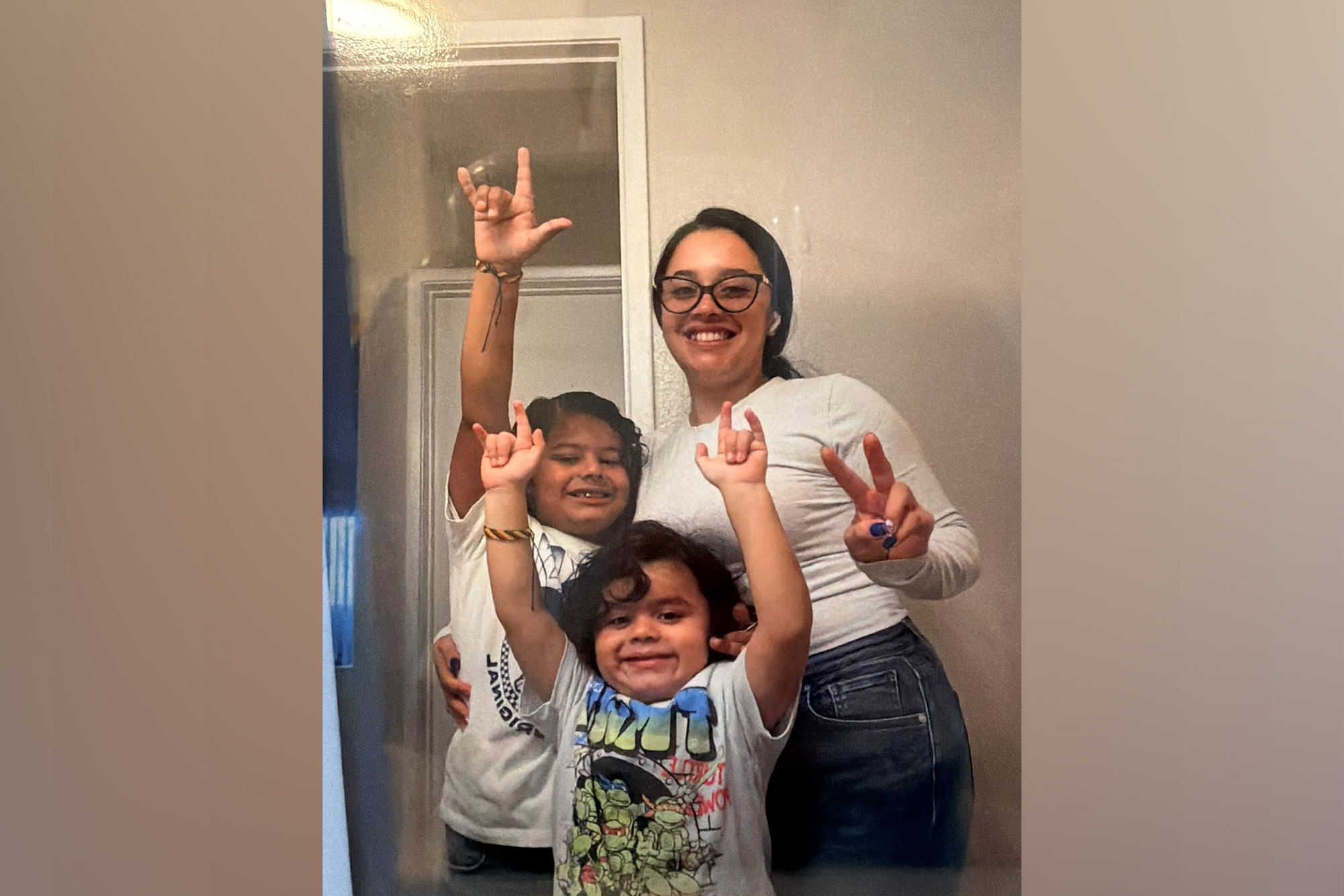
"caption": "Lesly Rodriguez Gutierrez and her two sons were deported following an asylum check-in appointment in San Francisco Tuesday.",
"credit": "Courtesy of Centro Legal de la Raza",
"altTag": null,
"description": null,
"imgSizes": {
"thumbnail": {
"file": "https://cdn.kqed.org/wp-content/uploads/sites/10/2026/03/260306-Child-Deportation-01-KQED-160x107.jpg",
"width": 160,
"height": 107,
"mimeType": "image/jpeg"
},
"1536x1536": {
"file": "https://cdn.kqed.org/wp-content/uploads/sites/10/2026/03/260306-Child-Deportation-01-KQED-1536x1025.jpg",
"width": 1536,
"height": 1025,
"mimeType": "image/jpeg"
},
"post-thumbnail": {
"file": "https://cdn.kqed.org/wp-content/uploads/sites/10/2026/03/260306-Child-Deportation-01-KQED-672x372.jpg",
"width": 672,
"height": 372,
"mimeType": "image/jpeg"
},
"twentyfourteen-full-width": {
"file": "https://cdn.kqed.org/wp-content/uploads/sites/10/2026/03/260306-Child-Deportation-01-KQED-1038x576.jpg",
"width": 1038,
"height": 576,
"mimeType": "image/jpeg"
},
"npr-cds-wide": {
"file": "https://cdn.kqed.org/wp-content/uploads/sites/10/2026/03/260306-Child-Deportation-01-KQED-1200x675.jpg",
"width": 1200,
"height": 675,
"mimeType": "image/jpeg"
},
"kqedFullSize": {
"file": "https://cdn.kqed.org/wp-content/uploads/sites/10/2026/03/260306-Child-Deportation-01-KQED.jpg",
"width": 2000,
"height": 1334
}
},
"isLoading": false,
"fetchFailed": false
},
"news_12071050": {
"type": "attachments",
"id": "news_12071050",
"meta": {
"index": "attachments_1716263798",
"site": "news",
"id": "12071050",
"found": true
},
"title": "012326_SINGINGHEALTH_GH_011-KQED",
"publishDate": 1769458027,
"status": "inherit",
"parent": 0,
"modified": 1772067315,
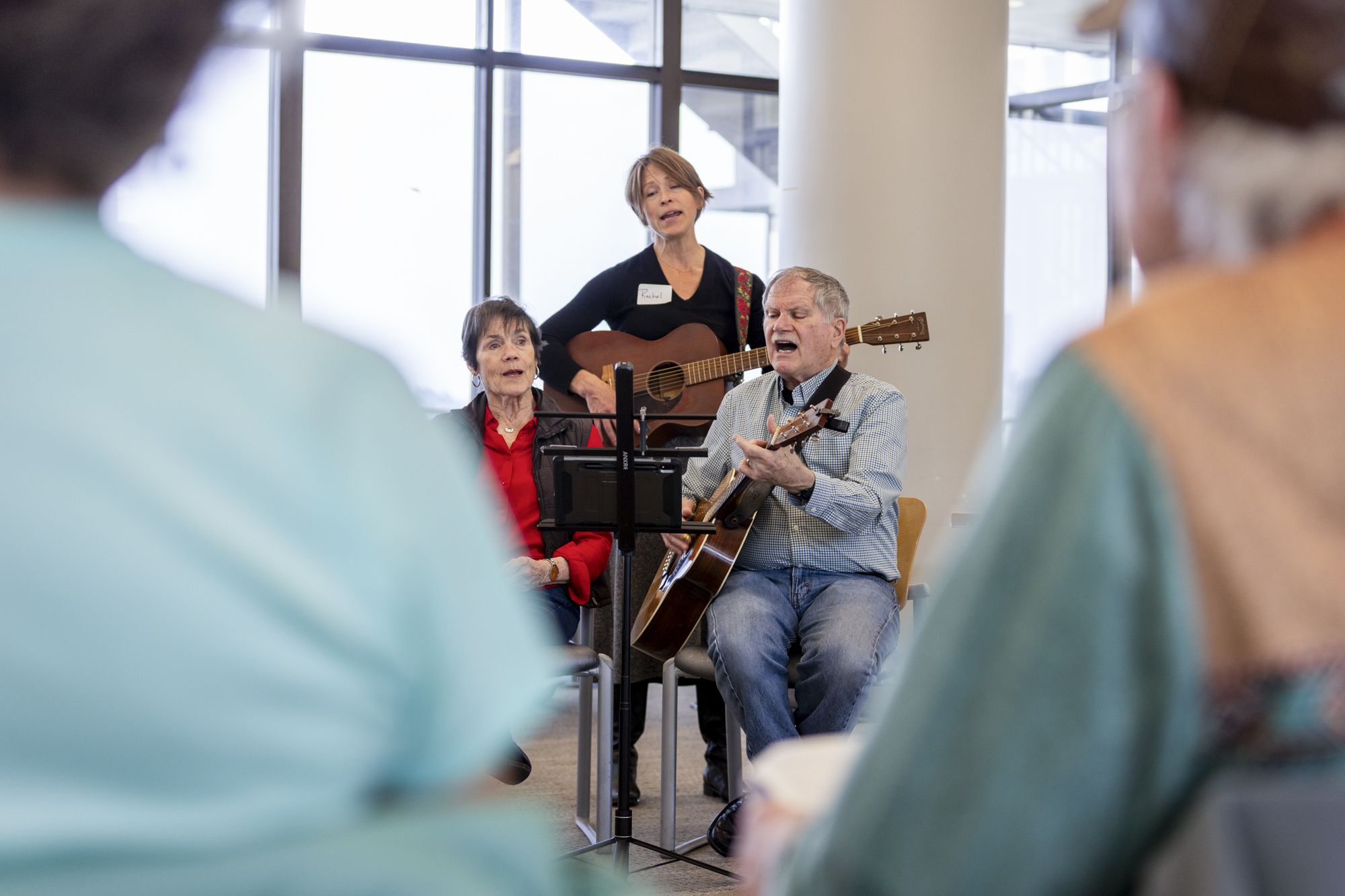
"caption": "Pat Ronzone, left, Rachel Main, center, and Joe Debellis perform during a Music Mends Minds group singing event at CPMC’s Davies Campus in San Francisco on Jan. 23, 2026.",
"credit": "Gustavo Hernandez/KQED",
"altTag": null,
"description": null,
"imgSizes": {
"thumbnail": {
"file": "https://cdn.kqed.org/wp-content/uploads/sites/10/2026/01/012326_SINGINGHEALTH_GH_011-KQED-160x107.jpg",
"width": 160,
"height": 107,
"mimeType": "image/jpeg"
},
"1536x1536": {
"file": "https://cdn.kqed.org/wp-content/uploads/sites/10/2026/01/012326_SINGINGHEALTH_GH_011-KQED-1536x1024.jpg",
"width": 1536,
"height": 1024,
"mimeType": "image/jpeg"
},
"post-thumbnail": {
"file": "https://cdn.kqed.org/wp-content/uploads/sites/10/2026/01/012326_SINGINGHEALTH_GH_011-KQED-672x372.jpg",
"width": 672,
"height": 372,
"mimeType": "image/jpeg"
},
"twentyfourteen-full-width": {
"file": "https://cdn.kqed.org/wp-content/uploads/sites/10/2026/01/012326_SINGINGHEALTH_GH_011-KQED-1038x576.jpg",
"width": 1038,
"height": 576,
"mimeType": "image/jpeg"
},
"npr-cds-wide": {
"file": "https://cdn.kqed.org/wp-content/uploads/sites/10/2026/01/012326_SINGINGHEALTH_GH_011-KQED-1200x675.jpg",
"width": 1200,
"height": 675,
"mimeType": "image/jpeg"
},
"kqedFullSize": {
"file": "https://cdn.kqed.org/wp-content/uploads/sites/10/2026/01/012326_SINGINGHEALTH_GH_011-KQED.jpg",
"width": 2000,
"height": 1333
}
},
"isLoading": false,
"fetchFailed": false
},
"news_12073370": {
"type": "attachments",
"id": "news_12073370",
"meta": {
"index": "attachments_1716263798",
"site": "news",
"id": "12073370",
"found": true
},
"title": "250519-AffordableHousingFile-04-BL_qed",
"publishDate": 1770935618,
"status": "inherit",
"parent": 12073193,
"modified": 1772759203,
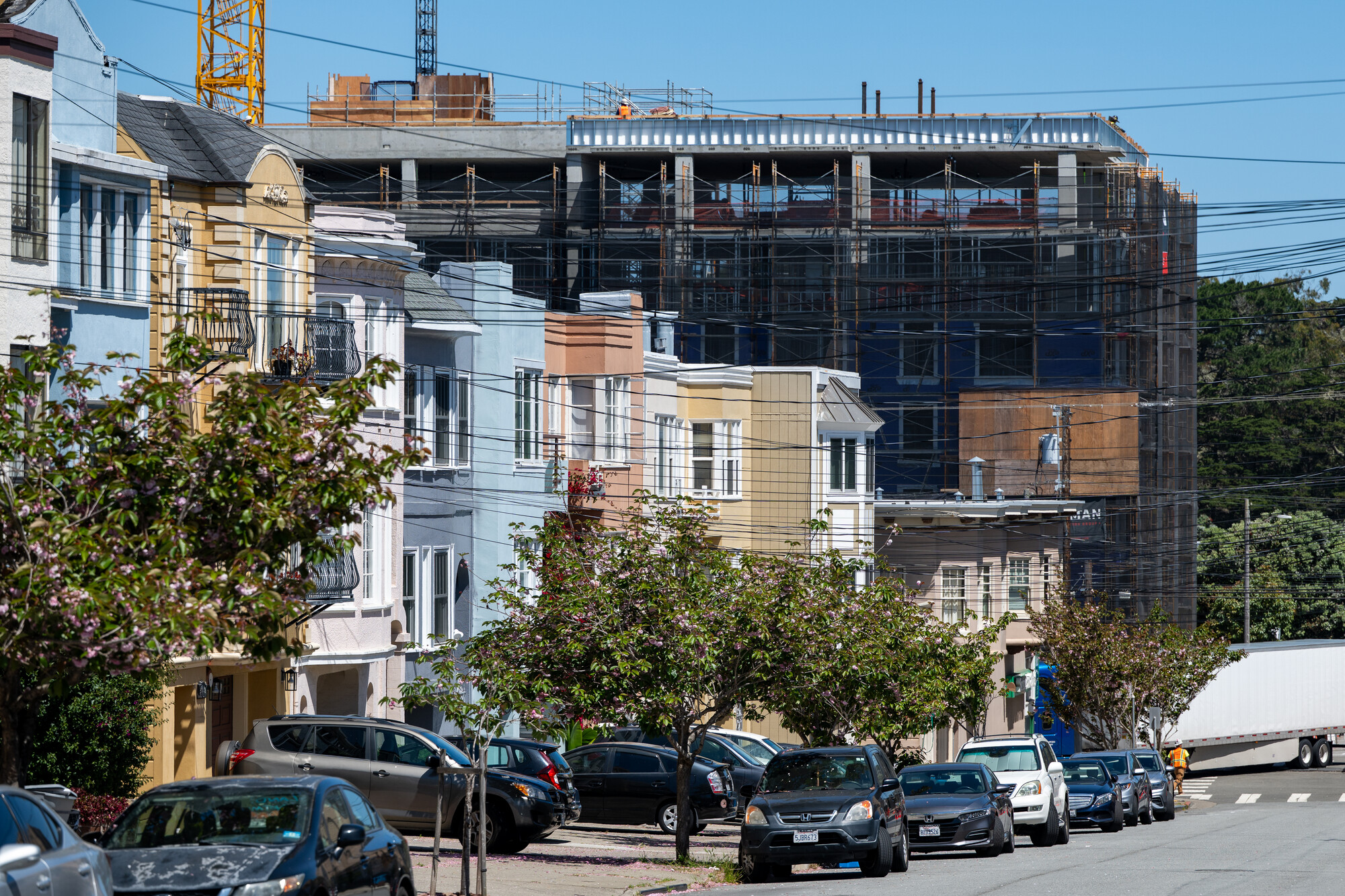
"caption": "Construction is underway on an affordable housing apartment building at 2550 Irving St. in San Francisco’s Sunset District on May 19, 2025.",
"credit": "Beth LaBerge/KQED",
"altTag": null,
"description": null,
"imgSizes": {
"thumbnail": {
"file": "https://cdn.kqed.org/wp-content/uploads/sites/10/2026/02/250519-AffordableHousingFile-04-BL_qed-160x107.jpg",
"width": 160,
"height": 107,
"mimeType": "image/jpeg"
},
"1536x1536": {
"file": "https://cdn.kqed.org/wp-content/uploads/sites/10/2026/02/250519-AffordableHousingFile-04-BL_qed-1536x1024.jpg",
"width": 1536,
"height": 1024,
"mimeType": "image/jpeg"
},
"post-thumbnail": {
"file": "https://cdn.kqed.org/wp-content/uploads/sites/10/2026/02/250519-AffordableHousingFile-04-BL_qed-672x372.jpg",
"width": 672,
"height": 372,
"mimeType": "image/jpeg"
},
"twentyfourteen-full-width": {
"file": "https://cdn.kqed.org/wp-content/uploads/sites/10/2026/02/250519-AffordableHousingFile-04-BL_qed-1038x576.jpg",
"width": 1038,
"height": 576,
"mimeType": "image/jpeg"
},
"npr-cds-wide": {
"file": "https://cdn.kqed.org/wp-content/uploads/sites/10/2026/02/250519-AffordableHousingFile-04-BL_qed-1200x675.jpg",
"width": 1200,
"height": 675,
"mimeType": "image/jpeg"
},
"kqedFullSize": {
"file": "https://cdn.kqed.org/wp-content/uploads/sites/10/2026/02/250519-AffordableHousingFile-04-BL_qed.jpg",
"width": 2000,
"height": 1333
}
},
"isLoading": false,
"fetchFailed": false
},
"news_12073740": {
"type": "attachments",
"id": "news_12073740",
"meta": {
"index": "attachments_1716263798",
"site": "news",
"id": "12073740",
"found": true
},
"title": "021826_LATEBUSES _GH_011-KQED",
"publishDate": 1771448611,
"status": "inherit",
"parent": 12073883,
"modified": 1772154823,
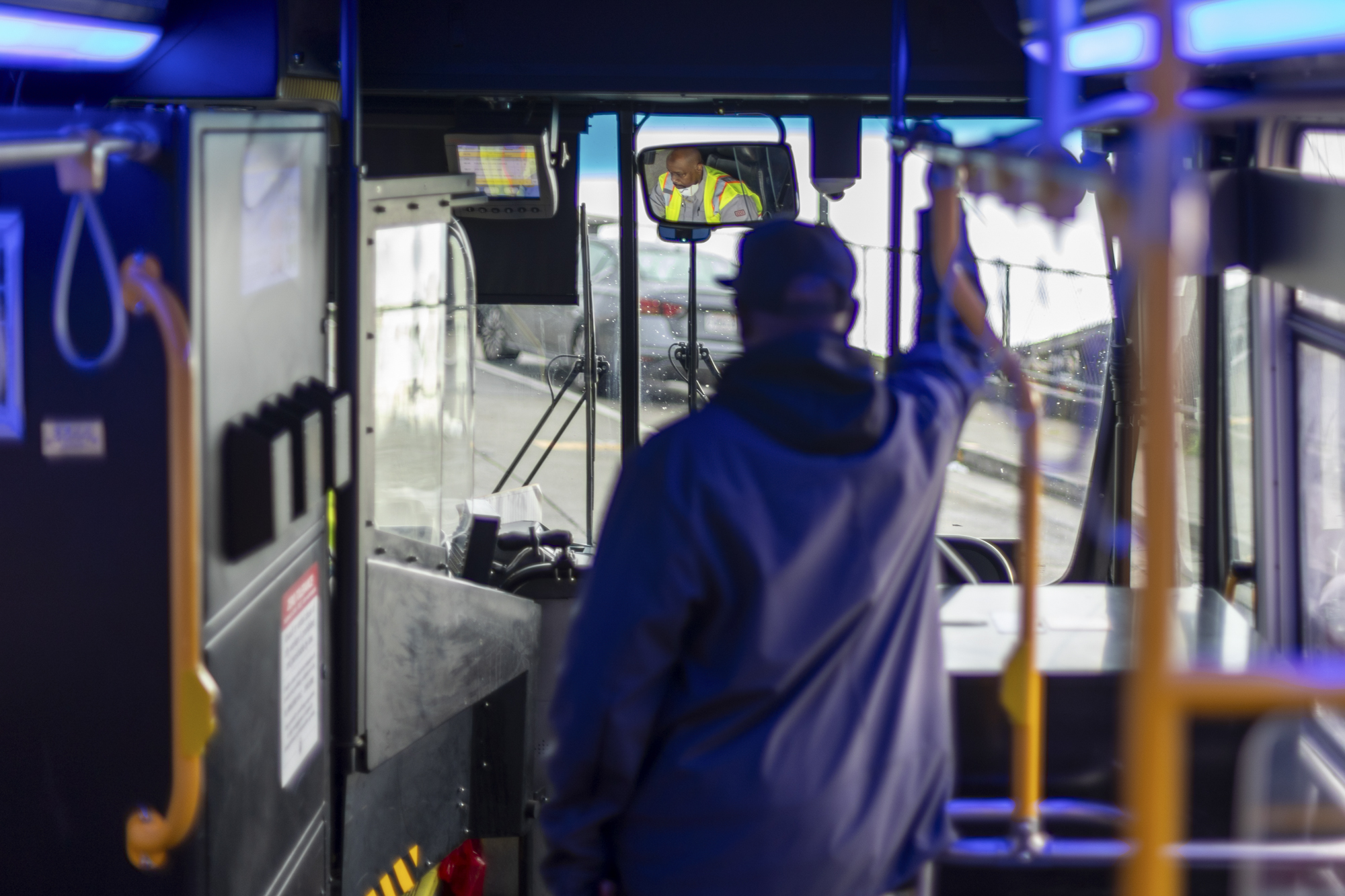
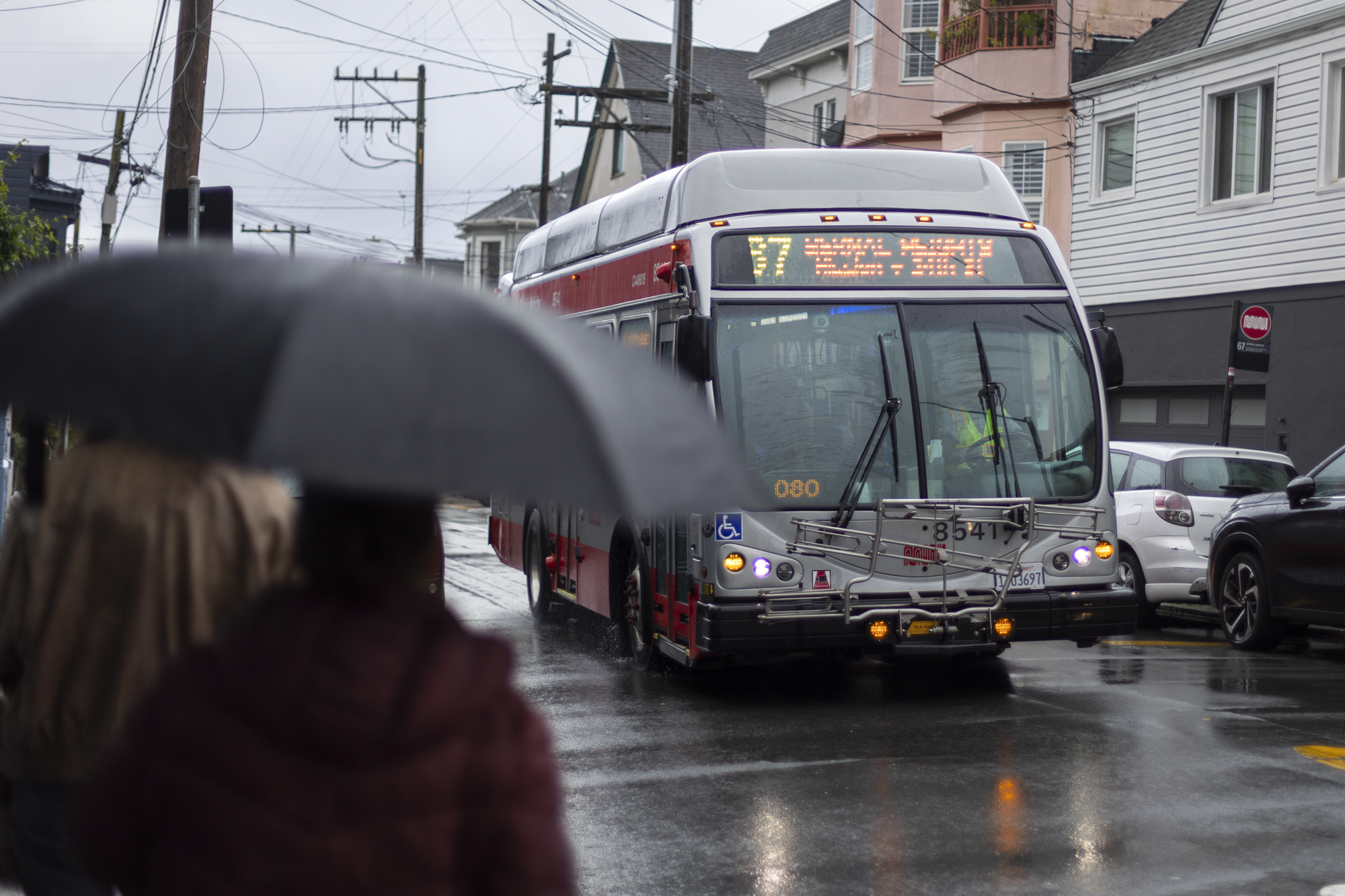
"caption": "Muni driver Hannibal is reflected in a rearview mirror as he operates the 67 Bernal Heights bus in San Francisco on Feb. 18, 2026. The route is among those with the most persistent delays, according to Muni performance data.",
"credit": "Gustavo Hernandez/KQED",
"altTag": null,
"description": null,
"imgSizes": {
"thumbnail": {
"file": "https://cdn.kqed.org/wp-content/uploads/sites/10/2026/02/021826_LATEBUSES-_GH_011-KQED-160x107.jpg",
"width": 160,
"height": 107,
"mimeType": "image/jpeg"
},
"1536x1536": {
"file": "https://cdn.kqed.org/wp-content/uploads/sites/10/2026/02/021826_LATEBUSES-_GH_011-KQED-1536x1024.jpg",
"width": 1536,
"height": 1024,
"mimeType": "image/jpeg"
},
"post-thumbnail": {
"file": "https://cdn.kqed.org/wp-content/uploads/sites/10/2026/02/021826_LATEBUSES-_GH_011-KQED-672x372.jpg",
"width": 672,
"height": 372,
"mimeType": "image/jpeg"
},
"twentyfourteen-full-width": {
"file": "https://cdn.kqed.org/wp-content/uploads/sites/10/2026/02/021826_LATEBUSES-_GH_011-KQED-1038x576.jpg",
"width": 1038,
"height": 576,
"mimeType": "image/jpeg"
},
"npr-cds-wide": {
"file": "https://cdn.kqed.org/wp-content/uploads/sites/10/2026/02/021826_LATEBUSES-_GH_011-KQED-1200x675.jpg",
"width": 1200,
"height": 675,
"mimeType": "image/jpeg"
},
"kqedFullSize": {
"file": "https://cdn.kqed.org/wp-content/uploads/sites/10/2026/02/021826_LATEBUSES-_GH_011-KQED.jpg",
"width": 2000,
"height": 1333
}
},
"isLoading": false,
"fetchFailed": false
},
"news_12031243": {
"type": "attachments",
"id": "news_12031243",
"meta": {
"index": "attachments_1716263798",
"site": "news",
"id": "12031243",
"found": true
},
"title": "041922-ATTORNEY-GENERAL-OFFICE-MHN-03-CM copy",
"publishDate": 1741896556,
"status": "inherit",
"parent": 12031237,
"modified": 1741896584,
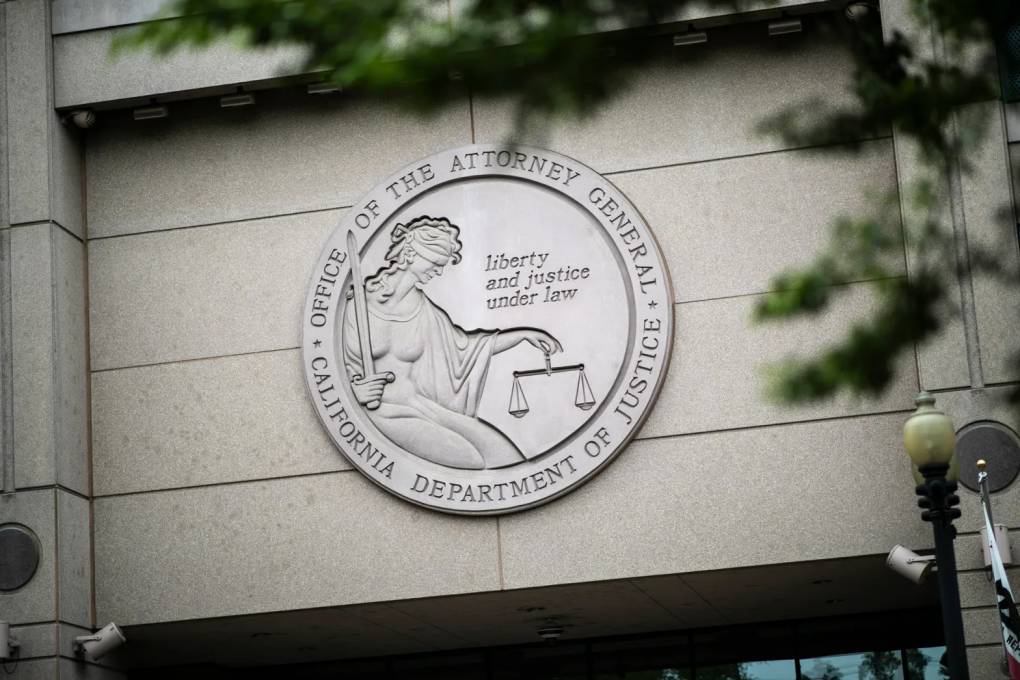
"caption": "The seal above the offices of the California Department of Justice in Sacramento on April 19, 2022. ",
"credit": "Martin do Nascimento/CalMatters",
"altTag": null,
"description": null,
"imgSizes": {
"medium": {
"file": "https://cdn.kqed.org/wp-content/uploads/sites/10/2025/03/041922-ATTORNEY-GENERAL-OFFICE-MHN-03-CM-copy-800x533.jpg",
"width": 800,
"height": 533,
"mimeType": "image/jpeg"
},
"large": {
"file": "https://cdn.kqed.org/wp-content/uploads/sites/10/2025/03/041922-ATTORNEY-GENERAL-OFFICE-MHN-03-CM-copy-1020x680.jpg",
"width": 1020,
"height": 680,
"mimeType": "image/jpeg"
},
"thumbnail": {
"file": "https://cdn.kqed.org/wp-content/uploads/sites/10/2025/03/041922-ATTORNEY-GENERAL-OFFICE-MHN-03-CM-copy-160x107.jpg",
"width": 160,
"height": 107,
"mimeType": "image/jpeg"
},
"1536x1536": {
"file": "https://cdn.kqed.org/wp-content/uploads/sites/10/2025/03/041922-ATTORNEY-GENERAL-OFFICE-MHN-03-CM-copy-1536x1024.jpg",
"width": 1536,
"height": 1024,
"mimeType": "image/jpeg"
},
"post-thumbnail": {
"file": "https://cdn.kqed.org/wp-content/uploads/sites/10/2025/03/041922-ATTORNEY-GENERAL-OFFICE-MHN-03-CM-copy-672x372.jpg",
"width": 672,
"height": 372,
"mimeType": "image/jpeg"
},
"twentyfourteen-full-width": {
"file": "https://cdn.kqed.org/wp-content/uploads/sites/10/2025/03/041922-ATTORNEY-GENERAL-OFFICE-MHN-03-CM-copy-1038x576.jpg",
"width": 1038,
"height": 576,
"mimeType": "image/jpeg"
},
"kqedFullSize": {
"file": "https://cdn.kqed.org/wp-content/uploads/sites/10/2025/03/041922-ATTORNEY-GENERAL-OFFICE-MHN-03-CM-copy.jpg",
"width": 1568,
"height": 1045
}
},
"isLoading": false,
"fetchFailed": false
},
"news_12027371": {
"type": "attachments",
"id": "news_12027371",
"meta": {
"index": "attachments_1716263798",
"site": "news",
"id": "12027371",
"found": true
},
"title": "250215-ChineseNewYear-04-BL",
"publishDate": 1739729087,
"status": "inherit",
"parent": 12027348,
"modified": 1739742407,
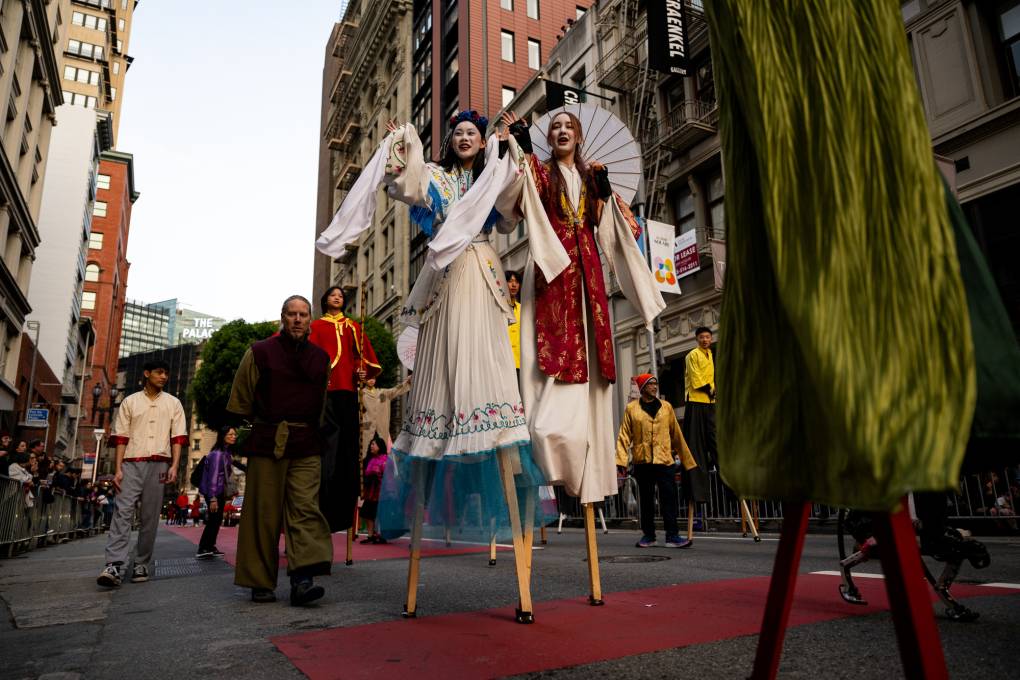
"caption": "Members of the Asian Performing Arts Program of San Francisco perform in the Chinese New Year Parade in San Francisco on Feb. 15, 2025.",
"credit": "Beth LaBerge/KQED",
"altTag": "Two people dressed in decorative outfits walk on stilts in the street.",
"description": null,
"imgSizes": {
"medium": {
"file": "https://cdn.kqed.org/wp-content/uploads/sites/10/2025/02/250215-ChineseNewYear-04-BL-800x533.jpg",
"width": 800,
"height": 533,
"mimeType": "image/jpeg"
},
"large": {
"file": "https://cdn.kqed.org/wp-content/uploads/sites/10/2025/02/250215-ChineseNewYear-04-BL-1020x680.jpg",
"width": 1020,
"height": 680,
"mimeType": "image/jpeg"
},
"thumbnail": {
"file": "https://cdn.kqed.org/wp-content/uploads/sites/10/2025/02/250215-ChineseNewYear-04-BL-160x107.jpg",
"width": 160,
"height": 107,
"mimeType": "image/jpeg"
},
"1536x1536": {
"file": "https://cdn.kqed.org/wp-content/uploads/sites/10/2025/02/250215-ChineseNewYear-04-BL-1536x1024.jpg",
"width": 1536,
"height": 1024,
"mimeType": "image/jpeg"
},
"post-thumbnail": {
"file": "https://cdn.kqed.org/wp-content/uploads/sites/10/2025/02/250215-ChineseNewYear-04-BL-672x372.jpg",
"width": 672,
"height": 372,
"mimeType": "image/jpeg"
},
"twentyfourteen-full-width": {
"file": "https://cdn.kqed.org/wp-content/uploads/sites/10/2025/02/250215-ChineseNewYear-04-BL-1038x576.jpg",
"width": 1038,
"height": 576,
"mimeType": "image/jpeg"
},
"full-width": {
"file": "https://cdn.kqed.org/wp-content/uploads/sites/10/2025/02/250215-ChineseNewYear-04-BL-1920x1280.jpg",
"width": 1920,
"height": 1280,
"mimeType": "image/jpeg"
},
"kqedFullSize": {
"file": "https://cdn.kqed.org/wp-content/uploads/sites/10/2025/02/250215-ChineseNewYear-04-BL.jpg",
"width": 2000,
"height": 1333
}
},
"isLoading": false,
"fetchFailed": false
},
"news_12074374": {
"type": "attachments",
"id": "news_12074374",
"meta": {
"index": "attachments_1716263798",
"site": "news",
"id": "12074374",
"found": true
},
"title": "260224-SOUTHSF00311_TV-KQED",
"publishDate": 1771954306,
"status": "inherit",
"parent": 0,
"modified": 1771954347,
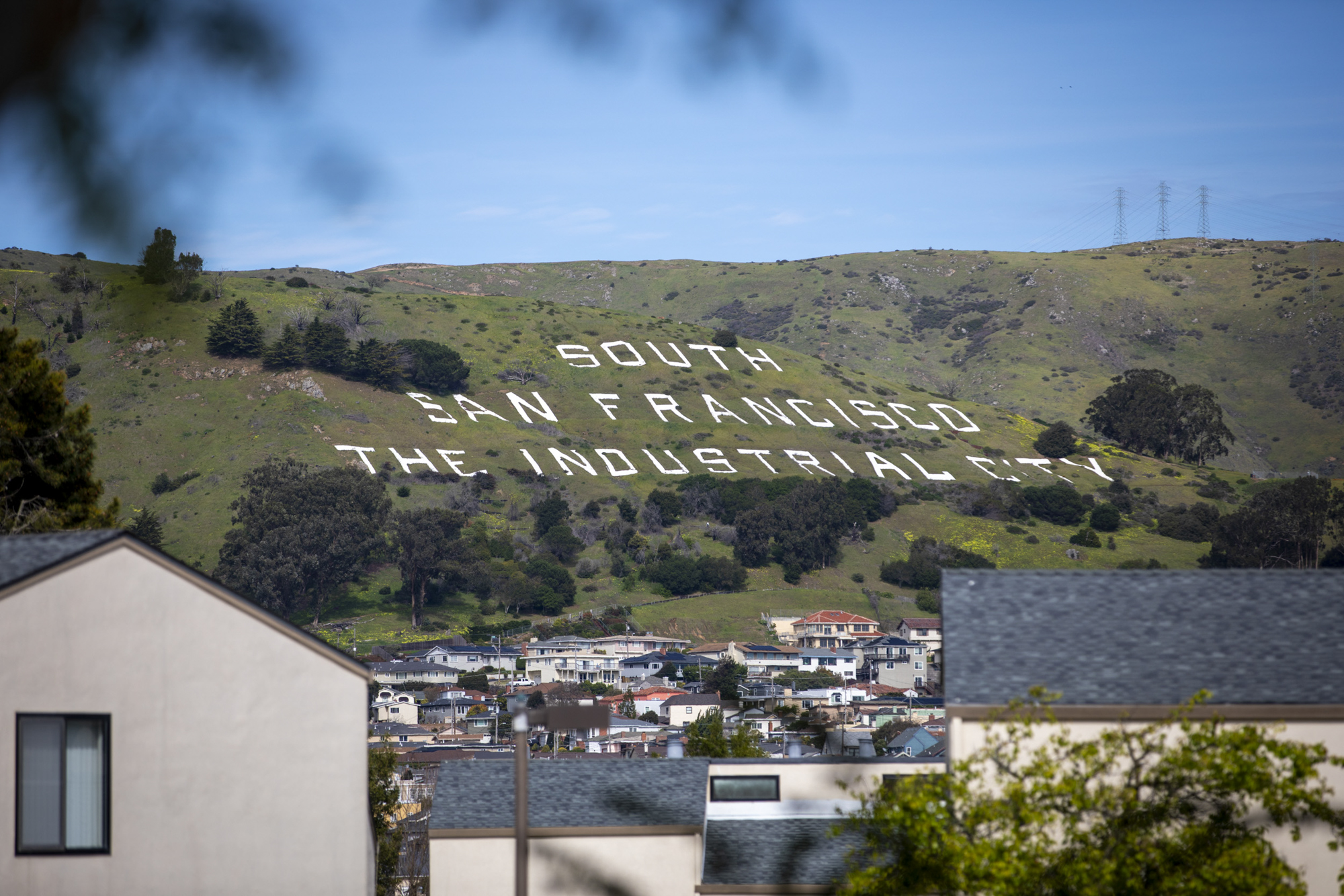
"caption": "A historical landmark sign reads, “South San Francisco The Industrial City” in South San Francisco on February 23, 2026. South San Francisco was historically an industrial area, housing shipyards, slaughterhouses, and a steel mill. Now it has transitioned into a biotech hub.",
"credit": "Tâm Vũ/KQED",
"altTag": null,
"description": null,
"imgSizes": {
"thumbnail": {
"file": "https://cdn.kqed.org/wp-content/uploads/sites/10/2026/02/260224-SOUTHSF00311_TV-KQED-160x107.jpg",
"width": 160,
"height": 107,
"mimeType": "image/jpeg"
},
"1536x1536": {
"file": "https://cdn.kqed.org/wp-content/uploads/sites/10/2026/02/260224-SOUTHSF00311_TV-KQED-1536x1025.jpg",
"width": 1536,
"height": 1025,
"mimeType": "image/jpeg"
},
"post-thumbnail": {
"file": "https://cdn.kqed.org/wp-content/uploads/sites/10/2026/02/260224-SOUTHSF00311_TV-KQED-672x372.jpg",
"width": 672,
"height": 372,
"mimeType": "image/jpeg"
},
"twentyfourteen-full-width": {
"file": "https://cdn.kqed.org/wp-content/uploads/sites/10/2026/02/260224-SOUTHSF00311_TV-KQED-1038x576.jpg",
"width": 1038,
"height": 576,
"mimeType": "image/jpeg"
},
"npr-cds-wide": {
"file": "https://cdn.kqed.org/wp-content/uploads/sites/10/2026/02/260224-SOUTHSF00311_TV-KQED-1200x675.jpg",
"width": 1200,
"height": 675,
"mimeType": "image/jpeg"
},
"kqedFullSize": {
"file": "https://cdn.kqed.org/wp-content/uploads/sites/10/2026/02/260224-SOUTHSF00311_TV-KQED.jpg",
"width": 2000,
"height": 1334
}
},
"isLoading": false,
"fetchFailed": false
},
"news_12075382": {
"type": "attachments",
"id": "news_12075382",
"meta": {
"index": "attachments_1716263798",
"site": "news",
"id": "12075382",
"found": true
},
"title": "260304-Elon Musk Trial-01-KQED",
"publishDate": 1772650201,
"status": "inherit",
"parent": 12083612,
"modified": 1778805009,
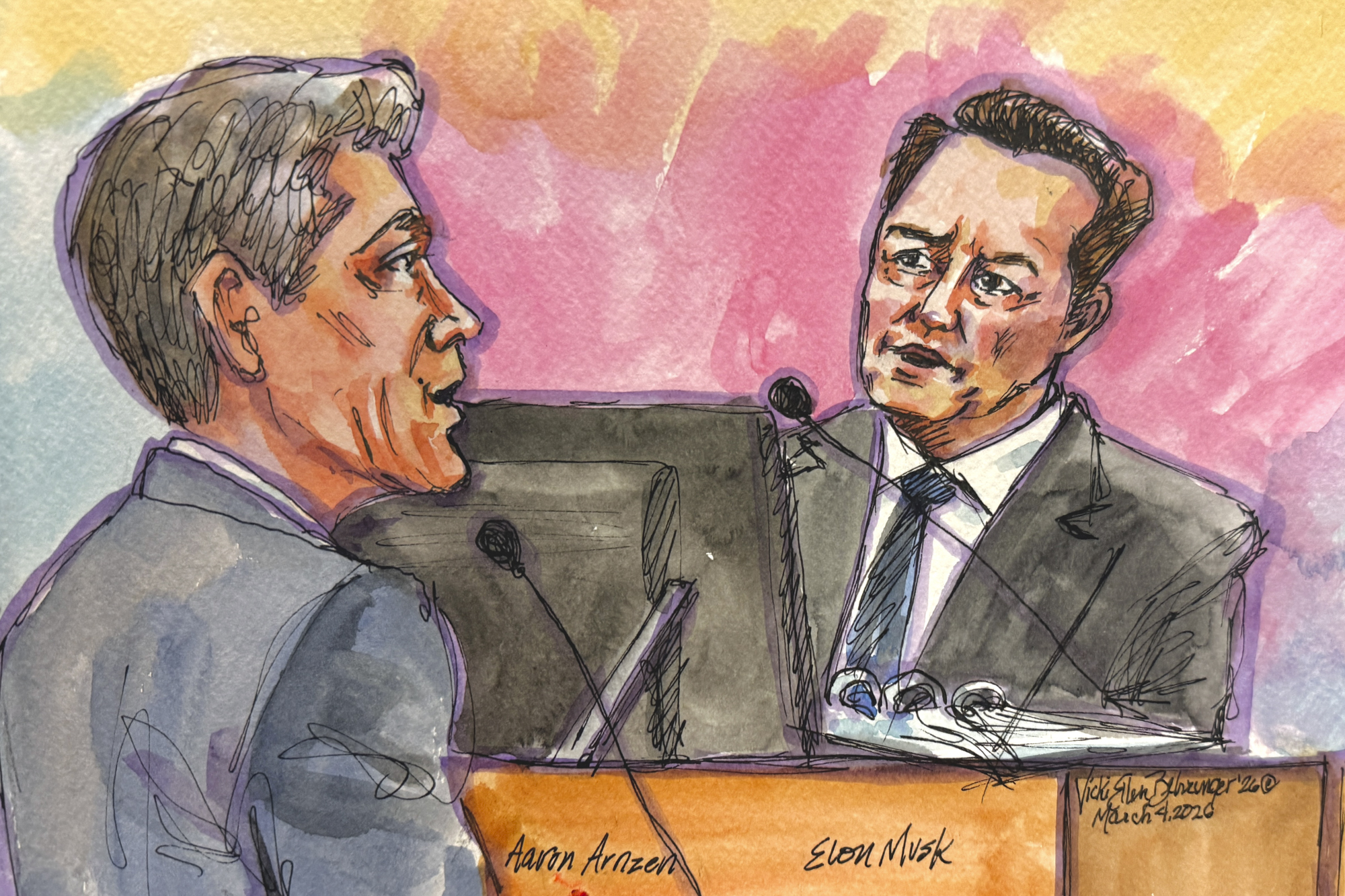
"caption": "A courtroom sketch of Elon Musk on the stand as he's questioned by the plaintiff's attorney, Aaron P. Arnzen, on March 4, 2026. Musk is accused of making false and misleading statements that drove down Twitter's stock price before he bought the social media platform for $44 billion in 2022.",
"credit": "Vicki Behringer for KQED",
"altTag": null,
"description": null,
"imgSizes": {
"thumbnail": {
"file": "https://cdn.kqed.org/wp-content/uploads/sites/10/2026/03/260304-Elon-Musk-Trial-01-KQED-160x107.jpg",
"width": 160,
"height": 107,
"mimeType": "image/jpeg"
},
"1536x1536": {
"file": "https://cdn.kqed.org/wp-content/uploads/sites/10/2026/03/260304-Elon-Musk-Trial-01-KQED-1536x1024.jpg",
"width": 1536,
"height": 1024,
"mimeType": "image/jpeg"
},
"post-thumbnail": {
"file": "https://cdn.kqed.org/wp-content/uploads/sites/10/2026/03/260304-Elon-Musk-Trial-01-KQED-672x372.jpg",
"width": 672,
"height": 372,
"mimeType": "image/jpeg"
},
"twentyfourteen-full-width": {
"file": "https://cdn.kqed.org/wp-content/uploads/sites/10/2026/03/260304-Elon-Musk-Trial-01-KQED-1038x576.jpg",
"width": 1038,
"height": 576,
"mimeType": "image/jpeg"
},
"npr-cds-wide": {
"file": "https://cdn.kqed.org/wp-content/uploads/sites/10/2026/03/260304-Elon-Musk-Trial-01-KQED-1200x675.jpg",
"width": 1200,
"height": 675,
"mimeType": "image/jpeg"
},
"kqedFullSize": {
"file": "https://cdn.kqed.org/wp-content/uploads/sites/10/2026/03/260304-Elon-Musk-Trial-01-KQED.jpg",
"width": 2000,
"height": 1333
}
},
"isLoading": false,
"fetchFailed": false
},
"news_12075256": {
"type": "attachments",
"id": "news_12075256",
"meta": {
"index": "attachments_1716263798",
"site": "news",
"id": "12075256",
"found": true
},
"title": "260303-MUNIFUNDINGKICKOFF-14-BL-KQED",
"publishDate": 1772581161,
"status": "inherit",
"parent": 0,
"modified": 1772583240,
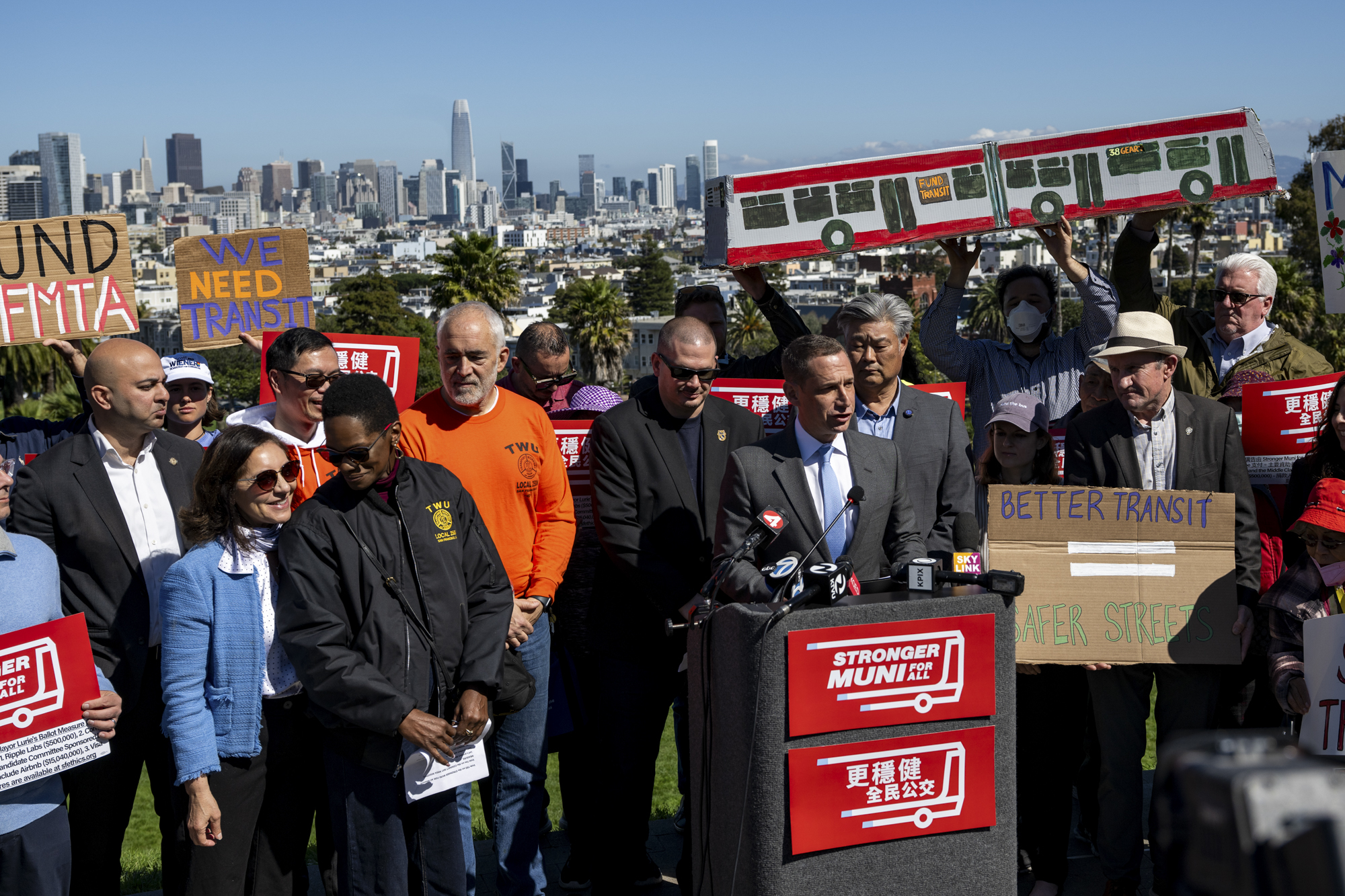
"caption": "Mayor Daniel Lurie speaks during a kickoff event for the \"Stronger Muni for All\" measure at Dolores Park in San Francisco on March 3, 2026. Supporters say the proposal would prevent major Muni service cuts as the transit system faces a budget shortfall.",
"credit": "Beth LaBerge/KQED",
"altTag": null,
"description": null,
"imgSizes": {
"thumbnail": {
"file": "https://cdn.kqed.org/wp-content/uploads/sites/10/2026/03/260303-MUNIFUNDINGKICKOFF-14-BL-KQED-160x107.jpg",
"width": 160,
"height": 107,
"mimeType": "image/jpeg"
},
"1536x1536": {
"file": "https://cdn.kqed.org/wp-content/uploads/sites/10/2026/03/260303-MUNIFUNDINGKICKOFF-14-BL-KQED-1536x1024.jpg",
"width": 1536,
"height": 1024,
"mimeType": "image/jpeg"
},
"post-thumbnail": {
"file": "https://cdn.kqed.org/wp-content/uploads/sites/10/2026/03/260303-MUNIFUNDINGKICKOFF-14-BL-KQED-672x372.jpg",
"width": 672,
"height": 372,
"mimeType": "image/jpeg"
},
"twentyfourteen-full-width": {
"file": "https://cdn.kqed.org/wp-content/uploads/sites/10/2026/03/260303-MUNIFUNDINGKICKOFF-14-BL-KQED-1038x576.jpg",
"width": 1038,
"height": 576,
"mimeType": "image/jpeg"
},
"npr-cds-wide": {
"file": "https://cdn.kqed.org/wp-content/uploads/sites/10/2026/03/260303-MUNIFUNDINGKICKOFF-14-BL-KQED-1200x675.jpg",
"width": 1200,
"height": 675,
"mimeType": "image/jpeg"
},
"kqedFullSize": {
"file": "https://cdn.kqed.org/wp-content/uploads/sites/10/2026/03/260303-MUNIFUNDINGKICKOFF-14-BL-KQED.jpg",
"width": 2000,
"height": 1333
}
},
"isLoading": false,
"fetchFailed": false
},
"news_12073741": {
"type": "attachments",
"id": "news_12073741",
"meta": {
"index": "attachments_1716263798",
"site": "news",
"id": "12073741",
"found": true
},
"title": "021826_LATEBUSES _GH_014-KQED",
"publishDate": 1771448615,
"status": "inherit",
"parent": 0,
"modified": 1772158015,
"caption": "Maria Castillo walks toward an approaching 67 Bernal Heights bus at Folsom and Cortland streets in San Francisco on Feb. 18, 2026.",
"credit": "Gustavo Hernandez/KQED",
"altTag": null,
"description": null,
"imgSizes": {
"thumbnail": {
"file": "https://cdn.kqed.org/wp-content/uploads/sites/10/2026/02/021826_LATEBUSES-_GH_014-KQED-160x107.jpg",
"width": 160,
"height": 107,
"mimeType": "image/jpeg"
},
"1536x1536": {
"file": "https://cdn.kqed.org/wp-content/uploads/sites/10/2026/02/021826_LATEBUSES-_GH_014-KQED-1536x1024.jpg",
"width": 1536,
"height": 1024,
"mimeType": "image/jpeg"
},
"post-thumbnail": {
"file": "https://cdn.kqed.org/wp-content/uploads/sites/10/2026/02/021826_LATEBUSES-_GH_014-KQED-672x372.jpg",
"width": 672,
"height": 372,
"mimeType": "image/jpeg"
},
"twentyfourteen-full-width": {
"file": "https://cdn.kqed.org/wp-content/uploads/sites/10/2026/02/021826_LATEBUSES-_GH_014-KQED-1038x576.jpg",
"width": 1038,
"height": 576,
"mimeType": "image/jpeg"
},
"npr-cds-wide": {
"file": "https://cdn.kqed.org/wp-content/uploads/sites/10/2026/02/021826_LATEBUSES-_GH_014-KQED-1200x675.jpg",
"width": 1200,
"height": 675,
"mimeType": "image/jpeg"
},
"kqedFullSize": {
"file": "https://cdn.kqed.org/wp-content/uploads/sites/10/2026/02/021826_LATEBUSES-_GH_014-KQED.jpg",
"width": 2000,
"height": 1333
}
},
"isLoading": false,
"fetchFailed": false
},
"news_12075117": {
"type": "attachments",
"id": "news_12075117",
"meta": {
"index": "attachments_1716263798",
"site": "news",
"id": "12075117",
"found": true
},
"title": "260302-WAYMOOUTAGEREPORT-23-BL-KQED",
"publishDate": 1772497069,
"status": "inherit",
"parent": 0,
"modified": 1772497101,
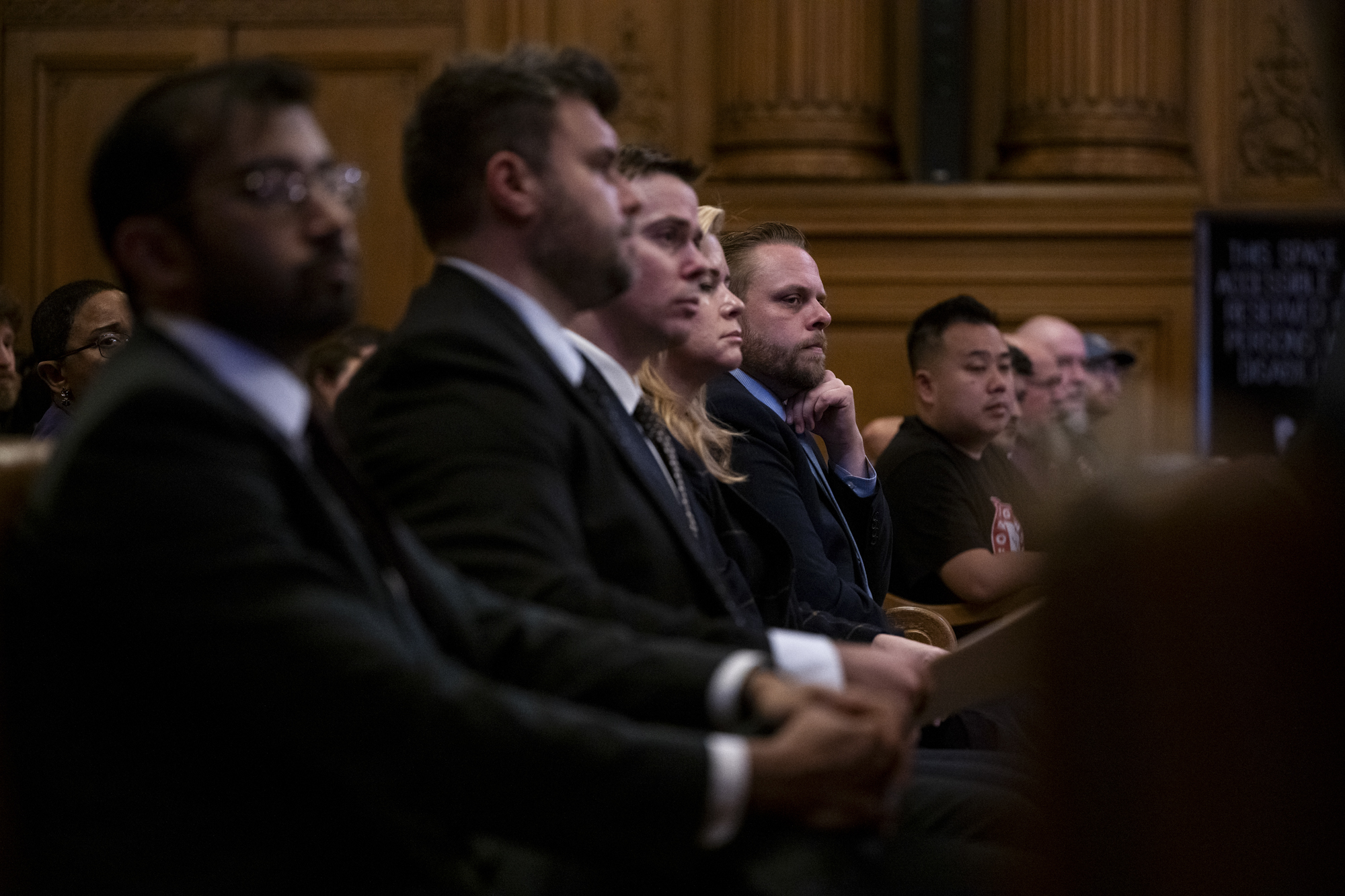
"caption": "Waymo representatives wait to speak during a Board of Supervisors hearing on Waymo’s emergency operations at City Hall in San Francisco on March 2, 2026. A December power outage left Waymo’s autonomous vehicles stalled on city streets.",
"credit": "Beth LaBerge/KQED",
"altTag": null,
"description": null,
"imgSizes": {
"thumbnail": {
"file": "https://cdn.kqed.org/wp-content/uploads/sites/10/2026/03/260302-WAYMOOUTAGEREPORT-23-BL-KQED-160x107.jpg",
"width": 160,
"height": 107,
"mimeType": "image/jpeg"
},
"1536x1536": {
"file": "https://cdn.kqed.org/wp-content/uploads/sites/10/2026/03/260302-WAYMOOUTAGEREPORT-23-BL-KQED-1536x1024.jpg",
"width": 1536,
"height": 1024,
"mimeType": "image/jpeg"
},
"post-thumbnail": {
"file": "https://cdn.kqed.org/wp-content/uploads/sites/10/2026/03/260302-WAYMOOUTAGEREPORT-23-BL-KQED-672x372.jpg",
"width": 672,
"height": 372,
"mimeType": "image/jpeg"
},
"twentyfourteen-full-width": {
"file": "https://cdn.kqed.org/wp-content/uploads/sites/10/2026/03/260302-WAYMOOUTAGEREPORT-23-BL-KQED-1038x576.jpg",
"width": 1038,
"height": 576,
"mimeType": "image/jpeg"
},
"npr-cds-wide": {
"file": "https://cdn.kqed.org/wp-content/uploads/sites/10/2026/03/260302-WAYMOOUTAGEREPORT-23-BL-KQED-1200x675.jpg",
"width": 1200,
"height": 675,
"mimeType": "image/jpeg"
},
"kqedFullSize": {
"file": "https://cdn.kqed.org/wp-content/uploads/sites/10/2026/03/260302-WAYMOOUTAGEREPORT-23-BL-KQED.jpg",
"width": 2000,
"height": 1333
}
},
"isLoading": false,
"fetchFailed": false
},
"news_12070970": {
"type": "attachments",
"id": "news_12070970",
"meta": {
"index": "attachments_1716263798",
"site": "news",
"id": "12070970",
"found": true
},
"title": "260123-SIGNATUREKICKOFF00606_TV-KQED",
"publishDate": 1769210919,
"status": "inherit",
"parent": 12072392,
"modified": 1772489500,
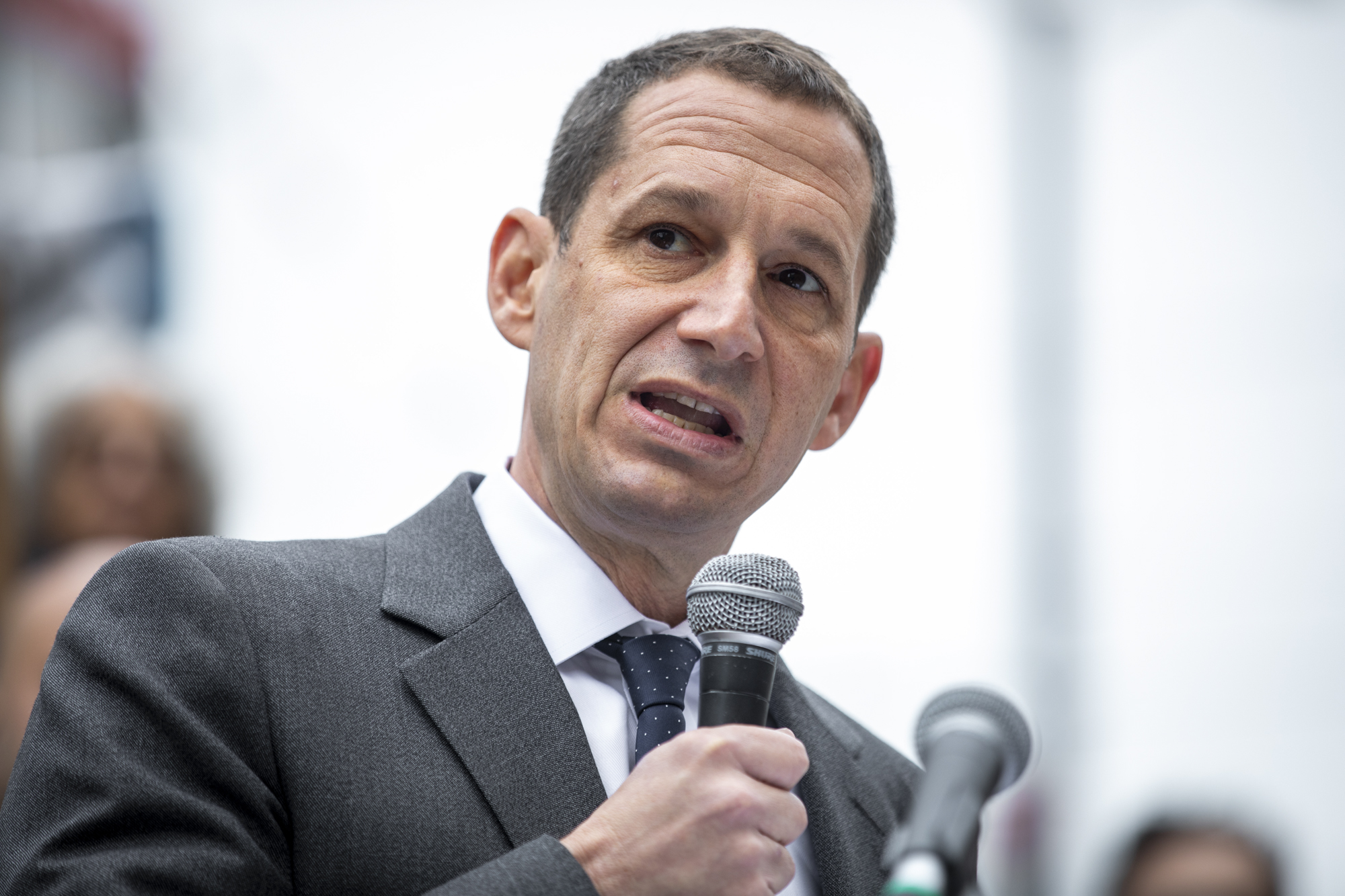
"caption": "Mayor Daniel Lurie speaks on his support for California Senate Bill 63 at a press conference at Embarcadero Plaza in San Francisco on Jan. 23, 2026.",
"credit": "Tâm Vũ/KQED",
"altTag": null,
"description": null,
"imgSizes": {
"thumbnail": {
"file": "https://cdn.kqed.org/wp-content/uploads/sites/10/2026/01/260123-SIGNATUREKICKOFF00606_TV-KQED-160x107.jpg",
"width": 160,
"height": 107,
"mimeType": "image/jpeg"
},
"1536x1536": {
"file": "https://cdn.kqed.org/wp-content/uploads/sites/10/2026/01/260123-SIGNATUREKICKOFF00606_TV-KQED-1536x1024.jpg",
"width": 1536,
"height": 1024,
"mimeType": "image/jpeg"
},
"post-thumbnail": {
"file": "https://cdn.kqed.org/wp-content/uploads/sites/10/2026/01/260123-SIGNATUREKICKOFF00606_TV-KQED-672x372.jpg",
"width": 672,
"height": 372,
"mimeType": "image/jpeg"
},
"twentyfourteen-full-width": {
"file": "https://cdn.kqed.org/wp-content/uploads/sites/10/2026/01/260123-SIGNATUREKICKOFF00606_TV-KQED-1038x576.jpg",
"width": 1038,
"height": 576,
"mimeType": "image/jpeg"
},
"npr-cds-wide": {
"file": "https://cdn.kqed.org/wp-content/uploads/sites/10/2026/01/260123-SIGNATUREKICKOFF00606_TV-KQED-1200x675.jpg",
"width": 1200,
"height": 675,
"mimeType": "image/jpeg"
},
"kqedFullSize": {
"file": "https://cdn.kqed.org/wp-content/uploads/sites/10/2026/01/260123-SIGNATUREKICKOFF00606_TV-KQED.jpg",
"width": 2000,
"height": 1333
}
},
"isLoading": false,
"fetchFailed": false
}
},
"audioPlayerReducer": {
"postId": "stream_live",
"isPaused": true,
"isPlaying": false,
"pfsActive": false,
"pledgeModalIsOpen": true,
"playerDrawerIsOpen": false,
"liveAudioPlayStartedAt": 0,
"liveAudioPlayContext": ""
},
"authorsReducer": {
"ecruzguevarra": {
"type": "authors",
"id": "8654",
"meta": {
"index": "authors_1716337520",
"id": "8654",
"found": true
},
"name": "Ericka Cruz Guevarra",
"firstName": "Ericka",
"lastName": "Cruz Guevarra",
"slug": "ecruzguevarra",
"email": "ecruzguevarra@kqed.org",
"display_author_email": true,
"staff_mastheads": [
"news"
],
"title": "Producer, The Bay Podcast",
"bio": "Ericka Cruz Guevarra is host of \u003ca href=\"https://www.kqed.org/podcasts/thebay\">\u003cem>The Bay\u003c/em>\u003c/a> podcast at KQED. Before host, she was the show’s producer. Her work in that capacity includes a three-part reported series on policing in Vallejo, which won a 2020 excellence in journalism award from the Society of Professional Journalists. Ericka has worked as a breaking news reporter at Oregon Public Broadcasting, helped produce the Code Switch podcast, and was KQED’s inaugural Raul Ramirez Diversity Fund intern. She’s also an alumna of NPR’s Next Generation Radio program. Send her an email if you have strong feelings about whether Fairfield and Suisun City are the Bay. Ericka is represented by SAG-AFTRA.",
"avatar": "https://secure.gravatar.com/avatar/accefc1de4bafc7e234b69bcb9b6f6536c130fd84709bc3069ef11a78787e1bb?s=600&d=blank&r=g",
"twitter": "NotoriousECG",
"bluesky": null,
"facebook": null,
"instagram": null,
"linkedin": null,
"sites": [
{
"site": "arts",
"roles": [
"subscriber"
]
},
{
"site": "news",
"roles": [
"editor",
"manage_categories"
]
},
{
"site": "futureofyou",
"roles": [
"subscriber"
]
},
{
"site": "stateofhealth",
"roles": [
"subscriber"
]
},
{
"site": "science",
"roles": [
"editor"
]
},
{
"site": "forum",
"roles": [
"subscriber"
]
}
],
"headData": {
"title": "Ericka Cruz Guevarra | KQED",
"description": "Producer, The Bay Podcast",
"ogImgSrc": "https://secure.gravatar.com/avatar/accefc1de4bafc7e234b69bcb9b6f6536c130fd84709bc3069ef11a78787e1bb?s=600&d=blank&r=g",
"twImgSrc": "https://secure.gravatar.com/avatar/accefc1de4bafc7e234b69bcb9b6f6536c130fd84709bc3069ef11a78787e1bb?s=600&d=blank&r=g"
},
"isLoading": false,
"link": "/author/ecruzguevarra"
},
"lesleymcclurg": {
"type": "authors",
"id": "11229",
"meta": {
"index": "authors_1716337520",
"id": "11229",
"found": true
},
"name": "Lesley McClurg",
"firstName": "Lesley",
"lastName": "McClurg",
"slug": "lesleymcclurg",
"email": "lmcclurg@KQED.org",
"display_author_email": false,
"staff_mastheads": [
"news",
"science"
],
"title": "KQED Health Correspondent",
"bio": "Lesley McClurg is a health correspondent and fill-in host whose work is regularly rebroadcast on NPR and PBS programs. She’s earned multiple regional Emmy awards, a national and a regional Edward R. Murrow award, and was named Best Beat Reporter by the Association of Health Care Journalists. The Society of Professional Journalists has recognized her work several times, and the Society of Environmental Journalists spotlighted her coverage of California’s historic drought.\r\n\r\nBefore joining KQED in 2016, Lesley covered food and sustainability for Capital Public Radio, environmental issues for Colorado Public Radio, and reported for KUOW and KCTS 9 in Seattle. Away from the newsroom, she loves skiing with her daughter, mountain biking with her partner, and playing with Ollie, the family’s goldendoodle. On deadline, she runs almost entirely on chocolate chips.\r\n\r\n ",
"avatar": "https://secure.gravatar.com/avatar/bab49e972ea10c774fe0f5e29dba1722b158f7c0d58a360923d1389d380b2978?s=600&d=blank&r=g",
"twitter": "lesleywmcclurg",
"bluesky": null,
"facebook": null,
"instagram": null,
"linkedin": null,
"sites": [
{
"site": "arts",
"roles": [
"author"
]
},
{
"site": "news",
"roles": [
"editor"
]
},
{
"site": "futureofyou",
"roles": [
"editor"
]
},
{
"site": "stateofhealth",
"roles": [
"author"
]
},
{
"site": "science",
"roles": [
"editor"
]
},
{
"site": "quest",
"roles": [
"subscriber"
]
},
{
"site": "forum",
"roles": [
"administrator"
]
},
{
"site": "liveblog",
"roles": [
"author"
]
}
],
"headData": {
"title": "Lesley McClurg | KQED",
"description": "KQED Health Correspondent",
"ogImgSrc": "https://secure.gravatar.com/avatar/bab49e972ea10c774fe0f5e29dba1722b158f7c0d58a360923d1389d380b2978?s=600&d=blank&r=g",
"twImgSrc": "https://secure.gravatar.com/avatar/bab49e972ea10c774fe0f5e29dba1722b158f7c0d58a360923d1389d380b2978?s=600&d=blank&r=g"
},
"isLoading": false,
"link": "/author/lesleymcclurg"
},
"vrancano": {
"type": "authors",
"id": "11276",
"meta": {
"index": "authors_1716337520",
"id": "11276",
"found": true
},
"name": "Vanessa Rancaño",
"firstName": "Vanessa",
"lastName": "Rancaño",
"slug": "vrancano",
"email": "vrancano@kqed.org",
"display_author_email": false,
"staff_mastheads": [
"news"
],
"title": "Reporter",
"bio": "Vanessa Rancaño is a features reporter for KQED. She’s also covered homelessness and education for the station and reported from the Central Valley. Her work has aired across public radio, from flagship national news shows to longform narrative podcasts. Before taking up a mic, she worked as a freelance print journalist. She’s been recognized with a number of national and regional awards. Vanessa grew up in California's Central Valley. She's a former NPR Kroc Fellow, and a graduate of the UC Berkeley Graduate School of Journalism.",
"avatar": "https://secure.gravatar.com/avatar/b3a383dfb0e7ee1c17568f2cf067904ab654d6e3de9743fc661f3c788ade1bed?s=600&d=blank&r=g",
"twitter": "vanessarancano",
"bluesky": null,
"facebook": null,
"instagram": null,
"linkedin": null,
"sites": [
{
"site": "arts",
"roles": [
"editor"
]
},
{
"site": "news",
"roles": [
"editor"
]
},
{
"site": "liveblog",
"roles": [
"contributor"
]
}
],
"headData": {
"title": "Vanessa Rancaño | KQED",
"description": "Reporter",
"ogImgSrc": "https://secure.gravatar.com/avatar/b3a383dfb0e7ee1c17568f2cf067904ab654d6e3de9743fc661f3c788ade1bed?s=600&d=blank&r=g",
"twImgSrc": "https://secure.gravatar.com/avatar/b3a383dfb0e7ee1c17568f2cf067904ab654d6e3de9743fc661f3c788ade1bed?s=600&d=blank&r=g"
},
"isLoading": false,
"link": "/author/vrancano"
},
"amontecillo": {
"type": "authors",
"id": "11649",
"meta": {
"index": "authors_1716337520",
"id": "11649",
"found": true
},
"name": "Alan Montecillo",
"firstName": "Alan",
"lastName": "Montecillo",
"slug": "amontecillo",
"email": "amontecillo@kqed.org",
"display_author_email": false,
"staff_mastheads": [
"news"
],
"title": "KQED Contributor",
"bio": "Alan Montecillo is the senior editor of \u003cem>\u003ca href=\"http://kqed.org/thebay\">The Bay\u003c/a>, \u003c/em> KQED's local news podcast. Before moving to the Bay Area, he worked as a senior talk show producer for WILL in Champaign-Urbana, Illinois and at Oregon Public Broadcasting in Portland, Oregon. He has won journalism awards from the Society of Professional Journalists Northern California, the Public Media Journalists Association, The Signal Awards, and has also received a regional Edward R. Murrow award. Alan is a Filipino American from Hong Kong and a graduate of Reed College.",
"avatar": "https://secure.gravatar.com/avatar/268f53a2066899ea9efdd8a5900218b17c822d9862cbc9326cccec53ef41d349?s=600&d=blank&r=g",
"twitter": "alanmontecillo",
"bluesky": null,
"facebook": null,
"instagram": null,
"linkedin": null,
"sites": [
{
"site": "",
"roles": [
"editor"
]
},
{
"site": "news",
"roles": [
"editor",
"manage_categories"
]
}
],
"headData": {
"title": "Alan Montecillo | KQED",
"description": "KQED Contributor",
"ogImgSrc": "https://secure.gravatar.com/avatar/268f53a2066899ea9efdd8a5900218b17c822d9862cbc9326cccec53ef41d349?s=600&d=blank&r=g",
"twImgSrc": "https://secure.gravatar.com/avatar/268f53a2066899ea9efdd8a5900218b17c822d9862cbc9326cccec53ef41d349?s=600&d=blank&r=g"
},
"isLoading": false,
"link": "/author/amontecillo"
},
"adahlstromeckman": {
"type": "authors",
"id": "11785",
"meta": {
"index": "authors_1716337520",
"id": "11785",
"found": true
},
"name": "Azul Dahlstrom-Eckman",
"firstName": "Azul",
"lastName": "Dahlstrom-Eckman",
"slug": "adahlstromeckman",
"email": "adahlstrom-eckman@kqed.org",
"display_author_email": true,
"staff_mastheads": [],
"title": "Reporter",
"bio": "Azul is a reporter for KQED focusing on transportation and features. He joined KQED in 2021 as an alumna of KALW's Audio Academy radio journalism training program.",
"avatar": "https://secure.gravatar.com/avatar/9cb750298435add7815a777f55bf1f46845c1386bb8452555c60a7b820b5aba3?s=600&d=blank&r=g",
"twitter": "@zuliemann",
"bluesky": "@azul415.bsky.social",
"facebook": null,
"instagram": null,
"linkedin": null,
"sites": [
{
"site": "arts",
"roles": [
"editor"
]
},
{
"site": "news",
"roles": [
"editor"
]
},
{
"site": "science",
"roles": [
"editor"
]
},
{
"site": "liveblog",
"roles": [
"author"
]
}
],
"headData": {
"title": "Azul Dahlstrom-Eckman | KQED",
"description": "Reporter",
"ogImgSrc": "https://secure.gravatar.com/avatar/9cb750298435add7815a777f55bf1f46845c1386bb8452555c60a7b820b5aba3?s=600&d=blank&r=g",
"twImgSrc": "https://secure.gravatar.com/avatar/9cb750298435add7815a777f55bf1f46845c1386bb8452555c60a7b820b5aba3?s=600&d=blank&r=g"
},
"isLoading": false,
"link": "/author/adahlstromeckman"
},
"jessicakariisa": {
"type": "authors",
"id": "11831",
"meta": {
"index": "authors_1716337520",
"id": "11831",
"found": true
},
"name": "Jessica Kariisa",
"firstName": "Jessica",
"lastName": "Kariisa",
"slug": "jessicakariisa",
"email": "jkariisa@kqed.org",
"display_author_email": false,
"staff_mastheads": [],
"title": "Producer, The Bay",
"bio": "Jessica Kariisa is the producer of The Bay. She first joined KQED as an intern for The California Report Magazine, after which she became an on-call producer. She reported a Bay Curious episode on the use of rap lyrics in criminal trials which won a Society of Professional Journalists award in 2023 for Excellence in Features Journalism and the 2023 Signal Award for Best Conversation Starter. She’s worked on podcasts for Snap Judgment and American Public Media. Before embarking on her audio career, she was a music journalist.\r\n\r\nJessica Kariisa is represented by SAG-AFTRA.",
"avatar": "https://secure.gravatar.com/avatar/522e97b28ac0b3d411621c0fde8f3419c7b71ea2c5c262c57c4bb600963f328c?s=600&d=blank&r=g",
"twitter": null,
"bluesky": null,
"facebook": null,
"instagram": null,
"linkedin": null,
"sites": [
{
"site": "arts",
"roles": [
"author"
]
},
{
"site": "news",
"roles": [
"editor",
"manage_categories"
]
}
],
"headData": {
"title": "Jessica Kariisa | KQED",
"description": "Producer, The Bay",
"ogImgSrc": "https://secure.gravatar.com/avatar/522e97b28ac0b3d411621c0fde8f3419c7b71ea2c5c262c57c4bb600963f328c?s=600&d=blank&r=g",
"twImgSrc": "https://secure.gravatar.com/avatar/522e97b28ac0b3d411621c0fde8f3419c7b71ea2c5c262c57c4bb600963f328c?s=600&d=blank&r=g"
},
"isLoading": false,
"link": "/author/jessicakariisa"
},
"sjohnson": {
"type": "authors",
"id": "11840",
"meta": {
"index": "authors_1716337520",
"id": "11840",
"found": true
},
"name": "Sydney Johnson",
"firstName": "Sydney",
"lastName": "Johnson",
"slug": "sjohnson",
"email": "sjohnson@kqed.org",
"display_author_email": false,
"staff_mastheads": [
"news"
],
"title": "KQED Reporter",
"bio": "Sydney Johnson is a general assignment reporter at KQED. She previously reported on public health and city government at the San Francisco Examiner, and before that, she covered statewide education policy for EdSource. Her reporting has won multiple local, state and national awards. Sydney is a graduate of the University of California, Berkeley and lives in San Francisco.",
"avatar": "https://secure.gravatar.com/avatar/97855f2719b72ad6190b7c535fe642c8?s=600&d=blank&r=g",
"twitter": "sydneyfjohnson",
"facebook": null,
"instagram": null,
"linkedin": null,
"sites": [
{
"site": "news",
"roles": [
"editor"
]
}
],
"headData": {
"title": "Sydney Johnson | KQED",
"description": "KQED Reporter",
"ogImgSrc": "https://secure.gravatar.com/avatar/97855f2719b72ad6190b7c535fe642c8?s=600&d=blank&r=g",
"twImgSrc": "https://secure.gravatar.com/avatar/97855f2719b72ad6190b7c535fe642c8?s=600&d=blank&r=g"
},
"isLoading": false,
"link": "/author/sjohnson"
},
"nkhan": {
"type": "authors",
"id": "11867",
"meta": {
"index": "authors_1716337520",
"id": "11867",
"found": true
},
"name": "Nisa Khan",
"firstName": "Nisa",
"lastName": "Khan",
"slug": "nkhan",
"email": "nkhan@kqed.org",
"display_author_email": false,
"staff_mastheads": [],
"title": "KQED Contributor",
"bio": "Nisa Khan is a reporter for KQED's Audience News Desk. She was formerly a data reporter at Michigan Radio. She earned a Bachelor of Science in Information from the University of Michigan and a Master of Arts in Communication from Stanford University.",
"avatar": "https://secure.gravatar.com/avatar/8720459eef081ff64582b3506b124d58523e80e120704a0cbd9892533c914991?s=600&d=blank&r=g",
"twitter": "mnisakhan",
"bluesky": null,
"facebook": null,
"instagram": null,
"linkedin": null,
"sites": [
{
"site": "arts",
"roles": [
"editor"
]
},
{
"site": "news",
"roles": [
"editor"
]
},
{
"site": "science",
"roles": [
"editor",
"author"
]
},
{
"site": "forum",
"roles": [
"editor"
]
},
{
"site": "liveblog",
"roles": [
"contributor"
]
}
],
"headData": {
"title": "Nisa Khan | KQED",
"description": "KQED Contributor",
"ogImgSrc": "https://secure.gravatar.com/avatar/8720459eef081ff64582b3506b124d58523e80e120704a0cbd9892533c914991?s=600&d=blank&r=g",
"twImgSrc": "https://secure.gravatar.com/avatar/8720459eef081ff64582b3506b124d58523e80e120704a0cbd9892533c914991?s=600&d=blank&r=g"
},
"isLoading": false,
"link": "/author/nkhan"
},
"kdebenedetti": {
"type": "authors",
"id": "11913",
"meta": {
"index": "authors_1716337520",
"id": "11913",
"found": true
},
"name": "Katie DeBenedetti",
"firstName": "Katie",
"lastName": "DeBenedetti",
"slug": "kdebenedetti",
"email": "kdebenedetti@kqed.org",
"display_author_email": false,
"staff_mastheads": [
"news",
"science"
],
"title": "KQED Contributor",
"bio": "Katie DeBenedetti is a digital reporter covering daily news for the Express Desk. Prior to joining KQED as a culture reporting intern in January 2024, she covered education and city government for the Napa Valley Register.",
"avatar": "https://secure.gravatar.com/avatar/6e31073cb8f7e4214ab03f42771d0f45?s=600&d=blank&r=g",
"twitter": null,
"facebook": null,
"instagram": null,
"linkedin": null,
"sites": [
{
"site": "news",
"roles": [
"author"
]
},
{
"site": "science",
"roles": [
"author"
]
},
{
"site": "liveblog",
"roles": [
"author"
]
}
],
"headData": {
"title": "Katie DeBenedetti | KQED",
"description": "KQED Contributor",
"ogImgSrc": "https://secure.gravatar.com/avatar/6e31073cb8f7e4214ab03f42771d0f45?s=600&d=blank&r=g",
"twImgSrc": "https://secure.gravatar.com/avatar/6e31073cb8f7e4214ab03f42771d0f45?s=600&d=blank&r=g"
},
"isLoading": false,
"link": "/author/kdebenedetti"
},
"emanoukian": {
"type": "authors",
"id": "11925",
"meta": {
"index": "authors_1716337520",
"id": "11925",
"found": true
},
"name": "Elize Manoukian",
"firstName": "Elize",
"lastName": "Manoukian",
"slug": "emanoukian",
"email": "emanoukian@KQED.org",
"display_author_email": false,
"staff_mastheads": [
"news"
],
"title": "Digital News Editor",
"bio": "Elize Manoukian is an award-winning audio producer and Senior Editor on the Express Desk, KQED's digital news platform. Her work has appeared on KPFA, Interlochen Public Radio, Oregon Public Broadcast, the New York Daily News, LA Times and the San Diego Union-Tribune.",
"avatar": "https://secure.gravatar.com/avatar/4525f1a8e46ccb30933b32653d9772064cfefe3fa655eb45b3b3a80341f6bdad?s=600&d=blank&r=g",
"twitter": null,
"bluesky": null,
"facebook": null,
"instagram": null,
"linkedin": null,
"sites": [
{
"site": "arts",
"roles": [
"editor"
]
},
{
"site": "news",
"roles": [
"editor"
]
},
{
"site": "science",
"roles": [
"editor"
]
}
],
"headData": {
"title": "Elize Manoukian | KQED",
"description": "Digital News Editor",
"ogImgSrc": "https://secure.gravatar.com/avatar/4525f1a8e46ccb30933b32653d9772064cfefe3fa655eb45b3b3a80341f6bdad?s=600&d=blank&r=g",
"twImgSrc": "https://secure.gravatar.com/avatar/4525f1a8e46ccb30933b32653d9772064cfefe3fa655eb45b3b3a80341f6bdad?s=600&d=blank&r=g"
},
"isLoading": false,
"link": "/author/emanoukian"
},
"sprabha": {
"type": "authors",
"id": "11976",
"meta": {
"index": "authors_1716337520",
"id": "11976",
"found": true
},
"name": "Srishti Prabha",
"firstName": "Srishti",
"lastName": "Prabha",
"slug": "sprabha",
"email": "sprabha@KQED.org",
"display_author_email": false,
"staff_mastheads": [],
"title": "KQED Contributor",
"bio": "Srishti Prabha is a producer and reporter for KQED news and podcasts. They also work on longform human-interest features as a Beat Reporting Fellow with KALW. Their reporting has appeared on NPR, Morning Edition, All Things Considered, The California Report Magazine, and more. Most recently, Prabha covered education for CapRadio as a Report for America corps member, focusing on issues affecting communities of color in the Sacramento region. They previously served as managing editor of India Currents, where they reported on immigration, cultural identity, and health in South Asian communities. Prabha's work has been recognized by the San Francisco Press Club, the California News Publishers Association, and the Edward R. Murrow Awards.",
"avatar": "https://secure.gravatar.com/avatar/cc4d8ef770090714faad7e1d24857f806d09340456c5734167b9a6361b175d7d?s=600&d=blank&r=g",
"twitter": null,
"bluesky": null,
"facebook": null,
"instagram": null,
"linkedin": null,
"sites": [
{
"site": "news",
"roles": [
"editor"
]
}
],
"headData": {
"title": "Srishti Prabha | KQED",
"description": "KQED Contributor",
"ogImgSrc": "https://secure.gravatar.com/avatar/cc4d8ef770090714faad7e1d24857f806d09340456c5734167b9a6361b175d7d?s=600&d=blank&r=g",
"twImgSrc": "https://secure.gravatar.com/avatar/cc4d8ef770090714faad7e1d24857f806d09340456c5734167b9a6361b175d7d?s=600&d=blank&r=g"
},
"isLoading": false,
"link": "/author/sprabha"
}
},
"pagesReducer": {
"news_tag_san-francisco": {
"type": "terms",
"id": "news_38",
"meta": {
"index": "terms_1716263798",
"site": "news",
"id": "38",
"score": 6.7228813
},
"featImg": null,
"name": "San Francisco",
"description": null,
"taxonomy": "tag",
"headData": {
"twImgId": null,
"twTitle": null,
"ogTitle": null,
"ogImgId": null,
"twDescription": null,
"description": null,
"title": "San Francisco Archives | KQED News",
"ogDescription": null
},
"ttid": 58,
"slug": "san-francisco",
"isLoading": false,
"title": "San Francisco",
"pageMeta": {
"site": "news",
"WpPageTemplate": "page-topic-editorial",
"currentPage": 26
},
"blocks": [
{
"blockName": "kqed/post-list",
"attrs": {
"layout": "cardArticle2",
"query": "posts/news?tag=san-francisco",
"seeMore": false,
"paginated": true,
"page": 26
}
},
{
"blockName": "kqed/ad"
}
]
}
},
"pfsSessionReducer": {},
"postsReducer": {
"stream_live": {
"type": "live",
"id": "stream_live",
"audioUrl": "https://streams.kqed.org/kqedradio",
"title": "Live Stream",
"excerpt": "Live Stream information currently unavailable.",
"link": "/radio",
"featImg": "",
"label": {
"name": "KQED Live",
"link": "/"
}
},
"stream_kqedNewscast": {
"type": "posts",
"id": "stream_kqedNewscast",
"audioUrl": "https://www.kqed.org/.stream/anon/radio/RDnews/newscast.mp3?_=1",
"title": "KQED Newscast",
"featImg": "",
"label": {
"name": "88.5 FM",
"link": "/"
}
},
"news_12075670": {
"type": "posts",
"id": "news_12075670",
"meta": {
"index": "posts_1716263798",
"site": "news",
"id": "12075670",
"score": null,
"sort": [
1772844596000
]
},
"guestAuthors": [],
"slug": "california-officials-demand-ice-return-family-to-us-after-arrest-and-deportation",
"title": "California Officials Demand ICE Return Family to US After Arrest and Deportation",
"publishDate": 1772844596,
"format": "standard",
"headTitle": "California Officials Demand ICE Return Family to US After Arrest and Deportation | KQED",
"labelTerm": {
"site": "news"
},
"content": "\u003cp>\u003ca href=\"https://www.kqed.org/news/tag/california\">California\u003c/a> officials and immigration attorneys are calling on the U.S. government to return a Bay Area mother and her two young children, one of whom has severe disabilities, after they were detained in San Francisco and deported this week.\u003c/p>\n\u003cp>Lesly Rodriguez Gutierrez, 28, and her two sons, who are 4 and 6 years old, were arrested on Tuesday as she attended a routine asylum check-in appointment in the city, state Superintendent Tony Thurmond said during a press conference on Friday.\u003c/p>\n\u003cp>He said at the time of their detention, the 6-year-old, who is deaf, did not have his hearing aids and remains without access to necessary medical devices.\u003c/p>\n\u003cp>[ad fullwidth]\u003c/p>\n\u003cp>“We are calling for the immediate return of this young man and his family,” Thurmond said. “This is a student who needs access to medical devices, hearing aids, and he needs to be in a program where he can receive support and care — not in some detention center, not in some cell living in squalor and poor conditions.”\u003c/p>\n\u003cp>Nikolas De Bremaeker, an attorney with Centro Legal De La Raza, said that in the days since their arrest, advocates have been trying to locate the family and have been misled about their whereabouts by Immigration and Customs Enforcement officials.\u003c/p>\n\u003cfigure id=\"attachment_12075687\" class=\"wp-caption alignleft\" style=\"max-width: 1500px\">\u003cimg loading=\"lazy\" decoding=\"async\" class=\"wp-image-12075687 size-full\" src=\"https://cdn.kqed.org/wp-content/uploads/sites/10/2026/03/260306-CHILD-DEPORTATION-02-KQED.jpg\" alt=\"\" width=\"1500\" height=\"2000\" srcset=\"https://cdn.kqed.org/wp-content/uploads/sites/10/2026/03/260306-CHILD-DEPORTATION-02-KQED.jpg 1500w, https://cdn.kqed.org/wp-content/uploads/sites/10/2026/03/260306-CHILD-DEPORTATION-02-KQED-160x213.jpg 160w, https://cdn.kqed.org/wp-content/uploads/sites/10/2026/03/260306-CHILD-DEPORTATION-02-KQED-1152x1536.jpg 1152w\" sizes=\"auto, (max-width: 1500px) 100vw, 1500px\">\u003cfigcaption class=\"wp-caption-text\">Rodriguez Gutierrez’s two sons, who are 4 and 6 years old. \u003ccite>(Courtesy of Centro Legal de la Raza)\u003c/cite>\u003c/figcaption>\u003c/figure>\n\u003cp>“We were told at every point that the family was at a different location, and even up to last night when I spoke with ICE, they told me a different location than where they actually were,” he told reporters. “This is no way for a democracy to work. This is a complete obstruction of access to council.”\u003c/p>\n\u003cp>On Friday, De Bremaeker said he was able to speak with Rodriguez Gutierrez and confirm that she and her sons were deported to Colombia. Gutierrez migrated to the U.S from Colombia four years ago. She had no criminal record, according to De Bremaeker.\u003c/p>\n\u003cp>De Bremaeker said that when they were arrested, another family member was located outside of the ICE office on 478 Tehama St. in San Francisco with the medical equipment that Rodriguez Gutierrez’s son needed, but was prevented from delivering it.\u003c/p>\n\u003cp>“It’s inhumane, it’s illegal, and it’s unconstitutional for this to happen,” he said Friday, adding that sign language in Colombia is different from the American Sign Language that the young student had been learning here. The child attends the California School for the Deaf in Fremont, and had been homesick on Tuesday.\u003c/p>\n\u003cp>“It’s incredibly cruel to rip a child, as they are thriving and not only using the assistive devices that they need … out of this incredibly brave and strong progress that he has made,” De Bremaeker said.\u003c/p>\n\u003cp>On Friday, Thurmond called on Sen. Markwayne Mullin, R-Oklahoma, President Donald Trump’s newly announced nominee for Homeland Security secretary, to demand the family’s return.\u003c/p>\n\u003cp>“Lesly did exactly what the government asked of her — she showed up to a scheduled immigration check-in in good faith and instead was taken away into custody along with her children,” said Jeannette Zanipatin, director of policy, advocacy and litigation at the Coalition for Humane Immigrant Rights of Los Angeles. “That is not enforcement. It is plain cruelty.”\u003c/p>\n\u003cp>\u003cem>KQED’s \u003c/em>\u003ca href=\"https://www.kqed.org/author/aaliahmad\">\u003cem>Ayah Ali-Ahmad\u003c/em>\u003c/a>\u003cem> contributed to this report.\u003c/em>\u003c/p>\n\u003cp>\u003c/p>\n",
"blocks": [],
"excerpt": "A mother and her two children, one of whom is deaf, were detained in San Francisco and deported this week.",
"status": "publish",
"parent": 0,
"modified": 1772845583,
"stats": {
"hasAudio": false,
"hasVideo": false,
"hasChartOrMap": false,
"iframeSrcs": [],
"hasGoogleForm": false,
"hasGallery": false,
"hasHearkenModule": false,
"hasPolis": false,
"paragraphCount": 15,
"wordCount": 587
},
"headData": {
"title": "California Officials Demand ICE Return Family to US After Arrest and Deportation | KQED",
"description": "A mother and her two children, one of whom is deaf, were detained in San Francisco and deported this week.",
"ogTitle": "",
"ogDescription": "",
"ogImgId": "",
"twTitle": "",
"twDescription": "",
"twImgId": "",
"schema": {
"@context": "https://schema.org",
"@type": "NewsArticle",
"headline": "California Officials Demand ICE Return Family to US After Arrest and Deportation",
"datePublished": "2026-03-06T16:49:56-08:00",
"dateModified": "2026-03-06T17:06:23-08:00",
"image": "https://cdn.kqed.org/wp-content/uploads/2020/02/KQED-OG-Image@1x.png",
"isAccessibleForFree": "True",
"publisher": {
"@type": "NewsMediaOrganization",
"@id": "https://www.kqed.org/#organization",
"name": "KQED",
"logo": "https://cdn.kqed.org/wp-content/uploads/2020/02/KQED-OG-Image@1x.png",
"url": "https://www.kqed.org",
"sameAs": [
"https://www.facebook.com/KQED",
"https://twitter.com/KQED",
"https://www.instagram.com/kqed/",
"https://www.tiktok.com/@kqedofficial",
"https://www.linkedin.com/company/kqed",
"https://www.youtube.com/channel/UCeC0IOo7i1P_61zVUWbJ4nw"
]
}
}
},
"primaryCategory": {
"termId": 1169,
"slug": "immigration",
"name": "Immigration"
},
"sticky": false,
"nprStoryId": "kqed-12075670",
"templateType": "standard",
"featuredImageType": "standard",
"excludeFromSiteSearch": "Include",
"articleAge": "0",
"path": "/news/12075670/california-officials-demand-ice-return-family-to-us-after-arrest-and-deportation",
"audioTrackLength": null,
"parsedContent": [
{
"type": "contentString",
"content": "\u003cdiv class=\"post-body\">\u003cp>\u003cp>\u003ca href=\"https://www.kqed.org/news/tag/california\">California\u003c/a> officials and immigration attorneys are calling on the U.S. government to return a Bay Area mother and her two young children, one of whom has severe disabilities, after they were detained in San Francisco and deported this week.\u003c/p>\n\u003cp>Lesly Rodriguez Gutierrez, 28, and her two sons, who are 4 and 6 years old, were arrested on Tuesday as she attended a routine asylum check-in appointment in the city, state Superintendent Tony Thurmond said during a press conference on Friday.\u003c/p>\n\u003cp>He said at the time of their detention, the 6-year-old, who is deaf, did not have his hearing aids and remains without access to necessary medical devices.\u003c/p>\n\u003cp>\u003c/p>\u003c/div>",
"attributes": {
"named": {},
"numeric": []
}
},
{
"type": "component",
"content": "",
"name": "ad",
"attributes": {
"named": {
"label": "fullwidth"
},
"numeric": [
"fullwidth"
]
}
},
{
"type": "contentString",
"content": "\u003cdiv class=\"post-body\">\u003cp>\u003c/p>\n\u003cp>“We are calling for the immediate return of this young man and his family,” Thurmond said. “This is a student who needs access to medical devices, hearing aids, and he needs to be in a program where he can receive support and care — not in some detention center, not in some cell living in squalor and poor conditions.”\u003c/p>\n\u003cp>Nikolas De Bremaeker, an attorney with Centro Legal De La Raza, said that in the days since their arrest, advocates have been trying to locate the family and have been misled about their whereabouts by Immigration and Customs Enforcement officials.\u003c/p>\n\u003cfigure id=\"attachment_12075687\" class=\"wp-caption alignleft\" style=\"max-width: 1500px\">\u003cimg loading=\"lazy\" decoding=\"async\" class=\"wp-image-12075687 size-full\" src=\"https://cdn.kqed.org/wp-content/uploads/sites/10/2026/03/260306-CHILD-DEPORTATION-02-KQED.jpg\" alt=\"\" width=\"1500\" height=\"2000\" srcset=\"https://cdn.kqed.org/wp-content/uploads/sites/10/2026/03/260306-CHILD-DEPORTATION-02-KQED.jpg 1500w, https://cdn.kqed.org/wp-content/uploads/sites/10/2026/03/260306-CHILD-DEPORTATION-02-KQED-160x213.jpg 160w, https://cdn.kqed.org/wp-content/uploads/sites/10/2026/03/260306-CHILD-DEPORTATION-02-KQED-1152x1536.jpg 1152w\" sizes=\"auto, (max-width: 1500px) 100vw, 1500px\">\u003cfigcaption class=\"wp-caption-text\">Rodriguez Gutierrez’s two sons, who are 4 and 6 years old. \u003ccite>(Courtesy of Centro Legal de la Raza)\u003c/cite>\u003c/figcaption>\u003c/figure>\n\u003cp>“We were told at every point that the family was at a different location, and even up to last night when I spoke with ICE, they told me a different location than where they actually were,” he told reporters. “This is no way for a democracy to work. This is a complete obstruction of access to council.”\u003c/p>\n\u003cp>On Friday, De Bremaeker said he was able to speak with Rodriguez Gutierrez and confirm that she and her sons were deported to Colombia. Gutierrez migrated to the U.S from Colombia four years ago. She had no criminal record, according to De Bremaeker.\u003c/p>\n\u003cp>De Bremaeker said that when they were arrested, another family member was located outside of the ICE office on 478 Tehama St. in San Francisco with the medical equipment that Rodriguez Gutierrez’s son needed, but was prevented from delivering it.\u003c/p>\n\u003cp>“It’s inhumane, it’s illegal, and it’s unconstitutional for this to happen,” he said Friday, adding that sign language in Colombia is different from the American Sign Language that the young student had been learning here. The child attends the California School for the Deaf in Fremont, and had been homesick on Tuesday.\u003c/p>\n\u003cp>“It’s incredibly cruel to rip a child, as they are thriving and not only using the assistive devices that they need … out of this incredibly brave and strong progress that he has made,” De Bremaeker said.\u003c/p>\n\u003cp>On Friday, Thurmond called on Sen. Markwayne Mullin, R-Oklahoma, President Donald Trump’s newly announced nominee for Homeland Security secretary, to demand the family’s return.\u003c/p>\n\u003cp>“Lesly did exactly what the government asked of her — she showed up to a scheduled immigration check-in in good faith and instead was taken away into custody along with her children,” said Jeannette Zanipatin, director of policy, advocacy and litigation at the Coalition for Humane Immigrant Rights of Los Angeles. “That is not enforcement. It is plain cruelty.”\u003c/p>\n\u003cp>\u003cem>KQED’s \u003c/em>\u003ca href=\"https://www.kqed.org/author/aaliahmad\">\u003cem>Ayah Ali-Ahmad\u003c/em>\u003c/a>\u003cem> contributed to this report.\u003c/em>\u003c/p>\n\u003cp>\u003c/p>\n\u003c/div>\u003c/p>",
"attributes": {
"named": {},
"numeric": []
}
}
],
"link": "/news/12075670/california-officials-demand-ice-return-family-to-us-after-arrest-and-deportation",
"authors": [
"11913"
],
"categories": [
"news_1169",
"news_28250",
"news_8"
],
"tags": [
"news_2043",
"news_18123",
"news_1323",
"news_27626",
"news_6904",
"news_20202",
"news_38"
],
"featImg": "news_12075685",
"label": "news"
},
"news_12074674": {
"type": "posts",
"id": "news_12074674",
"meta": {
"index": "posts_1716263798",
"site": "news",
"id": "12074674",
"score": null,
"sort": [
1772816406000
]
},
"guestAuthors": [],
"slug": "music-creates-connections-for-bay-area-residents-and-families-confronting-memory-loss",
"title": "Music Creates Connections for Bay Area Residents and Families Confronting Memory Loss",
"publishDate": 1772816406,
"format": "standard",
"headTitle": "Music Creates Connections for Bay Area Residents and Families Confronting Memory Loss | KQED",
"labelTerm": {
"term": 26731,
"site": "news"
},
"content": "\u003cp>On a recent weekday afternoon, about 15 people sat in a circle in a light-filled room above the Sutter Health emergency room in San Francisco. Facing one another, they each held a packet containing music and lyrics of songs from the 1960s.\u003c/p>\n\u003cp>Together, they began singing the Beatles classic, “Here Comes the Sun.”\u003c/p>\n\u003cp>Then, they paused. Some needed help turning the page or finding the lyrics. Others hummed while waiting to rejoin the group. No one rushed them. After a moment, they began again.\u003c/p>\n\u003cp>[ad fullwidth]\u003c/p>\n\u003cp>Once a month at Sutter Health’s \u003ca href=\"https://www.sutterhealth.org/giving/giving-opportunities/neuroscience/ray-dolby-brain-health-center\">Brain Health Center\u003c/a> in San Francisco, people living with Alzheimer’s disease and other forms of cognitive decline gather alongside their caregivers, spouses and friends to sing together — part of a growing effort to support patients living with memory loss beyond medication.\u003c/p>\n\u003cp>In California, the Alzheimer’s Association \u003ca href=\"https://www.alz.org/getmedia/4e2d7fc8-0a5e-4e03-858b-0c106f07d8f0/california-cog-brfss-fact-sheet.pdf\">reports\u003c/a> that one in 10 adults age 45 and older experiences confusion or memory loss. Research shows\u003ca href=\"https://pmc.ncbi.nlm.nih.gov/articles/PMC9796133/\"> music can help\u003c/a> people with conditions like Alzheimer’s and dementia as a complement to medical care.\u003c/p>\n\u003cfigure id=\"attachment_12071051\" class=\"wp-caption aligncenter\" style=\"max-width: 2000px\">\u003ca href=\"https://cdn.kqed.org/wp-content/uploads/sites/10/2026/01/012326_SINGINGHEALTH_GH_012-KQED.jpg\">\u003cimg loading=\"lazy\" decoding=\"async\" class=\"size-full wp-image-12071051\" src=\"https://cdn.kqed.org/wp-content/uploads/sites/10/2026/01/012326_SINGINGHEALTH_GH_012-KQED.jpg\" alt=\"\" width=\"2000\" height=\"1333\" srcset=\"https://cdn.kqed.org/wp-content/uploads/sites/10/2026/01/012326_SINGINGHEALTH_GH_012-KQED.jpg 2000w, https://cdn.kqed.org/wp-content/uploads/sites/10/2026/01/012326_SINGINGHEALTH_GH_012-KQED-160x107.jpg 160w, https://cdn.kqed.org/wp-content/uploads/sites/10/2026/01/012326_SINGINGHEALTH_GH_012-KQED-1536x1024.jpg 1536w\" sizes=\"auto, (max-width: 2000px) 100vw, 2000px\">\u003c/a>\u003cfigcaption class=\"wp-caption-text\">Joe Debellis passes a tambourine to Pat Ronzone during a Music Mends Minds group singing event hosted by Sutter’s Ray Dolby Brain Health Center at CPMC’s Davies Campus in San Francisco on Jan. 23, 2026. \u003ccite>(Gustavo Hernandez/KQED)\u003c/cite>\u003c/figcaption>\u003c/figure>\n\u003cp>The \u003ca href=\"https://acrobat.adobe.com/id/urn:aaid:sc:VA6C2:21dea527-cdcd-4f55-8ee5-ea73036142bc\">“Music Mends Minds” sessions at Sutter Health\u003c/a>, which are free to join, are led by Pat Ronzone and Joe Debellis, a married musical duo who have performed together since 2009. Ronzone now lives with cognitive decline, and Debellis has watched participants, including his wife, benefit from the singing circles.\u003c/p>\n\u003cp>“Music is a different circuit from memory,” said Debellis. “People who don’t remember my name are able to take to music, and it seems to be incorporated not just in the speech side of the brain but throughout the whole being.”\u003c/p>\n\u003cp>He notices something else happen when the group sings together.\u003c/p>\n\u003cp>“Trying to decide who was memory-impaired and a caregiver, when singing, it’s just not obvious,” said Debellis.\u003c/p>\n\u003cp>This program that uses music to supplement medical care was the brainchild of cognitive neurologist Dr. Armen Moughamian. With Alzheimer’s, where brain function is lost over time, medications can slow progression of the disease, explained Moughamian, but primarily in early stages. By the time Alzheimer’s reaches its later stages, many patients no longer qualify for medical treatments, making music an approach that can offer relief at any stage of the disease.\u003c/p>\n\u003cp>“There’s a lot of literature supporting non-medication ways to help patients manage the disease,” Moughamian explained. “And one aspect of that is building community, bringing patients together and using music.”[aside postID=news_12058091 hero='https://cdn.kqed.org/wp-content/uploads/sites/10/2025/09/250831-CREATIVEMUTUALAID00140_TV-KQED.jpg']The goal, he said, is not restoring memory, but rather improving quality of life for people in all stages of cognitive decline.\u003c/p>\n\u003cp>“When language gets affected, people struggle to communicate, but music can transcend language,” said Moughamian, “It becomes a way of communicating and it calms people.”\u003c/p>\n\u003cp>And music can help surface memories.\u003c/p>\n\u003cp>The group was singing “King of the Road” when Lauri Musumeche, who was diagnosed with Alzheimer’s three years ago, became overcome with emotion. The melody reminded her of her 98-year-old father, who used to play the harmonica.\u003c/p>\n\u003cp>“He did play [this song] for me one time, so it makes me want to cry,” she said.\u003c/p>\n\u003cp>Her friend Kandy Jones drove her from Livermore to attend, and has witnessed music prompting recall outside these sessions.\u003c/p>\n\u003cp>“I’ll say a phrase from a song and she immediately starts singing it,” Jones said. “It’s a real trigger.”\u003c/p>\n\u003cp>For Musumeche, the benefit is emotional as much as cognitive.\u003c/p>\n\u003cp>“It helps me feel good,” she said. “When you have Alzheimer’s, you’re always kind of sad.”\u003c/p>\n\u003cfigure id=\"attachment_12071048\" class=\"wp-caption aligncenter\" style=\"max-width: 2000px\">\u003ca href=\"https://cdn.kqed.org/wp-content/uploads/sites/10/2026/01/012326_SINGINGHEALTH_GH_002-KQED.jpg\">\u003cimg loading=\"lazy\" decoding=\"async\" class=\"size-full wp-image-12071048\" src=\"https://cdn.kqed.org/wp-content/uploads/sites/10/2026/01/012326_SINGINGHEALTH_GH_002-KQED.jpg\" alt=\"\" width=\"2000\" height=\"1333\" srcset=\"https://cdn.kqed.org/wp-content/uploads/sites/10/2026/01/012326_SINGINGHEALTH_GH_002-KQED.jpg 2000w, https://cdn.kqed.org/wp-content/uploads/sites/10/2026/01/012326_SINGINGHEALTH_GH_002-KQED-160x107.jpg 160w, https://cdn.kqed.org/wp-content/uploads/sites/10/2026/01/012326_SINGINGHEALTH_GH_002-KQED-1536x1024.jpg 1536w\" sizes=\"auto, (max-width: 2000px) 100vw, 2000px\">\u003c/a>\u003cfigcaption class=\"wp-caption-text\">Rachel Main, support services coordinator at Sutter’s Ray Dolby Brain Health Center, holds up a song list during a Music Mends Minds group singing event themed “Songs of the ’60s” at CPMC’s Davies Campus in San Francisco on Jan. 23, 2026 \u003ccite>(Gustavo Hernandez/KQED)\u003c/cite>\u003c/figcaption>\u003c/figure>\n\u003cp>For Jim Hayden, the group helps preserve part of his wife Sandy Noltimier’s identity. She studied vocal performance, sang in a symphony chorus and performed as part of an A capella trio called PMS for decades before developing Alzheimer’s.\u003c/p>\n\u003cp>“She’s doing what she loves. It’s something she’s still good at,” said Hayden.\u003c/p>\n\u003cp>Noltimier said she values the absence of judgment and being less self-critical.\u003c/p>\n\u003cp>“This is a place where I don’t have to feel like someone’s listening too closely or saying I did it wrong,” she explained. “Everybody here has something they’re working through, and that makes it easier.”\u003c/p>\n\u003cp>Noltimier and Hayden attend together not as caregiver and patient but as partners. The hour gives them a shared activity that Alzheimer’s has not taken away.\u003c/p>\n\u003cp>“We’re always trying to drown each other out,” laughed Hayden.\u003c/p>\n\u003cp>By the time the session came to an end, the participants had run through nearly ten songs, clapping and tapping their feet to “Puff the Magic Dragon” and “Itsy Bitsy Teenie Weenie Yellow Polka Dot Bikini.”\u003c/p>\n\u003cp>And next month, they’ll come back and sing a repertoire of songs reflective of Spring, dust the cobwebs off of another set of lyrics from their youth, and perhaps, unlock significant memories.\u003c/p>\n\u003cp>\u003c/p>\n",
"blocks": [],
"excerpt": "At a San Francisco singing circle, people experiencing cognitive decline and their caregivers join together to lift their spirits and improve their lives.",
"status": "publish",
"parent": 0,
"modified": 1774981834,
"stats": {
"hasAudio": false,
"hasVideo": false,
"hasChartOrMap": false,
"iframeSrcs": [],
"hasGoogleForm": false,
"hasGallery": false,
"hasHearkenModule": false,
"hasPolis": false,
"paragraphCount": 29,
"wordCount": 976
},
"headData": {
"title": "Music Creates Connections for Bay Area Residents and Families Confronting Memory Loss | KQED",
"description": "At a San Francisco singing circle, people experiencing cognitive decline and their caregivers join together to lift their spirits and improve their lives.",
"ogTitle": "",
"ogDescription": "",
"ogImgId": "",
"twTitle": "",
"twDescription": "",
"twImgId": "",
"schema": {
"@context": "https://schema.org",
"@type": "NewsArticle",
"headline": "Music Creates Connections for Bay Area Residents and Families Confronting Memory Loss",
"datePublished": "2026-03-06T09:00:06-08:00",
"dateModified": "2026-03-31T11:30:34-07:00",
"image": "https://cdn.kqed.org/wp-content/uploads/2020/02/KQED-OG-Image@1x.png",
"isAccessibleForFree": "True",
"publisher": {
"@type": "NewsMediaOrganization",
"@id": "https://www.kqed.org/#organization",
"name": "KQED",
"logo": "https://cdn.kqed.org/wp-content/uploads/2020/02/KQED-OG-Image@1x.png",
"url": "https://www.kqed.org",
"sameAs": [
"https://www.facebook.com/KQED",
"https://twitter.com/KQED",
"https://www.instagram.com/kqed/",
"https://www.tiktok.com/@kqedofficial",
"https://www.linkedin.com/company/kqed",
"https://www.youtube.com/channel/UCeC0IOo7i1P_61zVUWbJ4nw"
]
}
}
},
"primaryCategory": {
"termId": 33520,
"slug": "podcast",
"name": "Podcast"
},
"audioUrl": "https://traffic.omny.fm/d/clips/0af137ef-751e-4b19-a055-aaef00d2d578/ffca7e9f-6831-41c5-bcaf-aaef00f5a073/13c7bec9-528f-468c-b0f0-b4030000d149/audio.mp3",
"sticky": false,
"nprStoryId": "kqed-12074674",
"templateType": "standard",
"featuredImageType": "standard",
"excludeFromSiteSearch": "Include",
"showOnAuthorArchivePages": "No",
"articleAge": "0",
"path": "/news/12074674/music-creates-connections-for-bay-area-residents-and-families-confronting-memory-loss",
"audioTrackLength": null,
"parsedContent": [
{
"type": "contentString",
"content": "\u003cdiv class=\"post-body\">\u003cp>\u003cp>On a recent weekday afternoon, about 15 people sat in a circle in a light-filled room above the Sutter Health emergency room in San Francisco. Facing one another, they each held a packet containing music and lyrics of songs from the 1960s.\u003c/p>\n\u003cp>Together, they began singing the Beatles classic, “Here Comes the Sun.”\u003c/p>\n\u003cp>Then, they paused. Some needed help turning the page or finding the lyrics. Others hummed while waiting to rejoin the group. No one rushed them. After a moment, they began again.\u003c/p>\n\u003cp>\u003c/p>\u003c/div>",
"attributes": {
"named": {},
"numeric": []
}
},
{
"type": "component",
"content": "",
"name": "ad",
"attributes": {
"named": {
"label": "fullwidth"
},
"numeric": [
"fullwidth"
]
}
},
{
"type": "contentString",
"content": "\u003cdiv class=\"post-body\">\u003cp>\u003c/p>\n\u003cp>Once a month at Sutter Health’s \u003ca href=\"https://www.sutterhealth.org/giving/giving-opportunities/neuroscience/ray-dolby-brain-health-center\">Brain Health Center\u003c/a> in San Francisco, people living with Alzheimer’s disease and other forms of cognitive decline gather alongside their caregivers, spouses and friends to sing together — part of a growing effort to support patients living with memory loss beyond medication.\u003c/p>\n\u003cp>In California, the Alzheimer’s Association \u003ca href=\"https://www.alz.org/getmedia/4e2d7fc8-0a5e-4e03-858b-0c106f07d8f0/california-cog-brfss-fact-sheet.pdf\">reports\u003c/a> that one in 10 adults age 45 and older experiences confusion or memory loss. Research shows\u003ca href=\"https://pmc.ncbi.nlm.nih.gov/articles/PMC9796133/\"> music can help\u003c/a> people with conditions like Alzheimer’s and dementia as a complement to medical care.\u003c/p>\n\u003cfigure id=\"attachment_12071051\" class=\"wp-caption aligncenter\" style=\"max-width: 2000px\">\u003ca href=\"https://cdn.kqed.org/wp-content/uploads/sites/10/2026/01/012326_SINGINGHEALTH_GH_012-KQED.jpg\">\u003cimg loading=\"lazy\" decoding=\"async\" class=\"size-full wp-image-12071051\" src=\"https://cdn.kqed.org/wp-content/uploads/sites/10/2026/01/012326_SINGINGHEALTH_GH_012-KQED.jpg\" alt=\"\" width=\"2000\" height=\"1333\" srcset=\"https://cdn.kqed.org/wp-content/uploads/sites/10/2026/01/012326_SINGINGHEALTH_GH_012-KQED.jpg 2000w, https://cdn.kqed.org/wp-content/uploads/sites/10/2026/01/012326_SINGINGHEALTH_GH_012-KQED-160x107.jpg 160w, https://cdn.kqed.org/wp-content/uploads/sites/10/2026/01/012326_SINGINGHEALTH_GH_012-KQED-1536x1024.jpg 1536w\" sizes=\"auto, (max-width: 2000px) 100vw, 2000px\">\u003c/a>\u003cfigcaption class=\"wp-caption-text\">Joe Debellis passes a tambourine to Pat Ronzone during a Music Mends Minds group singing event hosted by Sutter’s Ray Dolby Brain Health Center at CPMC’s Davies Campus in San Francisco on Jan. 23, 2026. \u003ccite>(Gustavo Hernandez/KQED)\u003c/cite>\u003c/figcaption>\u003c/figure>\n\u003cp>The \u003ca href=\"https://acrobat.adobe.com/id/urn:aaid:sc:VA6C2:21dea527-cdcd-4f55-8ee5-ea73036142bc\">“Music Mends Minds” sessions at Sutter Health\u003c/a>, which are free to join, are led by Pat Ronzone and Joe Debellis, a married musical duo who have performed together since 2009. Ronzone now lives with cognitive decline, and Debellis has watched participants, including his wife, benefit from the singing circles.\u003c/p>\n\u003cp>“Music is a different circuit from memory,” said Debellis. “People who don’t remember my name are able to take to music, and it seems to be incorporated not just in the speech side of the brain but throughout the whole being.”\u003c/p>\n\u003cp>He notices something else happen when the group sings together.\u003c/p>\n\u003cp>“Trying to decide who was memory-impaired and a caregiver, when singing, it’s just not obvious,” said Debellis.\u003c/p>\n\u003cp>This program that uses music to supplement medical care was the brainchild of cognitive neurologist Dr. Armen Moughamian. With Alzheimer’s, where brain function is lost over time, medications can slow progression of the disease, explained Moughamian, but primarily in early stages. By the time Alzheimer’s reaches its later stages, many patients no longer qualify for medical treatments, making music an approach that can offer relief at any stage of the disease.\u003c/p>\n\u003cp>“There’s a lot of literature supporting non-medication ways to help patients manage the disease,” Moughamian explained. “And one aspect of that is building community, bringing patients together and using music.”\u003c/p>\u003c/div>",
"attributes": {
"named": {},
"numeric": []
}
},
{
"type": "component",
"content": "",
"name": "aside",
"attributes": {
"named": {
"postid": "news_12058091",
"hero": "https://cdn.kqed.org/wp-content/uploads/sites/10/2025/09/250831-CREATIVEMUTUALAID00140_TV-KQED.jpg",
"label": ""
},
"numeric": []
}
},
{
"type": "contentString",
"content": "\u003cdiv class=\"post-body\">\u003cp>The goal, he said, is not restoring memory, but rather improving quality of life for people in all stages of cognitive decline.\u003c/p>\n\u003cp>“When language gets affected, people struggle to communicate, but music can transcend language,” said Moughamian, “It becomes a way of communicating and it calms people.”\u003c/p>\n\u003cp>And music can help surface memories.\u003c/p>\n\u003cp>The group was singing “King of the Road” when Lauri Musumeche, who was diagnosed with Alzheimer’s three years ago, became overcome with emotion. The melody reminded her of her 98-year-old father, who used to play the harmonica.\u003c/p>\n\u003cp>“He did play [this song] for me one time, so it makes me want to cry,” she said.\u003c/p>\n\u003cp>Her friend Kandy Jones drove her from Livermore to attend, and has witnessed music prompting recall outside these sessions.\u003c/p>\n\u003cp>“I’ll say a phrase from a song and she immediately starts singing it,” Jones said. “It’s a real trigger.”\u003c/p>\n\u003cp>For Musumeche, the benefit is emotional as much as cognitive.\u003c/p>\n\u003cp>“It helps me feel good,” she said. “When you have Alzheimer’s, you’re always kind of sad.”\u003c/p>\n\u003cfigure id=\"attachment_12071048\" class=\"wp-caption aligncenter\" style=\"max-width: 2000px\">\u003ca href=\"https://cdn.kqed.org/wp-content/uploads/sites/10/2026/01/012326_SINGINGHEALTH_GH_002-KQED.jpg\">\u003cimg loading=\"lazy\" decoding=\"async\" class=\"size-full wp-image-12071048\" src=\"https://cdn.kqed.org/wp-content/uploads/sites/10/2026/01/012326_SINGINGHEALTH_GH_002-KQED.jpg\" alt=\"\" width=\"2000\" height=\"1333\" srcset=\"https://cdn.kqed.org/wp-content/uploads/sites/10/2026/01/012326_SINGINGHEALTH_GH_002-KQED.jpg 2000w, https://cdn.kqed.org/wp-content/uploads/sites/10/2026/01/012326_SINGINGHEALTH_GH_002-KQED-160x107.jpg 160w, https://cdn.kqed.org/wp-content/uploads/sites/10/2026/01/012326_SINGINGHEALTH_GH_002-KQED-1536x1024.jpg 1536w\" sizes=\"auto, (max-width: 2000px) 100vw, 2000px\">\u003c/a>\u003cfigcaption class=\"wp-caption-text\">Rachel Main, support services coordinator at Sutter’s Ray Dolby Brain Health Center, holds up a song list during a Music Mends Minds group singing event themed “Songs of the ’60s” at CPMC’s Davies Campus in San Francisco on Jan. 23, 2026 \u003ccite>(Gustavo Hernandez/KQED)\u003c/cite>\u003c/figcaption>\u003c/figure>\n\u003cp>For Jim Hayden, the group helps preserve part of his wife Sandy Noltimier’s identity. She studied vocal performance, sang in a symphony chorus and performed as part of an A capella trio called PMS for decades before developing Alzheimer’s.\u003c/p>\n\u003cp>“She’s doing what she loves. It’s something she’s still good at,” said Hayden.\u003c/p>\n\u003cp>Noltimier said she values the absence of judgment and being less self-critical.\u003c/p>\n\u003cp>“This is a place where I don’t have to feel like someone’s listening too closely or saying I did it wrong,” she explained. “Everybody here has something they’re working through, and that makes it easier.”\u003c/p>\n\u003cp>Noltimier and Hayden attend together not as caregiver and patient but as partners. The hour gives them a shared activity that Alzheimer’s has not taken away.\u003c/p>\n\u003cp>“We’re always trying to drown each other out,” laughed Hayden.\u003c/p>\n\u003cp>By the time the session came to an end, the participants had run through nearly ten songs, clapping and tapping their feet to “Puff the Magic Dragon” and “Itsy Bitsy Teenie Weenie Yellow Polka Dot Bikini.”\u003c/p>\n\u003cp>And next month, they’ll come back and sing a repertoire of songs reflective of Spring, dust the cobwebs off of another set of lyrics from their youth, and perhaps, unlock significant memories.\u003c/p>\n\u003cp>\u003c/p>\n\u003c/div>\u003c/p>",
"attributes": {
"named": {},
"numeric": []
}
}
],
"link": "/news/12074674/music-creates-connections-for-bay-area-residents-and-families-confronting-memory-loss",
"authors": [
"11976"
],
"programs": [
"news_26731"
],
"categories": [
"news_31795",
"news_457",
"news_8",
"news_33520"
],
"tags": [
"news_21407",
"news_18538",
"news_27626",
"news_18543",
"news_2109",
"news_38"
],
"featImg": "news_12071050",
"label": "news_26731"
},
"news_12075520": {
"type": "posts",
"id": "news_12075520",
"meta": {
"index": "posts_1716263798",
"site": "news",
"id": "12075520",
"score": null,
"sort": [
1772798438000
]
},
"guestAuthors": [],
"slug": "one-of-the-slowest-us-cities-to-build-san-francisco-is-accelerating-housing-permits",
"title": "One of the Slowest US Cities to Build, San Francisco Is Accelerating Housing Permits",
"publishDate": 1772798438,
"format": "standard",
"headTitle": "One of the Slowest US Cities to Build, San Francisco Is Accelerating Housing Permits | KQED",
"labelTerm": {
"site": "news"
},
"content": "\u003cp>San Francisco’s \u003ca href=\"https://www.kqed.org/news/12055982/supervisors-proposal-seeks-to-address-housing-death-spiral-in-san-francisco\">infamously slow\u003c/a> building permitting process may be getting faster.\u003c/p>\n\u003cp>A city study published Thursday found that between January 2024 and August 2025, the timeline on permit approvals for new housing in San Francisco was cut by half — from an average of 605 days down to around 280 days.\u003c/p>\n\u003cp>And permit applications that were filed within that 19-month window had even shorter turnaround times, at 114 days on average.\u003c/p>\n\u003cp>San Francisco has addressed much of the “low-hanging fruit” to speed up its operation over the last two years, said San Francisco Supervisor Bilal Mahmood, who commissioned the report.\u003c/p>\n\u003cp>[ad fullwidth]\u003c/p>\n\u003cp>But, he said the city still has a backlog of years-old permit applications, and tens of thousands of entitled units without approval to build — issues he said could require a ballot measure to fix.\u003c/p>\n\u003cp>“We’re also now getting to this point where, despite all of those changes, we’re still the slowest city to build,” he said. “We have to now take a stab at the harder problems, including Charter reform, to enable us to be able to make those changes.”\u003c/p>\n\u003cp>For years, city leaders have lambasted San Francisco’s permitting process as disjointed and archaic. And a state-commissioned report published in 2022 found that San Francisco was the slowest California jurisdiction to approve permit applications for housing projects.\u003c/p>\n\u003cfigure id=\"attachment_12051931\" class=\"wp-caption aligncenter\" style=\"max-width: 2000px\">\u003cimg loading=\"lazy\" decoding=\"async\" class=\"size-full wp-image-12051931\" src=\"https://cdn.kqed.org/wp-content/uploads/sites/10/2025/08/250812-TNDC-UNION-MD-07-KQED.jpg\" alt=\"\" width=\"2000\" height=\"1334\" srcset=\"https://cdn.kqed.org/wp-content/uploads/sites/10/2025/08/250812-TNDC-UNION-MD-07-KQED.jpg 2000w, https://cdn.kqed.org/wp-content/uploads/sites/10/2025/08/250812-TNDC-UNION-MD-07-KQED-160x107.jpg 160w, https://cdn.kqed.org/wp-content/uploads/sites/10/2025/08/250812-TNDC-UNION-MD-07-KQED-1536x1025.jpg 1536w\" sizes=\"auto, (max-width: 2000px) 100vw, 2000px\">\u003cfigcaption class=\"wp-caption-text\">Supervisor Bilal Mahmood speaks at an event celebrating the creation of a union by the workers at the Tenderloin Neighborhood Development Corporation at Boeddeker Park in San Francisco on Aug. 12, 2025. \u003ccite>(Martin do Nascimento/KQED)\u003c/cite>\u003c/figcaption>\u003c/figure>\n\u003cp>In 2024, Mahmood campaigned on cutting red tape that made development in the city challenging — including a \u003ca href=\"https://www.kqed.org/news/12055982/supervisors-proposal-seeks-to-address-housing-death-spiral-in-san-francisco\">still-vacant former car wash\u003c/a> lot in his district.\u003c/p>\n\u003cp>Mayor Daniel Lurie has also focused on improving the city’s buildability, launching his landmark ‘PermitSF’ initiative to centralize the application process last year. In February, his office introduced an online portal that allows people to apply for certain types of permits. The state also passed \u003ca href=\"https://www.kqed.org/news/11965492/san-francisco-takes-forever-to-approve-new-housing-california-officials-are-forcing-change\">new laws in 2023\u003c/a> aimed at expediting the application review process.\u003c/p>\n\u003cp>While a marked improvement, Mahmood said the process still takes significantly longer than other cities analyzed in the report — including San Diego, where permitting approvals took an average of 134 days, and Austin, Texas, where the same process spanned just 91 days.[aside postID=news_12075043 hero='https://cdn.kqed.org/wp-content/uploads/sites/10/2026/03/026_KQED_Vallejo_FactoryOS_08062020_qed.jpg']“Yes, we’re getting faster at the ones we’re approving, but there’s still a lot that aren’t even approved,” he said. Mahmood said that the report’s timeline is based on about 740 permits approved in that time, but there’s a backlog of more than 1,300 applications that haven’t yet been issued.\u003c/p>\n\u003cp>Some of those pending applications have been in the pipeline since 2017 — as of Oct. 29, the average number of days that those permits had been awaiting approval was 1,489 days, or more than four years.\u003c/p>\n\u003cp>The city also needs to allow for more than 80,000 new housing units by 2031, in line with the state’s mandate.\u003c/p>\n\u003cp>According to the report, five city departments are involved in approving a permit application, with no single point of contact that oversees applications all the way from filing to permit issuance.\u003c/p>\n\u003cp>In some cases, one or more departments start their review process later than others, the report said, causing delays.\u003c/p>\n\u003cp>Mahmood said it can also be complicated for developers to communicate with the many departments and fulfill requests of each of their reviews.\u003c/p>\n\u003cp>One of the ways he’s proposed to ease these problems is by consolidating the number of departments involved in the process. In January, Lurie announced plans to merge the Planning Department, the Department of Building Inspection and Permit Center, an effort he said would “mean better coordination, time and cost savings.”\u003c/p>\n\u003cfigure id=\"attachment_11965531\" class=\"wp-caption aligncenter\" style=\"max-width: 1920px\">\u003cimg loading=\"lazy\" decoding=\"async\" class=\"wp-image-11965531 size-full\" src=\"https://cdn.kqed.org/wp-content/uploads/sites/10/2023/10/GettyImages-1282775801-qut.jpg\" alt=\"\" width=\"1920\" height=\"1280\" srcset=\"https://cdn.kqed.org/wp-content/uploads/sites/10/2023/10/GettyImages-1282775801-qut.jpg 1920w, https://cdn.kqed.org/wp-content/uploads/sites/10/2023/10/GettyImages-1282775801-qut-800x533.jpg 800w, https://cdn.kqed.org/wp-content/uploads/sites/10/2023/10/GettyImages-1282775801-qut-1020x680.jpg 1020w, https://cdn.kqed.org/wp-content/uploads/sites/10/2023/10/GettyImages-1282775801-qut-160x107.jpg 160w, https://cdn.kqed.org/wp-content/uploads/sites/10/2023/10/GettyImages-1282775801-qut-1536x1024.jpg 1536w\" sizes=\"auto, (max-width: 1920px) 100vw, 1920px\">\u003cfigcaption class=\"wp-caption-text\">The TransAmerica Pyramid peeks out behind wooden walls as workers construct two affordable housing developments in San Francisco in February 2020. \u003ccite>(Jessica Christian/The San Francisco Chronicle via Getty Images)\u003c/cite>\u003c/figcaption>\u003c/figure>\n\u003cp>But to achieve that goal, Mahmood said, voters would need to approve reforms to the city’s charter.\u003c/p>\n\u003cp>Right now, the charter outlines each department’s responsibilities. Mahmood said the ballot measure he’s considering would move those department responsibilities into the city’s administrative code, giving the Mayor and Board of Supervisors flexibility to restructure the departments.\u003c/p>\n\u003cp>“That will help to fully realize that vision that the Mayor’s already announced,” he told KQED. Lurie and Board of Supervisors President Rafael Mandelman also \u003ca href=\"https://www.sf.gov/news-mayor-lurie-president-mandelman-launch-effort-to-reform-bloated-outdated-city-charter-improve-services-for-san-franciscans\">launched plans in December\u003c/a> to reform the city’s charter.\u003c/p>\n\u003cp>If he chooses to do so, Mahmood will have until June to submit a proposed ordinance, with the support of at least four members of the Board of Supervisors or the Mayor’s office, in time for the November election.\u003c/p>\n\u003cp>\u003c/p>\n",
"blocks": [],
"excerpt": "In the last few years, San Francisco cut its new housing permit processing time in half, despite trailing U.S. cities like San Diego and Austin.",
"status": "publish",
"parent": 0,
"modified": 1772840703,
"stats": {
"hasAudio": false,
"hasVideo": false,
"hasChartOrMap": false,
"iframeSrcs": [],
"hasGoogleForm": false,
"hasGallery": false,
"hasHearkenModule": false,
"hasPolis": false,
"paragraphCount": 22,
"wordCount": 851
},
"headData": {
"title": "One of the Slowest US Cities to Build, San Francisco Is Accelerating Housing Permits | KQED",
"description": "In the last few years, San Francisco cut its new housing permit processing time in half, despite trailing U.S. cities like San Diego and Austin.",
"ogTitle": "",
"ogDescription": "",
"ogImgId": "",
"twTitle": "",
"twDescription": "",
"twImgId": "",
"schema": {
"@context": "https://schema.org",
"@type": "NewsArticle",
"headline": "One of the Slowest US Cities to Build, San Francisco Is Accelerating Housing Permits",
"datePublished": "2026-03-06T04:00:38-08:00",
"dateModified": "2026-03-06T15:45:03-08:00",
"image": "https://cdn.kqed.org/wp-content/uploads/2020/02/KQED-OG-Image@1x.png",
"isAccessibleForFree": "True",
"publisher": {
"@type": "NewsMediaOrganization",
"@id": "https://www.kqed.org/#organization",
"name": "KQED",
"logo": "https://cdn.kqed.org/wp-content/uploads/2020/02/KQED-OG-Image@1x.png",
"url": "https://www.kqed.org",
"sameAs": [
"https://www.facebook.com/KQED",
"https://twitter.com/KQED",
"https://www.instagram.com/kqed/",
"https://www.tiktok.com/@kqedofficial",
"https://www.linkedin.com/company/kqed",
"https://www.youtube.com/channel/UCeC0IOo7i1P_61zVUWbJ4nw"
]
}
}
},
"primaryCategory": {
"termId": 6266,
"slug": "housing",
"name": "Housing"
},
"sticky": false,
"nprStoryId": "kqed-12075520",
"templateType": "standard",
"featuredImageType": "standard",
"excludeFromSiteSearch": "Include",
"articleAge": "0",
"path": "/news/12075520/one-of-the-slowest-us-cities-to-build-san-francisco-is-accelerating-housing-permits",
"audioTrackLength": null,
"parsedContent": [
{
"type": "contentString",
"content": "\u003cdiv class=\"post-body\">\u003cp>\u003cp>San Francisco’s \u003ca href=\"https://www.kqed.org/news/12055982/supervisors-proposal-seeks-to-address-housing-death-spiral-in-san-francisco\">infamously slow\u003c/a> building permitting process may be getting faster.\u003c/p>\n\u003cp>A city study published Thursday found that between January 2024 and August 2025, the timeline on permit approvals for new housing in San Francisco was cut by half — from an average of 605 days down to around 280 days.\u003c/p>\n\u003cp>And permit applications that were filed within that 19-month window had even shorter turnaround times, at 114 days on average.\u003c/p>\n\u003cp>San Francisco has addressed much of the “low-hanging fruit” to speed up its operation over the last two years, said San Francisco Supervisor Bilal Mahmood, who commissioned the report.\u003c/p>\n\u003cp>\u003c/p>\u003c/div>",
"attributes": {
"named": {},
"numeric": []
}
},
{
"type": "component",
"content": "",
"name": "ad",
"attributes": {
"named": {
"label": "fullwidth"
},
"numeric": [
"fullwidth"
]
}
},
{
"type": "contentString",
"content": "\u003cdiv class=\"post-body\">\u003cp>\u003c/p>\n\u003cp>But, he said the city still has a backlog of years-old permit applications, and tens of thousands of entitled units without approval to build — issues he said could require a ballot measure to fix.\u003c/p>\n\u003cp>“We’re also now getting to this point where, despite all of those changes, we’re still the slowest city to build,” he said. “We have to now take a stab at the harder problems, including Charter reform, to enable us to be able to make those changes.”\u003c/p>\n\u003cp>For years, city leaders have lambasted San Francisco’s permitting process as disjointed and archaic. And a state-commissioned report published in 2022 found that San Francisco was the slowest California jurisdiction to approve permit applications for housing projects.\u003c/p>\n\u003cfigure id=\"attachment_12051931\" class=\"wp-caption aligncenter\" style=\"max-width: 2000px\">\u003cimg loading=\"lazy\" decoding=\"async\" class=\"size-full wp-image-12051931\" src=\"https://cdn.kqed.org/wp-content/uploads/sites/10/2025/08/250812-TNDC-UNION-MD-07-KQED.jpg\" alt=\"\" width=\"2000\" height=\"1334\" srcset=\"https://cdn.kqed.org/wp-content/uploads/sites/10/2025/08/250812-TNDC-UNION-MD-07-KQED.jpg 2000w, https://cdn.kqed.org/wp-content/uploads/sites/10/2025/08/250812-TNDC-UNION-MD-07-KQED-160x107.jpg 160w, https://cdn.kqed.org/wp-content/uploads/sites/10/2025/08/250812-TNDC-UNION-MD-07-KQED-1536x1025.jpg 1536w\" sizes=\"auto, (max-width: 2000px) 100vw, 2000px\">\u003cfigcaption class=\"wp-caption-text\">Supervisor Bilal Mahmood speaks at an event celebrating the creation of a union by the workers at the Tenderloin Neighborhood Development Corporation at Boeddeker Park in San Francisco on Aug. 12, 2025. \u003ccite>(Martin do Nascimento/KQED)\u003c/cite>\u003c/figcaption>\u003c/figure>\n\u003cp>In 2024, Mahmood campaigned on cutting red tape that made development in the city challenging — including a \u003ca href=\"https://www.kqed.org/news/12055982/supervisors-proposal-seeks-to-address-housing-death-spiral-in-san-francisco\">still-vacant former car wash\u003c/a> lot in his district.\u003c/p>\n\u003cp>Mayor Daniel Lurie has also focused on improving the city’s buildability, launching his landmark ‘PermitSF’ initiative to centralize the application process last year. In February, his office introduced an online portal that allows people to apply for certain types of permits. The state also passed \u003ca href=\"https://www.kqed.org/news/11965492/san-francisco-takes-forever-to-approve-new-housing-california-officials-are-forcing-change\">new laws in 2023\u003c/a> aimed at expediting the application review process.\u003c/p>\n\u003cp>While a marked improvement, Mahmood said the process still takes significantly longer than other cities analyzed in the report — including San Diego, where permitting approvals took an average of 134 days, and Austin, Texas, where the same process spanned just 91 days.\u003c/p>\u003c/div>",
"attributes": {
"named": {},
"numeric": []
}
},
{
"type": "component",
"content": "",
"name": "aside",
"attributes": {
"named": {
"postid": "news_12075043",
"hero": "https://cdn.kqed.org/wp-content/uploads/sites/10/2026/03/026_KQED_Vallejo_FactoryOS_08062020_qed.jpg",
"label": ""
},
"numeric": []
}
},
{
"type": "contentString",
"content": "\u003cdiv class=\"post-body\">\u003cp>“Yes, we’re getting faster at the ones we’re approving, but there’s still a lot that aren’t even approved,” he said. Mahmood said that the report’s timeline is based on about 740 permits approved in that time, but there’s a backlog of more than 1,300 applications that haven’t yet been issued.\u003c/p>\n\u003cp>Some of those pending applications have been in the pipeline since 2017 — as of Oct. 29, the average number of days that those permits had been awaiting approval was 1,489 days, or more than four years.\u003c/p>\n\u003cp>The city also needs to allow for more than 80,000 new housing units by 2031, in line with the state’s mandate.\u003c/p>\n\u003cp>According to the report, five city departments are involved in approving a permit application, with no single point of contact that oversees applications all the way from filing to permit issuance.\u003c/p>\n\u003cp>In some cases, one or more departments start their review process later than others, the report said, causing delays.\u003c/p>\n\u003cp>Mahmood said it can also be complicated for developers to communicate with the many departments and fulfill requests of each of their reviews.\u003c/p>\n\u003cp>One of the ways he’s proposed to ease these problems is by consolidating the number of departments involved in the process. In January, Lurie announced plans to merge the Planning Department, the Department of Building Inspection and Permit Center, an effort he said would “mean better coordination, time and cost savings.”\u003c/p>\n\u003cfigure id=\"attachment_11965531\" class=\"wp-caption aligncenter\" style=\"max-width: 1920px\">\u003cimg loading=\"lazy\" decoding=\"async\" class=\"wp-image-11965531 size-full\" src=\"https://cdn.kqed.org/wp-content/uploads/sites/10/2023/10/GettyImages-1282775801-qut.jpg\" alt=\"\" width=\"1920\" height=\"1280\" srcset=\"https://cdn.kqed.org/wp-content/uploads/sites/10/2023/10/GettyImages-1282775801-qut.jpg 1920w, https://cdn.kqed.org/wp-content/uploads/sites/10/2023/10/GettyImages-1282775801-qut-800x533.jpg 800w, https://cdn.kqed.org/wp-content/uploads/sites/10/2023/10/GettyImages-1282775801-qut-1020x680.jpg 1020w, https://cdn.kqed.org/wp-content/uploads/sites/10/2023/10/GettyImages-1282775801-qut-160x107.jpg 160w, https://cdn.kqed.org/wp-content/uploads/sites/10/2023/10/GettyImages-1282775801-qut-1536x1024.jpg 1536w\" sizes=\"auto, (max-width: 1920px) 100vw, 1920px\">\u003cfigcaption class=\"wp-caption-text\">The TransAmerica Pyramid peeks out behind wooden walls as workers construct two affordable housing developments in San Francisco in February 2020. \u003ccite>(Jessica Christian/The San Francisco Chronicle via Getty Images)\u003c/cite>\u003c/figcaption>\u003c/figure>\n\u003cp>But to achieve that goal, Mahmood said, voters would need to approve reforms to the city’s charter.\u003c/p>\n\u003cp>Right now, the charter outlines each department’s responsibilities. Mahmood said the ballot measure he’s considering would move those department responsibilities into the city’s administrative code, giving the Mayor and Board of Supervisors flexibility to restructure the departments.\u003c/p>\n\u003cp>“That will help to fully realize that vision that the Mayor’s already announced,” he told KQED. Lurie and Board of Supervisors President Rafael Mandelman also \u003ca href=\"https://www.sf.gov/news-mayor-lurie-president-mandelman-launch-effort-to-reform-bloated-outdated-city-charter-improve-services-for-san-franciscans\">launched plans in December\u003c/a> to reform the city’s charter.\u003c/p>\n\u003cp>If he chooses to do so, Mahmood will have until June to submit a proposed ordinance, with the support of at least four members of the Board of Supervisors or the Mayor’s office, in time for the November election.\u003c/p>\n\u003cp>\u003c/p>\n\u003c/div>\u003c/p>",
"attributes": {
"named": {},
"numeric": []
}
}
],
"link": "/news/12075520/one-of-the-slowest-us-cities-to-build-san-francisco-is-accelerating-housing-permits",
"authors": [
"11913"
],
"categories": [
"news_31795",
"news_6266",
"news_28250",
"news_8"
],
"tags": [
"news_3921",
"news_1386",
"news_35666",
"news_18538",
"news_34055",
"news_21863",
"news_27626",
"news_1775",
"news_36339",
"news_38",
"news_196"
],
"featImg": "news_12073370",
"label": "news"
},
"news_12075510": {
"type": "posts",
"id": "news_12075510",
"meta": {
"index": "posts_1716263798",
"site": "news",
"id": "12075510",
"score": null,
"sort": [
1772794825000
]
},
"guestAuthors": [],
"slug": "all-aboard-the-67-san-franciscos-most-delayed-bus",
"title": "All Aboard the 67, San Francisco’s Most Delayed Bus",
"publishDate": 1772794825,
"format": "audio",
"headTitle": "All Aboard the 67, San Francisco’s Most Delayed Bus | KQED",
"labelTerm": {},
"content": "\u003cp>\u003cspan style=\"font-weight: 400\">The 67 is Muni’s most delayed bus line, snaking through the hills along Alemany Boulevard and Bernal Heights, ending at the 24th and Mission BART station. However unreliable it can be, it still serves an estimated 800 daily riders. \u003c/span>\u003c/p>\n\u003cp>\u003cspan style=\"font-weight: 400\">But as SFMTA faces a budget deficit of more than $300 million in July, the 67 and other bus lines are at risk of disappearing if voters don’t approve \u003c/span>\u003ca href=\"https://www.kqed.org/news/12074874/amid-bid-to-save-bay-area-transit-muni-gets-a-campaign-of-its-own\">\u003cspan style=\"font-weight: 400\">ballot measures to fund transit this November.\u003c/span>\u003c/a>\u003c/p>\n\u003cp>\u003cstrong>Links:\u003c/strong>\u003c/p>\n\u003cul>\n\u003cli style=\"font-weight: 400\">\u003ca href=\"https://www.kqed.org/news/12073883/its-san-franciscos-most-delayed-bus-for-riders-a-frustrating-problem-may-get-worse\">\u003cspan style=\"font-weight: 400\">It’s San Francisco’s Most Delayed Bus. For Riders, a Frustrating Problem May Get Worse\u003c/span>\u003c/a>\u003c/li>\n\u003cli style=\"font-weight: 400\">\u003ca href=\"https://www.kqed.org/news/12074874/amid-bid-to-save-bay-area-transit-muni-gets-a-campaign-of-its-own\">\u003cspan style=\"font-weight: 400\">Amid Bid to Save Bay Area Transit, Muni Gets a Campaign of Its Own\u003c/span>\u003c/a>\u003c/li>\n\u003c/ul>\n\u003cp>\u003ci>\u003cspan style=\"font-weight: 400\">Some members of the KQED podcast team are represented by The Screen Actors Guild, American Federation of Television and Radio Artists, San Francisco-Northern California Local.\u003c/span>\u003c/i>\u003c/p>\n\u003cp>\u003c!-- iframe plugin v.4.3 wordpress.org/plugins/iframe/ -->\u003cbr>\n\u003ciframe loading=\"lazy\" frameborder=\"0\" height=\"200\" scrolling=\"no\" src=\"https://playlist.megaphone.fm?e=KQINC3063602055&light=true\" width=\"100%\" class=\"iframe-class\">\u003c/iframe>\u003c/p>\n\u003cp>[ad fullwidth]\u003c/p>\n\u003cp>\u003ci>This is a computer-generated transcript. While our team has reviewed it, there may be errors.\u003c/i>\u003c/p>\n\u003cp>\u003cstrong>Ericka Cruz Guevarra \u003c/strong>[00:00:00] I’m Ericka Cruz-Gavara and welcome to The Bay, local news to keep you rooted. Bay Area transit agencies have drawn up nightmare scenarios if they can’t get enough money to help them close their budget deficits. Those nightmare scenarios include the elimination of the red and green BART lines, no BART or Muni after 9 p.m., and, if you can even imagine it, a San Francisco without cable cars.\u003c/p>\n\u003cp>\u003cstrong>Elize Manoukian \u003c/strong>[00:00:35] If that money isn’t raised, then we could see some really big changes to service in San Francisco.\u003c/p>\n\u003cp>\u003cstrong>Ericka Cruz Guevarra \u003c/strong>[00:00:43] SFMTA, which is the agency that runs Muni, says it could cut entire bus lines if voters don’t approve ballot measures to fund transit this November. And even though some of those lines aren’t used by a ton of people, cutting them will impact entire neighborhoods. Today, we take you aboard one such bus line in San Francisco, Muni’s most delayed bus to meet the riders who rely on it every day.\u003c/p>\n\u003cp>\u003cstrong>Elize Manoukian \u003c/strong>[00:01:24] People actually call the 67 a rollercoaster because it goes over so many hills.\u003c/p>\n\u003cp>\u003cstrong>Ericka Cruz Guevarra \u003c/strong>[00:01:32] Elize Manoukian is a reporter for KQED.\u003c/p>\n\u003cp>\u003cstrong>Elize Manoukian \u003c/strong>[00:01:36] It starts at Alemany and then just climbs up to the top of Bernal Heights Park. Beautiful park, has a view of the whole bay and a great view of downtown San Francisco. And then it sort of snakes its way down to 24th Street Mission and then back again. You can ride the whole loop in 25 minutes. It’s also visually kind of funny, it’s only 30 feet long, like about half of a normal bus. It’s diesel powered, because they really have to be chugging up those hills. One of the passengers I talked to for this story, he told me that he puts his backpack on top of his knees so that in case he slides into the seat in front of him, he has a little cushion.\u003c/p>\n\u003cp>\u003cstrong>Ericka Cruz Guevarra \u003c/strong>[00:02:26] And who is riding this bus?\u003c/p>\n\u003cp>\u003cstrong>Elize Manoukian \u003c/strong>[00:02:28] It serves a pretty diverse swath of neighborhood residents, everyone from the people who live at the Alemany Apartments, which is a affordable housing complex. It also climbs up through the Bernal Heights hilly neighborhood, which has a lot of single-family homes, a lot of wealthier tech residents in the city. I see a lot of kids take it to school. It serves Paul Revere Elementary and a couple other schools in the mission in Bernal Heights. And then of course it serves the people who live in the Mission right by 24th Street.\u003c/p>\n\u003cp>\u003cstrong>Ericka Cruz Guevarra \u003c/strong>[00:03:06] And is it often like a crowded bus? Are people like standing on this roller coaster?\u003c/p>\n\u003cp>\u003cstrong>Elize Manoukian \u003c/strong>[00:03:11] Not really. It’s quite, it can get a little busy during the morning commute, but it only gets about 800 riders per day, which is down from half before the pandemic. That’s a pretty low volume route. You know, some of the busses, like the 38, will serve up to 25,000 people a day. It’s a smaller neighborhood route that connects people from neighborhood to neighborhood, as opposed to taking them straight to downtown.\u003c/p>\n\u003cp>\u003cstrong>Ericka Cruz Guevarra \u003c/strong>[00:03:40] And you are someone who frequently uses this bus, is that right?\u003c/p>\n\u003cp>\u003cstrong>Elize Manoukian \u003c/strong>[00:03:43] Yeah, I’m right off of Courtland Street, and so I take it to get to 24th Street BART all the time.\u003c/p>\n\u003cp>\u003cstrong>Ericka Cruz Guevarra \u003c/strong>[00:03:51] Just besides the fact that you ride it, what is so special about the 67? Why did you want to focus on this particular bus line in your reporting?\u003c/p>\n\u003cp>\u003cstrong>Elize Manoukian \u003c/strong>[00:04:00] Well, I agree. I think it is a very magical line, but yeah, it also is the most delayed bus in San Francisco, which I learned one day when I was trying to take it to BART so I could go see my friend in Oakland on Valentine’s Day. And it never came. And it made me wonder, like, is this a common experience? And I found out that one in 67’s will depart very late.\u003c/p>\n\u003cp>\u003cstrong>Gil Diaz \u003c/strong>[00:04:27] So if I miss one bus, I could be waiting 20, 30 minutes for the next one, maybe longer.\u003c/p>\n\u003cp>\u003cstrong>Elize Manoukian \u003c/strong>[00:04:33] I also talked to a guy named Gil Diaz. He also rides the 67 and he gets on at the same stop as me and he takes it to 24th Street and then goes to work from there.\u003c/p>\n\u003cp>\u003cstrong>Gil Diaz \u003c/strong>[00:04:44] I just noticed that there’s a gap between pickups. Yeah, I get that anxiety. Like, oh, every minute’s counting because it’s going to affect the next bus.\u003c/p>\n\u003cp>\u003cstrong>Elize Manoukian \u003c/strong>[00:04:54] You know, the bus runs every 20 minutes, so if one doesn’t come or one is very delayed, then you can be waiting like almost an hour for it to show up.\u003c/p>\n\u003cp>\u003cstrong>Ericka Cruz Guevarra \u003c/strong>[00:05:04] That’s the worst feeling.\u003c/p>\n\u003cp>\u003cstrong>Elize Manoukian \u003c/strong>[00:05:05] I know, especially on a cold San Francisco chilly day, you know?\u003c/p>\n\u003cp>\u003cstrong>Ericka Cruz Guevarra \u003c/strong>[00:05:08] Totally. And then what do you do if you miss the bus? Like what are your options?\u003c/p>\n\u003cp>\u003cstrong>Elize Manoukian \u003c/strong>[00:05:17] You know, there’s always another bus, luckily Muni is really well connected, but you can end up taking a completely different route, having to travel to different corners of the city to get to where you need to be.\u003c/p>\n\u003cp>\u003cstrong>Ericka Cruz Guevarra \u003c/strong>[00:05:28] Going up and down those hills on foot.\u003c/p>\n\u003cp>\u003cstrong>Elize Manoukian \u003c/strong>[00:05:30] That’s true, you can always take the “chevro-legs” and just climb up the hill, climb up to the top of Bernal Heights and climb down, which is really a workout.\u003c/p>\n\u003cp>\u003cstrong>Ericka Cruz Guevarra \u003c/strong>[00:05:41] I mean, why is this particular line the most delayed bus in San Francisco?\u003c/p>\n\u003cp>\u003cstrong>Elize Manoukian \u003c/strong>[00:05:48] So I asked SFMTA the same question, and it really does have to do with the steep grades of the route, the very sharp turns that it has to make as it snakes around the Bernal Heights Hill and around these very narrow streets and neighborhoods. I asked if it had to do with a Muni operator shortage or a vehicle shortage, and they told me that there wasn’t one at this time.\u003c/p>\n\u003cp>\u003cstrong>Ericka Cruz Guevarra \u003c/strong>[00:06:17] A lot of people still rely on the 67, it sounds like, but it could actually also go away, right? Can you explain the sort of looming threats to SFMTA and also lines like the 67?\u003c/p>\n\u003cp>\u003cstrong>Elize Manoukian \u003c/strong>[00:06:31] So like other transit agencies in the Bay, the SFMTA is in trouble. It’s facing a more than $300 million deficit starting in July. And that number is only projected to grow over the next couple of years because of things like rising costs and lower fare revenue since the pandemic. So the SFMTA, they’re looking at a lot of different scenarios to help them work through this. One of them is a parcel tax on the ballot in November. There’s also a second regional tax that people across the Bay Area can vote on. Part of the revenue raised by that sales tax will go to fund Muni.\u003c/p>\n\u003cp>\u003cstrong>Ericka Cruz Guevarra \u003c/strong>[00:07:16] As well as BART.\u003c/p>\n\u003cp>\u003cstrong>Elize Manoukian \u003c/strong>[00:07:19] Exactly. AC Transit, among others. But, you know, that’s all hypothetical at this point. If that money isn’t raised, then we could see some really big changes to service in San Francisco. And one of the proposed changes would be cutting the 67, which, yeah, like I said, serves a really hilly community and there is no parallel line and 11 other lines like it which also serve hilly neighborhoods, could also be impacted.\u003c/p>\n\u003cp>\u003cstrong>Ericka Cruz Guevarra \u003c/strong>[00:07:51] Is SFMTA doing to try and prove that it is still worth funding? I mean, with these ballot measures going before voters, I imagine they want to make a good case that they’re worth keeping around.\u003c/p>\n\u003cp>\u003cstrong>Elize Manoukian \u003c/strong>[00:08:07] Definitely. And I will say, the SFMTA actually just released its ridership survey for the year, and it got really, really high reviews from San Francisco residents. I think it was something like 78% said that they had good or excellent experiences with Muni. So I think that people are happy with the service that they’re getting for the most part. But they’re also trying some kind of interesting things, too, to improve their service, especially since the pandemic, when a lot of lines were cut pretty much overnight, but some people still needed to get around the city. So one thing that they did was switch their busier lines, like the 38, the 22, and the 1, they switched those busier lines over to a system that’s called headway. So instead of operating on traditional bus schedules, they switched to intervals. They really focused on making sure that busses were spaced out evenly instead of adhering to a strict schedule. So instead if your bus coming right at 3 p.m., your bus would come every 10 minutes or every five minutes for some of these busier lines. And they said that they were getting really positive feedback from that.\u003c/p>\n\u003cp>\u003cstrong>Brent Jones \u003c/strong>[00:09:26] The whole idea is to stay flexible and nimble and be able to adjust our service with the actual customer needs.\u003c/p>\n\u003cp>\u003cstrong>Elize Manoukian \u003c/strong>[00:09:34] Brent Jones is the director of transit for SFMTA. He’s been with the agency for nearly three decades. And he was there when they decided to make this switch over from a schedule-based system for the busier lines over to this thing that’s called headway.\u003c/p>\n\u003cp>\u003cstrong>Brent Jones \u003c/strong>[00:09:51] So what we found was that we had less issues with people being upset about their vehicle being late as opposed to, hey, but even if I see it pulling off, I know another one will be there within 10 minutes.\u003c/p>\n\u003cp>\u003cstrong>Ericka Cruz Guevarra \u003c/strong>[00:10:05] Yeah, I feel like that is something that would help me as someone who’s not really always interested in checking which bus I should take. It’s good to just show up to a bus stop and know that if there’s not one there, there will at least be one in 10 minutes or less, essentially.\u003c/p>\n\u003cp>\u003cstrong>Elize Manoukian \u003c/strong>[00:10:22] Yeah, you know that it’s going to come and that you’re not going to see like three busses bunched up and then one doesn’t come for half an hour. It’s going be more regular.\u003c/p>\n\u003cp>\u003cstrong>Ericka Cruz Guevarra \u003c/strong>[00:10:31] And so is this happening with the 67 as well?\u003c/p>\n\u003cp>\u003cstrong>Elize Manoukian \u003c/strong>[00:10:36] No, it’s not. Because the 67 is a smaller line and it comes every 20 minutes, it doesn’t make sense for the agency to make this change for all of its busses in circulation. So about half of them are still on schedules and then half of the have switched over to this kind of experimental system. Out of all of these lower volume routes, which are still on schedules, only 56% of them depart on time, which is still not great. But at least they’re trying the headway and it’s getting them some better results for the busier lines.\u003c/p>\n\u003cp>\u003cstrong>Ericka Cruz Guevarra \u003c/strong>[00:11:12] There are these efforts like this parcel tax in San Francisco, this region-wide ballot measure to try and prevent these worst-case scenarios where lines like the 67 go away completely. Do we know how helpful some of these efforts might actually be?\u003c/p>\n\u003cp>\u003cstrong>Elize Manoukian \u003c/strong>[00:11:30] I think they would be a game changer. I think collectively they would raise enough to be able to allow it to keep operating. And they would for sure stop it from having to make major reductions, not just to service, but also to staff and to some of their other projects, like improving bus stops across the city.\u003c/p>\n\u003cp>\u003cstrong>Ericka Cruz Guevarra \u003c/strong>[00:11:51] And saving the 67.\u003c/p>\n\u003cp>\u003cstrong>Elize Manoukian \u003c/strong>[00:11:52] And saving the 67.\u003c/p>\n\u003cp>\u003cstrong>Ericka Cruz Guevarra \u003c/strong>[00:11:55] I mean, if it went away, like, what would that mean for you and all the other folks who rely on it?\u003c/p>\n\u003cp>\u003cstrong>Elize Manoukian \u003c/strong>[00:12:03] For people who are trying to connect from these hilly neighborhoods to BART, their commutes are gonna be a lot more challenging. For the kids who are trying to get from the Alemany Apartments to their middle school across the street, it’s gonna be, a lot, it’s going to be a really long, difficult walk every morning. So, yeah, it would definitely throw a wrench in people’s mornings. I love the 67 community and I love the bus drivers on it. Shouts out to Hannibal Thompson, who’s one of my favorite drivers. And I hope that they stay, they stick around.\u003c/p>\n\u003cp>\u003cstrong>Ericka Cruz Guevarra \u003c/strong>[00:12:39] Hope it sticks around for you and all those kids. Thank you so much for joining me, Elize. I appreciate it.\u003c/p>\n\u003cp>[ad floatright]\u003c/p>\n\u003cp>\u003cstrong>Elize Manoukian \u003c/strong>[00:12:45] Thanks for letting me talk about my bus.\u003c/p>\n\n",
"blocks": [],
"excerpt": "However unreliable it can be, the 67 still serves an estimated 800 daily riders. But as SFMTA faces a budget deficit, the 67 is at risk of disappearing.",
"status": "publish",
"parent": 0,
"modified": 1772830246,
"stats": {
"hasAudio": true,
"hasVideo": false,
"hasChartOrMap": false,
"iframeSrcs": [],
"hasGoogleForm": false,
"hasGallery": false,
"hasHearkenModule": false,
"hasPolis": false,
"paragraphCount": 55,
"wordCount": 2501
},
"headData": {
"title": "All Aboard the 67, San Francisco’s Most Delayed Bus | KQED",
"description": "However unreliable it can be, the 67 still serves an estimated 800 daily riders. But as SFMTA faces a budget deficit, the 67 is at risk of disappearing.",
"ogTitle": "",
"ogDescription": "",
"ogImgId": "",
"twTitle": "",
"twDescription": "",
"twImgId": "",
"schema": {
"@context": "https://schema.org",
"@type": "NewsArticle",
"headline": "All Aboard the 67, San Francisco’s Most Delayed Bus",
"datePublished": "2026-03-06T03:00:25-08:00",
"dateModified": "2026-03-06T12:50:46-08:00",
"image": "https://cdn.kqed.org/wp-content/uploads/2020/02/KQED-OG-Image@1x.png",
"isAccessibleForFree": "True",
"publisher": {
"@type": "NewsMediaOrganization",
"@id": "https://www.kqed.org/#organization",
"name": "KQED",
"logo": "https://cdn.kqed.org/wp-content/uploads/2020/02/KQED-OG-Image@1x.png",
"url": "https://www.kqed.org",
"sameAs": [
"https://www.facebook.com/KQED",
"https://twitter.com/KQED",
"https://www.instagram.com/kqed/",
"https://www.tiktok.com/@kqedofficial",
"https://www.linkedin.com/company/kqed",
"https://www.youtube.com/channel/UCeC0IOo7i1P_61zVUWbJ4nw"
]
}
}
},
"primaryCategory": {
"termId": 1397,
"slug": "transportation",
"name": "Transportation"
},
"source": "The Bay",
"sourceUrl": "https://www.kqed.org/podcasts/thebay",
"audioUrl": "https://www.podtrac.com/pts/redirect.mp3/traffic.megaphone.fm/KQINC3063602055.mp3",
"sticky": false,
"nprStoryId": "kqed-12075510",
"templateType": "standard",
"featuredImageType": "standard",
"excludeFromSiteSearch": "Include",
"articleAge": "0",
"path": "/news/12075510/all-aboard-the-67-san-franciscos-most-delayed-bus",
"audioTrackLength": null,
"parsedContent": [
{
"type": "contentString",
"content": "\u003cdiv class=\"post-body\">\u003cp>\u003cp>\u003cspan style=\"font-weight: 400\">The 67 is Muni’s most delayed bus line, snaking through the hills along Alemany Boulevard and Bernal Heights, ending at the 24th and Mission BART station. However unreliable it can be, it still serves an estimated 800 daily riders. \u003c/span>\u003c/p>\n\u003cp>\u003cspan style=\"font-weight: 400\">But as SFMTA faces a budget deficit of more than $300 million in July, the 67 and other bus lines are at risk of disappearing if voters don’t approve \u003c/span>\u003ca href=\"https://www.kqed.org/news/12074874/amid-bid-to-save-bay-area-transit-muni-gets-a-campaign-of-its-own\">\u003cspan style=\"font-weight: 400\">ballot measures to fund transit this November.\u003c/span>\u003c/a>\u003c/p>\n\u003cp>\u003cstrong>Links:\u003c/strong>\u003c/p>\n\u003cul>\n\u003cli style=\"font-weight: 400\">\u003ca href=\"https://www.kqed.org/news/12073883/its-san-franciscos-most-delayed-bus-for-riders-a-frustrating-problem-may-get-worse\">\u003cspan style=\"font-weight: 400\">It’s San Francisco’s Most Delayed Bus. For Riders, a Frustrating Problem May Get Worse\u003c/span>\u003c/a>\u003c/li>\n\u003cli style=\"font-weight: 400\">\u003ca href=\"https://www.kqed.org/news/12074874/amid-bid-to-save-bay-area-transit-muni-gets-a-campaign-of-its-own\">\u003cspan style=\"font-weight: 400\">Amid Bid to Save Bay Area Transit, Muni Gets a Campaign of Its Own\u003c/span>\u003c/a>\u003c/li>\n\u003c/ul>\n\u003cp>\u003ci>\u003cspan style=\"font-weight: 400\">Some members of the KQED podcast team are represented by The Screen Actors Guild, American Federation of Television and Radio Artists, San Francisco-Northern California Local.\u003c/span>\u003c/i>\u003c/p>\n\u003cp>\u003c!-- iframe plugin v.4.3 wordpress.org/plugins/iframe/ -->\u003cbr>\n\u003ciframe loading=\"lazy\" frameborder=\"0\" height=\"200\" scrolling=\"no\" src=\"https://playlist.megaphone.fm?e=KQINC3063602055&light=true\" width=\"100%\" class=\"iframe-class\">\u003c/iframe>\u003c/p>\n\u003cp>\u003c/p>\u003c/div>",
"attributes": {
"named": {},
"numeric": []
}
},
{
"type": "component",
"content": "",
"name": "ad",
"attributes": {
"named": {
"label": "fullwidth"
},
"numeric": [
"fullwidth"
]
}
},
{
"type": "contentString",
"content": "\u003cdiv class=\"post-body\">\u003cp>\u003c/p>\n\u003cp>\u003ci>This is a computer-generated transcript. While our team has reviewed it, there may be errors.\u003c/i>\u003c/p>\n\u003cp>\u003cstrong>Ericka Cruz Guevarra \u003c/strong>[00:00:00] I’m Ericka Cruz-Gavara and welcome to The Bay, local news to keep you rooted. Bay Area transit agencies have drawn up nightmare scenarios if they can’t get enough money to help them close their budget deficits. Those nightmare scenarios include the elimination of the red and green BART lines, no BART or Muni after 9 p.m., and, if you can even imagine it, a San Francisco without cable cars.\u003c/p>\n\u003cp>\u003cstrong>Elize Manoukian \u003c/strong>[00:00:35] If that money isn’t raised, then we could see some really big changes to service in San Francisco.\u003c/p>\n\u003cp>\u003cstrong>Ericka Cruz Guevarra \u003c/strong>[00:00:43] SFMTA, which is the agency that runs Muni, says it could cut entire bus lines if voters don’t approve ballot measures to fund transit this November. And even though some of those lines aren’t used by a ton of people, cutting them will impact entire neighborhoods. Today, we take you aboard one such bus line in San Francisco, Muni’s most delayed bus to meet the riders who rely on it every day.\u003c/p>\n\u003cp>\u003cstrong>Elize Manoukian \u003c/strong>[00:01:24] People actually call the 67 a rollercoaster because it goes over so many hills.\u003c/p>\n\u003cp>\u003cstrong>Ericka Cruz Guevarra \u003c/strong>[00:01:32] Elize Manoukian is a reporter for KQED.\u003c/p>\n\u003cp>\u003cstrong>Elize Manoukian \u003c/strong>[00:01:36] It starts at Alemany and then just climbs up to the top of Bernal Heights Park. Beautiful park, has a view of the whole bay and a great view of downtown San Francisco. And then it sort of snakes its way down to 24th Street Mission and then back again. You can ride the whole loop in 25 minutes. It’s also visually kind of funny, it’s only 30 feet long, like about half of a normal bus. It’s diesel powered, because they really have to be chugging up those hills. One of the passengers I talked to for this story, he told me that he puts his backpack on top of his knees so that in case he slides into the seat in front of him, he has a little cushion.\u003c/p>\n\u003cp>\u003cstrong>Ericka Cruz Guevarra \u003c/strong>[00:02:26] And who is riding this bus?\u003c/p>\n\u003cp>\u003cstrong>Elize Manoukian \u003c/strong>[00:02:28] It serves a pretty diverse swath of neighborhood residents, everyone from the people who live at the Alemany Apartments, which is a affordable housing complex. It also climbs up through the Bernal Heights hilly neighborhood, which has a lot of single-family homes, a lot of wealthier tech residents in the city. I see a lot of kids take it to school. It serves Paul Revere Elementary and a couple other schools in the mission in Bernal Heights. And then of course it serves the people who live in the Mission right by 24th Street.\u003c/p>\n\u003cp>\u003cstrong>Ericka Cruz Guevarra \u003c/strong>[00:03:06] And is it often like a crowded bus? Are people like standing on this roller coaster?\u003c/p>\n\u003cp>\u003cstrong>Elize Manoukian \u003c/strong>[00:03:11] Not really. It’s quite, it can get a little busy during the morning commute, but it only gets about 800 riders per day, which is down from half before the pandemic. That’s a pretty low volume route. You know, some of the busses, like the 38, will serve up to 25,000 people a day. It’s a smaller neighborhood route that connects people from neighborhood to neighborhood, as opposed to taking them straight to downtown.\u003c/p>\n\u003cp>\u003cstrong>Ericka Cruz Guevarra \u003c/strong>[00:03:40] And you are someone who frequently uses this bus, is that right?\u003c/p>\n\u003cp>\u003cstrong>Elize Manoukian \u003c/strong>[00:03:43] Yeah, I’m right off of Courtland Street, and so I take it to get to 24th Street BART all the time.\u003c/p>\n\u003cp>\u003cstrong>Ericka Cruz Guevarra \u003c/strong>[00:03:51] Just besides the fact that you ride it, what is so special about the 67? Why did you want to focus on this particular bus line in your reporting?\u003c/p>\n\u003cp>\u003cstrong>Elize Manoukian \u003c/strong>[00:04:00] Well, I agree. I think it is a very magical line, but yeah, it also is the most delayed bus in San Francisco, which I learned one day when I was trying to take it to BART so I could go see my friend in Oakland on Valentine’s Day. And it never came. And it made me wonder, like, is this a common experience? And I found out that one in 67’s will depart very late.\u003c/p>\n\u003cp>\u003cstrong>Gil Diaz \u003c/strong>[00:04:27] So if I miss one bus, I could be waiting 20, 30 minutes for the next one, maybe longer.\u003c/p>\n\u003cp>\u003cstrong>Elize Manoukian \u003c/strong>[00:04:33] I also talked to a guy named Gil Diaz. He also rides the 67 and he gets on at the same stop as me and he takes it to 24th Street and then goes to work from there.\u003c/p>\n\u003cp>\u003cstrong>Gil Diaz \u003c/strong>[00:04:44] I just noticed that there’s a gap between pickups. Yeah, I get that anxiety. Like, oh, every minute’s counting because it’s going to affect the next bus.\u003c/p>\n\u003cp>\u003cstrong>Elize Manoukian \u003c/strong>[00:04:54] You know, the bus runs every 20 minutes, so if one doesn’t come or one is very delayed, then you can be waiting like almost an hour for it to show up.\u003c/p>\n\u003cp>\u003cstrong>Ericka Cruz Guevarra \u003c/strong>[00:05:04] That’s the worst feeling.\u003c/p>\n\u003cp>\u003cstrong>Elize Manoukian \u003c/strong>[00:05:05] I know, especially on a cold San Francisco chilly day, you know?\u003c/p>\n\u003cp>\u003cstrong>Ericka Cruz Guevarra \u003c/strong>[00:05:08] Totally. And then what do you do if you miss the bus? Like what are your options?\u003c/p>\n\u003cp>\u003cstrong>Elize Manoukian \u003c/strong>[00:05:17] You know, there’s always another bus, luckily Muni is really well connected, but you can end up taking a completely different route, having to travel to different corners of the city to get to where you need to be.\u003c/p>\n\u003cp>\u003cstrong>Ericka Cruz Guevarra \u003c/strong>[00:05:28] Going up and down those hills on foot.\u003c/p>\n\u003cp>\u003cstrong>Elize Manoukian \u003c/strong>[00:05:30] That’s true, you can always take the “chevro-legs” and just climb up the hill, climb up to the top of Bernal Heights and climb down, which is really a workout.\u003c/p>\n\u003cp>\u003cstrong>Ericka Cruz Guevarra \u003c/strong>[00:05:41] I mean, why is this particular line the most delayed bus in San Francisco?\u003c/p>\n\u003cp>\u003cstrong>Elize Manoukian \u003c/strong>[00:05:48] So I asked SFMTA the same question, and it really does have to do with the steep grades of the route, the very sharp turns that it has to make as it snakes around the Bernal Heights Hill and around these very narrow streets and neighborhoods. I asked if it had to do with a Muni operator shortage or a vehicle shortage, and they told me that there wasn’t one at this time.\u003c/p>\n\u003cp>\u003cstrong>Ericka Cruz Guevarra \u003c/strong>[00:06:17] A lot of people still rely on the 67, it sounds like, but it could actually also go away, right? Can you explain the sort of looming threats to SFMTA and also lines like the 67?\u003c/p>\n\u003cp>\u003cstrong>Elize Manoukian \u003c/strong>[00:06:31] So like other transit agencies in the Bay, the SFMTA is in trouble. It’s facing a more than $300 million deficit starting in July. And that number is only projected to grow over the next couple of years because of things like rising costs and lower fare revenue since the pandemic. So the SFMTA, they’re looking at a lot of different scenarios to help them work through this. One of them is a parcel tax on the ballot in November. There’s also a second regional tax that people across the Bay Area can vote on. Part of the revenue raised by that sales tax will go to fund Muni.\u003c/p>\n\u003cp>\u003cstrong>Ericka Cruz Guevarra \u003c/strong>[00:07:16] As well as BART.\u003c/p>\n\u003cp>\u003cstrong>Elize Manoukian \u003c/strong>[00:07:19] Exactly. AC Transit, among others. But, you know, that’s all hypothetical at this point. If that money isn’t raised, then we could see some really big changes to service in San Francisco. And one of the proposed changes would be cutting the 67, which, yeah, like I said, serves a really hilly community and there is no parallel line and 11 other lines like it which also serve hilly neighborhoods, could also be impacted.\u003c/p>\n\u003cp>\u003cstrong>Ericka Cruz Guevarra \u003c/strong>[00:07:51] Is SFMTA doing to try and prove that it is still worth funding? I mean, with these ballot measures going before voters, I imagine they want to make a good case that they’re worth keeping around.\u003c/p>\n\u003cp>\u003cstrong>Elize Manoukian \u003c/strong>[00:08:07] Definitely. And I will say, the SFMTA actually just released its ridership survey for the year, and it got really, really high reviews from San Francisco residents. I think it was something like 78% said that they had good or excellent experiences with Muni. So I think that people are happy with the service that they’re getting for the most part. But they’re also trying some kind of interesting things, too, to improve their service, especially since the pandemic, when a lot of lines were cut pretty much overnight, but some people still needed to get around the city. So one thing that they did was switch their busier lines, like the 38, the 22, and the 1, they switched those busier lines over to a system that’s called headway. So instead of operating on traditional bus schedules, they switched to intervals. They really focused on making sure that busses were spaced out evenly instead of adhering to a strict schedule. So instead if your bus coming right at 3 p.m., your bus would come every 10 minutes or every five minutes for some of these busier lines. And they said that they were getting really positive feedback from that.\u003c/p>\n\u003cp>\u003cstrong>Brent Jones \u003c/strong>[00:09:26] The whole idea is to stay flexible and nimble and be able to adjust our service with the actual customer needs.\u003c/p>\n\u003cp>\u003cstrong>Elize Manoukian \u003c/strong>[00:09:34] Brent Jones is the director of transit for SFMTA. He’s been with the agency for nearly three decades. And he was there when they decided to make this switch over from a schedule-based system for the busier lines over to this thing that’s called headway.\u003c/p>\n\u003cp>\u003cstrong>Brent Jones \u003c/strong>[00:09:51] So what we found was that we had less issues with people being upset about their vehicle being late as opposed to, hey, but even if I see it pulling off, I know another one will be there within 10 minutes.\u003c/p>\n\u003cp>\u003cstrong>Ericka Cruz Guevarra \u003c/strong>[00:10:05] Yeah, I feel like that is something that would help me as someone who’s not really always interested in checking which bus I should take. It’s good to just show up to a bus stop and know that if there’s not one there, there will at least be one in 10 minutes or less, essentially.\u003c/p>\n\u003cp>\u003cstrong>Elize Manoukian \u003c/strong>[00:10:22] Yeah, you know that it’s going to come and that you’re not going to see like three busses bunched up and then one doesn’t come for half an hour. It’s going be more regular.\u003c/p>\n\u003cp>\u003cstrong>Ericka Cruz Guevarra \u003c/strong>[00:10:31] And so is this happening with the 67 as well?\u003c/p>\n\u003cp>\u003cstrong>Elize Manoukian \u003c/strong>[00:10:36] No, it’s not. Because the 67 is a smaller line and it comes every 20 minutes, it doesn’t make sense for the agency to make this change for all of its busses in circulation. So about half of them are still on schedules and then half of the have switched over to this kind of experimental system. Out of all of these lower volume routes, which are still on schedules, only 56% of them depart on time, which is still not great. But at least they’re trying the headway and it’s getting them some better results for the busier lines.\u003c/p>\n\u003cp>\u003cstrong>Ericka Cruz Guevarra \u003c/strong>[00:11:12] There are these efforts like this parcel tax in San Francisco, this region-wide ballot measure to try and prevent these worst-case scenarios where lines like the 67 go away completely. Do we know how helpful some of these efforts might actually be?\u003c/p>\n\u003cp>\u003cstrong>Elize Manoukian \u003c/strong>[00:11:30] I think they would be a game changer. I think collectively they would raise enough to be able to allow it to keep operating. And they would for sure stop it from having to make major reductions, not just to service, but also to staff and to some of their other projects, like improving bus stops across the city.\u003c/p>\n\u003cp>\u003cstrong>Ericka Cruz Guevarra \u003c/strong>[00:11:51] And saving the 67.\u003c/p>\n\u003cp>\u003cstrong>Elize Manoukian \u003c/strong>[00:11:52] And saving the 67.\u003c/p>\n\u003cp>\u003cstrong>Ericka Cruz Guevarra \u003c/strong>[00:11:55] I mean, if it went away, like, what would that mean for you and all the other folks who rely on it?\u003c/p>\n\u003cp>\u003cstrong>Elize Manoukian \u003c/strong>[00:12:03] For people who are trying to connect from these hilly neighborhoods to BART, their commutes are gonna be a lot more challenging. For the kids who are trying to get from the Alemany Apartments to their middle school across the street, it’s gonna be, a lot, it’s going to be a really long, difficult walk every morning. So, yeah, it would definitely throw a wrench in people’s mornings. I love the 67 community and I love the bus drivers on it. Shouts out to Hannibal Thompson, who’s one of my favorite drivers. And I hope that they stay, they stick around.\u003c/p>\n\u003cp>\u003cstrong>Ericka Cruz Guevarra \u003c/strong>[00:12:39] Hope it sticks around for you and all those kids. Thank you so much for joining me, Elize. I appreciate it.\u003c/p>\n\u003cp>\u003c/p>\u003c/div>",
"attributes": {
"named": {},
"numeric": []
}
},
{
"type": "component",
"content": "",
"name": "ad",
"attributes": {
"named": {
"label": "floatright"
},
"numeric": [
"floatright"
]
}
},
{
"type": "contentString",
"content": "\u003cdiv class=\"post-body\">\u003cp>\u003c/p>\n\u003cp>\u003cstrong>Elize Manoukian \u003c/strong>[00:12:45] Thanks for letting me talk about my bus.\u003c/p>\n\n\u003c/div>\u003c/p>",
"attributes": {
"named": {},
"numeric": []
}
}
],
"link": "/news/12075510/all-aboard-the-67-san-franciscos-most-delayed-bus",
"authors": [
"8654",
"11925",
"11649",
"11831"
],
"categories": [
"news_8",
"news_1397"
],
"tags": [
"news_36599",
"news_33812",
"news_320",
"news_38",
"news_1334",
"news_22598",
"news_2684",
"news_20517"
],
"featImg": "news_12073740",
"label": "source_news_12075510"
},
"news_12075515": {
"type": "posts",
"id": "news_12075515",
"meta": {
"index": "posts_1716263798",
"site": "news",
"id": "12075515",
"score": null,
"sort": [
1772745288000
]
},
"guestAuthors": [],
"slug": "california-wont-charge-san-francisco-officers-in-2022-fatal-shooting",
"title": "California Won’t Charge San Francisco Officers in 2022 Fatal Shooting",
"publishDate": 1772745288,
"format": "standard",
"headTitle": "California Won’t Charge San Francisco Officers in 2022 Fatal Shooting | KQED",
"labelTerm": {
"site": "news"
},
"content": "\u003cp>California won’t pursue criminal charges against \u003ca href=\"https://www.kqed.org/news/tag/san-francisco\">San Francisco\u003c/a> police officers who shot and killed two men in 2022, the state’s Department of Justice said this week.\u003c/p>\n\u003cp>The shooting happened on May 19, 2022, after officers responded to a 911 call about an assault under a freeway overpass in the Mission Bay neighborhood. The caller reported seeing a man, later identified as Rafael Mendoza, 49, carrying a bat or baton in each hand, hitting an unhoused person’s tent, according to the state’s report.\u003c/p>\n\u003cp>[ad fullwidth]\u003c/p>\n\u003cp>When officers got there, they found Michael MacFhionghain, 57, on top of Mendoza, wielding a knife, and they repeatedly told MacFhionghain to drop the weapon, investigators wrote. When he didn’t follow the orders and moved the knife toward Mendoza, four officers opened fire. One bullet struck Mendoza, who was unarmed, and both men were killed.\u003c/p>\n\u003cp>The autopsy showed that MacFhionghain sustained nine gunshot wounds to the chest, back, flank and buttocks, and Mendoza was shot once in the chest, according to the report.[aside postID=news_12075393 hero='https://cdn.kqed.org/wp-content/uploads/sites/10/2026/03/GettyImages-1236026529.jpg']Investigators concluded there’s not enough evidence to prove the officers committed a crime. According to the report, the officers likely believed they needed to shoot to save Mendoza’s life: “A prosecution, therefore, could not prove beyond a reasonable doubt that the officers’ use of force was unlawful.”\u003c/p>\n\u003cp>The report recommends that the San Francisco Police Department give officers more training to designate one officer at each scene to speak with a suspect, to minimize confusing or conflicting communication.\u003c/p>\n\u003cp>Under state law, the DOJ is required to investigate anytime a police officer kills an unarmed citizen in California.\u003c/p>\n\u003cp>California is currently \u003ca href=\"https://oag.ca.gov/ois-incidents/current-cases\">investigating \u003c/a>around 50 of these cases, dating back to 2022, including five in the Bay Area. Most recently, officials said they were investigating the \u003ca href=\"https://www.kqed.org/news/12073025/man-fatally-shot-by-alameda-county-deputies-reportedly-had-a-pipe-not-a-gun\">fatal shooting of Anthony Joseph Anderson\u003c/a> near San Leandro.\u003c/p>\n\u003cp>The San Francisco Police Department did not immediately respond to a request for comment.\u003c/p>\n\u003cp>\u003c/p>\n",
"blocks": [],
"excerpt": "State Department of Justice investigators said there wasn’t enough evidence to charge the San Francisco officers with committing a crime. ",
"status": "publish",
"parent": 0,
"modified": 1772746965,
"stats": {
"hasAudio": false,
"hasVideo": false,
"hasChartOrMap": false,
"iframeSrcs": [],
"hasGoogleForm": false,
"hasGallery": false,
"hasHearkenModule": false,
"hasPolis": false,
"paragraphCount": 10,
"wordCount": 349
},
"headData": {
"title": "California Won’t Charge San Francisco Officers in 2022 Fatal Shooting | KQED",
"description": "State Department of Justice investigators said there wasn’t enough evidence to charge the San Francisco officers with committing a crime. ",
"ogTitle": "",
"ogDescription": "",
"ogImgId": "",
"twTitle": "",
"twDescription": "",
"twImgId": "",
"schema": {
"@context": "https://schema.org",
"@type": "NewsArticle",
"headline": "California Won’t Charge San Francisco Officers in 2022 Fatal Shooting",
"datePublished": "2026-03-05T13:14:48-08:00",
"dateModified": "2026-03-05T13:42:45-08:00",
"image": "https://cdn.kqed.org/wp-content/uploads/2020/02/KQED-OG-Image@1x.png",
"isAccessibleForFree": "True",
"publisher": {
"@type": "NewsMediaOrganization",
"@id": "https://www.kqed.org/#organization",
"name": "KQED",
"logo": "https://cdn.kqed.org/wp-content/uploads/2020/02/KQED-OG-Image@1x.png",
"url": "https://www.kqed.org",
"sameAs": [
"https://www.facebook.com/KQED",
"https://twitter.com/KQED",
"https://www.instagram.com/kqed/",
"https://www.tiktok.com/@kqedofficial",
"https://www.linkedin.com/company/kqed",
"https://www.youtube.com/channel/UCeC0IOo7i1P_61zVUWbJ4nw"
]
}
}
},
"primaryCategory": {
"termId": 28250,
"slug": "local",
"name": "Local"
},
"sticky": false,
"nprStoryId": "kqed-12075515",
"templateType": "standard",
"featuredImageType": "standard",
"excludeFromSiteSearch": "Include",
"articleAge": "0",
"path": "/news/12075515/california-wont-charge-san-francisco-officers-in-2022-fatal-shooting",
"audioTrackLength": null,
"parsedContent": [
{
"type": "contentString",
"content": "\u003cdiv class=\"post-body\">\u003cp>\u003cp>California won’t pursue criminal charges against \u003ca href=\"https://www.kqed.org/news/tag/san-francisco\">San Francisco\u003c/a> police officers who shot and killed two men in 2022, the state’s Department of Justice said this week.\u003c/p>\n\u003cp>The shooting happened on May 19, 2022, after officers responded to a 911 call about an assault under a freeway overpass in the Mission Bay neighborhood. The caller reported seeing a man, later identified as Rafael Mendoza, 49, carrying a bat or baton in each hand, hitting an unhoused person’s tent, according to the state’s report.\u003c/p>\n\u003cp>\u003c/p>\u003c/div>",
"attributes": {
"named": {},
"numeric": []
}
},
{
"type": "component",
"content": "",
"name": "ad",
"attributes": {
"named": {
"label": "fullwidth"
},
"numeric": [
"fullwidth"
]
}
},
{
"type": "contentString",
"content": "\u003cdiv class=\"post-body\">\u003cp>\u003c/p>\n\u003cp>When officers got there, they found Michael MacFhionghain, 57, on top of Mendoza, wielding a knife, and they repeatedly told MacFhionghain to drop the weapon, investigators wrote. When he didn’t follow the orders and moved the knife toward Mendoza, four officers opened fire. One bullet struck Mendoza, who was unarmed, and both men were killed.\u003c/p>\n\u003cp>The autopsy showed that MacFhionghain sustained nine gunshot wounds to the chest, back, flank and buttocks, and Mendoza was shot once in the chest, according to the report.\u003c/p>\u003c/div>",
"attributes": {
"named": {},
"numeric": []
}
},
{
"type": "component",
"content": "",
"name": "aside",
"attributes": {
"named": {
"postid": "news_12075393",
"hero": "https://cdn.kqed.org/wp-content/uploads/sites/10/2026/03/GettyImages-1236026529.jpg",
"label": ""
},
"numeric": []
}
},
{
"type": "contentString",
"content": "\u003cdiv class=\"post-body\">\u003cp>Investigators concluded there’s not enough evidence to prove the officers committed a crime. According to the report, the officers likely believed they needed to shoot to save Mendoza’s life: “A prosecution, therefore, could not prove beyond a reasonable doubt that the officers’ use of force was unlawful.”\u003c/p>\n\u003cp>The report recommends that the San Francisco Police Department give officers more training to designate one officer at each scene to speak with a suspect, to minimize confusing or conflicting communication.\u003c/p>\n\u003cp>Under state law, the DOJ is required to investigate anytime a police officer kills an unarmed citizen in California.\u003c/p>\n\u003cp>California is currently \u003ca href=\"https://oag.ca.gov/ois-incidents/current-cases\">investigating \u003c/a>around 50 of these cases, dating back to 2022, including five in the Bay Area. Most recently, officials said they were investigating the \u003ca href=\"https://www.kqed.org/news/12073025/man-fatally-shot-by-alameda-county-deputies-reportedly-had-a-pipe-not-a-gun\">fatal shooting of Anthony Joseph Anderson\u003c/a> near San Leandro.\u003c/p>\n\u003cp>The San Francisco Police Department did not immediately respond to a request for comment.\u003c/p>\n\u003cp>\u003c/p>\n\u003c/div>\u003c/p>",
"attributes": {
"named": {},
"numeric": []
}
}
],
"link": "/news/12075515/california-wont-charge-san-francisco-officers-in-2022-fatal-shooting",
"authors": [
"11276"
],
"categories": [
"news_34167",
"news_6188",
"news_28250",
"news_8"
],
"tags": [
"news_3014",
"news_17725",
"news_22434",
"news_32894",
"news_35784",
"news_4020",
"news_4379",
"news_38",
"news_545",
"news_20331",
"news_29607"
],
"featImg": "news_12031243",
"label": "news"
},
"news_12074021": {
"type": "posts",
"id": "news_12074021",
"meta": {
"index": "posts_1716263798",
"site": "news",
"id": "12074021",
"score": null,
"sort": [
1772732726000
]
},
"guestAuthors": [],
"slug": "2026-san-francisco-chinese-new-year-sf-parade-map-route-closures-events-parking",
"title": "2026 San Francisco Chinese New Year Parade: Route, Street Closures, Parking and More",
"publishDate": 1772732726,
"format": "standard",
"headTitle": "2026 San Francisco Chinese New Year Parade: Route, Street Closures, Parking and More | KQED",
"labelTerm": {
"site": "news"
},
"content": "\u003cp>It’s the Year of the Fire Horse, and the Bay Area will be celebrating with a long-standing tradition: \u003ca href=\"https://www.kqed.org/news/12027348/san-francisco-celebrates-the-lunar-new-year-with-iconic-chinatown-parade\">the Chinese New Year Parade\u003c/a> in San Francisco on Saturday.\u003c/p>\n\u003cp>Many different cultures observe \u003ca href=\"https://www.kqed.org/arts/tag/lunar-new-year\">Lunar New Year\u003c/a>, and this year is the Year of the Fire Horse, representing \u003ca href=\"https://www.npr.org/2026/02/16/nx-s1-5713534/on-the-streets-of-beijing-many-wish-for-economic-stability-this-lunar-new-year\">action, risk-taking\u003c/a> and \u003ca href=\"https://www.elle.com/uk/horoscopes/a70327986/year-of-the-fire-horse/\">even financial positivity\u003c/a>.\u003c/p>\n\u003cp>Past Fire Horse years \u003ca href=\"https://www.travelchinaguide.com/intro/social_customs/zodiac/horse.htm\">include\u003c/a> 1930, 1942, 1954, 1966, 1978, 1990, 2002 and 2014.\u003c/p>\n\u003cp>[ad fullwidth]\u003c/p>\n\u003cp>(And for some fun further reading, take a look at how \u003ca href=\"https://www.theguardian.com/world/2026/feb/04/harry-potter-draco-malfoy-mascot-year-of-horse-china\">Harry Potter’s Draco Malfoy character\u003c/a> has somehow become a Year of the Horse \u003ca href=\"https://x.com/abc/status/2024084429493170330?s=46&t=7BBzFwo6eYLzJIVfAlumEQ\">meme mascot for 2026\u003c/a>.)\u003c/p>\n\u003cp>This year’s Parade Grand Marshall will be San Francisco-born \u003ca href=\"https://www.instagram.com/reel/DU3W3fjiG-O/\">Eileen Gu\u003c/a>, an \u003ca href=\"https://www.kqed.org/news/12072038/2026-winter-olympics-how-to-watch-bay-area-athletes-tahoe-figure-skating-skiing-snowboarding-cortina\">Olympic gold medalist and freestyle skier.\u003c/a> The parade is always free, so you should expect large crowds.\u003c/p>\n\u003cfigure id=\"attachment_12027359\" class=\"wp-caption aligncenter\" style=\"max-width: 2000px\">\u003cimg loading=\"lazy\" decoding=\"async\" class=\"size-full wp-image-12027359\" src=\"https://cdn.kqed.org/wp-content/uploads/sites/10/2025/02/250215-ChineseNewYear-25-BL.jpg\" alt=\"Fireworks are seen above a string of red lanterns.\" width=\"2000\" height=\"1333\" srcset=\"https://cdn.kqed.org/wp-content/uploads/sites/10/2025/02/250215-ChineseNewYear-25-BL.jpg 2000w, https://cdn.kqed.org/wp-content/uploads/sites/10/2025/02/250215-ChineseNewYear-25-BL-800x533.jpg 800w, https://cdn.kqed.org/wp-content/uploads/sites/10/2025/02/250215-ChineseNewYear-25-BL-1020x680.jpg 1020w, https://cdn.kqed.org/wp-content/uploads/sites/10/2025/02/250215-ChineseNewYear-25-BL-160x107.jpg 160w, https://cdn.kqed.org/wp-content/uploads/sites/10/2025/02/250215-ChineseNewYear-25-BL-1536x1024.jpg 1536w, https://cdn.kqed.org/wp-content/uploads/sites/10/2025/02/250215-ChineseNewYear-25-BL-1920x1280.jpg 1920w\" sizes=\"auto, (max-width: 2000px) 100vw, 2000px\">\u003cfigcaption class=\"wp-caption-text\">Fireworks go off in Chinatown during the Chinese New Year Parade in San Francisco on Feb. 15, 2025. \u003ccite>(Beth LaBerge/KQED)\u003c/cite>\u003c/figcaption>\u003c/figure>\n\u003cp>Keep reading for what to know about the San Francisco Chinese New Year Parade this weekend, including the parade route map and street closures that day.\u003c/p>\n\u003cp>For timely updates, you can follow the Chinese New Year Festival and Parade’s \u003ca href=\"https://www.instagram.com/chineseparade/\">official social media pages\u003c/a> and \u003ca href=\"https://chineseparade.com/faq/\">website.\u003c/a>\u003c/p>\n\u003ch2>\u003cstrong>Jump straight to:\u003c/strong>\u003c/h2>\n\u003cul>\n\u003cli>\u003cstrong>\u003ca href=\"#WhatstheSanFranciscoChineseNewYearparaderoute\"> What’s the San Francisco Chinese New Year parade route?\u003cbr>\n\u003c/a>\u003c/strong>\u003c/li>\n\u003cli>\u003cstrong>\u003ca href=\"#Whatstreetswillbeclosedfortheparade\"> What streets will be closed for the parade?\u003cbr>\n\u003c/a>\u003c/strong>\u003c/li>\n\u003c/ul>\n\u003ch2>\u003ca id=\"WhatstheSanFranciscoChineseNewYearparaderoute\">\u003c/a>What is the San Francisco Chinese New Year Parade route?\u003c/h2>\n\u003cp>The parade starts at 5:15 p.m. on Saturday, March 7.\u003c/p>\n\u003cp>The \u003ca href=\"https://chineseparade.com/faq/\">route\u003c/a> begins at Second and Market streets, goes around Union Square and ends at Kearny Street and Columbus Avenue. The total route is around 1.3 miles long.\u003c/p>\n\u003ch2>\u003cstrong>Do I need tickets to the San Francisco Chinese New Year parade?\u003c/strong>\u003c/h2>\n\u003cp>The parade is \u003ca href=\"https://chineseparade.com/faq/\">a free event\u003c/a>. However, if you want to sit on the bleachers, you’ll need paid tickets to be assigned a specific section (but not a specific seat).\u003c/p>\n\u003cp>There are four bleacher sections, each on:\u003c/p>\n\u003cul>\n\u003cli>Washington and Jackson streets\u003c/li>\n\u003cli>California and Sacramento streets\u003c/li>\n\u003cli>Kearny and Grant streets\u003c/li>\n\u003cli>Stockton and Powell streets\u003c/li>\n\u003c/ul>\n\u003cp>Tickets range from $45 to $75, and \u003ca href=\"https://chineseparade.com/tickets/\">can be bought online\u003c/a> for email delivery. The more expensive options include a gift bag. Bleacher seating is \u003ca href=\"https://chineseparade.com/tickets/\">free for children under two\u003c/a>, as long as they are sitting on the lap of a caregiver.\u003c/p>\n\u003cp>Organizers suggest that if you buy tickets, you’ll need to check in and be seated early on Saturday, close to 4 p.m., to be ready for the start of the parade.\u003c/p>\n\u003cfigure id=\"attachment_11977013\" class=\"wp-caption aligncenter\" style=\"max-width: 1920px\">\u003cimg loading=\"lazy\" decoding=\"async\" class=\"size-full wp-image-11977013\" src=\"https://cdn.kqed.org/wp-content/uploads/sites/10/2024/02/240224-ChineseNYParade-60-BL_qut.jpg\" alt=\"\" width=\"1920\" height=\"1280\" srcset=\"https://cdn.kqed.org/wp-content/uploads/sites/10/2024/02/240224-ChineseNYParade-60-BL_qut.jpg 1920w, https://cdn.kqed.org/wp-content/uploads/sites/10/2024/02/240224-ChineseNYParade-60-BL_qut-800x533.jpg 800w, https://cdn.kqed.org/wp-content/uploads/sites/10/2024/02/240224-ChineseNYParade-60-BL_qut-1020x680.jpg 1020w, https://cdn.kqed.org/wp-content/uploads/sites/10/2024/02/240224-ChineseNYParade-60-BL_qut-160x107.jpg 160w, https://cdn.kqed.org/wp-content/uploads/sites/10/2024/02/240224-ChineseNYParade-60-BL_qut-1536x1024.jpg 1536w\" sizes=\"auto, (max-width: 1920px) 100vw, 1920px\">\u003cfigcaption class=\"wp-caption-text\">Fireworks go off at the Chinese New Year Parade in San Francisco on Feb. 24, 2024. \u003ccite>(Beth LaBerge/KQED)\u003c/cite>\u003c/figcaption>\u003c/figure>\n\u003cp>All sections of the bleachers will have wheelchair seating, but you will need a ticket regardless.\u003c/p>\n\u003cp>If you need accessible spaces, you will also need a ticket. Portable restrooms will be available near the bleachers.\u003c/p>\n\u003ch2>\u003ca id=\"Whatstreetswillbeclosedfortheparade\">\u003c/a>How can I get to the San Francisco Chinese New Year parade? Are there street closures?\u003c/h2>\n\u003cp>\u003cspan style=\"font-weight: 400\">Chinese New Year Parade organizers \u003c/span>\u003ca href=\"https://chineseparade.com/transportation/\">\u003cspan style=\"font-weight: 400\">strongly encourage public transportation\u003c/span>\u003c/a>\u003cspan style=\"font-weight: 400\">, and all Muni rides (except for cable cars) will be \u003c/span>\u003ca href=\"https://www.sfmta.com/blog/free-muni-march-7-chinese-new-year-parade-learn-details\">\u003cspan style=\"font-weight: 400\">free that day\u003c/span>\u003c/a>\u003cspan style=\"font-weight: 400\">.\u003c/span>\u003c/p>\n\u003cp>\u003cspan style=\"font-weight: 400\">If you are driving, there will \u003c/span>\u003ca href=\"https://www.sfmta.com/blog/free-muni-march-7-chinese-new-year-parade-learn-details\">\u003cspan style=\"font-weight: 400\">also be street closures\u003c/span>\u003c/a>\u003cspan style=\"font-weight: 400\"> around the area.\u003c/span>\u003c/p>\n\u003cp>But if you’d like an idea of what to expect, last year, \u003ca href=\"https://www.kqed.org/news/12024779/2025-san-francisco-chinese-new-year-parade-map-route-closures-events\">the following areas\u003c/a> were closed:[aside postID=arts_13986607 hero='https://cdn.kqed.org/wp-content/uploads/sites/2/2026/02/020626GOLDEN-AGE-OF-ASIAN-STYLE-HIGH-TEA_GH_037-KQED.jpg']\u003cstrong>From 2 p.m. to around 9:30 p.m.\u003c/strong>\u003c/p>\n\u003cul>\n\u003cli> 2nd Street between Market and Mission streets\u003c/li>\n\u003c/ul>\n\u003cp>\u003cstrong>From 3 p.m. to around 9:30 p.m\u003c/strong>\u003c/p>\n\u003cul>\n\u003cli>Market Street between 2nd and Geary streets\u003c/li>\n\u003cli>Geary Street between Market and Powell streets\u003c/li>\n\u003cli>Powell Street between Geary and Post streets\u003c/li>\n\u003cli>Post Street between Kearny and Powell streets\u003c/li>\n\u003cli>Kearny Street between Geary and Pacific streets.\u003c/li>\n\u003c/ul>\n\u003cp>According to \u003ca href=\"https://www.sfmta.com/project-updates/chinese-new-year-parade-service-alert\">the 2025 SFMTA guidance\u003c/a>, the easiest way to get to the parade is through the Market Street Subway at Montgomery Station, near the beginning of the parade. However, SFMTA also recommends using nearby Powell Station, “just a few blocks from where the Parade goes around Union Square,” which is the transfer point between the Central Subway and the Market Street Subway.\u003c/p>\n\u003cp>\u003ca href=\"https://www.sfmta.com/blog/free-muni-march-7-chinese-new-year-parade-learn-details\">The bus routes to the parade\u003c/a> are 1, 2, 5, 7, 8, 9, 12, 14, 14R, 15, 30, 31, 38R and 45. The metro and streetcar lines are F, J, K, L, M, N and T.\u003c/p>\n\u003cp>You can use \u003ca href=\"https://www.sfmta.com/getting-around/muni/routes-stops\">SFMTA’s website\u003c/a> or call 311 to plan out your route.\u003c/p>\n\u003cp>The closest BART stations are Montgomery Station (at Market and 2nd streets), Embarcadero and Powell St.\u003c/p>\n\u003ch2>Is there any parking for the Chinese New Year parade?\u003c/h2>\n\u003cp>There are \u003ca href=\"https://chineseparade.com/transportation/\">parking garages\u003c/a> at:\u003c/p>\n\u003cul>\n\u003cli>Portsmouth Square Garage at 733 Kearny Street in Chinatown, which will also provide\u003ca href=\"https://www.sfmta.com/blog/free-muni-march-7-chinese-new-year-parade-learn-details\"> one hour of free parking through Sunday\u003c/a>.\u003c/li>\n\u003cli>Union Square at 123 O’Farrell St.\u003c/li>\n\u003cli>Chinatown at 250 Clay St. and 733 Kearny St.\u003c/li>\n\u003cli>North Beach at 735 and 766 Vallejo St.\u003c/li>\n\u003c/ul>\n\u003cp>You can also get \u003ca href=\"https://spothero.com/search?kind=destination&id=81237&%243p=a_hasoffers&%24affiliate_json=http%3A%2F%2Ftracking.spothero.com%2Faff_c%3Foffer_id%3D1%26aff_id%3D1391%26file_id%3D28%26source%3Dchinesenewyearfestival%26aff_sub2%3Dparkingpage%26aff_sub3%3Dlink%26format%3Djson&_branch_match_id=1553116847317693714&utm_source=Partnerships&utm_campaign=Tune_Platform&utm_medium=paid+advertising&_branch_referrer=H4sIAAAAAAAAA42RTU%2FDMAyGf01z3NqEjQ0pQgjEkQviXLmpu4R1SUhSpl3223E66PgSQsohfu04j1%2FrlHy8ms%2Bjd0ljcDPwftYbu52nWHn%2B8PKI1fXGQc8lZwW%2FEF5CrSG6rsMQWVQadyh17sK2xrayxZiMhWScZUfVG7WtTSurklei5etlxUXJVwIWZYcNL0XZ8MWKRTcEhVJpYzGixf0BIXS50yv0bAj96YdC3BT8ns4PWtLOvIWgmkVmLcTdJ9qCL8cLAVGionACzPGfiGOxi6lWQwho1YFePD3eTTJxDkhamZWIytkWwqH2Q9ObSKiUokzUUEPXmd5AwndpHJ3uvw9PFaP7VMDZB72smIek5Zep2Vc%2BSXR5YdN39XN0dvRxsjEFULS0zWzyU7kd6fSmVuTiN7eyfArEOsfUGE8CX%2F1rktwgDk0exkPIP3vY4DkhKHHa5rJzYQeJ4kzNNE0mfyydfbJelox8WdHuLtkxIHEHal83we0jBnmrg9vhG20%2FjF%2FtAgAA&view=dl\">a parking pass on websites like SpotHero\u003c/a>.\u003c/p>\n\u003cp>\u003cstrong style=\"font-size: 24px\">What will the weather be like on Saturday for the Chinese New Year parade?\u003c/strong>\u003c/p>\n\u003cp>The parade will happen rain or shine, according to \u003ca href=\"https://chineseparade.com/faq/\">the Chinese New Year parade’s official website\u003c/a> — but luckily, \u003ca href=\"https://forecast.weather.gov/MapClick.php?lat=37.7800771&lon=-122.4201615\">the weather forecast for San Francisco\u003c/a> on Saturday promises sunshine, and highs of 78 degrees.\u003c/p>\n\u003cp>You can keep an eye out for the weather on \u003ca href=\"https://www.weather.gov/mtr/\">the National Weather Service website\u003c/a>, but remember: it’s the Bay Area, and layers are always helpful.\u003c/p>\n\u003cp>You can also adorn yourself in \u003ca href=\"https://www.lofficielusa.com/fashion/chinese-new-year-fashion-red-and-gold-runway-looks\">lucky colors like red and gold\u003c/a> to mark the Lunar New Year.\u003c/p>\n\u003ch2>\u003cstrong>What should I not bring to the Chinese New Year parade?\u003c/strong>\u003c/h2>\n\u003cp>The parade is a public event, so organizers say you should not bring things like weapons, firearms, explosives or drones.\u003c/p>\n\u003cfigure id=\"attachment_12027366\" class=\"wp-caption aligncenter\" style=\"max-width: 2000px\">\u003cimg loading=\"lazy\" decoding=\"async\" class=\"size-full wp-image-12027366\" src=\"https://cdn.kqed.org/wp-content/uploads/sites/10/2025/02/250215-ChineseNewYear-09-BL.jpg\" alt=\"Several women dressed in dance costumes perform on the street.\" width=\"2000\" height=\"1333\" srcset=\"https://cdn.kqed.org/wp-content/uploads/sites/10/2025/02/250215-ChineseNewYear-09-BL.jpg 2000w, https://cdn.kqed.org/wp-content/uploads/sites/10/2025/02/250215-ChineseNewYear-09-BL-800x533.jpg 800w, https://cdn.kqed.org/wp-content/uploads/sites/10/2025/02/250215-ChineseNewYear-09-BL-1020x680.jpg 1020w, https://cdn.kqed.org/wp-content/uploads/sites/10/2025/02/250215-ChineseNewYear-09-BL-160x107.jpg 160w, https://cdn.kqed.org/wp-content/uploads/sites/10/2025/02/250215-ChineseNewYear-09-BL-1536x1024.jpg 1536w, https://cdn.kqed.org/wp-content/uploads/sites/10/2025/02/250215-ChineseNewYear-09-BL-1920x1280.jpg 1920w\" sizes=\"auto, (max-width: 2000px) 100vw, 2000px\">\u003cfigcaption class=\"wp-caption-text\">Members of Xiaopei Chinese Dance perform in the Chinese New Year Parade in San Francisco on Feb. 15, 2025. \u003ccite>(Beth LaBerge/KQED)\u003c/cite>\u003c/figcaption>\u003c/figure>\n\u003cp>“Out of consideration for others, we request that large items that may encroach on others’ space—such as oversized cushions, coolers, pets, selfie sticks or camera tripods—are not brought into the bleacher sections,” \u003ca href=\"https://chineseparade.com/faq/\">the website reads\u003c/a>.\u003c/p>\n\u003cp>\u003c/p>\n",
"blocks": [],
"excerpt": "What to know about the 2026 Chinese New Year Parade in San Francisco, from the event route to seating, parking and more.",
"status": "publish",
"parent": 0,
"modified": 1772732802,
"stats": {
"hasAudio": false,
"hasVideo": false,
"hasChartOrMap": false,
"iframeSrcs": [],
"hasGoogleForm": false,
"hasGallery": false,
"hasHearkenModule": false,
"hasPolis": false,
"paragraphCount": 33,
"wordCount": 1024
},
"headData": {
"title": "2026 San Francisco Chinese New Year Parade: Route, Street Closures, Parking and More | KQED",
"description": "What to know about the 2026 Chinese New Year Parade in San Francisco, from the event route to seating, parking and more.",
"ogTitle": "",
"ogDescription": "",
"ogImgId": "",
"twTitle": "",
"twDescription": "",
"twImgId": "",
"schema": {
"@context": "https://schema.org",
"@type": "NewsArticle",
"headline": "2026 San Francisco Chinese New Year Parade: Route, Street Closures, Parking and More",
"datePublished": "2026-03-05T09:45:26-08:00",
"dateModified": "2026-03-05T09:46:42-08:00",
"image": "https://cdn.kqed.org/wp-content/uploads/2020/02/KQED-OG-Image@1x.png",
"isAccessibleForFree": "True",
"publisher": {
"@type": "NewsMediaOrganization",
"@id": "https://www.kqed.org/#organization",
"name": "KQED",
"logo": "https://cdn.kqed.org/wp-content/uploads/2020/02/KQED-OG-Image@1x.png",
"url": "https://www.kqed.org",
"sameAs": [
"https://www.facebook.com/KQED",
"https://twitter.com/KQED",
"https://www.instagram.com/kqed/",
"https://www.tiktok.com/@kqedofficial",
"https://www.linkedin.com/company/kqed",
"https://www.youtube.com/channel/UCeC0IOo7i1P_61zVUWbJ4nw"
]
}
}
},
"primaryCategory": {
"termId": 34168,
"slug": "guides-and-explainers",
"name": "Guides and Explainers"
},
"sticky": false,
"nprStoryId": "kqed-12074021",
"templateType": "standard",
"featuredImageType": "standard",
"excludeFromSiteSearch": "Include",
"articleAge": "0",
"path": "/news/12074021/2026-san-francisco-chinese-new-year-sf-parade-map-route-closures-events-parking",
"audioTrackLength": null,
"parsedContent": [
{
"type": "contentString",
"content": "\u003cdiv class=\"post-body\">\u003cp>\u003cp>It’s the Year of the Fire Horse, and the Bay Area will be celebrating with a long-standing tradition: \u003ca href=\"https://www.kqed.org/news/12027348/san-francisco-celebrates-the-lunar-new-year-with-iconic-chinatown-parade\">the Chinese New Year Parade\u003c/a> in San Francisco on Saturday.\u003c/p>\n\u003cp>Many different cultures observe \u003ca href=\"https://www.kqed.org/arts/tag/lunar-new-year\">Lunar New Year\u003c/a>, and this year is the Year of the Fire Horse, representing \u003ca href=\"https://www.npr.org/2026/02/16/nx-s1-5713534/on-the-streets-of-beijing-many-wish-for-economic-stability-this-lunar-new-year\">action, risk-taking\u003c/a> and \u003ca href=\"https://www.elle.com/uk/horoscopes/a70327986/year-of-the-fire-horse/\">even financial positivity\u003c/a>.\u003c/p>\n\u003cp>Past Fire Horse years \u003ca href=\"https://www.travelchinaguide.com/intro/social_customs/zodiac/horse.htm\">include\u003c/a> 1930, 1942, 1954, 1966, 1978, 1990, 2002 and 2014.\u003c/p>\n\u003cp>\u003c/p>\u003c/div>",
"attributes": {
"named": {},
"numeric": []
}
},
{
"type": "component",
"content": "",
"name": "ad",
"attributes": {
"named": {
"label": "fullwidth"
},
"numeric": [
"fullwidth"
]
}
},
{
"type": "contentString",
"content": "\u003cdiv class=\"post-body\">\u003cp>\u003c/p>\n\u003cp>(And for some fun further reading, take a look at how \u003ca href=\"https://www.theguardian.com/world/2026/feb/04/harry-potter-draco-malfoy-mascot-year-of-horse-china\">Harry Potter’s Draco Malfoy character\u003c/a> has somehow become a Year of the Horse \u003ca href=\"https://x.com/abc/status/2024084429493170330?s=46&t=7BBzFwo6eYLzJIVfAlumEQ\">meme mascot for 2026\u003c/a>.)\u003c/p>\n\u003cp>This year’s Parade Grand Marshall will be San Francisco-born \u003ca href=\"https://www.instagram.com/reel/DU3W3fjiG-O/\">Eileen Gu\u003c/a>, an \u003ca href=\"https://www.kqed.org/news/12072038/2026-winter-olympics-how-to-watch-bay-area-athletes-tahoe-figure-skating-skiing-snowboarding-cortina\">Olympic gold medalist and freestyle skier.\u003c/a> The parade is always free, so you should expect large crowds.\u003c/p>\n\u003cfigure id=\"attachment_12027359\" class=\"wp-caption aligncenter\" style=\"max-width: 2000px\">\u003cimg loading=\"lazy\" decoding=\"async\" class=\"size-full wp-image-12027359\" src=\"https://cdn.kqed.org/wp-content/uploads/sites/10/2025/02/250215-ChineseNewYear-25-BL.jpg\" alt=\"Fireworks are seen above a string of red lanterns.\" width=\"2000\" height=\"1333\" srcset=\"https://cdn.kqed.org/wp-content/uploads/sites/10/2025/02/250215-ChineseNewYear-25-BL.jpg 2000w, https://cdn.kqed.org/wp-content/uploads/sites/10/2025/02/250215-ChineseNewYear-25-BL-800x533.jpg 800w, https://cdn.kqed.org/wp-content/uploads/sites/10/2025/02/250215-ChineseNewYear-25-BL-1020x680.jpg 1020w, https://cdn.kqed.org/wp-content/uploads/sites/10/2025/02/250215-ChineseNewYear-25-BL-160x107.jpg 160w, https://cdn.kqed.org/wp-content/uploads/sites/10/2025/02/250215-ChineseNewYear-25-BL-1536x1024.jpg 1536w, https://cdn.kqed.org/wp-content/uploads/sites/10/2025/02/250215-ChineseNewYear-25-BL-1920x1280.jpg 1920w\" sizes=\"auto, (max-width: 2000px) 100vw, 2000px\">\u003cfigcaption class=\"wp-caption-text\">Fireworks go off in Chinatown during the Chinese New Year Parade in San Francisco on Feb. 15, 2025. \u003ccite>(Beth LaBerge/KQED)\u003c/cite>\u003c/figcaption>\u003c/figure>\n\u003cp>Keep reading for what to know about the San Francisco Chinese New Year Parade this weekend, including the parade route map and street closures that day.\u003c/p>\n\u003cp>For timely updates, you can follow the Chinese New Year Festival and Parade’s \u003ca href=\"https://www.instagram.com/chineseparade/\">official social media pages\u003c/a> and \u003ca href=\"https://chineseparade.com/faq/\">website.\u003c/a>\u003c/p>\n\u003ch2>\u003cstrong>Jump straight to:\u003c/strong>\u003c/h2>\n\u003cul>\n\u003cli>\u003cstrong>\u003ca href=\"#WhatstheSanFranciscoChineseNewYearparaderoute\"> What’s the San Francisco Chinese New Year parade route?\u003cbr>\n\u003c/a>\u003c/strong>\u003c/li>\n\u003cli>\u003cstrong>\u003ca href=\"#Whatstreetswillbeclosedfortheparade\"> What streets will be closed for the parade?\u003cbr>\n\u003c/a>\u003c/strong>\u003c/li>\n\u003c/ul>\n\u003ch2>\u003ca id=\"WhatstheSanFranciscoChineseNewYearparaderoute\">\u003c/a>What is the San Francisco Chinese New Year Parade route?\u003c/h2>\n\u003cp>The parade starts at 5:15 p.m. on Saturday, March 7.\u003c/p>\n\u003cp>The \u003ca href=\"https://chineseparade.com/faq/\">route\u003c/a> begins at Second and Market streets, goes around Union Square and ends at Kearny Street and Columbus Avenue. The total route is around 1.3 miles long.\u003c/p>\n\u003ch2>\u003cstrong>Do I need tickets to the San Francisco Chinese New Year parade?\u003c/strong>\u003c/h2>\n\u003cp>The parade is \u003ca href=\"https://chineseparade.com/faq/\">a free event\u003c/a>. However, if you want to sit on the bleachers, you’ll need paid tickets to be assigned a specific section (but not a specific seat).\u003c/p>\n\u003cp>There are four bleacher sections, each on:\u003c/p>\n\u003cul>\n\u003cli>Washington and Jackson streets\u003c/li>\n\u003cli>California and Sacramento streets\u003c/li>\n\u003cli>Kearny and Grant streets\u003c/li>\n\u003cli>Stockton and Powell streets\u003c/li>\n\u003c/ul>\n\u003cp>Tickets range from $45 to $75, and \u003ca href=\"https://chineseparade.com/tickets/\">can be bought online\u003c/a> for email delivery. The more expensive options include a gift bag. Bleacher seating is \u003ca href=\"https://chineseparade.com/tickets/\">free for children under two\u003c/a>, as long as they are sitting on the lap of a caregiver.\u003c/p>\n\u003cp>Organizers suggest that if you buy tickets, you’ll need to check in and be seated early on Saturday, close to 4 p.m., to be ready for the start of the parade.\u003c/p>\n\u003cfigure id=\"attachment_11977013\" class=\"wp-caption aligncenter\" style=\"max-width: 1920px\">\u003cimg loading=\"lazy\" decoding=\"async\" class=\"size-full wp-image-11977013\" src=\"https://cdn.kqed.org/wp-content/uploads/sites/10/2024/02/240224-ChineseNYParade-60-BL_qut.jpg\" alt=\"\" width=\"1920\" height=\"1280\" srcset=\"https://cdn.kqed.org/wp-content/uploads/sites/10/2024/02/240224-ChineseNYParade-60-BL_qut.jpg 1920w, https://cdn.kqed.org/wp-content/uploads/sites/10/2024/02/240224-ChineseNYParade-60-BL_qut-800x533.jpg 800w, https://cdn.kqed.org/wp-content/uploads/sites/10/2024/02/240224-ChineseNYParade-60-BL_qut-1020x680.jpg 1020w, https://cdn.kqed.org/wp-content/uploads/sites/10/2024/02/240224-ChineseNYParade-60-BL_qut-160x107.jpg 160w, https://cdn.kqed.org/wp-content/uploads/sites/10/2024/02/240224-ChineseNYParade-60-BL_qut-1536x1024.jpg 1536w\" sizes=\"auto, (max-width: 1920px) 100vw, 1920px\">\u003cfigcaption class=\"wp-caption-text\">Fireworks go off at the Chinese New Year Parade in San Francisco on Feb. 24, 2024. \u003ccite>(Beth LaBerge/KQED)\u003c/cite>\u003c/figcaption>\u003c/figure>\n\u003cp>All sections of the bleachers will have wheelchair seating, but you will need a ticket regardless.\u003c/p>\n\u003cp>If you need accessible spaces, you will also need a ticket. Portable restrooms will be available near the bleachers.\u003c/p>\n\u003ch2>\u003ca id=\"Whatstreetswillbeclosedfortheparade\">\u003c/a>How can I get to the San Francisco Chinese New Year parade? Are there street closures?\u003c/h2>\n\u003cp>\u003cspan style=\"font-weight: 400\">Chinese New Year Parade organizers \u003c/span>\u003ca href=\"https://chineseparade.com/transportation/\">\u003cspan style=\"font-weight: 400\">strongly encourage public transportation\u003c/span>\u003c/a>\u003cspan style=\"font-weight: 400\">, and all Muni rides (except for cable cars) will be \u003c/span>\u003ca href=\"https://www.sfmta.com/blog/free-muni-march-7-chinese-new-year-parade-learn-details\">\u003cspan style=\"font-weight: 400\">free that day\u003c/span>\u003c/a>\u003cspan style=\"font-weight: 400\">.\u003c/span>\u003c/p>\n\u003cp>\u003cspan style=\"font-weight: 400\">If you are driving, there will \u003c/span>\u003ca href=\"https://www.sfmta.com/blog/free-muni-march-7-chinese-new-year-parade-learn-details\">\u003cspan style=\"font-weight: 400\">also be street closures\u003c/span>\u003c/a>\u003cspan style=\"font-weight: 400\"> around the area.\u003c/span>\u003c/p>\n\u003cp>But if you’d like an idea of what to expect, last year, \u003ca href=\"https://www.kqed.org/news/12024779/2025-san-francisco-chinese-new-year-parade-map-route-closures-events\">the following areas\u003c/a> were closed:\u003c/p>\u003c/div>",
"attributes": {
"named": {},
"numeric": []
}
},
{
"type": "component",
"content": "",
"name": "aside",
"attributes": {
"named": {
"postid": "arts_13986607",
"hero": "https://cdn.kqed.org/wp-content/uploads/sites/2/2026/02/020626GOLDEN-AGE-OF-ASIAN-STYLE-HIGH-TEA_GH_037-KQED.jpg",
"label": ""
},
"numeric": []
}
},
{
"type": "contentString",
"content": "\u003cdiv class=\"post-body\">\u003cp>\u003cstrong>From 2 p.m. to around 9:30 p.m.\u003c/strong>\u003c/p>\n\u003cul>\n\u003cli> 2nd Street between Market and Mission streets\u003c/li>\n\u003c/ul>\n\u003cp>\u003cstrong>From 3 p.m. to around 9:30 p.m\u003c/strong>\u003c/p>\n\u003cul>\n\u003cli>Market Street between 2nd and Geary streets\u003c/li>\n\u003cli>Geary Street between Market and Powell streets\u003c/li>\n\u003cli>Powell Street between Geary and Post streets\u003c/li>\n\u003cli>Post Street between Kearny and Powell streets\u003c/li>\n\u003cli>Kearny Street between Geary and Pacific streets.\u003c/li>\n\u003c/ul>\n\u003cp>According to \u003ca href=\"https://www.sfmta.com/project-updates/chinese-new-year-parade-service-alert\">the 2025 SFMTA guidance\u003c/a>, the easiest way to get to the parade is through the Market Street Subway at Montgomery Station, near the beginning of the parade. However, SFMTA also recommends using nearby Powell Station, “just a few blocks from where the Parade goes around Union Square,” which is the transfer point between the Central Subway and the Market Street Subway.\u003c/p>\n\u003cp>\u003ca href=\"https://www.sfmta.com/blog/free-muni-march-7-chinese-new-year-parade-learn-details\">The bus routes to the parade\u003c/a> are 1, 2, 5, 7, 8, 9, 12, 14, 14R, 15, 30, 31, 38R and 45. The metro and streetcar lines are F, J, K, L, M, N and T.\u003c/p>\n\u003cp>You can use \u003ca href=\"https://www.sfmta.com/getting-around/muni/routes-stops\">SFMTA’s website\u003c/a> or call 311 to plan out your route.\u003c/p>\n\u003cp>The closest BART stations are Montgomery Station (at Market and 2nd streets), Embarcadero and Powell St.\u003c/p>\n\u003ch2>Is there any parking for the Chinese New Year parade?\u003c/h2>\n\u003cp>There are \u003ca href=\"https://chineseparade.com/transportation/\">parking garages\u003c/a> at:\u003c/p>\n\u003cul>\n\u003cli>Portsmouth Square Garage at 733 Kearny Street in Chinatown, which will also provide\u003ca href=\"https://www.sfmta.com/blog/free-muni-march-7-chinese-new-year-parade-learn-details\"> one hour of free parking through Sunday\u003c/a>.\u003c/li>\n\u003cli>Union Square at 123 O’Farrell St.\u003c/li>\n\u003cli>Chinatown at 250 Clay St. and 733 Kearny St.\u003c/li>\n\u003cli>North Beach at 735 and 766 Vallejo St.\u003c/li>\n\u003c/ul>\n\u003cp>You can also get \u003ca href=\"https://spothero.com/search?kind=destination&id=81237&%243p=a_hasoffers&%24affiliate_json=http%3A%2F%2Ftracking.spothero.com%2Faff_c%3Foffer_id%3D1%26aff_id%3D1391%26file_id%3D28%26source%3Dchinesenewyearfestival%26aff_sub2%3Dparkingpage%26aff_sub3%3Dlink%26format%3Djson&_branch_match_id=1553116847317693714&utm_source=Partnerships&utm_campaign=Tune_Platform&utm_medium=paid+advertising&_branch_referrer=H4sIAAAAAAAAA42RTU%2FDMAyGf01z3NqEjQ0pQgjEkQviXLmpu4R1SUhSpl3223E66PgSQsohfu04j1%2FrlHy8ms%2Bjd0ljcDPwftYbu52nWHn%2B8PKI1fXGQc8lZwW%2FEF5CrSG6rsMQWVQadyh17sK2xrayxZiMhWScZUfVG7WtTSurklei5etlxUXJVwIWZYcNL0XZ8MWKRTcEhVJpYzGixf0BIXS50yv0bAj96YdC3BT8ns4PWtLOvIWgmkVmLcTdJ9qCL8cLAVGionACzPGfiGOxi6lWQwho1YFePD3eTTJxDkhamZWIytkWwqH2Q9ObSKiUokzUUEPXmd5AwndpHJ3uvw9PFaP7VMDZB72smIek5Zep2Vc%2BSXR5YdN39XN0dvRxsjEFULS0zWzyU7kd6fSmVuTiN7eyfArEOsfUGE8CX%2F1rktwgDk0exkPIP3vY4DkhKHHa5rJzYQeJ4kzNNE0mfyydfbJelox8WdHuLtkxIHEHal83we0jBnmrg9vhG20%2FjF%2FtAgAA&view=dl\">a parking pass on websites like SpotHero\u003c/a>.\u003c/p>\n\u003cp>\u003cstrong style=\"font-size: 24px\">What will the weather be like on Saturday for the Chinese New Year parade?\u003c/strong>\u003c/p>\n\u003cp>The parade will happen rain or shine, according to \u003ca href=\"https://chineseparade.com/faq/\">the Chinese New Year parade’s official website\u003c/a> — but luckily, \u003ca href=\"https://forecast.weather.gov/MapClick.php?lat=37.7800771&lon=-122.4201615\">the weather forecast for San Francisco\u003c/a> on Saturday promises sunshine, and highs of 78 degrees.\u003c/p>\n\u003cp>You can keep an eye out for the weather on \u003ca href=\"https://www.weather.gov/mtr/\">the National Weather Service website\u003c/a>, but remember: it’s the Bay Area, and layers are always helpful.\u003c/p>\n\u003cp>You can also adorn yourself in \u003ca href=\"https://www.lofficielusa.com/fashion/chinese-new-year-fashion-red-and-gold-runway-looks\">lucky colors like red and gold\u003c/a> to mark the Lunar New Year.\u003c/p>\n\u003ch2>\u003cstrong>What should I not bring to the Chinese New Year parade?\u003c/strong>\u003c/h2>\n\u003cp>The parade is a public event, so organizers say you should not bring things like weapons, firearms, explosives or drones.\u003c/p>\n\u003cfigure id=\"attachment_12027366\" class=\"wp-caption aligncenter\" style=\"max-width: 2000px\">\u003cimg loading=\"lazy\" decoding=\"async\" class=\"size-full wp-image-12027366\" src=\"https://cdn.kqed.org/wp-content/uploads/sites/10/2025/02/250215-ChineseNewYear-09-BL.jpg\" alt=\"Several women dressed in dance costumes perform on the street.\" width=\"2000\" height=\"1333\" srcset=\"https://cdn.kqed.org/wp-content/uploads/sites/10/2025/02/250215-ChineseNewYear-09-BL.jpg 2000w, https://cdn.kqed.org/wp-content/uploads/sites/10/2025/02/250215-ChineseNewYear-09-BL-800x533.jpg 800w, https://cdn.kqed.org/wp-content/uploads/sites/10/2025/02/250215-ChineseNewYear-09-BL-1020x680.jpg 1020w, https://cdn.kqed.org/wp-content/uploads/sites/10/2025/02/250215-ChineseNewYear-09-BL-160x107.jpg 160w, https://cdn.kqed.org/wp-content/uploads/sites/10/2025/02/250215-ChineseNewYear-09-BL-1536x1024.jpg 1536w, https://cdn.kqed.org/wp-content/uploads/sites/10/2025/02/250215-ChineseNewYear-09-BL-1920x1280.jpg 1920w\" sizes=\"auto, (max-width: 2000px) 100vw, 2000px\">\u003cfigcaption class=\"wp-caption-text\">Members of Xiaopei Chinese Dance perform in the Chinese New Year Parade in San Francisco on Feb. 15, 2025. \u003ccite>(Beth LaBerge/KQED)\u003c/cite>\u003c/figcaption>\u003c/figure>\n\u003cp>“Out of consideration for others, we request that large items that may encroach on others’ space—such as oversized cushions, coolers, pets, selfie sticks or camera tripods—are not brought into the bleacher sections,” \u003ca href=\"https://chineseparade.com/faq/\">the website reads\u003c/a>.\u003c/p>\n\u003cp>\u003c/p>\n\u003c/div>\u003c/p>",
"attributes": {
"named": {},
"numeric": []
}
}
],
"link": "/news/12074021/2026-san-francisco-chinese-new-year-sf-parade-map-route-closures-events-parking",
"authors": [
"11867"
],
"categories": [
"news_223",
"news_31795",
"news_34168",
"news_28250"
],
"tags": [
"news_32707",
"news_393",
"news_2293",
"news_34081",
"news_35888",
"news_17996",
"news_38",
"news_1334"
],
"featImg": "news_12027371",
"label": "news"
},
"news_12075420": {
"type": "posts",
"id": "news_12075420",
"meta": {
"index": "posts_1716263798",
"site": "news",
"id": "12075420",
"score": null,
"sort": [
1772708400000
]
},
"guestAuthors": [],
"slug": "how-south-san-francisco-became-the-birthplace-of-biotechnology",
"title": "How South San Francisco Became the Birthplace of Biotechnology",
"publishDate": 1772708400,
"format": "standard",
"headTitle": "How South San Francisco Became the Birthplace of Biotechnology | KQED",
"labelTerm": {},
"content": "\u003cp>\u003ca href=\"#episode-transcript\">\u003ci>View the full episode transcript.\u003c/i>\u003c/a>\u003c/p>\n\u003cp>Long before sleek \u003ca href=\"https://www.kqed.org/news/11933882/beyond-vaccines-biotech-is-booming-in-the-bay-area-despite-a-cooling-economy\">biotech campuses\u003c/a> and venture capital arrived, \u003ca href=\"https://www.kqed.org/news/tag/south-san-francisco\">South San Francisco\u003c/a> had a very different identity. For much of the 20th century, it absorbed the Bay Area’s mess — industries that were noisy, dirty, politically inconvenient, or simply unwanted elsewhere.\u003c/p>\n\u003cp>Slaughterhouses. Steel mills. Shipyards. Freight terminals. Businesses that needed elbow room and cheap land.\u003c/p>\n\u003cp>In 1923, the city declared its role in giant white letters on a hillside above town: “South San Francisco The Industrial City.”\u003c/p>\n\u003cp>[ad fullwidth]\u003c/p>\n\u003cp>“South San Francisco, like Emeryville, were industrial suburbs,” said Richard Walker, a professor emeritus of economic and urban geography at the University of California, Berkeley. “These were set up expressly to shelter industry from taxes, from protest, from labor, and they worked very effectively.”\u003c/p>\n\u003cp>Town councils limited housing, zoned big swaths for heavy industry, and kept taxes and rules light. The idea was to park loud, polluting businesses far from residential neighborhoods — and make them easy to operate.\u003c/p>\n\u003cfigure id=\"attachment_12075369\" class=\"wp-caption aligncenter\" style=\"max-width: 2000px\">\u003ca href=\"https://cdn.kqed.org/wp-content/uploads/sites/10/2026/03/260304-South-San-Francisco-Archival-01-KQED.jpg\">\u003cimg loading=\"lazy\" decoding=\"async\" class=\"size-full wp-image-12075369\" src=\"https://cdn.kqed.org/wp-content/uploads/sites/10/2026/03/260304-South-San-Francisco-Archival-01-KQED.jpg\" alt=\"\" width=\"2000\" height=\"1473\" srcset=\"https://cdn.kqed.org/wp-content/uploads/sites/10/2026/03/260304-South-San-Francisco-Archival-01-KQED.jpg 2000w, https://cdn.kqed.org/wp-content/uploads/sites/10/2026/03/260304-South-San-Francisco-Archival-01-KQED-160x118.jpg 160w, https://cdn.kqed.org/wp-content/uploads/sites/10/2026/03/260304-South-San-Francisco-Archival-01-KQED-1536x1131.jpg 1536w\" sizes=\"auto, (max-width: 2000px) 100vw, 2000px\">\u003c/a>\u003cfigcaption class=\"wp-caption-text\">Aerial view of South San Francisco’s Sign Hill, circa 1930. \u003ccite>(Courtesy South San Francisco Public Library Local History Collection)\u003c/cite>\u003c/figcaption>\u003c/figure>\n\u003cp>Beyond town borders, the Bay Area as a whole was comfortable with risk and experimentation, a mindset that goes all the way back to the Gold Rush.\u003c/p>\n\u003cp>“You had a lot of young people, a lot of skilled workers, and a lot of capital,” Walker said of the Bay Area. “So this was an intellectual center, an industrial center, a capitalist center because of Bank of America.”\u003c/p>\n\u003ch2>\u003cstrong>A risk-tolerant region meets a risky science\u003c/strong>\u003c/h2>\n\u003cp>Those conditions mattered when a new science arrived in the 1970s. Biotechnology required not just smart people and money, but a tolerance for uncertainty and perceived risk.\u003c/p>\n\u003cp>Scientists were learning how to cut and paste genes — editing code, but for living things. The technique, called recombinant DNA, made it possible to insert genetic instructions into bacteria and harness them to manufacture human hormones and medicines.\u003c/p>\n\u003cp>In the early days, that power was both thrilling and unsettling. Scientists worried that engineered microbes could behave unpredictably — escape the lab, spread through air or water, or create entirely new biological risks they didn’t yet know how to contain.\u003c/p>\n\u003cp>The concerns were serious enough that, in 1975, many molecular biologists took an extraordinary step: they voluntarily halted their own research. About 150 scientists gathered at an oceanside retreat in Pacific Grove called Asilomar. For four days, they debated the dangers, negotiated boundaries, and ultimately agreed on a set of guidelines for conducting recombinant DNA research safely.\u003c/p>\n\u003ch2>\u003cstrong>Public backlash\u003c/strong>\u003c/h2>\n\u003cp>But then the public learned about what was happening inside labs. To some, tinkering with DNA felt apocalyptic because scientists might create new life they couldn’t control. News headlines leaned into worst-case scenarios: superbugs and lab accidents.\u003c/p>\n\u003cp>“This is the era of the Andromeda Strain,” said Robin Wolfe Scheffler, historian of biology and medicine at Massachusetts Institute of Technology.[aside postID=news_12074947 hero='https://cdn.kqed.org/wp-content/uploads/sites/10/2026/02/260221-SUNNYSIDECONSERVATORY00252_TV-KQED.jpg']Trust in science and government was low. The \u003ca href=\"https://www.kqed.org/news/11861810/no-the-tuskegee-study-is-not-the-top-reason-some-black-americans-question-the-covid-19-vaccine\">Tuskegee syphilis study\u003c/a> had recently been exposed, revealing profound abuses. Americans were reckoning with the health impacts of \u003ca href=\"https://www.kqed.org/news/11617827/this-vietnam-paratrooper-was-exposed-to-agent-orange-today-he-lives-with-parkinsons\">Agent Orange\u003c/a>. Nuclear anxiety lingered after the meltdown at \u003ca href=\"https://www.pbs.org/wgbh/americanexperience/films/three/\">Three Mile Island\u003c/a>.\u003c/p>\n\u003cp>Backlash spread quickly. Cities began debating whether they should regulate or ban genetic engineering. In Cambridge, Mass., officials considered outlawing it altogether. In Berkeley and San Francisco, protesters marched, chanting slogans like, “We will not be cloned.”\u003c/p>\n\u003cp>For researchers hoping to commercialize their discoveries, this created a bottleneck. Biotech startups needed large laboratories, sewer hookups, industrial equipment, and stable local rules. They needed places without residential neighbors ready to revolt. A place like South San Francisco.\u003c/p>\n\u003ch2>\u003cstrong>Proof of concept\u003c/strong>\u003c/h2>\n\u003cp>By the mid-1970s, South San Francisco’s leaders were actively searching for a new economic base. The steel mills were mostly gone. Meatpacking was shrinking. Shipping was slowing. When a young venture capitalist named Bob Swanson arrived with an idea that scared much of the country, they didn’t recoil.\u003c/p>\n\u003cp>Swanson was newly laid off from a venture capital firm and living in San Francisco, broke and uncertain about his future. Convinced biotechnology was poised to take off, he cold-called a scruffy, long-haired biochemist named Herbert Boyer at the University of California, San Francisco, who agreed to a 20-minute meeting on a Friday afternoon. The casual meeting was so successful that they decided to pool $1,000 and start a new company.\u003c/p>\n\u003cfigure id=\"attachment_12074375\" class=\"wp-caption aligncenter\" style=\"max-width: 2000px\">\u003ca href=\"https://cdn.kqed.org/wp-content/uploads/sites/10/2026/02/260224-SOUTHSF00325_TV-KQED.jpg\">\u003cimg loading=\"lazy\" decoding=\"async\" class=\"size-full wp-image-12074375\" src=\"https://cdn.kqed.org/wp-content/uploads/sites/10/2026/02/260224-SOUTHSF00325_TV-KQED.jpg\" alt=\"\" width=\"2000\" height=\"1334\" srcset=\"https://cdn.kqed.org/wp-content/uploads/sites/10/2026/02/260224-SOUTHSF00325_TV-KQED.jpg 2000w, https://cdn.kqed.org/wp-content/uploads/sites/10/2026/02/260224-SOUTHSF00325_TV-KQED-160x107.jpg 160w, https://cdn.kqed.org/wp-content/uploads/sites/10/2026/02/260224-SOUTHSF00325_TV-KQED-1536x1025.jpg 1536w\" sizes=\"auto, (max-width: 2000px) 100vw, 2000px\">\u003c/a>\u003cfigcaption class=\"wp-caption-text\">The Genentech headquarters at 1 DNA Way in South San Francisco on Feb. 23, 2026. South San Francisco was historically an industrial area, housing shipyards, slaughterhouses and a steel mill. Now it’s a biotech hub. \u003ccite>(Tâm Vũ/KQED)\u003c/cite>\u003c/figcaption>\u003c/figure>\n\u003cp>Swanson floated the name Herbob — for Herb and Bob. Boyer vetoed it and suggested Genentech, short for Genetic Engineering and Technology. More marketable.\u003c/p>\n\u003cp>They couldn’t afford office space in San Francisco. Plus, keeping a private company inside UCSF’s public labs raised thorny questions about who owned the science. (Those tensions would later surface in a long-running patent dispute between UCSF and Genentech tied to some of the earliest recombinant DNA research, \u003ca href=\"https://www.wired.com/1999/11/genentech-pays-off-ucsf/\">a case\u003c/a> the two sides settled in 1999.)\u003c/p>\n\u003cp>They landed in South San Francisco. Genentech’s first office sat off East Grand Avenue, next door to a pornography studio. There were few residents to complain, and plenty of industrial space suitable for fermentation tanks and pipes.\u003c/p>\n\u003cp>As the national debate over genetic engineering raged, Genentech’s scientists worked quietly.\u003c/p>\n\u003cp>In 1977, they produced the first synthetic human insulin using genetically engineered bacteria, a breakthrough that transformed diabetes care and proved biotechnology could work at scale. Until then, people with diabetes relied on insulin extracted from cows and pigs: lifesaving, but imperfect. Genentech’s insulin was identical to the human version.\u003c/p>\n\u003cp>The success triggered a cascade. Former Genentech scientists founded new companies nearby to develop drugs for HIV and cancer. Warehouses filled. A cluster emerged. Today, South San Francisco is one of the most valuable square miles in American science, with more than 250 biotechnology companies.\u003c/p>\n\u003cp>[baycuriousquestion]\u003c/p>\n\u003ch2 id=\"episode-transcript\">Episode Transcript\u003c/h2>\n\u003cp>\u003cb>Olivia Allen-Price:\u003c/b>\u003cspan style=\"font-weight: 400\"> Hey everyone. I’m Olivia Allen-Price, and this is Bay Curious.\u003c/span>\u003c/p>\n\u003cp>\u003cspan style=\"font-weight: 400\">Today we head to South San Francisco. You pass it when you’re driving north from the airport along Highway 101– there are giant white letters carved into a hillside. \u003c/span>\u003c/p>\n\u003cp>\u003cspan style=\"font-weight: 400\">They read: “The Industrial City.” \u003c/span>\u003c/p>\n\u003cp>\u003cb>Faris Alikhan: \u003c/b>\u003cspan style=\"font-weight: 400\">It used to be meatpacking plants and steel foundries.\u003c/span>\u003c/p>\n\u003cp>\u003cb>Olivia Allen-Price: \u003c/b>\u003cspan style=\"font-weight: 400\">Faris Alikhan grew up in South San Francisco, went to high school there — and about half his graduating class went on to work in biotech. His mom did too.\u003c/span>\u003c/p>\n\u003cp>\u003cb>Faris Alikhan: \u003c/b>\u003cspan style=\"font-weight: 400\">Why did it become this hub of biotechnology? People move here from all around the world to work in that one industry.\u003c/span>\u003c/p>\n\u003cp>\u003cb>Olivia Allen-Price: \u003c/b>\u003cspan style=\"font-weight: 400\">Biotechnology is a process. Scientists take a living cell, like yeast or bacteria, and program them to make medicine. They grow those cells in massive tanks — like a brewery — and harvest what the cells produce to make vaccines, antibiotics, and cancer treatments. \u003c/span>\u003c/p>\n\u003cp>\u003cspan style=\"font-weight: 400\">Today, there are more than 250 biotech companies in South San Francisco, including Genentech. Faris wondered why \u003c/span>\u003ci>\u003cspan style=\"font-weight: 400\">South San Francisco\u003c/span>\u003c/i>\u003cspan style=\"font-weight: 400\"> and not closer to an educational hub, like Stanford or Berkeley? How and why did this stretch of waterfront become the birthplace of biotechnology? \u003c/span>\u003c/p>\n\u003cp>\u003cspan style=\"font-weight: 400\">Turns out he’s not alone in wondering this. Today’s question won a public voting round on \u003c/span>\u003ca href=\"http://baycurious.org\">\u003cspan style=\"font-weight: 400\">BayCurious.org\u003c/span>\u003c/a>\u003cspan style=\"font-weight: 400\">. \u003c/span>\u003c/p>\n\u003cp>\u003cspan style=\"font-weight: 400\">KQED health correspondent Lesley McClurg headed to South San Francisco to find out.\u003c/span>\u003c/p>\n\u003cp>\u003cb>Lesley McClurg:\u003c/b>\u003cspan style=\"font-weight: 400\"> When you drive down DNA way in South San Francisco it’s a little like a science fiction set. Shuttle buses glide between glass towers. Doctoral students sip matcha with CEOs. Researchers slip in workouts between experiments. Every amenity is available inside a self-contained city. \u003c/span>\u003c/p>\n\u003cp>\u003ci>\u003cspan style=\"font-weight: 400\">Low rumble of a freight train\u003c/span>\u003c/i>\u003c/p>\n\u003cp>\u003cspan style=\"font-weight: 400\">But 100 years ago this stretch of land was nicknamed the smokestack capital of the \u003c/span>\u003ca href=\"https://en.wikipedia.org/wiki/San_Francisco_Peninsula\">\u003cspan style=\"font-weight: 400\">Peninsula\u003c/span>\u003c/a>\u003cspan style=\"font-weight: 400\">… Freight terminals. Shipyards. \u003c/span>\u003c/p>\n\u003cp>\u003cem>\u003cb>Archival clip:\u003c/b>\u003cspan style=\"font-weight: 400\"> By July 1944 nearly 16,000 men and women were employed in the shipyards all playing a role in the country’s victory.\u003c/span>\u003c/em>\u003c/p>\n\u003cp>\u003cb>Lesley McClurg: \u003c/b>\u003cspan style=\"font-weight: 400\">It was a dirty, loud, industrial area. \u003c/span>\u003c/p>\n\u003cp>\u003cb>Richard Walker:\u003c/b>\u003cspan style=\"font-weight: 400\"> South San Francisco, like Emeryville, they were industrial suburbs.\u003c/span>\u003c/p>\n\u003cp>\u003cb>Lesley McClurg: \u003c/b>\u003cspan style=\"font-weight: 400\">Richard Walker is a professor emeritus of economic and urban geography at UC Berkeley.\u003c/span>\u003c/p>\n\u003cp>\u003cb>Richard Walker:\u003c/b>\u003cspan style=\"font-weight: 400\"> These were these were set up expressly to shelter industry from taxes, from protest, from labor and they worked very effectively. \u003c/span>\u003c/p>\n\u003cp>\u003cb>Lesley McClurg: \u003c/b>\u003cspan style=\"font-weight: 400\">In the early and mid-20th century, local governments actively steered factories, warehouses, and refineries into these fringe cities. Town councils zoned big swaths of land for heavy industry. They limited housing, and kept taxes and rules light. The idea was to park the loud, dirty stuff far from residential neighborhoods — and make it easy for companies to operate. \u003c/span>\u003c/p>\n\u003cp>\u003cspan style=\"font-weight: 400\">Beyond the town’s borders, Walker says the Bay Area as a region was also unusually comfortable with risk and experimentation, a mindset that goes all the way back to the Gold Rush.\u003c/span>\u003c/p>\n\u003cp>\u003cb>Richard Walker: \u003c/b>\u003cspan style=\"font-weight: 400\">You had a lot of young people, a lot of skilled workers, and a lot of capital. So this was an intellectual center, an industrial center, a capitalist center because of Bank of America, lots of capital available through San Francisco.\u003c/span>\u003c/p>\n\u003cp>\u003cb>Lesley McClurg: \u003c/b>\u003cspan style=\"font-weight: 400\">All of that mattered when a new science came along in the 70s. Biotech needed smart people and money — AND it needed places willing to tolerate risk. And that’s where South San Francisco stood apart. \u003c/span>\u003c/p>\n\u003cp>\u003cspan style=\"font-weight: 400\">Robin Wolfe Scheffler is a historian of biology and medicine at the Massachusetts Institute of Technology or MIT. \u003c/span>\u003c/p>\n\u003cp>\u003cb>Robin Wolfe Scheffler:\u003c/b>\u003cspan style=\"font-weight: 400\"> A community that was very used to dealing with potentially hazardous or unpleasant and industrial neighbors. \u003c/span>\u003c/p>\n\u003cp>\u003cb>Lesley McClurg: \u003c/b>\u003cspan style=\"font-weight: 400\">And those industries were already in flux. The steel mills were mostly gone. Meatpacking was shrinking. Shipping was slowing. South San Francisco had space, infrastructure that was up for grabs.\u003c/span>\u003c/p>\n\u003cp>\u003cb>Robin Wolfe Scheffler: \u003c/b>\u003cspan style=\"font-weight: 400\">For people seeking to work with recombinant DNA in the late 1970s, that was actually perfect. Because many of the cities next to academic centers of molecular biology research were very concerned about its potential health hazards.\u003c/span>\u003c/p>\n\u003cp>\u003cb>Lesley McClurg: \u003c/b>\u003cspan style=\"font-weight: 400\">Genetic research was controversial. And in some cities, like Berkely or Palo Alto, very unwelcome.\u003c/span>\u003c/p>\n\u003cp>\u003cb>NewsHour clip:\u003c/b>\u003cspan style=\"font-weight: 400\"> The hottest scientific controversy since man learned to split the atom is now raging over a new branch of biology called genetic engineering. This tampering with the most basic ingredients of life raises moral and ethical problems as grave as nuclear fission did.\u003c/span>\u003c/p>\n\u003cp>\u003cb>Lesley McClurg: \u003c/b>\u003cspan style=\"font-weight: 400\">Scientists had just learned how to cut and paste genes — kind of like editing code, but for living things. This technique, called recombinant DNA, allows researchers to use special enzymes to slip pieces of genetic material into bacteria. Suddenly it seemed possible to rewrite the instructions inside living things. \u003c/span>\u003c/p>\n\u003cp>\u003cspan style=\"font-weight: 400\">It was both exciting and terrifying. \u003c/span>\u003c/p>\n\u003cp>\u003cb>NewsHour clip: \u003c/b>\u003cspan style=\"font-weight: 400\">It might be a new drug of tremendous value in fighting disease, or it might be a new virus terribly dangerous to man. Some scientists want the research banned, and a large number want it controlled. \u003c/span>\u003c/p>\n\u003cp>\u003cb>Lesley McClurg: \u003c/b>\u003cspan style=\"font-weight: 400\">Even molecular biologists were spooked by the possibilities. \u003c/span>\u003c/p>\n\u003cp>\u003cb>Robin Wolfe Scheffler: \u003c/b>\u003cspan style=\"font-weight: 400\">The scientific community was divided over how hazardous this potential technique was.\u003c/span>\u003c/p>\n\u003cp>\u003cb>Lesley McClurg: \u003c/b>\u003cspan style=\"font-weight: 400\">They were so worried that they called a halt to their own work – and decided to convene a meeting. In 1975, about 150 scientists gathered in California at an oceanside retreat in Pacific Grove called Asilomar. For four days they argued, negotiated, and finally agreed on a set of guidelines for doing recombinant DNA research safely.\u003c/span>\u003c/p>\n\u003cp>\u003cspan style=\"font-weight: 400\">But then the public learned about what was happening inside labs. \u003c/span>\u003c/p>\n\u003cp>\u003cb>Robin Wolfe Scheffler: \u003c/b>\u003cspan style=\"font-weight: 400\">This is the era of the Andromeda strain, this is the era of Three Mile Island, this is a a moment when overall there’s a huge amount of social concern over the impact of technology and science on the environment. and trust in the institutions of science and technology to regulate themselves is at a low ebb.\u003c/span>\u003c/p>\n\u003cp>\u003cb>Lesley McClurg: \u003c/b>\u003cspan style=\"font-weight: 400\">Americans had learned that the government had secretly let Black men suffer and die in the Tuskegee syphilis study. They were also just beginning to reckon with the health fallout of Agent Orange from the Vietnam War. \u003c/span>\u003c/p>\n\u003cp>\u003cspan style=\"font-weight: 400\">To some, tinkering with DNA felt apocalyptic. People worried engineered bacteria could escape the lab — through the air, water, or sewers — and make people sick. Others feared scientists were crossing an ethical line, creating new life they couldn’t control. Headlines leaned into worst-case scenarios: superbugs and lab accidents.\u003c/span>\u003c/p>\n\u003cp>\u003cb>Robin Wolfe Scheffler: \u003c/b>\u003cspan style=\"font-weight: 400\">By 1975, there is a national conversation about what regulations should be placed on the use of recombinant DNA technology, and individual municipalities begin to consider whether or not they can regulate it as well. \u003c/span>\u003c/p>\n\u003cp>\u003cb>Lesley McClurg: \u003c/b>\u003cspan style=\"font-weight: 400\">In Cambridge, Massachusetts, city officials considered banning the new technology altogether. \u003c/span>\u003c/p>\n\u003cp>\u003cb>News clip: \u003c/b>\u003cspan style=\"font-weight: 400\">The debate over the new experiments has filled over into the streets. “We science for the people are here to try to bring the issues of this controversy to the public. To the people. Because the people are at risk and will benefit from the experiments that are being done with recombinant DNA.”\u003c/span>\u003c/p>\n\u003cp>\u003cb>Lesley McClurg: \u003c/b>\u003cspan style=\"font-weight: 400\">The same was true in San Francisco and Berkeley. \u003c/span>\u003c/p>\n\u003cp>\u003cb>Robin Wolfe Scheffler: \u003c/b>\u003cspan style=\"font-weight: 400\">People marching down the street chanting, we will not be cloned. And so this is a concern for anybody seeking to move outside of an academic laboratory to set up a fledgling biotechnology company because these companies need laboratories, they need space to work. They want to connect to sewers, they want to have the assurance that they’re going to be able to sort of operate on a stable basis.\u003c/span>\u003c/p>\n\u003cp>\u003cb>Lesley McClurg: \u003c/b>\u003cspan style=\"font-weight: 400\">Cue South San Francisco. It’s a community that was very used to dealing with potentially hazardous or unpleasant products. Plus, the 1970s were a time of deindustrialization and so…\u003c/span>\u003c/p>\n\u003cp>\u003cb>Robin Wolfe Scheffler: \u003c/b>\u003cspan style=\"font-weight: 400\">The city leaders were very concerned to find a new economic base.\u003c/span>\u003c/p>\n\u003cp>\u003cb>Lesley McClurg: \u003c/b>\u003cspan style=\"font-weight: 400\">So when a young venture capitalist came knocking with an idea that could revive South San Francisco – city leaders welcomed him.\u003c/span>\u003cspan style=\"font-weight: 400\">\u003cbr>\n\u003c/span>\u003cspan style=\"font-weight: 400\">\u003cbr>\n\u003c/span>\u003ci>\u003cspan style=\"font-weight: 400\">Music starts\u003c/span>\u003c/i>\u003cspan style=\"font-weight: 400\">\u003cbr>\n\u003c/span>\u003cspan style=\"font-weight: 400\">\u003cbr>\n\u003c/span>\u003cb>Olivia Allen-Price:\u003c/b>\u003cspan style=\"font-weight: 400\"> When we return – a behemoth is born. Stay with us.\u003c/span>\u003cspan style=\"font-weight: 400\">\u003cbr>\n\u003c/span>\u003cspan style=\"font-weight: 400\">\u003cbr>\n\u003c/span>\u003ci>\u003cspan style=\"font-weight: 400\">Sponsor message\u003c/span>\u003c/i>\u003c/p>\n\u003cp>\u003cb>Olivia Allen-Price: \u003c/b>\u003cspan style=\"font-weight: 400\">In the 1970s, South San Francisco leaders were concerned about the dwindling industries that propped up its tax base. Little did they know the next big thing was waiting at their doorstep. KQED’s Lesley McClurg.\u003c/span>\u003c/p>\n\u003cp>\u003cb>Lesley McClurg: \u003c/b>\u003cspan style=\"font-weight: 400\">At the time Bob Swanson was an unemployed MIT graduate living in San Francisco. He’d just been laid off by the venture capital firm Kleiner and Perkins. According to his wife Judy he was living on peanut butter and jelly sandwiches. \u003c/span>\u003c/p>\n\u003cp>\u003cb>Judy Swanson: \u003c/b>\u003cspan style=\"font-weight: 400\">He had no extra money, and he was really scared that what am I going to do next? I don’t want to be a failure in life.\u003c/span>\u003c/p>\n\u003cp>\u003cb>Lesley McClurg: \u003c/b>\u003cspan style=\"font-weight: 400\">He started reading about biotechnology. And was quickly convinced this was the moment it could take off. So, he called a scruffy long haired biochemist named Herb Boyer at UCSF, who agreed to a 20 minute meeting on a Friday afternoon. \u003c/span>\u003c/p>\n\u003cp>\u003cb>Judy Swanson: \u003c/b>\u003cspan style=\"font-weight: 400\">Bob showed up in his you know three piece vests outfit and and they hit it off. They decided to go get a beer afterwards. So the two of them decided to put what money they had which was five hundred dollars each to create a company.\u003c/span>\u003c/p>\n\u003cp>\u003cb>Lesley McClurg: \u003c/b>\u003cspan style=\"font-weight: 400\">Bob wanted to call it Herbob. For Herb and Bob. Herb thought that was a terrible idea. His suggestion was Genentech for Genetic Engineering and Technology. They couldn’t afford office space in San Francisco.\u003c/span>\u003c/p>\n\u003cp>\u003cspan style=\"font-weight: 400\">And keeping a private company inside UCSF’s public labs raised thorny questions about who owned the science. Those tensions would later surface in a long-running patent dispute between UCSF and Genentech tied to some of the earliest recombinant DNA research, a case the two sides settled in 1999. \u003c/span>\u003c/p>\n\u003cp>\u003cspan style=\"font-weight: 400\">Long before the lawyers got involved, Bob looked south of the city.\u003c/span>\u003c/p>\n\u003cp>\u003cb>Judy Swanson: \u003c/b>\u003cspan style=\"font-weight: 400\">He rented the most inexpensive office space that he could rent, which was in South San Francisco.\u003c/span>\u003c/p>\n\u003cp>\u003cb>Lesley McClurg: \u003c/b>\u003cspan style=\"font-weight: 400\">The offices were in a nondescript building off East Grand Avenue.\u003c/span>\u003cspan style=\"font-weight: 400\"> \u003c/span>\u003c/p>\n\u003cp>\u003cb>Judy Swanson: \u003c/b>\u003cspan style=\"font-weight: 400\">South San Francisco was nothing then really, and they were welcoming, you know, of any idea. \u003c/span>\u003c/p>\n\u003cp>\u003cb>Lesley McClurg: \u003c/b>\u003cspan style=\"font-weight: 400\">Genentech’s new office was next door to a pornography studio. Because there were so few residential areas – nobody griped about what was in their backyard. And most importantly — there were plenty of empty warehouses large enough to handle vats, pipes, and fermentation columns that are key to biotechnology.\u003c/span>\u003cb> \u003c/b>\u003c/p>\n\u003cp>\u003cspan style=\"font-weight: 400\">So, as the nation argued over the risks of genetic engineering. Scientists at Genentech were quietly at work in South San Francisco, on the verge of transforming diabetes care.\u003c/span>\u003c/p>\n\u003cp>\u003cb>NBC News clip from 1977: \u003c/b>\u003cspan style=\"font-weight: 400\">Scientists around the country today were paying close attention to reports from California that genetic engineering in a laboratory may be able to produce an insulin gene that could have all kinds of effects.\u003c/span>\u003c/p>\n\u003cp>\u003cb>Lesley McClurg: \u003c/b>\u003cspan style=\"font-weight: 400\">Until then, people with diabetes relied on insulin taken from cow and pig pancreases. It kept them alive, but it wasn’t an exact match for human insulin and could trigger immune reactions. Genentech made the first synthetic human insulin — identical to what our bodies produce, using genetically engineered bacteria. Production began in 1978. \u003c/span>\u003c/p>\n\u003cp>\u003cem>\u003cb>NBC News, 1977:\u003c/b>\u003cspan style=\"font-weight: 400\"> Genetic engineering has become big business\u003c/span>\u003c/em>\u003c/p>\n\u003cp>\u003cb>Lesley McClurg: \u003c/b>\u003cspan style=\"font-weight: 400\">Within a decade, companies founded by former Genentech scientists began filling nearby warehouses.\u003c/span>\u003c/p>\n\u003cp>\u003cem>\u003cb>NBC News, 1977: \u003c/b>\u003cspan style=\"font-weight: 400\">A\u003c/span>\u003cspan style=\"font-weight: 400\">nd entirely new firms have emerged solely devoted to genetic engineering.\u003c/span>\u003c/em>\u003c/p>\n\u003cp>\u003cb>Lesley McClurg:\u003c/b>\u003cspan style=\"font-weight: 400\"> A cluster formed. \u003c/span>\u003c/p>\n\u003cp>\u003cspan style=\"font-weight: 400\">And over time, South San Francisco became one of the most valuable square miles in American science.\u003c/span>\u003c/p>\n\u003cp>\u003cspan style=\"font-weight: 400\">In the years that followed, work done here led to HIV drugs that changed the course of the AIDS epidemic. And cancer treatments were developed that are now standard care.\u003c/span>\u003c/p>\n\u003cp>\u003cspan style=\"font-weight: 400\">While much of the country hesitated, South San Francisco made room. What had been noisy, polluted, and overlooked proved well suited for a risky new science — one that grew into a multibillion-dollar industry.\u003c/span>\u003c/p>\n\u003cp>\u003cb>Olivia Allen-Price: \u003c/b>\u003cspan style=\"font-weight: 400\">That was KQED Health Correspondent Lesley McClurg. \u003c/span>\u003cspan style=\"font-weight: 400\">\u003cbr>\n\u003c/span>\u003cspan style=\"font-weight: 400\">\u003cbr>\n\u003c/span>\u003cspan style=\"font-weight: 400\">This question was part of a Bay Curious voting round. Did you know we have a new one up on our website every month? This month, here’s what’s up for consideration…\u003c/span>\u003cspan style=\"font-weight: 400\">\u003cbr>\n\u003c/span>\u003cspan style=\"font-weight: 400\">\u003cbr>\n\u003c/span>\u003cb>Question 1: \u003c/b>\u003cspan style=\"font-weight: 400\">Why is there truly a taco truck on every corner in San Francisco and San Mateo?\u003c/span>\u003c/p>\n\u003cp>\u003cb>Question 2: \u003c/b>\u003cspan style=\"font-weight: 400\">Why are there huge fans over the tunnels near the Golden Gate Bridge?\u003c/span>\u003c/p>\n\u003cp>\u003cb>Question 3: \u003c/b>\u003cspan style=\"font-weight: 400\">What’s the story with the abandoned cop car in front of the airport off of 101? Everyone knows no actual cop is in it, so what’s the scoop with leaving there?\u003c/span>\u003c/p>\n\u003cp>\u003cb>Olivia Allen-Price: \u003c/b>\u003cspan style=\"font-weight: 400\">Voting takes just a click — no registering or drama, I promise. Do it at \u003c/span>\u003ca href=\"http://baycurious.org\">\u003cspan style=\"font-weight: 400\">BayCurious.org\u003c/span>\u003c/a>\u003cspan style=\"font-weight: 400\">.\u003c/span>\u003c/p>\n\u003cp>\u003cspan style=\"font-weight: 400\">Bay Curious is made in San Francisco at member-supported KQED. You can become a member today, and enjoy all sorts of nice benefits — the biggest one though. Those warm fuzzies you get knowing you support shows like ours. Thanks!\u003c/span>\u003c/p>\n\u003cp>\u003cspan style=\"font-weight: 400\">Bay Curious is made by Katrina Schwartz, Christopher Beale and me, Olivia Allen-Price.\u003c/span>\u003c/p>\n\u003cp>\u003cspan style=\"font-weight: 400\">Extra support from Maha Sanad, Katie Sprenger, Jen Chien, Ethan Toven-Lindsey, Katherine Monahan, and everyone on Team KQED.\u003c/span>\u003c/p>\n\u003cp>\u003cspan style=\"font-weight: 400\">Some members of the KQED podcast team are represented by The Screen Actors Guild, American Federation of Television and Radio Artists. San Francisco Northern California Local.\u003c/span>\u003cspan style=\"font-weight: 400\">\u003cbr>\n\u003c/span>\u003c/p>\n\u003cp>[ad floatright]\u003c/p>\n",
"blocks": [],
"excerpt": "Built in 1902 to house an eccentric inventor’s rare plant collection, preserving this building in San Francisco has been a neighborhood labor of love.",
"status": "publish",
"parent": 0,
"modified": 1772664205,
"stats": {
"hasAudio": false,
"hasVideo": false,
"hasChartOrMap": false,
"iframeSrcs": [],
"hasGoogleForm": false,
"hasGallery": false,
"hasHearkenModule": true,
"hasPolis": false,
"paragraphCount": 103,
"wordCount": 3371
},
"headData": {
"title": "How South San Francisco Became the Birthplace of Biotechnology | KQED",
"description": "Built in 1902 to house an eccentric inventor’s rare plant collection, preserving this building in San Francisco has been a neighborhood labor of love.",
"ogTitle": "",
"ogDescription": "",
"ogImgId": "",
"twTitle": "",
"twDescription": "",
"twImgId": "",
"schema": {
"@context": "https://schema.org",
"@type": "NewsArticle",
"headline": "How South San Francisco Became the Birthplace of Biotechnology",
"datePublished": "2026-03-05T03:00:00-08:00",
"dateModified": "2026-03-04T14:43:25-08:00",
"image": "https://cdn.kqed.org/wp-content/uploads/2020/02/KQED-OG-Image@1x.png",
"isAccessibleForFree": "True",
"publisher": {
"@type": "NewsMediaOrganization",
"@id": "https://www.kqed.org/#organization",
"name": "KQED",
"logo": "https://cdn.kqed.org/wp-content/uploads/2020/02/KQED-OG-Image@1x.png",
"url": "https://www.kqed.org",
"sameAs": [
"https://www.facebook.com/KQED",
"https://twitter.com/KQED",
"https://www.instagram.com/kqed/",
"https://www.tiktok.com/@kqedofficial",
"https://www.linkedin.com/company/kqed",
"https://www.youtube.com/channel/UCeC0IOo7i1P_61zVUWbJ4nw"
]
}
}
},
"primaryCategory": {
"termId": 33520,
"slug": "podcast",
"name": "Podcast"
},
"source": "Bay Curious",
"sourceUrl": "https://www.kqed.org/podcasts/baycurious",
"audioUrl": "https://dcs-cached.megaphone.fm/KQINC2689463707.mp3?key=49c655d8d4d42392abc096b20941aa16&request_event_id=20341589-e43b-4580-8549-1ee0724f90d5&session_id=20341589-e43b-4580-8549-1ee0724f90d5&timetoken=1772588382_BDF78B573E1C437B71A98FB7240B8CB0",
"sticky": false,
"templateType": "standard",
"featuredImageType": "standard",
"excludeFromSiteSearch": "Include",
"articleAge": "0",
"path": "/news/12075420/how-south-san-francisco-became-the-birthplace-of-biotechnology",
"audioTrackLength": null,
"parsedContent": [
{
"type": "contentString",
"content": "\u003cdiv class=\"post-body\">\u003cp>\u003cp>\u003ca href=\"#episode-transcript\">\u003ci>View the full episode transcript.\u003c/i>\u003c/a>\u003c/p>\n\u003cp>Long before sleek \u003ca href=\"https://www.kqed.org/news/11933882/beyond-vaccines-biotech-is-booming-in-the-bay-area-despite-a-cooling-economy\">biotech campuses\u003c/a> and venture capital arrived, \u003ca href=\"https://www.kqed.org/news/tag/south-san-francisco\">South San Francisco\u003c/a> had a very different identity. For much of the 20th century, it absorbed the Bay Area’s mess — industries that were noisy, dirty, politically inconvenient, or simply unwanted elsewhere.\u003c/p>\n\u003cp>Slaughterhouses. Steel mills. Shipyards. Freight terminals. Businesses that needed elbow room and cheap land.\u003c/p>\n\u003cp>In 1923, the city declared its role in giant white letters on a hillside above town: “South San Francisco The Industrial City.”\u003c/p>\n\u003cp>\u003c/p>\u003c/div>",
"attributes": {
"named": {},
"numeric": []
}
},
{
"type": "component",
"content": "",
"name": "ad",
"attributes": {
"named": {
"label": "fullwidth"
},
"numeric": [
"fullwidth"
]
}
},
{
"type": "contentString",
"content": "\u003cdiv class=\"post-body\">\u003cp>\u003c/p>\n\u003cp>“South San Francisco, like Emeryville, were industrial suburbs,” said Richard Walker, a professor emeritus of economic and urban geography at the University of California, Berkeley. “These were set up expressly to shelter industry from taxes, from protest, from labor, and they worked very effectively.”\u003c/p>\n\u003cp>Town councils limited housing, zoned big swaths for heavy industry, and kept taxes and rules light. The idea was to park loud, polluting businesses far from residential neighborhoods — and make them easy to operate.\u003c/p>\n\u003cfigure id=\"attachment_12075369\" class=\"wp-caption aligncenter\" style=\"max-width: 2000px\">\u003ca href=\"https://cdn.kqed.org/wp-content/uploads/sites/10/2026/03/260304-South-San-Francisco-Archival-01-KQED.jpg\">\u003cimg loading=\"lazy\" decoding=\"async\" class=\"size-full wp-image-12075369\" src=\"https://cdn.kqed.org/wp-content/uploads/sites/10/2026/03/260304-South-San-Francisco-Archival-01-KQED.jpg\" alt=\"\" width=\"2000\" height=\"1473\" srcset=\"https://cdn.kqed.org/wp-content/uploads/sites/10/2026/03/260304-South-San-Francisco-Archival-01-KQED.jpg 2000w, https://cdn.kqed.org/wp-content/uploads/sites/10/2026/03/260304-South-San-Francisco-Archival-01-KQED-160x118.jpg 160w, https://cdn.kqed.org/wp-content/uploads/sites/10/2026/03/260304-South-San-Francisco-Archival-01-KQED-1536x1131.jpg 1536w\" sizes=\"auto, (max-width: 2000px) 100vw, 2000px\">\u003c/a>\u003cfigcaption class=\"wp-caption-text\">Aerial view of South San Francisco’s Sign Hill, circa 1930. \u003ccite>(Courtesy South San Francisco Public Library Local History Collection)\u003c/cite>\u003c/figcaption>\u003c/figure>\n\u003cp>Beyond town borders, the Bay Area as a whole was comfortable with risk and experimentation, a mindset that goes all the way back to the Gold Rush.\u003c/p>\n\u003cp>“You had a lot of young people, a lot of skilled workers, and a lot of capital,” Walker said of the Bay Area. “So this was an intellectual center, an industrial center, a capitalist center because of Bank of America.”\u003c/p>\n\u003ch2>\u003cstrong>A risk-tolerant region meets a risky science\u003c/strong>\u003c/h2>\n\u003cp>Those conditions mattered when a new science arrived in the 1970s. Biotechnology required not just smart people and money, but a tolerance for uncertainty and perceived risk.\u003c/p>\n\u003cp>Scientists were learning how to cut and paste genes — editing code, but for living things. The technique, called recombinant DNA, made it possible to insert genetic instructions into bacteria and harness them to manufacture human hormones and medicines.\u003c/p>\n\u003cp>In the early days, that power was both thrilling and unsettling. Scientists worried that engineered microbes could behave unpredictably — escape the lab, spread through air or water, or create entirely new biological risks they didn’t yet know how to contain.\u003c/p>\n\u003cp>The concerns were serious enough that, in 1975, many molecular biologists took an extraordinary step: they voluntarily halted their own research. About 150 scientists gathered at an oceanside retreat in Pacific Grove called Asilomar. For four days, they debated the dangers, negotiated boundaries, and ultimately agreed on a set of guidelines for conducting recombinant DNA research safely.\u003c/p>\n\u003ch2>\u003cstrong>Public backlash\u003c/strong>\u003c/h2>\n\u003cp>But then the public learned about what was happening inside labs. To some, tinkering with DNA felt apocalyptic because scientists might create new life they couldn’t control. News headlines leaned into worst-case scenarios: superbugs and lab accidents.\u003c/p>\n\u003cp>“This is the era of the Andromeda Strain,” said Robin Wolfe Scheffler, historian of biology and medicine at Massachusetts Institute of Technology.\u003c/p>\u003c/div>",
"attributes": {
"named": {},
"numeric": []
}
},
{
"type": "component",
"content": "",
"name": "aside",
"attributes": {
"named": {
"postid": "news_12074947",
"hero": "https://cdn.kqed.org/wp-content/uploads/sites/10/2026/02/260221-SUNNYSIDECONSERVATORY00252_TV-KQED.jpg",
"label": ""
},
"numeric": []
}
},
{
"type": "contentString",
"content": "\u003cdiv class=\"post-body\">\u003cp>Trust in science and government was low. The \u003ca href=\"https://www.kqed.org/news/11861810/no-the-tuskegee-study-is-not-the-top-reason-some-black-americans-question-the-covid-19-vaccine\">Tuskegee syphilis study\u003c/a> had recently been exposed, revealing profound abuses. Americans were reckoning with the health impacts of \u003ca href=\"https://www.kqed.org/news/11617827/this-vietnam-paratrooper-was-exposed-to-agent-orange-today-he-lives-with-parkinsons\">Agent Orange\u003c/a>. Nuclear anxiety lingered after the meltdown at \u003ca href=\"https://www.pbs.org/wgbh/americanexperience/films/three/\">Three Mile Island\u003c/a>.\u003c/p>\n\u003cp>Backlash spread quickly. Cities began debating whether they should regulate or ban genetic engineering. In Cambridge, Mass., officials considered outlawing it altogether. In Berkeley and San Francisco, protesters marched, chanting slogans like, “We will not be cloned.”\u003c/p>\n\u003cp>For researchers hoping to commercialize their discoveries, this created a bottleneck. Biotech startups needed large laboratories, sewer hookups, industrial equipment, and stable local rules. They needed places without residential neighbors ready to revolt. A place like South San Francisco.\u003c/p>\n\u003ch2>\u003cstrong>Proof of concept\u003c/strong>\u003c/h2>\n\u003cp>By the mid-1970s, South San Francisco’s leaders were actively searching for a new economic base. The steel mills were mostly gone. Meatpacking was shrinking. Shipping was slowing. When a young venture capitalist named Bob Swanson arrived with an idea that scared much of the country, they didn’t recoil.\u003c/p>\n\u003cp>Swanson was newly laid off from a venture capital firm and living in San Francisco, broke and uncertain about his future. Convinced biotechnology was poised to take off, he cold-called a scruffy, long-haired biochemist named Herbert Boyer at the University of California, San Francisco, who agreed to a 20-minute meeting on a Friday afternoon. The casual meeting was so successful that they decided to pool $1,000 and start a new company.\u003c/p>\n\u003cfigure id=\"attachment_12074375\" class=\"wp-caption aligncenter\" style=\"max-width: 2000px\">\u003ca href=\"https://cdn.kqed.org/wp-content/uploads/sites/10/2026/02/260224-SOUTHSF00325_TV-KQED.jpg\">\u003cimg loading=\"lazy\" decoding=\"async\" class=\"size-full wp-image-12074375\" src=\"https://cdn.kqed.org/wp-content/uploads/sites/10/2026/02/260224-SOUTHSF00325_TV-KQED.jpg\" alt=\"\" width=\"2000\" height=\"1334\" srcset=\"https://cdn.kqed.org/wp-content/uploads/sites/10/2026/02/260224-SOUTHSF00325_TV-KQED.jpg 2000w, https://cdn.kqed.org/wp-content/uploads/sites/10/2026/02/260224-SOUTHSF00325_TV-KQED-160x107.jpg 160w, https://cdn.kqed.org/wp-content/uploads/sites/10/2026/02/260224-SOUTHSF00325_TV-KQED-1536x1025.jpg 1536w\" sizes=\"auto, (max-width: 2000px) 100vw, 2000px\">\u003c/a>\u003cfigcaption class=\"wp-caption-text\">The Genentech headquarters at 1 DNA Way in South San Francisco on Feb. 23, 2026. South San Francisco was historically an industrial area, housing shipyards, slaughterhouses and a steel mill. Now it’s a biotech hub. \u003ccite>(Tâm Vũ/KQED)\u003c/cite>\u003c/figcaption>\u003c/figure>\n\u003cp>Swanson floated the name Herbob — for Herb and Bob. Boyer vetoed it and suggested Genentech, short for Genetic Engineering and Technology. More marketable.\u003c/p>\n\u003cp>They couldn’t afford office space in San Francisco. Plus, keeping a private company inside UCSF’s public labs raised thorny questions about who owned the science. (Those tensions would later surface in a long-running patent dispute between UCSF and Genentech tied to some of the earliest recombinant DNA research, \u003ca href=\"https://www.wired.com/1999/11/genentech-pays-off-ucsf/\">a case\u003c/a> the two sides settled in 1999.)\u003c/p>\n\u003cp>They landed in South San Francisco. Genentech’s first office sat off East Grand Avenue, next door to a pornography studio. There were few residents to complain, and plenty of industrial space suitable for fermentation tanks and pipes.\u003c/p>\n\u003cp>As the national debate over genetic engineering raged, Genentech’s scientists worked quietly.\u003c/p>\n\u003cp>In 1977, they produced the first synthetic human insulin using genetically engineered bacteria, a breakthrough that transformed diabetes care and proved biotechnology could work at scale. Until then, people with diabetes relied on insulin extracted from cows and pigs: lifesaving, but imperfect. Genentech’s insulin was identical to the human version.\u003c/p>\n\u003cp>The success triggered a cascade. Former Genentech scientists founded new companies nearby to develop drugs for HIV and cancer. Warehouses filled. A cluster emerged. Today, South San Francisco is one of the most valuable square miles in American science, with more than 250 biotechnology companies.\u003c/p>\n\u003cp>\u003c/p>\u003c/div>",
"attributes": {
"named": {},
"numeric": []
}
},
{
"type": "component",
"content": "",
"name": "baycuriousquestion",
"attributes": {
"named": {
"label": ""
},
"numeric": []
}
},
{
"type": "contentString",
"content": "\u003cdiv class=\"post-body\">\u003c/div>",
"attributes": {
"named": {},
"numeric": []
}
},
{
"type": "contentString",
"content": "\u003cdiv class=\"post-content post-body\">\u003ch2 id=\"episode-transcript\">Episode Transcript\u003c/h2>\n\u003cp>\u003cb>Olivia Allen-Price:\u003c/b>\u003cspan style=\"font-weight: 400\"> Hey everyone. I’m Olivia Allen-Price, and this is Bay Curious.\u003c/span>\u003c/p>\n\u003cp>\u003cspan style=\"font-weight: 400\">Today we head to South San Francisco. You pass it when you’re driving north from the airport along Highway 101– there are giant white letters carved into a hillside. \u003c/span>\u003c/p>\n\u003cp>\u003cspan style=\"font-weight: 400\">They read: “The Industrial City.” \u003c/span>\u003c/p>\n\u003cp>\u003cb>Faris Alikhan: \u003c/b>\u003cspan style=\"font-weight: 400\">It used to be meatpacking plants and steel foundries.\u003c/span>\u003c/p>\n\u003cp>\u003cb>Olivia Allen-Price: \u003c/b>\u003cspan style=\"font-weight: 400\">Faris Alikhan grew up in South San Francisco, went to high school there — and about half his graduating class went on to work in biotech. His mom did too.\u003c/span>\u003c/p>\n\u003cp>\u003cb>Faris Alikhan: \u003c/b>\u003cspan style=\"font-weight: 400\">Why did it become this hub of biotechnology? People move here from all around the world to work in that one industry.\u003c/span>\u003c/p>\n\u003cp>\u003cb>Olivia Allen-Price: \u003c/b>\u003cspan style=\"font-weight: 400\">Biotechnology is a process. Scientists take a living cell, like yeast or bacteria, and program them to make medicine. They grow those cells in massive tanks — like a brewery — and harvest what the cells produce to make vaccines, antibiotics, and cancer treatments. \u003c/span>\u003c/p>\n\u003cp>\u003cspan style=\"font-weight: 400\">Today, there are more than 250 biotech companies in South San Francisco, including Genentech. Faris wondered why \u003c/span>\u003ci>\u003cspan style=\"font-weight: 400\">South San Francisco\u003c/span>\u003c/i>\u003cspan style=\"font-weight: 400\"> and not closer to an educational hub, like Stanford or Berkeley? How and why did this stretch of waterfront become the birthplace of biotechnology? \u003c/span>\u003c/p>\n\u003cp>\u003cspan style=\"font-weight: 400\">Turns out he’s not alone in wondering this. Today’s question won a public voting round on \u003c/span>\u003ca href=\"http://baycurious.org\">\u003cspan style=\"font-weight: 400\">BayCurious.org\u003c/span>\u003c/a>\u003cspan style=\"font-weight: 400\">. \u003c/span>\u003c/p>\n\u003cp>\u003cspan style=\"font-weight: 400\">KQED health correspondent Lesley McClurg headed to South San Francisco to find out.\u003c/span>\u003c/p>\n\u003cp>\u003cb>Lesley McClurg:\u003c/b>\u003cspan style=\"font-weight: 400\"> When you drive down DNA way in South San Francisco it’s a little like a science fiction set. Shuttle buses glide between glass towers. Doctoral students sip matcha with CEOs. Researchers slip in workouts between experiments. Every amenity is available inside a self-contained city. \u003c/span>\u003c/p>\n\u003cp>\u003ci>\u003cspan style=\"font-weight: 400\">Low rumble of a freight train\u003c/span>\u003c/i>\u003c/p>\n\u003cp>\u003cspan style=\"font-weight: 400\">But 100 years ago this stretch of land was nicknamed the smokestack capital of the \u003c/span>\u003ca href=\"https://en.wikipedia.org/wiki/San_Francisco_Peninsula\">\u003cspan style=\"font-weight: 400\">Peninsula\u003c/span>\u003c/a>\u003cspan style=\"font-weight: 400\">… Freight terminals. Shipyards. \u003c/span>\u003c/p>\n\u003cp>\u003cem>\u003cb>Archival clip:\u003c/b>\u003cspan style=\"font-weight: 400\"> By July 1944 nearly 16,000 men and women were employed in the shipyards all playing a role in the country’s victory.\u003c/span>\u003c/em>\u003c/p>\n\u003cp>\u003cb>Lesley McClurg: \u003c/b>\u003cspan style=\"font-weight: 400\">It was a dirty, loud, industrial area. \u003c/span>\u003c/p>\n\u003cp>\u003cb>Richard Walker:\u003c/b>\u003cspan style=\"font-weight: 400\"> South San Francisco, like Emeryville, they were industrial suburbs.\u003c/span>\u003c/p>\n\u003cp>\u003cb>Lesley McClurg: \u003c/b>\u003cspan style=\"font-weight: 400\">Richard Walker is a professor emeritus of economic and urban geography at UC Berkeley.\u003c/span>\u003c/p>\n\u003cp>\u003cb>Richard Walker:\u003c/b>\u003cspan style=\"font-weight: 400\"> These were these were set up expressly to shelter industry from taxes, from protest, from labor and they worked very effectively. \u003c/span>\u003c/p>\n\u003cp>\u003cb>Lesley McClurg: \u003c/b>\u003cspan style=\"font-weight: 400\">In the early and mid-20th century, local governments actively steered factories, warehouses, and refineries into these fringe cities. Town councils zoned big swaths of land for heavy industry. They limited housing, and kept taxes and rules light. The idea was to park the loud, dirty stuff far from residential neighborhoods — and make it easy for companies to operate. \u003c/span>\u003c/p>\n\u003cp>\u003cspan style=\"font-weight: 400\">Beyond the town’s borders, Walker says the Bay Area as a region was also unusually comfortable with risk and experimentation, a mindset that goes all the way back to the Gold Rush.\u003c/span>\u003c/p>\n\u003cp>\u003cb>Richard Walker: \u003c/b>\u003cspan style=\"font-weight: 400\">You had a lot of young people, a lot of skilled workers, and a lot of capital. So this was an intellectual center, an industrial center, a capitalist center because of Bank of America, lots of capital available through San Francisco.\u003c/span>\u003c/p>\n\u003cp>\u003cb>Lesley McClurg: \u003c/b>\u003cspan style=\"font-weight: 400\">All of that mattered when a new science came along in the 70s. Biotech needed smart people and money — AND it needed places willing to tolerate risk. And that’s where South San Francisco stood apart. \u003c/span>\u003c/p>\n\u003cp>\u003cspan style=\"font-weight: 400\">Robin Wolfe Scheffler is a historian of biology and medicine at the Massachusetts Institute of Technology or MIT. \u003c/span>\u003c/p>\n\u003cp>\u003cb>Robin Wolfe Scheffler:\u003c/b>\u003cspan style=\"font-weight: 400\"> A community that was very used to dealing with potentially hazardous or unpleasant and industrial neighbors. \u003c/span>\u003c/p>\n\u003cp>\u003cb>Lesley McClurg: \u003c/b>\u003cspan style=\"font-weight: 400\">And those industries were already in flux. The steel mills were mostly gone. Meatpacking was shrinking. Shipping was slowing. South San Francisco had space, infrastructure that was up for grabs.\u003c/span>\u003c/p>\n\u003cp>\u003cb>Robin Wolfe Scheffler: \u003c/b>\u003cspan style=\"font-weight: 400\">For people seeking to work with recombinant DNA in the late 1970s, that was actually perfect. Because many of the cities next to academic centers of molecular biology research were very concerned about its potential health hazards.\u003c/span>\u003c/p>\n\u003cp>\u003cb>Lesley McClurg: \u003c/b>\u003cspan style=\"font-weight: 400\">Genetic research was controversial. And in some cities, like Berkely or Palo Alto, very unwelcome.\u003c/span>\u003c/p>\n\u003cp>\u003cb>NewsHour clip:\u003c/b>\u003cspan style=\"font-weight: 400\"> The hottest scientific controversy since man learned to split the atom is now raging over a new branch of biology called genetic engineering. This tampering with the most basic ingredients of life raises moral and ethical problems as grave as nuclear fission did.\u003c/span>\u003c/p>\n\u003cp>\u003cb>Lesley McClurg: \u003c/b>\u003cspan style=\"font-weight: 400\">Scientists had just learned how to cut and paste genes — kind of like editing code, but for living things. This technique, called recombinant DNA, allows researchers to use special enzymes to slip pieces of genetic material into bacteria. Suddenly it seemed possible to rewrite the instructions inside living things. \u003c/span>\u003c/p>\n\u003cp>\u003cspan style=\"font-weight: 400\">It was both exciting and terrifying. \u003c/span>\u003c/p>\n\u003cp>\u003cb>NewsHour clip: \u003c/b>\u003cspan style=\"font-weight: 400\">It might be a new drug of tremendous value in fighting disease, or it might be a new virus terribly dangerous to man. Some scientists want the research banned, and a large number want it controlled. \u003c/span>\u003c/p>\n\u003cp>\u003cb>Lesley McClurg: \u003c/b>\u003cspan style=\"font-weight: 400\">Even molecular biologists were spooked by the possibilities. \u003c/span>\u003c/p>\n\u003cp>\u003cb>Robin Wolfe Scheffler: \u003c/b>\u003cspan style=\"font-weight: 400\">The scientific community was divided over how hazardous this potential technique was.\u003c/span>\u003c/p>\n\u003cp>\u003cb>Lesley McClurg: \u003c/b>\u003cspan style=\"font-weight: 400\">They were so worried that they called a halt to their own work – and decided to convene a meeting. In 1975, about 150 scientists gathered in California at an oceanside retreat in Pacific Grove called Asilomar. For four days they argued, negotiated, and finally agreed on a set of guidelines for doing recombinant DNA research safely.\u003c/span>\u003c/p>\n\u003cp>\u003cspan style=\"font-weight: 400\">But then the public learned about what was happening inside labs. \u003c/span>\u003c/p>\n\u003cp>\u003cb>Robin Wolfe Scheffler: \u003c/b>\u003cspan style=\"font-weight: 400\">This is the era of the Andromeda strain, this is the era of Three Mile Island, this is a a moment when overall there’s a huge amount of social concern over the impact of technology and science on the environment. and trust in the institutions of science and technology to regulate themselves is at a low ebb.\u003c/span>\u003c/p>\n\u003cp>\u003cb>Lesley McClurg: \u003c/b>\u003cspan style=\"font-weight: 400\">Americans had learned that the government had secretly let Black men suffer and die in the Tuskegee syphilis study. They were also just beginning to reckon with the health fallout of Agent Orange from the Vietnam War. \u003c/span>\u003c/p>\n\u003cp>\u003cspan style=\"font-weight: 400\">To some, tinkering with DNA felt apocalyptic. People worried engineered bacteria could escape the lab — through the air, water, or sewers — and make people sick. Others feared scientists were crossing an ethical line, creating new life they couldn’t control. Headlines leaned into worst-case scenarios: superbugs and lab accidents.\u003c/span>\u003c/p>\n\u003cp>\u003cb>Robin Wolfe Scheffler: \u003c/b>\u003cspan style=\"font-weight: 400\">By 1975, there is a national conversation about what regulations should be placed on the use of recombinant DNA technology, and individual municipalities begin to consider whether or not they can regulate it as well. \u003c/span>\u003c/p>\n\u003cp>\u003cb>Lesley McClurg: \u003c/b>\u003cspan style=\"font-weight: 400\">In Cambridge, Massachusetts, city officials considered banning the new technology altogether. \u003c/span>\u003c/p>\n\u003cp>\u003cb>News clip: \u003c/b>\u003cspan style=\"font-weight: 400\">The debate over the new experiments has filled over into the streets. “We science for the people are here to try to bring the issues of this controversy to the public. To the people. Because the people are at risk and will benefit from the experiments that are being done with recombinant DNA.”\u003c/span>\u003c/p>\n\u003cp>\u003cb>Lesley McClurg: \u003c/b>\u003cspan style=\"font-weight: 400\">The same was true in San Francisco and Berkeley. \u003c/span>\u003c/p>\n\u003cp>\u003cb>Robin Wolfe Scheffler: \u003c/b>\u003cspan style=\"font-weight: 400\">People marching down the street chanting, we will not be cloned. And so this is a concern for anybody seeking to move outside of an academic laboratory to set up a fledgling biotechnology company because these companies need laboratories, they need space to work. They want to connect to sewers, they want to have the assurance that they’re going to be able to sort of operate on a stable basis.\u003c/span>\u003c/p>\n\u003cp>\u003cb>Lesley McClurg: \u003c/b>\u003cspan style=\"font-weight: 400\">Cue South San Francisco. It’s a community that was very used to dealing with potentially hazardous or unpleasant products. Plus, the 1970s were a time of deindustrialization and so…\u003c/span>\u003c/p>\n\u003cp>\u003cb>Robin Wolfe Scheffler: \u003c/b>\u003cspan style=\"font-weight: 400\">The city leaders were very concerned to find a new economic base.\u003c/span>\u003c/p>\n\u003cp>\u003cb>Lesley McClurg: \u003c/b>\u003cspan style=\"font-weight: 400\">So when a young venture capitalist came knocking with an idea that could revive South San Francisco – city leaders welcomed him.\u003c/span>\u003cspan style=\"font-weight: 400\">\u003cbr>\n\u003c/span>\u003cspan style=\"font-weight: 400\">\u003cbr>\n\u003c/span>\u003ci>\u003cspan style=\"font-weight: 400\">Music starts\u003c/span>\u003c/i>\u003cspan style=\"font-weight: 400\">\u003cbr>\n\u003c/span>\u003cspan style=\"font-weight: 400\">\u003cbr>\n\u003c/span>\u003cb>Olivia Allen-Price:\u003c/b>\u003cspan style=\"font-weight: 400\"> When we return – a behemoth is born. Stay with us.\u003c/span>\u003cspan style=\"font-weight: 400\">\u003cbr>\n\u003c/span>\u003cspan style=\"font-weight: 400\">\u003cbr>\n\u003c/span>\u003ci>\u003cspan style=\"font-weight: 400\">Sponsor message\u003c/span>\u003c/i>\u003c/p>\n\u003cp>\u003cb>Olivia Allen-Price: \u003c/b>\u003cspan style=\"font-weight: 400\">In the 1970s, South San Francisco leaders were concerned about the dwindling industries that propped up its tax base. Little did they know the next big thing was waiting at their doorstep. KQED’s Lesley McClurg.\u003c/span>\u003c/p>\n\u003cp>\u003cb>Lesley McClurg: \u003c/b>\u003cspan style=\"font-weight: 400\">At the time Bob Swanson was an unemployed MIT graduate living in San Francisco. He’d just been laid off by the venture capital firm Kleiner and Perkins. According to his wife Judy he was living on peanut butter and jelly sandwiches. \u003c/span>\u003c/p>\n\u003cp>\u003cb>Judy Swanson: \u003c/b>\u003cspan style=\"font-weight: 400\">He had no extra money, and he was really scared that what am I going to do next? I don’t want to be a failure in life.\u003c/span>\u003c/p>\n\u003cp>\u003cb>Lesley McClurg: \u003c/b>\u003cspan style=\"font-weight: 400\">He started reading about biotechnology. And was quickly convinced this was the moment it could take off. So, he called a scruffy long haired biochemist named Herb Boyer at UCSF, who agreed to a 20 minute meeting on a Friday afternoon. \u003c/span>\u003c/p>\n\u003cp>\u003cb>Judy Swanson: \u003c/b>\u003cspan style=\"font-weight: 400\">Bob showed up in his you know three piece vests outfit and and they hit it off. They decided to go get a beer afterwards. So the two of them decided to put what money they had which was five hundred dollars each to create a company.\u003c/span>\u003c/p>\n\u003cp>\u003cb>Lesley McClurg: \u003c/b>\u003cspan style=\"font-weight: 400\">Bob wanted to call it Herbob. For Herb and Bob. Herb thought that was a terrible idea. His suggestion was Genentech for Genetic Engineering and Technology. They couldn’t afford office space in San Francisco.\u003c/span>\u003c/p>\n\u003cp>\u003cspan style=\"font-weight: 400\">And keeping a private company inside UCSF’s public labs raised thorny questions about who owned the science. Those tensions would later surface in a long-running patent dispute between UCSF and Genentech tied to some of the earliest recombinant DNA research, a case the two sides settled in 1999. \u003c/span>\u003c/p>\n\u003cp>\u003cspan style=\"font-weight: 400\">Long before the lawyers got involved, Bob looked south of the city.\u003c/span>\u003c/p>\n\u003cp>\u003cb>Judy Swanson: \u003c/b>\u003cspan style=\"font-weight: 400\">He rented the most inexpensive office space that he could rent, which was in South San Francisco.\u003c/span>\u003c/p>\n\u003cp>\u003cb>Lesley McClurg: \u003c/b>\u003cspan style=\"font-weight: 400\">The offices were in a nondescript building off East Grand Avenue.\u003c/span>\u003cspan style=\"font-weight: 400\"> \u003c/span>\u003c/p>\n\u003cp>\u003cb>Judy Swanson: \u003c/b>\u003cspan style=\"font-weight: 400\">South San Francisco was nothing then really, and they were welcoming, you know, of any idea. \u003c/span>\u003c/p>\n\u003cp>\u003cb>Lesley McClurg: \u003c/b>\u003cspan style=\"font-weight: 400\">Genentech’s new office was next door to a pornography studio. Because there were so few residential areas – nobody griped about what was in their backyard. And most importantly — there were plenty of empty warehouses large enough to handle vats, pipes, and fermentation columns that are key to biotechnology.\u003c/span>\u003cb> \u003c/b>\u003c/p>\n\u003cp>\u003cspan style=\"font-weight: 400\">So, as the nation argued over the risks of genetic engineering. Scientists at Genentech were quietly at work in South San Francisco, on the verge of transforming diabetes care.\u003c/span>\u003c/p>\n\u003cp>\u003cb>NBC News clip from 1977: \u003c/b>\u003cspan style=\"font-weight: 400\">Scientists around the country today were paying close attention to reports from California that genetic engineering in a laboratory may be able to produce an insulin gene that could have all kinds of effects.\u003c/span>\u003c/p>\n\u003cp>\u003cb>Lesley McClurg: \u003c/b>\u003cspan style=\"font-weight: 400\">Until then, people with diabetes relied on insulin taken from cow and pig pancreases. It kept them alive, but it wasn’t an exact match for human insulin and could trigger immune reactions. Genentech made the first synthetic human insulin — identical to what our bodies produce, using genetically engineered bacteria. Production began in 1978. \u003c/span>\u003c/p>\n\u003cp>\u003cem>\u003cb>NBC News, 1977:\u003c/b>\u003cspan style=\"font-weight: 400\"> Genetic engineering has become big business\u003c/span>\u003c/em>\u003c/p>\n\u003cp>\u003cb>Lesley McClurg: \u003c/b>\u003cspan style=\"font-weight: 400\">Within a decade, companies founded by former Genentech scientists began filling nearby warehouses.\u003c/span>\u003c/p>\n\u003cp>\u003cem>\u003cb>NBC News, 1977: \u003c/b>\u003cspan style=\"font-weight: 400\">A\u003c/span>\u003cspan style=\"font-weight: 400\">nd entirely new firms have emerged solely devoted to genetic engineering.\u003c/span>\u003c/em>\u003c/p>\n\u003cp>\u003cb>Lesley McClurg:\u003c/b>\u003cspan style=\"font-weight: 400\"> A cluster formed. \u003c/span>\u003c/p>\n\u003cp>\u003cspan style=\"font-weight: 400\">And over time, South San Francisco became one of the most valuable square miles in American science.\u003c/span>\u003c/p>\n\u003cp>\u003cspan style=\"font-weight: 400\">In the years that followed, work done here led to HIV drugs that changed the course of the AIDS epidemic. And cancer treatments were developed that are now standard care.\u003c/span>\u003c/p>\n\u003cp>\u003cspan style=\"font-weight: 400\">While much of the country hesitated, South San Francisco made room. What had been noisy, polluted, and overlooked proved well suited for a risky new science — one that grew into a multibillion-dollar industry.\u003c/span>\u003c/p>\n\u003cp>\u003cb>Olivia Allen-Price: \u003c/b>\u003cspan style=\"font-weight: 400\">That was KQED Health Correspondent Lesley McClurg. \u003c/span>\u003cspan style=\"font-weight: 400\">\u003cbr>\n\u003c/span>\u003cspan style=\"font-weight: 400\">\u003cbr>\n\u003c/span>\u003cspan style=\"font-weight: 400\">This question was part of a Bay Curious voting round. Did you know we have a new one up on our website every month? This month, here’s what’s up for consideration…\u003c/span>\u003cspan style=\"font-weight: 400\">\u003cbr>\n\u003c/span>\u003cspan style=\"font-weight: 400\">\u003cbr>\n\u003c/span>\u003cb>Question 1: \u003c/b>\u003cspan style=\"font-weight: 400\">Why is there truly a taco truck on every corner in San Francisco and San Mateo?\u003c/span>\u003c/p>\n\u003cp>\u003cb>Question 2: \u003c/b>\u003cspan style=\"font-weight: 400\">Why are there huge fans over the tunnels near the Golden Gate Bridge?\u003c/span>\u003c/p>\n\u003cp>\u003cb>Question 3: \u003c/b>\u003cspan style=\"font-weight: 400\">What’s the story with the abandoned cop car in front of the airport off of 101? Everyone knows no actual cop is in it, so what’s the scoop with leaving there?\u003c/span>\u003c/p>\n\u003cp>\u003cb>Olivia Allen-Price: \u003c/b>\u003cspan style=\"font-weight: 400\">Voting takes just a click — no registering or drama, I promise. Do it at \u003c/span>\u003ca href=\"http://baycurious.org\">\u003cspan style=\"font-weight: 400\">BayCurious.org\u003c/span>\u003c/a>\u003cspan style=\"font-weight: 400\">.\u003c/span>\u003c/p>\n\u003cp>\u003cspan style=\"font-weight: 400\">Bay Curious is made in San Francisco at member-supported KQED. You can become a member today, and enjoy all sorts of nice benefits — the biggest one though. Those warm fuzzies you get knowing you support shows like ours. Thanks!\u003c/span>\u003c/p>\n\u003cp>\u003cspan style=\"font-weight: 400\">Bay Curious is made by Katrina Schwartz, Christopher Beale and me, Olivia Allen-Price.\u003c/span>\u003c/p>\n\u003cp>\u003cspan style=\"font-weight: 400\">Extra support from Maha Sanad, Katie Sprenger, Jen Chien, Ethan Toven-Lindsey, Katherine Monahan, and everyone on Team KQED.\u003c/span>\u003c/p>\n\u003cp>\u003cspan style=\"font-weight: 400\">Some members of the KQED podcast team are represented by The Screen Actors Guild, American Federation of Television and Radio Artists. San Francisco Northern California Local.\u003c/span>\u003cspan style=\"font-weight: 400\">\u003cbr>\n\u003c/span>\u003c/p>\n\u003cp>\u003c/p>\n\u003c/div>"
}
],
"link": "/news/12075420/how-south-san-francisco-became-the-birthplace-of-biotechnology",
"authors": [
"11229"
],
"programs": [
"news_33523",
"news_34552"
],
"series": [
"news_17986"
],
"categories": [
"news_31795",
"news_6266",
"news_28250",
"news_8",
"news_33520"
],
"tags": [
"news_3631",
"news_18426",
"news_18538",
"news_27626",
"news_160",
"news_38"
],
"featImg": "news_12074374",
"label": "source_news_12075420"
},
"news_12075332": {
"type": "posts",
"id": "news_12075332",
"meta": {
"index": "posts_1716263798",
"site": "news",
"id": "12075332",
"score": null,
"sort": [
1772676390000
]
},
"guestAuthors": [],
"slug": "elon-musk-defends-himself-in-court-over-posts-before-twitter-takeover",
"title": "Elon Musk Defends Himself in Court Over Posts Before Twitter Takeover",
"publishDate": 1772676390,
"format": "standard",
"headTitle": "Elon Musk Defends Himself in Court Over Posts Before Twitter Takeover | KQED",
"labelTerm": {
"site": "news"
},
"content": "\u003cp>\u003ca href=\"https://www.kqed.org/news/tag/elon-musk\">Elon Musk\u003c/a> on Wednesday defended statements he made in the months leading up to the 2022 purchase of Twitter, saying he did not intend to intentionally manipulate stock prices before the deal.\u003c/p>\n\u003cp>In a San Francisco federal court, Musk testified in a trial brought by former Twitter shareholders who alleged the world’s richest man committed securities fraud, attempting to bring down the value of the social media platform before he purchased and renamed it X.\u003c/p>\n\u003cp>On behalf of the investors, attorney Aaron Arnzen peppered Musk with questions regarding high-profile tweets he posted, casting doubt on the deal and questioning the number of spam accounts on the platform in the months preceding his purchase. Arnzen also asked if Musk believed he could renegotiate a lower price for the acquisition at the time.\u003c/p>\n\u003cp>[ad fullwidth]\u003c/p>\n\u003cp>Musk deflected many of the inquiries, maintaining that his tweets were simply “speaking his mind,” and that changes in stock prices are “up to the market.” He repeatedly accused Twitter and its former executives of lying on U.S. Securities and Exchange Commission filings about the percentage of bot accounts on its site.\u003c/p>\n\u003cp>“They had misrepresented the number of bots … they had lied,” Musk repeatedly said throughout his hourslong testimony.\u003c/p>\n\u003cp>During the first three days of Musk’s civil trial, much of the testimony had focused on statements he made in May 2022, which alleged that he was misled about the number of spam and bot accounts on the platform.\u003c/p>\n\u003cfigure id=\"attachment_12075459\" class=\"wp-caption aligncenter\" style=\"max-width: 2000px\">\u003cimg loading=\"lazy\" decoding=\"async\" class=\"wp-image-12075459 size-full\" src=\"https://cdn.kqed.org/wp-content/uploads/sites/10/2026/03/260304-Elon-Musk-Trial-04-KQED.jpg\" alt=\"\" width=\"2000\" height=\"1125\" srcset=\"https://cdn.kqed.org/wp-content/uploads/sites/10/2026/03/260304-Elon-Musk-Trial-04-KQED.jpg 2000w, https://cdn.kqed.org/wp-content/uploads/sites/10/2026/03/260304-Elon-Musk-Trial-04-KQED-160x90.jpg 160w, https://cdn.kqed.org/wp-content/uploads/sites/10/2026/03/260304-Elon-Musk-Trial-04-KQED-1536x864.jpg 1536w, https://cdn.kqed.org/wp-content/uploads/sites/10/2026/03/260304-Elon-Musk-Trial-04-KQED-1200x675.jpg 1200w\" sizes=\"auto, (max-width: 2000px) 100vw, 2000px\">\u003cfigcaption class=\"wp-caption-text\">A courtroom sketch depicts Elon Musk (left) with his defense team on Mar. 4, 2026. Musk is expected to return to court on Thursday to continue his testimony. \u003ccite>(Vicki Behringer for KQED)\u003c/cite>\u003c/figcaption>\u003c/figure>\n\u003cp>While Musk had signed a binding agreement to purchase the site for $54.20 a share in April, in the following months, Arnzen suggested, the billionaire seemed to believe he might be able to back out or renegotiate the terms of the deal based on the bot statistics.\u003c/p>\n\u003cp>In social media posts dating back years, Musk has accused Twitter of being overrun by bot accounts. On the stand on Wednesday, he argued repeatedly that more than 50% of comments and responses to his posts were filled with spam accounts.\u003c/p>\n\u003cp>“Anyone who used Twitter would realize there were a lot of bots and a lot of spam,” he said. “I definitely was complaining about bots for years; it was driving me crazy.”\u003c/p>\n\u003cp>According to Musk, he met with Twitter executives in early May — one month after they agreed to sell to him — and raised concerns about the company’s claims that less than 5% of the company’s \u003ca href=\"https://www.bbc.com/news/technology-62571733\">then-240 million\u003c/a> daily Twitter users were spam accounts.[aside postID=news_12071615 hero='https://cdn.kqed.org/wp-content/uploads/sites/10/2026/01/Tesla-Optimus-Getty.jpg']He told the jury that he was “flabbergasted” when CEO Parag Agrawal and CFO Ned Segal said they did not know how the company determined the 5% figure.\u003c/p>\n\u003cp>Days later, Musk posted on Twitter that the deal was “temporarily on hold” pending evidence supporting how Twitter calculated that percentage. Hours later, he posted that he was “still committed to acquisition.”\u003c/p>\n\u003cp>After the initial post, Twitter stock took “the elevator to the basement,” dropping 18% over the following 48 hours, Arnzen told the jury.\u003c/p>\n\u003cp>Arnzen also asked Musk if, after the early May meeting, he “thought [he] could pay way less for Twitter — half the price?” He also asked the X-owner whether he was “looking at an opportunity to revisit price.”\u003c/p>\n\u003cp>Musk said he believed there should have been an opportunity to renegotiate if there had been “material fraud” in calculating the numbers in Twitter’s SEC filings. Musk maintained, though, that he did not make any comments to intentionally depress stock prices or get a better deal on the purchase.\u003c/p>\n\u003cp>The tweets were intended to inform the public, he said, not sway stock prices.\u003c/p>\n\u003cp>“I’ve seen much bigger changes with no news,” Musk said on the stand. He did acknowledge that he knew the general public was closely attuned to his comments on social media.\u003c/p>\n\u003cfigure id=\"attachment_12075461\" class=\"wp-caption aligncenter\" style=\"max-width: 2000px\">\u003cimg loading=\"lazy\" decoding=\"async\" class=\"wp-image-12075461 size-full\" src=\"https://cdn.kqed.org/wp-content/uploads/sites/10/2026/03/260304-Elon-Musk-Trial-05-KQED.jpg\" alt=\"\" width=\"2000\" height=\"1333\" srcset=\"https://cdn.kqed.org/wp-content/uploads/sites/10/2026/03/260304-Elon-Musk-Trial-05-KQED.jpg 2000w, https://cdn.kqed.org/wp-content/uploads/sites/10/2026/03/260304-Elon-Musk-Trial-05-KQED-160x107.jpg 160w, https://cdn.kqed.org/wp-content/uploads/sites/10/2026/03/260304-Elon-Musk-Trial-05-KQED-1536x1024.jpg 1536w\" sizes=\"auto, (max-width: 2000px) 100vw, 2000px\">\u003cfigcaption class=\"wp-caption-text\">A courtroom sketch depicts the defense questioning Elon Musk on Mar. 4, 2026. The tech billionaire testified Wednesday, accused of defrauding former shareholders in a lawsuit. \u003ccite>(Vicki Behringer for KQED)\u003c/cite>\u003c/figcaption>\u003c/figure>\n\u003cp>This was in contrast with testimony from former stakeholders, who told the court they sold shares at deflated prices amid Musk’s public waffling. If he’s found guilty, he could be forced to repay them for the money they lost.\u003c/p>\n\u003cp>Separately, Musk also faces charges related to the Twitter acquisition brought by the SEC, which \u003ca href=\"https://www.sec.gov/enforcement-litigation/litigation-releases/lr-26219\">alleged\u003c/a> he violated the law by not disclosing his stake in Twitter while the deal was being worked out.\u003c/p>\n\u003cp>When asked directly whether he thought of shareholders who might have sold their stock based on his comments at a deflated price, he said he didn’t have control over whether people chose to sell, adding that in the end, he bought Twitter at his originally proposed price, which was a “premium.”\u003c/p>\n\u003cp>“Share prices go up and down, but if somebody had simply held on to their position … the vast number of people benefited greatly from the acquisition,” he told the courtroom.\u003c/p>\n\u003cp>\u003c/p>\n",
"blocks": [],
"excerpt": "The tech billionaire testified in a San Francisco court on Wednesday, accused of defrauding former shareholders in a lawsuit. ",
"status": "publish",
"parent": 0,
"modified": 1772735777,
"stats": {
"hasAudio": false,
"hasVideo": false,
"hasChartOrMap": false,
"iframeSrcs": [],
"hasGoogleForm": false,
"hasGallery": false,
"hasHearkenModule": false,
"hasPolis": false,
"paragraphCount": 22,
"wordCount": 910
},
"headData": {
"title": "Elon Musk Defends Himself in Court Over Posts Before Twitter Takeover | KQED",
"description": "The tech billionaire testified in a San Francisco court on Wednesday, accused of defrauding former shareholders in a lawsuit. ",
"ogTitle": "",
"ogDescription": "",
"ogImgId": "",
"twTitle": "",
"twDescription": "",
"twImgId": "",
"schema": {
"@context": "https://schema.org",
"@type": "NewsArticle",
"headline": "Elon Musk Defends Himself in Court Over Posts Before Twitter Takeover",
"datePublished": "2026-03-04T18:06:30-08:00",
"dateModified": "2026-03-05T10:36:17-08:00",
"image": "https://cdn.kqed.org/wp-content/uploads/2020/02/KQED-OG-Image@1x.png",
"isAccessibleForFree": "True",
"publisher": {
"@type": "NewsMediaOrganization",
"@id": "https://www.kqed.org/#organization",
"name": "KQED",
"logo": "https://cdn.kqed.org/wp-content/uploads/2020/02/KQED-OG-Image@1x.png",
"url": "https://www.kqed.org",
"sameAs": [
"https://www.facebook.com/KQED",
"https://twitter.com/KQED",
"https://www.instagram.com/kqed/",
"https://www.tiktok.com/@kqedofficial",
"https://www.linkedin.com/company/kqed",
"https://www.youtube.com/channel/UCeC0IOo7i1P_61zVUWbJ4nw"
]
}
}
},
"primaryCategory": {
"termId": 34167,
"slug": "criminal-justice",
"name": "Criminal Justice"
},
"sticky": false,
"nprStoryId": "kqed-12075332",
"templateType": "standard",
"featuredImageType": "standard",
"excludeFromSiteSearch": "Include",
"articleAge": "0",
"path": "/news/12075332/elon-musk-defends-himself-in-court-over-posts-before-twitter-takeover",
"audioTrackLength": null,
"parsedContent": [
{
"type": "contentString",
"content": "\u003cdiv class=\"post-body\">\u003cp>\u003cp>\u003ca href=\"https://www.kqed.org/news/tag/elon-musk\">Elon Musk\u003c/a> on Wednesday defended statements he made in the months leading up to the 2022 purchase of Twitter, saying he did not intend to intentionally manipulate stock prices before the deal.\u003c/p>\n\u003cp>In a San Francisco federal court, Musk testified in a trial brought by former Twitter shareholders who alleged the world’s richest man committed securities fraud, attempting to bring down the value of the social media platform before he purchased and renamed it X.\u003c/p>\n\u003cp>On behalf of the investors, attorney Aaron Arnzen peppered Musk with questions regarding high-profile tweets he posted, casting doubt on the deal and questioning the number of spam accounts on the platform in the months preceding his purchase. Arnzen also asked if Musk believed he could renegotiate a lower price for the acquisition at the time.\u003c/p>\n\u003cp>\u003c/p>\u003c/div>",
"attributes": {
"named": {},
"numeric": []
}
},
{
"type": "component",
"content": "",
"name": "ad",
"attributes": {
"named": {
"label": "fullwidth"
},
"numeric": [
"fullwidth"
]
}
},
{
"type": "contentString",
"content": "\u003cdiv class=\"post-body\">\u003cp>\u003c/p>\n\u003cp>Musk deflected many of the inquiries, maintaining that his tweets were simply “speaking his mind,” and that changes in stock prices are “up to the market.” He repeatedly accused Twitter and its former executives of lying on U.S. Securities and Exchange Commission filings about the percentage of bot accounts on its site.\u003c/p>\n\u003cp>“They had misrepresented the number of bots … they had lied,” Musk repeatedly said throughout his hourslong testimony.\u003c/p>\n\u003cp>During the first three days of Musk’s civil trial, much of the testimony had focused on statements he made in May 2022, which alleged that he was misled about the number of spam and bot accounts on the platform.\u003c/p>\n\u003cfigure id=\"attachment_12075459\" class=\"wp-caption aligncenter\" style=\"max-width: 2000px\">\u003cimg loading=\"lazy\" decoding=\"async\" class=\"wp-image-12075459 size-full\" src=\"https://cdn.kqed.org/wp-content/uploads/sites/10/2026/03/260304-Elon-Musk-Trial-04-KQED.jpg\" alt=\"\" width=\"2000\" height=\"1125\" srcset=\"https://cdn.kqed.org/wp-content/uploads/sites/10/2026/03/260304-Elon-Musk-Trial-04-KQED.jpg 2000w, https://cdn.kqed.org/wp-content/uploads/sites/10/2026/03/260304-Elon-Musk-Trial-04-KQED-160x90.jpg 160w, https://cdn.kqed.org/wp-content/uploads/sites/10/2026/03/260304-Elon-Musk-Trial-04-KQED-1536x864.jpg 1536w, https://cdn.kqed.org/wp-content/uploads/sites/10/2026/03/260304-Elon-Musk-Trial-04-KQED-1200x675.jpg 1200w\" sizes=\"auto, (max-width: 2000px) 100vw, 2000px\">\u003cfigcaption class=\"wp-caption-text\">A courtroom sketch depicts Elon Musk (left) with his defense team on Mar. 4, 2026. Musk is expected to return to court on Thursday to continue his testimony. \u003ccite>(Vicki Behringer for KQED)\u003c/cite>\u003c/figcaption>\u003c/figure>\n\u003cp>While Musk had signed a binding agreement to purchase the site for $54.20 a share in April, in the following months, Arnzen suggested, the billionaire seemed to believe he might be able to back out or renegotiate the terms of the deal based on the bot statistics.\u003c/p>\n\u003cp>In social media posts dating back years, Musk has accused Twitter of being overrun by bot accounts. On the stand on Wednesday, he argued repeatedly that more than 50% of comments and responses to his posts were filled with spam accounts.\u003c/p>\n\u003cp>“Anyone who used Twitter would realize there were a lot of bots and a lot of spam,” he said. “I definitely was complaining about bots for years; it was driving me crazy.”\u003c/p>\n\u003cp>According to Musk, he met with Twitter executives in early May — one month after they agreed to sell to him — and raised concerns about the company’s claims that less than 5% of the company’s \u003ca href=\"https://www.bbc.com/news/technology-62571733\">then-240 million\u003c/a> daily Twitter users were spam accounts.\u003c/p>\u003c/div>",
"attributes": {
"named": {},
"numeric": []
}
},
{
"type": "component",
"content": "",
"name": "aside",
"attributes": {
"named": {
"postid": "news_12071615",
"hero": "https://cdn.kqed.org/wp-content/uploads/sites/10/2026/01/Tesla-Optimus-Getty.jpg",
"label": ""
},
"numeric": []
}
},
{
"type": "contentString",
"content": "\u003cdiv class=\"post-body\">\u003cp>He told the jury that he was “flabbergasted” when CEO Parag Agrawal and CFO Ned Segal said they did not know how the company determined the 5% figure.\u003c/p>\n\u003cp>Days later, Musk posted on Twitter that the deal was “temporarily on hold” pending evidence supporting how Twitter calculated that percentage. Hours later, he posted that he was “still committed to acquisition.”\u003c/p>\n\u003cp>After the initial post, Twitter stock took “the elevator to the basement,” dropping 18% over the following 48 hours, Arnzen told the jury.\u003c/p>\n\u003cp>Arnzen also asked Musk if, after the early May meeting, he “thought [he] could pay way less for Twitter — half the price?” He also asked the X-owner whether he was “looking at an opportunity to revisit price.”\u003c/p>\n\u003cp>Musk said he believed there should have been an opportunity to renegotiate if there had been “material fraud” in calculating the numbers in Twitter’s SEC filings. Musk maintained, though, that he did not make any comments to intentionally depress stock prices or get a better deal on the purchase.\u003c/p>\n\u003cp>The tweets were intended to inform the public, he said, not sway stock prices.\u003c/p>\n\u003cp>“I’ve seen much bigger changes with no news,” Musk said on the stand. He did acknowledge that he knew the general public was closely attuned to his comments on social media.\u003c/p>\n\u003cfigure id=\"attachment_12075461\" class=\"wp-caption aligncenter\" style=\"max-width: 2000px\">\u003cimg loading=\"lazy\" decoding=\"async\" class=\"wp-image-12075461 size-full\" src=\"https://cdn.kqed.org/wp-content/uploads/sites/10/2026/03/260304-Elon-Musk-Trial-05-KQED.jpg\" alt=\"\" width=\"2000\" height=\"1333\" srcset=\"https://cdn.kqed.org/wp-content/uploads/sites/10/2026/03/260304-Elon-Musk-Trial-05-KQED.jpg 2000w, https://cdn.kqed.org/wp-content/uploads/sites/10/2026/03/260304-Elon-Musk-Trial-05-KQED-160x107.jpg 160w, https://cdn.kqed.org/wp-content/uploads/sites/10/2026/03/260304-Elon-Musk-Trial-05-KQED-1536x1024.jpg 1536w\" sizes=\"auto, (max-width: 2000px) 100vw, 2000px\">\u003cfigcaption class=\"wp-caption-text\">A courtroom sketch depicts the defense questioning Elon Musk on Mar. 4, 2026. The tech billionaire testified Wednesday, accused of defrauding former shareholders in a lawsuit. \u003ccite>(Vicki Behringer for KQED)\u003c/cite>\u003c/figcaption>\u003c/figure>\n\u003cp>This was in contrast with testimony from former stakeholders, who told the court they sold shares at deflated prices amid Musk’s public waffling. If he’s found guilty, he could be forced to repay them for the money they lost.\u003c/p>\n\u003cp>Separately, Musk also faces charges related to the Twitter acquisition brought by the SEC, which \u003ca href=\"https://www.sec.gov/enforcement-litigation/litigation-releases/lr-26219\">alleged\u003c/a> he violated the law by not disclosing his stake in Twitter while the deal was being worked out.\u003c/p>\n\u003cp>When asked directly whether he thought of shareholders who might have sold their stock based on his comments at a deflated price, he said he didn’t have control over whether people chose to sell, adding that in the end, he bought Twitter at his originally proposed price, which was a “premium.”\u003c/p>\n\u003cp>“Share prices go up and down, but if somebody had simply held on to their position … the vast number of people benefited greatly from the acquisition,” he told the courtroom.\u003c/p>\n\u003cp>\u003c/p>\n\u003c/div>\u003c/p>",
"attributes": {
"named": {},
"numeric": []
}
}
],
"link": "/news/12075332/elon-musk-defends-himself-in-court-over-posts-before-twitter-takeover",
"authors": [
"11913"
],
"categories": [
"news_34167",
"news_8",
"news_248"
],
"tags": [
"news_1386",
"news_18538",
"news_17725",
"news_3897",
"news_27626",
"news_23052",
"news_21891",
"news_38",
"news_34586",
"news_1089",
"news_1631",
"news_346"
],
"featImg": "news_12075382",
"label": "news"
},
"news_12074874": {
"type": "posts",
"id": "news_12074874",
"meta": {
"index": "posts_1716263798",
"site": "news",
"id": "12074874",
"score": null,
"sort": [
1772583938000
]
},
"guestAuthors": [],
"slug": "amid-bid-to-save-bay-area-transit-muni-gets-a-campaign-of-its-own",
"title": "Amid Bid to Save Bay Area Transit, Muni Gets a Campaign of Its Own",
"publishDate": 1772583938,
"format": "standard",
"headTitle": "Amid Bid to Save Bay Area Transit, Muni Gets a Campaign of Its Own | KQED",
"labelTerm": {
"site": "news"
},
"content": "\u003cp>No more cable cars. Double the wait times. No more regular service after 9 p.m. and the elimination of 20 \u003ca href=\"https://www.kqed.org/news/tag/muni\">Muni\u003c/a> bus routes.\u003c/p>\n\u003cp>These are the dire scenarios elected officials and public transit advocates in San Francisco are working to prevent as they kicked off the Stronger Muni For All campaign at the city’s Dolores Park on Tuesday.\u003c/p>\n\u003cp>“The success of San Francisco’s economic recovery is dependent on safe, reliable, and affordable public transit. Without it, older adults can’t get to their appointments. Kids can’t get to school, and workers can’t get to their jobs,” San Francisco Mayor Daniel Lurie said.\u003c/p>\n\u003cp>The campaign aims to put a parcel tax measure on the November ballot that, if approved by voters, would generate around $160 million for Muni annually in order to help stave off those cuts. It’s one of two campaigns now underway to generate revenue for Bay Area transit agencies. The campaign for the \u003ca href=\"https://www.kqed.org/news/12070685/campaign-to-avert-bay-area-public-transit-death-spiral-gets-underway\">Connect Bay Area Act\u003c/a>, a regional sales tax measure that would generate around $1 billion annually for Muni, AC Transit, BART and Caltrain, among others, began gathering signatures in late January.\u003c/p>\n\u003cp>[ad fullwidth]\u003c/p>\n\u003cp>The measures come at a precarious time for public transit across the region, and Muni in particular, as the agencies stare down immense budget deficits that could force extreme reductions of their networks. Proponents of the measure include representatives from the San Francisco Chamber of Commerce, organized labor and community advocacy groups.\u003c/p>\n\u003cp>“ What’s the point of living in a city if you have to drive everywhere?” asked Mario Guerrieri, who plans to volunteer as a signature gatherer for the campaign. “I love San Francisco, and Muni is one of the things that makes it great.”\u003c/p>\n\u003cp>The San Francisco Municipal Transportation Agency, which runs Muni, the city’s public train, cable car and bus provider, is still reeling from the pandemic. The economic downturn and shelter-in-place order that accompanied COVID-19 negatively impacted all of SFMTA’s funding sources, including tax revenue, parking fees, grants and Muni fares, all of which have not rebounded to pre-pandemic levels.\u003c/p>\n\u003cfigure id=\"attachment_12075255\" class=\"wp-caption aligncenter\" style=\"max-width: 2000px\">\u003cimg loading=\"lazy\" decoding=\"async\" class=\"size-full wp-image-12075255\" src=\"https://cdn.kqed.org/wp-content/uploads/sites/10/2026/03/260303-MUNIFUNDINGKICKOFF-01-BL-KQED.jpg\" alt=\"\" width=\"2000\" height=\"1333\" srcset=\"https://cdn.kqed.org/wp-content/uploads/sites/10/2026/03/260303-MUNIFUNDINGKICKOFF-01-BL-KQED.jpg 2000w, https://cdn.kqed.org/wp-content/uploads/sites/10/2026/03/260303-MUNIFUNDINGKICKOFF-01-BL-KQED-160x107.jpg 160w, https://cdn.kqed.org/wp-content/uploads/sites/10/2026/03/260303-MUNIFUNDINGKICKOFF-01-BL-KQED-1536x1024.jpg 1536w\" sizes=\"auto, (max-width: 2000px) 100vw, 2000px\">\u003cfigcaption class=\"wp-caption-text\">The J Church Muni line at Church and Market streets in San Francisco on March 3, 2026. \u003ccite>(Beth LaBerge/KQED)\u003c/cite>\u003c/figcaption>\u003c/figure>\n\u003cp>Since that time, the SFMTA has relied on federal, state and regional pandemic relief funding to stay in the black, but that money is set to run out this summer.\u003c/p>\n\u003cp>If the measure makes it to the November ballot and passes, property owners would be billed annually based on the type of property and square footage. Owners of single-family properties would need to pay $129 annually, multifamily property owners would owe $249 and owners of non-residential parcels would have to shell out $799, with additional tax levied if the properties exceed a certain square footage limit.\u003c/p>\n\u003cp>About $150 million of the revenue generated annually from this tax would be used to reduce Muni’s deficit, and about $10 million would pay for “marginal service quality improvements,” according to the SFMTA. The measure would expire in 15 years, and the tax amount would be annually adjusted for inflation.\u003c/p>\n\u003cp>Certain property owners would be exempted. Parcels or units owned by seniors who occupy that space as their primary residence wouldn’t pay, nor would occupants or owners of Single Room Occupancy (SRO) buildings. Non-profits, hospitals, museums and government-owned land would also be exempt under existing rules for property taxes.[aside postID=news_12073883 hero='https://cdn.kqed.org/wp-content/uploads/sites/10/2026/02/021826_LATEBUSES-_GH_014-KQED.jpg']At a recent meeting of the San Francisco County Transportation Authority, District 2 Supervisor Stephen Sherrill said he was “broadly very supportive of this, despite concerns about some of the details.”\u003c/p>\n\u003cp>“Seniors being exempted generally makes sense, but was there any thought given to seniors who can definitely afford this, say in the 5,000-square-foot mansion properties?” Sherrill asked SFMTA staff.\u003c/p>\n\u003cp>SFMTA staff confirmed that all senior property owners, regardless of the extravagance of their property, would be exempt from the tax.\u003c/p>\n\u003cp>The language of the measure also allows a “pass-through,” where owners of single-family properties may pass up to 50% of the tax onto renters of rent-controlled units.\u003c/p>\n\u003cp>Sherrill noted that while senior property owners are exempt from the tax, senior renters could still be charged the pass-through.\u003c/p>\n\u003cp>SFMTA staff said they modeled this parcel tax off previous ones used by the San Francisco Unified School District.\u003c/p>\n\u003cp>“Throughout this process, what we were balancing was the need to avoid complexity,” SFMTA Director of Transportation Julie Kirschbaum said. “This is already going to be a very complex task to administer and deliver, as well as trying to make sure that we were focusing on the people who needed [the exemptions] the most.”\u003c/p>\n\u003cp>Kat Siegal, one of the measure’s proponents, said the parcel tax is one of the best stable funding mechanisms for public transit.\u003c/p>\n\u003cfigure id=\"attachment_12075260\" class=\"wp-caption aligncenter\" style=\"max-width: 2000px\">\u003cimg loading=\"lazy\" decoding=\"async\" class=\"size-full wp-image-12075260\" src=\"https://cdn.kqed.org/wp-content/uploads/sites/10/2026/03/260303-MUNIFUNDINGKICKOFF-26-BL-KQED.jpg\" alt=\"\" width=\"2000\" height=\"1333\" srcset=\"https://cdn.kqed.org/wp-content/uploads/sites/10/2026/03/260303-MUNIFUNDINGKICKOFF-26-BL-KQED.jpg 2000w, https://cdn.kqed.org/wp-content/uploads/sites/10/2026/03/260303-MUNIFUNDINGKICKOFF-26-BL-KQED-160x107.jpg 160w, https://cdn.kqed.org/wp-content/uploads/sites/10/2026/03/260303-MUNIFUNDINGKICKOFF-26-BL-KQED-1536x1024.jpg 1536w\" sizes=\"auto, (max-width: 2000px) 100vw, 2000px\">\u003cfigcaption class=\"wp-caption-text\">A kickoff event for the “Stronger Muni for All” measure at Dolores Park in San Francisco on March 3, 2026. Supporters say the proposal would prevent major Muni service cuts as the transit system faces a budget shortfall. \u003ccite>(Beth LaBerge/KQED)\u003c/cite>\u003c/figcaption>\u003c/figure>\n\u003cp>“It doesn’t fluctuate with the economic situation the same way that a sales tax or a gross receipts tax might,” Siegal said.\u003c/p>\n\u003cp>Siegal acknowledged it is hard to ask voters to tax themselves twice in the November election to fund transit, but she said the costs would be far higher to everyone in the city if Muni reduced service.\u003c/p>\n\u003cp>”It’s a flat rate, $129 a year tax. So that’s pretty reasonable compared to the price of buying a car because your bus line isn’t there anymore,” Siegal said.\u003c/p>\n\u003cp>If voters approve just one of the two proposed taxes, Muni officials say it won’t be enough to prevent service cuts. The agency’s budget deficit is projected to be $344 million in fiscal year 2027, growing to $435 million in fiscal year 2030.[aside postID=news_12070685 hero='https://cdn.kqed.org/wp-content/uploads/sites/10/2026/01/260123-SIGNATUREKICKOFF00248_TV-KQED.jpg']\u003ca href=\"https://www.kqed.org/news/12070685/campaign-to-avert-bay-area-public-transit-death-spiral-gets-underway\">The Connect Bay Area Act\u003c/a> would levy a 1-cent sales tax in San Francisco, and a half-cent sales tax in four other Bay Area counties, providing $155 million per year for the agency, but even with that additional funding, it wouldn’t close the full funding gap.\u003c/p>\n\u003cp>To make up the difference, the SFMTA also plans to reduce costs by further cutting vacant positions, optimizing maintenance shifts to reduce premium pay and scaling back the work it requests from other city departments, among other policy shifts. The agency also plans to generate more revenue by increasing meter rates and citation late penalties, along with eliminating the Clipper card fare discount, to name a few. Combined, these efforts are expected to contribute up to $42.5 million.\u003c/p>\n\u003cp>Dylan Fabris, the community and policy manager with the non-profit advocacy group San Francisco Transit Riders, said he would have preferred that the two ballot measures be merged into one, but the depth of Muni’s deficit, in particular, combined with that of other transit agencies, meant Muni also needs to “self-help.”\u003c/p>\n\u003cp>“It’s not one or the other. At the end of the day, we need both of these measures to pass to prevent catastrophic cuts,” Fabris said.\u003c/p>\n\u003cp>The Stronger Muni For All campaign has until July 6 to collect and submit just over 10,600 valid signatures to get the measure on the November ballot.\u003c/p>\n\u003cp>“ Structurally, we just need new funding, and it’s not coming from the federal government or the state government,” Siegal said. “We need to do it ourselves.”\u003c/p>\n\u003cp>[ad floatright]\u003c/p>\n",
"blocks": [],
"excerpt": "Advocates kicked off a signature-gathering campaign on Tuesday for a parcel tax to fund Muni. It’s one of two ballot measures that will need to pass in November to avoid service cuts.",
"status": "publish",
"parent": 0,
"modified": 1772654264,
"stats": {
"hasAudio": false,
"hasVideo": false,
"hasChartOrMap": false,
"iframeSrcs": [],
"hasGoogleForm": false,
"hasGallery": false,
"hasHearkenModule": false,
"hasPolis": false,
"paragraphCount": 29,
"wordCount": 1344
},
"headData": {
"title": "Amid Bid to Save Bay Area Transit, Muni Gets a Campaign of Its Own | KQED",
"description": "Advocates kicked off a signature-gathering campaign on Tuesday for a parcel tax to fund Muni. It’s one of two ballot measures that will need to pass in November to avoid service cuts.",
"ogTitle": "",
"ogDescription": "",
"ogImgId": "",
"twTitle": "",
"twDescription": "",
"twImgId": "",
"schema": {
"@context": "https://schema.org",
"@type": "NewsArticle",
"headline": "Amid Bid to Save Bay Area Transit, Muni Gets a Campaign of Its Own",
"datePublished": "2026-03-03T16:25:38-08:00",
"dateModified": "2026-03-04T11:57:44-08:00",
"image": "https://cdn.kqed.org/wp-content/uploads/2020/02/KQED-OG-Image@1x.png",
"isAccessibleForFree": "True",
"publisher": {
"@type": "NewsMediaOrganization",
"@id": "https://www.kqed.org/#organization",
"name": "KQED",
"logo": "https://cdn.kqed.org/wp-content/uploads/2020/02/KQED-OG-Image@1x.png",
"url": "https://www.kqed.org",
"sameAs": [
"https://www.facebook.com/KQED",
"https://twitter.com/KQED",
"https://www.instagram.com/kqed/",
"https://www.tiktok.com/@kqedofficial",
"https://www.linkedin.com/company/kqed",
"https://www.youtube.com/channel/UCeC0IOo7i1P_61zVUWbJ4nw"
]
}
}
},
"primaryCategory": {
"termId": 1397,
"slug": "transportation",
"name": "Transportation"
},
"audioUrl": "https://traffic.omny.fm/d/clips/0af137ef-751e-4b19-a055-aaef00d2d578/ffca7e9f-6831-41c5-bcaf-aaef00f5a073/e7299cff-4ba8-4eae-88bb-b403011c73b8/audio.mp3",
"sticky": false,
"nprStoryId": "kqed-12074874",
"templateType": "standard",
"featuredImageType": "standard",
"excludeFromSiteSearch": "Include",
"articleAge": "0",
"path": "/news/12074874/amid-bid-to-save-bay-area-transit-muni-gets-a-campaign-of-its-own",
"audioTrackLength": null,
"parsedContent": [
{
"type": "contentString",
"content": "\u003cdiv class=\"post-body\">\u003cp>\u003cp>No more cable cars. Double the wait times. No more regular service after 9 p.m. and the elimination of 20 \u003ca href=\"https://www.kqed.org/news/tag/muni\">Muni\u003c/a> bus routes.\u003c/p>\n\u003cp>These are the dire scenarios elected officials and public transit advocates in San Francisco are working to prevent as they kicked off the Stronger Muni For All campaign at the city’s Dolores Park on Tuesday.\u003c/p>\n\u003cp>“The success of San Francisco’s economic recovery is dependent on safe, reliable, and affordable public transit. Without it, older adults can’t get to their appointments. Kids can’t get to school, and workers can’t get to their jobs,” San Francisco Mayor Daniel Lurie said.\u003c/p>\n\u003cp>The campaign aims to put a parcel tax measure on the November ballot that, if approved by voters, would generate around $160 million for Muni annually in order to help stave off those cuts. It’s one of two campaigns now underway to generate revenue for Bay Area transit agencies. The campaign for the \u003ca href=\"https://www.kqed.org/news/12070685/campaign-to-avert-bay-area-public-transit-death-spiral-gets-underway\">Connect Bay Area Act\u003c/a>, a regional sales tax measure that would generate around $1 billion annually for Muni, AC Transit, BART and Caltrain, among others, began gathering signatures in late January.\u003c/p>\n\u003cp>\u003c/p>\u003c/div>",
"attributes": {
"named": {},
"numeric": []
}
},
{
"type": "component",
"content": "",
"name": "ad",
"attributes": {
"named": {
"label": "fullwidth"
},
"numeric": [
"fullwidth"
]
}
},
{
"type": "contentString",
"content": "\u003cdiv class=\"post-body\">\u003cp>\u003c/p>\n\u003cp>The measures come at a precarious time for public transit across the region, and Muni in particular, as the agencies stare down immense budget deficits that could force extreme reductions of their networks. Proponents of the measure include representatives from the San Francisco Chamber of Commerce, organized labor and community advocacy groups.\u003c/p>\n\u003cp>“ What’s the point of living in a city if you have to drive everywhere?” asked Mario Guerrieri, who plans to volunteer as a signature gatherer for the campaign. “I love San Francisco, and Muni is one of the things that makes it great.”\u003c/p>\n\u003cp>The San Francisco Municipal Transportation Agency, which runs Muni, the city’s public train, cable car and bus provider, is still reeling from the pandemic. The economic downturn and shelter-in-place order that accompanied COVID-19 negatively impacted all of SFMTA’s funding sources, including tax revenue, parking fees, grants and Muni fares, all of which have not rebounded to pre-pandemic levels.\u003c/p>\n\u003cfigure id=\"attachment_12075255\" class=\"wp-caption aligncenter\" style=\"max-width: 2000px\">\u003cimg loading=\"lazy\" decoding=\"async\" class=\"size-full wp-image-12075255\" src=\"https://cdn.kqed.org/wp-content/uploads/sites/10/2026/03/260303-MUNIFUNDINGKICKOFF-01-BL-KQED.jpg\" alt=\"\" width=\"2000\" height=\"1333\" srcset=\"https://cdn.kqed.org/wp-content/uploads/sites/10/2026/03/260303-MUNIFUNDINGKICKOFF-01-BL-KQED.jpg 2000w, https://cdn.kqed.org/wp-content/uploads/sites/10/2026/03/260303-MUNIFUNDINGKICKOFF-01-BL-KQED-160x107.jpg 160w, https://cdn.kqed.org/wp-content/uploads/sites/10/2026/03/260303-MUNIFUNDINGKICKOFF-01-BL-KQED-1536x1024.jpg 1536w\" sizes=\"auto, (max-width: 2000px) 100vw, 2000px\">\u003cfigcaption class=\"wp-caption-text\">The J Church Muni line at Church and Market streets in San Francisco on March 3, 2026. \u003ccite>(Beth LaBerge/KQED)\u003c/cite>\u003c/figcaption>\u003c/figure>\n\u003cp>Since that time, the SFMTA has relied on federal, state and regional pandemic relief funding to stay in the black, but that money is set to run out this summer.\u003c/p>\n\u003cp>If the measure makes it to the November ballot and passes, property owners would be billed annually based on the type of property and square footage. Owners of single-family properties would need to pay $129 annually, multifamily property owners would owe $249 and owners of non-residential parcels would have to shell out $799, with additional tax levied if the properties exceed a certain square footage limit.\u003c/p>\n\u003cp>About $150 million of the revenue generated annually from this tax would be used to reduce Muni’s deficit, and about $10 million would pay for “marginal service quality improvements,” according to the SFMTA. The measure would expire in 15 years, and the tax amount would be annually adjusted for inflation.\u003c/p>\n\u003cp>Certain property owners would be exempted. Parcels or units owned by seniors who occupy that space as their primary residence wouldn’t pay, nor would occupants or owners of Single Room Occupancy (SRO) buildings. Non-profits, hospitals, museums and government-owned land would also be exempt under existing rules for property taxes.\u003c/p>\u003c/div>",
"attributes": {
"named": {},
"numeric": []
}
},
{
"type": "component",
"content": "",
"name": "aside",
"attributes": {
"named": {
"postid": "news_12073883",
"hero": "https://cdn.kqed.org/wp-content/uploads/sites/10/2026/02/021826_LATEBUSES-_GH_014-KQED.jpg",
"label": ""
},
"numeric": []
}
},
{
"type": "contentString",
"content": "\u003cdiv class=\"post-body\">\u003cp>At a recent meeting of the San Francisco County Transportation Authority, District 2 Supervisor Stephen Sherrill said he was “broadly very supportive of this, despite concerns about some of the details.”\u003c/p>\n\u003cp>“Seniors being exempted generally makes sense, but was there any thought given to seniors who can definitely afford this, say in the 5,000-square-foot mansion properties?” Sherrill asked SFMTA staff.\u003c/p>\n\u003cp>SFMTA staff confirmed that all senior property owners, regardless of the extravagance of their property, would be exempt from the tax.\u003c/p>\n\u003cp>The language of the measure also allows a “pass-through,” where owners of single-family properties may pass up to 50% of the tax onto renters of rent-controlled units.\u003c/p>\n\u003cp>Sherrill noted that while senior property owners are exempt from the tax, senior renters could still be charged the pass-through.\u003c/p>\n\u003cp>SFMTA staff said they modeled this parcel tax off previous ones used by the San Francisco Unified School District.\u003c/p>\n\u003cp>“Throughout this process, what we were balancing was the need to avoid complexity,” SFMTA Director of Transportation Julie Kirschbaum said. “This is already going to be a very complex task to administer and deliver, as well as trying to make sure that we were focusing on the people who needed [the exemptions] the most.”\u003c/p>\n\u003cp>Kat Siegal, one of the measure’s proponents, said the parcel tax is one of the best stable funding mechanisms for public transit.\u003c/p>\n\u003cfigure id=\"attachment_12075260\" class=\"wp-caption aligncenter\" style=\"max-width: 2000px\">\u003cimg loading=\"lazy\" decoding=\"async\" class=\"size-full wp-image-12075260\" src=\"https://cdn.kqed.org/wp-content/uploads/sites/10/2026/03/260303-MUNIFUNDINGKICKOFF-26-BL-KQED.jpg\" alt=\"\" width=\"2000\" height=\"1333\" srcset=\"https://cdn.kqed.org/wp-content/uploads/sites/10/2026/03/260303-MUNIFUNDINGKICKOFF-26-BL-KQED.jpg 2000w, https://cdn.kqed.org/wp-content/uploads/sites/10/2026/03/260303-MUNIFUNDINGKICKOFF-26-BL-KQED-160x107.jpg 160w, https://cdn.kqed.org/wp-content/uploads/sites/10/2026/03/260303-MUNIFUNDINGKICKOFF-26-BL-KQED-1536x1024.jpg 1536w\" sizes=\"auto, (max-width: 2000px) 100vw, 2000px\">\u003cfigcaption class=\"wp-caption-text\">A kickoff event for the “Stronger Muni for All” measure at Dolores Park in San Francisco on March 3, 2026. Supporters say the proposal would prevent major Muni service cuts as the transit system faces a budget shortfall. \u003ccite>(Beth LaBerge/KQED)\u003c/cite>\u003c/figcaption>\u003c/figure>\n\u003cp>“It doesn’t fluctuate with the economic situation the same way that a sales tax or a gross receipts tax might,” Siegal said.\u003c/p>\n\u003cp>Siegal acknowledged it is hard to ask voters to tax themselves twice in the November election to fund transit, but she said the costs would be far higher to everyone in the city if Muni reduced service.\u003c/p>\n\u003cp>”It’s a flat rate, $129 a year tax. So that’s pretty reasonable compared to the price of buying a car because your bus line isn’t there anymore,” Siegal said.\u003c/p>\n\u003cp>If voters approve just one of the two proposed taxes, Muni officials say it won’t be enough to prevent service cuts. The agency’s budget deficit is projected to be $344 million in fiscal year 2027, growing to $435 million in fiscal year 2030.\u003c/p>\u003c/div>",
"attributes": {
"named": {},
"numeric": []
}
},
{
"type": "component",
"content": "",
"name": "aside",
"attributes": {
"named": {
"postid": "news_12070685",
"hero": "https://cdn.kqed.org/wp-content/uploads/sites/10/2026/01/260123-SIGNATUREKICKOFF00248_TV-KQED.jpg",
"label": ""
},
"numeric": []
}
},
{
"type": "contentString",
"content": "\u003cdiv class=\"post-body\">\u003cp>\u003ca href=\"https://www.kqed.org/news/12070685/campaign-to-avert-bay-area-public-transit-death-spiral-gets-underway\">The Connect Bay Area Act\u003c/a> would levy a 1-cent sales tax in San Francisco, and a half-cent sales tax in four other Bay Area counties, providing $155 million per year for the agency, but even with that additional funding, it wouldn’t close the full funding gap.\u003c/p>\n\u003cp>To make up the difference, the SFMTA also plans to reduce costs by further cutting vacant positions, optimizing maintenance shifts to reduce premium pay and scaling back the work it requests from other city departments, among other policy shifts. The agency also plans to generate more revenue by increasing meter rates and citation late penalties, along with eliminating the Clipper card fare discount, to name a few. Combined, these efforts are expected to contribute up to $42.5 million.\u003c/p>\n\u003cp>Dylan Fabris, the community and policy manager with the non-profit advocacy group San Francisco Transit Riders, said he would have preferred that the two ballot measures be merged into one, but the depth of Muni’s deficit, in particular, combined with that of other transit agencies, meant Muni also needs to “self-help.”\u003c/p>\n\u003cp>“It’s not one or the other. At the end of the day, we need both of these measures to pass to prevent catastrophic cuts,” Fabris said.\u003c/p>\n\u003cp>The Stronger Muni For All campaign has until July 6 to collect and submit just over 10,600 valid signatures to get the measure on the November ballot.\u003c/p>\n\u003cp>“ Structurally, we just need new funding, and it’s not coming from the federal government or the state government,” Siegal said. “We need to do it ourselves.”\u003c/p>\n\u003cp>\u003c/p>\u003c/div>",
"attributes": {
"named": {},
"numeric": []
}
},
{
"type": "component",
"content": "",
"name": "ad",
"attributes": {
"named": {
"label": "floatright"
},
"numeric": [
"floatright"
]
}
},
{
"type": "contentString",
"content": "\u003cdiv class=\"post-body\">\u003cp>\u003c/p>\n\u003c/div>\u003c/p>",
"attributes": {
"named": {},
"numeric": []
}
}
],
"link": "/news/12074874/amid-bid-to-save-bay-area-transit-muni-gets-a-campaign-of-its-own",
"authors": [
"11785"
],
"categories": [
"news_28250",
"news_1397"
],
"tags": [
"news_34342",
"news_27626",
"news_320",
"news_1764",
"news_1533",
"news_38",
"news_1334",
"news_2679",
"news_20517"
],
"featImg": "news_12075256",
"label": "news"
},
"news_12073883": {
"type": "posts",
"id": "news_12073883",
"meta": {
"index": "posts_1716263798",
"site": "news",
"id": "12073883",
"score": null,
"sort": [
1772583104000
]
},
"guestAuthors": [],
"slug": "its-san-franciscos-most-delayed-bus-for-riders-a-frustrating-problem-may-get-worse",
"title": "It’s San Francisco’s Most Delayed Bus. For Riders, a Frustrating Problem May Get Worse",
"publishDate": 1772583104,
"format": "standard",
"headTitle": "It’s San Francisco’s Most Delayed Bus. For Riders, a Frustrating Problem May Get Worse | KQED",
"labelTerm": {
"site": "news"
},
"content": "\u003cp>Maria Castillo huddled under her umbrella on \u003ca href=\"https://www.kqed.org/news/tag/san-francisco\">San Francisco\u003c/a>’s Cortland Street as she waited for her bus in the frigid rain.\u003c/p>\n\u003cp>“It’s so cold right now,” the 56-year-old told KQED in Spanish earlier this month, drawing her two-wheeled cart full of cleaning supplies close. “I’m dealing with a lot of cold.”\u003c/p>\n\u003cp>Castillo, who lives in the Bayview neighborhood, relies on \u003ca href=\"https://www.kqed.org/news/tag/san-francisco-muni\">Muni\u003c/a>’s 67-Bernal Heights route to reach her house cleaning job by Precita Park. She often sees familiar faces on the squat, 30-foot bus, which snakes up and around Bernal Heights Park and down to the 24th Street Mission BART station.\u003c/p>\n\u003cp>[ad fullwidth]\u003c/p>\n\u003cp>The friendliness of the passengers and drivers usually makes for a calm morning commute. But on days like these, she’s frustrated when the bus keeps her waiting.\u003c/p>\n\u003cp>“The only problem is the delay,” Castillo said. “Sometimes half an hour passes.”\u003c/p>\n\u003cp>Castillo’s experience on the 67 bus — a hilly loop that takes just 25 minutes to complete and serves public housing on Ellsworth Street as well as the Alemany Farmer’s Market — is not out of the ordinary. The route is the most likely to be delayed, with 1 in 5 buses departing “very late,” according to the San Francisco Municipal Transportation Agency’s on-time performance dashboard.\u003c/p>\n\u003cfigure id=\"attachment_12073742\" class=\"wp-caption aligncenter\" style=\"max-width: 2000px\">\u003cimg loading=\"lazy\" decoding=\"async\" class=\"size-full wp-image-12073742\" src=\"https://cdn.kqed.org/wp-content/uploads/sites/10/2026/02/021826_LATEBUSES-_GH_015-KQED.jpg\" alt=\"\" width=\"2000\" height=\"1333\" srcset=\"https://cdn.kqed.org/wp-content/uploads/sites/10/2026/02/021826_LATEBUSES-_GH_015-KQED.jpg 2000w, https://cdn.kqed.org/wp-content/uploads/sites/10/2026/02/021826_LATEBUSES-_GH_015-KQED-160x107.jpg 160w, https://cdn.kqed.org/wp-content/uploads/sites/10/2026/02/021826_LATEBUSES-_GH_015-KQED-1536x1024.jpg 1536w\" sizes=\"auto, (max-width: 2000px) 100vw, 2000px\">\u003cfigcaption class=\"wp-caption-text\">Maria Castillo rides aboard the 67 Bernal Heights bus in San Francisco on Feb. 18, 2026. \u003ccite>(Gustavo Hernandez/KQED)\u003c/cite>\u003c/figcaption>\u003c/figure>\n\u003cp>In fact, only 40% of the route’s buses were on time between October 2024 and October 2025, according to the dashboard. That’s a far cry from the 85% goal set by a voter mandate in 1999 with \u003ca href=\"https://www.spur.org/publications/voter-guide/2007-11-01/proposition-muni-reform\">Proposition E\u003c/a>, which created SFMTA.\u003c/p>\n\u003cp>“I noticed there’s a gap between pickups,” said Gil Diaz, 42, who catches the bus from the same corner as Castillo to connect to 24th Street BART as part of his morning commute. “If I miss one bus, I could be waiting 20–30 minutes for the next one, maybe longer. I get that anxiety like, oh, every minute is counting, because it’s going to affect the next bus.”\u003c/p>\n\u003cp>The SFMTA attributed the delays to the sharp turns and treacherously tight streets that the 67 navigates as it inches along Bernal Heights Boulevard. More slowdowns come from traffic around 24th Street. The agency denied that operator shortages or vehicle availability were responsible for service issues.\u003c/p>\n\u003cp>“We’re always trying to improve,” said Brent Jones, SFMTA’s director of transit. “People should know that we are always working to expand our service, to make it efficient. Even at times where we have budgetary constraints, we are already thinking about what building back better looks like.”[aside postID=news_12071026 hero='https://cdn.kqed.org/wp-content/uploads/sites/10/2025/08/20241204-BART-JY-023_qed.jpg']Those looming budget cuts threaten to make waits for the 67 \u003ca href=\"https://www.sfmta.com/project-updates/approaches-possible-muni-service-cuts\">longer\u003c/a> or eliminate the route entirely. Because of exhausted state and federal funding, rising costs, and lower fare and parking revenue, the agency faces a $322 million budget deficit beginning in July, one that will continue to grow over the next five years.\u003c/p>\n\u003cp>In addition to a wide range of street safety, maintenance and staff reductions, SFMTA said it will be forced to reduce Muni service if that budget gap isn’t plugged.\u003c/p>\n\u003cp>The agency’s worst-case scenario includes suspending up to \u003ca href=\"https://media.api.sf.gov/documents/Muni_Funding_Working_Group_November_13_Meeting_Slides_-_Service_Cuts_Options.pdf\">12 low-ridership routes\u003c/a> without parallel service in hilly neighborhoods of the city, including the 67. While the route serves a modest \u003ca href=\"https://www.sfmta.com/reports/average-daily-muni-boardings-route-and-month-pre-pandemic-present\">800 \u003c/a>daily riders, they represent a diverse swath of residents — many of whom live on the steep streets above Alemany Boulevard or near Bernal Heights Park, and who rely on the bus to navigate the area’s sharp grades.\u003c/p>\n\u003cp>“That’s the trade-off,” said Jaime Viloria, outreach manager for advocacy group SF Transit Riders. “Do you just put all the resources on your core services with the most usage, or do you spread it around a little bit more? You make those choices about which communities get their transit and which ones don’t. That’s the difficult part of what the SFMTA has to do.”\u003c/p>\n\u003cp>As SFMTA looks to strike that balance, Jones said that for the most part, the agency has moved away from using schedules to measure the reliability of its service, especially for its busier trains and buses.\u003c/p>\n\u003cp>Since the pandemic, about half of all city transit switched from tracking specific departure times to what transit agencies call “headway management” — a frequency-based system that prioritizes even space between buses, instead of keeping them on a schedule.\u003c/p>\n\u003cfigure id=\"attachment_12073740\" class=\"wp-caption aligncenter\" style=\"max-width: 2000px\">\u003cimg loading=\"lazy\" decoding=\"async\" class=\"size-full wp-image-12073740\" src=\"https://cdn.kqed.org/wp-content/uploads/sites/10/2026/02/021826_LATEBUSES-_GH_011-KQED.jpg\" alt=\"\" width=\"2000\" height=\"1333\" srcset=\"https://cdn.kqed.org/wp-content/uploads/sites/10/2026/02/021826_LATEBUSES-_GH_011-KQED.jpg 2000w, https://cdn.kqed.org/wp-content/uploads/sites/10/2026/02/021826_LATEBUSES-_GH_011-KQED-160x107.jpg 160w, https://cdn.kqed.org/wp-content/uploads/sites/10/2026/02/021826_LATEBUSES-_GH_011-KQED-1536x1024.jpg 1536w\" sizes=\"auto, (max-width: 2000px) 100vw, 2000px\">\u003cfigcaption class=\"wp-caption-text\">Muni driver Hannibal Thompson is reflected in a rearview mirror as he operates the 67 Bernal Heights bus in San Francisco on Feb. 18, 2026. The route is among those with the most persistent delays, according to Muni performance data. \u003ccite>(Gustavo Hernandez/KQED)\u003c/cite>\u003c/figcaption>\u003c/figure>\n\u003cp>The idea is to create fewer gaps in service between buses and to avoid having buses bunch up at a stop at the same time, leaving future riders stranded. Passengers on high-volume lines should expect buses and trains to come at regular intervals, instead of at fixed times.\u003c/p>\n\u003cp>According to the SFMTA, the agency averages an 85% to 87% headway adherence rate. Data for January 2026, the most recent made available to KQED, shows that the 38R-Geary, the 28R-19th Avenue and the 14R-Mission — all Rapid routes that served a combined 54,100 riders daily in December 2025 — averaged higher than 90% adherence to their headway targets.\u003c/p>\n\u003cp>\u003c!-- iframe plugin v.4.3 wordpress.org/plugins/iframe/ -->\u003cbr>\n\u003ciframe loading=\"lazy\" title=\"Headway Adherence by Route, January 2026\" aria-label=\"Table\" id=\"datawrapper-chart-a91bS\" src=\"https://datawrapper.dwcdn.net/a91bS/4/\" scrolling=\"no\" frameborder=\"0\" style=\"border: none;\" width=\"600\" height=\"483\" data-external=\"1\" class=\"iframe-class\">\u003c/iframe>\u003c/p>\n\u003cp>By comparison, SFMTA’s lower-volume Muni buses, such as the 67, still run on the old schedule system. Collectively, only 56% of those buses departed on time between October 2024 and October 2025.\u003c/p>\n\u003cp>The agency acknowledged that headway data is not included on the city’s public transit performance dashboard and that Muni’s “percentage of trips with service gaps” \u003ca href=\"https://www.sfgov.org/scorecards/transportation/service-gaps\">data\u003c/a>, which formerly tracked headway arrivals, has not been published \u003ca href=\"https://www.sfmta.com/reports/percentage-muni-trips-service-gaps-archived-metric\">publicly\u003c/a> since 2021.\u003c/p>\n\u003cp>Agency spokesperson Michael Roccaforte noted that SFMTA has other ways of sharing its results — including reporting to the Board of Directors and other public meetings.\u003c/p>\n\u003cp>While SFMTA and city leaders are committed to avoiding service cuts, officials face a funding quagmire that’s growing each year. Although \u003ca href=\"https://www.kqed.org/news/12073891/newsom-signs-590-million-loan-to-avert-drastic-bay-area-transit-cuts\">Gov. Gavin Newsom authorized a $590 million bridge loan\u003c/a> to Bay Area transit agencies in early February, that money will be split between the region’s operators — and is only a stopgap before the coming fiscal cliff.\u003c/p>\n\u003cfigure id=\"attachment_12073739\" class=\"wp-caption aligncenter\" style=\"max-width: 2000px\">\u003cimg loading=\"lazy\" decoding=\"async\" class=\"size-full wp-image-12073739\" src=\"https://cdn.kqed.org/wp-content/uploads/sites/10/2026/02/021826_LATEBUSES-_GH_010-KQED.jpg\" alt=\"\" width=\"2000\" height=\"1333\" srcset=\"https://cdn.kqed.org/wp-content/uploads/sites/10/2026/02/021826_LATEBUSES-_GH_010-KQED.jpg 2000w, https://cdn.kqed.org/wp-content/uploads/sites/10/2026/02/021826_LATEBUSES-_GH_010-KQED-160x107.jpg 160w, https://cdn.kqed.org/wp-content/uploads/sites/10/2026/02/021826_LATEBUSES-_GH_010-KQED-1536x1024.jpg 1536w\" sizes=\"auto, (max-width: 2000px) 100vw, 2000px\">\u003cfigcaption class=\"wp-caption-text\">Mano Ram, a Belmont resident, stands beneath a 67 Bernal Heights bus shelter near the Alemany Apartments in Bernal Heights, San Francisco, on Feb. 18, 2026. Ram commutes by transit from Belmont to his job as a security guard at the Alemany Apartments. \u003ccite>(Gustavo Hernandez/KQED)\u003c/cite>\u003c/figcaption>\u003c/figure>\n\u003cp>State officials have pushed for a \u003ca href=\"https://www.kqed.org/news/12032607/first-look-at-2026-tax-proposal-to-keep-bay-area-transit-running\">regional transit tax\u003c/a> to fund the Bay Area’s largest transit agencies — BART, Caltrain, Muni and AC Transit. The measure proposes a 1% sales tax increase in San Francisco and a 0.5% increase in Alameda, San Mateo, Contra Costa and Santa Clara counties. SFMTA is expected to see about $155 million in revenue from that tax each year.\u003c/p>\n\u003cp>And in November, San Francisco residents will vote on a parcel tax to shore up SFMTA funding, which is expected to generate more than \u003ca href=\"https://www.sfmta.com/tl/media/44175/download?inline\">$180 million\u003c/a> yearly to address the deficit.\u003c/p>\n\u003cp>If passed, the stabilizing effects of these measures would ripple across the Bay Area for some transit riders.\u003c/p>\n\u003cp>Mano Ram is the area director for security at the Alemany Apartments public housing complex. To reach his home in Belmont, he rides the 67 to 24th Street BART, which connects him to Caltrain through Millbrae. Sometimes, delays leave him stranded for 45 minutes to over an hour, resulting in a two-hour commute to travel 20 miles.\u003c/p>\n\u003cp>Still, he said, without the bus, “I would be stuck. I would have to rent a car.”\u003c/p>\n\u003cp>[ad floatright]\u003c/p>\n",
"blocks": [],
"excerpt": "Looming transit cuts threaten to make long wait times for Muni lines like the 67-Bernal Heights bus even longer.",
"status": "publish",
"parent": 0,
"modified": 1772644275,
"stats": {
"hasAudio": false,
"hasVideo": false,
"hasChartOrMap": true,
"iframeSrcs": [
"https://datawrapper.dwcdn.net/a91bS/4/"
],
"hasGoogleForm": false,
"hasGallery": false,
"hasHearkenModule": false,
"hasPolis": false,
"paragraphCount": 29,
"wordCount": 1378
},
"headData": {
"title": "It’s San Francisco’s Most Delayed Bus. For Riders, a Frustrating Problem May Get Worse | KQED",
"description": "Looming transit cuts threaten to make long wait times for Muni lines like the 67-Bernal Heights bus even longer.",
"ogTitle": "",
"ogDescription": "",
"ogImgId": "",
"twTitle": "",
"twDescription": "",
"twImgId": "",
"schema": {
"@context": "https://schema.org",
"@type": "NewsArticle",
"headline": "It’s San Francisco’s Most Delayed Bus. For Riders, a Frustrating Problem May Get Worse",
"datePublished": "2026-03-03T16:11:44-08:00",
"dateModified": "2026-03-04T09:11:15-08:00",
"image": "https://cdn.kqed.org/wp-content/uploads/2020/02/KQED-OG-Image@1x.png",
"isAccessibleForFree": "True",
"publisher": {
"@type": "NewsMediaOrganization",
"@id": "https://www.kqed.org/#organization",
"name": "KQED",
"logo": "https://cdn.kqed.org/wp-content/uploads/2020/02/KQED-OG-Image@1x.png",
"url": "https://www.kqed.org",
"sameAs": [
"https://www.facebook.com/KQED",
"https://twitter.com/KQED",
"https://www.instagram.com/kqed/",
"https://www.tiktok.com/@kqedofficial",
"https://www.linkedin.com/company/kqed",
"https://www.youtube.com/channel/UCeC0IOo7i1P_61zVUWbJ4nw"
]
}
}
},
"primaryCategory": {
"termId": 1397,
"slug": "transportation",
"name": "Transportation"
},
"audioUrl": "https://traffic.omny.fm/d/clips/0af137ef-751e-4b19-a055-aaef00d2d578/ffca7e9f-6831-4[…]f-aaef00f5a073/171e1ed2-4f78-4670-b34a-b3fe01443f58/audio.mp3",
"sticky": false,
"nprStoryId": "kqed-12073883",
"templateType": "standard",
"featuredImageType": "standard",
"excludeFromSiteSearch": "Include",
"articleAge": "0",
"path": "/news/12073883/its-san-franciscos-most-delayed-bus-for-riders-a-frustrating-problem-may-get-worse",
"audioTrackLength": null,
"parsedContent": [
{
"type": "contentString",
"content": "\u003cdiv class=\"post-body\">\u003cp>\u003cp>Maria Castillo huddled under her umbrella on \u003ca href=\"https://www.kqed.org/news/tag/san-francisco\">San Francisco\u003c/a>’s Cortland Street as she waited for her bus in the frigid rain.\u003c/p>\n\u003cp>“It’s so cold right now,” the 56-year-old told KQED in Spanish earlier this month, drawing her two-wheeled cart full of cleaning supplies close. “I’m dealing with a lot of cold.”\u003c/p>\n\u003cp>Castillo, who lives in the Bayview neighborhood, relies on \u003ca href=\"https://www.kqed.org/news/tag/san-francisco-muni\">Muni\u003c/a>’s 67-Bernal Heights route to reach her house cleaning job by Precita Park. She often sees familiar faces on the squat, 30-foot bus, which snakes up and around Bernal Heights Park and down to the 24th Street Mission BART station.\u003c/p>\n\u003cp>\u003c/p>\u003c/div>",
"attributes": {
"named": {},
"numeric": []
}
},
{
"type": "component",
"content": "",
"name": "ad",
"attributes": {
"named": {
"label": "fullwidth"
},
"numeric": [
"fullwidth"
]
}
},
{
"type": "contentString",
"content": "\u003cdiv class=\"post-body\">\u003cp>\u003c/p>\n\u003cp>The friendliness of the passengers and drivers usually makes for a calm morning commute. But on days like these, she’s frustrated when the bus keeps her waiting.\u003c/p>\n\u003cp>“The only problem is the delay,” Castillo said. “Sometimes half an hour passes.”\u003c/p>\n\u003cp>Castillo’s experience on the 67 bus — a hilly loop that takes just 25 minutes to complete and serves public housing on Ellsworth Street as well as the Alemany Farmer’s Market — is not out of the ordinary. The route is the most likely to be delayed, with 1 in 5 buses departing “very late,” according to the San Francisco Municipal Transportation Agency’s on-time performance dashboard.\u003c/p>\n\u003cfigure id=\"attachment_12073742\" class=\"wp-caption aligncenter\" style=\"max-width: 2000px\">\u003cimg loading=\"lazy\" decoding=\"async\" class=\"size-full wp-image-12073742\" src=\"https://cdn.kqed.org/wp-content/uploads/sites/10/2026/02/021826_LATEBUSES-_GH_015-KQED.jpg\" alt=\"\" width=\"2000\" height=\"1333\" srcset=\"https://cdn.kqed.org/wp-content/uploads/sites/10/2026/02/021826_LATEBUSES-_GH_015-KQED.jpg 2000w, https://cdn.kqed.org/wp-content/uploads/sites/10/2026/02/021826_LATEBUSES-_GH_015-KQED-160x107.jpg 160w, https://cdn.kqed.org/wp-content/uploads/sites/10/2026/02/021826_LATEBUSES-_GH_015-KQED-1536x1024.jpg 1536w\" sizes=\"auto, (max-width: 2000px) 100vw, 2000px\">\u003cfigcaption class=\"wp-caption-text\">Maria Castillo rides aboard the 67 Bernal Heights bus in San Francisco on Feb. 18, 2026. \u003ccite>(Gustavo Hernandez/KQED)\u003c/cite>\u003c/figcaption>\u003c/figure>\n\u003cp>In fact, only 40% of the route’s buses were on time between October 2024 and October 2025, according to the dashboard. That’s a far cry from the 85% goal set by a voter mandate in 1999 with \u003ca href=\"https://www.spur.org/publications/voter-guide/2007-11-01/proposition-muni-reform\">Proposition E\u003c/a>, which created SFMTA.\u003c/p>\n\u003cp>“I noticed there’s a gap between pickups,” said Gil Diaz, 42, who catches the bus from the same corner as Castillo to connect to 24th Street BART as part of his morning commute. “If I miss one bus, I could be waiting 20–30 minutes for the next one, maybe longer. I get that anxiety like, oh, every minute is counting, because it’s going to affect the next bus.”\u003c/p>\n\u003cp>The SFMTA attributed the delays to the sharp turns and treacherously tight streets that the 67 navigates as it inches along Bernal Heights Boulevard. More slowdowns come from traffic around 24th Street. The agency denied that operator shortages or vehicle availability were responsible for service issues.\u003c/p>\n\u003cp>“We’re always trying to improve,” said Brent Jones, SFMTA’s director of transit. “People should know that we are always working to expand our service, to make it efficient. Even at times where we have budgetary constraints, we are already thinking about what building back better looks like.”\u003c/p>\u003c/div>",
"attributes": {
"named": {},
"numeric": []
}
},
{
"type": "component",
"content": "",
"name": "aside",
"attributes": {
"named": {
"postid": "news_12071026",
"hero": "https://cdn.kqed.org/wp-content/uploads/sites/10/2025/08/20241204-BART-JY-023_qed.jpg",
"label": ""
},
"numeric": []
}
},
{
"type": "contentString",
"content": "\u003cdiv class=\"post-body\">\u003cp>Those looming budget cuts threaten to make waits for the 67 \u003ca href=\"https://www.sfmta.com/project-updates/approaches-possible-muni-service-cuts\">longer\u003c/a> or eliminate the route entirely. Because of exhausted state and federal funding, rising costs, and lower fare and parking revenue, the agency faces a $322 million budget deficit beginning in July, one that will continue to grow over the next five years.\u003c/p>\n\u003cp>In addition to a wide range of street safety, maintenance and staff reductions, SFMTA said it will be forced to reduce Muni service if that budget gap isn’t plugged.\u003c/p>\n\u003cp>The agency’s worst-case scenario includes suspending up to \u003ca href=\"https://media.api.sf.gov/documents/Muni_Funding_Working_Group_November_13_Meeting_Slides_-_Service_Cuts_Options.pdf\">12 low-ridership routes\u003c/a> without parallel service in hilly neighborhoods of the city, including the 67. While the route serves a modest \u003ca href=\"https://www.sfmta.com/reports/average-daily-muni-boardings-route-and-month-pre-pandemic-present\">800 \u003c/a>daily riders, they represent a diverse swath of residents — many of whom live on the steep streets above Alemany Boulevard or near Bernal Heights Park, and who rely on the bus to navigate the area’s sharp grades.\u003c/p>\n\u003cp>“That’s the trade-off,” said Jaime Viloria, outreach manager for advocacy group SF Transit Riders. “Do you just put all the resources on your core services with the most usage, or do you spread it around a little bit more? You make those choices about which communities get their transit and which ones don’t. That’s the difficult part of what the SFMTA has to do.”\u003c/p>\n\u003cp>As SFMTA looks to strike that balance, Jones said that for the most part, the agency has moved away from using schedules to measure the reliability of its service, especially for its busier trains and buses.\u003c/p>\n\u003cp>Since the pandemic, about half of all city transit switched from tracking specific departure times to what transit agencies call “headway management” — a frequency-based system that prioritizes even space between buses, instead of keeping them on a schedule.\u003c/p>\n\u003cfigure id=\"attachment_12073740\" class=\"wp-caption aligncenter\" style=\"max-width: 2000px\">\u003cimg loading=\"lazy\" decoding=\"async\" class=\"size-full wp-image-12073740\" src=\"https://cdn.kqed.org/wp-content/uploads/sites/10/2026/02/021826_LATEBUSES-_GH_011-KQED.jpg\" alt=\"\" width=\"2000\" height=\"1333\" srcset=\"https://cdn.kqed.org/wp-content/uploads/sites/10/2026/02/021826_LATEBUSES-_GH_011-KQED.jpg 2000w, https://cdn.kqed.org/wp-content/uploads/sites/10/2026/02/021826_LATEBUSES-_GH_011-KQED-160x107.jpg 160w, https://cdn.kqed.org/wp-content/uploads/sites/10/2026/02/021826_LATEBUSES-_GH_011-KQED-1536x1024.jpg 1536w\" sizes=\"auto, (max-width: 2000px) 100vw, 2000px\">\u003cfigcaption class=\"wp-caption-text\">Muni driver Hannibal Thompson is reflected in a rearview mirror as he operates the 67 Bernal Heights bus in San Francisco on Feb. 18, 2026. The route is among those with the most persistent delays, according to Muni performance data. \u003ccite>(Gustavo Hernandez/KQED)\u003c/cite>\u003c/figcaption>\u003c/figure>\n\u003cp>The idea is to create fewer gaps in service between buses and to avoid having buses bunch up at a stop at the same time, leaving future riders stranded. Passengers on high-volume lines should expect buses and trains to come at regular intervals, instead of at fixed times.\u003c/p>\n\u003cp>According to the SFMTA, the agency averages an 85% to 87% headway adherence rate. Data for January 2026, the most recent made available to KQED, shows that the 38R-Geary, the 28R-19th Avenue and the 14R-Mission — all Rapid routes that served a combined 54,100 riders daily in December 2025 — averaged higher than 90% adherence to their headway targets.\u003c/p>\n\u003cp>\u003c!-- iframe plugin v.4.3 wordpress.org/plugins/iframe/ -->\u003cbr>\n\u003ciframe loading=\"lazy\" title=\"Headway Adherence by Route, January 2026\" aria-label=\"Table\" id=\"datawrapper-chart-a91bS\" src=\"https://datawrapper.dwcdn.net/a91bS/4/\" scrolling=\"no\" frameborder=\"0\" style=\"border: none;\" width=\"600\" height=\"483\" data-external=\"1\" class=\"iframe-class\">\u003c/iframe>\u003c/p>\n\u003cp>By comparison, SFMTA’s lower-volume Muni buses, such as the 67, still run on the old schedule system. Collectively, only 56% of those buses departed on time between October 2024 and October 2025.\u003c/p>\n\u003cp>The agency acknowledged that headway data is not included on the city’s public transit performance dashboard and that Muni’s “percentage of trips with service gaps” \u003ca href=\"https://www.sfgov.org/scorecards/transportation/service-gaps\">data\u003c/a>, which formerly tracked headway arrivals, has not been published \u003ca href=\"https://www.sfmta.com/reports/percentage-muni-trips-service-gaps-archived-metric\">publicly\u003c/a> since 2021.\u003c/p>\n\u003cp>Agency spokesperson Michael Roccaforte noted that SFMTA has other ways of sharing its results — including reporting to the Board of Directors and other public meetings.\u003c/p>\n\u003cp>While SFMTA and city leaders are committed to avoiding service cuts, officials face a funding quagmire that’s growing each year. Although \u003ca href=\"https://www.kqed.org/news/12073891/newsom-signs-590-million-loan-to-avert-drastic-bay-area-transit-cuts\">Gov. Gavin Newsom authorized a $590 million bridge loan\u003c/a> to Bay Area transit agencies in early February, that money will be split between the region’s operators — and is only a stopgap before the coming fiscal cliff.\u003c/p>\n\u003cfigure id=\"attachment_12073739\" class=\"wp-caption aligncenter\" style=\"max-width: 2000px\">\u003cimg loading=\"lazy\" decoding=\"async\" class=\"size-full wp-image-12073739\" src=\"https://cdn.kqed.org/wp-content/uploads/sites/10/2026/02/021826_LATEBUSES-_GH_010-KQED.jpg\" alt=\"\" width=\"2000\" height=\"1333\" srcset=\"https://cdn.kqed.org/wp-content/uploads/sites/10/2026/02/021826_LATEBUSES-_GH_010-KQED.jpg 2000w, https://cdn.kqed.org/wp-content/uploads/sites/10/2026/02/021826_LATEBUSES-_GH_010-KQED-160x107.jpg 160w, https://cdn.kqed.org/wp-content/uploads/sites/10/2026/02/021826_LATEBUSES-_GH_010-KQED-1536x1024.jpg 1536w\" sizes=\"auto, (max-width: 2000px) 100vw, 2000px\">\u003cfigcaption class=\"wp-caption-text\">Mano Ram, a Belmont resident, stands beneath a 67 Bernal Heights bus shelter near the Alemany Apartments in Bernal Heights, San Francisco, on Feb. 18, 2026. Ram commutes by transit from Belmont to his job as a security guard at the Alemany Apartments. \u003ccite>(Gustavo Hernandez/KQED)\u003c/cite>\u003c/figcaption>\u003c/figure>\n\u003cp>State officials have pushed for a \u003ca href=\"https://www.kqed.org/news/12032607/first-look-at-2026-tax-proposal-to-keep-bay-area-transit-running\">regional transit tax\u003c/a> to fund the Bay Area’s largest transit agencies — BART, Caltrain, Muni and AC Transit. The measure proposes a 1% sales tax increase in San Francisco and a 0.5% increase in Alameda, San Mateo, Contra Costa and Santa Clara counties. SFMTA is expected to see about $155 million in revenue from that tax each year.\u003c/p>\n\u003cp>And in November, San Francisco residents will vote on a parcel tax to shore up SFMTA funding, which is expected to generate more than \u003ca href=\"https://www.sfmta.com/tl/media/44175/download?inline\">$180 million\u003c/a> yearly to address the deficit.\u003c/p>\n\u003cp>If passed, the stabilizing effects of these measures would ripple across the Bay Area for some transit riders.\u003c/p>\n\u003cp>Mano Ram is the area director for security at the Alemany Apartments public housing complex. To reach his home in Belmont, he rides the 67 to 24th Street BART, which connects him to Caltrain through Millbrae. Sometimes, delays leave him stranded for 45 minutes to over an hour, resulting in a two-hour commute to travel 20 miles.\u003c/p>\n\u003cp>Still, he said, without the bus, “I would be stuck. I would have to rent a car.”\u003c/p>\n\u003cp>\u003c/p>\u003c/div>",
"attributes": {
"named": {},
"numeric": []
}
},
{
"type": "component",
"content": "",
"name": "ad",
"attributes": {
"named": {
"label": "floatright"
},
"numeric": [
"floatright"
]
}
},
{
"type": "contentString",
"content": "\u003cdiv class=\"post-body\">\u003cp>\u003c/p>\n\u003c/div>\u003c/p>",
"attributes": {
"named": {},
"numeric": []
}
}
],
"link": "/news/12073883/its-san-franciscos-most-delayed-bus-for-riders-a-frustrating-problem-may-get-worse",
"authors": [
"11925"
],
"categories": [
"news_28250",
"news_1397"
],
"tags": [
"news_34342",
"news_17768",
"news_320",
"news_1533",
"news_38",
"news_4096",
"news_1334",
"news_20517"
],
"featImg": "news_12073741",
"label": "news"
},
"news_12075147": {
"type": "posts",
"id": "news_12075147",
"meta": {
"index": "posts_1716263798",
"site": "news",
"id": "12075147",
"score": null,
"sort": [
1772575930000
]
},
"guestAuthors": [],
"slug": "is-waymo-ready-for-another-emergency-san-francisco-supervisors-are-skeptical",
"title": "Is Waymo Ready for Another Emergency? San Francisco Supervisors Are Skeptical",
"publishDate": 1772575930,
"format": "standard",
"headTitle": "Is Waymo Ready for Another Emergency? San Francisco Supervisors Are Skeptical | KQED",
"labelTerm": {
"site": "news"
},
"content": "\u003cp>As a fire at a \u003ca href=\"https://www.kqed.org/pge\">PG&E\u003c/a> substation plunged a third of \u003ca href=\"https://www.kqed.org/news/tag/san-francisco\">San Francisco\u003c/a> into darkness on the evening of Dec. 20, one of the city’s 911 dispatchers sat on hold with Waymo’s first responder hotline for 53 minutes.\u003c/p>\n\u003cp>The company’s systems had become overwhelmed with requests from the more than 1,500 confused robotaxis trying to navigate intersections without functioning traffic signals, rendering them inoperable for two minutes or more.\u003c/p>\n\u003cp>How the stalled Waymos complicated the city’s emergency response efforts and what measures the company is putting in place to prevent service stoppages during a future emergency were the subject of a meeting of the city’s Land Use and Transportation Committee on Monday.\u003c/p>\n\u003cp>[ad fullwidth]\u003c/p>\n\u003cp>In it, representatives from city departments revealed the severity of Waymo’s service outage and its effect on the city, which lasted overnight and into the next day.\u003c/p>\n\u003cp>Department of Emergency Management Executive Director Mary Ellen Carroll, whose department staffs the city’s 911 dispatch center, said she lost sleep over the incident.\u003c/p>\n\u003cp>“ I definitely stay awake at night thinking about things that could happen and how do we integrate this new technology into our emergency response,” Carroll told city supervisors.\u003c/p>\n\u003cfigure id=\"attachment_12075233\" class=\"wp-caption aligncenter\" style=\"max-width: 2000px\">\u003cimg loading=\"lazy\" decoding=\"async\" class=\"size-full wp-image-12075233\" src=\"https://cdn.kqed.org/wp-content/uploads/sites/10/2026/03/260302-WaymoOutageReport-24-BL_qed.jpg\" alt=\"\" width=\"2000\" height=\"1333\" srcset=\"https://cdn.kqed.org/wp-content/uploads/sites/10/2026/03/260302-WaymoOutageReport-24-BL_qed.jpg 2000w, https://cdn.kqed.org/wp-content/uploads/sites/10/2026/03/260302-WaymoOutageReport-24-BL_qed-160x107.jpg 160w, https://cdn.kqed.org/wp-content/uploads/sites/10/2026/03/260302-WaymoOutageReport-24-BL_qed-1536x1024.jpg 1536w\" sizes=\"auto, (max-width: 2000px) 100vw, 2000px\">\u003cfigcaption class=\"wp-caption-text\">Mary Ellen Carroll, executive director of the San Francisco Department of Emergency Management, speaks during a Board of Supervisors hearing on Waymo’s emergency operations at City Hall in San Francisco on March 2, 2026. \u003ccite>(Beth LaBerge/KQED)\u003c/cite>\u003c/figcaption>\u003c/figure>\n\u003cp>Broadly, representatives from Waymo apologized for the inconveniences their vehicles caused that day and said they were putting in place safeguards to prevent a similar service outage from happening again.\u003c/p>\n\u003cp>“ I want to be very clear that Waymo takes full responsibility for the communication gaps that occurred that evening,” said Sam Cooper, the program manager for incident response at Waymo.\u003c/p>\n\u003cp>But it did little to mollify some supervisors, who expressed ire over stalled Waymos blocking intersections and the path of emergency vehicles, a problem that sometimes required intervention by first responders. The hearing came just a day after a \u003ca href=\"https://www.axios.com/local/austin/2026/03/02/waymo-vehicle-blocks-ems-austin-mass-shooting\">Waymo blocked an ambulance\u003c/a> responding to a mass shooting in Austin, Texas.\u003c/p>\n\u003cp>Patrick Rabbitt, the deputy chief of operations for the San Francisco Fire Department, said firefighters can call Waymo and request a remote operator to move a stalled vehicle, but they can’t always reach the company by phone, and sometimes the remote operators are unable to move the vehicle, requiring first responders to do it themselves.[aside postID=news_12074861 hero='https://cdn.kqed.org/wp-content/uploads/sites/10/2026/02/250730-waymofile_00306_TV_qed.jpg']Waymo spokesperson Ethan Teicher told KQED Waymo is aware of 62 manual retrievals of its stalled vehicles during the blackout, which were done by Waymo’s own roadside assistance or tow trucks. In two instances, he said, first responders had to manually move a Waymo.\u003c/p>\n\u003cp>Carroll and other city leaders lamented that when that happens, it forces valuable first responders to become “default roadside assistance.”\u003c/p>\n\u003cp>“ Anything that brings a high volume of calls to 911 can delay our response time for people that have true life-and-death situations,” Caroll said.\u003c/p>\n\u003cp>The main reason for the service stoppage, according to Waymo, was a high number of remote assistance requests generated by the vehicles attempting to navigate intersections without functioning streetlights, although the company did note that its vehicles traversed 7,000 darkened intersections during the blackout without incident.\u003c/p>\n\u003cp>The cars idled as they waited for their remote assistance requests to be fulfilled.\u003c/p>\n\u003cp>Remote assistance requests are handled by operators located in countries as far away as the Philippines, who can provide guidance to the autonomous vehicles. The company said it currently employs 70 remote operators, who are responsible for handling requests from its fleet of about 3,000 vehicles across the country.\u003c/p>\n\u003cp>San Francisco Supervisor Bilal Mahmood was incredulous that Waymo representatives didn’t think the location or number of remote operators would be an issue in future emergencies.\u003c/p>\n\u003cp>“If we’re reliant in an emergency situation on operators in the Philippines to have to assess the condition here, how can you explain or justify that?” Mahmood asked.\u003c/p>\n\u003cfigure id=\"attachment_12075118\" class=\"wp-caption aligncenter\" style=\"max-width: 2000px\">\u003cimg loading=\"lazy\" decoding=\"async\" class=\"size-full wp-image-12075118\" src=\"https://cdn.kqed.org/wp-content/uploads/sites/10/2026/03/260302-WAYMOOUTAGEREPORT-30-BL-KQED.jpg\" alt=\"\" width=\"2000\" height=\"1333\" srcset=\"https://cdn.kqed.org/wp-content/uploads/sites/10/2026/03/260302-WAYMOOUTAGEREPORT-30-BL-KQED.jpg 2000w, https://cdn.kqed.org/wp-content/uploads/sites/10/2026/03/260302-WAYMOOUTAGEREPORT-30-BL-KQED-160x107.jpg 160w, https://cdn.kqed.org/wp-content/uploads/sites/10/2026/03/260302-WAYMOOUTAGEREPORT-30-BL-KQED-1536x1024.jpg 1536w\" sizes=\"auto, (max-width: 2000px) 100vw, 2000px\">\u003cfigcaption class=\"wp-caption-text\">Chinmay Jain, director of product management at Waymo, speaks during a Board of Supervisors hearing on Waymo’s emergency operations at City Hall in San Francisco on March 2, 2026. \u003ccite>(Beth LaBerge/KQED)\u003c/cite>\u003c/figcaption>\u003c/figure>\n\u003cp>Chinmay Jain, Waymo’s director of product management, said the location of the remote assistants “had no implications” in the San Francisco power outage.\u003c/p>\n\u003cp>“ We do a very detailed analysis on the demand for such requests, and hence, have these dynamic systems where we can increase the supply of remote assistance accordingly,” Jain said.\u003c/p>\n\u003cp>But Cooper said the company did change its practices in response to the December outage in other ways. Waymo rolled out fleet-wide updates that allow its vehicles to better navigate intersections without working traffic signals, revised how its operations team responds to power outage events, and improved its staffing capabilities during significant incidents, he said.\u003c/p>\n\u003cp>But the representatives largely dodged questions from supervisors seeking explicit commitments. Cooper said he could not provide numbers at the time on the number of additional staff the company had hired to handle surges.\u003c/p>\n\u003cp>Both the San Francisco Department of Emergency Management and Fire Department recommended integrating their “avoid the area” notifications with Waymo software to prevent the driverless cars from entering emergency response zones, but Cooper said he couldn’t commit to that in the meeting.\u003c/p>\n\u003cfigure id=\"attachment_12075116\" class=\"wp-caption aligncenter\" style=\"max-width: 2000px\">\u003cimg loading=\"lazy\" decoding=\"async\" class=\"size-full wp-image-12075116\" src=\"https://cdn.kqed.org/wp-content/uploads/sites/10/2026/03/260302-WAYMOOUTAGEREPORT-13-BL-KQED.jpg\" alt=\"\" width=\"2000\" height=\"1333\" srcset=\"https://cdn.kqed.org/wp-content/uploads/sites/10/2026/03/260302-WAYMOOUTAGEREPORT-13-BL-KQED.jpg 2000w, https://cdn.kqed.org/wp-content/uploads/sites/10/2026/03/260302-WAYMOOUTAGEREPORT-13-BL-KQED-160x107.jpg 160w, https://cdn.kqed.org/wp-content/uploads/sites/10/2026/03/260302-WAYMOOUTAGEREPORT-13-BL-KQED-1536x1024.jpg 1536w\" sizes=\"auto, (max-width: 2000px) 100vw, 2000px\">\u003cfigcaption class=\"wp-caption-text\">Gig workers, union members and labor advocates fill a Board of Supervisors meeting at City Hall in San Francisco on March 2, 2026, to discuss Waymo’s emergency operations following a December power outage that left the company’s autonomous vehicles stalled on city streets. \u003ccite>(Beth LaBerge/KQED)\u003c/cite>\u003c/figcaption>\u003c/figure>\n\u003cp>“ We’re absolutely willing to have the conversations at the conclusion of this hearing to make sure that we are hearing everyone on the table,” he said.\u003c/p>\n\u003cp>Local unions and gig workers for Uber and Lyft hosted a rally on the steps of City Hall before the meeting, calling for greater regulation of Waymo.\u003c/p>\n\u003cp>“ We just want to be part of the conversation and make sure that these vehicles operate safely in emergencies. We can’t have roads being blocked,” said Sam Gebler, the president of San Francisco Firefighters Local 798.\u003c/p>\n\u003cp>The meeting also featured lengthy public comment with many speakers largely expressing their opposition to Waymo over safety and other concerns.\u003c/p>\n\u003cp>Kristin Hardy, the regional vice president of SEIU 1021, read a statement written by her daughter, who said her dog, Leo, was hit and killed by a Waymo in the city’s Western Addition neighborhood.\u003c/p>\n\u003cfigure id=\"attachment_12075120\" class=\"wp-caption aligncenter\" style=\"max-width: 2000px\">\u003cimg loading=\"lazy\" decoding=\"async\" class=\"size-full wp-image-12075120\" src=\"https://cdn.kqed.org/wp-content/uploads/sites/10/2026/03/260302-WAYMOOUTAGEREPORT-42-BL-KQED.jpg\" alt=\"\" width=\"2000\" height=\"1333\" srcset=\"https://cdn.kqed.org/wp-content/uploads/sites/10/2026/03/260302-WAYMOOUTAGEREPORT-42-BL-KQED.jpg 2000w, https://cdn.kqed.org/wp-content/uploads/sites/10/2026/03/260302-WAYMOOUTAGEREPORT-42-BL-KQED-160x107.jpg 160w, https://cdn.kqed.org/wp-content/uploads/sites/10/2026/03/260302-WAYMOOUTAGEREPORT-42-BL-KQED-1536x1024.jpg 1536w\" sizes=\"auto, (max-width: 2000px) 100vw, 2000px\">\u003cfigcaption class=\"wp-caption-text\">Kristin Hardy, region vice president for SEIU 1021, speaks on behalf of her daughter, Kayla Craig, whose dog, Leo, had to be put down after being hit by a Waymo, during a Board of Supervisors hearing on Waymo’s emergency operations at City Hall in San Francisco on March 2, 2026. \u003ccite>(Beth LaBerge/KQED)\u003c/cite>\u003c/figcaption>\u003c/figure>\n\u003cp>“When a self-driving car makes a mistake, who suffers? Not the company, not the executives, the community does. Safety should never come second. It should never be tested on real people in real time,” Hardy said.\u003c/p>\n\u003cp>Waymo said its vehicles have shown an 88% reduction in serious injury-or-worse crashes compared to human drivers in San Francisco.\u003c/p>\n\u003cp>That safety record, however, came into question last year when \u003ca href=\"https://www.kqed.org/news/12062777/san-francisco-supervisor-calls-for-robotaxi-reform-after-waymo-kills-neighborhood-cat\">one of its vehicles ran over a beloved bodega cat in the city’s Mission District\u003c/a>.[aside postID=news_12071764 hero='https://cdn.kqed.org/wp-content/uploads/sites/10/2026/01/WaymoLosAngelesGetty.jpg']The incident sparked calls by city Supervisor Jackie Fielder for more local control over autonomous vehicle regulations, but she has yet to introduce a resolution that could drive that process forward. Most of the jurisdiction for regulating Waymo currently sits with state agencies, not San Francisco.\u003c/p>\n\u003cp>Casting a long shadow over the meeting is AB 1777, a 2024 state law that by July 1 of this year will require, among other things, that autonomous vehicle operators staff a phone line that allows first responders to reach a human operator within \u003ca href=\"https://leginfo.legislature.ca.gov/faces/billTextClient.xhtml?bill_id=202320240AB1777\">30 seconds\u003c/a>.\u003c/p>\n\u003cp>“The gulf between the 30 seconds that the law requires and the 50 minutes that we heard about today is massive,” Mahmood said. “The results of today show that there are dire consequences if we don’t get public safety right.”\u003c/p>\n\u003cp>Speaking to KQED on Tuesday at a separate event, Supervisor Myrna Melgar said she was “disappointed that Waymo had no answers at all.”\u003c/p>\n\u003cp>“ I feel like their whole support infrastructure — it is not adequate for disaster preparedness,” Melgar said. “It’s adequate for the day-to-day. So I hope this prompts them to rethink that.”\u003c/p>\n\u003cp>\u003cem>Editor’s Note: This story was updated to clarify the number of times first responders had to manually move a Waymo during the December power outage.\u003c/em>\u003c/p>\n\u003cp>[ad floatright]\u003c/p>\n",
"blocks": [],
"excerpt": "Representatives from Waymo answered questions about cars left inoperable during a recent blackout and promised changes. Supervisors weren’t convinced those promises were sufficient.",
"status": "publish",
"parent": 0,
"modified": 1772654123,
"stats": {
"hasAudio": false,
"hasVideo": false,
"hasChartOrMap": false,
"iframeSrcs": [],
"hasGoogleForm": false,
"hasGallery": false,
"hasHearkenModule": false,
"hasPolis": false,
"paragraphCount": 37,
"wordCount": 1537
},
"headData": {
"title": "Is Waymo Ready for Another Emergency? San Francisco Supervisors Are Skeptical | KQED",
"description": "Representatives from Waymo answered questions about cars left inoperable during a recent blackout and promised changes. Supervisors weren’t convinced those promises were sufficient.",
"ogTitle": "",
"ogDescription": "",
"ogImgId": "",
"twTitle": "",
"twDescription": "",
"twImgId": "",
"schema": {
"@context": "https://schema.org",
"@type": "NewsArticle",
"headline": "Is Waymo Ready for Another Emergency? San Francisco Supervisors Are Skeptical",
"datePublished": "2026-03-03T14:12:10-08:00",
"dateModified": "2026-03-04T11:55:23-08:00",
"image": "https://cdn.kqed.org/wp-content/uploads/2020/02/KQED-OG-Image@1x.png",
"isAccessibleForFree": "True",
"publisher": {
"@type": "NewsMediaOrganization",
"@id": "https://www.kqed.org/#organization",
"name": "KQED",
"logo": "https://cdn.kqed.org/wp-content/uploads/2020/02/KQED-OG-Image@1x.png",
"url": "https://www.kqed.org",
"sameAs": [
"https://www.facebook.com/KQED",
"https://twitter.com/KQED",
"https://www.instagram.com/kqed/",
"https://www.tiktok.com/@kqedofficial",
"https://www.linkedin.com/company/kqed",
"https://www.youtube.com/channel/UCeC0IOo7i1P_61zVUWbJ4nw"
]
}
}
},
"primaryCategory": {
"termId": 1397,
"slug": "transportation",
"name": "Transportation"
},
"audioUrl": "https://traffic.omny.fm/d/clips/0af137ef-751e-4b19-a055-aaef00d2d578/ffca7e9f-6831-41c5-bcaf-aaef00f5a073/963f291d-6abc-43c2-a6b1-b403012ced08/audio.mp3",
"sticky": false,
"nprStoryId": "kqed-12075147",
"templateType": "standard",
"featuredImageType": "standard",
"excludeFromSiteSearch": "Include",
"articleAge": "0",
"path": "/news/12075147/is-waymo-ready-for-another-emergency-san-francisco-supervisors-are-skeptical",
"audioTrackLength": null,
"parsedContent": [
{
"type": "contentString",
"content": "\u003cdiv class=\"post-body\">\u003cp>\u003cp>As a fire at a \u003ca href=\"https://www.kqed.org/pge\">PG&E\u003c/a> substation plunged a third of \u003ca href=\"https://www.kqed.org/news/tag/san-francisco\">San Francisco\u003c/a> into darkness on the evening of Dec. 20, one of the city’s 911 dispatchers sat on hold with Waymo’s first responder hotline for 53 minutes.\u003c/p>\n\u003cp>The company’s systems had become overwhelmed with requests from the more than 1,500 confused robotaxis trying to navigate intersections without functioning traffic signals, rendering them inoperable for two minutes or more.\u003c/p>\n\u003cp>How the stalled Waymos complicated the city’s emergency response efforts and what measures the company is putting in place to prevent service stoppages during a future emergency were the subject of a meeting of the city’s Land Use and Transportation Committee on Monday.\u003c/p>\n\u003cp>\u003c/p>\u003c/div>",
"attributes": {
"named": {},
"numeric": []
}
},
{
"type": "component",
"content": "",
"name": "ad",
"attributes": {
"named": {
"label": "fullwidth"
},
"numeric": [
"fullwidth"
]
}
},
{
"type": "contentString",
"content": "\u003cdiv class=\"post-body\">\u003cp>\u003c/p>\n\u003cp>In it, representatives from city departments revealed the severity of Waymo’s service outage and its effect on the city, which lasted overnight and into the next day.\u003c/p>\n\u003cp>Department of Emergency Management Executive Director Mary Ellen Carroll, whose department staffs the city’s 911 dispatch center, said she lost sleep over the incident.\u003c/p>\n\u003cp>“ I definitely stay awake at night thinking about things that could happen and how do we integrate this new technology into our emergency response,” Carroll told city supervisors.\u003c/p>\n\u003cfigure id=\"attachment_12075233\" class=\"wp-caption aligncenter\" style=\"max-width: 2000px\">\u003cimg loading=\"lazy\" decoding=\"async\" class=\"size-full wp-image-12075233\" src=\"https://cdn.kqed.org/wp-content/uploads/sites/10/2026/03/260302-WaymoOutageReport-24-BL_qed.jpg\" alt=\"\" width=\"2000\" height=\"1333\" srcset=\"https://cdn.kqed.org/wp-content/uploads/sites/10/2026/03/260302-WaymoOutageReport-24-BL_qed.jpg 2000w, https://cdn.kqed.org/wp-content/uploads/sites/10/2026/03/260302-WaymoOutageReport-24-BL_qed-160x107.jpg 160w, https://cdn.kqed.org/wp-content/uploads/sites/10/2026/03/260302-WaymoOutageReport-24-BL_qed-1536x1024.jpg 1536w\" sizes=\"auto, (max-width: 2000px) 100vw, 2000px\">\u003cfigcaption class=\"wp-caption-text\">Mary Ellen Carroll, executive director of the San Francisco Department of Emergency Management, speaks during a Board of Supervisors hearing on Waymo’s emergency operations at City Hall in San Francisco on March 2, 2026. \u003ccite>(Beth LaBerge/KQED)\u003c/cite>\u003c/figcaption>\u003c/figure>\n\u003cp>Broadly, representatives from Waymo apologized for the inconveniences their vehicles caused that day and said they were putting in place safeguards to prevent a similar service outage from happening again.\u003c/p>\n\u003cp>“ I want to be very clear that Waymo takes full responsibility for the communication gaps that occurred that evening,” said Sam Cooper, the program manager for incident response at Waymo.\u003c/p>\n\u003cp>But it did little to mollify some supervisors, who expressed ire over stalled Waymos blocking intersections and the path of emergency vehicles, a problem that sometimes required intervention by first responders. The hearing came just a day after a \u003ca href=\"https://www.axios.com/local/austin/2026/03/02/waymo-vehicle-blocks-ems-austin-mass-shooting\">Waymo blocked an ambulance\u003c/a> responding to a mass shooting in Austin, Texas.\u003c/p>\n\u003cp>Patrick Rabbitt, the deputy chief of operations for the San Francisco Fire Department, said firefighters can call Waymo and request a remote operator to move a stalled vehicle, but they can’t always reach the company by phone, and sometimes the remote operators are unable to move the vehicle, requiring first responders to do it themselves.\u003c/p>\u003c/div>",
"attributes": {
"named": {},
"numeric": []
}
},
{
"type": "component",
"content": "",
"name": "aside",
"attributes": {
"named": {
"postid": "news_12074861",
"hero": "https://cdn.kqed.org/wp-content/uploads/sites/10/2026/02/250730-waymofile_00306_TV_qed.jpg",
"label": ""
},
"numeric": []
}
},
{
"type": "contentString",
"content": "\u003cdiv class=\"post-body\">\u003cp>Waymo spokesperson Ethan Teicher told KQED Waymo is aware of 62 manual retrievals of its stalled vehicles during the blackout, which were done by Waymo’s own roadside assistance or tow trucks. In two instances, he said, first responders had to manually move a Waymo.\u003c/p>\n\u003cp>Carroll and other city leaders lamented that when that happens, it forces valuable first responders to become “default roadside assistance.”\u003c/p>\n\u003cp>“ Anything that brings a high volume of calls to 911 can delay our response time for people that have true life-and-death situations,” Caroll said.\u003c/p>\n\u003cp>The main reason for the service stoppage, according to Waymo, was a high number of remote assistance requests generated by the vehicles attempting to navigate intersections without functioning streetlights, although the company did note that its vehicles traversed 7,000 darkened intersections during the blackout without incident.\u003c/p>\n\u003cp>The cars idled as they waited for their remote assistance requests to be fulfilled.\u003c/p>\n\u003cp>Remote assistance requests are handled by operators located in countries as far away as the Philippines, who can provide guidance to the autonomous vehicles. The company said it currently employs 70 remote operators, who are responsible for handling requests from its fleet of about 3,000 vehicles across the country.\u003c/p>\n\u003cp>San Francisco Supervisor Bilal Mahmood was incredulous that Waymo representatives didn’t think the location or number of remote operators would be an issue in future emergencies.\u003c/p>\n\u003cp>“If we’re reliant in an emergency situation on operators in the Philippines to have to assess the condition here, how can you explain or justify that?” Mahmood asked.\u003c/p>\n\u003cfigure id=\"attachment_12075118\" class=\"wp-caption aligncenter\" style=\"max-width: 2000px\">\u003cimg loading=\"lazy\" decoding=\"async\" class=\"size-full wp-image-12075118\" src=\"https://cdn.kqed.org/wp-content/uploads/sites/10/2026/03/260302-WAYMOOUTAGEREPORT-30-BL-KQED.jpg\" alt=\"\" width=\"2000\" height=\"1333\" srcset=\"https://cdn.kqed.org/wp-content/uploads/sites/10/2026/03/260302-WAYMOOUTAGEREPORT-30-BL-KQED.jpg 2000w, https://cdn.kqed.org/wp-content/uploads/sites/10/2026/03/260302-WAYMOOUTAGEREPORT-30-BL-KQED-160x107.jpg 160w, https://cdn.kqed.org/wp-content/uploads/sites/10/2026/03/260302-WAYMOOUTAGEREPORT-30-BL-KQED-1536x1024.jpg 1536w\" sizes=\"auto, (max-width: 2000px) 100vw, 2000px\">\u003cfigcaption class=\"wp-caption-text\">Chinmay Jain, director of product management at Waymo, speaks during a Board of Supervisors hearing on Waymo’s emergency operations at City Hall in San Francisco on March 2, 2026. \u003ccite>(Beth LaBerge/KQED)\u003c/cite>\u003c/figcaption>\u003c/figure>\n\u003cp>Chinmay Jain, Waymo’s director of product management, said the location of the remote assistants “had no implications” in the San Francisco power outage.\u003c/p>\n\u003cp>“ We do a very detailed analysis on the demand for such requests, and hence, have these dynamic systems where we can increase the supply of remote assistance accordingly,” Jain said.\u003c/p>\n\u003cp>But Cooper said the company did change its practices in response to the December outage in other ways. Waymo rolled out fleet-wide updates that allow its vehicles to better navigate intersections without working traffic signals, revised how its operations team responds to power outage events, and improved its staffing capabilities during significant incidents, he said.\u003c/p>\n\u003cp>But the representatives largely dodged questions from supervisors seeking explicit commitments. Cooper said he could not provide numbers at the time on the number of additional staff the company had hired to handle surges.\u003c/p>\n\u003cp>Both the San Francisco Department of Emergency Management and Fire Department recommended integrating their “avoid the area” notifications with Waymo software to prevent the driverless cars from entering emergency response zones, but Cooper said he couldn’t commit to that in the meeting.\u003c/p>\n\u003cfigure id=\"attachment_12075116\" class=\"wp-caption aligncenter\" style=\"max-width: 2000px\">\u003cimg loading=\"lazy\" decoding=\"async\" class=\"size-full wp-image-12075116\" src=\"https://cdn.kqed.org/wp-content/uploads/sites/10/2026/03/260302-WAYMOOUTAGEREPORT-13-BL-KQED.jpg\" alt=\"\" width=\"2000\" height=\"1333\" srcset=\"https://cdn.kqed.org/wp-content/uploads/sites/10/2026/03/260302-WAYMOOUTAGEREPORT-13-BL-KQED.jpg 2000w, https://cdn.kqed.org/wp-content/uploads/sites/10/2026/03/260302-WAYMOOUTAGEREPORT-13-BL-KQED-160x107.jpg 160w, https://cdn.kqed.org/wp-content/uploads/sites/10/2026/03/260302-WAYMOOUTAGEREPORT-13-BL-KQED-1536x1024.jpg 1536w\" sizes=\"auto, (max-width: 2000px) 100vw, 2000px\">\u003cfigcaption class=\"wp-caption-text\">Gig workers, union members and labor advocates fill a Board of Supervisors meeting at City Hall in San Francisco on March 2, 2026, to discuss Waymo’s emergency operations following a December power outage that left the company’s autonomous vehicles stalled on city streets. \u003ccite>(Beth LaBerge/KQED)\u003c/cite>\u003c/figcaption>\u003c/figure>\n\u003cp>“ We’re absolutely willing to have the conversations at the conclusion of this hearing to make sure that we are hearing everyone on the table,” he said.\u003c/p>\n\u003cp>Local unions and gig workers for Uber and Lyft hosted a rally on the steps of City Hall before the meeting, calling for greater regulation of Waymo.\u003c/p>\n\u003cp>“ We just want to be part of the conversation and make sure that these vehicles operate safely in emergencies. We can’t have roads being blocked,” said Sam Gebler, the president of San Francisco Firefighters Local 798.\u003c/p>\n\u003cp>The meeting also featured lengthy public comment with many speakers largely expressing their opposition to Waymo over safety and other concerns.\u003c/p>\n\u003cp>Kristin Hardy, the regional vice president of SEIU 1021, read a statement written by her daughter, who said her dog, Leo, was hit and killed by a Waymo in the city’s Western Addition neighborhood.\u003c/p>\n\u003cfigure id=\"attachment_12075120\" class=\"wp-caption aligncenter\" style=\"max-width: 2000px\">\u003cimg loading=\"lazy\" decoding=\"async\" class=\"size-full wp-image-12075120\" src=\"https://cdn.kqed.org/wp-content/uploads/sites/10/2026/03/260302-WAYMOOUTAGEREPORT-42-BL-KQED.jpg\" alt=\"\" width=\"2000\" height=\"1333\" srcset=\"https://cdn.kqed.org/wp-content/uploads/sites/10/2026/03/260302-WAYMOOUTAGEREPORT-42-BL-KQED.jpg 2000w, https://cdn.kqed.org/wp-content/uploads/sites/10/2026/03/260302-WAYMOOUTAGEREPORT-42-BL-KQED-160x107.jpg 160w, https://cdn.kqed.org/wp-content/uploads/sites/10/2026/03/260302-WAYMOOUTAGEREPORT-42-BL-KQED-1536x1024.jpg 1536w\" sizes=\"auto, (max-width: 2000px) 100vw, 2000px\">\u003cfigcaption class=\"wp-caption-text\">Kristin Hardy, region vice president for SEIU 1021, speaks on behalf of her daughter, Kayla Craig, whose dog, Leo, had to be put down after being hit by a Waymo, during a Board of Supervisors hearing on Waymo’s emergency operations at City Hall in San Francisco on March 2, 2026. \u003ccite>(Beth LaBerge/KQED)\u003c/cite>\u003c/figcaption>\u003c/figure>\n\u003cp>“When a self-driving car makes a mistake, who suffers? Not the company, not the executives, the community does. Safety should never come second. It should never be tested on real people in real time,” Hardy said.\u003c/p>\n\u003cp>Waymo said its vehicles have shown an 88% reduction in serious injury-or-worse crashes compared to human drivers in San Francisco.\u003c/p>\n\u003cp>That safety record, however, came into question last year when \u003ca href=\"https://www.kqed.org/news/12062777/san-francisco-supervisor-calls-for-robotaxi-reform-after-waymo-kills-neighborhood-cat\">one of its vehicles ran over a beloved bodega cat in the city’s Mission District\u003c/a>.\u003c/p>\u003c/div>",
"attributes": {
"named": {},
"numeric": []
}
},
{
"type": "component",
"content": "",
"name": "aside",
"attributes": {
"named": {
"postid": "news_12071764",
"hero": "https://cdn.kqed.org/wp-content/uploads/sites/10/2026/01/WaymoLosAngelesGetty.jpg",
"label": ""
},
"numeric": []
}
},
{
"type": "contentString",
"content": "\u003cdiv class=\"post-body\">\u003cp>The incident sparked calls by city Supervisor Jackie Fielder for more local control over autonomous vehicle regulations, but she has yet to introduce a resolution that could drive that process forward. Most of the jurisdiction for regulating Waymo currently sits with state agencies, not San Francisco.\u003c/p>\n\u003cp>Casting a long shadow over the meeting is AB 1777, a 2024 state law that by July 1 of this year will require, among other things, that autonomous vehicle operators staff a phone line that allows first responders to reach a human operator within \u003ca href=\"https://leginfo.legislature.ca.gov/faces/billTextClient.xhtml?bill_id=202320240AB1777\">30 seconds\u003c/a>.\u003c/p>\n\u003cp>“The gulf between the 30 seconds that the law requires and the 50 minutes that we heard about today is massive,” Mahmood said. “The results of today show that there are dire consequences if we don’t get public safety right.”\u003c/p>\n\u003cp>Speaking to KQED on Tuesday at a separate event, Supervisor Myrna Melgar said she was “disappointed that Waymo had no answers at all.”\u003c/p>\n\u003cp>“ I feel like their whole support infrastructure — it is not adequate for disaster preparedness,” Melgar said. “It’s adequate for the day-to-day. So I hope this prompts them to rethink that.”\u003c/p>\n\u003cp>\u003cem>Editor’s Note: This story was updated to clarify the number of times first responders had to manually move a Waymo during the December power outage.\u003c/em>\u003c/p>\n\u003cp>\u003c/p>\u003c/div>",
"attributes": {
"named": {},
"numeric": []
}
},
{
"type": "component",
"content": "",
"name": "ad",
"attributes": {
"named": {
"label": "floatright"
},
"numeric": [
"floatright"
]
}
},
{
"type": "contentString",
"content": "\u003cdiv class=\"post-body\">\u003cp>\u003c/p>\n\u003c/div>\u003c/p>",
"attributes": {
"named": {},
"numeric": []
}
}
],
"link": "/news/12075147/is-waymo-ready-for-another-emergency-san-francisco-supervisors-are-skeptical",
"authors": [
"11785"
],
"categories": [
"news_28250",
"news_8",
"news_1397"
],
"tags": [
"news_34043",
"news_33010",
"news_27626",
"news_38",
"news_196",
"news_20517",
"news_20576"
],
"featImg": "news_12075117",
"label": "news"
},
"news_12075213": {
"type": "posts",
"id": "news_12075213",
"meta": {
"index": "posts_1716263798",
"site": "news",
"id": "12075213",
"score": null,
"sort": [
1772573754000
]
},
"guestAuthors": [],
"slug": "san-francisco-mayor-daniel-lurie-looks-to-eliminate-500-city-jobs",
"title": "San Francisco Mayor Daniel Lurie Looks to Eliminate 500 City Jobs",
"publishDate": 1772573754,
"format": "standard",
"headTitle": "San Francisco Mayor Daniel Lurie Looks to Eliminate 500 City Jobs | KQED",
"labelTerm": {
"site": "news"
},
"content": "\u003cp>\u003ca href=\"https://www.kqed.org/news/tag/san-francisco\">San Francisco\u003c/a> Mayor Daniel Lurie is directing departments to trim around 500 positions at City Hall in a bid to save around $100 million in personnel spending.\u003c/p>\n\u003cp>The directive, sent in an email to city staff this week, comes as San Francisco stares down an $877 million \u003ca href=\"https://www.kqed.org/news/12070484/tune-in-tonight-san-francisco-mayor-daniel-lurie-live-on-kqed\">budget shortfall\u003c/a> and is seeking to cut nearly $400 million in annual spending following \u003ca href=\"https://www.kqed.org/news/12065310/trumps-big-beautiful-bill-to-cost-san-francisco-400m-end-care-for-thousands\">federal budget cuts\u003c/a>.\u003c/p>\n\u003cp>“The city must bend the cost curve, especially where rising expected costs exceed both inflation and revenue expectations,” reads an email from Sophia Kittler, the mayor’s budget director. “Based on the [mayor’s budget office] analysis of current vacancy rates, meeting this target requires eliminating filled positions.”\u003c/p>\n\u003cp>[ad fullwidth]\u003c/p>\n\u003cp>Departments already submitted cost-saving proposals to the mayor’s office earlier this year, but Kittler wrote that those totaled less than 25% of the city’s target. Departments are now required to send in new staffing cut proposals to the mayor’s budget office by March 12.\u003c/p>\n\u003cp>Lurie’s second year in office has coincided with another year of tough budget decisions. Last year, the mayor proposed cutting around 1,400 jobs, but the vast majority of those were vacant positions. About 100 filled positions were cut in last year’s budget; however, the city also moved to end about $100 million in grants and other funding from the city’s budget to narrow the budget gap.\u003c/p>\n\u003cfigure id=\"attachment_12058872\" class=\"wp-caption aligncenter\" style=\"max-width: 1999px\">\u003cimg loading=\"lazy\" decoding=\"async\" class=\"size-full wp-image-12058872\" src=\"https://cdn.kqed.org/wp-content/uploads/sites/10/2025/10/230808-SanFranciscoCityHall-23-BL_qed.jpg\" alt=\"\" width=\"1999\" height=\"1333\" srcset=\"https://cdn.kqed.org/wp-content/uploads/sites/10/2025/10/230808-SanFranciscoCityHall-23-BL_qed.jpg 1999w, https://cdn.kqed.org/wp-content/uploads/sites/10/2025/10/230808-SanFranciscoCityHall-23-BL_qed-160x107.jpg 160w, https://cdn.kqed.org/wp-content/uploads/sites/10/2025/10/230808-SanFranciscoCityHall-23-BL_qed-1536x1024.jpg 1536w\" sizes=\"auto, (max-width: 1999px) 100vw, 1999px\">\u003cfigcaption class=\"wp-caption-text\">City Hall is reflected in the Veterans Building in San Francisco on Aug. 8, 2023. \u003ccite>(Beth LaBerge/KQED)\u003c/cite>\u003c/figcaption>\u003c/figure>\n\u003cp>This year’s directive would eliminate far more filled positions. While the budget is not yet final, advocates for city staff and services are already fighting back against the proposed cuts.\u003c/p>\n\u003cp>“This is nothing short of heartbreaking to hear for our labor partners, and knowing that we are choosing to gut San Francisco’s social safety net,” said Anya Worley-Ziegmann, a spokesperson for the People’s Budget Coalition, which is advocating to preserve the jobs. “That’s really what these layoffs mean, it’s more than individual workers. The city will suffer as well.”\u003c/p>\n\u003cp>Budget cuts are falling on departments such as public health, which the mayor has asked to cut spending by around $40 million over the next two years, \u003cem>Mission Local\u003c/em> reports.[aside postID=news_12073638 hero='https://cdn.kqed.org/wp-content/uploads/sites/10/2026/02/SFMayorDanielLurie.jpg']“We have serious concerns about any funding cuts that would harm HIV and AIDS prevention and care, but in particular ones that would cause disproportionate harm to communities that are already disenfranchised by existing health care systems,” said Tyler TerMeer, CEO of the San Francisco AIDS Foundation, in a statement. “We know that Black and African American people in San Francisco experience higher rates of HIV diagnoses than other communities — now is not the time to pull back on valuable investments made to improve health outcomes in these communities.”\u003c/p>\n\u003cp>Advocates criticizing the proposed cuts are calling on the city to push back against large San Francisco-based tech companies fighting business taxes. Companies such as Airbnb, Uber and Lyft are currently suing the city to claw back collectively over $300 million in taxes.\u003c/p>\n\u003cp>“Why should workers get laid off and residents lose essential services when big tech companies like Airbnb are holding up hundreds of millions of dollars, suing the city to get out of paying their fair share in taxes?” Worley-Ziegmann said. “Mayor Luire helped end the hotel strike and stopped a National Guard takeover with two phone calls. Maybe he should call these CEOs before asking workers and residents to foot the bill.”\u003c/p>\n\u003cp>While the funding from those cases, if resolved, would only provide one-time dollars, Worley-Ziegmann said it would buy the city time to address structural funding issues that still lie ahead. Proponents of the CEO tax likely headed before San Francisco voters this November say that funding generated from that proposal could offer longer-term solutions.\u003c/p>\n\u003cp>But critics and companies that filed the lawsuit say they were improperly taxed at a higher rate than warranted. Lurie, meanwhile, has said he does not support the proposals for a state wealth tax, saying it would drive out some of the largest tax-generating businesses.\u003c/p>\n\u003cp>“This is an excellent bridge plan to be able to use that funding while we work on longer-term solutions to the deficit,” Worley-Ziegmann said.\u003c/p>\n\u003cp>\u003c/p>\n",
"blocks": [],
"excerpt": "The looming cuts come after last year’s layoffs, and as the city is facing a nearly $900 million budget deficit.",
"status": "publish",
"parent": 0,
"modified": 1772574784,
"stats": {
"hasAudio": false,
"hasVideo": false,
"hasChartOrMap": false,
"iframeSrcs": [],
"hasGoogleForm": false,
"hasGallery": false,
"hasHearkenModule": false,
"hasPolis": false,
"paragraphCount": 15,
"wordCount": 759
},
"headData": {
"title": "San Francisco Mayor Daniel Lurie Looks to Eliminate 500 City Jobs | KQED",
"description": "The looming cuts come after last year’s layoffs, and as the city is facing a nearly $900 million budget deficit.",
"ogTitle": "",
"ogDescription": "",
"ogImgId": "",
"twTitle": "",
"twDescription": "",
"twImgId": "",
"schema": {
"@context": "https://schema.org",
"@type": "NewsArticle",
"headline": "San Francisco Mayor Daniel Lurie Looks to Eliminate 500 City Jobs",
"datePublished": "2026-03-03T13:35:54-08:00",
"dateModified": "2026-03-03T13:53:04-08:00",
"image": "https://cdn.kqed.org/wp-content/uploads/2020/02/KQED-OG-Image@1x.png",
"isAccessibleForFree": "True",
"publisher": {
"@type": "NewsMediaOrganization",
"@id": "https://www.kqed.org/#organization",
"name": "KQED",
"logo": "https://cdn.kqed.org/wp-content/uploads/2020/02/KQED-OG-Image@1x.png",
"url": "https://www.kqed.org",
"sameAs": [
"https://www.facebook.com/KQED",
"https://twitter.com/KQED",
"https://www.instagram.com/kqed/",
"https://www.tiktok.com/@kqedofficial",
"https://www.linkedin.com/company/kqed",
"https://www.youtube.com/channel/UCeC0IOo7i1P_61zVUWbJ4nw"
]
}
}
},
"primaryCategory": {
"termId": 34551,
"slug": "labor",
"name": "Labor"
},
"sticky": false,
"nprStoryId": "kqed-12075213",
"templateType": "standard",
"featuredImageType": "standard",
"excludeFromSiteSearch": "Include",
"articleAge": "0",
"path": "/news/12075213/san-francisco-mayor-daniel-lurie-looks-to-eliminate-500-city-jobs",
"audioTrackLength": null,
"parsedContent": [
{
"type": "contentString",
"content": "\u003cdiv class=\"post-body\">\u003cp>\u003cp>\u003ca href=\"https://www.kqed.org/news/tag/san-francisco\">San Francisco\u003c/a> Mayor Daniel Lurie is directing departments to trim around 500 positions at City Hall in a bid to save around $100 million in personnel spending.\u003c/p>\n\u003cp>The directive, sent in an email to city staff this week, comes as San Francisco stares down an $877 million \u003ca href=\"https://www.kqed.org/news/12070484/tune-in-tonight-san-francisco-mayor-daniel-lurie-live-on-kqed\">budget shortfall\u003c/a> and is seeking to cut nearly $400 million in annual spending following \u003ca href=\"https://www.kqed.org/news/12065310/trumps-big-beautiful-bill-to-cost-san-francisco-400m-end-care-for-thousands\">federal budget cuts\u003c/a>.\u003c/p>\n\u003cp>“The city must bend the cost curve, especially where rising expected costs exceed both inflation and revenue expectations,” reads an email from Sophia Kittler, the mayor’s budget director. “Based on the [mayor’s budget office] analysis of current vacancy rates, meeting this target requires eliminating filled positions.”\u003c/p>\n\u003cp>\u003c/p>\u003c/div>",
"attributes": {
"named": {},
"numeric": []
}
},
{
"type": "component",
"content": "",
"name": "ad",
"attributes": {
"named": {
"label": "fullwidth"
},
"numeric": [
"fullwidth"
]
}
},
{
"type": "contentString",
"content": "\u003cdiv class=\"post-body\">\u003cp>\u003c/p>\n\u003cp>Departments already submitted cost-saving proposals to the mayor’s office earlier this year, but Kittler wrote that those totaled less than 25% of the city’s target. Departments are now required to send in new staffing cut proposals to the mayor’s budget office by March 12.\u003c/p>\n\u003cp>Lurie’s second year in office has coincided with another year of tough budget decisions. Last year, the mayor proposed cutting around 1,400 jobs, but the vast majority of those were vacant positions. About 100 filled positions were cut in last year’s budget; however, the city also moved to end about $100 million in grants and other funding from the city’s budget to narrow the budget gap.\u003c/p>\n\u003cfigure id=\"attachment_12058872\" class=\"wp-caption aligncenter\" style=\"max-width: 1999px\">\u003cimg loading=\"lazy\" decoding=\"async\" class=\"size-full wp-image-12058872\" src=\"https://cdn.kqed.org/wp-content/uploads/sites/10/2025/10/230808-SanFranciscoCityHall-23-BL_qed.jpg\" alt=\"\" width=\"1999\" height=\"1333\" srcset=\"https://cdn.kqed.org/wp-content/uploads/sites/10/2025/10/230808-SanFranciscoCityHall-23-BL_qed.jpg 1999w, https://cdn.kqed.org/wp-content/uploads/sites/10/2025/10/230808-SanFranciscoCityHall-23-BL_qed-160x107.jpg 160w, https://cdn.kqed.org/wp-content/uploads/sites/10/2025/10/230808-SanFranciscoCityHall-23-BL_qed-1536x1024.jpg 1536w\" sizes=\"auto, (max-width: 1999px) 100vw, 1999px\">\u003cfigcaption class=\"wp-caption-text\">City Hall is reflected in the Veterans Building in San Francisco on Aug. 8, 2023. \u003ccite>(Beth LaBerge/KQED)\u003c/cite>\u003c/figcaption>\u003c/figure>\n\u003cp>This year’s directive would eliminate far more filled positions. While the budget is not yet final, advocates for city staff and services are already fighting back against the proposed cuts.\u003c/p>\n\u003cp>“This is nothing short of heartbreaking to hear for our labor partners, and knowing that we are choosing to gut San Francisco’s social safety net,” said Anya Worley-Ziegmann, a spokesperson for the People’s Budget Coalition, which is advocating to preserve the jobs. “That’s really what these layoffs mean, it’s more than individual workers. The city will suffer as well.”\u003c/p>\n\u003cp>Budget cuts are falling on departments such as public health, which the mayor has asked to cut spending by around $40 million over the next two years, \u003cem>Mission Local\u003c/em> reports.\u003c/p>\u003c/div>",
"attributes": {
"named": {},
"numeric": []
}
},
{
"type": "component",
"content": "",
"name": "aside",
"attributes": {
"named": {
"postid": "news_12073638",
"hero": "https://cdn.kqed.org/wp-content/uploads/sites/10/2026/02/SFMayorDanielLurie.jpg",
"label": ""
},
"numeric": []
}
},
{
"type": "contentString",
"content": "\u003cdiv class=\"post-body\">\u003cp>“We have serious concerns about any funding cuts that would harm HIV and AIDS prevention and care, but in particular ones that would cause disproportionate harm to communities that are already disenfranchised by existing health care systems,” said Tyler TerMeer, CEO of the San Francisco AIDS Foundation, in a statement. “We know that Black and African American people in San Francisco experience higher rates of HIV diagnoses than other communities — now is not the time to pull back on valuable investments made to improve health outcomes in these communities.”\u003c/p>\n\u003cp>Advocates criticizing the proposed cuts are calling on the city to push back against large San Francisco-based tech companies fighting business taxes. Companies such as Airbnb, Uber and Lyft are currently suing the city to claw back collectively over $300 million in taxes.\u003c/p>\n\u003cp>“Why should workers get laid off and residents lose essential services when big tech companies like Airbnb are holding up hundreds of millions of dollars, suing the city to get out of paying their fair share in taxes?” Worley-Ziegmann said. “Mayor Luire helped end the hotel strike and stopped a National Guard takeover with two phone calls. Maybe he should call these CEOs before asking workers and residents to foot the bill.”\u003c/p>\n\u003cp>While the funding from those cases, if resolved, would only provide one-time dollars, Worley-Ziegmann said it would buy the city time to address structural funding issues that still lie ahead. Proponents of the CEO tax likely headed before San Francisco voters this November say that funding generated from that proposal could offer longer-term solutions.\u003c/p>\n\u003cp>But critics and companies that filed the lawsuit say they were improperly taxed at a higher rate than warranted. Lurie, meanwhile, has said he does not support the proposals for a state wealth tax, saying it would drive out some of the largest tax-generating businesses.\u003c/p>\n\u003cp>“This is an excellent bridge plan to be able to use that funding while we work on longer-term solutions to the deficit,” Worley-Ziegmann said.\u003c/p>\n\u003cp>\u003c/p>\n\u003c/div>\u003c/p>",
"attributes": {
"named": {},
"numeric": []
}
}
],
"link": "/news/12075213/san-francisco-mayor-daniel-lurie-looks-to-eliminate-500-city-jobs",
"authors": [
"11840"
],
"categories": [
"news_34551",
"news_28250",
"news_8",
"news_13"
],
"tags": [
"news_3854",
"news_34186",
"news_32006",
"news_34055",
"news_19904",
"news_17968",
"news_38"
],
"featImg": "news_12070970",
"label": "news"
}
},
"podcastsReducer": {
"isFetching": false,
"fetchFailed": false,
"hasFetched": false,
"podcasts": {}
},
"radioProgramsReducer": {
"isFetching": false,
"fetchFailed": false,
"hasFetched": false,
"radioPrograms": {}
},
"radioSearchSegmentsReducer": {},
"programsReducer": {
"all-things-considered": {
"id": "all-things-considered",
"title": "All Things Considered",
"info": "Every weekday, \u003cem>All Things Considered\u003c/em> hosts Robert Siegel, Audie Cornish, Ari Shapiro, and Kelly McEvers present the program's trademark mix of news, interviews, commentaries, reviews, and offbeat features. Michel Martin hosts on the weekends.",
"airtime": "MON-FRI 1pm-2pm, 4:30pm-6:30pm\u003cbr />SAT-SUN 5pm-6pm",
"imageSrc": "https://cdn.kqed.org/wp-content/uploads/2024/04/All-Things-Considered-Podcast-Tile-360x360-1.jpg",
"officialWebsiteLink": "https://www.npr.org/programs/all-things-considered/",
"meta": {
"site": "news",
"source": "npr"
},
"link": "/radio/program/all-things-considered"
},
"american-suburb-podcast": {
"id": "american-suburb-podcast",
"title": "American Suburb: The Podcast",
"tagline": "The flip side of gentrification, told through one town",
"info": "Gentrification is changing cities across America, forcing people from neighborhoods they have long called home. Call them the displaced. Now those priced out of the Bay Area are looking for a better life in an unlikely place. American Suburb follows this migration to one California town along the Delta, 45 miles from San Francisco. But is this once sleepy suburb ready for them?",
"imageSrc": "https://cdn.kqed.org/wp-content/uploads/2024/04/American-Suburb-Podcast-Tile-703x703-1.jpg",
"officialWebsiteLink": "/news/series/american-suburb-podcast",
"meta": {
"site": "news",
"source": "kqed",
"order": 19
},
"link": "/news/series/american-suburb-podcast/",
"subscribe": {
"npr": "https://rpb3r.app.goo.gl/RBrW",
"apple": "https://itunes.apple.com/WebObjects/MZStore.woa/wa/viewPodcast?mt=2&id=1287748328",
"tuneIn": "https://tunein.com/radio/American-Suburb-p1086805/",
"rss": "https://ww2.kqed.org/news/series/american-suburb-podcast/feed/podcast",
"google": "https://podcasts.google.com/feed/aHR0cHM6Ly9mZWVkcy5tZWdhcGhvbmUuZm0vS1FJTkMzMDExODgxNjA5"
}
},
"baycurious": {
"id": "baycurious",
"title": "Bay Curious",
"tagline": "Exploring the Bay Area, one question at a time",
"info": "KQED’s new podcast, Bay Curious, gets to the bottom of the mysteries — both profound and peculiar — that give the Bay Area its unique identity. And we’ll do it with your help! You ask the questions. You decide what Bay Curious investigates. And you join us on the journey to find the answers.",
"imageSrc": "https://cdn.kqed.org/wp-content/uploads/2024/04/Bay-Curious-Podcast-Tile-703x703-1.jpg",
"imageAlt": "KQED Bay Curious",
"officialWebsiteLink": "/news/series/baycurious",
"meta": {
"site": "news",
"source": "kqed",
"order": 3
},
"link": "/podcasts/baycurious",
"subscribe": {
"apple": "https://podcasts.apple.com/us/podcast/bay-curious/id1172473406",
"npr": "https://www.npr.org/podcasts/500557090/bay-curious",
"rss": "https://ww2.kqed.org/news/category/bay-curious-podcast/feed/podcast",
"amazon": "https://music.amazon.com/podcasts/9a90d476-aa04-455d-9a4c-0871ed6216d4/bay-curious",
"stitcher": "https://www.stitcher.com/podcast/kqed/bay-curious",
"spotify": "https://open.spotify.com/show/6O76IdmhixfijmhTZLIJ8k"
}
},
"bbc-world-service": {
"id": "bbc-world-service",
"title": "BBC World Service",
"info": "The day's top stories from BBC News compiled twice daily in the week, once at weekends.",
"airtime": "MON-FRI 9pm-10pm, TUE-FRI 1am-2am",
"imageSrc": "https://cdn.kqed.org/wp-content/uploads/2024/04/BBC-World-Service-Podcast-Tile-360x360-1.jpg",
"officialWebsiteLink": "https://www.bbc.co.uk/sounds/play/live:bbc_world_service",
"meta": {
"site": "news",
"source": "BBC World Service"
},
"link": "/radio/program/bbc-world-service",
"subscribe": {
"apple": "https://itunes.apple.com/us/podcast/global-news-podcast/id135067274?mt=2",
"tuneIn": "https://tunein.com/radio/BBC-World-Service-p455581/",
"rss": "https://podcasts.files.bbci.co.uk/p02nq0gn.rss"
}
},
"californiareport": {
"id": "californiareport",
"title": "The California Report",
"tagline": "California, day by day",
"info": "KQED’s statewide radio news program providing daily coverage of issues, trends and public policy decisions.",
"imageSrc": "https://cdn.kqed.org/wp-content/uploads/2024/04/The-California-Report-Podcast-Tile-703x703-1.jpg",
"imageAlt": "KQED The California Report",
"officialWebsiteLink": "/californiareport",
"meta": {
"site": "news",
"source": "kqed",
"order": 8
},
"link": "/californiareport",
"subscribe": {
"apple": "https://podcasts.apple.com/us/podcast/kqeds-the-california-report/id79681292",
"amazon": "https://music.amazon.com/podcasts/26099305-72af-4542-9dde-ac1807fe36d5/kqed-s-the-california-report",
"npr": "https://www.npr.org/podcasts/432285393/the-california-report",
"stitcher": "https://www.stitcher.com/podcast/kqedfm-kqeds-the-california-report-podcast-8838",
"rss": "https://ww2.kqed.org/news/tag/tcram/feed/podcast"
}
},
"californiareportmagazine": {
"id": "californiareportmagazine",
"title": "The California Report Magazine",
"tagline": "Your state, your stories",
"info": "Every week, The California Report Magazine takes you on a road trip for the ears: to visit the places and meet the people who make California unique. The in-depth storytelling podcast from the California Report.",
"airtime": "FRI 4:30pm-5pm, 6:30pm-7pm, 11pm-11:30pm",
"imageSrc": "https://cdn.kqed.org/wp-content/uploads/2024/04/The-California-Report-Magazine-Podcast-Tile-703x703-1.jpg",
"imageAlt": "KQED The California Report Magazine",
"officialWebsiteLink": "/californiareportmagazine",
"meta": {
"site": "news",
"source": "kqed",
"order": 10
},
"link": "/californiareportmagazine",
"subscribe": {
"apple": "https://podcasts.apple.com/us/podcast/the-california-report-magazine/id1314750545",
"google": "https://podcasts.google.com/feed/aHR0cHM6Ly9mZWVkcy5tZWdhcGhvbmUuZm0vS1FJTkM3NjkwNjk1OTAz",
"npr": "https://www.npr.org/podcasts/564733126/the-california-report-magazine",
"stitcher": "https://www.stitcher.com/podcast/kqed/the-california-report-magazine",
"rss": "https://ww2.kqed.org/news/tag/tcrmag/feed/podcast"
}
},
"city-arts": {
"id": "city-arts",
"title": "City Arts & Lectures",
"info": "A one-hour radio program to hear celebrated writers, artists and thinkers address contemporary ideas and values, often discussing the creative process. Please note: tapes or transcripts are not available",
"imageSrc": "https://ww2.kqed.org/radio/wp-content/uploads/sites/50/2018/05/cityartsandlecture-300x300.jpg",
"officialWebsiteLink": "https://www.cityarts.net/",
"airtime": "SUN 1pm-2pm, TUE 10pm, WED 1am",
"meta": {
"site": "news",
"source": "City Arts & Lectures"
},
"link": "https://www.cityarts.net",
"subscribe": {
"tuneIn": "https://tunein.com/radio/City-Arts-and-Lectures-p692/",
"rss": "https://www.cityarts.net/feed/"
}
},
"closealltabs": {
"id": "closealltabs",
"title": "Close All Tabs",
"tagline": "Your irreverent guide to the trends redefining our world",
"info": "Close All Tabs breaks down how digital culture shapes our world through thoughtful insights and irreverent humor.",
"imageSrc": "https://cdn.kqed.org/wp-content/uploads/2025/02/CAT_2_Tile-scaled.jpg",
"imageAlt": "KQED Close All Tabs",
"officialWebsiteLink": "/podcasts/closealltabs",
"meta": {
"site": "news",
"source": "kqed",
"order": 1
},
"link": "/podcasts/closealltabs",
"subscribe": {
"apple": "https://podcasts.apple.com/us/podcast/close-all-tabs/id214663465",
"rss": "https://feeds.megaphone.fm/KQINC6993880386",
"amazon": "https://music.amazon.com/podcasts/92d9d4ac-67a3-4eed-b10a-fb45d45b1ef2/close-all-tabs",
"spotify": "https://open.spotify.com/show/6LAJFHnGK1pYXYzv6SIol6?si=deb0cae19813417c"
}
},
"code-switch-life-kit": {
"id": "code-switch-life-kit",
"title": "Code Switch / Life Kit",
"info": "\u003cem>Code Switch\u003c/em>, which listeners will hear in the first part of the hour, has fearless and much-needed conversations about race. Hosted by journalists of color, the show tackles the subject of race head-on, exploring how it impacts every part of society — from politics and pop culture to history, sports and more.\u003cbr />\u003cbr />\u003cem>Life Kit\u003c/em>, which will be in the second part of the hour, guides you through spaces and feelings no one prepares you for — from finances to mental health, from workplace microaggressions to imposter syndrome, from relationships to parenting. The show features experts with real world experience and shares their knowledge. Because everyone needs a little help being human.\u003cbr />\u003cbr />\u003ca href=\"https://www.npr.org/podcasts/510312/codeswitch\">\u003cem>Code Switch\u003c/em> offical site and podcast\u003c/a>\u003cbr />\u003ca href=\"https://www.npr.org/lifekit\">\u003cem>Life Kit\u003c/em> offical site and podcast\u003c/a>\u003cbr />",
"airtime": "SUN 9pm-10pm",
"imageSrc": "https://cdn.kqed.org/wp-content/uploads/2024/04/Code-Switch-Life-Kit-Podcast-Tile-360x360-1.jpg",
"meta": {
"site": "radio",
"source": "npr"
},
"link": "/radio/program/code-switch-life-kit",
"subscribe": {
"apple": "https://podcasts.apple.com/podcast/1112190608?mt=2&at=11l79Y&ct=nprdirectory",
"google": "https://podcasts.google.com/feed/aHR0cHM6Ly93d3cubnByLm9yZy9yc3MvcG9kY2FzdC5waHA_aWQ9NTEwMzEy",
"spotify": "https://open.spotify.com/show/3bExJ9JQpkwNhoHvaIIuyV",
"rss": "https://feeds.npr.org/510312/podcast.xml"
}
},
"commonwealth-club": {
"id": "commonwealth-club",
"title": "Commonwealth Club of California Podcast",
"info": "The Commonwealth Club of California is the nation's oldest and largest public affairs forum. As a non-partisan forum, The Club brings to the public airwaves diverse viewpoints on important topics. The Club's weekly radio broadcast - the oldest in the U.S., dating back to 1924 - is carried across the nation on public radio stations and is now podcasting. Our website archive features audio of our recent programs, as well as selected speeches from our long and distinguished history. This podcast feed is usually updated twice a week and is always un-edited.",
"airtime": "THU 10pm, FRI 1am",
"imageSrc": "https://cdn.kqed.org/wp-content/uploads/2024/04/Commonwealth-Club-Podcast-Tile-360x360-1.jpg",
"officialWebsiteLink": "https://www.commonwealthclub.org/podcasts",
"meta": {
"site": "news",
"source": "Commonwealth Club of California"
},
"link": "/radio/program/commonwealth-club",
"subscribe": {
"apple": "https://itunes.apple.com/us/podcast/commonwealth-club-of-california-podcast/id976334034?mt=2",
"google": "https://podcasts.google.com/feed/aHR0cDovL3d3dy5jb21tb253ZWFsdGhjbHViLm9yZy9hdWRpby9wb2RjYXN0L3dlZWtseS54bWw",
"tuneIn": "https://tunein.com/radio/Commonwealth-Club-of-California-p1060/"
}
},
"forum": {
"id": "forum",
"title": "Forum",
"tagline": "The conversation starts here",
"info": "KQED’s live call-in program discussing local, state, national and international issues, as well as in-depth interviews.",
"airtime": "MON-FRI 9am-11am, 10pm-11pm",
"imageSrc": "https://cdn.kqed.org/wp-content/uploads/2024/04/Forum-Podcast-Tile-703x703-1.jpg",
"imageAlt": "KQED Forum with Mina Kim and Alexis Madrigal",
"officialWebsiteLink": "/forum",
"meta": {
"site": "news",
"source": "kqed",
"order": 9
},
"link": "/forum",
"subscribe": {
"apple": "https://podcasts.apple.com/us/podcast/kqeds-forum/id73329719",
"google": "https://podcasts.google.com/feed/aHR0cHM6Ly9mZWVkcy5tZWdhcGhvbmUuZm0vS1FJTkM5NTU3MzgxNjMz",
"npr": "https://www.npr.org/podcasts/432307980/forum",
"stitcher": "https://www.stitcher.com/podcast/kqedfm-kqeds-forum-podcast",
"rss": "https://feeds.megaphone.fm/KQINC9557381633"
}
},
"freakonomics-radio": {
"id": "freakonomics-radio",
"title": "Freakonomics Radio",
"info": "Freakonomics Radio is a one-hour award-winning podcast and public-radio project hosted by Stephen Dubner, with co-author Steve Levitt as a regular guest. It is produced in partnership with WNYC.",
"imageSrc": "https://ww2.kqed.org/news/wp-content/uploads/sites/10/2018/05/freakonomicsRadio.png",
"officialWebsiteLink": "http://freakonomics.com/",
"airtime": "SUN 1am-2am, SAT 3pm-4pm",
"meta": {
"site": "radio",
"source": "WNYC"
},
"link": "/radio/program/freakonomics-radio",
"subscribe": {
"npr": "https://rpb3r.app.goo.gl/4s8b",
"apple": "https://itunes.apple.com/us/podcast/freakonomics-radio/id354668519",
"tuneIn": "https://tunein.com/podcasts/WNYC-Podcasts/Freakonomics-Radio-p272293/",
"rss": "https://feeds.feedburner.com/freakonomicsradio"
}
},
"fresh-air": {
"id": "fresh-air",
"title": "Fresh Air",
"info": "Hosted by Terry Gross, \u003cem>Fresh Air from WHYY\u003c/em> is the Peabody Award-winning weekday magazine of contemporary arts and issues. One of public radio's most popular programs, Fresh Air features intimate conversations with today's biggest luminaries.",
"airtime": "MON-FRI 7pm-8pm",
"imageSrc": "https://cdn.kqed.org/wp-content/uploads/2024/04/Fresh-Air-Podcast-Tile-360x360-1.jpg",
"officialWebsiteLink": "https://www.npr.org/programs/fresh-air/",
"meta": {
"site": "radio",
"source": "npr"
},
"link": "/radio/program/fresh-air",
"subscribe": {
"npr": "https://rpb3r.app.goo.gl/4s8b",
"apple": "https://itunes.apple.com/WebObjects/MZStore.woa/wa/viewPodcast?s=143441&mt=2&id=214089682&at=11l79Y&ct=nprdirectory",
"tuneIn": "https://tunein.com/radio/Fresh-Air-p17/",
"rss": "https://feeds.npr.org/381444908/podcast.xml"
}
},
"here-and-now": {
"id": "here-and-now",
"title": "Here & Now",
"info": "A live production of NPR and WBUR Boston, in collaboration with stations across the country, Here & Now reflects the fluid world of news as it's happening in the middle of the day, with timely, in-depth news, interviews and conversation. Hosted by Robin Young, Jeremy Hobson and Tonya Mosley.",
"airtime": "MON-THU 11am-12pm",
"imageSrc": "https://cdn.kqed.org/wp-content/uploads/2024/04/Here-And-Now-Podcast-Tile-360x360-1.jpg",
"officialWebsiteLink": "http://www.wbur.org/hereandnow",
"meta": {
"site": "news",
"source": "npr"
},
"link": "/radio/program/here-and-now",
"subsdcribe": {
"apple": "https://itunes.apple.com/WebObjects/MZStore.woa/wa/viewPodcast?mt=2&id=426698661",
"tuneIn": "https://tunein.com/radio/Here--Now-p211/",
"rss": "https://feeds.npr.org/510051/podcast.xml"
}
},
"hidden-brain": {
"id": "hidden-brain",
"title": "Hidden Brain",
"info": "Shankar Vedantam uses science and storytelling to reveal the unconscious patterns that drive human behavior, shape our choices and direct our relationships.",
"imageSrc": "https://ww2.kqed.org/radio/wp-content/uploads/sites/50/2018/05/hiddenbrain.jpg",
"officialWebsiteLink": "https://www.npr.org/series/423302056/hidden-brain",
"airtime": "SUN 7pm-8pm",
"meta": {
"site": "news",
"source": "NPR"
},
"link": "/radio/program/hidden-brain",
"subscribe": {
"apple": "https://itunes.apple.com/us/podcast/hidden-brain/id1028908750?mt=2",
"tuneIn": "https://tunein.com/podcasts/Science-Podcasts/Hidden-Brain-p787503/",
"rss": "https://feeds.npr.org/510308/podcast.xml"
}
},
"how-i-built-this": {
"id": "how-i-built-this",
"title": "How I Built This with Guy Raz",
"info": "Guy Raz dives into the stories behind some of the world's best known companies. How I Built This weaves a narrative journey about innovators, entrepreneurs and idealists—and the movements they built.",
"imageSrc": "https://ww2.kqed.org/news/wp-content/uploads/sites/10/2018/05/howIBuiltThis.png",
"officialWebsiteLink": "https://www.npr.org/podcasts/510313/how-i-built-this",
"airtime": "SUN 7:30pm-8pm",
"meta": {
"site": "news",
"source": "npr"
},
"link": "/radio/program/how-i-built-this",
"subscribe": {
"npr": "https://rpb3r.app.goo.gl/3zxy",
"apple": "https://itunes.apple.com/us/podcast/how-i-built-this-with-guy-raz/id1150510297?mt=2",
"tuneIn": "https://tunein.com/podcasts/Arts--Culture-Podcasts/How-I-Built-This-p910896/",
"rss": "https://feeds.npr.org/510313/podcast.xml"
}
},
"hyphenacion": {
"id": "hyphenacion",
"title": "Hyphenación",
"tagline": "Where conversation and cultura meet",
"info": "What kind of no sabo word is Hyphenación? For us, it’s about living within a hyphenation. Like being a third-gen Mexican-American from the Texas border now living that Bay Area Chicano life. Like Xorje! Each week we bring together a couple of hyphenated Latinos to talk all about personal life choices: family, careers, relationships, belonging … everything is on the table. ",
"imageSrc": "https://cdn.kqed.org/wp-content/uploads/2025/03/Hyphenacion_FinalAssets_PodcastTile.png",
"imageAlt": "KQED Hyphenación",
"officialWebsiteLink": "/podcasts/hyphenacion",
"meta": {
"site": "news",
"source": "kqed",
"order": 15
},
"link": "/podcasts/hyphenacion",
"subscribe": {
"apple": "https://podcasts.apple.com/us/podcast/hyphenaci%C3%B3n/id1191591838",
"spotify": "https://open.spotify.com/show/2p3Fifq96nw9BPcmFdIq0o?si=39209f7b25774f38",
"youtube": "https://www.youtube.com/c/kqedarts",
"amazon": "https://music.amazon.com/podcasts/6c3dd23c-93fb-4aab-97ba-1725fa6315f1/hyphenaci%C3%B3n",
"rss": "https://feeds.megaphone.fm/KQINC2275451163"
}
},
"jerrybrown": {
"id": "jerrybrown",
"title": "The Political Mind of Jerry Brown",
"tagline": "Lessons from a lifetime in politics",
"info": "The Political Mind of Jerry Brown brings listeners the wisdom of the former Governor, Mayor, and presidential candidate. Scott Shafer interviewed Brown for more than 40 hours, covering the former governor's life and half-century in the political game – and Brown has some lessons he'd like to share. ",
"imageSrc": "https://cdn.kqed.org/wp-content/uploads/2024/04/The-Political-Mind-of-Jerry-Brown-Podcast-Tile-703x703-1.jpg",
"imageAlt": "KQED The Political Mind of Jerry Brown",
"officialWebsiteLink": "/podcasts/jerrybrown",
"meta": {
"site": "news",
"source": "kqed",
"order": 18
},
"link": "/podcasts/jerrybrown",
"subscribe": {
"npr": "https://www.npr.org/podcasts/790253322/the-political-mind-of-jerry-brown",
"apple": "https://itunes.apple.com/us/podcast/id1492194549",
"rss": "https://ww2.kqed.org/news/series/jerrybrown/feed/podcast/",
"tuneIn": "http://tun.in/pjGcK",
"stitcher": "https://www.stitcher.com/podcast/kqed/the-political-mind-of-jerry-brown",
"spotify": "https://open.spotify.com/show/54C1dmuyFyKMFttY6X2j6r?si=K8SgRCoISNK6ZbjpXrX5-w",
"amazon": "https://music.amazon.com/podcasts/44420f75-3b0e-4301-ab3b-16da6b09e543/the-political-mind-of-jerry-brown"
}
},
"latino-usa": {
"id": "latino-usa",
"title": "Latino USA",
"airtime": "MON 1am-2am, SUN 6pm-7pm",
"info": "Latino USA, the radio journal of news and culture, is the only national, English-language radio program produced from a Latino perspective.",
"imageSrc": "https://ww2.kqed.org/radio/wp-content/uploads/sites/50/2018/04/latinoUsa.jpg",
"officialWebsiteLink": "http://latinousa.org/",
"meta": {
"site": "news",
"source": "npr"
},
"link": "/radio/program/latino-usa",
"subscribe": {
"npr": "https://rpb3r.app.goo.gl/xtTd",
"apple": "https://itunes.apple.com/WebObjects/MZStore.woa/wa/viewPodcast?s=143441&mt=2&id=79681317&at=11l79Y&ct=nprdirectory",
"tuneIn": "https://tunein.com/radio/Latino-USA-p621/",
"rss": "https://feeds.npr.org/510016/podcast.xml"
}
},
"marketplace": {
"id": "marketplace",
"title": "Marketplace",
"info": "Our flagship program, helmed by Kai Ryssdal, examines what the day in money delivered, through stories, conversations, newsworthy numbers and more. Updated Monday through Friday at about 3:30 p.m. PT.",
"airtime": "MON-FRI 4pm-4:30pm, MON-WED 6:30pm-7pm",
"imageSrc": "https://cdn.kqed.org/wp-content/uploads/2024/04/Marketplace-Podcast-Tile-360x360-1.jpg",
"officialWebsiteLink": "https://www.marketplace.org/",
"meta": {
"site": "news",
"source": "American Public Media"
},
"link": "/radio/program/marketplace",
"subscribe": {
"apple": "https://itunes.apple.com/WebObjects/MZStore.woa/wa/viewPodcast?s=143441&mt=2&id=201853034&at=11l79Y&ct=nprdirectory",
"tuneIn": "https://tunein.com/radio/APM-Marketplace-p88/",
"rss": "https://feeds.publicradio.org/public_feeds/marketplace-pm/rss/rss"
}
},
"masters-of-scale": {
"id": "masters-of-scale",
"title": "Masters of Scale",
"info": "Masters of Scale is an original podcast in which LinkedIn co-founder and Greylock Partner Reid Hoffman sets out to describe and prove theories that explain how great entrepreneurs take their companies from zero to a gazillion in ingenious fashion.",
"airtime": "Every other Wednesday June 12 through October 16 at 8pm (repeats Thursdays at 2am)",
"imageSrc": "https://cdn.kqed.org/wp-content/uploads/2024/04/Masters-of-Scale-Podcast-Tile-360x360-1.jpg",
"officialWebsiteLink": "https://mastersofscale.com/",
"meta": {
"site": "radio",
"source": "WaitWhat"
},
"link": "/radio/program/masters-of-scale",
"subscribe": {
"apple": "http://mastersofscale.app.link/",
"rss": "https://rss.art19.com/masters-of-scale"
}
},
"mindshift": {
"id": "mindshift",
"title": "MindShift",
"tagline": "A podcast about the future of learning and how we raise our kids",
"info": "The MindShift podcast explores the innovations in education that are shaping how kids learn. Hosts Ki Sung and Katrina Schwartz introduce listeners to educators, researchers, parents and students who are developing effective ways to improve how kids learn. We cover topics like how fed-up administrators are developing surprising tactics to deal with classroom disruptions; how listening to podcasts are helping kids develop reading skills; the consequences of overparenting; and why interdisciplinary learning can engage students on all ends of the traditional achievement spectrum. This podcast is part of the MindShift education site, a division of KQED News. KQED is an NPR/PBS member station based in San Francisco. You can also visit the MindShift website for episodes and supplemental blog posts or tweet us \u003ca href=\"https://twitter.com/MindShiftKQED\">@MindShiftKQED\u003c/a> or visit us at \u003ca href=\"/mindshift\">MindShift.KQED.org\u003c/a>",
"imageSrc": "https://cdn.kqed.org/wp-content/uploads/2024/04/Mindshift-Podcast-Tile-703x703-1.jpg",
"imageAlt": "KQED MindShift: How We Will Learn",
"officialWebsiteLink": "/mindshift/",
"meta": {
"site": "news",
"source": "kqed",
"order": 12
},
"link": "/podcasts/mindshift",
"subscribe": {
"apple": "https://podcasts.apple.com/us/podcast/mindshift-podcast/id1078765985",
"google": "https://podcasts.google.com/feed/aHR0cHM6Ly9mZWVkcy5tZWdhcGhvbmUuZm0vS1FJTkM1NzY0NjAwNDI5",
"npr": "https://www.npr.org/podcasts/464615685/mind-shift-podcast",
"stitcher": "https://www.stitcher.com/podcast/kqed/stories-teachers-share",
"spotify": "https://open.spotify.com/show/0MxSpNYZKNprFLCl7eEtyx"
}
},
"morning-edition": {
"id": "morning-edition",
"title": "Morning Edition",
"info": "\u003cem>Morning Edition\u003c/em> takes listeners around the country and the world with multi-faceted stories and commentaries every weekday. Hosts Steve Inskeep, David Greene and Rachel Martin bring you the latest breaking news and features to prepare you for the day.",
"airtime": "MON-FRI 3am-9am",
"imageSrc": "https://cdn.kqed.org/wp-content/uploads/2024/04/Morning-Edition-Podcast-Tile-360x360-1.jpg",
"officialWebsiteLink": "https://www.npr.org/programs/morning-edition/",
"meta": {
"site": "news",
"source": "npr"
},
"link": "/radio/program/morning-edition"
},
"onourwatch": {
"id": "onourwatch",
"title": "On Our Watch",
"tagline": "Deeply-reported investigative journalism",
"info": "For decades, the process for how police police themselves has been inconsistent – if not opaque. In some states, like California, these proceedings were completely hidden. After a new police transparency law unsealed scores of internal affairs files, our reporters set out to examine these cases and the shadow world of police discipline. On Our Watch brings listeners into the rooms where officers are questioned and witnesses are interrogated to find out who this system is really protecting. Is it the officers, or the public they've sworn to serve?",
"imageSrc": "https://cdn.kqed.org/wp-content/uploads/2024/04/On-Our-Watch-Podcast-Tile-703x703-1.jpg",
"imageAlt": "On Our Watch from NPR and KQED",
"officialWebsiteLink": "/podcasts/onourwatch",
"meta": {
"site": "news",
"source": "kqed",
"order": 11
},
"link": "/podcasts/onourwatch",
"subscribe": {
"apple": "https://podcasts.apple.com/podcast/id1567098962",
"google": "https://podcasts.google.com/feed/aHR0cHM6Ly9mZWVkcy5ucHIub3JnLzUxMDM2MC9wb2RjYXN0LnhtbD9zYz1nb29nbGVwb2RjYXN0cw",
"npr": "https://rpb3r.app.goo.gl/onourwatch",
"spotify": "https://open.spotify.com/show/0OLWoyizopu6tY1XiuX70x",
"tuneIn": "https://tunein.com/radio/On-Our-Watch-p1436229/",
"stitcher": "https://www.stitcher.com/show/on-our-watch",
"rss": "https://feeds.npr.org/510360/podcast.xml"
}
},
"on-the-media": {
"id": "on-the-media",
"title": "On The Media",
"info": "Our weekly podcast explores how the media 'sausage' is made, casts an incisive eye on fluctuations in the marketplace of ideas, and examines threats to the freedom of information and expression in America and abroad. For one hour a week, the show tries to lift the veil from the process of \"making media,\" especially news media, because it's through that lens that we see the world and the world sees us",
"airtime": "SUN 2pm-3pm, MON 12am-1am",
"imageSrc": "https://ww2.kqed.org/radio/wp-content/uploads/sites/50/2018/04/onTheMedia.png",
"officialWebsiteLink": "https://www.wnycstudios.org/shows/otm",
"meta": {
"site": "news",
"source": "wnyc"
},
"link": "/radio/program/on-the-media",
"subscribe": {
"apple": "https://itunes.apple.com/us/podcast/on-the-media/id73330715?mt=2",
"tuneIn": "https://tunein.com/radio/On-the-Media-p69/",
"rss": "http://feeds.wnyc.org/onthemedia"
}
},
"pbs-newshour": {
"id": "pbs-newshour",
"title": "PBS NewsHour",
"info": "Analysis, background reports and updates from the PBS NewsHour putting today's news in context.",
"airtime": "MON-FRI 3pm-4pm",
"imageSrc": "https://cdn.kqed.org/wp-content/uploads/2024/04/PBS-News-Hour-Podcast-Tile-360x360-1.jpg",
"officialWebsiteLink": "https://www.pbs.org/newshour/",
"meta": {
"site": "news",
"source": "pbs"
},
"link": "/radio/program/pbs-newshour",
"subscribe": {
"apple": "https://itunes.apple.com/us/podcast/pbs-newshour-full-show/id394432287?mt=2",
"tuneIn": "https://tunein.com/radio/PBS-NewsHour---Full-Show-p425698/",
"rss": "https://www.pbs.org/newshour/feeds/rss/podcasts/show"
}
},
"perspectives": {
"id": "perspectives",
"title": "Perspectives",
"tagline": "KQED's series of daily listener commentaries since 1991",
"info": "KQED's series of daily listener commentaries since 1991.",
"imageSrc": "https://cdn.kqed.org/wp-content/uploads/2025/01/Perspectives_Tile_Final.jpg",
"imageAlt": "KQED Perspectives",
"officialWebsiteLink": "/perspectives/",
"meta": {
"site": "radio",
"source": "kqed",
"order": 14
},
"link": "/perspectives",
"subscribe": {
"apple": "https://podcasts.apple.com/us/podcast/id73801135",
"npr": "https://www.npr.org/podcasts/432309616/perspectives",
"rss": "https://ww2.kqed.org/perspectives/category/perspectives/feed/",
"google": "https://podcasts.google.com/feed/aHR0cHM6Ly93dzIua3FlZC5vcmcvcGVyc3BlY3RpdmVzL2NhdGVnb3J5L3BlcnNwZWN0aXZlcy9mZWVkLw"
}
},
"planet-money": {
"id": "planet-money",
"title": "Planet Money",
"info": "The economy explained. Imagine you could call up a friend and say, Meet me at the bar and tell me what's going on with the economy. Now imagine that's actually a fun evening.",
"airtime": "SUN 3pm-4pm",
"imageSrc": "https://ww2.kqed.org/radio/wp-content/uploads/sites/50/2018/04/planetmoney.jpg",
"officialWebsiteLink": "https://www.npr.org/sections/money/",
"meta": {
"site": "news",
"source": "npr"
},
"link": "/radio/program/planet-money",
"subscribe": {
"npr": "https://rpb3r.app.goo.gl/M4f5",
"apple": "https://itunes.apple.com/us/podcast/planet-money/id290783428?mt=2",
"tuneIn": "https://tunein.com/podcasts/Business--Economics-Podcasts/Planet-Money-p164680/",
"rss": "https://feeds.npr.org/510289/podcast.xml"
}
},
"politicalbreakdown": {
"id": "politicalbreakdown",
"title": "Political Breakdown",
"tagline": "Politics from a personal perspective",
"info": "Political Breakdown is a new series that explores the political intersection of California and the nation. Each week hosts Scott Shafer and Marisa Lagos are joined with a new special guest to unpack politics -- with personality — and offer an insider’s glimpse at how politics happens.",
"airtime": "THU 6:30pm-7pm",
"imageSrc": "https://cdn.kqed.org/wp-content/uploads/2024/04/Political-Breakdown-2024-Podcast-Tile-703x703-1.jpg",
"imageAlt": "KQED Political Breakdown",
"officialWebsiteLink": "/podcasts/politicalbreakdown",
"meta": {
"site": "radio",
"source": "kqed",
"order": 5
},
"link": "/podcasts/politicalbreakdown",
"subscribe": {
"apple": "https://podcasts.apple.com/us/podcast/political-breakdown/id1327641087",
"amazon": "https://music.amazon.com/podcasts/e0c2d153-ad36-4c8d-901d-f1da6a724824/political-breakdown",
"npr": "https://www.npr.org/podcasts/572155894/political-breakdown",
"stitcher": "https://www.stitcher.com/podcast/kqed/political-breakdown",
"spotify": "https://open.spotify.com/show/07RVyIjIdk2WDuVehvBMoN",
"rss": "https://ww2.kqed.org/news/tag/political-breakdown/feed/podcast"
}
},
"possible": {
"id": "possible",
"title": "Possible",
"info": "Possible is hosted by entrepreneur Reid Hoffman and writer Aria Finger. Together in Possible, Hoffman and Finger lead enlightening discussions about building a brighter collective future. The show features interviews with visionary guests like Trevor Noah, Sam Altman and Janette Sadik-Khan. Possible paints an optimistic portrait of the world we can create through science, policy, business, art and our shared humanity. It asks: What if everything goes right for once? How can we get there? Each episode also includes a short fiction story generated by advanced AI GPT-4, serving as a thought-provoking springboard to speculate how humanity could leverage technology for good.",
"airtime": "SUN 2pm",
"imageSrc": "https://cdn.kqed.org/wp-content/uploads/2024/04/Possible-Podcast-Tile-360x360-1.jpg",
"officialWebsiteLink": "https://www.possible.fm/",
"meta": {
"site": "news",
"source": "Possible"
},
"link": "/radio/program/possible",
"subscribe": {
"apple": "https://podcasts.apple.com/us/podcast/possible/id1677184070",
"spotify": "https://open.spotify.com/show/730YpdUSNlMyPQwNnyjp4k"
}
},
"pri-the-world": {
"id": "pri-the-world",
"title": "PRI's The World: Latest Edition",
"info": "Each weekday, host Marco Werman and his team of producers bring you the world's most interesting stories in an hour of radio that reminds us just how small our planet really is.",
"airtime": "MON-FRI 2pm-3pm",
"imageSrc": "https://cdn.kqed.org/wp-content/uploads/2024/04/The-World-Podcast-Tile-360x360-1.jpg",
"officialWebsiteLink": "https://www.pri.org/programs/the-world",
"meta": {
"site": "news",
"source": "PRI"
},
"link": "/radio/program/pri-the-world",
"subscribe": {
"apple": "https://itunes.apple.com/us/podcast/pris-the-world-latest-edition/id278196007?mt=2",
"tuneIn": "https://tunein.com/podcasts/News--Politics-Podcasts/PRIs-The-World-p24/",
"rss": "http://feeds.feedburner.com/pri/theworld"
}
},
"radiolab": {
"id": "radiolab",
"title": "Radiolab",
"info": "A two-time Peabody Award-winner, Radiolab is an investigation told through sounds and stories, and centered around one big idea. In the Radiolab world, information sounds like music and science and culture collide. Hosted by Jad Abumrad and Robert Krulwich, the show is designed for listeners who demand skepticism, but appreciate wonder. WNYC Studios is the producer of other leading podcasts including Freakonomics Radio, Death, Sex & Money, On the Media and many more.",
"airtime": "SUN 12am-1am, SAT 2pm-3pm",
"imageSrc": "https://ww2.kqed.org/radio/wp-content/uploads/sites/50/2018/04/radiolab1400.png",
"officialWebsiteLink": "https://www.wnycstudios.org/shows/radiolab/",
"meta": {
"site": "science",
"source": "WNYC"
},
"link": "/radio/program/radiolab",
"subscribe": {
"apple": "https://itunes.apple.com/us/podcast/radiolab/id152249110?mt=2",
"tuneIn": "https://tunein.com/radio/RadioLab-p68032/",
"rss": "https://feeds.wnyc.org/radiolab"
}
},
"reveal": {
"id": "reveal",
"title": "Reveal",
"info": "Created by The Center for Investigative Reporting and PRX, Reveal is public radios first one-hour weekly radio show and podcast dedicated to investigative reporting. Credible, fact based and without a partisan agenda, Reveal combines the power and artistry of driveway moment storytelling with data-rich reporting on critically important issues. The result is stories that inform and inspire, arming our listeners with information to right injustices, hold the powerful accountable and improve lives.Reveal is hosted by Al Letson and showcases the award-winning work of CIR and newsrooms large and small across the nation. In a radio and podcast market crowded with choices, Reveal focuses on important and often surprising stories that illuminate the world for our listeners.",
"airtime": "SAT 4pm-5pm",
"imageSrc": "https://ww2.kqed.org/radio/wp-content/uploads/sites/50/2018/04/reveal300px.png",
"officialWebsiteLink": "https://www.revealnews.org/episodes/",
"meta": {
"site": "news",
"source": "npr"
},
"link": "/radio/program/reveal",
"subscribe": {
"apple": "https://itunes.apple.com/us/podcast/reveal/id886009669",
"tuneIn": "https://tunein.com/radio/Reveal-p679597/",
"rss": "http://feeds.revealradio.org/revealpodcast"
}
},
"rightnowish": {
"id": "rightnowish",
"title": "Rightnowish",
"tagline": "Art is where you find it",
"info": "Rightnowish digs into life in the Bay Area right now… ish. Journalist Pendarvis Harshaw takes us to galleries painted on the sides of liquor stores in West Oakland. We'll dance in warehouses in the Bayview, make smoothies with kids in South Berkeley, and listen to classical music in a 1984 Cutlass Supreme in Richmond. Every week, Pen talks to movers and shakers about how the Bay Area shapes what they create, and how they shape the place we call home.",
"imageSrc": "https://cdn.kqed.org/wp-content/uploads/2024/04/Rightnowish-Podcast-Tile-500x500-1.jpg",
"imageAlt": "KQED Rightnowish with Pendarvis Harshaw",
"officialWebsiteLink": "/podcasts/rightnowish",
"meta": {
"site": "arts",
"source": "kqed",
"order": 16
},
"link": "/podcasts/rightnowish",
"subscribe": {
"npr": "https://www.npr.org/podcasts/721590300/rightnowish",
"rss": "https://ww2.kqed.org/arts/programs/rightnowish/feed/podcast",
"apple": "https://podcasts.apple.com/us/podcast/rightnowish/id1482187648",
"stitcher": "https://www.stitcher.com/podcast/kqed/rightnowish",
"google": "https://podcasts.google.com/feed/aHR0cHM6Ly9mZWVkcy5tZWdhcGhvbmUuZm0vS1FJTkMxMjU5MTY3NDc4",
"spotify": "https://open.spotify.com/show/7kEJuafTzTVan7B78ttz1I"
}
},
"science-friday": {
"id": "science-friday",
"title": "Science Friday",
"info": "Science Friday is a weekly science talk show, broadcast live over public radio stations nationwide. Each week, the show focuses on science topics that are in the news and tries to bring an educated, balanced discussion to bear on the scientific issues at hand. Panels of expert guests join host Ira Flatow, a veteran science journalist, to discuss science and to take questions from listeners during the call-in portion of the program.",
"airtime": "FRI 11am-1pm",
"imageSrc": "https://cdn.kqed.org/wp-content/uploads/2024/04/Science-Friday-Podcast-Tile-360x360-1.jpg",
"officialWebsiteLink": "https://www.wnycstudios.org/shows/science-friday",
"meta": {
"site": "news",
"source": "npr"
},
"link": "/radio/program/science-friday",
"subscribe": {
"apple": "https://itunes.apple.com/WebObjects/MZStore.woa/wa/viewPodcast?s=143441&mt=2&id=73329284&at=11l79Y&ct=nprdirectory",
"tuneIn": "https://tunein.com/radio/Science-Friday-p394/",
"rss": "http://feeds.wnyc.org/science-friday"
}
},
"snap-judgment": {
"id": "snap-judgment",
"title": "Snap Judgment",
"tagline": "Real stories with killer beats",
"info": "The Snap Judgment radio show and podcast mixes real stories with killer beats to produce cinematic, dramatic radio. Snap's musical brand of storytelling dares listeners to see the world through the eyes of another. This is storytelling... with a BEAT!! Snap first aired on public radio stations nationwide in July 2010. Today, Snap Judgment airs on over 450 public radio stations and is brought to the airwaves by KQED & PRX.",
"airtime": "SAT 1pm-2pm, 9pm-10pm",
"imageSrc": "https://cdn.kqed.org/wp-content/uploads/2024/05/Snap-Judgment-Podcast-Tile-703x703-1.jpg",
"imageAlt": "KQED Snap Judgment",
"officialWebsiteLink": "https://snapjudgment.org",
"meta": {
"site": "arts",
"source": "kqed",
"order": 4
},
"link": "https://snapjudgment.org",
"subscribe": {
"apple": "https://podcasts.apple.com/us/podcast/snap-judgment/id283657561",
"npr": "https://www.npr.org/podcasts/449018144/snap-judgment",
"stitcher": "https://www.pandora.com/podcast/snap-judgment/PC:241?source=stitcher-sunset",
"spotify": "https://open.spotify.com/show/3Cct7ZWmxHNAtLgBTqjC5v",
"rss": "https://snap.feed.snapjudgment.org/"
}
},
"soldout": {
"id": "soldout",
"title": "SOLD OUT: Rethinking Housing in America",
"tagline": "A new future for housing",
"info": "Sold Out: Rethinking Housing in America",
"imageSrc": "https://cdn.kqed.org/wp-content/uploads/2024/04/Sold-Out-Podcast-Tile-703x703-1.jpg",
"imageAlt": "KQED Sold Out: Rethinking Housing in America",
"officialWebsiteLink": "/podcasts/soldout",
"meta": {
"site": "news",
"source": "kqed",
"order": 13
},
"link": "/podcasts/soldout",
"subscribe": {
"npr": "https://www.npr.org/podcasts/911586047/s-o-l-d-o-u-t-a-new-future-for-housing",
"apple": "https://podcasts.apple.com/us/podcast/introducing-sold-out-rethinking-housing-in-america/id1531354937",
"rss": "https://feeds.megaphone.fm/soldout",
"spotify": "https://open.spotify.com/show/38dTBSk2ISFoPiyYNoKn1X",
"stitcher": "https://www.stitcher.com/podcast/kqed/sold-out-rethinking-housing-in-america",
"tunein": "https://tunein.com/radio/SOLD-OUT-Rethinking-Housing-in-America-p1365871/"
}
},
"spooked": {
"id": "spooked",
"title": "Spooked",
"tagline": "True-life supernatural stories",
"info": "",
"imageSrc": "https://cdn.kqed.org/wp-content/uploads/2024/10/Spooked-Podcast-Tile-703x703-1.jpg",
"imageAlt": "KQED Spooked",
"officialWebsiteLink": "https://spookedpodcast.org/",
"meta": {
"site": "news",
"source": "kqed",
"order": 7
},
"link": "https://spookedpodcast.org/",
"subscribe": {
"apple": "https://podcasts.apple.com/us/podcast/spooked/id1279361017",
"npr": "https://www.npr.org/podcasts/549547848/snap-judgment-presents-spooked",
"spotify": "https://open.spotify.com/show/76571Rfl3m7PLJQZKQIGCT",
"rss": "https://feeds.simplecast.com/TBotaapn"
}
},
"tech-nation": {
"id": "tech-nation",
"title": "Tech Nation Radio Podcast",
"info": "Tech Nation is a weekly public radio program, hosted by Dr. Moira Gunn. Founded in 1993, it has grown from a simple interview show to a multi-faceted production, featuring conversations with noted technology and science leaders, and a weekly science and technology-related commentary.",
"airtime": "FRI 10pm",
"imageSrc": "https://cdn.kqed.org/wp-content/uploads/2024/04/Tech-Nation-Radio-Podcast-Tile-360x360-1.jpg",
"officialWebsiteLink": "http://technation.podomatic.com/",
"meta": {
"site": "science",
"source": "Tech Nation Media"
},
"link": "/radio/program/tech-nation",
"subscribe": {
"rss": "https://technation.podomatic.com/rss2.xml"
}
},
"ted-radio-hour": {
"id": "ted-radio-hour",
"title": "TED Radio Hour",
"info": "The TED Radio Hour is a journey through fascinating ideas, astonishing inventions, fresh approaches to old problems, and new ways to think and create.",
"airtime": "SUN 3pm-4pm, SAT 10pm-11pm",
"imageSrc": "https://ww2.kqed.org/radio/wp-content/uploads/sites/50/2018/04/tedRadioHour.jpg",
"officialWebsiteLink": "https://www.npr.org/programs/ted-radio-hour/?showDate=2018-06-22",
"meta": {
"site": "news",
"source": "npr"
},
"link": "/radio/program/ted-radio-hour",
"subscribe": {
"npr": "https://rpb3r.app.goo.gl/8vsS",
"apple": "https://itunes.apple.com/WebObjects/MZStore.woa/wa/viewPodcast?s=143441&mt=2&id=523121474&at=11l79Y&ct=nprdirectory",
"tuneIn": "https://tunein.com/radio/TED-Radio-Hour-p418021/",
"rss": "https://feeds.npr.org/510298/podcast.xml"
}
},
"thebay": {
"id": "thebay",
"title": "The Bay",
"tagline": "Local news to keep you rooted",
"info": "Host Devin Katayama walks you through the biggest story of the day with reporters and newsmakers.",
"imageSrc": "https://cdn.kqed.org/wp-content/uploads/2024/04/The-Bay-Podcast-Tile-703x703-1.jpg",
"imageAlt": "KQED The Bay",
"officialWebsiteLink": "/podcasts/thebay",
"meta": {
"site": "radio",
"source": "kqed",
"order": 2
},
"link": "/podcasts/thebay",
"subscribe": {
"apple": "https://podcasts.apple.com/us/podcast/the-bay/id1350043452",
"amazon": "https://music.amazon.com/podcasts/d800ea4c-7a2c-42f2-b861-edaf78a5db0b/the-bay",
"npr": "https://www.npr.org/podcasts/586725995/the-bay",
"stitcher": "https://www.stitcher.com/podcast/kqed/the-bay",
"spotify": "https://open.spotify.com/show/4BIKBKIujizLHlIlBNaAqQ",
"rss": "https://feeds.megaphone.fm/KQINC8259786327"
}
},
"thelatest": {
"id": "thelatest",
"title": "The Latest",
"tagline": "Trusted local news in real time",
"info": "",
"imageSrc": "https://cdn.kqed.org/wp-content/uploads/2025/05/The-Latest-2025-Podcast-Tile-703x703-1.jpg",
"imageAlt": "KQED The Latest",
"officialWebsiteLink": "/thelatest",
"meta": {
"site": "news",
"source": "kqed",
"order": 6
},
"link": "/thelatest",
"subscribe": {
"apple": "https://podcasts.apple.com/us/podcast/the-latest-from-kqed/id1197721799",
"npr": "https://www.npr.org/podcasts/1257949365/the-latest-from-k-q-e-d",
"spotify": "https://open.spotify.com/show/5KIIXMgM9GTi5AepwOYvIZ?si=bd3053fec7244dba",
"rss": "https://feeds.megaphone.fm/KQINC9137121918"
}
},
"theleap": {
"id": "theleap",
"title": "The Leap",
"tagline": "What if you closed your eyes, and jumped?",
"info": "Stories about people making dramatic, risky changes, told by award-winning public radio reporter Judy Campbell.",
"imageSrc": "https://cdn.kqed.org/wp-content/uploads/2024/04/The-Leap-Podcast-Tile-703x703-1.jpg",
"imageAlt": "KQED The Leap",
"officialWebsiteLink": "/podcasts/theleap",
"meta": {
"site": "news",
"source": "kqed",
"order": 17
},
"link": "/podcasts/theleap",
"subscribe": {
"apple": "https://podcasts.apple.com/us/podcast/the-leap/id1046668171",
"npr": "https://www.npr.org/podcasts/447248267/the-leap",
"stitcher": "https://www.stitcher.com/podcast/kqed/the-leap",
"spotify": "https://open.spotify.com/show/3sSlVHHzU0ytLwuGs1SD1U",
"rss": "https://ww2.kqed.org/news/programs/the-leap/feed/podcast"
}
},
"the-moth-radio-hour": {
"id": "the-moth-radio-hour",
"title": "The Moth Radio Hour",
"info": "Since its launch in 1997, The Moth has presented thousands of true stories, told live and without notes, to standing-room-only crowds worldwide. Moth storytellers stand alone, under a spotlight, with only a microphone and a roomful of strangers. The storyteller and the audience embark on a high-wire act of shared experience which is both terrifying and exhilarating. Since 2008, The Moth podcast has featured many of our favorite stories told live on Moth stages around the country. For information on all of our programs and live events, visit themoth.org.",
"airtime": "SAT 8pm-9pm and SUN 11am-12pm",
"imageSrc": "https://ww2.kqed.org/radio/wp-content/uploads/sites/50/2018/04/theMoth.jpg",
"officialWebsiteLink": "https://themoth.org/",
"meta": {
"site": "arts",
"source": "prx"
},
"link": "/radio/program/the-moth-radio-hour",
"subscribe": {
"apple": "https://itunes.apple.com/us/podcast/the-moth-podcast/id275699983?mt=2",
"tuneIn": "https://tunein.com/radio/The-Moth-p273888/",
"rss": "http://feeds.themoth.org/themothpodcast"
}
},
"the-new-yorker-radio-hour": {
"id": "the-new-yorker-radio-hour",
"title": "The New Yorker Radio Hour",
"info": "The New Yorker Radio Hour is a weekly program presented by the magazine's editor, David Remnick, and produced by WNYC Studios and The New Yorker. Each episode features a diverse mix of interviews, profiles, storytelling, and an occasional burst of humor inspired by the magazine, and shaped by its writers, artists, and editors. This isn't a radio version of a magazine, but something all its own, reflecting the rich possibilities of audio storytelling and conversation. Theme music for the show was composed and performed by Merrill Garbus of tUnE-YArDs.",
"airtime": "SAT 10am-11am",
"imageSrc": "https://cdn.kqed.org/wp-content/uploads/2024/04/The-New-Yorker-Podcast-Tile-360x360-1.jpg",
"officialWebsiteLink": "https://www.wnycstudios.org/shows/tnyradiohour",
"meta": {
"site": "arts",
"source": "WNYC"
},
"link": "/radio/program/the-new-yorker-radio-hour",
"subscribe": {
"apple": "https://itunes.apple.com/us/podcast/id1050430296",
"tuneIn": "https://tunein.com/podcasts/WNYC-Podcasts/New-Yorker-Radio-Hour-p803804/",
"rss": "https://feeds.feedburner.com/newyorkerradiohour"
}
},
"the-sam-sanders-show": {
"id": "the-sam-sanders-show",
"title": "The Sam Sanders Show",
"info": "One of public radio's most dynamic voices, Sam Sanders helped launch The NPR Politics Podcast and hosted NPR's hit show It's Been A Minute. Now, the award-winning host returns with something brand new, The Sam Sanders Show. Every week, Sam Sanders and friends dig into the culture that shapes our lives: what's driving the biggest trends, how artists really think, and even the memes you can't stop scrolling past. Sam is beloved for his way of unpacking the world and bringing you up close to fresh currents and engaging conversations. The Sam Sanders Show is smart, funny and always a good time.",
"airtime": "FRI 12-1pm AND SAT 11am-12pm",
"imageSrc": "https://cdn.kqed.org/wp-content/uploads/2025/11/The-Sam-Sanders-Show-Podcast-Tile-400x400-1.jpg",
"officialWebsiteLink": "https://www.kcrw.com/shows/the-sam-sanders-show/latest",
"meta": {
"site": "arts",
"source": "KCRW"
},
"link": "https://www.kcrw.com/shows/the-sam-sanders-show/latest",
"subscribe": {
"rss": "https://feed.cdnstream1.com/zjb/feed/download/ac/28/59/ac28594c-e1d0-4231-8728-61865cdc80e8.xml"
}
},
"the-splendid-table": {
"id": "the-splendid-table",
"title": "The Splendid Table",
"info": "\u003cem>The Splendid Table\u003c/em> hosts our nation's conversations about cooking, sustainability and food culture.",
"imageSrc": "https://cdn.kqed.org/wp-content/uploads/2024/04/The-Splendid-Table-Podcast-Tile-360x360-1.jpg",
"officialWebsiteLink": "https://www.splendidtable.org/",
"airtime": "SUN 10-11 pm",
"meta": {
"site": "radio",
"source": "npr"
},
"link": "/radio/program/the-splendid-table"
},
"this-american-life": {
"id": "this-american-life",
"title": "This American Life",
"info": "This American Life is a weekly public radio show, heard by 2.2 million people on more than 500 stations. Another 2.5 million people download the weekly podcast. It is hosted by Ira Glass, produced in collaboration with Chicago Public Media, delivered to stations by PRX The Public Radio Exchange, and has won all of the major broadcasting awards.",
"airtime": "SAT 12pm-1pm, 7pm-8pm",
"imageSrc": "https://ww2.kqed.org/radio/wp-content/uploads/sites/50/2018/04/thisAmericanLife.png",
"officialWebsiteLink": "https://www.thisamericanlife.org/",
"meta": {
"site": "news",
"source": "wbez"
},
"link": "/radio/program/this-american-life",
"subscribe": {
"apple": "https://itunes.apple.com/WebObjects/MZStore.woa/wa/viewPodcast?s=143441&mt=2&id=201671138&at=11l79Y&ct=nprdirectory",
"rss": "https://www.thisamericanlife.org/podcast/rss.xml"
}
},
"tinydeskradio": {
"id": "tinydeskradio",
"title": "Tiny Desk Radio",
"info": "We're bringing the best of Tiny Desk to the airwaves, only on public radio.",
"airtime": "SUN 8pm and SAT 9pm",
"imageSrc": "https://cdn.kqed.org/wp-content/uploads/2025/04/300x300-For-Member-Station-Logo-Tiny-Desk-Radio-@2x.png",
"officialWebsiteLink": "https://www.npr.org/series/g-s1-52030/tiny-desk-radio",
"meta": {
"site": "news",
"source": "npr"
},
"link": "/radio/program/tinydeskradio",
"subscribe": {
"rss": "https://feeds.npr.org/g-s1-52030/rss.xml"
}
},
"wait-wait-dont-tell-me": {
"id": "wait-wait-dont-tell-me",
"title": "Wait Wait... Don't Tell Me!",
"info": "Peter Sagal and Bill Kurtis host the weekly NPR News quiz show alongside some of the best and brightest news and entertainment personalities.",
"airtime": "SUN 10am-11am, SAT 11am-12pm, SAT 6pm-7pm",
"imageSrc": "https://cdn.kqed.org/wp-content/uploads/2024/04/Wait-Wait-Podcast-Tile-300x300-1.jpg",
"officialWebsiteLink": "https://www.npr.org/programs/wait-wait-dont-tell-me/",
"meta": {
"site": "news",
"source": "npr"
},
"link": "/radio/program/wait-wait-dont-tell-me",
"subscribe": {
"npr": "https://rpb3r.app.goo.gl/Xogv",
"apple": "https://itunes.apple.com/WebObjects/MZStore.woa/wa/viewPodcast?s=143441&mt=2&id=121493804&at=11l79Y&ct=nprdirectory",
"tuneIn": "https://tunein.com/radio/Wait-Wait-Dont-Tell-Me-p46/",
"rss": "https://feeds.npr.org/344098539/podcast.xml"
}
},
"weekend-edition-saturday": {
"id": "weekend-edition-saturday",
"title": "Weekend Edition Saturday",
"info": "Weekend Edition Saturday wraps up the week's news and offers a mix of analysis and features on a wide range of topics, including arts, sports, entertainment, and human interest stories. The two-hour program is hosted by NPR's Peabody Award-winning Scott Simon.",
"airtime": "SAT 5am-10am",
"imageSrc": "https://cdn.kqed.org/wp-content/uploads/2024/04/Weekend-Edition-Podcast-Tile-360x360-1.jpg",
"officialWebsiteLink": "https://www.npr.org/programs/weekend-edition-saturday/",
"meta": {
"site": "news",
"source": "npr"
},
"link": "/radio/program/weekend-edition-saturday"
},
"weekend-edition-sunday": {
"id": "weekend-edition-sunday",
"title": "Weekend Edition Sunday",
"info": "Weekend Edition Sunday features interviews with newsmakers, artists, scientists, politicians, musicians, writers, theologians and historians. The program has covered news events from Nelson Mandela's 1990 release from a South African prison to the capture of Saddam Hussein.",
"airtime": "SUN 5am-10am",
"imageSrc": "https://cdn.kqed.org/wp-content/uploads/2024/04/Weekend-Edition-Podcast-Tile-360x360-1.jpg",
"officialWebsiteLink": "https://www.npr.org/programs/weekend-edition-sunday/",
"meta": {
"site": "news",
"source": "npr"
},
"link": "/radio/program/weekend-edition-sunday"
}
},
"racesReducer": {},
"racesGenElectionReducer": {},
"racesGenElection2026Reducer": {},
"radioSchedulesReducer": {},
"listsReducer": {
"posts/news?tag=san-francisco": {
"isFetching": false,
"latestQuery": {
"from": 300,
"size": 12
},
"vitalsOnly": false,
"totalRequested": 12,
"isLoading": false,
"isLoadingMore": true,
"total": {
"value": 3221,
"relation": "eq"
},
"items": [
"news_12075670",
"news_12074674",
"news_12075520",
"news_12075510",
"news_12075515",
"news_12074021",
"news_12075420",
"news_12075332",
"news_12074874",
"news_12073883",
"news_12075147",
"news_12075213"
],
"complete": true
}
},
"recallGuideReducer": {
"intros": {},
"policy": {},
"candidates": {}
},
"savedArticleReducer": {
"articles": [],
"status": {}
},
"newslettersReducer": {
"isFetching": false,
"fetchFailed": false,
"hasFetched": false,
"newsletters": {},
"isSubscribing": false,
"isUnsubscribing": false,
"subscribedNewsletters": {}
},
"termsReducer": {
"about": {
"name": "About",
"type": "terms",
"id": "about",
"slug": "about",
"link": "/about",
"taxonomy": "site"
},
"arts": {
"name": "Arts & Culture",
"grouping": [
"arts",
"pop",
"trulyca"
],
"description": "KQED Arts provides daily in-depth coverage of the Bay Area's music, art, film, performing arts, literature and arts news, as well as cultural commentary and criticism.",
"type": "terms",
"id": "arts",
"slug": "arts",
"link": "/arts",
"taxonomy": "site"
},
"artschool": {
"name": "Art School",
"parent": "arts",
"type": "terms",
"id": "artschool",
"slug": "artschool",
"link": "/artschool",
"taxonomy": "site"
},
"bayareabites": {
"name": "KQED food",
"grouping": [
"food",
"bayareabites",
"checkplease"
],
"parent": "food",
"type": "terms",
"id": "bayareabites",
"slug": "bayareabites",
"link": "/food",
"taxonomy": "site"
},
"bayareahiphop": {
"name": "Bay Area Hiphop",
"type": "terms",
"id": "bayareahiphop",
"slug": "bayareahiphop",
"link": "/bayareahiphop",
"taxonomy": "site"
},
"campaign21": {
"name": "Campaign 21",
"type": "terms",
"id": "campaign21",
"slug": "campaign21",
"link": "/campaign21",
"taxonomy": "site"
},
"careers": {
"name": "Careers",
"type": "terms",
"id": "careers",
"slug": "careers",
"link": "/careers",
"taxonomy": "site"
},
"checkplease": {
"name": "KQED food",
"grouping": [
"food",
"bayareabites",
"checkplease"
],
"parent": "food",
"type": "terms",
"id": "checkplease",
"slug": "checkplease",
"link": "/food",
"taxonomy": "site"
},
"education": {
"name": "Education",
"grouping": [
"education"
],
"type": "terms",
"id": "education",
"slug": "education",
"link": "/education",
"taxonomy": "site"
},
"elections": {
"name": "Elections",
"type": "terms",
"id": "elections",
"slug": "elections",
"link": "/elections",
"taxonomy": "site"
},
"events": {
"name": "Events",
"type": "terms",
"id": "events",
"slug": "events",
"link": "/events",
"taxonomy": "site"
},
"event": {
"name": "Event",
"alias": "events",
"type": "terms",
"id": "event",
"slug": "event",
"link": "/event",
"taxonomy": "site"
},
"filmschoolshorts": {
"name": "Film School Shorts",
"type": "terms",
"id": "filmschoolshorts",
"slug": "filmschoolshorts",
"link": "/filmschoolshorts",
"taxonomy": "site"
},
"food": {
"name": "KQED food",
"grouping": [
"food",
"bayareabites",
"checkplease"
],
"type": "terms",
"id": "food",
"slug": "food",
"link": "/food",
"taxonomy": "site"
},
"forum": {
"name": "Forum",
"relatedContentQuery": "posts/forum?",
"parent": "news",
"type": "terms",
"id": "forum",
"slug": "forum",
"link": "/forum",
"taxonomy": "site"
},
"futureofyou": {
"name": "Future of You",
"grouping": [
"science",
"futureofyou"
],
"parent": "science",
"type": "terms",
"id": "futureofyou",
"slug": "futureofyou",
"link": "/futureofyou",
"taxonomy": "site"
},
"jpepinheart": {
"name": "KQED food",
"relatedContentQuery": "posts/food,bayareabites,checkplease",
"parent": "food",
"type": "terms",
"id": "jpepinheart",
"slug": "jpepinheart",
"link": "/food",
"taxonomy": "site"
},
"liveblog": {
"name": "Live Blog",
"type": "terms",
"id": "liveblog",
"slug": "liveblog",
"link": "/liveblog",
"taxonomy": "site"
},
"livetv": {
"name": "Live TV",
"parent": "tv",
"type": "terms",
"id": "livetv",
"slug": "livetv",
"link": "/livetv",
"taxonomy": "site"
},
"lowdown": {
"name": "The Lowdown",
"relatedContentQuery": "posts/lowdown?",
"parent": "news",
"type": "terms",
"id": "lowdown",
"slug": "lowdown",
"link": "/lowdown",
"taxonomy": "site"
},
"mindshift": {
"name": "Mindshift",
"parent": "news",
"description": "MindShift explores the future of education by highlighting the innovative – and sometimes counterintuitive – ways educators and parents are helping all children succeed.",
"type": "terms",
"id": "mindshift",
"slug": "mindshift",
"link": "/mindshift",
"taxonomy": "site"
},
"news": {
"name": "News",
"grouping": [
"news",
"forum"
],
"type": "terms",
"id": "news",
"slug": "news",
"link": "/news",
"taxonomy": "site"
},
"newsletters": {
"name": "newsletters",
"type": "terms",
"id": "newsletters",
"slug": "newsletters",
"link": "/newsletters",
"taxonomy": "site"
},
"perspectives": {
"name": "Perspectives",
"parent": "radio",
"type": "terms",
"id": "perspectives",
"slug": "perspectives",
"link": "/perspectives",
"taxonomy": "site"
},
"podcasts": {
"name": "Podcasts",
"type": "terms",
"id": "podcasts",
"slug": "podcasts",
"link": "/podcasts",
"taxonomy": "site"
},
"pop": {
"name": "Pop",
"parent": "arts",
"type": "terms",
"id": "pop",
"slug": "pop",
"link": "/pop",
"taxonomy": "site"
},
"pressroom": {
"name": "Pressroom",
"type": "terms",
"id": "pressroom",
"slug": "pressroom",
"link": "/pressroom",
"taxonomy": "site"
},
"quest": {
"name": "Quest",
"parent": "science",
"type": "terms",
"id": "quest",
"slug": "quest",
"link": "/quest",
"taxonomy": "site"
},
"radio": {
"name": "Radio",
"grouping": [
"forum",
"perspectives"
],
"description": "Listen to KQED Public Radio – home of Forum and The California Report – on 88.5 FM in San Francisco, 89.3 FM in Sacramento, 88.3 FM in Santa Rosa and 88.1 FM in Martinez.",
"type": "terms",
"id": "radio",
"slug": "radio",
"link": "/radio",
"taxonomy": "site"
},
"root": {
"name": "KQED",
"image": "https://ww2.kqed.org/app/uploads/2020/02/KQED-OG-Image@1x.png",
"imageWidth": 1200,
"imageHeight": 630,
"headData": {
"title": "KQED | News, Radio, Podcasts, TV | Public Media for Northern California",
"description": "KQED provides public radio, television, and independent reporting on issues that matter to the Bay Area. We’re the NPR and PBS member station for Northern California."
},
"type": "terms",
"id": "root",
"slug": "root",
"link": "/root",
"taxonomy": "site"
},
"science": {
"name": "Science",
"grouping": [
"science",
"futureofyou"
],
"description": "KQED Science brings you award-winning science and environment coverage from the Bay Area and beyond.",
"type": "terms",
"id": "science",
"slug": "science",
"link": "/science",
"taxonomy": "site"
},
"stateofhealth": {
"name": "State of Health",
"parent": "science",
"type": "terms",
"id": "stateofhealth",
"slug": "stateofhealth",
"link": "/stateofhealth",
"taxonomy": "site"
},
"support": {
"name": "Support",
"type": "terms",
"id": "support",
"slug": "support",
"link": "/support",
"taxonomy": "site"
},
"thedolist": {
"name": "The Do List",
"parent": "arts",
"type": "terms",
"id": "thedolist",
"slug": "thedolist",
"link": "/thedolist",
"taxonomy": "site"
},
"trulyca": {
"name": "Truly CA",
"grouping": [
"arts",
"pop",
"trulyca"
],
"parent": "arts",
"type": "terms",
"id": "trulyca",
"slug": "trulyca",
"link": "/trulyca",
"taxonomy": "site"
},
"tv": {
"name": "TV",
"type": "terms",
"id": "tv",
"slug": "tv",
"link": "/tv",
"taxonomy": "site"
},
"voterguide": {
"name": "Voter Guide",
"parent": "elections",
"alias": "elections",
"type": "terms",
"id": "voterguide",
"slug": "voterguide",
"link": "/voterguide",
"taxonomy": "site"
},
"guiaelectoral": {
"name": "Guia Electoral",
"parent": "elections",
"alias": "elections",
"type": "terms",
"id": "guiaelectoral",
"slug": "guiaelectoral",
"link": "/guiaelectoral",
"taxonomy": "site"
},
"news_tag_san-francisco": {
"isLoading": true
},
"news_38": {
"type": "terms",
"id": "news_38",
"meta": {
"index": "terms_1716263798",
"site": "news",
"id": "38",
"found": true
},
"relationships": {},
"featImg": null,
"name": "San Francisco",
"description": null,
"taxonomy": "tag",
"headData": {
"twImgId": null,
"twTitle": null,
"ogTitle": null,
"ogImgId": null,
"twDescription": null,
"description": null,
"title": "San Francisco Archives | KQED News",
"ogDescription": null
},
"ttid": 58,
"slug": "san-francisco",
"isLoading": false,
"link": "/news/tag/san-francisco"
},
"source_news_12075510": {
"type": "terms",
"id": "source_news_12075510",
"meta": {
"override": true
},
"name": "The Bay",
"link": "https://www.kqed.org/podcasts/thebay",
"isLoading": false
},
"source_news_12075420": {
"type": "terms",
"id": "source_news_12075420",
"meta": {
"override": true
},
"name": "Bay Curious",
"link": "https://www.kqed.org/podcasts/baycurious",
"isLoading": false
},
"news_1169": {
"type": "terms",
"id": "news_1169",
"meta": {
"index": "terms_1716263798",
"site": "news",
"id": "1169",
"found": true
},
"relationships": {},
"featImg": null,
"name": "Immigration",
"description": null,
"taxonomy": "category",
"headData": {
"twImgId": null,
"twTitle": null,
"ogTitle": null,
"ogImgId": null,
"twDescription": null,
"description": null,
"title": "Immigration Archives | KQED News",
"ogDescription": null
},
"ttid": 1180,
"slug": "immigration",
"isLoading": false,
"link": "/news/category/immigration"
},
"news_28250": {
"type": "terms",
"id": "news_28250",
"meta": {
"index": "terms_1716263798",
"site": "news",
"id": "28250",
"found": true
},
"relationships": {},
"featImg": null,
"name": "Local",
"description": null,
"taxonomy": "category",
"headData": {
"twImgId": null,
"twTitle": null,
"ogTitle": null,
"ogImgId": null,
"twDescription": null,
"description": null,
"title": "Local Archives | KQED News",
"ogDescription": null
},
"ttid": 28267,
"slug": "local",
"isLoading": false,
"link": "/news/category/local"
},
"news_8": {
"type": "terms",
"id": "news_8",
"meta": {
"index": "terms_1716263798",
"site": "news",
"id": "8",
"found": true
},
"relationships": {},
"featImg": null,
"name": "News",
"description": null,
"taxonomy": "category",
"headData": {
"twImgId": null,
"twTitle": null,
"ogTitle": null,
"ogImgId": null,
"twDescription": null,
"description": null,
"title": "News Archives | KQED News",
"ogDescription": null
},
"ttid": 8,
"slug": "news",
"isLoading": false,
"link": "/news/category/news"
},
"news_2043": {
"type": "terms",
"id": "news_2043",
"meta": {
"index": "terms_1716263798",
"site": "news",
"id": "2043",
"found": true
},
"relationships": {},
"featImg": null,
"name": "children",
"description": null,
"taxonomy": "tag",
"headData": {
"twImgId": null,
"twTitle": null,
"ogTitle": null,
"ogImgId": null,
"twDescription": null,
"description": null,
"title": "children Archives | KQED News",
"ogDescription": null
},
"ttid": 2058,
"slug": "children",
"isLoading": false,
"link": "/news/tag/children"
},
"news_18123": {
"type": "terms",
"id": "news_18123",
"meta": {
"index": "terms_1716263798",
"site": "news",
"id": "18123",
"found": true
},
"relationships": {},
"featImg": null,
"name": "deportation",
"description": null,
"taxonomy": "tag",
"headData": {
"twImgId": null,
"twTitle": null,
"ogTitle": null,
"ogImgId": null,
"twDescription": null,
"description": null,
"title": "deportation Archives | KQED News",
"ogDescription": null
},
"ttid": 18157,
"slug": "deportation",
"isLoading": false,
"link": "/news/tag/deportation"
},
"news_1323": {
"type": "terms",
"id": "news_1323",
"meta": {
"index": "terms_1716263798",
"site": "news",
"id": "1323",
"found": true
},
"relationships": {},
"featImg": null,
"name": "Donald Trump",
"description": null,
"taxonomy": "tag",
"headData": {
"twImgId": null,
"twTitle": null,
"ogTitle": null,
"ogImgId": null,
"twDescription": null,
"description": null,
"title": "Donald Trump Archives | KQED News",
"ogDescription": null
},
"ttid": 1335,
"slug": "donald-trump",
"isLoading": false,
"link": "/news/tag/donald-trump"
},
"news_27626": {
"type": "terms",
"id": "news_27626",
"meta": {
"index": "terms_1716263798",
"site": "news",
"id": "27626",
"found": true
},
"relationships": {},
"featImg": null,
"name": "featured-news",
"description": null,
"taxonomy": "tag",
"headData": {
"twImgId": null,
"twTitle": null,
"ogTitle": null,
"ogImgId": null,
"twDescription": null,
"description": null,
"title": "featured-news Archives | KQED News",
"ogDescription": null
},
"ttid": 27643,
"slug": "featured-news",
"isLoading": false,
"link": "/news/tag/featured-news"
},
"news_6904": {
"type": "terms",
"id": "news_6904",
"meta": {
"index": "terms_1716263798",
"site": "news",
"id": "6904",
"found": true
},
"relationships": {},
"featImg": null,
"name": "immigrant children",
"description": null,
"taxonomy": "tag",
"headData": {
"twImgId": null,
"twTitle": null,
"ogTitle": null,
"ogImgId": null,
"twDescription": null,
"description": null,
"title": "immigrant children Archives | KQED News",
"ogDescription": null
},
"ttid": 6928,
"slug": "immigrant-children",
"isLoading": false,
"link": "/news/tag/immigrant-children"
},
"news_20202": {
"type": "terms",
"id": "news_20202",
"meta": {
"index": "terms_1716263798",
"site": "news",
"id": "20202",
"found": true
},
"relationships": {},
"featImg": null,
"name": "immigration",
"description": null,
"taxonomy": "tag",
"headData": {
"twImgId": null,
"twTitle": null,
"ogTitle": null,
"ogImgId": null,
"twDescription": null,
"description": null,
"title": "immigration Archives | KQED News",
"ogDescription": null
},
"ttid": 20219,
"slug": "immigration",
"isLoading": false,
"link": "/news/tag/immigration"
},
"news_33748": {
"type": "terms",
"id": "news_33748",
"meta": {
"index": "terms_1716263798",
"site": "news",
"id": "33748",
"found": true
},
"relationships": {},
"featImg": null,
"name": "Immigration",
"description": null,
"taxonomy": "interest",
"headData": {
"twImgId": null,
"twTitle": null,
"ogTitle": null,
"ogImgId": null,
"twDescription": null,
"description": null,
"title": "Immigration Archives | KQED News",
"ogDescription": null
},
"ttid": 33765,
"slug": "immigration",
"isLoading": false,
"link": "/news/interest/immigration"
},
"news_33733": {
"type": "terms",
"id": "news_33733",
"meta": {
"index": "terms_1716263798",
"site": "news",
"id": "33733",
"found": true
},
"relationships": {},
"featImg": null,
"name": "News",
"description": null,
"taxonomy": "interest",
"headData": {
"twImgId": null,
"twTitle": null,
"ogTitle": null,
"ogImgId": null,
"twDescription": null,
"description": null,
"title": "News Archives | KQED News",
"ogDescription": null
},
"ttid": 33750,
"slug": "news",
"isLoading": false,
"link": "/news/interest/news"
},
"news_33729": {
"type": "terms",
"id": "news_33729",
"meta": {
"index": "terms_1716263798",
"site": "news",
"id": "33729",
"found": true
},
"relationships": {},
"featImg": null,
"name": "San Francisco",
"description": null,
"taxonomy": "interest",
"headData": {
"twImgId": null,
"twTitle": null,
"ogTitle": null,
"ogImgId": null,
"twDescription": null,
"description": null,
"title": "San Francisco Archives | KQED News",
"ogDescription": null
},
"ttid": 33746,
"slug": "san-francisco",
"isLoading": false,
"link": "/news/interest/san-francisco"
},
"news_26731": {
"type": "terms",
"id": "news_26731",
"meta": {
"index": "terms_1716263798",
"site": "news",
"id": "26731",
"found": true
},
"relationships": {},
"featImg": null,
"name": "The California Report Magazine",
"description": null,
"taxonomy": "program",
"headData": {
"twImgId": null,
"twTitle": null,
"ogTitle": null,
"ogImgId": null,
"twDescription": null,
"description": null,
"title": "The California Report Magazine Archives | KQED News",
"ogDescription": null
},
"ttid": 26748,
"slug": "the-california-report-magazine",
"isLoading": false,
"link": "/news/program/the-california-report-magazine"
},
"news_31795": {
"type": "terms",
"id": "news_31795",
"meta": {
"index": "terms_1716263798",
"site": "news",
"id": "31795",
"found": true
},
"relationships": {},
"featImg": null,
"name": "California",
"description": null,
"taxonomy": "category",
"headData": {
"twImgId": null,
"twTitle": null,
"ogTitle": null,
"ogImgId": null,
"twDescription": null,
"description": null,
"title": "California Archives | KQED News",
"ogDescription": null
},
"ttid": 31812,
"slug": "california",
"isLoading": false,
"link": "/news/category/california"
},
"news_457": {
"type": "terms",
"id": "news_457",
"meta": {
"index": "terms_1716263798",
"site": "news",
"id": "457",
"found": true
},
"relationships": {},
"featImg": null,
"name": "Health",
"description": null,
"taxonomy": "category",
"headData": {
"twImgId": null,
"twTitle": null,
"ogTitle": null,
"ogImgId": null,
"twDescription": null,
"description": null,
"title": "Health Archives | KQED News",
"ogDescription": null
},
"ttid": 16998,
"slug": "health",
"isLoading": false,
"link": "/news/category/health"
},
"news_33520": {
"type": "terms",
"id": "news_33520",
"meta": {
"index": "terms_1716263798",
"site": "news",
"id": "33520",
"found": true
},
"relationships": {},
"featImg": null,
"name": "Podcast",
"description": null,
"taxonomy": "category",
"headData": {
"twImgId": null,
"twTitle": null,
"ogTitle": null,
"ogImgId": null,
"twDescription": null,
"description": null,
"title": "Podcast Archives | KQED News",
"ogDescription": null
},
"ttid": 33537,
"slug": "podcast",
"isLoading": false,
"link": "/news/category/podcast"
},
"news_21407": {
"type": "terms",
"id": "news_21407",
"meta": {
"index": "terms_1716263798",
"site": "news",
"id": "21407",
"found": true
},
"relationships": {},
"featImg": null,
"name": "Alzheimer's",
"description": null,
"taxonomy": "tag",
"headData": {
"twImgId": null,
"twTitle": null,
"ogTitle": null,
"ogImgId": null,
"twDescription": null,
"description": null,
"title": "Alzheimer's Archives | KQED News",
"ogDescription": null
},
"ttid": 21424,
"slug": "alzheimers",
"isLoading": false,
"link": "/news/tag/alzheimers"
},
"news_18538": {
"type": "terms",
"id": "news_18538",
"meta": {
"index": "terms_1716263798",
"site": "news",
"id": "18538",
"found": true
},
"relationships": {},
"featImg": null,
"name": "California",
"description": null,
"taxonomy": "tag",
"headData": {
"twImgId": null,
"twTitle": null,
"ogTitle": null,
"ogImgId": null,
"twDescription": null,
"description": null,
"title": "California Archives | KQED News",
"ogDescription": null
},
"ttid": 31,
"slug": "california",
"isLoading": false,
"link": "/news/tag/california"
},
"news_18543": {
"type": "terms",
"id": "news_18543",
"meta": {
"index": "terms_1716263798",
"site": "news",
"id": "18543",
"found": true
},
"relationships": {},
"featImg": null,
"name": "Health",
"description": null,
"taxonomy": "tag",
"headData": {
"twImgId": null,
"twTitle": null,
"ogTitle": null,
"ogImgId": null,
"twDescription": null,
"description": null,
"title": "Health Archives | KQED News",
"ogDescription": null
},
"ttid": 466,
"slug": "health",
"isLoading": false,
"link": "/news/tag/health"
},
"news_2109": {
"type": "terms",
"id": "news_2109",
"meta": {
"index": "terms_1716263798",
"site": "news",
"id": "2109",
"found": true
},
"relationships": {},
"featImg": null,
"name": "mental health",
"description": null,
"taxonomy": "tag",
"headData": {
"twImgId": null,
"twTitle": null,
"ogTitle": null,
"ogImgId": null,
"twDescription": null,
"description": null,
"title": "mental health Archives | KQED News",
"ogDescription": null
},
"ttid": 2124,
"slug": "mental-health",
"isLoading": false,
"link": "/news/tag/mental-health"
},
"news_33738": {
"type": "terms",
"id": "news_33738",
"meta": {
"index": "terms_1716263798",
"site": "news",
"id": "33738",
"found": true
},
"relationships": {},
"featImg": null,
"name": "California",
"description": null,
"taxonomy": "interest",
"headData": {
"twImgId": null,
"twTitle": null,
"ogTitle": null,
"ogImgId": null,
"twDescription": null,
"description": null,
"title": "California Archives | KQED News",
"ogDescription": null
},
"ttid": 33755,
"slug": "california",
"isLoading": false,
"link": "/news/interest/california"
},
"news_33747": {
"type": "terms",
"id": "news_33747",
"meta": {
"index": "terms_1716263798",
"site": "news",
"id": "33747",
"found": true
},
"relationships": {},
"featImg": null,
"name": "Health",
"description": null,
"taxonomy": "interest",
"headData": {
"twImgId": null,
"twTitle": null,
"ogTitle": null,
"ogImgId": null,
"twDescription": null,
"description": null,
"title": "Health Archives | KQED News",
"ogDescription": null
},
"ttid": 33764,
"slug": "health",
"isLoading": false,
"link": "/news/interest/health"
},
"news_6266": {
"type": "terms",
"id": "news_6266",
"meta": {
"index": "terms_1716263798",
"site": "news",
"id": "6266",
"found": true
},
"relationships": {},
"featImg": null,
"name": "Housing",
"description": null,
"taxonomy": "category",
"headData": {
"twImgId": null,
"twTitle": null,
"ogTitle": null,
"ogImgId": null,
"twDescription": null,
"description": null,
"title": "Housing Archives | KQED News",
"ogDescription": null
},
"ttid": 6290,
"slug": "housing",
"isLoading": false,
"link": "/news/category/housing"
},
"news_3921": {
"type": "terms",
"id": "news_3921",
"meta": {
"index": "terms_1716263798",
"site": "news",
"id": "3921",
"found": true
},
"relationships": {},
"featImg": null,
"name": "affordable housing",
"description": null,
"taxonomy": "tag",
"headData": {
"twImgId": null,
"twTitle": null,
"ogTitle": null,
"ogImgId": null,
"twDescription": null,
"description": null,
"title": "affordable housing Archives | KQED News",
"ogDescription": null
},
"ttid": 3940,
"slug": "affordable-housing",
"isLoading": false,
"link": "/news/tag/affordable-housing"
},
"news_1386": {
"type": "terms",
"id": "news_1386",
"meta": {
"index": "terms_1716263798",
"site": "news",
"id": "1386",
"found": true
},
"relationships": {},
"featImg": null,
"name": "Bay Area",
"description": null,
"taxonomy": "tag",
"headData": {
"twImgId": null,
"twTitle": null,
"ogTitle": null,
"ogImgId": null,
"twDescription": null,
"description": null,
"title": "Bay Area Archives | KQED News",
"ogDescription": null
},
"ttid": 1398,
"slug": "bay-area",
"isLoading": false,
"link": "/news/tag/bay-area"
},
"news_35666": {
"type": "terms",
"id": "news_35666",
"meta": {
"index": "terms_1716263798",
"site": "news",
"id": "35666",
"found": true
},
"relationships": {},
"name": "bilal mahmood",
"slug": "bilal-mahmood",
"taxonomy": "tag",
"description": null,
"featImg": null,
"headData": {
"title": "bilal mahmood | KQED News",
"description": null,
"ogTitle": null,
"ogDescription": null,
"ogImgId": null,
"twTitle": null,
"twDescription": null,
"twImgId": null
},
"ttid": 35683,
"isLoading": false,
"link": "/news/tag/bilal-mahmood"
},
"news_34055": {
"type": "terms",
"id": "news_34055",
"meta": {
"index": "terms_1716263798",
"site": "news",
"id": "34055",
"found": true
},
"relationships": {},
"name": "Daniel Lurie",
"slug": "daniel-lurie",
"taxonomy": "tag",
"description": null,
"featImg": null,
"headData": {
"title": "Daniel Lurie | KQED News",
"description": null,
"ogTitle": null,
"ogDescription": null,
"ogImgId": null,
"twTitle": null,
"twDescription": null,
"twImgId": null
},
"ttid": 34072,
"isLoading": false,
"link": "/news/tag/daniel-lurie"
},
"news_21863": {
"type": "terms",
"id": "news_21863",
"meta": {
"index": "terms_1716263798",
"site": "news",
"id": "21863",
"found": true
},
"relationships": {},
"featImg": null,
"name": "development",
"description": null,
"taxonomy": "tag",
"headData": {
"twImgId": null,
"twTitle": null,
"ogTitle": null,
"ogImgId": null,
"twDescription": null,
"description": null,
"title": "development Archives | KQED News",
"ogDescription": null
},
"ttid": 21880,
"slug": "development",
"isLoading": false,
"link": "/news/tag/development"
},
"news_1775": {
"type": "terms",
"id": "news_1775",
"meta": {
"index": "terms_1716263798",
"site": "news",
"id": "1775",
"found": true
},
"relationships": {},
"featImg": null,
"name": "housing",
"description": null,
"taxonomy": "tag",
"headData": {
"twImgId": null,
"twTitle": null,
"ogTitle": null,
"ogImgId": null,
"twDescription": null,
"description": null,
"title": "housing Archives | KQED News",
"ogDescription": null
},
"ttid": 1790,
"slug": "housing",
"isLoading": false,
"link": "/news/tag/housing"
},
"news_36339": {
"type": "terms",
"id": "news_36339",
"meta": {
"index": "terms_1716263798",
"site": "news",
"id": "36339",
"found": true
},
"relationships": {},
"name": "permits",
"slug": "permits",
"taxonomy": "tag",
"description": null,
"featImg": null,
"headData": {
"title": "permits | KQED News",
"description": null,
"ogTitle": null,
"ogDescription": null,
"ogImgId": null,
"twTitle": null,
"twDescription": null,
"twImgId": null
},
"ttid": 36356,
"isLoading": false,
"link": "/news/tag/permits"
},
"news_196": {
"type": "terms",
"id": "news_196",
"meta": {
"index": "terms_1716263798",
"site": "news",
"id": "196",
"found": true
},
"relationships": {},
"featImg": null,
"name": "San Francisco Board of Supervisors",
"description": null,
"taxonomy": "tag",
"headData": {
"twImgId": null,
"twTitle": null,
"ogTitle": null,
"ogImgId": null,
"twDescription": null,
"description": null,
"title": "San Francisco Board of Supervisors Archives | KQED News",
"ogDescription": null
},
"ttid": 204,
"slug": "san-francisco-board-of-supervisors",
"isLoading": false,
"link": "/news/tag/san-francisco-board-of-supervisors"
},
"news_33739": {
"type": "terms",
"id": "news_33739",
"meta": {
"index": "terms_1716263798",
"site": "news",
"id": "33739",
"found": true
},
"relationships": {},
"featImg": null,
"name": "Housing",
"description": null,
"taxonomy": "interest",
"headData": {
"twImgId": null,
"twTitle": null,
"ogTitle": null,
"ogImgId": null,
"twDescription": null,
"description": null,
"title": "Housing Archives | KQED News",
"ogDescription": null
},
"ttid": 33756,
"slug": "housing",
"isLoading": false,
"link": "/news/interest/housing"
},
"news_1397": {
"type": "terms",
"id": "news_1397",
"meta": {
"index": "terms_1716263798",
"site": "news",
"id": "1397",
"found": true
},
"relationships": {},
"featImg": null,
"name": "Transportation",
"description": null,
"taxonomy": "category",
"headData": {
"twImgId": null,
"twTitle": null,
"ogTitle": null,
"ogImgId": null,
"twDescription": null,
"description": null,
"title": "Transportation Archives | KQED News",
"ogDescription": null
},
"ttid": 1409,
"slug": "transportation",
"isLoading": false,
"link": "/news/category/transportation"
},
"news_36599": {
"type": "terms",
"id": "news_36599",
"meta": {
"index": "terms_1716263798",
"site": "news",
"id": "36599",
"found": true
},
"relationships": {},
"name": "bus",
"slug": "bus",
"taxonomy": "tag",
"description": null,
"featImg": null,
"headData": {
"title": "bus | KQED News",
"description": null,
"ogTitle": null,
"ogDescription": null,
"ogImgId": null,
"twTitle": null,
"twDescription": null,
"twImgId": null
},
"ttid": 36616,
"isLoading": false,
"link": "/news/tag/bus"
},
"news_33812": {
"type": "terms",
"id": "news_33812",
"meta": {
"index": "terms_1716263798",
"site": "news",
"id": "33812",
"found": true
},
"relationships": {},
"featImg": null,
"name": "Interests",
"description": null,
"taxonomy": "tag",
"headData": {
"twImgId": null,
"twTitle": null,
"ogTitle": null,
"ogImgId": null,
"twDescription": null,
"description": null,
"title": "Interests Archives | KQED News",
"ogDescription": null
},
"ttid": 33829,
"slug": "interests",
"isLoading": false,
"link": "/news/tag/interests"
},
"news_320": {
"type": "terms",
"id": "news_320",
"meta": {
"index": "terms_1716263798",
"site": "news",
"id": "320",
"found": true
},
"relationships": {},
"featImg": null,
"name": "Muni",
"description": null,
"taxonomy": "tag",
"headData": {
"twImgId": null,
"twTitle": null,
"ogTitle": null,
"ogImgId": null,
"twDescription": null,
"description": null,
"title": "Muni Archives | KQED News",
"ogDescription": null
},
"ttid": 328,
"slug": "muni",
"isLoading": false,
"link": "/news/tag/muni"
},
"news_1334": {
"type": "terms",
"id": "news_1334",
"meta": {
"index": "terms_1716263798",
"site": "news",
"id": "1334",
"found": true
},
"relationships": {},
"featImg": null,
"name": "SFMTA",
"description": null,
"taxonomy": "tag",
"headData": {
"twImgId": null,
"twTitle": null,
"ogTitle": null,
"ogImgId": null,
"twDescription": null,
"description": null,
"title": "SFMTA Archives | KQED News",
"ogDescription": null
},
"ttid": 1346,
"slug": "sfmta",
"isLoading": false,
"link": "/news/tag/sfmta"
},
"news_22598": {
"type": "terms",
"id": "news_22598",
"meta": {
"index": "terms_1716263798",
"site": "news",
"id": "22598",
"found": true
},
"relationships": {},
"featImg": null,
"name": "The Bay",
"description": "\u003cimg class=\"alignnone size-medium wp-image-11638190\" src=\"https://ww2.kqed.org/news/wp-content/uploads/sites/10/2018/02/TheBay_1200x6301.png\" alt=\"\" />\r\n\u003cbr/>\r\n\r\nEvery good story starts local. So that’s where we start. \u003ci>The Bay\u003c/i> is storytelling for daily news. KQED host Devin Katayama talks with reporters to help us make sense of what’s happening in the Bay Area. One story. One conversation. One idea.\r\n\r\n\u003cstrong>Subscribe to The Bay:\u003c/strong>\r\n\r\n\u003ca href=\"https://itunes.apple.com/us/podcast/the-bay/id1350043452?mt=2\">\u003cimg src=\"https://ww2.kqed.org/news/wp-content/uploads/sites/10/2018/01/Listen_on_Apple_Podcasts_sRGB_US-e1515635079510.png\" />\u003c/a>",
"taxonomy": "tag",
"headData": {
"twImgId": null,
"twTitle": null,
"ogTitle": null,
"ogImgId": null,
"twDescription": null,
"description": "Every good story starts local. So that’s where we start. The Bay is storytelling for daily news. KQED host Devin Katayama talks with reporters to help us make sense of what’s happening in the Bay Area. One story. One conversation. One idea. Subscribe to The Bay:",
"title": "The Bay Archives | KQED News",
"ogDescription": null
},
"ttid": 22615,
"slug": "the-bay",
"isLoading": false,
"link": "/news/tag/the-bay"
},
"news_2684": {
"type": "terms",
"id": "news_2684",
"meta": {
"index": "terms_1716263798",
"site": "news",
"id": "2684",
"found": true
},
"relationships": {},
"featImg": null,
"name": "transit",
"description": null,
"taxonomy": "tag",
"headData": {
"twImgId": null,
"twTitle": null,
"ogTitle": null,
"ogImgId": null,
"twDescription": null,
"description": null,
"title": "transit Archives | KQED News",
"ogDescription": null
},
"ttid": 2701,
"slug": "transit",
"isLoading": false,
"link": "/news/tag/transit"
},
"news_20517": {
"type": "terms",
"id": "news_20517",
"meta": {
"index": "terms_1716263798",
"site": "news",
"id": "20517",
"found": true
},
"relationships": {},
"featImg": null,
"name": "transportation",
"description": null,
"taxonomy": "tag",
"headData": {
"twImgId": null,
"twTitle": null,
"ogTitle": null,
"ogImgId": null,
"twDescription": null,
"description": null,
"title": "transportation Archives | KQED News",
"ogDescription": null
},
"ttid": 20534,
"slug": "transportation",
"isLoading": false,
"link": "/news/tag/transportation"
},
"news_34167": {
"type": "terms",
"id": "news_34167",
"meta": {
"index": "terms_1716263798",
"site": "news",
"id": "34167",
"found": true
},
"relationships": {},
"name": "Criminal Justice",
"slug": "criminal-justice",
"taxonomy": "category",
"description": null,
"featImg": null,
"headData": {
"title": "Criminal Justice Archives | KQED News",
"description": null,
"ogTitle": null,
"ogDescription": null,
"ogImgId": null,
"twTitle": null,
"twDescription": null,
"twImgId": null
},
"ttid": 34184,
"isLoading": false,
"link": "/news/category/criminal-justice"
},
"news_6188": {
"type": "terms",
"id": "news_6188",
"meta": {
"index": "terms_1716263798",
"site": "news",
"id": "6188",
"found": true
},
"relationships": {},
"featImg": null,
"name": "Law and Justice",
"description": null,
"taxonomy": "category",
"headData": {
"twImgId": null,
"twTitle": null,
"ogTitle": null,
"ogImgId": null,
"twDescription": null,
"description": null,
"title": "Law and Justice Archives | KQED News",
"ogDescription": null
},
"ttid": 6212,
"slug": "law-and-justice",
"isLoading": false,
"link": "/news/category/law-and-justice"
},
"news_3014": {
"type": "terms",
"id": "news_3014",
"meta": {
"index": "terms_1716263798",
"site": "news",
"id": "3014",
"found": true
},
"relationships": {},
"featImg": null,
"name": "California Department of Justice",
"description": null,
"taxonomy": "tag",
"headData": {
"twImgId": null,
"twTitle": null,
"ogTitle": null,
"ogImgId": null,
"twDescription": null,
"description": null,
"title": "California Department of Justice Archives | KQED News",
"ogDescription": null
},
"ttid": 3032,
"slug": "california-department-of-justice",
"isLoading": false,
"link": "/news/tag/california-department-of-justice"
},
"news_17725": {
"type": "terms",
"id": "news_17725",
"meta": {
"index": "terms_1716263798",
"site": "news",
"id": "17725",
"found": true
},
"relationships": {},
"featImg": null,
"name": "criminal justice",
"description": null,
"taxonomy": "tag",
"headData": {
"twImgId": null,
"twTitle": null,
"ogTitle": null,
"ogImgId": null,
"twDescription": null,
"description": null,
"title": "criminal justice Archives | KQED News",
"ogDescription": null
},
"ttid": 17759,
"slug": "criminal-justice",
"isLoading": false,
"link": "/news/tag/criminal-justice"
},
"news_22434": {
"type": "terms",
"id": "news_22434",
"meta": {
"index": "terms_1716263798",
"site": "news",
"id": "22434",
"found": true
},
"relationships": {},
"featImg": null,
"name": "death",
"description": null,
"taxonomy": "tag",
"headData": {
"twImgId": null,
"twTitle": null,
"ogTitle": null,
"ogImgId": null,
"twDescription": null,
"description": null,
"title": "death Archives | KQED News",
"ogDescription": null
},
"ttid": 22451,
"slug": "death",
"isLoading": false,
"link": "/news/tag/death"
},
"news_32894": {
"type": "terms",
"id": "news_32894",
"meta": {
"index": "terms_1716263798",
"site": "news",
"id": "32894",
"found": true
},
"relationships": {},
"name": "DOJ",
"slug": "doj",
"taxonomy": "tag",
"description": null,
"featImg": null,
"headData": {
"title": "DOJ | KQED News",
"description": null,
"ogTitle": null,
"ogDescription": null,
"ogImgId": null,
"twTitle": null,
"twDescription": null,
"twImgId": null,
"metaRobotsNoIndex": "noindex"
},
"ttid": 32911,
"isLoading": false,
"link": "/news/tag/doj"
},
"news_35784": {
"type": "terms",
"id": "news_35784",
"meta": {
"index": "terms_1716263798",
"site": "news",
"id": "35784",
"found": true
},
"relationships": {},
"name": "gun violence",
"slug": "gun-violence",
"taxonomy": "tag",
"description": null,
"featImg": null,
"headData": {
"title": "gun violence | KQED News",
"description": null,
"ogTitle": null,
"ogDescription": null,
"ogImgId": null,
"twTitle": null,
"twDescription": null,
"twImgId": null
},
"ttid": 35801,
"isLoading": false,
"link": "/news/tag/gun-violence"
},
"news_4020": {
"type": "terms",
"id": "news_4020",
"meta": {
"index": "terms_1716263798",
"site": "news",
"id": "4020",
"found": true
},
"relationships": {},
"name": "Homelessness",
"slug": "homelessness",
"taxonomy": "tag",
"description": null,
"featImg": null,
"headData": {
"title": "Homelessness | KQED News",
"description": null,
"ogTitle": null,
"ogDescription": null,
"ogImgId": null,
"twTitle": null,
"twDescription": null,
"twImgId": null,
"metaRobotsNoIndex": "index"
},
"ttid": 4039,
"isLoading": false,
"link": "/news/tag/homelessness"
},
"news_4379": {
"type": "terms",
"id": "news_4379",
"meta": {
"index": "terms_1716263798",
"site": "news",
"id": "4379",
"found": true
},
"relationships": {},
"featImg": null,
"name": "police shootings",
"description": null,
"taxonomy": "tag",
"headData": {
"twImgId": null,
"twTitle": null,
"ogTitle": null,
"ogImgId": null,
"twDescription": null,
"description": null,
"title": "police shootings Archives | KQED News",
"ogDescription": null
},
"ttid": 4398,
"slug": "police-shootings",
"isLoading": false,
"link": "/news/tag/police-shootings"
},
"news_545": {
"type": "terms",
"id": "news_545",
"meta": {
"index": "terms_1716263798",
"site": "news",
"id": "545",
"found": true
},
"relationships": {},
"featImg": null,
"name": "San Francisco Police Department",
"description": null,
"taxonomy": "tag",
"headData": {
"twImgId": null,
"twTitle": null,
"ogTitle": null,
"ogImgId": null,
"twDescription": null,
"description": null,
"title": "San Francisco Police Department Archives | KQED News",
"ogDescription": null
},
"ttid": 554,
"slug": "san-francisco-police-department",
"isLoading": false,
"link": "/news/tag/san-francisco-police-department"
},
"news_20331": {
"type": "terms",
"id": "news_20331",
"meta": {
"index": "terms_1716263798",
"site": "news",
"id": "20331",
"found": true
},
"relationships": {},
"featImg": null,
"name": "SFPD",
"description": null,
"taxonomy": "tag",
"headData": {
"twImgId": null,
"twTitle": null,
"ogTitle": null,
"ogImgId": null,
"twDescription": null,
"description": null,
"title": "SFPD Archives | KQED News",
"ogDescription": null
},
"ttid": 20348,
"slug": "sfpd",
"isLoading": false,
"link": "/news/tag/sfpd"
},
"news_29607": {
"type": "terms",
"id": "news_29607",
"meta": {
"index": "terms_1716263798",
"site": "news",
"id": "29607",
"found": true
},
"relationships": {},
"featImg": null,
"name": "unhoused",
"description": null,
"taxonomy": "tag",
"headData": {
"twImgId": null,
"twTitle": null,
"ogTitle": null,
"ogImgId": null,
"twDescription": null,
"description": null,
"title": "unhoused Archives | KQED News",
"ogDescription": null
},
"ttid": 29624,
"slug": "unhoused",
"isLoading": false,
"link": "/news/tag/unhoused"
},
"news_33745": {
"type": "terms",
"id": "news_33745",
"meta": {
"index": "terms_1716263798",
"site": "news",
"id": "33745",
"found": true
},
"relationships": {},
"featImg": null,
"name": "Criminal Justice",
"description": null,
"taxonomy": "interest",
"headData": {
"twImgId": null,
"twTitle": null,
"ogTitle": null,
"ogImgId": null,
"twDescription": null,
"description": null,
"title": "Criminal Justice Archives | KQED News",
"ogDescription": null
},
"ttid": 33762,
"slug": "criminal-justice",
"isLoading": false,
"link": "/news/interest/criminal-justice"
},
"news_223": {
"type": "terms",
"id": "news_223",
"meta": {
"index": "terms_1716263798",
"site": "news",
"id": "223",
"found": true
},
"relationships": {},
"featImg": null,
"name": "Arts and Culture",
"description": null,
"taxonomy": "category",
"headData": {
"twImgId": null,
"twTitle": null,
"ogTitle": null,
"ogImgId": null,
"twDescription": null,
"description": null,
"title": "Arts and Culture Archives | KQED News",
"ogDescription": null
},
"ttid": 231,
"slug": "arts-and-culture",
"isLoading": false,
"link": "/news/category/arts-and-culture"
},
"news_34168": {
"type": "terms",
"id": "news_34168",
"meta": {
"index": "terms_1716263798",
"site": "news",
"id": "34168",
"found": true
},
"relationships": {},
"name": "Guides and Explainers",
"slug": "guides-and-explainers",
"taxonomy": "category",
"description": null,
"featImg": null,
"headData": {
"title": "Guides and Explainers Archives | KQED News",
"description": null,
"ogTitle": null,
"ogDescription": null,
"ogImgId": null,
"twTitle": null,
"twDescription": null,
"twImgId": null
},
"ttid": 34185,
"isLoading": false,
"link": "/news/category/guides-and-explainers"
},
"news_32707": {
"type": "terms",
"id": "news_32707",
"meta": {
"index": "terms_1716263798",
"site": "news",
"id": "32707",
"found": true
},
"relationships": {},
"featImg": null,
"name": "audience-news",
"description": null,
"taxonomy": "tag",
"headData": {
"twImgId": null,
"twTitle": null,
"ogTitle": null,
"ogImgId": null,
"twDescription": null,
"description": null,
"title": "audience-news Archives | KQED News",
"ogDescription": null
},
"ttid": 32724,
"slug": "audience-news",
"isLoading": false,
"link": "/news/tag/audience-news"
},
"news_393": {
"type": "terms",
"id": "news_393",
"meta": {
"index": "terms_1716263798",
"site": "news",
"id": "393",
"found": true
},
"relationships": {},
"featImg": null,
"name": "Chinatown",
"description": null,
"taxonomy": "tag",
"headData": {
"twImgId": null,
"twTitle": null,
"ogTitle": null,
"ogImgId": null,
"twDescription": null,
"description": null,
"title": "Chinatown Archives | KQED News",
"ogDescription": null
},
"ttid": 401,
"slug": "chinatown",
"isLoading": false,
"link": "/news/tag/chinatown"
},
"news_2293": {
"type": "terms",
"id": "news_2293",
"meta": {
"index": "terms_1716263798",
"site": "news",
"id": "2293",
"found": true
},
"relationships": {},
"featImg": null,
"name": "Chinese New Year",
"description": null,
"taxonomy": "tag",
"headData": {
"twImgId": null,
"twTitle": null,
"ogTitle": null,
"ogImgId": null,
"twDescription": null,
"description": null,
"title": "Chinese New Year Archives | KQED News",
"ogDescription": null
},
"ttid": 2308,
"slug": "chinese-new-year",
"isLoading": false,
"link": "/news/tag/chinese-new-year"
},
"news_34081": {
"type": "terms",
"id": "news_34081",
"meta": {
"index": "terms_1716263798",
"site": "news",
"id": "34081",
"found": true
},
"relationships": {},
"featImg": null,
"name": "events",
"description": null,
"taxonomy": "tag",
"headData": {
"twImgId": null,
"twTitle": null,
"ogTitle": null,
"ogImgId": null,
"twDescription": null,
"description": null,
"title": "events Archives | KQED News",
"ogDescription": null
},
"ttid": 34098,
"slug": "events",
"isLoading": false,
"link": "/news/tag/events"
},
"news_35888": {
"type": "terms",
"id": "news_35888",
"meta": {
"index": "terms_1716263798",
"site": "news",
"id": "35888",
"found": true
},
"relationships": {},
"name": "featured-audience-news",
"slug": "featured-audience-news",
"taxonomy": "tag",
"description": null,
"featImg": null,
"headData": {
"title": "featured-audience-news | KQED News",
"description": null,
"ogTitle": null,
"ogDescription": null,
"ogImgId": null,
"twTitle": null,
"twDescription": null,
"twImgId": null
},
"ttid": 35905,
"isLoading": false,
"link": "/news/tag/featured-audience-news"
},
"news_17996": {
"type": "terms",
"id": "news_17996",
"meta": {
"index": "terms_1716263798",
"site": "news",
"id": "17996",
"found": true
},
"relationships": {},
"featImg": null,
"name": "News",
"description": null,
"taxonomy": "tag",
"headData": {
"twImgId": null,
"twTitle": null,
"ogTitle": null,
"ogImgId": null,
"twDescription": null,
"description": null,
"title": "News Archives | KQED News",
"ogDescription": null
},
"ttid": 18030,
"slug": "news",
"isLoading": false,
"link": "/news/tag/news"
},
"news_33736": {
"type": "terms",
"id": "news_33736",
"meta": {
"index": "terms_1716263798",
"site": "news",
"id": "33736",
"found": true
},
"relationships": {},
"featImg": null,
"name": "Arts and Culture",
"description": null,
"taxonomy": "interest",
"headData": {
"twImgId": null,
"twTitle": null,
"ogTitle": null,
"ogImgId": null,
"twDescription": null,
"description": null,
"title": "Arts and Culture Archives | KQED News",
"ogDescription": null
},
"ttid": 33753,
"slug": "arts-and-culture",
"isLoading": false,
"link": "/news/interest/arts-and-culture"
},
"news_33523": {
"type": "terms",
"id": "news_33523",
"meta": {
"index": "terms_1716263798",
"site": "news",
"id": "33523",
"found": true
},
"relationships": {},
"featImg": null,
"name": "Bay Curious",
"description": null,
"taxonomy": "program",
"headData": {
"twImgId": null,
"twTitle": null,
"ogTitle": null,
"ogImgId": null,
"twDescription": null,
"description": null,
"title": "Bay Curious Archives | KQED News",
"ogDescription": null
},
"ttid": 33540,
"slug": "bay-curious",
"isLoading": false,
"link": "/news/program/bay-curious"
},
"news_34552": {
"type": "terms",
"id": "news_34552",
"meta": {
"index": "terms_1716263798",
"site": "news",
"id": "34552",
"found": true
},
"relationships": {},
"name": "baycurious",
"slug": "baycurious",
"taxonomy": "program",
"description": null,
"featImg": null,
"headData": {
"title": "baycurious | KQED News",
"description": null,
"ogTitle": null,
"ogDescription": null,
"ogImgId": null,
"twTitle": null,
"twDescription": null,
"twImgId": null
},
"ttid": 34569,
"isLoading": false,
"link": "/news/program/baycurious"
},
"news_17986": {
"type": "terms",
"id": "news_17986",
"meta": {
"index": "terms_1716263798",
"site": "news",
"id": "17986",
"found": true
},
"relationships": {},
"featImg": "https://ww2.kqed.org/app/uploads/sites/10/2016/11/BayCuriousLogoFinal01-e1493662037229.png",
"name": "Bay Curious",
"description": "\u003ch2>A podcast exploring the Bay Area one question at a time\u003c/h2>\r\n\r\n\u003caside>\r\n\u003cdiv style=\"width: 100%; padding-right: 20px;\">\r\n\r\nKQED’s \u003cstrong>Bay Curious\u003c/strong> gets to the bottom of the mysteries — both profound and peculiar — that give the Bay Area its unique identity. And we’ll do it with your help! You ask the questions. You decide what Bay Curious investigates. And you join us on the journey to find the answers.\r\n\u003cbr />\r\n\u003cspan class=\"alignleft\">\u003ca href=\"https://itunes.apple.com/us/podcast/id1172473406\">\u003cimg width=\"75px\" src=\"https://ww2.kqed.org/news/wp-content/uploads/sites/10/2016/11/DownloadOniTunes_100x100.png\">\u003c/a> \u003ca href=\"https://goo.gl/app/playmusic?ibi=com.google.PlayMusic&isi=691797987&ius=googleplaymusic&link=https://play.google.com/music/m/Ipi2mc5aqfen4nr2daayiziiyuy?t%3DBay_Curious\">\u003cimg width=\"75px\" src=\"https://ww2.kqed.org/news/wp-content/uploads/sites/10/2016/11/Google_Play_100x100.png\">\u003c/a>\u003c/span>\u003c/div>\r\n\u003c/aside> \r\n\u003ch2>What's your question?\u003c/h2>\r\n\u003cdiv id=\"huxq6\" class=\"curiosity-module\" data-pym-src=\"//modules.wearehearken.com/kqed/curiosity_modules/133\">\u003c/div>\r\n\u003cscript src=\"//assets.wearehearken.com/production/thirdparty/p.m.js\">\u003c/script>\r\n\u003ch2>Bay Curious monthly newsletter\u003c/h2>\r\nWe're launching it soon! \u003ca href=\"https://docs.google.com/forms/d/e/1FAIpQLSdEtzbyNbSQkRHCCAkKhoGiAl3Bd0zWxhk0ZseJ1KH_o_ZDjQ/viewform\" target=\"_blank\">Sign up\u003c/a> so you don't miss it when it drops.\r\n",
"taxonomy": "series",
"headData": {
"twImgId": null,
"twTitle": null,
"ogTitle": null,
"ogImgId": null,
"twDescription": null,
"description": "A podcast exploring the Bay Area one question at a time KQED’s Bay Curious gets to the bottom of the mysteries — both profound and peculiar — that give the Bay Area its unique identity. And we’ll do it with your help! You ask the questions. You decide what Bay Curious investigates. And you join us on the journey to find the answers. What's your question? Bay Curious monthly newsletter We're launching it soon! Sign up so you don't miss it when it drops.",
"title": "Bay Curious Archives | KQED News",
"ogDescription": null
},
"ttid": 18020,
"slug": "baycurious",
"isLoading": false,
"link": "/news/series/baycurious"
},
"news_3631": {
"type": "terms",
"id": "news_3631",
"meta": {
"index": "terms_1716263798",
"site": "news",
"id": "3631",
"found": true
},
"relationships": {},
"featImg": null,
"name": "Bay Area History",
"description": null,
"taxonomy": "tag",
"headData": {
"twImgId": null,
"twTitle": null,
"ogTitle": null,
"ogImgId": null,
"twDescription": null,
"description": null,
"title": "Bay Area History Archives | KQED News",
"ogDescription": null
},
"ttid": 3649,
"slug": "bay-area-history",
"isLoading": false,
"link": "/news/tag/bay-area-history"
},
"news_18426": {
"type": "terms",
"id": "news_18426",
"meta": {
"index": "terms_1716263798",
"site": "news",
"id": "18426",
"found": true
},
"relationships": {},
"featImg": null,
"name": "Bay Curious",
"description": null,
"taxonomy": "tag",
"headData": {
"twImgId": null,
"twTitle": null,
"ogTitle": null,
"ogImgId": null,
"twDescription": null,
"description": null,
"title": "Bay Curious Archives | KQED News",
"ogDescription": null
},
"ttid": 18460,
"slug": "bay-curious",
"isLoading": false,
"link": "/news/tag/bay-curious"
},
"news_160": {
"type": "terms",
"id": "news_160",
"meta": {
"index": "terms_1716263798",
"site": "news",
"id": "160",
"found": true
},
"relationships": {},
"featImg": null,
"name": "history",
"description": null,
"taxonomy": "tag",
"headData": {
"twImgId": null,
"twTitle": null,
"ogTitle": null,
"ogImgId": null,
"twDescription": null,
"description": null,
"title": "history Archives | KQED News",
"ogDescription": null
},
"ttid": 167,
"slug": "history",
"isLoading": false,
"link": "/news/tag/history"
},
"news_248": {
"type": "terms",
"id": "news_248",
"meta": {
"index": "terms_1716263798",
"site": "news",
"id": "248",
"found": true
},
"relationships": {},
"featImg": null,
"name": "Technology",
"description": null,
"taxonomy": "category",
"headData": {
"twImgId": null,
"twTitle": null,
"ogTitle": null,
"ogImgId": null,
"twDescription": null,
"description": null,
"title": "Technology Archives | KQED News",
"ogDescription": null
},
"ttid": 256,
"slug": "technology",
"isLoading": false,
"link": "/news/category/technology"
},
"news_3897": {
"type": "terms",
"id": "news_3897",
"meta": {
"index": "terms_1716263798",
"site": "news",
"id": "3897",
"found": true
},
"relationships": {},
"featImg": null,
"name": "Elon Musk",
"description": null,
"taxonomy": "tag",
"headData": {
"twImgId": null,
"twTitle": null,
"ogTitle": null,
"ogImgId": null,
"twDescription": null,
"description": null,
"title": "Elon Musk Archives | KQED News",
"ogDescription": null
},
"ttid": 3916,
"slug": "elon-musk",
"isLoading": false,
"link": "/news/tag/elon-musk"
},
"news_23052": {
"type": "terms",
"id": "news_23052",
"meta": {
"index": "terms_1716263798",
"site": "news",
"id": "23052",
"found": true
},
"relationships": {},
"featImg": null,
"name": "fraud",
"description": null,
"taxonomy": "tag",
"headData": {
"twImgId": null,
"twTitle": null,
"ogTitle": null,
"ogImgId": null,
"twDescription": null,
"description": null,
"title": "fraud Archives | KQED News",
"ogDescription": null
},
"ttid": 23069,
"slug": "fraud",
"isLoading": false,
"link": "/news/tag/fraud"
},
"news_21891": {
"type": "terms",
"id": "news_21891",
"meta": {
"index": "terms_1716263798",
"site": "news",
"id": "21891",
"found": true
},
"relationships": {},
"featImg": null,
"name": "lawsuits",
"description": null,
"taxonomy": "tag",
"headData": {
"twImgId": null,
"twTitle": null,
"ogTitle": null,
"ogImgId": null,
"twDescription": null,
"description": null,
"title": "lawsuits Archives | KQED News",
"ogDescription": null
},
"ttid": 21908,
"slug": "lawsuits",
"isLoading": false,
"link": "/news/tag/lawsuits"
},
"news_34586": {
"type": "terms",
"id": "news_34586",
"meta": {
"index": "terms_1716263798",
"site": "news",
"id": "34586",
"found": true
},
"relationships": {},
"name": "Silicon Valley",
"slug": "silicon-valley",
"taxonomy": "tag",
"description": null,
"featImg": null,
"headData": {
"title": "Silicon Valley | KQED News",
"description": null,
"ogTitle": null,
"ogDescription": null,
"ogImgId": null,
"twTitle": null,
"twDescription": null,
"twImgId": null
},
"ttid": 34603,
"isLoading": false,
"link": "/news/tag/silicon-valley"
},
"news_1089": {
"type": "terms",
"id": "news_1089",
"meta": {
"index": "terms_1716263798",
"site": "news",
"id": "1089",
"found": true
},
"relationships": {},
"featImg": null,
"name": "social media",
"description": null,
"taxonomy": "tag",
"headData": {
"twImgId": null,
"twTitle": null,
"ogTitle": null,
"ogImgId": null,
"twDescription": null,
"description": null,
"title": "social media Archives | KQED News",
"ogDescription": null
},
"ttid": 1100,
"slug": "social-media",
"isLoading": false,
"link": "/news/tag/social-media"
},
"news_1631": {
"type": "terms",
"id": "news_1631",
"meta": {
"index": "terms_1716263798",
"site": "news",
"id": "1631",
"found": true
},
"relationships": {},
"name": "Technology",
"slug": "technology",
"taxonomy": "tag",
"description": null,
"featImg": null,
"headData": {
"title": "Technology | KQED News",
"description": null,
"ogTitle": null,
"ogDescription": null,
"ogImgId": null,
"twTitle": null,
"twDescription": null,
"twImgId": null
},
"ttid": 1643,
"isLoading": false,
"link": "/news/tag/technology"
},
"news_346": {
"type": "terms",
"id": "news_346",
"meta": {
"index": "terms_1716263798",
"site": "news",
"id": "346",
"found": true
},
"relationships": {},
"featImg": null,
"name": "Twitter",
"description": null,
"taxonomy": "tag",
"headData": {
"twImgId": null,
"twTitle": null,
"ogTitle": null,
"ogImgId": null,
"twDescription": null,
"description": null,
"title": "Twitter Archives | KQED News",
"ogDescription": null
},
"ttid": 354,
"slug": "twitter",
"isLoading": false,
"link": "/news/tag/twitter"
},
"news_33732": {
"type": "terms",
"id": "news_33732",
"meta": {
"index": "terms_1716263798",
"site": "news",
"id": "33732",
"found": true
},
"relationships": {},
"featImg": null,
"name": "Technology",
"description": null,
"taxonomy": "interest",
"headData": {
"twImgId": null,
"twTitle": null,
"ogTitle": null,
"ogImgId": null,
"twDescription": null,
"description": null,
"title": "Technology Archives | KQED News",
"ogDescription": null
},
"ttid": 33749,
"slug": "technology",
"isLoading": false,
"link": "/news/interest/technology"
},
"news_34342": {
"type": "terms",
"id": "news_34342",
"meta": {
"index": "terms_1716263798",
"site": "news",
"id": "34342",
"found": true
},
"relationships": {},
"name": "bus stops",
"slug": "bus-stops",
"taxonomy": "tag",
"description": null,
"featImg": null,
"headData": {
"title": "bus stops Archives | KQED News",
"description": null,
"ogTitle": null,
"ogDescription": null,
"ogImgId": null,
"twTitle": null,
"twDescription": null,
"twImgId": null
},
"ttid": 34359,
"isLoading": false,
"link": "/news/tag/bus-stops"
},
"news_1764": {
"type": "terms",
"id": "news_1764",
"meta": {
"index": "terms_1716263798",
"site": "news",
"id": "1764",
"found": true
},
"relationships": {},
"featImg": null,
"name": "public transit",
"description": null,
"taxonomy": "tag",
"headData": {
"twImgId": null,
"twTitle": null,
"ogTitle": null,
"ogImgId": null,
"twDescription": null,
"description": null,
"title": "public transit Archives | KQED News",
"ogDescription": null
},
"ttid": 1777,
"slug": "public-transit",
"isLoading": false,
"link": "/news/tag/public-transit"
},
"news_1533": {
"type": "terms",
"id": "news_1533",
"meta": {
"index": "terms_1716263798",
"site": "news",
"id": "1533",
"found": true
},
"relationships": {},
"featImg": null,
"name": "public transportation",
"description": null,
"taxonomy": "tag",
"headData": {
"twImgId": null,
"twTitle": null,
"ogTitle": null,
"ogImgId": null,
"twDescription": null,
"description": null,
"title": "public transportation Archives | KQED News",
"ogDescription": null
},
"ttid": 1545,
"slug": "public-transportation",
"isLoading": false,
"link": "/news/tag/public-transportation"
},
"news_2679": {
"type": "terms",
"id": "news_2679",
"meta": {
"index": "terms_1716263798",
"site": "news",
"id": "2679",
"found": true
},
"relationships": {},
"featImg": null,
"name": "tax",
"description": null,
"taxonomy": "tag",
"headData": {
"twImgId": null,
"twTitle": null,
"ogTitle": null,
"ogImgId": null,
"twDescription": null,
"description": null,
"title": "tax Archives | KQED News",
"ogDescription": null
},
"ttid": 2696,
"slug": "tax",
"isLoading": false,
"link": "/news/tag/tax"
},
"news_33734": {
"type": "terms",
"id": "news_33734",
"meta": {
"index": "terms_1716263798",
"site": "news",
"id": "33734",
"found": true
},
"relationships": {},
"featImg": null,
"name": "Local Politics",
"description": null,
"taxonomy": "interest",
"headData": {
"twImgId": null,
"twTitle": null,
"ogTitle": null,
"ogImgId": null,
"twDescription": null,
"description": null,
"title": "Local Politics Archives | KQED News",
"ogDescription": null
},
"ttid": 33751,
"slug": "local-politics",
"isLoading": false,
"link": "/news/interest/local-politics"
},
"news_17768": {
"type": "terms",
"id": "news_17768",
"meta": {
"index": "terms_1716263798",
"site": "news",
"id": "17768",
"found": true
},
"relationships": {},
"featImg": null,
"name": "commuting",
"description": null,
"taxonomy": "tag",
"headData": {
"twImgId": null,
"twTitle": null,
"ogTitle": null,
"ogImgId": null,
"twDescription": null,
"description": null,
"title": "commuting Archives | KQED News",
"ogDescription": null
},
"ttid": 17802,
"slug": "commuting",
"isLoading": false,
"link": "/news/tag/commuting"
},
"news_4096": {
"type": "terms",
"id": "news_4096",
"meta": {
"index": "terms_1716263798",
"site": "news",
"id": "4096",
"found": true
},
"relationships": {},
"featImg": null,
"name": "San Francisco Municipal Transportation Agency",
"description": null,
"taxonomy": "tag",
"headData": {
"twImgId": null,
"twTitle": null,
"ogTitle": null,
"ogImgId": null,
"twDescription": null,
"description": null,
"title": "San Francisco Municipal Transportation Agency Archives | KQED News",
"ogDescription": null
},
"ttid": 4115,
"slug": "san-francisco-municipal-transportation-agency",
"isLoading": false,
"link": "/news/tag/san-francisco-municipal-transportation-agency"
},
"news_34043": {
"type": "terms",
"id": "news_34043",
"meta": {
"index": "terms_1716263798",
"site": "news",
"id": "34043",
"found": true
},
"relationships": {},
"featImg": null,
"name": "autonomous vehicles",
"description": null,
"taxonomy": "tag",
"headData": {
"twImgId": null,
"twTitle": null,
"ogTitle": null,
"ogImgId": null,
"twDescription": null,
"description": null,
"title": "autonomous vehicles Archives | KQED News",
"ogDescription": null
},
"ttid": 34060,
"slug": "autonomous-vehicles",
"isLoading": false,
"link": "/news/tag/autonomous-vehicles"
},
"news_33010": {
"type": "terms",
"id": "news_33010",
"meta": {
"index": "terms_1716263798",
"site": "news",
"id": "33010",
"found": true
},
"relationships": {},
"featImg": null,
"name": "driverless taxis",
"description": null,
"taxonomy": "tag",
"headData": {
"twImgId": null,
"twTitle": null,
"ogTitle": null,
"ogImgId": null,
"twDescription": null,
"description": null,
"title": "driverless taxis Archives | KQED News",
"ogDescription": null
},
"ttid": 33027,
"slug": "driverless-taxis",
"isLoading": false,
"link": "/news/tag/driverless-taxis"
},
"news_20576": {
"type": "terms",
"id": "news_20576",
"meta": {
"index": "terms_1716263798",
"site": "news",
"id": "20576",
"found": true
},
"relationships": {},
"featImg": null,
"name": "Waymo",
"description": null,
"taxonomy": "tag",
"headData": {
"twImgId": null,
"twTitle": null,
"ogTitle": null,
"ogImgId": null,
"twDescription": null,
"description": null,
"title": "Waymo Archives | KQED News",
"ogDescription": null
},
"ttid": 20593,
"slug": "waymo",
"isLoading": false,
"link": "/news/tag/waymo"
},
"news_34551": {
"type": "terms",
"id": "news_34551",
"meta": {
"index": "terms_1716263798",
"site": "news",
"id": "34551",
"found": true
},
"relationships": {},
"name": "Labor",
"slug": "labor",
"taxonomy": "category",
"description": "We examine worker safety, workplace regulation, employment trends and union organizing.",
"featImg": null,
"headData": {
"title": "Labor | KQED News",
"description": "We examine worker safety, workplace regulation, employment trends and union organizing.",
"ogTitle": null,
"ogDescription": null,
"ogImgId": null,
"twTitle": null,
"twDescription": null,
"twImgId": null
},
"ttid": 34568,
"isLoading": false,
"link": "/news/category/labor"
},
"news_13": {
"type": "terms",
"id": "news_13",
"meta": {
"index": "terms_1716263798",
"site": "news",
"id": "13",
"found": true
},
"relationships": {},
"name": "Politics",
"slug": "politics",
"taxonomy": "category",
"description": null,
"featImg": null,
"headData": {
"title": "Politics | KQED News",
"description": null,
"ogTitle": null,
"ogDescription": null,
"ogImgId": null,
"twTitle": null,
"twDescription": null,
"twImgId": null
},
"ttid": 13,
"isLoading": false,
"link": "/news/category/politics"
},
"news_3854": {
"type": "terms",
"id": "news_3854",
"meta": {
"index": "terms_1716263798",
"site": "news",
"id": "3854",
"found": true
},
"relationships": {},
"featImg": null,
"name": "budget cuts",
"description": null,
"taxonomy": "tag",
"headData": {
"twImgId": null,
"twTitle": null,
"ogTitle": null,
"ogImgId": null,
"twDescription": null,
"description": null,
"title": "budget cuts Archives | KQED News",
"ogDescription": null
},
"ttid": 3873,
"slug": "budget-cuts",
"isLoading": false,
"link": "/news/tag/budget-cuts"
},
"news_34186": {
"type": "terms",
"id": "news_34186",
"meta": {
"index": "terms_1716263798",
"site": "news",
"id": "34186",
"found": true
},
"relationships": {},
"name": "budget deficit",
"slug": "budget-deficit",
"taxonomy": "tag",
"description": null,
"featImg": null,
"headData": {
"title": "budget deficit Archives | KQED News",
"description": null,
"ogTitle": null,
"ogDescription": null,
"ogImgId": null,
"twTitle": null,
"twDescription": null,
"twImgId": null
},
"ttid": 34203,
"isLoading": false,
"link": "/news/tag/budget-deficit"
},
"news_32006": {
"type": "terms",
"id": "news_32006",
"meta": {
"index": "terms_1716263798",
"site": "news",
"id": "32006",
"found": true
},
"relationships": {},
"featImg": null,
"name": "City Hall",
"description": null,
"taxonomy": "tag",
"headData": {
"twImgId": null,
"twTitle": null,
"ogTitle": null,
"ogImgId": null,
"twDescription": null,
"description": null,
"title": "City Hall Archives | KQED News",
"ogDescription": null
},
"ttid": 32023,
"slug": "city-hall",
"isLoading": false,
"link": "/news/tag/city-hall"
},
"news_19904": {
"type": "terms",
"id": "news_19904",
"meta": {
"index": "terms_1716263798",
"site": "news",
"id": "19904",
"found": true
},
"relationships": {},
"name": "Labor",
"slug": "labor",
"taxonomy": "tag",
"description": null,
"featImg": null,
"headData": {
"title": "Labor | KQED News",
"description": null,
"ogTitle": null,
"ogDescription": null,
"ogImgId": null,
"twTitle": null,
"twDescription": null,
"twImgId": null
},
"ttid": 19921,
"isLoading": false,
"link": "/news/tag/labor"
},
"news_17968": {
"type": "terms",
"id": "news_17968",
"meta": {
"index": "terms_1716263798",
"site": "news",
"id": "17968",
"found": true
},
"relationships": {},
"name": "Politics",
"slug": "politics",
"taxonomy": "tag",
"description": null,
"featImg": null,
"headData": {
"title": "Politics | KQED News",
"description": null,
"ogTitle": null,
"ogDescription": null,
"ogImgId": null,
"twTitle": null,
"twDescription": null,
"twImgId": null
},
"ttid": 18002,
"isLoading": false,
"link": "/news/tag/politics"
}
},
"userPermissionsReducer": {
"wpLoggedIn": false
},
"eventsReducer": {},
"fssReducer": {},
"tvDailyScheduleReducer": {},
"tvWeeklyScheduleReducer": {},
"tvPrimetimeScheduleReducer": {},
"tvMonthlyScheduleReducer": {},
"userAccountReducer": {
"user": {
"email": null,
"emailStatus": "EMAIL_UNVALIDATED",
"loggedStatus": "LOGGED_OUT",
"loggingChecked": false,
"articles": [],
"firstName": null,
"lastName": null,
"phoneNumber": null,
"fetchingMembership": false,
"membershipError": false,
"memberships": [
{
"id": null,
"startDate": null,
"firstName": null,
"lastName": null,
"familyNumber": null,
"memberNumber": null,
"memberSince": null,
"expirationDate": null,
"pfsEligible": false,
"isSustaining": false,
"membershipLevel": "Prospect",
"membershipStatus": "Non Member",
"lastGiftDate": null,
"renewalDate": null,
"lastDonationAmount": null
}
]
},
"authModal": {
"isOpen": false,
"view": "LANDING_VIEW"
},
"error": null
},
"youthMediaReducer": {},
"checkPleaseReducer": {
"filterData": {
"region": {
"key": "Restaurant Region",
"filters": [
"Any Region"
]
},
"cuisine": {
"key": "Restaurant Cuisine",
"filters": [
"Any Cuisine"
]
}
},
"restaurantDataById": {},
"restaurantIdsSorted": [],
"error": null
},
"userAgentReducer": {
"userAgent": "Mozilla/5.0 AppleWebKit/537.36 (KHTML, like Gecko; compatible; ClaudeBot/1.0; +claudebot@anthropic.com)",
"isBot": true
},
"requestOutcomesReducer": {
"notFound": []
}
}