window.__IS_SSR__=true
window.__INITIAL_STATE__={
"attachmentsReducer": {
"audio_0": {
"type": "attachments",
"id": "audio_0",
"imgSizes": {
"kqedFullSize": {
"file": "https://ww2.kqed.org/news/wp-content/themes/KQED-unified/img/audio_bgs/background0.jpg"
}
}
},
"audio_1": {
"type": "attachments",
"id": "audio_1",
"imgSizes": {
"kqedFullSize": {
"file": "https://ww2.kqed.org/news/wp-content/themes/KQED-unified/img/audio_bgs/background1.jpg"
}
}
},
"audio_2": {
"type": "attachments",
"id": "audio_2",
"imgSizes": {
"kqedFullSize": {
"file": "https://ww2.kqed.org/news/wp-content/themes/KQED-unified/img/audio_bgs/background2.jpg"
}
}
},
"audio_3": {
"type": "attachments",
"id": "audio_3",
"imgSizes": {
"kqedFullSize": {
"file": "https://ww2.kqed.org/news/wp-content/themes/KQED-unified/img/audio_bgs/background3.jpg"
}
}
},
"audio_4": {
"type": "attachments",
"id": "audio_4",
"imgSizes": {
"kqedFullSize": {
"file": "https://ww2.kqed.org/news/wp-content/themes/KQED-unified/img/audio_bgs/background4.jpg"
}
}
},
"placeholder": {
"type": "attachments",
"id": "placeholder",
"imgSizes": {
"thumbnail": {
"file": "https://cdn.kqed.org/wp-content/uploads/2024/12/KQED-Default-Image-816638274-2000x1333-1-160x107.jpg",
"width": 160,
"height": 107,
"mimeType": "image/jpeg"
},
"medium": {
"file": "https://cdn.kqed.org/wp-content/uploads/2024/12/KQED-Default-Image-816638274-2000x1333-1-800x533.jpg",
"width": 800,
"height": 533,
"mimeType": "image/jpeg"
},
"medium_large": {
"file": "https://cdn.kqed.org/wp-content/uploads/2024/12/KQED-Default-Image-816638274-2000x1333-1-768x512.jpg",
"width": 768,
"height": 512,
"mimeType": "image/jpeg"
},
"large": {
"file": "https://cdn.kqed.org/wp-content/uploads/2024/12/KQED-Default-Image-816638274-2000x1333-1-1020x680.jpg",
"width": 1020,
"height": 680,
"mimeType": "image/jpeg"
},
"1536x1536": {
"file": "https://cdn.kqed.org/wp-content/uploads/2024/12/KQED-Default-Image-816638274-2000x1333-1-1536x1024.jpg",
"width": 1536,
"height": 1024,
"mimeType": "image/jpeg"
},
"fd-lrg": {
"file": "https://cdn.kqed.org/wp-content/uploads/2024/12/KQED-Default-Image-816638274-2000x1333-1-1536x1024.jpg",
"width": 1536,
"height": 1024,
"mimeType": "image/jpeg"
},
"fd-med": {
"file": "https://cdn.kqed.org/wp-content/uploads/2024/12/KQED-Default-Image-816638274-2000x1333-1-1020x680.jpg",
"width": 1020,
"height": 680,
"mimeType": "image/jpeg"
},
"fd-sm": {
"file": "https://cdn.kqed.org/wp-content/uploads/2024/12/KQED-Default-Image-816638274-2000x1333-1-800x533.jpg",
"width": 800,
"height": 533,
"mimeType": "image/jpeg"
},
"post-thumbnail": {
"file": "https://cdn.kqed.org/wp-content/uploads/2024/12/KQED-Default-Image-816638274-2000x1333-1-672x372.jpg",
"width": 672,
"height": 372,
"mimeType": "image/jpeg"
},
"twentyfourteen-full-width": {
"file": "https://cdn.kqed.org/wp-content/uploads/2024/12/KQED-Default-Image-816638274-2000x1333-1-1038x576.jpg",
"width": 1038,
"height": 576,
"mimeType": "image/jpeg"
},
"xxsmall": {
"file": "https://cdn.kqed.org/wp-content/uploads/2024/12/KQED-Default-Image-816638274-2000x1333-1-160x107.jpg",
"width": 160,
"height": 107,
"mimeType": "image/jpeg"
},
"xsmall": {
"file": "https://cdn.kqed.org/wp-content/uploads/2024/12/KQED-Default-Image-816638274-2000x1333-1-672x372.jpg",
"width": 672,
"height": 372,
"mimeType": "image/jpeg"
},
"small": {
"file": "https://cdn.kqed.org/wp-content/uploads/2024/12/KQED-Default-Image-816638274-2000x1333-1-672x372.jpg",
"width": 672,
"height": 372,
"mimeType": "image/jpeg"
},
"xlarge": {
"file": "https://cdn.kqed.org/wp-content/uploads/2024/12/KQED-Default-Image-816638274-2000x1333-1-1020x680.jpg",
"width": 1020,
"height": 680,
"mimeType": "image/jpeg"
},
"full-width": {
"file": "https://cdn.kqed.org/wp-content/uploads/2024/12/KQED-Default-Image-816638274-2000x1333-1-1920x1280.jpg",
"width": 1920,
"height": 1280,
"mimeType": "image/jpeg"
},
"guest-author-32": {
"file": "https://cdn.kqed.org/wp-content/uploads/2025/01/KQED-Default-Image-816638274-1333x1333-1-160x160.jpg",
"width": 32,
"height": 32,
"mimeType": "image/jpeg"
},
"guest-author-50": {
"file": "https://cdn.kqed.org/wp-content/uploads/2025/01/KQED-Default-Image-816638274-1333x1333-1-160x160.jpg",
"width": 50,
"height": 50,
"mimeType": "image/jpeg"
},
"guest-author-64": {
"file": "https://cdn.kqed.org/wp-content/uploads/2025/01/KQED-Default-Image-816638274-1333x1333-1-160x160.jpg",
"width": 64,
"height": 64,
"mimeType": "image/jpeg"
},
"guest-author-96": {
"file": "https://cdn.kqed.org/wp-content/uploads/2025/01/KQED-Default-Image-816638274-1333x1333-1-160x160.jpg",
"width": 96,
"height": 96,
"mimeType": "image/jpeg"
},
"guest-author-128": {
"file": "https://cdn.kqed.org/wp-content/uploads/2025/01/KQED-Default-Image-816638274-1333x1333-1-160x160.jpg",
"width": 128,
"height": 128,
"mimeType": "image/jpeg"
},
"detail": {
"file": "https://cdn.kqed.org/wp-content/uploads/2025/01/KQED-Default-Image-816638274-1333x1333-1-160x160.jpg",
"width": 160,
"height": 160,
"mimeType": "image/jpeg"
},
"kqedFullSize": {
"file": "https://cdn.kqed.org/wp-content/uploads/2024/12/KQED-Default-Image-816638274-2000x1333-1.jpg",
"width": 2000,
"height": 1333
}
}
},
"news_12083830": {
"type": "attachments",
"id": "news_12083830",
"meta": {
"index": "attachments_1716263798",
"site": "news",
"id": "12083830",
"found": true
},
"title": "Scott Sampson",
"publishDate": 1778862504,
"status": "inherit",
"parent": 12083826,
"modified": 1778872879,
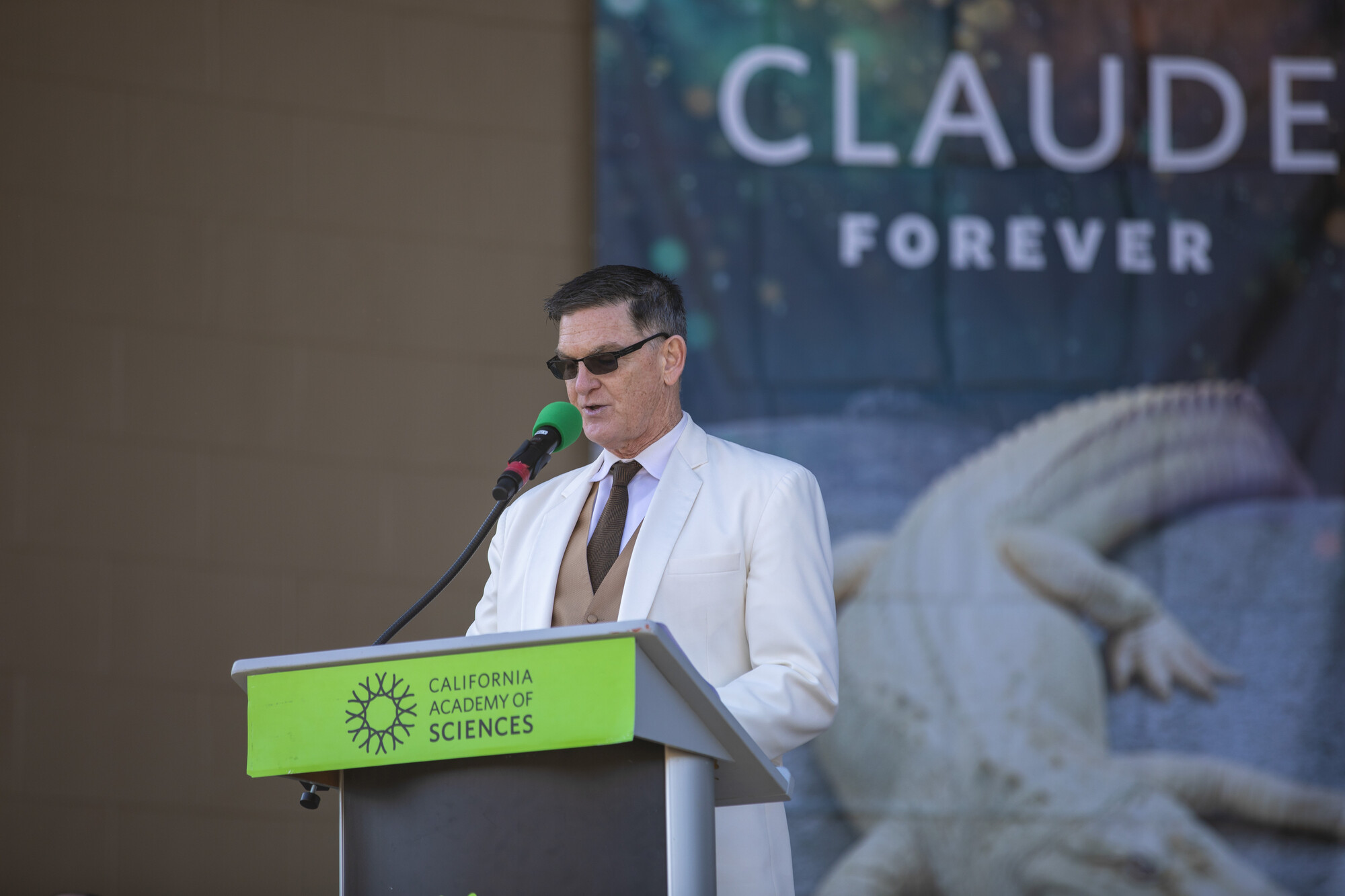
"caption": "Scott D. Sampson, executive director of California Academy of Sciences, speaks at the memorial of Claude, the albino alligator who lived at California Academy of Sciences, at his memorial at Golden Gate Park in San Francisco on Jan. 18, 2026. Sampson resigned from his position this week. The announcement follows recent layoffs and ongoing financial challenges at the San Francisco museum and scientific research institution.",
"credit": "Tâm Vũ/KQED",
"altTag": null,
"description": null,
"imgSizes": {
"thumbnail": {
"file": "https://cdn.kqed.org/wp-content/uploads/sites/10/2026/05/260118-claudeforever00820_TV_qed-160x107.jpg",
"width": 160,
"height": 107,
"mimeType": "image/jpeg"
},
"1536x1536": {
"file": "https://cdn.kqed.org/wp-content/uploads/sites/10/2026/05/260118-claudeforever00820_TV_qed-1536x1024.jpg",
"width": 1536,
"height": 1024,
"mimeType": "image/jpeg"
},
"post-thumbnail": {
"file": "https://cdn.kqed.org/wp-content/uploads/sites/10/2026/05/260118-claudeforever00820_TV_qed-672x372.jpg",
"width": 672,
"height": 372,
"mimeType": "image/jpeg"
},
"twentyfourteen-full-width": {
"file": "https://cdn.kqed.org/wp-content/uploads/sites/10/2026/05/260118-claudeforever00820_TV_qed-1038x576.jpg",
"width": 1038,
"height": 576,
"mimeType": "image/jpeg"
},
"npr-cds-wide": {
"file": "https://cdn.kqed.org/wp-content/uploads/sites/10/2026/05/260118-claudeforever00820_TV_qed-1200x675.jpg",
"width": 1200,
"height": 675,
"mimeType": "image/jpeg"
},
"npr-cds-square": {
"file": "https://cdn.kqed.org/wp-content/uploads/sites/10/2026/05/260118-claudeforever00820_TV_qed-600x600.jpg",
"width": 600,
"height": 600,
"mimeType": "image/jpeg"
},
"kqedFullSize": {
"file": "https://cdn.kqed.org/wp-content/uploads/sites/10/2026/05/260118-claudeforever00820_TV_qed.jpg",
"width": 2000,
"height": 1333
}
},
"isLoading": false,
"fetchFailed": false
},
"news_12083586": {
"type": "attachments",
"id": "news_12083586",
"meta": {
"index": "attachments_1716263798",
"site": "news",
"id": "12083586",
"found": true
},
"title": "260513-SF ARTS LAYOFFS-MD-02-KQED",
"publishDate": 1778773411,
"status": "inherit",
"parent": 0,
"modified": 1778795814,
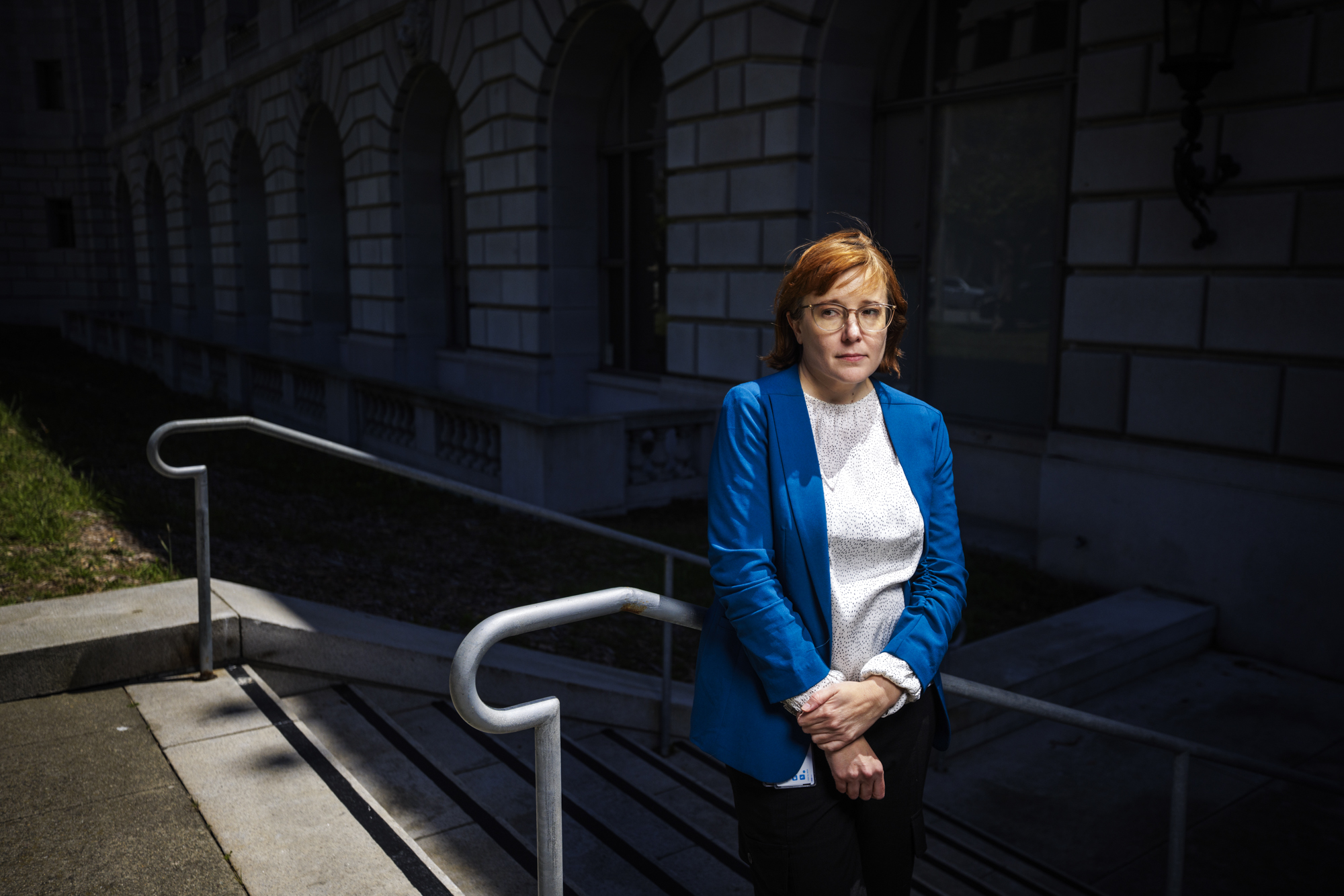
"caption": "Jen Atwood, who was recently laid off from her position with the San Francisco Arts Commission, stands outside the War Memorial building in San Francisco on May 13, 2026.",
"credit": "Martin do Nascimento/KQED",
"altTag": null,
"description": null,
"imgSizes": {
"thumbnail": {
"file": "https://cdn.kqed.org/wp-content/uploads/sites/10/2026/05/260513-SF-ARTS-LAYOFFS-MD-02-KQED-160x107.jpg",
"width": 160,
"height": 107,
"mimeType": "image/jpeg"
},
"1536x1536": {
"file": "https://cdn.kqed.org/wp-content/uploads/sites/10/2026/05/260513-SF-ARTS-LAYOFFS-MD-02-KQED-1536x1025.jpg",
"width": 1536,
"height": 1025,
"mimeType": "image/jpeg"
},
"post-thumbnail": {
"file": "https://cdn.kqed.org/wp-content/uploads/sites/10/2026/05/260513-SF-ARTS-LAYOFFS-MD-02-KQED-672x372.jpg",
"width": 672,
"height": 372,
"mimeType": "image/jpeg"
},
"twentyfourteen-full-width": {
"file": "https://cdn.kqed.org/wp-content/uploads/sites/10/2026/05/260513-SF-ARTS-LAYOFFS-MD-02-KQED-1038x576.jpg",
"width": 1038,
"height": 576,
"mimeType": "image/jpeg"
},
"npr-cds-wide": {
"file": "https://cdn.kqed.org/wp-content/uploads/sites/10/2026/05/260513-SF-ARTS-LAYOFFS-MD-02-KQED-1200x675.jpg",
"width": 1200,
"height": 675,
"mimeType": "image/jpeg"
},
"npr-cds-square": {
"file": "https://cdn.kqed.org/wp-content/uploads/sites/10/2026/05/260513-SF-ARTS-LAYOFFS-MD-02-KQED-600x600.jpg",
"width": 600,
"height": 600,
"mimeType": "image/jpeg"
},
"kqedFullSize": {
"file": "https://cdn.kqed.org/wp-content/uploads/sites/10/2026/05/260513-SF-ARTS-LAYOFFS-MD-02-KQED.jpg",
"width": 2000,
"height": 1334
}
},
"isLoading": false,
"fetchFailed": false
},
"news_12083065": {
"type": "attachments",
"id": "news_12083065",
"meta": {
"index": "attachments_1716263798",
"site": "news",
"id": "12083065",
"found": true
},
"title": "260510-VALKYRIESHOMEOPENER-29-BL-KQED",
"publishDate": 1778502703,
"status": "inherit",
"parent": 12082963,
"modified": 1778517144,
"caption": "Ashley Richardson cheers during the Golden State Valkyries’ home opener against the Phoenix Mercury at Chase Center in San Francisco on May 10, 2026.",
"credit": "Beth LaBerge/KQED",
"altTag": null,
"description": null,
"imgSizes": {
"thumbnail": {
"file": "https://cdn.kqed.org/wp-content/uploads/sites/10/2026/05/260510-VALKYRIESHOMEOPENER-29-BL-KQED-160x107.jpg",
"width": 160,
"height": 107,
"mimeType": "image/jpeg"
},
"1536x1536": {
"file": "https://cdn.kqed.org/wp-content/uploads/sites/10/2026/05/260510-VALKYRIESHOMEOPENER-29-BL-KQED-1536x1024.jpg",
"width": 1536,
"height": 1024,
"mimeType": "image/jpeg"
},
"post-thumbnail": {
"file": "https://cdn.kqed.org/wp-content/uploads/sites/10/2026/05/260510-VALKYRIESHOMEOPENER-29-BL-KQED-672x372.jpg",
"width": 672,
"height": 372,
"mimeType": "image/jpeg"
},
"twentyfourteen-full-width": {
"file": "https://cdn.kqed.org/wp-content/uploads/sites/10/2026/05/260510-VALKYRIESHOMEOPENER-29-BL-KQED-1038x576.jpg",
"width": 1038,
"height": 576,
"mimeType": "image/jpeg"
},
"npr-cds-wide": {
"file": "https://cdn.kqed.org/wp-content/uploads/sites/10/2026/05/260510-VALKYRIESHOMEOPENER-29-BL-KQED-1200x675.jpg",
"width": 1200,
"height": 675,
"mimeType": "image/jpeg"
},
"npr-cds-square": {
"file": "https://cdn.kqed.org/wp-content/uploads/sites/10/2026/05/260510-VALKYRIESHOMEOPENER-29-BL-KQED-600x600.jpg",
"width": 600,
"height": 600,
"mimeType": "image/jpeg"
},
"kqedFullSize": {
"file": "https://cdn.kqed.org/wp-content/uploads/sites/10/2026/05/260510-VALKYRIESHOMEOPENER-29-BL-KQED.jpg",
"width": 2000,
"height": 1333
}
},
"isLoading": false,
"fetchFailed": false
},
"news_12083334": {
"type": "attachments",
"id": "news_12083334",
"meta": {
"index": "attachments_1716263798",
"site": "news",
"id": "12083334",
"found": true
},
"title": "20260511-YICKWOCOMMEMORATION-JY-08-KQED",
"publishDate": 1778615577,
"status": "inherit",
"parent": 0,
"modified": 1778618421,
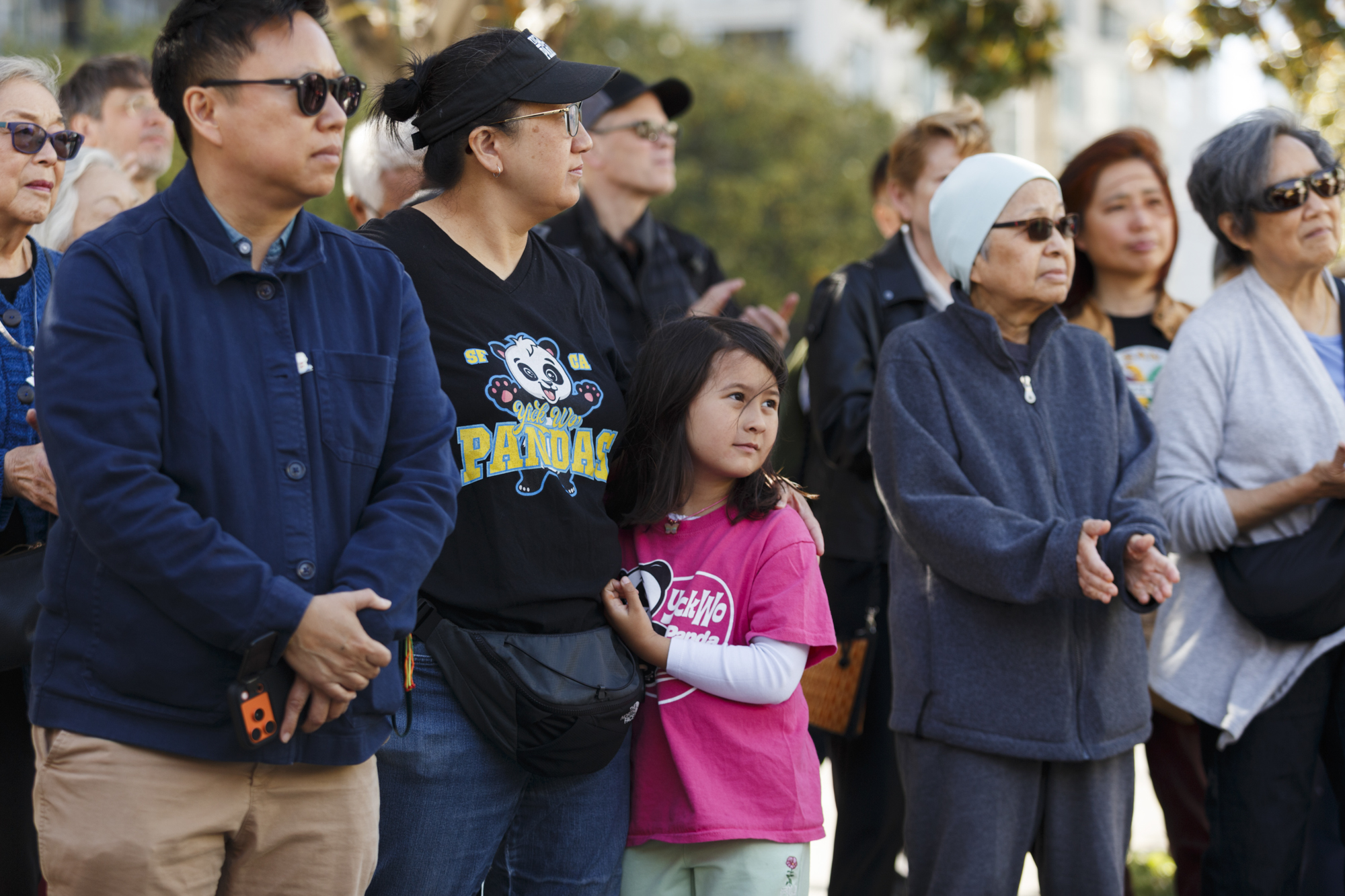
"caption": "Yick Wo Alternative Elementary School student Lizzy Alexander, center, hugs her mom Ranee Kwong as they attend a press conference at the parking lot on Third and Harrison streets in San Francisco on Monday, May 11, 2026. Officials and community members gathered to commemorate the 140th anniversary of the landmark Supreme Court case Yick Wo v. Hopkins, which established that the 14th Amendment applied to all, even noncitizens.",
"credit": "Juliana Yamada for KQED",
"altTag": null,
"description": null,
"imgSizes": {
"thumbnail": {
"file": "https://cdn.kqed.org/wp-content/uploads/sites/10/2026/05/20260511-YICKWOCOMMEMORATION-JY-08-KQED-160x107.jpg",
"width": 160,
"height": 107,
"mimeType": "image/jpeg"
},
"1536x1536": {
"file": "https://cdn.kqed.org/wp-content/uploads/sites/10/2026/05/20260511-YICKWOCOMMEMORATION-JY-08-KQED-1536x1024.jpg",
"width": 1536,
"height": 1024,
"mimeType": "image/jpeg"
},
"post-thumbnail": {
"file": "https://cdn.kqed.org/wp-content/uploads/sites/10/2026/05/20260511-YICKWOCOMMEMORATION-JY-08-KQED-672x372.jpg",
"width": 672,
"height": 372,
"mimeType": "image/jpeg"
},
"twentyfourteen-full-width": {
"file": "https://cdn.kqed.org/wp-content/uploads/sites/10/2026/05/20260511-YICKWOCOMMEMORATION-JY-08-KQED-1038x576.jpg",
"width": 1038,
"height": 576,
"mimeType": "image/jpeg"
},
"npr-cds-wide": {
"file": "https://cdn.kqed.org/wp-content/uploads/sites/10/2026/05/20260511-YICKWOCOMMEMORATION-JY-08-KQED-1200x675.jpg",
"width": 1200,
"height": 675,
"mimeType": "image/jpeg"
},
"npr-cds-square": {
"file": "https://cdn.kqed.org/wp-content/uploads/sites/10/2026/05/20260511-YICKWOCOMMEMORATION-JY-08-KQED-600x600.jpg",
"width": 600,
"height": 600,
"mimeType": "image/jpeg"
},
"kqedFullSize": {
"file": "https://cdn.kqed.org/wp-content/uploads/sites/10/2026/05/20260511-YICKWOCOMMEMORATION-JY-08-KQED.jpg",
"width": 2000,
"height": 1333
}
},
"isLoading": false,
"fetchFailed": false
},
"news_11991871": {
"type": "attachments",
"id": "news_11991871",
"meta": {
"index": "attachments_1716263798",
"site": "news",
"id": "11991871",
"found": true
},
"title": "005_KQED_SanFrancisco_SafeSleepingVillage_05142020",
"publishDate": 1719343564,
"status": "inherit",
"parent": 11991834,
"modified": 1719343645,
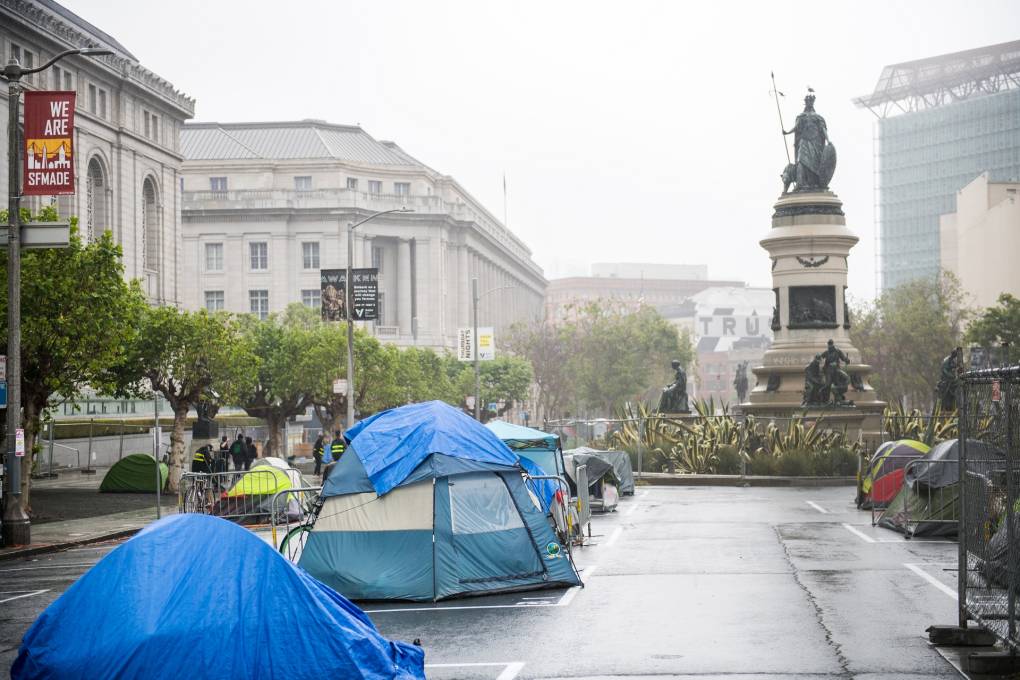
"caption": "The Bay Area needs an additional $9.5 billion to reduce street homelessness by 75% over the next five years, according to a report released Tuesday by the research nonprofit All Home. ",
"credit": "Beth LaBerge/KQED",
"altTag": null,
"description": null,
"imgSizes": {
"medium": {
"file": "https://cdn.kqed.org/wp-content/uploads/sites/10/2024/06/005_KQED_SanFrancisco_SafeSleepingVillage_05142020-800x533.jpg",
"width": 800,
"height": 533,
"mimeType": "image/jpeg"
},
"large": {
"file": "https://cdn.kqed.org/wp-content/uploads/sites/10/2024/06/005_KQED_SanFrancisco_SafeSleepingVillage_05142020-1020x680.jpg",
"width": 1020,
"height": 680,
"mimeType": "image/jpeg"
},
"thumbnail": {
"file": "https://cdn.kqed.org/wp-content/uploads/sites/10/2024/06/005_KQED_SanFrancisco_SafeSleepingVillage_05142020-160x107.jpg",
"width": 160,
"height": 107,
"mimeType": "image/jpeg"
},
"1536x1536": {
"file": "https://cdn.kqed.org/wp-content/uploads/sites/10/2024/06/005_KQED_SanFrancisco_SafeSleepingVillage_05142020-1536x1024.jpg",
"width": 1536,
"height": 1024,
"mimeType": "image/jpeg"
},
"post-thumbnail": {
"file": "https://cdn.kqed.org/wp-content/uploads/sites/10/2024/06/005_KQED_SanFrancisco_SafeSleepingVillage_05142020-672x372.jpg",
"width": 672,
"height": 372,
"mimeType": "image/jpeg"
},
"twentyfourteen-full-width": {
"file": "https://cdn.kqed.org/wp-content/uploads/sites/10/2024/06/005_KQED_SanFrancisco_SafeSleepingVillage_05142020-1038x576.jpg",
"width": 1038,
"height": 576,
"mimeType": "image/jpeg"
},
"kqedFullSize": {
"file": "https://cdn.kqed.org/wp-content/uploads/sites/10/2024/06/005_KQED_SanFrancisco_SafeSleepingVillage_05142020.jpg",
"width": 1920,
"height": 1280
}
},
"isLoading": false,
"fetchFailed": false
},
"news_12083228": {
"type": "attachments",
"id": "news_12083228",
"meta": {
"index": "attachments_1716263798",
"site": "news",
"id": "12083228",
"found": true
},
"title": "260511-KAISERDACA00192_TV-KQED",
"publishDate": 1778545168,
"status": "inherit",
"parent": 12085305,
"modified": 1779927344,
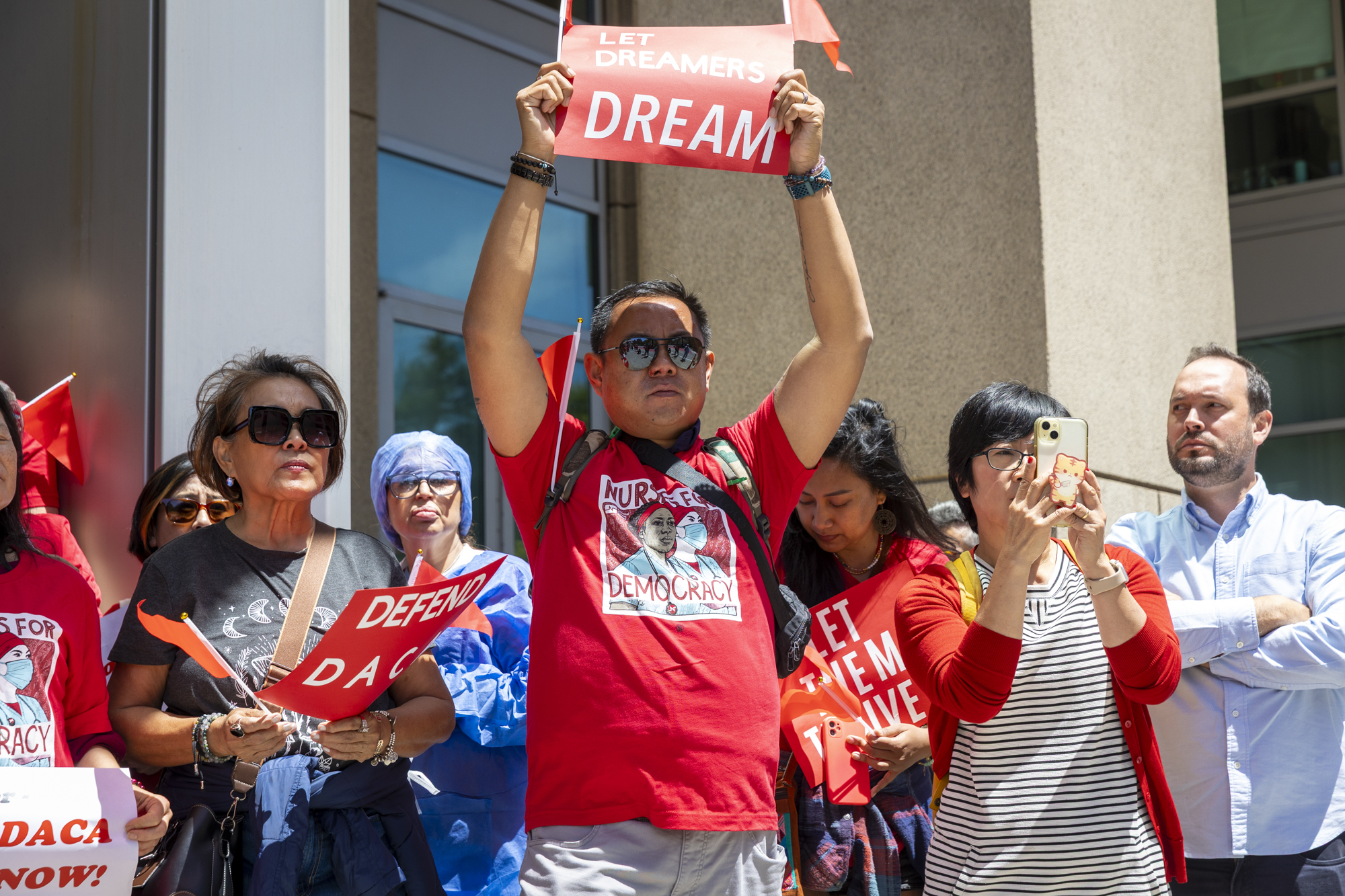
"caption": "Kevin Mann (center) rallies against Kaiser’s plans to terminate a DACA recipient registered nurse outside of Kaiser Permanente on Geary Street in San Francisco on May 11, 2026.",
"credit": "Tâm Vũ/KQED",
"altTag": null,
"description": null,
"imgSizes": {
"thumbnail": {
"file": "https://cdn.kqed.org/wp-content/uploads/sites/10/2026/05/260511-KAISERDACA00192_TV-KQED-160x107.jpg",
"width": 160,
"height": 107,
"mimeType": "image/jpeg"
},
"1536x1536": {
"file": "https://cdn.kqed.org/wp-content/uploads/sites/10/2026/05/260511-KAISERDACA00192_TV-KQED-1536x1024.jpg",
"width": 1536,
"height": 1024,
"mimeType": "image/jpeg"
},
"post-thumbnail": {
"file": "https://cdn.kqed.org/wp-content/uploads/sites/10/2026/05/260511-KAISERDACA00192_TV-KQED-672x372.jpg",
"width": 672,
"height": 372,
"mimeType": "image/jpeg"
},
"twentyfourteen-full-width": {
"file": "https://cdn.kqed.org/wp-content/uploads/sites/10/2026/05/260511-KAISERDACA00192_TV-KQED-1038x576.jpg",
"width": 1038,
"height": 576,
"mimeType": "image/jpeg"
},
"npr-cds-wide": {
"file": "https://cdn.kqed.org/wp-content/uploads/sites/10/2026/05/260511-KAISERDACA00192_TV-KQED-1200x675.jpg",
"width": 1200,
"height": 675,
"mimeType": "image/jpeg"
},
"npr-cds-square": {
"file": "https://cdn.kqed.org/wp-content/uploads/sites/10/2026/05/260511-KAISERDACA00192_TV-KQED-600x600.jpg",
"width": 600,
"height": 600,
"mimeType": "image/jpeg"
},
"kqedFullSize": {
"file": "https://cdn.kqed.org/wp-content/uploads/sites/10/2026/05/260511-KAISERDACA00192_TV-KQED.jpg",
"width": 2000,
"height": 1333
}
},
"isLoading": false,
"fetchFailed": false
},
"news_12083186": {
"type": "attachments",
"id": "news_12083186",
"meta": {
"index": "attachments_1716263798",
"site": "news",
"id": "12083186",
"found": true
},
"title": "260511-KONDAMAY-03-BL-KQED",
"publishDate": 1778535389,
"status": "inherit",
"parent": 0,
"modified": 1778535423,
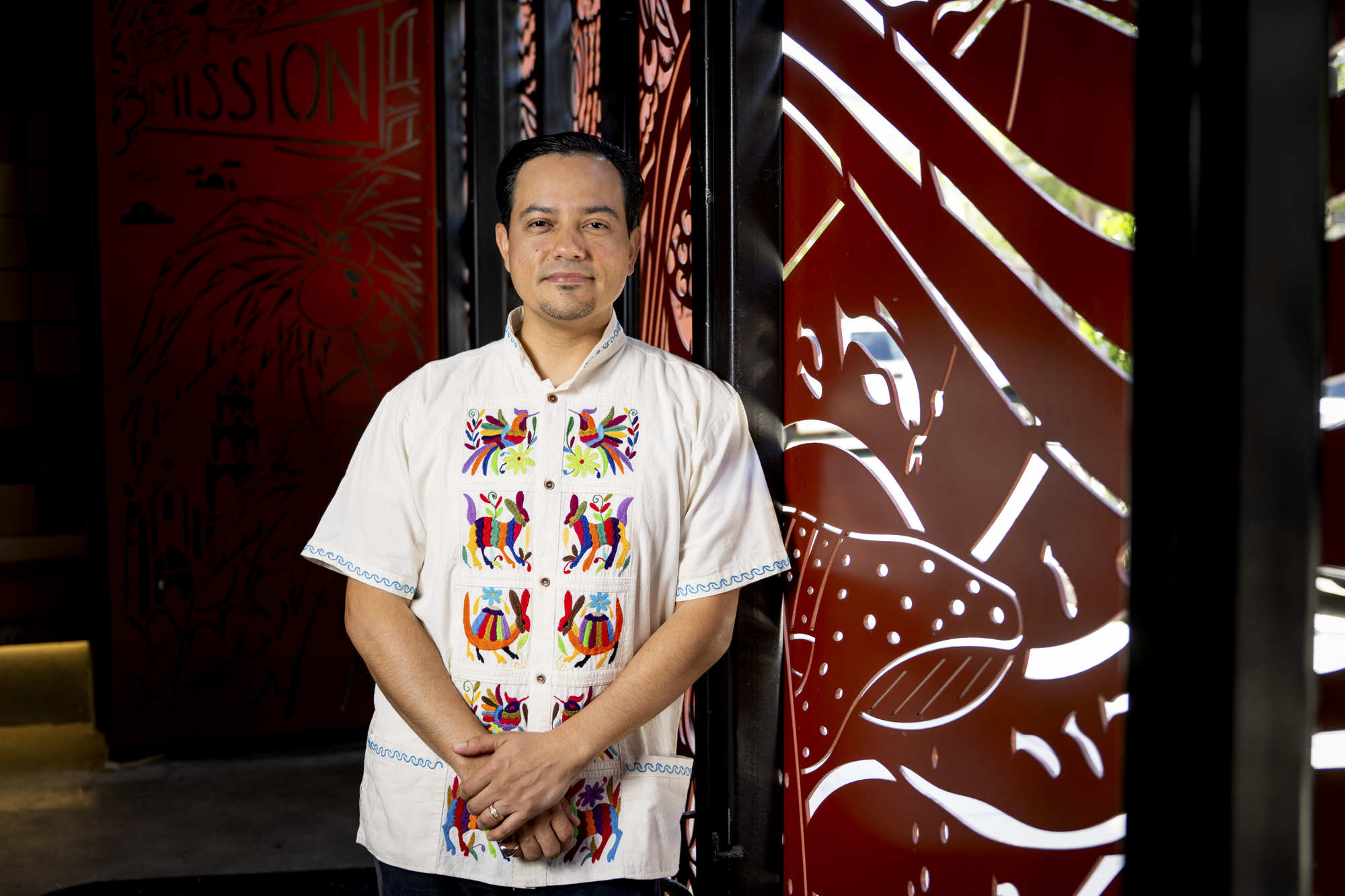
"caption": "Rodrigo Duran, executive director of Carnaval San Francisco, at the organization’s offices in San Francisco’s Mission District on May 11, 2026.",
"credit": "Beth LaBerge/KQED",
"altTag": null,
"description": null,
"imgSizes": {
"thumbnail": {
"file": "https://cdn.kqed.org/wp-content/uploads/sites/10/2026/05/260511-KONDAMAY-03-BL-KQED-160x107.jpg",
"width": 160,
"height": 107,
"mimeType": "image/jpeg"
},
"1536x1536": {
"file": "https://cdn.kqed.org/wp-content/uploads/sites/10/2026/05/260511-KONDAMAY-03-BL-KQED-1536x1024.jpg",
"width": 1536,
"height": 1024,
"mimeType": "image/jpeg"
},
"post-thumbnail": {
"file": "https://cdn.kqed.org/wp-content/uploads/sites/10/2026/05/260511-KONDAMAY-03-BL-KQED-672x372.jpg",
"width": 672,
"height": 372,
"mimeType": "image/jpeg"
},
"twentyfourteen-full-width": {
"file": "https://cdn.kqed.org/wp-content/uploads/sites/10/2026/05/260511-KONDAMAY-03-BL-KQED-1038x576.jpg",
"width": 1038,
"height": 576,
"mimeType": "image/jpeg"
},
"npr-cds-wide": {
"file": "https://cdn.kqed.org/wp-content/uploads/sites/10/2026/05/260511-KONDAMAY-03-BL-KQED-1200x675.jpg",
"width": 1200,
"height": 675,
"mimeType": "image/jpeg"
},
"npr-cds-square": {
"file": "https://cdn.kqed.org/wp-content/uploads/sites/10/2026/05/260511-KONDAMAY-03-BL-KQED-600x600.jpg",
"width": 600,
"height": 600,
"mimeType": "image/jpeg"
},
"kqedFullSize": {
"file": "https://cdn.kqed.org/wp-content/uploads/sites/10/2026/05/260511-KONDAMAY-03-BL-KQED.jpg",
"width": 2000,
"height": 1333
}
},
"isLoading": false,
"fetchFailed": false
},
"news_12083064": {
"type": "attachments",
"id": "news_12083064",
"meta": {
"index": "attachments_1716263798",
"site": "news",
"id": "12083064",
"found": true
},
"title": "260510-VALKYRIESHOMEOPENER-26-BL-KQED",
"publishDate": 1778502698,
"status": "inherit",
"parent": 0,
"modified": 1778502763,
"caption": "The Golden State Valkyries play the Phoenix Mercury during their home opener at Chase Center in San Francisco on May 10, 2026. The game marked the start of the Valkyries’ second WNBA season.",
"credit": "Beth LaBerge/KQED",
"altTag": null,
"description": null,
"imgSizes": {
"thumbnail": {
"file": "https://cdn.kqed.org/wp-content/uploads/sites/10/2026/05/260510-VALKYRIESHOMEOPENER-26-BL-KQED-160x107.jpg",
"width": 160,
"height": 107,
"mimeType": "image/jpeg"
},
"1536x1536": {
"file": "https://cdn.kqed.org/wp-content/uploads/sites/10/2026/05/260510-VALKYRIESHOMEOPENER-26-BL-KQED-1536x1024.jpg",
"width": 1536,
"height": 1024,
"mimeType": "image/jpeg"
},
"post-thumbnail": {
"file": "https://cdn.kqed.org/wp-content/uploads/sites/10/2026/05/260510-VALKYRIESHOMEOPENER-26-BL-KQED-672x372.jpg",
"width": 672,
"height": 372,
"mimeType": "image/jpeg"
},
"twentyfourteen-full-width": {
"file": "https://cdn.kqed.org/wp-content/uploads/sites/10/2026/05/260510-VALKYRIESHOMEOPENER-26-BL-KQED-1038x576.jpg",
"width": 1038,
"height": 576,
"mimeType": "image/jpeg"
},
"npr-cds-wide": {
"file": "https://cdn.kqed.org/wp-content/uploads/sites/10/2026/05/260510-VALKYRIESHOMEOPENER-26-BL-KQED-1200x675.jpg",
"width": 1200,
"height": 675,
"mimeType": "image/jpeg"
},
"npr-cds-square": {
"file": "https://cdn.kqed.org/wp-content/uploads/sites/10/2026/05/260510-VALKYRIESHOMEOPENER-26-BL-KQED-600x600.jpg",
"width": 600,
"height": 600,
"mimeType": "image/jpeg"
},
"kqedFullSize": {
"file": "https://cdn.kqed.org/wp-content/uploads/sites/10/2026/05/260510-VALKYRIESHOMEOPENER-26-BL-KQED.jpg",
"width": 2000,
"height": 1333
}
},
"isLoading": false,
"fetchFailed": false
},
"news_12068296": {
"type": "attachments",
"id": "news_12068296",
"meta": {
"index": "attachments_1716263798",
"site": "news",
"id": "12068296",
"found": true
},
"title": "251222-PGEUpdates-22-BL_qed",
"publishDate": 1766442988,
"status": "inherit",
"parent": 0,
"modified": 1770076977,
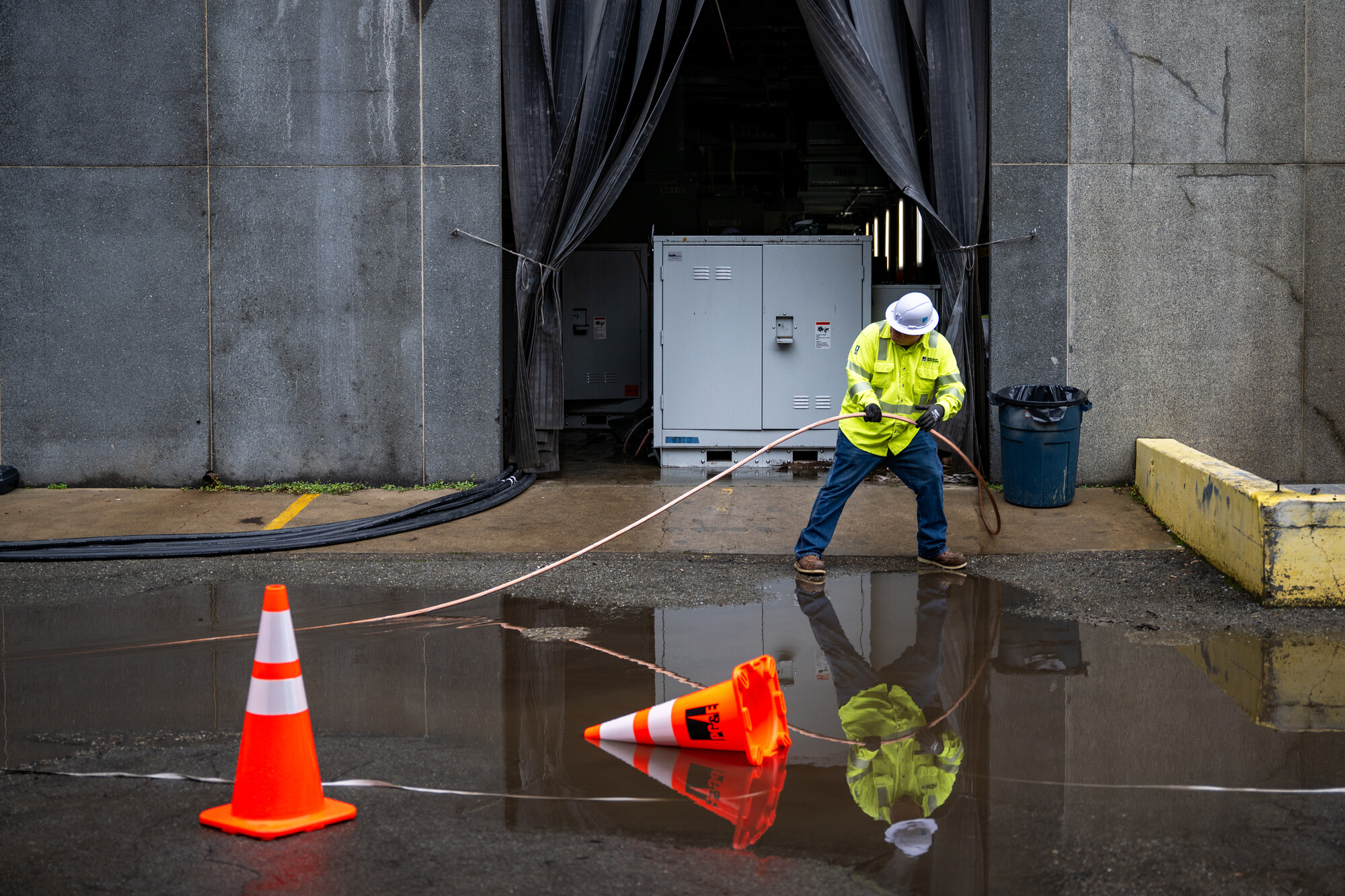
"caption": "A PG&E employee works to repair a substation on Mission and Eighth streets in San Francisco on Dec. 22, 2025, after a fire at the site over the weekend contributed to a major citywide power outage.",
"credit": "Beth LaBerge/KQED",
"altTag": null,
"description": null,
"imgSizes": {
"thumbnail": {
"file": "https://cdn.kqed.org/wp-content/uploads/sites/10/2025/12/251222-PGEUpdates-22-BL_qed-160x107.jpg",
"width": 160,
"height": 107,
"mimeType": "image/jpeg"
},
"1536x1536": {
"file": "https://cdn.kqed.org/wp-content/uploads/sites/10/2025/12/251222-PGEUpdates-22-BL_qed-1536x1024.jpg",
"width": 1536,
"height": 1024,
"mimeType": "image/jpeg"
},
"post-thumbnail": {
"file": "https://cdn.kqed.org/wp-content/uploads/sites/10/2025/12/251222-PGEUpdates-22-BL_qed-672x372.jpg",
"width": 672,
"height": 372,
"mimeType": "image/jpeg"
},
"twentyfourteen-full-width": {
"file": "https://cdn.kqed.org/wp-content/uploads/sites/10/2025/12/251222-PGEUpdates-22-BL_qed-1038x576.jpg",
"width": 1038,
"height": 576,
"mimeType": "image/jpeg"
},
"npr-cds-wide": {
"file": "https://cdn.kqed.org/wp-content/uploads/sites/10/2025/12/251222-PGEUpdates-22-BL_qed-1200x675.jpg",
"width": 1200,
"height": 675,
"mimeType": "image/jpeg"
},
"kqedFullSize": {
"file": "https://cdn.kqed.org/wp-content/uploads/sites/10/2025/12/251222-PGEUpdates-22-BL_qed.jpg",
"width": 2000,
"height": 1333
}
},
"isLoading": false,
"fetchFailed": false
},
"news_11962972": {
"type": "attachments",
"id": "news_11962972",
"meta": {
"index": "attachments_1716263798",
"site": "news",
"id": "11962972",
"found": true
},
"title": "Planes at San Francisco International Airport (SFO)",
"publishDate": 1696036126,
"status": "inherit",
"parent": 11962810,
"modified": 1781817413,
"caption": "A JetBlue passenger plane takes off from San Francisco International Airport in San Francisco, California, on June 21, 2023.",
"credit": "Tayfun Coskun/Anadolu Agency via Getty Images",
"altTag": "A passenger jet with JETBLUE on the side takes off from a runway.",
"description": null,
"imgSizes": {
"medium": {
"file": "https://cdn.kqed.org/wp-content/uploads/sites/10/2023/09/GettyImages-1258924953-qut-800x533.jpg",
"width": 800,
"height": 533,
"mimeType": "image/jpeg"
},
"large": {
"file": "https://cdn.kqed.org/wp-content/uploads/sites/10/2023/09/GettyImages-1258924953-qut-1020x680.jpg",
"width": 1020,
"height": 680,
"mimeType": "image/jpeg"
},
"thumbnail": {
"file": "https://cdn.kqed.org/wp-content/uploads/sites/10/2023/09/GettyImages-1258924953-qut-160x107.jpg",
"width": 160,
"height": 107,
"mimeType": "image/jpeg"
},
"1536x1536": {
"file": "https://cdn.kqed.org/wp-content/uploads/sites/10/2023/09/GettyImages-1258924953-qut-1536x1024.jpg",
"width": 1536,
"height": 1024,
"mimeType": "image/jpeg"
},
"post-thumbnail": {
"file": "https://cdn.kqed.org/wp-content/uploads/sites/10/2023/09/GettyImages-1258924953-qut-672x372.jpg",
"width": 672,
"height": 372,
"mimeType": "image/jpeg"
},
"twentyfourteen-full-width": {
"file": "https://cdn.kqed.org/wp-content/uploads/sites/10/2023/09/GettyImages-1258924953-qut-1038x576.jpg",
"width": 1038,
"height": 576,
"mimeType": "image/jpeg"
},
"kqedFullSize": {
"file": "https://cdn.kqed.org/wp-content/uploads/sites/10/2023/09/GettyImages-1258924953-qut.jpg",
"width": 1920,
"height": 1280
}
},
"isLoading": false,
"fetchFailed": false
},
"news_12081473": {
"type": "attachments",
"id": "news_12081473",
"meta": {
"index": "attachments_1716263798",
"site": "news",
"id": "12081473",
"found": true
},
"title": "042506CORA&SANTOSBELOY_GH_004-KQED",
"publishDate": 1777310000,
"status": "inherit",
"parent": 0,
"modified": 1777310846,
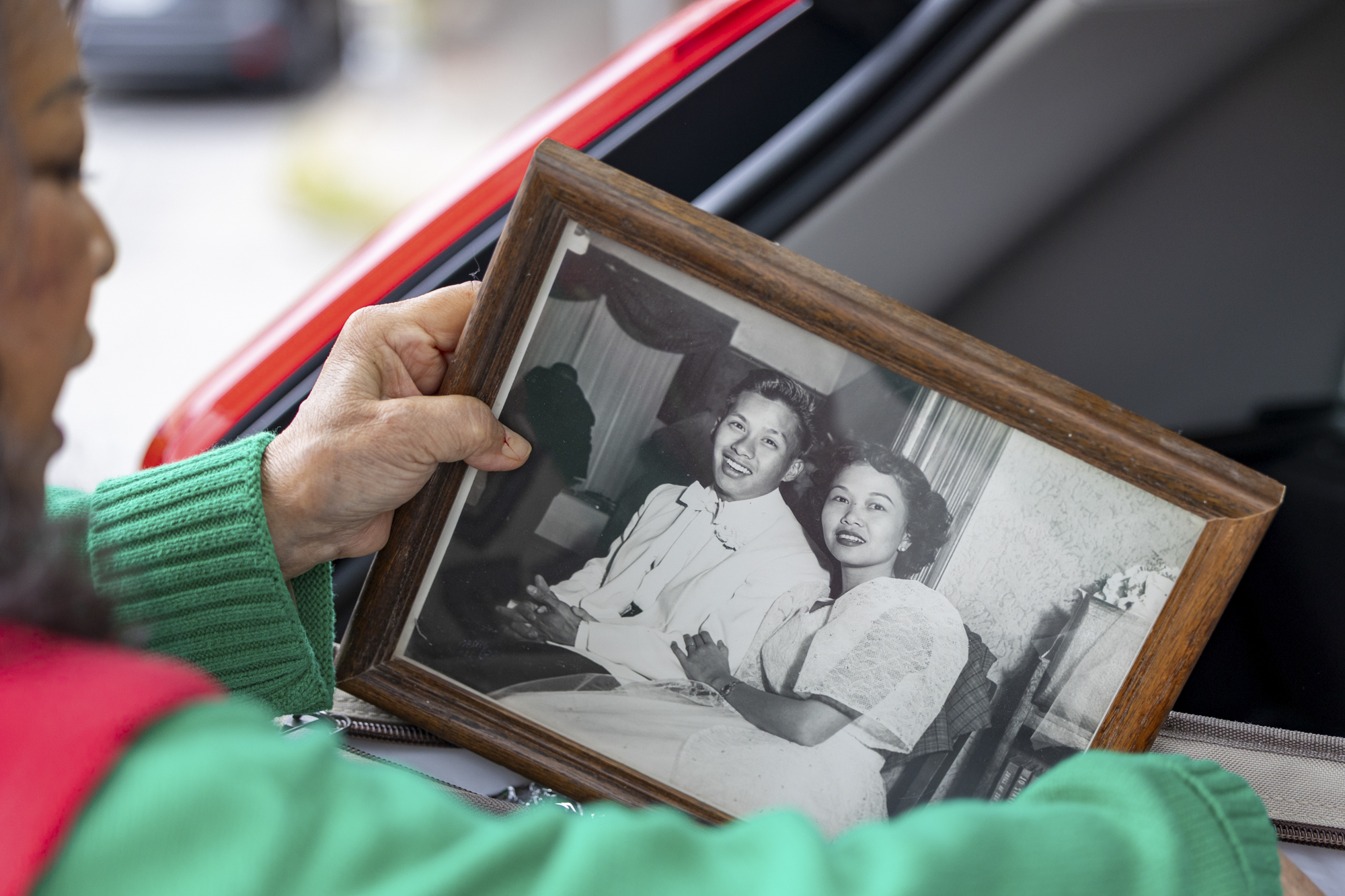
"caption": "Cissy Sherr, daughter of Cora and Santos Beloy, holds a framed photograph of her parents in San Francisco on April 25, 2026.",
"credit": "Gustavo Hernandez/KQED",
"altTag": null,
"description": null,
"imgSizes": {
"thumbnail": {
"file": "https://cdn.kqed.org/wp-content/uploads/sites/10/2026/04/042506CORASANTOSBELOY_GH_004-KQED-160x107.jpg",
"width": 160,
"height": 107,
"mimeType": "image/jpeg"
},
"1536x1536": {
"file": "https://cdn.kqed.org/wp-content/uploads/sites/10/2026/04/042506CORASANTOSBELOY_GH_004-KQED-1536x1024.jpg",
"width": 1536,
"height": 1024,
"mimeType": "image/jpeg"
},
"post-thumbnail": {
"file": "https://cdn.kqed.org/wp-content/uploads/sites/10/2026/04/042506CORASANTOSBELOY_GH_004-KQED-672x372.jpg",
"width": 672,
"height": 372,
"mimeType": "image/jpeg"
},
"twentyfourteen-full-width": {
"file": "https://cdn.kqed.org/wp-content/uploads/sites/10/2026/04/042506CORASANTOSBELOY_GH_004-KQED-1038x576.jpg",
"width": 1038,
"height": 576,
"mimeType": "image/jpeg"
},
"npr-cds-wide": {
"file": "https://cdn.kqed.org/wp-content/uploads/sites/10/2026/04/042506CORASANTOSBELOY_GH_004-KQED-1200x675.jpg",
"width": 1200,
"height": 675,
"mimeType": "image/jpeg"
},
"npr-cds-square": {
"file": "https://cdn.kqed.org/wp-content/uploads/sites/10/2026/04/042506CORASANTOSBELOY_GH_004-KQED-600x600.jpg",
"width": 600,
"height": 600,
"mimeType": "image/jpeg"
},
"kqedFullSize": {
"file": "https://cdn.kqed.org/wp-content/uploads/sites/10/2026/04/042506CORASANTOSBELOY_GH_004-KQED.jpg",
"width": 2000,
"height": 1333
}
},
"isLoading": false,
"fetchFailed": false
},
"news_12081202": {
"type": "attachments",
"id": "news_12081202",
"meta": {
"index": "attachments_1716263798",
"site": "news",
"id": "12081202",
"found": true
},
"title": "Mauricio Martinez (left), laborer Ranger Pipelines, Inc. and Jose Ochoa (right), laborer Ranger Pipelines, Inc., sweep asphalt as Dan Durkan, operating engineer Ranger Pipelines, Inc., works on a roller while they work near the intersection of 41st Avenue",
"publishDate": 1776984383,
"status": "inherit",
"parent": 0,
"modified": 1776984532,
"caption": "Crews perform road work near the intersection of 41st Avenue and Santiago Street in San Francisco on Nov. 21, 2014.",
"credit": "Lea Suzuki/The San Francisco Chronicle via Getty Images",
"altTag": null,
"description": null,
"imgSizes": {
"thumbnail": {
"file": "https://cdn.kqed.org/wp-content/uploads/sites/10/2026/04/GETTYIMAGES-1322128240-KQED-160x107.jpg",
"width": 160,
"height": 107,
"mimeType": "image/jpeg"
},
"1536x1536": {
"file": "https://cdn.kqed.org/wp-content/uploads/sites/10/2026/04/GETTYIMAGES-1322128240-KQED-1536x1024.jpg",
"width": 1536,
"height": 1024,
"mimeType": "image/jpeg"
},
"post-thumbnail": {
"file": "https://cdn.kqed.org/wp-content/uploads/sites/10/2026/04/GETTYIMAGES-1322128240-KQED-672x372.jpg",
"width": 672,
"height": 372,
"mimeType": "image/jpeg"
},
"twentyfourteen-full-width": {
"file": "https://cdn.kqed.org/wp-content/uploads/sites/10/2026/04/GETTYIMAGES-1322128240-KQED-1038x576.jpg",
"width": 1038,
"height": 576,
"mimeType": "image/jpeg"
},
"npr-cds-wide": {
"file": "https://cdn.kqed.org/wp-content/uploads/sites/10/2026/04/GETTYIMAGES-1322128240-KQED-1200x675.jpg",
"width": 1200,
"height": 675,
"mimeType": "image/jpeg"
},
"npr-cds-square": {
"file": "https://cdn.kqed.org/wp-content/uploads/sites/10/2026/04/GETTYIMAGES-1322128240-KQED-600x600.jpg",
"width": 600,
"height": 600,
"mimeType": "image/jpeg"
},
"kqedFullSize": {
"file": "https://cdn.kqed.org/wp-content/uploads/sites/10/2026/04/GETTYIMAGES-1322128240-KQED.jpg",
"width": 2000,
"height": 1333
}
},
"isLoading": false,
"fetchFailed": false
}
},
"audioPlayerReducer": {
"postId": "stream_live",
"isPaused": true,
"isPlaying": false,
"pfsActive": false,
"pledgeModalIsOpen": true,
"playerDrawerIsOpen": false,
"liveAudioPlayStartedAt": 0,
"liveAudioPlayContext": ""
},
"authorsReducer": {
"clei": {
"type": "authors",
"id": "8617",
"meta": {
"index": "authors_1716337520",
"id": "8617",
"found": true
},
"name": "Cecilia Lei",
"firstName": "Cecilia",
"lastName": "Lei",
"slug": "clei",
"email": "clei@KQED.org",
"display_author_email": false,
"staff_mastheads": [],
"title": "KQED Contributor",
"bio": "Cecilia Lei is an on-call host and producer for KQED News and Podcasts. Previously, she was the executive producer and host of the San Francisco Chronicle's daily news podcast, 'Fifth and Mission'. Cecilia is a graduate of UC Berkeley’s Graduate School of Journalism and the former president of the Asian American Journalists Association San Francisco Bay Area chapter.",
"avatar": "https://secure.gravatar.com/avatar/40975f1f88fccf628ee537bf6ffc2af8?s=600&d=blank&r=g",
"twitter": null,
"facebook": null,
"instagram": null,
"linkedin": null,
"sites": [
{
"site": "arts",
"roles": [
"contributor"
]
},
{
"site": "news",
"roles": [
"author",
"read_private_posts"
]
},
{
"site": "about",
"roles": [
"editor"
]
}
],
"headData": {
"title": "Cecilia Lei | KQED",
"description": "KQED Contributor",
"ogImgSrc": "https://secure.gravatar.com/avatar/40975f1f88fccf628ee537bf6ffc2af8?s=600&d=blank&r=g",
"twImgSrc": "https://secure.gravatar.com/avatar/40975f1f88fccf628ee537bf6ffc2af8?s=600&d=blank&r=g"
},
"isLoading": false,
"link": "/author/clei"
},
"aehsanipour": {
"type": "authors",
"id": "11580",
"meta": {
"index": "authors_1716337520",
"id": "11580",
"found": true
},
"name": "Asal Ehsanipour",
"firstName": "Asal",
"lastName": "Ehsanipour",
"slug": "aehsanipour",
"email": "aehsanipour@kqed.org",
"display_author_email": false,
"staff_mastheads": [],
"title": "Reporter and Producer",
"bio": "Asal Ehsanipour is a producer and reporter for Rightnowish, Bay Curious and The California Report Magazine. She is also a producer for \u003ca href=\"https://www.thedoubleshift.com/\">The Double Shift\u003c/a>, a podcast about a new generation of working mothers. In 2018, Asal was named an Emerging Journalist Fellow by the Journalism and Women’s Symposium. Her work has appeared on KQED, KALW, PRI’s The World, and in several food and travel publications.",
"avatar": "https://secure.gravatar.com/avatar/c0e210438f5dca1b76921ff9f0eada52?s=600&d=blank&r=g",
"twitter": null,
"facebook": null,
"instagram": null,
"linkedin": null,
"sites": [
{
"site": "arts",
"roles": []
},
{
"site": "news",
"roles": [
"author",
"edit_others_posts"
]
}
],
"headData": {
"title": "Asal Ehsanipour | KQED",
"description": "Reporter and Producer",
"ogImgSrc": "https://secure.gravatar.com/avatar/c0e210438f5dca1b76921ff9f0eada52?s=600&d=blank&r=g",
"twImgSrc": "https://secure.gravatar.com/avatar/c0e210438f5dca1b76921ff9f0eada52?s=600&d=blank&r=g"
},
"isLoading": false,
"link": "/author/aehsanipour"
},
"smohamad": {
"type": "authors",
"id": "11631",
"meta": {
"index": "authors_1716337520",
"id": "11631",
"found": true
},
"name": "Sarah Mohamad",
"firstName": "Sarah",
"lastName": "Mohamad",
"slug": "smohamad",
"email": "smohamad@KQED.org",
"display_author_email": true,
"staff_mastheads": [],
"title": "Engagement Producer and Reporter, KQED Science",
"bio": "Sarah Mohamad is an audience engagement reporter and producer for KQED Science. She reports on audience-focused science and environment stories and manages the team's social media, newsletter, and engagement efforts. Prior to this role, she played a key role as project manager for NSF's \u003ca href=\"https://www.kqed.org/crackingthecode\">\u003cem>Cracking the Code: Influencing Millennial Science Engagement\u003c/em> \u003c/a>audience research.",
"avatar": "https://secure.gravatar.com/avatar/e6224957cd82d015183756ddde1f928013a563d7ca2e4565f8c4de1ec64886c5?s=600&d=blank&r=g",
"twitter": "sarahkmohamad",
"bluesky": null,
"facebook": null,
"instagram": null,
"linkedin": null,
"sites": [
{
"site": "",
"roles": [
"editor"
]
},
{
"site": "arts",
"roles": [
"editor"
]
},
{
"site": "news",
"roles": [
"editor"
]
},
{
"site": "about",
"roles": [
"editor"
]
},
{
"site": "science",
"roles": [
"editor"
]
}
],
"headData": {
"title": "Sarah Mohamad | KQED",
"description": "Engagement Producer and Reporter, KQED Science",
"ogImgSrc": "https://secure.gravatar.com/avatar/e6224957cd82d015183756ddde1f928013a563d7ca2e4565f8c4de1ec64886c5?s=600&d=blank&r=g",
"twImgSrc": "https://secure.gravatar.com/avatar/e6224957cd82d015183756ddde1f928013a563d7ca2e4565f8c4de1ec64886c5?s=600&d=blank&r=g"
},
"isLoading": false,
"link": "/author/smohamad"
},
"btorres": {
"type": "authors",
"id": "11666",
"meta": {
"index": "authors_1716337520",
"id": "11666",
"found": true
},
"name": "Blanca Torres",
"firstName": "Blanca",
"lastName": "Torres",
"slug": "btorres",
"email": "btorres@kqed.org",
"display_author_email": true,
"staff_mastheads": [
"news"
],
"title": "Producer, Forum",
"bio": "Blanca Torres brings sharp news judgement and keen sense of lively conversation to her work as producer for Forum. She loves producing shows that leave listeners feeling like they heard distinctive voices, learned something new and gained a fresh perspective.\r\n\r\nShe joined KQED in January of 2020 after 16 years of working as a newspaper reporter most recently at the \u003cem>San Francisco Business Times,\u003c/em> where she wrote about real estate and economic development. Before that, she covered a variety of beats including crime, education, retail, workplace, the economy, consumer issues, and small business for the \u003cem>Contra Costa Times, Baltimore Sun\u003c/em> and\u003cem> The Seattle Times\u003c/em>. In addition to reporting, she worked as an editorial writer and columnist for the \u003cem>Seattle Times\u003c/em>. From 2017 to 2020, Blanca won a total of ten awards from the National Association of Real Estate Editors and won first place for land use reporting from the California News Publishers Association two years in a row. She is also a member and former board member for the National Association of Hispanic Journalists.\r\n\r\nA native of the Pacific Northwest, Blanca earned her bachelor's degree from Vanderbilt University in Nashville and a master's in fine arts in creative writing at Mills College. She lives in the East Bay with her family.",
"avatar": "https://secure.gravatar.com/avatar/50b49d19b14a1eed34f26ebf4681152cdd81574ed21851100871ccd29e578cdc?s=600&d=blank&r=g",
"twitter": "@blancawrites",
"bluesky": null,
"facebook": null,
"instagram": null,
"linkedin": null,
"sites": [
{
"site": "arts",
"roles": [
"editor"
]
},
{
"site": "news",
"roles": [
"editor"
]
},
{
"site": "forum",
"roles": [
"editor"
]
}
],
"headData": {
"title": "Blanca Torres | KQED",
"description": "Producer, Forum",
"ogImgSrc": "https://secure.gravatar.com/avatar/50b49d19b14a1eed34f26ebf4681152cdd81574ed21851100871ccd29e578cdc?s=600&d=blank&r=g",
"twImgSrc": "https://secure.gravatar.com/avatar/50b49d19b14a1eed34f26ebf4681152cdd81574ed21851100871ccd29e578cdc?s=600&d=blank&r=g"
},
"isLoading": false,
"link": "/author/btorres"
},
"nnavarro": {
"type": "authors",
"id": "11756",
"meta": {
"index": "authors_1716337520",
"id": "11756",
"found": true
},
"name": "Natalia Navarro",
"firstName": "Natalia",
"lastName": "Navarro",
"slug": "nnavarro",
"email": "nnavarro@kqed.org",
"display_author_email": true,
"staff_mastheads": [
"news"
],
"title": "Afternoon News Anchor",
"bio": "Natalia Navarro is KQED's afternoon radio news anchor. She came to KQED in 2021 from Colorado Public Radio, where she was a reporter and host. She has received several awards for her work covering daily and breaking news from professional organizations such as the San Francisco Press Club, Society of Professional Journalists and the Colorado Broadcasters Association. Natalia is originally from Tucson, Arizona, where she got her start in journalism writing for the Arizona Daily Star, Arizona Public Media and the Tucson Weekly. Natalia earned her bachelor's degree in journalism and economics, and her master's degree in journalism from the University of Arizona.",
"avatar": "https://secure.gravatar.com/avatar/a2bdb19fd9520bdea295a2d5f9b2ad65ec51cf0bf559fb1cc041d3a0a04d62ad?s=600&d=blank&r=g",
"twitter": "@NataliaVNavarro",
"bluesky": null,
"facebook": null,
"instagram": null,
"linkedin": null,
"sites": [
{
"site": "news",
"roles": [
"editor"
]
}
],
"headData": {
"title": "Natalia Navarro | KQED",
"description": "Afternoon News Anchor",
"ogImgSrc": "https://secure.gravatar.com/avatar/a2bdb19fd9520bdea295a2d5f9b2ad65ec51cf0bf559fb1cc041d3a0a04d62ad?s=600&d=blank&r=g",
"twImgSrc": "https://secure.gravatar.com/avatar/a2bdb19fd9520bdea295a2d5f9b2ad65ec51cf0bf559fb1cc041d3a0a04d62ad?s=600&d=blank&r=g"
},
"isLoading": false,
"link": "/author/nnavarro"
},
"adahlstromeckman": {
"type": "authors",
"id": "11785",
"meta": {
"index": "authors_1716337520",
"id": "11785",
"found": true
},
"name": "Azul Dahlstrom-Eckman",
"firstName": "Azul",
"lastName": "Dahlstrom-Eckman",
"slug": "adahlstromeckman",
"email": "adahlstrom-eckman@kqed.org",
"display_author_email": true,
"staff_mastheads": [],
"title": "Reporter",
"bio": "Azul is a reporter for KQED focusing on transportation and features. He joined KQED in 2021 as an alumna of KALW's Audio Academy radio journalism training program.",
"avatar": "https://secure.gravatar.com/avatar/9cb750298435add7815a777f55bf1f46845c1386bb8452555c60a7b820b5aba3?s=600&d=blank&r=g",
"twitter": "@zuliemann",
"bluesky": "@azul415.bsky.social",
"facebook": null,
"instagram": null,
"linkedin": null,
"sites": [
{
"site": "arts",
"roles": [
"editor"
]
},
{
"site": "news",
"roles": [
"editor"
]
},
{
"site": "science",
"roles": [
"editor"
]
},
{
"site": "liveblog",
"roles": [
"author"
]
}
],
"headData": {
"title": "Azul Dahlstrom-Eckman | KQED",
"description": "Reporter",
"ogImgSrc": "https://secure.gravatar.com/avatar/9cb750298435add7815a777f55bf1f46845c1386bb8452555c60a7b820b5aba3?s=600&d=blank&r=g",
"twImgSrc": "https://secure.gravatar.com/avatar/9cb750298435add7815a777f55bf1f46845c1386bb8452555c60a7b820b5aba3?s=600&d=blank&r=g"
},
"isLoading": false,
"link": "/author/adahlstromeckman"
},
"sjohnson": {
"type": "authors",
"id": "11840",
"meta": {
"index": "authors_1716337520",
"id": "11840",
"found": true
},
"name": "Sydney Johnson",
"firstName": "Sydney",
"lastName": "Johnson",
"slug": "sjohnson",
"email": "sjohnson@kqed.org",
"display_author_email": false,
"staff_mastheads": [
"news"
],
"title": "KQED Reporter",
"bio": "Sydney Johnson is a general assignment reporter at KQED. She previously reported on public health and city government at the San Francisco Examiner, and before that, she covered statewide education policy for EdSource. Her reporting has won multiple local, state and national awards. Sydney is a graduate of the University of California, Berkeley and lives in San Francisco.",
"avatar": "https://secure.gravatar.com/avatar/97855f2719b72ad6190b7c535fe642c8?s=600&d=blank&r=g",
"twitter": "sydneyfjohnson",
"facebook": null,
"instagram": null,
"linkedin": null,
"sites": [
{
"site": "news",
"roles": [
"editor"
]
}
],
"headData": {
"title": "Sydney Johnson | KQED",
"description": "KQED Reporter",
"ogImgSrc": "https://secure.gravatar.com/avatar/97855f2719b72ad6190b7c535fe642c8?s=600&d=blank&r=g",
"twImgSrc": "https://secure.gravatar.com/avatar/97855f2719b72ad6190b7c535fe642c8?s=600&d=blank&r=g"
},
"isLoading": false,
"link": "/author/sjohnson"
},
"nkhan": {
"type": "authors",
"id": "11867",
"meta": {
"index": "authors_1716337520",
"id": "11867",
"found": true
},
"name": "Nisa Khan",
"firstName": "Nisa",
"lastName": "Khan",
"slug": "nkhan",
"email": "nkhan@kqed.org",
"display_author_email": false,
"staff_mastheads": [],
"title": "KQED Contributor",
"bio": "Nisa Khan is a reporter for KQED's Audience News Desk. She was formerly a data reporter at Michigan Radio. She earned a Bachelor of Science in Information from the University of Michigan and a Master of Arts in Communication from Stanford University.",
"avatar": "https://secure.gravatar.com/avatar/8720459eef081ff64582b3506b124d58523e80e120704a0cbd9892533c914991?s=600&d=blank&r=g",
"twitter": "mnisakhan",
"bluesky": null,
"facebook": null,
"instagram": null,
"linkedin": null,
"sites": [
{
"site": "arts",
"roles": [
"editor"
]
},
{
"site": "news",
"roles": [
"editor"
]
},
{
"site": "science",
"roles": [
"editor",
"author"
]
},
{
"site": "forum",
"roles": [
"editor"
]
},
{
"site": "liveblog",
"roles": [
"contributor"
]
}
],
"headData": {
"title": "Nisa Khan | KQED",
"description": "KQED Contributor",
"ogImgSrc": "https://secure.gravatar.com/avatar/8720459eef081ff64582b3506b124d58523e80e120704a0cbd9892533c914991?s=600&d=blank&r=g",
"twImgSrc": "https://secure.gravatar.com/avatar/8720459eef081ff64582b3506b124d58523e80e120704a0cbd9892533c914991?s=600&d=blank&r=g"
},
"isLoading": false,
"link": "/author/nkhan"
},
"kdebenedetti": {
"type": "authors",
"id": "11913",
"meta": {
"index": "authors_1716337520",
"id": "11913",
"found": true
},
"name": "Katie DeBenedetti",
"firstName": "Katie",
"lastName": "DeBenedetti",
"slug": "kdebenedetti",
"email": "kdebenedetti@kqed.org",
"display_author_email": false,
"staff_mastheads": [
"news",
"science"
],
"title": "KQED Contributor",
"bio": "Katie DeBenedetti is a digital reporter covering daily news for the Express Desk. Prior to joining KQED as a culture reporting intern in January 2024, she covered education and city government for the Napa Valley Register.",
"avatar": "https://secure.gravatar.com/avatar/6e31073cb8f7e4214ab03f42771d0f45?s=600&d=blank&r=g",
"twitter": null,
"facebook": null,
"instagram": null,
"linkedin": null,
"sites": [
{
"site": "news",
"roles": [
"author"
]
},
{
"site": "science",
"roles": [
"author"
]
},
{
"site": "liveblog",
"roles": [
"author"
]
}
],
"headData": {
"title": "Katie DeBenedetti | KQED",
"description": "KQED Contributor",
"ogImgSrc": "https://secure.gravatar.com/avatar/6e31073cb8f7e4214ab03f42771d0f45?s=600&d=blank&r=g",
"twImgSrc": "https://secure.gravatar.com/avatar/6e31073cb8f7e4214ab03f42771d0f45?s=600&d=blank&r=g"
},
"isLoading": false,
"link": "/author/kdebenedetti"
},
"aaliahmad": {
"type": "authors",
"id": "11986",
"meta": {
"index": "authors_1716337520",
"id": "11986",
"found": true
},
"name": "Ayah Ali-Ahmad",
"firstName": "Ayah",
"lastName": "Ali-Ahmad",
"slug": "aaliahmad",
"email": "aaliahmad@KQED.org",
"display_author_email": false,
"staff_mastheads": [],
"title": "KQED Contributor",
"bio": null,
"avatar": "https://secure.gravatar.com/avatar/1cf54f187a5e1064b2cfef3f3d2f1e4f93e453395d56912aca6382a6071ec3ed?s=600&d=blank&r=g",
"twitter": "ayahaliahmad",
"bluesky": null,
"facebook": null,
"instagram": null,
"linkedin": null,
"sites": [
{
"site": "news",
"roles": [
"subscriber"
]
}
],
"headData": {
"title": "Ayah Ali-Ahmad | KQED",
"description": "KQED Contributor",
"ogImgSrc": "https://secure.gravatar.com/avatar/1cf54f187a5e1064b2cfef3f3d2f1e4f93e453395d56912aca6382a6071ec3ed?s=600&d=blank&r=g",
"twImgSrc": "https://secure.gravatar.com/avatar/1cf54f187a5e1064b2cfef3f3d2f1e4f93e453395d56912aca6382a6071ec3ed?s=600&d=blank&r=g"
},
"isLoading": false,
"link": "/author/aaliahmad"
},
"ejackson": {
"type": "authors",
"id": "12003",
"meta": {
"index": "authors_1716337520",
"id": "12003",
"found": true
},
"name": "Ella Jackson",
"firstName": "Ella",
"lastName": "Jackson",
"slug": "ejackson",
"email": "ejackson@kqed.org",
"display_author_email": false,
"staff_mastheads": [],
"title": "KQED Contributor",
"bio": null,
"avatar": "https://secure.gravatar.com/avatar/3c688edc62aec1dcae096e1475956d245f72bde99cff316455871c9b22a7205b?s=600&d=blank&r=g",
"twitter": null,
"bluesky": null,
"facebook": null,
"instagram": null,
"linkedin": null,
"sites": [
{
"site": "news",
"roles": [
"author"
]
},
{
"site": "science",
"roles": [
"author"
]
}
],
"headData": {
"title": "Ella Jackson | KQED",
"description": "KQED Contributor",
"ogImgSrc": "https://secure.gravatar.com/avatar/3c688edc62aec1dcae096e1475956d245f72bde99cff316455871c9b22a7205b?s=600&d=blank&r=g",
"twImgSrc": "https://secure.gravatar.com/avatar/3c688edc62aec1dcae096e1475956d245f72bde99cff316455871c9b22a7205b?s=600&d=blank&r=g"
},
"isLoading": false,
"link": "/author/ejackson"
}
},
"pagesReducer": {
"news_tag_san-francisco": {
"type": "terms",
"id": "news_38",
"meta": {
"index": "terms_1716263798",
"site": "news",
"id": "38",
"score": 6.7229023
},
"featImg": null,
"name": "San Francisco",
"description": null,
"taxonomy": "tag",
"headData": {
"twImgId": null,
"twTitle": null,
"ogTitle": null,
"ogImgId": null,
"twDescription": null,
"description": null,
"title": "San Francisco Archives | KQED News",
"ogDescription": null
},
"ttid": 58,
"slug": "san-francisco",
"isLoading": false,
"title": "San Francisco",
"pageMeta": {
"site": "news",
"WpPageTemplate": "page-topic-editorial",
"currentPage": 17
},
"blocks": [
{
"blockName": "kqed/post-list",
"attrs": {
"layout": "cardArticle2",
"query": "posts/news?tag=san-francisco",
"seeMore": false,
"paginated": true,
"page": 17
}
},
{
"blockName": "kqed/ad"
}
]
}
},
"pfsSessionReducer": {},
"postsReducer": {
"stream_live": {
"type": "live",
"id": "stream_live",
"audioUrl": "https://streams.kqed.org/kqedradio",
"title": "Live Stream",
"excerpt": "Live Stream information currently unavailable.",
"link": "/radio",
"featImg": "",
"label": {
"name": "KQED Live",
"link": "/"
}
},
"stream_kqedNewscast": {
"type": "posts",
"id": "stream_kqedNewscast",
"audioUrl": "https://www.kqed.org/.stream/anon/radio/RDnews/newscast.mp3?_=1",
"title": "KQED Newscast",
"featImg": "",
"label": {
"name": "88.5 FM",
"link": "/"
}
},
"news_12083826": {
"type": "posts",
"id": "news_12083826",
"meta": {
"index": "posts_1716263798",
"site": "news",
"id": "12083826",
"score": null,
"sort": [
1778869230000
]
},
"guestAuthors": [],
"slug": "california-academy-of-sciences-chief-scott-sampson-to-step-down",
"title": "California Academy of Sciences Chief Scott Sampson to Step Down",
"publishDate": 1778869230,
"format": "standard",
"headTitle": "California Academy of Sciences Chief Scott Sampson to Step Down | KQED",
"labelTerm": {
"site": "news"
},
"content": "\u003cp>Weeks after announcing layoffs affecting dozens of workers, the \u003ca href=\"https://www.kqed.org/author/calacademy\">California Academy of Sciences\u003c/a> said executive director Scott Sampson will step down later this month.\u003c/p>\n\u003cp>“It has been a privilege to serve the Academy and work alongside such talented staff, scientists, and educators,” Sampson, who led the San Francisco museum and scientific research hub for nearly seven years, said in a statement on Thursday. “I’ve decided that it is the right time to step aside.”\u003c/p>\n\u003cp>[ad fullwidth]\u003c/p>\n\u003cp>Sampson’s last day is May 29. He will remain in an advisory role through June 30 while the Board of Trustees begins an international search for a new executive director.\u003c/p>\n\u003cp>The Board appointed Amber Mace, the Academy’s managing director and chief strategy officer, to serve as interim executive director during the transition.\u003c/p>\n\u003cp>The leadership change comes during a period of financial strain and internal tension at the Academy, one of San Francisco’s largest cultural institutions.\u003c/p>\n\u003cfigure id=\"attachment_12076804\" class=\"wp-caption aligncenter\" style=\"max-width: 2000px\">\u003cimg loading=\"lazy\" decoding=\"async\" class=\"size-full wp-image-12076804\" src=\"https://cdn.kqed.org/wp-content/uploads/sites/10/2026/03/260317-MONARCH-THE-BEAR-07-KQED.jpg\" alt=\"\" width=\"2000\" height=\"1333\" srcset=\"https://cdn.kqed.org/wp-content/uploads/sites/10/2026/03/260317-MONARCH-THE-BEAR-07-KQED.jpg 2000w, https://cdn.kqed.org/wp-content/uploads/sites/10/2026/03/260317-MONARCH-THE-BEAR-07-KQED-160x107.jpg 160w, https://cdn.kqed.org/wp-content/uploads/sites/10/2026/03/260317-MONARCH-THE-BEAR-07-KQED-1536x1024.jpg 1536w\" sizes=\"auto, (max-width: 2000px) 100vw, 2000px\">\u003cfigcaption class=\"wp-caption-text\">Fran Ritchie with the California Academy of Sciences works to restore the taxidermied form of Monarch the bear, part of the exhibit California: State of Nature. \u003ccite>(Gayle Laird/California Academy of Sciences)\u003c/cite>\u003c/figcaption>\u003c/figure>\n\u003cp>In April, Academy leadership announced \u003ca href=\"https://www.kqed.org/science/2000894/chop-from-the-top-california-academy-of-sciences-union-pushes-back-on-layoffs\">layoffs affecting 53 employees\u003c/a> — nearly 10% of its workforce — alongside program cuts aimed at addressing a projected budget deficit exceeding $8 million this fiscal year.\u003c/p>\n\u003cp>At the time, officials cited rising operational costs, declining tourism to San Francisco and shifts in visitor behavior following the pandemic as key reasons for the shortfall.\u003c/p>\n\u003cp>The layoffs drew criticism from the institution’s union, which said management failed to fully explore alternatives such as executive pay cuts, job sharing or tapping into institutional funds before reducing staff.\u003c/p>\n\u003cp>“They did not meet with us to discuss alternatives to layoffs, even though they said that they had exhausted every option,” Marie Angel, a curatorial assistant in the geology department and chapter secretary for CalAcademy Workers United, told KQED in April.[aside postID=science_2000894 hero='https://cdn.kqed.org/wp-content/uploads/sites/35/2026/04/CaliforniaAcademyofSciencesGetty.jpg']Union president Teddy Vollman said Thursday that workers hope the leadership transition marks a change in direction.\u003c/p>\n\u003cp>“We believe this was the correct first step in order to restore an Academy leadership structure which puts the people who enact the Academy’s mission first,” Vollman said in a statement shared with KQED. “We look forward to working with a new team which will collaborate with us to find alternatives to layoffs and preserve this beloved San Francisco institution.”\u003c/p>\n\u003cp>The Academy did not indicate that Sampson’s resignation was connected to the layoffs or the institution’s financial condition.\u003c/p>\n\u003cp>Sampson joined the Academy shortly before the COVID-19 pandemic forced museums and cultural institutions across California to close temporarily. In a statement on Thursday, Board of Trustees Chair John C. Dwyer said Sampson helped guide the institution through a “turbulent and pivotal period.”\u003c/p>\n\u003cp>During Sampson’s tenure, the Academy expanded several environmental and conservation initiatives, including Hope for Reefs, a coral ecosystem protection program, and Reimagining San Francisco, a coalition focused on environmental issues in urban communities.\u003c/p>\n\u003cp>The Board said it will begin searching for a permanent executive director in the coming months.\u003c/p>\n\u003cp>\u003c/p>\n",
"blocks": [],
"excerpt": "The announcement follows recent layoffs and ongoing financial challenges at the San Francisco museum and scientific research institution.",
"status": "publish",
"parent": 0,
"modified": 1778873421,
"stats": {
"hasAudio": false,
"hasVideo": false,
"hasChartOrMap": false,
"iframeSrcs": [],
"hasGoogleForm": false,
"hasGallery": false,
"hasHearkenModule": false,
"hasPolis": false,
"paragraphCount": 16,
"wordCount": 549
},
"headData": {
"title": "California Academy of Sciences Chief Scott Sampson to Step Down | KQED",
"description": "The announcement follows recent layoffs and ongoing financial challenges at the San Francisco museum and scientific research institution.",
"ogTitle": "",
"ogDescription": "",
"ogImgId": "",
"twTitle": "",
"twDescription": "",
"twImgId": "",
"schema": {
"@context": "https://schema.org",
"@type": "NewsArticle",
"headline": "California Academy of Sciences Chief Scott Sampson to Step Down",
"datePublished": "2026-05-15T11:20:30-07:00",
"dateModified": "2026-05-15T12:30:21-07:00",
"image": "https://cdn.kqed.org/wp-content/uploads/2020/02/KQED-OG-Image@1x.png",
"isAccessibleForFree": "True",
"publisher": {
"@type": "NewsMediaOrganization",
"@id": "https://www.kqed.org/#organization",
"name": "KQED",
"logo": "https://cdn.kqed.org/wp-content/uploads/2020/02/KQED-OG-Image@1x.png",
"url": "https://www.kqed.org",
"sameAs": [
"https://www.facebook.com/KQED",
"https://twitter.com/KQED",
"https://www.instagram.com/kqed/",
"https://www.tiktok.com/@kqedofficial",
"https://www.linkedin.com/company/kqed",
"https://www.youtube.com/channel/UCeC0IOo7i1P_61zVUWbJ4nw"
]
}
}
},
"primaryCategory": {
"termId": 356,
"slug": "science",
"name": "Science"
},
"sticky": false,
"nprStoryId": "kqed-12083826",
"templateType": "standard",
"featuredImageType": "standard",
"excludeFromSiteSearch": "Include",
"articleAge": "0",
"path": "/news/12083826/california-academy-of-sciences-chief-scott-sampson-to-step-down",
"audioTrackLength": null,
"parsedContent": [
{
"type": "contentString",
"content": "\u003cdiv class=\"post-body\">\u003cp>\u003cp>Weeks after announcing layoffs affecting dozens of workers, the \u003ca href=\"https://www.kqed.org/author/calacademy\">California Academy of Sciences\u003c/a> said executive director Scott Sampson will step down later this month.\u003c/p>\n\u003cp>“It has been a privilege to serve the Academy and work alongside such talented staff, scientists, and educators,” Sampson, who led the San Francisco museum and scientific research hub for nearly seven years, said in a statement on Thursday. “I’ve decided that it is the right time to step aside.”\u003c/p>\n\u003cp>\u003c/p>\u003c/div>",
"attributes": {
"named": {},
"numeric": []
}
},
{
"type": "component",
"content": "",
"name": "ad",
"attributes": {
"named": {
"label": "fullwidth"
},
"numeric": [
"fullwidth"
]
}
},
{
"type": "contentString",
"content": "\u003cdiv class=\"post-body\">\u003cp>\u003c/p>\n\u003cp>Sampson’s last day is May 29. He will remain in an advisory role through June 30 while the Board of Trustees begins an international search for a new executive director.\u003c/p>\n\u003cp>The Board appointed Amber Mace, the Academy’s managing director and chief strategy officer, to serve as interim executive director during the transition.\u003c/p>\n\u003cp>The leadership change comes during a period of financial strain and internal tension at the Academy, one of San Francisco’s largest cultural institutions.\u003c/p>\n\u003cfigure id=\"attachment_12076804\" class=\"wp-caption aligncenter\" style=\"max-width: 2000px\">\u003cimg loading=\"lazy\" decoding=\"async\" class=\"size-full wp-image-12076804\" src=\"https://cdn.kqed.org/wp-content/uploads/sites/10/2026/03/260317-MONARCH-THE-BEAR-07-KQED.jpg\" alt=\"\" width=\"2000\" height=\"1333\" srcset=\"https://cdn.kqed.org/wp-content/uploads/sites/10/2026/03/260317-MONARCH-THE-BEAR-07-KQED.jpg 2000w, https://cdn.kqed.org/wp-content/uploads/sites/10/2026/03/260317-MONARCH-THE-BEAR-07-KQED-160x107.jpg 160w, https://cdn.kqed.org/wp-content/uploads/sites/10/2026/03/260317-MONARCH-THE-BEAR-07-KQED-1536x1024.jpg 1536w\" sizes=\"auto, (max-width: 2000px) 100vw, 2000px\">\u003cfigcaption class=\"wp-caption-text\">Fran Ritchie with the California Academy of Sciences works to restore the taxidermied form of Monarch the bear, part of the exhibit California: State of Nature. \u003ccite>(Gayle Laird/California Academy of Sciences)\u003c/cite>\u003c/figcaption>\u003c/figure>\n\u003cp>In April, Academy leadership announced \u003ca href=\"https://www.kqed.org/science/2000894/chop-from-the-top-california-academy-of-sciences-union-pushes-back-on-layoffs\">layoffs affecting 53 employees\u003c/a> — nearly 10% of its workforce — alongside program cuts aimed at addressing a projected budget deficit exceeding $8 million this fiscal year.\u003c/p>\n\u003cp>At the time, officials cited rising operational costs, declining tourism to San Francisco and shifts in visitor behavior following the pandemic as key reasons for the shortfall.\u003c/p>\n\u003cp>The layoffs drew criticism from the institution’s union, which said management failed to fully explore alternatives such as executive pay cuts, job sharing or tapping into institutional funds before reducing staff.\u003c/p>\n\u003cp>“They did not meet with us to discuss alternatives to layoffs, even though they said that they had exhausted every option,” Marie Angel, a curatorial assistant in the geology department and chapter secretary for CalAcademy Workers United, told KQED in April.\u003c/p>\u003c/div>",
"attributes": {
"named": {},
"numeric": []
}
},
{
"type": "component",
"content": "",
"name": "aside",
"attributes": {
"named": {
"postid": "science_2000894",
"hero": "https://cdn.kqed.org/wp-content/uploads/sites/35/2026/04/CaliforniaAcademyofSciencesGetty.jpg",
"label": ""
},
"numeric": []
}
},
{
"type": "contentString",
"content": "\u003cdiv class=\"post-body\">\u003cp>Union president Teddy Vollman said Thursday that workers hope the leadership transition marks a change in direction.\u003c/p>\n\u003cp>“We believe this was the correct first step in order to restore an Academy leadership structure which puts the people who enact the Academy’s mission first,” Vollman said in a statement shared with KQED. “We look forward to working with a new team which will collaborate with us to find alternatives to layoffs and preserve this beloved San Francisco institution.”\u003c/p>\n\u003cp>The Academy did not indicate that Sampson’s resignation was connected to the layoffs or the institution’s financial condition.\u003c/p>\n\u003cp>Sampson joined the Academy shortly before the COVID-19 pandemic forced museums and cultural institutions across California to close temporarily. In a statement on Thursday, Board of Trustees Chair John C. Dwyer said Sampson helped guide the institution through a “turbulent and pivotal period.”\u003c/p>\n\u003cp>During Sampson’s tenure, the Academy expanded several environmental and conservation initiatives, including Hope for Reefs, a coral ecosystem protection program, and Reimagining San Francisco, a coalition focused on environmental issues in urban communities.\u003c/p>\n\u003cp>The Board said it will begin searching for a permanent executive director in the coming months.\u003c/p>\n\u003cp>\u003c/p>\n\u003c/div>\u003c/p>",
"attributes": {
"named": {},
"numeric": []
}
}
],
"link": "/news/12083826/california-academy-of-sciences-chief-scott-sampson-to-step-down",
"authors": [
"11631"
],
"categories": [
"news_28250",
"news_8",
"news_356"
],
"tags": [
"news_1386",
"news_1653",
"news_19904",
"news_38",
"news_3187"
],
"featImg": "news_12083830",
"label": "news"
},
"news_12083599": {
"type": "posts",
"id": "news_12083599",
"meta": {
"index": "posts_1716263798",
"site": "news",
"id": "12083599",
"score": null,
"sort": [
1778842857000
]
},
"guestAuthors": [],
"slug": "disrespectful-and-really-chaotic-san-francisco-downsizes-public-arts-galleries-staff",
"title": "‘Disrespectful and Really Chaotic’: San Francisco Downsizes Public Arts Galleries Staff",
"publishDate": 1778842857,
"format": "standard",
"headTitle": "‘Disrespectful and Really Chaotic’: San Francisco Downsizes Public Arts Galleries Staff | KQED",
"labelTerm": {
"site": "news"
},
"content": "\u003cp>The staffers who run \u003ca href=\"https://www.kqed.org/news/tag/san-francisco\">San Francisco\u003c/a>’s city-owned art galleries and grant programs for artists say they’ve been thrown into chaos as \u003ca href=\"https://www.kqed.org/news/tag/budget-cuts\">budget cuts\u003c/a> hit the Arts Commission while it is already navigating major restructuring and a broader shift toward privatizing arts funding.\u003c/p>\n\u003cp>San Francisco faces a nearly $600 million budget deficit over the next two years, and Mayor Daniel Lurie is asking departments across the city to reduce personnel spending in part by laying off hundreds of workers. One of those layoffs has targeted the San Francisco Arts Commission, the city’s agency charged with championing the arts, and other workers have been asked to move departments. The way those changes have been communicated has resulted in even more frustration and confusion for staff at the small city agency.\u003c/p>\n\u003cp>Jen Atwood, a program manager with the commission, received notice May 1 that she had been laid off after more than two years of overseeing grant-making programs. But it turned out that Atwood’s role was not going away. Instead, it had been offered to a more senior employee whose position will be eliminated.\u003c/p>\n\u003cp>[ad fullwidth]\u003c/p>\n\u003cp>“It’s very confusing for me. I’ve never gone through anything like this before,” Atwood said. “I take a lot of pride in my work, and that pride is a little hurt right now because, I mean, I really busted my ass for the commission, especially that week I received notice.”\u003c/p>\n\u003cp>Maysoun Wazwaz is the manager of exhibition and public programs with the commission’s galleries program and has worked for the city for nearly a decade. She also received a layoff notice just weeks ago and was told her position would be eliminated. But her layoff was later “rescinded,” she said, and the department offered to reassign her to another program within the agency.\u003c/p>\n\u003cp>The cuts come even as the mayor has repeatedly said the arts are critical to the city’s recovery, and promoted free concerts around the city with the help of philanthropic dollars and private funding through groups like the \u003ca href=\"https://www.kqed.org/news/12081975/the-civic-joy-fund-promises-to-help-revitalize-san-francisco-some-artists-want-no-part-in-it\">Civic Joy Fund\u003c/a>.\u003c/p>\n\u003cfigure id=\"attachment_12083530\" class=\"wp-caption aligncenter\" style=\"max-width: 2000px\">\u003cimg loading=\"lazy\" decoding=\"async\" class=\"size-full wp-image-12083530\" src=\"https://cdn.kqed.org/wp-content/uploads/sites/10/2026/05/260513-SF-ARTS-LAYOFFS-MD-08-KQED.jpg\" alt=\"\" width=\"2000\" height=\"1334\" srcset=\"https://cdn.kqed.org/wp-content/uploads/sites/10/2026/05/260513-SF-ARTS-LAYOFFS-MD-08-KQED.jpg 2000w, https://cdn.kqed.org/wp-content/uploads/sites/10/2026/05/260513-SF-ARTS-LAYOFFS-MD-08-KQED-160x107.jpg 160w, https://cdn.kqed.org/wp-content/uploads/sites/10/2026/05/260513-SF-ARTS-LAYOFFS-MD-08-KQED-1536x1025.jpg 1536w\" sizes=\"auto, (max-width: 2000px) 100vw, 2000px\">\u003cfigcaption class=\"wp-caption-text\">The San Francisco Arts Commission gallery in the War Memorial Building in San Francisco is preparing for a new exhibit on May 13, 2026. \u003ccite>(Martin do Nascimento/KQED)\u003c/cite>\u003c/figcaption>\u003c/figure>\n\u003cp>“San Francisco’s arts and culture ecosystem is the most vibrant in the country, and under my administration, we are working to do a better job supporting the artists and arts organizations who are driving our city’s economic recovery,” Lurie said in a statement on Wednesday, announcing two new arts grants. “In a moment when it’s more difficult than ever for our small arts organizations to thrive, we are stepping in to support our community groups and add two more grant opportunities.”\u003c/p>\n\u003cp>The team overseeing public galleries that Wazwaz was part of has been reduced by half. Even before these cuts, the San Francisco\u003ca href=\"https://www.kqed.org/arts/13984752/jack-fischer-gallery-closing-minnesota-street-project\"> arts landscape had been struggling\u003c/a>. Both nonprofit and commercial art spaces in the city have closed over the past year.\u003c/p>\n\u003cp>“We keep hearing how this mayor is an arts and culture mayor, and it just feels like someone who doesn’t know what we do well enough to be able to make a measured decision about where a cut can happen without impacting the core mission of the agency,” Wazwaz said.\u003c/p>\n\u003cp>Before the layoff notices, Wazwaz and other staff were screened and asked to report their qualifications for their position and other roles they could potentially be moved into if their current roles were cut.\u003c/p>\n\u003cfigure id=\"attachment_12083587\" class=\"wp-caption aligncenter\" style=\"max-width: 2000px\">\u003cimg loading=\"lazy\" decoding=\"async\" class=\"wp-image-12083587 size-full\" src=\"https://cdn.kqed.org/wp-content/uploads/sites/10/2026/05/260513-SF-ARTS-LAYOFFS-MD-06-KQED.jpg\" alt=\"\" width=\"2000\" height=\"1334\" srcset=\"https://cdn.kqed.org/wp-content/uploads/sites/10/2026/05/260513-SF-ARTS-LAYOFFS-MD-06-KQED.jpg 2000w, https://cdn.kqed.org/wp-content/uploads/sites/10/2026/05/260513-SF-ARTS-LAYOFFS-MD-06-KQED-160x107.jpg 160w, https://cdn.kqed.org/wp-content/uploads/sites/10/2026/05/260513-SF-ARTS-LAYOFFS-MD-06-KQED-1536x1025.jpg 1536w\" sizes=\"auto, (max-width: 2000px) 100vw, 2000px\">\u003cfigcaption class=\"wp-caption-text\">Maysoun Wazwaz, whose position with the San Francisco Arts Commission was recently eliminated, in San Francisco, on May 13, 2026. \u003ccite>(Martin do Nascimento/KQED)\u003c/cite>\u003c/figcaption>\u003c/figure>\n\u003cp>“People are stressed out, and that obviously has an impact on the work that they’re doing,” Wazwaz said. “In inconveniencing people to ask for proof of experience, it just feels very disrespectful and really chaotic.”\u003c/p>\n\u003cp>That process, sometimes called “bumping,” is intended to give employees with more public service experience more job security during budget deficit years like this one, and it is playing out across city departments.\u003c/p>\n\u003cp>Atwood and Wazwaz support the seniority protections, but said the process has felt like a game of musical chairs, sending staff into a frenzy about which positions could be cut next.\u003c/p>\n\u003cp>“It just feels icky,” said Atwood, who has been offered a lower-paying position at City College that she’s still considering whether to take. “We’re being pitted against each other for the position in a way.”[aside postID=news_12079126 hero='https://cdn.kqed.org/wp-content/uploads/sites/10/2026/04/230808-SanFranciscoCityHall-18-BL_qed.jpg']The mayor has stressed that the city must make difficult decisions to get on a stronger financial footing. The city has already issued 127 layoffs, and a total of 500 are expected to be cut around $100 million in personnel spending. Other departments, like public health, have seen several positions completely cut.\u003c/p>\n\u003cp>But the budget cuts at the Arts Commission also come during a time of dramatic change at the agency overall. This year, the city moved to merge the Arts Commission, Grants for the Arts, and the Film Commission into a single agency.\u003c/p>\n\u003cp>“I recognize how challenging this news is. Those impacted have made meaningful contributions to our work and mission in championing and supporting the arts,” Ralph Remington, Director of Cultural Affairs, wrote in an email to staff at the Arts Commission about the layoffs. “As the budget process continues over the coming months, it is possible that additional cuts and changes may be required before the final budget is adopted.”\u003c/p>\n\u003cp>Remington \u003ca href=\"https://www.kqed.org/arts/13986140/ralph-remington-director-of-cultural-affairs-retirement\">announced his retirement in February\u003c/a> and has since been serving in an advisory role. The city recently \u003ca href=\"https://www.kqed.org/arts/13988903/san-francisco-appoints-matthew-goudeau-to-top-arts-job\">tapped Matthew Goudeau\u003c/a> to serve as the city’s first executive director of arts and culture, steering the new superagency formed by the three merged arts agencies.\u003c/p>\n\u003cp>Atwood said there’s been a leadership vacuum in the arts during the budget process at a time of shifting priorities and a changing strategic approach to public arts in San Francisco.\u003c/p>\n\u003cp>“Leadership being absent and still taking a salary, and then having these layoffs take place, it’s especially demoralizing and frustrating,” Atwood said. “My worry with the merger and these layoffs is that it’s going to dilute this core focus on funding projects and organizations that represent the city’s diversity.”\u003c/p>\n\u003cfigure id=\"attachment_12083531\" class=\"wp-caption aligncenter\" style=\"max-width: 2000px\">\u003cimg loading=\"lazy\" decoding=\"async\" class=\"size-full wp-image-12083531\" src=\"https://cdn.kqed.org/wp-content/uploads/sites/10/2026/05/260513-SF-ARTS-LAYOFFS-MD-09-KQED.jpg\" alt=\"\" width=\"2000\" height=\"1334\" srcset=\"https://cdn.kqed.org/wp-content/uploads/sites/10/2026/05/260513-SF-ARTS-LAYOFFS-MD-09-KQED.jpg 2000w, https://cdn.kqed.org/wp-content/uploads/sites/10/2026/05/260513-SF-ARTS-LAYOFFS-MD-09-KQED-160x107.jpg 160w, https://cdn.kqed.org/wp-content/uploads/sites/10/2026/05/260513-SF-ARTS-LAYOFFS-MD-09-KQED-1536x1025.jpg 1536w\" sizes=\"auto, (max-width: 2000px) 100vw, 2000px\">\u003cfigcaption class=\"wp-caption-text\">The entry to the San Francisco Arts Commission gallery in the War Memorial Building in San Francisco on May 13, 2026. \u003ccite>(Martin do Nascimento/KQED)\u003c/cite>\u003c/figcaption>\u003c/figure>\n\u003cp>Jackie von Treskow, another arts agency staff member and shop steward for the local union, said the anxiety she’s heard from staff stemmed from the city’s handling of layoffs, not the bumping process itself.\u003c/p>\n\u003cp>“The union’s position is that the notices as issued bypassed the verification process required before anyone can be noticed, seniority wasn’t properly reviewed, and funding insufficiency wasn’t demonstrated as required under civil service rules,” she said. “The bumping that displaced one colleague from her position isn’t an abstract labor technicality. It’s the human cost of a process that wasn’t followed correctly.”\u003c/p>\n\u003cp>Officials for the Arts Commission said they could not comment on specific staffing changes or individual personnel cases.\u003c/p>\n\u003cp>“The Arts Commission remains committed to supporting artists, cultural organizations and creative workers across San Francisco,” said Edward Tom, spokesperson for the Arts Commission. “We also value the dedication and service of the employees who help carry out that mission every day.”\u003c/p>\n\u003cp>With budget negotiations still underway, von Treskow said she hopes the city will invest more public dollars in the arts through ways like tapping into reserves. Lurie’s budget proposal is due June 1.\u003cbr>\n“The layoffs and the merger make a lot more sense when you look at them alongside the administration’s broader approach to funding public services,” she said, “which is increasingly turning to private philanthropy to fill the void that public disinvestment creates.”\u003c/p>\n\u003cp>[ad floatright]\u003c/p>\n",
"blocks": [],
"excerpt": "Staff say arts management lacked transparency in its layoff process, creating a chaotic environment and concern over who could be let go next. ",
"status": "publish",
"parent": 0,
"modified": 1778865266,
"stats": {
"hasAudio": false,
"hasVideo": false,
"hasChartOrMap": false,
"iframeSrcs": [],
"hasGoogleForm": false,
"hasGallery": false,
"hasHearkenModule": false,
"hasPolis": false,
"paragraphCount": 26,
"wordCount": 1399
},
"headData": {
"title": "‘Disrespectful and Really Chaotic’: San Francisco Downsizes Public Arts Galleries Staff | KQED",
"description": "Staff say arts management lacked transparency in its layoff process, creating a chaotic environment and concern over who could be let go next. ",
"ogTitle": "",
"ogDescription": "",
"ogImgId": "",
"twTitle": "",
"twDescription": "",
"twImgId": "",
"schema": {
"@context": "https://schema.org",
"@type": "NewsArticle",
"headline": "‘Disrespectful and Really Chaotic’: San Francisco Downsizes Public Arts Galleries Staff",
"datePublished": "2026-05-15T04:00:57-07:00",
"dateModified": "2026-05-15T10:14:26-07:00",
"image": "https://cdn.kqed.org/wp-content/uploads/2020/02/KQED-OG-Image@1x.png",
"isAccessibleForFree": "True",
"publisher": {
"@type": "NewsMediaOrganization",
"@id": "https://www.kqed.org/#organization",
"name": "KQED",
"logo": "https://cdn.kqed.org/wp-content/uploads/2020/02/KQED-OG-Image@1x.png",
"url": "https://www.kqed.org",
"sameAs": [
"https://www.facebook.com/KQED",
"https://twitter.com/KQED",
"https://www.instagram.com/kqed/",
"https://www.tiktok.com/@kqedofficial",
"https://www.linkedin.com/company/kqed",
"https://www.youtube.com/channel/UCeC0IOo7i1P_61zVUWbJ4nw"
]
}
}
},
"primaryCategory": {
"termId": 34551,
"slug": "labor",
"name": "Labor"
},
"audioUrl": "https://traffic.omny.fm/d/clips/0af137ef-751e-4b19-a055-aaef00d2d578/ffca7e9f-6831-41c5-bcaf-aaef00f5a073/77a45cb8-7859-49de-a025-b44b01103bb7/audio.mp3",
"sticky": false,
"nprStoryId": "kqed-12083599",
"templateType": "standard",
"featuredImageType": "standard",
"excludeFromSiteSearch": "Include",
"articleAge": "0",
"path": "/news/12083599/disrespectful-and-really-chaotic-san-francisco-downsizes-public-arts-galleries-staff",
"audioTrackLength": null,
"parsedContent": [
{
"type": "contentString",
"content": "\u003cdiv class=\"post-body\">\u003cp>\u003cp>The staffers who run \u003ca href=\"https://www.kqed.org/news/tag/san-francisco\">San Francisco\u003c/a>’s city-owned art galleries and grant programs for artists say they’ve been thrown into chaos as \u003ca href=\"https://www.kqed.org/news/tag/budget-cuts\">budget cuts\u003c/a> hit the Arts Commission while it is already navigating major restructuring and a broader shift toward privatizing arts funding.\u003c/p>\n\u003cp>San Francisco faces a nearly $600 million budget deficit over the next two years, and Mayor Daniel Lurie is asking departments across the city to reduce personnel spending in part by laying off hundreds of workers. One of those layoffs has targeted the San Francisco Arts Commission, the city’s agency charged with championing the arts, and other workers have been asked to move departments. The way those changes have been communicated has resulted in even more frustration and confusion for staff at the small city agency.\u003c/p>\n\u003cp>Jen Atwood, a program manager with the commission, received notice May 1 that she had been laid off after more than two years of overseeing grant-making programs. But it turned out that Atwood’s role was not going away. Instead, it had been offered to a more senior employee whose position will be eliminated.\u003c/p>\n\u003cp>\u003c/p>\u003c/div>",
"attributes": {
"named": {},
"numeric": []
}
},
{
"type": "component",
"content": "",
"name": "ad",
"attributes": {
"named": {
"label": "fullwidth"
},
"numeric": [
"fullwidth"
]
}
},
{
"type": "contentString",
"content": "\u003cdiv class=\"post-body\">\u003cp>\u003c/p>\n\u003cp>“It’s very confusing for me. I’ve never gone through anything like this before,” Atwood said. “I take a lot of pride in my work, and that pride is a little hurt right now because, I mean, I really busted my ass for the commission, especially that week I received notice.”\u003c/p>\n\u003cp>Maysoun Wazwaz is the manager of exhibition and public programs with the commission’s galleries program and has worked for the city for nearly a decade. She also received a layoff notice just weeks ago and was told her position would be eliminated. But her layoff was later “rescinded,” she said, and the department offered to reassign her to another program within the agency.\u003c/p>\n\u003cp>The cuts come even as the mayor has repeatedly said the arts are critical to the city’s recovery, and promoted free concerts around the city with the help of philanthropic dollars and private funding through groups like the \u003ca href=\"https://www.kqed.org/news/12081975/the-civic-joy-fund-promises-to-help-revitalize-san-francisco-some-artists-want-no-part-in-it\">Civic Joy Fund\u003c/a>.\u003c/p>\n\u003cfigure id=\"attachment_12083530\" class=\"wp-caption aligncenter\" style=\"max-width: 2000px\">\u003cimg loading=\"lazy\" decoding=\"async\" class=\"size-full wp-image-12083530\" src=\"https://cdn.kqed.org/wp-content/uploads/sites/10/2026/05/260513-SF-ARTS-LAYOFFS-MD-08-KQED.jpg\" alt=\"\" width=\"2000\" height=\"1334\" srcset=\"https://cdn.kqed.org/wp-content/uploads/sites/10/2026/05/260513-SF-ARTS-LAYOFFS-MD-08-KQED.jpg 2000w, https://cdn.kqed.org/wp-content/uploads/sites/10/2026/05/260513-SF-ARTS-LAYOFFS-MD-08-KQED-160x107.jpg 160w, https://cdn.kqed.org/wp-content/uploads/sites/10/2026/05/260513-SF-ARTS-LAYOFFS-MD-08-KQED-1536x1025.jpg 1536w\" sizes=\"auto, (max-width: 2000px) 100vw, 2000px\">\u003cfigcaption class=\"wp-caption-text\">The San Francisco Arts Commission gallery in the War Memorial Building in San Francisco is preparing for a new exhibit on May 13, 2026. \u003ccite>(Martin do Nascimento/KQED)\u003c/cite>\u003c/figcaption>\u003c/figure>\n\u003cp>“San Francisco’s arts and culture ecosystem is the most vibrant in the country, and under my administration, we are working to do a better job supporting the artists and arts organizations who are driving our city’s economic recovery,” Lurie said in a statement on Wednesday, announcing two new arts grants. “In a moment when it’s more difficult than ever for our small arts organizations to thrive, we are stepping in to support our community groups and add two more grant opportunities.”\u003c/p>\n\u003cp>The team overseeing public galleries that Wazwaz was part of has been reduced by half. Even before these cuts, the San Francisco\u003ca href=\"https://www.kqed.org/arts/13984752/jack-fischer-gallery-closing-minnesota-street-project\"> arts landscape had been struggling\u003c/a>. Both nonprofit and commercial art spaces in the city have closed over the past year.\u003c/p>\n\u003cp>“We keep hearing how this mayor is an arts and culture mayor, and it just feels like someone who doesn’t know what we do well enough to be able to make a measured decision about where a cut can happen without impacting the core mission of the agency,” Wazwaz said.\u003c/p>\n\u003cp>Before the layoff notices, Wazwaz and other staff were screened and asked to report their qualifications for their position and other roles they could potentially be moved into if their current roles were cut.\u003c/p>\n\u003cfigure id=\"attachment_12083587\" class=\"wp-caption aligncenter\" style=\"max-width: 2000px\">\u003cimg loading=\"lazy\" decoding=\"async\" class=\"wp-image-12083587 size-full\" src=\"https://cdn.kqed.org/wp-content/uploads/sites/10/2026/05/260513-SF-ARTS-LAYOFFS-MD-06-KQED.jpg\" alt=\"\" width=\"2000\" height=\"1334\" srcset=\"https://cdn.kqed.org/wp-content/uploads/sites/10/2026/05/260513-SF-ARTS-LAYOFFS-MD-06-KQED.jpg 2000w, https://cdn.kqed.org/wp-content/uploads/sites/10/2026/05/260513-SF-ARTS-LAYOFFS-MD-06-KQED-160x107.jpg 160w, https://cdn.kqed.org/wp-content/uploads/sites/10/2026/05/260513-SF-ARTS-LAYOFFS-MD-06-KQED-1536x1025.jpg 1536w\" sizes=\"auto, (max-width: 2000px) 100vw, 2000px\">\u003cfigcaption class=\"wp-caption-text\">Maysoun Wazwaz, whose position with the San Francisco Arts Commission was recently eliminated, in San Francisco, on May 13, 2026. \u003ccite>(Martin do Nascimento/KQED)\u003c/cite>\u003c/figcaption>\u003c/figure>\n\u003cp>“People are stressed out, and that obviously has an impact on the work that they’re doing,” Wazwaz said. “In inconveniencing people to ask for proof of experience, it just feels very disrespectful and really chaotic.”\u003c/p>\n\u003cp>That process, sometimes called “bumping,” is intended to give employees with more public service experience more job security during budget deficit years like this one, and it is playing out across city departments.\u003c/p>\n\u003cp>Atwood and Wazwaz support the seniority protections, but said the process has felt like a game of musical chairs, sending staff into a frenzy about which positions could be cut next.\u003c/p>\n\u003cp>“It just feels icky,” said Atwood, who has been offered a lower-paying position at City College that she’s still considering whether to take. “We’re being pitted against each other for the position in a way.”\u003c/p>\u003c/div>",
"attributes": {
"named": {},
"numeric": []
}
},
{
"type": "component",
"content": "",
"name": "aside",
"attributes": {
"named": {
"postid": "news_12079126",
"hero": "https://cdn.kqed.org/wp-content/uploads/sites/10/2026/04/230808-SanFranciscoCityHall-18-BL_qed.jpg",
"label": ""
},
"numeric": []
}
},
{
"type": "contentString",
"content": "\u003cdiv class=\"post-body\">\u003cp>The mayor has stressed that the city must make difficult decisions to get on a stronger financial footing. The city has already issued 127 layoffs, and a total of 500 are expected to be cut around $100 million in personnel spending. Other departments, like public health, have seen several positions completely cut.\u003c/p>\n\u003cp>But the budget cuts at the Arts Commission also come during a time of dramatic change at the agency overall. This year, the city moved to merge the Arts Commission, Grants for the Arts, and the Film Commission into a single agency.\u003c/p>\n\u003cp>“I recognize how challenging this news is. Those impacted have made meaningful contributions to our work and mission in championing and supporting the arts,” Ralph Remington, Director of Cultural Affairs, wrote in an email to staff at the Arts Commission about the layoffs. “As the budget process continues over the coming months, it is possible that additional cuts and changes may be required before the final budget is adopted.”\u003c/p>\n\u003cp>Remington \u003ca href=\"https://www.kqed.org/arts/13986140/ralph-remington-director-of-cultural-affairs-retirement\">announced his retirement in February\u003c/a> and has since been serving in an advisory role. The city recently \u003ca href=\"https://www.kqed.org/arts/13988903/san-francisco-appoints-matthew-goudeau-to-top-arts-job\">tapped Matthew Goudeau\u003c/a> to serve as the city’s first executive director of arts and culture, steering the new superagency formed by the three merged arts agencies.\u003c/p>\n\u003cp>Atwood said there’s been a leadership vacuum in the arts during the budget process at a time of shifting priorities and a changing strategic approach to public arts in San Francisco.\u003c/p>\n\u003cp>“Leadership being absent and still taking a salary, and then having these layoffs take place, it’s especially demoralizing and frustrating,” Atwood said. “My worry with the merger and these layoffs is that it’s going to dilute this core focus on funding projects and organizations that represent the city’s diversity.”\u003c/p>\n\u003cfigure id=\"attachment_12083531\" class=\"wp-caption aligncenter\" style=\"max-width: 2000px\">\u003cimg loading=\"lazy\" decoding=\"async\" class=\"size-full wp-image-12083531\" src=\"https://cdn.kqed.org/wp-content/uploads/sites/10/2026/05/260513-SF-ARTS-LAYOFFS-MD-09-KQED.jpg\" alt=\"\" width=\"2000\" height=\"1334\" srcset=\"https://cdn.kqed.org/wp-content/uploads/sites/10/2026/05/260513-SF-ARTS-LAYOFFS-MD-09-KQED.jpg 2000w, https://cdn.kqed.org/wp-content/uploads/sites/10/2026/05/260513-SF-ARTS-LAYOFFS-MD-09-KQED-160x107.jpg 160w, https://cdn.kqed.org/wp-content/uploads/sites/10/2026/05/260513-SF-ARTS-LAYOFFS-MD-09-KQED-1536x1025.jpg 1536w\" sizes=\"auto, (max-width: 2000px) 100vw, 2000px\">\u003cfigcaption class=\"wp-caption-text\">The entry to the San Francisco Arts Commission gallery in the War Memorial Building in San Francisco on May 13, 2026. \u003ccite>(Martin do Nascimento/KQED)\u003c/cite>\u003c/figcaption>\u003c/figure>\n\u003cp>Jackie von Treskow, another arts agency staff member and shop steward for the local union, said the anxiety she’s heard from staff stemmed from the city’s handling of layoffs, not the bumping process itself.\u003c/p>\n\u003cp>“The union’s position is that the notices as issued bypassed the verification process required before anyone can be noticed, seniority wasn’t properly reviewed, and funding insufficiency wasn’t demonstrated as required under civil service rules,” she said. “The bumping that displaced one colleague from her position isn’t an abstract labor technicality. It’s the human cost of a process that wasn’t followed correctly.”\u003c/p>\n\u003cp>Officials for the Arts Commission said they could not comment on specific staffing changes or individual personnel cases.\u003c/p>\n\u003cp>“The Arts Commission remains committed to supporting artists, cultural organizations and creative workers across San Francisco,” said Edward Tom, spokesperson for the Arts Commission. “We also value the dedication and service of the employees who help carry out that mission every day.”\u003c/p>\n\u003cp>With budget negotiations still underway, von Treskow said she hopes the city will invest more public dollars in the arts through ways like tapping into reserves. Lurie’s budget proposal is due June 1.\u003cbr>\n“The layoffs and the merger make a lot more sense when you look at them alongside the administration’s broader approach to funding public services,” she said, “which is increasingly turning to private philanthropy to fill the void that public disinvestment creates.”\u003c/p>\n\u003cp>\u003c/p>\u003c/div>",
"attributes": {
"named": {},
"numeric": []
}
},
{
"type": "component",
"content": "",
"name": "ad",
"attributes": {
"named": {
"label": "floatright"
},
"numeric": [
"floatright"
]
}
},
{
"type": "contentString",
"content": "\u003cdiv class=\"post-body\">\u003cp>\u003c/p>\n\u003c/div>\u003c/p>",
"attributes": {
"named": {},
"numeric": []
}
}
],
"link": "/news/12083599/disrespectful-and-really-chaotic-san-francisco-downsizes-public-arts-galleries-staff",
"authors": [
"11840"
],
"categories": [
"news_29992",
"news_34551",
"news_28250",
"news_8"
],
"tags": [
"news_19133",
"news_34186",
"news_34055",
"news_27626",
"news_19904",
"news_352",
"news_38"
],
"featImg": "news_12083586",
"label": "news"
},
"news_12080384": {
"type": "posts",
"id": "news_12080384",
"meta": {
"index": "posts_1716263798",
"site": "news",
"id": "12080384",
"score": null,
"sort": [
1778778136000
]
},
"guestAuthors": [],
"slug": "golden-state-valkyries-wnba-2026-ballhalla-chase-center-san-francisco-tickets-parking-bag-policy-merch",
"title": "What to Know About 2026 Valkyries Games at Chase Center: Transportation, Watch Parties and Tickets",
"publishDate": 1778778136,
"format": "standard",
"headTitle": "What to Know About 2026 Valkyries Games at Chase Center: Transportation, Watch Parties and Tickets | KQED",
"labelTerm": {
"site": "news"
},
"content": "\u003cp>This spring, San Francisco’s Chase Center is once again morphing into \u003ca href=\"https://www.kqed.org/news/12047885/how-to-be-a-valkyries-fan-a-beginners-guide-to-bay-area-wnba-fandom\">Ballhalla\u003c/a>, the home of the Golden State Valkyries — who are \u003ca href=\"https://www.kqed.org/news/12082963/ballhalla-rising-golden-state-valkyries-cool-off-phoenix-mercury-to-take-home-opener\">beginning their second year\u003c/a> in the Women’s National Basketball Association.\u003c/p>\n\u003cp>During the team’s inaugural year, fans enthusiastically welcomed the Valkyries to the Bay Area sports scene. Home games \u003ca href=\"https://frontofficesports.com/valkyries-have-stunned-the-wnba-nothing-has-held-us-back/#:~:text=The%20team%20sold%20out%20its,rebrand%20of%20the%20Chase%20Center.\">consistently sold out\u003c/a> and were so loud that even opposing players and their fans have taken notice on \u003ca href=\"https://www.reddit.com/r/warriors/comments/1lfu3np/why_is_the_valkyries_crowd_so_much_better_than/\">social\u003c/a> \u003ca href=\"https://www.threads.com/@beltzner/post/DLG5Ur_RgiP/holy-moly-the-chase-center-sounds-as-loud-for-the-valkyries-at-least-on-the-broa\">media\u003c/a>.\u003c/p>\n\u003cp>This year, the Valkyries are back with \u003ca href=\"https://valkyries.wnba.com/roster\">new players\u003c/a>, \u003ca href=\"https://www.wnba.com/news/wnba-expansion-cleveland-detroit-philadelphia\">new teams to play against \u003c/a>and another chance to make it to \u003ca href=\"https://www.kqed.org/news/12056563/better-than-i-ever-dreamed-valkyries-fans-reflect-on-historic-first-season\">the WNBA playoffs\u003c/a> once again.\u003c/p>\n\u003cp>And if you’re a newer fan, keep reading for our guide to how to attend a home game at Chase Center, including information about where to get tickets, parking and public transportation.\u003c/p>\n\u003cp>[ad fullwidth]\u003c/p>\n\u003cp>\u003cstrong>Jump straight to:\u003c/strong>\u003c/p>\n\u003cul>\n\u003cli>\u003cstrong>\u003ca href=\"#WherecanIfindparkingnearChaseCenterforaValkyriesgame\">Where can I find parking near Chase Center for a Valkyries game?\u003c/a>\u003c/strong>\u003c/li>\n\u003cli>\u003cstrong>\u003ca href=\"#ValkyrieswatchpartiesintheBayAreaifyoudidntgettickets\">Valkyries watch parties in the Bay Area (if you didn’t get tickets)\u003c/a>\u003c/strong>\u003c/li>\n\u003c/ul>\n\u003cp>And if you missed out on the Valkyries hype last year altogether, jump in this month by using \u003ca href=\"https://www.kqed.org/news/12047885/how-to-be-a-valkyries-fan-a-beginners-guide-to-bay-area-wnba-fandom\">KQED’s 2025 guide on WNBA fandom and culture\u003c/a> to help you prepare. (Just keep in mind that some aspects of the guide may be outdated, like the team’s roster.) You can jump straight to our section on gatherings in the Bay to learn how you can meet other fans and celebrate the Valkyries outside of Chase Center.\u003c/p>\n\u003ch2>What is the Valkyries’ 2026 schedule?\u003c/h2>\n\u003cp>The \u003ca href=\"https://valkyries.wnba.com/schedule?season=2026&month=all&location=all&opponent=all&gclsrc=aw.ds&utm_medium=cpc&utm_source=google&utm_campaign=DEPT_SEM_Google_Brand_Acquisition_GSV_Bay-Area_US_Tickets_ROAS_BAU_02-05-2026&utm_term=valkyries&gad_source=1&gad_campaignid=23527058315&gbraid=0AAAAACpgn3d2oPa-VcSg7etJhBLaKdwcX&gclid=CjwKCAjwnN3OBhA8EiwAfpTYerWar1or-i19ohlTr_DUZOfqVv77H1ryO6-Esj5LVadL6-FZAof4ERoC7xMQAvD_BwE&upcoming=false\">current 2026 schedule\u003c/a> for home games is as follows:\u003c/p>\n\u003cul>\n\u003cli>\u003cstrong>Wednesday, May 13, at 7 p.m.: \u003c/strong>Valkyries vs. Chicago Sky\u003cstrong> \u003c/strong>\u003c/li>\n\u003cli>\u003cstrong>Monday, May 25, at 7 p.m.: \u003c/strong>Valkyries vs. Connecticut Sun\u003c/li>\n\u003cli>\u003cstrong>Thursday, May 28, at 7 p.m.: \u003c/strong>Valkyries vs. Indiana Fever\u003c/li>\n\u003cli>\u003cstrong>Sunday, May 31, at 12:30 p.m.: \u003c/strong>Valkyries vs. Las Vegas Aces\u003c/li>\n\u003cli>\u003cstrong>Tuesday, June 2, at 7 p.m.: \u003c/strong>Valkyries vs. Portland Fire\u003c/li>\n\u003cli>\u003cstrong>Tuesday, June 9, at 7 p.m.: \u003c/strong>Valkyries vs. Phoenix Mercury\u003c/li>\n\u003cli>\u003cstrong>Monday, June 15, at 7 p.m.: \u003c/strong>Valkyries vs. Los Angeles Sparks\u003c/li>\n\u003cli>\u003cstrong>Wednesday, June 17, at 7 p.m.: \u003c/strong>Valkyries vs. Dallas Wings\u003c/li>\n\u003cli>\u003cstrong>Friday, June 19, at 7 p.m: \u003c/strong>Valkyries vs. Minnesota Lynx\u003c/li>\n\u003cli>\u003cstrong>Wednesday, June 24, at 7 p.m.: \u003c/strong>Valkyries vs. Atlanta Dream\u003c/li>\n\u003cli>\u003cstrong>Friday, June 26, at 7 p.m.: \u003c/strong>Valkyries vs. Atlanta Dream\u003c/li>\n\u003cli>\u003cstrong>Sunday, June 28, at 4 p.m.: \u003c/strong>Valkyries vs New York Liberty\u003c/li>\n\u003cli>\u003cstrong>Saturday, July 18, at 5:30 p.m.: \u003c/strong>Valkyries vs. Washington Mystics\u003c/li>\n\u003cli>\u003cstrong>Monday, July 20, at 7 p.m.: \u003c/strong>Valkyries vs. Washington Mystics\u003c/li>\n\u003cli>\u003cstrong>Sunday, Aug. 2, at 7 p.m.: \u003c/strong>Valkyries vs. Toronto Tempo\u003c/li>\n\u003cli>\u003cstrong>Tuesday, Aug. 4, at 7 p.m.: \u003c/strong>Valkyries vs. Toronto Tempo\u003c/li>\n\u003cli>\u003cstrong>Wednesday, Aug. 12, at 7 p.m.: \u003c/strong>Valkyries vs. Chicago Sky\u003c/li>\n\u003cli>\u003cstrong>Monday, Aug. 17, at 7 p.m.: \u003c/strong>Valkyries vs. Dallas Wings\u003c/li>\n\u003cli>\u003cstrong>Wednesday, Aug. 19, at 7 p.m.: \u003c/strong>Valkyries vs. Minnesota Lynx\u003c/li>\n\u003cli>\u003cstrong>Friday, Sept. 18, at 7 p.m.: \u003c/strong>Valkyries vs. Portland Fire\u003c/li>\n\u003cli>\u003cstrong>Saturday, Sept. 19, at 6 p.m.: \u003c/strong>Valkyries vs. Seattle Storm\u003c/li>\n\u003c/ul>\n\u003cfigure id=\"attachment_12083066\" class=\"wp-caption aligncenter\" style=\"max-width: 2000px\">\u003cimg loading=\"lazy\" decoding=\"async\" class=\"size-full wp-image-12083066\" src=\"https://cdn.kqed.org/wp-content/uploads/sites/10/2026/05/260510-VALKYRIESHOMEOPENER-35-BL-KQED.jpg\" alt=\"\" width=\"2000\" height=\"1333\" srcset=\"https://cdn.kqed.org/wp-content/uploads/sites/10/2026/05/260510-VALKYRIESHOMEOPENER-35-BL-KQED.jpg 2000w, https://cdn.kqed.org/wp-content/uploads/sites/10/2026/05/260510-VALKYRIESHOMEOPENER-35-BL-KQED-160x107.jpg 160w, https://cdn.kqed.org/wp-content/uploads/sites/10/2026/05/260510-VALKYRIESHOMEOPENER-35-BL-KQED-1536x1024.jpg 1536w\" sizes=\"auto, (max-width: 2000px) 100vw, 2000px\">\u003cfigcaption class=\"wp-caption-text\">The Golden State Valkyries celebrate the team’s win against the Phoenix Mercury during their home opener at Chase Center in San Francisco on May 10, 2026. The game marked the start of the Valkyries’ second WNBA season. \u003ccite>(Beth LaBerge/KQED)\u003c/cite>\u003c/figcaption>\u003c/figure>\n\u003cp>Home games usually have halftime shows featuring performances by local acts, such as \u003ca href=\"https://www.instagram.com/p/DVcW0azDyUr/\">a Bollywood dance group\u003c/a>. The first home game of this season featured \u003ca href=\"https://www.youtube.com/shorts/LYv5mupFaq0\">Oakland-born musician Sheila E.\u003c/a> as the halftime show act and \u003ca href=\"https://www.facebook.com/nbcolympics/videos/olympic-gold-meets-valkyries-violet-bay-area-native-eileen-gu-felt-right-at-home/1492140162634875/\">Bay Area Olympian Eileen Gu\u003c/a> hitting the GSV drum.\u003c/p>\n\u003cp>You may also see famous Bay Area faces at the game. Last year, \u003ca href=\"https://www.instagram.com/reel/DLgbcQyxEef/\">Warriors star Steph Curry\u003c/a> and \u003ca href=\"https://www.sfchronicle.com/entertainment/article/ali-wong-golden-state-valkyries-20332724.php\">comedian Ali Wong\u003c/a> were in the audience. The \u003ca href=\"https://www.youtube.com/watch?v=M3TzNm7gRgI\">Warriors’ Brandin Podziemski\u003c/a> is also a frequent face at Valkyries games.\u003c/p>\n\u003cp>The Valkyries’ away games are as scheduled:\u003c/p>\n\u003cul>\n\u003cli>\u003cstrong>Thursday, June 4, at 6 p.m.: \u003c/strong>Valkyries vs. Minnesota Lynx\u003c/li>\n\u003cli>\u003cstrong>Saturday, June 6, at 12 p.m.: \u003c/strong>Valkyries vs. Las Vegas Aces\u003c/li>\n\u003cli>\u003cstrong>Friday, June 12, at 7 p.m.: \u003c/strong>Valkyries vs. Seattle Storm\u003c/li>\n\u003cli>\u003cstrong>Sunday, June 21, at 1 p.m.: \u003c/strong>Valkyries vs. Las Vegas Aces\u003c/li>\n\u003cli>\u003cstrong>Saturday, July 4, at 10 a.m.: \u003c/strong>Valkyries vs. Atlanta Dream\u003c/li>\n\u003cli>\u003cstrong>Monday, July 6, at 4:30 p.m.: \u003c/strong>Valkyries vs. Washington Mystics\u003c/li>\n\u003cli>\u003cstrong>Wednesday, July 8, at 4 p.m.: \u003c/strong>Valkyries vs. Toronto Tempo\u003c/li>\n\u003cli>\u003cstrong>Friday, July 10, at 4:30 p.m.: \u003c/strong>Valkyries vs. Connecticut Sun\u003c/li>\n\u003cli>\u003cstrong>Wednesday, July 15, at 5 p.m.: \u003c/strong>Valkyries vs. Indiana Fever\u003c/li>\n\u003cli>\u003cstrong>Wednesday, July 29, at 7 p.m.: \u003c/strong>Valkyries vs. Phoenix Mercury\u003c/li>\n\u003cli>\u003cstrong>Friday, Aug. 7, at 6:30 p.m.: \u003c/strong>Valkyries vs. Dallas Wings\u003c/li>\n\u003cli>\u003cstrong>Sunday, Aug. 9, at 4 p.m: \u003c/strong>Valkyries vs. Los Angeles Sparks\u003c/li>\n\u003cli>\u003cstrong>Friday, Aug. 21, at 4:30 p.m: \u003c/strong>Valkyries vs. Chicago Sky\u003c/li>\n\u003cli>\u003cstrong>Monday, Aug. 24, at 5 p.m: \u003c/strong>Valkyries vs. Minnesota Lynx\u003c/li>\n\u003cli>\u003cstrong>Wednesday, Aug. 26, at 5 p.m.: \u003c/strong>Valkyries vs. Connecticut Sun\u003c/li>\n\u003cli>\u003cstrong>Thursday, Aug. 27, at 5 p.m.: \u003c/strong>Valkyries vs New York Liberty\u003c/li>\n\u003cli>\u003cstrong>Sunday, Aug. 30, at 4 p.m.: \u003c/strong>Valkyries vs. Portland Fire\u003c/li>\n\u003cli>\u003cstrong>Tuesday, Sept. 22, at 7 p.m.: \u003c/strong>Valkyries vs. Portland Fire\u003c/li>\n\u003cli>\u003cstrong>Thursday, Sept. 24, at 7 p.m.: \u003c/strong>Valkyries vs. Los Angeles Sparks\u003c/li>\n\u003c/ul>\n\u003cp>You can keep an eye on \u003ca href=\"https://valkyries.wnba.com/schedule/broadcast-schedule\">the broadcast schedule\u003c/a> on the Valkyries’ website to see your options for streaming or live TV.\u003c/p>\n\u003ch2>How can I get tickets to a Valkyries game?\u003c/h2>\n\u003cp>You can \u003ca href=\"https://valkyries.wnba.com/tickets\">get tickets for home games\u003c/a> at the Valkyries’ official website, where options include mini-plans for multiple games or season tickets.\u003c/p>\n\u003cp>Single-game tickets currently start at relatively affordable prices. As of publication, for example, tickets for the May 25 game start \u003ca href=\"https://www.ticketmaster.com/golden-state-valkyries-vs-connecticut-sun-san-francisco-california-05-25-2026/event/1C006435CB183623\">around $27 but run to over $216\u003c/a>. (Fans have noted that tickets have gotten \u003ca href=\"https://www.sfgate.com/valkyries/article/valkyries-most-expensive-ticket-wnba-game-20325914.php\">more expensive as the hype for the team has grown\u003c/a>.)\u003c/p>\n\u003cfigure id=\"attachment_12040692\" class=\"wp-caption aligncenter\" style=\"max-width: 2000px\">\u003cimg loading=\"lazy\" decoding=\"async\" class=\"size-full wp-image-12040692\" src=\"https://cdn.kqed.org/wp-content/uploads/sites/10/2025/05/20250516_ValkyriesHomeOpener_GC-23_qed-1.jpg\" alt=\"\" width=\"2000\" height=\"1243\" srcset=\"https://cdn.kqed.org/wp-content/uploads/sites/10/2025/05/20250516_ValkyriesHomeOpener_GC-23_qed-1.jpg 2000w, https://cdn.kqed.org/wp-content/uploads/sites/10/2025/05/20250516_ValkyriesHomeOpener_GC-23_qed-1-800x497.jpg 800w, https://cdn.kqed.org/wp-content/uploads/sites/10/2025/05/20250516_ValkyriesHomeOpener_GC-23_qed-1-1020x634.jpg 1020w, https://cdn.kqed.org/wp-content/uploads/sites/10/2025/05/20250516_ValkyriesHomeOpener_GC-23_qed-1-160x99.jpg 160w, https://cdn.kqed.org/wp-content/uploads/sites/10/2025/05/20250516_ValkyriesHomeOpener_GC-23_qed-1-1536x955.jpg 1536w, https://cdn.kqed.org/wp-content/uploads/sites/10/2025/05/20250516_ValkyriesHomeOpener_GC-23_qed-1-1920x1193.jpg 1920w\" sizes=\"auto, (max-width: 2000px) 100vw, 2000px\">\u003cfigcaption class=\"wp-caption-text\">The Golden State Valkyries at their home opener at Chase Center on May 16, 2025. \u003ccite>(Gina Castro/KQED)\u003c/cite>\u003c/figcaption>\u003c/figure>\n\u003cp>Some fans who have season tickets may sell individual games to other people. You may be able to find these offers on social media sites like Facebook groups. Valqueeries organizer Megan Doherty-Baker said \u003ca href=\"https://www.kqed.org/news/12047885/how-to-be-a-valkyries-fan-a-beginners-guide-to-bay-area-wnba-fandom#valkyries-schedule\">in 2025\u003c/a> that fan groups like hers may also have a quick connection to people who are looking to sell or just generously give out their tickets.\u003c/p>\n\u003cp>(But be careful, and verify the person before sending any money — \u003ca href=\"https://www.kqed.org/news/11956083/taylor-swift-levis-stadium-eras-santa-clara-tickets#taylorswifttickets\">ticket scams have been common in recent years\u003c/a>.)\u003c/p>\n\u003ch2>What time should I arrive at Chase Center?\u003c/h2>\n\u003cp>Doors are scheduled to open \u003ca href=\"https://chasecenter.com/plan-your-visit/a-to-z-guide/\">at least 90 minutes\u003c/a> before a game starts.\u003c/p>\n\u003cp>If you are new to the sport, like this reporter was last year, know that basketball games move \u003cem>fast,\u003c/em> and it is best to be in your seat at tip-off. Games, which are split into quarters, are around two to two-and-a-half hours long and it can be easy to miss something once play gets started (unlike, for example, baseball).\u003c/p>\n\u003ch2>Where can I find Golden State Valkyries merch?\u003c/h2>\n\u003cp>Some select games and themed nights at Chase Center may have promotions or complimentary merch for all fans or people who arrive early.\u003c/p>\n\u003cp>For example, on April 25, attendees will get \u003ca href=\"https://valkyries.wnba.com/schedule?season=2026&month=all&location=all&opponent=all&gclsrc=aw.ds&utm_medium=cpc&utm_source=google&utm_campaign=DEPT_SEM_Google_Brand_Acquisition_GSV_Bay-Area_US_Tickets_ROAS_BAU_02-05-2026&utm_term=valkyries&gad_source=1&gad_campaignid=23527058315&gbraid=0AAAAACpgn3d2oPa-VcSg7etJhBLaKdwcX&gclid=CjwKCAjwnN3OBhA8EiwAfpTYerWar1or-i19ohlTr_DUZOfqVv77H1ryO6-Esj5LVadL6-FZAof4ERoC7xMQAvD_BwE&upcoming=false\">a free Valkyries shirt\u003c/a> that says, “Born in the Bay.” On July 20, the team will distribute a very cute plushie of Hello Kitty wearing Valkyries merch. Another special night to keep note of: June 28 is the 30th anniversary of the WNBA.\u003c/p>\n\u003cp>If you are \u003ca href=\"https://www.chasecenter.com/plan-your-visit/a-to-z-guide/#letter-M\">on the hunt for merch\u003c/a> — \u003ca href=\"https://shop.valkyries.com/en/\">the Valkyries have plenty\u003c/a> in the team’s signature\u003ca href=\"https://www.nylon.com/entertainment/olivia-rodrigo-prince-hole-purple-pop-music-history\"> pop-girl purple\u003c/a> — check out the stands at Portals 10, 21, 41, 42, 47 and 59.\u003c/p>\n\u003cfigure id=\"attachment_12040691\" class=\"wp-caption aligncenter\" style=\"max-width: 1873px\">\u003cimg loading=\"lazy\" decoding=\"async\" class=\"size-full wp-image-12040691\" src=\"https://cdn.kqed.org/wp-content/uploads/sites/10/2025/05/20250516_ValkyriesHomeOpener_GC-53_qed.jpg\" alt=\"\" width=\"1873\" height=\"1333\" srcset=\"https://cdn.kqed.org/wp-content/uploads/sites/10/2025/05/20250516_ValkyriesHomeOpener_GC-53_qed.jpg 1873w, https://cdn.kqed.org/wp-content/uploads/sites/10/2025/05/20250516_ValkyriesHomeOpener_GC-53_qed-800x569.jpg 800w, https://cdn.kqed.org/wp-content/uploads/sites/10/2025/05/20250516_ValkyriesHomeOpener_GC-53_qed-1020x726.jpg 1020w, https://cdn.kqed.org/wp-content/uploads/sites/10/2025/05/20250516_ValkyriesHomeOpener_GC-53_qed-160x114.jpg 160w, https://cdn.kqed.org/wp-content/uploads/sites/10/2025/05/20250516_ValkyriesHomeOpener_GC-53_qed-1536x1093.jpg 1536w\" sizes=\"auto, (max-width: 1873px) 100vw, 1873px\">\u003cfigcaption class=\"wp-caption-text\">Fans pose for a photo outside of Chase Center, following the WNBA game between the Golden State Valkyries and the Los Angeles Sparks on May 16, 2025. \u003ccite>(Gina Castro/KQED)\u003c/cite>\u003c/figcaption>\u003c/figure>\n\u003cp>The Golden State Shop right outside Chase Center, which stays \u003ca href=\"https://goldenstate.com/shop/\">open late after games\u003c/a>, also sells merch. Keep in mind: The line after a game will be \u003cem>long\u003c/em>.\u003c/p>\n\u003cp>Some merch can also be found online, including at the \u003ca href=\"https://shop.valkyries.com/\">official Valkyries shop\u003c/a>, \u003ca href=\"https://wnbastore.nba.com/Golden-State-Valkyries/t-13183796+z-9844603-3130371206?vap=1&ab=%7Bwt-static_graphic%7D%7Bpt-tlp%7D%7Bal-a_spot%7D%7Bct-team%7D%7Btt-valkyries%7D%7Baid-091825%7D\">the WNBA store\u003c/a>, local brands like \u003ca href=\"https://www.oaklandish.com/collections/golden-state-valkyries-tees?srsltid=AfmBOooGOo08ctr3-Pf7IG-YyXXCATiZ8eSWRFcPNrBIMKdxNZOXHdbs\">Oaklandish\u003c/a> and retailers like \u003ca href=\"https://www.homage.com/collections/wnba-x-peanuts/products/peanuts-peppermint-patty-x-golden-state-valkyries\">Homage\u003c/a> and \u003ca href=\"https://www.dickssportinggoods.com/f/golden-state-valkyries?srsltid=AfmBOootDt1JVfLmLqK5fBIm0qMA_zYCr5qdK117rjHshqK-zhYh9fxA\">Dick’s Sporting Goods\u003c/a>.\u003c/p>\n\u003cp>In this reporter’s experience, Bay Area designers unveil their own specialized fan merch around WNBA season and can be found on Instagram and at block parties and street festivals. They are unofficial — and unaffiliated with the WNBA — but some designs may be worth keeping an eye on.\u003c/p>\n\u003ch2>What is the Chase Center bag policy for Valkyries games?\u003c/h2>\n\u003cp>Backpacks (except for single-compartment drawstring bags) of any kind are \u003ca href=\"https://www.chasecenter.com/plan-your-visit/a-to-z-guide/#letter-B\">prohibited from entering the arena\u003c/a>.\u003c/p>\n\u003cp>Any other bag, including diaper bags, must be smaller than 14 inches by 14 inches by 6 inches.\u003c/p>\n\u003cp>Attendees with bags that do not meet the requirements can check them at 16th Street & Terry Francois Boulevard for $10. Bag check opens an hour before doors open and closes an hour after the event ends.\u003c/p>\n\u003cfigure id=\"attachment_12040681\" class=\"wp-caption aligncenter\" style=\"max-width: 2000px\">\u003cimg loading=\"lazy\" decoding=\"async\" class=\"size-full wp-image-12040681\" src=\"https://cdn.kqed.org/wp-content/uploads/sites/10/2025/05/20250516_ValkyriesHomeOpener_GC-69_qed.jpg\" alt=\"\" width=\"2000\" height=\"1304\" srcset=\"https://cdn.kqed.org/wp-content/uploads/sites/10/2025/05/20250516_ValkyriesHomeOpener_GC-69_qed.jpg 2000w, https://cdn.kqed.org/wp-content/uploads/sites/10/2025/05/20250516_ValkyriesHomeOpener_GC-69_qed-800x522.jpg 800w, https://cdn.kqed.org/wp-content/uploads/sites/10/2025/05/20250516_ValkyriesHomeOpener_GC-69_qed-1020x665.jpg 1020w, https://cdn.kqed.org/wp-content/uploads/sites/10/2025/05/20250516_ValkyriesHomeOpener_GC-69_qed-160x104.jpg 160w, https://cdn.kqed.org/wp-content/uploads/sites/10/2025/05/20250516_ValkyriesHomeOpener_GC-69_qed-1536x1001.jpg 1536w, https://cdn.kqed.org/wp-content/uploads/sites/10/2025/05/20250516_ValkyriesHomeOpener_GC-69_qed-1920x1252.jpg 1920w\" sizes=\"auto, (max-width: 2000px) 100vw, 2000px\">\u003cfigcaption class=\"wp-caption-text\">Golden State Valkyries guard Julie Vanloo (35) advances toward the basket at the Valkyries’ home opener against the Los Angeles Sparks at Chase Center on May 16, 2025. \u003ccite>(Gina Castro/KQED)\u003c/cite>\u003c/figcaption>\u003c/figure>\n\u003cp>Here are some more things \u003ca href=\"https://www.chasecenter.com/plan-your-visit/a-to-z-guide/#letter-P\">you cannot bring into Chase Center\u003c/a>:\u003c/p>\n\u003cul>\n\u003cli>Reusable bottles and cans\u003c/li>\n\u003cli>Refillable water bottles or cups\u003c/li>\n\u003cli>Signs over 11 x 17 inches or attached to any pole or stick\u003c/li>\n\u003cli>Masks that cover the whole face (Face coverings to lower your risks of catching — or spreading — COVID-19, like N95 masks, are allowed. Limited face paint is acceptable.)\u003c/li>\n\u003cli>Lights, tripods and professional recording equipment\u003c/li>\n\u003cli>Noise-making devices, such as air horns, whistles or cowbells\u003c/li>\n\u003cli>Weapons and self-defense items of any kind, including mace, knives and tasers\u003c/li>\n\u003cli>Selfie sticks\u003c/li>\n\u003cli>Skateboards, scooters, rollerblades, bicycles and helmets\u003c/li>\n\u003c/ul>\n\u003cp>You can bring:\u003c/p>\n\u003cul>\n\u003cli>\u003ca href=\"https://www.chasecenter.com/plan-your-visit/a-to-z-guide/#letter-C\">Baby bags\u003c/a>, plastic baby bottles and formula\u003c/li>\n\u003cli>\u003ca href=\"https://www.chasecenter.com/plan-your-visit/a-to-z-guide/#letter-S\">Strollers\u003c/a>, which can be checked in at Portals 13 or 52 during the event\u003c/li>\n\u003cli>\u003ca href=\"https://www.chasecenter.com/plan-your-visit/a-to-z-guide/#letter-U\">Umbrellas\u003c/a>\u003c/li>\n\u003cli>\u003ca href=\"https://www.chasecenter.com/plan-your-visit/a-to-z-guide/#letter-B\">Binoculars and their cases\u003c/a>, in most instances, but they will likely be searched.\u003c/li>\n\u003c/ul>\n\u003ch2>Is food available at Chase Center?\u003c/h2>\n\u003cp>Outside food and drink are \u003ca href=\"https://www.chasecenter.com/plan-your-visit/a-to-z-guide/#letter-F\">\u003cem>not\u003c/em> permitted \u003c/a>into the Chase Center. There are a lot of food stalls and bars within the center, with drink stands scattered throughout.\u003c/p>\n\u003cp>You can find \u003ca href=\"https://www.chasecenter.com/plan-your-visit/food-and-beverage/\">a list of restaurants on the Chase Center website\u003c/a>, although in this reporter’s experience, not all of them will be open on the day of a game. But there will be reliable game-day bites, like chicken tenders and fries.\u003c/p>\n\u003ch2>\u003ca id=\"WherecanIfindparkingnearChaseCenterforaValkyriesgame\">\u003c/a>Where can I find parking near Chase Center?\u003c/h2>\n\u003cp>Chase Center has \u003ca href=\"https://www.chasecenter.com/plan-your-visit/transportation/parking/\">a guide to its parking garage\u003c/a> on 99 Warriors Way, including \u003ca href=\"https://www.chasecenter.com/plan-your-visit/transportation/parking/#event-day\">what to do during event days.\u003c/a>\u003c/p>\n\u003cp>According to the Chase Center website, event parking begins two hours before the start time, and the rate “is an additional $75, on top of any accrued public parking fees.” You can try \u003ca href=\"https://www.ticketmaster.com/chase-center-tickets-san-francisco/venue/230012?addOnType=PARKING\">reserving parking on Ticketmaster\u003c/a>.\u003c/p>\n\u003cfigure id=\"attachment_12040685\" class=\"wp-caption aligncenter\" style=\"max-width: 2000px\">\u003cimg loading=\"lazy\" decoding=\"async\" class=\"size-full wp-image-12040685\" src=\"https://cdn.kqed.org/wp-content/uploads/sites/10/2025/05/20250516_ValkyriesHomeOpener_GC-49_qed.jpg\" alt=\"\" width=\"2000\" height=\"1333\" srcset=\"https://cdn.kqed.org/wp-content/uploads/sites/10/2025/05/20250516_ValkyriesHomeOpener_GC-49_qed.jpg 2000w, https://cdn.kqed.org/wp-content/uploads/sites/10/2025/05/20250516_ValkyriesHomeOpener_GC-49_qed-800x533.jpg 800w, https://cdn.kqed.org/wp-content/uploads/sites/10/2025/05/20250516_ValkyriesHomeOpener_GC-49_qed-1020x680.jpg 1020w, https://cdn.kqed.org/wp-content/uploads/sites/10/2025/05/20250516_ValkyriesHomeOpener_GC-49_qed-160x107.jpg 160w, https://cdn.kqed.org/wp-content/uploads/sites/10/2025/05/20250516_ValkyriesHomeOpener_GC-49_qed-1536x1024.jpg 1536w, https://cdn.kqed.org/wp-content/uploads/sites/10/2025/05/20250516_ValkyriesHomeOpener_GC-49_qed-1920x1280.jpg 1920w\" sizes=\"auto, (max-width: 2000px) 100vw, 2000px\">\u003cfigcaption class=\"wp-caption-text\">A fan cheers after the Golden State Valkyries scored during their home opener against the Los Angeles Sparks at Chase Center on May 16, 2025. \u003ccite>(Gina Castro/KQED)\u003c/cite>\u003c/figcaption>\u003c/figure>\n\u003cp>You can also book a spot using \u003ca href=\"https://spothero.com/destination/san-francisco/chase-center-parking\">the third-party parking website SpotHero\u003c/a>, which may have cheaper parking options farther away.\u003c/p>\n\u003cp>You can take a chance on street parking in the area \u003ca href=\"https://www.sfmta.com/getting-around/drive-park/oracle-park-and-chase-center-special-event-parking-regulations\">by using this guide from SFMTA\u003c/a>, but be sure to be careful of parking tickets.\u003c/p>\n\u003ch2>What should I know about rideshare services like Uber, Lyft and Waymo at Chase Center?\u003c/h2>\n\u003cp>Getting to Chase Center using a rideshare service will likely be pretty smooth — it’s getting \u003cem>out \u003c/em>of the area after a game that is almost certainly going to be a challenge. And due to surge pricing, it will also be far more expensive to get an Uber or Lyft as you exit the venue.\u003c/p>\n\u003cp>There are \u003ca href=\"https://chasecenter.com/lyft/\">multiple designated pickup and drop-off zones\u003c/a> located around Chase Center, including:\u003c/p>\n\u003cul>\n\u003cli>Warriors Way & Terry Francois Boulevard\u003c/li>\n\u003cli>Mission Bay Boulevard (South)\u003c/li>\n\u003cli>Fourth Street & Campus Way\u003c/li>\n\u003cli>Zone 1 and 2: Pier 52\u003c/li>\n\u003cli>Zone 3 and 4: Mission Rock Resort\u003c/li>\n\u003c/ul>\n\u003ch2>What are my public transit options at Chase Center?\u003c/h2>\n\u003cp>Public transit schedules are always subject to change, so check the timetable for your route on the day of the event, and be cognizant of when service ends so you don’t get stuck far from home.\u003c/p>\n\u003cp>A map of public transit options can be \u003ca href=\"https://cdn.nba.com/teams/uploads/sites/1610612744/2024/08/CC_BM_20231005_CC_Transportation_MapCC_BM_20231005_CC_Transportation_Map_1080x1080.jpg\">found on the Valkyries’ website\u003c/a>.\u003c/p>\n\u003cp>\u003cstrong>SF Muni\u003c/strong>\u003c/p>\n\u003cp>Any Chase Center patron who shows their event ticket at Muni turnstiles and boarding platforms can ride Muni \u003ca href=\"https://www.sfmta.com/fares/your-chase-center-event-ticket-your-muni-fare\">without charge\u003c/a>. (This offer expires at 2 a.m.)\u003c/p>\n\u003cp>There is a Muni Metro rail stop serving the venue on the T Third Street line, which connects Chinatown and Sunnydale. See \u003ca href=\"https://www.sfmta.com/routes/t-third-street\">the Muni Metro schedule\u003c/a>.\u003c/p>\n\u003cfigure id=\"attachment_12040688\" class=\"wp-caption aligncenter\" style=\"max-width: 2000px\">\u003cimg loading=\"lazy\" decoding=\"async\" class=\"size-full wp-image-12040688\" src=\"https://cdn.kqed.org/wp-content/uploads/sites/10/2025/05/20250516_ValkyriesHomeOpener_GC-11_qed.jpg\" alt=\"\" width=\"2000\" height=\"1333\" srcset=\"https://cdn.kqed.org/wp-content/uploads/sites/10/2025/05/20250516_ValkyriesHomeOpener_GC-11_qed.jpg 2000w, https://cdn.kqed.org/wp-content/uploads/sites/10/2025/05/20250516_ValkyriesHomeOpener_GC-11_qed-800x533.jpg 800w, https://cdn.kqed.org/wp-content/uploads/sites/10/2025/05/20250516_ValkyriesHomeOpener_GC-11_qed-1020x680.jpg 1020w, https://cdn.kqed.org/wp-content/uploads/sites/10/2025/05/20250516_ValkyriesHomeOpener_GC-11_qed-160x107.jpg 160w, https://cdn.kqed.org/wp-content/uploads/sites/10/2025/05/20250516_ValkyriesHomeOpener_GC-11_qed-1536x1024.jpg 1536w, https://cdn.kqed.org/wp-content/uploads/sites/10/2025/05/20250516_ValkyriesHomeOpener_GC-11_qed-1920x1280.jpg 1920w\" sizes=\"auto, (max-width: 2000px) 100vw, 2000px\">\u003cfigcaption class=\"wp-caption-text\">Couple Cesar and Corrine Cueva pose for a photo, holding a sign that Cesar made, ahead of the Golden State Valkyries’ home opener against the Los Angeles Sparks at Chase Center on May 16, 2025. \u003ccite>(Gina Castro/KQED)\u003c/cite>\u003c/figcaption>\u003c/figure>\n\u003cp>\u003cstrong>BART\u003c/strong>\u003c/p>\n\u003cp>Several BART stations offer convenient connections to get to the venue.\u003c/p>\n\u003cp>Muni Route 22 connects to the 16th Street and Mission BART station. The closest stop is located on Third Street and Gene Friend Way.\u003c/p>\n\u003cp>Muni Route 15 serves as a connection to the Montgomery Street BART station. The closest stop is located on Third Street and Warriors Way.[aside postID=news_12047885 hero='https://cdn.kqed.org/wp-content/uploads/sites/10/2025/07/golden-state-valkyries.png']You can transfer to the new Union Square Muni Metro rail station from Powell BART station via the underground corridor to take the T Third Street line or S Shuttle Mission Bay line to the UCSF/Chase Center stop.\u003c/p>\n\u003cp>You can find more information and schedules \u003ca href=\"https://www.bart.gov/\">on the BART website\u003c/a>.\u003c/p>\n\u003cp>\u003cstrong>Caltrain\u003c/strong>\u003c/p>\n\u003cp>If you take Caltrain to San Francisco, you can walk 15-20 minutes along Fourth Street and turn left on Gene Friend Way to Chase Center.\u003c/p>\n\u003cp>You can also transfer from the San Francisco Caltrain station to the Muni Metro T Third Street platform, which is located across the street, and take Muni to the UCSF/Chase Center stop.\u003c/p>\n\u003cp>If you are attending a weekend game, be sure to check \u003ca href=\"https://www.caltrain.com/dollarfares?active_tab=route_explorer_tab\">Caltrain’s weekend schedule to make sure you know when the last train leaves\u003c/a>.\u003c/p>\n\u003cp>Riders 18 and under can ride for \u003ca href=\"https://www.caltrain.com/dollarfares\">$1 one-way or buy a day pass for $2\u003c/a>.\u003c/p>\n\u003cp>\u003cstrong>Biking\u003c/strong>\u003c/p>\n\u003cp>Chase Center offers guests \u003ca href=\"https://chasecenter.com/plan-your-visit/a-to-z-guide/#letter-B\">free bike valet\u003c/a> for up to 300 bikes beginning an hour before start time. The valet is available along 16th Street, on the south side of Chase Center.\u003c/p>\n\u003cp>There is also \u003ca href=\"https://www.lyft.com/bikes/bay-wheels\">a Lyft/Bay Wheels bike share station\u003c/a> on Warriors Way.\u003c/p>\n\u003ch2>What should I know about accessibility at Chase Center?\u003c/h2>\n\u003cp>Chase Center addresses \u003ca href=\"https://chasecenter.com/plan-your-visit/accessible-services/\">questions about accessibility\u003c/a> in its \u003ca href=\"https://www.chasecenter.com/plan-your-visit/a-to-z-guide/#letter-A\">online A-to-Z Guide\u003c/a>, which includes information about accessible parking, hearing assistance, ADA-compliant restrooms and service animals. For more questions, fans can contact \u003ca href=\"mailto:guestexperiences@warriors.com\">guestexperiences@warriors.com\u003c/a>.\u003c/p>\n\u003cp>According to the guide, all entrances are wheelchair accessible.\u003c/p>\n\u003cfigure id=\"attachment_12049845\" class=\"wp-caption aligncenter\" style=\"max-width: 2000px\">\u003cimg loading=\"lazy\" decoding=\"async\" class=\"size-full wp-image-12049845\" src=\"https://cdn.kqed.org/wp-content/uploads/sites/10/2025/07/20250516_ValkyriesHomeOpener_GC-79_qed.jpg\" alt=\"\" width=\"2000\" height=\"1284\" srcset=\"https://cdn.kqed.org/wp-content/uploads/sites/10/2025/07/20250516_ValkyriesHomeOpener_GC-79_qed.jpg 2000w, https://cdn.kqed.org/wp-content/uploads/sites/10/2025/07/20250516_ValkyriesHomeOpener_GC-79_qed-160x103.jpg 160w, https://cdn.kqed.org/wp-content/uploads/sites/10/2025/07/20250516_ValkyriesHomeOpener_GC-79_qed-1536x986.jpg 1536w\" sizes=\"auto, (max-width: 2000px) 100vw, 2000px\">\u003cfigcaption class=\"wp-caption-text\">Golden State Valkyries forward Kayla Thornton (5) attempts to make a basket during the first quarter at the Valkyries’ home opener at Chase Center on May 16, 2025. \u003ccite>(Gina Castro/KQED)\u003c/cite>\u003c/figcaption>\u003c/figure>\n\u003cp>The venue said guests can request complimentary wheelchair escorts by visiting the kiosks located at Portal 13 and Portal 53, or by texting 833-CC4-FANS. Wheelchairs are not available for rent.\u003c/p>\n\u003cp>Accessible parking in \u003ca href=\"https://www.chasecenter.com/plan-your-visit/transportation/#drive\">the parking garage\u003c/a> is available on a first-come, first-served basis.\u003c/p>\n\u003cp>According to \u003ca href=\"https://www.chasecenter.com/plan-your-visit/a-to-z-guide/#letter-A\">the guide\u003c/a>, “disabled and accessible seating is available at Chase Center in all ticket price categories, based on availability.” Guests buying these seats “may purchase companion seating as well. Chase Center will attempt to reasonably accommodate any concern regarding guests with disabilities.”\u003c/p>\n\u003ch2>\u003ca id=\"ValkyrieswatchpartiesintheBayAreaifyoudidntgettickets\">\u003c/a>I didn’t get tickets. Are there any Valkyries watch parties in the Bay Area?\u003c/h2>\n\u003cp>There will definitely be more watch parties popping up throughout the WNBA season (including at \u003ca href=\"https://www.instagram.com/thetwelfthmarin\">a Marin women’s sports bar\u003c/a> scheduled to open this summer).\u003c/p>\n\u003cp>Local sports journalist Maya Goldberg-Safir, who writes about \u003ca href=\"https://wnbaroughnotes.substack.com/\">the WNBA in Rough Notes\u003c/a>, also pulled together \u003ca href=\"https://www.google.com/maps/d/u/0/viewer?mid=1yIDpg_Y8ULIO2-IdC2H3wmR9nZeXbl4&ll=38.06201922218028%2C-121.05610149375002&z=8\">a \u003cem>very\u003c/em> thorough map of Valkyries fandom spots\u003c/a> throughout the Bay Area, including parties, extended Ballhalla communities and women’s/queer pickup basketball.\u003c/p>\n\u003cp>\u003c!-- iframe plugin v.4.3 wordpress.org/plugins/iframe/ -->\u003cbr>\n\u003ciframe loading=\"lazy\" src=\"https://www.google.com/maps/d/embed?mid=1yIDpg_Y8ULIO2-IdC2H3wmR9nZeXbl4&ehbc=2E312F\" width=\"640\" height=\"480\" scrolling=\"yes\" class=\"iframe-class\" frameborder=\"0\">\u003c/iframe>\u003c/p>\n\u003cp>Spots that have aired Valkyries games, hosted viewing parties in the past or are part of the \u003ca href=\"https://valkyries.wnba.com/bar-network\">Valkyries Bar Network\u003c/a> include:\u003c/p>\n\u003cp>\u003cstrong>San Francisco\u003c/strong>\u003c/p>\n\u003cul>\n\u003cli>\u003ca href=\"https://www.chasecenter.com/events/?brand=Thrive%20city\">Thrive City\u003c/a> (the venue connected to Chase Center) may show away games on a large screen outside the arena. Be sure to check the website beforehand to verify.\u003c/li>\n\u003cli>\u003ca href=\"https://www.kqed.org/arts/13977457/rikkis-first-womens-sports-bar-bay-area-open-castro-sf-valkyries\">Rikki’s\u003c/a>\u003c/li>\n\u003cli>\u003ca href=\"https://www.mothersf.com/\">Mother\u003c/a>\u003c/li>\n\u003cli>\u003ca href=\"http://valleytavern.com/\">Valley Tavern\u003c/a>\u003c/li>\n\u003cli>\u003ca href=\"https://www.atwatertavern.com/\">Atwater Tavern\u003c/a>\u003c/li>\n\u003cli>\u003ca href=\"http://harmonicbrewing.com/\">Harmonic Brewing Thrive City\u003c/a>\u003c/li>\n\u003cli>\u003ca href=\"https://www.harrysbarsf.com/\">Harry’s Bar\u003c/a>\u003c/li>\n\u003cli>\u003ca href=\"http://hitopsbar.com/\">Hi Tops\u003c/a>\u003c/li>\n\u003cli>\u003ca href=\"http://standarddeviantbrewing.com/\">Standard Deviant\u003c/a>\u003c/li>\n\u003cli>\u003ca href=\"http://splashsportsbar.com/\">Splash Sports Bar\u003c/a>\u003c/li>\n\u003c/ul>\n\u003cp>\u003cstrong>Oakland\u003c/strong>\u003c/p>\n\u003cul>\n\u003cli>\u003ca href=\"https://www.instagram.com/georgeandwaltsbar/\">George & Walt’s\u003c/a>\u003c/li>\n\u003cli>\u003ca href=\"https://line51beer.com/\">Line 51 Brewing\u003c/a>\u003c/li>\n\u003cli>\u003ca href=\"https://xingones.com/\">Xingones Cantina\u003c/a>\u003c/li>\n\u003cli>\u003ca href=\"https://lucybluebar.com/\">Lucy Blue\u003c/a>\u003c/li>\n\u003cli>\u003ca href=\"http://benandnicks.com/\">Ben n’ Nicks\u003c/a>\u003c/li>\n\u003cli>\u003ca href=\"https://www.pickleathletics.com/public-events/\">Pickle Athletics\u003c/a>\u003c/li>\n\u003cli>\u003ca href=\"http://whitehorsebar.com/\">The White Horse\u003c/a>\u003c/li>\n\u003c/ul>\n\u003cp>\u003cstrong>South Bay\u003c/strong>\u003c/p>\n\u003cul>\n\u003cli>\u003ca href=\"https://www.rookieslodge.com/\">Rookie’s Sports Lodge\u003c/a> in San José\u003c/li>\n\u003c/ul>\n\u003cp>[ad floatright]\u003c/p>\n",
"blocks": [],
"excerpt": "It’s the Golden State Valkyries’ second-ever season as a professional women’s basketball team. Here’s how to attend a game in San Francisco.",
"status": "publish",
"parent": 0,
"modified": 1778778177,
"stats": {
"hasAudio": false,
"hasVideo": false,
"hasChartOrMap": true,
"iframeSrcs": [
"https://www.google.com/maps/d/embed"
],
"hasGoogleForm": false,
"hasGallery": false,
"hasHearkenModule": false,
"hasPolis": false,
"paragraphCount": 68,
"wordCount": 2788
},
"headData": {
"title": "What to Know About 2026 Valkyries Games at Chase Center: Transportation, Watch Parties and Tickets | KQED",
"description": "It’s the Golden State Valkyries’ second-ever season as a professional women’s basketball team. Here’s how to attend a game in San Francisco.",
"ogTitle": "",
"ogDescription": "",
"ogImgId": "",
"twTitle": "",
"twDescription": "",
"twImgId": "",
"schema": {
"@context": "https://schema.org",
"@type": "NewsArticle",
"headline": "What to Know About 2026 Valkyries Games at Chase Center: Transportation, Watch Parties and Tickets",
"datePublished": "2026-05-14T10:02:16-07:00",
"dateModified": "2026-05-14T10:02:57-07:00",
"image": "https://cdn.kqed.org/wp-content/uploads/2020/02/KQED-OG-Image@1x.png",
"isAccessibleForFree": "True",
"publisher": {
"@type": "NewsMediaOrganization",
"@id": "https://www.kqed.org/#organization",
"name": "KQED",
"logo": "https://cdn.kqed.org/wp-content/uploads/2020/02/KQED-OG-Image@1x.png",
"url": "https://www.kqed.org",
"sameAs": [
"https://www.facebook.com/KQED",
"https://twitter.com/KQED",
"https://www.instagram.com/kqed/",
"https://www.tiktok.com/@kqedofficial",
"https://www.linkedin.com/company/kqed",
"https://www.youtube.com/channel/UCeC0IOo7i1P_61zVUWbJ4nw"
]
}
}
},
"primaryCategory": {
"termId": 34168,
"slug": "guides-and-explainers",
"name": "Guides and Explainers"
},
"sticky": false,
"nprStoryId": "kqed-12080384",
"templateType": "standard",
"featuredImageType": "standard",
"excludeFromSiteSearch": "Include",
"articleAge": "0",
"path": "/news/12080384/golden-state-valkyries-wnba-2026-ballhalla-chase-center-san-francisco-tickets-parking-bag-policy-merch",
"audioTrackLength": null,
"parsedContent": [
{
"type": "contentString",
"content": "\u003cdiv class=\"post-body\">\u003cp>\u003cp>This spring, San Francisco’s Chase Center is once again morphing into \u003ca href=\"https://www.kqed.org/news/12047885/how-to-be-a-valkyries-fan-a-beginners-guide-to-bay-area-wnba-fandom\">Ballhalla\u003c/a>, the home of the Golden State Valkyries — who are \u003ca href=\"https://www.kqed.org/news/12082963/ballhalla-rising-golden-state-valkyries-cool-off-phoenix-mercury-to-take-home-opener\">beginning their second year\u003c/a> in the Women’s National Basketball Association.\u003c/p>\n\u003cp>During the team’s inaugural year, fans enthusiastically welcomed the Valkyries to the Bay Area sports scene. Home games \u003ca href=\"https://frontofficesports.com/valkyries-have-stunned-the-wnba-nothing-has-held-us-back/#:~:text=The%20team%20sold%20out%20its,rebrand%20of%20the%20Chase%20Center.\">consistently sold out\u003c/a> and were so loud that even opposing players and their fans have taken notice on \u003ca href=\"https://www.reddit.com/r/warriors/comments/1lfu3np/why_is_the_valkyries_crowd_so_much_better_than/\">social\u003c/a> \u003ca href=\"https://www.threads.com/@beltzner/post/DLG5Ur_RgiP/holy-moly-the-chase-center-sounds-as-loud-for-the-valkyries-at-least-on-the-broa\">media\u003c/a>.\u003c/p>\n\u003cp>This year, the Valkyries are back with \u003ca href=\"https://valkyries.wnba.com/roster\">new players\u003c/a>, \u003ca href=\"https://www.wnba.com/news/wnba-expansion-cleveland-detroit-philadelphia\">new teams to play against \u003c/a>and another chance to make it to \u003ca href=\"https://www.kqed.org/news/12056563/better-than-i-ever-dreamed-valkyries-fans-reflect-on-historic-first-season\">the WNBA playoffs\u003c/a> once again.\u003c/p>\n\u003cp>And if you’re a newer fan, keep reading for our guide to how to attend a home game at Chase Center, including information about where to get tickets, parking and public transportation.\u003c/p>\n\u003cp>\u003c/p>\u003c/div>",
"attributes": {
"named": {},
"numeric": []
}
},
{
"type": "component",
"content": "",
"name": "ad",
"attributes": {
"named": {
"label": "fullwidth"
},
"numeric": [
"fullwidth"
]
}
},
{
"type": "contentString",
"content": "\u003cdiv class=\"post-body\">\u003cp>\u003c/p>\n\u003cp>\u003cstrong>Jump straight to:\u003c/strong>\u003c/p>\n\u003cul>\n\u003cli>\u003cstrong>\u003ca href=\"#WherecanIfindparkingnearChaseCenterforaValkyriesgame\">Where can I find parking near Chase Center for a Valkyries game?\u003c/a>\u003c/strong>\u003c/li>\n\u003cli>\u003cstrong>\u003ca href=\"#ValkyrieswatchpartiesintheBayAreaifyoudidntgettickets\">Valkyries watch parties in the Bay Area (if you didn’t get tickets)\u003c/a>\u003c/strong>\u003c/li>\n\u003c/ul>\n\u003cp>And if you missed out on the Valkyries hype last year altogether, jump in this month by using \u003ca href=\"https://www.kqed.org/news/12047885/how-to-be-a-valkyries-fan-a-beginners-guide-to-bay-area-wnba-fandom\">KQED’s 2025 guide on WNBA fandom and culture\u003c/a> to help you prepare. (Just keep in mind that some aspects of the guide may be outdated, like the team’s roster.) You can jump straight to our section on gatherings in the Bay to learn how you can meet other fans and celebrate the Valkyries outside of Chase Center.\u003c/p>\n\u003ch2>What is the Valkyries’ 2026 schedule?\u003c/h2>\n\u003cp>The \u003ca href=\"https://valkyries.wnba.com/schedule?season=2026&month=all&location=all&opponent=all&gclsrc=aw.ds&utm_medium=cpc&utm_source=google&utm_campaign=DEPT_SEM_Google_Brand_Acquisition_GSV_Bay-Area_US_Tickets_ROAS_BAU_02-05-2026&utm_term=valkyries&gad_source=1&gad_campaignid=23527058315&gbraid=0AAAAACpgn3d2oPa-VcSg7etJhBLaKdwcX&gclid=CjwKCAjwnN3OBhA8EiwAfpTYerWar1or-i19ohlTr_DUZOfqVv77H1ryO6-Esj5LVadL6-FZAof4ERoC7xMQAvD_BwE&upcoming=false\">current 2026 schedule\u003c/a> for home games is as follows:\u003c/p>\n\u003cul>\n\u003cli>\u003cstrong>Wednesday, May 13, at 7 p.m.: \u003c/strong>Valkyries vs. Chicago Sky\u003cstrong> \u003c/strong>\u003c/li>\n\u003cli>\u003cstrong>Monday, May 25, at 7 p.m.: \u003c/strong>Valkyries vs. Connecticut Sun\u003c/li>\n\u003cli>\u003cstrong>Thursday, May 28, at 7 p.m.: \u003c/strong>Valkyries vs. Indiana Fever\u003c/li>\n\u003cli>\u003cstrong>Sunday, May 31, at 12:30 p.m.: \u003c/strong>Valkyries vs. Las Vegas Aces\u003c/li>\n\u003cli>\u003cstrong>Tuesday, June 2, at 7 p.m.: \u003c/strong>Valkyries vs. Portland Fire\u003c/li>\n\u003cli>\u003cstrong>Tuesday, June 9, at 7 p.m.: \u003c/strong>Valkyries vs. Phoenix Mercury\u003c/li>\n\u003cli>\u003cstrong>Monday, June 15, at 7 p.m.: \u003c/strong>Valkyries vs. Los Angeles Sparks\u003c/li>\n\u003cli>\u003cstrong>Wednesday, June 17, at 7 p.m.: \u003c/strong>Valkyries vs. Dallas Wings\u003c/li>\n\u003cli>\u003cstrong>Friday, June 19, at 7 p.m: \u003c/strong>Valkyries vs. Minnesota Lynx\u003c/li>\n\u003cli>\u003cstrong>Wednesday, June 24, at 7 p.m.: \u003c/strong>Valkyries vs. Atlanta Dream\u003c/li>\n\u003cli>\u003cstrong>Friday, June 26, at 7 p.m.: \u003c/strong>Valkyries vs. Atlanta Dream\u003c/li>\n\u003cli>\u003cstrong>Sunday, June 28, at 4 p.m.: \u003c/strong>Valkyries vs New York Liberty\u003c/li>\n\u003cli>\u003cstrong>Saturday, July 18, at 5:30 p.m.: \u003c/strong>Valkyries vs. Washington Mystics\u003c/li>\n\u003cli>\u003cstrong>Monday, July 20, at 7 p.m.: \u003c/strong>Valkyries vs. Washington Mystics\u003c/li>\n\u003cli>\u003cstrong>Sunday, Aug. 2, at 7 p.m.: \u003c/strong>Valkyries vs. Toronto Tempo\u003c/li>\n\u003cli>\u003cstrong>Tuesday, Aug. 4, at 7 p.m.: \u003c/strong>Valkyries vs. Toronto Tempo\u003c/li>\n\u003cli>\u003cstrong>Wednesday, Aug. 12, at 7 p.m.: \u003c/strong>Valkyries vs. Chicago Sky\u003c/li>\n\u003cli>\u003cstrong>Monday, Aug. 17, at 7 p.m.: \u003c/strong>Valkyries vs. Dallas Wings\u003c/li>\n\u003cli>\u003cstrong>Wednesday, Aug. 19, at 7 p.m.: \u003c/strong>Valkyries vs. Minnesota Lynx\u003c/li>\n\u003cli>\u003cstrong>Friday, Sept. 18, at 7 p.m.: \u003c/strong>Valkyries vs. Portland Fire\u003c/li>\n\u003cli>\u003cstrong>Saturday, Sept. 19, at 6 p.m.: \u003c/strong>Valkyries vs. Seattle Storm\u003c/li>\n\u003c/ul>\n\u003cfigure id=\"attachment_12083066\" class=\"wp-caption aligncenter\" style=\"max-width: 2000px\">\u003cimg loading=\"lazy\" decoding=\"async\" class=\"size-full wp-image-12083066\" src=\"https://cdn.kqed.org/wp-content/uploads/sites/10/2026/05/260510-VALKYRIESHOMEOPENER-35-BL-KQED.jpg\" alt=\"\" width=\"2000\" height=\"1333\" srcset=\"https://cdn.kqed.org/wp-content/uploads/sites/10/2026/05/260510-VALKYRIESHOMEOPENER-35-BL-KQED.jpg 2000w, https://cdn.kqed.org/wp-content/uploads/sites/10/2026/05/260510-VALKYRIESHOMEOPENER-35-BL-KQED-160x107.jpg 160w, https://cdn.kqed.org/wp-content/uploads/sites/10/2026/05/260510-VALKYRIESHOMEOPENER-35-BL-KQED-1536x1024.jpg 1536w\" sizes=\"auto, (max-width: 2000px) 100vw, 2000px\">\u003cfigcaption class=\"wp-caption-text\">The Golden State Valkyries celebrate the team’s win against the Phoenix Mercury during their home opener at Chase Center in San Francisco on May 10, 2026. The game marked the start of the Valkyries’ second WNBA season. \u003ccite>(Beth LaBerge/KQED)\u003c/cite>\u003c/figcaption>\u003c/figure>\n\u003cp>Home games usually have halftime shows featuring performances by local acts, such as \u003ca href=\"https://www.instagram.com/p/DVcW0azDyUr/\">a Bollywood dance group\u003c/a>. The first home game of this season featured \u003ca href=\"https://www.youtube.com/shorts/LYv5mupFaq0\">Oakland-born musician Sheila E.\u003c/a> as the halftime show act and \u003ca href=\"https://www.facebook.com/nbcolympics/videos/olympic-gold-meets-valkyries-violet-bay-area-native-eileen-gu-felt-right-at-home/1492140162634875/\">Bay Area Olympian Eileen Gu\u003c/a> hitting the GSV drum.\u003c/p>\n\u003cp>You may also see famous Bay Area faces at the game. Last year, \u003ca href=\"https://www.instagram.com/reel/DLgbcQyxEef/\">Warriors star Steph Curry\u003c/a> and \u003ca href=\"https://www.sfchronicle.com/entertainment/article/ali-wong-golden-state-valkyries-20332724.php\">comedian Ali Wong\u003c/a> were in the audience. The \u003ca href=\"https://www.youtube.com/watch?v=M3TzNm7gRgI\">Warriors’ Brandin Podziemski\u003c/a> is also a frequent face at Valkyries games.\u003c/p>\n\u003cp>The Valkyries’ away games are as scheduled:\u003c/p>\n\u003cul>\n\u003cli>\u003cstrong>Thursday, June 4, at 6 p.m.: \u003c/strong>Valkyries vs. Minnesota Lynx\u003c/li>\n\u003cli>\u003cstrong>Saturday, June 6, at 12 p.m.: \u003c/strong>Valkyries vs. Las Vegas Aces\u003c/li>\n\u003cli>\u003cstrong>Friday, June 12, at 7 p.m.: \u003c/strong>Valkyries vs. Seattle Storm\u003c/li>\n\u003cli>\u003cstrong>Sunday, June 21, at 1 p.m.: \u003c/strong>Valkyries vs. Las Vegas Aces\u003c/li>\n\u003cli>\u003cstrong>Saturday, July 4, at 10 a.m.: \u003c/strong>Valkyries vs. Atlanta Dream\u003c/li>\n\u003cli>\u003cstrong>Monday, July 6, at 4:30 p.m.: \u003c/strong>Valkyries vs. Washington Mystics\u003c/li>\n\u003cli>\u003cstrong>Wednesday, July 8, at 4 p.m.: \u003c/strong>Valkyries vs. Toronto Tempo\u003c/li>\n\u003cli>\u003cstrong>Friday, July 10, at 4:30 p.m.: \u003c/strong>Valkyries vs. Connecticut Sun\u003c/li>\n\u003cli>\u003cstrong>Wednesday, July 15, at 5 p.m.: \u003c/strong>Valkyries vs. Indiana Fever\u003c/li>\n\u003cli>\u003cstrong>Wednesday, July 29, at 7 p.m.: \u003c/strong>Valkyries vs. Phoenix Mercury\u003c/li>\n\u003cli>\u003cstrong>Friday, Aug. 7, at 6:30 p.m.: \u003c/strong>Valkyries vs. Dallas Wings\u003c/li>\n\u003cli>\u003cstrong>Sunday, Aug. 9, at 4 p.m: \u003c/strong>Valkyries vs. Los Angeles Sparks\u003c/li>\n\u003cli>\u003cstrong>Friday, Aug. 21, at 4:30 p.m: \u003c/strong>Valkyries vs. Chicago Sky\u003c/li>\n\u003cli>\u003cstrong>Monday, Aug. 24, at 5 p.m: \u003c/strong>Valkyries vs. Minnesota Lynx\u003c/li>\n\u003cli>\u003cstrong>Wednesday, Aug. 26, at 5 p.m.: \u003c/strong>Valkyries vs. Connecticut Sun\u003c/li>\n\u003cli>\u003cstrong>Thursday, Aug. 27, at 5 p.m.: \u003c/strong>Valkyries vs New York Liberty\u003c/li>\n\u003cli>\u003cstrong>Sunday, Aug. 30, at 4 p.m.: \u003c/strong>Valkyries vs. Portland Fire\u003c/li>\n\u003cli>\u003cstrong>Tuesday, Sept. 22, at 7 p.m.: \u003c/strong>Valkyries vs. Portland Fire\u003c/li>\n\u003cli>\u003cstrong>Thursday, Sept. 24, at 7 p.m.: \u003c/strong>Valkyries vs. Los Angeles Sparks\u003c/li>\n\u003c/ul>\n\u003cp>You can keep an eye on \u003ca href=\"https://valkyries.wnba.com/schedule/broadcast-schedule\">the broadcast schedule\u003c/a> on the Valkyries’ website to see your options for streaming or live TV.\u003c/p>\n\u003ch2>How can I get tickets to a Valkyries game?\u003c/h2>\n\u003cp>You can \u003ca href=\"https://valkyries.wnba.com/tickets\">get tickets for home games\u003c/a> at the Valkyries’ official website, where options include mini-plans for multiple games or season tickets.\u003c/p>\n\u003cp>Single-game tickets currently start at relatively affordable prices. As of publication, for example, tickets for the May 25 game start \u003ca href=\"https://www.ticketmaster.com/golden-state-valkyries-vs-connecticut-sun-san-francisco-california-05-25-2026/event/1C006435CB183623\">around $27 but run to over $216\u003c/a>. (Fans have noted that tickets have gotten \u003ca href=\"https://www.sfgate.com/valkyries/article/valkyries-most-expensive-ticket-wnba-game-20325914.php\">more expensive as the hype for the team has grown\u003c/a>.)\u003c/p>\n\u003cfigure id=\"attachment_12040692\" class=\"wp-caption aligncenter\" style=\"max-width: 2000px\">\u003cimg loading=\"lazy\" decoding=\"async\" class=\"size-full wp-image-12040692\" src=\"https://cdn.kqed.org/wp-content/uploads/sites/10/2025/05/20250516_ValkyriesHomeOpener_GC-23_qed-1.jpg\" alt=\"\" width=\"2000\" height=\"1243\" srcset=\"https://cdn.kqed.org/wp-content/uploads/sites/10/2025/05/20250516_ValkyriesHomeOpener_GC-23_qed-1.jpg 2000w, https://cdn.kqed.org/wp-content/uploads/sites/10/2025/05/20250516_ValkyriesHomeOpener_GC-23_qed-1-800x497.jpg 800w, https://cdn.kqed.org/wp-content/uploads/sites/10/2025/05/20250516_ValkyriesHomeOpener_GC-23_qed-1-1020x634.jpg 1020w, https://cdn.kqed.org/wp-content/uploads/sites/10/2025/05/20250516_ValkyriesHomeOpener_GC-23_qed-1-160x99.jpg 160w, https://cdn.kqed.org/wp-content/uploads/sites/10/2025/05/20250516_ValkyriesHomeOpener_GC-23_qed-1-1536x955.jpg 1536w, https://cdn.kqed.org/wp-content/uploads/sites/10/2025/05/20250516_ValkyriesHomeOpener_GC-23_qed-1-1920x1193.jpg 1920w\" sizes=\"auto, (max-width: 2000px) 100vw, 2000px\">\u003cfigcaption class=\"wp-caption-text\">The Golden State Valkyries at their home opener at Chase Center on May 16, 2025. \u003ccite>(Gina Castro/KQED)\u003c/cite>\u003c/figcaption>\u003c/figure>\n\u003cp>Some fans who have season tickets may sell individual games to other people. You may be able to find these offers on social media sites like Facebook groups. Valqueeries organizer Megan Doherty-Baker said \u003ca href=\"https://www.kqed.org/news/12047885/how-to-be-a-valkyries-fan-a-beginners-guide-to-bay-area-wnba-fandom#valkyries-schedule\">in 2025\u003c/a> that fan groups like hers may also have a quick connection to people who are looking to sell or just generously give out their tickets.\u003c/p>\n\u003cp>(But be careful, and verify the person before sending any money — \u003ca href=\"https://www.kqed.org/news/11956083/taylor-swift-levis-stadium-eras-santa-clara-tickets#taylorswifttickets\">ticket scams have been common in recent years\u003c/a>.)\u003c/p>\n\u003ch2>What time should I arrive at Chase Center?\u003c/h2>\n\u003cp>Doors are scheduled to open \u003ca href=\"https://chasecenter.com/plan-your-visit/a-to-z-guide/\">at least 90 minutes\u003c/a> before a game starts.\u003c/p>\n\u003cp>If you are new to the sport, like this reporter was last year, know that basketball games move \u003cem>fast,\u003c/em> and it is best to be in your seat at tip-off. Games, which are split into quarters, are around two to two-and-a-half hours long and it can be easy to miss something once play gets started (unlike, for example, baseball).\u003c/p>\n\u003ch2>Where can I find Golden State Valkyries merch?\u003c/h2>\n\u003cp>Some select games and themed nights at Chase Center may have promotions or complimentary merch for all fans or people who arrive early.\u003c/p>\n\u003cp>For example, on April 25, attendees will get \u003ca href=\"https://valkyries.wnba.com/schedule?season=2026&month=all&location=all&opponent=all&gclsrc=aw.ds&utm_medium=cpc&utm_source=google&utm_campaign=DEPT_SEM_Google_Brand_Acquisition_GSV_Bay-Area_US_Tickets_ROAS_BAU_02-05-2026&utm_term=valkyries&gad_source=1&gad_campaignid=23527058315&gbraid=0AAAAACpgn3d2oPa-VcSg7etJhBLaKdwcX&gclid=CjwKCAjwnN3OBhA8EiwAfpTYerWar1or-i19ohlTr_DUZOfqVv77H1ryO6-Esj5LVadL6-FZAof4ERoC7xMQAvD_BwE&upcoming=false\">a free Valkyries shirt\u003c/a> that says, “Born in the Bay.” On July 20, the team will distribute a very cute plushie of Hello Kitty wearing Valkyries merch. Another special night to keep note of: June 28 is the 30th anniversary of the WNBA.\u003c/p>\n\u003cp>If you are \u003ca href=\"https://www.chasecenter.com/plan-your-visit/a-to-z-guide/#letter-M\">on the hunt for merch\u003c/a> — \u003ca href=\"https://shop.valkyries.com/en/\">the Valkyries have plenty\u003c/a> in the team’s signature\u003ca href=\"https://www.nylon.com/entertainment/olivia-rodrigo-prince-hole-purple-pop-music-history\"> pop-girl purple\u003c/a> — check out the stands at Portals 10, 21, 41, 42, 47 and 59.\u003c/p>\n\u003cfigure id=\"attachment_12040691\" class=\"wp-caption aligncenter\" style=\"max-width: 1873px\">\u003cimg loading=\"lazy\" decoding=\"async\" class=\"size-full wp-image-12040691\" src=\"https://cdn.kqed.org/wp-content/uploads/sites/10/2025/05/20250516_ValkyriesHomeOpener_GC-53_qed.jpg\" alt=\"\" width=\"1873\" height=\"1333\" srcset=\"https://cdn.kqed.org/wp-content/uploads/sites/10/2025/05/20250516_ValkyriesHomeOpener_GC-53_qed.jpg 1873w, https://cdn.kqed.org/wp-content/uploads/sites/10/2025/05/20250516_ValkyriesHomeOpener_GC-53_qed-800x569.jpg 800w, https://cdn.kqed.org/wp-content/uploads/sites/10/2025/05/20250516_ValkyriesHomeOpener_GC-53_qed-1020x726.jpg 1020w, https://cdn.kqed.org/wp-content/uploads/sites/10/2025/05/20250516_ValkyriesHomeOpener_GC-53_qed-160x114.jpg 160w, https://cdn.kqed.org/wp-content/uploads/sites/10/2025/05/20250516_ValkyriesHomeOpener_GC-53_qed-1536x1093.jpg 1536w\" sizes=\"auto, (max-width: 1873px) 100vw, 1873px\">\u003cfigcaption class=\"wp-caption-text\">Fans pose for a photo outside of Chase Center, following the WNBA game between the Golden State Valkyries and the Los Angeles Sparks on May 16, 2025. \u003ccite>(Gina Castro/KQED)\u003c/cite>\u003c/figcaption>\u003c/figure>\n\u003cp>The Golden State Shop right outside Chase Center, which stays \u003ca href=\"https://goldenstate.com/shop/\">open late after games\u003c/a>, also sells merch. Keep in mind: The line after a game will be \u003cem>long\u003c/em>.\u003c/p>\n\u003cp>Some merch can also be found online, including at the \u003ca href=\"https://shop.valkyries.com/\">official Valkyries shop\u003c/a>, \u003ca href=\"https://wnbastore.nba.com/Golden-State-Valkyries/t-13183796+z-9844603-3130371206?vap=1&ab=%7Bwt-static_graphic%7D%7Bpt-tlp%7D%7Bal-a_spot%7D%7Bct-team%7D%7Btt-valkyries%7D%7Baid-091825%7D\">the WNBA store\u003c/a>, local brands like \u003ca href=\"https://www.oaklandish.com/collections/golden-state-valkyries-tees?srsltid=AfmBOooGOo08ctr3-Pf7IG-YyXXCATiZ8eSWRFcPNrBIMKdxNZOXHdbs\">Oaklandish\u003c/a> and retailers like \u003ca href=\"https://www.homage.com/collections/wnba-x-peanuts/products/peanuts-peppermint-patty-x-golden-state-valkyries\">Homage\u003c/a> and \u003ca href=\"https://www.dickssportinggoods.com/f/golden-state-valkyries?srsltid=AfmBOootDt1JVfLmLqK5fBIm0qMA_zYCr5qdK117rjHshqK-zhYh9fxA\">Dick’s Sporting Goods\u003c/a>.\u003c/p>\n\u003cp>In this reporter’s experience, Bay Area designers unveil their own specialized fan merch around WNBA season and can be found on Instagram and at block parties and street festivals. They are unofficial — and unaffiliated with the WNBA — but some designs may be worth keeping an eye on.\u003c/p>\n\u003ch2>What is the Chase Center bag policy for Valkyries games?\u003c/h2>\n\u003cp>Backpacks (except for single-compartment drawstring bags) of any kind are \u003ca href=\"https://www.chasecenter.com/plan-your-visit/a-to-z-guide/#letter-B\">prohibited from entering the arena\u003c/a>.\u003c/p>\n\u003cp>Any other bag, including diaper bags, must be smaller than 14 inches by 14 inches by 6 inches.\u003c/p>\n\u003cp>Attendees with bags that do not meet the requirements can check them at 16th Street & Terry Francois Boulevard for $10. Bag check opens an hour before doors open and closes an hour after the event ends.\u003c/p>\n\u003cfigure id=\"attachment_12040681\" class=\"wp-caption aligncenter\" style=\"max-width: 2000px\">\u003cimg loading=\"lazy\" decoding=\"async\" class=\"size-full wp-image-12040681\" src=\"https://cdn.kqed.org/wp-content/uploads/sites/10/2025/05/20250516_ValkyriesHomeOpener_GC-69_qed.jpg\" alt=\"\" width=\"2000\" height=\"1304\" srcset=\"https://cdn.kqed.org/wp-content/uploads/sites/10/2025/05/20250516_ValkyriesHomeOpener_GC-69_qed.jpg 2000w, https://cdn.kqed.org/wp-content/uploads/sites/10/2025/05/20250516_ValkyriesHomeOpener_GC-69_qed-800x522.jpg 800w, https://cdn.kqed.org/wp-content/uploads/sites/10/2025/05/20250516_ValkyriesHomeOpener_GC-69_qed-1020x665.jpg 1020w, https://cdn.kqed.org/wp-content/uploads/sites/10/2025/05/20250516_ValkyriesHomeOpener_GC-69_qed-160x104.jpg 160w, https://cdn.kqed.org/wp-content/uploads/sites/10/2025/05/20250516_ValkyriesHomeOpener_GC-69_qed-1536x1001.jpg 1536w, https://cdn.kqed.org/wp-content/uploads/sites/10/2025/05/20250516_ValkyriesHomeOpener_GC-69_qed-1920x1252.jpg 1920w\" sizes=\"auto, (max-width: 2000px) 100vw, 2000px\">\u003cfigcaption class=\"wp-caption-text\">Golden State Valkyries guard Julie Vanloo (35) advances toward the basket at the Valkyries’ home opener against the Los Angeles Sparks at Chase Center on May 16, 2025. \u003ccite>(Gina Castro/KQED)\u003c/cite>\u003c/figcaption>\u003c/figure>\n\u003cp>Here are some more things \u003ca href=\"https://www.chasecenter.com/plan-your-visit/a-to-z-guide/#letter-P\">you cannot bring into Chase Center\u003c/a>:\u003c/p>\n\u003cul>\n\u003cli>Reusable bottles and cans\u003c/li>\n\u003cli>Refillable water bottles or cups\u003c/li>\n\u003cli>Signs over 11 x 17 inches or attached to any pole or stick\u003c/li>\n\u003cli>Masks that cover the whole face (Face coverings to lower your risks of catching — or spreading — COVID-19, like N95 masks, are allowed. Limited face paint is acceptable.)\u003c/li>\n\u003cli>Lights, tripods and professional recording equipment\u003c/li>\n\u003cli>Noise-making devices, such as air horns, whistles or cowbells\u003c/li>\n\u003cli>Weapons and self-defense items of any kind, including mace, knives and tasers\u003c/li>\n\u003cli>Selfie sticks\u003c/li>\n\u003cli>Skateboards, scooters, rollerblades, bicycles and helmets\u003c/li>\n\u003c/ul>\n\u003cp>You can bring:\u003c/p>\n\u003cul>\n\u003cli>\u003ca href=\"https://www.chasecenter.com/plan-your-visit/a-to-z-guide/#letter-C\">Baby bags\u003c/a>, plastic baby bottles and formula\u003c/li>\n\u003cli>\u003ca href=\"https://www.chasecenter.com/plan-your-visit/a-to-z-guide/#letter-S\">Strollers\u003c/a>, which can be checked in at Portals 13 or 52 during the event\u003c/li>\n\u003cli>\u003ca href=\"https://www.chasecenter.com/plan-your-visit/a-to-z-guide/#letter-U\">Umbrellas\u003c/a>\u003c/li>\n\u003cli>\u003ca href=\"https://www.chasecenter.com/plan-your-visit/a-to-z-guide/#letter-B\">Binoculars and their cases\u003c/a>, in most instances, but they will likely be searched.\u003c/li>\n\u003c/ul>\n\u003ch2>Is food available at Chase Center?\u003c/h2>\n\u003cp>Outside food and drink are \u003ca href=\"https://www.chasecenter.com/plan-your-visit/a-to-z-guide/#letter-F\">\u003cem>not\u003c/em> permitted \u003c/a>into the Chase Center. There are a lot of food stalls and bars within the center, with drink stands scattered throughout.\u003c/p>\n\u003cp>You can find \u003ca href=\"https://www.chasecenter.com/plan-your-visit/food-and-beverage/\">a list of restaurants on the Chase Center website\u003c/a>, although in this reporter’s experience, not all of them will be open on the day of a game. But there will be reliable game-day bites, like chicken tenders and fries.\u003c/p>\n\u003ch2>\u003ca id=\"WherecanIfindparkingnearChaseCenterforaValkyriesgame\">\u003c/a>Where can I find parking near Chase Center?\u003c/h2>\n\u003cp>Chase Center has \u003ca href=\"https://www.chasecenter.com/plan-your-visit/transportation/parking/\">a guide to its parking garage\u003c/a> on 99 Warriors Way, including \u003ca href=\"https://www.chasecenter.com/plan-your-visit/transportation/parking/#event-day\">what to do during event days.\u003c/a>\u003c/p>\n\u003cp>According to the Chase Center website, event parking begins two hours before the start time, and the rate “is an additional $75, on top of any accrued public parking fees.” You can try \u003ca href=\"https://www.ticketmaster.com/chase-center-tickets-san-francisco/venue/230012?addOnType=PARKING\">reserving parking on Ticketmaster\u003c/a>.\u003c/p>\n\u003cfigure id=\"attachment_12040685\" class=\"wp-caption aligncenter\" style=\"max-width: 2000px\">\u003cimg loading=\"lazy\" decoding=\"async\" class=\"size-full wp-image-12040685\" src=\"https://cdn.kqed.org/wp-content/uploads/sites/10/2025/05/20250516_ValkyriesHomeOpener_GC-49_qed.jpg\" alt=\"\" width=\"2000\" height=\"1333\" srcset=\"https://cdn.kqed.org/wp-content/uploads/sites/10/2025/05/20250516_ValkyriesHomeOpener_GC-49_qed.jpg 2000w, https://cdn.kqed.org/wp-content/uploads/sites/10/2025/05/20250516_ValkyriesHomeOpener_GC-49_qed-800x533.jpg 800w, https://cdn.kqed.org/wp-content/uploads/sites/10/2025/05/20250516_ValkyriesHomeOpener_GC-49_qed-1020x680.jpg 1020w, https://cdn.kqed.org/wp-content/uploads/sites/10/2025/05/20250516_ValkyriesHomeOpener_GC-49_qed-160x107.jpg 160w, https://cdn.kqed.org/wp-content/uploads/sites/10/2025/05/20250516_ValkyriesHomeOpener_GC-49_qed-1536x1024.jpg 1536w, https://cdn.kqed.org/wp-content/uploads/sites/10/2025/05/20250516_ValkyriesHomeOpener_GC-49_qed-1920x1280.jpg 1920w\" sizes=\"auto, (max-width: 2000px) 100vw, 2000px\">\u003cfigcaption class=\"wp-caption-text\">A fan cheers after the Golden State Valkyries scored during their home opener against the Los Angeles Sparks at Chase Center on May 16, 2025. \u003ccite>(Gina Castro/KQED)\u003c/cite>\u003c/figcaption>\u003c/figure>\n\u003cp>You can also book a spot using \u003ca href=\"https://spothero.com/destination/san-francisco/chase-center-parking\">the third-party parking website SpotHero\u003c/a>, which may have cheaper parking options farther away.\u003c/p>\n\u003cp>You can take a chance on street parking in the area \u003ca href=\"https://www.sfmta.com/getting-around/drive-park/oracle-park-and-chase-center-special-event-parking-regulations\">by using this guide from SFMTA\u003c/a>, but be sure to be careful of parking tickets.\u003c/p>\n\u003ch2>What should I know about rideshare services like Uber, Lyft and Waymo at Chase Center?\u003c/h2>\n\u003cp>Getting to Chase Center using a rideshare service will likely be pretty smooth — it’s getting \u003cem>out \u003c/em>of the area after a game that is almost certainly going to be a challenge. And due to surge pricing, it will also be far more expensive to get an Uber or Lyft as you exit the venue.\u003c/p>\n\u003cp>There are \u003ca href=\"https://chasecenter.com/lyft/\">multiple designated pickup and drop-off zones\u003c/a> located around Chase Center, including:\u003c/p>\n\u003cul>\n\u003cli>Warriors Way & Terry Francois Boulevard\u003c/li>\n\u003cli>Mission Bay Boulevard (South)\u003c/li>\n\u003cli>Fourth Street & Campus Way\u003c/li>\n\u003cli>Zone 1 and 2: Pier 52\u003c/li>\n\u003cli>Zone 3 and 4: Mission Rock Resort\u003c/li>\n\u003c/ul>\n\u003ch2>What are my public transit options at Chase Center?\u003c/h2>\n\u003cp>Public transit schedules are always subject to change, so check the timetable for your route on the day of the event, and be cognizant of when service ends so you don’t get stuck far from home.\u003c/p>\n\u003cp>A map of public transit options can be \u003ca href=\"https://cdn.nba.com/teams/uploads/sites/1610612744/2024/08/CC_BM_20231005_CC_Transportation_MapCC_BM_20231005_CC_Transportation_Map_1080x1080.jpg\">found on the Valkyries’ website\u003c/a>.\u003c/p>\n\u003cp>\u003cstrong>SF Muni\u003c/strong>\u003c/p>\n\u003cp>Any Chase Center patron who shows their event ticket at Muni turnstiles and boarding platforms can ride Muni \u003ca href=\"https://www.sfmta.com/fares/your-chase-center-event-ticket-your-muni-fare\">without charge\u003c/a>. (This offer expires at 2 a.m.)\u003c/p>\n\u003cp>There is a Muni Metro rail stop serving the venue on the T Third Street line, which connects Chinatown and Sunnydale. See \u003ca href=\"https://www.sfmta.com/routes/t-third-street\">the Muni Metro schedule\u003c/a>.\u003c/p>\n\u003cfigure id=\"attachment_12040688\" class=\"wp-caption aligncenter\" style=\"max-width: 2000px\">\u003cimg loading=\"lazy\" decoding=\"async\" class=\"size-full wp-image-12040688\" src=\"https://cdn.kqed.org/wp-content/uploads/sites/10/2025/05/20250516_ValkyriesHomeOpener_GC-11_qed.jpg\" alt=\"\" width=\"2000\" height=\"1333\" srcset=\"https://cdn.kqed.org/wp-content/uploads/sites/10/2025/05/20250516_ValkyriesHomeOpener_GC-11_qed.jpg 2000w, https://cdn.kqed.org/wp-content/uploads/sites/10/2025/05/20250516_ValkyriesHomeOpener_GC-11_qed-800x533.jpg 800w, https://cdn.kqed.org/wp-content/uploads/sites/10/2025/05/20250516_ValkyriesHomeOpener_GC-11_qed-1020x680.jpg 1020w, https://cdn.kqed.org/wp-content/uploads/sites/10/2025/05/20250516_ValkyriesHomeOpener_GC-11_qed-160x107.jpg 160w, https://cdn.kqed.org/wp-content/uploads/sites/10/2025/05/20250516_ValkyriesHomeOpener_GC-11_qed-1536x1024.jpg 1536w, https://cdn.kqed.org/wp-content/uploads/sites/10/2025/05/20250516_ValkyriesHomeOpener_GC-11_qed-1920x1280.jpg 1920w\" sizes=\"auto, (max-width: 2000px) 100vw, 2000px\">\u003cfigcaption class=\"wp-caption-text\">Couple Cesar and Corrine Cueva pose for a photo, holding a sign that Cesar made, ahead of the Golden State Valkyries’ home opener against the Los Angeles Sparks at Chase Center on May 16, 2025. \u003ccite>(Gina Castro/KQED)\u003c/cite>\u003c/figcaption>\u003c/figure>\n\u003cp>\u003cstrong>BART\u003c/strong>\u003c/p>\n\u003cp>Several BART stations offer convenient connections to get to the venue.\u003c/p>\n\u003cp>Muni Route 22 connects to the 16th Street and Mission BART station. The closest stop is located on Third Street and Gene Friend Way.\u003c/p>\n\u003cp>Muni Route 15 serves as a connection to the Montgomery Street BART station. The closest stop is located on Third Street and Warriors Way.\u003c/p>\u003c/div>",
"attributes": {
"named": {},
"numeric": []
}
},
{
"type": "component",
"content": "",
"name": "aside",
"attributes": {
"named": {
"postid": "news_12047885",
"hero": "https://cdn.kqed.org/wp-content/uploads/sites/10/2025/07/golden-state-valkyries.png",
"label": ""
},
"numeric": []
}
},
{
"type": "contentString",
"content": "\u003cdiv class=\"post-body\">\u003cp>You can transfer to the new Union Square Muni Metro rail station from Powell BART station via the underground corridor to take the T Third Street line or S Shuttle Mission Bay line to the UCSF/Chase Center stop.\u003c/p>\n\u003cp>You can find more information and schedules \u003ca href=\"https://www.bart.gov/\">on the BART website\u003c/a>.\u003c/p>\n\u003cp>\u003cstrong>Caltrain\u003c/strong>\u003c/p>\n\u003cp>If you take Caltrain to San Francisco, you can walk 15-20 minutes along Fourth Street and turn left on Gene Friend Way to Chase Center.\u003c/p>\n\u003cp>You can also transfer from the San Francisco Caltrain station to the Muni Metro T Third Street platform, which is located across the street, and take Muni to the UCSF/Chase Center stop.\u003c/p>\n\u003cp>If you are attending a weekend game, be sure to check \u003ca href=\"https://www.caltrain.com/dollarfares?active_tab=route_explorer_tab\">Caltrain’s weekend schedule to make sure you know when the last train leaves\u003c/a>.\u003c/p>\n\u003cp>Riders 18 and under can ride for \u003ca href=\"https://www.caltrain.com/dollarfares\">$1 one-way or buy a day pass for $2\u003c/a>.\u003c/p>\n\u003cp>\u003cstrong>Biking\u003c/strong>\u003c/p>\n\u003cp>Chase Center offers guests \u003ca href=\"https://chasecenter.com/plan-your-visit/a-to-z-guide/#letter-B\">free bike valet\u003c/a> for up to 300 bikes beginning an hour before start time. The valet is available along 16th Street, on the south side of Chase Center.\u003c/p>\n\u003cp>There is also \u003ca href=\"https://www.lyft.com/bikes/bay-wheels\">a Lyft/Bay Wheels bike share station\u003c/a> on Warriors Way.\u003c/p>\n\u003ch2>What should I know about accessibility at Chase Center?\u003c/h2>\n\u003cp>Chase Center addresses \u003ca href=\"https://chasecenter.com/plan-your-visit/accessible-services/\">questions about accessibility\u003c/a> in its \u003ca href=\"https://www.chasecenter.com/plan-your-visit/a-to-z-guide/#letter-A\">online A-to-Z Guide\u003c/a>, which includes information about accessible parking, hearing assistance, ADA-compliant restrooms and service animals. For more questions, fans can contact \u003ca href=\"mailto:guestexperiences@warriors.com\">guestexperiences@warriors.com\u003c/a>.\u003c/p>\n\u003cp>According to the guide, all entrances are wheelchair accessible.\u003c/p>\n\u003cfigure id=\"attachment_12049845\" class=\"wp-caption aligncenter\" style=\"max-width: 2000px\">\u003cimg loading=\"lazy\" decoding=\"async\" class=\"size-full wp-image-12049845\" src=\"https://cdn.kqed.org/wp-content/uploads/sites/10/2025/07/20250516_ValkyriesHomeOpener_GC-79_qed.jpg\" alt=\"\" width=\"2000\" height=\"1284\" srcset=\"https://cdn.kqed.org/wp-content/uploads/sites/10/2025/07/20250516_ValkyriesHomeOpener_GC-79_qed.jpg 2000w, https://cdn.kqed.org/wp-content/uploads/sites/10/2025/07/20250516_ValkyriesHomeOpener_GC-79_qed-160x103.jpg 160w, https://cdn.kqed.org/wp-content/uploads/sites/10/2025/07/20250516_ValkyriesHomeOpener_GC-79_qed-1536x986.jpg 1536w\" sizes=\"auto, (max-width: 2000px) 100vw, 2000px\">\u003cfigcaption class=\"wp-caption-text\">Golden State Valkyries forward Kayla Thornton (5) attempts to make a basket during the first quarter at the Valkyries’ home opener at Chase Center on May 16, 2025. \u003ccite>(Gina Castro/KQED)\u003c/cite>\u003c/figcaption>\u003c/figure>\n\u003cp>The venue said guests can request complimentary wheelchair escorts by visiting the kiosks located at Portal 13 and Portal 53, or by texting 833-CC4-FANS. Wheelchairs are not available for rent.\u003c/p>\n\u003cp>Accessible parking in \u003ca href=\"https://www.chasecenter.com/plan-your-visit/transportation/#drive\">the parking garage\u003c/a> is available on a first-come, first-served basis.\u003c/p>\n\u003cp>According to \u003ca href=\"https://www.chasecenter.com/plan-your-visit/a-to-z-guide/#letter-A\">the guide\u003c/a>, “disabled and accessible seating is available at Chase Center in all ticket price categories, based on availability.” Guests buying these seats “may purchase companion seating as well. Chase Center will attempt to reasonably accommodate any concern regarding guests with disabilities.”\u003c/p>\n\u003ch2>\u003ca id=\"ValkyrieswatchpartiesintheBayAreaifyoudidntgettickets\">\u003c/a>I didn’t get tickets. Are there any Valkyries watch parties in the Bay Area?\u003c/h2>\n\u003cp>There will definitely be more watch parties popping up throughout the WNBA season (including at \u003ca href=\"https://www.instagram.com/thetwelfthmarin\">a Marin women’s sports bar\u003c/a> scheduled to open this summer).\u003c/p>\n\u003cp>Local sports journalist Maya Goldberg-Safir, who writes about \u003ca href=\"https://wnbaroughnotes.substack.com/\">the WNBA in Rough Notes\u003c/a>, also pulled together \u003ca href=\"https://www.google.com/maps/d/u/0/viewer?mid=1yIDpg_Y8ULIO2-IdC2H3wmR9nZeXbl4&ll=38.06201922218028%2C-121.05610149375002&z=8\">a \u003cem>very\u003c/em> thorough map of Valkyries fandom spots\u003c/a> throughout the Bay Area, including parties, extended Ballhalla communities and women’s/queer pickup basketball.\u003c/p>\n\u003cp>\u003c!-- iframe plugin v.4.3 wordpress.org/plugins/iframe/ -->\u003cbr>\n\u003ciframe loading=\"lazy\" src=\"https://www.google.com/maps/d/embed?mid=1yIDpg_Y8ULIO2-IdC2H3wmR9nZeXbl4&ehbc=2E312F\" width=\"640\" height=\"480\" scrolling=\"yes\" class=\"iframe-class\" frameborder=\"0\">\u003c/iframe>\u003c/p>\n\u003cp>Spots that have aired Valkyries games, hosted viewing parties in the past or are part of the \u003ca href=\"https://valkyries.wnba.com/bar-network\">Valkyries Bar Network\u003c/a> include:\u003c/p>\n\u003cp>\u003cstrong>San Francisco\u003c/strong>\u003c/p>\n\u003cul>\n\u003cli>\u003ca href=\"https://www.chasecenter.com/events/?brand=Thrive%20city\">Thrive City\u003c/a> (the venue connected to Chase Center) may show away games on a large screen outside the arena. Be sure to check the website beforehand to verify.\u003c/li>\n\u003cli>\u003ca href=\"https://www.kqed.org/arts/13977457/rikkis-first-womens-sports-bar-bay-area-open-castro-sf-valkyries\">Rikki’s\u003c/a>\u003c/li>\n\u003cli>\u003ca href=\"https://www.mothersf.com/\">Mother\u003c/a>\u003c/li>\n\u003cli>\u003ca href=\"http://valleytavern.com/\">Valley Tavern\u003c/a>\u003c/li>\n\u003cli>\u003ca href=\"https://www.atwatertavern.com/\">Atwater Tavern\u003c/a>\u003c/li>\n\u003cli>\u003ca href=\"http://harmonicbrewing.com/\">Harmonic Brewing Thrive City\u003c/a>\u003c/li>\n\u003cli>\u003ca href=\"https://www.harrysbarsf.com/\">Harry’s Bar\u003c/a>\u003c/li>\n\u003cli>\u003ca href=\"http://hitopsbar.com/\">Hi Tops\u003c/a>\u003c/li>\n\u003cli>\u003ca href=\"http://standarddeviantbrewing.com/\">Standard Deviant\u003c/a>\u003c/li>\n\u003cli>\u003ca href=\"http://splashsportsbar.com/\">Splash Sports Bar\u003c/a>\u003c/li>\n\u003c/ul>\n\u003cp>\u003cstrong>Oakland\u003c/strong>\u003c/p>\n\u003cul>\n\u003cli>\u003ca href=\"https://www.instagram.com/georgeandwaltsbar/\">George & Walt’s\u003c/a>\u003c/li>\n\u003cli>\u003ca href=\"https://line51beer.com/\">Line 51 Brewing\u003c/a>\u003c/li>\n\u003cli>\u003ca href=\"https://xingones.com/\">Xingones Cantina\u003c/a>\u003c/li>\n\u003cli>\u003ca href=\"https://lucybluebar.com/\">Lucy Blue\u003c/a>\u003c/li>\n\u003cli>\u003ca href=\"http://benandnicks.com/\">Ben n’ Nicks\u003c/a>\u003c/li>\n\u003cli>\u003ca href=\"https://www.pickleathletics.com/public-events/\">Pickle Athletics\u003c/a>\u003c/li>\n\u003cli>\u003ca href=\"http://whitehorsebar.com/\">The White Horse\u003c/a>\u003c/li>\n\u003c/ul>\n\u003cp>\u003cstrong>South Bay\u003c/strong>\u003c/p>\n\u003cul>\n\u003cli>\u003ca href=\"https://www.rookieslodge.com/\">Rookie’s Sports Lodge\u003c/a> in San José\u003c/li>\n\u003c/ul>\n\u003cp>\u003c/p>\u003c/div>",
"attributes": {
"named": {},
"numeric": []
}
},
{
"type": "component",
"content": "",
"name": "ad",
"attributes": {
"named": {
"label": "floatright"
},
"numeric": [
"floatright"
]
}
},
{
"type": "contentString",
"content": "\u003cdiv class=\"post-body\">\u003cp>\u003c/p>\n\u003c/div>\u003c/p>",
"attributes": {
"named": {},
"numeric": []
}
}
],
"link": "/news/12080384/golden-state-valkyries-wnba-2026-ballhalla-chase-center-san-francisco-tickets-parking-bag-policy-merch",
"authors": [
"11867"
],
"categories": [
"news_34168",
"news_28250",
"news_10"
],
"tags": [
"news_32707",
"news_18058",
"news_33130",
"news_26589",
"news_34081",
"news_35888",
"news_34044",
"news_38",
"news_34078",
"news_1131",
"news_25293"
],
"featImg": "news_12083065",
"label": "news"
},
"news_12083091": {
"type": "posts",
"id": "news_12083091",
"meta": {
"index": "posts_1716263798",
"site": "news",
"id": "12083091",
"score": null,
"sort": [
1778616891000
]
},
"guestAuthors": [],
"slug": "he-won-equal-protections-for-all-san-francisco-residents-want-to-tell-his-story",
"title": "Chinese Laundrymen Won Equal Protections for All. San Francisco Wants to Tell Their Story",
"publishDate": 1778616891,
"format": "standard",
"headTitle": "Chinese Laundrymen Won Equal Protections for All. San Francisco Wants to Tell Their Story | KQED",
"labelTerm": {
"site": "news"
},
"content": "\u003cp>For many, the lot on the corner of Third and Harrison streets in \u003ca href=\"https://www.kqed.org/news/tag/san-francisco\">San Francisco\u003c/a> is just a place to park before heading to a Giants game or an event downtown.\u003c/p>\n\u003cp>On Monday, around 50 people gathered at the unremarkable concrete patch in the South of Market neighborhood for a different reason: to commemorate the 140th anniversary of \u003cem>Yick Wo v. Hopkins, \u003c/em>a late 19th-century \u003ca href=\"https://www.kqed.org/news/12050233/how-a-chinese-laundryman-shaped-us-civil-rights-from-san-francisco\">landmark U.S. Supreme Court decision\u003c/a>.\u003c/p>\n\u003cp>The crowd included longtime Asian American activists, Chinatown organizers, San Francisco City Attorney David Chiu and Supervisors Connie Chan, Chyanne Chen, Matt Dorsey, Rafael Mandelman and Danny Sauter.\u003c/p>\n\u003cp>[ad fullwidth]\u003c/p>\n\u003cp>“So often, we think about the times that San Francisco has done something … that has changed the country and the world,” said Dorsey, who represents the district where the lot is located. “We always think about 20th-century [contributions], but the reality is that it started in the 19th century with the Chinese American community in San Francisco.”\u003c/p>\n\u003cp>The site was once home to Yick Wo, a laundry business that was owned and operated by a Chinese immigrant named Lee Yick from 1864 to 1886. It was one of over 200 Chinese-owned laundries scattered across San Francisco, but this one holds particular significance: it was at the center of a consequential ruling that established that the 14th Amendment’s due process and equal protection clauses apply to all — even noncitizens.\u003c/p>\n\u003cfigure id=\"attachment_12083335\" class=\"wp-caption aligncenter\" style=\"max-width: 2000px\">\u003cimg loading=\"lazy\" decoding=\"async\" class=\"wp-image-12083335 size-full\" src=\"https://cdn.kqed.org/wp-content/uploads/sites/10/2026/05/20260511-YICKWOCOMMEMORATION-JY-15-KQED.jpg\" alt=\"\" width=\"2000\" height=\"1333\" srcset=\"https://cdn.kqed.org/wp-content/uploads/sites/10/2026/05/20260511-YICKWOCOMMEMORATION-JY-15-KQED.jpg 2000w, https://cdn.kqed.org/wp-content/uploads/sites/10/2026/05/20260511-YICKWOCOMMEMORATION-JY-15-KQED-160x107.jpg 160w, https://cdn.kqed.org/wp-content/uploads/sites/10/2026/05/20260511-YICKWOCOMMEMORATION-JY-15-KQED-1536x1024.jpg 1536w\" sizes=\"auto, (max-width: 2000px) 100vw, 2000px\">\u003cfigcaption class=\"wp-caption-text\">Historian and Chinese Historical Society board member David Lei attends a press conference at the parking lot on Third and Harrison streets to commemorate the 140th anniversary of the landmark Supreme Court case Yick Wo v. Hopkins in San Francisco on Monday, May 11, 2026. \u003ccite>(Juliana Yamada for KQED)\u003c/cite>\u003c/figcaption>\u003c/figure>\n\u003cp>David Lei, a local Chinese American community historian, said he has always believed the lot deserved substantial recognition. He tried to champion that effort over the past 15 years by speaking about Yick Wo’s history, but it was\u003ca href=\"https://www.kqed.org/news/12050233/how-a-chinese-laundryman-shaped-us-civil-rights-from-san-francisco\"> last year’s spotlight on the case\u003c/a> from KQED, as the Trump administration ramped up its \u003ca href=\"https://www.kqed.org/news/12077496/trumps-mass-deportations-could-cost-the-bay-area-67-billion-a-year-report-says\">massive deportation campaign\u003c/a> — often \u003ca href=\"https://www.kqed.org/news/12082287/trump-closes-san-franciscos-immigration-court-for-good\">without regard to immigrants’ rights\u003c/a> \u003ca href=\"https://www.kqed.org/news/12082287/trump-closes-san-franciscos-immigration-court-for-good\">to\u003c/a> a fair hearing — that the history began to resonate.\u003c/p>\n\u003cp>“I kind of [read] between the lines and it seemed like David was saying, ‘Oh, a little help here, please!’” said Karen Kai, a lawyer and board member of San Francisco Heritage, a nonprofit organization that helps preserve landmarks in the city. She helped kickstart an effort, along with other groups, including the Chinese Historical Society of America, to launch a campaign to establish a permanent marker at the site.\u003c/p>\n\u003cp>Doing so, they said, would help educate the public about a historical case that most people have never heard of outside of the legal community or people who study Asian American history. But this could soon change.[aside postID=news_12050233 hero='https://cdn.kqed.org/wp-content/uploads/sites/10/2025/08/250812-YICK-WO-ARCHIVAL-06-KQED.jpg']The Supreme Court decision arrived while an intense anti-Chinese crackdown was taking place in San Francisco during the late 1800s. Chinese immigrants were routinely subjected to mob violence, their homes and businesses were often destroyed, and they faced legal discrimination by city officials, which made it difficult for them to earn their livelihoods.\u003c/p>\n\u003cp>Though Chinese immigrants were initially welcomed during the Gold Rush, they eventually became reviled as their population numbers grew, and their roles in the industrial workforce expanded. In addition to working as miners and railroad laborers, Chinese immigrants quickly met a demand that others were not eager to fill: laundry service. They eventually dominated the industry throughout the rest of the 19th century — much to the dismay of city residents and leaders.\u003c/p>\n\u003cp>Discriminatory city ordinances were often passed to make operating businesses, like laundries, difficult for Chinese immigrants. One notorious law in particular was passed in 1880, which required permits for wooden laundries. It was a move that targeted most Chinese-owned businesses; though they met other regulations, almost every Chinese laundry owner was denied a permit, while white owners were approved.\u003c/p>\n\u003cp>In an extraordinary act of defiance, Yick, the laundry’s owner, continued operating his business anyway. He refused to pay the fine and was arrested. He and another fellow Chinese laundryman, Wo Lee, sued the city.\u003c/p>\n\u003cp>With the financial support of an influential community coalition called the Chinese Consolidated Benevolent Association, also known as the Chinese Six Companies, as well as other powerful groups in San Francisco Chinatown, they hired top white lawyers to fight their case. Eventually, it made its way to the Supreme Court.\u003c/p>\n\u003cfigure id=\"attachment_12083330\" class=\"wp-caption aligncenter\" style=\"max-width: 2000px\">\u003cimg loading=\"lazy\" decoding=\"async\" class=\"wp-image-12083330 size-full\" src=\"https://cdn.kqed.org/wp-content/uploads/sites/10/2026/05/20260511-YICKWOCOMMEMORATION-JY-04-KQED.jpg\" alt=\"\" width=\"2000\" height=\"1333\" srcset=\"https://cdn.kqed.org/wp-content/uploads/sites/10/2026/05/20260511-YICKWOCOMMEMORATION-JY-04-KQED.jpg 2000w, https://cdn.kqed.org/wp-content/uploads/sites/10/2026/05/20260511-YICKWOCOMMEMORATION-JY-04-KQED-160x107.jpg 160w, https://cdn.kqed.org/wp-content/uploads/sites/10/2026/05/20260511-YICKWOCOMMEMORATION-JY-04-KQED-1536x1024.jpg 1536w\" sizes=\"auto, (max-width: 2000px) 100vw, 2000px\">\u003cfigcaption class=\"wp-caption-text\">District 11 Supervisor Chyanne Chen, Historian and Chinese Historical Society board member David Lei, District 3 Supervisor Danny Sauter, and City Attorney David Chiu attend a press conference at the parking lot on Third and Harrison streets to commemorate the 140th anniversary of the landmark Supreme Court case Yick Wo v. Hopkins in San Francisco on Monday, May 11, 2026. \u003ccite>(Juliana Yamada for KQED)\u003c/cite>\u003c/figcaption>\u003c/figure>\n\u003cp>In a unanimous 1886 ruling in favor of the Chinese laundrymen, the court declared that even if a law appears to be race-neutral, “if it is applied and administered by public authority with an evil eye and an unequal hand,” then it violates the equal protection clause of the 14th Amendment.\u003c/p>\n\u003cp>And critically, the ruling said its protections “extend to all \u003cem>persons\u003c/em> within the territorial jurisdiction of the United States, without regard to differences of race, of color, or of nationality.”\u003c/p>\n\u003cp>Legal experts have said that \u003cem>Yick Wo\u003c/em> \u003cem>v. Hopkins \u003c/em>has been cited in “countless” ways, and provided the foundation for subsequent civil rights challenges that have shaped the modern-day legal system, including interracial marriage, school desegregation, voting rights and disability discrimination.\u003c/p>\n\u003cp>Chiu said he remembers reading the case as a law student and told the crowd that he’s parked at the lot each year to attend the Chinese New Year parade, without any idea that it was the site of Yick Wo\u003cem>.\u003c/em>\u003c/p>\n\u003cfigure id=\"attachment_12083331\" class=\"wp-caption aligncenter\" style=\"max-width: 2000px\">\u003cimg loading=\"lazy\" decoding=\"async\" class=\"size-full wp-image-12083331\" src=\"https://cdn.kqed.org/wp-content/uploads/sites/10/2026/05/20260511-YICKWOCOMMEMORATION-JY-05-KQED.jpg\" alt=\"\" width=\"2000\" height=\"1333\" srcset=\"https://cdn.kqed.org/wp-content/uploads/sites/10/2026/05/20260511-YICKWOCOMMEMORATION-JY-05-KQED.jpg 2000w, https://cdn.kqed.org/wp-content/uploads/sites/10/2026/05/20260511-YICKWOCOMMEMORATION-JY-05-KQED-160x107.jpg 160w, https://cdn.kqed.org/wp-content/uploads/sites/10/2026/05/20260511-YICKWOCOMMEMORATION-JY-05-KQED-1536x1024.jpg 1536w\" sizes=\"auto, (max-width: 2000px) 100vw, 2000px\">\u003cfigcaption class=\"wp-caption-text\">City Attorney David Chiu speaks during a press conference at the parking lot on Third and Harrison streets to commemorate the 140th anniversary of the landmark Supreme Court case Yick Wo v. Hopkins in San Francisco on Monday, May 11, 2026. \u003ccite>(Juliana Yamada for KQED)\u003c/cite>\u003c/figcaption>\u003c/figure>\n\u003cp>He reminded attendees that the case was just one of many brought forward by early Chinese immigrants — including \u003ca href=\"https://www.kqed.org/news/12078171/as-supreme-court-weighs-birthright-citizenship-sf-advocates-are-ready-to-stand-up\">Wong Kim Ark\u003c/a>, whose case established birthright citizenship in the U.S.\u003c/p>\n\u003cp>The Trump administration is currently looking to overturn it, and Chiu’s office is helping to fight that effort at the Supreme Court.\u003c/p>\n\u003cp>Chiu said placing a permanent marker at the parking lot is not just about preserving important American history.\u003c/p>\n\u003cfigure id=\"attachment_12083333\" class=\"wp-caption aligncenter\" style=\"max-width: 2000px\">\u003cimg loading=\"lazy\" decoding=\"async\" class=\"wp-image-12083333 size-full\" src=\"https://cdn.kqed.org/wp-content/uploads/sites/10/2026/05/20260511-YICKWOCOMMEMORATION-JY-07-KQED.jpg\" alt=\"\" width=\"2000\" height=\"1333\" srcset=\"https://cdn.kqed.org/wp-content/uploads/sites/10/2026/05/20260511-YICKWOCOMMEMORATION-JY-07-KQED.jpg 2000w, https://cdn.kqed.org/wp-content/uploads/sites/10/2026/05/20260511-YICKWOCOMMEMORATION-JY-07-KQED-160x107.jpg 160w, https://cdn.kqed.org/wp-content/uploads/sites/10/2026/05/20260511-YICKWOCOMMEMORATION-JY-07-KQED-1536x1024.jpg 1536w\" sizes=\"auto, (max-width: 2000px) 100vw, 2000px\">\u003cfigcaption class=\"wp-caption-text\">Michael Christman of San Francisco Heritage holds a print of the landmark Supreme Court case Yick Wo v. Hopkins during a press conference at the parking lot on Third and Harrison streets to commemorate the case’s 140th anniversary in San Francisco on Monday, May 11, 2026. \u003ccite>(Juliana Yamada for KQED)\u003c/cite>\u003c/figcaption>\u003c/figure>\n\u003cp>“This is a moment in time where we will remember, and we will continue to fight for our constitutional rights.”\u003c/p>\n\u003cp>For Lei, this galvanizing moment has been a long time in the making. He said he hopes to see a mural at the lot.\u003c/p>\n\u003cp>“I think people walk by plaques, but if you put in art with messaging, very impactful art … then it’ll bring a lot more attention.”\u003c/p>\n\u003cfigure id=\"attachment_12083332\" class=\"wp-caption aligncenter\" style=\"max-width: 2000px\">\u003cimg loading=\"lazy\" decoding=\"async\" class=\"wp-image-12083332 size-full\" src=\"https://cdn.kqed.org/wp-content/uploads/sites/10/2026/05/20260511-YICKWOCOMMEMORATION-JY-06-KQED.jpg\" alt=\"\" width=\"2000\" height=\"1333\" srcset=\"https://cdn.kqed.org/wp-content/uploads/sites/10/2026/05/20260511-YICKWOCOMMEMORATION-JY-06-KQED.jpg 2000w, https://cdn.kqed.org/wp-content/uploads/sites/10/2026/05/20260511-YICKWOCOMMEMORATION-JY-06-KQED-160x107.jpg 160w, https://cdn.kqed.org/wp-content/uploads/sites/10/2026/05/20260511-YICKWOCOMMEMORATION-JY-06-KQED-1536x1024.jpg 1536w\" sizes=\"auto, (max-width: 2000px) 100vw, 2000px\">\u003cfigcaption class=\"wp-caption-text\">San Francisco Heritage Vice Chair Karen Kai speaks to a crowd of community members and media at the parking lot on Third and Harrison streets to commemorate the 140th anniversary of the landmark Supreme Court case Yick Wo v. Hopkins in San Francisco on Monday, May 11, 2026. \u003ccite>(Juliana Yamada for KQED)\u003c/cite>\u003c/figcaption>\u003c/figure>\n\u003cp>Until that decision is made, SF Heritage and other partner advocates will start gathering community input to narrow down options to present to the city. It will be a process that requires fundraising, political will, and, certainly, red tape.\u003c/p>\n\u003cp>Kai said she felt energized by the intergenerational gathering and the growing momentum to recognize how early Chinese immigrants shaped constitutional protections that now benefit everyone in the country.\u003c/p>\n\u003cp>She said the commemoration honored their courage — and underscored the power of collective action: “We’re going to go for it. We’re just going to run with it now.”\u003c/p>\n\u003cp>[ad floatright]\u003c/p>\n",
"blocks": [],
"excerpt": "A U.S. Supreme Court ruling in 1886 became a landmark civil rights case because it extended equal protection to noncitizens.",
"status": "publish",
"parent": 0,
"modified": 1778621257,
"stats": {
"hasAudio": false,
"hasVideo": false,
"hasChartOrMap": false,
"iframeSrcs": [],
"hasGoogleForm": false,
"hasGallery": false,
"hasHearkenModule": false,
"hasPolis": false,
"paragraphCount": 27,
"wordCount": 1414
},
"headData": {
"title": "Chinese Laundrymen Won Equal Protections for All. San Francisco Wants to Tell Their Story | KQED",
"description": "A U.S. Supreme Court ruling in 1886 became a landmark civil rights case because it extended equal protection to noncitizens.",
"ogTitle": "",
"ogDescription": "",
"ogImgId": "",
"twTitle": "",
"twDescription": "",
"twImgId": "",
"schema": {
"@context": "https://schema.org",
"@type": "NewsArticle",
"headline": "Chinese Laundrymen Won Equal Protections for All. San Francisco Wants to Tell Their Story",
"datePublished": "2026-05-12T13:14:51-07:00",
"dateModified": "2026-05-12T14:27:37-07:00",
"image": "https://cdn.kqed.org/wp-content/uploads/2020/02/KQED-OG-Image@1x.png",
"isAccessibleForFree": "True",
"publisher": {
"@type": "NewsMediaOrganization",
"@id": "https://www.kqed.org/#organization",
"name": "KQED",
"logo": "https://cdn.kqed.org/wp-content/uploads/2020/02/KQED-OG-Image@1x.png",
"url": "https://www.kqed.org",
"sameAs": [
"https://www.facebook.com/KQED",
"https://twitter.com/KQED",
"https://www.instagram.com/kqed/",
"https://www.tiktok.com/@kqedofficial",
"https://www.linkedin.com/company/kqed",
"https://www.youtube.com/channel/UCeC0IOo7i1P_61zVUWbJ4nw"
]
}
}
},
"primaryCategory": {
"termId": 28250,
"slug": "local",
"name": "Local"
},
"sticky": false,
"nprStoryId": "kqed-12083091",
"templateType": "standard",
"featuredImageType": "standard",
"excludeFromSiteSearch": "Include",
"articleAge": "0",
"path": "/news/12083091/he-won-equal-protections-for-all-san-francisco-residents-want-to-tell-his-story",
"audioTrackLength": null,
"parsedContent": [
{
"type": "contentString",
"content": "\u003cdiv class=\"post-body\">\u003cp>\u003cp>For many, the lot on the corner of Third and Harrison streets in \u003ca href=\"https://www.kqed.org/news/tag/san-francisco\">San Francisco\u003c/a> is just a place to park before heading to a Giants game or an event downtown.\u003c/p>\n\u003cp>On Monday, around 50 people gathered at the unremarkable concrete patch in the South of Market neighborhood for a different reason: to commemorate the 140th anniversary of \u003cem>Yick Wo v. Hopkins, \u003c/em>a late 19th-century \u003ca href=\"https://www.kqed.org/news/12050233/how-a-chinese-laundryman-shaped-us-civil-rights-from-san-francisco\">landmark U.S. Supreme Court decision\u003c/a>.\u003c/p>\n\u003cp>The crowd included longtime Asian American activists, Chinatown organizers, San Francisco City Attorney David Chiu and Supervisors Connie Chan, Chyanne Chen, Matt Dorsey, Rafael Mandelman and Danny Sauter.\u003c/p>\n\u003cp>\u003c/p>\u003c/div>",
"attributes": {
"named": {},
"numeric": []
}
},
{
"type": "component",
"content": "",
"name": "ad",
"attributes": {
"named": {
"label": "fullwidth"
},
"numeric": [
"fullwidth"
]
}
},
{
"type": "contentString",
"content": "\u003cdiv class=\"post-body\">\u003cp>\u003c/p>\n\u003cp>“So often, we think about the times that San Francisco has done something … that has changed the country and the world,” said Dorsey, who represents the district where the lot is located. “We always think about 20th-century [contributions], but the reality is that it started in the 19th century with the Chinese American community in San Francisco.”\u003c/p>\n\u003cp>The site was once home to Yick Wo, a laundry business that was owned and operated by a Chinese immigrant named Lee Yick from 1864 to 1886. It was one of over 200 Chinese-owned laundries scattered across San Francisco, but this one holds particular significance: it was at the center of a consequential ruling that established that the 14th Amendment’s due process and equal protection clauses apply to all — even noncitizens.\u003c/p>\n\u003cfigure id=\"attachment_12083335\" class=\"wp-caption aligncenter\" style=\"max-width: 2000px\">\u003cimg loading=\"lazy\" decoding=\"async\" class=\"wp-image-12083335 size-full\" src=\"https://cdn.kqed.org/wp-content/uploads/sites/10/2026/05/20260511-YICKWOCOMMEMORATION-JY-15-KQED.jpg\" alt=\"\" width=\"2000\" height=\"1333\" srcset=\"https://cdn.kqed.org/wp-content/uploads/sites/10/2026/05/20260511-YICKWOCOMMEMORATION-JY-15-KQED.jpg 2000w, https://cdn.kqed.org/wp-content/uploads/sites/10/2026/05/20260511-YICKWOCOMMEMORATION-JY-15-KQED-160x107.jpg 160w, https://cdn.kqed.org/wp-content/uploads/sites/10/2026/05/20260511-YICKWOCOMMEMORATION-JY-15-KQED-1536x1024.jpg 1536w\" sizes=\"auto, (max-width: 2000px) 100vw, 2000px\">\u003cfigcaption class=\"wp-caption-text\">Historian and Chinese Historical Society board member David Lei attends a press conference at the parking lot on Third and Harrison streets to commemorate the 140th anniversary of the landmark Supreme Court case Yick Wo v. Hopkins in San Francisco on Monday, May 11, 2026. \u003ccite>(Juliana Yamada for KQED)\u003c/cite>\u003c/figcaption>\u003c/figure>\n\u003cp>David Lei, a local Chinese American community historian, said he has always believed the lot deserved substantial recognition. He tried to champion that effort over the past 15 years by speaking about Yick Wo’s history, but it was\u003ca href=\"https://www.kqed.org/news/12050233/how-a-chinese-laundryman-shaped-us-civil-rights-from-san-francisco\"> last year’s spotlight on the case\u003c/a> from KQED, as the Trump administration ramped up its \u003ca href=\"https://www.kqed.org/news/12077496/trumps-mass-deportations-could-cost-the-bay-area-67-billion-a-year-report-says\">massive deportation campaign\u003c/a> — often \u003ca href=\"https://www.kqed.org/news/12082287/trump-closes-san-franciscos-immigration-court-for-good\">without regard to immigrants’ rights\u003c/a> \u003ca href=\"https://www.kqed.org/news/12082287/trump-closes-san-franciscos-immigration-court-for-good\">to\u003c/a> a fair hearing — that the history began to resonate.\u003c/p>\n\u003cp>“I kind of [read] between the lines and it seemed like David was saying, ‘Oh, a little help here, please!’” said Karen Kai, a lawyer and board member of San Francisco Heritage, a nonprofit organization that helps preserve landmarks in the city. She helped kickstart an effort, along with other groups, including the Chinese Historical Society of America, to launch a campaign to establish a permanent marker at the site.\u003c/p>\n\u003cp>Doing so, they said, would help educate the public about a historical case that most people have never heard of outside of the legal community or people who study Asian American history. But this could soon change.\u003c/p>\u003c/div>",
"attributes": {
"named": {},
"numeric": []
}
},
{
"type": "component",
"content": "",
"name": "aside",
"attributes": {
"named": {
"postid": "news_12050233",
"hero": "https://cdn.kqed.org/wp-content/uploads/sites/10/2025/08/250812-YICK-WO-ARCHIVAL-06-KQED.jpg",
"label": ""
},
"numeric": []
}
},
{
"type": "contentString",
"content": "\u003cdiv class=\"post-body\">\u003cp>The Supreme Court decision arrived while an intense anti-Chinese crackdown was taking place in San Francisco during the late 1800s. Chinese immigrants were routinely subjected to mob violence, their homes and businesses were often destroyed, and they faced legal discrimination by city officials, which made it difficult for them to earn their livelihoods.\u003c/p>\n\u003cp>Though Chinese immigrants were initially welcomed during the Gold Rush, they eventually became reviled as their population numbers grew, and their roles in the industrial workforce expanded. In addition to working as miners and railroad laborers, Chinese immigrants quickly met a demand that others were not eager to fill: laundry service. They eventually dominated the industry throughout the rest of the 19th century — much to the dismay of city residents and leaders.\u003c/p>\n\u003cp>Discriminatory city ordinances were often passed to make operating businesses, like laundries, difficult for Chinese immigrants. One notorious law in particular was passed in 1880, which required permits for wooden laundries. It was a move that targeted most Chinese-owned businesses; though they met other regulations, almost every Chinese laundry owner was denied a permit, while white owners were approved.\u003c/p>\n\u003cp>In an extraordinary act of defiance, Yick, the laundry’s owner, continued operating his business anyway. He refused to pay the fine and was arrested. He and another fellow Chinese laundryman, Wo Lee, sued the city.\u003c/p>\n\u003cp>With the financial support of an influential community coalition called the Chinese Consolidated Benevolent Association, also known as the Chinese Six Companies, as well as other powerful groups in San Francisco Chinatown, they hired top white lawyers to fight their case. Eventually, it made its way to the Supreme Court.\u003c/p>\n\u003cfigure id=\"attachment_12083330\" class=\"wp-caption aligncenter\" style=\"max-width: 2000px\">\u003cimg loading=\"lazy\" decoding=\"async\" class=\"wp-image-12083330 size-full\" src=\"https://cdn.kqed.org/wp-content/uploads/sites/10/2026/05/20260511-YICKWOCOMMEMORATION-JY-04-KQED.jpg\" alt=\"\" width=\"2000\" height=\"1333\" srcset=\"https://cdn.kqed.org/wp-content/uploads/sites/10/2026/05/20260511-YICKWOCOMMEMORATION-JY-04-KQED.jpg 2000w, https://cdn.kqed.org/wp-content/uploads/sites/10/2026/05/20260511-YICKWOCOMMEMORATION-JY-04-KQED-160x107.jpg 160w, https://cdn.kqed.org/wp-content/uploads/sites/10/2026/05/20260511-YICKWOCOMMEMORATION-JY-04-KQED-1536x1024.jpg 1536w\" sizes=\"auto, (max-width: 2000px) 100vw, 2000px\">\u003cfigcaption class=\"wp-caption-text\">District 11 Supervisor Chyanne Chen, Historian and Chinese Historical Society board member David Lei, District 3 Supervisor Danny Sauter, and City Attorney David Chiu attend a press conference at the parking lot on Third and Harrison streets to commemorate the 140th anniversary of the landmark Supreme Court case Yick Wo v. Hopkins in San Francisco on Monday, May 11, 2026. \u003ccite>(Juliana Yamada for KQED)\u003c/cite>\u003c/figcaption>\u003c/figure>\n\u003cp>In a unanimous 1886 ruling in favor of the Chinese laundrymen, the court declared that even if a law appears to be race-neutral, “if it is applied and administered by public authority with an evil eye and an unequal hand,” then it violates the equal protection clause of the 14th Amendment.\u003c/p>\n\u003cp>And critically, the ruling said its protections “extend to all \u003cem>persons\u003c/em> within the territorial jurisdiction of the United States, without regard to differences of race, of color, or of nationality.”\u003c/p>\n\u003cp>Legal experts have said that \u003cem>Yick Wo\u003c/em> \u003cem>v. Hopkins \u003c/em>has been cited in “countless” ways, and provided the foundation for subsequent civil rights challenges that have shaped the modern-day legal system, including interracial marriage, school desegregation, voting rights and disability discrimination.\u003c/p>\n\u003cp>Chiu said he remembers reading the case as a law student and told the crowd that he’s parked at the lot each year to attend the Chinese New Year parade, without any idea that it was the site of Yick Wo\u003cem>.\u003c/em>\u003c/p>\n\u003cfigure id=\"attachment_12083331\" class=\"wp-caption aligncenter\" style=\"max-width: 2000px\">\u003cimg loading=\"lazy\" decoding=\"async\" class=\"size-full wp-image-12083331\" src=\"https://cdn.kqed.org/wp-content/uploads/sites/10/2026/05/20260511-YICKWOCOMMEMORATION-JY-05-KQED.jpg\" alt=\"\" width=\"2000\" height=\"1333\" srcset=\"https://cdn.kqed.org/wp-content/uploads/sites/10/2026/05/20260511-YICKWOCOMMEMORATION-JY-05-KQED.jpg 2000w, https://cdn.kqed.org/wp-content/uploads/sites/10/2026/05/20260511-YICKWOCOMMEMORATION-JY-05-KQED-160x107.jpg 160w, https://cdn.kqed.org/wp-content/uploads/sites/10/2026/05/20260511-YICKWOCOMMEMORATION-JY-05-KQED-1536x1024.jpg 1536w\" sizes=\"auto, (max-width: 2000px) 100vw, 2000px\">\u003cfigcaption class=\"wp-caption-text\">City Attorney David Chiu speaks during a press conference at the parking lot on Third and Harrison streets to commemorate the 140th anniversary of the landmark Supreme Court case Yick Wo v. Hopkins in San Francisco on Monday, May 11, 2026. \u003ccite>(Juliana Yamada for KQED)\u003c/cite>\u003c/figcaption>\u003c/figure>\n\u003cp>He reminded attendees that the case was just one of many brought forward by early Chinese immigrants — including \u003ca href=\"https://www.kqed.org/news/12078171/as-supreme-court-weighs-birthright-citizenship-sf-advocates-are-ready-to-stand-up\">Wong Kim Ark\u003c/a>, whose case established birthright citizenship in the U.S.\u003c/p>\n\u003cp>The Trump administration is currently looking to overturn it, and Chiu’s office is helping to fight that effort at the Supreme Court.\u003c/p>\n\u003cp>Chiu said placing a permanent marker at the parking lot is not just about preserving important American history.\u003c/p>\n\u003cfigure id=\"attachment_12083333\" class=\"wp-caption aligncenter\" style=\"max-width: 2000px\">\u003cimg loading=\"lazy\" decoding=\"async\" class=\"wp-image-12083333 size-full\" src=\"https://cdn.kqed.org/wp-content/uploads/sites/10/2026/05/20260511-YICKWOCOMMEMORATION-JY-07-KQED.jpg\" alt=\"\" width=\"2000\" height=\"1333\" srcset=\"https://cdn.kqed.org/wp-content/uploads/sites/10/2026/05/20260511-YICKWOCOMMEMORATION-JY-07-KQED.jpg 2000w, https://cdn.kqed.org/wp-content/uploads/sites/10/2026/05/20260511-YICKWOCOMMEMORATION-JY-07-KQED-160x107.jpg 160w, https://cdn.kqed.org/wp-content/uploads/sites/10/2026/05/20260511-YICKWOCOMMEMORATION-JY-07-KQED-1536x1024.jpg 1536w\" sizes=\"auto, (max-width: 2000px) 100vw, 2000px\">\u003cfigcaption class=\"wp-caption-text\">Michael Christman of San Francisco Heritage holds a print of the landmark Supreme Court case Yick Wo v. Hopkins during a press conference at the parking lot on Third and Harrison streets to commemorate the case’s 140th anniversary in San Francisco on Monday, May 11, 2026. \u003ccite>(Juliana Yamada for KQED)\u003c/cite>\u003c/figcaption>\u003c/figure>\n\u003cp>“This is a moment in time where we will remember, and we will continue to fight for our constitutional rights.”\u003c/p>\n\u003cp>For Lei, this galvanizing moment has been a long time in the making. He said he hopes to see a mural at the lot.\u003c/p>\n\u003cp>“I think people walk by plaques, but if you put in art with messaging, very impactful art … then it’ll bring a lot more attention.”\u003c/p>\n\u003cfigure id=\"attachment_12083332\" class=\"wp-caption aligncenter\" style=\"max-width: 2000px\">\u003cimg loading=\"lazy\" decoding=\"async\" class=\"wp-image-12083332 size-full\" src=\"https://cdn.kqed.org/wp-content/uploads/sites/10/2026/05/20260511-YICKWOCOMMEMORATION-JY-06-KQED.jpg\" alt=\"\" width=\"2000\" height=\"1333\" srcset=\"https://cdn.kqed.org/wp-content/uploads/sites/10/2026/05/20260511-YICKWOCOMMEMORATION-JY-06-KQED.jpg 2000w, https://cdn.kqed.org/wp-content/uploads/sites/10/2026/05/20260511-YICKWOCOMMEMORATION-JY-06-KQED-160x107.jpg 160w, https://cdn.kqed.org/wp-content/uploads/sites/10/2026/05/20260511-YICKWOCOMMEMORATION-JY-06-KQED-1536x1024.jpg 1536w\" sizes=\"auto, (max-width: 2000px) 100vw, 2000px\">\u003cfigcaption class=\"wp-caption-text\">San Francisco Heritage Vice Chair Karen Kai speaks to a crowd of community members and media at the parking lot on Third and Harrison streets to commemorate the 140th anniversary of the landmark Supreme Court case Yick Wo v. Hopkins in San Francisco on Monday, May 11, 2026. \u003ccite>(Juliana Yamada for KQED)\u003c/cite>\u003c/figcaption>\u003c/figure>\n\u003cp>Until that decision is made, SF Heritage and other partner advocates will start gathering community input to narrow down options to present to the city. It will be a process that requires fundraising, political will, and, certainly, red tape.\u003c/p>\n\u003cp>Kai said she felt energized by the intergenerational gathering and the growing momentum to recognize how early Chinese immigrants shaped constitutional protections that now benefit everyone in the country.\u003c/p>\n\u003cp>She said the commemoration honored their courage — and underscored the power of collective action: “We’re going to go for it. We’re just going to run with it now.”\u003c/p>\n\u003cp>\u003c/p>\u003c/div>",
"attributes": {
"named": {},
"numeric": []
}
},
{
"type": "component",
"content": "",
"name": "ad",
"attributes": {
"named": {
"label": "floatright"
},
"numeric": [
"floatright"
]
}
},
{
"type": "contentString",
"content": "\u003cdiv class=\"post-body\">\u003cp>\u003c/p>\n\u003c/div>\u003c/p>",
"attributes": {
"named": {},
"numeric": []
}
}
],
"link": "/news/12083091/he-won-equal-protections-for-all-san-francisco-residents-want-to-tell-his-story",
"authors": [
"8617"
],
"categories": [
"news_1169",
"news_6188",
"news_28250",
"news_8"
],
"tags": [
"news_4750",
"news_27626",
"news_20579",
"news_20202",
"news_19954",
"news_38",
"news_30076",
"news_6544"
],
"featImg": "news_12083334",
"label": "news"
},
"news_12083310": {
"type": "posts",
"id": "news_12083310",
"meta": {
"index": "posts_1716263798",
"site": "news",
"id": "12083310",
"score": null,
"sort": [
1778616839000
]
},
"guestAuthors": [],
"slug": "fewer-people-are-sleeping-on-san-francisco-streets-but-family-homelessness-is-up",
"title": "Fewer People Are Sleeping on San Francisco Streets. But Family Homelessness Is Up",
"publishDate": 1778616839,
"format": "standard",
"headTitle": "Fewer People Are Sleeping on San Francisco Streets. But Family Homelessness Is Up | KQED",
"labelTerm": {
"site": "news"
},
"content": "\u003cp>The number of people sleeping outside on San Francisco’s sidewalks is plummeting, but families continue to struggle to find affordable, stable housing amid rising rents and a skyrocketing cost of living.\u003c/p>\n\u003cp>That’s according to \u003ca href=\"https://www.sf.gov/2026-point-in-time-count-preliminary-results\">preliminary data\u003c/a> from this year’s Point in Time (PIT) Count, a federal survey of the city’s homeless residents conducted in January.\u003c/p>\n\u003cp>It found that there were 1,000 fewer unsheltered people compared to the 2024 survey, marking a 22% decrease and the lowest recorded level since 2011.\u003c/p>\n\u003cp>[ad fullwidth]\u003c/p>\n\u003cp>“More people are coming inside to get shelter and treatment, and we are moving in the right direction,” Mayor Daniel Lurie said during a press conference on Tuesday.\u003c/p>\n\u003cp>Lurie campaigned on addressing street homelessness and outdoor drug use in the lead-up to his 2024 election as mayor.\u003c/p>\n\u003cp>The city has made a number of changes to its approach to both issues since he stepped into office in January 2025, including opening a \u003ca href=\"https://www.kqed.org/news/12038376/tenderloin-welcomes-mental-health-clinic-demands-broader-city-action-on-homelessness\">crisis stabilization center\u003c/a> at 822 Geary St. and, most recently, \u003ca href=\"https://www.kqed.org/news/12081889/not-a-jail-not-an-emergency-room-what-is-daniel-luries-new-reset-center\">the RESET Center\u003c/a>, a controversial sobering center and jail alternative where police bring people using drugs outside.\u003c/p>\n\u003cp>\u003c!-- iframe plugin v.4.3 wordpress.org/plugins/iframe/ -->\u003cbr>\n\u003ciframe loading=\"lazy\" title=\"San Francisco's Homeless Population\" aria-label=\"Line chart\" id=\"datawrapper-chart-Yvyf5\" src=\"https://datawrapper.dwcdn.net/Yvyf5/1/\" scrolling=\"no\" frameborder=\"0\" style=\"width: 0; min-width: 100% !important; border: none;\" height=\"500\" data-external=\"1\" width=\"100%\" class=\"iframe-class\">\u003c/iframe>\u003c/p>\n\u003cp>“When more than 800 people died of overdose in 2023, how could we expect San Franciscans or anyone else, for that matter, to feel like we were at our best as a city,” Lurie said at the press conference outside of Hope House, a recovery-focused transitional housing site. “I thought we had lost our way.”\u003c/p>\n\u003cp>Overall, the city saw a 4% decline in all homelessness in the latest count, dropping from 8,323 to 7,973 people since 2024, according to the PIT data.[aside postID=news_12081889 hero='https://cdn.kqed.org/wp-content/uploads/sites/10/2026/04/042906RESET-CENTER_GH_018-KQED.jpg']The tally, which takes place every two years, sends surveyors out to scan the city block by block in a single day to count the number of people who are homeless both outside, including in cars and tents, and in shelters.\u003c/p>\n\u003cp>It is widely considered an imperfect measure, but a valuable tool in measuring broad changes in the city’s homeless population.\u003c/p>\n\u003cp>Despite the encouraging overall decrease, this year’s PIT Count found a 15% increase since 2024 in families experiencing homelessness. Many live in their vehicles.\u003c/p>\n\u003cp>The finding comes as rent prices and evictions in San Francisco have increased. Kunal Modi, the mayor’s homelessness chief, pointed to the city’s rising cost of living as a key reason families are struggling to stay housed.\u003c/p>\n\u003cp>“It’s everything from the availability of affordable housing to the cost of everyday living, whether it’s gas or groceries or rising rents,” Modi said. “The homeless response system sits alongside other work around family zoning or efforts to keep people enrolled in their benefits… and we’re going to think about all of these elements working together to keep families housed.”\u003c/p>\n\u003cp>Lurie’s administration has focused on clearing RVs as part of its overall approach to homelessness.\u003c/p>\n\u003cfigure id=\"attachment_12073557\" class=\"wp-caption aligncenter\" style=\"max-width: 2000px\">\u003cimg loading=\"lazy\" decoding=\"async\" class=\"size-full wp-image-12073557\" src=\"https://cdn.kqed.org/wp-content/uploads/sites/10/2026/02/DanielLurieSFUSDStrike.jpg\" alt=\"\" width=\"2000\" height=\"1500\" srcset=\"https://cdn.kqed.org/wp-content/uploads/sites/10/2026/02/DanielLurieSFUSDStrike.jpg 2000w, https://cdn.kqed.org/wp-content/uploads/sites/10/2026/02/DanielLurieSFUSDStrike-160x120.jpg 160w, https://cdn.kqed.org/wp-content/uploads/sites/10/2026/02/DanielLurieSFUSDStrike-1536x1152.jpg 1536w\" sizes=\"auto, (max-width: 2000px) 100vw, 2000px\">\u003cfigcaption class=\"wp-caption-text\">Mayor Daniel Lurie speaks at a press conference on Friday, Feb. 13, 2026, in San Francisco, addressing the San Francisco Unified School District’s newly reached agreement with the teachers’ union. \u003ccite>(Sydney Johnson/KQED)\u003c/cite>\u003c/figcaption>\u003c/figure>\n\u003cp>In October 2025, permits were issued to large vehicles and RVs to avoid towing and citations as the city worked to move families and individuals living in campers into housing.\u003c/p>\n\u003cp>A total of 132 households have moved from their vehicles to housing, and the city has cited nearly 800 large vehicles and towed 240 since the start of the program, according to city data.\u003c/p>\n\u003cp>Lurie, who, according to a recent \u003ca href=\"https://www.yahoo.com/news/articles/mayor-lurie-still-popular-poll-120000359.html?guccounter=1\">\u003cem>San Francisco Chronicle\u003c/em> poll,\u003c/a> has a whopping 74% approval rating among the more than 1,000 registered voters surveyed, said the bump in the number of families experiencing homelessness has been tied to the RV program.\u003c/p>\n\u003cp>“Most of those families [in the survey] were in shelter, but among those who weren’t, many were living in RVs,” he said. “I’m optimistic that our work around RVs has shown progress, and we are on track to have every family with a permitted vehicle in shelter or housing by the end of this year.”\u003c/p>\n\u003cp>The latest PIT Count recorded a roughly 85% decline in tents and other shelter structures outside, compared to the nearly 650 people identified in tents in 2024.\u003c/p>\n\u003cp>Unlike previous years where the PIT Count took place overnight, this year’s survey was conducted in the early morning. Some homelessness advocates argued that the data was manipulated “for political gain” because the count took place when many working homeless people were out at service jobs or other responsibilities.\u003c/p>\n\u003cp>“The PIT Count results can also be skewed by the Lurie administration’s refusal to halt sweeps during the count,” reads a statement from the Coalition on Homelessness.\u003c/p>\n\u003cp>The findings come as the city has ramped up efforts to clear sidewalk encampments and move or arrest people on sidewalks who are using drugs.\u003c/p>\n\u003cp>\u003c!-- iframe plugin v.4.3 wordpress.org/plugins/iframe/ -->\u003cbr>\n\u003ciframe loading=\"lazy\" title=\"San Francisco's Homeless Population\" aria-label=\"Stacked Bars\" id=\"datawrapper-chart-8a3tf\" src=\"https://datawrapper.dwcdn.net/8a3tf/1/\" scrolling=\"no\" frameborder=\"0\" style=\"width: 0; min-width: 100% !important; border: none;\" height=\"460\" data-external=\"1\" width=\"100%\" class=\"iframe-class\">\u003c/iframe>\u003c/p>\n\u003cp>Lurie campaigned on a \u003ca href=\"https://www.kqed.org/news/12059460/bay-area-cities-expand-homeless-shelters-winning-over-neighbors-is-the-hard-part\">promise to build 1,500 shelter beds\u003c/a> within his first six months in office. But the mayor later pivoted, saying instead that the city needs the “right kind of beds,” such as treatment beds and transitional housing.\u003c/p>\n\u003cp>The city has closed some non-congregate shelter options under Lurie’s administration, but overall has added a net total of 408 shelter beds.\u003c/p>\n\u003cp>Some homelessness advocates have criticized Lurie’s focus on short-term shelter, saying that the city must do more to focus on preventing homelessness and providing long-term housing.\u003c/p>\n\u003cp>“Municipalities that overinvest in shelter see a short-term decrease in street counts, but without investment in prevention and housing, street counts will undoubtedly balloon in future years,” the Coalition on Homelessness said.\u003c/p>\n\u003cp>Today, 57% of San Francisco’s homeless population is sheltered, and there are not enough beds for everyone who wants a spot. There were 500 people on the city’s \u003ca href=\"https://www.sf.gov/data--check-your-position-adult-shelter-waitlist\">waitlist for shelter\u003c/a> as of Tuesday.\u003c/p>\n\u003cp>The full survey results from January’s PIT Count will be released this summer.\u003c/p>\n\u003cp>\u003c/p>\n",
"blocks": [],
"excerpt": "The city recorded a significant 22% decrease in unsheltered homelessness since 2024.",
"status": "publish",
"parent": 0,
"modified": 1778696742,
"stats": {
"hasAudio": false,
"hasVideo": false,
"hasChartOrMap": true,
"iframeSrcs": [
"https://datawrapper.dwcdn.net/Yvyf5/1/",
"https://datawrapper.dwcdn.net/8a3tf/1/"
],
"hasGoogleForm": false,
"hasGallery": false,
"hasHearkenModule": false,
"hasPolis": false,
"paragraphCount": 31,
"wordCount": 1046
},
"headData": {
"title": "Fewer People Are Sleeping on San Francisco Streets. But Family Homelessness Is Up | KQED",
"description": "The city recorded a significant 22% decrease in unsheltered homelessness since 2024.",
"ogTitle": "",
"ogDescription": "",
"ogImgId": "",
"twTitle": "",
"twDescription": "",
"twImgId": "",
"schema": {
"@context": "https://schema.org",
"@type": "NewsArticle",
"headline": "Fewer People Are Sleeping on San Francisco Streets. But Family Homelessness Is Up",
"datePublished": "2026-05-12T13:13:59-07:00",
"dateModified": "2026-05-13T11:25:42-07:00",
"image": "https://cdn.kqed.org/wp-content/uploads/2020/02/KQED-OG-Image@1x.png",
"isAccessibleForFree": "True",
"publisher": {
"@type": "NewsMediaOrganization",
"@id": "https://www.kqed.org/#organization",
"name": "KQED",
"logo": "https://cdn.kqed.org/wp-content/uploads/2020/02/KQED-OG-Image@1x.png",
"url": "https://www.kqed.org",
"sameAs": [
"https://www.facebook.com/KQED",
"https://twitter.com/KQED",
"https://www.instagram.com/kqed/",
"https://www.tiktok.com/@kqedofficial",
"https://www.linkedin.com/company/kqed",
"https://www.youtube.com/channel/UCeC0IOo7i1P_61zVUWbJ4nw"
]
}
}
},
"primaryCategory": {
"termId": 6266,
"slug": "housing",
"name": "Housing"
},
"sticky": false,
"nprStoryId": "kqed-12083310",
"templateType": "standard",
"featuredImageType": "standard",
"excludeFromSiteSearch": "Include",
"articleAge": "0",
"path": "/news/12083310/fewer-people-are-sleeping-on-san-francisco-streets-but-family-homelessness-is-up",
"audioTrackLength": null,
"parsedContent": [
{
"type": "contentString",
"content": "\u003cdiv class=\"post-body\">\u003cp>\u003cp>The number of people sleeping outside on San Francisco’s sidewalks is plummeting, but families continue to struggle to find affordable, stable housing amid rising rents and a skyrocketing cost of living.\u003c/p>\n\u003cp>That’s according to \u003ca href=\"https://www.sf.gov/2026-point-in-time-count-preliminary-results\">preliminary data\u003c/a> from this year’s Point in Time (PIT) Count, a federal survey of the city’s homeless residents conducted in January.\u003c/p>\n\u003cp>It found that there were 1,000 fewer unsheltered people compared to the 2024 survey, marking a 22% decrease and the lowest recorded level since 2011.\u003c/p>\n\u003cp>\u003c/p>\u003c/div>",
"attributes": {
"named": {},
"numeric": []
}
},
{
"type": "component",
"content": "",
"name": "ad",
"attributes": {
"named": {
"label": "fullwidth"
},
"numeric": [
"fullwidth"
]
}
},
{
"type": "contentString",
"content": "\u003cdiv class=\"post-body\">\u003cp>\u003c/p>\n\u003cp>“More people are coming inside to get shelter and treatment, and we are moving in the right direction,” Mayor Daniel Lurie said during a press conference on Tuesday.\u003c/p>\n\u003cp>Lurie campaigned on addressing street homelessness and outdoor drug use in the lead-up to his 2024 election as mayor.\u003c/p>\n\u003cp>The city has made a number of changes to its approach to both issues since he stepped into office in January 2025, including opening a \u003ca href=\"https://www.kqed.org/news/12038376/tenderloin-welcomes-mental-health-clinic-demands-broader-city-action-on-homelessness\">crisis stabilization center\u003c/a> at 822 Geary St. and, most recently, \u003ca href=\"https://www.kqed.org/news/12081889/not-a-jail-not-an-emergency-room-what-is-daniel-luries-new-reset-center\">the RESET Center\u003c/a>, a controversial sobering center and jail alternative where police bring people using drugs outside.\u003c/p>\n\u003cp>\u003c!-- iframe plugin v.4.3 wordpress.org/plugins/iframe/ -->\u003cbr>\n\u003ciframe loading=\"lazy\" title=\"San Francisco's Homeless Population\" aria-label=\"Line chart\" id=\"datawrapper-chart-Yvyf5\" src=\"https://datawrapper.dwcdn.net/Yvyf5/1/\" scrolling=\"no\" frameborder=\"0\" style=\"width: 0; min-width: 100% !important; border: none;\" height=\"500\" data-external=\"1\" width=\"100%\" class=\"iframe-class\">\u003c/iframe>\u003c/p>\n\u003cp>“When more than 800 people died of overdose in 2023, how could we expect San Franciscans or anyone else, for that matter, to feel like we were at our best as a city,” Lurie said at the press conference outside of Hope House, a recovery-focused transitional housing site. “I thought we had lost our way.”\u003c/p>\n\u003cp>Overall, the city saw a 4% decline in all homelessness in the latest count, dropping from 8,323 to 7,973 people since 2024, according to the PIT data.\u003c/p>\u003c/div>",
"attributes": {
"named": {},
"numeric": []
}
},
{
"type": "component",
"content": "",
"name": "aside",
"attributes": {
"named": {
"postid": "news_12081889",
"hero": "https://cdn.kqed.org/wp-content/uploads/sites/10/2026/04/042906RESET-CENTER_GH_018-KQED.jpg",
"label": ""
},
"numeric": []
}
},
{
"type": "contentString",
"content": "\u003cdiv class=\"post-body\">\u003cp>The tally, which takes place every two years, sends surveyors out to scan the city block by block in a single day to count the number of people who are homeless both outside, including in cars and tents, and in shelters.\u003c/p>\n\u003cp>It is widely considered an imperfect measure, but a valuable tool in measuring broad changes in the city’s homeless population.\u003c/p>\n\u003cp>Despite the encouraging overall decrease, this year’s PIT Count found a 15% increase since 2024 in families experiencing homelessness. Many live in their vehicles.\u003c/p>\n\u003cp>The finding comes as rent prices and evictions in San Francisco have increased. Kunal Modi, the mayor’s homelessness chief, pointed to the city’s rising cost of living as a key reason families are struggling to stay housed.\u003c/p>\n\u003cp>“It’s everything from the availability of affordable housing to the cost of everyday living, whether it’s gas or groceries or rising rents,” Modi said. “The homeless response system sits alongside other work around family zoning or efforts to keep people enrolled in their benefits… and we’re going to think about all of these elements working together to keep families housed.”\u003c/p>\n\u003cp>Lurie’s administration has focused on clearing RVs as part of its overall approach to homelessness.\u003c/p>\n\u003cfigure id=\"attachment_12073557\" class=\"wp-caption aligncenter\" style=\"max-width: 2000px\">\u003cimg loading=\"lazy\" decoding=\"async\" class=\"size-full wp-image-12073557\" src=\"https://cdn.kqed.org/wp-content/uploads/sites/10/2026/02/DanielLurieSFUSDStrike.jpg\" alt=\"\" width=\"2000\" height=\"1500\" srcset=\"https://cdn.kqed.org/wp-content/uploads/sites/10/2026/02/DanielLurieSFUSDStrike.jpg 2000w, https://cdn.kqed.org/wp-content/uploads/sites/10/2026/02/DanielLurieSFUSDStrike-160x120.jpg 160w, https://cdn.kqed.org/wp-content/uploads/sites/10/2026/02/DanielLurieSFUSDStrike-1536x1152.jpg 1536w\" sizes=\"auto, (max-width: 2000px) 100vw, 2000px\">\u003cfigcaption class=\"wp-caption-text\">Mayor Daniel Lurie speaks at a press conference on Friday, Feb. 13, 2026, in San Francisco, addressing the San Francisco Unified School District’s newly reached agreement with the teachers’ union. \u003ccite>(Sydney Johnson/KQED)\u003c/cite>\u003c/figcaption>\u003c/figure>\n\u003cp>In October 2025, permits were issued to large vehicles and RVs to avoid towing and citations as the city worked to move families and individuals living in campers into housing.\u003c/p>\n\u003cp>A total of 132 households have moved from their vehicles to housing, and the city has cited nearly 800 large vehicles and towed 240 since the start of the program, according to city data.\u003c/p>\n\u003cp>Lurie, who, according to a recent \u003ca href=\"https://www.yahoo.com/news/articles/mayor-lurie-still-popular-poll-120000359.html?guccounter=1\">\u003cem>San Francisco Chronicle\u003c/em> poll,\u003c/a> has a whopping 74% approval rating among the more than 1,000 registered voters surveyed, said the bump in the number of families experiencing homelessness has been tied to the RV program.\u003c/p>\n\u003cp>“Most of those families [in the survey] were in shelter, but among those who weren’t, many were living in RVs,” he said. “I’m optimistic that our work around RVs has shown progress, and we are on track to have every family with a permitted vehicle in shelter or housing by the end of this year.”\u003c/p>\n\u003cp>The latest PIT Count recorded a roughly 85% decline in tents and other shelter structures outside, compared to the nearly 650 people identified in tents in 2024.\u003c/p>\n\u003cp>Unlike previous years where the PIT Count took place overnight, this year’s survey was conducted in the early morning. Some homelessness advocates argued that the data was manipulated “for political gain” because the count took place when many working homeless people were out at service jobs or other responsibilities.\u003c/p>\n\u003cp>“The PIT Count results can also be skewed by the Lurie administration’s refusal to halt sweeps during the count,” reads a statement from the Coalition on Homelessness.\u003c/p>\n\u003cp>The findings come as the city has ramped up efforts to clear sidewalk encampments and move or arrest people on sidewalks who are using drugs.\u003c/p>\n\u003cp>\u003c!-- iframe plugin v.4.3 wordpress.org/plugins/iframe/ -->\u003cbr>\n\u003ciframe loading=\"lazy\" title=\"San Francisco's Homeless Population\" aria-label=\"Stacked Bars\" id=\"datawrapper-chart-8a3tf\" src=\"https://datawrapper.dwcdn.net/8a3tf/1/\" scrolling=\"no\" frameborder=\"0\" style=\"width: 0; min-width: 100% !important; border: none;\" height=\"460\" data-external=\"1\" width=\"100%\" class=\"iframe-class\">\u003c/iframe>\u003c/p>\n\u003cp>Lurie campaigned on a \u003ca href=\"https://www.kqed.org/news/12059460/bay-area-cities-expand-homeless-shelters-winning-over-neighbors-is-the-hard-part\">promise to build 1,500 shelter beds\u003c/a> within his first six months in office. But the mayor later pivoted, saying instead that the city needs the “right kind of beds,” such as treatment beds and transitional housing.\u003c/p>\n\u003cp>The city has closed some non-congregate shelter options under Lurie’s administration, but overall has added a net total of 408 shelter beds.\u003c/p>\n\u003cp>Some homelessness advocates have criticized Lurie’s focus on short-term shelter, saying that the city must do more to focus on preventing homelessness and providing long-term housing.\u003c/p>\n\u003cp>“Municipalities that overinvest in shelter see a short-term decrease in street counts, but without investment in prevention and housing, street counts will undoubtedly balloon in future years,” the Coalition on Homelessness said.\u003c/p>\n\u003cp>Today, 57% of San Francisco’s homeless population is sheltered, and there are not enough beds for everyone who wants a spot. There were 500 people on the city’s \u003ca href=\"https://www.sf.gov/data--check-your-position-adult-shelter-waitlist\">waitlist for shelter\u003c/a> as of Tuesday.\u003c/p>\n\u003cp>The full survey results from January’s PIT Count will be released this summer.\u003c/p>\n\u003cp>\u003c/p>\n\u003c/div>\u003c/p>",
"attributes": {
"named": {},
"numeric": []
}
}
],
"link": "/news/12083310/fewer-people-are-sleeping-on-san-francisco-streets-but-family-homelessness-is-up",
"authors": [
"11840"
],
"categories": [
"news_31795",
"news_6266",
"news_8"
],
"tags": [
"news_34055",
"news_18543",
"news_35213",
"news_4020",
"news_1775",
"news_38"
],
"featImg": "news_11991871",
"label": "news"
},
"news_12083142": {
"type": "posts",
"id": "news_12083142",
"meta": {
"index": "posts_1716263798",
"site": "news",
"id": "12083142",
"score": null,
"sort": [
1778605933000
]
},
"guestAuthors": [],
"slug": "san-francisco-nurses-fight-for-kaiser-employee-terminated-over-daca-status",
"title": "San Francisco Nurses Fight for Kaiser Employee Terminated Over DACA Status",
"publishDate": 1778605933,
"format": "standard",
"headTitle": "San Francisco Nurses Fight for Kaiser Employee Terminated Over DACA Status | KQED",
"labelTerm": {
"site": "news"
},
"content": "\u003cp>Dozens of nurses rallied outside \u003ca href=\"https://www.kqed.org/news/tag/kaiser\">Kaiser\u003c/a> San Francisco on Monday to advocate for a San Francisco nurse who is set to lose her job — after the federal government did not process her temporary legal status in time.\u003c/p>\n\u003cp>The surgical nurse, who has lived in the U.S. for most of her life and will remain anonymous due to safety concerns, immigrated from the Philippines when she was two years old. As an employee of Kaiser Permanente San Francisco Medical Center on Geary Boulevard, the nurse filed her DACA, or Deferred Action for Childhood Arrivals, renewal application on Dec.1 — exactly 135 days before her status was set to expire on April 15. Despite applying well within the recommended window, she said she has not heard back.\u003c/p>\n\u003cp>When her status lapsed, Kaiser placed her on 30 days of unpaid leave. That window closes on May 14. In response to her inquiries, Kaiser wrote that “It is your responsibility to keep your work authorization current,” according to \u003ca href=\"https://missionlocal.org/2026/05/kaiser-nurse-daca-renewal-delay-san-francisco/\">\u003cem>Mission Local\u003c/em>\u003c/a>, which first reported her case.\u003c/p>\n\u003cp>[ad fullwidth]\u003c/p>\n\u003cp>In a statement, Kaiser said the organization was evaluating potential solutions. \u003c/p>\n\u003cp>“We have been working directly with our employee to support her through this as best we can. We have been working with the union as well, and appreciate their advocacy on behalf of our employee. We are currently evaluating what potential solutions are available,” a spokesperson said in a statement. \u003c/p>\n\u003cp>Outside of Kaiser on Monday, dozens of nurses chanted: “Defend DACA now,” calling on the hospital to extend the nurse’s unpaid leave. In a statement read aloud by fellow nurses at the rally, the soon-to-be-terminated nurse wrote: “I feel devastated and torn to pieces to be in a position where the fault lies with the innocent.”\u003c/p>\n\u003cp>“So, I ask Kaiser to extend my leave, because I want to thrive, too,” it said.\u003c/p>\n\u003cp>Hers is not an isolated case. According to the Migration Policy Institute, an estimated 500,000 immigrants currently hold DACA status, and many have been caught in a surge of federal processing delays — a trend that advocates told KQED accelerated this year.\u003c/p>\n\u003cfigure id=\"attachment_12083226\" class=\"wp-caption aligncenter\" style=\"max-width: 2000px\">\u003cimg loading=\"lazy\" decoding=\"async\" class=\"size-full wp-image-12083226\" src=\"https://cdn.kqed.org/wp-content/uploads/sites/10/2026/05/260511-KAISERDACA00122_TV-KQED.jpg\" alt=\"\" width=\"2000\" height=\"1334\" srcset=\"https://cdn.kqed.org/wp-content/uploads/sites/10/2026/05/260511-KAISERDACA00122_TV-KQED.jpg 2000w, https://cdn.kqed.org/wp-content/uploads/sites/10/2026/05/260511-KAISERDACA00122_TV-KQED-160x107.jpg 160w, https://cdn.kqed.org/wp-content/uploads/sites/10/2026/05/260511-KAISERDACA00122_TV-KQED-1536x1025.jpg 1536w\" sizes=\"auto, (max-width: 2000px) 100vw, 2000px\">\u003cfigcaption class=\"wp-caption-text\">Diana Alfaro, a registered nurse, rallies against Kaiser’s plans to terminate a DACA recipient registered nurse outside of Kaiser Permanente on Geary Street in San Francisco on May 11, 2026. \u003ccite>(Tâm Vũ/KQED)\u003c/cite>\u003c/figcaption>\u003c/figure>\n\u003cp>The East Bay Sanctuary Covenant, which serves more than 1,000 active DACA clients, said that over half of renewal requests filed since November 2025 remain pending.\u003c/p>\n\u003cp>Lisa Hoffman, the organization’s co-executive director, said delays of 150 days or more are now common.\u003c/p>\n\u003cp>“This is just the latest attack,” Hoffman said. “It feels like DACA is being chipped away at piece by piece every day.”\u003c/p>\n\u003cp>Sydney Simpson, a registered nurse at Kaiser San Francisco, said the hospital’s decision is both morally and practically wrong.[aside postID=news_12082440 hero='https://cdn.kqed.org/wp-content/uploads/sites/10/2024/04/240408-FCIDublin-018-BL_qut-1020x680.jpg']“To replace a nurse with her level of expertise is extremely painful for the organization — it’s expensive, it hurts our morale as nurses and it hurts patient quality of care,” Simpson said. “It seems like a really easy decision, but for whatever reason, they are holding their ground.”\u003c/p>\n\u003cp>Nurses pointed to a stark contrast with the University of California health system. Maureen Dugan, a UCSF registered nurse, said at Monday’s rally that the UC’s union contract explicitly protects DACA nurses from termination during renewal delays — and guarantees recall rights if they are temporarily let go.\u003c/p>\n\u003cp>“UC is committed to supporting DACA staff,” Dugan said. “We won that language in our last contract negotiations.”\u003c/p>\n\u003cp>Last week, a coalition of Bay Area immigrant rights groups — including Justice Action Center, East Bay Sanctuary Covenant, the Immigration Institute of the Bay Area and Cornell Law School’s Path2Papers — filed a Freedom of Information Act request, demanding the Trump administration release data on how it is processing DACA renewals and what, if any, policy changes are driving the delays.\u003c/p>\n\u003cp>Advocates say DACA recipients are now making major life decisions — about their jobs, their housing, their families — without knowing when or whether their renewals will come through.\u003c/p>\n\u003cp>Vanessa Rivas-Bernardy, a staff attorney at Justice Action Center, said the delays reflect a program under sustained administrative pressure.\u003c/p>\n\u003cfigure id=\"attachment_12083229\" class=\"wp-caption aligncenter\" style=\"max-width: 2000px\">\u003cimg loading=\"lazy\" decoding=\"async\" class=\"size-full wp-image-12083229\" src=\"https://cdn.kqed.org/wp-content/uploads/sites/10/2026/05/260511-KAISERDACA00360_TV-KQED.jpg\" alt=\"\" width=\"2000\" height=\"1333\" srcset=\"https://cdn.kqed.org/wp-content/uploads/sites/10/2026/05/260511-KAISERDACA00360_TV-KQED.jpg 2000w, https://cdn.kqed.org/wp-content/uploads/sites/10/2026/05/260511-KAISERDACA00360_TV-KQED-160x107.jpg 160w, https://cdn.kqed.org/wp-content/uploads/sites/10/2026/05/260511-KAISERDACA00360_TV-KQED-1536x1024.jpg 1536w\" sizes=\"auto, (max-width: 2000px) 100vw, 2000px\">\u003cfigcaption class=\"wp-caption-text\">Supervisor Connie Chan rallies against Kaiser’s plans to terminate a DACA recipient registered nurse outside of Kaiser Permanente on Geary Street in San Francisco on May 11, 2026. \u003ccite>(Tâm Vũ/KQED)\u003c/cite>\u003c/figcaption>\u003c/figure>\n\u003cp>“DACA recipients have been living in two-year increments — all their decisions, their whole lives are in these two-year chunks,” Rivas-Bernardy said. “This is just an exacerbation of that uncertainty and risk, but it’s been completely ramping up in recent months in a way we really haven’t seen before.”\u003c/p>\n\u003cp>If the government does not respond to the FOIA request within 20 calendar days, Rivas-Bernardy said the coalition is prepared to file a federal lawsuit to compel disclosure.\u003c/p>\n\u003cp>San Francisco Supervisor Connie Chan attended Monday’s rally and called on Kaiser to change course.\u003c/p>\n\u003cp>“Our nurses — DACA or otherwise — should not be punished for the Trump administration’s incompetence,” Chan said.\u003c/p>\n\u003cp>In her written statement, the nurse said she is still holding on to hope.\u003c/p>\n\u003cp>“I know I am worthy, good enough, an exceptional nurse and member of this society,” she wrote. “I am a DACA recipient — a dreamer.”\u003c/p>\n\u003cp>\u003c/p>\n",
"blocks": [],
"excerpt": "The Bay Area Kaiser employee is just one out of an estimated 500,000 immigrants who currently hold DACA status, with many of their applications for renewal slowed by federal processing delays. ",
"status": "publish",
"parent": 0,
"modified": 1778691944,
"stats": {
"hasAudio": false,
"hasVideo": false,
"hasChartOrMap": false,
"iframeSrcs": [],
"hasGoogleForm": false,
"hasGallery": false,
"hasHearkenModule": false,
"hasPolis": false,
"paragraphCount": 25,
"wordCount": 968
},
"headData": {
"title": "San Francisco Nurses Fight for Kaiser Employee Terminated Over DACA Status | KQED",
"description": "The Bay Area Kaiser employee is just one out of an estimated 500,000 immigrants who currently hold DACA status, with many of their applications for renewal slowed by federal processing delays. ",
"ogTitle": "",
"ogDescription": "",
"ogImgId": "",
"twTitle": "",
"twDescription": "",
"twImgId": "",
"schema": {
"@context": "https://schema.org",
"@type": "NewsArticle",
"headline": "San Francisco Nurses Fight for Kaiser Employee Terminated Over DACA Status",
"datePublished": "2026-05-12T10:12:13-07:00",
"dateModified": "2026-05-13T10:05:44-07:00",
"image": "https://cdn.kqed.org/wp-content/uploads/2020/02/KQED-OG-Image@1x.png",
"isAccessibleForFree": "True",
"publisher": {
"@type": "NewsMediaOrganization",
"@id": "https://www.kqed.org/#organization",
"name": "KQED",
"logo": "https://cdn.kqed.org/wp-content/uploads/2020/02/KQED-OG-Image@1x.png",
"url": "https://www.kqed.org",
"sameAs": [
"https://www.facebook.com/KQED",
"https://twitter.com/KQED",
"https://www.instagram.com/kqed/",
"https://www.tiktok.com/@kqedofficial",
"https://www.linkedin.com/company/kqed",
"https://www.youtube.com/channel/UCeC0IOo7i1P_61zVUWbJ4nw"
]
}
}
},
"primaryCategory": {
"termId": 34551,
"slug": "labor",
"name": "Labor"
},
"sticky": false,
"nprStoryId": "kqed-12083142",
"templateType": "standard",
"featuredImageType": "standard",
"excludeFromSiteSearch": "Include",
"articleAge": "0",
"path": "/news/12083142/san-francisco-nurses-fight-for-kaiser-employee-terminated-over-daca-status",
"audioTrackLength": null,
"parsedContent": [
{
"type": "contentString",
"content": "\u003cdiv class=\"post-body\">\u003cp>\u003cp>Dozens of nurses rallied outside \u003ca href=\"https://www.kqed.org/news/tag/kaiser\">Kaiser\u003c/a> San Francisco on Monday to advocate for a San Francisco nurse who is set to lose her job — after the federal government did not process her temporary legal status in time.\u003c/p>\n\u003cp>The surgical nurse, who has lived in the U.S. for most of her life and will remain anonymous due to safety concerns, immigrated from the Philippines when she was two years old. As an employee of Kaiser Permanente San Francisco Medical Center on Geary Boulevard, the nurse filed her DACA, or Deferred Action for Childhood Arrivals, renewal application on Dec.1 — exactly 135 days before her status was set to expire on April 15. Despite applying well within the recommended window, she said she has not heard back.\u003c/p>\n\u003cp>When her status lapsed, Kaiser placed her on 30 days of unpaid leave. That window closes on May 14. In response to her inquiries, Kaiser wrote that “It is your responsibility to keep your work authorization current,” according to \u003ca href=\"https://missionlocal.org/2026/05/kaiser-nurse-daca-renewal-delay-san-francisco/\">\u003cem>Mission Local\u003c/em>\u003c/a>, which first reported her case.\u003c/p>\n\u003cp>\u003c/p>\u003c/div>",
"attributes": {
"named": {},
"numeric": []
}
},
{
"type": "component",
"content": "",
"name": "ad",
"attributes": {
"named": {
"label": "fullwidth"
},
"numeric": [
"fullwidth"
]
}
},
{
"type": "contentString",
"content": "\u003cdiv class=\"post-body\">\u003cp>\u003c/p>\n\u003cp>In a statement, Kaiser said the organization was evaluating potential solutions. \u003c/p>\n\u003cp>“We have been working directly with our employee to support her through this as best we can. We have been working with the union as well, and appreciate their advocacy on behalf of our employee. We are currently evaluating what potential solutions are available,” a spokesperson said in a statement. \u003c/p>\n\u003cp>Outside of Kaiser on Monday, dozens of nurses chanted: “Defend DACA now,” calling on the hospital to extend the nurse’s unpaid leave. In a statement read aloud by fellow nurses at the rally, the soon-to-be-terminated nurse wrote: “I feel devastated and torn to pieces to be in a position where the fault lies with the innocent.”\u003c/p>\n\u003cp>“So, I ask Kaiser to extend my leave, because I want to thrive, too,” it said.\u003c/p>\n\u003cp>Hers is not an isolated case. According to the Migration Policy Institute, an estimated 500,000 immigrants currently hold DACA status, and many have been caught in a surge of federal processing delays — a trend that advocates told KQED accelerated this year.\u003c/p>\n\u003cfigure id=\"attachment_12083226\" class=\"wp-caption aligncenter\" style=\"max-width: 2000px\">\u003cimg loading=\"lazy\" decoding=\"async\" class=\"size-full wp-image-12083226\" src=\"https://cdn.kqed.org/wp-content/uploads/sites/10/2026/05/260511-KAISERDACA00122_TV-KQED.jpg\" alt=\"\" width=\"2000\" height=\"1334\" srcset=\"https://cdn.kqed.org/wp-content/uploads/sites/10/2026/05/260511-KAISERDACA00122_TV-KQED.jpg 2000w, https://cdn.kqed.org/wp-content/uploads/sites/10/2026/05/260511-KAISERDACA00122_TV-KQED-160x107.jpg 160w, https://cdn.kqed.org/wp-content/uploads/sites/10/2026/05/260511-KAISERDACA00122_TV-KQED-1536x1025.jpg 1536w\" sizes=\"auto, (max-width: 2000px) 100vw, 2000px\">\u003cfigcaption class=\"wp-caption-text\">Diana Alfaro, a registered nurse, rallies against Kaiser’s plans to terminate a DACA recipient registered nurse outside of Kaiser Permanente on Geary Street in San Francisco on May 11, 2026. \u003ccite>(Tâm Vũ/KQED)\u003c/cite>\u003c/figcaption>\u003c/figure>\n\u003cp>The East Bay Sanctuary Covenant, which serves more than 1,000 active DACA clients, said that over half of renewal requests filed since November 2025 remain pending.\u003c/p>\n\u003cp>Lisa Hoffman, the organization’s co-executive director, said delays of 150 days or more are now common.\u003c/p>\n\u003cp>“This is just the latest attack,” Hoffman said. “It feels like DACA is being chipped away at piece by piece every day.”\u003c/p>\n\u003cp>Sydney Simpson, a registered nurse at Kaiser San Francisco, said the hospital’s decision is both morally and practically wrong.\u003c/p>\u003c/div>",
"attributes": {
"named": {},
"numeric": []
}
},
{
"type": "component",
"content": "",
"name": "aside",
"attributes": {
"named": {
"postid": "news_12082440",
"hero": "https://cdn.kqed.org/wp-content/uploads/sites/10/2024/04/240408-FCIDublin-018-BL_qut-1020x680.jpg",
"label": ""
},
"numeric": []
}
},
{
"type": "contentString",
"content": "\u003cdiv class=\"post-body\">\u003cp>“To replace a nurse with her level of expertise is extremely painful for the organization — it’s expensive, it hurts our morale as nurses and it hurts patient quality of care,” Simpson said. “It seems like a really easy decision, but for whatever reason, they are holding their ground.”\u003c/p>\n\u003cp>Nurses pointed to a stark contrast with the University of California health system. Maureen Dugan, a UCSF registered nurse, said at Monday’s rally that the UC’s union contract explicitly protects DACA nurses from termination during renewal delays — and guarantees recall rights if they are temporarily let go.\u003c/p>\n\u003cp>“UC is committed to supporting DACA staff,” Dugan said. “We won that language in our last contract negotiations.”\u003c/p>\n\u003cp>Last week, a coalition of Bay Area immigrant rights groups — including Justice Action Center, East Bay Sanctuary Covenant, the Immigration Institute of the Bay Area and Cornell Law School’s Path2Papers — filed a Freedom of Information Act request, demanding the Trump administration release data on how it is processing DACA renewals and what, if any, policy changes are driving the delays.\u003c/p>\n\u003cp>Advocates say DACA recipients are now making major life decisions — about their jobs, their housing, their families — without knowing when or whether their renewals will come through.\u003c/p>\n\u003cp>Vanessa Rivas-Bernardy, a staff attorney at Justice Action Center, said the delays reflect a program under sustained administrative pressure.\u003c/p>\n\u003cfigure id=\"attachment_12083229\" class=\"wp-caption aligncenter\" style=\"max-width: 2000px\">\u003cimg loading=\"lazy\" decoding=\"async\" class=\"size-full wp-image-12083229\" src=\"https://cdn.kqed.org/wp-content/uploads/sites/10/2026/05/260511-KAISERDACA00360_TV-KQED.jpg\" alt=\"\" width=\"2000\" height=\"1333\" srcset=\"https://cdn.kqed.org/wp-content/uploads/sites/10/2026/05/260511-KAISERDACA00360_TV-KQED.jpg 2000w, https://cdn.kqed.org/wp-content/uploads/sites/10/2026/05/260511-KAISERDACA00360_TV-KQED-160x107.jpg 160w, https://cdn.kqed.org/wp-content/uploads/sites/10/2026/05/260511-KAISERDACA00360_TV-KQED-1536x1024.jpg 1536w\" sizes=\"auto, (max-width: 2000px) 100vw, 2000px\">\u003cfigcaption class=\"wp-caption-text\">Supervisor Connie Chan rallies against Kaiser’s plans to terminate a DACA recipient registered nurse outside of Kaiser Permanente on Geary Street in San Francisco on May 11, 2026. \u003ccite>(Tâm Vũ/KQED)\u003c/cite>\u003c/figcaption>\u003c/figure>\n\u003cp>“DACA recipients have been living in two-year increments — all their decisions, their whole lives are in these two-year chunks,” Rivas-Bernardy said. “This is just an exacerbation of that uncertainty and risk, but it’s been completely ramping up in recent months in a way we really haven’t seen before.”\u003c/p>\n\u003cp>If the government does not respond to the FOIA request within 20 calendar days, Rivas-Bernardy said the coalition is prepared to file a federal lawsuit to compel disclosure.\u003c/p>\n\u003cp>San Francisco Supervisor Connie Chan attended Monday’s rally and called on Kaiser to change course.\u003c/p>\n\u003cp>“Our nurses — DACA or otherwise — should not be punished for the Trump administration’s incompetence,” Chan said.\u003c/p>\n\u003cp>In her written statement, the nurse said she is still holding on to hope.\u003c/p>\n\u003cp>“I know I am worthy, good enough, an exceptional nurse and member of this society,” she wrote. “I am a DACA recipient — a dreamer.”\u003c/p>\n\u003cp>\u003c/p>\n\u003c/div>\u003c/p>",
"attributes": {
"named": {},
"numeric": []
}
}
],
"link": "/news/12083142/san-francisco-nurses-fight-for-kaiser-employee-terminated-over-daca-status",
"authors": [
"11986"
],
"categories": [
"news_457",
"news_1169",
"news_34551",
"news_8"
],
"tags": [
"news_18538",
"news_20226",
"news_21021",
"news_20415",
"news_18543",
"news_35118",
"news_20579",
"news_20202",
"news_21790",
"news_421",
"news_33310",
"news_19904",
"news_745",
"news_38"
],
"featImg": "news_12083228",
"label": "news"
},
"news_12083056": {
"type": "posts",
"id": "news_12083056",
"meta": {
"index": "posts_1716263798",
"site": "news",
"id": "12083056",
"score": null,
"sort": [
1778590834000
]
},
"guestAuthors": [],
"slug": "carnaval-san-francisco-turns-music-memory-and-resistance-into-celebration",
"title": "Carnaval San Francisco Turns Music, Memory and Resistance Into Celebration",
"publishDate": 1778590834,
"format": "standard",
"headTitle": "Carnaval San Francisco Turns Music, Memory and Resistance Into Celebration | KQED",
"labelTerm": {},
"content": "\u003cp>\u003cem>This story was reported for K Onda KQED, a monthly newsletter focused on the Bay Area’s Latinx community. \u003ca href=\"https://www.kqed.org/newsletters/k-onda\">Click here to subscribe\u003c/a>.\u003c/em>\u003c/p>\n\u003cp>Fabian Ramirez remembers going to \u003ca href=\"https://www.kqed.org/news/tag/carnaval\">Carnaval San Francisco\u003c/a> while growing up in the Mission District. He watched musicians perform throughout the festival and wanted to be just like them.\u003c/p>\n\u003cp>Ramirez is now the lead singer of Grupo 415, a regional Mexican music quartet that is among the 60 musical artists performing this year at Carnaval.\u003c/p>\n\u003cp>“Being from San Francisco, being from the Mission, performing at Carnaval means a lot,” the 19-year-old told me. “It’s an honor.”\u003c/p>\n\u003cp>[ad fullwidth]\u003c/p>\n\u003cp>Personal connections like Ramirez’s illustrate why Carnaval embodies the Bay Area. The concept originated in Latin America, but it has taken on distinctly San Franciscan attributes by showcasing local talent and highlighting the many countries of origin that make up the region’s Latine community, all while building on a global tradition.\u003c/p>\n\u003cp>That ethos is even more relevant this year as the federal government has targeted and terrorized immigrant communities.\u003c/p>\n\u003cp>“We’ve been through economic upturns and downturns, gentrification, the pandemic. We’ve gone through these types of anti-immigration policies in the ‘90s in California,” said Rodrigo Durán, executive director of Carnaval San Francisco. “Carnaval was always there, and we’ll still be there to support, to provide a space where people feel protected. And so we’re ready.”\u003c/p>\n\u003cfigure id=\"attachment_12083187\" class=\"wp-caption aligncenter\" style=\"max-width: 1999px\">\u003cimg loading=\"lazy\" decoding=\"async\" class=\"size-full wp-image-12083187\" src=\"https://cdn.kqed.org/wp-content/uploads/sites/10/2026/05/240526-Carnaval-090-BL_qed.jpg\" alt=\"\" width=\"1999\" height=\"1333\" srcset=\"https://cdn.kqed.org/wp-content/uploads/sites/10/2026/05/240526-Carnaval-090-BL_qed.jpg 1999w, https://cdn.kqed.org/wp-content/uploads/sites/10/2026/05/240526-Carnaval-090-BL_qed-160x107.jpg 160w, https://cdn.kqed.org/wp-content/uploads/sites/10/2026/05/240526-Carnaval-090-BL_qed-1536x1024.jpg 1536w\" sizes=\"auto, (max-width: 1999px) 100vw, 1999px\">\u003cfigcaption class=\"wp-caption-text\">Loco Bloco dancers perform during the Carnaval Grand Parade in San Francisco’s Mission District on May 26, 2024. \u003ccite>(Beth LaBerge/KQED)\u003c/cite>\u003c/figcaption>\u003c/figure>\n\u003cp>Carnaval draws about 500,000 people to the Mission each Memorial Day weekend for two days of music, food and arts. The festival, slated for 11 a.m.-6 p.m. May 23-24, will take over 17 city blocks and include a parade, five stages, a kid zone, 300 exhibitors and vendors, and a soccer pavilion to celebrate this year’s theme, “La Copa del Pueblo — The People’s Cup” in alignment with the upcoming World Cup.[aside postID=news_12072776 hero='https://cdn.kqed.org/wp-content/uploads/sites/10/2026/01/DULCETRICOLOR-10-JL-012526-KQED.jpg']The festival, now in its 48th year, is a celebration of Latino culture and immigrants who have infused the Bay Area with rich traditions, food and music. It’s the third-largest annual festival in San Francisco, following Pride and Lunar New Year.\u003c/p>\n\u003cp>This year’s headliner is Su Majestad Mi Banda El Mexicano de Casimiro, a group that popularized the “electrobanda” style of music in the 1990s.\u003c/p>\n\u003cp>“Selfishly, I’m reliving my childhood memories,” Durán said. “And then there’s this new generation that’s tapping into this vintage music and enjoying that rhythm that’s so energetic and that’s nostalgic at the same time.”\u003c/p>\n\u003cp>Mi Banda El Mexicano’s music blended various genres into danceable party bangers that I grew up listening to and still hit hard today. Songs include \u003cem>La Bota\u003c/em> (\u003cem>The Boot\u003c/em>), \u003cem>Feliz, Feliz\u003c/em> (\u003cem>Happy, Happy\u003c/em>) and \u003cem>Mambo Lupita\u003c/em>.\u003c/p>\n\u003cp>They were avant-garde for challenging social norms of the time and unapologetically pushing risqué dance styles such as “quebradita” and “caballito.” Their biggest hit is \u003cem>No Bailes de Caballito\u003c/em> (\u003cem>Don’t Dance to Caballito\u003c/em>), which includes the lyrics: “The king commands and orders you to dance the caballito — even if your mom gets mad!”\u003c/p>\n\u003cp>Banda El Mexicano “will give us a sense of liberty, a sense of freedom to breathe, to reflect, to enjoy, to have joy in a moment when we’re feeling so distressed and so antagonized,” Durán said.\u003c/p>\n\u003cfigure id=\"attachment_11987826\" class=\"wp-caption aligncenter\" style=\"max-width: 2000px\">\u003cimg loading=\"lazy\" decoding=\"async\" class=\"size-full wp-image-11987826\" src=\"https://cdn.kqed.org/wp-content/uploads/sites/10/2024/05/240526-CarnavalParade-02-BL.jpg\" alt=\"Two women dressed in decorative attire for a parade look at each other outside.\" width=\"2000\" height=\"1333\" srcset=\"https://cdn.kqed.org/wp-content/uploads/sites/10/2024/05/240526-CarnavalParade-02-BL.jpg 2000w, https://cdn.kqed.org/wp-content/uploads/sites/10/2024/05/240526-CarnavalParade-02-BL-800x533.jpg 800w, https://cdn.kqed.org/wp-content/uploads/sites/10/2024/05/240526-CarnavalParade-02-BL-1020x680.jpg 1020w, https://cdn.kqed.org/wp-content/uploads/sites/10/2024/05/240526-CarnavalParade-02-BL-160x107.jpg 160w, https://cdn.kqed.org/wp-content/uploads/sites/10/2024/05/240526-CarnavalParade-02-BL-1536x1024.jpg 1536w, https://cdn.kqed.org/wp-content/uploads/sites/10/2024/05/240526-CarnavalParade-02-BL-1920x1280.jpg 1920w\" sizes=\"auto, (max-width: 2000px) 100vw, 2000px\">\u003cfigcaption class=\"wp-caption-text\">Alma Mejia (left) and Sandra Sandoval, from the group Xiuhcoatl Danza Azteca, talk before the 2024 Carnaval Grand Parade in San Francisco’s Mission District. \u003ccite>(Beth LaBerge/KQED)\u003c/cite>\u003c/figcaption>\u003c/figure>\n\u003cp>Carnaval’s roots stretch deep into Latin America and Europe. The idea was to throw a big party and use up excess food and energy before Lent, a religious season promoting fasting and spiritual growth preceding Easter.\u003c/p>\n\u003cp>“In the 1970s, people found themselves realizing that there is this wealth of cultures that share similarities, but that have these distinct ways of expressing their traditions and their cultures,” Durán said.\u003c/p>\n\u003cp>Lent usually starts in February or March, which can be rainy in San Francisco, so early festival organizers decided Memorial Day weekend would be a better time of year, Durán said.[aside postID=news_12062734 hero='https://cdn.kqed.org/wp-content/uploads/sites/10/2025/11/231029_OAKDiadelosMuertosFestival_EG-38.jpg']Jose Carrasco, founder of San Francisco dance and arts organization Loco Bloco, started attending Carnaval as a spectator in the 1980s and organized his first parade performance in 1994. The festival brings back memories from his childhood growing up in Louisiana.\u003c/p>\n\u003cp>“My parents would take me and my siblings to the Mardi Gras parades in New Orleans,” he said. “Those were really astounding, especially as a child, to see these giant floats and the music that was playing and all the beads being thrown and the colors and the costumes. It left a lasting impression.”\u003c/p>\n\u003cp>For this year’s Carnaval, Loco Bloco has assembled about 150 dancers and performers, including a 12-piece band, 50 drummers and an elaborate float that will snake through 20 blocks in San Francisco’s Mission District.\u003c/p>\n\u003cp>Planning for the parade starts almost as soon as the previous parade ends. It takes several months to craft a theme, choreography and music followed by rehearsals.\u003c/p>\n\u003cp>Carnaval is about “expressing art and expressing joy and bringing community together and bringing together a lot of people, who aren’t necessarily professional artists or musicians or dancers,” Carrasco said. “It’s a community ritual in which everyone can participate or watch.”\u003c/p>\n\u003cfigure id=\"attachment_11987839\" class=\"wp-caption aligncenter\" style=\"max-width: 2000px\">\u003cimg loading=\"lazy\" decoding=\"async\" class=\"size-full wp-image-11987839\" src=\"https://cdn.kqed.org/wp-content/uploads/sites/10/2024/05/240526-CarnavalParade-33-BL.jpg\" alt=\"Several women dressed in colorful clothing dance and walk down the street during a parade.\" width=\"2000\" height=\"1333\" srcset=\"https://cdn.kqed.org/wp-content/uploads/sites/10/2024/05/240526-CarnavalParade-33-BL.jpg 2000w, https://cdn.kqed.org/wp-content/uploads/sites/10/2024/05/240526-CarnavalParade-33-BL-800x533.jpg 800w, https://cdn.kqed.org/wp-content/uploads/sites/10/2024/05/240526-CarnavalParade-33-BL-1020x680.jpg 1020w, https://cdn.kqed.org/wp-content/uploads/sites/10/2024/05/240526-CarnavalParade-33-BL-160x107.jpg 160w, https://cdn.kqed.org/wp-content/uploads/sites/10/2024/05/240526-CarnavalParade-33-BL-1536x1024.jpg 1536w, https://cdn.kqed.org/wp-content/uploads/sites/10/2024/05/240526-CarnavalParade-33-BL-1920x1280.jpg 1920w\" sizes=\"auto, (max-width: 2000px) 100vw, 2000px\">\u003cfigcaption class=\"wp-caption-text\">Cathedral City High School Ballet Folklórico performs during the Carnaval Grand Parade in San Francisco’s Mission District on May 26, 2024. \u003ccite>(Beth LaBerge/KQED)\u003c/cite>\u003c/figcaption>\u003c/figure>\n\u003cp>Loco Bloco’s parade theme this year is “Uprising,” drawing inspiration from the native people of Hawaii and volcanoes, Carrasco said.\u003c/p>\n\u003cp>“Uprising also represents what volcanoes do, and the magma exploding and the magma flowing underground is the lifeblood of the planet,” he said. “We’re trying to provide a vehicle to let the steam off as if it’s magma, the heat, the boiling blood. We’re going to channel it and feel joy and move in the street and feel our power, and say something super important while we’re moving our bodies and our hips, legs, hands and our butts.”\u003c/p>\n\u003cp>For Carrasco, the broader purpose of Carnaval is to preserve cultural identity, fight erasure and empower the community, especially young people.\u003c/p>\n\u003cp>That is certainly the case for Ramirez of Grupo 415, who started playing music at age 7. He connected with his bandmates via social media after the pandemic, when posting about music served as an outlet.\u003c/p>\n\u003cp>The group, which plans to release its first album this summer, is performing at Carnaval for the second time this year.\u003c/p>\n\u003cp>“That was a dream for me: to perform at Carnaval, and then I thought, how am I going to get there?” Ramirez said. “I was like, ‘You know what? Let me reach out to Carnaval and see who I could get in touch with to make this happen,’ because that was always a goal for me and the band to get to perform on a big stage, especially for Carnaval.”\u003c/p>\n\u003cp>[ad floatright]\u003c/p>\n",
"blocks": [],
"excerpt": "Carnaval San Francisco returns to the Mission District this Memorial Day weekend with live music, dance, food, a massive parade and celebrations of Latino culture, immigrant communities and Bay Area tradition.",
"status": "publish",
"parent": 0,
"modified": 1778783894,
"stats": {
"hasAudio": false,
"hasVideo": false,
"hasChartOrMap": false,
"iframeSrcs": [],
"hasGoogleForm": false,
"hasGallery": false,
"hasHearkenModule": false,
"hasPolis": false,
"paragraphCount": 28,
"wordCount": 1313
},
"headData": {
"title": "Carnaval San Francisco Turns Music, Memory and Resistance Into Celebration | KQED",
"description": "Carnaval San Francisco returns to the Mission District this Memorial Day weekend with live music, dance, food, a massive parade and celebrations of Latino culture, immigrant communities and Bay Area tradition.",
"ogTitle": "",
"ogDescription": "",
"ogImgId": "",
"twTitle": "",
"twDescription": "",
"twImgId": "",
"schema": {
"@context": "https://schema.org",
"@type": "NewsArticle",
"headline": "Carnaval San Francisco Turns Music, Memory and Resistance Into Celebration",
"datePublished": "2026-05-12T06:00:34-07:00",
"dateModified": "2026-05-14T11:38:14-07:00",
"image": "https://cdn.kqed.org/wp-content/uploads/2020/02/KQED-OG-Image@1x.png",
"isAccessibleForFree": "True",
"publisher": {
"@type": "NewsMediaOrganization",
"@id": "https://www.kqed.org/#organization",
"name": "KQED",
"logo": "https://cdn.kqed.org/wp-content/uploads/2020/02/KQED-OG-Image@1x.png",
"url": "https://www.kqed.org",
"sameAs": [
"https://www.facebook.com/KQED",
"https://twitter.com/KQED",
"https://www.instagram.com/kqed/",
"https://www.tiktok.com/@kqedofficial",
"https://www.linkedin.com/company/kqed",
"https://www.youtube.com/channel/UCeC0IOo7i1P_61zVUWbJ4nw"
]
}
}
},
"primaryCategory": {
"termId": 34169,
"slug": "cultural-commentary",
"name": "Cultural Commentary"
},
"source": "K Onda KQED",
"sourceUrl": "https://www.kqed.org/newsletters/k-onda",
"sticky": false,
"nprStoryId": "kqed-12083056",
"templateType": "standard",
"featuredImageType": "standard",
"excludeFromSiteSearch": "Include",
"articleAge": "0",
"path": "/news/12083056/carnaval-san-francisco-turns-music-memory-and-resistance-into-celebration",
"audioTrackLength": null,
"parsedContent": [
{
"type": "contentString",
"content": "\u003cdiv class=\"post-body\">\u003cp>\u003cp>\u003cem>This story was reported for K Onda KQED, a monthly newsletter focused on the Bay Area’s Latinx community. \u003ca href=\"https://www.kqed.org/newsletters/k-onda\">Click here to subscribe\u003c/a>.\u003c/em>\u003c/p>\n\u003cp>Fabian Ramirez remembers going to \u003ca href=\"https://www.kqed.org/news/tag/carnaval\">Carnaval San Francisco\u003c/a> while growing up in the Mission District. He watched musicians perform throughout the festival and wanted to be just like them.\u003c/p>\n\u003cp>Ramirez is now the lead singer of Grupo 415, a regional Mexican music quartet that is among the 60 musical artists performing this year at Carnaval.\u003c/p>\n\u003cp>“Being from San Francisco, being from the Mission, performing at Carnaval means a lot,” the 19-year-old told me. “It’s an honor.”\u003c/p>\n\u003cp>\u003c/p>\u003c/div>",
"attributes": {
"named": {},
"numeric": []
}
},
{
"type": "component",
"content": "",
"name": "ad",
"attributes": {
"named": {
"label": "fullwidth"
},
"numeric": [
"fullwidth"
]
}
},
{
"type": "contentString",
"content": "\u003cdiv class=\"post-body\">\u003cp>\u003c/p>\n\u003cp>Personal connections like Ramirez’s illustrate why Carnaval embodies the Bay Area. The concept originated in Latin America, but it has taken on distinctly San Franciscan attributes by showcasing local talent and highlighting the many countries of origin that make up the region’s Latine community, all while building on a global tradition.\u003c/p>\n\u003cp>That ethos is even more relevant this year as the federal government has targeted and terrorized immigrant communities.\u003c/p>\n\u003cp>“We’ve been through economic upturns and downturns, gentrification, the pandemic. We’ve gone through these types of anti-immigration policies in the ‘90s in California,” said Rodrigo Durán, executive director of Carnaval San Francisco. “Carnaval was always there, and we’ll still be there to support, to provide a space where people feel protected. And so we’re ready.”\u003c/p>\n\u003cfigure id=\"attachment_12083187\" class=\"wp-caption aligncenter\" style=\"max-width: 1999px\">\u003cimg loading=\"lazy\" decoding=\"async\" class=\"size-full wp-image-12083187\" src=\"https://cdn.kqed.org/wp-content/uploads/sites/10/2026/05/240526-Carnaval-090-BL_qed.jpg\" alt=\"\" width=\"1999\" height=\"1333\" srcset=\"https://cdn.kqed.org/wp-content/uploads/sites/10/2026/05/240526-Carnaval-090-BL_qed.jpg 1999w, https://cdn.kqed.org/wp-content/uploads/sites/10/2026/05/240526-Carnaval-090-BL_qed-160x107.jpg 160w, https://cdn.kqed.org/wp-content/uploads/sites/10/2026/05/240526-Carnaval-090-BL_qed-1536x1024.jpg 1536w\" sizes=\"auto, (max-width: 1999px) 100vw, 1999px\">\u003cfigcaption class=\"wp-caption-text\">Loco Bloco dancers perform during the Carnaval Grand Parade in San Francisco’s Mission District on May 26, 2024. \u003ccite>(Beth LaBerge/KQED)\u003c/cite>\u003c/figcaption>\u003c/figure>\n\u003cp>Carnaval draws about 500,000 people to the Mission each Memorial Day weekend for two days of music, food and arts. The festival, slated for 11 a.m.-6 p.m. May 23-24, will take over 17 city blocks and include a parade, five stages, a kid zone, 300 exhibitors and vendors, and a soccer pavilion to celebrate this year’s theme, “La Copa del Pueblo — The People’s Cup” in alignment with the upcoming World Cup.\u003c/p>\u003c/div>",
"attributes": {
"named": {},
"numeric": []
}
},
{
"type": "component",
"content": "",
"name": "aside",
"attributes": {
"named": {
"postid": "news_12072776",
"hero": "https://cdn.kqed.org/wp-content/uploads/sites/10/2026/01/DULCETRICOLOR-10-JL-012526-KQED.jpg",
"label": ""
},
"numeric": []
}
},
{
"type": "contentString",
"content": "\u003cdiv class=\"post-body\">\u003cp>The festival, now in its 48th year, is a celebration of Latino culture and immigrants who have infused the Bay Area with rich traditions, food and music. It’s the third-largest annual festival in San Francisco, following Pride and Lunar New Year.\u003c/p>\n\u003cp>This year’s headliner is Su Majestad Mi Banda El Mexicano de Casimiro, a group that popularized the “electrobanda” style of music in the 1990s.\u003c/p>\n\u003cp>“Selfishly, I’m reliving my childhood memories,” Durán said. “And then there’s this new generation that’s tapping into this vintage music and enjoying that rhythm that’s so energetic and that’s nostalgic at the same time.”\u003c/p>\n\u003cp>Mi Banda El Mexicano’s music blended various genres into danceable party bangers that I grew up listening to and still hit hard today. Songs include \u003cem>La Bota\u003c/em> (\u003cem>The Boot\u003c/em>), \u003cem>Feliz, Feliz\u003c/em> (\u003cem>Happy, Happy\u003c/em>) and \u003cem>Mambo Lupita\u003c/em>.\u003c/p>\n\u003cp>They were avant-garde for challenging social norms of the time and unapologetically pushing risqué dance styles such as “quebradita” and “caballito.” Their biggest hit is \u003cem>No Bailes de Caballito\u003c/em> (\u003cem>Don’t Dance to Caballito\u003c/em>), which includes the lyrics: “The king commands and orders you to dance the caballito — even if your mom gets mad!”\u003c/p>\n\u003cp>Banda El Mexicano “will give us a sense of liberty, a sense of freedom to breathe, to reflect, to enjoy, to have joy in a moment when we’re feeling so distressed and so antagonized,” Durán said.\u003c/p>\n\u003cfigure id=\"attachment_11987826\" class=\"wp-caption aligncenter\" style=\"max-width: 2000px\">\u003cimg loading=\"lazy\" decoding=\"async\" class=\"size-full wp-image-11987826\" src=\"https://cdn.kqed.org/wp-content/uploads/sites/10/2024/05/240526-CarnavalParade-02-BL.jpg\" alt=\"Two women dressed in decorative attire for a parade look at each other outside.\" width=\"2000\" height=\"1333\" srcset=\"https://cdn.kqed.org/wp-content/uploads/sites/10/2024/05/240526-CarnavalParade-02-BL.jpg 2000w, https://cdn.kqed.org/wp-content/uploads/sites/10/2024/05/240526-CarnavalParade-02-BL-800x533.jpg 800w, https://cdn.kqed.org/wp-content/uploads/sites/10/2024/05/240526-CarnavalParade-02-BL-1020x680.jpg 1020w, https://cdn.kqed.org/wp-content/uploads/sites/10/2024/05/240526-CarnavalParade-02-BL-160x107.jpg 160w, https://cdn.kqed.org/wp-content/uploads/sites/10/2024/05/240526-CarnavalParade-02-BL-1536x1024.jpg 1536w, https://cdn.kqed.org/wp-content/uploads/sites/10/2024/05/240526-CarnavalParade-02-BL-1920x1280.jpg 1920w\" sizes=\"auto, (max-width: 2000px) 100vw, 2000px\">\u003cfigcaption class=\"wp-caption-text\">Alma Mejia (left) and Sandra Sandoval, from the group Xiuhcoatl Danza Azteca, talk before the 2024 Carnaval Grand Parade in San Francisco’s Mission District. \u003ccite>(Beth LaBerge/KQED)\u003c/cite>\u003c/figcaption>\u003c/figure>\n\u003cp>Carnaval’s roots stretch deep into Latin America and Europe. The idea was to throw a big party and use up excess food and energy before Lent, a religious season promoting fasting and spiritual growth preceding Easter.\u003c/p>\n\u003cp>“In the 1970s, people found themselves realizing that there is this wealth of cultures that share similarities, but that have these distinct ways of expressing their traditions and their cultures,” Durán said.\u003c/p>\n\u003cp>Lent usually starts in February or March, which can be rainy in San Francisco, so early festival organizers decided Memorial Day weekend would be a better time of year, Durán said.\u003c/p>\u003c/div>",
"attributes": {
"named": {},
"numeric": []
}
},
{
"type": "component",
"content": "",
"name": "aside",
"attributes": {
"named": {
"postid": "news_12062734",
"hero": "https://cdn.kqed.org/wp-content/uploads/sites/10/2025/11/231029_OAKDiadelosMuertosFestival_EG-38.jpg",
"label": ""
},
"numeric": []
}
},
{
"type": "contentString",
"content": "\u003cdiv class=\"post-body\">\u003cp>Jose Carrasco, founder of San Francisco dance and arts organization Loco Bloco, started attending Carnaval as a spectator in the 1980s and organized his first parade performance in 1994. The festival brings back memories from his childhood growing up in Louisiana.\u003c/p>\n\u003cp>“My parents would take me and my siblings to the Mardi Gras parades in New Orleans,” he said. “Those were really astounding, especially as a child, to see these giant floats and the music that was playing and all the beads being thrown and the colors and the costumes. It left a lasting impression.”\u003c/p>\n\u003cp>For this year’s Carnaval, Loco Bloco has assembled about 150 dancers and performers, including a 12-piece band, 50 drummers and an elaborate float that will snake through 20 blocks in San Francisco’s Mission District.\u003c/p>\n\u003cp>Planning for the parade starts almost as soon as the previous parade ends. It takes several months to craft a theme, choreography and music followed by rehearsals.\u003c/p>\n\u003cp>Carnaval is about “expressing art and expressing joy and bringing community together and bringing together a lot of people, who aren’t necessarily professional artists or musicians or dancers,” Carrasco said. “It’s a community ritual in which everyone can participate or watch.”\u003c/p>\n\u003cfigure id=\"attachment_11987839\" class=\"wp-caption aligncenter\" style=\"max-width: 2000px\">\u003cimg loading=\"lazy\" decoding=\"async\" class=\"size-full wp-image-11987839\" src=\"https://cdn.kqed.org/wp-content/uploads/sites/10/2024/05/240526-CarnavalParade-33-BL.jpg\" alt=\"Several women dressed in colorful clothing dance and walk down the street during a parade.\" width=\"2000\" height=\"1333\" srcset=\"https://cdn.kqed.org/wp-content/uploads/sites/10/2024/05/240526-CarnavalParade-33-BL.jpg 2000w, https://cdn.kqed.org/wp-content/uploads/sites/10/2024/05/240526-CarnavalParade-33-BL-800x533.jpg 800w, https://cdn.kqed.org/wp-content/uploads/sites/10/2024/05/240526-CarnavalParade-33-BL-1020x680.jpg 1020w, https://cdn.kqed.org/wp-content/uploads/sites/10/2024/05/240526-CarnavalParade-33-BL-160x107.jpg 160w, https://cdn.kqed.org/wp-content/uploads/sites/10/2024/05/240526-CarnavalParade-33-BL-1536x1024.jpg 1536w, https://cdn.kqed.org/wp-content/uploads/sites/10/2024/05/240526-CarnavalParade-33-BL-1920x1280.jpg 1920w\" sizes=\"auto, (max-width: 2000px) 100vw, 2000px\">\u003cfigcaption class=\"wp-caption-text\">Cathedral City High School Ballet Folklórico performs during the Carnaval Grand Parade in San Francisco’s Mission District on May 26, 2024. \u003ccite>(Beth LaBerge/KQED)\u003c/cite>\u003c/figcaption>\u003c/figure>\n\u003cp>Loco Bloco’s parade theme this year is “Uprising,” drawing inspiration from the native people of Hawaii and volcanoes, Carrasco said.\u003c/p>\n\u003cp>“Uprising also represents what volcanoes do, and the magma exploding and the magma flowing underground is the lifeblood of the planet,” he said. “We’re trying to provide a vehicle to let the steam off as if it’s magma, the heat, the boiling blood. We’re going to channel it and feel joy and move in the street and feel our power, and say something super important while we’re moving our bodies and our hips, legs, hands and our butts.”\u003c/p>\n\u003cp>For Carrasco, the broader purpose of Carnaval is to preserve cultural identity, fight erasure and empower the community, especially young people.\u003c/p>\n\u003cp>That is certainly the case for Ramirez of Grupo 415, who started playing music at age 7. He connected with his bandmates via social media after the pandemic, when posting about music served as an outlet.\u003c/p>\n\u003cp>The group, which plans to release its first album this summer, is performing at Carnaval for the second time this year.\u003c/p>\n\u003cp>“That was a dream for me: to perform at Carnaval, and then I thought, how am I going to get there?” Ramirez said. “I was like, ‘You know what? Let me reach out to Carnaval and see who I could get in touch with to make this happen,’ because that was always a goal for me and the band to get to perform on a big stage, especially for Carnaval.”\u003c/p>\n\u003cp>\u003c/p>\u003c/div>",
"attributes": {
"named": {},
"numeric": []
}
},
{
"type": "component",
"content": "",
"name": "ad",
"attributes": {
"named": {
"label": "floatright"
},
"numeric": [
"floatright"
]
}
},
{
"type": "contentString",
"content": "\u003cdiv class=\"post-body\">\u003cp>\u003c/p>\n\u003c/div>\u003c/p>",
"attributes": {
"named": {},
"numeric": []
}
}
],
"link": "/news/12083056/carnaval-san-francisco-turns-music-memory-and-resistance-into-celebration",
"authors": [
"11666"
],
"categories": [
"news_223",
"news_31795",
"news_34169",
"news_1169",
"news_8"
],
"tags": [
"news_18538",
"news_1500",
"news_20202",
"news_25409",
"news_38"
],
"featImg": "news_12083186",
"label": "source_news_12083056"
},
"news_12082963": {
"type": "posts",
"id": "news_12082963",
"meta": {
"index": "posts_1716263798",
"site": "news",
"id": "12082963",
"score": null,
"sort": [
1778537401000
]
},
"guestAuthors": [],
"slug": "ballhalla-rising-golden-state-valkyries-cool-off-phoenix-mercury-to-take-home-opener",
"title": "Ballhalla Rising: Golden State Valkyries Cool Off Phoenix Mercury to Take Home Opener",
"publishDate": 1778537401,
"format": "standard",
"headTitle": "Ballhalla Rising: Golden State Valkyries Cool Off Phoenix Mercury to Take Home Opener | KQED",
"labelTerm": {
"site": "news"
},
"content": "\u003cp>The seats were packed with purple as the \u003ca href=\"https://www.kqed.org/news/12082769/the-valkyries-first-season-was-a-huge-success-can-they-take-it-to-the-next-level\">Golden State Valkyries \u003c/a>kicked off their second season in the WNBA at San Francisco’s Chase Center on Sunday.\u003c/p>\n\u003cp>“When I go in there, I just get goosebumps,” forward Kayla Thornton said in a postgame interview. “If I was on the other side, I would feel very intimidated.”\u003c/p>\n\u003cp>That home court advantage worked well for the team. Their opponents, the Phoenix Mercury, got a head start in the first quarter, but the Valkyries upped their game in the second, coming to a score of 48 to 31 at halftime.\u003c/p>\n\u003cp>[ad fullwidth]\u003c/p>\n\u003cp>The score got tighter going into the fourth quarter, as is typical for the team, but a strong defense helped the Valkyries finish with a 95-79 win in front of a characteristic loud and enthusiastic crowd.\u003c/p>\n\u003cp>As returning guard Veronica Burton put it, “We have the best home court in the WNBA.”\u003c/p>\n\u003cfigure id=\"attachment_12083065\" class=\"wp-caption aligncenter\" style=\"max-width: 2000px\">\u003cimg loading=\"lazy\" decoding=\"async\" class=\"size-full wp-image-12083065\" src=\"https://cdn.kqed.org/wp-content/uploads/sites/10/2026/05/260510-VALKYRIESHOMEOPENER-29-BL-KQED.jpg\" alt=\"\" width=\"2000\" height=\"1333\" srcset=\"https://cdn.kqed.org/wp-content/uploads/sites/10/2026/05/260510-VALKYRIESHOMEOPENER-29-BL-KQED.jpg 2000w, https://cdn.kqed.org/wp-content/uploads/sites/10/2026/05/260510-VALKYRIESHOMEOPENER-29-BL-KQED-160x107.jpg 160w, https://cdn.kqed.org/wp-content/uploads/sites/10/2026/05/260510-VALKYRIESHOMEOPENER-29-BL-KQED-1536x1024.jpg 1536w\" sizes=\"auto, (max-width: 2000px) 100vw, 2000px\">\u003cfigcaption class=\"wp-caption-text\">Ashley Richardson cheers during the Golden State Valkyries’ home opener against the Phoenix Mercury at Chase Center in San Francisco on May 10, 2026. \u003ccite>(Beth LaBerge/KQED)\u003c/cite>\u003c/figcaption>\u003c/figure>\n\u003cp>Last season, the Valkyries became the first WNBA team to make the playoffs in their expansion season. This year, Golden State faces high expectations to not only repeat that victory, but also take it further.\u003c/p>\n\u003cp>So far, the team and general manager Ohemaa Nyanin have made several controversial roster decisions, starting with a WNBA draft in April that saw a \u003ca href=\"https://www.nytimes.com/athletic/7262396/2026/05/08/flaujae-johnson-golden-state-valkyries-seattle-storm-trade/\">draft-day trade\u003c/a> of eighth-overall pick Flau’jae Johnson.\u003c/p>\n\u003cp>Most recently, before their first game against the Seattle Storm on Friday, the team waived fan-favorite Kate Martin.\u003c/p>\n\u003cfigure id=\"attachment_12083063\" class=\"wp-caption aligncenter\" style=\"max-width: 2000px\">\u003cimg loading=\"lazy\" decoding=\"async\" class=\"size-full wp-image-12083063\" src=\"https://cdn.kqed.org/wp-content/uploads/sites/10/2026/05/260510-VALKYRIESHOMEOPENER-25-BL-KQED.jpg\" alt=\"\" width=\"2000\" height=\"1333\" srcset=\"https://cdn.kqed.org/wp-content/uploads/sites/10/2026/05/260510-VALKYRIESHOMEOPENER-25-BL-KQED.jpg 2000w, https://cdn.kqed.org/wp-content/uploads/sites/10/2026/05/260510-VALKYRIESHOMEOPENER-25-BL-KQED-160x107.jpg 160w, https://cdn.kqed.org/wp-content/uploads/sites/10/2026/05/260510-VALKYRIESHOMEOPENER-25-BL-KQED-1536x1024.jpg 1536w\" sizes=\"auto, (max-width: 2000px) 100vw, 2000px\">\u003cfigcaption class=\"wp-caption-text\">The Golden State Valkyries play the Phoenix Mercury during their home opener at Chase Center in San Francisco on May 10, 2026. The game marked the start of the Valkyries’ second WNBA season. \u003ccite>(Beth LaBerge/KQED)\u003c/cite>\u003c/figcaption>\u003c/figure>\n\u003cp>“It’s tough because you just grow to love everybody,” season-ticket-holder Rachel Dorney told KQED while waiting in line to get into the stadium. “Like last year when [Julie] Vanloo left, that was really hard. I had her jersey. But she’s still a part of the Valkyries even though she’s not on our team anymore.”\u003c/p>\n\u003cp>Even so, fans want to trust the process.\u003c/p>\n\u003cp>“It’s hard to listen to all the noise, all the people who are really upset,” Dorney said. “I think last year it worked out pretty well, so I think I trust the GM, I trust the coaches. It seems like they have a very good game plan.”\u003c/p>\n\u003cfigure id=\"attachment_12083067\" class=\"wp-caption aligncenter\" style=\"max-width: 2000px\">\u003cimg loading=\"lazy\" decoding=\"async\" class=\"size-full wp-image-12083067\" src=\"https://cdn.kqed.org/wp-content/uploads/sites/10/2026/05/260510-VALKYRIESHOMEOPENER-37-BL-KQED.jpg\" alt=\"\" width=\"2000\" height=\"1333\" srcset=\"https://cdn.kqed.org/wp-content/uploads/sites/10/2026/05/260510-VALKYRIESHOMEOPENER-37-BL-KQED.jpg 2000w, https://cdn.kqed.org/wp-content/uploads/sites/10/2026/05/260510-VALKYRIESHOMEOPENER-37-BL-KQED-160x107.jpg 160w, https://cdn.kqed.org/wp-content/uploads/sites/10/2026/05/260510-VALKYRIESHOMEOPENER-37-BL-KQED-1536x1024.jpg 1536w\" sizes=\"auto, (max-width: 2000px) 100vw, 2000px\">\u003cfigcaption class=\"wp-caption-text\">The Golden State Valkyries Kayla Thornton and Janelle Salaun talk to the press after the team’s win against the Phoenix Mercury during their home opener at Chase Center in San Francisco on May 10, 2026. The game marked the start of the Valkyries’ second WNBA season. \u003ccite>(Beth LaBerge/KQED)\u003c/cite>\u003c/figcaption>\u003c/figure>\n\u003cp>Dorney came to the game with their mom, Gail, for Mother’s Day.\u003c/p>\n\u003cp>“I don’t really need flowers or brunch,” Gail Dorney said. “This is kind of our thing. And we’ve always done this together.”\u003c/p>\n\u003cp>The game was a \u003ca href=\"https://www.kqed.org/news/12047885/how-to-be-a-valkyries-fan-a-beginners-guide-to-bay-area-wnba-fandom\">family affair for many in Ballhalla\u003c/a>, as the arena is called — playing on the name of the place in Norse mythology where the Valkyries guide the souls of Warriors.\u003c/p>\n\u003cp>Andrea and Brian Roberts brought their two daughters.\u003c/p>\n\u003cfigure id=\"attachment_12083066\" class=\"wp-caption aligncenter\" style=\"max-width: 2000px\">\u003cimg loading=\"lazy\" decoding=\"async\" class=\"size-full wp-image-12083066\" src=\"https://cdn.kqed.org/wp-content/uploads/sites/10/2026/05/260510-VALKYRIESHOMEOPENER-35-BL-KQED.jpg\" alt=\"\" width=\"2000\" height=\"1333\" srcset=\"https://cdn.kqed.org/wp-content/uploads/sites/10/2026/05/260510-VALKYRIESHOMEOPENER-35-BL-KQED.jpg 2000w, https://cdn.kqed.org/wp-content/uploads/sites/10/2026/05/260510-VALKYRIESHOMEOPENER-35-BL-KQED-160x107.jpg 160w, https://cdn.kqed.org/wp-content/uploads/sites/10/2026/05/260510-VALKYRIESHOMEOPENER-35-BL-KQED-1536x1024.jpg 1536w\" sizes=\"auto, (max-width: 2000px) 100vw, 2000px\">\u003cfigcaption class=\"wp-caption-text\">The Golden State Valkyries celebrate the team’s win against the Phoenix Mercury during their home opener at Chase Center in San Francisco on May 10, 2026. The game marked the start of the Valkyries’ second WNBA season. \u003ccite>(Beth LaBerge/KQED)\u003c/cite>\u003c/figcaption>\u003c/figure>\n\u003cp>“It’s really cool because we’re different than all the other WNBA teams because we don’t have one star player, we’re all amazing players,” said Katherine Roberts, 14.\u003c/p>\n\u003cp>The teen’s prediction for the Valkyries second season?\u003c/p>\n\u003cp>“We’re gonna win them all.”\u003c/p>\n\u003cp>The Valkyries host the Chicago Sky on Wednesday.\u003c/p>\n\u003cp>\u003c/p>\n",
"blocks": [],
"excerpt": "As the 2026 WNBA season gets underway, the Valkyries tipped off their second season at San Francisco’s Chase Center, packed with violet fans.",
"status": "publish",
"parent": 0,
"modified": 1778537446,
"stats": {
"hasAudio": false,
"hasVideo": false,
"hasChartOrMap": false,
"iframeSrcs": [],
"hasGoogleForm": false,
"hasGallery": false,
"hasHearkenModule": false,
"hasPolis": false,
"paragraphCount": 21,
"wordCount": 686
},
"headData": {
"title": "Ballhalla Rising: Golden State Valkyries Cool Off Phoenix Mercury to Take Home Opener | KQED",
"description": "As the 2026 WNBA season gets underway, the Valkyries tipped off their second season at San Francisco’s Chase Center, packed with violet fans.",
"ogTitle": "",
"ogDescription": "",
"ogImgId": "",
"twTitle": "",
"twDescription": "",
"twImgId": "",
"schema": {
"@context": "https://schema.org",
"@type": "NewsArticle",
"headline": "Ballhalla Rising: Golden State Valkyries Cool Off Phoenix Mercury to Take Home Opener",
"datePublished": "2026-05-11T15:10:01-07:00",
"dateModified": "2026-05-11T15:10:46-07:00",
"image": "https://cdn.kqed.org/wp-content/uploads/2020/02/KQED-OG-Image@1x.png",
"isAccessibleForFree": "True",
"publisher": {
"@type": "NewsMediaOrganization",
"@id": "https://www.kqed.org/#organization",
"name": "KQED",
"logo": "https://cdn.kqed.org/wp-content/uploads/2020/02/KQED-OG-Image@1x.png",
"url": "https://www.kqed.org",
"sameAs": [
"https://www.facebook.com/KQED",
"https://twitter.com/KQED",
"https://www.instagram.com/kqed/",
"https://www.tiktok.com/@kqedofficial",
"https://www.linkedin.com/company/kqed",
"https://www.youtube.com/channel/UCeC0IOo7i1P_61zVUWbJ4nw"
]
}
}
},
"primaryCategory": {
"termId": 10,
"slug": "sports",
"name": "Sports"
},
"sticky": false,
"nprStoryId": "kqed-12082963",
"templateType": "standard",
"featuredImageType": "standard",
"excludeFromSiteSearch": "Include",
"articleAge": "0",
"path": "/news/12082963/ballhalla-rising-golden-state-valkyries-cool-off-phoenix-mercury-to-take-home-opener",
"audioTrackLength": null,
"parsedContent": [
{
"type": "contentString",
"content": "\u003cdiv class=\"post-body\">\u003cp>\u003cp>The seats were packed with purple as the \u003ca href=\"https://www.kqed.org/news/12082769/the-valkyries-first-season-was-a-huge-success-can-they-take-it-to-the-next-level\">Golden State Valkyries \u003c/a>kicked off their second season in the WNBA at San Francisco’s Chase Center on Sunday.\u003c/p>\n\u003cp>“When I go in there, I just get goosebumps,” forward Kayla Thornton said in a postgame interview. “If I was on the other side, I would feel very intimidated.”\u003c/p>\n\u003cp>That home court advantage worked well for the team. Their opponents, the Phoenix Mercury, got a head start in the first quarter, but the Valkyries upped their game in the second, coming to a score of 48 to 31 at halftime.\u003c/p>\n\u003cp>\u003c/p>\u003c/div>",
"attributes": {
"named": {},
"numeric": []
}
},
{
"type": "component",
"content": "",
"name": "ad",
"attributes": {
"named": {
"label": "fullwidth"
},
"numeric": [
"fullwidth"
]
}
},
{
"type": "contentString",
"content": "\u003cdiv class=\"post-body\">\u003cp>\u003c/p>\n\u003cp>The score got tighter going into the fourth quarter, as is typical for the team, but a strong defense helped the Valkyries finish with a 95-79 win in front of a characteristic loud and enthusiastic crowd.\u003c/p>\n\u003cp>As returning guard Veronica Burton put it, “We have the best home court in the WNBA.”\u003c/p>\n\u003cfigure id=\"attachment_12083065\" class=\"wp-caption aligncenter\" style=\"max-width: 2000px\">\u003cimg loading=\"lazy\" decoding=\"async\" class=\"size-full wp-image-12083065\" src=\"https://cdn.kqed.org/wp-content/uploads/sites/10/2026/05/260510-VALKYRIESHOMEOPENER-29-BL-KQED.jpg\" alt=\"\" width=\"2000\" height=\"1333\" srcset=\"https://cdn.kqed.org/wp-content/uploads/sites/10/2026/05/260510-VALKYRIESHOMEOPENER-29-BL-KQED.jpg 2000w, https://cdn.kqed.org/wp-content/uploads/sites/10/2026/05/260510-VALKYRIESHOMEOPENER-29-BL-KQED-160x107.jpg 160w, https://cdn.kqed.org/wp-content/uploads/sites/10/2026/05/260510-VALKYRIESHOMEOPENER-29-BL-KQED-1536x1024.jpg 1536w\" sizes=\"auto, (max-width: 2000px) 100vw, 2000px\">\u003cfigcaption class=\"wp-caption-text\">Ashley Richardson cheers during the Golden State Valkyries’ home opener against the Phoenix Mercury at Chase Center in San Francisco on May 10, 2026. \u003ccite>(Beth LaBerge/KQED)\u003c/cite>\u003c/figcaption>\u003c/figure>\n\u003cp>Last season, the Valkyries became the first WNBA team to make the playoffs in their expansion season. This year, Golden State faces high expectations to not only repeat that victory, but also take it further.\u003c/p>\n\u003cp>So far, the team and general manager Ohemaa Nyanin have made several controversial roster decisions, starting with a WNBA draft in April that saw a \u003ca href=\"https://www.nytimes.com/athletic/7262396/2026/05/08/flaujae-johnson-golden-state-valkyries-seattle-storm-trade/\">draft-day trade\u003c/a> of eighth-overall pick Flau’jae Johnson.\u003c/p>\n\u003cp>Most recently, before their first game against the Seattle Storm on Friday, the team waived fan-favorite Kate Martin.\u003c/p>\n\u003cfigure id=\"attachment_12083063\" class=\"wp-caption aligncenter\" style=\"max-width: 2000px\">\u003cimg loading=\"lazy\" decoding=\"async\" class=\"size-full wp-image-12083063\" src=\"https://cdn.kqed.org/wp-content/uploads/sites/10/2026/05/260510-VALKYRIESHOMEOPENER-25-BL-KQED.jpg\" alt=\"\" width=\"2000\" height=\"1333\" srcset=\"https://cdn.kqed.org/wp-content/uploads/sites/10/2026/05/260510-VALKYRIESHOMEOPENER-25-BL-KQED.jpg 2000w, https://cdn.kqed.org/wp-content/uploads/sites/10/2026/05/260510-VALKYRIESHOMEOPENER-25-BL-KQED-160x107.jpg 160w, https://cdn.kqed.org/wp-content/uploads/sites/10/2026/05/260510-VALKYRIESHOMEOPENER-25-BL-KQED-1536x1024.jpg 1536w\" sizes=\"auto, (max-width: 2000px) 100vw, 2000px\">\u003cfigcaption class=\"wp-caption-text\">The Golden State Valkyries play the Phoenix Mercury during their home opener at Chase Center in San Francisco on May 10, 2026. The game marked the start of the Valkyries’ second WNBA season. \u003ccite>(Beth LaBerge/KQED)\u003c/cite>\u003c/figcaption>\u003c/figure>\n\u003cp>“It’s tough because you just grow to love everybody,” season-ticket-holder Rachel Dorney told KQED while waiting in line to get into the stadium. “Like last year when [Julie] Vanloo left, that was really hard. I had her jersey. But she’s still a part of the Valkyries even though she’s not on our team anymore.”\u003c/p>\n\u003cp>Even so, fans want to trust the process.\u003c/p>\n\u003cp>“It’s hard to listen to all the noise, all the people who are really upset,” Dorney said. “I think last year it worked out pretty well, so I think I trust the GM, I trust the coaches. It seems like they have a very good game plan.”\u003c/p>\n\u003cfigure id=\"attachment_12083067\" class=\"wp-caption aligncenter\" style=\"max-width: 2000px\">\u003cimg loading=\"lazy\" decoding=\"async\" class=\"size-full wp-image-12083067\" src=\"https://cdn.kqed.org/wp-content/uploads/sites/10/2026/05/260510-VALKYRIESHOMEOPENER-37-BL-KQED.jpg\" alt=\"\" width=\"2000\" height=\"1333\" srcset=\"https://cdn.kqed.org/wp-content/uploads/sites/10/2026/05/260510-VALKYRIESHOMEOPENER-37-BL-KQED.jpg 2000w, https://cdn.kqed.org/wp-content/uploads/sites/10/2026/05/260510-VALKYRIESHOMEOPENER-37-BL-KQED-160x107.jpg 160w, https://cdn.kqed.org/wp-content/uploads/sites/10/2026/05/260510-VALKYRIESHOMEOPENER-37-BL-KQED-1536x1024.jpg 1536w\" sizes=\"auto, (max-width: 2000px) 100vw, 2000px\">\u003cfigcaption class=\"wp-caption-text\">The Golden State Valkyries Kayla Thornton and Janelle Salaun talk to the press after the team’s win against the Phoenix Mercury during their home opener at Chase Center in San Francisco on May 10, 2026. The game marked the start of the Valkyries’ second WNBA season. \u003ccite>(Beth LaBerge/KQED)\u003c/cite>\u003c/figcaption>\u003c/figure>\n\u003cp>Dorney came to the game with their mom, Gail, for Mother’s Day.\u003c/p>\n\u003cp>“I don’t really need flowers or brunch,” Gail Dorney said. “This is kind of our thing. And we’ve always done this together.”\u003c/p>\n\u003cp>The game was a \u003ca href=\"https://www.kqed.org/news/12047885/how-to-be-a-valkyries-fan-a-beginners-guide-to-bay-area-wnba-fandom\">family affair for many in Ballhalla\u003c/a>, as the arena is called — playing on the name of the place in Norse mythology where the Valkyries guide the souls of Warriors.\u003c/p>\n\u003cp>Andrea and Brian Roberts brought their two daughters.\u003c/p>\n\u003cfigure id=\"attachment_12083066\" class=\"wp-caption aligncenter\" style=\"max-width: 2000px\">\u003cimg loading=\"lazy\" decoding=\"async\" class=\"size-full wp-image-12083066\" src=\"https://cdn.kqed.org/wp-content/uploads/sites/10/2026/05/260510-VALKYRIESHOMEOPENER-35-BL-KQED.jpg\" alt=\"\" width=\"2000\" height=\"1333\" srcset=\"https://cdn.kqed.org/wp-content/uploads/sites/10/2026/05/260510-VALKYRIESHOMEOPENER-35-BL-KQED.jpg 2000w, https://cdn.kqed.org/wp-content/uploads/sites/10/2026/05/260510-VALKYRIESHOMEOPENER-35-BL-KQED-160x107.jpg 160w, https://cdn.kqed.org/wp-content/uploads/sites/10/2026/05/260510-VALKYRIESHOMEOPENER-35-BL-KQED-1536x1024.jpg 1536w\" sizes=\"auto, (max-width: 2000px) 100vw, 2000px\">\u003cfigcaption class=\"wp-caption-text\">The Golden State Valkyries celebrate the team’s win against the Phoenix Mercury during their home opener at Chase Center in San Francisco on May 10, 2026. The game marked the start of the Valkyries’ second WNBA season. \u003ccite>(Beth LaBerge/KQED)\u003c/cite>\u003c/figcaption>\u003c/figure>\n\u003cp>“It’s really cool because we’re different than all the other WNBA teams because we don’t have one star player, we’re all amazing players,” said Katherine Roberts, 14.\u003c/p>\n\u003cp>The teen’s prediction for the Valkyries second season?\u003c/p>\n\u003cp>“We’re gonna win them all.”\u003c/p>\n\u003cp>The Valkyries host the Chicago Sky on Wednesday.\u003c/p>\n\u003cp>\u003c/p>\n\u003c/div>\u003c/p>",
"attributes": {
"named": {},
"numeric": []
}
}
],
"link": "/news/12082963/ballhalla-rising-golden-state-valkyries-cool-off-phoenix-mercury-to-take-home-opener",
"authors": [
"11756"
],
"categories": [
"news_28250",
"news_8",
"news_10"
],
"tags": [
"news_18058",
"news_26589",
"news_27626",
"news_34044",
"news_38",
"news_33257",
"news_25293"
],
"featImg": "news_12083064",
"label": "news"
},
"news_12083011": {
"type": "posts",
"id": "news_12083011",
"meta": {
"index": "posts_1716263798",
"site": "news",
"id": "12083011",
"score": null,
"sort": [
1778285978000
]
},
"guestAuthors": [],
"slug": "humidity-at-pge-substation-likely-cause-of-massive-december-san-francisco-blackout",
"title": "Humidity at PG&E Substation Likely Cause of Massive December San Francisco Blackout",
"publishDate": 1778285978,
"format": "standard",
"headTitle": "Humidity at PG&E Substation Likely Cause of Massive December San Francisco Blackout | KQED",
"labelTerm": {
"site": "news"
},
"content": "\u003cp>The fire at a PG&E substation that \u003ca href=\"https://www.kqed.org/news/12068177/pge-outage-leaves-130000-across-san-francisco-without-power\">sparked a major outage\u003c/a> in December, cutting power for about a third of city residents during the holiday weekend, was likely caused by a buildup of humidity, among other factors, according to an independent report released Friday.\u003c/p>\n\u003cp>The 70-page analysis by engineering consulting firm Exponent found that the South of Market substation was prone to elevated humidity and moisture, which appears to have caused damage to critical equipment that could have prevented the blaze. This was worsened by sudden temperature swings, like the weather that preceded the December fire.\u003c/p>\n\u003cp>“The most likely failure mechanism is degradation of surface insulation of the Incident Insulating Board, likely assisted by moisture and surface contamination,” the report reads.\u003c/p>\n\u003cp>[ad fullwidth]\u003c/p>\n\u003cp>The report said the fire appears to have been caused by a buildup of condensation on a piece of equipment called a “barrier insulating board,” which is supposed to act as a protective barrier against moisture, air infiltration and fire.\u003c/p>\n\u003cp>The report said that a month before the fire, PG&E had observed “burned spots” and “warping” on the board, as well as metal erosion of a circuit breaker — a piece of equipment meant to halt the flow of electricity when a circuit becomes overloaded, preventing electrical fires. That circuit breaker failed a November test, and was replaced and reported as suspected “water damage,” though the Exponent report concluded that that damage was likely due to other causes related to the insulating board.\u003c/p>\n\u003cp>Exponent also said a heater in the room where the fire broke out — which can help mitigate humidity — was likely turned off. The Mission Street building is ventilated with unconditioned outside air, and its system lacks heating, cooling and humidity control — meaning its interior is highly affected by changes in the outside temperature.\u003c/p>\n\u003cfigure id=\"attachment_12000413\" class=\"wp-caption aligncenter\" style=\"max-width: 2000px\">\u003cimg loading=\"lazy\" decoding=\"async\" class=\"size-full wp-image-12000413\" src=\"https://cdn.kqed.org/wp-content/uploads/sites/10/2024/08/240815-CITYATTORNEYDEEPFAKES-06-BL-KQED.jpg\" alt=\"\" width=\"2000\" height=\"1333\" srcset=\"https://cdn.kqed.org/wp-content/uploads/sites/10/2024/08/240815-CITYATTORNEYDEEPFAKES-06-BL-KQED.jpg 2000w, https://cdn.kqed.org/wp-content/uploads/sites/10/2024/08/240815-CITYATTORNEYDEEPFAKES-06-BL-KQED-800x533.jpg 800w, https://cdn.kqed.org/wp-content/uploads/sites/10/2024/08/240815-CITYATTORNEYDEEPFAKES-06-BL-KQED-1020x680.jpg 1020w, https://cdn.kqed.org/wp-content/uploads/sites/10/2024/08/240815-CITYATTORNEYDEEPFAKES-06-BL-KQED-160x107.jpg 160w, https://cdn.kqed.org/wp-content/uploads/sites/10/2024/08/240815-CITYATTORNEYDEEPFAKES-06-BL-KQED-1536x1024.jpg 1536w, https://cdn.kqed.org/wp-content/uploads/sites/10/2024/08/240815-CITYATTORNEYDEEPFAKES-06-BL-KQED-1920x1280.jpg 1920w\" sizes=\"auto, (max-width: 2000px) 100vw, 2000px\">\u003cfigcaption class=\"wp-caption-text\">City Attorney David Chiu speaks during a press conference at City Hall in San Francisco on Aug. 15, 2024. \u003ccite>(Beth LaBerge/KQED)\u003c/cite>\u003c/figcaption>\u003c/figure>\n\u003cp>City Attorney David Chiu slammed the utility company over the report Friday, saying PG&E had knowledge of equipment damage prior to the fire, and “chose to do nothing about it.” He said the company has a pattern of failing to invest in aging infrastructure and fixing faulty equipment.\u003c/p>\n\u003cp>“San Franciscans paid the price for PG&E’s pattern of inaction and indifference during the December blackout,” Chiu said in a statement. “This report makes clear that meaningful improvements are essential to protect San Franciscans from future failures.”\u003c/p>\n\u003cp>The report comes as San Francisco renews efforts to transition away from the public utility, in favor of a city-controlled power grid. The December incident sparked backlash from city leaders, who probed PG&E leaders about the outage, \u003ca href=\"https://www.kqed.org/news/12070159/pge-plans-power-outages-for-san-francisco-neighborhoods-hit-by-major-blackout\">among other incidents\u003c/a>, earlier this year.[aside postID=science_2000835 hero='https://cdn.kqed.org/wp-content/uploads/sites/35/2026/04/260213-DiabloCanyonNuclearPowerPlant-62-BL_qed.jpg']Separately, a number of small businesses and residents are \u003ca href=\"https://www.kqed.org/news/12071937/san-francisco-small-businesses-to-sue-pge-over-losses-from-december-power-outages\">suing PG&E\u003c/a> over its response to the blackout.\u003c/p>\n\u003cp>PG&E spokesperson Lynsey Paulo said in a statement that the company had made $3 billion in capital upgrades in San Francisco over the last 20 years, and “continually invest[s] in the electric system with a focus on safety and reliability.”\u003c/p>\n\u003cp>“While this most recent outage was not the best reflection of our investment, that $3 billion has overall helped San Francisco to have one of the most reliable electric grids among California cities over the past decade,” she wrote. “We recognize that despite these substantial investments, there is still more to be done — and we are committed to delivering for San Francisco.”\u003c/p>\n\u003cp>After the fire, PG&E said, it completed thousands of inspections across its 31 substations in the city, and accelerated testing and maintenance work — including replacing circuit breakers and other electrical equipment.\u003c/p>\n\u003cp>It also installed humidity and temperature monitors, and is “weatherproofing” its indoor substations. Paulo said PG&E also added space heaters and dehumidifiers to the Mission Street substation, and is in the process of installing those at other locations.\u003c/p>\n\u003cp>\u003c/p>\n",
"blocks": [],
"excerpt": "A new report found the South of Market substation was susceptible to rain and had a “compromised” ventilation system, which caused damage to key infrastructure. ",
"status": "publish",
"parent": 0,
"modified": 1778285978,
"stats": {
"hasAudio": false,
"hasVideo": false,
"hasChartOrMap": false,
"iframeSrcs": [],
"hasGoogleForm": false,
"hasGallery": false,
"hasHearkenModule": false,
"hasPolis": false,
"paragraphCount": 15,
"wordCount": 710
},
"headData": {
"title": "Humidity at PG&E Substation Likely Cause of Massive December San Francisco Blackout | KQED",
"description": "A new report found the South of Market substation was susceptible to rain and had a “compromised” ventilation system, which caused damage to key infrastructure. ",
"ogTitle": "",
"ogDescription": "",
"ogImgId": "",
"twTitle": "",
"twDescription": "",
"twImgId": "",
"schema": {
"@context": "https://schema.org",
"@type": "NewsArticle",
"headline": "Humidity at PG&E Substation Likely Cause of Massive December San Francisco Blackout",
"datePublished": "2026-05-08T17:19:38-07:00",
"dateModified": "2026-05-08T17:19:38-07:00",
"image": "https://cdn.kqed.org/wp-content/uploads/2020/02/KQED-OG-Image@1x.png",
"isAccessibleForFree": "True",
"publisher": {
"@type": "NewsMediaOrganization",
"@id": "https://www.kqed.org/#organization",
"name": "KQED",
"logo": "https://cdn.kqed.org/wp-content/uploads/2020/02/KQED-OG-Image@1x.png",
"url": "https://www.kqed.org",
"sameAs": [
"https://www.facebook.com/KQED",
"https://twitter.com/KQED",
"https://www.instagram.com/kqed/",
"https://www.tiktok.com/@kqedofficial",
"https://www.linkedin.com/company/kqed",
"https://www.youtube.com/channel/UCeC0IOo7i1P_61zVUWbJ4nw"
]
}
}
},
"primaryCategory": {
"termId": 28250,
"slug": "local",
"name": "Local"
},
"sticky": false,
"nprStoryId": "kqed-12083011",
"templateType": "standard",
"featuredImageType": "standard",
"excludeFromSiteSearch": "Include",
"articleAge": "0",
"path": "/news/12083011/humidity-at-pge-substation-likely-cause-of-massive-december-san-francisco-blackout",
"audioTrackLength": null,
"parsedContent": [
{
"type": "contentString",
"content": "\u003cdiv class=\"post-body\">\u003cp>\u003cp>The fire at a PG&E substation that \u003ca href=\"https://www.kqed.org/news/12068177/pge-outage-leaves-130000-across-san-francisco-without-power\">sparked a major outage\u003c/a> in December, cutting power for about a third of city residents during the holiday weekend, was likely caused by a buildup of humidity, among other factors, according to an independent report released Friday.\u003c/p>\n\u003cp>The 70-page analysis by engineering consulting firm Exponent found that the South of Market substation was prone to elevated humidity and moisture, which appears to have caused damage to critical equipment that could have prevented the blaze. This was worsened by sudden temperature swings, like the weather that preceded the December fire.\u003c/p>\n\u003cp>“The most likely failure mechanism is degradation of surface insulation of the Incident Insulating Board, likely assisted by moisture and surface contamination,” the report reads.\u003c/p>\n\u003cp>\u003c/p>\u003c/div>",
"attributes": {
"named": {},
"numeric": []
}
},
{
"type": "component",
"content": "",
"name": "ad",
"attributes": {
"named": {
"label": "fullwidth"
},
"numeric": [
"fullwidth"
]
}
},
{
"type": "contentString",
"content": "\u003cdiv class=\"post-body\">\u003cp>\u003c/p>\n\u003cp>The report said the fire appears to have been caused by a buildup of condensation on a piece of equipment called a “barrier insulating board,” which is supposed to act as a protective barrier against moisture, air infiltration and fire.\u003c/p>\n\u003cp>The report said that a month before the fire, PG&E had observed “burned spots” and “warping” on the board, as well as metal erosion of a circuit breaker — a piece of equipment meant to halt the flow of electricity when a circuit becomes overloaded, preventing electrical fires. That circuit breaker failed a November test, and was replaced and reported as suspected “water damage,” though the Exponent report concluded that that damage was likely due to other causes related to the insulating board.\u003c/p>\n\u003cp>Exponent also said a heater in the room where the fire broke out — which can help mitigate humidity — was likely turned off. The Mission Street building is ventilated with unconditioned outside air, and its system lacks heating, cooling and humidity control — meaning its interior is highly affected by changes in the outside temperature.\u003c/p>\n\u003cfigure id=\"attachment_12000413\" class=\"wp-caption aligncenter\" style=\"max-width: 2000px\">\u003cimg loading=\"lazy\" decoding=\"async\" class=\"size-full wp-image-12000413\" src=\"https://cdn.kqed.org/wp-content/uploads/sites/10/2024/08/240815-CITYATTORNEYDEEPFAKES-06-BL-KQED.jpg\" alt=\"\" width=\"2000\" height=\"1333\" srcset=\"https://cdn.kqed.org/wp-content/uploads/sites/10/2024/08/240815-CITYATTORNEYDEEPFAKES-06-BL-KQED.jpg 2000w, https://cdn.kqed.org/wp-content/uploads/sites/10/2024/08/240815-CITYATTORNEYDEEPFAKES-06-BL-KQED-800x533.jpg 800w, https://cdn.kqed.org/wp-content/uploads/sites/10/2024/08/240815-CITYATTORNEYDEEPFAKES-06-BL-KQED-1020x680.jpg 1020w, https://cdn.kqed.org/wp-content/uploads/sites/10/2024/08/240815-CITYATTORNEYDEEPFAKES-06-BL-KQED-160x107.jpg 160w, https://cdn.kqed.org/wp-content/uploads/sites/10/2024/08/240815-CITYATTORNEYDEEPFAKES-06-BL-KQED-1536x1024.jpg 1536w, https://cdn.kqed.org/wp-content/uploads/sites/10/2024/08/240815-CITYATTORNEYDEEPFAKES-06-BL-KQED-1920x1280.jpg 1920w\" sizes=\"auto, (max-width: 2000px) 100vw, 2000px\">\u003cfigcaption class=\"wp-caption-text\">City Attorney David Chiu speaks during a press conference at City Hall in San Francisco on Aug. 15, 2024. \u003ccite>(Beth LaBerge/KQED)\u003c/cite>\u003c/figcaption>\u003c/figure>\n\u003cp>City Attorney David Chiu slammed the utility company over the report Friday, saying PG&E had knowledge of equipment damage prior to the fire, and “chose to do nothing about it.” He said the company has a pattern of failing to invest in aging infrastructure and fixing faulty equipment.\u003c/p>\n\u003cp>“San Franciscans paid the price for PG&E’s pattern of inaction and indifference during the December blackout,” Chiu said in a statement. “This report makes clear that meaningful improvements are essential to protect San Franciscans from future failures.”\u003c/p>\n\u003cp>The report comes as San Francisco renews efforts to transition away from the public utility, in favor of a city-controlled power grid. The December incident sparked backlash from city leaders, who probed PG&E leaders about the outage, \u003ca href=\"https://www.kqed.org/news/12070159/pge-plans-power-outages-for-san-francisco-neighborhoods-hit-by-major-blackout\">among other incidents\u003c/a>, earlier this year.\u003c/p>\u003c/div>",
"attributes": {
"named": {},
"numeric": []
}
},
{
"type": "component",
"content": "",
"name": "aside",
"attributes": {
"named": {
"postid": "science_2000835",
"hero": "https://cdn.kqed.org/wp-content/uploads/sites/35/2026/04/260213-DiabloCanyonNuclearPowerPlant-62-BL_qed.jpg",
"label": ""
},
"numeric": []
}
},
{
"type": "contentString",
"content": "\u003cdiv class=\"post-body\">\u003cp>Separately, a number of small businesses and residents are \u003ca href=\"https://www.kqed.org/news/12071937/san-francisco-small-businesses-to-sue-pge-over-losses-from-december-power-outages\">suing PG&E\u003c/a> over its response to the blackout.\u003c/p>\n\u003cp>PG&E spokesperson Lynsey Paulo said in a statement that the company had made $3 billion in capital upgrades in San Francisco over the last 20 years, and “continually invest[s] in the electric system with a focus on safety and reliability.”\u003c/p>\n\u003cp>“While this most recent outage was not the best reflection of our investment, that $3 billion has overall helped San Francisco to have one of the most reliable electric grids among California cities over the past decade,” she wrote. “We recognize that despite these substantial investments, there is still more to be done — and we are committed to delivering for San Francisco.”\u003c/p>\n\u003cp>After the fire, PG&E said, it completed thousands of inspections across its 31 substations in the city, and accelerated testing and maintenance work — including replacing circuit breakers and other electrical equipment.\u003c/p>\n\u003cp>It also installed humidity and temperature monitors, and is “weatherproofing” its indoor substations. Paulo said PG&E also added space heaters and dehumidifiers to the Mission Street substation, and is in the process of installing those at other locations.\u003c/p>\n\u003cp>\u003c/p>\n\u003c/div>\u003c/p>",
"attributes": {
"named": {},
"numeric": []
}
}
],
"link": "/news/12083011/humidity-at-pge-substation-likely-cause-of-massive-december-san-francisco-blackout",
"authors": [
"11913"
],
"categories": [
"news_28250",
"news_8"
],
"tags": [
"news_27626",
"news_5270",
"news_140",
"news_26815",
"news_1084",
"news_38"
],
"featImg": "news_12068296",
"label": "news"
},
"news_12082724": {
"type": "posts",
"id": "news_12082724",
"meta": {
"index": "posts_1716263798",
"site": "news",
"id": "12082724",
"score": null,
"sort": [
1778196369000
]
},
"guestAuthors": [],
"slug": "san-francisco-airport-labor-fight-hits-city-hall-this-week",
"title": "San Francisco Airport Labor Fight Hits City Hall This Week",
"publishDate": 1778196369,
"format": "standard",
"headTitle": "San Francisco Airport Labor Fight Hits City Hall This Week | KQED",
"labelTerm": {
"site": "news"
},
"content": "\u003cp>Service workers at \u003ca href=\"https://www.kqed.org/news/tag/san-francisco-international-airport\">San Francisco’s airport\u003c/a> called for a $30 an hour minimum wage and other improved benefits during a Board of Supervisors hearing on Thursday.\u003c/p>\n\u003cp>Workers at San Francisco International Airport who clean airplane cabins, handle baggage, work security, push wheelchairs and more currently make about $22 per hour. This translates to a little over $45,000, before taxes, for a 40-hour work week — well below the poverty line in San Francisco.\u003c/p>\n\u003cp>Nestor Dolde, 73, said he works two separate jobs at the airport — totalling 16 hours a day — to earn enough for his family of four to survive.\u003c/p>\n\u003cp>“I sacrifice the health and safety of myself just to give a decent living [to] my family because the transportation now is so expensive … I don’t sleep too much,” Dolde said at the hearing.\u003c/p>\n\u003cp>[ad fullwidth]\u003c/p>\n\u003cp>The hearing comes days after a \u003ca href=\"https://www.kqed.org/news/12082129/bay-area-elected-officials-among-several-arrested-at-may-day-protest-at-sfo\">May Day protest at the airport\u003c/a> over the labor fight ended in arrests of Supervisors Rafael Mandelman and Connie Chan, and state Sen. Josh Becker, D-San Mateo, along with around 20 others.\u003c/p>\n\u003cp>The officials had gathered with dozens of janitors, security officers and airport workers with Service Employees International Union United Service Workers West, who said at the rally that their stagnant pay could not keep up with the high cost of living in the Bay Area.\u003c/p>\n\u003cp>Mandelman scheduled Thursday’s hearing in April to check on the lengthy contract negotiations between nearly 2,000 SFO employees represented by SEIU-USWW and a group of multi-national corporate contractors that employ them, including G2/Menzies, PrimeFlight, Unifi, ABM and Compass/Flix.\u003c/p>\n\u003cfigure id=\"attachment_12082139\" class=\"wp-caption aligncenter\" style=\"max-width: 2000px\">\u003cimg loading=\"lazy\" decoding=\"async\" class=\"size-full wp-image-12082139\" src=\"https://cdn.kqed.org/wp-content/uploads/sites/10/2026/05/MayDaySFGetty2.jpg\" alt=\"\" width=\"2000\" height=\"1333\" srcset=\"https://cdn.kqed.org/wp-content/uploads/sites/10/2026/05/MayDaySFGetty2.jpg 2000w, https://cdn.kqed.org/wp-content/uploads/sites/10/2026/05/MayDaySFGetty2-160x107.jpg 160w, https://cdn.kqed.org/wp-content/uploads/sites/10/2026/05/MayDaySFGetty2-1536x1024.jpg 1536w\" sizes=\"auto, (max-width: 2000px) 100vw, 2000px\">\u003cfigcaption class=\"wp-caption-text\">Supervisor Rafael Mandelman is arrested as he stands with other demonstrators blocking the road in front of San Francisco International terminal during ICE Out of San Francisco protest at SFO on May Day at San Francisco International Airport on Friday, May 1, 2026, in San Francisco. \u003ccite>(Lea Suzuki/San Francisco Chronicle via Getty Images)\u003c/cite>\u003c/figcaption>\u003c/figure>\n\u003cp>The protest and the hearing follow a year of fruitless negotiations with the airport contractors, union representatives said. They also said that the airport contractors have not yet offered a full response to workers’demands.\u003c/p>\n\u003cp>None of the five contractors involved in the negotiations sent a representative to the hearing, nor did they respond to KQED’s requests for comment.\u003c/p>\n\u003cp>Throughout the hearing, airport workers shared emotional stories about struggling to make enough to survive in the Bay Area — doing everything from taking on second jobs to subsisting on diets of rice and oatmeal.\u003c/p>\n\u003cp>And yet, the employees displayed immense pride in their work, sporting T-shirts with the slogan “We Make SFO Fly” splashed across the back.[aside postID=news_12081923 hero='https://cdn.kqed.org/wp-content/uploads/sites/10/2024/04/20240426_DEPTOFLABORANNOUNCEMENT-16-GC-KQED-1020x680.jpg']Noyra Gonzalez, a wheelchair agent who spends her days helping people get to and from their gates, told KQED: “At the end of the day, it’s a very fulfilling job because we’re helping people that actually need the help.”\u003c/p>\n\u003cp>Gonzalez said that she cannot afford her own apartment and only recently upgraded from her aunt’s couch to a room in a shared home.\u003c/p>\n\u003cp>“I had to sleep on a couch in order to make ends meet … Many of my co-workers sleep at the parking lot in their cars, and some others sleep in the airport because they have two or three jobs, so they basically live at the airport,” Gonzalez said.\u003c/p>\n\u003cp>Last year, airport workers in Los Angeles won a $30 an hour wage, to be phased in by 2028. There, a coalition of airlines — along with other industry groups that employ service workers — tried to force a citywide vote on the new laws, claiming they would lead to layoffs and deliver a fresh blow to the tourism industry, after COVID-19 led to major losses, the \u003ca href=\"https://www.latimes.com/california/story/2025-05-14/council-hikes-hotel-minimum-wage-despite-warnings-from-tourism-companies\">\u003cem>Los Angeles Times\u003c/em>\u003c/a> reported.\u003c/p>\n\u003cp>Sanjay Garla, first vice president of SEIU-USWW, a 50,000-person union that fought for the gains in Los Angeles, said that the low wages are ultimately the airline’s responsibility. The airlines, which set the overall contracting prices, have pushed to keep them low despite record profits, Garla said.\u003c/p>\n\u003cp>A report by Airport Workers United, a national airport workers union, shared ahead of the meeting, stated that every individual domestic airline in the “Big Four” — American Airlines, Delta Air Lines, Southwest Airlines and United Airlines — saw record revenues in 2025 and net profits of about $39.5 billion.\u003c/p>\n\u003cp>“It is just such a contrast between the evident wealth of that airport and the working conditions of the lowest wage workers at the airport,” Mandelman told KQED after the hearing.\u003c/p>\n\u003cp>He confirmed that the board could step in, saying, “We have legislated around the airport in the past, and we could do it again.”\u003c/p>\n\u003cp>\u003cem>KQED’s \u003c/em>\u003ca href=\"https://www.kqed.org/author/adahlstromeckman\">\u003cem>Azul Dahlstrom-Eckman\u003c/em>\u003c/a>\u003cem> contributed to this report.\u003c/em>\u003c/p>\n\u003cp>\u003c/p>\n",
"blocks": [],
"excerpt": "San Francisco International Airport service workers said they are sleeping in their cars, living on oatmeal and working multiple jobs just to get by in the Bay Area.\r\n",
"status": "publish",
"parent": 0,
"modified": 1783641468,
"stats": {
"hasAudio": false,
"hasVideo": false,
"hasChartOrMap": false,
"iframeSrcs": [],
"hasGoogleForm": false,
"hasGallery": false,
"hasHearkenModule": false,
"hasPolis": false,
"paragraphCount": 21,
"wordCount": 843
},
"headData": {
"title": "San Francisco Airport Labor Fight Hits City Hall This Week | KQED",
"description": "San Francisco International Airport service workers said they are sleeping in their cars, living on oatmeal and working multiple jobs just to get by in the Bay Area.\r\n",
"ogTitle": "",
"ogDescription": "",
"ogImgId": "",
"twTitle": "",
"twDescription": "",
"twImgId": "",
"schema": {
"@context": "https://schema.org",
"@type": "NewsArticle",
"headline": "San Francisco Airport Labor Fight Hits City Hall This Week",
"datePublished": "2026-05-07T16:26:09-07:00",
"dateModified": "2026-07-09T16:57:48-07:00",
"image": "https://cdn.kqed.org/wp-content/uploads/2020/02/KQED-OG-Image@1x.png",
"isAccessibleForFree": "True",
"publisher": {
"@type": "NewsMediaOrganization",
"@id": "https://www.kqed.org/#organization",
"name": "KQED",
"logo": "https://cdn.kqed.org/wp-content/uploads/2020/02/KQED-OG-Image@1x.png",
"url": "https://www.kqed.org",
"sameAs": [
"https://www.facebook.com/KQED",
"https://twitter.com/KQED",
"https://www.instagram.com/kqed/",
"https://www.tiktok.com/@kqedofficial",
"https://www.linkedin.com/company/kqed",
"https://www.youtube.com/channel/UCeC0IOo7i1P_61zVUWbJ4nw"
]
}
}
},
"primaryCategory": {
"termId": 34551,
"slug": "labor",
"name": "Labor"
},
"audioUrl": "https://traffic.omny.fm/d/clips/0af137ef-751e-4b19-a055-aaef00d2d578/ffca7e9f-6831-41c5-bcaf-aaef00f5a073/9c1b43d6-4aa6-46cf-bec0-b452010cf06b/audio.mp3",
"sticky": false,
"nprStoryId": "kqed-12082724",
"templateType": "standard",
"featuredImageType": "standard",
"excludeFromSiteSearch": "Include",
"showOnAuthorArchivePages": "No",
"articleAge": "0",
"path": "/news/12082724/san-francisco-airport-labor-fight-hits-city-hall-this-week",
"audioTrackLength": null,
"parsedContent": [
{
"type": "contentString",
"content": "\u003cdiv class=\"post-body\">\u003cp>\u003cp>Service workers at \u003ca href=\"https://www.kqed.org/news/tag/san-francisco-international-airport\">San Francisco’s airport\u003c/a> called for a $30 an hour minimum wage and other improved benefits during a Board of Supervisors hearing on Thursday.\u003c/p>\n\u003cp>Workers at San Francisco International Airport who clean airplane cabins, handle baggage, work security, push wheelchairs and more currently make about $22 per hour. This translates to a little over $45,000, before taxes, for a 40-hour work week — well below the poverty line in San Francisco.\u003c/p>\n\u003cp>Nestor Dolde, 73, said he works two separate jobs at the airport — totalling 16 hours a day — to earn enough for his family of four to survive.\u003c/p>\n\u003cp>“I sacrifice the health and safety of myself just to give a decent living [to] my family because the transportation now is so expensive … I don’t sleep too much,” Dolde said at the hearing.\u003c/p>\n\u003cp>\u003c/p>\u003c/div>",
"attributes": {
"named": {},
"numeric": []
}
},
{
"type": "component",
"content": "",
"name": "ad",
"attributes": {
"named": {
"label": "fullwidth"
},
"numeric": [
"fullwidth"
]
}
},
{
"type": "contentString",
"content": "\u003cdiv class=\"post-body\">\u003cp>\u003c/p>\n\u003cp>The hearing comes days after a \u003ca href=\"https://www.kqed.org/news/12082129/bay-area-elected-officials-among-several-arrested-at-may-day-protest-at-sfo\">May Day protest at the airport\u003c/a> over the labor fight ended in arrests of Supervisors Rafael Mandelman and Connie Chan, and state Sen. Josh Becker, D-San Mateo, along with around 20 others.\u003c/p>\n\u003cp>The officials had gathered with dozens of janitors, security officers and airport workers with Service Employees International Union United Service Workers West, who said at the rally that their stagnant pay could not keep up with the high cost of living in the Bay Area.\u003c/p>\n\u003cp>Mandelman scheduled Thursday’s hearing in April to check on the lengthy contract negotiations between nearly 2,000 SFO employees represented by SEIU-USWW and a group of multi-national corporate contractors that employ them, including G2/Menzies, PrimeFlight, Unifi, ABM and Compass/Flix.\u003c/p>\n\u003cfigure id=\"attachment_12082139\" class=\"wp-caption aligncenter\" style=\"max-width: 2000px\">\u003cimg loading=\"lazy\" decoding=\"async\" class=\"size-full wp-image-12082139\" src=\"https://cdn.kqed.org/wp-content/uploads/sites/10/2026/05/MayDaySFGetty2.jpg\" alt=\"\" width=\"2000\" height=\"1333\" srcset=\"https://cdn.kqed.org/wp-content/uploads/sites/10/2026/05/MayDaySFGetty2.jpg 2000w, https://cdn.kqed.org/wp-content/uploads/sites/10/2026/05/MayDaySFGetty2-160x107.jpg 160w, https://cdn.kqed.org/wp-content/uploads/sites/10/2026/05/MayDaySFGetty2-1536x1024.jpg 1536w\" sizes=\"auto, (max-width: 2000px) 100vw, 2000px\">\u003cfigcaption class=\"wp-caption-text\">Supervisor Rafael Mandelman is arrested as he stands with other demonstrators blocking the road in front of San Francisco International terminal during ICE Out of San Francisco protest at SFO on May Day at San Francisco International Airport on Friday, May 1, 2026, in San Francisco. \u003ccite>(Lea Suzuki/San Francisco Chronicle via Getty Images)\u003c/cite>\u003c/figcaption>\u003c/figure>\n\u003cp>The protest and the hearing follow a year of fruitless negotiations with the airport contractors, union representatives said. They also said that the airport contractors have not yet offered a full response to workers’demands.\u003c/p>\n\u003cp>None of the five contractors involved in the negotiations sent a representative to the hearing, nor did they respond to KQED’s requests for comment.\u003c/p>\n\u003cp>Throughout the hearing, airport workers shared emotional stories about struggling to make enough to survive in the Bay Area — doing everything from taking on second jobs to subsisting on diets of rice and oatmeal.\u003c/p>\n\u003cp>And yet, the employees displayed immense pride in their work, sporting T-shirts with the slogan “We Make SFO Fly” splashed across the back.\u003c/p>\u003c/div>",
"attributes": {
"named": {},
"numeric": []
}
},
{
"type": "component",
"content": "",
"name": "aside",
"attributes": {
"named": {
"postid": "news_12081923",
"hero": "https://cdn.kqed.org/wp-content/uploads/sites/10/2024/04/20240426_DEPTOFLABORANNOUNCEMENT-16-GC-KQED-1020x680.jpg",
"label": ""
},
"numeric": []
}
},
{
"type": "contentString",
"content": "\u003cdiv class=\"post-body\">\u003cp>Noyra Gonzalez, a wheelchair agent who spends her days helping people get to and from their gates, told KQED: “At the end of the day, it’s a very fulfilling job because we’re helping people that actually need the help.”\u003c/p>\n\u003cp>Gonzalez said that she cannot afford her own apartment and only recently upgraded from her aunt’s couch to a room in a shared home.\u003c/p>\n\u003cp>“I had to sleep on a couch in order to make ends meet … Many of my co-workers sleep at the parking lot in their cars, and some others sleep in the airport because they have two or three jobs, so they basically live at the airport,” Gonzalez said.\u003c/p>\n\u003cp>Last year, airport workers in Los Angeles won a $30 an hour wage, to be phased in by 2028. There, a coalition of airlines — along with other industry groups that employ service workers — tried to force a citywide vote on the new laws, claiming they would lead to layoffs and deliver a fresh blow to the tourism industry, after COVID-19 led to major losses, the \u003ca href=\"https://www.latimes.com/california/story/2025-05-14/council-hikes-hotel-minimum-wage-despite-warnings-from-tourism-companies\">\u003cem>Los Angeles Times\u003c/em>\u003c/a> reported.\u003c/p>\n\u003cp>Sanjay Garla, first vice president of SEIU-USWW, a 50,000-person union that fought for the gains in Los Angeles, said that the low wages are ultimately the airline’s responsibility. The airlines, which set the overall contracting prices, have pushed to keep them low despite record profits, Garla said.\u003c/p>\n\u003cp>A report by Airport Workers United, a national airport workers union, shared ahead of the meeting, stated that every individual domestic airline in the “Big Four” — American Airlines, Delta Air Lines, Southwest Airlines and United Airlines — saw record revenues in 2025 and net profits of about $39.5 billion.\u003c/p>\n\u003cp>“It is just such a contrast between the evident wealth of that airport and the working conditions of the lowest wage workers at the airport,” Mandelman told KQED after the hearing.\u003c/p>\n\u003cp>He confirmed that the board could step in, saying, “We have legislated around the airport in the past, and we could do it again.”\u003c/p>\n\u003cp>\u003cem>KQED’s \u003c/em>\u003ca href=\"https://www.kqed.org/author/adahlstromeckman\">\u003cem>Azul Dahlstrom-Eckman\u003c/em>\u003c/a>\u003cem> contributed to this report.\u003c/em>\u003c/p>\n\u003cp>\u003c/p>\n\u003c/div>\u003c/p>",
"attributes": {
"named": {},
"numeric": []
}
}
],
"link": "/news/12082724/san-francisco-airport-labor-fight-hits-city-hall-this-week",
"authors": [
"12003"
],
"categories": [
"news_34551",
"news_8",
"news_13",
"news_1397"
],
"tags": [
"news_36485",
"news_19904",
"news_17968",
"news_38",
"news_196",
"news_2767",
"news_451"
],
"featImg": "news_11962972",
"label": "news"
},
"news_12082529": {
"type": "posts",
"id": "news_12082529",
"meta": {
"index": "posts_1716263798",
"site": "news",
"id": "12082529",
"score": null,
"sort": [
1778148045000
]
},
"guestAuthors": [],
"slug": "a-vinyl-found-in-san-francisco-contains-echoes-of-a-filipino-american-love-story",
"title": "A Vinyl Found in San Francisco Contains Echoes of a Filipino American Love Story",
"publishDate": 1778148045,
"format": "audio",
"headTitle": "A Vinyl Found in San Francisco Contains Echoes of a Filipino American Love Story | KQED",
"labelTerm": {},
"content": "\u003cp>\u003cem>\u003ca href=\"#Viewthefullepisodetranscript\">View the full episode transcript.\u003c/a>\u003c/em>\u003c/p>\n\u003cp>Jess Garcia has a little game she and her husband like to play.\u003c/p>\n\u003cp>They’ll enjoy a big pitcher of margaritas on Valencia Street in \u003ca href=\"https://www.kqed.org/news/tag/san-francisco\">San Francisco\u003c/a>, and then wander over to the nearby thrift stores to see what kinds of treasures they’ll find. One day, they were rummaging through the vinyls when they found an album that caught their eye.\u003c/p>\n\u003cp>The cover had hand-painted illustrations of San Francisco landmarks, including cable cars, the Transamerica Building, Coit Tower, and the Golden Gate Bridge — all circling a portrait of a Filipino couple wearing a blue suit and a white lace dress. The album title was etched across the top in thick black letters: \u003cem>Cora and Santos, In Baghdad by the Bay.\u003c/em>\u003c/p>\n\u003cp>[ad fullwidth]\u003c/p>\n\u003cp>“We didn’t really understand what type of album this was at first,” Garcia said. Her first impression was that it was a 50th anniversary album given to their guests as gifts. But when she rushed home to play the record, she realized it was something else.\u003c/p>\n\u003cp>“[When] the music started playing, it just had this really nostalgic feeling to it,” she said. “Their voices were just so vibrant and sentimental. And I’ve never heard of Cora and Santos Beloy before.”\u003c/p>\n\u003cfigure id=\"attachment_12081475\" class=\"wp-caption aligncenter\" style=\"max-width: 2000px\">\u003ca href=\"https://cdn.kqed.org/wp-content/uploads/sites/10/2026/04/042506CORASANTOSBELOY_GH_014-KQED.jpg\">\u003cimg loading=\"lazy\" decoding=\"async\" class=\"size-full wp-image-12081475\" src=\"https://cdn.kqed.org/wp-content/uploads/sites/10/2026/04/042506CORASANTOSBELOY_GH_014-KQED.jpg\" alt=\"\" width=\"2000\" height=\"1333\" srcset=\"https://cdn.kqed.org/wp-content/uploads/sites/10/2026/04/042506CORASANTOSBELOY_GH_014-KQED.jpg 2000w, https://cdn.kqed.org/wp-content/uploads/sites/10/2026/04/042506CORASANTOSBELOY_GH_014-KQED-160x107.jpg 160w, https://cdn.kqed.org/wp-content/uploads/sites/10/2026/04/042506CORASANTOSBELOY_GH_014-KQED-1536x1024.jpg 1536w\" sizes=\"auto, (max-width: 2000px) 100vw, 2000px\">\u003c/a>\u003cfigcaption class=\"wp-caption-text\">Memorabilia from Cora and Santos Beloy, including a 45 rpm record, photographs and album materials, are arranged together in San Francisco on April 25, 2026. \u003ccite>(Gustavo Hernandez/KQED)\u003c/cite>\u003c/figcaption>\u003c/figure>\n\u003cp>Garcia did a little research and discovered the Beloys recorded their album at \u003ca href=\"https://www.hydestreet.com/history.html\">Wally Heider Studio\u003c/a>, which had once hosted iconic Bay Area bands like Creedence Clearwater Revival, Jefferson Airplane, and the Grateful Dead. Garcia had heard of those bands, of course, which made her wonder if there was more to Cora and Santos Beloy’s story.\u003c/p>\n\u003cp>“I was just really interested to know what their life was like, the types of achievements that I can’t find on the internet, and just curious about their legacy overall,” she said.\u003c/p>\n\u003cp>Indeed, a simple internet search of Cora and Santos Beloy doesn’t yield much information. There’s a beautiful obituary for Cora, who died in 2022, but nothing about Santos’ funeral. You might also find a smattering of Facebook posts about the couple’s involvement in their Catholic parish. On the surface, it all feels pretty mundane. But then you’ll find a handful of links to Cora and Santos’ music, especially their rendition of the classic Filipino love song, “\u003ca href=\"https://www.youtube.com/watch?v=yY7o5weu-YE&list=RDiHI2RypmtmI&index=2\">Dahil Sa Iyo\u003c/a>” — an anthem among Filipinos.\u003c/p>\n\u003cp>https://www.youtube.com/watch?v=yY7o5weu-YE&list=RDyY7o5weu-YE&start_radio=1\u003c/p>\n\u003cp>Cora and Santos’ version is a duet, where Santos takes the classic Tagalog, while Cora croons in the lesser-known English translation. According to Cora and Santos’ daughter, Cissy Beloy Sherr, this arrangement was a kind of role reversal because Cora was fluent in Tagalog and Santos was not.\u003c/p>\n\u003cp>“She could sing in seven languages, and Dad could barely remember his Tagalog words in a song,” Sherr said. “So when you say that opposites attract, I think that they were meant to be together.”\u003c/p>\n\u003cp>Cora and Santos also grew up in dramatically different ways. Cora was raised on a sugar plantation in the Philippines, while Santos was raised in San Francisco’s Fillmore District. Cora sang to entertain the Japanese soldiers occupying her town during World War II. Santos was a young soprano who sang on the radio. Cora immigrated to the US alone at 18, while Santos was a veteran.\u003c/p>\n\u003cp>Their paths crossed in the early 1950s when Cora attended a mixer for Filipinos in San Francisco. One night, she heard Santos singing.\u003c/p>\n\u003cp>“I remember her saying, ‘Once I heard your dad’s voice, that was it,’” Sherr said. “It didn’t take a long time for them to fall in love with each other. I know that.”\u003c/p>\n\u003cp>[aside postID=news_12070415 hero='https://cdn.kqed.org/wp-content/uploads/sites/10/2025/12/20251221_JohnColtraneChurch_December_GH-15_qed.jpg']\u003c/p>\n\u003cp>Cora and Santos shared the kind of love where they forgot about everything else when they were together, Sherr said. They had a whole rolodex of special songs, just their own, and a little whistle to catch each other’s attention at parties.\u003c/p>\n\u003cp>After they married, the couple took a long honeymoon to the Philippines so Santos could meet Cora’s family. While there, Cora, under her maiden name “Cora Delfino,” recorded a handful of songs with her brother, who was a well-known musician in the Philippines. Overnight, she became a star. Songs like “\u003ca href=\"https://www.youtube.com/watch?v=HPgSFXm9DeI&list=RDHPgSFXm9DeI&start_radio=1\">Silver Moon\u003c/a>” took over Manila airwaves, and her single “\u003ca href=\"https://www.youtube.com/watch?v=M6bkjT4WQHE\">My Song of Love\u003c/a>” soared to the very top of the Filipino charts in the early 1950s.\u003c/p>\n\u003cp>“People to this day remember their grandparents singing it to them to sleep,” said Sherr. “I mean, I can see where my mom’s voice had that calming lullaby tone to it.”\u003c/p>\n\u003cp>Cora’s singing aligned with the \u003ca href=\"https://open.spotify.com/playlist/4FlxtqjkBY0tKRUUdjAcEb\">classic kundiman style\u003c/a>, a type of Filipino music — mostly smooth, romantic ballads — sung in Tagalog. Cora gave it a modern twist by singing in English, a common trend applied to Filipino folk songs at the time.\u003c/p>\n\u003cp>“There’s something about her songs,” Sherr said. “The way she sang, the minor key of it, the melody. There’s this bittersweet sadness of love and just the emotion with it. It’s kind of in your soul, you know?”\u003c/p>\n\u003ch2>\u003cstrong>‘Truly a performer’\u003c/strong>\u003c/h2>\n\u003cp>When Cora and Santos returned to San Francisco, Cora didn’t try to leverage her mega-hit in the Philippines into a flashy music career stateside. Instead, she prioritized motherhood. Cora was already pregnant with Sherr’s older brother, Chris Beloy, by the time she and Santos returned from their honeymoon. They settled down in the Inner Sunset neighborhood of San Francisco and Santos took a day job as a technician for Bank of America, working on the predecessor to the ATM machine. Cora stayed home, and Cissy came along a few years after Chris.\u003c/p>\n\u003cp>But between the hustle and bustle of potty training and school drop-offs, Cora never stopped playing music.\u003c/p>\n\u003cp>https://www.youtube.com/watch?v=M6bkjT4WQHE\u003c/p>\n\u003cp>“She was just truly a performer,” Sherr said.\u003c/p>\n\u003cp>Cora once confessed a secret to Cissy about this time when the kids were young. While Sherr and her brother were in school, Cora would get dressed up and sneak out to perform for the shoppers at the Hillsdale Mall in San Mateo with a group of musicians. That surprised Sherr, who had no idea of her mom’s secret performances.\u003c/p>\n\u003cp>“Maybe it wasn’t sneaking out,” Cissy said. “Maybe it was fitting it into everything else, you know? Maybe her love of singing … she got to do that as well as be a mom.”\u003c/p>\n\u003cp>The mall gigs were also surprising to Sherr because at the time, her mom was getting offers for other glamorous, high-profile jobs. At one point, the comedian Phyllis Diller approached Cora for a nightly stint at a legendary comedy club in San Francisco called \u003ca href=\"https://www.comedyhistory101.com/comedy-history-101/2019/3/4/history-of-the-purple-onion-comedy-club-in-san-francisco\">The Purple Onion\u003c/a>.\u003c/p>\n\u003cp>But Cissy said her mother turned the job down, claiming it would interfere with her ability to be present with her family. Instead, Cora only took the so-called “casuals,” referring to gigs that were short-term and close to home.\u003c/p>\n\u003cp>Her niche became performing at local hotels, the lead vocalist for big bands.\u003c/p>\n\u003cp>“I never got to see her perform because I was just too little,” Sherr said. “I got to see her get dressed. That was the show for me.”\u003c/p>\n\u003cp>Depending on the night, Cora would don Filipino formalwear or a sparkly evening gown. Sherr’s favorite, though, was her mom’s \u003ca href=\"https://www.imdb.com/name/nm0000544/\">Carmen Miranda\u003c/a> outfit, a reference to the Brazilian pop star famous for wearing a massive hat with fake fruit piled on top. “I don’t know how she even got in the car with that thing,” Sherr said.\u003c/p>\n\u003cp>Her father, Santos, loved the spotlight as much as Cora. Back then he would work a full day, come home, throw on a Hawaiian shirt or a matching band suit and join his wife onstage. Over the years, Cora and Santos played restaurants, weddings, and anniversary parties. In 1964, they even decided to record their music. This record had just two tracks, including their famous duet of “Dahil Sa Iyo.”\u003c/p>\n\u003cp>“To this day people tell me ‘Oh, Cora and Santos, ‘Dahil Sa Iyo,’ that was my favorite,’” Sherr said.\u003c/p>\n\u003cfigure id=\"attachment_12081486\" class=\"wp-caption aligncenter\" style=\"max-width: 2000px\">\u003ca href=\"https://cdn.kqed.org/wp-content/uploads/sites/10/2026/04/260427-CORA-SANTOS-BELOY-04-KQED.jpg\">\u003cimg loading=\"lazy\" decoding=\"async\" class=\"size-full wp-image-12081486\" src=\"https://cdn.kqed.org/wp-content/uploads/sites/10/2026/04/260427-CORA-SANTOS-BELOY-04-KQED.jpg\" alt=\"\" width=\"2000\" height=\"1545\" srcset=\"https://cdn.kqed.org/wp-content/uploads/sites/10/2026/04/260427-CORA-SANTOS-BELOY-04-KQED.jpg 2000w, https://cdn.kqed.org/wp-content/uploads/sites/10/2026/04/260427-CORA-SANTOS-BELOY-04-KQED-160x124.jpg 160w, https://cdn.kqed.org/wp-content/uploads/sites/10/2026/04/260427-CORA-SANTOS-BELOY-04-KQED-1536x1187.jpg 1536w\" sizes=\"auto, (max-width: 2000px) 100vw, 2000px\">\u003c/a>\u003cfigcaption class=\"wp-caption-text\">Cora Beloy poses with fellow musicians. \u003ccite>(Courtesy of Cissy Beloy Sherr)\u003c/cite>\u003c/figcaption>\u003c/figure>\n\u003cp>The Beloys worked on the record with Tom Spinosa, a bandleader who had opened a small music label in the 1950s. To this day, Spinosa is the one typically credited with popularizing “Dahil Sa Iyo” to English speakers in the U.S.\u003c/p>\n\u003cp>“I don’t really want to give him credit because I don’t know that I have a positive recollection of him,” Sherr said.\u003c/p>\n\u003cp>Though her parents loved everybody, they had no desire to work with Spinosa again, Sherr said. Even now, she has a feeling that Spinosa could have helped put her parents on the map in a bigger way.\u003c/p>\n\u003cp>“I feel like that record should have probably made them some money. I don’t think it did,” she said. “Here’s my impression, they were naive about whatever the business of it was. And it wouldn’t surprise me if they just said, ‘Okay, we did it for the love of music.’”\u003c/p>\n\u003cp>Cora and Santos doubled down on their love of music, expanding their reach as a family band around the state, and even performing on cruise ships around the world. Eventually, Cora and Santos landed their most iconic gig as the house band at San Francisco’s Fairmont Hotel.\u003c/p>\n\u003ch2>\u003cstrong>Performing alongside stars\u003c/strong>\u003c/h2>\n\u003cp>From the 1940s to the 1970s, the Fairmont was a nightly destination for live music. Some of the world’s biggest stars performed at the hotel’s Venetian Room, including Ella Fitzgerald and Tony Bennett, who \u003ca href=\"https://www.sfchronicle.com/oursf/article/story-tony-bennett-i-left-heart-san-francisco-18254163.php?utm_source=marketing&utm_medium=google&utm_campaign=content_acquisition&gad_source=1&gad_campaignid=23286310966&gbraid=0AAAAADfW6kE7McpsTc-vgAQgwHkuK5L3i&gclid=CjwKCAiA-__MBhAKEiwASBmsBNb_pn1CBbHh_3UtFLZeN_yEKTDE-9A3pfyvO0TIBS8KFkEkRbrKXhoCWbUQAvD_BwE\">famously sang\u003c/a> “I Left My Heart in San Francisco” during his 1961 residency there.\u003c/p>\n\u003cp>Cora and Santos performed five nights a week at the New Orleans Room, a cocktail lounge adjacent to the Venetian Room. Its high profile location allowed them to befriend people such as Tony Bennett himself.\u003c/p>\n\u003cp>https://www.youtube.com/watch?v=Ysw4svDmcxc\u003c/p>\n\u003cp>Sherr’s godsister, Tisha Ofalsa-Nutter, still remembers arriving at the Beloys’ house for dinner one night, decades ago, to find the music legend sitting in the Beloys’ living room.\u003c/p>\n\u003cp>“[Tony Bennett] just hung out and we were all laughing” she said. “We had Auntie’s chili; she made lumpias and she treated him just like family. It could have been any other night.” And to top it all off, Cora Santos and Tony Bennet played a duet at the living room piano. Ofalsa-Nutter also said that she’d witnessed a similar experience with The Lettermen, whose lead singer \u003ca href=\"https://www.imdb.com/name/nm0124650/bio/?ref_=nm_ov_bio_sm\">Tony Butala\u003c/a> became a good friend to the Beloys. And one night while performing at the Fairmont, the Beloys invited Sammy Davis Jr. to perform onstage with them.\u003c/p>\n\u003cp>Despite never achieving the level of mega stardom that surrounded them, Cora and Santos became “San Francisco famous,” especially through their performances at The Fairmont Hotel’s Polynesian-themed tiki bar, the Tonga Room.\u003c/p>\n\u003cp>Cora and Santos performed their showstopping set on a barge that floated over the Tonga Rooms’s indoor swimming pool, as a synthetic thunderstorm poured around them. Cora knew how to work a crowd, and Santos entranced the audience by playing multiple instruments at once. The performance was so elaborate, it garnered a kind of cult following. One of their fans included the man their niece, Ange Beloy Wesley, was dating.\u003c/p>\n\u003cp>“He went in there once and saw them, and so he just kept going back,” Wesley said. She hadn’t known that her now-husband was a fan of her aunt and uncle until she introduced them for the first time. “‘[Are they] the little Filipino couple on the boat,’” she recalled him asking her. “He’s going, ‘They are a bad ass couple!’”\u003c/p>\n\u003cfigure id=\"attachment_12081484\" class=\"wp-caption aligncenter\" style=\"max-width: 2000px\">\u003ca href=\"https://cdn.kqed.org/wp-content/uploads/sites/10/2026/04/260427-CORA-SANTOS-BELOY-02-KQED.jpg\">\u003cimg loading=\"lazy\" decoding=\"async\" class=\"size-full wp-image-12081484\" src=\"https://cdn.kqed.org/wp-content/uploads/sites/10/2026/04/260427-CORA-SANTOS-BELOY-02-KQED.jpg\" alt=\"\" width=\"2000\" height=\"1545\" srcset=\"https://cdn.kqed.org/wp-content/uploads/sites/10/2026/04/260427-CORA-SANTOS-BELOY-02-KQED.jpg 2000w, https://cdn.kqed.org/wp-content/uploads/sites/10/2026/04/260427-CORA-SANTOS-BELOY-02-KQED-160x124.jpg 160w, https://cdn.kqed.org/wp-content/uploads/sites/10/2026/04/260427-CORA-SANTOS-BELOY-02-KQED-1536x1187.jpg 1536w\" sizes=\"auto, (max-width: 2000px) 100vw, 2000px\">\u003c/a>\u003cfigcaption class=\"wp-caption-text\">Cora and Santos Beloy performing the traditional Filipino bamboo dance. \u003ccite>(Courtesy of Cissy Beloy Sherr)\u003c/cite>\u003c/figcaption>\u003c/figure>\n\u003cp>Wesley’s husband wasn’t the only one taken by Cora and Santos. Sherr said that more than once, her parents would return from a night at the Tonga Room, and tell her about the customers who had jumped into the indoor swimming pool.\u003c/p>\n\u003cp>“They’d have to fish them out of the water because they drank too much,” she said.\u003c/p>\n\u003cp>Though Sherr remembers these performances with nostalgia, she also admits it was a heavy lift for her dad, who was still working his day job at the bank.\u003c/p>\n\u003cp>“It must have been hard to come home, power nap, and then go 9 to 1 at the Fairmont Hotel,” she said. “I think a lot of it he did for Mom because it was Mom’s dream.”\u003c/p>\n\u003ch2>\u003cstrong>Building community out of music\u003c/strong>\u003c/h2>\n\u003cp>Aside from music, Sherr said her mom’s other dream was to have a big family. But since Cora and Santos couldn’t have more children, they volunteered all their free time to St. Anne’s Catholic Church, several blocks away from their house in the Inner Sunset. In the early 1960s, Cora and Santos became advisors for the church teen program, chaperoning dozens of kids to bowling nights and ski trips. Cora also ran the children’s choir, and together, she and Santos taught Filipino folk dancing.\u003c/p>\n\u003cp>“There weren’t any Filipinos – very few Filipino people in the parish,” Sherr said. “So they were really involved in trying to bring the Philippine culture to all those white people,” Cissy said.\u003c/p>\n\u003cp>[aside postID=news_12080794 hero='https://cdn.kqed.org/wp-content/uploads/sites/10/2026/04/260408-baycurioustacobell01913_TV.jpg']\u003c/p>\n\u003cp>Together, Cora and Santos also provided music lessons to countless children around the neighborhood. Oftentimes, the couple would give away instruments for free, just to ensure their students had access to music all the time.\u003c/p>\n\u003cp>Of course, they also taught music to their family.\u003c/p>\n\u003cp>“We had specific lessons. They made sure of that,” said Cora and Santos’ niece, Chelle Lindahl. “There was a set time and then we practiced every day.”\u003c/p>\n\u003cp>Lindahl’s parents divorced when she was about 8 years old. Soon after, her mom left, and her dad was overwhelmed raising three young girls. So Lindahl and her sisters, including Wesley, went to live with their Auntie Cora and Uncle Santos.\u003c/p>\n\u003cp>“They took on the parent roles,” Lindahl said. “They had two children of their own, and to take on three even younger children who are struggling with their mother leaving and all of that … That was incredibly generous on their part.”\u003c/p>\n\u003cp>“Auntie and uncle had taken over so fiercely,” Wesley agreed. “We were living in a good environment, we were fed and clothed, and all our needs were met.”\u003c/p>\n\u003cp>Lindahl and Wesley said that their aunt and uncle made them feel special during a time when they especially needed love and tending to. They performed alongside Cora and Santos at weddings and The Tonga Room. And Cora, who had begun writing jingles for local businesses, invited the girls to record what she had written for a popular local burger chain — Doggie Diner.\u003c/p>\n\u003cp>“They just brought a joy to all of this that we wouldn’t have had otherwise in our life,” said Lindahl. “Just no way. And it was just them.”\u003c/p>\n\u003ch2>\u003cstrong>Recording an album on their own terms\u003c/strong>\u003c/h2>\n\u003cp>In 1974, after several years performing at the Fairmont Hotel, Cora and Santos released their only full-length record — In Baghdad By The Bay. The title is a reference to a nickname for San Francisco given by beloved \u003cem>San Francisco Chronicle\u003c/em> columnist \u003ca href=\"https://www.norcalmediamuseum.org/?page_id=218\">Herb Caen\u003c/a>.\u003c/p>\n\u003cp>The Beloys decided to produce this record on their own terms — no middlemen — under the label Cora & Santos Enterprise. The whole record is a homage to the city where they fell in love and raised their children.\u003c/p>\n\u003cp>Cora and Santos asked a friend to design the cover and invited local musicians to perform with them. Lindahl and Wesley recalled celebrating the album’s release at Cora and Santos’ home in the Inner Sunset.“That was a big, big deal,” Lindahl said. “But Auntie and Uncle singing together, that’s some kind of magic there. They were beautiful together.”\u003c/p>\n\u003cp>Cora and Santos continued singing love songs to each other until Santos died of cancer in 1997.\u003c/p>\n\u003cp>“You know, Mom just sadly carried on,” Sherr said.\u003c/p>\n\u003cfigure id=\"attachment_12081474\" class=\"wp-caption aligncenter\" style=\"max-width: 2000px\">\u003ca href=\"https://cdn.kqed.org/wp-content/uploads/sites/10/2026/04/042506CORASANTOSBELOY_GH_006-KQED.jpg\">\u003cimg loading=\"lazy\" decoding=\"async\" class=\"size-full wp-image-12081474\" src=\"https://cdn.kqed.org/wp-content/uploads/sites/10/2026/04/042506CORASANTOSBELOY_GH_006-KQED.jpg\" alt=\"\" width=\"2000\" height=\"1333\" srcset=\"https://cdn.kqed.org/wp-content/uploads/sites/10/2026/04/042506CORASANTOSBELOY_GH_006-KQED.jpg 2000w, https://cdn.kqed.org/wp-content/uploads/sites/10/2026/04/042506CORASANTOSBELOY_GH_006-KQED-160x107.jpg 160w, https://cdn.kqed.org/wp-content/uploads/sites/10/2026/04/042506CORASANTOSBELOY_GH_006-KQED-1536x1024.jpg 1536w\" sizes=\"auto, (max-width: 2000px) 100vw, 2000px\">\u003c/a>\u003cfigcaption class=\"wp-caption-text\">(From left) Ange Westly, Cissy Sherr and Tisha Nutter, relatives of Cora and Santos Beloy, are photographed with the album In Baghdad By the Bay in the Inner Sunset neighborhood of San Francisco on April 25, 2026. \u003ccite>(Gustavo Hernandez/KQED)\u003c/cite>\u003c/figcaption>\u003c/figure>\n\u003cp>But Cora never stopped performing, taking the stage at nursing homes, birthday parties, and anywhere else she could get her hands on a microphone. Into her nineties, Cora would ask to play the piano at restaurants with in-house entertainment, rather than eat her food. Cora performed her last song in 2022, just weeks before she passed away at 93-years-old.\u003c/p>\n\u003cp>Throughout Cora and Santos’ musical careers in San Francisco, they brushed elbows with the stars that have become household names, but that lifestyle wasn’t what called to them. They wanted their music to make the people around them happy.\u003c/p>\n\u003cp>Sherr acknowledged that people may not have stories about “the famous Cora and Santos,” but they do have stories about the generous couple who wouldn’t accept payment for playing at a wedding or the skillful teachers who instilled a love of music.\u003c/p>\n\u003cp>Cora and Santos Beloy were legends at the Tonga Room and larger than life figures at home. Their legacy may not have made it to the internet, but for the people who knew them, they were stars.\u003c/p>\n\u003cp>[baycuriousquestion]\u003c/p>\n\u003ch2>\u003ca id=\"Viewthefullepisodetranscript\">\u003c/a>Episode transcript\u003c/h2>\n\u003cp>\u003cstrong>Olivia Allen-Price:\u003c/strong> Jess Garcia, has a little game she and her husband like to play…\u003c/p>\n\u003cp>\u003cem>Music starts\u003c/em>\u003c/p>\n\u003cp>\u003cstrong>Olivia Allen-Price: \u003c/strong>They’ll enjoy a big ole pitcher of margaritas on Valencia St in San Francisco, and then wander over to the nearby thrift stores to see what kinds of treasures they’ll find. They were rummaging through the vinyls one day when they saw something that caught their eye.\u003c/p>\n\u003cp>\u003cstrong>Jess Garcia: \u003c/strong>So when we saw this album, obviously it attracted our attention.\u003c/p>\n\u003cp>\u003cstrong>Olivia Allen-Price: \u003c/strong>The album cover has these hand-painted illustrations of San Francisco landmarks. Cable cars, the Transamerica Building, Coit Tower, the Golden Gate Bridge – and they’re all circling this portrait of a Filipino couple. It looks like a wedding photo from the 70s or 80s, maybe. He’s in a blue suit with a purple ruffled shirt underneath. She’s in a white lace dress. And in thick black letters, the album title reads “Cora and Santos, In Baghdad by the Bay.”\u003c/p>\n\u003cp>\u003cem>Music ends\u003c/em>\u003c/p>\n\u003cp>\u003cstrong>Jess Garcia: \u003c/strong>We didn’t really understand like what type of album this was at first. My first impression was that, like maybe it was like a 50th anniversary album that, like they gave out to like friends and family with like just like their favorite songs on it which I thought was like such a cute idea. And then we actually did kind of rush home because we were eager to listen to the album. So when we put it on and the music started playing it just had this like really nostalgic feeling to it.\u003c/p>\n\u003cp>\u003cem>“Spanish Eyes” starts\u003c/em>\u003c/p>\n\u003cp>\u003cstrong>Jess Garcia: \u003c/strong>The very first track is Spanish Eyes. And you know, a couple of seconds into the track, Cora and Santos start singing.\u003c/p>\n\u003cp>\u003cem>“Spanish Eyes” in the clear: “Spanish Eyes. Teardrops are falling from your Spanish Eyes.”\u003c/em>\u003c/p>\n\u003cp>\u003cstrong>Jess Garcia: \u003c/strong>Their voices were just so vibrant and sentimental. And I just thought they were so sweet and I’ve never, you know, I’ve never heard of Cora and Santos Beloy before.\u003c/p>\n\u003cp>\u003cstrong>Olivia Allen-Price: \u003c/strong>The couple recorded at a studio called Wally Heider. Some other Iconic Bay Area bands have recorded there. Like Creedence Clearwater Revival, Jefferson Airplane, the Grateful Dead. Jess had heard of those bands, of course, which made her wonder if there was more to Cora and Santos Beloy’s story.\u003c/p>\n\u003cp>\u003cstrong>Jess Garcia: \u003c/strong>I was just really interested to know what their life was like, the types of achievements that I can’t find on the internet, and just curious about their legacy overall.\u003c/p>\n\u003cp>\u003cstrong>Asal Ehsanipour:\u003c/strong> Jess is right, if you search the names “Cora and Santos Beloy,” you probably won’t find much.\u003c/p>\n\u003cp>\u003cstrong>Olivia Allen-Price:\u003c/strong> Reporter Asal Ehsanipour loves a good mystery.\u003c/p>\n\u003cp>\u003cstrong>Asal Ehsanipour: \u003c/strong>There’s a beautiful obituary for Cora, who died in 2022, but not much about Santos’ funeral. A few Facebook posts about the couple’s involvement in their Catholic parish. It all feels pretty mundane. But then… you’ll find a handful of links to Cora and Santos’ music.\u003c/p>\n\u003cp>\u003cstrong>Olivia Allen-Price:\u003c/strong> And music was everything to this couple. Today we’re digging into the lives and legacy…big and small…of Cora and Santos Beloy. Take it away, Asal.\u003c/p>\n\u003cp>\u003cstrong>Asal Ehsanipour: \u003c/strong>The song that comes up most is Cora and Santos Beloy’s biggest hit – a rendition of the classic Filippino love song, “\u003ca href=\"https://www.youtube.com/watch?v=yY7o5weu-YE&list=RDiHI2RypmtmI&index=2\">Dahil Sa Iyo\u003c/a>.”\u003c/p>\n\u003cp>\u003cem>“Dahil Sa Iyo” in the clear for a moment \u003c/em>\u003c/p>\n\u003cp>\u003cstrong>Asal Ehsanipour: \u003c/strong>Dahil Sa Iyo is a kind of anthem among Filipinos. Cora and Santos’ version is a duet, where Santos takes the classic Tagalog, while Cora croons in the lesser-known English translation… It’s a kind of role reversal – because Cora was fluent in Tagalog, and Santos wasn’t.\u003c/p>\n\u003cp>\u003cstrong>Cissy Beloy Sherr: \u003c/strong>She could sing in seven languages, // And Dad could barely remember his Tagalog words in a song.\u003c/p>\n\u003cp>\u003cstrong>Asal Ehsanipour: \u003c/strong>This is Cora and Santos’ daughter, Cissy Beloy Sherr.\u003c/p>\n\u003cp>\u003cstrong>Cissy Beloy Sherr: \u003c/strong>So, when you say that opposites attract, in some ways, I think that they were meant to be together.\u003c/p>\n\u003cp>\u003cstrong>Asal Ehsanipour: \u003c/strong>Cissy’s parents were also opposite in the way they’d grown up. Cora was raised on a sugar plantation in the Philippines, Santos was raised in the Fillmore. She sang to entertain the Japanese soldiers occupying her town during World War II. He was a young soprano, who sang on the radio. Cora was an immigrant, Santos was a veteran.\u003c/p>\n\u003cp>\u003cstrong>Cissy Beloy Sherr: \u003c/strong>So dad grew up so different from mom.\u003c/p>\n\u003cp>\u003cstrong>Asal Ehsanipour: \u003c/strong>Their paths finally crossed in the early 50s, when Cora attended a mixer for Filipinos in San Francisco. And one night… she heard Santos singing.\u003c/p>\n\u003cp>\u003cstrong>Cissy Beloy Sherr: \u003c/strong>I remember her saying, “once I heard your dad’s voice, that was it.”\u003c/p>\n\u003cp>\u003cem>Cora and Santos’ song “Hawaiian Wedding Song” starts\u003c/em>\u003c/p>\n\u003cp>\u003cstrong>Cissy Beloy Sherr:\u003c/strong> It didn’t take a long time for them to fall in love with each other. I knew that.\u003c/p>\n\u003cp>\u003cstrong>Asal Ehsanipour: \u003c/strong>Cora and Santos were crazy about each other. Cissy says it was the kind of love where they forgot about everything else when they were together… The kind where they had a whole rolodex of special songs, just their own… and a little whistle so they could get each other’s attention at a party. .\u003c/p>\n\u003cp>After they married, the couple took a long honeymoon to the Philippines, so Santos could meet Cora’s family. And while they were there, Cora recorded a handful of songs with her brother – a well-known musician in the Philippines. Overnight, Cora became a star.\u003c/p>\n\u003cp>\u003cem>“My Song of Love” starts\u003c/em>\u003c/p>\n\u003cp>\u003cstrong>Asal Ehsanipour: \u003c/strong>Her single, “\u003ca href=\"https://www.youtube.com/watch?v=M6bkjT4WQHE\">My Song of Love\u003c/a>,” soared to the very top of the Filipino charts in the early 50s.\u003c/p>\n\u003cp>\u003cem>Cora Delphino singing: “My Song of Love”\u003c/em>\u003c/p>\n\u003cp>\u003cstrong>Cissy Beloy Sherr: \u003c/strong>People to this day remember their grandparents singing it to them to sleep. I mean, I can see where my mom’s voice had that calming lullaby tone to it.\u003c/p>\n\u003cp>\u003cstrong>Asal Ehsanipour: \u003c/strong>Cora’s singing was very much in the classic kundiman style. A type of Filipino music – mostly smooth, romantic ballads – sung in Tagalog. Cora gave it a modern twist, singing in English.\u003c/p>\n\u003cp>\u003cstrong>Cissy Beloy Sherr: \u003c/strong>There’s something about her songs. The way she sang, the minor key of it, the melody. There’s this bittersweet sadness of love and just the emotion with it. It’s kind of in your soul, you know?\u003c/p>\n\u003cp>\u003cem>“My Song of Love” ends\u003c/em>\u003c/p>\n\u003cp>\u003cstrong>Asal Ehsanipour:\u003c/strong>Despite her mega hit in the Phillipines, Cora didn’t try to leverage her success into a flashy music career back in San Francisco. Instead, she immediately shifted into mom mode. This was the 1950s. Corae was already pregnant by the time she and Santos got back from their honeymoon. They settled down in the Inner Sunset neighborhood of San Francisco, and Santos took a day job as a technician for Bank of America. He worked on the predecessor to the ATM machine. Cora stayed home, and Cissy came along 14 months later.\u003c/p>\n\u003cp>But between the hustle and bustle of potty training and school drop-offs – Cora never stopped playing music. \u003cstrong> \u003c/strong>\u003c/p>\n\u003cp>\u003cstrong>Cissy Beloy Sherr: \u003c/strong>She was like just truly a performer.\u003c/p>\n\u003cp>\u003cstrong>Asal Ehsanipour: \u003c/strong>Cora once told Cissy a secret about this time. When the kids were in school, she confessed almost wistfully… that she’d sneak out and perform at the Hillsdale Mall in San Mateo with a group of musicians.\u003cstrong> \u003c/strong>\u003c/p>\n\u003cp>\u003cstrong>Cissy Beloy Sherr: \u003c/strong>\u003cstrong> \u003c/strong>They’d pick her up, bring her down to the mall and they’d be all set up for her to sing for the shoppers going through the mall.I would get home before you did and we never knew she did this.\u003c/p>\n\u003cp>\u003cstrong>Asal Ehsanipour: \u003c/strong>Cissy had always thought her mom was doing the dishes and baking cookies while she was in school.\u003c/p>\n\u003cp>\u003cstrong>Cissy Beloy Sherr: \u003c/strong>Maybe it wasn’t sneaking out, maybe it was fitting it into everything else, you know. Maybe her love of singing, she got to do that as well as be a mom.\u003c/p>\n\u003cp>\u003cstrong>Asal Ehsanipour: \u003c/strong>But it wasn’t just mall jobs. Cora also got offers for glamorous, higher profile jobs. At one point, Cissy said her mom had been approached by the comedian Phyllis Diller for a nightly stint at a legendary comedy club in the city, called The Purple Onion.\u003c/p>\n\u003cp>\u003cstrong>Cissy Beloy Sherr: \u003c/strong>I do remember that, because Phylliss Diller, she’s famous, you know. Oh, but mommy’s not gonna do that because that means she won’t be home to cook dinner for us\u003cem>.\u003c/em>\u003c/p>\n\u003cp>\u003cstrong>Asal Ehsanipour: \u003c/strong>Instead, Cora took the so-called “casuals.” Gigs that were short-term and close to home. She started performing at local hotels, singing with the big bands.\u003c/p>\n\u003cp>\u003cem>Big band music starts\u003c/em>\u003c/p>\n\u003cp>\u003cstrong>Cissy Beloy Sherr: \u003c/strong>Oh… my mom sounded great with a big band.\u003cem> \u003c/em>\u003c/p>\n\u003cp>\u003cstrong>Asal Ehsanipour: \u003c/strong>Those huge jazz ensembles – a dozen or more musicians packed onstage together playing a big brassy sound. This was Cora’s niche.\u003c/p>\n\u003cp>\u003cstrong>Cissy Beloy Sherr:\u003c/strong> I never got to see her perform because I was just too little, you know. I got to see her get dressed that was the show for me.\u003c/p>\n\u003cp>\u003cstrong>Asal Ehsanipour: \u003c/strong>Depending on the night, Cora would dress in Filipino formalwear or a sparkly evening gown. Cissy’s favorite, though, was her mom’s Carmen Miranda outfit.\u003c/p>\n\u003cp>\u003cstrong>Cissy Beloy Sherr: \u003c/strong>Because that big hat had a whole bowl of fruit on the top. And I don’t know how she even got in the car with that thing.\u003c/p>\n\u003cp>\u003cstrong>Asal Ehsanipour: \u003c/strong>And Santos loved the spotlight as much as Cora. He would work a full day at the bank, come home, throw on a Hawaiian shirt or a matching band suit – and join his wife on stage. And eventually… once the kids got older… they became the house band at San Francisco’s Fairmont Hotel.\u003c/p>\n\u003cp>\u003cem>Piano music starts\u003c/em>\u003c/p>\n\u003cp>\u003cstrong>Asal Ehsanipour: \u003c/strong>This was during the Fairmont’s heyday… back when it was a nightly destination for live music. The main attraction was the Venetian Room, a glamorous concert hall where some of the world’s biggest stars performed – people like Ella Fitzgerald and Tony Bennett. In fact, \u003ca href=\"https://www.sfchronicle.com/oursf/article/story-tony-bennett-i-left-heart-san-francisco-18254163.php?utm_source=marketing&utm_medium=google&utm_campaign=content_acquisition&gad_source=1&gad_campaignid=23286310966&gbraid=0AAAAADfW6kE7McpsTc-vgAQgwHkuK5L3i&gclid=CjwKCAiA-__MBhAKEiwASBmsBNb_pn1CBbHh_3UtFLZeN_yEKTDE-9A3pfyvO0TIBS8KFkEkRbrKXhoCWbUQAvD_BwE\">Tony Bennett first sang “I Left My Heart in San Francisco” during his 1961 residency at the Venetian Room.\u003c/a>\u003c/p>\n\u003cp>\u003cem>Tony Bennet singing “I Left My Heart In San Francisco”\u003c/em>\u003c/p>\n\u003cp>\u003cstrong>Cissy Beloy Sherr: \u003c/strong>\u003cstrong>\u003cem> \u003c/em>\u003c/strong>And then there was, uh, I think there was a little lounge on each side. There was one to the right, a cocktail lounge with live music. And that’s the one mom and dad played in. And it was called the New Orleans Room. And I feel like it was kind of a staging or maybe a waiting area for either if you couldn’t get tickets for the main show or you were waiting to go in that main show.\u003c/p>\n\u003cp>\u003cstrong>Asal Ehsanipour: \u003c/strong>This regular gig adjacent to the Venetian Room meant Cora and Santos befriended all kinds of people. Including…\u003c/p>\n\u003cp>\u003cstrong>Tisha Ofalsa-Nutter: \u003c/strong>Tony, just Tony.\u003cstrong> \u003c/strong>\u003c/p>\n\u003cp>\u003cstrong>Asal Ehsanipour: \u003c/strong>Cissy’s god sister, Tisha Ofalsa-Nutter, is talking about that very same Tony Bennett. She still remembers one night, decades ago, when her Auntie Cora invited the family over for dinner.\u003c/p>\n\u003cp>\u003cstrong>Tisha Ofalsa-Nutter: \u003c/strong>Just come on over, it’s Monday. Except Tony Bennett was sitting there in the living room. And he just hung out and we were all just laughing. We had Auntie’s chili. She made lumpias and // it was like she treated him just like family. It could have been any other night.\u003c/p>\n\u003cp>\u003cstrong>Asal Ehsanipour: \u003c/strong>Except on this night, Cora sang a duet with Tony Bennet at the piano in her living room. Casual.\u003c/p>\n\u003cp>\u003cstrong>Tisha Ofalsa-Nutter: \u003c/strong>And this not only happened with Tony Bennett, this happened with The Letterman.\u003c/p>\n\u003cp>\u003cstrong>Asal Ehsanipour: \u003c/strong>Cora and Santos became longtime friends with the pop group’s lead singer, Tony Butala. One night, they invited Sammy Davis Jr. to perform onstage with them.\u003c/p>\n\u003cp>Despite never achieving THAT level of stardom, Cora and Santos became “San Francisco famous” … especially through their performances at The Fairmont Hotel’s Tonga Room.\u003c/p>\n\u003cp>\u003cem>Rumbling music begins\u003c/em>\u003c/p>\n\u003cp>\u003cstrong>Asal Ehsanipour: \u003c/strong>For the uninitiated, The Tonga Room is a Polynesian-themed tiki bar known for extravagant umbrella drinks and an indoor thunderstorm.\u003c/p>\n\u003cp>\u003cstrong>Tisha Ofalsa-Nutter: \u003c/strong>When they were about to come out and perform, they would start this thunder and lightning. And then the rain would start coming down. And there would be Auntie Cora, Uncle Santos and they would be on this barge and the barge would come out on this little waterway then the rain would stop and then they would start performing.\u003c/p>\n\u003cp>\u003cem>Cora and Santos start singing: “When I Hear the Church Bells Ringing”\u003c/em>\u003c/p>\n\u003cp>\u003cstrong>Chelle Lindahl: \u003c/strong>I mean, it was just gobsmacking.\u003c/p>\n\u003cp>\u003cstrong>Asal Ehsanipour:\u003c/strong>This is Chelle Lindahl, Cora and Santos’ niece.\u003c/p>\n\u003cp>\u003cstrong>Chelle Lindahl:\u003c/strong> I know we were just all like, oh, oh my God, look at this. And then Auntie and Uncle are on this thing.\u003c/p>\n\u003cp>\u003cstrong> Asal Ehsanipour: \u003c/strong>People would go to the Tonga Room FOR Cora and Santos…they had a bit of a cult following.\u003c/p>\n\u003cp>Cora knew how to work a crowd. And when Santos sang… you couldn’t help but pay attention.\u003c/p>\n\u003cp>\u003cem>Cora and Santos song “Now That Summer Is Gone” starts\u003c/em>\u003c/p>\n\u003cp>\u003cstrong>Cissy Beloy Sherr: \u003c/strong>Oh, he’s so fun. My dad had this way of playing like three instruments at once. Like three quarters of a one-man band. It was great.\u003c/p>\n\u003cp>\u003cstrong>Asal Ehsanipour: \u003c/strong>Cissy says that more than once, her parents would come from a night at the Tonga Room, and tell her about the customers who got a little too swept up in the music, and would jump into the indoor swimming pool.\u003c/p>\n\u003cp>\u003cstrong>Cissy Beloy Sherr: \u003c/strong>They’d have to fish them out of the water because they drank too much.\u003c/p>\n\u003cp>\u003cstrong>Asal Ehsanipour: \u003c/strong>Cissy remembers it all with nostalgia. But she also admits it was a heavy lift for her dad, who was still working his day job.\u003c/p>\n\u003cp>\u003cstrong>Cissy Beloy Sherr: \u003c/strong>\u003cem> \u003c/em>It must have been hard to come home power nap and then go nine to one at the Fairmont hotel or something // and I think a lot of it he did it for mom because it was mom’s dream.\u003c/p>\n\u003cp>\u003cstrong>Asal Ehsanipour: \u003c/strong>But more than anything, they loved to perform together. Cora and Santos played restaurants, anniversary parties, and cruise ships around the world. Back in 1964, they even decided to record their music – this was before the album our question asker found. This one had just two tracks, including their famous duet of “Dahil Sa Iyo.”\u003c/p>\n\u003cp>\u003cstrong>Cissy Beloy Sherr:\u003c/strong> To this day people tell me “Oh, Cora and Santos, “Dahil Sa Iyo” – that was my favorite, you know.”\u003c/p>\n\u003cp>\u003cstrong>Asal Ehsanipour: \u003c/strong>They worked with Tom Spinosa, a big-deal bandleader who’d opened a small music label in the 1950s. To this day, Spinosa – not Cora and Santos – is typically credited with popularizing “Dahil Sa Iyo” to English speakers in the US…\u003c/p>\n\u003cp>\u003cstrong>Cissy Beloy Sherr: \u003c/strong>\u003cem> \u003c/em>I don’t really want to give him credit. Because I don’t know that I have a positive recollection of him to be honest with you.\u003c/p>\n\u003cp>\u003cstrong>Asal Ehsanipour: \u003c/strong>Cissy says her parents loved everybody, but had no desire to work with Spinosa again. She’s got this feeling that the record could have put her parents on the map in a bigger way… Spinosa could have helped with that.\u003c/p>\n\u003cp>\u003cstrong>Cissy Beloy Sherr: \u003c/strong>I feel like that record should have probably made them some money. I don’t think it did\u003cem>. \u003c/em>So I think that maybe they were…here’s my impression, that they were naive about whatever the business of it was. And it wouldn’t surprise me if they just said, okay, you know, we did it for the love of music.\u003c/p>\n\u003cp>\u003cstrong>Asal Ehsanipour:\u003c/strong>And as it turns out…. their love of music, their desire to build community out of music, would be the \u003cem>\u003cu>real\u003c/u>\u003c/em> legacy of their lives.\u003c/p>\n\u003cp>\u003cstrong>Olivia Allen-Price:\u003c/strong> More after this quick break. Stay with us.\u003c/p>\n\u003cp>\u003cem>Sponsor message\u003c/em>\u003c/p>\n\u003cp>\u003cstrong>Olivia Allen-Price: \u003c/strong>Cora and Santos may have had a glamorous onstage life at the Fairmount hotel, befriending famous singers and sparkling under the lights, but Asal Ehsanipour tells us their most lasting legacy may have been on their local community.\u003c/p>\n\u003cp>\u003cstrong>Asal Ehsanipour:\u003c/strong> Cissy says her mom had always dreamt of having a big family. But since Cora and Santos couldn’t have more children, they volunteered all their free time to St. Anne’s Catholic Church – just a few blocks away from their house in the Inner Sunset.\u003c/p>\n\u003cp>Cora ran the children’s choir and together, she and Santos taught Filipino folk dancing.\u003c/p>\n\u003cp>\u003cstrong>Cissy Beloy Sherr: \u003c/strong>There weren’t any Filipinos, very few Filipino people in the parish, so they were teaching the bamboo dance to people, those kids and their parents.\u003c/p>\n\u003cp>\u003cstrong>Asal Ehsanipour: \u003c/strong>By the 1960s, San Francisco had a sizable Filipino population, but not many lived in the Inner Sunset.\u003c/p>\n\u003cp>\u003cstrong>Cissy Beloy Sherr: \u003c/strong>So they were really involved in trying to bring the Philippine culture to all those white people.\u003c/p>\n\u003cp>\u003cstrong>Asal Ehsanipour: \u003c/strong>Cora would teach the moms how to make lumpia, while Santos played poker with the dads. And together the couple gave music lessons to kids all around the neighborhood.\u003c/p>\n\u003cp>\u003cstrong>Asal Ehsanipour: \u003c/strong>How many students would you say they had?\u003c/p>\n\u003cp>\u003cstrong>Cissy Beloy Sherr: \u003c/strong>Oh I could not keep, I have no idea. Countless I would say.\u003c/p>\n\u003cp>\u003cstrong>Asal Ehsanipour: \u003c/strong>Teaching them bass, banjo, piano…\u003c/p>\n\u003cp>\u003cstrong>Cissy Beloy Sherr: \u003c/strong>Guitar, ukulele.\u003c/p>\n\u003cp>Oftentimes, they’d give away instruments for free, just to ensure kids had access to music all the time. And of course, they made sure their nieces knew music.\u003c/p>\n\u003cp>\u003cstrong>Chelle Lindahl: \u003c/strong>We had specific lessons. I mean they made sure of that.\u003c/p>\n\u003cp>\u003cstrong>Asal Ehsanipour: \u003c/strong>Cissy’s cousin, Chelle Lindahl again.\u003c/p>\n\u003cp>\u003cstrong>Chelle Lindahl: \u003c/strong>There was a set time and then we practiced every day.\u003c/p>\n\u003cp>\u003cstrong>Asal Ehsanipour: \u003c/strong>Chelle was Santos’ brother’s kid. Her parents divorced when she was about eight. Then her mom left, and her dad was overwhelmed. So the girls went to live with their Auntie Cora and Uncle Santos.\u003c/p>\n\u003cp>\u003cstrong>Chelle Lindahl: \u003c/strong>And they took on the parent roles. I mean they had two children of their own and to take on three even younger children who are struggling with their mother leaving and all of that. That was incredibly generous on their part.\u003c/p>\n\u003cp>\u003cstrong>Asal Ehsanipour: \u003c/strong>Chelle said her aunt and uncle made the girls feel special during a time when they really needed love and tending to. Music was a big part of that.\u003c/p>\n\u003cp>\u003cstrong>Chelle Lindahl: \u003c/strong>I think the thing that I enjoyed the most was the singing, // And they gave us that opportunity.\u003c/p>\n\u003cp>\u003cstrong>Asal Ehsanipour: \u003c/strong>Cora had started writing jingles for local businesses. So she invited the girls to record what she’d written for a very popular local burger chain, Doggie Diner.\u003c/p>\n\u003cp>\u003cstrong>Chelle Lindahl and Ange Wesley sing together: \u003c/strong>Doggie Diner, nothing’s finer, doggy diners, dog gone good!\u003c/p>\n\u003cp>\u003cstrong>Chelle Lindahl: \u003c/strong>We went down to a radio station and recorded it, and then we were kind of famous at school.\u003c/p>\n\u003cp>\u003cstrong>Asal Ehsanipour: \u003c/strong>Under the care of Cora and Santos, the ragged edges of their broken family began to smooth.\u003c/p>\n\u003cp>\u003cstrong>Chelle Lindahl: \u003c/strong>They, they just brought a joy to all of this that we wouldn’t have had otherwise in our life. Just no way. And it was just them.\u003c/p>\n\u003cp>\u003cstrong>Asal Ehsanipour: \u003c/strong>They modeled what a loving relationship and happy family looks like… It really set the bar for Chelle and her sisters.\u003c/p>\n\u003cp>\u003cstrong>Chelle Lindahl: \u003c/strong>I mean, it sounds corny these days, but. They really were it, you know, they embodied it. They really did.\u003cem> \u003c/em>\u003c/p>\n\u003cp>\u003cstrong>Asal Ehsanipour: \u003c/strong>In 1974… a full decade after “Dahil Sa Iyo” came out, Cora and Santos decided to release their music again.\u003c/p>\n\u003cp>\u003cem>Music starts\u003c/em>\u003c/p>\n\u003cp>\u003cstrong>Asal Ehsanipour: \u003c/strong>This time, they produced it on their own terms… no middlemen… under the label Cora & Santos Enterprise. They called it “In Baghdad By The Bay.”\u003c/p>\n\u003cp>\u003cem>Cora singing: “I know a great old city down California Way. They call it San Francisco or Baghdad By The Bay.” \u003c/em>\u003c/p>\n\u003cp>\u003cstrong>Asal Ehsanipour: \u003c/strong>This is the very same record our question asker Jess Garcia found at the thrift store.\u003c/p>\n\u003cp>\u003cstrong>Chelle Lindahl: \u003cem> \u003c/em>\u003c/strong>I remember just admiring the cover art and they had the cable car on there and I think the bridge is on there.\u003c/p>\n\u003cp>\u003cstrong>Asal Ehsanipour: \u003c/strong>Cora and Santos asked a friend to design the cover, and invited local musicians to perform with them. The whole record is a homage to the city where they fell in love and raised their children. They celebrated in classic Beloy fashion, with a huge party at home.\u003c/p>\n\u003cp>\u003cstrong>Chelle Lindahl: \u003c/strong>I remember being in the living room and like having it presented and everybody’s like ‘oh my god this is amazing.’ you know I mean this was, in this day and age of you can record anything and this and that like to get your songs pressed onto vinyl. That was a big, big deal. But Auntie and Uncle singing together, that’s some kind of magic there. Like their voices, they were beautiful together.\u003c/p>\n\u003cp>\u003cem>“In Baghdad by the Bay” ends \u003c/em>\u003c/p>\n\u003cp>\u003cstrong>Asal Ehsanipour: \u003c/strong>I hope it pans to your parents. I want to see them.\u003c/p>\n\u003cp>\u003cstrong>Cissy Beloy Sherr: \u003c/strong>\u003cstrong>\u003cem> \u003c/em>\u003c/strong>Come on, pan out, pan it out.\u003cem> \u003c/em>\u003c/p>\n\u003cp>\u003cstrong>Asal Ehsanipour: \u003c/strong>Back at Cissy’s house, she’s showing me a home video of her parents in their later years. They’re performing on a lawn together. It’s a stark contrast to the drama of The Tonga Room… This feels light and casual. No pretenses.\u003c/p>\n\u003cp>\u003cstrong>Cissy Beloy Sherr: \u003c/strong>Always the last song they play, this one.\u003c/p>\n\u003cp>\u003cstrong>Asal Ehsanipour: \u003c/strong>What’s this one?\u003c/p>\n\u003cp>\u003cstrong>Cissy Beloy Sherr singing: \u003c/strong>Have I told you lately that I love you? Dear, have I told you…\u003c/p>\n\u003cp>\u003cstrong>Asal Ehsanipour: \u003c/strong>Your mom was looking at your dad.\u003c/p>\n\u003cp>\u003cstrong>Cissy Beloy Sherr: \u003cem> \u003c/em>\u003c/strong>Always. Lookit. Watch.\u003c/p>\n\u003cp>\u003cem>Home movie sound fades out\u003c/em>\u003c/p>\n\u003cp>Cora and Santos continued singing love songs to each other until Santos died of cancer in 1997.\u003c/p>\n\u003cp>\u003cstrong>Cissy Beloy Sherr: \u003cem> \u003c/em>\u003c/strong>You know? Mom just sadly carried on.\u003c/p>\n\u003cp>\u003cstrong>Asal Ehsanipour: \u003c/strong>But she never stopped performing. She played at nursing homes, birthday parties — wherever she could get her hands on a microphone, really.\u003c/p>\n\u003cp>\u003cstrong>Cissy Beloy Sherr: \u003c/strong>We go to a brunch. Boy, my mom was drooling over the piano before the food. She would ask can I play? can I play for everybody? She wanted to play that piano for everybody at the brunch rather than eat, in her 90s.\u003c/p>\n\u003cp>\u003cstrong>Asal Ehsanipour: \u003c/strong>Cora performed her last song in 2022… just weeks before she died at 93 years old.\u003c/p>\n\u003cp>Music fades out\u003c/p>\n\u003cp>\u003cstrong>Asal Ehsanipour:\u003c/strong>Throughout Cora and Santos’ musical career in San Francisco, they brushed elbows with the stars that have become household names. But that lifestyle wasn’t what called to them…they wanted their music to make the people around them happy.\u003c/p>\n\u003cp>\u003cstrong>Cissy Beloy Sherr: \u003c/strong>You will talk to so many people and they might not have this story about, oh, the famous Cora and Santos, but they will have a great story. Oh gosh, they played at my wedding and I couldn’t afford to pay them or they wouldn’t let me pay them, but it made it so special.\u003c/p>\n\u003cp>\u003cstrong>Asal Ehsanipour: \u003c/strong>They were legends at the Tonga Room…larger than life figures at home… their legacy may not have made it to the internet, but for the people who knew them, they were stars.\u003c/p>\n\u003cp>\u003cstrong>Olivia Allen-Price:\u003c/strong> That was reporter Asal Ehsanipour.\u003c/p>\n\n\u003cp>[ad floatright]\u003c/p>\n",
"blocks": [],
"excerpt": "Cora and Santos Beloy were talented local AAPI musicians, who played regularly at the Fairmount Hotel’s Tonga Room in the 1970s. But their most lasting legacy is on their family and friends.\r\n\r\n",
"status": "publish",
"parent": 0,
"modified": 1778177764,
"stats": {
"hasAudio": false,
"hasVideo": true,
"hasChartOrMap": false,
"iframeSrcs": [],
"hasGoogleForm": false,
"hasGallery": false,
"hasHearkenModule": true,
"hasPolis": false,
"paragraphCount": 215,
"wordCount": 7298
},
"headData": {
"title": "A Vinyl Found in San Francisco Contains Echoes of a Filipino American Love Story | KQED",
"description": "Cora and Santos Beloy were talented local AAPI musicians, who played regularly at the Fairmount Hotel’s Tonga Room in the 1970s. But their most lasting legacy is on their family and friends.\r\n\r\n",
"ogTitle": "",
"ogDescription": "",
"ogImgId": "",
"twTitle": "",
"twDescription": "",
"twImgId": "",
"schema": {
"@context": "https://schema.org",
"@type": "NewsArticle",
"headline": "A Vinyl Found in San Francisco Contains Echoes of a Filipino American Love Story",
"datePublished": "2026-05-07T03:00:45-07:00",
"dateModified": "2026-05-07T11:16:04-07:00",
"image": "https://cdn.kqed.org/wp-content/uploads/2020/02/KQED-OG-Image@1x.png",
"isAccessibleForFree": "True",
"publisher": {
"@type": "NewsMediaOrganization",
"@id": "https://www.kqed.org/#organization",
"name": "KQED",
"logo": "https://cdn.kqed.org/wp-content/uploads/2020/02/KQED-OG-Image@1x.png",
"url": "https://www.kqed.org",
"sameAs": [
"https://www.facebook.com/KQED",
"https://twitter.com/KQED",
"https://www.instagram.com/kqed/",
"https://www.tiktok.com/@kqedofficial",
"https://www.linkedin.com/company/kqed",
"https://www.youtube.com/channel/UCeC0IOo7i1P_61zVUWbJ4nw"
]
}
}
},
"primaryCategory": {
"termId": 33520,
"slug": "podcast",
"name": "Podcast"
},
"source": "Bay Curious",
"sourceUrl": "https://www.kqed.org/podcasts/baycurious",
"audioUrl": "https://dcs-cached.megaphone.fm/KQINC6253531497.mp3?key=1ca818ef8cd7a740dcf1991f7c38bd03&request_event_id=76de93dd-4fcd-421d-a3be-013dc98064f1&session_id=76de93dd-4fcd-421d-a3be-013dc98064f1&timetoken=1778123972_7C7820AE982A91AAAD4C52739A2686B9",
"sticky": false,
"templateType": "standard",
"featuredImageType": "standard",
"excludeFromSiteSearch": "Include",
"articleAge": "0",
"path": "/news/12082529/a-vinyl-found-in-san-francisco-contains-echoes-of-a-filipino-american-love-story",
"audioTrackLength": null,
"parsedContent": [
{
"type": "contentString",
"content": "\u003cdiv class=\"post-body\">\u003cp>\u003cp>\u003cem>\u003ca href=\"#Viewthefullepisodetranscript\">View the full episode transcript.\u003c/a>\u003c/em>\u003c/p>\n\u003cp>Jess Garcia has a little game she and her husband like to play.\u003c/p>\n\u003cp>They’ll enjoy a big pitcher of margaritas on Valencia Street in \u003ca href=\"https://www.kqed.org/news/tag/san-francisco\">San Francisco\u003c/a>, and then wander over to the nearby thrift stores to see what kinds of treasures they’ll find. One day, they were rummaging through the vinyls when they found an album that caught their eye.\u003c/p>\n\u003cp>The cover had hand-painted illustrations of San Francisco landmarks, including cable cars, the Transamerica Building, Coit Tower, and the Golden Gate Bridge — all circling a portrait of a Filipino couple wearing a blue suit and a white lace dress. The album title was etched across the top in thick black letters: \u003cem>Cora and Santos, In Baghdad by the Bay.\u003c/em>\u003c/p>\n\u003cp>\u003c/p>\u003c/div>",
"attributes": {
"named": {},
"numeric": []
}
},
{
"type": "component",
"content": "",
"name": "ad",
"attributes": {
"named": {
"label": "fullwidth"
},
"numeric": [
"fullwidth"
]
}
},
{
"type": "contentString",
"content": "\u003cdiv class=\"post-body\">\u003cp>\u003c/p>\n\u003cp>“We didn’t really understand what type of album this was at first,” Garcia said. Her first impression was that it was a 50th anniversary album given to their guests as gifts. But when she rushed home to play the record, she realized it was something else.\u003c/p>\n\u003cp>“[When] the music started playing, it just had this really nostalgic feeling to it,” she said. “Their voices were just so vibrant and sentimental. And I’ve never heard of Cora and Santos Beloy before.”\u003c/p>\n\u003cfigure id=\"attachment_12081475\" class=\"wp-caption aligncenter\" style=\"max-width: 2000px\">\u003ca href=\"https://cdn.kqed.org/wp-content/uploads/sites/10/2026/04/042506CORASANTOSBELOY_GH_014-KQED.jpg\">\u003cimg loading=\"lazy\" decoding=\"async\" class=\"size-full wp-image-12081475\" src=\"https://cdn.kqed.org/wp-content/uploads/sites/10/2026/04/042506CORASANTOSBELOY_GH_014-KQED.jpg\" alt=\"\" width=\"2000\" height=\"1333\" srcset=\"https://cdn.kqed.org/wp-content/uploads/sites/10/2026/04/042506CORASANTOSBELOY_GH_014-KQED.jpg 2000w, https://cdn.kqed.org/wp-content/uploads/sites/10/2026/04/042506CORASANTOSBELOY_GH_014-KQED-160x107.jpg 160w, https://cdn.kqed.org/wp-content/uploads/sites/10/2026/04/042506CORASANTOSBELOY_GH_014-KQED-1536x1024.jpg 1536w\" sizes=\"auto, (max-width: 2000px) 100vw, 2000px\">\u003c/a>\u003cfigcaption class=\"wp-caption-text\">Memorabilia from Cora and Santos Beloy, including a 45 rpm record, photographs and album materials, are arranged together in San Francisco on April 25, 2026. \u003ccite>(Gustavo Hernandez/KQED)\u003c/cite>\u003c/figcaption>\u003c/figure>\n\u003cp>Garcia did a little research and discovered the Beloys recorded their album at \u003ca href=\"https://www.hydestreet.com/history.html\">Wally Heider Studio\u003c/a>, which had once hosted iconic Bay Area bands like Creedence Clearwater Revival, Jefferson Airplane, and the Grateful Dead. Garcia had heard of those bands, of course, which made her wonder if there was more to Cora and Santos Beloy’s story.\u003c/p>\n\u003cp>“I was just really interested to know what their life was like, the types of achievements that I can’t find on the internet, and just curious about their legacy overall,” she said.\u003c/p>\n\u003cp>Indeed, a simple internet search of Cora and Santos Beloy doesn’t yield much information. There’s a beautiful obituary for Cora, who died in 2022, but nothing about Santos’ funeral. You might also find a smattering of Facebook posts about the couple’s involvement in their Catholic parish. On the surface, it all feels pretty mundane. But then you’ll find a handful of links to Cora and Santos’ music, especially their rendition of the classic Filipino love song, “\u003ca href=\"https://www.youtube.com/watch?v=yY7o5weu-YE&list=RDiHI2RypmtmI&index=2\">Dahil Sa Iyo\u003c/a>” — an anthem among Filipinos.\u003c/p>\u003c/p>\u003cp>\u003cspan class='utils-parseShortcode-shortcodes-__youtubeShortcode__embedYoutube'>\n \u003cspan class='utils-parseShortcode-shortcodes-__youtubeShortcode__embedYoutubeInside'>\n \u003ciframe\n loading='lazy'\n class='utils-parseShortcode-shortcodes-__youtubeShortcode__youtubePlayer'\n type='text/html'\n src='//www.youtube.com/embed/yY7o5weu-YE'\n title='//www.youtube.com/embed/yY7o5weu-YE'\n allowfullscreen='true'\n style='border:0;'>\u003c/iframe>\n \u003c/span>\n \u003c/span>\u003c/p>\u003cp>\u003cp>Cora and Santos’ version is a duet, where Santos takes the classic Tagalog, while Cora croons in the lesser-known English translation. According to Cora and Santos’ daughter, Cissy Beloy Sherr, this arrangement was a kind of role reversal because Cora was fluent in Tagalog and Santos was not.\u003c/p>\n\u003cp>“She could sing in seven languages, and Dad could barely remember his Tagalog words in a song,” Sherr said. “So when you say that opposites attract, I think that they were meant to be together.”\u003c/p>\n\u003cp>Cora and Santos also grew up in dramatically different ways. Cora was raised on a sugar plantation in the Philippines, while Santos was raised in San Francisco’s Fillmore District. Cora sang to entertain the Japanese soldiers occupying her town during World War II. Santos was a young soprano who sang on the radio. Cora immigrated to the US alone at 18, while Santos was a veteran.\u003c/p>\n\u003cp>Their paths crossed in the early 1950s when Cora attended a mixer for Filipinos in San Francisco. One night, she heard Santos singing.\u003c/p>\n\u003cp>“I remember her saying, ‘Once I heard your dad’s voice, that was it,’” Sherr said. “It didn’t take a long time for them to fall in love with each other. I know that.”\u003c/p>\n\u003cp>\u003c/p>\u003c/div>",
"attributes": {
"named": {},
"numeric": []
}
},
{
"type": "component",
"content": "",
"name": "aside",
"attributes": {
"named": {
"postid": "news_12070415",
"hero": "https://cdn.kqed.org/wp-content/uploads/sites/10/2025/12/20251221_JohnColtraneChurch_December_GH-15_qed.jpg",
"label": ""
},
"numeric": []
}
},
{
"type": "contentString",
"content": "\u003cdiv class=\"post-body\">\u003cp>\u003c/p>\n\u003cp>Cora and Santos shared the kind of love where they forgot about everything else when they were together, Sherr said. They had a whole rolodex of special songs, just their own, and a little whistle to catch each other’s attention at parties.\u003c/p>\n\u003cp>After they married, the couple took a long honeymoon to the Philippines so Santos could meet Cora’s family. While there, Cora, under her maiden name “Cora Delfino,” recorded a handful of songs with her brother, who was a well-known musician in the Philippines. Overnight, she became a star. Songs like “\u003ca href=\"https://www.youtube.com/watch?v=HPgSFXm9DeI&list=RDHPgSFXm9DeI&start_radio=1\">Silver Moon\u003c/a>” took over Manila airwaves, and her single “\u003ca href=\"https://www.youtube.com/watch?v=M6bkjT4WQHE\">My Song of Love\u003c/a>” soared to the very top of the Filipino charts in the early 1950s.\u003c/p>\n\u003cp>“People to this day remember their grandparents singing it to them to sleep,” said Sherr. “I mean, I can see where my mom’s voice had that calming lullaby tone to it.”\u003c/p>\n\u003cp>Cora’s singing aligned with the \u003ca href=\"https://open.spotify.com/playlist/4FlxtqjkBY0tKRUUdjAcEb\">classic kundiman style\u003c/a>, a type of Filipino music — mostly smooth, romantic ballads — sung in Tagalog. Cora gave it a modern twist by singing in English, a common trend applied to Filipino folk songs at the time.\u003c/p>\n\u003cp>“There’s something about her songs,” Sherr said. “The way she sang, the minor key of it, the melody. There’s this bittersweet sadness of love and just the emotion with it. It’s kind of in your soul, you know?”\u003c/p>\n\u003ch2>\u003cstrong>‘Truly a performer’\u003c/strong>\u003c/h2>\n\u003cp>When Cora and Santos returned to San Francisco, Cora didn’t try to leverage her mega-hit in the Philippines into a flashy music career stateside. Instead, she prioritized motherhood. Cora was already pregnant with Sherr’s older brother, Chris Beloy, by the time she and Santos returned from their honeymoon. They settled down in the Inner Sunset neighborhood of San Francisco and Santos took a day job as a technician for Bank of America, working on the predecessor to the ATM machine. Cora stayed home, and Cissy came along a few years after Chris.\u003c/p>\n\u003cp>But between the hustle and bustle of potty training and school drop-offs, Cora never stopped playing music.\u003c/p>\u003c/p>\u003cp>\u003cspan class='utils-parseShortcode-shortcodes-__youtubeShortcode__embedYoutube'>\n \u003cspan class='utils-parseShortcode-shortcodes-__youtubeShortcode__embedYoutubeInside'>\n \u003ciframe\n loading='lazy'\n class='utils-parseShortcode-shortcodes-__youtubeShortcode__youtubePlayer'\n type='text/html'\n src='//www.youtube.com/embed/M6bkjT4WQHE'\n title='//www.youtube.com/embed/M6bkjT4WQHE'\n allowfullscreen='true'\n style='border:0;'>\u003c/iframe>\n \u003c/span>\n \u003c/span>\u003c/p>\u003cp>\u003cp>“She was just truly a performer,” Sherr said.\u003c/p>\n\u003cp>Cora once confessed a secret to Cissy about this time when the kids were young. While Sherr and her brother were in school, Cora would get dressed up and sneak out to perform for the shoppers at the Hillsdale Mall in San Mateo with a group of musicians. That surprised Sherr, who had no idea of her mom’s secret performances.\u003c/p>\n\u003cp>“Maybe it wasn’t sneaking out,” Cissy said. “Maybe it was fitting it into everything else, you know? Maybe her love of singing … she got to do that as well as be a mom.”\u003c/p>\n\u003cp>The mall gigs were also surprising to Sherr because at the time, her mom was getting offers for other glamorous, high-profile jobs. At one point, the comedian Phyllis Diller approached Cora for a nightly stint at a legendary comedy club in San Francisco called \u003ca href=\"https://www.comedyhistory101.com/comedy-history-101/2019/3/4/history-of-the-purple-onion-comedy-club-in-san-francisco\">The Purple Onion\u003c/a>.\u003c/p>\n\u003cp>But Cissy said her mother turned the job down, claiming it would interfere with her ability to be present with her family. Instead, Cora only took the so-called “casuals,” referring to gigs that were short-term and close to home.\u003c/p>\n\u003cp>Her niche became performing at local hotels, the lead vocalist for big bands.\u003c/p>\n\u003cp>“I never got to see her perform because I was just too little,” Sherr said. “I got to see her get dressed. That was the show for me.”\u003c/p>\n\u003cp>Depending on the night, Cora would don Filipino formalwear or a sparkly evening gown. Sherr’s favorite, though, was her mom’s \u003ca href=\"https://www.imdb.com/name/nm0000544/\">Carmen Miranda\u003c/a> outfit, a reference to the Brazilian pop star famous for wearing a massive hat with fake fruit piled on top. “I don’t know how she even got in the car with that thing,” Sherr said.\u003c/p>\n\u003cp>Her father, Santos, loved the spotlight as much as Cora. Back then he would work a full day, come home, throw on a Hawaiian shirt or a matching band suit and join his wife onstage. Over the years, Cora and Santos played restaurants, weddings, and anniversary parties. In 1964, they even decided to record their music. This record had just two tracks, including their famous duet of “Dahil Sa Iyo.”\u003c/p>\n\u003cp>“To this day people tell me ‘Oh, Cora and Santos, ‘Dahil Sa Iyo,’ that was my favorite,’” Sherr said.\u003c/p>\n\u003cfigure id=\"attachment_12081486\" class=\"wp-caption aligncenter\" style=\"max-width: 2000px\">\u003ca href=\"https://cdn.kqed.org/wp-content/uploads/sites/10/2026/04/260427-CORA-SANTOS-BELOY-04-KQED.jpg\">\u003cimg loading=\"lazy\" decoding=\"async\" class=\"size-full wp-image-12081486\" src=\"https://cdn.kqed.org/wp-content/uploads/sites/10/2026/04/260427-CORA-SANTOS-BELOY-04-KQED.jpg\" alt=\"\" width=\"2000\" height=\"1545\" srcset=\"https://cdn.kqed.org/wp-content/uploads/sites/10/2026/04/260427-CORA-SANTOS-BELOY-04-KQED.jpg 2000w, https://cdn.kqed.org/wp-content/uploads/sites/10/2026/04/260427-CORA-SANTOS-BELOY-04-KQED-160x124.jpg 160w, https://cdn.kqed.org/wp-content/uploads/sites/10/2026/04/260427-CORA-SANTOS-BELOY-04-KQED-1536x1187.jpg 1536w\" sizes=\"auto, (max-width: 2000px) 100vw, 2000px\">\u003c/a>\u003cfigcaption class=\"wp-caption-text\">Cora Beloy poses with fellow musicians. \u003ccite>(Courtesy of Cissy Beloy Sherr)\u003c/cite>\u003c/figcaption>\u003c/figure>\n\u003cp>The Beloys worked on the record with Tom Spinosa, a bandleader who had opened a small music label in the 1950s. To this day, Spinosa is the one typically credited with popularizing “Dahil Sa Iyo” to English speakers in the U.S.\u003c/p>\n\u003cp>“I don’t really want to give him credit because I don’t know that I have a positive recollection of him,” Sherr said.\u003c/p>\n\u003cp>Though her parents loved everybody, they had no desire to work with Spinosa again, Sherr said. Even now, she has a feeling that Spinosa could have helped put her parents on the map in a bigger way.\u003c/p>\n\u003cp>“I feel like that record should have probably made them some money. I don’t think it did,” she said. “Here’s my impression, they were naive about whatever the business of it was. And it wouldn’t surprise me if they just said, ‘Okay, we did it for the love of music.’”\u003c/p>\n\u003cp>Cora and Santos doubled down on their love of music, expanding their reach as a family band around the state, and even performing on cruise ships around the world. Eventually, Cora and Santos landed their most iconic gig as the house band at San Francisco’s Fairmont Hotel.\u003c/p>\n\u003ch2>\u003cstrong>Performing alongside stars\u003c/strong>\u003c/h2>\n\u003cp>From the 1940s to the 1970s, the Fairmont was a nightly destination for live music. Some of the world’s biggest stars performed at the hotel’s Venetian Room, including Ella Fitzgerald and Tony Bennett, who \u003ca href=\"https://www.sfchronicle.com/oursf/article/story-tony-bennett-i-left-heart-san-francisco-18254163.php?utm_source=marketing&utm_medium=google&utm_campaign=content_acquisition&gad_source=1&gad_campaignid=23286310966&gbraid=0AAAAADfW6kE7McpsTc-vgAQgwHkuK5L3i&gclid=CjwKCAiA-__MBhAKEiwASBmsBNb_pn1CBbHh_3UtFLZeN_yEKTDE-9A3pfyvO0TIBS8KFkEkRbrKXhoCWbUQAvD_BwE\">famously sang\u003c/a> “I Left My Heart in San Francisco” during his 1961 residency there.\u003c/p>\n\u003cp>Cora and Santos performed five nights a week at the New Orleans Room, a cocktail lounge adjacent to the Venetian Room. Its high profile location allowed them to befriend people such as Tony Bennett himself.\u003c/p>\u003c/p>\u003cp>\u003cspan class='utils-parseShortcode-shortcodes-__youtubeShortcode__embedYoutube'>\n \u003cspan class='utils-parseShortcode-shortcodes-__youtubeShortcode__embedYoutubeInside'>\n \u003ciframe\n loading='lazy'\n class='utils-parseShortcode-shortcodes-__youtubeShortcode__youtubePlayer'\n type='text/html'\n src='//www.youtube.com/embed/Ysw4svDmcxc'\n title='//www.youtube.com/embed/Ysw4svDmcxc'\n allowfullscreen='true'\n style='border:0;'>\u003c/iframe>\n \u003c/span>\n \u003c/span>\u003c/p>\u003cp>\u003cp>Sherr’s godsister, Tisha Ofalsa-Nutter, still remembers arriving at the Beloys’ house for dinner one night, decades ago, to find the music legend sitting in the Beloys’ living room.\u003c/p>\n\u003cp>“[Tony Bennett] just hung out and we were all laughing” she said. “We had Auntie’s chili; she made lumpias and she treated him just like family. It could have been any other night.” And to top it all off, Cora Santos and Tony Bennet played a duet at the living room piano. Ofalsa-Nutter also said that she’d witnessed a similar experience with The Lettermen, whose lead singer \u003ca href=\"https://www.imdb.com/name/nm0124650/bio/?ref_=nm_ov_bio_sm\">Tony Butala\u003c/a> became a good friend to the Beloys. And one night while performing at the Fairmont, the Beloys invited Sammy Davis Jr. to perform onstage with them.\u003c/p>\n\u003cp>Despite never achieving the level of mega stardom that surrounded them, Cora and Santos became “San Francisco famous,” especially through their performances at The Fairmont Hotel’s Polynesian-themed tiki bar, the Tonga Room.\u003c/p>\n\u003cp>Cora and Santos performed their showstopping set on a barge that floated over the Tonga Rooms’s indoor swimming pool, as a synthetic thunderstorm poured around them. Cora knew how to work a crowd, and Santos entranced the audience by playing multiple instruments at once. The performance was so elaborate, it garnered a kind of cult following. One of their fans included the man their niece, Ange Beloy Wesley, was dating.\u003c/p>\n\u003cp>“He went in there once and saw them, and so he just kept going back,” Wesley said. She hadn’t known that her now-husband was a fan of her aunt and uncle until she introduced them for the first time. “‘[Are they] the little Filipino couple on the boat,’” she recalled him asking her. “He’s going, ‘They are a bad ass couple!’”\u003c/p>\n\u003cfigure id=\"attachment_12081484\" class=\"wp-caption aligncenter\" style=\"max-width: 2000px\">\u003ca href=\"https://cdn.kqed.org/wp-content/uploads/sites/10/2026/04/260427-CORA-SANTOS-BELOY-02-KQED.jpg\">\u003cimg loading=\"lazy\" decoding=\"async\" class=\"size-full wp-image-12081484\" src=\"https://cdn.kqed.org/wp-content/uploads/sites/10/2026/04/260427-CORA-SANTOS-BELOY-02-KQED.jpg\" alt=\"\" width=\"2000\" height=\"1545\" srcset=\"https://cdn.kqed.org/wp-content/uploads/sites/10/2026/04/260427-CORA-SANTOS-BELOY-02-KQED.jpg 2000w, https://cdn.kqed.org/wp-content/uploads/sites/10/2026/04/260427-CORA-SANTOS-BELOY-02-KQED-160x124.jpg 160w, https://cdn.kqed.org/wp-content/uploads/sites/10/2026/04/260427-CORA-SANTOS-BELOY-02-KQED-1536x1187.jpg 1536w\" sizes=\"auto, (max-width: 2000px) 100vw, 2000px\">\u003c/a>\u003cfigcaption class=\"wp-caption-text\">Cora and Santos Beloy performing the traditional Filipino bamboo dance. \u003ccite>(Courtesy of Cissy Beloy Sherr)\u003c/cite>\u003c/figcaption>\u003c/figure>\n\u003cp>Wesley’s husband wasn’t the only one taken by Cora and Santos. Sherr said that more than once, her parents would return from a night at the Tonga Room, and tell her about the customers who had jumped into the indoor swimming pool.\u003c/p>\n\u003cp>“They’d have to fish them out of the water because they drank too much,” she said.\u003c/p>\n\u003cp>Though Sherr remembers these performances with nostalgia, she also admits it was a heavy lift for her dad, who was still working his day job at the bank.\u003c/p>\n\u003cp>“It must have been hard to come home, power nap, and then go 9 to 1 at the Fairmont Hotel,” she said. “I think a lot of it he did for Mom because it was Mom’s dream.”\u003c/p>\n\u003ch2>\u003cstrong>Building community out of music\u003c/strong>\u003c/h2>\n\u003cp>Aside from music, Sherr said her mom’s other dream was to have a big family. But since Cora and Santos couldn’t have more children, they volunteered all their free time to St. Anne’s Catholic Church, several blocks away from their house in the Inner Sunset. In the early 1960s, Cora and Santos became advisors for the church teen program, chaperoning dozens of kids to bowling nights and ski trips. Cora also ran the children’s choir, and together, she and Santos taught Filipino folk dancing.\u003c/p>\n\u003cp>“There weren’t any Filipinos – very few Filipino people in the parish,” Sherr said. “So they were really involved in trying to bring the Philippine culture to all those white people,” Cissy said.\u003c/p>\n\u003cp>\u003c/p>\u003c/div>",
"attributes": {
"named": {},
"numeric": []
}
},
{
"type": "component",
"content": "",
"name": "aside",
"attributes": {
"named": {
"postid": "news_12080794",
"hero": "https://cdn.kqed.org/wp-content/uploads/sites/10/2026/04/260408-baycurioustacobell01913_TV.jpg",
"label": ""
},
"numeric": []
}
},
{
"type": "contentString",
"content": "\u003cdiv class=\"post-body\">\u003cp>\u003c/p>\n\u003cp>Together, Cora and Santos also provided music lessons to countless children around the neighborhood. Oftentimes, the couple would give away instruments for free, just to ensure their students had access to music all the time.\u003c/p>\n\u003cp>Of course, they also taught music to their family.\u003c/p>\n\u003cp>“We had specific lessons. They made sure of that,” said Cora and Santos’ niece, Chelle Lindahl. “There was a set time and then we practiced every day.”\u003c/p>\n\u003cp>Lindahl’s parents divorced when she was about 8 years old. Soon after, her mom left, and her dad was overwhelmed raising three young girls. So Lindahl and her sisters, including Wesley, went to live with their Auntie Cora and Uncle Santos.\u003c/p>\n\u003cp>“They took on the parent roles,” Lindahl said. “They had two children of their own, and to take on three even younger children who are struggling with their mother leaving and all of that … That was incredibly generous on their part.”\u003c/p>\n\u003cp>“Auntie and uncle had taken over so fiercely,” Wesley agreed. “We were living in a good environment, we were fed and clothed, and all our needs were met.”\u003c/p>\n\u003cp>Lindahl and Wesley said that their aunt and uncle made them feel special during a time when they especially needed love and tending to. They performed alongside Cora and Santos at weddings and The Tonga Room. And Cora, who had begun writing jingles for local businesses, invited the girls to record what she had written for a popular local burger chain — Doggie Diner.\u003c/p>\n\u003cp>“They just brought a joy to all of this that we wouldn’t have had otherwise in our life,” said Lindahl. “Just no way. And it was just them.”\u003c/p>\n\u003ch2>\u003cstrong>Recording an album on their own terms\u003c/strong>\u003c/h2>\n\u003cp>In 1974, after several years performing at the Fairmont Hotel, Cora and Santos released their only full-length record — In Baghdad By The Bay. The title is a reference to a nickname for San Francisco given by beloved \u003cem>San Francisco Chronicle\u003c/em> columnist \u003ca href=\"https://www.norcalmediamuseum.org/?page_id=218\">Herb Caen\u003c/a>.\u003c/p>\n\u003cp>The Beloys decided to produce this record on their own terms — no middlemen — under the label Cora & Santos Enterprise. The whole record is a homage to the city where they fell in love and raised their children.\u003c/p>\n\u003cp>Cora and Santos asked a friend to design the cover and invited local musicians to perform with them. Lindahl and Wesley recalled celebrating the album’s release at Cora and Santos’ home in the Inner Sunset.“That was a big, big deal,” Lindahl said. “But Auntie and Uncle singing together, that’s some kind of magic there. They were beautiful together.”\u003c/p>\n\u003cp>Cora and Santos continued singing love songs to each other until Santos died of cancer in 1997.\u003c/p>\n\u003cp>“You know, Mom just sadly carried on,” Sherr said.\u003c/p>\n\u003cfigure id=\"attachment_12081474\" class=\"wp-caption aligncenter\" style=\"max-width: 2000px\">\u003ca href=\"https://cdn.kqed.org/wp-content/uploads/sites/10/2026/04/042506CORASANTOSBELOY_GH_006-KQED.jpg\">\u003cimg loading=\"lazy\" decoding=\"async\" class=\"size-full wp-image-12081474\" src=\"https://cdn.kqed.org/wp-content/uploads/sites/10/2026/04/042506CORASANTOSBELOY_GH_006-KQED.jpg\" alt=\"\" width=\"2000\" height=\"1333\" srcset=\"https://cdn.kqed.org/wp-content/uploads/sites/10/2026/04/042506CORASANTOSBELOY_GH_006-KQED.jpg 2000w, https://cdn.kqed.org/wp-content/uploads/sites/10/2026/04/042506CORASANTOSBELOY_GH_006-KQED-160x107.jpg 160w, https://cdn.kqed.org/wp-content/uploads/sites/10/2026/04/042506CORASANTOSBELOY_GH_006-KQED-1536x1024.jpg 1536w\" sizes=\"auto, (max-width: 2000px) 100vw, 2000px\">\u003c/a>\u003cfigcaption class=\"wp-caption-text\">(From left) Ange Westly, Cissy Sherr and Tisha Nutter, relatives of Cora and Santos Beloy, are photographed with the album In Baghdad By the Bay in the Inner Sunset neighborhood of San Francisco on April 25, 2026. \u003ccite>(Gustavo Hernandez/KQED)\u003c/cite>\u003c/figcaption>\u003c/figure>\n\u003cp>But Cora never stopped performing, taking the stage at nursing homes, birthday parties, and anywhere else she could get her hands on a microphone. Into her nineties, Cora would ask to play the piano at restaurants with in-house entertainment, rather than eat her food. Cora performed her last song in 2022, just weeks before she passed away at 93-years-old.\u003c/p>\n\u003cp>Throughout Cora and Santos’ musical careers in San Francisco, they brushed elbows with the stars that have become household names, but that lifestyle wasn’t what called to them. They wanted their music to make the people around them happy.\u003c/p>\n\u003cp>Sherr acknowledged that people may not have stories about “the famous Cora and Santos,” but they do have stories about the generous couple who wouldn’t accept payment for playing at a wedding or the skillful teachers who instilled a love of music.\u003c/p>\n\u003cp>Cora and Santos Beloy were legends at the Tonga Room and larger than life figures at home. Their legacy may not have made it to the internet, but for the people who knew them, they were stars.\u003c/p>\n\u003cp>\u003c/p>\u003c/div>",
"attributes": {
"named": {},
"numeric": []
}
},
{
"type": "component",
"content": "",
"name": "baycuriousquestion",
"attributes": {
"named": {
"label": ""
},
"numeric": []
}
},
{
"type": "contentString",
"content": "\u003cdiv class=\"post-body\">\u003cp>\u003c/p>\n\u003ch2>\u003ca id=\"Viewthefullepisodetranscript\">\u003c/a>Episode transcript\u003c/h2>\n\u003cp>\u003cstrong>Olivia Allen-Price:\u003c/strong> Jess Garcia, has a little game she and her husband like to play…\u003c/p>\n\u003cp>\u003cem>Music starts\u003c/em>\u003c/p>\n\u003cp>\u003cstrong>Olivia Allen-Price: \u003c/strong>They’ll enjoy a big ole pitcher of margaritas on Valencia St in San Francisco, and then wander over to the nearby thrift stores to see what kinds of treasures they’ll find. They were rummaging through the vinyls one day when they saw something that caught their eye.\u003c/p>\n\u003cp>\u003cstrong>Jess Garcia: \u003c/strong>So when we saw this album, obviously it attracted our attention.\u003c/p>\n\u003cp>\u003cstrong>Olivia Allen-Price: \u003c/strong>The album cover has these hand-painted illustrations of San Francisco landmarks. Cable cars, the Transamerica Building, Coit Tower, the Golden Gate Bridge – and they’re all circling this portrait of a Filipino couple. It looks like a wedding photo from the 70s or 80s, maybe. He’s in a blue suit with a purple ruffled shirt underneath. She’s in a white lace dress. And in thick black letters, the album title reads “Cora and Santos, In Baghdad by the Bay.”\u003c/p>\n\u003cp>\u003cem>Music ends\u003c/em>\u003c/p>\n\u003cp>\u003cstrong>Jess Garcia: \u003c/strong>We didn’t really understand like what type of album this was at first. My first impression was that, like maybe it was like a 50th anniversary album that, like they gave out to like friends and family with like just like their favorite songs on it which I thought was like such a cute idea. And then we actually did kind of rush home because we were eager to listen to the album. So when we put it on and the music started playing it just had this like really nostalgic feeling to it.\u003c/p>\n\u003cp>\u003cem>“Spanish Eyes” starts\u003c/em>\u003c/p>\n\u003cp>\u003cstrong>Jess Garcia: \u003c/strong>The very first track is Spanish Eyes. And you know, a couple of seconds into the track, Cora and Santos start singing.\u003c/p>\n\u003cp>\u003cem>“Spanish Eyes” in the clear: “Spanish Eyes. Teardrops are falling from your Spanish Eyes.”\u003c/em>\u003c/p>\n\u003cp>\u003cstrong>Jess Garcia: \u003c/strong>Their voices were just so vibrant and sentimental. And I just thought they were so sweet and I’ve never, you know, I’ve never heard of Cora and Santos Beloy before.\u003c/p>\n\u003cp>\u003cstrong>Olivia Allen-Price: \u003c/strong>The couple recorded at a studio called Wally Heider. Some other Iconic Bay Area bands have recorded there. Like Creedence Clearwater Revival, Jefferson Airplane, the Grateful Dead. Jess had heard of those bands, of course, which made her wonder if there was more to Cora and Santos Beloy’s story.\u003c/p>\n\u003cp>\u003cstrong>Jess Garcia: \u003c/strong>I was just really interested to know what their life was like, the types of achievements that I can’t find on the internet, and just curious about their legacy overall.\u003c/p>\n\u003cp>\u003cstrong>Asal Ehsanipour:\u003c/strong> Jess is right, if you search the names “Cora and Santos Beloy,” you probably won’t find much.\u003c/p>\n\u003cp>\u003cstrong>Olivia Allen-Price:\u003c/strong> Reporter Asal Ehsanipour loves a good mystery.\u003c/p>\n\u003cp>\u003cstrong>Asal Ehsanipour: \u003c/strong>There’s a beautiful obituary for Cora, who died in 2022, but not much about Santos’ funeral. A few Facebook posts about the couple’s involvement in their Catholic parish. It all feels pretty mundane. But then… you’ll find a handful of links to Cora and Santos’ music.\u003c/p>\n\u003cp>\u003cstrong>Olivia Allen-Price:\u003c/strong> And music was everything to this couple. Today we’re digging into the lives and legacy…big and small…of Cora and Santos Beloy. Take it away, Asal.\u003c/p>\n\u003cp>\u003cstrong>Asal Ehsanipour: \u003c/strong>The song that comes up most is Cora and Santos Beloy’s biggest hit – a rendition of the classic Filippino love song, “\u003ca href=\"https://www.youtube.com/watch?v=yY7o5weu-YE&list=RDiHI2RypmtmI&index=2\">Dahil Sa Iyo\u003c/a>.”\u003c/p>\n\u003cp>\u003cem>“Dahil Sa Iyo” in the clear for a moment \u003c/em>\u003c/p>\n\u003cp>\u003cstrong>Asal Ehsanipour: \u003c/strong>Dahil Sa Iyo is a kind of anthem among Filipinos. Cora and Santos’ version is a duet, where Santos takes the classic Tagalog, while Cora croons in the lesser-known English translation… It’s a kind of role reversal – because Cora was fluent in Tagalog, and Santos wasn’t.\u003c/p>\n\u003cp>\u003cstrong>Cissy Beloy Sherr: \u003c/strong>She could sing in seven languages, // And Dad could barely remember his Tagalog words in a song.\u003c/p>\n\u003cp>\u003cstrong>Asal Ehsanipour: \u003c/strong>This is Cora and Santos’ daughter, Cissy Beloy Sherr.\u003c/p>\n\u003cp>\u003cstrong>Cissy Beloy Sherr: \u003c/strong>So, when you say that opposites attract, in some ways, I think that they were meant to be together.\u003c/p>\n\u003cp>\u003cstrong>Asal Ehsanipour: \u003c/strong>Cissy’s parents were also opposite in the way they’d grown up. Cora was raised on a sugar plantation in the Philippines, Santos was raised in the Fillmore. She sang to entertain the Japanese soldiers occupying her town during World War II. He was a young soprano, who sang on the radio. Cora was an immigrant, Santos was a veteran.\u003c/p>\n\u003cp>\u003cstrong>Cissy Beloy Sherr: \u003c/strong>So dad grew up so different from mom.\u003c/p>\n\u003cp>\u003cstrong>Asal Ehsanipour: \u003c/strong>Their paths finally crossed in the early 50s, when Cora attended a mixer for Filipinos in San Francisco. And one night… she heard Santos singing.\u003c/p>\n\u003cp>\u003cstrong>Cissy Beloy Sherr: \u003c/strong>I remember her saying, “once I heard your dad’s voice, that was it.”\u003c/p>\n\u003cp>\u003cem>Cora and Santos’ song “Hawaiian Wedding Song” starts\u003c/em>\u003c/p>\n\u003cp>\u003cstrong>Cissy Beloy Sherr:\u003c/strong> It didn’t take a long time for them to fall in love with each other. I knew that.\u003c/p>\n\u003cp>\u003cstrong>Asal Ehsanipour: \u003c/strong>Cora and Santos were crazy about each other. Cissy says it was the kind of love where they forgot about everything else when they were together… The kind where they had a whole rolodex of special songs, just their own… and a little whistle so they could get each other’s attention at a party. .\u003c/p>\n\u003cp>After they married, the couple took a long honeymoon to the Philippines, so Santos could meet Cora’s family. And while they were there, Cora recorded a handful of songs with her brother – a well-known musician in the Philippines. Overnight, Cora became a star.\u003c/p>\n\u003cp>\u003cem>“My Song of Love” starts\u003c/em>\u003c/p>\n\u003cp>\u003cstrong>Asal Ehsanipour: \u003c/strong>Her single, “\u003ca href=\"https://www.youtube.com/watch?v=M6bkjT4WQHE\">My Song of Love\u003c/a>,” soared to the very top of the Filipino charts in the early 50s.\u003c/p>\n\u003cp>\u003cem>Cora Delphino singing: “My Song of Love”\u003c/em>\u003c/p>\n\u003cp>\u003cstrong>Cissy Beloy Sherr: \u003c/strong>People to this day remember their grandparents singing it to them to sleep. I mean, I can see where my mom’s voice had that calming lullaby tone to it.\u003c/p>\n\u003cp>\u003cstrong>Asal Ehsanipour: \u003c/strong>Cora’s singing was very much in the classic kundiman style. A type of Filipino music – mostly smooth, romantic ballads – sung in Tagalog. Cora gave it a modern twist, singing in English.\u003c/p>\n\u003cp>\u003cstrong>Cissy Beloy Sherr: \u003c/strong>There’s something about her songs. The way she sang, the minor key of it, the melody. There’s this bittersweet sadness of love and just the emotion with it. It’s kind of in your soul, you know?\u003c/p>\n\u003cp>\u003cem>“My Song of Love” ends\u003c/em>\u003c/p>\n\u003cp>\u003cstrong>Asal Ehsanipour:\u003c/strong>Despite her mega hit in the Phillipines, Cora didn’t try to leverage her success into a flashy music career back in San Francisco. Instead, she immediately shifted into mom mode. This was the 1950s. Corae was already pregnant by the time she and Santos got back from their honeymoon. They settled down in the Inner Sunset neighborhood of San Francisco, and Santos took a day job as a technician for Bank of America. He worked on the predecessor to the ATM machine. Cora stayed home, and Cissy came along 14 months later.\u003c/p>\n\u003cp>But between the hustle and bustle of potty training and school drop-offs – Cora never stopped playing music. \u003cstrong> \u003c/strong>\u003c/p>\n\u003cp>\u003cstrong>Cissy Beloy Sherr: \u003c/strong>She was like just truly a performer.\u003c/p>\n\u003cp>\u003cstrong>Asal Ehsanipour: \u003c/strong>Cora once told Cissy a secret about this time. When the kids were in school, she confessed almost wistfully… that she’d sneak out and perform at the Hillsdale Mall in San Mateo with a group of musicians.\u003cstrong> \u003c/strong>\u003c/p>\n\u003cp>\u003cstrong>Cissy Beloy Sherr: \u003c/strong>\u003cstrong> \u003c/strong>They’d pick her up, bring her down to the mall and they’d be all set up for her to sing for the shoppers going through the mall.I would get home before you did and we never knew she did this.\u003c/p>\n\u003cp>\u003cstrong>Asal Ehsanipour: \u003c/strong>Cissy had always thought her mom was doing the dishes and baking cookies while she was in school.\u003c/p>\n\u003cp>\u003cstrong>Cissy Beloy Sherr: \u003c/strong>Maybe it wasn’t sneaking out, maybe it was fitting it into everything else, you know. Maybe her love of singing, she got to do that as well as be a mom.\u003c/p>\n\u003cp>\u003cstrong>Asal Ehsanipour: \u003c/strong>But it wasn’t just mall jobs. Cora also got offers for glamorous, higher profile jobs. At one point, Cissy said her mom had been approached by the comedian Phyllis Diller for a nightly stint at a legendary comedy club in the city, called The Purple Onion.\u003c/p>\n\u003cp>\u003cstrong>Cissy Beloy Sherr: \u003c/strong>I do remember that, because Phylliss Diller, she’s famous, you know. Oh, but mommy’s not gonna do that because that means she won’t be home to cook dinner for us\u003cem>.\u003c/em>\u003c/p>\n\u003cp>\u003cstrong>Asal Ehsanipour: \u003c/strong>Instead, Cora took the so-called “casuals.” Gigs that were short-term and close to home. She started performing at local hotels, singing with the big bands.\u003c/p>\n\u003cp>\u003cem>Big band music starts\u003c/em>\u003c/p>\n\u003cp>\u003cstrong>Cissy Beloy Sherr: \u003c/strong>Oh… my mom sounded great with a big band.\u003cem> \u003c/em>\u003c/p>\n\u003cp>\u003cstrong>Asal Ehsanipour: \u003c/strong>Those huge jazz ensembles – a dozen or more musicians packed onstage together playing a big brassy sound. This was Cora’s niche.\u003c/p>\n\u003cp>\u003cstrong>Cissy Beloy Sherr:\u003c/strong> I never got to see her perform because I was just too little, you know. I got to see her get dressed that was the show for me.\u003c/p>\n\u003cp>\u003cstrong>Asal Ehsanipour: \u003c/strong>Depending on the night, Cora would dress in Filipino formalwear or a sparkly evening gown. Cissy’s favorite, though, was her mom’s Carmen Miranda outfit.\u003c/p>\n\u003cp>\u003cstrong>Cissy Beloy Sherr: \u003c/strong>Because that big hat had a whole bowl of fruit on the top. And I don’t know how she even got in the car with that thing.\u003c/p>\n\u003cp>\u003cstrong>Asal Ehsanipour: \u003c/strong>And Santos loved the spotlight as much as Cora. He would work a full day at the bank, come home, throw on a Hawaiian shirt or a matching band suit – and join his wife on stage. And eventually… once the kids got older… they became the house band at San Francisco’s Fairmont Hotel.\u003c/p>\n\u003cp>\u003cem>Piano music starts\u003c/em>\u003c/p>\n\u003cp>\u003cstrong>Asal Ehsanipour: \u003c/strong>This was during the Fairmont’s heyday… back when it was a nightly destination for live music. The main attraction was the Venetian Room, a glamorous concert hall where some of the world’s biggest stars performed – people like Ella Fitzgerald and Tony Bennett. In fact, \u003ca href=\"https://www.sfchronicle.com/oursf/article/story-tony-bennett-i-left-heart-san-francisco-18254163.php?utm_source=marketing&utm_medium=google&utm_campaign=content_acquisition&gad_source=1&gad_campaignid=23286310966&gbraid=0AAAAADfW6kE7McpsTc-vgAQgwHkuK5L3i&gclid=CjwKCAiA-__MBhAKEiwASBmsBNb_pn1CBbHh_3UtFLZeN_yEKTDE-9A3pfyvO0TIBS8KFkEkRbrKXhoCWbUQAvD_BwE\">Tony Bennett first sang “I Left My Heart in San Francisco” during his 1961 residency at the Venetian Room.\u003c/a>\u003c/p>\n\u003cp>\u003cem>Tony Bennet singing “I Left My Heart In San Francisco”\u003c/em>\u003c/p>\n\u003cp>\u003cstrong>Cissy Beloy Sherr: \u003c/strong>\u003cstrong>\u003cem> \u003c/em>\u003c/strong>And then there was, uh, I think there was a little lounge on each side. There was one to the right, a cocktail lounge with live music. And that’s the one mom and dad played in. And it was called the New Orleans Room. And I feel like it was kind of a staging or maybe a waiting area for either if you couldn’t get tickets for the main show or you were waiting to go in that main show.\u003c/p>\n\u003cp>\u003cstrong>Asal Ehsanipour: \u003c/strong>This regular gig adjacent to the Venetian Room meant Cora and Santos befriended all kinds of people. Including…\u003c/p>\n\u003cp>\u003cstrong>Tisha Ofalsa-Nutter: \u003c/strong>Tony, just Tony.\u003cstrong> \u003c/strong>\u003c/p>\n\u003cp>\u003cstrong>Asal Ehsanipour: \u003c/strong>Cissy’s god sister, Tisha Ofalsa-Nutter, is talking about that very same Tony Bennett. She still remembers one night, decades ago, when her Auntie Cora invited the family over for dinner.\u003c/p>\n\u003cp>\u003cstrong>Tisha Ofalsa-Nutter: \u003c/strong>Just come on over, it’s Monday. Except Tony Bennett was sitting there in the living room. And he just hung out and we were all just laughing. We had Auntie’s chili. She made lumpias and // it was like she treated him just like family. It could have been any other night.\u003c/p>\n\u003cp>\u003cstrong>Asal Ehsanipour: \u003c/strong>Except on this night, Cora sang a duet with Tony Bennet at the piano in her living room. Casual.\u003c/p>\n\u003cp>\u003cstrong>Tisha Ofalsa-Nutter: \u003c/strong>And this not only happened with Tony Bennett, this happened with The Letterman.\u003c/p>\n\u003cp>\u003cstrong>Asal Ehsanipour: \u003c/strong>Cora and Santos became longtime friends with the pop group’s lead singer, Tony Butala. One night, they invited Sammy Davis Jr. to perform onstage with them.\u003c/p>\n\u003cp>Despite never achieving THAT level of stardom, Cora and Santos became “San Francisco famous” … especially through their performances at The Fairmont Hotel’s Tonga Room.\u003c/p>\n\u003cp>\u003cem>Rumbling music begins\u003c/em>\u003c/p>\n\u003cp>\u003cstrong>Asal Ehsanipour: \u003c/strong>For the uninitiated, The Tonga Room is a Polynesian-themed tiki bar known for extravagant umbrella drinks and an indoor thunderstorm.\u003c/p>\n\u003cp>\u003cstrong>Tisha Ofalsa-Nutter: \u003c/strong>When they were about to come out and perform, they would start this thunder and lightning. And then the rain would start coming down. And there would be Auntie Cora, Uncle Santos and they would be on this barge and the barge would come out on this little waterway then the rain would stop and then they would start performing.\u003c/p>\n\u003cp>\u003cem>Cora and Santos start singing: “When I Hear the Church Bells Ringing”\u003c/em>\u003c/p>\n\u003cp>\u003cstrong>Chelle Lindahl: \u003c/strong>I mean, it was just gobsmacking.\u003c/p>\n\u003cp>\u003cstrong>Asal Ehsanipour:\u003c/strong>This is Chelle Lindahl, Cora and Santos’ niece.\u003c/p>\n\u003cp>\u003cstrong>Chelle Lindahl:\u003c/strong> I know we were just all like, oh, oh my God, look at this. And then Auntie and Uncle are on this thing.\u003c/p>\n\u003cp>\u003cstrong> Asal Ehsanipour: \u003c/strong>People would go to the Tonga Room FOR Cora and Santos…they had a bit of a cult following.\u003c/p>\n\u003cp>Cora knew how to work a crowd. And when Santos sang… you couldn’t help but pay attention.\u003c/p>\n\u003cp>\u003cem>Cora and Santos song “Now That Summer Is Gone” starts\u003c/em>\u003c/p>\n\u003cp>\u003cstrong>Cissy Beloy Sherr: \u003c/strong>Oh, he’s so fun. My dad had this way of playing like three instruments at once. Like three quarters of a one-man band. It was great.\u003c/p>\n\u003cp>\u003cstrong>Asal Ehsanipour: \u003c/strong>Cissy says that more than once, her parents would come from a night at the Tonga Room, and tell her about the customers who got a little too swept up in the music, and would jump into the indoor swimming pool.\u003c/p>\n\u003cp>\u003cstrong>Cissy Beloy Sherr: \u003c/strong>They’d have to fish them out of the water because they drank too much.\u003c/p>\n\u003cp>\u003cstrong>Asal Ehsanipour: \u003c/strong>Cissy remembers it all with nostalgia. But she also admits it was a heavy lift for her dad, who was still working his day job.\u003c/p>\n\u003cp>\u003cstrong>Cissy Beloy Sherr: \u003c/strong>\u003cem> \u003c/em>It must have been hard to come home power nap and then go nine to one at the Fairmont hotel or something // and I think a lot of it he did it for mom because it was mom’s dream.\u003c/p>\n\u003cp>\u003cstrong>Asal Ehsanipour: \u003c/strong>But more than anything, they loved to perform together. Cora and Santos played restaurants, anniversary parties, and cruise ships around the world. Back in 1964, they even decided to record their music – this was before the album our question asker found. This one had just two tracks, including their famous duet of “Dahil Sa Iyo.”\u003c/p>\n\u003cp>\u003cstrong>Cissy Beloy Sherr:\u003c/strong> To this day people tell me “Oh, Cora and Santos, “Dahil Sa Iyo” – that was my favorite, you know.”\u003c/p>\n\u003cp>\u003cstrong>Asal Ehsanipour: \u003c/strong>They worked with Tom Spinosa, a big-deal bandleader who’d opened a small music label in the 1950s. To this day, Spinosa – not Cora and Santos – is typically credited with popularizing “Dahil Sa Iyo” to English speakers in the US…\u003c/p>\n\u003cp>\u003cstrong>Cissy Beloy Sherr: \u003c/strong>\u003cem> \u003c/em>I don’t really want to give him credit. Because I don’t know that I have a positive recollection of him to be honest with you.\u003c/p>\n\u003cp>\u003cstrong>Asal Ehsanipour: \u003c/strong>Cissy says her parents loved everybody, but had no desire to work with Spinosa again. She’s got this feeling that the record could have put her parents on the map in a bigger way… Spinosa could have helped with that.\u003c/p>\n\u003cp>\u003cstrong>Cissy Beloy Sherr: \u003c/strong>I feel like that record should have probably made them some money. I don’t think it did\u003cem>. \u003c/em>So I think that maybe they were…here’s my impression, that they were naive about whatever the business of it was. And it wouldn’t surprise me if they just said, okay, you know, we did it for the love of music.\u003c/p>\n\u003cp>\u003cstrong>Asal Ehsanipour:\u003c/strong>And as it turns out…. their love of music, their desire to build community out of music, would be the \u003cem>\u003cu>real\u003c/u>\u003c/em> legacy of their lives.\u003c/p>\n\u003cp>\u003cstrong>Olivia Allen-Price:\u003c/strong> More after this quick break. Stay with us.\u003c/p>\n\u003cp>\u003cem>Sponsor message\u003c/em>\u003c/p>\n\u003cp>\u003cstrong>Olivia Allen-Price: \u003c/strong>Cora and Santos may have had a glamorous onstage life at the Fairmount hotel, befriending famous singers and sparkling under the lights, but Asal Ehsanipour tells us their most lasting legacy may have been on their local community.\u003c/p>\n\u003cp>\u003cstrong>Asal Ehsanipour:\u003c/strong> Cissy says her mom had always dreamt of having a big family. But since Cora and Santos couldn’t have more children, they volunteered all their free time to St. Anne’s Catholic Church – just a few blocks away from their house in the Inner Sunset.\u003c/p>\n\u003cp>Cora ran the children’s choir and together, she and Santos taught Filipino folk dancing.\u003c/p>\n\u003cp>\u003cstrong>Cissy Beloy Sherr: \u003c/strong>There weren’t any Filipinos, very few Filipino people in the parish, so they were teaching the bamboo dance to people, those kids and their parents.\u003c/p>\n\u003cp>\u003cstrong>Asal Ehsanipour: \u003c/strong>By the 1960s, San Francisco had a sizable Filipino population, but not many lived in the Inner Sunset.\u003c/p>\n\u003cp>\u003cstrong>Cissy Beloy Sherr: \u003c/strong>So they were really involved in trying to bring the Philippine culture to all those white people.\u003c/p>\n\u003cp>\u003cstrong>Asal Ehsanipour: \u003c/strong>Cora would teach the moms how to make lumpia, while Santos played poker with the dads. And together the couple gave music lessons to kids all around the neighborhood.\u003c/p>\n\u003cp>\u003cstrong>Asal Ehsanipour: \u003c/strong>How many students would you say they had?\u003c/p>\n\u003cp>\u003cstrong>Cissy Beloy Sherr: \u003c/strong>Oh I could not keep, I have no idea. Countless I would say.\u003c/p>\n\u003cp>\u003cstrong>Asal Ehsanipour: \u003c/strong>Teaching them bass, banjo, piano…\u003c/p>\n\u003cp>\u003cstrong>Cissy Beloy Sherr: \u003c/strong>Guitar, ukulele.\u003c/p>\n\u003cp>Oftentimes, they’d give away instruments for free, just to ensure kids had access to music all the time. And of course, they made sure their nieces knew music.\u003c/p>\n\u003cp>\u003cstrong>Chelle Lindahl: \u003c/strong>We had specific lessons. I mean they made sure of that.\u003c/p>\n\u003cp>\u003cstrong>Asal Ehsanipour: \u003c/strong>Cissy’s cousin, Chelle Lindahl again.\u003c/p>\n\u003cp>\u003cstrong>Chelle Lindahl: \u003c/strong>There was a set time and then we practiced every day.\u003c/p>\n\u003cp>\u003cstrong>Asal Ehsanipour: \u003c/strong>Chelle was Santos’ brother’s kid. Her parents divorced when she was about eight. Then her mom left, and her dad was overwhelmed. So the girls went to live with their Auntie Cora and Uncle Santos.\u003c/p>\n\u003cp>\u003cstrong>Chelle Lindahl: \u003c/strong>And they took on the parent roles. I mean they had two children of their own and to take on three even younger children who are struggling with their mother leaving and all of that. That was incredibly generous on their part.\u003c/p>\n\u003cp>\u003cstrong>Asal Ehsanipour: \u003c/strong>Chelle said her aunt and uncle made the girls feel special during a time when they really needed love and tending to. Music was a big part of that.\u003c/p>\n\u003cp>\u003cstrong>Chelle Lindahl: \u003c/strong>I think the thing that I enjoyed the most was the singing, // And they gave us that opportunity.\u003c/p>\n\u003cp>\u003cstrong>Asal Ehsanipour: \u003c/strong>Cora had started writing jingles for local businesses. So she invited the girls to record what she’d written for a very popular local burger chain, Doggie Diner.\u003c/p>\n\u003cp>\u003cstrong>Chelle Lindahl and Ange Wesley sing together: \u003c/strong>Doggie Diner, nothing’s finer, doggy diners, dog gone good!\u003c/p>\n\u003cp>\u003cstrong>Chelle Lindahl: \u003c/strong>We went down to a radio station and recorded it, and then we were kind of famous at school.\u003c/p>\n\u003cp>\u003cstrong>Asal Ehsanipour: \u003c/strong>Under the care of Cora and Santos, the ragged edges of their broken family began to smooth.\u003c/p>\n\u003cp>\u003cstrong>Chelle Lindahl: \u003c/strong>They, they just brought a joy to all of this that we wouldn’t have had otherwise in our life. Just no way. And it was just them.\u003c/p>\n\u003cp>\u003cstrong>Asal Ehsanipour: \u003c/strong>They modeled what a loving relationship and happy family looks like… It really set the bar for Chelle and her sisters.\u003c/p>\n\u003cp>\u003cstrong>Chelle Lindahl: \u003c/strong>I mean, it sounds corny these days, but. They really were it, you know, they embodied it. They really did.\u003cem> \u003c/em>\u003c/p>\n\u003cp>\u003cstrong>Asal Ehsanipour: \u003c/strong>In 1974… a full decade after “Dahil Sa Iyo” came out, Cora and Santos decided to release their music again.\u003c/p>\n\u003cp>\u003cem>Music starts\u003c/em>\u003c/p>\n\u003cp>\u003cstrong>Asal Ehsanipour: \u003c/strong>This time, they produced it on their own terms… no middlemen… under the label Cora & Santos Enterprise. They called it “In Baghdad By The Bay.”\u003c/p>\n\u003cp>\u003cem>Cora singing: “I know a great old city down California Way. They call it San Francisco or Baghdad By The Bay.” \u003c/em>\u003c/p>\n\u003cp>\u003cstrong>Asal Ehsanipour: \u003c/strong>This is the very same record our question asker Jess Garcia found at the thrift store.\u003c/p>\n\u003cp>\u003cstrong>Chelle Lindahl: \u003cem> \u003c/em>\u003c/strong>I remember just admiring the cover art and they had the cable car on there and I think the bridge is on there.\u003c/p>\n\u003cp>\u003cstrong>Asal Ehsanipour: \u003c/strong>Cora and Santos asked a friend to design the cover, and invited local musicians to perform with them. The whole record is a homage to the city where they fell in love and raised their children. They celebrated in classic Beloy fashion, with a huge party at home.\u003c/p>\n\u003cp>\u003cstrong>Chelle Lindahl: \u003c/strong>I remember being in the living room and like having it presented and everybody’s like ‘oh my god this is amazing.’ you know I mean this was, in this day and age of you can record anything and this and that like to get your songs pressed onto vinyl. That was a big, big deal. But Auntie and Uncle singing together, that’s some kind of magic there. Like their voices, they were beautiful together.\u003c/p>\n\u003cp>\u003cem>“In Baghdad by the Bay” ends \u003c/em>\u003c/p>\n\u003cp>\u003cstrong>Asal Ehsanipour: \u003c/strong>I hope it pans to your parents. I want to see them.\u003c/p>\n\u003cp>\u003cstrong>Cissy Beloy Sherr: \u003c/strong>\u003cstrong>\u003cem> \u003c/em>\u003c/strong>Come on, pan out, pan it out.\u003cem> \u003c/em>\u003c/p>\n\u003cp>\u003cstrong>Asal Ehsanipour: \u003c/strong>Back at Cissy’s house, she’s showing me a home video of her parents in their later years. They’re performing on a lawn together. It’s a stark contrast to the drama of The Tonga Room… This feels light and casual. No pretenses.\u003c/p>\n\u003cp>\u003cstrong>Cissy Beloy Sherr: \u003c/strong>Always the last song they play, this one.\u003c/p>\n\u003cp>\u003cstrong>Asal Ehsanipour: \u003c/strong>What’s this one?\u003c/p>\n\u003cp>\u003cstrong>Cissy Beloy Sherr singing: \u003c/strong>Have I told you lately that I love you? Dear, have I told you…\u003c/p>\n\u003cp>\u003cstrong>Asal Ehsanipour: \u003c/strong>Your mom was looking at your dad.\u003c/p>\n\u003cp>\u003cstrong>Cissy Beloy Sherr: \u003cem> \u003c/em>\u003c/strong>Always. Lookit. Watch.\u003c/p>\n\u003cp>\u003cem>Home movie sound fades out\u003c/em>\u003c/p>\n\u003cp>Cora and Santos continued singing love songs to each other until Santos died of cancer in 1997.\u003c/p>\n\u003cp>\u003cstrong>Cissy Beloy Sherr: \u003cem> \u003c/em>\u003c/strong>You know? Mom just sadly carried on.\u003c/p>\n\u003cp>\u003cstrong>Asal Ehsanipour: \u003c/strong>But she never stopped performing. She played at nursing homes, birthday parties — wherever she could get her hands on a microphone, really.\u003c/p>\n\u003cp>\u003cstrong>Cissy Beloy Sherr: \u003c/strong>We go to a brunch. Boy, my mom was drooling over the piano before the food. She would ask can I play? can I play for everybody? She wanted to play that piano for everybody at the brunch rather than eat, in her 90s.\u003c/p>\n\u003cp>\u003cstrong>Asal Ehsanipour: \u003c/strong>Cora performed her last song in 2022… just weeks before she died at 93 years old.\u003c/p>\n\u003cp>Music fades out\u003c/p>\n\u003cp>\u003cstrong>Asal Ehsanipour:\u003c/strong>Throughout Cora and Santos’ musical career in San Francisco, they brushed elbows with the stars that have become household names. But that lifestyle wasn’t what called to them…they wanted their music to make the people around them happy.\u003c/p>\n\u003cp>\u003cstrong>Cissy Beloy Sherr: \u003c/strong>You will talk to so many people and they might not have this story about, oh, the famous Cora and Santos, but they will have a great story. Oh gosh, they played at my wedding and I couldn’t afford to pay them or they wouldn’t let me pay them, but it made it so special.\u003c/p>\n\u003cp>\u003cstrong>Asal Ehsanipour: \u003c/strong>They were legends at the Tonga Room…larger than life figures at home… their legacy may not have made it to the internet, but for the people who knew them, they were stars.\u003c/p>\n\u003cp>\u003cstrong>Olivia Allen-Price:\u003c/strong> That was reporter Asal Ehsanipour.\u003c/p>\n\n\u003cp>\u003c/p>\u003c/div>",
"attributes": {
"named": {},
"numeric": []
}
},
{
"type": "component",
"content": "",
"name": "ad",
"attributes": {
"named": {
"label": "floatright"
},
"numeric": [
"floatright"
]
}
},
{
"type": "contentString",
"content": "\u003cdiv class=\"post-body\">\u003cp>\u003c/p>\n\u003c/div>\u003c/p>",
"attributes": {
"named": {},
"numeric": []
}
}
],
"link": "/news/12082529/a-vinyl-found-in-san-francisco-contains-echoes-of-a-filipino-american-love-story",
"authors": [
"11580"
],
"programs": [
"news_33523",
"news_34552"
],
"series": [
"news_17986"
],
"categories": [
"news_31795",
"news_8",
"news_33520"
],
"tags": [
"news_1386",
"news_18426",
"news_18538",
"news_27626",
"news_5056",
"news_1425",
"news_38"
],
"featImg": "news_12081473",
"label": "source_news_12082529"
},
"news_12081109": {
"type": "posts",
"id": "news_12081109",
"meta": {
"index": "posts_1716263798",
"site": "news",
"id": "12081109",
"score": null,
"sort": [
1778144633000
]
},
"guestAuthors": [],
"slug": "19th-ave-closure-san-francisco-april-24-27-golden-gate-bridge-caltrans",
"title": "19th Avenue Closure: What to Know About Travel Through San Francisco This Weekend",
"publishDate": 1778144633,
"format": "standard",
"headTitle": "19th Avenue Closure: What to Know About Travel Through San Francisco This Weekend | KQED",
"labelTerm": {
"site": "news"
},
"content": "\u003cp>People passing through \u003ca href=\"https://www.kqed.org/news/tag/san-francisco\">San Francisco\u003c/a> will face another traffic test as Caltrans rolls out its latest planned weekend closure of a major artery near Golden Gate Park.\u003c/p>\n\u003cp>From Friday to Monday, Caltrans will close two lanes of southbound 19th Avenue from Lincoln Way to Sloat Boulevard for asphalt resurfacing work, following an initial weekend-long closure at the end of April.\u003c/p>\n\u003cp>[ad fullwidth]\u003c/p>\n\u003cp>The artery doubles as State Highway 1 and is a primary way for drivers to access the Golden Gate Bridge from the south.\u003c/p>\n\u003cp>Keep reading for what to know about the 19th Avenue closure and how it could affect your weekend.\u003c/p>\n\u003ch2>What part of 19th Avenue will be closed this weekend?\u003c/h2>\n\u003cp>\u003cspan style=\"font-weight: 400\">Matt O’Donnell, a spokesperson for Caltrans, said crews will pave the southbound lanes of 19th Avenue during the 74-hour closure, after repairing northbound lanes at the end of April.\u003c/span>\u003c/p>\n\u003cp>https://www.youtube.com/watch?v=X_jGlcUAMVs\u003c/p>\n\u003cp>\u003cspan style=\"font-weight: 400\">Crews will start at Lincoln Way and then head south to Sloat Boulevard by Stonestown Galleria.\u003c/span>\u003c/p>\n\u003cp>\u003cspan style=\"font-weight: 400\">O’Donnell said additional crews will be deployed this weekend to ensure maintenance is as “efficient as possible.”\u003c/span>\u003c/p>\n\u003cp>\u003cspan style=\"font-weight: 400\">One lane will remain open on 19th Avenue for public transit, emergency responders and local access. Parking on 19th Avenue will also be restricted in work zones. \u003c/span>\u003c/p>\n\u003cfigure id=\"attachment_12082801\" class=\"wp-caption alignleft\" style=\"max-width: 619px\">\u003cimg loading=\"lazy\" decoding=\"async\" class=\"size-full wp-image-12082801\" src=\"https://cdn.kqed.org/wp-content/uploads/sites/10/2026/04/traffic-advisory-2026-05-04-19th_ave_repaving_work_detour_map.jpeg\" alt=\"\" width=\"619\" height=\"801\" srcset=\"https://cdn.kqed.org/wp-content/uploads/sites/10/2026/04/traffic-advisory-2026-05-04-19th_ave_repaving_work_detour_map.jpeg 619w, https://cdn.kqed.org/wp-content/uploads/sites/10/2026/04/traffic-advisory-2026-05-04-19th_ave_repaving_work_detour_map-160x207.jpeg 160w\" sizes=\"auto, (max-width: 619px) 100vw, 619px\">\u003cfigcaption class=\"wp-caption-text\">Caltrans suggested a detour route for drivers navigating the southbound 19th Avenue partial closure. \u003ccite>(Courtesy of Caltrans)\u003c/cite>\u003c/figcaption>\u003c/figure>\n\u003cp>\u003cspan style=\"font-weight: 400\">“ This is a really busy area in San Francisco. There’s a lot going on,” O’Donnell said, adding that Caltrans has canvassed the area to alert residents and businesses of the upcoming work.\u003c/span>\u003c/p>\n\u003ch2>When exactly will the 19th Avenue closure start and end?\u003c/h2>\n\u003cp>\u003cspan style=\"font-weight: 400\">This weekend’s closure will start at 3 a.m. Friday, May 8, and end at 5:00 a.m. Monday, May 11.\u003c/span>\u003c/p>\n\u003ch2>What detours and alternative routes are recommended during the 19th Avenue closure?\u003c/h2>\n\u003cp>\u003cspan style=\"font-weight: 400\">Caltrans recommended three main alternate routes for circumventing the lane shutdowns, each using Sunset Boulevard. \u003c/span>\u003c/p>\n\u003cp>\u003cspan style=\"font-weight: 400\">“One of the things we found last time was the traffic [on Sunset] was really flowing very, very well,” O’Donnell said. “So that’s a very good way to get around the closure.”\u003c/span>\u003c/p>\n\u003cp>\u003cspan style=\"font-weight: 400\">Caltrans said the work is needed to improve driver safety, upgrade facilities to the Americans with Disabilities Act standards and extend the life of the existing pavement. \u003c/span>\u003c/p>\n\u003ch2>\u003cspan style=\"font-size: 24px\">Will this 19th Avenue closure end this weekend?\u003c/span>\u003c/h2>\n\u003cp>\u003cspan style=\"font-weight: 400\">No: This weekend’s work is the second of three planned weekend closures on 19th Avenue over roughly the next month. A final closure is planned for Memorial Day weekend. \u003c/span>\u003c/p>\n\u003cp>\u003cspan style=\"font-weight: 400\">When completed, Caltrans said it will have repaved more than 18 lane miles of 19th Avenue, stretching from Lincoln Way to Holloway Avenue, by San Francisco State University.\u003c/span>\u003c/p>\n\u003ch2>\u003cspan style=\"font-size: 24px\">Will public transit be affected by the 19th Avenue closure?\u003c/span>\u003c/h2>\n\u003cp>\u003cspan style=\"font-weight: 400\">San Francisco Municipal Transportation Agency Director Julie Kirschbaum said in April that the agency worked with Caltrans to schedule the work over three long weekends, dramatically shortening the timeline for completion from an estimated 40 days to nine.\u003c/span>\u003c/p>\n\u003cp>\u003cspan style=\"font-weight: 400\">During the repaving work, the SFMTA is \u003c/span>\u003ca href=\"https://www.sfmta.com/travel-updates/northbound-19th-avenue-repaving-friday-april-24-monday-april-27-2026\">\u003cspan style=\"font-weight: 400\">adjusting \u003c/span>\u003c/a>\u003cspan style=\"font-weight: 400\">stops for the 28, 28R, 48, 66, and 91 Muni routes and said the 7, 29, L-Owl, N-Owl, N Bus, L Taraval, and N Judah may experience delays. \u003c/span>\u003c/p>\n\u003cfigure id=\"attachment_12060014\" class=\"wp-caption aligncenter\" style=\"max-width: 2000px\">\u003cimg loading=\"lazy\" decoding=\"async\" class=\"size-full wp-image-12060014\" src=\"https://cdn.kqed.org/wp-content/uploads/sites/10/2025/10/20231128-Muni-025-JY_qed.jpg\" alt=\"\" width=\"2000\" height=\"1333\" srcset=\"https://cdn.kqed.org/wp-content/uploads/sites/10/2025/10/20231128-Muni-025-JY_qed.jpg 2000w, https://cdn.kqed.org/wp-content/uploads/sites/10/2025/10/20231128-Muni-025-JY_qed-160x107.jpg 160w, https://cdn.kqed.org/wp-content/uploads/sites/10/2025/10/20231128-Muni-025-JY_qed-1536x1024.jpg 1536w\" sizes=\"auto, (max-width: 2000px) 100vw, 2000px\">\u003cfigcaption class=\"wp-caption-text\">Muni riders wait for the bus outside West Portal Station in San Francisco on Tuesday, Nov. 28, 2023. \u003ccite>(Juliana Yamada/KQED)\u003c/cite>\u003c/figcaption>\u003c/figure>\n\u003cp>\u003cspan style=\"font-weight: 400\">At the time, Kirschbaum said she expected travel to be slow on the corridor during construction.\u003c/span>\u003c/p>\n\u003cp>\u003cspan style=\"font-weight: 400\">“This is a major construction project, and it will inconvenience people who travel on 19th Avenue,” Kirschbaum said. “We know Muni riders and drivers will appreciate the smooth ride they’ll experience after the repaving work is done.”\u003c/span>\u003c/p>\n\u003cp>\u003cspan style=\"font-weight: 400\">The 19th Avenue repaving project is part of Caltrans’ “Fab 4 Rehab,” four \u003ca href=\"https://dot.ca.gov/caltrans-near-me/district-4/d4-projects/d4-san-francisco-freeway-and-road-rehabilitation/d4-fab-4-rehabilitation-projects-toolkit\">major\u003c/a> road rehabilitation projects in San Francisco County that are planned or currently underway.\u003c/span>\u003c/p>\n\u003ch2>Will the Golden Gate Bridge be affected by the 19th Avenue closure?\u003c/h2>\n\u003cp>\u003cspan style=\"font-weight: 400\">O’Donnell said that travelers who typically use the thoroughfare to access the Golden Gate Bridge and the North Bay should “stay off of 19th Avenue, use the alternate routes.”\u003c/span>\u003c/p>\n\u003cp>\u003cspan style=\"font-weight: 400\">The Golden Gate Bridge, Highway and Transportation District said in April it does not anticipate major traffic impacts due to the closure, but said it will be ready to respond if the need arises. \u003c/span>\u003c/p>\n\u003cp>\u003cspan style=\"font-weight: 400\">Residents can reach out to Caltrans at the project’s hotline at 510-286-0319 to ask questions and share feedback. \u003c/span>\u003c/p>\n\u003cp>\u003ci>\u003cspan style=\"font-weight: 400\">KQED’s \u003c/span>\u003c/i>\u003ca href=\"https://www.kqed.org/author/aemslie\">\u003ci>\u003cspan style=\"font-weight: 400\">Alex Emslie\u003c/span>\u003c/i>\u003c/a>\u003ci>\u003cspan style=\"font-weight: 400\"> and \u003c/span>\u003c/i>\u003ca href=\"https://www.kqed.org/author/emanoukian\">\u003ci>\u003cspan style=\"font-weight: 400\">Elize Manoukian\u003c/span>\u003c/i>\u003c/a>\u003ci>\u003cspan style=\"font-weight: 400\"> contributed to this report. \u003c/span>\u003c/i>\u003c/p>\n\u003cp>\u003c/p>\n",
"blocks": [],
"excerpt": "Caltrans is partially closing a major west side artery and Golden Gate Bridge connector for repairs for a second weekend. Here’s what to know about traffic and detours. ",
"status": "publish",
"parent": 0,
"modified": 1778188021,
"stats": {
"hasAudio": false,
"hasVideo": true,
"hasChartOrMap": false,
"iframeSrcs": [],
"hasGoogleForm": false,
"hasGallery": false,
"hasHearkenModule": false,
"hasPolis": false,
"paragraphCount": 26,
"wordCount": 785
},
"headData": {
"title": "19th Avenue Closure: What to Know About Travel Through San Francisco This Weekend | KQED",
"description": "Caltrans is partially closing a major west side artery and Golden Gate Bridge connector for repairs for a second weekend. Here’s what to know about traffic and detours. ",
"ogTitle": "",
"ogDescription": "",
"ogImgId": "",
"twTitle": "",
"twDescription": "",
"twImgId": "",
"schema": {
"@context": "https://schema.org",
"@type": "NewsArticle",
"headline": "19th Avenue Closure: What to Know About Travel Through San Francisco This Weekend",
"datePublished": "2026-05-07T02:03:53-07:00",
"dateModified": "2026-05-07T14:07:01-07:00",
"image": "https://cdn.kqed.org/wp-content/uploads/2020/02/KQED-OG-Image@1x.png",
"isAccessibleForFree": "True",
"publisher": {
"@type": "NewsMediaOrganization",
"@id": "https://www.kqed.org/#organization",
"name": "KQED",
"logo": "https://cdn.kqed.org/wp-content/uploads/2020/02/KQED-OG-Image@1x.png",
"url": "https://www.kqed.org",
"sameAs": [
"https://www.facebook.com/KQED",
"https://twitter.com/KQED",
"https://www.instagram.com/kqed/",
"https://www.tiktok.com/@kqedofficial",
"https://www.linkedin.com/company/kqed",
"https://www.youtube.com/channel/UCeC0IOo7i1P_61zVUWbJ4nw"
]
}
}
},
"primaryCategory": {
"termId": 1397,
"slug": "transportation",
"name": "Transportation"
},
"sticky": false,
"nprStoryId": "kqed-12081109",
"templateType": "standard",
"featuredImageType": "standard",
"excludeFromSiteSearch": "Include",
"articleAge": "0",
"path": "/news/12081109/19th-ave-closure-san-francisco-april-24-27-golden-gate-bridge-caltrans",
"audioTrackLength": null,
"parsedContent": [
{
"type": "contentString",
"content": "\u003cdiv class=\"post-body\">\u003cp>\u003cp>People passing through \u003ca href=\"https://www.kqed.org/news/tag/san-francisco\">San Francisco\u003c/a> will face another traffic test as Caltrans rolls out its latest planned weekend closure of a major artery near Golden Gate Park.\u003c/p>\n\u003cp>From Friday to Monday, Caltrans will close two lanes of southbound 19th Avenue from Lincoln Way to Sloat Boulevard for asphalt resurfacing work, following an initial weekend-long closure at the end of April.\u003c/p>\n\u003cp>\u003c/p>\u003c/div>",
"attributes": {
"named": {},
"numeric": []
}
},
{
"type": "component",
"content": "",
"name": "ad",
"attributes": {
"named": {
"label": "fullwidth"
},
"numeric": [
"fullwidth"
]
}
},
{
"type": "contentString",
"content": "\u003cdiv class=\"post-body\">\u003cp>\u003c/p>\n\u003cp>The artery doubles as State Highway 1 and is a primary way for drivers to access the Golden Gate Bridge from the south.\u003c/p>\n\u003cp>Keep reading for what to know about the 19th Avenue closure and how it could affect your weekend.\u003c/p>\n\u003ch2>What part of 19th Avenue will be closed this weekend?\u003c/h2>\n\u003cp>\u003cspan style=\"font-weight: 400\">Matt O’Donnell, a spokesperson for Caltrans, said crews will pave the southbound lanes of 19th Avenue during the 74-hour closure, after repairing northbound lanes at the end of April.\u003c/span>\u003c/p>\u003c/p>\u003cp>\u003cspan class='utils-parseShortcode-shortcodes-__youtubeShortcode__embedYoutube'>\n \u003cspan class='utils-parseShortcode-shortcodes-__youtubeShortcode__embedYoutubeInside'>\n \u003ciframe\n loading='lazy'\n class='utils-parseShortcode-shortcodes-__youtubeShortcode__youtubePlayer'\n type='text/html'\n src='//www.youtube.com/embed/X_jGlcUAMVs'\n title='//www.youtube.com/embed/X_jGlcUAMVs'\n allowfullscreen='true'\n style='border:0;'>\u003c/iframe>\n \u003c/span>\n \u003c/span>\u003c/p>\u003cp>\u003cp>\u003cspan style=\"font-weight: 400\">Crews will start at Lincoln Way and then head south to Sloat Boulevard by Stonestown Galleria.\u003c/span>\u003c/p>\n\u003cp>\u003cspan style=\"font-weight: 400\">O’Donnell said additional crews will be deployed this weekend to ensure maintenance is as “efficient as possible.”\u003c/span>\u003c/p>\n\u003cp>\u003cspan style=\"font-weight: 400\">One lane will remain open on 19th Avenue for public transit, emergency responders and local access. Parking on 19th Avenue will also be restricted in work zones. \u003c/span>\u003c/p>\n\u003cfigure id=\"attachment_12082801\" class=\"wp-caption alignleft\" style=\"max-width: 619px\">\u003cimg loading=\"lazy\" decoding=\"async\" class=\"size-full wp-image-12082801\" src=\"https://cdn.kqed.org/wp-content/uploads/sites/10/2026/04/traffic-advisory-2026-05-04-19th_ave_repaving_work_detour_map.jpeg\" alt=\"\" width=\"619\" height=\"801\" srcset=\"https://cdn.kqed.org/wp-content/uploads/sites/10/2026/04/traffic-advisory-2026-05-04-19th_ave_repaving_work_detour_map.jpeg 619w, https://cdn.kqed.org/wp-content/uploads/sites/10/2026/04/traffic-advisory-2026-05-04-19th_ave_repaving_work_detour_map-160x207.jpeg 160w\" sizes=\"auto, (max-width: 619px) 100vw, 619px\">\u003cfigcaption class=\"wp-caption-text\">Caltrans suggested a detour route for drivers navigating the southbound 19th Avenue partial closure. \u003ccite>(Courtesy of Caltrans)\u003c/cite>\u003c/figcaption>\u003c/figure>\n\u003cp>\u003cspan style=\"font-weight: 400\">“ This is a really busy area in San Francisco. There’s a lot going on,” O’Donnell said, adding that Caltrans has canvassed the area to alert residents and businesses of the upcoming work.\u003c/span>\u003c/p>\n\u003ch2>When exactly will the 19th Avenue closure start and end?\u003c/h2>\n\u003cp>\u003cspan style=\"font-weight: 400\">This weekend’s closure will start at 3 a.m. Friday, May 8, and end at 5:00 a.m. Monday, May 11.\u003c/span>\u003c/p>\n\u003ch2>What detours and alternative routes are recommended during the 19th Avenue closure?\u003c/h2>\n\u003cp>\u003cspan style=\"font-weight: 400\">Caltrans recommended three main alternate routes for circumventing the lane shutdowns, each using Sunset Boulevard. \u003c/span>\u003c/p>\n\u003cp>\u003cspan style=\"font-weight: 400\">“One of the things we found last time was the traffic [on Sunset] was really flowing very, very well,” O’Donnell said. “So that’s a very good way to get around the closure.”\u003c/span>\u003c/p>\n\u003cp>\u003cspan style=\"font-weight: 400\">Caltrans said the work is needed to improve driver safety, upgrade facilities to the Americans with Disabilities Act standards and extend the life of the existing pavement. \u003c/span>\u003c/p>\n\u003ch2>\u003cspan style=\"font-size: 24px\">Will this 19th Avenue closure end this weekend?\u003c/span>\u003c/h2>\n\u003cp>\u003cspan style=\"font-weight: 400\">No: This weekend’s work is the second of three planned weekend closures on 19th Avenue over roughly the next month. A final closure is planned for Memorial Day weekend. \u003c/span>\u003c/p>\n\u003cp>\u003cspan style=\"font-weight: 400\">When completed, Caltrans said it will have repaved more than 18 lane miles of 19th Avenue, stretching from Lincoln Way to Holloway Avenue, by San Francisco State University.\u003c/span>\u003c/p>\n\u003ch2>\u003cspan style=\"font-size: 24px\">Will public transit be affected by the 19th Avenue closure?\u003c/span>\u003c/h2>\n\u003cp>\u003cspan style=\"font-weight: 400\">San Francisco Municipal Transportation Agency Director Julie Kirschbaum said in April that the agency worked with Caltrans to schedule the work over three long weekends, dramatically shortening the timeline for completion from an estimated 40 days to nine.\u003c/span>\u003c/p>\n\u003cp>\u003cspan style=\"font-weight: 400\">During the repaving work, the SFMTA is \u003c/span>\u003ca href=\"https://www.sfmta.com/travel-updates/northbound-19th-avenue-repaving-friday-april-24-monday-april-27-2026\">\u003cspan style=\"font-weight: 400\">adjusting \u003c/span>\u003c/a>\u003cspan style=\"font-weight: 400\">stops for the 28, 28R, 48, 66, and 91 Muni routes and said the 7, 29, L-Owl, N-Owl, N Bus, L Taraval, and N Judah may experience delays. \u003c/span>\u003c/p>\n\u003cfigure id=\"attachment_12060014\" class=\"wp-caption aligncenter\" style=\"max-width: 2000px\">\u003cimg loading=\"lazy\" decoding=\"async\" class=\"size-full wp-image-12060014\" src=\"https://cdn.kqed.org/wp-content/uploads/sites/10/2025/10/20231128-Muni-025-JY_qed.jpg\" alt=\"\" width=\"2000\" height=\"1333\" srcset=\"https://cdn.kqed.org/wp-content/uploads/sites/10/2025/10/20231128-Muni-025-JY_qed.jpg 2000w, https://cdn.kqed.org/wp-content/uploads/sites/10/2025/10/20231128-Muni-025-JY_qed-160x107.jpg 160w, https://cdn.kqed.org/wp-content/uploads/sites/10/2025/10/20231128-Muni-025-JY_qed-1536x1024.jpg 1536w\" sizes=\"auto, (max-width: 2000px) 100vw, 2000px\">\u003cfigcaption class=\"wp-caption-text\">Muni riders wait for the bus outside West Portal Station in San Francisco on Tuesday, Nov. 28, 2023. \u003ccite>(Juliana Yamada/KQED)\u003c/cite>\u003c/figcaption>\u003c/figure>\n\u003cp>\u003cspan style=\"font-weight: 400\">At the time, Kirschbaum said she expected travel to be slow on the corridor during construction.\u003c/span>\u003c/p>\n\u003cp>\u003cspan style=\"font-weight: 400\">“This is a major construction project, and it will inconvenience people who travel on 19th Avenue,” Kirschbaum said. “We know Muni riders and drivers will appreciate the smooth ride they’ll experience after the repaving work is done.”\u003c/span>\u003c/p>\n\u003cp>\u003cspan style=\"font-weight: 400\">The 19th Avenue repaving project is part of Caltrans’ “Fab 4 Rehab,” four \u003ca href=\"https://dot.ca.gov/caltrans-near-me/district-4/d4-projects/d4-san-francisco-freeway-and-road-rehabilitation/d4-fab-4-rehabilitation-projects-toolkit\">major\u003c/a> road rehabilitation projects in San Francisco County that are planned or currently underway.\u003c/span>\u003c/p>\n\u003ch2>Will the Golden Gate Bridge be affected by the 19th Avenue closure?\u003c/h2>\n\u003cp>\u003cspan style=\"font-weight: 400\">O’Donnell said that travelers who typically use the thoroughfare to access the Golden Gate Bridge and the North Bay should “stay off of 19th Avenue, use the alternate routes.”\u003c/span>\u003c/p>\n\u003cp>\u003cspan style=\"font-weight: 400\">The Golden Gate Bridge, Highway and Transportation District said in April it does not anticipate major traffic impacts due to the closure, but said it will be ready to respond if the need arises. \u003c/span>\u003c/p>\n\u003cp>\u003cspan style=\"font-weight: 400\">Residents can reach out to Caltrans at the project’s hotline at 510-286-0319 to ask questions and share feedback. \u003c/span>\u003c/p>\n\u003cp>\u003ci>\u003cspan style=\"font-weight: 400\">KQED’s \u003c/span>\u003c/i>\u003ca href=\"https://www.kqed.org/author/aemslie\">\u003ci>\u003cspan style=\"font-weight: 400\">Alex Emslie\u003c/span>\u003c/i>\u003c/a>\u003ci>\u003cspan style=\"font-weight: 400\"> and \u003c/span>\u003c/i>\u003ca href=\"https://www.kqed.org/author/emanoukian\">\u003ci>\u003cspan style=\"font-weight: 400\">Elize Manoukian\u003c/span>\u003c/i>\u003c/a>\u003ci>\u003cspan style=\"font-weight: 400\"> contributed to this report. \u003c/span>\u003c/i>\u003c/p>\n\u003cp>\u003c/p>\n\u003c/div>\u003c/p>",
"attributes": {
"named": {},
"numeric": []
}
}
],
"link": "/news/12081109/19th-ave-closure-san-francisco-april-24-27-golden-gate-bridge-caltrans",
"authors": [
"11785"
],
"categories": [
"news_34168",
"news_28250",
"news_8",
"news_1397"
],
"tags": [
"news_32707",
"news_1386",
"news_4090",
"news_943",
"news_17768",
"news_31012",
"news_38",
"news_92",
"news_4520",
"news_20517"
],
"featImg": "news_12081202",
"label": "news"
}
},
"podcastsReducer": {
"isFetching": false,
"fetchFailed": false,
"hasFetched": false,
"podcasts": {}
},
"radioProgramsReducer": {
"isFetching": false,
"fetchFailed": false,
"hasFetched": false,
"radioPrograms": {}
},
"radioSearchSegmentsReducer": {},
"programsReducer": {
"all-things-considered": {
"id": "all-things-considered",
"title": "All Things Considered",
"info": "Every weekday, \u003cem>All Things Considered\u003c/em> hosts Robert Siegel, Audie Cornish, Ari Shapiro, and Kelly McEvers present the program's trademark mix of news, interviews, commentaries, reviews, and offbeat features. Michel Martin hosts on the weekends.",
"airtime": "MON-FRI 1pm-2pm, 4:30pm-6:30pm\u003cbr />SAT-SUN 5pm-6pm",
"imageSrc": "https://cdn.kqed.org/wp-content/uploads/2024/04/All-Things-Considered-Podcast-Tile-360x360-1.jpg",
"officialWebsiteLink": "https://www.npr.org/programs/all-things-considered/",
"meta": {
"site": "news",
"source": "npr"
},
"link": "/radio/program/all-things-considered"
},
"american-suburb-podcast": {
"id": "american-suburb-podcast",
"title": "American Suburb: The Podcast",
"tagline": "The flip side of gentrification, told through one town",
"info": "Gentrification is changing cities across America, forcing people from neighborhoods they have long called home. Call them the displaced. Now those priced out of the Bay Area are looking for a better life in an unlikely place. American Suburb follows this migration to one California town along the Delta, 45 miles from San Francisco. But is this once sleepy suburb ready for them?",
"imageSrc": "https://cdn.kqed.org/wp-content/uploads/2024/04/American-Suburb-Podcast-Tile-703x703-1.jpg",
"officialWebsiteLink": "/news/series/american-suburb-podcast",
"meta": {
"site": "news",
"source": "kqed",
"order": 19
},
"link": "/news/series/american-suburb-podcast/",
"subscribe": {
"npr": "https://rpb3r.app.goo.gl/RBrW",
"apple": "https://itunes.apple.com/WebObjects/MZStore.woa/wa/viewPodcast?mt=2&id=1287748328",
"tuneIn": "https://tunein.com/radio/American-Suburb-p1086805/",
"rss": "https://ww2.kqed.org/news/series/american-suburb-podcast/feed/podcast",
"google": "https://podcasts.google.com/feed/aHR0cHM6Ly9mZWVkcy5tZWdhcGhvbmUuZm0vS1FJTkMzMDExODgxNjA5"
}
},
"baycurious": {
"id": "baycurious",
"title": "Bay Curious",
"tagline": "Exploring the Bay Area, one question at a time",
"info": "KQED’s new podcast, Bay Curious, gets to the bottom of the mysteries — both profound and peculiar — that give the Bay Area its unique identity. And we’ll do it with your help! You ask the questions. You decide what Bay Curious investigates. And you join us on the journey to find the answers.",
"imageSrc": "https://cdn.kqed.org/wp-content/uploads/2024/04/Bay-Curious-Podcast-Tile-703x703-1.jpg",
"imageAlt": "KQED Bay Curious",
"officialWebsiteLink": "/news/series/baycurious",
"meta": {
"site": "news",
"source": "kqed",
"order": 3
},
"link": "/podcasts/baycurious",
"subscribe": {
"apple": "https://podcasts.apple.com/us/podcast/bay-curious/id1172473406",
"npr": "https://www.npr.org/podcasts/500557090/bay-curious",
"rss": "https://ww2.kqed.org/news/category/bay-curious-podcast/feed/podcast",
"amazon": "https://music.amazon.com/podcasts/9a90d476-aa04-455d-9a4c-0871ed6216d4/bay-curious",
"stitcher": "https://www.stitcher.com/podcast/kqed/bay-curious",
"spotify": "https://open.spotify.com/show/6O76IdmhixfijmhTZLIJ8k"
}
},
"bbc-world-service": {
"id": "bbc-world-service",
"title": "BBC World Service",
"info": "The day's top stories from BBC News compiled twice daily in the week, once at weekends.",
"airtime": "MON-FRI 9pm-10pm, TUE-FRI 1am-2am",
"imageSrc": "https://cdn.kqed.org/wp-content/uploads/2024/04/BBC-World-Service-Podcast-Tile-360x360-1.jpg",
"officialWebsiteLink": "https://www.bbc.co.uk/sounds/play/live:bbc_world_service",
"meta": {
"site": "news",
"source": "BBC World Service"
},
"link": "/radio/program/bbc-world-service",
"subscribe": {
"apple": "https://itunes.apple.com/us/podcast/global-news-podcast/id135067274?mt=2",
"tuneIn": "https://tunein.com/radio/BBC-World-Service-p455581/",
"rss": "https://podcasts.files.bbci.co.uk/p02nq0gn.rss"
}
},
"californiareport": {
"id": "californiareport",
"title": "The California Report",
"tagline": "California, day by day",
"info": "KQED’s statewide radio news program providing daily coverage of issues, trends and public policy decisions.",
"imageSrc": "https://cdn.kqed.org/wp-content/uploads/2024/04/The-California-Report-Podcast-Tile-703x703-1.jpg",
"imageAlt": "KQED The California Report",
"officialWebsiteLink": "/californiareport",
"meta": {
"site": "news",
"source": "kqed",
"order": 8
},
"link": "/californiareport",
"subscribe": {
"apple": "https://podcasts.apple.com/us/podcast/kqeds-the-california-report/id79681292",
"amazon": "https://music.amazon.com/podcasts/26099305-72af-4542-9dde-ac1807fe36d5/kqed-s-the-california-report",
"npr": "https://www.npr.org/podcasts/432285393/the-california-report",
"stitcher": "https://www.stitcher.com/podcast/kqedfm-kqeds-the-california-report-podcast-8838",
"rss": "https://ww2.kqed.org/news/tag/tcram/feed/podcast"
}
},
"californiareportmagazine": {
"id": "californiareportmagazine",
"title": "The California Report Magazine",
"tagline": "Your state, your stories",
"info": "Every week, The California Report Magazine takes you on a road trip for the ears: to visit the places and meet the people who make California unique. The in-depth storytelling podcast from the California Report.",
"airtime": "FRI 4:30pm-5pm, 6:30pm-7pm, 11pm-11:30pm",
"imageSrc": "https://cdn.kqed.org/wp-content/uploads/2024/04/The-California-Report-Magazine-Podcast-Tile-703x703-1.jpg",
"imageAlt": "KQED The California Report Magazine",
"officialWebsiteLink": "/californiareportmagazine",
"meta": {
"site": "news",
"source": "kqed",
"order": 10
},
"link": "/californiareportmagazine",
"subscribe": {
"apple": "https://podcasts.apple.com/us/podcast/the-california-report-magazine/id1314750545",
"google": "https://podcasts.google.com/feed/aHR0cHM6Ly9mZWVkcy5tZWdhcGhvbmUuZm0vS1FJTkM3NjkwNjk1OTAz",
"npr": "https://www.npr.org/podcasts/564733126/the-california-report-magazine",
"stitcher": "https://www.stitcher.com/podcast/kqed/the-california-report-magazine",
"rss": "https://ww2.kqed.org/news/tag/tcrmag/feed/podcast"
}
},
"city-arts": {
"id": "city-arts",
"title": "City Arts & Lectures",
"info": "A one-hour radio program to hear celebrated writers, artists and thinkers address contemporary ideas and values, often discussing the creative process. Please note: tapes or transcripts are not available",
"imageSrc": "https://ww2.kqed.org/radio/wp-content/uploads/sites/50/2018/05/cityartsandlecture-300x300.jpg",
"officialWebsiteLink": "https://www.cityarts.net/",
"airtime": "SUN 1pm-2pm, TUE 10pm, WED 1am",
"meta": {
"site": "news",
"source": "City Arts & Lectures"
},
"link": "https://www.cityarts.net",
"subscribe": {
"tuneIn": "https://tunein.com/radio/City-Arts-and-Lectures-p692/",
"rss": "https://www.cityarts.net/feed/"
}
},
"closealltabs": {
"id": "closealltabs",
"title": "Close All Tabs",
"tagline": "Your irreverent guide to the trends redefining our world",
"info": "Close All Tabs breaks down how digital culture shapes our world through thoughtful insights and irreverent humor.",
"imageSrc": "https://cdn.kqed.org/wp-content/uploads/2025/02/CAT_2_Tile-scaled.jpg",
"imageAlt": "KQED Close All Tabs",
"officialWebsiteLink": "/podcasts/closealltabs",
"meta": {
"site": "news",
"source": "kqed",
"order": 1
},
"link": "/podcasts/closealltabs",
"subscribe": {
"apple": "https://podcasts.apple.com/us/podcast/close-all-tabs/id214663465",
"rss": "https://feeds.megaphone.fm/KQINC6993880386",
"amazon": "https://music.amazon.com/podcasts/92d9d4ac-67a3-4eed-b10a-fb45d45b1ef2/close-all-tabs",
"spotify": "https://open.spotify.com/show/6LAJFHnGK1pYXYzv6SIol6?si=deb0cae19813417c"
}
},
"code-switch-life-kit": {
"id": "code-switch-life-kit",
"title": "Code Switch / Life Kit",
"info": "\u003cem>Code Switch\u003c/em>, which listeners will hear in the first part of the hour, has fearless and much-needed conversations about race. Hosted by journalists of color, the show tackles the subject of race head-on, exploring how it impacts every part of society — from politics and pop culture to history, sports and more.\u003cbr />\u003cbr />\u003cem>Life Kit\u003c/em>, which will be in the second part of the hour, guides you through spaces and feelings no one prepares you for — from finances to mental health, from workplace microaggressions to imposter syndrome, from relationships to parenting. The show features experts with real world experience and shares their knowledge. Because everyone needs a little help being human.\u003cbr />\u003cbr />\u003ca href=\"https://www.npr.org/podcasts/510312/codeswitch\">\u003cem>Code Switch\u003c/em> offical site and podcast\u003c/a>\u003cbr />\u003ca href=\"https://www.npr.org/lifekit\">\u003cem>Life Kit\u003c/em> offical site and podcast\u003c/a>\u003cbr />",
"airtime": "SUN 9pm-10pm",
"imageSrc": "https://cdn.kqed.org/wp-content/uploads/2024/04/Code-Switch-Life-Kit-Podcast-Tile-360x360-1.jpg",
"meta": {
"site": "radio",
"source": "npr"
},
"link": "/radio/program/code-switch-life-kit",
"subscribe": {
"apple": "https://podcasts.apple.com/podcast/1112190608?mt=2&at=11l79Y&ct=nprdirectory",
"google": "https://podcasts.google.com/feed/aHR0cHM6Ly93d3cubnByLm9yZy9yc3MvcG9kY2FzdC5waHA_aWQ9NTEwMzEy",
"spotify": "https://open.spotify.com/show/3bExJ9JQpkwNhoHvaIIuyV",
"rss": "https://feeds.npr.org/510312/podcast.xml"
}
},
"commonwealth-club": {
"id": "commonwealth-club",
"title": "Commonwealth Club of California Podcast",
"info": "The Commonwealth Club of California is the nation's oldest and largest public affairs forum. As a non-partisan forum, The Club brings to the public airwaves diverse viewpoints on important topics. The Club's weekly radio broadcast - the oldest in the U.S., dating back to 1924 - is carried across the nation on public radio stations and is now podcasting. Our website archive features audio of our recent programs, as well as selected speeches from our long and distinguished history. This podcast feed is usually updated twice a week and is always un-edited.",
"airtime": "THU 10pm, FRI 1am",
"imageSrc": "https://cdn.kqed.org/wp-content/uploads/2024/04/Commonwealth-Club-Podcast-Tile-360x360-1.jpg",
"officialWebsiteLink": "https://www.commonwealthclub.org/podcasts",
"meta": {
"site": "news",
"source": "Commonwealth Club of California"
},
"link": "/radio/program/commonwealth-club",
"subscribe": {
"apple": "https://itunes.apple.com/us/podcast/commonwealth-club-of-california-podcast/id976334034?mt=2",
"google": "https://podcasts.google.com/feed/aHR0cDovL3d3dy5jb21tb253ZWFsdGhjbHViLm9yZy9hdWRpby9wb2RjYXN0L3dlZWtseS54bWw",
"tuneIn": "https://tunein.com/radio/Commonwealth-Club-of-California-p1060/"
}
},
"forum": {
"id": "forum",
"title": "Forum",
"tagline": "The conversation starts here",
"info": "KQED’s live call-in program discussing local, state, national and international issues, as well as in-depth interviews.",
"airtime": "MON-FRI 9am-11am, 10pm-11pm",
"imageSrc": "https://cdn.kqed.org/wp-content/uploads/2024/04/Forum-Podcast-Tile-703x703-1.jpg",
"imageAlt": "KQED Forum with Mina Kim and Alexis Madrigal",
"officialWebsiteLink": "/forum",
"meta": {
"site": "news",
"source": "kqed",
"order": 9
},
"link": "/forum",
"subscribe": {
"apple": "https://podcasts.apple.com/us/podcast/kqeds-forum/id73329719",
"google": "https://podcasts.google.com/feed/aHR0cHM6Ly9mZWVkcy5tZWdhcGhvbmUuZm0vS1FJTkM5NTU3MzgxNjMz",
"npr": "https://www.npr.org/podcasts/432307980/forum",
"stitcher": "https://www.stitcher.com/podcast/kqedfm-kqeds-forum-podcast",
"rss": "https://feeds.megaphone.fm/KQINC9557381633"
}
},
"freakonomics-radio": {
"id": "freakonomics-radio",
"title": "Freakonomics Radio",
"info": "Freakonomics Radio is a one-hour award-winning podcast and public-radio project hosted by Stephen Dubner, with co-author Steve Levitt as a regular guest. It is produced in partnership with WNYC.",
"imageSrc": "https://ww2.kqed.org/news/wp-content/uploads/sites/10/2018/05/freakonomicsRadio.png",
"officialWebsiteLink": "http://freakonomics.com/",
"airtime": "SUN 1am-2am, SAT 3pm-4pm",
"meta": {
"site": "radio",
"source": "WNYC"
},
"link": "/radio/program/freakonomics-radio",
"subscribe": {
"npr": "https://rpb3r.app.goo.gl/4s8b",
"apple": "https://itunes.apple.com/us/podcast/freakonomics-radio/id354668519",
"tuneIn": "https://tunein.com/podcasts/WNYC-Podcasts/Freakonomics-Radio-p272293/",
"rss": "https://feeds.feedburner.com/freakonomicsradio"
}
},
"fresh-air": {
"id": "fresh-air",
"title": "Fresh Air",
"info": "Hosted by Terry Gross, \u003cem>Fresh Air from WHYY\u003c/em> is the Peabody Award-winning weekday magazine of contemporary arts and issues. One of public radio's most popular programs, Fresh Air features intimate conversations with today's biggest luminaries.",
"airtime": "MON-FRI 7pm-8pm",
"imageSrc": "https://cdn.kqed.org/wp-content/uploads/2024/04/Fresh-Air-Podcast-Tile-360x360-1.jpg",
"officialWebsiteLink": "https://www.npr.org/programs/fresh-air/",
"meta": {
"site": "radio",
"source": "npr"
},
"link": "/radio/program/fresh-air",
"subscribe": {
"npr": "https://rpb3r.app.goo.gl/4s8b",
"apple": "https://itunes.apple.com/WebObjects/MZStore.woa/wa/viewPodcast?s=143441&mt=2&id=214089682&at=11l79Y&ct=nprdirectory",
"tuneIn": "https://tunein.com/radio/Fresh-Air-p17/",
"rss": "https://feeds.npr.org/381444908/podcast.xml"
}
},
"here-and-now": {
"id": "here-and-now",
"title": "Here & Now",
"info": "A live production of NPR and WBUR Boston, in collaboration with stations across the country, Here & Now reflects the fluid world of news as it's happening in the middle of the day, with timely, in-depth news, interviews and conversation. Hosted by Robin Young, Jeremy Hobson and Tonya Mosley.",
"airtime": "MON-THU 11am-12pm",
"imageSrc": "https://cdn.kqed.org/wp-content/uploads/2024/04/Here-And-Now-Podcast-Tile-360x360-1.jpg",
"officialWebsiteLink": "http://www.wbur.org/hereandnow",
"meta": {
"site": "news",
"source": "npr"
},
"link": "/radio/program/here-and-now",
"subsdcribe": {
"apple": "https://itunes.apple.com/WebObjects/MZStore.woa/wa/viewPodcast?mt=2&id=426698661",
"tuneIn": "https://tunein.com/radio/Here--Now-p211/",
"rss": "https://feeds.npr.org/510051/podcast.xml"
}
},
"hidden-brain": {
"id": "hidden-brain",
"title": "Hidden Brain",
"info": "Shankar Vedantam uses science and storytelling to reveal the unconscious patterns that drive human behavior, shape our choices and direct our relationships.",
"imageSrc": "https://ww2.kqed.org/radio/wp-content/uploads/sites/50/2018/05/hiddenbrain.jpg",
"officialWebsiteLink": "https://www.npr.org/series/423302056/hidden-brain",
"airtime": "SUN 7pm-8pm",
"meta": {
"site": "news",
"source": "NPR"
},
"link": "/radio/program/hidden-brain",
"subscribe": {
"apple": "https://itunes.apple.com/us/podcast/hidden-brain/id1028908750?mt=2",
"tuneIn": "https://tunein.com/podcasts/Science-Podcasts/Hidden-Brain-p787503/",
"rss": "https://feeds.npr.org/510308/podcast.xml"
}
},
"how-i-built-this": {
"id": "how-i-built-this",
"title": "How I Built This with Guy Raz",
"info": "Guy Raz dives into the stories behind some of the world's best known companies. How I Built This weaves a narrative journey about innovators, entrepreneurs and idealists—and the movements they built.",
"imageSrc": "https://ww2.kqed.org/news/wp-content/uploads/sites/10/2018/05/howIBuiltThis.png",
"officialWebsiteLink": "https://www.npr.org/podcasts/510313/how-i-built-this",
"airtime": "SUN 7:30pm-8pm",
"meta": {
"site": "news",
"source": "npr"
},
"link": "/radio/program/how-i-built-this",
"subscribe": {
"npr": "https://rpb3r.app.goo.gl/3zxy",
"apple": "https://itunes.apple.com/us/podcast/how-i-built-this-with-guy-raz/id1150510297?mt=2",
"tuneIn": "https://tunein.com/podcasts/Arts--Culture-Podcasts/How-I-Built-This-p910896/",
"rss": "https://feeds.npr.org/510313/podcast.xml"
}
},
"hyphenacion": {
"id": "hyphenacion",
"title": "Hyphenación",
"tagline": "Where conversation and cultura meet",
"info": "What kind of no sabo word is Hyphenación? For us, it’s about living within a hyphenation. Like being a third-gen Mexican-American from the Texas border now living that Bay Area Chicano life. Like Xorje! Each week we bring together a couple of hyphenated Latinos to talk all about personal life choices: family, careers, relationships, belonging … everything is on the table. ",
"imageSrc": "https://cdn.kqed.org/wp-content/uploads/2025/03/Hyphenacion_FinalAssets_PodcastTile.png",
"imageAlt": "KQED Hyphenación",
"officialWebsiteLink": "/podcasts/hyphenacion",
"meta": {
"site": "news",
"source": "kqed",
"order": 15
},
"link": "/podcasts/hyphenacion",
"subscribe": {
"apple": "https://podcasts.apple.com/us/podcast/hyphenaci%C3%B3n/id1191591838",
"spotify": "https://open.spotify.com/show/2p3Fifq96nw9BPcmFdIq0o?si=39209f7b25774f38",
"youtube": "https://www.youtube.com/c/kqedarts",
"amazon": "https://music.amazon.com/podcasts/6c3dd23c-93fb-4aab-97ba-1725fa6315f1/hyphenaci%C3%B3n",
"rss": "https://feeds.megaphone.fm/KQINC2275451163"
}
},
"jerrybrown": {
"id": "jerrybrown",
"title": "The Political Mind of Jerry Brown",
"tagline": "Lessons from a lifetime in politics",
"info": "The Political Mind of Jerry Brown brings listeners the wisdom of the former Governor, Mayor, and presidential candidate. Scott Shafer interviewed Brown for more than 40 hours, covering the former governor's life and half-century in the political game – and Brown has some lessons he'd like to share. ",
"imageSrc": "https://cdn.kqed.org/wp-content/uploads/2024/04/The-Political-Mind-of-Jerry-Brown-Podcast-Tile-703x703-1.jpg",
"imageAlt": "KQED The Political Mind of Jerry Brown",
"officialWebsiteLink": "/podcasts/jerrybrown",
"meta": {
"site": "news",
"source": "kqed",
"order": 18
},
"link": "/podcasts/jerrybrown",
"subscribe": {
"npr": "https://www.npr.org/podcasts/790253322/the-political-mind-of-jerry-brown",
"apple": "https://itunes.apple.com/us/podcast/id1492194549",
"rss": "https://ww2.kqed.org/news/series/jerrybrown/feed/podcast/",
"tuneIn": "http://tun.in/pjGcK",
"stitcher": "https://www.stitcher.com/podcast/kqed/the-political-mind-of-jerry-brown",
"spotify": "https://open.spotify.com/show/54C1dmuyFyKMFttY6X2j6r?si=K8SgRCoISNK6ZbjpXrX5-w",
"amazon": "https://music.amazon.com/podcasts/44420f75-3b0e-4301-ab3b-16da6b09e543/the-political-mind-of-jerry-brown"
}
},
"latino-usa": {
"id": "latino-usa",
"title": "Latino USA",
"airtime": "MON 1am-2am, SUN 6pm-7pm",
"info": "Latino USA, the radio journal of news and culture, is the only national, English-language radio program produced from a Latino perspective.",
"imageSrc": "https://ww2.kqed.org/radio/wp-content/uploads/sites/50/2018/04/latinoUsa.jpg",
"officialWebsiteLink": "http://latinousa.org/",
"meta": {
"site": "news",
"source": "npr"
},
"link": "/radio/program/latino-usa",
"subscribe": {
"npr": "https://rpb3r.app.goo.gl/xtTd",
"apple": "https://itunes.apple.com/WebObjects/MZStore.woa/wa/viewPodcast?s=143441&mt=2&id=79681317&at=11l79Y&ct=nprdirectory",
"tuneIn": "https://tunein.com/radio/Latino-USA-p621/",
"rss": "https://feeds.npr.org/510016/podcast.xml"
}
},
"marketplace": {
"id": "marketplace",
"title": "Marketplace",
"info": "Our flagship program, helmed by Kai Ryssdal, examines what the day in money delivered, through stories, conversations, newsworthy numbers and more. Updated Monday through Friday at about 3:30 p.m. PT.",
"airtime": "MON-FRI 4pm-4:30pm, MON-WED 6:30pm-7pm",
"imageSrc": "https://cdn.kqed.org/wp-content/uploads/2024/04/Marketplace-Podcast-Tile-360x360-1.jpg",
"officialWebsiteLink": "https://www.marketplace.org/",
"meta": {
"site": "news",
"source": "American Public Media"
},
"link": "/radio/program/marketplace",
"subscribe": {
"apple": "https://itunes.apple.com/WebObjects/MZStore.woa/wa/viewPodcast?s=143441&mt=2&id=201853034&at=11l79Y&ct=nprdirectory",
"tuneIn": "https://tunein.com/radio/APM-Marketplace-p88/",
"rss": "https://feeds.publicradio.org/public_feeds/marketplace-pm/rss/rss"
}
},
"masters-of-scale": {
"id": "masters-of-scale",
"title": "Masters of Scale",
"info": "Masters of Scale is an original podcast in which LinkedIn co-founder and Greylock Partner Reid Hoffman sets out to describe and prove theories that explain how great entrepreneurs take their companies from zero to a gazillion in ingenious fashion.",
"airtime": "Every other Wednesday June 12 through October 16 at 8pm (repeats Thursdays at 2am)",
"imageSrc": "https://cdn.kqed.org/wp-content/uploads/2024/04/Masters-of-Scale-Podcast-Tile-360x360-1.jpg",
"officialWebsiteLink": "https://mastersofscale.com/",
"meta": {
"site": "radio",
"source": "WaitWhat"
},
"link": "/radio/program/masters-of-scale",
"subscribe": {
"apple": "http://mastersofscale.app.link/",
"rss": "https://rss.art19.com/masters-of-scale"
}
},
"mindshift": {
"id": "mindshift",
"title": "MindShift",
"tagline": "A podcast about the future of learning and how we raise our kids",
"info": "The MindShift podcast explores the innovations in education that are shaping how kids learn. Hosts Ki Sung and Katrina Schwartz introduce listeners to educators, researchers, parents and students who are developing effective ways to improve how kids learn. We cover topics like how fed-up administrators are developing surprising tactics to deal with classroom disruptions; how listening to podcasts are helping kids develop reading skills; the consequences of overparenting; and why interdisciplinary learning can engage students on all ends of the traditional achievement spectrum. This podcast is part of the MindShift education site, a division of KQED News. KQED is an NPR/PBS member station based in San Francisco. You can also visit the MindShift website for episodes and supplemental blog posts or tweet us \u003ca href=\"https://twitter.com/MindShiftKQED\">@MindShiftKQED\u003c/a> or visit us at \u003ca href=\"/mindshift\">MindShift.KQED.org\u003c/a>",
"imageSrc": "https://cdn.kqed.org/wp-content/uploads/2024/04/Mindshift-Podcast-Tile-703x703-1.jpg",
"imageAlt": "KQED MindShift: How We Will Learn",
"officialWebsiteLink": "/mindshift/",
"meta": {
"site": "news",
"source": "kqed",
"order": 12
},
"link": "/podcasts/mindshift",
"subscribe": {
"apple": "https://podcasts.apple.com/us/podcast/mindshift-podcast/id1078765985",
"google": "https://podcasts.google.com/feed/aHR0cHM6Ly9mZWVkcy5tZWdhcGhvbmUuZm0vS1FJTkM1NzY0NjAwNDI5",
"npr": "https://www.npr.org/podcasts/464615685/mind-shift-podcast",
"stitcher": "https://www.stitcher.com/podcast/kqed/stories-teachers-share",
"spotify": "https://open.spotify.com/show/0MxSpNYZKNprFLCl7eEtyx"
}
},
"morning-edition": {
"id": "morning-edition",
"title": "Morning Edition",
"info": "\u003cem>Morning Edition\u003c/em> takes listeners around the country and the world with multi-faceted stories and commentaries every weekday. Hosts Steve Inskeep, David Greene and Rachel Martin bring you the latest breaking news and features to prepare you for the day.",
"airtime": "MON-FRI 3am-9am",
"imageSrc": "https://cdn.kqed.org/wp-content/uploads/2024/04/Morning-Edition-Podcast-Tile-360x360-1.jpg",
"officialWebsiteLink": "https://www.npr.org/programs/morning-edition/",
"meta": {
"site": "news",
"source": "npr"
},
"link": "/radio/program/morning-edition"
},
"onourwatch": {
"id": "onourwatch",
"title": "On Our Watch",
"tagline": "Deeply-reported investigative journalism",
"info": "For decades, the process for how police police themselves has been inconsistent – if not opaque. In some states, like California, these proceedings were completely hidden. After a new police transparency law unsealed scores of internal affairs files, our reporters set out to examine these cases and the shadow world of police discipline. On Our Watch brings listeners into the rooms where officers are questioned and witnesses are interrogated to find out who this system is really protecting. Is it the officers, or the public they've sworn to serve?",
"imageSrc": "https://cdn.kqed.org/wp-content/uploads/2024/04/On-Our-Watch-Podcast-Tile-703x703-1.jpg",
"imageAlt": "On Our Watch from NPR and KQED",
"officialWebsiteLink": "/podcasts/onourwatch",
"meta": {
"site": "news",
"source": "kqed",
"order": 11
},
"link": "/podcasts/onourwatch",
"subscribe": {
"apple": "https://podcasts.apple.com/podcast/id1567098962",
"google": "https://podcasts.google.com/feed/aHR0cHM6Ly9mZWVkcy5ucHIub3JnLzUxMDM2MC9wb2RjYXN0LnhtbD9zYz1nb29nbGVwb2RjYXN0cw",
"npr": "https://rpb3r.app.goo.gl/onourwatch",
"spotify": "https://open.spotify.com/show/0OLWoyizopu6tY1XiuX70x",
"tuneIn": "https://tunein.com/radio/On-Our-Watch-p1436229/",
"stitcher": "https://www.stitcher.com/show/on-our-watch",
"rss": "https://feeds.npr.org/510360/podcast.xml"
}
},
"on-the-media": {
"id": "on-the-media",
"title": "On The Media",
"info": "Our weekly podcast explores how the media 'sausage' is made, casts an incisive eye on fluctuations in the marketplace of ideas, and examines threats to the freedom of information and expression in America and abroad. For one hour a week, the show tries to lift the veil from the process of \"making media,\" especially news media, because it's through that lens that we see the world and the world sees us",
"airtime": "SUN 2pm-3pm, MON 12am-1am",
"imageSrc": "https://ww2.kqed.org/radio/wp-content/uploads/sites/50/2018/04/onTheMedia.png",
"officialWebsiteLink": "https://www.wnycstudios.org/shows/otm",
"meta": {
"site": "news",
"source": "wnyc"
},
"link": "/radio/program/on-the-media",
"subscribe": {
"apple": "https://itunes.apple.com/us/podcast/on-the-media/id73330715?mt=2",
"tuneIn": "https://tunein.com/radio/On-the-Media-p69/",
"rss": "http://feeds.wnyc.org/onthemedia"
}
},
"pbs-newshour": {
"id": "pbs-newshour",
"title": "PBS NewsHour",
"info": "Analysis, background reports and updates from the PBS NewsHour putting today's news in context.",
"airtime": "MON-FRI 3pm-4pm",
"imageSrc": "https://cdn.kqed.org/wp-content/uploads/2024/04/PBS-News-Hour-Podcast-Tile-360x360-1.jpg",
"officialWebsiteLink": "https://www.pbs.org/newshour/",
"meta": {
"site": "news",
"source": "pbs"
},
"link": "/radio/program/pbs-newshour",
"subscribe": {
"apple": "https://itunes.apple.com/us/podcast/pbs-newshour-full-show/id394432287?mt=2",
"tuneIn": "https://tunein.com/radio/PBS-NewsHour---Full-Show-p425698/",
"rss": "https://www.pbs.org/newshour/feeds/rss/podcasts/show"
}
},
"perspectives": {
"id": "perspectives",
"title": "Perspectives",
"tagline": "KQED's series of daily listener commentaries since 1991",
"info": "KQED's series of daily listener commentaries since 1991.",
"imageSrc": "https://cdn.kqed.org/wp-content/uploads/2025/01/Perspectives_Tile_Final.jpg",
"imageAlt": "KQED Perspectives",
"officialWebsiteLink": "/perspectives/",
"meta": {
"site": "radio",
"source": "kqed",
"order": 14
},
"link": "/perspectives",
"subscribe": {
"apple": "https://podcasts.apple.com/us/podcast/id73801135",
"npr": "https://www.npr.org/podcasts/432309616/perspectives",
"rss": "https://ww2.kqed.org/perspectives/category/perspectives/feed/",
"google": "https://podcasts.google.com/feed/aHR0cHM6Ly93dzIua3FlZC5vcmcvcGVyc3BlY3RpdmVzL2NhdGVnb3J5L3BlcnNwZWN0aXZlcy9mZWVkLw"
}
},
"planet-money": {
"id": "planet-money",
"title": "Planet Money",
"info": "The economy explained. Imagine you could call up a friend and say, Meet me at the bar and tell me what's going on with the economy. Now imagine that's actually a fun evening.",
"airtime": "SUN 3pm-4pm",
"imageSrc": "https://ww2.kqed.org/radio/wp-content/uploads/sites/50/2018/04/planetmoney.jpg",
"officialWebsiteLink": "https://www.npr.org/sections/money/",
"meta": {
"site": "news",
"source": "npr"
},
"link": "/radio/program/planet-money",
"subscribe": {
"npr": "https://rpb3r.app.goo.gl/M4f5",
"apple": "https://itunes.apple.com/us/podcast/planet-money/id290783428?mt=2",
"tuneIn": "https://tunein.com/podcasts/Business--Economics-Podcasts/Planet-Money-p164680/",
"rss": "https://feeds.npr.org/510289/podcast.xml"
}
},
"politicalbreakdown": {
"id": "politicalbreakdown",
"title": "Political Breakdown",
"tagline": "Politics from a personal perspective",
"info": "Political Breakdown is a new series that explores the political intersection of California and the nation. Each week hosts Scott Shafer and Marisa Lagos are joined with a new special guest to unpack politics -- with personality — and offer an insider’s glimpse at how politics happens.",
"airtime": "THU 6:30pm-7pm",
"imageSrc": "https://cdn.kqed.org/wp-content/uploads/2024/04/Political-Breakdown-2024-Podcast-Tile-703x703-1.jpg",
"imageAlt": "KQED Political Breakdown",
"officialWebsiteLink": "/podcasts/politicalbreakdown",
"meta": {
"site": "radio",
"source": "kqed",
"order": 5
},
"link": "/podcasts/politicalbreakdown",
"subscribe": {
"apple": "https://podcasts.apple.com/us/podcast/political-breakdown/id1327641087",
"amazon": "https://music.amazon.com/podcasts/e0c2d153-ad36-4c8d-901d-f1da6a724824/political-breakdown",
"npr": "https://www.npr.org/podcasts/572155894/political-breakdown",
"stitcher": "https://www.stitcher.com/podcast/kqed/political-breakdown",
"spotify": "https://open.spotify.com/show/07RVyIjIdk2WDuVehvBMoN",
"rss": "https://ww2.kqed.org/news/tag/political-breakdown/feed/podcast"
}
},
"possible": {
"id": "possible",
"title": "Possible",
"info": "Possible is hosted by entrepreneur Reid Hoffman and writer Aria Finger. Together in Possible, Hoffman and Finger lead enlightening discussions about building a brighter collective future. The show features interviews with visionary guests like Trevor Noah, Sam Altman and Janette Sadik-Khan. Possible paints an optimistic portrait of the world we can create through science, policy, business, art and our shared humanity. It asks: What if everything goes right for once? How can we get there? Each episode also includes a short fiction story generated by advanced AI GPT-4, serving as a thought-provoking springboard to speculate how humanity could leverage technology for good.",
"airtime": "SUN 2pm",
"imageSrc": "https://cdn.kqed.org/wp-content/uploads/2024/04/Possible-Podcast-Tile-360x360-1.jpg",
"officialWebsiteLink": "https://www.possible.fm/",
"meta": {
"site": "news",
"source": "Possible"
},
"link": "/radio/program/possible",
"subscribe": {
"apple": "https://podcasts.apple.com/us/podcast/possible/id1677184070",
"spotify": "https://open.spotify.com/show/730YpdUSNlMyPQwNnyjp4k"
}
},
"pri-the-world": {
"id": "pri-the-world",
"title": "PRI's The World: Latest Edition",
"info": "Each weekday, host Marco Werman and his team of producers bring you the world's most interesting stories in an hour of radio that reminds us just how small our planet really is.",
"airtime": "MON-FRI 2pm-3pm",
"imageSrc": "https://cdn.kqed.org/wp-content/uploads/2024/04/The-World-Podcast-Tile-360x360-1.jpg",
"officialWebsiteLink": "https://www.pri.org/programs/the-world",
"meta": {
"site": "news",
"source": "PRI"
},
"link": "/radio/program/pri-the-world",
"subscribe": {
"apple": "https://itunes.apple.com/us/podcast/pris-the-world-latest-edition/id278196007?mt=2",
"tuneIn": "https://tunein.com/podcasts/News--Politics-Podcasts/PRIs-The-World-p24/",
"rss": "http://feeds.feedburner.com/pri/theworld"
}
},
"radiolab": {
"id": "radiolab",
"title": "Radiolab",
"info": "A two-time Peabody Award-winner, Radiolab is an investigation told through sounds and stories, and centered around one big idea. In the Radiolab world, information sounds like music and science and culture collide. Hosted by Jad Abumrad and Robert Krulwich, the show is designed for listeners who demand skepticism, but appreciate wonder. WNYC Studios is the producer of other leading podcasts including Freakonomics Radio, Death, Sex & Money, On the Media and many more.",
"airtime": "SUN 12am-1am, SAT 2pm-3pm",
"imageSrc": "https://ww2.kqed.org/radio/wp-content/uploads/sites/50/2018/04/radiolab1400.png",
"officialWebsiteLink": "https://www.wnycstudios.org/shows/radiolab/",
"meta": {
"site": "science",
"source": "WNYC"
},
"link": "/radio/program/radiolab",
"subscribe": {
"apple": "https://itunes.apple.com/us/podcast/radiolab/id152249110?mt=2",
"tuneIn": "https://tunein.com/radio/RadioLab-p68032/",
"rss": "https://feeds.wnyc.org/radiolab"
}
},
"reveal": {
"id": "reveal",
"title": "Reveal",
"info": "Created by The Center for Investigative Reporting and PRX, Reveal is public radios first one-hour weekly radio show and podcast dedicated to investigative reporting. Credible, fact based and without a partisan agenda, Reveal combines the power and artistry of driveway moment storytelling with data-rich reporting on critically important issues. The result is stories that inform and inspire, arming our listeners with information to right injustices, hold the powerful accountable and improve lives.Reveal is hosted by Al Letson and showcases the award-winning work of CIR and newsrooms large and small across the nation. In a radio and podcast market crowded with choices, Reveal focuses on important and often surprising stories that illuminate the world for our listeners.",
"airtime": "SAT 4pm-5pm",
"imageSrc": "https://ww2.kqed.org/radio/wp-content/uploads/sites/50/2018/04/reveal300px.png",
"officialWebsiteLink": "https://www.revealnews.org/episodes/",
"meta": {
"site": "news",
"source": "npr"
},
"link": "/radio/program/reveal",
"subscribe": {
"apple": "https://itunes.apple.com/us/podcast/reveal/id886009669",
"tuneIn": "https://tunein.com/radio/Reveal-p679597/",
"rss": "http://feeds.revealradio.org/revealpodcast"
}
},
"rightnowish": {
"id": "rightnowish",
"title": "Rightnowish",
"tagline": "Art is where you find it",
"info": "Rightnowish digs into life in the Bay Area right now… ish. Journalist Pendarvis Harshaw takes us to galleries painted on the sides of liquor stores in West Oakland. We'll dance in warehouses in the Bayview, make smoothies with kids in South Berkeley, and listen to classical music in a 1984 Cutlass Supreme in Richmond. Every week, Pen talks to movers and shakers about how the Bay Area shapes what they create, and how they shape the place we call home.",
"imageSrc": "https://cdn.kqed.org/wp-content/uploads/2024/04/Rightnowish-Podcast-Tile-500x500-1.jpg",
"imageAlt": "KQED Rightnowish with Pendarvis Harshaw",
"officialWebsiteLink": "/podcasts/rightnowish",
"meta": {
"site": "arts",
"source": "kqed",
"order": 16
},
"link": "/podcasts/rightnowish",
"subscribe": {
"npr": "https://www.npr.org/podcasts/721590300/rightnowish",
"rss": "https://ww2.kqed.org/arts/programs/rightnowish/feed/podcast",
"apple": "https://podcasts.apple.com/us/podcast/rightnowish/id1482187648",
"stitcher": "https://www.stitcher.com/podcast/kqed/rightnowish",
"google": "https://podcasts.google.com/feed/aHR0cHM6Ly9mZWVkcy5tZWdhcGhvbmUuZm0vS1FJTkMxMjU5MTY3NDc4",
"spotify": "https://open.spotify.com/show/7kEJuafTzTVan7B78ttz1I"
}
},
"science-friday": {
"id": "science-friday",
"title": "Science Friday",
"info": "Science Friday is a weekly science talk show, broadcast live over public radio stations nationwide. Each week, the show focuses on science topics that are in the news and tries to bring an educated, balanced discussion to bear on the scientific issues at hand. Panels of expert guests join host Ira Flatow, a veteran science journalist, to discuss science and to take questions from listeners during the call-in portion of the program.",
"airtime": "FRI 11am-1pm",
"imageSrc": "https://cdn.kqed.org/wp-content/uploads/2024/04/Science-Friday-Podcast-Tile-360x360-1.jpg",
"officialWebsiteLink": "https://www.wnycstudios.org/shows/science-friday",
"meta": {
"site": "news",
"source": "npr"
},
"link": "/radio/program/science-friday",
"subscribe": {
"apple": "https://itunes.apple.com/WebObjects/MZStore.woa/wa/viewPodcast?s=143441&mt=2&id=73329284&at=11l79Y&ct=nprdirectory",
"tuneIn": "https://tunein.com/radio/Science-Friday-p394/",
"rss": "http://feeds.wnyc.org/science-friday"
}
},
"snap-judgment": {
"id": "snap-judgment",
"title": "Snap Judgment",
"tagline": "Real stories with killer beats",
"info": "The Snap Judgment radio show and podcast mixes real stories with killer beats to produce cinematic, dramatic radio. Snap's musical brand of storytelling dares listeners to see the world through the eyes of another. This is storytelling... with a BEAT!! Snap first aired on public radio stations nationwide in July 2010. Today, Snap Judgment airs on over 450 public radio stations and is brought to the airwaves by KQED & PRX.",
"airtime": "SAT 1pm-2pm, 9pm-10pm",
"imageSrc": "https://cdn.kqed.org/wp-content/uploads/2024/05/Snap-Judgment-Podcast-Tile-703x703-1.jpg",
"imageAlt": "KQED Snap Judgment",
"officialWebsiteLink": "https://snapjudgment.org",
"meta": {
"site": "arts",
"source": "kqed",
"order": 4
},
"link": "https://snapjudgment.org",
"subscribe": {
"apple": "https://podcasts.apple.com/us/podcast/snap-judgment/id283657561",
"npr": "https://www.npr.org/podcasts/449018144/snap-judgment",
"stitcher": "https://www.pandora.com/podcast/snap-judgment/PC:241?source=stitcher-sunset",
"spotify": "https://open.spotify.com/show/3Cct7ZWmxHNAtLgBTqjC5v",
"rss": "https://snap.feed.snapjudgment.org/"
}
},
"soldout": {
"id": "soldout",
"title": "SOLD OUT: Rethinking Housing in America",
"tagline": "A new future for housing",
"info": "Sold Out: Rethinking Housing in America",
"imageSrc": "https://cdn.kqed.org/wp-content/uploads/2024/04/Sold-Out-Podcast-Tile-703x703-1.jpg",
"imageAlt": "KQED Sold Out: Rethinking Housing in America",
"officialWebsiteLink": "/podcasts/soldout",
"meta": {
"site": "news",
"source": "kqed",
"order": 13
},
"link": "/podcasts/soldout",
"subscribe": {
"npr": "https://www.npr.org/podcasts/911586047/s-o-l-d-o-u-t-a-new-future-for-housing",
"apple": "https://podcasts.apple.com/us/podcast/introducing-sold-out-rethinking-housing-in-america/id1531354937",
"rss": "https://feeds.megaphone.fm/soldout",
"spotify": "https://open.spotify.com/show/38dTBSk2ISFoPiyYNoKn1X",
"stitcher": "https://www.stitcher.com/podcast/kqed/sold-out-rethinking-housing-in-america",
"tunein": "https://tunein.com/radio/SOLD-OUT-Rethinking-Housing-in-America-p1365871/"
}
},
"spooked": {
"id": "spooked",
"title": "Spooked",
"tagline": "True-life supernatural stories",
"info": "",
"imageSrc": "https://cdn.kqed.org/wp-content/uploads/2024/10/Spooked-Podcast-Tile-703x703-1.jpg",
"imageAlt": "KQED Spooked",
"officialWebsiteLink": "https://spookedpodcast.org/",
"meta": {
"site": "news",
"source": "kqed",
"order": 7
},
"link": "https://spookedpodcast.org/",
"subscribe": {
"apple": "https://podcasts.apple.com/us/podcast/spooked/id1279361017",
"npr": "https://www.npr.org/podcasts/549547848/snap-judgment-presents-spooked",
"spotify": "https://open.spotify.com/show/76571Rfl3m7PLJQZKQIGCT",
"rss": "https://feeds.simplecast.com/TBotaapn"
}
},
"tech-nation": {
"id": "tech-nation",
"title": "Tech Nation Radio Podcast",
"info": "Tech Nation is a weekly public radio program, hosted by Dr. Moira Gunn. Founded in 1993, it has grown from a simple interview show to a multi-faceted production, featuring conversations with noted technology and science leaders, and a weekly science and technology-related commentary.",
"airtime": "FRI 10pm",
"imageSrc": "https://cdn.kqed.org/wp-content/uploads/2024/04/Tech-Nation-Radio-Podcast-Tile-360x360-1.jpg",
"officialWebsiteLink": "http://technation.podomatic.com/",
"meta": {
"site": "science",
"source": "Tech Nation Media"
},
"link": "/radio/program/tech-nation",
"subscribe": {
"rss": "https://technation.podomatic.com/rss2.xml"
}
},
"ted-radio-hour": {
"id": "ted-radio-hour",
"title": "TED Radio Hour",
"info": "The TED Radio Hour is a journey through fascinating ideas, astonishing inventions, fresh approaches to old problems, and new ways to think and create.",
"airtime": "SUN 3pm-4pm, SAT 10pm-11pm",
"imageSrc": "https://ww2.kqed.org/radio/wp-content/uploads/sites/50/2018/04/tedRadioHour.jpg",
"officialWebsiteLink": "https://www.npr.org/programs/ted-radio-hour/?showDate=2018-06-22",
"meta": {
"site": "news",
"source": "npr"
},
"link": "/radio/program/ted-radio-hour",
"subscribe": {
"npr": "https://rpb3r.app.goo.gl/8vsS",
"apple": "https://itunes.apple.com/WebObjects/MZStore.woa/wa/viewPodcast?s=143441&mt=2&id=523121474&at=11l79Y&ct=nprdirectory",
"tuneIn": "https://tunein.com/radio/TED-Radio-Hour-p418021/",
"rss": "https://feeds.npr.org/510298/podcast.xml"
}
},
"thebay": {
"id": "thebay",
"title": "The Bay",
"tagline": "Local news to keep you rooted",
"info": "Host Devin Katayama walks you through the biggest story of the day with reporters and newsmakers.",
"imageSrc": "https://cdn.kqed.org/wp-content/uploads/2024/04/The-Bay-Podcast-Tile-703x703-1.jpg",
"imageAlt": "KQED The Bay",
"officialWebsiteLink": "/podcasts/thebay",
"meta": {
"site": "radio",
"source": "kqed",
"order": 2
},
"link": "/podcasts/thebay",
"subscribe": {
"apple": "https://podcasts.apple.com/us/podcast/the-bay/id1350043452",
"amazon": "https://music.amazon.com/podcasts/d800ea4c-7a2c-42f2-b861-edaf78a5db0b/the-bay",
"npr": "https://www.npr.org/podcasts/586725995/the-bay",
"stitcher": "https://www.stitcher.com/podcast/kqed/the-bay",
"spotify": "https://open.spotify.com/show/4BIKBKIujizLHlIlBNaAqQ",
"rss": "https://feeds.megaphone.fm/KQINC8259786327"
}
},
"thelatest": {
"id": "thelatest",
"title": "The Latest",
"tagline": "Trusted local news in real time",
"info": "",
"imageSrc": "https://cdn.kqed.org/wp-content/uploads/2025/05/The-Latest-2025-Podcast-Tile-703x703-1.jpg",
"imageAlt": "KQED The Latest",
"officialWebsiteLink": "/thelatest",
"meta": {
"site": "news",
"source": "kqed",
"order": 6
},
"link": "/thelatest",
"subscribe": {
"apple": "https://podcasts.apple.com/us/podcast/the-latest-from-kqed/id1197721799",
"npr": "https://www.npr.org/podcasts/1257949365/the-latest-from-k-q-e-d",
"spotify": "https://open.spotify.com/show/5KIIXMgM9GTi5AepwOYvIZ?si=bd3053fec7244dba",
"rss": "https://feeds.megaphone.fm/KQINC9137121918"
}
},
"theleap": {
"id": "theleap",
"title": "The Leap",
"tagline": "What if you closed your eyes, and jumped?",
"info": "Stories about people making dramatic, risky changes, told by award-winning public radio reporter Judy Campbell.",
"imageSrc": "https://cdn.kqed.org/wp-content/uploads/2024/04/The-Leap-Podcast-Tile-703x703-1.jpg",
"imageAlt": "KQED The Leap",
"officialWebsiteLink": "/podcasts/theleap",
"meta": {
"site": "news",
"source": "kqed",
"order": 17
},
"link": "/podcasts/theleap",
"subscribe": {
"apple": "https://podcasts.apple.com/us/podcast/the-leap/id1046668171",
"npr": "https://www.npr.org/podcasts/447248267/the-leap",
"stitcher": "https://www.stitcher.com/podcast/kqed/the-leap",
"spotify": "https://open.spotify.com/show/3sSlVHHzU0ytLwuGs1SD1U",
"rss": "https://ww2.kqed.org/news/programs/the-leap/feed/podcast"
}
},
"the-moth-radio-hour": {
"id": "the-moth-radio-hour",
"title": "The Moth Radio Hour",
"info": "Since its launch in 1997, The Moth has presented thousands of true stories, told live and without notes, to standing-room-only crowds worldwide. Moth storytellers stand alone, under a spotlight, with only a microphone and a roomful of strangers. The storyteller and the audience embark on a high-wire act of shared experience which is both terrifying and exhilarating. Since 2008, The Moth podcast has featured many of our favorite stories told live on Moth stages around the country. For information on all of our programs and live events, visit themoth.org.",
"airtime": "SAT 8pm-9pm and SUN 11am-12pm",
"imageSrc": "https://ww2.kqed.org/radio/wp-content/uploads/sites/50/2018/04/theMoth.jpg",
"officialWebsiteLink": "https://themoth.org/",
"meta": {
"site": "arts",
"source": "prx"
},
"link": "/radio/program/the-moth-radio-hour",
"subscribe": {
"apple": "https://itunes.apple.com/us/podcast/the-moth-podcast/id275699983?mt=2",
"tuneIn": "https://tunein.com/radio/The-Moth-p273888/",
"rss": "http://feeds.themoth.org/themothpodcast"
}
},
"the-new-yorker-radio-hour": {
"id": "the-new-yorker-radio-hour",
"title": "The New Yorker Radio Hour",
"info": "The New Yorker Radio Hour is a weekly program presented by the magazine's editor, David Remnick, and produced by WNYC Studios and The New Yorker. Each episode features a diverse mix of interviews, profiles, storytelling, and an occasional burst of humor inspired by the magazine, and shaped by its writers, artists, and editors. This isn't a radio version of a magazine, but something all its own, reflecting the rich possibilities of audio storytelling and conversation. Theme music for the show was composed and performed by Merrill Garbus of tUnE-YArDs.",
"airtime": "SAT 10am-11am",
"imageSrc": "https://cdn.kqed.org/wp-content/uploads/2024/04/The-New-Yorker-Podcast-Tile-360x360-1.jpg",
"officialWebsiteLink": "https://www.wnycstudios.org/shows/tnyradiohour",
"meta": {
"site": "arts",
"source": "WNYC"
},
"link": "/radio/program/the-new-yorker-radio-hour",
"subscribe": {
"apple": "https://itunes.apple.com/us/podcast/id1050430296",
"tuneIn": "https://tunein.com/podcasts/WNYC-Podcasts/New-Yorker-Radio-Hour-p803804/",
"rss": "https://feeds.feedburner.com/newyorkerradiohour"
}
},
"the-sam-sanders-show": {
"id": "the-sam-sanders-show",
"title": "The Sam Sanders Show",
"info": "One of public radio's most dynamic voices, Sam Sanders helped launch The NPR Politics Podcast and hosted NPR's hit show It's Been A Minute. Now, the award-winning host returns with something brand new, The Sam Sanders Show. Every week, Sam Sanders and friends dig into the culture that shapes our lives: what's driving the biggest trends, how artists really think, and even the memes you can't stop scrolling past. Sam is beloved for his way of unpacking the world and bringing you up close to fresh currents and engaging conversations. The Sam Sanders Show is smart, funny and always a good time.",
"airtime": "FRI 12-1pm AND SAT 11am-12pm",
"imageSrc": "https://cdn.kqed.org/wp-content/uploads/2025/11/The-Sam-Sanders-Show-Podcast-Tile-400x400-1.jpg",
"officialWebsiteLink": "https://www.kcrw.com/shows/the-sam-sanders-show/latest",
"meta": {
"site": "arts",
"source": "KCRW"
},
"link": "https://www.kcrw.com/shows/the-sam-sanders-show/latest",
"subscribe": {
"rss": "https://feed.cdnstream1.com/zjb/feed/download/ac/28/59/ac28594c-e1d0-4231-8728-61865cdc80e8.xml"
}
},
"the-splendid-table": {
"id": "the-splendid-table",
"title": "The Splendid Table",
"info": "\u003cem>The Splendid Table\u003c/em> hosts our nation's conversations about cooking, sustainability and food culture.",
"imageSrc": "https://cdn.kqed.org/wp-content/uploads/2024/04/The-Splendid-Table-Podcast-Tile-360x360-1.jpg",
"officialWebsiteLink": "https://www.splendidtable.org/",
"airtime": "SUN 10-11 pm",
"meta": {
"site": "radio",
"source": "npr"
},
"link": "/radio/program/the-splendid-table"
},
"this-american-life": {
"id": "this-american-life",
"title": "This American Life",
"info": "This American Life is a weekly public radio show, heard by 2.2 million people on more than 500 stations. Another 2.5 million people download the weekly podcast. It is hosted by Ira Glass, produced in collaboration with Chicago Public Media, delivered to stations by PRX The Public Radio Exchange, and has won all of the major broadcasting awards.",
"airtime": "SAT 12pm-1pm, 7pm-8pm",
"imageSrc": "https://ww2.kqed.org/radio/wp-content/uploads/sites/50/2018/04/thisAmericanLife.png",
"officialWebsiteLink": "https://www.thisamericanlife.org/",
"meta": {
"site": "news",
"source": "wbez"
},
"link": "/radio/program/this-american-life",
"subscribe": {
"apple": "https://itunes.apple.com/WebObjects/MZStore.woa/wa/viewPodcast?s=143441&mt=2&id=201671138&at=11l79Y&ct=nprdirectory",
"rss": "https://www.thisamericanlife.org/podcast/rss.xml"
}
},
"tinydeskradio": {
"id": "tinydeskradio",
"title": "Tiny Desk Radio",
"info": "We're bringing the best of Tiny Desk to the airwaves, only on public radio.",
"airtime": "SUN 8pm and SAT 9pm",
"imageSrc": "https://cdn.kqed.org/wp-content/uploads/2025/04/300x300-For-Member-Station-Logo-Tiny-Desk-Radio-@2x.png",
"officialWebsiteLink": "https://www.npr.org/series/g-s1-52030/tiny-desk-radio",
"meta": {
"site": "news",
"source": "npr"
},
"link": "/radio/program/tinydeskradio",
"subscribe": {
"rss": "https://feeds.npr.org/g-s1-52030/rss.xml"
}
},
"wait-wait-dont-tell-me": {
"id": "wait-wait-dont-tell-me",
"title": "Wait Wait... Don't Tell Me!",
"info": "Peter Sagal and Bill Kurtis host the weekly NPR News quiz show alongside some of the best and brightest news and entertainment personalities.",
"airtime": "SUN 10am-11am, SAT 11am-12pm, SAT 6pm-7pm",
"imageSrc": "https://cdn.kqed.org/wp-content/uploads/2024/04/Wait-Wait-Podcast-Tile-300x300-1.jpg",
"officialWebsiteLink": "https://www.npr.org/programs/wait-wait-dont-tell-me/",
"meta": {
"site": "news",
"source": "npr"
},
"link": "/radio/program/wait-wait-dont-tell-me",
"subscribe": {
"npr": "https://rpb3r.app.goo.gl/Xogv",
"apple": "https://itunes.apple.com/WebObjects/MZStore.woa/wa/viewPodcast?s=143441&mt=2&id=121493804&at=11l79Y&ct=nprdirectory",
"tuneIn": "https://tunein.com/radio/Wait-Wait-Dont-Tell-Me-p46/",
"rss": "https://feeds.npr.org/344098539/podcast.xml"
}
},
"weekend-edition-saturday": {
"id": "weekend-edition-saturday",
"title": "Weekend Edition Saturday",
"info": "Weekend Edition Saturday wraps up the week's news and offers a mix of analysis and features on a wide range of topics, including arts, sports, entertainment, and human interest stories. The two-hour program is hosted by NPR's Peabody Award-winning Scott Simon.",
"airtime": "SAT 5am-10am",
"imageSrc": "https://cdn.kqed.org/wp-content/uploads/2024/04/Weekend-Edition-Podcast-Tile-360x360-1.jpg",
"officialWebsiteLink": "https://www.npr.org/programs/weekend-edition-saturday/",
"meta": {
"site": "news",
"source": "npr"
},
"link": "/radio/program/weekend-edition-saturday"
},
"weekend-edition-sunday": {
"id": "weekend-edition-sunday",
"title": "Weekend Edition Sunday",
"info": "Weekend Edition Sunday features interviews with newsmakers, artists, scientists, politicians, musicians, writers, theologians and historians. The program has covered news events from Nelson Mandela's 1990 release from a South African prison to the capture of Saddam Hussein.",
"airtime": "SUN 5am-10am",
"imageSrc": "https://cdn.kqed.org/wp-content/uploads/2024/04/Weekend-Edition-Podcast-Tile-360x360-1.jpg",
"officialWebsiteLink": "https://www.npr.org/programs/weekend-edition-sunday/",
"meta": {
"site": "news",
"source": "npr"
},
"link": "/radio/program/weekend-edition-sunday"
}
},
"racesReducer": {},
"racesGenElectionReducer": {},
"racesGenElection2026Reducer": {},
"radioSchedulesReducer": {},
"listsReducer": {
"posts/news?tag=san-francisco": {
"isFetching": false,
"latestQuery": {
"from": 192,
"size": 12
},
"vitalsOnly": false,
"totalRequested": 12,
"isLoading": false,
"isLoadingMore": true,
"total": {
"value": 3221,
"relation": "eq"
},
"items": [
"news_12083826",
"news_12083599",
"news_12080384",
"news_12083091",
"news_12083310",
"news_12083142",
"news_12083056",
"news_12082963",
"news_12083011",
"news_12082724",
"news_12082529",
"news_12081109"
],
"complete": true
}
},
"recallGuideReducer": {
"intros": {},
"policy": {},
"candidates": {}
},
"savedArticleReducer": {
"articles": [],
"status": {}
},
"newslettersReducer": {
"isFetching": false,
"fetchFailed": false,
"hasFetched": false,
"newsletters": {},
"isSubscribing": false,
"isUnsubscribing": false,
"subscribedNewsletters": {}
},
"termsReducer": {
"about": {
"name": "About",
"type": "terms",
"id": "about",
"slug": "about",
"link": "/about",
"taxonomy": "site"
},
"arts": {
"name": "Arts & Culture",
"grouping": [
"arts",
"pop",
"trulyca"
],
"description": "KQED Arts provides daily in-depth coverage of the Bay Area's music, art, film, performing arts, literature and arts news, as well as cultural commentary and criticism.",
"type": "terms",
"id": "arts",
"slug": "arts",
"link": "/arts",
"taxonomy": "site"
},
"artschool": {
"name": "Art School",
"parent": "arts",
"type": "terms",
"id": "artschool",
"slug": "artschool",
"link": "/artschool",
"taxonomy": "site"
},
"bayareabites": {
"name": "KQED food",
"grouping": [
"food",
"bayareabites",
"checkplease"
],
"parent": "food",
"type": "terms",
"id": "bayareabites",
"slug": "bayareabites",
"link": "/food",
"taxonomy": "site"
},
"bayareahiphop": {
"name": "Bay Area Hiphop",
"type": "terms",
"id": "bayareahiphop",
"slug": "bayareahiphop",
"link": "/bayareahiphop",
"taxonomy": "site"
},
"campaign21": {
"name": "Campaign 21",
"type": "terms",
"id": "campaign21",
"slug": "campaign21",
"link": "/campaign21",
"taxonomy": "site"
},
"careers": {
"name": "Careers",
"type": "terms",
"id": "careers",
"slug": "careers",
"link": "/careers",
"taxonomy": "site"
},
"checkplease": {
"name": "KQED food",
"grouping": [
"food",
"bayareabites",
"checkplease"
],
"parent": "food",
"type": "terms",
"id": "checkplease",
"slug": "checkplease",
"link": "/food",
"taxonomy": "site"
},
"education": {
"name": "Education",
"grouping": [
"education"
],
"type": "terms",
"id": "education",
"slug": "education",
"link": "/education",
"taxonomy": "site"
},
"elections": {
"name": "Elections",
"type": "terms",
"id": "elections",
"slug": "elections",
"link": "/elections",
"taxonomy": "site"
},
"events": {
"name": "Events",
"type": "terms",
"id": "events",
"slug": "events",
"link": "/events",
"taxonomy": "site"
},
"event": {
"name": "Event",
"alias": "events",
"type": "terms",
"id": "event",
"slug": "event",
"link": "/event",
"taxonomy": "site"
},
"filmschoolshorts": {
"name": "Film School Shorts",
"type": "terms",
"id": "filmschoolshorts",
"slug": "filmschoolshorts",
"link": "/filmschoolshorts",
"taxonomy": "site"
},
"food": {
"name": "KQED food",
"grouping": [
"food",
"bayareabites",
"checkplease"
],
"type": "terms",
"id": "food",
"slug": "food",
"link": "/food",
"taxonomy": "site"
},
"forum": {
"name": "Forum",
"relatedContentQuery": "posts/forum?",
"parent": "news",
"type": "terms",
"id": "forum",
"slug": "forum",
"link": "/forum",
"taxonomy": "site"
},
"futureofyou": {
"name": "Future of You",
"grouping": [
"science",
"futureofyou"
],
"parent": "science",
"type": "terms",
"id": "futureofyou",
"slug": "futureofyou",
"link": "/futureofyou",
"taxonomy": "site"
},
"jpepinheart": {
"name": "KQED food",
"relatedContentQuery": "posts/food,bayareabites,checkplease",
"parent": "food",
"type": "terms",
"id": "jpepinheart",
"slug": "jpepinheart",
"link": "/food",
"taxonomy": "site"
},
"liveblog": {
"name": "Live Blog",
"type": "terms",
"id": "liveblog",
"slug": "liveblog",
"link": "/liveblog",
"taxonomy": "site"
},
"livetv": {
"name": "Live TV",
"parent": "tv",
"type": "terms",
"id": "livetv",
"slug": "livetv",
"link": "/livetv",
"taxonomy": "site"
},
"lowdown": {
"name": "The Lowdown",
"relatedContentQuery": "posts/lowdown?",
"parent": "news",
"type": "terms",
"id": "lowdown",
"slug": "lowdown",
"link": "/lowdown",
"taxonomy": "site"
},
"mindshift": {
"name": "Mindshift",
"parent": "news",
"description": "MindShift explores the future of education by highlighting the innovative – and sometimes counterintuitive – ways educators and parents are helping all children succeed.",
"type": "terms",
"id": "mindshift",
"slug": "mindshift",
"link": "/mindshift",
"taxonomy": "site"
},
"news": {
"name": "News",
"grouping": [
"news",
"forum"
],
"type": "terms",
"id": "news",
"slug": "news",
"link": "/news",
"taxonomy": "site"
},
"newsletters": {
"name": "newsletters",
"type": "terms",
"id": "newsletters",
"slug": "newsletters",
"link": "/newsletters",
"taxonomy": "site"
},
"perspectives": {
"name": "Perspectives",
"parent": "radio",
"type": "terms",
"id": "perspectives",
"slug": "perspectives",
"link": "/perspectives",
"taxonomy": "site"
},
"podcasts": {
"name": "Podcasts",
"type": "terms",
"id": "podcasts",
"slug": "podcasts",
"link": "/podcasts",
"taxonomy": "site"
},
"pop": {
"name": "Pop",
"parent": "arts",
"type": "terms",
"id": "pop",
"slug": "pop",
"link": "/pop",
"taxonomy": "site"
},
"pressroom": {
"name": "Pressroom",
"type": "terms",
"id": "pressroom",
"slug": "pressroom",
"link": "/pressroom",
"taxonomy": "site"
},
"quest": {
"name": "Quest",
"parent": "science",
"type": "terms",
"id": "quest",
"slug": "quest",
"link": "/quest",
"taxonomy": "site"
},
"radio": {
"name": "Radio",
"grouping": [
"forum",
"perspectives"
],
"description": "Listen to KQED Public Radio – home of Forum and The California Report – on 88.5 FM in San Francisco, 89.3 FM in Sacramento, 88.3 FM in Santa Rosa and 88.1 FM in Martinez.",
"type": "terms",
"id": "radio",
"slug": "radio",
"link": "/radio",
"taxonomy": "site"
},
"root": {
"name": "KQED",
"image": "https://ww2.kqed.org/app/uploads/2020/02/KQED-OG-Image@1x.png",
"imageWidth": 1200,
"imageHeight": 630,
"headData": {
"title": "KQED | News, Radio, Podcasts, TV | Public Media for Northern California",
"description": "KQED provides public radio, television, and independent reporting on issues that matter to the Bay Area. We’re the NPR and PBS member station for Northern California."
},
"type": "terms",
"id": "root",
"slug": "root",
"link": "/root",
"taxonomy": "site"
},
"science": {
"name": "Science",
"grouping": [
"science",
"futureofyou"
],
"description": "KQED Science brings you award-winning science and environment coverage from the Bay Area and beyond.",
"type": "terms",
"id": "science",
"slug": "science",
"link": "/science",
"taxonomy": "site"
},
"stateofhealth": {
"name": "State of Health",
"parent": "science",
"type": "terms",
"id": "stateofhealth",
"slug": "stateofhealth",
"link": "/stateofhealth",
"taxonomy": "site"
},
"support": {
"name": "Support",
"type": "terms",
"id": "support",
"slug": "support",
"link": "/support",
"taxonomy": "site"
},
"thedolist": {
"name": "The Do List",
"parent": "arts",
"type": "terms",
"id": "thedolist",
"slug": "thedolist",
"link": "/thedolist",
"taxonomy": "site"
},
"trulyca": {
"name": "Truly CA",
"grouping": [
"arts",
"pop",
"trulyca"
],
"parent": "arts",
"type": "terms",
"id": "trulyca",
"slug": "trulyca",
"link": "/trulyca",
"taxonomy": "site"
},
"tv": {
"name": "TV",
"type": "terms",
"id": "tv",
"slug": "tv",
"link": "/tv",
"taxonomy": "site"
},
"voterguide": {
"name": "Voter Guide",
"parent": "elections",
"alias": "elections",
"type": "terms",
"id": "voterguide",
"slug": "voterguide",
"link": "/voterguide",
"taxonomy": "site"
},
"guiaelectoral": {
"name": "Guia Electoral",
"parent": "elections",
"alias": "elections",
"type": "terms",
"id": "guiaelectoral",
"slug": "guiaelectoral",
"link": "/guiaelectoral",
"taxonomy": "site"
},
"news_tag_san-francisco": {
"isLoading": true
},
"news_38": {
"type": "terms",
"id": "news_38",
"meta": {
"index": "terms_1716263798",
"site": "news",
"id": "38",
"found": true
},
"relationships": {},
"featImg": null,
"name": "San Francisco",
"description": null,
"taxonomy": "tag",
"headData": {
"twImgId": null,
"twTitle": null,
"ogTitle": null,
"ogImgId": null,
"twDescription": null,
"description": null,
"title": "San Francisco Archives | KQED News",
"ogDescription": null
},
"ttid": 58,
"slug": "san-francisco",
"isLoading": false,
"link": "/news/tag/san-francisco"
},
"source_news_12083056": {
"type": "terms",
"id": "source_news_12083056",
"meta": {
"override": true
},
"name": "K Onda KQED",
"link": "https://www.kqed.org/newsletters/k-onda",
"isLoading": false
},
"source_news_12082529": {
"type": "terms",
"id": "source_news_12082529",
"meta": {
"override": true
},
"name": "Bay Curious",
"link": "https://www.kqed.org/podcasts/baycurious",
"isLoading": false
},
"news_28250": {
"type": "terms",
"id": "news_28250",
"meta": {
"index": "terms_1716263798",
"site": "news",
"id": "28250",
"found": true
},
"relationships": {},
"featImg": null,
"name": "Local",
"description": null,
"taxonomy": "category",
"headData": {
"twImgId": null,
"twTitle": null,
"ogTitle": null,
"ogImgId": null,
"twDescription": null,
"description": null,
"title": "Local Archives | KQED News",
"ogDescription": null
},
"ttid": 28267,
"slug": "local",
"isLoading": false,
"link": "/news/category/local"
},
"news_8": {
"type": "terms",
"id": "news_8",
"meta": {
"index": "terms_1716263798",
"site": "news",
"id": "8",
"found": true
},
"relationships": {},
"featImg": null,
"name": "News",
"description": null,
"taxonomy": "category",
"headData": {
"twImgId": null,
"twTitle": null,
"ogTitle": null,
"ogImgId": null,
"twDescription": null,
"description": null,
"title": "News Archives | KQED News",
"ogDescription": null
},
"ttid": 8,
"slug": "news",
"isLoading": false,
"link": "/news/category/news"
},
"news_356": {
"type": "terms",
"id": "news_356",
"meta": {
"index": "terms_1716263798",
"site": "news",
"id": "356",
"found": true
},
"relationships": {},
"featImg": null,
"name": "Science",
"description": null,
"taxonomy": "category",
"headData": {
"twImgId": null,
"twTitle": null,
"ogTitle": null,
"ogImgId": null,
"twDescription": null,
"description": null,
"title": "Science Archives | KQED News",
"ogDescription": null
},
"ttid": 364,
"slug": "science",
"isLoading": false,
"link": "/news/category/science"
},
"news_1386": {
"type": "terms",
"id": "news_1386",
"meta": {
"index": "terms_1716263798",
"site": "news",
"id": "1386",
"found": true
},
"relationships": {},
"featImg": null,
"name": "Bay Area",
"description": null,
"taxonomy": "tag",
"headData": {
"twImgId": null,
"twTitle": null,
"ogTitle": null,
"ogImgId": null,
"twDescription": null,
"description": null,
"title": "Bay Area Archives | KQED News",
"ogDescription": null
},
"ttid": 1398,
"slug": "bay-area",
"isLoading": false,
"link": "/news/tag/bay-area"
},
"news_1653": {
"type": "terms",
"id": "news_1653",
"meta": {
"index": "terms_1716263798",
"site": "news",
"id": "1653",
"found": true
},
"relationships": {},
"featImg": null,
"name": "California Academy of Sciences",
"description": null,
"taxonomy": "tag",
"headData": {
"twImgId": null,
"twTitle": null,
"ogTitle": null,
"ogImgId": null,
"twDescription": null,
"description": null,
"title": "California Academy of Sciences Archives | KQED News",
"ogDescription": null
},
"ttid": 1665,
"slug": "california-academy-of-sciences",
"isLoading": false,
"link": "/news/tag/california-academy-of-sciences"
},
"news_19904": {
"type": "terms",
"id": "news_19904",
"meta": {
"index": "terms_1716263798",
"site": "news",
"id": "19904",
"found": true
},
"relationships": {},
"name": "Labor",
"slug": "labor",
"taxonomy": "tag",
"description": null,
"featImg": null,
"headData": {
"title": "Labor | KQED News",
"description": null,
"ogTitle": null,
"ogDescription": null,
"ogImgId": null,
"twTitle": null,
"twDescription": null,
"twImgId": null
},
"ttid": 19921,
"isLoading": false,
"link": "/news/tag/labor"
},
"news_3187": {
"type": "terms",
"id": "news_3187",
"meta": {
"index": "terms_1716263798",
"site": "news",
"id": "3187",
"found": true
},
"relationships": {},
"featImg": null,
"name": "science",
"description": null,
"taxonomy": "tag",
"headData": {
"twImgId": null,
"twTitle": null,
"ogTitle": null,
"ogImgId": null,
"twDescription": null,
"description": null,
"title": "science Archives | KQED News",
"ogDescription": null
},
"ttid": 3205,
"slug": "science-2",
"isLoading": false,
"link": "/news/tag/science-2"
},
"news_33738": {
"type": "terms",
"id": "news_33738",
"meta": {
"index": "terms_1716263798",
"site": "news",
"id": "33738",
"found": true
},
"relationships": {},
"featImg": null,
"name": "California",
"description": null,
"taxonomy": "interest",
"headData": {
"twImgId": null,
"twTitle": null,
"ogTitle": null,
"ogImgId": null,
"twDescription": null,
"description": null,
"title": "California Archives | KQED News",
"ogDescription": null
},
"ttid": 33755,
"slug": "california",
"isLoading": false,
"link": "/news/interest/california"
},
"news_33733": {
"type": "terms",
"id": "news_33733",
"meta": {
"index": "terms_1716263798",
"site": "news",
"id": "33733",
"found": true
},
"relationships": {},
"featImg": null,
"name": "News",
"description": null,
"taxonomy": "interest",
"headData": {
"twImgId": null,
"twTitle": null,
"ogTitle": null,
"ogImgId": null,
"twDescription": null,
"description": null,
"title": "News Archives | KQED News",
"ogDescription": null
},
"ttid": 33750,
"slug": "news",
"isLoading": false,
"link": "/news/interest/news"
},
"news_33729": {
"type": "terms",
"id": "news_33729",
"meta": {
"index": "terms_1716263798",
"site": "news",
"id": "33729",
"found": true
},
"relationships": {},
"featImg": null,
"name": "San Francisco",
"description": null,
"taxonomy": "interest",
"headData": {
"twImgId": null,
"twTitle": null,
"ogTitle": null,
"ogImgId": null,
"twDescription": null,
"description": null,
"title": "San Francisco Archives | KQED News",
"ogDescription": null
},
"ttid": 33746,
"slug": "san-francisco",
"isLoading": false,
"link": "/news/interest/san-francisco"
},
"news_29992": {
"type": "terms",
"id": "news_29992",
"meta": {
"index": "terms_1716263798",
"site": "news",
"id": "29992",
"found": true
},
"relationships": {},
"featImg": null,
"name": "Arts",
"description": null,
"taxonomy": "category",
"headData": {
"twImgId": null,
"twTitle": null,
"ogTitle": null,
"ogImgId": null,
"twDescription": null,
"description": null,
"title": "Arts Archives | KQED News",
"ogDescription": null
},
"ttid": 30009,
"slug": "arts",
"isLoading": false,
"link": "/news/category/arts"
},
"news_34551": {
"type": "terms",
"id": "news_34551",
"meta": {
"index": "terms_1716263798",
"site": "news",
"id": "34551",
"found": true
},
"relationships": {},
"name": "Labor",
"slug": "labor",
"taxonomy": "category",
"description": "We examine worker safety, workplace regulation, employment trends and union organizing.",
"featImg": null,
"headData": {
"title": "Labor | KQED News",
"description": "We examine worker safety, workplace regulation, employment trends and union organizing.",
"ogTitle": null,
"ogDescription": null,
"ogImgId": null,
"twTitle": null,
"twDescription": null,
"twImgId": null
},
"ttid": 34568,
"isLoading": false,
"link": "/news/category/labor"
},
"news_19133": {
"type": "terms",
"id": "news_19133",
"meta": {
"index": "terms_1716263798",
"site": "news",
"id": "19133",
"found": true
},
"relationships": {},
"featImg": null,
"name": "Arts",
"description": null,
"taxonomy": "tag",
"headData": {
"twImgId": null,
"twTitle": null,
"ogTitle": null,
"ogImgId": null,
"twDescription": null,
"description": null,
"title": "Arts Archives | KQED News",
"ogDescription": null
},
"ttid": 19150,
"slug": "arts",
"isLoading": false,
"link": "/news/tag/arts"
},
"news_34186": {
"type": "terms",
"id": "news_34186",
"meta": {
"index": "terms_1716263798",
"site": "news",
"id": "34186",
"found": true
},
"relationships": {},
"name": "budget deficit",
"slug": "budget-deficit",
"taxonomy": "tag",
"description": null,
"featImg": null,
"headData": {
"title": "budget deficit Archives | KQED News",
"description": null,
"ogTitle": null,
"ogDescription": null,
"ogImgId": null,
"twTitle": null,
"twDescription": null,
"twImgId": null
},
"ttid": 34203,
"isLoading": false,
"link": "/news/tag/budget-deficit"
},
"news_34055": {
"type": "terms",
"id": "news_34055",
"meta": {
"index": "terms_1716263798",
"site": "news",
"id": "34055",
"found": true
},
"relationships": {},
"name": "Daniel Lurie",
"slug": "daniel-lurie",
"taxonomy": "tag",
"description": null,
"featImg": null,
"headData": {
"title": "Daniel Lurie | KQED News",
"description": null,
"ogTitle": null,
"ogDescription": null,
"ogImgId": null,
"twTitle": null,
"twDescription": null,
"twImgId": null
},
"ttid": 34072,
"isLoading": false,
"link": "/news/tag/daniel-lurie"
},
"news_27626": {
"type": "terms",
"id": "news_27626",
"meta": {
"index": "terms_1716263798",
"site": "news",
"id": "27626",
"found": true
},
"relationships": {},
"featImg": null,
"name": "featured-news",
"description": null,
"taxonomy": "tag",
"headData": {
"twImgId": null,
"twTitle": null,
"ogTitle": null,
"ogImgId": null,
"twDescription": null,
"description": null,
"title": "featured-news Archives | KQED News",
"ogDescription": null
},
"ttid": 27643,
"slug": "featured-news",
"isLoading": false,
"link": "/news/tag/featured-news"
},
"news_352": {
"type": "terms",
"id": "news_352",
"meta": {
"index": "terms_1716263798",
"site": "news",
"id": "352",
"found": true
},
"relationships": {},
"featImg": null,
"name": "layoffs",
"description": null,
"taxonomy": "tag",
"headData": {
"twImgId": null,
"twTitle": null,
"ogTitle": null,
"ogImgId": null,
"twDescription": null,
"description": null,
"title": "layoffs Archives | KQED News",
"ogDescription": null
},
"ttid": 360,
"slug": "layoffs",
"isLoading": false,
"link": "/news/tag/layoffs"
},
"news_33736": {
"type": "terms",
"id": "news_33736",
"meta": {
"index": "terms_1716263798",
"site": "news",
"id": "33736",
"found": true
},
"relationships": {},
"featImg": null,
"name": "Arts and Culture",
"description": null,
"taxonomy": "interest",
"headData": {
"twImgId": null,
"twTitle": null,
"ogTitle": null,
"ogImgId": null,
"twDescription": null,
"description": null,
"title": "Arts and Culture Archives | KQED News",
"ogDescription": null
},
"ttid": 33753,
"slug": "arts-and-culture",
"isLoading": false,
"link": "/news/interest/arts-and-culture"
},
"news_34168": {
"type": "terms",
"id": "news_34168",
"meta": {
"index": "terms_1716263798",
"site": "news",
"id": "34168",
"found": true
},
"relationships": {},
"name": "Guides and Explainers",
"slug": "guides-and-explainers",
"taxonomy": "category",
"description": null,
"featImg": null,
"headData": {
"title": "Guides and Explainers Archives | KQED News",
"description": null,
"ogTitle": null,
"ogDescription": null,
"ogImgId": null,
"twTitle": null,
"twDescription": null,
"twImgId": null
},
"ttid": 34185,
"isLoading": false,
"link": "/news/category/guides-and-explainers"
},
"news_10": {
"type": "terms",
"id": "news_10",
"meta": {
"index": "terms_1716263798",
"site": "news",
"id": "10",
"found": true
},
"relationships": {},
"featImg": null,
"name": "Sports",
"description": null,
"taxonomy": "category",
"headData": {
"twImgId": null,
"twTitle": null,
"ogTitle": null,
"ogImgId": null,
"twDescription": null,
"description": null,
"title": "Sports Archives | KQED News",
"ogDescription": null
},
"ttid": 10,
"slug": "sports",
"isLoading": false,
"link": "/news/category/sports"
},
"news_32707": {
"type": "terms",
"id": "news_32707",
"meta": {
"index": "terms_1716263798",
"site": "news",
"id": "32707",
"found": true
},
"relationships": {},
"featImg": null,
"name": "audience-news",
"description": null,
"taxonomy": "tag",
"headData": {
"twImgId": null,
"twTitle": null,
"ogTitle": null,
"ogImgId": null,
"twDescription": null,
"description": null,
"title": "audience-news Archives | KQED News",
"ogDescription": null
},
"ttid": 32724,
"slug": "audience-news",
"isLoading": false,
"link": "/news/tag/audience-news"
},
"news_18058": {
"type": "terms",
"id": "news_18058",
"meta": {
"index": "terms_1716263798",
"site": "news",
"id": "18058",
"found": true
},
"relationships": {},
"featImg": null,
"name": "basketball",
"description": null,
"taxonomy": "tag",
"headData": {
"twImgId": null,
"twTitle": null,
"ogTitle": null,
"ogImgId": null,
"twDescription": null,
"description": null,
"title": "basketball Archives | KQED News",
"ogDescription": null
},
"ttid": 18092,
"slug": "basketball",
"isLoading": false,
"link": "/news/tag/basketball"
},
"news_33130": {
"type": "terms",
"id": "news_33130",
"meta": {
"index": "terms_1716263798",
"site": "news",
"id": "33130",
"found": true
},
"relationships": {},
"featImg": null,
"name": "Bay Area sports",
"description": null,
"taxonomy": "tag",
"headData": {
"twImgId": null,
"twTitle": null,
"ogTitle": null,
"ogImgId": null,
"twDescription": null,
"description": null,
"title": "Bay Area sports Archives | KQED News",
"ogDescription": null
},
"ttid": 33147,
"slug": "bay-area-sports",
"isLoading": false,
"link": "/news/tag/bay-area-sports"
},
"news_26589": {
"type": "terms",
"id": "news_26589",
"meta": {
"index": "terms_1716263798",
"site": "news",
"id": "26589",
"found": true
},
"relationships": {},
"featImg": null,
"name": "chase center",
"description": null,
"taxonomy": "tag",
"headData": {
"twImgId": null,
"twTitle": null,
"ogTitle": null,
"ogImgId": null,
"twDescription": null,
"description": null,
"title": "chase center Archives | KQED News",
"ogDescription": null
},
"ttid": 26606,
"slug": "chase-center",
"isLoading": false,
"link": "/news/tag/chase-center"
},
"news_34081": {
"type": "terms",
"id": "news_34081",
"meta": {
"index": "terms_1716263798",
"site": "news",
"id": "34081",
"found": true
},
"relationships": {},
"featImg": null,
"name": "events",
"description": null,
"taxonomy": "tag",
"headData": {
"twImgId": null,
"twTitle": null,
"ogTitle": null,
"ogImgId": null,
"twDescription": null,
"description": null,
"title": "events Archives | KQED News",
"ogDescription": null
},
"ttid": 34098,
"slug": "events",
"isLoading": false,
"link": "/news/tag/events"
},
"news_35888": {
"type": "terms",
"id": "news_35888",
"meta": {
"index": "terms_1716263798",
"site": "news",
"id": "35888",
"found": true
},
"relationships": {},
"name": "featured-audience-news",
"slug": "featured-audience-news",
"taxonomy": "tag",
"description": null,
"featImg": null,
"headData": {
"title": "featured-audience-news | KQED News",
"description": null,
"ogTitle": null,
"ogDescription": null,
"ogImgId": null,
"twTitle": null,
"twDescription": null,
"twImgId": null
},
"ttid": 35905,
"isLoading": false,
"link": "/news/tag/featured-audience-news"
},
"news_34044": {
"type": "terms",
"id": "news_34044",
"meta": {
"index": "terms_1716263798",
"site": "news",
"id": "34044",
"found": true
},
"relationships": {},
"name": "Golden State Valkyries",
"slug": "golden-state-valkyries",
"taxonomy": "tag",
"description": null,
"featImg": null,
"headData": {
"title": "Golden State Valkyries | KQED News",
"description": null,
"ogTitle": null,
"ogDescription": null,
"ogImgId": null,
"twTitle": null,
"twDescription": null,
"twImgId": null
},
"ttid": 34061,
"isLoading": false,
"link": "/news/tag/golden-state-valkyries"
},
"news_34078": {
"type": "terms",
"id": "news_34078",
"meta": {
"index": "terms_1716263798",
"site": "news",
"id": "34078",
"found": true
},
"relationships": {},
"featImg": null,
"name": "sports",
"description": null,
"taxonomy": "tag",
"headData": {
"twImgId": null,
"twTitle": null,
"ogTitle": null,
"ogImgId": null,
"twDescription": null,
"description": null,
"title": "sports Archives | KQED News",
"ogDescription": null
},
"ttid": 34095,
"slug": "sports",
"isLoading": false,
"link": "/news/tag/sports"
},
"news_1131": {
"type": "terms",
"id": "news_1131",
"meta": {
"index": "terms_1716263798",
"site": "news",
"id": "1131",
"found": true
},
"relationships": {},
"featImg": null,
"name": "women's basketball",
"description": null,
"taxonomy": "tag",
"headData": {
"twImgId": null,
"twTitle": null,
"ogTitle": null,
"ogImgId": null,
"twDescription": null,
"description": null,
"title": "women's basketball Archives | KQED News",
"ogDescription": null
},
"ttid": 1142,
"slug": "womens-basketball",
"isLoading": false,
"link": "/news/tag/womens-basketball"
},
"news_25293": {
"type": "terms",
"id": "news_25293",
"meta": {
"index": "terms_1716263798",
"site": "news",
"id": "25293",
"found": true
},
"relationships": {},
"featImg": null,
"name": "women's sports",
"description": null,
"taxonomy": "tag",
"headData": {
"twImgId": null,
"twTitle": null,
"ogTitle": null,
"ogImgId": null,
"twDescription": null,
"description": null,
"title": "women's sports Archives | KQED News",
"ogDescription": null
},
"ttid": 25310,
"slug": "womens-sports",
"isLoading": false,
"link": "/news/tag/womens-sports"
},
"news_33740": {
"type": "terms",
"id": "news_33740",
"meta": {
"index": "terms_1716263798",
"site": "news",
"id": "33740",
"found": true
},
"relationships": {},
"featImg": null,
"name": "Events",
"description": null,
"taxonomy": "interest",
"headData": {
"twImgId": null,
"twTitle": null,
"ogTitle": null,
"ogImgId": null,
"twDescription": null,
"description": null,
"title": "Events Archives | KQED News",
"ogDescription": null
},
"ttid": 33757,
"slug": "events",
"isLoading": false,
"link": "/news/interest/events"
},
"news_1169": {
"type": "terms",
"id": "news_1169",
"meta": {
"index": "terms_1716263798",
"site": "news",
"id": "1169",
"found": true
},
"relationships": {},
"featImg": null,
"name": "Immigration",
"description": null,
"taxonomy": "category",
"headData": {
"twImgId": null,
"twTitle": null,
"ogTitle": null,
"ogImgId": null,
"twDescription": null,
"description": null,
"title": "Immigration Archives | KQED News",
"ogDescription": null
},
"ttid": 1180,
"slug": "immigration",
"isLoading": false,
"link": "/news/category/immigration"
},
"news_6188": {
"type": "terms",
"id": "news_6188",
"meta": {
"index": "terms_1716263798",
"site": "news",
"id": "6188",
"found": true
},
"relationships": {},
"featImg": null,
"name": "Law and Justice",
"description": null,
"taxonomy": "category",
"headData": {
"twImgId": null,
"twTitle": null,
"ogTitle": null,
"ogImgId": null,
"twDescription": null,
"description": null,
"title": "Law and Justice Archives | KQED News",
"ogDescription": null
},
"ttid": 6212,
"slug": "law-and-justice",
"isLoading": false,
"link": "/news/category/law-and-justice"
},
"news_4750": {
"type": "terms",
"id": "news_4750",
"meta": {
"index": "terms_1716263798",
"site": "news",
"id": "4750",
"found": true
},
"relationships": {},
"featImg": null,
"name": "civil rights",
"description": null,
"taxonomy": "tag",
"headData": {
"twImgId": null,
"twTitle": null,
"ogTitle": null,
"ogImgId": null,
"twDescription": null,
"description": null,
"title": "civil rights Archives | KQED News",
"ogDescription": null
},
"ttid": 4769,
"slug": "civil-rights",
"isLoading": false,
"link": "/news/tag/civil-rights"
},
"news_20579": {
"type": "terms",
"id": "news_20579",
"meta": {
"index": "terms_1716263798",
"site": "news",
"id": "20579",
"found": true
},
"relationships": {},
"featImg": null,
"name": "immigrant rights",
"description": null,
"taxonomy": "tag",
"headData": {
"twImgId": null,
"twTitle": null,
"ogTitle": null,
"ogImgId": null,
"twDescription": null,
"description": null,
"title": "immigrant rights Archives | KQED News",
"ogDescription": null
},
"ttid": 20596,
"slug": "immigrant-rights",
"isLoading": false,
"link": "/news/tag/immigrant-rights"
},
"news_20202": {
"type": "terms",
"id": "news_20202",
"meta": {
"index": "terms_1716263798",
"site": "news",
"id": "20202",
"found": true
},
"relationships": {},
"featImg": null,
"name": "immigration",
"description": null,
"taxonomy": "tag",
"headData": {
"twImgId": null,
"twTitle": null,
"ogTitle": null,
"ogImgId": null,
"twDescription": null,
"description": null,
"title": "immigration Archives | KQED News",
"ogDescription": null
},
"ttid": 20219,
"slug": "immigration",
"isLoading": false,
"link": "/news/tag/immigration"
},
"news_19954": {
"type": "terms",
"id": "news_19954",
"meta": {
"index": "terms_1716263798",
"site": "news",
"id": "19954",
"found": true
},
"relationships": {},
"featImg": null,
"name": "Law and Justice",
"description": null,
"taxonomy": "tag",
"headData": {
"twImgId": null,
"twTitle": null,
"ogTitle": null,
"ogImgId": null,
"twDescription": null,
"description": null,
"title": "Law and Justice Archives | KQED News",
"ogDescription": null
},
"ttid": 19971,
"slug": "law-and-justice",
"isLoading": false,
"link": "/news/tag/law-and-justice"
},
"news_30076": {
"type": "terms",
"id": "news_30076",
"meta": {
"index": "terms_1716263798",
"site": "news",
"id": "30076",
"found": true
},
"relationships": {},
"featImg": null,
"name": "San Francisco Chinatown",
"description": null,
"taxonomy": "tag",
"headData": {
"twImgId": null,
"twTitle": null,
"ogTitle": null,
"ogImgId": null,
"twDescription": null,
"description": null,
"title": "San Francisco Chinatown Archives | KQED News",
"ogDescription": null
},
"ttid": 30093,
"slug": "san-francisco-chinatown",
"isLoading": false,
"link": "/news/tag/san-francisco-chinatown"
},
"news_6544": {
"type": "terms",
"id": "news_6544",
"meta": {
"index": "terms_1716263798",
"site": "news",
"id": "6544",
"found": true
},
"relationships": {},
"featImg": null,
"name": "SOMA",
"description": null,
"taxonomy": "tag",
"headData": {
"twImgId": null,
"twTitle": null,
"ogTitle": null,
"ogImgId": null,
"twDescription": null,
"description": null,
"title": "SOMA Archives | KQED News",
"ogDescription": null
},
"ttid": 6568,
"slug": "soma",
"isLoading": false,
"link": "/news/tag/soma"
},
"news_33748": {
"type": "terms",
"id": "news_33748",
"meta": {
"index": "terms_1716263798",
"site": "news",
"id": "33748",
"found": true
},
"relationships": {},
"featImg": null,
"name": "Immigration",
"description": null,
"taxonomy": "interest",
"headData": {
"twImgId": null,
"twTitle": null,
"ogTitle": null,
"ogImgId": null,
"twDescription": null,
"description": null,
"title": "Immigration Archives | KQED News",
"ogDescription": null
},
"ttid": 33765,
"slug": "immigration",
"isLoading": false,
"link": "/news/interest/immigration"
},
"news_31795": {
"type": "terms",
"id": "news_31795",
"meta": {
"index": "terms_1716263798",
"site": "news",
"id": "31795",
"found": true
},
"relationships": {},
"featImg": null,
"name": "California",
"description": null,
"taxonomy": "category",
"headData": {
"twImgId": null,
"twTitle": null,
"ogTitle": null,
"ogImgId": null,
"twDescription": null,
"description": null,
"title": "California Archives | KQED News",
"ogDescription": null
},
"ttid": 31812,
"slug": "california",
"isLoading": false,
"link": "/news/category/california"
},
"news_6266": {
"type": "terms",
"id": "news_6266",
"meta": {
"index": "terms_1716263798",
"site": "news",
"id": "6266",
"found": true
},
"relationships": {},
"featImg": null,
"name": "Housing",
"description": null,
"taxonomy": "category",
"headData": {
"twImgId": null,
"twTitle": null,
"ogTitle": null,
"ogImgId": null,
"twDescription": null,
"description": null,
"title": "Housing Archives | KQED News",
"ogDescription": null
},
"ttid": 6290,
"slug": "housing",
"isLoading": false,
"link": "/news/category/housing"
},
"news_18543": {
"type": "terms",
"id": "news_18543",
"meta": {
"index": "terms_1716263798",
"site": "news",
"id": "18543",
"found": true
},
"relationships": {},
"featImg": null,
"name": "Health",
"description": null,
"taxonomy": "tag",
"headData": {
"twImgId": null,
"twTitle": null,
"ogTitle": null,
"ogImgId": null,
"twDescription": null,
"description": null,
"title": "Health Archives | KQED News",
"ogDescription": null
},
"ttid": 466,
"slug": "health",
"isLoading": false,
"link": "/news/tag/health"
},
"news_35213": {
"type": "terms",
"id": "news_35213",
"meta": {
"index": "terms_1716263798",
"site": "news",
"id": "35213",
"found": true
},
"relationships": {},
"name": "homeless shelters",
"slug": "homeless-shelters",
"taxonomy": "tag",
"description": null,
"featImg": null,
"headData": {
"title": "homeless shelters | KQED News",
"description": null,
"ogTitle": null,
"ogDescription": null,
"ogImgId": null,
"twTitle": null,
"twDescription": null,
"twImgId": null
},
"ttid": 35230,
"isLoading": false,
"link": "/news/tag/homeless-shelters"
},
"news_4020": {
"type": "terms",
"id": "news_4020",
"meta": {
"index": "terms_1716263798",
"site": "news",
"id": "4020",
"found": true
},
"relationships": {},
"name": "Homelessness",
"slug": "homelessness",
"taxonomy": "tag",
"description": null,
"featImg": null,
"headData": {
"title": "Homelessness | KQED News",
"description": null,
"ogTitle": null,
"ogDescription": null,
"ogImgId": null,
"twTitle": null,
"twDescription": null,
"twImgId": null,
"metaRobotsNoIndex": "index"
},
"ttid": 4039,
"isLoading": false,
"link": "/news/tag/homelessness"
},
"news_1775": {
"type": "terms",
"id": "news_1775",
"meta": {
"index": "terms_1716263798",
"site": "news",
"id": "1775",
"found": true
},
"relationships": {},
"featImg": null,
"name": "housing",
"description": null,
"taxonomy": "tag",
"headData": {
"twImgId": null,
"twTitle": null,
"ogTitle": null,
"ogImgId": null,
"twDescription": null,
"description": null,
"title": "housing Archives | KQED News",
"ogDescription": null
},
"ttid": 1790,
"slug": "housing",
"isLoading": false,
"link": "/news/tag/housing"
},
"news_33747": {
"type": "terms",
"id": "news_33747",
"meta": {
"index": "terms_1716263798",
"site": "news",
"id": "33747",
"found": true
},
"relationships": {},
"featImg": null,
"name": "Health",
"description": null,
"taxonomy": "interest",
"headData": {
"twImgId": null,
"twTitle": null,
"ogTitle": null,
"ogImgId": null,
"twDescription": null,
"description": null,
"title": "Health Archives | KQED News",
"ogDescription": null
},
"ttid": 33764,
"slug": "health",
"isLoading": false,
"link": "/news/interest/health"
},
"news_457": {
"type": "terms",
"id": "news_457",
"meta": {
"index": "terms_1716263798",
"site": "news",
"id": "457",
"found": true
},
"relationships": {},
"featImg": null,
"name": "Health",
"description": null,
"taxonomy": "category",
"headData": {
"twImgId": null,
"twTitle": null,
"ogTitle": null,
"ogImgId": null,
"twDescription": null,
"description": null,
"title": "Health Archives | KQED News",
"ogDescription": null
},
"ttid": 16998,
"slug": "health",
"isLoading": false,
"link": "/news/category/health"
},
"news_18538": {
"type": "terms",
"id": "news_18538",
"meta": {
"index": "terms_1716263798",
"site": "news",
"id": "18538",
"found": true
},
"relationships": {},
"featImg": null,
"name": "California",
"description": null,
"taxonomy": "tag",
"headData": {
"twImgId": null,
"twTitle": null,
"ogTitle": null,
"ogImgId": null,
"twDescription": null,
"description": null,
"title": "California Archives | KQED News",
"ogDescription": null
},
"ttid": 31,
"slug": "california",
"isLoading": false,
"link": "/news/tag/california"
},
"news_20226": {
"type": "terms",
"id": "news_20226",
"meta": {
"index": "terms_1716263798",
"site": "news",
"id": "20226",
"found": true
},
"relationships": {},
"featImg": null,
"name": "DACA",
"description": null,
"taxonomy": "tag",
"headData": {
"twImgId": null,
"twTitle": null,
"ogTitle": null,
"ogImgId": null,
"twDescription": null,
"description": null,
"title": "DACA Archives | KQED News",
"ogDescription": null
},
"ttid": 20243,
"slug": "daca",
"isLoading": false,
"link": "/news/tag/daca"
},
"news_21021": {
"type": "terms",
"id": "news_21021",
"meta": {
"index": "terms_1716263798",
"site": "news",
"id": "21021",
"found": true
},
"relationships": {},
"featImg": null,
"name": "Deferred Action for Childhood Arrivals",
"description": null,
"taxonomy": "tag",
"headData": {
"twImgId": null,
"twTitle": null,
"ogTitle": null,
"ogImgId": null,
"twDescription": null,
"description": null,
"title": "Deferred Action for Childhood Arrivals Archives | KQED News",
"ogDescription": null
},
"ttid": 21038,
"slug": "deferred-action-for-childhood-arrivals",
"isLoading": false,
"link": "/news/tag/deferred-action-for-childhood-arrivals"
},
"news_20415": {
"type": "terms",
"id": "news_20415",
"meta": {
"index": "terms_1716263798",
"site": "news",
"id": "20415",
"found": true
},
"relationships": {},
"featImg": null,
"name": "dreamers",
"description": null,
"taxonomy": "tag",
"headData": {
"twImgId": null,
"twTitle": null,
"ogTitle": null,
"ogImgId": null,
"twDescription": null,
"description": null,
"title": "dreamers Archives | KQED News",
"ogDescription": null
},
"ttid": 20432,
"slug": "dreamers",
"isLoading": false,
"link": "/news/tag/dreamers"
},
"news_35118": {
"type": "terms",
"id": "news_35118",
"meta": {
"index": "terms_1716263798",
"site": "news",
"id": "35118",
"found": true
},
"relationships": {},
"name": "health care",
"slug": "health-care",
"taxonomy": "tag",
"description": null,
"featImg": null,
"headData": {
"title": "health care | KQED News",
"description": null,
"ogTitle": null,
"ogDescription": null,
"ogImgId": null,
"twTitle": null,
"twDescription": null,
"twImgId": null
},
"ttid": 35135,
"isLoading": false,
"link": "/news/tag/health-care"
},
"news_21790": {
"type": "terms",
"id": "news_21790",
"meta": {
"index": "terms_1716263798",
"site": "news",
"id": "21790",
"found": true
},
"relationships": {},
"featImg": null,
"name": "Kaiser",
"description": null,
"taxonomy": "tag",
"headData": {
"twImgId": null,
"twTitle": null,
"ogTitle": null,
"ogImgId": null,
"twDescription": null,
"description": null,
"title": "Kaiser Archives | KQED News",
"ogDescription": null
},
"ttid": 21807,
"slug": "kaiser",
"isLoading": false,
"link": "/news/tag/kaiser"
},
"news_421": {
"type": "terms",
"id": "news_421",
"meta": {
"index": "terms_1716263798",
"site": "news",
"id": "421",
"found": true
},
"relationships": {},
"featImg": null,
"name": "Kaiser Permanente",
"description": null,
"taxonomy": "tag",
"headData": {
"twImgId": null,
"twTitle": null,
"ogTitle": null,
"ogImgId": null,
"twDescription": null,
"description": null,
"title": "Kaiser Permanente Archives | KQED News",
"ogDescription": null
},
"ttid": 430,
"slug": "kaiser-permanente",
"isLoading": false,
"link": "/news/tag/kaiser-permanente"
},
"news_33310": {
"type": "terms",
"id": "news_33310",
"meta": {
"index": "terms_1716263798",
"site": "news",
"id": "33310",
"found": true
},
"relationships": {},
"name": "kaiser workers",
"slug": "kaiser-workers",
"taxonomy": "tag",
"description": null,
"featImg": null,
"headData": {
"title": "kaiser workers | KQED News",
"description": null,
"ogTitle": null,
"ogDescription": null,
"ogImgId": null,
"twTitle": null,
"twDescription": null,
"twImgId": null,
"metaRobotsNoIndex": "noindex"
},
"ttid": 33327,
"isLoading": false,
"link": "/news/tag/kaiser-workers"
},
"news_745": {
"type": "terms",
"id": "news_745",
"meta": {
"index": "terms_1716263798",
"site": "news",
"id": "745",
"found": true
},
"relationships": {},
"featImg": null,
"name": "protests",
"description": null,
"taxonomy": "tag",
"headData": {
"twImgId": null,
"twTitle": null,
"ogTitle": null,
"ogImgId": null,
"twDescription": null,
"description": null,
"title": "protests Archives | KQED News",
"ogDescription": null
},
"ttid": 754,
"slug": "protests",
"isLoading": false,
"link": "/news/tag/protests"
},
"news_223": {
"type": "terms",
"id": "news_223",
"meta": {
"index": "terms_1716263798",
"site": "news",
"id": "223",
"found": true
},
"relationships": {},
"featImg": null,
"name": "Arts and Culture",
"description": null,
"taxonomy": "category",
"headData": {
"twImgId": null,
"twTitle": null,
"ogTitle": null,
"ogImgId": null,
"twDescription": null,
"description": null,
"title": "Arts and Culture Archives | KQED News",
"ogDescription": null
},
"ttid": 231,
"slug": "arts-and-culture",
"isLoading": false,
"link": "/news/category/arts-and-culture"
},
"news_34169": {
"type": "terms",
"id": "news_34169",
"meta": {
"index": "terms_1716263798",
"site": "news",
"id": "34169",
"found": true
},
"relationships": {},
"name": "Cultural Commentary",
"slug": "cultural-commentary",
"taxonomy": "category",
"description": null,
"featImg": null,
"headData": {
"title": "Cultural Commentary Archives | KQED News",
"description": null,
"ogTitle": null,
"ogDescription": null,
"ogImgId": null,
"twTitle": null,
"twDescription": null,
"twImgId": null
},
"ttid": 34186,
"isLoading": false,
"link": "/news/category/cultural-commentary"
},
"news_1500": {
"type": "terms",
"id": "news_1500",
"meta": {
"index": "terms_1716263798",
"site": "news",
"id": "1500",
"found": true
},
"relationships": {},
"featImg": null,
"name": "Carnaval",
"description": null,
"taxonomy": "tag",
"headData": {
"twImgId": null,
"twTitle": null,
"ogTitle": null,
"ogImgId": null,
"twDescription": null,
"description": null,
"title": "Carnaval Archives | KQED News",
"ogDescription": null
},
"ttid": 1512,
"slug": "carnaval",
"isLoading": false,
"link": "/news/tag/carnaval"
},
"news_25409": {
"type": "terms",
"id": "news_25409",
"meta": {
"index": "terms_1716263798",
"site": "news",
"id": "25409",
"found": true
},
"relationships": {},
"featImg": null,
"name": "Latinx",
"description": null,
"taxonomy": "tag",
"headData": {
"twImgId": null,
"twTitle": null,
"ogTitle": null,
"ogImgId": null,
"twDescription": null,
"description": null,
"title": "Latinx Archives | KQED News",
"ogDescription": null
},
"ttid": 25426,
"slug": "latinx",
"isLoading": false,
"link": "/news/tag/latinx"
},
"news_33749": {
"type": "terms",
"id": "news_33749",
"meta": {
"index": "terms_1716263798",
"site": "news",
"id": "33749",
"found": true
},
"relationships": {},
"featImg": null,
"name": "Entertainment",
"description": null,
"taxonomy": "interest",
"headData": {
"twImgId": null,
"twTitle": null,
"ogTitle": null,
"ogImgId": null,
"twDescription": null,
"description": null,
"title": "Entertainment Archives | KQED News",
"ogDescription": null
},
"ttid": 33766,
"slug": "entertainment",
"isLoading": false,
"link": "/news/interest/entertainment"
},
"news_33257": {
"type": "terms",
"id": "news_33257",
"meta": {
"index": "terms_1716263798",
"site": "news",
"id": "33257",
"found": true
},
"relationships": {},
"featImg": null,
"name": "WNBA",
"description": null,
"taxonomy": "tag",
"headData": {
"twImgId": null,
"twTitle": null,
"ogTitle": null,
"ogImgId": null,
"twDescription": null,
"description": null,
"title": "WNBA Archives | KQED News",
"ogDescription": null
},
"ttid": 33274,
"slug": "wnba",
"isLoading": false,
"link": "/news/tag/wnba"
},
"news_5270": {
"type": "terms",
"id": "news_5270",
"meta": {
"index": "terms_1716263798",
"site": "news",
"id": "5270",
"found": true
},
"relationships": {},
"featImg": null,
"name": "Mission District",
"description": null,
"taxonomy": "tag",
"headData": {
"twImgId": null,
"twTitle": null,
"ogTitle": null,
"ogImgId": null,
"twDescription": null,
"description": null,
"title": "Mission District Archives | KQED News",
"ogDescription": null
},
"ttid": 5292,
"slug": "mission-district",
"isLoading": false,
"link": "/news/tag/mission-district"
},
"news_140": {
"type": "terms",
"id": "news_140",
"meta": {
"index": "terms_1716263798",
"site": "news",
"id": "140",
"found": true
},
"relationships": {},
"featImg": null,
"name": "PG&E",
"description": null,
"taxonomy": "tag",
"headData": {
"twImgId": null,
"twTitle": null,
"ogTitle": null,
"ogImgId": null,
"twDescription": null,
"description": null,
"title": "PG&E Archives | KQED News",
"ogDescription": null
},
"ttid": 144,
"slug": "pge",
"isLoading": false,
"link": "/news/tag/pge"
},
"news_26815": {
"type": "terms",
"id": "news_26815",
"meta": {
"index": "terms_1716263798",
"site": "news",
"id": "26815",
"found": true
},
"relationships": {},
"featImg": null,
"name": "pg&e blackouts",
"description": null,
"taxonomy": "tag",
"headData": {
"twImgId": null,
"twTitle": null,
"ogTitle": null,
"ogImgId": null,
"twDescription": null,
"description": null,
"title": "pg&e blackouts Archives | KQED News",
"ogDescription": null
},
"ttid": 26832,
"slug": "pge-blackouts",
"isLoading": false,
"link": "/news/tag/pge-blackouts"
},
"news_1084": {
"type": "terms",
"id": "news_1084",
"meta": {
"index": "terms_1716263798",
"site": "news",
"id": "1084",
"found": true
},
"relationships": {},
"featImg": null,
"name": "power outage",
"description": null,
"taxonomy": "tag",
"headData": {
"twImgId": null,
"twTitle": null,
"ogTitle": null,
"ogImgId": null,
"twDescription": null,
"description": null,
"title": "power outage Archives | KQED News",
"ogDescription": null
},
"ttid": 1095,
"slug": "power-outage",
"isLoading": false,
"link": "/news/tag/power-outage"
},
"news_13": {
"type": "terms",
"id": "news_13",
"meta": {
"index": "terms_1716263798",
"site": "news",
"id": "13",
"found": true
},
"relationships": {},
"name": "Politics",
"slug": "politics",
"taxonomy": "category",
"description": null,
"featImg": null,
"headData": {
"title": "Politics | KQED News",
"description": null,
"ogTitle": null,
"ogDescription": null,
"ogImgId": null,
"twTitle": null,
"twDescription": null,
"twImgId": null
},
"ttid": 13,
"isLoading": false,
"link": "/news/category/politics"
},
"news_1397": {
"type": "terms",
"id": "news_1397",
"meta": {
"index": "terms_1716263798",
"site": "news",
"id": "1397",
"found": true
},
"relationships": {},
"featImg": null,
"name": "Transportation",
"description": null,
"taxonomy": "category",
"headData": {
"twImgId": null,
"twTitle": null,
"ogTitle": null,
"ogImgId": null,
"twDescription": null,
"description": null,
"title": "Transportation Archives | KQED News",
"ogDescription": null
},
"ttid": 1409,
"slug": "transportation",
"isLoading": false,
"link": "/news/category/transportation"
},
"news_36485": {
"type": "terms",
"id": "news_36485",
"meta": {
"index": "terms_1716263798",
"site": "news",
"id": "36485",
"found": true
},
"relationships": {},
"name": "contract negotiations",
"slug": "contract-negotiations",
"taxonomy": "tag",
"description": null,
"featImg": null,
"headData": {
"title": "contract negotiations | KQED News",
"description": null,
"ogTitle": null,
"ogDescription": null,
"ogImgId": null,
"twTitle": null,
"twDescription": null,
"twImgId": null
},
"ttid": 36502,
"isLoading": false,
"link": "/news/tag/contract-negotiations"
},
"news_17968": {
"type": "terms",
"id": "news_17968",
"meta": {
"index": "terms_1716263798",
"site": "news",
"id": "17968",
"found": true
},
"relationships": {},
"name": "Politics",
"slug": "politics",
"taxonomy": "tag",
"description": null,
"featImg": null,
"headData": {
"title": "Politics | KQED News",
"description": null,
"ogTitle": null,
"ogDescription": null,
"ogImgId": null,
"twTitle": null,
"twDescription": null,
"twImgId": null
},
"ttid": 18002,
"isLoading": false,
"link": "/news/tag/politics"
},
"news_196": {
"type": "terms",
"id": "news_196",
"meta": {
"index": "terms_1716263798",
"site": "news",
"id": "196",
"found": true
},
"relationships": {},
"featImg": null,
"name": "San Francisco Board of Supervisors",
"description": null,
"taxonomy": "tag",
"headData": {
"twImgId": null,
"twTitle": null,
"ogTitle": null,
"ogImgId": null,
"twDescription": null,
"description": null,
"title": "San Francisco Board of Supervisors Archives | KQED News",
"ogDescription": null
},
"ttid": 204,
"slug": "san-francisco-board-of-supervisors",
"isLoading": false,
"link": "/news/tag/san-francisco-board-of-supervisors"
},
"news_2767": {
"type": "terms",
"id": "news_2767",
"meta": {
"index": "terms_1716263798",
"site": "news",
"id": "2767",
"found": true
},
"relationships": {},
"featImg": null,
"name": "San Francisco international Airport",
"description": null,
"taxonomy": "tag",
"headData": {
"twImgId": null,
"twTitle": null,
"ogTitle": null,
"ogImgId": null,
"twDescription": null,
"description": null,
"title": "San Francisco international Airport Archives | KQED News",
"ogDescription": null
},
"ttid": 2785,
"slug": "san-francisco-international-airport",
"isLoading": false,
"link": "/news/tag/san-francisco-international-airport"
},
"news_451": {
"type": "terms",
"id": "news_451",
"meta": {
"index": "terms_1716263798",
"site": "news",
"id": "451",
"found": true
},
"relationships": {},
"featImg": null,
"name": "SFO",
"description": null,
"taxonomy": "tag",
"headData": {
"twImgId": null,
"twTitle": null,
"ogTitle": null,
"ogImgId": null,
"twDescription": null,
"description": null,
"title": "SFO Archives | KQED News",
"ogDescription": null
},
"ttid": 460,
"slug": "sfo",
"isLoading": false,
"link": "/news/tag/sfo"
},
"news_33734": {
"type": "terms",
"id": "news_33734",
"meta": {
"index": "terms_1716263798",
"site": "news",
"id": "33734",
"found": true
},
"relationships": {},
"featImg": null,
"name": "Local Politics",
"description": null,
"taxonomy": "interest",
"headData": {
"twImgId": null,
"twTitle": null,
"ogTitle": null,
"ogImgId": null,
"twDescription": null,
"description": null,
"title": "Local Politics Archives | KQED News",
"ogDescription": null
},
"ttid": 33751,
"slug": "local-politics",
"isLoading": false,
"link": "/news/interest/local-politics"
},
"news_33523": {
"type": "terms",
"id": "news_33523",
"meta": {
"index": "terms_1716263798",
"site": "news",
"id": "33523",
"found": true
},
"relationships": {},
"featImg": null,
"name": "Bay Curious",
"description": null,
"taxonomy": "program",
"headData": {
"twImgId": null,
"twTitle": null,
"ogTitle": null,
"ogImgId": null,
"twDescription": null,
"description": null,
"title": "Bay Curious Archives | KQED News",
"ogDescription": null
},
"ttid": 33540,
"slug": "bay-curious",
"isLoading": false,
"link": "/news/program/bay-curious"
},
"news_34552": {
"type": "terms",
"id": "news_34552",
"meta": {
"index": "terms_1716263798",
"site": "news",
"id": "34552",
"found": true
},
"relationships": {},
"name": "baycurious",
"slug": "baycurious",
"taxonomy": "program",
"description": null,
"featImg": null,
"headData": {
"title": "baycurious | KQED News",
"description": null,
"ogTitle": null,
"ogDescription": null,
"ogImgId": null,
"twTitle": null,
"twDescription": null,
"twImgId": null
},
"ttid": 34569,
"isLoading": false,
"link": "/news/program/baycurious"
},
"news_17986": {
"type": "terms",
"id": "news_17986",
"meta": {
"index": "terms_1716263798",
"site": "news",
"id": "17986",
"found": true
},
"relationships": {},
"featImg": "https://ww2.kqed.org/app/uploads/sites/10/2016/11/BayCuriousLogoFinal01-e1493662037229.png",
"name": "Bay Curious",
"description": "\u003ch2>A podcast exploring the Bay Area one question at a time\u003c/h2>\r\n\r\n\u003caside>\r\n\u003cdiv style=\"width: 100%; padding-right: 20px;\">\r\n\r\nKQED’s \u003cstrong>Bay Curious\u003c/strong> gets to the bottom of the mysteries — both profound and peculiar — that give the Bay Area its unique identity. And we’ll do it with your help! You ask the questions. You decide what Bay Curious investigates. And you join us on the journey to find the answers.\r\n\u003cbr />\r\n\u003cspan class=\"alignleft\">\u003ca href=\"https://itunes.apple.com/us/podcast/id1172473406\">\u003cimg width=\"75px\" src=\"https://ww2.kqed.org/news/wp-content/uploads/sites/10/2016/11/DownloadOniTunes_100x100.png\">\u003c/a> \u003ca href=\"https://goo.gl/app/playmusic?ibi=com.google.PlayMusic&isi=691797987&ius=googleplaymusic&link=https://play.google.com/music/m/Ipi2mc5aqfen4nr2daayiziiyuy?t%3DBay_Curious\">\u003cimg width=\"75px\" src=\"https://ww2.kqed.org/news/wp-content/uploads/sites/10/2016/11/Google_Play_100x100.png\">\u003c/a>\u003c/span>\u003c/div>\r\n\u003c/aside> \r\n\u003ch2>What's your question?\u003c/h2>\r\n\u003cdiv id=\"huxq6\" class=\"curiosity-module\" data-pym-src=\"//modules.wearehearken.com/kqed/curiosity_modules/133\">\u003c/div>\r\n\u003cscript src=\"//assets.wearehearken.com/production/thirdparty/p.m.js\">\u003c/script>\r\n\u003ch2>Bay Curious monthly newsletter\u003c/h2>\r\nWe're launching it soon! \u003ca href=\"https://docs.google.com/forms/d/e/1FAIpQLSdEtzbyNbSQkRHCCAkKhoGiAl3Bd0zWxhk0ZseJ1KH_o_ZDjQ/viewform\" target=\"_blank\">Sign up\u003c/a> so you don't miss it when it drops.\r\n",
"taxonomy": "series",
"headData": {
"twImgId": null,
"twTitle": null,
"ogTitle": null,
"ogImgId": null,
"twDescription": null,
"description": "A podcast exploring the Bay Area one question at a time KQED’s Bay Curious gets to the bottom of the mysteries — both profound and peculiar — that give the Bay Area its unique identity. And we’ll do it with your help! You ask the questions. You decide what Bay Curious investigates. And you join us on the journey to find the answers. What's your question? Bay Curious monthly newsletter We're launching it soon! Sign up so you don't miss it when it drops.",
"title": "Bay Curious Archives | KQED News",
"ogDescription": null
},
"ttid": 18020,
"slug": "baycurious",
"isLoading": false,
"link": "/news/series/baycurious"
},
"news_33520": {
"type": "terms",
"id": "news_33520",
"meta": {
"index": "terms_1716263798",
"site": "news",
"id": "33520",
"found": true
},
"relationships": {},
"featImg": null,
"name": "Podcast",
"description": null,
"taxonomy": "category",
"headData": {
"twImgId": null,
"twTitle": null,
"ogTitle": null,
"ogImgId": null,
"twDescription": null,
"description": null,
"title": "Podcast Archives | KQED News",
"ogDescription": null
},
"ttid": 33537,
"slug": "podcast",
"isLoading": false,
"link": "/news/category/podcast"
},
"news_18426": {
"type": "terms",
"id": "news_18426",
"meta": {
"index": "terms_1716263798",
"site": "news",
"id": "18426",
"found": true
},
"relationships": {},
"featImg": null,
"name": "Bay Curious",
"description": null,
"taxonomy": "tag",
"headData": {
"twImgId": null,
"twTitle": null,
"ogTitle": null,
"ogImgId": null,
"twDescription": null,
"description": null,
"title": "Bay Curious Archives | KQED News",
"ogDescription": null
},
"ttid": 18460,
"slug": "bay-curious",
"isLoading": false,
"link": "/news/tag/bay-curious"
},
"news_5056": {
"type": "terms",
"id": "news_5056",
"meta": {
"index": "terms_1716263798",
"site": "news",
"id": "5056",
"found": true
},
"relationships": {},
"featImg": null,
"name": "Filipino Americans",
"description": null,
"taxonomy": "tag",
"headData": {
"twImgId": null,
"twTitle": null,
"ogTitle": null,
"ogImgId": null,
"twDescription": null,
"description": null,
"title": "Filipino Americans Archives | KQED News",
"ogDescription": null
},
"ttid": 5077,
"slug": "filipino-americans",
"isLoading": false,
"link": "/news/tag/filipino-americans"
},
"news_1425": {
"type": "terms",
"id": "news_1425",
"meta": {
"index": "terms_1716263798",
"site": "news",
"id": "1425",
"found": true
},
"relationships": {},
"featImg": null,
"name": "music",
"description": null,
"taxonomy": "tag",
"headData": {
"twImgId": null,
"twTitle": null,
"ogTitle": null,
"ogImgId": null,
"twDescription": null,
"description": null,
"title": "music Archives | KQED News",
"ogDescription": null
},
"ttid": 1437,
"slug": "music",
"isLoading": false,
"link": "/news/tag/music"
},
"news_4090": {
"type": "terms",
"id": "news_4090",
"meta": {
"index": "terms_1716263798",
"site": "news",
"id": "4090",
"found": true
},
"relationships": {},
"featImg": null,
"name": "Bay Area Traffic",
"description": null,
"taxonomy": "tag",
"headData": {
"twImgId": null,
"twTitle": null,
"ogTitle": null,
"ogImgId": null,
"twDescription": null,
"description": "KQED's Bay Area Traffic is your go-to source for the latest updates on traffic conditions. We share real-time traffic reports to help commuters stay informed.",
"title": "Bay Area Traffic Archives | KQED News",
"ogDescription": null
},
"ttid": 4109,
"slug": "bay-area-traffic",
"isLoading": false,
"link": "/news/tag/bay-area-traffic"
},
"news_943": {
"type": "terms",
"id": "news_943",
"meta": {
"index": "terms_1716263798",
"site": "news",
"id": "943",
"found": true
},
"relationships": {},
"featImg": null,
"name": "Caltrans",
"description": null,
"taxonomy": "tag",
"headData": {
"twImgId": null,
"twTitle": null,
"ogTitle": null,
"ogImgId": null,
"twDescription": null,
"description": null,
"title": "Caltrans Archives | KQED News",
"ogDescription": null
},
"ttid": 953,
"slug": "caltrans",
"isLoading": false,
"link": "/news/tag/caltrans"
},
"news_17768": {
"type": "terms",
"id": "news_17768",
"meta": {
"index": "terms_1716263798",
"site": "news",
"id": "17768",
"found": true
},
"relationships": {},
"featImg": null,
"name": "commuting",
"description": null,
"taxonomy": "tag",
"headData": {
"twImgId": null,
"twTitle": null,
"ogTitle": null,
"ogImgId": null,
"twDescription": null,
"description": null,
"title": "commuting Archives | KQED News",
"ogDescription": null
},
"ttid": 17802,
"slug": "commuting",
"isLoading": false,
"link": "/news/tag/commuting"
},
"news_31012": {
"type": "terms",
"id": "news_31012",
"meta": {
"index": "terms_1716263798",
"site": "news",
"id": "31012",
"found": true
},
"relationships": {},
"name": "road closure",
"slug": "road-closure",
"taxonomy": "tag",
"description": null,
"featImg": null,
"headData": {
"title": "road closure | KQED News",
"description": null,
"ogTitle": null,
"ogDescription": null,
"ogImgId": null,
"twTitle": null,
"twDescription": null,
"twImgId": null,
"metaRobotsNoIndex": "noindex"
},
"ttid": 31029,
"isLoading": false,
"link": "/news/tag/road-closure"
},
"news_92": {
"type": "terms",
"id": "news_92",
"meta": {
"index": "terms_1716263798",
"site": "news",
"id": "92",
"found": true
},
"relationships": {},
"featImg": null,
"name": "traffic",
"description": null,
"taxonomy": "tag",
"headData": {
"twImgId": null,
"twTitle": null,
"ogTitle": null,
"ogImgId": null,
"twDescription": null,
"description": null,
"title": "traffic Archives | KQED News",
"ogDescription": null
},
"ttid": 95,
"slug": "traffic",
"isLoading": false,
"link": "/news/tag/traffic"
},
"news_4520": {
"type": "terms",
"id": "news_4520",
"meta": {
"index": "terms_1716263798",
"site": "news",
"id": "4520",
"found": true
},
"relationships": {},
"featImg": null,
"name": "traffic congestion",
"description": null,
"taxonomy": "tag",
"headData": {
"twImgId": null,
"twTitle": null,
"ogTitle": null,
"ogImgId": null,
"twDescription": null,
"description": null,
"title": "traffic congestion Archives | KQED News",
"ogDescription": null
},
"ttid": 4539,
"slug": "traffic-congestion",
"isLoading": false,
"link": "/news/tag/traffic-congestion"
},
"news_20517": {
"type": "terms",
"id": "news_20517",
"meta": {
"index": "terms_1716263798",
"site": "news",
"id": "20517",
"found": true
},
"relationships": {},
"featImg": null,
"name": "transportation",
"description": null,
"taxonomy": "tag",
"headData": {
"twImgId": null,
"twTitle": null,
"ogTitle": null,
"ogImgId": null,
"twDescription": null,
"description": null,
"title": "transportation Archives | KQED News",
"ogDescription": null
},
"ttid": 20534,
"slug": "transportation",
"isLoading": false,
"link": "/news/tag/transportation"
}
},
"userPermissionsReducer": {
"wpLoggedIn": false
},
"eventsReducer": {},
"fssReducer": {},
"tvDailyScheduleReducer": {},
"tvWeeklyScheduleReducer": {},
"tvPrimetimeScheduleReducer": {},
"tvMonthlyScheduleReducer": {},
"userAccountReducer": {
"user": {
"email": null,
"emailStatus": "EMAIL_UNVALIDATED",
"loggedStatus": "LOGGED_OUT",
"loggingChecked": false,
"articles": [],
"firstName": null,
"lastName": null,
"phoneNumber": null,
"fetchingMembership": false,
"membershipError": false,
"memberships": [
{
"id": null,
"startDate": null,
"firstName": null,
"lastName": null,
"familyNumber": null,
"memberNumber": null,
"memberSince": null,
"expirationDate": null,
"pfsEligible": false,
"isSustaining": false,
"membershipLevel": "Prospect",
"membershipStatus": "Non Member",
"lastGiftDate": null,
"renewalDate": null,
"lastDonationAmount": null
}
]
},
"authModal": {
"isOpen": false,
"view": "LANDING_VIEW"
},
"error": null
},
"youthMediaReducer": {},
"checkPleaseReducer": {
"filterData": {
"region": {
"key": "Restaurant Region",
"filters": [
"Any Region"
]
},
"cuisine": {
"key": "Restaurant Cuisine",
"filters": [
"Any Cuisine"
]
}
},
"restaurantDataById": {},
"restaurantIdsSorted": [],
"error": null
},
"userAgentReducer": {
"userAgent": "Mozilla/5.0 AppleWebKit/537.36 (KHTML, like Gecko; compatible; ClaudeBot/1.0; +claudebot@anthropic.com)",
"isBot": true
},
"requestOutcomesReducer": {
"notFound": []
}
}