window.__IS_SSR__=true
window.__INITIAL_STATE__={
"attachmentsReducer": {
"audio_0": {
"type": "attachments",
"id": "audio_0",
"imgSizes": {
"kqedFullSize": {
"file": "https://ww2.kqed.org/news/wp-content/themes/KQED-unified/img/audio_bgs/background0.jpg"
}
}
},
"audio_1": {
"type": "attachments",
"id": "audio_1",
"imgSizes": {
"kqedFullSize": {
"file": "https://ww2.kqed.org/news/wp-content/themes/KQED-unified/img/audio_bgs/background1.jpg"
}
}
},
"audio_2": {
"type": "attachments",
"id": "audio_2",
"imgSizes": {
"kqedFullSize": {
"file": "https://ww2.kqed.org/news/wp-content/themes/KQED-unified/img/audio_bgs/background2.jpg"
}
}
},
"audio_3": {
"type": "attachments",
"id": "audio_3",
"imgSizes": {
"kqedFullSize": {
"file": "https://ww2.kqed.org/news/wp-content/themes/KQED-unified/img/audio_bgs/background3.jpg"
}
}
},
"audio_4": {
"type": "attachments",
"id": "audio_4",
"imgSizes": {
"kqedFullSize": {
"file": "https://ww2.kqed.org/news/wp-content/themes/KQED-unified/img/audio_bgs/background4.jpg"
}
}
},
"placeholder": {
"type": "attachments",
"id": "placeholder",
"imgSizes": {
"thumbnail": {
"file": "https://cdn.kqed.org/wp-content/uploads/2024/12/KQED-Default-Image-816638274-2000x1333-1-160x107.jpg",
"width": 160,
"height": 107,
"mimeType": "image/jpeg"
},
"medium": {
"file": "https://cdn.kqed.org/wp-content/uploads/2024/12/KQED-Default-Image-816638274-2000x1333-1-800x533.jpg",
"width": 800,
"height": 533,
"mimeType": "image/jpeg"
},
"medium_large": {
"file": "https://cdn.kqed.org/wp-content/uploads/2024/12/KQED-Default-Image-816638274-2000x1333-1-768x512.jpg",
"width": 768,
"height": 512,
"mimeType": "image/jpeg"
},
"large": {
"file": "https://cdn.kqed.org/wp-content/uploads/2024/12/KQED-Default-Image-816638274-2000x1333-1-1020x680.jpg",
"width": 1020,
"height": 680,
"mimeType": "image/jpeg"
},
"1536x1536": {
"file": "https://cdn.kqed.org/wp-content/uploads/2024/12/KQED-Default-Image-816638274-2000x1333-1-1536x1024.jpg",
"width": 1536,
"height": 1024,
"mimeType": "image/jpeg"
},
"fd-lrg": {
"file": "https://cdn.kqed.org/wp-content/uploads/2024/12/KQED-Default-Image-816638274-2000x1333-1-1536x1024.jpg",
"width": 1536,
"height": 1024,
"mimeType": "image/jpeg"
},
"fd-med": {
"file": "https://cdn.kqed.org/wp-content/uploads/2024/12/KQED-Default-Image-816638274-2000x1333-1-1020x680.jpg",
"width": 1020,
"height": 680,
"mimeType": "image/jpeg"
},
"fd-sm": {
"file": "https://cdn.kqed.org/wp-content/uploads/2024/12/KQED-Default-Image-816638274-2000x1333-1-800x533.jpg",
"width": 800,
"height": 533,
"mimeType": "image/jpeg"
},
"post-thumbnail": {
"file": "https://cdn.kqed.org/wp-content/uploads/2024/12/KQED-Default-Image-816638274-2000x1333-1-672x372.jpg",
"width": 672,
"height": 372,
"mimeType": "image/jpeg"
},
"twentyfourteen-full-width": {
"file": "https://cdn.kqed.org/wp-content/uploads/2024/12/KQED-Default-Image-816638274-2000x1333-1-1038x576.jpg",
"width": 1038,
"height": 576,
"mimeType": "image/jpeg"
},
"xxsmall": {
"file": "https://cdn.kqed.org/wp-content/uploads/2024/12/KQED-Default-Image-816638274-2000x1333-1-160x107.jpg",
"width": 160,
"height": 107,
"mimeType": "image/jpeg"
},
"xsmall": {
"file": "https://cdn.kqed.org/wp-content/uploads/2024/12/KQED-Default-Image-816638274-2000x1333-1-672x372.jpg",
"width": 672,
"height": 372,
"mimeType": "image/jpeg"
},
"small": {
"file": "https://cdn.kqed.org/wp-content/uploads/2024/12/KQED-Default-Image-816638274-2000x1333-1-672x372.jpg",
"width": 672,
"height": 372,
"mimeType": "image/jpeg"
},
"xlarge": {
"file": "https://cdn.kqed.org/wp-content/uploads/2024/12/KQED-Default-Image-816638274-2000x1333-1-1020x680.jpg",
"width": 1020,
"height": 680,
"mimeType": "image/jpeg"
},
"full-width": {
"file": "https://cdn.kqed.org/wp-content/uploads/2024/12/KQED-Default-Image-816638274-2000x1333-1-1920x1280.jpg",
"width": 1920,
"height": 1280,
"mimeType": "image/jpeg"
},
"guest-author-32": {
"file": "https://cdn.kqed.org/wp-content/uploads/2025/01/KQED-Default-Image-816638274-1333x1333-1-160x160.jpg",
"width": 32,
"height": 32,
"mimeType": "image/jpeg"
},
"guest-author-50": {
"file": "https://cdn.kqed.org/wp-content/uploads/2025/01/KQED-Default-Image-816638274-1333x1333-1-160x160.jpg",
"width": 50,
"height": 50,
"mimeType": "image/jpeg"
},
"guest-author-64": {
"file": "https://cdn.kqed.org/wp-content/uploads/2025/01/KQED-Default-Image-816638274-1333x1333-1-160x160.jpg",
"width": 64,
"height": 64,
"mimeType": "image/jpeg"
},
"guest-author-96": {
"file": "https://cdn.kqed.org/wp-content/uploads/2025/01/KQED-Default-Image-816638274-1333x1333-1-160x160.jpg",
"width": 96,
"height": 96,
"mimeType": "image/jpeg"
},
"guest-author-128": {
"file": "https://cdn.kqed.org/wp-content/uploads/2025/01/KQED-Default-Image-816638274-1333x1333-1-160x160.jpg",
"width": 128,
"height": 128,
"mimeType": "image/jpeg"
},
"detail": {
"file": "https://cdn.kqed.org/wp-content/uploads/2025/01/KQED-Default-Image-816638274-1333x1333-1-160x160.jpg",
"width": 160,
"height": 160,
"mimeType": "image/jpeg"
},
"kqedFullSize": {
"file": "https://cdn.kqed.org/wp-content/uploads/2024/12/KQED-Default-Image-816638274-2000x1333-1.jpg",
"width": 2000,
"height": 1333
}
}
},
"news_11988519": {
"type": "attachments",
"id": "news_11988519",
"meta": {
"index": "attachments_1716263798",
"site": "news",
"id": "11988519",
"found": true
},
"title": "003_KQED_EachOneTeachOneChildCare_04262023_qut",
"publishDate": 1717196067,
"status": "inherit",
"parent": 11988490,
"modified": 1717201894,
"caption": "San Francisco already subsidizes child care costs for low-income families. The new plan would allocate more funding so that families earning up to 150% of the Area Median Income or about $224,800 would also qualify for the subsidies.\n ",
"credit": "Beth LaBerge/KQED",
"altTag": "A woman is sitting on the floor showing an open book to a child.",
"description": null,
"imgSizes": {
"medium": {
"file": "https://cdn.kqed.org/wp-content/uploads/sites/10/2024/05/003_KQED_EachOneTeachOneChildCare_04262023_qut-800x533.jpg",
"width": 800,
"height": 533,
"mimeType": "image/jpeg"
},
"large": {
"file": "https://cdn.kqed.org/wp-content/uploads/sites/10/2024/05/003_KQED_EachOneTeachOneChildCare_04262023_qut-1020x680.jpg",
"width": 1020,
"height": 680,
"mimeType": "image/jpeg"
},
"thumbnail": {
"file": "https://cdn.kqed.org/wp-content/uploads/sites/10/2024/05/003_KQED_EachOneTeachOneChildCare_04262023_qut-160x107.jpg",
"width": 160,
"height": 107,
"mimeType": "image/jpeg"
},
"1536x1536": {
"file": "https://cdn.kqed.org/wp-content/uploads/sites/10/2024/05/003_KQED_EachOneTeachOneChildCare_04262023_qut-1536x1024.jpg",
"width": 1536,
"height": 1024,
"mimeType": "image/jpeg"
},
"post-thumbnail": {
"file": "https://cdn.kqed.org/wp-content/uploads/sites/10/2024/05/003_KQED_EachOneTeachOneChildCare_04262023_qut-672x372.jpg",
"width": 672,
"height": 372,
"mimeType": "image/jpeg"
},
"twentyfourteen-full-width": {
"file": "https://cdn.kqed.org/wp-content/uploads/sites/10/2024/05/003_KQED_EachOneTeachOneChildCare_04262023_qut-1038x576.jpg",
"width": 1038,
"height": 576,
"mimeType": "image/jpeg"
},
"kqedFullSize": {
"file": "https://cdn.kqed.org/wp-content/uploads/sites/10/2024/05/003_KQED_EachOneTeachOneChildCare_04262023_qut.jpg",
"width": 1920,
"height": 1280
}
},
"isLoading": false,
"fetchFailed": false
},
"news_11969213": {
"type": "attachments",
"id": "news_11969213",
"meta": {
"index": "attachments_1716263798",
"site": "news",
"id": "11969213",
"found": true
},
"title": "230714-AnchorBrewing-16-BL",
"publishDate": 1701928851,
"status": "inherit",
"parent": 11969212,
"modified": 1717178591,
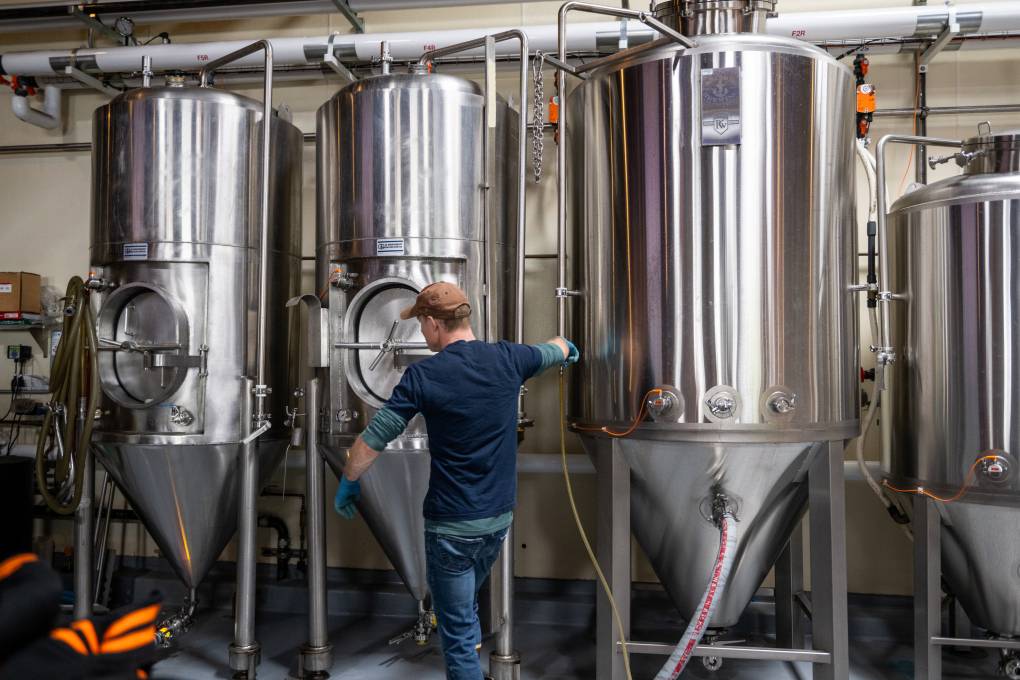
"caption": "An employee checks the fermentation tanks at Anchor Public Taps in San Francisco on July 14, 2023.",
"credit": "Beth LaBerge/KQED",
"altTag": "A person stands in front of three stainless steel fermentation tanks.",
"description": "An employee checks the fermentation tanks at Anchor Public Taps in San Francisco on July 14, 2023. After more than 127 years of brewing in San Francisco, Anchor Brewing closed earlier this year.",
"imgSizes": {
"medium": {
"file": "https://cdn.kqed.org/wp-content/uploads/sites/10/2023/12/230714-AnchorBrewing-16-BL-800x533.jpg",
"width": 800,
"height": 533,
"mimeType": "image/jpeg"
},
"large": {
"file": "https://cdn.kqed.org/wp-content/uploads/sites/10/2023/12/230714-AnchorBrewing-16-BL-1020x680.jpg",
"width": 1020,
"height": 680,
"mimeType": "image/jpeg"
},
"thumbnail": {
"file": "https://cdn.kqed.org/wp-content/uploads/sites/10/2023/12/230714-AnchorBrewing-16-BL-160x107.jpg",
"width": 160,
"height": 107,
"mimeType": "image/jpeg"
},
"1536x1536": {
"file": "https://cdn.kqed.org/wp-content/uploads/sites/10/2023/12/230714-AnchorBrewing-16-BL-1536x1024.jpg",
"width": 1536,
"height": 1024,
"mimeType": "image/jpeg"
},
"2048x2048": {
"file": "https://cdn.kqed.org/wp-content/uploads/sites/10/2023/12/230714-AnchorBrewing-16-BL-2048x1365.jpg",
"width": 2048,
"height": 1365,
"mimeType": "image/jpeg"
},
"post-thumbnail": {
"file": "https://cdn.kqed.org/wp-content/uploads/sites/10/2023/12/230714-AnchorBrewing-16-BL-672x372.jpg",
"width": 672,
"height": 372,
"mimeType": "image/jpeg"
},
"twentyfourteen-full-width": {
"file": "https://cdn.kqed.org/wp-content/uploads/sites/10/2023/12/230714-AnchorBrewing-16-BL-1038x576.jpg",
"width": 1038,
"height": 576,
"mimeType": "image/jpeg"
},
"full-width": {
"file": "https://cdn.kqed.org/wp-content/uploads/sites/10/2023/12/230714-AnchorBrewing-16-BL-1920x1280.jpg",
"width": 1920,
"height": 1280,
"mimeType": "image/jpeg"
},
"kqedFullSize": {
"file": "https://cdn.kqed.org/wp-content/uploads/sites/10/2023/12/230714-AnchorBrewing-16-BL-scaled.jpg",
"width": 2560,
"height": 1707
}
},
"isLoading": false,
"fetchFailed": false
},
"news_11988324": {
"type": "attachments",
"id": "news_11988324",
"meta": {
"index": "attachments_1716263798",
"site": "news",
"id": "11988324",
"found": true
},
"title": "240530-BrownPelicans-10-BL",
"publishDate": 1717108347,
"status": "inherit",
"parent": 0,
"modified": 1717115100,
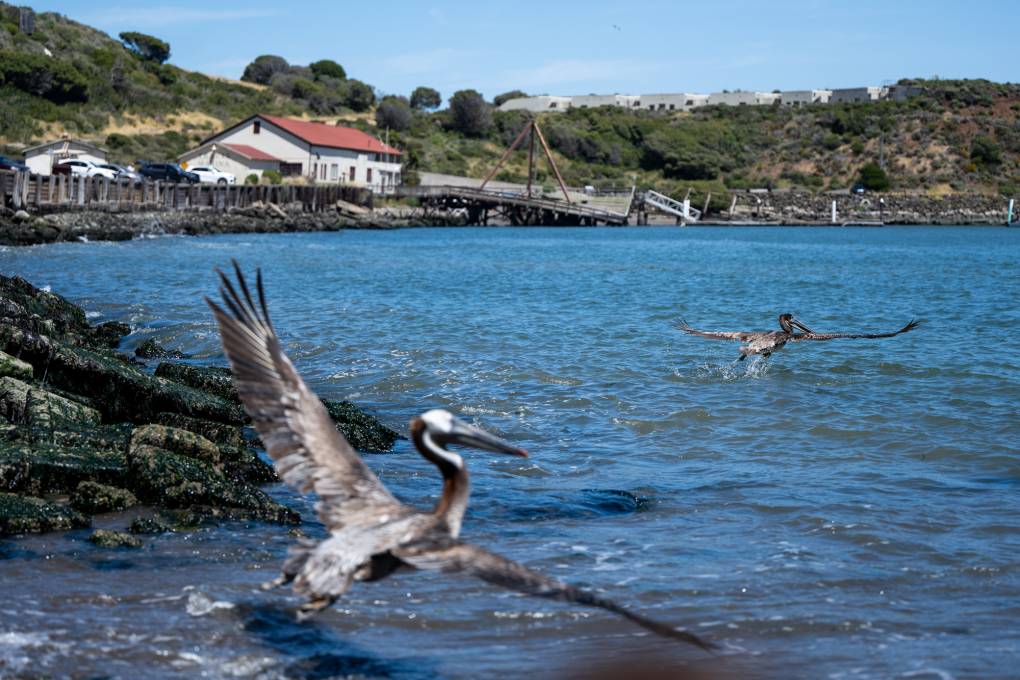
"caption": "International Bird Rescue members released eight rehabilitated brown pelicans, the first group to be returned to the wild, at Fort Baker in Sausalito on May 30, 2024, after they had been treated for starvation.",
"credit": "Beth LaBerge/KQED",
"altTag": null,
"description": null,
"imgSizes": {
"medium": {
"file": "https://cdn.kqed.org/wp-content/uploads/sites/10/2024/05/240530-BrownPelicans-10-BL-800x533.jpg",
"width": 800,
"height": 533,
"mimeType": "image/jpeg"
},
"large": {
"file": "https://cdn.kqed.org/wp-content/uploads/sites/10/2024/05/240530-BrownPelicans-10-BL-1020x680.jpg",
"width": 1020,
"height": 680,
"mimeType": "image/jpeg"
},
"thumbnail": {
"file": "https://cdn.kqed.org/wp-content/uploads/sites/10/2024/05/240530-BrownPelicans-10-BL-160x107.jpg",
"width": 160,
"height": 107,
"mimeType": "image/jpeg"
},
"1536x1536": {
"file": "https://cdn.kqed.org/wp-content/uploads/sites/10/2024/05/240530-BrownPelicans-10-BL-1536x1024.jpg",
"width": 1536,
"height": 1024,
"mimeType": "image/jpeg"
},
"post-thumbnail": {
"file": "https://cdn.kqed.org/wp-content/uploads/sites/10/2024/05/240530-BrownPelicans-10-BL-672x372.jpg",
"width": 672,
"height": 372,
"mimeType": "image/jpeg"
},
"twentyfourteen-full-width": {
"file": "https://cdn.kqed.org/wp-content/uploads/sites/10/2024/05/240530-BrownPelicans-10-BL-1038x576.jpg",
"width": 1038,
"height": 576,
"mimeType": "image/jpeg"
},
"full-width": {
"file": "https://cdn.kqed.org/wp-content/uploads/sites/10/2024/05/240530-BrownPelicans-10-BL-1920x1280.jpg",
"width": 1920,
"height": 1280,
"mimeType": "image/jpeg"
},
"kqedFullSize": {
"file": "https://cdn.kqed.org/wp-content/uploads/sites/10/2024/05/240530-BrownPelicans-10-BL.jpg",
"width": 2000,
"height": 1333
}
},
"isLoading": false,
"fetchFailed": false
},
"news_11988277": {
"type": "attachments",
"id": "news_11988277",
"meta": {
"index": "attachments_1716263798",
"site": "news",
"id": "11988277",
"found": true
},
"title": "033_KQED_SanFrancisco_CrabFishermanFire_05242020_qut",
"publishDate": 1717102900,
"status": "inherit",
"parent": 11988252,
"modified": 1717103327,
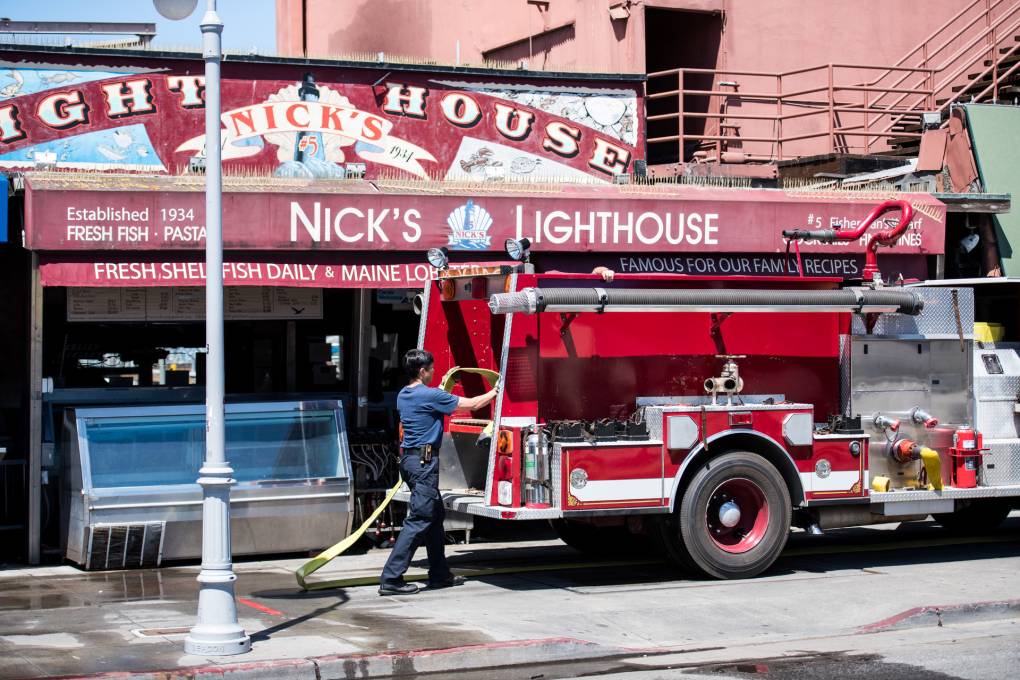
"caption": "Firetrucks wrap up hoses on May 24 in Fisherman's Wharf, the day after a four-alarm fire at Pier 45. The owners of Nick’s Lighthouse, an iconic Fisherman’s Wharf restaurant, have been suspended from conducting business with San Francisco pending criminal bribery charges, the city attorney’s office announced Thursday.",
"credit": "Beth LaBerge/KQED",
"altTag": null,
"description": null,
"imgSizes": {
"medium": {
"file": "https://cdn.kqed.org/wp-content/uploads/sites/10/2024/05/033_KQED_SanFrancisco_CrabFishermanFire_05242020_qut-800x533.jpg",
"width": 800,
"height": 533,
"mimeType": "image/jpeg"
},
"large": {
"file": "https://cdn.kqed.org/wp-content/uploads/sites/10/2024/05/033_KQED_SanFrancisco_CrabFishermanFire_05242020_qut-1020x680.jpg",
"width": 1020,
"height": 680,
"mimeType": "image/jpeg"
},
"thumbnail": {
"file": "https://cdn.kqed.org/wp-content/uploads/sites/10/2024/05/033_KQED_SanFrancisco_CrabFishermanFire_05242020_qut-160x107.jpg",
"width": 160,
"height": 107,
"mimeType": "image/jpeg"
},
"1536x1536": {
"file": "https://cdn.kqed.org/wp-content/uploads/sites/10/2024/05/033_KQED_SanFrancisco_CrabFishermanFire_05242020_qut-1536x1024.jpg",
"width": 1536,
"height": 1024,
"mimeType": "image/jpeg"
},
"post-thumbnail": {
"file": "https://cdn.kqed.org/wp-content/uploads/sites/10/2024/05/033_KQED_SanFrancisco_CrabFishermanFire_05242020_qut-672x372.jpg",
"width": 672,
"height": 372,
"mimeType": "image/jpeg"
},
"twentyfourteen-full-width": {
"file": "https://cdn.kqed.org/wp-content/uploads/sites/10/2024/05/033_KQED_SanFrancisco_CrabFishermanFire_05242020_qut-1038x576.jpg",
"width": 1038,
"height": 576,
"mimeType": "image/jpeg"
},
"kqedFullSize": {
"file": "https://cdn.kqed.org/wp-content/uploads/sites/10/2024/05/033_KQED_SanFrancisco_CrabFishermanFire_05242020_qut.jpg",
"width": 1920,
"height": 1280
}
},
"isLoading": false,
"fetchFailed": false
},
"news_11988229": {
"type": "attachments",
"id": "news_11988229",
"meta": {
"index": "attachments_1716263798",
"site": "news",
"id": "11988229",
"found": true
},
"title": "Russell Bradford, Providence Foundation driver, looks into different rooms as he tours the Dogpatch Navigation Center on Wednesday, May 24, 2017 in San Francisco, Calif. \"This is nice. It's a good incentive to keep going. An opportunity like this could re",
"publishDate": 1717095410,
"status": "inherit",
"parent": 11988228,
"modified": 1717096667,
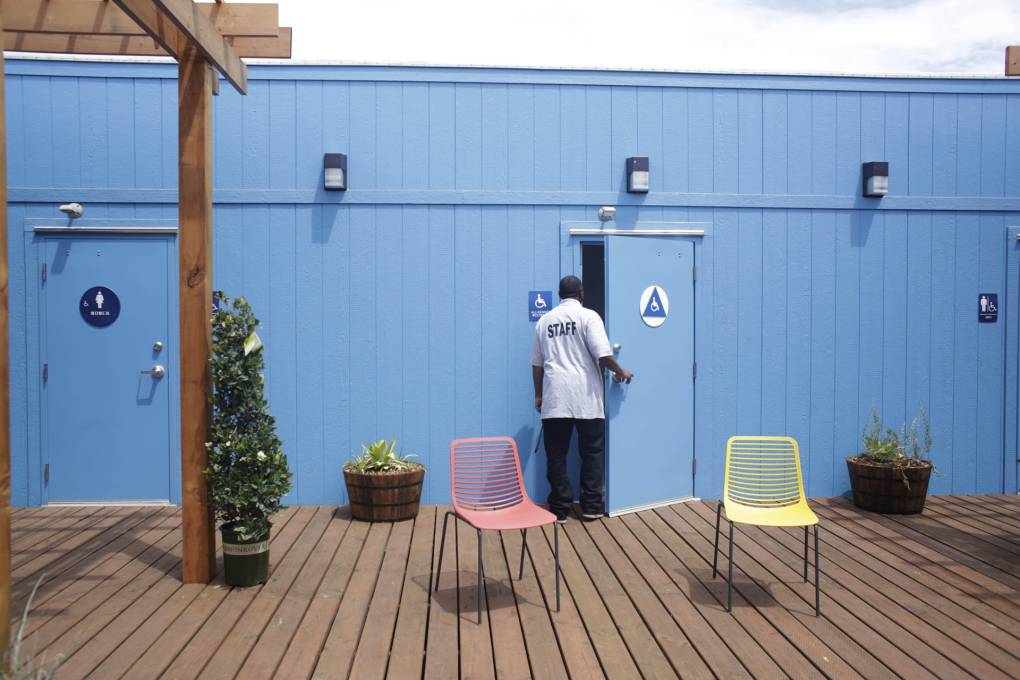
"caption": "A driver for Providence Foundation of San Francisco tours the Dogpatch Navigation Center on Wednesday, May 24, 2017, in San Francisco. ",
"credit": "Lea Suzuki/The San Francisco Chronicle via Getty Images",
"altTag": null,
"description": null,
"imgSizes": {
"medium": {
"file": "https://cdn.kqed.org/wp-content/uploads/sites/10/2024/05/GettyImages-1322099354-800x533.jpg",
"width": 800,
"height": 533,
"mimeType": "image/jpeg"
},
"large": {
"file": "https://cdn.kqed.org/wp-content/uploads/sites/10/2024/05/GettyImages-1322099354-1020x680.jpg",
"width": 1020,
"height": 680,
"mimeType": "image/jpeg"
},
"thumbnail": {
"file": "https://cdn.kqed.org/wp-content/uploads/sites/10/2024/05/GettyImages-1322099354-160x107.jpg",
"width": 160,
"height": 107,
"mimeType": "image/jpeg"
},
"1536x1536": {
"file": "https://cdn.kqed.org/wp-content/uploads/sites/10/2024/05/GettyImages-1322099354-1536x1024.jpg",
"width": 1536,
"height": 1024,
"mimeType": "image/jpeg"
},
"post-thumbnail": {
"file": "https://cdn.kqed.org/wp-content/uploads/sites/10/2024/05/GettyImages-1322099354-672x372.jpg",
"width": 672,
"height": 372,
"mimeType": "image/jpeg"
},
"twentyfourteen-full-width": {
"file": "https://cdn.kqed.org/wp-content/uploads/sites/10/2024/05/GettyImages-1322099354-1038x576.jpg",
"width": 1038,
"height": 576,
"mimeType": "image/jpeg"
},
"kqedFullSize": {
"file": "https://cdn.kqed.org/wp-content/uploads/sites/10/2024/05/GettyImages-1322099354.jpg",
"width": 1920,
"height": 1280
}
},
"isLoading": false,
"fetchFailed": false
},
"news_11988132": {
"type": "attachments",
"id": "news_11988132",
"meta": {
"index": "attachments_1716263798",
"site": "news",
"id": "11988132",
"found": true
},
"title": "Monkeypox-Vaccine",
"publishDate": 1717018502,
"status": "inherit",
"parent": 11988079,
"modified": 1717090895,
"caption": "A pharmacist prepares a dose of the Jynneos mpox vaccine at a pop-up vaccination clinic opened by the Los Angeles County Department of Public Health at the West Hollywood Library on August 3, 2022, in West Hollywood, California. ",
"credit": "Mario Tama/Getty Images",
"altTag": null,
"description": null,
"imgSizes": {
"medium": {
"file": "https://cdn.kqed.org/wp-content/uploads/sites/10/2024/05/GettyImages-1412778743-800x548.jpg",
"width": 800,
"height": 548,
"mimeType": "image/jpeg"
},
"large": {
"file": "https://cdn.kqed.org/wp-content/uploads/sites/10/2024/05/GettyImages-1412778743-1020x699.jpg",
"width": 1020,
"height": 699,
"mimeType": "image/jpeg"
},
"thumbnail": {
"file": "https://cdn.kqed.org/wp-content/uploads/sites/10/2024/05/GettyImages-1412778743-160x110.jpg",
"width": 160,
"height": 110,
"mimeType": "image/jpeg"
},
"1536x1536": {
"file": "https://cdn.kqed.org/wp-content/uploads/sites/10/2024/05/GettyImages-1412778743-1536x1052.jpg",
"width": 1536,
"height": 1052,
"mimeType": "image/jpeg"
},
"post-thumbnail": {
"file": "https://cdn.kqed.org/wp-content/uploads/sites/10/2024/05/GettyImages-1412778743-672x372.jpg",
"width": 672,
"height": 372,
"mimeType": "image/jpeg"
},
"twentyfourteen-full-width": {
"file": "https://cdn.kqed.org/wp-content/uploads/sites/10/2024/05/GettyImages-1412778743-1038x576.jpg",
"width": 1038,
"height": 576,
"mimeType": "image/jpeg"
},
"kqedFullSize": {
"file": "https://cdn.kqed.org/wp-content/uploads/sites/10/2024/05/GettyImages-1412778743.jpg",
"width": 1920,
"height": 1315
}
},
"isLoading": false,
"fetchFailed": false
},
"news_11988118": {
"type": "attachments",
"id": "news_11988118",
"meta": {
"index": "attachments_1716263798",
"site": "news",
"id": "11988118",
"found": true
},
"title": "240424-LaCocina-07-BL_qut",
"publishDate": 1717015626,
"status": "inherit",
"parent": 0,
"modified": 1717016297,
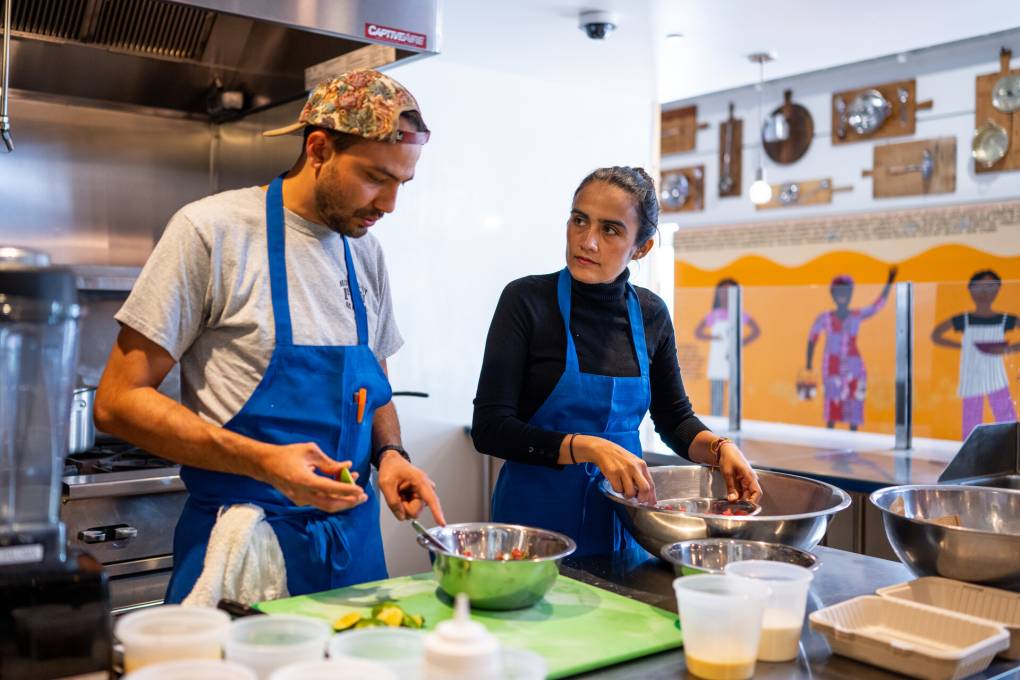
"caption": "Chef Daniel Morales and Laura Gelvez prepare tuna nachos for Morales' fusion restaurant pop-up, Pacifico, at La Cocina, a shared-use commercial kitchen in San Francisco, on May 24.",
"credit": "Beth LaBerge/KQED",
"altTag": null,
"description": null,
"imgSizes": {
"medium": {
"file": "https://cdn.kqed.org/wp-content/uploads/sites/10/2024/05/240424-LaCocina-07-BL_qut-800x533.jpg",
"width": 800,
"height": 533,
"mimeType": "image/jpeg"
},
"large": {
"file": "https://cdn.kqed.org/wp-content/uploads/sites/10/2024/05/240424-LaCocina-07-BL_qut-1020x680.jpg",
"width": 1020,
"height": 680,
"mimeType": "image/jpeg"
},
"thumbnail": {
"file": "https://cdn.kqed.org/wp-content/uploads/sites/10/2024/05/240424-LaCocina-07-BL_qut-160x107.jpg",
"width": 160,
"height": 107,
"mimeType": "image/jpeg"
},
"1536x1536": {
"file": "https://cdn.kqed.org/wp-content/uploads/sites/10/2024/05/240424-LaCocina-07-BL_qut-1536x1024.jpg",
"width": 1536,
"height": 1024,
"mimeType": "image/jpeg"
},
"post-thumbnail": {
"file": "https://cdn.kqed.org/wp-content/uploads/sites/10/2024/05/240424-LaCocina-07-BL_qut-672x372.jpg",
"width": 672,
"height": 372,
"mimeType": "image/jpeg"
},
"twentyfourteen-full-width": {
"file": "https://cdn.kqed.org/wp-content/uploads/sites/10/2024/05/240424-LaCocina-07-BL_qut-1038x576.jpg",
"width": 1038,
"height": 576,
"mimeType": "image/jpeg"
},
"kqedFullSize": {
"file": "https://cdn.kqed.org/wp-content/uploads/sites/10/2024/05/240424-LaCocina-07-BL_qut.jpg",
"width": 1920,
"height": 1280
}
},
"isLoading": false,
"fetchFailed": false
},
"news_11987931": {
"type": "attachments",
"id": "news_11987931",
"meta": {
"index": "attachments_1716263798",
"site": "news",
"id": "11987931",
"found": true
},
"title": "BreedLeeStefani_qut",
"publishDate": 1716924016,
"status": "inherit",
"parent": 12077653,
"modified": 1774629873,
"caption": "Ivy Lee (center), flanked by San Francisco Mayor London Breed (left) and Supervisor Catherine Stefani, was announced as director of the city's new Office of Victim and Witness Rights at a press conference in the West Portal neighborhood on May 28.",
"credit": "Joe Fitzgerald Rodriguez/KQED",
"altTag": null,
"description": null,
"imgSizes": {
"medium": {
"file": "https://cdn.kqed.org/wp-content/uploads/sites/10/2024/05/BreedLeeStefani_qut-800x530.jpg",
"width": 800,
"height": 530,
"mimeType": "image/jpeg"
},
"large": {
"file": "https://cdn.kqed.org/wp-content/uploads/sites/10/2024/05/BreedLeeStefani_qut-1020x676.jpg",
"width": 1020,
"height": 676,
"mimeType": "image/jpeg"
},
"thumbnail": {
"file": "https://cdn.kqed.org/wp-content/uploads/sites/10/2024/05/BreedLeeStefani_qut-160x106.jpg",
"width": 160,
"height": 106,
"mimeType": "image/jpeg"
},
"1536x1536": {
"file": "https://cdn.kqed.org/wp-content/uploads/sites/10/2024/05/BreedLeeStefani_qut-1536x1018.jpg",
"width": 1536,
"height": 1018,
"mimeType": "image/jpeg"
},
"post-thumbnail": {
"file": "https://cdn.kqed.org/wp-content/uploads/sites/10/2024/05/BreedLeeStefani_qut-672x372.jpg",
"width": 672,
"height": 372,
"mimeType": "image/jpeg"
},
"twentyfourteen-full-width": {
"file": "https://cdn.kqed.org/wp-content/uploads/sites/10/2024/05/BreedLeeStefani_qut-1038x576.jpg",
"width": 1038,
"height": 576,
"mimeType": "image/jpeg"
},
"kqedFullSize": {
"file": "https://cdn.kqed.org/wp-content/uploads/sites/10/2024/05/BreedLeeStefani_qut.jpg",
"width": 1920,
"height": 1273
}
},
"isLoading": false,
"fetchFailed": false
},
"news_11967248": {
"type": "attachments",
"id": "news_11967248",
"meta": {
"index": "attachments_1716263798",
"site": "news",
"id": "11967248",
"found": true
},
"parent": 11967247,
"imgSizes": {
"twentyfourteen-full-width": {
"file": "https://ww2.kqed.org/app/uploads/sites/10/2023/11/depape_crying-1038x576.jpeg",
"width": 1038,
"mimeType": "image/jpeg",
"height": 576
},
"thumbnail": {
"file": "https://ww2.kqed.org/app/uploads/sites/10/2023/11/depape_crying-160x90.jpeg",
"width": 160,
"mimeType": "image/jpeg",
"height": 90
},
"post-thumbnail": {
"file": "https://ww2.kqed.org/app/uploads/sites/10/2023/11/depape_crying-672x372.jpeg",
"width": 672,
"mimeType": "image/jpeg",
"height": 372
},
"kqedFullSize": {
"file": "https://ww2.kqed.org/app/uploads/sites/10/2023/11/depape_crying-scaled.jpeg",
"width": 2560,
"height": 1440
},
"2048x2048": {
"file": "https://ww2.kqed.org/app/uploads/sites/10/2023/11/depape_crying-2048x1152.jpeg",
"width": 2048,
"mimeType": "image/jpeg",
"height": 1152
},
"large": {
"file": "https://ww2.kqed.org/app/uploads/sites/10/2023/11/depape_crying-1020x574.jpeg",
"width": 1020,
"mimeType": "image/jpeg",
"height": 574
},
"1536x1536": {
"file": "https://ww2.kqed.org/app/uploads/sites/10/2023/11/depape_crying-1536x864.jpeg",
"width": 1536,
"mimeType": "image/jpeg",
"height": 864
},
"full-width": {
"file": "https://ww2.kqed.org/app/uploads/sites/10/2023/11/depape_crying-1920x1080.jpeg",
"width": 1920,
"mimeType": "image/jpeg",
"height": 1080
},
"medium": {
"file": "https://ww2.kqed.org/app/uploads/sites/10/2023/11/depape_crying-800x450.jpeg",
"width": 800,
"mimeType": "image/jpeg",
"height": 450
}
},
"publishDate": 1699989240,
"modified": 1699998330,
"caption": "David DePape (center) breaks down crying on the witness stand in a San Francisco courtroom while being questioned by Assistant Federal Public Defender Angela Chuang (right), as District Judge Jacqueline Scott Corley observes, on Nov. 14, 2023, on the third day of his federal trial. DePape is accused of assaulting Paul Pelosi with a hammer last year and attempting to kidnap his wife, former House Speaker Nancy Pelosi.",
"description": null,
"title": "depape_crying",
"credit": "Vicki Behringer for KQED",
"status": "inherit",
"altTag": "A watercolor drawing shows a white man on the witness stand in a courtroom with his head in his hands. A female judge in a black robe looks on, and another woman stands facing the man.",
"isLoading": false,
"fetchFailed": false
},
"news_11987839": {
"type": "attachments",
"id": "news_11987839",
"meta": {
"index": "attachments_1716263798",
"site": "news",
"id": "11987839",
"found": true
},
"title": "240526-CarnavalParade-33-BL",
"publishDate": 1716767600,
"status": "inherit",
"parent": 12083056,
"modified": 1778611986,
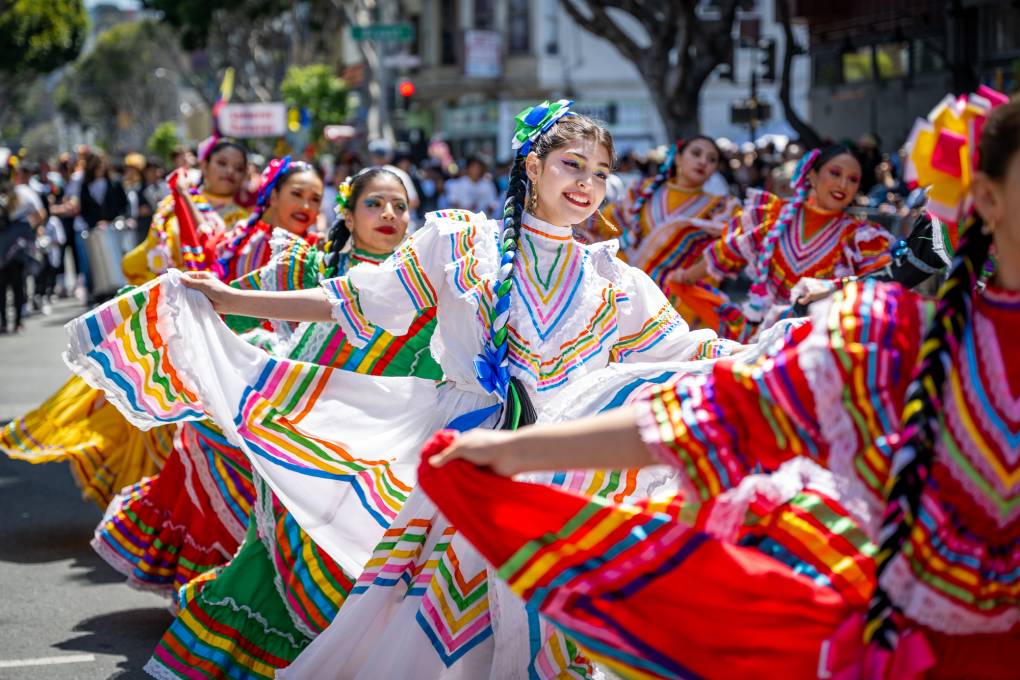
"caption": "Cathedral City High School Ballet Folklórico performs during the Carnaval Grand Parade in San Francisco's Mission District on May 26, 2024.",
"credit": "Beth LaBerge/KQED",
"altTag": "Several women dressed in colorful clothing dance and walk down the street during a parade.",
"description": null,
"imgSizes": {
"medium": {
"file": "https://cdn.kqed.org/wp-content/uploads/sites/10/2024/05/240526-CarnavalParade-33-BL-800x533.jpg",
"width": 800,
"height": 533,
"mimeType": "image/jpeg"
},
"large": {
"file": "https://cdn.kqed.org/wp-content/uploads/sites/10/2024/05/240526-CarnavalParade-33-BL-1020x680.jpg",
"width": 1020,
"height": 680,
"mimeType": "image/jpeg"
},
"thumbnail": {
"file": "https://cdn.kqed.org/wp-content/uploads/sites/10/2024/05/240526-CarnavalParade-33-BL-160x107.jpg",
"width": 160,
"height": 107,
"mimeType": "image/jpeg"
},
"1536x1536": {
"file": "https://cdn.kqed.org/wp-content/uploads/sites/10/2024/05/240526-CarnavalParade-33-BL-1536x1024.jpg",
"width": 1536,
"height": 1024,
"mimeType": "image/jpeg"
},
"post-thumbnail": {
"file": "https://cdn.kqed.org/wp-content/uploads/sites/10/2024/05/240526-CarnavalParade-33-BL-672x372.jpg",
"width": 672,
"height": 372,
"mimeType": "image/jpeg"
},
"twentyfourteen-full-width": {
"file": "https://cdn.kqed.org/wp-content/uploads/sites/10/2024/05/240526-CarnavalParade-33-BL-1038x576.jpg",
"width": 1038,
"height": 576,
"mimeType": "image/jpeg"
},
"full-width": {
"file": "https://cdn.kqed.org/wp-content/uploads/sites/10/2024/05/240526-CarnavalParade-33-BL-1920x1280.jpg",
"width": 1920,
"height": 1280,
"mimeType": "image/jpeg"
},
"kqedFullSize": {
"file": "https://cdn.kqed.org/wp-content/uploads/sites/10/2024/05/240526-CarnavalParade-33-BL.jpg",
"width": 2000,
"height": 1333
}
},
"isLoading": false,
"fetchFailed": false
},
"news_11987244": {
"type": "attachments",
"id": "news_11987244",
"meta": {
"index": "attachments_1716263798",
"site": "news",
"id": "11987244",
"found": true
},
"title": "sf-carnaval-parade-mission-st",
"publishDate": 1716336854,
"status": "inherit",
"parent": 0,
"modified": 1718736858,
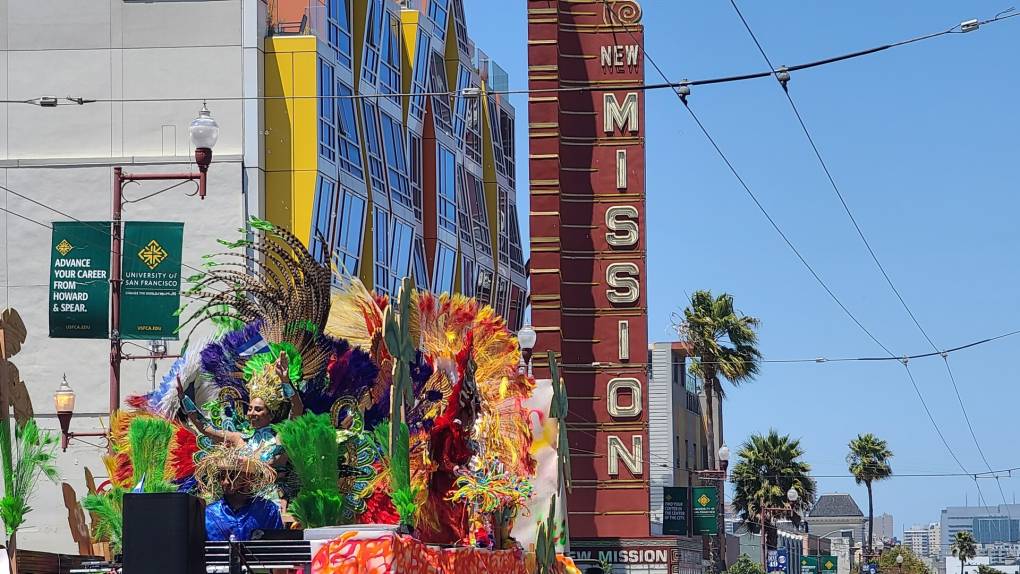
"caption": "Carnaval San Francisco's Grand Parade moves through Mission Street on Sunday, May 29, 2022. Thousands of dancers, musicians and artisans work together year-long to create dozens of incredibly elaborate floats.\n",
"credit": "Carlos Cabrera-Lomelí",
"altTag": null,
"description": null,
"imgSizes": {
"medium": {
"file": "https://cdn.kqed.org/wp-content/uploads/sites/10/2024/05/20220529_135016_qut-800x450.jpg",
"width": 800,
"height": 450,
"mimeType": "image/jpeg"
},
"large": {
"file": "https://cdn.kqed.org/wp-content/uploads/sites/10/2024/05/20220529_135016_qut-1020x574.jpg",
"width": 1020,
"height": 574,
"mimeType": "image/jpeg"
},
"thumbnail": {
"file": "https://cdn.kqed.org/wp-content/uploads/sites/10/2024/05/20220529_135016_qut-160x90.jpg",
"width": 160,
"height": 90,
"mimeType": "image/jpeg"
},
"1536x1536": {
"file": "https://cdn.kqed.org/wp-content/uploads/sites/10/2024/05/20220529_135016_qut-1536x865.jpg",
"width": 1536,
"height": 865,
"mimeType": "image/jpeg"
},
"post-thumbnail": {
"file": "https://cdn.kqed.org/wp-content/uploads/sites/10/2024/05/20220529_135016_qut-672x372.jpg",
"width": 672,
"height": 372,
"mimeType": "image/jpeg"
},
"twentyfourteen-full-width": {
"file": "https://cdn.kqed.org/wp-content/uploads/sites/10/2024/05/20220529_135016_qut-1038x576.jpg",
"width": 1038,
"height": 576,
"mimeType": "image/jpeg"
},
"kqedFullSize": {
"file": "https://cdn.kqed.org/wp-content/uploads/sites/10/2024/05/20220529_135016_qut.jpg",
"width": 1920,
"height": 1081
}
},
"isLoading": false,
"fetchFailed": false
},
"news_11987381": {
"type": "attachments",
"id": "news_11987381",
"meta": {
"index": "attachments_1716263798",
"site": "news",
"id": "11987381",
"found": true
},
"title": "IMG_6507_qut",
"publishDate": 1716412480,
"status": "inherit",
"parent": 11987375,
"modified": 1716412502,
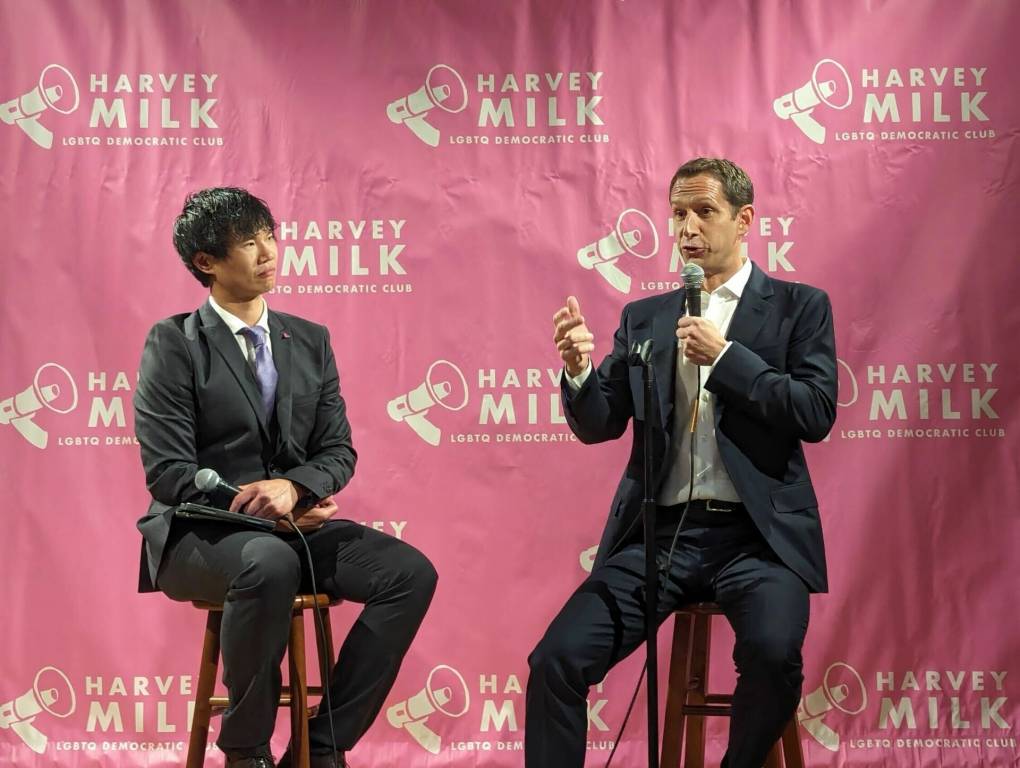
"caption": "San Francisco mayoral candidate Daniel Lurie, right, speaks onstage with Jeffrey Kwong, president of the Harvey Milk LGBTQ Democratic Club, during a candidate forum hosted by the club on May 21, 2024.",
"credit": "Joe Fitzgerald Rodriguez/KQED",
"altTag": null,
"description": null,
"imgSizes": {
"medium": {
"file": "https://cdn.kqed.org/wp-content/uploads/sites/10/2024/05/IMG_6507_qut-800x603.jpg",
"width": 800,
"height": 603,
"mimeType": "image/jpeg"
},
"large": {
"file": "https://cdn.kqed.org/wp-content/uploads/sites/10/2024/05/IMG_6507_qut-1020x768.jpg",
"width": 1020,
"height": 768,
"mimeType": "image/jpeg"
},
"thumbnail": {
"file": "https://cdn.kqed.org/wp-content/uploads/sites/10/2024/05/IMG_6507_qut-160x121.jpg",
"width": 160,
"height": 121,
"mimeType": "image/jpeg"
},
"1536x1536": {
"file": "https://cdn.kqed.org/wp-content/uploads/sites/10/2024/05/IMG_6507_qut-1536x1157.jpg",
"width": 1536,
"height": 1157,
"mimeType": "image/jpeg"
},
"post-thumbnail": {
"file": "https://cdn.kqed.org/wp-content/uploads/sites/10/2024/05/IMG_6507_qut-672x372.jpg",
"width": 672,
"height": 372,
"mimeType": "image/jpeg"
},
"twentyfourteen-full-width": {
"file": "https://cdn.kqed.org/wp-content/uploads/sites/10/2024/05/IMG_6507_qut-1038x576.jpg",
"width": 1038,
"height": 576,
"mimeType": "image/jpeg"
},
"kqedFullSize": {
"file": "https://cdn.kqed.org/wp-content/uploads/sites/10/2024/05/IMG_6507_qut.jpg",
"width": 1920,
"height": 1446
}
},
"isLoading": false,
"fetchFailed": false
}
},
"audioPlayerReducer": {
"postId": "stream_live",
"isPaused": true,
"isPlaying": false,
"pfsActive": false,
"pledgeModalIsOpen": true,
"playerDrawerIsOpen": false,
"liveAudioPlayStartedAt": 0,
"liveAudioPlayContext": ""
},
"authorsReducer": {
"aemslie": {
"type": "authors",
"id": "3206",
"meta": {
"index": "authors_1716337520",
"id": "3206",
"found": true
},
"name": "Alex Emslie",
"firstName": "Alex",
"lastName": "Emslie",
"slug": "aemslie",
"email": "aemslie@kqed.org",
"display_author_email": true,
"staff_mastheads": [
"news"
],
"title": "KQED Senior Editor",
"bio": "Alex Emslie is senior editor of talent and development at KQED, where he manages dozens of early career journalists and oversees news department internships.\r\n\r\nHe is a former carpenter and proud graduate of City College of San Francisco and San Francisco State University, where he studied journalism and criminal justice before joining KQED in 2013.\r\n\r\nAlex produced investigative journalism focused on \u003ca href=\"https://www.kqed.org/news/11667594/the-trials-of-marvin-mutch-video\">criminal justice\u003c/a> and policing for most of a decade. He has broken major stories about \u003ca href=\"https://www.kqed.org/news/135682/amid-a-series-of-vallejo-police-shootings-one-officers-name-stands-out\">police use of deadly force\u003c/a>, \u003ca href=\"https://www.kqed.org/news/10454955/racist-texts-prompt-sfpd-internal-investigation\">officer misconduct\u003c/a> and \u003ca href=\"https://www.kqed.org/news/11712239/terrorist-or-troll-judge-to-weigh-whether-oakland-man-really-intended-to-attack-bay-area\">other\u003c/a> \u003ca href=\"https://www.kqed.org/news/11221414/hayward-paid-159000-to-husband-of-retired-police-chief-documents-show\">high\u003c/a>-\u003ca href=\"https://www.kqed.org/news/10622762/the-forgotten-tracking-two-homicides-in-san-francisco-public-housing\">profile\u003c/a> \u003ca href=\"https://www.kqed.org/news/11624516/federal-agency-promoted-ranger-just-months-after-his-gun-was-stolen-and-used-in-steinle-killing\">cases\u003c/a>. He co-founded the \u003ca href=\"https://projects.scpr.org/california-reporting-project/\">California Reporting Project\u003c/a> in 2019 to obtain and report on previously confidential police internal investigations. The effort produced well over 100 original stories and changed the course of multiple criminal cases.\r\n\r\nHis work has been recognized with numerous journalism awards, including a national Edward R. Murrow award for several years of \u003ca href=\"https://www.kqed.org/news/11688481/sfpd-officers-in-mario-woods-case-recount-shooting-in-newly-filed-depositions\">reporting\u003c/a> on the San Francisco Police shooting of Mario Woods. His \u003ca href=\"https://www.kqed.org/news/147854/half-of-those-killed-by-san-francisco-police-are-mentally-ill\">reporting\u003c/a> on police killings of people in psychiatric crisis was cited in amicus briefs before the U.S. Supreme Court.\r\n\r\nAlex now enjoys mentoring the next generation of journalists at KQED.",
"avatar": "https://secure.gravatar.com/avatar/e691e65209f20e9da202bd730ead5663?s=600&d=blank&r=g",
"twitter": "SFNewsReporter",
"facebook": null,
"instagram": null,
"linkedin": null,
"sites": [
{
"site": "arts",
"roles": [
"editor"
]
},
{
"site": "news",
"roles": [
"editor"
]
},
{
"site": "mindshift",
"roles": [
"editor"
]
},
{
"site": "stateofhealth",
"roles": [
"editor"
]
},
{
"site": "science",
"roles": [
"administrator"
]
}
],
"headData": {
"title": "Alex Emslie | KQED",
"description": "KQED Senior Editor",
"ogImgSrc": "https://secure.gravatar.com/avatar/e691e65209f20e9da202bd730ead5663?s=600&d=blank&r=g",
"twImgSrc": "https://secure.gravatar.com/avatar/e691e65209f20e9da202bd730ead5663?s=600&d=blank&r=g"
},
"isLoading": false,
"link": "/author/aemslie"
},
"carlysevern": {
"type": "authors",
"id": "3243",
"meta": {
"index": "authors_1716337520",
"id": "3243",
"found": true
},
"name": "Carly Severn",
"firstName": "Carly",
"lastName": "Severn",
"slug": "carlysevern",
"email": "csevern@kqed.org",
"display_author_email": false,
"staff_mastheads": [
"news"
],
"title": "Senior Editor, Audience News ",
"bio": "Carly is KQED's Senior Editor of Audience News on the Digital News team, and has reported for the California Report Magazine, Bay Curious and KQED Arts. She's formerly the host of \u003ca href=\"http://ww2.kqed.org/pop/category/the-cooler/\" rel=\"noopener noreferrer\">The Cooler\u003c/a> podcast.",
"avatar": "https://secure.gravatar.com/avatar/54037bf5c128fe678f0ef26cec97a93f2e7f220a22d7285703328f12c42c1b1d?s=600&d=blank&r=g",
"twitter": "teacupinthebay",
"bluesky": null,
"facebook": null,
"instagram": null,
"linkedin": null,
"sites": [
{
"site": "",
"roles": [
"editor"
]
},
{
"site": "arts",
"roles": [
"editor"
]
},
{
"site": "news",
"roles": [
"administrator"
]
},
{
"site": "pop",
"roles": [
"editor"
]
},
{
"site": "futureofyou",
"roles": [
"editor"
]
},
{
"site": "about",
"roles": [
"administrator"
]
},
{
"site": "mindshift",
"roles": [
"editor"
]
},
{
"site": "bayareabites",
"roles": [
"editor"
]
},
{
"site": "stateofhealth",
"roles": [
"editor"
]
},
{
"site": "science",
"roles": [
"editor"
]
},
{
"site": "food",
"roles": [
"contributor"
]
},
{
"site": "forum",
"roles": [
"editor"
]
},
{
"site": "perspectives",
"roles": [
"administrator"
]
},
{
"site": "liveblog",
"roles": [
"editor"
]
}
],
"headData": {
"title": "Carly Severn | KQED",
"description": "Senior Editor, Audience News ",
"ogImgSrc": "https://secure.gravatar.com/avatar/54037bf5c128fe678f0ef26cec97a93f2e7f220a22d7285703328f12c42c1b1d?s=600&d=blank&r=g",
"twImgSrc": "https://secure.gravatar.com/avatar/54037bf5c128fe678f0ef26cec97a93f2e7f220a22d7285703328f12c42c1b1d?s=600&d=blank&r=g"
},
"isLoading": false,
"link": "/author/carlysevern"
},
"vrancano": {
"type": "authors",
"id": "11276",
"meta": {
"index": "authors_1716337520",
"id": "11276",
"found": true
},
"name": "Vanessa Rancaño",
"firstName": "Vanessa",
"lastName": "Rancaño",
"slug": "vrancano",
"email": "vrancano@kqed.org",
"display_author_email": false,
"staff_mastheads": [
"news"
],
"title": "Reporter",
"bio": "Vanessa Rancaño is a features reporter for KQED. She’s also covered homelessness and education for the station and reported from the Central Valley. Her work has aired across public radio, from flagship national news shows to longform narrative podcasts. Before taking up a mic, she worked as a freelance print journalist. She’s been recognized with a number of national and regional awards. Vanessa grew up in California's Central Valley. She's a former NPR Kroc Fellow, and a graduate of the UC Berkeley Graduate School of Journalism.",
"avatar": "https://secure.gravatar.com/avatar/b3a383dfb0e7ee1c17568f2cf067904ab654d6e3de9743fc661f3c788ade1bed?s=600&d=blank&r=g",
"twitter": "vanessarancano",
"bluesky": null,
"facebook": null,
"instagram": null,
"linkedin": null,
"sites": [
{
"site": "arts",
"roles": [
"editor"
]
},
{
"site": "news",
"roles": [
"editor"
]
},
{
"site": "liveblog",
"roles": [
"contributor"
]
}
],
"headData": {
"title": "Vanessa Rancaño | KQED",
"description": "Reporter",
"ogImgSrc": "https://secure.gravatar.com/avatar/b3a383dfb0e7ee1c17568f2cf067904ab654d6e3de9743fc661f3c788ade1bed?s=600&d=blank&r=g",
"twImgSrc": "https://secure.gravatar.com/avatar/b3a383dfb0e7ee1c17568f2cf067904ab654d6e3de9743fc661f3c788ade1bed?s=600&d=blank&r=g"
},
"isLoading": false,
"link": "/author/vrancano"
},
"btorres": {
"type": "authors",
"id": "11666",
"meta": {
"index": "authors_1716337520",
"id": "11666",
"found": true
},
"name": "Blanca Torres",
"firstName": "Blanca",
"lastName": "Torres",
"slug": "btorres",
"email": "btorres@kqed.org",
"display_author_email": true,
"staff_mastheads": [
"news"
],
"title": "Producer, Forum",
"bio": "Blanca Torres brings sharp news judgement and keen sense of lively conversation to her work as producer for Forum. She loves producing shows that leave listeners feeling like they heard distinctive voices, learned something new and gained a fresh perspective.\r\n\r\nShe joined KQED in January of 2020 after 16 years of working as a newspaper reporter most recently at the \u003cem>San Francisco Business Times,\u003c/em> where she wrote about real estate and economic development. Before that, she covered a variety of beats including crime, education, retail, workplace, the economy, consumer issues, and small business for the \u003cem>Contra Costa Times, Baltimore Sun\u003c/em> and\u003cem> The Seattle Times\u003c/em>. In addition to reporting, she worked as an editorial writer and columnist for the \u003cem>Seattle Times\u003c/em>. From 2017 to 2020, Blanca won a total of ten awards from the National Association of Real Estate Editors and won first place for land use reporting from the California News Publishers Association two years in a row. She is also a member and former board member for the National Association of Hispanic Journalists.\r\n\r\nA native of the Pacific Northwest, Blanca earned her bachelor's degree from Vanderbilt University in Nashville and a master's in fine arts in creative writing at Mills College. She lives in the East Bay with her family.",
"avatar": "https://secure.gravatar.com/avatar/50b49d19b14a1eed34f26ebf4681152cdd81574ed21851100871ccd29e578cdc?s=600&d=blank&r=g",
"twitter": "@blancawrites",
"bluesky": null,
"facebook": null,
"instagram": null,
"linkedin": null,
"sites": [
{
"site": "arts",
"roles": [
"editor"
]
},
{
"site": "news",
"roles": [
"editor"
]
},
{
"site": "forum",
"roles": [
"editor"
]
}
],
"headData": {
"title": "Blanca Torres | KQED",
"description": "Producer, Forum",
"ogImgSrc": "https://secure.gravatar.com/avatar/50b49d19b14a1eed34f26ebf4681152cdd81574ed21851100871ccd29e578cdc?s=600&d=blank&r=g",
"twImgSrc": "https://secure.gravatar.com/avatar/50b49d19b14a1eed34f26ebf4681152cdd81574ed21851100871ccd29e578cdc?s=600&d=blank&r=g"
},
"isLoading": false,
"link": "/author/btorres"
},
"blaberge": {
"type": "authors",
"id": "11667",
"meta": {
"index": "authors_1716337520",
"id": "11667",
"found": true
},
"name": "Beth LaBerge",
"firstName": "Beth",
"lastName": "LaBerge",
"slug": "blaberge",
"email": "blaberge@KQED.org",
"display_author_email": true,
"staff_mastheads": [
"news"
],
"title": "Photographer, News",
"bio": "Beth LaBerge is a visual journalist for \u003ca href=\"https://www.kqed.org/news\">KQED News\u003c/a>.",
"avatar": "https://secure.gravatar.com/avatar/ce49ecd7a1306685637b45a1f6f5dedfc4ae9481966eb596fea5160466dd6319?s=600&d=blank&r=g",
"twitter": null,
"bluesky": null,
"facebook": null,
"instagram": "https://www.instagram.com/bethlaberge/",
"linkedin": null,
"sites": [
{
"site": "arts",
"roles": [
"editor",
"manage_categories"
]
},
{
"site": "news",
"roles": [
"editor",
"edit_plugins",
"manage_categories"
]
},
{
"site": "science",
"roles": [
"editor",
"contributor",
"author",
"manage_categories"
]
},
{
"site": "perspectives",
"roles": [
"editor"
]
},
{
"site": "liveblog",
"roles": [
"editor"
]
}
],
"headData": {
"title": "Beth LaBerge | KQED",
"description": "Photographer, News",
"ogImgSrc": "https://secure.gravatar.com/avatar/ce49ecd7a1306685637b45a1f6f5dedfc4ae9481966eb596fea5160466dd6319?s=600&d=blank&r=g",
"twImgSrc": "https://secure.gravatar.com/avatar/ce49ecd7a1306685637b45a1f6f5dedfc4ae9481966eb596fea5160466dd6319?s=600&d=blank&r=g"
},
"isLoading": false,
"link": "/author/blaberge"
},
"jrodriguez": {
"type": "authors",
"id": "11690",
"meta": {
"index": "authors_1716337520",
"id": "11690",
"found": true
},
"name": "Joe Fitzgerald Rodriguez",
"firstName": "Joe",
"lastName": "Fitzgerald Rodriguez",
"slug": "jrodriguez",
"email": "jrodriguez@kqed.org",
"display_author_email": true,
"staff_mastheads": [
"news"
],
"title": "Reporter and Producer",
"bio": "Joe Fitzgerald Rodriguez is a reporter and digital producer for KQED covering politics. Joe most recently wrote for the \u003cem>San Francisco Examiner\u003c/em> as a political columnist covering The City. He was raised in San Francisco and has spent his reporting career in his beloved, foggy, city by the bay. Joe was 12-years-old when he conducted his first interview in journalism, grilling former San Francisco Mayor Willie Brown for the Marina Middle School newspaper, \u003cem>The Penguin Press, \u003c/em>and he continues to report on the San Francisco Bay Area to this day.",
"avatar": "https://secure.gravatar.com/avatar/2247beb0564c1e9c62228d5649d2edac?s=600&d=blank&r=g",
"twitter": "FitztheReporter",
"facebook": null,
"instagram": "https://www.instagram.com/fitzthereporter/",
"linkedin": null,
"sites": [
{
"site": "",
"roles": [
"editor"
]
},
{
"site": "arts",
"roles": [
"editor"
]
},
{
"site": "news",
"roles": [
"editor"
]
},
{
"site": "science",
"roles": [
"editor"
]
},
{
"site": "elections",
"roles": [
"editor"
]
},
{
"site": "liveblog",
"roles": [
"editor"
]
}
],
"headData": {
"title": "Joe Fitzgerald Rodriguez | KQED",
"description": "Reporter and Producer",
"ogImgSrc": "https://secure.gravatar.com/avatar/2247beb0564c1e9c62228d5649d2edac?s=600&d=blank&r=g",
"twImgSrc": "https://secure.gravatar.com/avatar/2247beb0564c1e9c62228d5649d2edac?s=600&d=blank&r=g"
},
"isLoading": false,
"link": "/author/jrodriguez"
},
"ccabreralomeli": {
"type": "authors",
"id": "11708",
"meta": {
"index": "authors_1716337520",
"id": "11708",
"found": true
},
"name": "Carlos Cabrera-Lomelí",
"firstName": "Carlos",
"lastName": "Cabrera-Lomelí",
"slug": "ccabreralomeli",
"email": "ccabreralomeli@KQED.org",
"display_author_email": true,
"staff_mastheads": [
"news"
],
"title": "Community Reporter",
"bio": "Carlos Cabrera-Lomelí is a community reporter with KQED's digital engagement team. He also reports and co-produces for KQED's bilingual news hub KQED en Español. He grew up in San Francisco's Mission District and has previously worked with Univision, 48 Hills and REFORMA in Mexico City.",
"avatar": "https://secure.gravatar.com/avatar/c309be9665e484f887b818c89e273ecc673004f426f36b24d00a4d813a2e0518?s=600&d=blank&r=g",
"twitter": "@LomeliCabrera",
"bluesky": null,
"facebook": null,
"instagram": null,
"linkedin": null,
"sites": [
{
"site": "arts",
"roles": [
"editor"
]
},
{
"site": "news",
"roles": [
"editor"
]
},
{
"site": "about",
"roles": [
"editor"
]
},
{
"site": "science",
"roles": [
"editor"
]
},
{
"site": "perspectives",
"roles": [
"editor"
]
},
{
"site": "elections",
"roles": [
"editor"
]
},
{
"site": "liveblog",
"roles": [
"contributor"
]
}
],
"headData": {
"title": "Carlos Cabrera-Lomelí | KQED",
"description": "Community Reporter",
"ogImgSrc": "https://secure.gravatar.com/avatar/c309be9665e484f887b818c89e273ecc673004f426f36b24d00a4d813a2e0518?s=600&d=blank&r=g",
"twImgSrc": "https://secure.gravatar.com/avatar/c309be9665e484f887b818c89e273ecc673004f426f36b24d00a4d813a2e0518?s=600&d=blank&r=g"
},
"isLoading": false,
"link": "/author/ccabreralomeli"
},
"sjohnson": {
"type": "authors",
"id": "11840",
"meta": {
"index": "authors_1716337520",
"id": "11840",
"found": true
},
"name": "Sydney Johnson",
"firstName": "Sydney",
"lastName": "Johnson",
"slug": "sjohnson",
"email": "sjohnson@kqed.org",
"display_author_email": false,
"staff_mastheads": [
"news"
],
"title": "KQED Reporter",
"bio": "Sydney Johnson is a general assignment reporter at KQED. She previously reported on public health and city government at the San Francisco Examiner, and before that, she covered statewide education policy for EdSource. Her reporting has won multiple local, state and national awards. Sydney is a graduate of the University of California, Berkeley and lives in San Francisco.",
"avatar": "https://secure.gravatar.com/avatar/97855f2719b72ad6190b7c535fe642c8?s=600&d=blank&r=g",
"twitter": "sydneyfjohnson",
"facebook": null,
"instagram": null,
"linkedin": null,
"sites": [
{
"site": "news",
"roles": [
"editor"
]
}
],
"headData": {
"title": "Sydney Johnson | KQED",
"description": "KQED Reporter",
"ogImgSrc": "https://secure.gravatar.com/avatar/97855f2719b72ad6190b7c535fe642c8?s=600&d=blank&r=g",
"twImgSrc": "https://secure.gravatar.com/avatar/97855f2719b72ad6190b7c535fe642c8?s=600&d=blank&r=g"
},
"isLoading": false,
"link": "/author/sjohnson"
},
"bkrans": {
"type": "authors",
"id": "11923",
"meta": {
"index": "authors_1716337520",
"id": "11923",
"found": true
},
"name": "Brian Krans",
"firstName": "Brian",
"lastName": "Krans",
"slug": "bkrans",
"email": "bkrans@kqed.org",
"display_author_email": false,
"staff_mastheads": [
"news"
],
"title": "KQED Contributing Reporter",
"bio": "Brian Krans is an award-winning local news and investigative reporter who has been proudly working as a general assignment reporter for KQED since August 2023. He lives in Richmond, where he also reports on air pollution for Richmondside. He is also a founding member of the Vallejo Sun.",
"avatar": "https://secure.gravatar.com/avatar/d1014d604089314a94807d2c4f2d3e06?s=600&d=blank&r=g",
"twitter": "citizenkrans",
"facebook": null,
"instagram": null,
"linkedin": null,
"sites": [
{
"site": "news",
"roles": [
"editor"
]
}
],
"headData": {
"title": "Brian Krans | KQED",
"description": "KQED Contributing Reporter",
"ogImgSrc": "https://secure.gravatar.com/avatar/d1014d604089314a94807d2c4f2d3e06?s=600&d=blank&r=g",
"twImgSrc": "https://secure.gravatar.com/avatar/d1014d604089314a94807d2c4f2d3e06?s=600&d=blank&r=g"
},
"isLoading": false,
"link": "/author/bkrans"
}
},
"pagesReducer": {
"news_tag_san-francisco": {
"type": "terms",
"id": "news_38",
"meta": {
"index": "terms_1716263798",
"site": "news",
"id": "38",
"score": 6.7230043
},
"featImg": null,
"name": "San Francisco",
"description": null,
"taxonomy": "tag",
"headData": {
"twImgId": null,
"twTitle": null,
"ogTitle": null,
"ogImgId": null,
"twDescription": null,
"description": null,
"title": "San Francisco Archives | KQED News",
"ogDescription": null
},
"ttid": 58,
"slug": "san-francisco",
"isLoading": false,
"title": "San Francisco",
"pageMeta": {
"site": "news",
"WpPageTemplate": "page-topic-editorial",
"currentPage": 103
},
"blocks": [
{
"blockName": "kqed/post-list",
"attrs": {
"layout": "cardArticle2",
"query": "posts/news?tag=san-francisco",
"seeMore": false,
"paginated": true,
"page": 103
}
},
{
"blockName": "kqed/ad"
}
]
}
},
"pfsSessionReducer": {},
"postsReducer": {
"stream_live": {
"type": "live",
"id": "stream_live",
"audioUrl": "https://streams.kqed.org/kqedradio",
"title": "Live Stream",
"excerpt": "Live Stream information currently unavailable.",
"link": "/radio",
"featImg": "",
"label": {
"name": "KQED Live",
"link": "/"
}
},
"stream_kqedNewscast": {
"type": "posts",
"id": "stream_kqedNewscast",
"audioUrl": "https://www.kqed.org/.stream/anon/radio/RDnews/newscast.mp3?_=1",
"title": "KQED Newscast",
"featImg": "",
"label": {
"name": "88.5 FM",
"link": "/"
}
},
"news_11988490": {
"type": "posts",
"id": "news_11988490",
"meta": {
"index": "posts_1716263798",
"site": "news",
"id": "11988490",
"score": null,
"sort": [
1717199478000
]
},
"guestAuthors": [],
"slug": "under-sf-mayors-plan-more-middle-income-families-would-qualify-for-subsidized-child-care",
"title": "Under SF Mayor's Plan, More Middle-Income Families Would Qualify for Subsidized Child Care",
"publishDate": 1717199478,
"format": "standard",
"headTitle": "Under SF Mayor’s Plan, More Middle-Income Families Would Qualify for Subsidized Child Care | KQED",
"labelTerm": {
"site": "news"
},
"content": "\u003cp>San Francisco Mayor London Breed plans to expand child care subsidies for middle-income families in San Francisco and create a program for evening and weekend child care.\u003c/p>\n\u003cp>The city will invest about $60 million per year for the next two years from \u003ca href=\"https://www.kqed.org/news/11948690/business-tax-provides-crucial-funding-for-early-childhood-education-and-care-in-san-francisco\">Proposition C\u003c/a>, a commercial rent tax that voters approved in 2018 to fund child care services in San Francisco.\u003c/p>\n\u003cp>“The promise of Baby Prop. C is to build out a truly universal early care and education system in San Francisco,” said Supervisor Myrna Melgar, who worked with the mayor to create the Department of Early Childhood.\u003c/p>\n\u003cp>The department already spends about $180 million per year in Proposition C funding to subsidize child care costs for low-income families, build or renovate child care centers, and attract and train child care workers.\u003c/p>\n\u003cp>“San Francisco is committed to supporting our families and children by providing a strong foundation for early childhood services,” Breed said in a statement.\u003c/p>\n\u003cp>[ad fullwidth]\u003c/p>\n\u003cp>Under Breed’s new plans, the city would allocate more funding to increase child care subsidies to families earning up to 150% of the Area Median Income or about $224,800 for a family of four. Currently, eligibility is capped at 110% of AMI.\u003c/p>\n\u003cp>It would also create a pilot program for evening and weekend child care to help meet the needs of parents who work in fields like health care, retail and building security.\u003c/p>\n\u003cp>“These are far long, long, long-awaited services even before Baby Prop. C came into the scene,” Ingrid Mezquita, executive director of the Department of Early Childhood, told KQED. “There are many families who have nonstandard hours.”\u003c/p>\n\u003cp>In total, the additional money Breed wants to spend would subsidize care for an additional 6,500 kids, for a total of about 25,000.[aside label=\"Related Stories\" tag=\"child-care\"]San Francisco began collecting Proposition C taxes in 2018 after the measure was passed but was not able to spend it until a lawsuit challenging it was cleared up in 2021.\u003c/p>\n\u003cp>The boost in spending on early child care comes as other city departments and services are being cut to balance the city’s 2024–26 budget, and the mayor is campaigning for reelection in the fall.\u003c/p>\n\u003cp>Breed will submit her proposed budget to the Board of Supervisors for review and approval in early June.\u003c/p>\n\u003cp>Mark Farrell, who is running against Breed in November, also announced a child care spending plan this week.\u003c/p>\n\u003cp>He said his plan would allocate $400 million of Proposition C funding to subsidize care for 13,000 children in San Francisco. Farrell called for many of the same improvements that Breed has also touted, such as increasing the pipeline of child care workers, increasing locations for child care, and making preschool available to all kids.\u003c/p>\n\u003cp>Some of Farrell’s ideas include turning vacant spaces owned by the San Francisco Unified District and vacant commercial office space into child care centers.\u003c/p>\n\u003cp>\u003c/p>\n\u003cp>“Child care is too expensive and too hard to find,” Farrell said in a statement. “The status quo forces many parents, particularly mothers, to choose between their careers and caring for their children.”\u003c/p>\n\n",
"blocks": [],
"excerpt": "Mayor London Breed's plan would also create a pilot program for evening and weekend child care for parents working in fields like health care, retail and building security.",
"status": "publish",
"parent": 0,
"modified": 1722986762,
"stats": {
"hasAudio": false,
"hasVideo": false,
"hasChartOrMap": false,
"iframeSrcs": [],
"hasGoogleForm": false,
"hasGallery": false,
"hasHearkenModule": false,
"hasPolis": false,
"paragraphCount": 17,
"wordCount": 537
},
"headData": {
"title": "Under SF Mayor's Plan, More Middle-Income Families Would Qualify for Subsidized Child Care | KQED",
"description": "Mayor London Breed's plan would also create a pilot program for evening and weekend child care for parents working in fields like health care, retail and building security.",
"ogTitle": "",
"ogDescription": "",
"ogImgId": "",
"twTitle": "",
"twDescription": "",
"twImgId": "",
"schema": {
"@context": "https://schema.org",
"@type": "NewsArticle",
"headline": "Under SF Mayor's Plan, More Middle-Income Families Would Qualify for Subsidized Child Care",
"datePublished": "2024-05-31T16:51:18-07:00",
"dateModified": "2024-08-06T16:26:02-07:00",
"image": "https://cdn.kqed.org/wp-content/uploads/2020/02/KQED-OG-Image@1x.png",
"isAccessibleForFree": "True",
"publisher": {
"@type": "NewsMediaOrganization",
"@id": "https://www.kqed.org/#organization",
"name": "KQED",
"logo": "https://cdn.kqed.org/wp-content/uploads/2020/02/KQED-OG-Image@1x.png",
"url": "https://www.kqed.org",
"sameAs": [
"https://www.facebook.com/KQED",
"https://twitter.com/KQED",
"https://www.instagram.com/kqed/",
"https://www.tiktok.com/@kqedofficial",
"https://www.linkedin.com/company/kqed",
"https://www.youtube.com/channel/UCeC0IOo7i1P_61zVUWbJ4nw"
]
}
}
},
"sticky": false,
"nprStoryId": "kqed-11988490",
"excludeFromSiteSearch": "Include",
"articleAge": "0",
"path": "/news/11988490/under-sf-mayors-plan-more-middle-income-families-would-qualify-for-subsidized-child-care",
"audioTrackLength": null,
"parsedContent": [
{
"type": "contentString",
"content": "\u003cdiv class=\"post-body\">\u003cp>\u003cp>San Francisco Mayor London Breed plans to expand child care subsidies for middle-income families in San Francisco and create a program for evening and weekend child care.\u003c/p>\n\u003cp>The city will invest about $60 million per year for the next two years from \u003ca href=\"https://www.kqed.org/news/11948690/business-tax-provides-crucial-funding-for-early-childhood-education-and-care-in-san-francisco\">Proposition C\u003c/a>, a commercial rent tax that voters approved in 2018 to fund child care services in San Francisco.\u003c/p>\n\u003cp>“The promise of Baby Prop. C is to build out a truly universal early care and education system in San Francisco,” said Supervisor Myrna Melgar, who worked with the mayor to create the Department of Early Childhood.\u003c/p>\n\u003cp>The department already spends about $180 million per year in Proposition C funding to subsidize child care costs for low-income families, build or renovate child care centers, and attract and train child care workers.\u003c/p>\n\u003cp>“San Francisco is committed to supporting our families and children by providing a strong foundation for early childhood services,” Breed said in a statement.\u003c/p>\n\u003cp>\u003c/p>\u003c/div>",
"attributes": {
"named": {},
"numeric": []
}
},
{
"type": "component",
"content": "",
"name": "ad",
"attributes": {
"named": {
"label": "fullwidth"
},
"numeric": [
"fullwidth"
]
}
},
{
"type": "contentString",
"content": "\u003cdiv class=\"post-body\">\u003cp>\u003c/p>\n\u003cp>Under Breed’s new plans, the city would allocate more funding to increase child care subsidies to families earning up to 150% of the Area Median Income or about $224,800 for a family of four. Currently, eligibility is capped at 110% of AMI.\u003c/p>\n\u003cp>It would also create a pilot program for evening and weekend child care to help meet the needs of parents who work in fields like health care, retail and building security.\u003c/p>\n\u003cp>“These are far long, long, long-awaited services even before Baby Prop. C came into the scene,” Ingrid Mezquita, executive director of the Department of Early Childhood, told KQED. “There are many families who have nonstandard hours.”\u003c/p>\n\u003cp>In total, the additional money Breed wants to spend would subsidize care for an additional 6,500 kids, for a total of about 25,000.\u003c/p>\u003c/div>",
"attributes": {
"named": {},
"numeric": []
}
},
{
"type": "component",
"content": "",
"name": "aside",
"attributes": {
"named": {
"label": "Related Stories ",
"tag": "child-care"
},
"numeric": []
}
},
{
"type": "contentString",
"content": "\u003cdiv class=\"post-body\">\u003cp>San Francisco began collecting Proposition C taxes in 2018 after the measure was passed but was not able to spend it until a lawsuit challenging it was cleared up in 2021.\u003c/p>\n\u003cp>The boost in spending on early child care comes as other city departments and services are being cut to balance the city’s 2024–26 budget, and the mayor is campaigning for reelection in the fall.\u003c/p>\n\u003cp>Breed will submit her proposed budget to the Board of Supervisors for review and approval in early June.\u003c/p>\n\u003cp>Mark Farrell, who is running against Breed in November, also announced a child care spending plan this week.\u003c/p>\n\u003cp>He said his plan would allocate $400 million of Proposition C funding to subsidize care for 13,000 children in San Francisco. Farrell called for many of the same improvements that Breed has also touted, such as increasing the pipeline of child care workers, increasing locations for child care, and making preschool available to all kids.\u003c/p>\n\u003cp>Some of Farrell’s ideas include turning vacant spaces owned by the San Francisco Unified District and vacant commercial office space into child care centers.\u003c/p>\n\u003cp>\u003c/p>\n\u003cp>“Child care is too expensive and too hard to find,” Farrell said in a statement. “The status quo forces many parents, particularly mothers, to choose between their careers and caring for their children.”\u003c/p>\n\n\u003c/div>\u003c/p>",
"attributes": {
"named": {},
"numeric": []
}
}
],
"link": "/news/11988490/under-sf-mayors-plan-more-middle-income-families-would-qualify-for-subsidized-child-care",
"authors": [
"11666"
],
"categories": [
"news_8"
],
"tags": [
"news_25647",
"news_20754",
"news_32768",
"news_25966",
"news_27626",
"news_6931",
"news_38"
],
"featImg": "news_11988519",
"label": "news"
},
"news_11988398": {
"type": "posts",
"id": "news_11988398",
"meta": {
"index": "posts_1716263798",
"site": "news",
"id": "11988398",
"score": null,
"sort": [
1717178769000
]
},
"guestAuthors": [],
"slug": "anchor-brewings-sale-to-chobani-ceo-good-news-for-everybody-co-op-leader-says",
"title": "Anchor Brewing's Sale to Chobani CEO 'Good News for Everybody,' Co-Op Leader Says",
"publishDate": 1717178769,
"format": "standard",
"headTitle": "Anchor Brewing’s Sale to Chobani CEO ‘Good News for Everybody,’ Co-Op Leader Says | KQED",
"labelTerm": {
"site": "news"
},
"content": "\u003cp>\u003cem>Updated 12:30 p.m. Friday\u003c/em>\u003c/p>\n\u003cp>The billionaire founder and CEO of the Chobani yogurt brand has purchased Anchor Brewing Co., setting up the 127-year-old San Francisco craft brewery for a return \u003ca href=\"https://www.kqed.org/news/11955487/as-anchor-brewing-closes-liquidates-business-workers-hope-for-a-miracle\">after it closed last fall\u003c/a>.\u003c/p>\n\u003cp>Hamdi Ulukaya announced Friday that he had acquired all of the historic beer brand’s recipes, warehouses and facilities — including the company’s Potrero Hill brewery and tap room — for an undisclosed price.\u003c/p>\n\u003cp>“San Francisco is at the heart of Anchor Brewing, and Anchor embodies so much of what makes this city great,” Ulukaya said in a statement. “I believe brands born in places like this are incredibly special and must be treasured, respected and loved.”\u003c/p>\n\u003cp>Anchor was shut down last July by Japanese beer giant Sapporo, which had bought the brewery in 2017. As beer sales declined in 2016, Anchor started facing financial challenges, and in 2019, its workers organized to become the first unionized craft brewing company in the state.\u003c/p>\n\u003cp>[ad fullwidth]\u003c/p>\n\u003cp>The new owner comes after \u003ca href=\"https://www.kqed.org/news/11956482/san-franciscos-anchor-brewing-company-could-still-stay-open\">multiple interested buyers\u003c/a> were looking into swooping up Anchor’s assets, including venture capitalist Mike Walsh and \u003ca href=\"https://www.kqed.org/news/11969893/former-anchor-workers-move-forward-with-efforts-to-resurrect-beloved-sf-beer\">the brewery’s own workers\u003c/a>, who formed a cooperative to explore a collective ownership model and raised more than $115,000 for the effort.\u003c/p>\n\u003cp>“We are glad it’s not another corporation coming in and buying it up. We want this to be positive; this is good news for everybody,” said Patrick Costello, board chair for Anchor’s five-member worker cooperative.\u003c/p>\n\u003cp>It’s too early to know how many of Anchor’s 61 workers could return once the company starts brewing again, Costello said. Most, including Costello himself, have taken new jobs in the months since the brewery closed, but he said he’s hopeful that many will want to return soon.\u003c/p>\n\u003cp>“Some people have either moved out of the Bay Area or decided to go in a different direction, but once we have more concrete details with this guy and what the plan is, I’m pretty optimistic that half, if not two-thirds, of the people, will want to come back,” Costello said.\u003c/p>\n\u003cp>Some plans for the business’ next chapter are already in the works. Anchor plans to revive its beloved old logos and will refocus on selling its beer in local San Francisco establishments.\u003c/p>\n\u003cp>[aside label=\"related coverage\" tag=\"anchor-brewing\"]Many fans of Anchor’s storied history in San Francisco and as \u003ca href=\"https://www.kqed.org/news/11969212/how-san-franciscos-anchor-brewing-started-the-craft-beer-craze\">one of the country’s first craft breweries\u003c/a> had mourned the loss of Anchor’s classic hand-drawn steam beer labels when the company \u003ca href=\"https://www.sfgate.com/bars/article/San-Francisco-Anchor-Brewing-response-fan-backlash-15905489.php\">modernized its brand\u003c/a> in 2021.\u003c/p>\n\u003cp>After learning the brewery would close last summer, Anchor lovers flocked to the taproom to stock up on drinks and merchandise, and bars in San Francisco touted their final kegs of the classic Anchor Steam beer.\u003c/p>\n\u003cp>“Our primary focus will be on trying to get our kegs back into most if not all, the bars in the city and hit the ground running as quickly as possible with the workers we still have contacts with, who are excited about the news,” Costello said.\u003c/p>\n\u003cp>Ulukaya, who was born in Turkey, grew up on a Kurdish dairy farm and founded Chobani in 2005 in New York, has not yet reached out to the worker cooperative, Costello said. But text messages among the brewery’s former workers felt positive, he said.\u003c/p>\n\u003cp>\u003c/p>\n\u003cp>“There’s kind of a parallel between this and when Fritz bought it back in the ‘60s. He was a big dairy farm guy and saw something he loved and bought it,” Costello said, referring to former Anchor owner Frederick Louis “Fritz” Maytag, who bought the brewery in 1965. “We don’t know what’s going to happen down the line, but the buyer seems like a good fit.”\u003c/p>\n\n",
"blocks": [],
"excerpt": "Anchor plans to revive its beloved old logos and will refocus on selling its beer in local San Francisco establishments after being bought by billionaire Hamdi Ulukaya. ",
"status": "publish",
"parent": 0,
"modified": 1717186167,
"stats": {
"hasAudio": false,
"hasVideo": false,
"hasChartOrMap": false,
"iframeSrcs": [],
"hasGoogleForm": false,
"hasGallery": false,
"hasHearkenModule": false,
"hasPolis": false,
"paragraphCount": 17,
"wordCount": 665
},
"headData": {
"title": "Anchor Brewing's Sale to Chobani CEO 'Good News for Everybody,' Co-Op Leader Says | KQED",
"description": "Anchor plans to revive its beloved old logos and will refocus on selling its beer in local San Francisco establishments after being bought by billionaire Hamdi Ulukaya. ",
"ogTitle": "",
"ogDescription": "",
"ogImgId": "",
"twTitle": "",
"twDescription": "",
"twImgId": "",
"schema": {
"@context": "https://schema.org",
"@type": "NewsArticle",
"headline": "Anchor Brewing's Sale to Chobani CEO 'Good News for Everybody,' Co-Op Leader Says",
"datePublished": "2024-05-31T11:06:09-07:00",
"dateModified": "2024-05-31T13:09:27-07:00",
"image": "https://cdn.kqed.org/wp-content/uploads/2020/02/KQED-OG-Image@1x.png",
"isAccessibleForFree": "True",
"publisher": {
"@type": "NewsMediaOrganization",
"@id": "https://www.kqed.org/#organization",
"name": "KQED",
"logo": "https://cdn.kqed.org/wp-content/uploads/2020/02/KQED-OG-Image@1x.png",
"url": "https://www.kqed.org",
"sameAs": [
"https://www.facebook.com/KQED",
"https://twitter.com/KQED",
"https://www.instagram.com/kqed/",
"https://www.tiktok.com/@kqedofficial",
"https://www.linkedin.com/company/kqed",
"https://www.youtube.com/channel/UCeC0IOo7i1P_61zVUWbJ4nw"
]
}
}
},
"sticky": false,
"nprStoryId": "kqed-11988398",
"excludeFromSiteSearch": "Include",
"articleAge": "0",
"path": "/news/11988398/anchor-brewings-sale-to-chobani-ceo-good-news-for-everybody-co-op-leader-says",
"audioTrackLength": null,
"parsedContent": [
{
"type": "contentString",
"content": "\u003cdiv class=\"post-body\">\u003cp>\u003cp>\u003cem>Updated 12:30 p.m. Friday\u003c/em>\u003c/p>\n\u003cp>The billionaire founder and CEO of the Chobani yogurt brand has purchased Anchor Brewing Co., setting up the 127-year-old San Francisco craft brewery for a return \u003ca href=\"https://www.kqed.org/news/11955487/as-anchor-brewing-closes-liquidates-business-workers-hope-for-a-miracle\">after it closed last fall\u003c/a>.\u003c/p>\n\u003cp>Hamdi Ulukaya announced Friday that he had acquired all of the historic beer brand’s recipes, warehouses and facilities — including the company’s Potrero Hill brewery and tap room — for an undisclosed price.\u003c/p>\n\u003cp>“San Francisco is at the heart of Anchor Brewing, and Anchor embodies so much of what makes this city great,” Ulukaya said in a statement. “I believe brands born in places like this are incredibly special and must be treasured, respected and loved.”\u003c/p>\n\u003cp>Anchor was shut down last July by Japanese beer giant Sapporo, which had bought the brewery in 2017. As beer sales declined in 2016, Anchor started facing financial challenges, and in 2019, its workers organized to become the first unionized craft brewing company in the state.\u003c/p>\n\u003cp>\u003c/p>\u003c/div>",
"attributes": {
"named": {},
"numeric": []
}
},
{
"type": "component",
"content": "",
"name": "ad",
"attributes": {
"named": {
"label": "fullwidth"
},
"numeric": [
"fullwidth"
]
}
},
{
"type": "contentString",
"content": "\u003cdiv class=\"post-body\">\u003cp>\u003c/p>\n\u003cp>The new owner comes after \u003ca href=\"https://www.kqed.org/news/11956482/san-franciscos-anchor-brewing-company-could-still-stay-open\">multiple interested buyers\u003c/a> were looking into swooping up Anchor’s assets, including venture capitalist Mike Walsh and \u003ca href=\"https://www.kqed.org/news/11969893/former-anchor-workers-move-forward-with-efforts-to-resurrect-beloved-sf-beer\">the brewery’s own workers\u003c/a>, who formed a cooperative to explore a collective ownership model and raised more than $115,000 for the effort.\u003c/p>\n\u003cp>“We are glad it’s not another corporation coming in and buying it up. We want this to be positive; this is good news for everybody,” said Patrick Costello, board chair for Anchor’s five-member worker cooperative.\u003c/p>\n\u003cp>It’s too early to know how many of Anchor’s 61 workers could return once the company starts brewing again, Costello said. Most, including Costello himself, have taken new jobs in the months since the brewery closed, but he said he’s hopeful that many will want to return soon.\u003c/p>\n\u003cp>“Some people have either moved out of the Bay Area or decided to go in a different direction, but once we have more concrete details with this guy and what the plan is, I’m pretty optimistic that half, if not two-thirds, of the people, will want to come back,” Costello said.\u003c/p>\n\u003cp>Some plans for the business’ next chapter are already in the works. Anchor plans to revive its beloved old logos and will refocus on selling its beer in local San Francisco establishments.\u003c/p>\n\u003cp>\u003c/p>\u003c/div>",
"attributes": {
"named": {},
"numeric": []
}
},
{
"type": "component",
"content": "",
"name": "aside",
"attributes": {
"named": {
"label": "related coverage ",
"tag": "anchor-brewing"
},
"numeric": []
}
},
{
"type": "contentString",
"content": "\u003cdiv class=\"post-body\">\u003cp>Many fans of Anchor’s storied history in San Francisco and as \u003ca href=\"https://www.kqed.org/news/11969212/how-san-franciscos-anchor-brewing-started-the-craft-beer-craze\">one of the country’s first craft breweries\u003c/a> had mourned the loss of Anchor’s classic hand-drawn steam beer labels when the company \u003ca href=\"https://www.sfgate.com/bars/article/San-Francisco-Anchor-Brewing-response-fan-backlash-15905489.php\">modernized its brand\u003c/a> in 2021.\u003c/p>\n\u003cp>After learning the brewery would close last summer, Anchor lovers flocked to the taproom to stock up on drinks and merchandise, and bars in San Francisco touted their final kegs of the classic Anchor Steam beer.\u003c/p>\n\u003cp>“Our primary focus will be on trying to get our kegs back into most if not all, the bars in the city and hit the ground running as quickly as possible with the workers we still have contacts with, who are excited about the news,” Costello said.\u003c/p>\n\u003cp>Ulukaya, who was born in Turkey, grew up on a Kurdish dairy farm and founded Chobani in 2005 in New York, has not yet reached out to the worker cooperative, Costello said. But text messages among the brewery’s former workers felt positive, he said.\u003c/p>\n\u003cp>\u003c/p>\n\u003cp>“There’s kind of a parallel between this and when Fritz bought it back in the ‘60s. He was a big dairy farm guy and saw something he loved and bought it,” Costello said, referring to former Anchor owner Frederick Louis “Fritz” Maytag, who bought the brewery in 1965. “We don’t know what’s going to happen down the line, but the buyer seems like a good fit.”\u003c/p>\n\n\u003c/div>\u003c/p>",
"attributes": {
"named": {},
"numeric": []
}
}
],
"link": "/news/11988398/anchor-brewings-sale-to-chobani-ceo-good-news-for-everybody-co-op-leader-says",
"authors": [
"11840"
],
"categories": [
"news_8"
],
"tags": [
"news_32908",
"news_21212",
"news_27626",
"news_38"
],
"featImg": "news_11969213",
"label": "news"
},
"news_11988320": {
"type": "posts",
"id": "news_11988320",
"meta": {
"index": "posts_1716263798",
"site": "news",
"id": "11988320",
"score": null,
"sort": [
1717156805000
]
},
"guestAuthors": [],
"slug": "california-pelicans-released-back-into-the-wild-after-hundreds-found-starving",
"title": "California Pelicans Released Back Into the Wild After Hundreds Found Starving",
"publishDate": 1717156805,
"format": "standard",
"headTitle": "California Pelicans Released Back Into the Wild After Hundreds Found Starving | KQED",
"labelTerm": {
"site": "news"
},
"content": "\u003cp>A group of \u003ca href=\"https://www.kqed.org/science/1992713/sick-brown-pelicans-are-turning-up-along-the-coast-and-we-dont-know-why\">California brown pelicans found starving\u003c/a> off the Northern California coast are returning to the wild following weeks of rehabilitation.\u003c/p>\n\u003cp>Wildlife rescue crews have taken in hundreds of emaciated brown pelicans up and down the coast since April, including in Bay Area roosting grounds like Alameda Point. On Thursday, bird rescuers brought eight pelicans to the base of the Golden Gate Bridge at Fort Baker in Sausalito. There, the pelicans spread their 7-foot wingspans and took off to the skies.\u003c/p>\n\u003cp>“With these releases, we’re sending them home to the ocean healthy and in great condition to fly wherever they need to go,” said Dr. Rebecca Duerr, director of research and veterinary science at International Bird Rescue, in a press release.\u003c/p>\n\u003cp>[ad fullwidth]\u003c/p>\n\u003cp>Over the last two months, International Bird Rescue in Sausalito has been helping take nearly 340 brown pelicans — a fully protected species — discovered between Monterey and Santa Cruz to the organization’s wildlife rescue centers. Of the eight birds released Thursday, the longest stay in Bird Rescue’s care was 39 days, and the shortest was 15.\u003c/p>\n\u003cp>“The birds come in with a variety of challenges. The one thing they all have in common is starvation and anemia,” JD Bergeron, chief executive officer of International Bird Rescue, told KQED. “Some birds require medication; some require veterinary surgical interventions because of injuries they’ve endured from trying more desperate attempts to find food.”\u003c/p>\n\u003cfigure id=\"attachment_11988343\" class=\"wp-caption aligncenter\" style=\"max-width: 2560px\">\u003cimg loading=\"lazy\" decoding=\"async\" class=\"size-full wp-image-11988343\" src=\"https://cdn.kqed.org/wp-content/uploads/sites/10/2024/05/240530-BrownPelicans-31-BL-scaled.jpg\" alt=\"\" width=\"2560\" height=\"1707\" srcset=\"https://cdn.kqed.org/wp-content/uploads/sites/10/2024/05/240530-BrownPelicans-31-BL-scaled.jpg 2560w, https://cdn.kqed.org/wp-content/uploads/sites/10/2024/05/240530-BrownPelicans-31-BL-800x533.jpg 800w, https://cdn.kqed.org/wp-content/uploads/sites/10/2024/05/240530-BrownPelicans-31-BL-1020x680.jpg 1020w, https://cdn.kqed.org/wp-content/uploads/sites/10/2024/05/240530-BrownPelicans-31-BL-160x107.jpg 160w, https://cdn.kqed.org/wp-content/uploads/sites/10/2024/05/240530-BrownPelicans-31-BL-1536x1024.jpg 1536w, https://cdn.kqed.org/wp-content/uploads/sites/10/2024/05/240530-BrownPelicans-31-BL-2048x1365.jpg 2048w, https://cdn.kqed.org/wp-content/uploads/sites/10/2024/05/240530-BrownPelicans-31-BL-1920x1280.jpg 1920w\" sizes=\"(max-width: 2560px) 100vw, 2560px\">\u003cfigcaption class=\"wp-caption-text\">International Bird Rescue members release eight rehabilitated brown pelicans, the first group to be returned to the wild, at Fort Baker in Sausalito on May 30, 2024. \u003ccite>(Beth LaBerge/KQED)\u003c/cite>\u003c/figcaption>\u003c/figure>\n\u003cp>Bergeron was one of three to release the birds, alongside Bird Rescue’s Russ Curtis and Cheryl Reynolds.\u003c/p>\n\u003cp>Experts are still baffled by the die-off, but \u003ca href=\"https://www.kqed.org/science/1992933/california-has-a-theory-on-why-brown-pelicans-are-starving-and-dying\">theories behind the tragedy\u003c/a> include weather patterns affecting the food supply and making the water murkier, making it more difficult for the birds to see and catch fish.\u003c/p>\n\u003cp>The California Department of Fish and Wildlife is investigating the onslaught of hurt pelicans. The issue mirrored a similar case in 2022 when nearly 800 starving pelicans were rescued following severe storms in California that year. Of those rescued, about 394 pelicans returned to the wild.\u003c/p>\n\u003cfigure id=\"attachment_11988329\" class=\"wp-caption aligncenter\" style=\"max-width: 2000px\">\u003cimg loading=\"lazy\" decoding=\"async\" class=\"size-full wp-image-11988329\" src=\"https://cdn.kqed.org/wp-content/uploads/sites/10/2024/05/240530-BrownPelicans-13-BL.jpg\" alt=\"\" width=\"2000\" height=\"1333\" srcset=\"https://cdn.kqed.org/wp-content/uploads/sites/10/2024/05/240530-BrownPelicans-13-BL.jpg 2000w, https://cdn.kqed.org/wp-content/uploads/sites/10/2024/05/240530-BrownPelicans-13-BL-800x533.jpg 800w, https://cdn.kqed.org/wp-content/uploads/sites/10/2024/05/240530-BrownPelicans-13-BL-1020x680.jpg 1020w, https://cdn.kqed.org/wp-content/uploads/sites/10/2024/05/240530-BrownPelicans-13-BL-160x107.jpg 160w, https://cdn.kqed.org/wp-content/uploads/sites/10/2024/05/240530-BrownPelicans-13-BL-1536x1024.jpg 1536w, https://cdn.kqed.org/wp-content/uploads/sites/10/2024/05/240530-BrownPelicans-13-BL-1920x1280.jpg 1920w\" sizes=\"(max-width: 2000px) 100vw, 2000px\">\u003cfigcaption class=\"wp-caption-text\">International Bird Rescue members release eight rehabilitated brown pelicans at Fort Baker in Sausalito on May 30, 2024. Hundreds of these birds were found beginning in mid-April. \u003ccite>(Beth LaBerge/KQED)\u003c/cite>\u003c/figcaption>\u003c/figure>\n\u003cp>Bird Rescue has a banding program that will allow its researchers to monitor how the birds do in the wild after their release.\u003c/p>\n\u003cp>As food on beaches has become harder to come by, brown pelicans have shown up in some unusual places, like ponds, backyards and even Giants stadium.[aside postID=science_1993017 hero='https://cdn.kqed.org/wp-content/uploads/sites/35/2024/05/DSC_0557-1-scaled-e1716592525607-1020x737.jpg']“Fans were excited to see that bird, but we knew that the bird was experiencing challenges and disorientation, that’s not normal behavior,” Bergeron said. “People are seeing more pelicans in places they don’t normally hang out, and that is the number one sign” that there is a problem.\u003c/p>\n\u003cp>Even as some birds have recovered and are released, more pelicans are still showing up.\u003c/p>\n\u003cp>“We can’t keep them in care forever, and we can’t fix what’s ailing the ocean,” Duerr said.\u003c/p>\n\u003cp>The U.S. Fish and Wildlife Service urges people to keep a safe distance from pelicans and not touch the birds. Report an injured or sick pelican to the \u003ca href=\"https://wildlife.ca.gov/Conservation/Laboratories/Wildlife-Health/Rehab/Facilities?utm_medium=email&utm_source=govdelivery\">local wildlife rehabilitation facility\u003c/a>.\u003c/p>\n\u003cp>\u003cem>KQED’s \u003ca href=\"https://www.kqed.org/author/ninathorsen\">Nina Thorsen\u003c/a> contributed to this report. \u003c/em>\u003c/p>\n\u003cp>\u003c/p>\n",
"blocks": [],
"excerpt": "After weeks of rehabilitation, the first group of rescued California brown pelicans returned to the wild on Thursday.",
"status": "publish",
"parent": 0,
"modified": 1717116289,
"stats": {
"hasAudio": false,
"hasVideo": false,
"hasChartOrMap": false,
"iframeSrcs": [],
"hasGoogleForm": false,
"hasGallery": false,
"hasHearkenModule": false,
"hasPolis": false,
"paragraphCount": 16,
"wordCount": 621
},
"headData": {
"title": "California Pelicans Released Back Into the Wild After Hundreds Found Starving | KQED",
"description": "After weeks of rehabilitation, the first group of rescued California brown pelicans returned to the wild on Thursday.",
"ogTitle": "",
"ogDescription": "",
"ogImgId": "",
"twTitle": "",
"twDescription": "",
"twImgId": "",
"schema": {
"@context": "https://schema.org",
"@type": "NewsArticle",
"headline": "California Pelicans Released Back Into the Wild After Hundreds Found Starving",
"datePublished": "2024-05-31T05:00:05-07:00",
"dateModified": "2024-05-30T17:44:49-07:00",
"image": "https://cdn.kqed.org/wp-content/uploads/2020/02/KQED-OG-Image@1x.png",
"isAccessibleForFree": "True",
"publisher": {
"@type": "NewsMediaOrganization",
"@id": "https://www.kqed.org/#organization",
"name": "KQED",
"logo": "https://cdn.kqed.org/wp-content/uploads/2020/02/KQED-OG-Image@1x.png",
"url": "https://www.kqed.org",
"sameAs": [
"https://www.facebook.com/KQED",
"https://twitter.com/KQED",
"https://www.instagram.com/kqed/",
"https://www.tiktok.com/@kqedofficial",
"https://www.linkedin.com/company/kqed",
"https://www.youtube.com/channel/UCeC0IOo7i1P_61zVUWbJ4nw"
]
}
}
},
"sticky": false,
"excludeFromSiteSearch": "Include",
"articleAge": "0",
"path": "/news/11988320/california-pelicans-released-back-into-the-wild-after-hundreds-found-starving",
"audioTrackLength": null,
"parsedContent": [
{
"type": "contentString",
"content": "\u003cdiv class=\"post-body\">\u003cp>\u003cp>A group of \u003ca href=\"https://www.kqed.org/science/1992713/sick-brown-pelicans-are-turning-up-along-the-coast-and-we-dont-know-why\">California brown pelicans found starving\u003c/a> off the Northern California coast are returning to the wild following weeks of rehabilitation.\u003c/p>\n\u003cp>Wildlife rescue crews have taken in hundreds of emaciated brown pelicans up and down the coast since April, including in Bay Area roosting grounds like Alameda Point. On Thursday, bird rescuers brought eight pelicans to the base of the Golden Gate Bridge at Fort Baker in Sausalito. There, the pelicans spread their 7-foot wingspans and took off to the skies.\u003c/p>\n\u003cp>“With these releases, we’re sending them home to the ocean healthy and in great condition to fly wherever they need to go,” said Dr. Rebecca Duerr, director of research and veterinary science at International Bird Rescue, in a press release.\u003c/p>\n\u003cp>\u003c/p>\u003c/div>",
"attributes": {
"named": {},
"numeric": []
}
},
{
"type": "component",
"content": "",
"name": "ad",
"attributes": {
"named": {
"label": "fullwidth"
},
"numeric": [
"fullwidth"
]
}
},
{
"type": "contentString",
"content": "\u003cdiv class=\"post-body\">\u003cp>\u003c/p>\n\u003cp>Over the last two months, International Bird Rescue in Sausalito has been helping take nearly 340 brown pelicans — a fully protected species — discovered between Monterey and Santa Cruz to the organization’s wildlife rescue centers. Of the eight birds released Thursday, the longest stay in Bird Rescue’s care was 39 days, and the shortest was 15.\u003c/p>\n\u003cp>“The birds come in with a variety of challenges. The one thing they all have in common is starvation and anemia,” JD Bergeron, chief executive officer of International Bird Rescue, told KQED. “Some birds require medication; some require veterinary surgical interventions because of injuries they’ve endured from trying more desperate attempts to find food.”\u003c/p>\n\u003cfigure id=\"attachment_11988343\" class=\"wp-caption aligncenter\" style=\"max-width: 2560px\">\u003cimg loading=\"lazy\" decoding=\"async\" class=\"size-full wp-image-11988343\" src=\"https://cdn.kqed.org/wp-content/uploads/sites/10/2024/05/240530-BrownPelicans-31-BL-scaled.jpg\" alt=\"\" width=\"2560\" height=\"1707\" srcset=\"https://cdn.kqed.org/wp-content/uploads/sites/10/2024/05/240530-BrownPelicans-31-BL-scaled.jpg 2560w, https://cdn.kqed.org/wp-content/uploads/sites/10/2024/05/240530-BrownPelicans-31-BL-800x533.jpg 800w, https://cdn.kqed.org/wp-content/uploads/sites/10/2024/05/240530-BrownPelicans-31-BL-1020x680.jpg 1020w, https://cdn.kqed.org/wp-content/uploads/sites/10/2024/05/240530-BrownPelicans-31-BL-160x107.jpg 160w, https://cdn.kqed.org/wp-content/uploads/sites/10/2024/05/240530-BrownPelicans-31-BL-1536x1024.jpg 1536w, https://cdn.kqed.org/wp-content/uploads/sites/10/2024/05/240530-BrownPelicans-31-BL-2048x1365.jpg 2048w, https://cdn.kqed.org/wp-content/uploads/sites/10/2024/05/240530-BrownPelicans-31-BL-1920x1280.jpg 1920w\" sizes=\"(max-width: 2560px) 100vw, 2560px\">\u003cfigcaption class=\"wp-caption-text\">International Bird Rescue members release eight rehabilitated brown pelicans, the first group to be returned to the wild, at Fort Baker in Sausalito on May 30, 2024. \u003ccite>(Beth LaBerge/KQED)\u003c/cite>\u003c/figcaption>\u003c/figure>\n\u003cp>Bergeron was one of three to release the birds, alongside Bird Rescue’s Russ Curtis and Cheryl Reynolds.\u003c/p>\n\u003cp>Experts are still baffled by the die-off, but \u003ca href=\"https://www.kqed.org/science/1992933/california-has-a-theory-on-why-brown-pelicans-are-starving-and-dying\">theories behind the tragedy\u003c/a> include weather patterns affecting the food supply and making the water murkier, making it more difficult for the birds to see and catch fish.\u003c/p>\n\u003cp>The California Department of Fish and Wildlife is investigating the onslaught of hurt pelicans. The issue mirrored a similar case in 2022 when nearly 800 starving pelicans were rescued following severe storms in California that year. Of those rescued, about 394 pelicans returned to the wild.\u003c/p>\n\u003cfigure id=\"attachment_11988329\" class=\"wp-caption aligncenter\" style=\"max-width: 2000px\">\u003cimg loading=\"lazy\" decoding=\"async\" class=\"size-full wp-image-11988329\" src=\"https://cdn.kqed.org/wp-content/uploads/sites/10/2024/05/240530-BrownPelicans-13-BL.jpg\" alt=\"\" width=\"2000\" height=\"1333\" srcset=\"https://cdn.kqed.org/wp-content/uploads/sites/10/2024/05/240530-BrownPelicans-13-BL.jpg 2000w, https://cdn.kqed.org/wp-content/uploads/sites/10/2024/05/240530-BrownPelicans-13-BL-800x533.jpg 800w, https://cdn.kqed.org/wp-content/uploads/sites/10/2024/05/240530-BrownPelicans-13-BL-1020x680.jpg 1020w, https://cdn.kqed.org/wp-content/uploads/sites/10/2024/05/240530-BrownPelicans-13-BL-160x107.jpg 160w, https://cdn.kqed.org/wp-content/uploads/sites/10/2024/05/240530-BrownPelicans-13-BL-1536x1024.jpg 1536w, https://cdn.kqed.org/wp-content/uploads/sites/10/2024/05/240530-BrownPelicans-13-BL-1920x1280.jpg 1920w\" sizes=\"(max-width: 2000px) 100vw, 2000px\">\u003cfigcaption class=\"wp-caption-text\">International Bird Rescue members release eight rehabilitated brown pelicans at Fort Baker in Sausalito on May 30, 2024. Hundreds of these birds were found beginning in mid-April. \u003ccite>(Beth LaBerge/KQED)\u003c/cite>\u003c/figcaption>\u003c/figure>\n\u003cp>Bird Rescue has a banding program that will allow its researchers to monitor how the birds do in the wild after their release.\u003c/p>\n\u003cp>As food on beaches has become harder to come by, brown pelicans have shown up in some unusual places, like ponds, backyards and even Giants stadium.\u003c/p>\u003c/div>",
"attributes": {
"named": {},
"numeric": []
}
},
{
"type": "component",
"content": "",
"name": "aside",
"attributes": {
"named": {
"postid": "science_1993017",
"hero": "https://cdn.kqed.org/wp-content/uploads/sites/35/2024/05/DSC_0557-1-scaled-e1716592525607-1020x737.jpg",
"label": ""
},
"numeric": []
}
},
{
"type": "contentString",
"content": "\u003cdiv class=\"post-body\">\u003cp>“Fans were excited to see that bird, but we knew that the bird was experiencing challenges and disorientation, that’s not normal behavior,” Bergeron said. “People are seeing more pelicans in places they don’t normally hang out, and that is the number one sign” that there is a problem.\u003c/p>\n\u003cp>Even as some birds have recovered and are released, more pelicans are still showing up.\u003c/p>\n\u003cp>“We can’t keep them in care forever, and we can’t fix what’s ailing the ocean,” Duerr said.\u003c/p>\n\u003cp>The U.S. Fish and Wildlife Service urges people to keep a safe distance from pelicans and not touch the birds. Report an injured or sick pelican to the \u003ca href=\"https://wildlife.ca.gov/Conservation/Laboratories/Wildlife-Health/Rehab/Facilities?utm_medium=email&utm_source=govdelivery\">local wildlife rehabilitation facility\u003c/a>.\u003c/p>\n\u003cp>\u003cem>KQED’s \u003ca href=\"https://www.kqed.org/author/ninathorsen\">Nina Thorsen\u003c/a> contributed to this report. \u003c/em>\u003c/p>\n\u003cp>\u003c/p>\n\u003c/div>\u003c/p>",
"attributes": {
"named": {},
"numeric": []
}
}
],
"link": "/news/11988320/california-pelicans-released-back-into-the-wild-after-hundreds-found-starving",
"authors": [
"11840"
],
"categories": [
"news_8",
"news_356"
],
"tags": [
"news_18848",
"news_1386",
"news_18538",
"news_27626",
"news_28199",
"news_1276",
"news_3788",
"news_2705",
"news_38",
"news_721",
"news_655",
"news_3187"
],
"featImg": "news_11988324",
"label": "news"
},
"news_11988252": {
"type": "posts",
"id": "news_11988252",
"meta": {
"index": "posts_1716263798",
"site": "news",
"id": "11988252",
"score": null,
"sort": [
1717103889000
]
},
"guestAuthors": [],
"slug": "sf-bribery-scandal-could-see-fishermans-wharf-restaurant-forced-out",
"title": "SF Bribery Scandal Could See Fisherman's Wharf Restaurant Forced Out",
"publishDate": 1717103889,
"format": "standard",
"headTitle": "SF Bribery Scandal Could See Fisherman’s Wharf Restaurant Forced Out | KQED",
"labelTerm": {
"site": "news"
},
"content": "\u003cp>The owners of Nick’s Lighthouse, an iconic Fisherman’s Wharf restaurant, have been suspended from conducting business with San Francisco pending criminal bribery charges, the city attorney’s office announced Thursday.\u003c/p>\n\u003cp>Min “James” Paik and Hye Paik, the owners of Nick’s Lighthouse, were charged last year with bribing a Port of San Francisco employee and an undercover FBI agent roughly $19,000 to obtain new port leases.\u003c/p>\n\u003cp>With San Francisco now barring the Paiks and affiliates from doing further business with the city, Nick’s Lighthouse could be pushed out of its current space on Taylor Street, across from the iconic Fisherman’s Wharf crab sign, if officials decide to terminate its lease, which is scheduled to end in 2036.\u003c/p>\n\u003cp>[ad fullwidth]\u003c/p>\n\u003cp>“The City has no interest in contracting with corrupt businesses attempting to circumvent our fair bidding processes,” City Attorney David Chiu said in a statement. “We hope this serves as a stark reminder to anyone who tries to bribe their way into a City contract that they will be investigated and held accountable. I am immensely proud of the Port employee who did the right thing and alerted the appropriate officials to this unlawful conduct.”\u003c/p>\n\u003cp>Port officials, meanwhile, “will continue to cooperate with the federal authorities who investigated this case and are consulting with the City Attorney’s Office as we consider next steps regarding the Nick’s Lighthouse lease,” Executive Director Elaine Forbes said in a statement.\u003c/p>\n\u003cp>Eric Young, a spokesperson for the port, confirmed there’s no timeline yet for the decision.[aside postID=news_11988228 hero='https://cdn.kqed.org/wp-content/uploads/sites/10/2024/05/GettyImages-1322099354-1020x680.jpg']The bribery investigation in Fisherman’s Wharf dovetails a yearslong effort by the U.S. Department of Justice to root out corruption in San Francisco.\u003c/p>\n\u003cp>Mohammed Nuru, the former director of public works, \u003ca href=\"https://www.kqed.org/news/11923588/disgraced-former-sf-public-works-chief-mohammed-nuru-sentenced-to-7-years-for-bribery-scheme\">is now serving a seven-year sentence in federal prison\u003c/a> after he was indicted in 2020 on bribery charges. Other high-profile city officials were ensnared in the corruption probe, including Harlan Kelly, the former manager of the San Francisco Public Utilities Commission, \u003ca href=\"https://www.kqed.org/news/11955753/jury-convicts-top-sf-official-in-corruption-trial-here-are-5-takeaways\">who was sentenced to four years in federal prison\u003c/a> after being found guilty of accepting bribes from a city contractor.\u003c/p>\n\u003cp>Nick’s Lighthouse restaurant sits on a row of classic San Francisco seafood restaurants, including Alioto’s and Sabella & La Torre. It started as the Lighthouse in the 1930s, \u003ca href=\"https://www.sfgate.com/food/article/Nick-s-Lighthouse-has-sweet-fish-and-sourdough-5063086.php\">according to the \u003cem>San Francisco Chronicle\u003c/em>\u003c/a>, and was renamed several times over the intervening decades as new owners took over the space.\u003c/p>\n\u003cp>In addition to Nick’s Lighthouse, the Paiks own or are affiliated with several businesses, including Wharf777 Inc. and Uri Food Inc., which were also suspended from doing business with the city, along with two other individuals in their family connected to the scheme, Sung Ki Kim and Ihyun Jeoung.\u003c/p>\n\u003cfigure id=\"attachment_11988276\" class=\"wp-caption aligncenter\" style=\"max-width: 1920px\">\u003cimg loading=\"lazy\" decoding=\"async\" class=\"size-full wp-image-11988276\" src=\"https://cdn.kqed.org/wp-content/uploads/sites/10/2024/05/018_KQED_SanFrancisco_03172020_8731_qut.jpg\" alt=\"\" width=\"1920\" height=\"1280\" srcset=\"https://cdn.kqed.org/wp-content/uploads/sites/10/2024/05/018_KQED_SanFrancisco_03172020_8731_qut.jpg 1920w, https://cdn.kqed.org/wp-content/uploads/sites/10/2024/05/018_KQED_SanFrancisco_03172020_8731_qut-800x533.jpg 800w, https://cdn.kqed.org/wp-content/uploads/sites/10/2024/05/018_KQED_SanFrancisco_03172020_8731_qut-1020x680.jpg 1020w, https://cdn.kqed.org/wp-content/uploads/sites/10/2024/05/018_KQED_SanFrancisco_03172020_8731_qut-160x107.jpg 160w, https://cdn.kqed.org/wp-content/uploads/sites/10/2024/05/018_KQED_SanFrancisco_03172020_8731_qut-1536x1024.jpg 1536w\" sizes=\"(max-width: 1920px) 100vw, 1920px\">\u003cfigcaption class=\"wp-caption-text\">Empty restaurants at Fisherman’s Wharf on March 17, 2020, after a shelter-in-place order was issued for San Francisco. \u003ccite>(Beth LaBerge/KQED)\u003c/cite>\u003c/figcaption>\u003c/figure>\n\u003cp>The Paiks’ businesses are not all known, as some are registered in the names of their family, including nephews, nieces, and their children, the U.S. Department of Justice alleges.\u003c/p>\n\u003cp>In 2023, Paik met numerous times with an unnamed city employee who oversees the operation of retail spaces owned by the Port of San Francisco, according to the criminal complaint against Paik. Paik and his wife were charged in November with conspiracy to commit bribery and bribery of an agent of an organization receiving federal funds.\u003c/p>\n\u003cp>During one in-person meeting, Paik told the employee that he would pay “extra money” to anyone who would help him secure leases on several vacant port properties, according to the complaint. Paik also allegedly attempted to bribe an unnamed real estate agent contracted by the port. One of the spaces Paik sought was for the now-closed Butterfly Restaurant site at Pier 33, just down the street from the tourist destination Pier 39.\u003c/p>\n\u003cp>“If you butterfly restaurant pier 33 successful lease for me I will give to $5000 cash for you. Do not say anybody,” Paik sent in a May 2023 email to the real estate agent, according to the complaint.\u003c/p>\n\u003cp>The agent replied, “James, That is illegal and I will not take part in that. Please understand that the Port will determine who will take on the butterfly space. I will get you a proposal this week. Thank you.”\u003c/p>\n\u003cp>The real estate agent forwarded the email to the port staff.\u003c/p>\n\u003cp>In another meeting with the port employee to ask for help in paying back rent, Paik also asked for help in obtaining the lease for the Butterfly Restaurant space, as well as vacant properties formerly occupied by Lou’s Fish Shack and Pompei’s Grotto, according to the complaint.\u003c/p>\n\u003cp>Several hours later, Paik asked to meet the port employee outside their office, handed over an envelope containing $3,000 in $100 bills, and thanked them for their help, the complaint alleges. The port employee turned over the money to the FBI.\u003c/p>\n\u003cp>The bribes continued, and by October, Paik was meeting with an undercover FBI agent posing as a port employee, who surreptitiously recorded their meeting and asked Paik, “Can you give us an idea for what you are willing to help us with?” in exchange for help obtaining leases, according to the complaint.\u003c/p>\n\u003cp>“When you finish the lease, let me see, maybe, maybe 10, 10 first,” Paik allegedly responded. “And then I … give to you yearly.”\u003c/p>\n\u003cp>Paik then allegedly promised he would give more “for your lifetime.”\u003c/p>\n\u003cp>\u003c/p>\n",
"blocks": [],
"excerpt": "The owners of Nick’s Lighthouse, an iconic Fisherman’s Wharf restaurant, have been suspended from conducting business with San Francisco pending criminal bribery charges.",
"status": "publish",
"parent": 0,
"modified": 1717107580,
"stats": {
"hasAudio": false,
"hasVideo": false,
"hasChartOrMap": false,
"iframeSrcs": [],
"hasGoogleForm": false,
"hasGallery": false,
"hasHearkenModule": false,
"hasPolis": false,
"paragraphCount": 22,
"wordCount": 964
},
"headData": {
"title": "SF Bribery Scandal Could See Fisherman's Wharf Restaurant Forced Out | KQED",
"description": "The owners of Nick’s Lighthouse, an iconic Fisherman’s Wharf restaurant, have been suspended from conducting business with San Francisco pending criminal bribery charges.",
"ogTitle": "",
"ogDescription": "",
"ogImgId": "",
"twTitle": "",
"twDescription": "",
"twImgId": "",
"schema": {
"@context": "https://schema.org",
"@type": "NewsArticle",
"headline": "SF Bribery Scandal Could See Fisherman's Wharf Restaurant Forced Out",
"datePublished": "2024-05-30T14:18:09-07:00",
"dateModified": "2024-05-30T15:19:40-07:00",
"image": "https://cdn.kqed.org/wp-content/uploads/2020/02/KQED-OG-Image@1x.png",
"isAccessibleForFree": "True",
"publisher": {
"@type": "NewsMediaOrganization",
"@id": "https://www.kqed.org/#organization",
"name": "KQED",
"logo": "https://cdn.kqed.org/wp-content/uploads/2020/02/KQED-OG-Image@1x.png",
"url": "https://www.kqed.org",
"sameAs": [
"https://www.facebook.com/KQED",
"https://twitter.com/KQED",
"https://www.instagram.com/kqed/",
"https://www.tiktok.com/@kqedofficial",
"https://www.linkedin.com/company/kqed",
"https://www.youtube.com/channel/UCeC0IOo7i1P_61zVUWbJ4nw"
]
}
}
},
"sticky": false,
"nprStoryId": "kqed-11988252",
"excludeFromSiteSearch": "Include",
"articleAge": "0",
"path": "/news/11988252/sf-bribery-scandal-could-see-fishermans-wharf-restaurant-forced-out",
"audioTrackLength": null,
"parsedContent": [
{
"type": "contentString",
"content": "\u003cdiv class=\"post-body\">\u003cp>\u003cp>The owners of Nick’s Lighthouse, an iconic Fisherman’s Wharf restaurant, have been suspended from conducting business with San Francisco pending criminal bribery charges, the city attorney’s office announced Thursday.\u003c/p>\n\u003cp>Min “James” Paik and Hye Paik, the owners of Nick’s Lighthouse, were charged last year with bribing a Port of San Francisco employee and an undercover FBI agent roughly $19,000 to obtain new port leases.\u003c/p>\n\u003cp>With San Francisco now barring the Paiks and affiliates from doing further business with the city, Nick’s Lighthouse could be pushed out of its current space on Taylor Street, across from the iconic Fisherman’s Wharf crab sign, if officials decide to terminate its lease, which is scheduled to end in 2036.\u003c/p>\n\u003cp>\u003c/p>\u003c/div>",
"attributes": {
"named": {},
"numeric": []
}
},
{
"type": "component",
"content": "",
"name": "ad",
"attributes": {
"named": {
"label": "fullwidth"
},
"numeric": [
"fullwidth"
]
}
},
{
"type": "contentString",
"content": "\u003cdiv class=\"post-body\">\u003cp>\u003c/p>\n\u003cp>“The City has no interest in contracting with corrupt businesses attempting to circumvent our fair bidding processes,” City Attorney David Chiu said in a statement. “We hope this serves as a stark reminder to anyone who tries to bribe their way into a City contract that they will be investigated and held accountable. I am immensely proud of the Port employee who did the right thing and alerted the appropriate officials to this unlawful conduct.”\u003c/p>\n\u003cp>Port officials, meanwhile, “will continue to cooperate with the federal authorities who investigated this case and are consulting with the City Attorney’s Office as we consider next steps regarding the Nick’s Lighthouse lease,” Executive Director Elaine Forbes said in a statement.\u003c/p>\n\u003cp>Eric Young, a spokesperson for the port, confirmed there’s no timeline yet for the decision.\u003c/p>\u003c/div>",
"attributes": {
"named": {},
"numeric": []
}
},
{
"type": "component",
"content": "",
"name": "aside",
"attributes": {
"named": {
"postid": "news_11988228",
"hero": "https://cdn.kqed.org/wp-content/uploads/sites/10/2024/05/GettyImages-1322099354-1020x680.jpg",
"label": ""
},
"numeric": []
}
},
{
"type": "contentString",
"content": "\u003cdiv class=\"post-body\">\u003cp>The bribery investigation in Fisherman’s Wharf dovetails a yearslong effort by the U.S. Department of Justice to root out corruption in San Francisco.\u003c/p>\n\u003cp>Mohammed Nuru, the former director of public works, \u003ca href=\"https://www.kqed.org/news/11923588/disgraced-former-sf-public-works-chief-mohammed-nuru-sentenced-to-7-years-for-bribery-scheme\">is now serving a seven-year sentence in federal prison\u003c/a> after he was indicted in 2020 on bribery charges. Other high-profile city officials were ensnared in the corruption probe, including Harlan Kelly, the former manager of the San Francisco Public Utilities Commission, \u003ca href=\"https://www.kqed.org/news/11955753/jury-convicts-top-sf-official-in-corruption-trial-here-are-5-takeaways\">who was sentenced to four years in federal prison\u003c/a> after being found guilty of accepting bribes from a city contractor.\u003c/p>\n\u003cp>Nick’s Lighthouse restaurant sits on a row of classic San Francisco seafood restaurants, including Alioto’s and Sabella & La Torre. It started as the Lighthouse in the 1930s, \u003ca href=\"https://www.sfgate.com/food/article/Nick-s-Lighthouse-has-sweet-fish-and-sourdough-5063086.php\">according to the \u003cem>San Francisco Chronicle\u003c/em>\u003c/a>, and was renamed several times over the intervening decades as new owners took over the space.\u003c/p>\n\u003cp>In addition to Nick’s Lighthouse, the Paiks own or are affiliated with several businesses, including Wharf777 Inc. and Uri Food Inc., which were also suspended from doing business with the city, along with two other individuals in their family connected to the scheme, Sung Ki Kim and Ihyun Jeoung.\u003c/p>\n\u003cfigure id=\"attachment_11988276\" class=\"wp-caption aligncenter\" style=\"max-width: 1920px\">\u003cimg loading=\"lazy\" decoding=\"async\" class=\"size-full wp-image-11988276\" src=\"https://cdn.kqed.org/wp-content/uploads/sites/10/2024/05/018_KQED_SanFrancisco_03172020_8731_qut.jpg\" alt=\"\" width=\"1920\" height=\"1280\" srcset=\"https://cdn.kqed.org/wp-content/uploads/sites/10/2024/05/018_KQED_SanFrancisco_03172020_8731_qut.jpg 1920w, https://cdn.kqed.org/wp-content/uploads/sites/10/2024/05/018_KQED_SanFrancisco_03172020_8731_qut-800x533.jpg 800w, https://cdn.kqed.org/wp-content/uploads/sites/10/2024/05/018_KQED_SanFrancisco_03172020_8731_qut-1020x680.jpg 1020w, https://cdn.kqed.org/wp-content/uploads/sites/10/2024/05/018_KQED_SanFrancisco_03172020_8731_qut-160x107.jpg 160w, https://cdn.kqed.org/wp-content/uploads/sites/10/2024/05/018_KQED_SanFrancisco_03172020_8731_qut-1536x1024.jpg 1536w\" sizes=\"(max-width: 1920px) 100vw, 1920px\">\u003cfigcaption class=\"wp-caption-text\">Empty restaurants at Fisherman’s Wharf on March 17, 2020, after a shelter-in-place order was issued for San Francisco. \u003ccite>(Beth LaBerge/KQED)\u003c/cite>\u003c/figcaption>\u003c/figure>\n\u003cp>The Paiks’ businesses are not all known, as some are registered in the names of their family, including nephews, nieces, and their children, the U.S. Department of Justice alleges.\u003c/p>\n\u003cp>In 2023, Paik met numerous times with an unnamed city employee who oversees the operation of retail spaces owned by the Port of San Francisco, according to the criminal complaint against Paik. Paik and his wife were charged in November with conspiracy to commit bribery and bribery of an agent of an organization receiving federal funds.\u003c/p>\n\u003cp>During one in-person meeting, Paik told the employee that he would pay “extra money” to anyone who would help him secure leases on several vacant port properties, according to the complaint. Paik also allegedly attempted to bribe an unnamed real estate agent contracted by the port. One of the spaces Paik sought was for the now-closed Butterfly Restaurant site at Pier 33, just down the street from the tourist destination Pier 39.\u003c/p>\n\u003cp>“If you butterfly restaurant pier 33 successful lease for me I will give to $5000 cash for you. Do not say anybody,” Paik sent in a May 2023 email to the real estate agent, according to the complaint.\u003c/p>\n\u003cp>The agent replied, “James, That is illegal and I will not take part in that. Please understand that the Port will determine who will take on the butterfly space. I will get you a proposal this week. Thank you.”\u003c/p>\n\u003cp>The real estate agent forwarded the email to the port staff.\u003c/p>\n\u003cp>In another meeting with the port employee to ask for help in paying back rent, Paik also asked for help in obtaining the lease for the Butterfly Restaurant space, as well as vacant properties formerly occupied by Lou’s Fish Shack and Pompei’s Grotto, according to the complaint.\u003c/p>\n\u003cp>Several hours later, Paik asked to meet the port employee outside their office, handed over an envelope containing $3,000 in $100 bills, and thanked them for their help, the complaint alleges. The port employee turned over the money to the FBI.\u003c/p>\n\u003cp>The bribes continued, and by October, Paik was meeting with an undercover FBI agent posing as a port employee, who surreptitiously recorded their meeting and asked Paik, “Can you give us an idea for what you are willing to help us with?” in exchange for help obtaining leases, according to the complaint.\u003c/p>\n\u003cp>“When you finish the lease, let me see, maybe, maybe 10, 10 first,” Paik allegedly responded. “And then I … give to you yearly.”\u003c/p>\n\u003cp>Paik then allegedly promised he would give more “for your lifetime.”\u003c/p>\n\u003cp>\u003c/p>\n\u003c/div>\u003c/p>",
"attributes": {
"named": {},
"numeric": []
}
}
],
"link": "/news/11988252/sf-bribery-scandal-could-see-fishermans-wharf-restaurant-forced-out",
"authors": [
"11690"
],
"categories": [
"news_8"
],
"tags": [
"news_743",
"news_22714",
"news_38"
],
"featImg": "news_11988277",
"label": "news"
},
"news_11988228": {
"type": "posts",
"id": "news_11988228",
"meta": {
"index": "posts_1716263798",
"site": "news",
"id": "11988228",
"score": null,
"sort": [
1717095733000
]
},
"guestAuthors": [],
"slug": "sf-homeless-services-provider-accused-of-fraud-is-stripped-of-city-contract",
"title": "SF Homeless Services Provider Accused of Fraud Is Stripped of City Contract",
"publishDate": 1717095733,
"format": "standard",
"headTitle": "SF Homeless Services Provider Accused of Fraud Is Stripped of City Contract | KQED",
"labelTerm": {
"site": "news"
},
"content": "\u003cp>A San Francisco homeless services provider accused of falsifying tens of thousands of dollars in invoices was stripped of a city contract over the alleged fraud.\u003c/p>\n\u003cp>Providence Foundation of San Francisco will no longer manage a storage facility for unhoused people — a nearly $600,000 contract — Department of Homelessness and Supportive Housing (HSH) Deputy Communications Director Emily Cohen confirmed but will continue to run other programs.\u003c/p>\n\u003cp>The contract is set to end June 30, and will not be renewed, Cohen said.\u003c/p>\n\u003cp>“HSH spent months trying to bring this nonprofit into compliance, and I appreciate they have found a new operator for this contract to better serve the community,” City Attorney David Chiu said in a statement.\u003c/p>\n\u003cp>The move follows an announcement earlier this month of \u003ca href=\"https://www.kqed.org/news/11985194/sf-homeless-services-provider-accused-of-nepotism-100k-fraud\">debarment proceedings\u003c/a> against the nonprofit. An investigation by Chiu’s office found the nonprofit had falsified more than $100,000 in invoices for shelter maintenance work it never completed and violated its contracts with the city despite warnings over nepotism and other offenses.\u003c/p>\n\u003cp>[ad fullwidth]\u003c/p>\n\u003cp>The city had suspended Providence from bidding on or receiving new contracts or grants from the city.\u003c/p>\n\u003cp>HSH is working with the city attorney’s office to determine the future of the nonprofit’s remaining contracts. Providence has five other contracts with HSH, including one to run the Oasis Hotel family shelter, a navigation center and to provide supportive services and housing voucher programs.\u003c/p>\n\u003cp>The city attorney’s office investigation found that the nonprofit had falsified invoices for painting and lock removal work at the Oasis Hotel, which it claims was never completed.\u003c/p>\n\u003cp>[aside label=\"related coverage\" tag=\"homelessness\"]The attorney representing the foundation, Vernon Goins, did not respond to a request for comment. He previously told KQED Providence denied the allegations of fraud, calling them “unfounded and baseless.” He said the organization was cooperating with the investigation “and will take remedial action where appropriate.”\u003c/p>\n\u003cp>Providence’s board president, James Blanding, told the \u003cem>San Francisco Chronicle\u003c/em> he resigned earlier this month and said Providence’s two top executives, Pat Doyle and Kenisha Roach, were put on leave. The city attorney’s investigation accused them of signing off on the allegedly fraudulent invoices.\u003c/p>\n\u003cp>Cohen said interim executive director Dexter Hall has been working closely with HSH since taking charge of the organization.\u003c/p>\n\u003cp>The city has ramped up scrutiny of its nonprofits in recent years. A \u003ca href=\"https://www.kqed.org/news/11981767/audit-finds-sf-homeless-housing-provider-misspent-taxpayer-money\">city audit released earlier this year\u003c/a> found HomeRise, a leading developer of housing for people exiting homelessness, misspent taxpayer money.\u003c/p>\n\u003cp>\u003cem>Editor’s Note: This story was updated to include additional information provided by San Francisco’s Department of Homelessness and Supportive Housing.\u003c/em>\u003c/p>\n\u003cp>\u003c/p>\n",
"blocks": [],
"excerpt": "The city is still weighing whether to take away its other contracts with the nonprofit Providence Foundation amid allegations that it faked over $100,000 in invoices. ",
"status": "publish",
"parent": 0,
"modified": 1725921846,
"stats": {
"hasAudio": false,
"hasVideo": false,
"hasChartOrMap": false,
"iframeSrcs": [],
"hasGoogleForm": false,
"hasGallery": false,
"hasHearkenModule": false,
"hasPolis": false,
"paragraphCount": 15,
"wordCount": 453
},
"headData": {
"title": "SF Homeless Services Provider Accused of Fraud Is Stripped of City Contract | KQED",
"description": "The city is still weighing whether to take away its other contracts with the nonprofit Providence Foundation amid allegations that it faked over $100,000 in invoices. ",
"ogTitle": "",
"ogDescription": "",
"ogImgId": "",
"twTitle": "",
"twDescription": "",
"twImgId": "",
"schema": {
"@context": "https://schema.org",
"@type": "NewsArticle",
"headline": "SF Homeless Services Provider Accused of Fraud Is Stripped of City Contract",
"datePublished": "2024-05-30T12:02:13-07:00",
"dateModified": "2024-09-09T15:44:06-07:00",
"image": "https://cdn.kqed.org/wp-content/uploads/2020/02/KQED-OG-Image@1x.png",
"isAccessibleForFree": "True",
"publisher": {
"@type": "NewsMediaOrganization",
"@id": "https://www.kqed.org/#organization",
"name": "KQED",
"logo": "https://cdn.kqed.org/wp-content/uploads/2020/02/KQED-OG-Image@1x.png",
"url": "https://www.kqed.org",
"sameAs": [
"https://www.facebook.com/KQED",
"https://twitter.com/KQED",
"https://www.instagram.com/kqed/",
"https://www.tiktok.com/@kqedofficial",
"https://www.linkedin.com/company/kqed",
"https://www.youtube.com/channel/UCeC0IOo7i1P_61zVUWbJ4nw"
]
}
}
},
"sticky": false,
"nprStoryId": "kqed-11988228",
"excludeFromSiteSearch": "Include",
"articleAge": "0",
"path": "/news/11988228/sf-homeless-services-provider-accused-of-fraud-is-stripped-of-city-contract",
"audioTrackLength": null,
"parsedContent": [
{
"type": "contentString",
"content": "\u003cdiv class=\"post-body\">\u003cp>\u003cp>A San Francisco homeless services provider accused of falsifying tens of thousands of dollars in invoices was stripped of a city contract over the alleged fraud.\u003c/p>\n\u003cp>Providence Foundation of San Francisco will no longer manage a storage facility for unhoused people — a nearly $600,000 contract — Department of Homelessness and Supportive Housing (HSH) Deputy Communications Director Emily Cohen confirmed but will continue to run other programs.\u003c/p>\n\u003cp>The contract is set to end June 30, and will not be renewed, Cohen said.\u003c/p>\n\u003cp>“HSH spent months trying to bring this nonprofit into compliance, and I appreciate they have found a new operator for this contract to better serve the community,” City Attorney David Chiu said in a statement.\u003c/p>\n\u003cp>The move follows an announcement earlier this month of \u003ca href=\"https://www.kqed.org/news/11985194/sf-homeless-services-provider-accused-of-nepotism-100k-fraud\">debarment proceedings\u003c/a> against the nonprofit. An investigation by Chiu’s office found the nonprofit had falsified more than $100,000 in invoices for shelter maintenance work it never completed and violated its contracts with the city despite warnings over nepotism and other offenses.\u003c/p>\n\u003cp>\u003c/p>\u003c/div>",
"attributes": {
"named": {},
"numeric": []
}
},
{
"type": "component",
"content": "",
"name": "ad",
"attributes": {
"named": {
"label": "fullwidth"
},
"numeric": [
"fullwidth"
]
}
},
{
"type": "contentString",
"content": "\u003cdiv class=\"post-body\">\u003cp>\u003c/p>\n\u003cp>The city had suspended Providence from bidding on or receiving new contracts or grants from the city.\u003c/p>\n\u003cp>HSH is working with the city attorney’s office to determine the future of the nonprofit’s remaining contracts. Providence has five other contracts with HSH, including one to run the Oasis Hotel family shelter, a navigation center and to provide supportive services and housing voucher programs.\u003c/p>\n\u003cp>The city attorney’s office investigation found that the nonprofit had falsified invoices for painting and lock removal work at the Oasis Hotel, which it claims was never completed.\u003c/p>\n\u003cp>\u003c/p>\u003c/div>",
"attributes": {
"named": {},
"numeric": []
}
},
{
"type": "component",
"content": "",
"name": "aside",
"attributes": {
"named": {
"label": "related coverage ",
"tag": "homelessness"
},
"numeric": []
}
},
{
"type": "contentString",
"content": "\u003cdiv class=\"post-body\">\u003cp>The attorney representing the foundation, Vernon Goins, did not respond to a request for comment. He previously told KQED Providence denied the allegations of fraud, calling them “unfounded and baseless.” He said the organization was cooperating with the investigation “and will take remedial action where appropriate.”\u003c/p>\n\u003cp>Providence’s board president, James Blanding, told the \u003cem>San Francisco Chronicle\u003c/em> he resigned earlier this month and said Providence’s two top executives, Pat Doyle and Kenisha Roach, were put on leave. The city attorney’s investigation accused them of signing off on the allegedly fraudulent invoices.\u003c/p>\n\u003cp>Cohen said interim executive director Dexter Hall has been working closely with HSH since taking charge of the organization.\u003c/p>\n\u003cp>The city has ramped up scrutiny of its nonprofits in recent years. A \u003ca href=\"https://www.kqed.org/news/11981767/audit-finds-sf-homeless-housing-provider-misspent-taxpayer-money\">city audit released earlier this year\u003c/a> found HomeRise, a leading developer of housing for people exiting homelessness, misspent taxpayer money.\u003c/p>\n\u003cp>\u003cem>Editor’s Note: This story was updated to include additional information provided by San Francisco’s Department of Homelessness and Supportive Housing.\u003c/em>\u003c/p>\n\u003cp>\u003c/p>\n\u003c/div>\u003c/p>",
"attributes": {
"named": {},
"numeric": []
}
}
],
"link": "/news/11988228/sf-homeless-services-provider-accused-of-fraud-is-stripped-of-city-contract",
"authors": [
"11276"
],
"categories": [
"news_6266",
"news_8"
],
"tags": [
"news_3921",
"news_27626",
"news_4020",
"news_1775",
"news_38"
],
"featImg": "news_11988229",
"label": "news"
},
"news_11988079": {
"type": "posts",
"id": "news_11988079",
"meta": {
"index": "posts_1716263798",
"site": "news",
"id": "11988079",
"score": null,
"sort": [
1717080606000
]
},
"guestAuthors": [],
"slug": "2024-mpox-vaccine-formerly-monkeypox-symptoms-rash",
"title": "Get Your Free 2024 Mpox Vaccine, Say San Francisco Health Officials",
"publishDate": 1717080606,
"format": "standard",
"headTitle": "Get Your Free 2024 Mpox Vaccine, Say San Francisco Health Officials | KQED",
"labelTerm": {
"site": "news"
},
"content": "\u003cp>Back in the summer and fall of 2022, \u003ca href=\"https://www.kqed.org/news/11919070/monkeypox-in-the-bay-area-from-symptoms-to-how-to-find-a-vaccine-heres-what-we-know\">an outbreak of the mpox virus\u003c/a>— \u003cu>\u003c/u>\u003ca href=\"https://www.who.int/news/item/28-11-2022-who-recommends-new-name-for-monkeypox-disease\">formerly known as monkeypox\u003c/a> — hit the United States, particularly affecting gay and bisexual men, as well as trans and nonbinary people who have sex with men.\u003c/p>\n\u003cp>After \u003ca href=\"https://www.kqed.org/news/11939819/when-mpox-hit-community-clinics-stepped-in-why-hasnt-the-government-paid-them-back-yet\">a mass vaccination effort led by organizers from the LGBTQ+ community\u003c/a> and public health officials, the rate of mpox infections dropped sharply to very low numbers in California. But with \u003ca href=\"https://www.kqed.org/news/tag/pride\">San Francisco’s giant 2024 Pride celebrations\u003c/a> a month away, the city’s health officials are once again reminding local communities to seek out the free mpox vaccine if they haven’t already — even though there hasn’t been another outbreak here so far.\u003c/p>\n\u003cp>Keep reading to learn what we know about mpox in the Bay Area in 2024, the precautions local public health officials recommend ahead of Pride month, and where you can find an mpox vaccine.\u003c/p>\n\u003cp>\u003cstrong>Jump straight to:\u003c/strong>\u003c/p>\n\u003cul>\n\u003cli>\u003cstrong>\u003ca href=\"#findmonkeypoxvaccine\">Where can I find a free mpox vaccine?\u003c/a>\u003c/strong>\u003c/li>\n\u003cli>\u003cstrong>\u003ca href=\"#whatismpox\">What is mpox and how does it spread?\u003c/a>\u003c/strong>\u003c/li>\n\u003cli>\u003cstrong>\u003ca href=\"#monkeypoxsymptomsrash\">What are the symptoms of mpox? What does the rash look like?\u003c/a>\u003c/strong>\u003c/li>\n\u003c/ul>\n\u003ch2>Do I need to worry about mpox again in the Bay Area in 2024?\u003c/h2>\n\u003cp>The good news: There is no current mpox outbreak in the Bay Area or California, confirmed Dr. Julia Janssen, deputy director of the HIV/STI Prevention and Control Branch at the San Francisco Department of Public Health (SFDPH) — and case counts remain low. In 2024, San Francisco has only seen nine total mpox cases so far.\u003c/p>\n\u003cp>Janssen said that SFPDH is, therefore, basing its vaccine reminder on:\u003c/p>\n\u003cp>\u003cstrong>The possible seasonality of mpox\u003c/strong>\u003c/p>\n\u003cp>Based on previous surges of infections during the summer and fall months, city health officials recognize “that this may be a seasonal pattern,” Janssen said — and they’re making their recommendations accordingly. (After the “large surge of cases” during the initial 2022 outbreak, San Francisco saw a second, smaller surge of 87 cases the following year from July through December 2023.)\u003c/p>\n\u003cp>And while “we don’t know enough about mpox yet to know if we’ll see that again,” Janssen said, “because we’ve seen it in the past, we want to be ready, and we want to be prepared.”\u003c/p>\n\u003cp>\u003cstrong>Summer travel and mpox cases elsewhere\u003c/strong>\u003c/p>\n\u003cp>There’s also San Francisco’s Pride celebrations right around the corner in June — when many folks gather and arrive in the region from other parts of the United States.\u003c/p>\n\u003cp>“In the summer months, with more travel, more events, more interactions, and more gatherings, there’s more opportunities for mpox to spread,” Janssen said. And while nationally, mpox cases have “remained quite low over the past several months,” Janssen said, “we are watching other areas of the country.”\u003c/p>\n\u003cp>Globally, the Centers for Disease Control and Prevention (CDC) are also monitoring\u003ca href=\"https://www.cdc.gov/mmwr/volumes/73/wr/mm7319a3.htm?s_cid=mm7319a3_w\"> a recent outbreak in the Democratic Republic of Congo\u003c/a> of a strain of mpox — called “clade I” — that causes more severe illness and higher fatality rates than the “clade II” type that’s been circulating in the U.S. According to the CDC’s most recent available figures, \u003ca href=\"https://www.cdc.gov/poxvirus/mpox/outbreak/2023-drc.html#:~:text=Since%20January%201%2C%202023%2C%20DRC,and%20more%20than%20900%20deaths.\">this clade I outbreak has resulted in more than 19,000 suspected cases and over 900 deaths\u003c/a>.\u003c/p>\n\u003cp>“Thus far, there have been no known clade I cases of mpox in the United States,” Janssen said. “We would provide any updates if that were to change.”\u003c/p>\n\u003cp>\u003cstrong>Making the mpox vaccine routine\u003c/strong>\u003c/p>\n\u003cp>SFPDH and other health agencies want people to consider the mpox vaccine “as a part of comprehensive sexual health care,” Janssen said— rather than an emergency response.\u003c/p>\n\u003cp>“We want to encourage people to think about it as they’re thinking about STI testing, treatment and evaluation … as a part of their comprehensive sexual health,” she said.\u003c/p>\n\u003cp>[ad fullwidth]\u003c/p>\n\u003ch2>Who is most at risk from mpox?\u003c/h2>\n\u003cp>SFDPH said that previous mpox outbreaks have predominantly affected communities of gay and bisexual men, and men who have sex with men (MSM), as well as trans and nonbinary people who have sex with men.\u003c/p>\n\u003cp>City health officials also especially recommend the mpox vaccine for all people living with HIV, and “anyone taking or eligible to take HIV PrEP.”\u003c/p>\n\u003cp>“In San Francisco, over 99% of our cases since July 1, 2023, have been among cis men with male partners,” Janssen said.\u003c/p>\n\u003cp>A reminder: The mpox vaccine is available to anybody in the Bay Area, with no eligibility requirements to meet. (In the early days of the 2022 outbreak, public health officials \u003cem>were\u003c/em> originally only offering vaccines to people who’d been exposed to mpox or were categorized as being in a specific group more at risk from mpox, but rest assured that those criteria are no longer in effect.)\u003c/p>\n\u003cp>The mpox vaccine was also originally only available for people aged 18 and older, but in 2022 the Food and Drug Administration (FDA) issued an emergency-use authorization that allows providers to also give the vaccine to young people aged under 18 who are “determined to be at high risk” of infection.\u003c/p>\n\u003ch2>\u003ca id=\"findmonkeypoxvaccine\">\u003c/a>Do I need to get the mpox vaccine?\u003c/h2>\n\u003cp>The mpox vaccine currently available in the U.S. (brand name: Jynneos) is a two-dose series, with roughly a month between doses.\u003c/p>\n\u003cp>“Maximal immunity is achieved two weeks after receipt of the second dose of the vaccine,” Janssen said.\u003c/p>\n\u003cp>So …\u003c/p>\n\u003cp>\u003cstrong>If you’ve already had both doses of the mpox vaccine:\u003c/strong>\u003c/p>\n\u003cp>You’re all up to date — and you don’t need to get another mpox vaccine in 2024. There’s no recommendation at this time to get an mpox booster, confirmed Janssen.\u003c/p>\n\u003cp>\u003cstrong>If you \u003cem>haven’t \u003c/em>already had the mpox vaccine\u003c/strong>\u003c/p>\n\u003cp>Go ahead and get your first dose as soon as possible, then get your second dose around 28 days later. A good reason to move quickly to get your first dose right now: You’ll then be able to get your second dose just ahead of Pride, and your immunity will quickly start building to that maximal level.\u003c/p>\n\u003cp>But if you forget or get overwhelmed by events, don’t stress too much about timing: Just go get your mpox vaccine when you can. “Any vaccine is better than no vaccine,” Janssen said, “so we’re encouraging people to get vaccinated as soon as possible to get protection.”\u003c/p>\n\u003cp>\u003cstrong>If you got \u003cem>only your first dose\u003c/em> of the mpox vaccine or more than 28 days ago:\u003c/strong>\u003c/p>\n\u003cp>Go get your second dose as soon as possible, Janssen said — and don’t worry if you got your first dose as long ago as 2022, back in the original outbreak.\u003c/p>\n\u003cp>“You can get the second dose at any time,” Janssen confirmed.\u003c/p>\n\u003ch2>Where can I find the mpox vaccine?\u003c/h2>\n\u003cp>Your mpox vaccine will be 100% free, and you don’t need health insurance to receive one. As with the COVID-19 vaccine, receiving an mpox vaccine won’t make you \u003ca href=\"https://documentedny.com/2021/04/04/public-charge-rule-explained/\">a public charge\u003c/a> or affect any future immigration processes you may enter into, and you won’t be asked about your immigration status to receive the mpox vaccine.\u003c/p>\n\u003cp>If you have a regular health care provider, SFDPH recommends you ask them first about getting the mpox vaccine. Your vaccine will be free, but you may be charged a regular copay for seeing your provider.\u003c/p>\n\u003cp>If you don’t have a regular health care provider or insurance, you can find the mpox vaccine free at clinics around the Bay Area. You can opt to schedule an appointment or choose a walk-in clinic, depending on what works best for you.\u003c/p>\n\u003cp>\u003cstrong>If you live in or near San Francisco:\u003c/strong>\u003c/p>\n\u003cp>See \u003ca href=\"https://sf.gov/information/mpox-vaccine\">a full list of mpox vaccine sites near you in San Francisco\u003c/a>. Cohen confirms that you don’t have to be a city resident to get vaccinated for mpox in San Francisco.\u003c/p>\n\u003cp>\u003cstrong>Mpox vaccination sites elsewhere in the Bay Area and California:\u003c/strong>\u003c/p>\n\u003cul>\n\u003cli>Find an mpox vaccine clinic near you using \u003ca href=\"https://npin.cdc.gov/DynWidgets/index.html?chost=www.cdc.gov&cpath=/lgbthealth/summer/index.html&csearch=&chash=&ctitle=Get%20Healthy%20and%20Ready%20for%20Summer%20%7C%20LGBT%20Health%20%7C%20CDC&wn=DynWidgets&wf=/DynWidgets/&wid=DynWidgets1&mMode=widget&mPage=&mChannel=&componentName=MpoxLocator#/\">the CDC’s Vaccine Locator\u003c/a>\u003c/li>\n\u003cli>Find an mpox vaccine clinic near you using \u003ca href=\"https://myturn.ca.gov/\">the state’s myturn.ca.gov site\u003c/a>\u003c/li>\n\u003c/ul>\n\u003cp>\u003cstrong>Can I get my mpox vaccine at a pharmacy?\u003c/strong>\u003c/p>\n\u003cp>Some pharmacies offer mpox vaccination appointments online, along with other vaccines like COVID and flu. But if you choose this route, you’ll be asked for insurance details — and it’s important to verify with your insurer first that they’ll cover you receiving the mpox vaccine at a pharmacy like CVS or Walgreens, as the out-of-pocket costs you’ll be quoted may be steep.\u003c/p>\n\u003cp>If you get your health care through a health system like Kaiser Permanente, it’s unlikely you’ll be able to get your mpox vaccine covered by insurance at a pharmacy — the way you can’t get your COVID or flu shot covered by Kaiser at a pharmacy either — and may have to seek it directly from a Kaiser provider.\u003c/p>\n\u003cp>If you’re able to make an appointment online at a pharmacy for your mpox vaccine, you should consider calling that location ahead of time to verify that they do indeed have supply in stock. A CVS spokesperson told KQED by email that in San Francisco, CVS pharmacies have “limited supply of the monkeypox vaccine in our pharmacies, but a pharmacist can order the vaccine if requested by a patient.”\u003c/p>\n\u003cp>\u003cstrong>How effective is the mpox vaccine?\u003c/strong>\u003c/p>\n\u003cp>Very. “While we know that no vaccine is 100% effective, we do know that less than 1% of persons who have been fully vaccinated have been diagnosed with mpox,” Janssen said, citing \u003ca href=\"https://www.cdc.gov/mmwr/volumes/73/wr/mm7320a3.htm?s_cid=mm7320a3_w\">a recent study from the CDC on the mpox vaccine’s efficacy.\u003c/a>\u003c/p>\n\u003cp>Another reason to get an mpox vaccine: It’s been shown to help reduce symptoms — which can be very painful — if you \u003cem>do\u003c/em> still get infected. It also “reduces illness severity and the risk of hospitalization and death,” Janssen said.\u003c/p>\n\u003ch2>\u003ca id=\"whatismpox\">\u003c/a>What is mpox, and how does it spread?\u003c/h2>\n\u003cp>\u003ca href=\"https://sf.gov/information/monkeypox\">Mpox is a disease that is caused when a person is infected with the mpox virus.\u003c/a> As the name might suggest, the virus is related to the smallpox virus but is generally less severe and “much less contagious” than smallpox, according to CDPH.\u003c/p>\n\u003cp>\u003ca href=\"https://sf.gov/information/mpox\">Mpox spreads through “prolonged skin-to-skin contact,”\u003c/a> SFDPH said, which can include sex, kissing and sharing bedding or clothing.\u003c/p>\n\u003cp>See how mpox cases are tracked around the country:\u003c/p>\n\u003cul>\n\u003cli>\u003ca href=\"https://www.cdph.ca.gov/Programs/CID/DCDC/Pages/Mpox-Data.aspx\">Mpox case data for California\u003c/a> via the California Department of Public Health (CDPH)\u003c/li>\n\u003cli>\u003ca href=\"https://sf.gov/information/monkeypox-cases\">Mpox case data for San Francisco\u003c/a> via SFDPH\u003c/li>\n\u003cli>\u003ca href=\"https://www.cdc.gov/poxvirus/monkeypox/response/2022/us-map.html\">Mpox case data for the United States\u003c/a> via the Centers for Disease Control and Prevention (CDC)\u003c/li>\n\u003c/ul>\n\u003ch2>\u003ca id=\"monkeypoxsymptomsrash\">\u003c/a>What are the symptoms of mpox?\u003c/h2>\n\u003cp>Mpox symptoms often start as flu-like conditions, SFPDH said, but the virus also appears as a rash or sores or spots that can resemble pimples or blisters on the skin anywhere on the body, especially around your genitals. These spots often start as “red, flat spots and then become bumps,” SFDPH said, before the bumps become filled with pus and turn into scabs when they break.\u003c/p>\n\u003cp>\u003ca href=\"https://www.cdc.gov/poxvirus/mpox/symptoms/index.html\">If you’re unsure about recognizing an mpox rash, the CDC has a photo guide.\u003c/a>\u003c/p>\n\u003cp>\u003ca href=\"https://www.cdc.gov/poxvirus/mpox/symptoms/index.html\">Mpox can have a long incubation period\u003c/a> — that is, the time between when you’re exposed to mpox and when you start to develop symptoms — that can range from three to 17 days, according to the CDC.\u003c/p>\n\u003cp>If you suspect you might have mpox symptoms — even if they’re subtle — see your health care provider right away or \u003ca href=\"https://www.sf.gov/get-mpox-vaccines-testing-and-medicine\">consult one of SFPDH’s clinics for mpox testing\u003c/a>. \u003ca href=\"https://sf.gov/information/mpox\">See more on what to do if you suspect you have mpox.\u003c/a>\u003c/p>\n\u003ch2>\u003cstrong>Is mpox the same as monkeypox?\u003c/strong>\u003c/h2>\n\u003cp>Yes. In 2022, the World Health Organization \u003ca href=\"https://www.ems1.com/infectious-diseases/articles/monkeypox-gets-new-name-after-racist-and-stigmatizing-language-health-officials-say-i1djjhzOPR7VCJrC/#:~:text=%E2%80%9CWhen%20the%20outbreak%20of%20monkeypox,monkeypox%20worldwide%20as%20of%20Nov.\">announced it would adopt the new, preferred term “mpox” as a synonym for monkeypox\u003c/a> in light of the “racist and stigmatizing language online, in other settings and in some communities” that the agency said it had observed during the outbreak earlier that year.\u003c/p>\n\u003cp>You may have also seen the virus referred to as MPX, which was the name originally adopted by SFDPH.\u003c/p>\n\u003cp>[ad floatright]\u003c/p>\n",
"blocks": [],
"excerpt": "A month from Pride, officials are urging people at higher risk for mpox — formerly monkeypox — to find a free vaccine if they haven't already. Here’s how mpox spreads, the symptoms to look for, and what to do if you have already received an mpox vaccine.",
"status": "publish",
"parent": 0,
"modified": 1726011886,
"stats": {
"hasAudio": false,
"hasVideo": false,
"hasChartOrMap": false,
"iframeSrcs": [],
"hasGoogleForm": false,
"hasGallery": false,
"hasHearkenModule": false,
"hasPolis": false,
"paragraphCount": 57,
"wordCount": 2103
},
"headData": {
"title": "Get Your Free 2024 Mpox Vaccine, Say San Francisco Health Officials | KQED",
"description": "A month from Pride, officials are urging people at higher risk for mpox — formerly monkeypox — to find a free vaccine if they haven't already. Here’s how mpox spreads, the symptoms to look for, and what to do if you have already received an mpox vaccine.",
"ogTitle": "",
"ogDescription": "",
"ogImgId": "",
"twTitle": "",
"twDescription": "",
"twImgId": "",
"schema": {
"@context": "https://schema.org",
"@type": "NewsArticle",
"headline": "Get Your Free 2024 Mpox Vaccine, Say San Francisco Health Officials",
"datePublished": "2024-05-30T07:50:06-07:00",
"dateModified": "2024-09-10T16:44:46-07:00",
"image": "https://cdn.kqed.org/wp-content/uploads/2020/02/KQED-OG-Image@1x.png",
"isAccessibleForFree": "True",
"publisher": {
"@type": "NewsMediaOrganization",
"@id": "https://www.kqed.org/#organization",
"name": "KQED",
"logo": "https://cdn.kqed.org/wp-content/uploads/2020/02/KQED-OG-Image@1x.png",
"url": "https://www.kqed.org",
"sameAs": [
"https://www.facebook.com/KQED",
"https://twitter.com/KQED",
"https://www.instagram.com/kqed/",
"https://www.tiktok.com/@kqedofficial",
"https://www.linkedin.com/company/kqed",
"https://www.youtube.com/channel/UCeC0IOo7i1P_61zVUWbJ4nw"
]
}
}
},
"sticky": false,
"nprStoryId": "kqed-11988079",
"excludeFromSiteSearch": "Include",
"articleAge": "0",
"path": "/news/11988079/2024-mpox-vaccine-formerly-monkeypox-symptoms-rash",
"audioTrackLength": null,
"parsedContent": [
{
"type": "contentString",
"content": "\u003cdiv class=\"post-body\">\u003cp>\u003cp>Back in the summer and fall of 2022, \u003ca href=\"https://www.kqed.org/news/11919070/monkeypox-in-the-bay-area-from-symptoms-to-how-to-find-a-vaccine-heres-what-we-know\">an outbreak of the mpox virus\u003c/a>— \u003cu>\u003c/u>\u003ca href=\"https://www.who.int/news/item/28-11-2022-who-recommends-new-name-for-monkeypox-disease\">formerly known as monkeypox\u003c/a> — hit the United States, particularly affecting gay and bisexual men, as well as trans and nonbinary people who have sex with men.\u003c/p>\n\u003cp>After \u003ca href=\"https://www.kqed.org/news/11939819/when-mpox-hit-community-clinics-stepped-in-why-hasnt-the-government-paid-them-back-yet\">a mass vaccination effort led by organizers from the LGBTQ+ community\u003c/a> and public health officials, the rate of mpox infections dropped sharply to very low numbers in California. But with \u003ca href=\"https://www.kqed.org/news/tag/pride\">San Francisco’s giant 2024 Pride celebrations\u003c/a> a month away, the city’s health officials are once again reminding local communities to seek out the free mpox vaccine if they haven’t already — even though there hasn’t been another outbreak here so far.\u003c/p>\n\u003cp>Keep reading to learn what we know about mpox in the Bay Area in 2024, the precautions local public health officials recommend ahead of Pride month, and where you can find an mpox vaccine.\u003c/p>\n\u003cp>\u003cstrong>Jump straight to:\u003c/strong>\u003c/p>\n\u003cul>\n\u003cli>\u003cstrong>\u003ca href=\"#findmonkeypoxvaccine\">Where can I find a free mpox vaccine?\u003c/a>\u003c/strong>\u003c/li>\n\u003cli>\u003cstrong>\u003ca href=\"#whatismpox\">What is mpox and how does it spread?\u003c/a>\u003c/strong>\u003c/li>\n\u003cli>\u003cstrong>\u003ca href=\"#monkeypoxsymptomsrash\">What are the symptoms of mpox? What does the rash look like?\u003c/a>\u003c/strong>\u003c/li>\n\u003c/ul>\n\u003ch2>Do I need to worry about mpox again in the Bay Area in 2024?\u003c/h2>\n\u003cp>The good news: There is no current mpox outbreak in the Bay Area or California, confirmed Dr. Julia Janssen, deputy director of the HIV/STI Prevention and Control Branch at the San Francisco Department of Public Health (SFDPH) — and case counts remain low. In 2024, San Francisco has only seen nine total mpox cases so far.\u003c/p>\n\u003cp>Janssen said that SFPDH is, therefore, basing its vaccine reminder on:\u003c/p>\n\u003cp>\u003cstrong>The possible seasonality of mpox\u003c/strong>\u003c/p>\n\u003cp>Based on previous surges of infections during the summer and fall months, city health officials recognize “that this may be a seasonal pattern,” Janssen said — and they’re making their recommendations accordingly. (After the “large surge of cases” during the initial 2022 outbreak, San Francisco saw a second, smaller surge of 87 cases the following year from July through December 2023.)\u003c/p>\n\u003cp>And while “we don’t know enough about mpox yet to know if we’ll see that again,” Janssen said, “because we’ve seen it in the past, we want to be ready, and we want to be prepared.”\u003c/p>\n\u003cp>\u003cstrong>Summer travel and mpox cases elsewhere\u003c/strong>\u003c/p>\n\u003cp>There’s also San Francisco’s Pride celebrations right around the corner in June — when many folks gather and arrive in the region from other parts of the United States.\u003c/p>\n\u003cp>“In the summer months, with more travel, more events, more interactions, and more gatherings, there’s more opportunities for mpox to spread,” Janssen said. And while nationally, mpox cases have “remained quite low over the past several months,” Janssen said, “we are watching other areas of the country.”\u003c/p>\n\u003cp>Globally, the Centers for Disease Control and Prevention (CDC) are also monitoring\u003ca href=\"https://www.cdc.gov/mmwr/volumes/73/wr/mm7319a3.htm?s_cid=mm7319a3_w\"> a recent outbreak in the Democratic Republic of Congo\u003c/a> of a strain of mpox — called “clade I” — that causes more severe illness and higher fatality rates than the “clade II” type that’s been circulating in the U.S. According to the CDC’s most recent available figures, \u003ca href=\"https://www.cdc.gov/poxvirus/mpox/outbreak/2023-drc.html#:~:text=Since%20January%201%2C%202023%2C%20DRC,and%20more%20than%20900%20deaths.\">this clade I outbreak has resulted in more than 19,000 suspected cases and over 900 deaths\u003c/a>.\u003c/p>\n\u003cp>“Thus far, there have been no known clade I cases of mpox in the United States,” Janssen said. “We would provide any updates if that were to change.”\u003c/p>\n\u003cp>\u003cstrong>Making the mpox vaccine routine\u003c/strong>\u003c/p>\n\u003cp>SFPDH and other health agencies want people to consider the mpox vaccine “as a part of comprehensive sexual health care,” Janssen said— rather than an emergency response.\u003c/p>\n\u003cp>“We want to encourage people to think about it as they’re thinking about STI testing, treatment and evaluation … as a part of their comprehensive sexual health,” she said.\u003c/p>\n\u003cp>\u003c/p>\u003c/div>",
"attributes": {
"named": {},
"numeric": []
}
},
{
"type": "component",
"content": "",
"name": "ad",
"attributes": {
"named": {
"label": "fullwidth"
},
"numeric": [
"fullwidth"
]
}
},
{
"type": "contentString",
"content": "\u003cdiv class=\"post-body\">\u003cp>\u003c/p>\n\u003ch2>Who is most at risk from mpox?\u003c/h2>\n\u003cp>SFDPH said that previous mpox outbreaks have predominantly affected communities of gay and bisexual men, and men who have sex with men (MSM), as well as trans and nonbinary people who have sex with men.\u003c/p>\n\u003cp>City health officials also especially recommend the mpox vaccine for all people living with HIV, and “anyone taking or eligible to take HIV PrEP.”\u003c/p>\n\u003cp>“In San Francisco, over 99% of our cases since July 1, 2023, have been among cis men with male partners,” Janssen said.\u003c/p>\n\u003cp>A reminder: The mpox vaccine is available to anybody in the Bay Area, with no eligibility requirements to meet. (In the early days of the 2022 outbreak, public health officials \u003cem>were\u003c/em> originally only offering vaccines to people who’d been exposed to mpox or were categorized as being in a specific group more at risk from mpox, but rest assured that those criteria are no longer in effect.)\u003c/p>\n\u003cp>The mpox vaccine was also originally only available for people aged 18 and older, but in 2022 the Food and Drug Administration (FDA) issued an emergency-use authorization that allows providers to also give the vaccine to young people aged under 18 who are “determined to be at high risk” of infection.\u003c/p>\n\u003ch2>\u003ca id=\"findmonkeypoxvaccine\">\u003c/a>Do I need to get the mpox vaccine?\u003c/h2>\n\u003cp>The mpox vaccine currently available in the U.S. (brand name: Jynneos) is a two-dose series, with roughly a month between doses.\u003c/p>\n\u003cp>“Maximal immunity is achieved two weeks after receipt of the second dose of the vaccine,” Janssen said.\u003c/p>\n\u003cp>So …\u003c/p>\n\u003cp>\u003cstrong>If you’ve already had both doses of the mpox vaccine:\u003c/strong>\u003c/p>\n\u003cp>You’re all up to date — and you don’t need to get another mpox vaccine in 2024. There’s no recommendation at this time to get an mpox booster, confirmed Janssen.\u003c/p>\n\u003cp>\u003cstrong>If you \u003cem>haven’t \u003c/em>already had the mpox vaccine\u003c/strong>\u003c/p>\n\u003cp>Go ahead and get your first dose as soon as possible, then get your second dose around 28 days later. A good reason to move quickly to get your first dose right now: You’ll then be able to get your second dose just ahead of Pride, and your immunity will quickly start building to that maximal level.\u003c/p>\n\u003cp>But if you forget or get overwhelmed by events, don’t stress too much about timing: Just go get your mpox vaccine when you can. “Any vaccine is better than no vaccine,” Janssen said, “so we’re encouraging people to get vaccinated as soon as possible to get protection.”\u003c/p>\n\u003cp>\u003cstrong>If you got \u003cem>only your first dose\u003c/em> of the mpox vaccine or more than 28 days ago:\u003c/strong>\u003c/p>\n\u003cp>Go get your second dose as soon as possible, Janssen said — and don’t worry if you got your first dose as long ago as 2022, back in the original outbreak.\u003c/p>\n\u003cp>“You can get the second dose at any time,” Janssen confirmed.\u003c/p>\n\u003ch2>Where can I find the mpox vaccine?\u003c/h2>\n\u003cp>Your mpox vaccine will be 100% free, and you don’t need health insurance to receive one. As with the COVID-19 vaccine, receiving an mpox vaccine won’t make you \u003ca href=\"https://documentedny.com/2021/04/04/public-charge-rule-explained/\">a public charge\u003c/a> or affect any future immigration processes you may enter into, and you won’t be asked about your immigration status to receive the mpox vaccine.\u003c/p>\n\u003cp>If you have a regular health care provider, SFDPH recommends you ask them first about getting the mpox vaccine. Your vaccine will be free, but you may be charged a regular copay for seeing your provider.\u003c/p>\n\u003cp>If you don’t have a regular health care provider or insurance, you can find the mpox vaccine free at clinics around the Bay Area. You can opt to schedule an appointment or choose a walk-in clinic, depending on what works best for you.\u003c/p>\n\u003cp>\u003cstrong>If you live in or near San Francisco:\u003c/strong>\u003c/p>\n\u003cp>See \u003ca href=\"https://sf.gov/information/mpox-vaccine\">a full list of mpox vaccine sites near you in San Francisco\u003c/a>. Cohen confirms that you don’t have to be a city resident to get vaccinated for mpox in San Francisco.\u003c/p>\n\u003cp>\u003cstrong>Mpox vaccination sites elsewhere in the Bay Area and California:\u003c/strong>\u003c/p>\n\u003cul>\n\u003cli>Find an mpox vaccine clinic near you using \u003ca href=\"https://npin.cdc.gov/DynWidgets/index.html?chost=www.cdc.gov&cpath=/lgbthealth/summer/index.html&csearch=&chash=&ctitle=Get%20Healthy%20and%20Ready%20for%20Summer%20%7C%20LGBT%20Health%20%7C%20CDC&wn=DynWidgets&wf=/DynWidgets/&wid=DynWidgets1&mMode=widget&mPage=&mChannel=&componentName=MpoxLocator#/\">the CDC’s Vaccine Locator\u003c/a>\u003c/li>\n\u003cli>Find an mpox vaccine clinic near you using \u003ca href=\"https://myturn.ca.gov/\">the state’s myturn.ca.gov site\u003c/a>\u003c/li>\n\u003c/ul>\n\u003cp>\u003cstrong>Can I get my mpox vaccine at a pharmacy?\u003c/strong>\u003c/p>\n\u003cp>Some pharmacies offer mpox vaccination appointments online, along with other vaccines like COVID and flu. But if you choose this route, you’ll be asked for insurance details — and it’s important to verify with your insurer first that they’ll cover you receiving the mpox vaccine at a pharmacy like CVS or Walgreens, as the out-of-pocket costs you’ll be quoted may be steep.\u003c/p>\n\u003cp>If you get your health care through a health system like Kaiser Permanente, it’s unlikely you’ll be able to get your mpox vaccine covered by insurance at a pharmacy — the way you can’t get your COVID or flu shot covered by Kaiser at a pharmacy either — and may have to seek it directly from a Kaiser provider.\u003c/p>\n\u003cp>If you’re able to make an appointment online at a pharmacy for your mpox vaccine, you should consider calling that location ahead of time to verify that they do indeed have supply in stock. A CVS spokesperson told KQED by email that in San Francisco, CVS pharmacies have “limited supply of the monkeypox vaccine in our pharmacies, but a pharmacist can order the vaccine if requested by a patient.”\u003c/p>\n\u003cp>\u003cstrong>How effective is the mpox vaccine?\u003c/strong>\u003c/p>\n\u003cp>Very. “While we know that no vaccine is 100% effective, we do know that less than 1% of persons who have been fully vaccinated have been diagnosed with mpox,” Janssen said, citing \u003ca href=\"https://www.cdc.gov/mmwr/volumes/73/wr/mm7320a3.htm?s_cid=mm7320a3_w\">a recent study from the CDC on the mpox vaccine’s efficacy.\u003c/a>\u003c/p>\n\u003cp>Another reason to get an mpox vaccine: It’s been shown to help reduce symptoms — which can be very painful — if you \u003cem>do\u003c/em> still get infected. It also “reduces illness severity and the risk of hospitalization and death,” Janssen said.\u003c/p>\n\u003ch2>\u003ca id=\"whatismpox\">\u003c/a>What is mpox, and how does it spread?\u003c/h2>\n\u003cp>\u003ca href=\"https://sf.gov/information/monkeypox\">Mpox is a disease that is caused when a person is infected with the mpox virus.\u003c/a> As the name might suggest, the virus is related to the smallpox virus but is generally less severe and “much less contagious” than smallpox, according to CDPH.\u003c/p>\n\u003cp>\u003ca href=\"https://sf.gov/information/mpox\">Mpox spreads through “prolonged skin-to-skin contact,”\u003c/a> SFDPH said, which can include sex, kissing and sharing bedding or clothing.\u003c/p>\n\u003cp>See how mpox cases are tracked around the country:\u003c/p>\n\u003cul>\n\u003cli>\u003ca href=\"https://www.cdph.ca.gov/Programs/CID/DCDC/Pages/Mpox-Data.aspx\">Mpox case data for California\u003c/a> via the California Department of Public Health (CDPH)\u003c/li>\n\u003cli>\u003ca href=\"https://sf.gov/information/monkeypox-cases\">Mpox case data for San Francisco\u003c/a> via SFDPH\u003c/li>\n\u003cli>\u003ca href=\"https://www.cdc.gov/poxvirus/monkeypox/response/2022/us-map.html\">Mpox case data for the United States\u003c/a> via the Centers for Disease Control and Prevention (CDC)\u003c/li>\n\u003c/ul>\n\u003ch2>\u003ca id=\"monkeypoxsymptomsrash\">\u003c/a>What are the symptoms of mpox?\u003c/h2>\n\u003cp>Mpox symptoms often start as flu-like conditions, SFPDH said, but the virus also appears as a rash or sores or spots that can resemble pimples or blisters on the skin anywhere on the body, especially around your genitals. These spots often start as “red, flat spots and then become bumps,” SFDPH said, before the bumps become filled with pus and turn into scabs when they break.\u003c/p>\n\u003cp>\u003ca href=\"https://www.cdc.gov/poxvirus/mpox/symptoms/index.html\">If you’re unsure about recognizing an mpox rash, the CDC has a photo guide.\u003c/a>\u003c/p>\n\u003cp>\u003ca href=\"https://www.cdc.gov/poxvirus/mpox/symptoms/index.html\">Mpox can have a long incubation period\u003c/a> — that is, the time between when you’re exposed to mpox and when you start to develop symptoms — that can range from three to 17 days, according to the CDC.\u003c/p>\n\u003cp>If you suspect you might have mpox symptoms — even if they’re subtle — see your health care provider right away or \u003ca href=\"https://www.sf.gov/get-mpox-vaccines-testing-and-medicine\">consult one of SFPDH’s clinics for mpox testing\u003c/a>. \u003ca href=\"https://sf.gov/information/mpox\">See more on what to do if you suspect you have mpox.\u003c/a>\u003c/p>\n\u003ch2>\u003cstrong>Is mpox the same as monkeypox?\u003c/strong>\u003c/h2>\n\u003cp>Yes. In 2022, the World Health Organization \u003ca href=\"https://www.ems1.com/infectious-diseases/articles/monkeypox-gets-new-name-after-racist-and-stigmatizing-language-health-officials-say-i1djjhzOPR7VCJrC/#:~:text=%E2%80%9CWhen%20the%20outbreak%20of%20monkeypox,monkeypox%20worldwide%20as%20of%20Nov.\">announced it would adopt the new, preferred term “mpox” as a synonym for monkeypox\u003c/a> in light of the “racist and stigmatizing language online, in other settings and in some communities” that the agency said it had observed during the outbreak earlier that year.\u003c/p>\n\u003cp>You may have also seen the virus referred to as MPX, which was the name originally adopted by SFDPH.\u003c/p>\n\u003cp>\u003c/p>\u003c/div>",
"attributes": {
"named": {},
"numeric": []
}
},
{
"type": "component",
"content": "",
"name": "ad",
"attributes": {
"named": {
"label": "floatright"
},
"numeric": [
"floatright"
]
}
},
{
"type": "contentString",
"content": "\u003cdiv class=\"post-body\">\u003cp>\u003c/p>\n\u003c/div>\u003c/p>",
"attributes": {
"named": {},
"numeric": []
}
}
],
"link": "/news/11988079/2024-mpox-vaccine-formerly-monkeypox-symptoms-rash",
"authors": [
"3243"
],
"categories": [
"news_34168",
"news_457",
"news_8"
],
"tags": [
"news_32707",
"news_18538",
"news_18543",
"news_31325",
"news_32353",
"news_19960",
"news_38",
"news_981"
],
"featImg": "news_11988132",
"label": "news"
},
"news_11988111": {
"type": "posts",
"id": "news_11988111",
"meta": {
"index": "posts_1716263798",
"site": "news",
"id": "11988111",
"score": null,
"sort": [
1717066825000
]
},
"guestAuthors": [],
"slug": "la-cocina-reopens-as-commercial-kitchen-in-the-tenderloin-after-food-hall-closure",
"title": "La Cocina Reopens as Commercial Kitchen in the Tenderloin After Food Hall Closure",
"publishDate": 1717066825,
"format": "standard",
"headTitle": "La Cocina Reopens as Commercial Kitchen in the Tenderloin After Food Hall Closure | KQED",
"labelTerm": {},
"content": "\u003cp>Things are sizzling again at the corner of Hyde Street and Golden Gate Avenue.\u003c/p>\n\u003cp>\u003ca href=\"https://www.lacocinasf.org/\">La Cocina\u003c/a>, a San Francisco nonprofit that helps primarily immigrants and people of color create and run their own food businesses in the Bay Area, announced Thursday it has reopened as a catering kitchen after closing its popular food hall in the same Tenderloin location last fall.\u003c/p>\n\u003cp>Chefs like Daniel Morales are now renting out kitchen equipment and counter space at the 7,000-square-foot space. On a recent Friday, he and partner Lau Gelvez spent the afternoon testing menu items like tuna ceviche-style nachos to sell at this year’s Outside Lands Music Festival — a first for the Latin American food pop-up the couple started last year, called \u003ca href=\"https://www.instagram.com/pacificosf/\">Pacifico\u003c/a>.\u003c/p>\n\u003cp>“We’ve done private catering and events, and it’s been wonderful. But it’s a tough industry, you know. So we just need to keep pushing and doing all these festivals, street fairs, catering, pop-ups and everything,” Morales told KQED over a pot of frying corn tortilla chips.\u003c/p>\n\u003cp>[ad fullwidth]\u003c/p>\n\u003cp>After more than two years of operation, La Cocina shuttered its public cafeteria-style food hall in September. The organization cited economic struggles in the neighborhood and changing dining patterns from customers after the pandemic as reasons for closing—all challenges facing the city’s downtown business core and surrounding restaurants that rely on hungry lunch breakers.\u003c/p>\n\u003cp>“Places like the Marketplace can’t live on admiration alone,” Leticia Landa, executive director of La Cocina, told KQED. “Post-COVID, we thought we would turn a corner and see more foot traffic, but that never happened.”\u003c/p>\n\u003cp>Since then, the organization has been working with the city to reformat the space to serve as a catering facility for immigrant food entrepreneurs in the nonprofit’s business development program, which provides training and resources in business development, permitting, marketing and other elements of the food industry.\u003c/p>\n\u003cfigure id=\"attachment_11988122\" class=\"wp-caption aligncenter\" style=\"max-width: 1920px\">\u003cimg loading=\"lazy\" decoding=\"async\" class=\"size-full wp-image-11988122\" src=\"https://cdn.kqed.org/wp-content/uploads/sites/10/2024/05/240424-LaCocina-17-BL_qut.jpg\" alt=\"\" width=\"1920\" height=\"1280\" srcset=\"https://cdn.kqed.org/wp-content/uploads/sites/10/2024/05/240424-LaCocina-17-BL_qut.jpg 1920w, https://cdn.kqed.org/wp-content/uploads/sites/10/2024/05/240424-LaCocina-17-BL_qut-800x533.jpg 800w, https://cdn.kqed.org/wp-content/uploads/sites/10/2024/05/240424-LaCocina-17-BL_qut-1020x680.jpg 1020w, https://cdn.kqed.org/wp-content/uploads/sites/10/2024/05/240424-LaCocina-17-BL_qut-160x107.jpg 160w, https://cdn.kqed.org/wp-content/uploads/sites/10/2024/05/240424-LaCocina-17-BL_qut-1536x1024.jpg 1536w\" sizes=\"(max-width: 1920px) 100vw, 1920px\">\u003cfigcaption class=\"wp-caption-text\">Chef Daniel Morales prepares a tuna nacho with beet-infused tapioca for his restaurant pop-up, Pacifico, at La Cocina in San Francisco. \u003ccite>(Beth LaBerge/KQED)\u003c/cite>\u003c/figcaption>\u003c/figure>\n\u003cp>Landa said the shared-use kitchen is more financially sustainable than a public-facing marketplace, largely due to having a much lower need for staff. At the time it closed the food hall, La Cocina’s director said the business was spending around $209,000 every month while bringing in about $24,000 and relying on grants and support from the city to make up the difference.\u003c/p>\n\u003cp>“In order to be open to the public, we had to have three security guards, a bartender, and service staff at all times,” Landa said. “So the biggest saving is on staffing.”\u003c/p>\n\u003cp>La Cocina on Hyde is the organization’s second catering facility, alongside the 19-year-old La Cocina on Folsom.\u003c/p>\n\u003cp>[aside label='More Food Coverage' tag='food']Morales, the owner of Pacifico, has worked out of La Cocina on Folsom but said it can be difficult to book space on busy days and having more space is welcome. He also lives within walking distance from the Tenderloin kitchen — a commute he prefers to the combined bus and BART ride to the other kitchen.\u003c/p>\n\u003cp>“It was kind of sad to see the marketplace closed, but it’s understandable too,” he said. “For me, having the community kitchen is better right now so we can just operate,” he said, referring to how space was less flexible in the food hall.\u003c/p>\n\u003cp>An initial 13 businesses are permitted and planning to work out of the new production facility, according to La Cocina.\u003c/p>\n\u003cp>“The way they have it set up on Hyde Street, because it was a food hall, they have all these almost private kitchens if you will, and that is so exciting,” Karla Rosales-Barrios, a La Cocina participant who owns \u003ca href=\"https://www.passthesauced.com/\">Pass the Sauced\u003c/a>, told KQED. “I like this idea that I can be with my community and my colleagues, and at the same time, I’m doing my own thing, and nobody’s invading my space.”\u003c/p>\n\u003cp>Chefs like \u003ca href=\"https://www.instagram.com/tilintilinsf/\">Julieta Del Rio of Tilín Tilín\u003c/a> and \u003ca href=\"https://www.instagram.com/suyos_catering/\">Norka Hernandez of Suyos\u003c/a> are among the first cohort planning to use the space, which La Cocina participants can rent out for $15 per hour.\u003c/p>\n\u003cp>“Suyos means regions, and my vision is to bring regional Peruvian cuisine to the Bay Area and San Francisco with my own style and California ingredients,” Hernandez said from La Cocina on Hyde while slicing up limes for a citrusy marinade inspired by Nikkei, a Japanese-Peruvian cuisine.\u003c/p>\n\u003cfigure id=\"attachment_11988119\" class=\"wp-caption aligncenter\" style=\"max-width: 1920px\">\u003cimg loading=\"lazy\" decoding=\"async\" class=\"size-full wp-image-11988119\" src=\"https://cdn.kqed.org/wp-content/uploads/sites/10/2024/05/240424-LaCocina-15-BL_qut.jpg\" alt=\"\" width=\"1920\" height=\"1280\" srcset=\"https://cdn.kqed.org/wp-content/uploads/sites/10/2024/05/240424-LaCocina-15-BL_qut.jpg 1920w, https://cdn.kqed.org/wp-content/uploads/sites/10/2024/05/240424-LaCocina-15-BL_qut-800x533.jpg 800w, https://cdn.kqed.org/wp-content/uploads/sites/10/2024/05/240424-LaCocina-15-BL_qut-1020x680.jpg 1020w, https://cdn.kqed.org/wp-content/uploads/sites/10/2024/05/240424-LaCocina-15-BL_qut-160x107.jpg 160w, https://cdn.kqed.org/wp-content/uploads/sites/10/2024/05/240424-LaCocina-15-BL_qut-1536x1024.jpg 1536w\" sizes=\"(max-width: 1920px) 100vw, 1920px\">\u003cfigcaption class=\"wp-caption-text\">Chef Norka Hernandez prepares shrimp ceviche for her pop-up restaurant Suyos at La Cocina in San Francisco. \u003ccite>(Beth LaBerge/KQED)\u003c/cite>\u003c/figcaption>\u003c/figure>\n\u003cp>But even the new shared kitchen will be temporary. The city owns the building, and the marketplace was originally created as a pilot. La Cocina on Hyde’s lease was recently extended to December 2026, and its site is still slated to be used for affordable housing after that.\u003c/p>\n\u003cp>The city has not yet identified a developer for that project, however, and expects to by the end of the lease term, according to the Mayor’s Office of Housing and Community Development.\u003c/p>\n\u003cp>“We built it knowing that it was temporary, and it felt worth it still because it felt like this really cool opportunity for us to pilot actually having control of some real estate and being able to provide that to our entrepreneurs and figure out what that looks like,” Landa said.\u003c/p>\n\u003cp>The seven food businesses previously working out of the food hall have since moved on to open their own \u003ca href=\"https://bougcali.com/\">kiosks in the Ferry Building\u003c/a>, \u003ca href=\"https://www.estrellitassf.com/\">stalls at farmers markets\u003c/a> and \u003ca href=\"https://biniskitchen.com/\">full-service restaurants\u003c/a>.\u003c/p>\n\u003cp>The long-term future of the kitchen on Hyde is uncertain, but it’s already inspiring entrepreneurs like Rosales-Barrios for their next step.\u003c/p>\n\u003cp>“What I would love is, at some point, be able to have a team; that is what I’ve been dreaming about,” she said, “because being a small business is already hard enough.\u003c/p>\n\u003cp>\u003c/p>\n",
"blocks": [],
"excerpt": "La Cocina, a San Francisco nonprofit that helps immigrants and people of color create their own food businesses, closed its public food hall last fall, citing poor economic conditions and changing dining patterns.",
"status": "publish",
"parent": 0,
"modified": 1721151901,
"stats": {
"hasAudio": false,
"hasVideo": false,
"hasChartOrMap": false,
"iframeSrcs": [],
"hasGoogleForm": false,
"hasGallery": false,
"hasHearkenModule": false,
"hasPolis": false,
"paragraphCount": 24,
"wordCount": 1043
},
"headData": {
"title": "La Cocina Reopens as Commercial Kitchen in the Tenderloin After Food Hall Closure | KQED",
"description": "La Cocina, a San Francisco nonprofit that helps immigrants and people of color create their own food businesses, closed its public food hall last fall, citing poor economic conditions and changing dining patterns.",
"ogTitle": "",
"ogDescription": "",
"ogImgId": "",
"twTitle": "",
"twDescription": "",
"twImgId": "",
"schema": {
"@context": "https://schema.org",
"@type": "NewsArticle",
"headline": "La Cocina Reopens as Commercial Kitchen in the Tenderloin After Food Hall Closure",
"datePublished": "2024-05-30T04:00:25-07:00",
"dateModified": "2024-07-16T10:45:01-07:00",
"image": "https://cdn.kqed.org/wp-content/uploads/2020/02/KQED-OG-Image@1x.png",
"isAccessibleForFree": "True",
"publisher": {
"@type": "NewsMediaOrganization",
"@id": "https://www.kqed.org/#organization",
"name": "KQED",
"logo": "https://cdn.kqed.org/wp-content/uploads/2020/02/KQED-OG-Image@1x.png",
"url": "https://www.kqed.org",
"sameAs": [
"https://www.facebook.com/KQED",
"https://twitter.com/KQED",
"https://www.instagram.com/kqed/",
"https://www.tiktok.com/@kqedofficial",
"https://www.linkedin.com/company/kqed",
"https://www.youtube.com/channel/UCeC0IOo7i1P_61zVUWbJ4nw"
]
}
}
},
"source": "Food",
"sourceUrl": "https://www.kqed.org/food",
"sticky": false,
"nprStoryId": "kqed-11988111",
"excludeFromSiteSearch": "Include",
"articleAge": "0",
"path": "/news/11988111/la-cocina-reopens-as-commercial-kitchen-in-the-tenderloin-after-food-hall-closure",
"audioTrackLength": null,
"parsedContent": [
{
"type": "contentString",
"content": "\u003cdiv class=\"post-body\">\u003cp>\u003cp>Things are sizzling again at the corner of Hyde Street and Golden Gate Avenue.\u003c/p>\n\u003cp>\u003ca href=\"https://www.lacocinasf.org/\">La Cocina\u003c/a>, a San Francisco nonprofit that helps primarily immigrants and people of color create and run their own food businesses in the Bay Area, announced Thursday it has reopened as a catering kitchen after closing its popular food hall in the same Tenderloin location last fall.\u003c/p>\n\u003cp>Chefs like Daniel Morales are now renting out kitchen equipment and counter space at the 7,000-square-foot space. On a recent Friday, he and partner Lau Gelvez spent the afternoon testing menu items like tuna ceviche-style nachos to sell at this year’s Outside Lands Music Festival — a first for the Latin American food pop-up the couple started last year, called \u003ca href=\"https://www.instagram.com/pacificosf/\">Pacifico\u003c/a>.\u003c/p>\n\u003cp>“We’ve done private catering and events, and it’s been wonderful. But it’s a tough industry, you know. So we just need to keep pushing and doing all these festivals, street fairs, catering, pop-ups and everything,” Morales told KQED over a pot of frying corn tortilla chips.\u003c/p>\n\u003cp>\u003c/p>\u003c/div>",
"attributes": {
"named": {},
"numeric": []
}
},
{
"type": "component",
"content": "",
"name": "ad",
"attributes": {
"named": {
"label": "fullwidth"
},
"numeric": [
"fullwidth"
]
}
},
{
"type": "contentString",
"content": "\u003cdiv class=\"post-body\">\u003cp>\u003c/p>\n\u003cp>After more than two years of operation, La Cocina shuttered its public cafeteria-style food hall in September. The organization cited economic struggles in the neighborhood and changing dining patterns from customers after the pandemic as reasons for closing—all challenges facing the city’s downtown business core and surrounding restaurants that rely on hungry lunch breakers.\u003c/p>\n\u003cp>“Places like the Marketplace can’t live on admiration alone,” Leticia Landa, executive director of La Cocina, told KQED. “Post-COVID, we thought we would turn a corner and see more foot traffic, but that never happened.”\u003c/p>\n\u003cp>Since then, the organization has been working with the city to reformat the space to serve as a catering facility for immigrant food entrepreneurs in the nonprofit’s business development program, which provides training and resources in business development, permitting, marketing and other elements of the food industry.\u003c/p>\n\u003cfigure id=\"attachment_11988122\" class=\"wp-caption aligncenter\" style=\"max-width: 1920px\">\u003cimg loading=\"lazy\" decoding=\"async\" class=\"size-full wp-image-11988122\" src=\"https://cdn.kqed.org/wp-content/uploads/sites/10/2024/05/240424-LaCocina-17-BL_qut.jpg\" alt=\"\" width=\"1920\" height=\"1280\" srcset=\"https://cdn.kqed.org/wp-content/uploads/sites/10/2024/05/240424-LaCocina-17-BL_qut.jpg 1920w, https://cdn.kqed.org/wp-content/uploads/sites/10/2024/05/240424-LaCocina-17-BL_qut-800x533.jpg 800w, https://cdn.kqed.org/wp-content/uploads/sites/10/2024/05/240424-LaCocina-17-BL_qut-1020x680.jpg 1020w, https://cdn.kqed.org/wp-content/uploads/sites/10/2024/05/240424-LaCocina-17-BL_qut-160x107.jpg 160w, https://cdn.kqed.org/wp-content/uploads/sites/10/2024/05/240424-LaCocina-17-BL_qut-1536x1024.jpg 1536w\" sizes=\"(max-width: 1920px) 100vw, 1920px\">\u003cfigcaption class=\"wp-caption-text\">Chef Daniel Morales prepares a tuna nacho with beet-infused tapioca for his restaurant pop-up, Pacifico, at La Cocina in San Francisco. \u003ccite>(Beth LaBerge/KQED)\u003c/cite>\u003c/figcaption>\u003c/figure>\n\u003cp>Landa said the shared-use kitchen is more financially sustainable than a public-facing marketplace, largely due to having a much lower need for staff. At the time it closed the food hall, La Cocina’s director said the business was spending around $209,000 every month while bringing in about $24,000 and relying on grants and support from the city to make up the difference.\u003c/p>\n\u003cp>“In order to be open to the public, we had to have three security guards, a bartender, and service staff at all times,” Landa said. “So the biggest saving is on staffing.”\u003c/p>\n\u003cp>La Cocina on Hyde is the organization’s second catering facility, alongside the 19-year-old La Cocina on Folsom.\u003c/p>\n\u003cp>\u003c/p>\u003c/div>",
"attributes": {
"named": {},
"numeric": []
}
},
{
"type": "component",
"content": "",
"name": "aside",
"attributes": {
"named": {
"label": "More Food Coverage ",
"tag": "food"
},
"numeric": []
}
},
{
"type": "contentString",
"content": "\u003cdiv class=\"post-body\">\u003cp>Morales, the owner of Pacifico, has worked out of La Cocina on Folsom but said it can be difficult to book space on busy days and having more space is welcome. He also lives within walking distance from the Tenderloin kitchen — a commute he prefers to the combined bus and BART ride to the other kitchen.\u003c/p>\n\u003cp>“It was kind of sad to see the marketplace closed, but it’s understandable too,” he said. “For me, having the community kitchen is better right now so we can just operate,” he said, referring to how space was less flexible in the food hall.\u003c/p>\n\u003cp>An initial 13 businesses are permitted and planning to work out of the new production facility, according to La Cocina.\u003c/p>\n\u003cp>“The way they have it set up on Hyde Street, because it was a food hall, they have all these almost private kitchens if you will, and that is so exciting,” Karla Rosales-Barrios, a La Cocina participant who owns \u003ca href=\"https://www.passthesauced.com/\">Pass the Sauced\u003c/a>, told KQED. “I like this idea that I can be with my community and my colleagues, and at the same time, I’m doing my own thing, and nobody’s invading my space.”\u003c/p>\n\u003cp>Chefs like \u003ca href=\"https://www.instagram.com/tilintilinsf/\">Julieta Del Rio of Tilín Tilín\u003c/a> and \u003ca href=\"https://www.instagram.com/suyos_catering/\">Norka Hernandez of Suyos\u003c/a> are among the first cohort planning to use the space, which La Cocina participants can rent out for $15 per hour.\u003c/p>\n\u003cp>“Suyos means regions, and my vision is to bring regional Peruvian cuisine to the Bay Area and San Francisco with my own style and California ingredients,” Hernandez said from La Cocina on Hyde while slicing up limes for a citrusy marinade inspired by Nikkei, a Japanese-Peruvian cuisine.\u003c/p>\n\u003cfigure id=\"attachment_11988119\" class=\"wp-caption aligncenter\" style=\"max-width: 1920px\">\u003cimg loading=\"lazy\" decoding=\"async\" class=\"size-full wp-image-11988119\" src=\"https://cdn.kqed.org/wp-content/uploads/sites/10/2024/05/240424-LaCocina-15-BL_qut.jpg\" alt=\"\" width=\"1920\" height=\"1280\" srcset=\"https://cdn.kqed.org/wp-content/uploads/sites/10/2024/05/240424-LaCocina-15-BL_qut.jpg 1920w, https://cdn.kqed.org/wp-content/uploads/sites/10/2024/05/240424-LaCocina-15-BL_qut-800x533.jpg 800w, https://cdn.kqed.org/wp-content/uploads/sites/10/2024/05/240424-LaCocina-15-BL_qut-1020x680.jpg 1020w, https://cdn.kqed.org/wp-content/uploads/sites/10/2024/05/240424-LaCocina-15-BL_qut-160x107.jpg 160w, https://cdn.kqed.org/wp-content/uploads/sites/10/2024/05/240424-LaCocina-15-BL_qut-1536x1024.jpg 1536w\" sizes=\"(max-width: 1920px) 100vw, 1920px\">\u003cfigcaption class=\"wp-caption-text\">Chef Norka Hernandez prepares shrimp ceviche for her pop-up restaurant Suyos at La Cocina in San Francisco. \u003ccite>(Beth LaBerge/KQED)\u003c/cite>\u003c/figcaption>\u003c/figure>\n\u003cp>But even the new shared kitchen will be temporary. The city owns the building, and the marketplace was originally created as a pilot. La Cocina on Hyde’s lease was recently extended to December 2026, and its site is still slated to be used for affordable housing after that.\u003c/p>\n\u003cp>The city has not yet identified a developer for that project, however, and expects to by the end of the lease term, according to the Mayor’s Office of Housing and Community Development.\u003c/p>\n\u003cp>“We built it knowing that it was temporary, and it felt worth it still because it felt like this really cool opportunity for us to pilot actually having control of some real estate and being able to provide that to our entrepreneurs and figure out what that looks like,” Landa said.\u003c/p>\n\u003cp>The seven food businesses previously working out of the food hall have since moved on to open their own \u003ca href=\"https://bougcali.com/\">kiosks in the Ferry Building\u003c/a>, \u003ca href=\"https://www.estrellitassf.com/\">stalls at farmers markets\u003c/a> and \u003ca href=\"https://biniskitchen.com/\">full-service restaurants\u003c/a>.\u003c/p>\n\u003cp>The long-term future of the kitchen on Hyde is uncertain, but it’s already inspiring entrepreneurs like Rosales-Barrios for their next step.\u003c/p>\n\u003cp>“What I would love is, at some point, be able to have a team; that is what I’ve been dreaming about,” she said, “because being a small business is already hard enough.\u003c/p>\n\u003cp>\u003c/p>\n\u003c/div>\u003c/p>",
"attributes": {
"named": {},
"numeric": []
}
}
],
"link": "/news/11988111/la-cocina-reopens-as-commercial-kitchen-in-the-tenderloin-after-food-hall-closure",
"authors": [
"11840"
],
"categories": [
"news_24114",
"news_8"
],
"tags": [
"news_20427",
"news_27626",
"news_333",
"news_38",
"news_3181"
],
"featImg": "news_11988118",
"label": "source_news_11988111"
},
"news_11987959": {
"type": "posts",
"id": "news_11987959",
"meta": {
"index": "posts_1716263798",
"site": "news",
"id": "11987959",
"score": null,
"sort": [
1716934156000
]
},
"guestAuthors": [],
"slug": "after-falling-short-sf-will-revamp-office-aimed-at-helping-sexual-assault-victims",
"title": "After Falling Short, SF Will Revamp Office Aimed at Helping Sexual Assault Victims",
"publishDate": 1716934156,
"format": "standard",
"headTitle": "After Falling Short, SF Will Revamp Office Aimed at Helping Sexual Assault Victims | KQED",
"labelTerm": {
"site": "news"
},
"content": "\u003cp>San Francisco Mayor London Breed and Supervisor Hillary Ronen on Tuesday outlined the beginnings of a plan to reform the Office of Sexual Harassment and Assault Response and Prevention, or SHARP, which has \u003ca href=\"https://www.kqed.org/news/11985525/failures-of-sf-office-on-sexual-assault-complaints-draw-scrutiny\">come under recent scrutiny\u003c/a> over its shortcomings since it was established six years ago.\u003c/p>\n\u003cp>Officials have said SHARP has failed in its mandate to help survivors of sexual harassment and assault navigate San Francisco’s bureaucratic systems, to report city officers should they fail to help, and to suggest policy reforms for government agencies to better help victims.\u003c/p>\n\u003cp>SHARP will be folded into a new office, the San Francisco Office of Victim and Witness Rights, which aims to help victims of all types of crime. Ronen’s office plans to introduce legislation in the coming weeks that will merge the entities and “clarify [the office’s] duties and powers to ensure it is best able to meet the needs of survivors,” she told KQED.\u003c/p>\n\u003cp>The new office’s inaugural director will be Ivy Lee, an attorney and former policy adviser to Breed, the mayor announced during a press conference on Tuesday at the West Portal Recreation Center.\u003c/p>\n\u003cp>“This office will have one purpose, which is to try to make government work better for survivors,” Lee said.\u003c/p>\n\u003cp>[ad fullwidth]\u003c/p>\n\u003cp>Most recently, Lee was Breed’s policy adviser on public safety and victims’ rights. She also served on the City College of San Francisco Board of Trustees and as a legislative aide of former Supervisors Jane Kim and Norman Yee.\u003c/p>\n\u003cp>Ronen created SHARP in 2018 to respond to sexual assault victims who said the San Francisco Police Department did not adequately investigate their claims. The office’s deficiencies came to light in \u003ca href=\"https://www.sfchronicle.com/crime/article/sf-sharp-sex-assault-response-19429042.php\">a scathing investigation by the \u003cem>San Francisco Chronicle\u003c/em>\u003c/a>, which found SHARP did not propose any policy changes to the three largest city agencies that sexual assault survivors often encounter: the San Francisco Police Department, the district attorney’s office or San Francisco General Hospital.\u003c/p>\n\u003cp>[aside label=\"related coverage\" tag=\"sexual-assault\"]“Setting up SHARP was never easy. But Ivy is that person because she has the diplomacy, she has the credibility, she has the relationships,” Ronen said at Tuesday’s press conference. “That’s why I know SHARP is going to succeed like it never has before.”\u003c/p>\n\u003cp>Lee told KQED that SHARP would need a larger staff to do enough outreach to victims; right now, it has only two employees, \u003ca href=\"https://www.sharp-sf.org/our-team\">according to its website\u003c/a>.\u003c/p>\n\u003cp>“If we are going to have that public-facing aspect, you need to be staffed up appropriately,” Lee said. “If we want to help victims, then ask them what they need, ask them what they want, resource it, and deliver it.”\u003c/p>\n\u003cp>The creation of the Office of Victim and Witness Rights was mandated by the June 2022 voter passage of Proposition D, which was authored by Supervisor Catherine Stefani, who is running for state Assembly. Discussions of victims’ needs were at a fever pitch during 2022 as people debated the efficacy of former District Attorney Chesa Boudin, who was \u003ca href=\"https://www.kqed.org/news/11916212/chesa-boudin-recall-sf-voters-on-track-to-oust-district-attorney\">recalled in that same election\u003c/a>.\u003c/p>\n\u003cp>Surveys conducted after Proposition D’s passage showed a need for the new office to represent victims broadly, according to the mayor’s office: San Franciscans said they experienced challenges navigating the criminal legal process, had unmet emotional and mental health support needs, and lacked access to emergency financial relief after a traumatic or violent event.\u003c/p>\n\u003cp>SHARP is similar to the new Office of Victim and Witness Rights in purpose; only its focus is more narrowly tailored to help sexual assault survivors. In a City Hall hearing earlier this month, supervisors asked its leaders why SHARP hadn’t carried out its mission.\u003c/p>\n\u003cp>Sheryl Evans Davis, the executive director of the Human Rights Commission, which oversees SHARP, said the office instead focused on community education and prevention.\u003c/p>\n\u003cp>\u003c/p>\n\u003cp>“We are apologetic and regretful, but we are also committed to doing better,” Davis said in the hearing. “We’ve had some shortcomings here.”\u003c/p>\n\n",
"blocks": [],
"excerpt": "San Francisco Mayor London Breed announced the inaugural director of the new Office of Victim and Witness Rights, which will take over the city's goal of helping survivors navigate bureaucracy.",
"status": "publish",
"parent": 0,
"modified": 1716937437,
"stats": {
"hasAudio": false,
"hasVideo": false,
"hasChartOrMap": false,
"iframeSrcs": [],
"hasGoogleForm": false,
"hasGallery": false,
"hasHearkenModule": false,
"hasPolis": false,
"paragraphCount": 17,
"wordCount": 692
},
"headData": {
"title": "After Falling Short, SF Will Revamp Office Aimed at Helping Sexual Assault Victims | KQED",
"description": "San Francisco Mayor London Breed announced the inaugural director of the new Office of Victim and Witness Rights, which will take over the city's goal of helping survivors navigate bureaucracy.",
"ogTitle": "",
"ogDescription": "",
"ogImgId": "",
"twTitle": "",
"twDescription": "",
"twImgId": "",
"schema": {
"@context": "https://schema.org",
"@type": "NewsArticle",
"headline": "After Falling Short, SF Will Revamp Office Aimed at Helping Sexual Assault Victims",
"datePublished": "2024-05-28T15:09:16-07:00",
"dateModified": "2024-05-28T16:03:57-07:00",
"image": "https://cdn.kqed.org/wp-content/uploads/2020/02/KQED-OG-Image@1x.png",
"isAccessibleForFree": "True",
"publisher": {
"@type": "NewsMediaOrganization",
"@id": "https://www.kqed.org/#organization",
"name": "KQED",
"logo": "https://cdn.kqed.org/wp-content/uploads/2020/02/KQED-OG-Image@1x.png",
"url": "https://www.kqed.org",
"sameAs": [
"https://www.facebook.com/KQED",
"https://twitter.com/KQED",
"https://www.instagram.com/kqed/",
"https://www.tiktok.com/@kqedofficial",
"https://www.linkedin.com/company/kqed",
"https://www.youtube.com/channel/UCeC0IOo7i1P_61zVUWbJ4nw"
]
}
}
},
"sticky": false,
"nprStoryId": "kqed-11987959",
"excludeFromSiteSearch": "Include",
"articleAge": "0",
"path": "/news/11987959/after-falling-short-sf-will-revamp-office-aimed-at-helping-sexual-assault-victims",
"audioTrackLength": null,
"parsedContent": [
{
"type": "contentString",
"content": "\u003cdiv class=\"post-body\">\u003cp>\u003cp>San Francisco Mayor London Breed and Supervisor Hillary Ronen on Tuesday outlined the beginnings of a plan to reform the Office of Sexual Harassment and Assault Response and Prevention, or SHARP, which has \u003ca href=\"https://www.kqed.org/news/11985525/failures-of-sf-office-on-sexual-assault-complaints-draw-scrutiny\">come under recent scrutiny\u003c/a> over its shortcomings since it was established six years ago.\u003c/p>\n\u003cp>Officials have said SHARP has failed in its mandate to help survivors of sexual harassment and assault navigate San Francisco’s bureaucratic systems, to report city officers should they fail to help, and to suggest policy reforms for government agencies to better help victims.\u003c/p>\n\u003cp>SHARP will be folded into a new office, the San Francisco Office of Victim and Witness Rights, which aims to help victims of all types of crime. Ronen’s office plans to introduce legislation in the coming weeks that will merge the entities and “clarify [the office’s] duties and powers to ensure it is best able to meet the needs of survivors,” she told KQED.\u003c/p>\n\u003cp>The new office’s inaugural director will be Ivy Lee, an attorney and former policy adviser to Breed, the mayor announced during a press conference on Tuesday at the West Portal Recreation Center.\u003c/p>\n\u003cp>“This office will have one purpose, which is to try to make government work better for survivors,” Lee said.\u003c/p>\n\u003cp>\u003c/p>\u003c/div>",
"attributes": {
"named": {},
"numeric": []
}
},
{
"type": "component",
"content": "",
"name": "ad",
"attributes": {
"named": {
"label": "fullwidth"
},
"numeric": [
"fullwidth"
]
}
},
{
"type": "contentString",
"content": "\u003cdiv class=\"post-body\">\u003cp>\u003c/p>\n\u003cp>Most recently, Lee was Breed’s policy adviser on public safety and victims’ rights. She also served on the City College of San Francisco Board of Trustees and as a legislative aide of former Supervisors Jane Kim and Norman Yee.\u003c/p>\n\u003cp>Ronen created SHARP in 2018 to respond to sexual assault victims who said the San Francisco Police Department did not adequately investigate their claims. The office’s deficiencies came to light in \u003ca href=\"https://www.sfchronicle.com/crime/article/sf-sharp-sex-assault-response-19429042.php\">a scathing investigation by the \u003cem>San Francisco Chronicle\u003c/em>\u003c/a>, which found SHARP did not propose any policy changes to the three largest city agencies that sexual assault survivors often encounter: the San Francisco Police Department, the district attorney’s office or San Francisco General Hospital.\u003c/p>\n\u003cp>\u003c/p>\u003c/div>",
"attributes": {
"named": {},
"numeric": []
}
},
{
"type": "component",
"content": "",
"name": "aside",
"attributes": {
"named": {
"label": "related coverage ",
"tag": "sexual-assault"
},
"numeric": []
}
},
{
"type": "contentString",
"content": "\u003cdiv class=\"post-body\">\u003cp>“Setting up SHARP was never easy. But Ivy is that person because she has the diplomacy, she has the credibility, she has the relationships,” Ronen said at Tuesday’s press conference. “That’s why I know SHARP is going to succeed like it never has before.”\u003c/p>\n\u003cp>Lee told KQED that SHARP would need a larger staff to do enough outreach to victims; right now, it has only two employees, \u003ca href=\"https://www.sharp-sf.org/our-team\">according to its website\u003c/a>.\u003c/p>\n\u003cp>“If we are going to have that public-facing aspect, you need to be staffed up appropriately,” Lee said. “If we want to help victims, then ask them what they need, ask them what they want, resource it, and deliver it.”\u003c/p>\n\u003cp>The creation of the Office of Victim and Witness Rights was mandated by the June 2022 voter passage of Proposition D, which was authored by Supervisor Catherine Stefani, who is running for state Assembly. Discussions of victims’ needs were at a fever pitch during 2022 as people debated the efficacy of former District Attorney Chesa Boudin, who was \u003ca href=\"https://www.kqed.org/news/11916212/chesa-boudin-recall-sf-voters-on-track-to-oust-district-attorney\">recalled in that same election\u003c/a>.\u003c/p>\n\u003cp>Surveys conducted after Proposition D’s passage showed a need for the new office to represent victims broadly, according to the mayor’s office: San Franciscans said they experienced challenges navigating the criminal legal process, had unmet emotional and mental health support needs, and lacked access to emergency financial relief after a traumatic or violent event.\u003c/p>\n\u003cp>SHARP is similar to the new Office of Victim and Witness Rights in purpose; only its focus is more narrowly tailored to help sexual assault survivors. In a City Hall hearing earlier this month, supervisors asked its leaders why SHARP hadn’t carried out its mission.\u003c/p>\n\u003cp>Sheryl Evans Davis, the executive director of the Human Rights Commission, which oversees SHARP, said the office instead focused on community education and prevention.\u003c/p>\n\u003cp>\u003c/p>\n\u003cp>“We are apologetic and regretful, but we are also committed to doing better,” Davis said in the hearing. “We’ve had some shortcomings here.”\u003c/p>\n\n\u003c/div>\u003c/p>",
"attributes": {
"named": {},
"numeric": []
}
}
],
"link": "/news/11987959/after-falling-short-sf-will-revamp-office-aimed-at-helping-sexual-assault-victims",
"authors": [
"11690"
],
"categories": [
"news_6188",
"news_8",
"news_13"
],
"tags": [
"news_24298",
"news_6931",
"news_38",
"news_545",
"news_1527"
],
"featImg": "news_11987931",
"label": "news"
},
"news_11987892": {
"type": "posts",
"id": "news_11987892",
"meta": {
"index": "posts_1716263798",
"site": "news",
"id": "11987892",
"score": null,
"sort": [
1716919589000
]
},
"guestAuthors": [],
"slug": "paul-pelosis-attacker-apologizes-at-resentencing-but-prison-term-is-unchanged",
"title": "Paul Pelosi's Attacker Apologizes at Resentencing, but Prison Term Is Unchanged",
"publishDate": 1716919589,
"format": "standard",
"headTitle": "Paul Pelosi’s Attacker Apologizes at Resentencing, but Prison Term Is Unchanged | KQED",
"labelTerm": {
"site": "news"
},
"content": "\u003cp>The man who invaded the Pelosis’ San Francisco home in an extremism-fueled attempt to kidnap the then-speaker of the House in late 2022 apologized to Paul Pelosi at a federal court hearing on Tuesday to reconsider his sentence after a court error had thrown his prison term into question.\u003c/p>\n\u003cp>However, David DePape’s approximately 90-second statement stopped short of showing remorse for his broader plan to target and capture a diverse list of public figures and political leaders.\u003c/p>\n\u003cp>“I should have left the house when I learned Nancy Pelosi wasn’t there,” DePape said.\u003c/p>\n\u003cp>A day after DePape was \u003ca href=\"https://www.kqed.org/news/11986718/david-depape-sentenced-to-30-years-in-federal-prison-for-attack-on-nancy-pelosis-husband\">sentenced to 30 years\u003c/a> in federal prison earlier this month, the judge presiding over the case \u003ca href=\"https://www.kqed.org/news/11986847/federal-judge-orders-new-sentencing-hearing-for-david-depape-in-trial-over-pelosi-attack\">ordered a redo\u003c/a>, acknowledging that the court had failed to ask him if he would like to make a statement first. U.S. District Judge Jacqueline Scott Corley issued an unchanged sentence after DePape spoke Tuesday, totaling 30 years in federal prison.\u003c/p>\n\u003cp>DePape had taken public transportation overnight from the East Bay to the Pelosis’ home in San Francisco’s Pacific Heights neighborhood, arriving in the early hours of Oct. 28, 2022. He broke into the home by repeatedly hitting a sliding glass door until it shattered, according to security camera video played during DePape’s federal trial that \u003ca href=\"https://www.kqed.org/news/11967595/david-depape-found-guilty-in-paul-pelosi-hammer-attack\">ended with a guilty verdict\u003c/a> in November.\u003c/p>\n\u003cp>[ad fullwidth]\u003c/p>\n\u003cp>He awoke Paul Pelosi asking the now-infamous phrase, “Where’s Nancy?”\u003c/p>\n\u003cp>Paul Pelosi managed to call 911 after DePape decided to wait with him for his wife to return home. When two officers confronted both men in the front doorway to the home, DePape suddenly turned and struck Paul Pelosi multiple times in the head with a hammer as the officers rushed in and eventually restrained him.\u003c/p>\n\u003cp>DePape’s defense argued before sentencing that undiagnosed mental illness and a difficult relationship with the mother of his children had left the 44-year-old \u003ca href=\"https://www.kqed.org/news/11966865/defense-focuses-on-conspiracy-theories-in-first-day-of-trial-over-attempted-nancy-pelosi-kidnapping\">vulnerable to conspiracy theories\u003c/a> that he consumed with increasing frequency in online videos.\u003c/p>\n\u003cp>By the time he launched his \u003ca href=\"https://www.kqed.org/news/11967247/david-depape-on-witness-stand-details-grand-plan-to-violently-interrogate-nancy-pelosi\">plan to kidnap then-Speaker Nancy Pelosi\u003c/a>, DePape was obsessed with exposing what he believed was a cabal of politicians promoting child abuse and corruption. Among his other targets: actor Tom Hanks, Rep. Adam Schiff, former Vice President Mike Pence and the president’s son Hunter Biden.\u003c/p>\n\u003cp>[aside label=\"related coverage\" tag=\"david-depape\"]Corley apologized to DePape at the beginning of his “reopened” sentencing hearing on Tuesday for neglecting to ask him to make a statement when she initially sentenced him on May 17.\u003c/p>\n\u003cp>“I’m truly sorry for my mistake,” Corley said from the bench. But she denied a defense motion to assign DePape’s sentencing to another judge.\u003c/p>\n\u003cp>After DePape’s statement, the judge reiterated the seriousness of his crimes.\u003c/p>\n\u003cp>“You can’t break into the speaker of the House’s home,” Corley said. “It’s hard to overstate the seriousness of that and the damage it has caused.”\u003c/p>\n\u003cp>The sentencing do-over in federal court has affected scheduling for the beginning of a second trial for DePape on state-level charges, including attempted murder and aggravated kidnapping, which carries a potential life sentence without the possibility of parole. Opening statements in that case were initially set to begin by Tuesday.\u003c/p>\n\u003cp>Instead, a San Francisco Superior Court judge heard this morning from DePape’s local public defenders, who argue that California-specific protections against double jeopardy \u003ca href=\"https://www.kqed.org/news/11987752/depape-faces-new-state-charges-defense-argues-double-jeopardy\">require several charges be dismissed\u003c/a> following his federal conviction. The judge declined to rule on the motion, saying he’ll wait for local prosecutors to present their case.\u003c/p>\n\u003cp>\u003c/p>\n\u003cp>\u003cem>Alex Hall of KQED News contributed to this report.\u003c/em>\u003c/p>\n\n",
"blocks": [],
"excerpt": "David DePape told the court in a brief statement that he wishes he’d left the home he’d broken into after he discovered Nancy Pelosi wasn’t there.",
"status": "publish",
"parent": 0,
"modified": 1724432362,
"stats": {
"hasAudio": false,
"hasVideo": false,
"hasChartOrMap": false,
"iframeSrcs": [],
"hasGoogleForm": false,
"hasGallery": false,
"hasHearkenModule": false,
"hasPolis": false,
"paragraphCount": 18,
"wordCount": 634
},
"headData": {
"title": "Paul Pelosi's Attacker Apologizes at Resentencing, but Prison Term Is Unchanged | KQED",
"description": "David DePape told the court in a brief statement that he wishes he’d left the home he’d broken into after he discovered Nancy Pelosi wasn’t there.",
"ogTitle": "",
"ogDescription": "",
"ogImgId": "",
"twTitle": "",
"twDescription": "",
"twImgId": "",
"schema": {
"@context": "https://schema.org",
"@type": "NewsArticle",
"headline": "Paul Pelosi's Attacker Apologizes at Resentencing, but Prison Term Is Unchanged",
"datePublished": "2024-05-28T11:06:29-07:00",
"dateModified": "2024-08-23T09:59:22-07:00",
"image": "https://cdn.kqed.org/wp-content/uploads/2020/02/KQED-OG-Image@1x.png",
"isAccessibleForFree": "True",
"publisher": {
"@type": "NewsMediaOrganization",
"@id": "https://www.kqed.org/#organization",
"name": "KQED",
"logo": "https://cdn.kqed.org/wp-content/uploads/2020/02/KQED-OG-Image@1x.png",
"url": "https://www.kqed.org",
"sameAs": [
"https://www.facebook.com/KQED",
"https://twitter.com/KQED",
"https://www.instagram.com/kqed/",
"https://www.tiktok.com/@kqedofficial",
"https://www.linkedin.com/company/kqed",
"https://www.youtube.com/channel/UCeC0IOo7i1P_61zVUWbJ4nw"
]
}
}
},
"sticky": false,
"nprStoryId": "kqed-11987892",
"excludeFromSiteSearch": "Include",
"showOnAuthorArchivePages": "Yes",
"articleAge": "0",
"path": "/news/11987892/paul-pelosis-attacker-apologizes-at-resentencing-but-prison-term-is-unchanged",
"audioTrackLength": null,
"parsedContent": [
{
"type": "contentString",
"content": "\u003cdiv class=\"post-body\">\u003cp>\u003cp>The man who invaded the Pelosis’ San Francisco home in an extremism-fueled attempt to kidnap the then-speaker of the House in late 2022 apologized to Paul Pelosi at a federal court hearing on Tuesday to reconsider his sentence after a court error had thrown his prison term into question.\u003c/p>\n\u003cp>However, David DePape’s approximately 90-second statement stopped short of showing remorse for his broader plan to target and capture a diverse list of public figures and political leaders.\u003c/p>\n\u003cp>“I should have left the house when I learned Nancy Pelosi wasn’t there,” DePape said.\u003c/p>\n\u003cp>A day after DePape was \u003ca href=\"https://www.kqed.org/news/11986718/david-depape-sentenced-to-30-years-in-federal-prison-for-attack-on-nancy-pelosis-husband\">sentenced to 30 years\u003c/a> in federal prison earlier this month, the judge presiding over the case \u003ca href=\"https://www.kqed.org/news/11986847/federal-judge-orders-new-sentencing-hearing-for-david-depape-in-trial-over-pelosi-attack\">ordered a redo\u003c/a>, acknowledging that the court had failed to ask him if he would like to make a statement first. U.S. District Judge Jacqueline Scott Corley issued an unchanged sentence after DePape spoke Tuesday, totaling 30 years in federal prison.\u003c/p>\n\u003cp>DePape had taken public transportation overnight from the East Bay to the Pelosis’ home in San Francisco’s Pacific Heights neighborhood, arriving in the early hours of Oct. 28, 2022. He broke into the home by repeatedly hitting a sliding glass door until it shattered, according to security camera video played during DePape’s federal trial that \u003ca href=\"https://www.kqed.org/news/11967595/david-depape-found-guilty-in-paul-pelosi-hammer-attack\">ended with a guilty verdict\u003c/a> in November.\u003c/p>\n\u003cp>\u003c/p>\u003c/div>",
"attributes": {
"named": {},
"numeric": []
}
},
{
"type": "component",
"content": "",
"name": "ad",
"attributes": {
"named": {
"label": "fullwidth"
},
"numeric": [
"fullwidth"
]
}
},
{
"type": "contentString",
"content": "\u003cdiv class=\"post-body\">\u003cp>\u003c/p>\n\u003cp>He awoke Paul Pelosi asking the now-infamous phrase, “Where’s Nancy?”\u003c/p>\n\u003cp>Paul Pelosi managed to call 911 after DePape decided to wait with him for his wife to return home. When two officers confronted both men in the front doorway to the home, DePape suddenly turned and struck Paul Pelosi multiple times in the head with a hammer as the officers rushed in and eventually restrained him.\u003c/p>\n\u003cp>DePape’s defense argued before sentencing that undiagnosed mental illness and a difficult relationship with the mother of his children had left the 44-year-old \u003ca href=\"https://www.kqed.org/news/11966865/defense-focuses-on-conspiracy-theories-in-first-day-of-trial-over-attempted-nancy-pelosi-kidnapping\">vulnerable to conspiracy theories\u003c/a> that he consumed with increasing frequency in online videos.\u003c/p>\n\u003cp>By the time he launched his \u003ca href=\"https://www.kqed.org/news/11967247/david-depape-on-witness-stand-details-grand-plan-to-violently-interrogate-nancy-pelosi\">plan to kidnap then-Speaker Nancy Pelosi\u003c/a>, DePape was obsessed with exposing what he believed was a cabal of politicians promoting child abuse and corruption. Among his other targets: actor Tom Hanks, Rep. Adam Schiff, former Vice President Mike Pence and the president’s son Hunter Biden.\u003c/p>\n\u003cp>\u003c/p>\u003c/div>",
"attributes": {
"named": {},
"numeric": []
}
},
{
"type": "component",
"content": "",
"name": "aside",
"attributes": {
"named": {
"label": "related coverage ",
"tag": "david-depape"
},
"numeric": []
}
},
{
"type": "contentString",
"content": "\u003cdiv class=\"post-body\">\u003cp>Corley apologized to DePape at the beginning of his “reopened” sentencing hearing on Tuesday for neglecting to ask him to make a statement when she initially sentenced him on May 17.\u003c/p>\n\u003cp>“I’m truly sorry for my mistake,” Corley said from the bench. But she denied a defense motion to assign DePape’s sentencing to another judge.\u003c/p>\n\u003cp>After DePape’s statement, the judge reiterated the seriousness of his crimes.\u003c/p>\n\u003cp>“You can’t break into the speaker of the House’s home,” Corley said. “It’s hard to overstate the seriousness of that and the damage it has caused.”\u003c/p>\n\u003cp>The sentencing do-over in federal court has affected scheduling for the beginning of a second trial for DePape on state-level charges, including attempted murder and aggravated kidnapping, which carries a potential life sentence without the possibility of parole. Opening statements in that case were initially set to begin by Tuesday.\u003c/p>\n\u003cp>Instead, a San Francisco Superior Court judge heard this morning from DePape’s local public defenders, who argue that California-specific protections against double jeopardy \u003ca href=\"https://www.kqed.org/news/11987752/depape-faces-new-state-charges-defense-argues-double-jeopardy\">require several charges be dismissed\u003c/a> following his federal conviction. The judge declined to rule on the motion, saying he’ll wait for local prosecutors to present their case.\u003c/p>\n\u003cp>\u003c/p>\n\u003cp>\u003cem>Alex Hall of KQED News contributed to this report.\u003c/em>\u003c/p>\n\n\u003c/div>\u003c/p>",
"attributes": {
"named": {},
"numeric": []
}
}
],
"link": "/news/11987892/paul-pelosis-attacker-apologizes-at-resentencing-but-prison-term-is-unchanged",
"authors": [
"3206",
"11923"
],
"categories": [
"news_6188",
"news_8",
"news_13"
],
"tags": [
"news_31923",
"news_27626",
"news_177",
"news_31916",
"news_38"
],
"featImg": "news_11967248",
"label": "news"
},
"news_11987764": {
"type": "posts",
"id": "news_11987764",
"meta": {
"index": "posts_1716263798",
"site": "news",
"id": "11987764",
"score": null,
"sort": [
1716769852000
]
},
"guestAuthors": [],
"slug": "carnaval-san-francisco-celebrates-46-years-with-spectacular-mission-street-parade",
"title": "Carnaval San Francisco Celebrates 46 Years With Spectacular Mission Street Parade",
"publishDate": 1716769852,
"format": "standard",
"headTitle": "Carnaval San Francisco Celebrates 46 Years With Spectacular Mission Street Parade | KQED",
"labelTerm": {
"site": "news"
},
"content": "\u003cp>On Sunday, San Francisco’s Mission Street resonated with a very specific sound: a blend of samba, cumbia, dancehall and reggaetón — a deep pulsing rhythm only heard when it’s Carnaval San Francisco.\u003c/p>\n\u003cp>The community celebration — now in its 46th year — brought together thousands of musicians and dancers from all over California as part of its Grand Parade, which moved through 20 blocks in the Mission District. Over 60 contingents participated this year, each representing a different culture from Latin America and the Caribbean.\u003c/p>\n\u003cp>KQED’s Beth LaBerge was there to capture the festivities. See some of the most colorful and lively moments from the parade.\u003c/p>\n\u003cfigure id=\"attachment_11987817\" class=\"wp-caption aligncenter\" style=\"max-width: 2000px\">\u003ca href=\"https://cdn.kqed.org/wp-content/uploads/sites/10/2024/05/240526-CarnavalParade-04-BL.jpg\">\u003cimg loading=\"lazy\" decoding=\"async\" class=\"size-full wp-image-11987817\" src=\"https://cdn.kqed.org/wp-content/uploads/sites/10/2024/05/240526-CarnavalParade-04-BL.jpg\" alt=\"A woman wearing colorful clothing adjusts the hat of another woman.\" width=\"2000\" height=\"1333\" srcset=\"https://cdn.kqed.org/wp-content/uploads/sites/10/2024/05/240526-CarnavalParade-04-BL.jpg 2000w, https://cdn.kqed.org/wp-content/uploads/sites/10/2024/05/240526-CarnavalParade-04-BL-800x533.jpg 800w, https://cdn.kqed.org/wp-content/uploads/sites/10/2024/05/240526-CarnavalParade-04-BL-1020x680.jpg 1020w, https://cdn.kqed.org/wp-content/uploads/sites/10/2024/05/240526-CarnavalParade-04-BL-160x107.jpg 160w, https://cdn.kqed.org/wp-content/uploads/sites/10/2024/05/240526-CarnavalParade-04-BL-1536x1024.jpg 1536w, https://cdn.kqed.org/wp-content/uploads/sites/10/2024/05/240526-CarnavalParade-04-BL-1920x1280.jpg 1920w\" sizes=\"(max-width: 2000px) 100vw, 2000px\">\u003c/a>\u003cfigcaption class=\"wp-caption-text\">San Simón Cochabamba Filial California member Stephanie Nonalaya (right) helps Kasandra Barrientos with her hat before dancing in the Carnaval Grand Parade in San Francisco’s Mission District on May 26, 2024. \u003ccite>(Beth LaBerge/KQED)\u003c/cite>\u003c/figcaption>\u003c/figure>\n\u003cp>The crowds filled the sidewalks of the Mission by the thousands, cheering for every performance. After all, each contingent made it to Carnaval this year after thousands of hours of dance practice, costume preparation and float design. The result of all that effort is apparent: the perfect coordination \u003ca href=\"https://www.kqed.org/arts/13956554/loco-bloco-mission-district-carnaval-jediah-pratt\">between percussion and choreography of Loco Bloco\u003c/a>, the elaborate details \u003ca href=\"https://www.kqed.org/news/11987673/carnaval-putleco-brings-a-oaxacan-festival-of-colors-to-the-bay-area\">on each tiliche suit of Carnaval Putleco\u003c/a>, the sea of colorful feathers in the costumes of Flavaz of D’ Caribbean.\u003c/p>\n\u003cfigure id=\"attachment_11987831\" class=\"wp-caption aligncenter\" style=\"max-width: 2000px\">\u003cimg loading=\"lazy\" decoding=\"async\" class=\"wp-image-11987831 size-full\" src=\"https://cdn.kqed.org/wp-content/uploads/sites/10/2024/05/CarnavalDiptych2.jpg\" alt=\"Side-by-side images of women dressed in elaborate attire for a parade.\" width=\"2000\" height=\"1334\" srcset=\"https://cdn.kqed.org/wp-content/uploads/sites/10/2024/05/CarnavalDiptych2.jpg 2000w, https://cdn.kqed.org/wp-content/uploads/sites/10/2024/05/CarnavalDiptych2-800x534.jpg 800w, https://cdn.kqed.org/wp-content/uploads/sites/10/2024/05/CarnavalDiptych2-1020x680.jpg 1020w, https://cdn.kqed.org/wp-content/uploads/sites/10/2024/05/CarnavalDiptych2-160x107.jpg 160w, https://cdn.kqed.org/wp-content/uploads/sites/10/2024/05/CarnavalDiptych2-1536x1025.jpg 1536w, https://cdn.kqed.org/wp-content/uploads/sites/10/2024/05/CarnavalDiptych2-1920x1281.jpg 1920w\" sizes=\"(max-width: 2000px) 100vw, 2000px\">\u003cfigcaption class=\"wp-caption-text\">Left: Jediah Pratt, 15, dances with Loco Bloco in the Carnaval Grand Parade. Right: Loco Bloco dancers perform. \u003ccite>(Beth LaBerge/KQED)\u003c/cite>\u003c/figcaption>\u003c/figure>\n\u003cp>And, of course, the warmth exuded from \u003ca href=\"https://www.kqed.org/event/3963\">this year’s Carnaval King and Queen\u003c/a>: Yeison Andrés Jiménez and Mónica Mendoza, who did not stop dancing for any of the 20 blocks that made up the parade route.\u003c/p>\n\u003cp>[ad fullwidth]\u003c/p>\n\u003cp>This year’s theme was “Honor Indigenous Roots,” chosen by the event’s organizers, who point out that Carnaval — both in San Francisco and in all its different iterations throughout Latin America — has continued to thrive thanks to the contributions of Indigenous communities throughout the continent. Rigoberta Menchú, a 1992 Nobel Peace Prize laureate, led the parade as Grand Marshall.\u003c/p>\n\u003cfigure id=\"attachment_11987826\" class=\"wp-caption aligncenter\" style=\"max-width: 2000px\">\u003cimg loading=\"lazy\" decoding=\"async\" class=\"wp-image-11987826 size-full\" src=\"https://cdn.kqed.org/wp-content/uploads/sites/10/2024/05/240526-CarnavalParade-02-BL.jpg\" alt=\"Two women dressed in decorative attire for a parade look at each other outside.\" width=\"2000\" height=\"1333\" srcset=\"https://cdn.kqed.org/wp-content/uploads/sites/10/2024/05/240526-CarnavalParade-02-BL.jpg 2000w, https://cdn.kqed.org/wp-content/uploads/sites/10/2024/05/240526-CarnavalParade-02-BL-800x533.jpg 800w, https://cdn.kqed.org/wp-content/uploads/sites/10/2024/05/240526-CarnavalParade-02-BL-1020x680.jpg 1020w, https://cdn.kqed.org/wp-content/uploads/sites/10/2024/05/240526-CarnavalParade-02-BL-160x107.jpg 160w, https://cdn.kqed.org/wp-content/uploads/sites/10/2024/05/240526-CarnavalParade-02-BL-1536x1024.jpg 1536w, https://cdn.kqed.org/wp-content/uploads/sites/10/2024/05/240526-CarnavalParade-02-BL-1920x1280.jpg 1920w\" sizes=\"(max-width: 2000px) 100vw, 2000px\">\u003cfigcaption class=\"wp-caption-text\">Alma Mejia (left) and Sandra Sandoval, from the group Xiuhcoatl Danza Azteca, talk before the Carnaval Grand Parade in San Francisco’s Mission District. \u003ccite>(Beth LaBerge/KQED)\u003c/cite>\u003c/figcaption>\u003c/figure>\n\u003cfigure id=\"attachment_11987819\" class=\"wp-caption aligncenter\" style=\"max-width: 2000px\">\u003cimg loading=\"lazy\" decoding=\"async\" class=\"wp-image-11987819 size-full\" src=\"https://cdn.kqed.org/wp-content/uploads/sites/10/2024/05/240526-CarnavalParade-19-BL.jpg\" alt=\"A woman looks at herself in a gold mirror.\" width=\"2000\" height=\"1333\" srcset=\"https://cdn.kqed.org/wp-content/uploads/sites/10/2024/05/240526-CarnavalParade-19-BL.jpg 2000w, https://cdn.kqed.org/wp-content/uploads/sites/10/2024/05/240526-CarnavalParade-19-BL-800x533.jpg 800w, https://cdn.kqed.org/wp-content/uploads/sites/10/2024/05/240526-CarnavalParade-19-BL-1020x680.jpg 1020w, https://cdn.kqed.org/wp-content/uploads/sites/10/2024/05/240526-CarnavalParade-19-BL-160x107.jpg 160w, https://cdn.kqed.org/wp-content/uploads/sites/10/2024/05/240526-CarnavalParade-19-BL-1536x1024.jpg 1536w, https://cdn.kqed.org/wp-content/uploads/sites/10/2024/05/240526-CarnavalParade-19-BL-1920x1280.jpg 1920w\" sizes=\"(max-width: 2000px) 100vw, 2000px\">\u003cfigcaption class=\"wp-caption-text\">A member of the Brazilian group Sambaxé looks at herself in a mirror during the Carnaval Grand Parade in San Francisco’s Mission District on May 26, 2024. \u003ccite>(Beth LaBerge/KQED)\u003c/cite>\u003c/figcaption>\u003c/figure>\n\u003cp>Menchú has worked for decades to protect the rights of Indigenous people in her home country of Guatemala and the rest of Latin America. She was easily recognizable by many in the crowd, who proudly flew Guatemalan flags in the air.\u003c/p>\n\u003cfigure id=\"attachment_11987835\" class=\"wp-caption aligncenter\" style=\"max-width: 2000px\">\u003ca href=\"https://cdn.kqed.org/wp-content/uploads/sites/10/2024/05/240526-CarnavalParade-10-BL.jpg\">\u003cimg loading=\"lazy\" decoding=\"async\" class=\"size-full wp-image-11987835\" src=\"https://cdn.kqed.org/wp-content/uploads/sites/10/2024/05/240526-CarnavalParade-10-BL.jpg\" alt=\"Several people dressed in green hold up decorations and costumes as they walk down the street during a parade.\" width=\"2000\" height=\"1333\" srcset=\"https://cdn.kqed.org/wp-content/uploads/sites/10/2024/05/240526-CarnavalParade-10-BL.jpg 2000w, https://cdn.kqed.org/wp-content/uploads/sites/10/2024/05/240526-CarnavalParade-10-BL-800x533.jpg 800w, https://cdn.kqed.org/wp-content/uploads/sites/10/2024/05/240526-CarnavalParade-10-BL-1020x680.jpg 1020w, https://cdn.kqed.org/wp-content/uploads/sites/10/2024/05/240526-CarnavalParade-10-BL-160x107.jpg 160w, https://cdn.kqed.org/wp-content/uploads/sites/10/2024/05/240526-CarnavalParade-10-BL-1536x1024.jpg 1536w, https://cdn.kqed.org/wp-content/uploads/sites/10/2024/05/240526-CarnavalParade-10-BL-1920x1280.jpg 1920w\" sizes=\"(max-width: 2000px) 100vw, 2000px\">\u003c/a>\u003cfigcaption class=\"wp-caption-text\">Beautiful Beginnings Arts Collective march in the parade. \u003ccite>(Beth LaBerge/KQED)\u003c/cite>\u003c/figcaption>\u003c/figure>\n\u003cfigure id=\"attachment_11987820\" class=\"wp-caption aligncenter\" style=\"max-width: 2000px\">\u003ca href=\"https://cdn.kqed.org/wp-content/uploads/sites/10/2024/05/240526-CarnavalParade-22-BL.jpg\">\u003cimg loading=\"lazy\" decoding=\"async\" class=\"size-full wp-image-11987820\" src=\"https://cdn.kqed.org/wp-content/uploads/sites/10/2024/05/240526-CarnavalParade-22-BL.jpg\" alt=\"Several people dressed in decorative attire walk down the street during a parade.\" width=\"2000\" height=\"1333\" srcset=\"https://cdn.kqed.org/wp-content/uploads/sites/10/2024/05/240526-CarnavalParade-22-BL.jpg 2000w, https://cdn.kqed.org/wp-content/uploads/sites/10/2024/05/240526-CarnavalParade-22-BL-800x533.jpg 800w, https://cdn.kqed.org/wp-content/uploads/sites/10/2024/05/240526-CarnavalParade-22-BL-1020x680.jpg 1020w, https://cdn.kqed.org/wp-content/uploads/sites/10/2024/05/240526-CarnavalParade-22-BL-160x107.jpg 160w, https://cdn.kqed.org/wp-content/uploads/sites/10/2024/05/240526-CarnavalParade-22-BL-1536x1024.jpg 1536w, https://cdn.kqed.org/wp-content/uploads/sites/10/2024/05/240526-CarnavalParade-22-BL-1920x1280.jpg 1920w\" sizes=\"(max-width: 2000px) 100vw, 2000px\">\u003c/a>\u003cfigcaption class=\"wp-caption-text\">Amando Herrera Villa (center) wears a tiliche handmade by his wife, Martha Cortés Rojas, with beads and ayoyote shells, during the Carnaval Grand Parade. Herrera Villa is part of the Oaxacan group Carnaval Putleco. \u003ccite>(Beth LaBerge/KQED)\u003c/cite>\u003c/figcaption>\u003c/figure>\n\u003cfigure id=\"attachment_11987825\" class=\"wp-caption aligncenter\" style=\"max-width: 2000px\">\u003ca href=\"https://cdn.kqed.org/wp-content/uploads/sites/10/2024/05/240526-CarnavalParade-18-BL.jpg\">\u003cimg loading=\"lazy\" decoding=\"async\" class=\"size-full wp-image-11987825\" src=\"https://cdn.kqed.org/wp-content/uploads/sites/10/2024/05/240526-CarnavalParade-18-BL.jpg\" alt=\"A man and woman dance in white clothing and colorful dresses in the street.\" width=\"2000\" height=\"1333\" srcset=\"https://cdn.kqed.org/wp-content/uploads/sites/10/2024/05/240526-CarnavalParade-18-BL.jpg 2000w, https://cdn.kqed.org/wp-content/uploads/sites/10/2024/05/240526-CarnavalParade-18-BL-800x533.jpg 800w, https://cdn.kqed.org/wp-content/uploads/sites/10/2024/05/240526-CarnavalParade-18-BL-1020x680.jpg 1020w, https://cdn.kqed.org/wp-content/uploads/sites/10/2024/05/240526-CarnavalParade-18-BL-160x107.jpg 160w, https://cdn.kqed.org/wp-content/uploads/sites/10/2024/05/240526-CarnavalParade-18-BL-1536x1024.jpg 1536w, https://cdn.kqed.org/wp-content/uploads/sites/10/2024/05/240526-CarnavalParade-18-BL-1920x1280.jpg 1920w\" sizes=\"(max-width: 2000px) 100vw, 2000px\">\u003c/a>\u003cfigcaption class=\"wp-caption-text\">Members of the group Mi Tierra Colombiana practice before the parade. \u003ccite>(Beth LaBerge/KQED)\u003c/cite>\u003c/figcaption>\u003c/figure>\n\u003cfigure id=\"attachment_11987836\" class=\"wp-caption aligncenter\" style=\"max-width: 2560px\">\u003ca href=\"https://cdn.kqed.org/wp-content/uploads/sites/10/2024/05/CarnavalDiptych3-scaled.jpg\">\u003cimg loading=\"lazy\" decoding=\"async\" class=\"size-full wp-image-11987836\" src=\"https://cdn.kqed.org/wp-content/uploads/sites/10/2024/05/CarnavalDiptych3-scaled.jpg\" alt=\"A side-by-side image of a person dressed in a colorful costume next to a man looking to the right on scaffolding behind a mural.\" width=\"2560\" height=\"1707\" srcset=\"https://cdn.kqed.org/wp-content/uploads/sites/10/2024/05/CarnavalDiptych3-scaled.jpg 2560w, https://cdn.kqed.org/wp-content/uploads/sites/10/2024/05/CarnavalDiptych3-800x533.jpg 800w, https://cdn.kqed.org/wp-content/uploads/sites/10/2024/05/CarnavalDiptych3-1020x680.jpg 1020w, https://cdn.kqed.org/wp-content/uploads/sites/10/2024/05/CarnavalDiptych3-160x107.jpg 160w, https://cdn.kqed.org/wp-content/uploads/sites/10/2024/05/CarnavalDiptych3-1536x1024.jpg 1536w, https://cdn.kqed.org/wp-content/uploads/sites/10/2024/05/CarnavalDiptych3-2048x1365.jpg 2048w, https://cdn.kqed.org/wp-content/uploads/sites/10/2024/05/CarnavalDiptych3-1920x1280.jpg 1920w\" sizes=\"(max-width: 2560px) 100vw, 2560px\">\u003c/a>\u003cfigcaption class=\"wp-caption-text\">Left: A member of Grupo Folklórico Guatemalteco Xelaju dances during the Carnaval parade. Right: A spectator watches the parade with ‘Carnaval Mural’ in the background. The mural was originally painted In 1983 by Daniel Galvez and is based on photographs by Lou Dematteis from the 1979 Carnaval. \u003ccite>(Beth LaBerge/KQED)\u003c/cite>\u003c/figcaption>\u003c/figure>\n\u003cp>Carnaval is in San Francisco, but it takes all of the Bay Area to make it happen. Our region has folks from every corner of Latin America and the Caribbean. It makes sense for Carnaval to reflect that diversity. Carnaval is also a testament to the resilience of our communities in the face of recent challenges like COVID-19, the high cost of living and deportations.\u003c/p>\n\u003cfigure id=\"attachment_11987823\" class=\"wp-caption aligncenter\" style=\"max-width: 2000px\">\u003ca href=\"https://cdn.kqed.org/wp-content/uploads/sites/10/2024/05/240526-CarnavalParade-11-BL-1.jpg\">\u003cimg loading=\"lazy\" decoding=\"async\" class=\"size-full wp-image-11987823\" src=\"https://cdn.kqed.org/wp-content/uploads/sites/10/2024/05/240526-CarnavalParade-11-BL-1.jpg\" alt=\"Several people dressed in red walk down the street during a parade.\" width=\"2000\" height=\"1333\" srcset=\"https://cdn.kqed.org/wp-content/uploads/sites/10/2024/05/240526-CarnavalParade-11-BL-1.jpg 2000w, https://cdn.kqed.org/wp-content/uploads/sites/10/2024/05/240526-CarnavalParade-11-BL-1-800x533.jpg 800w, https://cdn.kqed.org/wp-content/uploads/sites/10/2024/05/240526-CarnavalParade-11-BL-1-1020x680.jpg 1020w, https://cdn.kqed.org/wp-content/uploads/sites/10/2024/05/240526-CarnavalParade-11-BL-1-160x107.jpg 160w, https://cdn.kqed.org/wp-content/uploads/sites/10/2024/05/240526-CarnavalParade-11-BL-1-1536x1024.jpg 1536w, https://cdn.kqed.org/wp-content/uploads/sites/10/2024/05/240526-CarnavalParade-11-BL-1-1920x1280.jpg 1920w\" sizes=\"(max-width: 2000px) 100vw, 2000px\">\u003c/a>\u003cfigcaption class=\"wp-caption-text\">Danza Mestiza celebrates Selena during the parade. \u003ccite>(Beth LaBerge/KQED)\u003c/cite>\u003c/figcaption>\u003c/figure>\n\u003cp>\u003c/p>\n\u003cp>“Carnaval is a space where you come to feel good. To feel accepted. To feel at home,” Carnaval Executive Director Rodrigo Durán told KQED before the celebrations.\u003c/p>\n\u003cfigure id=\"attachment_11987822\" class=\"wp-caption aligncenter\" style=\"max-width: 2000px\">\u003ca href=\"https://cdn.kqed.org/wp-content/uploads/sites/10/2024/05/240526-CarnavalParade-26-BL.jpg\">\u003cimg loading=\"lazy\" decoding=\"async\" class=\"size-full wp-image-11987822\" src=\"https://cdn.kqed.org/wp-content/uploads/sites/10/2024/05/240526-CarnavalParade-26-BL.jpg\" alt=\"Several people dance on the sidewalk during a parade.\" width=\"2000\" height=\"1333\" srcset=\"https://cdn.kqed.org/wp-content/uploads/sites/10/2024/05/240526-CarnavalParade-26-BL.jpg 2000w, https://cdn.kqed.org/wp-content/uploads/sites/10/2024/05/240526-CarnavalParade-26-BL-800x533.jpg 800w, https://cdn.kqed.org/wp-content/uploads/sites/10/2024/05/240526-CarnavalParade-26-BL-1020x680.jpg 1020w, https://cdn.kqed.org/wp-content/uploads/sites/10/2024/05/240526-CarnavalParade-26-BL-160x107.jpg 160w, https://cdn.kqed.org/wp-content/uploads/sites/10/2024/05/240526-CarnavalParade-26-BL-1536x1024.jpg 1536w, https://cdn.kqed.org/wp-content/uploads/sites/10/2024/05/240526-CarnavalParade-26-BL-1920x1280.jpg 1920w\" sizes=\"(max-width: 2000px) 100vw, 2000px\">\u003c/a>\u003cfigcaption class=\"wp-caption-text\">Spectators dance during the Carnaval Grand Parade in San Francisco’s Mission District. \u003ccite>(Beth LaBerge/KQED)\u003c/cite>\u003c/figcaption>\u003c/figure>\n\u003cfigure id=\"attachment_11987821\" class=\"wp-caption aligncenter\" style=\"max-width: 2000px\">\u003ca href=\"https://cdn.kqed.org/wp-content/uploads/sites/10/2024/05/240526-CarnavalParade-23-BL.jpg\">\u003cimg loading=\"lazy\" decoding=\"async\" class=\"size-full wp-image-11987821\" src=\"https://cdn.kqed.org/wp-content/uploads/sites/10/2024/05/240526-CarnavalParade-23-BL.jpg\" alt=\"Several people dressed in decorative attire walk down the street during a parade.\" width=\"2000\" height=\"1333\" srcset=\"https://cdn.kqed.org/wp-content/uploads/sites/10/2024/05/240526-CarnavalParade-23-BL.jpg 2000w, https://cdn.kqed.org/wp-content/uploads/sites/10/2024/05/240526-CarnavalParade-23-BL-800x533.jpg 800w, https://cdn.kqed.org/wp-content/uploads/sites/10/2024/05/240526-CarnavalParade-23-BL-1020x680.jpg 1020w, https://cdn.kqed.org/wp-content/uploads/sites/10/2024/05/240526-CarnavalParade-23-BL-160x107.jpg 160w, https://cdn.kqed.org/wp-content/uploads/sites/10/2024/05/240526-CarnavalParade-23-BL-1536x1024.jpg 1536w, https://cdn.kqed.org/wp-content/uploads/sites/10/2024/05/240526-CarnavalParade-23-BL-1920x1280.jpg 1920w\" sizes=\"(max-width: 2000px) 100vw, 2000px\">\u003c/a>\u003cfigcaption class=\"wp-caption-text\">Groups from Oaxaca dance on Mission Street during the parade.\u003c/figcaption>\u003c/figure>\n\n",
"blocks": [],
"excerpt": "The Latino community from around the Bay Area came together for another unforgettable Carnaval with floats, parties, parades and pride as thousands descended on Mission Street for a day of celebration. ",
"status": "publish",
"parent": 0,
"modified": 1721158919,
"stats": {
"hasAudio": false,
"hasVideo": false,
"hasChartOrMap": false,
"iframeSrcs": [],
"hasGoogleForm": false,
"hasGallery": false,
"hasHearkenModule": false,
"hasPolis": false,
"paragraphCount": 11,
"wordCount": 720
},
"headData": {
"title": "Carnaval San Francisco Celebrates 46 Years With Spectacular Mission Street Parade | KQED",
"description": "The Latino community from around the Bay Area came together for another unforgettable Carnaval with floats, parties, parades and pride as thousands descended on Mission Street for a day of celebration. ",
"ogTitle": "",
"ogDescription": "",
"ogImgId": "",
"twTitle": "",
"twDescription": "",
"twImgId": "",
"schema": {
"@context": "https://schema.org",
"@type": "NewsArticle",
"headline": "Carnaval San Francisco Celebrates 46 Years With Spectacular Mission Street Parade",
"datePublished": "2024-05-26T17:30:52-07:00",
"dateModified": "2024-07-16T12:41:59-07:00",
"image": "https://cdn.kqed.org/wp-content/uploads/2020/02/KQED-OG-Image@1x.png",
"isAccessibleForFree": "True",
"publisher": {
"@type": "NewsMediaOrganization",
"@id": "https://www.kqed.org/#organization",
"name": "KQED",
"logo": "https://cdn.kqed.org/wp-content/uploads/2020/02/KQED-OG-Image@1x.png",
"url": "https://www.kqed.org",
"sameAs": [
"https://www.facebook.com/KQED",
"https://twitter.com/KQED",
"https://www.instagram.com/kqed/",
"https://www.tiktok.com/@kqedofficial",
"https://www.linkedin.com/company/kqed",
"https://www.youtube.com/channel/UCeC0IOo7i1P_61zVUWbJ4nw"
]
}
}
},
"sticky": false,
"nprStoryId": "kqed-11987764",
"excludeFromSiteSearch": "Include",
"articleAge": "0",
"path": "/news/11987764/carnaval-san-francisco-celebrates-46-years-with-spectacular-mission-street-parade",
"audioTrackLength": null,
"parsedContent": [
{
"type": "contentString",
"content": "\u003cdiv class=\"post-body\">\u003cp>\u003cp>On Sunday, San Francisco’s Mission Street resonated with a very specific sound: a blend of samba, cumbia, dancehall and reggaetón — a deep pulsing rhythm only heard when it’s Carnaval San Francisco.\u003c/p>\n\u003cp>The community celebration — now in its 46th year — brought together thousands of musicians and dancers from all over California as part of its Grand Parade, which moved through 20 blocks in the Mission District. Over 60 contingents participated this year, each representing a different culture from Latin America and the Caribbean.\u003c/p>\n\u003cp>KQED’s Beth LaBerge was there to capture the festivities. See some of the most colorful and lively moments from the parade.\u003c/p>\n\u003cfigure id=\"attachment_11987817\" class=\"wp-caption aligncenter\" style=\"max-width: 2000px\">\u003ca href=\"https://cdn.kqed.org/wp-content/uploads/sites/10/2024/05/240526-CarnavalParade-04-BL.jpg\">\u003cimg loading=\"lazy\" decoding=\"async\" class=\"size-full wp-image-11987817\" src=\"https://cdn.kqed.org/wp-content/uploads/sites/10/2024/05/240526-CarnavalParade-04-BL.jpg\" alt=\"A woman wearing colorful clothing adjusts the hat of another woman.\" width=\"2000\" height=\"1333\" srcset=\"https://cdn.kqed.org/wp-content/uploads/sites/10/2024/05/240526-CarnavalParade-04-BL.jpg 2000w, https://cdn.kqed.org/wp-content/uploads/sites/10/2024/05/240526-CarnavalParade-04-BL-800x533.jpg 800w, https://cdn.kqed.org/wp-content/uploads/sites/10/2024/05/240526-CarnavalParade-04-BL-1020x680.jpg 1020w, https://cdn.kqed.org/wp-content/uploads/sites/10/2024/05/240526-CarnavalParade-04-BL-160x107.jpg 160w, https://cdn.kqed.org/wp-content/uploads/sites/10/2024/05/240526-CarnavalParade-04-BL-1536x1024.jpg 1536w, https://cdn.kqed.org/wp-content/uploads/sites/10/2024/05/240526-CarnavalParade-04-BL-1920x1280.jpg 1920w\" sizes=\"(max-width: 2000px) 100vw, 2000px\">\u003c/a>\u003cfigcaption class=\"wp-caption-text\">San Simón Cochabamba Filial California member Stephanie Nonalaya (right) helps Kasandra Barrientos with her hat before dancing in the Carnaval Grand Parade in San Francisco’s Mission District on May 26, 2024. \u003ccite>(Beth LaBerge/KQED)\u003c/cite>\u003c/figcaption>\u003c/figure>\n\u003cp>The crowds filled the sidewalks of the Mission by the thousands, cheering for every performance. After all, each contingent made it to Carnaval this year after thousands of hours of dance practice, costume preparation and float design. The result of all that effort is apparent: the perfect coordination \u003ca href=\"https://www.kqed.org/arts/13956554/loco-bloco-mission-district-carnaval-jediah-pratt\">between percussion and choreography of Loco Bloco\u003c/a>, the elaborate details \u003ca href=\"https://www.kqed.org/news/11987673/carnaval-putleco-brings-a-oaxacan-festival-of-colors-to-the-bay-area\">on each tiliche suit of Carnaval Putleco\u003c/a>, the sea of colorful feathers in the costumes of Flavaz of D’ Caribbean.\u003c/p>\n\u003cfigure id=\"attachment_11987831\" class=\"wp-caption aligncenter\" style=\"max-width: 2000px\">\u003cimg loading=\"lazy\" decoding=\"async\" class=\"wp-image-11987831 size-full\" src=\"https://cdn.kqed.org/wp-content/uploads/sites/10/2024/05/CarnavalDiptych2.jpg\" alt=\"Side-by-side images of women dressed in elaborate attire for a parade.\" width=\"2000\" height=\"1334\" srcset=\"https://cdn.kqed.org/wp-content/uploads/sites/10/2024/05/CarnavalDiptych2.jpg 2000w, https://cdn.kqed.org/wp-content/uploads/sites/10/2024/05/CarnavalDiptych2-800x534.jpg 800w, https://cdn.kqed.org/wp-content/uploads/sites/10/2024/05/CarnavalDiptych2-1020x680.jpg 1020w, https://cdn.kqed.org/wp-content/uploads/sites/10/2024/05/CarnavalDiptych2-160x107.jpg 160w, https://cdn.kqed.org/wp-content/uploads/sites/10/2024/05/CarnavalDiptych2-1536x1025.jpg 1536w, https://cdn.kqed.org/wp-content/uploads/sites/10/2024/05/CarnavalDiptych2-1920x1281.jpg 1920w\" sizes=\"(max-width: 2000px) 100vw, 2000px\">\u003cfigcaption class=\"wp-caption-text\">Left: Jediah Pratt, 15, dances with Loco Bloco in the Carnaval Grand Parade. Right: Loco Bloco dancers perform. \u003ccite>(Beth LaBerge/KQED)\u003c/cite>\u003c/figcaption>\u003c/figure>\n\u003cp>And, of course, the warmth exuded from \u003ca href=\"https://www.kqed.org/event/3963\">this year’s Carnaval King and Queen\u003c/a>: Yeison Andrés Jiménez and Mónica Mendoza, who did not stop dancing for any of the 20 blocks that made up the parade route.\u003c/p>\n\u003cp>\u003c/p>\u003c/div>",
"attributes": {
"named": {},
"numeric": []
}
},
{
"type": "component",
"content": "",
"name": "ad",
"attributes": {
"named": {
"label": "fullwidth"
},
"numeric": [
"fullwidth"
]
}
},
{
"type": "contentString",
"content": "\u003cdiv class=\"post-body\">\u003cp>\u003c/p>\n\u003cp>This year’s theme was “Honor Indigenous Roots,” chosen by the event’s organizers, who point out that Carnaval — both in San Francisco and in all its different iterations throughout Latin America — has continued to thrive thanks to the contributions of Indigenous communities throughout the continent. Rigoberta Menchú, a 1992 Nobel Peace Prize laureate, led the parade as Grand Marshall.\u003c/p>\n\u003cfigure id=\"attachment_11987826\" class=\"wp-caption aligncenter\" style=\"max-width: 2000px\">\u003cimg loading=\"lazy\" decoding=\"async\" class=\"wp-image-11987826 size-full\" src=\"https://cdn.kqed.org/wp-content/uploads/sites/10/2024/05/240526-CarnavalParade-02-BL.jpg\" alt=\"Two women dressed in decorative attire for a parade look at each other outside.\" width=\"2000\" height=\"1333\" srcset=\"https://cdn.kqed.org/wp-content/uploads/sites/10/2024/05/240526-CarnavalParade-02-BL.jpg 2000w, https://cdn.kqed.org/wp-content/uploads/sites/10/2024/05/240526-CarnavalParade-02-BL-800x533.jpg 800w, https://cdn.kqed.org/wp-content/uploads/sites/10/2024/05/240526-CarnavalParade-02-BL-1020x680.jpg 1020w, https://cdn.kqed.org/wp-content/uploads/sites/10/2024/05/240526-CarnavalParade-02-BL-160x107.jpg 160w, https://cdn.kqed.org/wp-content/uploads/sites/10/2024/05/240526-CarnavalParade-02-BL-1536x1024.jpg 1536w, https://cdn.kqed.org/wp-content/uploads/sites/10/2024/05/240526-CarnavalParade-02-BL-1920x1280.jpg 1920w\" sizes=\"(max-width: 2000px) 100vw, 2000px\">\u003cfigcaption class=\"wp-caption-text\">Alma Mejia (left) and Sandra Sandoval, from the group Xiuhcoatl Danza Azteca, talk before the Carnaval Grand Parade in San Francisco’s Mission District. \u003ccite>(Beth LaBerge/KQED)\u003c/cite>\u003c/figcaption>\u003c/figure>\n\u003cfigure id=\"attachment_11987819\" class=\"wp-caption aligncenter\" style=\"max-width: 2000px\">\u003cimg loading=\"lazy\" decoding=\"async\" class=\"wp-image-11987819 size-full\" src=\"https://cdn.kqed.org/wp-content/uploads/sites/10/2024/05/240526-CarnavalParade-19-BL.jpg\" alt=\"A woman looks at herself in a gold mirror.\" width=\"2000\" height=\"1333\" srcset=\"https://cdn.kqed.org/wp-content/uploads/sites/10/2024/05/240526-CarnavalParade-19-BL.jpg 2000w, https://cdn.kqed.org/wp-content/uploads/sites/10/2024/05/240526-CarnavalParade-19-BL-800x533.jpg 800w, https://cdn.kqed.org/wp-content/uploads/sites/10/2024/05/240526-CarnavalParade-19-BL-1020x680.jpg 1020w, https://cdn.kqed.org/wp-content/uploads/sites/10/2024/05/240526-CarnavalParade-19-BL-160x107.jpg 160w, https://cdn.kqed.org/wp-content/uploads/sites/10/2024/05/240526-CarnavalParade-19-BL-1536x1024.jpg 1536w, https://cdn.kqed.org/wp-content/uploads/sites/10/2024/05/240526-CarnavalParade-19-BL-1920x1280.jpg 1920w\" sizes=\"(max-width: 2000px) 100vw, 2000px\">\u003cfigcaption class=\"wp-caption-text\">A member of the Brazilian group Sambaxé looks at herself in a mirror during the Carnaval Grand Parade in San Francisco’s Mission District on May 26, 2024. \u003ccite>(Beth LaBerge/KQED)\u003c/cite>\u003c/figcaption>\u003c/figure>\n\u003cp>Menchú has worked for decades to protect the rights of Indigenous people in her home country of Guatemala and the rest of Latin America. She was easily recognizable by many in the crowd, who proudly flew Guatemalan flags in the air.\u003c/p>\n\u003cfigure id=\"attachment_11987835\" class=\"wp-caption aligncenter\" style=\"max-width: 2000px\">\u003ca href=\"https://cdn.kqed.org/wp-content/uploads/sites/10/2024/05/240526-CarnavalParade-10-BL.jpg\">\u003cimg loading=\"lazy\" decoding=\"async\" class=\"size-full wp-image-11987835\" src=\"https://cdn.kqed.org/wp-content/uploads/sites/10/2024/05/240526-CarnavalParade-10-BL.jpg\" alt=\"Several people dressed in green hold up decorations and costumes as they walk down the street during a parade.\" width=\"2000\" height=\"1333\" srcset=\"https://cdn.kqed.org/wp-content/uploads/sites/10/2024/05/240526-CarnavalParade-10-BL.jpg 2000w, https://cdn.kqed.org/wp-content/uploads/sites/10/2024/05/240526-CarnavalParade-10-BL-800x533.jpg 800w, https://cdn.kqed.org/wp-content/uploads/sites/10/2024/05/240526-CarnavalParade-10-BL-1020x680.jpg 1020w, https://cdn.kqed.org/wp-content/uploads/sites/10/2024/05/240526-CarnavalParade-10-BL-160x107.jpg 160w, https://cdn.kqed.org/wp-content/uploads/sites/10/2024/05/240526-CarnavalParade-10-BL-1536x1024.jpg 1536w, https://cdn.kqed.org/wp-content/uploads/sites/10/2024/05/240526-CarnavalParade-10-BL-1920x1280.jpg 1920w\" sizes=\"(max-width: 2000px) 100vw, 2000px\">\u003c/a>\u003cfigcaption class=\"wp-caption-text\">Beautiful Beginnings Arts Collective march in the parade. \u003ccite>(Beth LaBerge/KQED)\u003c/cite>\u003c/figcaption>\u003c/figure>\n\u003cfigure id=\"attachment_11987820\" class=\"wp-caption aligncenter\" style=\"max-width: 2000px\">\u003ca href=\"https://cdn.kqed.org/wp-content/uploads/sites/10/2024/05/240526-CarnavalParade-22-BL.jpg\">\u003cimg loading=\"lazy\" decoding=\"async\" class=\"size-full wp-image-11987820\" src=\"https://cdn.kqed.org/wp-content/uploads/sites/10/2024/05/240526-CarnavalParade-22-BL.jpg\" alt=\"Several people dressed in decorative attire walk down the street during a parade.\" width=\"2000\" height=\"1333\" srcset=\"https://cdn.kqed.org/wp-content/uploads/sites/10/2024/05/240526-CarnavalParade-22-BL.jpg 2000w, https://cdn.kqed.org/wp-content/uploads/sites/10/2024/05/240526-CarnavalParade-22-BL-800x533.jpg 800w, https://cdn.kqed.org/wp-content/uploads/sites/10/2024/05/240526-CarnavalParade-22-BL-1020x680.jpg 1020w, https://cdn.kqed.org/wp-content/uploads/sites/10/2024/05/240526-CarnavalParade-22-BL-160x107.jpg 160w, https://cdn.kqed.org/wp-content/uploads/sites/10/2024/05/240526-CarnavalParade-22-BL-1536x1024.jpg 1536w, https://cdn.kqed.org/wp-content/uploads/sites/10/2024/05/240526-CarnavalParade-22-BL-1920x1280.jpg 1920w\" sizes=\"(max-width: 2000px) 100vw, 2000px\">\u003c/a>\u003cfigcaption class=\"wp-caption-text\">Amando Herrera Villa (center) wears a tiliche handmade by his wife, Martha Cortés Rojas, with beads and ayoyote shells, during the Carnaval Grand Parade. Herrera Villa is part of the Oaxacan group Carnaval Putleco. \u003ccite>(Beth LaBerge/KQED)\u003c/cite>\u003c/figcaption>\u003c/figure>\n\u003cfigure id=\"attachment_11987825\" class=\"wp-caption aligncenter\" style=\"max-width: 2000px\">\u003ca href=\"https://cdn.kqed.org/wp-content/uploads/sites/10/2024/05/240526-CarnavalParade-18-BL.jpg\">\u003cimg loading=\"lazy\" decoding=\"async\" class=\"size-full wp-image-11987825\" src=\"https://cdn.kqed.org/wp-content/uploads/sites/10/2024/05/240526-CarnavalParade-18-BL.jpg\" alt=\"A man and woman dance in white clothing and colorful dresses in the street.\" width=\"2000\" height=\"1333\" srcset=\"https://cdn.kqed.org/wp-content/uploads/sites/10/2024/05/240526-CarnavalParade-18-BL.jpg 2000w, https://cdn.kqed.org/wp-content/uploads/sites/10/2024/05/240526-CarnavalParade-18-BL-800x533.jpg 800w, https://cdn.kqed.org/wp-content/uploads/sites/10/2024/05/240526-CarnavalParade-18-BL-1020x680.jpg 1020w, https://cdn.kqed.org/wp-content/uploads/sites/10/2024/05/240526-CarnavalParade-18-BL-160x107.jpg 160w, https://cdn.kqed.org/wp-content/uploads/sites/10/2024/05/240526-CarnavalParade-18-BL-1536x1024.jpg 1536w, https://cdn.kqed.org/wp-content/uploads/sites/10/2024/05/240526-CarnavalParade-18-BL-1920x1280.jpg 1920w\" sizes=\"(max-width: 2000px) 100vw, 2000px\">\u003c/a>\u003cfigcaption class=\"wp-caption-text\">Members of the group Mi Tierra Colombiana practice before the parade. \u003ccite>(Beth LaBerge/KQED)\u003c/cite>\u003c/figcaption>\u003c/figure>\n\u003cfigure id=\"attachment_11987836\" class=\"wp-caption aligncenter\" style=\"max-width: 2560px\">\u003ca href=\"https://cdn.kqed.org/wp-content/uploads/sites/10/2024/05/CarnavalDiptych3-scaled.jpg\">\u003cimg loading=\"lazy\" decoding=\"async\" class=\"size-full wp-image-11987836\" src=\"https://cdn.kqed.org/wp-content/uploads/sites/10/2024/05/CarnavalDiptych3-scaled.jpg\" alt=\"A side-by-side image of a person dressed in a colorful costume next to a man looking to the right on scaffolding behind a mural.\" width=\"2560\" height=\"1707\" srcset=\"https://cdn.kqed.org/wp-content/uploads/sites/10/2024/05/CarnavalDiptych3-scaled.jpg 2560w, https://cdn.kqed.org/wp-content/uploads/sites/10/2024/05/CarnavalDiptych3-800x533.jpg 800w, https://cdn.kqed.org/wp-content/uploads/sites/10/2024/05/CarnavalDiptych3-1020x680.jpg 1020w, https://cdn.kqed.org/wp-content/uploads/sites/10/2024/05/CarnavalDiptych3-160x107.jpg 160w, https://cdn.kqed.org/wp-content/uploads/sites/10/2024/05/CarnavalDiptych3-1536x1024.jpg 1536w, https://cdn.kqed.org/wp-content/uploads/sites/10/2024/05/CarnavalDiptych3-2048x1365.jpg 2048w, https://cdn.kqed.org/wp-content/uploads/sites/10/2024/05/CarnavalDiptych3-1920x1280.jpg 1920w\" sizes=\"(max-width: 2560px) 100vw, 2560px\">\u003c/a>\u003cfigcaption class=\"wp-caption-text\">Left: A member of Grupo Folklórico Guatemalteco Xelaju dances during the Carnaval parade. Right: A spectator watches the parade with ‘Carnaval Mural’ in the background. The mural was originally painted In 1983 by Daniel Galvez and is based on photographs by Lou Dematteis from the 1979 Carnaval. \u003ccite>(Beth LaBerge/KQED)\u003c/cite>\u003c/figcaption>\u003c/figure>\n\u003cp>Carnaval is in San Francisco, but it takes all of the Bay Area to make it happen. Our region has folks from every corner of Latin America and the Caribbean. It makes sense for Carnaval to reflect that diversity. Carnaval is also a testament to the resilience of our communities in the face of recent challenges like COVID-19, the high cost of living and deportations.\u003c/p>\n\u003cfigure id=\"attachment_11987823\" class=\"wp-caption aligncenter\" style=\"max-width: 2000px\">\u003ca href=\"https://cdn.kqed.org/wp-content/uploads/sites/10/2024/05/240526-CarnavalParade-11-BL-1.jpg\">\u003cimg loading=\"lazy\" decoding=\"async\" class=\"size-full wp-image-11987823\" src=\"https://cdn.kqed.org/wp-content/uploads/sites/10/2024/05/240526-CarnavalParade-11-BL-1.jpg\" alt=\"Several people dressed in red walk down the street during a parade.\" width=\"2000\" height=\"1333\" srcset=\"https://cdn.kqed.org/wp-content/uploads/sites/10/2024/05/240526-CarnavalParade-11-BL-1.jpg 2000w, https://cdn.kqed.org/wp-content/uploads/sites/10/2024/05/240526-CarnavalParade-11-BL-1-800x533.jpg 800w, https://cdn.kqed.org/wp-content/uploads/sites/10/2024/05/240526-CarnavalParade-11-BL-1-1020x680.jpg 1020w, https://cdn.kqed.org/wp-content/uploads/sites/10/2024/05/240526-CarnavalParade-11-BL-1-160x107.jpg 160w, https://cdn.kqed.org/wp-content/uploads/sites/10/2024/05/240526-CarnavalParade-11-BL-1-1536x1024.jpg 1536w, https://cdn.kqed.org/wp-content/uploads/sites/10/2024/05/240526-CarnavalParade-11-BL-1-1920x1280.jpg 1920w\" sizes=\"(max-width: 2000px) 100vw, 2000px\">\u003c/a>\u003cfigcaption class=\"wp-caption-text\">Danza Mestiza celebrates Selena during the parade. \u003ccite>(Beth LaBerge/KQED)\u003c/cite>\u003c/figcaption>\u003c/figure>\n\u003cp>\u003c/p>\n\u003cp>“Carnaval is a space where you come to feel good. To feel accepted. To feel at home,” Carnaval Executive Director Rodrigo Durán told KQED before the celebrations.\u003c/p>\n\u003cfigure id=\"attachment_11987822\" class=\"wp-caption aligncenter\" style=\"max-width: 2000px\">\u003ca href=\"https://cdn.kqed.org/wp-content/uploads/sites/10/2024/05/240526-CarnavalParade-26-BL.jpg\">\u003cimg loading=\"lazy\" decoding=\"async\" class=\"size-full wp-image-11987822\" src=\"https://cdn.kqed.org/wp-content/uploads/sites/10/2024/05/240526-CarnavalParade-26-BL.jpg\" alt=\"Several people dance on the sidewalk during a parade.\" width=\"2000\" height=\"1333\" srcset=\"https://cdn.kqed.org/wp-content/uploads/sites/10/2024/05/240526-CarnavalParade-26-BL.jpg 2000w, https://cdn.kqed.org/wp-content/uploads/sites/10/2024/05/240526-CarnavalParade-26-BL-800x533.jpg 800w, https://cdn.kqed.org/wp-content/uploads/sites/10/2024/05/240526-CarnavalParade-26-BL-1020x680.jpg 1020w, https://cdn.kqed.org/wp-content/uploads/sites/10/2024/05/240526-CarnavalParade-26-BL-160x107.jpg 160w, https://cdn.kqed.org/wp-content/uploads/sites/10/2024/05/240526-CarnavalParade-26-BL-1536x1024.jpg 1536w, https://cdn.kqed.org/wp-content/uploads/sites/10/2024/05/240526-CarnavalParade-26-BL-1920x1280.jpg 1920w\" sizes=\"(max-width: 2000px) 100vw, 2000px\">\u003c/a>\u003cfigcaption class=\"wp-caption-text\">Spectators dance during the Carnaval Grand Parade in San Francisco’s Mission District. \u003ccite>(Beth LaBerge/KQED)\u003c/cite>\u003c/figcaption>\u003c/figure>\n\u003cfigure id=\"attachment_11987821\" class=\"wp-caption aligncenter\" style=\"max-width: 2000px\">\u003ca href=\"https://cdn.kqed.org/wp-content/uploads/sites/10/2024/05/240526-CarnavalParade-23-BL.jpg\">\u003cimg loading=\"lazy\" decoding=\"async\" class=\"size-full wp-image-11987821\" src=\"https://cdn.kqed.org/wp-content/uploads/sites/10/2024/05/240526-CarnavalParade-23-BL.jpg\" alt=\"Several people dressed in decorative attire walk down the street during a parade.\" width=\"2000\" height=\"1333\" srcset=\"https://cdn.kqed.org/wp-content/uploads/sites/10/2024/05/240526-CarnavalParade-23-BL.jpg 2000w, https://cdn.kqed.org/wp-content/uploads/sites/10/2024/05/240526-CarnavalParade-23-BL-800x533.jpg 800w, https://cdn.kqed.org/wp-content/uploads/sites/10/2024/05/240526-CarnavalParade-23-BL-1020x680.jpg 1020w, https://cdn.kqed.org/wp-content/uploads/sites/10/2024/05/240526-CarnavalParade-23-BL-160x107.jpg 160w, https://cdn.kqed.org/wp-content/uploads/sites/10/2024/05/240526-CarnavalParade-23-BL-1536x1024.jpg 1536w, https://cdn.kqed.org/wp-content/uploads/sites/10/2024/05/240526-CarnavalParade-23-BL-1920x1280.jpg 1920w\" sizes=\"(max-width: 2000px) 100vw, 2000px\">\u003c/a>\u003cfigcaption class=\"wp-caption-text\">Groups from Oaxaca dance on Mission Street during the parade.\u003c/figcaption>\u003c/figure>\n\n\u003c/div>\u003c/p>",
"attributes": {
"named": {},
"numeric": []
}
}
],
"link": "/news/11987764/carnaval-san-francisco-celebrates-46-years-with-spectacular-mission-street-parade",
"authors": [
"11708",
"11667"
],
"categories": [
"news_223",
"news_8"
],
"tags": [
"news_1500",
"news_27626",
"news_31420",
"news_2672",
"news_38"
],
"featImg": "news_11987839",
"label": "news"
},
"news_11987214": {
"type": "posts",
"id": "news_11987214",
"meta": {
"index": "posts_1716263798",
"site": "news",
"id": "11987214",
"score": null,
"sort": [
1716577204000
]
},
"guestAuthors": [],
"slug": "carnaval-san-francisco-2024-parade-route-bands-parking",
"title": "Carnaval San Francisco 2024: From the Parade Route to Parking, Here's What to Know",
"publishDate": 1716577204,
"format": "standard",
"headTitle": "Carnaval San Francisco 2024: From the Parade Route to Parking, Here’s What to Know | KQED",
"labelTerm": {
"site": "news"
},
"content": "\u003cp>\u003ca href=\"https://carnavalsanfrancisco.org/\">Carnaval San Francisco\u003c/a> is when the city’s Mission District fills up with the colors and sounds of hundreds of artists — and tens of thousands of families celebrating the region’s Latin American and Caribbean culture. And this year, Carnaval will take place this Memorial Day holiday weekend across Saturday, May 25 and Sunday, May 26.\u003c/p>\n\u003cp>Consisting of a two-day day festival, musical performances all over the neighborhood, and the Grand Parade on Sunday that features over 60 different contingents, Carnaval is one of San Francisco’s most emblematic celebrations. And on top of that, it’s all completely free to attend and enjoy.\u003c/p>\n\u003cp>\u003cb>Jump straight to:\u003c/b>\u003c/p>\n\u003cul>\n\u003cli>\u003cstrong>\u003ca href=\"#whattimecarnavalsf\">What time does the Carnaval San Francisco schedule start this weekend?\u003c/a>\u003c/strong>\u003c/li>\n\u003cli>\u003cstrong>\u003ca href=\"#wheretoseecarnavalsfparade\">MAP: Where can I watch the Carnaval San Francisco parade?\u003c/a>\u003c/strong>\u003c/li>\n\u003cli>\u003cstrong>\u003ca href=\"#bandscarnavalsf\">Who’s playing at Carnaval San Francisco this year?\u003c/a>\u003c/strong>\u003c/li>\n\u003c/ul>\n\u003cp>If you’ve never been to Carnaval San Francisco before, picture Mission Street not with its usual traffic of Muni buses and commuters — but instead brimming with beautifully decorated floats accompanied by thousands of dancers and live musicians.\u003c/p>\n\u003cp>And that’s just a glimpse of what’s happening on Sunday alone. As someone who’s been to Carnaval every year since the age of 10, I can tell you that you never run out of things to do during this special weekend. And with all that fun in mind, keep reading for all the information you need to make the most of Carnaval this weekend.\u003c/p>\n\u003ch2>What’s so special about Carnaval San Francisco 2024?\u003c/h2>\n\u003cp>First held at Precita Park in 1979, Carnaval was organized by artists and organizers who wanted to pay homage to the historic Carnaval celebrations that take place all over Latin America and the Caribbean — and, at the same time, provide a platform for local musicians and dancers to come together and pass on traditions. This community celebration has now grown to include twenty blocks of the Mission District, making it one of the biggest celebrations of its kind on the West Coast.\u003c/p>\n\u003cp>And what makes this city’s Carnaval distinct from other Carnaval celebrations you may see in Rio de Janeiro or Barranquilla is that it reflects not just one national culture but also celebrates the incredible diversity of California’s Latin American and Caribbean diasporas.\u003c/p>\n\u003cfigure id=\"attachment_11987250\" class=\"wp-caption alignnone\" style=\"max-width: 1024px\">\u003cimg loading=\"lazy\" decoding=\"async\" class=\"wp-image-11987250 size-full\" src=\"https://cdn.kqed.org/wp-content/uploads/sites/10/2024/05/Carnaval_2023_Day_02_Photos_Daniel_Beck_LowRes_374_qut.jpg\" alt=\"\" width=\"1024\" height=\"683\" srcset=\"https://cdn.kqed.org/wp-content/uploads/sites/10/2024/05/Carnaval_2023_Day_02_Photos_Daniel_Beck_LowRes_374_qut.jpg 1024w, https://cdn.kqed.org/wp-content/uploads/sites/10/2024/05/Carnaval_2023_Day_02_Photos_Daniel_Beck_LowRes_374_qut-800x534.jpg 800w, https://cdn.kqed.org/wp-content/uploads/sites/10/2024/05/Carnaval_2023_Day_02_Photos_Daniel_Beck_LowRes_374_qut-1020x680.jpg 1020w, https://cdn.kqed.org/wp-content/uploads/sites/10/2024/05/Carnaval_2023_Day_02_Photos_Daniel_Beck_LowRes_374_qut-160x107.jpg 160w\" sizes=\"(max-width: 1024px) 100vw, 1024px\">\u003cfigcaption class=\"wp-caption-text\">Members of the Batalá San Francisco comparsa sound their drums through Mission Street during the Grand Parade of Carnaval San Francisco on May 28, 2023. \u003ccite>(Courtesy of Daniel Beck)\u003c/cite>\u003c/figcaption>\u003c/figure>\n\u003cp>“That’s what we do at Carnaval — we bring different worlds together under one roof,” Carnaval Executive Director Rodrigo Durán said. For pretty much his whole life, Durán has been involved in Carnaval one way or another (even as a toddler, he was already one of the dancers in the Grand Parade). But this year, he said, there’s something special.\u003c/p>\n\u003cp>“There’s a movement among Carnaval members and the community to put our Indigenous heritage in the forefront, to highlight and celebrate it,” he said. That’s why organizers chose ‘Honor Indigenous Roots’ as this year’s theme.\u003c/p>\n\u003cp>Rigoberta Menchú, a 1992 Nobel Peace Prize laureate, will lead Sunday’s Grand Parade. She has dedicated her life to advocating for the rights of Indigenous people in her home country of Guatemala and the rest of Latin America.\u003c/p>\n\u003ch2>\u003ca id=\"whattimecarnavalsf\">\u003c/a>When and where in the Mission District is Carnaval San Francisco? What’s the schedule?\u003c/h2>\n\u003cp>Carnaval has two main components: the festival and the Grand Parade.\u003c/p>\n\u003cp>The festival happens on Saturday and Sunday, with gates opening at 11 a.m. and the performance schedule starting at that same time on both days. (\u003ca href=\"#wheretoseecarnavalsfparade\">Jump to information about the Grand Parade.\u003c/a>)\u003c/p>\n\u003cfigure id=\"attachment_11987245\" class=\"wp-caption alignnone\" style=\"max-width: 1920px\">\u003cimg loading=\"lazy\" decoding=\"async\" class=\"size-full wp-image-11987245\" src=\"https://cdn.kqed.org/wp-content/uploads/sites/10/2024/05/2024_Festival_Map_v2-2048x1583-1.png\" alt=\"\" width=\"1920\" height=\"1484\" srcset=\"https://cdn.kqed.org/wp-content/uploads/sites/10/2024/05/2024_Festival_Map_v2-2048x1583-1.png 1920w, https://cdn.kqed.org/wp-content/uploads/sites/10/2024/05/2024_Festival_Map_v2-2048x1583-1-800x618.png 800w, https://cdn.kqed.org/wp-content/uploads/sites/10/2024/05/2024_Festival_Map_v2-2048x1583-1-1020x788.png 1020w, https://cdn.kqed.org/wp-content/uploads/sites/10/2024/05/2024_Festival_Map_v2-2048x1583-1-160x124.png 160w, https://cdn.kqed.org/wp-content/uploads/sites/10/2024/05/2024_Festival_Map_v2-2048x1583-1-1536x1187.png 1536w\" sizes=\"(max-width: 1920px) 100vw, 1920px\">\u003cfigcaption class=\"wp-caption-text\">A map of the Carnaval San Francisco festival on Saturday, May 25 and Sunday, May 26 \u003ccite>(Carnaval San Francisco)\u003c/cite>\u003c/figcaption>\u003c/figure>\n\u003cp>The festival will take place on Harrison Street, from 16th to 24th street. Hundreds of artisans and food vendors fill up this space, with DJs jamming out at block parties on 18th, 19th, 20th and 22nd streets.\u003c/p>\n\u003cp>Five stages will be set up throughout the festival, featuring performances from headliners Noel Torres, Pirulo y la Tribu, Franco and Banda Blanca, along with dozens of local musicians and dance groups.\u003c/p>\n\u003ch2>\u003ca id=\"wheretoseecarnavalsfparade\">\u003c/a>When does the Carnaval Grand Parade start, and what’s the route?\u003c/h2>\n\u003cp>The Grand Parade, which features dozens of floats and hundreds of dancers moving through the entire neighborhood, takes place on Sunday and starts at 9:30 a.m.\u003c/p>\n\u003cp>As for the Carnaval parade route, the parade starts at Bryant and 24th, then moves through 24th Street, takes a right on Mission Street, stays on that street all the way to 15th Street, and wraps up at Harrison and 15th Street.\u003c/p>\n\u003cp>And yes — the dancers and musicians in the parade perform nonstop the whole way, which is a particularly impressive feat when you consider that some of the most elaborate outfits can weigh up to 40 pounds.\u003c/p>\n\u003cp>On top of that, there’s a contest element – as contingents, or comparsas, compete against each other in multiple categories. Judges will rank each comparsa on originality, choreography and production design.\u003c/p>\n\u003cfigure id=\"attachment_11987246\" class=\"wp-caption alignnone\" style=\"max-width: 1920px\">\u003cimg loading=\"lazy\" decoding=\"async\" class=\"wp-image-11987246 size-full\" src=\"https://cdn.kqed.org/wp-content/uploads/sites/10/2024/05/CSF24_Parade_Map.png\" alt=\"\" width=\"1920\" height=\"2677\" srcset=\"https://cdn.kqed.org/wp-content/uploads/sites/10/2024/05/CSF24_Parade_Map.png 1920w, https://cdn.kqed.org/wp-content/uploads/sites/10/2024/05/CSF24_Parade_Map-800x1115.png 800w, https://cdn.kqed.org/wp-content/uploads/sites/10/2024/05/CSF24_Parade_Map-1020x1422.png 1020w, https://cdn.kqed.org/wp-content/uploads/sites/10/2024/05/CSF24_Parade_Map-160x223.png 160w, https://cdn.kqed.org/wp-content/uploads/sites/10/2024/05/CSF24_Parade_Map-1102x1536.png 1102w, https://cdn.kqed.org/wp-content/uploads/sites/10/2024/05/CSF24_Parade_Map-1469x2048.png 1469w\" sizes=\"(max-width: 1920px) 100vw, 1920px\">\u003cfigcaption class=\"wp-caption-text\">A map of the Carnaval San Francisco Grand Parade route on Sunday, May 26. \u003ccite>(Carlos Cabrera-Lomelí )\u003c/cite>\u003c/figcaption>\u003c/figure>\n\u003cp>Iif you can’t make it exactly at the 9:30 a.m. parade start time, don’t worry. The parade goes on for multiple hours and ends at 2:30 p.m.\u003c/p>\n\u003cp>And if you can’t make it in person at all, \u003ca href=\"https://www.youtube.com/@cbssf\">KPIX will be streaming the parade online\u003c/a>.\u003c/p>\n\u003ch2>A few things to look for at the Carnaval San Francisco Grand Parade\u003c/h2>\n\u003cp>Several award-winning comparsas are back again this year:\u003c/p>\n\u003cul>\n\u003cli>Fogo Na Roupa, a Brazilian dance and percussion ensemble that practices in San Francisco but whose members hail from all over the Bay Area;\u003c/li>\n\u003cli>Karibbean Vibrationz, a group that travels all over California celebrating Afro-Caribbean culture;\u003c/li>\n\u003cli>Flavaz of D’ Caribbean, known for having some of the most colorful costumes, accompanied by a hot pink bus, and loudly repping the music of Trinidad and Tobago.\u003c/li>\n\u003c/ul>\n\u003cp>This year’s Carnaval King and Queen are Yeison Andrés Jiménez and Mónica Mendoza, two Bay Area dancers who have participated in multiple international contests and won their crowns earlier this year \u003ca href=\"https://www.kqed.org/event/3963\">in a competition held at KQED’s headquarters\u003c/a>.\u003c/p>\n\u003cfigure id=\"attachment_11987247\" class=\"wp-caption aligncenter\" style=\"max-width: 1920px\">\u003cimg loading=\"lazy\" decoding=\"async\" class=\"wp-image-11987247 size-full\" src=\"https://cdn.kqed.org/wp-content/uploads/sites/10/2024/05/20220529_110814_qut.jpg\" alt=\"\" width=\"1920\" height=\"1442\" srcset=\"https://cdn.kqed.org/wp-content/uploads/sites/10/2024/05/20220529_110814_qut.jpg 1920w, https://cdn.kqed.org/wp-content/uploads/sites/10/2024/05/20220529_110814_qut-800x601.jpg 800w, https://cdn.kqed.org/wp-content/uploads/sites/10/2024/05/20220529_110814_qut-1020x766.jpg 1020w, https://cdn.kqed.org/wp-content/uploads/sites/10/2024/05/20220529_110814_qut-160x120.jpg 160w, https://cdn.kqed.org/wp-content/uploads/sites/10/2024/05/20220529_110814_qut-1536x1154.jpg 1536w\" sizes=\"(max-width: 1920px) 100vw, 1920px\">\u003cfigcaption class=\"wp-caption-text\">This year’s theme for Carnaval San Francisco is ‘Honor Indigenous Roots.’ Dance groups from all over California representing different Indigenous cultures of the Americas dance in the Grand Parade. Traditional Oaxacan dancers move through Mission Street on Sunday, May 29, 2022. \u003ccite>(Carlos Cabrera-Lomelí)\u003c/cite>\u003c/figcaption>\u003c/figure>\n\u003cp>Several contingents are making their Carnaval debut this year as well, including Negritud Yanga USA, a collective that celebrates the Afro-Mexican culture of the city of Yanga in the coastal state of Veracruz. In the early 17th century, formerly enslaved Africans founded Yanga — one of the first settlements of its kind in the Americas.\u003c/p>\n\u003cp>“The Carnaval parade is the gem, the heartbeat of our celebration,” Durán said. “Art is what pushes our culture forward, what gives us strength and happiness.”\u003c/p>\n\u003cp>\u003ca href=\"https://carnavalsanfrancisco.org/parade/\">See the full list of participating comparsas at Carnaval San Francisco.\u003c/a>\u003c/p>\n\u003cp>[ad fullwidth]\u003c/p>\n\u003ch2>Is the Carnaval San Francisco Grand Parade free?\u003c/h2>\n\u003cp>Yes! And you don’t need to register beforehand. Just show up anywhere along the parade route and enjoy the show.\u003c/p>\n\u003cp>However, if you want to have a unique vantage point, \u003ca href=\"https://givebutter.com/2024CSFGrandstandsTix\">you can purchase special Grand Stand seats\u003c/a> for the Carnaval parade. These are elevated bleachers along Mission Street between 22nd and 23rd streets. What makes these spots unique is that they’re next to the judges’ tables, where each contingent will pause and perform for an extra amount of time.\u003c/p>\n\u003cp>If you plan to show up and find a spot, that works too. If you watch the parade from 24th Street, you’ll be much closer to the performers, but you’ll perhaps be a bit more cramped with foot traffic. If you’re on Mission Street, you’ll definitely have a lot more room to move around (speaking from experience.)\u003c/p>\n\u003cfigure id=\"attachment_11987242\" class=\"wp-caption aligncenter\" style=\"max-width: 1920px\">\u003cimg loading=\"lazy\" decoding=\"async\" class=\"wp-image-11987242 size-full\" src=\"https://cdn.kqed.org/wp-content/uploads/sites/10/2024/05/20230527_162416_qut.jpg\" alt=\"\" width=\"1920\" height=\"1281\" srcset=\"https://cdn.kqed.org/wp-content/uploads/sites/10/2024/05/20230527_162416_qut.jpg 1920w, https://cdn.kqed.org/wp-content/uploads/sites/10/2024/05/20230527_162416_qut-800x534.jpg 800w, https://cdn.kqed.org/wp-content/uploads/sites/10/2024/05/20230527_162416_qut-1020x681.jpg 1020w, https://cdn.kqed.org/wp-content/uploads/sites/10/2024/05/20230527_162416_qut-160x107.jpg 160w, https://cdn.kqed.org/wp-content/uploads/sites/10/2024/05/20230527_162416_qut-1536x1025.jpg 1536w\" sizes=\"(max-width: 1920px) 100vw, 1920px\">\u003cfigcaption class=\"wp-caption-text\">For more than four decades, many Bay Area families have set aside Memorial Day weekend to spend it in San Francisco’s Mission District to make the most of Carnaval celebrations. A family waits for a performance to begin on Harrison and 17th Street on May 27, 2023. \u003ccite>(Carlos Cabrera-Lomelí)\u003c/cite>\u003c/figcaption>\u003c/figure>\n\u003ch2>\u003ca id=\"bandscarnavalsf\">\u003c/a>Who’s playing this year at Carnaval San Francisco?\u003c/h2>\n\u003cp>Over 50 musicians, DJs and dance groups will perform on the Carnaval San Francisco schedule throughout the weekend across the five stages located on Harrison Street. \u003ca href=\"https://carnavalsanfrancisco.org/festival/\">See the full list of performers at Carnaval San Francisco.\u003c/a>\u003c/p>\n\u003cp>This year’s headliners are:\u003c/p>\n\u003cul>\n\u003cli>Noel Torres: Known for songs like “El Comando del Diablo” and “Me Interesas,” this regional mexicano artist has performed all over Mexico and the United States. If you’re into corridos, Noel is the right guy for you.\u003c/li>\n\u003cli>Pirulo y la Tribu: Coming all the way from Puerto Rico to play at Carnaval San Francisco, Pirulo will keep you dancing all day to a fusion of tropical and old-school reggaetón.\u003c/li>\n\u003cli>Franco: If you’re with your tías and want to have them singing along to some baladas románticas, take them to Franco — and soon you’ll too be singing along to “Toda la Vida.”\u003c/li>\n\u003cli>Banda Blanca: Perhaps best known for “Sopa de Caracol,” Banda Blanca has helped bring punta, a genre of dance and music originally created by the Garífuna people, to a global audience.\u003c/li>\n\u003c/ul>\n\u003cp>And for the first time, the festival will have a “Colores de Amor” stage, celebrating the role of LGBTQ+ artists in the Latino community with performances by drag performers like Dulce De Leche and Per Sia.\u003c/p>\n\u003cfigure id=\"attachment_11987249\" class=\"wp-caption alignnone\" style=\"max-width: 1024px\">\u003cimg loading=\"lazy\" decoding=\"async\" class=\"size-full wp-image-11987249\" src=\"https://cdn.kqed.org/wp-content/uploads/sites/10/2024/05/Carnaval_2023_Day_02_Photos_Daniel_Beck_LowRes_401_qut.jpg\" alt=\"\" width=\"1024\" height=\"683\" srcset=\"https://cdn.kqed.org/wp-content/uploads/sites/10/2024/05/Carnaval_2023_Day_02_Photos_Daniel_Beck_LowRes_401_qut.jpg 1024w, https://cdn.kqed.org/wp-content/uploads/sites/10/2024/05/Carnaval_2023_Day_02_Photos_Daniel_Beck_LowRes_401_qut-800x534.jpg 800w, https://cdn.kqed.org/wp-content/uploads/sites/10/2024/05/Carnaval_2023_Day_02_Photos_Daniel_Beck_LowRes_401_qut-1020x680.jpg 1020w, https://cdn.kqed.org/wp-content/uploads/sites/10/2024/05/Carnaval_2023_Day_02_Photos_Daniel_Beck_LowRes_401_qut-160x107.jpg 160w\" sizes=\"(max-width: 1024px) 100vw, 1024px\">\u003cfigcaption class=\"wp-caption-text\">A skater performs a trick at the festival’s skate jam on May 27, 2023. For the second year in a row, Carnaval San Francisco will have a designated space where people of all ages can skateboard. \u003ccite>(Courtesy of Daniel Beck)\u003c/cite>\u003c/figcaption>\u003c/figure>\n\u003ch2>Is Carnaval San Francisco family-friendly?\u003c/h2>\n\u003cp>Yes! For many Bay Area residents, going to Carnaval with the kids, teens and grandparents is a tradition.\u003c/p>\n\u003cp>In the festival space, organizers have set up a kid-friendly zone at Harrison and 18th Street where families can paint, dance and play drums. There’s also an area set up for skateboarding on 23rd and Treat, next to a health and wellness pavilion that offers testing both for COVID-19 and blood pressure.\u003c/p>\n\u003cp>Consuming alcohol is allowed in the festival, but only in specific enclosed areas requiring visitors to provide identification for access. Entrance to the festival is free, and security staff will be present at each entrance to check bags.\u003c/p>\n\u003ch2>How do I get to Carnaval San Francisco? What about parking?\u003c/h2>\n\u003cp>If you’re planning to drive into the Mission during Carnaval weekend, it’s not going to be easy.\u003c/p>\n\u003cfigure id=\"attachment_11987243\" class=\"wp-caption aligncenter\" style=\"max-width: 1920px\">\u003cimg loading=\"lazy\" decoding=\"async\" class=\"wp-image-11987243 size-full\" src=\"https://cdn.kqed.org/wp-content/uploads/sites/10/2024/05/20220528_140210_qut.jpg\" alt=\"\" width=\"1920\" height=\"1442\" srcset=\"https://cdn.kqed.org/wp-content/uploads/sites/10/2024/05/20220528_140210_qut.jpg 1920w, https://cdn.kqed.org/wp-content/uploads/sites/10/2024/05/20220528_140210_qut-800x601.jpg 800w, https://cdn.kqed.org/wp-content/uploads/sites/10/2024/05/20220528_140210_qut-1020x766.jpg 1020w, https://cdn.kqed.org/wp-content/uploads/sites/10/2024/05/20220528_140210_qut-160x120.jpg 160w, https://cdn.kqed.org/wp-content/uploads/sites/10/2024/05/20220528_140210_qut-1536x1154.jpg 1536w\" sizes=\"(max-width: 1920px) 100vw, 1920px\">\u003cfigcaption class=\"wp-caption-text\">As part of the celebrations, Harrison Street fills up for a two-day festival where vendors, artisans and performers fill up the space between 16th and 24th Street. Thousands of residents pass through the festival space on Saturday, May 28, 2022. \u003ccite>(Carlos Cabrera-Lomelí)\u003c/cite>\u003c/figcaption>\u003c/figure>\n\u003cp>The areas surrounding Harrison Street, from 16th to 24th street, will be closed off to cars the whole weekend, which means a lot of the neighborhood’s parking spots will be off-limits. Even residents will have to move their cars to make way for the festival, so there’ll be a lot of competition for the few remaining spots left.\u003c/p>\n\u003cp>On Sunday, all cars parked along the Grand Parade route will have to move, including Mission Street from 24th Street to 15th Street, chunks of 24th and 15th Street as well, and sections of Bryant Street.\u003c/p>\n\u003cp>If you live on any of the streets in area that Carnaval will take up this weekend and need to move your car in/out of the garage, look for a Carnaval staff member so they can escort your vehicle through the emergency access lanes.\u003c/p>\n\u003cp>\u003cstrong>Taking public transit to Carnaval San Francisco\u003c/strong>\u003c/p>\n\u003cp>If at all possible, consider taking public transport: BART will continue operating with a weekday schedule at both 16th and 24th Mission stations. On Saturday, you can ride the 22, 33, 55 and 48 bus routes, which will pass by the festival entrances, and the 9, 12, 14, 14R and 49 bus lines can drop you off a few blocks away.\u003c/p>\n\u003cp>However, keep in mind that on Sunday, the following bus lines will reroute for most of the day: 12, 14, 14R, 22, 27, 33, 48, 49, 55, 67. If you need to take a bus that normally drive through Mission Street (the 14, 14R, 33, 49 lines, for example) during the parade, there will be temporary bus stops along Guerrero Street from 14th to 25th streets.\u003c/p>\n\u003cp>If you want to avoid congestion caused by all the changes to Muni service, your best bet would be to take BART to either 16th or 24th Mission BART stations.\u003c/p>\n\u003cp>\u003ci>Note: KQED is one of the sponsors of the Carnaval San Francisco Grand Parade. A version of this story originally published on May 22.\u003c/i>\u003c/p>\n\u003cp>[ad floatright]\u003c/p>\n",
"blocks": [],
"excerpt": "San Francisco Carnaval 2024 is happening this Memorial Day weekend. Here's everything to know, from the Grand Parade route to how to get there (and why parking in the Mission District will be tricky).",
"status": "publish",
"parent": 0,
"modified": 1726011898,
"stats": {
"hasAudio": false,
"hasVideo": false,
"hasChartOrMap": false,
"iframeSrcs": [],
"hasGoogleForm": false,
"hasGallery": false,
"hasHearkenModule": false,
"hasPolis": false,
"paragraphCount": 45,
"wordCount": 2265
},
"headData": {
"title": "Carnaval San Francisco 2024: From the Parade Route to Parking, Here's What to Know | KQED",
"description": "San Francisco Carnaval 2024 is happening this Memorial Day weekend. Here's everything to know, from the Grand Parade route to how to get there (and why parking in the Mission District will be tricky).",
"ogTitle": "",
"ogDescription": "",
"ogImgId": "",
"twTitle": "",
"twDescription": "",
"twImgId": "",
"schema": {
"@context": "https://schema.org",
"@type": "NewsArticle",
"headline": "Carnaval San Francisco 2024: From the Parade Route to Parking, Here's What to Know",
"datePublished": "2024-05-24T12:00:04-07:00",
"dateModified": "2024-09-10T16:44:58-07:00",
"image": "https://cdn.kqed.org/wp-content/uploads/2020/02/KQED-OG-Image@1x.png",
"isAccessibleForFree": "True",
"publisher": {
"@type": "NewsMediaOrganization",
"@id": "https://www.kqed.org/#organization",
"name": "KQED",
"logo": "https://cdn.kqed.org/wp-content/uploads/2020/02/KQED-OG-Image@1x.png",
"url": "https://www.kqed.org",
"sameAs": [
"https://www.facebook.com/KQED",
"https://twitter.com/KQED",
"https://www.instagram.com/kqed/",
"https://www.tiktok.com/@kqedofficial",
"https://www.linkedin.com/company/kqed",
"https://www.youtube.com/channel/UCeC0IOo7i1P_61zVUWbJ4nw"
]
}
}
},
"sticky": false,
"nprStoryId": "kqed-11987214",
"templateType": "standard",
"featuredImageType": "standard",
"excludeFromSiteSearch": "Include",
"articleAge": "0",
"path": "/news/11987214/carnaval-san-francisco-2024-parade-route-bands-parking",
"audioTrackLength": null,
"parsedContent": [
{
"type": "contentString",
"content": "\u003cdiv class=\"post-body\">\u003cp>\u003cp>\u003ca href=\"https://carnavalsanfrancisco.org/\">Carnaval San Francisco\u003c/a> is when the city’s Mission District fills up with the colors and sounds of hundreds of artists — and tens of thousands of families celebrating the region’s Latin American and Caribbean culture. And this year, Carnaval will take place this Memorial Day holiday weekend across Saturday, May 25 and Sunday, May 26.\u003c/p>\n\u003cp>Consisting of a two-day day festival, musical performances all over the neighborhood, and the Grand Parade on Sunday that features over 60 different contingents, Carnaval is one of San Francisco’s most emblematic celebrations. And on top of that, it’s all completely free to attend and enjoy.\u003c/p>\n\u003cp>\u003cb>Jump straight to:\u003c/b>\u003c/p>\n\u003cul>\n\u003cli>\u003cstrong>\u003ca href=\"#whattimecarnavalsf\">What time does the Carnaval San Francisco schedule start this weekend?\u003c/a>\u003c/strong>\u003c/li>\n\u003cli>\u003cstrong>\u003ca href=\"#wheretoseecarnavalsfparade\">MAP: Where can I watch the Carnaval San Francisco parade?\u003c/a>\u003c/strong>\u003c/li>\n\u003cli>\u003cstrong>\u003ca href=\"#bandscarnavalsf\">Who’s playing at Carnaval San Francisco this year?\u003c/a>\u003c/strong>\u003c/li>\n\u003c/ul>\n\u003cp>If you’ve never been to Carnaval San Francisco before, picture Mission Street not with its usual traffic of Muni buses and commuters — but instead brimming with beautifully decorated floats accompanied by thousands of dancers and live musicians.\u003c/p>\n\u003cp>And that’s just a glimpse of what’s happening on Sunday alone. As someone who’s been to Carnaval every year since the age of 10, I can tell you that you never run out of things to do during this special weekend. And with all that fun in mind, keep reading for all the information you need to make the most of Carnaval this weekend.\u003c/p>\n\u003ch2>What’s so special about Carnaval San Francisco 2024?\u003c/h2>\n\u003cp>First held at Precita Park in 1979, Carnaval was organized by artists and organizers who wanted to pay homage to the historic Carnaval celebrations that take place all over Latin America and the Caribbean — and, at the same time, provide a platform for local musicians and dancers to come together and pass on traditions. This community celebration has now grown to include twenty blocks of the Mission District, making it one of the biggest celebrations of its kind on the West Coast.\u003c/p>\n\u003cp>And what makes this city’s Carnaval distinct from other Carnaval celebrations you may see in Rio de Janeiro or Barranquilla is that it reflects not just one national culture but also celebrates the incredible diversity of California’s Latin American and Caribbean diasporas.\u003c/p>\n\u003cfigure id=\"attachment_11987250\" class=\"wp-caption alignnone\" style=\"max-width: 1024px\">\u003cimg loading=\"lazy\" decoding=\"async\" class=\"wp-image-11987250 size-full\" src=\"https://cdn.kqed.org/wp-content/uploads/sites/10/2024/05/Carnaval_2023_Day_02_Photos_Daniel_Beck_LowRes_374_qut.jpg\" alt=\"\" width=\"1024\" height=\"683\" srcset=\"https://cdn.kqed.org/wp-content/uploads/sites/10/2024/05/Carnaval_2023_Day_02_Photos_Daniel_Beck_LowRes_374_qut.jpg 1024w, https://cdn.kqed.org/wp-content/uploads/sites/10/2024/05/Carnaval_2023_Day_02_Photos_Daniel_Beck_LowRes_374_qut-800x534.jpg 800w, https://cdn.kqed.org/wp-content/uploads/sites/10/2024/05/Carnaval_2023_Day_02_Photos_Daniel_Beck_LowRes_374_qut-1020x680.jpg 1020w, https://cdn.kqed.org/wp-content/uploads/sites/10/2024/05/Carnaval_2023_Day_02_Photos_Daniel_Beck_LowRes_374_qut-160x107.jpg 160w\" sizes=\"(max-width: 1024px) 100vw, 1024px\">\u003cfigcaption class=\"wp-caption-text\">Members of the Batalá San Francisco comparsa sound their drums through Mission Street during the Grand Parade of Carnaval San Francisco on May 28, 2023. \u003ccite>(Courtesy of Daniel Beck)\u003c/cite>\u003c/figcaption>\u003c/figure>\n\u003cp>“That’s what we do at Carnaval — we bring different worlds together under one roof,” Carnaval Executive Director Rodrigo Durán said. For pretty much his whole life, Durán has been involved in Carnaval one way or another (even as a toddler, he was already one of the dancers in the Grand Parade). But this year, he said, there’s something special.\u003c/p>\n\u003cp>“There’s a movement among Carnaval members and the community to put our Indigenous heritage in the forefront, to highlight and celebrate it,” he said. That’s why organizers chose ‘Honor Indigenous Roots’ as this year’s theme.\u003c/p>\n\u003cp>Rigoberta Menchú, a 1992 Nobel Peace Prize laureate, will lead Sunday’s Grand Parade. She has dedicated her life to advocating for the rights of Indigenous people in her home country of Guatemala and the rest of Latin America.\u003c/p>\n\u003ch2>\u003ca id=\"whattimecarnavalsf\">\u003c/a>When and where in the Mission District is Carnaval San Francisco? What’s the schedule?\u003c/h2>\n\u003cp>Carnaval has two main components: the festival and the Grand Parade.\u003c/p>\n\u003cp>The festival happens on Saturday and Sunday, with gates opening at 11 a.m. and the performance schedule starting at that same time on both days. (\u003ca href=\"#wheretoseecarnavalsfparade\">Jump to information about the Grand Parade.\u003c/a>)\u003c/p>\n\u003cfigure id=\"attachment_11987245\" class=\"wp-caption alignnone\" style=\"max-width: 1920px\">\u003cimg loading=\"lazy\" decoding=\"async\" class=\"size-full wp-image-11987245\" src=\"https://cdn.kqed.org/wp-content/uploads/sites/10/2024/05/2024_Festival_Map_v2-2048x1583-1.png\" alt=\"\" width=\"1920\" height=\"1484\" srcset=\"https://cdn.kqed.org/wp-content/uploads/sites/10/2024/05/2024_Festival_Map_v2-2048x1583-1.png 1920w, https://cdn.kqed.org/wp-content/uploads/sites/10/2024/05/2024_Festival_Map_v2-2048x1583-1-800x618.png 800w, https://cdn.kqed.org/wp-content/uploads/sites/10/2024/05/2024_Festival_Map_v2-2048x1583-1-1020x788.png 1020w, https://cdn.kqed.org/wp-content/uploads/sites/10/2024/05/2024_Festival_Map_v2-2048x1583-1-160x124.png 160w, https://cdn.kqed.org/wp-content/uploads/sites/10/2024/05/2024_Festival_Map_v2-2048x1583-1-1536x1187.png 1536w\" sizes=\"(max-width: 1920px) 100vw, 1920px\">\u003cfigcaption class=\"wp-caption-text\">A map of the Carnaval San Francisco festival on Saturday, May 25 and Sunday, May 26 \u003ccite>(Carnaval San Francisco)\u003c/cite>\u003c/figcaption>\u003c/figure>\n\u003cp>The festival will take place on Harrison Street, from 16th to 24th street. Hundreds of artisans and food vendors fill up this space, with DJs jamming out at block parties on 18th, 19th, 20th and 22nd streets.\u003c/p>\n\u003cp>Five stages will be set up throughout the festival, featuring performances from headliners Noel Torres, Pirulo y la Tribu, Franco and Banda Blanca, along with dozens of local musicians and dance groups.\u003c/p>\n\u003ch2>\u003ca id=\"wheretoseecarnavalsfparade\">\u003c/a>When does the Carnaval Grand Parade start, and what’s the route?\u003c/h2>\n\u003cp>The Grand Parade, which features dozens of floats and hundreds of dancers moving through the entire neighborhood, takes place on Sunday and starts at 9:30 a.m.\u003c/p>\n\u003cp>As for the Carnaval parade route, the parade starts at Bryant and 24th, then moves through 24th Street, takes a right on Mission Street, stays on that street all the way to 15th Street, and wraps up at Harrison and 15th Street.\u003c/p>\n\u003cp>And yes — the dancers and musicians in the parade perform nonstop the whole way, which is a particularly impressive feat when you consider that some of the most elaborate outfits can weigh up to 40 pounds.\u003c/p>\n\u003cp>On top of that, there’s a contest element – as contingents, or comparsas, compete against each other in multiple categories. Judges will rank each comparsa on originality, choreography and production design.\u003c/p>\n\u003cfigure id=\"attachment_11987246\" class=\"wp-caption alignnone\" style=\"max-width: 1920px\">\u003cimg loading=\"lazy\" decoding=\"async\" class=\"wp-image-11987246 size-full\" src=\"https://cdn.kqed.org/wp-content/uploads/sites/10/2024/05/CSF24_Parade_Map.png\" alt=\"\" width=\"1920\" height=\"2677\" srcset=\"https://cdn.kqed.org/wp-content/uploads/sites/10/2024/05/CSF24_Parade_Map.png 1920w, https://cdn.kqed.org/wp-content/uploads/sites/10/2024/05/CSF24_Parade_Map-800x1115.png 800w, https://cdn.kqed.org/wp-content/uploads/sites/10/2024/05/CSF24_Parade_Map-1020x1422.png 1020w, https://cdn.kqed.org/wp-content/uploads/sites/10/2024/05/CSF24_Parade_Map-160x223.png 160w, https://cdn.kqed.org/wp-content/uploads/sites/10/2024/05/CSF24_Parade_Map-1102x1536.png 1102w, https://cdn.kqed.org/wp-content/uploads/sites/10/2024/05/CSF24_Parade_Map-1469x2048.png 1469w\" sizes=\"(max-width: 1920px) 100vw, 1920px\">\u003cfigcaption class=\"wp-caption-text\">A map of the Carnaval San Francisco Grand Parade route on Sunday, May 26. \u003ccite>(Carlos Cabrera-Lomelí )\u003c/cite>\u003c/figcaption>\u003c/figure>\n\u003cp>Iif you can’t make it exactly at the 9:30 a.m. parade start time, don’t worry. The parade goes on for multiple hours and ends at 2:30 p.m.\u003c/p>\n\u003cp>And if you can’t make it in person at all, \u003ca href=\"https://www.youtube.com/@cbssf\">KPIX will be streaming the parade online\u003c/a>.\u003c/p>\n\u003ch2>A few things to look for at the Carnaval San Francisco Grand Parade\u003c/h2>\n\u003cp>Several award-winning comparsas are back again this year:\u003c/p>\n\u003cul>\n\u003cli>Fogo Na Roupa, a Brazilian dance and percussion ensemble that practices in San Francisco but whose members hail from all over the Bay Area;\u003c/li>\n\u003cli>Karibbean Vibrationz, a group that travels all over California celebrating Afro-Caribbean culture;\u003c/li>\n\u003cli>Flavaz of D’ Caribbean, known for having some of the most colorful costumes, accompanied by a hot pink bus, and loudly repping the music of Trinidad and Tobago.\u003c/li>\n\u003c/ul>\n\u003cp>This year’s Carnaval King and Queen are Yeison Andrés Jiménez and Mónica Mendoza, two Bay Area dancers who have participated in multiple international contests and won their crowns earlier this year \u003ca href=\"https://www.kqed.org/event/3963\">in a competition held at KQED’s headquarters\u003c/a>.\u003c/p>\n\u003cfigure id=\"attachment_11987247\" class=\"wp-caption aligncenter\" style=\"max-width: 1920px\">\u003cimg loading=\"lazy\" decoding=\"async\" class=\"wp-image-11987247 size-full\" src=\"https://cdn.kqed.org/wp-content/uploads/sites/10/2024/05/20220529_110814_qut.jpg\" alt=\"\" width=\"1920\" height=\"1442\" srcset=\"https://cdn.kqed.org/wp-content/uploads/sites/10/2024/05/20220529_110814_qut.jpg 1920w, https://cdn.kqed.org/wp-content/uploads/sites/10/2024/05/20220529_110814_qut-800x601.jpg 800w, https://cdn.kqed.org/wp-content/uploads/sites/10/2024/05/20220529_110814_qut-1020x766.jpg 1020w, https://cdn.kqed.org/wp-content/uploads/sites/10/2024/05/20220529_110814_qut-160x120.jpg 160w, https://cdn.kqed.org/wp-content/uploads/sites/10/2024/05/20220529_110814_qut-1536x1154.jpg 1536w\" sizes=\"(max-width: 1920px) 100vw, 1920px\">\u003cfigcaption class=\"wp-caption-text\">This year’s theme for Carnaval San Francisco is ‘Honor Indigenous Roots.’ Dance groups from all over California representing different Indigenous cultures of the Americas dance in the Grand Parade. Traditional Oaxacan dancers move through Mission Street on Sunday, May 29, 2022. \u003ccite>(Carlos Cabrera-Lomelí)\u003c/cite>\u003c/figcaption>\u003c/figure>\n\u003cp>Several contingents are making their Carnaval debut this year as well, including Negritud Yanga USA, a collective that celebrates the Afro-Mexican culture of the city of Yanga in the coastal state of Veracruz. In the early 17th century, formerly enslaved Africans founded Yanga — one of the first settlements of its kind in the Americas.\u003c/p>\n\u003cp>“The Carnaval parade is the gem, the heartbeat of our celebration,” Durán said. “Art is what pushes our culture forward, what gives us strength and happiness.”\u003c/p>\n\u003cp>\u003ca href=\"https://carnavalsanfrancisco.org/parade/\">See the full list of participating comparsas at Carnaval San Francisco.\u003c/a>\u003c/p>\n\u003cp>\u003c/p>\u003c/div>",
"attributes": {
"named": {},
"numeric": []
}
},
{
"type": "component",
"content": "",
"name": "ad",
"attributes": {
"named": {
"label": "fullwidth"
},
"numeric": [
"fullwidth"
]
}
},
{
"type": "contentString",
"content": "\u003cdiv class=\"post-body\">\u003cp>\u003c/p>\n\u003ch2>Is the Carnaval San Francisco Grand Parade free?\u003c/h2>\n\u003cp>Yes! And you don’t need to register beforehand. Just show up anywhere along the parade route and enjoy the show.\u003c/p>\n\u003cp>However, if you want to have a unique vantage point, \u003ca href=\"https://givebutter.com/2024CSFGrandstandsTix\">you can purchase special Grand Stand seats\u003c/a> for the Carnaval parade. These are elevated bleachers along Mission Street between 22nd and 23rd streets. What makes these spots unique is that they’re next to the judges’ tables, where each contingent will pause and perform for an extra amount of time.\u003c/p>\n\u003cp>If you plan to show up and find a spot, that works too. If you watch the parade from 24th Street, you’ll be much closer to the performers, but you’ll perhaps be a bit more cramped with foot traffic. If you’re on Mission Street, you’ll definitely have a lot more room to move around (speaking from experience.)\u003c/p>\n\u003cfigure id=\"attachment_11987242\" class=\"wp-caption aligncenter\" style=\"max-width: 1920px\">\u003cimg loading=\"lazy\" decoding=\"async\" class=\"wp-image-11987242 size-full\" src=\"https://cdn.kqed.org/wp-content/uploads/sites/10/2024/05/20230527_162416_qut.jpg\" alt=\"\" width=\"1920\" height=\"1281\" srcset=\"https://cdn.kqed.org/wp-content/uploads/sites/10/2024/05/20230527_162416_qut.jpg 1920w, https://cdn.kqed.org/wp-content/uploads/sites/10/2024/05/20230527_162416_qut-800x534.jpg 800w, https://cdn.kqed.org/wp-content/uploads/sites/10/2024/05/20230527_162416_qut-1020x681.jpg 1020w, https://cdn.kqed.org/wp-content/uploads/sites/10/2024/05/20230527_162416_qut-160x107.jpg 160w, https://cdn.kqed.org/wp-content/uploads/sites/10/2024/05/20230527_162416_qut-1536x1025.jpg 1536w\" sizes=\"(max-width: 1920px) 100vw, 1920px\">\u003cfigcaption class=\"wp-caption-text\">For more than four decades, many Bay Area families have set aside Memorial Day weekend to spend it in San Francisco’s Mission District to make the most of Carnaval celebrations. A family waits for a performance to begin on Harrison and 17th Street on May 27, 2023. \u003ccite>(Carlos Cabrera-Lomelí)\u003c/cite>\u003c/figcaption>\u003c/figure>\n\u003ch2>\u003ca id=\"bandscarnavalsf\">\u003c/a>Who’s playing this year at Carnaval San Francisco?\u003c/h2>\n\u003cp>Over 50 musicians, DJs and dance groups will perform on the Carnaval San Francisco schedule throughout the weekend across the five stages located on Harrison Street. \u003ca href=\"https://carnavalsanfrancisco.org/festival/\">See the full list of performers at Carnaval San Francisco.\u003c/a>\u003c/p>\n\u003cp>This year’s headliners are:\u003c/p>\n\u003cul>\n\u003cli>Noel Torres: Known for songs like “El Comando del Diablo” and “Me Interesas,” this regional mexicano artist has performed all over Mexico and the United States. If you’re into corridos, Noel is the right guy for you.\u003c/li>\n\u003cli>Pirulo y la Tribu: Coming all the way from Puerto Rico to play at Carnaval San Francisco, Pirulo will keep you dancing all day to a fusion of tropical and old-school reggaetón.\u003c/li>\n\u003cli>Franco: If you’re with your tías and want to have them singing along to some baladas románticas, take them to Franco — and soon you’ll too be singing along to “Toda la Vida.”\u003c/li>\n\u003cli>Banda Blanca: Perhaps best known for “Sopa de Caracol,” Banda Blanca has helped bring punta, a genre of dance and music originally created by the Garífuna people, to a global audience.\u003c/li>\n\u003c/ul>\n\u003cp>And for the first time, the festival will have a “Colores de Amor” stage, celebrating the role of LGBTQ+ artists in the Latino community with performances by drag performers like Dulce De Leche and Per Sia.\u003c/p>\n\u003cfigure id=\"attachment_11987249\" class=\"wp-caption alignnone\" style=\"max-width: 1024px\">\u003cimg loading=\"lazy\" decoding=\"async\" class=\"size-full wp-image-11987249\" src=\"https://cdn.kqed.org/wp-content/uploads/sites/10/2024/05/Carnaval_2023_Day_02_Photos_Daniel_Beck_LowRes_401_qut.jpg\" alt=\"\" width=\"1024\" height=\"683\" srcset=\"https://cdn.kqed.org/wp-content/uploads/sites/10/2024/05/Carnaval_2023_Day_02_Photos_Daniel_Beck_LowRes_401_qut.jpg 1024w, https://cdn.kqed.org/wp-content/uploads/sites/10/2024/05/Carnaval_2023_Day_02_Photos_Daniel_Beck_LowRes_401_qut-800x534.jpg 800w, https://cdn.kqed.org/wp-content/uploads/sites/10/2024/05/Carnaval_2023_Day_02_Photos_Daniel_Beck_LowRes_401_qut-1020x680.jpg 1020w, https://cdn.kqed.org/wp-content/uploads/sites/10/2024/05/Carnaval_2023_Day_02_Photos_Daniel_Beck_LowRes_401_qut-160x107.jpg 160w\" sizes=\"(max-width: 1024px) 100vw, 1024px\">\u003cfigcaption class=\"wp-caption-text\">A skater performs a trick at the festival’s skate jam on May 27, 2023. For the second year in a row, Carnaval San Francisco will have a designated space where people of all ages can skateboard. \u003ccite>(Courtesy of Daniel Beck)\u003c/cite>\u003c/figcaption>\u003c/figure>\n\u003ch2>Is Carnaval San Francisco family-friendly?\u003c/h2>\n\u003cp>Yes! For many Bay Area residents, going to Carnaval with the kids, teens and grandparents is a tradition.\u003c/p>\n\u003cp>In the festival space, organizers have set up a kid-friendly zone at Harrison and 18th Street where families can paint, dance and play drums. There’s also an area set up for skateboarding on 23rd and Treat, next to a health and wellness pavilion that offers testing both for COVID-19 and blood pressure.\u003c/p>\n\u003cp>Consuming alcohol is allowed in the festival, but only in specific enclosed areas requiring visitors to provide identification for access. Entrance to the festival is free, and security staff will be present at each entrance to check bags.\u003c/p>\n\u003ch2>How do I get to Carnaval San Francisco? What about parking?\u003c/h2>\n\u003cp>If you’re planning to drive into the Mission during Carnaval weekend, it’s not going to be easy.\u003c/p>\n\u003cfigure id=\"attachment_11987243\" class=\"wp-caption aligncenter\" style=\"max-width: 1920px\">\u003cimg loading=\"lazy\" decoding=\"async\" class=\"wp-image-11987243 size-full\" src=\"https://cdn.kqed.org/wp-content/uploads/sites/10/2024/05/20220528_140210_qut.jpg\" alt=\"\" width=\"1920\" height=\"1442\" srcset=\"https://cdn.kqed.org/wp-content/uploads/sites/10/2024/05/20220528_140210_qut.jpg 1920w, https://cdn.kqed.org/wp-content/uploads/sites/10/2024/05/20220528_140210_qut-800x601.jpg 800w, https://cdn.kqed.org/wp-content/uploads/sites/10/2024/05/20220528_140210_qut-1020x766.jpg 1020w, https://cdn.kqed.org/wp-content/uploads/sites/10/2024/05/20220528_140210_qut-160x120.jpg 160w, https://cdn.kqed.org/wp-content/uploads/sites/10/2024/05/20220528_140210_qut-1536x1154.jpg 1536w\" sizes=\"(max-width: 1920px) 100vw, 1920px\">\u003cfigcaption class=\"wp-caption-text\">As part of the celebrations, Harrison Street fills up for a two-day festival where vendors, artisans and performers fill up the space between 16th and 24th Street. Thousands of residents pass through the festival space on Saturday, May 28, 2022. \u003ccite>(Carlos Cabrera-Lomelí)\u003c/cite>\u003c/figcaption>\u003c/figure>\n\u003cp>The areas surrounding Harrison Street, from 16th to 24th street, will be closed off to cars the whole weekend, which means a lot of the neighborhood’s parking spots will be off-limits. Even residents will have to move their cars to make way for the festival, so there’ll be a lot of competition for the few remaining spots left.\u003c/p>\n\u003cp>On Sunday, all cars parked along the Grand Parade route will have to move, including Mission Street from 24th Street to 15th Street, chunks of 24th and 15th Street as well, and sections of Bryant Street.\u003c/p>\n\u003cp>If you live on any of the streets in area that Carnaval will take up this weekend and need to move your car in/out of the garage, look for a Carnaval staff member so they can escort your vehicle through the emergency access lanes.\u003c/p>\n\u003cp>\u003cstrong>Taking public transit to Carnaval San Francisco\u003c/strong>\u003c/p>\n\u003cp>If at all possible, consider taking public transport: BART will continue operating with a weekday schedule at both 16th and 24th Mission stations. On Saturday, you can ride the 22, 33, 55 and 48 bus routes, which will pass by the festival entrances, and the 9, 12, 14, 14R and 49 bus lines can drop you off a few blocks away.\u003c/p>\n\u003cp>However, keep in mind that on Sunday, the following bus lines will reroute for most of the day: 12, 14, 14R, 22, 27, 33, 48, 49, 55, 67. If you need to take a bus that normally drive through Mission Street (the 14, 14R, 33, 49 lines, for example) during the parade, there will be temporary bus stops along Guerrero Street from 14th to 25th streets.\u003c/p>\n\u003cp>If you want to avoid congestion caused by all the changes to Muni service, your best bet would be to take BART to either 16th or 24th Mission BART stations.\u003c/p>\n\u003cp>\u003ci>Note: KQED is one of the sponsors of the Carnaval San Francisco Grand Parade. A version of this story originally published on May 22.\u003c/i>\u003c/p>\n\u003cp>\u003c/p>\u003c/div>",
"attributes": {
"named": {},
"numeric": []
}
},
{
"type": "component",
"content": "",
"name": "ad",
"attributes": {
"named": {
"label": "floatright"
},
"numeric": [
"floatright"
]
}
},
{
"type": "contentString",
"content": "\u003cdiv class=\"post-body\">\u003cp>\u003c/p>\n\u003c/div>\u003c/p>",
"attributes": {
"named": {},
"numeric": []
}
}
],
"link": "/news/11987214/carnaval-san-francisco-2024-parade-route-bands-parking",
"authors": [
"11708"
],
"categories": [
"news_34168",
"news_8"
],
"tags": [
"news_32707",
"news_1500",
"news_5270",
"news_38"
],
"featImg": "news_11987244",
"label": "news"
},
"news_11987375": {
"type": "posts",
"id": "news_11987375",
"meta": {
"index": "posts_1716263798",
"site": "news",
"id": "11987375",
"score": null,
"sort": [
1716413347000
]
},
"guestAuthors": [],
"slug": "big-money-looms-over-sf-mayor-race-and-other-takeaways-from-1st-candidate-forum",
"title": "Big Money Looms Over SF Mayor Race and Other Takeaways From 1st Candidate Forum",
"publishDate": 1716413347,
"format": "standard",
"headTitle": "Big Money Looms Over SF Mayor Race and Other Takeaways From 1st Candidate Forum | KQED",
"labelTerm": {
"site": "news"
},
"content": "\u003cp>Daniel Lurie is rich, and he knows San Franciscans might have qualms about it.\u003c/p>\n\u003cp>An heir to the Levi Strauss fortune and candidate for San Francisco mayor, Lurie leaned into his upbringing on Tuesday night at the first mayoral election forum this year. The Harvey Milk LGBTQ Democratic Club hosted it at the First Unitarian Universalist Church & Center on Franklin Street.\u003c/p>\n\u003cp>Lurie said he had no choice in growing up wealthy. Instead, the choice he made was to create an anti-poverty nonprofit, Tipping Point, to try to help people using his resources, he told Jeffrey Kwong, president of the Milk Club and the forum’s moderator.\u003c/p>\n\u003cp>“Every door that’s been open for me, I’ve tried to bring along as many people as possible,” Lurie told Kwong on stage. ”There’s no buying this election. This is why you’re not going to see a candidate work as hard as me.”\u003c/p>\n\u003cp>Kwong bluntly told Lurie that people have a “visceral” response to seeing such a wealthy person enter the mayor’s race. Some fear his money could sway the election, Kwong said.\u003c/p>\n\u003cp>[ad fullwidth]\u003c/p>\n\u003cp>“If you read about me these days, the first thing you hear is ‘Levi’s,’” Lurie told the crowd. “I run toward that.”\u003c/p>\n\u003cp>As the five mayoral candidates faced questions about their policies and personal histories from the club of progressive Democrats, Lurie wasn’t the only one to be grilled about his finances.\u003c/p>\n\u003cp>Mark Farrell, a former supervisor and mayor, denied his campaign had any unethical ties with independent political groups that wield significant spending power.\u003c/p>\n\u003cp>Text messages revealed by Mission Local and the San Francisco Chronicle suggest coordination between independent political groups \u003ca href=\"https://missionlocal.org/2024/05/mark-farrell-consultant-texts-that-togethersf-head-is-guiding-the-ship/\">TogetherSF\u003c/a>, \u003ca href=\"https://www.sfchronicle.com/sf/article/moderate-groups-influence-election-2024-19416954.php\">Neighbors for a Better San Francisco\u003c/a> — which have spent millions from wealthy tech funders on behalf of moderate Democratic causes — and Farrell’s campaign. Some coordination between such groups may flout state and local ethics laws. The Milk Club’s members pressed Farrell on the issue.\u003c/p>\n\u003cp>“These are all organizations that every single candidate, I’m sure, that is up on the stage is courting,” Farrell told Kwong on stage. “And they have independent boards, and I hope to earn their support.”\u003c/p>\n\u003cfigure id=\"attachment_11987395\" class=\"wp-caption alignnone\" style=\"max-width: 1920px\">\u003cimg loading=\"lazy\" decoding=\"async\" class=\"size-full wp-image-11987395\" src=\"https://cdn.kqed.org/wp-content/uploads/sites/10/2024/05/1000020306_qut.jpg\" alt=\"\" width=\"1920\" height=\"1446\" srcset=\"https://cdn.kqed.org/wp-content/uploads/sites/10/2024/05/1000020306_qut.jpg 1920w, https://cdn.kqed.org/wp-content/uploads/sites/10/2024/05/1000020306_qut-800x603.jpg 800w, https://cdn.kqed.org/wp-content/uploads/sites/10/2024/05/1000020306_qut-1020x768.jpg 1020w, https://cdn.kqed.org/wp-content/uploads/sites/10/2024/05/1000020306_qut-160x121.jpg 160w, https://cdn.kqed.org/wp-content/uploads/sites/10/2024/05/1000020306_qut-1536x1157.jpg 1536w\" sizes=\"(max-width: 1920px) 100vw, 1920px\">\u003cfigcaption class=\"wp-caption-text\">San Francisco mayoral candidate Mark Farrell, right, speaks onstage with Jeffrey Kwong, president of the Harvey Milk LGBTQ Democratic Club, during a candidate forum hosted by the club on May 21, 2024. \u003ccite>(Joe Fitzgerald Rodriguez/KQED)\u003c/cite>\u003c/figcaption>\u003c/figure>\n\u003cp>Speaking to KQED, Farrell denied that \u003ca href=\"https://www.kqed.org/news/11984718/kanishka-cheng-the-most-influential-san-franciscan-youve-never-heard-of\">Kanishka Cheng, TogetherSF Action’s CEO\u003c/a>, and her husband Jay Cheng, head of Neighbors for a Better San Francisco, unethically coordinated with his campaign.\u003c/p>\n\u003cp>“Kanishka was someone who used to work for me in City Hall. She’s done amazing things running her organization inside of City Hall, and she’s a friend, and that’s it,” Farrell said after the event. When pressed to answer directly whether either of the Chengs coordinated with his campaign, he said “no.”\u003c/p>\n\u003cp>\u003cstrong>Catch up fast:\u003c/strong> The forum gave San Franciscans their first public glimpse into the policies and character of the top contenders in the mayor’s race: Lurie, Farrell, Mayor London Breed, Supervisor Ahsha Safai and Board of Supervisors President Aaron Peskin.\u003c/p>\n\u003cp>Kwong interviewed each candidate for 30 minutes in front of roughly 200 attendees, with no debate between candidates. The forum was announced after San Francisco’s \u003ca href=\"https://www.kqed.org/news/11986393/first-sf-mayoral-debate-continues-to-crumble-as-third-candidate-may-drop-out\">first planned mayoral debate began to crumble\u003c/a> last week over the alleged ties between Farrell’s campaign and political advocacy organizations. That debate would have been hosted by TogetherSF Action until Breed and Peskin questioned its independence.\u003c/p>\n\u003cp>It’s a novel election, as incumbent mayors are not usually challenged. A \u003ca href=\"https://www.sfchronicle.com/sf/article/mayor-london-breed-election-18678601.php\">poll conducted for the\u003cem> San Francisco Chronicle\u003c/em>\u003c/a> in February showed that 71% of San Franciscans did not approve of Breed’s job performance as mayor, a result mirrored in multiple polls, revealing Breed to be vulnerable to challenge.\u003c/p>\n\u003cp>[aside label=\"related coverage\" tag=\"san-francisco-mayors-race\"]\u003cstrong>Why it matters:\u003c/strong> Lurie’s opponents have publicly mocked \u003ca href=\"https://www.sfgate.com/politics/article/billionaire-mom-gives-1m-to-son-s-sf-mayoral-race-18638051.php\">a billboard funded by his mother, Mimi Haas\u003c/a>, touting her $1 million donation to a group supporting her son’s candidacy. The candidates have all taken turns alleging Lurie is unequipped to be mayor because he’s never held public office.\u003c/p>\n\u003cp>Lurie’s messaging during the forum previewed what he may say on the campaign trail to rebut those claims. Jim Ross, a political consultant who ran Gov. Gavin Newsom’s successful 2003 campaign for mayor, said every campaign has a question to answer, almost like a central thesis.\u003c/p>\n\u003cp>“Lurie’s obvious question he has to answer is basically, ‘Is being rich enough of a qualification to be mayor?’” Ross said.\u003c/p>\n\u003cp>As for Farrell, ethics laws bar certain types of cooperation between such groups. That firewall forms the backbone of campaign finance law that allows independent political groups to fundraise in any amount to support multiple candidates, as opposed to candidate-controlled campaigns, which can only accept a maximum donation of $500.\u003c/p>\n\u003cp>Ross said TogetherSF mishandled its bad press, saying that a statement backing Farrell might have eased off some of the scrutiny the group has come under.\u003c/p>\n\u003cp>“Because they kind of are trying to seem neutral or hide it and come off as independent, it’s making it a story,” Ross said. “It’s not the scandal, it’s the cover-up.”\u003c/p>\n\u003cp>\u003cstrong>Other candidates in the hot seat:\u003c/strong> Lurie and Farrell weren’t the only ones questioned on controversial topics by Kwong.\u003c/p>\n\u003cp>Kwong told Breed that progressive Democrats bristle at her support for police and her relatively silent treatment around the need for police reform after the 2020 murder of George Floyd by a Minneapolis officer. Breed disagreed with Kwong’s characterization but ultimately doubled down on supporting police and public safety. Audience members shouted slogans against the police department during the discussion.\u003c/p>\n\u003cp>“People are hollering ‘defund the police,’” Breed said, “but let something happen to you, and you’re calling 911 and wondering why the police didn’t get there. I get that people have issues and concerns, and they’re not perfect, but I’ve worked really hard to build those bridges.”\u003c/p>\n\u003cp>Kwong said Peskin’s critics have characterized him as a NIMBY and dislike that he blocks housing in his home neighborhood, North Beach.\u003c/p>\n\u003cp>“We can grow San Francisco without destroying our neighborhoods,” Peskin said, who cited his work to build 10,000 housing units in the Mission, South of Market and Central Waterfront \u003ca href=\"https://www.kqed.org/news/11979849/peskins-rumored-mayor-run-has-same-strength-and-weakness-housing\">as part of the Eastern Neighborhoods Plan\u003c/a>, among other efforts.\u003c/p>\n\u003cp>Safai was challenged on his progressive bonafides. He said he’s the only candidate with a long history in the labor movement, working with a local janitors’ union for a decade.\u003c/p>\n\u003cp>[ad floatright]\u003c/p>\n\u003cp>\u003cstrong>What we’re watching:\u003c/strong> Peskin, Lurie, Farrell and Safai all had critical words for Breed, but due to the format, Breed had no opportunity to rebut them. Breed is a skilled orator; it’ll be fascinating to watch the first debate where Breed and her challengers can engage in dialogue together — even if it’s not yet certain when that will be.\u003c/p>\n\n",
"blocks": [],
"excerpt": "Levi Strauss heir Daniel Lurie says he has used his fortune for good, and former Mayor Mark Farrell denies having unethical ties with billionaire-funded political groups.",
"status": "publish",
"parent": 0,
"modified": 1722977440,
"stats": {
"hasAudio": false,
"hasVideo": false,
"hasChartOrMap": false,
"iframeSrcs": [],
"hasGoogleForm": false,
"hasGallery": false,
"hasHearkenModule": false,
"hasPolis": false,
"paragraphCount": 30,
"wordCount": 1251
},
"headData": {
"title": "Big Money Looms Over SF Mayor Race and Other Takeaways From 1st Candidate Forum | KQED",
"description": "Levi Strauss heir Daniel Lurie says he has used his fortune for good, and former Mayor Mark Farrell denies having unethical ties with billionaire-funded political groups.",
"ogTitle": "",
"ogDescription": "",
"ogImgId": "",
"twTitle": "",
"twDescription": "",
"twImgId": "",
"schema": {
"@context": "https://schema.org",
"@type": "NewsArticle",
"headline": "Big Money Looms Over SF Mayor Race and Other Takeaways From 1st Candidate Forum",
"datePublished": "2024-05-22T14:29:07-07:00",
"dateModified": "2024-08-06T13:50:40-07:00",
"image": "https://cdn.kqed.org/wp-content/uploads/2020/02/KQED-OG-Image@1x.png",
"isAccessibleForFree": "True",
"publisher": {
"@type": "NewsMediaOrganization",
"@id": "https://www.kqed.org/#organization",
"name": "KQED",
"logo": "https://cdn.kqed.org/wp-content/uploads/2020/02/KQED-OG-Image@1x.png",
"url": "https://www.kqed.org",
"sameAs": [
"https://www.facebook.com/KQED",
"https://twitter.com/KQED",
"https://www.instagram.com/kqed/",
"https://www.tiktok.com/@kqedofficial",
"https://www.linkedin.com/company/kqed",
"https://www.youtube.com/channel/UCeC0IOo7i1P_61zVUWbJ4nw"
]
}
}
},
"sticky": false,
"nprStoryId": "kqed-11987375",
"excludeFromSiteSearch": "Include",
"articleAge": "0",
"path": "/news/11987375/big-money-looms-over-sf-mayor-race-and-other-takeaways-from-1st-candidate-forum",
"audioTrackLength": null,
"parsedContent": [
{
"type": "contentString",
"content": "\u003cdiv class=\"post-body\">\u003cp>\u003cp>Daniel Lurie is rich, and he knows San Franciscans might have qualms about it.\u003c/p>\n\u003cp>An heir to the Levi Strauss fortune and candidate for San Francisco mayor, Lurie leaned into his upbringing on Tuesday night at the first mayoral election forum this year. The Harvey Milk LGBTQ Democratic Club hosted it at the First Unitarian Universalist Church & Center on Franklin Street.\u003c/p>\n\u003cp>Lurie said he had no choice in growing up wealthy. Instead, the choice he made was to create an anti-poverty nonprofit, Tipping Point, to try to help people using his resources, he told Jeffrey Kwong, president of the Milk Club and the forum’s moderator.\u003c/p>\n\u003cp>“Every door that’s been open for me, I’ve tried to bring along as many people as possible,” Lurie told Kwong on stage. ”There’s no buying this election. This is why you’re not going to see a candidate work as hard as me.”\u003c/p>\n\u003cp>Kwong bluntly told Lurie that people have a “visceral” response to seeing such a wealthy person enter the mayor’s race. Some fear his money could sway the election, Kwong said.\u003c/p>\n\u003cp>\u003c/p>\u003c/div>",
"attributes": {
"named": {},
"numeric": []
}
},
{
"type": "component",
"content": "",
"name": "ad",
"attributes": {
"named": {
"label": "fullwidth"
},
"numeric": [
"fullwidth"
]
}
},
{
"type": "contentString",
"content": "\u003cdiv class=\"post-body\">\u003cp>\u003c/p>\n\u003cp>“If you read about me these days, the first thing you hear is ‘Levi’s,’” Lurie told the crowd. “I run toward that.”\u003c/p>\n\u003cp>As the five mayoral candidates faced questions about their policies and personal histories from the club of progressive Democrats, Lurie wasn’t the only one to be grilled about his finances.\u003c/p>\n\u003cp>Mark Farrell, a former supervisor and mayor, denied his campaign had any unethical ties with independent political groups that wield significant spending power.\u003c/p>\n\u003cp>Text messages revealed by Mission Local and the San Francisco Chronicle suggest coordination between independent political groups \u003ca href=\"https://missionlocal.org/2024/05/mark-farrell-consultant-texts-that-togethersf-head-is-guiding-the-ship/\">TogetherSF\u003c/a>, \u003ca href=\"https://www.sfchronicle.com/sf/article/moderate-groups-influence-election-2024-19416954.php\">Neighbors for a Better San Francisco\u003c/a> — which have spent millions from wealthy tech funders on behalf of moderate Democratic causes — and Farrell’s campaign. Some coordination between such groups may flout state and local ethics laws. The Milk Club’s members pressed Farrell on the issue.\u003c/p>\n\u003cp>“These are all organizations that every single candidate, I’m sure, that is up on the stage is courting,” Farrell told Kwong on stage. “And they have independent boards, and I hope to earn their support.”\u003c/p>\n\u003cfigure id=\"attachment_11987395\" class=\"wp-caption alignnone\" style=\"max-width: 1920px\">\u003cimg loading=\"lazy\" decoding=\"async\" class=\"size-full wp-image-11987395\" src=\"https://cdn.kqed.org/wp-content/uploads/sites/10/2024/05/1000020306_qut.jpg\" alt=\"\" width=\"1920\" height=\"1446\" srcset=\"https://cdn.kqed.org/wp-content/uploads/sites/10/2024/05/1000020306_qut.jpg 1920w, https://cdn.kqed.org/wp-content/uploads/sites/10/2024/05/1000020306_qut-800x603.jpg 800w, https://cdn.kqed.org/wp-content/uploads/sites/10/2024/05/1000020306_qut-1020x768.jpg 1020w, https://cdn.kqed.org/wp-content/uploads/sites/10/2024/05/1000020306_qut-160x121.jpg 160w, https://cdn.kqed.org/wp-content/uploads/sites/10/2024/05/1000020306_qut-1536x1157.jpg 1536w\" sizes=\"(max-width: 1920px) 100vw, 1920px\">\u003cfigcaption class=\"wp-caption-text\">San Francisco mayoral candidate Mark Farrell, right, speaks onstage with Jeffrey Kwong, president of the Harvey Milk LGBTQ Democratic Club, during a candidate forum hosted by the club on May 21, 2024. \u003ccite>(Joe Fitzgerald Rodriguez/KQED)\u003c/cite>\u003c/figcaption>\u003c/figure>\n\u003cp>Speaking to KQED, Farrell denied that \u003ca href=\"https://www.kqed.org/news/11984718/kanishka-cheng-the-most-influential-san-franciscan-youve-never-heard-of\">Kanishka Cheng, TogetherSF Action’s CEO\u003c/a>, and her husband Jay Cheng, head of Neighbors for a Better San Francisco, unethically coordinated with his campaign.\u003c/p>\n\u003cp>“Kanishka was someone who used to work for me in City Hall. She’s done amazing things running her organization inside of City Hall, and she’s a friend, and that’s it,” Farrell said after the event. When pressed to answer directly whether either of the Chengs coordinated with his campaign, he said “no.”\u003c/p>\n\u003cp>\u003cstrong>Catch up fast:\u003c/strong> The forum gave San Franciscans their first public glimpse into the policies and character of the top contenders in the mayor’s race: Lurie, Farrell, Mayor London Breed, Supervisor Ahsha Safai and Board of Supervisors President Aaron Peskin.\u003c/p>\n\u003cp>Kwong interviewed each candidate for 30 minutes in front of roughly 200 attendees, with no debate between candidates. The forum was announced after San Francisco’s \u003ca href=\"https://www.kqed.org/news/11986393/first-sf-mayoral-debate-continues-to-crumble-as-third-candidate-may-drop-out\">first planned mayoral debate began to crumble\u003c/a> last week over the alleged ties between Farrell’s campaign and political advocacy organizations. That debate would have been hosted by TogetherSF Action until Breed and Peskin questioned its independence.\u003c/p>\n\u003cp>It’s a novel election, as incumbent mayors are not usually challenged. A \u003ca href=\"https://www.sfchronicle.com/sf/article/mayor-london-breed-election-18678601.php\">poll conducted for the\u003cem> San Francisco Chronicle\u003c/em>\u003c/a> in February showed that 71% of San Franciscans did not approve of Breed’s job performance as mayor, a result mirrored in multiple polls, revealing Breed to be vulnerable to challenge.\u003c/p>\n\u003cp>\u003c/p>\u003c/div>",
"attributes": {
"named": {},
"numeric": []
}
},
{
"type": "component",
"content": "",
"name": "aside",
"attributes": {
"named": {
"label": "related coverage ",
"tag": "san-francisco-mayors-race"
},
"numeric": []
}
},
{
"type": "contentString",
"content": "\u003cdiv class=\"post-body\">\u003cp>\u003cstrong>Why it matters:\u003c/strong> Lurie’s opponents have publicly mocked \u003ca href=\"https://www.sfgate.com/politics/article/billionaire-mom-gives-1m-to-son-s-sf-mayoral-race-18638051.php\">a billboard funded by his mother, Mimi Haas\u003c/a>, touting her $1 million donation to a group supporting her son’s candidacy. The candidates have all taken turns alleging Lurie is unequipped to be mayor because he’s never held public office.\u003c/p>\n\u003cp>Lurie’s messaging during the forum previewed what he may say on the campaign trail to rebut those claims. Jim Ross, a political consultant who ran Gov. Gavin Newsom’s successful 2003 campaign for mayor, said every campaign has a question to answer, almost like a central thesis.\u003c/p>\n\u003cp>“Lurie’s obvious question he has to answer is basically, ‘Is being rich enough of a qualification to be mayor?’” Ross said.\u003c/p>\n\u003cp>As for Farrell, ethics laws bar certain types of cooperation between such groups. That firewall forms the backbone of campaign finance law that allows independent political groups to fundraise in any amount to support multiple candidates, as opposed to candidate-controlled campaigns, which can only accept a maximum donation of $500.\u003c/p>\n\u003cp>Ross said TogetherSF mishandled its bad press, saying that a statement backing Farrell might have eased off some of the scrutiny the group has come under.\u003c/p>\n\u003cp>“Because they kind of are trying to seem neutral or hide it and come off as independent, it’s making it a story,” Ross said. “It’s not the scandal, it’s the cover-up.”\u003c/p>\n\u003cp>\u003cstrong>Other candidates in the hot seat:\u003c/strong> Lurie and Farrell weren’t the only ones questioned on controversial topics by Kwong.\u003c/p>\n\u003cp>Kwong told Breed that progressive Democrats bristle at her support for police and her relatively silent treatment around the need for police reform after the 2020 murder of George Floyd by a Minneapolis officer. Breed disagreed with Kwong’s characterization but ultimately doubled down on supporting police and public safety. Audience members shouted slogans against the police department during the discussion.\u003c/p>\n\u003cp>“People are hollering ‘defund the police,’” Breed said, “but let something happen to you, and you’re calling 911 and wondering why the police didn’t get there. I get that people have issues and concerns, and they’re not perfect, but I’ve worked really hard to build those bridges.”\u003c/p>\n\u003cp>Kwong said Peskin’s critics have characterized him as a NIMBY and dislike that he blocks housing in his home neighborhood, North Beach.\u003c/p>\n\u003cp>“We can grow San Francisco without destroying our neighborhoods,” Peskin said, who cited his work to build 10,000 housing units in the Mission, South of Market and Central Waterfront \u003ca href=\"https://www.kqed.org/news/11979849/peskins-rumored-mayor-run-has-same-strength-and-weakness-housing\">as part of the Eastern Neighborhoods Plan\u003c/a>, among other efforts.\u003c/p>\n\u003cp>Safai was challenged on his progressive bonafides. He said he’s the only candidate with a long history in the labor movement, working with a local janitors’ union for a decade.\u003c/p>\n\u003cp>\u003c/p>\u003c/div>",
"attributes": {
"named": {},
"numeric": []
}
},
{
"type": "component",
"content": "",
"name": "ad",
"attributes": {
"named": {
"label": "floatright"
},
"numeric": [
"floatright"
]
}
},
{
"type": "contentString",
"content": "\u003cdiv class=\"post-body\">\u003cp>\u003c/p>\n\u003cp>\u003cstrong>What we’re watching:\u003c/strong> Peskin, Lurie, Farrell and Safai all had critical words for Breed, but due to the format, Breed had no opportunity to rebut them. Breed is a skilled orator; it’ll be fascinating to watch the first debate where Breed and her challengers can engage in dialogue together — even if it’s not yet certain when that will be.\u003c/p>\n\n\u003c/div>\u003c/p>",
"attributes": {
"named": {},
"numeric": []
}
}
],
"link": "/news/11987375/big-money-looms-over-sf-mayor-race-and-other-takeaways-from-1st-candidate-forum",
"authors": [
"11690"
],
"categories": [
"news_8",
"news_13"
],
"tags": [
"news_195",
"news_28255",
"news_34055",
"news_6931",
"news_22439",
"news_17968",
"news_38",
"news_34371"
],
"featImg": "news_11987381",
"label": "news"
}
},
"podcastsReducer": {
"isFetching": false,
"fetchFailed": false,
"hasFetched": false,
"podcasts": {}
},
"radioProgramsReducer": {
"isFetching": false,
"fetchFailed": false,
"hasFetched": false,
"radioPrograms": {}
},
"radioSearchSegmentsReducer": {},
"programsReducer": {
"all-things-considered": {
"id": "all-things-considered",
"title": "All Things Considered",
"info": "Every weekday, \u003cem>All Things Considered\u003c/em> hosts Robert Siegel, Audie Cornish, Ari Shapiro, and Kelly McEvers present the program's trademark mix of news, interviews, commentaries, reviews, and offbeat features. Michel Martin hosts on the weekends.",
"airtime": "MON-FRI 1pm-2pm, 4:30pm-6:30pm\u003cbr />SAT-SUN 5pm-6pm",
"imageSrc": "https://cdn.kqed.org/wp-content/uploads/2024/04/All-Things-Considered-Podcast-Tile-360x360-1.jpg",
"officialWebsiteLink": "https://www.npr.org/programs/all-things-considered/",
"meta": {
"site": "news",
"source": "npr"
},
"link": "/radio/program/all-things-considered"
},
"american-suburb-podcast": {
"id": "american-suburb-podcast",
"title": "American Suburb: The Podcast",
"tagline": "The flip side of gentrification, told through one town",
"info": "Gentrification is changing cities across America, forcing people from neighborhoods they have long called home. Call them the displaced. Now those priced out of the Bay Area are looking for a better life in an unlikely place. American Suburb follows this migration to one California town along the Delta, 45 miles from San Francisco. But is this once sleepy suburb ready for them?",
"imageSrc": "https://cdn.kqed.org/wp-content/uploads/2024/04/American-Suburb-Podcast-Tile-703x703-1.jpg",
"officialWebsiteLink": "/news/series/american-suburb-podcast",
"meta": {
"site": "news",
"source": "kqed",
"order": 19
},
"link": "/news/series/american-suburb-podcast/",
"subscribe": {
"npr": "https://rpb3r.app.goo.gl/RBrW",
"apple": "https://itunes.apple.com/WebObjects/MZStore.woa/wa/viewPodcast?mt=2&id=1287748328",
"tuneIn": "https://tunein.com/radio/American-Suburb-p1086805/",
"rss": "https://ww2.kqed.org/news/series/american-suburb-podcast/feed/podcast",
"google": "https://podcasts.google.com/feed/aHR0cHM6Ly9mZWVkcy5tZWdhcGhvbmUuZm0vS1FJTkMzMDExODgxNjA5"
}
},
"baycurious": {
"id": "baycurious",
"title": "Bay Curious",
"tagline": "Exploring the Bay Area, one question at a time",
"info": "KQED’s new podcast, Bay Curious, gets to the bottom of the mysteries — both profound and peculiar — that give the Bay Area its unique identity. And we’ll do it with your help! You ask the questions. You decide what Bay Curious investigates. And you join us on the journey to find the answers.",
"imageSrc": "https://cdn.kqed.org/wp-content/uploads/2024/04/Bay-Curious-Podcast-Tile-703x703-1.jpg",
"imageAlt": "KQED Bay Curious",
"officialWebsiteLink": "/news/series/baycurious",
"meta": {
"site": "news",
"source": "kqed",
"order": 3
},
"link": "/podcasts/baycurious",
"subscribe": {
"apple": "https://podcasts.apple.com/us/podcast/bay-curious/id1172473406",
"npr": "https://www.npr.org/podcasts/500557090/bay-curious",
"rss": "https://ww2.kqed.org/news/category/bay-curious-podcast/feed/podcast",
"amazon": "https://music.amazon.com/podcasts/9a90d476-aa04-455d-9a4c-0871ed6216d4/bay-curious",
"stitcher": "https://www.stitcher.com/podcast/kqed/bay-curious",
"spotify": "https://open.spotify.com/show/6O76IdmhixfijmhTZLIJ8k"
}
},
"bbc-world-service": {
"id": "bbc-world-service",
"title": "BBC World Service",
"info": "The day's top stories from BBC News compiled twice daily in the week, once at weekends.",
"airtime": "MON-FRI 9pm-10pm, TUE-FRI 1am-2am",
"imageSrc": "https://cdn.kqed.org/wp-content/uploads/2024/04/BBC-World-Service-Podcast-Tile-360x360-1.jpg",
"officialWebsiteLink": "https://www.bbc.co.uk/sounds/play/live:bbc_world_service",
"meta": {
"site": "news",
"source": "BBC World Service"
},
"link": "/radio/program/bbc-world-service",
"subscribe": {
"apple": "https://itunes.apple.com/us/podcast/global-news-podcast/id135067274?mt=2",
"tuneIn": "https://tunein.com/radio/BBC-World-Service-p455581/",
"rss": "https://podcasts.files.bbci.co.uk/p02nq0gn.rss"
}
},
"californiareport": {
"id": "californiareport",
"title": "The California Report",
"tagline": "California, day by day",
"info": "KQED’s statewide radio news program providing daily coverage of issues, trends and public policy decisions.",
"imageSrc": "https://cdn.kqed.org/wp-content/uploads/2024/04/The-California-Report-Podcast-Tile-703x703-1.jpg",
"imageAlt": "KQED The California Report",
"officialWebsiteLink": "/californiareport",
"meta": {
"site": "news",
"source": "kqed",
"order": 8
},
"link": "/californiareport",
"subscribe": {
"apple": "https://podcasts.apple.com/us/podcast/kqeds-the-california-report/id79681292",
"amazon": "https://music.amazon.com/podcasts/26099305-72af-4542-9dde-ac1807fe36d5/kqed-s-the-california-report",
"npr": "https://www.npr.org/podcasts/432285393/the-california-report",
"stitcher": "https://www.stitcher.com/podcast/kqedfm-kqeds-the-california-report-podcast-8838",
"rss": "https://ww2.kqed.org/news/tag/tcram/feed/podcast"
}
},
"californiareportmagazine": {
"id": "californiareportmagazine",
"title": "The California Report Magazine",
"tagline": "Your state, your stories",
"info": "Every week, The California Report Magazine takes you on a road trip for the ears: to visit the places and meet the people who make California unique. The in-depth storytelling podcast from the California Report.",
"airtime": "FRI 4:30pm-5pm, 6:30pm-7pm, 11pm-11:30pm",
"imageSrc": "https://cdn.kqed.org/wp-content/uploads/2024/04/The-California-Report-Magazine-Podcast-Tile-703x703-1.jpg",
"imageAlt": "KQED The California Report Magazine",
"officialWebsiteLink": "/californiareportmagazine",
"meta": {
"site": "news",
"source": "kqed",
"order": 10
},
"link": "/californiareportmagazine",
"subscribe": {
"apple": "https://podcasts.apple.com/us/podcast/the-california-report-magazine/id1314750545",
"google": "https://podcasts.google.com/feed/aHR0cHM6Ly9mZWVkcy5tZWdhcGhvbmUuZm0vS1FJTkM3NjkwNjk1OTAz",
"npr": "https://www.npr.org/podcasts/564733126/the-california-report-magazine",
"stitcher": "https://www.stitcher.com/podcast/kqed/the-california-report-magazine",
"rss": "https://ww2.kqed.org/news/tag/tcrmag/feed/podcast"
}
},
"city-arts": {
"id": "city-arts",
"title": "City Arts & Lectures",
"info": "A one-hour radio program to hear celebrated writers, artists and thinkers address contemporary ideas and values, often discussing the creative process. Please note: tapes or transcripts are not available",
"imageSrc": "https://ww2.kqed.org/radio/wp-content/uploads/sites/50/2018/05/cityartsandlecture-300x300.jpg",
"officialWebsiteLink": "https://www.cityarts.net/",
"airtime": "SUN 1pm-2pm, TUE 10pm, WED 1am",
"meta": {
"site": "news",
"source": "City Arts & Lectures"
},
"link": "https://www.cityarts.net",
"subscribe": {
"tuneIn": "https://tunein.com/radio/City-Arts-and-Lectures-p692/",
"rss": "https://www.cityarts.net/feed/"
}
},
"closealltabs": {
"id": "closealltabs",
"title": "Close All Tabs",
"tagline": "Your irreverent guide to the trends redefining our world",
"info": "Close All Tabs breaks down how digital culture shapes our world through thoughtful insights and irreverent humor.",
"imageSrc": "https://cdn.kqed.org/wp-content/uploads/2025/02/CAT_2_Tile-scaled.jpg",
"imageAlt": "KQED Close All Tabs",
"officialWebsiteLink": "/podcasts/closealltabs",
"meta": {
"site": "news",
"source": "kqed",
"order": 1
},
"link": "/podcasts/closealltabs",
"subscribe": {
"apple": "https://podcasts.apple.com/us/podcast/close-all-tabs/id214663465",
"rss": "https://feeds.megaphone.fm/KQINC6993880386",
"amazon": "https://music.amazon.com/podcasts/92d9d4ac-67a3-4eed-b10a-fb45d45b1ef2/close-all-tabs",
"spotify": "https://open.spotify.com/show/6LAJFHnGK1pYXYzv6SIol6?si=deb0cae19813417c"
}
},
"code-switch-life-kit": {
"id": "code-switch-life-kit",
"title": "Code Switch / Life Kit",
"info": "\u003cem>Code Switch\u003c/em>, which listeners will hear in the first part of the hour, has fearless and much-needed conversations about race. Hosted by journalists of color, the show tackles the subject of race head-on, exploring how it impacts every part of society — from politics and pop culture to history, sports and more.\u003cbr />\u003cbr />\u003cem>Life Kit\u003c/em>, which will be in the second part of the hour, guides you through spaces and feelings no one prepares you for — from finances to mental health, from workplace microaggressions to imposter syndrome, from relationships to parenting. The show features experts with real world experience and shares their knowledge. Because everyone needs a little help being human.\u003cbr />\u003cbr />\u003ca href=\"https://www.npr.org/podcasts/510312/codeswitch\">\u003cem>Code Switch\u003c/em> offical site and podcast\u003c/a>\u003cbr />\u003ca href=\"https://www.npr.org/lifekit\">\u003cem>Life Kit\u003c/em> offical site and podcast\u003c/a>\u003cbr />",
"airtime": "SUN 9pm-10pm",
"imageSrc": "https://cdn.kqed.org/wp-content/uploads/2024/04/Code-Switch-Life-Kit-Podcast-Tile-360x360-1.jpg",
"meta": {
"site": "radio",
"source": "npr"
},
"link": "/radio/program/code-switch-life-kit",
"subscribe": {
"apple": "https://podcasts.apple.com/podcast/1112190608?mt=2&at=11l79Y&ct=nprdirectory",
"google": "https://podcasts.google.com/feed/aHR0cHM6Ly93d3cubnByLm9yZy9yc3MvcG9kY2FzdC5waHA_aWQ9NTEwMzEy",
"spotify": "https://open.spotify.com/show/3bExJ9JQpkwNhoHvaIIuyV",
"rss": "https://feeds.npr.org/510312/podcast.xml"
}
},
"commonwealth-club": {
"id": "commonwealth-club",
"title": "Commonwealth Club of California Podcast",
"info": "The Commonwealth Club of California is the nation's oldest and largest public affairs forum. As a non-partisan forum, The Club brings to the public airwaves diverse viewpoints on important topics. The Club's weekly radio broadcast - the oldest in the U.S., dating back to 1924 - is carried across the nation on public radio stations and is now podcasting. Our website archive features audio of our recent programs, as well as selected speeches from our long and distinguished history. This podcast feed is usually updated twice a week and is always un-edited.",
"airtime": "THU 10pm, FRI 1am",
"imageSrc": "https://cdn.kqed.org/wp-content/uploads/2024/04/Commonwealth-Club-Podcast-Tile-360x360-1.jpg",
"officialWebsiteLink": "https://www.commonwealthclub.org/podcasts",
"meta": {
"site": "news",
"source": "Commonwealth Club of California"
},
"link": "/radio/program/commonwealth-club",
"subscribe": {
"apple": "https://itunes.apple.com/us/podcast/commonwealth-club-of-california-podcast/id976334034?mt=2",
"google": "https://podcasts.google.com/feed/aHR0cDovL3d3dy5jb21tb253ZWFsdGhjbHViLm9yZy9hdWRpby9wb2RjYXN0L3dlZWtseS54bWw",
"tuneIn": "https://tunein.com/radio/Commonwealth-Club-of-California-p1060/"
}
},
"forum": {
"id": "forum",
"title": "Forum",
"tagline": "The conversation starts here",
"info": "KQED’s live call-in program discussing local, state, national and international issues, as well as in-depth interviews.",
"airtime": "MON-FRI 9am-11am, 10pm-11pm",
"imageSrc": "https://cdn.kqed.org/wp-content/uploads/2024/04/Forum-Podcast-Tile-703x703-1.jpg",
"imageAlt": "KQED Forum with Mina Kim and Alexis Madrigal",
"officialWebsiteLink": "/forum",
"meta": {
"site": "news",
"source": "kqed",
"order": 9
},
"link": "/forum",
"subscribe": {
"apple": "https://podcasts.apple.com/us/podcast/kqeds-forum/id73329719",
"google": "https://podcasts.google.com/feed/aHR0cHM6Ly9mZWVkcy5tZWdhcGhvbmUuZm0vS1FJTkM5NTU3MzgxNjMz",
"npr": "https://www.npr.org/podcasts/432307980/forum",
"stitcher": "https://www.stitcher.com/podcast/kqedfm-kqeds-forum-podcast",
"rss": "https://feeds.megaphone.fm/KQINC9557381633"
}
},
"freakonomics-radio": {
"id": "freakonomics-radio",
"title": "Freakonomics Radio",
"info": "Freakonomics Radio is a one-hour award-winning podcast and public-radio project hosted by Stephen Dubner, with co-author Steve Levitt as a regular guest. It is produced in partnership with WNYC.",
"imageSrc": "https://ww2.kqed.org/news/wp-content/uploads/sites/10/2018/05/freakonomicsRadio.png",
"officialWebsiteLink": "http://freakonomics.com/",
"airtime": "SUN 1am-2am, SAT 3pm-4pm",
"meta": {
"site": "radio",
"source": "WNYC"
},
"link": "/radio/program/freakonomics-radio",
"subscribe": {
"npr": "https://rpb3r.app.goo.gl/4s8b",
"apple": "https://itunes.apple.com/us/podcast/freakonomics-radio/id354668519",
"tuneIn": "https://tunein.com/podcasts/WNYC-Podcasts/Freakonomics-Radio-p272293/",
"rss": "https://feeds.feedburner.com/freakonomicsradio"
}
},
"fresh-air": {
"id": "fresh-air",
"title": "Fresh Air",
"info": "Hosted by Terry Gross, \u003cem>Fresh Air from WHYY\u003c/em> is the Peabody Award-winning weekday magazine of contemporary arts and issues. One of public radio's most popular programs, Fresh Air features intimate conversations with today's biggest luminaries.",
"airtime": "MON-FRI 7pm-8pm",
"imageSrc": "https://cdn.kqed.org/wp-content/uploads/2024/04/Fresh-Air-Podcast-Tile-360x360-1.jpg",
"officialWebsiteLink": "https://www.npr.org/programs/fresh-air/",
"meta": {
"site": "radio",
"source": "npr"
},
"link": "/radio/program/fresh-air",
"subscribe": {
"npr": "https://rpb3r.app.goo.gl/4s8b",
"apple": "https://itunes.apple.com/WebObjects/MZStore.woa/wa/viewPodcast?s=143441&mt=2&id=214089682&at=11l79Y&ct=nprdirectory",
"tuneIn": "https://tunein.com/radio/Fresh-Air-p17/",
"rss": "https://feeds.npr.org/381444908/podcast.xml"
}
},
"here-and-now": {
"id": "here-and-now",
"title": "Here & Now",
"info": "A live production of NPR and WBUR Boston, in collaboration with stations across the country, Here & Now reflects the fluid world of news as it's happening in the middle of the day, with timely, in-depth news, interviews and conversation. Hosted by Robin Young, Jeremy Hobson and Tonya Mosley.",
"airtime": "MON-THU 11am-12pm",
"imageSrc": "https://cdn.kqed.org/wp-content/uploads/2024/04/Here-And-Now-Podcast-Tile-360x360-1.jpg",
"officialWebsiteLink": "http://www.wbur.org/hereandnow",
"meta": {
"site": "news",
"source": "npr"
},
"link": "/radio/program/here-and-now",
"subsdcribe": {
"apple": "https://itunes.apple.com/WebObjects/MZStore.woa/wa/viewPodcast?mt=2&id=426698661",
"tuneIn": "https://tunein.com/radio/Here--Now-p211/",
"rss": "https://feeds.npr.org/510051/podcast.xml"
}
},
"hidden-brain": {
"id": "hidden-brain",
"title": "Hidden Brain",
"info": "Shankar Vedantam uses science and storytelling to reveal the unconscious patterns that drive human behavior, shape our choices and direct our relationships.",
"imageSrc": "https://ww2.kqed.org/radio/wp-content/uploads/sites/50/2018/05/hiddenbrain.jpg",
"officialWebsiteLink": "https://www.npr.org/series/423302056/hidden-brain",
"airtime": "SUN 7pm-8pm",
"meta": {
"site": "news",
"source": "NPR"
},
"link": "/radio/program/hidden-brain",
"subscribe": {
"apple": "https://itunes.apple.com/us/podcast/hidden-brain/id1028908750?mt=2",
"tuneIn": "https://tunein.com/podcasts/Science-Podcasts/Hidden-Brain-p787503/",
"rss": "https://feeds.npr.org/510308/podcast.xml"
}
},
"how-i-built-this": {
"id": "how-i-built-this",
"title": "How I Built This with Guy Raz",
"info": "Guy Raz dives into the stories behind some of the world's best known companies. How I Built This weaves a narrative journey about innovators, entrepreneurs and idealists—and the movements they built.",
"imageSrc": "https://ww2.kqed.org/news/wp-content/uploads/sites/10/2018/05/howIBuiltThis.png",
"officialWebsiteLink": "https://www.npr.org/podcasts/510313/how-i-built-this",
"airtime": "SUN 7:30pm-8pm",
"meta": {
"site": "news",
"source": "npr"
},
"link": "/radio/program/how-i-built-this",
"subscribe": {
"npr": "https://rpb3r.app.goo.gl/3zxy",
"apple": "https://itunes.apple.com/us/podcast/how-i-built-this-with-guy-raz/id1150510297?mt=2",
"tuneIn": "https://tunein.com/podcasts/Arts--Culture-Podcasts/How-I-Built-This-p910896/",
"rss": "https://feeds.npr.org/510313/podcast.xml"
}
},
"hyphenacion": {
"id": "hyphenacion",
"title": "Hyphenación",
"tagline": "Where conversation and cultura meet",
"info": "What kind of no sabo word is Hyphenación? For us, it’s about living within a hyphenation. Like being a third-gen Mexican-American from the Texas border now living that Bay Area Chicano life. Like Xorje! Each week we bring together a couple of hyphenated Latinos to talk all about personal life choices: family, careers, relationships, belonging … everything is on the table. ",
"imageSrc": "https://cdn.kqed.org/wp-content/uploads/2025/03/Hyphenacion_FinalAssets_PodcastTile.png",
"imageAlt": "KQED Hyphenación",
"officialWebsiteLink": "/podcasts/hyphenacion",
"meta": {
"site": "news",
"source": "kqed",
"order": 15
},
"link": "/podcasts/hyphenacion",
"subscribe": {
"apple": "https://podcasts.apple.com/us/podcast/hyphenaci%C3%B3n/id1191591838",
"spotify": "https://open.spotify.com/show/2p3Fifq96nw9BPcmFdIq0o?si=39209f7b25774f38",
"youtube": "https://www.youtube.com/c/kqedarts",
"amazon": "https://music.amazon.com/podcasts/6c3dd23c-93fb-4aab-97ba-1725fa6315f1/hyphenaci%C3%B3n",
"rss": "https://feeds.megaphone.fm/KQINC2275451163"
}
},
"jerrybrown": {
"id": "jerrybrown",
"title": "The Political Mind of Jerry Brown",
"tagline": "Lessons from a lifetime in politics",
"info": "The Political Mind of Jerry Brown brings listeners the wisdom of the former Governor, Mayor, and presidential candidate. Scott Shafer interviewed Brown for more than 40 hours, covering the former governor's life and half-century in the political game – and Brown has some lessons he'd like to share. ",
"imageSrc": "https://cdn.kqed.org/wp-content/uploads/2024/04/The-Political-Mind-of-Jerry-Brown-Podcast-Tile-703x703-1.jpg",
"imageAlt": "KQED The Political Mind of Jerry Brown",
"officialWebsiteLink": "/podcasts/jerrybrown",
"meta": {
"site": "news",
"source": "kqed",
"order": 18
},
"link": "/podcasts/jerrybrown",
"subscribe": {
"npr": "https://www.npr.org/podcasts/790253322/the-political-mind-of-jerry-brown",
"apple": "https://itunes.apple.com/us/podcast/id1492194549",
"rss": "https://ww2.kqed.org/news/series/jerrybrown/feed/podcast/",
"tuneIn": "http://tun.in/pjGcK",
"stitcher": "https://www.stitcher.com/podcast/kqed/the-political-mind-of-jerry-brown",
"spotify": "https://open.spotify.com/show/54C1dmuyFyKMFttY6X2j6r?si=K8SgRCoISNK6ZbjpXrX5-w",
"amazon": "https://music.amazon.com/podcasts/44420f75-3b0e-4301-ab3b-16da6b09e543/the-political-mind-of-jerry-brown"
}
},
"latino-usa": {
"id": "latino-usa",
"title": "Latino USA",
"airtime": "MON 1am-2am, SUN 6pm-7pm",
"info": "Latino USA, the radio journal of news and culture, is the only national, English-language radio program produced from a Latino perspective.",
"imageSrc": "https://ww2.kqed.org/radio/wp-content/uploads/sites/50/2018/04/latinoUsa.jpg",
"officialWebsiteLink": "http://latinousa.org/",
"meta": {
"site": "news",
"source": "npr"
},
"link": "/radio/program/latino-usa",
"subscribe": {
"npr": "https://rpb3r.app.goo.gl/xtTd",
"apple": "https://itunes.apple.com/WebObjects/MZStore.woa/wa/viewPodcast?s=143441&mt=2&id=79681317&at=11l79Y&ct=nprdirectory",
"tuneIn": "https://tunein.com/radio/Latino-USA-p621/",
"rss": "https://feeds.npr.org/510016/podcast.xml"
}
},
"marketplace": {
"id": "marketplace",
"title": "Marketplace",
"info": "Our flagship program, helmed by Kai Ryssdal, examines what the day in money delivered, through stories, conversations, newsworthy numbers and more. Updated Monday through Friday at about 3:30 p.m. PT.",
"airtime": "MON-FRI 4pm-4:30pm, MON-WED 6:30pm-7pm",
"imageSrc": "https://cdn.kqed.org/wp-content/uploads/2024/04/Marketplace-Podcast-Tile-360x360-1.jpg",
"officialWebsiteLink": "https://www.marketplace.org/",
"meta": {
"site": "news",
"source": "American Public Media"
},
"link": "/radio/program/marketplace",
"subscribe": {
"apple": "https://itunes.apple.com/WebObjects/MZStore.woa/wa/viewPodcast?s=143441&mt=2&id=201853034&at=11l79Y&ct=nprdirectory",
"tuneIn": "https://tunein.com/radio/APM-Marketplace-p88/",
"rss": "https://feeds.publicradio.org/public_feeds/marketplace-pm/rss/rss"
}
},
"masters-of-scale": {
"id": "masters-of-scale",
"title": "Masters of Scale",
"info": "Masters of Scale is an original podcast in which LinkedIn co-founder and Greylock Partner Reid Hoffman sets out to describe and prove theories that explain how great entrepreneurs take their companies from zero to a gazillion in ingenious fashion.",
"airtime": "Every other Wednesday June 12 through October 16 at 8pm (repeats Thursdays at 2am)",
"imageSrc": "https://cdn.kqed.org/wp-content/uploads/2024/04/Masters-of-Scale-Podcast-Tile-360x360-1.jpg",
"officialWebsiteLink": "https://mastersofscale.com/",
"meta": {
"site": "radio",
"source": "WaitWhat"
},
"link": "/radio/program/masters-of-scale",
"subscribe": {
"apple": "http://mastersofscale.app.link/",
"rss": "https://rss.art19.com/masters-of-scale"
}
},
"mindshift": {
"id": "mindshift",
"title": "MindShift",
"tagline": "A podcast about the future of learning and how we raise our kids",
"info": "The MindShift podcast explores the innovations in education that are shaping how kids learn. Hosts Ki Sung and Katrina Schwartz introduce listeners to educators, researchers, parents and students who are developing effective ways to improve how kids learn. We cover topics like how fed-up administrators are developing surprising tactics to deal with classroom disruptions; how listening to podcasts are helping kids develop reading skills; the consequences of overparenting; and why interdisciplinary learning can engage students on all ends of the traditional achievement spectrum. This podcast is part of the MindShift education site, a division of KQED News. KQED is an NPR/PBS member station based in San Francisco. You can also visit the MindShift website for episodes and supplemental blog posts or tweet us \u003ca href=\"https://twitter.com/MindShiftKQED\">@MindShiftKQED\u003c/a> or visit us at \u003ca href=\"/mindshift\">MindShift.KQED.org\u003c/a>",
"imageSrc": "https://cdn.kqed.org/wp-content/uploads/2024/04/Mindshift-Podcast-Tile-703x703-1.jpg",
"imageAlt": "KQED MindShift: How We Will Learn",
"officialWebsiteLink": "/mindshift/",
"meta": {
"site": "news",
"source": "kqed",
"order": 12
},
"link": "/podcasts/mindshift",
"subscribe": {
"apple": "https://podcasts.apple.com/us/podcast/mindshift-podcast/id1078765985",
"google": "https://podcasts.google.com/feed/aHR0cHM6Ly9mZWVkcy5tZWdhcGhvbmUuZm0vS1FJTkM1NzY0NjAwNDI5",
"npr": "https://www.npr.org/podcasts/464615685/mind-shift-podcast",
"stitcher": "https://www.stitcher.com/podcast/kqed/stories-teachers-share",
"spotify": "https://open.spotify.com/show/0MxSpNYZKNprFLCl7eEtyx"
}
},
"morning-edition": {
"id": "morning-edition",
"title": "Morning Edition",
"info": "\u003cem>Morning Edition\u003c/em> takes listeners around the country and the world with multi-faceted stories and commentaries every weekday. Hosts Steve Inskeep, David Greene and Rachel Martin bring you the latest breaking news and features to prepare you for the day.",
"airtime": "MON-FRI 3am-9am",
"imageSrc": "https://cdn.kqed.org/wp-content/uploads/2024/04/Morning-Edition-Podcast-Tile-360x360-1.jpg",
"officialWebsiteLink": "https://www.npr.org/programs/morning-edition/",
"meta": {
"site": "news",
"source": "npr"
},
"link": "/radio/program/morning-edition"
},
"onourwatch": {
"id": "onourwatch",
"title": "On Our Watch",
"tagline": "Deeply-reported investigative journalism",
"info": "For decades, the process for how police police themselves has been inconsistent – if not opaque. In some states, like California, these proceedings were completely hidden. After a new police transparency law unsealed scores of internal affairs files, our reporters set out to examine these cases and the shadow world of police discipline. On Our Watch brings listeners into the rooms where officers are questioned and witnesses are interrogated to find out who this system is really protecting. Is it the officers, or the public they've sworn to serve?",
"imageSrc": "https://cdn.kqed.org/wp-content/uploads/2024/04/On-Our-Watch-Podcast-Tile-703x703-1.jpg",
"imageAlt": "On Our Watch from NPR and KQED",
"officialWebsiteLink": "/podcasts/onourwatch",
"meta": {
"site": "news",
"source": "kqed",
"order": 11
},
"link": "/podcasts/onourwatch",
"subscribe": {
"apple": "https://podcasts.apple.com/podcast/id1567098962",
"google": "https://podcasts.google.com/feed/aHR0cHM6Ly9mZWVkcy5ucHIub3JnLzUxMDM2MC9wb2RjYXN0LnhtbD9zYz1nb29nbGVwb2RjYXN0cw",
"npr": "https://rpb3r.app.goo.gl/onourwatch",
"spotify": "https://open.spotify.com/show/0OLWoyizopu6tY1XiuX70x",
"tuneIn": "https://tunein.com/radio/On-Our-Watch-p1436229/",
"stitcher": "https://www.stitcher.com/show/on-our-watch",
"rss": "https://feeds.npr.org/510360/podcast.xml"
}
},
"on-the-media": {
"id": "on-the-media",
"title": "On The Media",
"info": "Our weekly podcast explores how the media 'sausage' is made, casts an incisive eye on fluctuations in the marketplace of ideas, and examines threats to the freedom of information and expression in America and abroad. For one hour a week, the show tries to lift the veil from the process of \"making media,\" especially news media, because it's through that lens that we see the world and the world sees us",
"airtime": "SUN 2pm-3pm, MON 12am-1am",
"imageSrc": "https://ww2.kqed.org/radio/wp-content/uploads/sites/50/2018/04/onTheMedia.png",
"officialWebsiteLink": "https://www.wnycstudios.org/shows/otm",
"meta": {
"site": "news",
"source": "wnyc"
},
"link": "/radio/program/on-the-media",
"subscribe": {
"apple": "https://itunes.apple.com/us/podcast/on-the-media/id73330715?mt=2",
"tuneIn": "https://tunein.com/radio/On-the-Media-p69/",
"rss": "http://feeds.wnyc.org/onthemedia"
}
},
"pbs-newshour": {
"id": "pbs-newshour",
"title": "PBS NewsHour",
"info": "Analysis, background reports and updates from the PBS NewsHour putting today's news in context.",
"airtime": "MON-FRI 3pm-4pm",
"imageSrc": "https://cdn.kqed.org/wp-content/uploads/2024/04/PBS-News-Hour-Podcast-Tile-360x360-1.jpg",
"officialWebsiteLink": "https://www.pbs.org/newshour/",
"meta": {
"site": "news",
"source": "pbs"
},
"link": "/radio/program/pbs-newshour",
"subscribe": {
"apple": "https://itunes.apple.com/us/podcast/pbs-newshour-full-show/id394432287?mt=2",
"tuneIn": "https://tunein.com/radio/PBS-NewsHour---Full-Show-p425698/",
"rss": "https://www.pbs.org/newshour/feeds/rss/podcasts/show"
}
},
"perspectives": {
"id": "perspectives",
"title": "Perspectives",
"tagline": "KQED's series of daily listener commentaries since 1991",
"info": "KQED's series of daily listener commentaries since 1991.",
"imageSrc": "https://cdn.kqed.org/wp-content/uploads/2025/01/Perspectives_Tile_Final.jpg",
"imageAlt": "KQED Perspectives",
"officialWebsiteLink": "/perspectives/",
"meta": {
"site": "radio",
"source": "kqed",
"order": 14
},
"link": "/perspectives",
"subscribe": {
"apple": "https://podcasts.apple.com/us/podcast/id73801135",
"npr": "https://www.npr.org/podcasts/432309616/perspectives",
"rss": "https://ww2.kqed.org/perspectives/category/perspectives/feed/",
"google": "https://podcasts.google.com/feed/aHR0cHM6Ly93dzIua3FlZC5vcmcvcGVyc3BlY3RpdmVzL2NhdGVnb3J5L3BlcnNwZWN0aXZlcy9mZWVkLw"
}
},
"planet-money": {
"id": "planet-money",
"title": "Planet Money",
"info": "The economy explained. Imagine you could call up a friend and say, Meet me at the bar and tell me what's going on with the economy. Now imagine that's actually a fun evening.",
"airtime": "SUN 3pm-4pm",
"imageSrc": "https://ww2.kqed.org/radio/wp-content/uploads/sites/50/2018/04/planetmoney.jpg",
"officialWebsiteLink": "https://www.npr.org/sections/money/",
"meta": {
"site": "news",
"source": "npr"
},
"link": "/radio/program/planet-money",
"subscribe": {
"npr": "https://rpb3r.app.goo.gl/M4f5",
"apple": "https://itunes.apple.com/us/podcast/planet-money/id290783428?mt=2",
"tuneIn": "https://tunein.com/podcasts/Business--Economics-Podcasts/Planet-Money-p164680/",
"rss": "https://feeds.npr.org/510289/podcast.xml"
}
},
"politicalbreakdown": {
"id": "politicalbreakdown",
"title": "Political Breakdown",
"tagline": "Politics from a personal perspective",
"info": "Political Breakdown is a new series that explores the political intersection of California and the nation. Each week hosts Scott Shafer and Marisa Lagos are joined with a new special guest to unpack politics -- with personality — and offer an insider’s glimpse at how politics happens.",
"airtime": "THU 6:30pm-7pm",
"imageSrc": "https://cdn.kqed.org/wp-content/uploads/2024/04/Political-Breakdown-2024-Podcast-Tile-703x703-1.jpg",
"imageAlt": "KQED Political Breakdown",
"officialWebsiteLink": "/podcasts/politicalbreakdown",
"meta": {
"site": "radio",
"source": "kqed",
"order": 5
},
"link": "/podcasts/politicalbreakdown",
"subscribe": {
"apple": "https://podcasts.apple.com/us/podcast/political-breakdown/id1327641087",
"amazon": "https://music.amazon.com/podcasts/e0c2d153-ad36-4c8d-901d-f1da6a724824/political-breakdown",
"npr": "https://www.npr.org/podcasts/572155894/political-breakdown",
"stitcher": "https://www.stitcher.com/podcast/kqed/political-breakdown",
"spotify": "https://open.spotify.com/show/07RVyIjIdk2WDuVehvBMoN",
"rss": "https://ww2.kqed.org/news/tag/political-breakdown/feed/podcast"
}
},
"possible": {
"id": "possible",
"title": "Possible",
"info": "Possible is hosted by entrepreneur Reid Hoffman and writer Aria Finger. Together in Possible, Hoffman and Finger lead enlightening discussions about building a brighter collective future. The show features interviews with visionary guests like Trevor Noah, Sam Altman and Janette Sadik-Khan. Possible paints an optimistic portrait of the world we can create through science, policy, business, art and our shared humanity. It asks: What if everything goes right for once? How can we get there? Each episode also includes a short fiction story generated by advanced AI GPT-4, serving as a thought-provoking springboard to speculate how humanity could leverage technology for good.",
"airtime": "SUN 2pm",
"imageSrc": "https://cdn.kqed.org/wp-content/uploads/2024/04/Possible-Podcast-Tile-360x360-1.jpg",
"officialWebsiteLink": "https://www.possible.fm/",
"meta": {
"site": "news",
"source": "Possible"
},
"link": "/radio/program/possible",
"subscribe": {
"apple": "https://podcasts.apple.com/us/podcast/possible/id1677184070",
"spotify": "https://open.spotify.com/show/730YpdUSNlMyPQwNnyjp4k"
}
},
"pri-the-world": {
"id": "pri-the-world",
"title": "PRI's The World: Latest Edition",
"info": "Each weekday, host Marco Werman and his team of producers bring you the world's most interesting stories in an hour of radio that reminds us just how small our planet really is.",
"airtime": "MON-FRI 2pm-3pm",
"imageSrc": "https://cdn.kqed.org/wp-content/uploads/2024/04/The-World-Podcast-Tile-360x360-1.jpg",
"officialWebsiteLink": "https://www.pri.org/programs/the-world",
"meta": {
"site": "news",
"source": "PRI"
},
"link": "/radio/program/pri-the-world",
"subscribe": {
"apple": "https://itunes.apple.com/us/podcast/pris-the-world-latest-edition/id278196007?mt=2",
"tuneIn": "https://tunein.com/podcasts/News--Politics-Podcasts/PRIs-The-World-p24/",
"rss": "http://feeds.feedburner.com/pri/theworld"
}
},
"radiolab": {
"id": "radiolab",
"title": "Radiolab",
"info": "A two-time Peabody Award-winner, Radiolab is an investigation told through sounds and stories, and centered around one big idea. In the Radiolab world, information sounds like music and science and culture collide. Hosted by Jad Abumrad and Robert Krulwich, the show is designed for listeners who demand skepticism, but appreciate wonder. WNYC Studios is the producer of other leading podcasts including Freakonomics Radio, Death, Sex & Money, On the Media and many more.",
"airtime": "SUN 12am-1am, SAT 2pm-3pm",
"imageSrc": "https://ww2.kqed.org/radio/wp-content/uploads/sites/50/2018/04/radiolab1400.png",
"officialWebsiteLink": "https://www.wnycstudios.org/shows/radiolab/",
"meta": {
"site": "science",
"source": "WNYC"
},
"link": "/radio/program/radiolab",
"subscribe": {
"apple": "https://itunes.apple.com/us/podcast/radiolab/id152249110?mt=2",
"tuneIn": "https://tunein.com/radio/RadioLab-p68032/",
"rss": "https://feeds.wnyc.org/radiolab"
}
},
"reveal": {
"id": "reveal",
"title": "Reveal",
"info": "Created by The Center for Investigative Reporting and PRX, Reveal is public radios first one-hour weekly radio show and podcast dedicated to investigative reporting. Credible, fact based and without a partisan agenda, Reveal combines the power and artistry of driveway moment storytelling with data-rich reporting on critically important issues. The result is stories that inform and inspire, arming our listeners with information to right injustices, hold the powerful accountable and improve lives.Reveal is hosted by Al Letson and showcases the award-winning work of CIR and newsrooms large and small across the nation. In a radio and podcast market crowded with choices, Reveal focuses on important and often surprising stories that illuminate the world for our listeners.",
"airtime": "SAT 4pm-5pm",
"imageSrc": "https://ww2.kqed.org/radio/wp-content/uploads/sites/50/2018/04/reveal300px.png",
"officialWebsiteLink": "https://www.revealnews.org/episodes/",
"meta": {
"site": "news",
"source": "npr"
},
"link": "/radio/program/reveal",
"subscribe": {
"apple": "https://itunes.apple.com/us/podcast/reveal/id886009669",
"tuneIn": "https://tunein.com/radio/Reveal-p679597/",
"rss": "http://feeds.revealradio.org/revealpodcast"
}
},
"rightnowish": {
"id": "rightnowish",
"title": "Rightnowish",
"tagline": "Art is where you find it",
"info": "Rightnowish digs into life in the Bay Area right now… ish. Journalist Pendarvis Harshaw takes us to galleries painted on the sides of liquor stores in West Oakland. We'll dance in warehouses in the Bayview, make smoothies with kids in South Berkeley, and listen to classical music in a 1984 Cutlass Supreme in Richmond. Every week, Pen talks to movers and shakers about how the Bay Area shapes what they create, and how they shape the place we call home.",
"imageSrc": "https://cdn.kqed.org/wp-content/uploads/2024/04/Rightnowish-Podcast-Tile-500x500-1.jpg",
"imageAlt": "KQED Rightnowish with Pendarvis Harshaw",
"officialWebsiteLink": "/podcasts/rightnowish",
"meta": {
"site": "arts",
"source": "kqed",
"order": 16
},
"link": "/podcasts/rightnowish",
"subscribe": {
"npr": "https://www.npr.org/podcasts/721590300/rightnowish",
"rss": "https://ww2.kqed.org/arts/programs/rightnowish/feed/podcast",
"apple": "https://podcasts.apple.com/us/podcast/rightnowish/id1482187648",
"stitcher": "https://www.stitcher.com/podcast/kqed/rightnowish",
"google": "https://podcasts.google.com/feed/aHR0cHM6Ly9mZWVkcy5tZWdhcGhvbmUuZm0vS1FJTkMxMjU5MTY3NDc4",
"spotify": "https://open.spotify.com/show/7kEJuafTzTVan7B78ttz1I"
}
},
"science-friday": {
"id": "science-friday",
"title": "Science Friday",
"info": "Science Friday is a weekly science talk show, broadcast live over public radio stations nationwide. Each week, the show focuses on science topics that are in the news and tries to bring an educated, balanced discussion to bear on the scientific issues at hand. Panels of expert guests join host Ira Flatow, a veteran science journalist, to discuss science and to take questions from listeners during the call-in portion of the program.",
"airtime": "FRI 11am-1pm",
"imageSrc": "https://cdn.kqed.org/wp-content/uploads/2024/04/Science-Friday-Podcast-Tile-360x360-1.jpg",
"officialWebsiteLink": "https://www.wnycstudios.org/shows/science-friday",
"meta": {
"site": "news",
"source": "npr"
},
"link": "/radio/program/science-friday",
"subscribe": {
"apple": "https://itunes.apple.com/WebObjects/MZStore.woa/wa/viewPodcast?s=143441&mt=2&id=73329284&at=11l79Y&ct=nprdirectory",
"tuneIn": "https://tunein.com/radio/Science-Friday-p394/",
"rss": "http://feeds.wnyc.org/science-friday"
}
},
"snap-judgment": {
"id": "snap-judgment",
"title": "Snap Judgment",
"tagline": "Real stories with killer beats",
"info": "The Snap Judgment radio show and podcast mixes real stories with killer beats to produce cinematic, dramatic radio. Snap's musical brand of storytelling dares listeners to see the world through the eyes of another. This is storytelling... with a BEAT!! Snap first aired on public radio stations nationwide in July 2010. Today, Snap Judgment airs on over 450 public radio stations and is brought to the airwaves by KQED & PRX.",
"airtime": "SAT 1pm-2pm, 9pm-10pm",
"imageSrc": "https://cdn.kqed.org/wp-content/uploads/2024/05/Snap-Judgment-Podcast-Tile-703x703-1.jpg",
"imageAlt": "KQED Snap Judgment",
"officialWebsiteLink": "https://snapjudgment.org",
"meta": {
"site": "arts",
"source": "kqed",
"order": 4
},
"link": "https://snapjudgment.org",
"subscribe": {
"apple": "https://podcasts.apple.com/us/podcast/snap-judgment/id283657561",
"npr": "https://www.npr.org/podcasts/449018144/snap-judgment",
"stitcher": "https://www.pandora.com/podcast/snap-judgment/PC:241?source=stitcher-sunset",
"spotify": "https://open.spotify.com/show/3Cct7ZWmxHNAtLgBTqjC5v",
"rss": "https://snap.feed.snapjudgment.org/"
}
},
"soldout": {
"id": "soldout",
"title": "SOLD OUT: Rethinking Housing in America",
"tagline": "A new future for housing",
"info": "Sold Out: Rethinking Housing in America",
"imageSrc": "https://cdn.kqed.org/wp-content/uploads/2024/04/Sold-Out-Podcast-Tile-703x703-1.jpg",
"imageAlt": "KQED Sold Out: Rethinking Housing in America",
"officialWebsiteLink": "/podcasts/soldout",
"meta": {
"site": "news",
"source": "kqed",
"order": 13
},
"link": "/podcasts/soldout",
"subscribe": {
"npr": "https://www.npr.org/podcasts/911586047/s-o-l-d-o-u-t-a-new-future-for-housing",
"apple": "https://podcasts.apple.com/us/podcast/introducing-sold-out-rethinking-housing-in-america/id1531354937",
"rss": "https://feeds.megaphone.fm/soldout",
"spotify": "https://open.spotify.com/show/38dTBSk2ISFoPiyYNoKn1X",
"stitcher": "https://www.stitcher.com/podcast/kqed/sold-out-rethinking-housing-in-america",
"tunein": "https://tunein.com/radio/SOLD-OUT-Rethinking-Housing-in-America-p1365871/"
}
},
"spooked": {
"id": "spooked",
"title": "Spooked",
"tagline": "True-life supernatural stories",
"info": "",
"imageSrc": "https://cdn.kqed.org/wp-content/uploads/2024/10/Spooked-Podcast-Tile-703x703-1.jpg",
"imageAlt": "KQED Spooked",
"officialWebsiteLink": "https://spookedpodcast.org/",
"meta": {
"site": "news",
"source": "kqed",
"order": 7
},
"link": "https://spookedpodcast.org/",
"subscribe": {
"apple": "https://podcasts.apple.com/us/podcast/spooked/id1279361017",
"npr": "https://www.npr.org/podcasts/549547848/snap-judgment-presents-spooked",
"spotify": "https://open.spotify.com/show/76571Rfl3m7PLJQZKQIGCT",
"rss": "https://feeds.simplecast.com/TBotaapn"
}
},
"tech-nation": {
"id": "tech-nation",
"title": "Tech Nation Radio Podcast",
"info": "Tech Nation is a weekly public radio program, hosted by Dr. Moira Gunn. Founded in 1993, it has grown from a simple interview show to a multi-faceted production, featuring conversations with noted technology and science leaders, and a weekly science and technology-related commentary.",
"airtime": "FRI 10pm",
"imageSrc": "https://cdn.kqed.org/wp-content/uploads/2024/04/Tech-Nation-Radio-Podcast-Tile-360x360-1.jpg",
"officialWebsiteLink": "http://technation.podomatic.com/",
"meta": {
"site": "science",
"source": "Tech Nation Media"
},
"link": "/radio/program/tech-nation",
"subscribe": {
"rss": "https://technation.podomatic.com/rss2.xml"
}
},
"ted-radio-hour": {
"id": "ted-radio-hour",
"title": "TED Radio Hour",
"info": "The TED Radio Hour is a journey through fascinating ideas, astonishing inventions, fresh approaches to old problems, and new ways to think and create.",
"airtime": "SUN 3pm-4pm, SAT 10pm-11pm",
"imageSrc": "https://ww2.kqed.org/radio/wp-content/uploads/sites/50/2018/04/tedRadioHour.jpg",
"officialWebsiteLink": "https://www.npr.org/programs/ted-radio-hour/?showDate=2018-06-22",
"meta": {
"site": "news",
"source": "npr"
},
"link": "/radio/program/ted-radio-hour",
"subscribe": {
"npr": "https://rpb3r.app.goo.gl/8vsS",
"apple": "https://itunes.apple.com/WebObjects/MZStore.woa/wa/viewPodcast?s=143441&mt=2&id=523121474&at=11l79Y&ct=nprdirectory",
"tuneIn": "https://tunein.com/radio/TED-Radio-Hour-p418021/",
"rss": "https://feeds.npr.org/510298/podcast.xml"
}
},
"thebay": {
"id": "thebay",
"title": "The Bay",
"tagline": "Local news to keep you rooted",
"info": "Host Devin Katayama walks you through the biggest story of the day with reporters and newsmakers.",
"imageSrc": "https://cdn.kqed.org/wp-content/uploads/2024/04/The-Bay-Podcast-Tile-703x703-1.jpg",
"imageAlt": "KQED The Bay",
"officialWebsiteLink": "/podcasts/thebay",
"meta": {
"site": "radio",
"source": "kqed",
"order": 2
},
"link": "/podcasts/thebay",
"subscribe": {
"apple": "https://podcasts.apple.com/us/podcast/the-bay/id1350043452",
"amazon": "https://music.amazon.com/podcasts/d800ea4c-7a2c-42f2-b861-edaf78a5db0b/the-bay",
"npr": "https://www.npr.org/podcasts/586725995/the-bay",
"stitcher": "https://www.stitcher.com/podcast/kqed/the-bay",
"spotify": "https://open.spotify.com/show/4BIKBKIujizLHlIlBNaAqQ",
"rss": "https://feeds.megaphone.fm/KQINC8259786327"
}
},
"thelatest": {
"id": "thelatest",
"title": "The Latest",
"tagline": "Trusted local news in real time",
"info": "",
"imageSrc": "https://cdn.kqed.org/wp-content/uploads/2025/05/The-Latest-2025-Podcast-Tile-703x703-1.jpg",
"imageAlt": "KQED The Latest",
"officialWebsiteLink": "/thelatest",
"meta": {
"site": "news",
"source": "kqed",
"order": 6
},
"link": "/thelatest",
"subscribe": {
"apple": "https://podcasts.apple.com/us/podcast/the-latest-from-kqed/id1197721799",
"npr": "https://www.npr.org/podcasts/1257949365/the-latest-from-k-q-e-d",
"spotify": "https://open.spotify.com/show/5KIIXMgM9GTi5AepwOYvIZ?si=bd3053fec7244dba",
"rss": "https://feeds.megaphone.fm/KQINC9137121918"
}
},
"theleap": {
"id": "theleap",
"title": "The Leap",
"tagline": "What if you closed your eyes, and jumped?",
"info": "Stories about people making dramatic, risky changes, told by award-winning public radio reporter Judy Campbell.",
"imageSrc": "https://cdn.kqed.org/wp-content/uploads/2024/04/The-Leap-Podcast-Tile-703x703-1.jpg",
"imageAlt": "KQED The Leap",
"officialWebsiteLink": "/podcasts/theleap",
"meta": {
"site": "news",
"source": "kqed",
"order": 17
},
"link": "/podcasts/theleap",
"subscribe": {
"apple": "https://podcasts.apple.com/us/podcast/the-leap/id1046668171",
"npr": "https://www.npr.org/podcasts/447248267/the-leap",
"stitcher": "https://www.stitcher.com/podcast/kqed/the-leap",
"spotify": "https://open.spotify.com/show/3sSlVHHzU0ytLwuGs1SD1U",
"rss": "https://ww2.kqed.org/news/programs/the-leap/feed/podcast"
}
},
"the-moth-radio-hour": {
"id": "the-moth-radio-hour",
"title": "The Moth Radio Hour",
"info": "Since its launch in 1997, The Moth has presented thousands of true stories, told live and without notes, to standing-room-only crowds worldwide. Moth storytellers stand alone, under a spotlight, with only a microphone and a roomful of strangers. The storyteller and the audience embark on a high-wire act of shared experience which is both terrifying and exhilarating. Since 2008, The Moth podcast has featured many of our favorite stories told live on Moth stages around the country. For information on all of our programs and live events, visit themoth.org.",
"airtime": "SAT 8pm-9pm and SUN 11am-12pm",
"imageSrc": "https://ww2.kqed.org/radio/wp-content/uploads/sites/50/2018/04/theMoth.jpg",
"officialWebsiteLink": "https://themoth.org/",
"meta": {
"site": "arts",
"source": "prx"
},
"link": "/radio/program/the-moth-radio-hour",
"subscribe": {
"apple": "https://itunes.apple.com/us/podcast/the-moth-podcast/id275699983?mt=2",
"tuneIn": "https://tunein.com/radio/The-Moth-p273888/",
"rss": "http://feeds.themoth.org/themothpodcast"
}
},
"the-new-yorker-radio-hour": {
"id": "the-new-yorker-radio-hour",
"title": "The New Yorker Radio Hour",
"info": "The New Yorker Radio Hour is a weekly program presented by the magazine's editor, David Remnick, and produced by WNYC Studios and The New Yorker. Each episode features a diverse mix of interviews, profiles, storytelling, and an occasional burst of humor inspired by the magazine, and shaped by its writers, artists, and editors. This isn't a radio version of a magazine, but something all its own, reflecting the rich possibilities of audio storytelling and conversation. Theme music for the show was composed and performed by Merrill Garbus of tUnE-YArDs.",
"airtime": "SAT 10am-11am",
"imageSrc": "https://cdn.kqed.org/wp-content/uploads/2024/04/The-New-Yorker-Podcast-Tile-360x360-1.jpg",
"officialWebsiteLink": "https://www.wnycstudios.org/shows/tnyradiohour",
"meta": {
"site": "arts",
"source": "WNYC"
},
"link": "/radio/program/the-new-yorker-radio-hour",
"subscribe": {
"apple": "https://itunes.apple.com/us/podcast/id1050430296",
"tuneIn": "https://tunein.com/podcasts/WNYC-Podcasts/New-Yorker-Radio-Hour-p803804/",
"rss": "https://feeds.feedburner.com/newyorkerradiohour"
}
},
"the-sam-sanders-show": {
"id": "the-sam-sanders-show",
"title": "The Sam Sanders Show",
"info": "One of public radio's most dynamic voices, Sam Sanders helped launch The NPR Politics Podcast and hosted NPR's hit show It's Been A Minute. Now, the award-winning host returns with something brand new, The Sam Sanders Show. Every week, Sam Sanders and friends dig into the culture that shapes our lives: what's driving the biggest trends, how artists really think, and even the memes you can't stop scrolling past. Sam is beloved for his way of unpacking the world and bringing you up close to fresh currents and engaging conversations. The Sam Sanders Show is smart, funny and always a good time.",
"airtime": "FRI 12-1pm AND SAT 11am-12pm",
"imageSrc": "https://cdn.kqed.org/wp-content/uploads/2025/11/The-Sam-Sanders-Show-Podcast-Tile-400x400-1.jpg",
"officialWebsiteLink": "https://www.kcrw.com/shows/the-sam-sanders-show/latest",
"meta": {
"site": "arts",
"source": "KCRW"
},
"link": "https://www.kcrw.com/shows/the-sam-sanders-show/latest",
"subscribe": {
"rss": "https://feed.cdnstream1.com/zjb/feed/download/ac/28/59/ac28594c-e1d0-4231-8728-61865cdc80e8.xml"
}
},
"the-splendid-table": {
"id": "the-splendid-table",
"title": "The Splendid Table",
"info": "\u003cem>The Splendid Table\u003c/em> hosts our nation's conversations about cooking, sustainability and food culture.",
"imageSrc": "https://cdn.kqed.org/wp-content/uploads/2024/04/The-Splendid-Table-Podcast-Tile-360x360-1.jpg",
"officialWebsiteLink": "https://www.splendidtable.org/",
"airtime": "SUN 10-11 pm",
"meta": {
"site": "radio",
"source": "npr"
},
"link": "/radio/program/the-splendid-table"
},
"this-american-life": {
"id": "this-american-life",
"title": "This American Life",
"info": "This American Life is a weekly public radio show, heard by 2.2 million people on more than 500 stations. Another 2.5 million people download the weekly podcast. It is hosted by Ira Glass, produced in collaboration with Chicago Public Media, delivered to stations by PRX The Public Radio Exchange, and has won all of the major broadcasting awards.",
"airtime": "SAT 12pm-1pm, 7pm-8pm",
"imageSrc": "https://ww2.kqed.org/radio/wp-content/uploads/sites/50/2018/04/thisAmericanLife.png",
"officialWebsiteLink": "https://www.thisamericanlife.org/",
"meta": {
"site": "news",
"source": "wbez"
},
"link": "/radio/program/this-american-life",
"subscribe": {
"apple": "https://itunes.apple.com/WebObjects/MZStore.woa/wa/viewPodcast?s=143441&mt=2&id=201671138&at=11l79Y&ct=nprdirectory",
"rss": "https://www.thisamericanlife.org/podcast/rss.xml"
}
},
"tinydeskradio": {
"id": "tinydeskradio",
"title": "Tiny Desk Radio",
"info": "We're bringing the best of Tiny Desk to the airwaves, only on public radio.",
"airtime": "SUN 8pm and SAT 9pm",
"imageSrc": "https://cdn.kqed.org/wp-content/uploads/2025/04/300x300-For-Member-Station-Logo-Tiny-Desk-Radio-@2x.png",
"officialWebsiteLink": "https://www.npr.org/series/g-s1-52030/tiny-desk-radio",
"meta": {
"site": "news",
"source": "npr"
},
"link": "/radio/program/tinydeskradio",
"subscribe": {
"rss": "https://feeds.npr.org/g-s1-52030/rss.xml"
}
},
"wait-wait-dont-tell-me": {
"id": "wait-wait-dont-tell-me",
"title": "Wait Wait... Don't Tell Me!",
"info": "Peter Sagal and Bill Kurtis host the weekly NPR News quiz show alongside some of the best and brightest news and entertainment personalities.",
"airtime": "SUN 10am-11am, SAT 11am-12pm, SAT 6pm-7pm",
"imageSrc": "https://cdn.kqed.org/wp-content/uploads/2024/04/Wait-Wait-Podcast-Tile-300x300-1.jpg",
"officialWebsiteLink": "https://www.npr.org/programs/wait-wait-dont-tell-me/",
"meta": {
"site": "news",
"source": "npr"
},
"link": "/radio/program/wait-wait-dont-tell-me",
"subscribe": {
"npr": "https://rpb3r.app.goo.gl/Xogv",
"apple": "https://itunes.apple.com/WebObjects/MZStore.woa/wa/viewPodcast?s=143441&mt=2&id=121493804&at=11l79Y&ct=nprdirectory",
"tuneIn": "https://tunein.com/radio/Wait-Wait-Dont-Tell-Me-p46/",
"rss": "https://feeds.npr.org/344098539/podcast.xml"
}
},
"weekend-edition-saturday": {
"id": "weekend-edition-saturday",
"title": "Weekend Edition Saturday",
"info": "Weekend Edition Saturday wraps up the week's news and offers a mix of analysis and features on a wide range of topics, including arts, sports, entertainment, and human interest stories. The two-hour program is hosted by NPR's Peabody Award-winning Scott Simon.",
"airtime": "SAT 5am-10am",
"imageSrc": "https://cdn.kqed.org/wp-content/uploads/2024/04/Weekend-Edition-Podcast-Tile-360x360-1.jpg",
"officialWebsiteLink": "https://www.npr.org/programs/weekend-edition-saturday/",
"meta": {
"site": "news",
"source": "npr"
},
"link": "/radio/program/weekend-edition-saturday"
},
"weekend-edition-sunday": {
"id": "weekend-edition-sunday",
"title": "Weekend Edition Sunday",
"info": "Weekend Edition Sunday features interviews with newsmakers, artists, scientists, politicians, musicians, writers, theologians and historians. The program has covered news events from Nelson Mandela's 1990 release from a South African prison to the capture of Saddam Hussein.",
"airtime": "SUN 5am-10am",
"imageSrc": "https://cdn.kqed.org/wp-content/uploads/2024/04/Weekend-Edition-Podcast-Tile-360x360-1.jpg",
"officialWebsiteLink": "https://www.npr.org/programs/weekend-edition-sunday/",
"meta": {
"site": "news",
"source": "npr"
},
"link": "/radio/program/weekend-edition-sunday"
}
},
"racesReducer": {},
"racesGenElectionReducer": {},
"racesGenElection2026Reducer": {},
"radioSchedulesReducer": {},
"listsReducer": {
"posts/news?tag=san-francisco": {
"isFetching": false,
"latestQuery": {
"from": 1224,
"size": 12
},
"vitalsOnly": false,
"totalRequested": 12,
"isLoading": false,
"isLoadingMore": true,
"total": {
"value": 3222,
"relation": "eq"
},
"items": [
"news_11988490",
"news_11988398",
"news_11988320",
"news_11988252",
"news_11988228",
"news_11988079",
"news_11988111",
"news_11987959",
"news_11987892",
"news_11987764",
"news_11987214",
"news_11987375"
],
"complete": true
}
},
"recallGuideReducer": {
"intros": {},
"policy": {},
"candidates": {}
},
"savedArticleReducer": {
"articles": [],
"status": {}
},
"newslettersReducer": {
"isFetching": false,
"fetchFailed": false,
"hasFetched": false,
"newsletters": {},
"isSubscribing": false,
"isUnsubscribing": false,
"subscribedNewsletters": {}
},
"termsReducer": {
"about": {
"name": "About",
"type": "terms",
"id": "about",
"slug": "about",
"link": "/about",
"taxonomy": "site"
},
"arts": {
"name": "Arts & Culture",
"grouping": [
"arts",
"pop",
"trulyca"
],
"description": "KQED Arts provides daily in-depth coverage of the Bay Area's music, art, film, performing arts, literature and arts news, as well as cultural commentary and criticism.",
"type": "terms",
"id": "arts",
"slug": "arts",
"link": "/arts",
"taxonomy": "site"
},
"artschool": {
"name": "Art School",
"parent": "arts",
"type": "terms",
"id": "artschool",
"slug": "artschool",
"link": "/artschool",
"taxonomy": "site"
},
"bayareabites": {
"name": "KQED food",
"grouping": [
"food",
"bayareabites",
"checkplease"
],
"parent": "food",
"type": "terms",
"id": "bayareabites",
"slug": "bayareabites",
"link": "/food",
"taxonomy": "site"
},
"bayareahiphop": {
"name": "Bay Area Hiphop",
"type": "terms",
"id": "bayareahiphop",
"slug": "bayareahiphop",
"link": "/bayareahiphop",
"taxonomy": "site"
},
"campaign21": {
"name": "Campaign 21",
"type": "terms",
"id": "campaign21",
"slug": "campaign21",
"link": "/campaign21",
"taxonomy": "site"
},
"careers": {
"name": "Careers",
"type": "terms",
"id": "careers",
"slug": "careers",
"link": "/careers",
"taxonomy": "site"
},
"checkplease": {
"name": "KQED food",
"grouping": [
"food",
"bayareabites",
"checkplease"
],
"parent": "food",
"type": "terms",
"id": "checkplease",
"slug": "checkplease",
"link": "/food",
"taxonomy": "site"
},
"education": {
"name": "Education",
"grouping": [
"education"
],
"type": "terms",
"id": "education",
"slug": "education",
"link": "/education",
"taxonomy": "site"
},
"elections": {
"name": "Elections",
"type": "terms",
"id": "elections",
"slug": "elections",
"link": "/elections",
"taxonomy": "site"
},
"events": {
"name": "Events",
"type": "terms",
"id": "events",
"slug": "events",
"link": "/events",
"taxonomy": "site"
},
"event": {
"name": "Event",
"alias": "events",
"type": "terms",
"id": "event",
"slug": "event",
"link": "/event",
"taxonomy": "site"
},
"filmschoolshorts": {
"name": "Film School Shorts",
"type": "terms",
"id": "filmschoolshorts",
"slug": "filmschoolshorts",
"link": "/filmschoolshorts",
"taxonomy": "site"
},
"food": {
"name": "KQED food",
"grouping": [
"food",
"bayareabites",
"checkplease"
],
"type": "terms",
"id": "food",
"slug": "food",
"link": "/food",
"taxonomy": "site"
},
"forum": {
"name": "Forum",
"relatedContentQuery": "posts/forum?",
"parent": "news",
"type": "terms",
"id": "forum",
"slug": "forum",
"link": "/forum",
"taxonomy": "site"
},
"futureofyou": {
"name": "Future of You",
"grouping": [
"science",
"futureofyou"
],
"parent": "science",
"type": "terms",
"id": "futureofyou",
"slug": "futureofyou",
"link": "/futureofyou",
"taxonomy": "site"
},
"jpepinheart": {
"name": "KQED food",
"relatedContentQuery": "posts/food,bayareabites,checkplease",
"parent": "food",
"type": "terms",
"id": "jpepinheart",
"slug": "jpepinheart",
"link": "/food",
"taxonomy": "site"
},
"liveblog": {
"name": "Live Blog",
"type": "terms",
"id": "liveblog",
"slug": "liveblog",
"link": "/liveblog",
"taxonomy": "site"
},
"livetv": {
"name": "Live TV",
"parent": "tv",
"type": "terms",
"id": "livetv",
"slug": "livetv",
"link": "/livetv",
"taxonomy": "site"
},
"lowdown": {
"name": "The Lowdown",
"relatedContentQuery": "posts/lowdown?",
"parent": "news",
"type": "terms",
"id": "lowdown",
"slug": "lowdown",
"link": "/lowdown",
"taxonomy": "site"
},
"mindshift": {
"name": "Mindshift",
"parent": "news",
"description": "MindShift explores the future of education by highlighting the innovative – and sometimes counterintuitive – ways educators and parents are helping all children succeed.",
"type": "terms",
"id": "mindshift",
"slug": "mindshift",
"link": "/mindshift",
"taxonomy": "site"
},
"news": {
"name": "News",
"grouping": [
"news",
"forum"
],
"type": "terms",
"id": "news",
"slug": "news",
"link": "/news",
"taxonomy": "site"
},
"newsletters": {
"name": "newsletters",
"type": "terms",
"id": "newsletters",
"slug": "newsletters",
"link": "/newsletters",
"taxonomy": "site"
},
"perspectives": {
"name": "Perspectives",
"parent": "radio",
"type": "terms",
"id": "perspectives",
"slug": "perspectives",
"link": "/perspectives",
"taxonomy": "site"
},
"podcasts": {
"name": "Podcasts",
"type": "terms",
"id": "podcasts",
"slug": "podcasts",
"link": "/podcasts",
"taxonomy": "site"
},
"pop": {
"name": "Pop",
"parent": "arts",
"type": "terms",
"id": "pop",
"slug": "pop",
"link": "/pop",
"taxonomy": "site"
},
"pressroom": {
"name": "Pressroom",
"type": "terms",
"id": "pressroom",
"slug": "pressroom",
"link": "/pressroom",
"taxonomy": "site"
},
"quest": {
"name": "Quest",
"parent": "science",
"type": "terms",
"id": "quest",
"slug": "quest",
"link": "/quest",
"taxonomy": "site"
},
"radio": {
"name": "Radio",
"grouping": [
"forum",
"perspectives"
],
"description": "Listen to KQED Public Radio – home of Forum and The California Report – on 88.5 FM in San Francisco, 89.3 FM in Sacramento, 88.3 FM in Santa Rosa and 88.1 FM in Martinez.",
"type": "terms",
"id": "radio",
"slug": "radio",
"link": "/radio",
"taxonomy": "site"
},
"root": {
"name": "KQED",
"image": "https://ww2.kqed.org/app/uploads/2020/02/KQED-OG-Image@1x.png",
"imageWidth": 1200,
"imageHeight": 630,
"headData": {
"title": "KQED | News, Radio, Podcasts, TV | Public Media for Northern California",
"description": "KQED provides public radio, television, and independent reporting on issues that matter to the Bay Area. We’re the NPR and PBS member station for Northern California."
},
"type": "terms",
"id": "root",
"slug": "root",
"link": "/root",
"taxonomy": "site"
},
"science": {
"name": "Science",
"grouping": [
"science",
"futureofyou"
],
"description": "KQED Science brings you award-winning science and environment coverage from the Bay Area and beyond.",
"type": "terms",
"id": "science",
"slug": "science",
"link": "/science",
"taxonomy": "site"
},
"stateofhealth": {
"name": "State of Health",
"parent": "science",
"type": "terms",
"id": "stateofhealth",
"slug": "stateofhealth",
"link": "/stateofhealth",
"taxonomy": "site"
},
"support": {
"name": "Support",
"type": "terms",
"id": "support",
"slug": "support",
"link": "/support",
"taxonomy": "site"
},
"thedolist": {
"name": "The Do List",
"parent": "arts",
"type": "terms",
"id": "thedolist",
"slug": "thedolist",
"link": "/thedolist",
"taxonomy": "site"
},
"trulyca": {
"name": "Truly CA",
"grouping": [
"arts",
"pop",
"trulyca"
],
"parent": "arts",
"type": "terms",
"id": "trulyca",
"slug": "trulyca",
"link": "/trulyca",
"taxonomy": "site"
},
"tv": {
"name": "TV",
"type": "terms",
"id": "tv",
"slug": "tv",
"link": "/tv",
"taxonomy": "site"
},
"voterguide": {
"name": "Voter Guide",
"parent": "elections",
"alias": "elections",
"type": "terms",
"id": "voterguide",
"slug": "voterguide",
"link": "/voterguide",
"taxonomy": "site"
},
"guiaelectoral": {
"name": "Guia Electoral",
"parent": "elections",
"alias": "elections",
"type": "terms",
"id": "guiaelectoral",
"slug": "guiaelectoral",
"link": "/guiaelectoral",
"taxonomy": "site"
},
"news_tag_san-francisco": {
"isLoading": true
},
"news_38": {
"type": "terms",
"id": "news_38",
"meta": {
"index": "terms_1716263798",
"site": "news",
"id": "38",
"found": true
},
"relationships": {},
"featImg": null,
"name": "San Francisco",
"description": null,
"taxonomy": "tag",
"headData": {
"twImgId": null,
"twTitle": null,
"ogTitle": null,
"ogImgId": null,
"twDescription": null,
"description": null,
"title": "San Francisco Archives | KQED News",
"ogDescription": null
},
"ttid": 58,
"slug": "san-francisco",
"isLoading": false,
"link": "/news/tag/san-francisco"
},
"source_news_11988111": {
"type": "terms",
"id": "source_news_11988111",
"meta": {
"override": true
},
"name": "Food",
"link": "https://www.kqed.org/food",
"isLoading": false
},
"news_8": {
"type": "terms",
"id": "news_8",
"meta": {
"index": "terms_1716263798",
"site": "news",
"id": "8",
"found": true
},
"relationships": {},
"featImg": null,
"name": "News",
"description": null,
"taxonomy": "category",
"headData": {
"twImgId": null,
"twTitle": null,
"ogTitle": null,
"ogImgId": null,
"twDescription": null,
"description": null,
"title": "News Archives | KQED News",
"ogDescription": null
},
"ttid": 8,
"slug": "news",
"isLoading": false,
"link": "/news/category/news"
},
"news_25647": {
"type": "terms",
"id": "news_25647",
"meta": {
"index": "terms_1716263798",
"site": "news",
"id": "25647",
"found": true
},
"relationships": {},
"name": "affordable child care",
"slug": "affordable-child-care",
"taxonomy": "tag",
"description": null,
"featImg": null,
"headData": {
"title": "affordable child care | KQED News",
"description": null,
"ogTitle": null,
"ogDescription": null,
"ogImgId": null,
"twTitle": null,
"twDescription": null,
"twImgId": null,
"metaRobotsNoIndex": "noindex"
},
"ttid": 25664,
"isLoading": false,
"link": "/news/tag/affordable-child-care"
},
"news_20754": {
"type": "terms",
"id": "news_20754",
"meta": {
"index": "terms_1716263798",
"site": "news",
"id": "20754",
"found": true
},
"relationships": {},
"featImg": null,
"name": "child care",
"description": null,
"taxonomy": "tag",
"headData": {
"twImgId": null,
"twTitle": null,
"ogTitle": null,
"ogImgId": null,
"twDescription": null,
"description": null,
"title": "child care Archives | KQED News",
"ogDescription": null
},
"ttid": 20771,
"slug": "child-care",
"isLoading": false,
"link": "/news/tag/child-care"
},
"news_32768": {
"type": "terms",
"id": "news_32768",
"meta": {
"index": "terms_1716263798",
"site": "news",
"id": "32768",
"found": true
},
"relationships": {},
"featImg": null,
"name": "child care centers",
"description": null,
"taxonomy": "tag",
"headData": {
"twImgId": null,
"twTitle": null,
"ogTitle": null,
"ogImgId": null,
"twDescription": null,
"description": null,
"title": "child care centers Archives | KQED News",
"ogDescription": null
},
"ttid": 32785,
"slug": "child-care-centers",
"isLoading": false,
"link": "/news/tag/child-care-centers"
},
"news_25966": {
"type": "terms",
"id": "news_25966",
"meta": {
"index": "terms_1716263798",
"site": "news",
"id": "25966",
"found": true
},
"relationships": {},
"featImg": null,
"name": "child care providers",
"description": null,
"taxonomy": "tag",
"headData": {
"twImgId": null,
"twTitle": null,
"ogTitle": null,
"ogImgId": null,
"twDescription": null,
"description": null,
"title": "child care providers Archives | KQED News",
"ogDescription": null
},
"ttid": 25983,
"slug": "child-care-providers",
"isLoading": false,
"link": "/news/tag/child-care-providers"
},
"news_27626": {
"type": "terms",
"id": "news_27626",
"meta": {
"index": "terms_1716263798",
"site": "news",
"id": "27626",
"found": true
},
"relationships": {},
"featImg": null,
"name": "featured-news",
"description": null,
"taxonomy": "tag",
"headData": {
"twImgId": null,
"twTitle": null,
"ogTitle": null,
"ogImgId": null,
"twDescription": null,
"description": null,
"title": "featured-news Archives | KQED News",
"ogDescription": null
},
"ttid": 27643,
"slug": "featured-news",
"isLoading": false,
"link": "/news/tag/featured-news"
},
"news_6931": {
"type": "terms",
"id": "news_6931",
"meta": {
"index": "terms_1716263798",
"site": "news",
"id": "6931",
"found": true
},
"relationships": {},
"featImg": null,
"name": "London Breed",
"description": null,
"taxonomy": "tag",
"headData": {
"twImgId": null,
"twTitle": null,
"ogTitle": null,
"ogImgId": null,
"twDescription": null,
"description": null,
"title": "London Breed Archives | KQED News",
"ogDescription": null
},
"ttid": 6955,
"slug": "london-breed",
"isLoading": false,
"link": "/news/tag/london-breed"
},
"news_32908": {
"type": "terms",
"id": "news_32908",
"meta": {
"index": "terms_1716263798",
"site": "news",
"id": "32908",
"found": true
},
"relationships": {},
"name": "anchor brewing",
"slug": "anchor-brewing",
"taxonomy": "tag",
"description": null,
"featImg": null,
"headData": {
"title": "anchor brewing | KQED News",
"description": null,
"ogTitle": null,
"ogDescription": null,
"ogImgId": null,
"twTitle": null,
"twDescription": null,
"twImgId": null,
"metaRobotsNoIndex": "noindex"
},
"ttid": 32925,
"isLoading": false,
"link": "/news/tag/anchor-brewing"
},
"news_21212": {
"type": "terms",
"id": "news_21212",
"meta": {
"index": "terms_1716263798",
"site": "news",
"id": "21212",
"found": true
},
"relationships": {},
"featImg": null,
"name": "beer",
"description": null,
"taxonomy": "tag",
"headData": {
"twImgId": null,
"twTitle": null,
"ogTitle": null,
"ogImgId": null,
"twDescription": null,
"description": null,
"title": "beer Archives | KQED News",
"ogDescription": null
},
"ttid": 21229,
"slug": "beer",
"isLoading": false,
"link": "/news/tag/beer"
},
"news_33738": {
"type": "terms",
"id": "news_33738",
"meta": {
"index": "terms_1716263798",
"site": "news",
"id": "33738",
"found": true
},
"relationships": {},
"featImg": null,
"name": "California",
"description": null,
"taxonomy": "interest",
"headData": {
"twImgId": null,
"twTitle": null,
"ogTitle": null,
"ogImgId": null,
"twDescription": null,
"description": null,
"title": "California Archives | KQED News",
"ogDescription": null
},
"ttid": 33755,
"slug": "california",
"isLoading": false,
"link": "/news/interest/california"
},
"news_33735": {
"type": "terms",
"id": "news_33735",
"meta": {
"index": "terms_1716263798",
"site": "news",
"id": "33735",
"found": true
},
"relationships": {},
"featImg": null,
"name": "Food and Drink",
"description": null,
"taxonomy": "interest",
"headData": {
"twImgId": null,
"twTitle": null,
"ogTitle": null,
"ogImgId": null,
"twDescription": null,
"description": null,
"title": "Food and Drink Archives | KQED News",
"ogDescription": null
},
"ttid": 33752,
"slug": "food-and-drink",
"isLoading": false,
"link": "/news/interest/food-and-drink"
},
"news_33733": {
"type": "terms",
"id": "news_33733",
"meta": {
"index": "terms_1716263798",
"site": "news",
"id": "33733",
"found": true
},
"relationships": {},
"featImg": null,
"name": "News",
"description": null,
"taxonomy": "interest",
"headData": {
"twImgId": null,
"twTitle": null,
"ogTitle": null,
"ogImgId": null,
"twDescription": null,
"description": null,
"title": "News Archives | KQED News",
"ogDescription": null
},
"ttid": 33750,
"slug": "news",
"isLoading": false,
"link": "/news/interest/news"
},
"news_33729": {
"type": "terms",
"id": "news_33729",
"meta": {
"index": "terms_1716263798",
"site": "news",
"id": "33729",
"found": true
},
"relationships": {},
"featImg": null,
"name": "San Francisco",
"description": null,
"taxonomy": "interest",
"headData": {
"twImgId": null,
"twTitle": null,
"ogTitle": null,
"ogImgId": null,
"twDescription": null,
"description": null,
"title": "San Francisco Archives | KQED News",
"ogDescription": null
},
"ttid": 33746,
"slug": "san-francisco",
"isLoading": false,
"link": "/news/interest/san-francisco"
},
"news_356": {
"type": "terms",
"id": "news_356",
"meta": {
"index": "terms_1716263798",
"site": "news",
"id": "356",
"found": true
},
"relationships": {},
"featImg": null,
"name": "Science",
"description": null,
"taxonomy": "category",
"headData": {
"twImgId": null,
"twTitle": null,
"ogTitle": null,
"ogImgId": null,
"twDescription": null,
"description": null,
"title": "Science Archives | KQED News",
"ogDescription": null
},
"ttid": 364,
"slug": "science",
"isLoading": false,
"link": "/news/category/science"
},
"news_18848": {
"type": "terms",
"id": "news_18848",
"meta": {
"index": "terms_1716263798",
"site": "news",
"id": "18848",
"found": true
},
"relationships": {},
"featImg": null,
"name": "Alameda",
"description": null,
"taxonomy": "tag",
"headData": {
"twImgId": null,
"twTitle": null,
"ogTitle": null,
"ogImgId": null,
"twDescription": null,
"description": null,
"title": "Alameda Archives | KQED News",
"ogDescription": null
},
"ttid": 18865,
"slug": "alameda",
"isLoading": false,
"link": "/news/tag/alameda"
},
"news_1386": {
"type": "terms",
"id": "news_1386",
"meta": {
"index": "terms_1716263798",
"site": "news",
"id": "1386",
"found": true
},
"relationships": {},
"featImg": null,
"name": "Bay Area",
"description": null,
"taxonomy": "tag",
"headData": {
"twImgId": null,
"twTitle": null,
"ogTitle": null,
"ogImgId": null,
"twDescription": null,
"description": null,
"title": "Bay Area Archives | KQED News",
"ogDescription": null
},
"ttid": 1398,
"slug": "bay-area",
"isLoading": false,
"link": "/news/tag/bay-area"
},
"news_18538": {
"type": "terms",
"id": "news_18538",
"meta": {
"index": "terms_1716263798",
"site": "news",
"id": "18538",
"found": true
},
"relationships": {},
"featImg": null,
"name": "California",
"description": null,
"taxonomy": "tag",
"headData": {
"twImgId": null,
"twTitle": null,
"ogTitle": null,
"ogImgId": null,
"twDescription": null,
"description": null,
"title": "California Archives | KQED News",
"ogDescription": null
},
"ttid": 31,
"slug": "california",
"isLoading": false,
"link": "/news/tag/california"
},
"news_28199": {
"type": "terms",
"id": "news_28199",
"meta": {
"index": "terms_1716263798",
"site": "news",
"id": "28199",
"found": true
},
"relationships": {},
"featImg": null,
"name": "featured-science",
"description": null,
"taxonomy": "tag",
"headData": {
"twImgId": null,
"twTitle": null,
"ogTitle": null,
"ogImgId": null,
"twDescription": null,
"description": null,
"title": "featured-science Archives | KQED News",
"ogDescription": null
},
"ttid": 28216,
"slug": "featured-science",
"isLoading": false,
"link": "/news/tag/featured-science"
},
"news_1276": {
"type": "terms",
"id": "news_1276",
"meta": {
"index": "terms_1716263798",
"site": "news",
"id": "1276",
"found": true
},
"relationships": {},
"featImg": null,
"name": "Golden Gate Bridge",
"description": null,
"taxonomy": "tag",
"headData": {
"twImgId": null,
"twTitle": null,
"ogTitle": null,
"ogImgId": null,
"twDescription": null,
"description": null,
"title": "Golden Gate Bridge Archives | KQED News",
"ogDescription": null
},
"ttid": 1288,
"slug": "golden-gate-bridge",
"isLoading": false,
"link": "/news/tag/golden-gate-bridge"
},
"news_3788": {
"type": "terms",
"id": "news_3788",
"meta": {
"index": "terms_1716263798",
"site": "news",
"id": "3788",
"found": true
},
"relationships": {},
"featImg": null,
"name": "Monterey",
"description": null,
"taxonomy": "tag",
"headData": {
"twImgId": null,
"twTitle": null,
"ogTitle": null,
"ogImgId": null,
"twDescription": null,
"description": null,
"title": "Monterey Archives | KQED News",
"ogDescription": null
},
"ttid": 3806,
"slug": "monterey",
"isLoading": false,
"link": "/news/tag/monterey"
},
"news_2705": {
"type": "terms",
"id": "news_2705",
"meta": {
"index": "terms_1716263798",
"site": "news",
"id": "2705",
"found": true
},
"relationships": {},
"featImg": null,
"name": "pelicans",
"description": null,
"taxonomy": "tag",
"headData": {
"twImgId": null,
"twTitle": null,
"ogTitle": null,
"ogImgId": null,
"twDescription": null,
"description": null,
"title": "pelicans Archives | KQED News",
"ogDescription": null
},
"ttid": 2723,
"slug": "pelicans",
"isLoading": false,
"link": "/news/tag/pelicans"
},
"news_721": {
"type": "terms",
"id": "news_721",
"meta": {
"index": "terms_1716263798",
"site": "news",
"id": "721",
"found": true
},
"relationships": {},
"featImg": null,
"name": "Santa Cruz",
"description": null,
"taxonomy": "tag",
"headData": {
"twImgId": null,
"twTitle": null,
"ogTitle": null,
"ogImgId": null,
"twDescription": null,
"description": null,
"title": "Santa Cruz Archives | KQED News",
"ogDescription": null
},
"ttid": 730,
"slug": "santa-cruz",
"isLoading": false,
"link": "/news/tag/santa-cruz"
},
"news_655": {
"type": "terms",
"id": "news_655",
"meta": {
"index": "terms_1716263798",
"site": "news",
"id": "655",
"found": true
},
"relationships": {},
"featImg": null,
"name": "Sausalito",
"description": null,
"taxonomy": "tag",
"headData": {
"twImgId": null,
"twTitle": null,
"ogTitle": null,
"ogImgId": null,
"twDescription": null,
"description": null,
"title": "Sausalito Archives | KQED News",
"ogDescription": null
},
"ttid": 664,
"slug": "sausalito",
"isLoading": false,
"link": "/news/tag/sausalito"
},
"news_3187": {
"type": "terms",
"id": "news_3187",
"meta": {
"index": "terms_1716263798",
"site": "news",
"id": "3187",
"found": true
},
"relationships": {},
"featImg": null,
"name": "science",
"description": null,
"taxonomy": "tag",
"headData": {
"twImgId": null,
"twTitle": null,
"ogTitle": null,
"ogImgId": null,
"twDescription": null,
"description": null,
"title": "science Archives | KQED News",
"ogDescription": null
},
"ttid": 3205,
"slug": "science-2",
"isLoading": false,
"link": "/news/tag/science-2"
},
"news_33737": {
"type": "terms",
"id": "news_33737",
"meta": {
"index": "terms_1716263798",
"site": "news",
"id": "33737",
"found": true
},
"relationships": {},
"featImg": null,
"name": "Science",
"description": null,
"taxonomy": "interest",
"headData": {
"twImgId": null,
"twTitle": null,
"ogTitle": null,
"ogImgId": null,
"twDescription": null,
"description": null,
"title": "Science Archives | KQED News",
"ogDescription": null
},
"ttid": 33754,
"slug": "science",
"isLoading": false,
"link": "/news/interest/science"
},
"news_743": {
"type": "terms",
"id": "news_743",
"meta": {
"index": "terms_1716263798",
"site": "news",
"id": "743",
"found": true
},
"relationships": {},
"featImg": null,
"name": "Fisherman's Wharf",
"description": null,
"taxonomy": "tag",
"headData": {
"twImgId": null,
"twTitle": null,
"ogTitle": null,
"ogImgId": null,
"twDescription": null,
"description": null,
"title": "Fisherman's Wharf Archives | KQED News",
"ogDescription": null
},
"ttid": 752,
"slug": "fishermans-wharf",
"isLoading": false,
"link": "/news/tag/fishermans-wharf"
},
"news_22714": {
"type": "terms",
"id": "news_22714",
"meta": {
"index": "terms_1716263798",
"site": "news",
"id": "22714",
"found": true
},
"relationships": {},
"featImg": null,
"name": "restaurants",
"description": null,
"taxonomy": "tag",
"headData": {
"twImgId": null,
"twTitle": null,
"ogTitle": null,
"ogImgId": null,
"twDescription": null,
"description": null,
"title": "restaurants Archives | KQED News",
"ogDescription": null
},
"ttid": 22731,
"slug": "restaurants",
"isLoading": false,
"link": "/news/tag/restaurants"
},
"news_6266": {
"type": "terms",
"id": "news_6266",
"meta": {
"index": "terms_1716263798",
"site": "news",
"id": "6266",
"found": true
},
"relationships": {},
"featImg": null,
"name": "Housing",
"description": null,
"taxonomy": "category",
"headData": {
"twImgId": null,
"twTitle": null,
"ogTitle": null,
"ogImgId": null,
"twDescription": null,
"description": null,
"title": "Housing Archives | KQED News",
"ogDescription": null
},
"ttid": 6290,
"slug": "housing",
"isLoading": false,
"link": "/news/category/housing"
},
"news_3921": {
"type": "terms",
"id": "news_3921",
"meta": {
"index": "terms_1716263798",
"site": "news",
"id": "3921",
"found": true
},
"relationships": {},
"featImg": null,
"name": "affordable housing",
"description": null,
"taxonomy": "tag",
"headData": {
"twImgId": null,
"twTitle": null,
"ogTitle": null,
"ogImgId": null,
"twDescription": null,
"description": null,
"title": "affordable housing Archives | KQED News",
"ogDescription": null
},
"ttid": 3940,
"slug": "affordable-housing",
"isLoading": false,
"link": "/news/tag/affordable-housing"
},
"news_4020": {
"type": "terms",
"id": "news_4020",
"meta": {
"index": "terms_1716263798",
"site": "news",
"id": "4020",
"found": true
},
"relationships": {},
"name": "Homelessness",
"slug": "homelessness",
"taxonomy": "tag",
"description": null,
"featImg": null,
"headData": {
"title": "Homelessness | KQED News",
"description": null,
"ogTitle": null,
"ogDescription": null,
"ogImgId": null,
"twTitle": null,
"twDescription": null,
"twImgId": null,
"metaRobotsNoIndex": "index"
},
"ttid": 4039,
"isLoading": false,
"link": "/news/tag/homelessness"
},
"news_1775": {
"type": "terms",
"id": "news_1775",
"meta": {
"index": "terms_1716263798",
"site": "news",
"id": "1775",
"found": true
},
"relationships": {},
"featImg": null,
"name": "housing",
"description": null,
"taxonomy": "tag",
"headData": {
"twImgId": null,
"twTitle": null,
"ogTitle": null,
"ogImgId": null,
"twDescription": null,
"description": null,
"title": "housing Archives | KQED News",
"ogDescription": null
},
"ttid": 1790,
"slug": "housing",
"isLoading": false,
"link": "/news/tag/housing"
},
"news_33739": {
"type": "terms",
"id": "news_33739",
"meta": {
"index": "terms_1716263798",
"site": "news",
"id": "33739",
"found": true
},
"relationships": {},
"featImg": null,
"name": "Housing",
"description": null,
"taxonomy": "interest",
"headData": {
"twImgId": null,
"twTitle": null,
"ogTitle": null,
"ogImgId": null,
"twDescription": null,
"description": null,
"title": "Housing Archives | KQED News",
"ogDescription": null
},
"ttid": 33756,
"slug": "housing",
"isLoading": false,
"link": "/news/interest/housing"
},
"news_34168": {
"type": "terms",
"id": "news_34168",
"meta": {
"index": "terms_1716263798",
"site": "news",
"id": "34168",
"found": true
},
"relationships": {},
"name": "Guides and Explainers",
"slug": "guides-and-explainers",
"taxonomy": "category",
"description": null,
"featImg": null,
"headData": {
"title": "Guides and Explainers Archives | KQED News",
"description": null,
"ogTitle": null,
"ogDescription": null,
"ogImgId": null,
"twTitle": null,
"twDescription": null,
"twImgId": null
},
"ttid": 34185,
"isLoading": false,
"link": "/news/category/guides-and-explainers"
},
"news_457": {
"type": "terms",
"id": "news_457",
"meta": {
"index": "terms_1716263798",
"site": "news",
"id": "457",
"found": true
},
"relationships": {},
"featImg": null,
"name": "Health",
"description": null,
"taxonomy": "category",
"headData": {
"twImgId": null,
"twTitle": null,
"ogTitle": null,
"ogImgId": null,
"twDescription": null,
"description": null,
"title": "Health Archives | KQED News",
"ogDescription": null
},
"ttid": 16998,
"slug": "health",
"isLoading": false,
"link": "/news/category/health"
},
"news_32707": {
"type": "terms",
"id": "news_32707",
"meta": {
"index": "terms_1716263798",
"site": "news",
"id": "32707",
"found": true
},
"relationships": {},
"featImg": null,
"name": "audience-news",
"description": null,
"taxonomy": "tag",
"headData": {
"twImgId": null,
"twTitle": null,
"ogTitle": null,
"ogImgId": null,
"twDescription": null,
"description": null,
"title": "audience-news Archives | KQED News",
"ogDescription": null
},
"ttid": 32724,
"slug": "audience-news",
"isLoading": false,
"link": "/news/tag/audience-news"
},
"news_18543": {
"type": "terms",
"id": "news_18543",
"meta": {
"index": "terms_1716263798",
"site": "news",
"id": "18543",
"found": true
},
"relationships": {},
"featImg": null,
"name": "Health",
"description": null,
"taxonomy": "tag",
"headData": {
"twImgId": null,
"twTitle": null,
"ogTitle": null,
"ogImgId": null,
"twDescription": null,
"description": null,
"title": "Health Archives | KQED News",
"ogDescription": null
},
"ttid": 466,
"slug": "health",
"isLoading": false,
"link": "/news/tag/health"
},
"news_31325": {
"type": "terms",
"id": "news_31325",
"meta": {
"index": "terms_1716263798",
"site": "news",
"id": "31325",
"found": true
},
"relationships": {},
"name": "Mpox vaccine",
"slug": "mpox-vaccine",
"taxonomy": "tag",
"description": null,
"featImg": null,
"headData": {
"title": "Mpox vaccine | KQED News",
"description": null,
"ogTitle": null,
"ogDescription": null,
"ogImgId": null,
"twTitle": null,
"twDescription": null,
"twImgId": null
},
"ttid": 31342,
"isLoading": false,
"link": "/news/tag/mpox-vaccine"
},
"news_32353": {
"type": "terms",
"id": "news_32353",
"meta": {
"index": "terms_1716263798",
"site": "news",
"id": "32353",
"found": true
},
"relationships": {},
"featImg": null,
"name": "mpox",
"description": null,
"taxonomy": "tag",
"headData": {
"twImgId": null,
"twTitle": null,
"ogTitle": null,
"ogImgId": null,
"twDescription": null,
"description": null,
"title": "mpox Archives | KQED News",
"ogDescription": null
},
"ttid": 32370,
"slug": "mpox",
"isLoading": false,
"link": "/news/tag/mpox"
},
"news_19960": {
"type": "terms",
"id": "news_19960",
"meta": {
"index": "terms_1716263798",
"site": "news",
"id": "19960",
"found": true
},
"relationships": {},
"featImg": null,
"name": "public health",
"description": null,
"taxonomy": "tag",
"headData": {
"twImgId": null,
"twTitle": null,
"ogTitle": null,
"ogImgId": null,
"twDescription": null,
"description": null,
"title": "public health Archives | KQED News",
"ogDescription": null
},
"ttid": 19977,
"slug": "public-health",
"isLoading": false,
"link": "/news/tag/public-health"
},
"news_981": {
"type": "terms",
"id": "news_981",
"meta": {
"index": "terms_1716263798",
"site": "news",
"id": "981",
"found": true
},
"relationships": {},
"name": "Vaccines",
"slug": "vaccines",
"taxonomy": "tag",
"description": null,
"featImg": null,
"headData": {
"title": "Vaccines | KQED News",
"description": null,
"ogTitle": null,
"ogDescription": null,
"ogImgId": null,
"twTitle": null,
"twDescription": null,
"twImgId": null
},
"ttid": 991,
"isLoading": false,
"link": "/news/tag/vaccines"
},
"news_33747": {
"type": "terms",
"id": "news_33747",
"meta": {
"index": "terms_1716263798",
"site": "news",
"id": "33747",
"found": true
},
"relationships": {},
"featImg": null,
"name": "Health",
"description": null,
"taxonomy": "interest",
"headData": {
"twImgId": null,
"twTitle": null,
"ogTitle": null,
"ogImgId": null,
"twDescription": null,
"description": null,
"title": "Health Archives | KQED News",
"ogDescription": null
},
"ttid": 33764,
"slug": "health",
"isLoading": false,
"link": "/news/interest/health"
},
"news_24114": {
"type": "terms",
"id": "news_24114",
"meta": {
"index": "terms_1716263798",
"site": "news",
"id": "24114",
"found": true
},
"relationships": {},
"featImg": null,
"name": "Food",
"description": null,
"taxonomy": "category",
"headData": {
"twImgId": null,
"twTitle": null,
"ogTitle": null,
"ogImgId": null,
"twDescription": null,
"description": null,
"title": "Food Archives | KQED News",
"ogDescription": null
},
"ttid": 24131,
"slug": "food",
"isLoading": false,
"link": "/news/category/food"
},
"news_20427": {
"type": "terms",
"id": "news_20427",
"meta": {
"index": "terms_1716263798",
"site": "news",
"id": "20427",
"found": true
},
"relationships": {},
"name": "entrepreneurs",
"slug": "entrepreneurs",
"taxonomy": "tag",
"description": null,
"featImg": null,
"headData": {
"title": "entrepreneurs | KQED News",
"description": null,
"ogTitle": null,
"ogDescription": null,
"ogImgId": null,
"twTitle": null,
"twDescription": null,
"twImgId": null,
"metaRobotsNoIndex": "noindex"
},
"ttid": 20444,
"isLoading": false,
"link": "/news/tag/entrepreneurs"
},
"news_333": {
"type": "terms",
"id": "news_333",
"meta": {
"index": "terms_1716263798",
"site": "news",
"id": "333",
"found": true
},
"relationships": {},
"featImg": null,
"name": "Food",
"description": null,
"taxonomy": "tag",
"headData": {
"twImgId": null,
"twTitle": null,
"ogTitle": null,
"ogImgId": null,
"twDescription": null,
"description": null,
"title": "Food Archives | KQED News",
"ogDescription": null
},
"ttid": 341,
"slug": "food",
"isLoading": false,
"link": "/news/tag/food"
},
"news_3181": {
"type": "terms",
"id": "news_3181",
"meta": {
"index": "terms_1716263798",
"site": "news",
"id": "3181",
"found": true
},
"relationships": {},
"featImg": null,
"name": "Tenderloin",
"description": null,
"taxonomy": "tag",
"headData": {
"twImgId": null,
"twTitle": null,
"ogTitle": null,
"ogImgId": null,
"twDescription": null,
"description": null,
"title": "Tenderloin Archives | KQED News",
"ogDescription": null
},
"ttid": 3199,
"slug": "tenderloin",
"isLoading": false,
"link": "/news/tag/tenderloin"
},
"news_33736": {
"type": "terms",
"id": "news_33736",
"meta": {
"index": "terms_1716263798",
"site": "news",
"id": "33736",
"found": true
},
"relationships": {},
"featImg": null,
"name": "Arts and Culture",
"description": null,
"taxonomy": "interest",
"headData": {
"twImgId": null,
"twTitle": null,
"ogTitle": null,
"ogImgId": null,
"twDescription": null,
"description": null,
"title": "Arts and Culture Archives | KQED News",
"ogDescription": null
},
"ttid": 33753,
"slug": "arts-and-culture",
"isLoading": false,
"link": "/news/interest/arts-and-culture"
},
"news_6188": {
"type": "terms",
"id": "news_6188",
"meta": {
"index": "terms_1716263798",
"site": "news",
"id": "6188",
"found": true
},
"relationships": {},
"featImg": null,
"name": "Law and Justice",
"description": null,
"taxonomy": "category",
"headData": {
"twImgId": null,
"twTitle": null,
"ogTitle": null,
"ogImgId": null,
"twDescription": null,
"description": null,
"title": "Law and Justice Archives | KQED News",
"ogDescription": null
},
"ttid": 6212,
"slug": "law-and-justice",
"isLoading": false,
"link": "/news/category/law-and-justice"
},
"news_13": {
"type": "terms",
"id": "news_13",
"meta": {
"index": "terms_1716263798",
"site": "news",
"id": "13",
"found": true
},
"relationships": {},
"name": "Politics",
"slug": "politics",
"taxonomy": "category",
"description": null,
"featImg": null,
"headData": {
"title": "Politics | KQED News",
"description": null,
"ogTitle": null,
"ogDescription": null,
"ogImgId": null,
"twTitle": null,
"twDescription": null,
"twImgId": null
},
"ttid": 13,
"isLoading": false,
"link": "/news/category/politics"
},
"news_24298": {
"type": "terms",
"id": "news_24298",
"meta": {
"index": "terms_1716263798",
"site": "news",
"id": "24298",
"found": true
},
"relationships": {},
"featImg": null,
"name": "hillary ronen",
"description": null,
"taxonomy": "tag",
"headData": {
"twImgId": null,
"twTitle": null,
"ogTitle": null,
"ogImgId": null,
"twDescription": null,
"description": null,
"title": "hillary ronen Archives | KQED News",
"ogDescription": null
},
"ttid": 24315,
"slug": "hillary-ronen",
"isLoading": false,
"link": "/news/tag/hillary-ronen"
},
"news_545": {
"type": "terms",
"id": "news_545",
"meta": {
"index": "terms_1716263798",
"site": "news",
"id": "545",
"found": true
},
"relationships": {},
"featImg": null,
"name": "San Francisco Police Department",
"description": null,
"taxonomy": "tag",
"headData": {
"twImgId": null,
"twTitle": null,
"ogTitle": null,
"ogImgId": null,
"twDescription": null,
"description": null,
"title": "San Francisco Police Department Archives | KQED News",
"ogDescription": null
},
"ttid": 554,
"slug": "san-francisco-police-department",
"isLoading": false,
"link": "/news/tag/san-francisco-police-department"
},
"news_1527": {
"type": "terms",
"id": "news_1527",
"meta": {
"index": "terms_1716263798",
"site": "news",
"id": "1527",
"found": true
},
"relationships": {},
"featImg": null,
"name": "sexual assault",
"description": null,
"taxonomy": "tag",
"headData": {
"twImgId": null,
"twTitle": null,
"ogTitle": null,
"ogImgId": null,
"twDescription": null,
"description": null,
"title": "sexual assault Archives | KQED News",
"ogDescription": null
},
"ttid": 1539,
"slug": "sexual-assault",
"isLoading": false,
"link": "/news/tag/sexual-assault"
},
"news_33745": {
"type": "terms",
"id": "news_33745",
"meta": {
"index": "terms_1716263798",
"site": "news",
"id": "33745",
"found": true
},
"relationships": {},
"featImg": null,
"name": "Criminal Justice",
"description": null,
"taxonomy": "interest",
"headData": {
"twImgId": null,
"twTitle": null,
"ogTitle": null,
"ogImgId": null,
"twDescription": null,
"description": null,
"title": "Criminal Justice Archives | KQED News",
"ogDescription": null
},
"ttid": 33762,
"slug": "criminal-justice",
"isLoading": false,
"link": "/news/interest/criminal-justice"
},
"news_33734": {
"type": "terms",
"id": "news_33734",
"meta": {
"index": "terms_1716263798",
"site": "news",
"id": "33734",
"found": true
},
"relationships": {},
"featImg": null,
"name": "Local Politics",
"description": null,
"taxonomy": "interest",
"headData": {
"twImgId": null,
"twTitle": null,
"ogTitle": null,
"ogImgId": null,
"twDescription": null,
"description": null,
"title": "Local Politics Archives | KQED News",
"ogDescription": null
},
"ttid": 33751,
"slug": "local-politics",
"isLoading": false,
"link": "/news/interest/local-politics"
},
"news_31923": {
"type": "terms",
"id": "news_31923",
"meta": {
"index": "terms_1716263798",
"site": "news",
"id": "31923",
"found": true
},
"relationships": {},
"featImg": null,
"name": "David DePape",
"description": null,
"taxonomy": "tag",
"headData": {
"twImgId": null,
"twTitle": null,
"ogTitle": null,
"ogImgId": null,
"twDescription": null,
"description": null,
"title": "David DePape Archives | KQED News",
"ogDescription": null
},
"ttid": 31940,
"slug": "david-depape",
"isLoading": false,
"link": "/news/tag/david-depape"
},
"news_177": {
"type": "terms",
"id": "news_177",
"meta": {
"index": "terms_1716263798",
"site": "news",
"id": "177",
"found": true
},
"relationships": {},
"featImg": null,
"name": "Nancy Pelosi",
"description": null,
"taxonomy": "tag",
"headData": {
"twImgId": null,
"twTitle": null,
"ogTitle": null,
"ogImgId": null,
"twDescription": null,
"description": null,
"title": "Nancy Pelosi Archives | KQED News",
"ogDescription": null
},
"ttid": 184,
"slug": "nancy-pelosi",
"isLoading": false,
"link": "/news/tag/nancy-pelosi"
},
"news_31916": {
"type": "terms",
"id": "news_31916",
"meta": {
"index": "terms_1716263798",
"site": "news",
"id": "31916",
"found": true
},
"relationships": {},
"featImg": null,
"name": "paul pelosi",
"description": null,
"taxonomy": "tag",
"headData": {
"twImgId": null,
"twTitle": null,
"ogTitle": null,
"ogImgId": null,
"twDescription": null,
"description": null,
"title": "paul pelosi Archives | KQED News",
"ogDescription": null
},
"ttid": 31933,
"slug": "paul-pelosi",
"isLoading": false,
"link": "/news/tag/paul-pelosi"
},
"news_223": {
"type": "terms",
"id": "news_223",
"meta": {
"index": "terms_1716263798",
"site": "news",
"id": "223",
"found": true
},
"relationships": {},
"featImg": null,
"name": "Arts and Culture",
"description": null,
"taxonomy": "category",
"headData": {
"twImgId": null,
"twTitle": null,
"ogTitle": null,
"ogImgId": null,
"twDescription": null,
"description": null,
"title": "Arts and Culture Archives | KQED News",
"ogDescription": null
},
"ttid": 231,
"slug": "arts-and-culture",
"isLoading": false,
"link": "/news/category/arts-and-culture"
},
"news_1500": {
"type": "terms",
"id": "news_1500",
"meta": {
"index": "terms_1716263798",
"site": "news",
"id": "1500",
"found": true
},
"relationships": {},
"featImg": null,
"name": "Carnaval",
"description": null,
"taxonomy": "tag",
"headData": {
"twImgId": null,
"twTitle": null,
"ogTitle": null,
"ogImgId": null,
"twDescription": null,
"description": null,
"title": "Carnaval Archives | KQED News",
"ogDescription": null
},
"ttid": 1512,
"slug": "carnaval",
"isLoading": false,
"link": "/news/tag/carnaval"
},
"news_31420": {
"type": "terms",
"id": "news_31420",
"meta": {
"index": "terms_1716263798",
"site": "news",
"id": "31420",
"found": true
},
"relationships": {},
"featImg": null,
"name": "latino community",
"description": null,
"taxonomy": "tag",
"headData": {
"twImgId": null,
"twTitle": null,
"ogTitle": null,
"ogImgId": null,
"twDescription": null,
"description": null,
"title": "latino community Archives | KQED News",
"ogDescription": null
},
"ttid": 31437,
"slug": "latino-community",
"isLoading": false,
"link": "/news/tag/latino-community"
},
"news_2672": {
"type": "terms",
"id": "news_2672",
"meta": {
"index": "terms_1716263798",
"site": "news",
"id": "2672",
"found": true
},
"relationships": {},
"featImg": null,
"name": "Photography",
"description": "Witness the Bay Area through captivating images and compelling narratives. Explore the latest visually-driven storytelling by KQED and immerse yourself in the heart of our community.",
"taxonomy": "tag",
"headData": {
"twImgId": null,
"twTitle": null,
"ogTitle": null,
"ogImgId": null,
"twDescription": null,
"description": "Witness the Bay Area through captivating images and compelling narratives. Explore the latest visually-driven storytelling by KQED and immerse yourself in the heart of our community.",
"title": "Photography Archives | KQED News",
"ogDescription": null
},
"ttid": 2689,
"slug": "photography",
"isLoading": false,
"link": "/news/tag/photography"
},
"news_33749": {
"type": "terms",
"id": "news_33749",
"meta": {
"index": "terms_1716263798",
"site": "news",
"id": "33749",
"found": true
},
"relationships": {},
"featImg": null,
"name": "Entertainment",
"description": null,
"taxonomy": "interest",
"headData": {
"twImgId": null,
"twTitle": null,
"ogTitle": null,
"ogImgId": null,
"twDescription": null,
"description": null,
"title": "Entertainment Archives | KQED News",
"ogDescription": null
},
"ttid": 33766,
"slug": "entertainment",
"isLoading": false,
"link": "/news/interest/entertainment"
},
"news_33740": {
"type": "terms",
"id": "news_33740",
"meta": {
"index": "terms_1716263798",
"site": "news",
"id": "33740",
"found": true
},
"relationships": {},
"featImg": null,
"name": "Events",
"description": null,
"taxonomy": "interest",
"headData": {
"twImgId": null,
"twTitle": null,
"ogTitle": null,
"ogImgId": null,
"twDescription": null,
"description": null,
"title": "Events Archives | KQED News",
"ogDescription": null
},
"ttid": 33757,
"slug": "events",
"isLoading": false,
"link": "/news/interest/events"
},
"news_5270": {
"type": "terms",
"id": "news_5270",
"meta": {
"index": "terms_1716263798",
"site": "news",
"id": "5270",
"found": true
},
"relationships": {},
"featImg": null,
"name": "Mission District",
"description": null,
"taxonomy": "tag",
"headData": {
"twImgId": null,
"twTitle": null,
"ogTitle": null,
"ogImgId": null,
"twDescription": null,
"description": null,
"title": "Mission District Archives | KQED News",
"ogDescription": null
},
"ttid": 5292,
"slug": "mission-district",
"isLoading": false,
"link": "/news/tag/mission-district"
},
"news_195": {
"type": "terms",
"id": "news_195",
"meta": {
"index": "terms_1716263798",
"site": "news",
"id": "195",
"found": true
},
"relationships": {},
"featImg": null,
"name": "Aaron Peskin",
"description": null,
"taxonomy": "tag",
"headData": {
"twImgId": null,
"twTitle": null,
"ogTitle": null,
"ogImgId": null,
"twDescription": null,
"description": null,
"title": "Aaron Peskin Archives | KQED News",
"ogDescription": null
},
"ttid": 203,
"slug": "aaron-peskin",
"isLoading": false,
"link": "/news/tag/aaron-peskin"
},
"news_28255": {
"type": "terms",
"id": "news_28255",
"meta": {
"index": "terms_1716263798",
"site": "news",
"id": "28255",
"found": true
},
"relationships": {},
"featImg": null,
"name": "Ahsha Safai",
"description": null,
"taxonomy": "tag",
"headData": {
"twImgId": null,
"twTitle": null,
"ogTitle": null,
"ogImgId": null,
"twDescription": null,
"description": null,
"title": "Ahsha Safai Archives | KQED News",
"ogDescription": null
},
"ttid": 28272,
"slug": "ahsha-safai",
"isLoading": false,
"link": "/news/tag/ahsha-safai"
},
"news_34055": {
"type": "terms",
"id": "news_34055",
"meta": {
"index": "terms_1716263798",
"site": "news",
"id": "34055",
"found": true
},
"relationships": {},
"name": "Daniel Lurie",
"slug": "daniel-lurie",
"taxonomy": "tag",
"description": null,
"featImg": null,
"headData": {
"title": "Daniel Lurie | KQED News",
"description": null,
"ogTitle": null,
"ogDescription": null,
"ogImgId": null,
"twTitle": null,
"twDescription": null,
"twImgId": null
},
"ttid": 34072,
"isLoading": false,
"link": "/news/tag/daniel-lurie"
},
"news_22439": {
"type": "terms",
"id": "news_22439",
"meta": {
"index": "terms_1716263798",
"site": "news",
"id": "22439",
"found": true
},
"relationships": {},
"featImg": null,
"name": "Mark Farrell",
"description": null,
"taxonomy": "tag",
"headData": {
"twImgId": null,
"twTitle": null,
"ogTitle": null,
"ogImgId": null,
"twDescription": null,
"description": null,
"title": "Mark Farrell Archives | KQED News",
"ogDescription": null
},
"ttid": 22456,
"slug": "mark-farrell",
"isLoading": false,
"link": "/news/tag/mark-farrell"
},
"news_17968": {
"type": "terms",
"id": "news_17968",
"meta": {
"index": "terms_1716263798",
"site": "news",
"id": "17968",
"found": true
},
"relationships": {},
"name": "Politics",
"slug": "politics",
"taxonomy": "tag",
"description": null,
"featImg": null,
"headData": {
"title": "Politics | KQED News",
"description": null,
"ogTitle": null,
"ogDescription": null,
"ogImgId": null,
"twTitle": null,
"twDescription": null,
"twImgId": null
},
"ttid": 18002,
"isLoading": false,
"link": "/news/tag/politics"
},
"news_34371": {
"type": "terms",
"id": "news_34371",
"meta": {
"index": "terms_1716263798",
"site": "news",
"id": "34371",
"found": true
},
"relationships": {},
"name": "San Francisco Mayor Election",
"slug": "san-francisco-mayor-election",
"taxonomy": "tag",
"description": null,
"featImg": null,
"headData": {
"title": "San Francisco Mayor Election Archives | KQED News",
"description": null,
"ogTitle": null,
"ogDescription": null,
"ogImgId": null,
"twTitle": null,
"twDescription": null,
"twImgId": null
},
"ttid": 34388,
"isLoading": false,
"link": "/news/tag/san-francisco-mayor-election"
}
},
"userPermissionsReducer": {
"wpLoggedIn": false
},
"eventsReducer": {},
"fssReducer": {},
"tvDailyScheduleReducer": {},
"tvWeeklyScheduleReducer": {},
"tvPrimetimeScheduleReducer": {},
"tvMonthlyScheduleReducer": {},
"userAccountReducer": {
"user": {
"email": null,
"emailStatus": "EMAIL_UNVALIDATED",
"loggedStatus": "LOGGED_OUT",
"loggingChecked": false,
"articles": [],
"firstName": null,
"lastName": null,
"phoneNumber": null,
"fetchingMembership": false,
"membershipError": false,
"memberships": [
{
"id": null,
"startDate": null,
"firstName": null,
"lastName": null,
"familyNumber": null,
"memberNumber": null,
"memberSince": null,
"expirationDate": null,
"pfsEligible": false,
"isSustaining": false,
"membershipLevel": "Prospect",
"membershipStatus": "Non Member",
"lastGiftDate": null,
"renewalDate": null,
"lastDonationAmount": null
}
]
},
"authModal": {
"isOpen": false,
"view": "LANDING_VIEW"
},
"error": null
},
"youthMediaReducer": {},
"checkPleaseReducer": {
"filterData": {
"region": {
"key": "Restaurant Region",
"filters": [
"Any Region"
]
},
"cuisine": {
"key": "Restaurant Cuisine",
"filters": [
"Any Cuisine"
]
}
},
"restaurantDataById": {},
"restaurantIdsSorted": [],
"error": null
},
"userAgentReducer": {
"userAgent": "Mozilla/5.0 AppleWebKit/537.36 (KHTML, like Gecko; compatible; ClaudeBot/1.0; +claudebot@anthropic.com)",
"isBot": true
},
"requestOutcomesReducer": {
"notFound": []
}
}