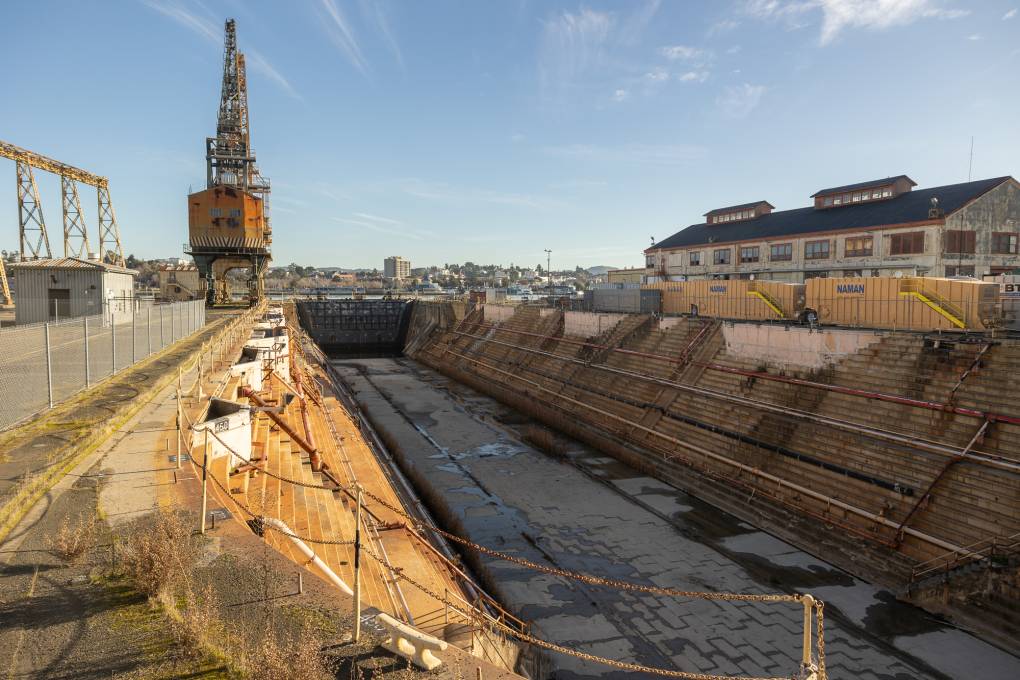
window.__IS_SSR__=true
window.__INITIAL_STATE__={
"attachmentsReducer": {
"audio_0": {
"type": "attachments",
"id": "audio_0",
"imgSizes": {
"kqedFullSize": {
"file": "https://ww2.kqed.org/news/wp-content/themes/KQED-unified/img/audio_bgs/background0.jpg"
}
}
},
"audio_1": {
"type": "attachments",
"id": "audio_1",
"imgSizes": {
"kqedFullSize": {
"file": "https://ww2.kqed.org/news/wp-content/themes/KQED-unified/img/audio_bgs/background1.jpg"
}
}
},
"audio_2": {
"type": "attachments",
"id": "audio_2",
"imgSizes": {
"kqedFullSize": {
"file": "https://ww2.kqed.org/news/wp-content/themes/KQED-unified/img/audio_bgs/background2.jpg"
}
}
},
"audio_3": {
"type": "attachments",
"id": "audio_3",
"imgSizes": {
"kqedFullSize": {
"file": "https://ww2.kqed.org/news/wp-content/themes/KQED-unified/img/audio_bgs/background3.jpg"
}
}
},
"audio_4": {
"type": "attachments",
"id": "audio_4",
"imgSizes": {
"kqedFullSize": {
"file": "https://ww2.kqed.org/news/wp-content/themes/KQED-unified/img/audio_bgs/background4.jpg"
}
}
},
"placeholder": {
"type": "attachments",
"id": "placeholder",
"imgSizes": {
"thumbnail": {
"file": "https://cdn.kqed.org/wp-content/uploads/2024/12/KQED-Default-Image-816638274-2000x1333-1-160x107.jpg",
"width": 160,
"height": 107,
"mimeType": "image/jpeg"
},
"medium": {
"file": "https://cdn.kqed.org/wp-content/uploads/2024/12/KQED-Default-Image-816638274-2000x1333-1-800x533.jpg",
"width": 800,
"height": 533,
"mimeType": "image/jpeg"
},
"medium_large": {
"file": "https://cdn.kqed.org/wp-content/uploads/2024/12/KQED-Default-Image-816638274-2000x1333-1-768x512.jpg",
"width": 768,
"height": 512,
"mimeType": "image/jpeg"
},
"large": {
"file": "https://cdn.kqed.org/wp-content/uploads/2024/12/KQED-Default-Image-816638274-2000x1333-1-1020x680.jpg",
"width": 1020,
"height": 680,
"mimeType": "image/jpeg"
},
"1536x1536": {
"file": "https://cdn.kqed.org/wp-content/uploads/2024/12/KQED-Default-Image-816638274-2000x1333-1-1536x1024.jpg",
"width": 1536,
"height": 1024,
"mimeType": "image/jpeg"
},
"fd-lrg": {
"file": "https://cdn.kqed.org/wp-content/uploads/2024/12/KQED-Default-Image-816638274-2000x1333-1-1536x1024.jpg",
"width": 1536,
"height": 1024,
"mimeType": "image/jpeg"
},
"fd-med": {
"file": "https://cdn.kqed.org/wp-content/uploads/2024/12/KQED-Default-Image-816638274-2000x1333-1-1020x680.jpg",
"width": 1020,
"height": 680,
"mimeType": "image/jpeg"
},
"fd-sm": {
"file": "https://cdn.kqed.org/wp-content/uploads/2024/12/KQED-Default-Image-816638274-2000x1333-1-800x533.jpg",
"width": 800,
"height": 533,
"mimeType": "image/jpeg"
},
"post-thumbnail": {
"file": "https://cdn.kqed.org/wp-content/uploads/2024/12/KQED-Default-Image-816638274-2000x1333-1-672x372.jpg",
"width": 672,
"height": 372,
"mimeType": "image/jpeg"
},
"twentyfourteen-full-width": {
"file": "https://cdn.kqed.org/wp-content/uploads/2024/12/KQED-Default-Image-816638274-2000x1333-1-1038x576.jpg",
"width": 1038,
"height": 576,
"mimeType": "image/jpeg"
},
"xxsmall": {
"file": "https://cdn.kqed.org/wp-content/uploads/2024/12/KQED-Default-Image-816638274-2000x1333-1-160x107.jpg",
"width": 160,
"height": 107,
"mimeType": "image/jpeg"
},
"xsmall": {
"file": "https://cdn.kqed.org/wp-content/uploads/2024/12/KQED-Default-Image-816638274-2000x1333-1-672x372.jpg",
"width": 672,
"height": 372,
"mimeType": "image/jpeg"
},
"small": {
"file": "https://cdn.kqed.org/wp-content/uploads/2024/12/KQED-Default-Image-816638274-2000x1333-1-672x372.jpg",
"width": 672,
"height": 372,
"mimeType": "image/jpeg"
},
"xlarge": {
"file": "https://cdn.kqed.org/wp-content/uploads/2024/12/KQED-Default-Image-816638274-2000x1333-1-1020x680.jpg",
"width": 1020,
"height": 680,
"mimeType": "image/jpeg"
},
"full-width": {
"file": "https://cdn.kqed.org/wp-content/uploads/2024/12/KQED-Default-Image-816638274-2000x1333-1-1920x1280.jpg",
"width": 1920,
"height": 1280,
"mimeType": "image/jpeg"
},
"guest-author-32": {
"file": "https://cdn.kqed.org/wp-content/uploads/2025/01/KQED-Default-Image-816638274-1333x1333-1-160x160.jpg",
"width": 32,
"height": 32,
"mimeType": "image/jpeg"
},
"guest-author-50": {
"file": "https://cdn.kqed.org/wp-content/uploads/2025/01/KQED-Default-Image-816638274-1333x1333-1-160x160.jpg",
"width": 50,
"height": 50,
"mimeType": "image/jpeg"
},
"guest-author-64": {
"file": "https://cdn.kqed.org/wp-content/uploads/2025/01/KQED-Default-Image-816638274-1333x1333-1-160x160.jpg",
"width": 64,
"height": 64,
"mimeType": "image/jpeg"
},
"guest-author-96": {
"file": "https://cdn.kqed.org/wp-content/uploads/2025/01/KQED-Default-Image-816638274-1333x1333-1-160x160.jpg",
"width": 96,
"height": 96,
"mimeType": "image/jpeg"
},
"guest-author-128": {
"file": "https://cdn.kqed.org/wp-content/uploads/2025/01/KQED-Default-Image-816638274-1333x1333-1-160x160.jpg",
"width": 128,
"height": 128,
"mimeType": "image/jpeg"
},
"detail": {
"file": "https://cdn.kqed.org/wp-content/uploads/2025/01/KQED-Default-Image-816638274-1333x1333-1-160x160.jpg",
"width": 160,
"height": 160,
"mimeType": "image/jpeg"
},
"kqedFullSize": {
"file": "https://cdn.kqed.org/wp-content/uploads/2024/12/KQED-Default-Image-816638274-2000x1333-1.jpg",
"width": 2000,
"height": 1333
}
}
},
"news_12040390": {
"type": "attachments",
"id": "news_12040390",
"meta": {
"index": "attachments_1716263798",
"site": "news",
"id": "12040390",
"found": true
},
"title": "20250515_RICHMONDDEADBIRDS_GC-25-KQED",
"publishDate": 1747340038,
"status": "inherit",
"parent": 12040311,
"modified": 1747348014,
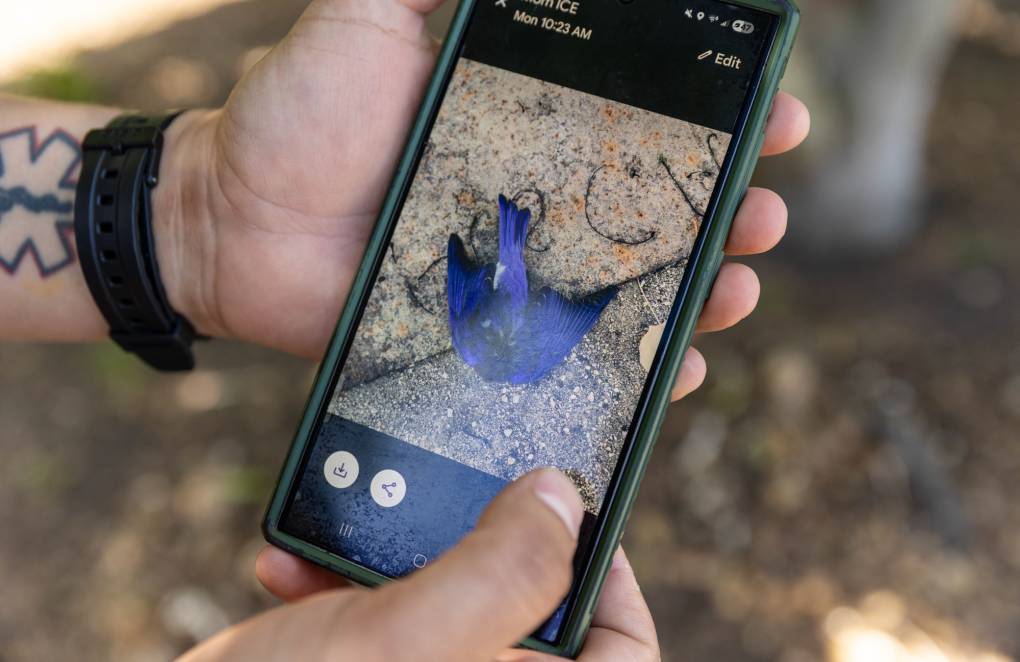
"caption": "Max Bolling shows a photo of a dead bird on his phone on the 6100 block of Bernhard Ave in Richmond on May 15, 2025. Neighbors in East Richmond Heights say they’ve found about 50 dead birds in recent weeks. Some blame PG&E’s power lines, but the utility says there’s no issue with its equipment.",
"credit": "Gina Castro/KQED",
"altTag": null,
"description": null,
"imgSizes": {
"medium": {
"file": "https://cdn.kqed.org/wp-content/uploads/sites/10/2025/05/20250515_RICHMONDDEADBIRDS_GC-25-KQED-800x519.jpg",
"width": 800,
"height": 519,
"mimeType": "image/jpeg"
},
"large": {
"file": "https://cdn.kqed.org/wp-content/uploads/sites/10/2025/05/20250515_RICHMONDDEADBIRDS_GC-25-KQED-1020x662.jpg",
"width": 1020,
"height": 662,
"mimeType": "image/jpeg"
},
"thumbnail": {
"file": "https://cdn.kqed.org/wp-content/uploads/sites/10/2025/05/20250515_RICHMONDDEADBIRDS_GC-25-KQED-160x104.jpg",
"width": 160,
"height": 104,
"mimeType": "image/jpeg"
},
"1536x1536": {
"file": "https://cdn.kqed.org/wp-content/uploads/sites/10/2025/05/20250515_RICHMONDDEADBIRDS_GC-25-KQED-1536x997.jpg",
"width": 1536,
"height": 997,
"mimeType": "image/jpeg"
},
"post-thumbnail": {
"file": "https://cdn.kqed.org/wp-content/uploads/sites/10/2025/05/20250515_RICHMONDDEADBIRDS_GC-25-KQED-672x372.jpg",
"width": 672,
"height": 372,
"mimeType": "image/jpeg"
},
"twentyfourteen-full-width": {
"file": "https://cdn.kqed.org/wp-content/uploads/sites/10/2025/05/20250515_RICHMONDDEADBIRDS_GC-25-KQED-1038x576.jpg",
"width": 1038,
"height": 576,
"mimeType": "image/jpeg"
},
"full-width": {
"file": "https://cdn.kqed.org/wp-content/uploads/sites/10/2025/05/20250515_RICHMONDDEADBIRDS_GC-25-KQED-1920x1246.jpg",
"width": 1920,
"height": 1246,
"mimeType": "image/jpeg"
},
"kqedFullSize": {
"file": "https://cdn.kqed.org/wp-content/uploads/sites/10/2025/05/20250515_RICHMONDDEADBIRDS_GC-25-KQED.jpg",
"width": 2000,
"height": 1298
}
},
"isLoading": false,
"fetchFailed": false
},
"news_11971762": {
"type": "attachments",
"id": "news_11971762",
"meta": {
"index": "attachments_1716263798",
"site": "news",
"id": "11971762",
"found": true
},
"parent": 0,
"imgSizes": {
"twentyfourteen-full-width": {
"file": "https://cdn.kqed.org/wp-content/uploads/sites/10/2024/01/240103-RSR-BIKE-LANE-MD-01-KQED-1038x576.jpg",
"width": 1038,
"mimeType": "image/jpeg",
"height": 576
},
"thumbnail": {
"file": "https://cdn.kqed.org/wp-content/uploads/sites/10/2024/01/240103-RSR-BIKE-LANE-MD-01-KQED-160x107.jpg",
"width": 160,
"mimeType": "image/jpeg",
"height": 107
},
"post-thumbnail": {
"file": "https://cdn.kqed.org/wp-content/uploads/sites/10/2024/01/240103-RSR-BIKE-LANE-MD-01-KQED-672x372.jpg",
"width": 672,
"mimeType": "image/jpeg",
"height": 372
},
"kqedFullSize": {
"file": "https://cdn.kqed.org/wp-content/uploads/sites/10/2024/01/240103-RSR-BIKE-LANE-MD-01-KQED.jpg",
"width": 2000,
"height": 1333
},
"large": {
"file": "https://cdn.kqed.org/wp-content/uploads/sites/10/2024/01/240103-RSR-BIKE-LANE-MD-01-KQED-1020x680.jpg",
"width": 1020,
"mimeType": "image/jpeg",
"height": 680
},
"1536x1536": {
"file": "https://cdn.kqed.org/wp-content/uploads/sites/10/2024/01/240103-RSR-BIKE-LANE-MD-01-KQED-1536x1024.jpg",
"width": 1536,
"mimeType": "image/jpeg",
"height": 1024
},
"full-width": {
"file": "https://cdn.kqed.org/wp-content/uploads/sites/10/2024/01/240103-RSR-BIKE-LANE-MD-01-KQED-1920x1280.jpg",
"width": 1920,
"mimeType": "image/jpeg",
"height": 1280
},
"medium": {
"file": "https://cdn.kqed.org/wp-content/uploads/sites/10/2024/01/240103-RSR-BIKE-LANE-MD-01-KQED-800x533.jpg",
"width": 800,
"mimeType": "image/jpeg",
"height": 533
}
},
"publishDate": 1704475561,
"modified": 1704475719,
"caption": "A biker uses the bike lane on the upper deck of the Richmond-San Rafael Bridge on Jan 3, 2024.",
"description": null,
"title": "240103-RSR BIKE LANE-MD-01-KQED",
"credit": "Martin do Nascimento/KQED",
"status": "inherit",
"altTag": "A person bikes across a large bridge on which cars are also driving.",
"isLoading": false,
"fetchFailed": false
},
"news_11951887": {
"type": "attachments",
"id": "news_11951887",
"meta": {
"index": "attachments_1716263798",
"site": "news",
"id": "11951887",
"found": true
},
"parent": 11951866,
"imgSizes": {
"twentyfourteen-full-width": {
"file": "https://ww2.kqed.org/app/uploads/sites/10/2023/06/RS32605_ElectricCars_AW_10-qut-1038x576.jpg",
"width": 1038,
"mimeType": "image/jpeg",
"height": 576
},
"thumbnail": {
"file": "https://ww2.kqed.org/app/uploads/sites/10/2023/06/RS32605_ElectricCars_AW_10-qut-160x107.jpg",
"width": 160,
"mimeType": "image/jpeg",
"height": 107
},
"post-thumbnail": {
"file": "https://ww2.kqed.org/app/uploads/sites/10/2023/06/RS32605_ElectricCars_AW_10-qut-672x372.jpg",
"width": 672,
"mimeType": "image/jpeg",
"height": 372
},
"kqedFullSize": {
"file": "https://ww2.kqed.org/app/uploads/sites/10/2023/06/RS32605_ElectricCars_AW_10-qut.jpg",
"width": 1920,
"height": 1280
},
"large": {
"file": "https://ww2.kqed.org/app/uploads/sites/10/2023/06/RS32605_ElectricCars_AW_10-qut-1020x680.jpg",
"width": 1020,
"mimeType": "image/jpeg",
"height": 680
},
"1536x1536": {
"file": "https://ww2.kqed.org/app/uploads/sites/10/2023/06/RS32605_ElectricCars_AW_10-qut-1536x1024.jpg",
"width": 1536,
"mimeType": "image/jpeg",
"height": 1024
},
"medium": {
"file": "https://ww2.kqed.org/app/uploads/sites/10/2023/06/RS32605_ElectricCars_AW_10-qut-800x533.jpg",
"width": 800,
"mimeType": "image/jpeg",
"height": 533
}
},
"publishDate": 1685573972,
"modified": 1685576249,
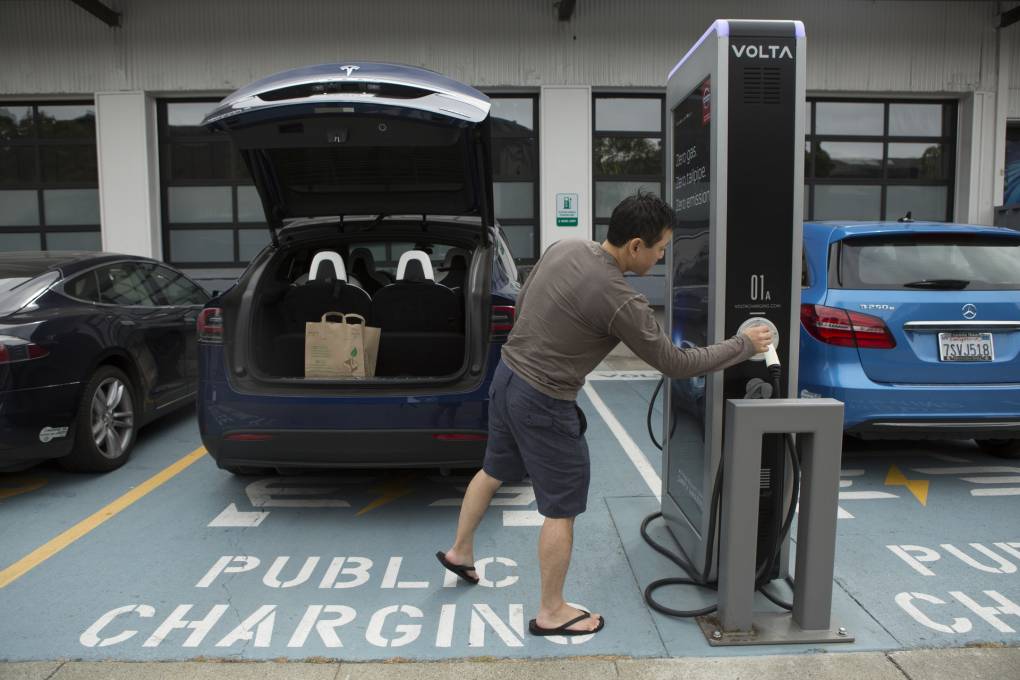
"caption": "A public charging station for electric vehicles in the Potrero neighborhood of San Francisco.",
"description": null,
"title": "RS32605_ElectricCars_AW_10-qut",
"credit": "Anne Wernikoff/KQED",
"status": "inherit",
"altTag": null,
"isLoading": false,
"fetchFailed": false
},
"news_12035600": {
"type": "attachments",
"id": "news_12035600",
"meta": {
"index": "attachments_1716263798",
"site": "news",
"id": "12035600",
"found": true
},
"title": "250321-VIRTUALPOWERPLANT-20-BL-KQED",
"publishDate": 1744381309,
"status": "inherit",
"parent": 12035455,
"modified": 1744381941,
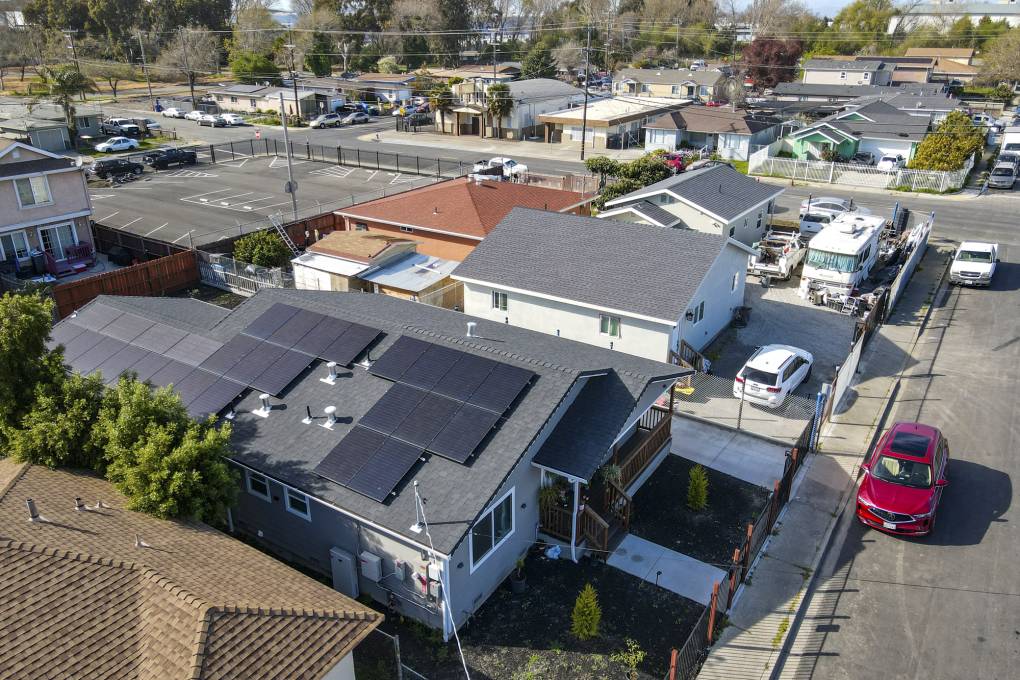
"caption": "An aerial view of Ramon Heredia and Ivan Israel Amezcua's home in Richmond on March 21, 2025.",
"credit": "Beth LaBerge/KQED",
"altTag": null,
"description": null,
"imgSizes": {
"medium": {
"file": "https://cdn.kqed.org/wp-content/uploads/sites/10/2025/04/250321-VIRTUALPOWERPLANT-20-BL-KQED-800x533.jpg",
"width": 800,
"height": 533,
"mimeType": "image/jpeg"
},
"large": {
"file": "https://cdn.kqed.org/wp-content/uploads/sites/10/2025/04/250321-VIRTUALPOWERPLANT-20-BL-KQED-1020x680.jpg",
"width": 1020,
"height": 680,
"mimeType": "image/jpeg"
},
"thumbnail": {
"file": "https://cdn.kqed.org/wp-content/uploads/sites/10/2025/04/250321-VIRTUALPOWERPLANT-20-BL-KQED-160x107.jpg",
"width": 160,
"height": 107,
"mimeType": "image/jpeg"
},
"1536x1536": {
"file": "https://cdn.kqed.org/wp-content/uploads/sites/10/2025/04/250321-VIRTUALPOWERPLANT-20-BL-KQED-1536x1024.jpg",
"width": 1536,
"height": 1024,
"mimeType": "image/jpeg"
},
"post-thumbnail": {
"file": "https://cdn.kqed.org/wp-content/uploads/sites/10/2025/04/250321-VIRTUALPOWERPLANT-20-BL-KQED-672x372.jpg",
"width": 672,
"height": 372,
"mimeType": "image/jpeg"
},
"twentyfourteen-full-width": {
"file": "https://cdn.kqed.org/wp-content/uploads/sites/10/2025/04/250321-VIRTUALPOWERPLANT-20-BL-KQED-1038x576.jpg",
"width": 1038,
"height": 576,
"mimeType": "image/jpeg"
},
"full-width": {
"file": "https://cdn.kqed.org/wp-content/uploads/sites/10/2025/04/250321-VIRTUALPOWERPLANT-20-BL-KQED-1920x1280.jpg",
"width": 1920,
"height": 1280,
"mimeType": "image/jpeg"
},
"kqedFullSize": {
"file": "https://cdn.kqed.org/wp-content/uploads/sites/10/2025/04/250321-VIRTUALPOWERPLANT-20-BL-KQED.jpg",
"width": 2000,
"height": 1333
}
},
"isLoading": false,
"fetchFailed": false
},
"news_12031311": {
"type": "attachments",
"id": "news_12031311",
"meta": {
"index": "attachments_1716263798",
"site": "news",
"id": "12031311",
"found": true
},
"title": "240312-RICHMOND WALKOUT-MD-01-KQED-1",
"publishDate": 1741908035,
"status": "inherit",
"parent": 0,
"modified": 1741965238,
"caption": "Valerie Aquino (center) and Xitlali Gomez (right) and other students from Richmond's John F. Kennedy High School stage a walkout and march to the West Contra Costa Unified School District Offices to protest impending layoffs as part of cuts to the district's budget in Richmond on March 12, 2025.",
"credit": "Martin do Nascimento/KQED",
"altTag": null,
"description": null,
"imgSizes": {
"medium": {
"file": "https://cdn.kqed.org/wp-content/uploads/sites/10/2025/03/240312-RICHMOND-WALKOUT-MD-01-KQED-1-800x533.jpg",
"width": 800,
"height": 533,
"mimeType": "image/jpeg"
},
"large": {
"file": "https://cdn.kqed.org/wp-content/uploads/sites/10/2025/03/240312-RICHMOND-WALKOUT-MD-01-KQED-1-1020x680.jpg",
"width": 1020,
"height": 680,
"mimeType": "image/jpeg"
},
"thumbnail": {
"file": "https://cdn.kqed.org/wp-content/uploads/sites/10/2025/03/240312-RICHMOND-WALKOUT-MD-01-KQED-1-160x107.jpg",
"width": 160,
"height": 107,
"mimeType": "image/jpeg"
},
"1536x1536": {
"file": "https://cdn.kqed.org/wp-content/uploads/sites/10/2025/03/240312-RICHMOND-WALKOUT-MD-01-KQED-1-1536x1024.jpg",
"width": 1536,
"height": 1024,
"mimeType": "image/jpeg"
},
"post-thumbnail": {
"file": "https://cdn.kqed.org/wp-content/uploads/sites/10/2025/03/240312-RICHMOND-WALKOUT-MD-01-KQED-1-672x372.jpg",
"width": 672,
"height": 372,
"mimeType": "image/jpeg"
},
"twentyfourteen-full-width": {
"file": "https://cdn.kqed.org/wp-content/uploads/sites/10/2025/03/240312-RICHMOND-WALKOUT-MD-01-KQED-1-1038x576.jpg",
"width": 1038,
"height": 576,
"mimeType": "image/jpeg"
},
"full-width": {
"file": "https://cdn.kqed.org/wp-content/uploads/sites/10/2025/03/240312-RICHMOND-WALKOUT-MD-01-KQED-1-1920x1280.jpg",
"width": 1920,
"height": 1280,
"mimeType": "image/jpeg"
},
"kqedFullSize": {
"file": "https://cdn.kqed.org/wp-content/uploads/sites/10/2025/03/240312-RICHMOND-WALKOUT-MD-01-KQED-1.jpg",
"width": 2000,
"height": 1333
}
},
"isLoading": false,
"fetchFailed": false
},
"news_12028909": {
"type": "attachments",
"id": "news_12028909",
"meta": {
"index": "attachments_1716263798",
"site": "news",
"id": "12028909",
"found": true
},
"title": "20250220_PtRichmondFairyHouses_GC-39",
"publishDate": 1740648643,
"status": "inherit",
"parent": 0,
"modified": 1740648710,
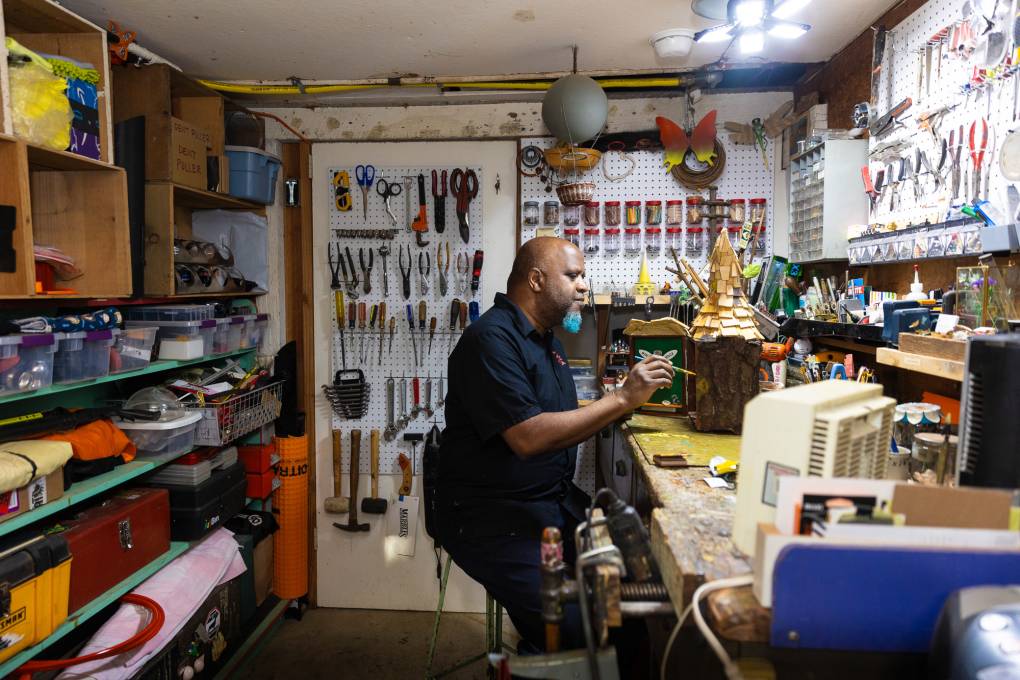
"caption": "Jimmie Robinson works on a fairy house in his workshop in Richmond on Feb. 20, 2025. He has built over 30 houses for his neighbors along the street.",
"credit": "Gina Castro/KQED",
"altTag": null,
"description": null,
"imgSizes": {
"medium": {
"file": "https://cdn.kqed.org/wp-content/uploads/sites/10/2025/02/20250220_PtRichmondFairyHouses_GC-39-800x533.jpg",
"width": 800,
"height": 533,
"mimeType": "image/jpeg"
},
"large": {
"file": "https://cdn.kqed.org/wp-content/uploads/sites/10/2025/02/20250220_PtRichmondFairyHouses_GC-39-1020x680.jpg",
"width": 1020,
"height": 680,
"mimeType": "image/jpeg"
},
"thumbnail": {
"file": "https://cdn.kqed.org/wp-content/uploads/sites/10/2025/02/20250220_PtRichmondFairyHouses_GC-39-160x107.jpg",
"width": 160,
"height": 107,
"mimeType": "image/jpeg"
},
"1536x1536": {
"file": "https://cdn.kqed.org/wp-content/uploads/sites/10/2025/02/20250220_PtRichmondFairyHouses_GC-39-1536x1024.jpg",
"width": 1536,
"height": 1024,
"mimeType": "image/jpeg"
},
"post-thumbnail": {
"file": "https://cdn.kqed.org/wp-content/uploads/sites/10/2025/02/20250220_PtRichmondFairyHouses_GC-39-672x372.jpg",
"width": 672,
"height": 372,
"mimeType": "image/jpeg"
},
"twentyfourteen-full-width": {
"file": "https://cdn.kqed.org/wp-content/uploads/sites/10/2025/02/20250220_PtRichmondFairyHouses_GC-39-1038x576.jpg",
"width": 1038,
"height": 576,
"mimeType": "image/jpeg"
},
"full-width": {
"file": "https://cdn.kqed.org/wp-content/uploads/sites/10/2025/02/20250220_PtRichmondFairyHouses_GC-39-1920x1280.jpg",
"width": 1920,
"height": 1280,
"mimeType": "image/jpeg"
},
"kqedFullSize": {
"file": "https://cdn.kqed.org/wp-content/uploads/sites/10/2025/02/20250220_PtRichmondFairyHouses_GC-39.jpg",
"width": 2000,
"height": 1333
}
},
"isLoading": false,
"fetchFailed": false
},
"news_12031084": {
"type": "attachments",
"id": "news_12031084",
"meta": {
"index": "attachments_1716263798",
"site": "news",
"id": "12031084",
"found": true
},
"title": "250312-RICHMOND CITY HALL-MD-02-KQED-1",
"publishDate": 1741819632,
"status": "inherit",
"parent": 12030930,
"modified": 1741819645,
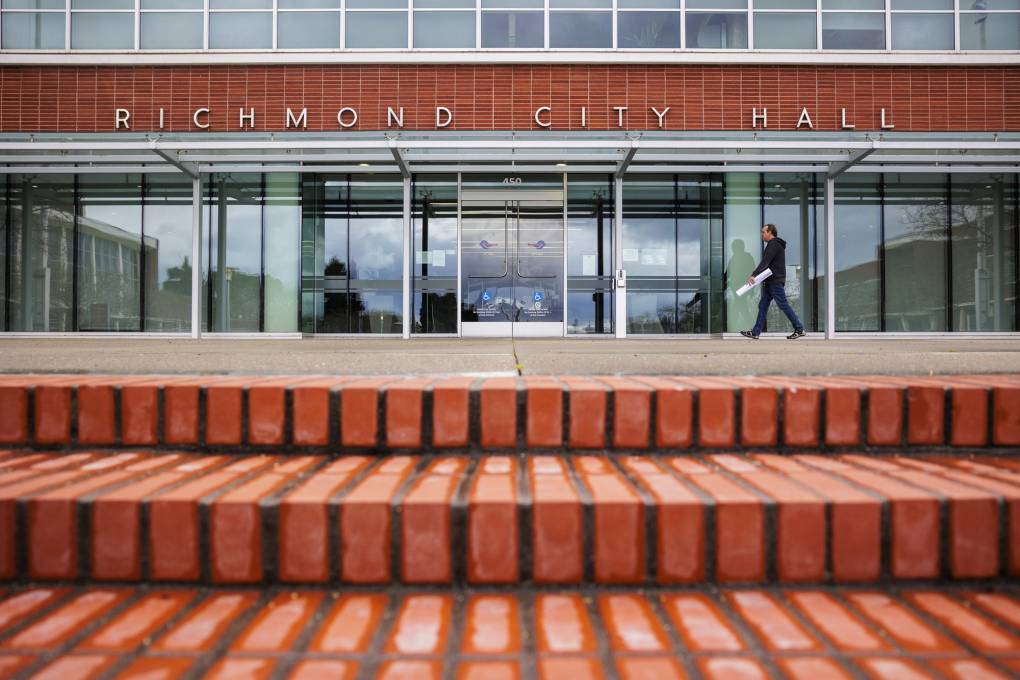
"caption": "Richmond City Hall on March 12, 2025. Richmond joined several California cities in strengthening its sanctuary city ordinances to limit involvement with federal immigration enforcement.",
"credit": "Martin do Nascimento/KQED",
"altTag": null,
"description": null,
"imgSizes": {
"medium": {
"file": "https://cdn.kqed.org/wp-content/uploads/sites/10/2025/03/250312-RICHMOND-CITY-HALL-MD-02-KQED-1-800x533.jpg",
"width": 800,
"height": 533,
"mimeType": "image/jpeg"
},
"large": {
"file": "https://cdn.kqed.org/wp-content/uploads/sites/10/2025/03/250312-RICHMOND-CITY-HALL-MD-02-KQED-1-1020x680.jpg",
"width": 1020,
"height": 680,
"mimeType": "image/jpeg"
},
"thumbnail": {
"file": "https://cdn.kqed.org/wp-content/uploads/sites/10/2025/03/250312-RICHMOND-CITY-HALL-MD-02-KQED-1-160x107.jpg",
"width": 160,
"height": 107,
"mimeType": "image/jpeg"
},
"1536x1536": {
"file": "https://cdn.kqed.org/wp-content/uploads/sites/10/2025/03/250312-RICHMOND-CITY-HALL-MD-02-KQED-1-1536x1024.jpg",
"width": 1536,
"height": 1024,
"mimeType": "image/jpeg"
},
"post-thumbnail": {
"file": "https://cdn.kqed.org/wp-content/uploads/sites/10/2025/03/250312-RICHMOND-CITY-HALL-MD-02-KQED-1-672x372.jpg",
"width": 672,
"height": 372,
"mimeType": "image/jpeg"
},
"twentyfourteen-full-width": {
"file": "https://cdn.kqed.org/wp-content/uploads/sites/10/2025/03/250312-RICHMOND-CITY-HALL-MD-02-KQED-1-1038x576.jpg",
"width": 1038,
"height": 576,
"mimeType": "image/jpeg"
},
"full-width": {
"file": "https://cdn.kqed.org/wp-content/uploads/sites/10/2025/03/250312-RICHMOND-CITY-HALL-MD-02-KQED-1-1920x1280.jpg",
"width": 1920,
"height": 1280,
"mimeType": "image/jpeg"
},
"kqedFullSize": {
"file": "https://cdn.kqed.org/wp-content/uploads/sites/10/2025/03/250312-RICHMOND-CITY-HALL-MD-02-KQED-1.jpg",
"width": 2000,
"height": 1333
}
},
"isLoading": false,
"fetchFailed": false
},
"news_12029233": {
"type": "attachments",
"id": "news_12029233",
"meta": {
"index": "attachments_1716263798",
"site": "news",
"id": "12029233",
"found": true
},
"title": "WCCUSD-staffing-2-2048x1536",
"publishDate": 1740772367,
"status": "inherit",
"parent": 12029232,
"modified": 1740772396,
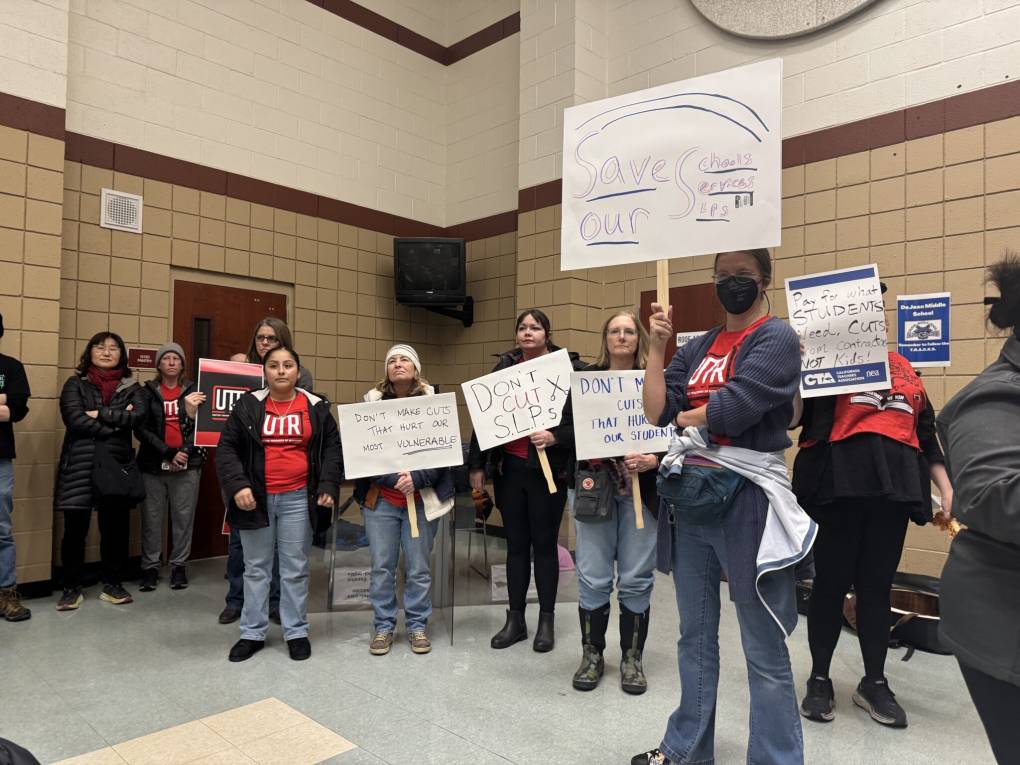
"caption": "United Teachers of Richmond gather at West Contra Costa school board meeting Wednesday to protest staff cuts approved a week earlier.",
"credit": "Monica Velez/EdSource",
"altTag": null,
"description": null,
"imgSizes": {
"medium": {
"file": "https://cdn.kqed.org/wp-content/uploads/sites/10/2025/02/WCCUSD-staffing-2-2048x1536-1-800x600.jpg",
"width": 800,
"height": 600,
"mimeType": "image/jpeg"
},
"large": {
"file": "https://cdn.kqed.org/wp-content/uploads/sites/10/2025/02/WCCUSD-staffing-2-2048x1536-1-1020x765.jpg",
"width": 1020,
"height": 765,
"mimeType": "image/jpeg"
},
"thumbnail": {
"file": "https://cdn.kqed.org/wp-content/uploads/sites/10/2025/02/WCCUSD-staffing-2-2048x1536-1-160x120.jpg",
"width": 160,
"height": 120,
"mimeType": "image/jpeg"
},
"1536x1536": {
"file": "https://cdn.kqed.org/wp-content/uploads/sites/10/2025/02/WCCUSD-staffing-2-2048x1536-1-1536x1152.jpg",
"width": 1536,
"height": 1152,
"mimeType": "image/jpeg"
},
"post-thumbnail": {
"file": "https://cdn.kqed.org/wp-content/uploads/sites/10/2025/02/WCCUSD-staffing-2-2048x1536-1-672x372.jpg",
"width": 672,
"height": 372,
"mimeType": "image/jpeg"
},
"twentyfourteen-full-width": {
"file": "https://cdn.kqed.org/wp-content/uploads/sites/10/2025/02/WCCUSD-staffing-2-2048x1536-1-1038x576.jpg",
"width": 1038,
"height": 576,
"mimeType": "image/jpeg"
},
"full-width": {
"file": "https://cdn.kqed.org/wp-content/uploads/sites/10/2025/02/WCCUSD-staffing-2-2048x1536-1-1920x1440.jpg",
"width": 1920,
"height": 1440,
"mimeType": "image/jpeg"
},
"kqedFullSize": {
"file": "https://cdn.kqed.org/wp-content/uploads/sites/10/2025/02/WCCUSD-staffing-2-2048x1536-1.jpg",
"width": 2048,
"height": 1536
}
},
"isLoading": false,
"fetchFailed": false
},
"news_12020612": {
"type": "attachments",
"id": "news_12020612",
"meta": {
"index": "attachments_1716263798",
"site": "news",
"id": "12020612",
"found": true
},
"title": "Multiple Arrested After Police Confront Native American Protesters On National Mall",
"publishDate": 1736281236,
"status": "inherit",
"parent": 12020604,
"modified": 1738977432,
"caption": "Native Americans burn sage during a confrontation with police on the National Mall on Oct. 15, 2024, in Washington, D.C. Native Americans from several tribes, including the Muwekma Ohlone, arrived in Washington, D.C., to demand federal recognition. Local police moved in before a ceremonial ride on horses to the Bureau of Indian Affairs could take place.",
"credit": "Stephanie Keith/Getty Images",
"altTag": null,
"description": null,
"imgSizes": {
"medium": {
"file": "https://cdn.kqed.org/wp-content/uploads/sites/10/2025/01/Muwekma-Ohlone-Getty-800x533.jpg",
"width": 800,
"height": 533,
"mimeType": "image/jpeg"
},
"large": {
"file": "https://cdn.kqed.org/wp-content/uploads/sites/10/2025/01/Muwekma-Ohlone-Getty-1020x680.jpg",
"width": 1020,
"height": 680,
"mimeType": "image/jpeg"
},
"thumbnail": {
"file": "https://cdn.kqed.org/wp-content/uploads/sites/10/2025/01/Muwekma-Ohlone-Getty-160x107.jpg",
"width": 160,
"height": 107,
"mimeType": "image/jpeg"
},
"1536x1536": {
"file": "https://cdn.kqed.org/wp-content/uploads/sites/10/2025/01/Muwekma-Ohlone-Getty-1536x1024.jpg",
"width": 1536,
"height": 1024,
"mimeType": "image/jpeg"
},
"post-thumbnail": {
"file": "https://cdn.kqed.org/wp-content/uploads/sites/10/2025/01/Muwekma-Ohlone-Getty-672x372.jpg",
"width": 672,
"height": 372,
"mimeType": "image/jpeg"
},
"twentyfourteen-full-width": {
"file": "https://cdn.kqed.org/wp-content/uploads/sites/10/2025/01/Muwekma-Ohlone-Getty-1038x576.jpg",
"width": 1038,
"height": 576,
"mimeType": "image/jpeg"
},
"full-width": {
"file": "https://cdn.kqed.org/wp-content/uploads/sites/10/2025/01/Muwekma-Ohlone-Getty-1920x1280.jpg",
"width": 1920,
"height": 1280,
"mimeType": "image/jpeg"
},
"kqedFullSize": {
"file": "https://cdn.kqed.org/wp-content/uploads/sites/10/2025/01/Muwekma-Ohlone-Getty.jpg",
"width": 2000,
"height": 1333
}
},
"isLoading": false,
"fetchFailed": false
},
"news_12024374": {
"type": "attachments",
"id": "news_12024374",
"meta": {
"index": "attachments_1716263798",
"site": "news",
"id": "12024374",
"found": true
},
"title": "20250128_RichmondInspections_GC-42",
"publishDate": 1738094110,
"status": "inherit",
"parent": 0,
"modified": 1738786500,
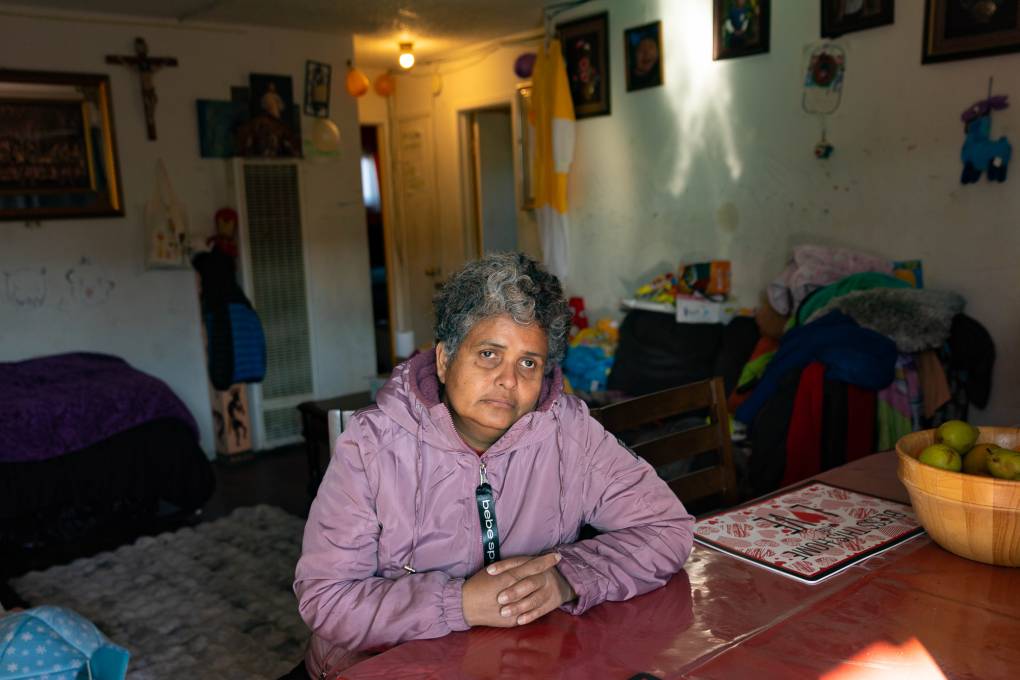
"caption": "Zenaida Gomez poses for a photo at her home in Richmond on Jan. 28, 2025. Gomez has been living with mold since she moved into the unit 20 years ago. A new city program requires nearly all rental properties to undergo inspection every three years.",
"credit": "Gina Castro/KQED",
"altTag": null,
"description": null,
"imgSizes": {
"medium": {
"file": "https://cdn.kqed.org/wp-content/uploads/sites/10/2025/01/20250128_RichmondInspections_GC-42-800x533.jpg",
"width": 800,
"height": 533,
"mimeType": "image/jpeg"
},
"large": {
"file": "https://cdn.kqed.org/wp-content/uploads/sites/10/2025/01/20250128_RichmondInspections_GC-42-1020x680.jpg",
"width": 1020,
"height": 680,
"mimeType": "image/jpeg"
},
"thumbnail": {
"file": "https://cdn.kqed.org/wp-content/uploads/sites/10/2025/01/20250128_RichmondInspections_GC-42-160x107.jpg",
"width": 160,
"height": 107,
"mimeType": "image/jpeg"
},
"1536x1536": {
"file": "https://cdn.kqed.org/wp-content/uploads/sites/10/2025/01/20250128_RichmondInspections_GC-42-1536x1024.jpg",
"width": 1536,
"height": 1024,
"mimeType": "image/jpeg"
},
"post-thumbnail": {
"file": "https://cdn.kqed.org/wp-content/uploads/sites/10/2025/01/20250128_RichmondInspections_GC-42-672x372.jpg",
"width": 672,
"height": 372,
"mimeType": "image/jpeg"
},
"twentyfourteen-full-width": {
"file": "https://cdn.kqed.org/wp-content/uploads/sites/10/2025/01/20250128_RichmondInspections_GC-42-1038x576.jpg",
"width": 1038,
"height": 576,
"mimeType": "image/jpeg"
},
"full-width": {
"file": "https://cdn.kqed.org/wp-content/uploads/sites/10/2025/01/20250128_RichmondInspections_GC-42-1920x1280.jpg",
"width": 1920,
"height": 1280,
"mimeType": "image/jpeg"
},
"kqedFullSize": {
"file": "https://cdn.kqed.org/wp-content/uploads/sites/10/2025/01/20250128_RichmondInspections_GC-42.jpg",
"width": 2000,
"height": 1333
}
},
"isLoading": false,
"fetchFailed": false
},
"news_12024362": {
"type": "attachments",
"id": "news_12024362",
"meta": {
"index": "attachments_1716263798",
"site": "news",
"id": "12024362",
"found": true
},
"title": "250127-BrooksIsland-38-BL",
"publishDate": 1738090707,
"status": "inherit",
"parent": 0,
"modified": 1738175463,
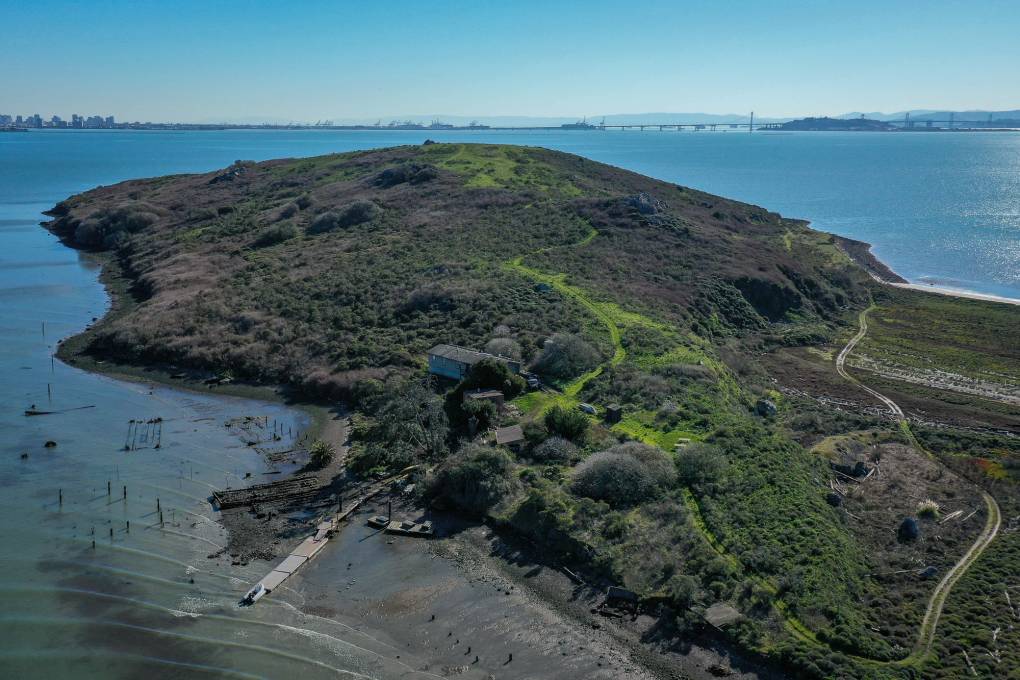
"caption": "An aerial view of Brooks Island Regional Preserve, a 373-acre bird sanctuary and habitat for native plants and wildlife in San Francisco Bay near Richmond, on Jan. 27, 2025.",
"credit": "Beth LaBerge/KQED",
"altTag": null,
"description": null,
"imgSizes": {
"medium": {
"file": "https://cdn.kqed.org/wp-content/uploads/sites/10/2025/01/250127-BrooksIsland-38-BL-800x533.jpg",
"width": 800,
"height": 533,
"mimeType": "image/jpeg"
},
"large": {
"file": "https://cdn.kqed.org/wp-content/uploads/sites/10/2025/01/250127-BrooksIsland-38-BL-1020x680.jpg",
"width": 1020,
"height": 680,
"mimeType": "image/jpeg"
},
"thumbnail": {
"file": "https://cdn.kqed.org/wp-content/uploads/sites/10/2025/01/250127-BrooksIsland-38-BL-160x107.jpg",
"width": 160,
"height": 107,
"mimeType": "image/jpeg"
},
"1536x1536": {
"file": "https://cdn.kqed.org/wp-content/uploads/sites/10/2025/01/250127-BrooksIsland-38-BL-1536x1024.jpg",
"width": 1536,
"height": 1024,
"mimeType": "image/jpeg"
},
"post-thumbnail": {
"file": "https://cdn.kqed.org/wp-content/uploads/sites/10/2025/01/250127-BrooksIsland-38-BL-672x372.jpg",
"width": 672,
"height": 372,
"mimeType": "image/jpeg"
},
"twentyfourteen-full-width": {
"file": "https://cdn.kqed.org/wp-content/uploads/sites/10/2025/01/250127-BrooksIsland-38-BL-1038x576.jpg",
"width": 1038,
"height": 576,
"mimeType": "image/jpeg"
},
"full-width": {
"file": "https://cdn.kqed.org/wp-content/uploads/sites/10/2025/01/250127-BrooksIsland-38-BL-1920x1280.jpg",
"width": 1920,
"height": 1280,
"mimeType": "image/jpeg"
},
"kqedFullSize": {
"file": "https://cdn.kqed.org/wp-content/uploads/sites/10/2025/01/250127-BrooksIsland-38-BL.jpg",
"width": 2000,
"height": 1333
}
},
"isLoading": false,
"fetchFailed": false
},
"news_12023519": {
"type": "attachments",
"id": "news_12023519",
"meta": {
"index": "attachments_1716263798",
"site": "news",
"id": "12023519",
"found": true
},
"title": "20250114_Mare-Island2_DMB_00817",
"publishDate": 1737577271,
"status": "inherit",
"parent": 12023604,
"modified": 1737592318,
"caption": "One of the defunct dry docks on Mare Island in the city of Vallejo, Tuesday, Jan. 14, 2025. Part of 'Bumblebee' from the Transformers series was filmed here.",
"credit": "David M. Barreda/KQED",
"altTag": null,
"description": null,
"imgSizes": {
"medium": {
"file": "https://cdn.kqed.org/wp-content/uploads/sites/10/2025/01/20250114_Mare-Island2_DMB_00817-800x533.jpg",
"width": 800,
"height": 533,
"mimeType": "image/jpeg"
},
"large": {
"file": "https://cdn.kqed.org/wp-content/uploads/sites/10/2025/01/20250114_Mare-Island2_DMB_00817-1020x680.jpg",
"width": 1020,
"height": 680,
"mimeType": "image/jpeg"
},
"thumbnail": {
"file": "https://cdn.kqed.org/wp-content/uploads/sites/10/2025/01/20250114_Mare-Island2_DMB_00817-160x107.jpg",
"width": 160,
"height": 107,
"mimeType": "image/jpeg"
},
"1536x1536": {
"file": "https://cdn.kqed.org/wp-content/uploads/sites/10/2025/01/20250114_Mare-Island2_DMB_00817-1536x1024.jpg",
"width": 1536,
"height": 1024,
"mimeType": "image/jpeg"
},
"post-thumbnail": {
"file": "https://cdn.kqed.org/wp-content/uploads/sites/10/2025/01/20250114_Mare-Island2_DMB_00817-672x372.jpg",
"width": 672,
"height": 372,
"mimeType": "image/jpeg"
},
"twentyfourteen-full-width": {
"file": "https://cdn.kqed.org/wp-content/uploads/sites/10/2025/01/20250114_Mare-Island2_DMB_00817-1038x576.jpg",
"width": 1038,
"height": 576,
"mimeType": "image/jpeg"
},
"full-width": {
"file": "https://cdn.kqed.org/wp-content/uploads/sites/10/2025/01/20250114_Mare-Island2_DMB_00817-1920x1280.jpg",
"width": 1920,
"height": 1280,
"mimeType": "image/jpeg"
},
"kqedFullSize": {
"file": "https://cdn.kqed.org/wp-content/uploads/sites/10/2025/01/20250114_Mare-Island2_DMB_00817.jpg",
"width": 2000,
"height": 1333
}
},
"isLoading": false,
"fetchFailed": false
}
},
"audioPlayerReducer": {
"postId": "stream_live",
"isPaused": true,
"isPlaying": false,
"pfsActive": false,
"pledgeModalIsOpen": true,
"playerDrawerIsOpen": false,
"liveAudioPlayStartedAt": 0,
"liveAudioPlayContext": ""
},
"authorsReducer": {
"byline_news_12029232": {
"type": "authors",
"id": "byline_news_12029232",
"meta": {
"override": true
},
"slug": "byline_news_12029232",
"name": "\u003ca href=\"https://edsource.org/author/mvelez\">Monica Velez\u003c/a>, EdSource",
"isLoading": false
},
"ohubertallen": {
"type": "authors",
"id": "102",
"meta": {
"index": "authors_1716337520",
"id": "102",
"found": true
},
"name": "Olivia Allen-Price",
"firstName": "Olivia",
"lastName": "Allen-Price",
"slug": "ohubertallen",
"email": "oallenprice@kqed.org",
"display_author_email": false,
"staff_mastheads": [
"news"
],
"title": "Senior Editor",
"bio": "Olivia Allen-Price is senior editor and host of the award-winning Bay Curious podcast. Prior to joining KQED in 2013, Olivia worked at The Baltimore Sun and The Virginian-Pilot in Norfolk, Va. She holds degrees in journalism and political science from Elon University. Her work has earned awards from the Society of Professional Journalists, the Hearst Foundation and Hearken. She loves to talk about running and curly hair.\r\n\r\nFollow: \u003ca href=\"https://twitter.com/oallenprice\">@oallenprice\u003c/a>\r\nEmail: \u003ca href=\"mailto:oallenprice@kqed.org\">oallenprice@kqed.org\u003c/a>",
"avatar": "https://secure.gravatar.com/avatar/07f7803c1f6be56f3be58ef276dfa64dce898502e0554408ef4858451a8294f7?s=600&d=blank&r=g",
"twitter": "oallenprice",
"bluesky": null,
"facebook": null,
"instagram": null,
"linkedin": null,
"sites": [
{
"site": "",
"roles": [
"editor"
]
},
{
"site": "arts",
"roles": [
"subscriber"
]
},
{
"site": "news",
"roles": [
"administrator"
]
},
{
"site": "pop",
"roles": [
"administrator"
]
},
{
"site": "bayareabites",
"roles": [
"contributor"
]
},
{
"site": "stateofhealth",
"roles": [
"administrator"
]
},
{
"site": "science",
"roles": [
"editor"
]
}
],
"headData": {
"title": "Olivia Allen-Price | KQED",
"description": "Senior Editor",
"ogImgSrc": "https://secure.gravatar.com/avatar/07f7803c1f6be56f3be58ef276dfa64dce898502e0554408ef4858451a8294f7?s=600&d=blank&r=g",
"twImgSrc": "https://secure.gravatar.com/avatar/07f7803c1f6be56f3be58ef276dfa64dce898502e0554408ef4858451a8294f7?s=600&d=blank&r=g"
},
"isLoading": false,
"link": "/author/ohubertallen"
},
"shossaini": {
"type": "authors",
"id": "3214",
"meta": {
"index": "authors_1716337520",
"id": "3214",
"found": true
},
"name": "Sara Hossaini",
"firstName": "Sara",
"lastName": "Hossaini",
"slug": "shossaini",
"email": "shossaini@kqed.org",
"display_author_email": true,
"staff_mastheads": [
"news"
],
"title": "KQED Reporter",
"bio": "Sara Hossaini came to general assignment reporting at KQED in 2013 after two winters reporting at Wyoming Public Radio. She holds a bachelor's degree in broadcast journalism from the University of Nebraska-Lincoln. Her radio romance began after a bitter breakup with documentary film (Ok, maybe it's still complicated). Her first simultaneous jobs in San Francisco were as Associate Producer on a PBS film series through the Center for Asian American Media and as a butler. She likes to trot, plot and make things with her hands.",
"avatar": "https://secure.gravatar.com/avatar/060e9f56b9554e17942e89f413242774?s=600&d=blank&r=g",
"twitter": "mshossaini",
"facebook": null,
"instagram": null,
"linkedin": null,
"sites": [
{
"site": "news",
"roles": [
"author"
]
},
{
"site": "stateofhealth",
"roles": [
"author"
]
}
],
"headData": {
"title": "Sara Hossaini | KQED",
"description": "KQED Reporter",
"ogImgSrc": "https://secure.gravatar.com/avatar/060e9f56b9554e17942e89f413242774?s=600&d=blank&r=g",
"twImgSrc": "https://secure.gravatar.com/avatar/060e9f56b9554e17942e89f413242774?s=600&d=blank&r=g"
},
"isLoading": false,
"link": "/author/shossaini"
},
"lklivans": {
"type": "authors",
"id": "8648",
"meta": {
"index": "authors_1716337520",
"id": "8648",
"found": true
},
"name": "Laura Klivans",
"firstName": "Laura",
"lastName": "Klivans",
"slug": "lklivans",
"email": "lklivans@kqed.org",
"display_author_email": true,
"staff_mastheads": [
"news",
"science"
],
"title": "Reporter",
"bio": "Laura Klivans is an award-winning science reporter for KQED News, where she covers climate change with an eye on both groundbreaking progress and gaps in action. She is the former host of KQED's blockbuster video series about tiny, amazing animals, \u003cem>Deep Look\u003c/em>. Her work reaches national audiences through NPR, \u003cem>Here & Now, \u003c/em>PRI, and other major outlets. \r\n\r\nLaura’s won five Northern California Area Emmy Awards for Deep Look and First Place in the Greater Bay Area Journalism Awards for a podcast exploring how one Oakland neighborhood teamed up to reduce planet-heating pollution.\r\n\r\nBeyond her reporting, she hosts and moderates events. In the past, she taught audio storytelling at the UC Berkeley Graduate School of Journalism, led international education programs, worked with immigrants and refugees along the Thai-Burmese border, taught high schoolers sex ed, and was an actress. \r\n\r\nShe's a former UC Berkeley Human Rights Fellow, USC Center for Health Journalism's California Fellow and Coro Fellow in Public Affairs. Laura has a master’s in journalism from UC Berkeley, a master’s in education from Harvard, and an undergraduate degree from Northwestern University.\r\n\r\nShe loves trying to riddle the meaning out of vanity license plates.",
"avatar": "https://secure.gravatar.com/avatar/2d2ecd1550a494cc10ad4a503406965585902124739e775a9b3817eebf1d88be?s=600&d=blank&r=g",
"twitter": "lauraklivans",
"bluesky": null,
"facebook": null,
"instagram": null,
"linkedin": null,
"sites": [
{
"site": "news",
"roles": [
"editor"
]
},
{
"site": "stateofhealth",
"roles": [
"contributor",
"editor"
]
},
{
"site": "science",
"roles": [
"editor"
]
},
{
"site": "forum",
"roles": [
"editor"
]
}
],
"headData": {
"title": "Laura Klivans | KQED",
"description": "Reporter",
"ogImgSrc": "https://secure.gravatar.com/avatar/2d2ecd1550a494cc10ad4a503406965585902124739e775a9b3817eebf1d88be?s=600&d=blank&r=g",
"twImgSrc": "https://secure.gravatar.com/avatar/2d2ecd1550a494cc10ad4a503406965585902124739e775a9b3817eebf1d88be?s=600&d=blank&r=g"
},
"isLoading": false,
"link": "/author/lklivans"
},
"ecruzguevarra": {
"type": "authors",
"id": "8654",
"meta": {
"index": "authors_1716337520",
"id": "8654",
"found": true
},
"name": "Ericka Cruz Guevarra",
"firstName": "Ericka",
"lastName": "Cruz Guevarra",
"slug": "ecruzguevarra",
"email": "ecruzguevarra@kqed.org",
"display_author_email": true,
"staff_mastheads": [
"news"
],
"title": "Producer, The Bay Podcast",
"bio": "Ericka Cruz Guevarra is host of \u003ca href=\"https://www.kqed.org/podcasts/thebay\">\u003cem>The Bay\u003c/em>\u003c/a> podcast at KQED. Before host, she was the show’s producer. Her work in that capacity includes a three-part reported series on policing in Vallejo, which won a 2020 excellence in journalism award from the Society of Professional Journalists. Ericka has worked as a breaking news reporter at Oregon Public Broadcasting, helped produce the Code Switch podcast, and was KQED’s inaugural Raul Ramirez Diversity Fund intern. She’s also an alumna of NPR’s Next Generation Radio program. Send her an email if you have strong feelings about whether Fairfield and Suisun City are the Bay. Ericka is represented by SAG-AFTRA.",
"avatar": "https://secure.gravatar.com/avatar/accefc1de4bafc7e234b69bcb9b6f6536c130fd84709bc3069ef11a78787e1bb?s=600&d=blank&r=g",
"twitter": "NotoriousECG",
"bluesky": null,
"facebook": null,
"instagram": null,
"linkedin": null,
"sites": [
{
"site": "arts",
"roles": [
"subscriber"
]
},
{
"site": "news",
"roles": [
"editor",
"manage_categories"
]
},
{
"site": "futureofyou",
"roles": [
"subscriber"
]
},
{
"site": "stateofhealth",
"roles": [
"subscriber"
]
},
{
"site": "science",
"roles": [
"editor"
]
},
{
"site": "forum",
"roles": [
"subscriber"
]
}
],
"headData": {
"title": "Ericka Cruz Guevarra | KQED",
"description": "Producer, The Bay Podcast",
"ogImgSrc": "https://secure.gravatar.com/avatar/accefc1de4bafc7e234b69bcb9b6f6536c130fd84709bc3069ef11a78787e1bb?s=600&d=blank&r=g",
"twImgSrc": "https://secure.gravatar.com/avatar/accefc1de4bafc7e234b69bcb9b6f6536c130fd84709bc3069ef11a78787e1bb?s=600&d=blank&r=g"
},
"isLoading": false,
"link": "/author/ecruzguevarra"
},
"amontecillo": {
"type": "authors",
"id": "11649",
"meta": {
"index": "authors_1716337520",
"id": "11649",
"found": true
},
"name": "Alan Montecillo",
"firstName": "Alan",
"lastName": "Montecillo",
"slug": "amontecillo",
"email": "amontecillo@kqed.org",
"display_author_email": false,
"staff_mastheads": [
"news"
],
"title": "KQED Contributor",
"bio": "Alan Montecillo is the senior editor of \u003cem>\u003ca href=\"http://kqed.org/thebay\">The Bay\u003c/a>, \u003c/em> KQED's local news podcast. Before moving to the Bay Area, he worked as a senior talk show producer for WILL in Champaign-Urbana, Illinois and at Oregon Public Broadcasting in Portland, Oregon. He has won journalism awards from the Society of Professional Journalists Northern California, the Public Media Journalists Association, The Signal Awards, and has also received a regional Edward R. Murrow award. Alan is a Filipino American from Hong Kong and a graduate of Reed College.",
"avatar": "https://secure.gravatar.com/avatar/268f53a2066899ea9efdd8a5900218b17c822d9862cbc9326cccec53ef41d349?s=600&d=blank&r=g",
"twitter": "alanmontecillo",
"bluesky": null,
"facebook": null,
"instagram": null,
"linkedin": null,
"sites": [
{
"site": "",
"roles": [
"editor"
]
},
{
"site": "news",
"roles": [
"editor",
"manage_categories"
]
}
],
"headData": {
"title": "Alan Montecillo | KQED",
"description": "KQED Contributor",
"ogImgSrc": "https://secure.gravatar.com/avatar/268f53a2066899ea9efdd8a5900218b17c822d9862cbc9326cccec53ef41d349?s=600&d=blank&r=g",
"twImgSrc": "https://secure.gravatar.com/avatar/268f53a2066899ea9efdd8a5900218b17c822d9862cbc9326cccec53ef41d349?s=600&d=blank&r=g"
},
"isLoading": false,
"link": "/author/amontecillo"
},
"jessicakariisa": {
"type": "authors",
"id": "11831",
"meta": {
"index": "authors_1716337520",
"id": "11831",
"found": true
},
"name": "Jessica Kariisa",
"firstName": "Jessica",
"lastName": "Kariisa",
"slug": "jessicakariisa",
"email": "jkariisa@kqed.org",
"display_author_email": false,
"staff_mastheads": [],
"title": "Producer, The Bay",
"bio": "Jessica Kariisa is the producer of The Bay. She first joined KQED as an intern for The California Report Magazine, after which she became an on-call producer. She reported a Bay Curious episode on the use of rap lyrics in criminal trials which won a Society of Professional Journalists award in 2023 for Excellence in Features Journalism and the 2023 Signal Award for Best Conversation Starter. She’s worked on podcasts for Snap Judgment and American Public Media. Before embarking on her audio career, she was a music journalist.\r\n\r\nJessica Kariisa is represented by SAG-AFTRA.",
"avatar": "https://secure.gravatar.com/avatar/522e97b28ac0b3d411621c0fde8f3419c7b71ea2c5c262c57c4bb600963f328c?s=600&d=blank&r=g",
"twitter": null,
"bluesky": null,
"facebook": null,
"instagram": null,
"linkedin": null,
"sites": [
{
"site": "arts",
"roles": [
"author"
]
},
{
"site": "news",
"roles": [
"editor",
"manage_categories"
]
}
],
"headData": {
"title": "Jessica Kariisa | KQED",
"description": "Producer, The Bay",
"ogImgSrc": "https://secure.gravatar.com/avatar/522e97b28ac0b3d411621c0fde8f3419c7b71ea2c5c262c57c4bb600963f328c?s=600&d=blank&r=g",
"twImgSrc": "https://secure.gravatar.com/avatar/522e97b28ac0b3d411621c0fde8f3419c7b71ea2c5c262c57c4bb600963f328c?s=600&d=blank&r=g"
},
"isLoading": false,
"link": "/author/jessicakariisa"
},
"kmonahan": {
"type": "authors",
"id": "11842",
"meta": {
"index": "authors_1716337520",
"id": "11842",
"found": true
},
"name": "Katherine Monahan",
"firstName": "Katherine",
"lastName": "Monahan",
"slug": "kmonahan",
"email": "kmonahan@kqed.org",
"display_author_email": true,
"staff_mastheads": [],
"title": "Reporter / Sound Engineer",
"bio": "I cover state and local news. I’m also a sound engineer at the station, mixing stories and running live broadcasts. I link to source materials so that readers can draw their own conclusions, and seek comment from a range of perspectives, including from people directly affected by events. Awards received include from the Society of Professional Journalists, Northern California chapter and the Alaska Press Club. I speak multiple languages and have reported and engineered in the Bay Area, Alaska, West Africa and Latin America.",
"avatar": "https://secure.gravatar.com/avatar/ff257b3a5da88893781a3d3266904b2d2f91c7f0e1bbf728f61f5fb81b74a669?s=600&d=blank&r=g",
"twitter": null,
"bluesky": null,
"facebook": null,
"instagram": null,
"linkedin": null,
"sites": [
{
"site": "news",
"roles": [
"editor"
]
},
{
"site": "science",
"roles": [
"contributor"
]
}
],
"headData": {
"title": "Katherine Monahan | KQED",
"description": "Reporter / Sound Engineer",
"ogImgSrc": "https://secure.gravatar.com/avatar/ff257b3a5da88893781a3d3266904b2d2f91c7f0e1bbf728f61f5fb81b74a669?s=600&d=blank&r=g",
"twImgSrc": "https://secure.gravatar.com/avatar/ff257b3a5da88893781a3d3266904b2d2f91c7f0e1bbf728f61f5fb81b74a669?s=600&d=blank&r=g"
},
"isLoading": false,
"link": "/author/kmonahan"
},
"pbartolone": {
"type": "authors",
"id": "11879",
"meta": {
"index": "authors_1716337520",
"id": "11879",
"found": true
},
"name": "Pauline Bartolone",
"firstName": "Pauline",
"lastName": "Bartolone",
"slug": "pbartolone",
"email": "pbartolone@kqed.org",
"display_author_email": false,
"staff_mastheads": [],
"title": "KQED Contributor",
"bio": "Pauline Bartolone has been a journalist for two decades, specializing in longform audio storytelling. Before editing and producing for podcasts like Bay Curious, she was a health care journalist for public radio and print outlets such as CalMatters and Kaiser Health News. Her reporting has won several regional Edward R. Murrow awards, national recognition from the Society of Professional Journalists and a first-place prize from the Association of Health Care Journalists.\r\n\r\nPauline’s work has aired frequently on National Public Radio, and bylines have appeared in The Los Angeles Times, CNN.com, Washingtonpost.com, USA Today and Scientific American.\r\n\r\nPauline has lived in Northern California for 20 years. Her other passions are crafts (now done in collaboration with her daughter) and the Brazilian martial art of capoeira.",
"avatar": "https://secure.gravatar.com/avatar/95001c30374b0d3878007af9cf1e120a?s=600&d=blank&r=g",
"twitter": "pbartolone",
"facebook": null,
"instagram": null,
"linkedin": null,
"sites": [
{
"site": "news",
"roles": [
"editor"
]
},
{
"site": "podcasts",
"roles": [
"subscriber"
]
}
],
"headData": {
"title": "Pauline Bartolone | KQED",
"description": "KQED Contributor",
"ogImgSrc": "https://secure.gravatar.com/avatar/95001c30374b0d3878007af9cf1e120a?s=600&d=blank&r=g",
"twImgSrc": "https://secure.gravatar.com/avatar/95001c30374b0d3878007af9cf1e120a?s=600&d=blank&r=g"
},
"isLoading": false,
"link": "/author/pbartolone"
},
"gzada": {
"type": "authors",
"id": "11929",
"meta": {
"index": "authors_1716337520",
"id": "11929",
"found": true
},
"name": "Gilare Zada",
"firstName": "Gilare",
"lastName": "Zada",
"slug": "gzada",
"email": "gzada@kqed.org",
"display_author_email": true,
"staff_mastheads": [
"news"
],
"title": null,
"bio": "Gilare Zada is a Kurdish-American from San Diego, CA. Storytelling, fitness, and binge reading are some of her passions outside of news reporting. Her work has appeared in Mission Local, the Peninsula Press, the San Francisco Press Club, and more. She also writes as a class correspondent for the Stanford Magazine - go Card!",
"avatar": "https://secure.gravatar.com/avatar/33a75f2b947669a488a805edec3fbf3838c1cedaedda710e983770633b4d6a75?s=600&d=blank&r=g",
"twitter": null,
"bluesky": null,
"facebook": null,
"instagram": null,
"linkedin": null,
"sites": [
{
"site": "",
"roles": [
"editor"
]
},
{
"site": "arts",
"roles": [
"editor"
]
},
{
"site": "news",
"roles": [
"administrator"
]
},
{
"site": "science",
"roles": [
"editor"
]
}
],
"headData": {
"title": "Gilare Zada | KQED",
"description": null,
"ogImgSrc": "https://secure.gravatar.com/avatar/33a75f2b947669a488a805edec3fbf3838c1cedaedda710e983770633b4d6a75?s=600&d=blank&r=g",
"twImgSrc": "https://secure.gravatar.com/avatar/33a75f2b947669a488a805edec3fbf3838c1cedaedda710e983770633b4d6a75?s=600&d=blank&r=g"
},
"isLoading": false,
"link": "/author/gzada"
},
"skennedy": {
"type": "authors",
"id": "11935",
"meta": {
"index": "authors_1716337520",
"id": "11935",
"found": true
},
"name": "Samantha Kennedy",
"firstName": "Samantha",
"lastName": "Kennedy",
"slug": "skennedy",
"email": "SKennedy@kqed.org",
"display_author_email": false,
"staff_mastheads": [],
"title": "KQED Contributor",
"bio": null,
"avatar": "https://secure.gravatar.com/avatar/adc7b14bf1e801793202a156ecc864d4ad505b0fd63162a2f3da0e5ba57222d0?s=600&d=blank&r=g",
"twitter": null,
"bluesky": null,
"facebook": null,
"instagram": null,
"linkedin": null,
"sites": [
{
"site": "arts",
"roles": [
"author"
]
},
{
"site": "news",
"roles": [
"editor"
]
},
{
"site": "science",
"roles": [
"editor"
]
}
],
"headData": {
"title": "Samantha Kennedy | KQED",
"description": "KQED Contributor",
"ogImgSrc": "https://secure.gravatar.com/avatar/adc7b14bf1e801793202a156ecc864d4ad505b0fd63162a2f3da0e5ba57222d0?s=600&d=blank&r=g",
"twImgSrc": "https://secure.gravatar.com/avatar/adc7b14bf1e801793202a156ecc864d4ad505b0fd63162a2f3da0e5ba57222d0?s=600&d=blank&r=g"
},
"isLoading": false,
"link": "/author/skennedy"
},
"mvelasquez": {
"type": "authors",
"id": "11939",
"meta": {
"index": "authors_1716337520",
"id": "11939",
"found": true
},
"name": "Mel Velasquez",
"firstName": "Mel",
"lastName": "Velasquez",
"slug": "mvelasquez",
"email": "mvelasquez@kqed.org",
"display_author_email": false,
"staff_mastheads": [],
"title": "KQED Contributor",
"bio": null,
"avatar": "https://secure.gravatar.com/avatar/409094312d56fab09fef4251e949ffa6?s=600&d=blank&r=g",
"twitter": null,
"facebook": null,
"instagram": null,
"linkedin": "www.linkedin.com/in/melanievelasquezz",
"sites": [
{
"site": "news",
"roles": [
"editor"
]
}
],
"headData": {
"title": "Mel Velasquez | KQED",
"description": "KQED Contributor",
"ogImgSrc": "https://secure.gravatar.com/avatar/409094312d56fab09fef4251e949ffa6?s=600&d=blank&r=g",
"twImgSrc": "https://secure.gravatar.com/avatar/409094312d56fab09fef4251e949ffa6?s=600&d=blank&r=g"
},
"isLoading": false,
"link": "/author/mvelasquez"
}
},
"pagesReducer": {
"news_tag_richmond": {
"type": "terms",
"id": "news_579",
"meta": {
"index": "terms_1716263798",
"site": "news",
"id": "579",
"score": 8.366957
},
"featImg": null,
"name": "Richmond",
"description": null,
"taxonomy": "tag",
"headData": {
"twImgId": null,
"twTitle": null,
"ogTitle": null,
"ogImgId": null,
"twDescription": null,
"description": null,
"title": "Richmond Archives | KQED News",
"ogDescription": null
},
"ttid": 2717,
"slug": "richmond",
"isLoading": false,
"title": "Richmond",
"pageMeta": {
"site": "news",
"WpPageTemplate": "page-topic-editorial",
"currentPage": 4
},
"blocks": [
{
"blockName": "kqed/post-list",
"attrs": {
"layout": "cardArticle2",
"query": "posts/news?tag=richmond",
"seeMore": false,
"paginated": true,
"page": 4
}
},
{
"blockName": "kqed/ad"
}
]
}
},
"pfsSessionReducer": {},
"postsReducer": {
"stream_live": {
"type": "live",
"id": "stream_live",
"audioUrl": "https://streams.kqed.org/kqedradio",
"title": "Live Stream",
"excerpt": "Live Stream information currently unavailable.",
"link": "/radio",
"featImg": "",
"label": {
"name": "KQED Live",
"link": "/"
}
},
"stream_kqedNewscast": {
"type": "posts",
"id": "stream_kqedNewscast",
"audioUrl": "https://www.kqed.org/.stream/anon/radio/RDnews/newscast.mp3?_=1",
"title": "KQED Newscast",
"featImg": "",
"label": {
"name": "88.5 FM",
"link": "/"
}
},
"news_12040311": {
"type": "posts",
"id": "news_12040311",
"meta": {
"index": "posts_1716263798",
"site": "news",
"id": "12040311",
"score": null,
"sort": [
1747400428000
]
},
"guestAuthors": [],
"slug": "it-was-eviscerated-on-this-quiet-east-bay-street-birds-keep-dropping-dead",
"title": "‘It Was Eviscerated’: On This Quiet East Bay Street, Birds Keep Dropping Dead",
"publishDate": 1747400428,
"format": "standard",
"headTitle": "‘It Was Eviscerated’: On This Quiet East Bay Street, Birds Keep Dropping Dead | KQED",
"labelTerm": {
"site": "news"
},
"content": "\u003cp>In the quiet, hilly neighborhood of East \u003ca href=\"https://www.kqed.org/news/tag/richmond\">Richmond\u003c/a> Heights, a small group of neighbors is gathered to discuss the downy dead.\u003c/p>\n\u003cp>“We are a tight neighborhood, but this has brought us even closer because it’s just scary,” Max Bolling says.\u003c/p>\n\u003cp>On his phone, Bolling has pictures of about a dozen bird casualties, mostly small: bluebirds, doves. Many have dropped dead in his Bernhard Avenue yard, which lies under a web of \u003ca href=\"https://www.kqed.org/news/12016417/californians-pay-billions-for-power-companies-wildfire-prevention-efforts-are-they-cost-effective\">PG&E lines\u003c/a> strung from tall poles in this unincorporated area nestled between the bay and Wildcat Canyon Regional Park.\u003c/p>\n\u003cp>[ad fullwidth]\u003c/p>\n\u003cp>Some of the birds have obvious wounds; one is missing a head. Neighbors say they’ve found about 50 dead birds in recent weeks.\u003c/p>\n\u003cp>Mark Hoehner says he’s seen three fall from the tallest power line above.\u003c/p>\n\u003cp>The sound was “like an electronic crack,” Hoehner says, “and it was most definitely — I don’t know why people want to think it’s a shooter from way down there — because the sound is absolutely coming from up there.”\u003c/p>\n\u003cfigure id=\"attachment_12040387\" class=\"wp-caption aligncenter\" style=\"max-width: 2000px\">\u003cimg loading=\"lazy\" decoding=\"async\" class=\"wp-image-12040387 size-full\" src=\"https://cdn.kqed.org/wp-content/uploads/sites/10/2025/05/20250515_RICHMONDDEADBIRDS_GC-8-KQED.jpg\" alt=\"\" width=\"2000\" height=\"1333\" srcset=\"https://cdn.kqed.org/wp-content/uploads/sites/10/2025/05/20250515_RICHMONDDEADBIRDS_GC-8-KQED.jpg 2000w, https://cdn.kqed.org/wp-content/uploads/sites/10/2025/05/20250515_RICHMONDDEADBIRDS_GC-8-KQED-800x533.jpg 800w, https://cdn.kqed.org/wp-content/uploads/sites/10/2025/05/20250515_RICHMONDDEADBIRDS_GC-8-KQED-1020x680.jpg 1020w, https://cdn.kqed.org/wp-content/uploads/sites/10/2025/05/20250515_RICHMONDDEADBIRDS_GC-8-KQED-160x107.jpg 160w, https://cdn.kqed.org/wp-content/uploads/sites/10/2025/05/20250515_RICHMONDDEADBIRDS_GC-8-KQED-1536x1024.jpg 1536w, https://cdn.kqed.org/wp-content/uploads/sites/10/2025/05/20250515_RICHMONDDEADBIRDS_GC-8-KQED-1920x1280.jpg 1920w\" sizes=\"auto, (max-width: 2000px) 100vw, 2000px\">\u003cfigcaption class=\"wp-caption-text\">Max Bolling stands at the 6100 block of Bernhard Ave, where neighbors have reported dead birds, in Richmond on May 15, 2025. \u003ccite>(Gina Castro/KQED)\u003c/cite>\u003c/figcaption>\u003c/figure>\n\u003cp>PG&E sent two of the dead birds, a mourning dove and a European starling, to the California Department of Fish and Wildlife, which says its necropsies showed signs of trauma but not electrocution. Though the exact cause of death could not be determined, officials say a BB gun or a slingshot could have caused the injuries.\u003c/p>\n\u003cp>Still, neighbors aren’t buying it. They have a healthy dose of skepticism for PG&E; some say they’ve heard the power lines sizzle when the air is moist, such as in the morning fog.\u003c/p>\n\u003cp>That raises worries about more than just the local avian wildlife.[aside postID=news_12040111 hero='https://cdn.kqed.org/wp-content/uploads/sites/10/2024/05/GettyImages-2105332696-1020x687.jpg']“We are in a fire danger [area]; the canyon is right there,” Cindy Kupka says. “Why can’t they just come out and fix it? … Yeah, it seems to me like they’re just lying about it.”\u003c/p>\n\u003cp>In a statement on Wednesday, PG&E spokesperson Tamar Sarkissian said the utility does not believe that there is an issue with its electrical equipment, adding that “the pole at issue is compliant with avian safe guidance, as established by the Avian Powerline Interaction Committee.”\u003c/p>\n\u003cp>If there is one thing that \u003cem>has\u003c/em> spread like wildfire so far, it’s the story itself, a provincial whodunnit that was \u003ca href=\"https://abc7news.com/post/exploding-birds-plague-richmond-california-neighborhood-residents-plea-pge-fix/16389172/\">first covered by ABC7\u003c/a> and has since garnered write-ups in national outposts like People and Newsweek.\u003c/p>\n\u003cp>“Part of it makes me feel like they’re laughing at California,” says Bolling. His neighbors quickly console him.\u003c/p>\n\u003cp>“I think people that care about animals do not think that,” says neighbor Sharon Anderson, who recalls her own disturbing experience. While walking her dog recently, Anderson says, she came across two Contra Costa County sheriff’s deputies investigating the scene.\u003c/p>\n\u003cfigure id=\"attachment_12040391\" class=\"wp-caption aligncenter\" style=\"max-width: 2000px\">\u003cimg loading=\"lazy\" decoding=\"async\" class=\"wp-image-12040391 size-full\" src=\"https://cdn.kqed.org/wp-content/uploads/sites/10/2025/05/20250515_RICHMONDDEADBIRDS_GC-27-KQED.jpg\" alt=\"\" width=\"2000\" height=\"1333\" srcset=\"https://cdn.kqed.org/wp-content/uploads/sites/10/2025/05/20250515_RICHMONDDEADBIRDS_GC-27-KQED.jpg 2000w, https://cdn.kqed.org/wp-content/uploads/sites/10/2025/05/20250515_RICHMONDDEADBIRDS_GC-27-KQED-800x533.jpg 800w, https://cdn.kqed.org/wp-content/uploads/sites/10/2025/05/20250515_RICHMONDDEADBIRDS_GC-27-KQED-1020x680.jpg 1020w, https://cdn.kqed.org/wp-content/uploads/sites/10/2025/05/20250515_RICHMONDDEADBIRDS_GC-27-KQED-160x107.jpg 160w, https://cdn.kqed.org/wp-content/uploads/sites/10/2025/05/20250515_RICHMONDDEADBIRDS_GC-27-KQED-1536x1024.jpg 1536w, https://cdn.kqed.org/wp-content/uploads/sites/10/2025/05/20250515_RICHMONDDEADBIRDS_GC-27-KQED-1920x1280.jpg 1920w\" sizes=\"auto, (max-width: 2000px) 100vw, 2000px\">\u003cfigcaption class=\"wp-caption-text\">Power lines on the 6100 block of Bernhard Ave, where neighbors have reported dead birds, in Richmond on May 15, 2025. . \u003ccite>(Gina Castro/KQED)\u003c/cite>\u003c/figcaption>\u003c/figure>\n\u003cp>“A second later, I heard this pop [that] sounded like a firecracker. And boom, out of the sky, this bird fell off the wire,” she says. “And I saw the sheriff run over to the bird, and I remember her saying it was eviscerated\u003cem>.\u003c/em>”\u003c/p>\n\u003cp>The deputy collected the bird, but neighbors say they don’t know whether it was analyzed. The Contra Costa County Sheriff’s Office did not respond to a request for comment.\u003c/p>\n\u003cp>From his nearby office, County Supervisor John Gioia says he intends to keep his eye on the case.\u003c/p>\n\u003cfigure id=\"attachment_12040386\" class=\"wp-caption aligncenter\" style=\"max-width: 2000px\">\u003cimg loading=\"lazy\" decoding=\"async\" class=\"wp-image-12040386 size-full\" src=\"https://cdn.kqed.org/wp-content/uploads/sites/10/2025/05/20250515_RICHMONDDEADBIRDS_GC-4-KQED.jpg\" alt=\"\" width=\"2000\" height=\"1333\" srcset=\"https://cdn.kqed.org/wp-content/uploads/sites/10/2025/05/20250515_RICHMONDDEADBIRDS_GC-4-KQED.jpg 2000w, https://cdn.kqed.org/wp-content/uploads/sites/10/2025/05/20250515_RICHMONDDEADBIRDS_GC-4-KQED-800x533.jpg 800w, https://cdn.kqed.org/wp-content/uploads/sites/10/2025/05/20250515_RICHMONDDEADBIRDS_GC-4-KQED-1020x680.jpg 1020w, https://cdn.kqed.org/wp-content/uploads/sites/10/2025/05/20250515_RICHMONDDEADBIRDS_GC-4-KQED-160x107.jpg 160w, https://cdn.kqed.org/wp-content/uploads/sites/10/2025/05/20250515_RICHMONDDEADBIRDS_GC-4-KQED-1536x1024.jpg 1536w, https://cdn.kqed.org/wp-content/uploads/sites/10/2025/05/20250515_RICHMONDDEADBIRDS_GC-4-KQED-1920x1280.jpg 1920w\" sizes=\"auto, (max-width: 2000px) 100vw, 2000px\">\u003cfigcaption class=\"wp-caption-text\">Feathers remain at a home on Bernhard Avenue, where neighbors have reported dead birds, in Richmond on May 15, 2025. \u003ccite>(Gina Castro/KQED)\u003c/cite>\u003c/figcaption>\u003c/figure>\n\u003cp>“We dealt with the dead whale that was washed ashore on a beach in Point Richmond, and now, here on the other side of West County, we’re dealing with a large number of dead birds,” Gioia says. “And in both cases, [the] public’s always really concerned about a dead whale, dead birds, dead animals, and understandably, we want to understand what’s causing it and stop it.”\u003c/p>\n\u003cp>Back on Bernhard Avenue, a California Fish and Wildlife truck pulls up as the neighbors continue to talk. An officer, who did not want to be interviewed, begins to take stock of the scene, scattered feathers and all, and chat with residents.\u003c/p>\n\u003cp>“I just … just want it solved. It’s just a feeling of exhaustion and frustration,” Bolling says. “If it was in the middle of July — a \u003cem>bird\u003c/em> and it’s sparking? — it’ll just light up like that. We just want it fixed.”\u003c/p>\n\u003cp>\u003c/p>\n",
"blocks": [],
"excerpt": "Neighbors in East Richmond Heights say they’ve found about 50 dead birds in recent weeks. Some blame PG&E’s power lines, but the utility says there’s no issue with its equipment.",
"status": "publish",
"parent": 0,
"modified": 1747416926,
"stats": {
"hasAudio": false,
"hasVideo": false,
"hasChartOrMap": false,
"iframeSrcs": [],
"hasGoogleForm": false,
"hasGallery": false,
"hasHearkenModule": false,
"hasPolis": false,
"paragraphCount": 21,
"wordCount": 853
},
"headData": {
"title": "‘It Was Eviscerated’: On This Quiet East Bay Street, Birds Keep Dropping Dead | KQED",
"description": "Neighbors in East Richmond Heights say they’ve found about 50 dead birds in recent weeks. Some blame PG&E’s power lines, but the utility says there’s no issue with its equipment.",
"ogTitle": "",
"ogDescription": "",
"ogImgId": "",
"twTitle": "",
"twDescription": "",
"twImgId": "",
"schema": {
"@context": "https://schema.org",
"@type": "NewsArticle",
"headline": "‘It Was Eviscerated’: On This Quiet East Bay Street, Birds Keep Dropping Dead",
"datePublished": "2025-05-16T06:00:28-07:00",
"dateModified": "2025-05-16T10:35:26-07:00",
"image": "https://cdn.kqed.org/wp-content/uploads/2020/02/KQED-OG-Image@1x.png",
"isAccessibleForFree": "True",
"publisher": {
"@type": "NewsMediaOrganization",
"@id": "https://www.kqed.org/#organization",
"name": "KQED",
"logo": "https://cdn.kqed.org/wp-content/uploads/2020/02/KQED-OG-Image@1x.png",
"url": "https://www.kqed.org",
"sameAs": [
"https://www.facebook.com/KQED",
"https://twitter.com/KQED",
"https://www.instagram.com/kqed/",
"https://www.tiktok.com/@kqedofficial",
"https://www.linkedin.com/company/kqed",
"https://www.youtube.com/channel/UCeC0IOo7i1P_61zVUWbJ4nw"
]
}
}
},
"sticky": false,
"nprStoryId": "kqed-12040311",
"templateType": "standard",
"featuredImageType": "standard",
"excludeFromSiteSearch": "Include",
"articleAge": "0",
"path": "/news/12040311/it-was-eviscerated-on-this-quiet-east-bay-street-birds-keep-dropping-dead",
"audioTrackLength": null,
"parsedContent": [
{
"type": "contentString",
"content": "\u003cdiv class=\"post-body\">\u003cp>\u003cp>In the quiet, hilly neighborhood of East \u003ca href=\"https://www.kqed.org/news/tag/richmond\">Richmond\u003c/a> Heights, a small group of neighbors is gathered to discuss the downy dead.\u003c/p>\n\u003cp>“We are a tight neighborhood, but this has brought us even closer because it’s just scary,” Max Bolling says.\u003c/p>\n\u003cp>On his phone, Bolling has pictures of about a dozen bird casualties, mostly small: bluebirds, doves. Many have dropped dead in his Bernhard Avenue yard, which lies under a web of \u003ca href=\"https://www.kqed.org/news/12016417/californians-pay-billions-for-power-companies-wildfire-prevention-efforts-are-they-cost-effective\">PG&E lines\u003c/a> strung from tall poles in this unincorporated area nestled between the bay and Wildcat Canyon Regional Park.\u003c/p>\n\u003cp>\u003c/p>\u003c/div>",
"attributes": {
"named": {},
"numeric": []
}
},
{
"type": "component",
"content": "",
"name": "ad",
"attributes": {
"named": {
"label": "fullwidth"
},
"numeric": [
"fullwidth"
]
}
},
{
"type": "contentString",
"content": "\u003cdiv class=\"post-body\">\u003cp>\u003c/p>\n\u003cp>Some of the birds have obvious wounds; one is missing a head. Neighbors say they’ve found about 50 dead birds in recent weeks.\u003c/p>\n\u003cp>Mark Hoehner says he’s seen three fall from the tallest power line above.\u003c/p>\n\u003cp>The sound was “like an electronic crack,” Hoehner says, “and it was most definitely — I don’t know why people want to think it’s a shooter from way down there — because the sound is absolutely coming from up there.”\u003c/p>\n\u003cfigure id=\"attachment_12040387\" class=\"wp-caption aligncenter\" style=\"max-width: 2000px\">\u003cimg loading=\"lazy\" decoding=\"async\" class=\"wp-image-12040387 size-full\" src=\"https://cdn.kqed.org/wp-content/uploads/sites/10/2025/05/20250515_RICHMONDDEADBIRDS_GC-8-KQED.jpg\" alt=\"\" width=\"2000\" height=\"1333\" srcset=\"https://cdn.kqed.org/wp-content/uploads/sites/10/2025/05/20250515_RICHMONDDEADBIRDS_GC-8-KQED.jpg 2000w, https://cdn.kqed.org/wp-content/uploads/sites/10/2025/05/20250515_RICHMONDDEADBIRDS_GC-8-KQED-800x533.jpg 800w, https://cdn.kqed.org/wp-content/uploads/sites/10/2025/05/20250515_RICHMONDDEADBIRDS_GC-8-KQED-1020x680.jpg 1020w, https://cdn.kqed.org/wp-content/uploads/sites/10/2025/05/20250515_RICHMONDDEADBIRDS_GC-8-KQED-160x107.jpg 160w, https://cdn.kqed.org/wp-content/uploads/sites/10/2025/05/20250515_RICHMONDDEADBIRDS_GC-8-KQED-1536x1024.jpg 1536w, https://cdn.kqed.org/wp-content/uploads/sites/10/2025/05/20250515_RICHMONDDEADBIRDS_GC-8-KQED-1920x1280.jpg 1920w\" sizes=\"auto, (max-width: 2000px) 100vw, 2000px\">\u003cfigcaption class=\"wp-caption-text\">Max Bolling stands at the 6100 block of Bernhard Ave, where neighbors have reported dead birds, in Richmond on May 15, 2025. \u003ccite>(Gina Castro/KQED)\u003c/cite>\u003c/figcaption>\u003c/figure>\n\u003cp>PG&E sent two of the dead birds, a mourning dove and a European starling, to the California Department of Fish and Wildlife, which says its necropsies showed signs of trauma but not electrocution. Though the exact cause of death could not be determined, officials say a BB gun or a slingshot could have caused the injuries.\u003c/p>\n\u003cp>Still, neighbors aren’t buying it. They have a healthy dose of skepticism for PG&E; some say they’ve heard the power lines sizzle when the air is moist, such as in the morning fog.\u003c/p>\n\u003cp>That raises worries about more than just the local avian wildlife.\u003c/p>\u003c/div>",
"attributes": {
"named": {},
"numeric": []
}
},
{
"type": "component",
"content": "",
"name": "aside",
"attributes": {
"named": {
"postid": "news_12040111",
"hero": "https://cdn.kqed.org/wp-content/uploads/sites/10/2024/05/GettyImages-2105332696-1020x687.jpg",
"label": ""
},
"numeric": []
}
},
{
"type": "contentString",
"content": "\u003cdiv class=\"post-body\">\u003cp>“We are in a fire danger [area]; the canyon is right there,” Cindy Kupka says. “Why can’t they just come out and fix it? … Yeah, it seems to me like they’re just lying about it.”\u003c/p>\n\u003cp>In a statement on Wednesday, PG&E spokesperson Tamar Sarkissian said the utility does not believe that there is an issue with its electrical equipment, adding that “the pole at issue is compliant with avian safe guidance, as established by the Avian Powerline Interaction Committee.”\u003c/p>\n\u003cp>If there is one thing that \u003cem>has\u003c/em> spread like wildfire so far, it’s the story itself, a provincial whodunnit that was \u003ca href=\"https://abc7news.com/post/exploding-birds-plague-richmond-california-neighborhood-residents-plea-pge-fix/16389172/\">first covered by ABC7\u003c/a> and has since garnered write-ups in national outposts like People and Newsweek.\u003c/p>\n\u003cp>“Part of it makes me feel like they’re laughing at California,” says Bolling. His neighbors quickly console him.\u003c/p>\n\u003cp>“I think people that care about animals do not think that,” says neighbor Sharon Anderson, who recalls her own disturbing experience. While walking her dog recently, Anderson says, she came across two Contra Costa County sheriff’s deputies investigating the scene.\u003c/p>\n\u003cfigure id=\"attachment_12040391\" class=\"wp-caption aligncenter\" style=\"max-width: 2000px\">\u003cimg loading=\"lazy\" decoding=\"async\" class=\"wp-image-12040391 size-full\" src=\"https://cdn.kqed.org/wp-content/uploads/sites/10/2025/05/20250515_RICHMONDDEADBIRDS_GC-27-KQED.jpg\" alt=\"\" width=\"2000\" height=\"1333\" srcset=\"https://cdn.kqed.org/wp-content/uploads/sites/10/2025/05/20250515_RICHMONDDEADBIRDS_GC-27-KQED.jpg 2000w, https://cdn.kqed.org/wp-content/uploads/sites/10/2025/05/20250515_RICHMONDDEADBIRDS_GC-27-KQED-800x533.jpg 800w, https://cdn.kqed.org/wp-content/uploads/sites/10/2025/05/20250515_RICHMONDDEADBIRDS_GC-27-KQED-1020x680.jpg 1020w, https://cdn.kqed.org/wp-content/uploads/sites/10/2025/05/20250515_RICHMONDDEADBIRDS_GC-27-KQED-160x107.jpg 160w, https://cdn.kqed.org/wp-content/uploads/sites/10/2025/05/20250515_RICHMONDDEADBIRDS_GC-27-KQED-1536x1024.jpg 1536w, https://cdn.kqed.org/wp-content/uploads/sites/10/2025/05/20250515_RICHMONDDEADBIRDS_GC-27-KQED-1920x1280.jpg 1920w\" sizes=\"auto, (max-width: 2000px) 100vw, 2000px\">\u003cfigcaption class=\"wp-caption-text\">Power lines on the 6100 block of Bernhard Ave, where neighbors have reported dead birds, in Richmond on May 15, 2025. . \u003ccite>(Gina Castro/KQED)\u003c/cite>\u003c/figcaption>\u003c/figure>\n\u003cp>“A second later, I heard this pop [that] sounded like a firecracker. And boom, out of the sky, this bird fell off the wire,” she says. “And I saw the sheriff run over to the bird, and I remember her saying it was eviscerated\u003cem>.\u003c/em>”\u003c/p>\n\u003cp>The deputy collected the bird, but neighbors say they don’t know whether it was analyzed. The Contra Costa County Sheriff’s Office did not respond to a request for comment.\u003c/p>\n\u003cp>From his nearby office, County Supervisor John Gioia says he intends to keep his eye on the case.\u003c/p>\n\u003cfigure id=\"attachment_12040386\" class=\"wp-caption aligncenter\" style=\"max-width: 2000px\">\u003cimg loading=\"lazy\" decoding=\"async\" class=\"wp-image-12040386 size-full\" src=\"https://cdn.kqed.org/wp-content/uploads/sites/10/2025/05/20250515_RICHMONDDEADBIRDS_GC-4-KQED.jpg\" alt=\"\" width=\"2000\" height=\"1333\" srcset=\"https://cdn.kqed.org/wp-content/uploads/sites/10/2025/05/20250515_RICHMONDDEADBIRDS_GC-4-KQED.jpg 2000w, https://cdn.kqed.org/wp-content/uploads/sites/10/2025/05/20250515_RICHMONDDEADBIRDS_GC-4-KQED-800x533.jpg 800w, https://cdn.kqed.org/wp-content/uploads/sites/10/2025/05/20250515_RICHMONDDEADBIRDS_GC-4-KQED-1020x680.jpg 1020w, https://cdn.kqed.org/wp-content/uploads/sites/10/2025/05/20250515_RICHMONDDEADBIRDS_GC-4-KQED-160x107.jpg 160w, https://cdn.kqed.org/wp-content/uploads/sites/10/2025/05/20250515_RICHMONDDEADBIRDS_GC-4-KQED-1536x1024.jpg 1536w, https://cdn.kqed.org/wp-content/uploads/sites/10/2025/05/20250515_RICHMONDDEADBIRDS_GC-4-KQED-1920x1280.jpg 1920w\" sizes=\"auto, (max-width: 2000px) 100vw, 2000px\">\u003cfigcaption class=\"wp-caption-text\">Feathers remain at a home on Bernhard Avenue, where neighbors have reported dead birds, in Richmond on May 15, 2025. \u003ccite>(Gina Castro/KQED)\u003c/cite>\u003c/figcaption>\u003c/figure>\n\u003cp>“We dealt with the dead whale that was washed ashore on a beach in Point Richmond, and now, here on the other side of West County, we’re dealing with a large number of dead birds,” Gioia says. “And in both cases, [the] public’s always really concerned about a dead whale, dead birds, dead animals, and understandably, we want to understand what’s causing it and stop it.”\u003c/p>\n\u003cp>Back on Bernhard Avenue, a California Fish and Wildlife truck pulls up as the neighbors continue to talk. An officer, who did not want to be interviewed, begins to take stock of the scene, scattered feathers and all, and chat with residents.\u003c/p>\n\u003cp>“I just … just want it solved. It’s just a feeling of exhaustion and frustration,” Bolling says. “If it was in the middle of July — a \u003cem>bird\u003c/em> and it’s sparking? — it’ll just light up like that. We just want it fixed.”\u003c/p>\n\u003cp>\u003c/p>\n\u003c/div>\u003c/p>",
"attributes": {
"named": {},
"numeric": []
}
}
],
"link": "/news/12040311/it-was-eviscerated-on-this-quiet-east-bay-street-birds-keep-dropping-dead",
"authors": [
"3214"
],
"categories": [
"news_31795",
"news_28250",
"news_8"
],
"tags": [
"news_34576",
"news_18132",
"news_1386",
"news_2426",
"news_22434",
"news_18352",
"news_27626",
"news_22456",
"news_579"
],
"featImg": "news_12040390",
"label": "news"
},
"news_12039931": {
"type": "posts",
"id": "news_12039931",
"meta": {
"index": "posts_1716263798",
"site": "news",
"id": "12039931",
"score": null,
"sort": [
1747216856000
]
},
"guestAuthors": [],
"slug": "the-fate-of-the-richmond-san-rafael-bridge-bike-lane",
"title": "The Fate of the Richmond-San Rafael Bridge Bike Lane",
"publishDate": 1747216856,
"format": "audio",
"headTitle": "The Fate of the Richmond-San Rafael Bridge Bike Lane | KQED",
"labelTerm": {},
"content": "\u003cp>\u003cspan style=\"font-weight: 400\">Since 2019, a bike lane on the Richmond-San Rafael Bridge added more options for cyclists. Now, the fate of the bike lane is a hot button issue as officials decide whether to limit access to weekends only, or keep the lane open seven days a week. Richmondside reporter Joel Umanzor joins us to talk about what’s next for the bridge, and the strong opinions on both sides of the bike lane. \u003c/span>\u003c/p>\n\u003cp>\u003c!-- iframe plugin v.4.3 wordpress.org/plugins/iframe/ -->\u003cbr>\n\u003ciframe loading=\"lazy\" frameborder=\"0\" height=\"200\" scrolling=\"no\" src=\"https://playlist.megaphone.fm?e=KQINC2818777974\" width=\"100%\" class=\"iframe-class\">\u003c/iframe>\u003c/p>\n\u003cp>\u003cstrong>Links:\u003c/strong>\u003c/p>\n\u003cul>\n\u003cli style=\"font-weight: 400\">\u003ca href=\"https://richmondside.org/2025/03/28/richmond-san-rafael-bridge-bike-lane-vote-delayed-again/\">\u003cspan style=\"font-weight: 400\">Cyclists cheer as Richmond-San Rafael bridge bike lane vote is delayed again\u003c/span>\u003c/a>\u003c/li>\n\u003c/ul>\n\u003cp>\u003cem>This is a computer-generated transcript. While our team has reviewed it, there may be errors.\u003c/em>\u003c/p>\n\u003cp>\u003cb>Ericka Cruz Guevarra: \u003c/b>\u003cem>[00:01:49] \u003c/em>Joel, how would you describe the role that the Richmond-San Rafael Bridge plays for people living in Richmond?\u003c/p>\n\u003cp>[ad fullwidth]\u003c/p>\n\u003cp>\u003cb>Joel Umanzor: \u003c/b>\u003cem>[00:01:57] \u003c/em>I would say it’s definitely like a gateway to work. A lot of folks that work on the other side of the bridge in Marin County.\u003c/p>\n\u003cp>\u003cb>Ericka Cruz Guevarra: \u003c/b>\u003cem>[00:02:03] \u003c/em>Joelle Umanzor is a city reporter for Richmond side.\u003c/p>\n\u003cp>\u003cb>Joel Umanzor: \u003c/b>\u003cem>[00:02:08] \u003c/em>It’s a pretty narrow stretch, and it goes pretty long, from Richmond all the way into San Rafael. It’s definitely one of those stretches that is highly used by not just people in Richmond, I think, but the greater East Bay that needs to get over to Marin County. It’s also one of these places where encroaching up on the bridge, traffic can tend to be congested and spill over into Richmond, whether that be on the Castro exit or the Garrard exit.\u003c/p>\n\u003cp>\u003cb>Ericka Cruz Guevarra: \u003c/b>\u003cem>[00:02:35] \u003c/em>In 2019, I know a bike path opened on this bridge that’s, as we’ve been describing, is already very sort of narrow. Take us back to when this decision was made. What exactly changed on the bridge and why?\u003c/p>\n\u003cp>\u003cb>Joel Umanzor: \u003c/b>\u003cem>[00:02:52] \u003c/em>So in 2019, the California Metropolitan Transit Commission, as well as the Bay Area Toll Authority and Marin County and Contra Costa County all developed this pilot that would open that bike lane on the Richmond-San Rafael Bridge. They were looking to kind of expand accessibility for folks using alternate modes of transportation, non-cars. It was fairly popular around COVID during the time we were all staying at home, stay at home orders, people wanted to get out a little bit more. There’s been a lot of advocates, whether that be local nonprofits, like Rich City Rides, that have promoted a lot more bicycle usage. Richmond Track, which is the folks who advocate for more bike lanes or improved safety for pedestrians and bicyclists. A lot of these organizations, as well as some local municipalities, were in favor of having this bike trail, in an area that is not necessarily known for its accessibility.\u003c/p>\n\u003cp>\u003cb>Ericka Cruz Guevarra: \u003c/b>\u003cem>[00:04:04] \u003c/em>This all happened in 2019, the bike lane, but we’re talking about it now because there’s still a really big decision to make, it sounds like, about what to do with this bike lane. Tell us about that.\u003c/p>\n\u003cp>\u003cb>Joel Umanzor: \u003c/b>\u003cem>[00:04:17] \u003c/em>Initially when they introduced this, it was a pilot program. It’s on the clock now. It was proposed on the agenda for the Bay Conservation Development Commission, the BCDC, to review and kind of vote on whether this pilot is going to continue or not. The debate currently right now on the bike lane is whether or not to keep it 24-7, as is, to reduce it to just the weekends and keeping the emergency lane open during rush hours and the normal traffic from Monday through Thursday. Or to just scrap it entirely, which is what some of the anti bike lane folks are hoping to do.\u003c/p>\n\u003cp>\u003cb>Ericka Cruz Guevarra: \u003c/b>\u003cem>[00:05:00] \u003c/em>Who is making this decision?\u003c/p>\n\u003cp>\u003cb>Joel Umanzor: \u003c/b>\u003cem>[00:05:02] \u003c/em>This commission, the BCDC, is kind of comprised of a lot of different municipalities, elected officials. I know we have a couple council members from Richmond that are on that commission. There’s also those in Marin County who are part of that as well. And so I guess when we say who’s making these decisions, this commission is, but it’s a lot different people and it’s a fairly big group. They had this workshop in January to kind of talk about this. And there were just, it was like a four hour meeting and folks were really kind of invested into like how this directly impacts their communities. They had a lot of comments in regards to folks either being really for the bike lane or folks who are more concerned with how cars might be hindered by having this bike lane open 24/7.\u003c/p>\n\u003cp>\u003cb>Ericka Cruz Guevarra: \u003c/b>\u003cem>[00:06:16] \u003c/em>Who’s arguing to limit the bike lane?\u003c/p>\n\u003cp>\u003cb>Joel Umanzor: \u003c/b>\u003cem>[00:06:18] \u003c/em>There’s a lot of folks in Marin County who are either part of the Bay Area Council, which is like a group of business owners, and then you have folks that work on the other side who might be like, why are we having this lane here when, you know, the traffic is so bad?\u003c/p>\n\u003cp>\u003cb>Public Commenter: \u003c/b>\u003cem>[00:06:31] \u003c/em>Our climate change issues are not gonna be solved by a hundred bicycles a day replacing cars. And the need for heavy freight capacity on this bridge is not going away. Open the third lane to full-time traffic.\u003c/p>\n\u003cp>\u003cb>Joel Umanzor: \u003c/b>\u003cem>[00:06:44] \u003c/em>For the folks who are anti-bike lane, their biggest concern is traffic and the impacts to traffic getting on the Richmond, from the Richmond side to Moraine.\u003c/p>\n\u003cp>\u003cb>Public Commenter: \u003c/b>\u003cem>[00:06:51] \u003c/em>It is an equity issue when minority communities, most of whom make less than the Bay Area median income, concerns in trying to get to work are put on the back burner in favor of the recreational habits of a small group of those earning twice the Bay area median income.\u003c/p>\n\u003cp>\u003cb>Ericka Cruz Guevarra: \u003c/b>\u003cem>[00:07:07] \u003c/em>There are other people who really like having the option of being able to bike across the bridge. I mean, who is arguing to keep it open seven days a week?\u003c/p>\n\u003cp>\u003cb>Joel Umanzor: \u003c/b>\u003cem>[00:07:16] \u003c/em>Like I mentioned before, I think there’s a strong coalition of different folks, whether that be those involved in these nonprofit organizations that advocate for alternative modes of transportation, or just like folks that just want to have those kind of options.\u003c/p>\n\u003cp>\u003cb>Public Commenter: \u003c/b>\u003cem>[00:07:32] \u003c/em>[With the] fire’s still raging in LA, this is a heck of a time to go backwards on active transportation. The path has not had a fair chance.\u003c/p>\n\u003cp>\u003cb>Joel Umanzor: \u003c/b>\u003cem>[00:07:41] \u003c/em>Folks mentioned in Richmond that some of these areas that now have access to the bridge are some of the lower income areas, more marginalized communities. With those increased options, it does make it so that folks can know a lot more of their city.\u003c/p>\n\u003cp>\u003cb>Public Commenter: \u003c/b>\u003cem>[00:07:55] \u003c/em>So if you create better bike infrastructure, you’ll get more bike users who will then use the bridge more. Folks who are driving are typically upset with traffic. It’s always true. There never is never going to be enough traffic reduction unless there’s nobody on the streets and we’re like kind of like Detroit. So be careful trying to fix congestion at all means over the health and safety of all others. Thank you very much.\u003c/p>\n\u003cp>\u003cb>Ericka Cruz Guevarra: \u003c/b>\u003cem>[00:08:24] \u003c/em>I mean, the goal of the pilot program was to sort of answer these questions a little bit to kind of figure out if the bike lane helps or not, and if people are actually using it, right? Like, what do we know about what this bike lane accomplished in the five years that it was operating seven days a week?\u003c/p>\n\u003cp>\u003cb>Joel Umanzor: \u003c/b>\u003cem>[00:08:46] \u003c/em>That there was more usage of it, like I said, during those initial COVID days. It accomplished a lot of getting people connected to the greater cycling community, whether that be on the Marin side or on the Contra Costa side. West Contra Costa has a pretty large bicycling community, but I also think that within Richmond itself, that influence is kind of growing over time. And so I would say that it’s definitely helped foster a lot more alternative transportation awareness, you know, speaking from the Richmond side of things.\u003c/p>\n\u003cp>\u003cb>Ericka Cruz Guevarra: \u003c/b>\u003cem>[00:09:18] \u003c/em>So it sounds like it made biking more of a reasonable alternative. But then, I mean, you alluded to some of the arguments on the other side of the lane increasing traffic or increasing emissions. What do we know about that?\u003c/p>\n\u003cp>\u003cb>Joel Umanzor: \u003c/b>\u003cem>[00:09:35] \u003c/em>You know, on the bridge itself, incidents of like a collision or side-swiping or people, you know, getting into a minor collision doesn’t necessarily happen as often as folks might think it does with the bike lane. So that also is a factor when this commission is kind of reviewing how much the bike lane is affecting like, let’s say, emergency services to get to like an accident.\u003c/p>\n\u003cp>\u003cb>Ericka Cruz Guevarra: \u003c/b>\u003cem>[00:10:00] \u003c/em>A study by UC Berkeley researchers hired to analyze the bike path’s effect on traffic found that compared to average conditions between 2015 and 2018, the bike lane has not had a major impact on congestion. Peak times across the bridge have increased by just less than one minute. The study also found that the bike lanes hasn’t had a big impact on vehicle emissions. Safety or traffic accidents. Still, people against the bike lane point out that there are way more people who use cars than bikes to cross the bridge overall. And the fate of the third lane remains an open question.\u003c/p>\n\u003cp>\u003cb>Ericka Cruz Guevarra: \u003c/b>\u003cem>[00:10:52] \u003c/em>Well, where do things stand now, Joel? I mean, what’s the timeline here? When can we expect a decision to be made on the bike lane?\u003c/p>\n\u003cp>\u003cb>Joel Umanzor: \u003c/b>\u003cem>[00:11:00] \u003c/em>We’re waiting till July to see if this item is going to be put back on the agenda. We’re on the road to getting there but it definitely is one of those things that we’re a little further away than one might think. I don’t see a situation where, you know, in my opinion this thing is scrapped entirely. I think there’s a large enough contingent of folks that are really pushing for it that if we do see anything adjusted it’ll probably just be adjusted, you know for scheduling-wise, not for if it exists or not.\u003c/p>\n\u003cp>\u003cb>Ericka Cruz Guevarra: \u003c/b>\u003cem>[00:11:29] \u003c/em>And I mean, this is a very specific question that we’re asking. I mean do we keep the bike lane on the bridge or not? But it also feels like just a slice of this larger kind of debate that we are having in the Bay Area as you’ve kind of alluded to earlier. I mean what do you think makes this a Bay Area story or what do think there is to learn from this about life in the bay area right now?\u003c/p>\n\u003cp>\u003cb>Joel Umanzor: \u003c/b>\u003cem>[00:11:54] \u003c/em>I think it just shows the ever-evolving, I guess, struggle between folks that are really trying to get away from car dependency. You know, Richmond is an interesting place in that we have Chevron right there. So there’s an understanding of how oil dependency has kind of shaped policies in the city. We have this kind of debate in the Bay Area about alternative modes of transportation, not being a car-centric culture. But at the end of the day, I think it just kind of boils down to that car versus non-car debate that we’ve seen in the bay area, not just in Richmond and San failed by I think in the greater in the Greater Bay Area.\u003c/p>\n\u003cp>\u003cb>Ericka Cruz Guevarra: \u003c/b>\u003cem>[00:12:36] \u003c/em>Joelle, thank you so much for sharing your reporting with us on the show. I appreciate it.\u003c/p>\n\u003cp>\u003cb>Joel Umanzor: \u003c/b>\u003cem>[00:12:40] \u003c/em>Yeah, for sure. Thank you for having me.\u003c/p>\n\u003cp>[ad floatright]\u003c/p>\n\u003cp>\u003cem>Some members of the KQED podcast team are represented by The Screen Actors Guild, American Federation of Television and Radio Artists. San Francisco Northern California Local.\u003c/em>\u003c/p>\n\n",
"blocks": [],
"excerpt": "Joel Umanzor joins us to talk about what’s next for the bridge, and the strong opinions on both sides of the bike lane.",
"status": "publish",
"parent": 0,
"modified": 1747243583,
"stats": {
"hasAudio": true,
"hasVideo": false,
"hasChartOrMap": false,
"iframeSrcs": [],
"hasGoogleForm": false,
"hasGallery": false,
"hasHearkenModule": false,
"hasPolis": false,
"paragraphCount": 38,
"wordCount": 2130
},
"headData": {
"title": "The Fate of the Richmond-San Rafael Bridge Bike Lane | KQED",
"description": "Joel Umanzor joins us to talk about what’s next for the bridge, and the strong opinions on both sides of the bike lane.",
"ogTitle": "",
"ogDescription": "",
"ogImgId": "",
"twTitle": "",
"twDescription": "",
"twImgId": "",
"schema": {
"@context": "https://schema.org",
"@type": "NewsArticle",
"headline": "The Fate of the Richmond-San Rafael Bridge Bike Lane",
"datePublished": "2025-05-14T03:00:56-07:00",
"dateModified": "2025-05-14T10:26:23-07:00",
"image": "https://cdn.kqed.org/wp-content/uploads/2020/02/KQED-OG-Image@1x.png",
"isAccessibleForFree": "True",
"publisher": {
"@type": "NewsMediaOrganization",
"@id": "https://www.kqed.org/#organization",
"name": "KQED",
"logo": "https://cdn.kqed.org/wp-content/uploads/2020/02/KQED-OG-Image@1x.png",
"url": "https://www.kqed.org",
"sameAs": [
"https://www.facebook.com/KQED",
"https://twitter.com/KQED",
"https://www.instagram.com/kqed/",
"https://www.tiktok.com/@kqedofficial",
"https://www.linkedin.com/company/kqed",
"https://www.youtube.com/channel/UCeC0IOo7i1P_61zVUWbJ4nw"
]
}
}
},
"source": "The Bay",
"sourceUrl": "https://www.kqed.org/podcasts/thebay",
"audioUrl": "https://www.podtrac.com/pts/redirect.mp3/chrt.fm/track/G6C7C3/traffic.megaphone.fm/KQINC2818777974.mp3?updated=1747166174",
"sticky": false,
"nprStoryId": "kqed-12039931",
"templateType": "standard",
"featuredImageType": "standard",
"excludeFromSiteSearch": "Include",
"articleAge": "0",
"path": "/news/12039931/the-fate-of-the-richmond-san-rafael-bridge-bike-lane",
"audioTrackLength": null,
"parsedContent": [
{
"type": "contentString",
"content": "\u003cdiv class=\"post-body\">\u003cp>\u003cp>\u003cspan style=\"font-weight: 400\">Since 2019, a bike lane on the Richmond-San Rafael Bridge added more options for cyclists. Now, the fate of the bike lane is a hot button issue as officials decide whether to limit access to weekends only, or keep the lane open seven days a week. Richmondside reporter Joel Umanzor joins us to talk about what’s next for the bridge, and the strong opinions on both sides of the bike lane. \u003c/span>\u003c/p>\n\u003cp>\u003c!-- iframe plugin v.4.3 wordpress.org/plugins/iframe/ -->\u003cbr>\n\u003ciframe loading=\"lazy\" frameborder=\"0\" height=\"200\" scrolling=\"no\" src=\"https://playlist.megaphone.fm?e=KQINC2818777974\" width=\"100%\" class=\"iframe-class\">\u003c/iframe>\u003c/p>\n\u003cp>\u003cstrong>Links:\u003c/strong>\u003c/p>\n\u003cul>\n\u003cli style=\"font-weight: 400\">\u003ca href=\"https://richmondside.org/2025/03/28/richmond-san-rafael-bridge-bike-lane-vote-delayed-again/\">\u003cspan style=\"font-weight: 400\">Cyclists cheer as Richmond-San Rafael bridge bike lane vote is delayed again\u003c/span>\u003c/a>\u003c/li>\n\u003c/ul>\n\u003cp>\u003cem>This is a computer-generated transcript. While our team has reviewed it, there may be errors.\u003c/em>\u003c/p>\n\u003cp>\u003cb>Ericka Cruz Guevarra: \u003c/b>\u003cem>[00:01:49] \u003c/em>Joel, how would you describe the role that the Richmond-San Rafael Bridge plays for people living in Richmond?\u003c/p>\n\u003cp>\u003c/p>\u003c/div>",
"attributes": {
"named": {},
"numeric": []
}
},
{
"type": "component",
"content": "",
"name": "ad",
"attributes": {
"named": {
"label": "fullwidth"
},
"numeric": [
"fullwidth"
]
}
},
{
"type": "contentString",
"content": "\u003cdiv class=\"post-body\">\u003cp>\u003c/p>\n\u003cp>\u003cb>Joel Umanzor: \u003c/b>\u003cem>[00:01:57] \u003c/em>I would say it’s definitely like a gateway to work. A lot of folks that work on the other side of the bridge in Marin County.\u003c/p>\n\u003cp>\u003cb>Ericka Cruz Guevarra: \u003c/b>\u003cem>[00:02:03] \u003c/em>Joelle Umanzor is a city reporter for Richmond side.\u003c/p>\n\u003cp>\u003cb>Joel Umanzor: \u003c/b>\u003cem>[00:02:08] \u003c/em>It’s a pretty narrow stretch, and it goes pretty long, from Richmond all the way into San Rafael. It’s definitely one of those stretches that is highly used by not just people in Richmond, I think, but the greater East Bay that needs to get over to Marin County. It’s also one of these places where encroaching up on the bridge, traffic can tend to be congested and spill over into Richmond, whether that be on the Castro exit or the Garrard exit.\u003c/p>\n\u003cp>\u003cb>Ericka Cruz Guevarra: \u003c/b>\u003cem>[00:02:35] \u003c/em>In 2019, I know a bike path opened on this bridge that’s, as we’ve been describing, is already very sort of narrow. Take us back to when this decision was made. What exactly changed on the bridge and why?\u003c/p>\n\u003cp>\u003cb>Joel Umanzor: \u003c/b>\u003cem>[00:02:52] \u003c/em>So in 2019, the California Metropolitan Transit Commission, as well as the Bay Area Toll Authority and Marin County and Contra Costa County all developed this pilot that would open that bike lane on the Richmond-San Rafael Bridge. They were looking to kind of expand accessibility for folks using alternate modes of transportation, non-cars. It was fairly popular around COVID during the time we were all staying at home, stay at home orders, people wanted to get out a little bit more. There’s been a lot of advocates, whether that be local nonprofits, like Rich City Rides, that have promoted a lot more bicycle usage. Richmond Track, which is the folks who advocate for more bike lanes or improved safety for pedestrians and bicyclists. A lot of these organizations, as well as some local municipalities, were in favor of having this bike trail, in an area that is not necessarily known for its accessibility.\u003c/p>\n\u003cp>\u003cb>Ericka Cruz Guevarra: \u003c/b>\u003cem>[00:04:04] \u003c/em>This all happened in 2019, the bike lane, but we’re talking about it now because there’s still a really big decision to make, it sounds like, about what to do with this bike lane. Tell us about that.\u003c/p>\n\u003cp>\u003cb>Joel Umanzor: \u003c/b>\u003cem>[00:04:17] \u003c/em>Initially when they introduced this, it was a pilot program. It’s on the clock now. It was proposed on the agenda for the Bay Conservation Development Commission, the BCDC, to review and kind of vote on whether this pilot is going to continue or not. The debate currently right now on the bike lane is whether or not to keep it 24-7, as is, to reduce it to just the weekends and keeping the emergency lane open during rush hours and the normal traffic from Monday through Thursday. Or to just scrap it entirely, which is what some of the anti bike lane folks are hoping to do.\u003c/p>\n\u003cp>\u003cb>Ericka Cruz Guevarra: \u003c/b>\u003cem>[00:05:00] \u003c/em>Who is making this decision?\u003c/p>\n\u003cp>\u003cb>Joel Umanzor: \u003c/b>\u003cem>[00:05:02] \u003c/em>This commission, the BCDC, is kind of comprised of a lot of different municipalities, elected officials. I know we have a couple council members from Richmond that are on that commission. There’s also those in Marin County who are part of that as well. And so I guess when we say who’s making these decisions, this commission is, but it’s a lot different people and it’s a fairly big group. They had this workshop in January to kind of talk about this. And there were just, it was like a four hour meeting and folks were really kind of invested into like how this directly impacts their communities. They had a lot of comments in regards to folks either being really for the bike lane or folks who are more concerned with how cars might be hindered by having this bike lane open 24/7.\u003c/p>\n\u003cp>\u003cb>Ericka Cruz Guevarra: \u003c/b>\u003cem>[00:06:16] \u003c/em>Who’s arguing to limit the bike lane?\u003c/p>\n\u003cp>\u003cb>Joel Umanzor: \u003c/b>\u003cem>[00:06:18] \u003c/em>There’s a lot of folks in Marin County who are either part of the Bay Area Council, which is like a group of business owners, and then you have folks that work on the other side who might be like, why are we having this lane here when, you know, the traffic is so bad?\u003c/p>\n\u003cp>\u003cb>Public Commenter: \u003c/b>\u003cem>[00:06:31] \u003c/em>Our climate change issues are not gonna be solved by a hundred bicycles a day replacing cars. And the need for heavy freight capacity on this bridge is not going away. Open the third lane to full-time traffic.\u003c/p>\n\u003cp>\u003cb>Joel Umanzor: \u003c/b>\u003cem>[00:06:44] \u003c/em>For the folks who are anti-bike lane, their biggest concern is traffic and the impacts to traffic getting on the Richmond, from the Richmond side to Moraine.\u003c/p>\n\u003cp>\u003cb>Public Commenter: \u003c/b>\u003cem>[00:06:51] \u003c/em>It is an equity issue when minority communities, most of whom make less than the Bay Area median income, concerns in trying to get to work are put on the back burner in favor of the recreational habits of a small group of those earning twice the Bay area median income.\u003c/p>\n\u003cp>\u003cb>Ericka Cruz Guevarra: \u003c/b>\u003cem>[00:07:07] \u003c/em>There are other people who really like having the option of being able to bike across the bridge. I mean, who is arguing to keep it open seven days a week?\u003c/p>\n\u003cp>\u003cb>Joel Umanzor: \u003c/b>\u003cem>[00:07:16] \u003c/em>Like I mentioned before, I think there’s a strong coalition of different folks, whether that be those involved in these nonprofit organizations that advocate for alternative modes of transportation, or just like folks that just want to have those kind of options.\u003c/p>\n\u003cp>\u003cb>Public Commenter: \u003c/b>\u003cem>[00:07:32] \u003c/em>[With the] fire’s still raging in LA, this is a heck of a time to go backwards on active transportation. The path has not had a fair chance.\u003c/p>\n\u003cp>\u003cb>Joel Umanzor: \u003c/b>\u003cem>[00:07:41] \u003c/em>Folks mentioned in Richmond that some of these areas that now have access to the bridge are some of the lower income areas, more marginalized communities. With those increased options, it does make it so that folks can know a lot more of their city.\u003c/p>\n\u003cp>\u003cb>Public Commenter: \u003c/b>\u003cem>[00:07:55] \u003c/em>So if you create better bike infrastructure, you’ll get more bike users who will then use the bridge more. Folks who are driving are typically upset with traffic. It’s always true. There never is never going to be enough traffic reduction unless there’s nobody on the streets and we’re like kind of like Detroit. So be careful trying to fix congestion at all means over the health and safety of all others. Thank you very much.\u003c/p>\n\u003cp>\u003cb>Ericka Cruz Guevarra: \u003c/b>\u003cem>[00:08:24] \u003c/em>I mean, the goal of the pilot program was to sort of answer these questions a little bit to kind of figure out if the bike lane helps or not, and if people are actually using it, right? Like, what do we know about what this bike lane accomplished in the five years that it was operating seven days a week?\u003c/p>\n\u003cp>\u003cb>Joel Umanzor: \u003c/b>\u003cem>[00:08:46] \u003c/em>That there was more usage of it, like I said, during those initial COVID days. It accomplished a lot of getting people connected to the greater cycling community, whether that be on the Marin side or on the Contra Costa side. West Contra Costa has a pretty large bicycling community, but I also think that within Richmond itself, that influence is kind of growing over time. And so I would say that it’s definitely helped foster a lot more alternative transportation awareness, you know, speaking from the Richmond side of things.\u003c/p>\n\u003cp>\u003cb>Ericka Cruz Guevarra: \u003c/b>\u003cem>[00:09:18] \u003c/em>So it sounds like it made biking more of a reasonable alternative. But then, I mean, you alluded to some of the arguments on the other side of the lane increasing traffic or increasing emissions. What do we know about that?\u003c/p>\n\u003cp>\u003cb>Joel Umanzor: \u003c/b>\u003cem>[00:09:35] \u003c/em>You know, on the bridge itself, incidents of like a collision or side-swiping or people, you know, getting into a minor collision doesn’t necessarily happen as often as folks might think it does with the bike lane. So that also is a factor when this commission is kind of reviewing how much the bike lane is affecting like, let’s say, emergency services to get to like an accident.\u003c/p>\n\u003cp>\u003cb>Ericka Cruz Guevarra: \u003c/b>\u003cem>[00:10:00] \u003c/em>A study by UC Berkeley researchers hired to analyze the bike path’s effect on traffic found that compared to average conditions between 2015 and 2018, the bike lane has not had a major impact on congestion. Peak times across the bridge have increased by just less than one minute. The study also found that the bike lanes hasn’t had a big impact on vehicle emissions. Safety or traffic accidents. Still, people against the bike lane point out that there are way more people who use cars than bikes to cross the bridge overall. And the fate of the third lane remains an open question.\u003c/p>\n\u003cp>\u003cb>Ericka Cruz Guevarra: \u003c/b>\u003cem>[00:10:52] \u003c/em>Well, where do things stand now, Joel? I mean, what’s the timeline here? When can we expect a decision to be made on the bike lane?\u003c/p>\n\u003cp>\u003cb>Joel Umanzor: \u003c/b>\u003cem>[00:11:00] \u003c/em>We’re waiting till July to see if this item is going to be put back on the agenda. We’re on the road to getting there but it definitely is one of those things that we’re a little further away than one might think. I don’t see a situation where, you know, in my opinion this thing is scrapped entirely. I think there’s a large enough contingent of folks that are really pushing for it that if we do see anything adjusted it’ll probably just be adjusted, you know for scheduling-wise, not for if it exists or not.\u003c/p>\n\u003cp>\u003cb>Ericka Cruz Guevarra: \u003c/b>\u003cem>[00:11:29] \u003c/em>And I mean, this is a very specific question that we’re asking. I mean do we keep the bike lane on the bridge or not? But it also feels like just a slice of this larger kind of debate that we are having in the Bay Area as you’ve kind of alluded to earlier. I mean what do you think makes this a Bay Area story or what do think there is to learn from this about life in the bay area right now?\u003c/p>\n\u003cp>\u003cb>Joel Umanzor: \u003c/b>\u003cem>[00:11:54] \u003c/em>I think it just shows the ever-evolving, I guess, struggle between folks that are really trying to get away from car dependency. You know, Richmond is an interesting place in that we have Chevron right there. So there’s an understanding of how oil dependency has kind of shaped policies in the city. We have this kind of debate in the Bay Area about alternative modes of transportation, not being a car-centric culture. But at the end of the day, I think it just kind of boils down to that car versus non-car debate that we’ve seen in the bay area, not just in Richmond and San failed by I think in the greater in the Greater Bay Area.\u003c/p>\n\u003cp>\u003cb>Ericka Cruz Guevarra: \u003c/b>\u003cem>[00:12:36] \u003c/em>Joelle, thank you so much for sharing your reporting with us on the show. I appreciate it.\u003c/p>\n\u003cp>\u003cb>Joel Umanzor: \u003c/b>\u003cem>[00:12:40] \u003c/em>Yeah, for sure. Thank you for having me.\u003c/p>\n\u003cp>\u003c/p>\u003c/div>",
"attributes": {
"named": {},
"numeric": []
}
},
{
"type": "component",
"content": "",
"name": "ad",
"attributes": {
"named": {
"label": "floatright"
},
"numeric": [
"floatright"
]
}
},
{
"type": "contentString",
"content": "\u003cdiv class=\"post-body\">\u003cp>\u003c/p>\n\u003cp>\u003cem>Some members of the KQED podcast team are represented by The Screen Actors Guild, American Federation of Television and Radio Artists. San Francisco Northern California Local.\u003c/em>\u003c/p>\n\n\u003c/div>\u003c/p>",
"attributes": {
"named": {},
"numeric": []
}
}
],
"link": "/news/12039931/the-fate-of-the-richmond-san-rafael-bridge-bike-lane",
"authors": [
"8654",
"11649",
"11831"
],
"categories": [
"news_8"
],
"tags": [
"news_33270",
"news_6505",
"news_579",
"news_20477",
"news_22598"
],
"featImg": "news_11971762",
"label": "source_news_12039931"
},
"news_12039494": {
"type": "posts",
"id": "news_12039494",
"meta": {
"index": "posts_1716263798",
"site": "news",
"id": "12039494",
"score": null,
"sort": [
1747060246000
]
},
"guestAuthors": [],
"slug": "senate-weighs-repeal-of-california-clean-air-rules-raising-stakes-for-ev-market-and-public-health",
"title": "Senate Weighs Repeal of California Clean Air Rules, Raising Stakes for EV Market and Public Health",
"publishDate": 1747060246,
"format": "standard",
"headTitle": "Senate Weighs Repeal of California Clean Air Rules, Raising Stakes for EV Market and Public Health | KQED",
"labelTerm": {
"site": "news"
},
"content": "\u003cp>The U.S. Senate is weighing whether to roll back \u003ca href=\"https://www.kqed.org/science/1995370/federal-government-approves-californias-ban-on-the-sale-of-new-gas-cars-by-2035\">California’s long-standing authority to set its own air quality standards\u003c/a>. The congressional move wades into murky legal waters, with potential impacts in the Bay Area ranging from increased air pollution to fewer choices when buying a new car.\u003c/p>\n\u003cp>The three rules in question regulate cars, trucks and buses, pushing them to pollute less. The most buzzworthy is a ban on the sale of new gas-powered cars in the state by 2035, which President Donald Trump vehemently opposes. The other two aim to reduce pollution from heavy duty trucks and buses, and require truck makers to start selling more electric vehicles.\u003c/p>\n\u003cp>Earlier this month, the House of Representatives voted to rescind the Environmental Protection Agency’s approvals of the rules.\u003c/p>\n\u003cp>[ad fullwidth]\u003c/p>\n\u003cp>In a surprise to many environmentalists, the vote did not fall strictly along party lines: 35 House Democrats joined Republicans in supporting the repeal of California’s rules. Democrats who opposed the state’s policies cited concerns about the affordability and practicality of electric vehicles, while environmentalists questioned the potential influence of oil and gas lobbying on the vote.\u003c/p>\n\u003cp>As the Senate takes up California’s clean air rules, it remains unclear whether Congress has the authority to intervene — or whether California would comply with any decision lawmakers make.\u003c/p>\n\u003cp>The majority of \u003ca href=\"https://ww2.arb.ca.gov/ghg-inventory-graphs\">California’s\u003c/a> planet-warming emissions come from transportation — the same is true \u003ca href=\"https://www.epa.gov/ghgemissions/sources-greenhouse-gas-emissions\">nationwide\u003c/a>.\u003c/p>\n\u003cp>California has been regulating its own vehicle pollution since the \u003ca href=\"https://ww2.arb.ca.gov/about/history#:~:text=In%201966%20California%20established%20the,Air%20Resources%20Board%20was%20established.\">1960s\u003c/a>, before the Clean Air Act was signed into law in 1970. Due to the state’s historically horrendous air pollution, California was granted authority to set its own emissions standards, as long as they were stricter than federal rules. The state rules would then require approval from the EPA through “waivers” for the final stamp.\u003c/p>\n\u003cp>Other states can voluntarily adopt California’s rules, which a handful have done.\u003c/p>\n\u003cp>[aside postID=news_12037646 hero='https://cdn.kqed.org/wp-content/uploads/sites/10/2025/04/230928-EAGLE-ROCK-SETTLE-MD-09_qed-1020x680.jpg']\u003c/p>\n\u003cp>Congress invoked the Congressional Review Act, which allows lawmakers to undo recent regulations with a simple majority vote.\u003c/p>\n\u003cp>But the Senate Parliamentarian, who serves as Congress’s referee, and the Government Accountability Office, an independent agency overseeing the government, say California’s clean air waivers are outside their jurisdiction.\u003c/p>\n\u003cp>California’s Air Resources Board, which wrote the rules, insists Congress doesn’t have the power to take away their oversight.\u003c/p>\n\u003cp>“The vote does not change CARB’s authority,” CARB spokesperson David Clegern wrote in a statement. “CARB will continue its mission to protect the public health of Californians impacted by harmful air pollution,” he wrote in response to a question about whether the agency will continue to enforce its rules.\u003c/p>\n\u003cp>Regardless of how the Senate votes, will the state’s rules be enforced? And what will this mean for the Bay Area in the years ahead? We put the question to experts.\u003c/p>\n\u003ch2>\u003cstrong>Uncertainty for vehicle manufacturers\u003c/strong>\u003c/h2>\n\u003cp>The opposing positions of the national and state government create unpredictability for the companies that make vehicles.\u003c/p>\n\u003cp>“That creates uncertainty for industry and could help ensure that we’re burning more fossil fuel and more gas guzzlers can be produced in the meantime,” said Ethan Elkind, director of the climate program at the UC Berkeley School of Law.\u003c/p>\n\u003cp>Brian Maas, president of the California New Car Dealers Association, is not taking a stance on Congress’s actions, but he has been advocating for a pause on California’s clean vehicle regulations.\u003c/p>\n\u003cp>“Ninety-five percent of the manufacturers aren’t going to be able to comply when the mandate kicks in for the 2026 model year, which is happening this summer,” Maas said.\u003c/p>\n\u003cp>He said that as the rules get enforced, some of which require a certain percentage of vehicle sales to be zero-emission, dealers will limit the amount of gas cars and trucks they sell so they comply with regulations, making fewer gas vehicles available.\u003c/p>\n\u003cp>The fallout would likely impact the range of cars available for purchase at car dealerships: both gas and electric.\u003c/p>\n\u003cp>If California’s rules are repealed, Elkind said automakers that are not committed to electric vehicles may abandon those models. “So that means that we’ll have less choice, fewer options for electric models,” he said. And potentially higher costs.\u003c/p>\n\u003cp>On the other hand, if the rules are enforced, there will be “disruptions in the number and type of internal combustion engine vehicles that will be available for purchase,” Maas said.\u003c/p>\n\u003cp>The problem, according to Maas, is that while Californians purchase far more electric vehicles than residents of other states, demand isn’t growing at the same pace as what is required of sales of electric-vehicles written into California’s regulations, which slowly ratchets up the percentage of zero-emission vehicles that must be sold annually, starting with 35% in 2026.\u003c/p>\n\u003cfigure id=\"attachment_12037648\" class=\"wp-caption aligncenter\" style=\"max-width: 2000px\">\u003cimg loading=\"lazy\" decoding=\"async\" class=\"size-full wp-image-12037648\" src=\"https://cdn.kqed.org/wp-content/uploads/sites/10/2025/04/CaliforniaDieselGetty.jpg\" alt=\"\" width=\"2000\" height=\"1268\" srcset=\"https://cdn.kqed.org/wp-content/uploads/sites/10/2025/04/CaliforniaDieselGetty.jpg 2000w, https://cdn.kqed.org/wp-content/uploads/sites/10/2025/04/CaliforniaDieselGetty-800x507.jpg 800w, https://cdn.kqed.org/wp-content/uploads/sites/10/2025/04/CaliforniaDieselGetty-1020x647.jpg 1020w, https://cdn.kqed.org/wp-content/uploads/sites/10/2025/04/CaliforniaDieselGetty-160x101.jpg 160w, https://cdn.kqed.org/wp-content/uploads/sites/10/2025/04/CaliforniaDieselGetty-1536x974.jpg 1536w, https://cdn.kqed.org/wp-content/uploads/sites/10/2025/04/CaliforniaDieselGetty-1920x1217.jpg 1920w\" sizes=\"auto, (max-width: 2000px) 100vw, 2000px\">\u003cfigcaption class=\"wp-caption-text\">A diesel truck moves along a freeway on March 31, 2023, in Oakland. \u003ccite>(Justin Sullivan/Getty Images)\u003c/cite>\u003c/figcaption>\u003c/figure>\n\u003ch2>\u003cstrong>Unhealthy air for overburdened communities\u003c/strong>\u003c/h2>\n\u003cp>The longer it takes for rules reducing air pollution to go into effect, the longer communities will be breathing polluted air. East and West Oakland and Richmond are exposed to air pollution due to highways, ports and manufacturing.\u003c/p>\n\u003cp>“The impact is going to be felt by the low-income disadvantaged communities and communities of color,” said Roman Partida-Lopez, senior legal counsel at equity organization The Greenlining Institute. “We have an opportunity to continue to push on ensuring that we’re creating a healthier, more equitable future for our communities and by denying these waivers, we’re doing the opposite.”\u003c/p>\n\u003cp>One of the state’s rules addresses reducing pollution from diesel engines, which “produce a public health impact that’s 10 times greater than what gasoline engines produce,” said Ray Minjares, program director for heavy-duty vehicles at the International Council on Clean Transportation, an independent research organization.\u003c/p>\n\u003cp>He continued: “Diesel engines emit far higher levels of dangerous particulate matter, and other nitrogen oxide pollutants that are what contributes to heart disease, stroke, lung cancer, childhood asthma.”\u003c/p>\n\u003ch2>\u003cstrong>Higher public transit costs\u003c/strong>\u003c/h2>\n\u003cp>California has \u003ca href=\"https://ww2.arb.ca.gov/resources/fact-sheets/innovative-clean-transit-ict-regulation-fact-sheet\">a rule\u003c/a> requiring all public transit agencies to transition to zero-emission buses, with all new bus purchases mandated to be zero-emission by 2029; that rule is not one being considered for repeal. \u003ca href=\"https://ww2.arb.ca.gov/our-work/programs/advanced-clean-trucks\">One\u003c/a> of California’s clean air act rules that Congress is discussing impacts production of large electric vehicles, including buses.\u003c/p>\n\u003cp>The rule “actually increases the choices these transit bus fleets have, and it puts downward pressure on the prices that they would pay,” Minjares said. Without it, public transit agencies would have fewer and more expensive electric bus options, which could translate to higher public transit fees, he said.\u003c/p>\n\u003ch2>\u003cstrong>Delayed deployment of electric trucks\u003c/strong>\u003c/h2>\n\u003cp>Minjares and Elkind expressed concern that rolling back California’s rules would significantly slow the development of electric trucks, especially heavy-duty, long-haul models. While some electric passenger vehicles are nearly the same upfront price as gas cars — and likely will reach that point in the coming years — large trucks still need investment to become viable, they said.\u003c/p>\n\u003cp>“That market is very much in its infancy, whereas the light-duty market is much farther ahead, so we’d really be throttling the progress on clean trucks, and almost half of our smog is from trucks, from a diesel engine,” said Elkind.\u003c/p>\n\u003cp>Given the size of California’s market, delays in developing affordable, clean trucks would affect the entire U.S. and slow the nationwide transition to zero-emission trucks.\u003c/p>\n\u003cp>[ad floatright]\u003c/p>\n",
"blocks": [],
"excerpt": "As Congress weighs curbing California’s authority to regulate vehicle pollution, we asked how it would affect Bay Area residents.",
"status": "publish",
"parent": 0,
"modified": 1746842082,
"stats": {
"hasAudio": false,
"hasVideo": false,
"hasChartOrMap": false,
"iframeSrcs": [],
"hasGoogleForm": false,
"hasGallery": false,
"hasHearkenModule": false,
"hasPolis": false,
"paragraphCount": 34,
"wordCount": 1320
},
"headData": {
"title": "Senate Weighs Repeal of California Clean Air Rules, Raising Stakes for EV Market and Public Health | KQED",
"description": "As Congress weighs curbing California’s authority to regulate vehicle pollution, we asked how it would affect Bay Area residents.",
"ogTitle": "",
"ogDescription": "",
"ogImgId": "",
"twTitle": "",
"twDescription": "",
"twImgId": "",
"schema": {
"@context": "https://schema.org",
"@type": "NewsArticle",
"headline": "Senate Weighs Repeal of California Clean Air Rules, Raising Stakes for EV Market and Public Health",
"datePublished": "2025-05-12T07:30:46-07:00",
"dateModified": "2025-05-09T18:54:42-07:00",
"image": "https://cdn.kqed.org/wp-content/uploads/2020/02/KQED-OG-Image@1x.png",
"isAccessibleForFree": "True",
"publisher": {
"@type": "NewsMediaOrganization",
"@id": "https://www.kqed.org/#organization",
"name": "KQED",
"logo": "https://cdn.kqed.org/wp-content/uploads/2020/02/KQED-OG-Image@1x.png",
"url": "https://www.kqed.org",
"sameAs": [
"https://www.facebook.com/KQED",
"https://twitter.com/KQED",
"https://www.instagram.com/kqed/",
"https://www.tiktok.com/@kqedofficial",
"https://www.linkedin.com/company/kqed",
"https://www.youtube.com/channel/UCeC0IOo7i1P_61zVUWbJ4nw"
]
}
}
},
"sticky": false,
"templateType": "standard",
"featuredImageType": "standard",
"excludeFromSiteSearch": "Include",
"articleAge": "0",
"path": "/news/12039494/senate-weighs-repeal-of-california-clean-air-rules-raising-stakes-for-ev-market-and-public-health",
"audioTrackLength": null,
"parsedContent": [
{
"type": "contentString",
"content": "\u003cdiv class=\"post-body\">\u003cp>\u003cp>The U.S. Senate is weighing whether to roll back \u003ca href=\"https://www.kqed.org/science/1995370/federal-government-approves-californias-ban-on-the-sale-of-new-gas-cars-by-2035\">California’s long-standing authority to set its own air quality standards\u003c/a>. The congressional move wades into murky legal waters, with potential impacts in the Bay Area ranging from increased air pollution to fewer choices when buying a new car.\u003c/p>\n\u003cp>The three rules in question regulate cars, trucks and buses, pushing them to pollute less. The most buzzworthy is a ban on the sale of new gas-powered cars in the state by 2035, which President Donald Trump vehemently opposes. The other two aim to reduce pollution from heavy duty trucks and buses, and require truck makers to start selling more electric vehicles.\u003c/p>\n\u003cp>Earlier this month, the House of Representatives voted to rescind the Environmental Protection Agency’s approvals of the rules.\u003c/p>\n\u003cp>\u003c/p>\u003c/div>",
"attributes": {
"named": {},
"numeric": []
}
},
{
"type": "component",
"content": "",
"name": "ad",
"attributes": {
"named": {
"label": "fullwidth"
},
"numeric": [
"fullwidth"
]
}
},
{
"type": "contentString",
"content": "\u003cdiv class=\"post-body\">\u003cp>\u003c/p>\n\u003cp>In a surprise to many environmentalists, the vote did not fall strictly along party lines: 35 House Democrats joined Republicans in supporting the repeal of California’s rules. Democrats who opposed the state’s policies cited concerns about the affordability and practicality of electric vehicles, while environmentalists questioned the potential influence of oil and gas lobbying on the vote.\u003c/p>\n\u003cp>As the Senate takes up California’s clean air rules, it remains unclear whether Congress has the authority to intervene — or whether California would comply with any decision lawmakers make.\u003c/p>\n\u003cp>The majority of \u003ca href=\"https://ww2.arb.ca.gov/ghg-inventory-graphs\">California’s\u003c/a> planet-warming emissions come from transportation — the same is true \u003ca href=\"https://www.epa.gov/ghgemissions/sources-greenhouse-gas-emissions\">nationwide\u003c/a>.\u003c/p>\n\u003cp>California has been regulating its own vehicle pollution since the \u003ca href=\"https://ww2.arb.ca.gov/about/history#:~:text=In%201966%20California%20established%20the,Air%20Resources%20Board%20was%20established.\">1960s\u003c/a>, before the Clean Air Act was signed into law in 1970. Due to the state’s historically horrendous air pollution, California was granted authority to set its own emissions standards, as long as they were stricter than federal rules. The state rules would then require approval from the EPA through “waivers” for the final stamp.\u003c/p>\n\u003cp>Other states can voluntarily adopt California’s rules, which a handful have done.\u003c/p>\n\u003cp>\u003c/p>\u003c/div>",
"attributes": {
"named": {},
"numeric": []
}
},
{
"type": "component",
"content": "",
"name": "aside",
"attributes": {
"named": {
"postid": "news_12037646",
"hero": "https://cdn.kqed.org/wp-content/uploads/sites/10/2025/04/230928-EAGLE-ROCK-SETTLE-MD-09_qed-1020x680.jpg",
"label": ""
},
"numeric": []
}
},
{
"type": "contentString",
"content": "\u003cdiv class=\"post-body\">\u003cp>\u003c/p>\n\u003cp>Congress invoked the Congressional Review Act, which allows lawmakers to undo recent regulations with a simple majority vote.\u003c/p>\n\u003cp>But the Senate Parliamentarian, who serves as Congress’s referee, and the Government Accountability Office, an independent agency overseeing the government, say California’s clean air waivers are outside their jurisdiction.\u003c/p>\n\u003cp>California’s Air Resources Board, which wrote the rules, insists Congress doesn’t have the power to take away their oversight.\u003c/p>\n\u003cp>“The vote does not change CARB’s authority,” CARB spokesperson David Clegern wrote in a statement. “CARB will continue its mission to protect the public health of Californians impacted by harmful air pollution,” he wrote in response to a question about whether the agency will continue to enforce its rules.\u003c/p>\n\u003cp>Regardless of how the Senate votes, will the state’s rules be enforced? And what will this mean for the Bay Area in the years ahead? We put the question to experts.\u003c/p>\n\u003ch2>\u003cstrong>Uncertainty for vehicle manufacturers\u003c/strong>\u003c/h2>\n\u003cp>The opposing positions of the national and state government create unpredictability for the companies that make vehicles.\u003c/p>\n\u003cp>“That creates uncertainty for industry and could help ensure that we’re burning more fossil fuel and more gas guzzlers can be produced in the meantime,” said Ethan Elkind, director of the climate program at the UC Berkeley School of Law.\u003c/p>\n\u003cp>Brian Maas, president of the California New Car Dealers Association, is not taking a stance on Congress’s actions, but he has been advocating for a pause on California’s clean vehicle regulations.\u003c/p>\n\u003cp>“Ninety-five percent of the manufacturers aren’t going to be able to comply when the mandate kicks in for the 2026 model year, which is happening this summer,” Maas said.\u003c/p>\n\u003cp>He said that as the rules get enforced, some of which require a certain percentage of vehicle sales to be zero-emission, dealers will limit the amount of gas cars and trucks they sell so they comply with regulations, making fewer gas vehicles available.\u003c/p>\n\u003cp>The fallout would likely impact the range of cars available for purchase at car dealerships: both gas and electric.\u003c/p>\n\u003cp>If California’s rules are repealed, Elkind said automakers that are not committed to electric vehicles may abandon those models. “So that means that we’ll have less choice, fewer options for electric models,” he said. And potentially higher costs.\u003c/p>\n\u003cp>On the other hand, if the rules are enforced, there will be “disruptions in the number and type of internal combustion engine vehicles that will be available for purchase,” Maas said.\u003c/p>\n\u003cp>The problem, according to Maas, is that while Californians purchase far more electric vehicles than residents of other states, demand isn’t growing at the same pace as what is required of sales of electric-vehicles written into California’s regulations, which slowly ratchets up the percentage of zero-emission vehicles that must be sold annually, starting with 35% in 2026.\u003c/p>\n\u003cfigure id=\"attachment_12037648\" class=\"wp-caption aligncenter\" style=\"max-width: 2000px\">\u003cimg loading=\"lazy\" decoding=\"async\" class=\"size-full wp-image-12037648\" src=\"https://cdn.kqed.org/wp-content/uploads/sites/10/2025/04/CaliforniaDieselGetty.jpg\" alt=\"\" width=\"2000\" height=\"1268\" srcset=\"https://cdn.kqed.org/wp-content/uploads/sites/10/2025/04/CaliforniaDieselGetty.jpg 2000w, https://cdn.kqed.org/wp-content/uploads/sites/10/2025/04/CaliforniaDieselGetty-800x507.jpg 800w, https://cdn.kqed.org/wp-content/uploads/sites/10/2025/04/CaliforniaDieselGetty-1020x647.jpg 1020w, https://cdn.kqed.org/wp-content/uploads/sites/10/2025/04/CaliforniaDieselGetty-160x101.jpg 160w, https://cdn.kqed.org/wp-content/uploads/sites/10/2025/04/CaliforniaDieselGetty-1536x974.jpg 1536w, https://cdn.kqed.org/wp-content/uploads/sites/10/2025/04/CaliforniaDieselGetty-1920x1217.jpg 1920w\" sizes=\"auto, (max-width: 2000px) 100vw, 2000px\">\u003cfigcaption class=\"wp-caption-text\">A diesel truck moves along a freeway on March 31, 2023, in Oakland. \u003ccite>(Justin Sullivan/Getty Images)\u003c/cite>\u003c/figcaption>\u003c/figure>\n\u003ch2>\u003cstrong>Unhealthy air for overburdened communities\u003c/strong>\u003c/h2>\n\u003cp>The longer it takes for rules reducing air pollution to go into effect, the longer communities will be breathing polluted air. East and West Oakland and Richmond are exposed to air pollution due to highways, ports and manufacturing.\u003c/p>\n\u003cp>“The impact is going to be felt by the low-income disadvantaged communities and communities of color,” said Roman Partida-Lopez, senior legal counsel at equity organization The Greenlining Institute. “We have an opportunity to continue to push on ensuring that we’re creating a healthier, more equitable future for our communities and by denying these waivers, we’re doing the opposite.”\u003c/p>\n\u003cp>One of the state’s rules addresses reducing pollution from diesel engines, which “produce a public health impact that’s 10 times greater than what gasoline engines produce,” said Ray Minjares, program director for heavy-duty vehicles at the International Council on Clean Transportation, an independent research organization.\u003c/p>\n\u003cp>He continued: “Diesel engines emit far higher levels of dangerous particulate matter, and other nitrogen oxide pollutants that are what contributes to heart disease, stroke, lung cancer, childhood asthma.”\u003c/p>\n\u003ch2>\u003cstrong>Higher public transit costs\u003c/strong>\u003c/h2>\n\u003cp>California has \u003ca href=\"https://ww2.arb.ca.gov/resources/fact-sheets/innovative-clean-transit-ict-regulation-fact-sheet\">a rule\u003c/a> requiring all public transit agencies to transition to zero-emission buses, with all new bus purchases mandated to be zero-emission by 2029; that rule is not one being considered for repeal. \u003ca href=\"https://ww2.arb.ca.gov/our-work/programs/advanced-clean-trucks\">One\u003c/a> of California’s clean air act rules that Congress is discussing impacts production of large electric vehicles, including buses.\u003c/p>\n\u003cp>The rule “actually increases the choices these transit bus fleets have, and it puts downward pressure on the prices that they would pay,” Minjares said. Without it, public transit agencies would have fewer and more expensive electric bus options, which could translate to higher public transit fees, he said.\u003c/p>\n\u003ch2>\u003cstrong>Delayed deployment of electric trucks\u003c/strong>\u003c/h2>\n\u003cp>Minjares and Elkind expressed concern that rolling back California’s rules would significantly slow the development of electric trucks, especially heavy-duty, long-haul models. While some electric passenger vehicles are nearly the same upfront price as gas cars — and likely will reach that point in the coming years — large trucks still need investment to become viable, they said.\u003c/p>\n\u003cp>“That market is very much in its infancy, whereas the light-duty market is much farther ahead, so we’d really be throttling the progress on clean trucks, and almost half of our smog is from trucks, from a diesel engine,” said Elkind.\u003c/p>\n\u003cp>Given the size of California’s market, delays in developing affordable, clean trucks would affect the entire U.S. and slow the nationwide transition to zero-emission trucks.\u003c/p>\n\u003cp>\u003c/p>\u003c/div>",
"attributes": {
"named": {},
"numeric": []
}
},
{
"type": "component",
"content": "",
"name": "ad",
"attributes": {
"named": {
"label": "floatright"
},
"numeric": [
"floatright"
]
}
},
{
"type": "contentString",
"content": "\u003cdiv class=\"post-body\">\u003cp>\u003c/p>\n\u003c/div>\u003c/p>",
"attributes": {
"named": {},
"numeric": []
}
}
],
"link": "/news/12039494/senate-weighs-repeal-of-california-clean-air-rules-raising-stakes-for-ev-market-and-public-health",
"authors": [
"8648"
],
"categories": [
"news_31795",
"news_8",
"news_356"
],
"tags": [
"news_2036",
"news_1386",
"news_19204",
"news_255",
"news_21348",
"news_28199",
"news_34054",
"news_579",
"news_3187",
"news_35055"
],
"featImg": "news_11951887",
"label": "news"
},
"news_12036465": {
"type": "posts",
"id": "news_12036465",
"meta": {
"index": "posts_1716263798",
"site": "news",
"id": "12036465",
"score": null,
"sort": [
1744970417000
]
},
"guestAuthors": [],
"slug": "this-virtual-power-plant-is-tucked-inside-a-house",
"title": "Can 'Virtual Power Plant' Technology Help Our Power Grid?",
"publishDate": 1744970417,
"format": "audio",
"headTitle": "Can ‘Virtual Power Plant’ Technology Help Our Power Grid? | KQED",
"labelTerm": {},
"content": "\u003cp>\u003cspan style=\"font-weight: 400\">Picture an all-electric home with smart appliances that talk to each other via WiFi to figure out when to pull power from the grid. That’s the idea behind something called ‘virtual power plant’ technology. While it’s not new, the technology’s advocates hope it will power many more homes in the coming years. KQED’s Laura Klivans takes us inside one such home in north Richmond.\u003c/span>\u003c/p>\n\u003cp>\u003c!-- iframe plugin v.4.3 wordpress.org/plugins/iframe/ -->\u003cbr>\n\u003ciframe loading=\"lazy\" frameborder=\"0\" height=\"200\" scrolling=\"no\" src=\"https://playlist.megaphone.fm?e=KQINC5481436409\" width=\"100%\" class=\"iframe-class\">\u003c/iframe>\u003c/p>\n\u003cp>\u003ci>Some members of the KQED podcast team are represented by The Screen Actors Guild, American Federation of Television and Radio Artists. San Francisco Northern California Local.\u003c/i>\u003c/p>\n\u003cp>\u003cem>This is a computer-generated transcript. While our team has reviewed it, there may be errors.\u003c/em>\u003c/p>\n\u003cp style=\"font-weight: 400\">\u003cstrong>Ericka Cruz Guevarra \u003c/strong>[00:01:15] Well, Laura, I wonder if you can just start by painting a picture of the home that you visited in North Richmond. Where was it and what did it look like?\u003c/p>\n\u003cp>[ad fullwidth]\u003c/p>\n\u003cp style=\"font-weight: 400\">\u003cstrong>Laura Klivans \u003c/strong>[00:01:24] Yeah, it’s in this neighborhood with a bunch of one-story homes. Actually, when you drive there, you drive by a big field with solar panels on it, which is cool. So I met a couple, Ivan Israel Amezcua, and Ramon Heredia, and they live in this neighborhood. Ramon and Ivan’s home is also very similar to the other homes that you see. One story, it’s a three bedroom home. It’s got maybe two bathrooms.\u003c/p>\n\u003cp style=\"font-weight: 400\">\u003cstrong>Ramon Heredia \u003c/strong>[00:02:03] This is one of our guest rooms. I love that the closet has light.\u003c/p>\n\u003cp style=\"font-weight: 400\">\u003cstrong>Laura Klivans \u003c/strong>[00:02:07] First of all, there’s these like lovely plants, hanging plants on their front porch. Then you walk into their home and they have incense burning, they have these two cute little kitties running around and then they have like all this cool stuff on the wall. They have, they’re really into moving quotes, inspirational quotes, like I think the kitchen one is, you know, the most important ingredient is love.\u003c/p>\n\u003cp style=\"font-weight: 400\">\u003cstrong>Ramon Heredia \u003c/strong>[00:02:28] I got the best cook at home. He’s a master chef for cooking and everything.\u003c/p>\n\u003cp style=\"font-weight: 400\">\u003cstrong>Laura Klivans \u003c/strong>[00:02:36] And they have moved into this house, maybe like six months ago, they purchased and moved into the home.\u003c/p>\n\u003cp style=\"font-weight: 400\">\u003cstrong>Ericka Cruz Guevarra \u003c/strong>[00:02:44] What do they tell you about what they loved about the home or what about it sort of spoke to them as they were looking for a home to buy?\u003c/p>\n\u003cp style=\"font-weight: 400\">\u003cstrong>Ericka Cruz Guevarra \u003c/strong>[00:02:52] Ramon was emphatic that he just walked through the home and he was like “this will be my home.”\u003c/p>\n\u003cp style=\"font-weight: 400\">\u003cstrong>Ramon Heredia \u003c/strong>[00:02:57] So I put my offer on Sunday and they got them on Monday. They took it on Monday and they took it out of the market on Monday.\u003c/p>\n\u003cp style=\"font-weight: 400\">\u003cstrong>Laura Klivans \u003c/strong>[00:03:05] But what he really liked about it was like the air conditioning, because here in the Bay Area, a lot of homes do not have air conditioning. And as we experience the heating of the climate, we see that that is more and more important.\u003c/p>\n\u003cp style=\"font-weight: 400\">\u003cstrong>Ramon Heredia \u003c/strong>[00:03:18] I didn’t know that we had solar panels. I didn’ know this was a carbon-free home. All I know it was air-conditioned house and then I was gonna sleep so comfortable because that’s what I love.\u003c/p>\n\u003cp style=\"font-weight: 400\">\u003cstrong>Laura Klivans \u003c/strong>[00:03:31] And what he did was he like toward the home and he saw this unit on the outside and he was like, okay, it’s an air conditioner, great. What that unit he saw is actually called a heat pump, which is like an electric version of a furnace that doubles as an air conditioners. So it’s like this appliance that’s really helpful because it can both cool and heat a home and do it very efficiently.\u003c/p>\n\u003cp style=\"font-weight: 400\">\u003cstrong>Ericka Cruz Guevarra \u003c/strong>[00:03:54] What about this home is unique? Because as you say, it looks like every other home in the neighborhood, but it is different, right?\u003c/p>\n\u003cp style=\"font-weight: 400\">\u003cstrong>Laura Klivans \u003c/strong>[00:04:03] So on the outside, it looks a lot like other homes. I mean, it’s like very nice. Like it’s been repainted recently. It’s been sort of redone.\u003c/p>\n\u003cp style=\"font-weight: 400\">\u003cstrong>Ramon Heredia \u003c/strong>[00:04:09] The roof is covered in solar panels. And you know, the solar panels are in the right up. It is like pretty much like 32 solar panels, there’s like a lot, yeah. They’re huge.\u003c/p>\n\u003cp style=\"font-weight: 400\">\u003cstrong>Laura Klivans \u003c/strong>[00:04:20] They feed into this big box, which is a backup battery. But on the inside, you won’t notice too much that’s different until you start looking at the appliances.\u003c/p>\n\u003cp style=\"font-weight: 400\">\u003cstrong>Ramon Heredia \u003c/strong>[00:04:32] The water heater is electric. That was one of the things that we had to get used to, to everything electric. Nothing in this house is gas.\u003c/p>\n\u003cp style=\"font-weight: 400\">\u003cstrong>Laura Klivans \u003c/strong>[00:04:42] This stove is not a gas stove, and it’s not even an electric stove, it’s an induction stove. So it uses the magic of magnets to heat up your food. It’s also super fast. Other things in people’s homes that use gas are like our clothes dryer, which people don’t really know or think about, but so there’s this electric. And then they also have other cool gadgets like a smart thermostat. And so like, When they adjust stuff in their home, it’s just all through their iPhone. What’s unique about this home is that all these special electric appliances are connected and they’re connected to a virtual power plant.\u003c/p>\n\u003cp style=\"font-weight: 400\">\u003cstrong>Ericka Cruz Guevarra \u003c/strong>[00:05:27] And it is a very unique technology that all of this stuff is connected to, right? This idea of a virtual power plant in their home. I mean, can you break that down for me a little bit, Laura? Like, what is a virtual power plant?\u003c/p>\n\u003cp style=\"font-weight: 400\">\u003cstrong>Laura Klivans \u003c/strong>[00:05:46] So let’s think of a normal power plant that we think of, like smokestacks, or maybe we’re thinking more green and we’re like a huge display of solar panels out somewhere, connected to the grid. So it’s like this one place feeding power to homes, businesses, whatever. What changes with the virtual power plant is that it’s like… Basically imagine like a little device stuck on all of these smart appliances in everybody’s homes, the backup batteries, the water heaters, whatever. And they are all talking to a central source that’s like directing them. Let’s compare it to an orchestra. Let’s say this orchestra has 100 instruments. And importantly, there’s a conductor who’s telling people when to go and play and whatever. Same thing with a virtual power plant. So for these 100 homes, this conductor, the virtual power-plant technology, is telling these homes when to change in real time. And what’s cool and new about this is it can respond based on a weather report for tomorrow. You know, see that there’s gonna be a big heat wave, people are gonna probably be blasting their AC, there’s going to be strain on the grid. What it can do is it can tell your water heater, hey, heat up the water in the middle of the day, as opposed to later in the day when people will be using their ACs a lot. And hopefully the person who lives in that home is not gonna notice anything and their shower’s just still gonna be warm at night.\u003c/p>\n\u003cp style=\"font-weight: 400\">\u003cstrong>Ericka Cruz Guevarra \u003c/strong>[00:07:23] Who exactly is running these virtual power plants and is this a Bay Area thing?\u003c/p>\n\u003cp style=\"font-weight: 400\">\u003cstrong>Laura Klivans \u003c/strong>[00:07:28] It’s Bay Area and it’s beyond. We’re seeing these all around California. The group that’s running Ivan and Ramon’s virtual power plant is called MCE. They’re one of several of these smaller power nonprofits. They serve four different counties in the Bay Area.\u003c/p>\n\u003cp style=\"font-weight: 400\">\u003cstrong>Alexandra McGee \u003c/strong>[00:07:49] Of course it matters what you consume. We’re trying to increase more clean energy, but it’s also important when you consume…\u003c/p>\n\u003cp style=\"font-weight: 400\">\u003cstrong>Laura Klivans \u003c/strong>[00:07:57] Alexandra McGee is a vice president at MCE. They’re a nonprofit energy provider. Alexandra McGhee says that virtual power plants have the opportunity to give us cheaper and greener energy.\u003c/p>\n\u003cp style=\"font-weight: 400\">\u003cstrong>Alexandra McGee \u003c/strong>[00:08:08] So if collectively we’re shifting everyone out of the more expensive times and our contracts get cheaper and we can pass along those bill savings so that for the customers as well.\u003c/p>\n\u003cp style=\"font-weight: 400\">\u003cstrong>Laura Klivans \u003c/strong>[00:08:18] Rates for energy change throughout the day based on when there’s an abundance of energy on the grid versus not as much. If we pull energy from the grid in the middle of the day, it’s most likely gonna be closer to zero emission than if you are using all your appliances at night.\u003c/p>\n\u003cp style=\"font-weight: 400\">\u003cstrong>Alexandra McGee \u003c/strong>[00:08:36] If we can be more smart about how we use power and when we use the power, we can displace the need for otherwise building a large centralized location that is much more industrial, heavier, has a much larger environmental impact.\u003c/p>\n\u003cp style=\"font-weight: 400\">\u003cstrong>Laura Klivans \u003c/strong>[00:08:52] The other huge benefit that people who love virtual power plants talk about is that as our demand for energy expands, we have data centers, we have a push towards electric vehicles and electrification of all sorts of things in California, we’re going to see a demand increase on electricity. Virtual power plants give us the opportunity to avoid building a new polluting power plant.\u003c/p>\n\u003cp style=\"font-weight: 400\">\u003cstrong>Ericka Cruz Guevarra \u003c/strong>[00:09:23] Coming up, what it’s gonna take to get more homes connected to virtual power plants. Stay with us.\u003c/p>\n\u003cp style=\"font-weight: 400\">\u003cstrong>Ericka Cruz Guevarra \u003c/strong>[00:09:36] I mean, Laura, in theory, this sounds all really nice. You get a cheaper monthly bill. You’re opting in for a more sustainable and environmentally conscious lifestyle. But how commonplace are these virtual power plants right now?\u003c/p>\n\u003cp style=\"font-weight: 400\">\u003cstrong>Laura Klivans \u003c/strong>[00:09:52] Some of the numbers that I have looked at lead me to believe, after talking to experts, that we have the capacity to power a million homes in California during peak energy demand time using what is available from virtual power plants right now. A lot of scientists and academics are predicting growth of virtual power plans. And then we also have skeptics.\u003c/p>\n\u003cp style=\"font-weight: 400\">\u003cstrong>Duncan Calloway \u003c/strong>[00:10:15] I have yet to be convinced that this is a new idea.\u003c/p>\n\u003cp style=\"font-weight: 400\">\u003cstrong>Laura Klivans \u003c/strong>[00:10:21] So Duncan Calloway is a researcher at UC Berkeley, and he studied this stuff for a long time, and he thinks these technologies are good and have potential. And this kind of moving around when you can, like when people are demanding power, is a thing that’s been around for a longtime. He cautions people that, you know, there’ve been some roadblocks before with this kind adoption. I think the one that prevailed is behavioral. Human challenges.\u003c/p>\n\u003cp style=\"font-weight: 400\">\u003cstrong>Duncan Calloway \u003c/strong>[00:10:53] The problem all along with demand response has been that folks are very reluctant to have somebody else adjusting, controlling how much electricity they consume. And so that’s a very difficult problem to get around. Can the enthusiasm around the idea of a virtual power plant make it so that we can scale these solutions to have even more impact? And that’s not clear.\u003c/p>\n\u003cp style=\"font-weight: 400\">\u003cstrong>Laura Klivans \u003c/strong>[00:11:23] I think for Ramon and Ivan, their experience has been really positive. They haven’t felt like, oh my gosh, this is so frustrating, we don’t have control over our own stuff. Like the goal of the virtual power plant is you don’t even notice it’s happening. But in order to be part of it, you have to like, let’s say I hear this podcast, I wanna be part a virtual power plan, I call up my energy provider. There might be several hoops to jump through to join one, your energy provider might not even know what we’re talking about, or they might not have a program like this. At the moment, it can require perseverance. Very few people are gonna follow through with that if it’s not easy.\u003c/p>\n\u003cp style=\"font-weight: 400\">\u003cstrong>Ericka Cruz Guevarra \u003c/strong>[00:12:06] But it sounds like there’s a huge potential for this technology to help with, I feel like this problem that we deal with increasingly year after year of, you know, the threat of everyone’s power going off because it’s gonna be really hot in the summer and we’re all just kind of like preparing for our blackout in the middle of the day. But I think what’s interesting about this story, Laura, is that Ivan and Ramon weren’t necessarily looking for a home with this technology, right? They kind of just stumbled upon it.\u003c/p>\n\u003cp>[ad floatright]\u003c/p>\n\u003cp style=\"font-weight: 400\">\u003cstrong>Laura Klivans \u003c/strong>[00:12:39] Yeah, that’s what I think is cool about this story. Like when I went to talk to them, they were like, I was like, hey, I just wanna talk to you and I wanna talk about this and this and your VPP. And they were, like, what’s a VPP? And I was, like oh, right, I’m like so in it, I’m using this weird slang. But also, it’s like that’s kind of what you want is for somebody to not totally know that this is happening. You want people to have an understanding of their home and their life. They loved learning all about it, but if this can be integrated so seamlessly that you don’t notice that it’s happening, that sounds like a recipe that could be more successful to me. The backdrop for this story is that our electricity bills are so, so high. So one of the ways to bring down those bills could be technology like this. Ivan and Ramon pay $11 a month for their electricity, right? And they are using fully electric appliances. They also get a discount because they’re part of the virtual power plant. And their gas bill is zero because they don’t have gas in their home.\u003c/p>\n\n",
"blocks": [],
"excerpt": "While \"virtual power plants\" aren't new, the technology’s advocates hope it will power many more homes in the coming years.",
"status": "publish",
"parent": 0,
"modified": 1745255994,
"stats": {
"hasAudio": true,
"hasVideo": false,
"hasChartOrMap": false,
"iframeSrcs": [],
"hasGoogleForm": false,
"hasGallery": false,
"hasHearkenModule": false,
"hasPolis": false,
"paragraphCount": 6,
"wordCount": 2506
},
"headData": {
"title": "Can 'Virtual Power Plant' Technology Help Our Power Grid? | KQED",
"description": "While "virtual power plants" aren't new, the technology’s advocates hope it will power many more homes in the coming years.",
"ogTitle": "",
"ogDescription": "",
"ogImgId": "",
"twTitle": "",
"twDescription": "",
"twImgId": "",
"schema": {
"@context": "https://schema.org",
"@type": "NewsArticle",
"headline": "Can 'Virtual Power Plant' Technology Help Our Power Grid?",
"datePublished": "2025-04-18T03:00:17-07:00",
"dateModified": "2025-04-21T10:19:54-07:00",
"image": "https://cdn.kqed.org/wp-content/uploads/2020/02/KQED-OG-Image@1x.png",
"isAccessibleForFree": "True",
"publisher": {
"@type": "NewsMediaOrganization",
"@id": "https://www.kqed.org/#organization",
"name": "KQED",
"logo": "https://cdn.kqed.org/wp-content/uploads/2020/02/KQED-OG-Image@1x.png",
"url": "https://www.kqed.org",
"sameAs": [
"https://www.facebook.com/KQED",
"https://twitter.com/KQED",
"https://www.instagram.com/kqed/",
"https://www.tiktok.com/@kqedofficial",
"https://www.linkedin.com/company/kqed",
"https://www.youtube.com/channel/UCeC0IOo7i1P_61zVUWbJ4nw"
]
}
}
},
"source": "The Bay",
"sourceUrl": "https://www.kqed.org/podcasts/thebay",
"audioUrl": "https://www.podtrac.com/pts/redirect.mp3/chrt.fm/track/G6C7C3/traffic.megaphone.fm/KQINC5481436409.mp3?updated=1744924847",
"sticky": false,
"nprStoryId": "kqed-12036465",
"templateType": "standard",
"featuredImageType": "standard",
"excludeFromSiteSearch": "Include",
"articleAge": "0",
"path": "/news/12036465/this-virtual-power-plant-is-tucked-inside-a-house",
"audioTrackLength": null,
"parsedContent": [
{
"type": "contentString",
"content": "\u003cdiv class=\"post-body\">\u003cp>\u003cp>\u003cspan style=\"font-weight: 400\">Picture an all-electric home with smart appliances that talk to each other via WiFi to figure out when to pull power from the grid. That’s the idea behind something called ‘virtual power plant’ technology. While it’s not new, the technology’s advocates hope it will power many more homes in the coming years. KQED’s Laura Klivans takes us inside one such home in north Richmond.\u003c/span>\u003c/p>\n\u003cp>\u003c!-- iframe plugin v.4.3 wordpress.org/plugins/iframe/ -->\u003cbr>\n\u003ciframe loading=\"lazy\" frameborder=\"0\" height=\"200\" scrolling=\"no\" src=\"https://playlist.megaphone.fm?e=KQINC5481436409\" width=\"100%\" class=\"iframe-class\">\u003c/iframe>\u003c/p>\n\u003cp>\u003ci>Some members of the KQED podcast team are represented by The Screen Actors Guild, American Federation of Television and Radio Artists. San Francisco Northern California Local.\u003c/i>\u003c/p>\n\u003cp>\u003cem>This is a computer-generated transcript. While our team has reviewed it, there may be errors.\u003c/em>\u003c/p>\n\u003cp style=\"font-weight: 400\">\u003cstrong>Ericka Cruz Guevarra \u003c/strong>[00:01:15] Well, Laura, I wonder if you can just start by painting a picture of the home that you visited in North Richmond. Where was it and what did it look like?\u003c/p>\n\u003cp>\u003c/p>\u003c/div>",
"attributes": {
"named": {},
"numeric": []
}
},
{
"type": "component",
"content": "",
"name": "ad",
"attributes": {
"named": {
"label": "fullwidth"
},
"numeric": [
"fullwidth"
]
}
},
{
"type": "contentString",
"content": "\u003cdiv class=\"post-body\">\u003cp>\u003c/p>\n\u003cp style=\"font-weight: 400\">\u003cstrong>Laura Klivans \u003c/strong>[00:01:24] Yeah, it’s in this neighborhood with a bunch of one-story homes. Actually, when you drive there, you drive by a big field with solar panels on it, which is cool. So I met a couple, Ivan Israel Amezcua, and Ramon Heredia, and they live in this neighborhood. Ramon and Ivan’s home is also very similar to the other homes that you see. One story, it’s a three bedroom home. It’s got maybe two bathrooms.\u003c/p>\n\u003cp style=\"font-weight: 400\">\u003cstrong>Ramon Heredia \u003c/strong>[00:02:03] This is one of our guest rooms. I love that the closet has light.\u003c/p>\n\u003cp style=\"font-weight: 400\">\u003cstrong>Laura Klivans \u003c/strong>[00:02:07] First of all, there’s these like lovely plants, hanging plants on their front porch. Then you walk into their home and they have incense burning, they have these two cute little kitties running around and then they have like all this cool stuff on the wall. They have, they’re really into moving quotes, inspirational quotes, like I think the kitchen one is, you know, the most important ingredient is love.\u003c/p>\n\u003cp style=\"font-weight: 400\">\u003cstrong>Ramon Heredia \u003c/strong>[00:02:28] I got the best cook at home. He’s a master chef for cooking and everything.\u003c/p>\n\u003cp style=\"font-weight: 400\">\u003cstrong>Laura Klivans \u003c/strong>[00:02:36] And they have moved into this house, maybe like six months ago, they purchased and moved into the home.\u003c/p>\n\u003cp style=\"font-weight: 400\">\u003cstrong>Ericka Cruz Guevarra \u003c/strong>[00:02:44] What do they tell you about what they loved about the home or what about it sort of spoke to them as they were looking for a home to buy?\u003c/p>\n\u003cp style=\"font-weight: 400\">\u003cstrong>Ericka Cruz Guevarra \u003c/strong>[00:02:52] Ramon was emphatic that he just walked through the home and he was like “this will be my home.”\u003c/p>\n\u003cp style=\"font-weight: 400\">\u003cstrong>Ramon Heredia \u003c/strong>[00:02:57] So I put my offer on Sunday and they got them on Monday. They took it on Monday and they took it out of the market on Monday.\u003c/p>\n\u003cp style=\"font-weight: 400\">\u003cstrong>Laura Klivans \u003c/strong>[00:03:05] But what he really liked about it was like the air conditioning, because here in the Bay Area, a lot of homes do not have air conditioning. And as we experience the heating of the climate, we see that that is more and more important.\u003c/p>\n\u003cp style=\"font-weight: 400\">\u003cstrong>Ramon Heredia \u003c/strong>[00:03:18] I didn’t know that we had solar panels. I didn’ know this was a carbon-free home. All I know it was air-conditioned house and then I was gonna sleep so comfortable because that’s what I love.\u003c/p>\n\u003cp style=\"font-weight: 400\">\u003cstrong>Laura Klivans \u003c/strong>[00:03:31] And what he did was he like toward the home and he saw this unit on the outside and he was like, okay, it’s an air conditioner, great. What that unit he saw is actually called a heat pump, which is like an electric version of a furnace that doubles as an air conditioners. So it’s like this appliance that’s really helpful because it can both cool and heat a home and do it very efficiently.\u003c/p>\n\u003cp style=\"font-weight: 400\">\u003cstrong>Ericka Cruz Guevarra \u003c/strong>[00:03:54] What about this home is unique? Because as you say, it looks like every other home in the neighborhood, but it is different, right?\u003c/p>\n\u003cp style=\"font-weight: 400\">\u003cstrong>Laura Klivans \u003c/strong>[00:04:03] So on the outside, it looks a lot like other homes. I mean, it’s like very nice. Like it’s been repainted recently. It’s been sort of redone.\u003c/p>\n\u003cp style=\"font-weight: 400\">\u003cstrong>Ramon Heredia \u003c/strong>[00:04:09] The roof is covered in solar panels. And you know, the solar panels are in the right up. It is like pretty much like 32 solar panels, there’s like a lot, yeah. They’re huge.\u003c/p>\n\u003cp style=\"font-weight: 400\">\u003cstrong>Laura Klivans \u003c/strong>[00:04:20] They feed into this big box, which is a backup battery. But on the inside, you won’t notice too much that’s different until you start looking at the appliances.\u003c/p>\n\u003cp style=\"font-weight: 400\">\u003cstrong>Ramon Heredia \u003c/strong>[00:04:32] The water heater is electric. That was one of the things that we had to get used to, to everything electric. Nothing in this house is gas.\u003c/p>\n\u003cp style=\"font-weight: 400\">\u003cstrong>Laura Klivans \u003c/strong>[00:04:42] This stove is not a gas stove, and it’s not even an electric stove, it’s an induction stove. So it uses the magic of magnets to heat up your food. It’s also super fast. Other things in people’s homes that use gas are like our clothes dryer, which people don’t really know or think about, but so there’s this electric. And then they also have other cool gadgets like a smart thermostat. And so like, When they adjust stuff in their home, it’s just all through their iPhone. What’s unique about this home is that all these special electric appliances are connected and they’re connected to a virtual power plant.\u003c/p>\n\u003cp style=\"font-weight: 400\">\u003cstrong>Ericka Cruz Guevarra \u003c/strong>[00:05:27] And it is a very unique technology that all of this stuff is connected to, right? This idea of a virtual power plant in their home. I mean, can you break that down for me a little bit, Laura? Like, what is a virtual power plant?\u003c/p>\n\u003cp style=\"font-weight: 400\">\u003cstrong>Laura Klivans \u003c/strong>[00:05:46] So let’s think of a normal power plant that we think of, like smokestacks, or maybe we’re thinking more green and we’re like a huge display of solar panels out somewhere, connected to the grid. So it’s like this one place feeding power to homes, businesses, whatever. What changes with the virtual power plant is that it’s like… Basically imagine like a little device stuck on all of these smart appliances in everybody’s homes, the backup batteries, the water heaters, whatever. And they are all talking to a central source that’s like directing them. Let’s compare it to an orchestra. Let’s say this orchestra has 100 instruments. And importantly, there’s a conductor who’s telling people when to go and play and whatever. Same thing with a virtual power plant. So for these 100 homes, this conductor, the virtual power-plant technology, is telling these homes when to change in real time. And what’s cool and new about this is it can respond based on a weather report for tomorrow. You know, see that there’s gonna be a big heat wave, people are gonna probably be blasting their AC, there’s going to be strain on the grid. What it can do is it can tell your water heater, hey, heat up the water in the middle of the day, as opposed to later in the day when people will be using their ACs a lot. And hopefully the person who lives in that home is not gonna notice anything and their shower’s just still gonna be warm at night.\u003c/p>\n\u003cp style=\"font-weight: 400\">\u003cstrong>Ericka Cruz Guevarra \u003c/strong>[00:07:23] Who exactly is running these virtual power plants and is this a Bay Area thing?\u003c/p>\n\u003cp style=\"font-weight: 400\">\u003cstrong>Laura Klivans \u003c/strong>[00:07:28] It’s Bay Area and it’s beyond. We’re seeing these all around California. The group that’s running Ivan and Ramon’s virtual power plant is called MCE. They’re one of several of these smaller power nonprofits. They serve four different counties in the Bay Area.\u003c/p>\n\u003cp style=\"font-weight: 400\">\u003cstrong>Alexandra McGee \u003c/strong>[00:07:49] Of course it matters what you consume. We’re trying to increase more clean energy, but it’s also important when you consume…\u003c/p>\n\u003cp style=\"font-weight: 400\">\u003cstrong>Laura Klivans \u003c/strong>[00:07:57] Alexandra McGee is a vice president at MCE. They’re a nonprofit energy provider. Alexandra McGhee says that virtual power plants have the opportunity to give us cheaper and greener energy.\u003c/p>\n\u003cp style=\"font-weight: 400\">\u003cstrong>Alexandra McGee \u003c/strong>[00:08:08] So if collectively we’re shifting everyone out of the more expensive times and our contracts get cheaper and we can pass along those bill savings so that for the customers as well.\u003c/p>\n\u003cp style=\"font-weight: 400\">\u003cstrong>Laura Klivans \u003c/strong>[00:08:18] Rates for energy change throughout the day based on when there’s an abundance of energy on the grid versus not as much. If we pull energy from the grid in the middle of the day, it’s most likely gonna be closer to zero emission than if you are using all your appliances at night.\u003c/p>\n\u003cp style=\"font-weight: 400\">\u003cstrong>Alexandra McGee \u003c/strong>[00:08:36] If we can be more smart about how we use power and when we use the power, we can displace the need for otherwise building a large centralized location that is much more industrial, heavier, has a much larger environmental impact.\u003c/p>\n\u003cp style=\"font-weight: 400\">\u003cstrong>Laura Klivans \u003c/strong>[00:08:52] The other huge benefit that people who love virtual power plants talk about is that as our demand for energy expands, we have data centers, we have a push towards electric vehicles and electrification of all sorts of things in California, we’re going to see a demand increase on electricity. Virtual power plants give us the opportunity to avoid building a new polluting power plant.\u003c/p>\n\u003cp style=\"font-weight: 400\">\u003cstrong>Ericka Cruz Guevarra \u003c/strong>[00:09:23] Coming up, what it’s gonna take to get more homes connected to virtual power plants. Stay with us.\u003c/p>\n\u003cp style=\"font-weight: 400\">\u003cstrong>Ericka Cruz Guevarra \u003c/strong>[00:09:36] I mean, Laura, in theory, this sounds all really nice. You get a cheaper monthly bill. You’re opting in for a more sustainable and environmentally conscious lifestyle. But how commonplace are these virtual power plants right now?\u003c/p>\n\u003cp style=\"font-weight: 400\">\u003cstrong>Laura Klivans \u003c/strong>[00:09:52] Some of the numbers that I have looked at lead me to believe, after talking to experts, that we have the capacity to power a million homes in California during peak energy demand time using what is available from virtual power plants right now. A lot of scientists and academics are predicting growth of virtual power plans. And then we also have skeptics.\u003c/p>\n\u003cp style=\"font-weight: 400\">\u003cstrong>Duncan Calloway \u003c/strong>[00:10:15] I have yet to be convinced that this is a new idea.\u003c/p>\n\u003cp style=\"font-weight: 400\">\u003cstrong>Laura Klivans \u003c/strong>[00:10:21] So Duncan Calloway is a researcher at UC Berkeley, and he studied this stuff for a long time, and he thinks these technologies are good and have potential. And this kind of moving around when you can, like when people are demanding power, is a thing that’s been around for a longtime. He cautions people that, you know, there’ve been some roadblocks before with this kind adoption. I think the one that prevailed is behavioral. Human challenges.\u003c/p>\n\u003cp style=\"font-weight: 400\">\u003cstrong>Duncan Calloway \u003c/strong>[00:10:53] The problem all along with demand response has been that folks are very reluctant to have somebody else adjusting, controlling how much electricity they consume. And so that’s a very difficult problem to get around. Can the enthusiasm around the idea of a virtual power plant make it so that we can scale these solutions to have even more impact? And that’s not clear.\u003c/p>\n\u003cp style=\"font-weight: 400\">\u003cstrong>Laura Klivans \u003c/strong>[00:11:23] I think for Ramon and Ivan, their experience has been really positive. They haven’t felt like, oh my gosh, this is so frustrating, we don’t have control over our own stuff. Like the goal of the virtual power plant is you don’t even notice it’s happening. But in order to be part of it, you have to like, let’s say I hear this podcast, I wanna be part a virtual power plan, I call up my energy provider. There might be several hoops to jump through to join one, your energy provider might not even know what we’re talking about, or they might not have a program like this. At the moment, it can require perseverance. Very few people are gonna follow through with that if it’s not easy.\u003c/p>\n\u003cp style=\"font-weight: 400\">\u003cstrong>Ericka Cruz Guevarra \u003c/strong>[00:12:06] But it sounds like there’s a huge potential for this technology to help with, I feel like this problem that we deal with increasingly year after year of, you know, the threat of everyone’s power going off because it’s gonna be really hot in the summer and we’re all just kind of like preparing for our blackout in the middle of the day. But I think what’s interesting about this story, Laura, is that Ivan and Ramon weren’t necessarily looking for a home with this technology, right? They kind of just stumbled upon it.\u003c/p>\n\u003cp>\u003c/p>\u003c/div>",
"attributes": {
"named": {},
"numeric": []
}
},
{
"type": "component",
"content": "",
"name": "ad",
"attributes": {
"named": {
"label": "floatright"
},
"numeric": [
"floatright"
]
}
},
{
"type": "contentString",
"content": "\u003cdiv class=\"post-body\">\u003cp>\u003c/p>\n\u003cp style=\"font-weight: 400\">\u003cstrong>Laura Klivans \u003c/strong>[00:12:39] Yeah, that’s what I think is cool about this story. Like when I went to talk to them, they were like, I was like, hey, I just wanna talk to you and I wanna talk about this and this and your VPP. And they were, like, what’s a VPP? And I was, like oh, right, I’m like so in it, I’m using this weird slang. But also, it’s like that’s kind of what you want is for somebody to not totally know that this is happening. You want people to have an understanding of their home and their life. They loved learning all about it, but if this can be integrated so seamlessly that you don’t notice that it’s happening, that sounds like a recipe that could be more successful to me. The backdrop for this story is that our electricity bills are so, so high. So one of the ways to bring down those bills could be technology like this. Ivan and Ramon pay $11 a month for their electricity, right? And they are using fully electric appliances. They also get a discount because they’re part of the virtual power plant. And their gas bill is zero because they don’t have gas in their home.\u003c/p>\n\n\u003c/div>\u003c/p>",
"attributes": {
"named": {},
"numeric": []
}
}
],
"link": "/news/12036465/this-virtual-power-plant-is-tucked-inside-a-house",
"authors": [
"8654",
"8648",
"11939",
"11831",
"11649"
],
"categories": [
"news_8"
],
"tags": [
"news_21349",
"news_19204",
"news_33812",
"news_579",
"news_22598"
],
"featImg": "news_12035600",
"label": "source_news_12036465"
},
"news_12030935": {
"type": "posts",
"id": "news_12030935",
"meta": {
"index": "posts_1716263798",
"site": "news",
"id": "12030935",
"score": null,
"sort": [
1741863632000
]
},
"guestAuthors": [],
"slug": "our-education-matters-richmond-high-schoolers-rally-against-teacher-layoffs",
"title": "'Our Education Matters': Richmond High Schoolers Rally Against Teacher Layoffs",
"publishDate": 1741863632,
"format": "standard",
"headTitle": "‘Our Education Matters’: Richmond High Schoolers Rally Against Teacher Layoffs | KQED",
"labelTerm": {
"site": "news"
},
"content": "\u003cp>Over a hundred students from at least two \u003ca href=\"https://www.kqed.org/news/tag/richmond\">Richmond\u003c/a> high schools walked out of class on Wednesday and marched to the school district’s office to protest millions of dollars in budget cuts.\u003c/p>\n\u003cp>The action came just a day after students at John F. Kennedy High School walked out, calling on the West Contra Costa Unified School District to halt $13 million in cuts over the next two years.\u003c/p>\n\u003cp>[ad fullwidth]\u003c/p>\n\u003cp>“Honestly, we’re fighting for the future,” Julissa Blandon, a senior at Kennedy High, told KQED. “I’m going to be leaving, and I’m going to see all my fellow lowerclassmen suffer. That just doesn’t stand with me.”\u003c/p>\n\u003cp>The West Contra Costa school board voted last month to \u003ca href=\"https://www.kqed.org/news/12029232/west-contra-costa-compromises-on-eliminating-staff-but-student-services-could-face-cuts\">move forward with cuts\u003c/a> to over 150 positions as part of its multi-year plan to maintain local control of its finances. The vote saved eight positions but left the district in further fiscal uncertainty, requiring more than $1 million in alternative cuts, interim Superintendent Kim Moses said in a Feb. 27 statement.\u003c/p>\n\u003cp>\u003ca href=\"https://cdn.kqed.org/wp-content/uploads/sites/10/2025/03/Copy-of-KQED-side-by-side-downpage-image-13.jpg\">\u003cimg loading=\"lazy\" decoding=\"async\" class=\"size-full wp-image-12031128\" src=\"https://cdn.kqed.org/wp-content/uploads/sites/10/2025/03/Copy-of-KQED-side-by-side-downpage-image-13.jpg\" alt=\"\" width=\"2500\" height=\"833\" srcset=\"https://cdn.kqed.org/wp-content/uploads/sites/10/2025/03/Copy-of-KQED-side-by-side-downpage-image-13.jpg 2500w, https://cdn.kqed.org/wp-content/uploads/sites/10/2025/03/Copy-of-KQED-side-by-side-downpage-image-13-800x267.jpg 800w, https://cdn.kqed.org/wp-content/uploads/sites/10/2025/03/Copy-of-KQED-side-by-side-downpage-image-13-1020x340.jpg 1020w, https://cdn.kqed.org/wp-content/uploads/sites/10/2025/03/Copy-of-KQED-side-by-side-downpage-image-13-160x53.jpg 160w, https://cdn.kqed.org/wp-content/uploads/sites/10/2025/03/Copy-of-KQED-side-by-side-downpage-image-13-1536x512.jpg 1536w, https://cdn.kqed.org/wp-content/uploads/sites/10/2025/03/Copy-of-KQED-side-by-side-downpage-image-13-2048x682.jpg 2048w, https://cdn.kqed.org/wp-content/uploads/sites/10/2025/03/Copy-of-KQED-side-by-side-downpage-image-13-1920x640.jpg 1920w\" sizes=\"auto, (max-width: 2500px) 100vw, 2500px\">\u003c/a>\u003c/p>\n\u003cfigure id=\"attachment_12031026\" class=\"wp-caption aligncenter\" style=\"max-width: 2000px\">\u003cimg loading=\"lazy\" decoding=\"async\" class=\"wp-image-12031026 size-full\" src=\"https://cdn.kqed.org/wp-content/uploads/sites/10/2025/03/240312-RICHMOND-WALKOUT-MD-09-KQED.jpg\" alt=\"\" width=\"2000\" height=\"1333\" srcset=\"https://cdn.kqed.org/wp-content/uploads/sites/10/2025/03/240312-RICHMOND-WALKOUT-MD-09-KQED.jpg 2000w, https://cdn.kqed.org/wp-content/uploads/sites/10/2025/03/240312-RICHMOND-WALKOUT-MD-09-KQED-800x533.jpg 800w, https://cdn.kqed.org/wp-content/uploads/sites/10/2025/03/240312-RICHMOND-WALKOUT-MD-09-KQED-1020x680.jpg 1020w, https://cdn.kqed.org/wp-content/uploads/sites/10/2025/03/240312-RICHMOND-WALKOUT-MD-09-KQED-160x107.jpg 160w, https://cdn.kqed.org/wp-content/uploads/sites/10/2025/03/240312-RICHMOND-WALKOUT-MD-09-KQED-1536x1024.jpg 1536w, https://cdn.kqed.org/wp-content/uploads/sites/10/2025/03/240312-RICHMOND-WALKOUT-MD-09-KQED-1920x1280.jpg 1920w\" sizes=\"auto, (max-width: 2000px) 100vw, 2000px\">\u003cfigcaption class=\"wp-caption-text\">Students from Richmond’s John F. Kennedy High School stage a walkout and rally in front of the West Contra Costa Unified School District offices to protest impending layoffs as part of cuts to the district’s budget in Richmond on March 12, 2025. \u003ccite>(Martin do Nascimento/KQED)\u003c/cite>\u003c/figcaption>\u003c/figure>\n\u003cp>On Wednesday, students from Kennedy and Richmond High schools marched over two miles in the rain from Kennedy on Cutting Boulevard to district offices on Bissell Avenue, receiving honks of approval from passing cars and drawing residents out of their homes. Students and former Richmond City Councilmember Melvin Willis led chants while some held signs saying “Our Education Matters.”\u003c/p>\n\u003cp>Cuts would be especially harmful to Kennedy, Blandon said. The school is over 90% students of color, and many have low income, according to state data. She said the cuts would eliminate almost 20 teachers from the school’s college and career pathways.\u003c/p>\n\u003cp>Union officials have also said the reductions, which have already resulted in $19 million being cut for this school year, are unnecessary and “a direct attack on our classrooms, our educators, and our students’ future.”\u003c/p>\n\u003cfigure id=\"attachment_12031023\" class=\"wp-caption aligncenter\" style=\"max-width: 2000px\">\u003ca href=\"https://cdn.kqed.org/wp-content/uploads/sites/10/2025/03/240312-RICHMOND-WALKOUT-MD-02-KQED.jpg\">\u003cimg loading=\"lazy\" decoding=\"async\" class=\"size-full wp-image-12031023\" src=\"https://cdn.kqed.org/wp-content/uploads/sites/10/2025/03/240312-RICHMOND-WALKOUT-MD-02-KQED.jpg\" alt=\"\" width=\"2000\" height=\"1333\" srcset=\"https://cdn.kqed.org/wp-content/uploads/sites/10/2025/03/240312-RICHMOND-WALKOUT-MD-02-KQED.jpg 2000w, https://cdn.kqed.org/wp-content/uploads/sites/10/2025/03/240312-RICHMOND-WALKOUT-MD-02-KQED-800x533.jpg 800w, https://cdn.kqed.org/wp-content/uploads/sites/10/2025/03/240312-RICHMOND-WALKOUT-MD-02-KQED-1020x680.jpg 1020w, https://cdn.kqed.org/wp-content/uploads/sites/10/2025/03/240312-RICHMOND-WALKOUT-MD-02-KQED-160x107.jpg 160w, https://cdn.kqed.org/wp-content/uploads/sites/10/2025/03/240312-RICHMOND-WALKOUT-MD-02-KQED-1536x1024.jpg 1536w, https://cdn.kqed.org/wp-content/uploads/sites/10/2025/03/240312-RICHMOND-WALKOUT-MD-02-KQED-1920x1280.jpg 1920w\" sizes=\"auto, (max-width: 2000px) 100vw, 2000px\">\u003c/a>\u003cfigcaption class=\"wp-caption-text\">Students from Richmond’s John F. Kennedy High School rally outside the West Contra Costa Unified School District offices in Richmond on March 12, 2025. \u003ccite>(Martin do Nascimento/KQED)\u003c/cite>\u003c/figcaption>\u003c/figure>\n\u003cp>The United Teachers of Richmond, which represents educators throughout the district, said last month during a Richmond City Council \u003ca href=\"https://ccpulse.org/2025/02/27/teachers-union-asks-richmond-to-look-at-wccusd-finances-richmond-honors-black-nine-officers/\">meeting\u003c/a> that WCCUSD was “stockpiling reserves” instead of funding schools. Moses said at a Feb. 5 meeting on UTR’s reserves comments that their numbers were “not an accuracy in our reality.”\u003c/p>\n\u003cp>In a Wednesday statement, the district said it was aware of the walkout and respects students’ right to express themselves and issues they care about.\u003c/p>\n\u003cp>“However, our top priority is ensuring their safety,” the statement said. “This walkout is not a school-sponsored event, and we have encouraged students to remain on campus, where we have provided safe spaces for discussion. We urge students to engage in peaceful and safe forms of expressions that do not put themselves or others at risk.”\u003c/p>\n\u003cp>\u003c/p>\n",
"blocks": [],
"excerpt": "The second protest of the week by Richmond high school students called on the West Contra Costa Unified School District to halt cuts over the next two years.",
"status": "publish",
"parent": 0,
"modified": 1744030784,
"stats": {
"hasAudio": false,
"hasVideo": false,
"hasChartOrMap": false,
"iframeSrcs": [],
"hasGoogleForm": false,
"hasGallery": false,
"hasHearkenModule": false,
"hasPolis": false,
"paragraphCount": 13,
"wordCount": 549
},
"headData": {
"title": "'Our Education Matters': Richmond High Schoolers Rally Against Teacher Layoffs | KQED",
"description": "The second protest of the week by Richmond high school students called on the West Contra Costa Unified School District to halt cuts over the next two years.",
"ogTitle": "",
"ogDescription": "",
"ogImgId": "",
"twTitle": "",
"twDescription": "",
"twImgId": "",
"schema": {
"@context": "https://schema.org",
"@type": "NewsArticle",
"headline": "'Our Education Matters': Richmond High Schoolers Rally Against Teacher Layoffs",
"datePublished": "2025-03-13T04:00:32-07:00",
"dateModified": "2025-04-07T05:59:44-07:00",
"image": "https://cdn.kqed.org/wp-content/uploads/2020/02/KQED-OG-Image@1x.png",
"isAccessibleForFree": "True",
"publisher": {
"@type": "NewsMediaOrganization",
"@id": "https://www.kqed.org/#organization",
"name": "KQED",
"logo": "https://cdn.kqed.org/wp-content/uploads/2020/02/KQED-OG-Image@1x.png",
"url": "https://www.kqed.org",
"sameAs": [
"https://www.facebook.com/KQED",
"https://twitter.com/KQED",
"https://www.instagram.com/kqed/",
"https://www.tiktok.com/@kqedofficial",
"https://www.linkedin.com/company/kqed",
"https://www.youtube.com/channel/UCeC0IOo7i1P_61zVUWbJ4nw"
]
}
}
},
"sticky": false,
"nprStoryId": "kqed-12030935",
"templateType": "standard",
"featuredImageType": "standard",
"excludeFromSiteSearch": "Include",
"articleAge": "0",
"path": "/news/12030935/our-education-matters-richmond-high-schoolers-rally-against-teacher-layoffs",
"audioTrackLength": null,
"parsedContent": [
{
"type": "contentString",
"content": "\u003cdiv class=\"post-body\">\u003cp>\u003cp>Over a hundred students from at least two \u003ca href=\"https://www.kqed.org/news/tag/richmond\">Richmond\u003c/a> high schools walked out of class on Wednesday and marched to the school district’s office to protest millions of dollars in budget cuts.\u003c/p>\n\u003cp>The action came just a day after students at John F. Kennedy High School walked out, calling on the West Contra Costa Unified School District to halt $13 million in cuts over the next two years.\u003c/p>\n\u003cp>\u003c/p>\u003c/div>",
"attributes": {
"named": {},
"numeric": []
}
},
{
"type": "component",
"content": "",
"name": "ad",
"attributes": {
"named": {
"label": "fullwidth"
},
"numeric": [
"fullwidth"
]
}
},
{
"type": "contentString",
"content": "\u003cdiv class=\"post-body\">\u003cp>\u003c/p>\n\u003cp>“Honestly, we’re fighting for the future,” Julissa Blandon, a senior at Kennedy High, told KQED. “I’m going to be leaving, and I’m going to see all my fellow lowerclassmen suffer. That just doesn’t stand with me.”\u003c/p>\n\u003cp>The West Contra Costa school board voted last month to \u003ca href=\"https://www.kqed.org/news/12029232/west-contra-costa-compromises-on-eliminating-staff-but-student-services-could-face-cuts\">move forward with cuts\u003c/a> to over 150 positions as part of its multi-year plan to maintain local control of its finances. The vote saved eight positions but left the district in further fiscal uncertainty, requiring more than $1 million in alternative cuts, interim Superintendent Kim Moses said in a Feb. 27 statement.\u003c/p>\n\u003cp>\u003ca href=\"https://cdn.kqed.org/wp-content/uploads/sites/10/2025/03/Copy-of-KQED-side-by-side-downpage-image-13.jpg\">\u003cimg loading=\"lazy\" decoding=\"async\" class=\"size-full wp-image-12031128\" src=\"https://cdn.kqed.org/wp-content/uploads/sites/10/2025/03/Copy-of-KQED-side-by-side-downpage-image-13.jpg\" alt=\"\" width=\"2500\" height=\"833\" srcset=\"https://cdn.kqed.org/wp-content/uploads/sites/10/2025/03/Copy-of-KQED-side-by-side-downpage-image-13.jpg 2500w, https://cdn.kqed.org/wp-content/uploads/sites/10/2025/03/Copy-of-KQED-side-by-side-downpage-image-13-800x267.jpg 800w, https://cdn.kqed.org/wp-content/uploads/sites/10/2025/03/Copy-of-KQED-side-by-side-downpage-image-13-1020x340.jpg 1020w, https://cdn.kqed.org/wp-content/uploads/sites/10/2025/03/Copy-of-KQED-side-by-side-downpage-image-13-160x53.jpg 160w, https://cdn.kqed.org/wp-content/uploads/sites/10/2025/03/Copy-of-KQED-side-by-side-downpage-image-13-1536x512.jpg 1536w, https://cdn.kqed.org/wp-content/uploads/sites/10/2025/03/Copy-of-KQED-side-by-side-downpage-image-13-2048x682.jpg 2048w, https://cdn.kqed.org/wp-content/uploads/sites/10/2025/03/Copy-of-KQED-side-by-side-downpage-image-13-1920x640.jpg 1920w\" sizes=\"auto, (max-width: 2500px) 100vw, 2500px\">\u003c/a>\u003c/p>\n\u003cfigure id=\"attachment_12031026\" class=\"wp-caption aligncenter\" style=\"max-width: 2000px\">\u003cimg loading=\"lazy\" decoding=\"async\" class=\"wp-image-12031026 size-full\" src=\"https://cdn.kqed.org/wp-content/uploads/sites/10/2025/03/240312-RICHMOND-WALKOUT-MD-09-KQED.jpg\" alt=\"\" width=\"2000\" height=\"1333\" srcset=\"https://cdn.kqed.org/wp-content/uploads/sites/10/2025/03/240312-RICHMOND-WALKOUT-MD-09-KQED.jpg 2000w, https://cdn.kqed.org/wp-content/uploads/sites/10/2025/03/240312-RICHMOND-WALKOUT-MD-09-KQED-800x533.jpg 800w, https://cdn.kqed.org/wp-content/uploads/sites/10/2025/03/240312-RICHMOND-WALKOUT-MD-09-KQED-1020x680.jpg 1020w, https://cdn.kqed.org/wp-content/uploads/sites/10/2025/03/240312-RICHMOND-WALKOUT-MD-09-KQED-160x107.jpg 160w, https://cdn.kqed.org/wp-content/uploads/sites/10/2025/03/240312-RICHMOND-WALKOUT-MD-09-KQED-1536x1024.jpg 1536w, https://cdn.kqed.org/wp-content/uploads/sites/10/2025/03/240312-RICHMOND-WALKOUT-MD-09-KQED-1920x1280.jpg 1920w\" sizes=\"auto, (max-width: 2000px) 100vw, 2000px\">\u003cfigcaption class=\"wp-caption-text\">Students from Richmond’s John F. Kennedy High School stage a walkout and rally in front of the West Contra Costa Unified School District offices to protest impending layoffs as part of cuts to the district’s budget in Richmond on March 12, 2025. \u003ccite>(Martin do Nascimento/KQED)\u003c/cite>\u003c/figcaption>\u003c/figure>\n\u003cp>On Wednesday, students from Kennedy and Richmond High schools marched over two miles in the rain from Kennedy on Cutting Boulevard to district offices on Bissell Avenue, receiving honks of approval from passing cars and drawing residents out of their homes. Students and former Richmond City Councilmember Melvin Willis led chants while some held signs saying “Our Education Matters.”\u003c/p>\n\u003cp>Cuts would be especially harmful to Kennedy, Blandon said. The school is over 90% students of color, and many have low income, according to state data. She said the cuts would eliminate almost 20 teachers from the school’s college and career pathways.\u003c/p>\n\u003cp>Union officials have also said the reductions, which have already resulted in $19 million being cut for this school year, are unnecessary and “a direct attack on our classrooms, our educators, and our students’ future.”\u003c/p>\n\u003cfigure id=\"attachment_12031023\" class=\"wp-caption aligncenter\" style=\"max-width: 2000px\">\u003ca href=\"https://cdn.kqed.org/wp-content/uploads/sites/10/2025/03/240312-RICHMOND-WALKOUT-MD-02-KQED.jpg\">\u003cimg loading=\"lazy\" decoding=\"async\" class=\"size-full wp-image-12031023\" src=\"https://cdn.kqed.org/wp-content/uploads/sites/10/2025/03/240312-RICHMOND-WALKOUT-MD-02-KQED.jpg\" alt=\"\" width=\"2000\" height=\"1333\" srcset=\"https://cdn.kqed.org/wp-content/uploads/sites/10/2025/03/240312-RICHMOND-WALKOUT-MD-02-KQED.jpg 2000w, https://cdn.kqed.org/wp-content/uploads/sites/10/2025/03/240312-RICHMOND-WALKOUT-MD-02-KQED-800x533.jpg 800w, https://cdn.kqed.org/wp-content/uploads/sites/10/2025/03/240312-RICHMOND-WALKOUT-MD-02-KQED-1020x680.jpg 1020w, https://cdn.kqed.org/wp-content/uploads/sites/10/2025/03/240312-RICHMOND-WALKOUT-MD-02-KQED-160x107.jpg 160w, https://cdn.kqed.org/wp-content/uploads/sites/10/2025/03/240312-RICHMOND-WALKOUT-MD-02-KQED-1536x1024.jpg 1536w, https://cdn.kqed.org/wp-content/uploads/sites/10/2025/03/240312-RICHMOND-WALKOUT-MD-02-KQED-1920x1280.jpg 1920w\" sizes=\"auto, (max-width: 2000px) 100vw, 2000px\">\u003c/a>\u003cfigcaption class=\"wp-caption-text\">Students from Richmond’s John F. Kennedy High School rally outside the West Contra Costa Unified School District offices in Richmond on March 12, 2025. \u003ccite>(Martin do Nascimento/KQED)\u003c/cite>\u003c/figcaption>\u003c/figure>\n\u003cp>The United Teachers of Richmond, which represents educators throughout the district, said last month during a Richmond City Council \u003ca href=\"https://ccpulse.org/2025/02/27/teachers-union-asks-richmond-to-look-at-wccusd-finances-richmond-honors-black-nine-officers/\">meeting\u003c/a> that WCCUSD was “stockpiling reserves” instead of funding schools. Moses said at a Feb. 5 meeting on UTR’s reserves comments that their numbers were “not an accuracy in our reality.”\u003c/p>\n\u003cp>In a Wednesday statement, the district said it was aware of the walkout and respects students’ right to express themselves and issues they care about.\u003c/p>\n\u003cp>“However, our top priority is ensuring their safety,” the statement said. “This walkout is not a school-sponsored event, and we have encouraged students to remain on campus, where we have provided safe spaces for discussion. We urge students to engage in peaceful and safe forms of expressions that do not put themselves or others at risk.”\u003c/p>\n\u003cp>\u003c/p>\n\u003c/div>\u003c/p>",
"attributes": {
"named": {},
"numeric": []
}
}
],
"link": "/news/12030935/our-education-matters-richmond-high-schoolers-rally-against-teacher-layoffs",
"authors": [
"11935"
],
"categories": [
"news_31795",
"news_18540",
"news_8"
],
"tags": [
"news_3854",
"news_1467",
"news_20013",
"news_19904",
"news_352",
"news_2672",
"news_745",
"news_579",
"news_2044",
"news_27458"
],
"featImg": "news_12031311",
"label": "news"
},
"news_12030231": {
"type": "posts",
"id": "news_12030231",
"meta": {
"index": "posts_1716263798",
"site": "news",
"id": "12030231",
"score": null,
"sort": [
1741860002000
]
},
"guestAuthors": [],
"slug": "point-richmonds-fairy-houses-miniature-worlds-of-whimsy",
"title": "Fairy Houses Enchant Point Richmond With Miniature Worlds of Whimsy",
"publishDate": 1741860002,
"format": "standard",
"headTitle": "Fairy Houses Enchant Point Richmond With Miniature Worlds of Whimsy | KQED",
"labelTerm": {
"term": 33523,
"site": "news"
},
"content": "\u003cp>\u003ci>\u003ca href=\"#A\">View the full episode transcript.\u003c/a>\u003c/i>\u003c/p>\n\u003cp>Residents of the artsy East Bay neighborhood of Point Richmond have at least 30 fun reasons to take a walk around their neighborhood.\u003c/p>\n\u003cp>[baycuriousbug]\u003c/p>\n\u003cp>Dozens of little fairy dwellings are scattered along three blocks of Washington Avenue, inviting pedestrians to delight in their magical worlds.\u003c/p>\n\u003cp>Bay Curious listener Laura Benitez’s toddler spotted one right after they moved to the area a few years ago. During a stroll downtown, her daughter noticed a wee fire station right outside the building for human firefighters.\u003c/p>\n\u003cp>“It was just the cutest thing,” Benitez said. “She played with it for like half an hour.”\u003c/p>\n\u003cp>[ad fullwidth]\u003c/p>\n\u003cfigure id=\"attachment_12028902\" class=\"wp-caption aligncenter\" style=\"max-width: 2000px\">\u003cimg loading=\"lazy\" decoding=\"async\" class=\"size-full wp-image-12028902\" src=\"https://cdn.kqed.org/wp-content/uploads/sites/10/2025/02/20250220_PtRichmondFairyHouses_GC-15.jpg\" alt=\"\" width=\"2000\" height=\"1333\" srcset=\"https://cdn.kqed.org/wp-content/uploads/sites/10/2025/02/20250220_PtRichmondFairyHouses_GC-15.jpg 2000w, https://cdn.kqed.org/wp-content/uploads/sites/10/2025/02/20250220_PtRichmondFairyHouses_GC-15-800x533.jpg 800w, https://cdn.kqed.org/wp-content/uploads/sites/10/2025/02/20250220_PtRichmondFairyHouses_GC-15-1020x680.jpg 1020w, https://cdn.kqed.org/wp-content/uploads/sites/10/2025/02/20250220_PtRichmondFairyHouses_GC-15-160x107.jpg 160w, https://cdn.kqed.org/wp-content/uploads/sites/10/2025/02/20250220_PtRichmondFairyHouses_GC-15-1536x1024.jpg 1536w, https://cdn.kqed.org/wp-content/uploads/sites/10/2025/02/20250220_PtRichmondFairyHouses_GC-15-1920x1280.jpg 1920w\" sizes=\"auto, (max-width: 2000px) 100vw, 2000px\">\u003cfigcaption class=\"wp-caption-text\">The Fairy Fire Department fairy installation on Washington Avenue, on Feb. 20, 2025. \u003ccite>(Gina Castro/KQED)\u003c/cite>\u003c/figcaption>\u003c/figure>\n\u003cfigure id=\"attachment_12030373\" class=\"wp-caption aligncenter\" style=\"max-width: 2500px\">\u003cimg loading=\"lazy\" decoding=\"async\" class=\"size-full wp-image-12030373\" src=\"https://cdn.kqed.org/wp-content/uploads/sites/10/2025/03/Copy-of-KQED-side-by-side-downpage-image-6.jpg\" alt=\"\" width=\"2500\" height=\"833\" srcset=\"https://cdn.kqed.org/wp-content/uploads/sites/10/2025/03/Copy-of-KQED-side-by-side-downpage-image-6.jpg 2500w, https://cdn.kqed.org/wp-content/uploads/sites/10/2025/03/Copy-of-KQED-side-by-side-downpage-image-6-800x267.jpg 800w, https://cdn.kqed.org/wp-content/uploads/sites/10/2025/03/Copy-of-KQED-side-by-side-downpage-image-6-1020x340.jpg 1020w, https://cdn.kqed.org/wp-content/uploads/sites/10/2025/03/Copy-of-KQED-side-by-side-downpage-image-6-160x53.jpg 160w, https://cdn.kqed.org/wp-content/uploads/sites/10/2025/03/Copy-of-KQED-side-by-side-downpage-image-6-1536x512.jpg 1536w, https://cdn.kqed.org/wp-content/uploads/sites/10/2025/03/Copy-of-KQED-side-by-side-downpage-image-6-2048x682.jpg 2048w, https://cdn.kqed.org/wp-content/uploads/sites/10/2025/03/Copy-of-KQED-side-by-side-downpage-image-6-1920x640.jpg 1920w\" sizes=\"auto, (max-width: 2500px) 100vw, 2500px\">\u003cfigcaption class=\"wp-caption-text\">Left: Marc’s Arts fairy house on Washington Avenue. Right: The ‘Little Louvre,’ a newly built fairy museum, also on Washington Avenue. \u003ccite>(Gina Castro/KQED)\u003c/cite>\u003c/figcaption>\u003c/figure>\n\u003cp>Benitez soon learned that the fire station was part of an entire village of miniature fairy houses nearby. Ever since, she’s been taking her daughter to “Little Point Richmond,” the stretch of small dollhouse-like dwellings made of gourds, popsicle sticks and sawed-off baskets.\u003c/p>\n\u003cp>Benitez was curious about this fairy amusement park that had been such a treat to her and her daughter.\u003c/p>\n\u003cp>“I would love to know where the idea came from\u003cem>,” \u003c/em>Benitez said. “I appreciate all things whimsical and artistic.”\u003c/p>\n\u003cfigure id=\"attachment_12030372\" class=\"wp-caption aligncenter\" style=\"max-width: 2560px\">\u003cimg loading=\"lazy\" decoding=\"async\" class=\"size-full wp-image-12030372\" src=\"https://cdn.kqed.org/wp-content/uploads/sites/10/2025/03/LittlePointRichmond-scaled.jpg\" alt=\"\" width=\"2560\" height=\"1920\" srcset=\"https://cdn.kqed.org/wp-content/uploads/sites/10/2025/03/LittlePointRichmond-scaled.jpg 2560w, https://cdn.kqed.org/wp-content/uploads/sites/10/2025/03/LittlePointRichmond-800x600.jpg 800w, https://cdn.kqed.org/wp-content/uploads/sites/10/2025/03/LittlePointRichmond-1020x765.jpg 1020w, https://cdn.kqed.org/wp-content/uploads/sites/10/2025/03/LittlePointRichmond-160x120.jpg 160w, https://cdn.kqed.org/wp-content/uploads/sites/10/2025/03/LittlePointRichmond-1536x1152.jpg 1536w, https://cdn.kqed.org/wp-content/uploads/sites/10/2025/03/LittlePointRichmond-2048x1536.jpg 2048w, https://cdn.kqed.org/wp-content/uploads/sites/10/2025/03/LittlePointRichmond-1920x1440.jpg 1920w\" sizes=\"auto, (max-width: 2560px) 100vw, 2560px\">\u003cfigcaption class=\"wp-caption-text\">A fairy installation with a ‘Little Point Richmond’ welcome billboard. \u003ccite>(Pauline Bartolone/KQED)\u003c/cite>\u003c/figcaption>\u003c/figure>\n\u003ch2>\u003cstrong>Popping up like mushrooms after a good rain\u003c/strong>\u003c/h2>\n\u003cp>Taking a stroll down Washington Street feels like going on an easter egg hunt. Foot-high fairy dwellings flank the sidewalk. Some are hidden under branches, others are in plain sight, resting on a tree stump or a concrete wall.\u003c/p>\n\u003cp>Each house opens up into a miniature world of whimsy. There’s a 1-inch salmon dinner, a stool made out of a bottle cap, and thumbnail-sized mailboxes.\u003c/p>\n\u003cp>Neighbors say the magical dwellings just appear like mushrooms after a good rain. But there is indeed one artist behind them who often works when no one is looking.\u003c/p>\n\u003cfigure id=\"attachment_12028904\" class=\"wp-caption aligncenter\" style=\"max-width: 2000px\">\u003cimg loading=\"lazy\" decoding=\"async\" class=\"size-full wp-image-12028904\" src=\"https://cdn.kqed.org/wp-content/uploads/sites/10/2025/02/20250220_PtRichmondFairyHouses_GC-18.jpg\" alt=\"\" width=\"2000\" height=\"1333\" srcset=\"https://cdn.kqed.org/wp-content/uploads/sites/10/2025/02/20250220_PtRichmondFairyHouses_GC-18.jpg 2000w, https://cdn.kqed.org/wp-content/uploads/sites/10/2025/02/20250220_PtRichmondFairyHouses_GC-18-800x533.jpg 800w, https://cdn.kqed.org/wp-content/uploads/sites/10/2025/02/20250220_PtRichmondFairyHouses_GC-18-1020x680.jpg 1020w, https://cdn.kqed.org/wp-content/uploads/sites/10/2025/02/20250220_PtRichmondFairyHouses_GC-18-160x107.jpg 160w, https://cdn.kqed.org/wp-content/uploads/sites/10/2025/02/20250220_PtRichmondFairyHouses_GC-18-1536x1024.jpg 1536w, https://cdn.kqed.org/wp-content/uploads/sites/10/2025/02/20250220_PtRichmondFairyHouses_GC-18-1920x1280.jpg 1920w\" sizes=\"auto, (max-width: 2000px) 100vw, 2000px\">\u003cfigcaption class=\"wp-caption-text\">Jimmie Robinson installs the ‘Little Louvre’ at a neighbor’s house on Washington Avenue in Richmond on Feb. 20, 2025. \u003ccite>(Gina Castro/KQED)\u003c/cite>\u003c/figcaption>\u003c/figure>\n\u003cp>His name is Jimmie Robinson. He’s a professional illustrator and \u003ca href=\"https://imagecomics.com/creators/jimmie-robinson\">comic book artist\u003c/a> who lives with the humans in “Little Point Richmond.” And he’s been making the houses for about eight years now.\u003c/p>\n\u003cp>“I’ve been hiding for so long,” Robinson said with a laugh.\u003c/p>\n\u003cp>Due to some social anxiety, and a little humility, Jimmie hasn’t wanted attention for his creations. He likes surprising his neighbors with each new addition to the neighborhood. He puts the houses up at night or in the early hours of the morning so people don’t see him.\u003c/p>\n\u003cp>“I do not want the spotlight,” Jimmie said. “I wanted people to see the fairy houses but not see me.”\u003c/p>\n\u003cfigure id=\"attachment_12028907\" class=\"wp-caption aligncenter\" style=\"max-width: 2000px\">\u003ca href=\"https://cdn.kqed.org/wp-content/uploads/sites/10/2025/02/20250220_PtRichmondFairyHouses_GC-33.jpg\">\u003cimg loading=\"lazy\" decoding=\"async\" class=\"size-full wp-image-12028907\" src=\"https://cdn.kqed.org/wp-content/uploads/sites/10/2025/02/20250220_PtRichmondFairyHouses_GC-33.jpg\" alt=\"\" width=\"2000\" height=\"1333\" srcset=\"https://cdn.kqed.org/wp-content/uploads/sites/10/2025/02/20250220_PtRichmondFairyHouses_GC-33.jpg 2000w, https://cdn.kqed.org/wp-content/uploads/sites/10/2025/02/20250220_PtRichmondFairyHouses_GC-33-800x533.jpg 800w, https://cdn.kqed.org/wp-content/uploads/sites/10/2025/02/20250220_PtRichmondFairyHouses_GC-33-1020x680.jpg 1020w, https://cdn.kqed.org/wp-content/uploads/sites/10/2025/02/20250220_PtRichmondFairyHouses_GC-33-160x107.jpg 160w, https://cdn.kqed.org/wp-content/uploads/sites/10/2025/02/20250220_PtRichmondFairyHouses_GC-33-1536x1024.jpg 1536w, https://cdn.kqed.org/wp-content/uploads/sites/10/2025/02/20250220_PtRichmondFairyHouses_GC-33-1920x1280.jpg 1920w\" sizes=\"auto, (max-width: 2000px) 100vw, 2000px\">\u003c/a>\u003cfigcaption class=\"wp-caption-text\">Jimmie Robinson poses for a photo at his home in Richmond on Feb. 20, 2025. \u003ccite>(Gina Castro/KQED)\u003c/cite>\u003c/figcaption>\u003c/figure>\n\u003cfigure id=\"attachment_12030722\" class=\"wp-caption aligncenter\" style=\"max-width: 2500px\">\u003ca href=\"https://cdn.kqed.org/wp-content/uploads/sites/10/2025/03/Copy-of-KQED-side-by-side-downpage-image-9.jpg\">\u003cimg loading=\"lazy\" decoding=\"async\" class=\"size-full wp-image-12030722\" src=\"https://cdn.kqed.org/wp-content/uploads/sites/10/2025/03/Copy-of-KQED-side-by-side-downpage-image-9.jpg\" alt=\"\" width=\"2500\" height=\"833\" srcset=\"https://cdn.kqed.org/wp-content/uploads/sites/10/2025/03/Copy-of-KQED-side-by-side-downpage-image-9.jpg 2500w, https://cdn.kqed.org/wp-content/uploads/sites/10/2025/03/Copy-of-KQED-side-by-side-downpage-image-9-800x267.jpg 800w, https://cdn.kqed.org/wp-content/uploads/sites/10/2025/03/Copy-of-KQED-side-by-side-downpage-image-9-1020x340.jpg 1020w, https://cdn.kqed.org/wp-content/uploads/sites/10/2025/03/Copy-of-KQED-side-by-side-downpage-image-9-160x53.jpg 160w, https://cdn.kqed.org/wp-content/uploads/sites/10/2025/03/Copy-of-KQED-side-by-side-downpage-image-9-1536x512.jpg 1536w, https://cdn.kqed.org/wp-content/uploads/sites/10/2025/03/Copy-of-KQED-side-by-side-downpage-image-9-2048x682.jpg 2048w, https://cdn.kqed.org/wp-content/uploads/sites/10/2025/03/Copy-of-KQED-side-by-side-downpage-image-9-1920x640.jpg 1920w\" sizes=\"auto, (max-width: 2500px) 100vw, 2500px\">\u003c/a>\u003cfigcaption class=\"wp-caption-text\">Left: Robinson works on a fairy house in his workshop. Right: Robinson looks at the site where he installed fairy houses on Washington Avenue. \u003ccite>(Gina Castro/KQED)\u003c/cite>\u003c/figcaption>\u003c/figure>\n\u003cp>The public art project started on a whim, he said, when all the flowers had died in one of the planter boxes outside his home. To temporarily fill the void, Robinson put a tiny gnome-sized garden shed there.\u003c/p>\n\u003cp>“The flowers never came back, but I just kept building off of the garden shed,” Jimmie said. He added a pathway for the shed that connects to a house — the inaugural fairy house. “People would stop and look at it, and it was funny,” Robinson said.\u003c/p>\n\u003cp>Soon after that, he built a tiny house for his neighbor. And then another neighbor. He’s friendly with people on his block, so he caters his creations to their specific jobs and interests.\u003c/p>\n\u003cp>“I already knew that Rosa was a librarian, that Eveline was from France,” he said. “It just kept going and going.”\u003c/p>\n\u003cfigure id=\"attachment_12030439\" class=\"wp-caption aligncenter\" style=\"max-width: 2000px\">\u003cimg loading=\"lazy\" decoding=\"async\" class=\"size-full wp-image-12030439\" src=\"https://cdn.kqed.org/wp-content/uploads/sites/10/2025/03/20250220_PtRichmondFairyHouses_GC-32_qed.jpg\" alt=\"\" width=\"2000\" height=\"1333\" srcset=\"https://cdn.kqed.org/wp-content/uploads/sites/10/2025/03/20250220_PtRichmondFairyHouses_GC-32_qed.jpg 2000w, https://cdn.kqed.org/wp-content/uploads/sites/10/2025/03/20250220_PtRichmondFairyHouses_GC-32_qed-800x533.jpg 800w, https://cdn.kqed.org/wp-content/uploads/sites/10/2025/03/20250220_PtRichmondFairyHouses_GC-32_qed-1020x680.jpg 1020w, https://cdn.kqed.org/wp-content/uploads/sites/10/2025/03/20250220_PtRichmondFairyHouses_GC-32_qed-160x107.jpg 160w, https://cdn.kqed.org/wp-content/uploads/sites/10/2025/03/20250220_PtRichmondFairyHouses_GC-32_qed-1536x1024.jpg 1536w, https://cdn.kqed.org/wp-content/uploads/sites/10/2025/03/20250220_PtRichmondFairyHouses_GC-32_qed-1920x1280.jpg 1920w\" sizes=\"auto, (max-width: 2000px) 100vw, 2000px\">\u003cfigcaption class=\"wp-caption-text\">The inside of Robinson’s Little Point School of Magic. \u003ccite>(Gina Castro/KQED)\u003c/cite>\u003c/figcaption>\u003c/figure>\n\u003cp>When the daughter of a neighbor joined the Air Force, Jimmie installed a hanging toy helicopter outside their house. The real estate agents on the block got a modern tiny — tiny — home with a realtor sign. And when he included a sign in Lao script for his Laotian neighbor, she was so excited that she brought all her friends and neighbors over to see it.\u003c/p>\n\u003cp>It takes Jimmie about a month to craft each structure. He often works late into the night when he’s especially into a project.\u003c/p>\n\u003cp>Little Point Richmond became more of a \u003cem>fairy village\u003c/em> when Jimmie started crafting mini-public services. There’s now a fire station, a post office, a school and a little library with, yes, miniature books and pages to turn.\u003c/p>\n\u003cfigure id=\"attachment_12030436\" class=\"wp-caption aligncenter\" style=\"max-width: 2560px\">\u003cimg loading=\"lazy\" decoding=\"async\" class=\"size-full wp-image-12030436\" src=\"https://cdn.kqed.org/wp-content/uploads/sites/10/2025/03/IMG_1842-scaled.jpg\" alt=\"\" width=\"2560\" height=\"1920\" srcset=\"https://cdn.kqed.org/wp-content/uploads/sites/10/2025/03/IMG_1842-scaled.jpg 2560w, https://cdn.kqed.org/wp-content/uploads/sites/10/2025/03/IMG_1842-800x600.jpg 800w, https://cdn.kqed.org/wp-content/uploads/sites/10/2025/03/IMG_1842-1020x765.jpg 1020w, https://cdn.kqed.org/wp-content/uploads/sites/10/2025/03/IMG_1842-160x120.jpg 160w, https://cdn.kqed.org/wp-content/uploads/sites/10/2025/03/IMG_1842-1536x1152.jpg 1536w, https://cdn.kqed.org/wp-content/uploads/sites/10/2025/03/IMG_1842-2048x1536.jpg 2048w, https://cdn.kqed.org/wp-content/uploads/sites/10/2025/03/IMG_1842-1920x1440.jpg 1920w\" sizes=\"auto, (max-width: 2560px) 100vw, 2560px\">\u003cfigcaption class=\"wp-caption-text\">The miniature fairy book created by Robinson. \u003ccite>(Pauline Bartolone/KQED)\u003c/cite>\u003c/figcaption>\u003c/figure>\n\u003cfigure id=\"attachment_12030739\" class=\"wp-caption aligncenter\" style=\"max-width: 2000px\">\u003cimg loading=\"lazy\" decoding=\"async\" class=\"size-full wp-image-12030739\" src=\"https://cdn.kqed.org/wp-content/uploads/sites/10/2025/03/20250220_PtRichmondFairyHouses_GC-29_qed.jpg\" alt=\"\" width=\"2000\" height=\"1234\" srcset=\"https://cdn.kqed.org/wp-content/uploads/sites/10/2025/03/20250220_PtRichmondFairyHouses_GC-29_qed.jpg 2000w, https://cdn.kqed.org/wp-content/uploads/sites/10/2025/03/20250220_PtRichmondFairyHouses_GC-29_qed-800x494.jpg 800w, https://cdn.kqed.org/wp-content/uploads/sites/10/2025/03/20250220_PtRichmondFairyHouses_GC-29_qed-1020x629.jpg 1020w, https://cdn.kqed.org/wp-content/uploads/sites/10/2025/03/20250220_PtRichmondFairyHouses_GC-29_qed-160x99.jpg 160w, https://cdn.kqed.org/wp-content/uploads/sites/10/2025/03/20250220_PtRichmondFairyHouses_GC-29_qed-1536x948.jpg 1536w, https://cdn.kqed.org/wp-content/uploads/sites/10/2025/03/20250220_PtRichmondFairyHouses_GC-29_qed-1920x1185.jpg 1920w\" sizes=\"auto, (max-width: 2000px) 100vw, 2000px\">\u003cfigcaption class=\"wp-caption-text\">A fairy clothesline built by Robinson on Washington Avenue. \u003ccite>(Gina Castro/KQED)\u003c/cite>\u003c/figcaption>\u003c/figure>\n\u003ch2>\u003cstrong>A different type of creative work\u003c/strong>\u003c/h2>\n\u003cp>Robinson grew up in Oakland. His mother was a seamstress and infused creativity into his life. He said, growing up, he was always tinkering with something. And as an only child, his imagination was everything.\u003c/p>\n\u003cp>“I didn’t have brothers and sisters to play with. I had to create worlds,” he said.\u003c/p>\n\u003cp>Building fairy houses is different from his two-dimensional illustration work, he said. With comic books, he completes the story for the reader. But fairy houses invite people to create their own stories.\u003c/p>\n\u003cp>“Fairy houses are open-ended,” he said. “There’s no figures. There’s just the house. You don’t know what it does; what lives there, how it lives, what it eats.”\u003c/p>\n\u003cfigure id=\"attachment_12030440\" class=\"wp-caption aligncenter\" style=\"max-width: 2500px\">\u003cimg loading=\"lazy\" decoding=\"async\" class=\"size-full wp-image-12030440\" src=\"https://cdn.kqed.org/wp-content/uploads/sites/10/2025/03/Copy-of-KQED-side-by-side-downpage-image-8.jpg\" alt=\"\" width=\"2500\" height=\"833\" srcset=\"https://cdn.kqed.org/wp-content/uploads/sites/10/2025/03/Copy-of-KQED-side-by-side-downpage-image-8.jpg 2500w, https://cdn.kqed.org/wp-content/uploads/sites/10/2025/03/Copy-of-KQED-side-by-side-downpage-image-8-800x267.jpg 800w, https://cdn.kqed.org/wp-content/uploads/sites/10/2025/03/Copy-of-KQED-side-by-side-downpage-image-8-1020x340.jpg 1020w, https://cdn.kqed.org/wp-content/uploads/sites/10/2025/03/Copy-of-KQED-side-by-side-downpage-image-8-160x53.jpg 160w, https://cdn.kqed.org/wp-content/uploads/sites/10/2025/03/Copy-of-KQED-side-by-side-downpage-image-8-1536x512.jpg 1536w, https://cdn.kqed.org/wp-content/uploads/sites/10/2025/03/Copy-of-KQED-side-by-side-downpage-image-8-2048x682.jpg 2048w, https://cdn.kqed.org/wp-content/uploads/sites/10/2025/03/Copy-of-KQED-side-by-side-downpage-image-8-1920x640.jpg 1920w\" sizes=\"auto, (max-width: 2500px) 100vw, 2500px\">\u003cfigcaption class=\"wp-caption-text\">Left: The Little Point School of Magic. Right: A fairy house under repair. \u003ccite>(Gina Castro/KQED)\u003c/cite>\u003c/figcaption>\u003c/figure>\n\u003ch2>\u003cstrong>Repairing little worlds \u003c/strong>\u003c/h2>\n\u003cp>About once a week, Jimmie checks on the houses to make repairs. Weather and grabby hands cause wear and tear. So sometimes, he needs to glue a sign back on, refasten a door, or fix a broken ladder.\u003c/p>\n\u003cp>“It’s public art … these things happen,” he said.\u003c/p>\n\u003cp>Sometimes, his creations are dismantled or stolen. But people contribute as well, leaving offerings of fairy figurines and less desirable pebbles and candy wrappers. Other times, he finds a stranger has added a whole other structure to a cluster of fairy houses.\u003c/p>\n\u003cfigure id=\"attachment_12030442\" class=\"wp-caption aligncenter\" style=\"max-width: 2560px\">\u003cimg loading=\"lazy\" decoding=\"async\" class=\"size-full wp-image-12030442\" src=\"https://cdn.kqed.org/wp-content/uploads/sites/10/2025/03/IMG_1853-scaled.jpg\" alt=\"\" width=\"2560\" height=\"1920\" srcset=\"https://cdn.kqed.org/wp-content/uploads/sites/10/2025/03/IMG_1853-scaled.jpg 2560w, https://cdn.kqed.org/wp-content/uploads/sites/10/2025/03/IMG_1853-800x600.jpg 800w, https://cdn.kqed.org/wp-content/uploads/sites/10/2025/03/IMG_1853-1020x765.jpg 1020w, https://cdn.kqed.org/wp-content/uploads/sites/10/2025/03/IMG_1853-160x120.jpg 160w, https://cdn.kqed.org/wp-content/uploads/sites/10/2025/03/IMG_1853-1536x1152.jpg 1536w, https://cdn.kqed.org/wp-content/uploads/sites/10/2025/03/IMG_1853-2048x1536.jpg 2048w, https://cdn.kqed.org/wp-content/uploads/sites/10/2025/03/IMG_1853-1920x1440.jpg 1920w\" sizes=\"auto, (max-width: 2560px) 100vw, 2560px\">\u003cfigcaption class=\"wp-caption-text\">A miniature map to Little Point Richmond. \u003ccite>(Pauline Bartolone/KQED)\u003c/cite>\u003c/figcaption>\u003c/figure>\n\u003cp>The way people interact with the art inspires Jimmie, too. He created a marble slide when he learned that glass balls were rolling down the sidewalk when kids played with one of his toy landscapes.\u003c/p>\n\u003cp>But Jimmie’s world isn’t just for children. He wants everyone to feel they’re walking into an “interactive experience.” And busloads of fairy tourists are coming for it. The Little Point Richmond fairy houses are on Google Maps now.\u003c/p>\n\u003cfigure id=\"attachment_12028910\" class=\"wp-caption aligncenter\" style=\"max-width: 2000px\">\u003cimg loading=\"lazy\" decoding=\"async\" class=\"size-full wp-image-12028910\" src=\"https://cdn.kqed.org/wp-content/uploads/sites/10/2025/02/20250220_PtRichmondFairyHouses_GC-41.jpg\" alt=\"\" width=\"2000\" height=\"1333\" srcset=\"https://cdn.kqed.org/wp-content/uploads/sites/10/2025/02/20250220_PtRichmondFairyHouses_GC-41.jpg 2000w, https://cdn.kqed.org/wp-content/uploads/sites/10/2025/02/20250220_PtRichmondFairyHouses_GC-41-800x533.jpg 800w, https://cdn.kqed.org/wp-content/uploads/sites/10/2025/02/20250220_PtRichmondFairyHouses_GC-41-1020x680.jpg 1020w, https://cdn.kqed.org/wp-content/uploads/sites/10/2025/02/20250220_PtRichmondFairyHouses_GC-41-160x107.jpg 160w, https://cdn.kqed.org/wp-content/uploads/sites/10/2025/02/20250220_PtRichmondFairyHouses_GC-41-1536x1024.jpg 1536w, https://cdn.kqed.org/wp-content/uploads/sites/10/2025/02/20250220_PtRichmondFairyHouses_GC-41-1920x1280.jpg 1920w\" sizes=\"auto, (max-width: 2000px) 100vw, 2000px\">\u003cfigcaption class=\"wp-caption-text\">Fairy houses that Robinson built and installed on a tree on Washington Avenue on Feb. 20, 2025. \u003ccite>(Gina Castro/KQED)\u003c/cite>\u003c/figcaption>\u003c/figure>\n\u003cfigure id=\"attachment_12030730\" class=\"wp-caption aligncenter\" style=\"max-width: 2500px\">\u003cimg loading=\"lazy\" decoding=\"async\" class=\"size-full wp-image-12030730\" src=\"https://cdn.kqed.org/wp-content/uploads/sites/10/2025/03/Copy-of-KQED-side-by-side-downpage-image-10.jpg\" alt=\"\" width=\"2500\" height=\"833\" srcset=\"https://cdn.kqed.org/wp-content/uploads/sites/10/2025/03/Copy-of-KQED-side-by-side-downpage-image-10.jpg 2500w, https://cdn.kqed.org/wp-content/uploads/sites/10/2025/03/Copy-of-KQED-side-by-side-downpage-image-10-800x267.jpg 800w, https://cdn.kqed.org/wp-content/uploads/sites/10/2025/03/Copy-of-KQED-side-by-side-downpage-image-10-1020x340.jpg 1020w, https://cdn.kqed.org/wp-content/uploads/sites/10/2025/03/Copy-of-KQED-side-by-side-downpage-image-10-160x53.jpg 160w, https://cdn.kqed.org/wp-content/uploads/sites/10/2025/03/Copy-of-KQED-side-by-side-downpage-image-10-1536x512.jpg 1536w, https://cdn.kqed.org/wp-content/uploads/sites/10/2025/03/Copy-of-KQED-side-by-side-downpage-image-10-2048x682.jpg 2048w, https://cdn.kqed.org/wp-content/uploads/sites/10/2025/03/Copy-of-KQED-side-by-side-downpage-image-10-1920x640.jpg 1920w\" sizes=\"auto, (max-width: 2500px) 100vw, 2500px\">\u003cfigcaption class=\"wp-caption-text\">Fairy houses by Robinson along Washington Avenue on Feb. 20, 2025. \u003ccite>(Gina Castro/KQED)\u003c/cite>\u003c/figcaption>\u003c/figure>\n\u003cp>\u003cem>Pauline Bartolone first reported on the Point Richmond fairy houses for Craftsmanship Magazine.\u003c/em>\u003c/p>\n\u003cp>[baycuriousquestion]\u003c/p>\n\u003ch2>\u003ca id=\"A\">\u003c/a>Episode Transcript\u003c/h2>\n\u003cp>\u003cem>This is a computer-generated transcript. While our team has reviewed it, there may be errors. \u003c/em>\u003c/p>\n\u003cp>\u003cstrong>Olivia Allen-Price: \u003c/strong>Hey everyone, I’m Olivia Allen-Price. And this is Bay Curious, the show that answers listener questions about the San Francisco Bay Area.\u003c/p>\n\u003cp>Today’s show takes us to the city of Richmond where something magical is happening within the small bayside neighborhood of Point Richmond. That’s where a Bay Curious listener, who also happens to be a KQED employee, Laura Benitez lives. She was on a stroll with her toddler, passing the local fire station when…\u003c/p>\n\u003cp>\u003cstrong>Laura Benitez:\u003c/strong> Next to the fire station, there was a tiny fairy house fire station. And it was just the cutest thing. And she played with it for like half an hour. And I then kind of heard from other people in the neighborhood that there was a whole series of fairy houses.\u003c/p>\n\u003cp>\u003cstrong>Olivia Allen-Price: \u003c/strong>Sprinkled all up and down Washington Street you’ll find more miniature homes and the public services to support them. They’re all brimming with the personality of their imaginary fairy inhabitants and highly detailed.\u003c/p>\n\u003cp>The wee buildings have been dubbed “Little Point Richmond” and Laura loves them.\u003c/p>\n\u003cp>\u003cstrong>Laura Benitez:\u003c/strong> I appreciate all things whimsical and artistic and those little things that make life more meaningful.\u003c/p>\n\u003cp>\u003cstrong>Olivia Allen-Price: \u003c/strong>But she wants to know: where did this little fairy amusement park come from? Who is behind it?\u003c/p>\n\u003cp>Today on the show we explore some of the hidden treasures you’ve been wondering about as you explore your neighborhoods. We’ll start in the tucked away community of Point Richmond in the East Bay and then make our way to Golden Gate Park in San Francisco to visit a very green waterfall. Stay with us.\u003c/p>\n\u003cp>Sponsor break\u003c/p>\n\u003cp>\u003cstrong>Laura Benitez:\u003c/strong> Scattered across the Point Richmond neighborhood are dozens of intricate fairy houses. KQED reporter Pauline Bartolone set out to discover who is behind them all.\u003c/p>\n\u003cp>\u003cem>Sounds of kids running\u003c/em>\u003c/p>\n\u003cp>\u003cstrong>Kid 1:\u003c/strong> “Oh I found something!”\u003c/p>\n\u003cp>\u003cstrong>Pauline Bartolone:\u003c/strong> Every time my five year old daughter and I go to Little Point Richmond, there’s something new to explore. On a recent Saturday with one of her buddies it felt like we were on an easter egg hunt.\u003c/p>\n\u003cp>\u003cstrong>Kid 2:\u003c/strong> Over here!\u003c/p>\n\u003cp>\u003cstrong>Pauline Bartolone:\u003c/strong> At least thirty magical creations, in all shapes and colors, flank the sidewalks. Some are hidden under branches, others are on the ground in plain sight.\u003c/p>\n\u003cp>\u003cstrong>Kid 1: \u003c/strong>Ahhh! Fairyhouse…\u003c/p>\n\u003cp>\u003cstrong>Kid 2: \u003c/strong>Ah… there’s too many of them…\u003c/p>\n\u003cp>\u003cstrong>Pauline Bartolone: \u003c/strong>They jut out from tree trunks, or perched on stumps and concrete walls. When found, they’re a total delight.\u003c/p>\n\u003cp>\u003cstrong>Kid 1:\u003c/strong> Another fairyhouse… Pretty…\u003c/p>\n\u003cp>\u003cstrong>Kid 2:\u003c/strong> Let’s go!\u003c/p>\n\u003cp>\u003cstrong>Pauline Bartolone: \u003c/strong>They’re like tiny dollhouses made of gourds, popsicle sticks, or sawed-off baskets. Each has their own theme.\u003c/p>\n\u003cp>\u003cstrong>Kid 2:\u003c/strong> We gotta ring the bell!\u003c/p>\n\u003cp>\u003cstrong>Pauline Bartolone: \u003c/strong>And there’s plenty to interact with… windchimes, marble slides…\u003c/p>\n\u003cp>\u003cstrong>Kid 2:\u003c/strong> See how it goes?\u003c/p>\n\u003cp>\u003cem>Sounds of a bell ringing and a marble rolling down a shoot.\u003c/em>\u003c/p>\n\u003cp>\u003cstrong>Pauline Bartolone: \u003c/strong>Open up a tiny door and you’ll peak into a miniature world of whimsy. Furniture crafted with found things, like a stool made with a bottle cap. You’ll find a one inch salmon dinner and thumbnail-sized mailboxes. The scenes make these preschoolers bust out into song.\u003c/p>\n\u003cp>\u003cstrong>Kid 1 singing: \u003c/strong>Go on the bench and go in your cozy fairy house and sit on your little chair. Close the fairy house house and you’re all ready now.\u003c/p>\n\u003cp>\u003cstrong>Pauline Bartolone: \u003c/strong>Just a few minutes of playing with the wee dwellings inspire deep questions:\u003c/p>\n\u003cp>\u003cstrong>Kid 2:\u003c/strong> Who made these?\u003c/p>\n\u003cp>\u003cstrong>Pauline Bartolone: \u003c/strong>Neighbors say the fairy houses just pop up like mushrooms after a good rain. But there is indeed one artist behind them, who so far has been pretty elusive.\u003c/p>\n\u003cp>\u003cstrong>Jimmie Robinson:\u003c/strong> I’ve been hiding for so long \u003cem>(laughs)\u003c/em>\u003c/p>\n\u003cp>\u003cstrong>Pauline Bartolone:\u003c/strong> Jimmie Robinson. He’s a professional illustrator and successful comic book artist. He lives on the street with all the fairy houses, but he doesn’t sign his works. And this is the first time he’s publicly spoken about being the fairy house creator.\u003c/p>\n\u003cp>\u003cstrong>Jimmie Robinson:\u003c/strong> Just here in the basement is my little workshop of sorts.\u003c/p>\n\u003cp>\u003cstrong>Pauline Bartolone:\u003c/strong> Call it social anxiety, or maybe humility, Jimmie prefers the work space underneath his house over being seen outside with his creations.\u003c/p>\n\u003cp>\u003cstrong>Jimmie Robinson:\u003c/strong> I do not want the spotlight. This is true. I wanted people to see the fairy houses, but not see me.\u003c/p>\n\u003cp>\u003cstrong>Pauline Bartolone:\u003c/strong> Jimmie says this public art project, it all started about eight years ago. On a wall outside his own house. All the flowers had died in one of his planter boxes.\u003c/p>\n\u003cp>\u003cstrong>Jimmie Robinson: \u003c/strong>I put this little tiny garden shed, like a gnome garden shed there as if, you know, “Hey, I’m working on new flowers. Don’t worry.” And the flowers never came back, but I just kept building off of the garden shed. So made a little pathway for it. And then a house for the garden shed. People would stop and look at it and it was funny. That’s where it all started.\u003c/p>\n\u003cp>\u003cstrong>Pauline Bartolone:\u003c/strong> Then he built one for his neighbor. And then another one. He’s friendly with people on the block so he knew enough about them to cater his creations to their specific jobs and interests.\u003c/p>\n\u003cp>\u003cstrong>Jimmie Robinson:\u003c/strong> So I already knew that Rosa was a librarian, that, you know, that Aveline was from France.\u003c/p>\n\u003cp>\u003cstrong>Pauline Bartolone:\u003c/strong> He says some of his neighbors are touched when fairy houses pop up in their yards.\u003c/p>\n\u003cp>\u003cstrong>Jimmie Robinson: \u003c/strong>You know, Tien, she’s from Laos, she’s Laotian and when I did the Laotian flag and I researched how to make the numbers. And so I did them in their native language and they were just like, they’re bringing all their friends and neighbors and family over to see it.\u003c/p>\n\u003cp>\u003cstrong>Pauline Bartolone:\u003c/strong> But most of the time, he doesn’t see their reactions. Because he’s often putting the houses up at night, when no one is looking.\u003c/p>\n\u003cp>\u003cstrong>Jimmie Robinson:\u003c/strong> I do get notes. I get letters. I get stuff left in the mailbox.\u003c/p>\n\u003cp>\u003cstrong>Pauline Bartolone:\u003c/strong> Little Point Richmond became more of a town for fairies a few years ago when Jimmie started crafting mini public services. There’s now a fire station, a post office, a school and a little library, with yes, miniature books and pages to turn.\u003c/p>\n\u003cp>It takes Jimmie about a month to craft a fairy dwelling. But each project is different.\u003c/p>\n\u003cp>\u003cstrong>Jimmie Robinson: \u003c/strong>And I’ll be down here six hours a day, all day, or barely at all.\u003c/p>\n\u003cp>\u003cstrong>Pauline Bartolone:\u003c/strong> Jimmie says he’s always been a tinkerer, back to when he was growing up in Oakland.\u003c/p>\n\u003cp>\u003cstrong>Jimmie Robinson: \u003c/strong>I’m an only child. My mom’s very creative herself as a seamstress and so I didn’t have brothers and sisters to play with. I had to create worlds. I had to imagine my own places, uh, or build things that had a story as well.\u003c/p>\n\u003cp>\u003cstrong>Pauline Bartolone: \u003c/strong>He says building fairy houses is different from his two-dimensional work as an illustrator. With comic books, he completes the story for the reader. But fairy houses invite people to imagine their own stories.\u003c/p>\n\u003cp>\u003cstrong>Jimmie Robinson: \u003c/strong>Fairy houses are open ended. They’re, you know, open for interpretation and all that. There’s no figures. There’s just the house. You don’t know what it does, what lives there, how it lives, what it eats, what it does.\u003c/p>\n\u003cp>\u003cstrong>Jimmie Robinson:\u003c/strong> Ooh, this one’s going to need some work.\u003c/p>\n\u003cp>\u003cstrong>Pauline Bartolone: \u003c/strong>On a walk down the fairy house street, Jimmie shows me all the things people add to the houses.\u003c/p>\n\u003cp>\u003cstrong>Jimmie Robinson: \u003c/strong>Oh, yeah. See somebody’s added a bunch of stuff here.\u003c/p>\n\u003cp>\u003cstrong>Pauline Bartolone: \u003c/strong>People leave a lot of fairy figurines, of course, but unexpected treasures show up too.\u003c/p>\n\u003cp>\u003cstrong>Jimmie Robinson:\u003c/strong> Yeah, there’s salamanders and little glass rocks and pebbles and a candy wrapper. There’s a little nut back there.\u003c/p>\n\u003cp>\u003cstrong>Pauline Bartolone: \u003c/strong>Jimmie has to make a lot of repairs to these little worlds…he checks on them once a week. But the way visitors interact with them gives him new ideas, too. …Like the marble slide.\u003c/p>\n\u003cp>\u003cstrong>Jimmie Robinson:\u003c/strong> I was finding marbles, they were part of this little landscape and the thing was the kids would mess with them and the marbles would roll down the hill. And so that’s when I came up with making my own marble run.\u003c/p>\n\u003cp>\u003cstrong>Pauline Bartolone: \u003c/strong>Jimmie says, Little Point Richmond is all about inclusivity.\u003c/p>\n\u003cp>\u003cstrong>Jimmie Robinson: \u003c/strong>The houses aren’t just for fairies — gnomes and insects can live here too.\u003c/p>\n\u003cp>And to be a fairy tourist, you don’t have to be a kid. In fact, lately, people of all ages come by the bus load. It’s on Google Maps.\u003c/p>\n\u003cp>\u003cstrong>Jimmie Robinson:\u003c/strong> My intention with the fairy houses is to make an environment that you can walk into an interactive experience. That’s what I want. I don’t care if it’s a kid or adult or whatever or my neighbors. It is you’re walking into an area that’s now Little Point Richmond.\u003c/p>\n\u003cp>\u003cstrong>Pauline Bartolone: \u003c/strong>The latest addition to the neighborhood? A mini Louvre, as in the French national art museum, where visitors can contribute bite-sized works of art.\u003c/p>\n\u003cp>\u003cstrong>Olivia Allen-Price: \u003c/strong>That was KQED reporter Pauline Bartalone. She first reported on the fairy houses for Craftsmanship Magazine. Thanks also to Eli Rosenberg.\u003c/p>\n\u003cp>Those fairy homes are quite the draw for kids. We’re currently working on an episode about other kid-friendly places and activities in the Bay Area and we want to hear from you. If you have kids in your life, what are some of your favorite places to have fun? Whether it’s a business, outdoor space, cultural center or an offbeat hidden gem — we want to hear about it and why you love it. Use your phone to send a voice memo to \u003ca href=\"mailto:baycurious@kqed.org\">baycurious@kqed.org\u003c/a> or leave us a voicemail. Just call 415-553-3334.\u003c/p>\n\u003cp>Next up we’re heading across the Bay Bridge to San Francisco’s Golden Gate Park where another listener question is waiting for us.\u003c/p>\n\u003cp>\u003cstrong>Persie Nakonechny:\u003c/strong> I’ve lived in San Francisco for over 30 years but my husband and I moved to the Richmond district a couple of years ago and during COVID, it was awesome to get out into the park and be around other people, but at a distance.\u003c/p>\n\u003cp>\u003cstrong>Olivia Allen-Price: \u003c/strong>This is Persie Nakonechny.\u003c/p>\n\u003cp>\u003cstrong>Persie Nakonechny:\u003c/strong> That’s when we really took a closer look at a lot of the little hollows, the museums, the little areas that are made, you know, just for people to enjoy and hang out.\u003c/p>\n\u003cp>\u003cstrong>Olivia Allen-Price: \u003c/strong>There’s one particular feature in Golden Gate Park that Persie has wondered about whenever she passes it. Rainbow Falls… a man-made waterfall on John F. Kennedy Promenade near Crossover Drive.\u003c/p>\n\u003cp>\u003cstrong>Persie Nakonechny:\u003c/strong> the water at Rainbow Falls and the creek that runs from it into Lloyd Lake is sometimes an alarming shade of green. with a weird foam. I’m not sure if it’s algae or an attempt to stop people from being tempted to drink it or something else.\u003c/p>\n\u003cp>\u003cstrong>Olivia Allen-Price: \u003c/strong>We passed this one along to KQED editor Chris Hambrick.\u003c/p>\n\u003cp>\u003cem>Sounds of a stream gurgling, birds singing, wind\u003c/em>\u003c/p>\n\u003cp>\u003cstrong>Chris Hambrick:\u003c/strong> I had to see this green waterfall for myself. Even though it’s man-made, the area is serene with trees, tall grasses and bushes bordering the lake. I even saw a few ducks.\u003c/p>\n\u003cp>\u003cstrong>Chris Hambrick in tape: \u003c/strong>Time to hang out with the ducks. \u003cem>(Sounds of wings flapping) \u003c/em>\u003c/p>\n\u003cp>\u003cstrong>Chris Hambrick: \u003c/strong>This spot used to be a quarry. Many of the original roads in Golden Gate Park were built with rock from here. When the quarry closed, neighbors wanted something beautiful and Park Superintendent John McLaren listened. The Falls opened in 1930. General Electric lit up the water with multicolored lights for the dedication, thus the name “Rainbow Falls.”\u003c/p>\n\u003cp>The lights don’t work nowadays, but both the waterfall and the pool below it are green, bright green. I talked to someone who can tell me why.\u003c/p>\n\u003cp>\u003cstrong>Dave Iribarne: \u003c/strong>My name is Dave Iribarne. I’m the superintendent of Golden Gate Park for the San Francisco Recreation and Parks Department.\u003c/p>\n\u003cp>\u003cstrong>Chris Hambrick in tape:\u003c/strong> What color would you call this green?\u003c/p>\n\u003cp>\u003cstrong>Dave Iribarne: \u003c/strong>I would say it’s definitely neon green with a hint of lime.\u003c/p>\n\u003cp>\u003cstrong>Chris Hambrick in tape: \u003c/strong>What causes water in this lake and the corresponding falls to be this shade of green?\u003c/p>\n\u003cp>\u003cstrong>Dave Iribarne:\u003c/strong> Basically, it’s just a natural algae bloom. it’s just an alarming shade. So it kind of freaks people out, but there’s really nothing harmful about it.\u003c/p>\n\u003cp>\u003cstrong>Chris Hambrick: \u003c/strong>Dave tells me that the shade of green changes depending on what’s going on with the algae, and today when I arrive, I see that he and his crew are draining the falls for maintenance.\u003c/p>\n\u003cp>\u003cstrong>Dave Iribarne:\u003c/strong> We’re right now in the process of, uh, installing aeration in Lloyd Lake, which feeds Rainbow Falls. And then we’re going to put some flocculant. It’s like a powder that gets poured in, and it actually grabs onto the algae and weighs it down and sinks it down to the bottom so that it can’t keep reproducing.\u003c/p>\n\u003cp>\u003cstrong>Chris Hambrick:\u003c/strong> To help control algae growth, they also add in some microbiotics, which are living organisms that actually feed on the algae.\u003c/p>\n\u003cp>\u003cstrong>Dave Iribarne:\u003c/strong> And then we put in a dye, like a green dye. It’s pretty unnatural looking. We have it in many of our lakes in the park. But the dye prevents the sunlight from feeding the algae.\u003c/p>\n\u003cp>\u003cstrong>Chris Hambrick in tape: \u003c/strong>Okay, but it is like for sure for sure it’s the algae that causes this color.\u003c/p>\n\u003cp>\u003cstrong>Dave Iribarne:\u003c/strong> 100 percent it’s the algae that causes the color.\u003c/p>\n\u003cp>\u003cstrong>Chris Hambrick in tape:\u003c/strong> That’s so interesting.\u003c/p>\n\u003cp>\u003cstrong>Dave Iribarne: \u003c/strong>Yeah, we’re actually getting ready for St. Patrick’s Day. So, you know, we just dye it green. Just kidding.\u003c/p>\n\u003cp>\u003cstrong>Chris Hambrick:\u003c/strong> I take all this info back to Persie to see what she thinks.\u003c/p>\n\u003cp>\u003cstrong>Persie Nakonechny:\u003c/strong> So that’s natural. And maybe the change in the color would make sense to that, like in the summer, when there’s more sunlight that it’s growing more, and that’s why it turns that fluorescent green. It’s so funny to me that it’s a natural substance. But nature’s weird.\u003c/p>\n\u003cp>\u003cstrong>Chris Hambrick: \u003c/strong>Indeed, it is.\u003c/p>\n\u003cp>\u003cstrong>Olivia Allen-Price:\u003c/strong> That was KQED editor Chris Hambrick.\u003c/p>\n\u003cp>Bay Curious is made in San Francisco at member-supported KQED.\u003c/p>\n\u003cp>Our show is produced by Katrina Schwartz, Christopher Beale, and me, Olivia Allen-Price.\u003c/p>\n\u003cp>Extra support from Jen Chien, Katie Sprenger, Maha Senad, Alana Walker, Holly Kernan and everyone at team KQED.\u003c/p>\n\u003cp>I’m Olivia Allen-Price, have a great week.\u003c/p>\n\u003cp>[ad floatright]\u003c/p>\n",
"blocks": [],
"excerpt": "A Bay Area artist in Richmond has been stealthily building and placing fairy houses around his neighborhood. His creations bring 'endless fun and fascination' to the East Bay town.",
"status": "publish",
"parent": 0,
"modified": 1741885598,
"stats": {
"hasAudio": false,
"hasVideo": false,
"hasChartOrMap": false,
"iframeSrcs": [],
"hasGoogleForm": false,
"hasGallery": false,
"hasHearkenModule": true,
"hasPolis": false,
"paragraphCount": 134,
"wordCount": 3925
},
"headData": {
"title": "Fairy Houses Enchant Point Richmond With Miniature Worlds of Whimsy | KQED",
"description": "A Bay Area artist in Richmond has been stealthily building and placing fairy houses around his neighborhood. His creations bring 'endless fun and fascination' to the East Bay town.",
"ogTitle": "",
"ogDescription": "",
"ogImgId": "",
"twTitle": "",
"twDescription": "",
"twImgId": "",
"schema": {
"@context": "https://schema.org",
"@type": "NewsArticle",
"headline": "Fairy Houses Enchant Point Richmond With Miniature Worlds of Whimsy",
"datePublished": "2025-03-13T03:00:02-07:00",
"dateModified": "2025-03-13T10:06:38-07:00",
"image": "https://cdn.kqed.org/wp-content/uploads/2020/02/KQED-OG-Image@1x.png",
"isAccessibleForFree": "True",
"publisher": {
"@type": "NewsMediaOrganization",
"@id": "https://www.kqed.org/#organization",
"name": "KQED",
"logo": "https://cdn.kqed.org/wp-content/uploads/2020/02/KQED-OG-Image@1x.png",
"url": "https://www.kqed.org",
"sameAs": [
"https://www.facebook.com/KQED",
"https://twitter.com/KQED",
"https://www.instagram.com/kqed/",
"https://www.tiktok.com/@kqedofficial",
"https://www.linkedin.com/company/kqed",
"https://www.youtube.com/channel/UCeC0IOo7i1P_61zVUWbJ4nw"
]
}
}
},
"audioUrl": "https://dcs-spotify.megaphone.fm/KQINC5463046254.mp3?key=c5753897de712162910a0c1037283662&request_event_id=ab650031-c112-4d73-8824-f4a822cf025e&timetoken=1741823550_26999BC15B699F280D4DB9683400A936",
"sticky": false,
"nprStoryId": "kqed-12030231",
"templateType": "standard",
"featuredImageType": "standard",
"excludeFromSiteSearch": "Include",
"articleAge": "0",
"path": "/news/12030231/point-richmonds-fairy-houses-miniature-worlds-of-whimsy",
"audioTrackLength": null,
"parsedContent": [
{
"type": "contentString",
"content": "\u003cdiv class=\"post-body\">\u003cp>\u003cp>\u003ci>\u003ca href=\"#A\">View the full episode transcript.\u003c/a>\u003c/i>\u003c/p>\n\u003cp>Residents of the artsy East Bay neighborhood of Point Richmond have at least 30 fun reasons to take a walk around their neighborhood.\u003c/p>\n\u003cp>\u003c/p>\u003cp>\u003caside class=\"alignleft utils-parseShortcode-shortcodes-__bayCuriousPodcastShortcode__bayCurious\">\u003cimg src=https://cdn.kqed.org/wp-content/uploads/2023/02/bayCuriousLogo.png alt=\"Bay Curious Podcast\" loading=\"lazy\" />\n What do you wonder about the Bay Area, its culture or people that you want KQED to investigate?\n \u003ca href=\"/news/series/baycurious\">Ask Bay Curious.\u003c/a>\u003c/aside>\u003c/p>\u003cp>\u003c/p>\n\u003cp>Dozens of little fairy dwellings are scattered along three blocks of Washington Avenue, inviting pedestrians to delight in their magical worlds.\u003c/p>\n\u003cp>Bay Curious listener Laura Benitez’s toddler spotted one right after they moved to the area a few years ago. During a stroll downtown, her daughter noticed a wee fire station right outside the building for human firefighters.\u003c/p>\n\u003cp>“It was just the cutest thing,” Benitez said. “She played with it for like half an hour.”\u003c/p>\n\u003cp>\u003c/p>\u003c/div>",
"attributes": {
"named": {},
"numeric": []
}
},
{
"type": "component",
"content": "",
"name": "ad",
"attributes": {
"named": {
"label": "fullwidth"
},
"numeric": [
"fullwidth"
]
}
},
{
"type": "contentString",
"content": "\u003cdiv class=\"post-body\">\u003cp>\u003c/p>\n\u003cfigure id=\"attachment_12028902\" class=\"wp-caption aligncenter\" style=\"max-width: 2000px\">\u003cimg loading=\"lazy\" decoding=\"async\" class=\"size-full wp-image-12028902\" src=\"https://cdn.kqed.org/wp-content/uploads/sites/10/2025/02/20250220_PtRichmondFairyHouses_GC-15.jpg\" alt=\"\" width=\"2000\" height=\"1333\" srcset=\"https://cdn.kqed.org/wp-content/uploads/sites/10/2025/02/20250220_PtRichmondFairyHouses_GC-15.jpg 2000w, https://cdn.kqed.org/wp-content/uploads/sites/10/2025/02/20250220_PtRichmondFairyHouses_GC-15-800x533.jpg 800w, https://cdn.kqed.org/wp-content/uploads/sites/10/2025/02/20250220_PtRichmondFairyHouses_GC-15-1020x680.jpg 1020w, https://cdn.kqed.org/wp-content/uploads/sites/10/2025/02/20250220_PtRichmondFairyHouses_GC-15-160x107.jpg 160w, https://cdn.kqed.org/wp-content/uploads/sites/10/2025/02/20250220_PtRichmondFairyHouses_GC-15-1536x1024.jpg 1536w, https://cdn.kqed.org/wp-content/uploads/sites/10/2025/02/20250220_PtRichmondFairyHouses_GC-15-1920x1280.jpg 1920w\" sizes=\"auto, (max-width: 2000px) 100vw, 2000px\">\u003cfigcaption class=\"wp-caption-text\">The Fairy Fire Department fairy installation on Washington Avenue, on Feb. 20, 2025. \u003ccite>(Gina Castro/KQED)\u003c/cite>\u003c/figcaption>\u003c/figure>\n\u003cfigure id=\"attachment_12030373\" class=\"wp-caption aligncenter\" style=\"max-width: 2500px\">\u003cimg loading=\"lazy\" decoding=\"async\" class=\"size-full wp-image-12030373\" src=\"https://cdn.kqed.org/wp-content/uploads/sites/10/2025/03/Copy-of-KQED-side-by-side-downpage-image-6.jpg\" alt=\"\" width=\"2500\" height=\"833\" srcset=\"https://cdn.kqed.org/wp-content/uploads/sites/10/2025/03/Copy-of-KQED-side-by-side-downpage-image-6.jpg 2500w, https://cdn.kqed.org/wp-content/uploads/sites/10/2025/03/Copy-of-KQED-side-by-side-downpage-image-6-800x267.jpg 800w, https://cdn.kqed.org/wp-content/uploads/sites/10/2025/03/Copy-of-KQED-side-by-side-downpage-image-6-1020x340.jpg 1020w, https://cdn.kqed.org/wp-content/uploads/sites/10/2025/03/Copy-of-KQED-side-by-side-downpage-image-6-160x53.jpg 160w, https://cdn.kqed.org/wp-content/uploads/sites/10/2025/03/Copy-of-KQED-side-by-side-downpage-image-6-1536x512.jpg 1536w, https://cdn.kqed.org/wp-content/uploads/sites/10/2025/03/Copy-of-KQED-side-by-side-downpage-image-6-2048x682.jpg 2048w, https://cdn.kqed.org/wp-content/uploads/sites/10/2025/03/Copy-of-KQED-side-by-side-downpage-image-6-1920x640.jpg 1920w\" sizes=\"auto, (max-width: 2500px) 100vw, 2500px\">\u003cfigcaption class=\"wp-caption-text\">Left: Marc’s Arts fairy house on Washington Avenue. Right: The ‘Little Louvre,’ a newly built fairy museum, also on Washington Avenue. \u003ccite>(Gina Castro/KQED)\u003c/cite>\u003c/figcaption>\u003c/figure>\n\u003cp>Benitez soon learned that the fire station was part of an entire village of miniature fairy houses nearby. Ever since, she’s been taking her daughter to “Little Point Richmond,” the stretch of small dollhouse-like dwellings made of gourds, popsicle sticks and sawed-off baskets.\u003c/p>\n\u003cp>Benitez was curious about this fairy amusement park that had been such a treat to her and her daughter.\u003c/p>\n\u003cp>“I would love to know where the idea came from\u003cem>,” \u003c/em>Benitez said. “I appreciate all things whimsical and artistic.”\u003c/p>\n\u003cfigure id=\"attachment_12030372\" class=\"wp-caption aligncenter\" style=\"max-width: 2560px\">\u003cimg loading=\"lazy\" decoding=\"async\" class=\"size-full wp-image-12030372\" src=\"https://cdn.kqed.org/wp-content/uploads/sites/10/2025/03/LittlePointRichmond-scaled.jpg\" alt=\"\" width=\"2560\" height=\"1920\" srcset=\"https://cdn.kqed.org/wp-content/uploads/sites/10/2025/03/LittlePointRichmond-scaled.jpg 2560w, https://cdn.kqed.org/wp-content/uploads/sites/10/2025/03/LittlePointRichmond-800x600.jpg 800w, https://cdn.kqed.org/wp-content/uploads/sites/10/2025/03/LittlePointRichmond-1020x765.jpg 1020w, https://cdn.kqed.org/wp-content/uploads/sites/10/2025/03/LittlePointRichmond-160x120.jpg 160w, https://cdn.kqed.org/wp-content/uploads/sites/10/2025/03/LittlePointRichmond-1536x1152.jpg 1536w, https://cdn.kqed.org/wp-content/uploads/sites/10/2025/03/LittlePointRichmond-2048x1536.jpg 2048w, https://cdn.kqed.org/wp-content/uploads/sites/10/2025/03/LittlePointRichmond-1920x1440.jpg 1920w\" sizes=\"auto, (max-width: 2560px) 100vw, 2560px\">\u003cfigcaption class=\"wp-caption-text\">A fairy installation with a ‘Little Point Richmond’ welcome billboard. \u003ccite>(Pauline Bartolone/KQED)\u003c/cite>\u003c/figcaption>\u003c/figure>\n\u003ch2>\u003cstrong>Popping up like mushrooms after a good rain\u003c/strong>\u003c/h2>\n\u003cp>Taking a stroll down Washington Street feels like going on an easter egg hunt. Foot-high fairy dwellings flank the sidewalk. Some are hidden under branches, others are in plain sight, resting on a tree stump or a concrete wall.\u003c/p>\n\u003cp>Each house opens up into a miniature world of whimsy. There’s a 1-inch salmon dinner, a stool made out of a bottle cap, and thumbnail-sized mailboxes.\u003c/p>\n\u003cp>Neighbors say the magical dwellings just appear like mushrooms after a good rain. But there is indeed one artist behind them who often works when no one is looking.\u003c/p>\n\u003cfigure id=\"attachment_12028904\" class=\"wp-caption aligncenter\" style=\"max-width: 2000px\">\u003cimg loading=\"lazy\" decoding=\"async\" class=\"size-full wp-image-12028904\" src=\"https://cdn.kqed.org/wp-content/uploads/sites/10/2025/02/20250220_PtRichmondFairyHouses_GC-18.jpg\" alt=\"\" width=\"2000\" height=\"1333\" srcset=\"https://cdn.kqed.org/wp-content/uploads/sites/10/2025/02/20250220_PtRichmondFairyHouses_GC-18.jpg 2000w, https://cdn.kqed.org/wp-content/uploads/sites/10/2025/02/20250220_PtRichmondFairyHouses_GC-18-800x533.jpg 800w, https://cdn.kqed.org/wp-content/uploads/sites/10/2025/02/20250220_PtRichmondFairyHouses_GC-18-1020x680.jpg 1020w, https://cdn.kqed.org/wp-content/uploads/sites/10/2025/02/20250220_PtRichmondFairyHouses_GC-18-160x107.jpg 160w, https://cdn.kqed.org/wp-content/uploads/sites/10/2025/02/20250220_PtRichmondFairyHouses_GC-18-1536x1024.jpg 1536w, https://cdn.kqed.org/wp-content/uploads/sites/10/2025/02/20250220_PtRichmondFairyHouses_GC-18-1920x1280.jpg 1920w\" sizes=\"auto, (max-width: 2000px) 100vw, 2000px\">\u003cfigcaption class=\"wp-caption-text\">Jimmie Robinson installs the ‘Little Louvre’ at a neighbor’s house on Washington Avenue in Richmond on Feb. 20, 2025. \u003ccite>(Gina Castro/KQED)\u003c/cite>\u003c/figcaption>\u003c/figure>\n\u003cp>His name is Jimmie Robinson. He’s a professional illustrator and \u003ca href=\"https://imagecomics.com/creators/jimmie-robinson\">comic book artist\u003c/a> who lives with the humans in “Little Point Richmond.” And he’s been making the houses for about eight years now.\u003c/p>\n\u003cp>“I’ve been hiding for so long,” Robinson said with a laugh.\u003c/p>\n\u003cp>Due to some social anxiety, and a little humility, Jimmie hasn’t wanted attention for his creations. He likes surprising his neighbors with each new addition to the neighborhood. He puts the houses up at night or in the early hours of the morning so people don’t see him.\u003c/p>\n\u003cp>“I do not want the spotlight,” Jimmie said. “I wanted people to see the fairy houses but not see me.”\u003c/p>\n\u003cfigure id=\"attachment_12028907\" class=\"wp-caption aligncenter\" style=\"max-width: 2000px\">\u003ca href=\"https://cdn.kqed.org/wp-content/uploads/sites/10/2025/02/20250220_PtRichmondFairyHouses_GC-33.jpg\">\u003cimg loading=\"lazy\" decoding=\"async\" class=\"size-full wp-image-12028907\" src=\"https://cdn.kqed.org/wp-content/uploads/sites/10/2025/02/20250220_PtRichmondFairyHouses_GC-33.jpg\" alt=\"\" width=\"2000\" height=\"1333\" srcset=\"https://cdn.kqed.org/wp-content/uploads/sites/10/2025/02/20250220_PtRichmondFairyHouses_GC-33.jpg 2000w, https://cdn.kqed.org/wp-content/uploads/sites/10/2025/02/20250220_PtRichmondFairyHouses_GC-33-800x533.jpg 800w, https://cdn.kqed.org/wp-content/uploads/sites/10/2025/02/20250220_PtRichmondFairyHouses_GC-33-1020x680.jpg 1020w, https://cdn.kqed.org/wp-content/uploads/sites/10/2025/02/20250220_PtRichmondFairyHouses_GC-33-160x107.jpg 160w, https://cdn.kqed.org/wp-content/uploads/sites/10/2025/02/20250220_PtRichmondFairyHouses_GC-33-1536x1024.jpg 1536w, https://cdn.kqed.org/wp-content/uploads/sites/10/2025/02/20250220_PtRichmondFairyHouses_GC-33-1920x1280.jpg 1920w\" sizes=\"auto, (max-width: 2000px) 100vw, 2000px\">\u003c/a>\u003cfigcaption class=\"wp-caption-text\">Jimmie Robinson poses for a photo at his home in Richmond on Feb. 20, 2025. \u003ccite>(Gina Castro/KQED)\u003c/cite>\u003c/figcaption>\u003c/figure>\n\u003cfigure id=\"attachment_12030722\" class=\"wp-caption aligncenter\" style=\"max-width: 2500px\">\u003ca href=\"https://cdn.kqed.org/wp-content/uploads/sites/10/2025/03/Copy-of-KQED-side-by-side-downpage-image-9.jpg\">\u003cimg loading=\"lazy\" decoding=\"async\" class=\"size-full wp-image-12030722\" src=\"https://cdn.kqed.org/wp-content/uploads/sites/10/2025/03/Copy-of-KQED-side-by-side-downpage-image-9.jpg\" alt=\"\" width=\"2500\" height=\"833\" srcset=\"https://cdn.kqed.org/wp-content/uploads/sites/10/2025/03/Copy-of-KQED-side-by-side-downpage-image-9.jpg 2500w, https://cdn.kqed.org/wp-content/uploads/sites/10/2025/03/Copy-of-KQED-side-by-side-downpage-image-9-800x267.jpg 800w, https://cdn.kqed.org/wp-content/uploads/sites/10/2025/03/Copy-of-KQED-side-by-side-downpage-image-9-1020x340.jpg 1020w, https://cdn.kqed.org/wp-content/uploads/sites/10/2025/03/Copy-of-KQED-side-by-side-downpage-image-9-160x53.jpg 160w, https://cdn.kqed.org/wp-content/uploads/sites/10/2025/03/Copy-of-KQED-side-by-side-downpage-image-9-1536x512.jpg 1536w, https://cdn.kqed.org/wp-content/uploads/sites/10/2025/03/Copy-of-KQED-side-by-side-downpage-image-9-2048x682.jpg 2048w, https://cdn.kqed.org/wp-content/uploads/sites/10/2025/03/Copy-of-KQED-side-by-side-downpage-image-9-1920x640.jpg 1920w\" sizes=\"auto, (max-width: 2500px) 100vw, 2500px\">\u003c/a>\u003cfigcaption class=\"wp-caption-text\">Left: Robinson works on a fairy house in his workshop. Right: Robinson looks at the site where he installed fairy houses on Washington Avenue. \u003ccite>(Gina Castro/KQED)\u003c/cite>\u003c/figcaption>\u003c/figure>\n\u003cp>The public art project started on a whim, he said, when all the flowers had died in one of the planter boxes outside his home. To temporarily fill the void, Robinson put a tiny gnome-sized garden shed there.\u003c/p>\n\u003cp>“The flowers never came back, but I just kept building off of the garden shed,” Jimmie said. He added a pathway for the shed that connects to a house — the inaugural fairy house. “People would stop and look at it, and it was funny,” Robinson said.\u003c/p>\n\u003cp>Soon after that, he built a tiny house for his neighbor. And then another neighbor. He’s friendly with people on his block, so he caters his creations to their specific jobs and interests.\u003c/p>\n\u003cp>“I already knew that Rosa was a librarian, that Eveline was from France,” he said. “It just kept going and going.”\u003c/p>\n\u003cfigure id=\"attachment_12030439\" class=\"wp-caption aligncenter\" style=\"max-width: 2000px\">\u003cimg loading=\"lazy\" decoding=\"async\" class=\"size-full wp-image-12030439\" src=\"https://cdn.kqed.org/wp-content/uploads/sites/10/2025/03/20250220_PtRichmondFairyHouses_GC-32_qed.jpg\" alt=\"\" width=\"2000\" height=\"1333\" srcset=\"https://cdn.kqed.org/wp-content/uploads/sites/10/2025/03/20250220_PtRichmondFairyHouses_GC-32_qed.jpg 2000w, https://cdn.kqed.org/wp-content/uploads/sites/10/2025/03/20250220_PtRichmondFairyHouses_GC-32_qed-800x533.jpg 800w, https://cdn.kqed.org/wp-content/uploads/sites/10/2025/03/20250220_PtRichmondFairyHouses_GC-32_qed-1020x680.jpg 1020w, https://cdn.kqed.org/wp-content/uploads/sites/10/2025/03/20250220_PtRichmondFairyHouses_GC-32_qed-160x107.jpg 160w, https://cdn.kqed.org/wp-content/uploads/sites/10/2025/03/20250220_PtRichmondFairyHouses_GC-32_qed-1536x1024.jpg 1536w, https://cdn.kqed.org/wp-content/uploads/sites/10/2025/03/20250220_PtRichmondFairyHouses_GC-32_qed-1920x1280.jpg 1920w\" sizes=\"auto, (max-width: 2000px) 100vw, 2000px\">\u003cfigcaption class=\"wp-caption-text\">The inside of Robinson’s Little Point School of Magic. \u003ccite>(Gina Castro/KQED)\u003c/cite>\u003c/figcaption>\u003c/figure>\n\u003cp>When the daughter of a neighbor joined the Air Force, Jimmie installed a hanging toy helicopter outside their house. The real estate agents on the block got a modern tiny — tiny — home with a realtor sign. And when he included a sign in Lao script for his Laotian neighbor, she was so excited that she brought all her friends and neighbors over to see it.\u003c/p>\n\u003cp>It takes Jimmie about a month to craft each structure. He often works late into the night when he’s especially into a project.\u003c/p>\n\u003cp>Little Point Richmond became more of a \u003cem>fairy village\u003c/em> when Jimmie started crafting mini-public services. There’s now a fire station, a post office, a school and a little library with, yes, miniature books and pages to turn.\u003c/p>\n\u003cfigure id=\"attachment_12030436\" class=\"wp-caption aligncenter\" style=\"max-width: 2560px\">\u003cimg loading=\"lazy\" decoding=\"async\" class=\"size-full wp-image-12030436\" src=\"https://cdn.kqed.org/wp-content/uploads/sites/10/2025/03/IMG_1842-scaled.jpg\" alt=\"\" width=\"2560\" height=\"1920\" srcset=\"https://cdn.kqed.org/wp-content/uploads/sites/10/2025/03/IMG_1842-scaled.jpg 2560w, https://cdn.kqed.org/wp-content/uploads/sites/10/2025/03/IMG_1842-800x600.jpg 800w, https://cdn.kqed.org/wp-content/uploads/sites/10/2025/03/IMG_1842-1020x765.jpg 1020w, https://cdn.kqed.org/wp-content/uploads/sites/10/2025/03/IMG_1842-160x120.jpg 160w, https://cdn.kqed.org/wp-content/uploads/sites/10/2025/03/IMG_1842-1536x1152.jpg 1536w, https://cdn.kqed.org/wp-content/uploads/sites/10/2025/03/IMG_1842-2048x1536.jpg 2048w, https://cdn.kqed.org/wp-content/uploads/sites/10/2025/03/IMG_1842-1920x1440.jpg 1920w\" sizes=\"auto, (max-width: 2560px) 100vw, 2560px\">\u003cfigcaption class=\"wp-caption-text\">The miniature fairy book created by Robinson. \u003ccite>(Pauline Bartolone/KQED)\u003c/cite>\u003c/figcaption>\u003c/figure>\n\u003cfigure id=\"attachment_12030739\" class=\"wp-caption aligncenter\" style=\"max-width: 2000px\">\u003cimg loading=\"lazy\" decoding=\"async\" class=\"size-full wp-image-12030739\" src=\"https://cdn.kqed.org/wp-content/uploads/sites/10/2025/03/20250220_PtRichmondFairyHouses_GC-29_qed.jpg\" alt=\"\" width=\"2000\" height=\"1234\" srcset=\"https://cdn.kqed.org/wp-content/uploads/sites/10/2025/03/20250220_PtRichmondFairyHouses_GC-29_qed.jpg 2000w, https://cdn.kqed.org/wp-content/uploads/sites/10/2025/03/20250220_PtRichmondFairyHouses_GC-29_qed-800x494.jpg 800w, https://cdn.kqed.org/wp-content/uploads/sites/10/2025/03/20250220_PtRichmondFairyHouses_GC-29_qed-1020x629.jpg 1020w, https://cdn.kqed.org/wp-content/uploads/sites/10/2025/03/20250220_PtRichmondFairyHouses_GC-29_qed-160x99.jpg 160w, https://cdn.kqed.org/wp-content/uploads/sites/10/2025/03/20250220_PtRichmondFairyHouses_GC-29_qed-1536x948.jpg 1536w, https://cdn.kqed.org/wp-content/uploads/sites/10/2025/03/20250220_PtRichmondFairyHouses_GC-29_qed-1920x1185.jpg 1920w\" sizes=\"auto, (max-width: 2000px) 100vw, 2000px\">\u003cfigcaption class=\"wp-caption-text\">A fairy clothesline built by Robinson on Washington Avenue. \u003ccite>(Gina Castro/KQED)\u003c/cite>\u003c/figcaption>\u003c/figure>\n\u003ch2>\u003cstrong>A different type of creative work\u003c/strong>\u003c/h2>\n\u003cp>Robinson grew up in Oakland. His mother was a seamstress and infused creativity into his life. He said, growing up, he was always tinkering with something. And as an only child, his imagination was everything.\u003c/p>\n\u003cp>“I didn’t have brothers and sisters to play with. I had to create worlds,” he said.\u003c/p>\n\u003cp>Building fairy houses is different from his two-dimensional illustration work, he said. With comic books, he completes the story for the reader. But fairy houses invite people to create their own stories.\u003c/p>\n\u003cp>“Fairy houses are open-ended,” he said. “There’s no figures. There’s just the house. You don’t know what it does; what lives there, how it lives, what it eats.”\u003c/p>\n\u003cfigure id=\"attachment_12030440\" class=\"wp-caption aligncenter\" style=\"max-width: 2500px\">\u003cimg loading=\"lazy\" decoding=\"async\" class=\"size-full wp-image-12030440\" src=\"https://cdn.kqed.org/wp-content/uploads/sites/10/2025/03/Copy-of-KQED-side-by-side-downpage-image-8.jpg\" alt=\"\" width=\"2500\" height=\"833\" srcset=\"https://cdn.kqed.org/wp-content/uploads/sites/10/2025/03/Copy-of-KQED-side-by-side-downpage-image-8.jpg 2500w, https://cdn.kqed.org/wp-content/uploads/sites/10/2025/03/Copy-of-KQED-side-by-side-downpage-image-8-800x267.jpg 800w, https://cdn.kqed.org/wp-content/uploads/sites/10/2025/03/Copy-of-KQED-side-by-side-downpage-image-8-1020x340.jpg 1020w, https://cdn.kqed.org/wp-content/uploads/sites/10/2025/03/Copy-of-KQED-side-by-side-downpage-image-8-160x53.jpg 160w, https://cdn.kqed.org/wp-content/uploads/sites/10/2025/03/Copy-of-KQED-side-by-side-downpage-image-8-1536x512.jpg 1536w, https://cdn.kqed.org/wp-content/uploads/sites/10/2025/03/Copy-of-KQED-side-by-side-downpage-image-8-2048x682.jpg 2048w, https://cdn.kqed.org/wp-content/uploads/sites/10/2025/03/Copy-of-KQED-side-by-side-downpage-image-8-1920x640.jpg 1920w\" sizes=\"auto, (max-width: 2500px) 100vw, 2500px\">\u003cfigcaption class=\"wp-caption-text\">Left: The Little Point School of Magic. Right: A fairy house under repair. \u003ccite>(Gina Castro/KQED)\u003c/cite>\u003c/figcaption>\u003c/figure>\n\u003ch2>\u003cstrong>Repairing little worlds \u003c/strong>\u003c/h2>\n\u003cp>About once a week, Jimmie checks on the houses to make repairs. Weather and grabby hands cause wear and tear. So sometimes, he needs to glue a sign back on, refasten a door, or fix a broken ladder.\u003c/p>\n\u003cp>“It’s public art … these things happen,” he said.\u003c/p>\n\u003cp>Sometimes, his creations are dismantled or stolen. But people contribute as well, leaving offerings of fairy figurines and less desirable pebbles and candy wrappers. Other times, he finds a stranger has added a whole other structure to a cluster of fairy houses.\u003c/p>\n\u003cfigure id=\"attachment_12030442\" class=\"wp-caption aligncenter\" style=\"max-width: 2560px\">\u003cimg loading=\"lazy\" decoding=\"async\" class=\"size-full wp-image-12030442\" src=\"https://cdn.kqed.org/wp-content/uploads/sites/10/2025/03/IMG_1853-scaled.jpg\" alt=\"\" width=\"2560\" height=\"1920\" srcset=\"https://cdn.kqed.org/wp-content/uploads/sites/10/2025/03/IMG_1853-scaled.jpg 2560w, https://cdn.kqed.org/wp-content/uploads/sites/10/2025/03/IMG_1853-800x600.jpg 800w, https://cdn.kqed.org/wp-content/uploads/sites/10/2025/03/IMG_1853-1020x765.jpg 1020w, https://cdn.kqed.org/wp-content/uploads/sites/10/2025/03/IMG_1853-160x120.jpg 160w, https://cdn.kqed.org/wp-content/uploads/sites/10/2025/03/IMG_1853-1536x1152.jpg 1536w, https://cdn.kqed.org/wp-content/uploads/sites/10/2025/03/IMG_1853-2048x1536.jpg 2048w, https://cdn.kqed.org/wp-content/uploads/sites/10/2025/03/IMG_1853-1920x1440.jpg 1920w\" sizes=\"auto, (max-width: 2560px) 100vw, 2560px\">\u003cfigcaption class=\"wp-caption-text\">A miniature map to Little Point Richmond. \u003ccite>(Pauline Bartolone/KQED)\u003c/cite>\u003c/figcaption>\u003c/figure>\n\u003cp>The way people interact with the art inspires Jimmie, too. He created a marble slide when he learned that glass balls were rolling down the sidewalk when kids played with one of his toy landscapes.\u003c/p>\n\u003cp>But Jimmie’s world isn’t just for children. He wants everyone to feel they’re walking into an “interactive experience.” And busloads of fairy tourists are coming for it. The Little Point Richmond fairy houses are on Google Maps now.\u003c/p>\n\u003cfigure id=\"attachment_12028910\" class=\"wp-caption aligncenter\" style=\"max-width: 2000px\">\u003cimg loading=\"lazy\" decoding=\"async\" class=\"size-full wp-image-12028910\" src=\"https://cdn.kqed.org/wp-content/uploads/sites/10/2025/02/20250220_PtRichmondFairyHouses_GC-41.jpg\" alt=\"\" width=\"2000\" height=\"1333\" srcset=\"https://cdn.kqed.org/wp-content/uploads/sites/10/2025/02/20250220_PtRichmondFairyHouses_GC-41.jpg 2000w, https://cdn.kqed.org/wp-content/uploads/sites/10/2025/02/20250220_PtRichmondFairyHouses_GC-41-800x533.jpg 800w, https://cdn.kqed.org/wp-content/uploads/sites/10/2025/02/20250220_PtRichmondFairyHouses_GC-41-1020x680.jpg 1020w, https://cdn.kqed.org/wp-content/uploads/sites/10/2025/02/20250220_PtRichmondFairyHouses_GC-41-160x107.jpg 160w, https://cdn.kqed.org/wp-content/uploads/sites/10/2025/02/20250220_PtRichmondFairyHouses_GC-41-1536x1024.jpg 1536w, https://cdn.kqed.org/wp-content/uploads/sites/10/2025/02/20250220_PtRichmondFairyHouses_GC-41-1920x1280.jpg 1920w\" sizes=\"auto, (max-width: 2000px) 100vw, 2000px\">\u003cfigcaption class=\"wp-caption-text\">Fairy houses that Robinson built and installed on a tree on Washington Avenue on Feb. 20, 2025. \u003ccite>(Gina Castro/KQED)\u003c/cite>\u003c/figcaption>\u003c/figure>\n\u003cfigure id=\"attachment_12030730\" class=\"wp-caption aligncenter\" style=\"max-width: 2500px\">\u003cimg loading=\"lazy\" decoding=\"async\" class=\"size-full wp-image-12030730\" src=\"https://cdn.kqed.org/wp-content/uploads/sites/10/2025/03/Copy-of-KQED-side-by-side-downpage-image-10.jpg\" alt=\"\" width=\"2500\" height=\"833\" srcset=\"https://cdn.kqed.org/wp-content/uploads/sites/10/2025/03/Copy-of-KQED-side-by-side-downpage-image-10.jpg 2500w, https://cdn.kqed.org/wp-content/uploads/sites/10/2025/03/Copy-of-KQED-side-by-side-downpage-image-10-800x267.jpg 800w, https://cdn.kqed.org/wp-content/uploads/sites/10/2025/03/Copy-of-KQED-side-by-side-downpage-image-10-1020x340.jpg 1020w, https://cdn.kqed.org/wp-content/uploads/sites/10/2025/03/Copy-of-KQED-side-by-side-downpage-image-10-160x53.jpg 160w, https://cdn.kqed.org/wp-content/uploads/sites/10/2025/03/Copy-of-KQED-side-by-side-downpage-image-10-1536x512.jpg 1536w, https://cdn.kqed.org/wp-content/uploads/sites/10/2025/03/Copy-of-KQED-side-by-side-downpage-image-10-2048x682.jpg 2048w, https://cdn.kqed.org/wp-content/uploads/sites/10/2025/03/Copy-of-KQED-side-by-side-downpage-image-10-1920x640.jpg 1920w\" sizes=\"auto, (max-width: 2500px) 100vw, 2500px\">\u003cfigcaption class=\"wp-caption-text\">Fairy houses by Robinson along Washington Avenue on Feb. 20, 2025. \u003ccite>(Gina Castro/KQED)\u003c/cite>\u003c/figcaption>\u003c/figure>\n\u003cp>\u003cem>Pauline Bartolone first reported on the Point Richmond fairy houses for Craftsmanship Magazine.\u003c/em>\u003c/p>\n\u003cp>\u003c/p>\u003c/div>",
"attributes": {
"named": {},
"numeric": []
}
},
{
"type": "component",
"content": "",
"name": "baycuriousquestion",
"attributes": {
"named": {
"label": ""
},
"numeric": []
}
},
{
"type": "contentString",
"content": "\u003cdiv class=\"post-body\">\u003cp>\u003c/p>\n\u003ch2>\u003ca id=\"A\">\u003c/a>Episode Transcript\u003c/h2>\n\u003cp>\u003cem>This is a computer-generated transcript. While our team has reviewed it, there may be errors. \u003c/em>\u003c/p>\n\u003cp>\u003cstrong>Olivia Allen-Price: \u003c/strong>Hey everyone, I’m Olivia Allen-Price. And this is Bay Curious, the show that answers listener questions about the San Francisco Bay Area.\u003c/p>\n\u003cp>Today’s show takes us to the city of Richmond where something magical is happening within the small bayside neighborhood of Point Richmond. That’s where a Bay Curious listener, who also happens to be a KQED employee, Laura Benitez lives. She was on a stroll with her toddler, passing the local fire station when…\u003c/p>\n\u003cp>\u003cstrong>Laura Benitez:\u003c/strong> Next to the fire station, there was a tiny fairy house fire station. And it was just the cutest thing. And she played with it for like half an hour. And I then kind of heard from other people in the neighborhood that there was a whole series of fairy houses.\u003c/p>\n\u003cp>\u003cstrong>Olivia Allen-Price: \u003c/strong>Sprinkled all up and down Washington Street you’ll find more miniature homes and the public services to support them. They’re all brimming with the personality of their imaginary fairy inhabitants and highly detailed.\u003c/p>\n\u003cp>The wee buildings have been dubbed “Little Point Richmond” and Laura loves them.\u003c/p>\n\u003cp>\u003cstrong>Laura Benitez:\u003c/strong> I appreciate all things whimsical and artistic and those little things that make life more meaningful.\u003c/p>\n\u003cp>\u003cstrong>Olivia Allen-Price: \u003c/strong>But she wants to know: where did this little fairy amusement park come from? Who is behind it?\u003c/p>\n\u003cp>Today on the show we explore some of the hidden treasures you’ve been wondering about as you explore your neighborhoods. We’ll start in the tucked away community of Point Richmond in the East Bay and then make our way to Golden Gate Park in San Francisco to visit a very green waterfall. Stay with us.\u003c/p>\n\u003cp>Sponsor break\u003c/p>\n\u003cp>\u003cstrong>Laura Benitez:\u003c/strong> Scattered across the Point Richmond neighborhood are dozens of intricate fairy houses. KQED reporter Pauline Bartolone set out to discover who is behind them all.\u003c/p>\n\u003cp>\u003cem>Sounds of kids running\u003c/em>\u003c/p>\n\u003cp>\u003cstrong>Kid 1:\u003c/strong> “Oh I found something!”\u003c/p>\n\u003cp>\u003cstrong>Pauline Bartolone:\u003c/strong> Every time my five year old daughter and I go to Little Point Richmond, there’s something new to explore. On a recent Saturday with one of her buddies it felt like we were on an easter egg hunt.\u003c/p>\n\u003cp>\u003cstrong>Kid 2:\u003c/strong> Over here!\u003c/p>\n\u003cp>\u003cstrong>Pauline Bartolone:\u003c/strong> At least thirty magical creations, in all shapes and colors, flank the sidewalks. Some are hidden under branches, others are on the ground in plain sight.\u003c/p>\n\u003cp>\u003cstrong>Kid 1: \u003c/strong>Ahhh! Fairyhouse…\u003c/p>\n\u003cp>\u003cstrong>Kid 2: \u003c/strong>Ah… there’s too many of them…\u003c/p>\n\u003cp>\u003cstrong>Pauline Bartolone: \u003c/strong>They jut out from tree trunks, or perched on stumps and concrete walls. When found, they’re a total delight.\u003c/p>\n\u003cp>\u003cstrong>Kid 1:\u003c/strong> Another fairyhouse… Pretty…\u003c/p>\n\u003cp>\u003cstrong>Kid 2:\u003c/strong> Let’s go!\u003c/p>\n\u003cp>\u003cstrong>Pauline Bartolone: \u003c/strong>They’re like tiny dollhouses made of gourds, popsicle sticks, or sawed-off baskets. Each has their own theme.\u003c/p>\n\u003cp>\u003cstrong>Kid 2:\u003c/strong> We gotta ring the bell!\u003c/p>\n\u003cp>\u003cstrong>Pauline Bartolone: \u003c/strong>And there’s plenty to interact with… windchimes, marble slides…\u003c/p>\n\u003cp>\u003cstrong>Kid 2:\u003c/strong> See how it goes?\u003c/p>\n\u003cp>\u003cem>Sounds of a bell ringing and a marble rolling down a shoot.\u003c/em>\u003c/p>\n\u003cp>\u003cstrong>Pauline Bartolone: \u003c/strong>Open up a tiny door and you’ll peak into a miniature world of whimsy. Furniture crafted with found things, like a stool made with a bottle cap. You’ll find a one inch salmon dinner and thumbnail-sized mailboxes. The scenes make these preschoolers bust out into song.\u003c/p>\n\u003cp>\u003cstrong>Kid 1 singing: \u003c/strong>Go on the bench and go in your cozy fairy house and sit on your little chair. Close the fairy house house and you’re all ready now.\u003c/p>\n\u003cp>\u003cstrong>Pauline Bartolone: \u003c/strong>Just a few minutes of playing with the wee dwellings inspire deep questions:\u003c/p>\n\u003cp>\u003cstrong>Kid 2:\u003c/strong> Who made these?\u003c/p>\n\u003cp>\u003cstrong>Pauline Bartolone: \u003c/strong>Neighbors say the fairy houses just pop up like mushrooms after a good rain. But there is indeed one artist behind them, who so far has been pretty elusive.\u003c/p>\n\u003cp>\u003cstrong>Jimmie Robinson:\u003c/strong> I’ve been hiding for so long \u003cem>(laughs)\u003c/em>\u003c/p>\n\u003cp>\u003cstrong>Pauline Bartolone:\u003c/strong> Jimmie Robinson. He’s a professional illustrator and successful comic book artist. He lives on the street with all the fairy houses, but he doesn’t sign his works. And this is the first time he’s publicly spoken about being the fairy house creator.\u003c/p>\n\u003cp>\u003cstrong>Jimmie Robinson:\u003c/strong> Just here in the basement is my little workshop of sorts.\u003c/p>\n\u003cp>\u003cstrong>Pauline Bartolone:\u003c/strong> Call it social anxiety, or maybe humility, Jimmie prefers the work space underneath his house over being seen outside with his creations.\u003c/p>\n\u003cp>\u003cstrong>Jimmie Robinson:\u003c/strong> I do not want the spotlight. This is true. I wanted people to see the fairy houses, but not see me.\u003c/p>\n\u003cp>\u003cstrong>Pauline Bartolone:\u003c/strong> Jimmie says this public art project, it all started about eight years ago. On a wall outside his own house. All the flowers had died in one of his planter boxes.\u003c/p>\n\u003cp>\u003cstrong>Jimmie Robinson: \u003c/strong>I put this little tiny garden shed, like a gnome garden shed there as if, you know, “Hey, I’m working on new flowers. Don’t worry.” And the flowers never came back, but I just kept building off of the garden shed. So made a little pathway for it. And then a house for the garden shed. People would stop and look at it and it was funny. That’s where it all started.\u003c/p>\n\u003cp>\u003cstrong>Pauline Bartolone:\u003c/strong> Then he built one for his neighbor. And then another one. He’s friendly with people on the block so he knew enough about them to cater his creations to their specific jobs and interests.\u003c/p>\n\u003cp>\u003cstrong>Jimmie Robinson:\u003c/strong> So I already knew that Rosa was a librarian, that, you know, that Aveline was from France.\u003c/p>\n\u003cp>\u003cstrong>Pauline Bartolone:\u003c/strong> He says some of his neighbors are touched when fairy houses pop up in their yards.\u003c/p>\n\u003cp>\u003cstrong>Jimmie Robinson: \u003c/strong>You know, Tien, she’s from Laos, she’s Laotian and when I did the Laotian flag and I researched how to make the numbers. And so I did them in their native language and they were just like, they’re bringing all their friends and neighbors and family over to see it.\u003c/p>\n\u003cp>\u003cstrong>Pauline Bartolone:\u003c/strong> But most of the time, he doesn’t see their reactions. Because he’s often putting the houses up at night, when no one is looking.\u003c/p>\n\u003cp>\u003cstrong>Jimmie Robinson:\u003c/strong> I do get notes. I get letters. I get stuff left in the mailbox.\u003c/p>\n\u003cp>\u003cstrong>Pauline Bartolone:\u003c/strong> Little Point Richmond became more of a town for fairies a few years ago when Jimmie started crafting mini public services. There’s now a fire station, a post office, a school and a little library, with yes, miniature books and pages to turn.\u003c/p>\n\u003cp>It takes Jimmie about a month to craft a fairy dwelling. But each project is different.\u003c/p>\n\u003cp>\u003cstrong>Jimmie Robinson: \u003c/strong>And I’ll be down here six hours a day, all day, or barely at all.\u003c/p>\n\u003cp>\u003cstrong>Pauline Bartolone:\u003c/strong> Jimmie says he’s always been a tinkerer, back to when he was growing up in Oakland.\u003c/p>\n\u003cp>\u003cstrong>Jimmie Robinson: \u003c/strong>I’m an only child. My mom’s very creative herself as a seamstress and so I didn’t have brothers and sisters to play with. I had to create worlds. I had to imagine my own places, uh, or build things that had a story as well.\u003c/p>\n\u003cp>\u003cstrong>Pauline Bartolone: \u003c/strong>He says building fairy houses is different from his two-dimensional work as an illustrator. With comic books, he completes the story for the reader. But fairy houses invite people to imagine their own stories.\u003c/p>\n\u003cp>\u003cstrong>Jimmie Robinson: \u003c/strong>Fairy houses are open ended. They’re, you know, open for interpretation and all that. There’s no figures. There’s just the house. You don’t know what it does, what lives there, how it lives, what it eats, what it does.\u003c/p>\n\u003cp>\u003cstrong>Jimmie Robinson:\u003c/strong> Ooh, this one’s going to need some work.\u003c/p>\n\u003cp>\u003cstrong>Pauline Bartolone: \u003c/strong>On a walk down the fairy house street, Jimmie shows me all the things people add to the houses.\u003c/p>\n\u003cp>\u003cstrong>Jimmie Robinson: \u003c/strong>Oh, yeah. See somebody’s added a bunch of stuff here.\u003c/p>\n\u003cp>\u003cstrong>Pauline Bartolone: \u003c/strong>People leave a lot of fairy figurines, of course, but unexpected treasures show up too.\u003c/p>\n\u003cp>\u003cstrong>Jimmie Robinson:\u003c/strong> Yeah, there’s salamanders and little glass rocks and pebbles and a candy wrapper. There’s a little nut back there.\u003c/p>\n\u003cp>\u003cstrong>Pauline Bartolone: \u003c/strong>Jimmie has to make a lot of repairs to these little worlds…he checks on them once a week. But the way visitors interact with them gives him new ideas, too. …Like the marble slide.\u003c/p>\n\u003cp>\u003cstrong>Jimmie Robinson:\u003c/strong> I was finding marbles, they were part of this little landscape and the thing was the kids would mess with them and the marbles would roll down the hill. And so that’s when I came up with making my own marble run.\u003c/p>\n\u003cp>\u003cstrong>Pauline Bartolone: \u003c/strong>Jimmie says, Little Point Richmond is all about inclusivity.\u003c/p>\n\u003cp>\u003cstrong>Jimmie Robinson: \u003c/strong>The houses aren’t just for fairies — gnomes and insects can live here too.\u003c/p>\n\u003cp>And to be a fairy tourist, you don’t have to be a kid. In fact, lately, people of all ages come by the bus load. It’s on Google Maps.\u003c/p>\n\u003cp>\u003cstrong>Jimmie Robinson:\u003c/strong> My intention with the fairy houses is to make an environment that you can walk into an interactive experience. That’s what I want. I don’t care if it’s a kid or adult or whatever or my neighbors. It is you’re walking into an area that’s now Little Point Richmond.\u003c/p>\n\u003cp>\u003cstrong>Pauline Bartolone: \u003c/strong>The latest addition to the neighborhood? A mini Louvre, as in the French national art museum, where visitors can contribute bite-sized works of art.\u003c/p>\n\u003cp>\u003cstrong>Olivia Allen-Price: \u003c/strong>That was KQED reporter Pauline Bartalone. She first reported on the fairy houses for Craftsmanship Magazine. Thanks also to Eli Rosenberg.\u003c/p>\n\u003cp>Those fairy homes are quite the draw for kids. We’re currently working on an episode about other kid-friendly places and activities in the Bay Area and we want to hear from you. If you have kids in your life, what are some of your favorite places to have fun? Whether it’s a business, outdoor space, cultural center or an offbeat hidden gem — we want to hear about it and why you love it. Use your phone to send a voice memo to \u003ca href=\"mailto:baycurious@kqed.org\">baycurious@kqed.org\u003c/a> or leave us a voicemail. Just call 415-553-3334.\u003c/p>\n\u003cp>Next up we’re heading across the Bay Bridge to San Francisco’s Golden Gate Park where another listener question is waiting for us.\u003c/p>\n\u003cp>\u003cstrong>Persie Nakonechny:\u003c/strong> I’ve lived in San Francisco for over 30 years but my husband and I moved to the Richmond district a couple of years ago and during COVID, it was awesome to get out into the park and be around other people, but at a distance.\u003c/p>\n\u003cp>\u003cstrong>Olivia Allen-Price: \u003c/strong>This is Persie Nakonechny.\u003c/p>\n\u003cp>\u003cstrong>Persie Nakonechny:\u003c/strong> That’s when we really took a closer look at a lot of the little hollows, the museums, the little areas that are made, you know, just for people to enjoy and hang out.\u003c/p>\n\u003cp>\u003cstrong>Olivia Allen-Price: \u003c/strong>There’s one particular feature in Golden Gate Park that Persie has wondered about whenever she passes it. Rainbow Falls… a man-made waterfall on John F. Kennedy Promenade near Crossover Drive.\u003c/p>\n\u003cp>\u003cstrong>Persie Nakonechny:\u003c/strong> the water at Rainbow Falls and the creek that runs from it into Lloyd Lake is sometimes an alarming shade of green. with a weird foam. I’m not sure if it’s algae or an attempt to stop people from being tempted to drink it or something else.\u003c/p>\n\u003cp>\u003cstrong>Olivia Allen-Price: \u003c/strong>We passed this one along to KQED editor Chris Hambrick.\u003c/p>\n\u003cp>\u003cem>Sounds of a stream gurgling, birds singing, wind\u003c/em>\u003c/p>\n\u003cp>\u003cstrong>Chris Hambrick:\u003c/strong> I had to see this green waterfall for myself. Even though it’s man-made, the area is serene with trees, tall grasses and bushes bordering the lake. I even saw a few ducks.\u003c/p>\n\u003cp>\u003cstrong>Chris Hambrick in tape: \u003c/strong>Time to hang out with the ducks. \u003cem>(Sounds of wings flapping) \u003c/em>\u003c/p>\n\u003cp>\u003cstrong>Chris Hambrick: \u003c/strong>This spot used to be a quarry. Many of the original roads in Golden Gate Park were built with rock from here. When the quarry closed, neighbors wanted something beautiful and Park Superintendent John McLaren listened. The Falls opened in 1930. General Electric lit up the water with multicolored lights for the dedication, thus the name “Rainbow Falls.”\u003c/p>\n\u003cp>The lights don’t work nowadays, but both the waterfall and the pool below it are green, bright green. I talked to someone who can tell me why.\u003c/p>\n\u003cp>\u003cstrong>Dave Iribarne: \u003c/strong>My name is Dave Iribarne. I’m the superintendent of Golden Gate Park for the San Francisco Recreation and Parks Department.\u003c/p>\n\u003cp>\u003cstrong>Chris Hambrick in tape:\u003c/strong> What color would you call this green?\u003c/p>\n\u003cp>\u003cstrong>Dave Iribarne: \u003c/strong>I would say it’s definitely neon green with a hint of lime.\u003c/p>\n\u003cp>\u003cstrong>Chris Hambrick in tape: \u003c/strong>What causes water in this lake and the corresponding falls to be this shade of green?\u003c/p>\n\u003cp>\u003cstrong>Dave Iribarne:\u003c/strong> Basically, it’s just a natural algae bloom. it’s just an alarming shade. So it kind of freaks people out, but there’s really nothing harmful about it.\u003c/p>\n\u003cp>\u003cstrong>Chris Hambrick: \u003c/strong>Dave tells me that the shade of green changes depending on what’s going on with the algae, and today when I arrive, I see that he and his crew are draining the falls for maintenance.\u003c/p>\n\u003cp>\u003cstrong>Dave Iribarne:\u003c/strong> We’re right now in the process of, uh, installing aeration in Lloyd Lake, which feeds Rainbow Falls. And then we’re going to put some flocculant. It’s like a powder that gets poured in, and it actually grabs onto the algae and weighs it down and sinks it down to the bottom so that it can’t keep reproducing.\u003c/p>\n\u003cp>\u003cstrong>Chris Hambrick:\u003c/strong> To help control algae growth, they also add in some microbiotics, which are living organisms that actually feed on the algae.\u003c/p>\n\u003cp>\u003cstrong>Dave Iribarne:\u003c/strong> And then we put in a dye, like a green dye. It’s pretty unnatural looking. We have it in many of our lakes in the park. But the dye prevents the sunlight from feeding the algae.\u003c/p>\n\u003cp>\u003cstrong>Chris Hambrick in tape: \u003c/strong>Okay, but it is like for sure for sure it’s the algae that causes this color.\u003c/p>\n\u003cp>\u003cstrong>Dave Iribarne:\u003c/strong> 100 percent it’s the algae that causes the color.\u003c/p>\n\u003cp>\u003cstrong>Chris Hambrick in tape:\u003c/strong> That’s so interesting.\u003c/p>\n\u003cp>\u003cstrong>Dave Iribarne: \u003c/strong>Yeah, we’re actually getting ready for St. Patrick’s Day. So, you know, we just dye it green. Just kidding.\u003c/p>\n\u003cp>\u003cstrong>Chris Hambrick:\u003c/strong> I take all this info back to Persie to see what she thinks.\u003c/p>\n\u003cp>\u003cstrong>Persie Nakonechny:\u003c/strong> So that’s natural. And maybe the change in the color would make sense to that, like in the summer, when there’s more sunlight that it’s growing more, and that’s why it turns that fluorescent green. It’s so funny to me that it’s a natural substance. But nature’s weird.\u003c/p>\n\u003cp>\u003cstrong>Chris Hambrick: \u003c/strong>Indeed, it is.\u003c/p>\n\u003cp>\u003cstrong>Olivia Allen-Price:\u003c/strong> That was KQED editor Chris Hambrick.\u003c/p>\n\u003cp>Bay Curious is made in San Francisco at member-supported KQED.\u003c/p>\n\u003cp>Our show is produced by Katrina Schwartz, Christopher Beale, and me, Olivia Allen-Price.\u003c/p>\n\u003cp>Extra support from Jen Chien, Katie Sprenger, Maha Senad, Alana Walker, Holly Kernan and everyone at team KQED.\u003c/p>\n\u003cp>I’m Olivia Allen-Price, have a great week.\u003c/p>\n\u003cp>\u003c/p>\u003c/div>",
"attributes": {
"named": {},
"numeric": []
}
},
{
"type": "component",
"content": "",
"name": "ad",
"attributes": {
"named": {
"label": "floatright"
},
"numeric": [
"floatright"
]
}
},
{
"type": "contentString",
"content": "\u003cdiv class=\"post-body\">\u003cp>\u003c/p>\n\u003c/div>\u003c/p>",
"attributes": {
"named": {},
"numeric": []
}
}
],
"link": "/news/12030231/point-richmonds-fairy-houses-miniature-worlds-of-whimsy",
"authors": [
"11879"
],
"programs": [
"news_33523"
],
"series": [
"news_17986"
],
"categories": [
"news_29992",
"news_223",
"news_28250",
"news_8"
],
"tags": [
"news_19133",
"news_32662",
"news_18426",
"news_579"
],
"featImg": "news_12028909",
"label": "news_33523"
},
"news_12030930": {
"type": "posts",
"id": "news_12030930",
"meta": {
"index": "posts_1716263798",
"site": "news",
"id": "12030930",
"score": null,
"sort": [
1741815700000
]
},
"guestAuthors": [],
"slug": "another-bay-area-city-steps-up-its-sanctuary-policies-in-the-face-of-trumps-threats",
"title": "Another Bay Area City Steps Up Its Sanctuary Policies in the Face of Trump’s Threats",
"publishDate": 1741815700,
"format": "standard",
"headTitle": "Another Bay Area City Steps Up Its Sanctuary Policies in the Face of Trump’s Threats | KQED",
"labelTerm": {
"site": "news"
},
"content": "\u003cp>The East Bay’s city of Richmond is strengthening its sanctuary city status after a unanimous City Council vote on Tuesday night.\u003c/p>\n\u003cp>The council approved a proposal that bars the use of city personnel and resources in assisting federal immigration enforcement officers or asking individuals about their citizenship status.\u003c/p>\n\u003cp>The proposal, submitted by the City Attorney’s office, follows a string of the city’s immigrant protection laws that were deemed no longer sufficient to protect Richmond’s immigrant population.\u003c/p>\n\u003cp>[ad fullwidth]\u003c/p>\n\u003cp>The proposal also suggested banning city personnel from aiding federal immigration enforcement to “gather or disseminate information regarding [the] release status of individuals or any other such personal information.”\u003c/p>\n\u003cp>In their meeting, the council raised the point that they were already closely following the practices outlined in the proposal.\u003c/p>\n\u003cp>In response, Kimberly Chen, Senior Assistant at the City Attorney’s office, said codifying the practices was crucial to have better protections and precedent in the instance that the Trump administration took retaliatory action against the city.\u003c/p>\n\u003cp>“The City and County of San Francisco vs. Trump case did hold that the president exceeded his authority and violated the separation of powers when directing administrative agencies to withhold funding from jurisdictions that adopted sanctuary policies,” Chen said.\u003c/p>\n\u003cp>Although supportive of the proposal, Councilmember Jamelia Brown raised concerns about the approximately $62.3 million in federal funding that the city of Richmond receives and the possibility of the Trump administration withholding them in retaliation.[aside postID=news_12028147 hero='https://cdn.kqed.org/wp-content/uploads/sites/10/2024/05/240517-BrianJonesPB-21-BL-1020x680.jpg']“We are standing with the undocumented community, but if we are putting critical funding at risk, then we’re leaving out another group of individuals who we serve daily,” Brown said.\u003c/p>\n\u003cp>Dozens of citizens attended to voice their opinions, with the majority largely in favor of the proposal.\u003c/p>\n\u003cp>“California pays more in taxes to the federal government than it receives from the federal government,” said Elsa Stevens, a citizen who took the stand. “So if we are to be punished for being kind to new people, then maybe we should withhold funds.”\u003c/p>\n\u003cp>Only one citizen was not in favor — he began to berate the council, the Richmond police chief, and those who showed up in support of the proposal until he was gently escorted out.\u003c/p>\n\u003cp>After the vote, the council moved to amend the ordinance with more data protection items, per their legal team’s review.\u003c/p>\n\u003cp>“Fear is real,” Brown said, but I also want to acknowledge that fear can be exploited.”\u003c/p>\n\u003cp>\u003c/p>\n",
"blocks": [],
"excerpt": "Richmond joined several California cities in strengthening its sanctuary city ordinances to limit involvement with federal immigration enforcement.",
"status": "publish",
"parent": 0,
"modified": 1741819710,
"stats": {
"hasAudio": false,
"hasVideo": false,
"hasChartOrMap": false,
"iframeSrcs": [],
"hasGoogleForm": false,
"hasGallery": false,
"hasHearkenModule": false,
"hasPolis": false,
"paragraphCount": 15,
"wordCount": 447
},
"headData": {
"title": "Another Bay Area City Steps Up Its Sanctuary Policies in the Face of Trump’s Threats | KQED",
"description": "Richmond joined several California cities in strengthening its sanctuary city ordinances to limit involvement with federal immigration enforcement.",
"ogTitle": "",
"ogDescription": "",
"ogImgId": "",
"twTitle": "",
"twDescription": "",
"twImgId": "",
"schema": {
"@context": "https://schema.org",
"@type": "NewsArticle",
"headline": "Another Bay Area City Steps Up Its Sanctuary Policies in the Face of Trump’s Threats",
"datePublished": "2025-03-12T14:41:40-07:00",
"dateModified": "2025-03-12T15:48:30-07:00",
"image": "https://cdn.kqed.org/wp-content/uploads/2020/02/KQED-OG-Image@1x.png",
"isAccessibleForFree": "True",
"publisher": {
"@type": "NewsMediaOrganization",
"@id": "https://www.kqed.org/#organization",
"name": "KQED",
"logo": "https://cdn.kqed.org/wp-content/uploads/2020/02/KQED-OG-Image@1x.png",
"url": "https://www.kqed.org",
"sameAs": [
"https://www.facebook.com/KQED",
"https://twitter.com/KQED",
"https://www.instagram.com/kqed/",
"https://www.tiktok.com/@kqedofficial",
"https://www.linkedin.com/company/kqed",
"https://www.youtube.com/channel/UCeC0IOo7i1P_61zVUWbJ4nw"
]
}
}
},
"sticky": false,
"nprStoryId": "kqed-12030930",
"templateType": "standard",
"featuredImageType": "standard",
"excludeFromSiteSearch": "Include",
"articleAge": "0",
"path": "/news/12030930/another-bay-area-city-steps-up-its-sanctuary-policies-in-the-face-of-trumps-threats",
"audioTrackLength": null,
"parsedContent": [
{
"type": "contentString",
"content": "\u003cdiv class=\"post-body\">\u003cp>\u003cp>The East Bay’s city of Richmond is strengthening its sanctuary city status after a unanimous City Council vote on Tuesday night.\u003c/p>\n\u003cp>The council approved a proposal that bars the use of city personnel and resources in assisting federal immigration enforcement officers or asking individuals about their citizenship status.\u003c/p>\n\u003cp>The proposal, submitted by the City Attorney’s office, follows a string of the city’s immigrant protection laws that were deemed no longer sufficient to protect Richmond’s immigrant population.\u003c/p>\n\u003cp>\u003c/p>\u003c/div>",
"attributes": {
"named": {},
"numeric": []
}
},
{
"type": "component",
"content": "",
"name": "ad",
"attributes": {
"named": {
"label": "fullwidth"
},
"numeric": [
"fullwidth"
]
}
},
{
"type": "contentString",
"content": "\u003cdiv class=\"post-body\">\u003cp>\u003c/p>\n\u003cp>The proposal also suggested banning city personnel from aiding federal immigration enforcement to “gather or disseminate information regarding [the] release status of individuals or any other such personal information.”\u003c/p>\n\u003cp>In their meeting, the council raised the point that they were already closely following the practices outlined in the proposal.\u003c/p>\n\u003cp>In response, Kimberly Chen, Senior Assistant at the City Attorney’s office, said codifying the practices was crucial to have better protections and precedent in the instance that the Trump administration took retaliatory action against the city.\u003c/p>\n\u003cp>“The City and County of San Francisco vs. Trump case did hold that the president exceeded his authority and violated the separation of powers when directing administrative agencies to withhold funding from jurisdictions that adopted sanctuary policies,” Chen said.\u003c/p>\n\u003cp>Although supportive of the proposal, Councilmember Jamelia Brown raised concerns about the approximately $62.3 million in federal funding that the city of Richmond receives and the possibility of the Trump administration withholding them in retaliation.\u003c/p>\u003c/div>",
"attributes": {
"named": {},
"numeric": []
}
},
{
"type": "component",
"content": "",
"name": "aside",
"attributes": {
"named": {
"postid": "news_12028147",
"hero": "https://cdn.kqed.org/wp-content/uploads/sites/10/2024/05/240517-BrianJonesPB-21-BL-1020x680.jpg",
"label": ""
},
"numeric": []
}
},
{
"type": "contentString",
"content": "\u003cdiv class=\"post-body\">\u003cp>“We are standing with the undocumented community, but if we are putting critical funding at risk, then we’re leaving out another group of individuals who we serve daily,” Brown said.\u003c/p>\n\u003cp>Dozens of citizens attended to voice their opinions, with the majority largely in favor of the proposal.\u003c/p>\n\u003cp>“California pays more in taxes to the federal government than it receives from the federal government,” said Elsa Stevens, a citizen who took the stand. “So if we are to be punished for being kind to new people, then maybe we should withhold funds.”\u003c/p>\n\u003cp>Only one citizen was not in favor — he began to berate the council, the Richmond police chief, and those who showed up in support of the proposal until he was gently escorted out.\u003c/p>\n\u003cp>After the vote, the council moved to amend the ordinance with more data protection items, per their legal team’s review.\u003c/p>\n\u003cp>“Fear is real,” Brown said, but I also want to acknowledge that fear can be exploited.”\u003c/p>\n\u003cp>\u003c/p>\n\u003c/div>\u003c/p>",
"attributes": {
"named": {},
"numeric": []
}
}
],
"link": "/news/12030930/another-bay-area-city-steps-up-its-sanctuary-policies-in-the-face-of-trumps-threats",
"authors": [
"11929"
],
"categories": [
"news_31795",
"news_1169",
"news_8"
],
"tags": [
"news_18538",
"news_1323",
"news_20466",
"news_34377",
"news_20202",
"news_17968",
"news_579",
"news_20445",
"news_18775"
],
"featImg": "news_12031084",
"label": "news"
},
"news_12029232": {
"type": "posts",
"id": "news_12029232",
"meta": {
"index": "posts_1716263798",
"site": "news",
"id": "12029232",
"score": null,
"sort": [
1740781848000
]
},
"guestAuthors": [],
"slug": "west-contra-costa-compromises-on-eliminating-staff-but-student-services-could-face-cuts",
"title": "West Contra Costa Compromises on Eliminating Staff, but Student Services Could Face Cuts",
"publishDate": 1740781848,
"format": "standard",
"headTitle": "West Contra Costa Compromises on Eliminating Staff, but Student Services Could Face Cuts | KQED",
"labelTerm": {
"term": 33681,
"site": "news"
},
"content": "\u003cp>In a move consistent with dozens of California school districts, West Contra Costa Unified board members have had to choose between eliminating staff and services for students or exploding its budget deficit.\u003c/p>\n\u003cp>At the start of the debate at Wednesday night’s school board meeting, the district had proposed cutting about 177 staffing positions and, after nearly three hours of debate, the board voted 3–1 to cut all but eight. But saving those eight positions jeopardizes funding for services for at-risk students.\u003c/p>\n\u003cp>“Ultimately, with these decisions, our students will suffer the most without the staff that is needed to provide them with an excellent education that they deserve and which is necessary to decrease the longstanding education gaps for the district’s Black and brown students,” said Sheryl Lane, executive director of \u003ca class=\"external\" href=\"https://www.fierceadvocates.org/mission-vision\">Fierce Advocates\u003c/a>, a Richmond organization focused on working with parents of color.\u003c/p>\n\u003cp>Out of the positions that are being eliminated, 122 are already vacant, according to district officials. And so far, the district has also received 27 resignations and 47 retirement notices.\u003c/p>\n\u003cp>[ad fullwidth]\u003c/p>\n\u003cp>It’s unclear if there will be layoffs, but \u003ca href=\"https://edsource.org/2025/west-contra-costa-community-rallies-around-educators-protesting-staffing-cuts/726845\">on Feb. \u003c/a>6, interim Superintendent Kim Moses said that because of vacancy levels, the district administrators “expect that there will be a certificated job available for all current WCCUSD (West Contra Costa Unified School District) educators for the 2025–26 school year.”\u003c/p>\n\u003cp>Throughout this month, educators, parents, students and community members showed up in large numbers to speak, as they have in all board meetings since the budget talks started, urging the board to reconsider cutting staff positions.\u003c/p>\n\u003cp>“We saw today the dysfunction,” United Teachers of Richmond President Francisco Ortiz said during the meeting. “We need collaboration. Every single cabinet member has my direct phone number. Every board member has my phone number. We have been excluded from the decision-making process and in the collaboration since the new administration took over. This situation has been imposed on us, but we’re ready to fight.”\u003c/p>\n\u003ch2 class=\"wp-block-heading\">A split board\u003c/h2>\n\u003cp>It took nine amended resolutions for a vote to pass on Wednesday night. Trustee Demetrio Gonzalez-Hoy attempted to save high school teachers, school counselors, social workers, psychologists, speech therapists, and career technical education educators.\u003c/p>\n\u003cp>But the board was split.\u003c/p>\n\u003cp>Board President Leslie Reckler and trustee Guadalupe Enllana voted down the motions while Gonzalez-Hoy and trustee Cinthia Hernandez were determined to save some staffing positions.\u003c/p>\n\u003cp>The successful resolution saved one part-time psychologist position, one part-time and seven full-time high school teachers. Reckler voted down the resolution and trustee Jamela Smith-Folds was absent.\u003c/p>\n\u003cp>In an email to EdSource, Reckler argued the board had already approved the fiscal solvency plan and if the cuts weren’t passed, “it shows the board to be an unreliable steward of public funds, and I will not be lumped into that category.”\u003c/p>\n\u003cp>“My prime responsibility is to ensure the long-term fiscal solvency of the school district and ensure continued local control in decision-making,” Reckler said. “Last night’s vote will make it more difficult for the school district.”\u003c/p>\n\u003cp>The top priority for Gonzalez-Hoy was to save the high school teacher positions because cutting them would have caused some schools to go from a seven-period day to six, he said. English learners, students with disabilities and students who need more academic support would be most affected because they often need to take on extra courses and benefit from having more class periods.\u003c/p>\n\u003cp>“I could not in good conscience make those reductions, knowing the unintended impact they would have,” he said. “Even though it was a very difficult conversation and decision, I did vote to cut the majority of the positions, in part due to our ability to possibly retain some of those positions through grants, but also due to our financial situation.”\u003c/p>\n\u003cp>In an emailed statement, Enllana said the board and district can no longer continue to be “driven by individual interests but must prioritize the needs of all students.”\u003c/p>\n\u003cp>“There is a clear distinction between needs and wants. Our first responsibility is to secure what our students need, and then work towards fulfilling the wants under our current budget.”\u003c/p>\n\u003ch2>California schools are in a budget crisis\u003c/h2>\n\u003cp>This week, other Bay Area school boards also made the difficult decision to lay off employees for the coming school year. Oakland’s school board voted to cut 100 positions, \u003ca class=\"external\" href=\"https://www.sfchronicle.com/bayarea/article/oakland-school-board-tiptoes-back-fiscal-cliff-20187724.php\" target=\"_blank\" rel=\"noreferrer noopener\">the \u003cem>San Francisco Chronicle\u003c/em> reported\u003c/a>. \u003ca class=\"external\" href=\"https://www.kqed.org/news/12028317/sf-schools-brace-hundreds-layoffs-including-teachers-librarians-counselors\" target=\"_blank\" rel=\"noreferrer noopener\">According to KQED\u003c/a>, San Francisco Unified will also send pink slips to more than 500 employees.\u003c/p>\n\u003cp>West Contra Costa Unified has to balance between the need for fiscal solvency and keeping the schools adequately staffed with teachers, social workers, psychologists and other support staff.\u003c/p>\n\u003cp>“These decisions by the school board are tough ones and speak to the structural changes needed at the state level to change the revenue it receives that can go towards funding local school districts, like WCCUSD,” Lane said.\u003c/p>\n\u003cp>The district has been under financial stress since last year and could risk insolvency if its fiscal plan isn’t followed.\u003c/p>\n\u003cp>When districts can’t get out of deficits, they risk being taken over by the state and losing local control over budget decisions. Twenty-six years ago, West Contra Costa became the first district in the state to go insolvent and received a $29 million bailout loan, which took 21 years to pay off.\u003c/p>\n\u003cp>To stay out of a deficit, West Contra Costa has to cut $32.7 million in costs between 2024 and 2027. District officials have said about 84% of the budget is used to pay salaries and benefits — the reason staffing cuts would be unavoidable.\u003c/p>\n\u003cp>The district needs to put forth a fiscal solvency plan approved by the Contra Costa County Office of Education to avoid going insolvent and risking a takeover, Moses said. The staffing cuts are tied to the plan and must happen for the district to stay on track. The board \u003ca href=\"https://edsource.org/2025/west-contra-costa-school-board-slashes-staffing-to-avoid-deficit/726423\" target=\"_blank\" rel=\"noreferrer noopener\">approved the plan\u003c/a> earlier this month.\u003c/p>\n\u003cp>“It would be multiple millions of dollars of impact to the general fund if we don’t take action,” Moses said during the meeting. “The response to the county, if that is the case, I think we would be sending a strong message that we are not addressing our fiscal stability, and that would not be advisable as they are oversight agents.”\u003c/p>\n\u003ch2 class=\"wp-block-heading\">The price of compromise\u003c/h2>\n\u003cp>Saving the high school teacher and psychologist positions will add $1.5 million to $1.75 million to the deficit, Moses said. The district doesn’t have a choice but to use funds that are meant for student services and will likely have to dip into the $4 million set aside for math curriculum.\u003c/p>\n\u003cp>“We value all staff and their dedication to our community; however, the fiscal health of our district has to be prioritized as the foundation for our ability to continue normal district operations,” Moses said in a news release Thursday. “I am concerned about the added fiscal uncertainty we face after last night’s board meeting.”[aside label='Related Coverage' tag='west-contra-costa-unified-school-district']Cutting the money for teacher and math support is a step backward for the district, which makes it more difficult for educators to help students improve, said Natalie Walchuk, vice president of local impact at \u003ca class=\"external\" href=\"https://gopublicschoolswcc.org/our-organization/\" target=\"_blank\" rel=\"noreferrer noopener\">GO Public Schools\u003c/a>, an organization advocating for equitable public education.\u003cem> \u003c/em>In West Contra Costa, only \u003ca class=\"external\" href=\"https://bit.ly/kidscan24\" target=\"_blank\" rel=\"noreferrer noopener\">1 in 4 students are performing at grade level in math\u003c/a> and just 6.1% of seniors are ready for college-level math.\u003c/p>\n\u003cp>“Teachers need the right tools and resources to support their students, yet the district has lagged for years in adopting a new math curriculum,” Walchuk said. “While we recognize the difficult financial decisions the board had to make, it is critical that the district prioritizes student learning.”\u003c/p>\n\u003cp>The positions on the chopping block came from two pots of money — the general fund, which accounts for 40 positions, and grants, which cover 137 positions. Money for grant-funded positions is either expiring or has been used faster than projected, said Camille Johnson, associate superintendent of human resources.\u003c/p>\n\u003cp>Trying to save the grant-funded positions would add to the deficit, Moses said. Although the district staff is working to secure more grants, the funds districts receive from the federal government are uncertain.\u003c/p>\n\u003cp>“We were not in a position to consult the (teachers) union because we do not have money to pay for these positions,” Moses said during the meeting. “Negotiations in terms of what stays and what goes was not possible in this scenario because it’s strictly driven by money that is expiring or money we aren’t responsible for assigning.”\u003c/p>\n\u003cp>The district doesn’t have a choice but to eliminate some positions because they are dependent on school sites approving the positions in their budgets, Moses said. If approved, about 78 positions could be reinstated.\u003c/p>\n\u003cp>The deadline to give layoff notices is March 15.\u003c/p>\n\u003cp>\u003ca href=\"https://edsource.org/2025/we-are-ready-to-fight-union-says-after-west-contra-costa-votes-to-cut-nearly-200-positions/727577\">\u003cem>This story originally appeared in EdSource.\u003c/em>\u003c/a>\u003c/p>\n\u003cp>[ad floatright]\u003c/p>\n",
"blocks": [],
"excerpt": "Facing a big budget deficit, West Contra Costa Unified board members have had to choose between eliminating staff and services for students. The deadline to give layoff notices is March 15.",
"status": "publish",
"parent": 0,
"modified": 1740773686,
"stats": {
"hasAudio": false,
"hasVideo": false,
"hasChartOrMap": false,
"iframeSrcs": [],
"hasGoogleForm": false,
"hasGallery": false,
"hasHearkenModule": false,
"hasPolis": false,
"paragraphCount": 36,
"wordCount": 1565
},
"headData": {
"title": "West Contra Costa Compromises on Eliminating Staff, but Student Services Could Face Cuts | KQED",
"description": "Facing a big budget deficit, West Contra Costa Unified board members have had to choose between eliminating staff and services for students. The deadline to give layoff notices is March 15.",
"ogTitle": "",
"ogDescription": "",
"ogImgId": "",
"twTitle": "",
"twDescription": "",
"twImgId": "",
"schema": {
"@context": "https://schema.org",
"@type": "NewsArticle",
"headline": "West Contra Costa Compromises on Eliminating Staff, but Student Services Could Face Cuts",
"datePublished": "2025-02-28T14:30:48-08:00",
"dateModified": "2025-02-28T12:14:46-08:00",
"image": "https://cdn.kqed.org/wp-content/uploads/2020/02/KQED-OG-Image@1x.png",
"isAccessibleForFree": "True",
"publisher": {
"@type": "NewsMediaOrganization",
"@id": "https://www.kqed.org/#organization",
"name": "KQED",
"logo": "https://cdn.kqed.org/wp-content/uploads/2020/02/KQED-OG-Image@1x.png",
"url": "https://www.kqed.org",
"sameAs": [
"https://www.facebook.com/KQED",
"https://twitter.com/KQED",
"https://www.instagram.com/kqed/",
"https://www.tiktok.com/@kqedofficial",
"https://www.linkedin.com/company/kqed",
"https://www.youtube.com/channel/UCeC0IOo7i1P_61zVUWbJ4nw"
]
}
}
},
"sticky": false,
"nprByline": "\u003ca href=\"https://edsource.org/author/mvelez\">Monica Velez\u003c/a>, EdSource",
"templateType": "standard",
"featuredImageType": "standard",
"excludeFromSiteSearch": "Include",
"showOnAuthorArchivePages": "No",
"articleAge": "0",
"path": "/news/12029232/west-contra-costa-compromises-on-eliminating-staff-but-student-services-could-face-cuts",
"audioTrackLength": null,
"parsedContent": [
{
"type": "contentString",
"content": "\u003cdiv class=\"post-body\">\u003cp>\u003cp>In a move consistent with dozens of California school districts, West Contra Costa Unified board members have had to choose between eliminating staff and services for students or exploding its budget deficit.\u003c/p>\n\u003cp>At the start of the debate at Wednesday night’s school board meeting, the district had proposed cutting about 177 staffing positions and, after nearly three hours of debate, the board voted 3–1 to cut all but eight. But saving those eight positions jeopardizes funding for services for at-risk students.\u003c/p>\n\u003cp>“Ultimately, with these decisions, our students will suffer the most without the staff that is needed to provide them with an excellent education that they deserve and which is necessary to decrease the longstanding education gaps for the district’s Black and brown students,” said Sheryl Lane, executive director of \u003ca class=\"external\" href=\"https://www.fierceadvocates.org/mission-vision\">Fierce Advocates\u003c/a>, a Richmond organization focused on working with parents of color.\u003c/p>\n\u003cp>Out of the positions that are being eliminated, 122 are already vacant, according to district officials. And so far, the district has also received 27 resignations and 47 retirement notices.\u003c/p>\n\u003cp>\u003c/p>\u003c/div>",
"attributes": {
"named": {},
"numeric": []
}
},
{
"type": "component",
"content": "",
"name": "ad",
"attributes": {
"named": {
"label": "fullwidth"
},
"numeric": [
"fullwidth"
]
}
},
{
"type": "contentString",
"content": "\u003cdiv class=\"post-body\">\u003cp>\u003c/p>\n\u003cp>It’s unclear if there will be layoffs, but \u003ca href=\"https://edsource.org/2025/west-contra-costa-community-rallies-around-educators-protesting-staffing-cuts/726845\">on Feb. \u003c/a>6, interim Superintendent Kim Moses said that because of vacancy levels, the district administrators “expect that there will be a certificated job available for all current WCCUSD (West Contra Costa Unified School District) educators for the 2025–26 school year.”\u003c/p>\n\u003cp>Throughout this month, educators, parents, students and community members showed up in large numbers to speak, as they have in all board meetings since the budget talks started, urging the board to reconsider cutting staff positions.\u003c/p>\n\u003cp>“We saw today the dysfunction,” United Teachers of Richmond President Francisco Ortiz said during the meeting. “We need collaboration. Every single cabinet member has my direct phone number. Every board member has my phone number. We have been excluded from the decision-making process and in the collaboration since the new administration took over. This situation has been imposed on us, but we’re ready to fight.”\u003c/p>\n\u003ch2 class=\"wp-block-heading\">A split board\u003c/h2>\n\u003cp>It took nine amended resolutions for a vote to pass on Wednesday night. Trustee Demetrio Gonzalez-Hoy attempted to save high school teachers, school counselors, social workers, psychologists, speech therapists, and career technical education educators.\u003c/p>\n\u003cp>But the board was split.\u003c/p>\n\u003cp>Board President Leslie Reckler and trustee Guadalupe Enllana voted down the motions while Gonzalez-Hoy and trustee Cinthia Hernandez were determined to save some staffing positions.\u003c/p>\n\u003cp>The successful resolution saved one part-time psychologist position, one part-time and seven full-time high school teachers. Reckler voted down the resolution and trustee Jamela Smith-Folds was absent.\u003c/p>\n\u003cp>In an email to EdSource, Reckler argued the board had already approved the fiscal solvency plan and if the cuts weren’t passed, “it shows the board to be an unreliable steward of public funds, and I will not be lumped into that category.”\u003c/p>\n\u003cp>“My prime responsibility is to ensure the long-term fiscal solvency of the school district and ensure continued local control in decision-making,” Reckler said. “Last night’s vote will make it more difficult for the school district.”\u003c/p>\n\u003cp>The top priority for Gonzalez-Hoy was to save the high school teacher positions because cutting them would have caused some schools to go from a seven-period day to six, he said. English learners, students with disabilities and students who need more academic support would be most affected because they often need to take on extra courses and benefit from having more class periods.\u003c/p>\n\u003cp>“I could not in good conscience make those reductions, knowing the unintended impact they would have,” he said. “Even though it was a very difficult conversation and decision, I did vote to cut the majority of the positions, in part due to our ability to possibly retain some of those positions through grants, but also due to our financial situation.”\u003c/p>\n\u003cp>In an emailed statement, Enllana said the board and district can no longer continue to be “driven by individual interests but must prioritize the needs of all students.”\u003c/p>\n\u003cp>“There is a clear distinction between needs and wants. Our first responsibility is to secure what our students need, and then work towards fulfilling the wants under our current budget.”\u003c/p>\n\u003ch2>California schools are in a budget crisis\u003c/h2>\n\u003cp>This week, other Bay Area school boards also made the difficult decision to lay off employees for the coming school year. Oakland’s school board voted to cut 100 positions, \u003ca class=\"external\" href=\"https://www.sfchronicle.com/bayarea/article/oakland-school-board-tiptoes-back-fiscal-cliff-20187724.php\" target=\"_blank\" rel=\"noreferrer noopener\">the \u003cem>San Francisco Chronicle\u003c/em> reported\u003c/a>. \u003ca class=\"external\" href=\"https://www.kqed.org/news/12028317/sf-schools-brace-hundreds-layoffs-including-teachers-librarians-counselors\" target=\"_blank\" rel=\"noreferrer noopener\">According to KQED\u003c/a>, San Francisco Unified will also send pink slips to more than 500 employees.\u003c/p>\n\u003cp>West Contra Costa Unified has to balance between the need for fiscal solvency and keeping the schools adequately staffed with teachers, social workers, psychologists and other support staff.\u003c/p>\n\u003cp>“These decisions by the school board are tough ones and speak to the structural changes needed at the state level to change the revenue it receives that can go towards funding local school districts, like WCCUSD,” Lane said.\u003c/p>\n\u003cp>The district has been under financial stress since last year and could risk insolvency if its fiscal plan isn’t followed.\u003c/p>\n\u003cp>When districts can’t get out of deficits, they risk being taken over by the state and losing local control over budget decisions. Twenty-six years ago, West Contra Costa became the first district in the state to go insolvent and received a $29 million bailout loan, which took 21 years to pay off.\u003c/p>\n\u003cp>To stay out of a deficit, West Contra Costa has to cut $32.7 million in costs between 2024 and 2027. District officials have said about 84% of the budget is used to pay salaries and benefits — the reason staffing cuts would be unavoidable.\u003c/p>\n\u003cp>The district needs to put forth a fiscal solvency plan approved by the Contra Costa County Office of Education to avoid going insolvent and risking a takeover, Moses said. The staffing cuts are tied to the plan and must happen for the district to stay on track. The board \u003ca href=\"https://edsource.org/2025/west-contra-costa-school-board-slashes-staffing-to-avoid-deficit/726423\" target=\"_blank\" rel=\"noreferrer noopener\">approved the plan\u003c/a> earlier this month.\u003c/p>\n\u003cp>“It would be multiple millions of dollars of impact to the general fund if we don’t take action,” Moses said during the meeting. “The response to the county, if that is the case, I think we would be sending a strong message that we are not addressing our fiscal stability, and that would not be advisable as they are oversight agents.”\u003c/p>\n\u003ch2 class=\"wp-block-heading\">The price of compromise\u003c/h2>\n\u003cp>Saving the high school teacher and psychologist positions will add $1.5 million to $1.75 million to the deficit, Moses said. The district doesn’t have a choice but to use funds that are meant for student services and will likely have to dip into the $4 million set aside for math curriculum.\u003c/p>\n\u003cp>“We value all staff and their dedication to our community; however, the fiscal health of our district has to be prioritized as the foundation for our ability to continue normal district operations,” Moses said in a news release Thursday. “I am concerned about the added fiscal uncertainty we face after last night’s board meeting.”\u003c/p>\u003c/div>",
"attributes": {
"named": {},
"numeric": []
}
},
{
"type": "component",
"content": "",
"name": "aside",
"attributes": {
"named": {
"label": "Related Coverage ",
"tag": "west-contra-costa-unified-school-district"
},
"numeric": []
}
},
{
"type": "contentString",
"content": "\u003cdiv class=\"post-body\">\u003cp>Cutting the money for teacher and math support is a step backward for the district, which makes it more difficult for educators to help students improve, said Natalie Walchuk, vice president of local impact at \u003ca class=\"external\" href=\"https://gopublicschoolswcc.org/our-organization/\" target=\"_blank\" rel=\"noreferrer noopener\">GO Public Schools\u003c/a>, an organization advocating for equitable public education.\u003cem> \u003c/em>In West Contra Costa, only \u003ca class=\"external\" href=\"https://bit.ly/kidscan24\" target=\"_blank\" rel=\"noreferrer noopener\">1 in 4 students are performing at grade level in math\u003c/a> and just 6.1% of seniors are ready for college-level math.\u003c/p>\n\u003cp>“Teachers need the right tools and resources to support their students, yet the district has lagged for years in adopting a new math curriculum,” Walchuk said. “While we recognize the difficult financial decisions the board had to make, it is critical that the district prioritizes student learning.”\u003c/p>\n\u003cp>The positions on the chopping block came from two pots of money — the general fund, which accounts for 40 positions, and grants, which cover 137 positions. Money for grant-funded positions is either expiring or has been used faster than projected, said Camille Johnson, associate superintendent of human resources.\u003c/p>\n\u003cp>Trying to save the grant-funded positions would add to the deficit, Moses said. Although the district staff is working to secure more grants, the funds districts receive from the federal government are uncertain.\u003c/p>\n\u003cp>“We were not in a position to consult the (teachers) union because we do not have money to pay for these positions,” Moses said during the meeting. “Negotiations in terms of what stays and what goes was not possible in this scenario because it’s strictly driven by money that is expiring or money we aren’t responsible for assigning.”\u003c/p>\n\u003cp>The district doesn’t have a choice but to eliminate some positions because they are dependent on school sites approving the positions in their budgets, Moses said. If approved, about 78 positions could be reinstated.\u003c/p>\n\u003cp>The deadline to give layoff notices is March 15.\u003c/p>\n\u003cp>\u003ca href=\"https://edsource.org/2025/we-are-ready-to-fight-union-says-after-west-contra-costa-votes-to-cut-nearly-200-positions/727577\">\u003cem>This story originally appeared in EdSource.\u003c/em>\u003c/a>\u003c/p>\n\u003cp>\u003c/p>\u003c/div>",
"attributes": {
"named": {},
"numeric": []
}
},
{
"type": "component",
"content": "",
"name": "ad",
"attributes": {
"named": {
"label": "floatright"
},
"numeric": [
"floatright"
]
}
},
{
"type": "contentString",
"content": "\u003cdiv class=\"post-body\">\u003cp>\u003c/p>\n\u003c/div>\u003c/p>",
"attributes": {
"named": {},
"numeric": []
}
}
],
"link": "/news/12029232/west-contra-costa-compromises-on-eliminating-staff-but-student-services-could-face-cuts",
"authors": [
"byline_news_12029232"
],
"categories": [
"news_18540",
"news_34551",
"news_8"
],
"tags": [
"news_20013",
"news_579",
"news_2044",
"news_31988",
"news_27458"
],
"affiliates": [
"news_33681"
],
"featImg": "news_12029233",
"label": "news_33681"
},
"news_12026194": {
"type": "posts",
"id": "news_12026194",
"meta": {
"index": "posts_1716263798",
"site": "news",
"id": "12026194",
"score": null,
"sort": [
1739480854000
]
},
"guestAuthors": [],
"slug": "native-tribes-pushing-for-us-recognition-will-have-new-option-trump-keeps-it",
"title": "Trump Memo Delays New Rule Giving Native Tribes Another Shot at US Recognition",
"publishDate": 1739480854,
"format": "standard",
"headTitle": "Trump Memo Delays New Rule Giving Native Tribes Another Shot at US Recognition | KQED",
"labelTerm": {
"site": "news"
},
"content": "\u003cp>\u003cem>Feb. 13: This story was updated to reflect the news that the rule change was being delayed while the Trump administration reviews it.\u003c/em>\u003c/p>\n\u003cp>For decades,\u003ca href=\"https://www.kqed.org/news/tag/native-american\"> Native American\u003c/a> tribes that unsuccessfully petitioned for federal recognition have been barred from trying again. The Biden administration, in its final months, moved to lift that ban, but federal officials on Thursday delayed the change a day before it was set to take effect — and some in Indian Country say they’re holding their breath.\u003c/p>\n\u003cp>“We’re living in somewhat unprecedented times of pushing the boundary of executive authority over a variety of things,” Elizabeth Reese, a Stanford Law School professor and citizen of the Nambé Pueblo, told KQED before the rule change was delayed. “I think we’re all watching to see if the [Trump] administration continues the Biden administration policy on lifting that ban for re-petitioning and know that this is something that a lot of tribes are watching for — and that it means a lot to them to be able to re-petition their federal recognition.”\u003c/p>\n\u003cp>So far, officials under President Trump have not given any indication whether they will ultimately keep the rule change, but the Bureau of Indian Affairs published \u003ca href=\"https://public-inspection.federalregister.gov/2025-02558.pdf\">a document (PDF)\u003c/a> on Thursday in the Federal Register that delayed lifting the ban on re-petitioning until March 21 while the Trump administration reviews it.\u003c/p>\n\u003cp>Federal recognition designates a tribe as a sovereign nation and gives it access to federal resources it wouldn’t otherwise be eligible for. Petitioning, an administrative process within the Department of the Interior’s Office of Federal Acknowledgement, is the most common of the few ways tribes can presently get recognition — including through a congressional act and a federal court ruling — but it’s also notoriously lengthy and complicated.\u003c/p>\n\u003cp>[ad fullwidth]\u003c/p>\n\u003cp>Tribes can wait years before their petitions are denied, exhausting appeals, and then — since explicitly being banned in 1994 — being left with no way to petition again.\u003c/p>\n\u003cp>That’s been the case for \u003ca href=\"https://www.kqed.org/forum/2010101889209/east-bay-ohlone-tribes-struggle-for-federal-recognition\">the Muwekma Ohlone Tribe\u003c/a> in the Bay Area, which was denied in 2002.\u003c/p>\n\u003cp>Chairwoman Charlene Nijmeh said deciding to re-petition is not so simple.\u003c/p>\n\u003cfigure id=\"attachment_11957424\" class=\"wp-caption aligncenter\" style=\"max-width: 1920px\">\u003ca href=\"https://cdn.kqed.org/wp-content/uploads/sites/10/2023/08/TribalBuyBack01.jpg\">\u003cimg loading=\"lazy\" decoding=\"async\" class=\"wp-image-11957424 size-full\" src=\"https://cdn.kqed.org/wp-content/uploads/sites/10/2023/08/TribalBuyBack01.jpg\" alt=\"A woman stand in the shadows. Her face and body are illuminated by a spotlight. She has long, brown hair and wears a blue and tan-print jacket and jeans. She looks somber.\" width=\"1920\" height=\"1280\" srcset=\"https://cdn.kqed.org/wp-content/uploads/sites/10/2023/08/TribalBuyBack01.jpg 1920w, https://cdn.kqed.org/wp-content/uploads/sites/10/2023/08/TribalBuyBack01-800x533.jpg 800w, https://cdn.kqed.org/wp-content/uploads/sites/10/2023/08/TribalBuyBack01-1020x680.jpg 1020w, https://cdn.kqed.org/wp-content/uploads/sites/10/2023/08/TribalBuyBack01-160x107.jpg 160w, https://cdn.kqed.org/wp-content/uploads/sites/10/2023/08/TribalBuyBack01-1536x1024.jpg 1536w\" sizes=\"auto, (max-width: 1920px) 100vw, 1920px\">\u003c/a>\u003cfigcaption class=\"wp-caption-text\">Charlene Nijmeh, chair of the Muwekma Ohlone tribe in the Bay Area, stands for a portrait next to Strawberry Creek in Berkeley, California, on Friday, Nov. 27, 2020. The East Bay Ohlone tribe has long struggled for federal recognition. \u003ccite>(Lea Suzuki/The San Francisco Chronicle via Getty Images)\u003c/cite>\u003c/figcaption>\u003c/figure>\n\u003cp>“It’s not a promise,” she said. “The question I have is: Are these the same people — which I know they are in the [Interior Department’s] Office of Federal Acknowledgement — are those the same people determining our petition again, who determined it the first time when they gave us the denial?”\u003c/p>\n\u003cp>That doesn’t mean Nijmeh is opposed to removing the ban on re-petitioning, though.\u003c/p>\n\u003cp>“For too long, the recognition process has been broken and has led to deeply unjust determinations that are not rooted in fairness or even the public interest,” Nijmeh wrote in a letter to Bureau of Indian Affairs administrators ahead of the change that she shared with KQED. “This rule change will make just a little bit fairer, creating a narrow window for justice.”\u003c/p>\n\u003cp>Another attempt to do away with the ban in a 2015 final rule failed. That was until a 2020 federal court ruling found that the Department of the Interior’s reasons for implementing the ban were “arbitrary and capricious,” leading the Interior Department to reconsider the ban.\u003c/p>\n\u003cp>Muwekma would be one of more than 30 tribes, including four in California, that would be able to re-petition for recognition if the rule change goes into effect.\u003c/p>\n\u003cp>Bureau of Indian Affairs Director Bryan Mercier, in Thursday’s Federal Register document, said the rule change was delayed because of a \u003ca href=\"https://www.whitehouse.gov/presidential-actions/2025/01/regulatory-freeze-pending-review/\">Trump memo on a “regulatory freeze”\u003c/a> issued on his first day in office, requiring all executive agencies and departments to consider postponing final rules 60 days from its effective date.\u003c/p>\n\u003cp>“Whether to allow re-petitioning is a policy determination that falls within the scope of ‘the management of all Indian affairs,’ and the new administration needs time to review the policy determination, consistent with the direction set forth in the [presidential memo],” Mercier wrote in the document.\u003c/p>\n\u003cp>Representatives from the Department of the Interior and Bureau of Indian Affairs did not respond to requests for comment.\u003c/p>\n\u003cp>[aside postID=news_12010054 hero='https://cdn.kqed.org/wp-content/uploads/sites/10/2024/10/GettyImages-1322038432.jpg']\u003c/p>\n\u003cp>So far, the Trump administration has not given any indication whether it will keep the rule change or otherwise delay it.\u003c/p>\n\u003cp>Since the process was created in 1978, only 18 of the country’s 574 federally recognized tribes have gained recognition through petitioning. Most came through signing treaties — an option that is no longer available.\u003c/p>\n\u003cp>The Pamunkey Indian Tribe in Virginia most recently received acknowledgment through the process in 2016. President Donald Trump also signed an executive order on one of his first days asking the Department of the Interior to create a plan for \u003ca href=\"https://www.npr.org/2025/01/25/g-s1-44677/lumbee-tribe-recognition-north-carolina-trump\">recognizing the Lumbee Tribe of North Carolina\u003c/a>, which has long sought the designation but has faced pushback from other tribes over the legitimacy of its claim to Native identity.\u003c/p>\n\u003cp>Even if the re-petitioning rule change does eventually take effect, Reese, the Stanford law professor, said the Trump administration’s attempts to slash government bureaucracy won’t likely help the complicated federal recognition process.\u003c/p>\n\u003cp>Meanwhile, questions over the administration’s attempts to freeze federal funding and eliminate diversity initiatives stirred uncertainty among tribal leaders. Last month, however, Secretary of the Interior Doug Burgum signed an order that excludes tribal nations from Trump’s directives targeting “Diversity, Equity and Inclusion and Gender Ideology Extremism.”\u003c/p>\n\u003cfigure id=\"attachment_12026280\" class=\"wp-caption aligncenter\" style=\"max-width: 2000px\">\u003cimg loading=\"lazy\" decoding=\"async\" class=\"size-full wp-image-12026280\" src=\"https://cdn.kqed.org/wp-content/uploads/sites/10/2025/02/AP25016621783047-1-1-scaled-e1738972969977.jpg\" alt=\"\" width=\"2000\" height=\"1334\">\u003cfigcaption class=\"wp-caption-text\">Former Gov. Doug Burgum, President-elect Donald Trump’s choice to lead the Interior Department as Secretary of the Interior, testifies before the Senate Energy and Natural Resources Committee on Capitol Hill in Washington, Thursday, Jan. 16, 2025. \u003ccite>(Jose Luis Magana/AP Photo)\u003c/cite>\u003c/figcaption>\u003c/figure>\n\u003cp>Matthew Campbell, deputy director of the Native American Rights Fund and member of the Native Village of Gambell, said it’s still too early to see how Burgum might lead the Department of the Interior, which houses the Bureau of Indian Affairs.\u003c/p>\n\u003cp>“It’s important that we always remind the administration of the important relationships that tribal nations have with the United States and the unique history and political nature of that relationship,” Campbell said, “and the unique obligation that the United States has to consult with tribal nations before they take action that may harm or affect tribes.”\u003c/p>\n\u003cp>Trump’s new leadership has a variety of relationships with Indian Country. Homeland Security Secretary Kristi Noem was banned from all tribal lands in her home state of South Dakota until one tribe \u003ca href=\"https://apnews.com/article/kristi-noem-tribal-ban-south-dakota-e6d39081a38ff9961400a582c3153ee3\">lifted its order\u003c/a> days before her confirmation hearing. Robert F. Kennedy Jr., Trump’s nominee to lead the Health and Human Services Department, was endorsed by some tribal nations during his failed presidential campaign and candidacy for the Cabinet post.\u003c/p>\n\u003cp>Reese said some of Trump’s policies actually align with Indian Country needs. Shrinking the size of the federal government, for example, “actually does need to happen in Indian Country,” she said, and giving “more freedom and flexibility to tribes in how they spend federal dollars is good policy.”\u003c/p>\n\u003cp>“The concern is that the dollars themselves are still incredibly vital,” she continued. “I worry that in cutting inefficient bureaucracies, Trump will go beyond that and cut what he thinks are unnecessary programs that are, in fact, very necessary to the health and safety of Native people across the country.”\u003c/p>\n\u003cp>For the Muwekma, tribal leaders have since turned to trying to gain recognition through an act of Congress, with Nijmeh even unsuccessfully running for a South Bay seat in last year’s March primary. Pushback, including from federally recognized tribes, has stalled their efforts.\u003c/p>\n\u003cp>Much of the pushback from lawmakers centered on concerns about tribal gaming in the Bay Area and keeping the recognition process fair for all tribes.\u003c/p>\n\u003cp>“Because other members of the Bay Area congressional delegation share my concerns about gaming, the Tribe’s decision has left us at an impasse,” former Rep. Anna Eshoo wrote in an Aug. 22 letter to the San José City Council, “and prevented us from engaging constructively on the complex underlying issue of whether legislative recognition should be pursued at all.”\u003c/p>\n\u003cp>Rep. Zoe Lofgren, who Nijmeh ran against in that March primary, also called a San José City Council resolution urging congressional action “misleading.”\u003c/p>\n\u003cp>Nijmeh told KQED that building a casino is not why the Muwekma want federal recognition, but they also don’t want to give up that right.\u003c/p>\n\u003cp>“It is our right, as a sovereign, to use that economic tool if we choose to do it. And that is the word: ‘choose,’” Nijmeh said. “Our current administration is not looking at that right now. We’re focusing on keeping our 614 tribal citizens in our homeland, being able to buy or acquire land to build our native village, to keep our children here.”\u003c/p>\n\u003cp>The resolution in San José ultimately died. A similar Richmond City Council resolution to support the tribe’s bid — brought forward by former Councilmember Gayle McLaughlin, who told KQED ahead of the vote that she had no worries about gaming — was postponed indefinitely last month.\u003c/p>\n\u003cp>In response to opposition to the tribe’s efforts, Nijmeh said the tribe’s spirit “will never die.”\u003c/p>\n\u003cp>“I pray this time it will be different,” Nijmeh said in that letter to the Bureau of Indian Affairs. “But either way, Muwekma Ohlone is a Sovereign Nation, and we will continue to be one.”\u003c/p>\n\u003cp>[ad floatright]\u003c/p>\n",
"blocks": [],
"excerpt": "The Bay Area’s Muwekma Ohlone Tribe is among more than 30 groups allowed to re-petition for federal recognition if a Biden administration rule change takes effect.\r\n",
"status": "publish",
"parent": 0,
"modified": 1739650901,
"stats": {
"hasAudio": false,
"hasVideo": false,
"hasChartOrMap": false,
"iframeSrcs": [],
"hasGoogleForm": false,
"hasGallery": false,
"hasHearkenModule": false,
"hasPolis": false,
"paragraphCount": 38,
"wordCount": 1708
},
"headData": {
"title": "Trump Memo Delays New Rule Giving Native Tribes Another Shot at US Recognition | KQED",
"description": "The Bay Area’s Muwekma Ohlone Tribe is among more than 30 groups allowed to re-petition for federal recognition if a Biden administration rule change takes effect.\r\n",
"ogTitle": "",
"ogDescription": "",
"ogImgId": "",
"twTitle": "",
"twDescription": "",
"twImgId": "",
"schema": {
"@context": "https://schema.org",
"@type": "NewsArticle",
"headline": "Trump Memo Delays New Rule Giving Native Tribes Another Shot at US Recognition",
"datePublished": "2025-02-13T13:07:34-08:00",
"dateModified": "2025-02-15T12:21:41-08:00",
"image": "https://cdn.kqed.org/wp-content/uploads/2020/02/KQED-OG-Image@1x.png",
"isAccessibleForFree": "True",
"publisher": {
"@type": "NewsMediaOrganization",
"@id": "https://www.kqed.org/#organization",
"name": "KQED",
"logo": "https://cdn.kqed.org/wp-content/uploads/2020/02/KQED-OG-Image@1x.png",
"url": "https://www.kqed.org",
"sameAs": [
"https://www.facebook.com/KQED",
"https://twitter.com/KQED",
"https://www.instagram.com/kqed/",
"https://www.tiktok.com/@kqedofficial",
"https://www.linkedin.com/company/kqed",
"https://www.youtube.com/channel/UCeC0IOo7i1P_61zVUWbJ4nw"
]
}
}
},
"sticky": false,
"nprStoryId": "kqed-12026194",
"excludeFromSiteSearch": "Include",
"articleAge": "0",
"path": "/news/12026194/native-tribes-pushing-for-us-recognition-will-have-new-option-trump-keeps-it",
"audioTrackLength": null,
"parsedContent": [
{
"type": "contentString",
"content": "\u003cdiv class=\"post-body\">\u003cp>\u003cp>\u003cem>Feb. 13: This story was updated to reflect the news that the rule change was being delayed while the Trump administration reviews it.\u003c/em>\u003c/p>\n\u003cp>For decades,\u003ca href=\"https://www.kqed.org/news/tag/native-american\"> Native American\u003c/a> tribes that unsuccessfully petitioned for federal recognition have been barred from trying again. The Biden administration, in its final months, moved to lift that ban, but federal officials on Thursday delayed the change a day before it was set to take effect — and some in Indian Country say they’re holding their breath.\u003c/p>\n\u003cp>“We’re living in somewhat unprecedented times of pushing the boundary of executive authority over a variety of things,” Elizabeth Reese, a Stanford Law School professor and citizen of the Nambé Pueblo, told KQED before the rule change was delayed. “I think we’re all watching to see if the [Trump] administration continues the Biden administration policy on lifting that ban for re-petitioning and know that this is something that a lot of tribes are watching for — and that it means a lot to them to be able to re-petition their federal recognition.”\u003c/p>\n\u003cp>So far, officials under President Trump have not given any indication whether they will ultimately keep the rule change, but the Bureau of Indian Affairs published \u003ca href=\"https://public-inspection.federalregister.gov/2025-02558.pdf\">a document (PDF)\u003c/a> on Thursday in the Federal Register that delayed lifting the ban on re-petitioning until March 21 while the Trump administration reviews it.\u003c/p>\n\u003cp>Federal recognition designates a tribe as a sovereign nation and gives it access to federal resources it wouldn’t otherwise be eligible for. Petitioning, an administrative process within the Department of the Interior’s Office of Federal Acknowledgement, is the most common of the few ways tribes can presently get recognition — including through a congressional act and a federal court ruling — but it’s also notoriously lengthy and complicated.\u003c/p>\n\u003cp>\u003c/p>\u003c/div>",
"attributes": {
"named": {},
"numeric": []
}
},
{
"type": "component",
"content": "",
"name": "ad",
"attributes": {
"named": {
"label": "fullwidth"
},
"numeric": [
"fullwidth"
]
}
},
{
"type": "contentString",
"content": "\u003cdiv class=\"post-body\">\u003cp>\u003c/p>\n\u003cp>Tribes can wait years before their petitions are denied, exhausting appeals, and then — since explicitly being banned in 1994 — being left with no way to petition again.\u003c/p>\n\u003cp>That’s been the case for \u003ca href=\"https://www.kqed.org/forum/2010101889209/east-bay-ohlone-tribes-struggle-for-federal-recognition\">the Muwekma Ohlone Tribe\u003c/a> in the Bay Area, which was denied in 2002.\u003c/p>\n\u003cp>Chairwoman Charlene Nijmeh said deciding to re-petition is not so simple.\u003c/p>\n\u003cfigure id=\"attachment_11957424\" class=\"wp-caption aligncenter\" style=\"max-width: 1920px\">\u003ca href=\"https://cdn.kqed.org/wp-content/uploads/sites/10/2023/08/TribalBuyBack01.jpg\">\u003cimg loading=\"lazy\" decoding=\"async\" class=\"wp-image-11957424 size-full\" src=\"https://cdn.kqed.org/wp-content/uploads/sites/10/2023/08/TribalBuyBack01.jpg\" alt=\"A woman stand in the shadows. Her face and body are illuminated by a spotlight. She has long, brown hair and wears a blue and tan-print jacket and jeans. She looks somber.\" width=\"1920\" height=\"1280\" srcset=\"https://cdn.kqed.org/wp-content/uploads/sites/10/2023/08/TribalBuyBack01.jpg 1920w, https://cdn.kqed.org/wp-content/uploads/sites/10/2023/08/TribalBuyBack01-800x533.jpg 800w, https://cdn.kqed.org/wp-content/uploads/sites/10/2023/08/TribalBuyBack01-1020x680.jpg 1020w, https://cdn.kqed.org/wp-content/uploads/sites/10/2023/08/TribalBuyBack01-160x107.jpg 160w, https://cdn.kqed.org/wp-content/uploads/sites/10/2023/08/TribalBuyBack01-1536x1024.jpg 1536w\" sizes=\"auto, (max-width: 1920px) 100vw, 1920px\">\u003c/a>\u003cfigcaption class=\"wp-caption-text\">Charlene Nijmeh, chair of the Muwekma Ohlone tribe in the Bay Area, stands for a portrait next to Strawberry Creek in Berkeley, California, on Friday, Nov. 27, 2020. The East Bay Ohlone tribe has long struggled for federal recognition. \u003ccite>(Lea Suzuki/The San Francisco Chronicle via Getty Images)\u003c/cite>\u003c/figcaption>\u003c/figure>\n\u003cp>“It’s not a promise,” she said. “The question I have is: Are these the same people — which I know they are in the [Interior Department’s] Office of Federal Acknowledgement — are those the same people determining our petition again, who determined it the first time when they gave us the denial?”\u003c/p>\n\u003cp>That doesn’t mean Nijmeh is opposed to removing the ban on re-petitioning, though.\u003c/p>\n\u003cp>“For too long, the recognition process has been broken and has led to deeply unjust determinations that are not rooted in fairness or even the public interest,” Nijmeh wrote in a letter to Bureau of Indian Affairs administrators ahead of the change that she shared with KQED. “This rule change will make just a little bit fairer, creating a narrow window for justice.”\u003c/p>\n\u003cp>Another attempt to do away with the ban in a 2015 final rule failed. That was until a 2020 federal court ruling found that the Department of the Interior’s reasons for implementing the ban were “arbitrary and capricious,” leading the Interior Department to reconsider the ban.\u003c/p>\n\u003cp>Muwekma would be one of more than 30 tribes, including four in California, that would be able to re-petition for recognition if the rule change goes into effect.\u003c/p>\n\u003cp>Bureau of Indian Affairs Director Bryan Mercier, in Thursday’s Federal Register document, said the rule change was delayed because of a \u003ca href=\"https://www.whitehouse.gov/presidential-actions/2025/01/regulatory-freeze-pending-review/\">Trump memo on a “regulatory freeze”\u003c/a> issued on his first day in office, requiring all executive agencies and departments to consider postponing final rules 60 days from its effective date.\u003c/p>\n\u003cp>“Whether to allow re-petitioning is a policy determination that falls within the scope of ‘the management of all Indian affairs,’ and the new administration needs time to review the policy determination, consistent with the direction set forth in the [presidential memo],” Mercier wrote in the document.\u003c/p>\n\u003cp>Representatives from the Department of the Interior and Bureau of Indian Affairs did not respond to requests for comment.\u003c/p>\n\u003cp>\u003c/p>\u003c/div>",
"attributes": {
"named": {},
"numeric": []
}
},
{
"type": "component",
"content": "",
"name": "aside",
"attributes": {
"named": {
"postid": "news_12010054",
"hero": "https://cdn.kqed.org/wp-content/uploads/sites/10/2024/10/GettyImages-1322038432.jpg",
"label": ""
},
"numeric": []
}
},
{
"type": "contentString",
"content": "\u003cdiv class=\"post-body\">\u003cp>\u003c/p>\n\u003cp>So far, the Trump administration has not given any indication whether it will keep the rule change or otherwise delay it.\u003c/p>\n\u003cp>Since the process was created in 1978, only 18 of the country’s 574 federally recognized tribes have gained recognition through petitioning. Most came through signing treaties — an option that is no longer available.\u003c/p>\n\u003cp>The Pamunkey Indian Tribe in Virginia most recently received acknowledgment through the process in 2016. President Donald Trump also signed an executive order on one of his first days asking the Department of the Interior to create a plan for \u003ca href=\"https://www.npr.org/2025/01/25/g-s1-44677/lumbee-tribe-recognition-north-carolina-trump\">recognizing the Lumbee Tribe of North Carolina\u003c/a>, which has long sought the designation but has faced pushback from other tribes over the legitimacy of its claim to Native identity.\u003c/p>\n\u003cp>Even if the re-petitioning rule change does eventually take effect, Reese, the Stanford law professor, said the Trump administration’s attempts to slash government bureaucracy won’t likely help the complicated federal recognition process.\u003c/p>\n\u003cp>Meanwhile, questions over the administration’s attempts to freeze federal funding and eliminate diversity initiatives stirred uncertainty among tribal leaders. Last month, however, Secretary of the Interior Doug Burgum signed an order that excludes tribal nations from Trump’s directives targeting “Diversity, Equity and Inclusion and Gender Ideology Extremism.”\u003c/p>\n\u003cfigure id=\"attachment_12026280\" class=\"wp-caption aligncenter\" style=\"max-width: 2000px\">\u003cimg loading=\"lazy\" decoding=\"async\" class=\"size-full wp-image-12026280\" src=\"https://cdn.kqed.org/wp-content/uploads/sites/10/2025/02/AP25016621783047-1-1-scaled-e1738972969977.jpg\" alt=\"\" width=\"2000\" height=\"1334\">\u003cfigcaption class=\"wp-caption-text\">Former Gov. Doug Burgum, President-elect Donald Trump’s choice to lead the Interior Department as Secretary of the Interior, testifies before the Senate Energy and Natural Resources Committee on Capitol Hill in Washington, Thursday, Jan. 16, 2025. \u003ccite>(Jose Luis Magana/AP Photo)\u003c/cite>\u003c/figcaption>\u003c/figure>\n\u003cp>Matthew Campbell, deputy director of the Native American Rights Fund and member of the Native Village of Gambell, said it’s still too early to see how Burgum might lead the Department of the Interior, which houses the Bureau of Indian Affairs.\u003c/p>\n\u003cp>“It’s important that we always remind the administration of the important relationships that tribal nations have with the United States and the unique history and political nature of that relationship,” Campbell said, “and the unique obligation that the United States has to consult with tribal nations before they take action that may harm or affect tribes.”\u003c/p>\n\u003cp>Trump’s new leadership has a variety of relationships with Indian Country. Homeland Security Secretary Kristi Noem was banned from all tribal lands in her home state of South Dakota until one tribe \u003ca href=\"https://apnews.com/article/kristi-noem-tribal-ban-south-dakota-e6d39081a38ff9961400a582c3153ee3\">lifted its order\u003c/a> days before her confirmation hearing. Robert F. Kennedy Jr., Trump’s nominee to lead the Health and Human Services Department, was endorsed by some tribal nations during his failed presidential campaign and candidacy for the Cabinet post.\u003c/p>\n\u003cp>Reese said some of Trump’s policies actually align with Indian Country needs. Shrinking the size of the federal government, for example, “actually does need to happen in Indian Country,” she said, and giving “more freedom and flexibility to tribes in how they spend federal dollars is good policy.”\u003c/p>\n\u003cp>“The concern is that the dollars themselves are still incredibly vital,” she continued. “I worry that in cutting inefficient bureaucracies, Trump will go beyond that and cut what he thinks are unnecessary programs that are, in fact, very necessary to the health and safety of Native people across the country.”\u003c/p>\n\u003cp>For the Muwekma, tribal leaders have since turned to trying to gain recognition through an act of Congress, with Nijmeh even unsuccessfully running for a South Bay seat in last year’s March primary. Pushback, including from federally recognized tribes, has stalled their efforts.\u003c/p>\n\u003cp>Much of the pushback from lawmakers centered on concerns about tribal gaming in the Bay Area and keeping the recognition process fair for all tribes.\u003c/p>\n\u003cp>“Because other members of the Bay Area congressional delegation share my concerns about gaming, the Tribe’s decision has left us at an impasse,” former Rep. Anna Eshoo wrote in an Aug. 22 letter to the San José City Council, “and prevented us from engaging constructively on the complex underlying issue of whether legislative recognition should be pursued at all.”\u003c/p>\n\u003cp>Rep. Zoe Lofgren, who Nijmeh ran against in that March primary, also called a San José City Council resolution urging congressional action “misleading.”\u003c/p>\n\u003cp>Nijmeh told KQED that building a casino is not why the Muwekma want federal recognition, but they also don’t want to give up that right.\u003c/p>\n\u003cp>“It is our right, as a sovereign, to use that economic tool if we choose to do it. And that is the word: ‘choose,’” Nijmeh said. “Our current administration is not looking at that right now. We’re focusing on keeping our 614 tribal citizens in our homeland, being able to buy or acquire land to build our native village, to keep our children here.”\u003c/p>\n\u003cp>The resolution in San José ultimately died. A similar Richmond City Council resolution to support the tribe’s bid — brought forward by former Councilmember Gayle McLaughlin, who told KQED ahead of the vote that she had no worries about gaming — was postponed indefinitely last month.\u003c/p>\n\u003cp>In response to opposition to the tribe’s efforts, Nijmeh said the tribe’s spirit “will never die.”\u003c/p>\n\u003cp>“I pray this time it will be different,” Nijmeh said in that letter to the Bureau of Indian Affairs. “But either way, Muwekma Ohlone is a Sovereign Nation, and we will continue to be one.”\u003c/p>\n\u003cp>\u003c/p>\u003c/div>",
"attributes": {
"named": {},
"numeric": []
}
},
{
"type": "component",
"content": "",
"name": "ad",
"attributes": {
"named": {
"label": "floatright"
},
"numeric": [
"floatright"
]
}
},
{
"type": "contentString",
"content": "\u003cdiv class=\"post-body\">\u003cp>\u003c/p>\n\u003c/div>\u003c/p>",
"attributes": {
"named": {},
"numeric": []
}
}
],
"link": "/news/12026194/native-tribes-pushing-for-us-recognition-will-have-new-option-trump-keeps-it",
"authors": [
"11935"
],
"categories": [
"news_31795",
"news_8",
"news_13"
],
"tags": [
"news_18538",
"news_34994",
"news_30283",
"news_21512",
"news_17996",
"news_21733",
"news_17968",
"news_579",
"news_31956"
],
"featImg": "news_12020612",
"label": "news"
},
"news_12025792": {
"type": "posts",
"id": "news_12025792",
"meta": {
"index": "posts_1716263798",
"site": "news",
"id": "12025792",
"score": null,
"sort": [
1738843259000
]
},
"guestAuthors": [],
"slug": "this-bay-area-city-is-cracking-down-on-landlord-neglect",
"title": "This Bay Area City Is Cracking Down on Landlord Neglect",
"publishDate": 1738843259,
"format": "standard",
"headTitle": "This Bay Area City Is Cracking Down on Landlord Neglect | KQED",
"labelTerm": {
"site": "news"
},
"content": "\u003cp>No matter how many times she scrubs and paints, the black mold on Zenaida Gomez’s apartment walls always comes back.\u003c/p>\n\u003cp>Equally as stubborn, however, is the Richmond tenant herself, who’s determined to make her two-bedroom apartment of 20 years safe for her and her children.\u003c/p>\n\u003cp>“I’m worried because I have my three youngest children,” Gomez said in Spanish. Her five children have grown up in the apartment. “They have allergies, and one of my sons suffers from asthma because of the damp walls.”\u003c/p>\n\u003cp>Previously, landlords were allowed to self-certify that their buildings were up-to-code. The onus had largely been on renters like Gomez to drive such improvements by filing complaints with the city. However, a new city ordinance, which takes effect Thursday, alleviates some of that burden by making city inspections routine every three years.\u003c/p>\n\u003cp>\u003ca href=\"https://ci.richmond.ca.us/2101/Rental-Inspection-Program\">Richmond’s new rule\u003c/a>, which garnered unanimous City Council support last month, is just the latest win for housing advocates in the city, which already boasts some of the \u003ca href=\"https://www.kqed.org/forum/201507240900/richmond-approves-californias-first-rent-control-ordinance-in-30-years\">strongest tenant protections in California\u003c/a>, including rent control, eviction protections and an ordinance prohibiting tenant-harassment.\u003c/p>\n\u003cp>[ad fullwidth]\u003c/p>\n\u003cp>“We’re just really excited because [the inspections were] kind of one of the last important pieces to making Richmond really have some of the best tenant protections,” said Leah Simon-Weisberg, a longtime tenants rights attorney and director of the California Center for Movement Legal Services.\u003c/p>\n\u003cp>Simon-Weisberg, who helped spearhead the new legislation, said inspections are expected to begin later this year.\u003c/p>\n\u003cp>“Hopefully, what changes for many landlords [is] that they can’t just ignore their buildings,” Simon-Weisberg said. “That when they’re making repairs, they’re a little bit more long-term repairs because they’re going to have the city come in and check.”\u003c/p>\n\u003cfigure id=\"attachment_12024375\" class=\"wp-caption aligncenter\" style=\"max-width: 2000px\">\u003cimg loading=\"lazy\" decoding=\"async\" class=\"size-full wp-image-12024375\" src=\"https://cdn.kqed.org/wp-content/uploads/sites/10/2025/01/20250128_RichmondInspections_GC-51.jpg\" alt=\"\" width=\"2000\" height=\"1333\" srcset=\"https://cdn.kqed.org/wp-content/uploads/sites/10/2025/01/20250128_RichmondInspections_GC-51.jpg 2000w, https://cdn.kqed.org/wp-content/uploads/sites/10/2025/01/20250128_RichmondInspections_GC-51-800x533.jpg 800w, https://cdn.kqed.org/wp-content/uploads/sites/10/2025/01/20250128_RichmondInspections_GC-51-1020x680.jpg 1020w, https://cdn.kqed.org/wp-content/uploads/sites/10/2025/01/20250128_RichmondInspections_GC-51-160x107.jpg 160w, https://cdn.kqed.org/wp-content/uploads/sites/10/2025/01/20250128_RichmondInspections_GC-51-1536x1024.jpg 1536w, https://cdn.kqed.org/wp-content/uploads/sites/10/2025/01/20250128_RichmondInspections_GC-51-1920x1280.jpg 1920w\" sizes=\"auto, (max-width: 2000px) 100vw, 2000px\">\u003cfigcaption class=\"wp-caption-text\">Family photos hang on a wall in Zenaida Gomez’s home in Richmond. Gomez lives with her three sons, one who has asthma. \u003ccite>(Gina Castro/KQED)\u003c/cite>\u003c/figcaption>\u003c/figure>\n\u003cp>Representatives from the East Bay Housing Association and California Apartment Association did not respond to requests for comment. The California Rental Housing Association declined. But Simon-Weisberg said that in earlier conversations with city officials, several landlords, who are responsible for funding inspections, raised concerns that more regular reviews would increase their costs.\u003c/p>\n\u003cp>Landlords must pay a $102 annual registration fee in addition to a $204 per-unit inspection fee at the beginning of each three-year cycle. If inspectors find a violation and need to return, the reinspection fees cost $87.\u003c/p>\n\u003cp>Landlords are on the hook to pay for repairs, but if they need help defraying that cost, they can \u003ca href=\"https://www.ci.richmond.ca.us/3631/Petition-Forms\">petition to raise rents\u003c/a> beyond what is normally allowed under Richmond’s rent control ordinance.\u003c/p>\n\u003cfigure id=\"attachment_12024373\" class=\"wp-caption aligncenter\" style=\"max-width: 2000px\">\u003cimg loading=\"lazy\" decoding=\"async\" class=\"size-full wp-image-12024373\" src=\"https://cdn.kqed.org/wp-content/uploads/sites/10/2025/01/20250128_RichmondInspections_GC-33.jpg\" alt=\"\" width=\"2000\" height=\"1333\" srcset=\"https://cdn.kqed.org/wp-content/uploads/sites/10/2025/01/20250128_RichmondInspections_GC-33.jpg 2000w, https://cdn.kqed.org/wp-content/uploads/sites/10/2025/01/20250128_RichmondInspections_GC-33-800x533.jpg 800w, https://cdn.kqed.org/wp-content/uploads/sites/10/2025/01/20250128_RichmondInspections_GC-33-1020x680.jpg 1020w, https://cdn.kqed.org/wp-content/uploads/sites/10/2025/01/20250128_RichmondInspections_GC-33-160x107.jpg 160w, https://cdn.kqed.org/wp-content/uploads/sites/10/2025/01/20250128_RichmondInspections_GC-33-1536x1024.jpg 1536w, https://cdn.kqed.org/wp-content/uploads/sites/10/2025/01/20250128_RichmondInspections_GC-33-1920x1280.jpg 1920w\" sizes=\"auto, (max-width: 2000px) 100vw, 2000px\">\u003cfigcaption class=\"wp-caption-text\">Mold on the bathroom walls of Zenaida Gomez’s home in Richmond. \u003ccite>(Gina Castro/KQED)\u003c/cite>\u003c/figcaption>\u003c/figure>\n\u003cp>Simon-Weisberg said the city also plans to help connect landlords with available federal funds, if they choose to make repairs with more environmentally friendly alternatives. She said that could include replacing gas with electric appliances or the installation of double-paned windows.\u003c/p>\n\u003cp>A spokesperson from the California Energy Commission confirmed the state has already received the first $80 million of $290 million in federal funding through the Inflation Reduction Act and has begun distributing the money to \u003ca href=\"https://techcleanca.com/incentives/heehrarebates/\">eligible property owners\u003c/a>. However, future funds could be imperiled by President Donald Trump’s attempts to rescind funding for climate and clean energy projects through \u003ca href=\"https://www.whitehouse.gov/presidential-actions/2025/01/unleashing-american-energy/\">a recent executive order\u003c/a>.\u003c/p>\n\u003cp>[aside label='Related Coverage' tag='tenants']\u003c/p>\n\u003cp>Gomez said the city has stepped in at her behest over the years, ordering repairs — such as a bathroom fan or stove hood — but with no regular oversight, the work has been slow going and inadequate, if it’s done at all.\u003c/p>\n\u003cp>“They came and put in a range hood, but it wasn’t in line with what the city was requesting,” Gomez said. “They put in a [bathroom] fan, which isn’t what the city requires, and then tell me they’ll change it out… They were going to send me a dehumidifier, but after all these months, they haven’t sent one.”\u003c/p>\n\u003cp>Attempts to reach Gomez’s landlords, Michael and Elaine Lau, were unsuccessful.\u003c/p>\n\u003cp>While Gomez has been vocal about her unit’s problems, she said others might not speak up for fear they’ll be targeted and displaced — something she hopes the new program will help circumvent. The goal for Gomez, who has worked for years alongside many of her neighbors and the nonprofit Alliance of Californians for Community Empowerment (\u003ca href=\"https://www.acceaction.org/\">ACCE\u003c/a>) on such initiatives, is a cleaner Richmond for all.\u003c/p>\n\u003cp>“We know our outside air is already contaminated by Chevron, right? And we know that our inside air is also contaminated. That’s why I joined the organization to fight for a better environment inside and out,” Gomez said.\u003c/p>\n\u003cp>Simon-Weisberg said inspections are expected to begin later this year.\u003c/p>\n\u003cp>\u003c/p>\n\u003cp>https://docs.google.com/forms/d/e/1FAIpQLSfZ-ZKtuSHdeWqxooQwfEcr-oiOpdpJcf2RLZInU7aqjjQlRQ/viewform?embedded=true\u003c/p>\n\n",
"blocks": [],
"excerpt": "A new program in Richmond requires nearly all rental properties to undergo inspection every three years.",
"status": "publish",
"parent": 0,
"modified": 1738871705,
"stats": {
"hasAudio": false,
"hasVideo": false,
"hasChartOrMap": false,
"iframeSrcs": [],
"hasGoogleForm": true,
"hasGallery": false,
"hasHearkenModule": false,
"hasPolis": false,
"paragraphCount": 22,
"wordCount": 866
},
"headData": {
"title": "This Bay Area City Is Cracking Down on Landlord Neglect | KQED",
"description": "A new program in Richmond requires nearly all rental properties to undergo inspection every three years.",
"ogTitle": "",
"ogDescription": "",
"ogImgId": "",
"twTitle": "",
"twDescription": "",
"twImgId": "",
"schema": {
"@context": "https://schema.org",
"@type": "NewsArticle",
"headline": "This Bay Area City Is Cracking Down on Landlord Neglect",
"datePublished": "2025-02-06T04:00:59-08:00",
"dateModified": "2025-02-06T11:55:05-08:00",
"image": "https://cdn.kqed.org/wp-content/uploads/2020/02/KQED-OG-Image@1x.png",
"isAccessibleForFree": "True",
"publisher": {
"@type": "NewsMediaOrganization",
"@id": "https://www.kqed.org/#organization",
"name": "KQED",
"logo": "https://cdn.kqed.org/wp-content/uploads/2020/02/KQED-OG-Image@1x.png",
"url": "https://www.kqed.org",
"sameAs": [
"https://www.facebook.com/KQED",
"https://twitter.com/KQED",
"https://www.instagram.com/kqed/",
"https://www.tiktok.com/@kqedofficial",
"https://www.linkedin.com/company/kqed",
"https://www.youtube.com/channel/UCeC0IOo7i1P_61zVUWbJ4nw"
]
}
}
},
"audioUrl": "https://traffic.omny.fm/d/clips/0af137ef-751e-4b19-a055-aaef00d2d578/ffca7e9f-6831-41c5-bcaf-aaef00f5a073/ce51aa88-c9b9-4495-b47c-b266011a79f1/audio.mp3",
"sticky": false,
"nprStoryId": "kqed-12025792",
"excludeFromSiteSearch": "Include",
"articleAge": "0",
"path": "/news/12025792/this-bay-area-city-is-cracking-down-on-landlord-neglect",
"audioTrackLength": null,
"parsedContent": [
{
"type": "contentString",
"content": "\u003cdiv class=\"post-body\">\u003cp>\u003cp>No matter how many times she scrubs and paints, the black mold on Zenaida Gomez’s apartment walls always comes back.\u003c/p>\n\u003cp>Equally as stubborn, however, is the Richmond tenant herself, who’s determined to make her two-bedroom apartment of 20 years safe for her and her children.\u003c/p>\n\u003cp>“I’m worried because I have my three youngest children,” Gomez said in Spanish. Her five children have grown up in the apartment. “They have allergies, and one of my sons suffers from asthma because of the damp walls.”\u003c/p>\n\u003cp>Previously, landlords were allowed to self-certify that their buildings were up-to-code. The onus had largely been on renters like Gomez to drive such improvements by filing complaints with the city. However, a new city ordinance, which takes effect Thursday, alleviates some of that burden by making city inspections routine every three years.\u003c/p>\n\u003cp>\u003ca href=\"https://ci.richmond.ca.us/2101/Rental-Inspection-Program\">Richmond’s new rule\u003c/a>, which garnered unanimous City Council support last month, is just the latest win for housing advocates in the city, which already boasts some of the \u003ca href=\"https://www.kqed.org/forum/201507240900/richmond-approves-californias-first-rent-control-ordinance-in-30-years\">strongest tenant protections in California\u003c/a>, including rent control, eviction protections and an ordinance prohibiting tenant-harassment.\u003c/p>\n\u003cp>\u003c/p>\u003c/div>",
"attributes": {
"named": {},
"numeric": []
}
},
{
"type": "component",
"content": "",
"name": "ad",
"attributes": {
"named": {
"label": "fullwidth"
},
"numeric": [
"fullwidth"
]
}
},
{
"type": "contentString",
"content": "\u003cdiv class=\"post-body\">\u003cp>\u003c/p>\n\u003cp>“We’re just really excited because [the inspections were] kind of one of the last important pieces to making Richmond really have some of the best tenant protections,” said Leah Simon-Weisberg, a longtime tenants rights attorney and director of the California Center for Movement Legal Services.\u003c/p>\n\u003cp>Simon-Weisberg, who helped spearhead the new legislation, said inspections are expected to begin later this year.\u003c/p>\n\u003cp>“Hopefully, what changes for many landlords [is] that they can’t just ignore their buildings,” Simon-Weisberg said. “That when they’re making repairs, they’re a little bit more long-term repairs because they’re going to have the city come in and check.”\u003c/p>\n\u003cfigure id=\"attachment_12024375\" class=\"wp-caption aligncenter\" style=\"max-width: 2000px\">\u003cimg loading=\"lazy\" decoding=\"async\" class=\"size-full wp-image-12024375\" src=\"https://cdn.kqed.org/wp-content/uploads/sites/10/2025/01/20250128_RichmondInspections_GC-51.jpg\" alt=\"\" width=\"2000\" height=\"1333\" srcset=\"https://cdn.kqed.org/wp-content/uploads/sites/10/2025/01/20250128_RichmondInspections_GC-51.jpg 2000w, https://cdn.kqed.org/wp-content/uploads/sites/10/2025/01/20250128_RichmondInspections_GC-51-800x533.jpg 800w, https://cdn.kqed.org/wp-content/uploads/sites/10/2025/01/20250128_RichmondInspections_GC-51-1020x680.jpg 1020w, https://cdn.kqed.org/wp-content/uploads/sites/10/2025/01/20250128_RichmondInspections_GC-51-160x107.jpg 160w, https://cdn.kqed.org/wp-content/uploads/sites/10/2025/01/20250128_RichmondInspections_GC-51-1536x1024.jpg 1536w, https://cdn.kqed.org/wp-content/uploads/sites/10/2025/01/20250128_RichmondInspections_GC-51-1920x1280.jpg 1920w\" sizes=\"auto, (max-width: 2000px) 100vw, 2000px\">\u003cfigcaption class=\"wp-caption-text\">Family photos hang on a wall in Zenaida Gomez’s home in Richmond. Gomez lives with her three sons, one who has asthma. \u003ccite>(Gina Castro/KQED)\u003c/cite>\u003c/figcaption>\u003c/figure>\n\u003cp>Representatives from the East Bay Housing Association and California Apartment Association did not respond to requests for comment. The California Rental Housing Association declined. But Simon-Weisberg said that in earlier conversations with city officials, several landlords, who are responsible for funding inspections, raised concerns that more regular reviews would increase their costs.\u003c/p>\n\u003cp>Landlords must pay a $102 annual registration fee in addition to a $204 per-unit inspection fee at the beginning of each three-year cycle. If inspectors find a violation and need to return, the reinspection fees cost $87.\u003c/p>\n\u003cp>Landlords are on the hook to pay for repairs, but if they need help defraying that cost, they can \u003ca href=\"https://www.ci.richmond.ca.us/3631/Petition-Forms\">petition to raise rents\u003c/a> beyond what is normally allowed under Richmond’s rent control ordinance.\u003c/p>\n\u003cfigure id=\"attachment_12024373\" class=\"wp-caption aligncenter\" style=\"max-width: 2000px\">\u003cimg loading=\"lazy\" decoding=\"async\" class=\"size-full wp-image-12024373\" src=\"https://cdn.kqed.org/wp-content/uploads/sites/10/2025/01/20250128_RichmondInspections_GC-33.jpg\" alt=\"\" width=\"2000\" height=\"1333\" srcset=\"https://cdn.kqed.org/wp-content/uploads/sites/10/2025/01/20250128_RichmondInspections_GC-33.jpg 2000w, https://cdn.kqed.org/wp-content/uploads/sites/10/2025/01/20250128_RichmondInspections_GC-33-800x533.jpg 800w, https://cdn.kqed.org/wp-content/uploads/sites/10/2025/01/20250128_RichmondInspections_GC-33-1020x680.jpg 1020w, https://cdn.kqed.org/wp-content/uploads/sites/10/2025/01/20250128_RichmondInspections_GC-33-160x107.jpg 160w, https://cdn.kqed.org/wp-content/uploads/sites/10/2025/01/20250128_RichmondInspections_GC-33-1536x1024.jpg 1536w, https://cdn.kqed.org/wp-content/uploads/sites/10/2025/01/20250128_RichmondInspections_GC-33-1920x1280.jpg 1920w\" sizes=\"auto, (max-width: 2000px) 100vw, 2000px\">\u003cfigcaption class=\"wp-caption-text\">Mold on the bathroom walls of Zenaida Gomez’s home in Richmond. \u003ccite>(Gina Castro/KQED)\u003c/cite>\u003c/figcaption>\u003c/figure>\n\u003cp>Simon-Weisberg said the city also plans to help connect landlords with available federal funds, if they choose to make repairs with more environmentally friendly alternatives. She said that could include replacing gas with electric appliances or the installation of double-paned windows.\u003c/p>\n\u003cp>A spokesperson from the California Energy Commission confirmed the state has already received the first $80 million of $290 million in federal funding through the Inflation Reduction Act and has begun distributing the money to \u003ca href=\"https://techcleanca.com/incentives/heehrarebates/\">eligible property owners\u003c/a>. However, future funds could be imperiled by President Donald Trump’s attempts to rescind funding for climate and clean energy projects through \u003ca href=\"https://www.whitehouse.gov/presidential-actions/2025/01/unleashing-american-energy/\">a recent executive order\u003c/a>.\u003c/p>\n\u003cp>\u003c/p>\u003c/div>",
"attributes": {
"named": {},
"numeric": []
}
},
{
"type": "component",
"content": "",
"name": "aside",
"attributes": {
"named": {
"label": "Related Coverage ",
"tag": "tenants"
},
"numeric": []
}
},
{
"type": "contentString",
"content": "\u003cdiv class=\"post-body\">\u003cp>\u003c/p>\n\u003cp>Gomez said the city has stepped in at her behest over the years, ordering repairs — such as a bathroom fan or stove hood — but with no regular oversight, the work has been slow going and inadequate, if it’s done at all.\u003c/p>\n\u003cp>“They came and put in a range hood, but it wasn’t in line with what the city was requesting,” Gomez said. “They put in a [bathroom] fan, which isn’t what the city requires, and then tell me they’ll change it out… They were going to send me a dehumidifier, but after all these months, they haven’t sent one.”\u003c/p>\n\u003cp>Attempts to reach Gomez’s landlords, Michael and Elaine Lau, were unsuccessful.\u003c/p>\n\u003cp>While Gomez has been vocal about her unit’s problems, she said others might not speak up for fear they’ll be targeted and displaced — something she hopes the new program will help circumvent. The goal for Gomez, who has worked for years alongside many of her neighbors and the nonprofit Alliance of Californians for Community Empowerment (\u003ca href=\"https://www.acceaction.org/\">ACCE\u003c/a>) on such initiatives, is a cleaner Richmond for all.\u003c/p>\n\u003cp>“We know our outside air is already contaminated by Chevron, right? And we know that our inside air is also contaminated. That’s why I joined the organization to fight for a better environment inside and out,” Gomez said.\u003c/p>\n\u003cp>Simon-Weisberg said inspections are expected to begin later this year.\u003c/p>\n\u003cp>\u003c/p>\u003c/p>\u003cp>\u003cdiv class='utils-parseShortcode-shortcodes-__shortcodes__shortcodeWrapper'>\n \u003ciframe\n src='https://docs.google.com/forms/d/e/1FAIpQLSfZ-ZKtuSHdeWqxooQwfEcr-oiOpdpJcf2RLZInU7aqjjQlRQ/viewform?embedded=true?embedded=true'\n title='https://docs.google.com/forms/d/e/1FAIpQLSfZ-ZKtuSHdeWqxooQwfEcr-oiOpdpJcf2RLZInU7aqjjQlRQ/viewform?embedded=true'\n width='760' height='500'\n frameborder='0'\n marginheight='0' marginwidth='0'>\u003c/iframe>\u003c/div>\u003c/p>\u003cp>\n\u003c/div>\u003c/p>",
"attributes": {
"named": {},
"numeric": []
}
}
],
"link": "/news/12025792/this-bay-area-city-is-cracking-down-on-landlord-neglect",
"authors": [
"3214"
],
"categories": [
"news_6266",
"news_8"
],
"tags": [
"news_27626",
"news_1775",
"news_28957",
"news_20967",
"news_579",
"news_27707",
"news_34973"
],
"featImg": "news_12024374",
"label": "news"
},
"news_12024562": {
"type": "posts",
"id": "news_12024562",
"meta": {
"index": "posts_1716263798",
"site": "news",
"id": "12024562",
"score": null,
"sort": [
1738234846000
]
},
"guestAuthors": [],
"slug": "brooks-island-a-scenic-surprise-in-san-francisco-bay",
"title": "Discovering Brooks Island, a Scenic Surprise in San Francisco Bay",
"publishDate": 1738234846,
"format": "standard",
"headTitle": "Discovering Brooks Island, a Scenic Surprise in San Francisco Bay | KQED",
"labelTerm": {
"term": 33523,
"site": "news"
},
"content": "\u003cp>\u003cem>\u003ca href=\"#A\">View the full episode transcript.\u003c/a>\u003c/em>\u003c/p>\n\u003cp>As we cross the Bay Area’s bridges and stroll along its shoreline, we pass many islands. In fact there are more than 15 of them within 20 miles of San Francisco. Some are big or famous, like Alcatraz or Alameda, but others are uninhabited and bare, and as we go about our lives they fade into the backdrop.\u003c/p>\n\u003cp>[baycuriouspodcastinfo]\u003c/p>\n\u003cp>For Bay Curious listener David Stein, one lesser-known island kept grabbing his attention. During his daily walk along the Bay Trail in Richmond he kept noticing a smallish island that rose to a low peak, about half a mile offshore — Brooks Island.\u003c/p>\n\u003cp>“How do you get out there?” Stein wondered. “Could I paddle out there in a kayak maybe? Would I get turned away?”\u003c/p>\n\u003cp>He’s also noticed a small house on the island and is curious if anybody lives there — like a caretaker.\u003c/p>\n\u003cp>“It’s got to be one of the loneliest jobs in the city,” he said.\u003c/p>\n\u003ch2>A journey to the island\u003c/h2>\n\u003cfigure id=\"attachment_12024363\" class=\"wp-caption aligncenter\" style=\"max-width: 2000px\">\u003cimg loading=\"lazy\" decoding=\"async\" class=\"size-full wp-image-12024363\" src=\"https://cdn.kqed.org/wp-content/uploads/sites/10/2025/01/250127-BrooksIsland-42-BL.jpg\" alt=\"\" width=\"2000\" height=\"1333\" srcset=\"https://cdn.kqed.org/wp-content/uploads/sites/10/2025/01/250127-BrooksIsland-42-BL.jpg 2000w, https://cdn.kqed.org/wp-content/uploads/sites/10/2025/01/250127-BrooksIsland-42-BL-800x533.jpg 800w, https://cdn.kqed.org/wp-content/uploads/sites/10/2025/01/250127-BrooksIsland-42-BL-1020x680.jpg 1020w, https://cdn.kqed.org/wp-content/uploads/sites/10/2025/01/250127-BrooksIsland-42-BL-160x107.jpg 160w, https://cdn.kqed.org/wp-content/uploads/sites/10/2025/01/250127-BrooksIsland-42-BL-1536x1024.jpg 1536w, https://cdn.kqed.org/wp-content/uploads/sites/10/2025/01/250127-BrooksIsland-42-BL-1920x1280.jpg 1920w\" sizes=\"auto, (max-width: 2000px) 100vw, 2000px\">\u003cfigcaption class=\"wp-caption-text\">A boat sails near Brooks Island Regional Preserve, a 373-acre bird sanctuary and habitat for native plants and wildlife in San Francisco Bay near Richmond, on Jan. 27, 2025, with the San Francisco skyline in the background. \u003ccite>(Beth LaBerge/KQED)\u003c/cite>\u003c/figcaption>\u003c/figure>\n\u003cp>It turns out you \u003cem>can\u003c/em> visit, but only on a guided tour with the East Bay Regional Parks District. The boat and kayak tours are infrequent, and get canceled often due to bad weather, so it can take a couple of tries to get out there. But it’s worth it. The seemingly quiet little scrap of land has an active series of past lives and is home to hundreds of species of native plants and birds.\u003c/p>\n\u003cp>The kayak tour starts at the Richmond Marina and after about half an hour of paddling, nears the island’s shore. Rotting pilings and bits of rebar jut up from the bay floor.\u003c/p>\n\u003cp>“There’s a lot of debris in the water that’ll slice a boat open,” said Brooks Island caretaker Matthew Steven Allen.\u003c/p>\n\u003cfigure id=\"attachment_12024632\" class=\"wp-caption aligncenter\" style=\"max-width: 1575px\">\u003cimg loading=\"lazy\" decoding=\"async\" class=\"size-full wp-image-12024632\" src=\"https://cdn.kqed.org/wp-content/uploads/sites/10/2025/01/IMG_1915-e1738182588726.jpg\" alt=\"\" width=\"1575\" height=\"976\" srcset=\"https://cdn.kqed.org/wp-content/uploads/sites/10/2025/01/IMG_1915-e1738182588726.jpg 1575w, https://cdn.kqed.org/wp-content/uploads/sites/10/2025/01/IMG_1915-e1738182588726-800x496.jpg 800w, https://cdn.kqed.org/wp-content/uploads/sites/10/2025/01/IMG_1915-e1738182588726-1020x632.jpg 1020w, https://cdn.kqed.org/wp-content/uploads/sites/10/2025/01/IMG_1915-e1738182588726-160x99.jpg 160w, https://cdn.kqed.org/wp-content/uploads/sites/10/2025/01/IMG_1915-e1738182588726-1536x952.jpg 1536w\" sizes=\"auto, (max-width: 1575px) 100vw, 1575px\">\u003cfigcaption class=\"wp-caption-text\">A kayak tour to Brooks Island is about to set off from Richmond Marina. \u003ccite>(Courtesy of Toby Fray)\u003c/cite>\u003c/figcaption>\u003c/figure>\n\u003cp>Allen is the island’s sole resident. A Navy veteran and former motorcycle mechanic, he lives with his pitbull Honey in the tan, rectangular house just above the landing area. It has solar power, a compost toilet and well water.\u003c/p>\n\u003cp>Allen regularly turns away kayakers and boaters who try to come to the island on their own. He said the tides and the debris make it dangerous to land.\u003c/p>\n\u003cp>“My job is to make sure people are protected and safe,” said Allen, “and keep the island as rural as possible so that it stays the way it was 4,000 years ago.”\u003c/p>\n\u003cp>Indigenous Ohlone people lived here first, at least seasonally. They fished, gathered shellfish and hunted birds. Along a 2-mile loop that wraps around Brooks Island, you can spot many of the native plants the Ohlone used, like buckeye and soap root.\u003c/p>\n\u003cp>Reaching the island’s 160-foot rocky peak, you’ll find a 360-degree view of the bay.\u003c/p>\n\u003cfigure id=\"attachment_12024361\" class=\"wp-caption aligncenter\" style=\"max-width: 2000px\">\u003cimg loading=\"lazy\" decoding=\"async\" class=\"size-full wp-image-12024361\" src=\"https://cdn.kqed.org/wp-content/uploads/sites/10/2025/01/250127-BrooksIsland-33-BL.jpg\" alt=\"\" width=\"2000\" height=\"1333\" srcset=\"https://cdn.kqed.org/wp-content/uploads/sites/10/2025/01/250127-BrooksIsland-33-BL.jpg 2000w, https://cdn.kqed.org/wp-content/uploads/sites/10/2025/01/250127-BrooksIsland-33-BL-800x533.jpg 800w, https://cdn.kqed.org/wp-content/uploads/sites/10/2025/01/250127-BrooksIsland-33-BL-1020x680.jpg 1020w, https://cdn.kqed.org/wp-content/uploads/sites/10/2025/01/250127-BrooksIsland-33-BL-160x107.jpg 160w, https://cdn.kqed.org/wp-content/uploads/sites/10/2025/01/250127-BrooksIsland-33-BL-1536x1024.jpg 1536w, https://cdn.kqed.org/wp-content/uploads/sites/10/2025/01/250127-BrooksIsland-33-BL-1920x1280.jpg 1920w\" sizes=\"auto, (max-width: 2000px) 100vw, 2000px\">\u003cfigcaption class=\"wp-caption-text\">An aerial view of Brooks Island Regional Preserve, a 373-acre bird sanctuary and habitat for native plants and wildlife in San Francisco Bay near Richmond, on Jan. 27, 2025. \u003ccite>(Beth LaBerge/KQED)\u003c/cite>\u003c/figcaption>\u003c/figure>\n\u003cp>\u003c!-- iframe plugin v.4.3 wordpress.org/plugins/iframe/ -->\u003cbr>\n\u003ciframe loading=\"lazy\" frameborder=\"0\" height=\"200\" scrolling=\"no\" src=\"https://playlist.megaphone.fm?e=KQINC4382592108\" width=\"100%\" class=\"iframe-class\">\u003c/iframe>\u003c/p>\n\u003ch2>\u003cstrong>The former lives of Brooks Island\u003c/strong>\u003c/h2>\n\u003cp>When the Spanish mapped the region in the 1700s, they called the island “Isla de Carmen.” By 1850 (by which time California was American territory), it was called Brooks Island on maps, but no record of who Brooks was remains.\u003c/p>\n\u003cp>In the late 1800s, a Croatian man called Luccas Gargurevich settled on the island with his wife and raised 10 children. They grew grapes and raised goats. In something of an inside joke, Gargurevich called the place Sheep Island because somebody was raising sheep on Treasure Island at the time and calling it Goat Island.\u003c/p>\n\u003cp>On the back side of the island there’s a rocky beach where strange objects wash ashore from all over the Pacific. There’s an entire gray whale skeleton — baleen and all — and all manner of garbage, from plastic dinosaurs to coolers.\u003c/p>\n\u003cp>“Anything that floats will show up here,” said East Bay Regional Parks District recreation leader Tony Mistretta. “It just collects.”\u003c/p>\n\u003cfigure id=\"attachment_12024627\" class=\"wp-caption aligncenter\" style=\"max-width: 2560px\">\u003cimg loading=\"lazy\" decoding=\"async\" class=\"size-full wp-image-12024627\" src=\"https://cdn.kqed.org/wp-content/uploads/sites/10/2025/01/IMG_7244-scaled.jpeg\" alt=\"\" width=\"2560\" height=\"1920\" srcset=\"https://cdn.kqed.org/wp-content/uploads/sites/10/2025/01/IMG_7244-scaled.jpeg 2560w, https://cdn.kqed.org/wp-content/uploads/sites/10/2025/01/IMG_7244-800x600.jpeg 800w, https://cdn.kqed.org/wp-content/uploads/sites/10/2025/01/IMG_7244-1020x765.jpeg 1020w, https://cdn.kqed.org/wp-content/uploads/sites/10/2025/01/IMG_7244-160x120.jpeg 160w, https://cdn.kqed.org/wp-content/uploads/sites/10/2025/01/IMG_7244-1536x1152.jpeg 1536w, https://cdn.kqed.org/wp-content/uploads/sites/10/2025/01/IMG_7244-2048x1536.jpeg 2048w, https://cdn.kqed.org/wp-content/uploads/sites/10/2025/01/IMG_7244-1920x1440.jpeg 1920w\" sizes=\"auto, (max-width: 2560px) 100vw, 2560px\">\u003cfigcaption class=\"wp-caption-text\">The skeleton of a gray whale that has washed ashore on Brooks Island. \u003ccite>(Courtesy of John Sappington)\u003c/cite>\u003c/figcaption>\u003c/figure>\n\u003cfigure id=\"attachment_12024650\" class=\"wp-caption aligncenter\" style=\"max-width: 2500px\">\u003cimg loading=\"lazy\" decoding=\"async\" class=\"size-full wp-image-12024650\" src=\"https://cdn.kqed.org/wp-content/uploads/sites/10/2025/01/Copy-of-KQED-side-by-side-downpage-image-4.jpg\" alt=\"\" width=\"2500\" height=\"833\" srcset=\"https://cdn.kqed.org/wp-content/uploads/sites/10/2025/01/Copy-of-KQED-side-by-side-downpage-image-4.jpg 2500w, https://cdn.kqed.org/wp-content/uploads/sites/10/2025/01/Copy-of-KQED-side-by-side-downpage-image-4-800x267.jpg 800w, https://cdn.kqed.org/wp-content/uploads/sites/10/2025/01/Copy-of-KQED-side-by-side-downpage-image-4-1020x340.jpg 1020w, https://cdn.kqed.org/wp-content/uploads/sites/10/2025/01/Copy-of-KQED-side-by-side-downpage-image-4-160x53.jpg 160w, https://cdn.kqed.org/wp-content/uploads/sites/10/2025/01/Copy-of-KQED-side-by-side-downpage-image-4-1536x512.jpg 1536w, https://cdn.kqed.org/wp-content/uploads/sites/10/2025/01/Copy-of-KQED-side-by-side-downpage-image-4-2048x682.jpg 2048w, https://cdn.kqed.org/wp-content/uploads/sites/10/2025/01/Copy-of-KQED-side-by-side-downpage-image-4-1920x640.jpg 1920w\" sizes=\"auto, (max-width: 2500px) 100vw, 2500px\">\u003cfigcaption class=\"wp-caption-text\">A tour group led by East Bay Recreation and Parks Department naturalist Erin Blackwell (left) explores Brooks Island. \u003ccite>(Courtesy of Toby Fray)\u003c/cite>\u003c/figcaption>\u003c/figure>\n\u003cp>But Brooks Island wasn’t always this deserted and quiet. Continuing along the hiking loop, you’ll see a massive crescent-shaped scar on the south face of the island. It’s an old rock quarry where workers blasted out stone and hauled it off to build San Francisco’s great seawall around the Embarcadero, and later the Carquinez Bridge, Bay Bridge toll plaza, and the Berkeley Marina.\u003c/p>\n\u003cp>During World War I there were plans to connect the island to Point Isabel, to make a battleship harbor, but the Navy chose Hunter’s Point instead.\u003c/p>\n\u003cp>And in the 1960s some famous people turned this island into a private bird hunting reserve.\u003c/p>\n\u003cp>Singer Bing Crosby was one of the members of the exclusive Sheep Island Gun Club, and so was Trader Vic — the self-proclaimed inventor of the mai tai. They kept a houseboat docked here. They’d boat over from Richmond, release pheasants and other exotic birds, and shoot them.\u003c/p>\n\u003cfigure id=\"attachment_12024358\" class=\"wp-caption aligncenter\" style=\"max-width: 2000px\">\u003cimg loading=\"lazy\" decoding=\"async\" class=\"size-full wp-image-12024358\" src=\"https://cdn.kqed.org/wp-content/uploads/sites/10/2025/01/250127-BrooksIsland-13-BL.jpg\" alt=\"\" width=\"2000\" height=\"1333\" srcset=\"https://cdn.kqed.org/wp-content/uploads/sites/10/2025/01/250127-BrooksIsland-13-BL.jpg 2000w, https://cdn.kqed.org/wp-content/uploads/sites/10/2025/01/250127-BrooksIsland-13-BL-800x533.jpg 800w, https://cdn.kqed.org/wp-content/uploads/sites/10/2025/01/250127-BrooksIsland-13-BL-1020x680.jpg 1020w, https://cdn.kqed.org/wp-content/uploads/sites/10/2025/01/250127-BrooksIsland-13-BL-160x107.jpg 160w, https://cdn.kqed.org/wp-content/uploads/sites/10/2025/01/250127-BrooksIsland-13-BL-1536x1024.jpg 1536w, https://cdn.kqed.org/wp-content/uploads/sites/10/2025/01/250127-BrooksIsland-13-BL-1920x1280.jpg 1920w\" sizes=\"auto, (max-width: 2000px) 100vw, 2000px\">\u003cfigcaption class=\"wp-caption-text\">An aerial view of Brooks Island Regional Preserve, a 373-acre bird sanctuary and habitat for native plants and wildlife in San Francisco Bay near Richmond, on Jan. 27, 2025. \u003ccite>(Beth LaBerge/KQED)\u003c/cite>\u003c/figcaption>\u003c/figure>\n\u003cp>“They probably cooked them right up right there,” said EBRPD naturalist Erin Blackwell, pointing at an old barbecue grill tucked behind one of Brooks Island’s freshwater ponds.\u003c/p>\n\u003cp>The island’s current incarnation kicked off in 1968 when the East Bay Regional Parks District bought it, promising residents a new public park with swimming and boating and camping facilities. But the district kept leasing the island to the gun club for another 20 years. Finally, in 1988, it bowed to public pressure and told the rich and famous hunters it was time to go.\u003c/p>\n\u003cp>Two years later this became Brooks Island Regional Preserve: a sanctuary for birds and native plants. Nowhere is that more visible than at the last stop on the tour, a sandspit that extends from the island’s northern tip. It’s a nesting site for the Caspian tern, a mostly white bird with a bright orange beak.\u003c/p>\n\u003cp>“These are birds that were eating a lot of salmon up in Oregon and Washington,” said Blackwell.\u003c/p>\n\u003cfigure id=\"attachment_12024357\" class=\"wp-caption aligncenter\" style=\"max-width: 2000px\">\u003cimg loading=\"lazy\" decoding=\"async\" class=\"size-full wp-image-12024357\" src=\"https://cdn.kqed.org/wp-content/uploads/sites/10/2025/01/250127-BrooksIsland-08-BL.jpg\" alt=\"\" width=\"2000\" height=\"1333\" srcset=\"https://cdn.kqed.org/wp-content/uploads/sites/10/2025/01/250127-BrooksIsland-08-BL.jpg 2000w, https://cdn.kqed.org/wp-content/uploads/sites/10/2025/01/250127-BrooksIsland-08-BL-800x533.jpg 800w, https://cdn.kqed.org/wp-content/uploads/sites/10/2025/01/250127-BrooksIsland-08-BL-1020x680.jpg 1020w, https://cdn.kqed.org/wp-content/uploads/sites/10/2025/01/250127-BrooksIsland-08-BL-160x107.jpg 160w, https://cdn.kqed.org/wp-content/uploads/sites/10/2025/01/250127-BrooksIsland-08-BL-1536x1024.jpg 1536w, https://cdn.kqed.org/wp-content/uploads/sites/10/2025/01/250127-BrooksIsland-08-BL-1920x1280.jpg 1920w\" sizes=\"auto, (max-width: 2000px) 100vw, 2000px\">\u003cfigcaption class=\"wp-caption-text\">An aerial view of Brooks Island Regional Preserve, a 373-acre bird sanctuary and habitat for native plants and wildlife in San Francisco Bay near Richmond, on Jan. 27, 2025. \u003ccite>(Beth LaBerge/KQED)\u003c/cite>\u003c/figcaption>\u003c/figure>\n\u003cp>To protect the salmon, wildlife officials up there slowly chased off the terns. The birds eventually made their way here, where they started eating local salmon but still enjoyed some protections. They’re one of the many species that find a home on Brooks Island.\u003c/p>\n\u003cp>For Allen, the sole human inhabitant, the island’s natural beauty and timeless feeling make living there well worth the isolation.\u003c/p>\n\u003cp>“Everything is a little different and it’s just a little special,” he said. “And so I like protecting it. So I’ll be there for a while.”\u003c/p>\n\u003cp>[baycuriousquestion]\u003c/p>\n\u003ch2>\u003ca id=\"A\">\u003c/a>Episode Transcript\u003c/h2>\n\u003cp>\u003ci>This is a computer-generated transcript. While our team has reviewed it, there may be errors.\u003c/i>\u003c/p>\n\u003cp>\u003cstrong>Olivia Allen-Price:\u003c/strong> Let’s start today’s episode in the East Bay with our question-asker…\u003c/p>\n\u003cp>\u003cstrong>David Stein:\u003c/strong> My name is David Stein and I live in Richmond, California.\u003c/p>\n\u003cp>\u003cstrong>Olivia Allen-Price:\u003c/strong> David loves spending time along the Richmond shoreline, overlooking the San Francisco Bay.\u003c/p>\n\u003cp>\u003cstrong>David Stein:\u003c/strong> I do a daily walk along the Bay Trail, and every day, sometimes twice a day, I always see this island that’s right offshore.\u003c/p>\n\u003cp>\u003cstrong>Olivia Allen-Price:\u003c/strong> The island is wide — more than a mile from end to end at low tide. But it’s low, reaching a little more than 100 feet tall.\u003c/p>\n\u003cp>\u003cstrong>David Stein:\u003c/strong> And there’s one house on it. I never see any people out there. Maybe there’s a caretaker. It’s got to be like one of the loneliest jobs in the city.\u003c/p>\n\u003cp>\u003cstrong>Olivia Allen-Price:\u003c/strong> This island, the little house — It’s all got David wondering…\u003c/p>\n\u003cp>\u003cstrong>David Stein:\u003c/strong> How do you get out there? Are people allowed to go out there? Could I paddle out there in a kayak maybe? [Laughs] Would I get turned away?\u003c/p>\n\u003cp>[ad fullwidth]\u003c/p>\n\u003cp>\u003cstrong>Olivia Allen-Price:\u003c/strong> This is Bay Curious, the podcast that answers listener questions about the San Francisco Bay Area. I’m Olivia Allen-Price. Today we’ll find out about how this seemingly quiet little scrap of land has an active series of past lives. And we’ll meet the guy with one of the loneliest jobs in the Bay Area. Stick with us…\u003c/p>\n\u003cp>[Sponsor message]\u003c/p>\n\u003cp>\u003cstrong>Olivia Allen-Price:\u003c/strong> So, spoiler alert — you can paddle to Brooks Island. But it has to be on a guided tour with the East Bay Regional Parks District. The tours get canceled a lot due to bad weather, so it took a couple of tries for us to get out there. But finally, a calm, sunny day came along, and Bay Curious reporter Katherine Monahan put her microphone in a dry bag and climbed into a kayak.\u003c/p>\n\u003cp>\u003cem>[Sounds of paddling kayaks on the water “Yeah, it’s a little tippy right now. There you go.”] \u003c/em>\u003c/p>\n\u003cp>\u003cstrong>Katherine Monahan:\u003c/strong> About 20 of us are launching out from the Richmond Marina towards this long, low island. It’s beautiful. Just a strip of grey and green against a fresh blue sky. After paddling about half a mile, we’re close to the shore where some wicked rotting pilings and bits of rebar are jutting out of the bay bottom.\u003c/p>\n\u003cp>\u003cem>[Paddling continues, “I see how it is. Oh!”]\u003c/em>\u003c/p>\n\u003cp>\u003cstrong>Katherine Monahan:\u003c/strong> We steer carefully through them, into the narrow landing area, and climb onto Brooks Island.\u003c/p>\n\u003cp>\u003cem>[People walking on shore, birds chirping]\u003c/em>\u003c/p>\n\u003cp>\u003cstrong>Katherine Monahan:\u003c/strong> Above us is a rectangular, tan-colored house — the one our question-asker David has spotted from shore. It’s the only home on the island, which has a population of one: caretaker Matthew Steven Allen. He says those pilings we just passed are dangerous.\u003c/p>\n\u003cp>\u003cstrong>Matthew Steven Allen:\u003c/strong> There’s a lot of debris in the water that’ll slice a boat open, slice your leg open, that you can run your boat into and then crash your boat.\u003c/p>\n\u003cp>\u003cstrong>Katherine Monahan:\u003c/strong> So, part of his job is to turn away kayakers who try to come on their own.\u003c/p>\n\u003cp>\u003cstrong>Matthew Steven Allen:\u003c/strong> COVID was bad. Every single group of people I talked to: “I just got this three days ago. I didn’t know.” Well, that’s why I’m here. My job is to make sure people are protected and safe and keep the island as rural as possible so that it stays the way it was 4,000 years ago.\u003c/p>\n\u003cp>\u003cstrong>Katherine Monahan:\u003c/strong> Allen likes it like that. He says he applied for this job with the East Bay Regional Parks District in 2011 after a motorcycle accident left him too injured to continue working as a mechanic.\u003c/p>\n\u003cp>\u003cstrong>Matthew Steven Allen:\u003c/strong> They came out and showed me the island and the house. And the only question they asked me was, uh, ‘Have we scared you off yet?’ And I said, nope.\u003c/p>\n\u003cp>\u003cstrong>Katherine Monahan:\u003c/strong> [Laughing] That sounds like a great job interview.\u003c/p>\n\u003cp>\u003cstrong>Matthew Steven Allen:\u003c/strong> Yeah\u003c/p>\n\u003cp>\u003cstrong>Katherine Monahan:\u003c/strong> He was told that the previous caretakers had had mental health issues — presumably made worse by the isolation.\u003c/p>\n\u003cp>\u003cstrong>Matthew Steven Allen:\u003c/strong> When I got the job, like everybody all the way up to the board members, “You’re doing great. Don’t go crazy,” Verbatim. “Don’t go crazy.” I’m like, OK.\u003c/p>\n\u003cp>\u003cstrong>Katherine Monahan:\u003c/strong> And so far so good. He lives out here with his pit bull Honey. He’s got well water and solar power and a compost toilet. He boats over to Richmond when it’s time for groceries, and he finds all kinds of strange objects on the shores.\u003c/p>\n\u003cp>To kick off our tour, naturalist Erin Blackwood with the East Bay Regional Parks District leads us to where Allen has laid out some of those curiosities — on a picnic table next to a big buckeye tree.\u003c/p>\n\u003cp>\u003cstrong>Erin Blackwood:\u003c/strong> Including this message in the bottle, which, who knows where this came from.\u003c/p>\n\u003cp>\u003cstrong>Katherine Monahan:\u003c/strong> She pulls out a mildewed sheet of paper and starts to read.\u003c/p>\n\u003cp>\u003cstrong>Erin Blackwood:\u003c/strong> [Reading letter] “To the seeker. Love is like a UFO traveling faster than the speed of light. Don’t hide in the shadows.”\u003c/p>\n\u003cp>\u003cstrong>Katherine Monahan:\u003c/strong> …OK. There’s also buoys on the table and bones.\u003c/p>\n\u003cp>\u003cstrong>Erin Blackwood:\u003c/strong> This is a harbor seal skull. This one, however, is a California sea lion skull, male.\u003c/p>\n\u003cp>\u003cstrong>Katherine Monahan:\u003c/strong> There’s the skull of a young deer — one of three that swam out to the island together a few years ago. Raccoons sometimes swim ashore, and there’s a resident population of voles — basically field mice — that escaped from a scientific study. And that’s about it for land mammals on the island.\u003c/p>\n\u003cp>But there are over a hundred different species of birds that come through. And while Blackwood talks, a swallowtail butterfly flutters down and lands on her.\u003c/p>\n\u003cp>\u003cstrong>Erin Blackwood:\u003c/strong> Oh, look at that iridescence on the back.\u003c/p>\n\u003cp>\u003cstrong>Katherine Monahan:\u003c/strong> …And then takes off.\u003c/p>\n\u003cp>\u003cstrong>Erin Blackwood:\u003c/strong> There she goes! Alright, we’ll follow her.\u003c/p>\n\u003cp>\u003cstrong>Katherine Monahan:\u003c/strong> We set off on the hike — a 2-mile loop to the top of the island and then down the other side and back around. It’s a narrow, rocky trail, and Blackwood points out the native plants around us.\u003c/p>\n\u003cp>\u003cstrong>Erin Blackwood:\u003c/strong> Oh, here’s a soap root. And there’s another buckeye.\u003c/p>\n\u003cp>\u003cstrong>Katherine Monahan:\u003c/strong> The indigenous Ohlone people used these plants while living here, at least seasonally, for thousands of years. Fishing, gathering shellfish, and hunting birds. The top, when we reach it, is about 160 feet above sea level.\u003c/p>\n\u003cp>\u003cstrong>Erin Blackwood:\u003c/strong> Oh man, another great view! Look at this.\u003c/p>\n\u003cp>\u003cstrong>Katherine Monahan:\u003c/strong> There are no trees up here, so you can see 360 degrees.\u003c/p>\n\u003cp>\u003cstrong>Erin Blackwood:\u003c/strong> Golden Gate Bridge, Angel Island, Marin Headlands…\u003c/p>\n\u003cp>\u003cstrong>Katherine Monahan:\u003c/strong> This island has had different names over the years. When the Spanish arrived in the 1700s, they called it Isla de Carmen. By 1850, it was called Brooks Island on the maps, but…\u003c/p>\n\u003cp>\u003cstrong>Erin Blackwood:\u003c/strong> I still haven’t found any information about why it was called Brooks Island. Who’s Brooks?\u003c/p>\n\u003cp>\u003cstrong>Katherine Monahan:\u003c/strong> And as we look out at Yerba Buena Island, Blackwell tells us about another old name — kind of a weird historical inside joke.\u003c/p>\n\u003cp>\u003cstrong>Erin Blackwood:\u003c/strong> In the 1800s, there were sheep on Yerba Buena Island and it was called Goat Island.\u003c/p>\n\u003cp>\u003cstrong>Katherine Monahan:\u003c/strong> Around then a Croatian man called Luccas Gargurevich settled here and raised 10 children with his wife.\u003c/p>\n\u003cp>\u003cstrong>Erin Blackwood:\u003c/strong> And he had goats on this island. What do you think he called this island? \u003cem>[“Sheep Island?”]\u003c/em> Sheep Island. See?\u003c/p>\n\u003cp>\u003cem>[Music]\u003c/em>\u003c/p>\n\u003cp>\u003cstrong>Erin Blackwood:\u003c/strong> OK, it’s a little steep right here, watch your step.\u003c/p>\n\u003cp>\u003cstrong>Katherine Monahan:\u003c/strong> We head down the other side, to where the trail levels out and runs along the south shore. And as we walk, we see, right next to us in the grass … an entire whale skeleton.\u003c/p>\n\u003cp>\u003cstrong>Erin Blackwood:\u003c/strong> This was from 2020. This is recent. Yeah. So it’s been, it’s been, it’s decayed, decayed quite well. Oh, there’s a little bit. You can see there’s a little bit of stuff on that rib right there.\u003c/p>\n\u003cp>\u003cstrong>Katherine Monahan:\u003c/strong> It’s over 30 feet long with a full chain of vertebrae.\u003c/p>\n\u003cp>\u003cem>[Sounds of people examining the skeleton, “These fissures are so beautiful.”]\u003c/em>\u003c/p>\n\u003cp>\u003cstrong>Katherine Monahan:\u003c/strong> We find a piece of baleen — the whale’s equivalent of teeth — it looks kind of like a comb, but as big as your arm.\u003c/p>\n\u003cp>\u003cstrong>Erin Blackwood:\u003c/strong> Oh, there’s a little bit of baleen! Oh! Wow! [People ooh and ahh]\u003c/p>\n\u003cp>\u003cstrong>Katherine Monahan:\u003c/strong> Recreation coordinator Stuart Reed remembers when the whale first washed ashore.\u003c/p>\n\u003cp>\u003cstrong>Stuart Reed:\u003c/strong> The smell was just horrible. But when you paddled to the other side, you could, like, get a great view of it and not smell any of it because the wind was coming from your back. So every week I was like seeing it decay and it was just, like, really cool.\u003c/p>\n\u003cp>\u003cstrong>Katherine Monahan:\u003c/strong> Nowadays, that’s about as big as the action gets here on Brooks Island.\u003c/p>\n\u003cp>\u003cem>[Sound of waves crashing on the shore] \u003c/em>\u003c/p>\n\u003cp>\u003cstrong>Katherine Monahan:\u003c/strong> That and the weird garbage that washes up. We head out on the rocky beach to take a look.\u003c/p>\n\u003cp>\u003cstrong>Katherine Monahan:\u003c/strong> What you got? \u003cem>[“Something gooey.”] \u003c/em>Gooey? Yeah.\u003c/p>\n\u003cp>\u003cstrong>Tony Mistretta:\u003c/strong> Anything that floats will show up here. Yeah. Because there’s nobody here to pick it up. It just collects\u003c/p>\n\u003cp>\u003cstrong>Katherine Monahan:\u003c/strong> Recreation leader Tony Mistretta points at one of those playmate coolers — the ones with the rotating top. And as we amble down the beach we find a plastic triceratops … a needle … plenty of trash.\u003c/p>\n\u003cp>\u003cstrong>Tony Mistretta:\u003c/strong> Like normally, there would be people on the other shores, and they pick up, you know, like all the cool shells and all the cool stuff, or they’re doing a cleanup. But because there’s no one on the island, it just collects unless Matt’s picking it up.\u003c/p>\n\u003cp>\u003cstrong>Katherine Monahan:\u003c/strong> But Brooks Island wasn’t always this deserted and quiet. As we continue our loop, naturalist Erin Blackwell points out a massive crescent-shaped scar in the south face of the island. It’s an old rock quarry — mostly grown over now with coyote brush and fennel, but greywacke boulders are still scattered around.\u003c/p>\n\u003cp>\u003cstrong>Erin Blackwell:\u003c/strong> Looks like a lot of the quarried rocks were just like, left behind.\u003c/p>\n\u003cp>\u003cstrong>Katherine Monahan:\u003c/strong> In the late 1800s this was a major industrial operation. Workers blasted out stone and hauled it off to build San Francisco’s great seawall around the Embarcadero, and later the Carquinez Bridge and the Bay Bridge toll plaza and the Berkeley Marina.\u003c/p>\n\u003cp>\u003cstrong>Erin Blackwell:\u003c/strong> Also a part of San Quentin was used, uh, from this rock.\u003c/p>\n\u003cp>\u003cstrong>Katherine Monahan:\u003c/strong> There was also an oyster farm out here.\u003c/p>\n\u003cp>\u003cstrong>Erin Blackwell:\u003c/strong> They imported oysters from Washington State. So it was not the native oysters, it was the larger oysters that most people are familiar with eating.\u003c/p>\n\u003cp>\u003cstrong>Katherine Monahan:\u003c/strong> That lasted until the early 1900s when the bay got too dirty. And then the world wars began.\u003c/p>\n\u003cp>\u003cstrong>Erin Blackwell:\u003c/strong> There were plans to make this into a naval base. And so they were basically going to level the island.\u003c/p>\n\u003cp>The idea was to connect it to Point Isabel to make a battleship harbor. But the Navy chose Hunter’s Point instead. And then things took a recreational turn in the 1960s, when some famous people turned this island into a private bird hunting reserve.\u003c/p>\n\u003cp>\u003cem>[Bing Crosby’s “Mr. Meadowlark” plays: “I’m out in the country but I don’t know why. Cause I’m strictly a city-lovin’ guy. Just sittin’ there when a little bird flies my way…]\u003c/em>\u003c/p>\n\u003cp>\u003cstrong>Katherine Monahan:\u003c/strong> Singer Bing Crosby was one of the members of the exclusive Sheep Island Gun Club. and so was Trader Vic — the self-proclaimed inventor of the mai tai. They kept a houseboat on the island, and they’d boat over from Richmond, release pheasants and other exotic birds, and shoot them.\u003c/p>\n\u003cp>\u003cstrong>Erin Blackwell:\u003c/strong> I don’t know, you might see some shotgun shells around, so keep your eye out.\u003c/p>\n\u003cp>\u003cstrong>Katherine Monahan:\u003c/strong> Blackwell shows us what looks kind of like a Boy Scouts fire ring, with an old barbecue grill, tucked behind one of Brooks Island’s freshwater ponds.\u003c/p>\n\u003cp>\u003cstrong>Erin Blackwell:\u003c/strong> They probably, you know, cooked them right up right there.\u003c/p>\n\u003cp>\u003cstrong>Katherine Monahan:\u003c/strong> And then Bing Crosby usually wanted to go get a drink at the Hotel Mac in Point Richmond around 2 p.m. Apparently, they tried to stock the island with deer as well, but the deer kept swimming back to shore.\u003c/p>\n\u003cp>\u003cem>[Bing Crosby’s “Mr. Meadowlark” plays:\u003c/em> \u003cem>“(whistling) That’s where you come in. Mr. Meadowlark, now you should cop a gander when I’m kissing my chick”]\u003c/em>\u003c/p>\n\u003cp>\u003cstrong>Katherine Monahan:\u003c/strong> The island’s current incarnation kicked off in 1968 when the East Bay Regional Parks District bought it, promising residents a new public park with swimming and boating and camping facilities. But the district kept leasing the island to the gun club for another 20 years. Finally, it bowed to public pressure and told the rich and famous hunters it was time to go.\u003c/p>\n\u003cp>\u003cstrong>Erin Blackwell:\u003c/strong> They were finally evicted in 1988.\u003c/p>\n\u003cp>\u003cstrong>Katherine Monahan:\u003c/strong> And in 1990, Brooks Island became a public park. By then, the parks district had changed the vision from recreation to conservation: The island would be a bird sanctuary and a place for native plants to thrive.\u003c/p>\n\u003cp>Which brings us to our final stop on the tour — a long sand spit that extends out from the northwest tip of the island. It’s a nesting site for the Caspian tern — a mostly white bird with a bright orange beak.\u003c/p>\n\u003cp>\u003cstrong>Erin Blackwell:\u003c/strong> These are birds that were eating a lot of salmon up in Oregon and Washington.\u003c/p>\n\u003cp>\u003cstrong>Katherine Monahan:\u003c/strong> So to protect the salmon, wildlife officials slowly chased off the terns.\u003c/p>\n\u003cp>\u003cstrong>Erin Blackwell:\u003c/strong> And then they eventually made their way here.\u003c/p>\n\u003cp>\u003cstrong>Katherine Monahan:\u003c/strong> Where they started eating the local salmon. But they still enjoy some protection. Matthew Steven Allen, the caretaker, says the tip of the spit is the one part of the island where people are allowed to come ashore on their own. But only in the winter, when the Caspian terns aren’t nesting there. And even then, he says, it’s really not a good idea.\u003c/p>\n\u003cp>\u003cstrong>Matthew Steven Allen:\u003c/strong> The silt has no bottom. So if you get out of your boat and say the water line’s like a hundred feet away, that hundred foot of silt is quicksand and it’ll just take you, until your waist.\u003c/p>\n\u003cp>\u003cstrong>Katherine Monahan:\u003c/strong> As we reach the end of our tour and paddle back toward the mainland, we pass a flock of pelicans and a seal. And it feels right that Brooks Island stays pretty untouched by humans.\u003c/p>\n\u003cp>\u003cstrong>Matthew Steven Allen:\u003c/strong> Everything is a little different, and it’s just a little special, and so I like, I like protecting it. So I’ll be there for a while.\u003c/p>\n\u003cp>\u003cem>[Sounds of water flowing, gentle music] \u003c/em>\u003c/p>\n\u003cp>\u003cstrong>Olivia Allen-Price:\u003c/strong> That story was reported by KQED’s Katherine Monahan.\u003c/p>\n\u003cp>If you want to take a boat or kayak tour out to Brooks Island, head to the Brooks Island page on the East Bay Parks website for details. We’ll put a link in our show notes too.\u003c/p>\n\u003cp>Our colleagues at The Bay are working on a podcast episode about dating in the Bay Area — the good, the bad, and everything in between — and we’d love to hear from you. What’s your experience been like? What’s dating like in your city? Do you have a wild story? Leave a voicemail at 415-710-9223, or send a voice memo to thebay@kqed.org. Tell them your name, your city, and your story.\u003c/p>\n\u003cp>\u003cstrong>David Stein:\u003c/strong> Bay Curious is made in San Francisco at member-supported KQED.\u003c/p>\n\u003cp>\u003cstrong>Olivia Allen-Price:\u003c/strong> Our show is produced by Amanda Font, Katrina Schwartz, Christopher Beale and me, Olivia Allen-Price.\u003c/p>\n\u003cp>Extra Support From Jen Chien, Katie Sprenger, Maha Senad, Holly Kernan, Alana Walker and everyone at Team KQED.\u003c/p>\n\u003cp>I’m Olivia Allen-Price. Have a great week.\u003c/p>\n\u003cp>[ad floatright]\u003c/p>\n",
"blocks": [],
"excerpt": "One of San Francisco’s lesser-known islands has a regional preserve, a lone inhabitant and incredible 360-degree views of the Bay.",
"status": "publish",
"parent": 0,
"modified": 1738259449,
"stats": {
"hasAudio": true,
"hasVideo": false,
"hasChartOrMap": false,
"iframeSrcs": [],
"hasGoogleForm": false,
"hasGallery": false,
"hasHearkenModule": true,
"hasPolis": false,
"paragraphCount": 137,
"wordCount": 4180
},
"headData": {
"title": "Discovering Brooks Island, a Scenic Surprise in San Francisco Bay | KQED",
"description": "One of San Francisco’s lesser-known islands has a regional preserve, a lone inhabitant and incredible 360-degree views of the Bay.",
"ogTitle": "",
"ogDescription": "",
"ogImgId": "",
"twTitle": "",
"twDescription": "",
"twImgId": "",
"schema": {
"@context": "https://schema.org",
"@type": "NewsArticle",
"headline": "Discovering Brooks Island, a Scenic Surprise in San Francisco Bay",
"datePublished": "2025-01-30T03:00:46-08:00",
"dateModified": "2025-01-30T09:50:49-08:00",
"image": "https://cdn.kqed.org/wp-content/uploads/2020/02/KQED-OG-Image@1x.png",
"isAccessibleForFree": "True",
"publisher": {
"@type": "NewsMediaOrganization",
"@id": "https://www.kqed.org/#organization",
"name": "KQED",
"logo": "https://cdn.kqed.org/wp-content/uploads/2020/02/KQED-OG-Image@1x.png",
"url": "https://www.kqed.org",
"sameAs": [
"https://www.facebook.com/KQED",
"https://twitter.com/KQED",
"https://www.instagram.com/kqed/",
"https://www.tiktok.com/@kqedofficial",
"https://www.linkedin.com/company/kqed",
"https://www.youtube.com/channel/UCeC0IOo7i1P_61zVUWbJ4nw"
]
}
}
},
"audioUrl": "https://cdn.kqed.org/wp-content/uploads/sites/10/2025/01/KQINC4382592108.mp3",
"sticky": false,
"nprStoryId": "kqed-12024562",
"excludeFromSiteSearch": "Include",
"articleAge": "0",
"path": "/news/12024562/brooks-island-a-scenic-surprise-in-san-francisco-bay",
"audioTrackLength": null,
"parsedContent": [
{
"type": "contentString",
"content": "\u003cdiv class=\"post-body\">\u003cp>\u003cp>\u003cem>\u003ca href=\"#A\">View the full episode transcript.\u003c/a>\u003c/em>\u003c/p>\n\u003cp>As we cross the Bay Area’s bridges and stroll along its shoreline, we pass many islands. In fact there are more than 15 of them within 20 miles of San Francisco. Some are big or famous, like Alcatraz or Alameda, but others are uninhabited and bare, and as we go about our lives they fade into the backdrop.\u003c/p>\n\u003cp>\u003c/p>\u003cp>\u003caside class=\"alignleft utils-parseShortcode-shortcodes-__bayCuriousPodcastShortcode__bayCurious\">\u003cimg src=https://cdn.kqed.org/wp-content/uploads/2023/02/bayCuriousLogo.png alt=\"Bay Curious Podcast\" loading=\"lazy\" />\n \u003ca href=\"/news/series/baycurious\">Bay Curious\u003c/a> is a podcast that answers your questions about the Bay Area.\n Subscribe on \u003ca href=\"https://itunes.apple.com/us/podcast/bay-curious/id1172473406\" target=\"_blank\" rel=\"noopener noreferrer\">Apple Podcasts\u003c/a>,\n \u003ca href=\"http://www.npr.org/podcasts/500557090/bay-curious\" target=\"_blank\" rel=\"noopener noreferrer\">NPR One\u003c/a> or your favorite podcast platform.\u003c/aside>\u003c/p>\u003cp>\u003c/p>\n\u003cp>For Bay Curious listener David Stein, one lesser-known island kept grabbing his attention. During his daily walk along the Bay Trail in Richmond he kept noticing a smallish island that rose to a low peak, about half a mile offshore — Brooks Island.\u003c/p>\n\u003cp>“How do you get out there?” Stein wondered. “Could I paddle out there in a kayak maybe? Would I get turned away?”\u003c/p>\n\u003cp>He’s also noticed a small house on the island and is curious if anybody lives there — like a caretaker.\u003c/p>\n\u003cp>“It’s got to be one of the loneliest jobs in the city,” he said.\u003c/p>\n\u003ch2>A journey to the island\u003c/h2>\n\u003cfigure id=\"attachment_12024363\" class=\"wp-caption aligncenter\" style=\"max-width: 2000px\">\u003cimg loading=\"lazy\" decoding=\"async\" class=\"size-full wp-image-12024363\" src=\"https://cdn.kqed.org/wp-content/uploads/sites/10/2025/01/250127-BrooksIsland-42-BL.jpg\" alt=\"\" width=\"2000\" height=\"1333\" srcset=\"https://cdn.kqed.org/wp-content/uploads/sites/10/2025/01/250127-BrooksIsland-42-BL.jpg 2000w, https://cdn.kqed.org/wp-content/uploads/sites/10/2025/01/250127-BrooksIsland-42-BL-800x533.jpg 800w, https://cdn.kqed.org/wp-content/uploads/sites/10/2025/01/250127-BrooksIsland-42-BL-1020x680.jpg 1020w, https://cdn.kqed.org/wp-content/uploads/sites/10/2025/01/250127-BrooksIsland-42-BL-160x107.jpg 160w, https://cdn.kqed.org/wp-content/uploads/sites/10/2025/01/250127-BrooksIsland-42-BL-1536x1024.jpg 1536w, https://cdn.kqed.org/wp-content/uploads/sites/10/2025/01/250127-BrooksIsland-42-BL-1920x1280.jpg 1920w\" sizes=\"auto, (max-width: 2000px) 100vw, 2000px\">\u003cfigcaption class=\"wp-caption-text\">A boat sails near Brooks Island Regional Preserve, a 373-acre bird sanctuary and habitat for native plants and wildlife in San Francisco Bay near Richmond, on Jan. 27, 2025, with the San Francisco skyline in the background. \u003ccite>(Beth LaBerge/KQED)\u003c/cite>\u003c/figcaption>\u003c/figure>\n\u003cp>It turns out you \u003cem>can\u003c/em> visit, but only on a guided tour with the East Bay Regional Parks District. The boat and kayak tours are infrequent, and get canceled often due to bad weather, so it can take a couple of tries to get out there. But it’s worth it. The seemingly quiet little scrap of land has an active series of past lives and is home to hundreds of species of native plants and birds.\u003c/p>\n\u003cp>The kayak tour starts at the Richmond Marina and after about half an hour of paddling, nears the island’s shore. Rotting pilings and bits of rebar jut up from the bay floor.\u003c/p>\n\u003cp>“There’s a lot of debris in the water that’ll slice a boat open,” said Brooks Island caretaker Matthew Steven Allen.\u003c/p>\n\u003cfigure id=\"attachment_12024632\" class=\"wp-caption aligncenter\" style=\"max-width: 1575px\">\u003cimg loading=\"lazy\" decoding=\"async\" class=\"size-full wp-image-12024632\" src=\"https://cdn.kqed.org/wp-content/uploads/sites/10/2025/01/IMG_1915-e1738182588726.jpg\" alt=\"\" width=\"1575\" height=\"976\" srcset=\"https://cdn.kqed.org/wp-content/uploads/sites/10/2025/01/IMG_1915-e1738182588726.jpg 1575w, https://cdn.kqed.org/wp-content/uploads/sites/10/2025/01/IMG_1915-e1738182588726-800x496.jpg 800w, https://cdn.kqed.org/wp-content/uploads/sites/10/2025/01/IMG_1915-e1738182588726-1020x632.jpg 1020w, https://cdn.kqed.org/wp-content/uploads/sites/10/2025/01/IMG_1915-e1738182588726-160x99.jpg 160w, https://cdn.kqed.org/wp-content/uploads/sites/10/2025/01/IMG_1915-e1738182588726-1536x952.jpg 1536w\" sizes=\"auto, (max-width: 1575px) 100vw, 1575px\">\u003cfigcaption class=\"wp-caption-text\">A kayak tour to Brooks Island is about to set off from Richmond Marina. \u003ccite>(Courtesy of Toby Fray)\u003c/cite>\u003c/figcaption>\u003c/figure>\n\u003cp>Allen is the island’s sole resident. A Navy veteran and former motorcycle mechanic, he lives with his pitbull Honey in the tan, rectangular house just above the landing area. It has solar power, a compost toilet and well water.\u003c/p>\n\u003cp>Allen regularly turns away kayakers and boaters who try to come to the island on their own. He said the tides and the debris make it dangerous to land.\u003c/p>\n\u003cp>“My job is to make sure people are protected and safe,” said Allen, “and keep the island as rural as possible so that it stays the way it was 4,000 years ago.”\u003c/p>\n\u003cp>Indigenous Ohlone people lived here first, at least seasonally. They fished, gathered shellfish and hunted birds. Along a 2-mile loop that wraps around Brooks Island, you can spot many of the native plants the Ohlone used, like buckeye and soap root.\u003c/p>\n\u003cp>Reaching the island’s 160-foot rocky peak, you’ll find a 360-degree view of the bay.\u003c/p>\n\u003cfigure id=\"attachment_12024361\" class=\"wp-caption aligncenter\" style=\"max-width: 2000px\">\u003cimg loading=\"lazy\" decoding=\"async\" class=\"size-full wp-image-12024361\" src=\"https://cdn.kqed.org/wp-content/uploads/sites/10/2025/01/250127-BrooksIsland-33-BL.jpg\" alt=\"\" width=\"2000\" height=\"1333\" srcset=\"https://cdn.kqed.org/wp-content/uploads/sites/10/2025/01/250127-BrooksIsland-33-BL.jpg 2000w, https://cdn.kqed.org/wp-content/uploads/sites/10/2025/01/250127-BrooksIsland-33-BL-800x533.jpg 800w, https://cdn.kqed.org/wp-content/uploads/sites/10/2025/01/250127-BrooksIsland-33-BL-1020x680.jpg 1020w, https://cdn.kqed.org/wp-content/uploads/sites/10/2025/01/250127-BrooksIsland-33-BL-160x107.jpg 160w, https://cdn.kqed.org/wp-content/uploads/sites/10/2025/01/250127-BrooksIsland-33-BL-1536x1024.jpg 1536w, https://cdn.kqed.org/wp-content/uploads/sites/10/2025/01/250127-BrooksIsland-33-BL-1920x1280.jpg 1920w\" sizes=\"auto, (max-width: 2000px) 100vw, 2000px\">\u003cfigcaption class=\"wp-caption-text\">An aerial view of Brooks Island Regional Preserve, a 373-acre bird sanctuary and habitat for native plants and wildlife in San Francisco Bay near Richmond, on Jan. 27, 2025. \u003ccite>(Beth LaBerge/KQED)\u003c/cite>\u003c/figcaption>\u003c/figure>\n\u003cp>\u003c!-- iframe plugin v.4.3 wordpress.org/plugins/iframe/ -->\u003cbr>\n\u003ciframe loading=\"lazy\" frameborder=\"0\" height=\"200\" scrolling=\"no\" src=\"https://playlist.megaphone.fm?e=KQINC4382592108\" width=\"100%\" class=\"iframe-class\">\u003c/iframe>\u003c/p>\n\u003ch2>\u003cstrong>The former lives of Brooks Island\u003c/strong>\u003c/h2>\n\u003cp>When the Spanish mapped the region in the 1700s, they called the island “Isla de Carmen.” By 1850 (by which time California was American territory), it was called Brooks Island on maps, but no record of who Brooks was remains.\u003c/p>\n\u003cp>In the late 1800s, a Croatian man called Luccas Gargurevich settled on the island with his wife and raised 10 children. They grew grapes and raised goats. In something of an inside joke, Gargurevich called the place Sheep Island because somebody was raising sheep on Treasure Island at the time and calling it Goat Island.\u003c/p>\n\u003cp>On the back side of the island there’s a rocky beach where strange objects wash ashore from all over the Pacific. There’s an entire gray whale skeleton — baleen and all — and all manner of garbage, from plastic dinosaurs to coolers.\u003c/p>\n\u003cp>“Anything that floats will show up here,” said East Bay Regional Parks District recreation leader Tony Mistretta. “It just collects.”\u003c/p>\n\u003cfigure id=\"attachment_12024627\" class=\"wp-caption aligncenter\" style=\"max-width: 2560px\">\u003cimg loading=\"lazy\" decoding=\"async\" class=\"size-full wp-image-12024627\" src=\"https://cdn.kqed.org/wp-content/uploads/sites/10/2025/01/IMG_7244-scaled.jpeg\" alt=\"\" width=\"2560\" height=\"1920\" srcset=\"https://cdn.kqed.org/wp-content/uploads/sites/10/2025/01/IMG_7244-scaled.jpeg 2560w, https://cdn.kqed.org/wp-content/uploads/sites/10/2025/01/IMG_7244-800x600.jpeg 800w, https://cdn.kqed.org/wp-content/uploads/sites/10/2025/01/IMG_7244-1020x765.jpeg 1020w, https://cdn.kqed.org/wp-content/uploads/sites/10/2025/01/IMG_7244-160x120.jpeg 160w, https://cdn.kqed.org/wp-content/uploads/sites/10/2025/01/IMG_7244-1536x1152.jpeg 1536w, https://cdn.kqed.org/wp-content/uploads/sites/10/2025/01/IMG_7244-2048x1536.jpeg 2048w, https://cdn.kqed.org/wp-content/uploads/sites/10/2025/01/IMG_7244-1920x1440.jpeg 1920w\" sizes=\"auto, (max-width: 2560px) 100vw, 2560px\">\u003cfigcaption class=\"wp-caption-text\">The skeleton of a gray whale that has washed ashore on Brooks Island. \u003ccite>(Courtesy of John Sappington)\u003c/cite>\u003c/figcaption>\u003c/figure>\n\u003cfigure id=\"attachment_12024650\" class=\"wp-caption aligncenter\" style=\"max-width: 2500px\">\u003cimg loading=\"lazy\" decoding=\"async\" class=\"size-full wp-image-12024650\" src=\"https://cdn.kqed.org/wp-content/uploads/sites/10/2025/01/Copy-of-KQED-side-by-side-downpage-image-4.jpg\" alt=\"\" width=\"2500\" height=\"833\" srcset=\"https://cdn.kqed.org/wp-content/uploads/sites/10/2025/01/Copy-of-KQED-side-by-side-downpage-image-4.jpg 2500w, https://cdn.kqed.org/wp-content/uploads/sites/10/2025/01/Copy-of-KQED-side-by-side-downpage-image-4-800x267.jpg 800w, https://cdn.kqed.org/wp-content/uploads/sites/10/2025/01/Copy-of-KQED-side-by-side-downpage-image-4-1020x340.jpg 1020w, https://cdn.kqed.org/wp-content/uploads/sites/10/2025/01/Copy-of-KQED-side-by-side-downpage-image-4-160x53.jpg 160w, https://cdn.kqed.org/wp-content/uploads/sites/10/2025/01/Copy-of-KQED-side-by-side-downpage-image-4-1536x512.jpg 1536w, https://cdn.kqed.org/wp-content/uploads/sites/10/2025/01/Copy-of-KQED-side-by-side-downpage-image-4-2048x682.jpg 2048w, https://cdn.kqed.org/wp-content/uploads/sites/10/2025/01/Copy-of-KQED-side-by-side-downpage-image-4-1920x640.jpg 1920w\" sizes=\"auto, (max-width: 2500px) 100vw, 2500px\">\u003cfigcaption class=\"wp-caption-text\">A tour group led by East Bay Recreation and Parks Department naturalist Erin Blackwell (left) explores Brooks Island. \u003ccite>(Courtesy of Toby Fray)\u003c/cite>\u003c/figcaption>\u003c/figure>\n\u003cp>But Brooks Island wasn’t always this deserted and quiet. Continuing along the hiking loop, you’ll see a massive crescent-shaped scar on the south face of the island. It’s an old rock quarry where workers blasted out stone and hauled it off to build San Francisco’s great seawall around the Embarcadero, and later the Carquinez Bridge, Bay Bridge toll plaza, and the Berkeley Marina.\u003c/p>\n\u003cp>During World War I there were plans to connect the island to Point Isabel, to make a battleship harbor, but the Navy chose Hunter’s Point instead.\u003c/p>\n\u003cp>And in the 1960s some famous people turned this island into a private bird hunting reserve.\u003c/p>\n\u003cp>Singer Bing Crosby was one of the members of the exclusive Sheep Island Gun Club, and so was Trader Vic — the self-proclaimed inventor of the mai tai. They kept a houseboat docked here. They’d boat over from Richmond, release pheasants and other exotic birds, and shoot them.\u003c/p>\n\u003cfigure id=\"attachment_12024358\" class=\"wp-caption aligncenter\" style=\"max-width: 2000px\">\u003cimg loading=\"lazy\" decoding=\"async\" class=\"size-full wp-image-12024358\" src=\"https://cdn.kqed.org/wp-content/uploads/sites/10/2025/01/250127-BrooksIsland-13-BL.jpg\" alt=\"\" width=\"2000\" height=\"1333\" srcset=\"https://cdn.kqed.org/wp-content/uploads/sites/10/2025/01/250127-BrooksIsland-13-BL.jpg 2000w, https://cdn.kqed.org/wp-content/uploads/sites/10/2025/01/250127-BrooksIsland-13-BL-800x533.jpg 800w, https://cdn.kqed.org/wp-content/uploads/sites/10/2025/01/250127-BrooksIsland-13-BL-1020x680.jpg 1020w, https://cdn.kqed.org/wp-content/uploads/sites/10/2025/01/250127-BrooksIsland-13-BL-160x107.jpg 160w, https://cdn.kqed.org/wp-content/uploads/sites/10/2025/01/250127-BrooksIsland-13-BL-1536x1024.jpg 1536w, https://cdn.kqed.org/wp-content/uploads/sites/10/2025/01/250127-BrooksIsland-13-BL-1920x1280.jpg 1920w\" sizes=\"auto, (max-width: 2000px) 100vw, 2000px\">\u003cfigcaption class=\"wp-caption-text\">An aerial view of Brooks Island Regional Preserve, a 373-acre bird sanctuary and habitat for native plants and wildlife in San Francisco Bay near Richmond, on Jan. 27, 2025. \u003ccite>(Beth LaBerge/KQED)\u003c/cite>\u003c/figcaption>\u003c/figure>\n\u003cp>“They probably cooked them right up right there,” said EBRPD naturalist Erin Blackwell, pointing at an old barbecue grill tucked behind one of Brooks Island’s freshwater ponds.\u003c/p>\n\u003cp>The island’s current incarnation kicked off in 1968 when the East Bay Regional Parks District bought it, promising residents a new public park with swimming and boating and camping facilities. But the district kept leasing the island to the gun club for another 20 years. Finally, in 1988, it bowed to public pressure and told the rich and famous hunters it was time to go.\u003c/p>\n\u003cp>Two years later this became Brooks Island Regional Preserve: a sanctuary for birds and native plants. Nowhere is that more visible than at the last stop on the tour, a sandspit that extends from the island’s northern tip. It’s a nesting site for the Caspian tern, a mostly white bird with a bright orange beak.\u003c/p>\n\u003cp>“These are birds that were eating a lot of salmon up in Oregon and Washington,” said Blackwell.\u003c/p>\n\u003cfigure id=\"attachment_12024357\" class=\"wp-caption aligncenter\" style=\"max-width: 2000px\">\u003cimg loading=\"lazy\" decoding=\"async\" class=\"size-full wp-image-12024357\" src=\"https://cdn.kqed.org/wp-content/uploads/sites/10/2025/01/250127-BrooksIsland-08-BL.jpg\" alt=\"\" width=\"2000\" height=\"1333\" srcset=\"https://cdn.kqed.org/wp-content/uploads/sites/10/2025/01/250127-BrooksIsland-08-BL.jpg 2000w, https://cdn.kqed.org/wp-content/uploads/sites/10/2025/01/250127-BrooksIsland-08-BL-800x533.jpg 800w, https://cdn.kqed.org/wp-content/uploads/sites/10/2025/01/250127-BrooksIsland-08-BL-1020x680.jpg 1020w, https://cdn.kqed.org/wp-content/uploads/sites/10/2025/01/250127-BrooksIsland-08-BL-160x107.jpg 160w, https://cdn.kqed.org/wp-content/uploads/sites/10/2025/01/250127-BrooksIsland-08-BL-1536x1024.jpg 1536w, https://cdn.kqed.org/wp-content/uploads/sites/10/2025/01/250127-BrooksIsland-08-BL-1920x1280.jpg 1920w\" sizes=\"auto, (max-width: 2000px) 100vw, 2000px\">\u003cfigcaption class=\"wp-caption-text\">An aerial view of Brooks Island Regional Preserve, a 373-acre bird sanctuary and habitat for native plants and wildlife in San Francisco Bay near Richmond, on Jan. 27, 2025. \u003ccite>(Beth LaBerge/KQED)\u003c/cite>\u003c/figcaption>\u003c/figure>\n\u003cp>To protect the salmon, wildlife officials up there slowly chased off the terns. The birds eventually made their way here, where they started eating local salmon but still enjoyed some protections. They’re one of the many species that find a home on Brooks Island.\u003c/p>\n\u003cp>For Allen, the sole human inhabitant, the island’s natural beauty and timeless feeling make living there well worth the isolation.\u003c/p>\n\u003cp>“Everything is a little different and it’s just a little special,” he said. “And so I like protecting it. So I’ll be there for a while.”\u003c/p>\n\u003cp>\u003c/p>\u003c/div>",
"attributes": {
"named": {},
"numeric": []
}
},
{
"type": "component",
"content": "",
"name": "baycuriousquestion",
"attributes": {
"named": {
"label": ""
},
"numeric": []
}
},
{
"type": "contentString",
"content": "\u003cdiv class=\"post-body\">\u003cp>\u003c/p>\n\u003ch2>\u003ca id=\"A\">\u003c/a>Episode Transcript\u003c/h2>\n\u003cp>\u003ci>This is a computer-generated transcript. While our team has reviewed it, there may be errors.\u003c/i>\u003c/p>\n\u003cp>\u003cstrong>Olivia Allen-Price:\u003c/strong> Let’s start today’s episode in the East Bay with our question-asker…\u003c/p>\n\u003cp>\u003cstrong>David Stein:\u003c/strong> My name is David Stein and I live in Richmond, California.\u003c/p>\n\u003cp>\u003cstrong>Olivia Allen-Price:\u003c/strong> David loves spending time along the Richmond shoreline, overlooking the San Francisco Bay.\u003c/p>\n\u003cp>\u003cstrong>David Stein:\u003c/strong> I do a daily walk along the Bay Trail, and every day, sometimes twice a day, I always see this island that’s right offshore.\u003c/p>\n\u003cp>\u003cstrong>Olivia Allen-Price:\u003c/strong> The island is wide — more than a mile from end to end at low tide. But it’s low, reaching a little more than 100 feet tall.\u003c/p>\n\u003cp>\u003cstrong>David Stein:\u003c/strong> And there’s one house on it. I never see any people out there. Maybe there’s a caretaker. It’s got to be like one of the loneliest jobs in the city.\u003c/p>\n\u003cp>\u003cstrong>Olivia Allen-Price:\u003c/strong> This island, the little house — It’s all got David wondering…\u003c/p>\n\u003cp>\u003cstrong>David Stein:\u003c/strong> How do you get out there? Are people allowed to go out there? Could I paddle out there in a kayak maybe? [Laughs] Would I get turned away?\u003c/p>\n\u003cp>\u003c/p>\u003c/div>",
"attributes": {
"named": {},
"numeric": []
}
},
{
"type": "component",
"content": "",
"name": "ad",
"attributes": {
"named": {
"label": "fullwidth"
},
"numeric": [
"fullwidth"
]
}
},
{
"type": "contentString",
"content": "\u003cdiv class=\"post-body\">\u003cp>\u003c/p>\n\u003cp>\u003cstrong>Olivia Allen-Price:\u003c/strong> This is Bay Curious, the podcast that answers listener questions about the San Francisco Bay Area. I’m Olivia Allen-Price. Today we’ll find out about how this seemingly quiet little scrap of land has an active series of past lives. And we’ll meet the guy with one of the loneliest jobs in the Bay Area. Stick with us…\u003c/p>\n\u003cp>[Sponsor message]\u003c/p>\n\u003cp>\u003cstrong>Olivia Allen-Price:\u003c/strong> So, spoiler alert — you can paddle to Brooks Island. But it has to be on a guided tour with the East Bay Regional Parks District. The tours get canceled a lot due to bad weather, so it took a couple of tries for us to get out there. But finally, a calm, sunny day came along, and Bay Curious reporter Katherine Monahan put her microphone in a dry bag and climbed into a kayak.\u003c/p>\n\u003cp>\u003cem>[Sounds of paddling kayaks on the water “Yeah, it’s a little tippy right now. There you go.”] \u003c/em>\u003c/p>\n\u003cp>\u003cstrong>Katherine Monahan:\u003c/strong> About 20 of us are launching out from the Richmond Marina towards this long, low island. It’s beautiful. Just a strip of grey and green against a fresh blue sky. After paddling about half a mile, we’re close to the shore where some wicked rotting pilings and bits of rebar are jutting out of the bay bottom.\u003c/p>\n\u003cp>\u003cem>[Paddling continues, “I see how it is. Oh!”]\u003c/em>\u003c/p>\n\u003cp>\u003cstrong>Katherine Monahan:\u003c/strong> We steer carefully through them, into the narrow landing area, and climb onto Brooks Island.\u003c/p>\n\u003cp>\u003cem>[People walking on shore, birds chirping]\u003c/em>\u003c/p>\n\u003cp>\u003cstrong>Katherine Monahan:\u003c/strong> Above us is a rectangular, tan-colored house — the one our question-asker David has spotted from shore. It’s the only home on the island, which has a population of one: caretaker Matthew Steven Allen. He says those pilings we just passed are dangerous.\u003c/p>\n\u003cp>\u003cstrong>Matthew Steven Allen:\u003c/strong> There’s a lot of debris in the water that’ll slice a boat open, slice your leg open, that you can run your boat into and then crash your boat.\u003c/p>\n\u003cp>\u003cstrong>Katherine Monahan:\u003c/strong> So, part of his job is to turn away kayakers who try to come on their own.\u003c/p>\n\u003cp>\u003cstrong>Matthew Steven Allen:\u003c/strong> COVID was bad. Every single group of people I talked to: “I just got this three days ago. I didn’t know.” Well, that’s why I’m here. My job is to make sure people are protected and safe and keep the island as rural as possible so that it stays the way it was 4,000 years ago.\u003c/p>\n\u003cp>\u003cstrong>Katherine Monahan:\u003c/strong> Allen likes it like that. He says he applied for this job with the East Bay Regional Parks District in 2011 after a motorcycle accident left him too injured to continue working as a mechanic.\u003c/p>\n\u003cp>\u003cstrong>Matthew Steven Allen:\u003c/strong> They came out and showed me the island and the house. And the only question they asked me was, uh, ‘Have we scared you off yet?’ And I said, nope.\u003c/p>\n\u003cp>\u003cstrong>Katherine Monahan:\u003c/strong> [Laughing] That sounds like a great job interview.\u003c/p>\n\u003cp>\u003cstrong>Matthew Steven Allen:\u003c/strong> Yeah\u003c/p>\n\u003cp>\u003cstrong>Katherine Monahan:\u003c/strong> He was told that the previous caretakers had had mental health issues — presumably made worse by the isolation.\u003c/p>\n\u003cp>\u003cstrong>Matthew Steven Allen:\u003c/strong> When I got the job, like everybody all the way up to the board members, “You’re doing great. Don’t go crazy,” Verbatim. “Don’t go crazy.” I’m like, OK.\u003c/p>\n\u003cp>\u003cstrong>Katherine Monahan:\u003c/strong> And so far so good. He lives out here with his pit bull Honey. He’s got well water and solar power and a compost toilet. He boats over to Richmond when it’s time for groceries, and he finds all kinds of strange objects on the shores.\u003c/p>\n\u003cp>To kick off our tour, naturalist Erin Blackwood with the East Bay Regional Parks District leads us to where Allen has laid out some of those curiosities — on a picnic table next to a big buckeye tree.\u003c/p>\n\u003cp>\u003cstrong>Erin Blackwood:\u003c/strong> Including this message in the bottle, which, who knows where this came from.\u003c/p>\n\u003cp>\u003cstrong>Katherine Monahan:\u003c/strong> She pulls out a mildewed sheet of paper and starts to read.\u003c/p>\n\u003cp>\u003cstrong>Erin Blackwood:\u003c/strong> [Reading letter] “To the seeker. Love is like a UFO traveling faster than the speed of light. Don’t hide in the shadows.”\u003c/p>\n\u003cp>\u003cstrong>Katherine Monahan:\u003c/strong> …OK. There’s also buoys on the table and bones.\u003c/p>\n\u003cp>\u003cstrong>Erin Blackwood:\u003c/strong> This is a harbor seal skull. This one, however, is a California sea lion skull, male.\u003c/p>\n\u003cp>\u003cstrong>Katherine Monahan:\u003c/strong> There’s the skull of a young deer — one of three that swam out to the island together a few years ago. Raccoons sometimes swim ashore, and there’s a resident population of voles — basically field mice — that escaped from a scientific study. And that’s about it for land mammals on the island.\u003c/p>\n\u003cp>But there are over a hundred different species of birds that come through. And while Blackwood talks, a swallowtail butterfly flutters down and lands on her.\u003c/p>\n\u003cp>\u003cstrong>Erin Blackwood:\u003c/strong> Oh, look at that iridescence on the back.\u003c/p>\n\u003cp>\u003cstrong>Katherine Monahan:\u003c/strong> …And then takes off.\u003c/p>\n\u003cp>\u003cstrong>Erin Blackwood:\u003c/strong> There she goes! Alright, we’ll follow her.\u003c/p>\n\u003cp>\u003cstrong>Katherine Monahan:\u003c/strong> We set off on the hike — a 2-mile loop to the top of the island and then down the other side and back around. It’s a narrow, rocky trail, and Blackwood points out the native plants around us.\u003c/p>\n\u003cp>\u003cstrong>Erin Blackwood:\u003c/strong> Oh, here’s a soap root. And there’s another buckeye.\u003c/p>\n\u003cp>\u003cstrong>Katherine Monahan:\u003c/strong> The indigenous Ohlone people used these plants while living here, at least seasonally, for thousands of years. Fishing, gathering shellfish, and hunting birds. The top, when we reach it, is about 160 feet above sea level.\u003c/p>\n\u003cp>\u003cstrong>Erin Blackwood:\u003c/strong> Oh man, another great view! Look at this.\u003c/p>\n\u003cp>\u003cstrong>Katherine Monahan:\u003c/strong> There are no trees up here, so you can see 360 degrees.\u003c/p>\n\u003cp>\u003cstrong>Erin Blackwood:\u003c/strong> Golden Gate Bridge, Angel Island, Marin Headlands…\u003c/p>\n\u003cp>\u003cstrong>Katherine Monahan:\u003c/strong> This island has had different names over the years. When the Spanish arrived in the 1700s, they called it Isla de Carmen. By 1850, it was called Brooks Island on the maps, but…\u003c/p>\n\u003cp>\u003cstrong>Erin Blackwood:\u003c/strong> I still haven’t found any information about why it was called Brooks Island. Who’s Brooks?\u003c/p>\n\u003cp>\u003cstrong>Katherine Monahan:\u003c/strong> And as we look out at Yerba Buena Island, Blackwell tells us about another old name — kind of a weird historical inside joke.\u003c/p>\n\u003cp>\u003cstrong>Erin Blackwood:\u003c/strong> In the 1800s, there were sheep on Yerba Buena Island and it was called Goat Island.\u003c/p>\n\u003cp>\u003cstrong>Katherine Monahan:\u003c/strong> Around then a Croatian man called Luccas Gargurevich settled here and raised 10 children with his wife.\u003c/p>\n\u003cp>\u003cstrong>Erin Blackwood:\u003c/strong> And he had goats on this island. What do you think he called this island? \u003cem>[“Sheep Island?”]\u003c/em> Sheep Island. See?\u003c/p>\n\u003cp>\u003cem>[Music]\u003c/em>\u003c/p>\n\u003cp>\u003cstrong>Erin Blackwood:\u003c/strong> OK, it’s a little steep right here, watch your step.\u003c/p>\n\u003cp>\u003cstrong>Katherine Monahan:\u003c/strong> We head down the other side, to where the trail levels out and runs along the south shore. And as we walk, we see, right next to us in the grass … an entire whale skeleton.\u003c/p>\n\u003cp>\u003cstrong>Erin Blackwood:\u003c/strong> This was from 2020. This is recent. Yeah. So it’s been, it’s been, it’s decayed, decayed quite well. Oh, there’s a little bit. You can see there’s a little bit of stuff on that rib right there.\u003c/p>\n\u003cp>\u003cstrong>Katherine Monahan:\u003c/strong> It’s over 30 feet long with a full chain of vertebrae.\u003c/p>\n\u003cp>\u003cem>[Sounds of people examining the skeleton, “These fissures are so beautiful.”]\u003c/em>\u003c/p>\n\u003cp>\u003cstrong>Katherine Monahan:\u003c/strong> We find a piece of baleen — the whale’s equivalent of teeth — it looks kind of like a comb, but as big as your arm.\u003c/p>\n\u003cp>\u003cstrong>Erin Blackwood:\u003c/strong> Oh, there’s a little bit of baleen! Oh! Wow! [People ooh and ahh]\u003c/p>\n\u003cp>\u003cstrong>Katherine Monahan:\u003c/strong> Recreation coordinator Stuart Reed remembers when the whale first washed ashore.\u003c/p>\n\u003cp>\u003cstrong>Stuart Reed:\u003c/strong> The smell was just horrible. But when you paddled to the other side, you could, like, get a great view of it and not smell any of it because the wind was coming from your back. So every week I was like seeing it decay and it was just, like, really cool.\u003c/p>\n\u003cp>\u003cstrong>Katherine Monahan:\u003c/strong> Nowadays, that’s about as big as the action gets here on Brooks Island.\u003c/p>\n\u003cp>\u003cem>[Sound of waves crashing on the shore] \u003c/em>\u003c/p>\n\u003cp>\u003cstrong>Katherine Monahan:\u003c/strong> That and the weird garbage that washes up. We head out on the rocky beach to take a look.\u003c/p>\n\u003cp>\u003cstrong>Katherine Monahan:\u003c/strong> What you got? \u003cem>[“Something gooey.”] \u003c/em>Gooey? Yeah.\u003c/p>\n\u003cp>\u003cstrong>Tony Mistretta:\u003c/strong> Anything that floats will show up here. Yeah. Because there’s nobody here to pick it up. It just collects\u003c/p>\n\u003cp>\u003cstrong>Katherine Monahan:\u003c/strong> Recreation leader Tony Mistretta points at one of those playmate coolers — the ones with the rotating top. And as we amble down the beach we find a plastic triceratops … a needle … plenty of trash.\u003c/p>\n\u003cp>\u003cstrong>Tony Mistretta:\u003c/strong> Like normally, there would be people on the other shores, and they pick up, you know, like all the cool shells and all the cool stuff, or they’re doing a cleanup. But because there’s no one on the island, it just collects unless Matt’s picking it up.\u003c/p>\n\u003cp>\u003cstrong>Katherine Monahan:\u003c/strong> But Brooks Island wasn’t always this deserted and quiet. As we continue our loop, naturalist Erin Blackwell points out a massive crescent-shaped scar in the south face of the island. It’s an old rock quarry — mostly grown over now with coyote brush and fennel, but greywacke boulders are still scattered around.\u003c/p>\n\u003cp>\u003cstrong>Erin Blackwell:\u003c/strong> Looks like a lot of the quarried rocks were just like, left behind.\u003c/p>\n\u003cp>\u003cstrong>Katherine Monahan:\u003c/strong> In the late 1800s this was a major industrial operation. Workers blasted out stone and hauled it off to build San Francisco’s great seawall around the Embarcadero, and later the Carquinez Bridge and the Bay Bridge toll plaza and the Berkeley Marina.\u003c/p>\n\u003cp>\u003cstrong>Erin Blackwell:\u003c/strong> Also a part of San Quentin was used, uh, from this rock.\u003c/p>\n\u003cp>\u003cstrong>Katherine Monahan:\u003c/strong> There was also an oyster farm out here.\u003c/p>\n\u003cp>\u003cstrong>Erin Blackwell:\u003c/strong> They imported oysters from Washington State. So it was not the native oysters, it was the larger oysters that most people are familiar with eating.\u003c/p>\n\u003cp>\u003cstrong>Katherine Monahan:\u003c/strong> That lasted until the early 1900s when the bay got too dirty. And then the world wars began.\u003c/p>\n\u003cp>\u003cstrong>Erin Blackwell:\u003c/strong> There were plans to make this into a naval base. And so they were basically going to level the island.\u003c/p>\n\u003cp>The idea was to connect it to Point Isabel to make a battleship harbor. But the Navy chose Hunter’s Point instead. And then things took a recreational turn in the 1960s, when some famous people turned this island into a private bird hunting reserve.\u003c/p>\n\u003cp>\u003cem>[Bing Crosby’s “Mr. Meadowlark” plays: “I’m out in the country but I don’t know why. Cause I’m strictly a city-lovin’ guy. Just sittin’ there when a little bird flies my way…]\u003c/em>\u003c/p>\n\u003cp>\u003cstrong>Katherine Monahan:\u003c/strong> Singer Bing Crosby was one of the members of the exclusive Sheep Island Gun Club. and so was Trader Vic — the self-proclaimed inventor of the mai tai. They kept a houseboat on the island, and they’d boat over from Richmond, release pheasants and other exotic birds, and shoot them.\u003c/p>\n\u003cp>\u003cstrong>Erin Blackwell:\u003c/strong> I don’t know, you might see some shotgun shells around, so keep your eye out.\u003c/p>\n\u003cp>\u003cstrong>Katherine Monahan:\u003c/strong> Blackwell shows us what looks kind of like a Boy Scouts fire ring, with an old barbecue grill, tucked behind one of Brooks Island’s freshwater ponds.\u003c/p>\n\u003cp>\u003cstrong>Erin Blackwell:\u003c/strong> They probably, you know, cooked them right up right there.\u003c/p>\n\u003cp>\u003cstrong>Katherine Monahan:\u003c/strong> And then Bing Crosby usually wanted to go get a drink at the Hotel Mac in Point Richmond around 2 p.m. Apparently, they tried to stock the island with deer as well, but the deer kept swimming back to shore.\u003c/p>\n\u003cp>\u003cem>[Bing Crosby’s “Mr. Meadowlark” plays:\u003c/em> \u003cem>“(whistling) That’s where you come in. Mr. Meadowlark, now you should cop a gander when I’m kissing my chick”]\u003c/em>\u003c/p>\n\u003cp>\u003cstrong>Katherine Monahan:\u003c/strong> The island’s current incarnation kicked off in 1968 when the East Bay Regional Parks District bought it, promising residents a new public park with swimming and boating and camping facilities. But the district kept leasing the island to the gun club for another 20 years. Finally, it bowed to public pressure and told the rich and famous hunters it was time to go.\u003c/p>\n\u003cp>\u003cstrong>Erin Blackwell:\u003c/strong> They were finally evicted in 1988.\u003c/p>\n\u003cp>\u003cstrong>Katherine Monahan:\u003c/strong> And in 1990, Brooks Island became a public park. By then, the parks district had changed the vision from recreation to conservation: The island would be a bird sanctuary and a place for native plants to thrive.\u003c/p>\n\u003cp>Which brings us to our final stop on the tour — a long sand spit that extends out from the northwest tip of the island. It’s a nesting site for the Caspian tern — a mostly white bird with a bright orange beak.\u003c/p>\n\u003cp>\u003cstrong>Erin Blackwell:\u003c/strong> These are birds that were eating a lot of salmon up in Oregon and Washington.\u003c/p>\n\u003cp>\u003cstrong>Katherine Monahan:\u003c/strong> So to protect the salmon, wildlife officials slowly chased off the terns.\u003c/p>\n\u003cp>\u003cstrong>Erin Blackwell:\u003c/strong> And then they eventually made their way here.\u003c/p>\n\u003cp>\u003cstrong>Katherine Monahan:\u003c/strong> Where they started eating the local salmon. But they still enjoy some protection. Matthew Steven Allen, the caretaker, says the tip of the spit is the one part of the island where people are allowed to come ashore on their own. But only in the winter, when the Caspian terns aren’t nesting there. And even then, he says, it’s really not a good idea.\u003c/p>\n\u003cp>\u003cstrong>Matthew Steven Allen:\u003c/strong> The silt has no bottom. So if you get out of your boat and say the water line’s like a hundred feet away, that hundred foot of silt is quicksand and it’ll just take you, until your waist.\u003c/p>\n\u003cp>\u003cstrong>Katherine Monahan:\u003c/strong> As we reach the end of our tour and paddle back toward the mainland, we pass a flock of pelicans and a seal. And it feels right that Brooks Island stays pretty untouched by humans.\u003c/p>\n\u003cp>\u003cstrong>Matthew Steven Allen:\u003c/strong> Everything is a little different, and it’s just a little special, and so I like, I like protecting it. So I’ll be there for a while.\u003c/p>\n\u003cp>\u003cem>[Sounds of water flowing, gentle music] \u003c/em>\u003c/p>\n\u003cp>\u003cstrong>Olivia Allen-Price:\u003c/strong> That story was reported by KQED’s Katherine Monahan.\u003c/p>\n\u003cp>If you want to take a boat or kayak tour out to Brooks Island, head to the Brooks Island page on the East Bay Parks website for details. We’ll put a link in our show notes too.\u003c/p>\n\u003cp>Our colleagues at The Bay are working on a podcast episode about dating in the Bay Area — the good, the bad, and everything in between — and we’d love to hear from you. What’s your experience been like? What’s dating like in your city? Do you have a wild story? Leave a voicemail at 415-710-9223, or send a voice memo to thebay@kqed.org. Tell them your name, your city, and your story.\u003c/p>\n\u003cp>\u003cstrong>David Stein:\u003c/strong> Bay Curious is made in San Francisco at member-supported KQED.\u003c/p>\n\u003cp>\u003cstrong>Olivia Allen-Price:\u003c/strong> Our show is produced by Amanda Font, Katrina Schwartz, Christopher Beale and me, Olivia Allen-Price.\u003c/p>\n\u003cp>Extra Support From Jen Chien, Katie Sprenger, Maha Senad, Holly Kernan, Alana Walker and everyone at Team KQED.\u003c/p>\n\u003cp>I’m Olivia Allen-Price. Have a great week.\u003c/p>\n\u003cp>\u003c/p>\u003c/div>",
"attributes": {
"named": {},
"numeric": []
}
},
{
"type": "component",
"content": "",
"name": "ad",
"attributes": {
"named": {
"label": "floatright"
},
"numeric": [
"floatright"
]
}
},
{
"type": "contentString",
"content": "\u003cdiv class=\"post-body\">\u003cp>\u003c/p>\n\u003c/div>\u003c/p>",
"attributes": {
"named": {},
"numeric": []
}
}
],
"link": "/news/12024562/brooks-island-a-scenic-surprise-in-san-francisco-bay",
"authors": [
"11842"
],
"programs": [
"news_33523"
],
"series": [
"news_17986"
],
"categories": [
"news_8"
],
"tags": [
"news_18426",
"news_20023",
"news_579",
"news_1861"
],
"featImg": "news_12024362",
"label": "news_33523"
},
"news_12024017": {
"type": "posts",
"id": "news_12024017",
"meta": {
"index": "posts_1716263798",
"site": "news",
"id": "12024017",
"score": null,
"sort": [
1737975623000
]
},
"guestAuthors": [],
"slug": "what-happened-to-the-bay-areas-military-bases",
"title": "What Happened to the Bay Area’s Military Bases?",
"publishDate": 1737975623,
"format": "audio",
"headTitle": "What Happened to the Bay Area’s Military Bases? | KQED",
"labelTerm": {},
"content": "\u003cp>\u003cspan style=\"font-weight: 400\">From Vallejo to Richmond, Concord to Alameda, military bases were once huge parts of life in the Bay Area. These days, it can be hard to believe whole cities were built around them. So why are there so many abandoned military bases today? KQED’s Pauline Bartolone looked into this for Bay Curious.\u003c/span>\u003c/p>\n\u003cp>\u003c!-- iframe plugin v.4.3 wordpress.org/plugins/iframe/ -->\u003cbr>\n\u003ciframe loading=\"lazy\" frameborder=\"0\" height=\"200\" scrolling=\"no\" src=\"https://playlist.megaphone.fm?e=KQINC3268104541&light=true\" width=\"100%\" class=\"iframe-class\">\u003c/iframe>\u003c/p>\n\u003cp>\u003cb>Links:\u003c/b>\u003c/p>\n\u003cul>\n\u003cli style=\"font-weight: 400\">\u003ca href=\"https://www.kqed.org/news/12023708/surprising-ways-former-bay-area-military-bases-are-transforming-and-why-it-takes-so-long\">\u003cspan style=\"font-weight: 400\">Part II: Surprising Ways Former Bay Area Military Bases Are Transforming (and Why It Takes So Long)\u003c/span>\u003c/a>\u003c/li>\n\u003c/ul>\n\u003cp>[ad fullwidth]\u003c/p>\u003cp>\u003c/p>\n",
"blocks": [],
"excerpt": null,
"status": "publish",
"parent": 0,
"modified": 1756483530,
"stats": {
"hasAudio": true,
"hasVideo": false,
"hasChartOrMap": false,
"iframeSrcs": [],
"hasGoogleForm": false,
"hasGallery": false,
"hasHearkenModule": false,
"hasPolis": false,
"paragraphCount": 5,
"wordCount": 74
},
"headData": {
"title": "What Happened to the Bay Area’s Military Bases? | KQED",
"description": "From Vallejo to Richmond, Concord to Alameda, military bases were once huge parts of life in the Bay Area. These days, it can be hard to believe whole cities were built around them. So why are there so many abandoned military bases today? KQED's Pauline Bartolone looked into this for Bay Curious. Links: Part II: Surprising Ways Former Bay Area Military Bases Are Transforming (and Why It Takes So Long)",
"ogTitle": "",
"ogDescription": "",
"ogImgId": "",
"twTitle": "",
"twDescription": "",
"twImgId": "",
"schema": {
"@context": "https://schema.org",
"@type": "NewsArticle",
"headline": "What Happened to the Bay Area’s Military Bases?",
"datePublished": "2025-01-27T03:00:23-08:00",
"dateModified": "2025-08-29T09:05:30-07:00",
"image": "https://cdn.kqed.org/wp-content/uploads/2020/02/KQED-OG-Image@1x.png",
"isAccessibleForFree": "True",
"publisher": {
"@type": "NewsMediaOrganization",
"@id": "https://www.kqed.org/#organization",
"name": "KQED",
"logo": "https://cdn.kqed.org/wp-content/uploads/2020/02/KQED-OG-Image@1x.png",
"url": "https://www.kqed.org",
"sameAs": [
"https://www.facebook.com/KQED",
"https://twitter.com/KQED",
"https://www.instagram.com/kqed/",
"https://www.tiktok.com/@kqedofficial",
"https://www.linkedin.com/company/kqed",
"https://www.youtube.com/channel/UCeC0IOo7i1P_61zVUWbJ4nw"
]
}
}
},
"source": "The Bay",
"sourceUrl": "https://www.kqed.org/podcasts/thebay",
"audioUrl": "https://www.podtrac.com/pts/redirect.mp3/chrt.fm/track/G6C7C3/traffic.megaphone.fm/KQINC3268104541.mp3?updated=1738006781",
"sticky": false,
"nprStoryId": "kqed-12024017",
"templateType": "standard",
"featuredImageType": "standard",
"excludeFromSiteSearch": "Include",
"articleAge": "0",
"path": "/news/12024017/what-happened-to-the-bay-areas-military-bases",
"audioTrackLength": null,
"parsedContent": [
{
"type": "contentString",
"content": "\u003cdiv class=\"post-body\">\u003cp>\u003cp>\u003cspan style=\"font-weight: 400\">From Vallejo to Richmond, Concord to Alameda, military bases were once huge parts of life in the Bay Area. These days, it can be hard to believe whole cities were built around them. So why are there so many abandoned military bases today? KQED’s Pauline Bartolone looked into this for Bay Curious.\u003c/span>\u003c/p>\n\u003cp>\u003c!-- iframe plugin v.4.3 wordpress.org/plugins/iframe/ -->\u003cbr>\n\u003ciframe loading=\"lazy\" frameborder=\"0\" height=\"200\" scrolling=\"no\" src=\"https://playlist.megaphone.fm?e=KQINC3268104541&light=true\" width=\"100%\" class=\"iframe-class\">\u003c/iframe>\u003c/p>\n\u003cp>\u003cb>Links:\u003c/b>\u003c/p>\n\u003cul>\n\u003cli style=\"font-weight: 400\">\u003ca href=\"https://www.kqed.org/news/12023708/surprising-ways-former-bay-area-military-bases-are-transforming-and-why-it-takes-so-long\">\u003cspan style=\"font-weight: 400\">Part II: Surprising Ways Former Bay Area Military Bases Are Transforming (and Why It Takes So Long)\u003c/span>\u003c/a>\u003c/li>\n\u003c/ul>\n\u003cp>\u003c/p>\u003c/div>",
"attributes": {
"named": {},
"numeric": []
}
},
{
"type": "component",
"content": "",
"name": "ad",
"attributes": {
"named": {
"label": "fullwidth"
},
"numeric": [
"fullwidth"
]
}
},
{
"type": "contentString",
"content": "\u003cdiv class=\"post-body\">\u003cp>\u003c/p>\u003cp>\u003c/p>\n\u003c/div>\u003c/p>",
"attributes": {
"named": {},
"numeric": []
}
}
],
"link": "/news/12024017/what-happened-to-the-bay-areas-military-bases",
"authors": [
"8654",
"102",
"11879",
"11831",
"11649"
],
"categories": [
"news_8"
],
"tags": [
"news_18848",
"news_18053",
"news_34913",
"news_579",
"news_22598",
"news_273"
],
"featImg": "news_12023519",
"label": "source_news_12024017"
}
},
"podcastsReducer": {
"isFetching": false,
"fetchFailed": false,
"hasFetched": false,
"podcasts": {}
},
"radioProgramsReducer": {
"isFetching": false,
"fetchFailed": false,
"hasFetched": false,
"radioPrograms": {}
},
"radioSearchSegmentsReducer": {},
"programsReducer": {
"all-things-considered": {
"id": "all-things-considered",
"title": "All Things Considered",
"info": "Every weekday, \u003cem>All Things Considered\u003c/em> hosts Robert Siegel, Audie Cornish, Ari Shapiro, and Kelly McEvers present the program's trademark mix of news, interviews, commentaries, reviews, and offbeat features. Michel Martin hosts on the weekends.",
"airtime": "MON-FRI 1pm-2pm, 4:30pm-6:30pm\u003cbr />SAT-SUN 5pm-6pm",
"imageSrc": "https://cdn.kqed.org/wp-content/uploads/2024/04/All-Things-Considered-Podcast-Tile-360x360-1.jpg",
"officialWebsiteLink": "https://www.npr.org/programs/all-things-considered/",
"meta": {
"site": "news",
"source": "npr"
},
"link": "/radio/program/all-things-considered"
},
"american-suburb-podcast": {
"id": "american-suburb-podcast",
"title": "American Suburb: The Podcast",
"tagline": "The flip side of gentrification, told through one town",
"info": "Gentrification is changing cities across America, forcing people from neighborhoods they have long called home. Call them the displaced. Now those priced out of the Bay Area are looking for a better life in an unlikely place. American Suburb follows this migration to one California town along the Delta, 45 miles from San Francisco. But is this once sleepy suburb ready for them?",
"imageSrc": "https://cdn.kqed.org/wp-content/uploads/2024/04/American-Suburb-Podcast-Tile-703x703-1.jpg",
"officialWebsiteLink": "/news/series/american-suburb-podcast",
"meta": {
"site": "news",
"source": "kqed",
"order": 19
},
"link": "/news/series/american-suburb-podcast/",
"subscribe": {
"npr": "https://rpb3r.app.goo.gl/RBrW",
"apple": "https://itunes.apple.com/WebObjects/MZStore.woa/wa/viewPodcast?mt=2&id=1287748328",
"tuneIn": "https://tunein.com/radio/American-Suburb-p1086805/",
"rss": "https://ww2.kqed.org/news/series/american-suburb-podcast/feed/podcast",
"google": "https://podcasts.google.com/feed/aHR0cHM6Ly9mZWVkcy5tZWdhcGhvbmUuZm0vS1FJTkMzMDExODgxNjA5"
}
},
"baycurious": {
"id": "baycurious",
"title": "Bay Curious",
"tagline": "Exploring the Bay Area, one question at a time",
"info": "KQED’s new podcast, Bay Curious, gets to the bottom of the mysteries — both profound and peculiar — that give the Bay Area its unique identity. And we’ll do it with your help! You ask the questions. You decide what Bay Curious investigates. And you join us on the journey to find the answers.",
"imageSrc": "https://cdn.kqed.org/wp-content/uploads/2024/04/Bay-Curious-Podcast-Tile-703x703-1.jpg",
"imageAlt": "KQED Bay Curious",
"officialWebsiteLink": "/news/series/baycurious",
"meta": {
"site": "news",
"source": "kqed",
"order": 3
},
"link": "/podcasts/baycurious",
"subscribe": {
"apple": "https://podcasts.apple.com/us/podcast/bay-curious/id1172473406",
"npr": "https://www.npr.org/podcasts/500557090/bay-curious",
"rss": "https://ww2.kqed.org/news/category/bay-curious-podcast/feed/podcast",
"amazon": "https://music.amazon.com/podcasts/9a90d476-aa04-455d-9a4c-0871ed6216d4/bay-curious",
"stitcher": "https://www.stitcher.com/podcast/kqed/bay-curious",
"spotify": "https://open.spotify.com/show/6O76IdmhixfijmhTZLIJ8k"
}
},
"bbc-world-service": {
"id": "bbc-world-service",
"title": "BBC World Service",
"info": "The day's top stories from BBC News compiled twice daily in the week, once at weekends.",
"airtime": "MON-FRI 9pm-10pm, TUE-FRI 1am-2am",
"imageSrc": "https://cdn.kqed.org/wp-content/uploads/2024/04/BBC-World-Service-Podcast-Tile-360x360-1.jpg",
"officialWebsiteLink": "https://www.bbc.co.uk/sounds/play/live:bbc_world_service",
"meta": {
"site": "news",
"source": "BBC World Service"
},
"link": "/radio/program/bbc-world-service",
"subscribe": {
"apple": "https://itunes.apple.com/us/podcast/global-news-podcast/id135067274?mt=2",
"tuneIn": "https://tunein.com/radio/BBC-World-Service-p455581/",
"rss": "https://podcasts.files.bbci.co.uk/p02nq0gn.rss"
}
},
"californiareport": {
"id": "californiareport",
"title": "The California Report",
"tagline": "California, day by day",
"info": "KQED’s statewide radio news program providing daily coverage of issues, trends and public policy decisions.",
"imageSrc": "https://cdn.kqed.org/wp-content/uploads/2024/04/The-California-Report-Podcast-Tile-703x703-1.jpg",
"imageAlt": "KQED The California Report",
"officialWebsiteLink": "/californiareport",
"meta": {
"site": "news",
"source": "kqed",
"order": 8
},
"link": "/californiareport",
"subscribe": {
"apple": "https://podcasts.apple.com/us/podcast/kqeds-the-california-report/id79681292",
"amazon": "https://music.amazon.com/podcasts/26099305-72af-4542-9dde-ac1807fe36d5/kqed-s-the-california-report",
"npr": "https://www.npr.org/podcasts/432285393/the-california-report",
"stitcher": "https://www.stitcher.com/podcast/kqedfm-kqeds-the-california-report-podcast-8838",
"rss": "https://ww2.kqed.org/news/tag/tcram/feed/podcast"
}
},
"californiareportmagazine": {
"id": "californiareportmagazine",
"title": "The California Report Magazine",
"tagline": "Your state, your stories",
"info": "Every week, The California Report Magazine takes you on a road trip for the ears: to visit the places and meet the people who make California unique. The in-depth storytelling podcast from the California Report.",
"airtime": "FRI 4:30pm-5pm, 6:30pm-7pm, 11pm-11:30pm",
"imageSrc": "https://cdn.kqed.org/wp-content/uploads/2024/04/The-California-Report-Magazine-Podcast-Tile-703x703-1.jpg",
"imageAlt": "KQED The California Report Magazine",
"officialWebsiteLink": "/californiareportmagazine",
"meta": {
"site": "news",
"source": "kqed",
"order": 10
},
"link": "/californiareportmagazine",
"subscribe": {
"apple": "https://podcasts.apple.com/us/podcast/the-california-report-magazine/id1314750545",
"google": "https://podcasts.google.com/feed/aHR0cHM6Ly9mZWVkcy5tZWdhcGhvbmUuZm0vS1FJTkM3NjkwNjk1OTAz",
"npr": "https://www.npr.org/podcasts/564733126/the-california-report-magazine",
"stitcher": "https://www.stitcher.com/podcast/kqed/the-california-report-magazine",
"rss": "https://ww2.kqed.org/news/tag/tcrmag/feed/podcast"
}
},
"city-arts": {
"id": "city-arts",
"title": "City Arts & Lectures",
"info": "A one-hour radio program to hear celebrated writers, artists and thinkers address contemporary ideas and values, often discussing the creative process. Please note: tapes or transcripts are not available",
"imageSrc": "https://ww2.kqed.org/radio/wp-content/uploads/sites/50/2018/05/cityartsandlecture-300x300.jpg",
"officialWebsiteLink": "https://www.cityarts.net/",
"airtime": "SUN 1pm-2pm, TUE 10pm, WED 1am",
"meta": {
"site": "news",
"source": "City Arts & Lectures"
},
"link": "https://www.cityarts.net",
"subscribe": {
"tuneIn": "https://tunein.com/radio/City-Arts-and-Lectures-p692/",
"rss": "https://www.cityarts.net/feed/"
}
},
"closealltabs": {
"id": "closealltabs",
"title": "Close All Tabs",
"tagline": "Your irreverent guide to the trends redefining our world",
"info": "Close All Tabs breaks down how digital culture shapes our world through thoughtful insights and irreverent humor.",
"imageSrc": "https://cdn.kqed.org/wp-content/uploads/2025/02/CAT_2_Tile-scaled.jpg",
"imageAlt": "KQED Close All Tabs",
"officialWebsiteLink": "/podcasts/closealltabs",
"meta": {
"site": "news",
"source": "kqed",
"order": 1
},
"link": "/podcasts/closealltabs",
"subscribe": {
"apple": "https://podcasts.apple.com/us/podcast/close-all-tabs/id214663465",
"rss": "https://feeds.megaphone.fm/KQINC6993880386",
"amazon": "https://music.amazon.com/podcasts/92d9d4ac-67a3-4eed-b10a-fb45d45b1ef2/close-all-tabs",
"spotify": "https://open.spotify.com/show/6LAJFHnGK1pYXYzv6SIol6?si=deb0cae19813417c"
}
},
"code-switch-life-kit": {
"id": "code-switch-life-kit",
"title": "Code Switch / Life Kit",
"info": "\u003cem>Code Switch\u003c/em>, which listeners will hear in the first part of the hour, has fearless and much-needed conversations about race. Hosted by journalists of color, the show tackles the subject of race head-on, exploring how it impacts every part of society — from politics and pop culture to history, sports and more.\u003cbr />\u003cbr />\u003cem>Life Kit\u003c/em>, which will be in the second part of the hour, guides you through spaces and feelings no one prepares you for — from finances to mental health, from workplace microaggressions to imposter syndrome, from relationships to parenting. The show features experts with real world experience and shares their knowledge. Because everyone needs a little help being human.\u003cbr />\u003cbr />\u003ca href=\"https://www.npr.org/podcasts/510312/codeswitch\">\u003cem>Code Switch\u003c/em> offical site and podcast\u003c/a>\u003cbr />\u003ca href=\"https://www.npr.org/lifekit\">\u003cem>Life Kit\u003c/em> offical site and podcast\u003c/a>\u003cbr />",
"airtime": "SUN 9pm-10pm",
"imageSrc": "https://cdn.kqed.org/wp-content/uploads/2024/04/Code-Switch-Life-Kit-Podcast-Tile-360x360-1.jpg",
"meta": {
"site": "radio",
"source": "npr"
},
"link": "/radio/program/code-switch-life-kit",
"subscribe": {
"apple": "https://podcasts.apple.com/podcast/1112190608?mt=2&at=11l79Y&ct=nprdirectory",
"google": "https://podcasts.google.com/feed/aHR0cHM6Ly93d3cubnByLm9yZy9yc3MvcG9kY2FzdC5waHA_aWQ9NTEwMzEy",
"spotify": "https://open.spotify.com/show/3bExJ9JQpkwNhoHvaIIuyV",
"rss": "https://feeds.npr.org/510312/podcast.xml"
}
},
"commonwealth-club": {
"id": "commonwealth-club",
"title": "Commonwealth Club of California Podcast",
"info": "The Commonwealth Club of California is the nation's oldest and largest public affairs forum. As a non-partisan forum, The Club brings to the public airwaves diverse viewpoints on important topics. The Club's weekly radio broadcast - the oldest in the U.S., dating back to 1924 - is carried across the nation on public radio stations and is now podcasting. Our website archive features audio of our recent programs, as well as selected speeches from our long and distinguished history. This podcast feed is usually updated twice a week and is always un-edited.",
"airtime": "THU 10pm, FRI 1am",
"imageSrc": "https://cdn.kqed.org/wp-content/uploads/2024/04/Commonwealth-Club-Podcast-Tile-360x360-1.jpg",
"officialWebsiteLink": "https://www.commonwealthclub.org/podcasts",
"meta": {
"site": "news",
"source": "Commonwealth Club of California"
},
"link": "/radio/program/commonwealth-club",
"subscribe": {
"apple": "https://itunes.apple.com/us/podcast/commonwealth-club-of-california-podcast/id976334034?mt=2",
"google": "https://podcasts.google.com/feed/aHR0cDovL3d3dy5jb21tb253ZWFsdGhjbHViLm9yZy9hdWRpby9wb2RjYXN0L3dlZWtseS54bWw",
"tuneIn": "https://tunein.com/radio/Commonwealth-Club-of-California-p1060/"
}
},
"forum": {
"id": "forum",
"title": "Forum",
"tagline": "The conversation starts here",
"info": "KQED’s live call-in program discussing local, state, national and international issues, as well as in-depth interviews.",
"airtime": "MON-FRI 9am-11am, 10pm-11pm",
"imageSrc": "https://cdn.kqed.org/wp-content/uploads/2024/04/Forum-Podcast-Tile-703x703-1.jpg",
"imageAlt": "KQED Forum with Mina Kim and Alexis Madrigal",
"officialWebsiteLink": "/forum",
"meta": {
"site": "news",
"source": "kqed",
"order": 9
},
"link": "/forum",
"subscribe": {
"apple": "https://podcasts.apple.com/us/podcast/kqeds-forum/id73329719",
"google": "https://podcasts.google.com/feed/aHR0cHM6Ly9mZWVkcy5tZWdhcGhvbmUuZm0vS1FJTkM5NTU3MzgxNjMz",
"npr": "https://www.npr.org/podcasts/432307980/forum",
"stitcher": "https://www.stitcher.com/podcast/kqedfm-kqeds-forum-podcast",
"rss": "https://feeds.megaphone.fm/KQINC9557381633"
}
},
"freakonomics-radio": {
"id": "freakonomics-radio",
"title": "Freakonomics Radio",
"info": "Freakonomics Radio is a one-hour award-winning podcast and public-radio project hosted by Stephen Dubner, with co-author Steve Levitt as a regular guest. It is produced in partnership with WNYC.",
"imageSrc": "https://ww2.kqed.org/news/wp-content/uploads/sites/10/2018/05/freakonomicsRadio.png",
"officialWebsiteLink": "http://freakonomics.com/",
"airtime": "SUN 1am-2am, SAT 3pm-4pm",
"meta": {
"site": "radio",
"source": "WNYC"
},
"link": "/radio/program/freakonomics-radio",
"subscribe": {
"npr": "https://rpb3r.app.goo.gl/4s8b",
"apple": "https://itunes.apple.com/us/podcast/freakonomics-radio/id354668519",
"tuneIn": "https://tunein.com/podcasts/WNYC-Podcasts/Freakonomics-Radio-p272293/",
"rss": "https://feeds.feedburner.com/freakonomicsradio"
}
},
"fresh-air": {
"id": "fresh-air",
"title": "Fresh Air",
"info": "Hosted by Terry Gross, \u003cem>Fresh Air from WHYY\u003c/em> is the Peabody Award-winning weekday magazine of contemporary arts and issues. One of public radio's most popular programs, Fresh Air features intimate conversations with today's biggest luminaries.",
"airtime": "MON-FRI 7pm-8pm",
"imageSrc": "https://cdn.kqed.org/wp-content/uploads/2024/04/Fresh-Air-Podcast-Tile-360x360-1.jpg",
"officialWebsiteLink": "https://www.npr.org/programs/fresh-air/",
"meta": {
"site": "radio",
"source": "npr"
},
"link": "/radio/program/fresh-air",
"subscribe": {
"npr": "https://rpb3r.app.goo.gl/4s8b",
"apple": "https://itunes.apple.com/WebObjects/MZStore.woa/wa/viewPodcast?s=143441&mt=2&id=214089682&at=11l79Y&ct=nprdirectory",
"tuneIn": "https://tunein.com/radio/Fresh-Air-p17/",
"rss": "https://feeds.npr.org/381444908/podcast.xml"
}
},
"here-and-now": {
"id": "here-and-now",
"title": "Here & Now",
"info": "A live production of NPR and WBUR Boston, in collaboration with stations across the country, Here & Now reflects the fluid world of news as it's happening in the middle of the day, with timely, in-depth news, interviews and conversation. Hosted by Robin Young, Jeremy Hobson and Tonya Mosley.",
"airtime": "MON-THU 11am-12pm",
"imageSrc": "https://cdn.kqed.org/wp-content/uploads/2024/04/Here-And-Now-Podcast-Tile-360x360-1.jpg",
"officialWebsiteLink": "http://www.wbur.org/hereandnow",
"meta": {
"site": "news",
"source": "npr"
},
"link": "/radio/program/here-and-now",
"subsdcribe": {
"apple": "https://itunes.apple.com/WebObjects/MZStore.woa/wa/viewPodcast?mt=2&id=426698661",
"tuneIn": "https://tunein.com/radio/Here--Now-p211/",
"rss": "https://feeds.npr.org/510051/podcast.xml"
}
},
"hidden-brain": {
"id": "hidden-brain",
"title": "Hidden Brain",
"info": "Shankar Vedantam uses science and storytelling to reveal the unconscious patterns that drive human behavior, shape our choices and direct our relationships.",
"imageSrc": "https://ww2.kqed.org/radio/wp-content/uploads/sites/50/2018/05/hiddenbrain.jpg",
"officialWebsiteLink": "https://www.npr.org/series/423302056/hidden-brain",
"airtime": "SUN 7pm-8pm",
"meta": {
"site": "news",
"source": "NPR"
},
"link": "/radio/program/hidden-brain",
"subscribe": {
"apple": "https://itunes.apple.com/us/podcast/hidden-brain/id1028908750?mt=2",
"tuneIn": "https://tunein.com/podcasts/Science-Podcasts/Hidden-Brain-p787503/",
"rss": "https://feeds.npr.org/510308/podcast.xml"
}
},
"how-i-built-this": {
"id": "how-i-built-this",
"title": "How I Built This with Guy Raz",
"info": "Guy Raz dives into the stories behind some of the world's best known companies. How I Built This weaves a narrative journey about innovators, entrepreneurs and idealists—and the movements they built.",
"imageSrc": "https://ww2.kqed.org/news/wp-content/uploads/sites/10/2018/05/howIBuiltThis.png",
"officialWebsiteLink": "https://www.npr.org/podcasts/510313/how-i-built-this",
"airtime": "SUN 7:30pm-8pm",
"meta": {
"site": "news",
"source": "npr"
},
"link": "/radio/program/how-i-built-this",
"subscribe": {
"npr": "https://rpb3r.app.goo.gl/3zxy",
"apple": "https://itunes.apple.com/us/podcast/how-i-built-this-with-guy-raz/id1150510297?mt=2",
"tuneIn": "https://tunein.com/podcasts/Arts--Culture-Podcasts/How-I-Built-This-p910896/",
"rss": "https://feeds.npr.org/510313/podcast.xml"
}
},
"hyphenacion": {
"id": "hyphenacion",
"title": "Hyphenación",
"tagline": "Where conversation and cultura meet",
"info": "What kind of no sabo word is Hyphenación? For us, it’s about living within a hyphenation. Like being a third-gen Mexican-American from the Texas border now living that Bay Area Chicano life. Like Xorje! Each week we bring together a couple of hyphenated Latinos to talk all about personal life choices: family, careers, relationships, belonging … everything is on the table. ",
"imageSrc": "https://cdn.kqed.org/wp-content/uploads/2025/03/Hyphenacion_FinalAssets_PodcastTile.png",
"imageAlt": "KQED Hyphenación",
"officialWebsiteLink": "/podcasts/hyphenacion",
"meta": {
"site": "news",
"source": "kqed",
"order": 15
},
"link": "/podcasts/hyphenacion",
"subscribe": {
"apple": "https://podcasts.apple.com/us/podcast/hyphenaci%C3%B3n/id1191591838",
"spotify": "https://open.spotify.com/show/2p3Fifq96nw9BPcmFdIq0o?si=39209f7b25774f38",
"youtube": "https://www.youtube.com/c/kqedarts",
"amazon": "https://music.amazon.com/podcasts/6c3dd23c-93fb-4aab-97ba-1725fa6315f1/hyphenaci%C3%B3n",
"rss": "https://feeds.megaphone.fm/KQINC2275451163"
}
},
"jerrybrown": {
"id": "jerrybrown",
"title": "The Political Mind of Jerry Brown",
"tagline": "Lessons from a lifetime in politics",
"info": "The Political Mind of Jerry Brown brings listeners the wisdom of the former Governor, Mayor, and presidential candidate. Scott Shafer interviewed Brown for more than 40 hours, covering the former governor's life and half-century in the political game – and Brown has some lessons he'd like to share. ",
"imageSrc": "https://cdn.kqed.org/wp-content/uploads/2024/04/The-Political-Mind-of-Jerry-Brown-Podcast-Tile-703x703-1.jpg",
"imageAlt": "KQED The Political Mind of Jerry Brown",
"officialWebsiteLink": "/podcasts/jerrybrown",
"meta": {
"site": "news",
"source": "kqed",
"order": 18
},
"link": "/podcasts/jerrybrown",
"subscribe": {
"npr": "https://www.npr.org/podcasts/790253322/the-political-mind-of-jerry-brown",
"apple": "https://itunes.apple.com/us/podcast/id1492194549",
"rss": "https://ww2.kqed.org/news/series/jerrybrown/feed/podcast/",
"tuneIn": "http://tun.in/pjGcK",
"stitcher": "https://www.stitcher.com/podcast/kqed/the-political-mind-of-jerry-brown",
"spotify": "https://open.spotify.com/show/54C1dmuyFyKMFttY6X2j6r?si=K8SgRCoISNK6ZbjpXrX5-w",
"amazon": "https://music.amazon.com/podcasts/44420f75-3b0e-4301-ab3b-16da6b09e543/the-political-mind-of-jerry-brown"
}
},
"latino-usa": {
"id": "latino-usa",
"title": "Latino USA",
"airtime": "MON 1am-2am, SUN 6pm-7pm",
"info": "Latino USA, the radio journal of news and culture, is the only national, English-language radio program produced from a Latino perspective.",
"imageSrc": "https://ww2.kqed.org/radio/wp-content/uploads/sites/50/2018/04/latinoUsa.jpg",
"officialWebsiteLink": "http://latinousa.org/",
"meta": {
"site": "news",
"source": "npr"
},
"link": "/radio/program/latino-usa",
"subscribe": {
"npr": "https://rpb3r.app.goo.gl/xtTd",
"apple": "https://itunes.apple.com/WebObjects/MZStore.woa/wa/viewPodcast?s=143441&mt=2&id=79681317&at=11l79Y&ct=nprdirectory",
"tuneIn": "https://tunein.com/radio/Latino-USA-p621/",
"rss": "https://feeds.npr.org/510016/podcast.xml"
}
},
"marketplace": {
"id": "marketplace",
"title": "Marketplace",
"info": "Our flagship program, helmed by Kai Ryssdal, examines what the day in money delivered, through stories, conversations, newsworthy numbers and more. Updated Monday through Friday at about 3:30 p.m. PT.",
"airtime": "MON-FRI 4pm-4:30pm, MON-WED 6:30pm-7pm",
"imageSrc": "https://cdn.kqed.org/wp-content/uploads/2024/04/Marketplace-Podcast-Tile-360x360-1.jpg",
"officialWebsiteLink": "https://www.marketplace.org/",
"meta": {
"site": "news",
"source": "American Public Media"
},
"link": "/radio/program/marketplace",
"subscribe": {
"apple": "https://itunes.apple.com/WebObjects/MZStore.woa/wa/viewPodcast?s=143441&mt=2&id=201853034&at=11l79Y&ct=nprdirectory",
"tuneIn": "https://tunein.com/radio/APM-Marketplace-p88/",
"rss": "https://feeds.publicradio.org/public_feeds/marketplace-pm/rss/rss"
}
},
"masters-of-scale": {
"id": "masters-of-scale",
"title": "Masters of Scale",
"info": "Masters of Scale is an original podcast in which LinkedIn co-founder and Greylock Partner Reid Hoffman sets out to describe and prove theories that explain how great entrepreneurs take their companies from zero to a gazillion in ingenious fashion.",
"airtime": "Every other Wednesday June 12 through October 16 at 8pm (repeats Thursdays at 2am)",
"imageSrc": "https://cdn.kqed.org/wp-content/uploads/2024/04/Masters-of-Scale-Podcast-Tile-360x360-1.jpg",
"officialWebsiteLink": "https://mastersofscale.com/",
"meta": {
"site": "radio",
"source": "WaitWhat"
},
"link": "/radio/program/masters-of-scale",
"subscribe": {
"apple": "http://mastersofscale.app.link/",
"rss": "https://rss.art19.com/masters-of-scale"
}
},
"mindshift": {
"id": "mindshift",
"title": "MindShift",
"tagline": "A podcast about the future of learning and how we raise our kids",
"info": "The MindShift podcast explores the innovations in education that are shaping how kids learn. Hosts Ki Sung and Katrina Schwartz introduce listeners to educators, researchers, parents and students who are developing effective ways to improve how kids learn. We cover topics like how fed-up administrators are developing surprising tactics to deal with classroom disruptions; how listening to podcasts are helping kids develop reading skills; the consequences of overparenting; and why interdisciplinary learning can engage students on all ends of the traditional achievement spectrum. This podcast is part of the MindShift education site, a division of KQED News. KQED is an NPR/PBS member station based in San Francisco. You can also visit the MindShift website for episodes and supplemental blog posts or tweet us \u003ca href=\"https://twitter.com/MindShiftKQED\">@MindShiftKQED\u003c/a> or visit us at \u003ca href=\"/mindshift\">MindShift.KQED.org\u003c/a>",
"imageSrc": "https://cdn.kqed.org/wp-content/uploads/2024/04/Mindshift-Podcast-Tile-703x703-1.jpg",
"imageAlt": "KQED MindShift: How We Will Learn",
"officialWebsiteLink": "/mindshift/",
"meta": {
"site": "news",
"source": "kqed",
"order": 12
},
"link": "/podcasts/mindshift",
"subscribe": {
"apple": "https://podcasts.apple.com/us/podcast/mindshift-podcast/id1078765985",
"google": "https://podcasts.google.com/feed/aHR0cHM6Ly9mZWVkcy5tZWdhcGhvbmUuZm0vS1FJTkM1NzY0NjAwNDI5",
"npr": "https://www.npr.org/podcasts/464615685/mind-shift-podcast",
"stitcher": "https://www.stitcher.com/podcast/kqed/stories-teachers-share",
"spotify": "https://open.spotify.com/show/0MxSpNYZKNprFLCl7eEtyx"
}
},
"morning-edition": {
"id": "morning-edition",
"title": "Morning Edition",
"info": "\u003cem>Morning Edition\u003c/em> takes listeners around the country and the world with multi-faceted stories and commentaries every weekday. Hosts Steve Inskeep, David Greene and Rachel Martin bring you the latest breaking news and features to prepare you for the day.",
"airtime": "MON-FRI 3am-9am",
"imageSrc": "https://cdn.kqed.org/wp-content/uploads/2024/04/Morning-Edition-Podcast-Tile-360x360-1.jpg",
"officialWebsiteLink": "https://www.npr.org/programs/morning-edition/",
"meta": {
"site": "news",
"source": "npr"
},
"link": "/radio/program/morning-edition"
},
"onourwatch": {
"id": "onourwatch",
"title": "On Our Watch",
"tagline": "Deeply-reported investigative journalism",
"info": "For decades, the process for how police police themselves has been inconsistent – if not opaque. In some states, like California, these proceedings were completely hidden. After a new police transparency law unsealed scores of internal affairs files, our reporters set out to examine these cases and the shadow world of police discipline. On Our Watch brings listeners into the rooms where officers are questioned and witnesses are interrogated to find out who this system is really protecting. Is it the officers, or the public they've sworn to serve?",
"imageSrc": "https://cdn.kqed.org/wp-content/uploads/2024/04/On-Our-Watch-Podcast-Tile-703x703-1.jpg",
"imageAlt": "On Our Watch from NPR and KQED",
"officialWebsiteLink": "/podcasts/onourwatch",
"meta": {
"site": "news",
"source": "kqed",
"order": 11
},
"link": "/podcasts/onourwatch",
"subscribe": {
"apple": "https://podcasts.apple.com/podcast/id1567098962",
"google": "https://podcasts.google.com/feed/aHR0cHM6Ly9mZWVkcy5ucHIub3JnLzUxMDM2MC9wb2RjYXN0LnhtbD9zYz1nb29nbGVwb2RjYXN0cw",
"npr": "https://rpb3r.app.goo.gl/onourwatch",
"spotify": "https://open.spotify.com/show/0OLWoyizopu6tY1XiuX70x",
"tuneIn": "https://tunein.com/radio/On-Our-Watch-p1436229/",
"stitcher": "https://www.stitcher.com/show/on-our-watch",
"rss": "https://feeds.npr.org/510360/podcast.xml"
}
},
"on-the-media": {
"id": "on-the-media",
"title": "On The Media",
"info": "Our weekly podcast explores how the media 'sausage' is made, casts an incisive eye on fluctuations in the marketplace of ideas, and examines threats to the freedom of information and expression in America and abroad. For one hour a week, the show tries to lift the veil from the process of \"making media,\" especially news media, because it's through that lens that we see the world and the world sees us",
"airtime": "SUN 2pm-3pm, MON 12am-1am",
"imageSrc": "https://ww2.kqed.org/radio/wp-content/uploads/sites/50/2018/04/onTheMedia.png",
"officialWebsiteLink": "https://www.wnycstudios.org/shows/otm",
"meta": {
"site": "news",
"source": "wnyc"
},
"link": "/radio/program/on-the-media",
"subscribe": {
"apple": "https://itunes.apple.com/us/podcast/on-the-media/id73330715?mt=2",
"tuneIn": "https://tunein.com/radio/On-the-Media-p69/",
"rss": "http://feeds.wnyc.org/onthemedia"
}
},
"pbs-newshour": {
"id": "pbs-newshour",
"title": "PBS NewsHour",
"info": "Analysis, background reports and updates from the PBS NewsHour putting today's news in context.",
"airtime": "MON-FRI 3pm-4pm",
"imageSrc": "https://cdn.kqed.org/wp-content/uploads/2024/04/PBS-News-Hour-Podcast-Tile-360x360-1.jpg",
"officialWebsiteLink": "https://www.pbs.org/newshour/",
"meta": {
"site": "news",
"source": "pbs"
},
"link": "/radio/program/pbs-newshour",
"subscribe": {
"apple": "https://itunes.apple.com/us/podcast/pbs-newshour-full-show/id394432287?mt=2",
"tuneIn": "https://tunein.com/radio/PBS-NewsHour---Full-Show-p425698/",
"rss": "https://www.pbs.org/newshour/feeds/rss/podcasts/show"
}
},
"perspectives": {
"id": "perspectives",
"title": "Perspectives",
"tagline": "KQED's series of daily listener commentaries since 1991",
"info": "KQED's series of daily listener commentaries since 1991.",
"imageSrc": "https://cdn.kqed.org/wp-content/uploads/2025/01/Perspectives_Tile_Final.jpg",
"imageAlt": "KQED Perspectives",
"officialWebsiteLink": "/perspectives/",
"meta": {
"site": "radio",
"source": "kqed",
"order": 14
},
"link": "/perspectives",
"subscribe": {
"apple": "https://podcasts.apple.com/us/podcast/id73801135",
"npr": "https://www.npr.org/podcasts/432309616/perspectives",
"rss": "https://ww2.kqed.org/perspectives/category/perspectives/feed/",
"google": "https://podcasts.google.com/feed/aHR0cHM6Ly93dzIua3FlZC5vcmcvcGVyc3BlY3RpdmVzL2NhdGVnb3J5L3BlcnNwZWN0aXZlcy9mZWVkLw"
}
},
"planet-money": {
"id": "planet-money",
"title": "Planet Money",
"info": "The economy explained. Imagine you could call up a friend and say, Meet me at the bar and tell me what's going on with the economy. Now imagine that's actually a fun evening.",
"airtime": "SUN 3pm-4pm",
"imageSrc": "https://ww2.kqed.org/radio/wp-content/uploads/sites/50/2018/04/planetmoney.jpg",
"officialWebsiteLink": "https://www.npr.org/sections/money/",
"meta": {
"site": "news",
"source": "npr"
},
"link": "/radio/program/planet-money",
"subscribe": {
"npr": "https://rpb3r.app.goo.gl/M4f5",
"apple": "https://itunes.apple.com/us/podcast/planet-money/id290783428?mt=2",
"tuneIn": "https://tunein.com/podcasts/Business--Economics-Podcasts/Planet-Money-p164680/",
"rss": "https://feeds.npr.org/510289/podcast.xml"
}
},
"politicalbreakdown": {
"id": "politicalbreakdown",
"title": "Political Breakdown",
"tagline": "Politics from a personal perspective",
"info": "Political Breakdown is a new series that explores the political intersection of California and the nation. Each week hosts Scott Shafer and Marisa Lagos are joined with a new special guest to unpack politics -- with personality — and offer an insider’s glimpse at how politics happens.",
"airtime": "THU 6:30pm-7pm",
"imageSrc": "https://cdn.kqed.org/wp-content/uploads/2024/04/Political-Breakdown-2024-Podcast-Tile-703x703-1.jpg",
"imageAlt": "KQED Political Breakdown",
"officialWebsiteLink": "/podcasts/politicalbreakdown",
"meta": {
"site": "radio",
"source": "kqed",
"order": 5
},
"link": "/podcasts/politicalbreakdown",
"subscribe": {
"apple": "https://podcasts.apple.com/us/podcast/political-breakdown/id1327641087",
"amazon": "https://music.amazon.com/podcasts/e0c2d153-ad36-4c8d-901d-f1da6a724824/political-breakdown",
"npr": "https://www.npr.org/podcasts/572155894/political-breakdown",
"stitcher": "https://www.stitcher.com/podcast/kqed/political-breakdown",
"spotify": "https://open.spotify.com/show/07RVyIjIdk2WDuVehvBMoN",
"rss": "https://ww2.kqed.org/news/tag/political-breakdown/feed/podcast"
}
},
"possible": {
"id": "possible",
"title": "Possible",
"info": "Possible is hosted by entrepreneur Reid Hoffman and writer Aria Finger. Together in Possible, Hoffman and Finger lead enlightening discussions about building a brighter collective future. The show features interviews with visionary guests like Trevor Noah, Sam Altman and Janette Sadik-Khan. Possible paints an optimistic portrait of the world we can create through science, policy, business, art and our shared humanity. It asks: What if everything goes right for once? How can we get there? Each episode also includes a short fiction story generated by advanced AI GPT-4, serving as a thought-provoking springboard to speculate how humanity could leverage technology for good.",
"airtime": "SUN 2pm",
"imageSrc": "https://cdn.kqed.org/wp-content/uploads/2024/04/Possible-Podcast-Tile-360x360-1.jpg",
"officialWebsiteLink": "https://www.possible.fm/",
"meta": {
"site": "news",
"source": "Possible"
},
"link": "/radio/program/possible",
"subscribe": {
"apple": "https://podcasts.apple.com/us/podcast/possible/id1677184070",
"spotify": "https://open.spotify.com/show/730YpdUSNlMyPQwNnyjp4k"
}
},
"pri-the-world": {
"id": "pri-the-world",
"title": "PRI's The World: Latest Edition",
"info": "Each weekday, host Marco Werman and his team of producers bring you the world's most interesting stories in an hour of radio that reminds us just how small our planet really is.",
"airtime": "MON-FRI 2pm-3pm",
"imageSrc": "https://cdn.kqed.org/wp-content/uploads/2024/04/The-World-Podcast-Tile-360x360-1.jpg",
"officialWebsiteLink": "https://www.pri.org/programs/the-world",
"meta": {
"site": "news",
"source": "PRI"
},
"link": "/radio/program/pri-the-world",
"subscribe": {
"apple": "https://itunes.apple.com/us/podcast/pris-the-world-latest-edition/id278196007?mt=2",
"tuneIn": "https://tunein.com/podcasts/News--Politics-Podcasts/PRIs-The-World-p24/",
"rss": "http://feeds.feedburner.com/pri/theworld"
}
},
"radiolab": {
"id": "radiolab",
"title": "Radiolab",
"info": "A two-time Peabody Award-winner, Radiolab is an investigation told through sounds and stories, and centered around one big idea. In the Radiolab world, information sounds like music and science and culture collide. Hosted by Jad Abumrad and Robert Krulwich, the show is designed for listeners who demand skepticism, but appreciate wonder. WNYC Studios is the producer of other leading podcasts including Freakonomics Radio, Death, Sex & Money, On the Media and many more.",
"airtime": "SUN 12am-1am, SAT 2pm-3pm",
"imageSrc": "https://ww2.kqed.org/radio/wp-content/uploads/sites/50/2018/04/radiolab1400.png",
"officialWebsiteLink": "https://www.wnycstudios.org/shows/radiolab/",
"meta": {
"site": "science",
"source": "WNYC"
},
"link": "/radio/program/radiolab",
"subscribe": {
"apple": "https://itunes.apple.com/us/podcast/radiolab/id152249110?mt=2",
"tuneIn": "https://tunein.com/radio/RadioLab-p68032/",
"rss": "https://feeds.wnyc.org/radiolab"
}
},
"reveal": {
"id": "reveal",
"title": "Reveal",
"info": "Created by The Center for Investigative Reporting and PRX, Reveal is public radios first one-hour weekly radio show and podcast dedicated to investigative reporting. Credible, fact based and without a partisan agenda, Reveal combines the power and artistry of driveway moment storytelling with data-rich reporting on critically important issues. The result is stories that inform and inspire, arming our listeners with information to right injustices, hold the powerful accountable and improve lives.Reveal is hosted by Al Letson and showcases the award-winning work of CIR and newsrooms large and small across the nation. In a radio and podcast market crowded with choices, Reveal focuses on important and often surprising stories that illuminate the world for our listeners.",
"airtime": "SAT 4pm-5pm",
"imageSrc": "https://ww2.kqed.org/radio/wp-content/uploads/sites/50/2018/04/reveal300px.png",
"officialWebsiteLink": "https://www.revealnews.org/episodes/",
"meta": {
"site": "news",
"source": "npr"
},
"link": "/radio/program/reveal",
"subscribe": {
"apple": "https://itunes.apple.com/us/podcast/reveal/id886009669",
"tuneIn": "https://tunein.com/radio/Reveal-p679597/",
"rss": "http://feeds.revealradio.org/revealpodcast"
}
},
"rightnowish": {
"id": "rightnowish",
"title": "Rightnowish",
"tagline": "Art is where you find it",
"info": "Rightnowish digs into life in the Bay Area right now… ish. Journalist Pendarvis Harshaw takes us to galleries painted on the sides of liquor stores in West Oakland. We'll dance in warehouses in the Bayview, make smoothies with kids in South Berkeley, and listen to classical music in a 1984 Cutlass Supreme in Richmond. Every week, Pen talks to movers and shakers about how the Bay Area shapes what they create, and how they shape the place we call home.",
"imageSrc": "https://cdn.kqed.org/wp-content/uploads/2024/04/Rightnowish-Podcast-Tile-500x500-1.jpg",
"imageAlt": "KQED Rightnowish with Pendarvis Harshaw",
"officialWebsiteLink": "/podcasts/rightnowish",
"meta": {
"site": "arts",
"source": "kqed",
"order": 16
},
"link": "/podcasts/rightnowish",
"subscribe": {
"npr": "https://www.npr.org/podcasts/721590300/rightnowish",
"rss": "https://ww2.kqed.org/arts/programs/rightnowish/feed/podcast",
"apple": "https://podcasts.apple.com/us/podcast/rightnowish/id1482187648",
"stitcher": "https://www.stitcher.com/podcast/kqed/rightnowish",
"google": "https://podcasts.google.com/feed/aHR0cHM6Ly9mZWVkcy5tZWdhcGhvbmUuZm0vS1FJTkMxMjU5MTY3NDc4",
"spotify": "https://open.spotify.com/show/7kEJuafTzTVan7B78ttz1I"
}
},
"science-friday": {
"id": "science-friday",
"title": "Science Friday",
"info": "Science Friday is a weekly science talk show, broadcast live over public radio stations nationwide. Each week, the show focuses on science topics that are in the news and tries to bring an educated, balanced discussion to bear on the scientific issues at hand. Panels of expert guests join host Ira Flatow, a veteran science journalist, to discuss science and to take questions from listeners during the call-in portion of the program.",
"airtime": "FRI 11am-1pm",
"imageSrc": "https://cdn.kqed.org/wp-content/uploads/2024/04/Science-Friday-Podcast-Tile-360x360-1.jpg",
"officialWebsiteLink": "https://www.wnycstudios.org/shows/science-friday",
"meta": {
"site": "news",
"source": "npr"
},
"link": "/radio/program/science-friday",
"subscribe": {
"apple": "https://itunes.apple.com/WebObjects/MZStore.woa/wa/viewPodcast?s=143441&mt=2&id=73329284&at=11l79Y&ct=nprdirectory",
"tuneIn": "https://tunein.com/radio/Science-Friday-p394/",
"rss": "http://feeds.wnyc.org/science-friday"
}
},
"snap-judgment": {
"id": "snap-judgment",
"title": "Snap Judgment",
"tagline": "Real stories with killer beats",
"info": "The Snap Judgment radio show and podcast mixes real stories with killer beats to produce cinematic, dramatic radio. Snap's musical brand of storytelling dares listeners to see the world through the eyes of another. This is storytelling... with a BEAT!! Snap first aired on public radio stations nationwide in July 2010. Today, Snap Judgment airs on over 450 public radio stations and is brought to the airwaves by KQED & PRX.",
"airtime": "SAT 1pm-2pm, 9pm-10pm",
"imageSrc": "https://cdn.kqed.org/wp-content/uploads/2024/05/Snap-Judgment-Podcast-Tile-703x703-1.jpg",
"imageAlt": "KQED Snap Judgment",
"officialWebsiteLink": "https://snapjudgment.org",
"meta": {
"site": "arts",
"source": "kqed",
"order": 4
},
"link": "https://snapjudgment.org",
"subscribe": {
"apple": "https://podcasts.apple.com/us/podcast/snap-judgment/id283657561",
"npr": "https://www.npr.org/podcasts/449018144/snap-judgment",
"stitcher": "https://www.pandora.com/podcast/snap-judgment/PC:241?source=stitcher-sunset",
"spotify": "https://open.spotify.com/show/3Cct7ZWmxHNAtLgBTqjC5v",
"rss": "https://snap.feed.snapjudgment.org/"
}
},
"soldout": {
"id": "soldout",
"title": "SOLD OUT: Rethinking Housing in America",
"tagline": "A new future for housing",
"info": "Sold Out: Rethinking Housing in America",
"imageSrc": "https://cdn.kqed.org/wp-content/uploads/2024/04/Sold-Out-Podcast-Tile-703x703-1.jpg",
"imageAlt": "KQED Sold Out: Rethinking Housing in America",
"officialWebsiteLink": "/podcasts/soldout",
"meta": {
"site": "news",
"source": "kqed",
"order": 13
},
"link": "/podcasts/soldout",
"subscribe": {
"npr": "https://www.npr.org/podcasts/911586047/s-o-l-d-o-u-t-a-new-future-for-housing",
"apple": "https://podcasts.apple.com/us/podcast/introducing-sold-out-rethinking-housing-in-america/id1531354937",
"rss": "https://feeds.megaphone.fm/soldout",
"spotify": "https://open.spotify.com/show/38dTBSk2ISFoPiyYNoKn1X",
"stitcher": "https://www.stitcher.com/podcast/kqed/sold-out-rethinking-housing-in-america",
"tunein": "https://tunein.com/radio/SOLD-OUT-Rethinking-Housing-in-America-p1365871/"
}
},
"spooked": {
"id": "spooked",
"title": "Spooked",
"tagline": "True-life supernatural stories",
"info": "",
"imageSrc": "https://cdn.kqed.org/wp-content/uploads/2024/10/Spooked-Podcast-Tile-703x703-1.jpg",
"imageAlt": "KQED Spooked",
"officialWebsiteLink": "https://spookedpodcast.org/",
"meta": {
"site": "news",
"source": "kqed",
"order": 7
},
"link": "https://spookedpodcast.org/",
"subscribe": {
"apple": "https://podcasts.apple.com/us/podcast/spooked/id1279361017",
"npr": "https://www.npr.org/podcasts/549547848/snap-judgment-presents-spooked",
"spotify": "https://open.spotify.com/show/76571Rfl3m7PLJQZKQIGCT",
"rss": "https://feeds.simplecast.com/TBotaapn"
}
},
"tech-nation": {
"id": "tech-nation",
"title": "Tech Nation Radio Podcast",
"info": "Tech Nation is a weekly public radio program, hosted by Dr. Moira Gunn. Founded in 1993, it has grown from a simple interview show to a multi-faceted production, featuring conversations with noted technology and science leaders, and a weekly science and technology-related commentary.",
"airtime": "FRI 10pm",
"imageSrc": "https://cdn.kqed.org/wp-content/uploads/2024/04/Tech-Nation-Radio-Podcast-Tile-360x360-1.jpg",
"officialWebsiteLink": "http://technation.podomatic.com/",
"meta": {
"site": "science",
"source": "Tech Nation Media"
},
"link": "/radio/program/tech-nation",
"subscribe": {
"rss": "https://technation.podomatic.com/rss2.xml"
}
},
"ted-radio-hour": {
"id": "ted-radio-hour",
"title": "TED Radio Hour",
"info": "The TED Radio Hour is a journey through fascinating ideas, astonishing inventions, fresh approaches to old problems, and new ways to think and create.",
"airtime": "SUN 3pm-4pm, SAT 10pm-11pm",
"imageSrc": "https://ww2.kqed.org/radio/wp-content/uploads/sites/50/2018/04/tedRadioHour.jpg",
"officialWebsiteLink": "https://www.npr.org/programs/ted-radio-hour/?showDate=2018-06-22",
"meta": {
"site": "news",
"source": "npr"
},
"link": "/radio/program/ted-radio-hour",
"subscribe": {
"npr": "https://rpb3r.app.goo.gl/8vsS",
"apple": "https://itunes.apple.com/WebObjects/MZStore.woa/wa/viewPodcast?s=143441&mt=2&id=523121474&at=11l79Y&ct=nprdirectory",
"tuneIn": "https://tunein.com/radio/TED-Radio-Hour-p418021/",
"rss": "https://feeds.npr.org/510298/podcast.xml"
}
},
"thebay": {
"id": "thebay",
"title": "The Bay",
"tagline": "Local news to keep you rooted",
"info": "Host Devin Katayama walks you through the biggest story of the day with reporters and newsmakers.",
"imageSrc": "https://cdn.kqed.org/wp-content/uploads/2024/04/The-Bay-Podcast-Tile-703x703-1.jpg",
"imageAlt": "KQED The Bay",
"officialWebsiteLink": "/podcasts/thebay",
"meta": {
"site": "radio",
"source": "kqed",
"order": 2
},
"link": "/podcasts/thebay",
"subscribe": {
"apple": "https://podcasts.apple.com/us/podcast/the-bay/id1350043452",
"amazon": "https://music.amazon.com/podcasts/d800ea4c-7a2c-42f2-b861-edaf78a5db0b/the-bay",
"npr": "https://www.npr.org/podcasts/586725995/the-bay",
"stitcher": "https://www.stitcher.com/podcast/kqed/the-bay",
"spotify": "https://open.spotify.com/show/4BIKBKIujizLHlIlBNaAqQ",
"rss": "https://feeds.megaphone.fm/KQINC8259786327"
}
},
"thelatest": {
"id": "thelatest",
"title": "The Latest",
"tagline": "Trusted local news in real time",
"info": "",
"imageSrc": "https://cdn.kqed.org/wp-content/uploads/2025/05/The-Latest-2025-Podcast-Tile-703x703-1.jpg",
"imageAlt": "KQED The Latest",
"officialWebsiteLink": "/thelatest",
"meta": {
"site": "news",
"source": "kqed",
"order": 6
},
"link": "/thelatest",
"subscribe": {
"apple": "https://podcasts.apple.com/us/podcast/the-latest-from-kqed/id1197721799",
"npr": "https://www.npr.org/podcasts/1257949365/the-latest-from-k-q-e-d",
"spotify": "https://open.spotify.com/show/5KIIXMgM9GTi5AepwOYvIZ?si=bd3053fec7244dba",
"rss": "https://feeds.megaphone.fm/KQINC9137121918"
}
},
"theleap": {
"id": "theleap",
"title": "The Leap",
"tagline": "What if you closed your eyes, and jumped?",
"info": "Stories about people making dramatic, risky changes, told by award-winning public radio reporter Judy Campbell.",
"imageSrc": "https://cdn.kqed.org/wp-content/uploads/2024/04/The-Leap-Podcast-Tile-703x703-1.jpg",
"imageAlt": "KQED The Leap",
"officialWebsiteLink": "/podcasts/theleap",
"meta": {
"site": "news",
"source": "kqed",
"order": 17
},
"link": "/podcasts/theleap",
"subscribe": {
"apple": "https://podcasts.apple.com/us/podcast/the-leap/id1046668171",
"npr": "https://www.npr.org/podcasts/447248267/the-leap",
"stitcher": "https://www.stitcher.com/podcast/kqed/the-leap",
"spotify": "https://open.spotify.com/show/3sSlVHHzU0ytLwuGs1SD1U",
"rss": "https://ww2.kqed.org/news/programs/the-leap/feed/podcast"
}
},
"the-moth-radio-hour": {
"id": "the-moth-radio-hour",
"title": "The Moth Radio Hour",
"info": "Since its launch in 1997, The Moth has presented thousands of true stories, told live and without notes, to standing-room-only crowds worldwide. Moth storytellers stand alone, under a spotlight, with only a microphone and a roomful of strangers. The storyteller and the audience embark on a high-wire act of shared experience which is both terrifying and exhilarating. Since 2008, The Moth podcast has featured many of our favorite stories told live on Moth stages around the country. For information on all of our programs and live events, visit themoth.org.",
"airtime": "SAT 8pm-9pm and SUN 11am-12pm",
"imageSrc": "https://ww2.kqed.org/radio/wp-content/uploads/sites/50/2018/04/theMoth.jpg",
"officialWebsiteLink": "https://themoth.org/",
"meta": {
"site": "arts",
"source": "prx"
},
"link": "/radio/program/the-moth-radio-hour",
"subscribe": {
"apple": "https://itunes.apple.com/us/podcast/the-moth-podcast/id275699983?mt=2",
"tuneIn": "https://tunein.com/radio/The-Moth-p273888/",
"rss": "http://feeds.themoth.org/themothpodcast"
}
},
"the-new-yorker-radio-hour": {
"id": "the-new-yorker-radio-hour",
"title": "The New Yorker Radio Hour",
"info": "The New Yorker Radio Hour is a weekly program presented by the magazine's editor, David Remnick, and produced by WNYC Studios and The New Yorker. Each episode features a diverse mix of interviews, profiles, storytelling, and an occasional burst of humor inspired by the magazine, and shaped by its writers, artists, and editors. This isn't a radio version of a magazine, but something all its own, reflecting the rich possibilities of audio storytelling and conversation. Theme music for the show was composed and performed by Merrill Garbus of tUnE-YArDs.",
"airtime": "SAT 10am-11am",
"imageSrc": "https://cdn.kqed.org/wp-content/uploads/2024/04/The-New-Yorker-Podcast-Tile-360x360-1.jpg",
"officialWebsiteLink": "https://www.wnycstudios.org/shows/tnyradiohour",
"meta": {
"site": "arts",
"source": "WNYC"
},
"link": "/radio/program/the-new-yorker-radio-hour",
"subscribe": {
"apple": "https://itunes.apple.com/us/podcast/id1050430296",
"tuneIn": "https://tunein.com/podcasts/WNYC-Podcasts/New-Yorker-Radio-Hour-p803804/",
"rss": "https://feeds.feedburner.com/newyorkerradiohour"
}
},
"the-sam-sanders-show": {
"id": "the-sam-sanders-show",
"title": "The Sam Sanders Show",
"info": "One of public radio's most dynamic voices, Sam Sanders helped launch The NPR Politics Podcast and hosted NPR's hit show It's Been A Minute. Now, the award-winning host returns with something brand new, The Sam Sanders Show. Every week, Sam Sanders and friends dig into the culture that shapes our lives: what's driving the biggest trends, how artists really think, and even the memes you can't stop scrolling past. Sam is beloved for his way of unpacking the world and bringing you up close to fresh currents and engaging conversations. The Sam Sanders Show is smart, funny and always a good time.",
"airtime": "FRI 12-1pm AND SAT 11am-12pm",
"imageSrc": "https://cdn.kqed.org/wp-content/uploads/2025/11/The-Sam-Sanders-Show-Podcast-Tile-400x400-1.jpg",
"officialWebsiteLink": "https://www.kcrw.com/shows/the-sam-sanders-show/latest",
"meta": {
"site": "arts",
"source": "KCRW"
},
"link": "https://www.kcrw.com/shows/the-sam-sanders-show/latest",
"subscribe": {
"rss": "https://feed.cdnstream1.com/zjb/feed/download/ac/28/59/ac28594c-e1d0-4231-8728-61865cdc80e8.xml"
}
},
"the-splendid-table": {
"id": "the-splendid-table",
"title": "The Splendid Table",
"info": "\u003cem>The Splendid Table\u003c/em> hosts our nation's conversations about cooking, sustainability and food culture.",
"imageSrc": "https://cdn.kqed.org/wp-content/uploads/2024/04/The-Splendid-Table-Podcast-Tile-360x360-1.jpg",
"officialWebsiteLink": "https://www.splendidtable.org/",
"airtime": "SUN 10-11 pm",
"meta": {
"site": "radio",
"source": "npr"
},
"link": "/radio/program/the-splendid-table"
},
"this-american-life": {
"id": "this-american-life",
"title": "This American Life",
"info": "This American Life is a weekly public radio show, heard by 2.2 million people on more than 500 stations. Another 2.5 million people download the weekly podcast. It is hosted by Ira Glass, produced in collaboration with Chicago Public Media, delivered to stations by PRX The Public Radio Exchange, and has won all of the major broadcasting awards.",
"airtime": "SAT 12pm-1pm, 7pm-8pm",
"imageSrc": "https://ww2.kqed.org/radio/wp-content/uploads/sites/50/2018/04/thisAmericanLife.png",
"officialWebsiteLink": "https://www.thisamericanlife.org/",
"meta": {
"site": "news",
"source": "wbez"
},
"link": "/radio/program/this-american-life",
"subscribe": {
"apple": "https://itunes.apple.com/WebObjects/MZStore.woa/wa/viewPodcast?s=143441&mt=2&id=201671138&at=11l79Y&ct=nprdirectory",
"rss": "https://www.thisamericanlife.org/podcast/rss.xml"
}
},
"tinydeskradio": {
"id": "tinydeskradio",
"title": "Tiny Desk Radio",
"info": "We're bringing the best of Tiny Desk to the airwaves, only on public radio.",
"airtime": "SUN 8pm and SAT 9pm",
"imageSrc": "https://cdn.kqed.org/wp-content/uploads/2025/04/300x300-For-Member-Station-Logo-Tiny-Desk-Radio-@2x.png",
"officialWebsiteLink": "https://www.npr.org/series/g-s1-52030/tiny-desk-radio",
"meta": {
"site": "news",
"source": "npr"
},
"link": "/radio/program/tinydeskradio",
"subscribe": {
"rss": "https://feeds.npr.org/g-s1-52030/rss.xml"
}
},
"wait-wait-dont-tell-me": {
"id": "wait-wait-dont-tell-me",
"title": "Wait Wait... Don't Tell Me!",
"info": "Peter Sagal and Bill Kurtis host the weekly NPR News quiz show alongside some of the best and brightest news and entertainment personalities.",
"airtime": "SUN 10am-11am, SAT 11am-12pm, SAT 6pm-7pm",
"imageSrc": "https://cdn.kqed.org/wp-content/uploads/2024/04/Wait-Wait-Podcast-Tile-300x300-1.jpg",
"officialWebsiteLink": "https://www.npr.org/programs/wait-wait-dont-tell-me/",
"meta": {
"site": "news",
"source": "npr"
},
"link": "/radio/program/wait-wait-dont-tell-me",
"subscribe": {
"npr": "https://rpb3r.app.goo.gl/Xogv",
"apple": "https://itunes.apple.com/WebObjects/MZStore.woa/wa/viewPodcast?s=143441&mt=2&id=121493804&at=11l79Y&ct=nprdirectory",
"tuneIn": "https://tunein.com/radio/Wait-Wait-Dont-Tell-Me-p46/",
"rss": "https://feeds.npr.org/344098539/podcast.xml"
}
},
"weekend-edition-saturday": {
"id": "weekend-edition-saturday",
"title": "Weekend Edition Saturday",
"info": "Weekend Edition Saturday wraps up the week's news and offers a mix of analysis and features on a wide range of topics, including arts, sports, entertainment, and human interest stories. The two-hour program is hosted by NPR's Peabody Award-winning Scott Simon.",
"airtime": "SAT 5am-10am",
"imageSrc": "https://cdn.kqed.org/wp-content/uploads/2024/04/Weekend-Edition-Podcast-Tile-360x360-1.jpg",
"officialWebsiteLink": "https://www.npr.org/programs/weekend-edition-saturday/",
"meta": {
"site": "news",
"source": "npr"
},
"link": "/radio/program/weekend-edition-saturday"
},
"weekend-edition-sunday": {
"id": "weekend-edition-sunday",
"title": "Weekend Edition Sunday",
"info": "Weekend Edition Sunday features interviews with newsmakers, artists, scientists, politicians, musicians, writers, theologians and historians. The program has covered news events from Nelson Mandela's 1990 release from a South African prison to the capture of Saddam Hussein.",
"airtime": "SUN 5am-10am",
"imageSrc": "https://cdn.kqed.org/wp-content/uploads/2024/04/Weekend-Edition-Podcast-Tile-360x360-1.jpg",
"officialWebsiteLink": "https://www.npr.org/programs/weekend-edition-sunday/",
"meta": {
"site": "news",
"source": "npr"
},
"link": "/radio/program/weekend-edition-sunday"
}
},
"racesReducer": {},
"racesGenElectionReducer": {},
"racesGenElection2026Reducer": {},
"radioSchedulesReducer": {},
"listsReducer": {
"posts/news?tag=richmond": {
"isFetching": false,
"latestQuery": {
"from": 36,
"size": 12
},
"vitalsOnly": false,
"totalRequested": 12,
"isLoading": false,
"isLoadingMore": true,
"total": {
"value": 287,
"relation": "eq"
},
"items": [
"news_12040311",
"news_12039931",
"news_12039494",
"news_12036465",
"news_12030935",
"news_12030231",
"news_12030930",
"news_12029232",
"news_12026194",
"news_12025792",
"news_12024562",
"news_12024017"
],
"complete": true
}
},
"recallGuideReducer": {
"intros": {},
"policy": {},
"candidates": {}
},
"savedArticleReducer": {
"articles": [],
"status": {}
},
"newslettersReducer": {
"isFetching": false,
"fetchFailed": false,
"hasFetched": false,
"newsletters": {},
"isSubscribing": false,
"isUnsubscribing": false,
"subscribedNewsletters": {}
},
"termsReducer": {
"about": {
"name": "About",
"type": "terms",
"id": "about",
"slug": "about",
"link": "/about",
"taxonomy": "site"
},
"arts": {
"name": "Arts & Culture",
"grouping": [
"arts",
"pop",
"trulyca"
],
"description": "KQED Arts provides daily in-depth coverage of the Bay Area's music, art, film, performing arts, literature and arts news, as well as cultural commentary and criticism.",
"type": "terms",
"id": "arts",
"slug": "arts",
"link": "/arts",
"taxonomy": "site"
},
"artschool": {
"name": "Art School",
"parent": "arts",
"type": "terms",
"id": "artschool",
"slug": "artschool",
"link": "/artschool",
"taxonomy": "site"
},
"bayareabites": {
"name": "KQED food",
"grouping": [
"food",
"bayareabites",
"checkplease"
],
"parent": "food",
"type": "terms",
"id": "bayareabites",
"slug": "bayareabites",
"link": "/food",
"taxonomy": "site"
},
"bayareahiphop": {
"name": "Bay Area Hiphop",
"type": "terms",
"id": "bayareahiphop",
"slug": "bayareahiphop",
"link": "/bayareahiphop",
"taxonomy": "site"
},
"campaign21": {
"name": "Campaign 21",
"type": "terms",
"id": "campaign21",
"slug": "campaign21",
"link": "/campaign21",
"taxonomy": "site"
},
"careers": {
"name": "Careers",
"type": "terms",
"id": "careers",
"slug": "careers",
"link": "/careers",
"taxonomy": "site"
},
"checkplease": {
"name": "KQED food",
"grouping": [
"food",
"bayareabites",
"checkplease"
],
"parent": "food",
"type": "terms",
"id": "checkplease",
"slug": "checkplease",
"link": "/food",
"taxonomy": "site"
},
"education": {
"name": "Education",
"grouping": [
"education"
],
"type": "terms",
"id": "education",
"slug": "education",
"link": "/education",
"taxonomy": "site"
},
"elections": {
"name": "Elections",
"type": "terms",
"id": "elections",
"slug": "elections",
"link": "/elections",
"taxonomy": "site"
},
"events": {
"name": "Events",
"type": "terms",
"id": "events",
"slug": "events",
"link": "/events",
"taxonomy": "site"
},
"event": {
"name": "Event",
"alias": "events",
"type": "terms",
"id": "event",
"slug": "event",
"link": "/event",
"taxonomy": "site"
},
"filmschoolshorts": {
"name": "Film School Shorts",
"type": "terms",
"id": "filmschoolshorts",
"slug": "filmschoolshorts",
"link": "/filmschoolshorts",
"taxonomy": "site"
},
"food": {
"name": "KQED food",
"grouping": [
"food",
"bayareabites",
"checkplease"
],
"type": "terms",
"id": "food",
"slug": "food",
"link": "/food",
"taxonomy": "site"
},
"forum": {
"name": "Forum",
"relatedContentQuery": "posts/forum?",
"parent": "news",
"type": "terms",
"id": "forum",
"slug": "forum",
"link": "/forum",
"taxonomy": "site"
},
"futureofyou": {
"name": "Future of You",
"grouping": [
"science",
"futureofyou"
],
"parent": "science",
"type": "terms",
"id": "futureofyou",
"slug": "futureofyou",
"link": "/futureofyou",
"taxonomy": "site"
},
"jpepinheart": {
"name": "KQED food",
"relatedContentQuery": "posts/food,bayareabites,checkplease",
"parent": "food",
"type": "terms",
"id": "jpepinheart",
"slug": "jpepinheart",
"link": "/food",
"taxonomy": "site"
},
"liveblog": {
"name": "Live Blog",
"type": "terms",
"id": "liveblog",
"slug": "liveblog",
"link": "/liveblog",
"taxonomy": "site"
},
"livetv": {
"name": "Live TV",
"parent": "tv",
"type": "terms",
"id": "livetv",
"slug": "livetv",
"link": "/livetv",
"taxonomy": "site"
},
"lowdown": {
"name": "The Lowdown",
"relatedContentQuery": "posts/lowdown?",
"parent": "news",
"type": "terms",
"id": "lowdown",
"slug": "lowdown",
"link": "/lowdown",
"taxonomy": "site"
},
"mindshift": {
"name": "Mindshift",
"parent": "news",
"description": "MindShift explores the future of education by highlighting the innovative – and sometimes counterintuitive – ways educators and parents are helping all children succeed.",
"type": "terms",
"id": "mindshift",
"slug": "mindshift",
"link": "/mindshift",
"taxonomy": "site"
},
"news": {
"name": "News",
"grouping": [
"news",
"forum"
],
"type": "terms",
"id": "news",
"slug": "news",
"link": "/news",
"taxonomy": "site"
},
"newsletters": {
"name": "newsletters",
"type": "terms",
"id": "newsletters",
"slug": "newsletters",
"link": "/newsletters",
"taxonomy": "site"
},
"perspectives": {
"name": "Perspectives",
"parent": "radio",
"type": "terms",
"id": "perspectives",
"slug": "perspectives",
"link": "/perspectives",
"taxonomy": "site"
},
"podcasts": {
"name": "Podcasts",
"type": "terms",
"id": "podcasts",
"slug": "podcasts",
"link": "/podcasts",
"taxonomy": "site"
},
"pop": {
"name": "Pop",
"parent": "arts",
"type": "terms",
"id": "pop",
"slug": "pop",
"link": "/pop",
"taxonomy": "site"
},
"pressroom": {
"name": "Pressroom",
"type": "terms",
"id": "pressroom",
"slug": "pressroom",
"link": "/pressroom",
"taxonomy": "site"
},
"quest": {
"name": "Quest",
"parent": "science",
"type": "terms",
"id": "quest",
"slug": "quest",
"link": "/quest",
"taxonomy": "site"
},
"radio": {
"name": "Radio",
"grouping": [
"forum",
"perspectives"
],
"description": "Listen to KQED Public Radio – home of Forum and The California Report – on 88.5 FM in San Francisco, 89.3 FM in Sacramento, 88.3 FM in Santa Rosa and 88.1 FM in Martinez.",
"type": "terms",
"id": "radio",
"slug": "radio",
"link": "/radio",
"taxonomy": "site"
},
"root": {
"name": "KQED",
"image": "https://ww2.kqed.org/app/uploads/2020/02/KQED-OG-Image@1x.png",
"imageWidth": 1200,
"imageHeight": 630,
"headData": {
"title": "KQED | News, Radio, Podcasts, TV | Public Media for Northern California",
"description": "KQED provides public radio, television, and independent reporting on issues that matter to the Bay Area. We’re the NPR and PBS member station for Northern California."
},
"type": "terms",
"id": "root",
"slug": "root",
"link": "/root",
"taxonomy": "site"
},
"science": {
"name": "Science",
"grouping": [
"science",
"futureofyou"
],
"description": "KQED Science brings you award-winning science and environment coverage from the Bay Area and beyond.",
"type": "terms",
"id": "science",
"slug": "science",
"link": "/science",
"taxonomy": "site"
},
"stateofhealth": {
"name": "State of Health",
"parent": "science",
"type": "terms",
"id": "stateofhealth",
"slug": "stateofhealth",
"link": "/stateofhealth",
"taxonomy": "site"
},
"support": {
"name": "Support",
"type": "terms",
"id": "support",
"slug": "support",
"link": "/support",
"taxonomy": "site"
},
"thedolist": {
"name": "The Do List",
"parent": "arts",
"type": "terms",
"id": "thedolist",
"slug": "thedolist",
"link": "/thedolist",
"taxonomy": "site"
},
"trulyca": {
"name": "Truly CA",
"grouping": [
"arts",
"pop",
"trulyca"
],
"parent": "arts",
"type": "terms",
"id": "trulyca",
"slug": "trulyca",
"link": "/trulyca",
"taxonomy": "site"
},
"tv": {
"name": "TV",
"type": "terms",
"id": "tv",
"slug": "tv",
"link": "/tv",
"taxonomy": "site"
},
"voterguide": {
"name": "Voter Guide",
"parent": "elections",
"alias": "elections",
"type": "terms",
"id": "voterguide",
"slug": "voterguide",
"link": "/voterguide",
"taxonomy": "site"
},
"guiaelectoral": {
"name": "Guia Electoral",
"parent": "elections",
"alias": "elections",
"type": "terms",
"id": "guiaelectoral",
"slug": "guiaelectoral",
"link": "/guiaelectoral",
"taxonomy": "site"
},
"news_tag_richmond": {
"isLoading": true
},
"news_579": {
"type": "terms",
"id": "news_579",
"meta": {
"index": "terms_1716263798",
"site": "news",
"id": "579",
"found": true
},
"relationships": {},
"featImg": null,
"name": "Richmond",
"description": null,
"taxonomy": "tag",
"headData": {
"twImgId": null,
"twTitle": null,
"ogTitle": null,
"ogImgId": null,
"twDescription": null,
"description": null,
"title": "Richmond Archives | KQED News",
"ogDescription": null
},
"ttid": 2717,
"slug": "richmond",
"isLoading": false,
"link": "/news/tag/richmond"
},
"source_news_12039931": {
"type": "terms",
"id": "source_news_12039931",
"meta": {
"override": true
},
"name": "The Bay",
"link": "https://www.kqed.org/podcasts/thebay",
"isLoading": false
},
"source_news_12036465": {
"type": "terms",
"id": "source_news_12036465",
"meta": {
"override": true
},
"name": "The Bay",
"link": "https://www.kqed.org/podcasts/thebay",
"isLoading": false
},
"source_news_12024017": {
"type": "terms",
"id": "source_news_12024017",
"meta": {
"override": true
},
"name": "The Bay",
"link": "https://www.kqed.org/podcasts/thebay",
"isLoading": false
},
"news_31795": {
"type": "terms",
"id": "news_31795",
"meta": {
"index": "terms_1716263798",
"site": "news",
"id": "31795",
"found": true
},
"relationships": {},
"featImg": null,
"name": "California",
"description": null,
"taxonomy": "category",
"headData": {
"twImgId": null,
"twTitle": null,
"ogTitle": null,
"ogImgId": null,
"twDescription": null,
"description": null,
"title": "California Archives | KQED News",
"ogDescription": null
},
"ttid": 31812,
"slug": "california",
"isLoading": false,
"link": "/news/category/california"
},
"news_28250": {
"type": "terms",
"id": "news_28250",
"meta": {
"index": "terms_1716263798",
"site": "news",
"id": "28250",
"found": true
},
"relationships": {},
"featImg": null,
"name": "Local",
"description": null,
"taxonomy": "category",
"headData": {
"twImgId": null,
"twTitle": null,
"ogTitle": null,
"ogImgId": null,
"twDescription": null,
"description": null,
"title": "Local Archives | KQED News",
"ogDescription": null
},
"ttid": 28267,
"slug": "local",
"isLoading": false,
"link": "/news/category/local"
},
"news_8": {
"type": "terms",
"id": "news_8",
"meta": {
"index": "terms_1716263798",
"site": "news",
"id": "8",
"found": true
},
"relationships": {},
"featImg": null,
"name": "News",
"description": null,
"taxonomy": "category",
"headData": {
"twImgId": null,
"twTitle": null,
"ogTitle": null,
"ogImgId": null,
"twDescription": null,
"description": null,
"title": "News Archives | KQED News",
"ogDescription": null
},
"ttid": 8,
"slug": "news",
"isLoading": false,
"link": "/news/category/news"
},
"news_34576": {
"type": "terms",
"id": "news_34576",
"meta": {
"index": "terms_1716263798",
"site": "news",
"id": "34576",
"found": true
},
"relationships": {},
"name": "animal welfare",
"slug": "animal-welfare",
"taxonomy": "tag",
"description": null,
"featImg": null,
"headData": {
"title": "animal welfare | KQED News",
"description": null,
"ogTitle": null,
"ogDescription": null,
"ogImgId": null,
"twTitle": null,
"twDescription": null,
"twImgId": null
},
"ttid": 34593,
"isLoading": false,
"link": "/news/tag/animal-welfare"
},
"news_18132": {
"type": "terms",
"id": "news_18132",
"meta": {
"index": "terms_1716263798",
"site": "news",
"id": "18132",
"found": true
},
"relationships": {},
"featImg": null,
"name": "animals",
"description": null,
"taxonomy": "tag",
"headData": {
"twImgId": null,
"twTitle": null,
"ogTitle": null,
"ogImgId": null,
"twDescription": null,
"description": null,
"title": "animals Archives | KQED News",
"ogDescription": null
},
"ttid": 18166,
"slug": "animals",
"isLoading": false,
"link": "/news/tag/animals"
},
"news_1386": {
"type": "terms",
"id": "news_1386",
"meta": {
"index": "terms_1716263798",
"site": "news",
"id": "1386",
"found": true
},
"relationships": {},
"featImg": null,
"name": "Bay Area",
"description": null,
"taxonomy": "tag",
"headData": {
"twImgId": null,
"twTitle": null,
"ogTitle": null,
"ogImgId": null,
"twDescription": null,
"description": null,
"title": "Bay Area Archives | KQED News",
"ogDescription": null
},
"ttid": 1398,
"slug": "bay-area",
"isLoading": false,
"link": "/news/tag/bay-area"
},
"news_2426": {
"type": "terms",
"id": "news_2426",
"meta": {
"index": "terms_1716263798",
"site": "news",
"id": "2426",
"found": true
},
"relationships": {},
"featImg": null,
"name": "birds",
"description": null,
"taxonomy": "tag",
"headData": {
"twImgId": null,
"twTitle": null,
"ogTitle": null,
"ogImgId": null,
"twDescription": null,
"description": null,
"title": "birds Archives | KQED News",
"ogDescription": null
},
"ttid": 2441,
"slug": "birds",
"isLoading": false,
"link": "/news/tag/birds"
},
"news_22434": {
"type": "terms",
"id": "news_22434",
"meta": {
"index": "terms_1716263798",
"site": "news",
"id": "22434",
"found": true
},
"relationships": {},
"featImg": null,
"name": "death",
"description": null,
"taxonomy": "tag",
"headData": {
"twImgId": null,
"twTitle": null,
"ogTitle": null,
"ogImgId": null,
"twDescription": null,
"description": null,
"title": "death Archives | KQED News",
"ogDescription": null
},
"ttid": 22451,
"slug": "death",
"isLoading": false,
"link": "/news/tag/death"
},
"news_18352": {
"type": "terms",
"id": "news_18352",
"meta": {
"index": "terms_1716263798",
"site": "news",
"id": "18352",
"found": true
},
"relationships": {},
"featImg": null,
"name": "East Bay",
"description": null,
"taxonomy": "tag",
"headData": {
"twImgId": null,
"twTitle": null,
"ogTitle": null,
"ogImgId": null,
"twDescription": null,
"description": null,
"title": "East Bay Archives | KQED News",
"ogDescription": null
},
"ttid": 18386,
"slug": "east-bay",
"isLoading": false,
"link": "/news/tag/east-bay"
},
"news_27626": {
"type": "terms",
"id": "news_27626",
"meta": {
"index": "terms_1716263798",
"site": "news",
"id": "27626",
"found": true
},
"relationships": {},
"featImg": null,
"name": "featured-news",
"description": null,
"taxonomy": "tag",
"headData": {
"twImgId": null,
"twTitle": null,
"ogTitle": null,
"ogImgId": null,
"twDescription": null,
"description": null,
"title": "featured-news Archives | KQED News",
"ogDescription": null
},
"ttid": 27643,
"slug": "featured-news",
"isLoading": false,
"link": "/news/tag/featured-news"
},
"news_22456": {
"type": "terms",
"id": "news_22456",
"meta": {
"index": "terms_1716263798",
"site": "news",
"id": "22456",
"found": true
},
"relationships": {},
"featImg": null,
"name": "public safety",
"description": null,
"taxonomy": "tag",
"headData": {
"twImgId": null,
"twTitle": null,
"ogTitle": null,
"ogImgId": null,
"twDescription": null,
"description": null,
"title": "public safety Archives | KQED News",
"ogDescription": null
},
"ttid": 22473,
"slug": "public-safety",
"isLoading": false,
"link": "/news/tag/public-safety"
},
"news_33741": {
"type": "terms",
"id": "news_33741",
"meta": {
"index": "terms_1716263798",
"site": "news",
"id": "33741",
"found": true
},
"relationships": {},
"featImg": null,
"name": "East Bay",
"description": null,
"taxonomy": "interest",
"headData": {
"twImgId": null,
"twTitle": null,
"ogTitle": null,
"ogImgId": null,
"twDescription": null,
"description": null,
"title": "East Bay Archives | KQED News",
"ogDescription": null
},
"ttid": 33758,
"slug": "east-bay",
"isLoading": false,
"link": "/news/interest/east-bay"
},
"news_33733": {
"type": "terms",
"id": "news_33733",
"meta": {
"index": "terms_1716263798",
"site": "news",
"id": "33733",
"found": true
},
"relationships": {},
"featImg": null,
"name": "News",
"description": null,
"taxonomy": "interest",
"headData": {
"twImgId": null,
"twTitle": null,
"ogTitle": null,
"ogImgId": null,
"twDescription": null,
"description": null,
"title": "News Archives | KQED News",
"ogDescription": null
},
"ttid": 33750,
"slug": "news",
"isLoading": false,
"link": "/news/interest/news"
},
"news_33270": {
"type": "terms",
"id": "news_33270",
"meta": {
"index": "terms_1716263798",
"site": "news",
"id": "33270",
"found": true
},
"relationships": {},
"featImg": null,
"name": "bike lanes",
"description": null,
"taxonomy": "tag",
"headData": {
"twImgId": null,
"twTitle": null,
"ogTitle": null,
"ogImgId": null,
"twDescription": null,
"description": null,
"title": "bike lanes Archives | KQED News",
"ogDescription": null
},
"ttid": 33287,
"slug": "bike-lanes",
"isLoading": false,
"link": "/news/tag/bike-lanes"
},
"news_6505": {
"type": "terms",
"id": "news_6505",
"meta": {
"index": "terms_1716263798",
"site": "news",
"id": "6505",
"found": true
},
"relationships": {},
"featImg": null,
"name": "Marin",
"description": null,
"taxonomy": "tag",
"headData": {
"twImgId": null,
"twTitle": null,
"ogTitle": null,
"ogImgId": null,
"twDescription": null,
"description": null,
"title": "Marin Archives | KQED News",
"ogDescription": null
},
"ttid": 6529,
"slug": "marin",
"isLoading": false,
"link": "/news/tag/marin"
},
"news_20477": {
"type": "terms",
"id": "news_20477",
"meta": {
"index": "terms_1716263798",
"site": "news",
"id": "20477",
"found": true
},
"relationships": {},
"featImg": null,
"name": "Richmond-San Rafael Bridge",
"description": null,
"taxonomy": "tag",
"headData": {
"twImgId": null,
"twTitle": null,
"ogTitle": null,
"ogImgId": null,
"twDescription": null,
"description": null,
"title": "Richmond-San Rafael Bridge Archives | KQED News",
"ogDescription": null
},
"ttid": 20494,
"slug": "richmond-san-rafael-bridge",
"isLoading": false,
"link": "/news/tag/richmond-san-rafael-bridge"
},
"news_22598": {
"type": "terms",
"id": "news_22598",
"meta": {
"index": "terms_1716263798",
"site": "news",
"id": "22598",
"found": true
},
"relationships": {},
"featImg": null,
"name": "The Bay",
"description": "\u003cimg class=\"alignnone size-medium wp-image-11638190\" src=\"https://ww2.kqed.org/news/wp-content/uploads/sites/10/2018/02/TheBay_1200x6301.png\" alt=\"\" />\r\n\u003cbr/>\r\n\r\nEvery good story starts local. So that’s where we start. \u003ci>The Bay\u003c/i> is storytelling for daily news. KQED host Devin Katayama talks with reporters to help us make sense of what’s happening in the Bay Area. One story. One conversation. One idea.\r\n\r\n\u003cstrong>Subscribe to The Bay:\u003c/strong>\r\n\r\n\u003ca href=\"https://itunes.apple.com/us/podcast/the-bay/id1350043452?mt=2\">\u003cimg src=\"https://ww2.kqed.org/news/wp-content/uploads/sites/10/2018/01/Listen_on_Apple_Podcasts_sRGB_US-e1515635079510.png\" />\u003c/a>",
"taxonomy": "tag",
"headData": {
"twImgId": null,
"twTitle": null,
"ogTitle": null,
"ogImgId": null,
"twDescription": null,
"description": "Every good story starts local. So that’s where we start. The Bay is storytelling for daily news. KQED host Devin Katayama talks with reporters to help us make sense of what’s happening in the Bay Area. One story. One conversation. One idea. Subscribe to The Bay:",
"title": "The Bay Archives | KQED News",
"ogDescription": null
},
"ttid": 22615,
"slug": "the-bay",
"isLoading": false,
"link": "/news/tag/the-bay"
},
"news_356": {
"type": "terms",
"id": "news_356",
"meta": {
"index": "terms_1716263798",
"site": "news",
"id": "356",
"found": true
},
"relationships": {},
"featImg": null,
"name": "Science",
"description": null,
"taxonomy": "category",
"headData": {
"twImgId": null,
"twTitle": null,
"ogTitle": null,
"ogImgId": null,
"twDescription": null,
"description": null,
"title": "Science Archives | KQED News",
"ogDescription": null
},
"ttid": 364,
"slug": "science",
"isLoading": false,
"link": "/news/category/science"
},
"news_2036": {
"type": "terms",
"id": "news_2036",
"meta": {
"index": "terms_1716263798",
"site": "news",
"id": "2036",
"found": true
},
"relationships": {},
"featImg": null,
"name": "air pollution",
"description": null,
"taxonomy": "tag",
"headData": {
"twImgId": null,
"twTitle": null,
"ogTitle": null,
"ogImgId": null,
"twDescription": null,
"description": null,
"title": "air pollution Archives | KQED News",
"ogDescription": null
},
"ttid": 2051,
"slug": "air-pollution",
"isLoading": false,
"link": "/news/tag/air-pollution"
},
"news_19204": {
"type": "terms",
"id": "news_19204",
"meta": {
"index": "terms_1716263798",
"site": "news",
"id": "19204",
"found": true
},
"relationships": {},
"featImg": null,
"name": "climate",
"description": null,
"taxonomy": "tag",
"headData": {
"twImgId": null,
"twTitle": null,
"ogTitle": null,
"ogImgId": null,
"twDescription": null,
"description": null,
"title": "climate Archives | KQED News",
"ogDescription": null
},
"ttid": 19221,
"slug": "climate",
"isLoading": false,
"link": "/news/tag/climate"
},
"news_255": {
"type": "terms",
"id": "news_255",
"meta": {
"index": "terms_1716263798",
"site": "news",
"id": "255",
"found": true
},
"relationships": {},
"featImg": null,
"name": "climate change",
"description": null,
"taxonomy": "tag",
"headData": {
"twImgId": null,
"twTitle": null,
"ogTitle": null,
"ogImgId": null,
"twDescription": null,
"description": null,
"title": "climate change Archives | KQED News",
"ogDescription": null
},
"ttid": 263,
"slug": "climate-change",
"isLoading": false,
"link": "/news/tag/climate-change"
},
"news_21348": {
"type": "terms",
"id": "news_21348",
"meta": {
"index": "terms_1716263798",
"site": "news",
"id": "21348",
"found": true
},
"relationships": {},
"featImg": null,
"name": "electric vehicles;",
"description": null,
"taxonomy": "tag",
"headData": {
"twImgId": null,
"twTitle": null,
"ogTitle": null,
"ogImgId": null,
"twDescription": null,
"description": null,
"title": "electric vehicles; Archives | KQED News",
"ogDescription": null
},
"ttid": 21365,
"slug": "electric-vehicles",
"isLoading": false,
"link": "/news/tag/electric-vehicles"
},
"news_28199": {
"type": "terms",
"id": "news_28199",
"meta": {
"index": "terms_1716263798",
"site": "news",
"id": "28199",
"found": true
},
"relationships": {},
"featImg": null,
"name": "featured-science",
"description": null,
"taxonomy": "tag",
"headData": {
"twImgId": null,
"twTitle": null,
"ogTitle": null,
"ogImgId": null,
"twDescription": null,
"description": null,
"title": "featured-science Archives | KQED News",
"ogDescription": null
},
"ttid": 28216,
"slug": "featured-science",
"isLoading": false,
"link": "/news/tag/featured-science"
},
"news_34054": {
"type": "terms",
"id": "news_34054",
"meta": {
"index": "terms_1716263798",
"site": "news",
"id": "34054",
"found": true
},
"relationships": {},
"featImg": null,
"name": "oakland",
"description": null,
"taxonomy": "tag",
"headData": {
"twImgId": null,
"twTitle": null,
"ogTitle": null,
"ogImgId": null,
"twDescription": null,
"description": null,
"title": "oakland Archives | KQED News",
"ogDescription": null
},
"ttid": 34071,
"slug": "oakland",
"isLoading": false,
"link": "/news/tag/oakland"
},
"news_3187": {
"type": "terms",
"id": "news_3187",
"meta": {
"index": "terms_1716263798",
"site": "news",
"id": "3187",
"found": true
},
"relationships": {},
"featImg": null,
"name": "science",
"description": null,
"taxonomy": "tag",
"headData": {
"twImgId": null,
"twTitle": null,
"ogTitle": null,
"ogImgId": null,
"twDescription": null,
"description": null,
"title": "science Archives | KQED News",
"ogDescription": null
},
"ttid": 3205,
"slug": "science-2",
"isLoading": false,
"link": "/news/tag/science-2"
},
"news_35055": {
"type": "terms",
"id": "news_35055",
"meta": {
"index": "terms_1716263798",
"site": "news",
"id": "35055",
"found": true
},
"relationships": {},
"name": "zero emission vehicles",
"slug": "zero-emission-vehicles",
"taxonomy": "tag",
"description": null,
"featImg": null,
"headData": {
"title": "zero emission vehicles | KQED News",
"description": null,
"ogTitle": null,
"ogDescription": null,
"ogImgId": null,
"twTitle": null,
"twDescription": null,
"twImgId": null
},
"ttid": 35072,
"isLoading": false,
"link": "/news/tag/zero-emission-vehicles"
},
"news_33750": {
"type": "terms",
"id": "news_33750",
"meta": {
"index": "terms_1716263798",
"site": "news",
"id": "33750",
"found": true
},
"relationships": {},
"featImg": null,
"name": "Climate",
"description": null,
"taxonomy": "interest",
"headData": {
"twImgId": null,
"twTitle": null,
"ogTitle": null,
"ogImgId": null,
"twDescription": null,
"description": null,
"title": "Climate Archives | KQED News",
"ogDescription": null
},
"ttid": 33767,
"slug": "climate",
"isLoading": false,
"link": "/news/interest/climate"
},
"news_33737": {
"type": "terms",
"id": "news_33737",
"meta": {
"index": "terms_1716263798",
"site": "news",
"id": "33737",
"found": true
},
"relationships": {},
"featImg": null,
"name": "Science",
"description": null,
"taxonomy": "interest",
"headData": {
"twImgId": null,
"twTitle": null,
"ogTitle": null,
"ogImgId": null,
"twDescription": null,
"description": null,
"title": "Science Archives | KQED News",
"ogDescription": null
},
"ttid": 33754,
"slug": "science",
"isLoading": false,
"link": "/news/interest/science"
},
"news_21349": {
"type": "terms",
"id": "news_21349",
"meta": {
"index": "terms_1716263798",
"site": "news",
"id": "21349",
"found": true
},
"relationships": {},
"featImg": null,
"name": "clean energy",
"description": null,
"taxonomy": "tag",
"headData": {
"twImgId": null,
"twTitle": null,
"ogTitle": null,
"ogImgId": null,
"twDescription": null,
"description": null,
"title": "clean energy Archives | KQED News",
"ogDescription": null
},
"ttid": 21366,
"slug": "clean-energy",
"isLoading": false,
"link": "/news/tag/clean-energy"
},
"news_33812": {
"type": "terms",
"id": "news_33812",
"meta": {
"index": "terms_1716263798",
"site": "news",
"id": "33812",
"found": true
},
"relationships": {},
"featImg": null,
"name": "Interests",
"description": null,
"taxonomy": "tag",
"headData": {
"twImgId": null,
"twTitle": null,
"ogTitle": null,
"ogImgId": null,
"twDescription": null,
"description": null,
"title": "Interests Archives | KQED News",
"ogDescription": null
},
"ttid": 33829,
"slug": "interests",
"isLoading": false,
"link": "/news/tag/interests"
},
"news_18540": {
"type": "terms",
"id": "news_18540",
"meta": {
"index": "terms_1716263798",
"site": "news",
"id": "18540",
"found": true
},
"relationships": {},
"featImg": null,
"name": "Education",
"description": null,
"taxonomy": "category",
"headData": {
"twImgId": null,
"twTitle": null,
"ogTitle": null,
"ogImgId": null,
"twDescription": null,
"description": null,
"title": "Education Archives | KQED News",
"ogDescription": null
},
"ttid": 2595,
"slug": "education",
"isLoading": false,
"link": "/news/category/education"
},
"news_3854": {
"type": "terms",
"id": "news_3854",
"meta": {
"index": "terms_1716263798",
"site": "news",
"id": "3854",
"found": true
},
"relationships": {},
"featImg": null,
"name": "budget cuts",
"description": null,
"taxonomy": "tag",
"headData": {
"twImgId": null,
"twTitle": null,
"ogTitle": null,
"ogImgId": null,
"twDescription": null,
"description": null,
"title": "budget cuts Archives | KQED News",
"ogDescription": null
},
"ttid": 3873,
"slug": "budget-cuts",
"isLoading": false,
"link": "/news/tag/budget-cuts"
},
"news_1467": {
"type": "terms",
"id": "news_1467",
"meta": {
"index": "terms_1716263798",
"site": "news",
"id": "1467",
"found": true
},
"relationships": {},
"featImg": null,
"name": "Contra Costa County",
"description": null,
"taxonomy": "tag",
"headData": {
"twImgId": null,
"twTitle": null,
"ogTitle": null,
"ogImgId": null,
"twDescription": null,
"description": null,
"title": "Contra Costa County Archives | KQED News",
"ogDescription": null
},
"ttid": 1479,
"slug": "contra-costa-county",
"isLoading": false,
"link": "/news/tag/contra-costa-county"
},
"news_20013": {
"type": "terms",
"id": "news_20013",
"meta": {
"index": "terms_1716263798",
"site": "news",
"id": "20013",
"found": true
},
"relationships": {},
"featImg": null,
"name": "education",
"description": null,
"taxonomy": "tag",
"headData": {
"twImgId": null,
"twTitle": null,
"ogTitle": null,
"ogImgId": null,
"twDescription": null,
"description": null,
"title": "education Archives | KQED News",
"ogDescription": null
},
"ttid": 20030,
"slug": "education",
"isLoading": false,
"link": "/news/tag/education"
},
"news_19904": {
"type": "terms",
"id": "news_19904",
"meta": {
"index": "terms_1716263798",
"site": "news",
"id": "19904",
"found": true
},
"relationships": {},
"name": "Labor",
"slug": "labor",
"taxonomy": "tag",
"description": null,
"featImg": null,
"headData": {
"title": "Labor | KQED News",
"description": null,
"ogTitle": null,
"ogDescription": null,
"ogImgId": null,
"twTitle": null,
"twDescription": null,
"twImgId": null
},
"ttid": 19921,
"isLoading": false,
"link": "/news/tag/labor"
},
"news_352": {
"type": "terms",
"id": "news_352",
"meta": {
"index": "terms_1716263798",
"site": "news",
"id": "352",
"found": true
},
"relationships": {},
"featImg": null,
"name": "layoffs",
"description": null,
"taxonomy": "tag",
"headData": {
"twImgId": null,
"twTitle": null,
"ogTitle": null,
"ogImgId": null,
"twDescription": null,
"description": null,
"title": "layoffs Archives | KQED News",
"ogDescription": null
},
"ttid": 360,
"slug": "layoffs",
"isLoading": false,
"link": "/news/tag/layoffs"
},
"news_2672": {
"type": "terms",
"id": "news_2672",
"meta": {
"index": "terms_1716263798",
"site": "news",
"id": "2672",
"found": true
},
"relationships": {},
"featImg": null,
"name": "Photography",
"description": "Witness the Bay Area through captivating images and compelling narratives. Explore the latest visually-driven storytelling by KQED and immerse yourself in the heart of our community.",
"taxonomy": "tag",
"headData": {
"twImgId": null,
"twTitle": null,
"ogTitle": null,
"ogImgId": null,
"twDescription": null,
"description": "Witness the Bay Area through captivating images and compelling narratives. Explore the latest visually-driven storytelling by KQED and immerse yourself in the heart of our community.",
"title": "Photography Archives | KQED News",
"ogDescription": null
},
"ttid": 2689,
"slug": "photography",
"isLoading": false,
"link": "/news/tag/photography"
},
"news_745": {
"type": "terms",
"id": "news_745",
"meta": {
"index": "terms_1716263798",
"site": "news",
"id": "745",
"found": true
},
"relationships": {},
"featImg": null,
"name": "protests",
"description": null,
"taxonomy": "tag",
"headData": {
"twImgId": null,
"twTitle": null,
"ogTitle": null,
"ogImgId": null,
"twDescription": null,
"description": null,
"title": "protests Archives | KQED News",
"ogDescription": null
},
"ttid": 754,
"slug": "protests",
"isLoading": false,
"link": "/news/tag/protests"
},
"news_2044": {
"type": "terms",
"id": "news_2044",
"meta": {
"index": "terms_1716263798",
"site": "news",
"id": "2044",
"found": true
},
"relationships": {},
"featImg": null,
"name": "teachers",
"description": null,
"taxonomy": "tag",
"headData": {
"twImgId": null,
"twTitle": null,
"ogTitle": null,
"ogImgId": null,
"twDescription": null,
"description": null,
"title": "teachers Archives | KQED News",
"ogDescription": null
},
"ttid": 2059,
"slug": "teachers",
"isLoading": false,
"link": "/news/tag/teachers"
},
"news_27458": {
"type": "terms",
"id": "news_27458",
"meta": {
"index": "terms_1716263798",
"site": "news",
"id": "27458",
"found": true
},
"relationships": {},
"featImg": null,
"name": "West Contra Costa Unified School District",
"description": null,
"taxonomy": "tag",
"headData": {
"twImgId": null,
"twTitle": null,
"ogTitle": null,
"ogImgId": null,
"twDescription": null,
"description": null,
"title": "West Contra Costa Unified School District Archives | KQED News",
"ogDescription": null
},
"ttid": 27475,
"slug": "west-contra-costa-unified-school-district",
"isLoading": false,
"link": "/news/tag/west-contra-costa-unified-school-district"
},
"news_33738": {
"type": "terms",
"id": "news_33738",
"meta": {
"index": "terms_1716263798",
"site": "news",
"id": "33738",
"found": true
},
"relationships": {},
"featImg": null,
"name": "California",
"description": null,
"taxonomy": "interest",
"headData": {
"twImgId": null,
"twTitle": null,
"ogTitle": null,
"ogImgId": null,
"twDescription": null,
"description": null,
"title": "California Archives | KQED News",
"ogDescription": null
},
"ttid": 33755,
"slug": "california",
"isLoading": false,
"link": "/news/interest/california"
},
"news_33746": {
"type": "terms",
"id": "news_33746",
"meta": {
"index": "terms_1716263798",
"site": "news",
"id": "33746",
"found": true
},
"relationships": {},
"featImg": null,
"name": "Education",
"description": null,
"taxonomy": "interest",
"headData": {
"twImgId": null,
"twTitle": null,
"ogTitle": null,
"ogImgId": null,
"twDescription": null,
"description": null,
"title": "Education Archives | KQED News",
"ogDescription": null
},
"ttid": 33763,
"slug": "education",
"isLoading": false,
"link": "/news/interest/education"
},
"news_33523": {
"type": "terms",
"id": "news_33523",
"meta": {
"index": "terms_1716263798",
"site": "news",
"id": "33523",
"found": true
},
"relationships": {},
"featImg": null,
"name": "Bay Curious",
"description": null,
"taxonomy": "program",
"headData": {
"twImgId": null,
"twTitle": null,
"ogTitle": null,
"ogImgId": null,
"twDescription": null,
"description": null,
"title": "Bay Curious Archives | KQED News",
"ogDescription": null
},
"ttid": 33540,
"slug": "bay-curious",
"isLoading": false,
"link": "/news/program/bay-curious"
},
"news_17986": {
"type": "terms",
"id": "news_17986",
"meta": {
"index": "terms_1716263798",
"site": "news",
"id": "17986",
"found": true
},
"relationships": {},
"featImg": "https://ww2.kqed.org/app/uploads/sites/10/2016/11/BayCuriousLogoFinal01-e1493662037229.png",
"name": "Bay Curious",
"description": "\u003ch2>A podcast exploring the Bay Area one question at a time\u003c/h2>\r\n\r\n\u003caside>\r\n\u003cdiv style=\"width: 100%; padding-right: 20px;\">\r\n\r\nKQED’s \u003cstrong>Bay Curious\u003c/strong> gets to the bottom of the mysteries — both profound and peculiar — that give the Bay Area its unique identity. And we’ll do it with your help! You ask the questions. You decide what Bay Curious investigates. And you join us on the journey to find the answers.\r\n\u003cbr />\r\n\u003cspan class=\"alignleft\">\u003ca href=\"https://itunes.apple.com/us/podcast/id1172473406\">\u003cimg width=\"75px\" src=\"https://ww2.kqed.org/news/wp-content/uploads/sites/10/2016/11/DownloadOniTunes_100x100.png\">\u003c/a> \u003ca href=\"https://goo.gl/app/playmusic?ibi=com.google.PlayMusic&isi=691797987&ius=googleplaymusic&link=https://play.google.com/music/m/Ipi2mc5aqfen4nr2daayiziiyuy?t%3DBay_Curious\">\u003cimg width=\"75px\" src=\"https://ww2.kqed.org/news/wp-content/uploads/sites/10/2016/11/Google_Play_100x100.png\">\u003c/a>\u003c/span>\u003c/div>\r\n\u003c/aside> \r\n\u003ch2>What's your question?\u003c/h2>\r\n\u003cdiv id=\"huxq6\" class=\"curiosity-module\" data-pym-src=\"//modules.wearehearken.com/kqed/curiosity_modules/133\">\u003c/div>\r\n\u003cscript src=\"//assets.wearehearken.com/production/thirdparty/p.m.js\">\u003c/script>\r\n\u003ch2>Bay Curious monthly newsletter\u003c/h2>\r\nWe're launching it soon! \u003ca href=\"https://docs.google.com/forms/d/e/1FAIpQLSdEtzbyNbSQkRHCCAkKhoGiAl3Bd0zWxhk0ZseJ1KH_o_ZDjQ/viewform\" target=\"_blank\">Sign up\u003c/a> so you don't miss it when it drops.\r\n",
"taxonomy": "series",
"headData": {
"twImgId": null,
"twTitle": null,
"ogTitle": null,
"ogImgId": null,
"twDescription": null,
"description": "A podcast exploring the Bay Area one question at a time KQED’s Bay Curious gets to the bottom of the mysteries — both profound and peculiar — that give the Bay Area its unique identity. And we’ll do it with your help! You ask the questions. You decide what Bay Curious investigates. And you join us on the journey to find the answers. What's your question? Bay Curious monthly newsletter We're launching it soon! Sign up so you don't miss it when it drops.",
"title": "Bay Curious Archives | KQED News",
"ogDescription": null
},
"ttid": 18020,
"slug": "baycurious",
"isLoading": false,
"link": "/news/series/baycurious"
},
"news_29992": {
"type": "terms",
"id": "news_29992",
"meta": {
"index": "terms_1716263798",
"site": "news",
"id": "29992",
"found": true
},
"relationships": {},
"featImg": null,
"name": "Arts",
"description": null,
"taxonomy": "category",
"headData": {
"twImgId": null,
"twTitle": null,
"ogTitle": null,
"ogImgId": null,
"twDescription": null,
"description": null,
"title": "Arts Archives | KQED News",
"ogDescription": null
},
"ttid": 30009,
"slug": "arts",
"isLoading": false,
"link": "/news/category/arts"
},
"news_223": {
"type": "terms",
"id": "news_223",
"meta": {
"index": "terms_1716263798",
"site": "news",
"id": "223",
"found": true
},
"relationships": {},
"featImg": null,
"name": "Arts and Culture",
"description": null,
"taxonomy": "category",
"headData": {
"twImgId": null,
"twTitle": null,
"ogTitle": null,
"ogImgId": null,
"twDescription": null,
"description": null,
"title": "Arts and Culture Archives | KQED News",
"ogDescription": null
},
"ttid": 231,
"slug": "arts-and-culture",
"isLoading": false,
"link": "/news/category/arts-and-culture"
},
"news_19133": {
"type": "terms",
"id": "news_19133",
"meta": {
"index": "terms_1716263798",
"site": "news",
"id": "19133",
"found": true
},
"relationships": {},
"featImg": null,
"name": "Arts",
"description": null,
"taxonomy": "tag",
"headData": {
"twImgId": null,
"twTitle": null,
"ogTitle": null,
"ogImgId": null,
"twDescription": null,
"description": null,
"title": "Arts Archives | KQED News",
"ogDescription": null
},
"ttid": 19150,
"slug": "arts",
"isLoading": false,
"link": "/news/tag/arts"
},
"news_32662": {
"type": "terms",
"id": "news_32662",
"meta": {
"index": "terms_1716263798",
"site": "news",
"id": "32662",
"found": true
},
"relationships": {},
"featImg": null,
"name": "arts and culture",
"description": null,
"taxonomy": "tag",
"headData": {
"twImgId": null,
"twTitle": null,
"ogTitle": null,
"ogImgId": null,
"twDescription": null,
"description": null,
"title": "arts and culture Archives | KQED News",
"ogDescription": null
},
"ttid": 32679,
"slug": "arts-and-culture",
"isLoading": false,
"link": "/news/tag/arts-and-culture"
},
"news_18426": {
"type": "terms",
"id": "news_18426",
"meta": {
"index": "terms_1716263798",
"site": "news",
"id": "18426",
"found": true
},
"relationships": {},
"featImg": null,
"name": "Bay Curious",
"description": null,
"taxonomy": "tag",
"headData": {
"twImgId": null,
"twTitle": null,
"ogTitle": null,
"ogImgId": null,
"twDescription": null,
"description": null,
"title": "Bay Curious Archives | KQED News",
"ogDescription": null
},
"ttid": 18460,
"slug": "bay-curious",
"isLoading": false,
"link": "/news/tag/bay-curious"
},
"news_33736": {
"type": "terms",
"id": "news_33736",
"meta": {
"index": "terms_1716263798",
"site": "news",
"id": "33736",
"found": true
},
"relationships": {},
"featImg": null,
"name": "Arts and Culture",
"description": null,
"taxonomy": "interest",
"headData": {
"twImgId": null,
"twTitle": null,
"ogTitle": null,
"ogImgId": null,
"twDescription": null,
"description": null,
"title": "Arts and Culture Archives | KQED News",
"ogDescription": null
},
"ttid": 33753,
"slug": "arts-and-culture",
"isLoading": false,
"link": "/news/interest/arts-and-culture"
},
"news_1169": {
"type": "terms",
"id": "news_1169",
"meta": {
"index": "terms_1716263798",
"site": "news",
"id": "1169",
"found": true
},
"relationships": {},
"featImg": null,
"name": "Immigration",
"description": null,
"taxonomy": "category",
"headData": {
"twImgId": null,
"twTitle": null,
"ogTitle": null,
"ogImgId": null,
"twDescription": null,
"description": null,
"title": "Immigration Archives | KQED News",
"ogDescription": null
},
"ttid": 1180,
"slug": "immigration",
"isLoading": false,
"link": "/news/category/immigration"
},
"news_18538": {
"type": "terms",
"id": "news_18538",
"meta": {
"index": "terms_1716263798",
"site": "news",
"id": "18538",
"found": true
},
"relationships": {},
"featImg": null,
"name": "California",
"description": null,
"taxonomy": "tag",
"headData": {
"twImgId": null,
"twTitle": null,
"ogTitle": null,
"ogImgId": null,
"twDescription": null,
"description": null,
"title": "California Archives | KQED News",
"ogDescription": null
},
"ttid": 31,
"slug": "california",
"isLoading": false,
"link": "/news/tag/california"
},
"news_1323": {
"type": "terms",
"id": "news_1323",
"meta": {
"index": "terms_1716263798",
"site": "news",
"id": "1323",
"found": true
},
"relationships": {},
"featImg": null,
"name": "Donald Trump",
"description": null,
"taxonomy": "tag",
"headData": {
"twImgId": null,
"twTitle": null,
"ogTitle": null,
"ogImgId": null,
"twDescription": null,
"description": null,
"title": "Donald Trump Archives | KQED News",
"ogDescription": null
},
"ttid": 1335,
"slug": "donald-trump",
"isLoading": false,
"link": "/news/tag/donald-trump"
},
"news_20466": {
"type": "terms",
"id": "news_20466",
"meta": {
"index": "terms_1716263798",
"site": "news",
"id": "20466",
"found": true
},
"relationships": {},
"featImg": null,
"name": "Executive Order",
"description": null,
"taxonomy": "tag",
"headData": {
"twImgId": null,
"twTitle": null,
"ogTitle": null,
"ogImgId": null,
"twDescription": null,
"description": null,
"title": "Executive Order Archives | KQED News",
"ogDescription": null
},
"ttid": 20483,
"slug": "executive-order",
"isLoading": false,
"link": "/news/tag/executive-order"
},
"news_34377": {
"type": "terms",
"id": "news_34377",
"meta": {
"index": "terms_1716263798",
"site": "news",
"id": "34377",
"found": true
},
"relationships": {},
"name": "featured-politics",
"slug": "featured-politics",
"taxonomy": "tag",
"description": null,
"featImg": null,
"headData": {
"title": "featured-politics Archives | KQED News",
"description": null,
"ogTitle": null,
"ogDescription": null,
"ogImgId": null,
"twTitle": null,
"twDescription": null,
"twImgId": null
},
"ttid": 34394,
"isLoading": false,
"link": "/news/tag/featured-politics"
},
"news_20202": {
"type": "terms",
"id": "news_20202",
"meta": {
"index": "terms_1716263798",
"site": "news",
"id": "20202",
"found": true
},
"relationships": {},
"featImg": null,
"name": "immigration",
"description": null,
"taxonomy": "tag",
"headData": {
"twImgId": null,
"twTitle": null,
"ogTitle": null,
"ogImgId": null,
"twDescription": null,
"description": null,
"title": "immigration Archives | KQED News",
"ogDescription": null
},
"ttid": 20219,
"slug": "immigration",
"isLoading": false,
"link": "/news/tag/immigration"
},
"news_17968": {
"type": "terms",
"id": "news_17968",
"meta": {
"index": "terms_1716263798",
"site": "news",
"id": "17968",
"found": true
},
"relationships": {},
"name": "Politics",
"slug": "politics",
"taxonomy": "tag",
"description": null,
"featImg": null,
"headData": {
"title": "Politics | KQED News",
"description": null,
"ogTitle": null,
"ogDescription": null,
"ogImgId": null,
"twTitle": null,
"twDescription": null,
"twImgId": null
},
"ttid": 18002,
"isLoading": false,
"link": "/news/tag/politics"
},
"news_20445": {
"type": "terms",
"id": "news_20445",
"meta": {
"index": "terms_1716263798",
"site": "news",
"id": "20445",
"found": true
},
"relationships": {},
"featImg": null,
"name": "Sanctuary Cities",
"description": null,
"taxonomy": "tag",
"headData": {
"twImgId": null,
"twTitle": null,
"ogTitle": null,
"ogImgId": null,
"twDescription": null,
"description": null,
"title": "Sanctuary Cities Archives | KQED News",
"ogDescription": null
},
"ttid": 20462,
"slug": "sanctuary-cities",
"isLoading": false,
"link": "/news/tag/sanctuary-cities"
},
"news_18775": {
"type": "terms",
"id": "news_18775",
"meta": {
"index": "terms_1716263798",
"site": "news",
"id": "18775",
"found": true
},
"relationships": {},
"featImg": null,
"name": "sanctuary city",
"description": null,
"taxonomy": "tag",
"headData": {
"twImgId": null,
"twTitle": null,
"ogTitle": null,
"ogImgId": null,
"twDescription": null,
"description": null,
"title": "sanctuary city Archives | KQED News",
"ogDescription": null
},
"ttid": 18792,
"slug": "sanctuary-city",
"isLoading": false,
"link": "/news/tag/sanctuary-city"
},
"news_33748": {
"type": "terms",
"id": "news_33748",
"meta": {
"index": "terms_1716263798",
"site": "news",
"id": "33748",
"found": true
},
"relationships": {},
"featImg": null,
"name": "Immigration",
"description": null,
"taxonomy": "interest",
"headData": {
"twImgId": null,
"twTitle": null,
"ogTitle": null,
"ogImgId": null,
"twDescription": null,
"description": null,
"title": "Immigration Archives | KQED News",
"ogDescription": null
},
"ttid": 33765,
"slug": "immigration",
"isLoading": false,
"link": "/news/interest/immigration"
},
"news_34551": {
"type": "terms",
"id": "news_34551",
"meta": {
"index": "terms_1716263798",
"site": "news",
"id": "34551",
"found": true
},
"relationships": {},
"name": "Labor",
"slug": "labor",
"taxonomy": "category",
"description": "We examine worker safety, workplace regulation, employment trends and union organizing.",
"featImg": null,
"headData": {
"title": "Labor | KQED News",
"description": "We examine worker safety, workplace regulation, employment trends and union organizing.",
"ogTitle": null,
"ogDescription": null,
"ogImgId": null,
"twTitle": null,
"twDescription": null,
"twImgId": null
},
"ttid": 34568,
"isLoading": false,
"link": "/news/category/labor"
},
"news_31988": {
"type": "terms",
"id": "news_31988",
"meta": {
"index": "terms_1716263798",
"site": "news",
"id": "31988",
"found": true
},
"relationships": {},
"featImg": null,
"name": "teachers union",
"description": null,
"taxonomy": "tag",
"headData": {
"twImgId": null,
"twTitle": null,
"ogTitle": null,
"ogImgId": null,
"twDescription": null,
"description": null,
"title": "teachers union Archives | KQED News",
"ogDescription": null
},
"ttid": 32005,
"slug": "teachers-union",
"isLoading": false,
"link": "/news/tag/teachers-union"
},
"news_33681": {
"type": "terms",
"id": "news_33681",
"meta": {
"index": "terms_1716263798",
"site": "news",
"id": "33681",
"found": true
},
"relationships": {},
"featImg": null,
"name": "EdSource",
"description": null,
"taxonomy": "affiliate",
"headData": {
"twImgId": null,
"twTitle": null,
"ogTitle": null,
"ogImgId": null,
"twDescription": null,
"description": null,
"title": "EdSource Archives | KQED News",
"ogDescription": null
},
"ttid": 33698,
"slug": "edsource",
"isLoading": false,
"link": "/news/affiliate/edsource"
},
"news_13": {
"type": "terms",
"id": "news_13",
"meta": {
"index": "terms_1716263798",
"site": "news",
"id": "13",
"found": true
},
"relationships": {},
"name": "Politics",
"slug": "politics",
"taxonomy": "category",
"description": null,
"featImg": null,
"headData": {
"title": "Politics | KQED News",
"description": null,
"ogTitle": null,
"ogDescription": null,
"ogImgId": null,
"twTitle": null,
"twDescription": null,
"twImgId": null
},
"ttid": 13,
"isLoading": false,
"link": "/news/category/politics"
},
"news_34994": {
"type": "terms",
"id": "news_34994",
"meta": {
"index": "terms_1716263798",
"site": "news",
"id": "34994",
"found": true
},
"relationships": {},
"name": "department of the interior",
"slug": "department-of-the-interior",
"taxonomy": "tag",
"description": null,
"featImg": null,
"headData": {
"title": "department of the interior | KQED News",
"description": null,
"ogTitle": null,
"ogDescription": null,
"ogImgId": null,
"twTitle": null,
"twDescription": null,
"twImgId": null
},
"ttid": 35011,
"isLoading": false,
"link": "/news/tag/department-of-the-interior"
},
"news_30283": {
"type": "terms",
"id": "news_30283",
"meta": {
"index": "terms_1716263798",
"site": "news",
"id": "30283",
"found": true
},
"relationships": {},
"featImg": null,
"name": "native",
"description": null,
"taxonomy": "tag",
"headData": {
"twImgId": null,
"twTitle": null,
"ogTitle": null,
"ogImgId": null,
"twDescription": null,
"description": null,
"title": "native Archives | KQED News",
"ogDescription": null
},
"ttid": 30300,
"slug": "native",
"isLoading": false,
"link": "/news/tag/native"
},
"news_21512": {
"type": "terms",
"id": "news_21512",
"meta": {
"index": "terms_1716263798",
"site": "news",
"id": "21512",
"found": true
},
"relationships": {},
"featImg": null,
"name": "Native American",
"description": null,
"taxonomy": "tag",
"headData": {
"twImgId": null,
"twTitle": null,
"ogTitle": null,
"ogImgId": null,
"twDescription": null,
"description": null,
"title": "Native American Archives | KQED News",
"ogDescription": null
},
"ttid": 21529,
"slug": "native-american",
"isLoading": false,
"link": "/news/tag/native-american"
},
"news_17996": {
"type": "terms",
"id": "news_17996",
"meta": {
"index": "terms_1716263798",
"site": "news",
"id": "17996",
"found": true
},
"relationships": {},
"featImg": null,
"name": "News",
"description": null,
"taxonomy": "tag",
"headData": {
"twImgId": null,
"twTitle": null,
"ogTitle": null,
"ogImgId": null,
"twDescription": null,
"description": null,
"title": "News Archives | KQED News",
"ogDescription": null
},
"ttid": 18030,
"slug": "news",
"isLoading": false,
"link": "/news/tag/news"
},
"news_21733": {
"type": "terms",
"id": "news_21733",
"meta": {
"index": "terms_1716263798",
"site": "news",
"id": "21733",
"found": true
},
"relationships": {},
"featImg": null,
"name": "Ohlone",
"description": null,
"taxonomy": "tag",
"headData": {
"twImgId": null,
"twTitle": null,
"ogTitle": null,
"ogImgId": null,
"twDescription": null,
"description": null,
"title": "Ohlone Archives | KQED News",
"ogDescription": null
},
"ttid": 21750,
"slug": "ohlone",
"isLoading": false,
"link": "/news/tag/ohlone"
},
"news_31956": {
"type": "terms",
"id": "news_31956",
"meta": {
"index": "terms_1716263798",
"site": "news",
"id": "31956",
"found": true
},
"relationships": {},
"featImg": null,
"name": "tribal sovereignty",
"description": null,
"taxonomy": "tag",
"headData": {
"twImgId": null,
"twTitle": null,
"ogTitle": null,
"ogImgId": null,
"twDescription": null,
"description": null,
"title": "tribal sovereignty Archives | KQED News",
"ogDescription": null
},
"ttid": 31973,
"slug": "tribal-sovereignty",
"isLoading": false,
"link": "/news/tag/tribal-sovereignty"
},
"news_6266": {
"type": "terms",
"id": "news_6266",
"meta": {
"index": "terms_1716263798",
"site": "news",
"id": "6266",
"found": true
},
"relationships": {},
"featImg": null,
"name": "Housing",
"description": null,
"taxonomy": "category",
"headData": {
"twImgId": null,
"twTitle": null,
"ogTitle": null,
"ogImgId": null,
"twDescription": null,
"description": null,
"title": "Housing Archives | KQED News",
"ogDescription": null
},
"ttid": 6290,
"slug": "housing",
"isLoading": false,
"link": "/news/category/housing"
},
"news_1775": {
"type": "terms",
"id": "news_1775",
"meta": {
"index": "terms_1716263798",
"site": "news",
"id": "1775",
"found": true
},
"relationships": {},
"featImg": null,
"name": "housing",
"description": null,
"taxonomy": "tag",
"headData": {
"twImgId": null,
"twTitle": null,
"ogTitle": null,
"ogImgId": null,
"twDescription": null,
"description": null,
"title": "housing Archives | KQED News",
"ogDescription": null
},
"ttid": 1790,
"slug": "housing",
"isLoading": false,
"link": "/news/tag/housing"
},
"news_28957": {
"type": "terms",
"id": "news_28957",
"meta": {
"index": "terms_1716263798",
"site": "news",
"id": "28957",
"found": true
},
"relationships": {},
"featImg": null,
"name": "landlords",
"description": null,
"taxonomy": "tag",
"headData": {
"twImgId": null,
"twTitle": null,
"ogTitle": null,
"ogImgId": null,
"twDescription": null,
"description": null,
"title": "landlords Archives | KQED News",
"ogDescription": null
},
"ttid": 28974,
"slug": "landlords",
"isLoading": false,
"link": "/news/tag/landlords"
},
"news_20967": {
"type": "terms",
"id": "news_20967",
"meta": {
"index": "terms_1716263798",
"site": "news",
"id": "20967",
"found": true
},
"relationships": {},
"featImg": null,
"name": "Rent",
"description": null,
"taxonomy": "tag",
"headData": {
"twImgId": null,
"twTitle": null,
"ogTitle": null,
"ogImgId": null,
"twDescription": null,
"description": null,
"title": "Rent Archives | KQED News",
"ogDescription": null
},
"ttid": 20984,
"slug": "rent",
"isLoading": false,
"link": "/news/tag/rent"
},
"news_27707": {
"type": "terms",
"id": "news_27707",
"meta": {
"index": "terms_1716263798",
"site": "news",
"id": "27707",
"found": true
},
"relationships": {},
"featImg": null,
"name": "tenants",
"description": null,
"taxonomy": "tag",
"headData": {
"twImgId": null,
"twTitle": null,
"ogTitle": null,
"ogImgId": null,
"twDescription": null,
"description": null,
"title": "tenants Archives | KQED News",
"ogDescription": null
},
"ttid": 27724,
"slug": "tenants",
"isLoading": false,
"link": "/news/tag/tenants"
},
"news_34973": {
"type": "terms",
"id": "news_34973",
"meta": {
"index": "terms_1716263798",
"site": "news",
"id": "34973",
"found": true
},
"relationships": {},
"name": "tenants rights",
"slug": "tenants-rights",
"taxonomy": "tag",
"description": null,
"featImg": null,
"headData": {
"title": "tenants rights | KQED News",
"description": null,
"ogTitle": null,
"ogDescription": null,
"ogImgId": null,
"twTitle": null,
"twDescription": null,
"twImgId": null
},
"ttid": 34990,
"isLoading": false,
"link": "/news/tag/tenants-rights"
},
"news_33739": {
"type": "terms",
"id": "news_33739",
"meta": {
"index": "terms_1716263798",
"site": "news",
"id": "33739",
"found": true
},
"relationships": {},
"featImg": null,
"name": "Housing",
"description": null,
"taxonomy": "interest",
"headData": {
"twImgId": null,
"twTitle": null,
"ogTitle": null,
"ogImgId": null,
"twDescription": null,
"description": null,
"title": "Housing Archives | KQED News",
"ogDescription": null
},
"ttid": 33756,
"slug": "housing",
"isLoading": false,
"link": "/news/interest/housing"
},
"news_20023": {
"type": "terms",
"id": "news_20023",
"meta": {
"index": "terms_1716263798",
"site": "news",
"id": "20023",
"found": true
},
"relationships": {},
"featImg": null,
"name": "environment",
"description": null,
"taxonomy": "tag",
"headData": {
"twImgId": null,
"twTitle": null,
"ogTitle": null,
"ogImgId": null,
"twDescription": null,
"description": null,
"title": "environment Archives | KQED News",
"ogDescription": null
},
"ttid": 20040,
"slug": "environment",
"isLoading": false,
"link": "/news/tag/environment"
},
"news_1861": {
"type": "terms",
"id": "news_1861",
"meta": {
"index": "terms_1716263798",
"site": "news",
"id": "1861",
"found": true
},
"relationships": {},
"featImg": null,
"name": "San Francisco Bay",
"description": null,
"taxonomy": "tag",
"headData": {
"twImgId": null,
"twTitle": null,
"ogTitle": null,
"ogImgId": null,
"twDescription": null,
"description": null,
"title": "San Francisco Bay Archives | KQED News",
"ogDescription": null
},
"ttid": 1876,
"slug": "san-francisco-bay",
"isLoading": false,
"link": "/news/tag/san-francisco-bay"
},
"news_33729": {
"type": "terms",
"id": "news_33729",
"meta": {
"index": "terms_1716263798",
"site": "news",
"id": "33729",
"found": true
},
"relationships": {},
"featImg": null,
"name": "San Francisco",
"description": null,
"taxonomy": "interest",
"headData": {
"twImgId": null,
"twTitle": null,
"ogTitle": null,
"ogImgId": null,
"twDescription": null,
"description": null,
"title": "San Francisco Archives | KQED News",
"ogDescription": null
},
"ttid": 33746,
"slug": "san-francisco",
"isLoading": false,
"link": "/news/interest/san-francisco"
},
"news_18848": {
"type": "terms",
"id": "news_18848",
"meta": {
"index": "terms_1716263798",
"site": "news",
"id": "18848",
"found": true
},
"relationships": {},
"featImg": null,
"name": "Alameda",
"description": null,
"taxonomy": "tag",
"headData": {
"twImgId": null,
"twTitle": null,
"ogTitle": null,
"ogImgId": null,
"twDescription": null,
"description": null,
"title": "Alameda Archives | KQED News",
"ogDescription": null
},
"ttid": 18865,
"slug": "alameda",
"isLoading": false,
"link": "/news/tag/alameda"
},
"news_18053": {
"type": "terms",
"id": "news_18053",
"meta": {
"index": "terms_1716263798",
"site": "news",
"id": "18053",
"found": true
},
"relationships": {},
"featImg": null,
"name": "Concord",
"description": null,
"taxonomy": "tag",
"headData": {
"twImgId": null,
"twTitle": null,
"ogTitle": null,
"ogImgId": null,
"twDescription": null,
"description": null,
"title": "Concord Archives | KQED News",
"ogDescription": null
},
"ttid": 18087,
"slug": "concord",
"isLoading": false,
"link": "/news/tag/concord"
},
"news_34913": {
"type": "terms",
"id": "news_34913",
"meta": {
"index": "terms_1716263798",
"site": "news",
"id": "34913",
"found": true
},
"relationships": {},
"name": "military bases",
"slug": "military-bases",
"taxonomy": "tag",
"description": null,
"featImg": null,
"headData": {
"title": "military bases | KQED News",
"description": null,
"ogTitle": null,
"ogDescription": null,
"ogImgId": null,
"twTitle": null,
"twDescription": null,
"twImgId": null
},
"ttid": 34930,
"isLoading": false,
"link": "/news/tag/military-bases"
},
"news_273": {
"type": "terms",
"id": "news_273",
"meta": {
"index": "terms_1716263798",
"site": "news",
"id": "273",
"found": true
},
"relationships": {},
"featImg": null,
"name": "Vallejo",
"description": null,
"taxonomy": "tag",
"headData": {
"twImgId": null,
"twTitle": null,
"ogTitle": null,
"ogImgId": null,
"twDescription": null,
"description": null,
"title": "Vallejo Archives | KQED News",
"ogDescription": null
},
"ttid": 281,
"slug": "vallejo",
"isLoading": false,
"link": "/news/tag/vallejo"
}
},
"userPermissionsReducer": {
"wpLoggedIn": false
},
"eventsReducer": {},
"fssReducer": {},
"tvDailyScheduleReducer": {},
"tvWeeklyScheduleReducer": {},
"tvPrimetimeScheduleReducer": {},
"tvMonthlyScheduleReducer": {},
"userAccountReducer": {
"user": {
"email": null,
"emailStatus": "EMAIL_UNVALIDATED",
"loggedStatus": "LOGGED_OUT",
"loggingChecked": false,
"articles": [],
"firstName": null,
"lastName": null,
"phoneNumber": null,
"fetchingMembership": false,
"membershipError": false,
"memberships": [
{
"id": null,
"startDate": null,
"firstName": null,
"lastName": null,
"familyNumber": null,
"memberNumber": null,
"memberSince": null,
"expirationDate": null,
"pfsEligible": false,
"isSustaining": false,
"membershipLevel": "Prospect",
"membershipStatus": "Non Member",
"lastGiftDate": null,
"renewalDate": null,
"lastDonationAmount": null
}
]
},
"authModal": {
"isOpen": false,
"view": "LANDING_VIEW"
},
"error": null
},
"youthMediaReducer": {},
"checkPleaseReducer": {
"filterData": {
"region": {
"key": "Restaurant Region",
"filters": [
"Any Region"
]
},
"cuisine": {
"key": "Restaurant Cuisine",
"filters": [
"Any Cuisine"
]
}
},
"restaurantDataById": {},
"restaurantIdsSorted": [],
"error": null
},
"userAgentReducer": {
"userAgent": "Mozilla/5.0 AppleWebKit/537.36 (KHTML, like Gecko; compatible; ClaudeBot/1.0; +claudebot@anthropic.com)",
"isBot": true
},
"requestOutcomesReducer": {
"notFound": []
}
}