window.__IS_SSR__=true
window.__INITIAL_STATE__={
"attachmentsReducer": {
"audio_0": {
"type": "attachments",
"id": "audio_0",
"imgSizes": {
"kqedFullSize": {
"file": "https://ww2.kqed.org/news/wp-content/themes/KQED-unified/img/audio_bgs/background0.jpg"
}
}
},
"audio_1": {
"type": "attachments",
"id": "audio_1",
"imgSizes": {
"kqedFullSize": {
"file": "https://ww2.kqed.org/news/wp-content/themes/KQED-unified/img/audio_bgs/background1.jpg"
}
}
},
"audio_2": {
"type": "attachments",
"id": "audio_2",
"imgSizes": {
"kqedFullSize": {
"file": "https://ww2.kqed.org/news/wp-content/themes/KQED-unified/img/audio_bgs/background2.jpg"
}
}
},
"audio_3": {
"type": "attachments",
"id": "audio_3",
"imgSizes": {
"kqedFullSize": {
"file": "https://ww2.kqed.org/news/wp-content/themes/KQED-unified/img/audio_bgs/background3.jpg"
}
}
},
"audio_4": {
"type": "attachments",
"id": "audio_4",
"imgSizes": {
"kqedFullSize": {
"file": "https://ww2.kqed.org/news/wp-content/themes/KQED-unified/img/audio_bgs/background4.jpg"
}
}
},
"placeholder": {
"type": "attachments",
"id": "placeholder",
"imgSizes": {
"thumbnail": {
"file": "https://cdn.kqed.org/wp-content/uploads/2024/12/KQED-Default-Image-816638274-2000x1333-1-160x107.jpg",
"width": 160,
"height": 107,
"mimeType": "image/jpeg"
},
"medium": {
"file": "https://cdn.kqed.org/wp-content/uploads/2024/12/KQED-Default-Image-816638274-2000x1333-1-800x533.jpg",
"width": 800,
"height": 533,
"mimeType": "image/jpeg"
},
"medium_large": {
"file": "https://cdn.kqed.org/wp-content/uploads/2024/12/KQED-Default-Image-816638274-2000x1333-1-768x512.jpg",
"width": 768,
"height": 512,
"mimeType": "image/jpeg"
},
"large": {
"file": "https://cdn.kqed.org/wp-content/uploads/2024/12/KQED-Default-Image-816638274-2000x1333-1-1020x680.jpg",
"width": 1020,
"height": 680,
"mimeType": "image/jpeg"
},
"1536x1536": {
"file": "https://cdn.kqed.org/wp-content/uploads/2024/12/KQED-Default-Image-816638274-2000x1333-1-1536x1024.jpg",
"width": 1536,
"height": 1024,
"mimeType": "image/jpeg"
},
"fd-lrg": {
"file": "https://cdn.kqed.org/wp-content/uploads/2024/12/KQED-Default-Image-816638274-2000x1333-1-1536x1024.jpg",
"width": 1536,
"height": 1024,
"mimeType": "image/jpeg"
},
"fd-med": {
"file": "https://cdn.kqed.org/wp-content/uploads/2024/12/KQED-Default-Image-816638274-2000x1333-1-1020x680.jpg",
"width": 1020,
"height": 680,
"mimeType": "image/jpeg"
},
"fd-sm": {
"file": "https://cdn.kqed.org/wp-content/uploads/2024/12/KQED-Default-Image-816638274-2000x1333-1-800x533.jpg",
"width": 800,
"height": 533,
"mimeType": "image/jpeg"
},
"post-thumbnail": {
"file": "https://cdn.kqed.org/wp-content/uploads/2024/12/KQED-Default-Image-816638274-2000x1333-1-672x372.jpg",
"width": 672,
"height": 372,
"mimeType": "image/jpeg"
},
"twentyfourteen-full-width": {
"file": "https://cdn.kqed.org/wp-content/uploads/2024/12/KQED-Default-Image-816638274-2000x1333-1-1038x576.jpg",
"width": 1038,
"height": 576,
"mimeType": "image/jpeg"
},
"xxsmall": {
"file": "https://cdn.kqed.org/wp-content/uploads/2024/12/KQED-Default-Image-816638274-2000x1333-1-160x107.jpg",
"width": 160,
"height": 107,
"mimeType": "image/jpeg"
},
"xsmall": {
"file": "https://cdn.kqed.org/wp-content/uploads/2024/12/KQED-Default-Image-816638274-2000x1333-1-672x372.jpg",
"width": 672,
"height": 372,
"mimeType": "image/jpeg"
},
"small": {
"file": "https://cdn.kqed.org/wp-content/uploads/2024/12/KQED-Default-Image-816638274-2000x1333-1-672x372.jpg",
"width": 672,
"height": 372,
"mimeType": "image/jpeg"
},
"xlarge": {
"file": "https://cdn.kqed.org/wp-content/uploads/2024/12/KQED-Default-Image-816638274-2000x1333-1-1020x680.jpg",
"width": 1020,
"height": 680,
"mimeType": "image/jpeg"
},
"full-width": {
"file": "https://cdn.kqed.org/wp-content/uploads/2024/12/KQED-Default-Image-816638274-2000x1333-1-1920x1280.jpg",
"width": 1920,
"height": 1280,
"mimeType": "image/jpeg"
},
"guest-author-32": {
"file": "https://cdn.kqed.org/wp-content/uploads/2025/01/KQED-Default-Image-816638274-1333x1333-1-160x160.jpg",
"width": 32,
"height": 32,
"mimeType": "image/jpeg"
},
"guest-author-50": {
"file": "https://cdn.kqed.org/wp-content/uploads/2025/01/KQED-Default-Image-816638274-1333x1333-1-160x160.jpg",
"width": 50,
"height": 50,
"mimeType": "image/jpeg"
},
"guest-author-64": {
"file": "https://cdn.kqed.org/wp-content/uploads/2025/01/KQED-Default-Image-816638274-1333x1333-1-160x160.jpg",
"width": 64,
"height": 64,
"mimeType": "image/jpeg"
},
"guest-author-96": {
"file": "https://cdn.kqed.org/wp-content/uploads/2025/01/KQED-Default-Image-816638274-1333x1333-1-160x160.jpg",
"width": 96,
"height": 96,
"mimeType": "image/jpeg"
},
"guest-author-128": {
"file": "https://cdn.kqed.org/wp-content/uploads/2025/01/KQED-Default-Image-816638274-1333x1333-1-160x160.jpg",
"width": 128,
"height": 128,
"mimeType": "image/jpeg"
},
"detail": {
"file": "https://cdn.kqed.org/wp-content/uploads/2025/01/KQED-Default-Image-816638274-1333x1333-1-160x160.jpg",
"width": 160,
"height": 160,
"mimeType": "image/jpeg"
},
"kqedFullSize": {
"file": "https://cdn.kqed.org/wp-content/uploads/2024/12/KQED-Default-Image-816638274-2000x1333-1.jpg",
"width": 2000,
"height": 1333
}
}
},
"news_11820148": {
"type": "attachments",
"id": "news_11820148",
"meta": {
"index": "attachments_1716263798",
"site": "news",
"id": "11820148",
"found": true
},
"parent": 11820133,
"imgSizes": {
"apple_news_ca_landscape_5_5": {
"file": "https://ww2.kqed.org/app/uploads/sites/10/2020/05/RS20259_160719_The-Stud-Bar_bhs05-qut-1044x783.jpg",
"width": 1044,
"mimeType": "image/jpeg",
"height": 783
},
"apple_news_ca_square_4_0": {
"file": "https://ww2.kqed.org/app/uploads/sites/10/2020/05/RS20259_160719_The-Stud-Bar_bhs05-qut-470x470.jpg",
"width": 470,
"mimeType": "image/jpeg",
"height": 470
},
"twentyfourteen-full-width": {
"file": "https://ww2.kqed.org/app/uploads/sites/10/2020/05/RS20259_160719_The-Stud-Bar_bhs05-qut-1038x576.jpg",
"width": 1038,
"mimeType": "image/jpeg",
"height": 576
},
"thumbnail": {
"file": "https://ww2.kqed.org/app/uploads/sites/10/2020/05/RS20259_160719_The-Stud-Bar_bhs05-qut-160x109.jpg",
"width": 160,
"mimeType": "image/jpeg",
"height": 109
},
"post-thumbnail": {
"file": "https://ww2.kqed.org/app/uploads/sites/10/2020/05/RS20259_160719_The-Stud-Bar_bhs05-qut-672x372.jpg",
"width": 672,
"mimeType": "image/jpeg",
"height": 372
},
"kqedFullSize": {
"file": "https://ww2.kqed.org/app/uploads/sites/10/2020/05/RS20259_160719_The-Stud-Bar_bhs05-qut.jpg",
"width": 1920,
"height": 1303
},
"apple_news_ca_landscape_4_7": {
"file": "https://ww2.kqed.org/app/uploads/sites/10/2020/05/RS20259_160719_The-Stud-Bar_bhs05-qut-632x474.jpg",
"width": 632,
"mimeType": "image/jpeg",
"height": 474
},
"large": {
"file": "https://ww2.kqed.org/app/uploads/sites/10/2020/05/RS20259_160719_The-Stud-Bar_bhs05-qut-1020x692.jpg",
"width": 1020,
"mimeType": "image/jpeg",
"height": 692
},
"apple_news_ca_landscape_4_0": {
"file": "https://ww2.kqed.org/app/uploads/sites/10/2020/05/RS20259_160719_The-Stud-Bar_bhs05-qut-536x402.jpg",
"width": 536,
"mimeType": "image/jpeg",
"height": 402
},
"apple_news_ca_portrait_12_9": {
"file": "https://ww2.kqed.org/app/uploads/sites/10/2020/05/RS20259_160719_The-Stud-Bar_bhs05-qut-1122x1303.jpg",
"width": 1122,
"mimeType": "image/jpeg",
"height": 1303
},
"medium": {
"file": "https://ww2.kqed.org/app/uploads/sites/10/2020/05/RS20259_160719_The-Stud-Bar_bhs05-qut-800x543.jpg",
"width": 800,
"mimeType": "image/jpeg",
"height": 543
},
"apple_news_ca_portrait_4_0": {
"file": "https://ww2.kqed.org/app/uploads/sites/10/2020/05/RS20259_160719_The-Stud-Bar_bhs05-qut-354x472.jpg",
"width": 354,
"mimeType": "image/jpeg",
"height": 472
},
"apple_news_ca_portrait_9_7": {
"file": "https://ww2.kqed.org/app/uploads/sites/10/2020/05/RS20259_160719_The-Stud-Bar_bhs05-qut-840x1120.jpg",
"width": 840,
"mimeType": "image/jpeg",
"height": 1120
},
"apple_news_ca_landscape_12_9": {
"file": "https://ww2.kqed.org/app/uploads/sites/10/2020/05/RS20259_160719_The-Stud-Bar_bhs05-qut-1832x1303.jpg",
"width": 1832,
"mimeType": "image/jpeg",
"height": 1303
},
"apple_news_ca_square_9_7": {
"file": "https://ww2.kqed.org/app/uploads/sites/10/2020/05/RS20259_160719_The-Stud-Bar_bhs05-qut-1104x1104.jpg",
"width": 1104,
"mimeType": "image/jpeg",
"height": 1104
},
"apple_news_ca_portrait_4_7": {
"file": "https://ww2.kqed.org/app/uploads/sites/10/2020/05/RS20259_160719_The-Stud-Bar_bhs05-qut-414x552.jpg",
"width": 414,
"mimeType": "image/jpeg",
"height": 552
},
"apple_news_ca_square_12_9": {
"file": "https://ww2.kqed.org/app/uploads/sites/10/2020/05/RS20259_160719_The-Stud-Bar_bhs05-qut-1472x1303.jpg",
"width": 1472,
"mimeType": "image/jpeg",
"height": 1303
},
"apple_news_ca_portrait_5_5": {
"file": "https://ww2.kqed.org/app/uploads/sites/10/2020/05/RS20259_160719_The-Stud-Bar_bhs05-qut-687x916.jpg",
"width": 687,
"mimeType": "image/jpeg",
"height": 916
},
"full-width": {
"file": "https://ww2.kqed.org/app/uploads/sites/10/2020/05/RS20259_160719_The-Stud-Bar_bhs05-qut-1920x1303.jpg",
"width": 1920,
"mimeType": "image/jpeg",
"height": 1303
},
"apple_news_ca_square_4_7": {
"file": "https://ww2.kqed.org/app/uploads/sites/10/2020/05/RS20259_160719_The-Stud-Bar_bhs05-qut-550x550.jpg",
"width": 550,
"mimeType": "image/jpeg",
"height": 550
},
"apple_news_ca_landscape_9_7": {
"file": "https://ww2.kqed.org/app/uploads/sites/10/2020/05/RS20259_160719_The-Stud-Bar_bhs05-qut-1376x1032.jpg",
"width": 1376,
"mimeType": "image/jpeg",
"height": 1032
},
"apple_news_ca_square_5_5": {
"file": "https://ww2.kqed.org/app/uploads/sites/10/2020/05/RS20259_160719_The-Stud-Bar_bhs05-qut-912x912.jpg",
"width": 912,
"mimeType": "image/jpeg",
"height": 912
}
},
"publishDate": 1590119520,
"modified": 1590127736,
"caption": "Founded in 1966, The Stud is San Francisco’s oldest operating gay bar. The bar's co-owners announced the closure of its current location this week.",
"description": "Founded in 1966, The Stud is San Francisco’s oldest operating gay bar. The bar's co-owners announced the closure of its current location this week.",
"title": "RS20259_160719_The Stud Bar_bhs05-qut",
"credit": "Brittany Hosea-Small/KQED",
"status": "inherit",
"isLoading": false,
"fetchFailed": false
},
"news_11815799": {
"type": "attachments",
"id": "news_11815799",
"meta": {
"index": "attachments_1716263798",
"site": "news",
"id": "11815799",
"found": true
},
"parent": 11815715,
"imgSizes": {
"apple_news_ca_landscape_5_5": {
"file": "https://ww2.kqed.org/app/uploads/sites/10/2020/05/CastroHouse-1044x783.jpeg",
"width": 1044,
"mimeType": "image/jpeg",
"height": 783
},
"apple_news_ca_square_4_0": {
"file": "https://ww2.kqed.org/app/uploads/sites/10/2020/05/CastroHouse-470x470.jpeg",
"width": 470,
"mimeType": "image/jpeg",
"height": 470
},
"twentyfourteen-full-width": {
"file": "https://ww2.kqed.org/app/uploads/sites/10/2020/05/CastroHouse-1038x576.jpeg",
"width": 1038,
"mimeType": "image/jpeg",
"height": 576
},
"thumbnail": {
"file": "https://ww2.kqed.org/app/uploads/sites/10/2020/05/CastroHouse-160x120.jpeg",
"width": 160,
"mimeType": "image/jpeg",
"height": 120
},
"post-thumbnail": {
"file": "https://ww2.kqed.org/app/uploads/sites/10/2020/05/CastroHouse-672x372.jpeg",
"width": 672,
"mimeType": "image/jpeg",
"height": 372
},
"kqedFullSize": {
"file": "https://ww2.kqed.org/app/uploads/sites/10/2020/05/CastroHouse.jpeg",
"width": 2048,
"height": 1536
},
"apple_news_ca_landscape_4_7": {
"file": "https://ww2.kqed.org/app/uploads/sites/10/2020/05/CastroHouse-632x474.jpeg",
"width": 632,
"mimeType": "image/jpeg",
"height": 474
},
"large": {
"file": "https://ww2.kqed.org/app/uploads/sites/10/2020/05/CastroHouse-1020x765.jpeg",
"width": 1020,
"mimeType": "image/jpeg",
"height": 765
},
"apple_news_ca_landscape_4_0": {
"file": "https://ww2.kqed.org/app/uploads/sites/10/2020/05/CastroHouse-536x402.jpeg",
"width": 536,
"mimeType": "image/jpeg",
"height": 402
},
"apple_news_ca_portrait_12_9": {
"file": "https://ww2.kqed.org/app/uploads/sites/10/2020/05/CastroHouse-1122x1496.jpeg",
"width": 1122,
"mimeType": "image/jpeg",
"height": 1496
},
"medium": {
"file": "https://ww2.kqed.org/app/uploads/sites/10/2020/05/CastroHouse-800x600.jpeg",
"width": 800,
"mimeType": "image/jpeg",
"height": 600
},
"apple_news_ca_portrait_4_0": {
"file": "https://ww2.kqed.org/app/uploads/sites/10/2020/05/CastroHouse-354x472.jpeg",
"width": 354,
"mimeType": "image/jpeg",
"height": 472
},
"apple_news_ca_portrait_9_7": {
"file": "https://ww2.kqed.org/app/uploads/sites/10/2020/05/CastroHouse-840x1120.jpeg",
"width": 840,
"mimeType": "image/jpeg",
"height": 1120
},
"apple_news_ca_landscape_12_9": {
"file": "https://ww2.kqed.org/app/uploads/sites/10/2020/05/CastroHouse-1832x1374.jpeg",
"width": 1832,
"mimeType": "image/jpeg",
"height": 1374
},
"apple_news_ca_square_9_7": {
"file": "https://ww2.kqed.org/app/uploads/sites/10/2020/05/CastroHouse-1104x1104.jpeg",
"width": 1104,
"mimeType": "image/jpeg",
"height": 1104
},
"apple_news_ca_portrait_4_7": {
"file": "https://ww2.kqed.org/app/uploads/sites/10/2020/05/CastroHouse-414x552.jpeg",
"width": 414,
"mimeType": "image/jpeg",
"height": 552
},
"apple_news_ca_square_12_9": {
"file": "https://ww2.kqed.org/app/uploads/sites/10/2020/05/CastroHouse-1472x1472.jpeg",
"width": 1472,
"mimeType": "image/jpeg",
"height": 1472
},
"apple_news_ca_portrait_5_5": {
"file": "https://ww2.kqed.org/app/uploads/sites/10/2020/05/CastroHouse-687x916.jpeg",
"width": 687,
"mimeType": "image/jpeg",
"height": 916
},
"full-width": {
"file": "https://ww2.kqed.org/app/uploads/sites/10/2020/05/CastroHouse-1920x1440.jpeg",
"width": 1920,
"mimeType": "image/jpeg",
"height": 1440
},
"apple_news_ca_square_4_7": {
"file": "https://ww2.kqed.org/app/uploads/sites/10/2020/05/CastroHouse-550x550.jpeg",
"width": 550,
"mimeType": "image/jpeg",
"height": 550
},
"apple_news_ca_landscape_9_7": {
"file": "https://ww2.kqed.org/app/uploads/sites/10/2020/05/CastroHouse-1376x1032.jpeg",
"width": 1376,
"mimeType": "image/jpeg",
"height": 1032
},
"apple_news_ca_square_5_5": {
"file": "https://ww2.kqed.org/app/uploads/sites/10/2020/05/CastroHouse-912x912.jpeg",
"width": 912,
"mimeType": "image/jpeg",
"height": 912
}
},
"publishDate": 1588372666,
"modified": 1588372741,
"caption": "Two women who are experiencing homelessness have occupied a vacant house in San Francisco's Castro District as a way to protest the lack of affordable housing in the city.",
"description": null,
"title": "CastroHouse",
"credit": "Erin Baldassari/KQED",
"status": "inherit",
"isLoading": false,
"fetchFailed": false
},
"news_11812769": {
"type": "attachments",
"id": "news_11812769",
"meta": {
"index": "attachments_1716263798",
"site": "news",
"id": "11812769",
"found": true
},
"parent": 11812716,
"imgSizes": {
"apple_news_ca_landscape_5_5": {
"file": "https://ww2.kqed.org/app/uploads/sites/10/2020/04/RS42804_002_KQED_Oakland_Rent_JamieBagley_04162020-qut-1044x783.jpg",
"width": 1044,
"mimeType": "image/jpeg",
"height": 783
},
"apple_news_ca_square_4_0": {
"file": "https://ww2.kqed.org/app/uploads/sites/10/2020/04/RS42804_002_KQED_Oakland_Rent_JamieBagley_04162020-qut-470x470.jpg",
"width": 470,
"mimeType": "image/jpeg",
"height": 470
},
"twentyfourteen-full-width": {
"file": "https://ww2.kqed.org/app/uploads/sites/10/2020/04/RS42804_002_KQED_Oakland_Rent_JamieBagley_04162020-qut-1038x576.jpg",
"width": 1038,
"mimeType": "image/jpeg",
"height": 576
},
"thumbnail": {
"file": "https://ww2.kqed.org/app/uploads/sites/10/2020/04/RS42804_002_KQED_Oakland_Rent_JamieBagley_04162020-qut-160x107.jpg",
"width": 160,
"mimeType": "image/jpeg",
"height": 107
},
"post-thumbnail": {
"file": "https://ww2.kqed.org/app/uploads/sites/10/2020/04/RS42804_002_KQED_Oakland_Rent_JamieBagley_04162020-qut-672x372.jpg",
"width": 672,
"mimeType": "image/jpeg",
"height": 372
},
"kqedFullSize": {
"file": "https://ww2.kqed.org/app/uploads/sites/10/2020/04/RS42804_002_KQED_Oakland_Rent_JamieBagley_04162020-qut.jpg",
"width": 1920,
"height": 1280
},
"apple_news_ca_landscape_4_7": {
"file": "https://ww2.kqed.org/app/uploads/sites/10/2020/04/RS42804_002_KQED_Oakland_Rent_JamieBagley_04162020-qut-632x474.jpg",
"width": 632,
"mimeType": "image/jpeg",
"height": 474
},
"large": {
"file": "https://ww2.kqed.org/app/uploads/sites/10/2020/04/RS42804_002_KQED_Oakland_Rent_JamieBagley_04162020-qut-1020x680.jpg",
"width": 1020,
"mimeType": "image/jpeg",
"height": 680
},
"apple_news_ca_landscape_4_0": {
"file": "https://ww2.kqed.org/app/uploads/sites/10/2020/04/RS42804_002_KQED_Oakland_Rent_JamieBagley_04162020-qut-536x402.jpg",
"width": 536,
"mimeType": "image/jpeg",
"height": 402
},
"apple_news_ca_portrait_12_9": {
"file": "https://ww2.kqed.org/app/uploads/sites/10/2020/04/RS42804_002_KQED_Oakland_Rent_JamieBagley_04162020-qut-1122x1280.jpg",
"width": 1122,
"mimeType": "image/jpeg",
"height": 1280
},
"medium": {
"file": "https://ww2.kqed.org/app/uploads/sites/10/2020/04/RS42804_002_KQED_Oakland_Rent_JamieBagley_04162020-qut-800x533.jpg",
"width": 800,
"mimeType": "image/jpeg",
"height": 533
},
"apple_news_ca_portrait_4_0": {
"file": "https://ww2.kqed.org/app/uploads/sites/10/2020/04/RS42804_002_KQED_Oakland_Rent_JamieBagley_04162020-qut-354x472.jpg",
"width": 354,
"mimeType": "image/jpeg",
"height": 472
},
"apple_news_ca_portrait_9_7": {
"file": "https://ww2.kqed.org/app/uploads/sites/10/2020/04/RS42804_002_KQED_Oakland_Rent_JamieBagley_04162020-qut-840x1120.jpg",
"width": 840,
"mimeType": "image/jpeg",
"height": 1120
},
"apple_news_ca_landscape_12_9": {
"file": "https://ww2.kqed.org/app/uploads/sites/10/2020/04/RS42804_002_KQED_Oakland_Rent_JamieBagley_04162020-qut-1832x1280.jpg",
"width": 1832,
"mimeType": "image/jpeg",
"height": 1280
},
"apple_news_ca_square_9_7": {
"file": "https://ww2.kqed.org/app/uploads/sites/10/2020/04/RS42804_002_KQED_Oakland_Rent_JamieBagley_04162020-qut-1104x1104.jpg",
"width": 1104,
"mimeType": "image/jpeg",
"height": 1104
},
"apple_news_ca_portrait_4_7": {
"file": "https://ww2.kqed.org/app/uploads/sites/10/2020/04/RS42804_002_KQED_Oakland_Rent_JamieBagley_04162020-qut-414x552.jpg",
"width": 414,
"mimeType": "image/jpeg",
"height": 552
},
"apple_news_ca_square_12_9": {
"file": "https://ww2.kqed.org/app/uploads/sites/10/2020/04/RS42804_002_KQED_Oakland_Rent_JamieBagley_04162020-qut-1472x1280.jpg",
"width": 1472,
"mimeType": "image/jpeg",
"height": 1280
},
"apple_news_ca_portrait_5_5": {
"file": "https://ww2.kqed.org/app/uploads/sites/10/2020/04/RS42804_002_KQED_Oakland_Rent_JamieBagley_04162020-qut-687x916.jpg",
"width": 687,
"mimeType": "image/jpeg",
"height": 916
},
"full-width": {
"file": "https://ww2.kqed.org/app/uploads/sites/10/2020/04/RS42804_002_KQED_Oakland_Rent_JamieBagley_04162020-qut-1920x1280.jpg",
"width": 1920,
"mimeType": "image/jpeg",
"height": 1280
},
"apple_news_ca_square_4_7": {
"file": "https://ww2.kqed.org/app/uploads/sites/10/2020/04/RS42804_002_KQED_Oakland_Rent_JamieBagley_04162020-qut-550x550.jpg",
"width": 550,
"mimeType": "image/jpeg",
"height": 550
},
"apple_news_ca_landscape_9_7": {
"file": "https://ww2.kqed.org/app/uploads/sites/10/2020/04/RS42804_002_KQED_Oakland_Rent_JamieBagley_04162020-qut-1376x1032.jpg",
"width": 1376,
"mimeType": "image/jpeg",
"height": 1032
},
"apple_news_ca_square_5_5": {
"file": "https://ww2.kqed.org/app/uploads/sites/10/2020/04/RS42804_002_KQED_Oakland_Rent_JamieBagley_04162020-qut-912x912.jpg",
"width": 912,
"mimeType": "image/jpeg",
"height": 912
}
},
"publishDate": 1587089734,
"modified": 1587089797,
"caption": "Jamie Bagley at her apartment in Oakland on April 16, 2020.",
"description": null,
"title": "Jamie Bagley at her apartment in Oakland on April 16, 2020.",
"credit": "Beth LaBerge/KQED",
"status": "inherit",
"isLoading": false,
"fetchFailed": false
},
"news_11810120": {
"type": "attachments",
"id": "news_11810120",
"meta": {
"index": "attachments_1716263798",
"site": "news",
"id": "11810120",
"found": true
},
"parent": 11810112,
"imgSizes": {
"apple_news_ca_landscape_5_5": {
"file": "https://ww2.kqed.org/app/uploads/sites/10/2020/04/aprilfools_040120_final-1044x783.png",
"width": 1044,
"mimeType": "image/png",
"height": 783
},
"apple_news_ca_square_4_0": {
"file": "https://ww2.kqed.org/app/uploads/sites/10/2020/04/aprilfools_040120_final-470x470.png",
"width": 470,
"mimeType": "image/png",
"height": 470
},
"twentyfourteen-full-width": {
"file": "https://ww2.kqed.org/app/uploads/sites/10/2020/04/aprilfools_040120_final-1038x576.png",
"width": 1038,
"mimeType": "image/png",
"height": 576
},
"thumbnail": {
"file": "https://ww2.kqed.org/app/uploads/sites/10/2020/04/aprilfools_040120_final-160x115.png",
"width": 160,
"mimeType": "image/png",
"height": 115
},
"post-thumbnail": {
"file": "https://ww2.kqed.org/app/uploads/sites/10/2020/04/aprilfools_040120_final-672x372.png",
"width": 672,
"mimeType": "image/png",
"height": 372
},
"kqedFullSize": {
"file": "https://ww2.kqed.org/app/uploads/sites/10/2020/04/aprilfools_040120_final.png",
"width": 1920,
"height": 1376
},
"apple_news_ca_landscape_4_7": {
"file": "https://ww2.kqed.org/app/uploads/sites/10/2020/04/aprilfools_040120_final-632x474.png",
"width": 632,
"mimeType": "image/png",
"height": 474
},
"large": {
"file": "https://ww2.kqed.org/app/uploads/sites/10/2020/04/aprilfools_040120_final-1020x731.png",
"width": 1020,
"mimeType": "image/png",
"height": 731
},
"apple_news_ca_landscape_4_0": {
"file": "https://ww2.kqed.org/app/uploads/sites/10/2020/04/aprilfools_040120_final-536x402.png",
"width": 536,
"mimeType": "image/png",
"height": 402
},
"apple_news_ca_portrait_12_9": {
"file": "https://ww2.kqed.org/app/uploads/sites/10/2020/04/aprilfools_040120_final-1122x1376.png",
"width": 1122,
"mimeType": "image/png",
"height": 1376
},
"medium": {
"file": "https://ww2.kqed.org/app/uploads/sites/10/2020/04/aprilfools_040120_final-800x573.png",
"width": 800,
"mimeType": "image/png",
"height": 573
},
"apple_news_ca_portrait_4_0": {
"file": "https://ww2.kqed.org/app/uploads/sites/10/2020/04/aprilfools_040120_final-354x472.png",
"width": 354,
"mimeType": "image/png",
"height": 472
},
"apple_news_ca_portrait_9_7": {
"file": "https://ww2.kqed.org/app/uploads/sites/10/2020/04/aprilfools_040120_final-840x1120.png",
"width": 840,
"mimeType": "image/png",
"height": 1120
},
"apple_news_ca_landscape_12_9": {
"file": "https://ww2.kqed.org/app/uploads/sites/10/2020/04/aprilfools_040120_final-1832x1374.png",
"width": 1832,
"mimeType": "image/png",
"height": 1374
},
"apple_news_ca_square_9_7": {
"file": "https://ww2.kqed.org/app/uploads/sites/10/2020/04/aprilfools_040120_final-1104x1104.png",
"width": 1104,
"mimeType": "image/png",
"height": 1104
},
"apple_news_ca_portrait_4_7": {
"file": "https://ww2.kqed.org/app/uploads/sites/10/2020/04/aprilfools_040120_final-414x552.png",
"width": 414,
"mimeType": "image/png",
"height": 552
},
"apple_news_ca_square_12_9": {
"file": "https://ww2.kqed.org/app/uploads/sites/10/2020/04/aprilfools_040120_final-1472x1376.png",
"width": 1472,
"mimeType": "image/png",
"height": 1376
},
"apple_news_ca_portrait_5_5": {
"file": "https://ww2.kqed.org/app/uploads/sites/10/2020/04/aprilfools_040120_final-687x916.png",
"width": 687,
"mimeType": "image/png",
"height": 916
},
"full-width": {
"file": "https://ww2.kqed.org/app/uploads/sites/10/2020/04/aprilfools_040120_final-1920x1376.png",
"width": 1920,
"mimeType": "image/png",
"height": 1376
},
"apple_news_ca_square_4_7": {
"file": "https://ww2.kqed.org/app/uploads/sites/10/2020/04/aprilfools_040120_final-550x550.png",
"width": 550,
"mimeType": "image/png",
"height": 550
},
"apple_news_ca_landscape_9_7": {
"file": "https://ww2.kqed.org/app/uploads/sites/10/2020/04/aprilfools_040120_final-1376x1032.png",
"width": 1376,
"mimeType": "image/png",
"height": 1032
},
"apple_news_ca_square_5_5": {
"file": "https://ww2.kqed.org/app/uploads/sites/10/2020/04/aprilfools_040120_final-912x912.png",
"width": 912,
"mimeType": "image/png",
"height": 912
}
},
"publishDate": 1585778309,
"modified": 1585778344,
"caption": null,
"description": null,
"title": "aprilfools_040120_final",
"credit": null,
"status": "inherit",
"isLoading": false,
"fetchFailed": false
},
"news_11773520": {
"type": "attachments",
"id": "news_11773520",
"meta": {
"index": "attachments_1716263798",
"site": "news",
"id": "11773520",
"found": true
},
"parent": 11773508,
"imgSizes": {
"apple_news_ca_landscape_5_5": {
"file": "https://ww2.kqed.org/app/uploads/sites/10/2019/09/GettyImages-146399453-1-1044x783.jpg",
"width": 1044,
"mimeType": "image/jpeg",
"height": 783
},
"apple_news_ca_square_4_0": {
"file": "https://ww2.kqed.org/app/uploads/sites/10/2019/09/GettyImages-146399453-1-470x470.jpg",
"width": 470,
"mimeType": "image/jpeg",
"height": 470
},
"twentyfourteen-full-width": {
"file": "https://ww2.kqed.org/app/uploads/sites/10/2019/09/GettyImages-146399453-1-1038x576.jpg",
"width": 1038,
"mimeType": "image/jpeg",
"height": 576
},
"thumbnail": {
"file": "https://ww2.kqed.org/app/uploads/sites/10/2019/09/GettyImages-146399453-1-160x107.jpg",
"width": 160,
"mimeType": "image/jpeg",
"height": 107
},
"post-thumbnail": {
"file": "https://ww2.kqed.org/app/uploads/sites/10/2019/09/GettyImages-146399453-1-672x372.jpg",
"width": 672,
"mimeType": "image/jpeg",
"height": 372
},
"kqedFullSize": {
"file": "https://ww2.kqed.org/app/uploads/sites/10/2019/09/GettyImages-146399453-1-e1568159666303.jpg",
"width": 1920,
"height": 1281
},
"apple_news_ca_landscape_4_7": {
"file": "https://ww2.kqed.org/app/uploads/sites/10/2019/09/GettyImages-146399453-1-632x474.jpg",
"width": 632,
"mimeType": "image/jpeg",
"height": 474
},
"large": {
"file": "https://ww2.kqed.org/app/uploads/sites/10/2019/09/GettyImages-146399453-1-1020x680.jpg",
"width": 1020,
"mimeType": "image/jpeg",
"height": 680
},
"complete_open_graph": {
"file": "https://ww2.kqed.org/app/uploads/sites/10/2019/09/GettyImages-146399453-1-1200x800.jpg",
"width": 1200,
"mimeType": "image/jpeg",
"height": 800
},
"apple_news_ca_landscape_4_0": {
"file": "https://ww2.kqed.org/app/uploads/sites/10/2019/09/GettyImages-146399453-1-536x402.jpg",
"width": 536,
"mimeType": "image/jpeg",
"height": 402
},
"apple_news_ca_portrait_12_9": {
"file": "https://ww2.kqed.org/app/uploads/sites/10/2019/09/GettyImages-146399453-1-1122x1496.jpg",
"width": 1122,
"mimeType": "image/jpeg",
"height": 1496
},
"medium": {
"file": "https://ww2.kqed.org/app/uploads/sites/10/2019/09/GettyImages-146399453-1-800x534.jpg",
"width": 800,
"mimeType": "image/jpeg",
"height": 534
},
"apple_news_ca_portrait_4_0": {
"file": "https://ww2.kqed.org/app/uploads/sites/10/2019/09/GettyImages-146399453-1-354x472.jpg",
"width": 354,
"mimeType": "image/jpeg",
"height": 472
},
"apple_news_ca_portrait_9_7": {
"file": "https://ww2.kqed.org/app/uploads/sites/10/2019/09/GettyImages-146399453-1-840x1120.jpg",
"width": 840,
"mimeType": "image/jpeg",
"height": 1120
},
"apple_news_ca_landscape_12_9": {
"file": "https://ww2.kqed.org/app/uploads/sites/10/2019/09/GettyImages-146399453-1-1832x1374.jpg",
"width": 1832,
"mimeType": "image/jpeg",
"height": 1374
},
"apple_news_ca_square_9_7": {
"file": "https://ww2.kqed.org/app/uploads/sites/10/2019/09/GettyImages-146399453-1-1104x1104.jpg",
"width": 1104,
"mimeType": "image/jpeg",
"height": 1104
},
"apple_news_ca_portrait_4_7": {
"file": "https://ww2.kqed.org/app/uploads/sites/10/2019/09/GettyImages-146399453-1-414x552.jpg",
"width": 414,
"mimeType": "image/jpeg",
"height": 552
},
"apple_news_ca_square_12_9": {
"file": "https://ww2.kqed.org/app/uploads/sites/10/2019/09/GettyImages-146399453-1-1472x1472.jpg",
"width": 1472,
"mimeType": "image/jpeg",
"height": 1472
},
"apple_news_ca_portrait_5_5": {
"file": "https://ww2.kqed.org/app/uploads/sites/10/2019/09/GettyImages-146399453-1-687x916.jpg",
"width": 687,
"mimeType": "image/jpeg",
"height": 916
},
"full-width": {
"file": "https://ww2.kqed.org/app/uploads/sites/10/2019/09/GettyImages-146399453-1-1920x1281.jpg",
"width": 1920,
"mimeType": "image/jpeg",
"height": 1281
},
"apple_news_ca_square_4_7": {
"file": "https://ww2.kqed.org/app/uploads/sites/10/2019/09/GettyImages-146399453-1-550x550.jpg",
"width": 550,
"mimeType": "image/jpeg",
"height": 550
},
"apple_news_ca_landscape_9_7": {
"file": "https://ww2.kqed.org/app/uploads/sites/10/2019/09/GettyImages-146399453-1-1376x1032.jpg",
"width": 1376,
"mimeType": "image/jpeg",
"height": 1032
},
"apple_news_ca_square_5_5": {
"file": "https://ww2.kqed.org/app/uploads/sites/10/2019/09/GettyImages-146399453-1-912x912.jpg",
"width": 912,
"mimeType": "image/jpeg",
"height": 912
}
},
"publishDate": 1568159313,
"modified": 1568159601,
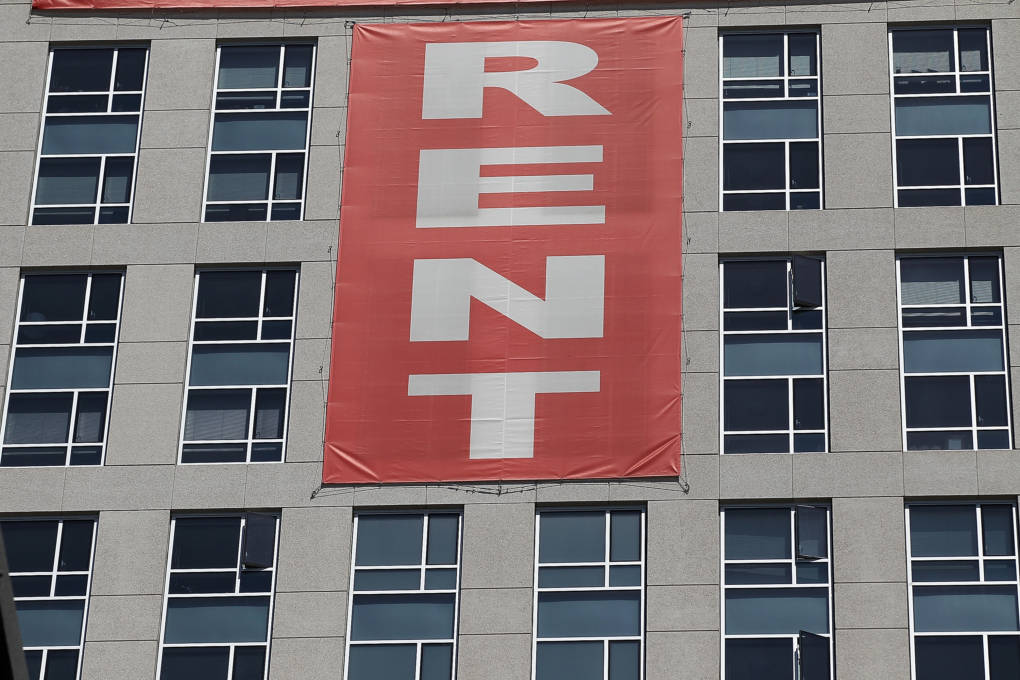
"caption": "A large \"rent\" banner is posted on the side of an apartment building in San Francisco. If the state Assembly approves a new rent bill by Friday, it would cap most housing rental increases at 5% a year plus inflation. ",
"description": null,
"title": "Housing Report Suggests Rising Rents Could Lead To Home Market Turnaround",
"credit": "Justin Sullivan/Getty Images",
"status": "inherit",
"isLoading": false,
"fetchFailed": false
},
"news_11751068": {
"type": "attachments",
"id": "news_11751068",
"meta": {
"index": "attachments_1716263798",
"site": "news",
"id": "11751068",
"found": true
},
"parent": 11751060,
"imgSizes": {
"apple_news_ca_square_4_0": {
"file": "https://ww2.kqed.org/app/uploads/sites/10/2019/05/iStock-1132235083-1000x667-470x470.jpg",
"width": 470,
"mimeType": "image/jpeg",
"height": 470
},
"twentyfourteen-full-width": {
"file": "https://ww2.kqed.org/app/uploads/sites/10/2019/05/iStock-1132235083-1000x667-1000x576.jpg",
"width": 1000,
"mimeType": "image/jpeg",
"height": 576
},
"thumbnail": {
"file": "https://ww2.kqed.org/app/uploads/sites/10/2019/05/iStock-1132235083-1000x667-160x107.jpg",
"width": 160,
"mimeType": "image/jpeg",
"height": 107
},
"post-thumbnail": {
"file": "https://ww2.kqed.org/app/uploads/sites/10/2019/05/iStock-1132235083-1000x667-672x372.jpg",
"width": 672,
"mimeType": "image/jpeg",
"height": 372
},
"kqedFullSize": {
"file": "https://ww2.kqed.org/app/uploads/sites/10/2019/05/iStock-1132235083-1000x667.jpg",
"width": 1000,
"height": 667
},
"apple_news_ca_landscape_4_7": {
"file": "https://ww2.kqed.org/app/uploads/sites/10/2019/05/iStock-1132235083-1000x667-632x474.jpg",
"width": 632,
"mimeType": "image/jpeg",
"height": 474
},
"apple_news_ca_landscape_4_0": {
"file": "https://ww2.kqed.org/app/uploads/sites/10/2019/05/iStock-1132235083-1000x667-536x402.jpg",
"width": 536,
"mimeType": "image/jpeg",
"height": 402
},
"medium": {
"file": "https://ww2.kqed.org/app/uploads/sites/10/2019/05/iStock-1132235083-1000x667-800x534.jpg",
"width": 800,
"mimeType": "image/jpeg",
"height": 534
},
"apple_news_ca_portrait_4_0": {
"file": "https://ww2.kqed.org/app/uploads/sites/10/2019/05/iStock-1132235083-1000x667-354x472.jpg",
"width": 354,
"mimeType": "image/jpeg",
"height": 472
},
"apple_news_ca_portrait_9_7": {
"file": "https://ww2.kqed.org/app/uploads/sites/10/2019/05/iStock-1132235083-1000x667-840x667.jpg",
"width": 840,
"mimeType": "image/jpeg",
"height": 667
},
"apple_news_ca_portrait_4_7": {
"file": "https://ww2.kqed.org/app/uploads/sites/10/2019/05/iStock-1132235083-1000x667-414x552.jpg",
"width": 414,
"mimeType": "image/jpeg",
"height": 552
},
"apple_news_ca_portrait_5_5": {
"file": "https://ww2.kqed.org/app/uploads/sites/10/2019/05/iStock-1132235083-1000x667-687x667.jpg",
"width": 687,
"mimeType": "image/jpeg",
"height": 667
},
"apple_news_ca_square_4_7": {
"file": "https://ww2.kqed.org/app/uploads/sites/10/2019/05/iStock-1132235083-1000x667-550x550.jpg",
"width": 550,
"mimeType": "image/jpeg",
"height": 550
},
"apple_news_ca_square_5_5": {
"file": "https://ww2.kqed.org/app/uploads/sites/10/2019/05/iStock-1132235083-1000x667-912x667.jpg",
"width": 912,
"mimeType": "image/jpeg",
"height": 667
}
},
"publishDate": 1559232186,
"modified": 1559232205,
"caption": "Residential rents could rise only up to 7% plus inflation per year under a bill approved by the California Assembly—an unusual victory in the Capitol for renters.",
"description": "Residential rents could rise only up to 7% plus inflation per year under a bill approved by the California Assembly—an unusual victory in the Capitol for renters.",
"title": "iStock-1132235083-1000x667",
"credit": "iStock",
"status": "inherit",
"isLoading": false,
"fetchFailed": false
},
"news_11748855": {
"type": "attachments",
"id": "news_11748855",
"meta": {
"index": "attachments_1716263798",
"site": "news",
"id": "11748855",
"found": true
},
"parent": 11748808,
"imgSizes": {
"apple_news_ca_landscape_5_5": {
"file": "https://ww2.kqed.org/app/uploads/sites/10/2019/05/GettyImages-1150789516-1044x783.jpg",
"width": 1044,
"mimeType": "image/jpeg",
"height": 783
},
"apple_news_ca_square_4_0": {
"file": "https://ww2.kqed.org/app/uploads/sites/10/2019/05/GettyImages-1150789516-470x470.jpg",
"width": 470,
"mimeType": "image/jpeg",
"height": 470
},
"twentyfourteen-full-width": {
"file": "https://ww2.kqed.org/app/uploads/sites/10/2019/05/GettyImages-1150789516-1038x576.jpg",
"width": 1038,
"mimeType": "image/jpeg",
"height": 576
},
"thumbnail": {
"file": "https://ww2.kqed.org/app/uploads/sites/10/2019/05/GettyImages-1150789516-160x90.jpg",
"width": 160,
"mimeType": "image/jpeg",
"height": 90
},
"post-thumbnail": {
"file": "https://ww2.kqed.org/app/uploads/sites/10/2019/05/GettyImages-1150789516-672x372.jpg",
"width": 672,
"mimeType": "image/jpeg",
"height": 372
},
"kqedFullSize": {
"file": "https://ww2.kqed.org/app/uploads/sites/10/2019/05/GettyImages-1150789516.jpg",
"width": 1920,
"height": 1080
},
"apple_news_ca_landscape_4_7": {
"file": "https://ww2.kqed.org/app/uploads/sites/10/2019/05/GettyImages-1150789516-632x474.jpg",
"width": 632,
"mimeType": "image/jpeg",
"height": 474
},
"large": {
"file": "https://ww2.kqed.org/app/uploads/sites/10/2019/05/GettyImages-1150789516-1020x574.jpg",
"width": 1020,
"mimeType": "image/jpeg",
"height": 574
},
"complete_open_graph": {
"file": "https://ww2.kqed.org/app/uploads/sites/10/2019/05/GettyImages-1150789516-1200x675.jpg",
"width": 1200,
"mimeType": "image/jpeg",
"height": 675
},
"apple_news_ca_landscape_4_0": {
"file": "https://ww2.kqed.org/app/uploads/sites/10/2019/05/GettyImages-1150789516-536x402.jpg",
"width": 536,
"mimeType": "image/jpeg",
"height": 402
},
"apple_news_ca_portrait_12_9": {
"file": "https://ww2.kqed.org/app/uploads/sites/10/2019/05/GettyImages-1150789516-1122x1080.jpg",
"width": 1122,
"mimeType": "image/jpeg",
"height": 1080
},
"medium": {
"file": "https://ww2.kqed.org/app/uploads/sites/10/2019/05/GettyImages-1150789516-800x450.jpg",
"width": 800,
"mimeType": "image/jpeg",
"height": 450
},
"apple_news_ca_portrait_4_0": {
"file": "https://ww2.kqed.org/app/uploads/sites/10/2019/05/GettyImages-1150789516-354x472.jpg",
"width": 354,
"mimeType": "image/jpeg",
"height": 472
},
"apple_news_ca_portrait_9_7": {
"file": "https://ww2.kqed.org/app/uploads/sites/10/2019/05/GettyImages-1150789516-840x1080.jpg",
"width": 840,
"mimeType": "image/jpeg",
"height": 1080
},
"apple_news_ca_landscape_12_9": {
"file": "https://ww2.kqed.org/app/uploads/sites/10/2019/05/GettyImages-1150789516-1832x1080.jpg",
"width": 1832,
"mimeType": "image/jpeg",
"height": 1080
},
"apple_news_ca_square_9_7": {
"file": "https://ww2.kqed.org/app/uploads/sites/10/2019/05/GettyImages-1150789516-1104x1080.jpg",
"width": 1104,
"mimeType": "image/jpeg",
"height": 1080
},
"apple_news_ca_portrait_4_7": {
"file": "https://ww2.kqed.org/app/uploads/sites/10/2019/05/GettyImages-1150789516-414x552.jpg",
"width": 414,
"mimeType": "image/jpeg",
"height": 552
},
"apple_news_ca_square_12_9": {
"file": "https://ww2.kqed.org/app/uploads/sites/10/2019/05/GettyImages-1150789516-1472x1080.jpg",
"width": 1472,
"mimeType": "image/jpeg",
"height": 1080
},
"apple_news_ca_portrait_5_5": {
"file": "https://ww2.kqed.org/app/uploads/sites/10/2019/05/GettyImages-1150789516-687x916.jpg",
"width": 687,
"mimeType": "image/jpeg",
"height": 916
},
"full-width": {
"file": "https://ww2.kqed.org/app/uploads/sites/10/2019/05/GettyImages-1150789516-1920x1080.jpg",
"width": 1920,
"mimeType": "image/jpeg",
"height": 1080
},
"apple_news_ca_square_4_7": {
"file": "https://ww2.kqed.org/app/uploads/sites/10/2019/05/GettyImages-1150789516-550x550.jpg",
"width": 550,
"mimeType": "image/jpeg",
"height": 550
},
"apple_news_ca_landscape_9_7": {
"file": "https://ww2.kqed.org/app/uploads/sites/10/2019/05/GettyImages-1150789516-1376x1032.jpg",
"width": 1376,
"mimeType": "image/jpeg",
"height": 1032
},
"apple_news_ca_square_5_5": {
"file": "https://ww2.kqed.org/app/uploads/sites/10/2019/05/GettyImages-1150789516-912x912.jpg",
"width": 912,
"mimeType": "image/jpeg",
"height": 912
}
},
"publishDate": 1558469403,
"modified": 1558477294,
"caption": "Comedian Dave Chappelle speaks during a rally to save the famed Punch Line Comedy Club.",
"description": "Comedian Dave Chappelle speaks during a rally to try and save the famed Punch Line Comedy Club on May 21, 2019 in San Francisco, California. Chappelle and CNN’s “United Shades of America” host W. Kamau Bell were joined by San Francisco city officials during a rally at San Francisco City Hall to attempt to save the famed Punchline Comedy Club after it was announced earlier in the month that the club would be unable to renew its lease. ",
"title": "Famed San Francisco Comedy Club Open In 1978 Priced Out Of Current Location",
"credit": "Justin Sullivan/Getty Images",
"status": "inherit",
"isLoading": false,
"fetchFailed": false
},
"news_11741363": {
"type": "attachments",
"id": "news_11741363",
"meta": {
"index": "attachments_1716263798",
"site": "news",
"id": "11741363",
"found": true
},
"parent": 11741275,
"imgSizes": {
"twentyfourteen-full-width": {
"file": "https://ww2.kqed.org/app/uploads/sites/10/2019/04/32599654071_46b8ececc0_k-1038x576.jpg",
"width": 1038,
"mimeType": "image/jpeg",
"height": 576
},
"thumbnail": {
"file": "https://ww2.kqed.org/app/uploads/sites/10/2019/04/32599654071_46b8ececc0_k-160x107.jpg",
"width": 160,
"mimeType": "image/jpeg",
"height": 107
},
"post-thumbnail": {
"file": "https://ww2.kqed.org/app/uploads/sites/10/2019/04/32599654071_46b8ececc0_k-672x372.jpg",
"width": 672,
"mimeType": "image/jpeg",
"height": 372
},
"kqedFullSize": {
"file": "https://ww2.kqed.org/app/uploads/sites/10/2019/04/32599654071_46b8ececc0_k-e1555629765577.jpg",
"width": 1920,
"height": 1280
},
"large": {
"file": "https://ww2.kqed.org/app/uploads/sites/10/2019/04/32599654071_46b8ececc0_k-1020x680.jpg",
"width": 1020,
"mimeType": "image/jpeg",
"height": 680
},
"complete_open_graph": {
"file": "https://ww2.kqed.org/app/uploads/sites/10/2019/04/32599654071_46b8ececc0_k-1200x800.jpg",
"width": 1200,
"mimeType": "image/jpeg",
"height": 800
},
"full-width": {
"file": "https://ww2.kqed.org/app/uploads/sites/10/2019/04/32599654071_46b8ececc0_k-1920x1280.jpg",
"width": 1920,
"mimeType": "image/jpeg",
"height": 1280
},
"medium": {
"file": "https://ww2.kqed.org/app/uploads/sites/10/2019/04/32599654071_46b8ececc0_k-800x533.jpg",
"width": 800,
"mimeType": "image/jpeg",
"height": 533
}
},
"publishDate": 1555629605,
"modified": 1556914559,
"caption": "Commuters attempt to pack into an eastbound BART train during evening rush hour in San Francisco. ",
"description": "Commuters attempt to pack into an eastbound BART train during evening rush hour in San Francisco. ",
"title": "BART-rush-hour",
"credit": "\u003ca href=\"https://www.flickr.com/photos/thomashawk/32599654071/in/photolist-ievr9Q-UikTrV-UWLfuo-VkmRCk-UfgwzG-6sgnsy-by2ZvD-VtpEVE-VhnFSf-b6cTPZ-UikTs6-UikRpi-UikVh8-oJAFU3-VhnFNN-E2D1d8-REHKpe-VtpEN5-aPawo4-VkmTk8-bjEUYs-oJATXt-jHAp8R-fss2FJ-fscJHi-aPauX4-MCiqaw-W7fTDs-pPzdSy-gBkBVq-9Xgedx-VkmTq8-YqEYpw-oZ4pZA-aPawkc-ck8ZjL-qBUqyB-a6CPxJ-orTuV8-dLFKPN-fCkHnk-ehpdkh-kvsQmM-8TJ1WJ-f3z6n9-oAbBzX-gmMX9J-i2wGNg-fydZN3-bjF81u\">Thomas Hawk/Flickr\u003c/a>",
"status": "inherit",
"isLoading": false,
"fetchFailed": false
},
"news_11726925": {
"type": "attachments",
"id": "news_11726925",
"meta": {
"index": "attachments_1716263798",
"site": "news",
"id": "11726925",
"found": true
},
"parent": 11725669,
"imgSizes": {
"thumbnail": {
"file": "https://ww2.kqed.org/app/uploads/sites/10/2019/02/divorce-908743_960_720-160x71.png",
"width": 160,
"mimeType": "image/png",
"height": 71
},
"post-thumbnail": {
"file": "https://ww2.kqed.org/app/uploads/sites/10/2019/02/divorce-908743_960_720-672x372.png",
"width": 672,
"mimeType": "image/png",
"height": 372
},
"kqedFullSize": {
"file": "https://ww2.kqed.org/app/uploads/sites/10/2019/02/divorce-908743_960_720.png",
"width": 960,
"height": 423
},
"guest-author-50": {
"file": "https://ww2.kqed.org/app/uploads/sites/10/2019/02/divorce-908743_960_720-50x50.png",
"width": 50,
"mimeType": "image/png",
"height": 50
},
"guest-author-96": {
"file": "https://ww2.kqed.org/app/uploads/sites/10/2019/02/divorce-908743_960_720-96x96.png",
"width": 96,
"mimeType": "image/png",
"height": 96
},
"medium": {
"file": "https://ww2.kqed.org/app/uploads/sites/10/2019/02/divorce-908743_960_720-800x353.png",
"width": 800,
"mimeType": "image/png",
"height": 353
},
"guest-author-64": {
"file": "https://ww2.kqed.org/app/uploads/sites/10/2019/02/divorce-908743_960_720-64x64.png",
"width": 64,
"mimeType": "image/png",
"height": 64
},
"detail": {
"file": "https://ww2.kqed.org/app/uploads/sites/10/2019/02/divorce-908743_960_720-150x150.png",
"width": 150,
"mimeType": "image/png",
"height": 150
},
"guest-author-32": {
"file": "https://ww2.kqed.org/app/uploads/sites/10/2019/02/divorce-908743_960_720-32x32.png",
"width": 32,
"mimeType": "image/png",
"height": 32
},
"guest-author-128": {
"file": "https://ww2.kqed.org/app/uploads/sites/10/2019/02/divorce-908743_960_720-128x128.png",
"width": 128,
"mimeType": "image/png",
"height": 128
}
},
"publishDate": 1550358177,
"modified": 1550358339,
"caption": "Bay Are couples continuing to cohabitate with their exes is more common that you might think.",
"description": null,
"title": "divorce-908743_960_720",
"credit": "Wiki Commons",
"status": "inherit",
"isLoading": false,
"fetchFailed": false
},
"news_11712713": {
"type": "attachments",
"id": "news_11712713",
"meta": {
"index": "attachments_1716263798",
"site": "news",
"id": "11712713",
"found": true
},
"parent": 11711689,
"imgSizes": {
"twentyfourteen-full-width": {
"file": "https://ww2.kqed.org/app/uploads/sites/10/2018/12/RS9650_9303339141_3f3db8e6d2_o-e1544831315188-1038x576.jpg",
"width": 1038,
"mimeType": "image/jpeg",
"height": 576
},
"thumbnail": {
"file": "https://ww2.kqed.org/app/uploads/sites/10/2018/12/RS9650_9303339141_3f3db8e6d2_o-e1544831315188-160x107.jpg",
"width": 160,
"mimeType": "image/jpeg",
"height": 107
},
"post-thumbnail": {
"file": "https://ww2.kqed.org/app/uploads/sites/10/2018/12/RS9650_9303339141_3f3db8e6d2_o-e1544831315188-672x372.jpg",
"width": 672,
"mimeType": "image/jpeg",
"height": 372
},
"kqedFullSize": {
"file": "https://ww2.kqed.org/app/uploads/sites/10/2018/12/RS9650_9303339141_3f3db8e6d2_o-e1544831315188.jpg",
"width": 1920,
"height": 1280
},
"large": {
"file": "https://ww2.kqed.org/app/uploads/sites/10/2018/12/RS9650_9303339141_3f3db8e6d2_o-e1544831315188-1020x680.jpg",
"width": 1020,
"mimeType": "image/jpeg",
"height": 680
},
"complete_open_graph": {
"file": "https://ww2.kqed.org/app/uploads/sites/10/2018/12/RS9650_9303339141_3f3db8e6d2_o-e1544831315188-1200x800.jpg",
"width": 1200,
"mimeType": "image/jpeg",
"height": 800
},
"guest-author-50": {
"file": "https://ww2.kqed.org/app/uploads/sites/10/2018/12/RS9650_9303339141_3f3db8e6d2_o-e1544831315188-50x50.jpg",
"width": 50,
"mimeType": "image/jpeg",
"height": 50
},
"guest-author-96": {
"file": "https://ww2.kqed.org/app/uploads/sites/10/2018/12/RS9650_9303339141_3f3db8e6d2_o-e1544831315188-96x96.jpg",
"width": 96,
"mimeType": "image/jpeg",
"height": 96
},
"medium": {
"file": "https://ww2.kqed.org/app/uploads/sites/10/2018/12/RS9650_9303339141_3f3db8e6d2_o-e1544831315188-800x533.jpg",
"width": 800,
"mimeType": "image/jpeg",
"height": 533
},
"guest-author-64": {
"file": "https://ww2.kqed.org/app/uploads/sites/10/2018/12/RS9650_9303339141_3f3db8e6d2_o-e1544831315188-64x64.jpg",
"width": 64,
"mimeType": "image/jpeg",
"height": 64
},
"guest-author-32": {
"file": "https://ww2.kqed.org/app/uploads/sites/10/2018/12/RS9650_9303339141_3f3db8e6d2_o-e1544831315188-32x32.jpg",
"width": 32,
"mimeType": "image/jpeg",
"height": 32
},
"full-width": {
"file": "https://ww2.kqed.org/app/uploads/sites/10/2018/12/RS9650_9303339141_3f3db8e6d2_o-e1544831315188-1920x1280.jpg",
"width": 1920,
"mimeType": "image/jpeg",
"height": 1280
},
"detail": {
"file": "https://ww2.kqed.org/app/uploads/sites/10/2018/12/RS9650_9303339141_3f3db8e6d2_o-e1544831315188-150x150.jpg",
"width": 150,
"mimeType": "image/jpeg",
"height": 150
},
"guest-author-128": {
"file": "https://ww2.kqed.org/app/uploads/sites/10/2018/12/RS9650_9303339141_3f3db8e6d2_o-e1544831315188-128x128.jpg",
"width": 128,
"mimeType": "image/jpeg",
"height": 128
}
},
"publishDate": 1544827034,
"modified": 1544831306,
"caption": "Oakland, and the Bay Area in general, is one of the areas hit hardest by California's housing shortage.",
"description": "Oakland, and the Bay Area in general, is one of the areas hit hardest by California's housing shortage.",
"title": "RS9650_9303339141_3f3db8e6d2_o",
"credit": "Justin Sullivan/Getty Images",
"status": "inherit",
"isLoading": false,
"fetchFailed": false
},
"news_11463874": {
"type": "attachments",
"id": "news_11463874",
"meta": {
"index": "attachments_1716263798",
"site": "news",
"id": "11463874",
"found": true
},
"parent": 11463801,
"imgSizes": {
"small": {
"file": "https://ww2.kqed.org/app/uploads/sites/10/2017/05/RS25415_Protest-qut-520x293.jpg",
"width": 520,
"mimeType": "image/jpeg",
"height": 293
},
"twentyfourteen-full-width": {
"file": "https://ww2.kqed.org/app/uploads/sites/10/2017/05/RS25415_Protest-qut-1038x576.jpg",
"width": 1038,
"mimeType": "image/jpeg",
"height": 576
},
"thumbnail": {
"file": "https://ww2.kqed.org/app/uploads/sites/10/2017/05/RS25415_Protest-qut-160x90.jpg",
"width": 160,
"mimeType": "image/jpeg",
"height": 90
},
"fd-sm": {
"file": "https://ww2.kqed.org/app/uploads/sites/10/2017/05/RS25415_Protest-qut-960x541.jpg",
"width": 960,
"mimeType": "image/jpeg",
"height": 541
},
"post-thumbnail": {
"file": "https://ww2.kqed.org/app/uploads/sites/10/2017/05/RS25415_Protest-qut-672x372.jpg",
"width": 672,
"mimeType": "image/jpeg",
"height": 372
},
"xsmall": {
"file": "https://ww2.kqed.org/app/uploads/sites/10/2017/05/RS25415_Protest-qut-375x211.jpg",
"width": 375,
"mimeType": "image/jpeg",
"height": 211
},
"kqedFullSize": {
"file": "https://ww2.kqed.org/app/uploads/sites/10/2017/05/RS25415_Protest-qut.jpg",
"width": 1920,
"height": 1082
},
"large": {
"file": "https://ww2.kqed.org/app/uploads/sites/10/2017/05/RS25415_Protest-qut-1020x575.jpg",
"width": 1020,
"mimeType": "image/jpeg",
"height": 575
},
"xlarge": {
"file": "https://ww2.kqed.org/app/uploads/sites/10/2017/05/RS25415_Protest-qut-1180x665.jpg",
"width": 1180,
"mimeType": "image/jpeg",
"height": 665
},
"guest-author-50": {
"file": "https://ww2.kqed.org/app/uploads/sites/10/2017/05/RS25415_Protest-qut-50x50.jpg",
"width": 50,
"mimeType": "image/jpeg",
"height": 50
},
"guest-author-96": {
"file": "https://ww2.kqed.org/app/uploads/sites/10/2017/05/RS25415_Protest-qut-96x96.jpg",
"width": 96,
"mimeType": "image/jpeg",
"height": 96
},
"medium": {
"file": "https://ww2.kqed.org/app/uploads/sites/10/2017/05/RS25415_Protest-qut-800x451.jpg",
"width": 800,
"mimeType": "image/jpeg",
"height": 451
},
"guest-author-64": {
"file": "https://ww2.kqed.org/app/uploads/sites/10/2017/05/RS25415_Protest-qut-64x64.jpg",
"width": 64,
"mimeType": "image/jpeg",
"height": 64
},
"guest-author-32": {
"file": "https://ww2.kqed.org/app/uploads/sites/10/2017/05/RS25415_Protest-qut-32x32.jpg",
"width": 32,
"mimeType": "image/jpeg",
"height": 32
},
"fd-lrg": {
"file": "https://ww2.kqed.org/app/uploads/sites/10/2017/05/RS25415_Protest-qut-1920x1082.jpg",
"width": 1920,
"mimeType": "image/jpeg",
"height": 1082
},
"fd-med": {
"file": "https://ww2.kqed.org/app/uploads/sites/10/2017/05/RS25415_Protest-qut-1180x665.jpg",
"width": 1180,
"mimeType": "image/jpeg",
"height": 665
},
"full-width": {
"file": "https://ww2.kqed.org/app/uploads/sites/10/2017/05/RS25415_Protest-qut-1920x1082.jpg",
"width": 1920,
"mimeType": "image/jpeg",
"height": 1082
},
"detail": {
"file": "https://ww2.kqed.org/app/uploads/sites/10/2017/05/RS25415_Protest-qut-150x150.jpg",
"width": 150,
"mimeType": "image/jpeg",
"height": 150
},
"guest-author-128": {
"file": "https://ww2.kqed.org/app/uploads/sites/10/2017/05/RS25415_Protest-qut-128x128.jpg",
"width": 128,
"mimeType": "image/jpeg",
"height": 128
},
"xxsmall": {
"file": "https://ww2.kqed.org/app/uploads/sites/10/2017/05/RS25415_Protest-qut-240x135.jpg",
"width": 240,
"mimeType": "image/jpeg",
"height": 135
}
},
"publishDate": 1495072703,
"modified": 1495146515,
"caption": "A group of housing advocates, including YUCA, Faith in Action, El Comite and Legal Aid of San Mateo show up outside the Palo Alto offices of Working Dirt LLC, to protest its recent decision to hike the rent of East Palo Alto resident Saia Fetuu by $1,050 a month. (He's in the center wearing a red cap.)",
"description": "A group of housing advocates, including YUCA, Faith in Action, el Comite, and Legal Aid of San Mateo show up outside the Palo Alto offices of Working Dirt, LLC, to protest its recent decision to hike the rent of East Palo Alto resident Saia Fetuu by $1,050 a month. (He's in the center wearing a red cap.)",
"title": "RS25415_Protest-qut",
"credit": "Courtesy of Daniel Saver",
"status": "inherit",
"isLoading": false,
"fetchFailed": false
},
"news_10499890": {
"type": "attachments",
"id": "news_10499890",
"meta": {
"index": "attachments_1716263798",
"site": "news",
"id": "10499890",
"found": true
},
"parent": 10499124,
"imgSizes": {
"twentyfourteen-full-width": {
"file": "https://ww2.kqed.org/app/uploads/sites/10/2015/04/sarahkobrinsky-1038x576.jpg",
"width": 1038,
"mimeType": "image/jpeg",
"height": 576
},
"thumbnail": {
"file": "https://ww2.kqed.org/app/uploads/sites/10/2015/04/sarahkobrinsky-400x263.jpg",
"width": 400,
"mimeType": "image/jpeg",
"height": 263
},
"fd-sm": {
"file": "https://ww2.kqed.org/app/uploads/sites/10/2015/04/sarahkobrinsky-960x631.jpg",
"width": 960,
"mimeType": "image/jpeg",
"height": 631
},
"post-thumbnail": {
"file": "https://ww2.kqed.org/app/uploads/sites/10/2015/04/sarahkobrinsky-672x372.jpg",
"width": 672,
"mimeType": "image/jpeg",
"height": 372
},
"kqedFullSize": {
"file": "https://ww2.kqed.org/app/uploads/sites/10/2015/04/sarahkobrinsky.jpg",
"width": 1920,
"height": 1262
},
"large": {
"file": "https://ww2.kqed.org/app/uploads/sites/10/2015/04/sarahkobrinsky-1440x947.jpg",
"width": 1440,
"mimeType": "image/jpeg",
"height": 947
},
"guest-author-96": {
"file": "https://ww2.kqed.org/app/uploads/sites/10/2015/04/sarahkobrinsky-96x96.jpg",
"width": 96,
"mimeType": "image/jpeg",
"height": 96
},
"medium": {
"file": "https://ww2.kqed.org/app/uploads/sites/10/2015/04/sarahkobrinsky-800x526.jpg",
"width": 800,
"mimeType": "image/jpeg",
"height": 526
},
"guest-author-64": {
"file": "https://ww2.kqed.org/app/uploads/sites/10/2015/04/sarahkobrinsky-64x64.jpg",
"width": 64,
"mimeType": "image/jpeg",
"height": 64
},
"guest-author-32": {
"file": "https://ww2.kqed.org/app/uploads/sites/10/2015/04/sarahkobrinsky-32x32.jpg",
"width": 32,
"mimeType": "image/jpeg",
"height": 32
},
"fd-med": {
"file": "https://ww2.kqed.org/app/uploads/sites/10/2015/04/sarahkobrinsky-1180x776.jpg",
"width": 1180,
"mimeType": "image/jpeg",
"height": 776
},
"detail": {
"file": "https://ww2.kqed.org/app/uploads/sites/10/2015/04/sarahkobrinsky-75x75.jpg",
"width": 75,
"mimeType": "image/jpeg",
"height": 75
},
"guest-author-128": {
"file": "https://ww2.kqed.org/app/uploads/sites/10/2015/04/sarahkobrinsky-128x128.jpg",
"width": 128,
"mimeType": "image/jpeg",
"height": 128
}
},
"publishDate": 1429798396,
"modified": 1429798456,
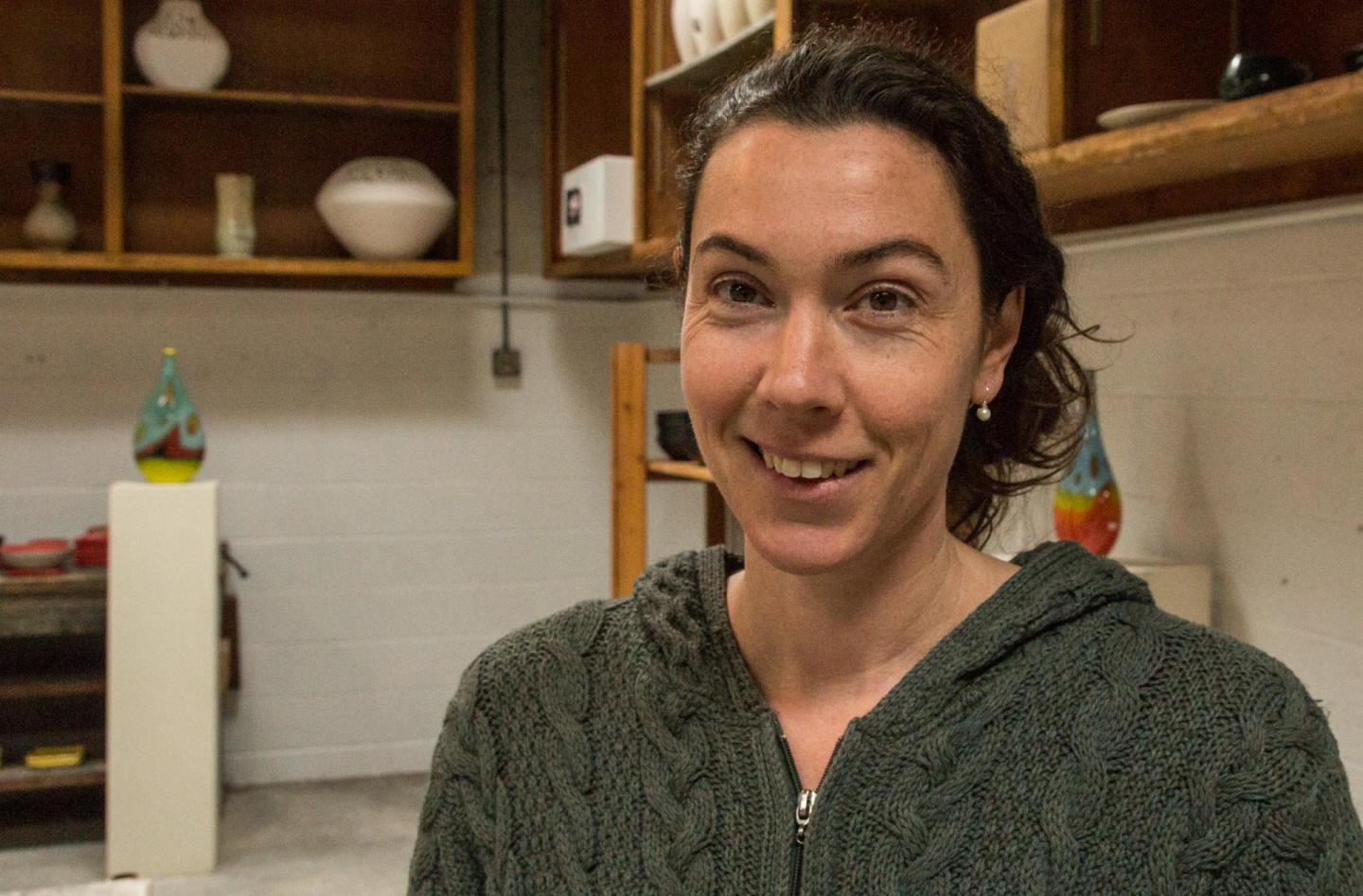
"caption": "Sarah Kobrinsky, Emeryville's poet laureate, was forced to move by a 38 percent rent increase. ",
"description": null,
"title": "Sarah Kobrinsky-Emeryville",
"credit": "Dan Brekke/KQED",
"status": "inherit",
"isLoading": false,
"fetchFailed": false
}
},
"audioPlayerReducer": {
"postId": "stream_live",
"isPaused": true,
"isPlaying": false,
"pfsActive": false,
"pledgeModalIsOpen": true,
"playerDrawerIsOpen": false,
"liveAudioPlayStartedAt": 0,
"liveAudioPlayContext": ""
},
"authorsReducer": {
"byline_news_11773508": {
"type": "authors",
"id": "byline_news_11773508",
"meta": {
"override": true
},
"slug": "byline_news_11773508",
"name": "Adam Beam\u003cbr>Associated Press",
"isLoading": false
},
"byline_news_11751060": {
"type": "authors",
"id": "byline_news_11751060",
"meta": {
"override": true
},
"slug": "byline_news_11751060",
"name": "\u003ca href=\"https://calmatters.org/articles/author/matt-levin/\">Matt Levin\u003c/a>\u003cbr>\u003ca href=\"https://calmatters.org/articles/california-renters-lack-power-despite-rare-tenant-win/\">CALmatters\u003c/a>",
"isLoading": false
},
"agrossberg": {
"type": "authors",
"id": "188",
"meta": {
"index": "authors_1716337520",
"id": "188",
"found": true
},
"name": "Adam Grossberg",
"firstName": "Adam",
"lastName": "Grossberg",
"slug": "agrossberg",
"email": "agrossberg@KQED.org",
"display_author_email": false,
"staff_mastheads": [],
"title": "KQED Contributor",
"bio": "Adam Grossberg is a former video producer at KQED News. Prior to coming to KQED, he produced videos for PBS, The New York Times, Current TV and The Center for Investigative Reporting. His work has received an Excellence in Journalism award from the Society of Professional Journalists, a regional Murrow award and two Northern California Emmy awards. He is a graduate of the UC Berkeley Graduate School of Journalism.",
"avatar": "https://secure.gravatar.com/avatar/8e96dbdaaf98f5959a2c778289e0f9b5?s=600&d=blank&r=g",
"twitter": null,
"facebook": null,
"instagram": null,
"linkedin": null,
"sites": [
{
"site": "arts",
"roles": [
"contributor"
]
},
{
"site": "news",
"roles": [
"subscriber"
]
},
{
"site": "stateofhealth",
"roles": [
"editor"
]
},
{
"site": "science",
"roles": [
"editor"
]
}
],
"headData": {
"title": "Adam Grossberg | KQED",
"description": "KQED Contributor",
"ogImgSrc": "https://secure.gravatar.com/avatar/8e96dbdaaf98f5959a2c778289e0f9b5?s=600&d=blank&r=g",
"twImgSrc": "https://secure.gravatar.com/avatar/8e96dbdaaf98f5959a2c778289e0f9b5?s=600&d=blank&r=g"
},
"isLoading": false,
"link": "/author/agrossberg"
},
"danbrekke": {
"type": "authors",
"id": "222",
"meta": {
"index": "authors_1716337520",
"id": "222",
"found": true
},
"name": "Dan Brekke",
"firstName": "Dan",
"lastName": "Brekke",
"slug": "danbrekke",
"email": "dbrekke@kqed.org",
"display_author_email": true,
"staff_mastheads": [
"news",
"science"
],
"title": "KQED Editor and Reporter",
"bio": "Dan Brekke is a reporter and editor for KQED News, responsible for coverage of topics ranging from California water issues to the Bay Area's transportation challenges. In a newsroom career that began in Chicago in 1972, Dan has worked for \u003cem>The San Francisco Examiner,\u003c/em> Wired and TechTV and has been published in The New York Times, The New York Times Magazine, Business 2.0, Salon and elsewhere.\r\n\r\nSince joining KQED in 2007, Dan has reported, edited and produced both radio and online features and breaking news pieces. He has shared as both editor and reporter in four Society of Professional Journalists Norcal Excellence in Journalism awards and one Edward R. Murrow regional award. He was chosen for a spring 2017 residency at the Mesa Refuge to advance his research on California salmon.\r\n\r\nEmail Dan at: \u003ca href=\"mailto:dbrekke@kqed.org\">dbrekke@kqed.org\u003c/a>\r\n\r\n\u003cstrong>Twitter:\u003c/strong> \u003ca href=\"https://twitter.com/danbrekke\" rel=\"noopener noreferrer\">twitter.com/danbrekke\u003c/a>\r\n\u003cstrong>Facebook:\u003c/strong> \u003ca href=\"https://www.facebook.com/danbrekke\" rel=\"noopener noreferrer\">www.facebook.com/danbrekke\u003c/a>\r\n\u003cstrong>LinkedIn:\u003c/strong> \u003ca href=\"https://www.linkedin.com/in/danbrekke\" rel=\"noopener noreferrer\">www.linkedin.com/in/danbrekke\u003c/a>",
"avatar": "https://secure.gravatar.com/avatar/8f1f0d2a978fb3b23426c922c7e2af558fa36905b49c4ce76a97dc3c72d27226?s=600&d=mm&r=g",
"twitter": "danbrekke",
"bluesky": null,
"facebook": null,
"instagram": "https://www.instagram.com/dan.brekke/",
"linkedin": "https://www.linkedin.com/in/danbrekke/",
"sites": [
{
"site": "news",
"roles": [
"administrator",
"create_posts"
]
},
{
"site": "stateofhealth",
"roles": [
"editor"
]
},
{
"site": "science",
"roles": [
"editor"
]
},
{
"site": "quest",
"roles": [
"contributor"
]
},
{
"site": "food",
"roles": [
"contributor"
]
},
{
"site": "forum",
"roles": [
"contributor"
]
},
{
"site": "elections",
"roles": [
"editor"
]
},
{
"site": "liveblog",
"roles": [
"editor"
]
}
],
"headData": {
"title": "Dan Brekke | KQED",
"description": "KQED Editor and Reporter",
"ogImgSrc": "https://secure.gravatar.com/avatar/8f1f0d2a978fb3b23426c922c7e2af558fa36905b49c4ce76a97dc3c72d27226?s=600&d=mm&r=g",
"twImgSrc": "https://secure.gravatar.com/avatar/8f1f0d2a978fb3b23426c922c7e2af558fa36905b49c4ce76a97dc3c72d27226?s=600&d=mm&r=g"
},
"isLoading": false,
"link": "/author/danbrekke"
},
"rachael-myrow": {
"type": "authors",
"id": "251",
"meta": {
"index": "authors_1716337520",
"id": "251",
"found": true
},
"name": "Rachael Myrow",
"firstName": "Rachael",
"lastName": "Myrow",
"slug": "rachael-myrow",
"email": "rmyrow@kqed.org",
"display_author_email": true,
"staff_mastheads": [
"news"
],
"title": "Senior Editor of KQED's Silicon Valley News Desk",
"bio": "• I write and edit stories about how Silicon Valley power and policies shape everyday life in California. I’m also passionate about making Bay Area history and culture more accessible to a broad public. • I’ve been a journalist for most of my life, starting in high school with The Franklin Press in Los Angeles, where I grew up. While earning my first degree in English at UC Berkeley, I got my start in public radio at KALX-FM. After completing a second degree in journalism at Cal, I landed my first professional job at Marketplace, then moved on to KPCC (now LAist), and then KQED, where I hosted The California Report for more than seven years. • My reporting has appeared on NPR, The World, WBUR’s \u003ci>Here & Now\u003c/i>, and the BBC. I also guest host for KQED’s \u003ci>Forum\u003c/i>, as well as the Commonwealth Club in San Francisco. • I speak periodically on media, democracy and technology issues, and do voiceover work for documentaries and educational video projects. • Outside of the studio, you'll find me hiking Bay Area trails and whipping up Insta-ready meals in my kitchen. • I do not accept gifts, money, or favors from anyone connected to my reporting, I don't pay people for information, and I do not support or donate to political causes. • I strive to treat the people I report on with fairness, honesty, and respect. I also recognize there are often multiple sides to a story and work to verify information through multiple sources and documentation. If I get something wrong, I correct it.",
"avatar": "https://secure.gravatar.com/avatar/3ed8a3c5f26025e4a805ba634cda8cd764906b97438a6d9ce216b044e340da4e?s=600&d=blank&r=g",
"twitter": "rachaelmyrow",
"bluesky": null,
"facebook": null,
"instagram": null,
"linkedin": "https://www.linkedin.com/in/rachaelmyrow/",
"sites": [
{
"site": "arts",
"roles": [
"administrator"
]
},
{
"site": "news",
"roles": [
"edit_others_posts",
"editor"
]
},
{
"site": "futureofyou",
"roles": [
"editor"
]
},
{
"site": "bayareabites",
"roles": [
"editor"
]
},
{
"site": "stateofhealth",
"roles": [
"editor"
]
},
{
"site": "science",
"roles": [
"editor"
]
},
{
"site": "food",
"roles": [
"editor"
]
},
{
"site": "forum",
"roles": [
"editor"
]
},
{
"site": "liveblog",
"roles": [
"author"
]
}
],
"headData": {
"title": "Rachael Myrow | KQED",
"description": "Senior Editor of KQED's Silicon Valley News Desk",
"ogImgSrc": "https://secure.gravatar.com/avatar/3ed8a3c5f26025e4a805ba634cda8cd764906b97438a6d9ce216b044e340da4e?s=600&d=blank&r=g",
"twImgSrc": "https://secure.gravatar.com/avatar/3ed8a3c5f26025e4a805ba634cda8cd764906b97438a6d9ce216b044e340da4e?s=600&d=blank&r=g"
},
"isLoading": false,
"link": "/author/rachael-myrow"
},
"markfiore": {
"type": "authors",
"id": "3236",
"meta": {
"index": "authors_1716337520",
"id": "3236",
"found": true
},
"name": "Mark Fiore",
"firstName": "Mark",
"lastName": "Fiore",
"slug": "markfiore",
"email": "mark@markfiore.com",
"display_author_email": false,
"staff_mastheads": [
"news"
],
"title": "KQED News Cartoonist",
"bio": "\u003ca href=\"http://www.MarkFiore.com\">MarkFiore.com\u003c/a> | \u003ca href=\"https://twitter.com/markfiore\">Follow on Twitter\u003c/a> | \u003ca href=\"https://www.facebook.com/pages/Mark-Fiore-Animated-Political-Cartoons/94451707396?ref=bookmarks\">Facebook\u003c/a> | \u003ca href=\"mailto:mark@markfiore.com\">email\u003c/a>\r\n\r\nPulitzer Prize-winner, Mark Fiore, who the Wall Street Journal has called “the undisputed guru of the form,” creates animated political cartoons in San Francisco, where his work has been featured regularly on the San Francisco Chronicle’s web site, SFGate.com. His work has appeared on Newsweek.com, Slate.com, CBSNews.com, MotherJones.com, DailyKos.com and NPR’s web site. Fiore’s political animation has appeared on CNN, Frontline, Bill Moyers Journal, Salon.com and cable and broadcast outlets across the globe.\r\n\r\nBeginning his professional life by drawing traditional political cartoons for newspapers, Fiore’s work appeared in publications ranging from the Washington Post to the Los Angeles Times. In the late 1990s, he began to experiment with animating political cartoons and, after a short stint at the San Jose Mercury News as their staff cartoonist, Fiore devoted all his energies to animation.\r\nGrowing up in California, Fiore also spent a good portion of his life in the backwoods of Idaho. It was this combination that shaped him politically. Mark majored in political science at Colorado College, where, in a perfect send-off for a cartoonist, he received his diploma in 1991 as commencement speaker Dick Cheney smiled approvingly.\r\nMark Fiore was awarded the Pulitzer Prize for political cartooning in 2010, a Robert F. Kennedy Journalism Award in 2004 and has twice received an Online Journalism Award for commentary from the Online News Association (2002, 2008). Fiore has received two awards for his work in new media from the National Cartoonists Society (2001, 2002), and in 2006 received The James Madison Freedom of Information Award from The Society of Professional Journalists.",
"avatar": "https://secure.gravatar.com/avatar/fc4e2a612b15b67bad0c6f0e1db4ca9b?s=600&d=blank&r=g",
"twitter": "MarkFiore",
"facebook": null,
"instagram": "https://www.instagram.com/markfiore/?hl=en",
"linkedin": null,
"sites": [
{
"site": "arts",
"roles": [
"contributor"
]
},
{
"site": "news",
"roles": [
"editor"
]
},
{
"site": "futureofyou",
"roles": [
"editor"
]
},
{
"site": "science",
"roles": [
"editor"
]
}
],
"headData": {
"title": "Mark Fiore | KQED",
"description": "KQED News Cartoonist",
"ogImgSrc": "https://secure.gravatar.com/avatar/fc4e2a612b15b67bad0c6f0e1db4ca9b?s=600&d=blank&r=g",
"twImgSrc": "https://secure.gravatar.com/avatar/fc4e2a612b15b67bad0c6f0e1db4ca9b?s=600&d=blank&r=g"
},
"isLoading": false,
"link": "/author/markfiore"
},
"carlysevern": {
"type": "authors",
"id": "3243",
"meta": {
"index": "authors_1716337520",
"id": "3243",
"found": true
},
"name": "Carly Severn",
"firstName": "Carly",
"lastName": "Severn",
"slug": "carlysevern",
"email": "csevern@kqed.org",
"display_author_email": false,
"staff_mastheads": [
"news"
],
"title": "Senior Editor, Audience News ",
"bio": "Carly is KQED's Senior Editor of Audience News on the Digital News team, and has reported for the California Report Magazine, Bay Curious and KQED Arts. She's formerly the host of \u003ca href=\"http://ww2.kqed.org/pop/category/the-cooler/\" rel=\"noopener noreferrer\">The Cooler\u003c/a> podcast.",
"avatar": "https://secure.gravatar.com/avatar/54037bf5c128fe678f0ef26cec97a93f2e7f220a22d7285703328f12c42c1b1d?s=600&d=blank&r=g",
"twitter": "teacupinthebay",
"bluesky": null,
"facebook": null,
"instagram": null,
"linkedin": null,
"sites": [
{
"site": "",
"roles": [
"editor"
]
},
{
"site": "arts",
"roles": [
"editor"
]
},
{
"site": "news",
"roles": [
"administrator"
]
},
{
"site": "pop",
"roles": [
"editor"
]
},
{
"site": "futureofyou",
"roles": [
"editor"
]
},
{
"site": "about",
"roles": [
"administrator"
]
},
{
"site": "mindshift",
"roles": [
"editor"
]
},
{
"site": "bayareabites",
"roles": [
"editor"
]
},
{
"site": "stateofhealth",
"roles": [
"editor"
]
},
{
"site": "science",
"roles": [
"editor"
]
},
{
"site": "food",
"roles": [
"contributor"
]
},
{
"site": "forum",
"roles": [
"editor"
]
},
{
"site": "perspectives",
"roles": [
"administrator"
]
},
{
"site": "liveblog",
"roles": [
"editor"
]
}
],
"headData": {
"title": "Carly Severn | KQED",
"description": "Senior Editor, Audience News ",
"ogImgSrc": "https://secure.gravatar.com/avatar/54037bf5c128fe678f0ef26cec97a93f2e7f220a22d7285703328f12c42c1b1d?s=600&d=blank&r=g",
"twImgSrc": "https://secure.gravatar.com/avatar/54037bf5c128fe678f0ef26cec97a93f2e7f220a22d7285703328f12c42c1b1d?s=600&d=blank&r=g"
},
"isLoading": false,
"link": "/author/carlysevern"
},
"dkatayama": {
"type": "authors",
"id": "7240",
"meta": {
"index": "authors_1716337520",
"id": "7240",
"found": true
},
"name": "Devin Katayama",
"firstName": "Devin",
"lastName": "Katayama",
"slug": "dkatayama",
"email": "dkatayama@kqed.org",
"display_author_email": true,
"staff_mastheads": [
"news"
],
"title": "Editor of Talent and Development",
"bio": "Devin Katayama is former Editor of Talent and Development for KQED. He supported our internship program and on-call staff by looking for equitable opportunities to improve the newsroom.\r\n\r\nHe previously hosted The Bay and American Suburb podcasts from KQED News. Prior to returning to the Bay Area in 2015, Devin was the education reporter for WFPL in Louisville and worked as a producer with radio stations in Chicago and Portland, OR. His work has appeared on NPR’s \u003cem>Morning Edition, All Things Considered, The Takeaway\u003c/em> and \u003cem>Here and Now.\u003c/em>\r\n\r\nDevin earned his MA in Journalism from Columbia College Chicago, where he was a Follett Fellow and the recipient of the 2011 Studs Terkel Community Media Workshop Scholarship for his story on Chicago's homeless youth. He won WBUR's 2014 Daniel Schorr award and a regional RTNDA Edward R. Murrow Award for his documentary \"At Risk\" that looked at issues facing some of Louisville's students. Devin has also received numerous local awards from the Associated Press and the Society of Professional Journalists.",
"avatar": "https://secure.gravatar.com/avatar/d0d2978a31002fb2de107921a8e18405?s=600&d=blank&r=g",
"twitter": "RadioDevin",
"facebook": null,
"instagram": null,
"linkedin": null,
"sites": [
{
"site": "arts",
"roles": []
},
{
"site": "news",
"roles": [
"author"
]
},
{
"site": "stateofhealth",
"roles": [
"author"
]
},
{
"site": "forum",
"roles": [
"editor"
]
},
{
"site": "perspectives",
"roles": [
"editor"
]
}
],
"headData": {
"title": "Devin Katayama | KQED",
"description": "Editor of Talent and Development",
"ogImgSrc": "https://secure.gravatar.com/avatar/d0d2978a31002fb2de107921a8e18405?s=600&d=blank&r=g",
"twImgSrc": "https://secure.gravatar.com/avatar/d0d2978a31002fb2de107921a8e18405?s=600&d=blank&r=g"
},
"isLoading": false,
"link": "/author/dkatayama"
},
"btaylor": {
"type": "authors",
"id": "11365",
"meta": {
"index": "authors_1716337520",
"id": "11365",
"found": true
},
"name": "Bianca Taylor",
"firstName": "Bianca",
"lastName": "Taylor",
"slug": "btaylor",
"email": "btaylor@KQED.org",
"display_author_email": false,
"staff_mastheads": [
"news"
],
"title": "Host and Producer ",
"bio": "Bianca Taylor is a news producer and host of KQED's The Latest podcast.\r\n\r\nHer work with KQED has been honored by the Society of Professional Journalists NorCal, the Webby's, the Regional Murrow Awards, and ONA. She has also worked with NPR, the BBC World Service, and the Washington Post Creative Group.\r\n\r\nBianca is represented by SAG-AFTRA.",
"avatar": "https://secure.gravatar.com/avatar/6b9d3f6552dd10470c5d1c2e58cfe717?s=600&d=blank&r=g",
"twitter": "SoundsLkeBianca",
"facebook": null,
"instagram": null,
"linkedin": null,
"sites": [
{
"site": "arts",
"roles": [
"editor"
]
},
{
"site": "news",
"roles": [
"edit_others_posts",
"editor"
]
},
{
"site": "pop",
"roles": [
"editor"
]
},
{
"site": "bayareabites",
"roles": [
"author"
]
},
{
"site": "science",
"roles": [
"editor"
]
},
{
"site": "forum",
"roles": [
"editor"
]
},
{
"site": "radio",
"roles": [
"editor"
]
},
{
"site": "podcasts",
"roles": [
"editor"
]
}
],
"headData": {
"title": "Bianca Taylor | KQED",
"description": "Host and Producer ",
"ogImgSrc": "https://secure.gravatar.com/avatar/6b9d3f6552dd10470c5d1c2e58cfe717?s=600&d=blank&r=g",
"twImgSrc": "https://secure.gravatar.com/avatar/6b9d3f6552dd10470c5d1c2e58cfe717?s=600&d=blank&r=g"
},
"isLoading": false,
"link": "/author/btaylor"
},
"agarces": {
"type": "authors",
"id": "11367",
"meta": {
"index": "authors_1716337520",
"id": "11367",
"found": true
},
"name": "Audrey Garces",
"firstName": "Audrey",
"lastName": "Garces",
"slug": "agarces",
"email": "agarces@kqed.org",
"display_author_email": false,
"staff_mastheads": [
"news"
],
"title": "Digital Producer",
"bio": "Audrey is a former digital producer at KQED News. Previously, she was a KQED Raul Ramirez Diversity Fund intern where she developed stories that focused on highlighting diverse voices in journalism. Prior to her work at KQED, she worked as a news intern at the San Francisco Examiner. Audrey graduated from San Francisco State University with a B.A. in journalism and a minor in political science.",
"avatar": "https://secure.gravatar.com/avatar/5211bc2e6a809b9956da169e35ce63d5?s=600&d=blank&r=g",
"twitter": "audgar",
"facebook": null,
"instagram": null,
"linkedin": null,
"sites": [
{
"site": "arts",
"roles": []
},
{
"site": "news",
"roles": [
"subscriber"
]
},
{
"site": "science",
"roles": [
"editor"
]
},
{
"site": "forum",
"roles": [
"editor"
]
},
{
"site": "perspectives",
"roles": [
"administrator"
]
}
],
"headData": {
"title": "Audrey Garces | KQED",
"description": "Digital Producer",
"ogImgSrc": "https://secure.gravatar.com/avatar/5211bc2e6a809b9956da169e35ce63d5?s=600&d=blank&r=g",
"twImgSrc": "https://secure.gravatar.com/avatar/5211bc2e6a809b9956da169e35ce63d5?s=600&d=blank&r=g"
},
"isLoading": false,
"link": "/author/agarces"
},
"msolomon": {
"type": "authors",
"id": "11651",
"meta": {
"index": "authors_1716337520",
"id": "11651",
"found": true
},
"name": "Molly Solomon",
"firstName": "Molly",
"lastName": "Solomon",
"slug": "msolomon",
"email": "msolomon@KQED.org",
"display_author_email": false,
"staff_mastheads": [
"news"
],
"title": "Senior Editor",
"bio": "Molly Solomon is the senior editor of KQED's California Politics and Government Desk. Previously, she was the station's editor-at-large, with a focus on editing early childhood education, politics, and criminal justice. Before that, she managed and edited statewide election coverage for The California Newsroom, a collaboration of local public radio stations, CalMatters and NPR. Molly joined KQED in 2019 to launch the station’s housing affordability desk, where she reported on homelessness, evictions and is the co-host of KQED’s housing podcast, SOLD OUT: Rethinking Housing in America. Before that, she was the Southwest Washington Bureau Chief for Oregon Public Broadcasting and a reporter at Hawaii Public Radio. Her stories have aired on NPR’s \u003cem>Morning Edition\u003c/em>, \u003cem>All Things Considered\u003c/em>, \u003cem>Here & Now\u003c/em>, \u003cem>Science Friday\u003c/em> and \u003cem>Marketplace\u003c/em>. Molly's award-winning reporting has been honored by the Best of the West, Edward R. Murrow awards, Society of Professional Journalists, National Headliner Awards, and the Asian American Journalists Association. Born and raised in Berkeley, Molly is a big fan of burritos and her scruffy terrier, Ollie.",
"avatar": "https://secure.gravatar.com/avatar/9ad9794616923d81c9a79897161545bd?s=600&d=blank&r=g",
"twitter": "solomonout",
"facebook": null,
"instagram": null,
"linkedin": null,
"sites": [
{
"site": "news",
"roles": [
"editor"
]
},
{
"site": "science",
"roles": [
"editor"
]
}
],
"headData": {
"title": "Molly Solomon | KQED",
"description": "Senior Editor",
"ogImgSrc": "https://secure.gravatar.com/avatar/9ad9794616923d81c9a79897161545bd?s=600&d=blank&r=g",
"twImgSrc": "https://secure.gravatar.com/avatar/9ad9794616923d81c9a79897161545bd?s=600&d=blank&r=g"
},
"isLoading": false,
"link": "/author/msolomon"
},
"ebaldassari": {
"type": "authors",
"id": "11652",
"meta": {
"index": "authors_1716337520",
"id": "11652",
"found": true
},
"name": "Erin Baldassari",
"firstName": "Erin",
"lastName": "Baldassari",
"slug": "ebaldassari",
"email": "ebaldassari@KQED.org",
"display_author_email": true,
"staff_mastheads": [
"news"
],
"title": "Staff Writer",
"bio": "Erin Baldassari covers housing for KQED. She's a former print journalist and most recently worked as the transportation reporter for the \u003cem>Mercury News\u003c/em> and \u003cem>East Bay Times. \u003c/em>There, she focused on how the Bay Area’s housing shortage has changed the way people move around the region. She also served on the \u003cem>East Bay Times\u003c/em>’ 2017 Pulitzer Prize-winning team for coverage of the Ghost Ship Fire in Oakland. Prior to that, Erin worked as a breaking news and general assignment reporter for a variety of outlets in the Bay Area and the greater Boston area. A Tufts University alumna, Erin grew up in the foothills of the Sierra Nevada mountains and in Sonoma County. She is a life-long KQED listener.",
"avatar": "https://secure.gravatar.com/avatar/5e95cad64a8ca08288082212e199d2b0cbeb4fd8e8ef5339395f361032bbe005?s=600&d=blank&r=g",
"twitter": "e_baldi",
"bluesky": null,
"facebook": null,
"instagram": null,
"linkedin": null,
"sites": [
{
"site": "news",
"roles": [
"edit_others_posts",
"editor"
]
},
{
"site": "science",
"roles": [
"editor"
]
},
{
"site": "liveblog",
"roles": [
"editor"
]
}
],
"headData": {
"title": "Erin Baldassari | KQED",
"description": "Staff Writer",
"ogImgSrc": "https://secure.gravatar.com/avatar/5e95cad64a8ca08288082212e199d2b0cbeb4fd8e8ef5339395f361032bbe005?s=600&d=blank&r=g",
"twImgSrc": "https://secure.gravatar.com/avatar/5e95cad64a8ca08288082212e199d2b0cbeb4fd8e8ef5339395f361032bbe005?s=600&d=blank&r=g"
},
"isLoading": false,
"link": "/author/ebaldassari"
}
},
"pagesReducer": {
"news_tag_rent": {
"type": "terms",
"id": "news_20967",
"meta": {
"index": "terms_1716263798",
"site": "news",
"id": "20967",
"score": 9.105365
},
"featImg": null,
"name": "Rent",
"description": null,
"taxonomy": "tag",
"headData": {
"twImgId": null,
"twTitle": null,
"ogTitle": null,
"ogImgId": null,
"twDescription": null,
"description": null,
"title": "Rent Archives | KQED News",
"ogDescription": null
},
"ttid": 20984,
"slug": "rent",
"isLoading": false,
"title": "Rent",
"pageMeta": {
"site": "news",
"WpPageTemplate": "page-topic-editorial",
"currentPage": 6
},
"blocks": [
{
"blockName": "kqed/post-list",
"attrs": {
"layout": "cardArticle2",
"query": "posts/news?tag=rent",
"seeMore": false,
"paginated": true,
"page": 6
}
},
{
"blockName": "kqed/ad"
}
]
}
},
"pfsSessionReducer": {},
"postsReducer": {
"stream_live": {
"type": "live",
"id": "stream_live",
"audioUrl": "https://streams.kqed.org/kqedradio",
"title": "Live Stream",
"excerpt": "Live Stream information currently unavailable.",
"link": "/radio",
"featImg": "",
"label": {
"name": "KQED Live",
"link": "/"
}
},
"stream_kqedNewscast": {
"type": "posts",
"id": "stream_kqedNewscast",
"audioUrl": "https://www.kqed.org/.stream/anon/radio/RDnews/newscast.mp3?_=1",
"title": "KQED Newscast",
"featImg": "",
"label": {
"name": "88.5 FM",
"link": "/"
}
},
"news_11820133": {
"type": "posts",
"id": "news_11820133",
"meta": {
"index": "posts_1716263798",
"site": "news",
"id": "11820133",
"score": null,
"sort": [
1590156082000
]
},
"parent": 0,
"labelTerm": {
"site": "news"
},
"blocks": [],
"publishDate": 1590156082,
"format": "image",
"disqusTitle": "As SF Loses The Stud, Lawmakers Push to Fight Nightlife Extinction",
"title": "As SF Loses The Stud, Lawmakers Push to Fight Nightlife Extinction",
"headTitle": "KQED News",
"content": "\u003cp>The Stud, San Francisco’s oldest operating gay bar, is \u003ca href=\"https://48hills.org/2020/05/the-stud-closes-its-location-in-order-to-save-itself-for-the-future/\" target=\"_blank\" rel=\"noopener noreferrer\">permanently closing\u003c/a> its current SoMa location after 33 years.\u003c/p>\n\u003cp>Anyone who's frequented The Stud's cozy location at Ninth and Harrison streets knows it’s not just a venue — it’s a resilient community space and a second home for many. During its 55-year existence in San Francisco – the bar was formerly located on Folsom Street – it has survived the AIDS epidemic, two tech booms and a tripled rent hike.\u003c/p>\n\u003cp>But with the coronavirus pandemic, the 17-member collective that owns the bar faced what co-owner Marke Bieschke called a \"\u003ca href=\"https://48hills.org/2020/05/the-stud-closes-its-location-in-order-to-save-itself-for-the-future/\">desperate situation\u003c/a>\" felt by many small bars in the city that aren't getting a suspension or any breaks on rent.\u003c/p>\n\u003cp>For now, the bar’s co-owners are determined to reopen at a new location as soon as possible. And state lawmakers are pushing for legislation to help other spaces like The Stud survive the economic devastation caused by the coronavirus pandemic by renegotiating their leases.\u003c/p>\n\u003ch3>Fighting a Mass Extinction of Nightlife\u003c/h3>\n\u003cp>Across California, commercial tenants like The Stud are facing the unprecedented challenge of continuing to pay rent even though their businesses have to operate at severely limited capacity or have been forced to shutter altogether. Even as the state moves toward easing restrictions, the reality is that it’ll be a long time before many businesses can reopen at full capacity.\u003c/p>\n\u003cp>[pullquote size=\"medium\" align=\"right\" citation=\"State Sen. Scott Wiener, D-San Francisco\"]'These are places where we find our community, where so many generations of LGBTQ people have gone to nightlife venues to find their community, to understand that they're not alone.'[/pullquote]\u003c/p>\n\u003cp>Enter California \u003ca href=\"https://leginfo.legislature.ca.gov/faces/billTextClient.xhtml?bill_id=201920200SB939\">Senate Bill 939\u003c/a>, proposed legislation introduced in February by state Sens. Scott Wiener, D-San Francisco, and Lena Gonzalez, D-Long Beach, who amended it last week with the aim of helping struggling businesses like The Stud by allowing commercial tenants to use their current income as a basis for negotiating reduced rent with their landlords. Under the bill, businesses like bars and restaurants could renegotiate their lease if they've lost over 40% of their revenue due to COVID-19 restrictions — and if they have to operate at reduced capacity because of social distancing requirements.\u003c/p>\n\u003cp>The negotiation process would be formalized into a 30-day period requiring at least two meetings between landlords and tenants. If the parties are unable to reach an agreement, tenants could then choose to terminate their lease without a penalty.\u003c/p>\n\u003cp>\"Although there are landlords doing the right thing, there are others who are not,\" Wiener said in a press briefing Thursday. \"And what this means is that these businesses will fold and the owners will potentially be driven into bankruptcy.\"\u003c/p>\n\u003cfigure id=\"attachment_11820145\" class=\"wp-caption aligncenter\" style=\"max-width: 1920px\">\u003cimg class=\"size-full wp-image-11820145\" src=\"https://ww2.kqed.org/app/uploads/sites/10/2020/05/1920_Stud_Cash-e1590125600476.jpg\" alt=\"Militia Towers takes to the Black Fridays stage at The Stud on Sept. 22, 2017.\" width=\"1920\" height=\"1080\">\u003cfigcaption class=\"wp-caption-text\">Militia Towers takes to the Black Fridays stage at The Stud on Sept. 22, 2017. \u003ccite>(Audrey Garces/KQED)\u003c/cite>\u003c/figcaption>\u003c/figure>\n\u003cp>Wiener hopes the bill, scheduled for a hearing before the Senate Judiciary Committee on Friday, will help curb mass closures of restaurants, cafes and bars in California.\u003c/p>\n\u003cp>He said the legislation is especially important for LGBTQ spaces like The Stud.\u003c/p>\n\u003cp>“These are community spaces,” Wiener said. “These are places where we find our community, where so many generations of LGBTQ people have gone to nightlife venues to find their community, to understand that they're not alone.”\u003c/p>\n\u003cp>The Stud was forced to close its doors under shelter-in-place orders beginning in mid-March, and wasn’t permitted to offer cocktails-to-go as the venue doesn't have a kitchen. The owners organized \u003ca href=\"https://www.kqed.org/arts/13878042/the-stud-reopens-virtually-with-a-weekly-drag-night\" target=\"_blank\" rel=\"noopener noreferrer\">virtual drag shows\u003c/a> that encouraged viewers to pay a cover charge, but the funds didn’t come close to covering the $444 daily rent.\u003c/p>\n\u003cp>[ad fullwidth]\u003c/p>\n\u003cp>Luckily for The Stud, the building’s landlords were “generous” and allowed them to terminate their lease early and vacate by May 31, according to the bar’s owners during a press briefing on Thursday. The co-op was merely breaking even before the pandemic, and this move saved them from accruing a massive amount of debt.\u003c/p>\n\u003cp>Not all commercial landlords are allowing tenants to break their leases early, and Wiener wants to change that.\u003c/p>\n\u003cp>“This pandemic will end. It will be over,” Wiener said. “But we need to make sure that going back to normal doesn't mean we permanently lose so much of what made us strong and vibrant as a community.”\u003c/p>\n\u003cfigure id=\"attachment_11820146\" class=\"wp-caption aligncenter\" style=\"max-width: 800px\">\u003cimg class=\"size-medium wp-image-11820146\" src=\"https://ww2.kqed.org/app/uploads/sites/10/2020/05/1920_Stud-800x450.jpg\" alt=\"\" width=\"800\" height=\"450\" srcset=\"https://ww2.kqed.org/app/uploads/sites/10/2020/05/1920_Stud-800x450.jpg 800w, https://ww2.kqed.org/app/uploads/sites/10/2020/05/1920_Stud-160x90.jpg 160w, https://ww2.kqed.org/app/uploads/sites/10/2020/05/1920_Stud-1020x574.jpg 1020w, https://ww2.kqed.org/app/uploads/sites/10/2020/05/1920_Stud-1920x1080.jpg 1920w\" sizes=\"(max-width: 800px) 100vw, 800px\">\u003cfigcaption class=\"wp-caption-text\">Bionka Simone enters the stage for Black Fridays on Sept. 22, 2017. \u003ccite>(Audrey Garces/KQED)\u003c/cite>\u003c/figcaption>\u003c/figure>\n\u003ch3>Ready for Another Impossible Feat\u003c/h3>\n\u003cp>It’s not the first time The Stud has faced the threat of permanent closure: In 2016, a group of community members \u003ca href=\"https://www.kqed.org/news/11041284/sfs-historic-stud-bar-appears-saved-from-closure-for-now\" target=\"_blank\" rel=\"noopener noreferrer\">banded together to form its current collective ownership\u003c/a> and saved The Stud after the landlords tripled the bar’s rent.\u003c/p>\n\u003cp>“It was really like an impossible, very unlikely and ridiculous idea that 17 independent, strong-minded individual leaders could come together and somehow buy a bar together and then open it and keep it,” said Stud co-owner and drag queen VivvyAnne ForeverMORE, in a press briefing Thursday.\u003c/p>\n\u003cp>Now, the co-op faces another “impossible” challenge. But the owners are determined to reopen, and are keeping their liquor license while they search for a new space.\u003c/p>\n\u003cp>[aside postID=arts_13880884 hero='https://ww2.kqed.org/app/uploads/sites/2/2020/05/The-Stud-1991-photo-by-Melissa-Hawkins.jpg']San Francisco Supervisor Matt Haney, whose district covers The Stud’s neighborhood, said he will work to find the bar a permanent home. His office is working closely with Honey Mahogany — co-owner of The Stud, community activist and alum of RuPaul's Drag Race — to draft a local proposal that supports San Francisco’s nightlife.\u003c/p>\n\u003cp>“We are going to have to be completely outside of the box to be able to support our small businesses and especially our nightlife and our entertainment, which is not just about the money that comes in the door,” Haney said. “This is our community.”\u003c/p>\n\u003cp>But securing a new location, especially during a pandemic, is difficult. Mahogany said moving to a new space will realistically cost somewhere between $700,000 to $1 million, so The Stud started a \u003ca href=\"https://www.gofundme.com/f/stud-in-exile\" target=\"_blank\" rel=\"noopener noreferrer\">GoFundMe\u003c/a> to fundraise for “start-up and buildout costs ... and to support the newly social-distanced reality of that in the interim.”\u003c/p>\n\u003cfigure id=\"attachment_11820147\" class=\"wp-caption aligncenter\" style=\"max-width: 1920px\">\u003cimg class=\"size-full wp-image-11820147\" src=\"https://ww2.kqed.org/app/uploads/sites/10/2020/05/RS20266_160719_The-Stud-Bar_bhs12-qut.jpg\" alt=\"Posters supporting The Stud were taped along the sides of the bar outside the entrance, from July 2016.\" width=\"1920\" height=\"1341\" srcset=\"https://ww2.kqed.org/app/uploads/sites/10/2020/05/RS20266_160719_The-Stud-Bar_bhs12-qut.jpg 1920w, https://ww2.kqed.org/app/uploads/sites/10/2020/05/RS20266_160719_The-Stud-Bar_bhs12-qut-160x112.jpg 160w, https://ww2.kqed.org/app/uploads/sites/10/2020/05/RS20266_160719_The-Stud-Bar_bhs12-qut-800x559.jpg 800w, https://ww2.kqed.org/app/uploads/sites/10/2020/05/RS20266_160719_The-Stud-Bar_bhs12-qut-1020x712.jpg 1020w\" sizes=\"(max-width: 1920px) 100vw, 1920px\">\u003cfigcaption class=\"wp-caption-text\">Posters supporting The Stud were taped along the sides of the bar outside the entrance, from July 2016. \u003ccite>(Brittany Hosea-Small/KQED)\u003c/cite>\u003c/figcaption>\u003c/figure>\n\u003ch3>A Goodbye in Style\u003c/h3>\n\u003cp>For community members wanting to help right now, ForeverMORE said the best thing to do is support the virtual events they’re holding — which include \u003ca href=\"https://www.studsf.com/drag-alive\" target=\"_blank\" rel=\"noopener noreferrer\">Drag Alive every Saturday at 7 p.m.\u003c/a>, Turbo Pageant on Wednesdays and Princess every other Thursday.\u003c/p>\n\u003cp>[pullquote size=\"medium\" align=\"right\" citation=\"— VivvyAnne ForeverMORE\"]'We're doing our best to create community online in the ways that we can figure out, so that we can be together even though we are not together.'[/pullquote]\u003c/p>\n\u003cp>“Just come and chat on the Twitch. Even if you hate it, come for five minutes. Tip the queen, throw the cover charge in there and that's a real way to support,” ForeverMORE said. “We're doing our best to create community online in the ways that we can figure out, so that we can be together even though we are not together.”\u003c/p>\n\u003cp>To mourn the loss of the current space and celebrate The Stud’s community, the bar’s owners are planning a livestream funeral on their Drag Alive show on May 31.\u003c/p>\n\u003cp>ForeverMORE encourages viewers to rummage through their likely ignored closets, find their best all-black ensemble and celebrate the legacy of San Francisco’s oldest gay bar.\u003c/p>\n\u003cp>“You know, we're drag queens, so we're gonna do it in style,” ForeverMORE said.\u003c/p>\n\u003cp>The owners released a callout to any community members who want to perform, and they already have a star-studded lineup of drag queens, including Jinkx Monsoon, Alaska Thunderfuck and San Francisco’s Juanita MORE!. To top it off, the \u003ca href=\"https://www.thesisters.org\" target=\"_blank\" rel=\"noopener noreferrer\">Sisters of Perpetual Indulgence\u003c/a> will perform a goodbye blessing.\u003c/p>\n\u003cp>But it likely won’t be a goodbye forever.\u003c/p>\n\u003cp>“We are making this sacrifice in closing down in order to continue and fight another day,” Mahogany told KQED. “I think this decision will make The Stud even stronger, and we'll come back with something cool that will continue its legacy.”\u003c/p>\n\u003cp>\u003cem>KQED's Holly McDede and Shannon Lin contributed to this report.\u003c/em>\u003c/p>\n\u003cp>[ad floatright]\u003c/p>\n",
"disqusIdentifier": "11820133 https://ww2.kqed.org/news/?p=11820133",
"disqusUrl": "https://ww2.kqed.org/news/2020/05/22/as-sf-loses-the-stud-lawmakers-push-to-fight-nightlife-extinction/",
"stats": {
"hasVideo": false,
"hasChartOrMap": false,
"hasAudio": false,
"hasPolis": false,
"wordCount": 1462,
"hasGoogleForm": false,
"hasGallery": false,
"hasHearkenModule": false,
"iframeSrcs": [],
"paragraphCount": 34
},
"modified": 1590198337,
"excerpt": "San Francisco's famed LGBTQ bar is closing its current location. A state Senate bill aims to help spaces like it survive the coronavirus' economic devastation.",
"headData": {
"twImgId": "",
"twTitle": "",
"ogTitle": "",
"ogImgId": "",
"twDescription": "",
"description": "San Francisco's famed LGBTQ bar is closing its current location. A new bill aims to help spaces like it survive the coronavirus' economic devastation.",
"title": "As SF Loses The Stud, Lawmakers Push to Fight Nightlife Extinction | KQED",
"ogDescription": "",
"schema": {
"@context": "https://schema.org",
"@type": "NewsArticle",
"headline": "As SF Loses The Stud, Lawmakers Push to Fight Nightlife Extinction",
"datePublished": "2020-05-22T07:01:22-07:00",
"dateModified": "2020-05-22T18:45:37-07:00",
"image": "https://cdn.kqed.org/wp-content/uploads/2020/02/KQED-OG-Image@1x.png",
"isAccessibleForFree": "True",
"publisher": {
"@type": "NewsMediaOrganization",
"@id": "https://www.kqed.org/#organization",
"name": "KQED",
"logo": "https://cdn.kqed.org/wp-content/uploads/2020/02/KQED-OG-Image@1x.png",
"url": "https://www.kqed.org",
"sameAs": [
"https://www.facebook.com/KQED",
"https://twitter.com/KQED",
"https://www.instagram.com/kqed/",
"https://www.tiktok.com/@kqedofficial",
"https://www.linkedin.com/company/kqed",
"https://www.youtube.com/channel/UCeC0IOo7i1P_61zVUWbJ4nw"
]
}
}
},
"guestAuthors": [],
"slug": "as-sf-loses-the-stud-lawmakers-push-to-fight-nightlife-extinction",
"status": "publish",
"path": "/news/11820133/as-sf-loses-the-stud-lawmakers-push-to-fight-nightlife-extinction",
"audioTrackLength": null,
"parsedContent": [
{
"type": "contentString",
"content": "\u003cdiv class=\"post-body\">\u003cp>\u003cp>The Stud, San Francisco’s oldest operating gay bar, is \u003ca href=\"https://48hills.org/2020/05/the-stud-closes-its-location-in-order-to-save-itself-for-the-future/\" target=\"_blank\" rel=\"noopener noreferrer\">permanently closing\u003c/a> its current SoMa location after 33 years.\u003c/p>\n\u003cp>Anyone who's frequented The Stud's cozy location at Ninth and Harrison streets knows it’s not just a venue — it’s a resilient community space and a second home for many. During its 55-year existence in San Francisco – the bar was formerly located on Folsom Street – it has survived the AIDS epidemic, two tech booms and a tripled rent hike.\u003c/p>\n\u003cp>But with the coronavirus pandemic, the 17-member collective that owns the bar faced what co-owner Marke Bieschke called a \"\u003ca href=\"https://48hills.org/2020/05/the-stud-closes-its-location-in-order-to-save-itself-for-the-future/\">desperate situation\u003c/a>\" felt by many small bars in the city that aren't getting a suspension or any breaks on rent.\u003c/p>\n\u003cp>For now, the bar’s co-owners are determined to reopen at a new location as soon as possible. And state lawmakers are pushing for legislation to help other spaces like The Stud survive the economic devastation caused by the coronavirus pandemic by renegotiating their leases.\u003c/p>\n\u003ch3>Fighting a Mass Extinction of Nightlife\u003c/h3>\n\u003cp>Across California, commercial tenants like The Stud are facing the unprecedented challenge of continuing to pay rent even though their businesses have to operate at severely limited capacity or have been forced to shutter altogether. Even as the state moves toward easing restrictions, the reality is that it’ll be a long time before many businesses can reopen at full capacity.\u003c/p>\n\u003cp>\u003c/p>\u003c/div>",
"attributes": {
"named": {},
"numeric": []
}
},
{
"type": "component",
"content": "'These are places where we find our community, where so many generations of LGBTQ people have gone to nightlife venues to find their community, to understand that they're not alone.'",
"name": "pullquote",
"attributes": {
"named": {
"size": "medium",
"align": "right",
"citation": "State Sen. Scott Wiener, D-San Francisco",
"label": ""
},
"numeric": []
}
},
{
"type": "contentString",
"content": "\u003cdiv class=\"post-body\">\u003cp>\u003c/p>\n\u003cp>Enter California \u003ca href=\"https://leginfo.legislature.ca.gov/faces/billTextClient.xhtml?bill_id=201920200SB939\">Senate Bill 939\u003c/a>, proposed legislation introduced in February by state Sens. Scott Wiener, D-San Francisco, and Lena Gonzalez, D-Long Beach, who amended it last week with the aim of helping struggling businesses like The Stud by allowing commercial tenants to use their current income as a basis for negotiating reduced rent with their landlords. Under the bill, businesses like bars and restaurants could renegotiate their lease if they've lost over 40% of their revenue due to COVID-19 restrictions — and if they have to operate at reduced capacity because of social distancing requirements.\u003c/p>\n\u003cp>The negotiation process would be formalized into a 30-day period requiring at least two meetings between landlords and tenants. If the parties are unable to reach an agreement, tenants could then choose to terminate their lease without a penalty.\u003c/p>\n\u003cp>\"Although there are landlords doing the right thing, there are others who are not,\" Wiener said in a press briefing Thursday. \"And what this means is that these businesses will fold and the owners will potentially be driven into bankruptcy.\"\u003c/p>\n\u003cfigure id=\"attachment_11820145\" class=\"wp-caption aligncenter\" style=\"max-width: 1920px\">\u003cimg class=\"size-full wp-image-11820145\" src=\"https://ww2.kqed.org/app/uploads/sites/10/2020/05/1920_Stud_Cash-e1590125600476.jpg\" alt=\"Militia Towers takes to the Black Fridays stage at The Stud on Sept. 22, 2017.\" width=\"1920\" height=\"1080\">\u003cfigcaption class=\"wp-caption-text\">Militia Towers takes to the Black Fridays stage at The Stud on Sept. 22, 2017. \u003ccite>(Audrey Garces/KQED)\u003c/cite>\u003c/figcaption>\u003c/figure>\n\u003cp>Wiener hopes the bill, scheduled for a hearing before the Senate Judiciary Committee on Friday, will help curb mass closures of restaurants, cafes and bars in California.\u003c/p>\n\u003cp>He said the legislation is especially important for LGBTQ spaces like The Stud.\u003c/p>\n\u003cp>“These are community spaces,” Wiener said. “These are places where we find our community, where so many generations of LGBTQ people have gone to nightlife venues to find their community, to understand that they're not alone.”\u003c/p>\n\u003cp>The Stud was forced to close its doors under shelter-in-place orders beginning in mid-March, and wasn’t permitted to offer cocktails-to-go as the venue doesn't have a kitchen. The owners organized \u003ca href=\"https://www.kqed.org/arts/13878042/the-stud-reopens-virtually-with-a-weekly-drag-night\" target=\"_blank\" rel=\"noopener noreferrer\">virtual drag shows\u003c/a> that encouraged viewers to pay a cover charge, but the funds didn’t come close to covering the $444 daily rent.\u003c/p>\n\u003cp>\u003c/p>\u003c/div>",
"attributes": {
"named": {},
"numeric": []
}
},
{
"type": "component",
"content": "",
"name": "ad",
"attributes": {
"named": {
"label": "fullwidth"
},
"numeric": [
"fullwidth"
]
}
},
{
"type": "contentString",
"content": "\u003cdiv class=\"post-body\">\u003cp>\u003c/p>\n\u003cp>Luckily for The Stud, the building’s landlords were “generous” and allowed them to terminate their lease early and vacate by May 31, according to the bar’s owners during a press briefing on Thursday. The co-op was merely breaking even before the pandemic, and this move saved them from accruing a massive amount of debt.\u003c/p>\n\u003cp>Not all commercial landlords are allowing tenants to break their leases early, and Wiener wants to change that.\u003c/p>\n\u003cp>“This pandemic will end. It will be over,” Wiener said. “But we need to make sure that going back to normal doesn't mean we permanently lose so much of what made us strong and vibrant as a community.”\u003c/p>\n\u003cfigure id=\"attachment_11820146\" class=\"wp-caption aligncenter\" style=\"max-width: 800px\">\u003cimg class=\"size-medium wp-image-11820146\" src=\"https://ww2.kqed.org/app/uploads/sites/10/2020/05/1920_Stud-800x450.jpg\" alt=\"\" width=\"800\" height=\"450\" srcset=\"https://ww2.kqed.org/app/uploads/sites/10/2020/05/1920_Stud-800x450.jpg 800w, https://ww2.kqed.org/app/uploads/sites/10/2020/05/1920_Stud-160x90.jpg 160w, https://ww2.kqed.org/app/uploads/sites/10/2020/05/1920_Stud-1020x574.jpg 1020w, https://ww2.kqed.org/app/uploads/sites/10/2020/05/1920_Stud-1920x1080.jpg 1920w\" sizes=\"(max-width: 800px) 100vw, 800px\">\u003cfigcaption class=\"wp-caption-text\">Bionka Simone enters the stage for Black Fridays on Sept. 22, 2017. \u003ccite>(Audrey Garces/KQED)\u003c/cite>\u003c/figcaption>\u003c/figure>\n\u003ch3>Ready for Another Impossible Feat\u003c/h3>\n\u003cp>It’s not the first time The Stud has faced the threat of permanent closure: In 2016, a group of community members \u003ca href=\"https://www.kqed.org/news/11041284/sfs-historic-stud-bar-appears-saved-from-closure-for-now\" target=\"_blank\" rel=\"noopener noreferrer\">banded together to form its current collective ownership\u003c/a> and saved The Stud after the landlords tripled the bar’s rent.\u003c/p>\n\u003cp>“It was really like an impossible, very unlikely and ridiculous idea that 17 independent, strong-minded individual leaders could come together and somehow buy a bar together and then open it and keep it,” said Stud co-owner and drag queen VivvyAnne ForeverMORE, in a press briefing Thursday.\u003c/p>\n\u003cp>Now, the co-op faces another “impossible” challenge. But the owners are determined to reopen, and are keeping their liquor license while they search for a new space.\u003c/p>\n\u003cp>\u003c/p>\u003c/div>",
"attributes": {
"named": {},
"numeric": []
}
},
{
"type": "component",
"content": "",
"name": "aside",
"attributes": {
"named": {
"postid": "arts_13880884",
"hero": "https://ww2.kqed.org/app/uploads/sites/2/2020/05/The-Stud-1991-photo-by-Melissa-Hawkins.jpg",
"label": ""
},
"numeric": []
}
},
{
"type": "contentString",
"content": "\u003cdiv class=\"post-body\">\u003cp>San Francisco Supervisor Matt Haney, whose district covers The Stud’s neighborhood, said he will work to find the bar a permanent home. His office is working closely with Honey Mahogany — co-owner of The Stud, community activist and alum of RuPaul's Drag Race — to draft a local proposal that supports San Francisco’s nightlife.\u003c/p>\n\u003cp>“We are going to have to be completely outside of the box to be able to support our small businesses and especially our nightlife and our entertainment, which is not just about the money that comes in the door,” Haney said. “This is our community.”\u003c/p>\n\u003cp>But securing a new location, especially during a pandemic, is difficult. Mahogany said moving to a new space will realistically cost somewhere between $700,000 to $1 million, so The Stud started a \u003ca href=\"https://www.gofundme.com/f/stud-in-exile\" target=\"_blank\" rel=\"noopener noreferrer\">GoFundMe\u003c/a> to fundraise for “start-up and buildout costs ... and to support the newly social-distanced reality of that in the interim.”\u003c/p>\n\u003cfigure id=\"attachment_11820147\" class=\"wp-caption aligncenter\" style=\"max-width: 1920px\">\u003cimg class=\"size-full wp-image-11820147\" src=\"https://ww2.kqed.org/app/uploads/sites/10/2020/05/RS20266_160719_The-Stud-Bar_bhs12-qut.jpg\" alt=\"Posters supporting The Stud were taped along the sides of the bar outside the entrance, from July 2016.\" width=\"1920\" height=\"1341\" srcset=\"https://ww2.kqed.org/app/uploads/sites/10/2020/05/RS20266_160719_The-Stud-Bar_bhs12-qut.jpg 1920w, https://ww2.kqed.org/app/uploads/sites/10/2020/05/RS20266_160719_The-Stud-Bar_bhs12-qut-160x112.jpg 160w, https://ww2.kqed.org/app/uploads/sites/10/2020/05/RS20266_160719_The-Stud-Bar_bhs12-qut-800x559.jpg 800w, https://ww2.kqed.org/app/uploads/sites/10/2020/05/RS20266_160719_The-Stud-Bar_bhs12-qut-1020x712.jpg 1020w\" sizes=\"(max-width: 1920px) 100vw, 1920px\">\u003cfigcaption class=\"wp-caption-text\">Posters supporting The Stud were taped along the sides of the bar outside the entrance, from July 2016. \u003ccite>(Brittany Hosea-Small/KQED)\u003c/cite>\u003c/figcaption>\u003c/figure>\n\u003ch3>A Goodbye in Style\u003c/h3>\n\u003cp>For community members wanting to help right now, ForeverMORE said the best thing to do is support the virtual events they’re holding — which include \u003ca href=\"https://www.studsf.com/drag-alive\" target=\"_blank\" rel=\"noopener noreferrer\">Drag Alive every Saturday at 7 p.m.\u003c/a>, Turbo Pageant on Wednesdays and Princess every other Thursday.\u003c/p>\n\u003cp>\u003c/p>\u003c/div>",
"attributes": {
"named": {},
"numeric": []
}
},
{
"type": "component",
"content": "'We're doing our best to create community online in the ways that we can figure out, so that we can be together even though we are not together.'",
"name": "pullquote",
"attributes": {
"named": {
"size": "medium",
"align": "right",
"citation": "— VivvyAnne ForeverMORE",
"label": ""
},
"numeric": []
}
},
{
"type": "contentString",
"content": "\u003cdiv class=\"post-body\">\u003cp>\u003c/p>\n\u003cp>“Just come and chat on the Twitch. Even if you hate it, come for five minutes. Tip the queen, throw the cover charge in there and that's a real way to support,” ForeverMORE said. “We're doing our best to create community online in the ways that we can figure out, so that we can be together even though we are not together.”\u003c/p>\n\u003cp>To mourn the loss of the current space and celebrate The Stud’s community, the bar’s owners are planning a livestream funeral on their Drag Alive show on May 31.\u003c/p>\n\u003cp>ForeverMORE encourages viewers to rummage through their likely ignored closets, find their best all-black ensemble and celebrate the legacy of San Francisco’s oldest gay bar.\u003c/p>\n\u003cp>“You know, we're drag queens, so we're gonna do it in style,” ForeverMORE said.\u003c/p>\n\u003cp>The owners released a callout to any community members who want to perform, and they already have a star-studded lineup of drag queens, including Jinkx Monsoon, Alaska Thunderfuck and San Francisco’s Juanita MORE!. To top it off, the \u003ca href=\"https://www.thesisters.org\" target=\"_blank\" rel=\"noopener noreferrer\">Sisters of Perpetual Indulgence\u003c/a> will perform a goodbye blessing.\u003c/p>\n\u003cp>But it likely won’t be a goodbye forever.\u003c/p>\n\u003cp>“We are making this sacrifice in closing down in order to continue and fight another day,” Mahogany told KQED. “I think this decision will make The Stud even stronger, and we'll come back with something cool that will continue its legacy.”\u003c/p>\n\u003cp>\u003cem>KQED's Holly McDede and Shannon Lin contributed to this report.\u003c/em>\u003c/p>\n\u003cp>\u003c/p>\u003c/div>",
"attributes": {
"named": {},
"numeric": []
}
},
{
"type": "component",
"content": "",
"name": "ad",
"attributes": {
"named": {
"label": "floatright"
},
"numeric": [
"floatright"
]
}
},
{
"type": "contentString",
"content": "\u003cdiv class=\"post-body\">\u003cp>\u003c/p>\n\u003c/div>\u003c/p>",
"attributes": {
"named": {},
"numeric": []
}
}
],
"link": "/news/11820133/as-sf-loses-the-stud-lawmakers-push-to-fight-nightlife-extinction",
"authors": [
"11367"
],
"categories": [
"news_223",
"news_8",
"news_13"
],
"tags": [
"news_17611",
"news_27350",
"news_27504",
"news_27626",
"news_82",
"news_20004",
"news_20967",
"news_1217",
"news_27996"
],
"featImg": "news_11820148",
"label": "news"
},
"news_11815715": {
"type": "posts",
"id": "news_11815715",
"meta": {
"index": "posts_1716263798",
"site": "news",
"id": "11815715",
"score": null,
"sort": [
1588373340000
]
},
"guestAuthors": [],
"slug": "inspired-by-oaklands-moms-4-housing-homeless-women-occupy-vacant-sf-house",
"title": "Inspired by Oakland's Moms 4 Housing, Homeless Women Briefly Occupy Vacant SF House",
"publishDate": 1588373340,
"format": "standard",
"headTitle": "Inspired by Oakland’s Moms 4 Housing, Homeless Women Briefly Occupy Vacant SF House | KQED",
"labelTerm": {
"term": 72,
"site": "news"
},
"content": "\u003cp>For just a few hours on Friday, two women experiencing homelessness occupied a vacant San Francisco home.\u003c/p>\n\u003cp>Couper Orona, one of the women in the home, said police threatened to remove them with force, so they left on their own.\u003c/p>\n\u003cp>“We didn’t want anything negative to happen,” Orona said, “So, we just walked out the way we came in.”\u003c/p>\n\u003cp>The women were there to draw attention to the issue of homelessness in the city. There were more than 8,000 people living in tents, cars, RVs and shelters at the city’s last count in 2019, and many remained in the makeshift or congregate settings despite the coronavirus pandemic and orders from San Francisco County health officials to stay inside.\u003c/p>\n\u003cp>[ad fullwidth]\u003c/p>\n\u003cp>The protest was organized by Reclaim SF, a group that advocates for affordable housing. Quiver Watts, an organizer with Reclaim SF, said it’s “unforgivable” that so many units are vacant in San Francisco while thousands don’t have a home.\u003c/p>\n\u003cp>“Leaving people outside is a crisis in any moment,” Watts said, “but to do so during a global pandemic is unconscionable.”\u003c/p>\n\u003cp>[aside postID=\"news_11797001,news_11796166,news_11795944\" label=\"Related Stories\"]\u003c/p>\n\u003cp>Watts said Reclaim SF was inspired by the Moms 4 Housing protest, which involved a group of mothers experiencing homeless taking over a West Oakland home to protest speculation in the real estate market. The demonstration lasted for more two months and ended with the protesters reaching an agreement with the city of Oakland to buy the contested house.\u003c/p>\n\u003cp>Moms 4 Housing argued that housing is a human right — a principle Watts echoed on Friday.\u003c/p>\n\u003cp>“Our neighbors are dying on the streets and in congregate shelters,” Watts said. “They have nowhere to shelter in place.”\u003c/p>\n\u003cp>The home on 19th Street in San Francisco has been vacant for years, said Monica Covington, who was commissioned by the property’s former owners to sell the two-story walk-up. It was last listed at nearly $2.5 million, she said, but needed significant work to refurbish. That was about three to four years ago, she said.\u003c/p>\n\u003cp>“Even then, it had been vacant for a number of years,” she said.\u003c/p>\n\u003cp>Covington wasn’t sure what happened to the property but said the investment group who had hired her, Citadel Real Estate, no longer owned it. Public records show that the home is now owned by a trust.\u003c/p>\n\u003cp>The occupation was the terminus of a “cancel rent” car caravan that began Friday morning at Pier 50 in San Francisco. Demonstrators were calling on landlords, mortgage holders and the government to suspend rent and mortgage payments during the coronavirus pandemic. It was one of the many May Day demonstrations calling out the lack of adequate health care, insufficient personal protective gear and lack of hazard pay for essential workers, and the lack of adequate affordable housing.\u003c/p>\n\u003cfigure id=\"attachment_11815875\" class=\"wp-caption aligncenter\" style=\"max-width: 800px\">\u003cimg loading=\"lazy\" decoding=\"async\" class=\"size-medium wp-image-11815875\" src=\"https://ww2.kqed.org/app/uploads/sites/10/2020/05/CastroHouse5-800x600.jpeg\" alt=\"\" width=\"800\" height=\"600\" srcset=\"https://cdn.kqed.org/wp-content/uploads/sites/10/2020/05/CastroHouse5-800x600.jpeg 800w, https://cdn.kqed.org/wp-content/uploads/sites/10/2020/05/CastroHouse5-160x120.jpeg 160w, https://cdn.kqed.org/wp-content/uploads/sites/10/2020/05/CastroHouse5-1020x765.jpeg 1020w, https://cdn.kqed.org/wp-content/uploads/sites/10/2020/05/CastroHouse5-1920x1440.jpeg 1920w, https://cdn.kqed.org/wp-content/uploads/sites/10/2020/05/CastroHouse5-1832x1374.jpeg 1832w, https://cdn.kqed.org/wp-content/uploads/sites/10/2020/05/CastroHouse5-1376x1032.jpeg 1376w, https://cdn.kqed.org/wp-content/uploads/sites/10/2020/05/CastroHouse5-1044x783.jpeg 1044w, https://cdn.kqed.org/wp-content/uploads/sites/10/2020/05/CastroHouse5-632x474.jpeg 632w, https://cdn.kqed.org/wp-content/uploads/sites/10/2020/05/CastroHouse5-536x402.jpeg 536w, https://cdn.kqed.org/wp-content/uploads/sites/10/2020/05/CastroHouse5.jpeg 2048w\" sizes=\"auto, (max-width: 800px) 100vw, 800px\">\u003cfigcaption class=\"wp-caption-text\">The “cancel rent” car caravan took place Friday morning at Pier 50 in San Francisco. Demonstrators called on landlords, mortgage holders and the government to suspend rent and mortgage payments during the coronavirus pandemic. \u003ccite>(Erin Baldassari/KQED)\u003c/cite>\u003c/figcaption>\u003c/figure>\n\u003cp>Orona is a former San Francisco firefighter who is now disabled and can’t work. She said she has nowhere to go because San Francisco’s rents are astronomically high. According to the real estate website Apartment List, the average two-bedroom apartment in San Francisco was $3,094 in April.\u003c/p>\n\u003cp>“It’s cold out here and there are no places for us to go,” Orona said. “Our city leaders and (Mayor) London Breed need to make something happen and make something happen now.”\u003c/p>\n\u003cp>Activists have been stepping up pressure on San Francisco Mayor London Breed to move more homeless residents into hotels to protect them from becoming ill during the coronavirus pandemic.\u003c/p>\n\u003cp>[aside label=\"More Coronavirus Coverage\" tag=\"coronavirus\"]\u003c/p>\n\u003cp>On Thursday night, a few dozen people spread out in front of Breed’s home, staging a die-in to call her attention to the plight of people living in emergency shelters and transitional housing programs. More than 100 residents and staff at Multi-Service Center South, the city’s largest navigation center, tested positive for the virus, along with 22 residents and staff at Casa Quezada, a transitional housing facility.\u003c/p>\n\u003cp>The city says it has secured leases for more than 2,700 hotel rooms, but only a little over 1,000 of those rooms are occupied.\u003c/p>\n\u003cp>“We’re continuing to move more people into these sites every day as we respond to this pandemic,” said Andy Lynch, a spokesperson for Breed’s office.\u003c/p>\n\u003cp>The San Francisco Board of Supervisors passed an emergency ordinance last month demanding the city lease at least 8,500 rooms — a strategy Breed has called “unrealistic.”\u003c/p>\n\u003cp>\u003c/p>\n",
"blocks": [],
"excerpt": "The protest was part of the “cancel rent” car caravan that began Friday morning at Pier 50 in San Francisco. Demonstrators called on landlords, mortgage holders and the government to suspend rent and mortgage payments during the coronavirus pandemic.",
"status": "publish",
"parent": 0,
"modified": 1740518043,
"stats": {
"hasAudio": false,
"hasVideo": false,
"hasChartOrMap": false,
"iframeSrcs": [],
"hasGoogleForm": false,
"hasGallery": false,
"hasHearkenModule": false,
"hasPolis": false,
"paragraphCount": 24,
"wordCount": 825
},
"headData": {
"title": "Inspired by Oakland's Moms 4 Housing, Homeless Women Briefly Occupy Vacant SF House | KQED",
"description": "The protest was part of the “cancel rent” car caravan that began Friday morning at Pier 50 in San Francisco. Demonstrators called on landlords, mortgage holders and the government to suspend rent and mortgage payments during the coronavirus pandemic.",
"ogTitle": "",
"ogDescription": "",
"ogImgId": "",
"twTitle": "",
"twDescription": "",
"twImgId": "",
"schema": {
"@context": "https://schema.org",
"@type": "NewsArticle",
"headline": "Inspired by Oakland's Moms 4 Housing, Homeless Women Briefly Occupy Vacant SF House",
"datePublished": "2020-05-01T15:49:00-07:00",
"dateModified": "2025-02-25T13:14:03-08:00",
"image": "https://cdn.kqed.org/wp-content/uploads/2020/02/KQED-OG-Image@1x.png",
"isAccessibleForFree": "True",
"publisher": {
"@type": "NewsMediaOrganization",
"@id": "https://www.kqed.org/#organization",
"name": "KQED",
"logo": "https://cdn.kqed.org/wp-content/uploads/2020/02/KQED-OG-Image@1x.png",
"url": "https://www.kqed.org",
"sameAs": [
"https://www.facebook.com/KQED",
"https://twitter.com/KQED",
"https://www.instagram.com/kqed/",
"https://www.tiktok.com/@kqedofficial",
"https://www.linkedin.com/company/kqed",
"https://www.youtube.com/channel/UCeC0IOo7i1P_61zVUWbJ4nw"
]
}
}
},
"sticky": false,
"path": "/news/11815715/inspired-by-oaklands-moms-4-housing-homeless-women-occupy-vacant-sf-house",
"audioTrackLength": null,
"parsedContent": [
{
"type": "contentString",
"content": "\u003cdiv class=\"post-body\">\u003cp>\u003cp>For just a few hours on Friday, two women experiencing homelessness occupied a vacant San Francisco home.\u003c/p>\n\u003cp>Couper Orona, one of the women in the home, said police threatened to remove them with force, so they left on their own.\u003c/p>\n\u003cp>“We didn’t want anything negative to happen,” Orona said, “So, we just walked out the way we came in.”\u003c/p>\n\u003cp>The women were there to draw attention to the issue of homelessness in the city. There were more than 8,000 people living in tents, cars, RVs and shelters at the city’s last count in 2019, and many remained in the makeshift or congregate settings despite the coronavirus pandemic and orders from San Francisco County health officials to stay inside.\u003c/p>\n\u003cp>\u003c/p>\u003c/div>",
"attributes": {
"named": {},
"numeric": []
}
},
{
"type": "component",
"content": "",
"name": "ad",
"attributes": {
"named": {
"label": "fullwidth"
},
"numeric": [
"fullwidth"
]
}
},
{
"type": "contentString",
"content": "\u003cdiv class=\"post-body\">\u003cp>\u003c/p>\n\u003cp>The protest was organized by Reclaim SF, a group that advocates for affordable housing. Quiver Watts, an organizer with Reclaim SF, said it’s “unforgivable” that so many units are vacant in San Francisco while thousands don’t have a home.\u003c/p>\n\u003cp>“Leaving people outside is a crisis in any moment,” Watts said, “but to do so during a global pandemic is unconscionable.”\u003c/p>\n\u003cp>\u003c/p>\u003c/div>",
"attributes": {
"named": {},
"numeric": []
}
},
{
"type": "component",
"content": "",
"name": "aside",
"attributes": {
"named": {
"postid": "news_11797001,news_11796166,news_11795944",
"label": "Related Stories "
},
"numeric": []
}
},
{
"type": "contentString",
"content": "\u003cdiv class=\"post-body\">\u003cp>\u003c/p>\n\u003cp>Watts said Reclaim SF was inspired by the Moms 4 Housing protest, which involved a group of mothers experiencing homeless taking over a West Oakland home to protest speculation in the real estate market. The demonstration lasted for more two months and ended with the protesters reaching an agreement with the city of Oakland to buy the contested house.\u003c/p>\n\u003cp>Moms 4 Housing argued that housing is a human right — a principle Watts echoed on Friday.\u003c/p>\n\u003cp>“Our neighbors are dying on the streets and in congregate shelters,” Watts said. “They have nowhere to shelter in place.”\u003c/p>\n\u003cp>The home on 19th Street in San Francisco has been vacant for years, said Monica Covington, who was commissioned by the property’s former owners to sell the two-story walk-up. It was last listed at nearly $2.5 million, she said, but needed significant work to refurbish. That was about three to four years ago, she said.\u003c/p>\n\u003cp>“Even then, it had been vacant for a number of years,” she said.\u003c/p>\n\u003cp>Covington wasn’t sure what happened to the property but said the investment group who had hired her, Citadel Real Estate, no longer owned it. Public records show that the home is now owned by a trust.\u003c/p>\n\u003cp>The occupation was the terminus of a “cancel rent” car caravan that began Friday morning at Pier 50 in San Francisco. Demonstrators were calling on landlords, mortgage holders and the government to suspend rent and mortgage payments during the coronavirus pandemic. It was one of the many May Day demonstrations calling out the lack of adequate health care, insufficient personal protective gear and lack of hazard pay for essential workers, and the lack of adequate affordable housing.\u003c/p>\n\u003cfigure id=\"attachment_11815875\" class=\"wp-caption aligncenter\" style=\"max-width: 800px\">\u003cimg loading=\"lazy\" decoding=\"async\" class=\"size-medium wp-image-11815875\" src=\"https://ww2.kqed.org/app/uploads/sites/10/2020/05/CastroHouse5-800x600.jpeg\" alt=\"\" width=\"800\" height=\"600\" srcset=\"https://cdn.kqed.org/wp-content/uploads/sites/10/2020/05/CastroHouse5-800x600.jpeg 800w, https://cdn.kqed.org/wp-content/uploads/sites/10/2020/05/CastroHouse5-160x120.jpeg 160w, https://cdn.kqed.org/wp-content/uploads/sites/10/2020/05/CastroHouse5-1020x765.jpeg 1020w, https://cdn.kqed.org/wp-content/uploads/sites/10/2020/05/CastroHouse5-1920x1440.jpeg 1920w, https://cdn.kqed.org/wp-content/uploads/sites/10/2020/05/CastroHouse5-1832x1374.jpeg 1832w, https://cdn.kqed.org/wp-content/uploads/sites/10/2020/05/CastroHouse5-1376x1032.jpeg 1376w, https://cdn.kqed.org/wp-content/uploads/sites/10/2020/05/CastroHouse5-1044x783.jpeg 1044w, https://cdn.kqed.org/wp-content/uploads/sites/10/2020/05/CastroHouse5-632x474.jpeg 632w, https://cdn.kqed.org/wp-content/uploads/sites/10/2020/05/CastroHouse5-536x402.jpeg 536w, https://cdn.kqed.org/wp-content/uploads/sites/10/2020/05/CastroHouse5.jpeg 2048w\" sizes=\"auto, (max-width: 800px) 100vw, 800px\">\u003cfigcaption class=\"wp-caption-text\">The “cancel rent” car caravan took place Friday morning at Pier 50 in San Francisco. Demonstrators called on landlords, mortgage holders and the government to suspend rent and mortgage payments during the coronavirus pandemic. \u003ccite>(Erin Baldassari/KQED)\u003c/cite>\u003c/figcaption>\u003c/figure>\n\u003cp>Orona is a former San Francisco firefighter who is now disabled and can’t work. She said she has nowhere to go because San Francisco’s rents are astronomically high. According to the real estate website Apartment List, the average two-bedroom apartment in San Francisco was $3,094 in April.\u003c/p>\n\u003cp>“It’s cold out here and there are no places for us to go,” Orona said. “Our city leaders and (Mayor) London Breed need to make something happen and make something happen now.”\u003c/p>\n\u003cp>Activists have been stepping up pressure on San Francisco Mayor London Breed to move more homeless residents into hotels to protect them from becoming ill during the coronavirus pandemic.\u003c/p>\n\u003cp>\u003c/p>\u003c/div>",
"attributes": {
"named": {},
"numeric": []
}
},
{
"type": "component",
"content": "",
"name": "aside",
"attributes": {
"named": {
"label": "More Coronavirus Coverage ",
"tag": "coronavirus"
},
"numeric": []
}
},
{
"type": "contentString",
"content": "\u003cdiv class=\"post-body\">\u003cp>\u003c/p>\n\u003cp>On Thursday night, a few dozen people spread out in front of Breed’s home, staging a die-in to call her attention to the plight of people living in emergency shelters and transitional housing programs. More than 100 residents and staff at Multi-Service Center South, the city’s largest navigation center, tested positive for the virus, along with 22 residents and staff at Casa Quezada, a transitional housing facility.\u003c/p>\n\u003cp>The city says it has secured leases for more than 2,700 hotel rooms, but only a little over 1,000 of those rooms are occupied.\u003c/p>\n\u003cp>“We’re continuing to move more people into these sites every day as we respond to this pandemic,” said Andy Lynch, a spokesperson for Breed’s office.\u003c/p>\n\u003cp>The San Francisco Board of Supervisors passed an emergency ordinance last month demanding the city lease at least 8,500 rooms — a strategy Breed has called “unrealistic.”\u003c/p>\n\u003cp>\u003c/p>\n\u003c/div>\u003c/p>",
"attributes": {
"named": {},
"numeric": []
}
}
],
"link": "/news/11815715/inspired-by-oaklands-moms-4-housing-homeless-women-occupy-vacant-sf-house",
"authors": [
"11652"
],
"programs": [
"news_72"
],
"categories": [
"news_6266",
"news_8",
"news_33520"
],
"tags": [
"news_3921",
"news_24805",
"news_27350",
"news_27504",
"news_4020",
"news_27233",
"news_20967"
],
"featImg": "news_11815799",
"label": "news_72"
},
"news_11812716": {
"type": "posts",
"id": "news_11812716",
"meta": {
"index": "posts_1716263798",
"site": "news",
"id": "11812716",
"score": null,
"sort": [
1587128455000
]
},
"guestAuthors": [],
"slug": "a-renters-market-power-shifts-from-landlords-to-tenants-with-evictions-off-the-table-in-california",
"title": "‘A Renters’ Market:' Power Shifts From Landlords to Tenants With Evictions Off the Table in California",
"publishDate": 1587128455,
"format": "standard",
"headTitle": "‘A Renters’ Market:’ Power Shifts From Landlords to Tenants With Evictions Off the Table in California | KQED",
"labelTerm": {},
"content": "\u003cp>It was Jamie Bagley’s first apartment without roommates: a newly refurbished one-bedroom in downtown Oakland with sunlight streaming into the living room and a patio for her collection of outdoor plants.\u003c/p>\n\u003cp>At $2,195 per month, the veteran hairdresser felt like years of hard work were finally paying off. She moved in on February 9.\u003c/p>\n\u003cp>Then came the coronavirus, and, one by one, clients canceled appointments. Her income dried up. Now, Bagley, 42, is worried she may have to leave the apartment she worked so hard to rent.\u003c/p>\n\u003cp>“It seemed like I had just landed, that I finally had just come to this point in life where I was starting to get ahead,” Bagley said. “Now when I look into the future, it looks like I might have some hard decisions to make.”\u003c/p>\n\u003cp>Bagley is one of \u003ca href=\"https://www.kqed.org/news/11809833/stressed-about-paying-your-april-rent-check-here-first\">thousands of Californians who didn’t pay rent this month\u003c/a> — a number that’s only expected to grow the longer workers are ordered to stay home. She and fellow renters are safe for now: On April 6, \u003ca href=\"https://www.kqed.org/news/11811012/california-court-leaders-suspend-evictions-amid-pandemic\" target=\"_blank\" rel=\"noopener noreferrer\">the state Judicial Council suspended new eviction filings\u003c/a> for 90 days after the state of emergency is lifted.\u003c/p>\n\u003cp>[ad fullwidth]\u003c/p>\n\u003cp>It was a decision that tipped the balance of power in favor of tenants, according to attorneys who represent both landlords and renters, and one that property law experts and activists say could have major ripple effects across California’s housing market for months, if not years, to come.\u003c/p>\n\u003cp>“It used to be a landlords’ market, but now it’s a renters’ market,” said Gustavo Lopez, a realtor and property manager for a dozen rentals in the San Francisco Bay Area. “Nobody saw this coming.”\u003c/p>\n\u003cp>Tenant rights attorney Joseph Tobener said he’s been getting about 100 calls a week from people who’ve lost their jobs and won’t be able to pay rent. [aside postID=\"news_11810140\" label=\"More Related Coverage\"]\u003c/p>\n\u003cp>Tobener said the big shift came after the Judicial Council’s decision to halt eviction proceedings statewide.\u003c/p>\n\u003cp>“A lightbulb went off,” Tobener said. “I was like, ‘are you kidding me? What are people supposed to do?’”\u003c/p>\n\u003ch3>\u003cstrong>Power to the Tenants\u003c/strong>\u003c/h3>\n\u003cp>Tobener’s firm, Tobener Ravenscroft LLP, is recommending tenants negotiate a rent deferment plan — even rent forgiveness — during the health emergency. The firm \u003ca href=\"https://www.tobenerlaw.com/cant-afford-rent-covid-19/\" target=\"_blank\" rel=\"noopener noreferrer\">recently published a legal toolkit\u003c/a> for tenants who have been financially burdened because of COVID-19, which also advises tenants with no other options to stop paying rent and refuse to leave.\u003c/p>\n\u003cp>Tobener predicts tenants likely won’t see an eviction judgement until sometime in 2021, because even when the courts do open, there will be a huge backlog of cases and the potential limitations of holding jury trials.[pullquote size=\"medium\" align=\"right\" citation=\"Joseph Tobener, Tenant rights attorney\"]‘It’s a real mess… It’s like the perfect shitstorm with the courts being closed.’[/pullquote]\u003c/p>\n\u003cp>“It’s a real mess,” Tobener said. “It’s like the perfect shitstorm with the courts being closed.”\u003c/p>\n\u003cp>Jeff Woo, a San Francisco-based property attorney who represents landlords with Cooper White & Cooper LLP, also sees a backlog of cases in the courts’ future, and said that means time is now on the tenants’ side. The Judicial Council’s decision was just one more in a bevy of tenant protections cities and counties had already approved, he said.\u003c/p>\n\u003cp>“What this order has done is, it has shifted the whole timing to at least 120 days longer,” Woo said, “and that is to the advantage of the tenant.”\u003c/p>\n\u003cp>Evictions were one way to get tenants to negotiate a payment plan if they were not making rent, Woo said. But rent will be due eventually, and Woo is advising clients to work out a deal with their tenants to pay some rent now.\u003c/p>\n\u003cp>Some property management companies, however, have tried more aggressive tactics to get their tenants to pay. Greg August, of San Francisco, was laid off in March from his job as a hotel convention waiter and bartender. He’s applied for unemployment but still hasn’t received a payment yet.\u003c/p>\n\u003cp>The property managers for Normandy Apartments in San Francisco, where August lives, slipped a letter under the door asking for a phone number for tenants’ employers to verify they are unemployed. They also requested a statement, under penalty of perjury, declaring the tenant does not have sufficient savings to cover rent. Attorneys for tenants say that it’s illegal to request those items.\u003c/p>\n\u003cp>August said the letter made him really nervous.\u003c/p>\n\u003cp>“I don’t feel like getting up in the morning,” he said. “I’m afraid there will be a knock on my door demanding I pay, and I’m worried about someone approaching me in the laundry room.”\u003c/p>\n\u003cp>David Kimmel, one of the property managers for Normandy Apartments, said they’ve since agreed to only ask tenants for a letter from their employers stating their hours were reduced or that they were laid off. Then, like many other property managers, he’ll try to work out a payment plan when the tenants can go back to work.\u003c/p>\n\u003cp>“We’re all in the same boat here,” Kimmel said.\u003c/p>\n\u003ch3>\u003cstrong>Striking a Deal\u003c/strong>\u003c/h3>\n\u003cp>\u003ca href=\"https://www.apartmentlist.com/rentonomics/many-americans-couldnt-pay-april-rent/\">A recent survey by Apartment List\u003c/a> of nearly 1,000 California residents found nearly 11 percent of tenants were unable to pay any rent in April. Another 14 percent of renters could only make a partial payment.\u003c/p>\n\u003cp>That’s pretty consistent with what Bill Rosetti, the CEO of J & R Associates, an Oakland-based property management firm, said he’s seeing, with about 10 percent of the tenants in the 700 or 800 units his company owns unable to pay rent this month.\u003c/p>\n\u003cp>Rosetti is offering his tenants a 60-day deferral on rent and is using that time to figure out a payment plan. A five-decade veteran of the industry, Rosetti has seen recessions come and go. But he’s never experienced anything like this.\u003c/p>\n\u003cp>“This is way worse,” he said, “because in other cycles, it’s just a small percentage of people — 5 or 10 percent of tenants who can’t pay — but in this circumstance, every one of our tenants is impacted.”\u003c/p>\n\u003cp>He expects 30 percent of his tenants won’t be able to pay come June if the shelter in place continues, which will make it difficult to keep up with maintenance on the buildings and seismic retrofit work he had planned to do this year.\u003c/p>\n\u003cp>The burden falls especially hard on small landlords who have just a few properties they rent out.\u003c/p>\n\u003cp>Andy Kim and his wife purchased a four-unit apartment building in Oakland’s Eastmont neighborhood last year. Most of the tenants use Section 8 vouchers to subsidize their rents, Kim said. And two of them couldn’t make payments this month.\u003c/p>\n\u003cp>Kim said he has no plans to evict his tenants. But he doesn’t know how long he can cover his mortgage without their rent.\u003c/p>\n\u003cp>“We can do maybe six months, and then we’ll be forced to sell the building,” he said, adding that the time frame includes getting his bank to agree to a forbearance on the mortgage and taking out loans.\u003c/p>\n\u003cp>“If I don’t pay for April, May and June, my bank won’t charge interest, but come July, I have to pay in full,” he said. “And if I don’t pay anything until then, I will have a really big bill.”\u003c/p>\n\u003ch3>\u003cstrong>Ripple Effects\u003c/strong>\u003c/h3>\n\u003cp>If property owners can’t pay their mortgages or maintain their properties, a housing disaster could be looming.\u003c/p>\n\u003cp>“It’s not just renters that get hurt by this,” said Carol Galante, faculty director for the Terner Center for Housing Innovation at UC Berkeley and the former federal housing commissioner during the Obama administration. “I think people really don’t understand how much of the rent goes to covering the basics of owning and running a building.”\u003c/p>\n\u003cp>In a worst case scenario, Galante said that if landlords start missing their payments, we could see an extended drop in rents and home values. On top of that, a spike in unemployment and an uncertain economic forecast could spell bad news for the housing market.\u003c/p>\n\u003cp>“You don’t want to see a dramatic distressed market,” Galante said. “That’s not good for anybody.”\u003c/p>\n\u003cp>But just as landlords are feeling uncertain about being able to pay their mortgages, electricity bills and maintenance, tenants are uncertain when they will go back to work — or even if they will go back.\u003c/p>\n\u003cp>Jamie Bagley always thought hairdressing was a recession-proof profession. Even during the Great Depression, some people were getting their hair done, she said. Now, she’s not sure when she’ll be allowed to go back to work or what the economy will look like when she does.\u003c/p>\n\u003cp>In the meantime, she doesn’t want to use the little savings she has on rent.\u003c/p>\n\u003cp>[ad floatright]\u003c/p>\n\u003cp>“I feel better hanging on to what I have,” Bagley said, acknowledging that landlords are in a tough spot, too. “I feel like there has to be some sort of debt forgiveness here, otherwise everyone is going to end up in a really bad place.”\u003c/p>\n\u003ch3>Resources for Tenants\u003c/h3>\n\u003cul>\n\u003cli>KQED’s collection of resources for renters, with a breakdown by county are available \u003ca href=\"https://www.kqed.org/news/11809833/stressed-about-paying-your-april-rent-check-here-first\" target=\"_blank\" rel=\"noopener noreferrer\">here\u003c/a>.\u003c/li>\n\u003cli>For additional assistance with bills see KQED’s \u003ca href=\"https://www.kqed.org/news/11812172/how-to-navigate-bills-right-now-from-student-loans-to-phone-plans#4\" target=\"_blank\" rel=\"noopener noreferrer\">How to Navigate Bills Right Now, From Student Loans to Phone Plans. \u003c/a>\u003c/li>\n\u003cli>A \u003ca href=\"https://www.mynd.co/situation-room/tenant/coronavirus/\" target=\"_blank\" rel=\"noopener noreferrer\">collection of resources\u003c/a> on COVID-19 for renters and residents compiled by Mynd Property Management.\u003c/li>\n\u003cli>\u003ca href=\"https://docs.google.com/document/d/1R9y8KLbU-oZTJheoqobmqg6TJxkwSjTkJvm6WywHURk/edit\" target=\"_blank\" rel=\"noopener noreferrer\">Bay Area Mass Resource List\u003c/a> is a continuously updated document with additional housing and health information.\u003c/li>\n\u003c/ul>\n\n",
"blocks": [],
"excerpt": "A recent ruling by the state Judicial Council to suspend evictions could have ripple effects for months, if not years, to come. ",
"status": "publish",
"parent": 0,
"modified": 1725922934,
"stats": {
"hasAudio": false,
"hasVideo": false,
"hasChartOrMap": false,
"iframeSrcs": [],
"hasGoogleForm": false,
"hasGallery": false,
"hasHearkenModule": false,
"hasPolis": false,
"paragraphCount": 42,
"wordCount": 1709
},
"headData": {
"title": "‘A Renters’ Market:' Power Shifts From Landlords to Tenants With Evictions Off the Table in California | KQED",
"description": "A recent ruling by the state Judicial Council to suspend evictions could have ripple effects for months, if not years, to come. ",
"ogTitle": "",
"ogDescription": "",
"ogImgId": "",
"twTitle": "",
"twDescription": "",
"twImgId": "",
"schema": {
"@context": "https://schema.org",
"@type": "NewsArticle",
"headline": "‘A Renters’ Market:' Power Shifts From Landlords to Tenants With Evictions Off the Table in California",
"datePublished": "2020-04-17T06:00:55-07:00",
"dateModified": "2024-09-09T16:02:14-07:00",
"image": "https://cdn.kqed.org/wp-content/uploads/2020/02/KQED-OG-Image@1x.png",
"isAccessibleForFree": "True",
"publisher": {
"@type": "NewsMediaOrganization",
"@id": "https://www.kqed.org/#organization",
"name": "KQED",
"logo": "https://cdn.kqed.org/wp-content/uploads/2020/02/KQED-OG-Image@1x.png",
"url": "https://www.kqed.org",
"sameAs": [
"https://www.facebook.com/KQED",
"https://twitter.com/KQED",
"https://www.instagram.com/kqed/",
"https://www.tiktok.com/@kqedofficial",
"https://www.linkedin.com/company/kqed",
"https://www.youtube.com/channel/UCeC0IOo7i1P_61zVUWbJ4nw"
]
}
}
},
"source": "Coronavirus",
"sourceUrl": "https://www.kqed.org/coronavirus",
"sticky": false,
"path": "/news/11812716/a-renters-market-power-shifts-from-landlords-to-tenants-with-evictions-off-the-table-in-california",
"audioTrackLength": null,
"parsedContent": [
{
"type": "contentString",
"content": "\u003cdiv class=\"post-body\">\u003cp>\u003cp>It was Jamie Bagley’s first apartment without roommates: a newly refurbished one-bedroom in downtown Oakland with sunlight streaming into the living room and a patio for her collection of outdoor plants.\u003c/p>\n\u003cp>At $2,195 per month, the veteran hairdresser felt like years of hard work were finally paying off. She moved in on February 9.\u003c/p>\n\u003cp>Then came the coronavirus, and, one by one, clients canceled appointments. Her income dried up. Now, Bagley, 42, is worried she may have to leave the apartment she worked so hard to rent.\u003c/p>\n\u003cp>“It seemed like I had just landed, that I finally had just come to this point in life where I was starting to get ahead,” Bagley said. “Now when I look into the future, it looks like I might have some hard decisions to make.”\u003c/p>\n\u003cp>Bagley is one of \u003ca href=\"https://www.kqed.org/news/11809833/stressed-about-paying-your-april-rent-check-here-first\">thousands of Californians who didn’t pay rent this month\u003c/a> — a number that’s only expected to grow the longer workers are ordered to stay home. She and fellow renters are safe for now: On April 6, \u003ca href=\"https://www.kqed.org/news/11811012/california-court-leaders-suspend-evictions-amid-pandemic\" target=\"_blank\" rel=\"noopener noreferrer\">the state Judicial Council suspended new eviction filings\u003c/a> for 90 days after the state of emergency is lifted.\u003c/p>\n\u003cp>\u003c/p>\u003c/div>",
"attributes": {
"named": {},
"numeric": []
}
},
{
"type": "component",
"content": "",
"name": "ad",
"attributes": {
"named": {
"label": "fullwidth"
},
"numeric": [
"fullwidth"
]
}
},
{
"type": "contentString",
"content": "\u003cdiv class=\"post-body\">\u003cp>\u003c/p>\n\u003cp>It was a decision that tipped the balance of power in favor of tenants, according to attorneys who represent both landlords and renters, and one that property law experts and activists say could have major ripple effects across California’s housing market for months, if not years, to come.\u003c/p>\n\u003cp>“It used to be a landlords’ market, but now it’s a renters’ market,” said Gustavo Lopez, a realtor and property manager for a dozen rentals in the San Francisco Bay Area. “Nobody saw this coming.”\u003c/p>\n\u003cp>Tenant rights attorney Joseph Tobener said he’s been getting about 100 calls a week from people who’ve lost their jobs and won’t be able to pay rent. \u003c/p>\u003c/div>",
"attributes": {
"named": {},
"numeric": []
}
},
{
"type": "component",
"content": "",
"name": "aside",
"attributes": {
"named": {
"postid": "news_11810140",
"label": "More Related Coverage "
},
"numeric": []
}
},
{
"type": "contentString",
"content": "\u003cdiv class=\"post-body\">\u003cp>\u003c/p>\n\u003cp>Tobener said the big shift came after the Judicial Council’s decision to halt eviction proceedings statewide.\u003c/p>\n\u003cp>“A lightbulb went off,” Tobener said. “I was like, ‘are you kidding me? What are people supposed to do?’”\u003c/p>\n\u003ch3>\u003cstrong>Power to the Tenants\u003c/strong>\u003c/h3>\n\u003cp>Tobener’s firm, Tobener Ravenscroft LLP, is recommending tenants negotiate a rent deferment plan — even rent forgiveness — during the health emergency. The firm \u003ca href=\"https://www.tobenerlaw.com/cant-afford-rent-covid-19/\" target=\"_blank\" rel=\"noopener noreferrer\">recently published a legal toolkit\u003c/a> for tenants who have been financially burdened because of COVID-19, which also advises tenants with no other options to stop paying rent and refuse to leave.\u003c/p>\n\u003cp>Tobener predicts tenants likely won’t see an eviction judgement until sometime in 2021, because even when the courts do open, there will be a huge backlog of cases and the potential limitations of holding jury trials.\u003c/p>\u003c/div>",
"attributes": {
"named": {},
"numeric": []
}
},
{
"type": "component",
"content": "‘It’s a real mess… It’s like the perfect shitstorm with the courts being closed.’",
"name": "pullquote",
"attributes": {
"named": {
"size": "medium",
"align": "right",
"citation": "Joseph Tobener, Tenant rights attorney",
"label": ""
},
"numeric": []
}
},
{
"type": "contentString",
"content": "\u003cdiv class=\"post-body\">\u003cp>\u003c/p>\n\u003cp>“It’s a real mess,” Tobener said. “It’s like the perfect shitstorm with the courts being closed.”\u003c/p>\n\u003cp>Jeff Woo, a San Francisco-based property attorney who represents landlords with Cooper White & Cooper LLP, also sees a backlog of cases in the courts’ future, and said that means time is now on the tenants’ side. The Judicial Council’s decision was just one more in a bevy of tenant protections cities and counties had already approved, he said.\u003c/p>\n\u003cp>“What this order has done is, it has shifted the whole timing to at least 120 days longer,” Woo said, “and that is to the advantage of the tenant.”\u003c/p>\n\u003cp>Evictions were one way to get tenants to negotiate a payment plan if they were not making rent, Woo said. But rent will be due eventually, and Woo is advising clients to work out a deal with their tenants to pay some rent now.\u003c/p>\n\u003cp>Some property management companies, however, have tried more aggressive tactics to get their tenants to pay. Greg August, of San Francisco, was laid off in March from his job as a hotel convention waiter and bartender. He’s applied for unemployment but still hasn’t received a payment yet.\u003c/p>\n\u003cp>The property managers for Normandy Apartments in San Francisco, where August lives, slipped a letter under the door asking for a phone number for tenants’ employers to verify they are unemployed. They also requested a statement, under penalty of perjury, declaring the tenant does not have sufficient savings to cover rent. Attorneys for tenants say that it’s illegal to request those items.\u003c/p>\n\u003cp>August said the letter made him really nervous.\u003c/p>\n\u003cp>“I don’t feel like getting up in the morning,” he said. “I’m afraid there will be a knock on my door demanding I pay, and I’m worried about someone approaching me in the laundry room.”\u003c/p>\n\u003cp>David Kimmel, one of the property managers for Normandy Apartments, said they’ve since agreed to only ask tenants for a letter from their employers stating their hours were reduced or that they were laid off. Then, like many other property managers, he’ll try to work out a payment plan when the tenants can go back to work.\u003c/p>\n\u003cp>“We’re all in the same boat here,” Kimmel said.\u003c/p>\n\u003ch3>\u003cstrong>Striking a Deal\u003c/strong>\u003c/h3>\n\u003cp>\u003ca href=\"https://www.apartmentlist.com/rentonomics/many-americans-couldnt-pay-april-rent/\">A recent survey by Apartment List\u003c/a> of nearly 1,000 California residents found nearly 11 percent of tenants were unable to pay any rent in April. Another 14 percent of renters could only make a partial payment.\u003c/p>\n\u003cp>That’s pretty consistent with what Bill Rosetti, the CEO of J & R Associates, an Oakland-based property management firm, said he’s seeing, with about 10 percent of the tenants in the 700 or 800 units his company owns unable to pay rent this month.\u003c/p>\n\u003cp>Rosetti is offering his tenants a 60-day deferral on rent and is using that time to figure out a payment plan. A five-decade veteran of the industry, Rosetti has seen recessions come and go. But he’s never experienced anything like this.\u003c/p>\n\u003cp>“This is way worse,” he said, “because in other cycles, it’s just a small percentage of people — 5 or 10 percent of tenants who can’t pay — but in this circumstance, every one of our tenants is impacted.”\u003c/p>\n\u003cp>He expects 30 percent of his tenants won’t be able to pay come June if the shelter in place continues, which will make it difficult to keep up with maintenance on the buildings and seismic retrofit work he had planned to do this year.\u003c/p>\n\u003cp>The burden falls especially hard on small landlords who have just a few properties they rent out.\u003c/p>\n\u003cp>Andy Kim and his wife purchased a four-unit apartment building in Oakland’s Eastmont neighborhood last year. Most of the tenants use Section 8 vouchers to subsidize their rents, Kim said. And two of them couldn’t make payments this month.\u003c/p>\n\u003cp>Kim said he has no plans to evict his tenants. But he doesn’t know how long he can cover his mortgage without their rent.\u003c/p>\n\u003cp>“We can do maybe six months, and then we’ll be forced to sell the building,” he said, adding that the time frame includes getting his bank to agree to a forbearance on the mortgage and taking out loans.\u003c/p>\n\u003cp>“If I don’t pay for April, May and June, my bank won’t charge interest, but come July, I have to pay in full,” he said. “And if I don’t pay anything until then, I will have a really big bill.”\u003c/p>\n\u003ch3>\u003cstrong>Ripple Effects\u003c/strong>\u003c/h3>\n\u003cp>If property owners can’t pay their mortgages or maintain their properties, a housing disaster could be looming.\u003c/p>\n\u003cp>“It’s not just renters that get hurt by this,” said Carol Galante, faculty director for the Terner Center for Housing Innovation at UC Berkeley and the former federal housing commissioner during the Obama administration. “I think people really don’t understand how much of the rent goes to covering the basics of owning and running a building.”\u003c/p>\n\u003cp>In a worst case scenario, Galante said that if landlords start missing their payments, we could see an extended drop in rents and home values. On top of that, a spike in unemployment and an uncertain economic forecast could spell bad news for the housing market.\u003c/p>\n\u003cp>“You don’t want to see a dramatic distressed market,” Galante said. “That’s not good for anybody.”\u003c/p>\n\u003cp>But just as landlords are feeling uncertain about being able to pay their mortgages, electricity bills and maintenance, tenants are uncertain when they will go back to work — or even if they will go back.\u003c/p>\n\u003cp>Jamie Bagley always thought hairdressing was a recession-proof profession. Even during the Great Depression, some people were getting their hair done, she said. Now, she’s not sure when she’ll be allowed to go back to work or what the economy will look like when she does.\u003c/p>\n\u003cp>In the meantime, she doesn’t want to use the little savings she has on rent.\u003c/p>\n\u003cp>\u003c/p>\u003c/div>",
"attributes": {
"named": {},
"numeric": []
}
},
{
"type": "component",
"content": "",
"name": "ad",
"attributes": {
"named": {
"label": "floatright"
},
"numeric": [
"floatright"
]
}
},
{
"type": "contentString",
"content": "\u003cdiv class=\"post-body\">\u003cp>\u003c/p>\n\u003cp>“I feel better hanging on to what I have,” Bagley said, acknowledging that landlords are in a tough spot, too. “I feel like there has to be some sort of debt forgiveness here, otherwise everyone is going to end up in a really bad place.”\u003c/p>\n\u003ch3>Resources for Tenants\u003c/h3>\n\u003cul>\n\u003cli>KQED’s collection of resources for renters, with a breakdown by county are available \u003ca href=\"https://www.kqed.org/news/11809833/stressed-about-paying-your-april-rent-check-here-first\" target=\"_blank\" rel=\"noopener noreferrer\">here\u003c/a>.\u003c/li>\n\u003cli>For additional assistance with bills see KQED’s \u003ca href=\"https://www.kqed.org/news/11812172/how-to-navigate-bills-right-now-from-student-loans-to-phone-plans#4\" target=\"_blank\" rel=\"noopener noreferrer\">How to Navigate Bills Right Now, From Student Loans to Phone Plans. \u003c/a>\u003c/li>\n\u003cli>A \u003ca href=\"https://www.mynd.co/situation-room/tenant/coronavirus/\" target=\"_blank\" rel=\"noopener noreferrer\">collection of resources\u003c/a> on COVID-19 for renters and residents compiled by Mynd Property Management.\u003c/li>\n\u003cli>\u003ca href=\"https://docs.google.com/document/d/1R9y8KLbU-oZTJheoqobmqg6TJxkwSjTkJvm6WywHURk/edit\" target=\"_blank\" rel=\"noopener noreferrer\">Bay Area Mass Resource List\u003c/a> is a continuously updated document with additional housing and health information.\u003c/li>\n\u003c/ul>\n\n\u003c/div>\u003c/p>",
"attributes": {
"named": {},
"numeric": []
}
}
],
"link": "/news/11812716/a-renters-market-power-shifts-from-landlords-to-tenants-with-evictions-off-the-table-in-california",
"authors": [
"11652",
"11651"
],
"categories": [
"news_6266",
"news_8"
],
"tags": [
"news_3921",
"news_27350",
"news_27504",
"news_21883",
"news_27626",
"news_1775",
"news_20967",
"news_27707"
],
"featImg": "news_11812769",
"label": "source_news_11812716"
},
"news_11810112": {
"type": "posts",
"id": "news_11810112",
"meta": {
"index": "posts_1716263798",
"site": "news",
"id": "11810112",
"score": null,
"sort": [
1585778803000
]
},
"parent": 0,
"labelTerm": {
"site": "news",
"term": 18515
},
"blocks": [],
"publishDate": 1585778803,
"format": "standard",
"disqusTitle": "Not Feeling So Foolish This April...",
"title": "Not Feeling So Foolish This April...",
"headTitle": "Mark Fiore: Drawn to the Bay | KQED News",
"content": "\u003cp>It's a different sort of April Fools' Day this time around.\u003c/p>\n\u003cp>April 1 brings fears about \u003ca href=\"http://bit.ly/fioreaprilrent\">just paying the rent\u003c/a> rather than jokes or pranks.\u003c/p>\n\u003cp>With coronavirus still wreaking havoc and \u003ca href=\"https://www.npr.org/2020/03/26/821580191/unemployment-claims-expected-to-shatter-records\">unemployment spiking\u003c/a>, those normally entertaining \u003ca href=\"https://www.theverge.com/2020/3/27/21197260/google-cancels-april-fools-jokes-2020-coronavirus-covid19-pranks\">April Fools' jokes\u003c/a> are going to find a very tough audience.\u003c/p>\n\u003cp>As a cartoonist, I'm the first to say that humor is more important than ever in a time like this, just not the \"ha, ha, fooled you!\" variety.\u003c/p>\n\u003cp>[ad fullwidth]\u003c/p>\n\u003cp>\u003c/p>\n",
"disqusIdentifier": "11810112 https://ww2.kqed.org/news/?p=11810112",
"disqusUrl": "https://ww2.kqed.org/news/2020/04/01/not-feeling-so-foolish-this-april/",
"stats": {
"hasVideo": false,
"hasChartOrMap": false,
"hasAudio": false,
"hasPolis": false,
"wordCount": 79,
"hasGoogleForm": false,
"hasGallery": false,
"hasHearkenModule": false,
"iframeSrcs": [],
"paragraphCount": 6
},
"modified": 1585778803,
"excerpt": "It's a different sort of April Fools' Day this time around. April 1 brings fears about just paying the rent rather than jokes or pranks.",
"headData": {
"twImgId": "",
"twTitle": "",
"ogTitle": "",
"ogImgId": "",
"twDescription": "",
"description": "It's a different sort of April Fools' Day this time around. April 1 brings fears about just paying the rent rather than jokes or pranks.",
"title": "Not Feeling So Foolish This April... | KQED",
"ogDescription": "",
"schema": {
"@context": "https://schema.org",
"@type": "NewsArticle",
"headline": "Not Feeling So Foolish This April...",
"datePublished": "2020-04-01T15:06:43-07:00",
"dateModified": "2020-04-01T15:06:43-07:00",
"image": "https://cdn.kqed.org/wp-content/uploads/2020/02/KQED-OG-Image@1x.png",
"isAccessibleForFree": "True",
"publisher": {
"@type": "NewsMediaOrganization",
"@id": "https://www.kqed.org/#organization",
"name": "KQED",
"logo": "https://cdn.kqed.org/wp-content/uploads/2020/02/KQED-OG-Image@1x.png",
"url": "https://www.kqed.org",
"sameAs": [
"https://www.facebook.com/KQED",
"https://twitter.com/KQED",
"https://www.instagram.com/kqed/",
"https://www.tiktok.com/@kqedofficial",
"https://www.linkedin.com/company/kqed",
"https://www.youtube.com/channel/UCeC0IOo7i1P_61zVUWbJ4nw"
]
}
}
},
"guestAuthors": [],
"slug": "not-feeling-so-foolish-this-april",
"status": "publish",
"path": "/news/11810112/not-feeling-so-foolish-this-april",
"audioTrackLength": null,
"parsedContent": [
{
"type": "contentString",
"content": "\u003cdiv class=\"post-body\">\u003cp>\u003cp>It's a different sort of April Fools' Day this time around.\u003c/p>\n\u003cp>April 1 brings fears about \u003ca href=\"http://bit.ly/fioreaprilrent\">just paying the rent\u003c/a> rather than jokes or pranks.\u003c/p>\n\u003cp>With coronavirus still wreaking havoc and \u003ca href=\"https://www.npr.org/2020/03/26/821580191/unemployment-claims-expected-to-shatter-records\">unemployment spiking\u003c/a>, those normally entertaining \u003ca href=\"https://www.theverge.com/2020/3/27/21197260/google-cancels-april-fools-jokes-2020-coronavirus-covid19-pranks\">April Fools' jokes\u003c/a> are going to find a very tough audience.\u003c/p>\n\u003cp>As a cartoonist, I'm the first to say that humor is more important than ever in a time like this, just not the \"ha, ha, fooled you!\" variety.\u003c/p>\n\u003cp>\u003c/p>\u003c/div>",
"attributes": {
"named": {},
"numeric": []
}
},
{
"type": "component",
"content": "",
"name": "ad",
"attributes": {
"named": {
"label": "fullwidth"
},
"numeric": [
"fullwidth"
]
}
},
{
"type": "contentString",
"content": "\u003cdiv class=\"post-body\">\u003cp>\u003c/p>\n\u003cp>\u003c/p>\n\u003c/div>\u003c/p>",
"attributes": {
"named": {},
"numeric": []
}
}
],
"link": "/news/11810112/not-feeling-so-foolish-this-april",
"authors": [
"3236"
],
"series": [
"news_18515"
],
"categories": [
"news_457",
"news_6266"
],
"tags": [
"news_21883",
"news_27701",
"news_20949",
"news_20967"
],
"featImg": "news_11810120",
"label": "news_18515"
},
"news_11773508": {
"type": "posts",
"id": "news_11773508",
"meta": {
"index": "posts_1716263798",
"site": "news",
"id": "11773508",
"score": null,
"sort": [
1568160932000
]
},
"guestAuthors": [],
"slug": "california-senate-approves-bill-to-cap-rent-increases",
"title": "California Lawmakers Pass Sweeping Rent Cap Bill in Major Win for Tenants",
"publishDate": 1568160932,
"format": "standard",
"headTitle": "California Lawmakers Pass Sweeping Rent Cap Bill in Major Win for Tenants | KQED",
"labelTerm": {
"term": 72,
"site": "news"
},
"content": "\u003cp>\u003cstrong>Updated Wednesday, Sept. 11, 5 p.m.\u003c/strong>\u003c/p>\n\u003cp>California lawmakers on Wednesday moved to cap annual rent increases statewide for most tenants, a major victory for tenants as limited housing supply in the country’s most populous state continues to drive up the cost of living while pushing more people to the streets.\u003c/p>\n\u003cp>A day after its approval by the state Senate, members of the Assembly voted 46-22 in favor of \u003ca href=\"https://leginfo.legislature.ca.gov/faces/billTextClient.xhtml?bill_id=201920200AB1482\" target=\"_blank\" rel=\"noopener\">AB 1482\u003c/a> , which caps rent increases at 5% each year, plus inflation, for the next decade while banning landlords from evicting tenants without just cause.\u003c/p>\n\u003cp>Democratic Gov. Gavin Newsom has said he supports the measures and is expected to sign it into law.\u003c/p>\n\u003cp>California’s largest cities, including Los Angeles, Oakland and San Francisco, have some form of rent control that has been in place for decades, but a \u003ca href=\"https://calmatters.org/housing/2018/01/5-things-californian-know-now-rent-control/\" target=\"_blank\" rel=\"noopener\">state law\u003c/a> passed in 1995 has restricted any new municipal rent control laws since that year. In most places, landlords can raise rents at any time and for any reason as long as they give advance notice.\u003c/p>\n\u003cp>[aside label=\"related coverage\" tag=\"affordable-housing\"]\u003c/p>\n\u003cp>California voters overwhelmingly rejected a statewide ballot initiative to overturn the 1995 law last year.\u003c/p>\n\u003cp>In Pomona, about 30 miles east of Los Angeles, Yesenia Miranda Meza said her rent has jumped 20% in the past two years. On Monday, she marched with other tenants through the halls of the state Capitol chanting, “Once I’ve paid my rent, all my money’s spent.”\u003c/p>\n\u003cp>“I’m a rent increase away from eviction, and that’s with me having two jobs,” she said. “So if this (bill) doesn’t go through and I get another rent increase, I really don’t know what I’m going to do. I’m either going to be homeless or I’ll have to cram into a room with a whole bunch of other people.”\u003c/p>\n\u003cp>Opponents have likened the proposal to rent control — a more restrictive set of limitations on landlords.\u003c/p>\n\u003cp>Jared Martin, president of the California Association of Realtors, said the group’s 200,000 members strongly oppose the bill because it will “reduce the supply and quality of rental housing.” It’s an argument echoed by state Sen. Jeff Stone, R-Temecula, who said developers would have no reason to build new housing if they can’t make money off their investment.\u003c/p>\n\u003cp>“We’ll see even a greater housing crisis because of the low supply of housing,” Stone said. “Either this will force our constituents to join a 60,000 homeless population that we see in the LA area, or they will simply just move to another state.”\u003c/p>\n\u003cp>But supporters say the bill includes lots safeguards to prevent that from happening. The rent caps don’t apply to housing built within the last 15 years — a provision that prompted the California Building Industry Association to drop its opposition.\u003c/p>\n\u003cp>https://twitter.com/DavidChiu/status/1171513633743851521\u003c/p>\n\u003cp>Plus, the caps don’t apply to single-family homes, except those owned by corporations or real estate investment trusts. And duplexes where owners live in one of the units are also exempt.\u003c/p>\n\u003cp>The measure would sunset in 2030.\u003c/p>\n\u003cp>“We all desperately want to build more housing. It was a very important aspect of this bill,” said Democratic Assemblyman David Chiu of San Francisco, who introduced the legislation.\u003c/p>\n\u003cp>State Senate Leader Toni Atkins, a San Diego Democrat, said the high cost of rent is hurting working people throughout the state.\u003c/p>\n\u003cp>“Where I grew up, if I had a career as a nurse or teacher, that would have been making it in life,” she said. So how do you have a good career and you’re making it and you can’t afford the rent?”\u003c/p>\n\u003cp>[ad fullwidth]\u003c/p>\n\u003cp>But even some Democrats who voted for the bill noted that they had serious reservations about it. Sen. Steve Glazer, a Democrat representing much of Contra Costa County, cited a 2018 study by Stanford University finding that landlords under rent control are more likely to nudge tenants out by spending less on maintenance.\u003c/p>\n\u003cp>“Any time you reduce rate of return on an investment, you make that investment less attractive, and this is true even if (the) new investment is exempted for 15 years as this bill does,” he said.\u003c/p>\n\u003cp>But Carolyn Wilson, a 71-year-old Sacramento resident, said she needs help now. She said her rent has increased about $100 each year and her landlord just gave her a 60-day notice to move out without offering an explanation.\u003c/p>\n\u003cp>“All I do is get up on the computer looking for some place to go,” she said. “With my income, I can’t afford anything.”\u003c/p>\n\u003cdiv class=\"meta-details metadata text-story\">\u003cem>KQED’s Katie Orr contributed reporting to this article.\u003c/em>\u003c/div>\n\u003cp>\u003c/p>\n",
"blocks": [],
"excerpt": "The Legislature approved capping rent increases for most units in California at 5% each year plus inflation.",
"status": "publish",
"parent": 0,
"modified": 1738786051,
"stats": {
"hasAudio": false,
"hasVideo": false,
"hasChartOrMap": false,
"iframeSrcs": [],
"hasGoogleForm": false,
"hasGallery": false,
"hasHearkenModule": false,
"hasPolis": false,
"paragraphCount": 24,
"wordCount": 833
},
"headData": {
"title": "California Lawmakers Pass Sweeping Rent Cap Bill in Major Win for Tenants | KQED",
"description": "The Legislature approved capping rent increases for most units in California at 5% each year plus inflation.",
"ogTitle": "",
"ogDescription": "",
"ogImgId": "",
"twTitle": "",
"twDescription": "",
"twImgId": "",
"schema": {
"@context": "https://schema.org",
"@type": "NewsArticle",
"headline": "California Lawmakers Pass Sweeping Rent Cap Bill in Major Win for Tenants",
"datePublished": "2019-09-10T17:15:32-07:00",
"dateModified": "2025-02-05T12:07:31-08:00",
"image": "https://cdn.kqed.org/wp-content/uploads/2020/02/KQED-OG-Image@1x.png",
"isAccessibleForFree": "True",
"publisher": {
"@type": "NewsMediaOrganization",
"@id": "https://www.kqed.org/#organization",
"name": "KQED",
"logo": "https://cdn.kqed.org/wp-content/uploads/2020/02/KQED-OG-Image@1x.png",
"url": "https://www.kqed.org",
"sameAs": [
"https://www.facebook.com/KQED",
"https://twitter.com/KQED",
"https://www.instagram.com/kqed/",
"https://www.tiktok.com/@kqedofficial",
"https://www.linkedin.com/company/kqed",
"https://www.youtube.com/channel/UCeC0IOo7i1P_61zVUWbJ4nw"
]
}
}
},
"sticky": false,
"nprByline": "Adam Beam\u003cbr>Associated Press",
"path": "/news/11773508/california-senate-approves-bill-to-cap-rent-increases",
"audioTrackLength": null,
"parsedContent": [
{
"type": "contentString",
"content": "\u003cdiv class=\"post-body\">\u003cp>\u003cp>\u003cstrong>Updated Wednesday, Sept. 11, 5 p.m.\u003c/strong>\u003c/p>\n\u003cp>California lawmakers on Wednesday moved to cap annual rent increases statewide for most tenants, a major victory for tenants as limited housing supply in the country’s most populous state continues to drive up the cost of living while pushing more people to the streets.\u003c/p>\n\u003cp>A day after its approval by the state Senate, members of the Assembly voted 46-22 in favor of \u003ca href=\"https://leginfo.legislature.ca.gov/faces/billTextClient.xhtml?bill_id=201920200AB1482\" target=\"_blank\" rel=\"noopener\">AB 1482\u003c/a> , which caps rent increases at 5% each year, plus inflation, for the next decade while banning landlords from evicting tenants without just cause.\u003c/p>\n\u003cp>Democratic Gov. Gavin Newsom has said he supports the measures and is expected to sign it into law.\u003c/p>\n\u003cp>California’s largest cities, including Los Angeles, Oakland and San Francisco, have some form of rent control that has been in place for decades, but a \u003ca href=\"https://calmatters.org/housing/2018/01/5-things-californian-know-now-rent-control/\" target=\"_blank\" rel=\"noopener\">state law\u003c/a> passed in 1995 has restricted any new municipal rent control laws since that year. In most places, landlords can raise rents at any time and for any reason as long as they give advance notice.\u003c/p>\n\u003cp>\u003c/p>\u003c/div>",
"attributes": {
"named": {},
"numeric": []
}
},
{
"type": "component",
"content": "",
"name": "aside",
"attributes": {
"named": {
"label": "related coverage ",
"tag": "affordable-housing"
},
"numeric": []
}
},
{
"type": "contentString",
"content": "\u003cdiv class=\"post-body\">\u003cp>\u003c/p>\n\u003cp>California voters overwhelmingly rejected a statewide ballot initiative to overturn the 1995 law last year.\u003c/p>\n\u003cp>In Pomona, about 30 miles east of Los Angeles, Yesenia Miranda Meza said her rent has jumped 20% in the past two years. On Monday, she marched with other tenants through the halls of the state Capitol chanting, “Once I’ve paid my rent, all my money’s spent.”\u003c/p>\n\u003cp>“I’m a rent increase away from eviction, and that’s with me having two jobs,” she said. “So if this (bill) doesn’t go through and I get another rent increase, I really don’t know what I’m going to do. I’m either going to be homeless or I’ll have to cram into a room with a whole bunch of other people.”\u003c/p>\n\u003cp>Opponents have likened the proposal to rent control — a more restrictive set of limitations on landlords.\u003c/p>\n\u003cp>Jared Martin, president of the California Association of Realtors, said the group’s 200,000 members strongly oppose the bill because it will “reduce the supply and quality of rental housing.” It’s an argument echoed by state Sen. Jeff Stone, R-Temecula, who said developers would have no reason to build new housing if they can’t make money off their investment.\u003c/p>\n\u003cp>“We’ll see even a greater housing crisis because of the low supply of housing,” Stone said. “Either this will force our constituents to join a 60,000 homeless population that we see in the LA area, or they will simply just move to another state.”\u003c/p>\n\u003cp>But supporters say the bill includes lots safeguards to prevent that from happening. The rent caps don’t apply to housing built within the last 15 years — a provision that prompted the California Building Industry Association to drop its opposition.\u003c/p>\u003c/p>\u003c/div>",
"attributes": {
"named": {},
"numeric": []
}
},
{
"type": "component",
"content": "",
"name": "singleTwitterStatus",
"attributes": {
"named": {
"id": "1171513633743851521"
},
"numeric": []
}
},
{
"type": "contentString",
"content": "\u003cdiv class=\"post-body\">\u003cp>\n\u003cp>Plus, the caps don’t apply to single-family homes, except those owned by corporations or real estate investment trusts. And duplexes where owners live in one of the units are also exempt.\u003c/p>\n\u003cp>The measure would sunset in 2030.\u003c/p>\n\u003cp>“We all desperately want to build more housing. It was a very important aspect of this bill,” said Democratic Assemblyman David Chiu of San Francisco, who introduced the legislation.\u003c/p>\n\u003cp>State Senate Leader Toni Atkins, a San Diego Democrat, said the high cost of rent is hurting working people throughout the state.\u003c/p>\n\u003cp>“Where I grew up, if I had a career as a nurse or teacher, that would have been making it in life,” she said. So how do you have a good career and you’re making it and you can’t afford the rent?”\u003c/p>\n\u003cp>\u003c/p>\u003c/div>",
"attributes": {
"named": {},
"numeric": []
}
},
{
"type": "component",
"content": "",
"name": "ad",
"attributes": {
"named": {
"label": "fullwidth"
},
"numeric": [
"fullwidth"
]
}
},
{
"type": "contentString",
"content": "\u003cdiv class=\"post-body\">\u003cp>\u003c/p>\n\u003cp>But even some Democrats who voted for the bill noted that they had serious reservations about it. Sen. Steve Glazer, a Democrat representing much of Contra Costa County, cited a 2018 study by Stanford University finding that landlords under rent control are more likely to nudge tenants out by spending less on maintenance.\u003c/p>\n\u003cp>“Any time you reduce rate of return on an investment, you make that investment less attractive, and this is true even if (the) new investment is exempted for 15 years as this bill does,” he said.\u003c/p>\n\u003cp>But Carolyn Wilson, a 71-year-old Sacramento resident, said she needs help now. She said her rent has increased about $100 each year and her landlord just gave her a 60-day notice to move out without offering an explanation.\u003c/p>\n\u003cp>“All I do is get up on the computer looking for some place to go,” she said. “With my income, I can’t afford anything.”\u003c/p>\n\u003cdiv class=\"meta-details metadata text-story\">\u003cem>KQED’s Katie Orr contributed reporting to this article.\u003c/em>\u003c/div>\n\u003cp>\u003c/p>\n\u003c/div>\u003c/p>",
"attributes": {
"named": {},
"numeric": []
}
}
],
"link": "/news/11773508/california-senate-approves-bill-to-cap-rent-increases",
"authors": [
"byline_news_11773508"
],
"programs": [
"news_72"
],
"categories": [
"news_6266",
"news_8",
"news_33520",
"news_13"
],
"tags": [
"news_3921",
"news_23068",
"news_167",
"news_1775",
"news_20967"
],
"featImg": "news_11773520",
"label": "news_72"
},
"news_11751060": {
"type": "posts",
"id": "news_11751060",
"meta": {
"index": "posts_1716263798",
"site": "news",
"id": "11751060",
"score": null,
"sort": [
1559232621000
]
},
"guestAuthors": [],
"slug": "a-rare-tenant-win-in-the-capitol-but-why-dont-californias-renters-have-more-political-punch",
"title": "A Rare Tenant Win in the Capitol, But Why Don’t California’s Renters Have More Political Punch?",
"publishDate": 1559232621,
"format": "standard",
"headTitle": "A Rare Tenant Win in the Capitol, But Why Don’t California’s Renters Have More Political Punch? | KQED",
"labelTerm": {},
"content": "\u003cp>California tenants just scored a rare victory in the state Capitol—emphasis on the rare.\u003c/p>\n\u003cp>A high-profile bill passed Wednesday night by the state Assembly would impose \u003ca href=\"https://calmatters.org/articles/rent-control-cap-california-housing-gouging/\" target=\"_blank\" rel=\"noopener\">a “rent-gouging cap” on annual rent increases\u003c/a> for the vast majority of renters. If approved by the state Senate and signed by Gov. Gavin Newsom, it would make California the second state to provide such protections.\u003c/p>\n\u003cp>[aside postID=\"news_11677380,news_11732880,news_11728558\" label=\"More on Renter Protections\"]“I’m thrilled that the Assembly has taken one step forward to providing some relief to millions of tenants one rent increase away from losing their homes,” said Assemblyman David Chiu, Democrat from San Francisco and author of the bill.\u003c/p>\n\u003cp>Tenant rights group can rightfully celebrate today’s vote as an achievement—mostly because of the near-herculean effort it took to get a renter bill this far.\u003c/p>\n\u003cp>\u003ca href=\"http://leginfo.legislature.ca.gov/faces/billNavClient.xhtml?bill_id=201920200AB1482&firstNav=tracking\">AB 1482\u003c/a> was significantly watered down to accommodate reluctant lawmakers and appease opposing interest groups: The proposed rent cap was raised from 5% to 7% plus inflation; it exempts landlords who own less than 10 single family homes; and it would expire in 2023. And it still just squeaked by the Assembly. The fate of a \u003ca href=\"http://leginfo.legislature.ca.gov/faces/billNavClient.xhtml?bill_id=201920200AB1481&firstNav=tracking\">twin bill\u003c/a> that would have mandated landlords evict tenants only for “just cause”—which many argue is necessary for Chiu’s bill to be effective—remains uncertain.\u003c/p>\n\u003cp>You’d expect California’s 17 million renters to have more juice.\u003c/p>\n\u003cp>More than 40% of Californians are tenants, including 12 million of voting age—a major swath of the potential electorate. Rents have soared to alarming highs, causing more than half the state’s tenants to meet the federal definition of “housing-cost burdened.” In one of his first addresses in office, the state’s new progressive governor called on a Democratic supermajority of state lawmakers to send him a package of tenant protection bill as soon as possible. This weekend a recently formed Democratic \u003ca href=\"https://www.eventbrite.com/e/renters-caucus-california-democratic-state-convention-2019-tickets-62122943396\" target=\"_blank\" rel=\"noopener\">“renters caucus”\u003c/a> will host an event at the state party convention.\u003c/p>\n\u003cp>And yet, legislation aimed at helping California’s renters almost always has struggled to get through the state Capitol.\u003c/p>\n\u003cp>[ad fullwidth]\u003c/p>\n\u003cp>Earlier this month, \u003ca href=\"https://www.kqed.org/news/11742791/bill-to-expand-rent-control-in-california-stalls-in-legislature\" target=\"_blank\" rel=\"noopener\">a bill that would have allowed California cities to expand rent control\u003c/a> to more residences was withdrawn by its author when it became clear the bill couldn’t even muster enough support to pass its first committee hearing. A proposal that would have created a \u003ca href=\"https://a15.asmdc.org/press-releases/20190318-california-lawmakers-announce-measures-protect-renters-and-combat-housing\">statewide rental database\u003c/a> to reliably track evictions and prices—data that’s hard to come by for anyone but landlords—was quietly buried before it could advance to a full floor vote.\u003c/p>\n\u003cp>[pullquote align=\"left\" citation=\"Paul Mitchell, Political Data Inc\"]“When you think about renters, you’re looking at a lower socioeconomic status, younger people, people who move more often. That’s all negatively correlated to turnout.”[/pullquote]“We have in California in both houses a supermajority of Democrats, many of whom will tell you that they’re concerned about the housing crisis,” said Brian Augusta, legislative advocate for the California Rural Legal Assistance Foundation and a lobbyist for tenant interests who has watched a handful of tenant protection bills die or get watered down in recent years. “And yet when we go to try to secure their vote for what seem like very reasonable policies, they’re not going up [to vote].”\u003c/p>\n\u003cp>So why can’t tenant groups wield the political muscle you’d think their numbers would warrant?\u003c/p>\n\u003cp>Money is the easy answer: Landlords have it, renters don’t.\u003c/p>\n\u003cp>“We still have to have plausible arguments, and our arguments still have to resonate,” said Deb Carlton, lobbyist for the California Apartment Association.”A lot of these bills are extreme and they’re not willing to compromise on these issues.”\u003c/p>\n\u003cp>But there’s more to it than that.\u003c/p>\n\u003ch3>\u003cstrong>California renters are more likely to be lower income, younger and immigrants—all demographic blocs less likely to vote\u003c/strong>\u003c/h3>\n\u003cp>Who’s your typical California renter?\u003c/p>\n\u003cp>Picture a Latina woman in her early 40s, making around $26,000 a year. There’s about a 1 in 3 chance that’s she’s foreign-born.\u003c/p>\n\u003cp>Contrast that to your typical California homeowner—white, ten years older, making about $12,000 more a year. There’s about a 25% chance she was born in another country.\u003c/p>\n\u003cp>Almost all of the demographic characteristics associated with homeownership—nativity, race and ethnicity, income level, age—make homeowners much more likely to vote than renters. And lawmakers are acutely aware of who votes and who doesn’t.\u003c/p>\n\u003cp>\u003c!-- iframe plugin v.4.3 wordpress.org/plugins/iframe/ -->\u003cbr>\n\u003ciframe loading=\"lazy\" src=\"https://e.infogram.com/17564e7a-9f02-4e29-86e6-a30ac2d19a73?src=embed\" title=\"Renter v homeowner\" width=\"600\" height=\"860\" scrolling=\"no\" frameborder=\"0\" style=\"border:none;\" allowfullscreen=\"allowfullscreen\" class=\"iframe-class\">\u003c/iframe>\u003c/p>\n\u003cp>“When you think about renters, you’re looking at a lower socioeconomic status, younger people, people who move more often. That’s all negatively correlated to turnout,” said Paul Mitchell, a political consultant with Political Data Inc, which provides voter roll services to state political campaigns.\u003c/p>\n\u003cp>Despite comprising more than 40% of the population, renters make up only about 20% of registered California voters, according to data analyzed by the nonpartisan Public Policy Institute of California.\u003c/p>\n\u003cp>Last November, tenant advocates hoped that a rent control initiative put on the ballot would gin up turnout from renters who finally had a clear and compelling economic interest to show up to the polls. Although precise data on the rental status of voters is hard to obtain, an analysis of voters identified as renters by Political Data Inc. shows that registered homeowners were still about 25 percent more likely to vote than registered renters. The \u003ca href=\"https://www.kqed.org/news/11702293/early-results-show-rent-control-measure-trailing-at-polls\">rent control initiative lost\u003c/a> by an overwhelming margin.\u003c/p>\n\u003ch3>\u003cb>It’s not just what’s associated with being a renter that depresses turnout. Just being a renter, itself, makes you less likely to vote.\u003c/b>\u003c/h3>\n\u003cp>In 2016, simply owning a home in California meant you were nearly 6% more likely to be a registered voter than if you rented, even controlling for factors like ethnicity and level of education, according to an analysis by the nonpartisan Public Policy Institute of California.\u003c/p>\n\u003cp>Renting had roughly as strong an impact on your likelihood to register as being unemployed or being single. That disparity in renter-versus-homeowner registration and turnout has persisted election after election, in California and elsewhere.\u003c/p>\n\u003cp>“Once you buy a house, you become settled in a community,” said Eric McGhee, research fellow at the institute. “When you’re settled in a community, you’re more likely to sign up and register to vote, and when you’re registered, you’re more likely to vote.”\u003c/p>\n\u003cp>\u003ca href=\"https://ww2.kqed.org/news/wp-content/uploads/sites/10/2019/05/Screen-Shot-2019-05-30-at-9.07.42-AM.png\">\u003cimg loading=\"lazy\" decoding=\"async\" class=\"alignright wp-image-11751072\" src=\"https://ww2.kqed.org/news/wp-content/uploads/sites/10/2019/05/Screen-Shot-2019-05-30-at-9.07.42-AM-1020x1029.png\" alt=\"\" width=\"450\" height=\"454\" srcset=\"https://cdn.kqed.org/wp-content/uploads/sites/10/2019/05/Screen-Shot-2019-05-30-at-9.07.42-AM-1020x1029.png 1020w, https://cdn.kqed.org/wp-content/uploads/sites/10/2019/05/Screen-Shot-2019-05-30-at-9.07.42-AM-160x161.png 160w, https://cdn.kqed.org/wp-content/uploads/sites/10/2019/05/Screen-Shot-2019-05-30-at-9.07.42-AM-800x807.png 800w, https://cdn.kqed.org/wp-content/uploads/sites/10/2019/05/Screen-Shot-2019-05-30-at-9.07.42-AM.png 1102w\" sizes=\"auto, (max-width: 450px) 100vw, 450px\">\u003c/a>There are some very practical reasons renting keeps Californians from the ballot box. Renters tend to move more, meaning they need to re-register to vote at each new address. Political mailers and turn-out-the-vote campaigns can have a tough time infiltrating apartment complexes and keeping track of who moved where.\u003c/p>\n\u003cp>But beyond these structural barriers, there’s the thorny question of why more renters aren’t more politically organized and active, especially compared to homeowners.\u003c/p>\n\u003cp>Part of the answer–many renters consider their identity as a tenant temporary, and aspire to be homeowners some day. Why spend time on something like campaigning for rent control if you won’t benefit from it in a few years?\u003c/p>\n\u003cp>“Everyone in America and certainly everyone in California, from when you’re born, the expectation is you rent until you have enough money to buy a house,” said Shanti Singh, communications director for Tenants Together, a statewide coalition of local tenants groups.\u003c/p>\n\u003cp>Singh likens the difficulty tenants unions have mobilizing renters to the difficulty labor unions have mobilizing workers who aspire to one day rise to management.\u003c/p>\n\u003cp>[pullquote align=\"left\" citation=\"Brian Augusta, lobbyist for tenant interests\"]“That’s the question we’re always asking ourselves.”[/pullquote]“We’re like 20 to 30 years behind the labor movement, and even the labor movement is always trying to get people to understand their identity as workers,” said Singh. “We’re trying to do the same thing and kind of trying to follow that path.”\u003c/p>\n\u003cp>That dynamic may be changing as the cost of homeownership becomes less and less feasible for younger Californians, who may consider renting less a temporary station and more the only viable means of remaining in the state. In 1970, the average California home \u003ca href=\"https://calmatters.org/articles/digging-data-attainable-california-dream-today/\">cost about three times\u003c/a> the median income for a 25 to 34-year-old family. Today the average home costs about seven times a young family’s earnings.\u003c/p>\n\u003ch3>The money imbalance is important, but it doesn’t explain everything\u003c/h3>\n\u003cp>To many in the tenants rights movement, the answer to why pro-renter bills die in the Capitol is simple: Landlords and their allies have lots of money for campaign contributions, lobbying and independent political expenditures. Tenants don’t.\u003c/p>\n\u003cp>The California Apartment Association, the primary interest group representing large landlords on statewide issues, poured $280,000 into general lobbying in the first three months of this year. The California Association of Realtors, a longtime political ally of the landlords and a staunch opponent of rent control, spent $418,000. In the last election cycle, those interest groups lavished nearly $1 million on campaign contributions to candidates.\u003c/p>\n\u003cp>“When you’re doing your rounds on lobbying, it’s just sort of a black box when you have groups like the realtors and (landlords) on the other side,” said Augusta, the pro-tenant lobbyist.\u003c/p>\n\u003cp>But while certainly important, money doesn’t explain everything about why Democratic lawmakers shy away from tenant bills.\u003c/p>\n\u003cp>[aside postID=\"news_11741220\"]Many legislators who have not supported tenant legislation represent solidly blue legislative districts, and have little fear of losing to a Republican challenger funded by a punitive real estate lobby or a Democratic challenger in a primary.\u003c/p>\n\u003cp>“That’s the question we’re always asking ourselves,” said Augusta. “I don’t know the answer as to why they would run scared in a safe district from a bill that benefits their constituents even though it might upset groups from the industry.”\u003c/p>\n\u003cp>Lawmakers could obviously be worried about rubbing the industry the wrong way if they seek higher office, or have other legislative priorities in need of industry support.\u003c/p>\n\u003cp>But there’s another underlying reason tenant groups believe they have trouble resonating with lawmakers: Almost all the legislators are homeowners, and many are landlords \u003ca href=\"https://www.kqed.org/news/11741220/lawmakers-and-landlords-more-than-a-quarter-of-california-legislators-are-both\">themselves.\u003c/a>\u003c/p>\n\u003cp>CALmatters could only identify one state lawmaker who was not a homeowner—Assemblyman Todd Gloria, Democrat from San Diego.\u003c/p>\n\u003cp>[ad floatright]\u003c/p>\n",
"blocks": [],
"excerpt": "More than 40% of Californians are tenants, including 12 million of voting age. And yet, legislation aimed at helping renters almost always struggles to get through the state Capitol.",
"status": "publish",
"parent": 0,
"modified": 1738786058,
"stats": {
"hasAudio": false,
"hasVideo": false,
"hasChartOrMap": true,
"iframeSrcs": [
"https://e.infogram.com/17564e7a-9f02-4e29-86e6-a30ac2d19a73"
],
"hasGoogleForm": false,
"hasGallery": false,
"hasHearkenModule": false,
"hasPolis": false,
"paragraphCount": 43,
"wordCount": 1840
},
"headData": {
"title": "A Rare Tenant Win in the Capitol, But Why Don’t California’s Renters Have More Political Punch? | KQED",
"description": "More than 40% of Californians are tenants, including 12 million of voting age. And yet, legislation aimed at helping renters almost always struggles to get through the state Capitol.",
"ogTitle": "",
"ogDescription": "",
"ogImgId": "",
"twTitle": "",
"twDescription": "",
"twImgId": "",
"schema": {
"@context": "https://schema.org",
"@type": "NewsArticle",
"headline": "A Rare Tenant Win in the Capitol, But Why Don’t California’s Renters Have More Political Punch?",
"datePublished": "2019-05-30T09:10:21-07:00",
"dateModified": "2025-02-05T12:07:38-08:00",
"image": "https://cdn.kqed.org/wp-content/uploads/2020/02/KQED-OG-Image@1x.png",
"isAccessibleForFree": "True",
"publisher": {
"@type": "NewsMediaOrganization",
"@id": "https://www.kqed.org/#organization",
"name": "KQED",
"logo": "https://cdn.kqed.org/wp-content/uploads/2020/02/KQED-OG-Image@1x.png",
"url": "https://www.kqed.org",
"sameAs": [
"https://www.facebook.com/KQED",
"https://twitter.com/KQED",
"https://www.instagram.com/kqed/",
"https://www.tiktok.com/@kqedofficial",
"https://www.linkedin.com/company/kqed",
"https://www.youtube.com/channel/UCeC0IOo7i1P_61zVUWbJ4nw"
]
}
}
},
"source": "CALmatters",
"sourceUrl": "https://calmatters.org/articles/california-renters-lack-power-despite-rare-tenant-win/",
"sticky": false,
"nprByline": "\u003ca href=\"https://calmatters.org/articles/author/matt-levin/\">Matt Levin\u003c/a>\u003cbr>\u003ca href=\"https://calmatters.org/articles/california-renters-lack-power-despite-rare-tenant-win/\">CALmatters\u003c/a>",
"path": "/news/11751060/a-rare-tenant-win-in-the-capitol-but-why-dont-californias-renters-have-more-political-punch",
"audioTrackLength": null,
"parsedContent": [
{
"type": "contentString",
"content": "\u003cdiv class=\"post-body\">\u003cp>\u003cp>California tenants just scored a rare victory in the state Capitol—emphasis on the rare.\u003c/p>\n\u003cp>A high-profile bill passed Wednesday night by the state Assembly would impose \u003ca href=\"https://calmatters.org/articles/rent-control-cap-california-housing-gouging/\" target=\"_blank\" rel=\"noopener\">a “rent-gouging cap” on annual rent increases\u003c/a> for the vast majority of renters. If approved by the state Senate and signed by Gov. Gavin Newsom, it would make California the second state to provide such protections.\u003c/p>\n\u003cp>\u003c/p>\u003c/div>",
"attributes": {
"named": {},
"numeric": []
}
},
{
"type": "component",
"content": "",
"name": "aside",
"attributes": {
"named": {
"postid": "news_11677380,news_11732880,news_11728558",
"label": "More on Renter Protections "
},
"numeric": []
}
},
{
"type": "contentString",
"content": "\u003cdiv class=\"post-body\">\u003cp>“I’m thrilled that the Assembly has taken one step forward to providing some relief to millions of tenants one rent increase away from losing their homes,” said Assemblyman David Chiu, Democrat from San Francisco and author of the bill.\u003c/p>\n\u003cp>Tenant rights group can rightfully celebrate today’s vote as an achievement—mostly because of the near-herculean effort it took to get a renter bill this far.\u003c/p>\n\u003cp>\u003ca href=\"http://leginfo.legislature.ca.gov/faces/billNavClient.xhtml?bill_id=201920200AB1482&firstNav=tracking\">AB 1482\u003c/a> was significantly watered down to accommodate reluctant lawmakers and appease opposing interest groups: The proposed rent cap was raised from 5% to 7% plus inflation; it exempts landlords who own less than 10 single family homes; and it would expire in 2023. And it still just squeaked by the Assembly. The fate of a \u003ca href=\"http://leginfo.legislature.ca.gov/faces/billNavClient.xhtml?bill_id=201920200AB1481&firstNav=tracking\">twin bill\u003c/a> that would have mandated landlords evict tenants only for “just cause”—which many argue is necessary for Chiu’s bill to be effective—remains uncertain.\u003c/p>\n\u003cp>You’d expect California’s 17 million renters to have more juice.\u003c/p>\n\u003cp>More than 40% of Californians are tenants, including 12 million of voting age—a major swath of the potential electorate. Rents have soared to alarming highs, causing more than half the state’s tenants to meet the federal definition of “housing-cost burdened.” In one of his first addresses in office, the state’s new progressive governor called on a Democratic supermajority of state lawmakers to send him a package of tenant protection bill as soon as possible. This weekend a recently formed Democratic \u003ca href=\"https://www.eventbrite.com/e/renters-caucus-california-democratic-state-convention-2019-tickets-62122943396\" target=\"_blank\" rel=\"noopener\">“renters caucus”\u003c/a> will host an event at the state party convention.\u003c/p>\n\u003cp>And yet, legislation aimed at helping California’s renters almost always has struggled to get through the state Capitol.\u003c/p>\n\u003cp>\u003c/p>\u003c/div>",
"attributes": {
"named": {},
"numeric": []
}
},
{
"type": "component",
"content": "",
"name": "ad",
"attributes": {
"named": {
"label": "fullwidth"
},
"numeric": [
"fullwidth"
]
}
},
{
"type": "contentString",
"content": "\u003cdiv class=\"post-body\">\u003cp>\u003c/p>\n\u003cp>Earlier this month, \u003ca href=\"https://www.kqed.org/news/11742791/bill-to-expand-rent-control-in-california-stalls-in-legislature\" target=\"_blank\" rel=\"noopener\">a bill that would have allowed California cities to expand rent control\u003c/a> to more residences was withdrawn by its author when it became clear the bill couldn’t even muster enough support to pass its first committee hearing. A proposal that would have created a \u003ca href=\"https://a15.asmdc.org/press-releases/20190318-california-lawmakers-announce-measures-protect-renters-and-combat-housing\">statewide rental database\u003c/a> to reliably track evictions and prices—data that’s hard to come by for anyone but landlords—was quietly buried before it could advance to a full floor vote.\u003c/p>\n\u003cp>\u003c/p>\u003c/div>",
"attributes": {
"named": {},
"numeric": []
}
},
{
"type": "component",
"content": "“When you think about renters, you’re looking at a lower socioeconomic status, younger people, people who move more often. That’s all negatively correlated to turnout.”",
"name": "pullquote",
"attributes": {
"named": {
"align": "left",
"citation": "Paul Mitchell, Political Data Inc",
"label": ""
},
"numeric": []
}
},
{
"type": "contentString",
"content": "\u003cdiv class=\"post-body\">\u003cp>“We have in California in both houses a supermajority of Democrats, many of whom will tell you that they’re concerned about the housing crisis,” said Brian Augusta, legislative advocate for the California Rural Legal Assistance Foundation and a lobbyist for tenant interests who has watched a handful of tenant protection bills die or get watered down in recent years. “And yet when we go to try to secure their vote for what seem like very reasonable policies, they’re not going up [to vote].”\u003c/p>\n\u003cp>So why can’t tenant groups wield the political muscle you’d think their numbers would warrant?\u003c/p>\n\u003cp>Money is the easy answer: Landlords have it, renters don’t.\u003c/p>\n\u003cp>“We still have to have plausible arguments, and our arguments still have to resonate,” said Deb Carlton, lobbyist for the California Apartment Association.”A lot of these bills are extreme and they’re not willing to compromise on these issues.”\u003c/p>\n\u003cp>But there’s more to it than that.\u003c/p>\n\u003ch3>\u003cstrong>California renters are more likely to be lower income, younger and immigrants—all demographic blocs less likely to vote\u003c/strong>\u003c/h3>\n\u003cp>Who’s your typical California renter?\u003c/p>\n\u003cp>Picture a Latina woman in her early 40s, making around $26,000 a year. There’s about a 1 in 3 chance that’s she’s foreign-born.\u003c/p>\n\u003cp>Contrast that to your typical California homeowner—white, ten years older, making about $12,000 more a year. There’s about a 25% chance she was born in another country.\u003c/p>\n\u003cp>Almost all of the demographic characteristics associated with homeownership—nativity, race and ethnicity, income level, age—make homeowners much more likely to vote than renters. And lawmakers are acutely aware of who votes and who doesn’t.\u003c/p>\n\u003cp>\u003c!-- iframe plugin v.4.3 wordpress.org/plugins/iframe/ -->\u003cbr>\n\u003ciframe loading=\"lazy\" src=\"https://e.infogram.com/17564e7a-9f02-4e29-86e6-a30ac2d19a73?src=embed\" title=\"Renter v homeowner\" width=\"600\" height=\"860\" scrolling=\"no\" frameborder=\"0\" style=\"border:none;\" allowfullscreen=\"allowfullscreen\" class=\"iframe-class\">\u003c/iframe>\u003c/p>\n\u003cp>“When you think about renters, you’re looking at a lower socioeconomic status, younger people, people who move more often. That’s all negatively correlated to turnout,” said Paul Mitchell, a political consultant with Political Data Inc, which provides voter roll services to state political campaigns.\u003c/p>\n\u003cp>Despite comprising more than 40% of the population, renters make up only about 20% of registered California voters, according to data analyzed by the nonpartisan Public Policy Institute of California.\u003c/p>\n\u003cp>Last November, tenant advocates hoped that a rent control initiative put on the ballot would gin up turnout from renters who finally had a clear and compelling economic interest to show up to the polls. Although precise data on the rental status of voters is hard to obtain, an analysis of voters identified as renters by Political Data Inc. shows that registered homeowners were still about 25 percent more likely to vote than registered renters. The \u003ca href=\"https://www.kqed.org/news/11702293/early-results-show-rent-control-measure-trailing-at-polls\">rent control initiative lost\u003c/a> by an overwhelming margin.\u003c/p>\n\u003ch3>\u003cb>It’s not just what’s associated with being a renter that depresses turnout. Just being a renter, itself, makes you less likely to vote.\u003c/b>\u003c/h3>\n\u003cp>In 2016, simply owning a home in California meant you were nearly 6% more likely to be a registered voter than if you rented, even controlling for factors like ethnicity and level of education, according to an analysis by the nonpartisan Public Policy Institute of California.\u003c/p>\n\u003cp>Renting had roughly as strong an impact on your likelihood to register as being unemployed or being single. That disparity in renter-versus-homeowner registration and turnout has persisted election after election, in California and elsewhere.\u003c/p>\n\u003cp>“Once you buy a house, you become settled in a community,” said Eric McGhee, research fellow at the institute. “When you’re settled in a community, you’re more likely to sign up and register to vote, and when you’re registered, you’re more likely to vote.”\u003c/p>\n\u003cp>\u003ca href=\"https://ww2.kqed.org/news/wp-content/uploads/sites/10/2019/05/Screen-Shot-2019-05-30-at-9.07.42-AM.png\">\u003cimg loading=\"lazy\" decoding=\"async\" class=\"alignright wp-image-11751072\" src=\"https://ww2.kqed.org/news/wp-content/uploads/sites/10/2019/05/Screen-Shot-2019-05-30-at-9.07.42-AM-1020x1029.png\" alt=\"\" width=\"450\" height=\"454\" srcset=\"https://cdn.kqed.org/wp-content/uploads/sites/10/2019/05/Screen-Shot-2019-05-30-at-9.07.42-AM-1020x1029.png 1020w, https://cdn.kqed.org/wp-content/uploads/sites/10/2019/05/Screen-Shot-2019-05-30-at-9.07.42-AM-160x161.png 160w, https://cdn.kqed.org/wp-content/uploads/sites/10/2019/05/Screen-Shot-2019-05-30-at-9.07.42-AM-800x807.png 800w, https://cdn.kqed.org/wp-content/uploads/sites/10/2019/05/Screen-Shot-2019-05-30-at-9.07.42-AM.png 1102w\" sizes=\"auto, (max-width: 450px) 100vw, 450px\">\u003c/a>There are some very practical reasons renting keeps Californians from the ballot box. Renters tend to move more, meaning they need to re-register to vote at each new address. Political mailers and turn-out-the-vote campaigns can have a tough time infiltrating apartment complexes and keeping track of who moved where.\u003c/p>\n\u003cp>But beyond these structural barriers, there’s the thorny question of why more renters aren’t more politically organized and active, especially compared to homeowners.\u003c/p>\n\u003cp>Part of the answer–many renters consider their identity as a tenant temporary, and aspire to be homeowners some day. Why spend time on something like campaigning for rent control if you won’t benefit from it in a few years?\u003c/p>\n\u003cp>“Everyone in America and certainly everyone in California, from when you’re born, the expectation is you rent until you have enough money to buy a house,” said Shanti Singh, communications director for Tenants Together, a statewide coalition of local tenants groups.\u003c/p>\n\u003cp>Singh likens the difficulty tenants unions have mobilizing renters to the difficulty labor unions have mobilizing workers who aspire to one day rise to management.\u003c/p>\n\u003cp>\u003c/p>\u003c/div>",
"attributes": {
"named": {},
"numeric": []
}
},
{
"type": "component",
"content": "“That’s the question we’re always asking ourselves.”",
"name": "pullquote",
"attributes": {
"named": {
"align": "left",
"citation": "Brian Augusta, lobbyist for tenant interests",
"label": ""
},
"numeric": []
}
},
{
"type": "contentString",
"content": "\u003cdiv class=\"post-body\">\u003cp>“We’re like 20 to 30 years behind the labor movement, and even the labor movement is always trying to get people to understand their identity as workers,” said Singh. “We’re trying to do the same thing and kind of trying to follow that path.”\u003c/p>\n\u003cp>That dynamic may be changing as the cost of homeownership becomes less and less feasible for younger Californians, who may consider renting less a temporary station and more the only viable means of remaining in the state. In 1970, the average California home \u003ca href=\"https://calmatters.org/articles/digging-data-attainable-california-dream-today/\">cost about three times\u003c/a> the median income for a 25 to 34-year-old family. Today the average home costs about seven times a young family’s earnings.\u003c/p>\n\u003ch3>The money imbalance is important, but it doesn’t explain everything\u003c/h3>\n\u003cp>To many in the tenants rights movement, the answer to why pro-renter bills die in the Capitol is simple: Landlords and their allies have lots of money for campaign contributions, lobbying and independent political expenditures. Tenants don’t.\u003c/p>\n\u003cp>The California Apartment Association, the primary interest group representing large landlords on statewide issues, poured $280,000 into general lobbying in the first three months of this year. The California Association of Realtors, a longtime political ally of the landlords and a staunch opponent of rent control, spent $418,000. In the last election cycle, those interest groups lavished nearly $1 million on campaign contributions to candidates.\u003c/p>\n\u003cp>“When you’re doing your rounds on lobbying, it’s just sort of a black box when you have groups like the realtors and (landlords) on the other side,” said Augusta, the pro-tenant lobbyist.\u003c/p>\n\u003cp>But while certainly important, money doesn’t explain everything about why Democratic lawmakers shy away from tenant bills.\u003c/p>\n\u003cp>\u003c/p>\u003c/div>",
"attributes": {
"named": {},
"numeric": []
}
},
{
"type": "component",
"content": "",
"name": "aside",
"attributes": {
"named": {
"postid": "news_11741220",
"label": ""
},
"numeric": []
}
},
{
"type": "contentString",
"content": "\u003cdiv class=\"post-body\">\u003cp>Many legislators who have not supported tenant legislation represent solidly blue legislative districts, and have little fear of losing to a Republican challenger funded by a punitive real estate lobby or a Democratic challenger in a primary.\u003c/p>\n\u003cp>“That’s the question we’re always asking ourselves,” said Augusta. “I don’t know the answer as to why they would run scared in a safe district from a bill that benefits their constituents even though it might upset groups from the industry.”\u003c/p>\n\u003cp>Lawmakers could obviously be worried about rubbing the industry the wrong way if they seek higher office, or have other legislative priorities in need of industry support.\u003c/p>\n\u003cp>But there’s another underlying reason tenant groups believe they have trouble resonating with lawmakers: Almost all the legislators are homeowners, and many are landlords \u003ca href=\"https://www.kqed.org/news/11741220/lawmakers-and-landlords-more-than-a-quarter-of-california-legislators-are-both\">themselves.\u003c/a>\u003c/p>\n\u003cp>CALmatters could only identify one state lawmaker who was not a homeowner—Assemblyman Todd Gloria, Democrat from San Diego.\u003c/p>\n\u003cp>\u003c/p>\u003c/div>",
"attributes": {
"named": {},
"numeric": []
}
},
{
"type": "component",
"content": "",
"name": "ad",
"attributes": {
"named": {
"label": "floatright"
},
"numeric": [
"floatright"
]
}
},
{
"type": "contentString",
"content": "\u003cdiv class=\"post-body\">\u003cp>\u003c/p>\n\u003c/div>\u003c/p>",
"attributes": {
"named": {},
"numeric": []
}
}
],
"link": "/news/11751060/a-rare-tenant-win-in-the-capitol-but-why-dont-californias-renters-have-more-political-punch",
"authors": [
"byline_news_11751060"
],
"programs": [
"news_72"
],
"categories": [
"news_6266",
"news_8",
"news_33520",
"news_13"
],
"tags": [
"news_913",
"news_2704",
"news_20967",
"news_3924"
],
"affiliates": [
"news_18481"
],
"featImg": "news_11751068",
"label": "source_news_11751060"
},
"news_11748808": {
"type": "posts",
"id": "news_11748808",
"meta": {
"index": "posts_1716263798",
"site": "news",
"id": "11748808",
"score": null,
"sort": [
1558477971000
]
},
"parent": 0,
"labelTerm": {},
"blocks": [],
"publishDate": 1558477971,
"format": "standard",
"disqusTitle": "Dave Chappelle, W. Kamau Bell Rally in S.F. to Save Punch Line Comedy Club",
"title": "Dave Chappelle, W. Kamau Bell Rally in S.F. to Save Punch Line Comedy Club",
"headTitle": "The California Report | KQED News",
"content": "\u003cp>A group of comedians — including Dave Chappelle and W. Kamau Bell — joined several San Francisco supervisors on the steps of City Hall Tuesday morning for a rally to save the legendary \u003ca href=\"http://www.punchlinecomedyclub.com/\" target=\"_blank\" rel=\"noopener\">Punch Line comedy club\u003c/a>.[pullquote align='right' citation='W. Kamau Bell']'If you let the Punch Line go, it's basically a wrap on San Francisco.'[/pullquote]Earlier this month, Punch Line tweeted that \u003ca href=\"https://twitter.com/punchlinesf/status/1125960660154585089\" target=\"_blank\" rel=\"noopener\">the club is facing closure\u003c/a> in August \"after being unable to renew our lease\" at the 444 Battery Street location that has been their home since 1978.\u003c/p>\n\u003cp>\"Any historic comedian will tell you, 'The Punch Line is not just a San Francisco phenomenon, it really is like an American phenomenon.' It's one of the premiere comedy clubs in all the country,\" comedian Dave Chappelle told a crowd of about 50 people. \"When I quit my show that room became like a home to me.\"\u003c/p>\n\u003cp>“For me personally, it’s like a cultural epicenter of the city,\" Chappelle told KQED. \"Every comedy community needs a place like the Punch Line. It’s really sacred ground, it really is.”\u003c/p>\n\u003cp>https://twitter.com/wkamaubell/status/1130911460077400064\u003c/p>\n\u003cp>Punch Line is currently operated by Live Nation and the building is owned by a subsidiary of Morgan Stanley. Speakers at the rally were quick to point out that it is not a situation of a cash-strapped small business being pushed out.\u003c/p>\n\u003cp>\"We’re here to tell the story of a group of scrappy Postmates drivers with no health insurance who are also comedians trying to save a club that's owned by a big corporation from displacement by an even bigger corporation,\" said comedian and rally organizer Nato Green. \"Thats the story of San Francisco in 2019.\"\u003c/p>\n\u003cp>Speculation has grown that the building owners are likely to lease the space to Google once Punch Line's lease ends in August.\u003c/p>\n\u003cp>[ad fullwidth]\u003c/p>\n\u003cp>\"We’re losing the culture of the city and this is one of the things that defines San Francisco. If you let the Punch Line go, it's basically a wrap on San Francisco,\" said W. Kamau Bell, Bay Area comedian and host of CNN's \"\u003ca href=\"https://www.cnn.com/shows/united-shades-of-america\" rel=\"noopener\" target=\"_blank\">United Shades of America\u003c/a>.\" Bell was a staple at the club early in his career.\u003c/p>\n\u003cp>\"I don’t know what the city can do, but if they can do something they’d be saving, literally, what I consider a historical landmark,\" Chappelle said. \"For American culture, it’s one of the most important rooms in America.”\u003c/p>\n\u003cp>Supervisor Aaron Peskin announced a series of steps he is taking to attempt to save Punch Line. The first step, taken last Friday, was nominating the club as a legacy business, which would bring financial benefits to Live Nation. Secondly, Peskin — along with Supervisors Hillary Ronen, Sandra Lee Fewer and Ahsha Safaí — plan to introduce an \"interim zoning moratorium\" at the June 4 Board of Supervisors meeting that would prevent the building from being rezoned to any use other than entertainment purposes.\u003c/p>\n\u003cp>https://twitter.com/HillaryRonen/status/1130930237066190848\u003c/p>\n\u003cp>Lastly, Peskin said the city is \"trying to have reasonable conversations with Morgan Stanley\" and that they'd \"like to do this with honey and not vinegar.\"\u003c/p>\n\u003cp>Without adding any specific details, Peskin also pleaded directly to the much-speculated future tenant of the building.\u003c/p>\n\u003cp>\"I want to say to Google: 'Really, really do no evil.'\"\u003c/p>\n\u003cp>For rally organizer Green and his fellow comedians, the importance of saving Punch Line is obvious.\u003c/p>\n\u003cp>\"We need the Punch Line to have a local comedy scene,\" Green said. \"The Punch Line has been a birthplace for comedians for generations, for 40 years, generation after generation ... Without the Punch Line you don’t get Kamau, you don’t get Patton Oswalt or Ali Wong or Margaret Cho.\"\u003c/p>\n\u003cp>https://twitter.com/katewolffe/status/1130911132879806464\u003c/p>\n\u003cp>\u003ci>KQED’s Kate Wolffe contributed to this report.\u003c/i>\u003c/p>\n\u003cp>\u003c/p>\n",
"disqusIdentifier": "11748808 https://ww2.kqed.org/news/?p=11748808",
"disqusUrl": "https://ww2.kqed.org/news/2019/05/21/dave-chappelle-w-kamau-bell-rally-in-s-f-to-save-punch-line-comedy-club/",
"stats": {
"hasVideo": false,
"hasChartOrMap": false,
"hasAudio": false,
"hasPolis": false,
"wordCount": 659,
"hasGoogleForm": false,
"hasGallery": false,
"hasHearkenModule": false,
"iframeSrcs": [],
"paragraphCount": 17
},
"modified": 1558480582,
"excerpt": "Since it opened in 1978, Punch Line has become an iconic comedy club that helped launch the careers of Robin Williams, Margaret Cho, Ali Wong and others. ",
"headData": {
"twImgId": "",
"twTitle": "",
"ogTitle": "",
"ogImgId": "",
"twDescription": "",
"description": "Since it opened in 1978, Punch Line has become an iconic comedy club that helped launch the careers of Robin Williams, Margaret Cho, Ali Wong and others. ",
"title": "Dave Chappelle, W. Kamau Bell Rally in S.F. to Save Punch Line Comedy Club | KQED",
"ogDescription": "",
"schema": {
"@context": "https://schema.org",
"@type": "NewsArticle",
"headline": "Dave Chappelle, W. Kamau Bell Rally in S.F. to Save Punch Line Comedy Club",
"datePublished": "2019-05-21T15:32:51-07:00",
"dateModified": "2019-05-21T16:16:22-07:00",
"image": "https://cdn.kqed.org/wp-content/uploads/2020/02/KQED-OG-Image@1x.png",
"isAccessibleForFree": "True",
"publisher": {
"@type": "NewsMediaOrganization",
"@id": "https://www.kqed.org/#organization",
"name": "KQED",
"logo": "https://cdn.kqed.org/wp-content/uploads/2020/02/KQED-OG-Image@1x.png",
"url": "https://www.kqed.org",
"sameAs": [
"https://www.facebook.com/KQED",
"https://twitter.com/KQED",
"https://www.instagram.com/kqed/",
"https://www.tiktok.com/@kqedofficial",
"https://www.linkedin.com/company/kqed",
"https://www.youtube.com/channel/UCeC0IOo7i1P_61zVUWbJ4nw"
]
}
}
},
"guestAuthors": [],
"slug": "dave-chappelle-w-kamau-bell-rally-in-s-f-to-save-punch-line-comedy-club",
"status": "publish",
"sourceUrl": "https://www.kqed.org/news/",
"source": "News",
"path": "/news/11748808/dave-chappelle-w-kamau-bell-rally-in-s-f-to-save-punch-line-comedy-club",
"audioTrackLength": null,
"parsedContent": [
{
"type": "contentString",
"content": "\u003cdiv class=\"post-body\">\u003cp>\u003cp>A group of comedians — including Dave Chappelle and W. Kamau Bell — joined several San Francisco supervisors on the steps of City Hall Tuesday morning for a rally to save the legendary \u003ca href=\"http://www.punchlinecomedyclub.com/\" target=\"_blank\" rel=\"noopener\">Punch Line comedy club\u003c/a>.\u003c/p>\u003c/div>",
"attributes": {
"named": {},
"numeric": []
}
},
{
"type": "component",
"content": "'If you let the Punch Line go, it's basically a wrap on San Francisco.'",
"name": "pullquote",
"attributes": {
"named": {
"align": "right",
"citation": "W. Kamau Bell",
"label": ""
},
"numeric": []
}
},
{
"type": "contentString",
"content": "\u003cdiv class=\"post-body\">\u003cp>Earlier this month, Punch Line tweeted that \u003ca href=\"https://twitter.com/punchlinesf/status/1125960660154585089\" target=\"_blank\" rel=\"noopener\">the club is facing closure\u003c/a> in August \"after being unable to renew our lease\" at the 444 Battery Street location that has been their home since 1978.\u003c/p>\n\u003cp>\"Any historic comedian will tell you, 'The Punch Line is not just a San Francisco phenomenon, it really is like an American phenomenon.' It's one of the premiere comedy clubs in all the country,\" comedian Dave Chappelle told a crowd of about 50 people. \"When I quit my show that room became like a home to me.\"\u003c/p>\n\u003cp>“For me personally, it’s like a cultural epicenter of the city,\" Chappelle told KQED. \"Every comedy community needs a place like the Punch Line. It’s really sacred ground, it really is.”\u003c/p>\u003c/p>\u003c/div>",
"attributes": {
"named": {},
"numeric": []
}
},
{
"type": "component",
"content": "",
"name": "singleTwitterStatus",
"attributes": {
"named": {
"id": "1130911460077400064"
},
"numeric": []
}
},
{
"type": "contentString",
"content": "\u003cdiv class=\"post-body\">\u003cp>\n\u003cp>Punch Line is currently operated by Live Nation and the building is owned by a subsidiary of Morgan Stanley. Speakers at the rally were quick to point out that it is not a situation of a cash-strapped small business being pushed out.\u003c/p>\n\u003cp>\"We’re here to tell the story of a group of scrappy Postmates drivers with no health insurance who are also comedians trying to save a club that's owned by a big corporation from displacement by an even bigger corporation,\" said comedian and rally organizer Nato Green. \"Thats the story of San Francisco in 2019.\"\u003c/p>\n\u003cp>Speculation has grown that the building owners are likely to lease the space to Google once Punch Line's lease ends in August.\u003c/p>\n\u003cp>\u003c/p>\u003c/div>",
"attributes": {
"named": {},
"numeric": []
}
},
{
"type": "component",
"content": "",
"name": "ad",
"attributes": {
"named": {
"label": "fullwidth"
},
"numeric": [
"fullwidth"
]
}
},
{
"type": "contentString",
"content": "\u003cdiv class=\"post-body\">\u003cp>\u003c/p>\n\u003cp>\"We’re losing the culture of the city and this is one of the things that defines San Francisco. If you let the Punch Line go, it's basically a wrap on San Francisco,\" said W. Kamau Bell, Bay Area comedian and host of CNN's \"\u003ca href=\"https://www.cnn.com/shows/united-shades-of-america\" rel=\"noopener\" target=\"_blank\">United Shades of America\u003c/a>.\" Bell was a staple at the club early in his career.\u003c/p>\n\u003cp>\"I don’t know what the city can do, but if they can do something they’d be saving, literally, what I consider a historical landmark,\" Chappelle said. \"For American culture, it’s one of the most important rooms in America.”\u003c/p>\n\u003cp>Supervisor Aaron Peskin announced a series of steps he is taking to attempt to save Punch Line. The first step, taken last Friday, was nominating the club as a legacy business, which would bring financial benefits to Live Nation. Secondly, Peskin — along with Supervisors Hillary Ronen, Sandra Lee Fewer and Ahsha Safaí — plan to introduce an \"interim zoning moratorium\" at the June 4 Board of Supervisors meeting that would prevent the building from being rezoned to any use other than entertainment purposes.\u003c/p>\u003c/p>\u003c/div>",
"attributes": {
"named": {},
"numeric": []
}
},
{
"type": "component",
"content": "",
"name": "singleTwitterStatus",
"attributes": {
"named": {
"id": "1130930237066190848"
},
"numeric": []
}
},
{
"type": "contentString",
"content": "\u003cdiv class=\"post-body\">\u003cp>\n\u003cp>Lastly, Peskin said the city is \"trying to have reasonable conversations with Morgan Stanley\" and that they'd \"like to do this with honey and not vinegar.\"\u003c/p>\n\u003cp>Without adding any specific details, Peskin also pleaded directly to the much-speculated future tenant of the building.\u003c/p>\n\u003cp>\"I want to say to Google: 'Really, really do no evil.'\"\u003c/p>\n\u003cp>For rally organizer Green and his fellow comedians, the importance of saving Punch Line is obvious.\u003c/p>\n\u003cp>\"We need the Punch Line to have a local comedy scene,\" Green said. \"The Punch Line has been a birthplace for comedians for generations, for 40 years, generation after generation ... Without the Punch Line you don’t get Kamau, you don’t get Patton Oswalt or Ali Wong or Margaret Cho.\"\u003c/p>\u003c/p>\u003c/div>",
"attributes": {
"named": {},
"numeric": []
}
},
{
"type": "component",
"content": "",
"name": "singleTwitterStatus",
"attributes": {
"named": {
"id": "1130911132879806464"
},
"numeric": []
}
},
{
"type": "contentString",
"content": "\u003cdiv class=\"post-body\">\u003cp>\n\u003cp>\u003ci>KQED’s Kate Wolffe contributed to this report.\u003c/i>\u003c/p>\n\u003cp>\u003c/p>\n\u003c/div>\u003c/p>",
"attributes": {
"named": {},
"numeric": []
}
}
],
"link": "/news/11748808/dave-chappelle-w-kamau-bell-rally-in-s-f-to-save-punch-line-comedy-club",
"authors": [
"188"
],
"programs": [
"news_72"
],
"categories": [
"news_223",
"news_1758",
"news_8"
],
"tags": [
"news_21022",
"news_19542",
"news_20967",
"news_17613"
],
"featImg": "news_11748855",
"label": "source_news_11748808"
},
"news_11744654": {
"type": "posts",
"id": "news_11744654",
"meta": {
"index": "posts_1716263798",
"site": "news",
"id": "11744654",
"score": null,
"sort": [
1556926355000
]
},
"guestAuthors": [],
"slug": "how-do-people-afford-to-live-in-the-bay-area-we-asked-you-answered",
"title": "How Do People Afford to Live in the Bay Area? We Asked, You Answered",
"publishDate": 1556926355,
"format": "standard",
"headTitle": "How Do People Afford to Live in the Bay Area? We Asked, You Answered | KQED",
"labelTerm": {},
"content": "\u003cp>Eating leftovers from the Google cafeteria. Not having kids. Adult roommates.\u003c/p>\n\u003cp>These are just a few of the responses that came pouring in after we told you about how unaffordable the Bay Area has become since 2012. In an episode of \u003ca href=\"https://www.kqed.org/news/11744054/where-can-you-live-in-the-bay-area-thats-affordable\">The Bay podcast\u003c/a> this week, we spoke with reporter Katy Murphy, from the Bay Area News Group team that\u003cstrong> \u003c/strong>\u003ca href=\"https://extras.mercurynews.com/pricewepay/\">analyzed rent and mortgage data\u003c/a> over time. The responses were sobering, but so compelling — and recognizable — that we couldn’t stop reading.\u003c/p>\n\u003cfigure id=\"attachment_11744908\" class=\"wp-caption alignnone\" style=\"max-width: 1440px\">\u003cimg loading=\"lazy\" decoding=\"async\" class=\"size-full wp-image-11744908\" src=\"https://ww2.kqed.org/news/wp-content/uploads/sites/10/2019/05/RS13989_87856673-qut-2.jpg\" alt=\"\" width=\"1440\" height=\"960\" srcset=\"https://cdn.kqed.org/wp-content/uploads/sites/10/2019/05/RS13989_87856673-qut-2.jpg 1440w, https://cdn.kqed.org/wp-content/uploads/sites/10/2019/05/RS13989_87856673-qut-2-160x107.jpg 160w, https://cdn.kqed.org/wp-content/uploads/sites/10/2019/05/RS13989_87856673-qut-2-800x533.jpg 800w, https://cdn.kqed.org/wp-content/uploads/sites/10/2019/05/RS13989_87856673-qut-2-1020x680.jpg 1020w, https://cdn.kqed.org/wp-content/uploads/sites/10/2019/05/RS13989_87856673-qut-2-1200x800.jpg 1200w\" sizes=\"(max-width: 1440px) 100vw, 1440px\">\u003cfigcaption class=\"wp-caption-text\">Traffic in San Francisco \u003ccite>(Justin Sullivan/Getty )\u003c/cite>\u003c/figcaption>\u003c/figure>\n\u003cp>Here are some common themes in what you told us (we’ve left commenter names anonymous.)\u003c/p>\n\u003ch3>\u003cstrong>You’re Putting Off Things You Want to Do\u003c/strong>\u003c/h3>\n\u003cp>“I don’t go out to lunch or dinner. I don’t pay to visit family elsewhere. I don’t take vacation that requires travel.”\u003c/p>\n\u003cp>“I can’t have kids. I can’t afford them.”\u003c/p>\n\u003cp>[ad fullwidth]\u003c/p>\n\u003cp>“If I had to live off my salary only, it would be a stretch. My husband and I are putting off retirement because living off retirement funds won’t cut it.”\u003c/p>\n\u003cp>“Working a job I wish I could quit but pays fairly well, so I am stuck.”\u003c/p>\n\u003cfigure id=\"attachment_11744907\" class=\"wp-caption alignnone\" style=\"max-width: 1600px\">\u003cimg loading=\"lazy\" decoding=\"async\" class=\"wp-image-11744907 size-full\" src=\"https://ww2.kqed.org/news/wp-content/uploads/sites/10/2019/05/RS2446_100929-043.jpg\" alt=\"The skyline of downtown Oakland\" width=\"1600\" height=\"1200\" srcset=\"https://cdn.kqed.org/wp-content/uploads/sites/10/2019/05/RS2446_100929-043.jpg 1600w, https://cdn.kqed.org/wp-content/uploads/sites/10/2019/05/RS2446_100929-043-160x120.jpg 160w, https://cdn.kqed.org/wp-content/uploads/sites/10/2019/05/RS2446_100929-043-800x600.jpg 800w, https://cdn.kqed.org/wp-content/uploads/sites/10/2019/05/RS2446_100929-043-1020x765.jpg 1020w, https://cdn.kqed.org/wp-content/uploads/sites/10/2019/05/RS2446_100929-043-1200x900.jpg 1200w\" sizes=\"(max-width: 1600px) 100vw, 1600px\">\u003cfigcaption class=\"wp-caption-text\">The skyline of downtown Oakland \u003ccite>(Craig Miller/ Climate Watch)\u003c/cite>\u003c/figcaption>\u003c/figure>\n\u003ch3>\u003cstrong>You’re Feeling the Strain Like Crazy\u003c/strong>\u003c/h3>\n\u003cp>\u003cspan style=\"font-weight: 400\">“Teacher here, and about 60% of my coworkers have a wealthier partner that allows them to stay in SF. It makes for an interesting dynamic and a fair number of those relationships/marriages are absolutely toxic because of the financial reality.”\u003c/span>\u003c/p>\n\u003cp>\u003cspan style=\"font-weight: 400\">“I work full time with three part time jobs, I’ve decided I can’t afford the luxury of children, a car, or eating out, I mean, I barely eat. I don’t go to the dentist or the doctor when I should. I don’t own new shoes.”\u003c/span>\u003c/p>\n\u003cp>“My boyfriend who works at Google basically brings home food and snacks so I can eat.”\u003c/p>\n\u003cp>“The real sacrifice is feeling trapped…there are no options.”\u003c/p>\n\u003cfigure id=\"attachment_11744905\" class=\"wp-caption alignnone\" style=\"max-width: 1920px\">\u003cimg loading=\"lazy\" decoding=\"async\" class=\"wp-image-11744905 size-full\" src=\"https://ww2.kqed.org/news/wp-content/uploads/sites/10/2019/05/RS7013_alt_246.jpg\" alt=\"Many respondents said they're resigned to long commutes in order to continue living in the Bay Area.\" width=\"1920\" height=\"1440\" srcset=\"https://cdn.kqed.org/wp-content/uploads/sites/10/2019/05/RS7013_alt_246.jpg 1920w, https://cdn.kqed.org/wp-content/uploads/sites/10/2019/05/RS7013_alt_246-160x120.jpg 160w, https://cdn.kqed.org/wp-content/uploads/sites/10/2019/05/RS7013_alt_246-800x600.jpg 800w, https://cdn.kqed.org/wp-content/uploads/sites/10/2019/05/RS7013_alt_246-1020x765.jpg 1020w, https://cdn.kqed.org/wp-content/uploads/sites/10/2019/05/RS7013_alt_246-1200x900.jpg 1200w\" sizes=\"(max-width: 1920px) 100vw, 1920px\">\u003cfigcaption class=\"wp-caption-text\">Many respondents said they’re resigned to long commutes in order to continue living in the Bay Area. \u003ccite>(Justin Sullivan/Getty)\u003c/cite>\u003c/figcaption>\u003c/figure>\n\u003ch3>\u003cstrong>Many of You Don’t See Things Changing Soon\u003c/strong>\u003c/h3>\n\u003cp>“I always say that in order to ever consider living in the bay again, I’d have to win the lottery.”\u003c/p>\n\u003cp>\u003cspan style=\"font-weight: 400\">“There’s 49 other states and thousands of other cities that will undoubtedly have the same jobs that are here.”\u003c/span>\u003c/p>\n\u003cp>\u003cspan style=\"font-weight: 400\">“I love the Bay and always will, but a small part of me hopes it collapses on itself. Maybe something better can be built from the remains, and this time we don’t let rich folks and real estate investors ruin it for the working class.”\u003c/span>\u003c/p>\n\u003cp>\u003c/p>\n\u003cp>\u003cem>Subscribe to \u003ca href=\"https://www.kqed.org/news/tag/the-bay\">The Bay\u003c/a> on any of your favorite podcast apps to hear more local news stories like this on your smartphone. New episodes are released on Monday, Wednesday and Friday at 3 a.m. Find The Bay on \u003ca href=\"https://podcasts.apple.com/us/podcast/the-bay/id1350043452?mt=2\">Apple Podcasts\u003c/a>, \u003ca href=\"https://open.spotify.com/show/4BIKBKIujizLHlIlBNaAqQ\">Spotify\u003c/a>, \u003ca href=\"https://www.stitcher.com/podcast/kqed/the-bay\">Stitcher\u003c/a>, NPR One, or via \u003ca href=\"https://www.amazon.com/KQED-The-Bay-Flash-Briefing/dp/B07H6YYV23\">Alexa\u003c/a>. \u003c/em>\u003c/p>\n\n",
"blocks": [],
"excerpt": "Tales of the shortcuts and sacrifices some make to stay in the legendarily unaffordable Bay Area.",
"status": "publish",
"parent": 0,
"modified": 1725923105,
"stats": {
"hasAudio": false,
"hasVideo": false,
"hasChartOrMap": false,
"iframeSrcs": [],
"hasGoogleForm": false,
"hasGallery": false,
"hasHearkenModule": false,
"hasPolis": false,
"paragraphCount": 17,
"wordCount": 545
},
"headData": {
"title": "How Do People Afford to Live in the Bay Area? We Asked, You Answered | KQED",
"description": "Tales of the shortcuts and sacrifices some make to stay in the legendarily unaffordable Bay Area.",
"ogTitle": "",
"ogDescription": "",
"ogImgId": "",
"twTitle": "",
"twDescription": "",
"twImgId": "",
"schema": {
"@context": "https://schema.org",
"@type": "NewsArticle",
"headline": "How Do People Afford to Live in the Bay Area? We Asked, You Answered",
"datePublished": "2019-05-03T16:32:35-07:00",
"dateModified": "2024-09-09T16:05:05-07:00",
"image": "https://cdn.kqed.org/wp-content/uploads/2020/02/KQED-OG-Image@1x.png",
"isAccessibleForFree": "True",
"publisher": {
"@type": "NewsMediaOrganization",
"@id": "https://www.kqed.org/#organization",
"name": "KQED",
"logo": "https://cdn.kqed.org/wp-content/uploads/2020/02/KQED-OG-Image@1x.png",
"url": "https://www.kqed.org",
"sameAs": [
"https://www.facebook.com/KQED",
"https://twitter.com/KQED",
"https://www.instagram.com/kqed/",
"https://www.tiktok.com/@kqedofficial",
"https://www.linkedin.com/company/kqed",
"https://www.youtube.com/channel/UCeC0IOo7i1P_61zVUWbJ4nw"
]
}
}
},
"source": "The Bay",
"sourceUrl": "https://www.kqed.org/news/tag/the-bay",
"sticky": false,
"path": "/news/11744654/how-do-people-afford-to-live-in-the-bay-area-we-asked-you-answered",
"audioTrackLength": null,
"parsedContent": [
{
"type": "contentString",
"content": "\u003cdiv class=\"post-body\">\u003cp>\u003cp>Eating leftovers from the Google cafeteria. Not having kids. Adult roommates.\u003c/p>\n\u003cp>These are just a few of the responses that came pouring in after we told you about how unaffordable the Bay Area has become since 2012. In an episode of \u003ca href=\"https://www.kqed.org/news/11744054/where-can-you-live-in-the-bay-area-thats-affordable\">The Bay podcast\u003c/a> this week, we spoke with reporter Katy Murphy, from the Bay Area News Group team that\u003cstrong> \u003c/strong>\u003ca href=\"https://extras.mercurynews.com/pricewepay/\">analyzed rent and mortgage data\u003c/a> over time. The responses were sobering, but so compelling — and recognizable — that we couldn’t stop reading.\u003c/p>\n\u003cfigure id=\"attachment_11744908\" class=\"wp-caption alignnone\" style=\"max-width: 1440px\">\u003cimg loading=\"lazy\" decoding=\"async\" class=\"size-full wp-image-11744908\" src=\"https://ww2.kqed.org/news/wp-content/uploads/sites/10/2019/05/RS13989_87856673-qut-2.jpg\" alt=\"\" width=\"1440\" height=\"960\" srcset=\"https://cdn.kqed.org/wp-content/uploads/sites/10/2019/05/RS13989_87856673-qut-2.jpg 1440w, https://cdn.kqed.org/wp-content/uploads/sites/10/2019/05/RS13989_87856673-qut-2-160x107.jpg 160w, https://cdn.kqed.org/wp-content/uploads/sites/10/2019/05/RS13989_87856673-qut-2-800x533.jpg 800w, https://cdn.kqed.org/wp-content/uploads/sites/10/2019/05/RS13989_87856673-qut-2-1020x680.jpg 1020w, https://cdn.kqed.org/wp-content/uploads/sites/10/2019/05/RS13989_87856673-qut-2-1200x800.jpg 1200w\" sizes=\"(max-width: 1440px) 100vw, 1440px\">\u003cfigcaption class=\"wp-caption-text\">Traffic in San Francisco \u003ccite>(Justin Sullivan/Getty )\u003c/cite>\u003c/figcaption>\u003c/figure>\n\u003cp>Here are some common themes in what you told us (we’ve left commenter names anonymous.)\u003c/p>\n\u003ch3>\u003cstrong>You’re Putting Off Things You Want to Do\u003c/strong>\u003c/h3>\n\u003cp>“I don’t go out to lunch or dinner. I don’t pay to visit family elsewhere. I don’t take vacation that requires travel.”\u003c/p>\n\u003cp>“I can’t have kids. I can’t afford them.”\u003c/p>\n\u003cp>\u003c/p>\u003c/div>",
"attributes": {
"named": {},
"numeric": []
}
},
{
"type": "component",
"content": "",
"name": "ad",
"attributes": {
"named": {
"label": "fullwidth"
},
"numeric": [
"fullwidth"
]
}
},
{
"type": "contentString",
"content": "\u003cdiv class=\"post-body\">\u003cp>\u003c/p>\n\u003cp>“If I had to live off my salary only, it would be a stretch. My husband and I are putting off retirement because living off retirement funds won’t cut it.”\u003c/p>\n\u003cp>“Working a job I wish I could quit but pays fairly well, so I am stuck.”\u003c/p>\n\u003cfigure id=\"attachment_11744907\" class=\"wp-caption alignnone\" style=\"max-width: 1600px\">\u003cimg loading=\"lazy\" decoding=\"async\" class=\"wp-image-11744907 size-full\" src=\"https://ww2.kqed.org/news/wp-content/uploads/sites/10/2019/05/RS2446_100929-043.jpg\" alt=\"The skyline of downtown Oakland\" width=\"1600\" height=\"1200\" srcset=\"https://cdn.kqed.org/wp-content/uploads/sites/10/2019/05/RS2446_100929-043.jpg 1600w, https://cdn.kqed.org/wp-content/uploads/sites/10/2019/05/RS2446_100929-043-160x120.jpg 160w, https://cdn.kqed.org/wp-content/uploads/sites/10/2019/05/RS2446_100929-043-800x600.jpg 800w, https://cdn.kqed.org/wp-content/uploads/sites/10/2019/05/RS2446_100929-043-1020x765.jpg 1020w, https://cdn.kqed.org/wp-content/uploads/sites/10/2019/05/RS2446_100929-043-1200x900.jpg 1200w\" sizes=\"(max-width: 1600px) 100vw, 1600px\">\u003cfigcaption class=\"wp-caption-text\">The skyline of downtown Oakland \u003ccite>(Craig Miller/ Climate Watch)\u003c/cite>\u003c/figcaption>\u003c/figure>\n\u003ch3>\u003cstrong>You’re Feeling the Strain Like Crazy\u003c/strong>\u003c/h3>\n\u003cp>\u003cspan style=\"font-weight: 400\">“Teacher here, and about 60% of my coworkers have a wealthier partner that allows them to stay in SF. It makes for an interesting dynamic and a fair number of those relationships/marriages are absolutely toxic because of the financial reality.”\u003c/span>\u003c/p>\n\u003cp>\u003cspan style=\"font-weight: 400\">“I work full time with three part time jobs, I’ve decided I can’t afford the luxury of children, a car, or eating out, I mean, I barely eat. I don’t go to the dentist or the doctor when I should. I don’t own new shoes.”\u003c/span>\u003c/p>\n\u003cp>“My boyfriend who works at Google basically brings home food and snacks so I can eat.”\u003c/p>\n\u003cp>“The real sacrifice is feeling trapped…there are no options.”\u003c/p>\n\u003cfigure id=\"attachment_11744905\" class=\"wp-caption alignnone\" style=\"max-width: 1920px\">\u003cimg loading=\"lazy\" decoding=\"async\" class=\"wp-image-11744905 size-full\" src=\"https://ww2.kqed.org/news/wp-content/uploads/sites/10/2019/05/RS7013_alt_246.jpg\" alt=\"Many respondents said they're resigned to long commutes in order to continue living in the Bay Area.\" width=\"1920\" height=\"1440\" srcset=\"https://cdn.kqed.org/wp-content/uploads/sites/10/2019/05/RS7013_alt_246.jpg 1920w, https://cdn.kqed.org/wp-content/uploads/sites/10/2019/05/RS7013_alt_246-160x120.jpg 160w, https://cdn.kqed.org/wp-content/uploads/sites/10/2019/05/RS7013_alt_246-800x600.jpg 800w, https://cdn.kqed.org/wp-content/uploads/sites/10/2019/05/RS7013_alt_246-1020x765.jpg 1020w, https://cdn.kqed.org/wp-content/uploads/sites/10/2019/05/RS7013_alt_246-1200x900.jpg 1200w\" sizes=\"(max-width: 1920px) 100vw, 1920px\">\u003cfigcaption class=\"wp-caption-text\">Many respondents said they’re resigned to long commutes in order to continue living in the Bay Area. \u003ccite>(Justin Sullivan/Getty)\u003c/cite>\u003c/figcaption>\u003c/figure>\n\u003ch3>\u003cstrong>Many of You Don’t See Things Changing Soon\u003c/strong>\u003c/h3>\n\u003cp>“I always say that in order to ever consider living in the bay again, I’d have to win the lottery.”\u003c/p>\n\u003cp>\u003cspan style=\"font-weight: 400\">“There’s 49 other states and thousands of other cities that will undoubtedly have the same jobs that are here.”\u003c/span>\u003c/p>\n\u003cp>\u003cspan style=\"font-weight: 400\">“I love the Bay and always will, but a small part of me hopes it collapses on itself. Maybe something better can be built from the remains, and this time we don’t let rich folks and real estate investors ruin it for the working class.”\u003c/span>\u003c/p>\n\u003cp>\u003c/p>\n\u003cp>\u003cem>Subscribe to \u003ca href=\"https://www.kqed.org/news/tag/the-bay\">The Bay\u003c/a> on any of your favorite podcast apps to hear more local news stories like this on your smartphone. New episodes are released on Monday, Wednesday and Friday at 3 a.m. Find The Bay on \u003ca href=\"https://podcasts.apple.com/us/podcast/the-bay/id1350043452?mt=2\">Apple Podcasts\u003c/a>, \u003ca href=\"https://open.spotify.com/show/4BIKBKIujizLHlIlBNaAqQ\">Spotify\u003c/a>, \u003ca href=\"https://www.stitcher.com/podcast/kqed/the-bay\">Stitcher\u003c/a>, NPR One, or via \u003ca href=\"https://www.amazon.com/KQED-The-Bay-Flash-Briefing/dp/B07H6YYV23\">Alexa\u003c/a>. \u003c/em>\u003c/p>\n\n\u003c/div>\u003c/p>",
"attributes": {
"named": {},
"numeric": []
}
}
],
"link": "/news/11744654/how-do-people-afford-to-live-in-the-bay-area-we-asked-you-answered",
"authors": [
"7240",
"3243"
],
"categories": [
"news_6266",
"news_8"
],
"tags": [
"news_3921",
"news_24805",
"news_17768",
"news_1775",
"news_20967"
],
"featImg": "news_11741363",
"label": "source_news_11744654"
},
"news_11725669": {
"type": "posts",
"id": "news_11725669",
"meta": {
"index": "posts_1716263798",
"site": "news",
"id": "11725669",
"score": null,
"sort": [
1550412031000
]
},
"guestAuthors": [],
"slug": "after-the-breakup-making-room-for-the-dog-the-cat-and-your-ex",
"title": "After the Breakup, Making Room for the Dog, the Cat — and Your Ex?",
"publishDate": 1550412031,
"format": "audio",
"headTitle": "After the Breakup, Making Room for the Dog, the Cat — and Your Ex? | KQED",
"labelTerm": {
"term": 72,
"site": "news"
},
"content": "\u003cp>Breakups are never pleasant. But having to \u003cem>live\u003c/em> with your ex after you break up? That’s something that a lot of people in the Bay Area have to face, thanks to increasingly high rent.\u003c/p>\n\u003cp>People like Oakland resident, Michelle, who didn’t want us to use her last name because she still cares about her ex and didn’t want to hurt his feelings. After all, they dated for 12 years. Even though they weren’t married, she says “it felt like a marriage.”\u003c/p>\n\u003cp>At one point, they moved into a beautiful one-bedroom apartment in Oakland near Lake Merritt. It had hardwood floors, natural light and plenty of space for both of them — plus their dog and cat. Best of all, rent was relatively affordable to split.\u003c/p>\n\u003cp>But eventually, things started to go south. Michelle says the elements that were at first different and exciting in their relationship just lost their shine.\u003c/p>\n\u003cp>“It wasn’t some massive, horrible, knock down drag out breakup,” she says. “It was just a gradual waning of feelings for each other.”\u003c/p>\n\u003cp>Her ex offered to move out. But when he looked for places to move \u003cem>into\u003c/em>, he couldn’t find anything affordable. Michelle had always made more money than he did, so in the meantime, they decided to go from boyfriend and girlfriend to housemates. In their one-bedroom apartment.\u003c/p>\n\u003cp>[ad fullwidth]\u003c/p>\n\u003cp>They started by converting the living room into his bedroom and hung up a curtain for privacy. But when that proved to be too loud, they moved a twin bed into the big walk-in closet. They lived this way — Michelle sleeping in the real bedroom, her ex in the converted closet-bedroom — for a year.\u003c/p>\n\u003cp>“People thought it was weird, for sure,” Michelle confesses. “It’s definitely not what people think of as ‘normal.'”\u003c/p>\n\u003cp>But it’s actually more common that you might think.\u003c/p>\n\u003cp>San Jose family law attorney Jim Hoover says that in the last 15 years, he’s seen nearly a 20 percent increase in separated and divorced couples deciding to keep living together. And the most common reason is cost of living — it’s just too expensive to not split rent.\u003c/p>\n\u003cp>Of course, there were awkward times for Michelle and her ex. Like when he brought his new girlfriend over. But there were also some perks. Michelle says she benefited from her ex’s cooking skills while they lived together.\u003c/p>\n\u003cp>Her ex did eventually move out, and was able to stay in the Bay Area (he and that new girlfriend are now sharing an apartment in San Francisco).\u003c/p>\n\u003cp>It’s been two years since Michelle and her ex were housemates. And, she says, she doesn’t regret it.\u003c/p>\n\u003cp>“Even though the romance sort of fell apart, and that aspect of our relationship disintegrated … I’m grateful that somehow we built a really strong friendship underneath all that,” she reflects.\u003c/p>\n\u003cp>This is a breakup that went spectacularly well, even with the curtain divider and the closet bed and a new girlfriend. And unless housing prices go down pretty soon, a lot of Californians might have to learn how to make room for the ex, the dog and the cat.\u003c/p>\n\u003cp>\u003c/p>\n",
"blocks": [],
"excerpt": "Oakland resident Michelle and her boyfriend ended things amicably. And then they continued to live together for a year.",
"status": "publish",
"parent": 0,
"modified": 1721119743,
"stats": {
"hasAudio": false,
"hasVideo": false,
"hasChartOrMap": false,
"iframeSrcs": [],
"hasGoogleForm": false,
"hasGallery": false,
"hasHearkenModule": false,
"hasPolis": false,
"paragraphCount": 17,
"wordCount": 567
},
"headData": {
"title": "After the Breakup, Making Room for the Dog, the Cat — and Your Ex? | KQED",
"description": "Oakland resident Michelle and her boyfriend ended things amicably. And then they continued to live together for a year.",
"ogTitle": "",
"ogDescription": "",
"ogImgId": "",
"twTitle": "",
"twDescription": "",
"twImgId": "",
"schema": {
"@context": "https://schema.org",
"@type": "NewsArticle",
"headline": "After the Breakup, Making Room for the Dog, the Cat — and Your Ex?",
"datePublished": "2019-02-17T06:00:31-08:00",
"dateModified": "2024-07-16T01:49:03-07:00",
"image": "https://cdn.kqed.org/wp-content/uploads/2020/02/KQED-OG-Image@1x.png",
"isAccessibleForFree": "True",
"publisher": {
"@type": "NewsMediaOrganization",
"@id": "https://www.kqed.org/#organization",
"name": "KQED",
"logo": "https://cdn.kqed.org/wp-content/uploads/2020/02/KQED-OG-Image@1x.png",
"url": "https://www.kqed.org",
"sameAs": [
"https://www.facebook.com/KQED",
"https://twitter.com/KQED",
"https://www.instagram.com/kqed/",
"https://www.tiktok.com/@kqedofficial",
"https://www.linkedin.com/company/kqed",
"https://www.youtube.com/channel/UCeC0IOo7i1P_61zVUWbJ4nw"
]
}
}
},
"audioUrl": "https://www.kqed.org/.stream/anon/radio/tcrmag/2019/02/TaylorLiveInBreakup.mp3",
"sticky": false,
"audioTrackLength": 249,
"path": "/news/11725669/after-the-breakup-making-room-for-the-dog-the-cat-and-your-ex",
"audioDuration": 259000,
"parsedContent": [
{
"type": "contentString",
"content": "\u003cdiv class=\"post-body\">\u003cp>\u003cp>Breakups are never pleasant. But having to \u003cem>live\u003c/em> with your ex after you break up? That’s something that a lot of people in the Bay Area have to face, thanks to increasingly high rent.\u003c/p>\n\u003cp>People like Oakland resident, Michelle, who didn’t want us to use her last name because she still cares about her ex and didn’t want to hurt his feelings. After all, they dated for 12 years. Even though they weren’t married, she says “it felt like a marriage.”\u003c/p>\n\u003cp>At one point, they moved into a beautiful one-bedroom apartment in Oakland near Lake Merritt. It had hardwood floors, natural light and plenty of space for both of them — plus their dog and cat. Best of all, rent was relatively affordable to split.\u003c/p>\n\u003cp>But eventually, things started to go south. Michelle says the elements that were at first different and exciting in their relationship just lost their shine.\u003c/p>\n\u003cp>“It wasn’t some massive, horrible, knock down drag out breakup,” she says. “It was just a gradual waning of feelings for each other.”\u003c/p>\n\u003cp>Her ex offered to move out. But when he looked for places to move \u003cem>into\u003c/em>, he couldn’t find anything affordable. Michelle had always made more money than he did, so in the meantime, they decided to go from boyfriend and girlfriend to housemates. In their one-bedroom apartment.\u003c/p>\n\u003cp>\u003c/p>\u003c/div>",
"attributes": {
"named": {},
"numeric": []
}
},
{
"type": "component",
"content": "",
"name": "ad",
"attributes": {
"named": {
"label": "fullwidth"
},
"numeric": [
"fullwidth"
]
}
},
{
"type": "contentString",
"content": "\u003cdiv class=\"post-body\">\u003cp>\u003c/p>\n\u003cp>They started by converting the living room into his bedroom and hung up a curtain for privacy. But when that proved to be too loud, they moved a twin bed into the big walk-in closet. They lived this way — Michelle sleeping in the real bedroom, her ex in the converted closet-bedroom — for a year.\u003c/p>\n\u003cp>“People thought it was weird, for sure,” Michelle confesses. “It’s definitely not what people think of as ‘normal.'”\u003c/p>\n\u003cp>But it’s actually more common that you might think.\u003c/p>\n\u003cp>San Jose family law attorney Jim Hoover says that in the last 15 years, he’s seen nearly a 20 percent increase in separated and divorced couples deciding to keep living together. And the most common reason is cost of living — it’s just too expensive to not split rent.\u003c/p>\n\u003cp>Of course, there were awkward times for Michelle and her ex. Like when he brought his new girlfriend over. But there were also some perks. Michelle says she benefited from her ex’s cooking skills while they lived together.\u003c/p>\n\u003cp>Her ex did eventually move out, and was able to stay in the Bay Area (he and that new girlfriend are now sharing an apartment in San Francisco).\u003c/p>\n\u003cp>It’s been two years since Michelle and her ex were housemates. And, she says, she doesn’t regret it.\u003c/p>\n\u003cp>“Even though the romance sort of fell apart, and that aspect of our relationship disintegrated … I’m grateful that somehow we built a really strong friendship underneath all that,” she reflects.\u003c/p>\n\u003cp>This is a breakup that went spectacularly well, even with the curtain divider and the closet bed and a new girlfriend. And unless housing prices go down pretty soon, a lot of Californians might have to learn how to make room for the ex, the dog and the cat.\u003c/p>\n\u003cp>\u003c/p>\n\u003c/div>\u003c/p>",
"attributes": {
"named": {},
"numeric": []
}
}
],
"link": "/news/11725669/after-the-breakup-making-room-for-the-dog-the-cat-and-your-ex",
"authors": [
"11365"
],
"programs": [
"news_72"
],
"categories": [
"news_6266",
"news_8"
],
"tags": [
"news_1386",
"news_20013",
"news_21358",
"news_25020",
"news_20967",
"news_17041"
],
"featImg": "news_11726925",
"label": "news_72"
},
"news_11711689": {
"type": "posts",
"id": "news_11711689",
"meta": {
"index": "posts_1716263798",
"site": "news",
"id": "11711689",
"score": null,
"sort": [
1544833801000
]
},
"guestAuthors": [],
"slug": "40-years-on-how-does-proposition-13-impact-the-california-dream",
"title": "40 Years on, How Does Proposition 13 Impact the California Dream?",
"publishDate": 1544833801,
"format": "image",
"headTitle": "40 Years on, How Does Proposition 13 Impact the California Dream? | KQED",
"labelTerm": {},
"content": "\u003cp>[dropcap]D[/dropcap]o you know how much your neighbor’s house cost? How about how much they pay in property taxes? We usually don’t pry into our neighbors’ lives and ask these questions, but as part of our special on California’s Proposition 13, that’s exactly what we did.\u003c/p>\n\u003cp>This year marks the 40th anniversary of Proposition 13, which essentially locks in a homeowner’s property tax to the year they bought their home — no matter how much their home increases in value.\u003c/p>\n\u003cp>To get a sense of Proposition 13’s impact on Californians, KQED Education Reporter Vanessa Rancaño looked at her own neighborhood in North Oakland, where she rents a home.\u003c/p>\n\u003cfigure id=\"attachment_11711712\" class=\"wp-caption aligncenter\" style=\"max-width: 800px\">\u003cimg loading=\"lazy\" decoding=\"async\" class=\"size-medium wp-image-11711712\" src=\"https://ww2.kqed.org/news/wp-content/uploads/sites/10/2018/12/RS34431_TCR-120118_PROP13-_101-qut-800x533.jpg\" alt=\"\" width=\"800\" height=\"533\" srcset=\"https://cdn.kqed.org/wp-content/uploads/sites/10/2018/12/RS34431_TCR-120118_PROP13-_101-qut-800x533.jpg 800w, https://cdn.kqed.org/wp-content/uploads/sites/10/2018/12/RS34431_TCR-120118_PROP13-_101-qut-160x107.jpg 160w, https://cdn.kqed.org/wp-content/uploads/sites/10/2018/12/RS34431_TCR-120118_PROP13-_101-qut-1020x680.jpg 1020w, https://cdn.kqed.org/wp-content/uploads/sites/10/2018/12/RS34431_TCR-120118_PROP13-_101-qut-1200x800.jpg 1200w, https://cdn.kqed.org/wp-content/uploads/sites/10/2018/12/RS34431_TCR-120118_PROP13-_101-qut.jpg 1920w\" sizes=\"auto, (max-width: 800px) 100vw, 800px\">\u003cfigcaption class=\"wp-caption-text\">KQED Education Reporter Vanessa Rancaño invited her North Oakland neighbors over to talk about the impact Proposition 13 has had on their lives. \u003ccite>(Sean Havey/KQED)\u003c/cite>\u003c/figcaption>\u003c/figure>\n\u003cp>On a rainy day in late November, three of her neighbors and a fellow Oakland resident met in Rancaño’s living room for brunch and a conversation about how Proposition 13 affects each of them differently — even though they live just doors away from each other.\u003c/p>\n\u003cp>\u003ca href=\"https://www.kqed.org/news/11700683/too-few-homes-is-proposition-13-to-blame-for-californias-housing-shortage\" target=\"_blank\" rel=\"noopener noreferrer\">\u003cstrong>Michelle Krasowski\u003c/strong>\u003c/a>\u003c/p>\n\u003cfigure id=\"attachment_11711718\" class=\"wp-caption aligncenter\" style=\"max-width: 800px\">\u003cimg loading=\"lazy\" decoding=\"async\" class=\"size-medium wp-image-11711718\" src=\"https://ww2.kqed.org/news/wp-content/uploads/sites/10/2018/12/RS34435_TCR-120118_PROP13-_205-qut-800x533.jpg\" alt=\"Michelle Krasowski is a librarian who rents an apartment in North Oakland.\" width=\"800\" height=\"533\" srcset=\"https://cdn.kqed.org/wp-content/uploads/sites/10/2018/12/RS34435_TCR-120118_PROP13-_205-qut-800x533.jpg 800w, https://cdn.kqed.org/wp-content/uploads/sites/10/2018/12/RS34435_TCR-120118_PROP13-_205-qut-160x107.jpg 160w, https://cdn.kqed.org/wp-content/uploads/sites/10/2018/12/RS34435_TCR-120118_PROP13-_205-qut-1020x680.jpg 1020w, https://cdn.kqed.org/wp-content/uploads/sites/10/2018/12/RS34435_TCR-120118_PROP13-_205-qut-1200x800.jpg 1200w, https://cdn.kqed.org/wp-content/uploads/sites/10/2018/12/RS34435_TCR-120118_PROP13-_205-qut.jpg 1920w\" sizes=\"auto, (max-width: 800px) 100vw, 800px\">\u003cfigcaption class=\"wp-caption-text\">Michelle Krasowski is a librarian who rents an apartment in North Oakland. \u003ccite>(Sean Havey/KQED)\u003c/cite>\u003c/figcaption>\u003c/figure>\n\u003caside class=\"alignright\">\n\u003ch3>\u003ca href=\"http://projects.scpr.org/prop-13/\">The California Dream: The Oakland Block That Proposition 13 Built\u003c/a>\u003c/h3>\n\u003cfigure>\u003ca href=\"http://projects.scpr.org/prop-13/\">\u003cimg decoding=\"async\" src=\"https://u.s.kqed.net/2018/10/23/Prop13600.jpg\" alt=\"\">\u003c/a>\u003c/figure>\n\u003cp>Since 1978, Proposition 13 has played an outsized role in who can afford to live in California. Did it save the California Dream, or spoil it? To answer that question, we focused on a single block in a middle-class neighborhood in North Oakland.\u003c/p>\n\u003c/aside>\n\u003cp>Michelle Krasowski works as the Librarian Specialist in support of Adult Services for the Contra Costa County Library System. She has rented an apartment on the block for two years, and says she spends most of her paycheck on rent. She says she was shocked when she found out how her rent compares to what her landlord is paying in property taxes.\u003c/p>\n\u003cp>\u003cem>“I feel like he’s he’s getting a lot out of this and I’m getting a lot sucked out of me and my life. I’m here to serve the public and my community, I’m invested in improving people’s quality of life — especially for people like me who are government workers. I can’t negotiate a higher salary. I have a salary cap. There is no rent cap, there is no home sales cap. So in this particular climate I’ll never be able to own a home. And that’s really sad to me as somebody who really cares about the people around me.”\u003c/em>\u003c/p>\n\u003cp>\u003cstrong>Ken Wilkins\u003c/strong>\u003c/p>\n\u003cfigure id=\"attachment_11711749\" class=\"wp-caption aligncenter\" style=\"max-width: 800px\">\u003cimg loading=\"lazy\" decoding=\"async\" class=\"size-medium wp-image-11711749\" src=\"https://ww2.kqed.org/news/wp-content/uploads/sites/10/2018/12/RS34430_TCR-120118_PROP13-_147-qut-800x533.jpg\" alt=\"Ken Wilkens is retired. He bought his house in Oakland in 1976.\" width=\"800\" height=\"533\" srcset=\"https://cdn.kqed.org/wp-content/uploads/sites/10/2018/12/RS34430_TCR-120118_PROP13-_147-qut-800x533.jpg 800w, https://cdn.kqed.org/wp-content/uploads/sites/10/2018/12/RS34430_TCR-120118_PROP13-_147-qut-160x107.jpg 160w, https://cdn.kqed.org/wp-content/uploads/sites/10/2018/12/RS34430_TCR-120118_PROP13-_147-qut-1020x680.jpg 1020w, https://cdn.kqed.org/wp-content/uploads/sites/10/2018/12/RS34430_TCR-120118_PROP13-_147-qut-1200x800.jpg 1200w, https://cdn.kqed.org/wp-content/uploads/sites/10/2018/12/RS34430_TCR-120118_PROP13-_147-qut.jpg 1920w\" sizes=\"auto, (max-width: 800px) 100vw, 800px\">\u003cfigcaption class=\"wp-caption-text\">Ken Wilkins is retired. He bought his house in Oakland in 1976. \u003ccite>(Sean Havey/KQED)\u003c/cite>\u003c/figcaption>\u003c/figure>\n\u003cp>In 1976 (two years before Proposition 13 passed), Ken Wilkins bought his home for $18,500. That was $2,000 less than he paid for the car he drives now. Now, he pays only $1,800 in property taxes, which helps him stay in the neighborhood as a retired senior.\u003c/p>\n\u003cp>\u003cem>“I think I [voted for Proposition 13], but I really didn’t think it out really well. I think there should have been some other compromise like businesses should not have had that break at all. But I actually am happy to be under Proposition 13. [If Proposition 13 were theoretically repealed], I think I would move to Nebraska!”\u003c/em>\u003c/p>\n\u003cp>[ad fullwidth]\u003c/p>\n\u003cp>\u003ca href=\"https://www.kqed.org/news/11700810/similar-homes-different-taxes-is-proposition-13-fair-to-new-homeowners\" target=\"_blank\" rel=\"noopener noreferrer\">\u003cstrong>Jas Johl\u003c/strong>\u003c/a>\u003c/p>\n\u003cfigure id=\"attachment_11711756\" class=\"wp-caption aligncenter\" style=\"max-width: 800px\">\u003cimg loading=\"lazy\" decoding=\"async\" class=\"size-medium wp-image-11711756\" src=\"https://ww2.kqed.org/news/wp-content/uploads/sites/10/2018/12/RS34432_TCR-120118_PROP13-_292-qut-800x533.jpg\" alt=\"Jas Johl got a job in the tech industry so she could buy her house.\" width=\"800\" height=\"533\" srcset=\"https://cdn.kqed.org/wp-content/uploads/sites/10/2018/12/RS34432_TCR-120118_PROP13-_292-qut-800x533.jpg 800w, https://cdn.kqed.org/wp-content/uploads/sites/10/2018/12/RS34432_TCR-120118_PROP13-_292-qut-160x107.jpg 160w, https://cdn.kqed.org/wp-content/uploads/sites/10/2018/12/RS34432_TCR-120118_PROP13-_292-qut-1020x680.jpg 1020w, https://cdn.kqed.org/wp-content/uploads/sites/10/2018/12/RS34432_TCR-120118_PROP13-_292-qut-1200x800.jpg 1200w, https://cdn.kqed.org/wp-content/uploads/sites/10/2018/12/RS34432_TCR-120118_PROP13-_292-qut.jpg 1920w\" sizes=\"auto, (max-width: 800px) 100vw, 800px\">\u003cfigcaption class=\"wp-caption-text\">Jas Johl got a job in the tech industry so she could buy her house. \u003ccite>(Sean Havey/KQED)\u003c/cite>\u003c/figcaption>\u003c/figure>\n\u003cp>Jas Johl grew up in Sacramento and got a needs-based scholarship to attend UC Berkeley for college. She chose to work in the tech industry because she wanted to own a home in Oakland. She says she is more willing to pay her hefty property taxes ($13,000), because they go toward funding public education. Still, she says, it doesn’t seem right that so few people have the chance to be homeowners.\u003c/p>\n\u003cp>\u003cem>“My parents were immigrants, I grew up in a family of seven on a $35,000 income. And now I am a family of one with…I don’t know how many times that income. I do think I’m very lucky but I also feel like it shouldn’t be this hard. I like the job I have now. But I mean, would I be a teacher if being a teacher paid the same amount?”\u003c/em>\u003c/p>\n\u003cp>\u003cstrong>Henry Gardner\u003c/strong>\u003c/p>\n\u003cfigure id=\"attachment_11711766\" class=\"wp-caption aligncenter\" style=\"max-width: 800px\">\u003cimg loading=\"lazy\" decoding=\"async\" class=\"size-medium wp-image-11711766\" src=\"https://ww2.kqed.org/news/wp-content/uploads/sites/10/2018/12/RS34433_TCR-120118_PROP13-_257-qut-1-800x533.jpg\" alt=\"Henry Gardner was Oakland's Assistant City Manager in 1978 when Prop 13 passed.\" width=\"800\" height=\"533\" srcset=\"https://cdn.kqed.org/wp-content/uploads/sites/10/2018/12/RS34433_TCR-120118_PROP13-_257-qut-1-800x533.jpg 800w, https://cdn.kqed.org/wp-content/uploads/sites/10/2018/12/RS34433_TCR-120118_PROP13-_257-qut-1-160x107.jpg 160w, https://cdn.kqed.org/wp-content/uploads/sites/10/2018/12/RS34433_TCR-120118_PROP13-_257-qut-1-1020x680.jpg 1020w, https://cdn.kqed.org/wp-content/uploads/sites/10/2018/12/RS34433_TCR-120118_PROP13-_257-qut-1-1200x800.jpg 1200w, https://cdn.kqed.org/wp-content/uploads/sites/10/2018/12/RS34433_TCR-120118_PROP13-_257-qut-1.jpg 1920w\" sizes=\"auto, (max-width: 800px) 100vw, 800px\">\u003cfigcaption class=\"wp-caption-text\">Henry Gardner was Oakland’s Assistant City Manager in 1978 when Prop 13 passed. \u003ccite>(Sean Havey/KQED)\u003c/cite>\u003c/figcaption>\u003c/figure>\n\u003cp>Henry Gardner has lived in Oakland since 1971. He was Assistant City Manager when Proposition 13 passed and became City Manager three years later. He says as a homeowner, he benefits from Proposition 13 — even though he says it has hurt the city “tremendously.” Gardner is a strong advocate of a split roll tax, which would adjust property taxes more frequently. It will be on the ballot in 2020.\u003c/p>\n\u003cp>\u003cem>“[The] California dream is to expose our children to arts, to culture, to music, to have high-quality libraries, to have communities that are safe. Those are all California dreams. It’s not just ownership. It’s an opportunity to advance, and we have lost a lot of that. Not all of it’s due to Proposition 13, but a lot of it is.”\u003c/em>\u003c/p>\n\u003cp>\u003c/p>\n",
"blocks": [],
"excerpt": "How has the controversial law - which essentially locks in a homeowner's property tax to the year they bought their home - affected four different Oakland residents? Reporter Vanessa Rancaño invited them over to find out.",
"status": "publish",
"parent": 0,
"modified": 1740179080,
"stats": {
"hasAudio": false,
"hasVideo": false,
"hasChartOrMap": false,
"iframeSrcs": [],
"hasGoogleForm": false,
"hasGallery": false,
"hasHearkenModule": false,
"hasPolis": false,
"paragraphCount": 19,
"wordCount": 929
},
"headData": {
"title": "40 Years on, How Does Proposition 13 Impact the California Dream? | KQED",
"description": "How has the controversial law - which essentially locks in a homeowner's property tax to the year they bought their home - affected four different Oakland residents? Reporter Vanessa Rancaño invited them over to find out.",
"ogTitle": "",
"ogDescription": "",
"ogImgId": "",
"twTitle": "",
"twDescription": "",
"twImgId": "",
"schema": {
"@context": "https://schema.org",
"@type": "NewsArticle",
"headline": "40 Years on, How Does Proposition 13 Impact the California Dream?",
"datePublished": "2018-12-14T16:30:01-08:00",
"dateModified": "2025-02-21T15:04:40-08:00",
"image": "https://cdn.kqed.org/wp-content/uploads/2020/02/KQED-OG-Image@1x.png",
"isAccessibleForFree": "True",
"publisher": {
"@type": "NewsMediaOrganization",
"@id": "https://www.kqed.org/#organization",
"name": "KQED",
"logo": "https://cdn.kqed.org/wp-content/uploads/2020/02/KQED-OG-Image@1x.png",
"url": "https://www.kqed.org",
"sameAs": [
"https://www.facebook.com/KQED",
"https://twitter.com/KQED",
"https://www.instagram.com/kqed/",
"https://www.tiktok.com/@kqedofficial",
"https://www.linkedin.com/company/kqed",
"https://www.youtube.com/channel/UCeC0IOo7i1P_61zVUWbJ4nw"
]
}
}
},
"source": "The California Report Magazine",
"sourceUrl": "https://www.kqed.org/news/tag/tcrarchive/",
"audioUrl": "https://www.kqed.org/.stream/anon/radio/tcrmag/2018/12/TCRMAG20181214.mp3",
"sticky": false,
"audioTrackLength": 1730,
"path": "/news/11711689/40-years-on-how-does-proposition-13-impact-the-california-dream",
"parsedContent": [
{
"type": "contentString",
"content": "\u003cdiv class=\"post-body\">\u003cp>\u003cp>\u003c/p>\u003cp>\u003cspan class=\"utils-parseShortcode-shortcodes-__dropcapShortcode__dropcap\">D\u003c/span>\u003c/p>\u003cp>o you know how much your neighbor’s house cost? How about how much they pay in property taxes? We usually don’t pry into our neighbors’ lives and ask these questions, but as part of our special on California’s Proposition 13, that’s exactly what we did.\u003c/p>\n\u003cp>This year marks the 40th anniversary of Proposition 13, which essentially locks in a homeowner’s property tax to the year they bought their home — no matter how much their home increases in value.\u003c/p>\n\u003cp>To get a sense of Proposition 13’s impact on Californians, KQED Education Reporter Vanessa Rancaño looked at her own neighborhood in North Oakland, where she rents a home.\u003c/p>\n\u003cfigure id=\"attachment_11711712\" class=\"wp-caption aligncenter\" style=\"max-width: 800px\">\u003cimg loading=\"lazy\" decoding=\"async\" class=\"size-medium wp-image-11711712\" src=\"https://ww2.kqed.org/news/wp-content/uploads/sites/10/2018/12/RS34431_TCR-120118_PROP13-_101-qut-800x533.jpg\" alt=\"\" width=\"800\" height=\"533\" srcset=\"https://cdn.kqed.org/wp-content/uploads/sites/10/2018/12/RS34431_TCR-120118_PROP13-_101-qut-800x533.jpg 800w, https://cdn.kqed.org/wp-content/uploads/sites/10/2018/12/RS34431_TCR-120118_PROP13-_101-qut-160x107.jpg 160w, https://cdn.kqed.org/wp-content/uploads/sites/10/2018/12/RS34431_TCR-120118_PROP13-_101-qut-1020x680.jpg 1020w, https://cdn.kqed.org/wp-content/uploads/sites/10/2018/12/RS34431_TCR-120118_PROP13-_101-qut-1200x800.jpg 1200w, https://cdn.kqed.org/wp-content/uploads/sites/10/2018/12/RS34431_TCR-120118_PROP13-_101-qut.jpg 1920w\" sizes=\"auto, (max-width: 800px) 100vw, 800px\">\u003cfigcaption class=\"wp-caption-text\">KQED Education Reporter Vanessa Rancaño invited her North Oakland neighbors over to talk about the impact Proposition 13 has had on their lives. \u003ccite>(Sean Havey/KQED)\u003c/cite>\u003c/figcaption>\u003c/figure>\n\u003cp>On a rainy day in late November, three of her neighbors and a fellow Oakland resident met in Rancaño’s living room for brunch and a conversation about how Proposition 13 affects each of them differently — even though they live just doors away from each other.\u003c/p>\n\u003cp>\u003ca href=\"https://www.kqed.org/news/11700683/too-few-homes-is-proposition-13-to-blame-for-californias-housing-shortage\" target=\"_blank\" rel=\"noopener noreferrer\">\u003cstrong>Michelle Krasowski\u003c/strong>\u003c/a>\u003c/p>\n\u003cfigure id=\"attachment_11711718\" class=\"wp-caption aligncenter\" style=\"max-width: 800px\">\u003cimg loading=\"lazy\" decoding=\"async\" class=\"size-medium wp-image-11711718\" src=\"https://ww2.kqed.org/news/wp-content/uploads/sites/10/2018/12/RS34435_TCR-120118_PROP13-_205-qut-800x533.jpg\" alt=\"Michelle Krasowski is a librarian who rents an apartment in North Oakland.\" width=\"800\" height=\"533\" srcset=\"https://cdn.kqed.org/wp-content/uploads/sites/10/2018/12/RS34435_TCR-120118_PROP13-_205-qut-800x533.jpg 800w, https://cdn.kqed.org/wp-content/uploads/sites/10/2018/12/RS34435_TCR-120118_PROP13-_205-qut-160x107.jpg 160w, https://cdn.kqed.org/wp-content/uploads/sites/10/2018/12/RS34435_TCR-120118_PROP13-_205-qut-1020x680.jpg 1020w, https://cdn.kqed.org/wp-content/uploads/sites/10/2018/12/RS34435_TCR-120118_PROP13-_205-qut-1200x800.jpg 1200w, https://cdn.kqed.org/wp-content/uploads/sites/10/2018/12/RS34435_TCR-120118_PROP13-_205-qut.jpg 1920w\" sizes=\"auto, (max-width: 800px) 100vw, 800px\">\u003cfigcaption class=\"wp-caption-text\">Michelle Krasowski is a librarian who rents an apartment in North Oakland. \u003ccite>(Sean Havey/KQED)\u003c/cite>\u003c/figcaption>\u003c/figure>\n\u003caside class=\"alignright\">\n\u003ch3>\u003ca href=\"http://projects.scpr.org/prop-13/\">The California Dream: The Oakland Block That Proposition 13 Built\u003c/a>\u003c/h3>\n\u003cfigure>\u003ca href=\"http://projects.scpr.org/prop-13/\">\u003cimg decoding=\"async\" src=\"https://u.s.kqed.net/2018/10/23/Prop13600.jpg\" alt=\"\">\u003c/a>\u003c/figure>\n\u003cp>Since 1978, Proposition 13 has played an outsized role in who can afford to live in California. Did it save the California Dream, or spoil it? To answer that question, we focused on a single block in a middle-class neighborhood in North Oakland.\u003c/p>\n\u003c/aside>\n\u003cp>Michelle Krasowski works as the Librarian Specialist in support of Adult Services for the Contra Costa County Library System. She has rented an apartment on the block for two years, and says she spends most of her paycheck on rent. She says she was shocked when she found out how her rent compares to what her landlord is paying in property taxes.\u003c/p>\n\u003cp>\u003cem>“I feel like he’s he’s getting a lot out of this and I’m getting a lot sucked out of me and my life. I’m here to serve the public and my community, I’m invested in improving people’s quality of life — especially for people like me who are government workers. I can’t negotiate a higher salary. I have a salary cap. There is no rent cap, there is no home sales cap. So in this particular climate I’ll never be able to own a home. And that’s really sad to me as somebody who really cares about the people around me.”\u003c/em>\u003c/p>\n\u003cp>\u003cstrong>Ken Wilkins\u003c/strong>\u003c/p>\n\u003cfigure id=\"attachment_11711749\" class=\"wp-caption aligncenter\" style=\"max-width: 800px\">\u003cimg loading=\"lazy\" decoding=\"async\" class=\"size-medium wp-image-11711749\" src=\"https://ww2.kqed.org/news/wp-content/uploads/sites/10/2018/12/RS34430_TCR-120118_PROP13-_147-qut-800x533.jpg\" alt=\"Ken Wilkens is retired. He bought his house in Oakland in 1976.\" width=\"800\" height=\"533\" srcset=\"https://cdn.kqed.org/wp-content/uploads/sites/10/2018/12/RS34430_TCR-120118_PROP13-_147-qut-800x533.jpg 800w, https://cdn.kqed.org/wp-content/uploads/sites/10/2018/12/RS34430_TCR-120118_PROP13-_147-qut-160x107.jpg 160w, https://cdn.kqed.org/wp-content/uploads/sites/10/2018/12/RS34430_TCR-120118_PROP13-_147-qut-1020x680.jpg 1020w, https://cdn.kqed.org/wp-content/uploads/sites/10/2018/12/RS34430_TCR-120118_PROP13-_147-qut-1200x800.jpg 1200w, https://cdn.kqed.org/wp-content/uploads/sites/10/2018/12/RS34430_TCR-120118_PROP13-_147-qut.jpg 1920w\" sizes=\"auto, (max-width: 800px) 100vw, 800px\">\u003cfigcaption class=\"wp-caption-text\">Ken Wilkins is retired. He bought his house in Oakland in 1976. \u003ccite>(Sean Havey/KQED)\u003c/cite>\u003c/figcaption>\u003c/figure>\n\u003cp>In 1976 (two years before Proposition 13 passed), Ken Wilkins bought his home for $18,500. That was $2,000 less than he paid for the car he drives now. Now, he pays only $1,800 in property taxes, which helps him stay in the neighborhood as a retired senior.\u003c/p>\n\u003cp>\u003cem>“I think I [voted for Proposition 13], but I really didn’t think it out really well. I think there should have been some other compromise like businesses should not have had that break at all. But I actually am happy to be under Proposition 13. [If Proposition 13 were theoretically repealed], I think I would move to Nebraska!”\u003c/em>\u003c/p>\n\u003cp>\u003c/p>\u003c/div>",
"attributes": {
"named": {},
"numeric": []
}
},
{
"type": "component",
"content": "",
"name": "ad",
"attributes": {
"named": {
"label": "fullwidth"
},
"numeric": [
"fullwidth"
]
}
},
{
"type": "contentString",
"content": "\u003cdiv class=\"post-body\">\u003cp>\u003c/p>\n\u003cp>\u003ca href=\"https://www.kqed.org/news/11700810/similar-homes-different-taxes-is-proposition-13-fair-to-new-homeowners\" target=\"_blank\" rel=\"noopener noreferrer\">\u003cstrong>Jas Johl\u003c/strong>\u003c/a>\u003c/p>\n\u003cfigure id=\"attachment_11711756\" class=\"wp-caption aligncenter\" style=\"max-width: 800px\">\u003cimg loading=\"lazy\" decoding=\"async\" class=\"size-medium wp-image-11711756\" src=\"https://ww2.kqed.org/news/wp-content/uploads/sites/10/2018/12/RS34432_TCR-120118_PROP13-_292-qut-800x533.jpg\" alt=\"Jas Johl got a job in the tech industry so she could buy her house.\" width=\"800\" height=\"533\" srcset=\"https://cdn.kqed.org/wp-content/uploads/sites/10/2018/12/RS34432_TCR-120118_PROP13-_292-qut-800x533.jpg 800w, https://cdn.kqed.org/wp-content/uploads/sites/10/2018/12/RS34432_TCR-120118_PROP13-_292-qut-160x107.jpg 160w, https://cdn.kqed.org/wp-content/uploads/sites/10/2018/12/RS34432_TCR-120118_PROP13-_292-qut-1020x680.jpg 1020w, https://cdn.kqed.org/wp-content/uploads/sites/10/2018/12/RS34432_TCR-120118_PROP13-_292-qut-1200x800.jpg 1200w, https://cdn.kqed.org/wp-content/uploads/sites/10/2018/12/RS34432_TCR-120118_PROP13-_292-qut.jpg 1920w\" sizes=\"auto, (max-width: 800px) 100vw, 800px\">\u003cfigcaption class=\"wp-caption-text\">Jas Johl got a job in the tech industry so she could buy her house. \u003ccite>(Sean Havey/KQED)\u003c/cite>\u003c/figcaption>\u003c/figure>\n\u003cp>Jas Johl grew up in Sacramento and got a needs-based scholarship to attend UC Berkeley for college. She chose to work in the tech industry because she wanted to own a home in Oakland. She says she is more willing to pay her hefty property taxes ($13,000), because they go toward funding public education. Still, she says, it doesn’t seem right that so few people have the chance to be homeowners.\u003c/p>\n\u003cp>\u003cem>“My parents were immigrants, I grew up in a family of seven on a $35,000 income. And now I am a family of one with…I don’t know how many times that income. I do think I’m very lucky but I also feel like it shouldn’t be this hard. I like the job I have now. But I mean, would I be a teacher if being a teacher paid the same amount?”\u003c/em>\u003c/p>\n\u003cp>\u003cstrong>Henry Gardner\u003c/strong>\u003c/p>\n\u003cfigure id=\"attachment_11711766\" class=\"wp-caption aligncenter\" style=\"max-width: 800px\">\u003cimg loading=\"lazy\" decoding=\"async\" class=\"size-medium wp-image-11711766\" src=\"https://ww2.kqed.org/news/wp-content/uploads/sites/10/2018/12/RS34433_TCR-120118_PROP13-_257-qut-1-800x533.jpg\" alt=\"Henry Gardner was Oakland's Assistant City Manager in 1978 when Prop 13 passed.\" width=\"800\" height=\"533\" srcset=\"https://cdn.kqed.org/wp-content/uploads/sites/10/2018/12/RS34433_TCR-120118_PROP13-_257-qut-1-800x533.jpg 800w, https://cdn.kqed.org/wp-content/uploads/sites/10/2018/12/RS34433_TCR-120118_PROP13-_257-qut-1-160x107.jpg 160w, https://cdn.kqed.org/wp-content/uploads/sites/10/2018/12/RS34433_TCR-120118_PROP13-_257-qut-1-1020x680.jpg 1020w, https://cdn.kqed.org/wp-content/uploads/sites/10/2018/12/RS34433_TCR-120118_PROP13-_257-qut-1-1200x800.jpg 1200w, https://cdn.kqed.org/wp-content/uploads/sites/10/2018/12/RS34433_TCR-120118_PROP13-_257-qut-1.jpg 1920w\" sizes=\"auto, (max-width: 800px) 100vw, 800px\">\u003cfigcaption class=\"wp-caption-text\">Henry Gardner was Oakland’s Assistant City Manager in 1978 when Prop 13 passed. \u003ccite>(Sean Havey/KQED)\u003c/cite>\u003c/figcaption>\u003c/figure>\n\u003cp>Henry Gardner has lived in Oakland since 1971. He was Assistant City Manager when Proposition 13 passed and became City Manager three years later. He says as a homeowner, he benefits from Proposition 13 — even though he says it has hurt the city “tremendously.” Gardner is a strong advocate of a split roll tax, which would adjust property taxes more frequently. It will be on the ballot in 2020.\u003c/p>\n\u003cp>\u003cem>“[The] California dream is to expose our children to arts, to culture, to music, to have high-quality libraries, to have communities that are safe. Those are all California dreams. It’s not just ownership. It’s an opportunity to advance, and we have lost a lot of that. Not all of it’s due to Proposition 13, but a lot of it is.”\u003c/em>\u003c/p>\n\u003cp>\u003c/p>\n\u003c/div>\u003c/p>",
"attributes": {
"named": {},
"numeric": []
}
}
],
"link": "/news/11711689/40-years-on-how-does-proposition-13-impact-the-california-dream",
"authors": [
"11365"
],
"programs": [
"news_72"
],
"series": [
"news_21879"
],
"categories": [
"news_1758",
"news_18540",
"news_6266",
"news_8",
"news_33520",
"news_13"
],
"tags": [
"news_21840",
"news_20472",
"news_20013",
"news_1775",
"news_725",
"news_20967",
"news_21268",
"news_22018",
"news_28234",
"news_1631",
"news_17041"
],
"featImg": "news_11712713",
"label": "source_news_11711689"
},
"news_11463801": {
"type": "posts",
"id": "news_11463801",
"meta": {
"index": "posts_1716263798",
"site": "news",
"id": "11463801",
"score": null,
"sort": [
1495146582000
]
},
"parent": 0,
"labelTerm": {
"site": "news",
"term": 6944
},
"blocks": [],
"publishDate": 1495146582,
"format": "audio",
"disqusTitle": "Market Rate Rents in San Mateo County Drive Out the Working Class",
"title": "Market Rate Rents in San Mateo County Drive Out the Working Class",
"headTitle": "Priced Out | News Fix | KQED News",
"content": "\u003cp>San Mateo County is one of the most \u003ca href=\"https://www.census.gov/quickfacts/table/PST045216/06081\" target=\"_blank\" rel=\"noopener noreferrer\">expensive \u003c/a>counties in the Bay Area. That's largely because it's \u003ca href=\"http://www.labormarketinfo.edd.ca.gov/majorer/countymajorer.asp?CountyCode=000081\" target=\"_blank\" rel=\"noopener noreferrer\">home to several Silicon Valley giants\u003c/a>, drawing huge numbers of well-paid people to work at companies like Oracle in Redwood City, Gilead Sciences in Foster City and Facebook in Menlo Park. But that drives up the cost of real estate and rents, and that's driving out many seniors, singles and young families.\u003c/p>\n\u003cp>As of \u003ca href=\"http://housing.smcgov.org/sites/housing.smcgov.org/files/September%202016%20Indicators%20%28Secure%29.pdf\" target=\"_blank\" rel=\"noopener noreferrer\">last September\u003c/a>, according to the most recent data available from the county, the average rent for a one-bedroom was $2,622; for a two-bedroom, it was $2,980.\u003c/p>\n\u003cp>This week, UC Berkeley’s \u003ca href=\"http://www.urbandisplacement.org/\" target=\"_blank\" rel=\"noopener noreferrer\">Urban Displacement Project\u003c/a> released a study of 100 low-income people from Daly City to East Palo Alto, called \u003ca href=\"http://www.urbandisplacement.org/sites/default/files/images/impacts_of_displacement_in_san_mateo_county.pdf\" target=\"_blank\" rel=\"noopener noreferrer\">Displacement in San Mateo County\u003c/a>.\u003c/p>\n\u003cp>One of the lead authors, Miriam Zuk, explains what they were looking for. \"What happened to people? Where did they move? What kind of neighborhoods did they end up in?\"\u003c/p>\n\u003cp>Researchers found stories of landlords who illegally harassed renters into leaving or evicted them for no cause. But often they simply raised the rent. Zuk says a number of jurisdictions have adopted restrictions on rent hikes or on evictions, but not both.\u003c/p>\n\u003cp>[ad fullwidth]\u003c/p>\n\u003cp>\"Those really need to go hand in hand,\" she says, \"because if you're not able to evict somebody in the way you want to, you can just raise the rent -- and evict them, essentially, that way.\"\u003c/p>\n\u003cp>The people pushed out often can’t afford anything else on the local market. \"The pockets of affordability are rapidly disappearing,\" Zuk says. Those surveyed who did have the resources to move left the county, and even the Bay Area.\u003c/p>\n\u003cp>The others? The study found that one in three displaced low-income households wound up couch-surfing with family or friends -- or on the streets.\u003c/p>\n\u003cp>\u003cstrong>You Don’t Have to be Poor to be Pushed Out\u003c/strong>\u003c/p>\n\u003cp>Even if rents have \u003ca href=\"http://www.mercurynews.com/2017/01/27/bay-area-tenants-get-some-relief-as-rents-continue-to-slide/\" target=\"_blank\" rel=\"noopener noreferrer\">leveled off recently\u003c/a>, they’ve leveled off at stratospheric heights, and many landlords are keen to charge what the market will bear.\u003c/p>\n\u003cp>Saia Fetuu makes a good enough living in landscaping and construction to afford $2,800 for a three-bedroom, single-family home in formerly affordable East Palo Alto. But a couple of months ago, he says, his landlord notified him the rent would rise by $1,050 a month.\u003c/p>\n\u003cp>\"I asked them to negotiate with us,\" Fetuu says. \"You know, we can work something out, something we can afford.\"\u003c/p>\n\u003cp>Despite nearly 14 years in the house, Fetuu couldn’t get anywhere. The company, Working Dirt LLC, referred us to their attorney, who did not return our calls. The company has a \u003ca href=\"http://www.piconetwork.org/news-media/coverage/2013/squeezed-by-the-foreclosure-crisis-and-booming-silicon-valley-real-estate-east-palo-alto-confronts-gentrification\" target=\"_blank\" rel=\"noopener noreferrer\">track record\u003c/a> of buying up properties that fall into foreclosure in East Palo Alto.\u003c/p>\n\u003cp>The Fetuu family’s case has been taken up by \u003ca href=\"http://www.clsepa.org/\" target=\"_blank\" rel=\"noopener noreferrer\">Community Legal Services in East Palo Alto\u003c/a>, a local nonprofit. The family’s attorney, Jason Tarricone, says, \"What they're doing is not necessarily illegal. It’s immoral. And so we are asking them to come to the table and negotiate a fair rent increase.\"\u003c/p>\n\u003cp>\u003cstrong>What the County is Doing\u003c/strong>\u003c/p>\n\u003cp>In the meantime, San Mateo County is helping to fund the construction of new affordable units and protect what affordable units still exist. This week, county supervisors voted to boost spending on affordable housing.\u003c/p>\n\u003cp>Voters recently approved Measure K, a half-cent sales tax extension, to fund the creation and protection of affordable housing, among other municipal needs. On Tuesday, \u003ca href=\"http://sanmateocounty.granicus.com/MediaPlayer.php?view_id=1&clip_id=58&meta_id=7044\" target=\"_blank\" rel=\"noopener noreferrer\">supervisors voted unanimously\u003c/a> to spend nearly $44 million of that money over the next two years alone.\u003c/p>\n\u003cp>At that meeting, Board of Supervisors President \u003ca href=\"http://bos.smcgov.org/district-3-don-horsley\" target=\"_blank\" rel=\"noopener noreferrer\">Don Horsley \u003c/a>acknowledged his office gets \"barraged\" with emails from people objecting to individual affordable housing projects.\u003c/p>\n\u003cp>\"People don't like change,\" he said, \"but somehow, we have to get that message out, that it's in their self-interest: the interest of having extended families, and having fewer people clog up the roads and highways,\" traveling from outside the county to work at jobs they no longer live near.\u003c/p>\n\u003cp>\u003cem>To watch the board meeting about this issue, advance to 1:12:30 below.\u003c/em>\u003c/p>\n\u003cp>\u003c/p>\n\u003cp>\u003c!-- iframe plugin v.4.3 wordpress.org/plugins/iframe/ -->\u003cbr>\n\u003ciframe width=\"640\" height=\"480\" frameborder=\"0\" src=\"https://sanmateocounty.granicus.com/MediaPlayer.php?view_id=1&clip_id=58&starttime=undefined&stoptime=undefined&autostart=0&embed=1\" scrolling=\"yes\" class=\"iframe-class\">\u003c/iframe>\u003c/p>\n\n",
"disqusIdentifier": "11463801 https://ww2.kqed.org/news/?p=11463801",
"disqusUrl": "https://ww2.kqed.org/news/2017/05/18/market-rate-rents-in-san-mateo-county-drive-out-the-working-class/",
"stats": {
"hasVideo": false,
"hasChartOrMap": false,
"hasAudio": false,
"hasPolis": false,
"wordCount": 705,
"hasGoogleForm": false,
"hasGallery": false,
"hasHearkenModule": false,
"iframeSrcs": [],
"paragraphCount": 23
},
"modified": 1495146582,
"excerpt": "San Mateo County supervisors are spending more on affordable housing, but it may be too little, too late.",
"headData": {
"twImgId": "",
"twTitle": "",
"ogTitle": "",
"ogImgId": "",
"twDescription": "",
"description": "San Mateo County supervisors are spending more on affordable housing, but it may be too little, too late.",
"title": "Market Rate Rents in San Mateo County Drive Out the Working Class | KQED",
"ogDescription": "",
"schema": {
"@context": "https://schema.org",
"@type": "NewsArticle",
"headline": "Market Rate Rents in San Mateo County Drive Out the Working Class",
"datePublished": "2017-05-18T15:29:42-07:00",
"dateModified": "2017-05-18T15:29:42-07:00",
"image": "https://cdn.kqed.org/wp-content/uploads/2020/02/KQED-OG-Image@1x.png",
"isAccessibleForFree": "True",
"publisher": {
"@type": "NewsMediaOrganization",
"@id": "https://www.kqed.org/#organization",
"name": "KQED",
"logo": "https://cdn.kqed.org/wp-content/uploads/2020/02/KQED-OG-Image@1x.png",
"url": "https://www.kqed.org",
"sameAs": [
"https://www.facebook.com/KQED",
"https://twitter.com/KQED",
"https://www.instagram.com/kqed/",
"https://www.tiktok.com/@kqedofficial",
"https://www.linkedin.com/company/kqed",
"https://www.youtube.com/channel/UCeC0IOo7i1P_61zVUWbJ4nw"
]
}
}
},
"guestAuthors": [],
"slug": "market-rate-rents-in-san-mateo-county-drive-out-the-working-class",
"status": "publish",
"audioUrl": "http:www.kqed.org/.stream/anon/radio//2017/05/20170518myrow.mp3",
"guestFields": "0",
"path": "/news/11463801/market-rate-rents-in-san-mateo-county-drive-out-the-working-class",
"audioTrackLength": null,
"parsedContent": [
{
"type": "contentString",
"content": "\u003cdiv class=\"post-body\">\u003cp>\u003cp>San Mateo County is one of the most \u003ca href=\"https://www.census.gov/quickfacts/table/PST045216/06081\" target=\"_blank\" rel=\"noopener noreferrer\">expensive \u003c/a>counties in the Bay Area. That's largely because it's \u003ca href=\"http://www.labormarketinfo.edd.ca.gov/majorer/countymajorer.asp?CountyCode=000081\" target=\"_blank\" rel=\"noopener noreferrer\">home to several Silicon Valley giants\u003c/a>, drawing huge numbers of well-paid people to work at companies like Oracle in Redwood City, Gilead Sciences in Foster City and Facebook in Menlo Park. But that drives up the cost of real estate and rents, and that's driving out many seniors, singles and young families.\u003c/p>\n\u003cp>As of \u003ca href=\"http://housing.smcgov.org/sites/housing.smcgov.org/files/September%202016%20Indicators%20%28Secure%29.pdf\" target=\"_blank\" rel=\"noopener noreferrer\">last September\u003c/a>, according to the most recent data available from the county, the average rent for a one-bedroom was $2,622; for a two-bedroom, it was $2,980.\u003c/p>\n\u003cp>This week, UC Berkeley’s \u003ca href=\"http://www.urbandisplacement.org/\" target=\"_blank\" rel=\"noopener noreferrer\">Urban Displacement Project\u003c/a> released a study of 100 low-income people from Daly City to East Palo Alto, called \u003ca href=\"http://www.urbandisplacement.org/sites/default/files/images/impacts_of_displacement_in_san_mateo_county.pdf\" target=\"_blank\" rel=\"noopener noreferrer\">Displacement in San Mateo County\u003c/a>.\u003c/p>\n\u003cp>One of the lead authors, Miriam Zuk, explains what they were looking for. \"What happened to people? Where did they move? What kind of neighborhoods did they end up in?\"\u003c/p>\n\u003cp>Researchers found stories of landlords who illegally harassed renters into leaving or evicted them for no cause. But often they simply raised the rent. Zuk says a number of jurisdictions have adopted restrictions on rent hikes or on evictions, but not both.\u003c/p>\n\u003cp>\u003c/p>\u003c/div>",
"attributes": {
"named": {},
"numeric": []
}
},
{
"type": "component",
"content": "",
"name": "ad",
"attributes": {
"named": {
"label": "fullwidth"
},
"numeric": [
"fullwidth"
]
}
},
{
"type": "contentString",
"content": "\u003cdiv class=\"post-body\">\u003cp>\u003c/p>\n\u003cp>\"Those really need to go hand in hand,\" she says, \"because if you're not able to evict somebody in the way you want to, you can just raise the rent -- and evict them, essentially, that way.\"\u003c/p>\n\u003cp>The people pushed out often can’t afford anything else on the local market. \"The pockets of affordability are rapidly disappearing,\" Zuk says. Those surveyed who did have the resources to move left the county, and even the Bay Area.\u003c/p>\n\u003cp>The others? The study found that one in three displaced low-income households wound up couch-surfing with family or friends -- or on the streets.\u003c/p>\n\u003cp>\u003cstrong>You Don’t Have to be Poor to be Pushed Out\u003c/strong>\u003c/p>\n\u003cp>Even if rents have \u003ca href=\"http://www.mercurynews.com/2017/01/27/bay-area-tenants-get-some-relief-as-rents-continue-to-slide/\" target=\"_blank\" rel=\"noopener noreferrer\">leveled off recently\u003c/a>, they’ve leveled off at stratospheric heights, and many landlords are keen to charge what the market will bear.\u003c/p>\n\u003cp>Saia Fetuu makes a good enough living in landscaping and construction to afford $2,800 for a three-bedroom, single-family home in formerly affordable East Palo Alto. But a couple of months ago, he says, his landlord notified him the rent would rise by $1,050 a month.\u003c/p>\n\u003cp>\"I asked them to negotiate with us,\" Fetuu says. \"You know, we can work something out, something we can afford.\"\u003c/p>\n\u003cp>Despite nearly 14 years in the house, Fetuu couldn’t get anywhere. The company, Working Dirt LLC, referred us to their attorney, who did not return our calls. The company has a \u003ca href=\"http://www.piconetwork.org/news-media/coverage/2013/squeezed-by-the-foreclosure-crisis-and-booming-silicon-valley-real-estate-east-palo-alto-confronts-gentrification\" target=\"_blank\" rel=\"noopener noreferrer\">track record\u003c/a> of buying up properties that fall into foreclosure in East Palo Alto.\u003c/p>\n\u003cp>The Fetuu family’s case has been taken up by \u003ca href=\"http://www.clsepa.org/\" target=\"_blank\" rel=\"noopener noreferrer\">Community Legal Services in East Palo Alto\u003c/a>, a local nonprofit. The family’s attorney, Jason Tarricone, says, \"What they're doing is not necessarily illegal. It’s immoral. And so we are asking them to come to the table and negotiate a fair rent increase.\"\u003c/p>\n\u003cp>\u003cstrong>What the County is Doing\u003c/strong>\u003c/p>\n\u003cp>In the meantime, San Mateo County is helping to fund the construction of new affordable units and protect what affordable units still exist. This week, county supervisors voted to boost spending on affordable housing.\u003c/p>\n\u003cp>Voters recently approved Measure K, a half-cent sales tax extension, to fund the creation and protection of affordable housing, among other municipal needs. On Tuesday, \u003ca href=\"http://sanmateocounty.granicus.com/MediaPlayer.php?view_id=1&clip_id=58&meta_id=7044\" target=\"_blank\" rel=\"noopener noreferrer\">supervisors voted unanimously\u003c/a> to spend nearly $44 million of that money over the next two years alone.\u003c/p>\n\u003cp>At that meeting, Board of Supervisors President \u003ca href=\"http://bos.smcgov.org/district-3-don-horsley\" target=\"_blank\" rel=\"noopener noreferrer\">Don Horsley \u003c/a>acknowledged his office gets \"barraged\" with emails from people objecting to individual affordable housing projects.\u003c/p>\n\u003cp>\"People don't like change,\" he said, \"but somehow, we have to get that message out, that it's in their self-interest: the interest of having extended families, and having fewer people clog up the roads and highways,\" traveling from outside the county to work at jobs they no longer live near.\u003c/p>\n\u003cp>\u003cem>To watch the board meeting about this issue, advance to 1:12:30 below.\u003c/em>\u003c/p>\n\u003cp>\u003c/p>\n\u003cp>\u003c!-- iframe plugin v.4.3 wordpress.org/plugins/iframe/ -->\u003cbr>\n\u003ciframe width=\"640\" height=\"480\" frameborder=\"0\" src=\"https://sanmateocounty.granicus.com/MediaPlayer.php?view_id=1&clip_id=58&starttime=undefined&stoptime=undefined&autostart=0&embed=1\" scrolling=\"yes\" class=\"iframe-class\">\u003c/iframe>\u003c/p>\n\n\u003c/div>\u003c/p>",
"attributes": {
"named": {},
"numeric": []
}
}
],
"link": "/news/11463801/market-rate-rents-in-san-mateo-county-drive-out-the-working-class",
"authors": [
"251"
],
"programs": [
"news_6944"
],
"series": [
"news_18549"
],
"categories": [
"news_1758",
"news_6266",
"news_8"
],
"tags": [
"news_20967",
"news_551"
],
"featImg": "news_11463874",
"label": "news_6944"
},
"news_10499124": {
"type": "posts",
"id": "news_10499124",
"meta": {
"index": "posts_1716263798",
"site": "news",
"id": "10499124",
"score": null,
"sort": [
1429798699000
]
},
"guestAuthors": [],
"slug": "poetry-priced-out-rent-hike-forces-emeryville-laureate-to-move",
"title": "Poetry Priced Out: Rent Hike Forces Emeryville Laureate to Move",
"publishDate": 1429798699,
"format": "standard",
"headTitle": "Poetry Priced Out: Rent Hike Forces Emeryville Laureate to Move | KQED",
"labelTerm": {
"term": 6944,
"site": "news"
},
"content": "\u003cp>Yes, it’s a little bit of a surprise that Emeryville, a town that many Bay Area residents probably associate with the massive yellow-and-blue \u003ca href=\"http://photos.wikimapia.org/p/00/02/12/18/29_full.jpg\" target=\"_blank\">Swedish furniture store\u003c/a> adjacent to the MacArthur Maze, has a poet laureate. \u003c/p>\n\u003cp>But in the interest of enriching the local cultural landscape, the city created such a position. And a couple years ago, Sarah Kobrinsky, a Winnipeg native who came to Emeryville by way of Fargo, North Dakota, was appointed to the position.\u003c/p>\n\u003caside class=\"pullquote alignleft\">‘Seeing human beings as dollar signs and not as human beings — that’s a sickness.’\u003ccite>Sarah Kobrinsky\u003c/cite>\u003c/aside>\n\u003cp>“Wherever I’ve lived, I’ve loved to connect somehow to the artistic community and to play a part in that,” Kobrinsky says. “I like to bring people together and organize events and make things happen.” \u003c/p>\n\u003cp>Kobrinsky’s day job is helping run her family’s small ceramics business. She applied for the poet laureate’s post after she saw a posting on a local bakery bulletin board. In addition to writing poetry for community events, she conducts workshops for residents and has started a project to distribute poems on the Emery-Go-Round, the city’s shuttle bus service. \u003c/p>\n\u003cp>But now, Emeryville’s poet laureate, whose verse touches on subjects like the town’s \u003ca href=\"http://www.ci.emeryville.ca.us/DocumentCenter/View/6316\" target=\"_blank\">long-vanished Native American shellmounds\u003c/a> and the presence of that \u003ca href=\"http://www.ci.emeryville.ca.us/DocumentCenter/View/6317\" target=\"_blank\">big Swedish furniture store\u003c/a>, can no longer afford to live there.\u003c/p>\n\u003cp>[ad fullwidth]\u003c/p>\n\u003cp>Kobrinsky recently joined the growing ranks of Bay Area artists who have been priced out of their homes — in this case, a 1-bedroom flat she shared with her husband, a potter, and their young son. At the end of last year, their landlords, who live in an adjacent home, notified them via letter of a 38 percent rent increase. They had 60 days to move from their home of five years.\u003c/p>\n\u003cp>“It was actually very scary,” Kobrinsky says. “I remember getting the letter and breaking down in tears because its something so primal — your sense of shelter, your home.” \u003c/p>\n\u003cp>She and her family landed just up the Eastshore Freeway in Richmond. She recognizes there are plenty of people in the same boat. \u003c/p>\n\u003cp>“A lot of the young creative folks I’ve met recently — the ones who are able to stay are the ones who are lucky enough to secure a situation,” Kobrinsky says. “Either they end up living in a warehouse or they find a room in a house that people have been able to hang onto for years so the rent has stayed low. I know people who are at the top of their fields who are struggling every month to make their ends meet.” \u003c/p>\n\u003cp>And she wonders aloud about the health of a region that’s seeing so many people, artists and non-artists alike, pushed out. \u003c/p>\n\u003cp>“It’s a real sickness in the Bay Area,” she says. “Seeing human beings as dollar signs and not as human beings — that’s a sickness.” \u003c/p>\n\u003cp>Kairee Tann, one of Kobrinsky’s landlords, said Tuesday she didn’t want to discuss the situation. A\u003ca href=\"http://www.mercurynews.com/breaking-news/ci_27951888/housing-crisis-emeryville-planning-official-uses-huge-rent\" target=\"_blank\"> Bay Area News Group story\u003c/a> on Kobrinsky earlier this week quoted Tann as saying the rent hike was “standard operating procedure” and that she was not “aware of any issue regarding the rent increase.” \u003c/p>\n\u003cp>Kobrinsky’s response might also be regarded as standard operating procedure, for her. Reflecting on her experience and what’s happening across the Bay Area, she wrote about it. In the audio clip below, she reads her poem “Aftershock”:\u003c/p>\n\u003cblockquote>\u003cp>In another time and place,\u003cbr>\nwe are better people.\u003cbr>\nNo one lies. The Earth\u003cbr>\nnever shakes.\u003cbr>\nSomewhere else,\u003cbr>\nwe are stronger still —\u003cbr>\nWhen we say we are sorry,\u003cbr>\nwe honestly mean it.\u003c/p>\n\u003c/blockquote>\n\u003cp>\u003c/p>\n\u003cp>\u003c!-- iframe plugin v.4.3 wordpress.org/plugins/iframe/ -->\u003cbr>\n\u003ciframe loading=\"lazy\" width=\"100%\" height=\"166\" scrolling=\"no\" frameborder=\"no\" src=\"https://w.soundcloud.com/player/?url=https%3A//api.soundcloud.com/tracks/202085132&color=ff5500&auto_play=false&hide_related=false&show_comments=true&show_user=true&show_reposts=false\" class=\"iframe-class\">\u003c/iframe>\u003c/p>\n\n",
"blocks": [],
"excerpt": "Sarah Kobrinsky, town's poet in residence, says artists' displacement is sign of 'sickness' in Bay Area.",
"status": "publish",
"parent": 0,
"modified": 1738785250,
"stats": {
"hasAudio": true,
"hasVideo": false,
"hasChartOrMap": false,
"iframeSrcs": [],
"hasGoogleForm": false,
"hasGallery": false,
"hasHearkenModule": false,
"hasPolis": false,
"paragraphCount": 17,
"wordCount": 661
},
"headData": {
"title": "Poetry Priced Out: Rent Hike Forces Emeryville Laureate to Move | KQED",
"description": "Sarah Kobrinsky, town's poet in residence, says artists' displacement is sign of 'sickness' in Bay Area.",
"ogTitle": "",
"ogDescription": "",
"ogImgId": "",
"twTitle": "",
"twDescription": "",
"twImgId": "",
"schema": {
"@context": "https://schema.org",
"@type": "NewsArticle",
"headline": "Poetry Priced Out: Rent Hike Forces Emeryville Laureate to Move",
"datePublished": "2015-04-23T07:18:19-07:00",
"dateModified": "2025-02-05T11:54:10-08:00",
"image": "https://cdn.kqed.org/wp-content/uploads/2020/02/KQED-OG-Image@1x.png",
"isAccessibleForFree": "True",
"publisher": {
"@type": "NewsMediaOrganization",
"@id": "https://www.kqed.org/#organization",
"name": "KQED",
"logo": "https://cdn.kqed.org/wp-content/uploads/2020/02/KQED-OG-Image@1x.png",
"url": "https://www.kqed.org",
"sameAs": [
"https://www.facebook.com/KQED",
"https://twitter.com/KQED",
"https://www.instagram.com/kqed/",
"https://www.tiktok.com/@kqedofficial",
"https://www.linkedin.com/company/kqed",
"https://www.youtube.com/channel/UCeC0IOo7i1P_61zVUWbJ4nw"
]
}
}
},
"sticky": false,
"customPermalink": "2015/04/22/emeryville-poet-laureate-priced-out/",
"path": "/news/10499124/poetry-priced-out-rent-hike-forces-emeryville-laureate-to-move",
"audioTrackLength": null,
"parsedContent": [
{
"type": "contentString",
"content": "\u003cdiv class=\"post-body\">\u003cp>\u003cp>Yes, it’s a little bit of a surprise that Emeryville, a town that many Bay Area residents probably associate with the massive yellow-and-blue \u003ca href=\"http://photos.wikimapia.org/p/00/02/12/18/29_full.jpg\" target=\"_blank\">Swedish furniture store\u003c/a> adjacent to the MacArthur Maze, has a poet laureate. \u003c/p>\n\u003cp>But in the interest of enriching the local cultural landscape, the city created such a position. And a couple years ago, Sarah Kobrinsky, a Winnipeg native who came to Emeryville by way of Fargo, North Dakota, was appointed to the position.\u003c/p>\n\u003caside class=\"pullquote alignleft\">‘Seeing human beings as dollar signs and not as human beings — that’s a sickness.’\u003ccite>Sarah Kobrinsky\u003c/cite>\u003c/aside>\n\u003cp>“Wherever I’ve lived, I’ve loved to connect somehow to the artistic community and to play a part in that,” Kobrinsky says. “I like to bring people together and organize events and make things happen.” \u003c/p>\n\u003cp>Kobrinsky’s day job is helping run her family’s small ceramics business. She applied for the poet laureate’s post after she saw a posting on a local bakery bulletin board. In addition to writing poetry for community events, she conducts workshops for residents and has started a project to distribute poems on the Emery-Go-Round, the city’s shuttle bus service. \u003c/p>\n\u003cp>But now, Emeryville’s poet laureate, whose verse touches on subjects like the town’s \u003ca href=\"http://www.ci.emeryville.ca.us/DocumentCenter/View/6316\" target=\"_blank\">long-vanished Native American shellmounds\u003c/a> and the presence of that \u003ca href=\"http://www.ci.emeryville.ca.us/DocumentCenter/View/6317\" target=\"_blank\">big Swedish furniture store\u003c/a>, can no longer afford to live there.\u003c/p>\n\u003cp>\u003c/p>\u003c/div>",
"attributes": {
"named": {},
"numeric": []
}
},
{
"type": "component",
"content": "",
"name": "ad",
"attributes": {
"named": {
"label": "fullwidth"
},
"numeric": [
"fullwidth"
]
}
},
{
"type": "contentString",
"content": "\u003cdiv class=\"post-body\">\u003cp>\u003c/p>\n\u003cp>Kobrinsky recently joined the growing ranks of Bay Area artists who have been priced out of their homes — in this case, a 1-bedroom flat she shared with her husband, a potter, and their young son. At the end of last year, their landlords, who live in an adjacent home, notified them via letter of a 38 percent rent increase. They had 60 days to move from their home of five years.\u003c/p>\n\u003cp>“It was actually very scary,” Kobrinsky says. “I remember getting the letter and breaking down in tears because its something so primal — your sense of shelter, your home.” \u003c/p>\n\u003cp>She and her family landed just up the Eastshore Freeway in Richmond. She recognizes there are plenty of people in the same boat. \u003c/p>\n\u003cp>“A lot of the young creative folks I’ve met recently — the ones who are able to stay are the ones who are lucky enough to secure a situation,” Kobrinsky says. “Either they end up living in a warehouse or they find a room in a house that people have been able to hang onto for years so the rent has stayed low. I know people who are at the top of their fields who are struggling every month to make their ends meet.” \u003c/p>\n\u003cp>And she wonders aloud about the health of a region that’s seeing so many people, artists and non-artists alike, pushed out. \u003c/p>\n\u003cp>“It’s a real sickness in the Bay Area,” she says. “Seeing human beings as dollar signs and not as human beings — that’s a sickness.” \u003c/p>\n\u003cp>Kairee Tann, one of Kobrinsky’s landlords, said Tuesday she didn’t want to discuss the situation. A\u003ca href=\"http://www.mercurynews.com/breaking-news/ci_27951888/housing-crisis-emeryville-planning-official-uses-huge-rent\" target=\"_blank\"> Bay Area News Group story\u003c/a> on Kobrinsky earlier this week quoted Tann as saying the rent hike was “standard operating procedure” and that she was not “aware of any issue regarding the rent increase.” \u003c/p>\n\u003cp>Kobrinsky’s response might also be regarded as standard operating procedure, for her. Reflecting on her experience and what’s happening across the Bay Area, she wrote about it. In the audio clip below, she reads her poem “Aftershock”:\u003c/p>\n\u003cblockquote>\u003cp>In another time and place,\u003cbr>\nwe are better people.\u003cbr>\nNo one lies. The Earth\u003cbr>\nnever shakes.\u003cbr>\nSomewhere else,\u003cbr>\nwe are stronger still —\u003cbr>\nWhen we say we are sorry,\u003cbr>\nwe honestly mean it.\u003c/p>\n\u003c/blockquote>\n\u003cp>\u003c/p>\n\u003cp>\u003c!-- iframe plugin v.4.3 wordpress.org/plugins/iframe/ -->\u003cbr>\n\u003ciframe loading=\"lazy\" width=\"100%\" height=\"166\" scrolling=\"no\" frameborder=\"no\" src=\"https://w.soundcloud.com/player/?url=https%3A//api.soundcloud.com/tracks/202085132&color=ff5500&auto_play=false&hide_related=false&show_comments=true&show_user=true&show_reposts=false\" class=\"iframe-class\">\u003c/iframe>\u003c/p>\n\n\u003c/div>\u003c/p>",
"attributes": {
"named": {},
"numeric": []
}
}
],
"link": "/news/10499124/poetry-priced-out-rent-hike-forces-emeryville-laureate-to-move",
"authors": [
"222"
],
"programs": [
"news_6944"
],
"series": [
"news_17411"
],
"categories": [
"news_223",
"news_6266"
],
"tags": [
"news_460",
"news_20967"
],
"featImg": "news_10499890",
"label": "news_6944"
}
},
"podcastsReducer": {
"isFetching": false,
"fetchFailed": false,
"hasFetched": false,
"podcasts": {}
},
"radioProgramsReducer": {
"isFetching": false,
"fetchFailed": false,
"hasFetched": false,
"radioPrograms": {}
},
"radioSearchSegmentsReducer": {},
"programsReducer": {
"all-things-considered": {
"id": "all-things-considered",
"title": "All Things Considered",
"info": "Every weekday, \u003cem>All Things Considered\u003c/em> hosts Robert Siegel, Audie Cornish, Ari Shapiro, and Kelly McEvers present the program's trademark mix of news, interviews, commentaries, reviews, and offbeat features. Michel Martin hosts on the weekends.",
"airtime": "MON-FRI 1pm-2pm, 4:30pm-6:30pm\u003cbr />SAT-SUN 5pm-6pm",
"imageSrc": "https://cdn.kqed.org/wp-content/uploads/2024/04/All-Things-Considered-Podcast-Tile-360x360-1.jpg",
"officialWebsiteLink": "https://www.npr.org/programs/all-things-considered/",
"meta": {
"site": "news",
"source": "npr"
},
"link": "/radio/program/all-things-considered"
},
"american-suburb-podcast": {
"id": "american-suburb-podcast",
"title": "American Suburb: The Podcast",
"tagline": "The flip side of gentrification, told through one town",
"info": "Gentrification is changing cities across America, forcing people from neighborhoods they have long called home. Call them the displaced. Now those priced out of the Bay Area are looking for a better life in an unlikely place. American Suburb follows this migration to one California town along the Delta, 45 miles from San Francisco. But is this once sleepy suburb ready for them?",
"imageSrc": "https://cdn.kqed.org/wp-content/uploads/2024/04/American-Suburb-Podcast-Tile-703x703-1.jpg",
"officialWebsiteLink": "/news/series/american-suburb-podcast",
"meta": {
"site": "news",
"source": "kqed",
"order": 19
},
"link": "/news/series/american-suburb-podcast/",
"subscribe": {
"npr": "https://rpb3r.app.goo.gl/RBrW",
"apple": "https://itunes.apple.com/WebObjects/MZStore.woa/wa/viewPodcast?mt=2&id=1287748328",
"tuneIn": "https://tunein.com/radio/American-Suburb-p1086805/",
"rss": "https://ww2.kqed.org/news/series/american-suburb-podcast/feed/podcast",
"google": "https://podcasts.google.com/feed/aHR0cHM6Ly9mZWVkcy5tZWdhcGhvbmUuZm0vS1FJTkMzMDExODgxNjA5"
}
},
"baycurious": {
"id": "baycurious",
"title": "Bay Curious",
"tagline": "Exploring the Bay Area, one question at a time",
"info": "KQED’s new podcast, Bay Curious, gets to the bottom of the mysteries — both profound and peculiar — that give the Bay Area its unique identity. And we’ll do it with your help! You ask the questions. You decide what Bay Curious investigates. And you join us on the journey to find the answers.",
"imageSrc": "https://cdn.kqed.org/wp-content/uploads/2024/04/Bay-Curious-Podcast-Tile-703x703-1.jpg",
"imageAlt": "KQED Bay Curious",
"officialWebsiteLink": "/news/series/baycurious",
"meta": {
"site": "news",
"source": "kqed",
"order": 3
},
"link": "/podcasts/baycurious",
"subscribe": {
"apple": "https://podcasts.apple.com/us/podcast/bay-curious/id1172473406",
"npr": "https://www.npr.org/podcasts/500557090/bay-curious",
"rss": "https://ww2.kqed.org/news/category/bay-curious-podcast/feed/podcast",
"amazon": "https://music.amazon.com/podcasts/9a90d476-aa04-455d-9a4c-0871ed6216d4/bay-curious",
"stitcher": "https://www.stitcher.com/podcast/kqed/bay-curious",
"spotify": "https://open.spotify.com/show/6O76IdmhixfijmhTZLIJ8k"
}
},
"bbc-world-service": {
"id": "bbc-world-service",
"title": "BBC World Service",
"info": "The day's top stories from BBC News compiled twice daily in the week, once at weekends.",
"airtime": "MON-FRI 9pm-10pm, TUE-FRI 1am-2am",
"imageSrc": "https://cdn.kqed.org/wp-content/uploads/2024/04/BBC-World-Service-Podcast-Tile-360x360-1.jpg",
"officialWebsiteLink": "https://www.bbc.co.uk/sounds/play/live:bbc_world_service",
"meta": {
"site": "news",
"source": "BBC World Service"
},
"link": "/radio/program/bbc-world-service",
"subscribe": {
"apple": "https://itunes.apple.com/us/podcast/global-news-podcast/id135067274?mt=2",
"tuneIn": "https://tunein.com/radio/BBC-World-Service-p455581/",
"rss": "https://podcasts.files.bbci.co.uk/p02nq0gn.rss"
}
},
"californiareport": {
"id": "californiareport",
"title": "The California Report",
"tagline": "California, day by day",
"info": "KQED’s statewide radio news program providing daily coverage of issues, trends and public policy decisions.",
"imageSrc": "https://cdn.kqed.org/wp-content/uploads/2024/04/The-California-Report-Podcast-Tile-703x703-1.jpg",
"imageAlt": "KQED The California Report",
"officialWebsiteLink": "/californiareport",
"meta": {
"site": "news",
"source": "kqed",
"order": 8
},
"link": "/californiareport",
"subscribe": {
"apple": "https://podcasts.apple.com/us/podcast/kqeds-the-california-report/id79681292",
"amazon": "https://music.amazon.com/podcasts/26099305-72af-4542-9dde-ac1807fe36d5/kqed-s-the-california-report",
"npr": "https://www.npr.org/podcasts/432285393/the-california-report",
"stitcher": "https://www.stitcher.com/podcast/kqedfm-kqeds-the-california-report-podcast-8838",
"rss": "https://ww2.kqed.org/news/tag/tcram/feed/podcast"
}
},
"californiareportmagazine": {
"id": "californiareportmagazine",
"title": "The California Report Magazine",
"tagline": "Your state, your stories",
"info": "Every week, The California Report Magazine takes you on a road trip for the ears: to visit the places and meet the people who make California unique. The in-depth storytelling podcast from the California Report.",
"airtime": "FRI 4:30pm-5pm, 6:30pm-7pm, 11pm-11:30pm",
"imageSrc": "https://cdn.kqed.org/wp-content/uploads/2024/04/The-California-Report-Magazine-Podcast-Tile-703x703-1.jpg",
"imageAlt": "KQED The California Report Magazine",
"officialWebsiteLink": "/californiareportmagazine",
"meta": {
"site": "news",
"source": "kqed",
"order": 10
},
"link": "/californiareportmagazine",
"subscribe": {
"apple": "https://podcasts.apple.com/us/podcast/the-california-report-magazine/id1314750545",
"google": "https://podcasts.google.com/feed/aHR0cHM6Ly9mZWVkcy5tZWdhcGhvbmUuZm0vS1FJTkM3NjkwNjk1OTAz",
"npr": "https://www.npr.org/podcasts/564733126/the-california-report-magazine",
"stitcher": "https://www.stitcher.com/podcast/kqed/the-california-report-magazine",
"rss": "https://ww2.kqed.org/news/tag/tcrmag/feed/podcast"
}
},
"city-arts": {
"id": "city-arts",
"title": "City Arts & Lectures",
"info": "A one-hour radio program to hear celebrated writers, artists and thinkers address contemporary ideas and values, often discussing the creative process. Please note: tapes or transcripts are not available",
"imageSrc": "https://ww2.kqed.org/radio/wp-content/uploads/sites/50/2018/05/cityartsandlecture-300x300.jpg",
"officialWebsiteLink": "https://www.cityarts.net/",
"airtime": "SUN 1pm-2pm, TUE 10pm, WED 1am",
"meta": {
"site": "news",
"source": "City Arts & Lectures"
},
"link": "https://www.cityarts.net",
"subscribe": {
"tuneIn": "https://tunein.com/radio/City-Arts-and-Lectures-p692/",
"rss": "https://www.cityarts.net/feed/"
}
},
"closealltabs": {
"id": "closealltabs",
"title": "Close All Tabs",
"tagline": "Your irreverent guide to the trends redefining our world",
"info": "Close All Tabs breaks down how digital culture shapes our world through thoughtful insights and irreverent humor.",
"imageSrc": "https://cdn.kqed.org/wp-content/uploads/2025/02/CAT_2_Tile-scaled.jpg",
"imageAlt": "KQED Close All Tabs",
"officialWebsiteLink": "/podcasts/closealltabs",
"meta": {
"site": "news",
"source": "kqed",
"order": 1
},
"link": "/podcasts/closealltabs",
"subscribe": {
"apple": "https://podcasts.apple.com/us/podcast/close-all-tabs/id214663465",
"rss": "https://feeds.megaphone.fm/KQINC6993880386",
"amazon": "https://music.amazon.com/podcasts/92d9d4ac-67a3-4eed-b10a-fb45d45b1ef2/close-all-tabs",
"spotify": "https://open.spotify.com/show/6LAJFHnGK1pYXYzv6SIol6?si=deb0cae19813417c"
}
},
"code-switch-life-kit": {
"id": "code-switch-life-kit",
"title": "Code Switch / Life Kit",
"info": "\u003cem>Code Switch\u003c/em>, which listeners will hear in the first part of the hour, has fearless and much-needed conversations about race. Hosted by journalists of color, the show tackles the subject of race head-on, exploring how it impacts every part of society — from politics and pop culture to history, sports and more.\u003cbr />\u003cbr />\u003cem>Life Kit\u003c/em>, which will be in the second part of the hour, guides you through spaces and feelings no one prepares you for — from finances to mental health, from workplace microaggressions to imposter syndrome, from relationships to parenting. The show features experts with real world experience and shares their knowledge. Because everyone needs a little help being human.\u003cbr />\u003cbr />\u003ca href=\"https://www.npr.org/podcasts/510312/codeswitch\">\u003cem>Code Switch\u003c/em> offical site and podcast\u003c/a>\u003cbr />\u003ca href=\"https://www.npr.org/lifekit\">\u003cem>Life Kit\u003c/em> offical site and podcast\u003c/a>\u003cbr />",
"airtime": "SUN 9pm-10pm",
"imageSrc": "https://cdn.kqed.org/wp-content/uploads/2024/04/Code-Switch-Life-Kit-Podcast-Tile-360x360-1.jpg",
"meta": {
"site": "radio",
"source": "npr"
},
"link": "/radio/program/code-switch-life-kit",
"subscribe": {
"apple": "https://podcasts.apple.com/podcast/1112190608?mt=2&at=11l79Y&ct=nprdirectory",
"google": "https://podcasts.google.com/feed/aHR0cHM6Ly93d3cubnByLm9yZy9yc3MvcG9kY2FzdC5waHA_aWQ9NTEwMzEy",
"spotify": "https://open.spotify.com/show/3bExJ9JQpkwNhoHvaIIuyV",
"rss": "https://feeds.npr.org/510312/podcast.xml"
}
},
"commonwealth-club": {
"id": "commonwealth-club",
"title": "Commonwealth Club of California Podcast",
"info": "The Commonwealth Club of California is the nation's oldest and largest public affairs forum. As a non-partisan forum, The Club brings to the public airwaves diverse viewpoints on important topics. The Club's weekly radio broadcast - the oldest in the U.S., dating back to 1924 - is carried across the nation on public radio stations and is now podcasting. Our website archive features audio of our recent programs, as well as selected speeches from our long and distinguished history. This podcast feed is usually updated twice a week and is always un-edited.",
"airtime": "THU 10pm, FRI 1am",
"imageSrc": "https://cdn.kqed.org/wp-content/uploads/2024/04/Commonwealth-Club-Podcast-Tile-360x360-1.jpg",
"officialWebsiteLink": "https://www.commonwealthclub.org/podcasts",
"meta": {
"site": "news",
"source": "Commonwealth Club of California"
},
"link": "/radio/program/commonwealth-club",
"subscribe": {
"apple": "https://itunes.apple.com/us/podcast/commonwealth-club-of-california-podcast/id976334034?mt=2",
"google": "https://podcasts.google.com/feed/aHR0cDovL3d3dy5jb21tb253ZWFsdGhjbHViLm9yZy9hdWRpby9wb2RjYXN0L3dlZWtseS54bWw",
"tuneIn": "https://tunein.com/radio/Commonwealth-Club-of-California-p1060/"
}
},
"forum": {
"id": "forum",
"title": "Forum",
"tagline": "The conversation starts here",
"info": "KQED’s live call-in program discussing local, state, national and international issues, as well as in-depth interviews.",
"airtime": "MON-FRI 9am-11am, 10pm-11pm",
"imageSrc": "https://cdn.kqed.org/wp-content/uploads/2024/04/Forum-Podcast-Tile-703x703-1.jpg",
"imageAlt": "KQED Forum with Mina Kim and Alexis Madrigal",
"officialWebsiteLink": "/forum",
"meta": {
"site": "news",
"source": "kqed",
"order": 9
},
"link": "/forum",
"subscribe": {
"apple": "https://podcasts.apple.com/us/podcast/kqeds-forum/id73329719",
"google": "https://podcasts.google.com/feed/aHR0cHM6Ly9mZWVkcy5tZWdhcGhvbmUuZm0vS1FJTkM5NTU3MzgxNjMz",
"npr": "https://www.npr.org/podcasts/432307980/forum",
"stitcher": "https://www.stitcher.com/podcast/kqedfm-kqeds-forum-podcast",
"rss": "https://feeds.megaphone.fm/KQINC9557381633"
}
},
"freakonomics-radio": {
"id": "freakonomics-radio",
"title": "Freakonomics Radio",
"info": "Freakonomics Radio is a one-hour award-winning podcast and public-radio project hosted by Stephen Dubner, with co-author Steve Levitt as a regular guest. It is produced in partnership with WNYC.",
"imageSrc": "https://ww2.kqed.org/news/wp-content/uploads/sites/10/2018/05/freakonomicsRadio.png",
"officialWebsiteLink": "http://freakonomics.com/",
"airtime": "SUN 1am-2am, SAT 3pm-4pm",
"meta": {
"site": "radio",
"source": "WNYC"
},
"link": "/radio/program/freakonomics-radio",
"subscribe": {
"npr": "https://rpb3r.app.goo.gl/4s8b",
"apple": "https://itunes.apple.com/us/podcast/freakonomics-radio/id354668519",
"tuneIn": "https://tunein.com/podcasts/WNYC-Podcasts/Freakonomics-Radio-p272293/",
"rss": "https://feeds.feedburner.com/freakonomicsradio"
}
},
"fresh-air": {
"id": "fresh-air",
"title": "Fresh Air",
"info": "Hosted by Terry Gross, \u003cem>Fresh Air from WHYY\u003c/em> is the Peabody Award-winning weekday magazine of contemporary arts and issues. One of public radio's most popular programs, Fresh Air features intimate conversations with today's biggest luminaries.",
"airtime": "MON-FRI 7pm-8pm",
"imageSrc": "https://cdn.kqed.org/wp-content/uploads/2024/04/Fresh-Air-Podcast-Tile-360x360-1.jpg",
"officialWebsiteLink": "https://www.npr.org/programs/fresh-air/",
"meta": {
"site": "radio",
"source": "npr"
},
"link": "/radio/program/fresh-air",
"subscribe": {
"npr": "https://rpb3r.app.goo.gl/4s8b",
"apple": "https://itunes.apple.com/WebObjects/MZStore.woa/wa/viewPodcast?s=143441&mt=2&id=214089682&at=11l79Y&ct=nprdirectory",
"tuneIn": "https://tunein.com/radio/Fresh-Air-p17/",
"rss": "https://feeds.npr.org/381444908/podcast.xml"
}
},
"here-and-now": {
"id": "here-and-now",
"title": "Here & Now",
"info": "A live production of NPR and WBUR Boston, in collaboration with stations across the country, Here & Now reflects the fluid world of news as it's happening in the middle of the day, with timely, in-depth news, interviews and conversation. Hosted by Robin Young, Jeremy Hobson and Tonya Mosley.",
"airtime": "MON-THU 11am-12pm",
"imageSrc": "https://cdn.kqed.org/wp-content/uploads/2024/04/Here-And-Now-Podcast-Tile-360x360-1.jpg",
"officialWebsiteLink": "http://www.wbur.org/hereandnow",
"meta": {
"site": "news",
"source": "npr"
},
"link": "/radio/program/here-and-now",
"subsdcribe": {
"apple": "https://itunes.apple.com/WebObjects/MZStore.woa/wa/viewPodcast?mt=2&id=426698661",
"tuneIn": "https://tunein.com/radio/Here--Now-p211/",
"rss": "https://feeds.npr.org/510051/podcast.xml"
}
},
"hidden-brain": {
"id": "hidden-brain",
"title": "Hidden Brain",
"info": "Shankar Vedantam uses science and storytelling to reveal the unconscious patterns that drive human behavior, shape our choices and direct our relationships.",
"imageSrc": "https://ww2.kqed.org/radio/wp-content/uploads/sites/50/2018/05/hiddenbrain.jpg",
"officialWebsiteLink": "https://www.npr.org/series/423302056/hidden-brain",
"airtime": "SUN 7pm-8pm",
"meta": {
"site": "news",
"source": "NPR"
},
"link": "/radio/program/hidden-brain",
"subscribe": {
"apple": "https://itunes.apple.com/us/podcast/hidden-brain/id1028908750?mt=2",
"tuneIn": "https://tunein.com/podcasts/Science-Podcasts/Hidden-Brain-p787503/",
"rss": "https://feeds.npr.org/510308/podcast.xml"
}
},
"how-i-built-this": {
"id": "how-i-built-this",
"title": "How I Built This with Guy Raz",
"info": "Guy Raz dives into the stories behind some of the world's best known companies. How I Built This weaves a narrative journey about innovators, entrepreneurs and idealists—and the movements they built.",
"imageSrc": "https://ww2.kqed.org/news/wp-content/uploads/sites/10/2018/05/howIBuiltThis.png",
"officialWebsiteLink": "https://www.npr.org/podcasts/510313/how-i-built-this",
"airtime": "SUN 7:30pm-8pm",
"meta": {
"site": "news",
"source": "npr"
},
"link": "/radio/program/how-i-built-this",
"subscribe": {
"npr": "https://rpb3r.app.goo.gl/3zxy",
"apple": "https://itunes.apple.com/us/podcast/how-i-built-this-with-guy-raz/id1150510297?mt=2",
"tuneIn": "https://tunein.com/podcasts/Arts--Culture-Podcasts/How-I-Built-This-p910896/",
"rss": "https://feeds.npr.org/510313/podcast.xml"
}
},
"hyphenacion": {
"id": "hyphenacion",
"title": "Hyphenación",
"tagline": "Where conversation and cultura meet",
"info": "What kind of no sabo word is Hyphenación? For us, it’s about living within a hyphenation. Like being a third-gen Mexican-American from the Texas border now living that Bay Area Chicano life. Like Xorje! Each week we bring together a couple of hyphenated Latinos to talk all about personal life choices: family, careers, relationships, belonging … everything is on the table. ",
"imageSrc": "https://cdn.kqed.org/wp-content/uploads/2025/03/Hyphenacion_FinalAssets_PodcastTile.png",
"imageAlt": "KQED Hyphenación",
"officialWebsiteLink": "/podcasts/hyphenacion",
"meta": {
"site": "news",
"source": "kqed",
"order": 15
},
"link": "/podcasts/hyphenacion",
"subscribe": {
"apple": "https://podcasts.apple.com/us/podcast/hyphenaci%C3%B3n/id1191591838",
"spotify": "https://open.spotify.com/show/2p3Fifq96nw9BPcmFdIq0o?si=39209f7b25774f38",
"youtube": "https://www.youtube.com/c/kqedarts",
"amazon": "https://music.amazon.com/podcasts/6c3dd23c-93fb-4aab-97ba-1725fa6315f1/hyphenaci%C3%B3n",
"rss": "https://feeds.megaphone.fm/KQINC2275451163"
}
},
"jerrybrown": {
"id": "jerrybrown",
"title": "The Political Mind of Jerry Brown",
"tagline": "Lessons from a lifetime in politics",
"info": "The Political Mind of Jerry Brown brings listeners the wisdom of the former Governor, Mayor, and presidential candidate. Scott Shafer interviewed Brown for more than 40 hours, covering the former governor's life and half-century in the political game – and Brown has some lessons he'd like to share. ",
"imageSrc": "https://cdn.kqed.org/wp-content/uploads/2024/04/The-Political-Mind-of-Jerry-Brown-Podcast-Tile-703x703-1.jpg",
"imageAlt": "KQED The Political Mind of Jerry Brown",
"officialWebsiteLink": "/podcasts/jerrybrown",
"meta": {
"site": "news",
"source": "kqed",
"order": 18
},
"link": "/podcasts/jerrybrown",
"subscribe": {
"npr": "https://www.npr.org/podcasts/790253322/the-political-mind-of-jerry-brown",
"apple": "https://itunes.apple.com/us/podcast/id1492194549",
"rss": "https://ww2.kqed.org/news/series/jerrybrown/feed/podcast/",
"tuneIn": "http://tun.in/pjGcK",
"stitcher": "https://www.stitcher.com/podcast/kqed/the-political-mind-of-jerry-brown",
"spotify": "https://open.spotify.com/show/54C1dmuyFyKMFttY6X2j6r?si=K8SgRCoISNK6ZbjpXrX5-w",
"amazon": "https://music.amazon.com/podcasts/44420f75-3b0e-4301-ab3b-16da6b09e543/the-political-mind-of-jerry-brown"
}
},
"latino-usa": {
"id": "latino-usa",
"title": "Latino USA",
"airtime": "MON 1am-2am, SUN 6pm-7pm",
"info": "Latino USA, the radio journal of news and culture, is the only national, English-language radio program produced from a Latino perspective.",
"imageSrc": "https://ww2.kqed.org/radio/wp-content/uploads/sites/50/2018/04/latinoUsa.jpg",
"officialWebsiteLink": "http://latinousa.org/",
"meta": {
"site": "news",
"source": "npr"
},
"link": "/radio/program/latino-usa",
"subscribe": {
"npr": "https://rpb3r.app.goo.gl/xtTd",
"apple": "https://itunes.apple.com/WebObjects/MZStore.woa/wa/viewPodcast?s=143441&mt=2&id=79681317&at=11l79Y&ct=nprdirectory",
"tuneIn": "https://tunein.com/radio/Latino-USA-p621/",
"rss": "https://feeds.npr.org/510016/podcast.xml"
}
},
"marketplace": {
"id": "marketplace",
"title": "Marketplace",
"info": "Our flagship program, helmed by Kai Ryssdal, examines what the day in money delivered, through stories, conversations, newsworthy numbers and more. Updated Monday through Friday at about 3:30 p.m. PT.",
"airtime": "MON-FRI 4pm-4:30pm, MON-WED 6:30pm-7pm",
"imageSrc": "https://cdn.kqed.org/wp-content/uploads/2024/04/Marketplace-Podcast-Tile-360x360-1.jpg",
"officialWebsiteLink": "https://www.marketplace.org/",
"meta": {
"site": "news",
"source": "American Public Media"
},
"link": "/radio/program/marketplace",
"subscribe": {
"apple": "https://itunes.apple.com/WebObjects/MZStore.woa/wa/viewPodcast?s=143441&mt=2&id=201853034&at=11l79Y&ct=nprdirectory",
"tuneIn": "https://tunein.com/radio/APM-Marketplace-p88/",
"rss": "https://feeds.publicradio.org/public_feeds/marketplace-pm/rss/rss"
}
},
"masters-of-scale": {
"id": "masters-of-scale",
"title": "Masters of Scale",
"info": "Masters of Scale is an original podcast in which LinkedIn co-founder and Greylock Partner Reid Hoffman sets out to describe and prove theories that explain how great entrepreneurs take their companies from zero to a gazillion in ingenious fashion.",
"airtime": "Every other Wednesday June 12 through October 16 at 8pm (repeats Thursdays at 2am)",
"imageSrc": "https://cdn.kqed.org/wp-content/uploads/2024/04/Masters-of-Scale-Podcast-Tile-360x360-1.jpg",
"officialWebsiteLink": "https://mastersofscale.com/",
"meta": {
"site": "radio",
"source": "WaitWhat"
},
"link": "/radio/program/masters-of-scale",
"subscribe": {
"apple": "http://mastersofscale.app.link/",
"rss": "https://rss.art19.com/masters-of-scale"
}
},
"mindshift": {
"id": "mindshift",
"title": "MindShift",
"tagline": "A podcast about the future of learning and how we raise our kids",
"info": "The MindShift podcast explores the innovations in education that are shaping how kids learn. Hosts Ki Sung and Katrina Schwartz introduce listeners to educators, researchers, parents and students who are developing effective ways to improve how kids learn. We cover topics like how fed-up administrators are developing surprising tactics to deal with classroom disruptions; how listening to podcasts are helping kids develop reading skills; the consequences of overparenting; and why interdisciplinary learning can engage students on all ends of the traditional achievement spectrum. This podcast is part of the MindShift education site, a division of KQED News. KQED is an NPR/PBS member station based in San Francisco. You can also visit the MindShift website for episodes and supplemental blog posts or tweet us \u003ca href=\"https://twitter.com/MindShiftKQED\">@MindShiftKQED\u003c/a> or visit us at \u003ca href=\"/mindshift\">MindShift.KQED.org\u003c/a>",
"imageSrc": "https://cdn.kqed.org/wp-content/uploads/2024/04/Mindshift-Podcast-Tile-703x703-1.jpg",
"imageAlt": "KQED MindShift: How We Will Learn",
"officialWebsiteLink": "/mindshift/",
"meta": {
"site": "news",
"source": "kqed",
"order": 12
},
"link": "/podcasts/mindshift",
"subscribe": {
"apple": "https://podcasts.apple.com/us/podcast/mindshift-podcast/id1078765985",
"google": "https://podcasts.google.com/feed/aHR0cHM6Ly9mZWVkcy5tZWdhcGhvbmUuZm0vS1FJTkM1NzY0NjAwNDI5",
"npr": "https://www.npr.org/podcasts/464615685/mind-shift-podcast",
"stitcher": "https://www.stitcher.com/podcast/kqed/stories-teachers-share",
"spotify": "https://open.spotify.com/show/0MxSpNYZKNprFLCl7eEtyx"
}
},
"morning-edition": {
"id": "morning-edition",
"title": "Morning Edition",
"info": "\u003cem>Morning Edition\u003c/em> takes listeners around the country and the world with multi-faceted stories and commentaries every weekday. Hosts Steve Inskeep, David Greene and Rachel Martin bring you the latest breaking news and features to prepare you for the day.",
"airtime": "MON-FRI 3am-9am",
"imageSrc": "https://cdn.kqed.org/wp-content/uploads/2024/04/Morning-Edition-Podcast-Tile-360x360-1.jpg",
"officialWebsiteLink": "https://www.npr.org/programs/morning-edition/",
"meta": {
"site": "news",
"source": "npr"
},
"link": "/radio/program/morning-edition"
},
"onourwatch": {
"id": "onourwatch",
"title": "On Our Watch",
"tagline": "Deeply-reported investigative journalism",
"info": "For decades, the process for how police police themselves has been inconsistent – if not opaque. In some states, like California, these proceedings were completely hidden. After a new police transparency law unsealed scores of internal affairs files, our reporters set out to examine these cases and the shadow world of police discipline. On Our Watch brings listeners into the rooms where officers are questioned and witnesses are interrogated to find out who this system is really protecting. Is it the officers, or the public they've sworn to serve?",
"imageSrc": "https://cdn.kqed.org/wp-content/uploads/2024/04/On-Our-Watch-Podcast-Tile-703x703-1.jpg",
"imageAlt": "On Our Watch from NPR and KQED",
"officialWebsiteLink": "/podcasts/onourwatch",
"meta": {
"site": "news",
"source": "kqed",
"order": 11
},
"link": "/podcasts/onourwatch",
"subscribe": {
"apple": "https://podcasts.apple.com/podcast/id1567098962",
"google": "https://podcasts.google.com/feed/aHR0cHM6Ly9mZWVkcy5ucHIub3JnLzUxMDM2MC9wb2RjYXN0LnhtbD9zYz1nb29nbGVwb2RjYXN0cw",
"npr": "https://rpb3r.app.goo.gl/onourwatch",
"spotify": "https://open.spotify.com/show/0OLWoyizopu6tY1XiuX70x",
"tuneIn": "https://tunein.com/radio/On-Our-Watch-p1436229/",
"stitcher": "https://www.stitcher.com/show/on-our-watch",
"rss": "https://feeds.npr.org/510360/podcast.xml"
}
},
"on-the-media": {
"id": "on-the-media",
"title": "On The Media",
"info": "Our weekly podcast explores how the media 'sausage' is made, casts an incisive eye on fluctuations in the marketplace of ideas, and examines threats to the freedom of information and expression in America and abroad. For one hour a week, the show tries to lift the veil from the process of \"making media,\" especially news media, because it's through that lens that we see the world and the world sees us",
"airtime": "SUN 2pm-3pm, MON 12am-1am",
"imageSrc": "https://ww2.kqed.org/radio/wp-content/uploads/sites/50/2018/04/onTheMedia.png",
"officialWebsiteLink": "https://www.wnycstudios.org/shows/otm",
"meta": {
"site": "news",
"source": "wnyc"
},
"link": "/radio/program/on-the-media",
"subscribe": {
"apple": "https://itunes.apple.com/us/podcast/on-the-media/id73330715?mt=2",
"tuneIn": "https://tunein.com/radio/On-the-Media-p69/",
"rss": "http://feeds.wnyc.org/onthemedia"
}
},
"pbs-newshour": {
"id": "pbs-newshour",
"title": "PBS NewsHour",
"info": "Analysis, background reports and updates from the PBS NewsHour putting today's news in context.",
"airtime": "MON-FRI 3pm-4pm",
"imageSrc": "https://cdn.kqed.org/wp-content/uploads/2024/04/PBS-News-Hour-Podcast-Tile-360x360-1.jpg",
"officialWebsiteLink": "https://www.pbs.org/newshour/",
"meta": {
"site": "news",
"source": "pbs"
},
"link": "/radio/program/pbs-newshour",
"subscribe": {
"apple": "https://itunes.apple.com/us/podcast/pbs-newshour-full-show/id394432287?mt=2",
"tuneIn": "https://tunein.com/radio/PBS-NewsHour---Full-Show-p425698/",
"rss": "https://www.pbs.org/newshour/feeds/rss/podcasts/show"
}
},
"perspectives": {
"id": "perspectives",
"title": "Perspectives",
"tagline": "KQED's series of daily listener commentaries since 1991",
"info": "KQED's series of daily listener commentaries since 1991.",
"imageSrc": "https://cdn.kqed.org/wp-content/uploads/2025/01/Perspectives_Tile_Final.jpg",
"imageAlt": "KQED Perspectives",
"officialWebsiteLink": "/perspectives/",
"meta": {
"site": "radio",
"source": "kqed",
"order": 14
},
"link": "/perspectives",
"subscribe": {
"apple": "https://podcasts.apple.com/us/podcast/id73801135",
"npr": "https://www.npr.org/podcasts/432309616/perspectives",
"rss": "https://ww2.kqed.org/perspectives/category/perspectives/feed/",
"google": "https://podcasts.google.com/feed/aHR0cHM6Ly93dzIua3FlZC5vcmcvcGVyc3BlY3RpdmVzL2NhdGVnb3J5L3BlcnNwZWN0aXZlcy9mZWVkLw"
}
},
"planet-money": {
"id": "planet-money",
"title": "Planet Money",
"info": "The economy explained. Imagine you could call up a friend and say, Meet me at the bar and tell me what's going on with the economy. Now imagine that's actually a fun evening.",
"airtime": "SUN 3pm-4pm",
"imageSrc": "https://ww2.kqed.org/radio/wp-content/uploads/sites/50/2018/04/planetmoney.jpg",
"officialWebsiteLink": "https://www.npr.org/sections/money/",
"meta": {
"site": "news",
"source": "npr"
},
"link": "/radio/program/planet-money",
"subscribe": {
"npr": "https://rpb3r.app.goo.gl/M4f5",
"apple": "https://itunes.apple.com/us/podcast/planet-money/id290783428?mt=2",
"tuneIn": "https://tunein.com/podcasts/Business--Economics-Podcasts/Planet-Money-p164680/",
"rss": "https://feeds.npr.org/510289/podcast.xml"
}
},
"politicalbreakdown": {
"id": "politicalbreakdown",
"title": "Political Breakdown",
"tagline": "Politics from a personal perspective",
"info": "Political Breakdown is a new series that explores the political intersection of California and the nation. Each week hosts Scott Shafer and Marisa Lagos are joined with a new special guest to unpack politics -- with personality — and offer an insider’s glimpse at how politics happens.",
"airtime": "THU 6:30pm-7pm",
"imageSrc": "https://cdn.kqed.org/wp-content/uploads/2024/04/Political-Breakdown-2024-Podcast-Tile-703x703-1.jpg",
"imageAlt": "KQED Political Breakdown",
"officialWebsiteLink": "/podcasts/politicalbreakdown",
"meta": {
"site": "radio",
"source": "kqed",
"order": 5
},
"link": "/podcasts/politicalbreakdown",
"subscribe": {
"apple": "https://podcasts.apple.com/us/podcast/political-breakdown/id1327641087",
"amazon": "https://music.amazon.com/podcasts/e0c2d153-ad36-4c8d-901d-f1da6a724824/political-breakdown",
"npr": "https://www.npr.org/podcasts/572155894/political-breakdown",
"stitcher": "https://www.stitcher.com/podcast/kqed/political-breakdown",
"spotify": "https://open.spotify.com/show/07RVyIjIdk2WDuVehvBMoN",
"rss": "https://ww2.kqed.org/news/tag/political-breakdown/feed/podcast"
}
},
"possible": {
"id": "possible",
"title": "Possible",
"info": "Possible is hosted by entrepreneur Reid Hoffman and writer Aria Finger. Together in Possible, Hoffman and Finger lead enlightening discussions about building a brighter collective future. The show features interviews with visionary guests like Trevor Noah, Sam Altman and Janette Sadik-Khan. Possible paints an optimistic portrait of the world we can create through science, policy, business, art and our shared humanity. It asks: What if everything goes right for once? How can we get there? Each episode also includes a short fiction story generated by advanced AI GPT-4, serving as a thought-provoking springboard to speculate how humanity could leverage technology for good.",
"airtime": "SUN 2pm",
"imageSrc": "https://cdn.kqed.org/wp-content/uploads/2024/04/Possible-Podcast-Tile-360x360-1.jpg",
"officialWebsiteLink": "https://www.possible.fm/",
"meta": {
"site": "news",
"source": "Possible"
},
"link": "/radio/program/possible",
"subscribe": {
"apple": "https://podcasts.apple.com/us/podcast/possible/id1677184070",
"spotify": "https://open.spotify.com/show/730YpdUSNlMyPQwNnyjp4k"
}
},
"pri-the-world": {
"id": "pri-the-world",
"title": "PRI's The World: Latest Edition",
"info": "Each weekday, host Marco Werman and his team of producers bring you the world's most interesting stories in an hour of radio that reminds us just how small our planet really is.",
"airtime": "MON-FRI 2pm-3pm",
"imageSrc": "https://cdn.kqed.org/wp-content/uploads/2024/04/The-World-Podcast-Tile-360x360-1.jpg",
"officialWebsiteLink": "https://www.pri.org/programs/the-world",
"meta": {
"site": "news",
"source": "PRI"
},
"link": "/radio/program/pri-the-world",
"subscribe": {
"apple": "https://itunes.apple.com/us/podcast/pris-the-world-latest-edition/id278196007?mt=2",
"tuneIn": "https://tunein.com/podcasts/News--Politics-Podcasts/PRIs-The-World-p24/",
"rss": "http://feeds.feedburner.com/pri/theworld"
}
},
"radiolab": {
"id": "radiolab",
"title": "Radiolab",
"info": "A two-time Peabody Award-winner, Radiolab is an investigation told through sounds and stories, and centered around one big idea. In the Radiolab world, information sounds like music and science and culture collide. Hosted by Jad Abumrad and Robert Krulwich, the show is designed for listeners who demand skepticism, but appreciate wonder. WNYC Studios is the producer of other leading podcasts including Freakonomics Radio, Death, Sex & Money, On the Media and many more.",
"airtime": "SUN 12am-1am, SAT 2pm-3pm",
"imageSrc": "https://ww2.kqed.org/radio/wp-content/uploads/sites/50/2018/04/radiolab1400.png",
"officialWebsiteLink": "https://www.wnycstudios.org/shows/radiolab/",
"meta": {
"site": "science",
"source": "WNYC"
},
"link": "/radio/program/radiolab",
"subscribe": {
"apple": "https://itunes.apple.com/us/podcast/radiolab/id152249110?mt=2",
"tuneIn": "https://tunein.com/radio/RadioLab-p68032/",
"rss": "https://feeds.wnyc.org/radiolab"
}
},
"reveal": {
"id": "reveal",
"title": "Reveal",
"info": "Created by The Center for Investigative Reporting and PRX, Reveal is public radios first one-hour weekly radio show and podcast dedicated to investigative reporting. Credible, fact based and without a partisan agenda, Reveal combines the power and artistry of driveway moment storytelling with data-rich reporting on critically important issues. The result is stories that inform and inspire, arming our listeners with information to right injustices, hold the powerful accountable and improve lives.Reveal is hosted by Al Letson and showcases the award-winning work of CIR and newsrooms large and small across the nation. In a radio and podcast market crowded with choices, Reveal focuses on important and often surprising stories that illuminate the world for our listeners.",
"airtime": "SAT 4pm-5pm",
"imageSrc": "https://ww2.kqed.org/radio/wp-content/uploads/sites/50/2018/04/reveal300px.png",
"officialWebsiteLink": "https://www.revealnews.org/episodes/",
"meta": {
"site": "news",
"source": "npr"
},
"link": "/radio/program/reveal",
"subscribe": {
"apple": "https://itunes.apple.com/us/podcast/reveal/id886009669",
"tuneIn": "https://tunein.com/radio/Reveal-p679597/",
"rss": "http://feeds.revealradio.org/revealpodcast"
}
},
"rightnowish": {
"id": "rightnowish",
"title": "Rightnowish",
"tagline": "Art is where you find it",
"info": "Rightnowish digs into life in the Bay Area right now… ish. Journalist Pendarvis Harshaw takes us to galleries painted on the sides of liquor stores in West Oakland. We'll dance in warehouses in the Bayview, make smoothies with kids in South Berkeley, and listen to classical music in a 1984 Cutlass Supreme in Richmond. Every week, Pen talks to movers and shakers about how the Bay Area shapes what they create, and how they shape the place we call home.",
"imageSrc": "https://cdn.kqed.org/wp-content/uploads/2024/04/Rightnowish-Podcast-Tile-500x500-1.jpg",
"imageAlt": "KQED Rightnowish with Pendarvis Harshaw",
"officialWebsiteLink": "/podcasts/rightnowish",
"meta": {
"site": "arts",
"source": "kqed",
"order": 16
},
"link": "/podcasts/rightnowish",
"subscribe": {
"npr": "https://www.npr.org/podcasts/721590300/rightnowish",
"rss": "https://ww2.kqed.org/arts/programs/rightnowish/feed/podcast",
"apple": "https://podcasts.apple.com/us/podcast/rightnowish/id1482187648",
"stitcher": "https://www.stitcher.com/podcast/kqed/rightnowish",
"google": "https://podcasts.google.com/feed/aHR0cHM6Ly9mZWVkcy5tZWdhcGhvbmUuZm0vS1FJTkMxMjU5MTY3NDc4",
"spotify": "https://open.spotify.com/show/7kEJuafTzTVan7B78ttz1I"
}
},
"science-friday": {
"id": "science-friday",
"title": "Science Friday",
"info": "Science Friday is a weekly science talk show, broadcast live over public radio stations nationwide. Each week, the show focuses on science topics that are in the news and tries to bring an educated, balanced discussion to bear on the scientific issues at hand. Panels of expert guests join host Ira Flatow, a veteran science journalist, to discuss science and to take questions from listeners during the call-in portion of the program.",
"airtime": "FRI 11am-1pm",
"imageSrc": "https://cdn.kqed.org/wp-content/uploads/2024/04/Science-Friday-Podcast-Tile-360x360-1.jpg",
"officialWebsiteLink": "https://www.wnycstudios.org/shows/science-friday",
"meta": {
"site": "news",
"source": "npr"
},
"link": "/radio/program/science-friday",
"subscribe": {
"apple": "https://itunes.apple.com/WebObjects/MZStore.woa/wa/viewPodcast?s=143441&mt=2&id=73329284&at=11l79Y&ct=nprdirectory",
"tuneIn": "https://tunein.com/radio/Science-Friday-p394/",
"rss": "http://feeds.wnyc.org/science-friday"
}
},
"snap-judgment": {
"id": "snap-judgment",
"title": "Snap Judgment",
"tagline": "Real stories with killer beats",
"info": "The Snap Judgment radio show and podcast mixes real stories with killer beats to produce cinematic, dramatic radio. Snap's musical brand of storytelling dares listeners to see the world through the eyes of another. This is storytelling... with a BEAT!! Snap first aired on public radio stations nationwide in July 2010. Today, Snap Judgment airs on over 450 public radio stations and is brought to the airwaves by KQED & PRX.",
"airtime": "SAT 1pm-2pm, 9pm-10pm",
"imageSrc": "https://cdn.kqed.org/wp-content/uploads/2024/05/Snap-Judgment-Podcast-Tile-703x703-1.jpg",
"imageAlt": "KQED Snap Judgment",
"officialWebsiteLink": "https://snapjudgment.org",
"meta": {
"site": "arts",
"source": "kqed",
"order": 4
},
"link": "https://snapjudgment.org",
"subscribe": {
"apple": "https://podcasts.apple.com/us/podcast/snap-judgment/id283657561",
"npr": "https://www.npr.org/podcasts/449018144/snap-judgment",
"stitcher": "https://www.pandora.com/podcast/snap-judgment/PC:241?source=stitcher-sunset",
"spotify": "https://open.spotify.com/show/3Cct7ZWmxHNAtLgBTqjC5v",
"rss": "https://snap.feed.snapjudgment.org/"
}
},
"soldout": {
"id": "soldout",
"title": "SOLD OUT: Rethinking Housing in America",
"tagline": "A new future for housing",
"info": "Sold Out: Rethinking Housing in America",
"imageSrc": "https://cdn.kqed.org/wp-content/uploads/2024/04/Sold-Out-Podcast-Tile-703x703-1.jpg",
"imageAlt": "KQED Sold Out: Rethinking Housing in America",
"officialWebsiteLink": "/podcasts/soldout",
"meta": {
"site": "news",
"source": "kqed",
"order": 13
},
"link": "/podcasts/soldout",
"subscribe": {
"npr": "https://www.npr.org/podcasts/911586047/s-o-l-d-o-u-t-a-new-future-for-housing",
"apple": "https://podcasts.apple.com/us/podcast/introducing-sold-out-rethinking-housing-in-america/id1531354937",
"rss": "https://feeds.megaphone.fm/soldout",
"spotify": "https://open.spotify.com/show/38dTBSk2ISFoPiyYNoKn1X",
"stitcher": "https://www.stitcher.com/podcast/kqed/sold-out-rethinking-housing-in-america",
"tunein": "https://tunein.com/radio/SOLD-OUT-Rethinking-Housing-in-America-p1365871/"
}
},
"spooked": {
"id": "spooked",
"title": "Spooked",
"tagline": "True-life supernatural stories",
"info": "",
"imageSrc": "https://cdn.kqed.org/wp-content/uploads/2024/10/Spooked-Podcast-Tile-703x703-1.jpg",
"imageAlt": "KQED Spooked",
"officialWebsiteLink": "https://spookedpodcast.org/",
"meta": {
"site": "news",
"source": "kqed",
"order": 7
},
"link": "https://spookedpodcast.org/",
"subscribe": {
"apple": "https://podcasts.apple.com/us/podcast/spooked/id1279361017",
"npr": "https://www.npr.org/podcasts/549547848/snap-judgment-presents-spooked",
"spotify": "https://open.spotify.com/show/76571Rfl3m7PLJQZKQIGCT",
"rss": "https://feeds.simplecast.com/TBotaapn"
}
},
"tech-nation": {
"id": "tech-nation",
"title": "Tech Nation Radio Podcast",
"info": "Tech Nation is a weekly public radio program, hosted by Dr. Moira Gunn. Founded in 1993, it has grown from a simple interview show to a multi-faceted production, featuring conversations with noted technology and science leaders, and a weekly science and technology-related commentary.",
"airtime": "FRI 10pm",
"imageSrc": "https://cdn.kqed.org/wp-content/uploads/2024/04/Tech-Nation-Radio-Podcast-Tile-360x360-1.jpg",
"officialWebsiteLink": "http://technation.podomatic.com/",
"meta": {
"site": "science",
"source": "Tech Nation Media"
},
"link": "/radio/program/tech-nation",
"subscribe": {
"rss": "https://technation.podomatic.com/rss2.xml"
}
},
"ted-radio-hour": {
"id": "ted-radio-hour",
"title": "TED Radio Hour",
"info": "The TED Radio Hour is a journey through fascinating ideas, astonishing inventions, fresh approaches to old problems, and new ways to think and create.",
"airtime": "SUN 3pm-4pm, SAT 10pm-11pm",
"imageSrc": "https://ww2.kqed.org/radio/wp-content/uploads/sites/50/2018/04/tedRadioHour.jpg",
"officialWebsiteLink": "https://www.npr.org/programs/ted-radio-hour/?showDate=2018-06-22",
"meta": {
"site": "news",
"source": "npr"
},
"link": "/radio/program/ted-radio-hour",
"subscribe": {
"npr": "https://rpb3r.app.goo.gl/8vsS",
"apple": "https://itunes.apple.com/WebObjects/MZStore.woa/wa/viewPodcast?s=143441&mt=2&id=523121474&at=11l79Y&ct=nprdirectory",
"tuneIn": "https://tunein.com/radio/TED-Radio-Hour-p418021/",
"rss": "https://feeds.npr.org/510298/podcast.xml"
}
},
"thebay": {
"id": "thebay",
"title": "The Bay",
"tagline": "Local news to keep you rooted",
"info": "Host Devin Katayama walks you through the biggest story of the day with reporters and newsmakers.",
"imageSrc": "https://cdn.kqed.org/wp-content/uploads/2024/04/The-Bay-Podcast-Tile-703x703-1.jpg",
"imageAlt": "KQED The Bay",
"officialWebsiteLink": "/podcasts/thebay",
"meta": {
"site": "radio",
"source": "kqed",
"order": 2
},
"link": "/podcasts/thebay",
"subscribe": {
"apple": "https://podcasts.apple.com/us/podcast/the-bay/id1350043452",
"amazon": "https://music.amazon.com/podcasts/d800ea4c-7a2c-42f2-b861-edaf78a5db0b/the-bay",
"npr": "https://www.npr.org/podcasts/586725995/the-bay",
"stitcher": "https://www.stitcher.com/podcast/kqed/the-bay",
"spotify": "https://open.spotify.com/show/4BIKBKIujizLHlIlBNaAqQ",
"rss": "https://feeds.megaphone.fm/KQINC8259786327"
}
},
"thelatest": {
"id": "thelatest",
"title": "The Latest",
"tagline": "Trusted local news in real time",
"info": "",
"imageSrc": "https://cdn.kqed.org/wp-content/uploads/2025/05/The-Latest-2025-Podcast-Tile-703x703-1.jpg",
"imageAlt": "KQED The Latest",
"officialWebsiteLink": "/thelatest",
"meta": {
"site": "news",
"source": "kqed",
"order": 6
},
"link": "/thelatest",
"subscribe": {
"apple": "https://podcasts.apple.com/us/podcast/the-latest-from-kqed/id1197721799",
"npr": "https://www.npr.org/podcasts/1257949365/the-latest-from-k-q-e-d",
"spotify": "https://open.spotify.com/show/5KIIXMgM9GTi5AepwOYvIZ?si=bd3053fec7244dba",
"rss": "https://feeds.megaphone.fm/KQINC9137121918"
}
},
"theleap": {
"id": "theleap",
"title": "The Leap",
"tagline": "What if you closed your eyes, and jumped?",
"info": "Stories about people making dramatic, risky changes, told by award-winning public radio reporter Judy Campbell.",
"imageSrc": "https://cdn.kqed.org/wp-content/uploads/2024/04/The-Leap-Podcast-Tile-703x703-1.jpg",
"imageAlt": "KQED The Leap",
"officialWebsiteLink": "/podcasts/theleap",
"meta": {
"site": "news",
"source": "kqed",
"order": 17
},
"link": "/podcasts/theleap",
"subscribe": {
"apple": "https://podcasts.apple.com/us/podcast/the-leap/id1046668171",
"npr": "https://www.npr.org/podcasts/447248267/the-leap",
"stitcher": "https://www.stitcher.com/podcast/kqed/the-leap",
"spotify": "https://open.spotify.com/show/3sSlVHHzU0ytLwuGs1SD1U",
"rss": "https://ww2.kqed.org/news/programs/the-leap/feed/podcast"
}
},
"the-moth-radio-hour": {
"id": "the-moth-radio-hour",
"title": "The Moth Radio Hour",
"info": "Since its launch in 1997, The Moth has presented thousands of true stories, told live and without notes, to standing-room-only crowds worldwide. Moth storytellers stand alone, under a spotlight, with only a microphone and a roomful of strangers. The storyteller and the audience embark on a high-wire act of shared experience which is both terrifying and exhilarating. Since 2008, The Moth podcast has featured many of our favorite stories told live on Moth stages around the country. For information on all of our programs and live events, visit themoth.org.",
"airtime": "SAT 8pm-9pm and SUN 11am-12pm",
"imageSrc": "https://ww2.kqed.org/radio/wp-content/uploads/sites/50/2018/04/theMoth.jpg",
"officialWebsiteLink": "https://themoth.org/",
"meta": {
"site": "arts",
"source": "prx"
},
"link": "/radio/program/the-moth-radio-hour",
"subscribe": {
"apple": "https://itunes.apple.com/us/podcast/the-moth-podcast/id275699983?mt=2",
"tuneIn": "https://tunein.com/radio/The-Moth-p273888/",
"rss": "http://feeds.themoth.org/themothpodcast"
}
},
"the-new-yorker-radio-hour": {
"id": "the-new-yorker-radio-hour",
"title": "The New Yorker Radio Hour",
"info": "The New Yorker Radio Hour is a weekly program presented by the magazine's editor, David Remnick, and produced by WNYC Studios and The New Yorker. Each episode features a diverse mix of interviews, profiles, storytelling, and an occasional burst of humor inspired by the magazine, and shaped by its writers, artists, and editors. This isn't a radio version of a magazine, but something all its own, reflecting the rich possibilities of audio storytelling and conversation. Theme music for the show was composed and performed by Merrill Garbus of tUnE-YArDs.",
"airtime": "SAT 10am-11am",
"imageSrc": "https://cdn.kqed.org/wp-content/uploads/2024/04/The-New-Yorker-Podcast-Tile-360x360-1.jpg",
"officialWebsiteLink": "https://www.wnycstudios.org/shows/tnyradiohour",
"meta": {
"site": "arts",
"source": "WNYC"
},
"link": "/radio/program/the-new-yorker-radio-hour",
"subscribe": {
"apple": "https://itunes.apple.com/us/podcast/id1050430296",
"tuneIn": "https://tunein.com/podcasts/WNYC-Podcasts/New-Yorker-Radio-Hour-p803804/",
"rss": "https://feeds.feedburner.com/newyorkerradiohour"
}
},
"the-sam-sanders-show": {
"id": "the-sam-sanders-show",
"title": "The Sam Sanders Show",
"info": "One of public radio's most dynamic voices, Sam Sanders helped launch The NPR Politics Podcast and hosted NPR's hit show It's Been A Minute. Now, the award-winning host returns with something brand new, The Sam Sanders Show. Every week, Sam Sanders and friends dig into the culture that shapes our lives: what's driving the biggest trends, how artists really think, and even the memes you can't stop scrolling past. Sam is beloved for his way of unpacking the world and bringing you up close to fresh currents and engaging conversations. The Sam Sanders Show is smart, funny and always a good time.",
"airtime": "FRI 12-1pm AND SAT 11am-12pm",
"imageSrc": "https://cdn.kqed.org/wp-content/uploads/2025/11/The-Sam-Sanders-Show-Podcast-Tile-400x400-1.jpg",
"officialWebsiteLink": "https://www.kcrw.com/shows/the-sam-sanders-show/latest",
"meta": {
"site": "arts",
"source": "KCRW"
},
"link": "https://www.kcrw.com/shows/the-sam-sanders-show/latest",
"subscribe": {
"rss": "https://feed.cdnstream1.com/zjb/feed/download/ac/28/59/ac28594c-e1d0-4231-8728-61865cdc80e8.xml"
}
},
"the-splendid-table": {
"id": "the-splendid-table",
"title": "The Splendid Table",
"info": "\u003cem>The Splendid Table\u003c/em> hosts our nation's conversations about cooking, sustainability and food culture.",
"imageSrc": "https://cdn.kqed.org/wp-content/uploads/2024/04/The-Splendid-Table-Podcast-Tile-360x360-1.jpg",
"officialWebsiteLink": "https://www.splendidtable.org/",
"airtime": "SUN 10-11 pm",
"meta": {
"site": "radio",
"source": "npr"
},
"link": "/radio/program/the-splendid-table"
},
"this-american-life": {
"id": "this-american-life",
"title": "This American Life",
"info": "This American Life is a weekly public radio show, heard by 2.2 million people on more than 500 stations. Another 2.5 million people download the weekly podcast. It is hosted by Ira Glass, produced in collaboration with Chicago Public Media, delivered to stations by PRX The Public Radio Exchange, and has won all of the major broadcasting awards.",
"airtime": "SAT 12pm-1pm, 7pm-8pm",
"imageSrc": "https://ww2.kqed.org/radio/wp-content/uploads/sites/50/2018/04/thisAmericanLife.png",
"officialWebsiteLink": "https://www.thisamericanlife.org/",
"meta": {
"site": "news",
"source": "wbez"
},
"link": "/radio/program/this-american-life",
"subscribe": {
"apple": "https://itunes.apple.com/WebObjects/MZStore.woa/wa/viewPodcast?s=143441&mt=2&id=201671138&at=11l79Y&ct=nprdirectory",
"rss": "https://www.thisamericanlife.org/podcast/rss.xml"
}
},
"tinydeskradio": {
"id": "tinydeskradio",
"title": "Tiny Desk Radio",
"info": "We're bringing the best of Tiny Desk to the airwaves, only on public radio.",
"airtime": "SUN 8pm and SAT 9pm",
"imageSrc": "https://cdn.kqed.org/wp-content/uploads/2025/04/300x300-For-Member-Station-Logo-Tiny-Desk-Radio-@2x.png",
"officialWebsiteLink": "https://www.npr.org/series/g-s1-52030/tiny-desk-radio",
"meta": {
"site": "news",
"source": "npr"
},
"link": "/radio/program/tinydeskradio",
"subscribe": {
"rss": "https://feeds.npr.org/g-s1-52030/rss.xml"
}
},
"wait-wait-dont-tell-me": {
"id": "wait-wait-dont-tell-me",
"title": "Wait Wait... Don't Tell Me!",
"info": "Peter Sagal and Bill Kurtis host the weekly NPR News quiz show alongside some of the best and brightest news and entertainment personalities.",
"airtime": "SUN 10am-11am, SAT 11am-12pm, SAT 6pm-7pm",
"imageSrc": "https://cdn.kqed.org/wp-content/uploads/2024/04/Wait-Wait-Podcast-Tile-300x300-1.jpg",
"officialWebsiteLink": "https://www.npr.org/programs/wait-wait-dont-tell-me/",
"meta": {
"site": "news",
"source": "npr"
},
"link": "/radio/program/wait-wait-dont-tell-me",
"subscribe": {
"npr": "https://rpb3r.app.goo.gl/Xogv",
"apple": "https://itunes.apple.com/WebObjects/MZStore.woa/wa/viewPodcast?s=143441&mt=2&id=121493804&at=11l79Y&ct=nprdirectory",
"tuneIn": "https://tunein.com/radio/Wait-Wait-Dont-Tell-Me-p46/",
"rss": "https://feeds.npr.org/344098539/podcast.xml"
}
},
"weekend-edition-saturday": {
"id": "weekend-edition-saturday",
"title": "Weekend Edition Saturday",
"info": "Weekend Edition Saturday wraps up the week's news and offers a mix of analysis and features on a wide range of topics, including arts, sports, entertainment, and human interest stories. The two-hour program is hosted by NPR's Peabody Award-winning Scott Simon.",
"airtime": "SAT 5am-10am",
"imageSrc": "https://cdn.kqed.org/wp-content/uploads/2024/04/Weekend-Edition-Podcast-Tile-360x360-1.jpg",
"officialWebsiteLink": "https://www.npr.org/programs/weekend-edition-saturday/",
"meta": {
"site": "news",
"source": "npr"
},
"link": "/radio/program/weekend-edition-saturday"
},
"weekend-edition-sunday": {
"id": "weekend-edition-sunday",
"title": "Weekend Edition Sunday",
"info": "Weekend Edition Sunday features interviews with newsmakers, artists, scientists, politicians, musicians, writers, theologians and historians. The program has covered news events from Nelson Mandela's 1990 release from a South African prison to the capture of Saddam Hussein.",
"airtime": "SUN 5am-10am",
"imageSrc": "https://cdn.kqed.org/wp-content/uploads/2024/04/Weekend-Edition-Podcast-Tile-360x360-1.jpg",
"officialWebsiteLink": "https://www.npr.org/programs/weekend-edition-sunday/",
"meta": {
"site": "news",
"source": "npr"
},
"link": "/radio/program/weekend-edition-sunday"
}
},
"racesReducer": {},
"racesGenElectionReducer": {},
"racesGenElection2026Reducer": {},
"racesGenElection2026PresidentialReducer": {},
"radioSchedulesReducer": {},
"listsReducer": {
"posts/news?tag=rent": {
"isFetching": false,
"latestQuery": {
"from": 60,
"size": 12
},
"vitalsOnly": false,
"totalRequested": 12,
"isLoading": false,
"isLoadingMore": true,
"total": {
"value": 88,
"relation": "eq"
},
"items": [
"news_11820133",
"news_11815715",
"news_11812716",
"news_11810112",
"news_11773508",
"news_11751060",
"news_11748808",
"news_11744654",
"news_11725669",
"news_11711689",
"news_11463801",
"news_10499124"
],
"complete": true
}
},
"recallGuideReducer": {
"intros": {},
"policy": {},
"candidates": {}
},
"savedArticleReducer": {
"articles": [],
"status": {}
},
"newslettersReducer": {
"isFetching": false,
"fetchFailed": false,
"hasFetched": false,
"newsletters": {},
"isSubscribing": false,
"isUnsubscribing": false,
"subscribedNewsletters": {}
},
"termsReducer": {
"about": {
"name": "About",
"type": "terms",
"id": "about",
"slug": "about",
"link": "/about",
"taxonomy": "site"
},
"arts": {
"name": "Arts & Culture",
"grouping": [
"arts",
"pop",
"trulyca"
],
"description": "KQED Arts provides daily in-depth coverage of the Bay Area's music, art, film, performing arts, literature and arts news, as well as cultural commentary and criticism.",
"type": "terms",
"id": "arts",
"slug": "arts",
"link": "/arts",
"taxonomy": "site"
},
"artschool": {
"name": "Art School",
"parent": "arts",
"type": "terms",
"id": "artschool",
"slug": "artschool",
"link": "/artschool",
"taxonomy": "site"
},
"bayareabites": {
"name": "KQED food",
"grouping": [
"food",
"bayareabites",
"checkplease"
],
"parent": "food",
"type": "terms",
"id": "bayareabites",
"slug": "bayareabites",
"link": "/food",
"taxonomy": "site"
},
"bayareahiphop": {
"name": "Bay Area Hiphop",
"type": "terms",
"id": "bayareahiphop",
"slug": "bayareahiphop",
"link": "/bayareahiphop",
"taxonomy": "site"
},
"campaign21": {
"name": "Campaign 21",
"type": "terms",
"id": "campaign21",
"slug": "campaign21",
"link": "/campaign21",
"taxonomy": "site"
},
"careers": {
"name": "Careers",
"type": "terms",
"id": "careers",
"slug": "careers",
"link": "/careers",
"taxonomy": "site"
},
"checkplease": {
"name": "KQED food",
"grouping": [
"food",
"bayareabites",
"checkplease"
],
"parent": "food",
"type": "terms",
"id": "checkplease",
"slug": "checkplease",
"link": "/food",
"taxonomy": "site"
},
"education": {
"name": "Education",
"grouping": [
"education"
],
"type": "terms",
"id": "education",
"slug": "education",
"link": "/education",
"taxonomy": "site"
},
"elections": {
"name": "Elections",
"type": "terms",
"id": "elections",
"slug": "elections",
"link": "/elections",
"taxonomy": "site"
},
"events": {
"name": "Events",
"type": "terms",
"id": "events",
"slug": "events",
"link": "/events",
"taxonomy": "site"
},
"event": {
"name": "Event",
"alias": "events",
"type": "terms",
"id": "event",
"slug": "event",
"link": "/event",
"taxonomy": "site"
},
"filmschoolshorts": {
"name": "Film School Shorts",
"type": "terms",
"id": "filmschoolshorts",
"slug": "filmschoolshorts",
"link": "/filmschoolshorts",
"taxonomy": "site"
},
"food": {
"name": "KQED food",
"grouping": [
"food",
"bayareabites",
"checkplease"
],
"type": "terms",
"id": "food",
"slug": "food",
"link": "/food",
"taxonomy": "site"
},
"forum": {
"name": "Forum",
"relatedContentQuery": "posts/forum?",
"parent": "news",
"type": "terms",
"id": "forum",
"slug": "forum",
"link": "/forum",
"taxonomy": "site"
},
"futureofyou": {
"name": "Future of You",
"grouping": [
"science",
"futureofyou"
],
"parent": "science",
"type": "terms",
"id": "futureofyou",
"slug": "futureofyou",
"link": "/futureofyou",
"taxonomy": "site"
},
"jpepinheart": {
"name": "KQED food",
"relatedContentQuery": "posts/food,bayareabites,checkplease",
"parent": "food",
"type": "terms",
"id": "jpepinheart",
"slug": "jpepinheart",
"link": "/food",
"taxonomy": "site"
},
"liveblog": {
"name": "Live Blog",
"type": "terms",
"id": "liveblog",
"slug": "liveblog",
"link": "/liveblog",
"taxonomy": "site"
},
"livetv": {
"name": "Live TV",
"parent": "tv",
"type": "terms",
"id": "livetv",
"slug": "livetv",
"link": "/livetv",
"taxonomy": "site"
},
"lowdown": {
"name": "The Lowdown",
"relatedContentQuery": "posts/lowdown?",
"parent": "news",
"type": "terms",
"id": "lowdown",
"slug": "lowdown",
"link": "/lowdown",
"taxonomy": "site"
},
"mindshift": {
"name": "Mindshift",
"parent": "news",
"description": "MindShift explores the future of education by highlighting the innovative – and sometimes counterintuitive – ways educators and parents are helping all children succeed.",
"type": "terms",
"id": "mindshift",
"slug": "mindshift",
"link": "/mindshift",
"taxonomy": "site"
},
"news": {
"name": "News",
"grouping": [
"news",
"forum"
],
"type": "terms",
"id": "news",
"slug": "news",
"link": "/news",
"taxonomy": "site"
},
"newsletters": {
"name": "newsletters",
"type": "terms",
"id": "newsletters",
"slug": "newsletters",
"link": "/newsletters",
"taxonomy": "site"
},
"perspectives": {
"name": "Perspectives",
"parent": "radio",
"type": "terms",
"id": "perspectives",
"slug": "perspectives",
"link": "/perspectives",
"taxonomy": "site"
},
"podcasts": {
"name": "Podcasts",
"type": "terms",
"id": "podcasts",
"slug": "podcasts",
"link": "/podcasts",
"taxonomy": "site"
},
"pop": {
"name": "Pop",
"parent": "arts",
"type": "terms",
"id": "pop",
"slug": "pop",
"link": "/pop",
"taxonomy": "site"
},
"pressroom": {
"name": "Pressroom",
"type": "terms",
"id": "pressroom",
"slug": "pressroom",
"link": "/pressroom",
"taxonomy": "site"
},
"quest": {
"name": "Quest",
"parent": "science",
"type": "terms",
"id": "quest",
"slug": "quest",
"link": "/quest",
"taxonomy": "site"
},
"radio": {
"name": "Radio",
"grouping": [
"forum",
"perspectives"
],
"description": "Listen to KQED Public Radio – home of Forum and The California Report – on 88.5 FM in San Francisco, 89.3 FM in Sacramento, 88.3 FM in Santa Rosa and 88.1 FM in Martinez.",
"type": "terms",
"id": "radio",
"slug": "radio",
"link": "/radio",
"taxonomy": "site"
},
"root": {
"name": "KQED",
"image": "https://ww2.kqed.org/app/uploads/2020/02/KQED-OG-Image@1x.png",
"imageWidth": 1200,
"imageHeight": 630,
"headData": {
"title": "KQED | News, Radio, Podcasts, TV | Public Media for Northern California",
"description": "KQED provides public radio, television, and independent reporting on issues that matter to the Bay Area. We’re the NPR and PBS member station for Northern California."
},
"type": "terms",
"id": "root",
"slug": "root",
"link": "/root",
"taxonomy": "site"
},
"science": {
"name": "Science",
"grouping": [
"science",
"futureofyou"
],
"description": "KQED Science brings you award-winning science and environment coverage from the Bay Area and beyond.",
"type": "terms",
"id": "science",
"slug": "science",
"link": "/science",
"taxonomy": "site"
},
"stateofhealth": {
"name": "State of Health",
"parent": "science",
"type": "terms",
"id": "stateofhealth",
"slug": "stateofhealth",
"link": "/stateofhealth",
"taxonomy": "site"
},
"support": {
"name": "Support",
"type": "terms",
"id": "support",
"slug": "support",
"link": "/support",
"taxonomy": "site"
},
"thedolist": {
"name": "The Do List",
"parent": "arts",
"type": "terms",
"id": "thedolist",
"slug": "thedolist",
"link": "/thedolist",
"taxonomy": "site"
},
"trulyca": {
"name": "Truly CA",
"grouping": [
"arts",
"pop",
"trulyca"
],
"parent": "arts",
"type": "terms",
"id": "trulyca",
"slug": "trulyca",
"link": "/trulyca",
"taxonomy": "site"
},
"tv": {
"name": "TV",
"type": "terms",
"id": "tv",
"slug": "tv",
"link": "/tv",
"taxonomy": "site"
},
"voterguide": {
"name": "Voter Guide",
"parent": "elections",
"alias": "elections",
"type": "terms",
"id": "voterguide",
"slug": "voterguide",
"link": "/voterguide",
"taxonomy": "site"
},
"guiaelectoral": {
"name": "Guia Electoral",
"parent": "elections",
"alias": "elections",
"type": "terms",
"id": "guiaelectoral",
"slug": "guiaelectoral",
"link": "/guiaelectoral",
"taxonomy": "site"
},
"news_tag_rent": {
"isLoading": true
},
"news_20967": {
"type": "terms",
"id": "news_20967",
"meta": {
"index": "terms_1716263798",
"site": "news",
"id": "20967",
"found": true
},
"relationships": {},
"featImg": null,
"name": "Rent",
"description": null,
"taxonomy": "tag",
"headData": {
"twImgId": null,
"twTitle": null,
"ogTitle": null,
"ogImgId": null,
"twDescription": null,
"description": null,
"title": "Rent Archives | KQED News",
"ogDescription": null
},
"ttid": 20984,
"slug": "rent",
"isLoading": false,
"link": "/news/tag/rent"
},
"source_news_11812716": {
"type": "terms",
"id": "source_news_11812716",
"meta": {
"override": true
},
"name": "Coronavirus",
"link": "https://www.kqed.org/coronavirus",
"isLoading": false
},
"source_news_11751060": {
"type": "terms",
"id": "source_news_11751060",
"meta": {
"override": true
},
"name": "CALmatters",
"link": "https://calmatters.org/articles/california-renters-lack-power-despite-rare-tenant-win/",
"isLoading": false
},
"source_news_11748808": {
"type": "terms",
"id": "source_news_11748808",
"meta": {
"override": true
},
"name": "News",
"link": "https://www.kqed.org/news/",
"isLoading": false
},
"source_news_11744654": {
"type": "terms",
"id": "source_news_11744654",
"meta": {
"override": true
},
"name": "The Bay",
"link": "https://www.kqed.org/news/tag/the-bay",
"isLoading": false
},
"source_news_11711689": {
"type": "terms",
"id": "source_news_11711689",
"meta": {
"override": true
},
"name": "The California Report Magazine",
"link": "https://www.kqed.org/news/tag/tcrarchive/",
"isLoading": false
},
"news_223": {
"type": "terms",
"id": "news_223",
"meta": {
"index": "terms_1716263798",
"site": "news",
"id": "223",
"found": true
},
"relationships": {},
"featImg": null,
"name": "Arts and Culture",
"description": null,
"taxonomy": "category",
"headData": {
"twImgId": null,
"twTitle": null,
"ogTitle": null,
"ogImgId": null,
"twDescription": null,
"description": null,
"title": "Arts and Culture Archives | KQED News",
"ogDescription": null
},
"ttid": 231,
"slug": "arts-and-culture",
"isLoading": false,
"link": "/news/category/arts-and-culture"
},
"news_8": {
"type": "terms",
"id": "news_8",
"meta": {
"index": "terms_1716263798",
"site": "news",
"id": "8",
"found": true
},
"relationships": {},
"featImg": null,
"name": "News",
"description": null,
"taxonomy": "category",
"headData": {
"twImgId": null,
"twTitle": null,
"ogTitle": null,
"ogImgId": null,
"twDescription": null,
"description": null,
"title": "News Archives | KQED News",
"ogDescription": null
},
"ttid": 8,
"slug": "news",
"isLoading": false,
"link": "/news/category/news"
},
"news_13": {
"type": "terms",
"id": "news_13",
"meta": {
"index": "terms_1716263798",
"site": "news",
"id": "13",
"found": true
},
"relationships": {},
"name": "Politics",
"slug": "politics",
"taxonomy": "category",
"description": null,
"featImg": null,
"headData": {
"title": "Politics | KQED News",
"description": null,
"ogTitle": null,
"ogDescription": null,
"ogImgId": null,
"twTitle": null,
"twDescription": null,
"twImgId": null
},
"ttid": 13,
"isLoading": false,
"link": "/news/category/politics"
},
"news_17611": {
"type": "terms",
"id": "news_17611",
"meta": {
"index": "terms_1716263798",
"site": "news",
"id": "17611",
"found": true
},
"relationships": {},
"featImg": null,
"name": "business",
"description": null,
"taxonomy": "tag",
"headData": {
"twImgId": null,
"twTitle": null,
"ogTitle": null,
"ogImgId": null,
"twDescription": null,
"description": null,
"title": "business Archives | KQED News",
"ogDescription": null
},
"ttid": 17645,
"slug": "business",
"isLoading": false,
"link": "/news/tag/business"
},
"news_27350": {
"type": "terms",
"id": "news_27350",
"meta": {
"index": "terms_1716263798",
"site": "news",
"id": "27350",
"found": true
},
"relationships": {},
"featImg": null,
"name": "coronavirus",
"description": null,
"taxonomy": "tag",
"headData": {
"twImgId": null,
"twTitle": null,
"ogTitle": null,
"ogImgId": null,
"twDescription": null,
"description": null,
"title": "coronavirus Archives | KQED News",
"ogDescription": null
},
"ttid": 27367,
"slug": "coronavirus",
"isLoading": false,
"link": "/news/tag/coronavirus"
},
"news_27504": {
"type": "terms",
"id": "news_27504",
"meta": {
"index": "terms_1716263798",
"site": "news",
"id": "27504",
"found": true
},
"relationships": {},
"featImg": null,
"name": "covid-19",
"description": null,
"taxonomy": "tag",
"headData": {
"twImgId": null,
"twTitle": null,
"ogTitle": null,
"ogImgId": null,
"twDescription": null,
"description": null,
"title": "covid-19 Archives | KQED News",
"ogDescription": null
},
"ttid": 27521,
"slug": "covid-19",
"isLoading": false,
"link": "/news/tag/covid-19"
},
"news_27626": {
"type": "terms",
"id": "news_27626",
"meta": {
"index": "terms_1716263798",
"site": "news",
"id": "27626",
"found": true
},
"relationships": {},
"featImg": null,
"name": "featured-news",
"description": null,
"taxonomy": "tag",
"headData": {
"twImgId": null,
"twTitle": null,
"ogTitle": null,
"ogImgId": null,
"twDescription": null,
"description": null,
"title": "featured-news Archives | KQED News",
"ogDescription": null
},
"ttid": 27643,
"slug": "featured-news",
"isLoading": false,
"link": "/news/tag/featured-news"
},
"news_82": {
"type": "terms",
"id": "news_82",
"meta": {
"index": "terms_1716263798",
"site": "news",
"id": "82",
"found": true
},
"relationships": {},
"featImg": null,
"name": "LGBT",
"description": null,
"taxonomy": "tag",
"headData": {
"twImgId": null,
"twTitle": null,
"ogTitle": null,
"ogImgId": null,
"twDescription": null,
"description": null,
"title": "LGBT Archives | KQED News",
"ogDescription": null
},
"ttid": 83,
"slug": "lgbt",
"isLoading": false,
"link": "/news/tag/lgbt"
},
"news_20004": {
"type": "terms",
"id": "news_20004",
"meta": {
"index": "terms_1716263798",
"site": "news",
"id": "20004",
"found": true
},
"relationships": {},
"featImg": null,
"name": "LGBTQ",
"description": null,
"taxonomy": "tag",
"headData": {
"twImgId": null,
"twTitle": null,
"ogTitle": null,
"ogImgId": null,
"twDescription": null,
"description": null,
"title": "LGBTQ Archives | KQED News",
"ogDescription": null
},
"ttid": 20021,
"slug": "lgbtq",
"isLoading": false,
"link": "/news/tag/lgbtq"
},
"news_1217": {
"type": "terms",
"id": "news_1217",
"meta": {
"index": "terms_1716263798",
"site": "news",
"id": "1217",
"found": true
},
"relationships": {},
"featImg": null,
"name": "Scott Wiener",
"description": null,
"taxonomy": "tag",
"headData": {
"twImgId": null,
"twTitle": null,
"ogTitle": null,
"ogImgId": null,
"twDescription": null,
"description": null,
"title": "Scott Wiener Archives | KQED News",
"ogDescription": null
},
"ttid": 1229,
"slug": "scott-wiener",
"isLoading": false,
"link": "/news/tag/scott-wiener"
},
"news_72": {
"type": "terms",
"id": "news_72",
"meta": {
"index": "terms_1716263798",
"site": "news",
"id": "72",
"found": true
},
"relationships": {},
"featImg": "https://ww2.kqed.org/app/uploads/sites/10/2014/10/TCR-2-Logo-Web-Banners-03.png",
"name": "The California Report",
"description": null,
"taxonomy": "program",
"headData": {
"twImgId": null,
"twTitle": null,
"ogTitle": null,
"ogImgId": null,
"twDescription": null,
"description": null,
"title": "The California Report Archives | KQED News",
"ogDescription": null
},
"ttid": 6969,
"slug": "the-california-report",
"isLoading": false,
"link": "/news/program/the-california-report"
},
"news_6266": {
"type": "terms",
"id": "news_6266",
"meta": {
"index": "terms_1716263798",
"site": "news",
"id": "6266",
"found": true
},
"relationships": {},
"featImg": null,
"name": "Housing",
"description": null,
"taxonomy": "category",
"headData": {
"twImgId": null,
"twTitle": null,
"ogTitle": null,
"ogImgId": null,
"twDescription": null,
"description": null,
"title": "Housing Archives | KQED News",
"ogDescription": null
},
"ttid": 6290,
"slug": "housing",
"isLoading": false,
"link": "/news/category/housing"
},
"news_33520": {
"type": "terms",
"id": "news_33520",
"meta": {
"index": "terms_1716263798",
"site": "news",
"id": "33520",
"found": true
},
"relationships": {},
"featImg": null,
"name": "Podcast",
"description": null,
"taxonomy": "category",
"headData": {
"twImgId": null,
"twTitle": null,
"ogTitle": null,
"ogImgId": null,
"twDescription": null,
"description": null,
"title": "Podcast Archives | KQED News",
"ogDescription": null
},
"ttid": 33537,
"slug": "podcast",
"isLoading": false,
"link": "/news/category/podcast"
},
"news_3921": {
"type": "terms",
"id": "news_3921",
"meta": {
"index": "terms_1716263798",
"site": "news",
"id": "3921",
"found": true
},
"relationships": {},
"featImg": null,
"name": "affordable housing",
"description": null,
"taxonomy": "tag",
"headData": {
"twImgId": null,
"twTitle": null,
"ogTitle": null,
"ogImgId": null,
"twDescription": null,
"description": null,
"title": "affordable housing Archives | KQED News",
"ogDescription": null
},
"ttid": 3940,
"slug": "affordable-housing",
"isLoading": false,
"link": "/news/tag/affordable-housing"
},
"news_24805": {
"type": "terms",
"id": "news_24805",
"meta": {
"index": "terms_1716263798",
"site": "news",
"id": "24805",
"found": true
},
"relationships": {},
"featImg": null,
"name": "affordable housing crisis",
"description": null,
"taxonomy": "tag",
"headData": {
"twImgId": null,
"twTitle": null,
"ogTitle": null,
"ogImgId": null,
"twDescription": null,
"description": null,
"title": "affordable housing crisis Archives | KQED News",
"ogDescription": null
},
"ttid": 24822,
"slug": "affordable-housing-crisis",
"isLoading": false,
"link": "/news/tag/affordable-housing-crisis"
},
"news_4020": {
"type": "terms",
"id": "news_4020",
"meta": {
"index": "terms_1716263798",
"site": "news",
"id": "4020",
"found": true
},
"relationships": {},
"name": "Homelessness",
"slug": "homelessness",
"taxonomy": "tag",
"description": null,
"featImg": null,
"headData": {
"title": "Homelessness | KQED News",
"description": null,
"ogTitle": null,
"ogDescription": null,
"ogImgId": null,
"twTitle": null,
"twDescription": null,
"twImgId": null,
"metaRobotsNoIndex": "index"
},
"ttid": 4039,
"isLoading": false,
"link": "/news/tag/homelessness"
},
"news_27233": {
"type": "terms",
"id": "news_27233",
"meta": {
"index": "terms_1716263798",
"site": "news",
"id": "27233",
"found": true
},
"relationships": {},
"featImg": null,
"name": "moms 4 housing",
"description": null,
"taxonomy": "tag",
"headData": {
"twImgId": null,
"twTitle": null,
"ogTitle": null,
"ogImgId": null,
"twDescription": null,
"description": null,
"title": "moms 4 housing Archives | KQED News",
"ogDescription": null
},
"ttid": 27250,
"slug": "moms-4-housing",
"isLoading": false,
"link": "/news/tag/moms-4-housing"
},
"news_21883": {
"type": "terms",
"id": "news_21883",
"meta": {
"index": "terms_1716263798",
"site": "news",
"id": "21883",
"found": true
},
"relationships": {},
"featImg": null,
"name": "eviction",
"description": null,
"taxonomy": "tag",
"headData": {
"twImgId": null,
"twTitle": null,
"ogTitle": null,
"ogImgId": null,
"twDescription": null,
"description": null,
"title": "eviction Archives | KQED News",
"ogDescription": null
},
"ttid": 21900,
"slug": "eviction",
"isLoading": false,
"link": "/news/tag/eviction"
},
"news_1775": {
"type": "terms",
"id": "news_1775",
"meta": {
"index": "terms_1716263798",
"site": "news",
"id": "1775",
"found": true
},
"relationships": {},
"featImg": null,
"name": "housing",
"description": null,
"taxonomy": "tag",
"headData": {
"twImgId": null,
"twTitle": null,
"ogTitle": null,
"ogImgId": null,
"twDescription": null,
"description": null,
"title": "housing Archives | KQED News",
"ogDescription": null
},
"ttid": 1790,
"slug": "housing",
"isLoading": false,
"link": "/news/tag/housing"
},
"news_27707": {
"type": "terms",
"id": "news_27707",
"meta": {
"index": "terms_1716263798",
"site": "news",
"id": "27707",
"found": true
},
"relationships": {},
"featImg": null,
"name": "tenants",
"description": null,
"taxonomy": "tag",
"headData": {
"twImgId": null,
"twTitle": null,
"ogTitle": null,
"ogImgId": null,
"twDescription": null,
"description": null,
"title": "tenants Archives | KQED News",
"ogDescription": null
},
"ttid": 27724,
"slug": "tenants",
"isLoading": false,
"link": "/news/tag/tenants"
},
"news_18515": {
"type": "terms",
"id": "news_18515",
"meta": {
"index": "terms_1716263798",
"site": "news",
"id": "18515",
"found": true
},
"relationships": {},
"featImg": "https://ww2.kqed.org/app/uploads/sites/10/2015/09/DrawnBayHeader.jpg",
"name": "Mark Fiore: Drawn to the Bay",
"description": "\"Mark Fiore: Drawn to the Bay\" is a look at the Bay Area through the eyes of a longtime local cartoonist. Sometimes current, sometimes quirky, always interesting and engaging, you can find Drawn to the Bay here and on KQED’s Facebook, Twitter and Instagram feeds Monday through Friday. Mark Fiore is a Pulitzer Prize-winning political animator and cartoonist who hatched in California before the Intertubes were even invented.\r\n",
"taxonomy": "series",
"headData": {
"twImgId": null,
"twTitle": null,
"ogTitle": null,
"ogImgId": null,
"twDescription": null,
"description": "\"Mark Fiore: Drawn to the Bay\" is a look at the Bay Area through the eyes of a longtime local cartoonist. Sometimes current, sometimes quirky, always interesting and engaging, you can find Drawn to the Bay here and on KQED’s Facebook, Twitter and Instagram feeds Monday through Friday. Mark Fiore is a Pulitzer Prize-winning political animator and cartoonist who hatched in California before the Intertubes were even invented.",
"title": "Mark Fiore: Drawn to the Bay Archives | KQED News",
"ogDescription": null
},
"ttid": 18549,
"slug": "mark-fiore-drawn-to-the-bay",
"isLoading": false,
"link": "/news/series/mark-fiore-drawn-to-the-bay"
},
"news_457": {
"type": "terms",
"id": "news_457",
"meta": {
"index": "terms_1716263798",
"site": "news",
"id": "457",
"found": true
},
"relationships": {},
"featImg": null,
"name": "Health",
"description": null,
"taxonomy": "category",
"headData": {
"twImgId": null,
"twTitle": null,
"ogTitle": null,
"ogImgId": null,
"twDescription": null,
"description": null,
"title": "Health Archives | KQED News",
"ogDescription": null
},
"ttid": 16998,
"slug": "health",
"isLoading": false,
"link": "/news/category/health"
},
"news_27701": {
"type": "terms",
"id": "news_27701",
"meta": {
"index": "terms_1716263798",
"site": "news",
"id": "27701",
"found": true
},
"relationships": {},
"featImg": null,
"name": "eviction moratorium",
"description": null,
"taxonomy": "tag",
"headData": {
"twImgId": null,
"twTitle": null,
"ogTitle": null,
"ogImgId": null,
"twDescription": null,
"description": null,
"title": "eviction moratorium Archives | KQED News",
"ogDescription": null
},
"ttid": 27718,
"slug": "eviction-moratorium",
"isLoading": false,
"link": "/news/tag/eviction-moratorium"
},
"news_20949": {
"type": "terms",
"id": "news_20949",
"meta": {
"index": "terms_1716263798",
"site": "news",
"id": "20949",
"found": true
},
"relationships": {},
"featImg": null,
"name": "mark-fiore-drawn-to-the-bay-featured",
"description": null,
"taxonomy": "tag",
"headData": {
"twImgId": null,
"twTitle": null,
"ogTitle": null,
"ogImgId": null,
"twDescription": null,
"description": null,
"title": "mark-fiore-drawn-to-the-bay-featured Archives | KQED News",
"ogDescription": null
},
"ttid": 20966,
"slug": "mark-fiore-drawn-to-the-bay-featured",
"isLoading": false,
"link": "/news/tag/mark-fiore-drawn-to-the-bay-featured"
},
"news_23068": {
"type": "terms",
"id": "news_23068",
"meta": {
"index": "terms_1716263798",
"site": "news",
"id": "23068",
"found": true
},
"relationships": {},
"featImg": null,
"name": "Costa-Hawkins",
"description": null,
"taxonomy": "tag",
"headData": {
"twImgId": null,
"twTitle": null,
"ogTitle": null,
"ogImgId": null,
"twDescription": null,
"description": null,
"title": "Costa-Hawkins Archives | KQED News",
"ogDescription": null
},
"ttid": 23085,
"slug": "costa-hawkins",
"isLoading": false,
"link": "/news/tag/costa-hawkins"
},
"news_167": {
"type": "terms",
"id": "news_167",
"meta": {
"index": "terms_1716263798",
"site": "news",
"id": "167",
"found": true
},
"relationships": {},
"featImg": null,
"name": "David Chiu",
"description": null,
"taxonomy": "tag",
"headData": {
"twImgId": null,
"twTitle": null,
"ogTitle": null,
"ogImgId": null,
"twDescription": null,
"description": null,
"title": "David Chiu Archives | KQED News",
"ogDescription": null
},
"ttid": 174,
"slug": "david-chiu",
"isLoading": false,
"link": "/news/tag/david-chiu"
},
"news_913": {
"type": "terms",
"id": "news_913",
"meta": {
"index": "terms_1716263798",
"site": "news",
"id": "913",
"found": true
},
"relationships": {},
"featImg": null,
"name": "California Assembly",
"description": null,
"taxonomy": "tag",
"headData": {
"twImgId": null,
"twTitle": null,
"ogTitle": null,
"ogImgId": null,
"twDescription": null,
"description": null,
"title": "California Assembly Archives | KQED News",
"ogDescription": null
},
"ttid": 923,
"slug": "california-assembly",
"isLoading": false,
"link": "/news/tag/california-assembly"
},
"news_2704": {
"type": "terms",
"id": "news_2704",
"meta": {
"index": "terms_1716263798",
"site": "news",
"id": "2704",
"found": true
},
"relationships": {},
"featImg": null,
"name": "California Legislature",
"description": null,
"taxonomy": "tag",
"headData": {
"twImgId": null,
"twTitle": null,
"ogTitle": null,
"ogImgId": null,
"twDescription": null,
"description": null,
"title": "California Legislature Archives | KQED News",
"ogDescription": null
},
"ttid": 2722,
"slug": "california-legislature",
"isLoading": false,
"link": "/news/tag/california-legislature"
},
"news_3924": {
"type": "terms",
"id": "news_3924",
"meta": {
"index": "terms_1716263798",
"site": "news",
"id": "3924",
"found": true
},
"relationships": {},
"name": "Rent Control",
"slug": "rent-control",
"taxonomy": "tag",
"description": null,
"featImg": null,
"headData": {
"title": "Rent Control | KQED News",
"description": null,
"ogTitle": null,
"ogDescription": null,
"ogImgId": null,
"twTitle": null,
"twDescription": null,
"twImgId": null
},
"ttid": 3943,
"isLoading": false,
"link": "/news/tag/rent-control"
},
"news_18481": {
"type": "terms",
"id": "news_18481",
"meta": {
"index": "terms_1716263798",
"site": "news",
"id": "18481",
"found": true
},
"relationships": {},
"featImg": null,
"name": "CALmatters",
"description": null,
"taxonomy": "affiliate",
"headData": {
"twImgId": null,
"twTitle": null,
"ogTitle": null,
"ogImgId": null,
"twDescription": null,
"description": null,
"title": "CALmatters Archives | KQED Arts",
"ogDescription": null
},
"ttid": 18515,
"slug": "calmatters",
"isLoading": false,
"link": "/news/affiliate/calmatters"
},
"news_1758": {
"type": "terms",
"id": "news_1758",
"meta": {
"index": "terms_1716263798",
"site": "news",
"id": "1758",
"found": true
},
"relationships": {},
"featImg": null,
"name": "Economy",
"description": null,
"taxonomy": "category",
"headData": {
"twImgId": null,
"twTitle": null,
"ogTitle": null,
"ogImgId": null,
"twDescription": null,
"description": "Full coverage of the economy",
"title": "Economy Archives | KQED News",
"ogDescription": null
},
"ttid": 2648,
"slug": "economy",
"isLoading": false,
"link": "/news/category/economy"
},
"news_21022": {
"type": "terms",
"id": "news_21022",
"meta": {
"index": "terms_1716263798",
"site": "news",
"id": "21022",
"found": true
},
"relationships": {},
"featImg": null,
"name": "comedy",
"description": null,
"taxonomy": "tag",
"headData": {
"twImgId": null,
"twTitle": null,
"ogTitle": null,
"ogImgId": null,
"twDescription": null,
"description": null,
"title": "comedy Archives | KQED News",
"ogDescription": null
},
"ttid": 21039,
"slug": "comedy",
"isLoading": false,
"link": "/news/tag/comedy"
},
"news_19542": {
"type": "terms",
"id": "news_19542",
"meta": {
"index": "terms_1716263798",
"site": "news",
"id": "19542",
"found": true
},
"relationships": {},
"featImg": null,
"name": "featured",
"description": null,
"taxonomy": "tag",
"headData": {
"twImgId": null,
"twTitle": null,
"ogTitle": null,
"ogImgId": null,
"twDescription": null,
"description": null,
"title": "featured Archives | KQED News",
"ogDescription": null
},
"ttid": 19559,
"slug": "featured",
"isLoading": false,
"link": "/news/tag/featured"
},
"news_17613": {
"type": "terms",
"id": "news_17613",
"meta": {
"index": "terms_1716263798",
"site": "news",
"id": "17613",
"found": true
},
"relationships": {},
"featImg": null,
"name": "W. Kamau Bell",
"description": null,
"taxonomy": "tag",
"headData": {
"twImgId": null,
"twTitle": null,
"ogTitle": null,
"ogImgId": null,
"twDescription": null,
"description": null,
"title": "W. Kamau Bell Archives | KQED News",
"ogDescription": null
},
"ttid": 17647,
"slug": "w-kamau-bell",
"isLoading": false,
"link": "/news/tag/w-kamau-bell"
},
"news_17768": {
"type": "terms",
"id": "news_17768",
"meta": {
"index": "terms_1716263798",
"site": "news",
"id": "17768",
"found": true
},
"relationships": {},
"featImg": null,
"name": "commuting",
"description": null,
"taxonomy": "tag",
"headData": {
"twImgId": null,
"twTitle": null,
"ogTitle": null,
"ogImgId": null,
"twDescription": null,
"description": null,
"title": "commuting Archives | KQED News",
"ogDescription": null
},
"ttid": 17802,
"slug": "commuting",
"isLoading": false,
"link": "/news/tag/commuting"
},
"news_1386": {
"type": "terms",
"id": "news_1386",
"meta": {
"index": "terms_1716263798",
"site": "news",
"id": "1386",
"found": true
},
"relationships": {},
"featImg": null,
"name": "Bay Area",
"description": null,
"taxonomy": "tag",
"headData": {
"twImgId": null,
"twTitle": null,
"ogTitle": null,
"ogImgId": null,
"twDescription": null,
"description": null,
"title": "Bay Area Archives | KQED News",
"ogDescription": null
},
"ttid": 1398,
"slug": "bay-area",
"isLoading": false,
"link": "/news/tag/bay-area"
},
"news_20013": {
"type": "terms",
"id": "news_20013",
"meta": {
"index": "terms_1716263798",
"site": "news",
"id": "20013",
"found": true
},
"relationships": {},
"featImg": null,
"name": "education",
"description": null,
"taxonomy": "tag",
"headData": {
"twImgId": null,
"twTitle": null,
"ogTitle": null,
"ogImgId": null,
"twDescription": null,
"description": null,
"title": "education Archives | KQED News",
"ogDescription": null
},
"ttid": 20030,
"slug": "education",
"isLoading": false,
"link": "/news/tag/education"
},
"news_21358": {
"type": "terms",
"id": "news_21358",
"meta": {
"index": "terms_1716263798",
"site": "news",
"id": "21358",
"found": true
},
"relationships": {},
"featImg": null,
"name": "housing crisis",
"description": null,
"taxonomy": "tag",
"headData": {
"twImgId": null,
"twTitle": null,
"ogTitle": null,
"ogImgId": null,
"twDescription": null,
"description": null,
"title": "housing crisis Archives | KQED News",
"ogDescription": null
},
"ttid": 21375,
"slug": "housing-crisis",
"isLoading": false,
"link": "/news/tag/housing-crisis"
},
"news_25020": {
"type": "terms",
"id": "news_25020",
"meta": {
"index": "terms_1716263798",
"site": "news",
"id": "25020",
"found": true
},
"relationships": {},
"featImg": null,
"name": "relationships",
"description": null,
"taxonomy": "tag",
"headData": {
"twImgId": null,
"twTitle": null,
"ogTitle": null,
"ogImgId": null,
"twDescription": null,
"description": null,
"title": "relationships Archives | KQED News",
"ogDescription": null
},
"ttid": 25037,
"slug": "relationships",
"isLoading": false,
"link": "/news/tag/relationships"
},
"news_17041": {
"type": "terms",
"id": "news_17041",
"meta": {
"index": "terms_1716263798",
"site": "news",
"id": "17041",
"found": true
},
"relationships": {},
"featImg": null,
"name": "the-california-report-featured",
"description": null,
"taxonomy": "tag",
"headData": {
"twImgId": null,
"twTitle": null,
"ogTitle": null,
"ogImgId": null,
"twDescription": null,
"description": null,
"title": "the-california-report-featured Archives | KQED News",
"ogDescription": null
},
"ttid": 17067,
"slug": "the-california-report-featured",
"isLoading": false,
"link": "/news/tag/the-california-report-featured"
},
"news_21879": {
"type": "terms",
"id": "news_21879",
"meta": {
"index": "terms_1716263798",
"site": "news",
"id": "21879",
"found": true
},
"relationships": {},
"featImg": "https://ww2.kqed.org/app/uploads/sites/10/2017/10/interstate-1920x1080-tight-crop.jpg",
"name": "The California Dream",
"description": "\u003ch1>The California Dream\u003c/h1>\r\nYou became a Californian because someone in your family believed in a dream. A strong public education. The promise of a job. The weather. (Ahhh, the weather.) In its long history, the California Dream has meant different things to different people. Today, the state’s identity is in marked contrast to the rest of the country. The dream may still be alive, but it’s challenged at every corner.\r\n\r\nWhat does it mean today?\r\n\r\nKQED and mission-driven media organizations around the state will explore the California Dream starting this year. Reporters and producers will tell the personal stories and discuss the ideas that make up the history, future and current state of the California Dream.\r\n\r\nIs the dream still attainable for most people who live here? \u003ca href=\"https://www.kqed.org/news/11671006/what-was-your-familys-california-dream\">\u003cstrong>Tell us your California Dream story\u003c/strong>\u003c/a>.\r\n\r\n\u003ca href=\"https://www.kqed.org/news/11671006/what-was-your-familys-california-dream\">\u003cimg class=\"aligncenter size-medium wp-image-11660152\" src=\"https://ww2.kqed.org/news/wp-content/uploads/sites/10/2018/04/CADreamBanner-1-800x219.jpg\" alt=\"\" width=\"800\" height=\"219\" />\u003c/a>",
"taxonomy": "series",
"headData": {
"twImgId": null,
"twTitle": null,
"ogTitle": null,
"ogImgId": null,
"twDescription": null,
"description": "The California Dream You became a Californian because someone in your family believed in a dream. A strong public education. The promise of a job. The weather. (Ahhh, the weather.) In its long history, the California Dream has meant different things to different people. Today, the state’s identity is in marked contrast to the rest of the country. The dream may still be alive, but it’s challenged at every corner. What does it mean today? KQED and mission-driven media organizations around the state will explore the California Dream starting this year. Reporters and producers will tell the personal stories and discuss the ideas that make up the history, future and current state of the California Dream. Is the dream still attainable for most people who live here? Tell us your California Dream story.",
"title": "The California Dream Archives | KQED News",
"ogDescription": null
},
"ttid": 21896,
"slug": "californiadream",
"isLoading": false,
"link": "/news/series/californiadream"
},
"news_18540": {
"type": "terms",
"id": "news_18540",
"meta": {
"index": "terms_1716263798",
"site": "news",
"id": "18540",
"found": true
},
"relationships": {},
"featImg": null,
"name": "Education",
"description": null,
"taxonomy": "category",
"headData": {
"twImgId": null,
"twTitle": null,
"ogTitle": null,
"ogImgId": null,
"twDescription": null,
"description": null,
"title": "Education Archives | KQED News",
"ogDescription": null
},
"ttid": 2595,
"slug": "education",
"isLoading": false,
"link": "/news/category/education"
},
"news_21840": {
"type": "terms",
"id": "news_21840",
"meta": {
"index": "terms_1716263798",
"site": "news",
"id": "21840",
"found": true
},
"relationships": {},
"featImg": null,
"name": "California Dream",
"description": null,
"taxonomy": "tag",
"headData": {
"twImgId": null,
"twTitle": null,
"ogTitle": null,
"ogImgId": null,
"twDescription": null,
"description": null,
"title": "California Dream Archives | KQED News",
"ogDescription": null
},
"ttid": 21857,
"slug": "california-dream",
"isLoading": false,
"link": "/news/tag/california-dream"
},
"news_20472": {
"type": "terms",
"id": "news_20472",
"meta": {
"index": "terms_1716263798",
"site": "news",
"id": "20472",
"found": true
},
"relationships": {},
"featImg": null,
"name": "california housing",
"description": null,
"taxonomy": "tag",
"headData": {
"twImgId": null,
"twTitle": null,
"ogTitle": null,
"ogImgId": null,
"twDescription": null,
"description": null,
"title": "california housing Archives | KQED News",
"ogDescription": null
},
"ttid": 20489,
"slug": "california-housing",
"isLoading": false,
"link": "/news/tag/california-housing"
},
"news_725": {
"type": "terms",
"id": "news_725",
"meta": {
"index": "terms_1716263798",
"site": "news",
"id": "725",
"found": true
},
"relationships": {},
"featImg": null,
"name": "Proposition 13",
"description": null,
"taxonomy": "tag",
"headData": {
"twImgId": null,
"twTitle": null,
"ogTitle": null,
"ogImgId": null,
"twDescription": null,
"description": null,
"title": "Proposition 13 Archives | KQED News",
"ogDescription": null
},
"ttid": 734,
"slug": "proposition-13",
"isLoading": false,
"link": "/news/tag/proposition-13"
},
"news_21268": {
"type": "terms",
"id": "news_21268",
"meta": {
"index": "terms_1716263798",
"site": "news",
"id": "21268",
"found": true
},
"relationships": {},
"featImg": null,
"name": "tcrarchive",
"description": null,
"taxonomy": "tag",
"headData": {
"twImgId": null,
"twTitle": null,
"ogTitle": null,
"ogImgId": null,
"twDescription": null,
"description": null,
"title": "tcrarchive Archives | KQED News",
"ogDescription": null
},
"ttid": 21285,
"slug": "tcrarchive",
"isLoading": false,
"link": "/news/tag/tcrarchive"
},
"news_22018": {
"type": "terms",
"id": "news_22018",
"meta": {
"index": "terms_1716263798",
"site": "news",
"id": "22018",
"found": true
},
"relationships": {},
"featImg": null,
"name": "TCRMag",
"description": null,
"taxonomy": "tag",
"headData": {
"twImgId": null,
"twTitle": null,
"ogTitle": null,
"ogImgId": null,
"twDescription": null,
"description": null,
"title": "TCRMag Archives | KQED News",
"ogDescription": null
},
"ttid": 22035,
"slug": "tcrmag",
"isLoading": false,
"link": "/news/tag/tcrmag"
},
"news_28234": {
"type": "terms",
"id": "news_28234",
"meta": {
"index": "terms_1716263798",
"site": "news",
"id": "28234",
"found": true
},
"relationships": {},
"featImg": null,
"name": "tcrmag3",
"description": null,
"taxonomy": "tag",
"headData": {
"twImgId": null,
"twTitle": null,
"ogTitle": null,
"ogImgId": null,
"twDescription": null,
"description": null,
"title": "tcrmag3 Archives | KQED News",
"ogDescription": null
},
"ttid": 28251,
"slug": "tcrmag3",
"isLoading": false,
"link": "/news/tag/tcrmag3"
},
"news_1631": {
"type": "terms",
"id": "news_1631",
"meta": {
"index": "terms_1716263798",
"site": "news",
"id": "1631",
"found": true
},
"relationships": {},
"name": "Technology",
"slug": "technology",
"taxonomy": "tag",
"description": null,
"featImg": null,
"headData": {
"title": "Technology | KQED News",
"description": null,
"ogTitle": null,
"ogDescription": null,
"ogImgId": null,
"twTitle": null,
"twDescription": null,
"twImgId": null
},
"ttid": 1643,
"isLoading": false,
"link": "/news/tag/technology"
},
"news_6944": {
"type": "terms",
"id": "news_6944",
"meta": {
"index": "terms_1716263798",
"site": "news",
"id": "6944",
"found": true
},
"relationships": {},
"featImg": "https://ww2.kqed.org/app/uploads/sites/10/2014/10/News-Fix-Logo-Web-Banners-04.png",
"name": "News Fix",
"description": null,
"taxonomy": "program",
"headData": {
"twImgId": null,
"twTitle": null,
"ogTitle": null,
"ogImgId": null,
"twDescription": null,
"description": "The News Fix is a daily news podcast from KQED that breaks down the latest headlines and provides in-depth analysis of the stories that matter to the Bay Area.",
"title": "News Fix - Daily Dose of Bay Area News | KQED",
"ogDescription": null
},
"ttid": 6968,
"slug": "news-fix",
"isLoading": false,
"link": "/news/program/news-fix"
},
"news_18549": {
"type": "terms",
"id": "news_18549",
"meta": {
"index": "terms_1716263798",
"site": "news",
"id": "18549",
"found": true
},
"relationships": {},
"featImg": null,
"name": "Priced Out",
"description": "It seems that almost everyone in the Bay Area has a housing horror story to tell. Anecdotes abound of renters spending months looking for a new place, and the pound of flesh extracted when they do find one. Equally scary are the stories from aspiring, seemingly qualified homeowners who are turned away by banks. \r\n \r\nThroughout 2014, KQED brought out the facts and stories behind the Bay Area housing crisis as part of our series called ‘Priced Out.’ We told the stories of people struggling and surviving amidst the increasing cost of living. We examined the changing neighborhoods and cities in the Bay Area, looked at who is getting evicted and why, as well as the potential solutions that have emerged.",
"taxonomy": "series",
"headData": {
"twImgId": null,
"twTitle": null,
"ogTitle": null,
"ogImgId": null,
"twDescription": null,
"description": "It seems that almost everyone in the Bay Area has a housing horror story to tell. Anecdotes abound of renters spending months looking for a new place, and the pound of flesh extracted when they do find one. Equally scary are the stories from aspiring, seemingly qualified homeowners who are turned away by banks. Throughout 2014, KQED brought out the facts and stories behind the Bay Area housing crisis as part of our series called ‘Priced Out.’ We told the stories of people struggling and surviving amidst the increasing cost of living. We examined the changing neighborhoods and cities in the Bay Area, looked at who is getting evicted and why, as well as the potential solutions that have emerged.",
"title": "Priced Out Archives | KQED News",
"ogDescription": null
},
"ttid": 5066,
"slug": "priced-out",
"isLoading": false,
"link": "/news/series/priced-out"
},
"news_551": {
"type": "terms",
"id": "news_551",
"meta": {
"index": "terms_1716263798",
"site": "news",
"id": "551",
"found": true
},
"relationships": {},
"featImg": null,
"name": "San Mateo County",
"description": null,
"taxonomy": "tag",
"headData": {
"twImgId": null,
"twTitle": null,
"ogTitle": null,
"ogImgId": null,
"twDescription": null,
"description": null,
"title": "San Mateo County Archives | KQED News",
"ogDescription": null
},
"ttid": 560,
"slug": "san-mateo-county",
"isLoading": false,
"link": "/news/tag/san-mateo-county"
},
"news_17411": {
"type": "terms",
"id": "news_17411",
"meta": {
"index": "terms_1716263798",
"site": "news",
"id": "17411",
"found": true
},
"relationships": {},
"featImg": "https://ww2.kqed.org/app/uploads/sites/10/2014/12/boomtown-logo-series.jpg",
"name": "Boomtown",
"description": "Boom-bust. Starting with the Gold Rush in 1849, the Bay Area has experienced dramatic up-and-down cycles that generate tremendous new wealth for some and trouble for others. Exhibit A is the current tech boom.\r\n\r\nKQED’s “Boomtown” series seeks to identify not only what is happening in real time in this boom but drawing out the causes and possible solutions to the conflicts and pressures between the old and the new.",
"taxonomy": "series",
"headData": {
"twImgId": null,
"twTitle": null,
"ogTitle": null,
"ogImgId": null,
"twDescription": null,
"description": "Boom-bust. Starting with the Gold Rush in 1849, the Bay Area has experienced dramatic up-and-down cycles that generate tremendous new wealth for some and trouble for others. Exhibit A is the current tech boom. KQED’s “Boomtown” series seeks to identify not only what is happening in real time in this boom but drawing out the causes and possible solutions to the conflicts and pressures between the old and the new.",
"title": "Boomtown Archives | KQED News",
"ogDescription": null
},
"ttid": 17444,
"slug": "boomtown",
"isLoading": false,
"link": "/news/series/boomtown"
},
"news_460": {
"type": "terms",
"id": "news_460",
"meta": {
"index": "terms_1716263798",
"site": "news",
"id": "460",
"found": true
},
"relationships": {},
"featImg": null,
"name": "Emeryville",
"description": null,
"taxonomy": "tag",
"headData": {
"twImgId": null,
"twTitle": null,
"ogTitle": null,
"ogImgId": null,
"twDescription": null,
"description": null,
"title": "Emeryville Archives | KQED News",
"ogDescription": null
},
"ttid": 469,
"slug": "emeryville",
"isLoading": false,
"link": "/news/tag/emeryville"
}
},
"userPermissionsReducer": {
"wpLoggedIn": false
},
"eventsReducer": {},
"fssReducer": {},
"tvDailyScheduleReducer": {},
"tvWeeklyScheduleReducer": {},
"tvPrimetimeScheduleReducer": {},
"tvMonthlyScheduleReducer": {},
"userAccountReducer": {
"user": {
"email": null,
"emailStatus": "EMAIL_UNVALIDATED",
"loggedStatus": "LOGGED_OUT",
"loggingChecked": false,
"articles": [],
"firstName": null,
"lastName": null,
"phoneNumber": null,
"fetchingMembership": false,
"membershipError": false,
"memberships": [
{
"id": null,
"startDate": null,
"firstName": null,
"lastName": null,
"familyNumber": null,
"memberNumber": null,
"memberSince": null,
"expirationDate": null,
"pfsEligible": false,
"isSustaining": false,
"membershipLevel": "Prospect",
"membershipStatus": "Non Member",
"lastGiftDate": null,
"renewalDate": null,
"lastDonationAmount": null
}
]
},
"authModal": {
"isOpen": false,
"view": "LANDING_VIEW"
},
"error": null
},
"youthMediaReducer": {},
"checkPleaseReducer": {
"filterData": {
"region": {
"key": "Restaurant Region",
"filters": [
"Any Region"
]
},
"cuisine": {
"key": "Restaurant Cuisine",
"filters": [
"Any Cuisine"
]
}
},
"restaurantDataById": {},
"restaurantIdsSorted": [],
"error": null
},
"userAgentReducer": {
"userAgent": "Mozilla/5.0 AppleWebKit/537.36 (KHTML, like Gecko; compatible; ClaudeBot/1.0; +claudebot@anthropic.com)",
"isBot": true
},
"requestOutcomesReducer": {
"notFound": []
}
}