Witness the Bay Area through captivating images and compelling narratives. Explore the latest visually-driven storytelling by KQED and immerse yourself in the heart of our community.
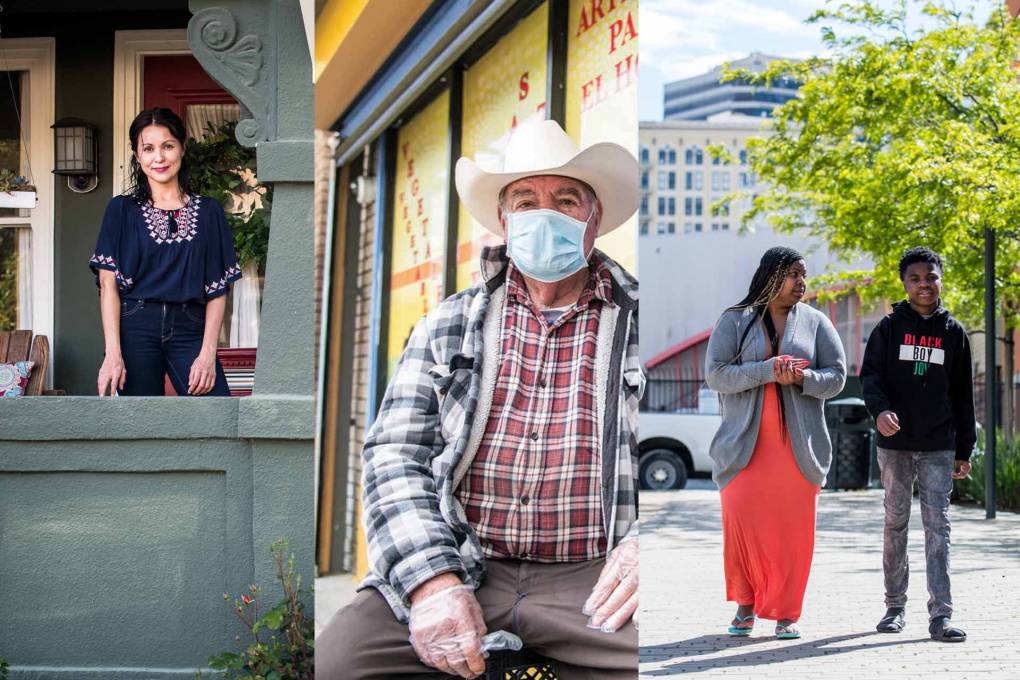
The Week in Photos: From Recycling to Face Masks
PHOTOS: Gov. Newsom, SJ Mayor Liccardo Tour Sunnyvale Fuel Cell Factory Turned Ventilator Refurbishing Site
Amnesia's Last Show: An 'Essential' SF Venue for Local Artists Closes After 20 Years
Good Times Even in Defeat: Celebrating the 49ers, a Mission Tradition
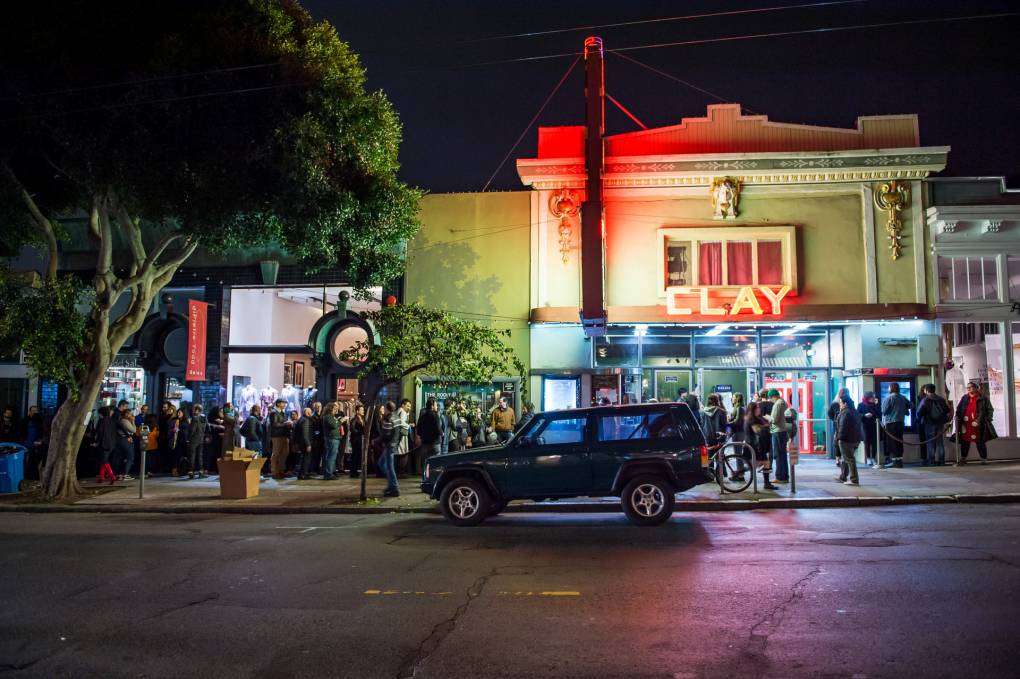
Last Picture Show: Historic SF Theater Plays its Final Midnight Movie
PHOTOS: 2020 Women's Marches From Around the Bay
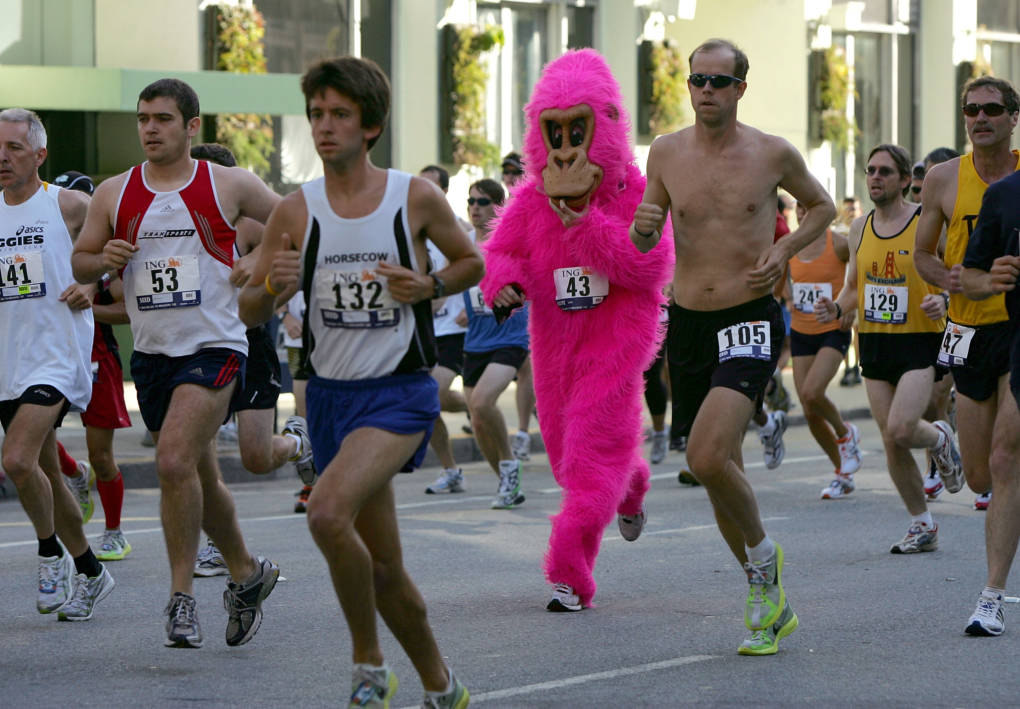
Bay to Breakers 2019: Know Before You Go
PHOTOS: Black Joy Parade Returns to Oakland for 2nd Year of Music, Dance and Pride
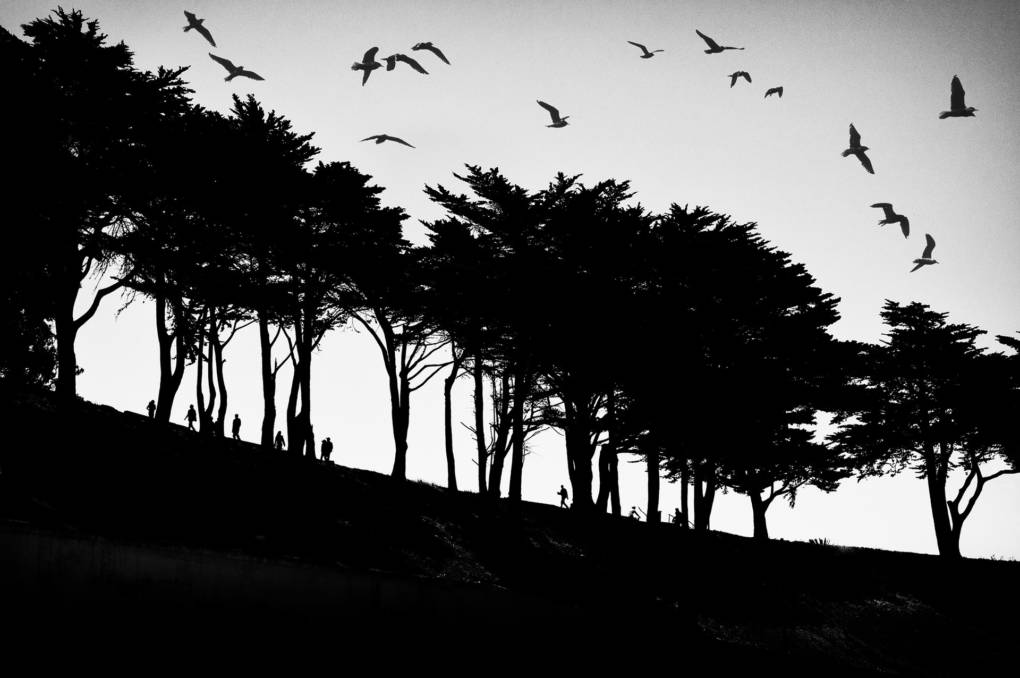
Photographer Fred Lyon Is 93 and Still in Love With San Francisco
'Napalm Girl' Photojournalist Nick Ut Retires After 51 Years With AP
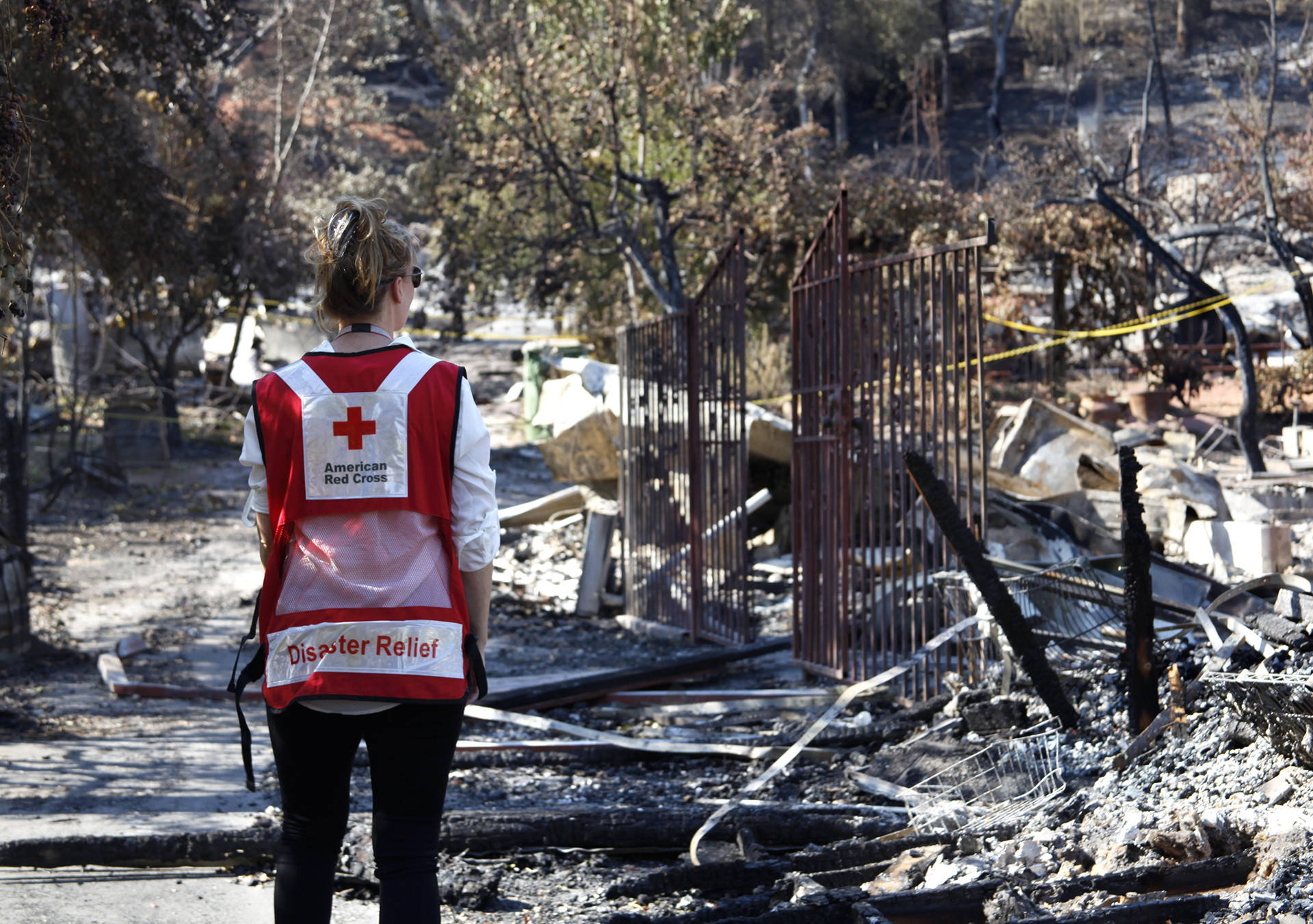
Scenes From Lake County After the Clayton Fire
L.A. Teen Brings Home Souvenir of a Lifetime From the Summer of Love
window.__IS_SSR__=true
window.__INITIAL_STATE__={
"attachmentsReducer": {
"audio_0": {
"type": "attachments",
"id": "audio_0",
"imgSizes": {
"kqedFullSize": {
"file": "https://ww2.kqed.org/news/wp-content/themes/KQED-unified/img/audio_bgs/background0.jpg"
}
}
},
"audio_1": {
"type": "attachments",
"id": "audio_1",
"imgSizes": {
"kqedFullSize": {
"file": "https://ww2.kqed.org/news/wp-content/themes/KQED-unified/img/audio_bgs/background1.jpg"
}
}
},
"audio_2": {
"type": "attachments",
"id": "audio_2",
"imgSizes": {
"kqedFullSize": {
"file": "https://ww2.kqed.org/news/wp-content/themes/KQED-unified/img/audio_bgs/background2.jpg"
}
}
},
"audio_3": {
"type": "attachments",
"id": "audio_3",
"imgSizes": {
"kqedFullSize": {
"file": "https://ww2.kqed.org/news/wp-content/themes/KQED-unified/img/audio_bgs/background3.jpg"
}
}
},
"audio_4": {
"type": "attachments",
"id": "audio_4",
"imgSizes": {
"kqedFullSize": {
"file": "https://ww2.kqed.org/news/wp-content/themes/KQED-unified/img/audio_bgs/background4.jpg"
}
}
},
"placeholder": {
"type": "attachments",
"id": "placeholder",
"imgSizes": {
"thumbnail": {
"file": "https://cdn.kqed.org/wp-content/uploads/2024/12/KQED-Default-Image-816638274-2000x1333-1-160x107.jpg",
"width": 160,
"height": 107,
"mimeType": "image/jpeg"
},
"medium": {
"file": "https://cdn.kqed.org/wp-content/uploads/2024/12/KQED-Default-Image-816638274-2000x1333-1-800x533.jpg",
"width": 800,
"height": 533,
"mimeType": "image/jpeg"
},
"medium_large": {
"file": "https://cdn.kqed.org/wp-content/uploads/2024/12/KQED-Default-Image-816638274-2000x1333-1-768x512.jpg",
"width": 768,
"height": 512,
"mimeType": "image/jpeg"
},
"large": {
"file": "https://cdn.kqed.org/wp-content/uploads/2024/12/KQED-Default-Image-816638274-2000x1333-1-1020x680.jpg",
"width": 1020,
"height": 680,
"mimeType": "image/jpeg"
},
"1536x1536": {
"file": "https://cdn.kqed.org/wp-content/uploads/2024/12/KQED-Default-Image-816638274-2000x1333-1-1536x1024.jpg",
"width": 1536,
"height": 1024,
"mimeType": "image/jpeg"
},
"fd-lrg": {
"file": "https://cdn.kqed.org/wp-content/uploads/2024/12/KQED-Default-Image-816638274-2000x1333-1-1536x1024.jpg",
"width": 1536,
"height": 1024,
"mimeType": "image/jpeg"
},
"fd-med": {
"file": "https://cdn.kqed.org/wp-content/uploads/2024/12/KQED-Default-Image-816638274-2000x1333-1-1020x680.jpg",
"width": 1020,
"height": 680,
"mimeType": "image/jpeg"
},
"fd-sm": {
"file": "https://cdn.kqed.org/wp-content/uploads/2024/12/KQED-Default-Image-816638274-2000x1333-1-800x533.jpg",
"width": 800,
"height": 533,
"mimeType": "image/jpeg"
},
"post-thumbnail": {
"file": "https://cdn.kqed.org/wp-content/uploads/2024/12/KQED-Default-Image-816638274-2000x1333-1-672x372.jpg",
"width": 672,
"height": 372,
"mimeType": "image/jpeg"
},
"twentyfourteen-full-width": {
"file": "https://cdn.kqed.org/wp-content/uploads/2024/12/KQED-Default-Image-816638274-2000x1333-1-1038x576.jpg",
"width": 1038,
"height": 576,
"mimeType": "image/jpeg"
},
"xxsmall": {
"file": "https://cdn.kqed.org/wp-content/uploads/2024/12/KQED-Default-Image-816638274-2000x1333-1-160x107.jpg",
"width": 160,
"height": 107,
"mimeType": "image/jpeg"
},
"xsmall": {
"file": "https://cdn.kqed.org/wp-content/uploads/2024/12/KQED-Default-Image-816638274-2000x1333-1-672x372.jpg",
"width": 672,
"height": 372,
"mimeType": "image/jpeg"
},
"small": {
"file": "https://cdn.kqed.org/wp-content/uploads/2024/12/KQED-Default-Image-816638274-2000x1333-1-672x372.jpg",
"width": 672,
"height": 372,
"mimeType": "image/jpeg"
},
"xlarge": {
"file": "https://cdn.kqed.org/wp-content/uploads/2024/12/KQED-Default-Image-816638274-2000x1333-1-1020x680.jpg",
"width": 1020,
"height": 680,
"mimeType": "image/jpeg"
},
"full-width": {
"file": "https://cdn.kqed.org/wp-content/uploads/2024/12/KQED-Default-Image-816638274-2000x1333-1-1920x1280.jpg",
"width": 1920,
"height": 1280,
"mimeType": "image/jpeg"
},
"guest-author-32": {
"file": "https://cdn.kqed.org/wp-content/uploads/2025/01/KQED-Default-Image-816638274-1333x1333-1-160x160.jpg",
"width": 32,
"height": 32,
"mimeType": "image/jpeg"
},
"guest-author-50": {
"file": "https://cdn.kqed.org/wp-content/uploads/2025/01/KQED-Default-Image-816638274-1333x1333-1-160x160.jpg",
"width": 50,
"height": 50,
"mimeType": "image/jpeg"
},
"guest-author-64": {
"file": "https://cdn.kqed.org/wp-content/uploads/2025/01/KQED-Default-Image-816638274-1333x1333-1-160x160.jpg",
"width": 64,
"height": 64,
"mimeType": "image/jpeg"
},
"guest-author-96": {
"file": "https://cdn.kqed.org/wp-content/uploads/2025/01/KQED-Default-Image-816638274-1333x1333-1-160x160.jpg",
"width": 96,
"height": 96,
"mimeType": "image/jpeg"
},
"guest-author-128": {
"file": "https://cdn.kqed.org/wp-content/uploads/2025/01/KQED-Default-Image-816638274-1333x1333-1-160x160.jpg",
"width": 128,
"height": 128,
"mimeType": "image/jpeg"
},
"detail": {
"file": "https://cdn.kqed.org/wp-content/uploads/2025/01/KQED-Default-Image-816638274-1333x1333-1-160x160.jpg",
"width": 160,
"height": 160,
"mimeType": "image/jpeg"
},
"kqedFullSize": {
"file": "https://cdn.kqed.org/wp-content/uploads/2024/12/KQED-Default-Image-816638274-2000x1333-1.jpg",
"width": 2000,
"height": 1333
}
}
},
"news_11813060": {
"type": "attachments",
"id": "news_11813060",
"meta": {
"index": "attachments_1716263798",
"site": "news",
"id": "11813060",
"found": true
},
"parent": 11813046,
"imgSizes": {
"apple_news_ca_landscape_5_5": {
"file": "https://ww2.kqed.org/app/uploads/sites/10/2020/04/Collage-1044x783.jpg",
"width": 1044,
"mimeType": "image/jpeg",
"height": 783
},
"apple_news_ca_square_4_0": {
"file": "https://ww2.kqed.org/app/uploads/sites/10/2020/04/Collage-470x470.jpg",
"width": 470,
"mimeType": "image/jpeg",
"height": 470
},
"twentyfourteen-full-width": {
"file": "https://ww2.kqed.org/app/uploads/sites/10/2020/04/Collage-1038x576.jpg",
"width": 1038,
"mimeType": "image/jpeg",
"height": 576
},
"thumbnail": {
"file": "https://ww2.kqed.org/app/uploads/sites/10/2020/04/Collage-160x107.jpg",
"width": 160,
"mimeType": "image/jpeg",
"height": 107
},
"post-thumbnail": {
"file": "https://ww2.kqed.org/app/uploads/sites/10/2020/04/Collage-672x372.jpg",
"width": 672,
"mimeType": "image/jpeg",
"height": 372
},
"kqedFullSize": {
"file": "https://ww2.kqed.org/app/uploads/sites/10/2020/04/Collage.jpg",
"width": 1920,
"height": 1280
},
"apple_news_ca_landscape_4_7": {
"file": "https://ww2.kqed.org/app/uploads/sites/10/2020/04/Collage-632x474.jpg",
"width": 632,
"mimeType": "image/jpeg",
"height": 474
},
"large": {
"file": "https://ww2.kqed.org/app/uploads/sites/10/2020/04/Collage-1020x680.jpg",
"width": 1020,
"mimeType": "image/jpeg",
"height": 680
},
"apple_news_ca_landscape_4_0": {
"file": "https://ww2.kqed.org/app/uploads/sites/10/2020/04/Collage-536x402.jpg",
"width": 536,
"mimeType": "image/jpeg",
"height": 402
},
"apple_news_ca_portrait_12_9": {
"file": "https://ww2.kqed.org/app/uploads/sites/10/2020/04/Collage-1122x1280.jpg",
"width": 1122,
"mimeType": "image/jpeg",
"height": 1280
},
"medium": {
"file": "https://ww2.kqed.org/app/uploads/sites/10/2020/04/Collage-800x533.jpg",
"width": 800,
"mimeType": "image/jpeg",
"height": 533
},
"apple_news_ca_portrait_4_0": {
"file": "https://ww2.kqed.org/app/uploads/sites/10/2020/04/Collage-354x472.jpg",
"width": 354,
"mimeType": "image/jpeg",
"height": 472
},
"apple_news_ca_portrait_9_7": {
"file": "https://ww2.kqed.org/app/uploads/sites/10/2020/04/Collage-840x1120.jpg",
"width": 840,
"mimeType": "image/jpeg",
"height": 1120
},
"apple_news_ca_landscape_12_9": {
"file": "https://ww2.kqed.org/app/uploads/sites/10/2020/04/Collage-1832x1280.jpg",
"width": 1832,
"mimeType": "image/jpeg",
"height": 1280
},
"apple_news_ca_square_9_7": {
"file": "https://ww2.kqed.org/app/uploads/sites/10/2020/04/Collage-1104x1104.jpg",
"width": 1104,
"mimeType": "image/jpeg",
"height": 1104
},
"apple_news_ca_portrait_4_7": {
"file": "https://ww2.kqed.org/app/uploads/sites/10/2020/04/Collage-414x552.jpg",
"width": 414,
"mimeType": "image/jpeg",
"height": 552
},
"apple_news_ca_square_12_9": {
"file": "https://ww2.kqed.org/app/uploads/sites/10/2020/04/Collage-1472x1280.jpg",
"width": 1472,
"mimeType": "image/jpeg",
"height": 1280
},
"apple_news_ca_portrait_5_5": {
"file": "https://ww2.kqed.org/app/uploads/sites/10/2020/04/Collage-687x916.jpg",
"width": 687,
"mimeType": "image/jpeg",
"height": 916
},
"full-width": {
"file": "https://ww2.kqed.org/app/uploads/sites/10/2020/04/Collage-1920x1280.jpg",
"width": 1920,
"mimeType": "image/jpeg",
"height": 1280
},
"apple_news_ca_square_4_7": {
"file": "https://ww2.kqed.org/app/uploads/sites/10/2020/04/Collage-550x550.jpg",
"width": 550,
"mimeType": "image/jpeg",
"height": 550
},
"apple_news_ca_landscape_9_7": {
"file": "https://ww2.kqed.org/app/uploads/sites/10/2020/04/Collage-1376x1032.jpg",
"width": 1376,
"mimeType": "image/jpeg",
"height": 1032
},
"apple_news_ca_square_5_5": {
"file": "https://ww2.kqed.org/app/uploads/sites/10/2020/04/Collage-912x912.jpg",
"width": 912,
"mimeType": "image/jpeg",
"height": 912
}
},
"publishDate": 1587327642,
"modified": 1587330466,
"caption": "Photos from across the Bay Area during the COVID-19 pandemic.",
"description": null,
"title": "Collage",
"credit": "Beth LaBerge/KQED",
"status": "inherit",
"isLoading": false,
"fetchFailed": false
},
"news_11809508": {
"type": "attachments",
"id": "news_11809508",
"meta": {
"index": "attachments_1716263798",
"site": "news",
"id": "11809508",
"found": true
},
"parent": 11809502,
"imgSizes": {
"apple_news_ca_landscape_5_5": {
"file": "https://ww2.kqed.org/app/uploads/sites/10/2020/03/065_KQED_BethLaBerge_BloomEnergy_Newsom_03282020-1044x783.jpg",
"width": 1044,
"mimeType": "image/jpeg",
"height": 783
},
"apple_news_ca_square_4_0": {
"file": "https://ww2.kqed.org/app/uploads/sites/10/2020/03/065_KQED_BethLaBerge_BloomEnergy_Newsom_03282020-470x470.jpg",
"width": 470,
"mimeType": "image/jpeg",
"height": 470
},
"twentyfourteen-full-width": {
"file": "https://ww2.kqed.org/app/uploads/sites/10/2020/03/065_KQED_BethLaBerge_BloomEnergy_Newsom_03282020-1038x576.jpg",
"width": 1038,
"mimeType": "image/jpeg",
"height": 576
},
"thumbnail": {
"file": "https://ww2.kqed.org/app/uploads/sites/10/2020/03/065_KQED_BethLaBerge_BloomEnergy_Newsom_03282020-160x90.jpg",
"width": 160,
"mimeType": "image/jpeg",
"height": 90
},
"post-thumbnail": {
"file": "https://ww2.kqed.org/app/uploads/sites/10/2020/03/065_KQED_BethLaBerge_BloomEnergy_Newsom_03282020-672x372.jpg",
"width": 672,
"mimeType": "image/jpeg",
"height": 372
},
"kqedFullSize": {
"file": "https://ww2.kqed.org/app/uploads/sites/10/2020/03/065_KQED_BethLaBerge_BloomEnergy_Newsom_03282020.jpg",
"width": 3508,
"height": 1973
},
"apple_news_ca_landscape_4_7": {
"file": "https://ww2.kqed.org/app/uploads/sites/10/2020/03/065_KQED_BethLaBerge_BloomEnergy_Newsom_03282020-632x474.jpg",
"width": 632,
"mimeType": "image/jpeg",
"height": 474
},
"large": {
"file": "https://ww2.kqed.org/app/uploads/sites/10/2020/03/065_KQED_BethLaBerge_BloomEnergy_Newsom_03282020-1020x574.jpg",
"width": 1020,
"mimeType": "image/jpeg",
"height": 574
},
"apple_news_ca_landscape_4_0": {
"file": "https://ww2.kqed.org/app/uploads/sites/10/2020/03/065_KQED_BethLaBerge_BloomEnergy_Newsom_03282020-536x402.jpg",
"width": 536,
"mimeType": "image/jpeg",
"height": 402
},
"apple_news_ca_portrait_12_9": {
"file": "https://ww2.kqed.org/app/uploads/sites/10/2020/03/065_KQED_BethLaBerge_BloomEnergy_Newsom_03282020-1122x1496.jpg",
"width": 1122,
"mimeType": "image/jpeg",
"height": 1496
},
"medium": {
"file": "https://ww2.kqed.org/app/uploads/sites/10/2020/03/065_KQED_BethLaBerge_BloomEnergy_Newsom_03282020-800x450.jpg",
"width": 800,
"mimeType": "image/jpeg",
"height": 450
},
"apple_news_ca_portrait_4_0": {
"file": "https://ww2.kqed.org/app/uploads/sites/10/2020/03/065_KQED_BethLaBerge_BloomEnergy_Newsom_03282020-354x472.jpg",
"width": 354,
"mimeType": "image/jpeg",
"height": 472
},
"apple_news_ca_portrait_9_7": {
"file": "https://ww2.kqed.org/app/uploads/sites/10/2020/03/065_KQED_BethLaBerge_BloomEnergy_Newsom_03282020-840x1120.jpg",
"width": 840,
"mimeType": "image/jpeg",
"height": 1120
},
"apple_news_ca_landscape_12_9": {
"file": "https://ww2.kqed.org/app/uploads/sites/10/2020/03/065_KQED_BethLaBerge_BloomEnergy_Newsom_03282020-1832x1374.jpg",
"width": 1832,
"mimeType": "image/jpeg",
"height": 1374
},
"apple_news_ca_square_9_7": {
"file": "https://ww2.kqed.org/app/uploads/sites/10/2020/03/065_KQED_BethLaBerge_BloomEnergy_Newsom_03282020-1104x1104.jpg",
"width": 1104,
"mimeType": "image/jpeg",
"height": 1104
},
"apple_news_ca_portrait_4_7": {
"file": "https://ww2.kqed.org/app/uploads/sites/10/2020/03/065_KQED_BethLaBerge_BloomEnergy_Newsom_03282020-414x552.jpg",
"width": 414,
"mimeType": "image/jpeg",
"height": 552
},
"apple_news_ca_square_12_9": {
"file": "https://ww2.kqed.org/app/uploads/sites/10/2020/03/065_KQED_BethLaBerge_BloomEnergy_Newsom_03282020-1472x1472.jpg",
"width": 1472,
"mimeType": "image/jpeg",
"height": 1472
},
"apple_news_ca_portrait_5_5": {
"file": "https://ww2.kqed.org/app/uploads/sites/10/2020/03/065_KQED_BethLaBerge_BloomEnergy_Newsom_03282020-687x916.jpg",
"width": 687,
"mimeType": "image/jpeg",
"height": 916
},
"full-width": {
"file": "https://ww2.kqed.org/app/uploads/sites/10/2020/03/065_KQED_BethLaBerge_BloomEnergy_Newsom_03282020-1920x1080.jpg",
"width": 1920,
"mimeType": "image/jpeg",
"height": 1080
},
"apple_news_ca_square_4_7": {
"file": "https://ww2.kqed.org/app/uploads/sites/10/2020/03/065_KQED_BethLaBerge_BloomEnergy_Newsom_03282020-550x550.jpg",
"width": 550,
"mimeType": "image/jpeg",
"height": 550
},
"apple_news_ca_landscape_9_7": {
"file": "https://ww2.kqed.org/app/uploads/sites/10/2020/03/065_KQED_BethLaBerge_BloomEnergy_Newsom_03282020-1376x1032.jpg",
"width": 1376,
"mimeType": "image/jpeg",
"height": 1032
},
"apple_news_ca_square_5_5": {
"file": "https://ww2.kqed.org/app/uploads/sites/10/2020/03/065_KQED_BethLaBerge_BloomEnergy_Newsom_03282020-912x912.jpg",
"width": 912,
"mimeType": "image/jpeg",
"height": 912
}
},
"publishDate": 1585525019,
"modified": 1585525060,
"caption": "San Jose Mayor Sam Liccardo speaks during a press conference at the Bloom Energy Sunnyvale campus on March 28, 2020.",
"description": null,
"title": "065_KQED_BethLaBerge_BloomEnergy_Newsom_03282020",
"credit": "Beth LaBerge/KQED",
"status": "inherit",
"isLoading": false,
"fetchFailed": false
},
"news_11804487": {
"type": "attachments",
"id": "news_11804487",
"meta": {
"index": "attachments_1716263798",
"site": "news",
"id": "11804487",
"found": true
},
"parent": 11804396,
"imgSizes": {
"apple_news_ca_landscape_5_5": {
"file": "https://ww2.kqed.org/app/uploads/sites/10/2020/03/027_KQED_SanFrancisco_Amnesia_LastNight_02292020_4825-1044x783.jpg",
"width": 1044,
"mimeType": "image/jpeg",
"height": 783
},
"apple_news_ca_square_4_0": {
"file": "https://ww2.kqed.org/app/uploads/sites/10/2020/03/027_KQED_SanFrancisco_Amnesia_LastNight_02292020_4825-470x470.jpg",
"width": 470,
"mimeType": "image/jpeg",
"height": 470
},
"twentyfourteen-full-width": {
"file": "https://ww2.kqed.org/app/uploads/sites/10/2020/03/027_KQED_SanFrancisco_Amnesia_LastNight_02292020_4825-1038x576.jpg",
"width": 1038,
"mimeType": "image/jpeg",
"height": 576
},
"thumbnail": {
"file": "https://ww2.kqed.org/app/uploads/sites/10/2020/03/027_KQED_SanFrancisco_Amnesia_LastNight_02292020_4825-160x107.jpg",
"width": 160,
"mimeType": "image/jpeg",
"height": 107
},
"post-thumbnail": {
"file": "https://ww2.kqed.org/app/uploads/sites/10/2020/03/027_KQED_SanFrancisco_Amnesia_LastNight_02292020_4825-672x372.jpg",
"width": 672,
"mimeType": "image/jpeg",
"height": 372
},
"kqedFullSize": {
"file": "https://ww2.kqed.org/app/uploads/sites/10/2020/03/027_KQED_SanFrancisco_Amnesia_LastNight_02292020_4825.jpg",
"width": 1920,
"height": 1280
},
"apple_news_ca_landscape_4_7": {
"file": "https://ww2.kqed.org/app/uploads/sites/10/2020/03/027_KQED_SanFrancisco_Amnesia_LastNight_02292020_4825-632x474.jpg",
"width": 632,
"mimeType": "image/jpeg",
"height": 474
},
"large": {
"file": "https://ww2.kqed.org/app/uploads/sites/10/2020/03/027_KQED_SanFrancisco_Amnesia_LastNight_02292020_4825-1020x680.jpg",
"width": 1020,
"mimeType": "image/jpeg",
"height": 680
},
"apple_news_ca_landscape_4_0": {
"file": "https://ww2.kqed.org/app/uploads/sites/10/2020/03/027_KQED_SanFrancisco_Amnesia_LastNight_02292020_4825-536x402.jpg",
"width": 536,
"mimeType": "image/jpeg",
"height": 402
},
"apple_news_ca_portrait_12_9": {
"file": "https://ww2.kqed.org/app/uploads/sites/10/2020/03/027_KQED_SanFrancisco_Amnesia_LastNight_02292020_4825-1122x1280.jpg",
"width": 1122,
"mimeType": "image/jpeg",
"height": 1280
},
"medium": {
"file": "https://ww2.kqed.org/app/uploads/sites/10/2020/03/027_KQED_SanFrancisco_Amnesia_LastNight_02292020_4825-800x533.jpg",
"width": 800,
"mimeType": "image/jpeg",
"height": 533
},
"apple_news_ca_portrait_4_0": {
"file": "https://ww2.kqed.org/app/uploads/sites/10/2020/03/027_KQED_SanFrancisco_Amnesia_LastNight_02292020_4825-354x472.jpg",
"width": 354,
"mimeType": "image/jpeg",
"height": 472
},
"apple_news_ca_portrait_9_7": {
"file": "https://ww2.kqed.org/app/uploads/sites/10/2020/03/027_KQED_SanFrancisco_Amnesia_LastNight_02292020_4825-840x1120.jpg",
"width": 840,
"mimeType": "image/jpeg",
"height": 1120
},
"apple_news_ca_landscape_12_9": {
"file": "https://ww2.kqed.org/app/uploads/sites/10/2020/03/027_KQED_SanFrancisco_Amnesia_LastNight_02292020_4825-1832x1280.jpg",
"width": 1832,
"mimeType": "image/jpeg",
"height": 1280
},
"apple_news_ca_square_9_7": {
"file": "https://ww2.kqed.org/app/uploads/sites/10/2020/03/027_KQED_SanFrancisco_Amnesia_LastNight_02292020_4825-1104x1104.jpg",
"width": 1104,
"mimeType": "image/jpeg",
"height": 1104
},
"apple_news_ca_portrait_4_7": {
"file": "https://ww2.kqed.org/app/uploads/sites/10/2020/03/027_KQED_SanFrancisco_Amnesia_LastNight_02292020_4825-414x552.jpg",
"width": 414,
"mimeType": "image/jpeg",
"height": 552
},
"apple_news_ca_square_12_9": {
"file": "https://ww2.kqed.org/app/uploads/sites/10/2020/03/027_KQED_SanFrancisco_Amnesia_LastNight_02292020_4825-1472x1280.jpg",
"width": 1472,
"mimeType": "image/jpeg",
"height": 1280
},
"apple_news_ca_portrait_5_5": {
"file": "https://ww2.kqed.org/app/uploads/sites/10/2020/03/027_KQED_SanFrancisco_Amnesia_LastNight_02292020_4825-687x916.jpg",
"width": 687,
"mimeType": "image/jpeg",
"height": 916
},
"full-width": {
"file": "https://ww2.kqed.org/app/uploads/sites/10/2020/03/027_KQED_SanFrancisco_Amnesia_LastNight_02292020_4825-1920x1280.jpg",
"width": 1920,
"mimeType": "image/jpeg",
"height": 1280
},
"apple_news_ca_square_4_7": {
"file": "https://ww2.kqed.org/app/uploads/sites/10/2020/03/027_KQED_SanFrancisco_Amnesia_LastNight_02292020_4825-550x550.jpg",
"width": 550,
"mimeType": "image/jpeg",
"height": 550
},
"apple_news_ca_landscape_9_7": {
"file": "https://ww2.kqed.org/app/uploads/sites/10/2020/03/027_KQED_SanFrancisco_Amnesia_LastNight_02292020_4825-1376x1032.jpg",
"width": 1376,
"mimeType": "image/jpeg",
"height": 1032
},
"apple_news_ca_square_5_5": {
"file": "https://ww2.kqed.org/app/uploads/sites/10/2020/03/027_KQED_SanFrancisco_Amnesia_LastNight_02292020_4825-912x912.jpg",
"width": 912,
"mimeType": "image/jpeg",
"height": 912
}
},
"publishDate": 1583124362,
"modified": 1583137191,
"caption": "Novio Electrico plays the the last show at Amnesia on Saturday. The bar is set to close as a venue on Feb. 29, 2020 and reopen in another capacity.",
"description": "Novio Electrico plays the the last show at Amnesia on Saturday. The bar is set to close as a venue on Feb. 29, 2020 and reopen in another capacity.",
"title": "Amnesia Music Venue Closes",
"credit": "Beth LaBerge/KQED",
"status": "inherit",
"isLoading": false,
"fetchFailed": false
},
"news_11799684": {
"type": "attachments",
"id": "news_11799684",
"meta": {
"index": "attachments_1716263798",
"site": "news",
"id": "11799684",
"found": true
},
"parent": 11799683,
"imgSizes": {
"apple_news_ca_landscape_5_5": {
"file": "https://ww2.kqed.org/app/uploads/sites/10/2020/02/RS41067_003_KQED_SuperBowl_02022020_0980-qut-1044x783.jpg",
"width": 1044,
"mimeType": "image/jpeg",
"height": 783
},
"apple_news_ca_square_4_0": {
"file": "https://ww2.kqed.org/app/uploads/sites/10/2020/02/RS41067_003_KQED_SuperBowl_02022020_0980-qut-470x470.jpg",
"width": 470,
"mimeType": "image/jpeg",
"height": 470
},
"twentyfourteen-full-width": {
"file": "https://ww2.kqed.org/app/uploads/sites/10/2020/02/RS41067_003_KQED_SuperBowl_02022020_0980-qut-1038x576.jpg",
"width": 1038,
"mimeType": "image/jpeg",
"height": 576
},
"thumbnail": {
"file": "https://ww2.kqed.org/app/uploads/sites/10/2020/02/RS41067_003_KQED_SuperBowl_02022020_0980-qut-160x107.jpg",
"width": 160,
"mimeType": "image/jpeg",
"height": 107
},
"post-thumbnail": {
"file": "https://ww2.kqed.org/app/uploads/sites/10/2020/02/RS41067_003_KQED_SuperBowl_02022020_0980-qut-672x372.jpg",
"width": 672,
"mimeType": "image/jpeg",
"height": 372
},
"kqedFullSize": {
"file": "https://ww2.kqed.org/app/uploads/sites/10/2020/02/RS41067_003_KQED_SuperBowl_02022020_0980-qut.jpg",
"width": 1920,
"height": 1280
},
"apple_news_ca_landscape_4_7": {
"file": "https://ww2.kqed.org/app/uploads/sites/10/2020/02/RS41067_003_KQED_SuperBowl_02022020_0980-qut-632x474.jpg",
"width": 632,
"mimeType": "image/jpeg",
"height": 474
},
"large": {
"file": "https://ww2.kqed.org/app/uploads/sites/10/2020/02/RS41067_003_KQED_SuperBowl_02022020_0980-qut-1020x680.jpg",
"width": 1020,
"mimeType": "image/jpeg",
"height": 680
},
"apple_news_ca_landscape_4_0": {
"file": "https://ww2.kqed.org/app/uploads/sites/10/2020/02/RS41067_003_KQED_SuperBowl_02022020_0980-qut-536x402.jpg",
"width": 536,
"mimeType": "image/jpeg",
"height": 402
},
"apple_news_ca_portrait_12_9": {
"file": "https://ww2.kqed.org/app/uploads/sites/10/2020/02/RS41067_003_KQED_SuperBowl_02022020_0980-qut-1122x1280.jpg",
"width": 1122,
"mimeType": "image/jpeg",
"height": 1280
},
"medium": {
"file": "https://ww2.kqed.org/app/uploads/sites/10/2020/02/RS41067_003_KQED_SuperBowl_02022020_0980-qut-800x533.jpg",
"width": 800,
"mimeType": "image/jpeg",
"height": 533
},
"apple_news_ca_portrait_4_0": {
"file": "https://ww2.kqed.org/app/uploads/sites/10/2020/02/RS41067_003_KQED_SuperBowl_02022020_0980-qut-354x472.jpg",
"width": 354,
"mimeType": "image/jpeg",
"height": 472
},
"apple_news_ca_portrait_9_7": {
"file": "https://ww2.kqed.org/app/uploads/sites/10/2020/02/RS41067_003_KQED_SuperBowl_02022020_0980-qut-840x1120.jpg",
"width": 840,
"mimeType": "image/jpeg",
"height": 1120
},
"apple_news_ca_landscape_12_9": {
"file": "https://ww2.kqed.org/app/uploads/sites/10/2020/02/RS41067_003_KQED_SuperBowl_02022020_0980-qut-1832x1280.jpg",
"width": 1832,
"mimeType": "image/jpeg",
"height": 1280
},
"apple_news_ca_square_9_7": {
"file": "https://ww2.kqed.org/app/uploads/sites/10/2020/02/RS41067_003_KQED_SuperBowl_02022020_0980-qut-1104x1104.jpg",
"width": 1104,
"mimeType": "image/jpeg",
"height": 1104
},
"apple_news_ca_portrait_4_7": {
"file": "https://ww2.kqed.org/app/uploads/sites/10/2020/02/RS41067_003_KQED_SuperBowl_02022020_0980-qut-414x552.jpg",
"width": 414,
"mimeType": "image/jpeg",
"height": 552
},
"apple_news_ca_square_12_9": {
"file": "https://ww2.kqed.org/app/uploads/sites/10/2020/02/RS41067_003_KQED_SuperBowl_02022020_0980-qut-1472x1280.jpg",
"width": 1472,
"mimeType": "image/jpeg",
"height": 1280
},
"apple_news_ca_portrait_5_5": {
"file": "https://ww2.kqed.org/app/uploads/sites/10/2020/02/RS41067_003_KQED_SuperBowl_02022020_0980-qut-687x916.jpg",
"width": 687,
"mimeType": "image/jpeg",
"height": 916
},
"full-width": {
"file": "https://ww2.kqed.org/app/uploads/sites/10/2020/02/RS41067_003_KQED_SuperBowl_02022020_0980-qut-1920x1280.jpg",
"width": 1920,
"mimeType": "image/jpeg",
"height": 1280
},
"apple_news_ca_square_4_7": {
"file": "https://ww2.kqed.org/app/uploads/sites/10/2020/02/RS41067_003_KQED_SuperBowl_02022020_0980-qut-550x550.jpg",
"width": 550,
"mimeType": "image/jpeg",
"height": 550
},
"apple_news_ca_landscape_9_7": {
"file": "https://ww2.kqed.org/app/uploads/sites/10/2020/02/RS41067_003_KQED_SuperBowl_02022020_0980-qut-1376x1032.jpg",
"width": 1376,
"mimeType": "image/jpeg",
"height": 1032
},
"apple_news_ca_square_5_5": {
"file": "https://ww2.kqed.org/app/uploads/sites/10/2020/02/RS41067_003_KQED_SuperBowl_02022020_0980-qut-912x912.jpg",
"width": 912,
"mimeType": "image/jpeg",
"height": 912
}
},
"publishDate": 1580697102,
"modified": 1580760198,
"caption": "Friends and family at the Carrasco house on Alabama Street in the Mission before the Super Bowl on Feb. 2, 2020. Several generations, many who grew up on the same block, have been getting together to watch the games since 2012.",
"description": "Friends and family at the Carrasco House on Alabama Street in the Mission before the Super Bowl on Sunday. Several generations, many who grew up on the same block, have been getting together to watch the games since 2012",
"title": "Super bowl 2020",
"credit": "Beth LaBerge/KQED",
"status": "inherit",
"isLoading": false,
"fetchFailed": false
},
"news_11798111": {
"type": "attachments",
"id": "news_11798111",
"meta": {
"index": "attachments_1716263798",
"site": "news",
"id": "11798111",
"found": true
},
"parent": 11797562,
"imgSizes": {
"apple_news_ca_landscape_5_5": {
"file": "https://ww2.kqed.org/app/uploads/sites/10/2020/01/RS40906_006_KQED_ClayTheater_RockyHorror_01252020_6887-qut-1044x783.jpg",
"width": 1044,
"mimeType": "image/jpeg",
"height": 783
},
"apple_news_ca_square_4_0": {
"file": "https://ww2.kqed.org/app/uploads/sites/10/2020/01/RS40906_006_KQED_ClayTheater_RockyHorror_01252020_6887-qut-470x470.jpg",
"width": 470,
"mimeType": "image/jpeg",
"height": 470
},
"twentyfourteen-full-width": {
"file": "https://ww2.kqed.org/app/uploads/sites/10/2020/01/RS40906_006_KQED_ClayTheater_RockyHorror_01252020_6887-qut-1038x576.jpg",
"width": 1038,
"mimeType": "image/jpeg",
"height": 576
},
"thumbnail": {
"file": "https://ww2.kqed.org/app/uploads/sites/10/2020/01/RS40906_006_KQED_ClayTheater_RockyHorror_01252020_6887-qut-160x107.jpg",
"width": 160,
"mimeType": "image/jpeg",
"height": 107
},
"post-thumbnail": {
"file": "https://ww2.kqed.org/app/uploads/sites/10/2020/01/RS40906_006_KQED_ClayTheater_RockyHorror_01252020_6887-qut-672x372.jpg",
"width": 672,
"mimeType": "image/jpeg",
"height": 372
},
"kqedFullSize": {
"file": "https://ww2.kqed.org/app/uploads/sites/10/2020/01/RS40906_006_KQED_ClayTheater_RockyHorror_01252020_6887-qut.jpg",
"width": 1920,
"height": 1278
},
"apple_news_ca_landscape_4_7": {
"file": "https://ww2.kqed.org/app/uploads/sites/10/2020/01/RS40906_006_KQED_ClayTheater_RockyHorror_01252020_6887-qut-632x474.jpg",
"width": 632,
"mimeType": "image/jpeg",
"height": 474
},
"large": {
"file": "https://ww2.kqed.org/app/uploads/sites/10/2020/01/RS40906_006_KQED_ClayTheater_RockyHorror_01252020_6887-qut-1020x679.jpg",
"width": 1020,
"mimeType": "image/jpeg",
"height": 679
},
"apple_news_ca_landscape_4_0": {
"file": "https://ww2.kqed.org/app/uploads/sites/10/2020/01/RS40906_006_KQED_ClayTheater_RockyHorror_01252020_6887-qut-536x402.jpg",
"width": 536,
"mimeType": "image/jpeg",
"height": 402
},
"apple_news_ca_portrait_12_9": {
"file": "https://ww2.kqed.org/app/uploads/sites/10/2020/01/RS40906_006_KQED_ClayTheater_RockyHorror_01252020_6887-qut-1122x1278.jpg",
"width": 1122,
"mimeType": "image/jpeg",
"height": 1278
},
"medium": {
"file": "https://ww2.kqed.org/app/uploads/sites/10/2020/01/RS40906_006_KQED_ClayTheater_RockyHorror_01252020_6887-qut-800x533.jpg",
"width": 800,
"mimeType": "image/jpeg",
"height": 533
},
"apple_news_ca_portrait_4_0": {
"file": "https://ww2.kqed.org/app/uploads/sites/10/2020/01/RS40906_006_KQED_ClayTheater_RockyHorror_01252020_6887-qut-354x472.jpg",
"width": 354,
"mimeType": "image/jpeg",
"height": 472
},
"apple_news_ca_portrait_9_7": {
"file": "https://ww2.kqed.org/app/uploads/sites/10/2020/01/RS40906_006_KQED_ClayTheater_RockyHorror_01252020_6887-qut-840x1120.jpg",
"width": 840,
"mimeType": "image/jpeg",
"height": 1120
},
"apple_news_ca_landscape_12_9": {
"file": "https://ww2.kqed.org/app/uploads/sites/10/2020/01/RS40906_006_KQED_ClayTheater_RockyHorror_01252020_6887-qut-1832x1278.jpg",
"width": 1832,
"mimeType": "image/jpeg",
"height": 1278
},
"apple_news_ca_square_9_7": {
"file": "https://ww2.kqed.org/app/uploads/sites/10/2020/01/RS40906_006_KQED_ClayTheater_RockyHorror_01252020_6887-qut-1104x1104.jpg",
"width": 1104,
"mimeType": "image/jpeg",
"height": 1104
},
"apple_news_ca_portrait_4_7": {
"file": "https://ww2.kqed.org/app/uploads/sites/10/2020/01/RS40906_006_KQED_ClayTheater_RockyHorror_01252020_6887-qut-414x552.jpg",
"width": 414,
"mimeType": "image/jpeg",
"height": 552
},
"apple_news_ca_square_12_9": {
"file": "https://ww2.kqed.org/app/uploads/sites/10/2020/01/RS40906_006_KQED_ClayTheater_RockyHorror_01252020_6887-qut-1472x1278.jpg",
"width": 1472,
"mimeType": "image/jpeg",
"height": 1278
},
"apple_news_ca_portrait_5_5": {
"file": "https://ww2.kqed.org/app/uploads/sites/10/2020/01/RS40906_006_KQED_ClayTheater_RockyHorror_01252020_6887-qut-687x916.jpg",
"width": 687,
"mimeType": "image/jpeg",
"height": 916
},
"full-width": {
"file": "https://ww2.kqed.org/app/uploads/sites/10/2020/01/RS40906_006_KQED_ClayTheater_RockyHorror_01252020_6887-qut-1920x1278.jpg",
"width": 1920,
"mimeType": "image/jpeg",
"height": 1278
},
"apple_news_ca_square_4_7": {
"file": "https://ww2.kqed.org/app/uploads/sites/10/2020/01/RS40906_006_KQED_ClayTheater_RockyHorror_01252020_6887-qut-550x550.jpg",
"width": 550,
"mimeType": "image/jpeg",
"height": 550
},
"apple_news_ca_landscape_9_7": {
"file": "https://ww2.kqed.org/app/uploads/sites/10/2020/01/RS40906_006_KQED_ClayTheater_RockyHorror_01252020_6887-qut-1376x1032.jpg",
"width": 1376,
"mimeType": "image/jpeg",
"height": 1032
},
"apple_news_ca_square_5_5": {
"file": "https://ww2.kqed.org/app/uploads/sites/10/2020/01/RS40906_006_KQED_ClayTheater_RockyHorror_01252020_6887-qut-912x912.jpg",
"width": 912,
"mimeType": "image/jpeg",
"height": 912
}
},
"publishDate": 1580073824,
"modified": 1580073905,
"caption": "Crowds line the sidewalk waiting to enter the Clay Theater for a sold-out performance of the Rocky Horror Picture show on Saturday. This midnight movie performance is the last for the theater, which is shutting its doors on Sunday after 110 years.",
"description": "Crowds line the sidewalk waiting to enter the Clay Theater for a sold-out performance of the Rocky Horror Picture show on Saturday. This midnight movie performance is the last for the theater, which is shutting its doors on Sunday after 110 years.",
"title": "Clay Theater Rocky Horror Picture Show",
"credit": "Beth LaBerge/KQED",
"status": "inherit",
"isLoading": false,
"fetchFailed": false
},
"news_11796947": {
"type": "attachments",
"id": "news_11796947",
"meta": {
"index": "attachments_1716263798",
"site": "news",
"id": "11796947",
"found": true
},
"parent": 11796942,
"imgSizes": {
"apple_news_ca_landscape_5_5": {
"file": "https://ww2.kqed.org/app/uploads/sites/10/2020/01/RS40792_211CE083-2D3A-4940-AFA4-E3F47A478030-qut-1044x783.jpg",
"width": 1044,
"mimeType": "image/jpeg",
"height": 783
},
"apple_news_ca_square_4_0": {
"file": "https://ww2.kqed.org/app/uploads/sites/10/2020/01/RS40792_211CE083-2D3A-4940-AFA4-E3F47A478030-qut-470x470.jpg",
"width": 470,
"mimeType": "image/jpeg",
"height": 470
},
"twentyfourteen-full-width": {
"file": "https://ww2.kqed.org/app/uploads/sites/10/2020/01/RS40792_211CE083-2D3A-4940-AFA4-E3F47A478030-qut-1038x576.jpg",
"width": 1038,
"mimeType": "image/jpeg",
"height": 576
},
"thumbnail": {
"file": "https://ww2.kqed.org/app/uploads/sites/10/2020/01/RS40792_211CE083-2D3A-4940-AFA4-E3F47A478030-qut-160x107.jpg",
"width": 160,
"mimeType": "image/jpeg",
"height": 107
},
"post-thumbnail": {
"file": "https://ww2.kqed.org/app/uploads/sites/10/2020/01/RS40792_211CE083-2D3A-4940-AFA4-E3F47A478030-qut-672x372.jpg",
"width": 672,
"mimeType": "image/jpeg",
"height": 372
},
"kqedFullSize": {
"file": "https://ww2.kqed.org/app/uploads/sites/10/2020/01/RS40792_211CE083-2D3A-4940-AFA4-E3F47A478030-qut.jpg",
"width": 1920,
"height": 1278
},
"apple_news_ca_landscape_4_7": {
"file": "https://ww2.kqed.org/app/uploads/sites/10/2020/01/RS40792_211CE083-2D3A-4940-AFA4-E3F47A478030-qut-632x474.jpg",
"width": 632,
"mimeType": "image/jpeg",
"height": 474
},
"large": {
"file": "https://ww2.kqed.org/app/uploads/sites/10/2020/01/RS40792_211CE083-2D3A-4940-AFA4-E3F47A478030-qut-1020x679.jpg",
"width": 1020,
"mimeType": "image/jpeg",
"height": 679
},
"apple_news_ca_landscape_4_0": {
"file": "https://ww2.kqed.org/app/uploads/sites/10/2020/01/RS40792_211CE083-2D3A-4940-AFA4-E3F47A478030-qut-536x402.jpg",
"width": 536,
"mimeType": "image/jpeg",
"height": 402
},
"apple_news_ca_portrait_12_9": {
"file": "https://ww2.kqed.org/app/uploads/sites/10/2020/01/RS40792_211CE083-2D3A-4940-AFA4-E3F47A478030-qut-1122x1278.jpg",
"width": 1122,
"mimeType": "image/jpeg",
"height": 1278
},
"medium": {
"file": "https://ww2.kqed.org/app/uploads/sites/10/2020/01/RS40792_211CE083-2D3A-4940-AFA4-E3F47A478030-qut-800x533.jpg",
"width": 800,
"mimeType": "image/jpeg",
"height": 533
},
"apple_news_ca_portrait_4_0": {
"file": "https://ww2.kqed.org/app/uploads/sites/10/2020/01/RS40792_211CE083-2D3A-4940-AFA4-E3F47A478030-qut-354x472.jpg",
"width": 354,
"mimeType": "image/jpeg",
"height": 472
},
"apple_news_ca_portrait_9_7": {
"file": "https://ww2.kqed.org/app/uploads/sites/10/2020/01/RS40792_211CE083-2D3A-4940-AFA4-E3F47A478030-qut-840x1120.jpg",
"width": 840,
"mimeType": "image/jpeg",
"height": 1120
},
"apple_news_ca_landscape_12_9": {
"file": "https://ww2.kqed.org/app/uploads/sites/10/2020/01/RS40792_211CE083-2D3A-4940-AFA4-E3F47A478030-qut-1832x1278.jpg",
"width": 1832,
"mimeType": "image/jpeg",
"height": 1278
},
"apple_news_ca_square_9_7": {
"file": "https://ww2.kqed.org/app/uploads/sites/10/2020/01/RS40792_211CE083-2D3A-4940-AFA4-E3F47A478030-qut-1104x1104.jpg",
"width": 1104,
"mimeType": "image/jpeg",
"height": 1104
},
"apple_news_ca_portrait_4_7": {
"file": "https://ww2.kqed.org/app/uploads/sites/10/2020/01/RS40792_211CE083-2D3A-4940-AFA4-E3F47A478030-qut-414x552.jpg",
"width": 414,
"mimeType": "image/jpeg",
"height": 552
},
"apple_news_ca_square_12_9": {
"file": "https://ww2.kqed.org/app/uploads/sites/10/2020/01/RS40792_211CE083-2D3A-4940-AFA4-E3F47A478030-qut-1472x1278.jpg",
"width": 1472,
"mimeType": "image/jpeg",
"height": 1278
},
"apple_news_ca_portrait_5_5": {
"file": "https://ww2.kqed.org/app/uploads/sites/10/2020/01/RS40792_211CE083-2D3A-4940-AFA4-E3F47A478030-qut-687x916.jpg",
"width": 687,
"mimeType": "image/jpeg",
"height": 916
},
"full-width": {
"file": "https://ww2.kqed.org/app/uploads/sites/10/2020/01/RS40792_211CE083-2D3A-4940-AFA4-E3F47A478030-qut-1920x1278.jpg",
"width": 1920,
"mimeType": "image/jpeg",
"height": 1278
},
"apple_news_ca_square_4_7": {
"file": "https://ww2.kqed.org/app/uploads/sites/10/2020/01/RS40792_211CE083-2D3A-4940-AFA4-E3F47A478030-qut-550x550.jpg",
"width": 550,
"mimeType": "image/jpeg",
"height": 550
},
"apple_news_ca_landscape_9_7": {
"file": "https://ww2.kqed.org/app/uploads/sites/10/2020/01/RS40792_211CE083-2D3A-4940-AFA4-E3F47A478030-qut-1376x1032.jpg",
"width": 1376,
"mimeType": "image/jpeg",
"height": 1032
},
"apple_news_ca_square_5_5": {
"file": "https://ww2.kqed.org/app/uploads/sites/10/2020/01/RS40792_211CE083-2D3A-4940-AFA4-E3F47A478030-qut-912x912.jpg",
"width": 912,
"mimeType": "image/jpeg",
"height": 912
}
},
"publishDate": 1579389002,
"modified": 1579389748,
"caption": "The Oakland Women’s March on Saturday, January 18, 2020.",
"description": null,
"title": "RS40792_211CE083-2D3A-4940-AFA4-E3F47A478030-qut",
"credit": "Beth LaBerge ",
"status": "inherit",
"isLoading": false,
"fetchFailed": false
},
"news_11669422": {
"type": "attachments",
"id": "news_11669422",
"meta": {
"index": "attachments_1716263798",
"site": "news",
"id": "11669422",
"found": true
},
"parent": 11669401,
"imgSizes": {
"small": {
"file": "https://ww2.kqed.org/app/uploads/sites/10/2018/05/GettyImages-87447734-520x361.jpg",
"width": 520,
"mimeType": "image/jpeg",
"height": 361
},
"twentyfourteen-full-width": {
"file": "https://ww2.kqed.org/app/uploads/sites/10/2018/05/GettyImages-87447734-1038x576.jpg",
"width": 1038,
"mimeType": "image/jpeg",
"height": 576
},
"thumbnail": {
"file": "https://ww2.kqed.org/app/uploads/sites/10/2018/05/GettyImages-87447734-160x111.jpg",
"width": 160,
"mimeType": "image/jpeg",
"height": 111
},
"fd-sm": {
"file": "https://ww2.kqed.org/app/uploads/sites/10/2018/05/GettyImages-87447734-960x667.jpg",
"width": 960,
"mimeType": "image/jpeg",
"height": 667
},
"post-thumbnail": {
"file": "https://ww2.kqed.org/app/uploads/sites/10/2018/05/GettyImages-87447734-672x372.jpg",
"width": 672,
"mimeType": "image/jpeg",
"height": 372
},
"xsmall": {
"file": "https://ww2.kqed.org/app/uploads/sites/10/2018/05/GettyImages-87447734-375x261.jpg",
"width": 375,
"mimeType": "image/jpeg",
"height": 261
},
"kqedFullSize": {
"file": "https://ww2.kqed.org/app/uploads/sites/10/2018/05/GettyImages-87447734-e1526766524965.jpg",
"width": 1920,
"height": 1334
},
"large": {
"file": "https://ww2.kqed.org/app/uploads/sites/10/2018/05/GettyImages-87447734-1020x709.jpg",
"width": 1020,
"mimeType": "image/jpeg",
"height": 709
},
"xlarge": {
"file": "https://ww2.kqed.org/app/uploads/sites/10/2018/05/GettyImages-87447734-1180x820.jpg",
"width": 1180,
"mimeType": "image/jpeg",
"height": 820
},
"complete_open_graph": {
"file": "https://ww2.kqed.org/app/uploads/sites/10/2018/05/GettyImages-87447734-1200x834.jpg",
"width": 1200,
"mimeType": "image/jpeg",
"height": 834
},
"guest-author-50": {
"file": "https://ww2.kqed.org/app/uploads/sites/10/2018/05/GettyImages-87447734-50x50.jpg",
"width": 50,
"mimeType": "image/jpeg",
"height": 50
},
"guest-author-96": {
"file": "https://ww2.kqed.org/app/uploads/sites/10/2018/05/GettyImages-87447734-96x96.jpg",
"width": 96,
"mimeType": "image/jpeg",
"height": 96
},
"medium": {
"file": "https://ww2.kqed.org/app/uploads/sites/10/2018/05/GettyImages-87447734-800x556.jpg",
"width": 800,
"mimeType": "image/jpeg",
"height": 556
},
"guest-author-64": {
"file": "https://ww2.kqed.org/app/uploads/sites/10/2018/05/GettyImages-87447734-64x64.jpg",
"width": 64,
"mimeType": "image/jpeg",
"height": 64
},
"guest-author-32": {
"file": "https://ww2.kqed.org/app/uploads/sites/10/2018/05/GettyImages-87447734-32x32.jpg",
"width": 32,
"mimeType": "image/jpeg",
"height": 32
},
"fd-lrg": {
"file": "https://ww2.kqed.org/app/uploads/sites/10/2018/05/GettyImages-87447734-1920x1334.jpg",
"width": 1920,
"mimeType": "image/jpeg",
"height": 1334
},
"fd-med": {
"file": "https://ww2.kqed.org/app/uploads/sites/10/2018/05/GettyImages-87447734-1180x820.jpg",
"width": 1180,
"mimeType": "image/jpeg",
"height": 820
},
"full-width": {
"file": "https://ww2.kqed.org/app/uploads/sites/10/2018/05/GettyImages-87447734-1920x1334.jpg",
"width": 1920,
"mimeType": "image/jpeg",
"height": 1334
},
"detail": {
"file": "https://ww2.kqed.org/app/uploads/sites/10/2018/05/GettyImages-87447734-150x150.jpg",
"width": 150,
"mimeType": "image/jpeg",
"height": 150
},
"guest-author-128": {
"file": "https://ww2.kqed.org/app/uploads/sites/10/2018/05/GettyImages-87447734-128x128.jpg",
"width": 128,
"mimeType": "image/jpeg",
"height": 128
},
"xxsmall": {
"file": "https://ww2.kqed.org/app/uploads/sites/10/2018/05/GettyImages-87447734-240x167.jpg",
"width": 240,
"mimeType": "image/jpeg",
"height": 167
}
},
"publishDate": 1526766499,
"modified": 1526766533,
"caption": "Runners, some wearing costumes, take part in the ING Bay to Breakers race May 17, 2009.",
"description": "Runners, some wearing costumes, take part in the ING Bay to Breakers race May 17, 2009.",
"title": "ING Bay to Breakers",
"credit": "Ezra Shaw/Getty Images",
"status": "inherit",
"isLoading": false,
"fetchFailed": false
},
"news_11728684": {
"type": "attachments",
"id": "news_11728684",
"meta": {
"index": "attachments_1716263798",
"site": "news",
"id": "11728684",
"found": true
},
"parent": 11728649,
"imgSizes": {
"twentyfourteen-full-width": {
"file": "https://ww2.kqed.org/app/uploads/sites/10/2019/02/RS35446_Joelle-Gunter-qut-1024x576.jpg",
"width": 1024,
"mimeType": "image/jpeg",
"height": 576
},
"thumbnail": {
"file": "https://ww2.kqed.org/app/uploads/sites/10/2019/02/RS35446_Joelle-Gunter-qut-160x107.jpg",
"width": 160,
"mimeType": "image/jpeg",
"height": 107
},
"post-thumbnail": {
"file": "https://ww2.kqed.org/app/uploads/sites/10/2019/02/RS35446_Joelle-Gunter-qut-672x372.jpg",
"width": 672,
"mimeType": "image/jpeg",
"height": 372
},
"kqedFullSize": {
"file": "https://ww2.kqed.org/app/uploads/sites/10/2019/02/RS35446_Joelle-Gunter-qut.jpg",
"width": 1024,
"height": 684
},
"large": {
"file": "https://ww2.kqed.org/app/uploads/sites/10/2019/02/RS35446_Joelle-Gunter-qut-1020x681.jpg",
"width": 1020,
"mimeType": "image/jpeg",
"height": 681
},
"guest-author-50": {
"file": "https://ww2.kqed.org/app/uploads/sites/10/2019/02/RS35446_Joelle-Gunter-qut-50x50.jpg",
"width": 50,
"mimeType": "image/jpeg",
"height": 50
},
"guest-author-96": {
"file": "https://ww2.kqed.org/app/uploads/sites/10/2019/02/RS35446_Joelle-Gunter-qut-96x96.jpg",
"width": 96,
"mimeType": "image/jpeg",
"height": 96
},
"medium": {
"file": "https://ww2.kqed.org/app/uploads/sites/10/2019/02/RS35446_Joelle-Gunter-qut-800x534.jpg",
"width": 800,
"mimeType": "image/jpeg",
"height": 534
},
"guest-author-64": {
"file": "https://ww2.kqed.org/app/uploads/sites/10/2019/02/RS35446_Joelle-Gunter-qut-64x64.jpg",
"width": 64,
"mimeType": "image/jpeg",
"height": 64
},
"detail": {
"file": "https://ww2.kqed.org/app/uploads/sites/10/2019/02/RS35446_Joelle-Gunter-qut-150x150.jpg",
"width": 150,
"mimeType": "image/jpeg",
"height": 150
},
"guest-author-32": {
"file": "https://ww2.kqed.org/app/uploads/sites/10/2019/02/RS35446_Joelle-Gunter-qut-32x32.jpg",
"width": 32,
"mimeType": "image/jpeg",
"height": 32
},
"guest-author-128": {
"file": "https://ww2.kqed.org/app/uploads/sites/10/2019/02/RS35446_Joelle-Gunter-qut-128x128.jpg",
"width": 128,
"mimeType": "image/jpeg",
"height": 128
}
},
"publishDate": 1551059872,
"modified": 1551059941,
"caption": "Joelle Gunter was one of thousands who filled downtown Oakland for the Black Joy Parade.",
"description": "Joelle Gunter was one of thousands who filled downtown Oakland for the Black Joy Parade.",
"title": "RS35446_Joelle Gunter-qut",
"credit": "Pendarvis Harshaw/KQED",
"status": "inherit",
"isLoading": false,
"fetchFailed": false
},
"news_11629479": {
"type": "attachments",
"id": "news_11629479",
"meta": {
"index": "attachments_1716263798",
"site": "news",
"id": "11629479",
"found": true
},
"parent": 11629475,
"imgSizes": {
"small": {
"file": "https://ww2.kqed.org/app/uploads/sites/10/2017/11/RS27937_bigger-treeline-qut-1-520x346.jpg",
"width": 520,
"mimeType": "image/jpeg",
"height": 346
},
"twentyfourteen-full-width": {
"file": "https://ww2.kqed.org/app/uploads/sites/10/2017/11/RS27937_bigger-treeline-qut-1-1038x576.jpg",
"width": 1038,
"mimeType": "image/jpeg",
"height": 576
},
"thumbnail": {
"file": "https://ww2.kqed.org/app/uploads/sites/10/2017/11/RS27937_bigger-treeline-qut-1-160x106.jpg",
"width": 160,
"mimeType": "image/jpeg",
"height": 106
},
"fd-sm": {
"file": "https://ww2.kqed.org/app/uploads/sites/10/2017/11/RS27937_bigger-treeline-qut-1-960x638.jpg",
"width": 960,
"mimeType": "image/jpeg",
"height": 638
},
"post-thumbnail": {
"file": "https://ww2.kqed.org/app/uploads/sites/10/2017/11/RS27937_bigger-treeline-qut-1-672x372.jpg",
"width": 672,
"mimeType": "image/jpeg",
"height": 372
},
"xsmall": {
"file": "https://ww2.kqed.org/app/uploads/sites/10/2017/11/RS27937_bigger-treeline-qut-1-375x249.jpg",
"width": 375,
"mimeType": "image/jpeg",
"height": 249
},
"kqedFullSize": {
"file": "https://ww2.kqed.org/app/uploads/sites/10/2017/11/RS27937_bigger-treeline-qut-1.jpg",
"width": 1920,
"height": 1276
},
"large": {
"file": "https://ww2.kqed.org/app/uploads/sites/10/2017/11/RS27937_bigger-treeline-qut-1-1020x678.jpg",
"width": 1020,
"mimeType": "image/jpeg",
"height": 678
},
"xlarge": {
"file": "https://ww2.kqed.org/app/uploads/sites/10/2017/11/RS27937_bigger-treeline-qut-1-1180x784.jpg",
"width": 1180,
"mimeType": "image/jpeg",
"height": 784
},
"guest-author-50": {
"file": "https://ww2.kqed.org/app/uploads/sites/10/2017/11/RS27937_bigger-treeline-qut-1-50x50.jpg",
"width": 50,
"mimeType": "image/jpeg",
"height": 50
},
"guest-author-96": {
"file": "https://ww2.kqed.org/app/uploads/sites/10/2017/11/RS27937_bigger-treeline-qut-1-96x96.jpg",
"width": 96,
"mimeType": "image/jpeg",
"height": 96
},
"medium": {
"file": "https://ww2.kqed.org/app/uploads/sites/10/2017/11/RS27937_bigger-treeline-qut-1-800x532.jpg",
"width": 800,
"mimeType": "image/jpeg",
"height": 532
},
"guest-author-64": {
"file": "https://ww2.kqed.org/app/uploads/sites/10/2017/11/RS27937_bigger-treeline-qut-1-64x64.jpg",
"width": 64,
"mimeType": "image/jpeg",
"height": 64
},
"guest-author-32": {
"file": "https://ww2.kqed.org/app/uploads/sites/10/2017/11/RS27937_bigger-treeline-qut-1-32x32.jpg",
"width": 32,
"mimeType": "image/jpeg",
"height": 32
},
"fd-lrg": {
"file": "https://ww2.kqed.org/app/uploads/sites/10/2017/11/RS27937_bigger-treeline-qut-1-1920x1276.jpg",
"width": 1920,
"mimeType": "image/jpeg",
"height": 1276
},
"fd-med": {
"file": "https://ww2.kqed.org/app/uploads/sites/10/2017/11/RS27937_bigger-treeline-qut-1-1180x784.jpg",
"width": 1180,
"mimeType": "image/jpeg",
"height": 784
},
"full-width": {
"file": "https://ww2.kqed.org/app/uploads/sites/10/2017/11/RS27937_bigger-treeline-qut-1-1920x1276.jpg",
"width": 1920,
"mimeType": "image/jpeg",
"height": 1276
},
"detail": {
"file": "https://ww2.kqed.org/app/uploads/sites/10/2017/11/RS27937_bigger-treeline-qut-1-150x150.jpg",
"width": 150,
"mimeType": "image/jpeg",
"height": 150
},
"guest-author-128": {
"file": "https://ww2.kqed.org/app/uploads/sites/10/2017/11/RS27937_bigger-treeline-qut-1-128x128.jpg",
"width": 128,
"mimeType": "image/jpeg",
"height": 128
},
"xxsmall": {
"file": "https://ww2.kqed.org/app/uploads/sites/10/2017/11/RS27937_bigger-treeline-qut-1-240x160.jpg",
"width": 240,
"mimeType": "image/jpeg",
"height": 160
}
},
"publishDate": 1510242505,
"modified": 1510245500,
"caption": "Photographer Fred Lyon shot 'Treeline at Fort Mason' in 2017. It is currently on display in an exhibition at the Leica Gallery in San Francisco.",
"description": "Photographer Fred Lyon shot \"Treeline at Fort Mason\" in 2017. It is currently on display in an exhibition at the Leica Gallery in San Francisco.",
"title": "Fred Lyon \"Treeline\"",
"credit": "Fred Lyon",
"status": "inherit",
"isLoading": false,
"fetchFailed": false
},
"news_11380986": {
"type": "attachments",
"id": "news_11380986",
"meta": {
"index": "attachments_1716263798",
"site": "news",
"id": "11380986",
"found": true
},
"parent": 0,
"imgSizes": {
"small": {
"file": "https://ww2.kqed.org/app/uploads/sites/10/2017/03/AP_489943708182_200-520x381.jpg",
"width": 520,
"mimeType": "image/jpeg",
"height": 381
},
"twentyfourteen-full-width": {
"file": "https://ww2.kqed.org/app/uploads/sites/10/2017/03/AP_489943708182_200-1038x576.jpg",
"width": 1038,
"mimeType": "image/jpeg",
"height": 576
},
"thumbnail": {
"file": "https://ww2.kqed.org/app/uploads/sites/10/2017/03/AP_489943708182_200-160x117.jpg",
"width": 160,
"mimeType": "image/jpeg",
"height": 117
},
"fd-sm": {
"file": "https://ww2.kqed.org/app/uploads/sites/10/2017/03/AP_489943708182_200-960x703.jpg",
"width": 960,
"mimeType": "image/jpeg",
"height": 703
},
"post-thumbnail": {
"file": "https://ww2.kqed.org/app/uploads/sites/10/2017/03/AP_489943708182_200-672x372.jpg",
"width": 672,
"mimeType": "image/jpeg",
"height": 372
},
"xsmall": {
"file": "https://ww2.kqed.org/app/uploads/sites/10/2017/03/AP_489943708182_200-375x275.jpg",
"width": 375,
"mimeType": "image/jpeg",
"height": 275
},
"kqedFullSize": {
"file": "https://ww2.kqed.org/app/uploads/sites/10/2017/03/AP_489943708182_200.jpg",
"width": 1600,
"height": 1172
},
"large": {
"file": "https://ww2.kqed.org/app/uploads/sites/10/2017/03/AP_489943708182_200-1020x747.jpg",
"width": 1020,
"mimeType": "image/jpeg",
"height": 747
},
"xlarge": {
"file": "https://ww2.kqed.org/app/uploads/sites/10/2017/03/AP_489943708182_200-1180x864.jpg",
"width": 1180,
"mimeType": "image/jpeg",
"height": 864
},
"guest-author-50": {
"file": "https://ww2.kqed.org/app/uploads/sites/10/2017/03/AP_489943708182_200-50x50.jpg",
"width": 50,
"mimeType": "image/jpeg",
"height": 50
},
"guest-author-96": {
"file": "https://ww2.kqed.org/app/uploads/sites/10/2017/03/AP_489943708182_200-96x96.jpg",
"width": 96,
"mimeType": "image/jpeg",
"height": 96
},
"medium": {
"file": "https://ww2.kqed.org/app/uploads/sites/10/2017/03/AP_489943708182_200-800x586.jpg",
"width": 800,
"mimeType": "image/jpeg",
"height": 586
},
"guest-author-64": {
"file": "https://ww2.kqed.org/app/uploads/sites/10/2017/03/AP_489943708182_200-64x64.jpg",
"width": 64,
"mimeType": "image/jpeg",
"height": 64
},
"guest-author-32": {
"file": "https://ww2.kqed.org/app/uploads/sites/10/2017/03/AP_489943708182_200-32x32.jpg",
"width": 32,
"mimeType": "image/jpeg",
"height": 32
},
"fd-med": {
"file": "https://ww2.kqed.org/app/uploads/sites/10/2017/03/AP_489943708182_200-1180x864.jpg",
"width": 1180,
"mimeType": "image/jpeg",
"height": 864
},
"detail": {
"file": "https://ww2.kqed.org/app/uploads/sites/10/2017/03/AP_489943708182_200-150x150.jpg",
"width": 150,
"mimeType": "image/jpeg",
"height": 150
},
"guest-author-128": {
"file": "https://ww2.kqed.org/app/uploads/sites/10/2017/03/AP_489943708182_200-128x128.jpg",
"width": 128,
"mimeType": "image/jpeg",
"height": 128
},
"xxsmall": {
"file": "https://ww2.kqed.org/app/uploads/sites/10/2017/03/AP_489943708182_200-240x176.jpg",
"width": 240,
"mimeType": "image/jpeg",
"height": 176
}
},
"publishDate": 1490759942,
"modified": 1490991362,
"caption": " In this June 8, 1972, file photo, 9-year-old Kim Phuc, center, runs with her brothers and cousins, followed by South Vietnamese forces, down Route 1 near Trang Bang after a South Vietnamese plane accidentally dropped its flaming napalm on its own troops and civilians. The terrified girl had ripped off her burning clothes while fleeing. (AP Photo/Nick Ut, File)",
"description": null,
"title": "Nick Ut-AP-Napalm Girl",
"credit": "Nick Ut/Associated Press",
"status": "inherit",
"isLoading": false,
"fetchFailed": false
},
"news_11053289": {
"type": "attachments",
"id": "news_11053289",
"meta": {
"index": "attachments_1716263798",
"site": "news",
"id": "11053289",
"found": true
},
"parent": 11053249,
"imgSizes": {
"twentyfourteen-full-width": {
"file": "https://ww2.kqed.org/app/uploads/sites/10/2016/08/RS20752_160816_ClaytonFire_bhs02-qut2-1038x576.jpg",
"width": 1038,
"mimeType": "image/jpeg",
"height": 576
},
"thumbnail": {
"file": "https://ww2.kqed.org/app/uploads/sites/10/2016/08/RS20752_160816_ClaytonFire_bhs02-qut2-400x281.jpg",
"width": 400,
"mimeType": "image/jpeg",
"height": 281
},
"fd-sm": {
"file": "https://ww2.kqed.org/app/uploads/sites/10/2016/08/RS20752_160816_ClaytonFire_bhs02-qut2-960x676.jpg",
"width": 960,
"mimeType": "image/jpeg",
"height": 676
},
"post-thumbnail": {
"file": "https://ww2.kqed.org/app/uploads/sites/10/2016/08/RS20752_160816_ClaytonFire_bhs02-qut2-672x372.jpg",
"width": 672,
"mimeType": "image/jpeg",
"height": 372
},
"kqedFullSize": {
"file": "https://ww2.kqed.org/app/uploads/sites/10/2016/08/RS20752_160816_ClaytonFire_bhs02-qut2.jpg",
"width": 1920,
"height": 1351
},
"large": {
"file": "https://ww2.kqed.org/app/uploads/sites/10/2016/08/RS20752_160816_ClaytonFire_bhs02-qut2-1920x1351.jpg",
"width": 1920,
"mimeType": "image/jpeg",
"height": 1351
},
"guest-author-50": {
"file": "https://ww2.kqed.org/app/uploads/sites/10/2016/08/RS20752_160816_ClaytonFire_bhs02-qut2-50x50.jpg",
"width": 50,
"mimeType": "image/jpeg",
"height": 50
},
"guest-author-96": {
"file": "https://ww2.kqed.org/app/uploads/sites/10/2016/08/RS20752_160816_ClaytonFire_bhs02-qut2-96x96.jpg",
"width": 96,
"mimeType": "image/jpeg",
"height": 96
},
"medium": {
"file": "https://ww2.kqed.org/app/uploads/sites/10/2016/08/RS20752_160816_ClaytonFire_bhs02-qut2-800x563.jpg",
"width": 800,
"mimeType": "image/jpeg",
"height": 563
},
"guest-author-64": {
"file": "https://ww2.kqed.org/app/uploads/sites/10/2016/08/RS20752_160816_ClaytonFire_bhs02-qut2-64x64.jpg",
"width": 64,
"mimeType": "image/jpeg",
"height": 64
},
"guest-author-32": {
"file": "https://ww2.kqed.org/app/uploads/sites/10/2016/08/RS20752_160816_ClaytonFire_bhs02-qut2-32x32.jpg",
"width": 32,
"mimeType": "image/jpeg",
"height": 32
},
"jmtc-small-thumb": {
"file": "https://ww2.kqed.org/app/uploads/sites/10/2016/08/RS20752_160816_ClaytonFire_bhs02-qut2-280x150.jpg",
"width": 280,
"mimeType": "image/jpeg",
"height": 150
},
"fd-lrg": {
"file": "https://ww2.kqed.org/app/uploads/sites/10/2016/08/RS20752_160816_ClaytonFire_bhs02-qut2-1920x1351.jpg",
"width": 1920,
"mimeType": "image/jpeg",
"height": 1351
},
"fd-med": {
"file": "https://ww2.kqed.org/app/uploads/sites/10/2016/08/RS20752_160816_ClaytonFire_bhs02-qut2-1180x830.jpg",
"width": 1180,
"mimeType": "image/jpeg",
"height": 830
},
"detail": {
"file": "https://ww2.kqed.org/app/uploads/sites/10/2016/08/RS20752_160816_ClaytonFire_bhs02-qut2-150x150.jpg",
"width": 150,
"mimeType": "image/jpeg",
"height": 150
},
"guest-author-128": {
"file": "https://ww2.kqed.org/app/uploads/sites/10/2016/08/RS20752_160816_ClaytonFire_bhs02-qut2-128x128.jpg",
"width": 128,
"mimeType": "image/jpeg",
"height": 128
}
},
"publishDate": 1471456808,
"modified": 1471460375,
"caption": "Silke Knebel with the American Red Cross looks out over several burned buildings during her initial evaluation of the damage done by the Clayton Fire in Lake County, California.",
"description": null,
"title": "RS20752_160816_ClaytonFire_bhs02-qut(2)",
"credit": "Brittany Hosea-Small/KQED",
"status": "inherit",
"isLoading": false,
"fetchFailed": false
},
"news_10992681": {
"type": "attachments",
"id": "news_10992681",
"meta": {
"index": "attachments_1716263798",
"site": "news",
"id": "10992681",
"found": true
},
"parent": 10991301,
"imgSizes": {
"twentyfourteen-full-width": {
"file": "https://ww2.kqed.org/app/uploads/sites/10/2016/06/Jimi-fire-crop-1038x576.jpg",
"width": 1038,
"mimeType": "image/jpeg",
"height": 576
},
"thumbnail": {
"file": "https://ww2.kqed.org/app/uploads/sites/10/2016/06/Jimi-fire-crop-400x536.jpg",
"width": 400,
"mimeType": "image/jpeg",
"height": 536
},
"fd-sm": {
"file": "https://ww2.kqed.org/app/uploads/sites/10/2016/06/Jimi-fire-crop-960x1286.jpg",
"width": 960,
"mimeType": "image/jpeg",
"height": 1286
},
"post-thumbnail": {
"file": "https://ww2.kqed.org/app/uploads/sites/10/2016/06/Jimi-fire-crop-672x372.jpg",
"width": 672,
"mimeType": "image/jpeg",
"height": 372
},
"kqedFullSize": {
"file": "https://ww2.kqed.org/app/uploads/sites/10/2016/06/Jimi-fire-crop.jpg",
"width": 1457,
"height": 1952
},
"guest-author-50": {
"file": "https://ww2.kqed.org/app/uploads/sites/10/2016/06/Jimi-fire-crop-50x50.jpg",
"width": 50,
"mimeType": "image/jpeg",
"height": 50
},
"guest-author-96": {
"file": "https://ww2.kqed.org/app/uploads/sites/10/2016/06/Jimi-fire-crop-96x96.jpg",
"width": 96,
"mimeType": "image/jpeg",
"height": 96
},
"medium": {
"file": "https://ww2.kqed.org/app/uploads/sites/10/2016/06/Jimi-fire-crop-800x1072.jpg",
"width": 800,
"mimeType": "image/jpeg",
"height": 1072
},
"guest-author-64": {
"file": "https://ww2.kqed.org/app/uploads/sites/10/2016/06/Jimi-fire-crop-64x64.jpg",
"width": 64,
"mimeType": "image/jpeg",
"height": 64
},
"guest-author-32": {
"file": "https://ww2.kqed.org/app/uploads/sites/10/2016/06/Jimi-fire-crop-32x32.jpg",
"width": 32,
"mimeType": "image/jpeg",
"height": 32
},
"jmtc-small-thumb": {
"file": "https://ww2.kqed.org/app/uploads/sites/10/2016/06/Jimi-fire-crop-280x150.jpg",
"width": 280,
"mimeType": "image/jpeg",
"height": 150
},
"fd-med": {
"file": "https://ww2.kqed.org/app/uploads/sites/10/2016/06/Jimi-fire-crop-1180x1581.jpg",
"width": 1180,
"mimeType": "image/jpeg",
"height": 1581
},
"detail": {
"file": "https://ww2.kqed.org/app/uploads/sites/10/2016/06/Jimi-fire-crop-150x150.jpg",
"width": 150,
"mimeType": "image/jpeg",
"height": 150
},
"guest-author-128": {
"file": "https://ww2.kqed.org/app/uploads/sites/10/2016/06/Jimi-fire-crop-128x128.jpg",
"width": 128,
"mimeType": "image/jpeg",
"height": 128
}
},
"publishDate": 1466202553,
"modified": 1466202585,
"caption": "Ed Caraeff's photo of Jimi Hendrix burning his guitar at the Monterey International Pop Festival on June 18, 1967. Taken with a camera borrowed from his family optometrist when Caraeff was a high school junior, the photo made the cover of Rolling Stone, twice, in the decades since the festival.",
"description": "Ed Caraeff's photo of Jimi Hendrix burning his guitar at the Monterey International Pop Festival on June 18, 1967. Taken with a camera borrowed from his family optometrist when Caraeff was a high school junior, the photo made the cover of Rolling Stone, twice, in the decades since the festival.",
"title": "Jimi-fire-crop",
"credit": "Photo courtesy of Ed Caraeff",
"status": "inherit",
"isLoading": false,
"fetchFailed": false
}
},
"audioPlayerReducer": {
"postId": "stream_live",
"isPaused": true,
"isPlaying": false,
"pfsActive": false,
"pledgeModalIsOpen": true,
"playerDrawerIsOpen": false,
"liveAudioPlayStartedAt": 0,
"liveAudioPlayContext": ""
},
"authorsReducer": {
"byline_news_10991301": {
"type": "authors",
"id": "byline_news_10991301",
"meta": {
"override": true
},
"slug": "byline_news_10991301",
"name": "Valerie Hamilton",
"isLoading": false
},
"kqed": {
"type": "authors",
"id": "236",
"meta": {
"index": "authors_1716337520",
"id": "236",
"found": true
},
"name": "KQED News Staff",
"firstName": "KQED News Staff",
"lastName": null,
"slug": "kqed",
"email": "faq@kqed.org",
"display_author_email": false,
"staff_mastheads": [],
"title": null,
"bio": null,
"avatar": "https://secure.gravatar.com/avatar/ef0e801a68c4c54afa9180db14084167?s=600&d=blank&r=g",
"twitter": null,
"facebook": null,
"instagram": null,
"linkedin": null,
"sites": [
{
"site": "arts",
"roles": [
"contributor"
]
},
{
"site": "news",
"roles": [
"editor"
]
},
{
"site": "futureofyou",
"roles": [
"author"
]
}
],
"headData": {
"title": "KQED News Staff | KQED",
"description": null,
"ogImgSrc": "https://secure.gravatar.com/avatar/ef0e801a68c4c54afa9180db14084167?s=600&d=blank&r=g",
"twImgSrc": "https://secure.gravatar.com/avatar/ef0e801a68c4c54afa9180db14084167?s=600&d=blank&r=g"
},
"isLoading": false,
"link": "/author/kqed"
},
"patyollin": {
"type": "authors",
"id": "247",
"meta": {
"index": "authors_1716337520",
"id": "247",
"found": true
},
"name": "Patricia Yollin",
"firstName": "Patricia",
"lastName": "Yollin",
"slug": "patyollin",
"email": "pyollin@kqed.org",
"display_author_email": false,
"staff_mastheads": [],
"title": "KQED Contributor",
"bio": "Pat Yollin has written about lots of stuff, including organ transplants, wayward penguins at the San Francisco Zoo, the comeback of the cream puff, New York on the fifth anniversary of 9/11, a Slow Food gathering in Italy, and the microcredit movement in Northern California. Among her favorite stories: an interview with George Lucas at Skywalker Ranch that broke the story about his plan to build a cultural museum, and a pirate Trader Joe's operation in Vancouver that prompted the grocery chain to sue -- and lose. She joined KQED in 2013 and was previously a reporter and editor at the San Francisco Chronicle, the Hearst-owned San Francisco Examiner and the Hayward Daily Review.",
"avatar": "https://secure.gravatar.com/avatar/0a18ac41a263665c04b25b2c7d6b817c?s=600&d=blank&r=g",
"twitter": null,
"facebook": null,
"instagram": null,
"linkedin": null,
"sites": [
{
"site": "arts",
"roles": [
"subscriber"
]
},
{
"site": "news",
"roles": [
"subscriber"
]
},
{
"site": "futureofyou",
"roles": [
"editor"
]
},
{
"site": "lowdown",
"roles": [
"editor"
]
},
{
"site": "stateofhealth",
"roles": [
"editor"
]
}
],
"headData": {
"title": "Patricia Yollin | KQED",
"description": "KQED Contributor",
"ogImgSrc": "https://secure.gravatar.com/avatar/0a18ac41a263665c04b25b2c7d6b817c?s=600&d=blank&r=g",
"twImgSrc": "https://secure.gravatar.com/avatar/0a18ac41a263665c04b25b2c7d6b817c?s=600&d=blank&r=g"
},
"isLoading": false,
"link": "/author/patyollin"
},
"shossaini": {
"type": "authors",
"id": "3214",
"meta": {
"index": "authors_1716337520",
"id": "3214",
"found": true
},
"name": "Sara Hossaini",
"firstName": "Sara",
"lastName": "Hossaini",
"slug": "shossaini",
"email": "shossaini@kqed.org",
"display_author_email": true,
"staff_mastheads": [
"news"
],
"title": "KQED Reporter",
"bio": "Sara Hossaini came to general assignment reporting at KQED in 2013 after two winters reporting at Wyoming Public Radio. She holds a bachelor's degree in broadcast journalism from the University of Nebraska-Lincoln. Her radio romance began after a bitter breakup with documentary film (Ok, maybe it's still complicated). Her first simultaneous jobs in San Francisco were as Associate Producer on a PBS film series through the Center for Asian American Media and as a butler. She likes to trot, plot and make things with her hands.",
"avatar": "https://secure.gravatar.com/avatar/060e9f56b9554e17942e89f413242774?s=600&d=blank&r=g",
"twitter": "mshossaini",
"facebook": null,
"instagram": null,
"linkedin": null,
"sites": [
{
"site": "news",
"roles": [
"author"
]
},
{
"site": "stateofhealth",
"roles": [
"author"
]
}
],
"headData": {
"title": "Sara Hossaini | KQED",
"description": "KQED Reporter",
"ogImgSrc": "https://secure.gravatar.com/avatar/060e9f56b9554e17942e89f413242774?s=600&d=blank&r=g",
"twImgSrc": "https://secure.gravatar.com/avatar/060e9f56b9554e17942e89f413242774?s=600&d=blank&r=g"
},
"isLoading": false,
"link": "/author/shossaini"
},
"bwatt": {
"type": "authors",
"id": "11238",
"meta": {
"index": "authors_1716337520",
"id": "11238",
"found": true
},
"name": "Brian Watt",
"firstName": "Brian",
"lastName": "Watt",
"slug": "bwatt",
"email": "bwatt@KQED.org",
"display_author_email": false,
"staff_mastheads": [
"news"
],
"title": "Morning News Anchor",
"bio": "Brian Watt is KQED's morning radio news anchor. He joined the KQED News team in April of 2016. Prior to that, he worked as a Reporter for KPCC in Los Angeles and a producer at \u003cem>Marketplace.\u003c/em>\r\n\r\nDuring eight years at KPCC, Brian covered business and economics, and his work won several awards. In 2008, he won the Los Angeles Press Club’s first-place award for Business and Financial Reporting, Broadcast. He’s also received honorable mention and been first runner up for the Press Club’s Radio Journalist of the Year. He won two Golden Mike awards from the Radio and TV News Association of Southern California.\r\n\r\nBrian holds degrees in theater from Yale University and the Sorbonne, and has worked as an actor in France, Italy, Brazil, Hungary and . . . Hollywood. He appeared in a few television shows, including \u003cem>The West Wing, Judging Amy\u003c/em> and \u003cem>The District.\u003c/em>\r\n\r\nEmail: bwatt@KQED.org Twitter: @RadioBWatt",
"avatar": "https://secure.gravatar.com/avatar/55393ff57ed34e2be773ba4789dd6a19?s=600&d=blank&r=g",
"twitter": "@RadioBWatt",
"facebook": null,
"instagram": null,
"linkedin": null,
"sites": [
{
"site": "arts",
"roles": [
"contributor"
]
},
{
"site": "news",
"roles": [
"editor"
]
}
],
"headData": {
"title": "Brian Watt | KQED",
"description": "Morning News Anchor",
"ogImgSrc": "https://secure.gravatar.com/avatar/55393ff57ed34e2be773ba4789dd6a19?s=600&d=blank&r=g",
"twImgSrc": "https://secure.gravatar.com/avatar/55393ff57ed34e2be773ba4789dd6a19?s=600&d=blank&r=g"
},
"isLoading": false,
"link": "/author/bwatt"
},
"bhoseasmall": {
"type": "authors",
"id": "11256",
"meta": {
"index": "authors_1716337520",
"id": "11256",
"found": true
},
"name": "Brittany Hosea-Small",
"firstName": "Brittany",
"lastName": "Hosea-Small",
"slug": "bhoseasmall",
"email": "bhoseasmall@KQED.org",
"display_author_email": false,
"staff_mastheads": [],
"title": "KQED Contributor",
"bio": "Brittany Hosea-Small is a former KQED News visual journalism intern focusing on photography and videography. Brittany started her journalism career at UC Berkeley’s Graduate school of Journalism, where she is specializing in Photojournalism and will be graduating in May of 2017. Prior to coming to KQED Brittany worked as a photography intern for the San Francisco Chronicle where she covered news stories ranging from local bay area celebrations, to the arrival of President Barack Obama on Airforce One in San Francisco. Recently Brittany was awarded the 2016 Bob Schmidt Scholarship from the Sacramento Press Club. You can reach her by email at bhoseasmall@kqed.org or follow her on Instragram (@brittanykirstinphoto) and Twitter (@brittanykirstin).",
"avatar": "https://secure.gravatar.com/avatar/84f2bbcb9d027b6db40e86c761c8ff65?s=600&d=blank&r=g",
"twitter": "@BrittanyKirstin",
"facebook": null,
"instagram": null,
"linkedin": null,
"sites": [
{
"site": "news",
"roles": [
"subscriber"
]
}
],
"headData": {
"title": "Brittany Hosea-Small | KQED",
"description": "KQED Contributor",
"ogImgSrc": "https://secure.gravatar.com/avatar/84f2bbcb9d027b6db40e86c761c8ff65?s=600&d=blank&r=g",
"twImgSrc": "https://secure.gravatar.com/avatar/84f2bbcb9d027b6db40e86c761c8ff65?s=600&d=blank&r=g"
},
"isLoading": false,
"link": "/author/bhoseasmall"
},
"bhernandez": {
"type": "authors",
"id": "11359",
"meta": {
"index": "authors_1716337520",
"id": "11359",
"found": true
},
"name": "Bianca Hernandez",
"firstName": "Bianca",
"lastName": "Hernandez",
"slug": "bhernandez",
"email": "bhernandez@kqed.org",
"display_author_email": false,
"staff_mastheads": [],
"title": "KQED Contributor",
"bio": "Bianca Hernandez is a former Interactive Producer for KQED. She has produced at KGPE, KSEE24 and Sierra Magazine. In 2011 she received an undergraduate degree in Journalism and Anthropology from CSU, Chico . She earned a Master's from the University of Southern California in 2013, where she completed a documentary on teenage farmworkers. She is an avid Jane Austen fan and takes lightsaber combat class for fun.",
"avatar": "https://secure.gravatar.com/avatar/75b3424851e2f9fa131f2cb6a051aeac?s=600&d=blank&r=g",
"twitter": "bookhoarding",
"facebook": null,
"instagram": null,
"linkedin": null,
"sites": [
{
"site": "arts",
"roles": []
},
{
"site": "news",
"roles": []
},
{
"site": "science",
"roles": []
},
{
"site": "forum",
"roles": []
}
],
"headData": {
"title": "Bianca Hernandez | KQED",
"description": "KQED Contributor",
"ogImgSrc": "https://secure.gravatar.com/avatar/75b3424851e2f9fa131f2cb6a051aeac?s=600&d=blank&r=g",
"twImgSrc": "https://secure.gravatar.com/avatar/75b3424851e2f9fa131f2cb6a051aeac?s=600&d=blank&r=g"
},
"isLoading": false,
"link": "/author/bhernandez"
},
"katewolffe": {
"type": "authors",
"id": "11523",
"meta": {
"index": "authors_1716337520",
"id": "11523",
"found": true
},
"name": "Kate Wolffe",
"firstName": "Kate",
"lastName": "Wolffe",
"slug": "katewolffe",
"email": "kwolffe@kqed.org",
"display_author_email": true,
"staff_mastheads": [
"news"
],
"title": "KQED Reporter + Weekend Host",
"bio": "Kate Wolffe reports on local Bay Area happenings for KQED, and hosts the news on weekend afternoons. She joined KQED in 2018 as an intern on the Forum team, before moving to cover topics ranging from politics to criminal justice to homelessness. A Bay Area native and UC Berkeley graduate, Kate loves to discover new corners of the region.",
"avatar": "https://secure.gravatar.com/avatar/22455f14db824a03ee252f73052fe939?s=600&d=blank&r=g",
"twitter": "katewolffe",
"facebook": null,
"instagram": null,
"linkedin": null,
"sites": [
{
"site": "arts",
"roles": [
"editor"
]
},
{
"site": "news",
"roles": [
"author",
"edit_others_posts"
]
},
{
"site": "forum",
"roles": [
"editor"
]
}
],
"headData": {
"title": "Kate Wolffe | KQED",
"description": "KQED Reporter + Weekend Host",
"ogImgSrc": "https://secure.gravatar.com/avatar/22455f14db824a03ee252f73052fe939?s=600&d=blank&r=g",
"twImgSrc": "https://secure.gravatar.com/avatar/22455f14db824a03ee252f73052fe939?s=600&d=blank&r=g"
},
"isLoading": false,
"link": "/author/katewolffe"
},
"lsarah": {
"type": "authors",
"id": "11626",
"meta": {
"index": "authors_1716337520",
"id": "11626",
"found": true
},
"name": "Lakshmi Sarah",
"firstName": "Lakshmi",
"lastName": "Sarah",
"slug": "lsarah",
"email": "lsarah@kqed.org",
"display_author_email": false,
"staff_mastheads": [],
"title": "Digital Producer",
"bio": "Lakshmi Sarah is an educator, author and journalist with a focus on innovative storytelling. She has worked with newspapers, radio and magazines from Ahmedabad, India to Los Angeles, California. She has written and produced for Die Zeit, Global Voices, AJ+, KQED, Fusion Media Group and the New York Times.",
"avatar": "https://secure.gravatar.com/avatar/652dcaecd8b28826fc17a8b2d6bb4e93?s=600&d=blank&r=g",
"twitter": "lakitalki",
"facebook": null,
"instagram": "https://www.instagram.com/laki.talki/",
"linkedin": "https://www.linkedin.com/in/lakisarah/",
"sites": [
{
"site": "arts",
"roles": []
},
{
"site": "news",
"roles": []
},
{
"site": "bayareabites",
"roles": []
},
{
"site": "science",
"roles": []
}
],
"headData": {
"title": "Lakshmi Sarah | KQED",
"description": "Digital Producer",
"ogImgSrc": "https://secure.gravatar.com/avatar/652dcaecd8b28826fc17a8b2d6bb4e93?s=600&d=blank&r=g",
"twImgSrc": "https://secure.gravatar.com/avatar/652dcaecd8b28826fc17a8b2d6bb4e93?s=600&d=blank&r=g"
},
"isLoading": false,
"link": "/author/lsarah"
},
"blaberge": {
"type": "authors",
"id": "11667",
"meta": {
"index": "authors_1716337520",
"id": "11667",
"found": true
},
"name": "Beth LaBerge",
"firstName": "Beth",
"lastName": "LaBerge",
"slug": "blaberge",
"email": "blaberge@KQED.org",
"display_author_email": true,
"staff_mastheads": [
"news"
],
"title": "Photographer, News",
"bio": "Beth LaBerge is a visual journalist for \u003ca href=\"https://www.kqed.org/news\">KQED News\u003c/a>.",
"avatar": "https://secure.gravatar.com/avatar/ce49ecd7a1306685637b45a1f6f5dedfc4ae9481966eb596fea5160466dd6319?s=600&d=blank&r=g",
"twitter": null,
"bluesky": null,
"facebook": null,
"instagram": "https://www.instagram.com/bethlaberge/",
"linkedin": null,
"sites": [
{
"site": "arts",
"roles": [
"editor",
"manage_categories"
]
},
{
"site": "news",
"roles": [
"editor",
"edit_plugins",
"manage_categories"
]
},
{
"site": "science",
"roles": [
"editor",
"contributor",
"author",
"manage_categories"
]
},
{
"site": "perspectives",
"roles": [
"editor"
]
},
{
"site": "liveblog",
"roles": [
"editor"
]
}
],
"headData": {
"title": "Beth LaBerge | KQED",
"description": "Photographer, News",
"ogImgSrc": "https://secure.gravatar.com/avatar/ce49ecd7a1306685637b45a1f6f5dedfc4ae9481966eb596fea5160466dd6319?s=600&d=blank&r=g",
"twImgSrc": "https://secure.gravatar.com/avatar/ce49ecd7a1306685637b45a1f6f5dedfc4ae9481966eb596fea5160466dd6319?s=600&d=blank&r=g"
},
"isLoading": false,
"link": "/author/blaberge"
}
},
"pagesReducer": {
"news_tag_photography": {
"type": "terms",
"id": "news_2672",
"meta": {
"index": "terms_1716263798",
"site": "news",
"id": "2672",
"score": 8.282925
},
"featImg": null,
"name": "Photography",
"description": "Witness the Bay Area through captivating images and compelling narratives. Explore the latest visually-driven storytelling by KQED and immerse yourself in the heart of our community.",
"taxonomy": "tag",
"headData": {
"twImgId": null,
"twTitle": null,
"ogTitle": null,
"ogImgId": null,
"twDescription": null,
"description": "Witness the Bay Area through captivating images and compelling narratives. Explore the latest visually-driven storytelling by KQED and immerse yourself in the heart of our community.",
"title": "Photography Archives | KQED News",
"ogDescription": null
},
"ttid": 2689,
"slug": "photography",
"isLoading": false,
"title": "Photography",
"pageMeta": {
"site": "news",
"WpPageTemplate": "page-topic-editorial",
"currentPage": 13
},
"blocks": [
{
"blockName": "kqed/company-paragraph",
"content": "Witness the Bay Area through captivating images and compelling narratives. Explore the latest visually-driven storytelling by KQED and immerse yourself in the heart of our community."
},
{
"blockName": "kqed/post-list",
"attrs": {
"layout": "cardArticle2",
"query": "posts/news?tag=photography",
"seeMore": false,
"paginated": true,
"page": 13
}
},
{
"blockName": "kqed/ad"
}
]
}
},
"pfsSessionReducer": {},
"postsReducer": {
"stream_live": {
"type": "live",
"id": "stream_live",
"audioUrl": "https://streams.kqed.org/kqedradio",
"title": "Live Stream",
"excerpt": "Live Stream information currently unavailable.",
"link": "/radio",
"featImg": "",
"label": {
"name": "KQED Live",
"link": "/"
}
},
"stream_kqedNewscast": {
"type": "posts",
"id": "stream_kqedNewscast",
"audioUrl": "https://www.kqed.org/.stream/anon/radio/RDnews/newscast.mp3?_=1",
"title": "KQED Newscast",
"featImg": "",
"label": {
"name": "88.5 FM",
"link": "/"
}
},
"news_11813046": {
"type": "posts",
"id": "news_11813046",
"meta": {
"index": "posts_1716263798",
"site": "news",
"id": "11813046",
"score": null,
"sort": [
1587332053000
]
},
"guestAuthors": [],
"slug": "the-week-in-photos-from-recycling-to-face-masks",
"title": "The Week in Photos: From Recycling to Face Masks",
"publishDate": 1587332053,
"format": "standard",
"headTitle": "The Week in Photos: From Recycling to Face Masks | KQED",
"labelTerm": {},
"content": "\u003ch3>\u003ca href=\"https://www.kqed.org/news/11812863/san-francisco-to-enforce-face-mask-requirement-as-bay-area-strengthens-mandates\" target=\"_blank\" rel=\"noopener noreferrer\">San Francisco to Enforce Face Mask Requirement as Bay Area Strengthens Mandates\u003c/a>\u003cbr>\n\u003cem>(April 17)\u003c/em>\u003c/h3>\n\u003cfigure id=\"attachment_11813057\" class=\"wp-caption alignnone\" style=\"max-width: 800px\">\u003cimg loading=\"lazy\" decoding=\"async\" class=\"size-medium wp-image-11813057\" src=\"https://ww2.kqed.org/app/uploads/sites/10/2020/04/RS42579_004_KQED_SanFrancisco_Masks_04072020-qut-800x533.jpg\" alt=\"\" width=\"800\" height=\"533\" srcset=\"https://cdn.kqed.org/wp-content/uploads/sites/10/2020/04/RS42579_004_KQED_SanFrancisco_Masks_04072020-qut-800x533.jpg 800w, https://cdn.kqed.org/wp-content/uploads/sites/10/2020/04/RS42579_004_KQED_SanFrancisco_Masks_04072020-qut-160x107.jpg 160w, https://cdn.kqed.org/wp-content/uploads/sites/10/2020/04/RS42579_004_KQED_SanFrancisco_Masks_04072020-qut-1020x680.jpg 1020w, https://cdn.kqed.org/wp-content/uploads/sites/10/2020/04/RS42579_004_KQED_SanFrancisco_Masks_04072020-qut.jpg 1920w\" sizes=\"(max-width: 800px) 100vw, 800px\">\u003cfigcaption class=\"wp-caption-text\">Alicia and Mai Gonzalez wear masks on 24th Street in San Francisco. All San Francisco residents and workers will soon be required to wear face coverings at grocery stores, medical offices and other essential businesses and on public transit as part of the city’s increasingly aggressive efforts to stem the spread of the coronavirus. \u003ccite>(Beth LaBerge/KQED)\u003c/cite>\u003c/figcaption>\u003c/figure>\n\u003cp>“Any time you’re indoors or within close proximity of others within an essential business or at work … you will be required to wear a mask,” San Francisco Mayor London Breed said during a Friday afternoon briefing.\u003c/p>\n\u003ch3>\u003ca href=\"https://www.kqed.org/news/11812706/technology-trust-and-a-lot-of-patience-single-working-moms-juggle-during-coronavirus\" target=\"_blank\" rel=\"noopener noreferrer\">Technology, Trust and a Lot of Patience: Single Working Moms Juggle During Coronavirus\u003c/a>\u003cbr>\n\u003cem>(April 17)\u003c/em>\u003c/h3>\n\u003cfigure id=\"attachment_11813050\" class=\"wp-caption alignnone\" style=\"max-width: 800px\">\u003cimg loading=\"lazy\" decoding=\"async\" class=\"size-medium wp-image-11813050\" src=\"https://ww2.kqed.org/app/uploads/sites/10/2020/04/1.RS42344_009_KQED_Oakland_SingleParent_Carolyn_03262020-qut-800x533.jpg\" alt=\"\" width=\"800\" height=\"533\" srcset=\"https://cdn.kqed.org/wp-content/uploads/sites/10/2020/04/1.RS42344_009_KQED_Oakland_SingleParent_Carolyn_03262020-qut-800x533.jpg 800w, https://cdn.kqed.org/wp-content/uploads/sites/10/2020/04/1.RS42344_009_KQED_Oakland_SingleParent_Carolyn_03262020-qut-160x107.jpg 160w, https://cdn.kqed.org/wp-content/uploads/sites/10/2020/04/1.RS42344_009_KQED_Oakland_SingleParent_Carolyn_03262020-qut-1020x680.jpg 1020w, https://cdn.kqed.org/wp-content/uploads/sites/10/2020/04/1.RS42344_009_KQED_Oakland_SingleParent_Carolyn_03262020-qut.jpg 1920w\" sizes=\"(max-width: 800px) 100vw, 800px\">\u003cfigcaption class=\"wp-caption-text\">Carolyn Bims-Payne and her two sons hold hands while on their daily walk around their neighborhood in Oakland. \u003ccite>(Bath LaBerge/KQED)\u003c/cite>\u003c/figcaption>\u003c/figure>\n\u003cfigure id=\"attachment_11813051\" class=\"wp-caption alignnone\" style=\"max-width: 800px\">\u003cimg loading=\"lazy\" decoding=\"async\" class=\"size-medium wp-image-11813051\" src=\"https://ww2.kqed.org/app/uploads/sites/10/2020/04/2.RS42345_010_KQED_Oakland_SingleParent_Carolyn_03262020-qut-800x533.jpg\" alt=\"\" width=\"800\" height=\"533\" srcset=\"https://cdn.kqed.org/wp-content/uploads/sites/10/2020/04/2.RS42345_010_KQED_Oakland_SingleParent_Carolyn_03262020-qut-800x533.jpg 800w, https://cdn.kqed.org/wp-content/uploads/sites/10/2020/04/2.RS42345_010_KQED_Oakland_SingleParent_Carolyn_03262020-qut-160x107.jpg 160w, https://cdn.kqed.org/wp-content/uploads/sites/10/2020/04/2.RS42345_010_KQED_Oakland_SingleParent_Carolyn_03262020-qut-1020x680.jpg 1020w, https://cdn.kqed.org/wp-content/uploads/sites/10/2020/04/2.RS42345_010_KQED_Oakland_SingleParent_Carolyn_03262020-qut.jpg 1920w\" sizes=\"(max-width: 800px) 100vw, 800px\">\u003cfigcaption class=\"wp-caption-text\">By 7 a.m. each weekday, Carolyn Bims-Payne is set up on her laptop in bed, trying to check in with her supervisor and clear emails before she gets her two boys up around 9 a.m. for breakfast. The three of them combine work with chores and play, trying to end each day with a walk. \u003ccite>(Beth LaBerge/KQED)\u003c/cite>\u003c/figcaption>\u003c/figure>\n\u003cp>“We’re like two peas in a pod, so this is nothing new for us,” Miesha Henderson said about her son Gregory.\u003c/p>\n\u003ch3>\u003ca href=\"https://www.kqed.org/news/11812519/even-garbage-is-under-threat-from-the-coronavirus-impact-on-the-economy\" target=\"_blank\" rel=\"noopener noreferrer\">Even Garbage Is Under Threat From the Coronavirus’ Impact on the Economy\u003c/a> \u003cem>(April 16)\u003c/em>\u003c/h3>\n\u003cfigure id=\"attachment_11813052\" class=\"wp-caption alignnone\" style=\"max-width: 800px\">\u003cimg loading=\"lazy\" decoding=\"async\" class=\"size-medium wp-image-11813052\" src=\"https://ww2.kqed.org/app/uploads/sites/10/2020/04/RS42746_054_KQED_SanFrancisco_Recology_04092020-qut-1-800x533.jpg\" alt=\"\" width=\"800\" height=\"533\" srcset=\"https://cdn.kqed.org/wp-content/uploads/sites/10/2020/04/RS42746_054_KQED_SanFrancisco_Recology_04092020-qut-1-800x533.jpg 800w, https://cdn.kqed.org/wp-content/uploads/sites/10/2020/04/RS42746_054_KQED_SanFrancisco_Recology_04092020-qut-1-160x107.jpg 160w, https://cdn.kqed.org/wp-content/uploads/sites/10/2020/04/RS42746_054_KQED_SanFrancisco_Recology_04092020-qut-1-1020x679.jpg 1020w, https://cdn.kqed.org/wp-content/uploads/sites/10/2020/04/RS42746_054_KQED_SanFrancisco_Recology_04092020-qut-1.jpg 1920w\" sizes=\"(max-width: 800px) 100vw, 800px\">\u003cfigcaption class=\"wp-caption-text\">A Recology employee at the company’s Recycle Central at Pier 96 in San Francisco. The center focuses on recovering and extracting recyclables from the waste stream. \u003ccite>(Beth LaBerge/KQED)\u003c/cite>\u003c/figcaption>\u003c/figure>\n\u003cfigure id=\"attachment_11813053\" class=\"wp-caption alignnone\" style=\"max-width: 800px\">\u003cimg loading=\"lazy\" decoding=\"async\" class=\"size-medium wp-image-11813053\" src=\"https://ww2.kqed.org/app/uploads/sites/10/2020/04/RS42708_016_KQED_SanFrancisco_Recology_04092020-qut-800x533.jpg\" alt=\"\" width=\"800\" height=\"533\" srcset=\"https://cdn.kqed.org/wp-content/uploads/sites/10/2020/04/RS42708_016_KQED_SanFrancisco_Recology_04092020-qut-800x533.jpg 800w, https://cdn.kqed.org/wp-content/uploads/sites/10/2020/04/RS42708_016_KQED_SanFrancisco_Recology_04092020-qut-160x107.jpg 160w, https://cdn.kqed.org/wp-content/uploads/sites/10/2020/04/RS42708_016_KQED_SanFrancisco_Recology_04092020-qut-1020x679.jpg 1020w, https://cdn.kqed.org/wp-content/uploads/sites/10/2020/04/RS42708_016_KQED_SanFrancisco_Recology_04092020-qut.jpg 1920w\" sizes=\"(max-width: 800px) 100vw, 800px\">\u003cfigcaption class=\"wp-caption-text\">\u003cspan style=\"font-weight: 400\">“We’re out here making sure that the city of San Francisco, everything, is going as normal, even in this crisis right now,” one employee said. “We play a big role in the economy and in the atmosphere and the Earth.”\u003c/span>\u003c/figcaption>\u003c/figure>\n\u003cp>In a \u003ca href=\"https://d12v9rtnomnebu.cloudfront.net/diveimages/2020.04.03_CA_SOLID_WASTE_AND_RECYCLING_INDUSTRY_LETTER-FINAL.pdf\">letter\u003c/a> sent to Gov. Gavin Newsom in early April, 40 industry stakeholders, including large waste haulers and the Teamsters union, warned that they will soon need support from the state to continue providing solid waste collection services.\u003c/p>\n\u003cp>“Basically, everybody still needs their waste and recycling service, whether or not they can pay the bill,” said Eric Potashner, vice president at Recology.\u003c/p>\n\u003ch3>\u003ca href=\"https://www.kqed.org/news/11812716/a-renters-market-power-shifts-from-landlords-to-tenants-with-evictions-off-the-table-in-california\" target=\"_blank\" rel=\"noopener noreferrer\">‘A Renters’ Market:’ Power Shifts From Landlords to Tenants With Evictions Off the Table in California\u003c/a>\u003cbr>\n\u003cem>(April 17)\u003c/em>\u003c/h3>\n\u003cfigure id=\"attachment_11813054\" class=\"wp-caption alignnone\" style=\"max-width: 800px\">\u003cimg loading=\"lazy\" decoding=\"async\" class=\"size-medium wp-image-11813054\" src=\"https://ww2.kqed.org/app/uploads/sites/10/2020/04/RS42805_003_KQED_Oakland_Rent_JamieBagley_04162020-qut-800x533.jpg\" alt=\"\" width=\"800\" height=\"533\" srcset=\"https://cdn.kqed.org/wp-content/uploads/sites/10/2020/04/RS42805_003_KQED_Oakland_Rent_JamieBagley_04162020-qut-800x533.jpg 800w, https://cdn.kqed.org/wp-content/uploads/sites/10/2020/04/RS42805_003_KQED_Oakland_Rent_JamieBagley_04162020-qut-160x107.jpg 160w, https://cdn.kqed.org/wp-content/uploads/sites/10/2020/04/RS42805_003_KQED_Oakland_Rent_JamieBagley_04162020-qut-1020x680.jpg 1020w, https://cdn.kqed.org/wp-content/uploads/sites/10/2020/04/RS42805_003_KQED_Oakland_Rent_JamieBagley_04162020-qut.jpg 1920w\" sizes=\"(max-width: 800px) 100vw, 800px\">\u003cfigcaption class=\"wp-caption-text\">Jamie Bagley at her apartment in Oakland on April 16, 2020. Bagley is one of \u003ca href=\"https://www.kqed.org/news/11809833/stressed-about-paying-your-april-rent-check-here-first\">thousands of Californians who didn’t pay rent this month\u003c/a> — a number that’s only expected to grow the longer workers are ordered to stay home. She and fellow renters are safe for now: On April 6, \u003ca href=\"https://www.kqed.org/news/11811012/california-court-leaders-suspend-evictions-amid-pandemic\" target=\"_blank\" rel=\"noopener noreferrer\">the state Judicial Council suspended new eviction filings\u003c/a> for 90 days after the state of emergency is lifted. \u003ccite>(Beth LaBerge/KQED)\u003c/cite>\u003c/figcaption>\u003c/figure>\n\u003cp>It was Jamie Bagley’s first apartment without roommates: a newly refurbished one-bedroom in downtown Oakland with sunlight streaming into the living room and a patio for her collection of outdoor plants.\u003c/p>\n\u003cp>[ad fullwidth]\u003c/p>\n\u003cp>“It seemed like I had just landed, that I finally had just come to this point in life where I was starting to get ahead,” Bagley said. “Now when I look into the future, it looks like I might have some hard decisions to make.”\u003c/p>\n\u003ch3>\u003ca href=\"https://www.kqed.org/news/11812389/havent-hugged-my-mom-in-a-month-kids-of-health-care-workers-feel-the-strain\" target=\"_blank\" rel=\"noopener noreferrer\">‘Haven’t Hugged My Mom in a Month:’ Kids of Health Care Workers Feel the Strain\u003c/a>\u003cbr>\n\u003cem>(April 17)\u003c/em>\u003c/h3>\n\u003cfigure id=\"attachment_11813055\" class=\"wp-caption alignnone\" style=\"max-width: 800px\">\u003cimg loading=\"lazy\" decoding=\"async\" class=\"size-medium wp-image-11813055\" src=\"https://ww2.kqed.org/app/uploads/sites/10/2020/04/001_KQED_SanLeandro_OliviaBye_04132020-800x533.jpg\" alt=\"\" width=\"800\" height=\"533\" srcset=\"https://cdn.kqed.org/wp-content/uploads/sites/10/2020/04/001_KQED_SanLeandro_OliviaBye_04132020-800x533.jpg 800w, https://cdn.kqed.org/wp-content/uploads/sites/10/2020/04/001_KQED_SanLeandro_OliviaBye_04132020-160x107.jpg 160w, https://cdn.kqed.org/wp-content/uploads/sites/10/2020/04/001_KQED_SanLeandro_OliviaBye_04132020-1020x680.jpg 1020w, https://cdn.kqed.org/wp-content/uploads/sites/10/2020/04/001_KQED_SanLeandro_OliviaBye_04132020.jpg 1920w\" sizes=\"(max-width: 800px) 100vw, 800px\">\u003cfigcaption class=\"wp-caption-text\">Olivia Bye and her family in San Leandro on April 13, 2020. The house number has been removed to protect the family’s privacy. As front-line health care workers dedicate long hours to caring for patients during the COVID-19 crisis, life has changed for their own families — especially their children. \u003ccite>(Beth LaBerge/KQED)\u003c/cite>\u003c/figcaption>\u003c/figure>\n\u003cp>As front-line health care workers dedicate long hours to caring for patients during the COVID-19 crisis, life has changed for their own families — especially their children.\u003c/p>\n\u003cp>“Obviously we can’t touch each other,” said high school sophomore Marshall Bustos about his mother Tamu, who works as an ER nurse at Highland Hospital in Oakland. “I’d love to give her a hug, and make sure she’s fine because I’m a mama’s boy. I love my mom. She’s really sweet, kind and amazing. I really don’t know what I would do if she got hurt or sick.”\u003c/p>\n\u003ch3>\u003ca href=\"https://www.kqed.org/news/11805625/coronavirus-in-the-bay-area-your-questions-answered\" target=\"_blank\" rel=\"noopener noreferrer\">Coronavirus in the Bay Area: Your Questions Answered\u003c/a>\u003cbr>\n\u003cem>(Updated April 17)\u003c/em>\u003c/h3>\n\u003cfigure id=\"attachment_11813056\" class=\"wp-caption alignnone\" style=\"max-width: 800px\">\u003cimg loading=\"lazy\" decoding=\"async\" class=\"size-medium wp-image-11813056\" src=\"https://ww2.kqed.org/app/uploads/sites/10/2020/04/RS42601_005_KQED_Oakland_CoronavirusCoverage_03172020-qut-800x533.jpg\" alt=\"\" width=\"800\" height=\"533\" srcset=\"https://cdn.kqed.org/wp-content/uploads/sites/10/2020/04/RS42601_005_KQED_Oakland_CoronavirusCoverage_03172020-qut-800x533.jpg 800w, https://cdn.kqed.org/wp-content/uploads/sites/10/2020/04/RS42601_005_KQED_Oakland_CoronavirusCoverage_03172020-qut-160x107.jpg 160w, https://cdn.kqed.org/wp-content/uploads/sites/10/2020/04/RS42601_005_KQED_Oakland_CoronavirusCoverage_03172020-qut-1020x680.jpg 1020w, https://cdn.kqed.org/wp-content/uploads/sites/10/2020/04/RS42601_005_KQED_Oakland_CoronavirusCoverage_03172020-qut.jpg 1920w\" sizes=\"(max-width: 800px) 100vw, 800px\">\u003cfigcaption class=\"wp-caption-text\">Santiago Briseño ensures that all customers wear gloves and that the gloves are sanitized when they enter Mi Ranchito Market on Foothill Blvd in Oakland. \u003ccite>(Beth LaBerge/KQED)\u003c/cite>\u003c/figcaption>\u003c/figure>\n\u003cp>For the past several weeks, the current outbreak of novel coronavirus has dominated the news cycle and caused panic across the globe. Many are working to \u003ca href=\"https://www.kqed.org/science/1958635/coronavirus-californias-best-response-may-be-to-flatten-the-curve-heres-what-that-means\" target=\"_blank\" rel=\"noopener noreferrer\">flatten the curve\u003c/a>, that is, helping to prevent the rapid escalation of cases.\u003c/p>\n\u003cp>\u003c/p>\n\u003cp>As we’ve been reporting on this, we’ve come across a lot of \u003ca href=\"https://www.kqed.org/news/11798751/coronavirus-from-symptoms-to-beer-know-your-facts-from-fiction\" target=\"_blank\" rel=\"noopener noreferrer\">myths\u003c/a>, \u003ca href=\"https://www.kqed.org/science/1957469/what-californians-need-to-know-about-the-coronavirus\" target=\"_blank\" rel=\"noopener noreferrer\">questions\u003c/a> and \u003ca href=\"https://www.kqed.org/science/1957767/im-sick-how-do-i-know-if-its-the-coronavirus\" target=\"_blank\" rel=\"noopener noreferrer\">worries\u003c/a> from our audience about how this outbreak might impact our lives. We’ve tried to answer a few questions and want to continue to take on your specific concerns.\u003c/p>\n\n",
"blocks": [],
"excerpt": "Face mask requirements, tenant's rights, recycling and more. ",
"status": "publish",
"parent": 0,
"modified": 1718399601,
"stats": {
"hasAudio": false,
"hasVideo": false,
"hasChartOrMap": false,
"iframeSrcs": [],
"hasGoogleForm": false,
"hasGallery": false,
"hasHearkenModule": false,
"hasPolis": false,
"paragraphCount": 12,
"wordCount": 905
},
"headData": {
"title": "The Week in Photos: From Recycling to Face Masks | KQED",
"description": "Face mask requirements, tenant's rights, recycling and more. ",
"ogTitle": "",
"ogDescription": "",
"ogImgId": "",
"twTitle": "",
"twDescription": "",
"twImgId": "",
"schema": {
"@context": "https://schema.org",
"@type": "NewsArticle",
"headline": "The Week in Photos: From Recycling to Face Masks",
"datePublished": "2020-04-19T14:34:13-07:00",
"dateModified": "2024-06-14T14:13:21-07:00",
"image": "https://cdn.kqed.org/wp-content/uploads/2020/02/KQED-OG-Image@1x.png",
"isAccessibleForFree": "True",
"publisher": {
"@type": "NewsMediaOrganization",
"@id": "https://www.kqed.org/#organization",
"name": "KQED",
"logo": "https://cdn.kqed.org/wp-content/uploads/2020/02/KQED-OG-Image@1x.png",
"url": "https://www.kqed.org",
"sameAs": [
"https://www.facebook.com/KQED",
"https://twitter.com/KQED",
"https://www.instagram.com/kqed/",
"https://www.tiktok.com/@kqedofficial",
"https://www.linkedin.com/company/kqed",
"https://www.youtube.com/channel/UCeC0IOo7i1P_61zVUWbJ4nw"
]
}
}
},
"source": "Coronavirus",
"sourceUrl": "https://www.kqed.org/coronavirus",
"sticky": false,
"excludeFromSiteSearch": "Include",
"articleAge": "0",
"path": "/news/11813046/the-week-in-photos-from-recycling-to-face-masks",
"audioTrackLength": null,
"parsedContent": [
{
"type": "contentString",
"content": "\u003cdiv class=\"post-body\">\u003cp>\u003ch3>\u003ca href=\"https://www.kqed.org/news/11812863/san-francisco-to-enforce-face-mask-requirement-as-bay-area-strengthens-mandates\" target=\"_blank\" rel=\"noopener noreferrer\">San Francisco to Enforce Face Mask Requirement as Bay Area Strengthens Mandates\u003c/a>\u003cbr>\n\u003cem>(April 17)\u003c/em>\u003c/h3>\n\u003cfigure id=\"attachment_11813057\" class=\"wp-caption alignnone\" style=\"max-width: 800px\">\u003cimg loading=\"lazy\" decoding=\"async\" class=\"size-medium wp-image-11813057\" src=\"https://ww2.kqed.org/app/uploads/sites/10/2020/04/RS42579_004_KQED_SanFrancisco_Masks_04072020-qut-800x533.jpg\" alt=\"\" width=\"800\" height=\"533\" srcset=\"https://cdn.kqed.org/wp-content/uploads/sites/10/2020/04/RS42579_004_KQED_SanFrancisco_Masks_04072020-qut-800x533.jpg 800w, https://cdn.kqed.org/wp-content/uploads/sites/10/2020/04/RS42579_004_KQED_SanFrancisco_Masks_04072020-qut-160x107.jpg 160w, https://cdn.kqed.org/wp-content/uploads/sites/10/2020/04/RS42579_004_KQED_SanFrancisco_Masks_04072020-qut-1020x680.jpg 1020w, https://cdn.kqed.org/wp-content/uploads/sites/10/2020/04/RS42579_004_KQED_SanFrancisco_Masks_04072020-qut.jpg 1920w\" sizes=\"(max-width: 800px) 100vw, 800px\">\u003cfigcaption class=\"wp-caption-text\">Alicia and Mai Gonzalez wear masks on 24th Street in San Francisco. All San Francisco residents and workers will soon be required to wear face coverings at grocery stores, medical offices and other essential businesses and on public transit as part of the city’s increasingly aggressive efforts to stem the spread of the coronavirus. \u003ccite>(Beth LaBerge/KQED)\u003c/cite>\u003c/figcaption>\u003c/figure>\n\u003cp>“Any time you’re indoors or within close proximity of others within an essential business or at work … you will be required to wear a mask,” San Francisco Mayor London Breed said during a Friday afternoon briefing.\u003c/p>\n\u003ch3>\u003ca href=\"https://www.kqed.org/news/11812706/technology-trust-and-a-lot-of-patience-single-working-moms-juggle-during-coronavirus\" target=\"_blank\" rel=\"noopener noreferrer\">Technology, Trust and a Lot of Patience: Single Working Moms Juggle During Coronavirus\u003c/a>\u003cbr>\n\u003cem>(April 17)\u003c/em>\u003c/h3>\n\u003cfigure id=\"attachment_11813050\" class=\"wp-caption alignnone\" style=\"max-width: 800px\">\u003cimg loading=\"lazy\" decoding=\"async\" class=\"size-medium wp-image-11813050\" src=\"https://ww2.kqed.org/app/uploads/sites/10/2020/04/1.RS42344_009_KQED_Oakland_SingleParent_Carolyn_03262020-qut-800x533.jpg\" alt=\"\" width=\"800\" height=\"533\" srcset=\"https://cdn.kqed.org/wp-content/uploads/sites/10/2020/04/1.RS42344_009_KQED_Oakland_SingleParent_Carolyn_03262020-qut-800x533.jpg 800w, https://cdn.kqed.org/wp-content/uploads/sites/10/2020/04/1.RS42344_009_KQED_Oakland_SingleParent_Carolyn_03262020-qut-160x107.jpg 160w, https://cdn.kqed.org/wp-content/uploads/sites/10/2020/04/1.RS42344_009_KQED_Oakland_SingleParent_Carolyn_03262020-qut-1020x680.jpg 1020w, https://cdn.kqed.org/wp-content/uploads/sites/10/2020/04/1.RS42344_009_KQED_Oakland_SingleParent_Carolyn_03262020-qut.jpg 1920w\" sizes=\"(max-width: 800px) 100vw, 800px\">\u003cfigcaption class=\"wp-caption-text\">Carolyn Bims-Payne and her two sons hold hands while on their daily walk around their neighborhood in Oakland. \u003ccite>(Bath LaBerge/KQED)\u003c/cite>\u003c/figcaption>\u003c/figure>\n\u003cfigure id=\"attachment_11813051\" class=\"wp-caption alignnone\" style=\"max-width: 800px\">\u003cimg loading=\"lazy\" decoding=\"async\" class=\"size-medium wp-image-11813051\" src=\"https://ww2.kqed.org/app/uploads/sites/10/2020/04/2.RS42345_010_KQED_Oakland_SingleParent_Carolyn_03262020-qut-800x533.jpg\" alt=\"\" width=\"800\" height=\"533\" srcset=\"https://cdn.kqed.org/wp-content/uploads/sites/10/2020/04/2.RS42345_010_KQED_Oakland_SingleParent_Carolyn_03262020-qut-800x533.jpg 800w, https://cdn.kqed.org/wp-content/uploads/sites/10/2020/04/2.RS42345_010_KQED_Oakland_SingleParent_Carolyn_03262020-qut-160x107.jpg 160w, https://cdn.kqed.org/wp-content/uploads/sites/10/2020/04/2.RS42345_010_KQED_Oakland_SingleParent_Carolyn_03262020-qut-1020x680.jpg 1020w, https://cdn.kqed.org/wp-content/uploads/sites/10/2020/04/2.RS42345_010_KQED_Oakland_SingleParent_Carolyn_03262020-qut.jpg 1920w\" sizes=\"(max-width: 800px) 100vw, 800px\">\u003cfigcaption class=\"wp-caption-text\">By 7 a.m. each weekday, Carolyn Bims-Payne is set up on her laptop in bed, trying to check in with her supervisor and clear emails before she gets her two boys up around 9 a.m. for breakfast. The three of them combine work with chores and play, trying to end each day with a walk. \u003ccite>(Beth LaBerge/KQED)\u003c/cite>\u003c/figcaption>\u003c/figure>\n\u003cp>“We’re like two peas in a pod, so this is nothing new for us,” Miesha Henderson said about her son Gregory.\u003c/p>\n\u003ch3>\u003ca href=\"https://www.kqed.org/news/11812519/even-garbage-is-under-threat-from-the-coronavirus-impact-on-the-economy\" target=\"_blank\" rel=\"noopener noreferrer\">Even Garbage Is Under Threat From the Coronavirus’ Impact on the Economy\u003c/a> \u003cem>(April 16)\u003c/em>\u003c/h3>\n\u003cfigure id=\"attachment_11813052\" class=\"wp-caption alignnone\" style=\"max-width: 800px\">\u003cimg loading=\"lazy\" decoding=\"async\" class=\"size-medium wp-image-11813052\" src=\"https://ww2.kqed.org/app/uploads/sites/10/2020/04/RS42746_054_KQED_SanFrancisco_Recology_04092020-qut-1-800x533.jpg\" alt=\"\" width=\"800\" height=\"533\" srcset=\"https://cdn.kqed.org/wp-content/uploads/sites/10/2020/04/RS42746_054_KQED_SanFrancisco_Recology_04092020-qut-1-800x533.jpg 800w, https://cdn.kqed.org/wp-content/uploads/sites/10/2020/04/RS42746_054_KQED_SanFrancisco_Recology_04092020-qut-1-160x107.jpg 160w, https://cdn.kqed.org/wp-content/uploads/sites/10/2020/04/RS42746_054_KQED_SanFrancisco_Recology_04092020-qut-1-1020x679.jpg 1020w, https://cdn.kqed.org/wp-content/uploads/sites/10/2020/04/RS42746_054_KQED_SanFrancisco_Recology_04092020-qut-1.jpg 1920w\" sizes=\"(max-width: 800px) 100vw, 800px\">\u003cfigcaption class=\"wp-caption-text\">A Recology employee at the company’s Recycle Central at Pier 96 in San Francisco. The center focuses on recovering and extracting recyclables from the waste stream. \u003ccite>(Beth LaBerge/KQED)\u003c/cite>\u003c/figcaption>\u003c/figure>\n\u003cfigure id=\"attachment_11813053\" class=\"wp-caption alignnone\" style=\"max-width: 800px\">\u003cimg loading=\"lazy\" decoding=\"async\" class=\"size-medium wp-image-11813053\" src=\"https://ww2.kqed.org/app/uploads/sites/10/2020/04/RS42708_016_KQED_SanFrancisco_Recology_04092020-qut-800x533.jpg\" alt=\"\" width=\"800\" height=\"533\" srcset=\"https://cdn.kqed.org/wp-content/uploads/sites/10/2020/04/RS42708_016_KQED_SanFrancisco_Recology_04092020-qut-800x533.jpg 800w, https://cdn.kqed.org/wp-content/uploads/sites/10/2020/04/RS42708_016_KQED_SanFrancisco_Recology_04092020-qut-160x107.jpg 160w, https://cdn.kqed.org/wp-content/uploads/sites/10/2020/04/RS42708_016_KQED_SanFrancisco_Recology_04092020-qut-1020x679.jpg 1020w, https://cdn.kqed.org/wp-content/uploads/sites/10/2020/04/RS42708_016_KQED_SanFrancisco_Recology_04092020-qut.jpg 1920w\" sizes=\"(max-width: 800px) 100vw, 800px\">\u003cfigcaption class=\"wp-caption-text\">\u003cspan style=\"font-weight: 400\">“We’re out here making sure that the city of San Francisco, everything, is going as normal, even in this crisis right now,” one employee said. “We play a big role in the economy and in the atmosphere and the Earth.”\u003c/span>\u003c/figcaption>\u003c/figure>\n\u003cp>In a \u003ca href=\"https://d12v9rtnomnebu.cloudfront.net/diveimages/2020.04.03_CA_SOLID_WASTE_AND_RECYCLING_INDUSTRY_LETTER-FINAL.pdf\">letter\u003c/a> sent to Gov. Gavin Newsom in early April, 40 industry stakeholders, including large waste haulers and the Teamsters union, warned that they will soon need support from the state to continue providing solid waste collection services.\u003c/p>\n\u003cp>“Basically, everybody still needs their waste and recycling service, whether or not they can pay the bill,” said Eric Potashner, vice president at Recology.\u003c/p>\n\u003ch3>\u003ca href=\"https://www.kqed.org/news/11812716/a-renters-market-power-shifts-from-landlords-to-tenants-with-evictions-off-the-table-in-california\" target=\"_blank\" rel=\"noopener noreferrer\">‘A Renters’ Market:’ Power Shifts From Landlords to Tenants With Evictions Off the Table in California\u003c/a>\u003cbr>\n\u003cem>(April 17)\u003c/em>\u003c/h3>\n\u003cfigure id=\"attachment_11813054\" class=\"wp-caption alignnone\" style=\"max-width: 800px\">\u003cimg loading=\"lazy\" decoding=\"async\" class=\"size-medium wp-image-11813054\" src=\"https://ww2.kqed.org/app/uploads/sites/10/2020/04/RS42805_003_KQED_Oakland_Rent_JamieBagley_04162020-qut-800x533.jpg\" alt=\"\" width=\"800\" height=\"533\" srcset=\"https://cdn.kqed.org/wp-content/uploads/sites/10/2020/04/RS42805_003_KQED_Oakland_Rent_JamieBagley_04162020-qut-800x533.jpg 800w, https://cdn.kqed.org/wp-content/uploads/sites/10/2020/04/RS42805_003_KQED_Oakland_Rent_JamieBagley_04162020-qut-160x107.jpg 160w, https://cdn.kqed.org/wp-content/uploads/sites/10/2020/04/RS42805_003_KQED_Oakland_Rent_JamieBagley_04162020-qut-1020x680.jpg 1020w, https://cdn.kqed.org/wp-content/uploads/sites/10/2020/04/RS42805_003_KQED_Oakland_Rent_JamieBagley_04162020-qut.jpg 1920w\" sizes=\"(max-width: 800px) 100vw, 800px\">\u003cfigcaption class=\"wp-caption-text\">Jamie Bagley at her apartment in Oakland on April 16, 2020. Bagley is one of \u003ca href=\"https://www.kqed.org/news/11809833/stressed-about-paying-your-april-rent-check-here-first\">thousands of Californians who didn’t pay rent this month\u003c/a> — a number that’s only expected to grow the longer workers are ordered to stay home. She and fellow renters are safe for now: On April 6, \u003ca href=\"https://www.kqed.org/news/11811012/california-court-leaders-suspend-evictions-amid-pandemic\" target=\"_blank\" rel=\"noopener noreferrer\">the state Judicial Council suspended new eviction filings\u003c/a> for 90 days after the state of emergency is lifted. \u003ccite>(Beth LaBerge/KQED)\u003c/cite>\u003c/figcaption>\u003c/figure>\n\u003cp>It was Jamie Bagley’s first apartment without roommates: a newly refurbished one-bedroom in downtown Oakland with sunlight streaming into the living room and a patio for her collection of outdoor plants.\u003c/p>\n\u003cp>\u003c/p>\u003c/div>",
"attributes": {
"named": {},
"numeric": []
}
},
{
"type": "component",
"content": "",
"name": "ad",
"attributes": {
"named": {
"label": "fullwidth"
},
"numeric": [
"fullwidth"
]
}
},
{
"type": "contentString",
"content": "\u003cdiv class=\"post-body\">\u003cp>\u003c/p>\n\u003cp>“It seemed like I had just landed, that I finally had just come to this point in life where I was starting to get ahead,” Bagley said. “Now when I look into the future, it looks like I might have some hard decisions to make.”\u003c/p>\n\u003ch3>\u003ca href=\"https://www.kqed.org/news/11812389/havent-hugged-my-mom-in-a-month-kids-of-health-care-workers-feel-the-strain\" target=\"_blank\" rel=\"noopener noreferrer\">‘Haven’t Hugged My Mom in a Month:’ Kids of Health Care Workers Feel the Strain\u003c/a>\u003cbr>\n\u003cem>(April 17)\u003c/em>\u003c/h3>\n\u003cfigure id=\"attachment_11813055\" class=\"wp-caption alignnone\" style=\"max-width: 800px\">\u003cimg loading=\"lazy\" decoding=\"async\" class=\"size-medium wp-image-11813055\" src=\"https://ww2.kqed.org/app/uploads/sites/10/2020/04/001_KQED_SanLeandro_OliviaBye_04132020-800x533.jpg\" alt=\"\" width=\"800\" height=\"533\" srcset=\"https://cdn.kqed.org/wp-content/uploads/sites/10/2020/04/001_KQED_SanLeandro_OliviaBye_04132020-800x533.jpg 800w, https://cdn.kqed.org/wp-content/uploads/sites/10/2020/04/001_KQED_SanLeandro_OliviaBye_04132020-160x107.jpg 160w, https://cdn.kqed.org/wp-content/uploads/sites/10/2020/04/001_KQED_SanLeandro_OliviaBye_04132020-1020x680.jpg 1020w, https://cdn.kqed.org/wp-content/uploads/sites/10/2020/04/001_KQED_SanLeandro_OliviaBye_04132020.jpg 1920w\" sizes=\"(max-width: 800px) 100vw, 800px\">\u003cfigcaption class=\"wp-caption-text\">Olivia Bye and her family in San Leandro on April 13, 2020. The house number has been removed to protect the family’s privacy. As front-line health care workers dedicate long hours to caring for patients during the COVID-19 crisis, life has changed for their own families — especially their children. \u003ccite>(Beth LaBerge/KQED)\u003c/cite>\u003c/figcaption>\u003c/figure>\n\u003cp>As front-line health care workers dedicate long hours to caring for patients during the COVID-19 crisis, life has changed for their own families — especially their children.\u003c/p>\n\u003cp>“Obviously we can’t touch each other,” said high school sophomore Marshall Bustos about his mother Tamu, who works as an ER nurse at Highland Hospital in Oakland. “I’d love to give her a hug, and make sure she’s fine because I’m a mama’s boy. I love my mom. She’s really sweet, kind and amazing. I really don’t know what I would do if she got hurt or sick.”\u003c/p>\n\u003ch3>\u003ca href=\"https://www.kqed.org/news/11805625/coronavirus-in-the-bay-area-your-questions-answered\" target=\"_blank\" rel=\"noopener noreferrer\">Coronavirus in the Bay Area: Your Questions Answered\u003c/a>\u003cbr>\n\u003cem>(Updated April 17)\u003c/em>\u003c/h3>\n\u003cfigure id=\"attachment_11813056\" class=\"wp-caption alignnone\" style=\"max-width: 800px\">\u003cimg loading=\"lazy\" decoding=\"async\" class=\"size-medium wp-image-11813056\" src=\"https://ww2.kqed.org/app/uploads/sites/10/2020/04/RS42601_005_KQED_Oakland_CoronavirusCoverage_03172020-qut-800x533.jpg\" alt=\"\" width=\"800\" height=\"533\" srcset=\"https://cdn.kqed.org/wp-content/uploads/sites/10/2020/04/RS42601_005_KQED_Oakland_CoronavirusCoverage_03172020-qut-800x533.jpg 800w, https://cdn.kqed.org/wp-content/uploads/sites/10/2020/04/RS42601_005_KQED_Oakland_CoronavirusCoverage_03172020-qut-160x107.jpg 160w, https://cdn.kqed.org/wp-content/uploads/sites/10/2020/04/RS42601_005_KQED_Oakland_CoronavirusCoverage_03172020-qut-1020x680.jpg 1020w, https://cdn.kqed.org/wp-content/uploads/sites/10/2020/04/RS42601_005_KQED_Oakland_CoronavirusCoverage_03172020-qut.jpg 1920w\" sizes=\"(max-width: 800px) 100vw, 800px\">\u003cfigcaption class=\"wp-caption-text\">Santiago Briseño ensures that all customers wear gloves and that the gloves are sanitized when they enter Mi Ranchito Market on Foothill Blvd in Oakland. \u003ccite>(Beth LaBerge/KQED)\u003c/cite>\u003c/figcaption>\u003c/figure>\n\u003cp>For the past several weeks, the current outbreak of novel coronavirus has dominated the news cycle and caused panic across the globe. Many are working to \u003ca href=\"https://www.kqed.org/science/1958635/coronavirus-californias-best-response-may-be-to-flatten-the-curve-heres-what-that-means\" target=\"_blank\" rel=\"noopener noreferrer\">flatten the curve\u003c/a>, that is, helping to prevent the rapid escalation of cases.\u003c/p>\n\u003cp>\u003c/p>\n\u003cp>As we’ve been reporting on this, we’ve come across a lot of \u003ca href=\"https://www.kqed.org/news/11798751/coronavirus-from-symptoms-to-beer-know-your-facts-from-fiction\" target=\"_blank\" rel=\"noopener noreferrer\">myths\u003c/a>, \u003ca href=\"https://www.kqed.org/science/1957469/what-californians-need-to-know-about-the-coronavirus\" target=\"_blank\" rel=\"noopener noreferrer\">questions\u003c/a> and \u003ca href=\"https://www.kqed.org/science/1957767/im-sick-how-do-i-know-if-its-the-coronavirus\" target=\"_blank\" rel=\"noopener noreferrer\">worries\u003c/a> from our audience about how this outbreak might impact our lives. We’ve tried to answer a few questions and want to continue to take on your specific concerns.\u003c/p>\n\n\u003c/div>\u003c/p>",
"attributes": {
"named": {},
"numeric": []
}
}
],
"link": "/news/11813046/the-week-in-photos-from-recycling-to-face-masks",
"authors": [
"11667",
"11626"
],
"categories": [
"news_8"
],
"tags": [
"news_27350",
"news_27504",
"news_27626",
"news_2908",
"news_9",
"news_17996",
"news_2672"
],
"featImg": "news_11813060",
"label": "source_news_11813046"
},
"news_11809502": {
"type": "posts",
"id": "news_11809502",
"meta": {
"index": "posts_1716263798",
"site": "news",
"id": "11809502",
"score": null,
"sort": [
1585573207000
]
},
"guestAuthors": [],
"slug": "photos-gov-newsom-and-san-jose-mayor-sam-liccardo-tour-ventilator-refurbishing-site",
"title": "PHOTOS: Gov. Newsom, SJ Mayor Liccardo Tour Sunnyvale Fuel Cell Factory Turned Ventilator Refurbishing Site",
"publishDate": 1585573207,
"format": "audio",
"headTitle": "PHOTOS: Gov. Newsom, SJ Mayor Liccardo Tour Sunnyvale Fuel Cell Factory Turned Ventilator Refurbishing Site | KQED",
"labelTerm": {
"site": "news"
},
"content": "\u003cp>Gov. Gavin Newsom, joined by San Jose Mayor Sam Liccardo, visited Bloom Energy in Sunnyvale on Saturday — one of many California companies answering the call to produce equipment for hospitals amid the COVID-19 crisis.\u003c/p>\n\u003cp>Normally a fuel cell manufacturer, Bloom Energy received a call from Newsom’s office on March 17, asking if they could quickly learn how to refurbish old, broken ventilators.\u003c/p>\n\u003cp>In just over a week, the company has repaired and shipped hundreds of ventilators to agencies and hospitals throughout the state.\u003c/p>\n\u003cp>At the beginning of the coronavirus outbreak, there were roughly 7,500 ventilators in all of California’s hospitals combined. Newsom said the state set a goal of making 10,000 more ventilators available and has already reached the halfway mark.\u003c/p>\n\u003cp>“So everybody look in your basement, look in that old garage. If you’ve got old equipment and you want to send it, send it our way and we’ll send it right here to this facility,” Newsom said.\u003c/p>\n\u003cp>[ad fullwidth]\u003c/p>\n\u003cp>\u003c/p>\n\u003cp>Other companies, including the Gap and Anheuser-Busch, are making masks, gowns and hand sanitizer.\u003c/p>\n\u003cfigure id=\"attachment_11809503\" class=\"wp-caption alignnone\" style=\"max-width: 800px\">\u003cimg loading=\"lazy\" decoding=\"async\" class=\"size-medium wp-image-11809503\" src=\"https://ww2.kqed.org/app/uploads/sites/10/2020/03/01_0013_KQED_BethLaBerge_BloomEnergy_Newsom_03282020-800x450.jpg\" alt=\"\" width=\"800\" height=\"450\" srcset=\"https://cdn.kqed.org/wp-content/uploads/sites/10/2020/03/01_0013_KQED_BethLaBerge_BloomEnergy_Newsom_03282020-800x450.jpg 800w, https://cdn.kqed.org/wp-content/uploads/sites/10/2020/03/01_0013_KQED_BethLaBerge_BloomEnergy_Newsom_03282020-160x90.jpg 160w, https://cdn.kqed.org/wp-content/uploads/sites/10/2020/03/01_0013_KQED_BethLaBerge_BloomEnergy_Newsom_03282020-1020x574.jpg 1020w, https://cdn.kqed.org/wp-content/uploads/sites/10/2020/03/01_0013_KQED_BethLaBerge_BloomEnergy_Newsom_03282020-1920x1080.jpg 1920w\" sizes=\"(max-width: 800px) 100vw, 800px\">\u003cfigcaption class=\"wp-caption-text\">Staff work in a ventilator refurbishing assembly line at Bloom Energy in Sunnyvale, California, on March 28, 2020. Bloom Energy is a fuel cell generator company that has switched over to refurbishing ventilators as an increasing number of patients experience respiratory issues because of COVID-19. \u003ccite>(Beth LaBerge/KQED)\u003c/cite>\u003c/figcaption>\u003c/figure>\n\u003cfigure id=\"attachment_11809504\" class=\"wp-caption alignnone\" style=\"max-width: 800px\">\u003cimg loading=\"lazy\" decoding=\"async\" class=\"size-medium wp-image-11809504\" src=\"https://ww2.kqed.org/app/uploads/sites/10/2020/03/008_KQED_BethLaBerge_BloomEnergy_Newsom_03282020-800x450.jpg\" alt=\"\" width=\"800\" height=\"450\" srcset=\"https://cdn.kqed.org/wp-content/uploads/sites/10/2020/03/008_KQED_BethLaBerge_BloomEnergy_Newsom_03282020-800x450.jpg 800w, https://cdn.kqed.org/wp-content/uploads/sites/10/2020/03/008_KQED_BethLaBerge_BloomEnergy_Newsom_03282020-160x90.jpg 160w, https://cdn.kqed.org/wp-content/uploads/sites/10/2020/03/008_KQED_BethLaBerge_BloomEnergy_Newsom_03282020-1020x574.jpg 1020w, https://cdn.kqed.org/wp-content/uploads/sites/10/2020/03/008_KQED_BethLaBerge_BloomEnergy_Newsom_03282020-1920x1080.jpg 1920w\" sizes=\"(max-width: 800px) 100vw, 800px\">\u003cfigcaption class=\"wp-caption-text\">Michael Barone, a mechanical tech, replaces inner batteries at Bloom Energy. \u003ccite>(Beth LaBerge/KQED)\u003c/cite>\u003c/figcaption>\u003c/figure>\n\u003cfigure id=\"attachment_11809505\" class=\"wp-caption alignnone\" style=\"max-width: 800px\">\u003cimg loading=\"lazy\" decoding=\"async\" class=\"size-medium wp-image-11809505\" src=\"https://ww2.kqed.org/app/uploads/sites/10/2020/03/008_KQED_BethLaBerge_BloomEnergy_Newsom_03282020-copy-800x450.jpg\" alt=\"\" width=\"800\" height=\"450\" srcset=\"https://cdn.kqed.org/wp-content/uploads/sites/10/2020/03/008_KQED_BethLaBerge_BloomEnergy_Newsom_03282020-copy-800x450.jpg 800w, https://cdn.kqed.org/wp-content/uploads/sites/10/2020/03/008_KQED_BethLaBerge_BloomEnergy_Newsom_03282020-copy-160x90.jpg 160w, https://cdn.kqed.org/wp-content/uploads/sites/10/2020/03/008_KQED_BethLaBerge_BloomEnergy_Newsom_03282020-copy-1020x574.jpg 1020w, https://cdn.kqed.org/wp-content/uploads/sites/10/2020/03/008_KQED_BethLaBerge_BloomEnergy_Newsom_03282020-copy-1920x1080.jpg 1920w\" sizes=\"(max-width: 800px) 100vw, 800px\">\u003cfigcaption class=\"wp-caption-text\">Bloom Energy employees work at a lung-testing station for ventilators. \u003ccite>(Beth LaBerge/KQED)\u003c/cite>\u003c/figcaption>\u003c/figure>\n\u003cfigure id=\"attachment_11809506\" class=\"wp-caption alignnone\" style=\"max-width: 800px\">\u003cimg loading=\"lazy\" decoding=\"async\" class=\"size-medium wp-image-11809506\" src=\"https://ww2.kqed.org/app/uploads/sites/10/2020/03/0015_KQED_BethLaBerge_BloomEnergy_Newsom_03282020-copy-800x450.jpg\" alt=\"\" width=\"800\" height=\"450\" srcset=\"https://cdn.kqed.org/wp-content/uploads/sites/10/2020/03/0015_KQED_BethLaBerge_BloomEnergy_Newsom_03282020-copy-800x450.jpg 800w, https://cdn.kqed.org/wp-content/uploads/sites/10/2020/03/0015_KQED_BethLaBerge_BloomEnergy_Newsom_03282020-copy-160x90.jpg 160w, https://cdn.kqed.org/wp-content/uploads/sites/10/2020/03/0015_KQED_BethLaBerge_BloomEnergy_Newsom_03282020-copy-1020x574.jpg 1020w, https://cdn.kqed.org/wp-content/uploads/sites/10/2020/03/0015_KQED_BethLaBerge_BloomEnergy_Newsom_03282020-copy-1920x1080.jpg 1920w\" sizes=\"(max-width: 800px) 100vw, 800px\">\u003cfigcaption class=\"wp-caption-text\">Josh Baime of Bloom Energy in Sunnyvale runs battery diagnostics on ventilators that arrived from Los Angeles. \u003ccite>(Beth LaBerge/KQED)\u003c/cite>\u003c/figcaption>\u003c/figure>\n\u003cfigure id=\"attachment_11809507\" class=\"wp-caption alignnone\" style=\"max-width: 800px\">\u003cimg loading=\"lazy\" decoding=\"async\" class=\"size-medium wp-image-11809507\" src=\"https://ww2.kqed.org/app/uploads/sites/10/2020/03/056_KQED_BethLaBerge_BloomEnergy_Newsom_03282020-800x450.jpg\" alt=\"\" width=\"800\" height=\"450\">\u003cfigcaption class=\"wp-caption-text\">Gov. Gavin Newsom speaks during a press conference at the Bloom Energy Sunnyvale campus on March 28, 2020. \u003ccite>(Beth LaBerge/KQED)\u003c/cite>\u003c/figcaption>\u003c/figure>\n\u003cfigure id=\"attachment_11809512\" class=\"wp-caption alignnone\" style=\"max-width: 800px\">\u003cimg loading=\"lazy\" decoding=\"async\" class=\"size-medium wp-image-11809512\" src=\"https://ww2.kqed.org/app/uploads/sites/10/2020/03/021_KQED_BethLaBerge_BloomEnergy_Newsom_03282020-800x450.jpg\" alt=\"\" width=\"800\" height=\"450\" srcset=\"https://cdn.kqed.org/wp-content/uploads/sites/10/2020/03/021_KQED_BethLaBerge_BloomEnergy_Newsom_03282020-800x450.jpg 800w, https://cdn.kqed.org/wp-content/uploads/sites/10/2020/03/021_KQED_BethLaBerge_BloomEnergy_Newsom_03282020-160x90.jpg 160w, https://cdn.kqed.org/wp-content/uploads/sites/10/2020/03/021_KQED_BethLaBerge_BloomEnergy_Newsom_03282020-1020x574.jpg 1020w, https://cdn.kqed.org/wp-content/uploads/sites/10/2020/03/021_KQED_BethLaBerge_BloomEnergy_Newsom_03282020-1920x1080.jpg 1920w\" sizes=\"(max-width: 800px) 100vw, 800px\">\u003cfigcaption class=\"wp-caption-text\">Bloom Energy CEO KR Sridhar applauds his employees. \u003ccite>(Beth LaBerge/KQED)\u003c/cite>\u003c/figcaption>\u003c/figure>\n\n",
"blocks": [],
"excerpt": "Bloom Energy normally builds power generators, last week they got a call from the governor’s office, asking if they could learn how to get old and broken ventilators back into working order.",
"status": "publish",
"parent": 0,
"modified": 1718400023,
"stats": {
"hasAudio": false,
"hasVideo": false,
"hasChartOrMap": false,
"iframeSrcs": [],
"hasGoogleForm": false,
"hasGallery": false,
"hasHearkenModule": false,
"hasPolis": false,
"paragraphCount": 8,
"wordCount": 318
},
"headData": {
"title": "PHOTOS: Gov. Newsom, SJ Mayor Liccardo Tour Sunnyvale Fuel Cell Factory Turned Ventilator Refurbishing Site | KQED",
"description": "Bloom Energy normally builds power generators, last week they got a call from the governor’s office, asking if they could learn how to get old and broken ventilators back into working order.",
"ogTitle": "",
"ogDescription": "",
"ogImgId": "",
"twTitle": "",
"twDescription": "",
"twImgId": "",
"schema": {
"@context": "https://schema.org",
"@type": "NewsArticle",
"headline": "PHOTOS: Gov. Newsom, SJ Mayor Liccardo Tour Sunnyvale Fuel Cell Factory Turned Ventilator Refurbishing Site",
"datePublished": "2020-03-30T06:00:07-07:00",
"dateModified": "2024-06-14T14:20:23-07:00",
"image": "https://cdn.kqed.org/wp-content/uploads/2020/02/KQED-OG-Image@1x.png",
"isAccessibleForFree": "True",
"publisher": {
"@type": "NewsMediaOrganization",
"@id": "https://www.kqed.org/#organization",
"name": "KQED",
"logo": "https://cdn.kqed.org/wp-content/uploads/2020/02/KQED-OG-Image@1x.png",
"url": "https://www.kqed.org",
"sameAs": [
"https://www.facebook.com/KQED",
"https://twitter.com/KQED",
"https://www.instagram.com/kqed/",
"https://www.tiktok.com/@kqedofficial",
"https://www.linkedin.com/company/kqed",
"https://www.youtube.com/channel/UCeC0IOo7i1P_61zVUWbJ4nw"
]
}
}
},
"audioUrl": "https://www.kqed.org/.stream/anon/radio//2020/03/000AAA07.wav",
"sticky": false,
"excludeFromSiteSearch": "Include",
"articleAge": "0",
"path": "/news/11809502/photos-gov-newsom-and-san-jose-mayor-sam-liccardo-tour-ventilator-refurbishing-site",
"audioTrackLength": null,
"parsedContent": [
{
"type": "contentString",
"content": "\u003cdiv class=\"post-body\">\u003cp>\u003cp>Gov. Gavin Newsom, joined by San Jose Mayor Sam Liccardo, visited Bloom Energy in Sunnyvale on Saturday — one of many California companies answering the call to produce equipment for hospitals amid the COVID-19 crisis.\u003c/p>\n\u003cp>Normally a fuel cell manufacturer, Bloom Energy received a call from Newsom’s office on March 17, asking if they could quickly learn how to refurbish old, broken ventilators.\u003c/p>\n\u003cp>In just over a week, the company has repaired and shipped hundreds of ventilators to agencies and hospitals throughout the state.\u003c/p>\n\u003cp>At the beginning of the coronavirus outbreak, there were roughly 7,500 ventilators in all of California’s hospitals combined. Newsom said the state set a goal of making 10,000 more ventilators available and has already reached the halfway mark.\u003c/p>\n\u003cp>“So everybody look in your basement, look in that old garage. If you’ve got old equipment and you want to send it, send it our way and we’ll send it right here to this facility,” Newsom said.\u003c/p>\n\u003cp>\u003c/p>\u003c/div>",
"attributes": {
"named": {},
"numeric": []
}
},
{
"type": "component",
"content": "",
"name": "ad",
"attributes": {
"named": {
"label": "fullwidth"
},
"numeric": [
"fullwidth"
]
}
},
{
"type": "contentString",
"content": "\u003cdiv class=\"post-body\">\u003cp>\u003c/p>\n\u003cp>\u003c/p>\n\u003cp>Other companies, including the Gap and Anheuser-Busch, are making masks, gowns and hand sanitizer.\u003c/p>\n\u003cfigure id=\"attachment_11809503\" class=\"wp-caption alignnone\" style=\"max-width: 800px\">\u003cimg loading=\"lazy\" decoding=\"async\" class=\"size-medium wp-image-11809503\" src=\"https://ww2.kqed.org/app/uploads/sites/10/2020/03/01_0013_KQED_BethLaBerge_BloomEnergy_Newsom_03282020-800x450.jpg\" alt=\"\" width=\"800\" height=\"450\" srcset=\"https://cdn.kqed.org/wp-content/uploads/sites/10/2020/03/01_0013_KQED_BethLaBerge_BloomEnergy_Newsom_03282020-800x450.jpg 800w, https://cdn.kqed.org/wp-content/uploads/sites/10/2020/03/01_0013_KQED_BethLaBerge_BloomEnergy_Newsom_03282020-160x90.jpg 160w, https://cdn.kqed.org/wp-content/uploads/sites/10/2020/03/01_0013_KQED_BethLaBerge_BloomEnergy_Newsom_03282020-1020x574.jpg 1020w, https://cdn.kqed.org/wp-content/uploads/sites/10/2020/03/01_0013_KQED_BethLaBerge_BloomEnergy_Newsom_03282020-1920x1080.jpg 1920w\" sizes=\"(max-width: 800px) 100vw, 800px\">\u003cfigcaption class=\"wp-caption-text\">Staff work in a ventilator refurbishing assembly line at Bloom Energy in Sunnyvale, California, on March 28, 2020. Bloom Energy is a fuel cell generator company that has switched over to refurbishing ventilators as an increasing number of patients experience respiratory issues because of COVID-19. \u003ccite>(Beth LaBerge/KQED)\u003c/cite>\u003c/figcaption>\u003c/figure>\n\u003cfigure id=\"attachment_11809504\" class=\"wp-caption alignnone\" style=\"max-width: 800px\">\u003cimg loading=\"lazy\" decoding=\"async\" class=\"size-medium wp-image-11809504\" src=\"https://ww2.kqed.org/app/uploads/sites/10/2020/03/008_KQED_BethLaBerge_BloomEnergy_Newsom_03282020-800x450.jpg\" alt=\"\" width=\"800\" height=\"450\" srcset=\"https://cdn.kqed.org/wp-content/uploads/sites/10/2020/03/008_KQED_BethLaBerge_BloomEnergy_Newsom_03282020-800x450.jpg 800w, https://cdn.kqed.org/wp-content/uploads/sites/10/2020/03/008_KQED_BethLaBerge_BloomEnergy_Newsom_03282020-160x90.jpg 160w, https://cdn.kqed.org/wp-content/uploads/sites/10/2020/03/008_KQED_BethLaBerge_BloomEnergy_Newsom_03282020-1020x574.jpg 1020w, https://cdn.kqed.org/wp-content/uploads/sites/10/2020/03/008_KQED_BethLaBerge_BloomEnergy_Newsom_03282020-1920x1080.jpg 1920w\" sizes=\"(max-width: 800px) 100vw, 800px\">\u003cfigcaption class=\"wp-caption-text\">Michael Barone, a mechanical tech, replaces inner batteries at Bloom Energy. \u003ccite>(Beth LaBerge/KQED)\u003c/cite>\u003c/figcaption>\u003c/figure>\n\u003cfigure id=\"attachment_11809505\" class=\"wp-caption alignnone\" style=\"max-width: 800px\">\u003cimg loading=\"lazy\" decoding=\"async\" class=\"size-medium wp-image-11809505\" src=\"https://ww2.kqed.org/app/uploads/sites/10/2020/03/008_KQED_BethLaBerge_BloomEnergy_Newsom_03282020-copy-800x450.jpg\" alt=\"\" width=\"800\" height=\"450\" srcset=\"https://cdn.kqed.org/wp-content/uploads/sites/10/2020/03/008_KQED_BethLaBerge_BloomEnergy_Newsom_03282020-copy-800x450.jpg 800w, https://cdn.kqed.org/wp-content/uploads/sites/10/2020/03/008_KQED_BethLaBerge_BloomEnergy_Newsom_03282020-copy-160x90.jpg 160w, https://cdn.kqed.org/wp-content/uploads/sites/10/2020/03/008_KQED_BethLaBerge_BloomEnergy_Newsom_03282020-copy-1020x574.jpg 1020w, https://cdn.kqed.org/wp-content/uploads/sites/10/2020/03/008_KQED_BethLaBerge_BloomEnergy_Newsom_03282020-copy-1920x1080.jpg 1920w\" sizes=\"(max-width: 800px) 100vw, 800px\">\u003cfigcaption class=\"wp-caption-text\">Bloom Energy employees work at a lung-testing station for ventilators. \u003ccite>(Beth LaBerge/KQED)\u003c/cite>\u003c/figcaption>\u003c/figure>\n\u003cfigure id=\"attachment_11809506\" class=\"wp-caption alignnone\" style=\"max-width: 800px\">\u003cimg loading=\"lazy\" decoding=\"async\" class=\"size-medium wp-image-11809506\" src=\"https://ww2.kqed.org/app/uploads/sites/10/2020/03/0015_KQED_BethLaBerge_BloomEnergy_Newsom_03282020-copy-800x450.jpg\" alt=\"\" width=\"800\" height=\"450\" srcset=\"https://cdn.kqed.org/wp-content/uploads/sites/10/2020/03/0015_KQED_BethLaBerge_BloomEnergy_Newsom_03282020-copy-800x450.jpg 800w, https://cdn.kqed.org/wp-content/uploads/sites/10/2020/03/0015_KQED_BethLaBerge_BloomEnergy_Newsom_03282020-copy-160x90.jpg 160w, https://cdn.kqed.org/wp-content/uploads/sites/10/2020/03/0015_KQED_BethLaBerge_BloomEnergy_Newsom_03282020-copy-1020x574.jpg 1020w, https://cdn.kqed.org/wp-content/uploads/sites/10/2020/03/0015_KQED_BethLaBerge_BloomEnergy_Newsom_03282020-copy-1920x1080.jpg 1920w\" sizes=\"(max-width: 800px) 100vw, 800px\">\u003cfigcaption class=\"wp-caption-text\">Josh Baime of Bloom Energy in Sunnyvale runs battery diagnostics on ventilators that arrived from Los Angeles. \u003ccite>(Beth LaBerge/KQED)\u003c/cite>\u003c/figcaption>\u003c/figure>\n\u003cfigure id=\"attachment_11809507\" class=\"wp-caption alignnone\" style=\"max-width: 800px\">\u003cimg loading=\"lazy\" decoding=\"async\" class=\"size-medium wp-image-11809507\" src=\"https://ww2.kqed.org/app/uploads/sites/10/2020/03/056_KQED_BethLaBerge_BloomEnergy_Newsom_03282020-800x450.jpg\" alt=\"\" width=\"800\" height=\"450\">\u003cfigcaption class=\"wp-caption-text\">Gov. Gavin Newsom speaks during a press conference at the Bloom Energy Sunnyvale campus on March 28, 2020. \u003ccite>(Beth LaBerge/KQED)\u003c/cite>\u003c/figcaption>\u003c/figure>\n\u003cfigure id=\"attachment_11809512\" class=\"wp-caption alignnone\" style=\"max-width: 800px\">\u003cimg loading=\"lazy\" decoding=\"async\" class=\"size-medium wp-image-11809512\" src=\"https://ww2.kqed.org/app/uploads/sites/10/2020/03/021_KQED_BethLaBerge_BloomEnergy_Newsom_03282020-800x450.jpg\" alt=\"\" width=\"800\" height=\"450\" srcset=\"https://cdn.kqed.org/wp-content/uploads/sites/10/2020/03/021_KQED_BethLaBerge_BloomEnergy_Newsom_03282020-800x450.jpg 800w, https://cdn.kqed.org/wp-content/uploads/sites/10/2020/03/021_KQED_BethLaBerge_BloomEnergy_Newsom_03282020-160x90.jpg 160w, https://cdn.kqed.org/wp-content/uploads/sites/10/2020/03/021_KQED_BethLaBerge_BloomEnergy_Newsom_03282020-1020x574.jpg 1020w, https://cdn.kqed.org/wp-content/uploads/sites/10/2020/03/021_KQED_BethLaBerge_BloomEnergy_Newsom_03282020-1920x1080.jpg 1920w\" sizes=\"(max-width: 800px) 100vw, 800px\">\u003cfigcaption class=\"wp-caption-text\">Bloom Energy CEO KR Sridhar applauds his employees. \u003ccite>(Beth LaBerge/KQED)\u003c/cite>\u003c/figcaption>\u003c/figure>\n\n\u003c/div>\u003c/p>",
"attributes": {
"named": {},
"numeric": []
}
}
],
"link": "/news/11809502/photos-gov-newsom-and-san-jose-mayor-sam-liccardo-tour-ventilator-refurbishing-site",
"authors": [
"11523",
"11667"
],
"categories": [
"news_1758",
"news_8"
],
"tags": [
"news_1386",
"news_27350",
"news_27504",
"news_27626",
"news_16",
"news_2672",
"news_6413"
],
"featImg": "news_11809508",
"label": "news"
},
"news_11804396": {
"type": "posts",
"id": "news_11804396",
"meta": {
"index": "posts_1716263798",
"site": "news",
"id": "11804396",
"score": null,
"sort": [
1583195857000
]
},
"guestAuthors": [],
"slug": "amnesias-last-show-an-essential-sf-venue-for-local-artists-closes-after-20-years",
"title": "Amnesia's Last Show: An 'Essential' SF Venue for Local Artists Closes After 20 Years",
"publishDate": 1583195857,
"format": "image",
"headTitle": "Amnesia’s Last Show: An ‘Essential’ SF Venue for Local Artists Closes After 20 Years | KQED",
"labelTerm": {
"site": "news"
},
"content": "\u003cp>Amnesia ended its 20-year run as a music venue with a sold-out show Saturday night. The Mission District bar — with capacity for less than 100 people — is another one of San Francisco’s small music venues to shut down in recent years.\u003c/p>\n\u003cp>https://twitter.com/bethlaberge/status/1234139246539104259\u003c/p>\n\u003cp>General Manager Adam Del Rio said that there was a combination of problems that led to the venue closing. “The last year has been a struggle. Shows haven’t been as well attended and people have been drinking less,” he said.\u003c/p>\n\u003cp>The owners plan to reopen the bar and pledge that it will live on as a neighborhood gathering space, as it has been for the past 100 years. “It’s been a wild and wonderful run, and truly bittersweet to say goodbye,” Craig Wathen, Amnesia’s owner, said in a statement.\u003c/p>\n\u003cfigure id=\"attachment_11804480\" class=\"wp-caption alignnone\" style=\"max-width: 1920px\">\u003cimg loading=\"lazy\" decoding=\"async\" class=\"size-full wp-image-11804480\" src=\"https://ww2.kqed.org/app/uploads/sites/10/2020/03/024_KQED_SanFrancisco_Amnesia_LastNight_02292020_9389-1.jpg\" alt=\"Parker Simon plays bass for the band Tong, who opened the final show at Amnesia on Saturday night. This is the band's 10th time playing at the venue and Parker said, "We found our identity as a band at Amnesia." When asked about the closure of the venue and what it means to him he said, "It scares me. Especially seeing somewhere like this to close. As you're coming up as a new band ... these are the only kinds of places where you can start to build. You can't go straight to the Independent or anything like that. These places are so essential because they'll give anybody a chance. It's one less place supporting creativity."\" width=\"1920\" height=\"1278\" srcset=\"https://cdn.kqed.org/wp-content/uploads/sites/10/2020/03/024_KQED_SanFrancisco_Amnesia_LastNight_02292020_9389-1.jpg 1920w, https://cdn.kqed.org/wp-content/uploads/sites/10/2020/03/024_KQED_SanFrancisco_Amnesia_LastNight_02292020_9389-1-160x107.jpg 160w, https://cdn.kqed.org/wp-content/uploads/sites/10/2020/03/024_KQED_SanFrancisco_Amnesia_LastNight_02292020_9389-1-800x533.jpg 800w, https://cdn.kqed.org/wp-content/uploads/sites/10/2020/03/024_KQED_SanFrancisco_Amnesia_LastNight_02292020_9389-1-1020x679.jpg 1020w\" sizes=\"(max-width: 1920px) 100vw, 1920px\">\u003cfigcaption class=\"wp-caption-text\">The band Tong opens during Amnesia’s last show on Feb. 29, 2020. \u003ccite>(Beth LaBerge/KQED)\u003c/cite>\u003c/figcaption>\u003c/figure>\n\u003cp>As the final show at Amnesia begins Saturday night, Parker Simon plays bass for the band Tong. This is the band’s tenth time playing at the venue, and Simon said, “We found our identity as a band at Amnesia.”\u003c/p>\n\u003cp>[ad fullwidth]\u003c/p>\n\u003cp>When asked about the closure of the venue and what it means to him, he said, “It scares me. Especially seeing somewhere like this to close. As you’re coming up as a new band … these are the only kinds of places where you can start to build. You can’t go straight to the Independent or anything like that. These places are so essential because they’ll give anybody a chance. It’s one less place supporting creativity.”\u003c/p>\n\u003cfigure id=\"attachment_11804491\" class=\"wp-caption alignnone\" style=\"max-width: 1920px\">\u003cimg loading=\"lazy\" decoding=\"async\" class=\"size-full wp-image-11804491\" src=\"https://ww2.kqed.org/app/uploads/sites/10/2020/03/012_KQED_SanFrancisco_Amnesia_LastNight_02292020_4871.jpg\" alt=\"Patrons dance to the band Novio Electrico during the last night of Amnesia on Saturday.\" width=\"1920\" height=\"1280\" srcset=\"https://cdn.kqed.org/wp-content/uploads/sites/10/2020/03/012_KQED_SanFrancisco_Amnesia_LastNight_02292020_4871.jpg 1920w, https://cdn.kqed.org/wp-content/uploads/sites/10/2020/03/012_KQED_SanFrancisco_Amnesia_LastNight_02292020_4871-160x107.jpg 160w, https://cdn.kqed.org/wp-content/uploads/sites/10/2020/03/012_KQED_SanFrancisco_Amnesia_LastNight_02292020_4871-800x533.jpg 800w, https://cdn.kqed.org/wp-content/uploads/sites/10/2020/03/012_KQED_SanFrancisco_Amnesia_LastNight_02292020_4871-1020x680.jpg 1020w\" sizes=\"(max-width: 1920px) 100vw, 1920px\">\u003cfigcaption class=\"wp-caption-text\">Patrons dance to the band Novio Electrico during the last night of Amnesia on Saturday. \u003ccite>(Beth LaBerge/KQED)\u003c/cite>\u003c/figcaption>\u003c/figure>\n\u003cfigure id=\"attachment_11804477\" class=\"wp-caption alignnone\" style=\"max-width: 1920px\">\u003cimg loading=\"lazy\" decoding=\"async\" class=\"size-full wp-image-11804477\" src=\"https://ww2.kqed.org/app/uploads/sites/10/2020/03/023_KQED_SanFrancisco_Amnesia_LastNight_02292020_9357.jpg\" alt=\"A slim selection of beer remained at Amnesia in San Francisco during the music venue's last night on Saturday. The sign reads, "Thank you! It has been one HELL of a run." The bar will reopen in another capacity in the future, but not as a music venue. In a statement from the current owner Craig Wathen, who also owns City Beer Store, he said "In 2015 we took over the helm at Amnesia. In those five years, we have put on over 4,000 shows, shared countless experiences, served thousands of beers, and created many joyful memories. Amnesia has been a great experience for our families, and we want to thank all the musicians, patrons and employees for that gift." He goes on to say that, "We’ve explored many options over the course of the past two years, but the hard truth is that this business is not fiscally sustainable."\" width=\"1920\" height=\"1278\" srcset=\"https://cdn.kqed.org/wp-content/uploads/sites/10/2020/03/023_KQED_SanFrancisco_Amnesia_LastNight_02292020_9357.jpg 1920w, https://cdn.kqed.org/wp-content/uploads/sites/10/2020/03/023_KQED_SanFrancisco_Amnesia_LastNight_02292020_9357-160x107.jpg 160w, https://cdn.kqed.org/wp-content/uploads/sites/10/2020/03/023_KQED_SanFrancisco_Amnesia_LastNight_02292020_9357-800x533.jpg 800w, https://cdn.kqed.org/wp-content/uploads/sites/10/2020/03/023_KQED_SanFrancisco_Amnesia_LastNight_02292020_9357-1020x679.jpg 1020w\" sizes=\"(max-width: 1920px) 100vw, 1920px\">\u003cfigcaption class=\"wp-caption-text\">The drink board is unusually empty during Amnesia’s last show. \u003ccite>(Beth LaBerge/KQED)\u003c/cite>\u003c/figcaption>\u003c/figure>\n\u003cp>On a drink board once full of craft beer choices, only a few remain. The sign reads, “Thank you! It has been one HELL of a run.”\u003c/p>\n\u003cp>The bar will reopen in another capacity in the future, but not as a music venue. In a statement from Wathen, who also owns City Beer Store, he said, “In 2015 we took over the helm at Amnesia. In those five years, we have put on over 4,000 shows, shared countless experiences, served thousands of beers and created many joyful memories. Amnesia has been a great experience for our families, and we want to thank all the musicians, patrons and employees for that gift. We’ve explored many options over the course of the past two years, but the hard truth is that this business is not fiscally sustainable.”\u003c/p>\n\u003cfigure id=\"attachment_11804417\" class=\"wp-caption alignnone\" style=\"max-width: 1920px\">\u003cimg loading=\"lazy\" decoding=\"async\" class=\"size-full wp-image-11804417\" src=\"https://ww2.kqed.org/app/uploads/sites/10/2020/03/020_KQED_SanFrancisco_Amnesia_LastNight_02292020_4839.jpg\" alt=\"Rex Shelverton plays in Novio Electrico during the last night of the small music venue Amnesia on Saturday night. The band has played at Amnesia just about every 6 weeks for the past 1 1/2 years. Rex Shelverton said, "I've been playing here since it was called the Chameleon. It feels like such a neighborhood spot. It doesn't feel like such a destination like the way The Chapel does. I love all those places too. This is just more casual, you can just show up." When asked about the future of small music venue's in San Francisco he said, "City's change. Unfortunately, it's the way it goes."\" width=\"1920\" height=\"1280\" srcset=\"https://cdn.kqed.org/wp-content/uploads/sites/10/2020/03/020_KQED_SanFrancisco_Amnesia_LastNight_02292020_4839.jpg 1920w, https://cdn.kqed.org/wp-content/uploads/sites/10/2020/03/020_KQED_SanFrancisco_Amnesia_LastNight_02292020_4839-160x107.jpg 160w, https://cdn.kqed.org/wp-content/uploads/sites/10/2020/03/020_KQED_SanFrancisco_Amnesia_LastNight_02292020_4839-800x533.jpg 800w, https://cdn.kqed.org/wp-content/uploads/sites/10/2020/03/020_KQED_SanFrancisco_Amnesia_LastNight_02292020_4839-1020x680.jpg 1020w\" sizes=\"(max-width: 1920px) 100vw, 1920px\">\u003cfigcaption class=\"wp-caption-text\">Guitarist Rex Shelverton plays with Novio Electrico. \u003ccite>(Beth LaBerge/KQED)\u003c/cite>\u003c/figcaption>\u003c/figure>\n\u003cp>Next up on stage is Novio Electrico. Rex Shelverton plays guitar for the band, which has played at Amnesia just about every month for the past one and a half years.\u003c/p>\n\u003cp>“I’ve been playing here since it was called the Chameleon. It feels like such a neighborhood spot. It doesn’t feel like such a destination like the way The Chapel does. I love all those places, too. This is just more casual, you can just show up,” Shelverton said.\u003c/p>\n\u003cp>When asked about the future of small music venues in San Francisco, he said, “Cities change. Unfortunately, it’s the way it goes.”\u003c/p>\n\u003cfigure id=\"attachment_11804485\" class=\"wp-caption alignnone\" style=\"max-width: 800px\">\u003cimg loading=\"lazy\" decoding=\"async\" class=\"wp-image-11804485 size-medium\" src=\"https://ww2.kqed.org/app/uploads/sites/10/2020/03/013_KQED_SanFrancisco_Amnesia_LastNight_02292020_4894-800x533.jpg\" alt=\"Amnesia's General Manager Adam Del Rio (left) hangs out backstage during the last show at the venue on Saturday night. He said that there was a combination of problems that lead to the closure. “The last year has been a struggle. Shows haven’t been as well attended and people have been drinking less in general.” He has many fond memories of the bar, including playing his own music and "watching the kids who cut their teeth here. They're stoked to play and have a rock n roll show."\" width=\"800\" height=\"533\" srcset=\"https://cdn.kqed.org/wp-content/uploads/sites/10/2020/03/013_KQED_SanFrancisco_Amnesia_LastNight_02292020_4894-800x533.jpg 800w, https://cdn.kqed.org/wp-content/uploads/sites/10/2020/03/013_KQED_SanFrancisco_Amnesia_LastNight_02292020_4894-160x107.jpg 160w, https://cdn.kqed.org/wp-content/uploads/sites/10/2020/03/013_KQED_SanFrancisco_Amnesia_LastNight_02292020_4894-1020x680.jpg 1020w, https://cdn.kqed.org/wp-content/uploads/sites/10/2020/03/013_KQED_SanFrancisco_Amnesia_LastNight_02292020_4894.jpg 1920w\" sizes=\"(max-width: 800px) 100vw, 800px\">\u003cfigcaption class=\"wp-caption-text\">Amnesia’s General Manager Adam Del Rio (left) hangs out backstage during the last show at the venue on Saturday night. \u003ccite>(Beth LaBerge/KQED)\u003c/cite>\u003c/figcaption>\u003c/figure>\n\u003cp>Hanging out backstage, Amnesia’s General Manager, Adam Del Rio, talked about his favorite memories of the bar, including playing his own music and “watching the kids who cut their teeth here. They’re stoked to play and have a rock ‘n’ roll show.”\u003c/p>\n\u003cfigure id=\"attachment_11804486\" class=\"wp-caption alignnone\" style=\"max-width: 800px\">\u003cimg loading=\"lazy\" decoding=\"async\" class=\"wp-image-11804486 size-medium\" src=\"https://ww2.kqed.org/app/uploads/sites/10/2020/03/013_KQED_SanFrancisco_Amnesia_LastNight_02292020_9511-1-800x533.jpg\" alt=\"Indiana Hale plays during the last night at Amnesia on Saturday night. The bar was known for its eclectic music nights, cozy space and dim red lighting. Mondays were bluegrass and Wednesdays were jazz and other nights could be anything and everything in between.\" width=\"800\" height=\"533\" srcset=\"https://cdn.kqed.org/wp-content/uploads/sites/10/2020/03/013_KQED_SanFrancisco_Amnesia_LastNight_02292020_9511-1-800x533.jpg 800w, https://cdn.kqed.org/wp-content/uploads/sites/10/2020/03/013_KQED_SanFrancisco_Amnesia_LastNight_02292020_9511-1-160x107.jpg 160w, https://cdn.kqed.org/wp-content/uploads/sites/10/2020/03/013_KQED_SanFrancisco_Amnesia_LastNight_02292020_9511-1-1020x679.jpg 1020w, https://cdn.kqed.org/wp-content/uploads/sites/10/2020/03/013_KQED_SanFrancisco_Amnesia_LastNight_02292020_9511-1.jpg 1920w\" sizes=\"(max-width: 800px) 100vw, 800px\">\u003cfigcaption class=\"wp-caption-text\">Indianna Hale plays during the last night at Amnesia on Saturday night. \u003ccite>(Beth LaBerge/KQED)\u003c/cite>\u003c/figcaption>\u003c/figure>\n\u003cfigure id=\"attachment_11804425\" class=\"wp-caption alignnone\" style=\"max-width: 1920px\">\u003cimg loading=\"lazy\" decoding=\"async\" class=\"size-full wp-image-11804425\" src=\"https://ww2.kqed.org/app/uploads/sites/10/2020/03/022_KQED_SanFrancisco_Amnesia_LastNight_02292020_4864.jpg\" alt=\"Regulars, band members and staff fill Amnesia during the last night of music on Saturday.\" width=\"1920\" height=\"1280\" srcset=\"https://cdn.kqed.org/wp-content/uploads/sites/10/2020/03/022_KQED_SanFrancisco_Amnesia_LastNight_02292020_4864.jpg 1920w, https://cdn.kqed.org/wp-content/uploads/sites/10/2020/03/022_KQED_SanFrancisco_Amnesia_LastNight_02292020_4864-160x107.jpg 160w, https://cdn.kqed.org/wp-content/uploads/sites/10/2020/03/022_KQED_SanFrancisco_Amnesia_LastNight_02292020_4864-800x533.jpg 800w, https://cdn.kqed.org/wp-content/uploads/sites/10/2020/03/022_KQED_SanFrancisco_Amnesia_LastNight_02292020_4864-1020x680.jpg 1020w\" sizes=\"(max-width: 1920px) 100vw, 1920px\">\u003cfigcaption class=\"wp-caption-text\">Regulars, band members and staff fill Amnesia during the last night of music on Saturday. \u003ccite>(Beth LaBerge/KQED)\u003c/cite>\u003c/figcaption>\u003c/figure>\n\u003cp>The bar was known for its eclectic music nights, cozy space and dim red lighting. Mondays were bluegrass, Wednesdays were jazz and other nights could be anything and everything in between.\u003c/p>\n\u003cfigure id=\"attachment_11804484\" class=\"wp-caption alignnone\" style=\"max-width: 800px\">\u003cimg loading=\"lazy\" decoding=\"async\" class=\"size-medium wp-image-11804484\" src=\"https://ww2.kqed.org/app/uploads/sites/10/2020/03/015_KQED_SanFrancisco_Amnesia_LastNight_02292020_9533-800x533.jpg\" alt=\"Caravan 222 plays during the last night before the venue closes on March 1, 2020.\" width=\"800\" height=\"533\" srcset=\"https://cdn.kqed.org/wp-content/uploads/sites/10/2020/03/015_KQED_SanFrancisco_Amnesia_LastNight_02292020_9533-800x533.jpg 800w, https://cdn.kqed.org/wp-content/uploads/sites/10/2020/03/015_KQED_SanFrancisco_Amnesia_LastNight_02292020_9533-160x107.jpg 160w, https://cdn.kqed.org/wp-content/uploads/sites/10/2020/03/015_KQED_SanFrancisco_Amnesia_LastNight_02292020_9533-1020x679.jpg 1020w, https://cdn.kqed.org/wp-content/uploads/sites/10/2020/03/015_KQED_SanFrancisco_Amnesia_LastNight_02292020_9533.jpg 1920w\" sizes=\"(max-width: 800px) 100vw, 800px\">\u003cfigcaption class=\"wp-caption-text\">Caravan 222 plays during the last night before the venue closes. \u003ccite>(Beth LaBerge/KQED)\u003c/cite>\u003c/figcaption>\u003c/figure>\n\u003cfigure id=\"attachment_11804490\" class=\"wp-caption alignnone\" style=\"max-width: 800px\">\u003cimg loading=\"lazy\" decoding=\"async\" class=\"wp-image-11804490 size-medium\" src=\"https://ww2.kqed.org/app/uploads/sites/10/2020/03/014_KQED_SanFrancisco_Amnesia_LastNight_02292020_4915-800x533.jpg\" alt='Caravan 222 plays the last set during the last night at Amnesia on Saturday. They announced during their set that due to the closing of Amnesia they would change their name to the Chinatown Mustangs. Guitarist Jacob Landry said, \"this is a huge loss for me.\"' width=\"800\" height=\"533\" srcset=\"https://cdn.kqed.org/wp-content/uploads/sites/10/2020/03/014_KQED_SanFrancisco_Amnesia_LastNight_02292020_4915-800x533.jpg 800w, https://cdn.kqed.org/wp-content/uploads/sites/10/2020/03/014_KQED_SanFrancisco_Amnesia_LastNight_02292020_4915-160x107.jpg 160w, https://cdn.kqed.org/wp-content/uploads/sites/10/2020/03/014_KQED_SanFrancisco_Amnesia_LastNight_02292020_4915-1020x680.jpg 1020w, https://cdn.kqed.org/wp-content/uploads/sites/10/2020/03/014_KQED_SanFrancisco_Amnesia_LastNight_02292020_4915.jpg 1920w\" sizes=\"(max-width: 800px) 100vw, 800px\">\u003cfigcaption class=\"wp-caption-text\">The crowd watches Caravan 222 play on Feb. 29, 2020. \u003ccite>(Beth LaBerge/KQED)\u003c/cite>\u003c/figcaption>\u003c/figure>\n\u003cp>To close the night, Caravan 222 plays the last set for Amnesia’s final show. In between songs, the band announces that due to the closing of Amnesia, they are changing their name to the Chinatown Mustangs. “We’ve had a lot of good times here. And we’ll have a lot of good times in the future,” the band said.\u003c/p>\n\u003cp>\u003c/p>\n\u003cp>Looking for another small venue in the Mission District to see local or underground music? Here are some places to stop by: \u003ca href=\"http://www.makeoutroom.com/\">The Makeout Room\u003c/a>, \u003ca href=\"https://theknockoutsf.com/\">The Knockout\u003c/a>, \u003ca href=\"http://ritespotcafe.net/\">Rite Spot\u003c/a>, \u003ca href=\"http://www.amadossf.com/\">Amado’s\u003c/a> and \u003ca href=\"https://www.elriosf.com/\">El Rio\u003c/a> host a consistent rotation of music. Missing gypsy jazz? Check out \u003ca href=\"http://www.revolutioncafesf.com/\">Revolution Cafe\u003c/a>. For an acoustic set, \u003ca href=\"https://www.thelostchurch.com/san-francisco.html\">The Lost Church\u003c/a> has you covered. While \u003ca href=\"https://www.thechapelsf.com/\">The Chapel\u003c/a> and \u003ca href=\"https://www.brickandmortarmusic.com/\">Brick & Mortar\u003c/a> are larger venues, they book both local and touring bands.\u003c/p>\n\n",
"blocks": [],
"excerpt": "The Mission District bar — with capacity for only about 100 people — is another one of the city's small music venues to shut down in recent years.",
"status": "publish",
"parent": 0,
"modified": 1718399947,
"stats": {
"hasAudio": false,
"hasVideo": false,
"hasChartOrMap": false,
"iframeSrcs": [],
"hasGoogleForm": false,
"hasGallery": false,
"hasHearkenModule": false,
"hasPolis": false,
"paragraphCount": 16,
"wordCount": 903
},
"headData": {
"title": "Amnesia's Last Show: An 'Essential' SF Venue for Local Artists Closes After 20 Years | KQED",
"description": "The Mission District bar — with capacity for only about 100 people — is another one of the city's small music venues to shut down in recent years.",
"ogTitle": "",
"ogDescription": "",
"ogImgId": "",
"twTitle": "",
"twDescription": "",
"twImgId": "",
"schema": {
"@context": "https://schema.org",
"@type": "NewsArticle",
"headline": "Amnesia's Last Show: An 'Essential' SF Venue for Local Artists Closes After 20 Years",
"datePublished": "2020-03-02T16:37:37-08:00",
"dateModified": "2024-06-14T14:19:07-07:00",
"image": "https://cdn.kqed.org/wp-content/uploads/2020/02/KQED-OG-Image@1x.png",
"isAccessibleForFree": "True",
"publisher": {
"@type": "NewsMediaOrganization",
"@id": "https://www.kqed.org/#organization",
"name": "KQED",
"logo": "https://cdn.kqed.org/wp-content/uploads/2020/02/KQED-OG-Image@1x.png",
"url": "https://www.kqed.org",
"sameAs": [
"https://www.facebook.com/KQED",
"https://twitter.com/KQED",
"https://www.instagram.com/kqed/",
"https://www.tiktok.com/@kqedofficial",
"https://www.linkedin.com/company/kqed",
"https://www.youtube.com/channel/UCeC0IOo7i1P_61zVUWbJ4nw"
]
}
}
},
"sticky": false,
"templateType": "standard",
"featuredImageType": "standard",
"justInHeadline": "San Francisco's Amnesia closes",
"justInDateAndTime": 1578038400,
"excludeFromSiteSearch": "Include",
"articleAge": "0",
"path": "/news/11804396/amnesias-last-show-an-essential-sf-venue-for-local-artists-closes-after-20-years",
"audioTrackLength": null,
"parsedContent": [
{
"type": "contentString",
"content": "\u003cdiv class=\"post-body\">\u003cp>\u003cp>Amnesia ended its 20-year run as a music venue with a sold-out show Saturday night. The Mission District bar — with capacity for less than 100 people — is another one of San Francisco’s small music venues to shut down in recent years.\u003c/p>\u003c/p>\u003c/div>",
"attributes": {
"named": {},
"numeric": []
}
},
{
"type": "component",
"content": "",
"name": "singleTwitterStatus",
"attributes": {
"named": {
"id": "1234139246539104259"
},
"numeric": []
}
},
{
"type": "contentString",
"content": "\u003cdiv class=\"post-body\">\u003cp>\n\u003cp>General Manager Adam Del Rio said that there was a combination of problems that led to the venue closing. “The last year has been a struggle. Shows haven’t been as well attended and people have been drinking less,” he said.\u003c/p>\n\u003cp>The owners plan to reopen the bar and pledge that it will live on as a neighborhood gathering space, as it has been for the past 100 years. “It’s been a wild and wonderful run, and truly bittersweet to say goodbye,” Craig Wathen, Amnesia’s owner, said in a statement.\u003c/p>\n\u003cfigure id=\"attachment_11804480\" class=\"wp-caption alignnone\" style=\"max-width: 1920px\">\u003cimg loading=\"lazy\" decoding=\"async\" class=\"size-full wp-image-11804480\" src=\"https://ww2.kqed.org/app/uploads/sites/10/2020/03/024_KQED_SanFrancisco_Amnesia_LastNight_02292020_9389-1.jpg\" alt=\"Parker Simon plays bass for the band Tong, who opened the final show at Amnesia on Saturday night. This is the band's 10th time playing at the venue and Parker said, "We found our identity as a band at Amnesia." When asked about the closure of the venue and what it means to him he said, "It scares me. Especially seeing somewhere like this to close. As you're coming up as a new band ... these are the only kinds of places where you can start to build. You can't go straight to the Independent or anything like that. These places are so essential because they'll give anybody a chance. It's one less place supporting creativity."\" width=\"1920\" height=\"1278\" srcset=\"https://cdn.kqed.org/wp-content/uploads/sites/10/2020/03/024_KQED_SanFrancisco_Amnesia_LastNight_02292020_9389-1.jpg 1920w, https://cdn.kqed.org/wp-content/uploads/sites/10/2020/03/024_KQED_SanFrancisco_Amnesia_LastNight_02292020_9389-1-160x107.jpg 160w, https://cdn.kqed.org/wp-content/uploads/sites/10/2020/03/024_KQED_SanFrancisco_Amnesia_LastNight_02292020_9389-1-800x533.jpg 800w, https://cdn.kqed.org/wp-content/uploads/sites/10/2020/03/024_KQED_SanFrancisco_Amnesia_LastNight_02292020_9389-1-1020x679.jpg 1020w\" sizes=\"(max-width: 1920px) 100vw, 1920px\">\u003cfigcaption class=\"wp-caption-text\">The band Tong opens during Amnesia’s last show on Feb. 29, 2020. \u003ccite>(Beth LaBerge/KQED)\u003c/cite>\u003c/figcaption>\u003c/figure>\n\u003cp>As the final show at Amnesia begins Saturday night, Parker Simon plays bass for the band Tong. This is the band’s tenth time playing at the venue, and Simon said, “We found our identity as a band at Amnesia.”\u003c/p>\n\u003cp>\u003c/p>\u003c/div>",
"attributes": {
"named": {},
"numeric": []
}
},
{
"type": "component",
"content": "",
"name": "ad",
"attributes": {
"named": {
"label": "fullwidth"
},
"numeric": [
"fullwidth"
]
}
},
{
"type": "contentString",
"content": "\u003cdiv class=\"post-body\">\u003cp>\u003c/p>\n\u003cp>When asked about the closure of the venue and what it means to him, he said, “It scares me. Especially seeing somewhere like this to close. As you’re coming up as a new band … these are the only kinds of places where you can start to build. You can’t go straight to the Independent or anything like that. These places are so essential because they’ll give anybody a chance. It’s one less place supporting creativity.”\u003c/p>\n\u003cfigure id=\"attachment_11804491\" class=\"wp-caption alignnone\" style=\"max-width: 1920px\">\u003cimg loading=\"lazy\" decoding=\"async\" class=\"size-full wp-image-11804491\" src=\"https://ww2.kqed.org/app/uploads/sites/10/2020/03/012_KQED_SanFrancisco_Amnesia_LastNight_02292020_4871.jpg\" alt=\"Patrons dance to the band Novio Electrico during the last night of Amnesia on Saturday.\" width=\"1920\" height=\"1280\" srcset=\"https://cdn.kqed.org/wp-content/uploads/sites/10/2020/03/012_KQED_SanFrancisco_Amnesia_LastNight_02292020_4871.jpg 1920w, https://cdn.kqed.org/wp-content/uploads/sites/10/2020/03/012_KQED_SanFrancisco_Amnesia_LastNight_02292020_4871-160x107.jpg 160w, https://cdn.kqed.org/wp-content/uploads/sites/10/2020/03/012_KQED_SanFrancisco_Amnesia_LastNight_02292020_4871-800x533.jpg 800w, https://cdn.kqed.org/wp-content/uploads/sites/10/2020/03/012_KQED_SanFrancisco_Amnesia_LastNight_02292020_4871-1020x680.jpg 1020w\" sizes=\"(max-width: 1920px) 100vw, 1920px\">\u003cfigcaption class=\"wp-caption-text\">Patrons dance to the band Novio Electrico during the last night of Amnesia on Saturday. \u003ccite>(Beth LaBerge/KQED)\u003c/cite>\u003c/figcaption>\u003c/figure>\n\u003cfigure id=\"attachment_11804477\" class=\"wp-caption alignnone\" style=\"max-width: 1920px\">\u003cimg loading=\"lazy\" decoding=\"async\" class=\"size-full wp-image-11804477\" src=\"https://ww2.kqed.org/app/uploads/sites/10/2020/03/023_KQED_SanFrancisco_Amnesia_LastNight_02292020_9357.jpg\" alt=\"A slim selection of beer remained at Amnesia in San Francisco during the music venue's last night on Saturday. The sign reads, "Thank you! It has been one HELL of a run." The bar will reopen in another capacity in the future, but not as a music venue. In a statement from the current owner Craig Wathen, who also owns City Beer Store, he said "In 2015 we took over the helm at Amnesia. In those five years, we have put on over 4,000 shows, shared countless experiences, served thousands of beers, and created many joyful memories. Amnesia has been a great experience for our families, and we want to thank all the musicians, patrons and employees for that gift." He goes on to say that, "We’ve explored many options over the course of the past two years, but the hard truth is that this business is not fiscally sustainable."\" width=\"1920\" height=\"1278\" srcset=\"https://cdn.kqed.org/wp-content/uploads/sites/10/2020/03/023_KQED_SanFrancisco_Amnesia_LastNight_02292020_9357.jpg 1920w, https://cdn.kqed.org/wp-content/uploads/sites/10/2020/03/023_KQED_SanFrancisco_Amnesia_LastNight_02292020_9357-160x107.jpg 160w, https://cdn.kqed.org/wp-content/uploads/sites/10/2020/03/023_KQED_SanFrancisco_Amnesia_LastNight_02292020_9357-800x533.jpg 800w, https://cdn.kqed.org/wp-content/uploads/sites/10/2020/03/023_KQED_SanFrancisco_Amnesia_LastNight_02292020_9357-1020x679.jpg 1020w\" sizes=\"(max-width: 1920px) 100vw, 1920px\">\u003cfigcaption class=\"wp-caption-text\">The drink board is unusually empty during Amnesia’s last show. \u003ccite>(Beth LaBerge/KQED)\u003c/cite>\u003c/figcaption>\u003c/figure>\n\u003cp>On a drink board once full of craft beer choices, only a few remain. The sign reads, “Thank you! It has been one HELL of a run.”\u003c/p>\n\u003cp>The bar will reopen in another capacity in the future, but not as a music venue. In a statement from Wathen, who also owns City Beer Store, he said, “In 2015 we took over the helm at Amnesia. In those five years, we have put on over 4,000 shows, shared countless experiences, served thousands of beers and created many joyful memories. Amnesia has been a great experience for our families, and we want to thank all the musicians, patrons and employees for that gift. We’ve explored many options over the course of the past two years, but the hard truth is that this business is not fiscally sustainable.”\u003c/p>\n\u003cfigure id=\"attachment_11804417\" class=\"wp-caption alignnone\" style=\"max-width: 1920px\">\u003cimg loading=\"lazy\" decoding=\"async\" class=\"size-full wp-image-11804417\" src=\"https://ww2.kqed.org/app/uploads/sites/10/2020/03/020_KQED_SanFrancisco_Amnesia_LastNight_02292020_4839.jpg\" alt=\"Rex Shelverton plays in Novio Electrico during the last night of the small music venue Amnesia on Saturday night. The band has played at Amnesia just about every 6 weeks for the past 1 1/2 years. Rex Shelverton said, "I've been playing here since it was called the Chameleon. It feels like such a neighborhood spot. It doesn't feel like such a destination like the way The Chapel does. I love all those places too. This is just more casual, you can just show up." When asked about the future of small music venue's in San Francisco he said, "City's change. Unfortunately, it's the way it goes."\" width=\"1920\" height=\"1280\" srcset=\"https://cdn.kqed.org/wp-content/uploads/sites/10/2020/03/020_KQED_SanFrancisco_Amnesia_LastNight_02292020_4839.jpg 1920w, https://cdn.kqed.org/wp-content/uploads/sites/10/2020/03/020_KQED_SanFrancisco_Amnesia_LastNight_02292020_4839-160x107.jpg 160w, https://cdn.kqed.org/wp-content/uploads/sites/10/2020/03/020_KQED_SanFrancisco_Amnesia_LastNight_02292020_4839-800x533.jpg 800w, https://cdn.kqed.org/wp-content/uploads/sites/10/2020/03/020_KQED_SanFrancisco_Amnesia_LastNight_02292020_4839-1020x680.jpg 1020w\" sizes=\"(max-width: 1920px) 100vw, 1920px\">\u003cfigcaption class=\"wp-caption-text\">Guitarist Rex Shelverton plays with Novio Electrico. \u003ccite>(Beth LaBerge/KQED)\u003c/cite>\u003c/figcaption>\u003c/figure>\n\u003cp>Next up on stage is Novio Electrico. Rex Shelverton plays guitar for the band, which has played at Amnesia just about every month for the past one and a half years.\u003c/p>\n\u003cp>“I’ve been playing here since it was called the Chameleon. It feels like such a neighborhood spot. It doesn’t feel like such a destination like the way The Chapel does. I love all those places, too. This is just more casual, you can just show up,” Shelverton said.\u003c/p>\n\u003cp>When asked about the future of small music venues in San Francisco, he said, “Cities change. Unfortunately, it’s the way it goes.”\u003c/p>\n\u003cfigure id=\"attachment_11804485\" class=\"wp-caption alignnone\" style=\"max-width: 800px\">\u003cimg loading=\"lazy\" decoding=\"async\" class=\"wp-image-11804485 size-medium\" src=\"https://ww2.kqed.org/app/uploads/sites/10/2020/03/013_KQED_SanFrancisco_Amnesia_LastNight_02292020_4894-800x533.jpg\" alt=\"Amnesia's General Manager Adam Del Rio (left) hangs out backstage during the last show at the venue on Saturday night. He said that there was a combination of problems that lead to the closure. “The last year has been a struggle. Shows haven’t been as well attended and people have been drinking less in general.” He has many fond memories of the bar, including playing his own music and "watching the kids who cut their teeth here. They're stoked to play and have a rock n roll show."\" width=\"800\" height=\"533\" srcset=\"https://cdn.kqed.org/wp-content/uploads/sites/10/2020/03/013_KQED_SanFrancisco_Amnesia_LastNight_02292020_4894-800x533.jpg 800w, https://cdn.kqed.org/wp-content/uploads/sites/10/2020/03/013_KQED_SanFrancisco_Amnesia_LastNight_02292020_4894-160x107.jpg 160w, https://cdn.kqed.org/wp-content/uploads/sites/10/2020/03/013_KQED_SanFrancisco_Amnesia_LastNight_02292020_4894-1020x680.jpg 1020w, https://cdn.kqed.org/wp-content/uploads/sites/10/2020/03/013_KQED_SanFrancisco_Amnesia_LastNight_02292020_4894.jpg 1920w\" sizes=\"(max-width: 800px) 100vw, 800px\">\u003cfigcaption class=\"wp-caption-text\">Amnesia’s General Manager Adam Del Rio (left) hangs out backstage during the last show at the venue on Saturday night. \u003ccite>(Beth LaBerge/KQED)\u003c/cite>\u003c/figcaption>\u003c/figure>\n\u003cp>Hanging out backstage, Amnesia’s General Manager, Adam Del Rio, talked about his favorite memories of the bar, including playing his own music and “watching the kids who cut their teeth here. They’re stoked to play and have a rock ‘n’ roll show.”\u003c/p>\n\u003cfigure id=\"attachment_11804486\" class=\"wp-caption alignnone\" style=\"max-width: 800px\">\u003cimg loading=\"lazy\" decoding=\"async\" class=\"wp-image-11804486 size-medium\" src=\"https://ww2.kqed.org/app/uploads/sites/10/2020/03/013_KQED_SanFrancisco_Amnesia_LastNight_02292020_9511-1-800x533.jpg\" alt=\"Indiana Hale plays during the last night at Amnesia on Saturday night. The bar was known for its eclectic music nights, cozy space and dim red lighting. Mondays were bluegrass and Wednesdays were jazz and other nights could be anything and everything in between.\" width=\"800\" height=\"533\" srcset=\"https://cdn.kqed.org/wp-content/uploads/sites/10/2020/03/013_KQED_SanFrancisco_Amnesia_LastNight_02292020_9511-1-800x533.jpg 800w, https://cdn.kqed.org/wp-content/uploads/sites/10/2020/03/013_KQED_SanFrancisco_Amnesia_LastNight_02292020_9511-1-160x107.jpg 160w, https://cdn.kqed.org/wp-content/uploads/sites/10/2020/03/013_KQED_SanFrancisco_Amnesia_LastNight_02292020_9511-1-1020x679.jpg 1020w, https://cdn.kqed.org/wp-content/uploads/sites/10/2020/03/013_KQED_SanFrancisco_Amnesia_LastNight_02292020_9511-1.jpg 1920w\" sizes=\"(max-width: 800px) 100vw, 800px\">\u003cfigcaption class=\"wp-caption-text\">Indianna Hale plays during the last night at Amnesia on Saturday night. \u003ccite>(Beth LaBerge/KQED)\u003c/cite>\u003c/figcaption>\u003c/figure>\n\u003cfigure id=\"attachment_11804425\" class=\"wp-caption alignnone\" style=\"max-width: 1920px\">\u003cimg loading=\"lazy\" decoding=\"async\" class=\"size-full wp-image-11804425\" src=\"https://ww2.kqed.org/app/uploads/sites/10/2020/03/022_KQED_SanFrancisco_Amnesia_LastNight_02292020_4864.jpg\" alt=\"Regulars, band members and staff fill Amnesia during the last night of music on Saturday.\" width=\"1920\" height=\"1280\" srcset=\"https://cdn.kqed.org/wp-content/uploads/sites/10/2020/03/022_KQED_SanFrancisco_Amnesia_LastNight_02292020_4864.jpg 1920w, https://cdn.kqed.org/wp-content/uploads/sites/10/2020/03/022_KQED_SanFrancisco_Amnesia_LastNight_02292020_4864-160x107.jpg 160w, https://cdn.kqed.org/wp-content/uploads/sites/10/2020/03/022_KQED_SanFrancisco_Amnesia_LastNight_02292020_4864-800x533.jpg 800w, https://cdn.kqed.org/wp-content/uploads/sites/10/2020/03/022_KQED_SanFrancisco_Amnesia_LastNight_02292020_4864-1020x680.jpg 1020w\" sizes=\"(max-width: 1920px) 100vw, 1920px\">\u003cfigcaption class=\"wp-caption-text\">Regulars, band members and staff fill Amnesia during the last night of music on Saturday. \u003ccite>(Beth LaBerge/KQED)\u003c/cite>\u003c/figcaption>\u003c/figure>\n\u003cp>The bar was known for its eclectic music nights, cozy space and dim red lighting. Mondays were bluegrass, Wednesdays were jazz and other nights could be anything and everything in between.\u003c/p>\n\u003cfigure id=\"attachment_11804484\" class=\"wp-caption alignnone\" style=\"max-width: 800px\">\u003cimg loading=\"lazy\" decoding=\"async\" class=\"size-medium wp-image-11804484\" src=\"https://ww2.kqed.org/app/uploads/sites/10/2020/03/015_KQED_SanFrancisco_Amnesia_LastNight_02292020_9533-800x533.jpg\" alt=\"Caravan 222 plays during the last night before the venue closes on March 1, 2020.\" width=\"800\" height=\"533\" srcset=\"https://cdn.kqed.org/wp-content/uploads/sites/10/2020/03/015_KQED_SanFrancisco_Amnesia_LastNight_02292020_9533-800x533.jpg 800w, https://cdn.kqed.org/wp-content/uploads/sites/10/2020/03/015_KQED_SanFrancisco_Amnesia_LastNight_02292020_9533-160x107.jpg 160w, https://cdn.kqed.org/wp-content/uploads/sites/10/2020/03/015_KQED_SanFrancisco_Amnesia_LastNight_02292020_9533-1020x679.jpg 1020w, https://cdn.kqed.org/wp-content/uploads/sites/10/2020/03/015_KQED_SanFrancisco_Amnesia_LastNight_02292020_9533.jpg 1920w\" sizes=\"(max-width: 800px) 100vw, 800px\">\u003cfigcaption class=\"wp-caption-text\">Caravan 222 plays during the last night before the venue closes. \u003ccite>(Beth LaBerge/KQED)\u003c/cite>\u003c/figcaption>\u003c/figure>\n\u003cfigure id=\"attachment_11804490\" class=\"wp-caption alignnone\" style=\"max-width: 800px\">\u003cimg loading=\"lazy\" decoding=\"async\" class=\"wp-image-11804490 size-medium\" src=\"https://ww2.kqed.org/app/uploads/sites/10/2020/03/014_KQED_SanFrancisco_Amnesia_LastNight_02292020_4915-800x533.jpg\" alt='Caravan 222 plays the last set during the last night at Amnesia on Saturday. They announced during their set that due to the closing of Amnesia they would change their name to the Chinatown Mustangs. Guitarist Jacob Landry said, \"this is a huge loss for me.\"' width=\"800\" height=\"533\" srcset=\"https://cdn.kqed.org/wp-content/uploads/sites/10/2020/03/014_KQED_SanFrancisco_Amnesia_LastNight_02292020_4915-800x533.jpg 800w, https://cdn.kqed.org/wp-content/uploads/sites/10/2020/03/014_KQED_SanFrancisco_Amnesia_LastNight_02292020_4915-160x107.jpg 160w, https://cdn.kqed.org/wp-content/uploads/sites/10/2020/03/014_KQED_SanFrancisco_Amnesia_LastNight_02292020_4915-1020x680.jpg 1020w, https://cdn.kqed.org/wp-content/uploads/sites/10/2020/03/014_KQED_SanFrancisco_Amnesia_LastNight_02292020_4915.jpg 1920w\" sizes=\"(max-width: 800px) 100vw, 800px\">\u003cfigcaption class=\"wp-caption-text\">The crowd watches Caravan 222 play on Feb. 29, 2020. \u003ccite>(Beth LaBerge/KQED)\u003c/cite>\u003c/figcaption>\u003c/figure>\n\u003cp>To close the night, Caravan 222 plays the last set for Amnesia’s final show. In between songs, the band announces that due to the closing of Amnesia, they are changing their name to the Chinatown Mustangs. “We’ve had a lot of good times here. And we’ll have a lot of good times in the future,” the band said.\u003c/p>\n\u003cp>\u003c/p>\n\u003cp>Looking for another small venue in the Mission District to see local or underground music? Here are some places to stop by: \u003ca href=\"http://www.makeoutroom.com/\">The Makeout Room\u003c/a>, \u003ca href=\"https://theknockoutsf.com/\">The Knockout\u003c/a>, \u003ca href=\"http://ritespotcafe.net/\">Rite Spot\u003c/a>, \u003ca href=\"http://www.amadossf.com/\">Amado’s\u003c/a> and \u003ca href=\"https://www.elriosf.com/\">El Rio\u003c/a> host a consistent rotation of music. Missing gypsy jazz? Check out \u003ca href=\"http://www.revolutioncafesf.com/\">Revolution Cafe\u003c/a>. For an acoustic set, \u003ca href=\"https://www.thelostchurch.com/san-francisco.html\">The Lost Church\u003c/a> has you covered. While \u003ca href=\"https://www.thechapelsf.com/\">The Chapel\u003c/a> and \u003ca href=\"https://www.brickandmortarmusic.com/\">Brick & Mortar\u003c/a> are larger venues, they book both local and touring bands.\u003c/p>\n\n\u003c/div>\u003c/p>",
"attributes": {
"named": {},
"numeric": []
}
}
],
"link": "/news/11804396/amnesias-last-show-an-essential-sf-venue-for-local-artists-closes-after-20-years",
"authors": [
"11667"
],
"categories": [
"news_223",
"news_8"
],
"tags": [
"news_2672",
"news_38"
],
"featImg": "news_11804487",
"label": "news"
},
"news_11799683": {
"type": "posts",
"id": "news_11799683",
"meta": {
"index": "posts_1716263798",
"site": "news",
"id": "11799683",
"score": null,
"sort": [
1580751685000
]
},
"guestAuthors": [],
"slug": "good-times-even-in-defeat-scenes-from-a-longstanding-49ers-gathering-in-the-mission",
"title": "Good Times Even in Defeat: Celebrating the 49ers, a Mission Tradition",
"publishDate": 1580751685,
"format": "standard",
"headTitle": "Good Times Even in Defeat: Celebrating the 49ers, a Mission Tradition | KQED",
"labelTerm": {
"site": "news"
},
"content": "\u003cp>For years, the Carrasco’s house on Alabama Street in San Francisco’s Mission District, is where family and friends, many of whom grew up together in the neighborhood, have reliably convened to watch 49ers games.\u003c/p>\n\u003cp>And on Sunday, they predictably came out in force, packing into the small backyard, hungry to see their team capture its sixth Super Bowl championship. Together, they rejoiced when the 49ers took the lead in the third quarter, danced to a boombox during commercials, watched silently in disbelief as the Chiefs rallied in the fourth quarter and hugged each other consolingly in defeat.\u003c/p>\n\u003cp>“It’s sad, but it’s just a game,” said Dell Rice, who attended the gathering. “And we did our best.”\u003c/p>\n\u003cfigure id=\"attachment_11799698\" class=\"wp-caption alignnone\" style=\"max-width: 800px\">\u003cimg loading=\"lazy\" decoding=\"async\" class=\"size-medium wp-image-11799698\" src=\"https://ww2.kqed.org/app/uploads/sites/10/2020/02/001_KQED_SuperBowl_02022020_0943-800x533.jpg\" alt=\"Rolando Gonzalez rides his Harley Davidson down 24th St in the Mission before the start of the Super Bowl on Sunday. 3\" width=\"800\" height=\"533\" srcset=\"https://cdn.kqed.org/wp-content/uploads/sites/10/2020/02/001_KQED_SuperBowl_02022020_0943-800x533.jpg 800w, https://cdn.kqed.org/wp-content/uploads/sites/10/2020/02/001_KQED_SuperBowl_02022020_0943-160x107.jpg 160w, https://cdn.kqed.org/wp-content/uploads/sites/10/2020/02/001_KQED_SuperBowl_02022020_0943-1020x680.jpg 1020w, https://cdn.kqed.org/wp-content/uploads/sites/10/2020/02/001_KQED_SuperBowl_02022020_0943.jpg 1920w\" sizes=\"(max-width: 800px) 100vw, 800px\">\u003cfigcaption class=\"wp-caption-text\">Rolando Gonzalez rides his Harley Davidson down 24th Street in the Mission on his way to Alabama Street to see friends before the start of the Super Bowl on Sunday. \u003ccite>(Beth LaBerge/KQED)\u003c/cite>\u003c/figcaption>\u003c/figure>\n\u003cfigure id=\"attachment_11799699\" class=\"wp-caption alignnone\" style=\"max-width: 800px\">\u003cimg loading=\"lazy\" decoding=\"async\" class=\"size-medium wp-image-11799699\" src=\"https://ww2.kqed.org/app/uploads/sites/10/2020/02/004_KQED_SuperBowl_02022020_0987-800x533.jpg\" alt=\"Martha Carrasco on Alabama Street in the Mission before the Super Bowl on Sunday. She and about 30 friends and family who all grew up nearby have been getting together for games at the Carrasco House since 2012.\" width=\"800\" height=\"533\" srcset=\"https://cdn.kqed.org/wp-content/uploads/sites/10/2020/02/004_KQED_SuperBowl_02022020_0987-800x533.jpg 800w, https://cdn.kqed.org/wp-content/uploads/sites/10/2020/02/004_KQED_SuperBowl_02022020_0987-160x107.jpg 160w, https://cdn.kqed.org/wp-content/uploads/sites/10/2020/02/004_KQED_SuperBowl_02022020_0987-1020x680.jpg 1020w, https://cdn.kqed.org/wp-content/uploads/sites/10/2020/02/004_KQED_SuperBowl_02022020_0987.jpg 1920w\" sizes=\"(max-width: 800px) 100vw, 800px\">\u003cfigcaption class=\"wp-caption-text\">Martha Carrasco on Alabama Street in the Mission before the Super Bowl on Sunday. Her friends and family, many of whom are from the same block, have been getting together for games at the Carrasco house since 2012. \u003ccite>(Beth LaBerge/KQED)\u003c/cite>\u003c/figcaption>\u003c/figure>\n\u003cfigure id=\"attachment_11799716\" class=\"wp-caption alignnone\" style=\"max-width: 800px\">\u003cimg loading=\"lazy\" decoding=\"async\" class=\"size-medium wp-image-11799716\" src=\"https://ww2.kqed.org/app/uploads/sites/10/2020/02/026_KQED_SuperBowl_02022020_1033-800x533.jpg\" alt=\"Will Narvaez grills outside of the Carrasco house on Alabama Street before the Super Bowl on Sunday.\" width=\"800\" height=\"533\" srcset=\"https://cdn.kqed.org/wp-content/uploads/sites/10/2020/02/026_KQED_SuperBowl_02022020_1033-800x533.jpg 800w, https://cdn.kqed.org/wp-content/uploads/sites/10/2020/02/026_KQED_SuperBowl_02022020_1033-160x107.jpg 160w, https://cdn.kqed.org/wp-content/uploads/sites/10/2020/02/026_KQED_SuperBowl_02022020_1033-1020x680.jpg 1020w, https://cdn.kqed.org/wp-content/uploads/sites/10/2020/02/026_KQED_SuperBowl_02022020_1033.jpg 1820w\" sizes=\"(max-width: 800px) 100vw, 800px\">\u003cfigcaption class=\"wp-caption-text\">Will Narvaez grills outside of the Carrasco house on Alabama Street before the Super Bowl on Sunday. \u003ccite>(Beth LaBerge/KQED)\u003c/cite>\u003c/figcaption>\u003c/figure>\n\u003cfigure id=\"attachment_11799700\" class=\"wp-caption alignnone\" style=\"max-width: 800px\">\u003cimg loading=\"lazy\" decoding=\"async\" class=\"size-medium wp-image-11799700\" src=\"https://ww2.kqed.org/app/uploads/sites/10/2020/02/016_KQED_SuperBowl_02022020_0996-800x533.jpg\" alt=\"Martha Carrasco shows a photo of a previous party at the house on Alabama Street.\" width=\"800\" height=\"533\" srcset=\"https://cdn.kqed.org/wp-content/uploads/sites/10/2020/02/016_KQED_SuperBowl_02022020_0996-800x533.jpg 800w, https://cdn.kqed.org/wp-content/uploads/sites/10/2020/02/016_KQED_SuperBowl_02022020_0996-160x107.jpg 160w, https://cdn.kqed.org/wp-content/uploads/sites/10/2020/02/016_KQED_SuperBowl_02022020_0996-1020x680.jpg 1020w, https://cdn.kqed.org/wp-content/uploads/sites/10/2020/02/016_KQED_SuperBowl_02022020_0996.jpg 1920w\" sizes=\"(max-width: 800px) 100vw, 800px\">\u003cfigcaption class=\"wp-caption-text\">Martha Carrasco shows a photo of a previous party at the house on Alabama Street.\u003c/figcaption>\u003c/figure>\n\u003cfigure id=\"attachment_11799726\" class=\"wp-caption alignnone\" style=\"max-width: 800px\">\u003cimg loading=\"lazy\" decoding=\"async\" class=\"size-medium wp-image-11799726\" src=\"https://ww2.kqed.org/app/uploads/sites/10/2020/02/028_KQED_SuperBowl_02022020_1229-800x533.jpg\" alt=\"Friends and family of the Carrascos cheer during the game, just after half time.\" width=\"800\" height=\"533\" srcset=\"https://cdn.kqed.org/wp-content/uploads/sites/10/2020/02/028_KQED_SuperBowl_02022020_1229-800x533.jpg 800w, https://cdn.kqed.org/wp-content/uploads/sites/10/2020/02/028_KQED_SuperBowl_02022020_1229-160x107.jpg 160w, https://cdn.kqed.org/wp-content/uploads/sites/10/2020/02/028_KQED_SuperBowl_02022020_1229-1020x680.jpg 1020w, https://cdn.kqed.org/wp-content/uploads/sites/10/2020/02/028_KQED_SuperBowl_02022020_1229.jpg 1820w\" sizes=\"(max-width: 800px) 100vw, 800px\">\u003cfigcaption class=\"wp-caption-text\">Friends and family cheer during the game, just after half time. \u003ccite>(Beth LaBerge/KQED)\u003c/cite>\u003c/figcaption>\u003c/figure>\n\u003cfigure id=\"attachment_11799719\" class=\"wp-caption alignnone\" style=\"max-width: 800px\">\u003cimg loading=\"lazy\" decoding=\"async\" class=\"size-medium wp-image-11799719\" src=\"https://ww2.kqed.org/app/uploads/sites/10/2020/02/015_KQED_SuperBowl_02022020_1317-800x533.jpg\" alt=\"Vickie Arellano watches the Super Bowl at the Carrasco house with longtime friends and family. She lives just across Alabama street, and has for about 58 years.\" width=\"800\" height=\"533\" srcset=\"https://cdn.kqed.org/wp-content/uploads/sites/10/2020/02/015_KQED_SuperBowl_02022020_1317-800x533.jpg 800w, https://cdn.kqed.org/wp-content/uploads/sites/10/2020/02/015_KQED_SuperBowl_02022020_1317-160x107.jpg 160w, https://cdn.kqed.org/wp-content/uploads/sites/10/2020/02/015_KQED_SuperBowl_02022020_1317-1020x680.jpg 1020w, https://cdn.kqed.org/wp-content/uploads/sites/10/2020/02/015_KQED_SuperBowl_02022020_1317.jpg 1920w\" sizes=\"(max-width: 800px) 100vw, 800px\">\u003cfigcaption class=\"wp-caption-text\">Vickie Arellano, 83, watches the Super Bowl at the Carrasco’s house with longtime friends and family. She has lived just across Alabama Street for the last 58 years. \u003ccite>(Beth LaBerge/KQED)\u003c/cite>\u003c/figcaption>\u003c/figure>\n\u003cfigure id=\"attachment_11799703\" class=\"wp-caption alignnone\" style=\"max-width: 800px\">\u003cimg loading=\"lazy\" decoding=\"async\" class=\"size-medium wp-image-11799703\" src=\"https://ww2.kqed.org/app/uploads/sites/10/2020/02/006_KQED_SuperBowl_02022020_1246-800x533.jpg\" alt=\"Across Alabama Street 83-year-old Vickie Arllano takes a break from the party, and the cold, to watch the game with her husband. She has lived at house about 58 years where she raised 3 children and continues to be a mom to many in the neighborhood. \" width=\"800\" height=\"533\" srcset=\"https://cdn.kqed.org/wp-content/uploads/sites/10/2020/02/006_KQED_SuperBowl_02022020_1246-800x533.jpg 800w, https://cdn.kqed.org/wp-content/uploads/sites/10/2020/02/006_KQED_SuperBowl_02022020_1246-160x107.jpg 160w, https://cdn.kqed.org/wp-content/uploads/sites/10/2020/02/006_KQED_SuperBowl_02022020_1246-1020x680.jpg 1020w, https://cdn.kqed.org/wp-content/uploads/sites/10/2020/02/006_KQED_SuperBowl_02022020_1246.jpg 1920w\" sizes=\"(max-width: 800px) 100vw, 800px\">\u003cfigcaption class=\"wp-caption-text\">Across Alabama Street, 83-year-old Vickie Arellano takes a break from the party, and the cold, to watch the game with her husband. She has lived at the house for about 58 years where she raised her children and continues to be a surrogate mother to many in the neighborhood. Her parents were 49ers fans and she remembers going to games at Kezar Stadium and Candlestick Park. \u003ccite>(Beth LaBerge/KQED)\u003c/cite>\u003c/figcaption>\u003c/figure>\n\u003cfigure id=\"attachment_11799704\" class=\"wp-caption alignnone\" style=\"max-width: 800px\">\u003cimg loading=\"lazy\" decoding=\"async\" class=\"size-medium wp-image-11799704\" src=\"https://ww2.kqed.org/app/uploads/sites/10/2020/02/005_KQED_SuperBowl_02022020_1237-800x533.jpg\" alt=\"Vickie Arllano holds a horn that she has ready in case the 49ers win the Super Bowl on Sunday. She said she would join her friends and neighbors on Alabama Street even if it can get a little wild, they always look out for her.\" width=\"800\" height=\"533\" srcset=\"https://cdn.kqed.org/wp-content/uploads/sites/10/2020/02/005_KQED_SuperBowl_02022020_1237-800x533.jpg 800w, https://cdn.kqed.org/wp-content/uploads/sites/10/2020/02/005_KQED_SuperBowl_02022020_1237-160x107.jpg 160w, https://cdn.kqed.org/wp-content/uploads/sites/10/2020/02/005_KQED_SuperBowl_02022020_1237-1020x680.jpg 1020w, https://cdn.kqed.org/wp-content/uploads/sites/10/2020/02/005_KQED_SuperBowl_02022020_1237.jpg 1920w\" sizes=\"(max-width: 800px) 100vw, 800px\">\u003cfigcaption class=\"wp-caption-text\">Vickie Arellano holds a horn that she has at the ready if the 49ers win the Super Bowl on Sunday. She said she would join her friends and neighbors on Alabama Street even if it gets a little wild; they always look out for her. \u003ccite>(Beth LaBerge/KQED)\u003c/cite>\u003c/figcaption>\u003c/figure>\n\u003cfigure id=\"attachment_11799721\" class=\"wp-caption alignnone\" style=\"max-width: 800px\">\u003cimg loading=\"lazy\" decoding=\"async\" class=\"size-medium wp-image-11799721\" src=\"https://ww2.kqed.org/app/uploads/sites/10/2020/02/027_KQED_SuperBowl_02022020_1224-800x533.jpg\" alt=\"Many generations came together at the Carrasco house to watch the Super Bowl on Sunday. \" width=\"800\" height=\"533\" srcset=\"https://cdn.kqed.org/wp-content/uploads/sites/10/2020/02/027_KQED_SuperBowl_02022020_1224-800x533.jpg 800w, https://cdn.kqed.org/wp-content/uploads/sites/10/2020/02/027_KQED_SuperBowl_02022020_1224-160x107.jpg 160w, https://cdn.kqed.org/wp-content/uploads/sites/10/2020/02/027_KQED_SuperBowl_02022020_1224-1020x680.jpg 1020w, https://cdn.kqed.org/wp-content/uploads/sites/10/2020/02/027_KQED_SuperBowl_02022020_1224.jpg 1820w\" sizes=\"(max-width: 800px) 100vw, 800px\">\u003cfigcaption class=\"wp-caption-text\">Many generations came together at the Carrasco house to watch the Super Bowl on Sunday. \u003ccite>(Beth LaBerge/KQED)\u003c/cite>\u003c/figcaption>\u003c/figure>\n\u003cfigure id=\"attachment_11799707\" class=\"wp-caption alignnone\" style=\"max-width: 800px\">\u003cimg loading=\"lazy\" decoding=\"async\" class=\"size-medium wp-image-11799707\" src=\"https://ww2.kqed.org/app/uploads/sites/10/2020/02/014_KQED_SuperBowl_02022020_1314-800x533.jpg\" alt=\"Danielle watches the Super Bowl during the tense moments of the 4th quarter on Sunday. \" width=\"800\" height=\"533\" srcset=\"https://cdn.kqed.org/wp-content/uploads/sites/10/2020/02/014_KQED_SuperBowl_02022020_1314-800x533.jpg 800w, https://cdn.kqed.org/wp-content/uploads/sites/10/2020/02/014_KQED_SuperBowl_02022020_1314-160x107.jpg 160w, https://cdn.kqed.org/wp-content/uploads/sites/10/2020/02/014_KQED_SuperBowl_02022020_1314-1020x680.jpg 1020w, https://cdn.kqed.org/wp-content/uploads/sites/10/2020/02/014_KQED_SuperBowl_02022020_1314.jpg 1920w\" sizes=\"(max-width: 800px) 100vw, 800px\">\u003cfigcaption class=\"wp-caption-text\">Danielle watches the Super Bowl during the tense moments of the fourth quarter on Sunday.\u003c/figcaption>\u003c/figure>\n\u003cfigure id=\"attachment_11799717\" class=\"wp-caption alignnone\" style=\"max-width: 800px\">\u003cimg loading=\"lazy\" decoding=\"async\" class=\"size-medium wp-image-11799717\" src=\"https://ww2.kqed.org/app/uploads/sites/10/2020/02/018_KQED_SuperBowl_02022020_1351-1-800x533.jpg\" alt=\"Gloria Rodarte shows her 49ers tattoo on Alabama Street after the game on Sunday. She said the loss wasn't going to stop her from celebrating her team.\" width=\"800\" height=\"533\" srcset=\"https://cdn.kqed.org/wp-content/uploads/sites/10/2020/02/018_KQED_SuperBowl_02022020_1351-1-800x533.jpg 800w, https://cdn.kqed.org/wp-content/uploads/sites/10/2020/02/018_KQED_SuperBowl_02022020_1351-1-160x107.jpg 160w, https://cdn.kqed.org/wp-content/uploads/sites/10/2020/02/018_KQED_SuperBowl_02022020_1351-1-1020x680.jpg 1020w, https://cdn.kqed.org/wp-content/uploads/sites/10/2020/02/018_KQED_SuperBowl_02022020_1351-1.jpg 1920w\" sizes=\"(max-width: 800px) 100vw, 800px\">\u003cfigcaption class=\"wp-caption-text\">Gloria Rodarte shows off her 49ers tattoo after the game on Sunday. She said the loss wasn’t going to stop her from celebrating her team. \u003ccite>(Beth LaBerge/KQED)\u003c/cite>\u003c/figcaption>\u003c/figure>\n\u003cfigure id=\"attachment_11799711\" class=\"wp-caption alignnone\" style=\"max-width: 800px\">\u003cimg loading=\"lazy\" decoding=\"async\" class=\"size-medium wp-image-11799711\" src=\"https://ww2.kqed.org/app/uploads/sites/10/2020/02/025_KQED_SuperBowl_02022020_1346-800x533.jpg\" alt=\"Dell Rice holds his head after it's apparent that the 49ers aren't going to win the Super Bowl on Sunday. He said, "It's sad, but it's just a game. And we did our best."\" width=\"800\" height=\"533\" srcset=\"https://cdn.kqed.org/wp-content/uploads/sites/10/2020/02/025_KQED_SuperBowl_02022020_1346-800x533.jpg 800w, https://cdn.kqed.org/wp-content/uploads/sites/10/2020/02/025_KQED_SuperBowl_02022020_1346-160x107.jpg 160w, https://cdn.kqed.org/wp-content/uploads/sites/10/2020/02/025_KQED_SuperBowl_02022020_1346-1020x680.jpg 1020w, https://cdn.kqed.org/wp-content/uploads/sites/10/2020/02/025_KQED_SuperBowl_02022020_1346.jpg 1820w\" sizes=\"(max-width: 800px) 100vw, 800px\">\u003cfigcaption class=\"wp-caption-text\">Dell Rice holds his head when it becomes clear that the 49ers aren’t going to win. He said, “It’s sad, but it’s just a game. And we did our best.” \u003ccite>(Beth LaBerge/KQED)\u003c/cite>\u003c/figcaption>\u003c/figure>\n\u003cp>[ad fullwidth]\u003c/p>\u003cp>\u003c/p>\n",
"blocks": [],
"excerpt": "On Sunday, family and friends piled into the Carrasco's house in San Francisco's Mission District, to watch the 49ers try to capture their sixth title. ",
"status": "publish",
"parent": 0,
"modified": 1718399869,
"stats": {
"hasAudio": false,
"hasVideo": false,
"hasChartOrMap": false,
"iframeSrcs": [],
"hasGoogleForm": false,
"hasGallery": false,
"hasHearkenModule": false,
"hasPolis": false,
"paragraphCount": 5,
"wordCount": 509
},
"headData": {
"title": "Good Times Even in Defeat: Celebrating the 49ers, a Mission Tradition | KQED",
"description": "On Sunday, family and friends piled into the Carrasco's house in San Francisco's Mission District, to watch the 49ers try to capture their sixth title. ",
"ogTitle": "",
"ogDescription": "",
"ogImgId": "",
"twTitle": "",
"twDescription": "",
"twImgId": "",
"schema": {
"@context": "https://schema.org",
"@type": "NewsArticle",
"headline": "Good Times Even in Defeat: Celebrating the 49ers, a Mission Tradition",
"datePublished": "2020-02-03T09:41:25-08:00",
"dateModified": "2024-06-14T14:17:49-07:00",
"image": "https://cdn.kqed.org/wp-content/uploads/2020/02/KQED-OG-Image@1x.png",
"isAccessibleForFree": "True",
"publisher": {
"@type": "NewsMediaOrganization",
"@id": "https://www.kqed.org/#organization",
"name": "KQED",
"logo": "https://cdn.kqed.org/wp-content/uploads/2020/02/KQED-OG-Image@1x.png",
"url": "https://www.kqed.org",
"sameAs": [
"https://www.facebook.com/KQED",
"https://twitter.com/KQED",
"https://www.instagram.com/kqed/",
"https://www.tiktok.com/@kqedofficial",
"https://www.linkedin.com/company/kqed",
"https://www.youtube.com/channel/UCeC0IOo7i1P_61zVUWbJ4nw"
]
}
}
},
"sticky": false,
"templateType": "standard",
"featuredImageType": "standard",
"justInHeadline": "Good Times Even in Defeat: Celebrating the 49ers, a Mission Tradition",
"justInDateAndTime": 1580751600,
"excludeFromSiteSearch": "Include",
"articleAge": "0",
"path": "/news/11799683/good-times-even-in-defeat-scenes-from-a-longstanding-49ers-gathering-in-the-mission",
"audioTrackLength": null,
"parsedContent": [
{
"type": "contentString",
"content": "\u003cdiv class=\"post-body\">\u003cp>\u003cp>For years, the Carrasco’s house on Alabama Street in San Francisco’s Mission District, is where family and friends, many of whom grew up together in the neighborhood, have reliably convened to watch 49ers games.\u003c/p>\n\u003cp>And on Sunday, they predictably came out in force, packing into the small backyard, hungry to see their team capture its sixth Super Bowl championship. Together, they rejoiced when the 49ers took the lead in the third quarter, danced to a boombox during commercials, watched silently in disbelief as the Chiefs rallied in the fourth quarter and hugged each other consolingly in defeat.\u003c/p>\n\u003cp>“It’s sad, but it’s just a game,” said Dell Rice, who attended the gathering. “And we did our best.”\u003c/p>\n\u003cfigure id=\"attachment_11799698\" class=\"wp-caption alignnone\" style=\"max-width: 800px\">\u003cimg loading=\"lazy\" decoding=\"async\" class=\"size-medium wp-image-11799698\" src=\"https://ww2.kqed.org/app/uploads/sites/10/2020/02/001_KQED_SuperBowl_02022020_0943-800x533.jpg\" alt=\"Rolando Gonzalez rides his Harley Davidson down 24th St in the Mission before the start of the Super Bowl on Sunday. 3\" width=\"800\" height=\"533\" srcset=\"https://cdn.kqed.org/wp-content/uploads/sites/10/2020/02/001_KQED_SuperBowl_02022020_0943-800x533.jpg 800w, https://cdn.kqed.org/wp-content/uploads/sites/10/2020/02/001_KQED_SuperBowl_02022020_0943-160x107.jpg 160w, https://cdn.kqed.org/wp-content/uploads/sites/10/2020/02/001_KQED_SuperBowl_02022020_0943-1020x680.jpg 1020w, https://cdn.kqed.org/wp-content/uploads/sites/10/2020/02/001_KQED_SuperBowl_02022020_0943.jpg 1920w\" sizes=\"(max-width: 800px) 100vw, 800px\">\u003cfigcaption class=\"wp-caption-text\">Rolando Gonzalez rides his Harley Davidson down 24th Street in the Mission on his way to Alabama Street to see friends before the start of the Super Bowl on Sunday. \u003ccite>(Beth LaBerge/KQED)\u003c/cite>\u003c/figcaption>\u003c/figure>\n\u003cfigure id=\"attachment_11799699\" class=\"wp-caption alignnone\" style=\"max-width: 800px\">\u003cimg loading=\"lazy\" decoding=\"async\" class=\"size-medium wp-image-11799699\" src=\"https://ww2.kqed.org/app/uploads/sites/10/2020/02/004_KQED_SuperBowl_02022020_0987-800x533.jpg\" alt=\"Martha Carrasco on Alabama Street in the Mission before the Super Bowl on Sunday. She and about 30 friends and family who all grew up nearby have been getting together for games at the Carrasco House since 2012.\" width=\"800\" height=\"533\" srcset=\"https://cdn.kqed.org/wp-content/uploads/sites/10/2020/02/004_KQED_SuperBowl_02022020_0987-800x533.jpg 800w, https://cdn.kqed.org/wp-content/uploads/sites/10/2020/02/004_KQED_SuperBowl_02022020_0987-160x107.jpg 160w, https://cdn.kqed.org/wp-content/uploads/sites/10/2020/02/004_KQED_SuperBowl_02022020_0987-1020x680.jpg 1020w, https://cdn.kqed.org/wp-content/uploads/sites/10/2020/02/004_KQED_SuperBowl_02022020_0987.jpg 1920w\" sizes=\"(max-width: 800px) 100vw, 800px\">\u003cfigcaption class=\"wp-caption-text\">Martha Carrasco on Alabama Street in the Mission before the Super Bowl on Sunday. Her friends and family, many of whom are from the same block, have been getting together for games at the Carrasco house since 2012. \u003ccite>(Beth LaBerge/KQED)\u003c/cite>\u003c/figcaption>\u003c/figure>\n\u003cfigure id=\"attachment_11799716\" class=\"wp-caption alignnone\" style=\"max-width: 800px\">\u003cimg loading=\"lazy\" decoding=\"async\" class=\"size-medium wp-image-11799716\" src=\"https://ww2.kqed.org/app/uploads/sites/10/2020/02/026_KQED_SuperBowl_02022020_1033-800x533.jpg\" alt=\"Will Narvaez grills outside of the Carrasco house on Alabama Street before the Super Bowl on Sunday.\" width=\"800\" height=\"533\" srcset=\"https://cdn.kqed.org/wp-content/uploads/sites/10/2020/02/026_KQED_SuperBowl_02022020_1033-800x533.jpg 800w, https://cdn.kqed.org/wp-content/uploads/sites/10/2020/02/026_KQED_SuperBowl_02022020_1033-160x107.jpg 160w, https://cdn.kqed.org/wp-content/uploads/sites/10/2020/02/026_KQED_SuperBowl_02022020_1033-1020x680.jpg 1020w, https://cdn.kqed.org/wp-content/uploads/sites/10/2020/02/026_KQED_SuperBowl_02022020_1033.jpg 1820w\" sizes=\"(max-width: 800px) 100vw, 800px\">\u003cfigcaption class=\"wp-caption-text\">Will Narvaez grills outside of the Carrasco house on Alabama Street before the Super Bowl on Sunday. \u003ccite>(Beth LaBerge/KQED)\u003c/cite>\u003c/figcaption>\u003c/figure>\n\u003cfigure id=\"attachment_11799700\" class=\"wp-caption alignnone\" style=\"max-width: 800px\">\u003cimg loading=\"lazy\" decoding=\"async\" class=\"size-medium wp-image-11799700\" src=\"https://ww2.kqed.org/app/uploads/sites/10/2020/02/016_KQED_SuperBowl_02022020_0996-800x533.jpg\" alt=\"Martha Carrasco shows a photo of a previous party at the house on Alabama Street.\" width=\"800\" height=\"533\" srcset=\"https://cdn.kqed.org/wp-content/uploads/sites/10/2020/02/016_KQED_SuperBowl_02022020_0996-800x533.jpg 800w, https://cdn.kqed.org/wp-content/uploads/sites/10/2020/02/016_KQED_SuperBowl_02022020_0996-160x107.jpg 160w, https://cdn.kqed.org/wp-content/uploads/sites/10/2020/02/016_KQED_SuperBowl_02022020_0996-1020x680.jpg 1020w, https://cdn.kqed.org/wp-content/uploads/sites/10/2020/02/016_KQED_SuperBowl_02022020_0996.jpg 1920w\" sizes=\"(max-width: 800px) 100vw, 800px\">\u003cfigcaption class=\"wp-caption-text\">Martha Carrasco shows a photo of a previous party at the house on Alabama Street.\u003c/figcaption>\u003c/figure>\n\u003cfigure id=\"attachment_11799726\" class=\"wp-caption alignnone\" style=\"max-width: 800px\">\u003cimg loading=\"lazy\" decoding=\"async\" class=\"size-medium wp-image-11799726\" src=\"https://ww2.kqed.org/app/uploads/sites/10/2020/02/028_KQED_SuperBowl_02022020_1229-800x533.jpg\" alt=\"Friends and family of the Carrascos cheer during the game, just after half time.\" width=\"800\" height=\"533\" srcset=\"https://cdn.kqed.org/wp-content/uploads/sites/10/2020/02/028_KQED_SuperBowl_02022020_1229-800x533.jpg 800w, https://cdn.kqed.org/wp-content/uploads/sites/10/2020/02/028_KQED_SuperBowl_02022020_1229-160x107.jpg 160w, https://cdn.kqed.org/wp-content/uploads/sites/10/2020/02/028_KQED_SuperBowl_02022020_1229-1020x680.jpg 1020w, https://cdn.kqed.org/wp-content/uploads/sites/10/2020/02/028_KQED_SuperBowl_02022020_1229.jpg 1820w\" sizes=\"(max-width: 800px) 100vw, 800px\">\u003cfigcaption class=\"wp-caption-text\">Friends and family cheer during the game, just after half time. \u003ccite>(Beth LaBerge/KQED)\u003c/cite>\u003c/figcaption>\u003c/figure>\n\u003cfigure id=\"attachment_11799719\" class=\"wp-caption alignnone\" style=\"max-width: 800px\">\u003cimg loading=\"lazy\" decoding=\"async\" class=\"size-medium wp-image-11799719\" src=\"https://ww2.kqed.org/app/uploads/sites/10/2020/02/015_KQED_SuperBowl_02022020_1317-800x533.jpg\" alt=\"Vickie Arellano watches the Super Bowl at the Carrasco house with longtime friends and family. She lives just across Alabama street, and has for about 58 years.\" width=\"800\" height=\"533\" srcset=\"https://cdn.kqed.org/wp-content/uploads/sites/10/2020/02/015_KQED_SuperBowl_02022020_1317-800x533.jpg 800w, https://cdn.kqed.org/wp-content/uploads/sites/10/2020/02/015_KQED_SuperBowl_02022020_1317-160x107.jpg 160w, https://cdn.kqed.org/wp-content/uploads/sites/10/2020/02/015_KQED_SuperBowl_02022020_1317-1020x680.jpg 1020w, https://cdn.kqed.org/wp-content/uploads/sites/10/2020/02/015_KQED_SuperBowl_02022020_1317.jpg 1920w\" sizes=\"(max-width: 800px) 100vw, 800px\">\u003cfigcaption class=\"wp-caption-text\">Vickie Arellano, 83, watches the Super Bowl at the Carrasco’s house with longtime friends and family. She has lived just across Alabama Street for the last 58 years. \u003ccite>(Beth LaBerge/KQED)\u003c/cite>\u003c/figcaption>\u003c/figure>\n\u003cfigure id=\"attachment_11799703\" class=\"wp-caption alignnone\" style=\"max-width: 800px\">\u003cimg loading=\"lazy\" decoding=\"async\" class=\"size-medium wp-image-11799703\" src=\"https://ww2.kqed.org/app/uploads/sites/10/2020/02/006_KQED_SuperBowl_02022020_1246-800x533.jpg\" alt=\"Across Alabama Street 83-year-old Vickie Arllano takes a break from the party, and the cold, to watch the game with her husband. She has lived at house about 58 years where she raised 3 children and continues to be a mom to many in the neighborhood. \" width=\"800\" height=\"533\" srcset=\"https://cdn.kqed.org/wp-content/uploads/sites/10/2020/02/006_KQED_SuperBowl_02022020_1246-800x533.jpg 800w, https://cdn.kqed.org/wp-content/uploads/sites/10/2020/02/006_KQED_SuperBowl_02022020_1246-160x107.jpg 160w, https://cdn.kqed.org/wp-content/uploads/sites/10/2020/02/006_KQED_SuperBowl_02022020_1246-1020x680.jpg 1020w, https://cdn.kqed.org/wp-content/uploads/sites/10/2020/02/006_KQED_SuperBowl_02022020_1246.jpg 1920w\" sizes=\"(max-width: 800px) 100vw, 800px\">\u003cfigcaption class=\"wp-caption-text\">Across Alabama Street, 83-year-old Vickie Arellano takes a break from the party, and the cold, to watch the game with her husband. She has lived at the house for about 58 years where she raised her children and continues to be a surrogate mother to many in the neighborhood. Her parents were 49ers fans and she remembers going to games at Kezar Stadium and Candlestick Park. \u003ccite>(Beth LaBerge/KQED)\u003c/cite>\u003c/figcaption>\u003c/figure>\n\u003cfigure id=\"attachment_11799704\" class=\"wp-caption alignnone\" style=\"max-width: 800px\">\u003cimg loading=\"lazy\" decoding=\"async\" class=\"size-medium wp-image-11799704\" src=\"https://ww2.kqed.org/app/uploads/sites/10/2020/02/005_KQED_SuperBowl_02022020_1237-800x533.jpg\" alt=\"Vickie Arllano holds a horn that she has ready in case the 49ers win the Super Bowl on Sunday. She said she would join her friends and neighbors on Alabama Street even if it can get a little wild, they always look out for her.\" width=\"800\" height=\"533\" srcset=\"https://cdn.kqed.org/wp-content/uploads/sites/10/2020/02/005_KQED_SuperBowl_02022020_1237-800x533.jpg 800w, https://cdn.kqed.org/wp-content/uploads/sites/10/2020/02/005_KQED_SuperBowl_02022020_1237-160x107.jpg 160w, https://cdn.kqed.org/wp-content/uploads/sites/10/2020/02/005_KQED_SuperBowl_02022020_1237-1020x680.jpg 1020w, https://cdn.kqed.org/wp-content/uploads/sites/10/2020/02/005_KQED_SuperBowl_02022020_1237.jpg 1920w\" sizes=\"(max-width: 800px) 100vw, 800px\">\u003cfigcaption class=\"wp-caption-text\">Vickie Arellano holds a horn that she has at the ready if the 49ers win the Super Bowl on Sunday. She said she would join her friends and neighbors on Alabama Street even if it gets a little wild; they always look out for her. \u003ccite>(Beth LaBerge/KQED)\u003c/cite>\u003c/figcaption>\u003c/figure>\n\u003cfigure id=\"attachment_11799721\" class=\"wp-caption alignnone\" style=\"max-width: 800px\">\u003cimg loading=\"lazy\" decoding=\"async\" class=\"size-medium wp-image-11799721\" src=\"https://ww2.kqed.org/app/uploads/sites/10/2020/02/027_KQED_SuperBowl_02022020_1224-800x533.jpg\" alt=\"Many generations came together at the Carrasco house to watch the Super Bowl on Sunday. \" width=\"800\" height=\"533\" srcset=\"https://cdn.kqed.org/wp-content/uploads/sites/10/2020/02/027_KQED_SuperBowl_02022020_1224-800x533.jpg 800w, https://cdn.kqed.org/wp-content/uploads/sites/10/2020/02/027_KQED_SuperBowl_02022020_1224-160x107.jpg 160w, https://cdn.kqed.org/wp-content/uploads/sites/10/2020/02/027_KQED_SuperBowl_02022020_1224-1020x680.jpg 1020w, https://cdn.kqed.org/wp-content/uploads/sites/10/2020/02/027_KQED_SuperBowl_02022020_1224.jpg 1820w\" sizes=\"(max-width: 800px) 100vw, 800px\">\u003cfigcaption class=\"wp-caption-text\">Many generations came together at the Carrasco house to watch the Super Bowl on Sunday. \u003ccite>(Beth LaBerge/KQED)\u003c/cite>\u003c/figcaption>\u003c/figure>\n\u003cfigure id=\"attachment_11799707\" class=\"wp-caption alignnone\" style=\"max-width: 800px\">\u003cimg loading=\"lazy\" decoding=\"async\" class=\"size-medium wp-image-11799707\" src=\"https://ww2.kqed.org/app/uploads/sites/10/2020/02/014_KQED_SuperBowl_02022020_1314-800x533.jpg\" alt=\"Danielle watches the Super Bowl during the tense moments of the 4th quarter on Sunday. \" width=\"800\" height=\"533\" srcset=\"https://cdn.kqed.org/wp-content/uploads/sites/10/2020/02/014_KQED_SuperBowl_02022020_1314-800x533.jpg 800w, https://cdn.kqed.org/wp-content/uploads/sites/10/2020/02/014_KQED_SuperBowl_02022020_1314-160x107.jpg 160w, https://cdn.kqed.org/wp-content/uploads/sites/10/2020/02/014_KQED_SuperBowl_02022020_1314-1020x680.jpg 1020w, https://cdn.kqed.org/wp-content/uploads/sites/10/2020/02/014_KQED_SuperBowl_02022020_1314.jpg 1920w\" sizes=\"(max-width: 800px) 100vw, 800px\">\u003cfigcaption class=\"wp-caption-text\">Danielle watches the Super Bowl during the tense moments of the fourth quarter on Sunday.\u003c/figcaption>\u003c/figure>\n\u003cfigure id=\"attachment_11799717\" class=\"wp-caption alignnone\" style=\"max-width: 800px\">\u003cimg loading=\"lazy\" decoding=\"async\" class=\"size-medium wp-image-11799717\" src=\"https://ww2.kqed.org/app/uploads/sites/10/2020/02/018_KQED_SuperBowl_02022020_1351-1-800x533.jpg\" alt=\"Gloria Rodarte shows her 49ers tattoo on Alabama Street after the game on Sunday. She said the loss wasn't going to stop her from celebrating her team.\" width=\"800\" height=\"533\" srcset=\"https://cdn.kqed.org/wp-content/uploads/sites/10/2020/02/018_KQED_SuperBowl_02022020_1351-1-800x533.jpg 800w, https://cdn.kqed.org/wp-content/uploads/sites/10/2020/02/018_KQED_SuperBowl_02022020_1351-1-160x107.jpg 160w, https://cdn.kqed.org/wp-content/uploads/sites/10/2020/02/018_KQED_SuperBowl_02022020_1351-1-1020x680.jpg 1020w, https://cdn.kqed.org/wp-content/uploads/sites/10/2020/02/018_KQED_SuperBowl_02022020_1351-1.jpg 1920w\" sizes=\"(max-width: 800px) 100vw, 800px\">\u003cfigcaption class=\"wp-caption-text\">Gloria Rodarte shows off her 49ers tattoo after the game on Sunday. She said the loss wasn’t going to stop her from celebrating her team. \u003ccite>(Beth LaBerge/KQED)\u003c/cite>\u003c/figcaption>\u003c/figure>\n\u003cfigure id=\"attachment_11799711\" class=\"wp-caption alignnone\" style=\"max-width: 800px\">\u003cimg loading=\"lazy\" decoding=\"async\" class=\"size-medium wp-image-11799711\" src=\"https://ww2.kqed.org/app/uploads/sites/10/2020/02/025_KQED_SuperBowl_02022020_1346-800x533.jpg\" alt=\"Dell Rice holds his head after it's apparent that the 49ers aren't going to win the Super Bowl on Sunday. He said, "It's sad, but it's just a game. And we did our best."\" width=\"800\" height=\"533\" srcset=\"https://cdn.kqed.org/wp-content/uploads/sites/10/2020/02/025_KQED_SuperBowl_02022020_1346-800x533.jpg 800w, https://cdn.kqed.org/wp-content/uploads/sites/10/2020/02/025_KQED_SuperBowl_02022020_1346-160x107.jpg 160w, https://cdn.kqed.org/wp-content/uploads/sites/10/2020/02/025_KQED_SuperBowl_02022020_1346-1020x680.jpg 1020w, https://cdn.kqed.org/wp-content/uploads/sites/10/2020/02/025_KQED_SuperBowl_02022020_1346.jpg 1820w\" sizes=\"(max-width: 800px) 100vw, 800px\">\u003cfigcaption class=\"wp-caption-text\">Dell Rice holds his head when it becomes clear that the 49ers aren’t going to win. He said, “It’s sad, but it’s just a game. And we did our best.” \u003ccite>(Beth LaBerge/KQED)\u003c/cite>\u003c/figcaption>\u003c/figure>\n\u003cp>\u003c/p>\u003c/div>",
"attributes": {
"named": {},
"numeric": []
}
},
{
"type": "component",
"content": "",
"name": "ad",
"attributes": {
"named": {
"label": "fullwidth"
},
"numeric": [
"fullwidth"
]
}
},
{
"type": "contentString",
"content": "\u003cdiv class=\"post-body\">\u003cp>\u003c/p>\u003cp>\u003c/p>\n\u003c/div>\u003c/p>",
"attributes": {
"named": {},
"numeric": []
}
}
],
"link": "/news/11799683/good-times-even-in-defeat-scenes-from-a-longstanding-49ers-gathering-in-the-mission",
"authors": [
"11667"
],
"categories": [
"news_8",
"news_10"
],
"tags": [
"news_17681",
"news_5270",
"news_2672",
"news_783"
],
"featImg": "news_11799684",
"label": "news"
},
"news_11797562": {
"type": "posts",
"id": "news_11797562",
"meta": {
"index": "posts_1716263798",
"site": "news",
"id": "11797562",
"score": null,
"sort": [
1580085982000
]
},
"guestAuthors": [],
"slug": "last-picture-show-historic-sf-theater-plays-its-final-midnight-movie",
"title": "Last Picture Show: Historic SF Theater Plays its Final Midnight Movie",
"publishDate": 1580085982,
"format": "image",
"headTitle": "Last Picture Show: Historic SF Theater Plays its Final Midnight Movie | KQED",
"labelTerm": {
"site": "news"
},
"content": "\u003cp>The Clay Theatre in San Francisco showed cult-classic “The Rocky Horror Picture Show” one last time this weekend before closing its doors for good.\u003c/p>\n\u003cp>On the last Saturday of the month for the past 13 years, “Rocky Horror” has been a midnight movie staple at the theater. The Clay took on the show when no other theater in San Francisco was hosting it, and the cast followed the “Rocky Horror” tradition of creating an inclusive space where everyone is made to feel like family.\u003c/p>\n\u003cp>Many are mourning the loss of the single-screen independent movie theater in Pacific Heights, including filmmaker \u003ca href=\"https://www.kqed.org/news/11797773/john-waters-on-clay-theatre-closure-a-real-era-for-me-is-shutting-down-in-sf\" target=\"_blank\" rel=\"noopener noreferrer\">John Waters\u003c/a>.\u003c/p>\n\u003cp>“If you played at the Clay it gave your movie kind of a little honor of being a real art movie, and being difficult, and causing trouble, and it was just a good club to belong to,” Waters told KQED. “It really mattered very much of climbing up from the underground to play there.”\u003c/p>\n\u003cp>While “Rocky Horror” — performed by the troupe \u003ca href=\"http://www.bawdycaste.org/\" target=\"_blank\" rel=\"noopener noreferrer\">Bawdy Caste\u003c/a> — will live on in San Francisco at a to-be-determined location, the Clay Theatre is set to close Sunday, Jan. 26, after 110 years in business.\u003c/p>\n\u003cfigure id=\"attachment_11798112\" class=\"wp-caption alignnone\" style=\"max-width: 800px\">\u003cimg loading=\"lazy\" decoding=\"async\" class=\"size-medium wp-image-11798112\" src=\"https://ww2.kqed.org/app/uploads/sites/10/2020/01/002_KQED_ClayTheater_RockyHorror_01252020_-800x533.jpg\" alt=\"The Rocky Horror Picture Show character Dr. Scott meets with the cast outside of the Clay Theater before their midnight movie performance on Saturday. The theater is closing its doors on Sunday January 26, 2020 after the last showing, after 110 years in business.\" width=\"800\" height=\"533\" srcset=\"https://cdn.kqed.org/wp-content/uploads/sites/10/2020/01/002_KQED_ClayTheater_RockyHorror_01252020_-800x533.jpg 800w, https://cdn.kqed.org/wp-content/uploads/sites/10/2020/01/002_KQED_ClayTheater_RockyHorror_01252020_-160x107.jpg 160w, https://cdn.kqed.org/wp-content/uploads/sites/10/2020/01/002_KQED_ClayTheater_RockyHorror_01252020_-1020x680.jpg 1020w, https://cdn.kqed.org/wp-content/uploads/sites/10/2020/01/002_KQED_ClayTheater_RockyHorror_01252020_.jpg 1920w\" sizes=\"(max-width: 800px) 100vw, 800px\">\u003cfigcaption class=\"wp-caption-text\">The Rocky Horror Picture Show character Dr. Scott laughs with the cast and crew outside of the Clay Theatre before their last midnight movie performance at the theater on Saturday. After 110 years in business, the theater will close its doors on Sunday, January 26, 2020. \u003ccite>(Beth LaBerge/KQED)\u003c/cite>\u003c/figcaption>\u003c/figure>\n\u003cfigure id=\"attachment_11798130\" class=\"wp-caption alignnone\" style=\"max-width: 800px\">\u003cimg loading=\"lazy\" decoding=\"async\" class=\"size-medium wp-image-11798130\" src=\"https://ww2.kqed.org/app/uploads/sites/10/2020/01/RS40908_011_KQED_ClayTheater_RockyHorror_01252020_8912-qut-800x533.jpg\" alt=\"Carolyn Patten and Blake Griffin, both dressed as the character Dr. Frank-N-Furter, pick up tickets from the box office at the Clay Theater for a sold-out performance of the Rocky Horror Picture show on Saturday. This midnight movie performance is the last for the theater, which is shutting its doors on Sunday after 110 years.\" width=\"800\" height=\"533\" srcset=\"https://cdn.kqed.org/wp-content/uploads/sites/10/2020/01/RS40908_011_KQED_ClayTheater_RockyHorror_01252020_8912-qut-800x533.jpg 800w, https://cdn.kqed.org/wp-content/uploads/sites/10/2020/01/RS40908_011_KQED_ClayTheater_RockyHorror_01252020_8912-qut-160x107.jpg 160w, https://cdn.kqed.org/wp-content/uploads/sites/10/2020/01/RS40908_011_KQED_ClayTheater_RockyHorror_01252020_8912-qut-1020x680.jpg 1020w, https://cdn.kqed.org/wp-content/uploads/sites/10/2020/01/RS40908_011_KQED_ClayTheater_RockyHorror_01252020_8912-qut.jpg 1920w\" sizes=\"(max-width: 800px) 100vw, 800px\">\u003cfigcaption class=\"wp-caption-text\">Blake Griffin and Carolyn Patten, both dressed as the character Dr. Frank-N-Furter, pick up tickets from the box office at the Clay Theatre for a sold-out performance of the Rocky Horror Picture show on Saturday. This midnight movie performance is the last for the theater, which is shutting its doors on Sunday after 110 years. \u003ccite>(Beth LaBerge/KQED)\u003c/cite>\u003c/figcaption>\u003c/figure>\n\u003cfigure id=\"attachment_11798118\" class=\"wp-caption alignnone\" style=\"max-width: 800px\">\u003cimg loading=\"lazy\" decoding=\"async\" class=\"size-medium wp-image-11798118\" src=\"https://ww2.kqed.org/app/uploads/sites/10/2020/01/RS40914_010_KQED_ClayTheater_RockyHorror_01262020_7061-qut-800x533.jpg\" alt=\"Clay Theater projectionist and employee of 15 years, Michael Blythe, talks on stage to a sold-out crowd for the last performance of Rocky Horror Picture Show at the theater on Saturday. 10 years previously when the theater faced a shut-down, he was able to stand on stage with the good news that the theater would stay open. This Saturday, he didn't share the same news but remained optimistic about the theaters future.\" width=\"800\" height=\"533\" srcset=\"https://cdn.kqed.org/wp-content/uploads/sites/10/2020/01/RS40914_010_KQED_ClayTheater_RockyHorror_01262020_7061-qut-800x533.jpg 800w, https://cdn.kqed.org/wp-content/uploads/sites/10/2020/01/RS40914_010_KQED_ClayTheater_RockyHorror_01262020_7061-qut-160x107.jpg 160w, https://cdn.kqed.org/wp-content/uploads/sites/10/2020/01/RS40914_010_KQED_ClayTheater_RockyHorror_01262020_7061-qut-1020x679.jpg 1020w, https://cdn.kqed.org/wp-content/uploads/sites/10/2020/01/RS40914_010_KQED_ClayTheater_RockyHorror_01262020_7061-qut.jpg 1920w\" sizes=\"(max-width: 800px) 100vw, 800px\">\u003cfigcaption class=\"wp-caption-text\">Clay Theatre projectionist and employee of 15 years, Michael Blythe, talks on stage to a sold-out crowd for the last performance of Rocky Horror Picture Show at the theater on Saturday. 10 years previously when the theater faced a shut-down, he was able to stand on stage with the good news that the theater would stay open. This Saturday, he didn’t share the same news but remained optimistic about the theater’s future. \u003ccite>(Beth LaBerge/KQED)\u003c/cite>\u003c/figcaption>\u003c/figure>\n\u003cfigure id=\"attachment_11798156\" class=\"wp-caption alignnone\" style=\"max-width: 800px\">\u003cimg loading=\"lazy\" decoding=\"async\" class=\"size-medium wp-image-11798156\" src=\"https://ww2.kqed.org/app/uploads/sites/10/2020/01/RS40921_003_KQED_ClayTheater_RockyHorror_01262020_8975-qut-800x533.jpg\" alt=\"Crowds fill the Clay Theater in San Francisco for the final midnight movie on Saturday, before the theater closes after 110 years of operation. The independent theater is known for its arthouse movies and showed the San Francisco midnight premiere of John Water's film, Pink Flamingos, in 1972.\" width=\"800\" height=\"533\" srcset=\"https://cdn.kqed.org/wp-content/uploads/sites/10/2020/01/RS40921_003_KQED_ClayTheater_RockyHorror_01262020_8975-qut-800x533.jpg 800w, https://cdn.kqed.org/wp-content/uploads/sites/10/2020/01/RS40921_003_KQED_ClayTheater_RockyHorror_01262020_8975-qut-160x107.jpg 160w, https://cdn.kqed.org/wp-content/uploads/sites/10/2020/01/RS40921_003_KQED_ClayTheater_RockyHorror_01262020_8975-qut-1020x680.jpg 1020w, https://cdn.kqed.org/wp-content/uploads/sites/10/2020/01/RS40921_003_KQED_ClayTheater_RockyHorror_01262020_8975-qut.jpg 1920w\" sizes=\"(max-width: 800px) 100vw, 800px\">\u003cfigcaption class=\"wp-caption-text\">Crowds fill the Clay Theatre in San Francisco for the final midnight movie on Saturday, before the theater closes after 110 years of operation. The independent theater is known for its arthouse movies and showed the San Francisco midnight premiere of John Water’s film, Pink Flamingos, in 1972. \u003ccite>(Beth LaBerge/KQED)\u003c/cite>\u003c/figcaption>\u003c/figure>\n\u003cfigure id=\"attachment_11798123\" class=\"wp-caption alignnone\" style=\"max-width: 800px\">\u003cimg loading=\"lazy\" decoding=\"async\" class=\"size-medium wp-image-11798123\" src=\"https://ww2.kqed.org/app/uploads/sites/10/2020/01/018_KQED_ClayTheater_RockyHorror_01262020_7113-800x533.jpg\" alt=\"The Rocky Horror Picture Show, performed by Bawdy Caste, opened up at the Clay Theater for its last midnight movie show Saturday night, before its doors will close on Sunday.\" width=\"800\" height=\"533\" srcset=\"https://cdn.kqed.org/wp-content/uploads/sites/10/2020/01/018_KQED_ClayTheater_RockyHorror_01262020_7113-800x533.jpg 800w, https://cdn.kqed.org/wp-content/uploads/sites/10/2020/01/018_KQED_ClayTheater_RockyHorror_01262020_7113-160x107.jpg 160w, https://cdn.kqed.org/wp-content/uploads/sites/10/2020/01/018_KQED_ClayTheater_RockyHorror_01262020_7113-1020x679.jpg 1020w, https://cdn.kqed.org/wp-content/uploads/sites/10/2020/01/018_KQED_ClayTheater_RockyHorror_01262020_7113.jpg 1920w\" sizes=\"(max-width: 800px) 100vw, 800px\">\u003cfigcaption class=\"wp-caption-text\">The Rocky Horror Picture Show, performed by Bawdy Caste, opened up at the Clay Theatre for its last midnight movie show Saturday night. \u003ccite>(Beth LaBerge/KQED)\u003c/cite>\u003c/figcaption>\u003c/figure>\n\u003cfigure id=\"attachment_11798148\" class=\"wp-caption alignnone\" style=\"max-width: 800px\">\u003cimg loading=\"lazy\" decoding=\"async\" class=\"size-medium wp-image-11798148\" src=\"https://ww2.kqed.org/app/uploads/sites/10/2020/01/RS40925_012_KQED_ClayTheater_RockyHorror_01262020_7066-qut-800x533.jpg\" alt=\"An emotional Julie Shepard took the stage to talk about the loss of the Clay Theater before the Rocky Horror Picture Show performance on Saturday. She has performed in the show since it first opened at the Clay in January of 2007 and on Saturday played Susan Sarandon's character Janet Weiss. She said that Rocky would find a new home but as far as the theater, "it's a real loss for the City, employees and the neighborhood."\" width=\"800\" height=\"533\" srcset=\"https://cdn.kqed.org/wp-content/uploads/sites/10/2020/01/RS40925_012_KQED_ClayTheater_RockyHorror_01262020_7066-qut-800x533.jpg 800w, https://cdn.kqed.org/wp-content/uploads/sites/10/2020/01/RS40925_012_KQED_ClayTheater_RockyHorror_01262020_7066-qut-160x107.jpg 160w, https://cdn.kqed.org/wp-content/uploads/sites/10/2020/01/RS40925_012_KQED_ClayTheater_RockyHorror_01262020_7066-qut-1020x679.jpg 1020w, https://cdn.kqed.org/wp-content/uploads/sites/10/2020/01/RS40925_012_KQED_ClayTheater_RockyHorror_01262020_7066-qut.jpg 1920w\" sizes=\"(max-width: 800px) 100vw, 800px\">\u003cfigcaption class=\"wp-caption-text\">An emotional Julie Shepard took the stage to talk about the loss of the Clay Theatre before the Rocky Horror Picture Show performance on Saturday. She has performed in the show since it first opened at the Clay in January of 2007 and on Saturday played Susan Sarandon’s character, Janet Weiss. She said that Rocky would find a new home but as far as the theater, “it’s a real loss for the City, employees and the neighborhood.” \u003ccite>(Beth LaBerge/KQED)\u003c/cite>\u003c/figcaption>\u003c/figure>\n\u003cfigure id=\"attachment_11798126\" class=\"wp-caption alignnone\" style=\"max-width: 800px\">\u003cimg loading=\"lazy\" decoding=\"async\" class=\"size-medium wp-image-11798126\" src=\"https://ww2.kqed.org/app/uploads/sites/10/2020/01/019_KQED_ClayTheater_RockyHorror_01262020_7125-800x533.jpg\" alt=\"Rice flies in the air during the wedding scene in the Rocky Horror Picture Show during a sold out performance at the Clay Theater on Saturday. Many theaters don't like to host Rocky Horror due to the mess of rice and toilet paper and the late night debauchery. The Clay welcomed the cast of Rocky Horror in 2007 when no other theater was playing the film.\" width=\"800\" height=\"533\" srcset=\"https://cdn.kqed.org/wp-content/uploads/sites/10/2020/01/019_KQED_ClayTheater_RockyHorror_01262020_7125-800x533.jpg 800w, https://cdn.kqed.org/wp-content/uploads/sites/10/2020/01/019_KQED_ClayTheater_RockyHorror_01262020_7125-160x107.jpg 160w, https://cdn.kqed.org/wp-content/uploads/sites/10/2020/01/019_KQED_ClayTheater_RockyHorror_01262020_7125-1020x679.jpg 1020w, https://cdn.kqed.org/wp-content/uploads/sites/10/2020/01/019_KQED_ClayTheater_RockyHorror_01262020_7125.jpg 1920w\" sizes=\"(max-width: 800px) 100vw, 800px\">\u003cfigcaption class=\"wp-caption-text\">Rice flies in the air during the wedding scene in the Rocky Horror Picture Show during a sold-out performance at the Clay Theatre on Saturday. Many theaters don’t like to host Rocky Horror due to the mess of rice and toilet paper and the late-night debauchery. The Clay welcomed the cast of Rocky Horror in 2007 when no other theater was playing the film. \u003ccite>(Beth LaBerge/KQED)\u003c/cite>\u003c/figcaption>\u003c/figure>\n\u003cdiv class=\"mceTemp\">\u003c/div>\n\u003cfigure id=\"attachment_11798135\" class=\"wp-caption alignnone\" style=\"max-width: 800px\">\u003cimg loading=\"lazy\" decoding=\"async\" class=\"size-medium wp-image-11798135\" src=\"https://ww2.kqed.org/app/uploads/sites/10/2020/01/007_KQED_ClayTheater_RockyHorror_01262020_7045-800x533.jpg\" alt=\"The last midnight movie at the Clay Theater on Fillmore Street in San Francisco on Saturday. The theater is set to close on Sunday January 26, 2020.\" width=\"800\" height=\"533\" srcset=\"https://cdn.kqed.org/wp-content/uploads/sites/10/2020/01/007_KQED_ClayTheater_RockyHorror_01262020_7045-800x533.jpg 800w, https://cdn.kqed.org/wp-content/uploads/sites/10/2020/01/007_KQED_ClayTheater_RockyHorror_01262020_7045-160x107.jpg 160w, https://cdn.kqed.org/wp-content/uploads/sites/10/2020/01/007_KQED_ClayTheater_RockyHorror_01262020_7045-1020x679.jpg 1020w, https://cdn.kqed.org/wp-content/uploads/sites/10/2020/01/007_KQED_ClayTheater_RockyHorror_01262020_7045.jpg 1920w\" sizes=\"(max-width: 800px) 100vw, 800px\">\u003cfigcaption class=\"wp-caption-text\">The last midnight movie at the Clay Theatre on Fillmore Street in San Francisco on Saturday. The theater is set to close on Sunday, January 26, 2020. \u003ccite>(Beth LaBerge/KQED)\u003c/cite>\u003c/figcaption>\u003c/figure>\n\u003cp>[ad fullwidth]\u003c/p>\u003cp>\u003c/p>\n",
"blocks": [],
"excerpt": "While \"Rocky Horror\" will live on in San Francisco at a to-be-determined location, the Clay Theatre is set to close after 110 years in business.",
"status": "publish",
"parent": 0,
"modified": 1718399825,
"stats": {
"hasAudio": false,
"hasVideo": false,
"hasChartOrMap": false,
"iframeSrcs": [],
"hasGoogleForm": false,
"hasGallery": false,
"hasHearkenModule": false,
"hasPolis": false,
"paragraphCount": 7,
"wordCount": 667
},
"headData": {
"title": "Last Picture Show: Historic SF Theater Plays its Final Midnight Movie | KQED",
"description": "While "Rocky Horror" will live on in San Francisco at a to-be-determined location, the Clay Theatre is set to close after 110 years in business.",
"ogTitle": "",
"ogDescription": "",
"ogImgId": "",
"twTitle": "",
"twDescription": "",
"twImgId": "",
"schema": {
"@context": "https://schema.org",
"@type": "NewsArticle",
"headline": "Last Picture Show: Historic SF Theater Plays its Final Midnight Movie",
"datePublished": "2020-01-26T16:46:22-08:00",
"dateModified": "2024-06-14T14:17:05-07:00",
"image": "https://cdn.kqed.org/wp-content/uploads/2020/02/KQED-OG-Image@1x.png",
"isAccessibleForFree": "True",
"publisher": {
"@type": "NewsMediaOrganization",
"@id": "https://www.kqed.org/#organization",
"name": "KQED",
"logo": "https://cdn.kqed.org/wp-content/uploads/2020/02/KQED-OG-Image@1x.png",
"url": "https://www.kqed.org",
"sameAs": [
"https://www.facebook.com/KQED",
"https://twitter.com/KQED",
"https://www.instagram.com/kqed/",
"https://www.tiktok.com/@kqedofficial",
"https://www.linkedin.com/company/kqed",
"https://www.youtube.com/channel/UCeC0IOo7i1P_61zVUWbJ4nw"
]
}
}
},
"sticky": false,
"templateType": "standard",
"featuredImageType": "standard",
"excludeFromSiteSearch": "Include",
"articleAge": "0",
"path": "/news/11797562/last-picture-show-historic-sf-theater-plays-its-final-midnight-movie",
"audioTrackLength": null,
"parsedContent": [
{
"type": "contentString",
"content": "\u003cdiv class=\"post-body\">\u003cp>\u003cp>The Clay Theatre in San Francisco showed cult-classic “The Rocky Horror Picture Show” one last time this weekend before closing its doors for good.\u003c/p>\n\u003cp>On the last Saturday of the month for the past 13 years, “Rocky Horror” has been a midnight movie staple at the theater. The Clay took on the show when no other theater in San Francisco was hosting it, and the cast followed the “Rocky Horror” tradition of creating an inclusive space where everyone is made to feel like family.\u003c/p>\n\u003cp>Many are mourning the loss of the single-screen independent movie theater in Pacific Heights, including filmmaker \u003ca href=\"https://www.kqed.org/news/11797773/john-waters-on-clay-theatre-closure-a-real-era-for-me-is-shutting-down-in-sf\" target=\"_blank\" rel=\"noopener noreferrer\">John Waters\u003c/a>.\u003c/p>\n\u003cp>“If you played at the Clay it gave your movie kind of a little honor of being a real art movie, and being difficult, and causing trouble, and it was just a good club to belong to,” Waters told KQED. “It really mattered very much of climbing up from the underground to play there.”\u003c/p>\n\u003cp>While “Rocky Horror” — performed by the troupe \u003ca href=\"http://www.bawdycaste.org/\" target=\"_blank\" rel=\"noopener noreferrer\">Bawdy Caste\u003c/a> — will live on in San Francisco at a to-be-determined location, the Clay Theatre is set to close Sunday, Jan. 26, after 110 years in business.\u003c/p>\n\u003cfigure id=\"attachment_11798112\" class=\"wp-caption alignnone\" style=\"max-width: 800px\">\u003cimg loading=\"lazy\" decoding=\"async\" class=\"size-medium wp-image-11798112\" src=\"https://ww2.kqed.org/app/uploads/sites/10/2020/01/002_KQED_ClayTheater_RockyHorror_01252020_-800x533.jpg\" alt=\"The Rocky Horror Picture Show character Dr. Scott meets with the cast outside of the Clay Theater before their midnight movie performance on Saturday. The theater is closing its doors on Sunday January 26, 2020 after the last showing, after 110 years in business.\" width=\"800\" height=\"533\" srcset=\"https://cdn.kqed.org/wp-content/uploads/sites/10/2020/01/002_KQED_ClayTheater_RockyHorror_01252020_-800x533.jpg 800w, https://cdn.kqed.org/wp-content/uploads/sites/10/2020/01/002_KQED_ClayTheater_RockyHorror_01252020_-160x107.jpg 160w, https://cdn.kqed.org/wp-content/uploads/sites/10/2020/01/002_KQED_ClayTheater_RockyHorror_01252020_-1020x680.jpg 1020w, https://cdn.kqed.org/wp-content/uploads/sites/10/2020/01/002_KQED_ClayTheater_RockyHorror_01252020_.jpg 1920w\" sizes=\"(max-width: 800px) 100vw, 800px\">\u003cfigcaption class=\"wp-caption-text\">The Rocky Horror Picture Show character Dr. Scott laughs with the cast and crew outside of the Clay Theatre before their last midnight movie performance at the theater on Saturday. After 110 years in business, the theater will close its doors on Sunday, January 26, 2020. \u003ccite>(Beth LaBerge/KQED)\u003c/cite>\u003c/figcaption>\u003c/figure>\n\u003cfigure id=\"attachment_11798130\" class=\"wp-caption alignnone\" style=\"max-width: 800px\">\u003cimg loading=\"lazy\" decoding=\"async\" class=\"size-medium wp-image-11798130\" src=\"https://ww2.kqed.org/app/uploads/sites/10/2020/01/RS40908_011_KQED_ClayTheater_RockyHorror_01252020_8912-qut-800x533.jpg\" alt=\"Carolyn Patten and Blake Griffin, both dressed as the character Dr. Frank-N-Furter, pick up tickets from the box office at the Clay Theater for a sold-out performance of the Rocky Horror Picture show on Saturday. This midnight movie performance is the last for the theater, which is shutting its doors on Sunday after 110 years.\" width=\"800\" height=\"533\" srcset=\"https://cdn.kqed.org/wp-content/uploads/sites/10/2020/01/RS40908_011_KQED_ClayTheater_RockyHorror_01252020_8912-qut-800x533.jpg 800w, https://cdn.kqed.org/wp-content/uploads/sites/10/2020/01/RS40908_011_KQED_ClayTheater_RockyHorror_01252020_8912-qut-160x107.jpg 160w, https://cdn.kqed.org/wp-content/uploads/sites/10/2020/01/RS40908_011_KQED_ClayTheater_RockyHorror_01252020_8912-qut-1020x680.jpg 1020w, https://cdn.kqed.org/wp-content/uploads/sites/10/2020/01/RS40908_011_KQED_ClayTheater_RockyHorror_01252020_8912-qut.jpg 1920w\" sizes=\"(max-width: 800px) 100vw, 800px\">\u003cfigcaption class=\"wp-caption-text\">Blake Griffin and Carolyn Patten, both dressed as the character Dr. Frank-N-Furter, pick up tickets from the box office at the Clay Theatre for a sold-out performance of the Rocky Horror Picture show on Saturday. This midnight movie performance is the last for the theater, which is shutting its doors on Sunday after 110 years. \u003ccite>(Beth LaBerge/KQED)\u003c/cite>\u003c/figcaption>\u003c/figure>\n\u003cfigure id=\"attachment_11798118\" class=\"wp-caption alignnone\" style=\"max-width: 800px\">\u003cimg loading=\"lazy\" decoding=\"async\" class=\"size-medium wp-image-11798118\" src=\"https://ww2.kqed.org/app/uploads/sites/10/2020/01/RS40914_010_KQED_ClayTheater_RockyHorror_01262020_7061-qut-800x533.jpg\" alt=\"Clay Theater projectionist and employee of 15 years, Michael Blythe, talks on stage to a sold-out crowd for the last performance of Rocky Horror Picture Show at the theater on Saturday. 10 years previously when the theater faced a shut-down, he was able to stand on stage with the good news that the theater would stay open. This Saturday, he didn't share the same news but remained optimistic about the theaters future.\" width=\"800\" height=\"533\" srcset=\"https://cdn.kqed.org/wp-content/uploads/sites/10/2020/01/RS40914_010_KQED_ClayTheater_RockyHorror_01262020_7061-qut-800x533.jpg 800w, https://cdn.kqed.org/wp-content/uploads/sites/10/2020/01/RS40914_010_KQED_ClayTheater_RockyHorror_01262020_7061-qut-160x107.jpg 160w, https://cdn.kqed.org/wp-content/uploads/sites/10/2020/01/RS40914_010_KQED_ClayTheater_RockyHorror_01262020_7061-qut-1020x679.jpg 1020w, https://cdn.kqed.org/wp-content/uploads/sites/10/2020/01/RS40914_010_KQED_ClayTheater_RockyHorror_01262020_7061-qut.jpg 1920w\" sizes=\"(max-width: 800px) 100vw, 800px\">\u003cfigcaption class=\"wp-caption-text\">Clay Theatre projectionist and employee of 15 years, Michael Blythe, talks on stage to a sold-out crowd for the last performance of Rocky Horror Picture Show at the theater on Saturday. 10 years previously when the theater faced a shut-down, he was able to stand on stage with the good news that the theater would stay open. This Saturday, he didn’t share the same news but remained optimistic about the theater’s future. \u003ccite>(Beth LaBerge/KQED)\u003c/cite>\u003c/figcaption>\u003c/figure>\n\u003cfigure id=\"attachment_11798156\" class=\"wp-caption alignnone\" style=\"max-width: 800px\">\u003cimg loading=\"lazy\" decoding=\"async\" class=\"size-medium wp-image-11798156\" src=\"https://ww2.kqed.org/app/uploads/sites/10/2020/01/RS40921_003_KQED_ClayTheater_RockyHorror_01262020_8975-qut-800x533.jpg\" alt=\"Crowds fill the Clay Theater in San Francisco for the final midnight movie on Saturday, before the theater closes after 110 years of operation. The independent theater is known for its arthouse movies and showed the San Francisco midnight premiere of John Water's film, Pink Flamingos, in 1972.\" width=\"800\" height=\"533\" srcset=\"https://cdn.kqed.org/wp-content/uploads/sites/10/2020/01/RS40921_003_KQED_ClayTheater_RockyHorror_01262020_8975-qut-800x533.jpg 800w, https://cdn.kqed.org/wp-content/uploads/sites/10/2020/01/RS40921_003_KQED_ClayTheater_RockyHorror_01262020_8975-qut-160x107.jpg 160w, https://cdn.kqed.org/wp-content/uploads/sites/10/2020/01/RS40921_003_KQED_ClayTheater_RockyHorror_01262020_8975-qut-1020x680.jpg 1020w, https://cdn.kqed.org/wp-content/uploads/sites/10/2020/01/RS40921_003_KQED_ClayTheater_RockyHorror_01262020_8975-qut.jpg 1920w\" sizes=\"(max-width: 800px) 100vw, 800px\">\u003cfigcaption class=\"wp-caption-text\">Crowds fill the Clay Theatre in San Francisco for the final midnight movie on Saturday, before the theater closes after 110 years of operation. The independent theater is known for its arthouse movies and showed the San Francisco midnight premiere of John Water’s film, Pink Flamingos, in 1972. \u003ccite>(Beth LaBerge/KQED)\u003c/cite>\u003c/figcaption>\u003c/figure>\n\u003cfigure id=\"attachment_11798123\" class=\"wp-caption alignnone\" style=\"max-width: 800px\">\u003cimg loading=\"lazy\" decoding=\"async\" class=\"size-medium wp-image-11798123\" src=\"https://ww2.kqed.org/app/uploads/sites/10/2020/01/018_KQED_ClayTheater_RockyHorror_01262020_7113-800x533.jpg\" alt=\"The Rocky Horror Picture Show, performed by Bawdy Caste, opened up at the Clay Theater for its last midnight movie show Saturday night, before its doors will close on Sunday.\" width=\"800\" height=\"533\" srcset=\"https://cdn.kqed.org/wp-content/uploads/sites/10/2020/01/018_KQED_ClayTheater_RockyHorror_01262020_7113-800x533.jpg 800w, https://cdn.kqed.org/wp-content/uploads/sites/10/2020/01/018_KQED_ClayTheater_RockyHorror_01262020_7113-160x107.jpg 160w, https://cdn.kqed.org/wp-content/uploads/sites/10/2020/01/018_KQED_ClayTheater_RockyHorror_01262020_7113-1020x679.jpg 1020w, https://cdn.kqed.org/wp-content/uploads/sites/10/2020/01/018_KQED_ClayTheater_RockyHorror_01262020_7113.jpg 1920w\" sizes=\"(max-width: 800px) 100vw, 800px\">\u003cfigcaption class=\"wp-caption-text\">The Rocky Horror Picture Show, performed by Bawdy Caste, opened up at the Clay Theatre for its last midnight movie show Saturday night. \u003ccite>(Beth LaBerge/KQED)\u003c/cite>\u003c/figcaption>\u003c/figure>\n\u003cfigure id=\"attachment_11798148\" class=\"wp-caption alignnone\" style=\"max-width: 800px\">\u003cimg loading=\"lazy\" decoding=\"async\" class=\"size-medium wp-image-11798148\" src=\"https://ww2.kqed.org/app/uploads/sites/10/2020/01/RS40925_012_KQED_ClayTheater_RockyHorror_01262020_7066-qut-800x533.jpg\" alt=\"An emotional Julie Shepard took the stage to talk about the loss of the Clay Theater before the Rocky Horror Picture Show performance on Saturday. She has performed in the show since it first opened at the Clay in January of 2007 and on Saturday played Susan Sarandon's character Janet Weiss. She said that Rocky would find a new home but as far as the theater, "it's a real loss for the City, employees and the neighborhood."\" width=\"800\" height=\"533\" srcset=\"https://cdn.kqed.org/wp-content/uploads/sites/10/2020/01/RS40925_012_KQED_ClayTheater_RockyHorror_01262020_7066-qut-800x533.jpg 800w, https://cdn.kqed.org/wp-content/uploads/sites/10/2020/01/RS40925_012_KQED_ClayTheater_RockyHorror_01262020_7066-qut-160x107.jpg 160w, https://cdn.kqed.org/wp-content/uploads/sites/10/2020/01/RS40925_012_KQED_ClayTheater_RockyHorror_01262020_7066-qut-1020x679.jpg 1020w, https://cdn.kqed.org/wp-content/uploads/sites/10/2020/01/RS40925_012_KQED_ClayTheater_RockyHorror_01262020_7066-qut.jpg 1920w\" sizes=\"(max-width: 800px) 100vw, 800px\">\u003cfigcaption class=\"wp-caption-text\">An emotional Julie Shepard took the stage to talk about the loss of the Clay Theatre before the Rocky Horror Picture Show performance on Saturday. She has performed in the show since it first opened at the Clay in January of 2007 and on Saturday played Susan Sarandon’s character, Janet Weiss. She said that Rocky would find a new home but as far as the theater, “it’s a real loss for the City, employees and the neighborhood.” \u003ccite>(Beth LaBerge/KQED)\u003c/cite>\u003c/figcaption>\u003c/figure>\n\u003cfigure id=\"attachment_11798126\" class=\"wp-caption alignnone\" style=\"max-width: 800px\">\u003cimg loading=\"lazy\" decoding=\"async\" class=\"size-medium wp-image-11798126\" src=\"https://ww2.kqed.org/app/uploads/sites/10/2020/01/019_KQED_ClayTheater_RockyHorror_01262020_7125-800x533.jpg\" alt=\"Rice flies in the air during the wedding scene in the Rocky Horror Picture Show during a sold out performance at the Clay Theater on Saturday. Many theaters don't like to host Rocky Horror due to the mess of rice and toilet paper and the late night debauchery. The Clay welcomed the cast of Rocky Horror in 2007 when no other theater was playing the film.\" width=\"800\" height=\"533\" srcset=\"https://cdn.kqed.org/wp-content/uploads/sites/10/2020/01/019_KQED_ClayTheater_RockyHorror_01262020_7125-800x533.jpg 800w, https://cdn.kqed.org/wp-content/uploads/sites/10/2020/01/019_KQED_ClayTheater_RockyHorror_01262020_7125-160x107.jpg 160w, https://cdn.kqed.org/wp-content/uploads/sites/10/2020/01/019_KQED_ClayTheater_RockyHorror_01262020_7125-1020x679.jpg 1020w, https://cdn.kqed.org/wp-content/uploads/sites/10/2020/01/019_KQED_ClayTheater_RockyHorror_01262020_7125.jpg 1920w\" sizes=\"(max-width: 800px) 100vw, 800px\">\u003cfigcaption class=\"wp-caption-text\">Rice flies in the air during the wedding scene in the Rocky Horror Picture Show during a sold-out performance at the Clay Theatre on Saturday. Many theaters don’t like to host Rocky Horror due to the mess of rice and toilet paper and the late-night debauchery. The Clay welcomed the cast of Rocky Horror in 2007 when no other theater was playing the film. \u003ccite>(Beth LaBerge/KQED)\u003c/cite>\u003c/figcaption>\u003c/figure>\n\u003cdiv class=\"mceTemp\">\u003c/div>\n\u003cfigure id=\"attachment_11798135\" class=\"wp-caption alignnone\" style=\"max-width: 800px\">\u003cimg loading=\"lazy\" decoding=\"async\" class=\"size-medium wp-image-11798135\" src=\"https://ww2.kqed.org/app/uploads/sites/10/2020/01/007_KQED_ClayTheater_RockyHorror_01262020_7045-800x533.jpg\" alt=\"The last midnight movie at the Clay Theater on Fillmore Street in San Francisco on Saturday. The theater is set to close on Sunday January 26, 2020.\" width=\"800\" height=\"533\" srcset=\"https://cdn.kqed.org/wp-content/uploads/sites/10/2020/01/007_KQED_ClayTheater_RockyHorror_01262020_7045-800x533.jpg 800w, https://cdn.kqed.org/wp-content/uploads/sites/10/2020/01/007_KQED_ClayTheater_RockyHorror_01262020_7045-160x107.jpg 160w, https://cdn.kqed.org/wp-content/uploads/sites/10/2020/01/007_KQED_ClayTheater_RockyHorror_01262020_7045-1020x679.jpg 1020w, https://cdn.kqed.org/wp-content/uploads/sites/10/2020/01/007_KQED_ClayTheater_RockyHorror_01262020_7045.jpg 1920w\" sizes=\"(max-width: 800px) 100vw, 800px\">\u003cfigcaption class=\"wp-caption-text\">The last midnight movie at the Clay Theatre on Fillmore Street in San Francisco on Saturday. The theater is set to close on Sunday, January 26, 2020. \u003ccite>(Beth LaBerge/KQED)\u003c/cite>\u003c/figcaption>\u003c/figure>\n\u003cp>\u003c/p>\u003c/div>",
"attributes": {
"named": {},
"numeric": []
}
},
{
"type": "component",
"content": "",
"name": "ad",
"attributes": {
"named": {
"label": "fullwidth"
},
"numeric": [
"fullwidth"
]
}
},
{
"type": "contentString",
"content": "\u003cdiv class=\"post-body\">\u003cp>\u003c/p>\u003cp>\u003c/p>\n\u003c/div>\u003c/p>",
"attributes": {
"named": {},
"numeric": []
}
}
],
"link": "/news/11797562/last-picture-show-historic-sf-theater-plays-its-final-midnight-movie",
"authors": [
"11667"
],
"categories": [
"news_223",
"news_8"
],
"tags": [
"news_2672",
"news_4731"
],
"featImg": "news_11798111",
"label": "news"
},
"news_11796942": {
"type": "posts",
"id": "news_11796942",
"meta": {
"index": "posts_1716263798",
"site": "news",
"id": "11796942",
"score": null,
"sort": [
1579398757000
]
},
"guestAuthors": [],
"slug": "photos-2020-womens-marches-from-around-the-bay",
"title": "PHOTOS: 2020 Women's Marches From Around the Bay",
"publishDate": 1579398757,
"format": "standard",
"headTitle": "PHOTOS: 2020 Women’s Marches From Around the Bay | KQED",
"labelTerm": {
"site": "news"
},
"content": "\u003cp>For the Women’s March this year, efforts culminated in three distinct rallies and marches — in San Jose, Oakland and San Francisco — each with their own slogans and themes.\u003c/p>\n\u003ch3>‘Together We Rise’ in San Francisco\u003c/h3>\n\u003cfigure id=\"attachment_11796956\" class=\"wp-caption alignnone\" style=\"max-width: 800px\">\u003cimg loading=\"lazy\" decoding=\"async\" class=\"size-medium wp-image-11796956\" src=\"https://ww2.kqed.org/app/uploads/sites/10/2020/01/RS40794_6089DA4A-3F70-4A66-A219-9FCD81369B34-qut-800x533.jpg\" alt=\"\" width=\"800\" height=\"533\" srcset=\"https://cdn.kqed.org/wp-content/uploads/sites/10/2020/01/RS40794_6089DA4A-3F70-4A66-A219-9FCD81369B34-qut-800x533.jpg 800w, https://cdn.kqed.org/wp-content/uploads/sites/10/2020/01/RS40794_6089DA4A-3F70-4A66-A219-9FCD81369B34-qut-160x107.jpg 160w, https://cdn.kqed.org/wp-content/uploads/sites/10/2020/01/RS40794_6089DA4A-3F70-4A66-A219-9FCD81369B34-qut-1020x680.jpg 1020w, https://cdn.kqed.org/wp-content/uploads/sites/10/2020/01/RS40794_6089DA4A-3F70-4A66-A219-9FCD81369B34-qut.jpg 1920w\" sizes=\"(max-width: 800px) 100vw, 800px\">\u003cfigcaption class=\"wp-caption-text\">(from left) Maya, Amelia and Paige hold signs and watch the San Francisco Women’s March pass by on Market Street on Saturday. They said that they were at the march to stand up for women. \u003ccite>(Beth LaBerge)\u003c/cite>\u003c/figcaption>\u003c/figure>\n\u003cfigure id=\"attachment_11796957\" class=\"wp-caption alignnone\" style=\"max-width: 800px\">\u003cimg loading=\"lazy\" decoding=\"async\" class=\"size-medium wp-image-11796957\" src=\"https://ww2.kqed.org/app/uploads/sites/10/2020/01/RS40795_8F0EAA87-5A9E-4ECF-956B-18B682C0F63C-qut-800x533.jpg\" alt=\"\" width=\"800\" height=\"533\" srcset=\"https://cdn.kqed.org/wp-content/uploads/sites/10/2020/01/RS40795_8F0EAA87-5A9E-4ECF-956B-18B682C0F63C-qut-800x533.jpg 800w, https://cdn.kqed.org/wp-content/uploads/sites/10/2020/01/RS40795_8F0EAA87-5A9E-4ECF-956B-18B682C0F63C-qut-160x107.jpg 160w, https://cdn.kqed.org/wp-content/uploads/sites/10/2020/01/RS40795_8F0EAA87-5A9E-4ECF-956B-18B682C0F63C-qut-1020x680.jpg 1020w, https://cdn.kqed.org/wp-content/uploads/sites/10/2020/01/RS40795_8F0EAA87-5A9E-4ECF-956B-18B682C0F63C-qut.jpg 1920w\" sizes=\"(max-width: 800px) 100vw, 800px\">\u003cfigcaption class=\"wp-caption-text\">94-year-old Nola Proll completes the San Francisco Women’s March at the Ferry Building Plaza on Saturday. She is born and raised San Franciscan and has attended every Women’s March in the city. \u003ccite>(Beth LaBerge)\u003c/cite>\u003c/figcaption>\u003c/figure>\n\u003cp>https://twitter.com/BayAreaJulie/status/1218637482826199040?s=20\u003c/p>\n\u003cfigure id=\"attachment_11796959\" class=\"wp-caption alignnone\" style=\"max-width: 800px\">\u003cimg loading=\"lazy\" decoding=\"async\" class=\"size-medium wp-image-11796959\" src=\"https://ww2.kqed.org/app/uploads/sites/10/2020/01/RS40796_99BC3472-3E6D-4408-98BA-7D6B669F1D7C-qut-800x533.jpg\" alt=\"\" width=\"800\" height=\"533\" srcset=\"https://cdn.kqed.org/wp-content/uploads/sites/10/2020/01/RS40796_99BC3472-3E6D-4408-98BA-7D6B669F1D7C-qut-800x533.jpg 800w, https://cdn.kqed.org/wp-content/uploads/sites/10/2020/01/RS40796_99BC3472-3E6D-4408-98BA-7D6B669F1D7C-qut-160x107.jpg 160w, https://cdn.kqed.org/wp-content/uploads/sites/10/2020/01/RS40796_99BC3472-3E6D-4408-98BA-7D6B669F1D7C-qut-1020x680.jpg 1020w, https://cdn.kqed.org/wp-content/uploads/sites/10/2020/01/RS40796_99BC3472-3E6D-4408-98BA-7D6B669F1D7C-qut.jpg 1920w\" sizes=\"(max-width: 800px) 100vw, 800px\">\u003cfigcaption class=\"wp-caption-text\">Mario and Vivian Zelaya walk down Market Street in the San Francisco Women’s March on Saturday. They have been protesting together for 35 years. \u003ccite>(Beth LaBerge)\u003c/cite>\u003c/figcaption>\u003c/figure>\n\u003cfigure id=\"attachment_11796960\" class=\"wp-caption alignnone\" style=\"max-width: 800px\">\u003cimg loading=\"lazy\" decoding=\"async\" class=\"size-medium wp-image-11796960\" src=\"https://ww2.kqed.org/app/uploads/sites/10/2020/01/RS40798_21DFDA70-3D72-434B-A0B7-B515674FD5CB-qut-800x533.jpg\" alt=\"\" width=\"800\" height=\"533\" srcset=\"https://cdn.kqed.org/wp-content/uploads/sites/10/2020/01/RS40798_21DFDA70-3D72-434B-A0B7-B515674FD5CB-qut-800x533.jpg 800w, https://cdn.kqed.org/wp-content/uploads/sites/10/2020/01/RS40798_21DFDA70-3D72-434B-A0B7-B515674FD5CB-qut-160x107.jpg 160w, https://cdn.kqed.org/wp-content/uploads/sites/10/2020/01/RS40798_21DFDA70-3D72-434B-A0B7-B515674FD5CB-qut-1020x680.jpg 1020w, https://cdn.kqed.org/wp-content/uploads/sites/10/2020/01/RS40798_21DFDA70-3D72-434B-A0B7-B515674FD5CB-qut.jpg 1920w\" sizes=\"(max-width: 800px) 100vw, 800px\">\u003cfigcaption class=\"wp-caption-text\">Moms 4 Housing supporters walk down Market Street in the San Francisco Women’s March on Saturday. \u003ccite>(Beth LaBerge)\u003c/cite>\u003c/figcaption>\u003c/figure>\n\u003ch3>\u003c/h3>\n\u003ch3>‘Growing Stronger Together’ in Oakland\u003c/h3>\n\u003cfigure id=\"attachment_11796944\" class=\"wp-caption alignnone\" style=\"max-width: 800px\">\u003cimg loading=\"lazy\" decoding=\"async\" class=\"size-medium wp-image-11796944\" src=\"https://ww2.kqed.org/app/uploads/sites/10/2020/01/RS40789_198159C2-53DF-4C9E-BBC0-6090BBF4D00D-qut-800x533.jpg\" alt=\"\" width=\"800\" height=\"533\" srcset=\"https://cdn.kqed.org/wp-content/uploads/sites/10/2020/01/RS40789_198159C2-53DF-4C9E-BBC0-6090BBF4D00D-qut-800x533.jpg 800w, https://cdn.kqed.org/wp-content/uploads/sites/10/2020/01/RS40789_198159C2-53DF-4C9E-BBC0-6090BBF4D00D-qut-160x107.jpg 160w, https://cdn.kqed.org/wp-content/uploads/sites/10/2020/01/RS40789_198159C2-53DF-4C9E-BBC0-6090BBF4D00D-qut-1020x680.jpg 1020w, https://cdn.kqed.org/wp-content/uploads/sites/10/2020/01/RS40789_198159C2-53DF-4C9E-BBC0-6090BBF4D00D-qut.jpg 1920w\" sizes=\"(max-width: 800px) 100vw, 800px\">\u003cfigcaption class=\"wp-caption-text\">Judith Harrington and her dog Ruby march in the Oakland Women’s March on Saturday. She has been in protests since the 1970’s and is marching today because she thinks it’s time for a woman to win the presidency. \u003ccite>(Beth LaBerge )\u003c/cite>\u003c/figcaption>\u003c/figure>\n\u003cfigure id=\"attachment_11796949\" class=\"wp-caption alignnone\" style=\"max-width: 800px\">\u003cimg loading=\"lazy\" decoding=\"async\" class=\"size-medium wp-image-11796949\" src=\"https://ww2.kqed.org/app/uploads/sites/10/2020/01/RS40787_CEA9446E-335A-44D7-918A-00457E5F0544-qut-800x533.jpg\" alt=\"\" width=\"800\" height=\"533\" srcset=\"https://cdn.kqed.org/wp-content/uploads/sites/10/2020/01/RS40787_CEA9446E-335A-44D7-918A-00457E5F0544-qut-800x533.jpg 800w, https://cdn.kqed.org/wp-content/uploads/sites/10/2020/01/RS40787_CEA9446E-335A-44D7-918A-00457E5F0544-qut-160x107.jpg 160w, https://cdn.kqed.org/wp-content/uploads/sites/10/2020/01/RS40787_CEA9446E-335A-44D7-918A-00457E5F0544-qut-1020x680.jpg 1020w, https://cdn.kqed.org/wp-content/uploads/sites/10/2020/01/RS40787_CEA9446E-335A-44D7-918A-00457E5F0544-qut.jpg 1920w\" sizes=\"(max-width: 800px) 100vw, 800px\">\u003cfigcaption class=\"wp-caption-text\">(From left) Kathy Kahn and Ginny Hoy wait for the Oakland Women’s March to begin on Saturday. Both women have joined the march each year and said that as long as the current president is in office, that they would be marching. \u003ccite>(Beth LaBarge)\u003c/cite>\u003c/figcaption>\u003c/figure>\n\u003cfigure id=\"attachment_11796943\" class=\"wp-caption alignnone\" style=\"max-width: 800px\">\u003cimg loading=\"lazy\" decoding=\"async\" class=\"size-medium wp-image-11796943\" src=\"https://ww2.kqed.org/app/uploads/sites/10/2020/01/RS40788_9C810898-715A-406A-838D-D280DB6954E8-qut-800x533.jpg\" alt=\"\" width=\"800\" height=\"533\" srcset=\"https://cdn.kqed.org/wp-content/uploads/sites/10/2020/01/RS40788_9C810898-715A-406A-838D-D280DB6954E8-qut-800x533.jpg 800w, https://cdn.kqed.org/wp-content/uploads/sites/10/2020/01/RS40788_9C810898-715A-406A-838D-D280DB6954E8-qut-160x107.jpg 160w, https://cdn.kqed.org/wp-content/uploads/sites/10/2020/01/RS40788_9C810898-715A-406A-838D-D280DB6954E8-qut-1020x679.jpg 1020w, https://cdn.kqed.org/wp-content/uploads/sites/10/2020/01/RS40788_9C810898-715A-406A-838D-D280DB6954E8-qut.jpg 1920w\" sizes=\"(max-width: 800px) 100vw, 800px\">\u003cfigcaption class=\"wp-caption-text\">The Oakland Women’s March heads down Telegraph Avenue on Saturday. \u003ccite>(Beth LaBarge)\u003c/cite>\u003c/figcaption>\u003c/figure>\n\u003cfigure id=\"attachment_11796946\" class=\"wp-caption alignnone\" style=\"max-width: 800px\">\u003cimg loading=\"lazy\" decoding=\"async\" class=\"size-medium wp-image-11796946\" src=\"https://ww2.kqed.org/app/uploads/sites/10/2020/01/RS40791_24054687-7839-4A47-841F-D03A97FD8638-qut-800x533.jpg\" alt=\"\" width=\"800\" height=\"533\" srcset=\"https://cdn.kqed.org/wp-content/uploads/sites/10/2020/01/RS40791_24054687-7839-4A47-841F-D03A97FD8638-qut-800x533.jpg 800w, https://cdn.kqed.org/wp-content/uploads/sites/10/2020/01/RS40791_24054687-7839-4A47-841F-D03A97FD8638-qut-160x107.jpg 160w, https://cdn.kqed.org/wp-content/uploads/sites/10/2020/01/RS40791_24054687-7839-4A47-841F-D03A97FD8638-qut-1020x680.jpg 1020w, https://cdn.kqed.org/wp-content/uploads/sites/10/2020/01/RS40791_24054687-7839-4A47-841F-D03A97FD8638-qut.jpg 1920w\" sizes=\"(max-width: 800px) 100vw, 800px\">\u003cfigcaption class=\"wp-caption-text\">The Hayward Tri-City Alumnae Chapter of Delta Sigma Theta at the Oakland Women’s March. \u003ccite>(Beth LaBerge)\u003c/cite>\u003c/figcaption>\u003c/figure>\n\u003cfigure id=\"attachment_11796948\" class=\"wp-caption alignnone\" style=\"max-width: 800px\">\u003cimg loading=\"lazy\" decoding=\"async\" class=\"size-medium wp-image-11796948\" src=\"https://ww2.kqed.org/app/uploads/sites/10/2020/01/RS40793_BE7E1F42-0847-4A1C-A3A0-5533696E088C-qut-800x533.jpg\" alt=\"\" width=\"800\" height=\"533\" srcset=\"https://cdn.kqed.org/wp-content/uploads/sites/10/2020/01/RS40793_BE7E1F42-0847-4A1C-A3A0-5533696E088C-qut-800x533.jpg 800w, https://cdn.kqed.org/wp-content/uploads/sites/10/2020/01/RS40793_BE7E1F42-0847-4A1C-A3A0-5533696E088C-qut-160x107.jpg 160w, https://cdn.kqed.org/wp-content/uploads/sites/10/2020/01/RS40793_BE7E1F42-0847-4A1C-A3A0-5533696E088C-qut-1020x680.jpg 1020w, https://cdn.kqed.org/wp-content/uploads/sites/10/2020/01/RS40793_BE7E1F42-0847-4A1C-A3A0-5533696E088C-qut.jpg 1920w\" sizes=\"(max-width: 800px) 100vw, 800px\">\u003cfigcaption class=\"wp-caption-text\">The Oakland Women’s March rally at Frank Ogawa Plaza on Saturday January 18, 2020. \u003ccite>(Beth LaBerge)\u003c/cite>\u003c/figcaption>\u003c/figure>\n\u003ch3>‘Power Counts’ in San Jose\u003c/h3>\n\u003cp>https://twitter.com/KQEDnews/status/1218708414961815552?s=20\u003c/p>\n\u003cp> \u003c/p>\n\u003cp>\u003cem>Sara Hosseini, Julie Chang and Shia Levitt contributed to this report.\u003c/em>\u003c/p>\n\u003cp>[ad fullwidth]\u003c/p>\u003cp>\u003c/p>\n",
"blocks": [],
"excerpt": "A look at the 4th annual women's march from San Jose, San Francisco and Oakland.",
"status": "publish",
"parent": 0,
"modified": 1718399732,
"stats": {
"hasAudio": false,
"hasVideo": false,
"hasChartOrMap": false,
"iframeSrcs": [],
"hasGoogleForm": false,
"hasGallery": false,
"hasHearkenModule": false,
"hasPolis": false,
"paragraphCount": 4,
"wordCount": 354
},
"headData": {
"title": "PHOTOS: 2020 Women's Marches From Around the Bay | KQED",
"description": "A look at the 4th annual women's march from San Jose, San Francisco and Oakland.",
"ogTitle": "",
"ogDescription": "",
"ogImgId": "",
"twTitle": "",
"twDescription": "",
"twImgId": "",
"schema": {
"@context": "https://schema.org",
"@type": "NewsArticle",
"headline": "PHOTOS: 2020 Women's Marches From Around the Bay",
"datePublished": "2020-01-18T17:52:37-08:00",
"dateModified": "2024-06-14T14:15:32-07:00",
"image": "https://cdn.kqed.org/wp-content/uploads/2020/02/KQED-OG-Image@1x.png",
"isAccessibleForFree": "True",
"publisher": {
"@type": "NewsMediaOrganization",
"@id": "https://www.kqed.org/#organization",
"name": "KQED",
"logo": "https://cdn.kqed.org/wp-content/uploads/2020/02/KQED-OG-Image@1x.png",
"url": "https://www.kqed.org",
"sameAs": [
"https://www.facebook.com/KQED",
"https://twitter.com/KQED",
"https://www.instagram.com/kqed/",
"https://www.tiktok.com/@kqedofficial",
"https://www.linkedin.com/company/kqed",
"https://www.youtube.com/channel/UCeC0IOo7i1P_61zVUWbJ4nw"
]
}
}
},
"sticky": false,
"excludeFromSiteSearch": "Include",
"articleAge": "0",
"path": "/news/11796942/photos-2020-womens-marches-from-around-the-bay",
"audioTrackLength": null,
"parsedContent": [
{
"type": "contentString",
"content": "\u003cdiv class=\"post-body\">\u003cp>\u003cp>For the Women’s March this year, efforts culminated in three distinct rallies and marches — in San Jose, Oakland and San Francisco — each with their own slogans and themes.\u003c/p>\n\u003ch3>‘Together We Rise’ in San Francisco\u003c/h3>\n\u003cfigure id=\"attachment_11796956\" class=\"wp-caption alignnone\" style=\"max-width: 800px\">\u003cimg loading=\"lazy\" decoding=\"async\" class=\"size-medium wp-image-11796956\" src=\"https://ww2.kqed.org/app/uploads/sites/10/2020/01/RS40794_6089DA4A-3F70-4A66-A219-9FCD81369B34-qut-800x533.jpg\" alt=\"\" width=\"800\" height=\"533\" srcset=\"https://cdn.kqed.org/wp-content/uploads/sites/10/2020/01/RS40794_6089DA4A-3F70-4A66-A219-9FCD81369B34-qut-800x533.jpg 800w, https://cdn.kqed.org/wp-content/uploads/sites/10/2020/01/RS40794_6089DA4A-3F70-4A66-A219-9FCD81369B34-qut-160x107.jpg 160w, https://cdn.kqed.org/wp-content/uploads/sites/10/2020/01/RS40794_6089DA4A-3F70-4A66-A219-9FCD81369B34-qut-1020x680.jpg 1020w, https://cdn.kqed.org/wp-content/uploads/sites/10/2020/01/RS40794_6089DA4A-3F70-4A66-A219-9FCD81369B34-qut.jpg 1920w\" sizes=\"(max-width: 800px) 100vw, 800px\">\u003cfigcaption class=\"wp-caption-text\">(from left) Maya, Amelia and Paige hold signs and watch the San Francisco Women’s March pass by on Market Street on Saturday. They said that they were at the march to stand up for women. \u003ccite>(Beth LaBerge)\u003c/cite>\u003c/figcaption>\u003c/figure>\n\u003cfigure id=\"attachment_11796957\" class=\"wp-caption alignnone\" style=\"max-width: 800px\">\u003cimg loading=\"lazy\" decoding=\"async\" class=\"size-medium wp-image-11796957\" src=\"https://ww2.kqed.org/app/uploads/sites/10/2020/01/RS40795_8F0EAA87-5A9E-4ECF-956B-18B682C0F63C-qut-800x533.jpg\" alt=\"\" width=\"800\" height=\"533\" srcset=\"https://cdn.kqed.org/wp-content/uploads/sites/10/2020/01/RS40795_8F0EAA87-5A9E-4ECF-956B-18B682C0F63C-qut-800x533.jpg 800w, https://cdn.kqed.org/wp-content/uploads/sites/10/2020/01/RS40795_8F0EAA87-5A9E-4ECF-956B-18B682C0F63C-qut-160x107.jpg 160w, https://cdn.kqed.org/wp-content/uploads/sites/10/2020/01/RS40795_8F0EAA87-5A9E-4ECF-956B-18B682C0F63C-qut-1020x680.jpg 1020w, https://cdn.kqed.org/wp-content/uploads/sites/10/2020/01/RS40795_8F0EAA87-5A9E-4ECF-956B-18B682C0F63C-qut.jpg 1920w\" sizes=\"(max-width: 800px) 100vw, 800px\">\u003cfigcaption class=\"wp-caption-text\">94-year-old Nola Proll completes the San Francisco Women’s March at the Ferry Building Plaza on Saturday. She is born and raised San Franciscan and has attended every Women’s March in the city. \u003ccite>(Beth LaBerge)\u003c/cite>\u003c/figcaption>\u003c/figure>\u003c/p>\u003c/div>",
"attributes": {
"named": {},
"numeric": []
}
},
{
"type": "component",
"content": "",
"name": "singleTwitterStatus",
"attributes": {
"named": {
"id": "1218637482826199040"
},
"numeric": []
}
},
{
"type": "contentString",
"content": "\u003cdiv class=\"post-body\">\u003cp>\n\u003cfigure id=\"attachment_11796959\" class=\"wp-caption alignnone\" style=\"max-width: 800px\">\u003cimg loading=\"lazy\" decoding=\"async\" class=\"size-medium wp-image-11796959\" src=\"https://ww2.kqed.org/app/uploads/sites/10/2020/01/RS40796_99BC3472-3E6D-4408-98BA-7D6B669F1D7C-qut-800x533.jpg\" alt=\"\" width=\"800\" height=\"533\" srcset=\"https://cdn.kqed.org/wp-content/uploads/sites/10/2020/01/RS40796_99BC3472-3E6D-4408-98BA-7D6B669F1D7C-qut-800x533.jpg 800w, https://cdn.kqed.org/wp-content/uploads/sites/10/2020/01/RS40796_99BC3472-3E6D-4408-98BA-7D6B669F1D7C-qut-160x107.jpg 160w, https://cdn.kqed.org/wp-content/uploads/sites/10/2020/01/RS40796_99BC3472-3E6D-4408-98BA-7D6B669F1D7C-qut-1020x680.jpg 1020w, https://cdn.kqed.org/wp-content/uploads/sites/10/2020/01/RS40796_99BC3472-3E6D-4408-98BA-7D6B669F1D7C-qut.jpg 1920w\" sizes=\"(max-width: 800px) 100vw, 800px\">\u003cfigcaption class=\"wp-caption-text\">Mario and Vivian Zelaya walk down Market Street in the San Francisco Women’s March on Saturday. They have been protesting together for 35 years. \u003ccite>(Beth LaBerge)\u003c/cite>\u003c/figcaption>\u003c/figure>\n\u003cfigure id=\"attachment_11796960\" class=\"wp-caption alignnone\" style=\"max-width: 800px\">\u003cimg loading=\"lazy\" decoding=\"async\" class=\"size-medium wp-image-11796960\" src=\"https://ww2.kqed.org/app/uploads/sites/10/2020/01/RS40798_21DFDA70-3D72-434B-A0B7-B515674FD5CB-qut-800x533.jpg\" alt=\"\" width=\"800\" height=\"533\" srcset=\"https://cdn.kqed.org/wp-content/uploads/sites/10/2020/01/RS40798_21DFDA70-3D72-434B-A0B7-B515674FD5CB-qut-800x533.jpg 800w, https://cdn.kqed.org/wp-content/uploads/sites/10/2020/01/RS40798_21DFDA70-3D72-434B-A0B7-B515674FD5CB-qut-160x107.jpg 160w, https://cdn.kqed.org/wp-content/uploads/sites/10/2020/01/RS40798_21DFDA70-3D72-434B-A0B7-B515674FD5CB-qut-1020x680.jpg 1020w, https://cdn.kqed.org/wp-content/uploads/sites/10/2020/01/RS40798_21DFDA70-3D72-434B-A0B7-B515674FD5CB-qut.jpg 1920w\" sizes=\"(max-width: 800px) 100vw, 800px\">\u003cfigcaption class=\"wp-caption-text\">Moms 4 Housing supporters walk down Market Street in the San Francisco Women’s March on Saturday. \u003ccite>(Beth LaBerge)\u003c/cite>\u003c/figcaption>\u003c/figure>\n\u003ch3>\u003c/h3>\n\u003ch3>‘Growing Stronger Together’ in Oakland\u003c/h3>\n\u003cfigure id=\"attachment_11796944\" class=\"wp-caption alignnone\" style=\"max-width: 800px\">\u003cimg loading=\"lazy\" decoding=\"async\" class=\"size-medium wp-image-11796944\" src=\"https://ww2.kqed.org/app/uploads/sites/10/2020/01/RS40789_198159C2-53DF-4C9E-BBC0-6090BBF4D00D-qut-800x533.jpg\" alt=\"\" width=\"800\" height=\"533\" srcset=\"https://cdn.kqed.org/wp-content/uploads/sites/10/2020/01/RS40789_198159C2-53DF-4C9E-BBC0-6090BBF4D00D-qut-800x533.jpg 800w, https://cdn.kqed.org/wp-content/uploads/sites/10/2020/01/RS40789_198159C2-53DF-4C9E-BBC0-6090BBF4D00D-qut-160x107.jpg 160w, https://cdn.kqed.org/wp-content/uploads/sites/10/2020/01/RS40789_198159C2-53DF-4C9E-BBC0-6090BBF4D00D-qut-1020x680.jpg 1020w, https://cdn.kqed.org/wp-content/uploads/sites/10/2020/01/RS40789_198159C2-53DF-4C9E-BBC0-6090BBF4D00D-qut.jpg 1920w\" sizes=\"(max-width: 800px) 100vw, 800px\">\u003cfigcaption class=\"wp-caption-text\">Judith Harrington and her dog Ruby march in the Oakland Women’s March on Saturday. She has been in protests since the 1970’s and is marching today because she thinks it’s time for a woman to win the presidency. \u003ccite>(Beth LaBerge )\u003c/cite>\u003c/figcaption>\u003c/figure>\n\u003cfigure id=\"attachment_11796949\" class=\"wp-caption alignnone\" style=\"max-width: 800px\">\u003cimg loading=\"lazy\" decoding=\"async\" class=\"size-medium wp-image-11796949\" src=\"https://ww2.kqed.org/app/uploads/sites/10/2020/01/RS40787_CEA9446E-335A-44D7-918A-00457E5F0544-qut-800x533.jpg\" alt=\"\" width=\"800\" height=\"533\" srcset=\"https://cdn.kqed.org/wp-content/uploads/sites/10/2020/01/RS40787_CEA9446E-335A-44D7-918A-00457E5F0544-qut-800x533.jpg 800w, https://cdn.kqed.org/wp-content/uploads/sites/10/2020/01/RS40787_CEA9446E-335A-44D7-918A-00457E5F0544-qut-160x107.jpg 160w, https://cdn.kqed.org/wp-content/uploads/sites/10/2020/01/RS40787_CEA9446E-335A-44D7-918A-00457E5F0544-qut-1020x680.jpg 1020w, https://cdn.kqed.org/wp-content/uploads/sites/10/2020/01/RS40787_CEA9446E-335A-44D7-918A-00457E5F0544-qut.jpg 1920w\" sizes=\"(max-width: 800px) 100vw, 800px\">\u003cfigcaption class=\"wp-caption-text\">(From left) Kathy Kahn and Ginny Hoy wait for the Oakland Women’s March to begin on Saturday. Both women have joined the march each year and said that as long as the current president is in office, that they would be marching. \u003ccite>(Beth LaBarge)\u003c/cite>\u003c/figcaption>\u003c/figure>\n\u003cfigure id=\"attachment_11796943\" class=\"wp-caption alignnone\" style=\"max-width: 800px\">\u003cimg loading=\"lazy\" decoding=\"async\" class=\"size-medium wp-image-11796943\" src=\"https://ww2.kqed.org/app/uploads/sites/10/2020/01/RS40788_9C810898-715A-406A-838D-D280DB6954E8-qut-800x533.jpg\" alt=\"\" width=\"800\" height=\"533\" srcset=\"https://cdn.kqed.org/wp-content/uploads/sites/10/2020/01/RS40788_9C810898-715A-406A-838D-D280DB6954E8-qut-800x533.jpg 800w, https://cdn.kqed.org/wp-content/uploads/sites/10/2020/01/RS40788_9C810898-715A-406A-838D-D280DB6954E8-qut-160x107.jpg 160w, https://cdn.kqed.org/wp-content/uploads/sites/10/2020/01/RS40788_9C810898-715A-406A-838D-D280DB6954E8-qut-1020x679.jpg 1020w, https://cdn.kqed.org/wp-content/uploads/sites/10/2020/01/RS40788_9C810898-715A-406A-838D-D280DB6954E8-qut.jpg 1920w\" sizes=\"(max-width: 800px) 100vw, 800px\">\u003cfigcaption class=\"wp-caption-text\">The Oakland Women’s March heads down Telegraph Avenue on Saturday. \u003ccite>(Beth LaBarge)\u003c/cite>\u003c/figcaption>\u003c/figure>\n\u003cfigure id=\"attachment_11796946\" class=\"wp-caption alignnone\" style=\"max-width: 800px\">\u003cimg loading=\"lazy\" decoding=\"async\" class=\"size-medium wp-image-11796946\" src=\"https://ww2.kqed.org/app/uploads/sites/10/2020/01/RS40791_24054687-7839-4A47-841F-D03A97FD8638-qut-800x533.jpg\" alt=\"\" width=\"800\" height=\"533\" srcset=\"https://cdn.kqed.org/wp-content/uploads/sites/10/2020/01/RS40791_24054687-7839-4A47-841F-D03A97FD8638-qut-800x533.jpg 800w, https://cdn.kqed.org/wp-content/uploads/sites/10/2020/01/RS40791_24054687-7839-4A47-841F-D03A97FD8638-qut-160x107.jpg 160w, https://cdn.kqed.org/wp-content/uploads/sites/10/2020/01/RS40791_24054687-7839-4A47-841F-D03A97FD8638-qut-1020x680.jpg 1020w, https://cdn.kqed.org/wp-content/uploads/sites/10/2020/01/RS40791_24054687-7839-4A47-841F-D03A97FD8638-qut.jpg 1920w\" sizes=\"(max-width: 800px) 100vw, 800px\">\u003cfigcaption class=\"wp-caption-text\">The Hayward Tri-City Alumnae Chapter of Delta Sigma Theta at the Oakland Women’s March. \u003ccite>(Beth LaBerge)\u003c/cite>\u003c/figcaption>\u003c/figure>\n\u003cfigure id=\"attachment_11796948\" class=\"wp-caption alignnone\" style=\"max-width: 800px\">\u003cimg loading=\"lazy\" decoding=\"async\" class=\"size-medium wp-image-11796948\" src=\"https://ww2.kqed.org/app/uploads/sites/10/2020/01/RS40793_BE7E1F42-0847-4A1C-A3A0-5533696E088C-qut-800x533.jpg\" alt=\"\" width=\"800\" height=\"533\" srcset=\"https://cdn.kqed.org/wp-content/uploads/sites/10/2020/01/RS40793_BE7E1F42-0847-4A1C-A3A0-5533696E088C-qut-800x533.jpg 800w, https://cdn.kqed.org/wp-content/uploads/sites/10/2020/01/RS40793_BE7E1F42-0847-4A1C-A3A0-5533696E088C-qut-160x107.jpg 160w, https://cdn.kqed.org/wp-content/uploads/sites/10/2020/01/RS40793_BE7E1F42-0847-4A1C-A3A0-5533696E088C-qut-1020x680.jpg 1020w, https://cdn.kqed.org/wp-content/uploads/sites/10/2020/01/RS40793_BE7E1F42-0847-4A1C-A3A0-5533696E088C-qut.jpg 1920w\" sizes=\"(max-width: 800px) 100vw, 800px\">\u003cfigcaption class=\"wp-caption-text\">The Oakland Women’s March rally at Frank Ogawa Plaza on Saturday January 18, 2020. \u003ccite>(Beth LaBerge)\u003c/cite>\u003c/figcaption>\u003c/figure>\n\u003ch3>‘Power Counts’ in San Jose\u003c/h3>\u003c/p>\u003c/div>",
"attributes": {
"named": {},
"numeric": []
}
},
{
"type": "component",
"content": "",
"name": "singleTwitterStatus",
"attributes": {
"named": {
"id": "1218708414961815552"
},
"numeric": []
}
},
{
"type": "contentString",
"content": "\u003cdiv class=\"post-body\">\u003cp>\n\u003cp> \u003c/p>\n\u003cp>\u003cem>Sara Hosseini, Julie Chang and Shia Levitt contributed to this report.\u003c/em>\u003c/p>\n\u003cp>\u003c/p>\u003c/div>",
"attributes": {
"named": {},
"numeric": []
}
},
{
"type": "component",
"content": "",
"name": "ad",
"attributes": {
"named": {
"label": "fullwidth"
},
"numeric": [
"fullwidth"
]
}
},
{
"type": "contentString",
"content": "\u003cdiv class=\"post-body\">\u003cp>\u003c/p>\u003cp>\u003c/p>\n\u003c/div>\u003c/p>",
"attributes": {
"named": {},
"numeric": []
}
}
],
"link": "/news/11796942/photos-2020-womens-marches-from-around-the-bay",
"authors": [
"236"
],
"categories": [
"news_8",
"news_13"
],
"tags": [
"news_2672",
"news_20357"
],
"featImg": "news_11796947",
"label": "news"
},
"news_11669401": {
"type": "posts",
"id": "news_11669401",
"meta": {
"index": "posts_1716263798",
"site": "news",
"id": "11669401",
"score": null,
"sort": [
1558044040000
]
},
"guestAuthors": [],
"slug": "what-you-need-to-know-about-bay-to-breakers",
"title": "Bay to Breakers 2019: Know Before You Go",
"publishDate": 1558044040,
"format": "image",
"headTitle": "Bay to Breakers 2019: Know Before You Go | KQED",
"labelTerm": {
"site": "news"
},
"content": "\u003cp>\u003cem>Updated 3:00 p.m., May 16, 2019. \u003c/em>\u003c/p>\n\u003cp>In case you’ve been wrapped up in \u003ca href=\"https://www.kqed.org/science/1941625/rain-in-may-not-unheard-of-in-northern-california-but-an-unusual-amount-for-entire-month\" rel=\"noopener\" target=\"_blank\">storm hype\u003c/a> or maybe a little distracted thinking about \u003ca href=\"https://www.kqed.org/pop/111777/game-of-thrones-season-8-episode-5-recap-hells-bells\" rel=\"noopener\" target=\"_blank\">the last episode of “Game of Thrones,”\u003c/a> here’s your reminder that Bay to Breakers 2019 is this Sunday. \u003c/p>\n\u003cp>https://twitter.com/Baytobreakers/status/1127633518723338240\u003c/p>\n\u003cp>In case you’re new to the city, or maybe this is your first time participating in the race, here’s a quick and dirty guide for what to expect. \u003c/p>\n\u003cp>\u003cstrong>What is Bay to Breakers?\u003c/strong>\u003c/p>\n\u003cp>[ad fullwidth]\u003c/p>\n\u003cp>It’s an annual foot race across San Francisco. Most notable for the vivid costumes people wear (or lack of costume in some cases) and dividing the city in half (hence all the tweets about road closures and transit detours, but we’ll get to that), the race brings people to the city from far and wide. \u003c/p>\n\u003cp>https://twitter.com/AlaskaAir/status/994748269522706432\u003c/p>\n\u003cp>According to \u003ca href=\"https://www.baytobreakers.com/history\" rel=\"noopener\" target=\"_blank\">its website\u003c/a>, the first race was held in 1912, and the event has been going strong ever since. \u003c/p>\n\u003cp>Tens of thousands participate, but even if you aren’t running or watching, you’ll probably still stumble upon festivities related to the race if you’re in San Francisco, so plan accordingly.\u003c/p>\n\u003cp>https://twitter.com/SF_emergency/status/1128380083272421376\u003c/p>\n\u003cp>The race starts Sunday, May 19 at 8 a.m. with the finish line closing at 1 p.m., but unofficial celebrations can continue well after the route is broken down. \u003c/p>\n\u003cp>\u003cstrong>How many miles is Bay to Breakers? What’s the route?\u003c/strong>\u003c/p>\n\u003cp>https://twitter.com/AlaskaAir/status/997303292878249984\u003c/p>\n\u003cp>Starting on Howard Street, almost to Embarcadero, the race goes through SoMa, up the infamous Hayes Hill, along the Panhandle and ends on the western edge of Golden Gate Park. There are multiple water stations and first aid areas set up along the route. \u003c/p>\n\u003cp>The main route is 12 kilometers (about 7.45 miles), but there is an extra loop set up for people who want to do 15 kilometers (also known as 9.32 miles). \u003c/p>\n\u003cp>\u003cstrong>There will be closures\u003c/strong>\u003c/p>\n\u003cp>City transit agencies have been trying to remind people to prepare for this. Though the race is 8 a.m. to 1 p.m., some closures will start Saturday night. If you plan to drive around the city or take public transit, SFMTA has \u003ca href=\"https://www.sfmta.com/project-updates/bay-breakers-service-impacts\" rel=\"noopener\" target=\"_blank\">a handy page\u003c/a> with lots of links explaining reroutes, closures and more. \u003c/p>\n\u003cp>https://twitter.com/sfmta_muni/status/1129027516440686594\u003c/p>\n\u003cp>\u003cstrong>For people participating\u003c/strong>\u003c/p>\n\u003cp>If you haven’t trained yet, there’s no real advice to get you ready for the physical aspects of the race, but if you find yourself in need of assistance during the race there are plenty of emergency services in place to help. \u003c/p>\n\u003cp>Staying hydrated (with water, \u003ca href=\"https://www.baytobreakers.com/faqs\" rel=\"noopener\" target=\"_blank\">alcohol is banned from the race\u003c/a>) is also key, which is why there are many water stations along the route. The end of the race will feature a festival with food, drink and entertainment. \u003c/p>\n\u003cp>If you have a pet, San Francisco Animal Care and Control recommends you don’t bring it to the race since they aren’t allowed. \u003c/p>\n\u003cp>https://twitter.com/SFACC/status/996858172190031877\u003c/p>\n\u003cp>Lastly, if you haven’t already come up with a costume, you can check out \u003ca href=\"https://www.instagram.com/explore/tags/baytobreakers/\" rel=\"noopener\" target=\"_blank\">#BayToBreakers\u003c/a> on Instagram for inspiration (be prepared for nudity, \u003ca href=\"https://www.kqed.org/news/11613510/the-history-of-nudity-in-san-francisco-uncovered\" rel=\"noopener\" target=\"_blank\">another thing the race is known for\u003c/a>). \u003c/p>\n\u003cp>\u003cstrong>What if it rains?\u003c/strong>\u003c/p>\n\u003cp>No, \u003ca href=\"https://www.baytobreakers.com/faqs\" rel=\"noopener\" target=\"_blank\">you can’t get a refund\u003c/a>. \u003c/p>\n\u003cp>If you’re worried about the \u003ca href=\"https://www.kqed.org/science/1941625/rain-in-may-not-unheard-of-in-northern-california-but-an-unusual-amount-for-entire-month\" rel=\"noopener\" target=\"_blank\">wet weather\u003c/a>, keep tabs \u003ca href=\"https://www.weather.gov/sto/\" rel=\"noopener\" target=\"_blank\">on the forecast\u003c/a> and maybe invest in a water-proof outfit. \u003c/p>\n\u003cp>\u003cstrong>For people not taking part\u003c/strong>\u003c/p>\n\u003cp>If you want to cheer on participants (or just want to see the array of costumes) you’ll want to claim your spot along the route early. \u003c/p>\n\u003cp>https://twitter.com/BrokeAssStuart/status/1128040432192016386\u003c/p>\n\u003cp>Though the race is over midday, it can still throw a wrench in plans if you get stuck on the opposite side of the city that you need to be on. Pay attention to the closures listed above before setting out. \u003c/p>\n\u003cp>\u003c/p>\n\u003cp>https://twitter.com/bittergiantsfan/status/997624902965387264\u003c/p>\n\n",
"blocks": [],
"excerpt": "In case you've been busy, here's your reminder that Bay to Breakers is this weekend. ",
"status": "publish",
"parent": 0,
"modified": 1721154429,
"stats": {
"hasAudio": false,
"hasVideo": false,
"hasChartOrMap": false,
"iframeSrcs": [],
"hasGoogleForm": false,
"hasGallery": false,
"hasHearkenModule": false,
"hasPolis": false,
"paragraphCount": 26,
"wordCount": 683
},
"headData": {
"title": "Bay to Breakers 2019: Know Before You Go | KQED",
"description": "In case you've been busy, here's your reminder that Bay to Breakers is this weekend. ",
"ogTitle": "",
"ogDescription": "",
"ogImgId": "",
"twTitle": "",
"twDescription": "",
"twImgId": "",
"schema": {
"@context": "https://schema.org",
"@type": "NewsArticle",
"headline": "Bay to Breakers 2019: Know Before You Go",
"datePublished": "2019-05-16T15:00:40-07:00",
"dateModified": "2024-07-16T11:27:09-07:00",
"image": "https://cdn.kqed.org/wp-content/uploads/2020/02/KQED-OG-Image@1x.png",
"isAccessibleForFree": "True",
"publisher": {
"@type": "NewsMediaOrganization",
"@id": "https://www.kqed.org/#organization",
"name": "KQED",
"logo": "https://cdn.kqed.org/wp-content/uploads/2020/02/KQED-OG-Image@1x.png",
"url": "https://www.kqed.org",
"sameAs": [
"https://www.facebook.com/KQED",
"https://twitter.com/KQED",
"https://www.instagram.com/kqed/",
"https://www.tiktok.com/@kqedofficial",
"https://www.linkedin.com/company/kqed",
"https://www.youtube.com/channel/UCeC0IOo7i1P_61zVUWbJ4nw"
]
}
}
},
"sticky": false,
"path": "/news/11669401/what-you-need-to-know-about-bay-to-breakers",
"audioTrackLength": null,
"parsedContent": [
{
"type": "contentString",
"content": "\u003cdiv class=\"post-body\">\u003cp>\u003cp>\u003cem>Updated 3:00 p.m., May 16, 2019. \u003c/em>\u003c/p>\n\u003cp>In case you’ve been wrapped up in \u003ca href=\"https://www.kqed.org/science/1941625/rain-in-may-not-unheard-of-in-northern-california-but-an-unusual-amount-for-entire-month\" rel=\"noopener\" target=\"_blank\">storm hype\u003c/a> or maybe a little distracted thinking about \u003ca href=\"https://www.kqed.org/pop/111777/game-of-thrones-season-8-episode-5-recap-hells-bells\" rel=\"noopener\" target=\"_blank\">the last episode of “Game of Thrones,”\u003c/a> here’s your reminder that Bay to Breakers 2019 is this Sunday. \u003c/p>\u003c/p>\u003c/div>",
"attributes": {
"named": {},
"numeric": []
}
},
{
"type": "component",
"content": "",
"name": "singleTwitterStatus",
"attributes": {
"named": {
"id": "1127633518723338240"
},
"numeric": []
}
},
{
"type": "contentString",
"content": "\u003cdiv class=\"post-body\">\u003cp>\n\u003cp>In case you’re new to the city, or maybe this is your first time participating in the race, here’s a quick and dirty guide for what to expect. \u003c/p>\n\u003cp>\u003cstrong>What is Bay to Breakers?\u003c/strong>\u003c/p>\n\u003cp>\u003c/p>\u003c/div>",
"attributes": {
"named": {},
"numeric": []
}
},
{
"type": "component",
"content": "",
"name": "ad",
"attributes": {
"named": {
"label": "fullwidth"
},
"numeric": [
"fullwidth"
]
}
},
{
"type": "contentString",
"content": "\u003cdiv class=\"post-body\">\u003cp>\u003c/p>\n\u003cp>It’s an annual foot race across San Francisco. Most notable for the vivid costumes people wear (or lack of costume in some cases) and dividing the city in half (hence all the tweets about road closures and transit detours, but we’ll get to that), the race brings people to the city from far and wide. \u003c/p>\u003c/p>\u003c/div>",
"attributes": {
"named": {},
"numeric": []
}
},
{
"type": "component",
"content": "",
"name": "singleTwitterStatus",
"attributes": {
"named": {
"id": "994748269522706432"
},
"numeric": []
}
},
{
"type": "contentString",
"content": "\u003cdiv class=\"post-body\">\u003cp>\n\u003cp>According to \u003ca href=\"https://www.baytobreakers.com/history\" rel=\"noopener\" target=\"_blank\">its website\u003c/a>, the first race was held in 1912, and the event has been going strong ever since. \u003c/p>\n\u003cp>Tens of thousands participate, but even if you aren’t running or watching, you’ll probably still stumble upon festivities related to the race if you’re in San Francisco, so plan accordingly.\u003c/p>\u003c/p>\u003c/div>",
"attributes": {
"named": {},
"numeric": []
}
},
{
"type": "component",
"content": "",
"name": "singleTwitterStatus",
"attributes": {
"named": {
"id": "1128380083272421376"
},
"numeric": []
}
},
{
"type": "contentString",
"content": "\u003cdiv class=\"post-body\">\u003cp>\n\u003cp>The race starts Sunday, May 19 at 8 a.m. with the finish line closing at 1 p.m., but unofficial celebrations can continue well after the route is broken down. \u003c/p>\n\u003cp>\u003cstrong>How many miles is Bay to Breakers? What’s the route?\u003c/strong>\u003c/p>\u003c/p>\u003c/div>",
"attributes": {
"named": {},
"numeric": []
}
},
{
"type": "component",
"content": "",
"name": "singleTwitterStatus",
"attributes": {
"named": {
"id": "997303292878249984"
},
"numeric": []
}
},
{
"type": "contentString",
"content": "\u003cdiv class=\"post-body\">\u003cp>\n\u003cp>Starting on Howard Street, almost to Embarcadero, the race goes through SoMa, up the infamous Hayes Hill, along the Panhandle and ends on the western edge of Golden Gate Park. There are multiple water stations and first aid areas set up along the route. \u003c/p>\n\u003cp>The main route is 12 kilometers (about 7.45 miles), but there is an extra loop set up for people who want to do 15 kilometers (also known as 9.32 miles). \u003c/p>\n\u003cp>\u003cstrong>There will be closures\u003c/strong>\u003c/p>\n\u003cp>City transit agencies have been trying to remind people to prepare for this. Though the race is 8 a.m. to 1 p.m., some closures will start Saturday night. If you plan to drive around the city or take public transit, SFMTA has \u003ca href=\"https://www.sfmta.com/project-updates/bay-breakers-service-impacts\" rel=\"noopener\" target=\"_blank\">a handy page\u003c/a> with lots of links explaining reroutes, closures and more. \u003c/p>\u003c/p>\u003c/div>",
"attributes": {
"named": {},
"numeric": []
}
},
{
"type": "component",
"content": "",
"name": "singleTwitterStatus",
"attributes": {
"named": {
"id": "1129027516440686594"
},
"numeric": []
}
},
{
"type": "contentString",
"content": "\u003cdiv class=\"post-body\">\u003cp>\n\u003cp>\u003cstrong>For people participating\u003c/strong>\u003c/p>\n\u003cp>If you haven’t trained yet, there’s no real advice to get you ready for the physical aspects of the race, but if you find yourself in need of assistance during the race there are plenty of emergency services in place to help. \u003c/p>\n\u003cp>Staying hydrated (with water, \u003ca href=\"https://www.baytobreakers.com/faqs\" rel=\"noopener\" target=\"_blank\">alcohol is banned from the race\u003c/a>) is also key, which is why there are many water stations along the route. The end of the race will feature a festival with food, drink and entertainment. \u003c/p>\n\u003cp>If you have a pet, San Francisco Animal Care and Control recommends you don’t bring it to the race since they aren’t allowed. \u003c/p>\u003c/p>\u003c/div>",
"attributes": {
"named": {},
"numeric": []
}
},
{
"type": "component",
"content": "",
"name": "singleTwitterStatus",
"attributes": {
"named": {
"id": "996858172190031877"
},
"numeric": []
}
},
{
"type": "contentString",
"content": "\u003cdiv class=\"post-body\">\u003cp>\n\u003cp>Lastly, if you haven’t already come up with a costume, you can check out \u003ca href=\"https://www.instagram.com/explore/tags/baytobreakers/\" rel=\"noopener\" target=\"_blank\">#BayToBreakers\u003c/a> on Instagram for inspiration (be prepared for nudity, \u003ca href=\"https://www.kqed.org/news/11613510/the-history-of-nudity-in-san-francisco-uncovered\" rel=\"noopener\" target=\"_blank\">another thing the race is known for\u003c/a>). \u003c/p>\n\u003cp>\u003cstrong>What if it rains?\u003c/strong>\u003c/p>\n\u003cp>No, \u003ca href=\"https://www.baytobreakers.com/faqs\" rel=\"noopener\" target=\"_blank\">you can’t get a refund\u003c/a>. \u003c/p>\n\u003cp>If you’re worried about the \u003ca href=\"https://www.kqed.org/science/1941625/rain-in-may-not-unheard-of-in-northern-california-but-an-unusual-amount-for-entire-month\" rel=\"noopener\" target=\"_blank\">wet weather\u003c/a>, keep tabs \u003ca href=\"https://www.weather.gov/sto/\" rel=\"noopener\" target=\"_blank\">on the forecast\u003c/a> and maybe invest in a water-proof outfit. \u003c/p>\n\u003cp>\u003cstrong>For people not taking part\u003c/strong>\u003c/p>\n\u003cp>If you want to cheer on participants (or just want to see the array of costumes) you’ll want to claim your spot along the route early. \u003c/p>\u003c/p>\u003c/div>",
"attributes": {
"named": {},
"numeric": []
}
},
{
"type": "component",
"content": "",
"name": "singleTwitterStatus",
"attributes": {
"named": {
"id": "1128040432192016386"
},
"numeric": []
}
},
{
"type": "contentString",
"content": "\u003cdiv class=\"post-body\">\u003cp>\n\u003cp>Though the race is over midday, it can still throw a wrench in plans if you get stuck on the opposite side of the city that you need to be on. Pay attention to the closures listed above before setting out. \u003c/p>\n\u003cp>\u003c/p>\u003c/p>\u003c/div>",
"attributes": {
"named": {},
"numeric": []
}
},
{
"type": "component",
"content": "",
"name": "singleTwitterStatus",
"attributes": {
"named": {
"id": "997624902965387264"
},
"numeric": []
}
},
{
"type": "contentString",
"content": "\u003cdiv class=\"post-body\">\u003cp>\n\n\u003c/div>\u003c/p>",
"attributes": {
"named": {},
"numeric": []
}
}
],
"link": "/news/11669401/what-you-need-to-know-about-bay-to-breakers",
"authors": [
"11359"
],
"categories": [
"news_223",
"news_8"
],
"tags": [
"news_19133",
"news_1422",
"news_2672",
"news_38",
"news_3"
],
"featImg": "news_11669422",
"label": "news"
},
"news_11728649": {
"type": "posts",
"id": "news_11728649",
"meta": {
"index": "posts_1716263798",
"site": "news",
"id": "11728649",
"score": null,
"sort": [
1551058500000
]
},
"guestAuthors": [],
"slug": "photos-black-joy-parade-returns-to-oakland-for-2nd-year-of-music-dance-and-pride",
"title": "PHOTOS: Black Joy Parade Returns to Oakland for 2nd Year of Music, Dance and Pride",
"publishDate": 1551058500,
"format": "standard",
"headTitle": "PHOTOS: Black Joy Parade Returns to Oakland for 2nd Year of Music, Dance and Pride | KQED",
"labelTerm": {
"site": "news"
},
"content": "\u003cp>Thousands filled the streets of downtown Oakland on Sunday for the second annual Black Joy Parade.\u003c/p>\n\u003cp>\u003ca href=\"https://www.blackjoyparade.org/\" target=\"_blank\" rel=\"noopener\">Billed\u003c/a> as a “hyper-positive, family-friendly turn up that celebrates the Black experience and our community’s contribution to cultures past, present and future,” the event kicked off with a parade down Broadway and continued with an all-day celebration featuring vendors and musical acts.\u003c/p>\n\u003cp>“I just wanted people to be happy, to celebrate themselves and know what they’re worth, know that they’re great, just the way they are,” said organizer Elisha Greenwell.\u003c/p>\n\u003cp>“It’s important to see black joy as opposed to black sorrow,” said Jamese Conteh, who traveled from Las Vegas with her husband and two kids to attend the event.\u003c/p>\n\u003cfigure id=\"attachment_11728656\" class=\"wp-caption aligncenter\" style=\"max-width: 800px\">\u003cimg loading=\"lazy\" decoding=\"async\" class=\"size-medium wp-image-11728656\" src=\"https://ww2.kqed.org/news/wp-content/uploads/sites/10/2019/02/RS35442_IMG_7416-qut-800x533.jpg\" alt=\"A drum group performs during the Black Joy Parade in downtown Oakland.\" width=\"800\" height=\"533\" srcset=\"https://cdn.kqed.org/wp-content/uploads/sites/10/2019/02/RS35442_IMG_7416-qut-800x533.jpg 800w, https://cdn.kqed.org/wp-content/uploads/sites/10/2019/02/RS35442_IMG_7416-qut-160x107.jpg 160w, https://cdn.kqed.org/wp-content/uploads/sites/10/2019/02/RS35442_IMG_7416-qut-1020x680.jpg 1020w, https://cdn.kqed.org/wp-content/uploads/sites/10/2019/02/RS35442_IMG_7416-qut-1200x800.jpg 1200w, https://cdn.kqed.org/wp-content/uploads/sites/10/2019/02/RS35442_IMG_7416-qut.jpg 1920w\" sizes=\"(max-width: 800px) 100vw, 800px\">\u003cfigcaption class=\"wp-caption-text\">A drum group performs during the Black Joy Parade in downtown Oakland. \u003ccite>(Sara Hossaini/KQED)\u003c/cite>\u003c/figcaption>\u003c/figure>\n\u003cp>https://twitter.com/gmeline/status/1099776512922812416\u003c/p>\n\u003cfigure id=\"attachment_11728653\" class=\"wp-caption aligncenter\" style=\"max-width: 800px\">\u003cimg loading=\"lazy\" decoding=\"async\" class=\"size-medium wp-image-11728653\" src=\"https://ww2.kqed.org/news/wp-content/uploads/sites/10/2019/02/RS35436_IMG_7399-qut-800x533.jpg\" alt='Grandma Vickie Goins of Oakland brought her granddaughters to the parade: Constance Capers, Kaliyah Capers, Lamariah Hayes, and Emerald Capers. \"I grew up in an atmosphere of black empowerment,\" Goins said. \"My aunt was a Black Panther.\"' width=\"800\" height=\"533\" srcset=\"https://cdn.kqed.org/wp-content/uploads/sites/10/2019/02/RS35436_IMG_7399-qut-800x533.jpg 800w, https://cdn.kqed.org/wp-content/uploads/sites/10/2019/02/RS35436_IMG_7399-qut-160x107.jpg 160w, https://cdn.kqed.org/wp-content/uploads/sites/10/2019/02/RS35436_IMG_7399-qut-1020x680.jpg 1020w, https://cdn.kqed.org/wp-content/uploads/sites/10/2019/02/RS35436_IMG_7399-qut-1200x800.jpg 1200w, https://cdn.kqed.org/wp-content/uploads/sites/10/2019/02/RS35436_IMG_7399-qut.jpg 1920w\" sizes=\"(max-width: 800px) 100vw, 800px\">\u003cfigcaption class=\"wp-caption-text\">Grandma Vickie Goins of Oakland brought her granddaughters to the parade: Constance Capers, Kaliyah Capers, Lamariah Hayes, and Emerald Capers. “I grew up in an atmosphere of black empowerment,” Goins said. “My aunt was a Black Panther.” \u003ccite>(Sara Hossaini/KQED)\u003c/cite>\u003c/figcaption>\u003c/figure>\n\u003cp>https://twitter.com/gmeline/status/1099782124050079745\u003c/p>\n\u003cfigure id=\"attachment_11728662\" class=\"wp-caption aligncenter\" style=\"max-width: 800px\">\u003cimg loading=\"lazy\" decoding=\"async\" class=\"size-medium wp-image-11728662\" src=\"https://ww2.kqed.org/news/wp-content/uploads/sites/10/2019/02/RS35445_Black-Joy-Pen-1-qut-800x534.jpg\" alt=\"Members of the Prescott Circus School walk in the Black Joy Parade.\" width=\"800\" height=\"534\" srcset=\"https://cdn.kqed.org/wp-content/uploads/sites/10/2019/02/RS35445_Black-Joy-Pen-1-qut-800x534.jpg 800w, https://cdn.kqed.org/wp-content/uploads/sites/10/2019/02/RS35445_Black-Joy-Pen-1-qut-160x107.jpg 160w, https://cdn.kqed.org/wp-content/uploads/sites/10/2019/02/RS35445_Black-Joy-Pen-1-qut-1020x681.jpg 1020w, https://cdn.kqed.org/wp-content/uploads/sites/10/2019/02/RS35445_Black-Joy-Pen-1-qut.jpg 1024w\" sizes=\"(max-width: 800px) 100vw, 800px\">\u003cfigcaption class=\"wp-caption-text\">Members of the Prescott Circus School walk in the Black Joy Parade. \u003ccite>(Pendarvis Harshaw/KQED)\u003c/cite>\u003c/figcaption>\u003c/figure>\n\u003cfigure id=\"attachment_11728654\" class=\"wp-caption aligncenter\" style=\"max-width: 800px\">\u003cimg loading=\"lazy\" decoding=\"async\" class=\"size-medium wp-image-11728654\" src=\"https://ww2.kqed.org/news/wp-content/uploads/sites/10/2019/02/RS35433_IMG_7395-qut-800x533.jpg\" alt='Miyishia Shay, Tiffany Andrews and Jamala Massenburg have a book club called \"Booktini,\" which focuses on black female authors. Andrews says the parade is a fun time and reminds African-Americans that \"we still exist! It would be nice if it were more than just once a year.\"' width=\"800\" height=\"533\" srcset=\"https://cdn.kqed.org/wp-content/uploads/sites/10/2019/02/RS35433_IMG_7395-qut-800x533.jpg 800w, https://cdn.kqed.org/wp-content/uploads/sites/10/2019/02/RS35433_IMG_7395-qut-160x107.jpg 160w, https://cdn.kqed.org/wp-content/uploads/sites/10/2019/02/RS35433_IMG_7395-qut-1020x680.jpg 1020w, https://cdn.kqed.org/wp-content/uploads/sites/10/2019/02/RS35433_IMG_7395-qut-1200x800.jpg 1200w, https://cdn.kqed.org/wp-content/uploads/sites/10/2019/02/RS35433_IMG_7395-qut.jpg 1920w\" sizes=\"(max-width: 800px) 100vw, 800px\">\u003cfigcaption class=\"wp-caption-text\">Miyishia Shay, Tiffany Andrews and Jamala Massenburg have a book club called “Booktini,” which focuses on black female authors. Andrews says the parade is a fun time and reminds African-Americans that “we still exist! It would be nice if it were more than just once a year.” \u003ccite>(Sara Hossaini/KQED)\u003c/cite>\u003c/figcaption>\u003c/figure>\n\u003cfigure id=\"attachment_11728661\" class=\"wp-caption aligncenter\" style=\"max-width: 800px\">\u003cimg loading=\"lazy\" decoding=\"async\" class=\"size-medium wp-image-11728661\" src=\"https://ww2.kqed.org/news/wp-content/uploads/sites/10/2019/02/RS35444_Black-Joy-Pen-2-qut-800x534.jpg\" alt=\"Oakland A's mascot Stomper gets into the swing of the Black Joy Parade.\" width=\"800\" height=\"534\" srcset=\"https://cdn.kqed.org/wp-content/uploads/sites/10/2019/02/RS35444_Black-Joy-Pen-2-qut-800x534.jpg 800w, https://cdn.kqed.org/wp-content/uploads/sites/10/2019/02/RS35444_Black-Joy-Pen-2-qut-160x107.jpg 160w, https://cdn.kqed.org/wp-content/uploads/sites/10/2019/02/RS35444_Black-Joy-Pen-2-qut-1020x681.jpg 1020w, https://cdn.kqed.org/wp-content/uploads/sites/10/2019/02/RS35444_Black-Joy-Pen-2-qut.jpg 1024w\" sizes=\"(max-width: 800px) 100vw, 800px\">\u003cfigcaption class=\"wp-caption-text\">Oakland A’s mascot Stomper gets into the swing of the Black Joy Parade. \u003ccite>(Pendarvis Harshaw/KQED)\u003c/cite>\u003c/figcaption>\u003c/figure>\n\u003cfigure id=\"attachment_11728655\" class=\"wp-caption aligncenter\" style=\"max-width: 800px\">\u003cimg loading=\"lazy\" decoding=\"async\" class=\"size-medium wp-image-11728655\" src=\"https://ww2.kqed.org/news/wp-content/uploads/sites/10/2019/02/RS35437_IMG_7400-qut-800x533.jpg\" alt='\"RB\" on bike he designed and Scraper Bike team leader Chuck Davis pose at the Black Joy Parade in downtown Oakland.' width=\"800\" height=\"533\" srcset=\"https://cdn.kqed.org/wp-content/uploads/sites/10/2019/02/RS35437_IMG_7400-qut-800x533.jpg 800w, https://cdn.kqed.org/wp-content/uploads/sites/10/2019/02/RS35437_IMG_7400-qut-160x107.jpg 160w, https://cdn.kqed.org/wp-content/uploads/sites/10/2019/02/RS35437_IMG_7400-qut-1020x680.jpg 1020w, https://cdn.kqed.org/wp-content/uploads/sites/10/2019/02/RS35437_IMG_7400-qut-1200x800.jpg 1200w, https://cdn.kqed.org/wp-content/uploads/sites/10/2019/02/RS35437_IMG_7400-qut.jpg 1920w\" sizes=\"(max-width: 800px) 100vw, 800px\">\u003cfigcaption class=\"wp-caption-text\">“RB” on bike he designed and Scraper Bike team leader Chuck Davis pose at the Black Joy Parade in downtown Oakland. \u003ccite>(Sara Hossaini/KQED)\u003c/cite>\u003c/figcaption>\u003c/figure>\n\u003cp>https://twitter.com/gmeline/status/1099771458828390402\u003c/p>\n\u003cfigure id=\"attachment_11728657\" class=\"wp-caption aligncenter\" style=\"max-width: 800px\">\u003cimg loading=\"lazy\" decoding=\"async\" class=\"size-medium wp-image-11728657\" src=\"https://ww2.kqed.org/news/wp-content/uploads/sites/10/2019/02/RS35435_IMG_7398-qut-800x533.jpg\" alt=\"The Conteh family came all the way from Las Vegas for the event. Mom Jamese says she wanted to present black culture to her kids in a positive light. "It's important to see black joy as opposed to black sorrow." Son Khamri says being immersed in a see of black people is "awesome. It's amazing!" (L-R: Ibrahim, Jameela,, Jamese and Khamri)\" width=\"800\" height=\"533\" srcset=\"https://cdn.kqed.org/wp-content/uploads/sites/10/2019/02/RS35435_IMG_7398-qut-800x533.jpg 800w, https://cdn.kqed.org/wp-content/uploads/sites/10/2019/02/RS35435_IMG_7398-qut-160x107.jpg 160w, https://cdn.kqed.org/wp-content/uploads/sites/10/2019/02/RS35435_IMG_7398-qut-1020x680.jpg 1020w, https://cdn.kqed.org/wp-content/uploads/sites/10/2019/02/RS35435_IMG_7398-qut-1200x800.jpg 1200w, https://cdn.kqed.org/wp-content/uploads/sites/10/2019/02/RS35435_IMG_7398-qut.jpg 1920w\" sizes=\"(max-width: 800px) 100vw, 800px\">\u003cfigcaption class=\"wp-caption-text\">The Conteh family came all the way from Las Vegas for the event. Mom Jamese says she wanted to present black culture to her kids in a positive light. “It’s important to see black joy as opposed to black sorrow.” Son Khamri says being immersed in a see of black people is “awesome. It’s amazing!” (L-R: Ibrahim, Jameela,, Jamese and Khamri) \u003ccite>(Sara Hossaini/KQED)\u003c/cite>\u003c/figcaption>\u003c/figure>\n\u003cp>https://twitter.com/gmeline/status/1099802162668855296\u003c/p>\n\u003cp>[ad fullwidth]\u003c/p>\n\u003cp>\u003c/p>\n\u003cp>\u003cem>KQED’s Pendarvis Harshaw contributed reporting to this post.\u003c/em>\u003c/p>\n\n",
"blocks": [],
"excerpt": "'It's important to see black joy as opposed to black sorrow,' said Jamese Conteh, who traveled from Las Vegas with her husband and two kids to attend the event.",
"status": "publish",
"parent": 0,
"modified": 1718391092,
"stats": {
"hasAudio": false,
"hasVideo": false,
"hasChartOrMap": false,
"iframeSrcs": [],
"hasGoogleForm": false,
"hasGallery": false,
"hasHearkenModule": false,
"hasPolis": false,
"paragraphCount": 7,
"wordCount": 414
},
"headData": {
"title": "PHOTOS: Black Joy Parade Returns to Oakland for 2nd Year of Music, Dance and Pride | KQED",
"description": "'It's important to see black joy as opposed to black sorrow,' said Jamese Conteh, who traveled from Las Vegas with her husband and two kids to attend the event.",
"ogTitle": "",
"ogDescription": "",
"ogImgId": "",
"twTitle": "",
"twDescription": "",
"twImgId": "",
"schema": {
"@context": "https://schema.org",
"@type": "NewsArticle",
"headline": "PHOTOS: Black Joy Parade Returns to Oakland for 2nd Year of Music, Dance and Pride",
"datePublished": "2019-02-24T17:35:00-08:00",
"dateModified": "2024-06-14T11:51:32-07:00",
"image": "https://cdn.kqed.org/wp-content/uploads/2020/02/KQED-OG-Image@1x.png",
"isAccessibleForFree": "True",
"publisher": {
"@type": "NewsMediaOrganization",
"@id": "https://www.kqed.org/#organization",
"name": "KQED",
"logo": "https://cdn.kqed.org/wp-content/uploads/2020/02/KQED-OG-Image@1x.png",
"url": "https://www.kqed.org",
"sameAs": [
"https://www.facebook.com/KQED",
"https://twitter.com/KQED",
"https://www.instagram.com/kqed/",
"https://www.tiktok.com/@kqedofficial",
"https://www.linkedin.com/company/kqed",
"https://www.youtube.com/channel/UCeC0IOo7i1P_61zVUWbJ4nw"
]
}
}
},
"sticky": false,
"nprStoryId": "kqed-11728649",
"excludeFromSiteSearch": "Include",
"articleAge": "0",
"path": "/news/11728649/photos-black-joy-parade-returns-to-oakland-for-2nd-year-of-music-dance-and-pride",
"audioTrackLength": null,
"parsedContent": [
{
"type": "contentString",
"content": "\u003cdiv class=\"post-body\">\u003cp>\u003cp>Thousands filled the streets of downtown Oakland on Sunday for the second annual Black Joy Parade.\u003c/p>\n\u003cp>\u003ca href=\"https://www.blackjoyparade.org/\" target=\"_blank\" rel=\"noopener\">Billed\u003c/a> as a “hyper-positive, family-friendly turn up that celebrates the Black experience and our community’s contribution to cultures past, present and future,” the event kicked off with a parade down Broadway and continued with an all-day celebration featuring vendors and musical acts.\u003c/p>\n\u003cp>“I just wanted people to be happy, to celebrate themselves and know what they’re worth, know that they’re great, just the way they are,” said organizer Elisha Greenwell.\u003c/p>\n\u003cp>“It’s important to see black joy as opposed to black sorrow,” said Jamese Conteh, who traveled from Las Vegas with her husband and two kids to attend the event.\u003c/p>\n\u003cfigure id=\"attachment_11728656\" class=\"wp-caption aligncenter\" style=\"max-width: 800px\">\u003cimg loading=\"lazy\" decoding=\"async\" class=\"size-medium wp-image-11728656\" src=\"https://ww2.kqed.org/news/wp-content/uploads/sites/10/2019/02/RS35442_IMG_7416-qut-800x533.jpg\" alt=\"A drum group performs during the Black Joy Parade in downtown Oakland.\" width=\"800\" height=\"533\" srcset=\"https://cdn.kqed.org/wp-content/uploads/sites/10/2019/02/RS35442_IMG_7416-qut-800x533.jpg 800w, https://cdn.kqed.org/wp-content/uploads/sites/10/2019/02/RS35442_IMG_7416-qut-160x107.jpg 160w, https://cdn.kqed.org/wp-content/uploads/sites/10/2019/02/RS35442_IMG_7416-qut-1020x680.jpg 1020w, https://cdn.kqed.org/wp-content/uploads/sites/10/2019/02/RS35442_IMG_7416-qut-1200x800.jpg 1200w, https://cdn.kqed.org/wp-content/uploads/sites/10/2019/02/RS35442_IMG_7416-qut.jpg 1920w\" sizes=\"(max-width: 800px) 100vw, 800px\">\u003cfigcaption class=\"wp-caption-text\">A drum group performs during the Black Joy Parade in downtown Oakland. \u003ccite>(Sara Hossaini/KQED)\u003c/cite>\u003c/figcaption>\u003c/figure>\u003c/p>\u003c/div>",
"attributes": {
"named": {},
"numeric": []
}
},
{
"type": "component",
"content": "",
"name": "singleTwitterStatus",
"attributes": {
"named": {
"id": "1099776512922812416"
},
"numeric": []
}
},
{
"type": "contentString",
"content": "\u003cdiv class=\"post-body\">\u003cp>\n\u003cfigure id=\"attachment_11728653\" class=\"wp-caption aligncenter\" style=\"max-width: 800px\">\u003cimg loading=\"lazy\" decoding=\"async\" class=\"size-medium wp-image-11728653\" src=\"https://ww2.kqed.org/news/wp-content/uploads/sites/10/2019/02/RS35436_IMG_7399-qut-800x533.jpg\" alt='Grandma Vickie Goins of Oakland brought her granddaughters to the parade: Constance Capers, Kaliyah Capers, Lamariah Hayes, and Emerald Capers. \"I grew up in an atmosphere of black empowerment,\" Goins said. \"My aunt was a Black Panther.\"' width=\"800\" height=\"533\" srcset=\"https://cdn.kqed.org/wp-content/uploads/sites/10/2019/02/RS35436_IMG_7399-qut-800x533.jpg 800w, https://cdn.kqed.org/wp-content/uploads/sites/10/2019/02/RS35436_IMG_7399-qut-160x107.jpg 160w, https://cdn.kqed.org/wp-content/uploads/sites/10/2019/02/RS35436_IMG_7399-qut-1020x680.jpg 1020w, https://cdn.kqed.org/wp-content/uploads/sites/10/2019/02/RS35436_IMG_7399-qut-1200x800.jpg 1200w, https://cdn.kqed.org/wp-content/uploads/sites/10/2019/02/RS35436_IMG_7399-qut.jpg 1920w\" sizes=\"(max-width: 800px) 100vw, 800px\">\u003cfigcaption class=\"wp-caption-text\">Grandma Vickie Goins of Oakland brought her granddaughters to the parade: Constance Capers, Kaliyah Capers, Lamariah Hayes, and Emerald Capers. “I grew up in an atmosphere of black empowerment,” Goins said. “My aunt was a Black Panther.” \u003ccite>(Sara Hossaini/KQED)\u003c/cite>\u003c/figcaption>\u003c/figure>\u003c/p>\u003c/div>",
"attributes": {
"named": {},
"numeric": []
}
},
{
"type": "component",
"content": "",
"name": "singleTwitterStatus",
"attributes": {
"named": {
"id": "1099782124050079745"
},
"numeric": []
}
},
{
"type": "contentString",
"content": "\u003cdiv class=\"post-body\">\u003cp>\n\u003cfigure id=\"attachment_11728662\" class=\"wp-caption aligncenter\" style=\"max-width: 800px\">\u003cimg loading=\"lazy\" decoding=\"async\" class=\"size-medium wp-image-11728662\" src=\"https://ww2.kqed.org/news/wp-content/uploads/sites/10/2019/02/RS35445_Black-Joy-Pen-1-qut-800x534.jpg\" alt=\"Members of the Prescott Circus School walk in the Black Joy Parade.\" width=\"800\" height=\"534\" srcset=\"https://cdn.kqed.org/wp-content/uploads/sites/10/2019/02/RS35445_Black-Joy-Pen-1-qut-800x534.jpg 800w, https://cdn.kqed.org/wp-content/uploads/sites/10/2019/02/RS35445_Black-Joy-Pen-1-qut-160x107.jpg 160w, https://cdn.kqed.org/wp-content/uploads/sites/10/2019/02/RS35445_Black-Joy-Pen-1-qut-1020x681.jpg 1020w, https://cdn.kqed.org/wp-content/uploads/sites/10/2019/02/RS35445_Black-Joy-Pen-1-qut.jpg 1024w\" sizes=\"(max-width: 800px) 100vw, 800px\">\u003cfigcaption class=\"wp-caption-text\">Members of the Prescott Circus School walk in the Black Joy Parade. \u003ccite>(Pendarvis Harshaw/KQED)\u003c/cite>\u003c/figcaption>\u003c/figure>\n\u003cfigure id=\"attachment_11728654\" class=\"wp-caption aligncenter\" style=\"max-width: 800px\">\u003cimg loading=\"lazy\" decoding=\"async\" class=\"size-medium wp-image-11728654\" src=\"https://ww2.kqed.org/news/wp-content/uploads/sites/10/2019/02/RS35433_IMG_7395-qut-800x533.jpg\" alt='Miyishia Shay, Tiffany Andrews and Jamala Massenburg have a book club called \"Booktini,\" which focuses on black female authors. Andrews says the parade is a fun time and reminds African-Americans that \"we still exist! It would be nice if it were more than just once a year.\"' width=\"800\" height=\"533\" srcset=\"https://cdn.kqed.org/wp-content/uploads/sites/10/2019/02/RS35433_IMG_7395-qut-800x533.jpg 800w, https://cdn.kqed.org/wp-content/uploads/sites/10/2019/02/RS35433_IMG_7395-qut-160x107.jpg 160w, https://cdn.kqed.org/wp-content/uploads/sites/10/2019/02/RS35433_IMG_7395-qut-1020x680.jpg 1020w, https://cdn.kqed.org/wp-content/uploads/sites/10/2019/02/RS35433_IMG_7395-qut-1200x800.jpg 1200w, https://cdn.kqed.org/wp-content/uploads/sites/10/2019/02/RS35433_IMG_7395-qut.jpg 1920w\" sizes=\"(max-width: 800px) 100vw, 800px\">\u003cfigcaption class=\"wp-caption-text\">Miyishia Shay, Tiffany Andrews and Jamala Massenburg have a book club called “Booktini,” which focuses on black female authors. Andrews says the parade is a fun time and reminds African-Americans that “we still exist! It would be nice if it were more than just once a year.” \u003ccite>(Sara Hossaini/KQED)\u003c/cite>\u003c/figcaption>\u003c/figure>\n\u003cfigure id=\"attachment_11728661\" class=\"wp-caption aligncenter\" style=\"max-width: 800px\">\u003cimg loading=\"lazy\" decoding=\"async\" class=\"size-medium wp-image-11728661\" src=\"https://ww2.kqed.org/news/wp-content/uploads/sites/10/2019/02/RS35444_Black-Joy-Pen-2-qut-800x534.jpg\" alt=\"Oakland A's mascot Stomper gets into the swing of the Black Joy Parade.\" width=\"800\" height=\"534\" srcset=\"https://cdn.kqed.org/wp-content/uploads/sites/10/2019/02/RS35444_Black-Joy-Pen-2-qut-800x534.jpg 800w, https://cdn.kqed.org/wp-content/uploads/sites/10/2019/02/RS35444_Black-Joy-Pen-2-qut-160x107.jpg 160w, https://cdn.kqed.org/wp-content/uploads/sites/10/2019/02/RS35444_Black-Joy-Pen-2-qut-1020x681.jpg 1020w, https://cdn.kqed.org/wp-content/uploads/sites/10/2019/02/RS35444_Black-Joy-Pen-2-qut.jpg 1024w\" sizes=\"(max-width: 800px) 100vw, 800px\">\u003cfigcaption class=\"wp-caption-text\">Oakland A’s mascot Stomper gets into the swing of the Black Joy Parade. \u003ccite>(Pendarvis Harshaw/KQED)\u003c/cite>\u003c/figcaption>\u003c/figure>\n\u003cfigure id=\"attachment_11728655\" class=\"wp-caption aligncenter\" style=\"max-width: 800px\">\u003cimg loading=\"lazy\" decoding=\"async\" class=\"size-medium wp-image-11728655\" src=\"https://ww2.kqed.org/news/wp-content/uploads/sites/10/2019/02/RS35437_IMG_7400-qut-800x533.jpg\" alt='\"RB\" on bike he designed and Scraper Bike team leader Chuck Davis pose at the Black Joy Parade in downtown Oakland.' width=\"800\" height=\"533\" srcset=\"https://cdn.kqed.org/wp-content/uploads/sites/10/2019/02/RS35437_IMG_7400-qut-800x533.jpg 800w, https://cdn.kqed.org/wp-content/uploads/sites/10/2019/02/RS35437_IMG_7400-qut-160x107.jpg 160w, https://cdn.kqed.org/wp-content/uploads/sites/10/2019/02/RS35437_IMG_7400-qut-1020x680.jpg 1020w, https://cdn.kqed.org/wp-content/uploads/sites/10/2019/02/RS35437_IMG_7400-qut-1200x800.jpg 1200w, https://cdn.kqed.org/wp-content/uploads/sites/10/2019/02/RS35437_IMG_7400-qut.jpg 1920w\" sizes=\"(max-width: 800px) 100vw, 800px\">\u003cfigcaption class=\"wp-caption-text\">“RB” on bike he designed and Scraper Bike team leader Chuck Davis pose at the Black Joy Parade in downtown Oakland. \u003ccite>(Sara Hossaini/KQED)\u003c/cite>\u003c/figcaption>\u003c/figure>\u003c/p>\u003c/div>",
"attributes": {
"named": {},
"numeric": []
}
},
{
"type": "component",
"content": "",
"name": "singleTwitterStatus",
"attributes": {
"named": {
"id": "1099771458828390402"
},
"numeric": []
}
},
{
"type": "contentString",
"content": "\u003cdiv class=\"post-body\">\u003cp>\n\u003cfigure id=\"attachment_11728657\" class=\"wp-caption aligncenter\" style=\"max-width: 800px\">\u003cimg loading=\"lazy\" decoding=\"async\" class=\"size-medium wp-image-11728657\" src=\"https://ww2.kqed.org/news/wp-content/uploads/sites/10/2019/02/RS35435_IMG_7398-qut-800x533.jpg\" alt=\"The Conteh family came all the way from Las Vegas for the event. Mom Jamese says she wanted to present black culture to her kids in a positive light. "It's important to see black joy as opposed to black sorrow." Son Khamri says being immersed in a see of black people is "awesome. It's amazing!" (L-R: Ibrahim, Jameela,, Jamese and Khamri)\" width=\"800\" height=\"533\" srcset=\"https://cdn.kqed.org/wp-content/uploads/sites/10/2019/02/RS35435_IMG_7398-qut-800x533.jpg 800w, https://cdn.kqed.org/wp-content/uploads/sites/10/2019/02/RS35435_IMG_7398-qut-160x107.jpg 160w, https://cdn.kqed.org/wp-content/uploads/sites/10/2019/02/RS35435_IMG_7398-qut-1020x680.jpg 1020w, https://cdn.kqed.org/wp-content/uploads/sites/10/2019/02/RS35435_IMG_7398-qut-1200x800.jpg 1200w, https://cdn.kqed.org/wp-content/uploads/sites/10/2019/02/RS35435_IMG_7398-qut.jpg 1920w\" sizes=\"(max-width: 800px) 100vw, 800px\">\u003cfigcaption class=\"wp-caption-text\">The Conteh family came all the way from Las Vegas for the event. Mom Jamese says she wanted to present black culture to her kids in a positive light. “It’s important to see black joy as opposed to black sorrow.” Son Khamri says being immersed in a see of black people is “awesome. It’s amazing!” (L-R: Ibrahim, Jameela,, Jamese and Khamri) \u003ccite>(Sara Hossaini/KQED)\u003c/cite>\u003c/figcaption>\u003c/figure>\u003c/p>\u003c/div>",
"attributes": {
"named": {},
"numeric": []
}
},
{
"type": "component",
"content": "",
"name": "singleTwitterStatus",
"attributes": {
"named": {
"id": "1099802162668855296"
},
"numeric": []
}
},
{
"type": "contentString",
"content": "\u003cdiv class=\"post-body\">\u003cp>\n\u003cp>\u003c/p>\u003c/div>",
"attributes": {
"named": {},
"numeric": []
}
},
{
"type": "component",
"content": "",
"name": "ad",
"attributes": {
"named": {
"label": "fullwidth"
},
"numeric": [
"fullwidth"
]
}
},
{
"type": "contentString",
"content": "\u003cdiv class=\"post-body\">\u003cp>\u003c/p>\n\u003cp>\u003c/p>\n\u003cp>\u003cem>KQED’s Pendarvis Harshaw contributed reporting to this post.\u003c/em>\u003c/p>\n\n\u003c/div>\u003c/p>",
"attributes": {
"named": {},
"numeric": []
}
}
],
"link": "/news/11728649/photos-black-joy-parade-returns-to-oakland-for-2nd-year-of-music-dance-and-pride",
"authors": [
"3214"
],
"categories": [
"news_223",
"news_8"
],
"tags": [
"news_22973",
"news_20013",
"news_2672"
],
"featImg": "news_11728684",
"label": "news"
},
"news_11629475": {
"type": "posts",
"id": "news_11629475",
"meta": {
"index": "posts_1716263798",
"site": "news",
"id": "11629475",
"score": null,
"sort": [
1510252055000
]
},
"guestAuthors": [],
"slug": "photographer-fred-lyon-is-93-and-still-in-love-with-san-francisco",
"title": "Photographer Fred Lyon Is 93 and Still in Love With San Francisco",
"publishDate": 1510252055,
"format": "image",
"headTitle": "Photographer Fred Lyon Is 93 and Still in Love With San Francisco | KQED",
"labelTerm": {
"term": 72,
"site": "news"
},
"content": "\u003cp>[dropcap]Y[/dropcap]ou might think that 93-year-old \u003ca href=\"http://www.fredlyon.com/\">Fred Lyon\u003c/a>, whose photographs have captured San Francisco for seven decades, spends most of his time indulging in nostalgia and recoiling at the changes that have transformed the city of his birth. You’d be very wrong.\u003c/p>\n\u003cp>“San Francisco is still a magical city,” said Lyon. “If I were a little tougher, I’d put aside that sentimental romanticism. But the city is the people, and that’s what persists. Maybe it’s a sickness we all have, but we keep attempting to recreate a lot of what attracted us here in the first place.”\u003c/p>\n\u003cp>His latest book, \u003ca href=\"https://www.leicastoresf.com/248638\">“San Francisco Noir,”\u003c/a> has just come out, and an exhibition of his photos opened a few weeks ago at the \u003ca href=\"http://gallery.leicastoresf.com/exhibitions/current-exhibitions\">Leica Gallery\u003c/a> and runs through Dec. 30. The opening was a mob scene, with hundreds of people jostling for a chance to get an autograph, a few minutes of conversation or a selfie with Lyon.\u003c/p>\n\u003cp>On Sept. 27, he spent his birthday a few blocks away, speaking to a large audience at the Apple Store on Union Square, where he was billed as “San Francisco’s photography icon.”\u003c/p>\n\u003cfigure id=\"attachment_11629482\" class=\"wp-caption aligncenter\" style=\"max-width: 1500px\">\u003cimg loading=\"lazy\" decoding=\"async\" class=\"wp-image-11629482 size-full\" src=\"https://ww2.kqed.org/news/wp-content/uploads/sites/10/2017/11/RS27939_couple-in-fog-qut.jpg\" alt='Fred Lyon shot \"Foggy Night, Lands End\" on a classic San Francisco evening, not far from the Pacific Ocean. It is one of his most successful photographs.' width=\"1500\" height=\"1519\" srcset=\"https://cdn.kqed.org/wp-content/uploads/sites/10/2017/11/RS27939_couple-in-fog-qut.jpg 1500w, https://cdn.kqed.org/wp-content/uploads/sites/10/2017/11/RS27939_couple-in-fog-qut-160x162.jpg 160w, https://cdn.kqed.org/wp-content/uploads/sites/10/2017/11/RS27939_couple-in-fog-qut-800x810.jpg 800w, https://cdn.kqed.org/wp-content/uploads/sites/10/2017/11/RS27939_couple-in-fog-qut-1020x1033.jpg 1020w, https://cdn.kqed.org/wp-content/uploads/sites/10/2017/11/RS27939_couple-in-fog-qut-1180x1195.jpg 1180w, https://cdn.kqed.org/wp-content/uploads/sites/10/2017/11/RS27939_couple-in-fog-qut-960x972.jpg 960w, https://cdn.kqed.org/wp-content/uploads/sites/10/2017/11/RS27939_couple-in-fog-qut-240x243.jpg 240w, https://cdn.kqed.org/wp-content/uploads/sites/10/2017/11/RS27939_couple-in-fog-qut-375x380.jpg 375w, https://cdn.kqed.org/wp-content/uploads/sites/10/2017/11/RS27939_couple-in-fog-qut-520x527.jpg 520w, https://cdn.kqed.org/wp-content/uploads/sites/10/2017/11/RS27939_couple-in-fog-qut-32x32.jpg 32w, https://cdn.kqed.org/wp-content/uploads/sites/10/2017/11/RS27939_couple-in-fog-qut-50x50.jpg 50w, https://cdn.kqed.org/wp-content/uploads/sites/10/2017/11/RS27939_couple-in-fog-qut-64x64.jpg 64w, https://cdn.kqed.org/wp-content/uploads/sites/10/2017/11/RS27939_couple-in-fog-qut-96x96.jpg 96w\" sizes=\"(max-width: 1500px) 100vw, 1500px\">\u003cfigcaption class=\"wp-caption-text\">Fred Lyon shot ‘Foggy Night, Lands End’ on a classic San Francisco evening, not far from the Pacific Ocean. It is one of his most successful photographs. \u003ccite>(Fred Lyon)\u003c/cite>\u003c/figcaption>\u003c/figure>\n\u003cp>Lyon, a fourth-generation San Franciscan who was born at St. Luke’s Hospital, is having a very good time — even though he doesn’t wander the streets of his hometown the way he once did.\u003c/p>\n\u003cp>[ad fullwidth]\u003c/p>\n\u003cp>“When I went to see my doctor last year, he said, ‘How are you?’ which you should never say to anyone past a certain age. I said, ‘Well, my eyes don’t work, my ears don’t work, my hands have carpal tunnel and I can’t straighten up anymore. But I’m fine,’ ” Lyon recalled during a wide-ranging interview.\u003c/p>\n\u003cp>He has photographed everyone from migrant workers to movie stars to presidents — five to be exact — and he traveled the world on assignment during the heyday of Life, Look, the Saturday Evening Post and other magazines, many long gone. But he is best known for his photographs of San Francisco.\u003c/p>\n\u003cfigure id=\"attachment_11629483\" class=\"wp-caption aligncenter\" style=\"max-width: 1920px\">\u003cimg loading=\"lazy\" decoding=\"async\" class=\"wp-image-11629483 size-full\" src=\"https://ww2.kqed.org/news/wp-content/uploads/sites/10/2017/11/RS27943_fred-in-his-studio-qut.jpg\" alt=\"'I am frequently seated here,' says photographer Fred Lyon, who puts in long hours in the studio of his San Francisco home. This picture was taken on Oct. 25, 2017.\" width=\"1920\" height=\"1440\" srcset=\"https://cdn.kqed.org/wp-content/uploads/sites/10/2017/11/RS27943_fred-in-his-studio-qut.jpg 1920w, https://cdn.kqed.org/wp-content/uploads/sites/10/2017/11/RS27943_fred-in-his-studio-qut-160x120.jpg 160w, https://cdn.kqed.org/wp-content/uploads/sites/10/2017/11/RS27943_fred-in-his-studio-qut-800x600.jpg 800w, https://cdn.kqed.org/wp-content/uploads/sites/10/2017/11/RS27943_fred-in-his-studio-qut-1020x765.jpg 1020w, https://cdn.kqed.org/wp-content/uploads/sites/10/2017/11/RS27943_fred-in-his-studio-qut-1180x885.jpg 1180w, https://cdn.kqed.org/wp-content/uploads/sites/10/2017/11/RS27943_fred-in-his-studio-qut-960x720.jpg 960w, https://cdn.kqed.org/wp-content/uploads/sites/10/2017/11/RS27943_fred-in-his-studio-qut-240x180.jpg 240w, https://cdn.kqed.org/wp-content/uploads/sites/10/2017/11/RS27943_fred-in-his-studio-qut-375x281.jpg 375w, https://cdn.kqed.org/wp-content/uploads/sites/10/2017/11/RS27943_fred-in-his-studio-qut-520x390.jpg 520w\" sizes=\"(max-width: 1920px) 100vw, 1920px\">\u003cfigcaption class=\"wp-caption-text\">‘I am frequently seated here,’ says photographer Fred Lyon, who puts in long hours in the studio of his San Francisco home. \u003ccite>(Patricia Yollin/KQED)\u003c/cite>\u003c/figcaption>\u003c/figure>\n\u003cp>[dropcap]T[/dropcap]he current exhibition at the Leica Gallery consists of 63 photos, mostly taken between 1940 and 1960. Titled “San Francisco Noir,” like the book, the show reveals a moody and cinematic side of the city. There are dockworkers, beach walkers, a police car in the fog, fireworks during Chinese New Year and some of the musicians that Lyon loved — Billie Holiday, Ralph Hawkins, Sonny Rollins.\u003c/p>\n\u003cp>“Fred can tell you things about San Francisco you never knew,” said Alex Ramos, gallery director at the Leica Store on Bush Street. “These photographs are incredibly significant. They’re a strong record of an era many of us haven’t seen.”\u003c/p>\n\u003cp>That might be why the opening drew people of all ages. One of them was Josh Haftel, 38, product manager of mobile photography at Adobe.\u003c/p>\n\u003cfigure id=\"attachment_11629484\" class=\"wp-caption alignright\" style=\"max-width: 800px\">\u003cimg loading=\"lazy\" decoding=\"async\" class=\"wp-image-11629484 size-medium\" src=\"https://ww2.kqed.org/news/wp-content/uploads/sites/10/2017/11/RS27944_josh-fred-qut-800x600.jpg\" alt='Josh Haftel (center), product manager of mobile photography at Adobe, chats with Fred Lyon at the opening of \"San Francisco Noir\" at the Leica Gallery in San Francisco on Oct. 12, 2017.' width=\"800\" height=\"600\" srcset=\"https://cdn.kqed.org/wp-content/uploads/sites/10/2017/11/RS27944_josh-fred-qut-800x600.jpg 800w, https://cdn.kqed.org/wp-content/uploads/sites/10/2017/11/RS27944_josh-fred-qut-160x120.jpg 160w, https://cdn.kqed.org/wp-content/uploads/sites/10/2017/11/RS27944_josh-fred-qut-1020x765.jpg 1020w, https://cdn.kqed.org/wp-content/uploads/sites/10/2017/11/RS27944_josh-fred-qut.jpg 1920w, https://cdn.kqed.org/wp-content/uploads/sites/10/2017/11/RS27944_josh-fred-qut-1180x885.jpg 1180w, https://cdn.kqed.org/wp-content/uploads/sites/10/2017/11/RS27944_josh-fred-qut-960x720.jpg 960w, https://cdn.kqed.org/wp-content/uploads/sites/10/2017/11/RS27944_josh-fred-qut-240x180.jpg 240w, https://cdn.kqed.org/wp-content/uploads/sites/10/2017/11/RS27944_josh-fred-qut-375x281.jpg 375w, https://cdn.kqed.org/wp-content/uploads/sites/10/2017/11/RS27944_josh-fred-qut-520x390.jpg 520w\" sizes=\"(max-width: 800px) 100vw, 800px\">\u003cfigcaption class=\"wp-caption-text\">Josh Haftel (center), product manager of mobile photography at Adobe, chats with Fred Lyon at the opening of ‘San Francisco Noir’ at the Leica Gallery in San Francisco on Oct. 12, 2017. \u003ccite>(Patricia Yollin/KQED)\u003c/cite>\u003c/figcaption>\u003c/figure>\n\u003cp>“Fred Lyon has captured the heart and soul of San Francisco.” said Haftel, who interviews photographers for his \u003ca href=\"https://www.youtube.com/watch?v=t2iBgGE41rM&list=PLD8AMy73ZVxVyjtlMg-fpnL_n1V9fr5xC&index=6&t=16s\">“Make It” show \u003c/a>and asked the nonagenarian to offer tips on storytelling and taking pictures.\u003c/p>\n\u003cp>“Fred was a wonderful guest,” Haftel said. “He had a lot of history and passion to share. He’s a fun and positive person with such a lust for life.”\u003c/p>\n\u003cp>In earlier times, that lust for life frequently surfaced in the city’s bars and jazz joints, often with the late San Francisco Chronicle columnist Herb Caen, who shared Lyon’s fondness for the nocturnal world.\u003c/p>\n\u003cp>“There were generally no drugs available then, so we were all booze-oriented,” Lyon said. “I have no idea why I’m still alive.”\u003c/p>\n\u003caside class=\"pullquote alignleft\">‘Fred can tell you things about San Francisco you never knew. These photographs are incredibly significant. They’re a strong record of an era many of us haven’t seen.’\u003ccite>Alex Ramos, Leica Gallery director\u003c/cite>\u003c/aside>\n\u003cp>He was sitting in the studio of his Cow Hollow home, which happens to be on Lyon Street. It’s near the Golden Gate Bridge and is convenient for trips to his cottage in the Napa Valley, where he grew wine grapes for 30 years. He was there on Oct. 8, hours before the wildfires broke out, and the flames burned close to his house on three sides.\u003c/p>\n\u003cp>His studio in the city is where Lyon spends much of his time. He works long days and a lot of weekends, but no longer pulls all-nighters. He said he’s thrilled with how the Leica Gallery has handled his pictures.\u003c/p>\n\u003cp>“I just love that place,” Lyon said. “Black and white really pops against that exposed brick wall. When it comes time to take the show down, I want to take the walls with me.”\u003c/p>\n\u003cfigure id=\"attachment_11629487\" class=\"wp-caption alignleft\" style=\"max-width: 800px\">\u003cimg loading=\"lazy\" decoding=\"async\" class=\"wp-image-11629487 size-medium\" src=\"https://ww2.kqed.org/news/wp-content/uploads/sites/10/2017/11/RS27940_dock-workers-qut-800x837.jpg\" alt=\"Fred Lyon spent a lot of the time on the San Francisco waterfront, which has changed a lot since he shot 'Dock Workers, Embarcadero.'\" width=\"800\" height=\"837\" srcset=\"https://cdn.kqed.org/wp-content/uploads/sites/10/2017/11/RS27940_dock-workers-qut-800x837.jpg 800w, https://cdn.kqed.org/wp-content/uploads/sites/10/2017/11/RS27940_dock-workers-qut-160x167.jpg 160w, https://cdn.kqed.org/wp-content/uploads/sites/10/2017/11/RS27940_dock-workers-qut-1020x1068.jpg 1020w, https://cdn.kqed.org/wp-content/uploads/sites/10/2017/11/RS27940_dock-workers-qut-1180x1235.jpg 1180w, https://cdn.kqed.org/wp-content/uploads/sites/10/2017/11/RS27940_dock-workers-qut-960x1005.jpg 960w, https://cdn.kqed.org/wp-content/uploads/sites/10/2017/11/RS27940_dock-workers-qut-240x251.jpg 240w, https://cdn.kqed.org/wp-content/uploads/sites/10/2017/11/RS27940_dock-workers-qut-375x393.jpg 375w, https://cdn.kqed.org/wp-content/uploads/sites/10/2017/11/RS27940_dock-workers-qut-520x544.jpg 520w, https://cdn.kqed.org/wp-content/uploads/sites/10/2017/11/RS27940_dock-workers-qut-32x32.jpg 32w, https://cdn.kqed.org/wp-content/uploads/sites/10/2017/11/RS27940_dock-workers-qut.jpg 1433w\" sizes=\"(max-width: 800px) 100vw, 800px\">\u003cfigcaption class=\"wp-caption-text\">Fred Lyon spent a lot of the time on the San Francisco waterfront, which has changed greatly since he photographed ‘Dock Workers, Embarcadero.’ \u003ccite>(Fred Lyon)\u003c/cite>\u003c/figcaption>\u003c/figure>\n\u003cp>[dropcap]V[/dropcap]isiting the exhibition, one is struck at times by how much San Francisco has changed since the middle of the 20th century. But something else comes across as well — how little it has changed in so many ways. There are certain constants: Fog. Hills. Cable cars. Bridges. Chinatown during Lunar New Year. Strolling on the beach.\u003c/p>\n\u003cp>Lyon’s San Francisco is a timeless city.\u003c/p>\n\u003cp>“There are certain things we cannot interrupt,” Lyon said. “We can’t control the fog. And people are still crazy enough to go to Ocean Beach, which is a terrible beach.”\u003c/p>\n\u003cp>Although he notes that he has been “reduced to a shuffle,” Lyon still gets around the city and takes pictures occasionally. Two of them are in the Leica show and were shot this year: a line of trees at Fort Mason and the Mission District’s 500 Club dive bar at night — the latter image captured with the help of his wife, interior designer \u003ca href=\"http://www.pennyrozis.com/\">Penny Rozis.\u003c/a>\u003c/p>\n\u003cp>“Penny went out there because her job was to keep me from being hit by motorists,” Lyon said. “I want to be wherever the composition is right, and it’s usually in the middle of traffic. I love the 500 Club because it has the cocktail glass and the neon sign.”\u003c/p>\n\u003cp>He has always enjoyed shooting at night. “It’s akin to taking pictures in the fog,” he said. “It covers up a lot of human mistakes.”\u003c/p>\n\u003cfigure id=\"attachment_11629488\" class=\"wp-caption alignright\" style=\"max-width: 800px\">\u003cimg loading=\"lazy\" decoding=\"async\" class=\"wp-image-11629488 size-medium\" src=\"https://ww2.kqed.org/news/wp-content/uploads/sites/10/2017/11/RS27941_fireworks-qut-800x1133.jpg\" alt=\"\" width=\"800\" height=\"1133\" srcset=\"https://cdn.kqed.org/wp-content/uploads/sites/10/2017/11/RS27941_fireworks-qut-800x1133.jpg 800w, https://cdn.kqed.org/wp-content/uploads/sites/10/2017/11/RS27941_fireworks-qut-160x227.jpg 160w, https://cdn.kqed.org/wp-content/uploads/sites/10/2017/11/RS27941_fireworks-qut-1020x1445.jpg 1020w, https://cdn.kqed.org/wp-content/uploads/sites/10/2017/11/RS27941_fireworks-qut-960x1360.jpg 960w, https://cdn.kqed.org/wp-content/uploads/sites/10/2017/11/RS27941_fireworks-qut-240x340.jpg 240w, https://cdn.kqed.org/wp-content/uploads/sites/10/2017/11/RS27941_fireworks-qut-375x531.jpg 375w, https://cdn.kqed.org/wp-content/uploads/sites/10/2017/11/RS27941_fireworks-qut-520x737.jpg 520w, https://cdn.kqed.org/wp-content/uploads/sites/10/2017/11/RS27941_fireworks-qut.jpg 1059w\" sizes=\"(max-width: 800px) 100vw, 800px\">\u003cfigcaption class=\"wp-caption-text\">Fred Lyon took “Chop Suey, Fireworks During Chinese New Year” in Chinatown in midcentury San Francisco.\u003c/figcaption>\u003c/figure>\n\u003cp>He gets mad at his body because it limits what he can do, but Lyon is not given to lamenting his various aches and pains — or to hearing about anyone else’s.\u003c/p>\n\u003cp>“I’m on my way out and I want to have things my way,” he said. “I don’t want to waste time with people who just want to tell me where they hurt today. That’s what old people do — and they bore the hell out of me. I want to be around people who are doing stuff.”\u003c/p>\n\u003cp>[dropcap]L[/dropcap]yon is doing plenty. Besides promoting his new book, he is going through his files — including 22,000 digitized images — to find candidates for either future projects or the trash bin.\u003c/p>\n\u003cp>“The moment you die, people attach tremendous importance to your garbage,” he said. “I’ve done everything except combat. Aerials, underwater, whatever it takes to get the best perspective. But there are things I did as exercises or experiments, and I don’t want those photos floating around. I’ve got to throw away all the bad images.”\u003c/p>\n\u003cp>He has taken so many pictures that he doesn’t always remember when or where they were shot. For instance, he and his wife have spent hours driving around San Francisco trying to figure out the neighborhood where “Houses on the Hills” — on display in the Leica show — is located. “Perhaps we should have a contest,” he said. “Excelsior? Crocker-Amazon?”\u003c/p>\n\u003cfigure id=\"attachment_11629489\" class=\"wp-caption aligncenter\" style=\"max-width: 1500px\">\u003ca href=\"https://ww2.kqed.org/news/wp-content/uploads/sites/10/2017/11/RS27942_houses-on-hill-qut.jpg\">\u003cimg loading=\"lazy\" decoding=\"async\" class=\"wp-image-11629489 size-full\" src=\"https://ww2.kqed.org/news/wp-content/uploads/sites/10/2017/11/RS27942_houses-on-hill-qut.jpg\" alt=\"Fred Lyon has taken so many pictures that he doesn't always remember when or where they were shot. He and his wife have spent hours driving around San Francisco trying to figure out the neighborhood where "Houses on the Hills" is located.\" width=\"1500\" height=\"1166\" srcset=\"https://cdn.kqed.org/wp-content/uploads/sites/10/2017/11/RS27942_houses-on-hill-qut.jpg 1500w, https://cdn.kqed.org/wp-content/uploads/sites/10/2017/11/RS27942_houses-on-hill-qut-160x124.jpg 160w, https://cdn.kqed.org/wp-content/uploads/sites/10/2017/11/RS27942_houses-on-hill-qut-800x622.jpg 800w, https://cdn.kqed.org/wp-content/uploads/sites/10/2017/11/RS27942_houses-on-hill-qut-1020x793.jpg 1020w, https://cdn.kqed.org/wp-content/uploads/sites/10/2017/11/RS27942_houses-on-hill-qut-1180x917.jpg 1180w, https://cdn.kqed.org/wp-content/uploads/sites/10/2017/11/RS27942_houses-on-hill-qut-960x746.jpg 960w, https://cdn.kqed.org/wp-content/uploads/sites/10/2017/11/RS27942_houses-on-hill-qut-240x187.jpg 240w, https://cdn.kqed.org/wp-content/uploads/sites/10/2017/11/RS27942_houses-on-hill-qut-375x292.jpg 375w, https://cdn.kqed.org/wp-content/uploads/sites/10/2017/11/RS27942_houses-on-hill-qut-520x404.jpg 520w\" sizes=\"(max-width: 1500px) 100vw, 1500px\">\u003c/a>\u003cfigcaption class=\"wp-caption-text\">Fred Lyon has taken so many pictures that he doesn’t always remember when or where they were shot. He and his wife have spent hours driving around San Francisco trying to figure out the neighborhood where ‘Houses on the Hills’ is located. \u003ccite>(Fred Lyon)\u003c/cite>\u003c/figcaption>\u003c/figure>\n\u003cp>In 2004, Lyon switched from film to digital, and he still marvels at how much it has simplified life. “Before, a slide could only be in one place in the file cabinet,” he said. “In the computer, it can be anywhere and I can put together collections quickly.”\u003c/p>\n\u003cp>He has become a fan of mobile photography. “It’s a wonderful time because everybody takes pictures now,” Lyon said. “They’re seeing things and people as they never did before. It’s sensitizing them visually. And people are also more relaxed about being photographed.”\u003c/p>\n\u003cp>But he uses a Nikon D300 and most of the photographers he admires are of a different era: Arnold Genthe, Andre Kertesz, Henri Cartier-Bresson, Robert Doisneau and Jacques-Henri Lartigue — as well as \u003ca href=\"https://www.icp.org/browse/archive/constituents/brassa%C3%AF-gyula-hal%C3%A1sz?all/all/all/all/0\">Brassai,\u003c/a> with whom he’s sometimes compared.\u003c/p>\n\u003cfigure id=\"attachment_11629492\" class=\"wp-caption aligncenter\" style=\"max-width: 1140px\">\u003cimg loading=\"lazy\" decoding=\"async\" class=\"size-full wp-image-11629492\" src=\"https://ww2.kqed.org/news/wp-content/uploads/sites/10/2017/11/RS27938_cannery-row-qut.jpg\" alt=\"'After Hours Jam, Monterey Jazz Festival, Cannery Row' is one of Fred Lyon's favorite photos. It was taken in 1958.\" width=\"1140\" height=\"1500\" srcset=\"https://cdn.kqed.org/wp-content/uploads/sites/10/2017/11/RS27938_cannery-row-qut.jpg 1140w, https://cdn.kqed.org/wp-content/uploads/sites/10/2017/11/RS27938_cannery-row-qut-160x211.jpg 160w, https://cdn.kqed.org/wp-content/uploads/sites/10/2017/11/RS27938_cannery-row-qut-800x1053.jpg 800w, https://cdn.kqed.org/wp-content/uploads/sites/10/2017/11/RS27938_cannery-row-qut-1020x1342.jpg 1020w, https://cdn.kqed.org/wp-content/uploads/sites/10/2017/11/RS27938_cannery-row-qut-960x1263.jpg 960w, https://cdn.kqed.org/wp-content/uploads/sites/10/2017/11/RS27938_cannery-row-qut-240x316.jpg 240w, https://cdn.kqed.org/wp-content/uploads/sites/10/2017/11/RS27938_cannery-row-qut-375x493.jpg 375w, https://cdn.kqed.org/wp-content/uploads/sites/10/2017/11/RS27938_cannery-row-qut-520x684.jpg 520w\" sizes=\"(max-width: 1140px) 100vw, 1140px\">\u003cfigcaption class=\"wp-caption-text\">‘After Hours Jam, Monterey Jazz Festival, Cannery Row’ is one of Fred Lyon’s favorite photos. It was taken in 1958. \u003ccite>(Fred Lyon)\u003c/cite>\u003c/figcaption>\u003c/figure>\n\u003cp>[dropcap]L[/dropcap]yon became fascinated with photography as a young teenager. “Cameras were shiny objects,” he said. “I knew a guy who had one and he always seemed to have a lot of cute girls around him. I thought that if I had a camera, maybe I’d get girls, too.”\u003c/p>\n\u003cp>He skipped two grades, graduated from high school early, apprenticed at the Gabriel Moulin Studio in San Francisco at age 14 and studied at the Art Center School in Los Angeles, where Ansel Adams was a teacher, a year later. Lyon was a Navy photographer during World War II and then shot fashion in New York before returning in 1946 to the Bay Area as heir apparent to the family real estate business. But he had other ideas.\u003c/p>\n\u003cp>“Photography wasn’t really an honorable profession,” Lyon said. “It wasn’t a profession at all. When our family physician found out what I was doing, he said, ‘Oh Frederick, that’s no work for a man.’ But it’s the ideal pursuit for an inherently nosy person. You get to peek into everyone else’s life.”\u003c/p>\n\u003caside class=\"pullquote alignright\">‘I don’t want to waste time with people who just want to tell me where they hurt today. That’s what old people do — and they bore the hell out of me. I want to be around people who are doing stuff.’\u003ccite>Photographer Fred Lyon\u003c/cite>\u003c/aside>\n\u003cp>Lyon has had neither the time nor inclination to embrace nostalgia, but there are things he misses about the old San Francisco: He used to swim at \u003ca href=\"https://www.nps.gov/goga/learn/historyculture/sutro-baths.htm\">Sutro Baths.\u003c/a> Kids played in the streets. People didn’t hurry and weren’t on “their damn iPhones all the time.” There wasn’t much traffic or all those “killer buses.” San Franciscans didn’t dress like they were camping, and didn’t wear baseball caps backward in good restaurants.\u003c/p>\n\u003cp>“Now that I’m officially an antique, I can say that I’m old-fashioned,” Lyon said.\u003c/p>\n\u003cp>And life was so much easier decades ago. “At the end of the month the rent was due and I had to create excitement,” he said. “I remember going into the office of the Golden Gate Bridge and saying it would be fun to photograph the bridge painters (for a magazine). The guy says, ‘That sounds fine. Go out and see Joe. He’s the foreman. He’ll fix you up.’ I crawled around the bridge for a couple of weeks. Now you’d have to put up $10 million in insurance.”\u003c/p>\n\u003cp>But Lyon loves San Francisco in its current incarnation, especially certain things: The profusion of Thai restaurants. Bicycles everywhere. Fantastic fruits and vegetables. All the watercraft on the bay. A revitalized North Beach. The \u003ca href=\"https://www.nps.gov/goga/planyourvisit/landsend.htm\">Lands End Lookout.\u003c/a> And a lot more sidewalk trees, which “cover up some execrable architecture.”\u003c/p>\n\u003cp>[ad floatright]\u003c/p>\n\u003cp>“I see pictures I would like to take,” Lyon said. “I need another lifetime to photograph San Francisco. But my life has been so much fun I can’t believe it. I keep thinking I’m being softened up for something really grim. And it hasn’t happened yet.”\u003c/p>\n\n",
"blocks": [],
"excerpt": "A fourth-generation native, he has been chronicling his hometown for seven decades and keeps finding new things to shoot.",
"status": "publish",
"parent": 0,
"modified": 1721113022,
"stats": {
"hasAudio": false,
"hasVideo": false,
"hasChartOrMap": false,
"iframeSrcs": [],
"hasGoogleForm": false,
"hasGallery": false,
"hasHearkenModule": false,
"hasPolis": false,
"paragraphCount": 41,
"wordCount": 2312
},
"headData": {
"title": "Photographer Fred Lyon Is 93 and Still in Love With San Francisco | KQED",
"description": "A fourth-generation native, he has been chronicling his hometown for seven decades and keeps finding new things to shoot.",
"ogTitle": "",
"ogDescription": "",
"ogImgId": "",
"twTitle": "",
"twDescription": "",
"twImgId": "",
"schema": {
"@context": "https://schema.org",
"@type": "NewsArticle",
"headline": "Photographer Fred Lyon Is 93 and Still in Love With San Francisco",
"datePublished": "2017-11-09T10:27:35-08:00",
"dateModified": "2024-07-15T23:57:02-07:00",
"image": "https://cdn.kqed.org/wp-content/uploads/2020/02/KQED-OG-Image@1x.png",
"isAccessibleForFree": "True",
"publisher": {
"@type": "NewsMediaOrganization",
"@id": "https://www.kqed.org/#organization",
"name": "KQED",
"logo": "https://cdn.kqed.org/wp-content/uploads/2020/02/KQED-OG-Image@1x.png",
"url": "https://www.kqed.org",
"sameAs": [
"https://www.facebook.com/KQED",
"https://twitter.com/KQED",
"https://www.instagram.com/kqed/",
"https://www.tiktok.com/@kqedofficial",
"https://www.linkedin.com/company/kqed",
"https://www.youtube.com/channel/UCeC0IOo7i1P_61zVUWbJ4nw"
]
}
}
},
"sticky": false,
"path": "/news/11629475/photographer-fred-lyon-is-93-and-still-in-love-with-san-francisco",
"audioTrackLength": null,
"parsedContent": [
{
"type": "contentString",
"content": "\u003cdiv class=\"post-body\">\u003cp>\u003cp>\u003c/p>\u003cp>\u003cspan class=\"utils-parseShortcode-shortcodes-__dropcapShortcode__dropcap\">Y\u003c/span>\u003c/p>\u003cp>ou might think that 93-year-old \u003ca href=\"http://www.fredlyon.com/\">Fred Lyon\u003c/a>, whose photographs have captured San Francisco for seven decades, spends most of his time indulging in nostalgia and recoiling at the changes that have transformed the city of his birth. You’d be very wrong.\u003c/p>\n\u003cp>“San Francisco is still a magical city,” said Lyon. “If I were a little tougher, I’d put aside that sentimental romanticism. But the city is the people, and that’s what persists. Maybe it’s a sickness we all have, but we keep attempting to recreate a lot of what attracted us here in the first place.”\u003c/p>\n\u003cp>His latest book, \u003ca href=\"https://www.leicastoresf.com/248638\">“San Francisco Noir,”\u003c/a> has just come out, and an exhibition of his photos opened a few weeks ago at the \u003ca href=\"http://gallery.leicastoresf.com/exhibitions/current-exhibitions\">Leica Gallery\u003c/a> and runs through Dec. 30. The opening was a mob scene, with hundreds of people jostling for a chance to get an autograph, a few minutes of conversation or a selfie with Lyon.\u003c/p>\n\u003cp>On Sept. 27, he spent his birthday a few blocks away, speaking to a large audience at the Apple Store on Union Square, where he was billed as “San Francisco’s photography icon.”\u003c/p>\n\u003cfigure id=\"attachment_11629482\" class=\"wp-caption aligncenter\" style=\"max-width: 1500px\">\u003cimg loading=\"lazy\" decoding=\"async\" class=\"wp-image-11629482 size-full\" src=\"https://ww2.kqed.org/news/wp-content/uploads/sites/10/2017/11/RS27939_couple-in-fog-qut.jpg\" alt='Fred Lyon shot \"Foggy Night, Lands End\" on a classic San Francisco evening, not far from the Pacific Ocean. It is one of his most successful photographs.' width=\"1500\" height=\"1519\" srcset=\"https://cdn.kqed.org/wp-content/uploads/sites/10/2017/11/RS27939_couple-in-fog-qut.jpg 1500w, https://cdn.kqed.org/wp-content/uploads/sites/10/2017/11/RS27939_couple-in-fog-qut-160x162.jpg 160w, https://cdn.kqed.org/wp-content/uploads/sites/10/2017/11/RS27939_couple-in-fog-qut-800x810.jpg 800w, https://cdn.kqed.org/wp-content/uploads/sites/10/2017/11/RS27939_couple-in-fog-qut-1020x1033.jpg 1020w, https://cdn.kqed.org/wp-content/uploads/sites/10/2017/11/RS27939_couple-in-fog-qut-1180x1195.jpg 1180w, https://cdn.kqed.org/wp-content/uploads/sites/10/2017/11/RS27939_couple-in-fog-qut-960x972.jpg 960w, https://cdn.kqed.org/wp-content/uploads/sites/10/2017/11/RS27939_couple-in-fog-qut-240x243.jpg 240w, https://cdn.kqed.org/wp-content/uploads/sites/10/2017/11/RS27939_couple-in-fog-qut-375x380.jpg 375w, https://cdn.kqed.org/wp-content/uploads/sites/10/2017/11/RS27939_couple-in-fog-qut-520x527.jpg 520w, https://cdn.kqed.org/wp-content/uploads/sites/10/2017/11/RS27939_couple-in-fog-qut-32x32.jpg 32w, https://cdn.kqed.org/wp-content/uploads/sites/10/2017/11/RS27939_couple-in-fog-qut-50x50.jpg 50w, https://cdn.kqed.org/wp-content/uploads/sites/10/2017/11/RS27939_couple-in-fog-qut-64x64.jpg 64w, https://cdn.kqed.org/wp-content/uploads/sites/10/2017/11/RS27939_couple-in-fog-qut-96x96.jpg 96w\" sizes=\"(max-width: 1500px) 100vw, 1500px\">\u003cfigcaption class=\"wp-caption-text\">Fred Lyon shot ‘Foggy Night, Lands End’ on a classic San Francisco evening, not far from the Pacific Ocean. It is one of his most successful photographs. \u003ccite>(Fred Lyon)\u003c/cite>\u003c/figcaption>\u003c/figure>\n\u003cp>Lyon, a fourth-generation San Franciscan who was born at St. Luke’s Hospital, is having a very good time — even though he doesn’t wander the streets of his hometown the way he once did.\u003c/p>\n\u003cp>\u003c/p>\u003c/div>",
"attributes": {
"named": {},
"numeric": []
}
},
{
"type": "component",
"content": "",
"name": "ad",
"attributes": {
"named": {
"label": "fullwidth"
},
"numeric": [
"fullwidth"
]
}
},
{
"type": "contentString",
"content": "\u003cdiv class=\"post-body\">\u003cp>\u003c/p>\n\u003cp>“When I went to see my doctor last year, he said, ‘How are you?’ which you should never say to anyone past a certain age. I said, ‘Well, my eyes don’t work, my ears don’t work, my hands have carpal tunnel and I can’t straighten up anymore. But I’m fine,’ ” Lyon recalled during a wide-ranging interview.\u003c/p>\n\u003cp>He has photographed everyone from migrant workers to movie stars to presidents — five to be exact — and he traveled the world on assignment during the heyday of Life, Look, the Saturday Evening Post and other magazines, many long gone. But he is best known for his photographs of San Francisco.\u003c/p>\n\u003cfigure id=\"attachment_11629483\" class=\"wp-caption aligncenter\" style=\"max-width: 1920px\">\u003cimg loading=\"lazy\" decoding=\"async\" class=\"wp-image-11629483 size-full\" src=\"https://ww2.kqed.org/news/wp-content/uploads/sites/10/2017/11/RS27943_fred-in-his-studio-qut.jpg\" alt=\"'I am frequently seated here,' says photographer Fred Lyon, who puts in long hours in the studio of his San Francisco home. This picture was taken on Oct. 25, 2017.\" width=\"1920\" height=\"1440\" srcset=\"https://cdn.kqed.org/wp-content/uploads/sites/10/2017/11/RS27943_fred-in-his-studio-qut.jpg 1920w, https://cdn.kqed.org/wp-content/uploads/sites/10/2017/11/RS27943_fred-in-his-studio-qut-160x120.jpg 160w, https://cdn.kqed.org/wp-content/uploads/sites/10/2017/11/RS27943_fred-in-his-studio-qut-800x600.jpg 800w, https://cdn.kqed.org/wp-content/uploads/sites/10/2017/11/RS27943_fred-in-his-studio-qut-1020x765.jpg 1020w, https://cdn.kqed.org/wp-content/uploads/sites/10/2017/11/RS27943_fred-in-his-studio-qut-1180x885.jpg 1180w, https://cdn.kqed.org/wp-content/uploads/sites/10/2017/11/RS27943_fred-in-his-studio-qut-960x720.jpg 960w, https://cdn.kqed.org/wp-content/uploads/sites/10/2017/11/RS27943_fred-in-his-studio-qut-240x180.jpg 240w, https://cdn.kqed.org/wp-content/uploads/sites/10/2017/11/RS27943_fred-in-his-studio-qut-375x281.jpg 375w, https://cdn.kqed.org/wp-content/uploads/sites/10/2017/11/RS27943_fred-in-his-studio-qut-520x390.jpg 520w\" sizes=\"(max-width: 1920px) 100vw, 1920px\">\u003cfigcaption class=\"wp-caption-text\">‘I am frequently seated here,’ says photographer Fred Lyon, who puts in long hours in the studio of his San Francisco home. \u003ccite>(Patricia Yollin/KQED)\u003c/cite>\u003c/figcaption>\u003c/figure>\n\u003cp>\u003c/p>\u003cp>\u003cspan class=\"utils-parseShortcode-shortcodes-__dropcapShortcode__dropcap\">T\u003c/span>\u003c/p>\u003cp>he current exhibition at the Leica Gallery consists of 63 photos, mostly taken between 1940 and 1960. Titled “San Francisco Noir,” like the book, the show reveals a moody and cinematic side of the city. There are dockworkers, beach walkers, a police car in the fog, fireworks during Chinese New Year and some of the musicians that Lyon loved — Billie Holiday, Ralph Hawkins, Sonny Rollins.\u003c/p>\n\u003cp>“Fred can tell you things about San Francisco you never knew,” said Alex Ramos, gallery director at the Leica Store on Bush Street. “These photographs are incredibly significant. They’re a strong record of an era many of us haven’t seen.”\u003c/p>\n\u003cp>That might be why the opening drew people of all ages. One of them was Josh Haftel, 38, product manager of mobile photography at Adobe.\u003c/p>\n\u003cfigure id=\"attachment_11629484\" class=\"wp-caption alignright\" style=\"max-width: 800px\">\u003cimg loading=\"lazy\" decoding=\"async\" class=\"wp-image-11629484 size-medium\" src=\"https://ww2.kqed.org/news/wp-content/uploads/sites/10/2017/11/RS27944_josh-fred-qut-800x600.jpg\" alt='Josh Haftel (center), product manager of mobile photography at Adobe, chats with Fred Lyon at the opening of \"San Francisco Noir\" at the Leica Gallery in San Francisco on Oct. 12, 2017.' width=\"800\" height=\"600\" srcset=\"https://cdn.kqed.org/wp-content/uploads/sites/10/2017/11/RS27944_josh-fred-qut-800x600.jpg 800w, https://cdn.kqed.org/wp-content/uploads/sites/10/2017/11/RS27944_josh-fred-qut-160x120.jpg 160w, https://cdn.kqed.org/wp-content/uploads/sites/10/2017/11/RS27944_josh-fred-qut-1020x765.jpg 1020w, https://cdn.kqed.org/wp-content/uploads/sites/10/2017/11/RS27944_josh-fred-qut.jpg 1920w, https://cdn.kqed.org/wp-content/uploads/sites/10/2017/11/RS27944_josh-fred-qut-1180x885.jpg 1180w, https://cdn.kqed.org/wp-content/uploads/sites/10/2017/11/RS27944_josh-fred-qut-960x720.jpg 960w, https://cdn.kqed.org/wp-content/uploads/sites/10/2017/11/RS27944_josh-fred-qut-240x180.jpg 240w, https://cdn.kqed.org/wp-content/uploads/sites/10/2017/11/RS27944_josh-fred-qut-375x281.jpg 375w, https://cdn.kqed.org/wp-content/uploads/sites/10/2017/11/RS27944_josh-fred-qut-520x390.jpg 520w\" sizes=\"(max-width: 800px) 100vw, 800px\">\u003cfigcaption class=\"wp-caption-text\">Josh Haftel (center), product manager of mobile photography at Adobe, chats with Fred Lyon at the opening of ‘San Francisco Noir’ at the Leica Gallery in San Francisco on Oct. 12, 2017. \u003ccite>(Patricia Yollin/KQED)\u003c/cite>\u003c/figcaption>\u003c/figure>\n\u003cp>“Fred Lyon has captured the heart and soul of San Francisco.” said Haftel, who interviews photographers for his \u003ca href=\"https://www.youtube.com/watch?v=t2iBgGE41rM&list=PLD8AMy73ZVxVyjtlMg-fpnL_n1V9fr5xC&index=6&t=16s\">“Make It” show \u003c/a>and asked the nonagenarian to offer tips on storytelling and taking pictures.\u003c/p>\n\u003cp>“Fred was a wonderful guest,” Haftel said. “He had a lot of history and passion to share. He’s a fun and positive person with such a lust for life.”\u003c/p>\n\u003cp>In earlier times, that lust for life frequently surfaced in the city’s bars and jazz joints, often with the late San Francisco Chronicle columnist Herb Caen, who shared Lyon’s fondness for the nocturnal world.\u003c/p>\n\u003cp>“There were generally no drugs available then, so we were all booze-oriented,” Lyon said. “I have no idea why I’m still alive.”\u003c/p>\n\u003caside class=\"pullquote alignleft\">‘Fred can tell you things about San Francisco you never knew. These photographs are incredibly significant. They’re a strong record of an era many of us haven’t seen.’\u003ccite>Alex Ramos, Leica Gallery director\u003c/cite>\u003c/aside>\n\u003cp>He was sitting in the studio of his Cow Hollow home, which happens to be on Lyon Street. It’s near the Golden Gate Bridge and is convenient for trips to his cottage in the Napa Valley, where he grew wine grapes for 30 years. He was there on Oct. 8, hours before the wildfires broke out, and the flames burned close to his house on three sides.\u003c/p>\n\u003cp>His studio in the city is where Lyon spends much of his time. He works long days and a lot of weekends, but no longer pulls all-nighters. He said he’s thrilled with how the Leica Gallery has handled his pictures.\u003c/p>\n\u003cp>“I just love that place,” Lyon said. “Black and white really pops against that exposed brick wall. When it comes time to take the show down, I want to take the walls with me.”\u003c/p>\n\u003cfigure id=\"attachment_11629487\" class=\"wp-caption alignleft\" style=\"max-width: 800px\">\u003cimg loading=\"lazy\" decoding=\"async\" class=\"wp-image-11629487 size-medium\" src=\"https://ww2.kqed.org/news/wp-content/uploads/sites/10/2017/11/RS27940_dock-workers-qut-800x837.jpg\" alt=\"Fred Lyon spent a lot of the time on the San Francisco waterfront, which has changed a lot since he shot 'Dock Workers, Embarcadero.'\" width=\"800\" height=\"837\" srcset=\"https://cdn.kqed.org/wp-content/uploads/sites/10/2017/11/RS27940_dock-workers-qut-800x837.jpg 800w, https://cdn.kqed.org/wp-content/uploads/sites/10/2017/11/RS27940_dock-workers-qut-160x167.jpg 160w, https://cdn.kqed.org/wp-content/uploads/sites/10/2017/11/RS27940_dock-workers-qut-1020x1068.jpg 1020w, https://cdn.kqed.org/wp-content/uploads/sites/10/2017/11/RS27940_dock-workers-qut-1180x1235.jpg 1180w, https://cdn.kqed.org/wp-content/uploads/sites/10/2017/11/RS27940_dock-workers-qut-960x1005.jpg 960w, https://cdn.kqed.org/wp-content/uploads/sites/10/2017/11/RS27940_dock-workers-qut-240x251.jpg 240w, https://cdn.kqed.org/wp-content/uploads/sites/10/2017/11/RS27940_dock-workers-qut-375x393.jpg 375w, https://cdn.kqed.org/wp-content/uploads/sites/10/2017/11/RS27940_dock-workers-qut-520x544.jpg 520w, https://cdn.kqed.org/wp-content/uploads/sites/10/2017/11/RS27940_dock-workers-qut-32x32.jpg 32w, https://cdn.kqed.org/wp-content/uploads/sites/10/2017/11/RS27940_dock-workers-qut.jpg 1433w\" sizes=\"(max-width: 800px) 100vw, 800px\">\u003cfigcaption class=\"wp-caption-text\">Fred Lyon spent a lot of the time on the San Francisco waterfront, which has changed greatly since he photographed ‘Dock Workers, Embarcadero.’ \u003ccite>(Fred Lyon)\u003c/cite>\u003c/figcaption>\u003c/figure>\n\u003cp>\u003c/p>\u003cp>\u003cspan class=\"utils-parseShortcode-shortcodes-__dropcapShortcode__dropcap\">V\u003c/span>\u003c/p>\u003cp>isiting the exhibition, one is struck at times by how much San Francisco has changed since the middle of the 20th century. But something else comes across as well — how little it has changed in so many ways. There are certain constants: Fog. Hills. Cable cars. Bridges. Chinatown during Lunar New Year. Strolling on the beach.\u003c/p>\n\u003cp>Lyon’s San Francisco is a timeless city.\u003c/p>\n\u003cp>“There are certain things we cannot interrupt,” Lyon said. “We can’t control the fog. And people are still crazy enough to go to Ocean Beach, which is a terrible beach.”\u003c/p>\n\u003cp>Although he notes that he has been “reduced to a shuffle,” Lyon still gets around the city and takes pictures occasionally. Two of them are in the Leica show and were shot this year: a line of trees at Fort Mason and the Mission District’s 500 Club dive bar at night — the latter image captured with the help of his wife, interior designer \u003ca href=\"http://www.pennyrozis.com/\">Penny Rozis.\u003c/a>\u003c/p>\n\u003cp>“Penny went out there because her job was to keep me from being hit by motorists,” Lyon said. “I want to be wherever the composition is right, and it’s usually in the middle of traffic. I love the 500 Club because it has the cocktail glass and the neon sign.”\u003c/p>\n\u003cp>He has always enjoyed shooting at night. “It’s akin to taking pictures in the fog,” he said. “It covers up a lot of human mistakes.”\u003c/p>\n\u003cfigure id=\"attachment_11629488\" class=\"wp-caption alignright\" style=\"max-width: 800px\">\u003cimg loading=\"lazy\" decoding=\"async\" class=\"wp-image-11629488 size-medium\" src=\"https://ww2.kqed.org/news/wp-content/uploads/sites/10/2017/11/RS27941_fireworks-qut-800x1133.jpg\" alt=\"\" width=\"800\" height=\"1133\" srcset=\"https://cdn.kqed.org/wp-content/uploads/sites/10/2017/11/RS27941_fireworks-qut-800x1133.jpg 800w, https://cdn.kqed.org/wp-content/uploads/sites/10/2017/11/RS27941_fireworks-qut-160x227.jpg 160w, https://cdn.kqed.org/wp-content/uploads/sites/10/2017/11/RS27941_fireworks-qut-1020x1445.jpg 1020w, https://cdn.kqed.org/wp-content/uploads/sites/10/2017/11/RS27941_fireworks-qut-960x1360.jpg 960w, https://cdn.kqed.org/wp-content/uploads/sites/10/2017/11/RS27941_fireworks-qut-240x340.jpg 240w, https://cdn.kqed.org/wp-content/uploads/sites/10/2017/11/RS27941_fireworks-qut-375x531.jpg 375w, https://cdn.kqed.org/wp-content/uploads/sites/10/2017/11/RS27941_fireworks-qut-520x737.jpg 520w, https://cdn.kqed.org/wp-content/uploads/sites/10/2017/11/RS27941_fireworks-qut.jpg 1059w\" sizes=\"(max-width: 800px) 100vw, 800px\">\u003cfigcaption class=\"wp-caption-text\">Fred Lyon took “Chop Suey, Fireworks During Chinese New Year” in Chinatown in midcentury San Francisco.\u003c/figcaption>\u003c/figure>\n\u003cp>He gets mad at his body because it limits what he can do, but Lyon is not given to lamenting his various aches and pains — or to hearing about anyone else’s.\u003c/p>\n\u003cp>“I’m on my way out and I want to have things my way,” he said. “I don’t want to waste time with people who just want to tell me where they hurt today. That’s what old people do — and they bore the hell out of me. I want to be around people who are doing stuff.”\u003c/p>\n\u003cp>\u003c/p>\u003cp>\u003cspan class=\"utils-parseShortcode-shortcodes-__dropcapShortcode__dropcap\">L\u003c/span>\u003c/p>\u003cp>yon is doing plenty. Besides promoting his new book, he is going through his files — including 22,000 digitized images — to find candidates for either future projects or the trash bin.\u003c/p>\n\u003cp>“The moment you die, people attach tremendous importance to your garbage,” he said. “I’ve done everything except combat. Aerials, underwater, whatever it takes to get the best perspective. But there are things I did as exercises or experiments, and I don’t want those photos floating around. I’ve got to throw away all the bad images.”\u003c/p>\n\u003cp>He has taken so many pictures that he doesn’t always remember when or where they were shot. For instance, he and his wife have spent hours driving around San Francisco trying to figure out the neighborhood where “Houses on the Hills” — on display in the Leica show — is located. “Perhaps we should have a contest,” he said. “Excelsior? Crocker-Amazon?”\u003c/p>\n\u003cfigure id=\"attachment_11629489\" class=\"wp-caption aligncenter\" style=\"max-width: 1500px\">\u003ca href=\"https://ww2.kqed.org/news/wp-content/uploads/sites/10/2017/11/RS27942_houses-on-hill-qut.jpg\">\u003cimg loading=\"lazy\" decoding=\"async\" class=\"wp-image-11629489 size-full\" src=\"https://ww2.kqed.org/news/wp-content/uploads/sites/10/2017/11/RS27942_houses-on-hill-qut.jpg\" alt=\"Fred Lyon has taken so many pictures that he doesn't always remember when or where they were shot. He and his wife have spent hours driving around San Francisco trying to figure out the neighborhood where "Houses on the Hills" is located.\" width=\"1500\" height=\"1166\" srcset=\"https://cdn.kqed.org/wp-content/uploads/sites/10/2017/11/RS27942_houses-on-hill-qut.jpg 1500w, https://cdn.kqed.org/wp-content/uploads/sites/10/2017/11/RS27942_houses-on-hill-qut-160x124.jpg 160w, https://cdn.kqed.org/wp-content/uploads/sites/10/2017/11/RS27942_houses-on-hill-qut-800x622.jpg 800w, https://cdn.kqed.org/wp-content/uploads/sites/10/2017/11/RS27942_houses-on-hill-qut-1020x793.jpg 1020w, https://cdn.kqed.org/wp-content/uploads/sites/10/2017/11/RS27942_houses-on-hill-qut-1180x917.jpg 1180w, https://cdn.kqed.org/wp-content/uploads/sites/10/2017/11/RS27942_houses-on-hill-qut-960x746.jpg 960w, https://cdn.kqed.org/wp-content/uploads/sites/10/2017/11/RS27942_houses-on-hill-qut-240x187.jpg 240w, https://cdn.kqed.org/wp-content/uploads/sites/10/2017/11/RS27942_houses-on-hill-qut-375x292.jpg 375w, https://cdn.kqed.org/wp-content/uploads/sites/10/2017/11/RS27942_houses-on-hill-qut-520x404.jpg 520w\" sizes=\"(max-width: 1500px) 100vw, 1500px\">\u003c/a>\u003cfigcaption class=\"wp-caption-text\">Fred Lyon has taken so many pictures that he doesn’t always remember when or where they were shot. He and his wife have spent hours driving around San Francisco trying to figure out the neighborhood where ‘Houses on the Hills’ is located. \u003ccite>(Fred Lyon)\u003c/cite>\u003c/figcaption>\u003c/figure>\n\u003cp>In 2004, Lyon switched from film to digital, and he still marvels at how much it has simplified life. “Before, a slide could only be in one place in the file cabinet,” he said. “In the computer, it can be anywhere and I can put together collections quickly.”\u003c/p>\n\u003cp>He has become a fan of mobile photography. “It’s a wonderful time because everybody takes pictures now,” Lyon said. “They’re seeing things and people as they never did before. It’s sensitizing them visually. And people are also more relaxed about being photographed.”\u003c/p>\n\u003cp>But he uses a Nikon D300 and most of the photographers he admires are of a different era: Arnold Genthe, Andre Kertesz, Henri Cartier-Bresson, Robert Doisneau and Jacques-Henri Lartigue — as well as \u003ca href=\"https://www.icp.org/browse/archive/constituents/brassa%C3%AF-gyula-hal%C3%A1sz?all/all/all/all/0\">Brassai,\u003c/a> with whom he’s sometimes compared.\u003c/p>\n\u003cfigure id=\"attachment_11629492\" class=\"wp-caption aligncenter\" style=\"max-width: 1140px\">\u003cimg loading=\"lazy\" decoding=\"async\" class=\"size-full wp-image-11629492\" src=\"https://ww2.kqed.org/news/wp-content/uploads/sites/10/2017/11/RS27938_cannery-row-qut.jpg\" alt=\"'After Hours Jam, Monterey Jazz Festival, Cannery Row' is one of Fred Lyon's favorite photos. It was taken in 1958.\" width=\"1140\" height=\"1500\" srcset=\"https://cdn.kqed.org/wp-content/uploads/sites/10/2017/11/RS27938_cannery-row-qut.jpg 1140w, https://cdn.kqed.org/wp-content/uploads/sites/10/2017/11/RS27938_cannery-row-qut-160x211.jpg 160w, https://cdn.kqed.org/wp-content/uploads/sites/10/2017/11/RS27938_cannery-row-qut-800x1053.jpg 800w, https://cdn.kqed.org/wp-content/uploads/sites/10/2017/11/RS27938_cannery-row-qut-1020x1342.jpg 1020w, https://cdn.kqed.org/wp-content/uploads/sites/10/2017/11/RS27938_cannery-row-qut-960x1263.jpg 960w, https://cdn.kqed.org/wp-content/uploads/sites/10/2017/11/RS27938_cannery-row-qut-240x316.jpg 240w, https://cdn.kqed.org/wp-content/uploads/sites/10/2017/11/RS27938_cannery-row-qut-375x493.jpg 375w, https://cdn.kqed.org/wp-content/uploads/sites/10/2017/11/RS27938_cannery-row-qut-520x684.jpg 520w\" sizes=\"(max-width: 1140px) 100vw, 1140px\">\u003cfigcaption class=\"wp-caption-text\">‘After Hours Jam, Monterey Jazz Festival, Cannery Row’ is one of Fred Lyon’s favorite photos. It was taken in 1958. \u003ccite>(Fred Lyon)\u003c/cite>\u003c/figcaption>\u003c/figure>\n\u003cp>\u003c/p>\u003cp>\u003cspan class=\"utils-parseShortcode-shortcodes-__dropcapShortcode__dropcap\">L\u003c/span>\u003c/p>\u003cp>yon became fascinated with photography as a young teenager. “Cameras were shiny objects,” he said. “I knew a guy who had one and he always seemed to have a lot of cute girls around him. I thought that if I had a camera, maybe I’d get girls, too.”\u003c/p>\n\u003cp>He skipped two grades, graduated from high school early, apprenticed at the Gabriel Moulin Studio in San Francisco at age 14 and studied at the Art Center School in Los Angeles, where Ansel Adams was a teacher, a year later. Lyon was a Navy photographer during World War II and then shot fashion in New York before returning in 1946 to the Bay Area as heir apparent to the family real estate business. But he had other ideas.\u003c/p>\n\u003cp>“Photography wasn’t really an honorable profession,” Lyon said. “It wasn’t a profession at all. When our family physician found out what I was doing, he said, ‘Oh Frederick, that’s no work for a man.’ But it’s the ideal pursuit for an inherently nosy person. You get to peek into everyone else’s life.”\u003c/p>\n\u003caside class=\"pullquote alignright\">‘I don’t want to waste time with people who just want to tell me where they hurt today. That’s what old people do — and they bore the hell out of me. I want to be around people who are doing stuff.’\u003ccite>Photographer Fred Lyon\u003c/cite>\u003c/aside>\n\u003cp>Lyon has had neither the time nor inclination to embrace nostalgia, but there are things he misses about the old San Francisco: He used to swim at \u003ca href=\"https://www.nps.gov/goga/learn/historyculture/sutro-baths.htm\">Sutro Baths.\u003c/a> Kids played in the streets. People didn’t hurry and weren’t on “their damn iPhones all the time.” There wasn’t much traffic or all those “killer buses.” San Franciscans didn’t dress like they were camping, and didn’t wear baseball caps backward in good restaurants.\u003c/p>\n\u003cp>“Now that I’m officially an antique, I can say that I’m old-fashioned,” Lyon said.\u003c/p>\n\u003cp>And life was so much easier decades ago. “At the end of the month the rent was due and I had to create excitement,” he said. “I remember going into the office of the Golden Gate Bridge and saying it would be fun to photograph the bridge painters (for a magazine). The guy says, ‘That sounds fine. Go out and see Joe. He’s the foreman. He’ll fix you up.’ I crawled around the bridge for a couple of weeks. Now you’d have to put up $10 million in insurance.”\u003c/p>\n\u003cp>But Lyon loves San Francisco in its current incarnation, especially certain things: The profusion of Thai restaurants. Bicycles everywhere. Fantastic fruits and vegetables. All the watercraft on the bay. A revitalized North Beach. The \u003ca href=\"https://www.nps.gov/goga/planyourvisit/landsend.htm\">Lands End Lookout.\u003c/a> And a lot more sidewalk trees, which “cover up some execrable architecture.”\u003c/p>\n\u003cp>\u003c/p>\u003c/div>",
"attributes": {
"named": {},
"numeric": []
}
},
{
"type": "component",
"content": "",
"name": "ad",
"attributes": {
"named": {
"label": "floatright"
},
"numeric": [
"floatright"
]
}
},
{
"type": "contentString",
"content": "\u003cdiv class=\"post-body\">\u003cp>\u003c/p>\n\u003cp>“I see pictures I would like to take,” Lyon said. “I need another lifetime to photograph San Francisco. But my life has been so much fun I can’t believe it. I keep thinking I’m being softened up for something really grim. And it hasn’t happened yet.”\u003c/p>\n\n\u003c/div>\u003c/p>",
"attributes": {
"named": {},
"numeric": []
}
}
],
"link": "/news/11629475/photographer-fred-lyon-is-93-and-still-in-love-with-san-francisco",
"authors": [
"247"
],
"programs": [
"news_6944",
"news_72"
],
"categories": [
"news_223",
"news_8"
],
"tags": [
"news_19133",
"news_2672",
"news_38"
],
"featImg": "news_11629479",
"label": "news_72"
},
"news_11381778": {
"type": "posts",
"id": "news_11381778",
"meta": {
"index": "posts_1716263798",
"site": "news",
"id": "11381778",
"score": null,
"sort": [
1491031813000
]
},
"parent": 0,
"labelTerm": {
"site": "news",
"term": 72
},
"blocks": [],
"publishDate": 1491031813,
"format": "standard",
"disqusTitle": "'Napalm Girl' Photojournalist Nick Ut Retires After 51 Years With AP",
"title": "'Napalm Girl' Photojournalist Nick Ut Retires After 51 Years With AP",
"headTitle": "The California Report | KQED News",
"content": "\u003cp>Legendary photojournalist Nick Ut has captured tens of thousands of images in his five decades with the Associated Press. But his work will undoubtedly be remembered most for the historic \"Napalm Girl\" photo from the war in Vietnam.\u003c/p>\n\u003cp>A young Vietnamese girl runs screaming from her village after a napalm bomb was dropped on it. The napalm has burned off her clothes and singed her skin. The 1972 photo shows the chaos and atrocities of the Vietnam War, and many believe, eventually helped end it.\u003c/p>\n\u003cp>The photo won Ut a Pulitzer Prize at age 21. He believes it probably helped save the girl's life, even before it was developed and put on the news wire.\u003c/p>\n\u003cp>\"I saw her arm burning, her back burning,\" Ut said.\u003c/p>\n\u003cp>He put down his camera, gave the girl water to drink and poured it on her burns. Then he took her in his van to the nearest hospital. When doctors there refused to treat her, suggesting a children’s hospital two hours away, Ut flashed his press pass and said her photo would likely be on the front page of every newspaper the next day. \u003c/p>\n\u003cp>[ad fullwidth]\u003c/p>\n\u003cp>She was treated.\u003c/p>\n\u003cp>\"Nobody believed she [was] still alive that day,\" Ut said.\u003c/p>\n\u003cp>Not even himself. But she survived. The \"Napalm Girl” in Ut’s Pulitzer Prize winning photo is Kim Phuc. She’s 53 years old, a mother of two, and lives in Canada.\u003c/p>\n\u003cp>[audio src=\"http://www.kqed.org/.stream/anon/radio/tcrmag/2017/03/2017-03-31d-tcrmag.mp3\" Image=\"https://ww2.kqed.org/news/wp-content/uploads/sites/10/2017/03/AP_489943708182_200-800x586.jpg\" Title=\"'Napalm Girl' Photojournalist Nick Ut Retires After 51 Years With AP\" program=\"The California Report\"]\u003c/p>\n\u003cp>Ut retired from the Associated Press this week after 51 years. His career began at age 15 when he started working for the AP in Saigon, but he wanted to start even earlier. According to the AP, Ut's older brother Huynh Thanh My was an AP photographer who was killed by Viet Cong rebels in 1965. At his brother's funeral, Ut approached the late Horst Faas, photo editor for AP's Saigon bureau. Peter Arnett, AP's Saigon correspondent at the time, remembers the disappointing moment for Ut.\u003c/p>\n\u003cp>\"He wanted to follow in his brother's footsteps.\" Arnett told KQED. \"He wanted to be a war photographer, and Horst looked at him -- this 14 year old kid at the time -- and said, 'maybe in the future, but you’re too young. You have to go back to your family.' And Nick said, 'the AP’s my family now.'\"\u003c/p>\n\u003cp>Ut persisted, and Arnett remembers the AP agreed to use him carefully as a street photographer in Saigon. But when the war escalated, that changed.\u003c/p>\n\u003cp>\"In January and February of 1968, Saigon became a war zone,\" Arnett said. \"And Nick’s street photography pictures suddenly showed violence, brutality and death, and that was his beginning as a war photographer and we know how successful he has been in that field.\"\u003c/p>\n\u003cfigure id=\"attachment_11385347\" class=\"wp-caption aligncenter\" style=\"max-width: 800px\">\u003cimg class=\"size-medium wp-image-11385347\" src=\"https://ww2.kqed.org/news/wp-content/uploads/sites/10/2017/03/RS24810_IMG_6264-qut-800x730.jpg\" alt=\"Photojournalist Nick Ut brings together friends and journalism colleagues at one of his favorite Vietnamese restaurants. \" width=\"800\" height=\"730\" srcset=\"https://ww2.kqed.org/app/uploads/sites/10/2017/03/RS24810_IMG_6264-qut-800x730.jpg 800w, https://ww2.kqed.org/app/uploads/sites/10/2017/03/RS24810_IMG_6264-qut-160x146.jpg 160w, https://ww2.kqed.org/app/uploads/sites/10/2017/03/RS24810_IMG_6264-qut-1020x931.jpg 1020w, https://ww2.kqed.org/app/uploads/sites/10/2017/03/RS24810_IMG_6264-qut.jpg 1920w, https://ww2.kqed.org/app/uploads/sites/10/2017/03/RS24810_IMG_6264-qut-1180x1077.jpg 1180w, https://ww2.kqed.org/app/uploads/sites/10/2017/03/RS24810_IMG_6264-qut-960x876.jpg 960w, https://ww2.kqed.org/app/uploads/sites/10/2017/03/RS24810_IMG_6264-qut-240x219.jpg 240w, https://ww2.kqed.org/app/uploads/sites/10/2017/03/RS24810_IMG_6264-qut-375x342.jpg 375w, https://ww2.kqed.org/app/uploads/sites/10/2017/03/RS24810_IMG_6264-qut-520x475.jpg 520w\" sizes=\"(max-width: 800px) 100vw, 800px\">\u003cfigcaption class=\"wp-caption-text\">Photojournalist Nick Ut brings together friends and journalism colleagues at one of his favorite Vietnamese restaurants in Orange County. \u003ccite>(Brian Watt/KQED)\u003c/cite>\u003c/figcaption>\u003c/figure>\n\u003cp>Ut had to flee Vietnam. He spent some time in refugee camps and worked briefly in Tokyo, before winding up in the AP’s Los Angeles bureau. Most of his career was still ahead of him.\u003c/p>\n\u003cp>He shifted from images of war to those of sports, civic leaders and celebrities.\u003c/p>\n\u003cp>\"Lucille Ball, John Wayne, Bette Davis. I'm so lucky,\" Ut said. \"They're all dead. I have a picture.\"\u003c/p>\n\u003cp>Sometimes the celebrities were in tough spots. Paris Hilton in tears. Actor Robert Blake on trial. Michael Jackson.\u003c/p>\n\u003cp>\"Everyone [in] trouble, they're gonna see me,\" Nick said.\u003c/p>\n\u003cp>This is the ideal place for me to disclose that I know Nick Ut. I was a radio reporter in Los Angeles for almost 9 years and there was no avoiding him. When I saw him out in the field with his cameras, I knew I was in the right place.\u003c/p>\n\u003cp>The AP bureau and my office were in the same downtown office complex. In the parking lot, I noticed we were both attached to our Acura Legend cars from the early 1990s. We could chat way too long about how much we loved these vehicles that we should have traded in or junked years before.\u003c/p>\n\u003cp>[contextly_sidebar id=\"1mtOlVdRGziCdSOoYMQq0kRZLondZ3Ff\"]\u003c/p>\n\u003cp>Ut is one of those people who has never met a stranger. He's an unassuming bon vivant who regularly invites friends and colleagues to his favorite Vietnamese restaurants in Orange County. (I get to tag along sometimes because my wife works for the AP.)\u003c/p>\n\u003cp>That’s where I found him just weeks before his retirement date -- at the Song Long restaurant in Westminster -- with other journalism legends, including Peter Arnett.\u003c/p>\n\u003cp>There was Richard Drew, the AP photographer who took the \"Falling Man\" photo from Sept. 11.\u003c/p>\n\u003cp>\"He’s always been an inspiration to me,\" Drew told me. \"Of Course that famous photo that Mr. Nixon didn’t like ... and he thought that it had been a doctored photograph, and it really turned the tide of the war.\"\u003c/p>\n\u003cp>That last part was a journalism history lesson to me, something I hadn't heard before. Drew referred me to the secret recordings from the Nixon White House. I reached out to the Nixon Library so I could listen myself.\u003c/p>\n\u003cp>The audio is challenging, but then-President Nixon and H.R. Haldeman can be heard discussing Ut's photo of Kim Phuc just days after it was taken.\u003c/p>\n\u003cp>\"I wonder if that was a fix,\" Nixon says.\u003c/p>\n\u003cp>\"It might have been,\" Haldeman replies.\u003c/p>\n\u003cp>For Richard Drew, the moment in history is particularly relevant today.\u003c/p>\n\u003cp>\"It’s sort of like we’re going through now with our 'fake news' cycle,\" he said.\u003c/p>\n\u003cp>Also in the restaurant with Nick Ut: Retired AP reporter Linda Deutsch, the Grand Dame of covering high-profile court cases. She told me that often when Ut went to photograph a celebrity for one of her stories, the celebrity treated Ut like a celebrity. A lot of his peers in the press corps do the same.\u003c/p>\n\u003cp>\"Other photographers immediately make a path for him,\" Deustch said. \"He’s very small. Nick is like five foot tall. He never has anyone standing in front of him. Because out of respect for him, they always give him the front row spot.\"\u003c/p>\n\u003cp>I can confirm that I saw that happen plenty of times.\u003c/p>\n\u003cp>[ad floatright]\u003c/p>\n\u003cp>Nick Ut’s retirement will be noticeable on a lot of front rows -- and a lot of front pages.\u003c/p>\n\n",
"disqusIdentifier": "11381778 https://ww2.kqed.org/news/?p=11381778",
"disqusUrl": "https://ww2.kqed.org/news/2017/04/01/napalm-girl-photojournalist-nick-ut-retires-after-51-years-with-ap/",
"stats": {
"hasVideo": false,
"hasChartOrMap": false,
"hasAudio": true,
"hasPolis": false,
"wordCount": 1127,
"hasGoogleForm": false,
"hasGallery": false,
"hasHearkenModule": false,
"iframeSrcs": [],
"paragraphCount": 36
},
"modified": 1491009648,
"excerpt": "The legendary photojournalist captured tens of thousands of images in his career. But his work will undoubtedly be remembered most for one photo.",
"headData": {
"twImgId": "",
"twTitle": "",
"ogTitle": "",
"ogImgId": "",
"twDescription": "",
"description": "The legendary photojournalist captured tens of thousands of images in his career. But his work will undoubtedly be remembered most for one photo.",
"title": "'Napalm Girl' Photojournalist Nick Ut Retires After 51 Years With AP | KQED",
"ogDescription": "",
"schema": {
"@context": "https://schema.org",
"@type": "NewsArticle",
"headline": "'Napalm Girl' Photojournalist Nick Ut Retires After 51 Years With AP",
"datePublished": "2017-04-01T00:30:13-07:00",
"dateModified": "2017-03-31T18:20:48-07:00",
"image": "https://cdn.kqed.org/wp-content/uploads/2020/02/KQED-OG-Image@1x.png",
"isAccessibleForFree": "True",
"publisher": {
"@type": "NewsMediaOrganization",
"@id": "https://www.kqed.org/#organization",
"name": "KQED",
"logo": "https://cdn.kqed.org/wp-content/uploads/2020/02/KQED-OG-Image@1x.png",
"url": "https://www.kqed.org",
"sameAs": [
"https://www.facebook.com/KQED",
"https://twitter.com/KQED",
"https://www.instagram.com/kqed/",
"https://www.tiktok.com/@kqedofficial",
"https://www.linkedin.com/company/kqed",
"https://www.youtube.com/channel/UCeC0IOo7i1P_61zVUWbJ4nw"
]
}
}
},
"guestAuthors": [],
"slug": "napalm-girl-photojournalist-nick-ut-retires-after-51-years-with-ap",
"status": "publish",
"path": "/news/11381778/napalm-girl-photojournalist-nick-ut-retires-after-51-years-with-ap",
"audioTrackLength": null,
"parsedContent": [
{
"type": "contentString",
"content": "\u003cdiv class=\"post-body\">\u003cp>\u003cp>Legendary photojournalist Nick Ut has captured tens of thousands of images in his five decades with the Associated Press. But his work will undoubtedly be remembered most for the historic \"Napalm Girl\" photo from the war in Vietnam.\u003c/p>\n\u003cp>A young Vietnamese girl runs screaming from her village after a napalm bomb was dropped on it. The napalm has burned off her clothes and singed her skin. The 1972 photo shows the chaos and atrocities of the Vietnam War, and many believe, eventually helped end it.\u003c/p>\n\u003cp>The photo won Ut a Pulitzer Prize at age 21. He believes it probably helped save the girl's life, even before it was developed and put on the news wire.\u003c/p>\n\u003cp>\"I saw her arm burning, her back burning,\" Ut said.\u003c/p>\n\u003cp>He put down his camera, gave the girl water to drink and poured it on her burns. Then he took her in his van to the nearest hospital. When doctors there refused to treat her, suggesting a children’s hospital two hours away, Ut flashed his press pass and said her photo would likely be on the front page of every newspaper the next day. \u003c/p>\n\u003cp>\u003c/p>\u003c/div>",
"attributes": {
"named": {},
"numeric": []
}
},
{
"type": "component",
"content": "",
"name": "ad",
"attributes": {
"named": {
"label": "fullwidth"
},
"numeric": [
"fullwidth"
]
}
},
{
"type": "contentString",
"content": "\u003cdiv class=\"post-body\">\u003cp>\u003c/p>\n\u003cp>She was treated.\u003c/p>\n\u003cp>\"Nobody believed she [was] still alive that day,\" Ut said.\u003c/p>\n\u003cp>Not even himself. But she survived. The \"Napalm Girl” in Ut’s Pulitzer Prize winning photo is Kim Phuc. She’s 53 years old, a mother of two, and lives in Canada.\u003c/p>\n\u003cp>\u003c/p>\u003c/div>",
"attributes": {
"named": {},
"numeric": []
}
},
{
"type": "component",
"content": "",
"name": "audio",
"attributes": {
"named": {
"src": "http://www.kqed.org/.stream/anon/radio/tcrmag/2017/03/2017-03-31d-tcrmag.mp3",
"image": "https://ww2.kqed.org/news/wp-content/uploads/sites/10/2017/03/AP_489943708182_200-800x586.jpg",
"title": "'Napalm Girl' Photojournalist Nick Ut Retires After 51 Years With AP",
"program": "The California Report",
"label": ""
},
"numeric": []
}
},
{
"type": "contentString",
"content": "\u003cdiv class=\"post-body\">\u003cp>\u003c/p>\n\u003cp>Ut retired from the Associated Press this week after 51 years. His career began at age 15 when he started working for the AP in Saigon, but he wanted to start even earlier. According to the AP, Ut's older brother Huynh Thanh My was an AP photographer who was killed by Viet Cong rebels in 1965. At his brother's funeral, Ut approached the late Horst Faas, photo editor for AP's Saigon bureau. Peter Arnett, AP's Saigon correspondent at the time, remembers the disappointing moment for Ut.\u003c/p>\n\u003cp>\"He wanted to follow in his brother's footsteps.\" Arnett told KQED. \"He wanted to be a war photographer, and Horst looked at him -- this 14 year old kid at the time -- and said, 'maybe in the future, but you’re too young. You have to go back to your family.' And Nick said, 'the AP’s my family now.'\"\u003c/p>\n\u003cp>Ut persisted, and Arnett remembers the AP agreed to use him carefully as a street photographer in Saigon. But when the war escalated, that changed.\u003c/p>\n\u003cp>\"In January and February of 1968, Saigon became a war zone,\" Arnett said. \"And Nick’s street photography pictures suddenly showed violence, brutality and death, and that was his beginning as a war photographer and we know how successful he has been in that field.\"\u003c/p>\n\u003cfigure id=\"attachment_11385347\" class=\"wp-caption aligncenter\" style=\"max-width: 800px\">\u003cimg class=\"size-medium wp-image-11385347\" src=\"https://ww2.kqed.org/news/wp-content/uploads/sites/10/2017/03/RS24810_IMG_6264-qut-800x730.jpg\" alt=\"Photojournalist Nick Ut brings together friends and journalism colleagues at one of his favorite Vietnamese restaurants. \" width=\"800\" height=\"730\" srcset=\"https://ww2.kqed.org/app/uploads/sites/10/2017/03/RS24810_IMG_6264-qut-800x730.jpg 800w, https://ww2.kqed.org/app/uploads/sites/10/2017/03/RS24810_IMG_6264-qut-160x146.jpg 160w, https://ww2.kqed.org/app/uploads/sites/10/2017/03/RS24810_IMG_6264-qut-1020x931.jpg 1020w, https://ww2.kqed.org/app/uploads/sites/10/2017/03/RS24810_IMG_6264-qut.jpg 1920w, https://ww2.kqed.org/app/uploads/sites/10/2017/03/RS24810_IMG_6264-qut-1180x1077.jpg 1180w, https://ww2.kqed.org/app/uploads/sites/10/2017/03/RS24810_IMG_6264-qut-960x876.jpg 960w, https://ww2.kqed.org/app/uploads/sites/10/2017/03/RS24810_IMG_6264-qut-240x219.jpg 240w, https://ww2.kqed.org/app/uploads/sites/10/2017/03/RS24810_IMG_6264-qut-375x342.jpg 375w, https://ww2.kqed.org/app/uploads/sites/10/2017/03/RS24810_IMG_6264-qut-520x475.jpg 520w\" sizes=\"(max-width: 800px) 100vw, 800px\">\u003cfigcaption class=\"wp-caption-text\">Photojournalist Nick Ut brings together friends and journalism colleagues at one of his favorite Vietnamese restaurants in Orange County. \u003ccite>(Brian Watt/KQED)\u003c/cite>\u003c/figcaption>\u003c/figure>\n\u003cp>Ut had to flee Vietnam. He spent some time in refugee camps and worked briefly in Tokyo, before winding up in the AP’s Los Angeles bureau. Most of his career was still ahead of him.\u003c/p>\n\u003cp>He shifted from images of war to those of sports, civic leaders and celebrities.\u003c/p>\n\u003cp>\"Lucille Ball, John Wayne, Bette Davis. I'm so lucky,\" Ut said. \"They're all dead. I have a picture.\"\u003c/p>\n\u003cp>Sometimes the celebrities were in tough spots. Paris Hilton in tears. Actor Robert Blake on trial. Michael Jackson.\u003c/p>\n\u003cp>\"Everyone [in] trouble, they're gonna see me,\" Nick said.\u003c/p>\n\u003cp>This is the ideal place for me to disclose that I know Nick Ut. I was a radio reporter in Los Angeles for almost 9 years and there was no avoiding him. When I saw him out in the field with his cameras, I knew I was in the right place.\u003c/p>\n\u003cp>The AP bureau and my office were in the same downtown office complex. In the parking lot, I noticed we were both attached to our Acura Legend cars from the early 1990s. We could chat way too long about how much we loved these vehicles that we should have traded in or junked years before.\u003c/p>\n\u003cp>\u003c/p>\u003cp>\u003c/p>\u003cp>\u003c/p>\n\u003cp>Ut is one of those people who has never met a stranger. He's an unassuming bon vivant who regularly invites friends and colleagues to his favorite Vietnamese restaurants in Orange County. (I get to tag along sometimes because my wife works for the AP.)\u003c/p>\n\u003cp>That’s where I found him just weeks before his retirement date -- at the Song Long restaurant in Westminster -- with other journalism legends, including Peter Arnett.\u003c/p>\n\u003cp>There was Richard Drew, the AP photographer who took the \"Falling Man\" photo from Sept. 11.\u003c/p>\n\u003cp>\"He’s always been an inspiration to me,\" Drew told me. \"Of Course that famous photo that Mr. Nixon didn’t like ... and he thought that it had been a doctored photograph, and it really turned the tide of the war.\"\u003c/p>\n\u003cp>That last part was a journalism history lesson to me, something I hadn't heard before. Drew referred me to the secret recordings from the Nixon White House. I reached out to the Nixon Library so I could listen myself.\u003c/p>\n\u003cp>The audio is challenging, but then-President Nixon and H.R. Haldeman can be heard discussing Ut's photo of Kim Phuc just days after it was taken.\u003c/p>\n\u003cp>\"I wonder if that was a fix,\" Nixon says.\u003c/p>\n\u003cp>\"It might have been,\" Haldeman replies.\u003c/p>\n\u003cp>For Richard Drew, the moment in history is particularly relevant today.\u003c/p>\n\u003cp>\"It’s sort of like we’re going through now with our 'fake news' cycle,\" he said.\u003c/p>\n\u003cp>Also in the restaurant with Nick Ut: Retired AP reporter Linda Deutsch, the Grand Dame of covering high-profile court cases. She told me that often when Ut went to photograph a celebrity for one of her stories, the celebrity treated Ut like a celebrity. A lot of his peers in the press corps do the same.\u003c/p>\n\u003cp>\"Other photographers immediately make a path for him,\" Deustch said. \"He’s very small. Nick is like five foot tall. He never has anyone standing in front of him. Because out of respect for him, they always give him the front row spot.\"\u003c/p>\n\u003cp>I can confirm that I saw that happen plenty of times.\u003c/p>\n\u003cp>\u003c/p>\u003c/div>",
"attributes": {
"named": {},
"numeric": []
}
},
{
"type": "component",
"content": "",
"name": "ad",
"attributes": {
"named": {
"label": "floatright"
},
"numeric": [
"floatright"
]
}
},
{
"type": "contentString",
"content": "\u003cdiv class=\"post-body\">\u003cp>\u003c/p>\n\u003cp>Nick Ut’s retirement will be noticeable on a lot of front rows -- and a lot of front pages.\u003c/p>\n\n\u003c/div>\u003c/p>",
"attributes": {
"named": {},
"numeric": []
}
}
],
"link": "/news/11381778/napalm-girl-photojournalist-nick-ut-retires-after-51-years-with-ap",
"authors": [
"11238"
],
"programs": [
"news_6944",
"news_72"
],
"categories": [
"news_8"
],
"tags": [
"news_205",
"news_2672",
"news_17286",
"news_17041",
"news_5067"
],
"featImg": "news_11380986",
"label": "news_72"
},
"news_11053249": {
"type": "posts",
"id": "news_11053249",
"meta": {
"index": "posts_1716263798",
"site": "news",
"id": "11053249",
"score": null,
"sort": [
1471466749000
]
},
"parent": 0,
"labelTerm": {
"site": "news",
"term": 72
},
"blocks": [],
"publishDate": 1471466749,
"format": "image",
"disqusTitle": "Scenes From Lake County After the Clayton Fire",
"title": "Scenes From Lake County After the Clayton Fire",
"headTitle": "The California Report | KQED News",
"content": "\u003cp>The \u003ca href=\"http://www.fire.ca.gov/current_incidents/incidentdetails/Index/1390\" target=\"_blank\">Clayton Fire\u003c/a>, which has burned through nearly 4,000 acres, destroyed more that 175 structures and still threatens 380 buildings in Lake County, is now 40 percent contained.\u003c/p>\n\u003cp>More than 2,300 fire personnel continue to battle the blaze that law enforcement officials believe was started by 40-year-old Clearlake resident Damin Pashilk. \u003ca href=\"https://ww2.kqed.org/news/2016/08/15/clayton-fire-lower-lake-arson-arrest/\" target=\"_blank\">He was arrested Monday on 17 counts of arson\u003c/a>.\u003c/p>\n\u003cp>The town of Lower Lake, about two hours north of San Francisco was hit particularly hard. The small community of about 1,300 — roughly 15 miles north of Middletown, a town badly damaged in \u003ca href=\"https://ww2.kqed.org/news/2015/09/13/valley-fire-forcing-residents-to-evacuate-injures-firefighters-in-lake-county/\">last year's Valley Fire\u003c/a> — saw whole blocks swept up in the blaze. See images of the aftermath below.\u003c/p>\n\u003cp>\u003cimg class=\"aligncenter size-medium wp-image-11053244\" src=\"http://ww2.kqed.org/news/wp-content/uploads/sites/10/2016/08/RS20744_160816_ClaytonFire_bhs06-qut-800x533.jpg\" alt=\"RS20744_160816_ClaytonFire_bhs06-qut\" width=\"800\" height=\"533\" srcset=\"https://ww2.kqed.org/app/uploads/sites/10/2016/08/RS20744_160816_ClaytonFire_bhs06-qut-800x533.jpg 800w, https://ww2.kqed.org/app/uploads/sites/10/2016/08/RS20744_160816_ClaytonFire_bhs06-qut-400x267.jpg 400w, https://ww2.kqed.org/app/uploads/sites/10/2016/08/RS20744_160816_ClaytonFire_bhs06-qut.jpg 1920w, https://ww2.kqed.org/app/uploads/sites/10/2016/08/RS20744_160816_ClaytonFire_bhs06-qut-1180x787.jpg 1180w, https://ww2.kqed.org/app/uploads/sites/10/2016/08/RS20744_160816_ClaytonFire_bhs06-qut-960x640.jpg 960w\" sizes=\"(max-width: 800px) 100vw, 800px\">\u003cbr>\nAlan Griffien describes how by using buckets of water and a garden hose he was able to keep both his and his neighbor’s house from being burned during the Clayton Fire that raced through his neighborhood in Lower Lake on Aug. 15, 2016. (Brittany Hosea-Small/KQED)\u003c/p>\n\u003cp>\u003cimg class=\"aligncenter size-medium wp-image-11053291\" src=\"http://ww2.kqed.org/news/wp-content/uploads/sites/10/2016/08/RS20743_160816_ClaytonFire_bhs05-qut-800x533.jpg\" alt=\"RS20743_160816_ClaytonFire_bhs05-qut\" width=\"800\" height=\"533\" srcset=\"https://ww2.kqed.org/app/uploads/sites/10/2016/08/RS20743_160816_ClaytonFire_bhs05-qut-800x533.jpg 800w, https://ww2.kqed.org/app/uploads/sites/10/2016/08/RS20743_160816_ClaytonFire_bhs05-qut-400x267.jpg 400w, https://ww2.kqed.org/app/uploads/sites/10/2016/08/RS20743_160816_ClaytonFire_bhs05-qut.jpg 1920w, https://ww2.kqed.org/app/uploads/sites/10/2016/08/RS20743_160816_ClaytonFire_bhs05-qut-1180x787.jpg 1180w, https://ww2.kqed.org/app/uploads/sites/10/2016/08/RS20743_160816_ClaytonFire_bhs05-qut-960x640.jpg 960w\" sizes=\"(max-width: 800px) 100vw, 800px\">\u003cbr>\nAlan Griffien (left) and his 4-year-old son Adin look over the debris from the house next to theirs that was destroyed by the Clayton Fire in Lower Lake. With the help of buckets of water and a garden hose Griffien was able to save both his and his neighbor’s house from catching on fire.\u003c/p>\n\u003cp>[ad fullwidth]\u003c/p>\n\u003cp>\u003cimg class=\"aligncenter size-medium wp-image-11053393\" src=\"http://ww2.kqed.org/news/wp-content/uploads/sites/10/2016/08/RS20753_160816_ClaytonFire_bhs03-qut-800x533.jpg\" alt=\"RS20753_160816_ClaytonFire_bhs03-qut\" width=\"800\" height=\"533\" srcset=\"https://ww2.kqed.org/app/uploads/sites/10/2016/08/RS20753_160816_ClaytonFire_bhs03-qut-800x533.jpg 800w, https://ww2.kqed.org/app/uploads/sites/10/2016/08/RS20753_160816_ClaytonFire_bhs03-qut-400x267.jpg 400w, https://ww2.kqed.org/app/uploads/sites/10/2016/08/RS20753_160816_ClaytonFire_bhs03-qut.jpg 1920w, https://ww2.kqed.org/app/uploads/sites/10/2016/08/RS20753_160816_ClaytonFire_bhs03-qut-1180x787.jpg 1180w, https://ww2.kqed.org/app/uploads/sites/10/2016/08/RS20753_160816_ClaytonFire_bhs03-qut-960x640.jpg 960w\" sizes=\"(max-width: 800px) 100vw, 800px\">\u003cbr>\nSilke Knebel with the American Red Cross looks out over several burned buildings during her initial evaluation of the damage done by the Clayton Fire in Lake County. (Brittany Hosea-Small/KQED)\u003c/p>\n\u003cp>\u003cimg class=\"aligncenter size-medium wp-image-11053449\" src=\"http://ww2.kqed.org/news/wp-content/uploads/sites/10/2016/08/RS20767_160816_ClaytonFire_bhs24-qut-800x533.jpg\" alt=\"RS20767_160816_ClaytonFire_bhs24-qut\" width=\"800\" height=\"533\" srcset=\"https://ww2.kqed.org/app/uploads/sites/10/2016/08/RS20767_160816_ClaytonFire_bhs24-qut-800x533.jpg 800w, https://ww2.kqed.org/app/uploads/sites/10/2016/08/RS20767_160816_ClaytonFire_bhs24-qut-400x267.jpg 400w, https://ww2.kqed.org/app/uploads/sites/10/2016/08/RS20767_160816_ClaytonFire_bhs24-qut.jpg 1920w, https://ww2.kqed.org/app/uploads/sites/10/2016/08/RS20767_160816_ClaytonFire_bhs24-qut-1180x787.jpg 1180w, https://ww2.kqed.org/app/uploads/sites/10/2016/08/RS20767_160816_ClaytonFire_bhs24-qut-960x640.jpg 960w\" sizes=\"(max-width: 800px) 100vw, 800px\">\u003cbr>\nStarr Skidmore (right) and her husband Michael Skidmore (left) stand in front of their automotive repair shop that was left standing after the Clayton Fire. Their home behind the shop, however, was destroyed in the fire. (Brittany Hosea-Small/KQED)\u003c/p>\n\u003cp>\u003cimg class=\"aligncenter size-medium wp-image-11053293\" src=\"http://ww2.kqed.org/news/wp-content/uploads/sites/10/2016/08/RS20756_160816_ClaytonFire_bhs15-qut-800x533.jpg\" alt=\"RS20756_160816_ClaytonFire_bhs15-qut\" width=\"800\" height=\"533\" srcset=\"https://ww2.kqed.org/app/uploads/sites/10/2016/08/RS20756_160816_ClaytonFire_bhs15-qut-800x533.jpg 800w, https://ww2.kqed.org/app/uploads/sites/10/2016/08/RS20756_160816_ClaytonFire_bhs15-qut-400x267.jpg 400w, https://ww2.kqed.org/app/uploads/sites/10/2016/08/RS20756_160816_ClaytonFire_bhs15-qut.jpg 1920w, https://ww2.kqed.org/app/uploads/sites/10/2016/08/RS20756_160816_ClaytonFire_bhs15-qut-1180x787.jpg 1180w, https://ww2.kqed.org/app/uploads/sites/10/2016/08/RS20756_160816_ClaytonFire_bhs15-qut-960x640.jpg 960w\" sizes=\"(max-width: 800px) 100vw, 800px\">\u003cbr>\nThree burned cars sit in a lot just off Main Street in Lower Lake, Lake County on Aug. 16, 2016. (Brittany Hosea-Small/KQED)\u003c/p>\n\u003cp>\u003cimg class=\"aligncenter size-medium wp-image-11053295\" src=\"http://ww2.kqed.org/news/wp-content/uploads/sites/10/2016/08/RS20750_160816_ClaytonFire_bhs12-qut-800x533.jpg\" alt=\"RS20750_160816_ClaytonFire_bhs12-qut\" width=\"800\" height=\"533\" srcset=\"https://ww2.kqed.org/app/uploads/sites/10/2016/08/RS20750_160816_ClaytonFire_bhs12-qut-800x533.jpg 800w, https://ww2.kqed.org/app/uploads/sites/10/2016/08/RS20750_160816_ClaytonFire_bhs12-qut-400x267.jpg 400w, https://ww2.kqed.org/app/uploads/sites/10/2016/08/RS20750_160816_ClaytonFire_bhs12-qut.jpg 1920w, https://ww2.kqed.org/app/uploads/sites/10/2016/08/RS20750_160816_ClaytonFire_bhs12-qut-1180x787.jpg 1180w, https://ww2.kqed.org/app/uploads/sites/10/2016/08/RS20750_160816_ClaytonFire_bhs12-qut-960x640.jpg 960w\" sizes=\"(max-width: 800px) 100vw, 800px\">\u003cbr>\nA melted swing hangs from a tree next to one of the burned homes on Lake Street in Lower Lake after being damaged by the Clayton Fire. (Brittany Hosea-Small/KQED)\u003c/p>\n\u003cp>\u003cimg class=\"aligncenter size-medium wp-image-11053403\" src=\"http://ww2.kqed.org/news/wp-content/uploads/sites/10/2016/08/RS20775_160816_ClaytonFire_bhs32-qut-800x552.jpg\" alt=\"RS20775_160816_ClaytonFire_bhs32-qut\" width=\"800\" height=\"552\" srcset=\"https://ww2.kqed.org/app/uploads/sites/10/2016/08/RS20775_160816_ClaytonFire_bhs32-qut-800x552.jpg 800w, https://ww2.kqed.org/app/uploads/sites/10/2016/08/RS20775_160816_ClaytonFire_bhs32-qut-400x276.jpg 400w, https://ww2.kqed.org/app/uploads/sites/10/2016/08/RS20775_160816_ClaytonFire_bhs32-qut.jpg 1920w, https://ww2.kqed.org/app/uploads/sites/10/2016/08/RS20775_160816_ClaytonFire_bhs32-qut-1180x814.jpg 1180w, https://ww2.kqed.org/app/uploads/sites/10/2016/08/RS20775_160816_ClaytonFire_bhs32-qut-960x663.jpg 960w\" sizes=\"(max-width: 800px) 100vw, 800px\">\u003cbr>\nFire crews spray water over the remains of burned homes in Lower Lake on Aug. 16, 2016. (Brittany Hosea-Small/KQED)\u003c/p>\n\u003cp>\u003cimg class=\"aligncenter size-medium wp-image-11053461\" src=\"http://ww2.kqed.org/news/wp-content/uploads/sites/10/2016/08/RS20766_160816_ClaytonFire_bhs23-qut-800x533.jpg\" alt=\"RS20766_160816_ClaytonFire_bhs23-qut\" width=\"800\" height=\"533\" srcset=\"https://ww2.kqed.org/app/uploads/sites/10/2016/08/RS20766_160816_ClaytonFire_bhs23-qut-800x533.jpg 800w, https://ww2.kqed.org/app/uploads/sites/10/2016/08/RS20766_160816_ClaytonFire_bhs23-qut-400x267.jpg 400w, https://ww2.kqed.org/app/uploads/sites/10/2016/08/RS20766_160816_ClaytonFire_bhs23-qut.jpg 1920w, https://ww2.kqed.org/app/uploads/sites/10/2016/08/RS20766_160816_ClaytonFire_bhs23-qut-1180x787.jpg 1180w, https://ww2.kqed.org/app/uploads/sites/10/2016/08/RS20766_160816_ClaytonFire_bhs23-qut-960x640.jpg 960w\" sizes=\"(max-width: 800px) 100vw, 800px\">\u003cbr>\nA sign at the entrance of Main Street in Lower Lake is splattered with red fire retardant from fire crews working to combat the Clayton Fire. (Brittany Hosea-Small/KQED)\u003c/p>\n\u003cp>\u003cimg class=\"aligncenter size-medium wp-image-11053333\" src=\"http://ww2.kqed.org/news/wp-content/uploads/sites/10/2016/08/RS20759_GettyImages-590189466-qut1-800x533.jpg\" alt=\"RS20759_GettyImages-590189466-qut(1)\" width=\"800\" height=\"533\" srcset=\"https://ww2.kqed.org/app/uploads/sites/10/2016/08/RS20759_GettyImages-590189466-qut1-800x533.jpg 800w, https://ww2.kqed.org/app/uploads/sites/10/2016/08/RS20759_GettyImages-590189466-qut1-400x267.jpg 400w, https://ww2.kqed.org/app/uploads/sites/10/2016/08/RS20759_GettyImages-590189466-qut1.jpg 1920w, https://ww2.kqed.org/app/uploads/sites/10/2016/08/RS20759_GettyImages-590189466-qut1-1180x787.jpg 1180w, https://ww2.kqed.org/app/uploads/sites/10/2016/08/RS20759_GettyImages-590189466-qut1-960x640.jpg 960w\" sizes=\"(max-width: 800px) 100vw, 800px\">\u003cbr>\nA dead goat is seen in a wheelbarrow off Winchester Street after the Clayton Fire burned through Lower Lake, California, on August 16, 2016. A man was arrested and charged with arson Monday for starting a massive wildfire in northern California that has destroyed 175 buildings and forced thousands to flee to safety. (Gabrielle Lurie/AFP/Getty Images)\u003c/p>\n\u003cp>\u003c/p>\n\u003cp>\u003cem>Don Clyde and Getty Images contributed to this post.\u003c/em>\u003c/p>\n\n",
"disqusIdentifier": "11053249 http://ww2.kqed.org/news/?p=11053249",
"disqusUrl": "https://ww2.kqed.org/news/2016/08/17/scenes-from-lake-county-after-the-clayton-fire/",
"stats": {
"hasVideo": false,
"hasChartOrMap": false,
"hasAudio": false,
"hasPolis": false,
"wordCount": 478,
"hasGoogleForm": false,
"hasGallery": false,
"hasHearkenModule": false,
"iframeSrcs": [],
"paragraphCount": 15
},
"modified": 1471466701,
"excerpt": "The Clayton Fire in Lake County has destroyed more than 175 structures, burned almost 4,000 acres and is 40 percent contained as of Aug. 17, 2016.",
"headData": {
"twImgId": "",
"twTitle": "",
"ogTitle": "",
"ogImgId": "",
"twDescription": "",
"description": "The Clayton Fire in Lake County has destroyed more than 175 structures, burned almost 4,000 acres and is 40 percent contained as of Aug. 17, 2016.",
"title": "Scenes From Lake County After the Clayton Fire | KQED",
"ogDescription": "",
"schema": {
"@context": "https://schema.org",
"@type": "NewsArticle",
"headline": "Scenes From Lake County After the Clayton Fire",
"datePublished": "2016-08-17T13:45:49-07:00",
"dateModified": "2016-08-17T13:45:01-07:00",
"image": "https://cdn.kqed.org/wp-content/uploads/2020/02/KQED-OG-Image@1x.png",
"isAccessibleForFree": "True",
"publisher": {
"@type": "NewsMediaOrganization",
"@id": "https://www.kqed.org/#organization",
"name": "KQED",
"logo": "https://cdn.kqed.org/wp-content/uploads/2020/02/KQED-OG-Image@1x.png",
"url": "https://www.kqed.org",
"sameAs": [
"https://www.facebook.com/KQED",
"https://twitter.com/KQED",
"https://www.instagram.com/kqed/",
"https://www.tiktok.com/@kqedofficial",
"https://www.linkedin.com/company/kqed",
"https://www.youtube.com/channel/UCeC0IOo7i1P_61zVUWbJ4nw"
]
}
}
},
"guestAuthors": [],
"slug": "scenes-from-lake-county-after-the-clayton-fire",
"status": "publish",
"path": "/news/11053249/scenes-from-lake-county-after-the-clayton-fire",
"audioTrackLength": null,
"parsedContent": [
{
"type": "contentString",
"content": "\u003cdiv class=\"post-body\">\u003cp>\u003cp>The \u003ca href=\"http://www.fire.ca.gov/current_incidents/incidentdetails/Index/1390\" target=\"_blank\">Clayton Fire\u003c/a>, which has burned through nearly 4,000 acres, destroyed more that 175 structures and still threatens 380 buildings in Lake County, is now 40 percent contained.\u003c/p>\n\u003cp>More than 2,300 fire personnel continue to battle the blaze that law enforcement officials believe was started by 40-year-old Clearlake resident Damin Pashilk. \u003ca href=\"https://ww2.kqed.org/news/2016/08/15/clayton-fire-lower-lake-arson-arrest/\" target=\"_blank\">He was arrested Monday on 17 counts of arson\u003c/a>.\u003c/p>\n\u003cp>The town of Lower Lake, about two hours north of San Francisco was hit particularly hard. The small community of about 1,300 — roughly 15 miles north of Middletown, a town badly damaged in \u003ca href=\"https://ww2.kqed.org/news/2015/09/13/valley-fire-forcing-residents-to-evacuate-injures-firefighters-in-lake-county/\">last year's Valley Fire\u003c/a> — saw whole blocks swept up in the blaze. See images of the aftermath below.\u003c/p>\n\u003cp>\u003cimg class=\"aligncenter size-medium wp-image-11053244\" src=\"http://ww2.kqed.org/news/wp-content/uploads/sites/10/2016/08/RS20744_160816_ClaytonFire_bhs06-qut-800x533.jpg\" alt=\"RS20744_160816_ClaytonFire_bhs06-qut\" width=\"800\" height=\"533\" srcset=\"https://ww2.kqed.org/app/uploads/sites/10/2016/08/RS20744_160816_ClaytonFire_bhs06-qut-800x533.jpg 800w, https://ww2.kqed.org/app/uploads/sites/10/2016/08/RS20744_160816_ClaytonFire_bhs06-qut-400x267.jpg 400w, https://ww2.kqed.org/app/uploads/sites/10/2016/08/RS20744_160816_ClaytonFire_bhs06-qut.jpg 1920w, https://ww2.kqed.org/app/uploads/sites/10/2016/08/RS20744_160816_ClaytonFire_bhs06-qut-1180x787.jpg 1180w, https://ww2.kqed.org/app/uploads/sites/10/2016/08/RS20744_160816_ClaytonFire_bhs06-qut-960x640.jpg 960w\" sizes=\"(max-width: 800px) 100vw, 800px\">\u003cbr>\nAlan Griffien describes how by using buckets of water and a garden hose he was able to keep both his and his neighbor’s house from being burned during the Clayton Fire that raced through his neighborhood in Lower Lake on Aug. 15, 2016. (Brittany Hosea-Small/KQED)\u003c/p>\n\u003cp>\u003cimg class=\"aligncenter size-medium wp-image-11053291\" src=\"http://ww2.kqed.org/news/wp-content/uploads/sites/10/2016/08/RS20743_160816_ClaytonFire_bhs05-qut-800x533.jpg\" alt=\"RS20743_160816_ClaytonFire_bhs05-qut\" width=\"800\" height=\"533\" srcset=\"https://ww2.kqed.org/app/uploads/sites/10/2016/08/RS20743_160816_ClaytonFire_bhs05-qut-800x533.jpg 800w, https://ww2.kqed.org/app/uploads/sites/10/2016/08/RS20743_160816_ClaytonFire_bhs05-qut-400x267.jpg 400w, https://ww2.kqed.org/app/uploads/sites/10/2016/08/RS20743_160816_ClaytonFire_bhs05-qut.jpg 1920w, https://ww2.kqed.org/app/uploads/sites/10/2016/08/RS20743_160816_ClaytonFire_bhs05-qut-1180x787.jpg 1180w, https://ww2.kqed.org/app/uploads/sites/10/2016/08/RS20743_160816_ClaytonFire_bhs05-qut-960x640.jpg 960w\" sizes=\"(max-width: 800px) 100vw, 800px\">\u003cbr>\nAlan Griffien (left) and his 4-year-old son Adin look over the debris from the house next to theirs that was destroyed by the Clayton Fire in Lower Lake. With the help of buckets of water and a garden hose Griffien was able to save both his and his neighbor’s house from catching on fire.\u003c/p>\n\u003cp>\u003c/p>\u003c/div>",
"attributes": {
"named": {},
"numeric": []
}
},
{
"type": "component",
"content": "",
"name": "ad",
"attributes": {
"named": {
"label": "fullwidth"
},
"numeric": [
"fullwidth"
]
}
},
{
"type": "contentString",
"content": "\u003cdiv class=\"post-body\">\u003cp>\u003c/p>\n\u003cp>\u003cimg class=\"aligncenter size-medium wp-image-11053393\" src=\"http://ww2.kqed.org/news/wp-content/uploads/sites/10/2016/08/RS20753_160816_ClaytonFire_bhs03-qut-800x533.jpg\" alt=\"RS20753_160816_ClaytonFire_bhs03-qut\" width=\"800\" height=\"533\" srcset=\"https://ww2.kqed.org/app/uploads/sites/10/2016/08/RS20753_160816_ClaytonFire_bhs03-qut-800x533.jpg 800w, https://ww2.kqed.org/app/uploads/sites/10/2016/08/RS20753_160816_ClaytonFire_bhs03-qut-400x267.jpg 400w, https://ww2.kqed.org/app/uploads/sites/10/2016/08/RS20753_160816_ClaytonFire_bhs03-qut.jpg 1920w, https://ww2.kqed.org/app/uploads/sites/10/2016/08/RS20753_160816_ClaytonFire_bhs03-qut-1180x787.jpg 1180w, https://ww2.kqed.org/app/uploads/sites/10/2016/08/RS20753_160816_ClaytonFire_bhs03-qut-960x640.jpg 960w\" sizes=\"(max-width: 800px) 100vw, 800px\">\u003cbr>\nSilke Knebel with the American Red Cross looks out over several burned buildings during her initial evaluation of the damage done by the Clayton Fire in Lake County. (Brittany Hosea-Small/KQED)\u003c/p>\n\u003cp>\u003cimg class=\"aligncenter size-medium wp-image-11053449\" src=\"http://ww2.kqed.org/news/wp-content/uploads/sites/10/2016/08/RS20767_160816_ClaytonFire_bhs24-qut-800x533.jpg\" alt=\"RS20767_160816_ClaytonFire_bhs24-qut\" width=\"800\" height=\"533\" srcset=\"https://ww2.kqed.org/app/uploads/sites/10/2016/08/RS20767_160816_ClaytonFire_bhs24-qut-800x533.jpg 800w, https://ww2.kqed.org/app/uploads/sites/10/2016/08/RS20767_160816_ClaytonFire_bhs24-qut-400x267.jpg 400w, https://ww2.kqed.org/app/uploads/sites/10/2016/08/RS20767_160816_ClaytonFire_bhs24-qut.jpg 1920w, https://ww2.kqed.org/app/uploads/sites/10/2016/08/RS20767_160816_ClaytonFire_bhs24-qut-1180x787.jpg 1180w, https://ww2.kqed.org/app/uploads/sites/10/2016/08/RS20767_160816_ClaytonFire_bhs24-qut-960x640.jpg 960w\" sizes=\"(max-width: 800px) 100vw, 800px\">\u003cbr>\nStarr Skidmore (right) and her husband Michael Skidmore (left) stand in front of their automotive repair shop that was left standing after the Clayton Fire. Their home behind the shop, however, was destroyed in the fire. (Brittany Hosea-Small/KQED)\u003c/p>\n\u003cp>\u003cimg class=\"aligncenter size-medium wp-image-11053293\" src=\"http://ww2.kqed.org/news/wp-content/uploads/sites/10/2016/08/RS20756_160816_ClaytonFire_bhs15-qut-800x533.jpg\" alt=\"RS20756_160816_ClaytonFire_bhs15-qut\" width=\"800\" height=\"533\" srcset=\"https://ww2.kqed.org/app/uploads/sites/10/2016/08/RS20756_160816_ClaytonFire_bhs15-qut-800x533.jpg 800w, https://ww2.kqed.org/app/uploads/sites/10/2016/08/RS20756_160816_ClaytonFire_bhs15-qut-400x267.jpg 400w, https://ww2.kqed.org/app/uploads/sites/10/2016/08/RS20756_160816_ClaytonFire_bhs15-qut.jpg 1920w, https://ww2.kqed.org/app/uploads/sites/10/2016/08/RS20756_160816_ClaytonFire_bhs15-qut-1180x787.jpg 1180w, https://ww2.kqed.org/app/uploads/sites/10/2016/08/RS20756_160816_ClaytonFire_bhs15-qut-960x640.jpg 960w\" sizes=\"(max-width: 800px) 100vw, 800px\">\u003cbr>\nThree burned cars sit in a lot just off Main Street in Lower Lake, Lake County on Aug. 16, 2016. (Brittany Hosea-Small/KQED)\u003c/p>\n\u003cp>\u003cimg class=\"aligncenter size-medium wp-image-11053295\" src=\"http://ww2.kqed.org/news/wp-content/uploads/sites/10/2016/08/RS20750_160816_ClaytonFire_bhs12-qut-800x533.jpg\" alt=\"RS20750_160816_ClaytonFire_bhs12-qut\" width=\"800\" height=\"533\" srcset=\"https://ww2.kqed.org/app/uploads/sites/10/2016/08/RS20750_160816_ClaytonFire_bhs12-qut-800x533.jpg 800w, https://ww2.kqed.org/app/uploads/sites/10/2016/08/RS20750_160816_ClaytonFire_bhs12-qut-400x267.jpg 400w, https://ww2.kqed.org/app/uploads/sites/10/2016/08/RS20750_160816_ClaytonFire_bhs12-qut.jpg 1920w, https://ww2.kqed.org/app/uploads/sites/10/2016/08/RS20750_160816_ClaytonFire_bhs12-qut-1180x787.jpg 1180w, https://ww2.kqed.org/app/uploads/sites/10/2016/08/RS20750_160816_ClaytonFire_bhs12-qut-960x640.jpg 960w\" sizes=\"(max-width: 800px) 100vw, 800px\">\u003cbr>\nA melted swing hangs from a tree next to one of the burned homes on Lake Street in Lower Lake after being damaged by the Clayton Fire. (Brittany Hosea-Small/KQED)\u003c/p>\n\u003cp>\u003cimg class=\"aligncenter size-medium wp-image-11053403\" src=\"http://ww2.kqed.org/news/wp-content/uploads/sites/10/2016/08/RS20775_160816_ClaytonFire_bhs32-qut-800x552.jpg\" alt=\"RS20775_160816_ClaytonFire_bhs32-qut\" width=\"800\" height=\"552\" srcset=\"https://ww2.kqed.org/app/uploads/sites/10/2016/08/RS20775_160816_ClaytonFire_bhs32-qut-800x552.jpg 800w, https://ww2.kqed.org/app/uploads/sites/10/2016/08/RS20775_160816_ClaytonFire_bhs32-qut-400x276.jpg 400w, https://ww2.kqed.org/app/uploads/sites/10/2016/08/RS20775_160816_ClaytonFire_bhs32-qut.jpg 1920w, https://ww2.kqed.org/app/uploads/sites/10/2016/08/RS20775_160816_ClaytonFire_bhs32-qut-1180x814.jpg 1180w, https://ww2.kqed.org/app/uploads/sites/10/2016/08/RS20775_160816_ClaytonFire_bhs32-qut-960x663.jpg 960w\" sizes=\"(max-width: 800px) 100vw, 800px\">\u003cbr>\nFire crews spray water over the remains of burned homes in Lower Lake on Aug. 16, 2016. (Brittany Hosea-Small/KQED)\u003c/p>\n\u003cp>\u003cimg class=\"aligncenter size-medium wp-image-11053461\" src=\"http://ww2.kqed.org/news/wp-content/uploads/sites/10/2016/08/RS20766_160816_ClaytonFire_bhs23-qut-800x533.jpg\" alt=\"RS20766_160816_ClaytonFire_bhs23-qut\" width=\"800\" height=\"533\" srcset=\"https://ww2.kqed.org/app/uploads/sites/10/2016/08/RS20766_160816_ClaytonFire_bhs23-qut-800x533.jpg 800w, https://ww2.kqed.org/app/uploads/sites/10/2016/08/RS20766_160816_ClaytonFire_bhs23-qut-400x267.jpg 400w, https://ww2.kqed.org/app/uploads/sites/10/2016/08/RS20766_160816_ClaytonFire_bhs23-qut.jpg 1920w, https://ww2.kqed.org/app/uploads/sites/10/2016/08/RS20766_160816_ClaytonFire_bhs23-qut-1180x787.jpg 1180w, https://ww2.kqed.org/app/uploads/sites/10/2016/08/RS20766_160816_ClaytonFire_bhs23-qut-960x640.jpg 960w\" sizes=\"(max-width: 800px) 100vw, 800px\">\u003cbr>\nA sign at the entrance of Main Street in Lower Lake is splattered with red fire retardant from fire crews working to combat the Clayton Fire. (Brittany Hosea-Small/KQED)\u003c/p>\n\u003cp>\u003cimg class=\"aligncenter size-medium wp-image-11053333\" src=\"http://ww2.kqed.org/news/wp-content/uploads/sites/10/2016/08/RS20759_GettyImages-590189466-qut1-800x533.jpg\" alt=\"RS20759_GettyImages-590189466-qut(1)\" width=\"800\" height=\"533\" srcset=\"https://ww2.kqed.org/app/uploads/sites/10/2016/08/RS20759_GettyImages-590189466-qut1-800x533.jpg 800w, https://ww2.kqed.org/app/uploads/sites/10/2016/08/RS20759_GettyImages-590189466-qut1-400x267.jpg 400w, https://ww2.kqed.org/app/uploads/sites/10/2016/08/RS20759_GettyImages-590189466-qut1.jpg 1920w, https://ww2.kqed.org/app/uploads/sites/10/2016/08/RS20759_GettyImages-590189466-qut1-1180x787.jpg 1180w, https://ww2.kqed.org/app/uploads/sites/10/2016/08/RS20759_GettyImages-590189466-qut1-960x640.jpg 960w\" sizes=\"(max-width: 800px) 100vw, 800px\">\u003cbr>\nA dead goat is seen in a wheelbarrow off Winchester Street after the Clayton Fire burned through Lower Lake, California, on August 16, 2016. A man was arrested and charged with arson Monday for starting a massive wildfire in northern California that has destroyed 175 buildings and forced thousands to flee to safety. (Gabrielle Lurie/AFP/Getty Images)\u003c/p>\n\u003cp>\u003c/p>\n\u003cp>\u003cem>Don Clyde and Getty Images contributed to this post.\u003c/em>\u003c/p>\n\n\u003c/div>\u003c/p>",
"attributes": {
"named": {},
"numeric": []
}
}
],
"link": "/news/11053249/scenes-from-lake-county-after-the-clayton-fire",
"authors": [
"11256"
],
"programs": [
"news_6944",
"news_72"
],
"categories": [
"news_8"
],
"tags": [
"news_19800",
"news_18411",
"news_19805",
"news_2672"
],
"featImg": "news_11053289",
"label": "news_72"
},
"news_10991301": {
"type": "posts",
"id": "news_10991301",
"meta": {
"index": "posts_1716263798",
"site": "news",
"id": "10991301",
"score": null,
"sort": [
1466348455000
]
},
"parent": 0,
"labelTerm": {
"site": "news",
"term": 72
},
"blocks": [],
"publishDate": 1466348455,
"format": "aside",
"disqusTitle": "L.A. Teen Brings Home Souvenir of a Lifetime From the Summer of Love",
"title": "L.A. Teen Brings Home Souvenir of a Lifetime From the Summer of Love",
"headTitle": "The California Report | KQED News",
"content": "\u003cp>Today, rock festivals are just part of the summer landscape. But in 1967, they were totally new.\u003c/p>\n\u003cp>Forty-nine years ago this weekend, the Monterey International Pop Festival introduced audiences to rock 'n' roll, camping, all-day shows and a little-known guitarist named Jimi Hendrix.\u003c/p>\n\u003cfigure id=\"attachment_10992681\" class=\"wp-caption alignright\" style=\"max-width: 1457px\">\u003cimg src=\"http://ww2.kqed.org/news/wp-content/uploads/sites/10/2016/06/Jimi-fire-crop.jpg\" alt=\"Ed Caraeff's photo of Jimi Hendrix burning his guitar at the Monterey International Pop Festival on June 18, 1967. Taken with a camera borrowed from his family optometrist when Caraeff was a high school junior, the photo made the cover of Rolling Stone, twice, in the decades since the festival.\" width=\"1457\" height=\"1952\" class=\"size-full wp-image-10992681\" srcset=\"https://ww2.kqed.org/app/uploads/sites/10/2016/06/Jimi-fire-crop.jpg 1457w, https://ww2.kqed.org/app/uploads/sites/10/2016/06/Jimi-fire-crop-400x536.jpg 400w, https://ww2.kqed.org/app/uploads/sites/10/2016/06/Jimi-fire-crop-800x1072.jpg 800w, https://ww2.kqed.org/app/uploads/sites/10/2016/06/Jimi-fire-crop-1180x1581.jpg 1180w, https://ww2.kqed.org/app/uploads/sites/10/2016/06/Jimi-fire-crop-960x1286.jpg 960w\" sizes=\"(max-width: 1457px) 100vw, 1457px\">\u003cfigcaption class=\"wp-caption-text\">Ed Caraeff's photo of Jimi Hendrix burning his guitar at the Monterey International Pop Festival on June 18, 1967. Taken with a camera borrowed from his family optometrist when Caraeff was a high school junior, the photo made the cover of Rolling Stone, twice, in the decades since the festival. \u003ccite>(Photo courtesy of Ed Caraeff)\u003c/cite>\u003c/figcaption>\u003c/figure>\n\u003cp>When a bunch of friends decided to take a road trip to the Monterey Pop Festival, Eddie Caraeff wasn’t thinking music. He was thinking pictures.\u003c/p>\n\u003cp>“I wasn’t a music lover that was there to enjoy the music and take a few snapshots,\" Caraeff said. \"I was there to photograph it -- and I did.\"\u003c/p>\n\u003cp>Caraeff was a junior at Westchester High School in Los Angeles. He loved music, but he was crazy about photography. These were the '60s, when the California rock scene was going wild and the radio was going psychedelic. One school night while listening in bed to a local KBLA-AM radio show, \"Dave Diamond and the Diamond Mine,\" Caraeff heard that a band he liked, the Seeds, was coming into LAX the next day.\u003c/p>\n\u003cp>[ad fullwidth]\u003c/p>\n\u003cp>“LAX was five minutes from Westchester High School,” he recalled. So he drove over on his school lunch hour, hoping to get some pictures.\u003c/p>\n\u003cp>[soundcloud url=\"https://api.soundcloud.com/tracks/269687949\" params=\"color=ff5500&auto_play=false&hide_related=false&show_comments=true&show_user=true&show_reposts=false\" width=\"100%\" height=\"166\" iframe=\"true\" /]\u003c/p>\n\u003cp>That lunch break turned out to be his big break -- when an executive from the band's record company noticed him taking photos and asked to see them. The next day, he cut out from school and brought her a cardboard box of prints he'd made up in the school darkroom. She liked them and invited him to shoot the Seeds at the Hullabaloo Club in Hollywood that weekend. There, 16-year-old Caraeff came face to face with rock 'n' roll.\u003c/p>\n\u003cp>“It was a crazy scene,” Caraeff said. “There were girls on the stage, there were no guards ... the emergency exit door was chained shut. I should have photographed that!”\u003c/p>\n\u003cfigure id=\"attachment_10992682\" class=\"wp-caption alignleft\" style=\"max-width: 692px\">\u003cimg src=\"http://ww2.kqed.org/news/wp-content/uploads/sites/10/2016/06/zappa.jpg\" alt=\"Caraeff's portrait of the Los Angeles rock iconoclast Frank Zappa.\" width=\"692\" height=\"1024\" class=\"size-full wp-image-10992682\" srcset=\"https://ww2.kqed.org/app/uploads/sites/10/2016/06/zappa.jpg 692w, https://ww2.kqed.org/app/uploads/sites/10/2016/06/zappa-400x592.jpg 400w\" sizes=\"(max-width: 692px) 100vw, 692px\">\u003cfigcaption class=\"wp-caption-text\">Caraeff's portrait of the Los Angeles rock iconoclast Frank Zappa. \u003ccite>(Photo courtesy of Ed Caraeff)\u003c/cite>\u003c/figcaption>\u003c/figure>\n\u003cp>The band's manager, an English DJ who went by the nickname Lord Tim, saw him taking pictures.\u003c/p>\n\u003cp>“He grabbed me by my jacket and he said, those better f*ing come out!” Caraeff recalled, laughing. “And you know, they did. And I bought my first Nikon camera with that money.”\u003c/p>\n\u003cp>So he did it again. And again. And at the end of his junior year, when he heard about the Monterey Pop Festival, it sounded like another good place to get some shots and make some cash. He had no idea -- no one did -- what Monterey would turn out to be.\u003c/p>\n\u003cp>Held June 16-18, 1967, Monterey was one of the first rock festivals in the United States -- just a week after the very first, --the Magic Mountain Music Festival held on Mt. Tamalpais in Marin County. Organized by the Los Angeles band the Mamas and the Papas, the Monterey International Pop Festival was modeled on Monterey's popular Jazz Festivals. But that weekend, it broke the mold.\u003c/p>\n\u003cp>“The Monterey Pop Festival was a watershed event in the entire history of rock music,” said Joel Selvin, a former San Francisco Chronicle rock critic who wrote a book about the festival, \"Monterey Pop.\"\u003c/p>\n\u003cp>“This was the end of top 40 acts and the beginning of underground rock in one weekend,” he said.\u003c/p>\n\u003cfigure id=\"attachment_10992687\" class=\"wp-caption alignright\" style=\"max-width: 400px\">\u003cimg src=\"http://ww2.kqed.org/news/wp-content/uploads/sites/10/2016/06/diamond-400x394.jpg\" alt=\"The cover of Neil Diamond's 1972 "Hot August Night" live double album is one of more than 200 album covers from the '60s, '70s and '80s credited to Caraeff.\" width=\"400\" height=\"394\" class=\"size-thumbnail wp-image-10992687\" srcset=\"https://ww2.kqed.org/app/uploads/sites/10/2016/06/diamond-400x394.jpg 400w, https://ww2.kqed.org/app/uploads/sites/10/2016/06/diamond-32x32.jpg 32w, https://ww2.kqed.org/app/uploads/sites/10/2016/06/diamond-50x50.jpg 50w, https://ww2.kqed.org/app/uploads/sites/10/2016/06/diamond-64x64.jpg 64w, https://ww2.kqed.org/app/uploads/sites/10/2016/06/diamond-96x96.jpg 96w, https://ww2.kqed.org/app/uploads/sites/10/2016/06/diamond.jpg 704w\" sizes=\"(max-width: 400px) 100vw, 400px\">\u003cfigcaption class=\"wp-caption-text\">The cover of Neil Diamond's 1972 \"Hot August Night\" live double album is one of more than 200 album covers from the '60s, '70s and '80s credited to Caraeff.\u003c/figcaption>\u003c/figure>\n\u003cp>The three-day, five-show bill featured acts including San Francisco's Jefferson Airplane, the Grateful Dead, and Big Brother and the Holding Company featuring Janis Joplin, and Los Angeles' The Byrds and Buffalo Springfield, as well as The Who.\u003c/p>\n\u003cp>The Monterey County Fairgrounds sold only 8,500 tickets, Selvin said, but another 20,000 kids showed up “to sort of hang out in the park nearby.” And so the modern rock festival was born.\u003c/p>\n\u003cp>Caraeff was there, with a photo press pass he scored through the KBLA underground rock newspaper and a Voigtlander camera he borrowed from his family optometrist. He staked out a chair in the photo pit at the edge of the stage, and watched rock history unfold before his eyes.\u003c/p>\n\u003cp>“Janis Joplin, I mean right there from my chair-eye view,\" he recalled. \"Otis Redding, that just blew me away. Simon and Garfunkel, that was so great to see that right up close like that, the two of them.\"\u003c/p>\n\u003cp>There were a few bands there almost no one had heard of. But a German photographer gave him a tip.\u003c/p>\n\u003cp>“I remember this vividly,” Caraeff said. “He said, 'save some film for this Jimi Hendrix cat.'”\u003c/p>\n\u003cp>Monterey was The Jimi Hendrix Experience's U.S. debut, and Hendrix was trying to make an impression. On stage, he was all over the place in a feather boa, ruffled orange shirt and tight red pants, doing backward somersaults and humping the amps. At the end of his set, he capped a cover of \"Wild Thing\" by lighting his guitar on fire -- right in front of Caraeff.\u003c/p>\n\u003cp>Hendrix was kneeling over the guitar, coaxing flames from the strings like a snake charmer.\u003c/p>\n\u003cfigure id=\"attachment_10992693\" class=\"wp-caption alignleft\" style=\"max-width: 937px\">\u003cimg src=\"http://ww2.kqed.org/news/wp-content/uploads/sites/10/2016/06/The-Seeds-1.jpg\" alt=\"Psychedelic garage rockers The Seeds onstage at the Hullabaloo Club in Hollywood in 1966. The photo was 16-year-old Caraeff's first rock photography sale.\" width=\"937\" height=\"768\" class=\"size-full wp-image-10992693\" srcset=\"https://ww2.kqed.org/app/uploads/sites/10/2016/06/The-Seeds-1.jpg 937w, https://ww2.kqed.org/app/uploads/sites/10/2016/06/The-Seeds-1-400x328.jpg 400w, https://ww2.kqed.org/app/uploads/sites/10/2016/06/The-Seeds-1-800x656.jpg 800w\" sizes=\"(max-width: 937px) 100vw, 937px\">\u003cfigcaption class=\"wp-caption-text\">Psychedelic garage rockers The Seeds onstage at the Hullabaloo Club in Hollywood in 1966. The photo was 16-year-old Caraeff's first rock photography sale. \u003ccite>(Photo courtesy of Ed Caraeff)\u003c/cite>\u003c/figcaption>\u003c/figure>\n\u003cp>“The thing's burning right in front of my face,” Caraeff recalled. He held the camera in front of him to shield his face from the heat and pulled the lever to advance the film. It stuck -- he was at the end of the roll. He had one more shot.\u003c/p>\n\u003cp>He took it, and with it, took his own piece of rock 'n' roll history.\u003c/p>\n\u003cp>Caraeff's final shot that night has lasted a lifetime. Rolling Stone chose it for the cover of its Monterey Pop 20\u003csup>th\u003c/sup> anniversary issue in 1987, and it made the cover again for a special edition in 2012. It traveled around the world with the photo exhibit \"Who Shot Rock 'n' Roll\" from 2009-2013. Caraeff said it is his most famous photo -- and that's saying something.\u003c/p>\n\u003cp>Nearly 50 years after that night in Monterey, Caraeff is flipping through his archive, showing me photos from a long career that started on his high school lunch break and took him around the world as a professional rock photographer and record album art director.\u003c/p>\n\u003cp>He photographed and designed more than 200 record album covers in the '60s, '70s and '80s. His archive holds 300,000 photos of artists including Bob Dylan, Carly Simon, Tom Waits, Frank Zappa, Jim Morrison, Elton John and '70s rockers Three Dog Night, with whom he toured as official photographer. He has so many photos of Hendrix he's planning a whole book of them, due out next year. The story of Monterey was one of his first, but far from his last.\u003c/p>\n\u003cp>Now, he's started on a new adventure. After a long career as a photographer and an even longer one in the restaurant business, last year Caraeff got what he calls a “health wake-up call” and decided to make a change. He sold his house in Santa Monica and all his stuff, and he hit the road for what he calls his “bucket list trip,” living and traveling full time in his Volkswagen camper, \"Moonbeam.\"\u003c/p>\n\u003cp>It's tight quarters, but with all the comforts of home. Moonbeam is tricked out with a rug from Nepal, solar lights and a kitchen rack with 21 different spice jars. Caraeff even has a satellite phone. There are no rock 'n' roll photos on the walls. “Photos of my grandkids,” he offered with a smile.\u003c/p>\n\u003cp>But the musicians he photographed are always with him, in the music he plays on the road. “It's like the soundtrack to my life.”\u003c/p>\n\u003cp>[ad floatright]\u003c/p>\n\u003cp>And when he turns on the radio, it’s 1967 all over again: The Hombres' \"Let it All Hang Out\" comes over the speakers, and Caraeff starts singing along. He's heading up the coast on another summer road trip. He said he plans to drive right past Monterey -- and keep on going.\u003c/p>\n\n",
"disqusIdentifier": "10991301 http://ww2.kqed.org/news/?p=10991301",
"disqusUrl": "https://ww2.kqed.org/news/2016/06/19/l-a-teen-brings-home-souvenir-of-a-lifetime-from-the-summer-of-love/",
"stats": {
"hasVideo": false,
"hasChartOrMap": false,
"hasAudio": false,
"hasPolis": false,
"wordCount": 1490,
"hasGoogleForm": false,
"hasGallery": false,
"hasHearkenModule": false,
"iframeSrcs": [],
"paragraphCount": 34
},
"modified": 1466466102,
"excerpt": "Forty-nine years ago, Monterey Pop introduced audiences to a little-known guitarist named Jimi Hendrix.",
"headData": {
"twImgId": "",
"twTitle": "",
"ogTitle": "",
"ogImgId": "",
"twDescription": "",
"description": "Forty-nine years ago, Monterey Pop introduced audiences to a little-known guitarist named Jimi Hendrix.",
"title": "L.A. Teen Brings Home Souvenir of a Lifetime From the Summer of Love | KQED",
"ogDescription": "",
"schema": {
"@context": "https://schema.org",
"@type": "NewsArticle",
"headline": "L.A. Teen Brings Home Souvenir of a Lifetime From the Summer of Love",
"datePublished": "2016-06-19T08:00:55-07:00",
"dateModified": "2016-06-20T16:41:42-07:00",
"image": "https://cdn.kqed.org/wp-content/uploads/2020/02/KQED-OG-Image@1x.png",
"isAccessibleForFree": "True",
"publisher": {
"@type": "NewsMediaOrganization",
"@id": "https://www.kqed.org/#organization",
"name": "KQED",
"logo": "https://cdn.kqed.org/wp-content/uploads/2020/02/KQED-OG-Image@1x.png",
"url": "https://www.kqed.org",
"sameAs": [
"https://www.facebook.com/KQED",
"https://twitter.com/KQED",
"https://www.instagram.com/kqed/",
"https://www.tiktok.com/@kqedofficial",
"https://www.linkedin.com/company/kqed",
"https://www.youtube.com/channel/UCeC0IOo7i1P_61zVUWbJ4nw"
]
}
}
},
"guestAuthors": [],
"slug": "l-a-teen-brings-home-souvenir-of-a-lifetime-from-the-summer-of-love",
"status": "publish",
"nprByline": "Valerie Hamilton",
"path": "/news/10991301/l-a-teen-brings-home-souvenir-of-a-lifetime-from-the-summer-of-love",
"audioTrackLength": null,
"parsedContent": [
{
"type": "contentString",
"content": "\u003cdiv class=\"post-body\">\u003cp>\u003cp>Today, rock festivals are just part of the summer landscape. But in 1967, they were totally new.\u003c/p>\n\u003cp>Forty-nine years ago this weekend, the Monterey International Pop Festival introduced audiences to rock 'n' roll, camping, all-day shows and a little-known guitarist named Jimi Hendrix.\u003c/p>\n\u003cfigure id=\"attachment_10992681\" class=\"wp-caption alignright\" style=\"max-width: 1457px\">\u003cimg src=\"http://ww2.kqed.org/news/wp-content/uploads/sites/10/2016/06/Jimi-fire-crop.jpg\" alt=\"Ed Caraeff's photo of Jimi Hendrix burning his guitar at the Monterey International Pop Festival on June 18, 1967. Taken with a camera borrowed from his family optometrist when Caraeff was a high school junior, the photo made the cover of Rolling Stone, twice, in the decades since the festival.\" width=\"1457\" height=\"1952\" class=\"size-full wp-image-10992681\" srcset=\"https://ww2.kqed.org/app/uploads/sites/10/2016/06/Jimi-fire-crop.jpg 1457w, https://ww2.kqed.org/app/uploads/sites/10/2016/06/Jimi-fire-crop-400x536.jpg 400w, https://ww2.kqed.org/app/uploads/sites/10/2016/06/Jimi-fire-crop-800x1072.jpg 800w, https://ww2.kqed.org/app/uploads/sites/10/2016/06/Jimi-fire-crop-1180x1581.jpg 1180w, https://ww2.kqed.org/app/uploads/sites/10/2016/06/Jimi-fire-crop-960x1286.jpg 960w\" sizes=\"(max-width: 1457px) 100vw, 1457px\">\u003cfigcaption class=\"wp-caption-text\">Ed Caraeff's photo of Jimi Hendrix burning his guitar at the Monterey International Pop Festival on June 18, 1967. Taken with a camera borrowed from his family optometrist when Caraeff was a high school junior, the photo made the cover of Rolling Stone, twice, in the decades since the festival. \u003ccite>(Photo courtesy of Ed Caraeff)\u003c/cite>\u003c/figcaption>\u003c/figure>\n\u003cp>When a bunch of friends decided to take a road trip to the Monterey Pop Festival, Eddie Caraeff wasn’t thinking music. He was thinking pictures.\u003c/p>\n\u003cp>“I wasn’t a music lover that was there to enjoy the music and take a few snapshots,\" Caraeff said. \"I was there to photograph it -- and I did.\"\u003c/p>\n\u003cp>Caraeff was a junior at Westchester High School in Los Angeles. He loved music, but he was crazy about photography. These were the '60s, when the California rock scene was going wild and the radio was going psychedelic. One school night while listening in bed to a local KBLA-AM radio show, \"Dave Diamond and the Diamond Mine,\" Caraeff heard that a band he liked, the Seeds, was coming into LAX the next day.\u003c/p>\n\u003cp>\u003c/p>\u003c/div>",
"attributes": {
"named": {},
"numeric": []
}
},
{
"type": "component",
"content": "",
"name": "ad",
"attributes": {
"named": {
"label": "fullwidth"
},
"numeric": [
"fullwidth"
]
}
},
{
"type": "contentString",
"content": "\u003cdiv class=\"post-body\">\u003cp>\u003c/p>\n\u003cp>“LAX was five minutes from Westchester High School,” he recalled. So he drove over on his school lunch hour, hoping to get some pictures.\u003c/p>\n\u003cp>\u003c/p>\u003cp>\u003cdiv class='utils-parseShortcode-shortcodes-__shortcodes__shortcodeWrapper'>\n \u003ciframe width='100%' height='166'\n scrolling='no' frameborder='no'\n src='https://w.soundcloud.com/player/?url=https://api.soundcloud.com/tracks/269687949&visual=true&color=ff5500&auto_play=false&hide_related=false&show_comments=true&show_user=true&show_reposts=false'\n title='https://api.soundcloud.com/tracks/269687949'>\n \u003c/iframe>\n \u003c/div>\u003c/p>\u003cp>\u003c/p>\n\u003cp>That lunch break turned out to be his big break -- when an executive from the band's record company noticed him taking photos and asked to see them. The next day, he cut out from school and brought her a cardboard box of prints he'd made up in the school darkroom. She liked them and invited him to shoot the Seeds at the Hullabaloo Club in Hollywood that weekend. There, 16-year-old Caraeff came face to face with rock 'n' roll.\u003c/p>\n\u003cp>“It was a crazy scene,” Caraeff said. “There were girls on the stage, there were no guards ... the emergency exit door was chained shut. I should have photographed that!”\u003c/p>\n\u003cfigure id=\"attachment_10992682\" class=\"wp-caption alignleft\" style=\"max-width: 692px\">\u003cimg src=\"http://ww2.kqed.org/news/wp-content/uploads/sites/10/2016/06/zappa.jpg\" alt=\"Caraeff's portrait of the Los Angeles rock iconoclast Frank Zappa.\" width=\"692\" height=\"1024\" class=\"size-full wp-image-10992682\" srcset=\"https://ww2.kqed.org/app/uploads/sites/10/2016/06/zappa.jpg 692w, https://ww2.kqed.org/app/uploads/sites/10/2016/06/zappa-400x592.jpg 400w\" sizes=\"(max-width: 692px) 100vw, 692px\">\u003cfigcaption class=\"wp-caption-text\">Caraeff's portrait of the Los Angeles rock iconoclast Frank Zappa. \u003ccite>(Photo courtesy of Ed Caraeff)\u003c/cite>\u003c/figcaption>\u003c/figure>\n\u003cp>The band's manager, an English DJ who went by the nickname Lord Tim, saw him taking pictures.\u003c/p>\n\u003cp>“He grabbed me by my jacket and he said, those better f*ing come out!” Caraeff recalled, laughing. “And you know, they did. And I bought my first Nikon camera with that money.”\u003c/p>\n\u003cp>So he did it again. And again. And at the end of his junior year, when he heard about the Monterey Pop Festival, it sounded like another good place to get some shots and make some cash. He had no idea -- no one did -- what Monterey would turn out to be.\u003c/p>\n\u003cp>Held June 16-18, 1967, Monterey was one of the first rock festivals in the United States -- just a week after the very first, --the Magic Mountain Music Festival held on Mt. Tamalpais in Marin County. Organized by the Los Angeles band the Mamas and the Papas, the Monterey International Pop Festival was modeled on Monterey's popular Jazz Festivals. But that weekend, it broke the mold.\u003c/p>\n\u003cp>“The Monterey Pop Festival was a watershed event in the entire history of rock music,” said Joel Selvin, a former San Francisco Chronicle rock critic who wrote a book about the festival, \"Monterey Pop.\"\u003c/p>\n\u003cp>“This was the end of top 40 acts and the beginning of underground rock in one weekend,” he said.\u003c/p>\n\u003cfigure id=\"attachment_10992687\" class=\"wp-caption alignright\" style=\"max-width: 400px\">\u003cimg src=\"http://ww2.kqed.org/news/wp-content/uploads/sites/10/2016/06/diamond-400x394.jpg\" alt=\"The cover of Neil Diamond's 1972 "Hot August Night" live double album is one of more than 200 album covers from the '60s, '70s and '80s credited to Caraeff.\" width=\"400\" height=\"394\" class=\"size-thumbnail wp-image-10992687\" srcset=\"https://ww2.kqed.org/app/uploads/sites/10/2016/06/diamond-400x394.jpg 400w, https://ww2.kqed.org/app/uploads/sites/10/2016/06/diamond-32x32.jpg 32w, https://ww2.kqed.org/app/uploads/sites/10/2016/06/diamond-50x50.jpg 50w, https://ww2.kqed.org/app/uploads/sites/10/2016/06/diamond-64x64.jpg 64w, https://ww2.kqed.org/app/uploads/sites/10/2016/06/diamond-96x96.jpg 96w, https://ww2.kqed.org/app/uploads/sites/10/2016/06/diamond.jpg 704w\" sizes=\"(max-width: 400px) 100vw, 400px\">\u003cfigcaption class=\"wp-caption-text\">The cover of Neil Diamond's 1972 \"Hot August Night\" live double album is one of more than 200 album covers from the '60s, '70s and '80s credited to Caraeff.\u003c/figcaption>\u003c/figure>\n\u003cp>The three-day, five-show bill featured acts including San Francisco's Jefferson Airplane, the Grateful Dead, and Big Brother and the Holding Company featuring Janis Joplin, and Los Angeles' The Byrds and Buffalo Springfield, as well as The Who.\u003c/p>\n\u003cp>The Monterey County Fairgrounds sold only 8,500 tickets, Selvin said, but another 20,000 kids showed up “to sort of hang out in the park nearby.” And so the modern rock festival was born.\u003c/p>\n\u003cp>Caraeff was there, with a photo press pass he scored through the KBLA underground rock newspaper and a Voigtlander camera he borrowed from his family optometrist. He staked out a chair in the photo pit at the edge of the stage, and watched rock history unfold before his eyes.\u003c/p>\n\u003cp>“Janis Joplin, I mean right there from my chair-eye view,\" he recalled. \"Otis Redding, that just blew me away. Simon and Garfunkel, that was so great to see that right up close like that, the two of them.\"\u003c/p>\n\u003cp>There were a few bands there almost no one had heard of. But a German photographer gave him a tip.\u003c/p>\n\u003cp>“I remember this vividly,” Caraeff said. “He said, 'save some film for this Jimi Hendrix cat.'”\u003c/p>\n\u003cp>Monterey was The Jimi Hendrix Experience's U.S. debut, and Hendrix was trying to make an impression. On stage, he was all over the place in a feather boa, ruffled orange shirt and tight red pants, doing backward somersaults and humping the amps. At the end of his set, he capped a cover of \"Wild Thing\" by lighting his guitar on fire -- right in front of Caraeff.\u003c/p>\n\u003cp>Hendrix was kneeling over the guitar, coaxing flames from the strings like a snake charmer.\u003c/p>\n\u003cfigure id=\"attachment_10992693\" class=\"wp-caption alignleft\" style=\"max-width: 937px\">\u003cimg src=\"http://ww2.kqed.org/news/wp-content/uploads/sites/10/2016/06/The-Seeds-1.jpg\" alt=\"Psychedelic garage rockers The Seeds onstage at the Hullabaloo Club in Hollywood in 1966. The photo was 16-year-old Caraeff's first rock photography sale.\" width=\"937\" height=\"768\" class=\"size-full wp-image-10992693\" srcset=\"https://ww2.kqed.org/app/uploads/sites/10/2016/06/The-Seeds-1.jpg 937w, https://ww2.kqed.org/app/uploads/sites/10/2016/06/The-Seeds-1-400x328.jpg 400w, https://ww2.kqed.org/app/uploads/sites/10/2016/06/The-Seeds-1-800x656.jpg 800w\" sizes=\"(max-width: 937px) 100vw, 937px\">\u003cfigcaption class=\"wp-caption-text\">Psychedelic garage rockers The Seeds onstage at the Hullabaloo Club in Hollywood in 1966. The photo was 16-year-old Caraeff's first rock photography sale. \u003ccite>(Photo courtesy of Ed Caraeff)\u003c/cite>\u003c/figcaption>\u003c/figure>\n\u003cp>“The thing's burning right in front of my face,” Caraeff recalled. He held the camera in front of him to shield his face from the heat and pulled the lever to advance the film. It stuck -- he was at the end of the roll. He had one more shot.\u003c/p>\n\u003cp>He took it, and with it, took his own piece of rock 'n' roll history.\u003c/p>\n\u003cp>Caraeff's final shot that night has lasted a lifetime. Rolling Stone chose it for the cover of its Monterey Pop 20\u003csup>th\u003c/sup> anniversary issue in 1987, and it made the cover again for a special edition in 2012. It traveled around the world with the photo exhibit \"Who Shot Rock 'n' Roll\" from 2009-2013. Caraeff said it is his most famous photo -- and that's saying something.\u003c/p>\n\u003cp>Nearly 50 years after that night in Monterey, Caraeff is flipping through his archive, showing me photos from a long career that started on his high school lunch break and took him around the world as a professional rock photographer and record album art director.\u003c/p>\n\u003cp>He photographed and designed more than 200 record album covers in the '60s, '70s and '80s. His archive holds 300,000 photos of artists including Bob Dylan, Carly Simon, Tom Waits, Frank Zappa, Jim Morrison, Elton John and '70s rockers Three Dog Night, with whom he toured as official photographer. He has so many photos of Hendrix he's planning a whole book of them, due out next year. The story of Monterey was one of his first, but far from his last.\u003c/p>\n\u003cp>Now, he's started on a new adventure. After a long career as a photographer and an even longer one in the restaurant business, last year Caraeff got what he calls a “health wake-up call” and decided to make a change. He sold his house in Santa Monica and all his stuff, and he hit the road for what he calls his “bucket list trip,” living and traveling full time in his Volkswagen camper, \"Moonbeam.\"\u003c/p>\n\u003cp>It's tight quarters, but with all the comforts of home. Moonbeam is tricked out with a rug from Nepal, solar lights and a kitchen rack with 21 different spice jars. Caraeff even has a satellite phone. There are no rock 'n' roll photos on the walls. “Photos of my grandkids,” he offered with a smile.\u003c/p>\n\u003cp>But the musicians he photographed are always with him, in the music he plays on the road. “It's like the soundtrack to my life.”\u003c/p>\n\u003cp>\u003c/p>\u003c/div>",
"attributes": {
"named": {},
"numeric": []
}
},
{
"type": "component",
"content": "",
"name": "ad",
"attributes": {
"named": {
"label": "floatright"
},
"numeric": [
"floatright"
]
}
},
{
"type": "contentString",
"content": "\u003cdiv class=\"post-body\">\u003cp>\u003c/p>\n\u003cp>And when he turns on the radio, it’s 1967 all over again: The Hombres' \"Let it All Hang Out\" comes over the speakers, and Caraeff starts singing along. He's heading up the coast on another summer road trip. He said he plans to drive right past Monterey -- and keep on going.\u003c/p>\n\n\u003c/div>\u003c/p>",
"attributes": {
"named": {},
"numeric": []
}
}
],
"link": "/news/10991301/l-a-teen-brings-home-souvenir-of-a-lifetime-from-the-summer-of-love",
"authors": [
"byline_news_10991301"
],
"programs": [
"news_72"
],
"categories": [
"news_223",
"news_8"
],
"tags": [
"news_2672",
"news_17286"
],
"featImg": "news_10992681",
"label": "news_72"
}
},
"podcastsReducer": {
"isFetching": false,
"fetchFailed": false,
"hasFetched": false,
"podcasts": {}
},
"radioProgramsReducer": {
"isFetching": false,
"fetchFailed": false,
"hasFetched": false,
"radioPrograms": {}
},
"radioSearchSegmentsReducer": {},
"programsReducer": {
"all-things-considered": {
"id": "all-things-considered",
"title": "All Things Considered",
"info": "Every weekday, \u003cem>All Things Considered\u003c/em> hosts Robert Siegel, Audie Cornish, Ari Shapiro, and Kelly McEvers present the program's trademark mix of news, interviews, commentaries, reviews, and offbeat features. Michel Martin hosts on the weekends.",
"airtime": "MON-FRI 1pm-2pm, 4:30pm-6:30pm\u003cbr />SAT-SUN 5pm-6pm",
"imageSrc": "https://cdn.kqed.org/wp-content/uploads/2024/04/All-Things-Considered-Podcast-Tile-360x360-1.jpg",
"officialWebsiteLink": "https://www.npr.org/programs/all-things-considered/",
"meta": {
"site": "news",
"source": "npr"
},
"link": "/radio/program/all-things-considered"
},
"american-suburb-podcast": {
"id": "american-suburb-podcast",
"title": "American Suburb: The Podcast",
"tagline": "The flip side of gentrification, told through one town",
"info": "Gentrification is changing cities across America, forcing people from neighborhoods they have long called home. Call them the displaced. Now those priced out of the Bay Area are looking for a better life in an unlikely place. American Suburb follows this migration to one California town along the Delta, 45 miles from San Francisco. But is this once sleepy suburb ready for them?",
"imageSrc": "https://cdn.kqed.org/wp-content/uploads/2024/04/American-Suburb-Podcast-Tile-703x703-1.jpg",
"officialWebsiteLink": "/news/series/american-suburb-podcast",
"meta": {
"site": "news",
"source": "kqed",
"order": 19
},
"link": "/news/series/american-suburb-podcast/",
"subscribe": {
"npr": "https://rpb3r.app.goo.gl/RBrW",
"apple": "https://itunes.apple.com/WebObjects/MZStore.woa/wa/viewPodcast?mt=2&id=1287748328",
"tuneIn": "https://tunein.com/radio/American-Suburb-p1086805/",
"rss": "https://ww2.kqed.org/news/series/american-suburb-podcast/feed/podcast",
"google": "https://podcasts.google.com/feed/aHR0cHM6Ly9mZWVkcy5tZWdhcGhvbmUuZm0vS1FJTkMzMDExODgxNjA5"
}
},
"baycurious": {
"id": "baycurious",
"title": "Bay Curious",
"tagline": "Exploring the Bay Area, one question at a time",
"info": "KQED’s new podcast, Bay Curious, gets to the bottom of the mysteries — both profound and peculiar — that give the Bay Area its unique identity. And we’ll do it with your help! You ask the questions. You decide what Bay Curious investigates. And you join us on the journey to find the answers.",
"imageSrc": "https://cdn.kqed.org/wp-content/uploads/2024/04/Bay-Curious-Podcast-Tile-703x703-1.jpg",
"imageAlt": "KQED Bay Curious",
"officialWebsiteLink": "/news/series/baycurious",
"meta": {
"site": "news",
"source": "kqed",
"order": 3
},
"link": "/podcasts/baycurious",
"subscribe": {
"apple": "https://podcasts.apple.com/us/podcast/bay-curious/id1172473406",
"npr": "https://www.npr.org/podcasts/500557090/bay-curious",
"rss": "https://ww2.kqed.org/news/category/bay-curious-podcast/feed/podcast",
"amazon": "https://music.amazon.com/podcasts/9a90d476-aa04-455d-9a4c-0871ed6216d4/bay-curious",
"stitcher": "https://www.stitcher.com/podcast/kqed/bay-curious",
"spotify": "https://open.spotify.com/show/6O76IdmhixfijmhTZLIJ8k"
}
},
"bbc-world-service": {
"id": "bbc-world-service",
"title": "BBC World Service",
"info": "The day's top stories from BBC News compiled twice daily in the week, once at weekends.",
"airtime": "MON-FRI 9pm-10pm, TUE-FRI 1am-2am",
"imageSrc": "https://cdn.kqed.org/wp-content/uploads/2024/04/BBC-World-Service-Podcast-Tile-360x360-1.jpg",
"officialWebsiteLink": "https://www.bbc.co.uk/sounds/play/live:bbc_world_service",
"meta": {
"site": "news",
"source": "BBC World Service"
},
"link": "/radio/program/bbc-world-service",
"subscribe": {
"apple": "https://itunes.apple.com/us/podcast/global-news-podcast/id135067274?mt=2",
"tuneIn": "https://tunein.com/radio/BBC-World-Service-p455581/",
"rss": "https://podcasts.files.bbci.co.uk/p02nq0gn.rss"
}
},
"californiareport": {
"id": "californiareport",
"title": "The California Report",
"tagline": "California, day by day",
"info": "KQED’s statewide radio news program providing daily coverage of issues, trends and public policy decisions.",
"imageSrc": "https://cdn.kqed.org/wp-content/uploads/2024/04/The-California-Report-Podcast-Tile-703x703-1.jpg",
"imageAlt": "KQED The California Report",
"officialWebsiteLink": "/californiareport",
"meta": {
"site": "news",
"source": "kqed",
"order": 8
},
"link": "/californiareport",
"subscribe": {
"apple": "https://podcasts.apple.com/us/podcast/kqeds-the-california-report/id79681292",
"amazon": "https://music.amazon.com/podcasts/26099305-72af-4542-9dde-ac1807fe36d5/kqed-s-the-california-report",
"npr": "https://www.npr.org/podcasts/432285393/the-california-report",
"stitcher": "https://www.stitcher.com/podcast/kqedfm-kqeds-the-california-report-podcast-8838",
"rss": "https://ww2.kqed.org/news/tag/tcram/feed/podcast"
}
},
"californiareportmagazine": {
"id": "californiareportmagazine",
"title": "The California Report Magazine",
"tagline": "Your state, your stories",
"info": "Every week, The California Report Magazine takes you on a road trip for the ears: to visit the places and meet the people who make California unique. The in-depth storytelling podcast from the California Report.",
"airtime": "FRI 4:30pm-5pm, 6:30pm-7pm, 11pm-11:30pm",
"imageSrc": "https://cdn.kqed.org/wp-content/uploads/2024/04/The-California-Report-Magazine-Podcast-Tile-703x703-1.jpg",
"imageAlt": "KQED The California Report Magazine",
"officialWebsiteLink": "/californiareportmagazine",
"meta": {
"site": "news",
"source": "kqed",
"order": 10
},
"link": "/californiareportmagazine",
"subscribe": {
"apple": "https://podcasts.apple.com/us/podcast/the-california-report-magazine/id1314750545",
"google": "https://podcasts.google.com/feed/aHR0cHM6Ly9mZWVkcy5tZWdhcGhvbmUuZm0vS1FJTkM3NjkwNjk1OTAz",
"npr": "https://www.npr.org/podcasts/564733126/the-california-report-magazine",
"stitcher": "https://www.stitcher.com/podcast/kqed/the-california-report-magazine",
"rss": "https://ww2.kqed.org/news/tag/tcrmag/feed/podcast"
}
},
"city-arts": {
"id": "city-arts",
"title": "City Arts & Lectures",
"info": "A one-hour radio program to hear celebrated writers, artists and thinkers address contemporary ideas and values, often discussing the creative process. Please note: tapes or transcripts are not available",
"imageSrc": "https://ww2.kqed.org/radio/wp-content/uploads/sites/50/2018/05/cityartsandlecture-300x300.jpg",
"officialWebsiteLink": "https://www.cityarts.net/",
"airtime": "SUN 1pm-2pm, TUE 10pm, WED 1am",
"meta": {
"site": "news",
"source": "City Arts & Lectures"
},
"link": "https://www.cityarts.net",
"subscribe": {
"tuneIn": "https://tunein.com/radio/City-Arts-and-Lectures-p692/",
"rss": "https://www.cityarts.net/feed/"
}
},
"closealltabs": {
"id": "closealltabs",
"title": "Close All Tabs",
"tagline": "Your irreverent guide to the trends redefining our world",
"info": "Close All Tabs breaks down how digital culture shapes our world through thoughtful insights and irreverent humor.",
"imageSrc": "https://cdn.kqed.org/wp-content/uploads/2025/02/CAT_2_Tile-scaled.jpg",
"imageAlt": "KQED Close All Tabs",
"officialWebsiteLink": "/podcasts/closealltabs",
"meta": {
"site": "news",
"source": "kqed",
"order": 1
},
"link": "/podcasts/closealltabs",
"subscribe": {
"apple": "https://podcasts.apple.com/us/podcast/close-all-tabs/id214663465",
"rss": "https://feeds.megaphone.fm/KQINC6993880386",
"amazon": "https://music.amazon.com/podcasts/92d9d4ac-67a3-4eed-b10a-fb45d45b1ef2/close-all-tabs",
"spotify": "https://open.spotify.com/show/6LAJFHnGK1pYXYzv6SIol6?si=deb0cae19813417c"
}
},
"code-switch-life-kit": {
"id": "code-switch-life-kit",
"title": "Code Switch / Life Kit",
"info": "\u003cem>Code Switch\u003c/em>, which listeners will hear in the first part of the hour, has fearless and much-needed conversations about race. Hosted by journalists of color, the show tackles the subject of race head-on, exploring how it impacts every part of society — from politics and pop culture to history, sports and more.\u003cbr />\u003cbr />\u003cem>Life Kit\u003c/em>, which will be in the second part of the hour, guides you through spaces and feelings no one prepares you for — from finances to mental health, from workplace microaggressions to imposter syndrome, from relationships to parenting. The show features experts with real world experience and shares their knowledge. Because everyone needs a little help being human.\u003cbr />\u003cbr />\u003ca href=\"https://www.npr.org/podcasts/510312/codeswitch\">\u003cem>Code Switch\u003c/em> offical site and podcast\u003c/a>\u003cbr />\u003ca href=\"https://www.npr.org/lifekit\">\u003cem>Life Kit\u003c/em> offical site and podcast\u003c/a>\u003cbr />",
"airtime": "SUN 9pm-10pm",
"imageSrc": "https://cdn.kqed.org/wp-content/uploads/2024/04/Code-Switch-Life-Kit-Podcast-Tile-360x360-1.jpg",
"meta": {
"site": "radio",
"source": "npr"
},
"link": "/radio/program/code-switch-life-kit",
"subscribe": {
"apple": "https://podcasts.apple.com/podcast/1112190608?mt=2&at=11l79Y&ct=nprdirectory",
"google": "https://podcasts.google.com/feed/aHR0cHM6Ly93d3cubnByLm9yZy9yc3MvcG9kY2FzdC5waHA_aWQ9NTEwMzEy",
"spotify": "https://open.spotify.com/show/3bExJ9JQpkwNhoHvaIIuyV",
"rss": "https://feeds.npr.org/510312/podcast.xml"
}
},
"commonwealth-club": {
"id": "commonwealth-club",
"title": "Commonwealth Club of California Podcast",
"info": "The Commonwealth Club of California is the nation's oldest and largest public affairs forum. As a non-partisan forum, The Club brings to the public airwaves diverse viewpoints on important topics. The Club's weekly radio broadcast - the oldest in the U.S., dating back to 1924 - is carried across the nation on public radio stations and is now podcasting. Our website archive features audio of our recent programs, as well as selected speeches from our long and distinguished history. This podcast feed is usually updated twice a week and is always un-edited.",
"airtime": "THU 10pm, FRI 1am",
"imageSrc": "https://cdn.kqed.org/wp-content/uploads/2024/04/Commonwealth-Club-Podcast-Tile-360x360-1.jpg",
"officialWebsiteLink": "https://www.commonwealthclub.org/podcasts",
"meta": {
"site": "news",
"source": "Commonwealth Club of California"
},
"link": "/radio/program/commonwealth-club",
"subscribe": {
"apple": "https://itunes.apple.com/us/podcast/commonwealth-club-of-california-podcast/id976334034?mt=2",
"google": "https://podcasts.google.com/feed/aHR0cDovL3d3dy5jb21tb253ZWFsdGhjbHViLm9yZy9hdWRpby9wb2RjYXN0L3dlZWtseS54bWw",
"tuneIn": "https://tunein.com/radio/Commonwealth-Club-of-California-p1060/"
}
},
"forum": {
"id": "forum",
"title": "Forum",
"tagline": "The conversation starts here",
"info": "KQED’s live call-in program discussing local, state, national and international issues, as well as in-depth interviews.",
"airtime": "MON-FRI 9am-11am, 10pm-11pm",
"imageSrc": "https://cdn.kqed.org/wp-content/uploads/2024/04/Forum-Podcast-Tile-703x703-1.jpg",
"imageAlt": "KQED Forum with Mina Kim and Alexis Madrigal",
"officialWebsiteLink": "/forum",
"meta": {
"site": "news",
"source": "kqed",
"order": 9
},
"link": "/forum",
"subscribe": {
"apple": "https://podcasts.apple.com/us/podcast/kqeds-forum/id73329719",
"google": "https://podcasts.google.com/feed/aHR0cHM6Ly9mZWVkcy5tZWdhcGhvbmUuZm0vS1FJTkM5NTU3MzgxNjMz",
"npr": "https://www.npr.org/podcasts/432307980/forum",
"stitcher": "https://www.stitcher.com/podcast/kqedfm-kqeds-forum-podcast",
"rss": "https://feeds.megaphone.fm/KQINC9557381633"
}
},
"freakonomics-radio": {
"id": "freakonomics-radio",
"title": "Freakonomics Radio",
"info": "Freakonomics Radio is a one-hour award-winning podcast and public-radio project hosted by Stephen Dubner, with co-author Steve Levitt as a regular guest. It is produced in partnership with WNYC.",
"imageSrc": "https://ww2.kqed.org/news/wp-content/uploads/sites/10/2018/05/freakonomicsRadio.png",
"officialWebsiteLink": "http://freakonomics.com/",
"airtime": "SUN 1am-2am, SAT 3pm-4pm",
"meta": {
"site": "radio",
"source": "WNYC"
},
"link": "/radio/program/freakonomics-radio",
"subscribe": {
"npr": "https://rpb3r.app.goo.gl/4s8b",
"apple": "https://itunes.apple.com/us/podcast/freakonomics-radio/id354668519",
"tuneIn": "https://tunein.com/podcasts/WNYC-Podcasts/Freakonomics-Radio-p272293/",
"rss": "https://feeds.feedburner.com/freakonomicsradio"
}
},
"fresh-air": {
"id": "fresh-air",
"title": "Fresh Air",
"info": "Hosted by Terry Gross, \u003cem>Fresh Air from WHYY\u003c/em> is the Peabody Award-winning weekday magazine of contemporary arts and issues. One of public radio's most popular programs, Fresh Air features intimate conversations with today's biggest luminaries.",
"airtime": "MON-FRI 7pm-8pm",
"imageSrc": "https://cdn.kqed.org/wp-content/uploads/2024/04/Fresh-Air-Podcast-Tile-360x360-1.jpg",
"officialWebsiteLink": "https://www.npr.org/programs/fresh-air/",
"meta": {
"site": "radio",
"source": "npr"
},
"link": "/radio/program/fresh-air",
"subscribe": {
"npr": "https://rpb3r.app.goo.gl/4s8b",
"apple": "https://itunes.apple.com/WebObjects/MZStore.woa/wa/viewPodcast?s=143441&mt=2&id=214089682&at=11l79Y&ct=nprdirectory",
"tuneIn": "https://tunein.com/radio/Fresh-Air-p17/",
"rss": "https://feeds.npr.org/381444908/podcast.xml"
}
},
"here-and-now": {
"id": "here-and-now",
"title": "Here & Now",
"info": "A live production of NPR and WBUR Boston, in collaboration with stations across the country, Here & Now reflects the fluid world of news as it's happening in the middle of the day, with timely, in-depth news, interviews and conversation. Hosted by Robin Young, Jeremy Hobson and Tonya Mosley.",
"airtime": "MON-THU 11am-12pm",
"imageSrc": "https://cdn.kqed.org/wp-content/uploads/2024/04/Here-And-Now-Podcast-Tile-360x360-1.jpg",
"officialWebsiteLink": "http://www.wbur.org/hereandnow",
"meta": {
"site": "news",
"source": "npr"
},
"link": "/radio/program/here-and-now",
"subsdcribe": {
"apple": "https://itunes.apple.com/WebObjects/MZStore.woa/wa/viewPodcast?mt=2&id=426698661",
"tuneIn": "https://tunein.com/radio/Here--Now-p211/",
"rss": "https://feeds.npr.org/510051/podcast.xml"
}
},
"hidden-brain": {
"id": "hidden-brain",
"title": "Hidden Brain",
"info": "Shankar Vedantam uses science and storytelling to reveal the unconscious patterns that drive human behavior, shape our choices and direct our relationships.",
"imageSrc": "https://ww2.kqed.org/radio/wp-content/uploads/sites/50/2018/05/hiddenbrain.jpg",
"officialWebsiteLink": "https://www.npr.org/series/423302056/hidden-brain",
"airtime": "SUN 7pm-8pm",
"meta": {
"site": "news",
"source": "NPR"
},
"link": "/radio/program/hidden-brain",
"subscribe": {
"apple": "https://itunes.apple.com/us/podcast/hidden-brain/id1028908750?mt=2",
"tuneIn": "https://tunein.com/podcasts/Science-Podcasts/Hidden-Brain-p787503/",
"rss": "https://feeds.npr.org/510308/podcast.xml"
}
},
"how-i-built-this": {
"id": "how-i-built-this",
"title": "How I Built This with Guy Raz",
"info": "Guy Raz dives into the stories behind some of the world's best known companies. How I Built This weaves a narrative journey about innovators, entrepreneurs and idealists—and the movements they built.",
"imageSrc": "https://ww2.kqed.org/news/wp-content/uploads/sites/10/2018/05/howIBuiltThis.png",
"officialWebsiteLink": "https://www.npr.org/podcasts/510313/how-i-built-this",
"airtime": "SUN 7:30pm-8pm",
"meta": {
"site": "news",
"source": "npr"
},
"link": "/radio/program/how-i-built-this",
"subscribe": {
"npr": "https://rpb3r.app.goo.gl/3zxy",
"apple": "https://itunes.apple.com/us/podcast/how-i-built-this-with-guy-raz/id1150510297?mt=2",
"tuneIn": "https://tunein.com/podcasts/Arts--Culture-Podcasts/How-I-Built-This-p910896/",
"rss": "https://feeds.npr.org/510313/podcast.xml"
}
},
"hyphenacion": {
"id": "hyphenacion",
"title": "Hyphenación",
"tagline": "Where conversation and cultura meet",
"info": "What kind of no sabo word is Hyphenación? For us, it’s about living within a hyphenation. Like being a third-gen Mexican-American from the Texas border now living that Bay Area Chicano life. Like Xorje! Each week we bring together a couple of hyphenated Latinos to talk all about personal life choices: family, careers, relationships, belonging … everything is on the table. ",
"imageSrc": "https://cdn.kqed.org/wp-content/uploads/2025/03/Hyphenacion_FinalAssets_PodcastTile.png",
"imageAlt": "KQED Hyphenación",
"officialWebsiteLink": "/podcasts/hyphenacion",
"meta": {
"site": "news",
"source": "kqed",
"order": 15
},
"link": "/podcasts/hyphenacion",
"subscribe": {
"apple": "https://podcasts.apple.com/us/podcast/hyphenaci%C3%B3n/id1191591838",
"spotify": "https://open.spotify.com/show/2p3Fifq96nw9BPcmFdIq0o?si=39209f7b25774f38",
"youtube": "https://www.youtube.com/c/kqedarts",
"amazon": "https://music.amazon.com/podcasts/6c3dd23c-93fb-4aab-97ba-1725fa6315f1/hyphenaci%C3%B3n",
"rss": "https://feeds.megaphone.fm/KQINC2275451163"
}
},
"jerrybrown": {
"id": "jerrybrown",
"title": "The Political Mind of Jerry Brown",
"tagline": "Lessons from a lifetime in politics",
"info": "The Political Mind of Jerry Brown brings listeners the wisdom of the former Governor, Mayor, and presidential candidate. Scott Shafer interviewed Brown for more than 40 hours, covering the former governor's life and half-century in the political game – and Brown has some lessons he'd like to share. ",
"imageSrc": "https://cdn.kqed.org/wp-content/uploads/2024/04/The-Political-Mind-of-Jerry-Brown-Podcast-Tile-703x703-1.jpg",
"imageAlt": "KQED The Political Mind of Jerry Brown",
"officialWebsiteLink": "/podcasts/jerrybrown",
"meta": {
"site": "news",
"source": "kqed",
"order": 18
},
"link": "/podcasts/jerrybrown",
"subscribe": {
"npr": "https://www.npr.org/podcasts/790253322/the-political-mind-of-jerry-brown",
"apple": "https://itunes.apple.com/us/podcast/id1492194549",
"rss": "https://ww2.kqed.org/news/series/jerrybrown/feed/podcast/",
"tuneIn": "http://tun.in/pjGcK",
"stitcher": "https://www.stitcher.com/podcast/kqed/the-political-mind-of-jerry-brown",
"spotify": "https://open.spotify.com/show/54C1dmuyFyKMFttY6X2j6r?si=K8SgRCoISNK6ZbjpXrX5-w",
"amazon": "https://music.amazon.com/podcasts/44420f75-3b0e-4301-ab3b-16da6b09e543/the-political-mind-of-jerry-brown"
}
},
"latino-usa": {
"id": "latino-usa",
"title": "Latino USA",
"airtime": "MON 1am-2am, SUN 6pm-7pm",
"info": "Latino USA, the radio journal of news and culture, is the only national, English-language radio program produced from a Latino perspective.",
"imageSrc": "https://ww2.kqed.org/radio/wp-content/uploads/sites/50/2018/04/latinoUsa.jpg",
"officialWebsiteLink": "http://latinousa.org/",
"meta": {
"site": "news",
"source": "npr"
},
"link": "/radio/program/latino-usa",
"subscribe": {
"npr": "https://rpb3r.app.goo.gl/xtTd",
"apple": "https://itunes.apple.com/WebObjects/MZStore.woa/wa/viewPodcast?s=143441&mt=2&id=79681317&at=11l79Y&ct=nprdirectory",
"tuneIn": "https://tunein.com/radio/Latino-USA-p621/",
"rss": "https://feeds.npr.org/510016/podcast.xml"
}
},
"marketplace": {
"id": "marketplace",
"title": "Marketplace",
"info": "Our flagship program, helmed by Kai Ryssdal, examines what the day in money delivered, through stories, conversations, newsworthy numbers and more. Updated Monday through Friday at about 3:30 p.m. PT.",
"airtime": "MON-FRI 4pm-4:30pm, MON-WED 6:30pm-7pm",
"imageSrc": "https://cdn.kqed.org/wp-content/uploads/2024/04/Marketplace-Podcast-Tile-360x360-1.jpg",
"officialWebsiteLink": "https://www.marketplace.org/",
"meta": {
"site": "news",
"source": "American Public Media"
},
"link": "/radio/program/marketplace",
"subscribe": {
"apple": "https://itunes.apple.com/WebObjects/MZStore.woa/wa/viewPodcast?s=143441&mt=2&id=201853034&at=11l79Y&ct=nprdirectory",
"tuneIn": "https://tunein.com/radio/APM-Marketplace-p88/",
"rss": "https://feeds.publicradio.org/public_feeds/marketplace-pm/rss/rss"
}
},
"masters-of-scale": {
"id": "masters-of-scale",
"title": "Masters of Scale",
"info": "Masters of Scale is an original podcast in which LinkedIn co-founder and Greylock Partner Reid Hoffman sets out to describe and prove theories that explain how great entrepreneurs take their companies from zero to a gazillion in ingenious fashion.",
"airtime": "Every other Wednesday June 12 through October 16 at 8pm (repeats Thursdays at 2am)",
"imageSrc": "https://cdn.kqed.org/wp-content/uploads/2024/04/Masters-of-Scale-Podcast-Tile-360x360-1.jpg",
"officialWebsiteLink": "https://mastersofscale.com/",
"meta": {
"site": "radio",
"source": "WaitWhat"
},
"link": "/radio/program/masters-of-scale",
"subscribe": {
"apple": "http://mastersofscale.app.link/",
"rss": "https://rss.art19.com/masters-of-scale"
}
},
"mindshift": {
"id": "mindshift",
"title": "MindShift",
"tagline": "A podcast about the future of learning and how we raise our kids",
"info": "The MindShift podcast explores the innovations in education that are shaping how kids learn. Hosts Ki Sung and Katrina Schwartz introduce listeners to educators, researchers, parents and students who are developing effective ways to improve how kids learn. We cover topics like how fed-up administrators are developing surprising tactics to deal with classroom disruptions; how listening to podcasts are helping kids develop reading skills; the consequences of overparenting; and why interdisciplinary learning can engage students on all ends of the traditional achievement spectrum. This podcast is part of the MindShift education site, a division of KQED News. KQED is an NPR/PBS member station based in San Francisco. You can also visit the MindShift website for episodes and supplemental blog posts or tweet us \u003ca href=\"https://twitter.com/MindShiftKQED\">@MindShiftKQED\u003c/a> or visit us at \u003ca href=\"/mindshift\">MindShift.KQED.org\u003c/a>",
"imageSrc": "https://cdn.kqed.org/wp-content/uploads/2024/04/Mindshift-Podcast-Tile-703x703-1.jpg",
"imageAlt": "KQED MindShift: How We Will Learn",
"officialWebsiteLink": "/mindshift/",
"meta": {
"site": "news",
"source": "kqed",
"order": 12
},
"link": "/podcasts/mindshift",
"subscribe": {
"apple": "https://podcasts.apple.com/us/podcast/mindshift-podcast/id1078765985",
"google": "https://podcasts.google.com/feed/aHR0cHM6Ly9mZWVkcy5tZWdhcGhvbmUuZm0vS1FJTkM1NzY0NjAwNDI5",
"npr": "https://www.npr.org/podcasts/464615685/mind-shift-podcast",
"stitcher": "https://www.stitcher.com/podcast/kqed/stories-teachers-share",
"spotify": "https://open.spotify.com/show/0MxSpNYZKNprFLCl7eEtyx"
}
},
"morning-edition": {
"id": "morning-edition",
"title": "Morning Edition",
"info": "\u003cem>Morning Edition\u003c/em> takes listeners around the country and the world with multi-faceted stories and commentaries every weekday. Hosts Steve Inskeep, David Greene and Rachel Martin bring you the latest breaking news and features to prepare you for the day.",
"airtime": "MON-FRI 3am-9am",
"imageSrc": "https://cdn.kqed.org/wp-content/uploads/2024/04/Morning-Edition-Podcast-Tile-360x360-1.jpg",
"officialWebsiteLink": "https://www.npr.org/programs/morning-edition/",
"meta": {
"site": "news",
"source": "npr"
},
"link": "/radio/program/morning-edition"
},
"onourwatch": {
"id": "onourwatch",
"title": "On Our Watch",
"tagline": "Deeply-reported investigative journalism",
"info": "For decades, the process for how police police themselves has been inconsistent – if not opaque. In some states, like California, these proceedings were completely hidden. After a new police transparency law unsealed scores of internal affairs files, our reporters set out to examine these cases and the shadow world of police discipline. On Our Watch brings listeners into the rooms where officers are questioned and witnesses are interrogated to find out who this system is really protecting. Is it the officers, or the public they've sworn to serve?",
"imageSrc": "https://cdn.kqed.org/wp-content/uploads/2024/04/On-Our-Watch-Podcast-Tile-703x703-1.jpg",
"imageAlt": "On Our Watch from NPR and KQED",
"officialWebsiteLink": "/podcasts/onourwatch",
"meta": {
"site": "news",
"source": "kqed",
"order": 11
},
"link": "/podcasts/onourwatch",
"subscribe": {
"apple": "https://podcasts.apple.com/podcast/id1567098962",
"google": "https://podcasts.google.com/feed/aHR0cHM6Ly9mZWVkcy5ucHIub3JnLzUxMDM2MC9wb2RjYXN0LnhtbD9zYz1nb29nbGVwb2RjYXN0cw",
"npr": "https://rpb3r.app.goo.gl/onourwatch",
"spotify": "https://open.spotify.com/show/0OLWoyizopu6tY1XiuX70x",
"tuneIn": "https://tunein.com/radio/On-Our-Watch-p1436229/",
"stitcher": "https://www.stitcher.com/show/on-our-watch",
"rss": "https://feeds.npr.org/510360/podcast.xml"
}
},
"on-the-media": {
"id": "on-the-media",
"title": "On The Media",
"info": "Our weekly podcast explores how the media 'sausage' is made, casts an incisive eye on fluctuations in the marketplace of ideas, and examines threats to the freedom of information and expression in America and abroad. For one hour a week, the show tries to lift the veil from the process of \"making media,\" especially news media, because it's through that lens that we see the world and the world sees us",
"airtime": "SUN 2pm-3pm, MON 12am-1am",
"imageSrc": "https://ww2.kqed.org/radio/wp-content/uploads/sites/50/2018/04/onTheMedia.png",
"officialWebsiteLink": "https://www.wnycstudios.org/shows/otm",
"meta": {
"site": "news",
"source": "wnyc"
},
"link": "/radio/program/on-the-media",
"subscribe": {
"apple": "https://itunes.apple.com/us/podcast/on-the-media/id73330715?mt=2",
"tuneIn": "https://tunein.com/radio/On-the-Media-p69/",
"rss": "http://feeds.wnyc.org/onthemedia"
}
},
"pbs-newshour": {
"id": "pbs-newshour",
"title": "PBS NewsHour",
"info": "Analysis, background reports and updates from the PBS NewsHour putting today's news in context.",
"airtime": "MON-FRI 3pm-4pm",
"imageSrc": "https://cdn.kqed.org/wp-content/uploads/2024/04/PBS-News-Hour-Podcast-Tile-360x360-1.jpg",
"officialWebsiteLink": "https://www.pbs.org/newshour/",
"meta": {
"site": "news",
"source": "pbs"
},
"link": "/radio/program/pbs-newshour",
"subscribe": {
"apple": "https://itunes.apple.com/us/podcast/pbs-newshour-full-show/id394432287?mt=2",
"tuneIn": "https://tunein.com/radio/PBS-NewsHour---Full-Show-p425698/",
"rss": "https://www.pbs.org/newshour/feeds/rss/podcasts/show"
}
},
"perspectives": {
"id": "perspectives",
"title": "Perspectives",
"tagline": "KQED's series of daily listener commentaries since 1991",
"info": "KQED's series of daily listener commentaries since 1991.",
"imageSrc": "https://cdn.kqed.org/wp-content/uploads/2025/01/Perspectives_Tile_Final.jpg",
"imageAlt": "KQED Perspectives",
"officialWebsiteLink": "/perspectives/",
"meta": {
"site": "radio",
"source": "kqed",
"order": 14
},
"link": "/perspectives",
"subscribe": {
"apple": "https://podcasts.apple.com/us/podcast/id73801135",
"npr": "https://www.npr.org/podcasts/432309616/perspectives",
"rss": "https://ww2.kqed.org/perspectives/category/perspectives/feed/",
"google": "https://podcasts.google.com/feed/aHR0cHM6Ly93dzIua3FlZC5vcmcvcGVyc3BlY3RpdmVzL2NhdGVnb3J5L3BlcnNwZWN0aXZlcy9mZWVkLw"
}
},
"planet-money": {
"id": "planet-money",
"title": "Planet Money",
"info": "The economy explained. Imagine you could call up a friend and say, Meet me at the bar and tell me what's going on with the economy. Now imagine that's actually a fun evening.",
"airtime": "SUN 3pm-4pm",
"imageSrc": "https://ww2.kqed.org/radio/wp-content/uploads/sites/50/2018/04/planetmoney.jpg",
"officialWebsiteLink": "https://www.npr.org/sections/money/",
"meta": {
"site": "news",
"source": "npr"
},
"link": "/radio/program/planet-money",
"subscribe": {
"npr": "https://rpb3r.app.goo.gl/M4f5",
"apple": "https://itunes.apple.com/us/podcast/planet-money/id290783428?mt=2",
"tuneIn": "https://tunein.com/podcasts/Business--Economics-Podcasts/Planet-Money-p164680/",
"rss": "https://feeds.npr.org/510289/podcast.xml"
}
},
"politicalbreakdown": {
"id": "politicalbreakdown",
"title": "Political Breakdown",
"tagline": "Politics from a personal perspective",
"info": "Political Breakdown is a new series that explores the political intersection of California and the nation. Each week hosts Scott Shafer and Marisa Lagos are joined with a new special guest to unpack politics -- with personality — and offer an insider’s glimpse at how politics happens.",
"airtime": "THU 6:30pm-7pm",
"imageSrc": "https://cdn.kqed.org/wp-content/uploads/2024/04/Political-Breakdown-2024-Podcast-Tile-703x703-1.jpg",
"imageAlt": "KQED Political Breakdown",
"officialWebsiteLink": "/podcasts/politicalbreakdown",
"meta": {
"site": "radio",
"source": "kqed",
"order": 5
},
"link": "/podcasts/politicalbreakdown",
"subscribe": {
"apple": "https://podcasts.apple.com/us/podcast/political-breakdown/id1327641087",
"amazon": "https://music.amazon.com/podcasts/e0c2d153-ad36-4c8d-901d-f1da6a724824/political-breakdown",
"npr": "https://www.npr.org/podcasts/572155894/political-breakdown",
"stitcher": "https://www.stitcher.com/podcast/kqed/political-breakdown",
"spotify": "https://open.spotify.com/show/07RVyIjIdk2WDuVehvBMoN",
"rss": "https://ww2.kqed.org/news/tag/political-breakdown/feed/podcast"
}
},
"possible": {
"id": "possible",
"title": "Possible",
"info": "Possible is hosted by entrepreneur Reid Hoffman and writer Aria Finger. Together in Possible, Hoffman and Finger lead enlightening discussions about building a brighter collective future. The show features interviews with visionary guests like Trevor Noah, Sam Altman and Janette Sadik-Khan. Possible paints an optimistic portrait of the world we can create through science, policy, business, art and our shared humanity. It asks: What if everything goes right for once? How can we get there? Each episode also includes a short fiction story generated by advanced AI GPT-4, serving as a thought-provoking springboard to speculate how humanity could leverage technology for good.",
"airtime": "SUN 2pm",
"imageSrc": "https://cdn.kqed.org/wp-content/uploads/2024/04/Possible-Podcast-Tile-360x360-1.jpg",
"officialWebsiteLink": "https://www.possible.fm/",
"meta": {
"site": "news",
"source": "Possible"
},
"link": "/radio/program/possible",
"subscribe": {
"apple": "https://podcasts.apple.com/us/podcast/possible/id1677184070",
"spotify": "https://open.spotify.com/show/730YpdUSNlMyPQwNnyjp4k"
}
},
"pri-the-world": {
"id": "pri-the-world",
"title": "PRI's The World: Latest Edition",
"info": "Each weekday, host Marco Werman and his team of producers bring you the world's most interesting stories in an hour of radio that reminds us just how small our planet really is.",
"airtime": "MON-FRI 2pm-3pm",
"imageSrc": "https://cdn.kqed.org/wp-content/uploads/2024/04/The-World-Podcast-Tile-360x360-1.jpg",
"officialWebsiteLink": "https://www.pri.org/programs/the-world",
"meta": {
"site": "news",
"source": "PRI"
},
"link": "/radio/program/pri-the-world",
"subscribe": {
"apple": "https://itunes.apple.com/us/podcast/pris-the-world-latest-edition/id278196007?mt=2",
"tuneIn": "https://tunein.com/podcasts/News--Politics-Podcasts/PRIs-The-World-p24/",
"rss": "http://feeds.feedburner.com/pri/theworld"
}
},
"radiolab": {
"id": "radiolab",
"title": "Radiolab",
"info": "A two-time Peabody Award-winner, Radiolab is an investigation told through sounds and stories, and centered around one big idea. In the Radiolab world, information sounds like music and science and culture collide. Hosted by Jad Abumrad and Robert Krulwich, the show is designed for listeners who demand skepticism, but appreciate wonder. WNYC Studios is the producer of other leading podcasts including Freakonomics Radio, Death, Sex & Money, On the Media and many more.",
"airtime": "SUN 12am-1am, SAT 2pm-3pm",
"imageSrc": "https://ww2.kqed.org/radio/wp-content/uploads/sites/50/2018/04/radiolab1400.png",
"officialWebsiteLink": "https://www.wnycstudios.org/shows/radiolab/",
"meta": {
"site": "science",
"source": "WNYC"
},
"link": "/radio/program/radiolab",
"subscribe": {
"apple": "https://itunes.apple.com/us/podcast/radiolab/id152249110?mt=2",
"tuneIn": "https://tunein.com/radio/RadioLab-p68032/",
"rss": "https://feeds.wnyc.org/radiolab"
}
},
"reveal": {
"id": "reveal",
"title": "Reveal",
"info": "Created by The Center for Investigative Reporting and PRX, Reveal is public radios first one-hour weekly radio show and podcast dedicated to investigative reporting. Credible, fact based and without a partisan agenda, Reveal combines the power and artistry of driveway moment storytelling with data-rich reporting on critically important issues. The result is stories that inform and inspire, arming our listeners with information to right injustices, hold the powerful accountable and improve lives.Reveal is hosted by Al Letson and showcases the award-winning work of CIR and newsrooms large and small across the nation. In a radio and podcast market crowded with choices, Reveal focuses on important and often surprising stories that illuminate the world for our listeners.",
"airtime": "SAT 4pm-5pm",
"imageSrc": "https://ww2.kqed.org/radio/wp-content/uploads/sites/50/2018/04/reveal300px.png",
"officialWebsiteLink": "https://www.revealnews.org/episodes/",
"meta": {
"site": "news",
"source": "npr"
},
"link": "/radio/program/reveal",
"subscribe": {
"apple": "https://itunes.apple.com/us/podcast/reveal/id886009669",
"tuneIn": "https://tunein.com/radio/Reveal-p679597/",
"rss": "http://feeds.revealradio.org/revealpodcast"
}
},
"rightnowish": {
"id": "rightnowish",
"title": "Rightnowish",
"tagline": "Art is where you find it",
"info": "Rightnowish digs into life in the Bay Area right now… ish. Journalist Pendarvis Harshaw takes us to galleries painted on the sides of liquor stores in West Oakland. We'll dance in warehouses in the Bayview, make smoothies with kids in South Berkeley, and listen to classical music in a 1984 Cutlass Supreme in Richmond. Every week, Pen talks to movers and shakers about how the Bay Area shapes what they create, and how they shape the place we call home.",
"imageSrc": "https://cdn.kqed.org/wp-content/uploads/2024/04/Rightnowish-Podcast-Tile-500x500-1.jpg",
"imageAlt": "KQED Rightnowish with Pendarvis Harshaw",
"officialWebsiteLink": "/podcasts/rightnowish",
"meta": {
"site": "arts",
"source": "kqed",
"order": 16
},
"link": "/podcasts/rightnowish",
"subscribe": {
"npr": "https://www.npr.org/podcasts/721590300/rightnowish",
"rss": "https://ww2.kqed.org/arts/programs/rightnowish/feed/podcast",
"apple": "https://podcasts.apple.com/us/podcast/rightnowish/id1482187648",
"stitcher": "https://www.stitcher.com/podcast/kqed/rightnowish",
"google": "https://podcasts.google.com/feed/aHR0cHM6Ly9mZWVkcy5tZWdhcGhvbmUuZm0vS1FJTkMxMjU5MTY3NDc4",
"spotify": "https://open.spotify.com/show/7kEJuafTzTVan7B78ttz1I"
}
},
"science-friday": {
"id": "science-friday",
"title": "Science Friday",
"info": "Science Friday is a weekly science talk show, broadcast live over public radio stations nationwide. Each week, the show focuses on science topics that are in the news and tries to bring an educated, balanced discussion to bear on the scientific issues at hand. Panels of expert guests join host Ira Flatow, a veteran science journalist, to discuss science and to take questions from listeners during the call-in portion of the program.",
"airtime": "FRI 11am-1pm",
"imageSrc": "https://cdn.kqed.org/wp-content/uploads/2024/04/Science-Friday-Podcast-Tile-360x360-1.jpg",
"officialWebsiteLink": "https://www.wnycstudios.org/shows/science-friday",
"meta": {
"site": "news",
"source": "npr"
},
"link": "/radio/program/science-friday",
"subscribe": {
"apple": "https://itunes.apple.com/WebObjects/MZStore.woa/wa/viewPodcast?s=143441&mt=2&id=73329284&at=11l79Y&ct=nprdirectory",
"tuneIn": "https://tunein.com/radio/Science-Friday-p394/",
"rss": "http://feeds.wnyc.org/science-friday"
}
},
"snap-judgment": {
"id": "snap-judgment",
"title": "Snap Judgment",
"tagline": "Real stories with killer beats",
"info": "The Snap Judgment radio show and podcast mixes real stories with killer beats to produce cinematic, dramatic radio. Snap's musical brand of storytelling dares listeners to see the world through the eyes of another. This is storytelling... with a BEAT!! Snap first aired on public radio stations nationwide in July 2010. Today, Snap Judgment airs on over 450 public radio stations and is brought to the airwaves by KQED & PRX.",
"airtime": "SAT 1pm-2pm, 9pm-10pm",
"imageSrc": "https://cdn.kqed.org/wp-content/uploads/2024/05/Snap-Judgment-Podcast-Tile-703x703-1.jpg",
"imageAlt": "KQED Snap Judgment",
"officialWebsiteLink": "https://snapjudgment.org",
"meta": {
"site": "arts",
"source": "kqed",
"order": 4
},
"link": "https://snapjudgment.org",
"subscribe": {
"apple": "https://podcasts.apple.com/us/podcast/snap-judgment/id283657561",
"npr": "https://www.npr.org/podcasts/449018144/snap-judgment",
"stitcher": "https://www.pandora.com/podcast/snap-judgment/PC:241?source=stitcher-sunset",
"spotify": "https://open.spotify.com/show/3Cct7ZWmxHNAtLgBTqjC5v",
"rss": "https://snap.feed.snapjudgment.org/"
}
},
"soldout": {
"id": "soldout",
"title": "SOLD OUT: Rethinking Housing in America",
"tagline": "A new future for housing",
"info": "Sold Out: Rethinking Housing in America",
"imageSrc": "https://cdn.kqed.org/wp-content/uploads/2024/04/Sold-Out-Podcast-Tile-703x703-1.jpg",
"imageAlt": "KQED Sold Out: Rethinking Housing in America",
"officialWebsiteLink": "/podcasts/soldout",
"meta": {
"site": "news",
"source": "kqed",
"order": 13
},
"link": "/podcasts/soldout",
"subscribe": {
"npr": "https://www.npr.org/podcasts/911586047/s-o-l-d-o-u-t-a-new-future-for-housing",
"apple": "https://podcasts.apple.com/us/podcast/introducing-sold-out-rethinking-housing-in-america/id1531354937",
"rss": "https://feeds.megaphone.fm/soldout",
"spotify": "https://open.spotify.com/show/38dTBSk2ISFoPiyYNoKn1X",
"stitcher": "https://www.stitcher.com/podcast/kqed/sold-out-rethinking-housing-in-america",
"tunein": "https://tunein.com/radio/SOLD-OUT-Rethinking-Housing-in-America-p1365871/"
}
},
"spooked": {
"id": "spooked",
"title": "Spooked",
"tagline": "True-life supernatural stories",
"info": "",
"imageSrc": "https://cdn.kqed.org/wp-content/uploads/2024/10/Spooked-Podcast-Tile-703x703-1.jpg",
"imageAlt": "KQED Spooked",
"officialWebsiteLink": "https://spookedpodcast.org/",
"meta": {
"site": "news",
"source": "kqed",
"order": 7
},
"link": "https://spookedpodcast.org/",
"subscribe": {
"apple": "https://podcasts.apple.com/us/podcast/spooked/id1279361017",
"npr": "https://www.npr.org/podcasts/549547848/snap-judgment-presents-spooked",
"spotify": "https://open.spotify.com/show/76571Rfl3m7PLJQZKQIGCT",
"rss": "https://feeds.simplecast.com/TBotaapn"
}
},
"tech-nation": {
"id": "tech-nation",
"title": "Tech Nation Radio Podcast",
"info": "Tech Nation is a weekly public radio program, hosted by Dr. Moira Gunn. Founded in 1993, it has grown from a simple interview show to a multi-faceted production, featuring conversations with noted technology and science leaders, and a weekly science and technology-related commentary.",
"airtime": "FRI 10pm",
"imageSrc": "https://cdn.kqed.org/wp-content/uploads/2024/04/Tech-Nation-Radio-Podcast-Tile-360x360-1.jpg",
"officialWebsiteLink": "http://technation.podomatic.com/",
"meta": {
"site": "science",
"source": "Tech Nation Media"
},
"link": "/radio/program/tech-nation",
"subscribe": {
"rss": "https://technation.podomatic.com/rss2.xml"
}
},
"ted-radio-hour": {
"id": "ted-radio-hour",
"title": "TED Radio Hour",
"info": "The TED Radio Hour is a journey through fascinating ideas, astonishing inventions, fresh approaches to old problems, and new ways to think and create.",
"airtime": "SUN 3pm-4pm, SAT 10pm-11pm",
"imageSrc": "https://ww2.kqed.org/radio/wp-content/uploads/sites/50/2018/04/tedRadioHour.jpg",
"officialWebsiteLink": "https://www.npr.org/programs/ted-radio-hour/?showDate=2018-06-22",
"meta": {
"site": "news",
"source": "npr"
},
"link": "/radio/program/ted-radio-hour",
"subscribe": {
"npr": "https://rpb3r.app.goo.gl/8vsS",
"apple": "https://itunes.apple.com/WebObjects/MZStore.woa/wa/viewPodcast?s=143441&mt=2&id=523121474&at=11l79Y&ct=nprdirectory",
"tuneIn": "https://tunein.com/radio/TED-Radio-Hour-p418021/",
"rss": "https://feeds.npr.org/510298/podcast.xml"
}
},
"thebay": {
"id": "thebay",
"title": "The Bay",
"tagline": "Local news to keep you rooted",
"info": "Host Devin Katayama walks you through the biggest story of the day with reporters and newsmakers.",
"imageSrc": "https://cdn.kqed.org/wp-content/uploads/2024/04/The-Bay-Podcast-Tile-703x703-1.jpg",
"imageAlt": "KQED The Bay",
"officialWebsiteLink": "/podcasts/thebay",
"meta": {
"site": "radio",
"source": "kqed",
"order": 2
},
"link": "/podcasts/thebay",
"subscribe": {
"apple": "https://podcasts.apple.com/us/podcast/the-bay/id1350043452",
"amazon": "https://music.amazon.com/podcasts/d800ea4c-7a2c-42f2-b861-edaf78a5db0b/the-bay",
"npr": "https://www.npr.org/podcasts/586725995/the-bay",
"stitcher": "https://www.stitcher.com/podcast/kqed/the-bay",
"spotify": "https://open.spotify.com/show/4BIKBKIujizLHlIlBNaAqQ",
"rss": "https://feeds.megaphone.fm/KQINC8259786327"
}
},
"thelatest": {
"id": "thelatest",
"title": "The Latest",
"tagline": "Trusted local news in real time",
"info": "",
"imageSrc": "https://cdn.kqed.org/wp-content/uploads/2025/05/The-Latest-2025-Podcast-Tile-703x703-1.jpg",
"imageAlt": "KQED The Latest",
"officialWebsiteLink": "/thelatest",
"meta": {
"site": "news",
"source": "kqed",
"order": 6
},
"link": "/thelatest",
"subscribe": {
"apple": "https://podcasts.apple.com/us/podcast/the-latest-from-kqed/id1197721799",
"npr": "https://www.npr.org/podcasts/1257949365/the-latest-from-k-q-e-d",
"spotify": "https://open.spotify.com/show/5KIIXMgM9GTi5AepwOYvIZ?si=bd3053fec7244dba",
"rss": "https://feeds.megaphone.fm/KQINC9137121918"
}
},
"theleap": {
"id": "theleap",
"title": "The Leap",
"tagline": "What if you closed your eyes, and jumped?",
"info": "Stories about people making dramatic, risky changes, told by award-winning public radio reporter Judy Campbell.",
"imageSrc": "https://cdn.kqed.org/wp-content/uploads/2024/04/The-Leap-Podcast-Tile-703x703-1.jpg",
"imageAlt": "KQED The Leap",
"officialWebsiteLink": "/podcasts/theleap",
"meta": {
"site": "news",
"source": "kqed",
"order": 17
},
"link": "/podcasts/theleap",
"subscribe": {
"apple": "https://podcasts.apple.com/us/podcast/the-leap/id1046668171",
"npr": "https://www.npr.org/podcasts/447248267/the-leap",
"stitcher": "https://www.stitcher.com/podcast/kqed/the-leap",
"spotify": "https://open.spotify.com/show/3sSlVHHzU0ytLwuGs1SD1U",
"rss": "https://ww2.kqed.org/news/programs/the-leap/feed/podcast"
}
},
"the-moth-radio-hour": {
"id": "the-moth-radio-hour",
"title": "The Moth Radio Hour",
"info": "Since its launch in 1997, The Moth has presented thousands of true stories, told live and without notes, to standing-room-only crowds worldwide. Moth storytellers stand alone, under a spotlight, with only a microphone and a roomful of strangers. The storyteller and the audience embark on a high-wire act of shared experience which is both terrifying and exhilarating. Since 2008, The Moth podcast has featured many of our favorite stories told live on Moth stages around the country. For information on all of our programs and live events, visit themoth.org.",
"airtime": "SAT 8pm-9pm and SUN 11am-12pm",
"imageSrc": "https://ww2.kqed.org/radio/wp-content/uploads/sites/50/2018/04/theMoth.jpg",
"officialWebsiteLink": "https://themoth.org/",
"meta": {
"site": "arts",
"source": "prx"
},
"link": "/radio/program/the-moth-radio-hour",
"subscribe": {
"apple": "https://itunes.apple.com/us/podcast/the-moth-podcast/id275699983?mt=2",
"tuneIn": "https://tunein.com/radio/The-Moth-p273888/",
"rss": "http://feeds.themoth.org/themothpodcast"
}
},
"the-new-yorker-radio-hour": {
"id": "the-new-yorker-radio-hour",
"title": "The New Yorker Radio Hour",
"info": "The New Yorker Radio Hour is a weekly program presented by the magazine's editor, David Remnick, and produced by WNYC Studios and The New Yorker. Each episode features a diverse mix of interviews, profiles, storytelling, and an occasional burst of humor inspired by the magazine, and shaped by its writers, artists, and editors. This isn't a radio version of a magazine, but something all its own, reflecting the rich possibilities of audio storytelling and conversation. Theme music for the show was composed and performed by Merrill Garbus of tUnE-YArDs.",
"airtime": "SAT 10am-11am",
"imageSrc": "https://cdn.kqed.org/wp-content/uploads/2024/04/The-New-Yorker-Podcast-Tile-360x360-1.jpg",
"officialWebsiteLink": "https://www.wnycstudios.org/shows/tnyradiohour",
"meta": {
"site": "arts",
"source": "WNYC"
},
"link": "/radio/program/the-new-yorker-radio-hour",
"subscribe": {
"apple": "https://itunes.apple.com/us/podcast/id1050430296",
"tuneIn": "https://tunein.com/podcasts/WNYC-Podcasts/New-Yorker-Radio-Hour-p803804/",
"rss": "https://feeds.feedburner.com/newyorkerradiohour"
}
},
"the-sam-sanders-show": {
"id": "the-sam-sanders-show",
"title": "The Sam Sanders Show",
"info": "One of public radio's most dynamic voices, Sam Sanders helped launch The NPR Politics Podcast and hosted NPR's hit show It's Been A Minute. Now, the award-winning host returns with something brand new, The Sam Sanders Show. Every week, Sam Sanders and friends dig into the culture that shapes our lives: what's driving the biggest trends, how artists really think, and even the memes you can't stop scrolling past. Sam is beloved for his way of unpacking the world and bringing you up close to fresh currents and engaging conversations. The Sam Sanders Show is smart, funny and always a good time.",
"airtime": "FRI 12-1pm AND SAT 11am-12pm",
"imageSrc": "https://cdn.kqed.org/wp-content/uploads/2025/11/The-Sam-Sanders-Show-Podcast-Tile-400x400-1.jpg",
"officialWebsiteLink": "https://www.kcrw.com/shows/the-sam-sanders-show/latest",
"meta": {
"site": "arts",
"source": "KCRW"
},
"link": "https://www.kcrw.com/shows/the-sam-sanders-show/latest",
"subscribe": {
"rss": "https://feed.cdnstream1.com/zjb/feed/download/ac/28/59/ac28594c-e1d0-4231-8728-61865cdc80e8.xml"
}
},
"the-splendid-table": {
"id": "the-splendid-table",
"title": "The Splendid Table",
"info": "\u003cem>The Splendid Table\u003c/em> hosts our nation's conversations about cooking, sustainability and food culture.",
"imageSrc": "https://cdn.kqed.org/wp-content/uploads/2024/04/The-Splendid-Table-Podcast-Tile-360x360-1.jpg",
"officialWebsiteLink": "https://www.splendidtable.org/",
"airtime": "SUN 10-11 pm",
"meta": {
"site": "radio",
"source": "npr"
},
"link": "/radio/program/the-splendid-table"
},
"this-american-life": {
"id": "this-american-life",
"title": "This American Life",
"info": "This American Life is a weekly public radio show, heard by 2.2 million people on more than 500 stations. Another 2.5 million people download the weekly podcast. It is hosted by Ira Glass, produced in collaboration with Chicago Public Media, delivered to stations by PRX The Public Radio Exchange, and has won all of the major broadcasting awards.",
"airtime": "SAT 12pm-1pm, 7pm-8pm",
"imageSrc": "https://ww2.kqed.org/radio/wp-content/uploads/sites/50/2018/04/thisAmericanLife.png",
"officialWebsiteLink": "https://www.thisamericanlife.org/",
"meta": {
"site": "news",
"source": "wbez"
},
"link": "/radio/program/this-american-life",
"subscribe": {
"apple": "https://itunes.apple.com/WebObjects/MZStore.woa/wa/viewPodcast?s=143441&mt=2&id=201671138&at=11l79Y&ct=nprdirectory",
"rss": "https://www.thisamericanlife.org/podcast/rss.xml"
}
},
"tinydeskradio": {
"id": "tinydeskradio",
"title": "Tiny Desk Radio",
"info": "We're bringing the best of Tiny Desk to the airwaves, only on public radio.",
"airtime": "SUN 8pm and SAT 9pm",
"imageSrc": "https://cdn.kqed.org/wp-content/uploads/2025/04/300x300-For-Member-Station-Logo-Tiny-Desk-Radio-@2x.png",
"officialWebsiteLink": "https://www.npr.org/series/g-s1-52030/tiny-desk-radio",
"meta": {
"site": "news",
"source": "npr"
},
"link": "/radio/program/tinydeskradio",
"subscribe": {
"rss": "https://feeds.npr.org/g-s1-52030/rss.xml"
}
},
"wait-wait-dont-tell-me": {
"id": "wait-wait-dont-tell-me",
"title": "Wait Wait... Don't Tell Me!",
"info": "Peter Sagal and Bill Kurtis host the weekly NPR News quiz show alongside some of the best and brightest news and entertainment personalities.",
"airtime": "SUN 10am-11am, SAT 11am-12pm, SAT 6pm-7pm",
"imageSrc": "https://cdn.kqed.org/wp-content/uploads/2024/04/Wait-Wait-Podcast-Tile-300x300-1.jpg",
"officialWebsiteLink": "https://www.npr.org/programs/wait-wait-dont-tell-me/",
"meta": {
"site": "news",
"source": "npr"
},
"link": "/radio/program/wait-wait-dont-tell-me",
"subscribe": {
"npr": "https://rpb3r.app.goo.gl/Xogv",
"apple": "https://itunes.apple.com/WebObjects/MZStore.woa/wa/viewPodcast?s=143441&mt=2&id=121493804&at=11l79Y&ct=nprdirectory",
"tuneIn": "https://tunein.com/radio/Wait-Wait-Dont-Tell-Me-p46/",
"rss": "https://feeds.npr.org/344098539/podcast.xml"
}
},
"weekend-edition-saturday": {
"id": "weekend-edition-saturday",
"title": "Weekend Edition Saturday",
"info": "Weekend Edition Saturday wraps up the week's news and offers a mix of analysis and features on a wide range of topics, including arts, sports, entertainment, and human interest stories. The two-hour program is hosted by NPR's Peabody Award-winning Scott Simon.",
"airtime": "SAT 5am-10am",
"imageSrc": "https://cdn.kqed.org/wp-content/uploads/2024/04/Weekend-Edition-Podcast-Tile-360x360-1.jpg",
"officialWebsiteLink": "https://www.npr.org/programs/weekend-edition-saturday/",
"meta": {
"site": "news",
"source": "npr"
},
"link": "/radio/program/weekend-edition-saturday"
},
"weekend-edition-sunday": {
"id": "weekend-edition-sunday",
"title": "Weekend Edition Sunday",
"info": "Weekend Edition Sunday features interviews with newsmakers, artists, scientists, politicians, musicians, writers, theologians and historians. The program has covered news events from Nelson Mandela's 1990 release from a South African prison to the capture of Saddam Hussein.",
"airtime": "SUN 5am-10am",
"imageSrc": "https://cdn.kqed.org/wp-content/uploads/2024/04/Weekend-Edition-Podcast-Tile-360x360-1.jpg",
"officialWebsiteLink": "https://www.npr.org/programs/weekend-edition-sunday/",
"meta": {
"site": "news",
"source": "npr"
},
"link": "/radio/program/weekend-edition-sunday"
}
},
"racesReducer": {},
"racesGenElectionReducer": {},
"racesGenElection2026Reducer": {},
"radioSchedulesReducer": {},
"listsReducer": {
"posts/news?tag=photography": {
"isFetching": false,
"latestQuery": {
"from": 144,
"size": 12
},
"vitalsOnly": false,
"totalRequested": 12,
"isLoading": false,
"isLoadingMore": true,
"total": {
"value": 176,
"relation": "eq"
},
"items": [
"news_11813046",
"news_11809502",
"news_11804396",
"news_11799683",
"news_11797562",
"news_11796942",
"news_11669401",
"news_11728649",
"news_11629475",
"news_11381778",
"news_11053249",
"news_10991301"
],
"complete": true
}
},
"recallGuideReducer": {
"intros": {},
"policy": {},
"candidates": {}
},
"savedArticleReducer": {
"articles": [],
"status": {}
},
"newslettersReducer": {
"isFetching": false,
"fetchFailed": false,
"hasFetched": false,
"newsletters": {},
"isSubscribing": false,
"isUnsubscribing": false,
"subscribedNewsletters": {}
},
"termsReducer": {
"about": {
"name": "About",
"type": "terms",
"id": "about",
"slug": "about",
"link": "/about",
"taxonomy": "site"
},
"arts": {
"name": "Arts & Culture",
"grouping": [
"arts",
"pop",
"trulyca"
],
"description": "KQED Arts provides daily in-depth coverage of the Bay Area's music, art, film, performing arts, literature and arts news, as well as cultural commentary and criticism.",
"type": "terms",
"id": "arts",
"slug": "arts",
"link": "/arts",
"taxonomy": "site"
},
"artschool": {
"name": "Art School",
"parent": "arts",
"type": "terms",
"id": "artschool",
"slug": "artschool",
"link": "/artschool",
"taxonomy": "site"
},
"bayareabites": {
"name": "KQED food",
"grouping": [
"food",
"bayareabites",
"checkplease"
],
"parent": "food",
"type": "terms",
"id": "bayareabites",
"slug": "bayareabites",
"link": "/food",
"taxonomy": "site"
},
"bayareahiphop": {
"name": "Bay Area Hiphop",
"type": "terms",
"id": "bayareahiphop",
"slug": "bayareahiphop",
"link": "/bayareahiphop",
"taxonomy": "site"
},
"campaign21": {
"name": "Campaign 21",
"type": "terms",
"id": "campaign21",
"slug": "campaign21",
"link": "/campaign21",
"taxonomy": "site"
},
"careers": {
"name": "Careers",
"type": "terms",
"id": "careers",
"slug": "careers",
"link": "/careers",
"taxonomy": "site"
},
"checkplease": {
"name": "KQED food",
"grouping": [
"food",
"bayareabites",
"checkplease"
],
"parent": "food",
"type": "terms",
"id": "checkplease",
"slug": "checkplease",
"link": "/food",
"taxonomy": "site"
},
"education": {
"name": "Education",
"grouping": [
"education"
],
"type": "terms",
"id": "education",
"slug": "education",
"link": "/education",
"taxonomy": "site"
},
"elections": {
"name": "Elections",
"type": "terms",
"id": "elections",
"slug": "elections",
"link": "/elections",
"taxonomy": "site"
},
"events": {
"name": "Events",
"type": "terms",
"id": "events",
"slug": "events",
"link": "/events",
"taxonomy": "site"
},
"event": {
"name": "Event",
"alias": "events",
"type": "terms",
"id": "event",
"slug": "event",
"link": "/event",
"taxonomy": "site"
},
"filmschoolshorts": {
"name": "Film School Shorts",
"type": "terms",
"id": "filmschoolshorts",
"slug": "filmschoolshorts",
"link": "/filmschoolshorts",
"taxonomy": "site"
},
"food": {
"name": "KQED food",
"grouping": [
"food",
"bayareabites",
"checkplease"
],
"type": "terms",
"id": "food",
"slug": "food",
"link": "/food",
"taxonomy": "site"
},
"forum": {
"name": "Forum",
"relatedContentQuery": "posts/forum?",
"parent": "news",
"type": "terms",
"id": "forum",
"slug": "forum",
"link": "/forum",
"taxonomy": "site"
},
"futureofyou": {
"name": "Future of You",
"grouping": [
"science",
"futureofyou"
],
"parent": "science",
"type": "terms",
"id": "futureofyou",
"slug": "futureofyou",
"link": "/futureofyou",
"taxonomy": "site"
},
"jpepinheart": {
"name": "KQED food",
"relatedContentQuery": "posts/food,bayareabites,checkplease",
"parent": "food",
"type": "terms",
"id": "jpepinheart",
"slug": "jpepinheart",
"link": "/food",
"taxonomy": "site"
},
"liveblog": {
"name": "Live Blog",
"type": "terms",
"id": "liveblog",
"slug": "liveblog",
"link": "/liveblog",
"taxonomy": "site"
},
"livetv": {
"name": "Live TV",
"parent": "tv",
"type": "terms",
"id": "livetv",
"slug": "livetv",
"link": "/livetv",
"taxonomy": "site"
},
"lowdown": {
"name": "The Lowdown",
"relatedContentQuery": "posts/lowdown?",
"parent": "news",
"type": "terms",
"id": "lowdown",
"slug": "lowdown",
"link": "/lowdown",
"taxonomy": "site"
},
"mindshift": {
"name": "Mindshift",
"parent": "news",
"description": "MindShift explores the future of education by highlighting the innovative – and sometimes counterintuitive – ways educators and parents are helping all children succeed.",
"type": "terms",
"id": "mindshift",
"slug": "mindshift",
"link": "/mindshift",
"taxonomy": "site"
},
"news": {
"name": "News",
"grouping": [
"news",
"forum"
],
"type": "terms",
"id": "news",
"slug": "news",
"link": "/news",
"taxonomy": "site"
},
"newsletters": {
"name": "newsletters",
"type": "terms",
"id": "newsletters",
"slug": "newsletters",
"link": "/newsletters",
"taxonomy": "site"
},
"perspectives": {
"name": "Perspectives",
"parent": "radio",
"type": "terms",
"id": "perspectives",
"slug": "perspectives",
"link": "/perspectives",
"taxonomy": "site"
},
"podcasts": {
"name": "Podcasts",
"type": "terms",
"id": "podcasts",
"slug": "podcasts",
"link": "/podcasts",
"taxonomy": "site"
},
"pop": {
"name": "Pop",
"parent": "arts",
"type": "terms",
"id": "pop",
"slug": "pop",
"link": "/pop",
"taxonomy": "site"
},
"pressroom": {
"name": "Pressroom",
"type": "terms",
"id": "pressroom",
"slug": "pressroom",
"link": "/pressroom",
"taxonomy": "site"
},
"quest": {
"name": "Quest",
"parent": "science",
"type": "terms",
"id": "quest",
"slug": "quest",
"link": "/quest",
"taxonomy": "site"
},
"radio": {
"name": "Radio",
"grouping": [
"forum",
"perspectives"
],
"description": "Listen to KQED Public Radio – home of Forum and The California Report – on 88.5 FM in San Francisco, 89.3 FM in Sacramento, 88.3 FM in Santa Rosa and 88.1 FM in Martinez.",
"type": "terms",
"id": "radio",
"slug": "radio",
"link": "/radio",
"taxonomy": "site"
},
"root": {
"name": "KQED",
"image": "https://ww2.kqed.org/app/uploads/2020/02/KQED-OG-Image@1x.png",
"imageWidth": 1200,
"imageHeight": 630,
"headData": {
"title": "KQED | News, Radio, Podcasts, TV | Public Media for Northern California",
"description": "KQED provides public radio, television, and independent reporting on issues that matter to the Bay Area. We’re the NPR and PBS member station for Northern California."
},
"type": "terms",
"id": "root",
"slug": "root",
"link": "/root",
"taxonomy": "site"
},
"science": {
"name": "Science",
"grouping": [
"science",
"futureofyou"
],
"description": "KQED Science brings you award-winning science and environment coverage from the Bay Area and beyond.",
"type": "terms",
"id": "science",
"slug": "science",
"link": "/science",
"taxonomy": "site"
},
"stateofhealth": {
"name": "State of Health",
"parent": "science",
"type": "terms",
"id": "stateofhealth",
"slug": "stateofhealth",
"link": "/stateofhealth",
"taxonomy": "site"
},
"support": {
"name": "Support",
"type": "terms",
"id": "support",
"slug": "support",
"link": "/support",
"taxonomy": "site"
},
"thedolist": {
"name": "The Do List",
"parent": "arts",
"type": "terms",
"id": "thedolist",
"slug": "thedolist",
"link": "/thedolist",
"taxonomy": "site"
},
"trulyca": {
"name": "Truly CA",
"grouping": [
"arts",
"pop",
"trulyca"
],
"parent": "arts",
"type": "terms",
"id": "trulyca",
"slug": "trulyca",
"link": "/trulyca",
"taxonomy": "site"
},
"tv": {
"name": "TV",
"type": "terms",
"id": "tv",
"slug": "tv",
"link": "/tv",
"taxonomy": "site"
},
"voterguide": {
"name": "Voter Guide",
"parent": "elections",
"alias": "elections",
"type": "terms",
"id": "voterguide",
"slug": "voterguide",
"link": "/voterguide",
"taxonomy": "site"
},
"guiaelectoral": {
"name": "Guia Electoral",
"parent": "elections",
"alias": "elections",
"type": "terms",
"id": "guiaelectoral",
"slug": "guiaelectoral",
"link": "/guiaelectoral",
"taxonomy": "site"
},
"news_tag_photography": {
"isLoading": true
},
"news_2672": {
"type": "terms",
"id": "news_2672",
"meta": {
"index": "terms_1716263798",
"site": "news",
"id": "2672",
"found": true
},
"relationships": {},
"featImg": null,
"name": "Photography",
"description": "Witness the Bay Area through captivating images and compelling narratives. Explore the latest visually-driven storytelling by KQED and immerse yourself in the heart of our community.",
"taxonomy": "tag",
"headData": {
"twImgId": null,
"twTitle": null,
"ogTitle": null,
"ogImgId": null,
"twDescription": null,
"description": "Witness the Bay Area through captivating images and compelling narratives. Explore the latest visually-driven storytelling by KQED and immerse yourself in the heart of our community.",
"title": "Photography Archives | KQED News",
"ogDescription": null
},
"ttid": 2689,
"slug": "photography",
"isLoading": false,
"link": "/news/tag/photography"
},
"source_news_11813046": {
"type": "terms",
"id": "source_news_11813046",
"meta": {
"override": true
},
"name": "Coronavirus",
"link": "https://www.kqed.org/coronavirus",
"isLoading": false
},
"news_8": {
"type": "terms",
"id": "news_8",
"meta": {
"index": "terms_1716263798",
"site": "news",
"id": "8",
"found": true
},
"relationships": {},
"featImg": null,
"name": "News",
"description": null,
"taxonomy": "category",
"headData": {
"twImgId": null,
"twTitle": null,
"ogTitle": null,
"ogImgId": null,
"twDescription": null,
"description": null,
"title": "News Archives | KQED News",
"ogDescription": null
},
"ttid": 8,
"slug": "news",
"isLoading": false,
"link": "/news/category/news"
},
"news_27350": {
"type": "terms",
"id": "news_27350",
"meta": {
"index": "terms_1716263798",
"site": "news",
"id": "27350",
"found": true
},
"relationships": {},
"featImg": null,
"name": "coronavirus",
"description": null,
"taxonomy": "tag",
"headData": {
"twImgId": null,
"twTitle": null,
"ogTitle": null,
"ogImgId": null,
"twDescription": null,
"description": null,
"title": "coronavirus Archives | KQED News",
"ogDescription": null
},
"ttid": 27367,
"slug": "coronavirus",
"isLoading": false,
"link": "/news/tag/coronavirus"
},
"news_27504": {
"type": "terms",
"id": "news_27504",
"meta": {
"index": "terms_1716263798",
"site": "news",
"id": "27504",
"found": true
},
"relationships": {},
"featImg": null,
"name": "covid-19",
"description": null,
"taxonomy": "tag",
"headData": {
"twImgId": null,
"twTitle": null,
"ogTitle": null,
"ogImgId": null,
"twDescription": null,
"description": null,
"title": "covid-19 Archives | KQED News",
"ogDescription": null
},
"ttid": 27521,
"slug": "covid-19",
"isLoading": false,
"link": "/news/tag/covid-19"
},
"news_27626": {
"type": "terms",
"id": "news_27626",
"meta": {
"index": "terms_1716263798",
"site": "news",
"id": "27626",
"found": true
},
"relationships": {},
"featImg": null,
"name": "featured-news",
"description": null,
"taxonomy": "tag",
"headData": {
"twImgId": null,
"twTitle": null,
"ogTitle": null,
"ogImgId": null,
"twDescription": null,
"description": null,
"title": "featured-news Archives | KQED News",
"ogDescription": null
},
"ttid": 27643,
"slug": "featured-news",
"isLoading": false,
"link": "/news/tag/featured-news"
},
"news_2908": {
"type": "terms",
"id": "news_2908",
"meta": {
"index": "terms_1716263798",
"site": "news",
"id": "2908",
"found": true
},
"relationships": {},
"featImg": null,
"name": "images",
"description": null,
"taxonomy": "tag",
"headData": {
"twImgId": null,
"twTitle": null,
"ogTitle": null,
"ogImgId": null,
"twDescription": null,
"description": null,
"title": "images Archives | KQED News",
"ogDescription": null
},
"ttid": 2926,
"slug": "images",
"isLoading": false,
"link": "/news/tag/images"
},
"news_9": {
"type": "terms",
"id": "news_9",
"meta": {
"index": "terms_1716263798",
"site": "news",
"id": "9",
"found": true
},
"relationships": {},
"featImg": null,
"name": "KQED",
"description": null,
"taxonomy": "tag",
"headData": {
"twImgId": null,
"twTitle": null,
"ogTitle": null,
"ogImgId": null,
"twDescription": null,
"description": null,
"title": "KQED Archives | KQED News",
"ogDescription": null
},
"ttid": 150,
"slug": "kqed",
"isLoading": false,
"link": "/news/tag/kqed"
},
"news_17996": {
"type": "terms",
"id": "news_17996",
"meta": {
"index": "terms_1716263798",
"site": "news",
"id": "17996",
"found": true
},
"relationships": {},
"featImg": null,
"name": "News",
"description": null,
"taxonomy": "tag",
"headData": {
"twImgId": null,
"twTitle": null,
"ogTitle": null,
"ogImgId": null,
"twDescription": null,
"description": null,
"title": "News Archives | KQED News",
"ogDescription": null
},
"ttid": 18030,
"slug": "news",
"isLoading": false,
"link": "/news/tag/news"
},
"news_1758": {
"type": "terms",
"id": "news_1758",
"meta": {
"index": "terms_1716263798",
"site": "news",
"id": "1758",
"found": true
},
"relationships": {},
"featImg": null,
"name": "Economy",
"description": null,
"taxonomy": "category",
"headData": {
"twImgId": null,
"twTitle": null,
"ogTitle": null,
"ogImgId": null,
"twDescription": null,
"description": "Full coverage of the economy",
"title": "Economy Archives | KQED News",
"ogDescription": null
},
"ttid": 2648,
"slug": "economy",
"isLoading": false,
"link": "/news/category/economy"
},
"news_1386": {
"type": "terms",
"id": "news_1386",
"meta": {
"index": "terms_1716263798",
"site": "news",
"id": "1386",
"found": true
},
"relationships": {},
"featImg": null,
"name": "Bay Area",
"description": null,
"taxonomy": "tag",
"headData": {
"twImgId": null,
"twTitle": null,
"ogTitle": null,
"ogImgId": null,
"twDescription": null,
"description": null,
"title": "Bay Area Archives | KQED News",
"ogDescription": null
},
"ttid": 1398,
"slug": "bay-area",
"isLoading": false,
"link": "/news/tag/bay-area"
},
"news_16": {
"type": "terms",
"id": "news_16",
"meta": {
"index": "terms_1716263798",
"site": "news",
"id": "16",
"found": true
},
"relationships": {},
"featImg": null,
"name": "Gavin Newsom",
"description": null,
"taxonomy": "tag",
"headData": {
"twImgId": null,
"twTitle": null,
"ogTitle": null,
"ogImgId": null,
"twDescription": null,
"description": null,
"title": "Gavin Newsom Archives | KQED News",
"ogDescription": null
},
"ttid": 16,
"slug": "gavin-newsom",
"isLoading": false,
"link": "/news/tag/gavin-newsom"
},
"news_6413": {
"type": "terms",
"id": "news_6413",
"meta": {
"index": "terms_1716263798",
"site": "news",
"id": "6413",
"found": true
},
"relationships": {},
"featImg": null,
"name": "Sam Liccardo",
"description": null,
"taxonomy": "tag",
"headData": {
"twImgId": null,
"twTitle": null,
"ogTitle": null,
"ogImgId": null,
"twDescription": null,
"description": null,
"title": "Sam Liccardo Archives | KQED News",
"ogDescription": null
},
"ttid": 6437,
"slug": "sam-liccardo",
"isLoading": false,
"link": "/news/tag/sam-liccardo"
},
"news_223": {
"type": "terms",
"id": "news_223",
"meta": {
"index": "terms_1716263798",
"site": "news",
"id": "223",
"found": true
},
"relationships": {},
"featImg": null,
"name": "Arts and Culture",
"description": null,
"taxonomy": "category",
"headData": {
"twImgId": null,
"twTitle": null,
"ogTitle": null,
"ogImgId": null,
"twDescription": null,
"description": null,
"title": "Arts and Culture Archives | KQED News",
"ogDescription": null
},
"ttid": 231,
"slug": "arts-and-culture",
"isLoading": false,
"link": "/news/category/arts-and-culture"
},
"news_38": {
"type": "terms",
"id": "news_38",
"meta": {
"index": "terms_1716263798",
"site": "news",
"id": "38",
"found": true
},
"relationships": {},
"featImg": null,
"name": "San Francisco",
"description": null,
"taxonomy": "tag",
"headData": {
"twImgId": null,
"twTitle": null,
"ogTitle": null,
"ogImgId": null,
"twDescription": null,
"description": null,
"title": "San Francisco Archives | KQED News",
"ogDescription": null
},
"ttid": 58,
"slug": "san-francisco",
"isLoading": false,
"link": "/news/tag/san-francisco"
},
"news_10": {
"type": "terms",
"id": "news_10",
"meta": {
"index": "terms_1716263798",
"site": "news",
"id": "10",
"found": true
},
"relationships": {},
"featImg": null,
"name": "Sports",
"description": null,
"taxonomy": "category",
"headData": {
"twImgId": null,
"twTitle": null,
"ogTitle": null,
"ogImgId": null,
"twDescription": null,
"description": null,
"title": "Sports Archives | KQED News",
"ogDescription": null
},
"ttid": 10,
"slug": "sports",
"isLoading": false,
"link": "/news/category/sports"
},
"news_17681": {
"type": "terms",
"id": "news_17681",
"meta": {
"index": "terms_1716263798",
"site": "news",
"id": "17681",
"found": true
},
"relationships": {},
"name": "49ers",
"slug": "49ers",
"taxonomy": "tag",
"description": null,
"featImg": null,
"headData": {
"title": "49ers | KQED News",
"description": null,
"ogTitle": null,
"ogDescription": null,
"ogImgId": null,
"twTitle": null,
"twDescription": null,
"twImgId": null
},
"ttid": 17715,
"isLoading": false,
"link": "/news/tag/49ers"
},
"news_5270": {
"type": "terms",
"id": "news_5270",
"meta": {
"index": "terms_1716263798",
"site": "news",
"id": "5270",
"found": true
},
"relationships": {},
"featImg": null,
"name": "Mission District",
"description": null,
"taxonomy": "tag",
"headData": {
"twImgId": null,
"twTitle": null,
"ogTitle": null,
"ogImgId": null,
"twDescription": null,
"description": null,
"title": "Mission District Archives | KQED News",
"ogDescription": null
},
"ttid": 5292,
"slug": "mission-district",
"isLoading": false,
"link": "/news/tag/mission-district"
},
"news_783": {
"type": "terms",
"id": "news_783",
"meta": {
"index": "terms_1716263798",
"site": "news",
"id": "783",
"found": true
},
"relationships": {},
"featImg": null,
"name": "Super Bowl",
"description": null,
"taxonomy": "tag",
"headData": {
"twImgId": null,
"twTitle": null,
"ogTitle": null,
"ogImgId": null,
"twDescription": null,
"description": null,
"title": "Super Bowl Archives | KQED News",
"ogDescription": null
},
"ttid": 792,
"slug": "super-bowl",
"isLoading": false,
"link": "/news/tag/super-bowl"
},
"news_4731": {
"type": "terms",
"id": "news_4731",
"meta": {
"index": "terms_1716263798",
"site": "news",
"id": "4731",
"found": true
},
"relationships": {},
"featImg": null,
"name": "Theater",
"description": null,
"taxonomy": "tag",
"headData": {
"twImgId": null,
"twTitle": null,
"ogTitle": null,
"ogImgId": null,
"twDescription": null,
"description": null,
"title": "Theater Archives | KQED News",
"ogDescription": null
},
"ttid": 4750,
"slug": "theater",
"isLoading": false,
"link": "/news/tag/theater"
},
"news_13": {
"type": "terms",
"id": "news_13",
"meta": {
"index": "terms_1716263798",
"site": "news",
"id": "13",
"found": true
},
"relationships": {},
"name": "Politics",
"slug": "politics",
"taxonomy": "category",
"description": null,
"featImg": null,
"headData": {
"title": "Politics | KQED News",
"description": null,
"ogTitle": null,
"ogDescription": null,
"ogImgId": null,
"twTitle": null,
"twDescription": null,
"twImgId": null
},
"ttid": 13,
"isLoading": false,
"link": "/news/category/politics"
},
"news_20357": {
"type": "terms",
"id": "news_20357",
"meta": {
"index": "terms_1716263798",
"site": "news",
"id": "20357",
"found": true
},
"relationships": {},
"featImg": null,
"name": "women's march",
"description": null,
"taxonomy": "tag",
"headData": {
"twImgId": null,
"twTitle": null,
"ogTitle": null,
"ogImgId": null,
"twDescription": null,
"description": null,
"title": "women's march Archives | KQED News",
"ogDescription": null
},
"ttid": 20374,
"slug": "womens-march",
"isLoading": false,
"link": "/news/tag/womens-march"
},
"news_19133": {
"type": "terms",
"id": "news_19133",
"meta": {
"index": "terms_1716263798",
"site": "news",
"id": "19133",
"found": true
},
"relationships": {},
"featImg": null,
"name": "Arts",
"description": null,
"taxonomy": "tag",
"headData": {
"twImgId": null,
"twTitle": null,
"ogTitle": null,
"ogImgId": null,
"twDescription": null,
"description": null,
"title": "Arts Archives | KQED News",
"ogDescription": null
},
"ttid": 19150,
"slug": "arts",
"isLoading": false,
"link": "/news/tag/arts"
},
"news_1422": {
"type": "terms",
"id": "news_1422",
"meta": {
"index": "terms_1716263798",
"site": "news",
"id": "1422",
"found": true
},
"relationships": {},
"featImg": null,
"name": "Bay to Breakers",
"description": null,
"taxonomy": "tag",
"headData": {
"twImgId": null,
"twTitle": null,
"ogTitle": null,
"ogImgId": null,
"twDescription": null,
"description": null,
"title": "Bay to Breakers Archives | KQED News",
"ogDescription": null
},
"ttid": 1434,
"slug": "bay-to-breakers",
"isLoading": false,
"link": "/news/tag/bay-to-breakers"
},
"news_3": {
"type": "terms",
"id": "news_3",
"meta": {
"index": "terms_1716263798",
"site": "news",
"id": "3",
"found": true
},
"relationships": {},
"featImg": null,
"name": "weather",
"description": null,
"taxonomy": "tag",
"headData": {
"twImgId": null,
"twTitle": null,
"ogTitle": null,
"ogImgId": null,
"twDescription": null,
"description": null,
"title": "weather Archives | KQED News",
"ogDescription": null
},
"ttid": 3,
"slug": "weather",
"isLoading": false,
"link": "/news/tag/weather"
},
"news_22973": {
"type": "terms",
"id": "news_22973",
"meta": {
"index": "terms_1716263798",
"site": "news",
"id": "22973",
"found": true
},
"relationships": {},
"featImg": null,
"name": "culture",
"description": null,
"taxonomy": "tag",
"headData": {
"twImgId": null,
"twTitle": null,
"ogTitle": null,
"ogImgId": null,
"twDescription": null,
"description": null,
"title": "culture Archives | KQED News",
"ogDescription": null
},
"ttid": 22990,
"slug": "culture",
"isLoading": false,
"link": "/news/tag/culture"
},
"news_20013": {
"type": "terms",
"id": "news_20013",
"meta": {
"index": "terms_1716263798",
"site": "news",
"id": "20013",
"found": true
},
"relationships": {},
"featImg": null,
"name": "education",
"description": null,
"taxonomy": "tag",
"headData": {
"twImgId": null,
"twTitle": null,
"ogTitle": null,
"ogImgId": null,
"twDescription": null,
"description": null,
"title": "education Archives | KQED News",
"ogDescription": null
},
"ttid": 20030,
"slug": "education",
"isLoading": false,
"link": "/news/tag/education"
},
"news_6944": {
"type": "terms",
"id": "news_6944",
"meta": {
"index": "terms_1716263798",
"site": "news",
"id": "6944",
"found": true
},
"relationships": {},
"featImg": "https://ww2.kqed.org/app/uploads/sites/10/2014/10/News-Fix-Logo-Web-Banners-04.png",
"name": "News Fix",
"description": null,
"taxonomy": "program",
"headData": {
"twImgId": null,
"twTitle": null,
"ogTitle": null,
"ogImgId": null,
"twDescription": null,
"description": "The News Fix is a daily news podcast from KQED that breaks down the latest headlines and provides in-depth analysis of the stories that matter to the Bay Area.",
"title": "News Fix - Daily Dose of Bay Area News | KQED",
"ogDescription": null
},
"ttid": 6968,
"slug": "news-fix",
"isLoading": false,
"link": "/news/program/news-fix"
},
"news_72": {
"type": "terms",
"id": "news_72",
"meta": {
"index": "terms_1716263798",
"site": "news",
"id": "72",
"found": true
},
"relationships": {},
"featImg": "https://ww2.kqed.org/app/uploads/sites/10/2014/10/TCR-2-Logo-Web-Banners-03.png",
"name": "The California Report",
"description": null,
"taxonomy": "program",
"headData": {
"twImgId": null,
"twTitle": null,
"ogTitle": null,
"ogImgId": null,
"twDescription": null,
"description": null,
"title": "The California Report Archives | KQED News",
"ogDescription": null
},
"ttid": 6969,
"slug": "the-california-report",
"isLoading": false,
"link": "/news/program/the-california-report"
},
"news_205": {
"type": "terms",
"id": "news_205",
"meta": {
"index": "terms_1716263798",
"site": "news",
"id": "205",
"found": true
},
"relationships": {},
"featImg": null,
"name": "Media",
"description": null,
"taxonomy": "tag",
"headData": {
"twImgId": null,
"twTitle": null,
"ogTitle": null,
"ogImgId": null,
"twDescription": null,
"description": null,
"title": "Media Archives | KQED News",
"ogDescription": null
},
"ttid": 213,
"slug": "media",
"isLoading": false,
"link": "/news/tag/media"
},
"news_17286": {
"type": "terms",
"id": "news_17286",
"meta": {
"index": "terms_1716263798",
"site": "news",
"id": "17286",
"found": true
},
"relationships": {},
"featImg": null,
"name": "tcr",
"description": null,
"taxonomy": "tag",
"headData": {
"twImgId": null,
"twTitle": null,
"ogTitle": null,
"ogImgId": null,
"twDescription": null,
"description": null,
"title": "tcr Archives | KQED News",
"ogDescription": null
},
"ttid": 17318,
"slug": "tcr",
"isLoading": false,
"link": "/news/tag/tcr"
},
"news_17041": {
"type": "terms",
"id": "news_17041",
"meta": {
"index": "terms_1716263798",
"site": "news",
"id": "17041",
"found": true
},
"relationships": {},
"featImg": null,
"name": "the-california-report-featured",
"description": null,
"taxonomy": "tag",
"headData": {
"twImgId": null,
"twTitle": null,
"ogTitle": null,
"ogImgId": null,
"twDescription": null,
"description": null,
"title": "the-california-report-featured Archives | KQED News",
"ogDescription": null
},
"ttid": 17067,
"slug": "the-california-report-featured",
"isLoading": false,
"link": "/news/tag/the-california-report-featured"
},
"news_5067": {
"type": "terms",
"id": "news_5067",
"meta": {
"index": "terms_1716263798",
"site": "news",
"id": "5067",
"found": true
},
"relationships": {},
"featImg": null,
"name": "Vietnam War",
"description": null,
"taxonomy": "tag",
"headData": {
"twImgId": null,
"twTitle": null,
"ogTitle": null,
"ogImgId": null,
"twDescription": null,
"description": null,
"title": "Vietnam War Archives | KQED News",
"ogDescription": null
},
"ttid": 5088,
"slug": "vietnam-war",
"isLoading": false,
"link": "/news/tag/vietnam-war"
},
"news_19800": {
"type": "terms",
"id": "news_19800",
"meta": {
"index": "terms_1716263798",
"site": "news",
"id": "19800",
"found": true
},
"relationships": {},
"featImg": null,
"name": "Clayton Fire",
"description": null,
"taxonomy": "tag",
"headData": {
"twImgId": null,
"twTitle": null,
"ogTitle": null,
"ogImgId": null,
"twDescription": null,
"description": null,
"title": "Clayton Fire Archives | KQED News",
"ogDescription": null
},
"ttid": 19817,
"slug": "clayton-fire",
"isLoading": false,
"link": "/news/tag/clayton-fire"
},
"news_18411": {
"type": "terms",
"id": "news_18411",
"meta": {
"index": "terms_1716263798",
"site": "news",
"id": "18411",
"found": true
},
"relationships": {},
"featImg": null,
"name": "Lake County",
"description": null,
"taxonomy": "tag",
"headData": {
"twImgId": null,
"twTitle": null,
"ogTitle": null,
"ogImgId": null,
"twDescription": null,
"description": null,
"title": "Lake County Archives | KQED News",
"ogDescription": null
},
"ttid": 18445,
"slug": "lake-county",
"isLoading": false,
"link": "/news/tag/lake-county"
},
"news_19805": {
"type": "terms",
"id": "news_19805",
"meta": {
"index": "terms_1716263798",
"site": "news",
"id": "19805",
"found": true
},
"relationships": {},
"name": "Lower Lake",
"slug": "lower-lake",
"taxonomy": "tag",
"description": null,
"featImg": null,
"headData": {
"title": "Lower Lake | KQED News",
"description": null,
"ogTitle": null,
"ogDescription": null,
"ogImgId": null,
"twTitle": null,
"twDescription": null,
"twImgId": null,
"metaRobotsNoIndex": "noindex"
},
"ttid": 19822,
"isLoading": false,
"link": "/news/tag/lower-lake"
}
},
"userPermissionsReducer": {
"wpLoggedIn": false
},
"eventsReducer": {},
"fssReducer": {},
"tvDailyScheduleReducer": {},
"tvWeeklyScheduleReducer": {},
"tvPrimetimeScheduleReducer": {},
"tvMonthlyScheduleReducer": {},
"userAccountReducer": {
"user": {
"email": null,
"emailStatus": "EMAIL_UNVALIDATED",
"loggedStatus": "LOGGED_OUT",
"loggingChecked": false,
"articles": [],
"firstName": null,
"lastName": null,
"phoneNumber": null,
"fetchingMembership": false,
"membershipError": false,
"memberships": [
{
"id": null,
"startDate": null,
"firstName": null,
"lastName": null,
"familyNumber": null,
"memberNumber": null,
"memberSince": null,
"expirationDate": null,
"pfsEligible": false,
"isSustaining": false,
"membershipLevel": "Prospect",
"membershipStatus": "Non Member",
"lastGiftDate": null,
"renewalDate": null,
"lastDonationAmount": null
}
]
},
"authModal": {
"isOpen": false,
"view": "LANDING_VIEW"
},
"error": null
},
"youthMediaReducer": {},
"checkPleaseReducer": {
"filterData": {
"region": {
"key": "Restaurant Region",
"filters": [
"Any Region"
]
},
"cuisine": {
"key": "Restaurant Cuisine",
"filters": [
"Any Cuisine"
]
}
},
"restaurantDataById": {},
"restaurantIdsSorted": [],
"error": null
},
"userAgentReducer": {
"userAgent": "Mozilla/5.0 AppleWebKit/537.36 (KHTML, like Gecko; compatible; ClaudeBot/1.0; +claudebot@anthropic.com)",
"isBot": true
},
"requestOutcomesReducer": {
"notFound": []
}
}