Witness the Bay Area through captivating images and compelling narratives. Explore the latest visually-driven storytelling by KQED and immerse yourself in the heart of our community.
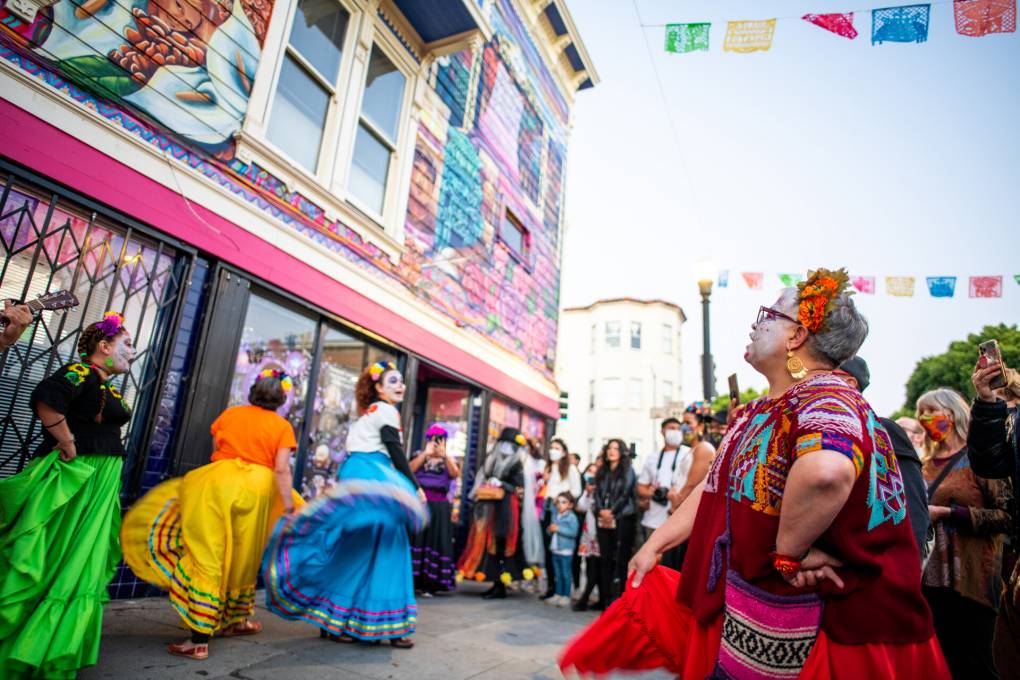
'To Also Celebrate the Living': Día de los Muertos Returns to the Mission
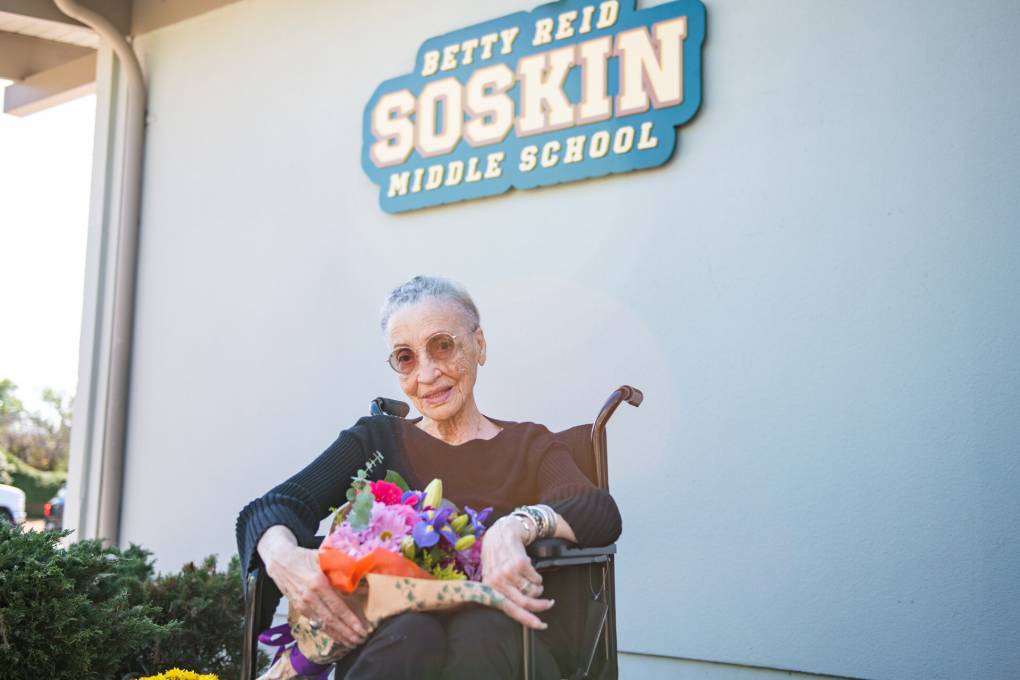
East Bay Middle School Renamed for Pioneering Park Ranger Betty Reid Soskin — on Her 100th Birthday
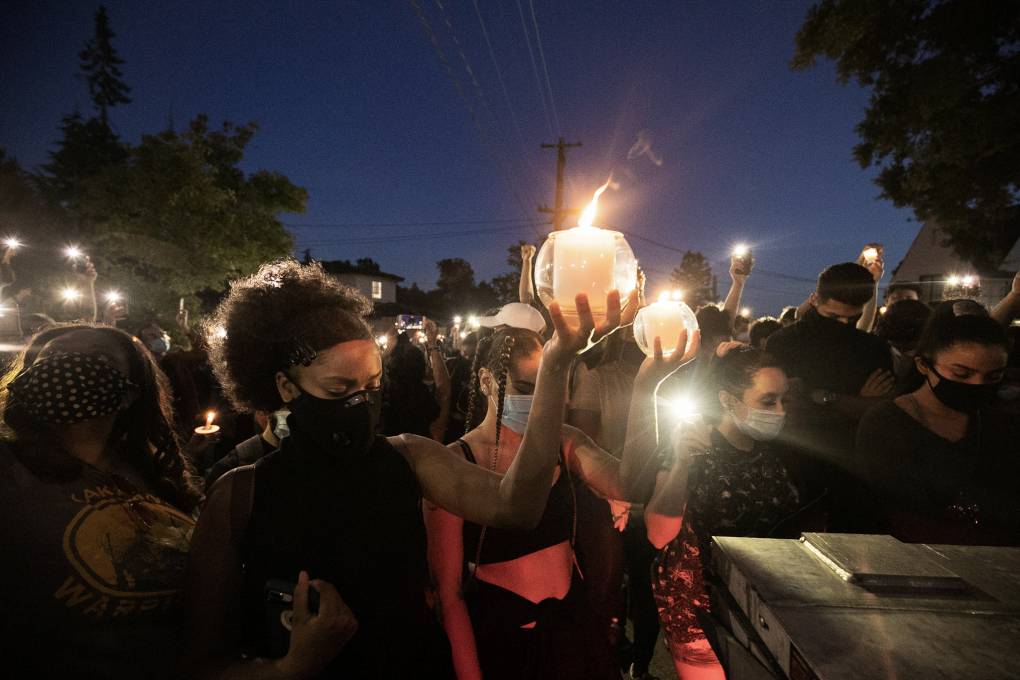
'Capturing What Matters:' An Oakland Photojournalist on Covering the George Floyd Protests 1 Year Ago
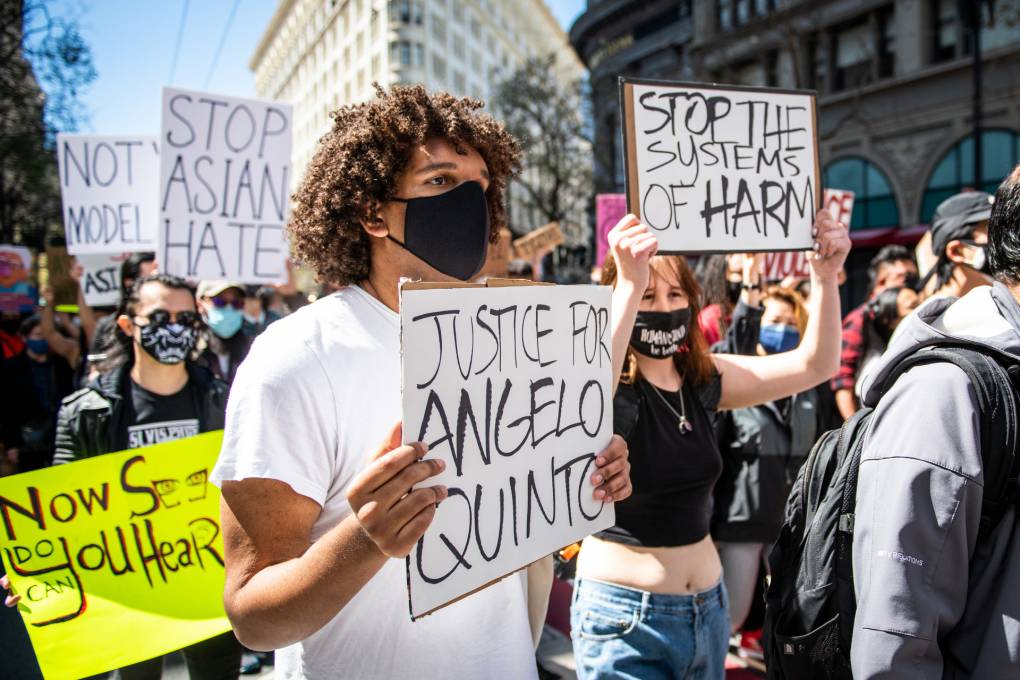
'Students Have Been Yelling for Decades': SF Youth-Led Rally for AAPI Community Remembers Angelo Quinto
20 Photos That Defined the Bay Area in 2020
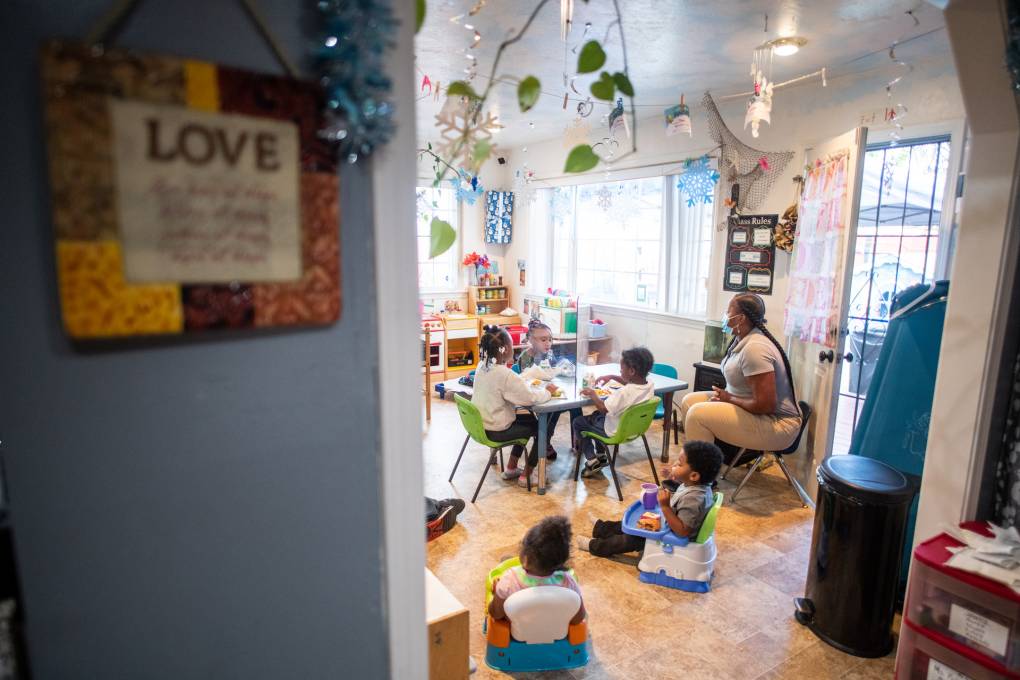
California's Child Care Providers Largely on Their Own to Struggle Through Pandemic
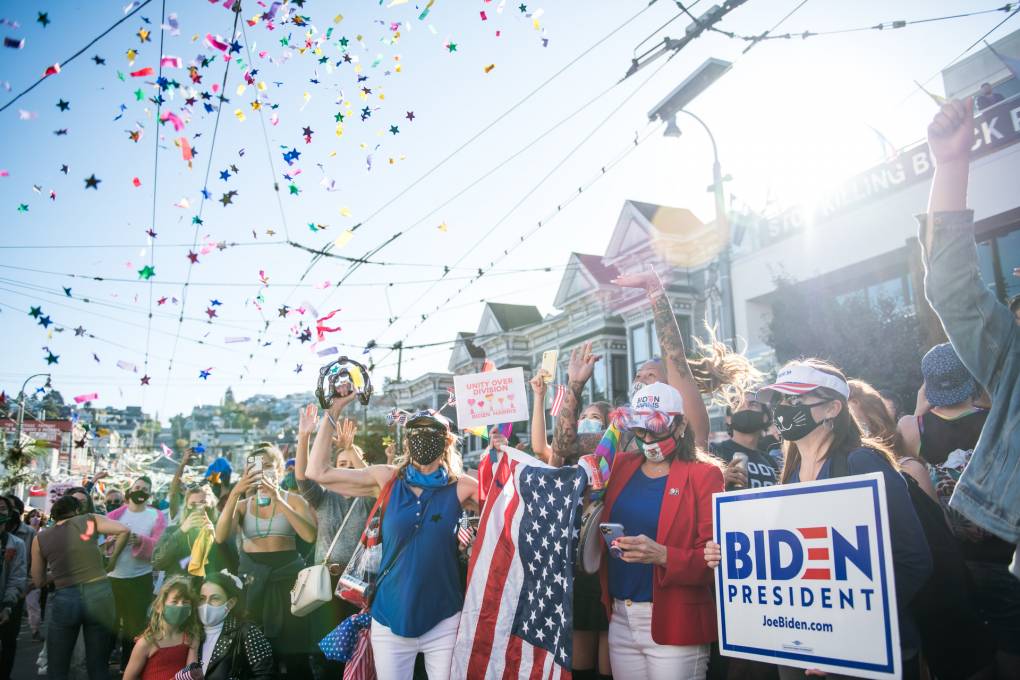
'It's Important That We Celebrate' – How the Bay Area Savored a Biden-Harris Victory
The Week in Photos — an Orange Sky to a Charred Big Basin
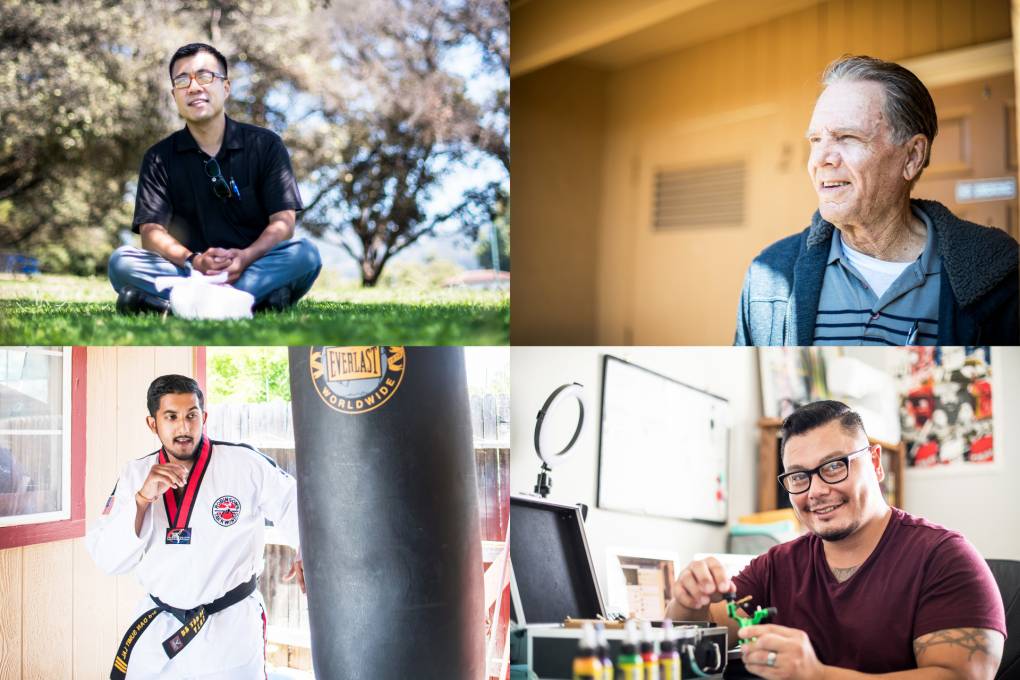
Released from San Quentin, Rebuilding Their Lives
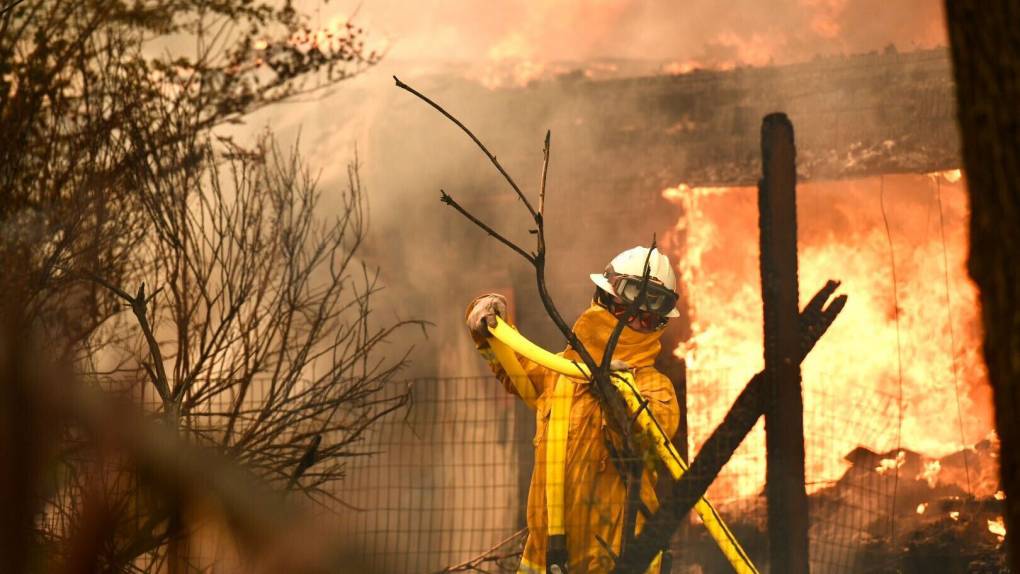
From Fighting Fires to Evacuating — The Week in Photos
Photos: Oakland and San Francisco Bike, Drive and Walk in Protest
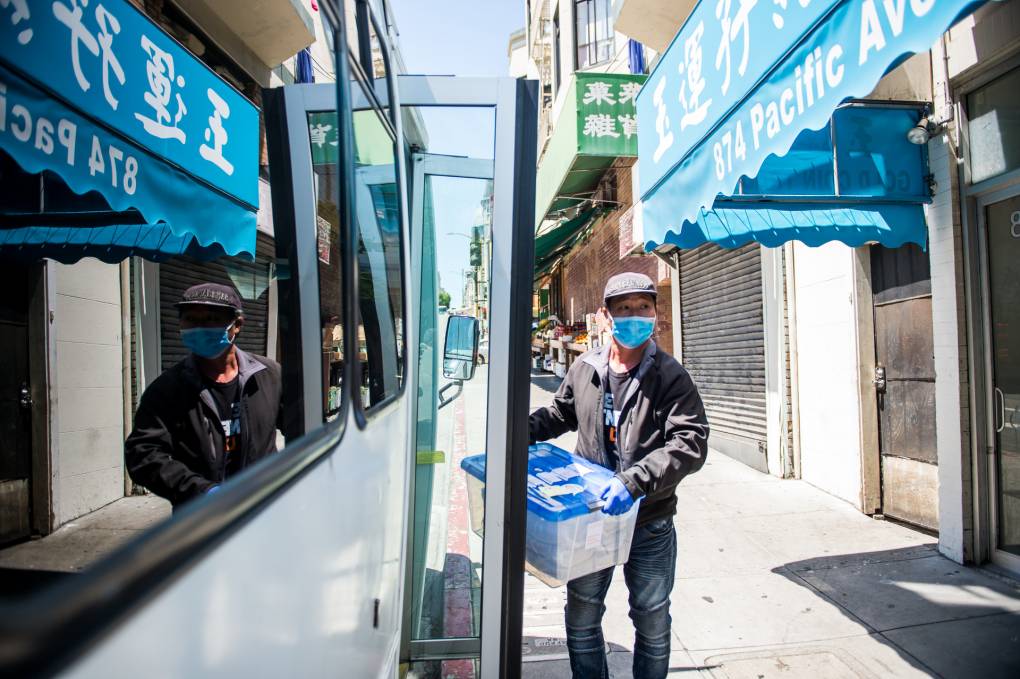
Chinatown Housing Group Feeds Vulnerable SRO Tenants – by Reviving Legacy Restaurants
window.__IS_SSR__=true
window.__INITIAL_STATE__={
"attachmentsReducer": {
"audio_0": {
"type": "attachments",
"id": "audio_0",
"imgSizes": {
"kqedFullSize": {
"file": "https://ww2.kqed.org/news/wp-content/themes/KQED-unified/img/audio_bgs/background0.jpg"
}
}
},
"audio_1": {
"type": "attachments",
"id": "audio_1",
"imgSizes": {
"kqedFullSize": {
"file": "https://ww2.kqed.org/news/wp-content/themes/KQED-unified/img/audio_bgs/background1.jpg"
}
}
},
"audio_2": {
"type": "attachments",
"id": "audio_2",
"imgSizes": {
"kqedFullSize": {
"file": "https://ww2.kqed.org/news/wp-content/themes/KQED-unified/img/audio_bgs/background2.jpg"
}
}
},
"audio_3": {
"type": "attachments",
"id": "audio_3",
"imgSizes": {
"kqedFullSize": {
"file": "https://ww2.kqed.org/news/wp-content/themes/KQED-unified/img/audio_bgs/background3.jpg"
}
}
},
"audio_4": {
"type": "attachments",
"id": "audio_4",
"imgSizes": {
"kqedFullSize": {
"file": "https://ww2.kqed.org/news/wp-content/themes/KQED-unified/img/audio_bgs/background4.jpg"
}
}
},
"placeholder": {
"type": "attachments",
"id": "placeholder",
"imgSizes": {
"thumbnail": {
"file": "https://cdn.kqed.org/wp-content/uploads/2024/12/KQED-Default-Image-816638274-2000x1333-1-160x107.jpg",
"width": 160,
"height": 107,
"mimeType": "image/jpeg"
},
"medium": {
"file": "https://cdn.kqed.org/wp-content/uploads/2024/12/KQED-Default-Image-816638274-2000x1333-1-800x533.jpg",
"width": 800,
"height": 533,
"mimeType": "image/jpeg"
},
"medium_large": {
"file": "https://cdn.kqed.org/wp-content/uploads/2024/12/KQED-Default-Image-816638274-2000x1333-1-768x512.jpg",
"width": 768,
"height": 512,
"mimeType": "image/jpeg"
},
"large": {
"file": "https://cdn.kqed.org/wp-content/uploads/2024/12/KQED-Default-Image-816638274-2000x1333-1-1020x680.jpg",
"width": 1020,
"height": 680,
"mimeType": "image/jpeg"
},
"1536x1536": {
"file": "https://cdn.kqed.org/wp-content/uploads/2024/12/KQED-Default-Image-816638274-2000x1333-1-1536x1024.jpg",
"width": 1536,
"height": 1024,
"mimeType": "image/jpeg"
},
"fd-lrg": {
"file": "https://cdn.kqed.org/wp-content/uploads/2024/12/KQED-Default-Image-816638274-2000x1333-1-1536x1024.jpg",
"width": 1536,
"height": 1024,
"mimeType": "image/jpeg"
},
"fd-med": {
"file": "https://cdn.kqed.org/wp-content/uploads/2024/12/KQED-Default-Image-816638274-2000x1333-1-1020x680.jpg",
"width": 1020,
"height": 680,
"mimeType": "image/jpeg"
},
"fd-sm": {
"file": "https://cdn.kqed.org/wp-content/uploads/2024/12/KQED-Default-Image-816638274-2000x1333-1-800x533.jpg",
"width": 800,
"height": 533,
"mimeType": "image/jpeg"
},
"post-thumbnail": {
"file": "https://cdn.kqed.org/wp-content/uploads/2024/12/KQED-Default-Image-816638274-2000x1333-1-672x372.jpg",
"width": 672,
"height": 372,
"mimeType": "image/jpeg"
},
"twentyfourteen-full-width": {
"file": "https://cdn.kqed.org/wp-content/uploads/2024/12/KQED-Default-Image-816638274-2000x1333-1-1038x576.jpg",
"width": 1038,
"height": 576,
"mimeType": "image/jpeg"
},
"xxsmall": {
"file": "https://cdn.kqed.org/wp-content/uploads/2024/12/KQED-Default-Image-816638274-2000x1333-1-160x107.jpg",
"width": 160,
"height": 107,
"mimeType": "image/jpeg"
},
"xsmall": {
"file": "https://cdn.kqed.org/wp-content/uploads/2024/12/KQED-Default-Image-816638274-2000x1333-1-672x372.jpg",
"width": 672,
"height": 372,
"mimeType": "image/jpeg"
},
"small": {
"file": "https://cdn.kqed.org/wp-content/uploads/2024/12/KQED-Default-Image-816638274-2000x1333-1-672x372.jpg",
"width": 672,
"height": 372,
"mimeType": "image/jpeg"
},
"xlarge": {
"file": "https://cdn.kqed.org/wp-content/uploads/2024/12/KQED-Default-Image-816638274-2000x1333-1-1020x680.jpg",
"width": 1020,
"height": 680,
"mimeType": "image/jpeg"
},
"full-width": {
"file": "https://cdn.kqed.org/wp-content/uploads/2024/12/KQED-Default-Image-816638274-2000x1333-1-1920x1280.jpg",
"width": 1920,
"height": 1280,
"mimeType": "image/jpeg"
},
"guest-author-32": {
"file": "https://cdn.kqed.org/wp-content/uploads/2025/01/KQED-Default-Image-816638274-1333x1333-1-160x160.jpg",
"width": 32,
"height": 32,
"mimeType": "image/jpeg"
},
"guest-author-50": {
"file": "https://cdn.kqed.org/wp-content/uploads/2025/01/KQED-Default-Image-816638274-1333x1333-1-160x160.jpg",
"width": 50,
"height": 50,
"mimeType": "image/jpeg"
},
"guest-author-64": {
"file": "https://cdn.kqed.org/wp-content/uploads/2025/01/KQED-Default-Image-816638274-1333x1333-1-160x160.jpg",
"width": 64,
"height": 64,
"mimeType": "image/jpeg"
},
"guest-author-96": {
"file": "https://cdn.kqed.org/wp-content/uploads/2025/01/KQED-Default-Image-816638274-1333x1333-1-160x160.jpg",
"width": 96,
"height": 96,
"mimeType": "image/jpeg"
},
"guest-author-128": {
"file": "https://cdn.kqed.org/wp-content/uploads/2025/01/KQED-Default-Image-816638274-1333x1333-1-160x160.jpg",
"width": 128,
"height": 128,
"mimeType": "image/jpeg"
},
"detail": {
"file": "https://cdn.kqed.org/wp-content/uploads/2025/01/KQED-Default-Image-816638274-1333x1333-1-160x160.jpg",
"width": 160,
"height": 160,
"mimeType": "image/jpeg"
},
"kqedFullSize": {
"file": "https://cdn.kqed.org/wp-content/uploads/2024/12/KQED-Default-Image-816638274-2000x1333-1.jpg",
"width": 2000,
"height": 1333
}
}
},
"news_11894965": {
"type": "attachments",
"id": "news_11894965",
"meta": {
"index": "attachments_1716263798",
"site": "news",
"id": "11894965",
"found": true
},
"parent": 11894929,
"imgSizes": {
"twentyfourteen-full-width": {
"file": "https://ww2.kqed.org/app/uploads/sites/10/2021/11/RS52336_016_SanFrancisco_DiadelosMuertos_11022021-qut-1038x576.jpg",
"width": 1038,
"mimeType": "image/jpeg",
"height": 576
},
"thumbnail": {
"file": "https://ww2.kqed.org/app/uploads/sites/10/2021/11/RS52336_016_SanFrancisco_DiadelosMuertos_11022021-qut-160x107.jpg",
"width": 160,
"mimeType": "image/jpeg",
"height": 107
},
"post-thumbnail": {
"file": "https://ww2.kqed.org/app/uploads/sites/10/2021/11/RS52336_016_SanFrancisco_DiadelosMuertos_11022021-qut-672x372.jpg",
"width": 672,
"mimeType": "image/jpeg",
"height": 372
},
"kqedFullSize": {
"file": "https://ww2.kqed.org/app/uploads/sites/10/2021/11/RS52336_016_SanFrancisco_DiadelosMuertos_11022021-qut.jpg",
"width": 1920,
"height": 1280
},
"large": {
"file": "https://ww2.kqed.org/app/uploads/sites/10/2021/11/RS52336_016_SanFrancisco_DiadelosMuertos_11022021-qut-1020x680.jpg",
"width": 1020,
"mimeType": "image/jpeg",
"height": 680
},
"1536x1536": {
"file": "https://ww2.kqed.org/app/uploads/sites/10/2021/11/RS52336_016_SanFrancisco_DiadelosMuertos_11022021-qut-1536x1024.jpg",
"width": 1536,
"mimeType": "image/jpeg",
"height": 1024
},
"medium": {
"file": "https://ww2.kqed.org/app/uploads/sites/10/2021/11/RS52336_016_SanFrancisco_DiadelosMuertos_11022021-qut-800x533.jpg",
"width": 800,
"mimeType": "image/jpeg",
"height": 533
}
},
"publishDate": 1635970182,
"modified": 1635991546,
"caption": "A community healing vigil and living ofrenda celebration on 24th and Capp streets in San Francisco on Nov. 2, 2021, part of the neighborhood's Día de los Muertos festivities. The vigil honored the memory of womxn, QTPOC, and children lost to violence.",
"description": null,
"title": "RS52336_016_SanFrancisco_DiadelosMuertos_11022021-qut",
"credit": "Beth LaBerge/KQED",
"status": "inherit",
"altTag": "Women with yellow, blue, red, and green skirts move on the sidewalk beneath a brightly colored mural on the side of a building.",
"isLoading": false,
"fetchFailed": false
},
"news_11889541": {
"type": "attachments",
"id": "news_11889541",
"meta": {
"index": "attachments_1716263798",
"site": "news",
"id": "11889541",
"found": true
},
"parent": 11889493,
"imgSizes": {
"twentyfourteen-full-width": {
"file": "https://ww2.kqed.org/app/uploads/sites/10/2021/09/RS51635_081_ElSobrante_BettyReidSoskinMiddleSchool_09222021-qut-1038x576.jpg",
"width": 1038,
"mimeType": "image/jpeg",
"height": 576
},
"thumbnail": {
"file": "https://ww2.kqed.org/app/uploads/sites/10/2021/09/RS51635_081_ElSobrante_BettyReidSoskinMiddleSchool_09222021-qut-160x107.jpg",
"width": 160,
"mimeType": "image/jpeg",
"height": 107
},
"post-thumbnail": {
"file": "https://ww2.kqed.org/app/uploads/sites/10/2021/09/RS51635_081_ElSobrante_BettyReidSoskinMiddleSchool_09222021-qut-672x372.jpg",
"width": 672,
"mimeType": "image/jpeg",
"height": 372
},
"kqedFullSize": {
"file": "https://ww2.kqed.org/app/uploads/sites/10/2021/09/RS51635_081_ElSobrante_BettyReidSoskinMiddleSchool_09222021-qut.jpg",
"width": 1920,
"height": 1280
},
"large": {
"file": "https://ww2.kqed.org/app/uploads/sites/10/2021/09/RS51635_081_ElSobrante_BettyReidSoskinMiddleSchool_09222021-qut-1020x680.jpg",
"width": 1020,
"mimeType": "image/jpeg",
"height": 680
},
"1536x1536": {
"file": "https://ww2.kqed.org/app/uploads/sites/10/2021/09/RS51635_081_ElSobrante_BettyReidSoskinMiddleSchool_09222021-qut-1536x1024.jpg",
"width": 1536,
"mimeType": "image/jpeg",
"height": 1024
},
"medium": {
"file": "https://ww2.kqed.org/app/uploads/sites/10/2021/09/RS51635_081_ElSobrante_BettyReidSoskinMiddleSchool_09222021-qut-800x533.jpg",
"width": 800,
"mimeType": "image/jpeg",
"height": 533
}
},
"publishDate": 1632349266,
"modified": 1632421728,
"caption": "Betty Reid Soskin poses beneath a sign for the newly renamed Betty Reid Soskin Middle School in El Sobrante during a renaming ceremony on her 100th birthday on Sept. 22, 2021.",
"description": null,
"title": "RS51635_081_ElSobrante_BettyReidSoskinMiddleSchool_09222021-qut",
"credit": "Beth LaBerge/KQED",
"status": "inherit",
"altTag": "Betty Reid Soskin, smiling, sits in a wheelchair and holds a bright bouquet of flowers.",
"isLoading": false,
"fetchFailed": false
},
"news_11875132": {
"type": "attachments",
"id": "news_11875132",
"meta": {
"index": "attachments_1716263798",
"site": "news",
"id": "11875132",
"found": true
},
"parent": 11875108,
"imgSizes": {
"twentyfourteen-full-width": {
"file": "https://ww2.kqed.org/app/uploads/sites/10/2021/05/floyd_george_mourn_june_2020-1038x576.jpg",
"width": 1038,
"mimeType": "image/jpeg",
"height": 576
},
"thumbnail": {
"file": "https://ww2.kqed.org/app/uploads/sites/10/2021/05/floyd_george_mourn_june_2020-160x107.jpg",
"width": 160,
"mimeType": "image/jpeg",
"height": 107
},
"post-thumbnail": {
"file": "https://ww2.kqed.org/app/uploads/sites/10/2021/05/floyd_george_mourn_june_2020-672x372.jpg",
"width": 672,
"mimeType": "image/jpeg",
"height": 372
},
"kqedFullSize": {
"file": "https://ww2.kqed.org/app/uploads/sites/10/2021/05/floyd_george_mourn_june_2020-e1621970492204.jpg",
"width": 1920,
"height": 1280
},
"large": {
"file": "https://ww2.kqed.org/app/uploads/sites/10/2021/05/floyd_george_mourn_june_2020-1020x680.jpg",
"width": 1020,
"mimeType": "image/jpeg",
"height": 680
},
"1536x1536": {
"file": "https://ww2.kqed.org/app/uploads/sites/10/2021/05/floyd_george_mourn_june_2020-1536x1024.jpg",
"width": 1536,
"mimeType": "image/jpeg",
"height": 1024
},
"full-width": {
"file": "https://ww2.kqed.org/app/uploads/sites/10/2021/05/floyd_george_mourn_june_2020-1920x1280.jpg",
"width": 1920,
"mimeType": "image/jpeg",
"height": 1280
},
"medium": {
"file": "https://ww2.kqed.org/app/uploads/sites/10/2021/05/floyd_george_mourn_june_2020-800x533.jpg",
"width": 800,
"mimeType": "image/jpeg",
"height": 533
}
},
"publishDate": 1621893344,
"modified": 1621972249,
"caption": "Protesters hold a candlelight vigil in June 2020 in remembrance of George Floyd, who had been murdered days earlier by a Minneapolis police officer. ",
"description": null,
"title": "floyd_george_mourn_june_2020",
"credit": "Courtesy of Amir Aziz",
"status": "inherit",
"altTag": "A candlelight ceremony at night to remember the death of George Floyd, who was murdered by a Minneapolis police officer.",
"isLoading": false,
"fetchFailed": false
},
"news_11866833": {
"type": "attachments",
"id": "news_11866833",
"meta": {
"index": "attachments_1716263798",
"site": "news",
"id": "11866833",
"found": true
},
"parent": 11866831,
"imgSizes": {
"twentyfourteen-full-width": {
"file": "https://ww2.kqed.org/app/uploads/sites/10/2021/03/Feature_RS48144_023_SanFrancisco_RiseUpRally_03262021-qut-1038x576.jpg",
"width": 1038,
"mimeType": "image/jpeg",
"height": 576
},
"thumbnail": {
"file": "https://ww2.kqed.org/app/uploads/sites/10/2021/03/Feature_RS48144_023_SanFrancisco_RiseUpRally_03262021-qut-160x107.jpg",
"width": 160,
"mimeType": "image/jpeg",
"height": 107
},
"post-thumbnail": {
"file": "https://ww2.kqed.org/app/uploads/sites/10/2021/03/Feature_RS48144_023_SanFrancisco_RiseUpRally_03262021-qut-672x372.jpg",
"width": 672,
"mimeType": "image/jpeg",
"height": 372
},
"kqedFullSize": {
"file": "https://ww2.kqed.org/app/uploads/sites/10/2021/03/Feature_RS48144_023_SanFrancisco_RiseUpRally_03262021-qut.jpg",
"width": 1920,
"height": 1280
},
"large": {
"file": "https://ww2.kqed.org/app/uploads/sites/10/2021/03/Feature_RS48144_023_SanFrancisco_RiseUpRally_03262021-qut-1020x680.jpg",
"width": 1020,
"mimeType": "image/jpeg",
"height": 680
},
"1536x1536": {
"file": "https://ww2.kqed.org/app/uploads/sites/10/2021/03/Feature_RS48144_023_SanFrancisco_RiseUpRally_03262021-qut-1536x1024.jpg",
"width": 1536,
"mimeType": "image/jpeg",
"height": 1024
},
"medium": {
"file": "https://ww2.kqed.org/app/uploads/sites/10/2021/03/Feature_RS48144_023_SanFrancisco_RiseUpRally_03262021-qut-800x533.jpg",
"width": 800,
"mimeType": "image/jpeg",
"height": 533
}
},
"publishDate": 1616882797,
"modified": 1617042619,
"caption": "A demonstrator holds a sign that says 'Justice for Angelo Quinto' during a student-led rally to show solidarity with the Asian American community and bring awareness to the death of Angelo Quinto, in San Francisco on March 26, 2021.",
"description": null,
"title": "Feature_RS48144_023_SanFrancisco_RiseUpRally_03262021-qut",
"credit": "Beth LaBerge/KQED",
"status": "inherit",
"altTag": "A demonstrator holds a sign that says, 'Justice for Angelo Quinto' during a student-led rally to show solidarity with the Asian American community and bring awareness to the death of Angelo Quinto, in San Francisco on March 26, 2021.",
"isLoading": false,
"fetchFailed": false
},
"news_11851461": {
"type": "attachments",
"id": "news_11851461",
"meta": {
"index": "attachments_1716263798",
"site": "news",
"id": "11851461",
"found": true
},
"parent": 11851450,
"imgSizes": {
"apple_news_ca_landscape_5_5": {
"file": "https://ww2.kqed.org/app/uploads/sites/10/2020/12/009_KQED_Oakland_BriannaNoble_05292020-1044x783.jpg",
"width": 1044,
"mimeType": "image/jpeg",
"height": 783
},
"apple_news_ca_square_4_0": {
"file": "https://ww2.kqed.org/app/uploads/sites/10/2020/12/009_KQED_Oakland_BriannaNoble_05292020-470x470.jpg",
"width": 470,
"mimeType": "image/jpeg",
"height": 470
},
"twentyfourteen-full-width": {
"file": "https://ww2.kqed.org/app/uploads/sites/10/2020/12/009_KQED_Oakland_BriannaNoble_05292020-1038x576.jpg",
"width": 1038,
"mimeType": "image/jpeg",
"height": 576
},
"thumbnail": {
"file": "https://ww2.kqed.org/app/uploads/sites/10/2020/12/009_KQED_Oakland_BriannaNoble_05292020-160x107.jpg",
"width": 160,
"mimeType": "image/jpeg",
"height": 107
},
"post-thumbnail": {
"file": "https://ww2.kqed.org/app/uploads/sites/10/2020/12/009_KQED_Oakland_BriannaNoble_05292020-672x372.jpg",
"width": 672,
"mimeType": "image/jpeg",
"height": 372
},
"kqedFullSize": {
"file": "https://ww2.kqed.org/app/uploads/sites/10/2020/12/009_KQED_Oakland_BriannaNoble_05292020-e1608235487751.jpg",
"width": 1920,
"height": 1280
},
"apple_news_ca_landscape_4_7": {
"file": "https://ww2.kqed.org/app/uploads/sites/10/2020/12/009_KQED_Oakland_BriannaNoble_05292020-632x474.jpg",
"width": 632,
"mimeType": "image/jpeg",
"height": 474
},
"large": {
"file": "https://ww2.kqed.org/app/uploads/sites/10/2020/12/009_KQED_Oakland_BriannaNoble_05292020-1020x680.jpg",
"width": 1020,
"mimeType": "image/jpeg",
"height": 680
},
"apple_news_ca_landscape_4_0": {
"file": "https://ww2.kqed.org/app/uploads/sites/10/2020/12/009_KQED_Oakland_BriannaNoble_05292020-536x402.jpg",
"width": 536,
"mimeType": "image/jpeg",
"height": 402
},
"apple_news_ca_portrait_12_9": {
"file": "https://ww2.kqed.org/app/uploads/sites/10/2020/12/009_KQED_Oakland_BriannaNoble_05292020-1122x1280.jpg",
"width": 1122,
"mimeType": "image/jpeg",
"height": 1280
},
"medium": {
"file": "https://ww2.kqed.org/app/uploads/sites/10/2020/12/009_KQED_Oakland_BriannaNoble_05292020-800x533.jpg",
"width": 800,
"mimeType": "image/jpeg",
"height": 533
},
"apple_news_ca_portrait_4_0": {
"file": "https://ww2.kqed.org/app/uploads/sites/10/2020/12/009_KQED_Oakland_BriannaNoble_05292020-354x472.jpg",
"width": 354,
"mimeType": "image/jpeg",
"height": 472
},
"apple_news_ca_portrait_9_7": {
"file": "https://ww2.kqed.org/app/uploads/sites/10/2020/12/009_KQED_Oakland_BriannaNoble_05292020-840x1120.jpg",
"width": 840,
"mimeType": "image/jpeg",
"height": 1120
},
"apple_news_ca_landscape_12_9": {
"file": "https://ww2.kqed.org/app/uploads/sites/10/2020/12/009_KQED_Oakland_BriannaNoble_05292020-1832x1280.jpg",
"width": 1832,
"mimeType": "image/jpeg",
"height": 1280
},
"apple_news_ca_square_9_7": {
"file": "https://ww2.kqed.org/app/uploads/sites/10/2020/12/009_KQED_Oakland_BriannaNoble_05292020-1104x1104.jpg",
"width": 1104,
"mimeType": "image/jpeg",
"height": 1104
},
"1536x1536": {
"file": "https://ww2.kqed.org/app/uploads/sites/10/2020/12/009_KQED_Oakland_BriannaNoble_05292020-1536x1024.jpg",
"width": 1536,
"mimeType": "image/jpeg",
"height": 1024
},
"apple_news_ca_portrait_4_7": {
"file": "https://ww2.kqed.org/app/uploads/sites/10/2020/12/009_KQED_Oakland_BriannaNoble_05292020-414x552.jpg",
"width": 414,
"mimeType": "image/jpeg",
"height": 552
},
"apple_news_ca_square_12_9": {
"file": "https://ww2.kqed.org/app/uploads/sites/10/2020/12/009_KQED_Oakland_BriannaNoble_05292020-1472x1280.jpg",
"width": 1472,
"mimeType": "image/jpeg",
"height": 1280
},
"apple_news_ca_portrait_5_5": {
"file": "https://ww2.kqed.org/app/uploads/sites/10/2020/12/009_KQED_Oakland_BriannaNoble_05292020-687x916.jpg",
"width": 687,
"mimeType": "image/jpeg",
"height": 916
},
"apple_news_ca_square_4_7": {
"file": "https://ww2.kqed.org/app/uploads/sites/10/2020/12/009_KQED_Oakland_BriannaNoble_05292020-550x550.jpg",
"width": 550,
"mimeType": "image/jpeg",
"height": 550
},
"apple_news_ca_landscape_9_7": {
"file": "https://ww2.kqed.org/app/uploads/sites/10/2020/12/009_KQED_Oakland_BriannaNoble_05292020-1376x1032.jpg",
"width": 1376,
"mimeType": "image/jpeg",
"height": 1032
},
"apple_news_ca_square_5_5": {
"file": "https://ww2.kqed.org/app/uploads/sites/10/2020/12/009_KQED_Oakland_BriannaNoble_05292020-912x912.jpg",
"width": 912,
"mimeType": "image/jpeg",
"height": 912
}
},
"publishDate": 1608155234,
"modified": 1608238899,
"caption": null,
"description": "Brianna Noble rides her horse Dapper Dan down Broadway in Oakland on May 29, 2020.",
"title": "009_KQED_Oakland_BriannaNoble_05292020",
"credit": "Beth LaBerge/KQED",
"status": "inherit",
"altTag": null,
"isLoading": false,
"fetchFailed": false
},
"news_11851370": {
"type": "attachments",
"id": "news_11851370",
"meta": {
"index": "attachments_1716263798",
"site": "news",
"id": "11851370",
"found": true
},
"parent": 11851365,
"imgSizes": {
"apple_news_ca_landscape_5_5": {
"file": "https://ww2.kqed.org/app/uploads/sites/10/2020/12/RS46403_007_KQED_Hayward_Daycare_12152020-qut-1044x783.jpg",
"width": 1044,
"mimeType": "image/jpeg",
"height": 783
},
"apple_news_ca_square_4_0": {
"file": "https://ww2.kqed.org/app/uploads/sites/10/2020/12/RS46403_007_KQED_Hayward_Daycare_12152020-qut-470x470.jpg",
"width": 470,
"mimeType": "image/jpeg",
"height": 470
},
"twentyfourteen-full-width": {
"file": "https://ww2.kqed.org/app/uploads/sites/10/2020/12/RS46403_007_KQED_Hayward_Daycare_12152020-qut-1038x576.jpg",
"width": 1038,
"mimeType": "image/jpeg",
"height": 576
},
"thumbnail": {
"file": "https://ww2.kqed.org/app/uploads/sites/10/2020/12/RS46403_007_KQED_Hayward_Daycare_12152020-qut-160x107.jpg",
"width": 160,
"mimeType": "image/jpeg",
"height": 107
},
"post-thumbnail": {
"file": "https://ww2.kqed.org/app/uploads/sites/10/2020/12/RS46403_007_KQED_Hayward_Daycare_12152020-qut-672x372.jpg",
"width": 672,
"mimeType": "image/jpeg",
"height": 372
},
"kqedFullSize": {
"file": "https://ww2.kqed.org/app/uploads/sites/10/2020/12/RS46403_007_KQED_Hayward_Daycare_12152020-qut.jpg",
"width": 1920,
"height": 1280
},
"apple_news_ca_landscape_4_7": {
"file": "https://ww2.kqed.org/app/uploads/sites/10/2020/12/RS46403_007_KQED_Hayward_Daycare_12152020-qut-632x474.jpg",
"width": 632,
"mimeType": "image/jpeg",
"height": 474
},
"large": {
"file": "https://ww2.kqed.org/app/uploads/sites/10/2020/12/RS46403_007_KQED_Hayward_Daycare_12152020-qut-1020x680.jpg",
"width": 1020,
"mimeType": "image/jpeg",
"height": 680
},
"apple_news_ca_landscape_4_0": {
"file": "https://ww2.kqed.org/app/uploads/sites/10/2020/12/RS46403_007_KQED_Hayward_Daycare_12152020-qut-536x402.jpg",
"width": 536,
"mimeType": "image/jpeg",
"height": 402
},
"apple_news_ca_portrait_12_9": {
"file": "https://ww2.kqed.org/app/uploads/sites/10/2020/12/RS46403_007_KQED_Hayward_Daycare_12152020-qut-1122x1280.jpg",
"width": 1122,
"mimeType": "image/jpeg",
"height": 1280
},
"medium": {
"file": "https://ww2.kqed.org/app/uploads/sites/10/2020/12/RS46403_007_KQED_Hayward_Daycare_12152020-qut-800x533.jpg",
"width": 800,
"mimeType": "image/jpeg",
"height": 533
},
"apple_news_ca_portrait_4_0": {
"file": "https://ww2.kqed.org/app/uploads/sites/10/2020/12/RS46403_007_KQED_Hayward_Daycare_12152020-qut-354x472.jpg",
"width": 354,
"mimeType": "image/jpeg",
"height": 472
},
"apple_news_ca_portrait_9_7": {
"file": "https://ww2.kqed.org/app/uploads/sites/10/2020/12/RS46403_007_KQED_Hayward_Daycare_12152020-qut-840x1120.jpg",
"width": 840,
"mimeType": "image/jpeg",
"height": 1120
},
"apple_news_ca_landscape_12_9": {
"file": "https://ww2.kqed.org/app/uploads/sites/10/2020/12/RS46403_007_KQED_Hayward_Daycare_12152020-qut-1832x1280.jpg",
"width": 1832,
"mimeType": "image/jpeg",
"height": 1280
},
"apple_news_ca_square_9_7": {
"file": "https://ww2.kqed.org/app/uploads/sites/10/2020/12/RS46403_007_KQED_Hayward_Daycare_12152020-qut-1104x1104.jpg",
"width": 1104,
"mimeType": "image/jpeg",
"height": 1104
},
"1536x1536": {
"file": "https://ww2.kqed.org/app/uploads/sites/10/2020/12/RS46403_007_KQED_Hayward_Daycare_12152020-qut-1536x1024.jpg",
"width": 1536,
"mimeType": "image/jpeg",
"height": 1024
},
"apple_news_ca_portrait_4_7": {
"file": "https://ww2.kqed.org/app/uploads/sites/10/2020/12/RS46403_007_KQED_Hayward_Daycare_12152020-qut-414x552.jpg",
"width": 414,
"mimeType": "image/jpeg",
"height": 552
},
"apple_news_ca_square_12_9": {
"file": "https://ww2.kqed.org/app/uploads/sites/10/2020/12/RS46403_007_KQED_Hayward_Daycare_12152020-qut-1472x1280.jpg",
"width": 1472,
"mimeType": "image/jpeg",
"height": 1280
},
"apple_news_ca_portrait_5_5": {
"file": "https://ww2.kqed.org/app/uploads/sites/10/2020/12/RS46403_007_KQED_Hayward_Daycare_12152020-qut-687x916.jpg",
"width": 687,
"mimeType": "image/jpeg",
"height": 916
},
"apple_news_ca_square_4_7": {
"file": "https://ww2.kqed.org/app/uploads/sites/10/2020/12/RS46403_007_KQED_Hayward_Daycare_12152020-qut-550x550.jpg",
"width": 550,
"mimeType": "image/jpeg",
"height": 550
},
"apple_news_ca_landscape_9_7": {
"file": "https://ww2.kqed.org/app/uploads/sites/10/2020/12/RS46403_007_KQED_Hayward_Daycare_12152020-qut-1376x1032.jpg",
"width": 1376,
"mimeType": "image/jpeg",
"height": 1032
},
"apple_news_ca_square_5_5": {
"file": "https://ww2.kqed.org/app/uploads/sites/10/2020/12/RS46403_007_KQED_Hayward_Daycare_12152020-qut-912x912.jpg",
"width": 912,
"mimeType": "image/jpeg",
"height": 912
}
},
"publishDate": 1608147317,
"modified": 1608320818,
"caption": "Katina Richardson sits with the children in the day care that she runs in Hayward on Dec. 15, 2020.",
"description": "Katina Richardson sits with the children in the daycare that she runs in Hayward on Dec. 15, 2020.",
"title": "RS46403_007_KQED_Hayward_Daycare_12152020-qut",
"credit": "Beth LaBerge/KQED",
"status": "inherit",
"altTag": null,
"isLoading": false,
"fetchFailed": false
},
"news_11846915": {
"type": "attachments",
"id": "news_11846915",
"meta": {
"index": "attachments_1716263798",
"site": "news",
"id": "11846915",
"found": true
},
"parent": 11846896,
"imgSizes": {
"apple_news_ca_landscape_5_5": {
"file": "https://ww2.kqed.org/app/uploads/sites/10/2020/11/A_RS45821_069_KQED_SanFrancisco_BidenHarrisCelebration_11072020-qut-1044x783.jpg",
"width": 1044,
"mimeType": "image/jpeg",
"height": 783
},
"apple_news_ca_square_4_0": {
"file": "https://ww2.kqed.org/app/uploads/sites/10/2020/11/A_RS45821_069_KQED_SanFrancisco_BidenHarrisCelebration_11072020-qut-470x470.jpg",
"width": 470,
"mimeType": "image/jpeg",
"height": 470
},
"twentyfourteen-full-width": {
"file": "https://ww2.kqed.org/app/uploads/sites/10/2020/11/A_RS45821_069_KQED_SanFrancisco_BidenHarrisCelebration_11072020-qut-1038x576.jpg",
"width": 1038,
"mimeType": "image/jpeg",
"height": 576
},
"thumbnail": {
"file": "https://ww2.kqed.org/app/uploads/sites/10/2020/11/A_RS45821_069_KQED_SanFrancisco_BidenHarrisCelebration_11072020-qut-160x107.jpg",
"width": 160,
"mimeType": "image/jpeg",
"height": 107
},
"post-thumbnail": {
"file": "https://ww2.kqed.org/app/uploads/sites/10/2020/11/A_RS45821_069_KQED_SanFrancisco_BidenHarrisCelebration_11072020-qut-672x372.jpg",
"width": 672,
"mimeType": "image/jpeg",
"height": 372
},
"kqedFullSize": {
"file": "https://ww2.kqed.org/app/uploads/sites/10/2020/11/A_RS45821_069_KQED_SanFrancisco_BidenHarrisCelebration_11072020-qut.jpg",
"width": 1920,
"height": 1280
},
"apple_news_ca_landscape_4_7": {
"file": "https://ww2.kqed.org/app/uploads/sites/10/2020/11/A_RS45821_069_KQED_SanFrancisco_BidenHarrisCelebration_11072020-qut-632x474.jpg",
"width": 632,
"mimeType": "image/jpeg",
"height": 474
},
"large": {
"file": "https://ww2.kqed.org/app/uploads/sites/10/2020/11/A_RS45821_069_KQED_SanFrancisco_BidenHarrisCelebration_11072020-qut-1020x680.jpg",
"width": 1020,
"mimeType": "image/jpeg",
"height": 680
},
"apple_news_ca_landscape_4_0": {
"file": "https://ww2.kqed.org/app/uploads/sites/10/2020/11/A_RS45821_069_KQED_SanFrancisco_BidenHarrisCelebration_11072020-qut-536x402.jpg",
"width": 536,
"mimeType": "image/jpeg",
"height": 402
},
"apple_news_ca_portrait_12_9": {
"file": "https://ww2.kqed.org/app/uploads/sites/10/2020/11/A_RS45821_069_KQED_SanFrancisco_BidenHarrisCelebration_11072020-qut-1122x1280.jpg",
"width": 1122,
"mimeType": "image/jpeg",
"height": 1280
},
"medium": {
"file": "https://ww2.kqed.org/app/uploads/sites/10/2020/11/A_RS45821_069_KQED_SanFrancisco_BidenHarrisCelebration_11072020-qut-800x533.jpg",
"width": 800,
"mimeType": "image/jpeg",
"height": 533
},
"apple_news_ca_portrait_4_0": {
"file": "https://ww2.kqed.org/app/uploads/sites/10/2020/11/A_RS45821_069_KQED_SanFrancisco_BidenHarrisCelebration_11072020-qut-354x472.jpg",
"width": 354,
"mimeType": "image/jpeg",
"height": 472
},
"apple_news_ca_portrait_9_7": {
"file": "https://ww2.kqed.org/app/uploads/sites/10/2020/11/A_RS45821_069_KQED_SanFrancisco_BidenHarrisCelebration_11072020-qut-840x1120.jpg",
"width": 840,
"mimeType": "image/jpeg",
"height": 1120
},
"apple_news_ca_landscape_12_9": {
"file": "https://ww2.kqed.org/app/uploads/sites/10/2020/11/A_RS45821_069_KQED_SanFrancisco_BidenHarrisCelebration_11072020-qut-1832x1280.jpg",
"width": 1832,
"mimeType": "image/jpeg",
"height": 1280
},
"apple_news_ca_square_9_7": {
"file": "https://ww2.kqed.org/app/uploads/sites/10/2020/11/A_RS45821_069_KQED_SanFrancisco_BidenHarrisCelebration_11072020-qut-1104x1104.jpg",
"width": 1104,
"mimeType": "image/jpeg",
"height": 1104
},
"1536x1536": {
"file": "https://ww2.kqed.org/app/uploads/sites/10/2020/11/A_RS45821_069_KQED_SanFrancisco_BidenHarrisCelebration_11072020-qut-1536x1024.jpg",
"width": 1536,
"mimeType": "image/jpeg",
"height": 1024
},
"apple_news_ca_portrait_4_7": {
"file": "https://ww2.kqed.org/app/uploads/sites/10/2020/11/A_RS45821_069_KQED_SanFrancisco_BidenHarrisCelebration_11072020-qut-414x552.jpg",
"width": 414,
"mimeType": "image/jpeg",
"height": 552
},
"apple_news_ca_square_12_9": {
"file": "https://ww2.kqed.org/app/uploads/sites/10/2020/11/A_RS45821_069_KQED_SanFrancisco_BidenHarrisCelebration_11072020-qut-1472x1280.jpg",
"width": 1472,
"mimeType": "image/jpeg",
"height": 1280
},
"apple_news_ca_portrait_5_5": {
"file": "https://ww2.kqed.org/app/uploads/sites/10/2020/11/A_RS45821_069_KQED_SanFrancisco_BidenHarrisCelebration_11072020-qut-687x916.jpg",
"width": 687,
"mimeType": "image/jpeg",
"height": 916
},
"apple_news_ca_square_4_7": {
"file": "https://ww2.kqed.org/app/uploads/sites/10/2020/11/A_RS45821_069_KQED_SanFrancisco_BidenHarrisCelebration_11072020-qut-550x550.jpg",
"width": 550,
"mimeType": "image/jpeg",
"height": 550
},
"apple_news_ca_landscape_9_7": {
"file": "https://ww2.kqed.org/app/uploads/sites/10/2020/11/A_RS45821_069_KQED_SanFrancisco_BidenHarrisCelebration_11072020-qut-1376x1032.jpg",
"width": 1376,
"mimeType": "image/jpeg",
"height": 1032
},
"apple_news_ca_square_5_5": {
"file": "https://ww2.kqed.org/app/uploads/sites/10/2020/11/A_RS45821_069_KQED_SanFrancisco_BidenHarrisCelebration_11072020-qut-912x912.jpg",
"width": 912,
"mimeType": "image/jpeg",
"height": 912
}
},
"publishDate": 1605049611,
"modified": 1605049856,
"caption": "Hundreds of supporters of President-elect Joe Biden and Vice President-elect Kamala Harris take to the streets of the Castro in San Francisco on Nov. 7, 2020, to celebrate their victory.",
"description": null,
"title": "A_RS45821_069_KQED_SanFrancisco_BidenHarrisCelebration_11072020-qut",
"credit": "Beth LaBerge/KQED",
"status": "inherit",
"isLoading": false,
"fetchFailed": false
},
"news_11837797": {
"type": "attachments",
"id": "news_11837797",
"meta": {
"index": "attachments_1716263798",
"site": "news",
"id": "11837797",
"found": true
},
"parent": 11837787,
"imgSizes": {
"apple_news_ca_landscape_5_5": {
"file": "https://ww2.kqed.org/app/uploads/sites/10/2020/09/10.RS44875_068_KQED_BigBasin_Fire_09102020-qut-1044x783.jpg",
"width": 1044,
"mimeType": "image/jpeg",
"height": 783
},
"apple_news_ca_square_4_0": {
"file": "https://ww2.kqed.org/app/uploads/sites/10/2020/09/10.RS44875_068_KQED_BigBasin_Fire_09102020-qut-470x470.jpg",
"width": 470,
"mimeType": "image/jpeg",
"height": 470
},
"twentyfourteen-full-width": {
"file": "https://ww2.kqed.org/app/uploads/sites/10/2020/09/10.RS44875_068_KQED_BigBasin_Fire_09102020-qut-1038x576.jpg",
"width": 1038,
"mimeType": "image/jpeg",
"height": 576
},
"thumbnail": {
"file": "https://ww2.kqed.org/app/uploads/sites/10/2020/09/10.RS44875_068_KQED_BigBasin_Fire_09102020-qut-160x107.jpg",
"width": 160,
"mimeType": "image/jpeg",
"height": 107
},
"post-thumbnail": {
"file": "https://ww2.kqed.org/app/uploads/sites/10/2020/09/10.RS44875_068_KQED_BigBasin_Fire_09102020-qut-672x372.jpg",
"width": 672,
"mimeType": "image/jpeg",
"height": 372
},
"kqedFullSize": {
"file": "https://ww2.kqed.org/app/uploads/sites/10/2020/09/10.RS44875_068_KQED_BigBasin_Fire_09102020-qut.jpg",
"width": 1920,
"height": 1280
},
"apple_news_ca_landscape_4_7": {
"file": "https://ww2.kqed.org/app/uploads/sites/10/2020/09/10.RS44875_068_KQED_BigBasin_Fire_09102020-qut-632x474.jpg",
"width": 632,
"mimeType": "image/jpeg",
"height": 474
},
"large": {
"file": "https://ww2.kqed.org/app/uploads/sites/10/2020/09/10.RS44875_068_KQED_BigBasin_Fire_09102020-qut-1020x680.jpg",
"width": 1020,
"mimeType": "image/jpeg",
"height": 680
},
"apple_news_ca_landscape_4_0": {
"file": "https://ww2.kqed.org/app/uploads/sites/10/2020/09/10.RS44875_068_KQED_BigBasin_Fire_09102020-qut-536x402.jpg",
"width": 536,
"mimeType": "image/jpeg",
"height": 402
},
"apple_news_ca_portrait_12_9": {
"file": "https://ww2.kqed.org/app/uploads/sites/10/2020/09/10.RS44875_068_KQED_BigBasin_Fire_09102020-qut-1122x1280.jpg",
"width": 1122,
"mimeType": "image/jpeg",
"height": 1280
},
"medium": {
"file": "https://ww2.kqed.org/app/uploads/sites/10/2020/09/10.RS44875_068_KQED_BigBasin_Fire_09102020-qut-800x533.jpg",
"width": 800,
"mimeType": "image/jpeg",
"height": 533
},
"apple_news_ca_portrait_4_0": {
"file": "https://ww2.kqed.org/app/uploads/sites/10/2020/09/10.RS44875_068_KQED_BigBasin_Fire_09102020-qut-354x472.jpg",
"width": 354,
"mimeType": "image/jpeg",
"height": 472
},
"apple_news_ca_portrait_9_7": {
"file": "https://ww2.kqed.org/app/uploads/sites/10/2020/09/10.RS44875_068_KQED_BigBasin_Fire_09102020-qut-840x1120.jpg",
"width": 840,
"mimeType": "image/jpeg",
"height": 1120
},
"apple_news_ca_landscape_12_9": {
"file": "https://ww2.kqed.org/app/uploads/sites/10/2020/09/10.RS44875_068_KQED_BigBasin_Fire_09102020-qut-1832x1280.jpg",
"width": 1832,
"mimeType": "image/jpeg",
"height": 1280
},
"apple_news_ca_square_9_7": {
"file": "https://ww2.kqed.org/app/uploads/sites/10/2020/09/10.RS44875_068_KQED_BigBasin_Fire_09102020-qut-1104x1104.jpg",
"width": 1104,
"mimeType": "image/jpeg",
"height": 1104
},
"1536x1536": {
"file": "https://ww2.kqed.org/app/uploads/sites/10/2020/09/10.RS44875_068_KQED_BigBasin_Fire_09102020-qut-1536x1024.jpg",
"width": 1536,
"mimeType": "image/jpeg",
"height": 1024
},
"apple_news_ca_portrait_4_7": {
"file": "https://ww2.kqed.org/app/uploads/sites/10/2020/09/10.RS44875_068_KQED_BigBasin_Fire_09102020-qut-414x552.jpg",
"width": 414,
"mimeType": "image/jpeg",
"height": 552
},
"apple_news_ca_square_12_9": {
"file": "https://ww2.kqed.org/app/uploads/sites/10/2020/09/10.RS44875_068_KQED_BigBasin_Fire_09102020-qut-1472x1280.jpg",
"width": 1472,
"mimeType": "image/jpeg",
"height": 1280
},
"apple_news_ca_portrait_5_5": {
"file": "https://ww2.kqed.org/app/uploads/sites/10/2020/09/10.RS44875_068_KQED_BigBasin_Fire_09102020-qut-687x916.jpg",
"width": 687,
"mimeType": "image/jpeg",
"height": 916
},
"apple_news_ca_square_4_7": {
"file": "https://ww2.kqed.org/app/uploads/sites/10/2020/09/10.RS44875_068_KQED_BigBasin_Fire_09102020-qut-550x550.jpg",
"width": 550,
"mimeType": "image/jpeg",
"height": 550
},
"apple_news_ca_landscape_9_7": {
"file": "https://ww2.kqed.org/app/uploads/sites/10/2020/09/10.RS44875_068_KQED_BigBasin_Fire_09102020-qut-1376x1032.jpg",
"width": 1376,
"mimeType": "image/jpeg",
"height": 1032
},
"apple_news_ca_square_5_5": {
"file": "https://ww2.kqed.org/app/uploads/sites/10/2020/09/10.RS44875_068_KQED_BigBasin_Fire_09102020-qut-912x912.jpg",
"width": 912,
"mimeType": "image/jpeg",
"height": 912
}
},
"publishDate": 1600013423,
"modified": 1600119354,
"caption": "Sandra Raya, Senior Park Aid for Interpretors, looks at a burned redwood branches at Big Basin Redwoods State Park on Sept. 10, 2020.",
"description": null,
"title": "_10.RS44875_068_KQED_BigBasin_Fire_09102020-qut",
"credit": "Beth LaBerge/KQED",
"status": "inherit",
"isLoading": false,
"fetchFailed": false
},
"news_11833620": {
"type": "attachments",
"id": "news_11833620",
"meta": {
"index": "attachments_1716263798",
"site": "news",
"id": "11833620",
"found": true
},
"parent": 11832910,
"imgSizes": {
"apple_news_ca_landscape_5_5": {
"file": "https://ww2.kqed.org/app/uploads/sites/10/2020/08/RS44378_SanQuentinReentry-qut-1044x783.jpg",
"width": 1044,
"mimeType": "image/jpeg",
"height": 783
},
"apple_news_ca_square_4_0": {
"file": "https://ww2.kqed.org/app/uploads/sites/10/2020/08/RS44378_SanQuentinReentry-qut-470x470.jpg",
"width": 470,
"mimeType": "image/jpeg",
"height": 470
},
"twentyfourteen-full-width": {
"file": "https://ww2.kqed.org/app/uploads/sites/10/2020/08/RS44378_SanQuentinReentry-qut-1038x576.jpg",
"width": 1038,
"mimeType": "image/jpeg",
"height": 576
},
"thumbnail": {
"file": "https://ww2.kqed.org/app/uploads/sites/10/2020/08/RS44378_SanQuentinReentry-qut-160x107.jpg",
"width": 160,
"mimeType": "image/jpeg",
"height": 107
},
"post-thumbnail": {
"file": "https://ww2.kqed.org/app/uploads/sites/10/2020/08/RS44378_SanQuentinReentry-qut-672x372.jpg",
"width": 672,
"mimeType": "image/jpeg",
"height": 372
},
"kqedFullSize": {
"file": "https://ww2.kqed.org/app/uploads/sites/10/2020/08/RS44378_SanQuentinReentry-qut.jpg",
"width": 1920,
"height": 1280
},
"apple_news_ca_landscape_4_7": {
"file": "https://ww2.kqed.org/app/uploads/sites/10/2020/08/RS44378_SanQuentinReentry-qut-632x474.jpg",
"width": 632,
"mimeType": "image/jpeg",
"height": 474
},
"large": {
"file": "https://ww2.kqed.org/app/uploads/sites/10/2020/08/RS44378_SanQuentinReentry-qut-1020x680.jpg",
"width": 1020,
"mimeType": "image/jpeg",
"height": 680
},
"apple_news_ca_landscape_4_0": {
"file": "https://ww2.kqed.org/app/uploads/sites/10/2020/08/RS44378_SanQuentinReentry-qut-536x402.jpg",
"width": 536,
"mimeType": "image/jpeg",
"height": 402
},
"apple_news_ca_portrait_12_9": {
"file": "https://ww2.kqed.org/app/uploads/sites/10/2020/08/RS44378_SanQuentinReentry-qut-1122x1280.jpg",
"width": 1122,
"mimeType": "image/jpeg",
"height": 1280
},
"medium": {
"file": "https://ww2.kqed.org/app/uploads/sites/10/2020/08/RS44378_SanQuentinReentry-qut-800x533.jpg",
"width": 800,
"mimeType": "image/jpeg",
"height": 533
},
"apple_news_ca_portrait_4_0": {
"file": "https://ww2.kqed.org/app/uploads/sites/10/2020/08/RS44378_SanQuentinReentry-qut-354x472.jpg",
"width": 354,
"mimeType": "image/jpeg",
"height": 472
},
"apple_news_ca_portrait_9_7": {
"file": "https://ww2.kqed.org/app/uploads/sites/10/2020/08/RS44378_SanQuentinReentry-qut-840x1120.jpg",
"width": 840,
"mimeType": "image/jpeg",
"height": 1120
},
"apple_news_ca_landscape_12_9": {
"file": "https://ww2.kqed.org/app/uploads/sites/10/2020/08/RS44378_SanQuentinReentry-qut-1832x1280.jpg",
"width": 1832,
"mimeType": "image/jpeg",
"height": 1280
},
"apple_news_ca_square_9_7": {
"file": "https://ww2.kqed.org/app/uploads/sites/10/2020/08/RS44378_SanQuentinReentry-qut-1104x1104.jpg",
"width": 1104,
"mimeType": "image/jpeg",
"height": 1104
},
"1536x1536": {
"file": "https://ww2.kqed.org/app/uploads/sites/10/2020/08/RS44378_SanQuentinReentry-qut-1536x1024.jpg",
"width": 1536,
"mimeType": "image/jpeg",
"height": 1024
},
"apple_news_ca_portrait_4_7": {
"file": "https://ww2.kqed.org/app/uploads/sites/10/2020/08/RS44378_SanQuentinReentry-qut-414x552.jpg",
"width": 414,
"mimeType": "image/jpeg",
"height": 552
},
"apple_news_ca_square_12_9": {
"file": "https://ww2.kqed.org/app/uploads/sites/10/2020/08/RS44378_SanQuentinReentry-qut-1472x1280.jpg",
"width": 1472,
"mimeType": "image/jpeg",
"height": 1280
},
"apple_news_ca_portrait_5_5": {
"file": "https://ww2.kqed.org/app/uploads/sites/10/2020/08/RS44378_SanQuentinReentry-qut-687x916.jpg",
"width": 687,
"mimeType": "image/jpeg",
"height": 916
},
"apple_news_ca_square_4_7": {
"file": "https://ww2.kqed.org/app/uploads/sites/10/2020/08/RS44378_SanQuentinReentry-qut-550x550.jpg",
"width": 550,
"mimeType": "image/jpeg",
"height": 550
},
"apple_news_ca_landscape_9_7": {
"file": "https://ww2.kqed.org/app/uploads/sites/10/2020/08/RS44378_SanQuentinReentry-qut-1376x1032.jpg",
"width": 1376,
"mimeType": "image/jpeg",
"height": 1032
},
"apple_news_ca_square_5_5": {
"file": "https://ww2.kqed.org/app/uploads/sites/10/2020/08/RS44378_SanQuentinReentry-qut-912x912.jpg",
"width": 912,
"mimeType": "image/jpeg",
"height": 912
}
},
"publishDate": 1597614622,
"modified": 1598914106,
"caption": "Jonathan Chiu (top left), Stephen Wilson (top right), Sumit Lal (bottom left) and Philip Melendez (bottom right) share their perspectives on reentry. ",
"description": "Jonathan Chiu (top left), Steven Wilson (top right), Sumit Lal (bottom left) and Philip Melendez (bottom right) share their perspectives on reentry. ",
"title": "RS44378_SanQuentinReentry-qut",
"credit": "Beth LaBerge/KQED",
"status": "inherit",
"isLoading": false,
"fetchFailed": false
},
"news_11834760": {
"type": "attachments",
"id": "news_11834760",
"meta": {
"index": "attachments_1716263798",
"site": "news",
"id": "11834760",
"found": true
},
"parent": 11834759,
"imgSizes": {
"apple_news_ca_landscape_5_5": {
"file": "https://ww2.kqed.org/app/uploads/sites/10/2020/08/1.Fire1_1920-1044x783.jpg",
"width": 1044,
"mimeType": "image/jpeg",
"height": 783
},
"apple_news_ca_square_4_0": {
"file": "https://ww2.kqed.org/app/uploads/sites/10/2020/08/1.Fire1_1920-470x470.jpg",
"width": 470,
"mimeType": "image/jpeg",
"height": 470
},
"twentyfourteen-full-width": {
"file": "https://ww2.kqed.org/app/uploads/sites/10/2020/08/1.Fire1_1920-1038x576.jpg",
"width": 1038,
"mimeType": "image/jpeg",
"height": 576
},
"thumbnail": {
"file": "https://ww2.kqed.org/app/uploads/sites/10/2020/08/1.Fire1_1920-160x90.jpg",
"width": 160,
"mimeType": "image/jpeg",
"height": 90
},
"post-thumbnail": {
"file": "https://ww2.kqed.org/app/uploads/sites/10/2020/08/1.Fire1_1920-672x372.jpg",
"width": 672,
"mimeType": "image/jpeg",
"height": 372
},
"kqedFullSize": {
"file": "https://ww2.kqed.org/app/uploads/sites/10/2020/08/1.Fire1_1920.jpg",
"width": 1620,
"height": 912
},
"apple_news_ca_landscape_4_7": {
"file": "https://ww2.kqed.org/app/uploads/sites/10/2020/08/1.Fire1_1920-632x474.jpg",
"width": 632,
"mimeType": "image/jpeg",
"height": 474
},
"large": {
"file": "https://ww2.kqed.org/app/uploads/sites/10/2020/08/1.Fire1_1920-1020x574.jpg",
"width": 1020,
"mimeType": "image/jpeg",
"height": 574
},
"apple_news_ca_landscape_4_0": {
"file": "https://ww2.kqed.org/app/uploads/sites/10/2020/08/1.Fire1_1920-536x402.jpg",
"width": 536,
"mimeType": "image/jpeg",
"height": 402
},
"apple_news_ca_portrait_12_9": {
"file": "https://ww2.kqed.org/app/uploads/sites/10/2020/08/1.Fire1_1920-1122x912.jpg",
"width": 1122,
"mimeType": "image/jpeg",
"height": 912
},
"medium": {
"file": "https://ww2.kqed.org/app/uploads/sites/10/2020/08/1.Fire1_1920-800x450.jpg",
"width": 800,
"mimeType": "image/jpeg",
"height": 450
},
"apple_news_ca_portrait_4_0": {
"file": "https://ww2.kqed.org/app/uploads/sites/10/2020/08/1.Fire1_1920-354x472.jpg",
"width": 354,
"mimeType": "image/jpeg",
"height": 472
},
"apple_news_ca_portrait_9_7": {
"file": "https://ww2.kqed.org/app/uploads/sites/10/2020/08/1.Fire1_1920-840x912.jpg",
"width": 840,
"mimeType": "image/jpeg",
"height": 912
},
"apple_news_ca_square_9_7": {
"file": "https://ww2.kqed.org/app/uploads/sites/10/2020/08/1.Fire1_1920-1104x912.jpg",
"width": 1104,
"mimeType": "image/jpeg",
"height": 912
},
"1536x1536": {
"file": "https://ww2.kqed.org/app/uploads/sites/10/2020/08/1.Fire1_1920-1536x865.jpg",
"width": 1536,
"mimeType": "image/jpeg",
"height": 865
},
"apple_news_ca_portrait_4_7": {
"file": "https://ww2.kqed.org/app/uploads/sites/10/2020/08/1.Fire1_1920-414x552.jpg",
"width": 414,
"mimeType": "image/jpeg",
"height": 552
},
"apple_news_ca_square_12_9": {
"file": "https://ww2.kqed.org/app/uploads/sites/10/2020/08/1.Fire1_1920-1472x912.jpg",
"width": 1472,
"mimeType": "image/jpeg",
"height": 912
},
"apple_news_ca_portrait_5_5": {
"file": "https://ww2.kqed.org/app/uploads/sites/10/2020/08/1.Fire1_1920-687x912.jpg",
"width": 687,
"mimeType": "image/jpeg",
"height": 912
},
"apple_news_ca_square_4_7": {
"file": "https://ww2.kqed.org/app/uploads/sites/10/2020/08/1.Fire1_1920-550x550.jpg",
"width": 550,
"mimeType": "image/jpeg",
"height": 550
},
"apple_news_ca_landscape_9_7": {
"file": "https://ww2.kqed.org/app/uploads/sites/10/2020/08/1.Fire1_1920-1376x912.jpg",
"width": 1376,
"mimeType": "image/jpeg",
"height": 912
},
"apple_news_ca_square_5_5": {
"file": "https://ww2.kqed.org/app/uploads/sites/10/2020/08/1.Fire1_1920-912x912.jpg",
"width": 912,
"mimeType": "image/jpeg",
"height": 912
}
},
"publishDate": 1598214902,
"modified": 1598215169,
"caption": "A firefighter battles a blaze at a home on Pleasants Valley Rd outside of Vacaville on August 19.",
"description": null,
"title": "1.Fire1_1920",
"credit": "Beth LaBerge/KQED",
"status": "inherit",
"isLoading": false,
"fetchFailed": false
},
"news_11822129": {
"type": "attachments",
"id": "news_11822129",
"meta": {
"index": "attachments_1716263798",
"site": "news",
"id": "11822129",
"found": true
},
"parent": 11822114,
"imgSizes": {
"apple_news_ca_landscape_5_5": {
"file": "https://ww2.kqed.org/app/uploads/sites/10/2020/06/RS43492_029_KQED_Oakland_GeorgeFloydCaravan_05312020-qut-1044x783.jpg",
"width": 1044,
"mimeType": "image/jpeg",
"height": 783
},
"apple_news_ca_square_4_0": {
"file": "https://ww2.kqed.org/app/uploads/sites/10/2020/06/RS43492_029_KQED_Oakland_GeorgeFloydCaravan_05312020-qut-470x470.jpg",
"width": 470,
"mimeType": "image/jpeg",
"height": 470
},
"twentyfourteen-full-width": {
"file": "https://ww2.kqed.org/app/uploads/sites/10/2020/06/RS43492_029_KQED_Oakland_GeorgeFloydCaravan_05312020-qut-1038x576.jpg",
"width": 1038,
"mimeType": "image/jpeg",
"height": 576
},
"thumbnail": {
"file": "https://ww2.kqed.org/app/uploads/sites/10/2020/06/RS43492_029_KQED_Oakland_GeorgeFloydCaravan_05312020-qut-160x107.jpg",
"width": 160,
"mimeType": "image/jpeg",
"height": 107
},
"post-thumbnail": {
"file": "https://ww2.kqed.org/app/uploads/sites/10/2020/06/RS43492_029_KQED_Oakland_GeorgeFloydCaravan_05312020-qut-672x372.jpg",
"width": 672,
"mimeType": "image/jpeg",
"height": 372
},
"kqedFullSize": {
"file": "https://ww2.kqed.org/app/uploads/sites/10/2020/06/RS43492_029_KQED_Oakland_GeorgeFloydCaravan_05312020-qut.jpg",
"width": 1920,
"height": 1280
},
"apple_news_ca_landscape_4_7": {
"file": "https://ww2.kqed.org/app/uploads/sites/10/2020/06/RS43492_029_KQED_Oakland_GeorgeFloydCaravan_05312020-qut-632x474.jpg",
"width": 632,
"mimeType": "image/jpeg",
"height": 474
},
"large": {
"file": "https://ww2.kqed.org/app/uploads/sites/10/2020/06/RS43492_029_KQED_Oakland_GeorgeFloydCaravan_05312020-qut-1020x680.jpg",
"width": 1020,
"mimeType": "image/jpeg",
"height": 680
},
"apple_news_ca_landscape_4_0": {
"file": "https://ww2.kqed.org/app/uploads/sites/10/2020/06/RS43492_029_KQED_Oakland_GeorgeFloydCaravan_05312020-qut-536x402.jpg",
"width": 536,
"mimeType": "image/jpeg",
"height": 402
},
"apple_news_ca_portrait_12_9": {
"file": "https://ww2.kqed.org/app/uploads/sites/10/2020/06/RS43492_029_KQED_Oakland_GeorgeFloydCaravan_05312020-qut-1122x1280.jpg",
"width": 1122,
"mimeType": "image/jpeg",
"height": 1280
},
"medium": {
"file": "https://ww2.kqed.org/app/uploads/sites/10/2020/06/RS43492_029_KQED_Oakland_GeorgeFloydCaravan_05312020-qut-800x533.jpg",
"width": 800,
"mimeType": "image/jpeg",
"height": 533
},
"apple_news_ca_portrait_4_0": {
"file": "https://ww2.kqed.org/app/uploads/sites/10/2020/06/RS43492_029_KQED_Oakland_GeorgeFloydCaravan_05312020-qut-354x472.jpg",
"width": 354,
"mimeType": "image/jpeg",
"height": 472
},
"apple_news_ca_portrait_9_7": {
"file": "https://ww2.kqed.org/app/uploads/sites/10/2020/06/RS43492_029_KQED_Oakland_GeorgeFloydCaravan_05312020-qut-840x1120.jpg",
"width": 840,
"mimeType": "image/jpeg",
"height": 1120
},
"apple_news_ca_landscape_12_9": {
"file": "https://ww2.kqed.org/app/uploads/sites/10/2020/06/RS43492_029_KQED_Oakland_GeorgeFloydCaravan_05312020-qut-1832x1280.jpg",
"width": 1832,
"mimeType": "image/jpeg",
"height": 1280
},
"apple_news_ca_square_9_7": {
"file": "https://ww2.kqed.org/app/uploads/sites/10/2020/06/RS43492_029_KQED_Oakland_GeorgeFloydCaravan_05312020-qut-1104x1104.jpg",
"width": 1104,
"mimeType": "image/jpeg",
"height": 1104
},
"apple_news_ca_portrait_4_7": {
"file": "https://ww2.kqed.org/app/uploads/sites/10/2020/06/RS43492_029_KQED_Oakland_GeorgeFloydCaravan_05312020-qut-414x552.jpg",
"width": 414,
"mimeType": "image/jpeg",
"height": 552
},
"apple_news_ca_square_12_9": {
"file": "https://ww2.kqed.org/app/uploads/sites/10/2020/06/RS43492_029_KQED_Oakland_GeorgeFloydCaravan_05312020-qut-1472x1280.jpg",
"width": 1472,
"mimeType": "image/jpeg",
"height": 1280
},
"apple_news_ca_portrait_5_5": {
"file": "https://ww2.kqed.org/app/uploads/sites/10/2020/06/RS43492_029_KQED_Oakland_GeorgeFloydCaravan_05312020-qut-687x916.jpg",
"width": 687,
"mimeType": "image/jpeg",
"height": 916
},
"full-width": {
"file": "https://ww2.kqed.org/app/uploads/sites/10/2020/06/RS43492_029_KQED_Oakland_GeorgeFloydCaravan_05312020-qut-1920x1280.jpg",
"width": 1920,
"mimeType": "image/jpeg",
"height": 1280
},
"apple_news_ca_square_4_7": {
"file": "https://ww2.kqed.org/app/uploads/sites/10/2020/06/RS43492_029_KQED_Oakland_GeorgeFloydCaravan_05312020-qut-550x550.jpg",
"width": 550,
"mimeType": "image/jpeg",
"height": 550
},
"apple_news_ca_landscape_9_7": {
"file": "https://ww2.kqed.org/app/uploads/sites/10/2020/06/RS43492_029_KQED_Oakland_GeorgeFloydCaravan_05312020-qut-1376x1032.jpg",
"width": 1376,
"mimeType": "image/jpeg",
"height": 1032
},
"apple_news_ca_square_5_5": {
"file": "https://ww2.kqed.org/app/uploads/sites/10/2020/06/RS43492_029_KQED_Oakland_GeorgeFloydCaravan_05312020-qut-912x912.jpg",
"width": 912,
"mimeType": "image/jpeg",
"height": 912
}
},
"publishDate": 1591002585,
"modified": 1591035087,
"caption": "Thousands of vehicles lined up at the Port of Oakland before departing to Lake Merritt on Sunday May 31, 2020 to take part in a caravan protesting the killing of George Floyd and other Black people at the hands of the police.",
"description": "Thousands of vehicles lined up at the Port of Oakland before departing to Lake Merritt on Sunday May 31, 2020 to take part in a caravan protesting the killing of George Floyd and other Black people at the hands of the police.",
"title": "KQED_Oakland_GeorgeFloydCaravan_05312020",
"credit": "Beth LaBerge/KQED",
"status": "inherit",
"isLoading": false,
"fetchFailed": false
},
"news_11816433": {
"type": "attachments",
"id": "news_11816433",
"meta": {
"index": "attachments_1716263798",
"site": "news",
"id": "11816433",
"found": true
},
"parent": 11816116,
"imgSizes": {
"apple_news_ca_landscape_5_5": {
"file": "https://ww2.kqed.org/app/uploads/sites/10/2020/05/San-Francisco-Chinatown-Meal-Delivery-1044x783.jpg",
"width": 1044,
"mimeType": "image/jpeg",
"height": 783
},
"apple_news_ca_square_4_0": {
"file": "https://ww2.kqed.org/app/uploads/sites/10/2020/05/San-Francisco-Chinatown-Meal-Delivery-470x470.jpg",
"width": 470,
"mimeType": "image/jpeg",
"height": 470
},
"twentyfourteen-full-width": {
"file": "https://ww2.kqed.org/app/uploads/sites/10/2020/05/San-Francisco-Chinatown-Meal-Delivery-1038x576.jpg",
"width": 1038,
"mimeType": "image/jpeg",
"height": 576
},
"thumbnail": {
"file": "https://ww2.kqed.org/app/uploads/sites/10/2020/05/San-Francisco-Chinatown-Meal-Delivery-160x107.jpg",
"width": 160,
"mimeType": "image/jpeg",
"height": 107
},
"post-thumbnail": {
"file": "https://ww2.kqed.org/app/uploads/sites/10/2020/05/San-Francisco-Chinatown-Meal-Delivery-672x372.jpg",
"width": 672,
"mimeType": "image/jpeg",
"height": 372
},
"kqedFullSize": {
"file": "https://ww2.kqed.org/app/uploads/sites/10/2020/05/San-Francisco-Chinatown-Meal-Delivery.jpg",
"width": 1920,
"height": 1278
},
"apple_news_ca_landscape_4_7": {
"file": "https://ww2.kqed.org/app/uploads/sites/10/2020/05/San-Francisco-Chinatown-Meal-Delivery-632x474.jpg",
"width": 632,
"mimeType": "image/jpeg",
"height": 474
},
"large": {
"file": "https://ww2.kqed.org/app/uploads/sites/10/2020/05/San-Francisco-Chinatown-Meal-Delivery-1020x679.jpg",
"width": 1020,
"mimeType": "image/jpeg",
"height": 679
},
"apple_news_ca_landscape_4_0": {
"file": "https://ww2.kqed.org/app/uploads/sites/10/2020/05/San-Francisco-Chinatown-Meal-Delivery-536x402.jpg",
"width": 536,
"mimeType": "image/jpeg",
"height": 402
},
"apple_news_ca_portrait_12_9": {
"file": "https://ww2.kqed.org/app/uploads/sites/10/2020/05/San-Francisco-Chinatown-Meal-Delivery-1122x1278.jpg",
"width": 1122,
"mimeType": "image/jpeg",
"height": 1278
},
"medium": {
"file": "https://ww2.kqed.org/app/uploads/sites/10/2020/05/San-Francisco-Chinatown-Meal-Delivery-800x533.jpg",
"width": 800,
"mimeType": "image/jpeg",
"height": 533
},
"apple_news_ca_portrait_4_0": {
"file": "https://ww2.kqed.org/app/uploads/sites/10/2020/05/San-Francisco-Chinatown-Meal-Delivery-354x472.jpg",
"width": 354,
"mimeType": "image/jpeg",
"height": 472
},
"apple_news_ca_portrait_9_7": {
"file": "https://ww2.kqed.org/app/uploads/sites/10/2020/05/San-Francisco-Chinatown-Meal-Delivery-840x1120.jpg",
"width": 840,
"mimeType": "image/jpeg",
"height": 1120
},
"apple_news_ca_landscape_12_9": {
"file": "https://ww2.kqed.org/app/uploads/sites/10/2020/05/San-Francisco-Chinatown-Meal-Delivery-1832x1278.jpg",
"width": 1832,
"mimeType": "image/jpeg",
"height": 1278
},
"apple_news_ca_square_9_7": {
"file": "https://ww2.kqed.org/app/uploads/sites/10/2020/05/San-Francisco-Chinatown-Meal-Delivery-1104x1104.jpg",
"width": 1104,
"mimeType": "image/jpeg",
"height": 1104
},
"apple_news_ca_portrait_4_7": {
"file": "https://ww2.kqed.org/app/uploads/sites/10/2020/05/San-Francisco-Chinatown-Meal-Delivery-414x552.jpg",
"width": 414,
"mimeType": "image/jpeg",
"height": 552
},
"apple_news_ca_square_12_9": {
"file": "https://ww2.kqed.org/app/uploads/sites/10/2020/05/San-Francisco-Chinatown-Meal-Delivery-1472x1278.jpg",
"width": 1472,
"mimeType": "image/jpeg",
"height": 1278
},
"apple_news_ca_portrait_5_5": {
"file": "https://ww2.kqed.org/app/uploads/sites/10/2020/05/San-Francisco-Chinatown-Meal-Delivery-687x916.jpg",
"width": 687,
"mimeType": "image/jpeg",
"height": 916
},
"full-width": {
"file": "https://ww2.kqed.org/app/uploads/sites/10/2020/05/San-Francisco-Chinatown-Meal-Delivery-1920x1278.jpg",
"width": 1920,
"mimeType": "image/jpeg",
"height": 1278
},
"apple_news_ca_square_4_7": {
"file": "https://ww2.kqed.org/app/uploads/sites/10/2020/05/San-Francisco-Chinatown-Meal-Delivery-550x550.jpg",
"width": 550,
"mimeType": "image/jpeg",
"height": 550
},
"apple_news_ca_landscape_9_7": {
"file": "https://ww2.kqed.org/app/uploads/sites/10/2020/05/San-Francisco-Chinatown-Meal-Delivery-1376x1032.jpg",
"width": 1376,
"mimeType": "image/jpeg",
"height": 1032
},
"apple_news_ca_square_5_5": {
"file": "https://ww2.kqed.org/app/uploads/sites/10/2020/05/San-Francisco-Chinatown-Meal-Delivery-912x912.jpg",
"width": 912,
"mimeType": "image/jpeg",
"height": 912
}
},
"publishDate": 1588725641,
"modified": 1590620407,
"caption": "Meals that were prepared at Far East Cafe are brought to Ping Yuen, a public housing building in San Francisco's Chinatown, where employees of a Chinatown nonprofit and volunteers help distribute meals to residents on May 5, 2020.",
"description": "Meals that were prepared at Far East Cafe are brought to Ping Yuen, a public housing building in San Francisco's Chinatown, where employees of a Chinatown nonprofit and volunteers help distribute meals to residents on May 5, 2020.",
"title": "San-Francisco-Chinatown-Meal-Delivery",
"credit": "Beth LaBerge/KQED",
"status": "inherit",
"isLoading": false,
"fetchFailed": false
}
},
"audioPlayerReducer": {
"postId": "stream_live",
"isPaused": true,
"isPlaying": false,
"pfsActive": false,
"pledgeModalIsOpen": true,
"playerDrawerIsOpen": false,
"liveAudioPlayStartedAt": 0,
"liveAudioPlayContext": ""
},
"authorsReducer": {
"clei": {
"type": "authors",
"id": "8617",
"meta": {
"index": "authors_1716337520",
"id": "8617",
"found": true
},
"name": "Cecilia Lei",
"firstName": "Cecilia",
"lastName": "Lei",
"slug": "clei",
"email": "clei@KQED.org",
"display_author_email": false,
"staff_mastheads": [],
"title": "KQED Contributor",
"bio": "Cecilia Lei is an on-call host and producer for KQED News and Podcasts. Previously, she was the executive producer and host of the San Francisco Chronicle's daily news podcast, 'Fifth and Mission'. Cecilia is a graduate of UC Berkeley’s Graduate School of Journalism and the former president of the Asian American Journalists Association San Francisco Bay Area chapter.",
"avatar": "https://secure.gravatar.com/avatar/40975f1f88fccf628ee537bf6ffc2af8?s=600&d=blank&r=g",
"twitter": null,
"facebook": null,
"instagram": null,
"linkedin": null,
"sites": [
{
"site": "arts",
"roles": [
"contributor"
]
},
{
"site": "news",
"roles": [
"author",
"read_private_posts"
]
},
{
"site": "about",
"roles": [
"editor"
]
}
],
"headData": {
"title": "Cecilia Lei | KQED",
"description": "KQED Contributor",
"ogImgSrc": "https://secure.gravatar.com/avatar/40975f1f88fccf628ee537bf6ffc2af8?s=600&d=blank&r=g",
"twImgSrc": "https://secure.gravatar.com/avatar/40975f1f88fccf628ee537bf6ffc2af8?s=600&d=blank&r=g"
},
"isLoading": false,
"link": "/author/clei"
},
"korr": {
"type": "authors",
"id": "11200",
"meta": {
"index": "authors_1716337520",
"id": "11200",
"found": true
},
"name": "Katie Orr",
"firstName": "Katie",
"lastName": "Orr",
"slug": "korr",
"email": "korr@kqed.org",
"display_author_email": false,
"staff_mastheads": [],
"title": "KQED Contributor",
"bio": "Katie Orr was a Sacramento-based reporter for KQED's Politics and Government Desk, covering the state Capitol and a variety of issues including women in politics, voting and elections and legislation. Prior to joining KQED in 2016, Katie was state government reporter for Capital Public Radio in Sacramento. She's also worked for KPBS in San Diego, where she covered City Hall.\r\n\r\nKatie received her masters degree in political science from San Diego State University and holds a Bachelors degree in broadcast journalism from Arizona State University.\r\n\r\nIn 2015 Katie won a national Clarion Award for a series of stories she did on women in California politics. She's been honored by the Society for Professional Journalists and, in 2013, was named by \u003cem>The Washington Post\u003c/em> as one of the country's top state Capitol reporters. She's also reported for the award-winning documentary series \u003cem>The View from Here \u003c/em>and was part of the team that won national PRNDI and Gabriel Awards in 2015. She lives in Sacramento with her husband. Twitter: @1KatieOrr",
"avatar": "https://secure.gravatar.com/avatar/41a40b25845adc78f50808670860449e?s=600&d=blank&r=g",
"twitter": "1katieorr",
"facebook": null,
"instagram": null,
"linkedin": null,
"sites": [
{
"site": "news",
"roles": [
"subscriber"
]
},
{
"site": "stateofhealth",
"roles": [
"author"
]
},
{
"site": "forum",
"roles": [
"author"
]
}
],
"headData": {
"title": "Katie Orr | KQED",
"description": "KQED Contributor",
"ogImgSrc": "https://secure.gravatar.com/avatar/41a40b25845adc78f50808670860449e?s=600&d=blank&r=g",
"twImgSrc": "https://secure.gravatar.com/avatar/41a40b25845adc78f50808670860449e?s=600&d=blank&r=g"
},
"isLoading": false,
"link": "/author/korr"
},
"mfederis": {
"type": "authors",
"id": "11509",
"meta": {
"index": "authors_1716337520",
"id": "11509",
"found": true
},
"name": "Marnette Federis",
"firstName": "Marnette",
"lastName": "Federis",
"slug": "mfederis",
"email": "mfederis@kqed.org",
"display_author_email": false,
"staff_mastheads": [],
"title": "KQED Contributor",
"bio": null,
"avatar": "https://secure.gravatar.com/avatar/6553b16260501cef36787444651fa5ed?s=600&d=blank&r=g",
"twitter": null,
"facebook": null,
"instagram": null,
"linkedin": null,
"sites": [
{
"site": "news",
"roles": [
"editor"
]
},
{
"site": "mindshift",
"roles": [
"editor"
]
},
{
"site": "science",
"roles": [
"editor"
]
},
{
"site": "podcasts",
"roles": [
"editor"
]
}
],
"headData": {
"title": "Marnette Federis | KQED",
"description": "KQED Contributor",
"ogImgSrc": "https://secure.gravatar.com/avatar/6553b16260501cef36787444651fa5ed?s=600&d=blank&r=g",
"twImgSrc": "https://secure.gravatar.com/avatar/6553b16260501cef36787444651fa5ed?s=600&d=blank&r=g"
},
"isLoading": false,
"link": "/author/mfederis"
},
"lsarah": {
"type": "authors",
"id": "11626",
"meta": {
"index": "authors_1716337520",
"id": "11626",
"found": true
},
"name": "Lakshmi Sarah",
"firstName": "Lakshmi",
"lastName": "Sarah",
"slug": "lsarah",
"email": "lsarah@kqed.org",
"display_author_email": false,
"staff_mastheads": [],
"title": "Digital Producer",
"bio": "Lakshmi Sarah is an educator, author and journalist with a focus on innovative storytelling. She has worked with newspapers, radio and magazines from Ahmedabad, India to Los Angeles, California. She has written and produced for Die Zeit, Global Voices, AJ+, KQED, Fusion Media Group and the New York Times.",
"avatar": "https://secure.gravatar.com/avatar/652dcaecd8b28826fc17a8b2d6bb4e93?s=600&d=blank&r=g",
"twitter": "lakitalki",
"facebook": null,
"instagram": "https://www.instagram.com/laki.talki/",
"linkedin": "https://www.linkedin.com/in/lakisarah/",
"sites": [
{
"site": "arts",
"roles": []
},
{
"site": "news",
"roles": []
},
{
"site": "bayareabites",
"roles": []
},
{
"site": "science",
"roles": []
}
],
"headData": {
"title": "Lakshmi Sarah | KQED",
"description": "Digital Producer",
"ogImgSrc": "https://secure.gravatar.com/avatar/652dcaecd8b28826fc17a8b2d6bb4e93?s=600&d=blank&r=g",
"twImgSrc": "https://secure.gravatar.com/avatar/652dcaecd8b28826fc17a8b2d6bb4e93?s=600&d=blank&r=g"
},
"isLoading": false,
"link": "/author/lsarah"
},
"blaberge": {
"type": "authors",
"id": "11667",
"meta": {
"index": "authors_1716337520",
"id": "11667",
"found": true
},
"name": "Beth LaBerge",
"firstName": "Beth",
"lastName": "LaBerge",
"slug": "blaberge",
"email": "blaberge@KQED.org",
"display_author_email": true,
"staff_mastheads": [
"news"
],
"title": "Photographer, News",
"bio": "Beth LaBerge is a visual journalist for \u003ca href=\"https://www.kqed.org/news\">KQED News\u003c/a>.",
"avatar": "https://secure.gravatar.com/avatar/ce49ecd7a1306685637b45a1f6f5dedfc4ae9481966eb596fea5160466dd6319?s=600&d=blank&r=g",
"twitter": null,
"bluesky": null,
"facebook": null,
"instagram": "https://www.instagram.com/bethlaberge/",
"linkedin": null,
"sites": [
{
"site": "arts",
"roles": [
"editor",
"manage_categories"
]
},
{
"site": "news",
"roles": [
"editor",
"edit_plugins",
"manage_categories"
]
},
{
"site": "science",
"roles": [
"editor",
"contributor",
"author",
"manage_categories"
]
},
{
"site": "perspectives",
"roles": [
"editor"
]
},
{
"site": "liveblog",
"roles": [
"editor"
]
}
],
"headData": {
"title": "Beth LaBerge | KQED",
"description": "Photographer, News",
"ogImgSrc": "https://secure.gravatar.com/avatar/ce49ecd7a1306685637b45a1f6f5dedfc4ae9481966eb596fea5160466dd6319?s=600&d=blank&r=g",
"twImgSrc": "https://secure.gravatar.com/avatar/ce49ecd7a1306685637b45a1f6f5dedfc4ae9481966eb596fea5160466dd6319?s=600&d=blank&r=g"
},
"isLoading": false,
"link": "/author/blaberge"
},
"ccabreralomeli": {
"type": "authors",
"id": "11708",
"meta": {
"index": "authors_1716337520",
"id": "11708",
"found": true
},
"name": "Carlos Cabrera-Lomelí",
"firstName": "Carlos",
"lastName": "Cabrera-Lomelí",
"slug": "ccabreralomeli",
"email": "ccabreralomeli@KQED.org",
"display_author_email": true,
"staff_mastheads": [
"news"
],
"title": "Community Reporter",
"bio": "Carlos Cabrera-Lomelí is a community reporter with KQED's digital engagement team. He also reports and co-produces for KQED's bilingual news hub KQED en Español. He grew up in San Francisco's Mission District and has previously worked with Univision, 48 Hills and REFORMA in Mexico City.",
"avatar": "https://secure.gravatar.com/avatar/c309be9665e484f887b818c89e273ecc673004f426f36b24d00a4d813a2e0518?s=600&d=blank&r=g",
"twitter": "@LomeliCabrera",
"bluesky": null,
"facebook": null,
"instagram": null,
"linkedin": null,
"sites": [
{
"site": "arts",
"roles": [
"editor"
]
},
{
"site": "news",
"roles": [
"editor"
]
},
{
"site": "about",
"roles": [
"editor"
]
},
{
"site": "science",
"roles": [
"editor"
]
},
{
"site": "perspectives",
"roles": [
"editor"
]
},
{
"site": "elections",
"roles": [
"editor"
]
},
{
"site": "liveblog",
"roles": [
"contributor"
]
}
],
"headData": {
"title": "Carlos Cabrera-Lomelí | KQED",
"description": "Community Reporter",
"ogImgSrc": "https://secure.gravatar.com/avatar/c309be9665e484f887b818c89e273ecc673004f426f36b24d00a4d813a2e0518?s=600&d=blank&r=g",
"twImgSrc": "https://secure.gravatar.com/avatar/c309be9665e484f887b818c89e273ecc673004f426f36b24d00a4d813a2e0518?s=600&d=blank&r=g"
},
"isLoading": false,
"link": "/author/ccabreralomeli"
},
"agonzalez": {
"type": "authors",
"id": "11724",
"meta": {
"index": "authors_1716337520",
"id": "11724",
"found": true
},
"name": "Alexander Gonzalez",
"firstName": "Alexander",
"lastName": "Gonzalez",
"slug": "agonzalez",
"email": "AlexanderGonzalez@KQED.org",
"display_author_email": false,
"staff_mastheads": [
"news"
],
"title": "KQED Contributor",
"bio": null,
"avatar": "https://secure.gravatar.com/avatar/9e291ed34e154df4c662edf858b641d70b4859939bfe40be478408f9dfd057d2?s=600&d=blank&r=g",
"twitter": null,
"bluesky": null,
"facebook": null,
"instagram": null,
"linkedin": null,
"sites": [
{
"site": "arts",
"roles": [
"editor"
]
},
{
"site": "news",
"roles": [
"editor"
]
},
{
"site": "science",
"roles": [
"editor"
]
}
],
"headData": {
"title": "Alexander Gonzalez | KQED",
"description": "KQED Contributor",
"ogImgSrc": "https://secure.gravatar.com/avatar/9e291ed34e154df4c662edf858b641d70b4859939bfe40be478408f9dfd057d2?s=600&d=blank&r=g",
"twImgSrc": "https://secure.gravatar.com/avatar/9e291ed34e154df4c662edf858b641d70b4859939bfe40be478408f9dfd057d2?s=600&d=blank&r=g"
},
"isLoading": false,
"link": "/author/agonzalez"
}
},
"pagesReducer": {
"news_tag_photography": {
"type": "terms",
"id": "news_2672",
"meta": {
"index": "terms_1716263798",
"site": "news",
"id": "2672",
"score": 8.282925
},
"featImg": null,
"name": "Photography",
"description": "Witness the Bay Area through captivating images and compelling narratives. Explore the latest visually-driven storytelling by KQED and immerse yourself in the heart of our community.",
"taxonomy": "tag",
"headData": {
"twImgId": null,
"twTitle": null,
"ogTitle": null,
"ogImgId": null,
"twDescription": null,
"description": "Witness the Bay Area through captivating images and compelling narratives. Explore the latest visually-driven storytelling by KQED and immerse yourself in the heart of our community.",
"title": "Photography Archives | KQED News",
"ogDescription": null
},
"ttid": 2689,
"slug": "photography",
"isLoading": false,
"title": "Photography",
"pageMeta": {
"site": "news",
"WpPageTemplate": "page-topic-editorial",
"currentPage": 12
},
"blocks": [
{
"blockName": "kqed/company-paragraph",
"content": "Witness the Bay Area through captivating images and compelling narratives. Explore the latest visually-driven storytelling by KQED and immerse yourself in the heart of our community."
},
{
"blockName": "kqed/post-list",
"attrs": {
"layout": "cardArticle2",
"query": "posts/news?tag=photography",
"seeMore": false,
"paginated": true,
"page": 12
}
},
{
"blockName": "kqed/ad"
}
]
}
},
"pfsSessionReducer": {},
"postsReducer": {
"stream_live": {
"type": "live",
"id": "stream_live",
"audioUrl": "https://streams.kqed.org/kqedradio",
"title": "Live Stream",
"excerpt": "Live Stream information currently unavailable.",
"link": "/radio",
"featImg": "",
"label": {
"name": "KQED Live",
"link": "/"
}
},
"stream_kqedNewscast": {
"type": "posts",
"id": "stream_kqedNewscast",
"audioUrl": "https://www.kqed.org/.stream/anon/radio/RDnews/newscast.mp3?_=1",
"title": "KQED Newscast",
"featImg": "",
"label": {
"name": "88.5 FM",
"link": "/"
}
},
"news_11894929": {
"type": "posts",
"id": "news_11894929",
"meta": {
"index": "posts_1716263798",
"site": "news",
"id": "11894929",
"score": null,
"sort": [
1635985352000
]
},
"guestAuthors": [],
"slug": "to-also-celebrate-the-living-dia-de-los-muertos-returns-to-the-mission",
"title": "'To Also Celebrate the Living': Día de los Muertos Returns to the Mission",
"publishDate": 1635985352,
"format": "standard",
"headTitle": "‘To Also Celebrate the Living’: Día de los Muertos Returns to the Mission | KQED",
"labelTerm": {
"site": "news"
},
"content": "\u003cp>Hundreds of residents filled the streets of the Mission District in San Francisco on Tuesday evening to honor and celebrate the dead on Día de los Muertos. The sidewalks of 24th Street, from Mission Street to Potrero Avenue, were packed with families, some holding candles, others wearing delicately crafted dresses, face paint and hair arrangements made out of cempasúchil, or marigolds.\u003c/p>\n\u003cfigure id=\"attachment_11894971\" class=\"wp-caption alignnone\" style=\"max-width: 1920px\">\u003cimg loading=\"lazy\" decoding=\"async\" class=\"wp-image-11894971 size-full\" src=\"https://ww2.kqed.org/app/uploads/sites/10/2021/11/RS52348_030_SanFrancisco_DiadelosMuertos_11022021-qut.jpg\" alt=\"A person wears an elaborate head garment, face paint and purple, ribboned dress as they dance in the streets.\" width=\"1920\" height=\"1280\" srcset=\"https://cdn.kqed.org/wp-content/uploads/sites/10/2021/11/RS52348_030_SanFrancisco_DiadelosMuertos_11022021-qut.jpg 1920w, https://cdn.kqed.org/wp-content/uploads/sites/10/2021/11/RS52348_030_SanFrancisco_DiadelosMuertos_11022021-qut-800x533.jpg 800w, https://cdn.kqed.org/wp-content/uploads/sites/10/2021/11/RS52348_030_SanFrancisco_DiadelosMuertos_11022021-qut-1020x680.jpg 1020w, https://cdn.kqed.org/wp-content/uploads/sites/10/2021/11/RS52348_030_SanFrancisco_DiadelosMuertos_11022021-qut-160x107.jpg 160w, https://cdn.kqed.org/wp-content/uploads/sites/10/2021/11/RS52348_030_SanFrancisco_DiadelosMuertos_11022021-qut-1536x1024.jpg 1536w\" sizes=\"(max-width: 1920px) 100vw, 1920px\">\u003cfigcaption class=\"wp-caption-text\">Daniela Zurita walks during Dia de los Muertos in San Francisco on Nov. 2, 2021, in memory of her mother who passed away in August due to COVID-19. \u003ccite>(Beth LaBerge/KQED)\u003c/cite>\u003c/figcaption>\u003c/figure>\n\u003cp>Photos and paintings of loved ones who had died were placed on tables or pinned on trees, surrounded by food, water, sage and cempasúchil.\u003c/p>\n\u003cp>On the corner of 24th and Capp streets, outside the Calle 24 Latino Cultural District building, a celebration honoring the lives of deceased womxn, queer and trans people of color, or QTPOC, and youth included dance performances by the the Mission-based Danza Azteca Mixcoatl Anahuac and readings by members of the Young Women’s Freedom Center.\u003c/p>\n\u003cp>(“\u003ca href=\"https://thebutlercollegian.com/2021/03/women-womxn-womyn/\">Womxn\u003c/a>” is an alternative spelling used to include those who feel excluded by the spellings “women” or “womyn,” particularly trans and nonbinary women.)\u003c/p>\n\u003cfigure id=\"attachment_11894963\" class=\"wp-caption alignnone\" style=\"max-width: 1920px\">\u003cimg loading=\"lazy\" decoding=\"async\" class=\"wp-image-11894963 size-full\" src=\"https://ww2.kqed.org/app/uploads/sites/10/2021/11/RS52324_004_SanFrancisco_DiadelosMuertos_11022021-qut.jpg\" alt=\"A person wearing traditional Aztec dance regalia lifts their hands up in prayer in front of a poster that shares some of the statistics on violence committed against women and queer and trans people of color.\" width=\"1920\" height=\"1278\" srcset=\"https://cdn.kqed.org/wp-content/uploads/sites/10/2021/11/RS52324_004_SanFrancisco_DiadelosMuertos_11022021-qut.jpg 1920w, https://cdn.kqed.org/wp-content/uploads/sites/10/2021/11/RS52324_004_SanFrancisco_DiadelosMuertos_11022021-qut-800x533.jpg 800w, https://cdn.kqed.org/wp-content/uploads/sites/10/2021/11/RS52324_004_SanFrancisco_DiadelosMuertos_11022021-qut-1020x679.jpg 1020w, https://cdn.kqed.org/wp-content/uploads/sites/10/2021/11/RS52324_004_SanFrancisco_DiadelosMuertos_11022021-qut-160x107.jpg 160w, https://cdn.kqed.org/wp-content/uploads/sites/10/2021/11/RS52324_004_SanFrancisco_DiadelosMuertos_11022021-qut-1536x1022.jpg 1536w\" sizes=\"(max-width: 1920px) 100vw, 1920px\">\u003cfigcaption class=\"wp-caption-text\">A member of the group Danza Azteca Mixcoatl Anahuac opens a community healing vigil and living ofrenda celebration with a blessing outside Calle 24 on 24th and Capp streets in San Francisco on Nov. 2, 2021. The event honored the memory of womxn, QTPOC, and children lost to violence. \u003ccite>(Beth LaBerge/KQED)\u003c/cite>\u003c/figcaption>\u003c/figure>\n\u003cp>As has become tradition over the decades, musicians, artists and vendors gathered at intersections, parking lots and other available open space, transforming 24th Street into a living ofrenda — or place of offering — a powerful reminder that honoring the dead need not always be somber ritual, but also can be one of joy and creative expression.\u003c/p>\n\u003cfigure id=\"attachment_11894962\" class=\"wp-caption alignnone\" style=\"max-width: 1920px\">\u003cimg loading=\"lazy\" decoding=\"async\" class=\"wp-image-11894962 size-full\" src=\"https://ww2.kqed.org/app/uploads/sites/10/2021/11/RS52321_001_SanFrancisco_DiadelosMuertos_11022021-qut.jpg\" alt=\"A group of people carries a bright orange banner down the middle of a street.\" width=\"1920\" height=\"1278\" srcset=\"https://cdn.kqed.org/wp-content/uploads/sites/10/2021/11/RS52321_001_SanFrancisco_DiadelosMuertos_11022021-qut.jpg 1920w, https://cdn.kqed.org/wp-content/uploads/sites/10/2021/11/RS52321_001_SanFrancisco_DiadelosMuertos_11022021-qut-800x533.jpg 800w, https://cdn.kqed.org/wp-content/uploads/sites/10/2021/11/RS52321_001_SanFrancisco_DiadelosMuertos_11022021-qut-1020x679.jpg 1020w, https://cdn.kqed.org/wp-content/uploads/sites/10/2021/11/RS52321_001_SanFrancisco_DiadelosMuertos_11022021-qut-160x107.jpg 160w, https://cdn.kqed.org/wp-content/uploads/sites/10/2021/11/RS52321_001_SanFrancisco_DiadelosMuertos_11022021-qut-1536x1022.jpg 1536w\" sizes=\"(max-width: 1920px) 100vw, 1920px\">\u003cfigcaption class=\"wp-caption-text\">A group walks along 24th Street under colorful rows of papel picado while carrying a sign that says “38th Annual Dia de los Muertos San Francisco Mission District,” during a Day of the Dead celebration in San Francisco on Nov. 2, 2021. \u003ccite>(Beth LaBerge/KQED)\u003c/cite>\u003c/figcaption>\u003c/figure>\n\u003cp>“Día de los Muertos is not just about celebrating the dead, but to also celebrate the living,” Jorge Molina, a bearer of Indigenous knowledge and self-described “journeyman,” said after performing a blessing at the new Mission Cultural Center for Latino Arts exhibit, “Ni Tanto Ni Tan Muertos, En Nuestra Memoria — Neither So Many, Nor So Dead, in Our Memories.”\u003c/p>\n\u003cfigure id=\"attachment_11894964\" class=\"wp-caption alignnone\" style=\"max-width: 1920px\">\u003cimg loading=\"lazy\" decoding=\"async\" class=\"wp-image-11894964 size-full\" src=\"https://ww2.kqed.org/app/uploads/sites/10/2021/11/RS52331_011_SanFrancisco_DiadelosMuertos_11022021-qut.jpg\" alt=\"A woman wearing face paint and cemaspúchil in her hair sings to a crowd on the sidewalk.\" width=\"1920\" height=\"1278\" srcset=\"https://cdn.kqed.org/wp-content/uploads/sites/10/2021/11/RS52331_011_SanFrancisco_DiadelosMuertos_11022021-qut.jpg 1920w, https://cdn.kqed.org/wp-content/uploads/sites/10/2021/11/RS52331_011_SanFrancisco_DiadelosMuertos_11022021-qut-800x533.jpg 800w, https://cdn.kqed.org/wp-content/uploads/sites/10/2021/11/RS52331_011_SanFrancisco_DiadelosMuertos_11022021-qut-1020x679.jpg 1020w, https://cdn.kqed.org/wp-content/uploads/sites/10/2021/11/RS52331_011_SanFrancisco_DiadelosMuertos_11022021-qut-160x107.jpg 160w, https://cdn.kqed.org/wp-content/uploads/sites/10/2021/11/RS52331_011_SanFrancisco_DiadelosMuertos_11022021-qut-1536x1022.jpg 1536w\" sizes=\"(max-width: 1920px) 100vw, 1920px\">\u003cfigcaption class=\"wp-caption-text\">Berta Hernández speaks during a community healing vigil and living ofrenda celebration on 24th and Capp streets in San Francisco on Nov. 2, 2021. The event honored the memory of womxn, QTPOC, and children lost to violence. \u003ccite>(Beth LaBerge/KQED)\u003c/cite>\u003c/figcaption>\u003c/figure>\n\u003cp>At the vigil organized by Calle 24, Berta Hernández, a community health worker and educator, performed a spoken-word piece as part of a larger tribute to Evelyn Hernández, a San Francisco resident whose body was found floating in the Bay in 2002. Her young son, Alex, is still missing, \u003ca href=\"https://www.sanfranciscopolice.org/stay-safe/ongoing-investigations/homicides-and-cold-cases\">according to the San Francisco Police Department\u003c/a>.\u003c/p>\n\u003cp>Hernández first met Evelyn when the latter was a student in a youth theater group at the Mission Recreation Center in the mid-1990s. Evelyn was then 14 and had recently migrated from El Salvador. Over the years, Berta and her family grew very close with Evelyn, and were deeply affected by her death.\u003c/p>\n\u003cfigure id=\"attachment_11894972\" class=\"wp-caption alignnone\" style=\"max-width: 1920px\">\u003cimg loading=\"lazy\" decoding=\"async\" class=\"wp-image-11894972 size-full\" src=\"https://ww2.kqed.org/app/uploads/sites/10/2021/11/RS52357_037_SanFrancisco_DiadelosMuertos_11022021-qut.jpg\" alt=\"Two people wear face paint and flowers in their hair and look at the camera.\" width=\"1920\" height=\"1280\" srcset=\"https://cdn.kqed.org/wp-content/uploads/sites/10/2021/11/RS52357_037_SanFrancisco_DiadelosMuertos_11022021-qut.jpg 1920w, https://cdn.kqed.org/wp-content/uploads/sites/10/2021/11/RS52357_037_SanFrancisco_DiadelosMuertos_11022021-qut-800x533.jpg 800w, https://cdn.kqed.org/wp-content/uploads/sites/10/2021/11/RS52357_037_SanFrancisco_DiadelosMuertos_11022021-qut-1020x680.jpg 1020w, https://cdn.kqed.org/wp-content/uploads/sites/10/2021/11/RS52357_037_SanFrancisco_DiadelosMuertos_11022021-qut-160x107.jpg 160w, https://cdn.kqed.org/wp-content/uploads/sites/10/2021/11/RS52357_037_SanFrancisco_DiadelosMuertos_11022021-qut-1536x1024.jpg 1536w\" sizes=\"(max-width: 1920px) 100vw, 1920px\">\u003cfigcaption class=\"wp-caption-text\">Mariah Cativo (left) and Lucy Molina pause for a portrait as they walk along 24th Street in San Francisco’s Mission District during a Dia de los Muertos celebration on Nov. 2, 2021. \u003ccite>(Beth LaBerge/KQED)\u003c/cite>\u003c/figcaption>\u003c/figure>\n\u003cp>“That loss still hurts,” Hernández said in Spanish, noting that it has taken her 19 years to feel comfortable enough to “offer this small tribute.” She, along with others who knew Evelyn, performed a rendition of “Canción Sin Miedo,” an anthem that denounces gender-based violence and demands justice for femicides.\u003c/p>\n\u003cp>“Cantamos sin miedo, pedimos justicia. Gritamos por cada desaparecida. Que resuene fuerte ‘¡nos queremos vivas!’ Que caiga con fuerza el feminicida,” they sang. \u003cem>We sing without fear, we ask for justice. We yell for each woman that has dissappeared. Let it be heard that we want each of us alive and that there be an end to femicide.\u003c/em>\u003c/p>\n\u003cfigure id=\"attachment_11894973\" class=\"wp-caption alignnone\" style=\"max-width: 1920px\">\u003cimg loading=\"lazy\" decoding=\"async\" class=\"wp-image-11894973 size-full\" src=\"https://ww2.kqed.org/app/uploads/sites/10/2021/11/RS52341_022_SanFrancisco_DiadelosMuertos_11022021-qut.jpg\" alt=\"A collage of photos with pink, green, and yellow paper flowers stands next a small mortar that carries burning sage. A few candles are nearby.\" width=\"1920\" height=\"1280\" srcset=\"https://cdn.kqed.org/wp-content/uploads/sites/10/2021/11/RS52341_022_SanFrancisco_DiadelosMuertos_11022021-qut.jpg 1920w, https://cdn.kqed.org/wp-content/uploads/sites/10/2021/11/RS52341_022_SanFrancisco_DiadelosMuertos_11022021-qut-800x533.jpg 800w, https://cdn.kqed.org/wp-content/uploads/sites/10/2021/11/RS52341_022_SanFrancisco_DiadelosMuertos_11022021-qut-1020x680.jpg 1020w, https://cdn.kqed.org/wp-content/uploads/sites/10/2021/11/RS52341_022_SanFrancisco_DiadelosMuertos_11022021-qut-160x107.jpg 160w, https://cdn.kqed.org/wp-content/uploads/sites/10/2021/11/RS52341_022_SanFrancisco_DiadelosMuertos_11022021-qut-1536x1024.jpg 1536w\" sizes=\"(max-width: 1920px) 100vw, 1920px\">\u003cfigcaption class=\"wp-caption-text\">An altar made by the Young Women’s Freedom Center for people lost to police brutality and gender violence, as well as people who passed through the program, at a Dia de los Muertos celebration in San Francisco on Nov. 2, 2021. \u003ccite>(Beth LaBerge/KQED)\u003c/cite>\u003c/figcaption>\u003c/figure>\n\u003cp>Hernández pointed to the increase in cases of gender-based violence in the U.S. and Latin America during the pandemic, \u003ca href=\"https://apnews.com/article/pandemics-health-violence-coronavirus-cfb40ca690c9f556b742bd39e1e8e9b6\">especially against Indigenous and migrant women\u003c/a>, as one of the key reasons Evelyn’s death is especially relevant now. The vigil also honored the lives of multiple other Bay Area women who were victims of violence.\u003c/p>\n\u003cp>“Dia de Muertos is about the dead, yes,” Hernández said. “But at the same time, it always is a denuncia social — an act of resistance.”\u003c/p>\n\u003cfigure id=\"attachment_11894967\" class=\"wp-caption alignnone\" style=\"max-width: 1920px\">\u003cimg loading=\"lazy\" decoding=\"async\" class=\"wp-image-11894967 size-full\" src=\"https://ww2.kqed.org/app/uploads/sites/10/2021/11/RS52344_025_SanFrancisco_DiadelosMuertos_11022021-qut.jpg\" alt=\"A man wearing a hat and a pink jacket holds a box that includes many photos of a woman, candles and lights.\" width=\"1920\" height=\"1280\" srcset=\"https://cdn.kqed.org/wp-content/uploads/sites/10/2021/11/RS52344_025_SanFrancisco_DiadelosMuertos_11022021-qut.jpg 1920w, https://cdn.kqed.org/wp-content/uploads/sites/10/2021/11/RS52344_025_SanFrancisco_DiadelosMuertos_11022021-qut-800x533.jpg 800w, https://cdn.kqed.org/wp-content/uploads/sites/10/2021/11/RS52344_025_SanFrancisco_DiadelosMuertos_11022021-qut-1020x680.jpg 1020w, https://cdn.kqed.org/wp-content/uploads/sites/10/2021/11/RS52344_025_SanFrancisco_DiadelosMuertos_11022021-qut-160x107.jpg 160w, https://cdn.kqed.org/wp-content/uploads/sites/10/2021/11/RS52344_025_SanFrancisco_DiadelosMuertos_11022021-qut-1536x1024.jpg 1536w\" sizes=\"(max-width: 1920px) 100vw, 1920px\">\u003cfigcaption class=\"wp-caption-text\">Alfonso Ochoa Salas wears an altar for artist Yolanda López at the Mission Cultural Center for Latino Arts exhibit ‘Ni Tanto Ni Tan Muertos, En Nuestra Memoria — Neither So Many, Nor So Dead, in Our Memories,’ on the 35th annual Day of the Dead celebration at the center in San Francisco on Nov. 2, 2021. \u003ccite>(Beth LaBerge/KQED)\u003c/cite>\u003c/figcaption>\u003c/figure>\n\u003cp>[ad fullwidth]\u003c/p>\n\u003cp>\u003c/p>\n",
"blocks": [],
"excerpt": "The 38th Día de los Muertos celebration in San Francisco drew hundreds of residents, artists and vendors to the streets, where many sought to honor those both dead and living.",
"status": "publish",
"parent": 0,
"modified": 1726006133,
"stats": {
"hasAudio": false,
"hasVideo": false,
"hasChartOrMap": false,
"iframeSrcs": [],
"hasGoogleForm": false,
"hasGallery": false,
"hasHearkenModule": false,
"hasPolis": false,
"paragraphCount": 14,
"wordCount": 960
},
"headData": {
"title": "'To Also Celebrate the Living': Día de los Muertos Returns to the Mission | KQED",
"description": "The 38th Día de los Muertos celebration in San Francisco drew hundreds of residents, artists and vendors to the streets, where many sought to honor those both dead and living.",
"ogTitle": "",
"ogDescription": "",
"ogImgId": "",
"twTitle": "",
"twDescription": "",
"twImgId": "",
"schema": {
"@context": "https://schema.org",
"@type": "NewsArticle",
"headline": "'To Also Celebrate the Living': Día de los Muertos Returns to the Mission",
"datePublished": "2021-11-03T17:22:32-07:00",
"dateModified": "2024-09-10T15:08:53-07:00",
"image": "https://cdn.kqed.org/wp-content/uploads/2020/02/KQED-OG-Image@1x.png",
"isAccessibleForFree": "True",
"publisher": {
"@type": "NewsMediaOrganization",
"@id": "https://www.kqed.org/#organization",
"name": "KQED",
"logo": "https://cdn.kqed.org/wp-content/uploads/2020/02/KQED-OG-Image@1x.png",
"url": "https://www.kqed.org",
"sameAs": [
"https://www.facebook.com/KQED",
"https://twitter.com/KQED",
"https://www.instagram.com/kqed/",
"https://www.tiktok.com/@kqedofficial",
"https://www.linkedin.com/company/kqed",
"https://www.youtube.com/channel/UCeC0IOo7i1P_61zVUWbJ4nw"
]
}
}
},
"sticky": false,
"excludeFromSiteSearch": "Include",
"articleAge": "0",
"path": "/news/11894929/to-also-celebrate-the-living-dia-de-los-muertos-returns-to-the-mission",
"audioTrackLength": null,
"parsedContent": [
{
"type": "contentString",
"content": "\u003cdiv class=\"post-body\">\u003cp>\u003cp>Hundreds of residents filled the streets of the Mission District in San Francisco on Tuesday evening to honor and celebrate the dead on Día de los Muertos. The sidewalks of 24th Street, from Mission Street to Potrero Avenue, were packed with families, some holding candles, others wearing delicately crafted dresses, face paint and hair arrangements made out of cempasúchil, or marigolds.\u003c/p>\n\u003cfigure id=\"attachment_11894971\" class=\"wp-caption alignnone\" style=\"max-width: 1920px\">\u003cimg loading=\"lazy\" decoding=\"async\" class=\"wp-image-11894971 size-full\" src=\"https://ww2.kqed.org/app/uploads/sites/10/2021/11/RS52348_030_SanFrancisco_DiadelosMuertos_11022021-qut.jpg\" alt=\"A person wears an elaborate head garment, face paint and purple, ribboned dress as they dance in the streets.\" width=\"1920\" height=\"1280\" srcset=\"https://cdn.kqed.org/wp-content/uploads/sites/10/2021/11/RS52348_030_SanFrancisco_DiadelosMuertos_11022021-qut.jpg 1920w, https://cdn.kqed.org/wp-content/uploads/sites/10/2021/11/RS52348_030_SanFrancisco_DiadelosMuertos_11022021-qut-800x533.jpg 800w, https://cdn.kqed.org/wp-content/uploads/sites/10/2021/11/RS52348_030_SanFrancisco_DiadelosMuertos_11022021-qut-1020x680.jpg 1020w, https://cdn.kqed.org/wp-content/uploads/sites/10/2021/11/RS52348_030_SanFrancisco_DiadelosMuertos_11022021-qut-160x107.jpg 160w, https://cdn.kqed.org/wp-content/uploads/sites/10/2021/11/RS52348_030_SanFrancisco_DiadelosMuertos_11022021-qut-1536x1024.jpg 1536w\" sizes=\"(max-width: 1920px) 100vw, 1920px\">\u003cfigcaption class=\"wp-caption-text\">Daniela Zurita walks during Dia de los Muertos in San Francisco on Nov. 2, 2021, in memory of her mother who passed away in August due to COVID-19. \u003ccite>(Beth LaBerge/KQED)\u003c/cite>\u003c/figcaption>\u003c/figure>\n\u003cp>Photos and paintings of loved ones who had died were placed on tables or pinned on trees, surrounded by food, water, sage and cempasúchil.\u003c/p>\n\u003cp>On the corner of 24th and Capp streets, outside the Calle 24 Latino Cultural District building, a celebration honoring the lives of deceased womxn, queer and trans people of color, or QTPOC, and youth included dance performances by the the Mission-based Danza Azteca Mixcoatl Anahuac and readings by members of the Young Women’s Freedom Center.\u003c/p>\n\u003cp>(“\u003ca href=\"https://thebutlercollegian.com/2021/03/women-womxn-womyn/\">Womxn\u003c/a>” is an alternative spelling used to include those who feel excluded by the spellings “women” or “womyn,” particularly trans and nonbinary women.)\u003c/p>\n\u003cfigure id=\"attachment_11894963\" class=\"wp-caption alignnone\" style=\"max-width: 1920px\">\u003cimg loading=\"lazy\" decoding=\"async\" class=\"wp-image-11894963 size-full\" src=\"https://ww2.kqed.org/app/uploads/sites/10/2021/11/RS52324_004_SanFrancisco_DiadelosMuertos_11022021-qut.jpg\" alt=\"A person wearing traditional Aztec dance regalia lifts their hands up in prayer in front of a poster that shares some of the statistics on violence committed against women and queer and trans people of color.\" width=\"1920\" height=\"1278\" srcset=\"https://cdn.kqed.org/wp-content/uploads/sites/10/2021/11/RS52324_004_SanFrancisco_DiadelosMuertos_11022021-qut.jpg 1920w, https://cdn.kqed.org/wp-content/uploads/sites/10/2021/11/RS52324_004_SanFrancisco_DiadelosMuertos_11022021-qut-800x533.jpg 800w, https://cdn.kqed.org/wp-content/uploads/sites/10/2021/11/RS52324_004_SanFrancisco_DiadelosMuertos_11022021-qut-1020x679.jpg 1020w, https://cdn.kqed.org/wp-content/uploads/sites/10/2021/11/RS52324_004_SanFrancisco_DiadelosMuertos_11022021-qut-160x107.jpg 160w, https://cdn.kqed.org/wp-content/uploads/sites/10/2021/11/RS52324_004_SanFrancisco_DiadelosMuertos_11022021-qut-1536x1022.jpg 1536w\" sizes=\"(max-width: 1920px) 100vw, 1920px\">\u003cfigcaption class=\"wp-caption-text\">A member of the group Danza Azteca Mixcoatl Anahuac opens a community healing vigil and living ofrenda celebration with a blessing outside Calle 24 on 24th and Capp streets in San Francisco on Nov. 2, 2021. The event honored the memory of womxn, QTPOC, and children lost to violence. \u003ccite>(Beth LaBerge/KQED)\u003c/cite>\u003c/figcaption>\u003c/figure>\n\u003cp>As has become tradition over the decades, musicians, artists and vendors gathered at intersections, parking lots and other available open space, transforming 24th Street into a living ofrenda — or place of offering — a powerful reminder that honoring the dead need not always be somber ritual, but also can be one of joy and creative expression.\u003c/p>\n\u003cfigure id=\"attachment_11894962\" class=\"wp-caption alignnone\" style=\"max-width: 1920px\">\u003cimg loading=\"lazy\" decoding=\"async\" class=\"wp-image-11894962 size-full\" src=\"https://ww2.kqed.org/app/uploads/sites/10/2021/11/RS52321_001_SanFrancisco_DiadelosMuertos_11022021-qut.jpg\" alt=\"A group of people carries a bright orange banner down the middle of a street.\" width=\"1920\" height=\"1278\" srcset=\"https://cdn.kqed.org/wp-content/uploads/sites/10/2021/11/RS52321_001_SanFrancisco_DiadelosMuertos_11022021-qut.jpg 1920w, https://cdn.kqed.org/wp-content/uploads/sites/10/2021/11/RS52321_001_SanFrancisco_DiadelosMuertos_11022021-qut-800x533.jpg 800w, https://cdn.kqed.org/wp-content/uploads/sites/10/2021/11/RS52321_001_SanFrancisco_DiadelosMuertos_11022021-qut-1020x679.jpg 1020w, https://cdn.kqed.org/wp-content/uploads/sites/10/2021/11/RS52321_001_SanFrancisco_DiadelosMuertos_11022021-qut-160x107.jpg 160w, https://cdn.kqed.org/wp-content/uploads/sites/10/2021/11/RS52321_001_SanFrancisco_DiadelosMuertos_11022021-qut-1536x1022.jpg 1536w\" sizes=\"(max-width: 1920px) 100vw, 1920px\">\u003cfigcaption class=\"wp-caption-text\">A group walks along 24th Street under colorful rows of papel picado while carrying a sign that says “38th Annual Dia de los Muertos San Francisco Mission District,” during a Day of the Dead celebration in San Francisco on Nov. 2, 2021. \u003ccite>(Beth LaBerge/KQED)\u003c/cite>\u003c/figcaption>\u003c/figure>\n\u003cp>“Día de los Muertos is not just about celebrating the dead, but to also celebrate the living,” Jorge Molina, a bearer of Indigenous knowledge and self-described “journeyman,” said after performing a blessing at the new Mission Cultural Center for Latino Arts exhibit, “Ni Tanto Ni Tan Muertos, En Nuestra Memoria — Neither So Many, Nor So Dead, in Our Memories.”\u003c/p>\n\u003cfigure id=\"attachment_11894964\" class=\"wp-caption alignnone\" style=\"max-width: 1920px\">\u003cimg loading=\"lazy\" decoding=\"async\" class=\"wp-image-11894964 size-full\" src=\"https://ww2.kqed.org/app/uploads/sites/10/2021/11/RS52331_011_SanFrancisco_DiadelosMuertos_11022021-qut.jpg\" alt=\"A woman wearing face paint and cemaspúchil in her hair sings to a crowd on the sidewalk.\" width=\"1920\" height=\"1278\" srcset=\"https://cdn.kqed.org/wp-content/uploads/sites/10/2021/11/RS52331_011_SanFrancisco_DiadelosMuertos_11022021-qut.jpg 1920w, https://cdn.kqed.org/wp-content/uploads/sites/10/2021/11/RS52331_011_SanFrancisco_DiadelosMuertos_11022021-qut-800x533.jpg 800w, https://cdn.kqed.org/wp-content/uploads/sites/10/2021/11/RS52331_011_SanFrancisco_DiadelosMuertos_11022021-qut-1020x679.jpg 1020w, https://cdn.kqed.org/wp-content/uploads/sites/10/2021/11/RS52331_011_SanFrancisco_DiadelosMuertos_11022021-qut-160x107.jpg 160w, https://cdn.kqed.org/wp-content/uploads/sites/10/2021/11/RS52331_011_SanFrancisco_DiadelosMuertos_11022021-qut-1536x1022.jpg 1536w\" sizes=\"(max-width: 1920px) 100vw, 1920px\">\u003cfigcaption class=\"wp-caption-text\">Berta Hernández speaks during a community healing vigil and living ofrenda celebration on 24th and Capp streets in San Francisco on Nov. 2, 2021. The event honored the memory of womxn, QTPOC, and children lost to violence. \u003ccite>(Beth LaBerge/KQED)\u003c/cite>\u003c/figcaption>\u003c/figure>\n\u003cp>At the vigil organized by Calle 24, Berta Hernández, a community health worker and educator, performed a spoken-word piece as part of a larger tribute to Evelyn Hernández, a San Francisco resident whose body was found floating in the Bay in 2002. Her young son, Alex, is still missing, \u003ca href=\"https://www.sanfranciscopolice.org/stay-safe/ongoing-investigations/homicides-and-cold-cases\">according to the San Francisco Police Department\u003c/a>.\u003c/p>\n\u003cp>Hernández first met Evelyn when the latter was a student in a youth theater group at the Mission Recreation Center in the mid-1990s. Evelyn was then 14 and had recently migrated from El Salvador. Over the years, Berta and her family grew very close with Evelyn, and were deeply affected by her death.\u003c/p>\n\u003cfigure id=\"attachment_11894972\" class=\"wp-caption alignnone\" style=\"max-width: 1920px\">\u003cimg loading=\"lazy\" decoding=\"async\" class=\"wp-image-11894972 size-full\" src=\"https://ww2.kqed.org/app/uploads/sites/10/2021/11/RS52357_037_SanFrancisco_DiadelosMuertos_11022021-qut.jpg\" alt=\"Two people wear face paint and flowers in their hair and look at the camera.\" width=\"1920\" height=\"1280\" srcset=\"https://cdn.kqed.org/wp-content/uploads/sites/10/2021/11/RS52357_037_SanFrancisco_DiadelosMuertos_11022021-qut.jpg 1920w, https://cdn.kqed.org/wp-content/uploads/sites/10/2021/11/RS52357_037_SanFrancisco_DiadelosMuertos_11022021-qut-800x533.jpg 800w, https://cdn.kqed.org/wp-content/uploads/sites/10/2021/11/RS52357_037_SanFrancisco_DiadelosMuertos_11022021-qut-1020x680.jpg 1020w, https://cdn.kqed.org/wp-content/uploads/sites/10/2021/11/RS52357_037_SanFrancisco_DiadelosMuertos_11022021-qut-160x107.jpg 160w, https://cdn.kqed.org/wp-content/uploads/sites/10/2021/11/RS52357_037_SanFrancisco_DiadelosMuertos_11022021-qut-1536x1024.jpg 1536w\" sizes=\"(max-width: 1920px) 100vw, 1920px\">\u003cfigcaption class=\"wp-caption-text\">Mariah Cativo (left) and Lucy Molina pause for a portrait as they walk along 24th Street in San Francisco’s Mission District during a Dia de los Muertos celebration on Nov. 2, 2021. \u003ccite>(Beth LaBerge/KQED)\u003c/cite>\u003c/figcaption>\u003c/figure>\n\u003cp>“That loss still hurts,” Hernández said in Spanish, noting that it has taken her 19 years to feel comfortable enough to “offer this small tribute.” She, along with others who knew Evelyn, performed a rendition of “Canción Sin Miedo,” an anthem that denounces gender-based violence and demands justice for femicides.\u003c/p>\n\u003cp>“Cantamos sin miedo, pedimos justicia. Gritamos por cada desaparecida. Que resuene fuerte ‘¡nos queremos vivas!’ Que caiga con fuerza el feminicida,” they sang. \u003cem>We sing without fear, we ask for justice. We yell for each woman that has dissappeared. Let it be heard that we want each of us alive and that there be an end to femicide.\u003c/em>\u003c/p>\n\u003cfigure id=\"attachment_11894973\" class=\"wp-caption alignnone\" style=\"max-width: 1920px\">\u003cimg loading=\"lazy\" decoding=\"async\" class=\"wp-image-11894973 size-full\" src=\"https://ww2.kqed.org/app/uploads/sites/10/2021/11/RS52341_022_SanFrancisco_DiadelosMuertos_11022021-qut.jpg\" alt=\"A collage of photos with pink, green, and yellow paper flowers stands next a small mortar that carries burning sage. A few candles are nearby.\" width=\"1920\" height=\"1280\" srcset=\"https://cdn.kqed.org/wp-content/uploads/sites/10/2021/11/RS52341_022_SanFrancisco_DiadelosMuertos_11022021-qut.jpg 1920w, https://cdn.kqed.org/wp-content/uploads/sites/10/2021/11/RS52341_022_SanFrancisco_DiadelosMuertos_11022021-qut-800x533.jpg 800w, https://cdn.kqed.org/wp-content/uploads/sites/10/2021/11/RS52341_022_SanFrancisco_DiadelosMuertos_11022021-qut-1020x680.jpg 1020w, https://cdn.kqed.org/wp-content/uploads/sites/10/2021/11/RS52341_022_SanFrancisco_DiadelosMuertos_11022021-qut-160x107.jpg 160w, https://cdn.kqed.org/wp-content/uploads/sites/10/2021/11/RS52341_022_SanFrancisco_DiadelosMuertos_11022021-qut-1536x1024.jpg 1536w\" sizes=\"(max-width: 1920px) 100vw, 1920px\">\u003cfigcaption class=\"wp-caption-text\">An altar made by the Young Women’s Freedom Center for people lost to police brutality and gender violence, as well as people who passed through the program, at a Dia de los Muertos celebration in San Francisco on Nov. 2, 2021. \u003ccite>(Beth LaBerge/KQED)\u003c/cite>\u003c/figcaption>\u003c/figure>\n\u003cp>Hernández pointed to the increase in cases of gender-based violence in the U.S. and Latin America during the pandemic, \u003ca href=\"https://apnews.com/article/pandemics-health-violence-coronavirus-cfb40ca690c9f556b742bd39e1e8e9b6\">especially against Indigenous and migrant women\u003c/a>, as one of the key reasons Evelyn’s death is especially relevant now. The vigil also honored the lives of multiple other Bay Area women who were victims of violence.\u003c/p>\n\u003cp>“Dia de Muertos is about the dead, yes,” Hernández said. “But at the same time, it always is a denuncia social — an act of resistance.”\u003c/p>\n\u003cfigure id=\"attachment_11894967\" class=\"wp-caption alignnone\" style=\"max-width: 1920px\">\u003cimg loading=\"lazy\" decoding=\"async\" class=\"wp-image-11894967 size-full\" src=\"https://ww2.kqed.org/app/uploads/sites/10/2021/11/RS52344_025_SanFrancisco_DiadelosMuertos_11022021-qut.jpg\" alt=\"A man wearing a hat and a pink jacket holds a box that includes many photos of a woman, candles and lights.\" width=\"1920\" height=\"1280\" srcset=\"https://cdn.kqed.org/wp-content/uploads/sites/10/2021/11/RS52344_025_SanFrancisco_DiadelosMuertos_11022021-qut.jpg 1920w, https://cdn.kqed.org/wp-content/uploads/sites/10/2021/11/RS52344_025_SanFrancisco_DiadelosMuertos_11022021-qut-800x533.jpg 800w, https://cdn.kqed.org/wp-content/uploads/sites/10/2021/11/RS52344_025_SanFrancisco_DiadelosMuertos_11022021-qut-1020x680.jpg 1020w, https://cdn.kqed.org/wp-content/uploads/sites/10/2021/11/RS52344_025_SanFrancisco_DiadelosMuertos_11022021-qut-160x107.jpg 160w, https://cdn.kqed.org/wp-content/uploads/sites/10/2021/11/RS52344_025_SanFrancisco_DiadelosMuertos_11022021-qut-1536x1024.jpg 1536w\" sizes=\"(max-width: 1920px) 100vw, 1920px\">\u003cfigcaption class=\"wp-caption-text\">Alfonso Ochoa Salas wears an altar for artist Yolanda López at the Mission Cultural Center for Latino Arts exhibit ‘Ni Tanto Ni Tan Muertos, En Nuestra Memoria — Neither So Many, Nor So Dead, in Our Memories,’ on the 35th annual Day of the Dead celebration at the center in San Francisco on Nov. 2, 2021. \u003ccite>(Beth LaBerge/KQED)\u003c/cite>\u003c/figcaption>\u003c/figure>\n\u003cp>\u003c/p>\u003c/div>",
"attributes": {
"named": {},
"numeric": []
}
},
{
"type": "component",
"content": "",
"name": "ad",
"attributes": {
"named": {
"label": "fullwidth"
},
"numeric": [
"fullwidth"
]
}
},
{
"type": "contentString",
"content": "\u003cdiv class=\"post-body\">\u003cp>\u003c/p>\n\u003cp>\u003c/p>\n\u003c/div>\u003c/p>",
"attributes": {
"named": {},
"numeric": []
}
}
],
"link": "/news/11894929/to-also-celebrate-the-living-dia-de-los-muertos-returns-to-the-mission",
"authors": [
"11667",
"11708"
],
"categories": [
"news_29992",
"news_223",
"news_457",
"news_8"
],
"tags": [
"news_19133",
"news_20132",
"news_18543",
"news_27966",
"news_25409",
"news_27660",
"news_2672"
],
"featImg": "news_11894965",
"label": "news"
},
"news_11889493": {
"type": "posts",
"id": "news_11889493",
"meta": {
"index": "posts_1716263798",
"site": "news",
"id": "11889493",
"score": null,
"sort": [
1632359651000
]
},
"guestAuthors": [],
"slug": "east-bay-middle-school-renamed-for-pioneering-park-ranger-betty-reid-soskin-on-her-100th-birthday",
"title": "East Bay Middle School Renamed for Pioneering Park Ranger Betty Reid Soskin — on Her 100th Birthday",
"publishDate": 1632359651,
"format": "standard",
"headTitle": "East Bay Middle School Renamed for Pioneering Park Ranger Betty Reid Soskin — on Her 100th Birthday | KQED",
"labelTerm": {
"site": "news"
},
"content": "\u003cp>Betty Reid Soskin on Wednesday received a big gift on an even bigger birthday.\u003c/p>\n\u003cp>On the day the oldest park ranger in the United States turned 100, the West Contra Costa Unified School District renamed Juan Crespi Middle School in El Sobrante in her honor: Betty Reid Soskin Middle School.\u003c/p>\n\u003cp>The centenarian still works as a park guide — regularly drawing large crowds — at the Rosie the Riveter World War II Home Front National Historical Park in Richmond, a site established in 2000 that she played a major role helping to plan and develop.\u003c/p>\n\u003cfigure id=\"attachment_11889559\" class=\"wp-caption aligncenter\" style=\"max-width: 1920px\">\u003cimg loading=\"lazy\" decoding=\"async\" class=\"wp-image-11889559 size-full\" src=\"https://ww2.kqed.org/app/uploads/sites/10/2021/09/RS51606_051_ElSobrante_BettyReidSoskinMiddleSchool_09222021-qut.jpg\" alt=\"A crowd surrounds Betty Reid Soskin, with one man holding giant scissors.\" width=\"1920\" height=\"1280\" srcset=\"https://cdn.kqed.org/wp-content/uploads/sites/10/2021/09/RS51606_051_ElSobrante_BettyReidSoskinMiddleSchool_09222021-qut.jpg 1920w, https://cdn.kqed.org/wp-content/uploads/sites/10/2021/09/RS51606_051_ElSobrante_BettyReidSoskinMiddleSchool_09222021-qut-800x533.jpg 800w, https://cdn.kqed.org/wp-content/uploads/sites/10/2021/09/RS51606_051_ElSobrante_BettyReidSoskinMiddleSchool_09222021-qut-1020x680.jpg 1020w, https://cdn.kqed.org/wp-content/uploads/sites/10/2021/09/RS51606_051_ElSobrante_BettyReidSoskinMiddleSchool_09222021-qut-160x107.jpg 160w, https://cdn.kqed.org/wp-content/uploads/sites/10/2021/09/RS51606_051_ElSobrante_BettyReidSoskinMiddleSchool_09222021-qut-1536x1024.jpg 1536w\" sizes=\"(max-width: 1920px) 100vw, 1920px\">\u003cfigcaption class=\"wp-caption-text\">Betty Reid Soskin cuts the ribbon during a school renaming ceremony on her 100th birthday.\u003c/figcaption>\u003c/figure>\n\u003cp>Soskin, who is Black, is also known for her involvement in the civil rights movement, as well as for co-founding Reid’s Records in Berkeley and working for former state Assemblymembers Dion Aroner and Loni Hancock.\u003c/p>\n\u003cp>She continues to teach park visitors about the contributions of women and African Americans to the war effort, and about the experience of Black home-front workers — which she has called an otherwise missing part of the story.\u003c/p>\n\u003cp>Soskin, who was showered with flowers and presented with a birthday cake, thanked the speakers for their words.\u003c/p>\n\u003cfigure id=\"attachment_11889546\" class=\"wp-caption aligncenter\" style=\"max-width: 1920px\">\u003cimg loading=\"lazy\" decoding=\"async\" class=\"wp-image-11889546 size-full\" src=\"https://ww2.kqed.org/app/uploads/sites/10/2021/09/RS51596_041_ElSobrante_BettyReidSoskinMiddleSchool_09222021-qut.jpg\" alt=\"A man pulls off the banner covering the wall sign for the Betty Reid Soskin Middle School.\" width=\"1920\" height=\"1278\" srcset=\"https://cdn.kqed.org/wp-content/uploads/sites/10/2021/09/RS51596_041_ElSobrante_BettyReidSoskinMiddleSchool_09222021-qut.jpg 1920w, https://cdn.kqed.org/wp-content/uploads/sites/10/2021/09/RS51596_041_ElSobrante_BettyReidSoskinMiddleSchool_09222021-qut-800x533.jpg 800w, https://cdn.kqed.org/wp-content/uploads/sites/10/2021/09/RS51596_041_ElSobrante_BettyReidSoskinMiddleSchool_09222021-qut-1020x679.jpg 1020w, https://cdn.kqed.org/wp-content/uploads/sites/10/2021/09/RS51596_041_ElSobrante_BettyReidSoskinMiddleSchool_09222021-qut-160x107.jpg 160w, https://cdn.kqed.org/wp-content/uploads/sites/10/2021/09/RS51596_041_ElSobrante_BettyReidSoskinMiddleSchool_09222021-qut-1536x1022.jpg 1536w\" sizes=\"(max-width: 1920px) 100vw, 1920px\">\u003cfigcaption class=\"wp-caption-text\">A school official unveils a sign for the newly renamed Betty Reid Soskin Middle School, during the Sept. 22, 2021, ceremony at the El Sobrante school. \u003ccite>(Beth LaBerge/KQED)\u003c/cite>\u003c/figcaption>\u003c/figure>\n\u003cp>“I don’t know what one might do to justify a long life. I think that you have pretty much got it made,” Soskin said, after cutting the red ribbon officially marking the name change.\u003c/p>\n\u003cp>Contra Costa County Supervisor John Gioia, who worked with Soskin during planning meetings to establish the new park, recalled how adamant she was that it tell the truth of what really happened in the shipyards during World War II — both the good and the bad.\u003c/p>\n\u003cp>“I remember one of the first conversations I had with Betty about the new national park in Richmond, and she said, ‘I’m not sure how I feel about this park yet. I have sort of a love-hate relationship with it,'” Gioia said.\u003c/p>\n\u003cp>The park, he noted, was intended to celebrate the war effort: “But there was a lot of racism and injustice that happened on the home front, like in the Kaiser shipyards. And Betty experienced some of that.”\u003c/p>\n\u003cfigure id=\"attachment_11889544\" class=\"wp-caption aligncenter\" style=\"max-width: 1920px\">\u003cimg loading=\"lazy\" decoding=\"async\" class=\"wp-image-11889544 size-full\" src=\"https://ww2.kqed.org/app/uploads/sites/10/2021/09/028_ElSobrante_BettyReidSoskinMiddleSchool_09222021.jpg\" alt=\"Masked students hold up signs thanking Betty Reid Soskin.\" width=\"1920\" height=\"1280\" srcset=\"https://cdn.kqed.org/wp-content/uploads/sites/10/2021/09/028_ElSobrante_BettyReidSoskinMiddleSchool_09222021.jpg 1920w, https://cdn.kqed.org/wp-content/uploads/sites/10/2021/09/028_ElSobrante_BettyReidSoskinMiddleSchool_09222021-800x533.jpg 800w, https://cdn.kqed.org/wp-content/uploads/sites/10/2021/09/028_ElSobrante_BettyReidSoskinMiddleSchool_09222021-1020x680.jpg 1020w, https://cdn.kqed.org/wp-content/uploads/sites/10/2021/09/028_ElSobrante_BettyReidSoskinMiddleSchool_09222021-160x107.jpg 160w, https://cdn.kqed.org/wp-content/uploads/sites/10/2021/09/028_ElSobrante_BettyReidSoskinMiddleSchool_09222021-1536x1024.jpg 1536w\" sizes=\"(max-width: 1920px) 100vw, 1920px\">\u003cfigcaption class=\"wp-caption-text\">Students at the newly renamed Betty Reid Soskin Middle School in El Sobrante wait to give gifts to the pioneering park ranger on her 100th birthday. \u003ccite>(Beth LaBerge/KQED)\u003c/cite>\u003c/figcaption>\u003c/figure>\n\u003cp>“But Betty, as we know, doesn’t stop at just telling the truth,” Gioia added. “It’s been about changing that inequity and making it fair, and just, and equitable. So when you have someone that calls out the problems that other people don’t want to talk about, then moves to change that situation for the better … What’s being recognized here is everything that Betty stood for.”\u003c/p>\n\u003cp>As the United States ramped up production of warships during World War II, Soskin — who graduated from Oakland’s Castlemont High School — \u003ca href=\"https://www.nytimes.com/2021/09/20/us/betty-reid-soskin-100.html\">took a home-front job\u003c/a> as a file clerk in \u003ca class=\"css-1g7m0tk\" title=\"\" href=\"https://www.ferris.edu/jimcrow/links/misclink/shipyards.htm\" target=\"_blank\" rel=\"noopener noreferrer\">a segregated unit \u003c/a>of the historically all-white Boilermakers union, which had resisted granting full membership to Black workers.\u003c/p>\n\u003cp>“What gets remembered is a function of who’s in the room doing the remembering,” \u003ca href=\"https://www.npr.org/2014/05/15/312707926/oldest-national-park-ranger-shares-what-gets-remembered\">Soskin told NPR in 2014\u003c/a>, recalling her involvement in hashing out plans for the historical park in Richmond.\u003c/p>\n\u003cfigure id=\"attachment_11889547\" class=\"wp-caption aligncenter\" style=\"max-width: 1920px\">\u003cimg loading=\"lazy\" decoding=\"async\" class=\"wp-image-11889547 size-full\" src=\"https://ww2.kqed.org/app/uploads/sites/10/2021/09/RS51619_064_ElSobrante_BettyReidSoskinMiddleSchool_09222021-qut.jpg\" alt=\"Betty Reid Soskin sits by a birthday cake decorated with her pictures and a female park ranger cake topper.\" width=\"1920\" height=\"1280\" srcset=\"https://cdn.kqed.org/wp-content/uploads/sites/10/2021/09/RS51619_064_ElSobrante_BettyReidSoskinMiddleSchool_09222021-qut.jpg 1920w, https://cdn.kqed.org/wp-content/uploads/sites/10/2021/09/RS51619_064_ElSobrante_BettyReidSoskinMiddleSchool_09222021-qut-800x533.jpg 800w, https://cdn.kqed.org/wp-content/uploads/sites/10/2021/09/RS51619_064_ElSobrante_BettyReidSoskinMiddleSchool_09222021-qut-1020x680.jpg 1020w, https://cdn.kqed.org/wp-content/uploads/sites/10/2021/09/RS51619_064_ElSobrante_BettyReidSoskinMiddleSchool_09222021-qut-160x107.jpg 160w, https://cdn.kqed.org/wp-content/uploads/sites/10/2021/09/RS51619_064_ElSobrante_BettyReidSoskinMiddleSchool_09222021-qut-1536x1024.jpg 1536w\" sizes=\"(max-width: 1920px) 100vw, 1920px\">\u003cfigcaption class=\"wp-caption-text\">A birthday cake is presented to Betty Reid Soskin during a ceremony at the newly renamed Betty Reid Soskin Middle School in El Sobrante on her 100th birthday on Sept. 22, 2021. \u003ccite>(Beth LaBerge/KQED)\u003c/cite>\u003c/figcaption>\u003c/figure>\n\u003cp>As the only person of color at the planning table, Soskin said she sought to underscore the deep connection between Richmond’s World War II-era home-front historic sites that define the park, and the long history of racial segregation that existed there. She told NPR she was “the only person in the room who had any reason to remember that.”\u003c/p>\n\u003cp>The West Contra Costa Unified School District’s Board of Education \u003ca href=\"https://www.kqed.org/news/11879198/betty-reid-soskin-groundbreaking-park-ranger-to-have-east-bay-middle-school-renamed-in-her-honor\">voted in June\u003c/a> to rename the school, after eight months of deliberation. According to the district, social justice movements during the COVID-19 pandemic \u003ca href=\"https://edsource.org/2021/how-a-california-middle-schools-history-project-led-to-name-change/656664\">inspired the school to assign students a project\u003c/a> researching their former namesake, a Spanish Franciscan missionary, and the mission system’s exploitation of the Indigenous people living in California.\u003c/p>\n\u003cfigure id=\"attachment_11889557\" class=\"wp-caption aligncenter\" style=\"max-width: 1920px\">\u003cimg loading=\"lazy\" decoding=\"async\" class=\"wp-image-11889557 size-full\" src=\"https://ww2.kqed.org/app/uploads/sites/10/2021/09/RS51641_017_ElSobrante_BettyReidSoskinMiddleSchool_09222021-qut.jpg\" alt=\"Betty Reid Soskin, sitting in a wheelchair and with tinted sunglasses, appears to be smiling behind a black mask.\" width=\"1920\" height=\"1278\" srcset=\"https://cdn.kqed.org/wp-content/uploads/sites/10/2021/09/RS51641_017_ElSobrante_BettyReidSoskinMiddleSchool_09222021-qut.jpg 1920w, https://cdn.kqed.org/wp-content/uploads/sites/10/2021/09/RS51641_017_ElSobrante_BettyReidSoskinMiddleSchool_09222021-qut-800x533.jpg 800w, https://cdn.kqed.org/wp-content/uploads/sites/10/2021/09/RS51641_017_ElSobrante_BettyReidSoskinMiddleSchool_09222021-qut-1020x679.jpg 1020w, https://cdn.kqed.org/wp-content/uploads/sites/10/2021/09/RS51641_017_ElSobrante_BettyReidSoskinMiddleSchool_09222021-qut-160x107.jpg 160w, https://cdn.kqed.org/wp-content/uploads/sites/10/2021/09/RS51641_017_ElSobrante_BettyReidSoskinMiddleSchool_09222021-qut-1536x1022.jpg 1536w\" sizes=\"(max-width: 1920px) 100vw, 1920px\">\u003cfigcaption class=\"wp-caption-text\">Betty Reid Soskin sits surrounded by family and friends on her 100th birthday during a ceremony for the newly renamed Betty Reid Soskin Middle School in El Sobrante on Sept. 22, 2021.\u003c/figcaption>\u003c/figure>\n\u003cp>Teachers and students said they wanted to honor a local community member who has long stood for equity and justice.\u003c/p>\n\u003cp>Anaya Zenad, a former student at the school who is now a first-year high schooler, led a series of community meetings and petitioned the district to rename the school for Soskin.\u003c/p>\n\u003cp>At Wednesday’s ceremony, Zenad wished Soskin a happy birthday and said the renaming process had been “a blast.”\u003c/p>\n\u003cp>“I learned a lot these past couple of months, being on the naming committee and doing the project in general,” Zenad said.\u003c/p>\n\u003cfigure id=\"attachment_11889542\" class=\"wp-caption aligncenter\" style=\"max-width: 1920px\">\u003cimg loading=\"lazy\" decoding=\"async\" class=\"wp-image-11889542 size-full\" src=\"https://ww2.kqed.org/app/uploads/sites/10/2021/09/026_ElSobrante_BettyReidSoskinMiddleSchool_09222021.jpg\" alt=\"\" width=\"1920\" height=\"1278\" srcset=\"https://cdn.kqed.org/wp-content/uploads/sites/10/2021/09/026_ElSobrante_BettyReidSoskinMiddleSchool_09222021.jpg 1920w, https://cdn.kqed.org/wp-content/uploads/sites/10/2021/09/026_ElSobrante_BettyReidSoskinMiddleSchool_09222021-800x533.jpg 800w, https://cdn.kqed.org/wp-content/uploads/sites/10/2021/09/026_ElSobrante_BettyReidSoskinMiddleSchool_09222021-1020x679.jpg 1020w, https://cdn.kqed.org/wp-content/uploads/sites/10/2021/09/026_ElSobrante_BettyReidSoskinMiddleSchool_09222021-160x107.jpg 160w, https://cdn.kqed.org/wp-content/uploads/sites/10/2021/09/026_ElSobrante_BettyReidSoskinMiddleSchool_09222021-1536x1022.jpg 1536w\" sizes=\"(max-width: 1920px) 100vw, 1920px\">\u003cfigcaption class=\"wp-caption-text\">An attendee at the Sept. 22 renaming event holds a photo, showing Betty Reid Soskin in her park ranger uniform standing next to a Rosie the Riveter impersonator. \u003ccite>(Beth LaBerge/KQED)\u003c/cite>\u003c/figcaption>\u003c/figure>\n\u003cp>Guthrie Fleischman, the school’s principal, expressed his gratitude to Soskin.\u003c/p>\n\u003cp>“I’ve been in this district for almost 20 years now. I can’t think of another time where I’ve seen a community as inspired as this community is by attaching themselves to your name,” he said. “I see it in the eyes of the teachers, I see it in the parents, I see it in the kids. Your graciousness in you allowing to name our school after you has changed the trajectory of education on this campus.”\u003c/p>\n\u003cp>California Superintendent of Public Instruction Tony Thurmond, who attended the event, grew emotional when talking about what the new name will mean to kids in the community.\u003c/p>\n\u003cp>“We have someone who has fought for civil rights, for women’s rights, for racial justice, and our children deserve to have someone to look up to,” he said.\u003c/p>\n\u003cp>\u003cem>This post includes reporting from Tony Hicks of Bay City News.\u003c/em>\u003c/p>\n\u003cp>[ad fullwidth]\u003c/p>\n\u003cp>[ad floatright]\u003c/p>\n",
"blocks": [],
"excerpt": "The oldest park ranger in the United States was showered with flowers and given a birthday cake during a ceremony at an El Sobrante middle school now named in her honor.",
"status": "publish",
"parent": 0,
"modified": 1718401713,
"stats": {
"hasAudio": false,
"hasVideo": false,
"hasChartOrMap": false,
"iframeSrcs": [],
"hasGoogleForm": false,
"hasGallery": false,
"hasHearkenModule": false,
"hasPolis": false,
"paragraphCount": 26,
"wordCount": 1104
},
"headData": {
"title": "East Bay Middle School Renamed for Pioneering Park Ranger Betty Reid Soskin — on Her 100th Birthday | KQED",
"description": "The oldest park ranger in the United States was showered with flowers and given a birthday cake during a ceremony at an El Sobrante middle school now named in her honor.",
"ogTitle": "",
"ogDescription": "",
"ogImgId": "",
"twTitle": "",
"twDescription": "",
"twImgId": "",
"schema": {
"@context": "https://schema.org",
"@type": "NewsArticle",
"headline": "East Bay Middle School Renamed for Pioneering Park Ranger Betty Reid Soskin — on Her 100th Birthday",
"datePublished": "2021-09-22T18:14:11-07:00",
"dateModified": "2024-06-14T14:48:33-07:00",
"image": "https://cdn.kqed.org/wp-content/uploads/2020/02/KQED-OG-Image@1x.png",
"isAccessibleForFree": "True",
"publisher": {
"@type": "NewsMediaOrganization",
"@id": "https://www.kqed.org/#organization",
"name": "KQED",
"logo": "https://cdn.kqed.org/wp-content/uploads/2020/02/KQED-OG-Image@1x.png",
"url": "https://www.kqed.org",
"sameAs": [
"https://www.facebook.com/KQED",
"https://twitter.com/KQED",
"https://www.instagram.com/kqed/",
"https://www.tiktok.com/@kqedofficial",
"https://www.linkedin.com/company/kqed",
"https://www.youtube.com/channel/UCeC0IOo7i1P_61zVUWbJ4nw"
]
}
}
},
"sticky": false,
"excludeFromSiteSearch": "Include",
"articleAge": "0",
"path": "/news/11889493/east-bay-middle-school-renamed-for-pioneering-park-ranger-betty-reid-soskin-on-her-100th-birthday",
"audioTrackLength": null,
"parsedContent": [
{
"type": "contentString",
"content": "\u003cdiv class=\"post-body\">\u003cp>\u003cp>Betty Reid Soskin on Wednesday received a big gift on an even bigger birthday.\u003c/p>\n\u003cp>On the day the oldest park ranger in the United States turned 100, the West Contra Costa Unified School District renamed Juan Crespi Middle School in El Sobrante in her honor: Betty Reid Soskin Middle School.\u003c/p>\n\u003cp>The centenarian still works as a park guide — regularly drawing large crowds — at the Rosie the Riveter World War II Home Front National Historical Park in Richmond, a site established in 2000 that she played a major role helping to plan and develop.\u003c/p>\n\u003cfigure id=\"attachment_11889559\" class=\"wp-caption aligncenter\" style=\"max-width: 1920px\">\u003cimg loading=\"lazy\" decoding=\"async\" class=\"wp-image-11889559 size-full\" src=\"https://ww2.kqed.org/app/uploads/sites/10/2021/09/RS51606_051_ElSobrante_BettyReidSoskinMiddleSchool_09222021-qut.jpg\" alt=\"A crowd surrounds Betty Reid Soskin, with one man holding giant scissors.\" width=\"1920\" height=\"1280\" srcset=\"https://cdn.kqed.org/wp-content/uploads/sites/10/2021/09/RS51606_051_ElSobrante_BettyReidSoskinMiddleSchool_09222021-qut.jpg 1920w, https://cdn.kqed.org/wp-content/uploads/sites/10/2021/09/RS51606_051_ElSobrante_BettyReidSoskinMiddleSchool_09222021-qut-800x533.jpg 800w, https://cdn.kqed.org/wp-content/uploads/sites/10/2021/09/RS51606_051_ElSobrante_BettyReidSoskinMiddleSchool_09222021-qut-1020x680.jpg 1020w, https://cdn.kqed.org/wp-content/uploads/sites/10/2021/09/RS51606_051_ElSobrante_BettyReidSoskinMiddleSchool_09222021-qut-160x107.jpg 160w, https://cdn.kqed.org/wp-content/uploads/sites/10/2021/09/RS51606_051_ElSobrante_BettyReidSoskinMiddleSchool_09222021-qut-1536x1024.jpg 1536w\" sizes=\"(max-width: 1920px) 100vw, 1920px\">\u003cfigcaption class=\"wp-caption-text\">Betty Reid Soskin cuts the ribbon during a school renaming ceremony on her 100th birthday.\u003c/figcaption>\u003c/figure>\n\u003cp>Soskin, who is Black, is also known for her involvement in the civil rights movement, as well as for co-founding Reid’s Records in Berkeley and working for former state Assemblymembers Dion Aroner and Loni Hancock.\u003c/p>\n\u003cp>She continues to teach park visitors about the contributions of women and African Americans to the war effort, and about the experience of Black home-front workers — which she has called an otherwise missing part of the story.\u003c/p>\n\u003cp>Soskin, who was showered with flowers and presented with a birthday cake, thanked the speakers for their words.\u003c/p>\n\u003cfigure id=\"attachment_11889546\" class=\"wp-caption aligncenter\" style=\"max-width: 1920px\">\u003cimg loading=\"lazy\" decoding=\"async\" class=\"wp-image-11889546 size-full\" src=\"https://ww2.kqed.org/app/uploads/sites/10/2021/09/RS51596_041_ElSobrante_BettyReidSoskinMiddleSchool_09222021-qut.jpg\" alt=\"A man pulls off the banner covering the wall sign for the Betty Reid Soskin Middle School.\" width=\"1920\" height=\"1278\" srcset=\"https://cdn.kqed.org/wp-content/uploads/sites/10/2021/09/RS51596_041_ElSobrante_BettyReidSoskinMiddleSchool_09222021-qut.jpg 1920w, https://cdn.kqed.org/wp-content/uploads/sites/10/2021/09/RS51596_041_ElSobrante_BettyReidSoskinMiddleSchool_09222021-qut-800x533.jpg 800w, https://cdn.kqed.org/wp-content/uploads/sites/10/2021/09/RS51596_041_ElSobrante_BettyReidSoskinMiddleSchool_09222021-qut-1020x679.jpg 1020w, https://cdn.kqed.org/wp-content/uploads/sites/10/2021/09/RS51596_041_ElSobrante_BettyReidSoskinMiddleSchool_09222021-qut-160x107.jpg 160w, https://cdn.kqed.org/wp-content/uploads/sites/10/2021/09/RS51596_041_ElSobrante_BettyReidSoskinMiddleSchool_09222021-qut-1536x1022.jpg 1536w\" sizes=\"(max-width: 1920px) 100vw, 1920px\">\u003cfigcaption class=\"wp-caption-text\">A school official unveils a sign for the newly renamed Betty Reid Soskin Middle School, during the Sept. 22, 2021, ceremony at the El Sobrante school. \u003ccite>(Beth LaBerge/KQED)\u003c/cite>\u003c/figcaption>\u003c/figure>\n\u003cp>“I don’t know what one might do to justify a long life. I think that you have pretty much got it made,” Soskin said, after cutting the red ribbon officially marking the name change.\u003c/p>\n\u003cp>Contra Costa County Supervisor John Gioia, who worked with Soskin during planning meetings to establish the new park, recalled how adamant she was that it tell the truth of what really happened in the shipyards during World War II — both the good and the bad.\u003c/p>\n\u003cp>“I remember one of the first conversations I had with Betty about the new national park in Richmond, and she said, ‘I’m not sure how I feel about this park yet. I have sort of a love-hate relationship with it,'” Gioia said.\u003c/p>\n\u003cp>The park, he noted, was intended to celebrate the war effort: “But there was a lot of racism and injustice that happened on the home front, like in the Kaiser shipyards. And Betty experienced some of that.”\u003c/p>\n\u003cfigure id=\"attachment_11889544\" class=\"wp-caption aligncenter\" style=\"max-width: 1920px\">\u003cimg loading=\"lazy\" decoding=\"async\" class=\"wp-image-11889544 size-full\" src=\"https://ww2.kqed.org/app/uploads/sites/10/2021/09/028_ElSobrante_BettyReidSoskinMiddleSchool_09222021.jpg\" alt=\"Masked students hold up signs thanking Betty Reid Soskin.\" width=\"1920\" height=\"1280\" srcset=\"https://cdn.kqed.org/wp-content/uploads/sites/10/2021/09/028_ElSobrante_BettyReidSoskinMiddleSchool_09222021.jpg 1920w, https://cdn.kqed.org/wp-content/uploads/sites/10/2021/09/028_ElSobrante_BettyReidSoskinMiddleSchool_09222021-800x533.jpg 800w, https://cdn.kqed.org/wp-content/uploads/sites/10/2021/09/028_ElSobrante_BettyReidSoskinMiddleSchool_09222021-1020x680.jpg 1020w, https://cdn.kqed.org/wp-content/uploads/sites/10/2021/09/028_ElSobrante_BettyReidSoskinMiddleSchool_09222021-160x107.jpg 160w, https://cdn.kqed.org/wp-content/uploads/sites/10/2021/09/028_ElSobrante_BettyReidSoskinMiddleSchool_09222021-1536x1024.jpg 1536w\" sizes=\"(max-width: 1920px) 100vw, 1920px\">\u003cfigcaption class=\"wp-caption-text\">Students at the newly renamed Betty Reid Soskin Middle School in El Sobrante wait to give gifts to the pioneering park ranger on her 100th birthday. \u003ccite>(Beth LaBerge/KQED)\u003c/cite>\u003c/figcaption>\u003c/figure>\n\u003cp>“But Betty, as we know, doesn’t stop at just telling the truth,” Gioia added. “It’s been about changing that inequity and making it fair, and just, and equitable. So when you have someone that calls out the problems that other people don’t want to talk about, then moves to change that situation for the better … What’s being recognized here is everything that Betty stood for.”\u003c/p>\n\u003cp>As the United States ramped up production of warships during World War II, Soskin — who graduated from Oakland’s Castlemont High School — \u003ca href=\"https://www.nytimes.com/2021/09/20/us/betty-reid-soskin-100.html\">took a home-front job\u003c/a> as a file clerk in \u003ca class=\"css-1g7m0tk\" title=\"\" href=\"https://www.ferris.edu/jimcrow/links/misclink/shipyards.htm\" target=\"_blank\" rel=\"noopener noreferrer\">a segregated unit \u003c/a>of the historically all-white Boilermakers union, which had resisted granting full membership to Black workers.\u003c/p>\n\u003cp>“What gets remembered is a function of who’s in the room doing the remembering,” \u003ca href=\"https://www.npr.org/2014/05/15/312707926/oldest-national-park-ranger-shares-what-gets-remembered\">Soskin told NPR in 2014\u003c/a>, recalling her involvement in hashing out plans for the historical park in Richmond.\u003c/p>\n\u003cfigure id=\"attachment_11889547\" class=\"wp-caption aligncenter\" style=\"max-width: 1920px\">\u003cimg loading=\"lazy\" decoding=\"async\" class=\"wp-image-11889547 size-full\" src=\"https://ww2.kqed.org/app/uploads/sites/10/2021/09/RS51619_064_ElSobrante_BettyReidSoskinMiddleSchool_09222021-qut.jpg\" alt=\"Betty Reid Soskin sits by a birthday cake decorated with her pictures and a female park ranger cake topper.\" width=\"1920\" height=\"1280\" srcset=\"https://cdn.kqed.org/wp-content/uploads/sites/10/2021/09/RS51619_064_ElSobrante_BettyReidSoskinMiddleSchool_09222021-qut.jpg 1920w, https://cdn.kqed.org/wp-content/uploads/sites/10/2021/09/RS51619_064_ElSobrante_BettyReidSoskinMiddleSchool_09222021-qut-800x533.jpg 800w, https://cdn.kqed.org/wp-content/uploads/sites/10/2021/09/RS51619_064_ElSobrante_BettyReidSoskinMiddleSchool_09222021-qut-1020x680.jpg 1020w, https://cdn.kqed.org/wp-content/uploads/sites/10/2021/09/RS51619_064_ElSobrante_BettyReidSoskinMiddleSchool_09222021-qut-160x107.jpg 160w, https://cdn.kqed.org/wp-content/uploads/sites/10/2021/09/RS51619_064_ElSobrante_BettyReidSoskinMiddleSchool_09222021-qut-1536x1024.jpg 1536w\" sizes=\"(max-width: 1920px) 100vw, 1920px\">\u003cfigcaption class=\"wp-caption-text\">A birthday cake is presented to Betty Reid Soskin during a ceremony at the newly renamed Betty Reid Soskin Middle School in El Sobrante on her 100th birthday on Sept. 22, 2021. \u003ccite>(Beth LaBerge/KQED)\u003c/cite>\u003c/figcaption>\u003c/figure>\n\u003cp>As the only person of color at the planning table, Soskin said she sought to underscore the deep connection between Richmond’s World War II-era home-front historic sites that define the park, and the long history of racial segregation that existed there. She told NPR she was “the only person in the room who had any reason to remember that.”\u003c/p>\n\u003cp>The West Contra Costa Unified School District’s Board of Education \u003ca href=\"https://www.kqed.org/news/11879198/betty-reid-soskin-groundbreaking-park-ranger-to-have-east-bay-middle-school-renamed-in-her-honor\">voted in June\u003c/a> to rename the school, after eight months of deliberation. According to the district, social justice movements during the COVID-19 pandemic \u003ca href=\"https://edsource.org/2021/how-a-california-middle-schools-history-project-led-to-name-change/656664\">inspired the school to assign students a project\u003c/a> researching their former namesake, a Spanish Franciscan missionary, and the mission system’s exploitation of the Indigenous people living in California.\u003c/p>\n\u003cfigure id=\"attachment_11889557\" class=\"wp-caption aligncenter\" style=\"max-width: 1920px\">\u003cimg loading=\"lazy\" decoding=\"async\" class=\"wp-image-11889557 size-full\" src=\"https://ww2.kqed.org/app/uploads/sites/10/2021/09/RS51641_017_ElSobrante_BettyReidSoskinMiddleSchool_09222021-qut.jpg\" alt=\"Betty Reid Soskin, sitting in a wheelchair and with tinted sunglasses, appears to be smiling behind a black mask.\" width=\"1920\" height=\"1278\" srcset=\"https://cdn.kqed.org/wp-content/uploads/sites/10/2021/09/RS51641_017_ElSobrante_BettyReidSoskinMiddleSchool_09222021-qut.jpg 1920w, https://cdn.kqed.org/wp-content/uploads/sites/10/2021/09/RS51641_017_ElSobrante_BettyReidSoskinMiddleSchool_09222021-qut-800x533.jpg 800w, https://cdn.kqed.org/wp-content/uploads/sites/10/2021/09/RS51641_017_ElSobrante_BettyReidSoskinMiddleSchool_09222021-qut-1020x679.jpg 1020w, https://cdn.kqed.org/wp-content/uploads/sites/10/2021/09/RS51641_017_ElSobrante_BettyReidSoskinMiddleSchool_09222021-qut-160x107.jpg 160w, https://cdn.kqed.org/wp-content/uploads/sites/10/2021/09/RS51641_017_ElSobrante_BettyReidSoskinMiddleSchool_09222021-qut-1536x1022.jpg 1536w\" sizes=\"(max-width: 1920px) 100vw, 1920px\">\u003cfigcaption class=\"wp-caption-text\">Betty Reid Soskin sits surrounded by family and friends on her 100th birthday during a ceremony for the newly renamed Betty Reid Soskin Middle School in El Sobrante on Sept. 22, 2021.\u003c/figcaption>\u003c/figure>\n\u003cp>Teachers and students said they wanted to honor a local community member who has long stood for equity and justice.\u003c/p>\n\u003cp>Anaya Zenad, a former student at the school who is now a first-year high schooler, led a series of community meetings and petitioned the district to rename the school for Soskin.\u003c/p>\n\u003cp>At Wednesday’s ceremony, Zenad wished Soskin a happy birthday and said the renaming process had been “a blast.”\u003c/p>\n\u003cp>“I learned a lot these past couple of months, being on the naming committee and doing the project in general,” Zenad said.\u003c/p>\n\u003cfigure id=\"attachment_11889542\" class=\"wp-caption aligncenter\" style=\"max-width: 1920px\">\u003cimg loading=\"lazy\" decoding=\"async\" class=\"wp-image-11889542 size-full\" src=\"https://ww2.kqed.org/app/uploads/sites/10/2021/09/026_ElSobrante_BettyReidSoskinMiddleSchool_09222021.jpg\" alt=\"\" width=\"1920\" height=\"1278\" srcset=\"https://cdn.kqed.org/wp-content/uploads/sites/10/2021/09/026_ElSobrante_BettyReidSoskinMiddleSchool_09222021.jpg 1920w, https://cdn.kqed.org/wp-content/uploads/sites/10/2021/09/026_ElSobrante_BettyReidSoskinMiddleSchool_09222021-800x533.jpg 800w, https://cdn.kqed.org/wp-content/uploads/sites/10/2021/09/026_ElSobrante_BettyReidSoskinMiddleSchool_09222021-1020x679.jpg 1020w, https://cdn.kqed.org/wp-content/uploads/sites/10/2021/09/026_ElSobrante_BettyReidSoskinMiddleSchool_09222021-160x107.jpg 160w, https://cdn.kqed.org/wp-content/uploads/sites/10/2021/09/026_ElSobrante_BettyReidSoskinMiddleSchool_09222021-1536x1022.jpg 1536w\" sizes=\"(max-width: 1920px) 100vw, 1920px\">\u003cfigcaption class=\"wp-caption-text\">An attendee at the Sept. 22 renaming event holds a photo, showing Betty Reid Soskin in her park ranger uniform standing next to a Rosie the Riveter impersonator. \u003ccite>(Beth LaBerge/KQED)\u003c/cite>\u003c/figcaption>\u003c/figure>\n\u003cp>Guthrie Fleischman, the school’s principal, expressed his gratitude to Soskin.\u003c/p>\n\u003cp>“I’ve been in this district for almost 20 years now. I can’t think of another time where I’ve seen a community as inspired as this community is by attaching themselves to your name,” he said. “I see it in the eyes of the teachers, I see it in the parents, I see it in the kids. Your graciousness in you allowing to name our school after you has changed the trajectory of education on this campus.”\u003c/p>\n\u003cp>California Superintendent of Public Instruction Tony Thurmond, who attended the event, grew emotional when talking about what the new name will mean to kids in the community.\u003c/p>\n\u003cp>“We have someone who has fought for civil rights, for women’s rights, for racial justice, and our children deserve to have someone to look up to,” he said.\u003c/p>\n\u003cp>\u003cem>This post includes reporting from Tony Hicks of Bay City News.\u003c/em>\u003c/p>\n\u003cp>\u003c/p>\u003c/div>",
"attributes": {
"named": {},
"numeric": []
}
},
{
"type": "component",
"content": "",
"name": "ad",
"attributes": {
"named": {
"label": "fullwidth"
},
"numeric": [
"fullwidth"
]
}
},
{
"type": "contentString",
"content": "\u003cdiv class=\"post-body\">\u003cp>\u003c/p>\n\u003cp>\u003c/p>\u003c/div>",
"attributes": {
"named": {},
"numeric": []
}
},
{
"type": "component",
"content": "",
"name": "ad",
"attributes": {
"named": {
"label": "floatright"
},
"numeric": [
"floatright"
]
}
},
{
"type": "contentString",
"content": "\u003cdiv class=\"post-body\">\u003cp>\u003c/p>\n\u003c/div>\u003c/p>",
"attributes": {
"named": {},
"numeric": []
}
}
],
"link": "/news/11889493/east-bay-middle-school-renamed-for-pioneering-park-ranger-betty-reid-soskin-on-her-100th-birthday",
"authors": [
"11667",
"11509"
],
"categories": [
"news_8"
],
"tags": [
"news_22600",
"news_29617",
"news_2672",
"news_28818",
"news_579",
"news_23313"
],
"featImg": "news_11889541",
"label": "news"
},
"news_11875108": {
"type": "posts",
"id": "news_11875108",
"meta": {
"index": "posts_1716263798",
"site": "news",
"id": "11875108",
"score": null,
"sort": [
1621972058000
]
},
"guestAuthors": [],
"slug": "capturing-what-matters-an-oakland-photojournalist-on-covering-the-george-floyd-protests-1-year-ago",
"title": "'Capturing What Matters:' An Oakland Photojournalist on Covering the George Floyd Protests 1 Year Ago",
"publishDate": 1621972058,
"format": "standard",
"headTitle": "‘Capturing What Matters:’ An Oakland Photojournalist on Covering the George Floyd Protests 1 Year Ago | KQED",
"labelTerm": {
"site": "news"
},
"content": "\u003cp>Photography helped capture the intensity and emotion of protests that erupted after the murder of George Floyd by a Minneapolis police officer one year ago today.\u003c/p>\n\u003cp>Among those documenting the historic moment was \u003ca href=\"https://twitter.com/amirazizphotos\">Amir Aziz\u003c/a>, a visual journalist who grew up in East Oakland and is now covering his hometown for \u003ca href=\"https://oaklandside.org/\">The Oaklandside\u003c/a>.\u003c/p>\n\u003cp>Aziz says his personal experience shapes his craft as a photojournalist, a characteristic particularly evident when documenting local protests.\u003c/p>\n\u003cp>“As a person who’s from Oakland, as a Black man, there’s a lot of overlap with the work that I do and the coverage that I’m seeking out to do,” he said. “It’s about capturing what matters and having access to that story that makes it more authentic than it would be if I didn’t have that access or I wasn’t from this community, or if I didn’t resonate with that story.”[aside postID=news_11821931 hero='https://ww2.kqed.org/app/uploads/sites/10/2020/05/RS43423_007_KQED_Oakland_GeorgeFloydProtest_05292020-qut-1020x680.jpg']Aziz says Oakland’s history is intimately tied to social justice movements, so he felt a particularly strong pull to capture last year’s protests.\u003c/p>\n\u003cp>“It was another chance for us to educate ourselves, to come together and to just be present as we all mourn the loss, but also fight for justice,” Aziz said, who at the time was working as a freelancer. “I believe my role helps to document what’s going on and to even say that we have been having the same conversations. And that’s an important element as we continue on this path for social equality for everyone.”\u003c/p>\n\u003cp>Aziz recently spoke with KQED’s Brian Watt this week, discussing some of his own stand-out images and how the experience covering last year’s uprising affected his approach to visual storytelling.\u003c/p>\n\u003ch3>\u003cstrong>Image as Truth\u003c/strong>\u003c/h3>\n\u003cp>“Black Lives Matter,” “No Justice, No Peace,” “Defund the Police.”\u003c/p>\n\u003cp>Aziz spent countless hours photographing demonstrators holding signs of these rallying cries.\u003c/p>\n\u003cp>“There’s a love I have for signs because in images, they’re really cut and dry, like they’re really clear, the messaging is really clear,” he said. “There’s just so much going on with signs during civil unrest that really make the image, at times, even if the image is just a sign.”\u003c/p>\n\u003cfigure id=\"attachment_11875125\" class=\"wp-caption aligncenter\" style=\"max-width: 1920px\">\u003ca href=\"https://ww2.kqed.org/app/uploads/sites/10/2021/05/floyd_george_protests_may_31_2020.jpg\">\u003cimg loading=\"lazy\" decoding=\"async\" class=\"wp-image-11875125\" src=\"https://ww2.kqed.org/app/uploads/sites/10/2021/05/floyd_george_protests_may_31_2020.jpg\" alt=\"A protester inside a car holds up a sign calling for racial justice. It reads Oscar's Life Mattered, George's Life Matters, Your Life Matters.\" width=\"1920\" height=\"1280\" srcset=\"https://cdn.kqed.org/wp-content/uploads/sites/10/2021/05/floyd_george_protests_may_31_2020.jpg 2048w, https://cdn.kqed.org/wp-content/uploads/sites/10/2021/05/floyd_george_protests_may_31_2020-800x533.jpg 800w, https://cdn.kqed.org/wp-content/uploads/sites/10/2021/05/floyd_george_protests_may_31_2020-1020x680.jpg 1020w, https://cdn.kqed.org/wp-content/uploads/sites/10/2021/05/floyd_george_protests_may_31_2020-160x107.jpg 160w, https://cdn.kqed.org/wp-content/uploads/sites/10/2021/05/floyd_george_protests_may_31_2020-1536x1024.jpg 1536w, https://cdn.kqed.org/wp-content/uploads/sites/10/2021/05/floyd_george_protests_may_31_2020-1920x1280.jpg 1920w\" sizes=\"(max-width: 1920px) 100vw, 1920px\">\u003c/a>\u003cfigcaption class=\"wp-caption-text\">Among the signs Aziz saw people holding during a caravan demonstration around Oakland’s Lake Merritt on May 31, 2020. \u003ccite>(Courtesy of Amir Aziz)\u003c/cite>\u003c/figcaption>\u003c/figure>\n\u003cp>Following Floyd’s murder on May 25, 2020, thousands of protesters filled the streets for days. Although most demonstrations were peaceful, isolated incidents of violence and vandalism prompted officials in San Francisco, Oakland and San Jose to implement curfews and deploy large numbers of police, many in riot gear, often escalating tensions.\u003c/p>\n\u003cp>“I was freelancing, so I was independent. I didn’t have a badge. I didn’t have a lot of gear. I don’t have a helmet or anything like that. So I can look like a protester to police,” Aziz said. “And what I think allowed me to still get so close was there’s this line where it can be blurred — where I am there almost as a demonstrator to actually tell the story.”\u003c/p>\n\u003cfigure id=\"attachment_11875126\" class=\"wp-caption aligncenter\" style=\"max-width: 1920px\">\u003ca href=\"https://ww2.kqed.org/app/uploads/sites/10/2021/05/freeway_barricade_floyd_george_protests_may_31_2020-e1621970326857.jpg\">\u003cimg loading=\"lazy\" decoding=\"async\" class=\"size-full wp-image-11875126\" src=\"https://ww2.kqed.org/app/uploads/sites/10/2021/05/freeway_barricade_floyd_george_protests_may_31_2020-e1621970326857.jpg\" alt=\"Rows of police and protesters. Police are on the left facing protesters on the right side.\" width=\"1920\" height=\"1280\">\u003c/a>\u003cfigcaption class=\"wp-caption-text\">California Highway Patrol officers block demonstrators from entering the Interstate 880 freeway on May 31, 2020. \u003ccite>(Courtesy of Amir Aziz)\u003c/cite>\u003c/figcaption>\u003c/figure>\n\u003cp>Aziz recalls one night in particular: On May 31, 2020, he captured a tense standoff between protesters holding signs and police in riot gear blocking them from marching onto the Interstate 880 freeway in Oakland.\u003c/p>\n\u003cp>“You see this vast difference in how they’ve shown up. Demonstrators are just in plain clothes, masks because it’s still COVID. Young people, older people. And on the police side, you have riot gear, you have helmets, you have batons, you have guns,” Aziz said. “It just shows a stark difference of who the ‘rioters’ are and the ‘peace officers.’ ”\u003c/p>\n\u003ch3>\u003cstrong>Showing up Safely\u003c/strong>\u003c/h3>\n\u003cp>Aziz, who has covered protests for years, draws on his hometown’s activist culture.\u003c/p>\n\u003cp>“An editor asked me this recently, if I ever feel like I’m in danger with my equipment or at protests. You know, honestly, Oakland is so dynamic in how we experience the world. I feel safe anywhere. And it’s odd to say out loud, but places like this are almost in our DNA,” he said. “In the Bay Area, on the weekend, you go out to a protest. It’s so regular.”\u003c/p>\n\u003cfigure id=\"attachment_11875237\" class=\"wp-caption aligncenter\" style=\"max-width: 1920px\">\u003ca href=\"https://ww2.kqed.org/app/uploads/sites/10/2021/05/B81I9780-scaled-e1621970592368.jpg\">\u003cimg loading=\"lazy\" decoding=\"async\" class=\"size-full wp-image-11875237\" src=\"https://ww2.kqed.org/app/uploads/sites/10/2021/05/B81I9780-scaled-e1621970592368.jpg\" alt=\"\" width=\"1920\" height=\"1280\">\u003c/a>\u003cfigcaption class=\"wp-caption-text\">Protesters stand on top of a van, hoisting a Black Lives Matter sign, during a caravan protest for George Floyd at Lake Merritt in Oakland on May 31, 2020. \u003ccite>(Courtesy of Amir Aziz)\u003c/cite>\u003c/figcaption>\u003c/figure>\n\u003cp>Aziz says he’s trying to be more careful now that he’s gone from being a self-operating freelancer to a representative of an established news organization.\u003c/p>\n\u003cp>“I’m relatively young. There is a lot of risk I can take without relatively, you know, being harmed. But I know that’s not the case for a lot of people as well. So if anything, I’m also out there for them,” Aziz said. “I try to be open to how I show up and show up for different communities that allow me to be a voice for the voiceless using images.”\u003cbr>\n[ad fullwidth]\u003c/p>\n\u003cp>\u003c/p>\n",
"blocks": [],
"excerpt": "Oakland photojournalist Amir Aziz captured the protests that erupted one year ago across the Bay Area in the days after George Floyd's murder on May 25, 2020.",
"status": "publish",
"parent": 0,
"modified": 1718402922,
"stats": {
"hasAudio": false,
"hasVideo": false,
"hasChartOrMap": false,
"iframeSrcs": [],
"hasGoogleForm": false,
"hasGallery": false,
"hasHearkenModule": false,
"hasPolis": false,
"paragraphCount": 18,
"wordCount": 957
},
"headData": {
"title": "'Capturing What Matters:' An Oakland Photojournalist on Covering the George Floyd Protests 1 Year Ago | KQED",
"description": "Oakland photojournalist Amir Aziz captured the protests that erupted one year ago across the Bay Area in the days after George Floyd's murder on May 25, 2020.",
"ogTitle": "",
"ogDescription": "",
"ogImgId": "",
"twTitle": "",
"twDescription": "",
"twImgId": "",
"schema": {
"@context": "https://schema.org",
"@type": "NewsArticle",
"headline": "'Capturing What Matters:' An Oakland Photojournalist on Covering the George Floyd Protests 1 Year Ago",
"datePublished": "2021-05-25T12:47:38-07:00",
"dateModified": "2024-06-14T15:08:42-07:00",
"image": "https://cdn.kqed.org/wp-content/uploads/2020/02/KQED-OG-Image@1x.png",
"isAccessibleForFree": "True",
"publisher": {
"@type": "NewsMediaOrganization",
"@id": "https://www.kqed.org/#organization",
"name": "KQED",
"logo": "https://cdn.kqed.org/wp-content/uploads/2020/02/KQED-OG-Image@1x.png",
"url": "https://www.kqed.org",
"sameAs": [
"https://www.facebook.com/KQED",
"https://twitter.com/KQED",
"https://www.instagram.com/kqed/",
"https://www.tiktok.com/@kqedofficial",
"https://www.linkedin.com/company/kqed",
"https://www.youtube.com/channel/UCeC0IOo7i1P_61zVUWbJ4nw"
]
}
}
},
"audioUrl": "https://traffic.omny.fm/d/clips/0af137ef-751e-4b19-a055-aaef00d2d578/ffca7e9f-6831-41c5-bcaf-aaef00f5a073/200c2b9b-6cc8-4204-9f91-ad3301225e4c/audio.mp3",
"sticky": false,
"excludeFromSiteSearch": "Include",
"articleAge": "0",
"path": "/news/11875108/capturing-what-matters-an-oakland-photojournalist-on-covering-the-george-floyd-protests-1-year-ago",
"audioTrackLength": null,
"parsedContent": [
{
"type": "contentString",
"content": "\u003cdiv class=\"post-body\">\u003cp>\u003cp>Photography helped capture the intensity and emotion of protests that erupted after the murder of George Floyd by a Minneapolis police officer one year ago today.\u003c/p>\n\u003cp>Among those documenting the historic moment was \u003ca href=\"https://twitter.com/amirazizphotos\">Amir Aziz\u003c/a>, a visual journalist who grew up in East Oakland and is now covering his hometown for \u003ca href=\"https://oaklandside.org/\">The Oaklandside\u003c/a>.\u003c/p>\n\u003cp>Aziz says his personal experience shapes his craft as a photojournalist, a characteristic particularly evident when documenting local protests.\u003c/p>\n\u003cp>“As a person who’s from Oakland, as a Black man, there’s a lot of overlap with the work that I do and the coverage that I’m seeking out to do,” he said. “It’s about capturing what matters and having access to that story that makes it more authentic than it would be if I didn’t have that access or I wasn’t from this community, or if I didn’t resonate with that story.”\u003c/p>\u003c/div>",
"attributes": {
"named": {},
"numeric": []
}
},
{
"type": "component",
"content": "",
"name": "aside",
"attributes": {
"named": {
"postid": "news_11821931",
"hero": "https://ww2.kqed.org/app/uploads/sites/10/2020/05/RS43423_007_KQED_Oakland_GeorgeFloydProtest_05292020-qut-1020x680.jpg",
"label": ""
},
"numeric": []
}
},
{
"type": "contentString",
"content": "\u003cdiv class=\"post-body\">\u003cp>Aziz says Oakland’s history is intimately tied to social justice movements, so he felt a particularly strong pull to capture last year’s protests.\u003c/p>\n\u003cp>“It was another chance for us to educate ourselves, to come together and to just be present as we all mourn the loss, but also fight for justice,” Aziz said, who at the time was working as a freelancer. “I believe my role helps to document what’s going on and to even say that we have been having the same conversations. And that’s an important element as we continue on this path for social equality for everyone.”\u003c/p>\n\u003cp>Aziz recently spoke with KQED’s Brian Watt this week, discussing some of his own stand-out images and how the experience covering last year’s uprising affected his approach to visual storytelling.\u003c/p>\n\u003ch3>\u003cstrong>Image as Truth\u003c/strong>\u003c/h3>\n\u003cp>“Black Lives Matter,” “No Justice, No Peace,” “Defund the Police.”\u003c/p>\n\u003cp>Aziz spent countless hours photographing demonstrators holding signs of these rallying cries.\u003c/p>\n\u003cp>“There’s a love I have for signs because in images, they’re really cut and dry, like they’re really clear, the messaging is really clear,” he said. “There’s just so much going on with signs during civil unrest that really make the image, at times, even if the image is just a sign.”\u003c/p>\n\u003cfigure id=\"attachment_11875125\" class=\"wp-caption aligncenter\" style=\"max-width: 1920px\">\u003ca href=\"https://ww2.kqed.org/app/uploads/sites/10/2021/05/floyd_george_protests_may_31_2020.jpg\">\u003cimg loading=\"lazy\" decoding=\"async\" class=\"wp-image-11875125\" src=\"https://ww2.kqed.org/app/uploads/sites/10/2021/05/floyd_george_protests_may_31_2020.jpg\" alt=\"A protester inside a car holds up a sign calling for racial justice. It reads Oscar's Life Mattered, George's Life Matters, Your Life Matters.\" width=\"1920\" height=\"1280\" srcset=\"https://cdn.kqed.org/wp-content/uploads/sites/10/2021/05/floyd_george_protests_may_31_2020.jpg 2048w, https://cdn.kqed.org/wp-content/uploads/sites/10/2021/05/floyd_george_protests_may_31_2020-800x533.jpg 800w, https://cdn.kqed.org/wp-content/uploads/sites/10/2021/05/floyd_george_protests_may_31_2020-1020x680.jpg 1020w, https://cdn.kqed.org/wp-content/uploads/sites/10/2021/05/floyd_george_protests_may_31_2020-160x107.jpg 160w, https://cdn.kqed.org/wp-content/uploads/sites/10/2021/05/floyd_george_protests_may_31_2020-1536x1024.jpg 1536w, https://cdn.kqed.org/wp-content/uploads/sites/10/2021/05/floyd_george_protests_may_31_2020-1920x1280.jpg 1920w\" sizes=\"(max-width: 1920px) 100vw, 1920px\">\u003c/a>\u003cfigcaption class=\"wp-caption-text\">Among the signs Aziz saw people holding during a caravan demonstration around Oakland’s Lake Merritt on May 31, 2020. \u003ccite>(Courtesy of Amir Aziz)\u003c/cite>\u003c/figcaption>\u003c/figure>\n\u003cp>Following Floyd’s murder on May 25, 2020, thousands of protesters filled the streets for days. Although most demonstrations were peaceful, isolated incidents of violence and vandalism prompted officials in San Francisco, Oakland and San Jose to implement curfews and deploy large numbers of police, many in riot gear, often escalating tensions.\u003c/p>\n\u003cp>“I was freelancing, so I was independent. I didn’t have a badge. I didn’t have a lot of gear. I don’t have a helmet or anything like that. So I can look like a protester to police,” Aziz said. “And what I think allowed me to still get so close was there’s this line where it can be blurred — where I am there almost as a demonstrator to actually tell the story.”\u003c/p>\n\u003cfigure id=\"attachment_11875126\" class=\"wp-caption aligncenter\" style=\"max-width: 1920px\">\u003ca href=\"https://ww2.kqed.org/app/uploads/sites/10/2021/05/freeway_barricade_floyd_george_protests_may_31_2020-e1621970326857.jpg\">\u003cimg loading=\"lazy\" decoding=\"async\" class=\"size-full wp-image-11875126\" src=\"https://ww2.kqed.org/app/uploads/sites/10/2021/05/freeway_barricade_floyd_george_protests_may_31_2020-e1621970326857.jpg\" alt=\"Rows of police and protesters. Police are on the left facing protesters on the right side.\" width=\"1920\" height=\"1280\">\u003c/a>\u003cfigcaption class=\"wp-caption-text\">California Highway Patrol officers block demonstrators from entering the Interstate 880 freeway on May 31, 2020. \u003ccite>(Courtesy of Amir Aziz)\u003c/cite>\u003c/figcaption>\u003c/figure>\n\u003cp>Aziz recalls one night in particular: On May 31, 2020, he captured a tense standoff between protesters holding signs and police in riot gear blocking them from marching onto the Interstate 880 freeway in Oakland.\u003c/p>\n\u003cp>“You see this vast difference in how they’ve shown up. Demonstrators are just in plain clothes, masks because it’s still COVID. Young people, older people. And on the police side, you have riot gear, you have helmets, you have batons, you have guns,” Aziz said. “It just shows a stark difference of who the ‘rioters’ are and the ‘peace officers.’ ”\u003c/p>\n\u003ch3>\u003cstrong>Showing up Safely\u003c/strong>\u003c/h3>\n\u003cp>Aziz, who has covered protests for years, draws on his hometown’s activist culture.\u003c/p>\n\u003cp>“An editor asked me this recently, if I ever feel like I’m in danger with my equipment or at protests. You know, honestly, Oakland is so dynamic in how we experience the world. I feel safe anywhere. And it’s odd to say out loud, but places like this are almost in our DNA,” he said. “In the Bay Area, on the weekend, you go out to a protest. It’s so regular.”\u003c/p>\n\u003cfigure id=\"attachment_11875237\" class=\"wp-caption aligncenter\" style=\"max-width: 1920px\">\u003ca href=\"https://ww2.kqed.org/app/uploads/sites/10/2021/05/B81I9780-scaled-e1621970592368.jpg\">\u003cimg loading=\"lazy\" decoding=\"async\" class=\"size-full wp-image-11875237\" src=\"https://ww2.kqed.org/app/uploads/sites/10/2021/05/B81I9780-scaled-e1621970592368.jpg\" alt=\"\" width=\"1920\" height=\"1280\">\u003c/a>\u003cfigcaption class=\"wp-caption-text\">Protesters stand on top of a van, hoisting a Black Lives Matter sign, during a caravan protest for George Floyd at Lake Merritt in Oakland on May 31, 2020. \u003ccite>(Courtesy of Amir Aziz)\u003c/cite>\u003c/figcaption>\u003c/figure>\n\u003cp>Aziz says he’s trying to be more careful now that he’s gone from being a self-operating freelancer to a representative of an established news organization.\u003c/p>\n\u003cp>“I’m relatively young. There is a lot of risk I can take without relatively, you know, being harmed. But I know that’s not the case for a lot of people as well. So if anything, I’m also out there for them,” Aziz said. “I try to be open to how I show up and show up for different communities that allow me to be a voice for the voiceless using images.”\u003cbr>\n\u003c/p>\u003c/div>",
"attributes": {
"named": {},
"numeric": []
}
},
{
"type": "component",
"content": "",
"name": "ad",
"attributes": {
"named": {
"label": "fullwidth"
},
"numeric": [
"fullwidth"
]
}
},
{
"type": "contentString",
"content": "\u003cdiv class=\"post-body\">\u003cp>\u003c/p>\n\u003cp>\u003c/p>\n\u003c/div>\u003c/p>",
"attributes": {
"named": {},
"numeric": []
}
}
],
"link": "/news/11875108/capturing-what-matters-an-oakland-photojournalist-on-covering-the-george-floyd-protests-1-year-ago",
"authors": [
"11724"
],
"categories": [
"news_8"
],
"tags": [
"news_27626",
"news_28031",
"news_28248",
"news_2672",
"news_28211"
],
"featImg": "news_11875132",
"label": "news"
},
"news_11866831": {
"type": "posts",
"id": "news_11866831",
"meta": {
"index": "posts_1716263798",
"site": "news",
"id": "11866831",
"score": null,
"sort": [
1616899355000
]
},
"guestAuthors": [],
"slug": "students-have-been-yelling-for-decades-sf-youth-led-rally-for-aapi-community-remembers-angelo-quinto",
"title": "'Students Have Been Yelling for Decades': SF Youth-Led Rally for AAPI Community Remembers Angelo Quinto",
"publishDate": 1616899355,
"format": "standard",
"headTitle": "‘Students Have Been Yelling for Decades’: SF Youth-Led Rally for AAPI Community Remembers Angelo Quinto | KQED",
"labelTerm": {
"site": "news"
},
"content": "\u003cp>A youth-led “Rise Up With Asians” march and rally drew hundreds of attendees on Friday, with participants gathering at San Francisco’s Union Square and marching to Embarcadero Plaza.\u003c/p>\n\u003cp>While protesters aimed to bring attention to violence against the Asian American and Pacific Islander community in the wake of the Atlanta shootings, organizers also highlighted the death of \u003ca href=\"https://www.kqed.org/news/11863507/will-angelo-quintos-death-lead-to-police-reforms-in-antioch\" target=\"_blank\" rel=\"noopener noreferrer\">Angelo Quinto\u003c/a>.\u003c/p>\n\u003cp>The 30-year-old Filipino man was having a mental health crisis, but when his family called the police for help, \u003ca href=\"https://www.kqed.org/news/11863507/will-angelo-quintos-death-lead-to-police-reforms-in-antioch\">his family says an Antioch police officer knelt on his back near the neck before his body went limp\u003c/a>. He died a few days later.\u003c/p>\n\u003cp>“Despite awareness that this was a mental health crisis, the police kneeled on his neck while handcuffing him,” his sister, Bella Collins, told the crowd. The family is demanding the creation of mental health crisis response teams and has also said they would like to see changes at the state level.\u003c/p>\n\u003cfigure id=\"attachment_11866837\" class=\"wp-caption alignnone\" style=\"max-width: 800px\">\u003cimg loading=\"lazy\" decoding=\"async\" class=\"size-medium wp-image-11866837\" src=\"https://ww2.kqed.org/app/uploads/sites/10/2021/03/RS48140_019_SanFrancisco_RiseUpRally_03262021-qut-800x533.jpg\" alt=\"\" width=\"800\" height=\"533\" srcset=\"https://cdn.kqed.org/wp-content/uploads/sites/10/2021/03/RS48140_019_SanFrancisco_RiseUpRally_03262021-qut-800x533.jpg 800w, https://cdn.kqed.org/wp-content/uploads/sites/10/2021/03/RS48140_019_SanFrancisco_RiseUpRally_03262021-qut-1020x680.jpg 1020w, https://cdn.kqed.org/wp-content/uploads/sites/10/2021/03/RS48140_019_SanFrancisco_RiseUpRally_03262021-qut-160x107.jpg 160w, https://cdn.kqed.org/wp-content/uploads/sites/10/2021/03/RS48140_019_SanFrancisco_RiseUpRally_03262021-qut-1536x1024.jpg 1536w, https://cdn.kqed.org/wp-content/uploads/sites/10/2021/03/RS48140_019_SanFrancisco_RiseUpRally_03262021-qut.jpg 1920w\" sizes=\"(max-width: 800px) 100vw, 800px\">\u003cfigcaption class=\"wp-caption-text\">The family of Angelo Quinto march from Union Square to the Embarcadero Plaza followed by hundreds of demonstrators during a student-led rally in San Francisco on March 26, 2021 to bring awareness to Quinto’s death and to show solidarity with the Asian American community. \u003ccite>(Beth LaBerge/KQED)\u003c/cite>\u003c/figcaption>\u003c/figure>\n\u003cp>“We are going to go further,” said Robert Collins, Angelo Quinto’s stepfather, saying he would like “to get more responsive laws that treat every human being with respect and peace, and that’s … what we’re looking for, is genuine respect.”\u003c/p>\n\u003cp>[ad fullwidth]\u003c/p>\n\u003cp>Also speaking at the rally was Kiara Konishi, an ethnic studies student at the University of Hawaii. [pullquote size=\"medium\" align=\"right\" citation=\"Kiara Konishi, ethnic studies student, University of Hawaii\"]‘We as students have been yelling for decades — U.S. history curriculum seeks to erase us, but we have fought back every single time.’[/pullquote]\u003c/p>\n\u003cp>“Angelo Quinto shows us that it’s not police who keep us safe, but our communities,” Konishi told the crowd. Konishi called out white supremacy for systemic attempts to pit communities against each other. They are fighting for a day when we see an end to white supremacist violence and the dismantling of “settler institutions that have none of us in mind.”\u003c/p>\n\u003cp>Konishi’s address to the audience also highlighted the history of \u003ca href=\"https://www.kqed.org/news/11825573/ethnic-studies-to-be-required-for-cal-state-university-students\" target=\"_blank\" rel=\"noopener noreferrer\">ethnic studies rooted in San Francisco\u003c/a>, and they said they also see students, specifically ethnic studies students, as playing an important role in the current movement. “We as students have been yelling for decades — U.S. history curriculum seeks to erase us, but we have fought back every single time,” they said.\u003c/p>\n\u003cfigure id=\"attachment_11866842\" class=\"wp-caption alignnone\" style=\"max-width: 800px\">\u003cimg loading=\"lazy\" decoding=\"async\" class=\"size-medium wp-image-11866842\" src=\"https://ww2.kqed.org/app/uploads/sites/10/2021/03/RS48171_052_SanFrancisco_RiseUpRally_03262021-qut-800x533.jpg\" alt=\"\" width=\"800\" height=\"533\" srcset=\"https://cdn.kqed.org/wp-content/uploads/sites/10/2021/03/RS48171_052_SanFrancisco_RiseUpRally_03262021-qut-800x533.jpg 800w, https://cdn.kqed.org/wp-content/uploads/sites/10/2021/03/RS48171_052_SanFrancisco_RiseUpRally_03262021-qut-1020x679.jpg 1020w, https://cdn.kqed.org/wp-content/uploads/sites/10/2021/03/RS48171_052_SanFrancisco_RiseUpRally_03262021-qut-160x107.jpg 160w, https://cdn.kqed.org/wp-content/uploads/sites/10/2021/03/RS48171_052_SanFrancisco_RiseUpRally_03262021-qut-1536x1022.jpg 1536w, https://cdn.kqed.org/wp-content/uploads/sites/10/2021/03/RS48171_052_SanFrancisco_RiseUpRally_03262021-qut.jpg 1920w\" sizes=\"(max-width: 800px) 100vw, 800px\">\u003cfigcaption class=\"wp-caption-text\">Former San Francisco Supervisor Sandra Lee Fewer speaks during a student-led rally to show solidarity with the Asian American community at the Embarcadero Plaza in San Francisco on March 26, 2021. \u003ccite>(Beth LaBerge/KQED)\u003c/cite>\u003c/figcaption>\u003c/figure>\n\u003cp>Former San Francisco supervisor Sandra Lee Fewer spoke to the crowd, recalling her own experience of violence against her mother in San Francisco. [aside tag=\"aapi, racial-reckoning\" label=\"More Related Stories\"]Fewer said she was a 6-year-old child holding her mother’s hand on a Muni bus when a white woman pushed her mother. Her mother got up and said, “It’s OK, just ignore it.” But as Fewer said, the incident was imprinted in her brain. She was hurt, embarrassed and angry at the woman who pushed her mother and angry at her mother for not standing up for herself.\u003c/p>\n\u003cp>As Fewer told the crowd, she stopped blaming her mother decades ago. Instead, she blames “the framework in society that has kept us silent, ignored, invisible.”\u003c/p>\n\u003cp>The younger generation will right the wrongs she saw, Fewer said.\u003c/p>\n\u003cp>\u003c/p>\n\u003cp>“You cannot be stopped. You know too much,” she said.\u003c/p>\n\u003cfigure id=\"attachment_11866834\" class=\"wp-caption alignnone\" style=\"max-width: 800px\">\u003cimg loading=\"lazy\" decoding=\"async\" class=\"size-medium wp-image-11866834\" src=\"https://ww2.kqed.org/app/uploads/sites/10/2021/03/RS48124_002_SanFrancisco_RiseUpRally_03262021-qut-800x533.jpg\" alt=\"\" width=\"800\" height=\"533\" srcset=\"https://cdn.kqed.org/wp-content/uploads/sites/10/2021/03/RS48124_002_SanFrancisco_RiseUpRally_03262021-qut-800x533.jpg 800w, https://cdn.kqed.org/wp-content/uploads/sites/10/2021/03/RS48124_002_SanFrancisco_RiseUpRally_03262021-qut-1020x680.jpg 1020w, https://cdn.kqed.org/wp-content/uploads/sites/10/2021/03/RS48124_002_SanFrancisco_RiseUpRally_03262021-qut-160x107.jpg 160w, https://cdn.kqed.org/wp-content/uploads/sites/10/2021/03/RS48124_002_SanFrancisco_RiseUpRally_03262021-qut-1536x1024.jpg 1536w, https://cdn.kqed.org/wp-content/uploads/sites/10/2021/03/RS48124_002_SanFrancisco_RiseUpRally_03262021-qut.jpg 1920w\" sizes=\"(max-width: 800px) 100vw, 800px\">\u003cfigcaption class=\"wp-caption-text\">Student organizer An Vo speaks before a student-led march from Union Square to the Embarcadero Plaza on March 26, 2021 in San Francisco, to show solidarity with the Asian American community. \u003ccite>(Beth LaBerge/KQED)\u003c/cite>\u003c/figcaption>\u003c/figure>\n\u003cfigure id=\"attachment_11866840\" class=\"wp-caption alignnone\" style=\"max-width: 800px\">\u003cimg loading=\"lazy\" decoding=\"async\" class=\"size-medium wp-image-11866840\" src=\"https://ww2.kqed.org/app/uploads/sites/10/2021/03/RS48162_042_SanFrancisco_RiseUpRally_03262021-qut-800x533.jpg\" alt=\"\" width=\"800\" height=\"533\" srcset=\"https://cdn.kqed.org/wp-content/uploads/sites/10/2021/03/RS48162_042_SanFrancisco_RiseUpRally_03262021-qut-800x533.jpg 800w, https://cdn.kqed.org/wp-content/uploads/sites/10/2021/03/RS48162_042_SanFrancisco_RiseUpRally_03262021-qut-1020x679.jpg 1020w, https://cdn.kqed.org/wp-content/uploads/sites/10/2021/03/RS48162_042_SanFrancisco_RiseUpRally_03262021-qut-160x107.jpg 160w, https://cdn.kqed.org/wp-content/uploads/sites/10/2021/03/RS48162_042_SanFrancisco_RiseUpRally_03262021-qut-1536x1022.jpg 1536w, https://cdn.kqed.org/wp-content/uploads/sites/10/2021/03/RS48162_042_SanFrancisco_RiseUpRally_03262021-qut.jpg 1920w\" sizes=\"(max-width: 800px) 100vw, 800px\">\u003cfigcaption class=\"wp-caption-text\">Demonstrators have a five-minute moment of silence to honor Angelo Quinto at the Embarcadero Plaza in San Francisco on March 26, 2021, during a student-led rally to bring awareness to his death and show solidarity with the Asian American community. The family said Quinto died after police knelt on his neck for nearly five minutes. \u003ccite>(Beth LaBerge/KQED)\u003c/cite>\u003c/figcaption>\u003c/figure>\n\u003cfigure id=\"attachment_11866839\" class=\"wp-caption alignnone\" style=\"max-width: 800px\">\u003cimg loading=\"lazy\" decoding=\"async\" class=\"size-medium wp-image-11866839\" src=\"https://ww2.kqed.org/app/uploads/sites/10/2021/03/RS48159_039_SanFrancisco_RiseUpRally_03262021-qut-800x533.jpg\" alt=\"\" width=\"800\" height=\"533\" srcset=\"https://cdn.kqed.org/wp-content/uploads/sites/10/2021/03/RS48159_039_SanFrancisco_RiseUpRally_03262021-qut-800x533.jpg 800w, https://cdn.kqed.org/wp-content/uploads/sites/10/2021/03/RS48159_039_SanFrancisco_RiseUpRally_03262021-qut-1020x679.jpg 1020w, https://cdn.kqed.org/wp-content/uploads/sites/10/2021/03/RS48159_039_SanFrancisco_RiseUpRally_03262021-qut-160x107.jpg 160w, https://cdn.kqed.org/wp-content/uploads/sites/10/2021/03/RS48159_039_SanFrancisco_RiseUpRally_03262021-qut-1536x1022.jpg 1536w, https://cdn.kqed.org/wp-content/uploads/sites/10/2021/03/RS48159_039_SanFrancisco_RiseUpRally_03262021-qut.jpg 1920w\" sizes=\"(max-width: 800px) 100vw, 800px\">\u003cfigcaption class=\"wp-caption-text\">Bella Collins, the sister of Angelo Quinto, speaks about the death of her brother while surrounded by family at the Embarcadero Plaza during a student-led rally to bring awareness to his death and show solidarity with the Asian American community, in San Francisco on March 26, 2021. \u003ccite>(Beth LaBerge/KQED)\u003c/cite>\u003c/figcaption>\u003c/figure>\n\u003cfigure id=\"attachment_11866838\" class=\"wp-caption alignnone\" style=\"max-width: 800px\">\u003cimg loading=\"lazy\" decoding=\"async\" class=\"size-medium wp-image-11866838\" src=\"https://ww2.kqed.org/app/uploads/sites/10/2021/03/RS48147_026_SanFrancisco_RiseUpRally_03262021-qut-800x533.jpg\" alt=\"\" width=\"800\" height=\"533\" srcset=\"https://cdn.kqed.org/wp-content/uploads/sites/10/2021/03/RS48147_026_SanFrancisco_RiseUpRally_03262021-qut-800x533.jpg 800w, https://cdn.kqed.org/wp-content/uploads/sites/10/2021/03/RS48147_026_SanFrancisco_RiseUpRally_03262021-qut-1020x680.jpg 1020w, https://cdn.kqed.org/wp-content/uploads/sites/10/2021/03/RS48147_026_SanFrancisco_RiseUpRally_03262021-qut-160x107.jpg 160w, https://cdn.kqed.org/wp-content/uploads/sites/10/2021/03/RS48147_026_SanFrancisco_RiseUpRally_03262021-qut-1536x1024.jpg 1536w, https://cdn.kqed.org/wp-content/uploads/sites/10/2021/03/RS48147_026_SanFrancisco_RiseUpRally_03262021-qut.jpg 1920w\" sizes=\"(max-width: 800px) 100vw, 800px\">\u003cfigcaption class=\"wp-caption-text\">Demonstrators march down Market Street to the Embarcadero Plaza during a student-led rally to show solidarity with the Asian American community in San Francisco on March 26, 2021. \u003ccite>(Beth LaBerge/KQED)\u003c/cite>\u003c/figcaption>\u003c/figure>\n\u003cfigure id=\"attachment_11866836\" class=\"wp-caption alignnone\" style=\"max-width: 800px\">\u003cimg loading=\"lazy\" decoding=\"async\" class=\"size-medium wp-image-11866836\" src=\"https://ww2.kqed.org/app/uploads/sites/10/2021/03/RS48136_015_SanFrancisco_RiseUpRally_03262021-qut-800x533.jpg\" alt=\"\" width=\"800\" height=\"533\" srcset=\"https://cdn.kqed.org/wp-content/uploads/sites/10/2021/03/RS48136_015_SanFrancisco_RiseUpRally_03262021-qut-800x533.jpg 800w, https://cdn.kqed.org/wp-content/uploads/sites/10/2021/03/RS48136_015_SanFrancisco_RiseUpRally_03262021-qut-1020x679.jpg 1020w, https://cdn.kqed.org/wp-content/uploads/sites/10/2021/03/RS48136_015_SanFrancisco_RiseUpRally_03262021-qut-160x107.jpg 160w, https://cdn.kqed.org/wp-content/uploads/sites/10/2021/03/RS48136_015_SanFrancisco_RiseUpRally_03262021-qut-1536x1022.jpg 1536w, https://cdn.kqed.org/wp-content/uploads/sites/10/2021/03/RS48136_015_SanFrancisco_RiseUpRally_03262021-qut.jpg 1920w\" sizes=\"(max-width: 800px) 100vw, 800px\">\u003cfigcaption class=\"wp-caption-text\">Hundreds of demonstrators march from Union Square to the Embarcadero Plaza to show solidarity with the Asian American community in San Francisco on March 26, 2021. \u003ccite>(Beth LaBerge/KQED)\u003c/cite>\u003c/figcaption>\u003c/figure>\n\u003cfigure id=\"attachment_11866835\" class=\"wp-caption alignnone\" style=\"max-width: 800px\">\u003cimg loading=\"lazy\" decoding=\"async\" class=\"size-medium wp-image-11866835\" src=\"https://ww2.kqed.org/app/uploads/sites/10/2021/03/RS48125_003_SanFrancisco_RiseUpRally_03262021-qut-800x533.jpg\" alt=\"\" width=\"800\" height=\"533\" srcset=\"https://cdn.kqed.org/wp-content/uploads/sites/10/2021/03/RS48125_003_SanFrancisco_RiseUpRally_03262021-qut-800x533.jpg 800w, https://cdn.kqed.org/wp-content/uploads/sites/10/2021/03/RS48125_003_SanFrancisco_RiseUpRally_03262021-qut-1020x680.jpg 1020w, https://cdn.kqed.org/wp-content/uploads/sites/10/2021/03/RS48125_003_SanFrancisco_RiseUpRally_03262021-qut-160x107.jpg 160w, https://cdn.kqed.org/wp-content/uploads/sites/10/2021/03/RS48125_003_SanFrancisco_RiseUpRally_03262021-qut-1536x1024.jpg 1536w, https://cdn.kqed.org/wp-content/uploads/sites/10/2021/03/RS48125_003_SanFrancisco_RiseUpRally_03262021-qut.jpg 1920w\" sizes=\"(max-width: 800px) 100vw, 800px\">\u003cfigcaption class=\"wp-caption-text\">Volunteer organizer Krystal Mak wears a mask that says ‘Stop Asian Hate’ during a student-led rally to show solidarity with Asian Americans in San Francisco on March 26, 2021. \u003ccite>(Beth LaBerge/KQED)\u003c/cite>\u003c/figcaption>\u003c/figure>\n\u003cfigure id=\"attachment_11866841\" class=\"wp-caption alignnone\" style=\"max-width: 800px\">\u003cimg loading=\"lazy\" decoding=\"async\" class=\"size-medium wp-image-11866841\" src=\"https://ww2.kqed.org/app/uploads/sites/10/2021/03/RS48167_048_SanFrancisco_RiseUpRally_03262021-qut-800x533.jpg\" alt=\"\" width=\"800\" height=\"533\" srcset=\"https://cdn.kqed.org/wp-content/uploads/sites/10/2021/03/RS48167_048_SanFrancisco_RiseUpRally_03262021-qut-800x533.jpg 800w, https://cdn.kqed.org/wp-content/uploads/sites/10/2021/03/RS48167_048_SanFrancisco_RiseUpRally_03262021-qut-1020x680.jpg 1020w, https://cdn.kqed.org/wp-content/uploads/sites/10/2021/03/RS48167_048_SanFrancisco_RiseUpRally_03262021-qut-160x107.jpg 160w, https://cdn.kqed.org/wp-content/uploads/sites/10/2021/03/RS48167_048_SanFrancisco_RiseUpRally_03262021-qut-1536x1024.jpg 1536w, https://cdn.kqed.org/wp-content/uploads/sites/10/2021/03/RS48167_048_SanFrancisco_RiseUpRally_03262021-qut.jpg 1920w\" sizes=\"(max-width: 800px) 100vw, 800px\">\u003cfigcaption class=\"wp-caption-text\">Members of the United Playaz speak during a student-led rally to show solidarity with Asian Americans at the Embarcadero Plaza in San Francisco on March 26, 2021. \u003ccite>(Beth LaBerge/KQED)\u003c/cite>\u003c/figcaption>\u003c/figure>\n\n",
"blocks": [],
"excerpt": "'Angelo Quinto shows us that it's not police who keep us safe, but our communities,' said Kiara Konishi, speaking to a crowd at a march and rally on March 26.",
"status": "publish",
"parent": 0,
"modified": 1721107174,
"stats": {
"hasAudio": false,
"hasVideo": false,
"hasChartOrMap": false,
"iframeSrcs": [],
"hasGoogleForm": false,
"hasGallery": false,
"hasHearkenModule": false,
"hasPolis": false,
"paragraphCount": 14,
"wordCount": 925
},
"headData": {
"title": "'Students Have Been Yelling for Decades': SF Youth-Led Rally for AAPI Community Remembers Angelo Quinto | KQED",
"description": "'Angelo Quinto shows us that it's not police who keep us safe, but our communities,' said Kiara Konishi, speaking to a crowd at a march and rally on March 26.",
"ogTitle": "",
"ogDescription": "",
"ogImgId": "",
"twTitle": "",
"twDescription": "",
"twImgId": "",
"schema": {
"@context": "https://schema.org",
"@type": "NewsArticle",
"headline": "'Students Have Been Yelling for Decades': SF Youth-Led Rally for AAPI Community Remembers Angelo Quinto",
"datePublished": "2021-03-27T19:42:35-07:00",
"dateModified": "2024-07-15T22:19:34-07:00",
"image": "https://cdn.kqed.org/wp-content/uploads/2020/02/KQED-OG-Image@1x.png",
"isAccessibleForFree": "True",
"publisher": {
"@type": "NewsMediaOrganization",
"@id": "https://www.kqed.org/#organization",
"name": "KQED",
"logo": "https://cdn.kqed.org/wp-content/uploads/2020/02/KQED-OG-Image@1x.png",
"url": "https://www.kqed.org",
"sameAs": [
"https://www.facebook.com/KQED",
"https://twitter.com/KQED",
"https://www.instagram.com/kqed/",
"https://www.tiktok.com/@kqedofficial",
"https://www.linkedin.com/company/kqed",
"https://www.youtube.com/channel/UCeC0IOo7i1P_61zVUWbJ4nw"
]
}
}
},
"sticky": false,
"path": "/news/11866831/students-have-been-yelling-for-decades-sf-youth-led-rally-for-aapi-community-remembers-angelo-quinto",
"audioTrackLength": null,
"parsedContent": [
{
"type": "contentString",
"content": "\u003cdiv class=\"post-body\">\u003cp>\u003cp>A youth-led “Rise Up With Asians” march and rally drew hundreds of attendees on Friday, with participants gathering at San Francisco’s Union Square and marching to Embarcadero Plaza.\u003c/p>\n\u003cp>While protesters aimed to bring attention to violence against the Asian American and Pacific Islander community in the wake of the Atlanta shootings, organizers also highlighted the death of \u003ca href=\"https://www.kqed.org/news/11863507/will-angelo-quintos-death-lead-to-police-reforms-in-antioch\" target=\"_blank\" rel=\"noopener noreferrer\">Angelo Quinto\u003c/a>.\u003c/p>\n\u003cp>The 30-year-old Filipino man was having a mental health crisis, but when his family called the police for help, \u003ca href=\"https://www.kqed.org/news/11863507/will-angelo-quintos-death-lead-to-police-reforms-in-antioch\">his family says an Antioch police officer knelt on his back near the neck before his body went limp\u003c/a>. He died a few days later.\u003c/p>\n\u003cp>“Despite awareness that this was a mental health crisis, the police kneeled on his neck while handcuffing him,” his sister, Bella Collins, told the crowd. The family is demanding the creation of mental health crisis response teams and has also said they would like to see changes at the state level.\u003c/p>\n\u003cfigure id=\"attachment_11866837\" class=\"wp-caption alignnone\" style=\"max-width: 800px\">\u003cimg loading=\"lazy\" decoding=\"async\" class=\"size-medium wp-image-11866837\" src=\"https://ww2.kqed.org/app/uploads/sites/10/2021/03/RS48140_019_SanFrancisco_RiseUpRally_03262021-qut-800x533.jpg\" alt=\"\" width=\"800\" height=\"533\" srcset=\"https://cdn.kqed.org/wp-content/uploads/sites/10/2021/03/RS48140_019_SanFrancisco_RiseUpRally_03262021-qut-800x533.jpg 800w, https://cdn.kqed.org/wp-content/uploads/sites/10/2021/03/RS48140_019_SanFrancisco_RiseUpRally_03262021-qut-1020x680.jpg 1020w, https://cdn.kqed.org/wp-content/uploads/sites/10/2021/03/RS48140_019_SanFrancisco_RiseUpRally_03262021-qut-160x107.jpg 160w, https://cdn.kqed.org/wp-content/uploads/sites/10/2021/03/RS48140_019_SanFrancisco_RiseUpRally_03262021-qut-1536x1024.jpg 1536w, https://cdn.kqed.org/wp-content/uploads/sites/10/2021/03/RS48140_019_SanFrancisco_RiseUpRally_03262021-qut.jpg 1920w\" sizes=\"(max-width: 800px) 100vw, 800px\">\u003cfigcaption class=\"wp-caption-text\">The family of Angelo Quinto march from Union Square to the Embarcadero Plaza followed by hundreds of demonstrators during a student-led rally in San Francisco on March 26, 2021 to bring awareness to Quinto’s death and to show solidarity with the Asian American community. \u003ccite>(Beth LaBerge/KQED)\u003c/cite>\u003c/figcaption>\u003c/figure>\n\u003cp>“We are going to go further,” said Robert Collins, Angelo Quinto’s stepfather, saying he would like “to get more responsive laws that treat every human being with respect and peace, and that’s … what we’re looking for, is genuine respect.”\u003c/p>\n\u003cp>\u003c/p>\u003c/div>",
"attributes": {
"named": {},
"numeric": []
}
},
{
"type": "component",
"content": "",
"name": "ad",
"attributes": {
"named": {
"label": "fullwidth"
},
"numeric": [
"fullwidth"
]
}
},
{
"type": "contentString",
"content": "\u003cdiv class=\"post-body\">\u003cp>\u003c/p>\n\u003cp>Also speaking at the rally was Kiara Konishi, an ethnic studies student at the University of Hawaii. \u003c/p>\u003c/div>",
"attributes": {
"named": {},
"numeric": []
}
},
{
"type": "component",
"content": "‘We as students have been yelling for decades — U.S. history curriculum seeks to erase us, but we have fought back every single time.’",
"name": "pullquote",
"attributes": {
"named": {
"size": "medium",
"align": "right",
"citation": "Kiara Konishi, ethnic studies student, University of Hawaii",
"label": ""
},
"numeric": []
}
},
{
"type": "contentString",
"content": "\u003cdiv class=\"post-body\">\u003cp>\u003c/p>\n\u003cp>“Angelo Quinto shows us that it’s not police who keep us safe, but our communities,” Konishi told the crowd. Konishi called out white supremacy for systemic attempts to pit communities against each other. They are fighting for a day when we see an end to white supremacist violence and the dismantling of “settler institutions that have none of us in mind.”\u003c/p>\n\u003cp>Konishi’s address to the audience also highlighted the history of \u003ca href=\"https://www.kqed.org/news/11825573/ethnic-studies-to-be-required-for-cal-state-university-students\" target=\"_blank\" rel=\"noopener noreferrer\">ethnic studies rooted in San Francisco\u003c/a>, and they said they also see students, specifically ethnic studies students, as playing an important role in the current movement. “We as students have been yelling for decades — U.S. history curriculum seeks to erase us, but we have fought back every single time,” they said.\u003c/p>\n\u003cfigure id=\"attachment_11866842\" class=\"wp-caption alignnone\" style=\"max-width: 800px\">\u003cimg loading=\"lazy\" decoding=\"async\" class=\"size-medium wp-image-11866842\" src=\"https://ww2.kqed.org/app/uploads/sites/10/2021/03/RS48171_052_SanFrancisco_RiseUpRally_03262021-qut-800x533.jpg\" alt=\"\" width=\"800\" height=\"533\" srcset=\"https://cdn.kqed.org/wp-content/uploads/sites/10/2021/03/RS48171_052_SanFrancisco_RiseUpRally_03262021-qut-800x533.jpg 800w, https://cdn.kqed.org/wp-content/uploads/sites/10/2021/03/RS48171_052_SanFrancisco_RiseUpRally_03262021-qut-1020x679.jpg 1020w, https://cdn.kqed.org/wp-content/uploads/sites/10/2021/03/RS48171_052_SanFrancisco_RiseUpRally_03262021-qut-160x107.jpg 160w, https://cdn.kqed.org/wp-content/uploads/sites/10/2021/03/RS48171_052_SanFrancisco_RiseUpRally_03262021-qut-1536x1022.jpg 1536w, https://cdn.kqed.org/wp-content/uploads/sites/10/2021/03/RS48171_052_SanFrancisco_RiseUpRally_03262021-qut.jpg 1920w\" sizes=\"(max-width: 800px) 100vw, 800px\">\u003cfigcaption class=\"wp-caption-text\">Former San Francisco Supervisor Sandra Lee Fewer speaks during a student-led rally to show solidarity with the Asian American community at the Embarcadero Plaza in San Francisco on March 26, 2021. \u003ccite>(Beth LaBerge/KQED)\u003c/cite>\u003c/figcaption>\u003c/figure>\n\u003cp>Former San Francisco supervisor Sandra Lee Fewer spoke to the crowd, recalling her own experience of violence against her mother in San Francisco. \u003c/p>\u003c/div>",
"attributes": {
"named": {},
"numeric": []
}
},
{
"type": "component",
"content": "",
"name": "aside",
"attributes": {
"named": {
"tag": "aapi, racial-reckoning",
"label": "More Related Stories "
},
"numeric": []
}
},
{
"type": "contentString",
"content": "\u003cdiv class=\"post-body\">\u003cp>Fewer said she was a 6-year-old child holding her mother’s hand on a Muni bus when a white woman pushed her mother. Her mother got up and said, “It’s OK, just ignore it.” But as Fewer said, the incident was imprinted in her brain. She was hurt, embarrassed and angry at the woman who pushed her mother and angry at her mother for not standing up for herself.\u003c/p>\n\u003cp>As Fewer told the crowd, she stopped blaming her mother decades ago. Instead, she blames “the framework in society that has kept us silent, ignored, invisible.”\u003c/p>\n\u003cp>The younger generation will right the wrongs she saw, Fewer said.\u003c/p>\n\u003cp>\u003c/p>\n\u003cp>“You cannot be stopped. You know too much,” she said.\u003c/p>\n\u003cfigure id=\"attachment_11866834\" class=\"wp-caption alignnone\" style=\"max-width: 800px\">\u003cimg loading=\"lazy\" decoding=\"async\" class=\"size-medium wp-image-11866834\" src=\"https://ww2.kqed.org/app/uploads/sites/10/2021/03/RS48124_002_SanFrancisco_RiseUpRally_03262021-qut-800x533.jpg\" alt=\"\" width=\"800\" height=\"533\" srcset=\"https://cdn.kqed.org/wp-content/uploads/sites/10/2021/03/RS48124_002_SanFrancisco_RiseUpRally_03262021-qut-800x533.jpg 800w, https://cdn.kqed.org/wp-content/uploads/sites/10/2021/03/RS48124_002_SanFrancisco_RiseUpRally_03262021-qut-1020x680.jpg 1020w, https://cdn.kqed.org/wp-content/uploads/sites/10/2021/03/RS48124_002_SanFrancisco_RiseUpRally_03262021-qut-160x107.jpg 160w, https://cdn.kqed.org/wp-content/uploads/sites/10/2021/03/RS48124_002_SanFrancisco_RiseUpRally_03262021-qut-1536x1024.jpg 1536w, https://cdn.kqed.org/wp-content/uploads/sites/10/2021/03/RS48124_002_SanFrancisco_RiseUpRally_03262021-qut.jpg 1920w\" sizes=\"(max-width: 800px) 100vw, 800px\">\u003cfigcaption class=\"wp-caption-text\">Student organizer An Vo speaks before a student-led march from Union Square to the Embarcadero Plaza on March 26, 2021 in San Francisco, to show solidarity with the Asian American community. \u003ccite>(Beth LaBerge/KQED)\u003c/cite>\u003c/figcaption>\u003c/figure>\n\u003cfigure id=\"attachment_11866840\" class=\"wp-caption alignnone\" style=\"max-width: 800px\">\u003cimg loading=\"lazy\" decoding=\"async\" class=\"size-medium wp-image-11866840\" src=\"https://ww2.kqed.org/app/uploads/sites/10/2021/03/RS48162_042_SanFrancisco_RiseUpRally_03262021-qut-800x533.jpg\" alt=\"\" width=\"800\" height=\"533\" srcset=\"https://cdn.kqed.org/wp-content/uploads/sites/10/2021/03/RS48162_042_SanFrancisco_RiseUpRally_03262021-qut-800x533.jpg 800w, https://cdn.kqed.org/wp-content/uploads/sites/10/2021/03/RS48162_042_SanFrancisco_RiseUpRally_03262021-qut-1020x679.jpg 1020w, https://cdn.kqed.org/wp-content/uploads/sites/10/2021/03/RS48162_042_SanFrancisco_RiseUpRally_03262021-qut-160x107.jpg 160w, https://cdn.kqed.org/wp-content/uploads/sites/10/2021/03/RS48162_042_SanFrancisco_RiseUpRally_03262021-qut-1536x1022.jpg 1536w, https://cdn.kqed.org/wp-content/uploads/sites/10/2021/03/RS48162_042_SanFrancisco_RiseUpRally_03262021-qut.jpg 1920w\" sizes=\"(max-width: 800px) 100vw, 800px\">\u003cfigcaption class=\"wp-caption-text\">Demonstrators have a five-minute moment of silence to honor Angelo Quinto at the Embarcadero Plaza in San Francisco on March 26, 2021, during a student-led rally to bring awareness to his death and show solidarity with the Asian American community. The family said Quinto died after police knelt on his neck for nearly five minutes. \u003ccite>(Beth LaBerge/KQED)\u003c/cite>\u003c/figcaption>\u003c/figure>\n\u003cfigure id=\"attachment_11866839\" class=\"wp-caption alignnone\" style=\"max-width: 800px\">\u003cimg loading=\"lazy\" decoding=\"async\" class=\"size-medium wp-image-11866839\" src=\"https://ww2.kqed.org/app/uploads/sites/10/2021/03/RS48159_039_SanFrancisco_RiseUpRally_03262021-qut-800x533.jpg\" alt=\"\" width=\"800\" height=\"533\" srcset=\"https://cdn.kqed.org/wp-content/uploads/sites/10/2021/03/RS48159_039_SanFrancisco_RiseUpRally_03262021-qut-800x533.jpg 800w, https://cdn.kqed.org/wp-content/uploads/sites/10/2021/03/RS48159_039_SanFrancisco_RiseUpRally_03262021-qut-1020x679.jpg 1020w, https://cdn.kqed.org/wp-content/uploads/sites/10/2021/03/RS48159_039_SanFrancisco_RiseUpRally_03262021-qut-160x107.jpg 160w, https://cdn.kqed.org/wp-content/uploads/sites/10/2021/03/RS48159_039_SanFrancisco_RiseUpRally_03262021-qut-1536x1022.jpg 1536w, https://cdn.kqed.org/wp-content/uploads/sites/10/2021/03/RS48159_039_SanFrancisco_RiseUpRally_03262021-qut.jpg 1920w\" sizes=\"(max-width: 800px) 100vw, 800px\">\u003cfigcaption class=\"wp-caption-text\">Bella Collins, the sister of Angelo Quinto, speaks about the death of her brother while surrounded by family at the Embarcadero Plaza during a student-led rally to bring awareness to his death and show solidarity with the Asian American community, in San Francisco on March 26, 2021. \u003ccite>(Beth LaBerge/KQED)\u003c/cite>\u003c/figcaption>\u003c/figure>\n\u003cfigure id=\"attachment_11866838\" class=\"wp-caption alignnone\" style=\"max-width: 800px\">\u003cimg loading=\"lazy\" decoding=\"async\" class=\"size-medium wp-image-11866838\" src=\"https://ww2.kqed.org/app/uploads/sites/10/2021/03/RS48147_026_SanFrancisco_RiseUpRally_03262021-qut-800x533.jpg\" alt=\"\" width=\"800\" height=\"533\" srcset=\"https://cdn.kqed.org/wp-content/uploads/sites/10/2021/03/RS48147_026_SanFrancisco_RiseUpRally_03262021-qut-800x533.jpg 800w, https://cdn.kqed.org/wp-content/uploads/sites/10/2021/03/RS48147_026_SanFrancisco_RiseUpRally_03262021-qut-1020x680.jpg 1020w, https://cdn.kqed.org/wp-content/uploads/sites/10/2021/03/RS48147_026_SanFrancisco_RiseUpRally_03262021-qut-160x107.jpg 160w, https://cdn.kqed.org/wp-content/uploads/sites/10/2021/03/RS48147_026_SanFrancisco_RiseUpRally_03262021-qut-1536x1024.jpg 1536w, https://cdn.kqed.org/wp-content/uploads/sites/10/2021/03/RS48147_026_SanFrancisco_RiseUpRally_03262021-qut.jpg 1920w\" sizes=\"(max-width: 800px) 100vw, 800px\">\u003cfigcaption class=\"wp-caption-text\">Demonstrators march down Market Street to the Embarcadero Plaza during a student-led rally to show solidarity with the Asian American community in San Francisco on March 26, 2021. \u003ccite>(Beth LaBerge/KQED)\u003c/cite>\u003c/figcaption>\u003c/figure>\n\u003cfigure id=\"attachment_11866836\" class=\"wp-caption alignnone\" style=\"max-width: 800px\">\u003cimg loading=\"lazy\" decoding=\"async\" class=\"size-medium wp-image-11866836\" src=\"https://ww2.kqed.org/app/uploads/sites/10/2021/03/RS48136_015_SanFrancisco_RiseUpRally_03262021-qut-800x533.jpg\" alt=\"\" width=\"800\" height=\"533\" srcset=\"https://cdn.kqed.org/wp-content/uploads/sites/10/2021/03/RS48136_015_SanFrancisco_RiseUpRally_03262021-qut-800x533.jpg 800w, https://cdn.kqed.org/wp-content/uploads/sites/10/2021/03/RS48136_015_SanFrancisco_RiseUpRally_03262021-qut-1020x679.jpg 1020w, https://cdn.kqed.org/wp-content/uploads/sites/10/2021/03/RS48136_015_SanFrancisco_RiseUpRally_03262021-qut-160x107.jpg 160w, https://cdn.kqed.org/wp-content/uploads/sites/10/2021/03/RS48136_015_SanFrancisco_RiseUpRally_03262021-qut-1536x1022.jpg 1536w, https://cdn.kqed.org/wp-content/uploads/sites/10/2021/03/RS48136_015_SanFrancisco_RiseUpRally_03262021-qut.jpg 1920w\" sizes=\"(max-width: 800px) 100vw, 800px\">\u003cfigcaption class=\"wp-caption-text\">Hundreds of demonstrators march from Union Square to the Embarcadero Plaza to show solidarity with the Asian American community in San Francisco on March 26, 2021. \u003ccite>(Beth LaBerge/KQED)\u003c/cite>\u003c/figcaption>\u003c/figure>\n\u003cfigure id=\"attachment_11866835\" class=\"wp-caption alignnone\" style=\"max-width: 800px\">\u003cimg loading=\"lazy\" decoding=\"async\" class=\"size-medium wp-image-11866835\" src=\"https://ww2.kqed.org/app/uploads/sites/10/2021/03/RS48125_003_SanFrancisco_RiseUpRally_03262021-qut-800x533.jpg\" alt=\"\" width=\"800\" height=\"533\" srcset=\"https://cdn.kqed.org/wp-content/uploads/sites/10/2021/03/RS48125_003_SanFrancisco_RiseUpRally_03262021-qut-800x533.jpg 800w, https://cdn.kqed.org/wp-content/uploads/sites/10/2021/03/RS48125_003_SanFrancisco_RiseUpRally_03262021-qut-1020x680.jpg 1020w, https://cdn.kqed.org/wp-content/uploads/sites/10/2021/03/RS48125_003_SanFrancisco_RiseUpRally_03262021-qut-160x107.jpg 160w, https://cdn.kqed.org/wp-content/uploads/sites/10/2021/03/RS48125_003_SanFrancisco_RiseUpRally_03262021-qut-1536x1024.jpg 1536w, https://cdn.kqed.org/wp-content/uploads/sites/10/2021/03/RS48125_003_SanFrancisco_RiseUpRally_03262021-qut.jpg 1920w\" sizes=\"(max-width: 800px) 100vw, 800px\">\u003cfigcaption class=\"wp-caption-text\">Volunteer organizer Krystal Mak wears a mask that says ‘Stop Asian Hate’ during a student-led rally to show solidarity with Asian Americans in San Francisco on March 26, 2021. \u003ccite>(Beth LaBerge/KQED)\u003c/cite>\u003c/figcaption>\u003c/figure>\n\u003cfigure id=\"attachment_11866841\" class=\"wp-caption alignnone\" style=\"max-width: 800px\">\u003cimg loading=\"lazy\" decoding=\"async\" class=\"size-medium wp-image-11866841\" src=\"https://ww2.kqed.org/app/uploads/sites/10/2021/03/RS48167_048_SanFrancisco_RiseUpRally_03262021-qut-800x533.jpg\" alt=\"\" width=\"800\" height=\"533\" srcset=\"https://cdn.kqed.org/wp-content/uploads/sites/10/2021/03/RS48167_048_SanFrancisco_RiseUpRally_03262021-qut-800x533.jpg 800w, https://cdn.kqed.org/wp-content/uploads/sites/10/2021/03/RS48167_048_SanFrancisco_RiseUpRally_03262021-qut-1020x680.jpg 1020w, https://cdn.kqed.org/wp-content/uploads/sites/10/2021/03/RS48167_048_SanFrancisco_RiseUpRally_03262021-qut-160x107.jpg 160w, https://cdn.kqed.org/wp-content/uploads/sites/10/2021/03/RS48167_048_SanFrancisco_RiseUpRally_03262021-qut-1536x1024.jpg 1536w, https://cdn.kqed.org/wp-content/uploads/sites/10/2021/03/RS48167_048_SanFrancisco_RiseUpRally_03262021-qut.jpg 1920w\" sizes=\"(max-width: 800px) 100vw, 800px\">\u003cfigcaption class=\"wp-caption-text\">Members of the United Playaz speak during a student-led rally to show solidarity with Asian Americans at the Embarcadero Plaza in San Francisco on March 26, 2021. \u003ccite>(Beth LaBerge/KQED)\u003c/cite>\u003c/figcaption>\u003c/figure>\n\n\u003c/div>\u003c/p>",
"attributes": {
"named": {},
"numeric": []
}
}
],
"link": "/news/11866831/students-have-been-yelling-for-decades-sf-youth-led-rally-for-aapi-community-remembers-angelo-quinto",
"authors": [
"11626",
"11667"
],
"categories": [
"news_223",
"news_28250",
"news_8"
],
"tags": [
"news_29221",
"news_29173",
"news_29272",
"news_27626",
"news_2672",
"news_28289",
"news_38"
],
"featImg": "news_11866833",
"label": "news"
},
"news_11851450": {
"type": "posts",
"id": "news_11851450",
"meta": {
"index": "posts_1716263798",
"site": "news",
"id": "11851450",
"score": null,
"sort": [
1608243893000
]
},
"parent": 0,
"labelTerm": {
"site": "news"
},
"blocks": [],
"publishDate": 1608243893,
"format": "aside",
"disqusTitle": "20 Photos That Defined the Bay Area in 2020",
"title": "20 Photos That Defined the Bay Area in 2020",
"headTitle": "KQED News",
"content": "\u003cp>[dropcap]I[/dropcap]t’s been quite a year. So much happened, and we experienced most of it in isolation. We transformed our homes into offices, schools and sometimes mask-making factories. We absorbed moments of violence, solidarity and great compassion through screens rather than face to face. But whether or not we were able to join marches for racial justice or comfort our far-flung loved ones in person, we were more connected than ever before by a shared global condition: the coronavirus pandemic.\u003c/p>\n\u003cp>Looking back on 2020, it’s hard to comprehend that an entire year has gone by. Throughout these 12 months, KQED’s visual journalist Beth LaBerge has captured many of the moments that will define our memories of this year in the Bay Area. With the hope of vaccinations ahead, there is so much to be done in 2021, but more than anything, this collection of images reminds me of how capable we are. \u003cem>–Sarah Hotchkiss\u003c/em>\u003c/p>\n\u003cp>\u003cimg class=\"aligncenter size-full wp-image-11851473\" src=\"https://ww2.kqed.org/app/uploads/sites/10/2020/12/028_KQED_SanFrancisco_WomensMarch_01182020-e1608238002800.jpg\" alt=\"\" width=\"1920\" height=\"1278\" />\u003c/p>\n\u003cp>The San Francisco Women’s March heads down Market Street toward the Embarcadero on Jan. 18, 2020. Thousands of people joined in the fourth annual protest with the theme of “Together We Rise,” emphasizing the importance of voting out Trump in the November election. \u003ca href=\"https://www.kqed.org/news/11796942/photos-2020-womens-marches-from-around-the-bay\" target=\"_blank\" rel=\"noopener noreferrer\">Read more\u003c/a>.\u003c/p>\n\u003cp>\u003cimg class=\"aligncenter size-full wp-image-11851456\" src=\"https://ww2.kqed.org/app/uploads/sites/10/2020/12/001_KQED_SanFrancisco_ClayTheaterRockyHorror_01262020-e1608238056615.jpg\" alt=\"\" width=\"1920\" height=\"1278\" />\u003c/p>\n\u003cp>Rice flies in the air during the wedding scene in \"The Rocky Horror Picture Show\" amid a sold-out performance at the Clay Theatre on Jan. 25, 2020.\u003c/p>\n\u003cp>Many theaters don’t like to host the film due to the mess and late-night debauchery. The Clay welcomed the cast back in 2007 when no other theater was playing the film. This midnight movie performance was the last for the theater, which shut its doors on Jan. 26, 2020, after 110 years. \u003ca href=\"https://www.kqed.org/news/11797562/last-picture-show-historic-sf-theater-plays-its-final-midnight-movie\" target=\"_blank\" rel=\"noopener noreferrer\">Read more\u003c/a>.\u003c/p>\n\u003cp>\u003cimg class=\"aligncenter size-full wp-image-11851457\" src=\"https://ww2.kqed.org/app/uploads/sites/10/2020/12/002_KQED_SanFrancisco_EmptyShelves_03152020-e1608238177955.jpg\" alt=\"\" width=\"1920\" height=\"1280\" />\u003c/p>\n\u003cp>A man reads a sign on an empty shelf once occupied by paper products notifying customers that toilet paper is restricted to one package per person at a Target in Colma on March 15, 2020.\u003c/p>\n\u003cp>Fears over COVID-19 and a shelter-in-place order that took effect in the Bay Area on March 17 contributed to people panic-buying household products. \u003ca href=\"https://www.kqed.org/news/11805625/coronavirus-in-the-bay-area-your-questions-answered\" target=\"_blank\" rel=\"noopener noreferrer\">Read more\u003c/a>.\u003c/p>\n\u003cp>\u003cimg class=\"aligncenter size-full wp-image-11851458\" src=\"https://ww2.kqed.org/app/uploads/sites/10/2020/12/003_KQED_SanFrancisco_ClayTheaterRockyHorror_01262020-2-e1608238354200.jpg\" alt=\"\" width=\"1920\" height=\"1280\" />\u003c/p>\n\u003cp>Jayson Naona, a biotech technician with Cure Biomedical, tests ventilator functionality at Bloom Energy in Sunnyvale on March 28, 2020.\u003c/p>\n\u003cp>Bloom Energy is a fuel cell generator company that switched over to refurbishing ventilators as an increasing number of patients experienced respiratory issues as a result of COVID-19. \u003ca href=\"https://www.kqed.org/news/11809502/photos-gov-newsom-and-san-jose-mayor-sam-liccardo-tour-ventilator-refurbishing-site\" target=\"_blank\" rel=\"noopener noreferrer\">Read more\u003c/a>.\u003c/p>\n\u003cp>\u003cimg class=\"aligncenter size-full wp-image-11851459\" src=\"https://ww2.kqed.org/app/uploads/sites/10/2020/12/006_KQED_DalyCity_SetonProtest_04022020-e1608238414588.jpg\" alt=\"\" width=\"1920\" height=\"1278\" />\u003c/p>\n\u003cp>Seton Medical Center employees practice safe distancing at a rally at the hospital in Daly City on April 2, 2020, to bring awareness to their need for more protective equipment.\u003c/p>\n\u003cp>“Nurses and front-line health care providers, we want to work, we want to be able to take care of patients,” said intensive care nurse Phoebe Minkler. “But we also have to be able to take care of ourselves and stay safe.” \u003ca href=\"https://www.kqed.org/news/11810376/nurses-at-daly-city-coronavirus-hospital-sound-alarm-over-shortage-of-n95-masks-medical-supplies\" target=\"_blank\" rel=\"noopener noreferrer\">Read more\u003c/a>.\u003c/p>\n\u003cp>\u003cimg class=\"aligncenter size-full wp-image-11851472\" src=\"https://ww2.kqed.org/app/uploads/sites/10/2020/12/026_KQED_SanFrancisco_Chinatown_05052020-e1608238521596.jpg\" alt=\"\" width=\"1920\" height=\"1278\" />\u003c/p>\n\u003cp>A staff member at Chinatown Community Development Center helps to distribute meals at New Asia restaurant in San Francisco’s Chinatown on April 5, 2020.\u003c/p>\n\u003cp>CCDC partnered with New Asia to form the Community Kitchen Meal Take-out Program, which provides 700 take-out meals to families in SROs, five days a week. \u003ca href=\"https://www.kqed.org/news/11816116/chinatown-housing-group-feeds-vulnerable-sro-tenants-by-reviving-legacy-restaurants\" target=\"_blank\" rel=\"noopener noreferrer\">Read more\u003c/a>.\u003c/p>\n\u003cp>\u003cimg class=\"aligncenter size-full wp-image-11851460\" src=\"https://ww2.kqed.org/app/uploads/sites/10/2020/12/008_KQED_SanFrancisco_TentEncampments_05052020-e1608238664359.jpg\" alt=\"\" width=\"1920\" height=\"1280\" />\u003c/p>\n\u003cp>A man wears an American flag in front of tents lining Fulton Street near City Hall in San Francisco on May 5, 2020, just days before the first city-sanctioned open-air tent encampment took their place.\u003c/p>\n\u003cp>These “Safe Sleeping Sites” would be a place for unhoused people to be socially distant during the COVID-19 pandemic while also providing services such as bathrooms, showers and food. \u003ca href=\"https://www.kqed.org/news/11816648/sf-used-to-trash-homeless-tents-now-the-city-will-sanction-these-safe-sleeping-sites\" target=\"_blank\" rel=\"noopener noreferrer\">Read more\u003c/a>.\u003c/p>\n\u003cp>\u003cimg class=\"aligncenter size-full wp-image-11851461\" src=\"https://ww2.kqed.org/app/uploads/sites/10/2020/12/009_KQED_Oakland_BriannaNoble_05292020-e1608235487751.jpg\" alt=\"\" width=\"1920\" height=\"1280\" />\u003c/p>\n\u003cp>Brianna Noble rides her horse Dapper Dan down Broadway in Oakland on May 29, 2020 during a protest over the Minneapolis police killing of George Floyd. \u003ca href=\"https://www.kqed.org/news/11822227/oaklands-protest-rider-on-why-she-took-to-horseback-for-george-floyd\" target=\"_blank\" rel=\"noopener noreferrer\">Read more\u003c/a>.\u003c/p>\n\u003cp>\u003cimg class=\"aligncenter size-full wp-image-11851462\" src=\"https://ww2.kqed.org/app/uploads/sites/10/2020/12/012_KQED_Oakland_Juneteenth_06192020-e1608238932730.jpg\" alt=\"\" width=\"1920\" height=\"1280\" />\u003c/p>\n\u003cp>Political activist, scholar and author Angela Davis addresses the assembled crowd at the June 19 Juneteenth rally at the Port of Oakland, which was shut down to mark the day.\u003c/p>\n\u003cp>“Thank you for shutting down the ports today, on Juneteenth ... the day when we renew our commitment to the struggle for freedom,” she said. \u003ca href=\"https://www.kqed.org/news/11825274/updates-bay-area-honors-juneteenth-on-the-streets\" target=\"_blank\" rel=\"noopener noreferrer\">Read more\u003c/a>.\u003c/p>\n\u003cp>\u003cimg class=\"aligncenter size-full wp-image-11851566\" src=\"https://ww2.kqed.org/app/uploads/sites/10/2020/12/001_KQED_PhilipMelendez_07252020-e1608238981912.jpg\" alt=\"\" width=\"1920\" height=\"1280\" />\u003c/p>\n\u003cp>Philip Melendez touches up a haircut that he gave to himself at his home on July 25, 2020. He learned to cut his own hair while in prison, which has helped him adapt to life during a pandemic.\u003c/p>\n\u003cp>Melendez is currently a program director for \u003ca href=\"https://restorecal.org/ourstory/\" target=\"_blank\" rel=\"noopener noreferrer\">Re:Store Justice\u003c/a>, an organization working toward what they term “restorative policy change.” The group brings together those who have been convicted of homicide to meet with family members of homicide victims. \u003ca href=\"https://www.kqed.org/news/11832910/released-from-san-quentin-rebuilding-their-lives\">Read more.\u003c/a>\u003c/p>\n\u003cp>\u003cimg class=\"aligncenter size-full wp-image-11851463\" src=\"https://ww2.kqed.org/app/uploads/sites/10/2020/12/013_KQED_Vacaville_LNULightningComplexFire_08192020-e1608239041696.jpg\" alt=\"\" width=\"1920\" height=\"1280\" />\u003c/p>\n\u003cp>A firefighter battles the LNU Lightning Complex blaze as it engulfs a home off Pleasants Valley Road near Vacaville on Aug. 19, 2020.\u003c/p>\n\u003cp>A series of wildfires sparked by lightning beginning on Aug. 16 spread rapidly across wide stretches of the outer Bay Area as fire crews contended with high winds, dry air and triple-digit temperatures amid an extended heat wave. \u003ca href=\"https://www.kqed.org/news/11834452/tens-of-thousands-flee-as-wildfires-rip-across-northern-california\" target=\"_blank\" rel=\"noopener noreferrer\">Read more\u003c/a>.\u003c/p>\n\u003cp>\u003cimg class=\"aligncenter size-full wp-image-11851464\" src=\"https://ww2.kqed.org/app/uploads/sites/10/2020/12/015_KQED_SanFrancisco_OrangeSky_09092020-e1608239083247.jpg\" alt=\"\" width=\"1920\" height=\"1280\" />\u003c/p>\n\u003cp>A surfer catches a wave at Ocean Beach in San Francisco under an orange-red sky on Sept. 9, 2020.\u003c/p>\n\u003cp>Dense smoke plumes from multiple large wildfires burning in parts of Northern California and Oregon blocked out the sun, covering the Bay Area in a surreal orange glow. \u003ca href=\"https://www.kqed.org/arts/13886045/people-are-surfing-under-smoky-orange-skies-in-san-francisco\" target=\"_blank\" rel=\"noopener noreferrer\">Read more\u003c/a>.\u003c/p>\n\u003cp>\u003cimg class=\"aligncenter size-full wp-image-11851465\" src=\"https://ww2.kqed.org/app/uploads/sites/10/2020/12/016_KQED_BigBasin_Fire_09102020-e1608239135432.jpg\" alt=\"\" width=\"1920\" height=\"1280\" />\u003c/p>\n\u003cp>Sandra Raya, senior park aide for interpreters, looks at burned redwood branches at Big Basin Redwoods State Park on Sept. 10, 2020.\u003c/p>\n\u003cp>The CZU Lightning Complex wildfire tore through the park in August, forcing its closure. Most of the redwoods in the park withstood the blaze, and now efforts are in place to re-imagine the park for the future, including addressing climate change and inclusivity for its visitors. \u003ca href=\"https://www.kqed.org/news/11837196/after-fire-a-charred-big-basin-looks-to-the-future-and-new-life\" target=\"_blank\" rel=\"noopener noreferrer\">Read more\u003c/a>.\u003c/p>\n\u003cp>\u003cimg class=\"aligncenter size-full wp-image-11851466\" src=\"https://ww2.kqed.org/app/uploads/sites/10/2020/12/017_KQED_Oakland_WatsonFamily_09162020-e1608239180149.jpg\" alt=\"\" width=\"1920\" height=\"1280\" />\u003c/p>\n\u003cp>Halima Watson attends school from her home in Oakland on Sept. 16, 2020. She is an eighth-grader at Edna Brewer Middle school who says of all her distance learning classes, math has been the best. She balances her school work with online zoomed gymnastics classes five days a week and biking with her family for exercise.\u003c/p>\n\u003cp>\u003cimg class=\"aligncenter size-full wp-image-11851485\" src=\"https://ww2.kqed.org/app/uploads/sites/10/2020/12/032_KQED_Oakland_BreonnaTaylorRally_09242020-e1608239255286.jpg\" alt=\"\" width=\"1920\" height=\"1280\" />\u003c/p>\n\u003cp>Venus Morris, SHADE advocate, speaks out against police killings in front of a Breonna Taylor mural on 15th Street and Broadway in Oakland on Sept. 24, 2020.\u003c/p>\n\u003cp>“We’ve straightened our hair, we’ve code switched, what more do you want?” she said. \u003ca href=\"https://www.kqed.org/news/11839529/war-on-us-black-women-rally-in-oakland-for-breonna-taylor\" target=\"_blank\" rel=\"noopener noreferrer\">Read more\u003c/a>.\u003c/p>\n\u003cp>\u003cimg class=\"aligncenter size-full wp-image-11851467\" src=\"https://ww2.kqed.org/app/uploads/sites/10/2020/12/019_KQED_Oakland_RegistrarofVoters_10272020-e1608239314523.jpg\" alt=\"\" width=\"1920\" height=\"1280\" />\u003c/p>\n\u003cp>Henok Welday and his son Nathan drop off a mail-in ballot at the Alameda County Registrar of Voters in Oakland on Oct. 27, 2020.\u003c/p>\n\u003cp>“We are all human beings. I would like the chance that I’ve been given here to be given to other people too,” said Welday, who fled an Eritrean regime accused by the United Nations of crimes against humanity. “People may have no other choice than to leave their countries and seek a better life here.” \u003ca href=\"https://www.kqed.org/news/11844635/trump-focused-on-restricting-immigration-how-are-bay-area-immigrant-voters-responding\" target=\"_blank\" rel=\"noopener noreferrer\">Read more\u003c/a>.\u003c/p>\n\u003cp>\u003cimg class=\"aligncenter size-full wp-image-11851469\" src=\"https://ww2.kqed.org/app/uploads/sites/10/2020/12/020_KQED_Oakland_COVIDTesting_10312020-e1608239391102.jpg\" alt=\"\" width=\"1920\" height=\"1280\" />\u003c/p>\n\u003cp>Joy Kirkwood, an outreach specialist at LifeLong Medical Care, receives a COVID-19 test at Acts Full Gospel Church in Oakland on Oct. 31, 2020.\u003c/p>\n\u003cp>\u003cimg class=\"aligncenter size-full wp-image-11851470\" src=\"https://ww2.kqed.org/app/uploads/sites/10/2020/12/021_KQED_SanFrancisco_BidenHarrisCelebration_11072020-e1608239553685.jpg\" alt=\"\" width=\"1920\" height=\"1280\" />\u003c/p>\n\u003cp>Hundreds of supporters of President-elect Joe Biden and Vice President-elect Kamala Harris take to the streets of the Castro neighborhood in San Francisco on Nov. 7, 2020 to celebrate their victory.\u003c/p>\n\u003cp>“Today is a day for celebration and joy, and tomorrow we get back to the fight,” said Ariel Ajagu. \u003ca href=\"https://www.kqed.org/news/11846482/bay-area-celebrates-biden-harris-win-this-weekend\" target=\"_blank\" rel=\"noopener noreferrer\">Read more\u003c/a>.\u003c/p>\n\u003cp>\u003cimg class=\"aligncenter size-full wp-image-11851471\" src=\"https://ww2.kqed.org/app/uploads/sites/10/2020/12/024_KQED_Oakland_BidenHarrisCelebration_11072020-e1608239608355.jpg\" alt=\"\" width=\"1920\" height=\"1280\" />\u003c/p>\n\u003cp>Oakland’s Grand Lake Theater marquee reads “America just told Trump, you’re fired!” on Nov. 7, 2020, after victory was announced for President-elect Joe Biden and Vice President-elect Kamala Harris. \u003ca href=\"https://www.kqed.org/news/11846896/its-important-that-we-celebrate-how-the-bay-area-savored-a-biden-harris-victory\">Read more.\u003c/a>\u003c/p>\n\u003cp>\u003cimg class=\"aligncenter size-full wp-image-11851575\" src=\"https://ww2.kqed.org/app/uploads/sites/10/2020/12/021_KQED_Hayward_Daycare_12152020.jpg\" alt=\"\" width=\"1866\" height=\"1243\" srcset=\"https://ww2.kqed.org/app/uploads/sites/10/2020/12/021_KQED_Hayward_Daycare_12152020.jpg 1866w, https://ww2.kqed.org/app/uploads/sites/10/2020/12/021_KQED_Hayward_Daycare_12152020-800x533.jpg 800w, https://ww2.kqed.org/app/uploads/sites/10/2020/12/021_KQED_Hayward_Daycare_12152020-1020x679.jpg 1020w, https://ww2.kqed.org/app/uploads/sites/10/2020/12/021_KQED_Hayward_Daycare_12152020-160x107.jpg 160w, https://ww2.kqed.org/app/uploads/sites/10/2020/12/021_KQED_Hayward_Daycare_12152020-1536x1023.jpg 1536w\" sizes=\"(max-width: 1866px) 100vw, 1866px\" />\u003c/p>\n\u003cp>Lauren reads a book behind a plexiglass divider at The Little’s Daycare run out of the home of Katina Richardson in Hayward on Dec. 15, 2020.\u003c/p>\n\u003cp>During the pandemic, Richardson has been tasked with caring for more children and taking on responsibilities she didn’t have before, like making sure school-age children complete assignments. She’s managed to stay open, but says it’s a stressful time. \u003ca href=\"https://www.kqed.org/news/11851365/californias-child-care-providers-largely-on-their-own-to-struggle-through-pandemic\">Read more.\u003c/a>\u003c/p>\n",
"disqusIdentifier": "11851450 https://ww2.kqed.org/news/?p=11851450",
"disqusUrl": "https://ww2.kqed.org/news/2020/12/17/20-photos-that-defined-the-bay-area-in-2020/",
"stats": {
"hasVideo": false,
"hasChartOrMap": false,
"hasAudio": false,
"hasPolis": false,
"wordCount": 1322,
"hasGoogleForm": false,
"hasGallery": false,
"hasHearkenModule": false,
"iframeSrcs": [],
"paragraphCount": 57
},
"modified": 1608325759,
"excerpt": "Look back on a year like no other through the lens of KQED visual journalist Beth LaBerge.",
"headData": {
"twImgId": "",
"twTitle": "",
"ogTitle": "",
"ogImgId": "",
"twDescription": "",
"description": "Look back on a year like no other through the lens of KQED visual journalist Beth LaBerge.",
"title": "20 Photos That Defined the Bay Area in 2020 | KQED",
"ogDescription": "",
"schema": {
"@context": "https://schema.org",
"@type": "NewsArticle",
"headline": "20 Photos That Defined the Bay Area in 2020",
"datePublished": "2020-12-17T14:24:53-08:00",
"dateModified": "2020-12-18T13:09:19-08:00",
"image": "https://cdn.kqed.org/wp-content/uploads/2020/02/KQED-OG-Image@1x.png",
"isAccessibleForFree": "True",
"publisher": {
"@type": "NewsMediaOrganization",
"@id": "https://www.kqed.org/#organization",
"name": "KQED",
"logo": "https://cdn.kqed.org/wp-content/uploads/2020/02/KQED-OG-Image@1x.png",
"url": "https://www.kqed.org",
"sameAs": [
"https://www.facebook.com/KQED",
"https://twitter.com/KQED",
"https://www.instagram.com/kqed/",
"https://www.tiktok.com/@kqedofficial",
"https://www.linkedin.com/company/kqed",
"https://www.youtube.com/channel/UCeC0IOo7i1P_61zVUWbJ4nw"
]
}
}
},
"guestAuthors": [],
"slug": "20-photos-that-defined-the-bay-area-in-2020",
"status": "publish",
"templateType": "standard",
"featuredImageType": "standard",
"path": "/news/11851450/20-photos-that-defined-the-bay-area-in-2020",
"audioTrackLength": null,
"parsedContent": [
{
"type": "contentString",
"content": "\u003cdiv class=\"post-body\">\u003cp>\u003cp>\u003c/p>\u003cp>\u003cspan class=\"utils-parseShortcode-shortcodes-__dropcapShortcode__dropcap\">I\u003c/span>\u003c/p>\u003cp>t’s been quite a year. So much happened, and we experienced most of it in isolation. We transformed our homes into offices, schools and sometimes mask-making factories. We absorbed moments of violence, solidarity and great compassion through screens rather than face to face. But whether or not we were able to join marches for racial justice or comfort our far-flung loved ones in person, we were more connected than ever before by a shared global condition: the coronavirus pandemic.\u003c/p>\n\u003cp>Looking back on 2020, it’s hard to comprehend that an entire year has gone by. Throughout these 12 months, KQED’s visual journalist Beth LaBerge has captured many of the moments that will define our memories of this year in the Bay Area. With the hope of vaccinations ahead, there is so much to be done in 2021, but more than anything, this collection of images reminds me of how capable we are. \u003cem>–Sarah Hotchkiss\u003c/em>\u003c/p>\n\u003cp>\u003cimg class=\"aligncenter size-full wp-image-11851473\" src=\"https://ww2.kqed.org/app/uploads/sites/10/2020/12/028_KQED_SanFrancisco_WomensMarch_01182020-e1608238002800.jpg\" alt=\"\" width=\"1920\" height=\"1278\" />\u003c/p>\n\u003cp>The San Francisco Women’s March heads down Market Street toward the Embarcadero on Jan. 18, 2020. Thousands of people joined in the fourth annual protest with the theme of “Together We Rise,” emphasizing the importance of voting out Trump in the November election. \u003ca href=\"https://www.kqed.org/news/11796942/photos-2020-womens-marches-from-around-the-bay\" target=\"_blank\" rel=\"noopener noreferrer\">Read more\u003c/a>.\u003c/p>\n\u003cp>\u003cimg class=\"aligncenter size-full wp-image-11851456\" src=\"https://ww2.kqed.org/app/uploads/sites/10/2020/12/001_KQED_SanFrancisco_ClayTheaterRockyHorror_01262020-e1608238056615.jpg\" alt=\"\" width=\"1920\" height=\"1278\" />\u003c/p>\n\u003cp>Rice flies in the air during the wedding scene in \"The Rocky Horror Picture Show\" amid a sold-out performance at the Clay Theatre on Jan. 25, 2020.\u003c/p>\n\u003cp>Many theaters don’t like to host the film due to the mess and late-night debauchery. The Clay welcomed the cast back in 2007 when no other theater was playing the film. This midnight movie performance was the last for the theater, which shut its doors on Jan. 26, 2020, after 110 years. \u003ca href=\"https://www.kqed.org/news/11797562/last-picture-show-historic-sf-theater-plays-its-final-midnight-movie\" target=\"_blank\" rel=\"noopener noreferrer\">Read more\u003c/a>.\u003c/p>\n\u003cp>\u003cimg class=\"aligncenter size-full wp-image-11851457\" src=\"https://ww2.kqed.org/app/uploads/sites/10/2020/12/002_KQED_SanFrancisco_EmptyShelves_03152020-e1608238177955.jpg\" alt=\"\" width=\"1920\" height=\"1280\" />\u003c/p>\n\u003cp>A man reads a sign on an empty shelf once occupied by paper products notifying customers that toilet paper is restricted to one package per person at a Target in Colma on March 15, 2020.\u003c/p>\n\u003cp>Fears over COVID-19 and a shelter-in-place order that took effect in the Bay Area on March 17 contributed to people panic-buying household products. \u003ca href=\"https://www.kqed.org/news/11805625/coronavirus-in-the-bay-area-your-questions-answered\" target=\"_blank\" rel=\"noopener noreferrer\">Read more\u003c/a>.\u003c/p>\n\u003cp>\u003cimg class=\"aligncenter size-full wp-image-11851458\" src=\"https://ww2.kqed.org/app/uploads/sites/10/2020/12/003_KQED_SanFrancisco_ClayTheaterRockyHorror_01262020-2-e1608238354200.jpg\" alt=\"\" width=\"1920\" height=\"1280\" />\u003c/p>\n\u003cp>Jayson Naona, a biotech technician with Cure Biomedical, tests ventilator functionality at Bloom Energy in Sunnyvale on March 28, 2020.\u003c/p>\n\u003cp>Bloom Energy is a fuel cell generator company that switched over to refurbishing ventilators as an increasing number of patients experienced respiratory issues as a result of COVID-19. \u003ca href=\"https://www.kqed.org/news/11809502/photos-gov-newsom-and-san-jose-mayor-sam-liccardo-tour-ventilator-refurbishing-site\" target=\"_blank\" rel=\"noopener noreferrer\">Read more\u003c/a>.\u003c/p>\n\u003cp>\u003cimg class=\"aligncenter size-full wp-image-11851459\" src=\"https://ww2.kqed.org/app/uploads/sites/10/2020/12/006_KQED_DalyCity_SetonProtest_04022020-e1608238414588.jpg\" alt=\"\" width=\"1920\" height=\"1278\" />\u003c/p>\n\u003cp>Seton Medical Center employees practice safe distancing at a rally at the hospital in Daly City on April 2, 2020, to bring awareness to their need for more protective equipment.\u003c/p>\n\u003cp>“Nurses and front-line health care providers, we want to work, we want to be able to take care of patients,” said intensive care nurse Phoebe Minkler. “But we also have to be able to take care of ourselves and stay safe.” \u003ca href=\"https://www.kqed.org/news/11810376/nurses-at-daly-city-coronavirus-hospital-sound-alarm-over-shortage-of-n95-masks-medical-supplies\" target=\"_blank\" rel=\"noopener noreferrer\">Read more\u003c/a>.\u003c/p>\n\u003cp>\u003cimg class=\"aligncenter size-full wp-image-11851472\" src=\"https://ww2.kqed.org/app/uploads/sites/10/2020/12/026_KQED_SanFrancisco_Chinatown_05052020-e1608238521596.jpg\" alt=\"\" width=\"1920\" height=\"1278\" />\u003c/p>\n\u003cp>A staff member at Chinatown Community Development Center helps to distribute meals at New Asia restaurant in San Francisco’s Chinatown on April 5, 2020.\u003c/p>\n\u003cp>CCDC partnered with New Asia to form the Community Kitchen Meal Take-out Program, which provides 700 take-out meals to families in SROs, five days a week. \u003ca href=\"https://www.kqed.org/news/11816116/chinatown-housing-group-feeds-vulnerable-sro-tenants-by-reviving-legacy-restaurants\" target=\"_blank\" rel=\"noopener noreferrer\">Read more\u003c/a>.\u003c/p>\n\u003cp>\u003cimg class=\"aligncenter size-full wp-image-11851460\" src=\"https://ww2.kqed.org/app/uploads/sites/10/2020/12/008_KQED_SanFrancisco_TentEncampments_05052020-e1608238664359.jpg\" alt=\"\" width=\"1920\" height=\"1280\" />\u003c/p>\n\u003cp>A man wears an American flag in front of tents lining Fulton Street near City Hall in San Francisco on May 5, 2020, just days before the first city-sanctioned open-air tent encampment took their place.\u003c/p>\n\u003cp>These “Safe Sleeping Sites” would be a place for unhoused people to be socially distant during the COVID-19 pandemic while also providing services such as bathrooms, showers and food. \u003ca href=\"https://www.kqed.org/news/11816648/sf-used-to-trash-homeless-tents-now-the-city-will-sanction-these-safe-sleeping-sites\" target=\"_blank\" rel=\"noopener noreferrer\">Read more\u003c/a>.\u003c/p>\n\u003cp>\u003cimg class=\"aligncenter size-full wp-image-11851461\" src=\"https://ww2.kqed.org/app/uploads/sites/10/2020/12/009_KQED_Oakland_BriannaNoble_05292020-e1608235487751.jpg\" alt=\"\" width=\"1920\" height=\"1280\" />\u003c/p>\n\u003cp>Brianna Noble rides her horse Dapper Dan down Broadway in Oakland on May 29, 2020 during a protest over the Minneapolis police killing of George Floyd. \u003ca href=\"https://www.kqed.org/news/11822227/oaklands-protest-rider-on-why-she-took-to-horseback-for-george-floyd\" target=\"_blank\" rel=\"noopener noreferrer\">Read more\u003c/a>.\u003c/p>\n\u003cp>\u003cimg class=\"aligncenter size-full wp-image-11851462\" src=\"https://ww2.kqed.org/app/uploads/sites/10/2020/12/012_KQED_Oakland_Juneteenth_06192020-e1608238932730.jpg\" alt=\"\" width=\"1920\" height=\"1280\" />\u003c/p>\n\u003cp>Political activist, scholar and author Angela Davis addresses the assembled crowd at the June 19 Juneteenth rally at the Port of Oakland, which was shut down to mark the day.\u003c/p>\n\u003cp>“Thank you for shutting down the ports today, on Juneteenth ... the day when we renew our commitment to the struggle for freedom,” she said. \u003ca href=\"https://www.kqed.org/news/11825274/updates-bay-area-honors-juneteenth-on-the-streets\" target=\"_blank\" rel=\"noopener noreferrer\">Read more\u003c/a>.\u003c/p>\n\u003cp>\u003cimg class=\"aligncenter size-full wp-image-11851566\" src=\"https://ww2.kqed.org/app/uploads/sites/10/2020/12/001_KQED_PhilipMelendez_07252020-e1608238981912.jpg\" alt=\"\" width=\"1920\" height=\"1280\" />\u003c/p>\n\u003cp>Philip Melendez touches up a haircut that he gave to himself at his home on July 25, 2020. He learned to cut his own hair while in prison, which has helped him adapt to life during a pandemic.\u003c/p>\n\u003cp>Melendez is currently a program director for \u003ca href=\"https://restorecal.org/ourstory/\" target=\"_blank\" rel=\"noopener noreferrer\">Re:Store Justice\u003c/a>, an organization working toward what they term “restorative policy change.” The group brings together those who have been convicted of homicide to meet with family members of homicide victims. \u003ca href=\"https://www.kqed.org/news/11832910/released-from-san-quentin-rebuilding-their-lives\">Read more.\u003c/a>\u003c/p>\n\u003cp>\u003cimg class=\"aligncenter size-full wp-image-11851463\" src=\"https://ww2.kqed.org/app/uploads/sites/10/2020/12/013_KQED_Vacaville_LNULightningComplexFire_08192020-e1608239041696.jpg\" alt=\"\" width=\"1920\" height=\"1280\" />\u003c/p>\n\u003cp>A firefighter battles the LNU Lightning Complex blaze as it engulfs a home off Pleasants Valley Road near Vacaville on Aug. 19, 2020.\u003c/p>\n\u003cp>A series of wildfires sparked by lightning beginning on Aug. 16 spread rapidly across wide stretches of the outer Bay Area as fire crews contended with high winds, dry air and triple-digit temperatures amid an extended heat wave. \u003ca href=\"https://www.kqed.org/news/11834452/tens-of-thousands-flee-as-wildfires-rip-across-northern-california\" target=\"_blank\" rel=\"noopener noreferrer\">Read more\u003c/a>.\u003c/p>\n\u003cp>\u003cimg class=\"aligncenter size-full wp-image-11851464\" src=\"https://ww2.kqed.org/app/uploads/sites/10/2020/12/015_KQED_SanFrancisco_OrangeSky_09092020-e1608239083247.jpg\" alt=\"\" width=\"1920\" height=\"1280\" />\u003c/p>\n\u003cp>A surfer catches a wave at Ocean Beach in San Francisco under an orange-red sky on Sept. 9, 2020.\u003c/p>\n\u003cp>Dense smoke plumes from multiple large wildfires burning in parts of Northern California and Oregon blocked out the sun, covering the Bay Area in a surreal orange glow. \u003ca href=\"https://www.kqed.org/arts/13886045/people-are-surfing-under-smoky-orange-skies-in-san-francisco\" target=\"_blank\" rel=\"noopener noreferrer\">Read more\u003c/a>.\u003c/p>\n\u003cp>\u003cimg class=\"aligncenter size-full wp-image-11851465\" src=\"https://ww2.kqed.org/app/uploads/sites/10/2020/12/016_KQED_BigBasin_Fire_09102020-e1608239135432.jpg\" alt=\"\" width=\"1920\" height=\"1280\" />\u003c/p>\n\u003cp>Sandra Raya, senior park aide for interpreters, looks at burned redwood branches at Big Basin Redwoods State Park on Sept. 10, 2020.\u003c/p>\n\u003cp>The CZU Lightning Complex wildfire tore through the park in August, forcing its closure. Most of the redwoods in the park withstood the blaze, and now efforts are in place to re-imagine the park for the future, including addressing climate change and inclusivity for its visitors. \u003ca href=\"https://www.kqed.org/news/11837196/after-fire-a-charred-big-basin-looks-to-the-future-and-new-life\" target=\"_blank\" rel=\"noopener noreferrer\">Read more\u003c/a>.\u003c/p>\n\u003cp>\u003cimg class=\"aligncenter size-full wp-image-11851466\" src=\"https://ww2.kqed.org/app/uploads/sites/10/2020/12/017_KQED_Oakland_WatsonFamily_09162020-e1608239180149.jpg\" alt=\"\" width=\"1920\" height=\"1280\" />\u003c/p>\n\u003cp>Halima Watson attends school from her home in Oakland on Sept. 16, 2020. She is an eighth-grader at Edna Brewer Middle school who says of all her distance learning classes, math has been the best. She balances her school work with online zoomed gymnastics classes five days a week and biking with her family for exercise.\u003c/p>\n\u003cp>\u003cimg class=\"aligncenter size-full wp-image-11851485\" src=\"https://ww2.kqed.org/app/uploads/sites/10/2020/12/032_KQED_Oakland_BreonnaTaylorRally_09242020-e1608239255286.jpg\" alt=\"\" width=\"1920\" height=\"1280\" />\u003c/p>\n\u003cp>Venus Morris, SHADE advocate, speaks out against police killings in front of a Breonna Taylor mural on 15th Street and Broadway in Oakland on Sept. 24, 2020.\u003c/p>\n\u003cp>“We’ve straightened our hair, we’ve code switched, what more do you want?” she said. \u003ca href=\"https://www.kqed.org/news/11839529/war-on-us-black-women-rally-in-oakland-for-breonna-taylor\" target=\"_blank\" rel=\"noopener noreferrer\">Read more\u003c/a>.\u003c/p>\n\u003cp>\u003cimg class=\"aligncenter size-full wp-image-11851467\" src=\"https://ww2.kqed.org/app/uploads/sites/10/2020/12/019_KQED_Oakland_RegistrarofVoters_10272020-e1608239314523.jpg\" alt=\"\" width=\"1920\" height=\"1280\" />\u003c/p>\n\u003cp>Henok Welday and his son Nathan drop off a mail-in ballot at the Alameda County Registrar of Voters in Oakland on Oct. 27, 2020.\u003c/p>\n\u003cp>“We are all human beings. I would like the chance that I’ve been given here to be given to other people too,” said Welday, who fled an Eritrean regime accused by the United Nations of crimes against humanity. “People may have no other choice than to leave their countries and seek a better life here.” \u003ca href=\"https://www.kqed.org/news/11844635/trump-focused-on-restricting-immigration-how-are-bay-area-immigrant-voters-responding\" target=\"_blank\" rel=\"noopener noreferrer\">Read more\u003c/a>.\u003c/p>\n\u003cp>\u003cimg class=\"aligncenter size-full wp-image-11851469\" src=\"https://ww2.kqed.org/app/uploads/sites/10/2020/12/020_KQED_Oakland_COVIDTesting_10312020-e1608239391102.jpg\" alt=\"\" width=\"1920\" height=\"1280\" />\u003c/p>\n\u003cp>Joy Kirkwood, an outreach specialist at LifeLong Medical Care, receives a COVID-19 test at Acts Full Gospel Church in Oakland on Oct. 31, 2020.\u003c/p>\n\u003cp>\u003cimg class=\"aligncenter size-full wp-image-11851470\" src=\"https://ww2.kqed.org/app/uploads/sites/10/2020/12/021_KQED_SanFrancisco_BidenHarrisCelebration_11072020-e1608239553685.jpg\" alt=\"\" width=\"1920\" height=\"1280\" />\u003c/p>\n\u003cp>Hundreds of supporters of President-elect Joe Biden and Vice President-elect Kamala Harris take to the streets of the Castro neighborhood in San Francisco on Nov. 7, 2020 to celebrate their victory.\u003c/p>\n\u003cp>“Today is a day for celebration and joy, and tomorrow we get back to the fight,” said Ariel Ajagu. \u003ca href=\"https://www.kqed.org/news/11846482/bay-area-celebrates-biden-harris-win-this-weekend\" target=\"_blank\" rel=\"noopener noreferrer\">Read more\u003c/a>.\u003c/p>\n\u003cp>\u003cimg class=\"aligncenter size-full wp-image-11851471\" src=\"https://ww2.kqed.org/app/uploads/sites/10/2020/12/024_KQED_Oakland_BidenHarrisCelebration_11072020-e1608239608355.jpg\" alt=\"\" width=\"1920\" height=\"1280\" />\u003c/p>\n\u003cp>Oakland’s Grand Lake Theater marquee reads “America just told Trump, you’re fired!” on Nov. 7, 2020, after victory was announced for President-elect Joe Biden and Vice President-elect Kamala Harris. \u003ca href=\"https://www.kqed.org/news/11846896/its-important-that-we-celebrate-how-the-bay-area-savored-a-biden-harris-victory\">Read more.\u003c/a>\u003c/p>\n\u003cp>\u003cimg class=\"aligncenter size-full wp-image-11851575\" src=\"https://ww2.kqed.org/app/uploads/sites/10/2020/12/021_KQED_Hayward_Daycare_12152020.jpg\" alt=\"\" width=\"1866\" height=\"1243\" srcset=\"https://ww2.kqed.org/app/uploads/sites/10/2020/12/021_KQED_Hayward_Daycare_12152020.jpg 1866w, https://ww2.kqed.org/app/uploads/sites/10/2020/12/021_KQED_Hayward_Daycare_12152020-800x533.jpg 800w, https://ww2.kqed.org/app/uploads/sites/10/2020/12/021_KQED_Hayward_Daycare_12152020-1020x679.jpg 1020w, https://ww2.kqed.org/app/uploads/sites/10/2020/12/021_KQED_Hayward_Daycare_12152020-160x107.jpg 160w, https://ww2.kqed.org/app/uploads/sites/10/2020/12/021_KQED_Hayward_Daycare_12152020-1536x1023.jpg 1536w\" sizes=\"(max-width: 1866px) 100vw, 1866px\" />\u003c/p>\n\u003cp>Lauren reads a book behind a plexiglass divider at The Little’s Daycare run out of the home of Katina Richardson in Hayward on Dec. 15, 2020.\u003c/p>\n\u003cp>During the pandemic, Richardson has been tasked with caring for more children and taking on responsibilities she didn’t have before, like making sure school-age children complete assignments. She’s managed to stay open, but says it’s a stressful time. \u003ca href=\"https://www.kqed.org/news/11851365/californias-child-care-providers-largely-on-their-own-to-struggle-through-pandemic\">Read more.\u003c/a>\u003c/p>\n\u003c/div>\u003c/p>",
"attributes": {
"named": {},
"numeric": []
}
}
],
"link": "/news/11851450/20-photos-that-defined-the-bay-area-in-2020",
"authors": [
"11667"
],
"categories": [
"news_223",
"news_8"
],
"tags": [
"news_28939",
"news_18538",
"news_27626",
"news_2672"
],
"featImg": "news_11851461",
"label": "news"
},
"news_11851365": {
"type": "posts",
"id": "news_11851365",
"meta": {
"index": "posts_1716263798",
"site": "news",
"id": "11851365",
"score": null,
"sort": [
1608161739000
]
},
"guestAuthors": [],
"slug": "californias-child-care-providers-largely-on-their-own-to-struggle-through-pandemic",
"title": "California's Child Care Providers Largely on Their Own to Struggle Through Pandemic",
"publishDate": 1608161739,
"format": "image",
"headTitle": "California’s Child Care Providers Largely on Their Own to Struggle Through Pandemic | KQED",
"labelTerm": {
"site": "news"
},
"content": "\u003cp>The COVID-19 pandemic has been tough for California’s child care providers. Some saw their enrollment numbers plummet — along with their revenue — as families decided to keep children home. Others decided they couldn’t risk exposing themselves or their families to the virus and decided to shut down. The California Department of Social Services estimates more than 2,400 providers have permanently closed. Thousands more have weathered temporary closures. [aside tag=\"child-care-providers\" label=\"more coverage\"]\u003c/p>\n\u003cp>For those that choose to remain open, it’s been rough going. Many saw their workloads increase as they opened their homes to kids who would normally be in school — more kids means more food and supplies. Providers are also required to take additional safety measures to protect against the virus. That all adds up to increased costs for providers, who get little, if any, help from the state.\u003c/p>\n\u003cp>Child care workers are considered essential. And in the beginning of the pandemic, the state initially allocated $100 million to expand child care, and pay for protective equipment and cleaning supplies for providers. But that money has been spent, and additional support from the federal government has not materialized.\u003c/p>\n\u003cp>The state’s newly formed Child Care Providers United union represents providers who watch kids that receive state subsidies for care. The union filed an \u003ca href=\"https://www.kqed.org/news/11847863/child-care-providers-say-californias-subsidized-system-is-collapsing-under-pandemic-pressure\">unfair labor practice complaint\u003c/a> against the state in November, accusing officials of failing to collaborate with providers on solutions to pandemic-related issues.\u003c/p>\n\u003cp>Katina Richardson owns and operates The Little’s Daycare out of her home in Hayward. She works with her assistant and friend Undrea Williams. They shared how they’re trying to make it work.\u003c/p>\n\u003cfigure id=\"attachment_11851375\" class=\"wp-caption aligncenter\" style=\"max-width: 1920px\">\u003cimg loading=\"lazy\" decoding=\"async\" class=\"size-full wp-image-11851375\" src=\"https://ww2.kqed.org/app/uploads/sites/10/2020/12/RS46420_024_KQED_Hayward_Daycare_12152020-qut.jpg\" alt=\"\" width=\"1920\" height=\"1280\" srcset=\"https://cdn.kqed.org/wp-content/uploads/sites/10/2020/12/RS46420_024_KQED_Hayward_Daycare_12152020-qut.jpg 1920w, https://cdn.kqed.org/wp-content/uploads/sites/10/2020/12/RS46420_024_KQED_Hayward_Daycare_12152020-qut-800x533.jpg 800w, https://cdn.kqed.org/wp-content/uploads/sites/10/2020/12/RS46420_024_KQED_Hayward_Daycare_12152020-qut-1020x680.jpg 1020w, https://cdn.kqed.org/wp-content/uploads/sites/10/2020/12/RS46420_024_KQED_Hayward_Daycare_12152020-qut-160x107.jpg 160w, https://cdn.kqed.org/wp-content/uploads/sites/10/2020/12/RS46420_024_KQED_Hayward_Daycare_12152020-qut-1536x1024.jpg 1536w\" sizes=\"(max-width: 1920px) 100vw, 1920px\">\u003cfigcaption class=\"wp-caption-text\">Katina Richardson sits outside of the day care that she runs in Hayward on Dec. 15, 2020. \u003ccite>(Beth LaBerge/KQED)\u003c/cite>\u003c/figcaption>\u003c/figure>\n\u003cp>During the pandemic, Richardson has been tasked with caring for more children and taking on responsibilities she didn’t have before. She’s managed to stay open, but says it’s a stressful time. And because of that, it’s important to follow all the rules so her kids have somewhere to go.\u003c/p>\n\u003cp>“The kids have really caught on,” she said. “I’m really proud of them for what they do, as little people.”\u003c/p>\n\u003cfigure id=\"attachment_11851369\" class=\"wp-caption aligncenter\" style=\"max-width: 1920px\">\u003cimg loading=\"lazy\" decoding=\"async\" class=\"size-full wp-image-11851369\" src=\"https://ww2.kqed.org/app/uploads/sites/10/2020/12/RS46402_006_KQED_Hayward_Daycare_12152020-qut.jpg\" alt=\"\" width=\"1920\" height=\"1280\" srcset=\"https://cdn.kqed.org/wp-content/uploads/sites/10/2020/12/RS46402_006_KQED_Hayward_Daycare_12152020-qut.jpg 1920w, https://cdn.kqed.org/wp-content/uploads/sites/10/2020/12/RS46402_006_KQED_Hayward_Daycare_12152020-qut-800x533.jpg 800w, https://cdn.kqed.org/wp-content/uploads/sites/10/2020/12/RS46402_006_KQED_Hayward_Daycare_12152020-qut-1020x680.jpg 1020w, https://cdn.kqed.org/wp-content/uploads/sites/10/2020/12/RS46402_006_KQED_Hayward_Daycare_12152020-qut-160x107.jpg 160w, https://cdn.kqed.org/wp-content/uploads/sites/10/2020/12/RS46402_006_KQED_Hayward_Daycare_12152020-qut-1536x1024.jpg 1536w\" sizes=\"(max-width: 1920px) 100vw, 1920px\">\u003cfigcaption class=\"wp-caption-text\">Undrea Williams talks to a child during lunchtime at a day care in Hayward on Dec. 15, 2020. \u003ccite>(Beth LaBerge/KQED)\u003c/cite>\u003c/figcaption>\u003c/figure>\n\u003cp>Williams said she’s had to leave her other job working with autistic kids because she’s trying to keep her social bubble smaller.\u003c/p>\n\u003cp>“I have a grandbaby that’s 3 years old at my home, and my daughter and my mom,” Williams said. “So I have to make sure that I’m safe at all times to make sure that they’re safe when I go home.”\u003c/p>\n\u003cfigure id=\"attachment_11851367\" class=\"wp-caption aligncenter\" style=\"max-width: 1920px\">\u003cimg loading=\"lazy\" decoding=\"async\" class=\"size-full wp-image-11851367\" src=\"https://ww2.kqed.org/app/uploads/sites/10/2020/12/RS46397_001_KQED_Hayward_Daycare_12152020-qut.jpg\" alt=\"\" width=\"1920\" height=\"1280\" srcset=\"https://cdn.kqed.org/wp-content/uploads/sites/10/2020/12/RS46397_001_KQED_Hayward_Daycare_12152020-qut.jpg 1920w, https://cdn.kqed.org/wp-content/uploads/sites/10/2020/12/RS46397_001_KQED_Hayward_Daycare_12152020-qut-800x533.jpg 800w, https://cdn.kqed.org/wp-content/uploads/sites/10/2020/12/RS46397_001_KQED_Hayward_Daycare_12152020-qut-1020x680.jpg 1020w, https://cdn.kqed.org/wp-content/uploads/sites/10/2020/12/RS46397_001_KQED_Hayward_Daycare_12152020-qut-160x107.jpg 160w, https://cdn.kqed.org/wp-content/uploads/sites/10/2020/12/RS46397_001_KQED_Hayward_Daycare_12152020-qut-1536x1024.jpg 1536w\" sizes=\"(max-width: 1920px) 100vw, 1920px\">\u003cfigcaption class=\"wp-caption-text\">Meyonna attends school through Zoom in the living room at Katina Richardson’s day care in Hayward on Dec. 15, 2020. \u003ccite>(Beth LaBerge/KQED)\u003c/cite>\u003c/figcaption>\u003c/figure>\n\u003cp>One of the biggest challenges of the pandemic has been accommodating school children that need to attend distance learning. Richardson has opened her home to older children she would normally only watch after school, but who now have nowhere else to go. She said they’re juggling three to four different teachers that Zoom with the children.\u003c/p>\n\u003cp>“We’re making sure they’re doing their work correctly. They’re submitting it, uploading it to the computers. Making sure that they get up and get on Zoom at that time,” she said. “We have so many different timers to go off here. All day you hear phones dinging because it’s reminding us to remind them to get on to the computers.”\u003c/p>\n\u003cfigure id=\"attachment_11851373\" class=\"wp-caption aligncenter\" style=\"max-width: 1920px\">\u003cimg loading=\"lazy\" decoding=\"async\" class=\"size-full wp-image-11851373\" src=\"https://ww2.kqed.org/app/uploads/sites/10/2020/12/RS46417_021_KQED_Hayward_Daycare_12152020-qut.jpg\" alt=\"\" width=\"1920\" height=\"1280\" srcset=\"https://cdn.kqed.org/wp-content/uploads/sites/10/2020/12/RS46417_021_KQED_Hayward_Daycare_12152020-qut.jpg 1920w, https://cdn.kqed.org/wp-content/uploads/sites/10/2020/12/RS46417_021_KQED_Hayward_Daycare_12152020-qut-800x533.jpg 800w, https://cdn.kqed.org/wp-content/uploads/sites/10/2020/12/RS46417_021_KQED_Hayward_Daycare_12152020-qut-1020x680.jpg 1020w, https://cdn.kqed.org/wp-content/uploads/sites/10/2020/12/RS46417_021_KQED_Hayward_Daycare_12152020-qut-160x107.jpg 160w, https://cdn.kqed.org/wp-content/uploads/sites/10/2020/12/RS46417_021_KQED_Hayward_Daycare_12152020-qut-1536x1024.jpg 1536w\" sizes=\"(max-width: 1920px) 100vw, 1920px\">\u003cfigcaption class=\"wp-caption-text\">Lauren reads a book behind a plexiglass divider at a day care run by Katina Richardson in Hayward on Dec. 15, 2020. \u003ccite>(Beth LaBerge/KQED)\u003c/cite>\u003c/figcaption>\u003c/figure>\n\u003cp>Safety is a top priority for both women. They wear masks and face shields and try to limit their physical contact with the kids, who also wear masks. There are also procedures in place for drop-off and pickup.\u003c/p>\n\u003cp>“All the kids have to put their coats into a tote so that they’re not touching,” Richardson said. “We have a thermometer. We’re taking their temperatures and logging it daily as they’re entering the day care.”\u003c/p>\n\u003cp>Richardson also bought plexiglass dividers she puts between the kids to help stop the spread of germs. She’s switched to paper plates and cups for meal times.\u003c/p>\n\u003cfigure id=\"attachment_11851372\" class=\"wp-caption aligncenter\" style=\"max-width: 1920px\">\u003cimg loading=\"lazy\" decoding=\"async\" class=\"size-full wp-image-11851372\" src=\"https://ww2.kqed.org/app/uploads/sites/10/2020/12/RS46411_015_KQED_Hayward_Daycare_12152020-qut.jpg\" alt=\"\" width=\"1920\" height=\"1280\" srcset=\"https://cdn.kqed.org/wp-content/uploads/sites/10/2020/12/RS46411_015_KQED_Hayward_Daycare_12152020-qut.jpg 1920w, https://cdn.kqed.org/wp-content/uploads/sites/10/2020/12/RS46411_015_KQED_Hayward_Daycare_12152020-qut-800x533.jpg 800w, https://cdn.kqed.org/wp-content/uploads/sites/10/2020/12/RS46411_015_KQED_Hayward_Daycare_12152020-qut-1020x680.jpg 1020w, https://cdn.kqed.org/wp-content/uploads/sites/10/2020/12/RS46411_015_KQED_Hayward_Daycare_12152020-qut-160x107.jpg 160w, https://cdn.kqed.org/wp-content/uploads/sites/10/2020/12/RS46411_015_KQED_Hayward_Daycare_12152020-qut-1536x1024.jpg 1536w\" sizes=\"(max-width: 1920px) 100vw, 1920px\">\u003cfigcaption class=\"wp-caption-text\">Katina Richardson cleans the table after one of the children finished lunch at the day care that she runs in Hayward on Dec. 15, 2020. \u003ccite>(Beth LaBerge/KQED)\u003c/cite>\u003c/figcaption>\u003c/figure>\n\u003cp>Richardson and Williams are constantly wiping down surfaces and toys. The cost of these safety measures and caring for more kids all day adds up. And while schools have budgets and staff and supply chains to help get them through, child care providers are largely on their own.\u003c/p>\n\u003cp>“And it’s hard for us because we can’t get our supplies,” Williams said. “If we work nine to five, it’s hard to get out to get supplies. By the time we go get them, they’re not there.”\u003c/p>\n\u003cfigure id=\"attachment_11851368\" class=\"wp-caption aligncenter\" style=\"max-width: 1920px\">\u003cimg loading=\"lazy\" decoding=\"async\" class=\"size-full wp-image-11851368\" src=\"https://ww2.kqed.org/app/uploads/sites/10/2020/12/RS46401_005_KQED_Hayward_Daycare_12152020-qut.jpg\" alt=\"\" width=\"1920\" height=\"1280\" srcset=\"https://cdn.kqed.org/wp-content/uploads/sites/10/2020/12/RS46401_005_KQED_Hayward_Daycare_12152020-qut.jpg 1920w, https://cdn.kqed.org/wp-content/uploads/sites/10/2020/12/RS46401_005_KQED_Hayward_Daycare_12152020-qut-800x533.jpg 800w, https://cdn.kqed.org/wp-content/uploads/sites/10/2020/12/RS46401_005_KQED_Hayward_Daycare_12152020-qut-1020x680.jpg 1020w, https://cdn.kqed.org/wp-content/uploads/sites/10/2020/12/RS46401_005_KQED_Hayward_Daycare_12152020-qut-160x107.jpg 160w, https://cdn.kqed.org/wp-content/uploads/sites/10/2020/12/RS46401_005_KQED_Hayward_Daycare_12152020-qut-1536x1024.jpg 1536w\" sizes=\"(max-width: 1920px) 100vw, 1920px\">\u003cfigcaption class=\"wp-caption-text\">Katina Richardson sits with the children in the day care that she runs in Hayward on Dec. 15, 2020. \u003ccite>(Beth LaBerge/KQED)\u003c/cite>\u003c/figcaption>\u003c/figure>\n\u003cp>Richardson is a member of the child care providers union. She said it’s frustrating that businesses like hers don’t get more support from the state. She said, as an essential worker, she should be receiving some assistance.\u003c/p>\n\u003cp>“We should have received some form of increase for extra supplies, extra food that we’re buying. Because now we’re buying food to feed kids that are normally not here for breakfast and lunch. They’re normally in school,” Richardson said. “And the state needs to understand that. That us as providers, I have not shut my door. Not one day.” [ad fullwidth]\u003c/p>\n\u003cp>\u003c/p>\n",
"blocks": [],
"excerpt": "Two child care providers share how they're holding on as thousands of others have closed.",
"status": "publish",
"parent": 0,
"modified": 1726598257,
"stats": {
"hasAudio": false,
"hasVideo": false,
"hasChartOrMap": false,
"iframeSrcs": [],
"hasGoogleForm": false,
"hasGallery": false,
"hasHearkenModule": false,
"hasPolis": false,
"paragraphCount": 19,
"wordCount": 1043
},
"headData": {
"title": "California's Child Care Providers Largely on Their Own to Struggle Through Pandemic | KQED",
"description": "Two child care providers share how they're holding on as thousands of others have closed.",
"ogTitle": "",
"ogDescription": "",
"ogImgId": "",
"twTitle": "",
"twDescription": "",
"twImgId": "",
"schema": {
"@context": "https://schema.org",
"@type": "NewsArticle",
"headline": "California's Child Care Providers Largely on Their Own to Struggle Through Pandemic",
"datePublished": "2020-12-16T15:35:39-08:00",
"dateModified": "2024-09-17T11:37:37-07:00",
"image": "https://cdn.kqed.org/wp-content/uploads/2020/02/KQED-OG-Image@1x.png",
"isAccessibleForFree": "True",
"publisher": {
"@type": "NewsMediaOrganization",
"@id": "https://www.kqed.org/#organization",
"name": "KQED",
"logo": "https://cdn.kqed.org/wp-content/uploads/2020/02/KQED-OG-Image@1x.png",
"url": "https://www.kqed.org",
"sameAs": [
"https://www.facebook.com/KQED",
"https://twitter.com/KQED",
"https://www.instagram.com/kqed/",
"https://www.tiktok.com/@kqedofficial",
"https://www.linkedin.com/company/kqed",
"https://www.youtube.com/channel/UCeC0IOo7i1P_61zVUWbJ4nw"
]
}
}
},
"sticky": false,
"excludeFromSiteSearch": "Include",
"articleAge": "0",
"path": "/news/11851365/californias-child-care-providers-largely-on-their-own-to-struggle-through-pandemic",
"audioTrackLength": null,
"parsedContent": [
{
"type": "contentString",
"content": "\u003cdiv class=\"post-body\">\u003cp>\u003cp>The COVID-19 pandemic has been tough for California’s child care providers. Some saw their enrollment numbers plummet — along with their revenue — as families decided to keep children home. Others decided they couldn’t risk exposing themselves or their families to the virus and decided to shut down. The California Department of Social Services estimates more than 2,400 providers have permanently closed. Thousands more have weathered temporary closures. \u003c/p>\u003c/div>",
"attributes": {
"named": {},
"numeric": []
}
},
{
"type": "component",
"content": "",
"name": "aside",
"attributes": {
"named": {
"tag": "child-care-providers",
"label": "more coverage "
},
"numeric": []
}
},
{
"type": "contentString",
"content": "\u003cdiv class=\"post-body\">\u003cp>\u003c/p>\n\u003cp>For those that choose to remain open, it’s been rough going. Many saw their workloads increase as they opened their homes to kids who would normally be in school — more kids means more food and supplies. Providers are also required to take additional safety measures to protect against the virus. That all adds up to increased costs for providers, who get little, if any, help from the state.\u003c/p>\n\u003cp>Child care workers are considered essential. And in the beginning of the pandemic, the state initially allocated $100 million to expand child care, and pay for protective equipment and cleaning supplies for providers. But that money has been spent, and additional support from the federal government has not materialized.\u003c/p>\n\u003cp>The state’s newly formed Child Care Providers United union represents providers who watch kids that receive state subsidies for care. The union filed an \u003ca href=\"https://www.kqed.org/news/11847863/child-care-providers-say-californias-subsidized-system-is-collapsing-under-pandemic-pressure\">unfair labor practice complaint\u003c/a> against the state in November, accusing officials of failing to collaborate with providers on solutions to pandemic-related issues.\u003c/p>\n\u003cp>Katina Richardson owns and operates The Little’s Daycare out of her home in Hayward. She works with her assistant and friend Undrea Williams. They shared how they’re trying to make it work.\u003c/p>\n\u003cfigure id=\"attachment_11851375\" class=\"wp-caption aligncenter\" style=\"max-width: 1920px\">\u003cimg loading=\"lazy\" decoding=\"async\" class=\"size-full wp-image-11851375\" src=\"https://ww2.kqed.org/app/uploads/sites/10/2020/12/RS46420_024_KQED_Hayward_Daycare_12152020-qut.jpg\" alt=\"\" width=\"1920\" height=\"1280\" srcset=\"https://cdn.kqed.org/wp-content/uploads/sites/10/2020/12/RS46420_024_KQED_Hayward_Daycare_12152020-qut.jpg 1920w, https://cdn.kqed.org/wp-content/uploads/sites/10/2020/12/RS46420_024_KQED_Hayward_Daycare_12152020-qut-800x533.jpg 800w, https://cdn.kqed.org/wp-content/uploads/sites/10/2020/12/RS46420_024_KQED_Hayward_Daycare_12152020-qut-1020x680.jpg 1020w, https://cdn.kqed.org/wp-content/uploads/sites/10/2020/12/RS46420_024_KQED_Hayward_Daycare_12152020-qut-160x107.jpg 160w, https://cdn.kqed.org/wp-content/uploads/sites/10/2020/12/RS46420_024_KQED_Hayward_Daycare_12152020-qut-1536x1024.jpg 1536w\" sizes=\"(max-width: 1920px) 100vw, 1920px\">\u003cfigcaption class=\"wp-caption-text\">Katina Richardson sits outside of the day care that she runs in Hayward on Dec. 15, 2020. \u003ccite>(Beth LaBerge/KQED)\u003c/cite>\u003c/figcaption>\u003c/figure>\n\u003cp>During the pandemic, Richardson has been tasked with caring for more children and taking on responsibilities she didn’t have before. She’s managed to stay open, but says it’s a stressful time. And because of that, it’s important to follow all the rules so her kids have somewhere to go.\u003c/p>\n\u003cp>“The kids have really caught on,” she said. “I’m really proud of them for what they do, as little people.”\u003c/p>\n\u003cfigure id=\"attachment_11851369\" class=\"wp-caption aligncenter\" style=\"max-width: 1920px\">\u003cimg loading=\"lazy\" decoding=\"async\" class=\"size-full wp-image-11851369\" src=\"https://ww2.kqed.org/app/uploads/sites/10/2020/12/RS46402_006_KQED_Hayward_Daycare_12152020-qut.jpg\" alt=\"\" width=\"1920\" height=\"1280\" srcset=\"https://cdn.kqed.org/wp-content/uploads/sites/10/2020/12/RS46402_006_KQED_Hayward_Daycare_12152020-qut.jpg 1920w, https://cdn.kqed.org/wp-content/uploads/sites/10/2020/12/RS46402_006_KQED_Hayward_Daycare_12152020-qut-800x533.jpg 800w, https://cdn.kqed.org/wp-content/uploads/sites/10/2020/12/RS46402_006_KQED_Hayward_Daycare_12152020-qut-1020x680.jpg 1020w, https://cdn.kqed.org/wp-content/uploads/sites/10/2020/12/RS46402_006_KQED_Hayward_Daycare_12152020-qut-160x107.jpg 160w, https://cdn.kqed.org/wp-content/uploads/sites/10/2020/12/RS46402_006_KQED_Hayward_Daycare_12152020-qut-1536x1024.jpg 1536w\" sizes=\"(max-width: 1920px) 100vw, 1920px\">\u003cfigcaption class=\"wp-caption-text\">Undrea Williams talks to a child during lunchtime at a day care in Hayward on Dec. 15, 2020. \u003ccite>(Beth LaBerge/KQED)\u003c/cite>\u003c/figcaption>\u003c/figure>\n\u003cp>Williams said she’s had to leave her other job working with autistic kids because she’s trying to keep her social bubble smaller.\u003c/p>\n\u003cp>“I have a grandbaby that’s 3 years old at my home, and my daughter and my mom,” Williams said. “So I have to make sure that I’m safe at all times to make sure that they’re safe when I go home.”\u003c/p>\n\u003cfigure id=\"attachment_11851367\" class=\"wp-caption aligncenter\" style=\"max-width: 1920px\">\u003cimg loading=\"lazy\" decoding=\"async\" class=\"size-full wp-image-11851367\" src=\"https://ww2.kqed.org/app/uploads/sites/10/2020/12/RS46397_001_KQED_Hayward_Daycare_12152020-qut.jpg\" alt=\"\" width=\"1920\" height=\"1280\" srcset=\"https://cdn.kqed.org/wp-content/uploads/sites/10/2020/12/RS46397_001_KQED_Hayward_Daycare_12152020-qut.jpg 1920w, https://cdn.kqed.org/wp-content/uploads/sites/10/2020/12/RS46397_001_KQED_Hayward_Daycare_12152020-qut-800x533.jpg 800w, https://cdn.kqed.org/wp-content/uploads/sites/10/2020/12/RS46397_001_KQED_Hayward_Daycare_12152020-qut-1020x680.jpg 1020w, https://cdn.kqed.org/wp-content/uploads/sites/10/2020/12/RS46397_001_KQED_Hayward_Daycare_12152020-qut-160x107.jpg 160w, https://cdn.kqed.org/wp-content/uploads/sites/10/2020/12/RS46397_001_KQED_Hayward_Daycare_12152020-qut-1536x1024.jpg 1536w\" sizes=\"(max-width: 1920px) 100vw, 1920px\">\u003cfigcaption class=\"wp-caption-text\">Meyonna attends school through Zoom in the living room at Katina Richardson’s day care in Hayward on Dec. 15, 2020. \u003ccite>(Beth LaBerge/KQED)\u003c/cite>\u003c/figcaption>\u003c/figure>\n\u003cp>One of the biggest challenges of the pandemic has been accommodating school children that need to attend distance learning. Richardson has opened her home to older children she would normally only watch after school, but who now have nowhere else to go. She said they’re juggling three to four different teachers that Zoom with the children.\u003c/p>\n\u003cp>“We’re making sure they’re doing their work correctly. They’re submitting it, uploading it to the computers. Making sure that they get up and get on Zoom at that time,” she said. “We have so many different timers to go off here. All day you hear phones dinging because it’s reminding us to remind them to get on to the computers.”\u003c/p>\n\u003cfigure id=\"attachment_11851373\" class=\"wp-caption aligncenter\" style=\"max-width: 1920px\">\u003cimg loading=\"lazy\" decoding=\"async\" class=\"size-full wp-image-11851373\" src=\"https://ww2.kqed.org/app/uploads/sites/10/2020/12/RS46417_021_KQED_Hayward_Daycare_12152020-qut.jpg\" alt=\"\" width=\"1920\" height=\"1280\" srcset=\"https://cdn.kqed.org/wp-content/uploads/sites/10/2020/12/RS46417_021_KQED_Hayward_Daycare_12152020-qut.jpg 1920w, https://cdn.kqed.org/wp-content/uploads/sites/10/2020/12/RS46417_021_KQED_Hayward_Daycare_12152020-qut-800x533.jpg 800w, https://cdn.kqed.org/wp-content/uploads/sites/10/2020/12/RS46417_021_KQED_Hayward_Daycare_12152020-qut-1020x680.jpg 1020w, https://cdn.kqed.org/wp-content/uploads/sites/10/2020/12/RS46417_021_KQED_Hayward_Daycare_12152020-qut-160x107.jpg 160w, https://cdn.kqed.org/wp-content/uploads/sites/10/2020/12/RS46417_021_KQED_Hayward_Daycare_12152020-qut-1536x1024.jpg 1536w\" sizes=\"(max-width: 1920px) 100vw, 1920px\">\u003cfigcaption class=\"wp-caption-text\">Lauren reads a book behind a plexiglass divider at a day care run by Katina Richardson in Hayward on Dec. 15, 2020. \u003ccite>(Beth LaBerge/KQED)\u003c/cite>\u003c/figcaption>\u003c/figure>\n\u003cp>Safety is a top priority for both women. They wear masks and face shields and try to limit their physical contact with the kids, who also wear masks. There are also procedures in place for drop-off and pickup.\u003c/p>\n\u003cp>“All the kids have to put their coats into a tote so that they’re not touching,” Richardson said. “We have a thermometer. We’re taking their temperatures and logging it daily as they’re entering the day care.”\u003c/p>\n\u003cp>Richardson also bought plexiglass dividers she puts between the kids to help stop the spread of germs. She’s switched to paper plates and cups for meal times.\u003c/p>\n\u003cfigure id=\"attachment_11851372\" class=\"wp-caption aligncenter\" style=\"max-width: 1920px\">\u003cimg loading=\"lazy\" decoding=\"async\" class=\"size-full wp-image-11851372\" src=\"https://ww2.kqed.org/app/uploads/sites/10/2020/12/RS46411_015_KQED_Hayward_Daycare_12152020-qut.jpg\" alt=\"\" width=\"1920\" height=\"1280\" srcset=\"https://cdn.kqed.org/wp-content/uploads/sites/10/2020/12/RS46411_015_KQED_Hayward_Daycare_12152020-qut.jpg 1920w, https://cdn.kqed.org/wp-content/uploads/sites/10/2020/12/RS46411_015_KQED_Hayward_Daycare_12152020-qut-800x533.jpg 800w, https://cdn.kqed.org/wp-content/uploads/sites/10/2020/12/RS46411_015_KQED_Hayward_Daycare_12152020-qut-1020x680.jpg 1020w, https://cdn.kqed.org/wp-content/uploads/sites/10/2020/12/RS46411_015_KQED_Hayward_Daycare_12152020-qut-160x107.jpg 160w, https://cdn.kqed.org/wp-content/uploads/sites/10/2020/12/RS46411_015_KQED_Hayward_Daycare_12152020-qut-1536x1024.jpg 1536w\" sizes=\"(max-width: 1920px) 100vw, 1920px\">\u003cfigcaption class=\"wp-caption-text\">Katina Richardson cleans the table after one of the children finished lunch at the day care that she runs in Hayward on Dec. 15, 2020. \u003ccite>(Beth LaBerge/KQED)\u003c/cite>\u003c/figcaption>\u003c/figure>\n\u003cp>Richardson and Williams are constantly wiping down surfaces and toys. The cost of these safety measures and caring for more kids all day adds up. And while schools have budgets and staff and supply chains to help get them through, child care providers are largely on their own.\u003c/p>\n\u003cp>“And it’s hard for us because we can’t get our supplies,” Williams said. “If we work nine to five, it’s hard to get out to get supplies. By the time we go get them, they’re not there.”\u003c/p>\n\u003cfigure id=\"attachment_11851368\" class=\"wp-caption aligncenter\" style=\"max-width: 1920px\">\u003cimg loading=\"lazy\" decoding=\"async\" class=\"size-full wp-image-11851368\" src=\"https://ww2.kqed.org/app/uploads/sites/10/2020/12/RS46401_005_KQED_Hayward_Daycare_12152020-qut.jpg\" alt=\"\" width=\"1920\" height=\"1280\" srcset=\"https://cdn.kqed.org/wp-content/uploads/sites/10/2020/12/RS46401_005_KQED_Hayward_Daycare_12152020-qut.jpg 1920w, https://cdn.kqed.org/wp-content/uploads/sites/10/2020/12/RS46401_005_KQED_Hayward_Daycare_12152020-qut-800x533.jpg 800w, https://cdn.kqed.org/wp-content/uploads/sites/10/2020/12/RS46401_005_KQED_Hayward_Daycare_12152020-qut-1020x680.jpg 1020w, https://cdn.kqed.org/wp-content/uploads/sites/10/2020/12/RS46401_005_KQED_Hayward_Daycare_12152020-qut-160x107.jpg 160w, https://cdn.kqed.org/wp-content/uploads/sites/10/2020/12/RS46401_005_KQED_Hayward_Daycare_12152020-qut-1536x1024.jpg 1536w\" sizes=\"(max-width: 1920px) 100vw, 1920px\">\u003cfigcaption class=\"wp-caption-text\">Katina Richardson sits with the children in the day care that she runs in Hayward on Dec. 15, 2020. \u003ccite>(Beth LaBerge/KQED)\u003c/cite>\u003c/figcaption>\u003c/figure>\n\u003cp>Richardson is a member of the child care providers union. She said it’s frustrating that businesses like hers don’t get more support from the state. She said, as an essential worker, she should be receiving some assistance.\u003c/p>\n\u003cp>“We should have received some form of increase for extra supplies, extra food that we’re buying. Because now we’re buying food to feed kids that are normally not here for breakfast and lunch. They’re normally in school,” Richardson said. “And the state needs to understand that. That us as providers, I have not shut my door. Not one day.” \u003c/p>\u003c/div>",
"attributes": {
"named": {},
"numeric": []
}
},
{
"type": "component",
"content": "",
"name": "ad",
"attributes": {
"named": {
"label": "fullwidth"
},
"numeric": [
"fullwidth"
]
}
},
{
"type": "contentString",
"content": "\u003cdiv class=\"post-body\">\u003cp>\u003c/p>\n\u003cp>\u003c/p>\n\u003c/div>\u003c/p>",
"attributes": {
"named": {},
"numeric": []
}
}
],
"link": "/news/11851365/californias-child-care-providers-largely-on-their-own-to-struggle-through-pandemic",
"authors": [
"11200",
"11667"
],
"categories": [
"news_18540",
"news_457",
"news_8"
],
"tags": [
"news_18538",
"news_25966",
"news_2043",
"news_27350",
"news_27504",
"news_32102",
"news_27626",
"news_2672"
],
"featImg": "news_11851370",
"label": "news"
},
"news_11846896": {
"type": "posts",
"id": "news_11846896",
"meta": {
"index": "posts_1716263798",
"site": "news",
"id": "11846896",
"score": null,
"sort": [
1605059265000
]
},
"guestAuthors": [],
"slug": "its-important-that-we-celebrate-how-the-bay-area-savored-a-biden-harris-victory",
"title": "'It's Important That We Celebrate' – How the Bay Area Savored a Biden-Harris Victory",
"publishDate": 1605059265,
"format": "standard",
"headTitle": "‘It’s Important That We Celebrate’ – How the Bay Area Savored a Biden-Harris Victory | KQED",
"labelTerm": {
"site": "news"
},
"content": "\u003cp>As news of a Biden-Harris victory \u003ca href=\"https://www.kqed.org/news/11846444/biden-wins-presidency-according-to-ap-edging-trump-in-turbulent-race\">settled in on Saturday morning\u003c/a>, people throughout the Bay Area took to the streets in celebration.\u003c/p>\n\u003cp>“Today is a day for celebration and joy and tomorrow we get back to the fight,” said Ariel Ajagu during a celebration in the Castro. “It’s an ongoing thing. But it’s important that we celebrate our wins and this is a huge one.” [pullquote size=\"medium\" align=\"right\" citation=\"Ariel Ajagu\"]‘Today is a day for celebration and joy and tomorrow we get back to the fight.”[/pullquote]\u003c/p>\n\u003cp>“It’s such a weight off of my shoulders, just not feeling this existential dread,” Ajagu added. “I didn’t realize how much that anxiety got me down … It’s amazing to see San Francisco all come together.”\u003c/p>\n\u003cp>Ajagu also noted the difference in mood from earlier in the year, when the Bay Area took to the streets for several days to protest the killing of George Floyd. “People are happy, smiling. People have incredible signs and flags and are showing our pride for the feeling that we can have our country again, that we’re coming back together and we’re turning a new leaf.”\u003c/p>\n\u003cp>KQED’s Beth LaBerge captured the elation in San Francisco and Oakland.\u003c/p>\n\u003cfigure id=\"attachment_11846930\" class=\"wp-caption alignnone\" style=\"max-width: 800px\">\u003cimg loading=\"lazy\" decoding=\"async\" class=\"size-medium wp-image-11846930\" src=\"https://ww2.kqed.org/app/uploads/sites/10/2020/11/1920_Ariel-800x450.jpg\" alt=\"\" width=\"800\" height=\"450\" srcset=\"https://cdn.kqed.org/wp-content/uploads/sites/10/2020/11/1920_Ariel-800x450.jpg 800w, https://cdn.kqed.org/wp-content/uploads/sites/10/2020/11/1920_Ariel-160x90.jpg 160w, https://cdn.kqed.org/wp-content/uploads/sites/10/2020/11/1920_Ariel.jpg 985w\" sizes=\"(max-width: 800px) 100vw, 800px\">\u003cfigcaption class=\"wp-caption-text\">Ariel Ajagu dances with friends during a celebration for the victory of President-elect Joe Biden and Vice President-elect Kamala Harris in the streets of the Castro in San Francisco on Nov. 7, 2020. \u003ccite>(Beth LaBerge/KQED)\u003c/cite>\u003c/figcaption>\u003c/figure>\n\u003cfigure id=\"attachment_11846920\" class=\"wp-caption alignnone\" style=\"max-width: 800px\">\u003cimg loading=\"lazy\" decoding=\"async\" class=\"size-medium wp-image-11846920\" src=\"https://ww2.kqed.org/app/uploads/sites/10/2020/11/RS45774_010_KQED_SanFrancisco_BidenHarrisCelebration_11072020-qut-800x533.jpg\" alt=\"\" width=\"800\" height=\"533\" srcset=\"https://cdn.kqed.org/wp-content/uploads/sites/10/2020/11/RS45774_010_KQED_SanFrancisco_BidenHarrisCelebration_11072020-qut-800x533.jpg 800w, https://cdn.kqed.org/wp-content/uploads/sites/10/2020/11/RS45774_010_KQED_SanFrancisco_BidenHarrisCelebration_11072020-qut-1020x680.jpg 1020w, https://cdn.kqed.org/wp-content/uploads/sites/10/2020/11/RS45774_010_KQED_SanFrancisco_BidenHarrisCelebration_11072020-qut-160x107.jpg 160w, https://cdn.kqed.org/wp-content/uploads/sites/10/2020/11/RS45774_010_KQED_SanFrancisco_BidenHarrisCelebration_11072020-qut-1536x1024.jpg 1536w, https://cdn.kqed.org/wp-content/uploads/sites/10/2020/11/RS45774_010_KQED_SanFrancisco_BidenHarrisCelebration_11072020-qut.jpg 1920w\" sizes=\"(max-width: 800px) 100vw, 800px\">\u003cfigcaption class=\"wp-caption-text\">Supporters took to the streets with homemade signs and flags in support of President-elect Joe Biden and Vice President-elect Kamala Harris in San Francisco on Nov. 7, 2020, to celebrate their victory. \u003ccite>(Beth LaBerge/KQED)\u003c/cite>\u003c/figcaption>\u003c/figure>\n\u003cfigure id=\"attachment_11846938\" class=\"wp-caption alignnone\" style=\"max-width: 800px\">\u003cimg loading=\"lazy\" decoding=\"async\" class=\"size-medium wp-image-11846938\" src=\"https://ww2.kqed.org/app/uploads/sites/10/2020/11/RS45769_003_KQED_SanFrancisco_BidenHarrisCelebration_11072020-qut-800x533.jpg\" alt=\"\" width=\"800\" height=\"533\" srcset=\"https://cdn.kqed.org/wp-content/uploads/sites/10/2020/11/RS45769_003_KQED_SanFrancisco_BidenHarrisCelebration_11072020-qut-800x533.jpg 800w, https://cdn.kqed.org/wp-content/uploads/sites/10/2020/11/RS45769_003_KQED_SanFrancisco_BidenHarrisCelebration_11072020-qut-1020x680.jpg 1020w, https://cdn.kqed.org/wp-content/uploads/sites/10/2020/11/RS45769_003_KQED_SanFrancisco_BidenHarrisCelebration_11072020-qut-160x107.jpg 160w, https://cdn.kqed.org/wp-content/uploads/sites/10/2020/11/RS45769_003_KQED_SanFrancisco_BidenHarrisCelebration_11072020-qut-1536x1024.jpg 1536w, https://cdn.kqed.org/wp-content/uploads/sites/10/2020/11/RS45769_003_KQED_SanFrancisco_BidenHarrisCelebration_11072020-qut.jpg 1920w\" sizes=\"(max-width: 800px) 100vw, 800px\">\u003cfigcaption class=\"wp-caption-text\">Supporters of President-elect Joe Biden and Vice President-elect Kamala Harris drink champagne in the Castro in San Francisco on Nov. 7, 2020, to celebrate their victory. \u003ccite>(Beth LaBerge/KQED)\u003c/cite>\u003c/figcaption>\u003c/figure>\n\u003cfigure id=\"attachment_11846940\" class=\"wp-caption alignnone\" style=\"max-width: 800px\">\u003cimg loading=\"lazy\" decoding=\"async\" class=\"size-medium wp-image-11846940\" src=\"https://ww2.kqed.org/app/uploads/sites/10/2020/11/RS45775_011_KQED_SanFrancisco_BidenHarrisCelebration_11072020-qut-800x533.jpg\" alt=\"\" width=\"800\" height=\"533\" srcset=\"https://cdn.kqed.org/wp-content/uploads/sites/10/2020/11/RS45775_011_KQED_SanFrancisco_BidenHarrisCelebration_11072020-qut-800x533.jpg 800w, https://cdn.kqed.org/wp-content/uploads/sites/10/2020/11/RS45775_011_KQED_SanFrancisco_BidenHarrisCelebration_11072020-qut-1020x680.jpg 1020w, https://cdn.kqed.org/wp-content/uploads/sites/10/2020/11/RS45775_011_KQED_SanFrancisco_BidenHarrisCelebration_11072020-qut-160x107.jpg 160w, https://cdn.kqed.org/wp-content/uploads/sites/10/2020/11/RS45775_011_KQED_SanFrancisco_BidenHarrisCelebration_11072020-qut-1536x1024.jpg 1536w, https://cdn.kqed.org/wp-content/uploads/sites/10/2020/11/RS45775_011_KQED_SanFrancisco_BidenHarrisCelebration_11072020-qut.jpg 1920w\" sizes=\"(max-width: 800px) 100vw, 800px\">\u003cfigcaption class=\"wp-caption-text\">An impromptu drum and pot-banging circle of music in the Castro in San Francisco on Nov. 7, 2020. \u003ccite>(Beth LaBerge/KQED)\u003c/cite>\u003c/figcaption>\u003c/figure>\n\u003cfigure id=\"attachment_11846941\" class=\"wp-caption alignnone\" style=\"max-width: 800px\">\u003cimg loading=\"lazy\" decoding=\"async\" class=\"size-medium wp-image-11846941\" src=\"https://ww2.kqed.org/app/uploads/sites/10/2020/11/RS45778_014_KQED_SanFrancisco_BidenHarrisCelebration_11072020-qut-800x533.jpg\" alt=\"\" width=\"800\" height=\"533\" srcset=\"https://cdn.kqed.org/wp-content/uploads/sites/10/2020/11/RS45778_014_KQED_SanFrancisco_BidenHarrisCelebration_11072020-qut-800x533.jpg 800w, https://cdn.kqed.org/wp-content/uploads/sites/10/2020/11/RS45778_014_KQED_SanFrancisco_BidenHarrisCelebration_11072020-qut-1020x680.jpg 1020w, https://cdn.kqed.org/wp-content/uploads/sites/10/2020/11/RS45778_014_KQED_SanFrancisco_BidenHarrisCelebration_11072020-qut-160x107.jpg 160w, https://cdn.kqed.org/wp-content/uploads/sites/10/2020/11/RS45778_014_KQED_SanFrancisco_BidenHarrisCelebration_11072020-qut-1536x1024.jpg 1536w, https://cdn.kqed.org/wp-content/uploads/sites/10/2020/11/RS45778_014_KQED_SanFrancisco_BidenHarrisCelebration_11072020-qut.jpg 1920w\" sizes=\"(max-width: 800px) 100vw, 800px\">\u003cfigcaption class=\"wp-caption-text\">Champagne is handed out in the Castro in San Francisco on Nov. 7, 2020, to celebrate the victory of President-elect Joe Biden and Vice President-elect Kamala Harris. \u003ccite>(Beth LaBerge/KQED)\u003c/cite>\u003c/figcaption>\u003c/figure>\n\u003cfigure id=\"attachment_11846919\" class=\"wp-caption alignnone\" style=\"max-width: 800px\">\u003cimg loading=\"lazy\" decoding=\"async\" class=\"size-medium wp-image-11846919\" src=\"https://ww2.kqed.org/app/uploads/sites/10/2020/11/RS45773_009_KQED_SanFrancisco_BidenHarrisCelebration_11072020-qut-800x533.jpg\" alt=\"\" width=\"800\" height=\"533\" srcset=\"https://cdn.kqed.org/wp-content/uploads/sites/10/2020/11/RS45773_009_KQED_SanFrancisco_BidenHarrisCelebration_11072020-qut-800x533.jpg 800w, https://cdn.kqed.org/wp-content/uploads/sites/10/2020/11/RS45773_009_KQED_SanFrancisco_BidenHarrisCelebration_11072020-qut-1020x680.jpg 1020w, https://cdn.kqed.org/wp-content/uploads/sites/10/2020/11/RS45773_009_KQED_SanFrancisco_BidenHarrisCelebration_11072020-qut-160x107.jpg 160w, https://cdn.kqed.org/wp-content/uploads/sites/10/2020/11/RS45773_009_KQED_SanFrancisco_BidenHarrisCelebration_11072020-qut-1536x1024.jpg 1536w, https://cdn.kqed.org/wp-content/uploads/sites/10/2020/11/RS45773_009_KQED_SanFrancisco_BidenHarrisCelebration_11072020-qut.jpg 1920w\" sizes=\"(max-width: 800px) 100vw, 800px\">\u003cfigcaption class=\"wp-caption-text\">Alberto Roldan plays the tuba on Saturday morning in the Castro in San Francisco on Nov. 7. \u003ccite>(Beth LaBerge/KQED)\u003c/cite>\u003c/figcaption>\u003c/figure>\n\u003cfigure id=\"attachment_11846918\" class=\"wp-caption alignnone\" style=\"max-width: 800px\">\u003cimg loading=\"lazy\" decoding=\"async\" class=\"size-medium wp-image-11846918\" src=\"https://ww2.kqed.org/app/uploads/sites/10/2020/11/C_RS45799_037_KQED_SanFrancisco_BidenHarrisCelebration_11072020-qut-800x533.jpg\" alt=\"\" width=\"800\" height=\"533\" srcset=\"https://cdn.kqed.org/wp-content/uploads/sites/10/2020/11/C_RS45799_037_KQED_SanFrancisco_BidenHarrisCelebration_11072020-qut-800x533.jpg 800w, https://cdn.kqed.org/wp-content/uploads/sites/10/2020/11/C_RS45799_037_KQED_SanFrancisco_BidenHarrisCelebration_11072020-qut-1020x679.jpg 1020w, https://cdn.kqed.org/wp-content/uploads/sites/10/2020/11/C_RS45799_037_KQED_SanFrancisco_BidenHarrisCelebration_11072020-qut-160x107.jpg 160w, https://cdn.kqed.org/wp-content/uploads/sites/10/2020/11/C_RS45799_037_KQED_SanFrancisco_BidenHarrisCelebration_11072020-qut-1536x1022.jpg 1536w, https://cdn.kqed.org/wp-content/uploads/sites/10/2020/11/C_RS45799_037_KQED_SanFrancisco_BidenHarrisCelebration_11072020-qut.jpg 1920w\" sizes=\"(max-width: 800px) 100vw, 800px\">\u003cfigcaption class=\"wp-caption-text\">Hundreds of supporters celebrate the victory of President-elect Joe Biden and Vice President-elect Kamala Harris take to the streets of the Castro in San Francisco on Nov. 7, 2020. \u003ccite>(Beth LaBerge/KQED)\u003c/cite>\u003c/figcaption>\u003c/figure>\n\u003cfigure id=\"attachment_11846923\" class=\"wp-caption alignnone\" style=\"max-width: 800px\">\u003cimg loading=\"lazy\" decoding=\"async\" class=\"size-medium wp-image-11846923\" src=\"https://ww2.kqed.org/app/uploads/sites/10/2020/11/RS45833_013_KQED_Oakland_BidenHarrisCelebration_11072020-qut-800x533.jpg\" alt=\"\" width=\"800\" height=\"533\" srcset=\"https://cdn.kqed.org/wp-content/uploads/sites/10/2020/11/RS45833_013_KQED_Oakland_BidenHarrisCelebration_11072020-qut-800x533.jpg 800w, https://cdn.kqed.org/wp-content/uploads/sites/10/2020/11/RS45833_013_KQED_Oakland_BidenHarrisCelebration_11072020-qut-1020x680.jpg 1020w, https://cdn.kqed.org/wp-content/uploads/sites/10/2020/11/RS45833_013_KQED_Oakland_BidenHarrisCelebration_11072020-qut-160x107.jpg 160w, https://cdn.kqed.org/wp-content/uploads/sites/10/2020/11/RS45833_013_KQED_Oakland_BidenHarrisCelebration_11072020-qut-1536x1024.jpg 1536w, https://cdn.kqed.org/wp-content/uploads/sites/10/2020/11/RS45833_013_KQED_Oakland_BidenHarrisCelebration_11072020-qut.jpg 1920w\" sizes=\"(max-width: 800px) 100vw, 800px\">\u003cfigcaption class=\"wp-caption-text\">Two women cheer as a long line of cars pass along Grand Avenue near Lake Merritt in Oakland on Nov. 7, 2020, to celebrate President-elect Joe Biden and Vice President-elect Kamala Harris. \u003ccite>(Beth LaBerge/KQED)\u003c/cite>\u003c/figcaption>\u003c/figure>\n\u003cfigure id=\"attachment_11846922\" class=\"wp-caption alignnone\" style=\"max-width: 800px\">\u003cimg loading=\"lazy\" decoding=\"async\" class=\"size-medium wp-image-11846922\" src=\"https://ww2.kqed.org/app/uploads/sites/10/2020/11/RS45828_003_KQED_Oakland_BidenHarrisCelebration_11072020-qut-800x533.jpg\" alt=\"\" width=\"800\" height=\"533\" srcset=\"https://cdn.kqed.org/wp-content/uploads/sites/10/2020/11/RS45828_003_KQED_Oakland_BidenHarrisCelebration_11072020-qut-800x533.jpg 800w, https://cdn.kqed.org/wp-content/uploads/sites/10/2020/11/RS45828_003_KQED_Oakland_BidenHarrisCelebration_11072020-qut-1020x680.jpg 1020w, https://cdn.kqed.org/wp-content/uploads/sites/10/2020/11/RS45828_003_KQED_Oakland_BidenHarrisCelebration_11072020-qut-160x107.jpg 160w, https://cdn.kqed.org/wp-content/uploads/sites/10/2020/11/RS45828_003_KQED_Oakland_BidenHarrisCelebration_11072020-qut-1536x1024.jpg 1536w, https://cdn.kqed.org/wp-content/uploads/sites/10/2020/11/RS45828_003_KQED_Oakland_BidenHarrisCelebration_11072020-qut.jpg 1920w\" sizes=\"(max-width: 800px) 100vw, 800px\">\u003cfigcaption class=\"wp-caption-text\">Lia Ballard wears an American flag while cheering as cars honk along Grand Avenue near Lake Merritt in Oakland on Nov. 7, 2020. \u003ccite>(Beth LaBerge/KQED)\u003c/cite>\u003c/figcaption>\u003c/figure>\n\u003cfigure id=\"attachment_11846924\" class=\"wp-caption alignnone\" style=\"max-width: 800px\">\u003cimg loading=\"lazy\" decoding=\"async\" class=\"size-medium wp-image-11846924\" src=\"https://ww2.kqed.org/app/uploads/sites/10/2020/11/RS45836_016_KQED_Oakland_BidenHarrisCelebration_11072020-qut-800x533.jpg\" alt=\"\" width=\"800\" height=\"533\" srcset=\"https://cdn.kqed.org/wp-content/uploads/sites/10/2020/11/RS45836_016_KQED_Oakland_BidenHarrisCelebration_11072020-qut-800x533.jpg 800w, https://cdn.kqed.org/wp-content/uploads/sites/10/2020/11/RS45836_016_KQED_Oakland_BidenHarrisCelebration_11072020-qut-1020x680.jpg 1020w, https://cdn.kqed.org/wp-content/uploads/sites/10/2020/11/RS45836_016_KQED_Oakland_BidenHarrisCelebration_11072020-qut-160x107.jpg 160w, https://cdn.kqed.org/wp-content/uploads/sites/10/2020/11/RS45836_016_KQED_Oakland_BidenHarrisCelebration_11072020-qut-1536x1024.jpg 1536w, https://cdn.kqed.org/wp-content/uploads/sites/10/2020/11/RS45836_016_KQED_Oakland_BidenHarrisCelebration_11072020-qut.jpg 1920w\" sizes=\"(max-width: 800px) 100vw, 800px\">\u003cfigcaption class=\"wp-caption-text\">A man cheers with elation from his car along Grand Avenue near Lake Merritt in Oakland on Nov. 7, 2020, to celebrate President-elect Joe Biden and Vice President-elect Kamala Harris. \u003ccite>(Beth LaBerge/KQED)\u003c/cite>\u003c/figcaption>\u003c/figure>\n\u003cfigure id=\"attachment_11846925\" class=\"wp-caption alignnone\" style=\"max-width: 800px\">\u003cimg loading=\"lazy\" decoding=\"async\" class=\"size-medium wp-image-11846925\" src=\"https://ww2.kqed.org/app/uploads/sites/10/2020/11/W_RS45847_034_KQED_Oakland_BidenHarrisCelebration_11072020-qut-800x533.jpg\" alt=\"\" width=\"800\" height=\"533\" srcset=\"https://cdn.kqed.org/wp-content/uploads/sites/10/2020/11/W_RS45847_034_KQED_Oakland_BidenHarrisCelebration_11072020-qut-800x533.jpg 800w, https://cdn.kqed.org/wp-content/uploads/sites/10/2020/11/W_RS45847_034_KQED_Oakland_BidenHarrisCelebration_11072020-qut-1020x680.jpg 1020w, https://cdn.kqed.org/wp-content/uploads/sites/10/2020/11/W_RS45847_034_KQED_Oakland_BidenHarrisCelebration_11072020-qut-160x107.jpg 160w, https://cdn.kqed.org/wp-content/uploads/sites/10/2020/11/W_RS45847_034_KQED_Oakland_BidenHarrisCelebration_11072020-qut-1536x1024.jpg 1536w, https://cdn.kqed.org/wp-content/uploads/sites/10/2020/11/W_RS45847_034_KQED_Oakland_BidenHarrisCelebration_11072020-qut.jpg 1920w\" sizes=\"(max-width: 800px) 100vw, 800px\">\u003cfigcaption class=\"wp-caption-text\">Lisa Lynn-Preston walks on stilts along Grand Avenue near Lake Merritt in Oakland on Nov. 7, 2020, to celebrate President-elect Joe Biden and Vice President-elect Kamala Harris. \u003ccite>(Beth LaBerge/KQED)\u003c/cite>\u003c/figcaption>\u003c/figure>\n\u003cfigure id=\"attachment_11846927\" class=\"wp-caption alignnone\" style=\"max-width: 800px\">\u003cimg loading=\"lazy\" decoding=\"async\" class=\"size-medium wp-image-11846927\" src=\"https://ww2.kqed.org/app/uploads/sites/10/2020/11/Z_RS45850_037_KQED_Oakland_BidenHarrisCelebration_11072020-qut-800x533.jpg\" alt=\"\" width=\"800\" height=\"533\" srcset=\"https://cdn.kqed.org/wp-content/uploads/sites/10/2020/11/Z_RS45850_037_KQED_Oakland_BidenHarrisCelebration_11072020-qut-800x533.jpg 800w, https://cdn.kqed.org/wp-content/uploads/sites/10/2020/11/Z_RS45850_037_KQED_Oakland_BidenHarrisCelebration_11072020-qut-1020x680.jpg 1020w, https://cdn.kqed.org/wp-content/uploads/sites/10/2020/11/Z_RS45850_037_KQED_Oakland_BidenHarrisCelebration_11072020-qut-160x107.jpg 160w, https://cdn.kqed.org/wp-content/uploads/sites/10/2020/11/Z_RS45850_037_KQED_Oakland_BidenHarrisCelebration_11072020-qut-1536x1024.jpg 1536w, https://cdn.kqed.org/wp-content/uploads/sites/10/2020/11/Z_RS45850_037_KQED_Oakland_BidenHarrisCelebration_11072020-qut.jpg 1920w\" sizes=\"(max-width: 800px) 100vw, 800px\">\u003cfigcaption class=\"wp-caption-text\">The Grand Lake theater marquee reads ‘America Just Told Trump, You’re fired!’ in Oakland on Nov. 7, 2020, after the victory was announced. \u003ccite>(Beth LaBerge/KQED)\u003c/cite>\u003c/figcaption>\u003c/figure>\n\u003cp>[ad fullwidth]\u003c/p>\u003cp>\u003c/p>\n",
"blocks": [],
"excerpt": "Many Bay Area residents celebrated over the weekend with champagne, costumes, drum circles, flags and homemade signs.",
"status": "publish",
"parent": 0,
"modified": 1722892096,
"stats": {
"hasAudio": false,
"hasVideo": false,
"hasChartOrMap": false,
"iframeSrcs": [],
"hasGoogleForm": false,
"hasGallery": false,
"hasHearkenModule": false,
"hasPolis": false,
"paragraphCount": 7,
"wordCount": 609
},
"headData": {
"title": "'It's Important That We Celebrate' – How the Bay Area Savored a Biden-Harris Victory | KQED",
"description": "Many Bay Area residents celebrated over the weekend with champagne, costumes, drum circles, flags and homemade signs.",
"ogTitle": "",
"ogDescription": "",
"ogImgId": "",
"twTitle": "",
"twDescription": "",
"twImgId": "",
"schema": {
"@context": "https://schema.org",
"@type": "NewsArticle",
"headline": "'It's Important That We Celebrate' – How the Bay Area Savored a Biden-Harris Victory",
"datePublished": "2020-11-10T17:47:45-08:00",
"dateModified": "2024-08-05T14:08:16-07:00",
"image": "https://cdn.kqed.org/wp-content/uploads/2020/02/KQED-OG-Image@1x.png",
"isAccessibleForFree": "True",
"publisher": {
"@type": "NewsMediaOrganization",
"@id": "https://www.kqed.org/#organization",
"name": "KQED",
"logo": "https://cdn.kqed.org/wp-content/uploads/2020/02/KQED-OG-Image@1x.png",
"url": "https://www.kqed.org",
"sameAs": [
"https://www.facebook.com/KQED",
"https://twitter.com/KQED",
"https://www.instagram.com/kqed/",
"https://www.tiktok.com/@kqedofficial",
"https://www.linkedin.com/company/kqed",
"https://www.youtube.com/channel/UCeC0IOo7i1P_61zVUWbJ4nw"
]
}
}
},
"sticky": false,
"path": "/news/11846896/its-important-that-we-celebrate-how-the-bay-area-savored-a-biden-harris-victory",
"audioTrackLength": null,
"parsedContent": [
{
"type": "contentString",
"content": "\u003cdiv class=\"post-body\">\u003cp>\u003cp>As news of a Biden-Harris victory \u003ca href=\"https://www.kqed.org/news/11846444/biden-wins-presidency-according-to-ap-edging-trump-in-turbulent-race\">settled in on Saturday morning\u003c/a>, people throughout the Bay Area took to the streets in celebration.\u003c/p>\n\u003cp>“Today is a day for celebration and joy and tomorrow we get back to the fight,” said Ariel Ajagu during a celebration in the Castro. “It’s an ongoing thing. But it’s important that we celebrate our wins and this is a huge one.” \u003c/p>\u003c/div>",
"attributes": {
"named": {},
"numeric": []
}
},
{
"type": "component",
"content": "‘Today is a day for celebration and joy and tomorrow we get back to the fight.”",
"name": "pullquote",
"attributes": {
"named": {
"size": "medium",
"align": "right",
"citation": "Ariel Ajagu",
"label": ""
},
"numeric": []
}
},
{
"type": "contentString",
"content": "\u003cdiv class=\"post-body\">\u003cp>\u003c/p>\n\u003cp>“It’s such a weight off of my shoulders, just not feeling this existential dread,” Ajagu added. “I didn’t realize how much that anxiety got me down … It’s amazing to see San Francisco all come together.”\u003c/p>\n\u003cp>Ajagu also noted the difference in mood from earlier in the year, when the Bay Area took to the streets for several days to protest the killing of George Floyd. “People are happy, smiling. People have incredible signs and flags and are showing our pride for the feeling that we can have our country again, that we’re coming back together and we’re turning a new leaf.”\u003c/p>\n\u003cp>KQED’s Beth LaBerge captured the elation in San Francisco and Oakland.\u003c/p>\n\u003cfigure id=\"attachment_11846930\" class=\"wp-caption alignnone\" style=\"max-width: 800px\">\u003cimg loading=\"lazy\" decoding=\"async\" class=\"size-medium wp-image-11846930\" src=\"https://ww2.kqed.org/app/uploads/sites/10/2020/11/1920_Ariel-800x450.jpg\" alt=\"\" width=\"800\" height=\"450\" srcset=\"https://cdn.kqed.org/wp-content/uploads/sites/10/2020/11/1920_Ariel-800x450.jpg 800w, https://cdn.kqed.org/wp-content/uploads/sites/10/2020/11/1920_Ariel-160x90.jpg 160w, https://cdn.kqed.org/wp-content/uploads/sites/10/2020/11/1920_Ariel.jpg 985w\" sizes=\"(max-width: 800px) 100vw, 800px\">\u003cfigcaption class=\"wp-caption-text\">Ariel Ajagu dances with friends during a celebration for the victory of President-elect Joe Biden and Vice President-elect Kamala Harris in the streets of the Castro in San Francisco on Nov. 7, 2020. \u003ccite>(Beth LaBerge/KQED)\u003c/cite>\u003c/figcaption>\u003c/figure>\n\u003cfigure id=\"attachment_11846920\" class=\"wp-caption alignnone\" style=\"max-width: 800px\">\u003cimg loading=\"lazy\" decoding=\"async\" class=\"size-medium wp-image-11846920\" src=\"https://ww2.kqed.org/app/uploads/sites/10/2020/11/RS45774_010_KQED_SanFrancisco_BidenHarrisCelebration_11072020-qut-800x533.jpg\" alt=\"\" width=\"800\" height=\"533\" srcset=\"https://cdn.kqed.org/wp-content/uploads/sites/10/2020/11/RS45774_010_KQED_SanFrancisco_BidenHarrisCelebration_11072020-qut-800x533.jpg 800w, https://cdn.kqed.org/wp-content/uploads/sites/10/2020/11/RS45774_010_KQED_SanFrancisco_BidenHarrisCelebration_11072020-qut-1020x680.jpg 1020w, https://cdn.kqed.org/wp-content/uploads/sites/10/2020/11/RS45774_010_KQED_SanFrancisco_BidenHarrisCelebration_11072020-qut-160x107.jpg 160w, https://cdn.kqed.org/wp-content/uploads/sites/10/2020/11/RS45774_010_KQED_SanFrancisco_BidenHarrisCelebration_11072020-qut-1536x1024.jpg 1536w, https://cdn.kqed.org/wp-content/uploads/sites/10/2020/11/RS45774_010_KQED_SanFrancisco_BidenHarrisCelebration_11072020-qut.jpg 1920w\" sizes=\"(max-width: 800px) 100vw, 800px\">\u003cfigcaption class=\"wp-caption-text\">Supporters took to the streets with homemade signs and flags in support of President-elect Joe Biden and Vice President-elect Kamala Harris in San Francisco on Nov. 7, 2020, to celebrate their victory. \u003ccite>(Beth LaBerge/KQED)\u003c/cite>\u003c/figcaption>\u003c/figure>\n\u003cfigure id=\"attachment_11846938\" class=\"wp-caption alignnone\" style=\"max-width: 800px\">\u003cimg loading=\"lazy\" decoding=\"async\" class=\"size-medium wp-image-11846938\" src=\"https://ww2.kqed.org/app/uploads/sites/10/2020/11/RS45769_003_KQED_SanFrancisco_BidenHarrisCelebration_11072020-qut-800x533.jpg\" alt=\"\" width=\"800\" height=\"533\" srcset=\"https://cdn.kqed.org/wp-content/uploads/sites/10/2020/11/RS45769_003_KQED_SanFrancisco_BidenHarrisCelebration_11072020-qut-800x533.jpg 800w, https://cdn.kqed.org/wp-content/uploads/sites/10/2020/11/RS45769_003_KQED_SanFrancisco_BidenHarrisCelebration_11072020-qut-1020x680.jpg 1020w, https://cdn.kqed.org/wp-content/uploads/sites/10/2020/11/RS45769_003_KQED_SanFrancisco_BidenHarrisCelebration_11072020-qut-160x107.jpg 160w, https://cdn.kqed.org/wp-content/uploads/sites/10/2020/11/RS45769_003_KQED_SanFrancisco_BidenHarrisCelebration_11072020-qut-1536x1024.jpg 1536w, https://cdn.kqed.org/wp-content/uploads/sites/10/2020/11/RS45769_003_KQED_SanFrancisco_BidenHarrisCelebration_11072020-qut.jpg 1920w\" sizes=\"(max-width: 800px) 100vw, 800px\">\u003cfigcaption class=\"wp-caption-text\">Supporters of President-elect Joe Biden and Vice President-elect Kamala Harris drink champagne in the Castro in San Francisco on Nov. 7, 2020, to celebrate their victory. \u003ccite>(Beth LaBerge/KQED)\u003c/cite>\u003c/figcaption>\u003c/figure>\n\u003cfigure id=\"attachment_11846940\" class=\"wp-caption alignnone\" style=\"max-width: 800px\">\u003cimg loading=\"lazy\" decoding=\"async\" class=\"size-medium wp-image-11846940\" src=\"https://ww2.kqed.org/app/uploads/sites/10/2020/11/RS45775_011_KQED_SanFrancisco_BidenHarrisCelebration_11072020-qut-800x533.jpg\" alt=\"\" width=\"800\" height=\"533\" srcset=\"https://cdn.kqed.org/wp-content/uploads/sites/10/2020/11/RS45775_011_KQED_SanFrancisco_BidenHarrisCelebration_11072020-qut-800x533.jpg 800w, https://cdn.kqed.org/wp-content/uploads/sites/10/2020/11/RS45775_011_KQED_SanFrancisco_BidenHarrisCelebration_11072020-qut-1020x680.jpg 1020w, https://cdn.kqed.org/wp-content/uploads/sites/10/2020/11/RS45775_011_KQED_SanFrancisco_BidenHarrisCelebration_11072020-qut-160x107.jpg 160w, https://cdn.kqed.org/wp-content/uploads/sites/10/2020/11/RS45775_011_KQED_SanFrancisco_BidenHarrisCelebration_11072020-qut-1536x1024.jpg 1536w, https://cdn.kqed.org/wp-content/uploads/sites/10/2020/11/RS45775_011_KQED_SanFrancisco_BidenHarrisCelebration_11072020-qut.jpg 1920w\" sizes=\"(max-width: 800px) 100vw, 800px\">\u003cfigcaption class=\"wp-caption-text\">An impromptu drum and pot-banging circle of music in the Castro in San Francisco on Nov. 7, 2020. \u003ccite>(Beth LaBerge/KQED)\u003c/cite>\u003c/figcaption>\u003c/figure>\n\u003cfigure id=\"attachment_11846941\" class=\"wp-caption alignnone\" style=\"max-width: 800px\">\u003cimg loading=\"lazy\" decoding=\"async\" class=\"size-medium wp-image-11846941\" src=\"https://ww2.kqed.org/app/uploads/sites/10/2020/11/RS45778_014_KQED_SanFrancisco_BidenHarrisCelebration_11072020-qut-800x533.jpg\" alt=\"\" width=\"800\" height=\"533\" srcset=\"https://cdn.kqed.org/wp-content/uploads/sites/10/2020/11/RS45778_014_KQED_SanFrancisco_BidenHarrisCelebration_11072020-qut-800x533.jpg 800w, https://cdn.kqed.org/wp-content/uploads/sites/10/2020/11/RS45778_014_KQED_SanFrancisco_BidenHarrisCelebration_11072020-qut-1020x680.jpg 1020w, https://cdn.kqed.org/wp-content/uploads/sites/10/2020/11/RS45778_014_KQED_SanFrancisco_BidenHarrisCelebration_11072020-qut-160x107.jpg 160w, https://cdn.kqed.org/wp-content/uploads/sites/10/2020/11/RS45778_014_KQED_SanFrancisco_BidenHarrisCelebration_11072020-qut-1536x1024.jpg 1536w, https://cdn.kqed.org/wp-content/uploads/sites/10/2020/11/RS45778_014_KQED_SanFrancisco_BidenHarrisCelebration_11072020-qut.jpg 1920w\" sizes=\"(max-width: 800px) 100vw, 800px\">\u003cfigcaption class=\"wp-caption-text\">Champagne is handed out in the Castro in San Francisco on Nov. 7, 2020, to celebrate the victory of President-elect Joe Biden and Vice President-elect Kamala Harris. \u003ccite>(Beth LaBerge/KQED)\u003c/cite>\u003c/figcaption>\u003c/figure>\n\u003cfigure id=\"attachment_11846919\" class=\"wp-caption alignnone\" style=\"max-width: 800px\">\u003cimg loading=\"lazy\" decoding=\"async\" class=\"size-medium wp-image-11846919\" src=\"https://ww2.kqed.org/app/uploads/sites/10/2020/11/RS45773_009_KQED_SanFrancisco_BidenHarrisCelebration_11072020-qut-800x533.jpg\" alt=\"\" width=\"800\" height=\"533\" srcset=\"https://cdn.kqed.org/wp-content/uploads/sites/10/2020/11/RS45773_009_KQED_SanFrancisco_BidenHarrisCelebration_11072020-qut-800x533.jpg 800w, https://cdn.kqed.org/wp-content/uploads/sites/10/2020/11/RS45773_009_KQED_SanFrancisco_BidenHarrisCelebration_11072020-qut-1020x680.jpg 1020w, https://cdn.kqed.org/wp-content/uploads/sites/10/2020/11/RS45773_009_KQED_SanFrancisco_BidenHarrisCelebration_11072020-qut-160x107.jpg 160w, https://cdn.kqed.org/wp-content/uploads/sites/10/2020/11/RS45773_009_KQED_SanFrancisco_BidenHarrisCelebration_11072020-qut-1536x1024.jpg 1536w, https://cdn.kqed.org/wp-content/uploads/sites/10/2020/11/RS45773_009_KQED_SanFrancisco_BidenHarrisCelebration_11072020-qut.jpg 1920w\" sizes=\"(max-width: 800px) 100vw, 800px\">\u003cfigcaption class=\"wp-caption-text\">Alberto Roldan plays the tuba on Saturday morning in the Castro in San Francisco on Nov. 7. \u003ccite>(Beth LaBerge/KQED)\u003c/cite>\u003c/figcaption>\u003c/figure>\n\u003cfigure id=\"attachment_11846918\" class=\"wp-caption alignnone\" style=\"max-width: 800px\">\u003cimg loading=\"lazy\" decoding=\"async\" class=\"size-medium wp-image-11846918\" src=\"https://ww2.kqed.org/app/uploads/sites/10/2020/11/C_RS45799_037_KQED_SanFrancisco_BidenHarrisCelebration_11072020-qut-800x533.jpg\" alt=\"\" width=\"800\" height=\"533\" srcset=\"https://cdn.kqed.org/wp-content/uploads/sites/10/2020/11/C_RS45799_037_KQED_SanFrancisco_BidenHarrisCelebration_11072020-qut-800x533.jpg 800w, https://cdn.kqed.org/wp-content/uploads/sites/10/2020/11/C_RS45799_037_KQED_SanFrancisco_BidenHarrisCelebration_11072020-qut-1020x679.jpg 1020w, https://cdn.kqed.org/wp-content/uploads/sites/10/2020/11/C_RS45799_037_KQED_SanFrancisco_BidenHarrisCelebration_11072020-qut-160x107.jpg 160w, https://cdn.kqed.org/wp-content/uploads/sites/10/2020/11/C_RS45799_037_KQED_SanFrancisco_BidenHarrisCelebration_11072020-qut-1536x1022.jpg 1536w, https://cdn.kqed.org/wp-content/uploads/sites/10/2020/11/C_RS45799_037_KQED_SanFrancisco_BidenHarrisCelebration_11072020-qut.jpg 1920w\" sizes=\"(max-width: 800px) 100vw, 800px\">\u003cfigcaption class=\"wp-caption-text\">Hundreds of supporters celebrate the victory of President-elect Joe Biden and Vice President-elect Kamala Harris take to the streets of the Castro in San Francisco on Nov. 7, 2020. \u003ccite>(Beth LaBerge/KQED)\u003c/cite>\u003c/figcaption>\u003c/figure>\n\u003cfigure id=\"attachment_11846923\" class=\"wp-caption alignnone\" style=\"max-width: 800px\">\u003cimg loading=\"lazy\" decoding=\"async\" class=\"size-medium wp-image-11846923\" src=\"https://ww2.kqed.org/app/uploads/sites/10/2020/11/RS45833_013_KQED_Oakland_BidenHarrisCelebration_11072020-qut-800x533.jpg\" alt=\"\" width=\"800\" height=\"533\" srcset=\"https://cdn.kqed.org/wp-content/uploads/sites/10/2020/11/RS45833_013_KQED_Oakland_BidenHarrisCelebration_11072020-qut-800x533.jpg 800w, https://cdn.kqed.org/wp-content/uploads/sites/10/2020/11/RS45833_013_KQED_Oakland_BidenHarrisCelebration_11072020-qut-1020x680.jpg 1020w, https://cdn.kqed.org/wp-content/uploads/sites/10/2020/11/RS45833_013_KQED_Oakland_BidenHarrisCelebration_11072020-qut-160x107.jpg 160w, https://cdn.kqed.org/wp-content/uploads/sites/10/2020/11/RS45833_013_KQED_Oakland_BidenHarrisCelebration_11072020-qut-1536x1024.jpg 1536w, https://cdn.kqed.org/wp-content/uploads/sites/10/2020/11/RS45833_013_KQED_Oakland_BidenHarrisCelebration_11072020-qut.jpg 1920w\" sizes=\"(max-width: 800px) 100vw, 800px\">\u003cfigcaption class=\"wp-caption-text\">Two women cheer as a long line of cars pass along Grand Avenue near Lake Merritt in Oakland on Nov. 7, 2020, to celebrate President-elect Joe Biden and Vice President-elect Kamala Harris. \u003ccite>(Beth LaBerge/KQED)\u003c/cite>\u003c/figcaption>\u003c/figure>\n\u003cfigure id=\"attachment_11846922\" class=\"wp-caption alignnone\" style=\"max-width: 800px\">\u003cimg loading=\"lazy\" decoding=\"async\" class=\"size-medium wp-image-11846922\" src=\"https://ww2.kqed.org/app/uploads/sites/10/2020/11/RS45828_003_KQED_Oakland_BidenHarrisCelebration_11072020-qut-800x533.jpg\" alt=\"\" width=\"800\" height=\"533\" srcset=\"https://cdn.kqed.org/wp-content/uploads/sites/10/2020/11/RS45828_003_KQED_Oakland_BidenHarrisCelebration_11072020-qut-800x533.jpg 800w, https://cdn.kqed.org/wp-content/uploads/sites/10/2020/11/RS45828_003_KQED_Oakland_BidenHarrisCelebration_11072020-qut-1020x680.jpg 1020w, https://cdn.kqed.org/wp-content/uploads/sites/10/2020/11/RS45828_003_KQED_Oakland_BidenHarrisCelebration_11072020-qut-160x107.jpg 160w, https://cdn.kqed.org/wp-content/uploads/sites/10/2020/11/RS45828_003_KQED_Oakland_BidenHarrisCelebration_11072020-qut-1536x1024.jpg 1536w, https://cdn.kqed.org/wp-content/uploads/sites/10/2020/11/RS45828_003_KQED_Oakland_BidenHarrisCelebration_11072020-qut.jpg 1920w\" sizes=\"(max-width: 800px) 100vw, 800px\">\u003cfigcaption class=\"wp-caption-text\">Lia Ballard wears an American flag while cheering as cars honk along Grand Avenue near Lake Merritt in Oakland on Nov. 7, 2020. \u003ccite>(Beth LaBerge/KQED)\u003c/cite>\u003c/figcaption>\u003c/figure>\n\u003cfigure id=\"attachment_11846924\" class=\"wp-caption alignnone\" style=\"max-width: 800px\">\u003cimg loading=\"lazy\" decoding=\"async\" class=\"size-medium wp-image-11846924\" src=\"https://ww2.kqed.org/app/uploads/sites/10/2020/11/RS45836_016_KQED_Oakland_BidenHarrisCelebration_11072020-qut-800x533.jpg\" alt=\"\" width=\"800\" height=\"533\" srcset=\"https://cdn.kqed.org/wp-content/uploads/sites/10/2020/11/RS45836_016_KQED_Oakland_BidenHarrisCelebration_11072020-qut-800x533.jpg 800w, https://cdn.kqed.org/wp-content/uploads/sites/10/2020/11/RS45836_016_KQED_Oakland_BidenHarrisCelebration_11072020-qut-1020x680.jpg 1020w, https://cdn.kqed.org/wp-content/uploads/sites/10/2020/11/RS45836_016_KQED_Oakland_BidenHarrisCelebration_11072020-qut-160x107.jpg 160w, https://cdn.kqed.org/wp-content/uploads/sites/10/2020/11/RS45836_016_KQED_Oakland_BidenHarrisCelebration_11072020-qut-1536x1024.jpg 1536w, https://cdn.kqed.org/wp-content/uploads/sites/10/2020/11/RS45836_016_KQED_Oakland_BidenHarrisCelebration_11072020-qut.jpg 1920w\" sizes=\"(max-width: 800px) 100vw, 800px\">\u003cfigcaption class=\"wp-caption-text\">A man cheers with elation from his car along Grand Avenue near Lake Merritt in Oakland on Nov. 7, 2020, to celebrate President-elect Joe Biden and Vice President-elect Kamala Harris. \u003ccite>(Beth LaBerge/KQED)\u003c/cite>\u003c/figcaption>\u003c/figure>\n\u003cfigure id=\"attachment_11846925\" class=\"wp-caption alignnone\" style=\"max-width: 800px\">\u003cimg loading=\"lazy\" decoding=\"async\" class=\"size-medium wp-image-11846925\" src=\"https://ww2.kqed.org/app/uploads/sites/10/2020/11/W_RS45847_034_KQED_Oakland_BidenHarrisCelebration_11072020-qut-800x533.jpg\" alt=\"\" width=\"800\" height=\"533\" srcset=\"https://cdn.kqed.org/wp-content/uploads/sites/10/2020/11/W_RS45847_034_KQED_Oakland_BidenHarrisCelebration_11072020-qut-800x533.jpg 800w, https://cdn.kqed.org/wp-content/uploads/sites/10/2020/11/W_RS45847_034_KQED_Oakland_BidenHarrisCelebration_11072020-qut-1020x680.jpg 1020w, https://cdn.kqed.org/wp-content/uploads/sites/10/2020/11/W_RS45847_034_KQED_Oakland_BidenHarrisCelebration_11072020-qut-160x107.jpg 160w, https://cdn.kqed.org/wp-content/uploads/sites/10/2020/11/W_RS45847_034_KQED_Oakland_BidenHarrisCelebration_11072020-qut-1536x1024.jpg 1536w, https://cdn.kqed.org/wp-content/uploads/sites/10/2020/11/W_RS45847_034_KQED_Oakland_BidenHarrisCelebration_11072020-qut.jpg 1920w\" sizes=\"(max-width: 800px) 100vw, 800px\">\u003cfigcaption class=\"wp-caption-text\">Lisa Lynn-Preston walks on stilts along Grand Avenue near Lake Merritt in Oakland on Nov. 7, 2020, to celebrate President-elect Joe Biden and Vice President-elect Kamala Harris. \u003ccite>(Beth LaBerge/KQED)\u003c/cite>\u003c/figcaption>\u003c/figure>\n\u003cfigure id=\"attachment_11846927\" class=\"wp-caption alignnone\" style=\"max-width: 800px\">\u003cimg loading=\"lazy\" decoding=\"async\" class=\"size-medium wp-image-11846927\" src=\"https://ww2.kqed.org/app/uploads/sites/10/2020/11/Z_RS45850_037_KQED_Oakland_BidenHarrisCelebration_11072020-qut-800x533.jpg\" alt=\"\" width=\"800\" height=\"533\" srcset=\"https://cdn.kqed.org/wp-content/uploads/sites/10/2020/11/Z_RS45850_037_KQED_Oakland_BidenHarrisCelebration_11072020-qut-800x533.jpg 800w, https://cdn.kqed.org/wp-content/uploads/sites/10/2020/11/Z_RS45850_037_KQED_Oakland_BidenHarrisCelebration_11072020-qut-1020x680.jpg 1020w, https://cdn.kqed.org/wp-content/uploads/sites/10/2020/11/Z_RS45850_037_KQED_Oakland_BidenHarrisCelebration_11072020-qut-160x107.jpg 160w, https://cdn.kqed.org/wp-content/uploads/sites/10/2020/11/Z_RS45850_037_KQED_Oakland_BidenHarrisCelebration_11072020-qut-1536x1024.jpg 1536w, https://cdn.kqed.org/wp-content/uploads/sites/10/2020/11/Z_RS45850_037_KQED_Oakland_BidenHarrisCelebration_11072020-qut.jpg 1920w\" sizes=\"(max-width: 800px) 100vw, 800px\">\u003cfigcaption class=\"wp-caption-text\">The Grand Lake theater marquee reads ‘America Just Told Trump, You’re fired!’ in Oakland on Nov. 7, 2020, after the victory was announced. \u003ccite>(Beth LaBerge/KQED)\u003c/cite>\u003c/figcaption>\u003c/figure>\n\u003cp>\u003c/p>\u003c/div>",
"attributes": {
"named": {},
"numeric": []
}
},
{
"type": "component",
"content": "",
"name": "ad",
"attributes": {
"named": {
"label": "fullwidth"
},
"numeric": [
"fullwidth"
]
}
},
{
"type": "contentString",
"content": "\u003cdiv class=\"post-body\">\u003cp>\u003c/p>\u003cp>\u003c/p>\n\u003c/div>\u003c/p>",
"attributes": {
"named": {},
"numeric": []
}
}
],
"link": "/news/11846896/its-important-that-we-celebrate-how-the-bay-area-savored-a-biden-harris-victory",
"authors": [
"11667",
"11626"
],
"categories": [
"news_8",
"news_13"
],
"tags": [
"news_20013",
"news_28756",
"news_2908",
"news_717",
"news_61",
"news_2672",
"news_17968",
"news_38"
],
"featImg": "news_11846915",
"label": "news"
},
"news_11837787": {
"type": "posts",
"id": "news_11837787",
"meta": {
"index": "posts_1716263798",
"site": "news",
"id": "11837787",
"score": null,
"sort": [
1600020119000
]
},
"guestAuthors": [],
"slug": "the-week-in-photos-an-orange-sky-to-a-charred-big-basin",
"title": "The Week in Photos — an Orange Sky to a Charred Big Basin",
"publishDate": 1600020119,
"format": "standard",
"headTitle": "The Week in Photos — an Orange Sky to a Charred Big Basin | KQED",
"labelTerm": {},
"content": "\u003cp>What happened this week? It’s hard to tell through all that smoke. Here’s a recap — in photos.\u003c/p>\n\u003cp>And after you’ve had time to take a look, hear more from KQED’s photographer Beth LaBerge in this week’s episode of \u003ca href=\"https://www.kqed.org/news/11837333/photographing-orange-skies-and-a-historic-year\" target=\"_blank\" rel=\"noopener noreferrer\">The Bay\u003c/a>.\u003c/p>\n\u003ch3>\u003ca href=\"https://www.kqed.org/arts/13886045/people-are-surfing-under-smoky-orange-skies-in-san-francisco\" target=\"_blank\" rel=\"noopener noreferrer\">People Are Surfing Under Smoky Orange Skies in San Francisco\u003c/a>\u003c/h3>\n\u003cfigure id=\"attachment_11837339\" class=\"wp-caption alignnone\" style=\"max-width: 800px\">\u003cimg loading=\"lazy\" decoding=\"async\" class=\"size-medium wp-image-11837339\" src=\"https://ww2.kqed.org/app/uploads/sites/10/2020/09/RS44801_017_KQED_SanFrancisco_OrangeSky_09092020-qut-800x533.jpg\" alt=\"\" width=\"800\" height=\"533\" srcset=\"https://cdn.kqed.org/wp-content/uploads/sites/10/2020/09/RS44801_017_KQED_SanFrancisco_OrangeSky_09092020-qut-800x533.jpg 800w, https://cdn.kqed.org/wp-content/uploads/sites/10/2020/09/RS44801_017_KQED_SanFrancisco_OrangeSky_09092020-qut-1020x680.jpg 1020w, https://cdn.kqed.org/wp-content/uploads/sites/10/2020/09/RS44801_017_KQED_SanFrancisco_OrangeSky_09092020-qut-160x107.jpg 160w, https://cdn.kqed.org/wp-content/uploads/sites/10/2020/09/RS44801_017_KQED_SanFrancisco_OrangeSky_09092020-qut-1536x1024.jpg 1536w, https://cdn.kqed.org/wp-content/uploads/sites/10/2020/09/RS44801_017_KQED_SanFrancisco_OrangeSky_09092020-qut.jpg 1920w\" sizes=\"(max-width: 800px) 100vw, 800px\">\u003cfigcaption class=\"wp-caption-text\">Matt Cowdrey, Mark Paiz and Kyle Ortega get ready to paddle out and surf Ocean Beach in San Francisco under an orange-red sky caused by wildfires on Sept. 9, 2020. \u003ccite>(Beth LaBerge/KQED)\u003c/cite>\u003c/figcaption>\u003c/figure>\n\u003cp>When the Bay Area woke up on Sept. 9, the skies were deep orange. Some saw it as a sign of the apocalypse and went back to bed. Others played David Bowie or watched “Blade Runner 2049.” Just about everyone else took photos.\u003c/p>\n\u003cfigure id=\"attachment_11837799\" class=\"wp-caption alignnone\" style=\"max-width: 800px\">\u003cimg loading=\"lazy\" decoding=\"async\" class=\"size-medium wp-image-11837799\" src=\"https://ww2.kqed.org/app/uploads/sites/10/2020/09/RS44804_026_KQED_SanFrancisco_OrangeSky_09092020-qut-800x533.jpg\" alt=\"\" width=\"800\" height=\"533\" srcset=\"https://cdn.kqed.org/wp-content/uploads/sites/10/2020/09/RS44804_026_KQED_SanFrancisco_OrangeSky_09092020-qut-800x533.jpg 800w, https://cdn.kqed.org/wp-content/uploads/sites/10/2020/09/RS44804_026_KQED_SanFrancisco_OrangeSky_09092020-qut-1020x680.jpg 1020w, https://cdn.kqed.org/wp-content/uploads/sites/10/2020/09/RS44804_026_KQED_SanFrancisco_OrangeSky_09092020-qut-160x107.jpg 160w, https://cdn.kqed.org/wp-content/uploads/sites/10/2020/09/RS44804_026_KQED_SanFrancisco_OrangeSky_09092020-qut-1536x1024.jpg 1536w, https://cdn.kqed.org/wp-content/uploads/sites/10/2020/09/RS44804_026_KQED_SanFrancisco_OrangeSky_09092020-qut.jpg 1920w\" sizes=\"(max-width: 800px) 100vw, 800px\">\u003cfigcaption class=\"wp-caption-text\">A surfer catches a wave at Ocean Beach in San Francisco under an orange-red sky caused by wildfires on Sept. 9, 2020. \u003ccite>(Beth LaBerge/KQED)\u003c/cite>\u003c/figcaption>\u003c/figure>\n\u003cp>And then there’s the group of surfers at Ocean Beach who said, “You know what? Let’s hit the waves.” (\u003ca href=\"https://www.kqed.org/arts/13886045/people-are-surfing-under-smoky-orange-skies-in-san-francisco\" target=\"_blank\" rel=\"noopener noreferrer\">Full story\u003c/a>)\u003c/p>\n\u003ch3>\u003ca href=\"https://www.kqed.org/science/1969409/no-you-didnt-wake-up-to-the-apocalypse-wildfire-smoke-turns-bay-area-sky-orange-and-dark\" target=\"_blank\" rel=\"noopener noreferrer\">No, You Didn’t Wake Up to the Apocalypse. Wildfire Smoke Turns Bay Area Sky Orange and Dark\u003c/a>\u003c/h3>\n\u003cfigure id=\"attachment_11837807\" class=\"wp-caption alignnone\" style=\"max-width: 800px\">\u003cimg loading=\"lazy\" decoding=\"async\" class=\"wp-image-11837807 size-medium\" src=\"https://ww2.kqed.org/app/uploads/sites/10/2020/09/RS44791_005_KQED_SanFrancisco_OrangeSky_09092020-qut-1-800x533.jpg\" alt=\"\" width=\"800\" height=\"533\" srcset=\"https://cdn.kqed.org/wp-content/uploads/sites/10/2020/09/RS44791_005_KQED_SanFrancisco_OrangeSky_09092020-qut-1-800x533.jpg 800w, https://cdn.kqed.org/wp-content/uploads/sites/10/2020/09/RS44791_005_KQED_SanFrancisco_OrangeSky_09092020-qut-1-1020x680.jpg 1020w, https://cdn.kqed.org/wp-content/uploads/sites/10/2020/09/RS44791_005_KQED_SanFrancisco_OrangeSky_09092020-qut-1-160x107.jpg 160w, https://cdn.kqed.org/wp-content/uploads/sites/10/2020/09/RS44791_005_KQED_SanFrancisco_OrangeSky_09092020-qut-1-1536x1024.jpg 1536w, https://cdn.kqed.org/wp-content/uploads/sites/10/2020/09/RS44791_005_KQED_SanFrancisco_OrangeSky_09092020-qut-1.jpg 1920w\" sizes=\"(max-width: 800px) 100vw, 800px\">\u003cfigcaption class=\"wp-caption-text\">A view of the San Francisco skyline from Dolores Park in San Francisco on Sept. 9, 2020. \u003ccite>(Beth LaBerge/KQED)\u003c/cite>\u003c/figcaption>\u003c/figure>\n\u003cp>Dense smoke plumes from several large wildfires burning in parts of Northern California and even Oregon are blocking out the sun, shrouding the Bay Area in an orange glow.\u003c/p>\n\u003cp>[ad fullwidth]\u003c/p>\n\u003cp>“We have multiple layers of clouds down near our regular marine layer,” said Jan Null, a meteorologist with Golden Gate Weather Services. “Up above, we have three or four different layers of smoke coming from a variety of fires as far away as Oregon; some fires to the east of Chico.”\u003c/p>\n\u003cfigure id=\"attachment_11837720\" class=\"wp-caption alignnone\" style=\"max-width: 800px\">\u003cimg loading=\"lazy\" decoding=\"async\" class=\"size-medium wp-image-11837720\" src=\"https://ww2.kqed.org/app/uploads/sites/10/2020/09/RS44794_008_KQED_SanFrancisco_OrangeSky_09092020-qut-1020x680-1-800x533.jpg\" alt=\"Featured image\" width=\"800\" height=\"533\" srcset=\"https://cdn.kqed.org/wp-content/uploads/sites/10/2020/09/RS44794_008_KQED_SanFrancisco_OrangeSky_09092020-qut-1020x680-1-800x533.jpg 800w, https://cdn.kqed.org/wp-content/uploads/sites/10/2020/09/RS44794_008_KQED_SanFrancisco_OrangeSky_09092020-qut-1020x680-1-160x107.jpg 160w, https://cdn.kqed.org/wp-content/uploads/sites/10/2020/09/RS44794_008_KQED_SanFrancisco_OrangeSky_09092020-qut-1020x680-1.jpg 1020w\" sizes=\"(max-width: 800px) 100vw, 800px\">\u003cfigcaption class=\"wp-caption-text\">Shombe Randall, empleado del servicio postal, entrega correos en el vecindario Sunset de San Francisco el 9 de septiembre del 2020. (Beth LaBerge/KQED) \u003ccite>(Beth LaBerge/KQED)\u003c/cite>\u003c/figcaption>\u003c/figure>\n\u003cp>Those layers, which cover most of the western two-thirds of California and are filtering out the sun, are made up of different densities of smoke. “In some cases, some of those plumes are 20 or 30,000 feet where they’re being risen up by the heat from these fires,” Null said. (\u003ca href=\"https://www.kqed.org/science/1969409/no-you-didnt-wake-up-to-the-apocalypse-wildfire-smoke-turns-bay-area-sky-orange-and-dark\" target=\"_blank\" rel=\"noopener noreferrer\">Full story\u003c/a>)\u003c/p>\n\u003ch3>\u003ca href=\"https://www.kqed.org/news/11837196/after-fire-a-charred-big-basin-looks-to-the-future-and-new-life\" target=\"_blank\" rel=\"noopener noreferrer\">After Fire, a Charred Big Basin Looks to the Future — and New Life\u003c/a>\u003c/h3>\n\u003cfigure id=\"attachment_11837796\" class=\"wp-caption alignnone\" style=\"max-width: 800px\">\u003cimg loading=\"lazy\" decoding=\"async\" class=\"size-medium wp-image-11837796\" src=\"https://ww2.kqed.org/app/uploads/sites/10/2020/09/2.RS44842_034_KQED_BigBasin_Fire_09102020-qut-800x533.jpg\" alt=\"\" width=\"800\" height=\"533\" srcset=\"https://cdn.kqed.org/wp-content/uploads/sites/10/2020/09/2.RS44842_034_KQED_BigBasin_Fire_09102020-qut-800x533.jpg 800w, https://cdn.kqed.org/wp-content/uploads/sites/10/2020/09/2.RS44842_034_KQED_BigBasin_Fire_09102020-qut-1020x679.jpg 1020w, https://cdn.kqed.org/wp-content/uploads/sites/10/2020/09/2.RS44842_034_KQED_BigBasin_Fire_09102020-qut-160x107.jpg 160w, https://cdn.kqed.org/wp-content/uploads/sites/10/2020/09/2.RS44842_034_KQED_BigBasin_Fire_09102020-qut-1536x1022.jpg 1536w, https://cdn.kqed.org/wp-content/uploads/sites/10/2020/09/2.RS44842_034_KQED_BigBasin_Fire_09102020-qut.jpg 1920w\" sizes=\"(max-width: 800px) 100vw, 800px\">\u003cfigcaption class=\"wp-caption-text\">Redwood trees at Big Basin Redwoods State Park on Sept. 10, 2020, after the CZU Lightning Complex wildfire burned much of the area. \u003ccite>(Beth LaBerge/KQED)\u003c/cite>\u003c/figcaption>\u003c/figure>\n\u003cp>Before the wildfire that tore through in August 2020 forced its closure, Big Basin Redwoods State Park received about 250,000 visitors a year from around the world.\u003c/p>\n\u003cp>The ancient redwoods they came to see are some of the tallest living things on the planet. And when it was confirmed that many of those trees had in fact survived the huge CZU Lightning Complex fire, there was widespread relief.\u003c/p>\n\u003cfigure id=\"attachment_11837800\" class=\"wp-caption alignnone\" style=\"max-width: 800px\">\u003cimg loading=\"lazy\" decoding=\"async\" class=\"size-medium wp-image-11837800\" src=\"https://ww2.kqed.org/app/uploads/sites/10/2020/09/3.RS44849_041_KQED_BigBasin_Fire_09102020-qut-800x533.jpg\" alt=\"\" width=\"800\" height=\"533\" srcset=\"https://cdn.kqed.org/wp-content/uploads/sites/10/2020/09/3.RS44849_041_KQED_BigBasin_Fire_09102020-qut-800x533.jpg 800w, https://cdn.kqed.org/wp-content/uploads/sites/10/2020/09/3.RS44849_041_KQED_BigBasin_Fire_09102020-qut-1020x679.jpg 1020w, https://cdn.kqed.org/wp-content/uploads/sites/10/2020/09/3.RS44849_041_KQED_BigBasin_Fire_09102020-qut-160x107.jpg 160w, https://cdn.kqed.org/wp-content/uploads/sites/10/2020/09/3.RS44849_041_KQED_BigBasin_Fire_09102020-qut-1536x1022.jpg 1536w, https://cdn.kqed.org/wp-content/uploads/sites/10/2020/09/3.RS44849_041_KQED_BigBasin_Fire_09102020-qut.jpg 1920w\" sizes=\"(max-width: 800px) 100vw, 800px\">\u003cfigcaption class=\"wp-caption-text\">Two California Park Rangers walk through Big Basin Redwoods State Park near the park headquarters on Sept. 10, 2020. \u003ccite>(Beth LaBerge/KQED)\u003c/cite>\u003c/figcaption>\u003c/figure>\n\u003cp>The recovery of Big Basin is being supported by a huge fundraising effort by the Sempervirens Fund — California’s oldest land trust, established in 1900.\u003c/p>\n\u003cp>Founded by a handful of redwoods enthusiasts in the Santa Cruz mountains, the Sempervirens Fund was responsible for lobbying for the creation of Big Basin itself in 1902, making it California’s very first state park. Now, 120 years later, it’s working with the park through its biggest crisis yet.\u003c/p>\n\u003cfigure id=\"attachment_11837798\" class=\"wp-caption alignnone\" style=\"max-width: 800px\">\u003cimg loading=\"lazy\" decoding=\"async\" class=\"size-medium wp-image-11837798\" src=\"https://ww2.kqed.org/app/uploads/sites/10/2020/09/1.RS44884_080_KQED_BigBasin_Fire_09102020-qut-800x533.jpg\" alt=\"\" width=\"800\" height=\"533\" srcset=\"https://cdn.kqed.org/wp-content/uploads/sites/10/2020/09/1.RS44884_080_KQED_BigBasin_Fire_09102020-qut-800x533.jpg 800w, https://cdn.kqed.org/wp-content/uploads/sites/10/2020/09/1.RS44884_080_KQED_BigBasin_Fire_09102020-qut-1020x680.jpg 1020w, https://cdn.kqed.org/wp-content/uploads/sites/10/2020/09/1.RS44884_080_KQED_BigBasin_Fire_09102020-qut-160x107.jpg 160w, https://cdn.kqed.org/wp-content/uploads/sites/10/2020/09/1.RS44884_080_KQED_BigBasin_Fire_09102020-qut-1536x1024.jpg 1536w, https://cdn.kqed.org/wp-content/uploads/sites/10/2020/09/1.RS44884_080_KQED_BigBasin_Fire_09102020-qut.jpg 1920w\" sizes=\"(max-width: 800px) 100vw, 800px\">\u003cfigcaption class=\"wp-caption-text\">The remnants of a parking attendant structure at Big Basin Redwoods State Park on Sept. 10, 2020. \u003ccite>(Beth LaBerge/KQED)\u003c/cite>\u003c/figcaption>\u003c/figure>\n\u003cp>“Things will definitely look different,” said Sempervirens Fund Executive Director Sara Barth. (\u003ca href=\"https://www.kqed.org/news/11837196/after-fire-a-charred-big-basin-looks-to-the-future-and-new-life\" target=\"_blank\" rel=\"noopener noreferrer\">Full story\u003c/a>)\u003c/p>\n\u003ch3>\u003ca href=\"https://www.kqed.org/news/11837511/whats-lost-in-bay-area-asian-culture-when-sf-eviction-moratorium-ends\" target=\"_blank\" rel=\"noopener noreferrer\">What’s Lost in Bay Area Asian Culture When SF Eviction Moratorium Ends?\u003c/a>\u003c/h3>\n\u003cfigure id=\"attachment_11837801\" class=\"wp-caption alignnone\" style=\"max-width: 800px\">\u003cimg loading=\"lazy\" decoding=\"async\" class=\"size-medium wp-image-11837801\" src=\"https://ww2.kqed.org/app/uploads/sites/10/2020/09/RS44738_016_KQED_Chinatown_Businesses_09022020-qut-800x533.jpg\" alt=\"\" width=\"800\" height=\"533\" srcset=\"https://cdn.kqed.org/wp-content/uploads/sites/10/2020/09/RS44738_016_KQED_Chinatown_Businesses_09022020-qut-800x533.jpg 800w, https://cdn.kqed.org/wp-content/uploads/sites/10/2020/09/RS44738_016_KQED_Chinatown_Businesses_09022020-qut-1020x680.jpg 1020w, https://cdn.kqed.org/wp-content/uploads/sites/10/2020/09/RS44738_016_KQED_Chinatown_Businesses_09022020-qut-160x107.jpg 160w, https://cdn.kqed.org/wp-content/uploads/sites/10/2020/09/RS44738_016_KQED_Chinatown_Businesses_09022020-qut-1536x1024.jpg 1536w, https://cdn.kqed.org/wp-content/uploads/sites/10/2020/09/RS44738_016_KQED_Chinatown_Businesses_09022020-qut.jpg 1920w\" sizes=\"(max-width: 800px) 100vw, 800px\">\u003cfigcaption class=\"wp-caption-text\">Diners eat outside at the Washington Bakery and Restaurant in San Francisco’s Chinatown on Sept. 2, 2020. \u003ccite>(Beth LaBerge/KQED)\u003c/cite>\u003c/figcaption>\u003c/figure>\n\u003cp>“A lot of people, mostly older people, come every day to sit down and just have a cup of coffee, or a cup of \u003ci>lai chai,\u003c/i>” Tilly Tsang said. “They just want to see if they know anybody so they can chat, chat, chat.”\u003c/p>\n\u003cp>\u003ci>Lai chai,\u003c/i> or milk tea, is one of the many Hong Kong staples that Tsang has offered at her restaurant, a local favorite, for over two decades, along with their beloved baked pork chop rice plates and salt and pepper chicken wings. Her loyal customers include Chinatown residents who live in single-room occupancy hotels (SROs). They treat Tsang’s restaurant, and other immigrant and family-owned businesses, as an essential place to catch up and socialize with one another because many of their cramped buildings lack common areas.\u003c/p>\n\u003cfigure id=\"attachment_11837802\" class=\"wp-caption alignnone\" style=\"max-width: 800px\">\u003cimg loading=\"lazy\" decoding=\"async\" class=\"size-medium wp-image-11837802\" src=\"https://ww2.kqed.org/app/uploads/sites/10/2020/09/RS44739_017_KQED_Chinatown_Businesses_09022020-qut-1-800x533.jpg\" alt=\"\" width=\"800\" height=\"533\" srcset=\"https://cdn.kqed.org/wp-content/uploads/sites/10/2020/09/RS44739_017_KQED_Chinatown_Businesses_09022020-qut-1-800x533.jpg 800w, https://cdn.kqed.org/wp-content/uploads/sites/10/2020/09/RS44739_017_KQED_Chinatown_Businesses_09022020-qut-1-1020x680.jpg 1020w, https://cdn.kqed.org/wp-content/uploads/sites/10/2020/09/RS44739_017_KQED_Chinatown_Businesses_09022020-qut-1-160x107.jpg 160w, https://cdn.kqed.org/wp-content/uploads/sites/10/2020/09/RS44739_017_KQED_Chinatown_Businesses_09022020-qut-1-1536x1024.jpg 1536w, https://cdn.kqed.org/wp-content/uploads/sites/10/2020/09/RS44739_017_KQED_Chinatown_Businesses_09022020-qut-1.jpg 1920w\" sizes=\"(max-width: 800px) 100vw, 800px\">\u003cfigcaption class=\"wp-caption-text\">Jade Zhu takes an order at a dining table outside of the Washington Bakery and Restaurant in San Francisco’s Chinatown on Sept. 2, 2020. \u003ccite>(Beth LaBerge/KQED)\u003c/cite>\u003c/figcaption>\u003c/figure>\n\u003cp>But since the COVID-19 pandemic, small business owners like Tsang are facing the devastating reality that many will not survive. Tens of thousands have already permanently closed in the United States, and it is uncertain when another round of federal government assistance will arrive. Aid from the federal Paycheck Protection Program has largely run out for those who could get it.\u003c/p>\n\u003cfigure id=\"attachment_11837803\" class=\"wp-caption alignnone\" style=\"max-width: 800px\">\u003cimg loading=\"lazy\" decoding=\"async\" class=\"size-medium wp-image-11837803\" src=\"https://ww2.kqed.org/app/uploads/sites/10/2020/09/RS44757_036_KQED_SOMAPilipinas_Businesses_09022020-qut-800x533.jpg\" alt=\"\" width=\"800\" height=\"533\" srcset=\"https://cdn.kqed.org/wp-content/uploads/sites/10/2020/09/RS44757_036_KQED_SOMAPilipinas_Businesses_09022020-qut-800x533.jpg 800w, https://cdn.kqed.org/wp-content/uploads/sites/10/2020/09/RS44757_036_KQED_SOMAPilipinas_Businesses_09022020-qut-1020x680.jpg 1020w, https://cdn.kqed.org/wp-content/uploads/sites/10/2020/09/RS44757_036_KQED_SOMAPilipinas_Businesses_09022020-qut-160x107.jpg 160w, https://cdn.kqed.org/wp-content/uploads/sites/10/2020/09/RS44757_036_KQED_SOMAPilipinas_Businesses_09022020-qut-1536x1024.jpg 1536w, https://cdn.kqed.org/wp-content/uploads/sites/10/2020/09/RS44757_036_KQED_SOMAPilipinas_Businesses_09022020-qut.jpg 1920w\" sizes=\"(max-width: 800px) 100vw, 800px\">\u003cfigcaption class=\"wp-caption-text\">Rita’s Catering & Eatery serving Filipino cuisine from a food truck in the SOMA Pilipinas neighborhood in San Francisco on Sept. 2, 2020. \u003ccite>(Beth LaBerge/KQED)\u003c/cite>\u003c/figcaption>\u003c/figure>\n\u003cp>\u003c/p>\n\u003cp>Eviction moratoriums have prevented more San Francisco businesses from folding, but the city’s \u003ca href=\"https://oewd.org/sites/default/files/Documents/Guidance%20Temporary%20Moratorium%20on%20Commercial%20Evictions_v8.12.2020%20expires%209.14.20.pdf\">commercial eviction moratorium\u003c/a> ends on Sept. 14. That means commercial tenants will have until Monday to pay back missed rent payments – which for many add up to six months rent – or else landlords can start evicting them as early as October. Locals fear that once commercial evictions begin, those who depend on the businesses for jobs, culture and community will be displaced, and the cultural landscape of San Francisco will be irreparably harmed. (\u003ca href=\"https://www.kqed.org/news/11837511/whats-lost-in-bay-area-asian-culture-when-sf-eviction-moratorium-ends\" target=\"_blank\" rel=\"noopener noreferrer\">Full story\u003c/a>)\u003c/p>\n\n",
"blocks": [],
"excerpt": "Orange sky, Big Basin Redwoods State Park and some of the businesses impacted by San Francisco's commercial eviction moratorium coming to an end.",
"status": "publish",
"parent": 0,
"modified": 1721126353,
"stats": {
"hasAudio": false,
"hasVideo": false,
"hasChartOrMap": false,
"iframeSrcs": [],
"hasGoogleForm": false,
"hasGallery": false,
"hasHearkenModule": false,
"hasPolis": false,
"paragraphCount": 18,
"wordCount": 1039
},
"headData": {
"title": "The Week in Photos — an Orange Sky to a Charred Big Basin | KQED",
"description": "Orange sky, Big Basin Redwoods State Park and some of the businesses impacted by San Francisco's commercial eviction moratorium coming to an end.",
"ogTitle": "",
"ogDescription": "",
"ogImgId": "",
"twTitle": "",
"twDescription": "",
"twImgId": "",
"schema": {
"@context": "https://schema.org",
"@type": "NewsArticle",
"headline": "The Week in Photos — an Orange Sky to a Charred Big Basin",
"datePublished": "2020-09-13T11:01:59-07:00",
"dateModified": "2024-07-16T03:39:13-07:00",
"image": "https://cdn.kqed.org/wp-content/uploads/2020/02/KQED-OG-Image@1x.png",
"isAccessibleForFree": "True",
"publisher": {
"@type": "NewsMediaOrganization",
"@id": "https://www.kqed.org/#organization",
"name": "KQED",
"logo": "https://cdn.kqed.org/wp-content/uploads/2020/02/KQED-OG-Image@1x.png",
"url": "https://www.kqed.org",
"sameAs": [
"https://www.facebook.com/KQED",
"https://twitter.com/KQED",
"https://www.instagram.com/kqed/",
"https://www.tiktok.com/@kqedofficial",
"https://www.linkedin.com/company/kqed",
"https://www.youtube.com/channel/UCeC0IOo7i1P_61zVUWbJ4nw"
]
}
}
},
"source": "News",
"sourceUrl": "https://www.kqed.org/",
"sticky": false,
"path": "/news/11837787/the-week-in-photos-an-orange-sky-to-a-charred-big-basin",
"audioTrackLength": null,
"parsedContent": [
{
"type": "contentString",
"content": "\u003cdiv class=\"post-body\">\u003cp>\u003cp>What happened this week? It’s hard to tell through all that smoke. Here’s a recap — in photos.\u003c/p>\n\u003cp>And after you’ve had time to take a look, hear more from KQED’s photographer Beth LaBerge in this week’s episode of \u003ca href=\"https://www.kqed.org/news/11837333/photographing-orange-skies-and-a-historic-year\" target=\"_blank\" rel=\"noopener noreferrer\">The Bay\u003c/a>.\u003c/p>\n\u003ch3>\u003ca href=\"https://www.kqed.org/arts/13886045/people-are-surfing-under-smoky-orange-skies-in-san-francisco\" target=\"_blank\" rel=\"noopener noreferrer\">People Are Surfing Under Smoky Orange Skies in San Francisco\u003c/a>\u003c/h3>\n\u003cfigure id=\"attachment_11837339\" class=\"wp-caption alignnone\" style=\"max-width: 800px\">\u003cimg loading=\"lazy\" decoding=\"async\" class=\"size-medium wp-image-11837339\" src=\"https://ww2.kqed.org/app/uploads/sites/10/2020/09/RS44801_017_KQED_SanFrancisco_OrangeSky_09092020-qut-800x533.jpg\" alt=\"\" width=\"800\" height=\"533\" srcset=\"https://cdn.kqed.org/wp-content/uploads/sites/10/2020/09/RS44801_017_KQED_SanFrancisco_OrangeSky_09092020-qut-800x533.jpg 800w, https://cdn.kqed.org/wp-content/uploads/sites/10/2020/09/RS44801_017_KQED_SanFrancisco_OrangeSky_09092020-qut-1020x680.jpg 1020w, https://cdn.kqed.org/wp-content/uploads/sites/10/2020/09/RS44801_017_KQED_SanFrancisco_OrangeSky_09092020-qut-160x107.jpg 160w, https://cdn.kqed.org/wp-content/uploads/sites/10/2020/09/RS44801_017_KQED_SanFrancisco_OrangeSky_09092020-qut-1536x1024.jpg 1536w, https://cdn.kqed.org/wp-content/uploads/sites/10/2020/09/RS44801_017_KQED_SanFrancisco_OrangeSky_09092020-qut.jpg 1920w\" sizes=\"(max-width: 800px) 100vw, 800px\">\u003cfigcaption class=\"wp-caption-text\">Matt Cowdrey, Mark Paiz and Kyle Ortega get ready to paddle out and surf Ocean Beach in San Francisco under an orange-red sky caused by wildfires on Sept. 9, 2020. \u003ccite>(Beth LaBerge/KQED)\u003c/cite>\u003c/figcaption>\u003c/figure>\n\u003cp>When the Bay Area woke up on Sept. 9, the skies were deep orange. Some saw it as a sign of the apocalypse and went back to bed. Others played David Bowie or watched “Blade Runner 2049.” Just about everyone else took photos.\u003c/p>\n\u003cfigure id=\"attachment_11837799\" class=\"wp-caption alignnone\" style=\"max-width: 800px\">\u003cimg loading=\"lazy\" decoding=\"async\" class=\"size-medium wp-image-11837799\" src=\"https://ww2.kqed.org/app/uploads/sites/10/2020/09/RS44804_026_KQED_SanFrancisco_OrangeSky_09092020-qut-800x533.jpg\" alt=\"\" width=\"800\" height=\"533\" srcset=\"https://cdn.kqed.org/wp-content/uploads/sites/10/2020/09/RS44804_026_KQED_SanFrancisco_OrangeSky_09092020-qut-800x533.jpg 800w, https://cdn.kqed.org/wp-content/uploads/sites/10/2020/09/RS44804_026_KQED_SanFrancisco_OrangeSky_09092020-qut-1020x680.jpg 1020w, https://cdn.kqed.org/wp-content/uploads/sites/10/2020/09/RS44804_026_KQED_SanFrancisco_OrangeSky_09092020-qut-160x107.jpg 160w, https://cdn.kqed.org/wp-content/uploads/sites/10/2020/09/RS44804_026_KQED_SanFrancisco_OrangeSky_09092020-qut-1536x1024.jpg 1536w, https://cdn.kqed.org/wp-content/uploads/sites/10/2020/09/RS44804_026_KQED_SanFrancisco_OrangeSky_09092020-qut.jpg 1920w\" sizes=\"(max-width: 800px) 100vw, 800px\">\u003cfigcaption class=\"wp-caption-text\">A surfer catches a wave at Ocean Beach in San Francisco under an orange-red sky caused by wildfires on Sept. 9, 2020. \u003ccite>(Beth LaBerge/KQED)\u003c/cite>\u003c/figcaption>\u003c/figure>\n\u003cp>And then there’s the group of surfers at Ocean Beach who said, “You know what? Let’s hit the waves.” (\u003ca href=\"https://www.kqed.org/arts/13886045/people-are-surfing-under-smoky-orange-skies-in-san-francisco\" target=\"_blank\" rel=\"noopener noreferrer\">Full story\u003c/a>)\u003c/p>\n\u003ch3>\u003ca href=\"https://www.kqed.org/science/1969409/no-you-didnt-wake-up-to-the-apocalypse-wildfire-smoke-turns-bay-area-sky-orange-and-dark\" target=\"_blank\" rel=\"noopener noreferrer\">No, You Didn’t Wake Up to the Apocalypse. Wildfire Smoke Turns Bay Area Sky Orange and Dark\u003c/a>\u003c/h3>\n\u003cfigure id=\"attachment_11837807\" class=\"wp-caption alignnone\" style=\"max-width: 800px\">\u003cimg loading=\"lazy\" decoding=\"async\" class=\"wp-image-11837807 size-medium\" src=\"https://ww2.kqed.org/app/uploads/sites/10/2020/09/RS44791_005_KQED_SanFrancisco_OrangeSky_09092020-qut-1-800x533.jpg\" alt=\"\" width=\"800\" height=\"533\" srcset=\"https://cdn.kqed.org/wp-content/uploads/sites/10/2020/09/RS44791_005_KQED_SanFrancisco_OrangeSky_09092020-qut-1-800x533.jpg 800w, https://cdn.kqed.org/wp-content/uploads/sites/10/2020/09/RS44791_005_KQED_SanFrancisco_OrangeSky_09092020-qut-1-1020x680.jpg 1020w, https://cdn.kqed.org/wp-content/uploads/sites/10/2020/09/RS44791_005_KQED_SanFrancisco_OrangeSky_09092020-qut-1-160x107.jpg 160w, https://cdn.kqed.org/wp-content/uploads/sites/10/2020/09/RS44791_005_KQED_SanFrancisco_OrangeSky_09092020-qut-1-1536x1024.jpg 1536w, https://cdn.kqed.org/wp-content/uploads/sites/10/2020/09/RS44791_005_KQED_SanFrancisco_OrangeSky_09092020-qut-1.jpg 1920w\" sizes=\"(max-width: 800px) 100vw, 800px\">\u003cfigcaption class=\"wp-caption-text\">A view of the San Francisco skyline from Dolores Park in San Francisco on Sept. 9, 2020. \u003ccite>(Beth LaBerge/KQED)\u003c/cite>\u003c/figcaption>\u003c/figure>\n\u003cp>Dense smoke plumes from several large wildfires burning in parts of Northern California and even Oregon are blocking out the sun, shrouding the Bay Area in an orange glow.\u003c/p>\n\u003cp>\u003c/p>\u003c/div>",
"attributes": {
"named": {},
"numeric": []
}
},
{
"type": "component",
"content": "",
"name": "ad",
"attributes": {
"named": {
"label": "fullwidth"
},
"numeric": [
"fullwidth"
]
}
},
{
"type": "contentString",
"content": "\u003cdiv class=\"post-body\">\u003cp>\u003c/p>\n\u003cp>“We have multiple layers of clouds down near our regular marine layer,” said Jan Null, a meteorologist with Golden Gate Weather Services. “Up above, we have three or four different layers of smoke coming from a variety of fires as far away as Oregon; some fires to the east of Chico.”\u003c/p>\n\u003cfigure id=\"attachment_11837720\" class=\"wp-caption alignnone\" style=\"max-width: 800px\">\u003cimg loading=\"lazy\" decoding=\"async\" class=\"size-medium wp-image-11837720\" src=\"https://ww2.kqed.org/app/uploads/sites/10/2020/09/RS44794_008_KQED_SanFrancisco_OrangeSky_09092020-qut-1020x680-1-800x533.jpg\" alt=\"Featured image\" width=\"800\" height=\"533\" srcset=\"https://cdn.kqed.org/wp-content/uploads/sites/10/2020/09/RS44794_008_KQED_SanFrancisco_OrangeSky_09092020-qut-1020x680-1-800x533.jpg 800w, https://cdn.kqed.org/wp-content/uploads/sites/10/2020/09/RS44794_008_KQED_SanFrancisco_OrangeSky_09092020-qut-1020x680-1-160x107.jpg 160w, https://cdn.kqed.org/wp-content/uploads/sites/10/2020/09/RS44794_008_KQED_SanFrancisco_OrangeSky_09092020-qut-1020x680-1.jpg 1020w\" sizes=\"(max-width: 800px) 100vw, 800px\">\u003cfigcaption class=\"wp-caption-text\">Shombe Randall, empleado del servicio postal, entrega correos en el vecindario Sunset de San Francisco el 9 de septiembre del 2020. (Beth LaBerge/KQED) \u003ccite>(Beth LaBerge/KQED)\u003c/cite>\u003c/figcaption>\u003c/figure>\n\u003cp>Those layers, which cover most of the western two-thirds of California and are filtering out the sun, are made up of different densities of smoke. “In some cases, some of those plumes are 20 or 30,000 feet where they’re being risen up by the heat from these fires,” Null said. (\u003ca href=\"https://www.kqed.org/science/1969409/no-you-didnt-wake-up-to-the-apocalypse-wildfire-smoke-turns-bay-area-sky-orange-and-dark\" target=\"_blank\" rel=\"noopener noreferrer\">Full story\u003c/a>)\u003c/p>\n\u003ch3>\u003ca href=\"https://www.kqed.org/news/11837196/after-fire-a-charred-big-basin-looks-to-the-future-and-new-life\" target=\"_blank\" rel=\"noopener noreferrer\">After Fire, a Charred Big Basin Looks to the Future — and New Life\u003c/a>\u003c/h3>\n\u003cfigure id=\"attachment_11837796\" class=\"wp-caption alignnone\" style=\"max-width: 800px\">\u003cimg loading=\"lazy\" decoding=\"async\" class=\"size-medium wp-image-11837796\" src=\"https://ww2.kqed.org/app/uploads/sites/10/2020/09/2.RS44842_034_KQED_BigBasin_Fire_09102020-qut-800x533.jpg\" alt=\"\" width=\"800\" height=\"533\" srcset=\"https://cdn.kqed.org/wp-content/uploads/sites/10/2020/09/2.RS44842_034_KQED_BigBasin_Fire_09102020-qut-800x533.jpg 800w, https://cdn.kqed.org/wp-content/uploads/sites/10/2020/09/2.RS44842_034_KQED_BigBasin_Fire_09102020-qut-1020x679.jpg 1020w, https://cdn.kqed.org/wp-content/uploads/sites/10/2020/09/2.RS44842_034_KQED_BigBasin_Fire_09102020-qut-160x107.jpg 160w, https://cdn.kqed.org/wp-content/uploads/sites/10/2020/09/2.RS44842_034_KQED_BigBasin_Fire_09102020-qut-1536x1022.jpg 1536w, https://cdn.kqed.org/wp-content/uploads/sites/10/2020/09/2.RS44842_034_KQED_BigBasin_Fire_09102020-qut.jpg 1920w\" sizes=\"(max-width: 800px) 100vw, 800px\">\u003cfigcaption class=\"wp-caption-text\">Redwood trees at Big Basin Redwoods State Park on Sept. 10, 2020, after the CZU Lightning Complex wildfire burned much of the area. \u003ccite>(Beth LaBerge/KQED)\u003c/cite>\u003c/figcaption>\u003c/figure>\n\u003cp>Before the wildfire that tore through in August 2020 forced its closure, Big Basin Redwoods State Park received about 250,000 visitors a year from around the world.\u003c/p>\n\u003cp>The ancient redwoods they came to see are some of the tallest living things on the planet. And when it was confirmed that many of those trees had in fact survived the huge CZU Lightning Complex fire, there was widespread relief.\u003c/p>\n\u003cfigure id=\"attachment_11837800\" class=\"wp-caption alignnone\" style=\"max-width: 800px\">\u003cimg loading=\"lazy\" decoding=\"async\" class=\"size-medium wp-image-11837800\" src=\"https://ww2.kqed.org/app/uploads/sites/10/2020/09/3.RS44849_041_KQED_BigBasin_Fire_09102020-qut-800x533.jpg\" alt=\"\" width=\"800\" height=\"533\" srcset=\"https://cdn.kqed.org/wp-content/uploads/sites/10/2020/09/3.RS44849_041_KQED_BigBasin_Fire_09102020-qut-800x533.jpg 800w, https://cdn.kqed.org/wp-content/uploads/sites/10/2020/09/3.RS44849_041_KQED_BigBasin_Fire_09102020-qut-1020x679.jpg 1020w, https://cdn.kqed.org/wp-content/uploads/sites/10/2020/09/3.RS44849_041_KQED_BigBasin_Fire_09102020-qut-160x107.jpg 160w, https://cdn.kqed.org/wp-content/uploads/sites/10/2020/09/3.RS44849_041_KQED_BigBasin_Fire_09102020-qut-1536x1022.jpg 1536w, https://cdn.kqed.org/wp-content/uploads/sites/10/2020/09/3.RS44849_041_KQED_BigBasin_Fire_09102020-qut.jpg 1920w\" sizes=\"(max-width: 800px) 100vw, 800px\">\u003cfigcaption class=\"wp-caption-text\">Two California Park Rangers walk through Big Basin Redwoods State Park near the park headquarters on Sept. 10, 2020. \u003ccite>(Beth LaBerge/KQED)\u003c/cite>\u003c/figcaption>\u003c/figure>\n\u003cp>The recovery of Big Basin is being supported by a huge fundraising effort by the Sempervirens Fund — California’s oldest land trust, established in 1900.\u003c/p>\n\u003cp>Founded by a handful of redwoods enthusiasts in the Santa Cruz mountains, the Sempervirens Fund was responsible for lobbying for the creation of Big Basin itself in 1902, making it California’s very first state park. Now, 120 years later, it’s working with the park through its biggest crisis yet.\u003c/p>\n\u003cfigure id=\"attachment_11837798\" class=\"wp-caption alignnone\" style=\"max-width: 800px\">\u003cimg loading=\"lazy\" decoding=\"async\" class=\"size-medium wp-image-11837798\" src=\"https://ww2.kqed.org/app/uploads/sites/10/2020/09/1.RS44884_080_KQED_BigBasin_Fire_09102020-qut-800x533.jpg\" alt=\"\" width=\"800\" height=\"533\" srcset=\"https://cdn.kqed.org/wp-content/uploads/sites/10/2020/09/1.RS44884_080_KQED_BigBasin_Fire_09102020-qut-800x533.jpg 800w, https://cdn.kqed.org/wp-content/uploads/sites/10/2020/09/1.RS44884_080_KQED_BigBasin_Fire_09102020-qut-1020x680.jpg 1020w, https://cdn.kqed.org/wp-content/uploads/sites/10/2020/09/1.RS44884_080_KQED_BigBasin_Fire_09102020-qut-160x107.jpg 160w, https://cdn.kqed.org/wp-content/uploads/sites/10/2020/09/1.RS44884_080_KQED_BigBasin_Fire_09102020-qut-1536x1024.jpg 1536w, https://cdn.kqed.org/wp-content/uploads/sites/10/2020/09/1.RS44884_080_KQED_BigBasin_Fire_09102020-qut.jpg 1920w\" sizes=\"(max-width: 800px) 100vw, 800px\">\u003cfigcaption class=\"wp-caption-text\">The remnants of a parking attendant structure at Big Basin Redwoods State Park on Sept. 10, 2020. \u003ccite>(Beth LaBerge/KQED)\u003c/cite>\u003c/figcaption>\u003c/figure>\n\u003cp>“Things will definitely look different,” said Sempervirens Fund Executive Director Sara Barth. (\u003ca href=\"https://www.kqed.org/news/11837196/after-fire-a-charred-big-basin-looks-to-the-future-and-new-life\" target=\"_blank\" rel=\"noopener noreferrer\">Full story\u003c/a>)\u003c/p>\n\u003ch3>\u003ca href=\"https://www.kqed.org/news/11837511/whats-lost-in-bay-area-asian-culture-when-sf-eviction-moratorium-ends\" target=\"_blank\" rel=\"noopener noreferrer\">What’s Lost in Bay Area Asian Culture When SF Eviction Moratorium Ends?\u003c/a>\u003c/h3>\n\u003cfigure id=\"attachment_11837801\" class=\"wp-caption alignnone\" style=\"max-width: 800px\">\u003cimg loading=\"lazy\" decoding=\"async\" class=\"size-medium wp-image-11837801\" src=\"https://ww2.kqed.org/app/uploads/sites/10/2020/09/RS44738_016_KQED_Chinatown_Businesses_09022020-qut-800x533.jpg\" alt=\"\" width=\"800\" height=\"533\" srcset=\"https://cdn.kqed.org/wp-content/uploads/sites/10/2020/09/RS44738_016_KQED_Chinatown_Businesses_09022020-qut-800x533.jpg 800w, https://cdn.kqed.org/wp-content/uploads/sites/10/2020/09/RS44738_016_KQED_Chinatown_Businesses_09022020-qut-1020x680.jpg 1020w, https://cdn.kqed.org/wp-content/uploads/sites/10/2020/09/RS44738_016_KQED_Chinatown_Businesses_09022020-qut-160x107.jpg 160w, https://cdn.kqed.org/wp-content/uploads/sites/10/2020/09/RS44738_016_KQED_Chinatown_Businesses_09022020-qut-1536x1024.jpg 1536w, https://cdn.kqed.org/wp-content/uploads/sites/10/2020/09/RS44738_016_KQED_Chinatown_Businesses_09022020-qut.jpg 1920w\" sizes=\"(max-width: 800px) 100vw, 800px\">\u003cfigcaption class=\"wp-caption-text\">Diners eat outside at the Washington Bakery and Restaurant in San Francisco’s Chinatown on Sept. 2, 2020. \u003ccite>(Beth LaBerge/KQED)\u003c/cite>\u003c/figcaption>\u003c/figure>\n\u003cp>“A lot of people, mostly older people, come every day to sit down and just have a cup of coffee, or a cup of \u003ci>lai chai,\u003c/i>” Tilly Tsang said. “They just want to see if they know anybody so they can chat, chat, chat.”\u003c/p>\n\u003cp>\u003ci>Lai chai,\u003c/i> or milk tea, is one of the many Hong Kong staples that Tsang has offered at her restaurant, a local favorite, for over two decades, along with their beloved baked pork chop rice plates and salt and pepper chicken wings. Her loyal customers include Chinatown residents who live in single-room occupancy hotels (SROs). They treat Tsang’s restaurant, and other immigrant and family-owned businesses, as an essential place to catch up and socialize with one another because many of their cramped buildings lack common areas.\u003c/p>\n\u003cfigure id=\"attachment_11837802\" class=\"wp-caption alignnone\" style=\"max-width: 800px\">\u003cimg loading=\"lazy\" decoding=\"async\" class=\"size-medium wp-image-11837802\" src=\"https://ww2.kqed.org/app/uploads/sites/10/2020/09/RS44739_017_KQED_Chinatown_Businesses_09022020-qut-1-800x533.jpg\" alt=\"\" width=\"800\" height=\"533\" srcset=\"https://cdn.kqed.org/wp-content/uploads/sites/10/2020/09/RS44739_017_KQED_Chinatown_Businesses_09022020-qut-1-800x533.jpg 800w, https://cdn.kqed.org/wp-content/uploads/sites/10/2020/09/RS44739_017_KQED_Chinatown_Businesses_09022020-qut-1-1020x680.jpg 1020w, https://cdn.kqed.org/wp-content/uploads/sites/10/2020/09/RS44739_017_KQED_Chinatown_Businesses_09022020-qut-1-160x107.jpg 160w, https://cdn.kqed.org/wp-content/uploads/sites/10/2020/09/RS44739_017_KQED_Chinatown_Businesses_09022020-qut-1-1536x1024.jpg 1536w, https://cdn.kqed.org/wp-content/uploads/sites/10/2020/09/RS44739_017_KQED_Chinatown_Businesses_09022020-qut-1.jpg 1920w\" sizes=\"(max-width: 800px) 100vw, 800px\">\u003cfigcaption class=\"wp-caption-text\">Jade Zhu takes an order at a dining table outside of the Washington Bakery and Restaurant in San Francisco’s Chinatown on Sept. 2, 2020. \u003ccite>(Beth LaBerge/KQED)\u003c/cite>\u003c/figcaption>\u003c/figure>\n\u003cp>But since the COVID-19 pandemic, small business owners like Tsang are facing the devastating reality that many will not survive. Tens of thousands have already permanently closed in the United States, and it is uncertain when another round of federal government assistance will arrive. Aid from the federal Paycheck Protection Program has largely run out for those who could get it.\u003c/p>\n\u003cfigure id=\"attachment_11837803\" class=\"wp-caption alignnone\" style=\"max-width: 800px\">\u003cimg loading=\"lazy\" decoding=\"async\" class=\"size-medium wp-image-11837803\" src=\"https://ww2.kqed.org/app/uploads/sites/10/2020/09/RS44757_036_KQED_SOMAPilipinas_Businesses_09022020-qut-800x533.jpg\" alt=\"\" width=\"800\" height=\"533\" srcset=\"https://cdn.kqed.org/wp-content/uploads/sites/10/2020/09/RS44757_036_KQED_SOMAPilipinas_Businesses_09022020-qut-800x533.jpg 800w, https://cdn.kqed.org/wp-content/uploads/sites/10/2020/09/RS44757_036_KQED_SOMAPilipinas_Businesses_09022020-qut-1020x680.jpg 1020w, https://cdn.kqed.org/wp-content/uploads/sites/10/2020/09/RS44757_036_KQED_SOMAPilipinas_Businesses_09022020-qut-160x107.jpg 160w, https://cdn.kqed.org/wp-content/uploads/sites/10/2020/09/RS44757_036_KQED_SOMAPilipinas_Businesses_09022020-qut-1536x1024.jpg 1536w, https://cdn.kqed.org/wp-content/uploads/sites/10/2020/09/RS44757_036_KQED_SOMAPilipinas_Businesses_09022020-qut.jpg 1920w\" sizes=\"(max-width: 800px) 100vw, 800px\">\u003cfigcaption class=\"wp-caption-text\">Rita’s Catering & Eatery serving Filipino cuisine from a food truck in the SOMA Pilipinas neighborhood in San Francisco on Sept. 2, 2020. \u003ccite>(Beth LaBerge/KQED)\u003c/cite>\u003c/figcaption>\u003c/figure>\n\u003cp>\u003c/p>\n\u003cp>Eviction moratoriums have prevented more San Francisco businesses from folding, but the city’s \u003ca href=\"https://oewd.org/sites/default/files/Documents/Guidance%20Temporary%20Moratorium%20on%20Commercial%20Evictions_v8.12.2020%20expires%209.14.20.pdf\">commercial eviction moratorium\u003c/a> ends on Sept. 14. That means commercial tenants will have until Monday to pay back missed rent payments – which for many add up to six months rent – or else landlords can start evicting them as early as October. Locals fear that once commercial evictions begin, those who depend on the businesses for jobs, culture and community will be displaced, and the cultural landscape of San Francisco will be irreparably harmed. (\u003ca href=\"https://www.kqed.org/news/11837511/whats-lost-in-bay-area-asian-culture-when-sf-eviction-moratorium-ends\" target=\"_blank\" rel=\"noopener noreferrer\">Full story\u003c/a>)\u003c/p>\n\n\u003c/div>\u003c/p>",
"attributes": {
"named": {},
"numeric": []
}
}
],
"link": "/news/11837787/the-week-in-photos-an-orange-sky-to-a-charred-big-basin",
"authors": [
"11626",
"11667"
],
"categories": [
"news_8"
],
"tags": [
"news_18538",
"news_20023",
"news_27626",
"news_2672",
"news_4463"
],
"featImg": "news_11837797",
"label": "source_news_11837787"
},
"news_11832910": {
"type": "posts",
"id": "news_11832910",
"meta": {
"index": "posts_1716263798",
"site": "news",
"id": "11832910",
"score": null,
"sort": [
1598731251000
]
},
"guestAuthors": [],
"slug": "released-from-san-quentin-rebuilding-their-lives",
"title": "Released from San Quentin, Rebuilding Their Lives",
"publishDate": 1598731251,
"format": "standard",
"headTitle": "Released from San Quentin, Rebuilding Their Lives | KQED",
"labelTerm": {},
"content": "\u003cp>After years inside prison, the transition to life outside isn’t always easy. For many, the task of getting a job after being out of the workforce for several years is challenging. For others, catching up on how to use the latest smartphones or understanding social media is a difficult adjustment.\u003c/p>\n\u003cp>Ongoing discussions about \u003ca href=\"https://www.kqed.org/news/11828460/california-could-release-8000-people-in-state-prisons-by-august\" target=\"_blank\" rel=\"noopener noreferrer\">releasing incarcerated people early\u003c/a> to help curb the spread of the coronavirus inside prisons — and the \u003ca href=\"https://www.kqed.org/news/11831812/even-in-pandemic-prison-releases-pose-political-risk\" target=\"_blank\" rel=\"noopener noreferrer\">politics behind those discussions \u003c/a>— have shined a recent spotlight on the question of what happens when people leave prison.\u003c/p>\n\u003cp>We talked to four men who paroled from San Quentin State Prison about their experiences.\u003c/p>\n\u003cp>Philip Melendez has been out a few years and has a steady job. Sumit Lal came home last year and is teaching martial arts. More recently, Jonathan Chiu paroled in May, while Stephen Wilson paroled last month.\u003c/p>\n\u003cp>These perspectives are not meant to be comprehensive, but aim to provide a closer look at some of the faces of reentry, mostly in their own words.\u003c/p>\n\u003cfigure id=\"attachment_11832955\" class=\"wp-caption alignnone\" style=\"max-width: 800px\">\u003cimg loading=\"lazy\" decoding=\"async\" class=\"size-medium wp-image-11832955\" src=\"https://ww2.kqed.org/app/uploads/sites/10/2020/08/RS44333_027_KQED_Marysville_PhilipMelendez_07252020-qut-800x533.jpg\" alt=\"Philip Melendez in a walk-in closet in his home, which he says is larger than the cell he occupied at San Quentin State Prison. Often those cells house two people. \" width=\"800\" height=\"533\" srcset=\"https://cdn.kqed.org/wp-content/uploads/sites/10/2020/08/RS44333_027_KQED_Marysville_PhilipMelendez_07252020-qut-800x533.jpg 800w, https://cdn.kqed.org/wp-content/uploads/sites/10/2020/08/RS44333_027_KQED_Marysville_PhilipMelendez_07252020-qut-1020x680.jpg 1020w, https://cdn.kqed.org/wp-content/uploads/sites/10/2020/08/RS44333_027_KQED_Marysville_PhilipMelendez_07252020-qut-160x107.jpg 160w, https://cdn.kqed.org/wp-content/uploads/sites/10/2020/08/RS44333_027_KQED_Marysville_PhilipMelendez_07252020-qut-1536x1024.jpg 1536w, https://cdn.kqed.org/wp-content/uploads/sites/10/2020/08/RS44333_027_KQED_Marysville_PhilipMelendez_07252020-qut.jpg 1920w\" sizes=\"auto, (max-width: 800px) 100vw, 800px\">\u003cfigcaption class=\"wp-caption-text\">Philip Melendez in a walk-in closet in his home, which he says is larger than the cell he occupied at San Quentin State Prison. Often those cells house two people. \u003ccite>(Beth LaBerge/KQED)\u003c/cite>\u003c/figcaption>\u003c/figure>\n\u003ch3>Philip Melendez: Transformative Justice\u003c/h3>\n\u003cp>For Philip Melendez, 42, who was serving a life sentence, the parole board mandated that he stay in a transitional home for the first six months after getting out. The home was run by \u003ca href=\"https://www.geogroup.com/Reentry-Services\" target=\"_blank\" rel=\"noopener noreferrer\">The Geo Group\u003c/a> and located in a rough neighborhood in San Francisco, where he said syringes often littered the ground.\u003c/p>\n\u003cp>[ad fullwidth]\u003c/p>\n\u003cp>It was “not conducive to the reentry,” Melendez said.\u003c/p>\n\u003cp>He’s now a program manager for \u003ca href=\"https://restorecal.org/ourstory/\" target=\"_blank\" rel=\"noopener noreferrer\">Re:Store Justice\u003c/a>, an organization working toward what they call restorative policy change. The group brings together those who have been convicted of homicide to meet with family members of homicide victims.\u003c/p>\n\u003cp>“When survivors of crime or people who lost loved ones to violence want to talk to the person who did it — we facilitate the actual dialogue,” Melendez said.\u003c/p>\n\u003cfigure id=\"attachment_11834793\" class=\"wp-caption alignnone\" style=\"max-width: 800px\">\u003cimg loading=\"lazy\" decoding=\"async\" class=\"size-medium wp-image-11834793\" src=\"https://ww2.kqed.org/app/uploads/sites/10/2020/08/RS44218_016_KQED_Marysville_PhilipMelendez_Reentry_07252020-qut-800x533.jpg\" alt=\"\" width=\"800\" height=\"533\" srcset=\"https://cdn.kqed.org/wp-content/uploads/sites/10/2020/08/RS44218_016_KQED_Marysville_PhilipMelendez_Reentry_07252020-qut-800x533.jpg 800w, https://cdn.kqed.org/wp-content/uploads/sites/10/2020/08/RS44218_016_KQED_Marysville_PhilipMelendez_Reentry_07252020-qut-1020x680.jpg 1020w, https://cdn.kqed.org/wp-content/uploads/sites/10/2020/08/RS44218_016_KQED_Marysville_PhilipMelendez_Reentry_07252020-qut-160x107.jpg 160w, https://cdn.kqed.org/wp-content/uploads/sites/10/2020/08/RS44218_016_KQED_Marysville_PhilipMelendez_Reentry_07252020-qut-1536x1024.jpg 1536w, https://cdn.kqed.org/wp-content/uploads/sites/10/2020/08/RS44218_016_KQED_Marysville_PhilipMelendez_Reentry_07252020-qut.jpg 1920w\" sizes=\"auto, (max-width: 800px) 100vw, 800px\">\u003cfigcaption class=\"wp-caption-text\">Artwork made by Philip Melendez at his home on July 25, 2020. \u003ccite>(Beth LaBerge/KQED)\u003c/cite>\u003c/figcaption>\u003c/figure>\n\u003cp>The dialogues are difficult, but Melendez says it can help people take steps toward healing — a process that’s often called transformative justice.\u003c/p>\n\u003cp>“It’s very, very rewarding for folks inside [prison] to see the actual harm,” he said. “For me personally, it broke me down and sent me on a completely different path.”\u003c/p>\n\u003cfigure id=\"attachment_11832913\" class=\"wp-caption alignnone\" style=\"max-width: 800px\">\u003cimg loading=\"lazy\" decoding=\"async\" class=\"size-medium wp-image-11832913\" src=\"https://ww2.kqed.org/app/uploads/sites/10/2020/08/2_RS44211_009_KQED_Marysville_PhilipMelendez_Reentry_07252020-qut-800x533.jpg\" alt=\"Philip Melendez at his home computer, where he hosts Facebook Live shows including the Parole Show and Re:Store Survivors Live, on July 25, 2020. These shows help inform formerly incarcerated people on a variety of topics.\" width=\"800\" height=\"533\" srcset=\"https://cdn.kqed.org/wp-content/uploads/sites/10/2020/08/2_RS44211_009_KQED_Marysville_PhilipMelendez_Reentry_07252020-qut-800x533.jpg 800w, https://cdn.kqed.org/wp-content/uploads/sites/10/2020/08/2_RS44211_009_KQED_Marysville_PhilipMelendez_Reentry_07252020-qut-1020x680.jpg 1020w, https://cdn.kqed.org/wp-content/uploads/sites/10/2020/08/2_RS44211_009_KQED_Marysville_PhilipMelendez_Reentry_07252020-qut-160x107.jpg 160w, https://cdn.kqed.org/wp-content/uploads/sites/10/2020/08/2_RS44211_009_KQED_Marysville_PhilipMelendez_Reentry_07252020-qut-1536x1024.jpg 1536w, https://cdn.kqed.org/wp-content/uploads/sites/10/2020/08/2_RS44211_009_KQED_Marysville_PhilipMelendez_Reentry_07252020-qut.jpg 1920w\" sizes=\"auto, (max-width: 800px) 100vw, 800px\">\u003cfigcaption class=\"wp-caption-text\">Philip Melendez at his home computer, where he hosts Facebook Live shows including the Parole Show and Re:Store Survivors Live, on July 25, 2020. These shows help inform formerly incarcerated people on a variety of topics. \u003ccite>(Beth LaBerge/KQED)\u003c/cite>\u003c/figcaption>\u003c/figure>\n\u003cp>Re:Store Justice also works with formerly incarcerated people and their family members to have a voice in policy discussions in the state Legislature on issues such as bail and parole.\u003c/p>\n\u003cp>Some of the skills he learned inside, like tattoo art and being able to cut his own hair, have allowed Melendez to adapt to life during the pandemic, since he doesn’t need to leave his house to get a haircut.\u003c/p>\n\u003cfigure id=\"attachment_11832914\" class=\"wp-caption alignnone\" style=\"max-width: 800px\">\u003cimg loading=\"lazy\" decoding=\"async\" class=\"size-medium wp-image-11832914\" src=\"https://ww2.kqed.org/app/uploads/sites/10/2020/08/3_RS44207_003_KQED_Marysville_PhilipMelendez_Reentry_07252020-qut-800x533.jpg\" alt=\"\" width=\"800\" height=\"533\" srcset=\"https://cdn.kqed.org/wp-content/uploads/sites/10/2020/08/3_RS44207_003_KQED_Marysville_PhilipMelendez_Reentry_07252020-qut-800x533.jpg 800w, https://cdn.kqed.org/wp-content/uploads/sites/10/2020/08/3_RS44207_003_KQED_Marysville_PhilipMelendez_Reentry_07252020-qut-1020x680.jpg 1020w, https://cdn.kqed.org/wp-content/uploads/sites/10/2020/08/3_RS44207_003_KQED_Marysville_PhilipMelendez_Reentry_07252020-qut-160x107.jpg 160w, https://cdn.kqed.org/wp-content/uploads/sites/10/2020/08/3_RS44207_003_KQED_Marysville_PhilipMelendez_Reentry_07252020-qut-1536x1024.jpg 1536w, https://cdn.kqed.org/wp-content/uploads/sites/10/2020/08/3_RS44207_003_KQED_Marysville_PhilipMelendez_Reentry_07252020-qut.jpg 1920w\" sizes=\"auto, (max-width: 800px) 100vw, 800px\">\u003cfigcaption class=\"wp-caption-text\">Philip Melendez touches up a haircut that he gave to himself at his home on July 25, 2020. He learned to cut his own hair while in prison. \u003ccite>(Beth LaBerge/KQED)\u003c/cite>\u003c/figcaption>\u003c/figure>\n\u003cp>For Melendez, his work is a chance to make up for his past.\u003c/p>\n\u003cp>“We also have remorse and shame, and we want to show up in a world in a way that is restorative versus the way that we showed up harmfully in the community,” he said. “It becomes motivation.”\u003c/p>\n\u003cfigure id=\"attachment_11832915\" class=\"wp-caption alignnone\" style=\"max-width: 800px\">\u003cimg loading=\"lazy\" decoding=\"async\" class=\"size-medium wp-image-11832915\" src=\"https://ww2.kqed.org/app/uploads/sites/10/2020/08/1_RS44188_015_KQED_Sacramento_SumitLal_07252020-qut-800x533.jpg\" alt=\"\" width=\"800\" height=\"533\" srcset=\"https://cdn.kqed.org/wp-content/uploads/sites/10/2020/08/1_RS44188_015_KQED_Sacramento_SumitLal_07252020-qut-800x533.jpg 800w, https://cdn.kqed.org/wp-content/uploads/sites/10/2020/08/1_RS44188_015_KQED_Sacramento_SumitLal_07252020-qut-1020x680.jpg 1020w, https://cdn.kqed.org/wp-content/uploads/sites/10/2020/08/1_RS44188_015_KQED_Sacramento_SumitLal_07252020-qut-160x107.jpg 160w, https://cdn.kqed.org/wp-content/uploads/sites/10/2020/08/1_RS44188_015_KQED_Sacramento_SumitLal_07252020-qut-1536x1024.jpg 1536w, https://cdn.kqed.org/wp-content/uploads/sites/10/2020/08/1_RS44188_015_KQED_Sacramento_SumitLal_07252020-qut.jpg 1920w\" sizes=\"auto, (max-width: 800px) 100vw, 800px\">\u003cfigcaption class=\"wp-caption-text\">Sumit Lal at the home he shares with his family in Sacramento on July 25, 2020. \u003ccite>(Beth LaBerge/KQED)\u003c/cite>\u003c/figcaption>\u003c/figure>\n\u003ch3>Sumit Lal: Education in Prison\u003c/h3>\n\u003cp>Sumit Lal, 24, paroled from San Quentin in 2019.\u003c/p>\n\u003cp>“All they give you is $200 and you’re pretty much on your own,” he said.\u003c/p>\n\u003cp>Despite the fact that he had his freedom back, he said he had to ask permission from the parole board to go back to school and continue his education.\u003c/p>\n\u003cp>“I had a job in San Francisco and [the parole board was] really hesitant about letting me work there,” Lal said.\u003c/p>\n\u003cfigure id=\"attachment_11832916\" class=\"wp-caption alignnone\" style=\"max-width: 800px\">\u003cimg loading=\"lazy\" decoding=\"async\" class=\"size-medium wp-image-11832916\" src=\"https://ww2.kqed.org/app/uploads/sites/10/2020/08/2_RS44184_011_KQED_Sacramento_SumitLal_07252020-qut-800x533.jpg\" alt=\"\" width=\"800\" height=\"533\" srcset=\"https://cdn.kqed.org/wp-content/uploads/sites/10/2020/08/2_RS44184_011_KQED_Sacramento_SumitLal_07252020-qut-800x533.jpg 800w, https://cdn.kqed.org/wp-content/uploads/sites/10/2020/08/2_RS44184_011_KQED_Sacramento_SumitLal_07252020-qut-1020x680.jpg 1020w, https://cdn.kqed.org/wp-content/uploads/sites/10/2020/08/2_RS44184_011_KQED_Sacramento_SumitLal_07252020-qut-160x107.jpg 160w, https://cdn.kqed.org/wp-content/uploads/sites/10/2020/08/2_RS44184_011_KQED_Sacramento_SumitLal_07252020-qut-1536x1024.jpg 1536w, https://cdn.kqed.org/wp-content/uploads/sites/10/2020/08/2_RS44184_011_KQED_Sacramento_SumitLal_07252020-qut.jpg 1920w\" sizes=\"auto, (max-width: 800px) 100vw, 800px\">\u003cfigcaption class=\"wp-caption-text\">Sumit Lal practices taekwondo in his backyard on July 25, 2020. \u003ccite>(Beth LaBerge/KQED)\u003c/cite>\u003c/figcaption>\u003c/figure>\n\u003cp>Still, he said he feels fortunate he was at San Quentin, where he had access to programs like The Last Mile and could attend college classes through the Prison University Project as part of a program for youth offenders at San Quentin.\u003c/p>\n\u003cp>“There are prisons all over California and some of them are out in the middle of the desert. These people, they’re coming home and they don’t have the same resources as San Quentin does,” Lal said, emphasizing that reentry is not always the same for everyone.\u003c/p>\n\u003cfigure id=\"attachment_11832918\" class=\"wp-caption alignnone\" style=\"max-width: 800px\">\u003cimg loading=\"lazy\" decoding=\"async\" class=\"size-medium wp-image-11832918\" src=\"https://ww2.kqed.org/app/uploads/sites/10/2020/08/3_RS44177_004_KQED_Sacramento_SumitLal_07252020-qut-800x533.jpg\" alt=\"\" width=\"800\" height=\"533\" srcset=\"https://cdn.kqed.org/wp-content/uploads/sites/10/2020/08/3_RS44177_004_KQED_Sacramento_SumitLal_07252020-qut-800x533.jpg 800w, https://cdn.kqed.org/wp-content/uploads/sites/10/2020/08/3_RS44177_004_KQED_Sacramento_SumitLal_07252020-qut-1020x680.jpg 1020w, https://cdn.kqed.org/wp-content/uploads/sites/10/2020/08/3_RS44177_004_KQED_Sacramento_SumitLal_07252020-qut-160x107.jpg 160w, https://cdn.kqed.org/wp-content/uploads/sites/10/2020/08/3_RS44177_004_KQED_Sacramento_SumitLal_07252020-qut-1536x1024.jpg 1536w, https://cdn.kqed.org/wp-content/uploads/sites/10/2020/08/3_RS44177_004_KQED_Sacramento_SumitLal_07252020-qut.jpg 1920w\" sizes=\"auto, (max-width: 800px) 100vw, 800px\">\u003cfigcaption class=\"wp-caption-text\">Sumit Lal works at his home office in Sacramento on July 25, 2020. \u003ccite>(Beth LaBerge/KQED)\u003c/cite>\u003c/figcaption>\u003c/figure>\n\u003cp>Lal was released last year, but he said he still talks to people in San Quentin nearly every day, where one major worry has been how to stay safe during the coronavirus pandemic.\u003c/p>\n\u003cp>“The hardest thing for me was that people were asking me if I could send a package — they weren’t getting the soap that they were issued,” he said. “For me, it was just pretty sad to think about that unsanitary environment that they are living in.”\u003c/p>\n\u003cp>Lal recently started working for the messaging platform Slack and works from home due to COVID-19.\u003c/p>\n\u003cfigure id=\"attachment_11832919\" class=\"wp-caption alignnone\" style=\"max-width: 800px\">\u003cimg loading=\"lazy\" decoding=\"async\" class=\"size-medium wp-image-11832919\" src=\"https://ww2.kqed.org/app/uploads/sites/10/2020/08/RS44269_005_KQED_Oakland_JonathanChiu_08042020-qut-800x533.jpg\" alt=\"Jonathan Chiu holds crossword puzzles that he created. While in San Quentin State Prison, he did design work for the San Quentin News and also created crosswords — without the help of the internet to look up answers.\" width=\"800\" height=\"533\" srcset=\"https://cdn.kqed.org/wp-content/uploads/sites/10/2020/08/RS44269_005_KQED_Oakland_JonathanChiu_08042020-qut-800x533.jpg 800w, https://cdn.kqed.org/wp-content/uploads/sites/10/2020/08/RS44269_005_KQED_Oakland_JonathanChiu_08042020-qut-1020x680.jpg 1020w, https://cdn.kqed.org/wp-content/uploads/sites/10/2020/08/RS44269_005_KQED_Oakland_JonathanChiu_08042020-qut-160x107.jpg 160w, https://cdn.kqed.org/wp-content/uploads/sites/10/2020/08/RS44269_005_KQED_Oakland_JonathanChiu_08042020-qut-1536x1024.jpg 1536w, https://cdn.kqed.org/wp-content/uploads/sites/10/2020/08/RS44269_005_KQED_Oakland_JonathanChiu_08042020-qut.jpg 1920w\" sizes=\"auto, (max-width: 800px) 100vw, 800px\">\u003cfigcaption class=\"wp-caption-text\">Jonathan Chiu holds crossword puzzles that he created. While in San Quentin State Prison, he did design work for the San Quentin News and also created crosswords — without the help of the internet to look up answers. \u003ccite>(Beth LaBerge/KQED)\u003c/cite>\u003c/figcaption>\u003c/figure>\n\u003ch3>Jonathan Chiu: Best and Worst Things\u003c/h3>\n\u003cp>Jonathan Chiu paroled from San Quentin in May.\u003c/p>\n\u003cp>“I really felt guilty when I left, because a lot of guys didn’t get the same luck that I got,” said Chiu, 37, of his release.\u003c/p>\n\u003cp>He said the reality of his release didn’t kick in until he saw his friends.\u003c/p>\n\u003cp>“I’ve been away for about 15 years now. I was glad I missed the whole social media thing … and the whole financial crisis,” he said.\u003c/p>\n\u003cp>He’s been volunteering at a food pantry and advocating for others inside, in addition to experimenting with stand-up comedy reflecting on his life — that he is now doing via Zoom open mics.\u003c/p>\n\u003cp>“We need to get everybody out — I left my family back there,” he said, referring to his many friends who are still incarcerated at San Quentin. The COVID-19 case rate there \u003ca href=\"https://www.cdcr.ca.gov/covid19/population-status-tracking/\" target=\"_blank\" rel=\"noopener noreferrer\">rose steadily from June to August\u003c/a>.\u003c/p>\n\u003cp>For Chiu, who said he is trying to relearn how to do many things like ride a bike and take public transit, the transition hasn’t been too rough. In some ways, he said prison prepared him for sheltering in place.\u003c/p>\n\u003cp>“Shelter-in-place kind of worked well for me, we’re kind of trained [in prison] to be very vigilant about where we are and who is walking behind us,” he said.\u003c/p>\n\u003cfigure id=\"attachment_11832920\" class=\"wp-caption alignnone\" style=\"max-width: 800px\">\u003cimg loading=\"lazy\" decoding=\"async\" class=\"size-medium wp-image-11832920\" src=\"https://ww2.kqed.org/app/uploads/sites/10/2020/08/Sitting_RS44279_016_KQED_Oakland_JonathanChiu_08042020-qut-800x533.jpg\" alt=\"\" width=\"800\" height=\"533\" srcset=\"https://cdn.kqed.org/wp-content/uploads/sites/10/2020/08/Sitting_RS44279_016_KQED_Oakland_JonathanChiu_08042020-qut-800x533.jpg 800w, https://cdn.kqed.org/wp-content/uploads/sites/10/2020/08/Sitting_RS44279_016_KQED_Oakland_JonathanChiu_08042020-qut-1020x680.jpg 1020w, https://cdn.kqed.org/wp-content/uploads/sites/10/2020/08/Sitting_RS44279_016_KQED_Oakland_JonathanChiu_08042020-qut-160x107.jpg 160w, https://cdn.kqed.org/wp-content/uploads/sites/10/2020/08/Sitting_RS44279_016_KQED_Oakland_JonathanChiu_08042020-qut-1536x1024.jpg 1536w, https://cdn.kqed.org/wp-content/uploads/sites/10/2020/08/Sitting_RS44279_016_KQED_Oakland_JonathanChiu_08042020-qut.jpg 1920w\" sizes=\"auto, (max-width: 800px) 100vw, 800px\">\u003cfigcaption class=\"wp-caption-text\">Jonathan Chiu in Oakland on Aug. 4, 2020. He’s happy to be out and spends a lot of time thinking about his friends who are still inside and working on ways to help get them out. \u003ccite>(Beth LaBerge/KQED)\u003c/cite>\u003c/figcaption>\u003c/figure>\n\u003cp>Chiu sees the COVID-19 outbreak in San Quentin as both the best and worst thing that could happen there, because people are “shining a light on mass incarceration” and advocating with renewed effort to improve conditions inside prisons.\u003c/p>\n\u003cp>The age of San Quentin and its design — \u003ca href=\"https://www.fastcompany.com/90539380/bad-design-kills-why-covid-19-spread-like-wildfire-at-one-of-americas-worst-prisons?partner=feedburner\">with poor ventilation and even windows that are welded shut\u003c/a> — make the risk of a COVID-19 outbreak particularly high.\u003c/p>\n\u003cp>“Basically, whatever your neighbor is cooking — you are smelling, because all that air is circulating throughout the prison. Once one person gets [COVID-19] there’s no way you can stop that,” he said.\u003c/p>\n\u003cfigure id=\"attachment_11832921\" class=\"wp-caption alignnone\" style=\"max-width: 800px\">\u003cimg loading=\"lazy\" decoding=\"async\" class=\"size-medium wp-image-11832921\" src=\"https://ww2.kqed.org/app/uploads/sites/10/2020/08/Lake_RS44281_018_KQED_Oakland_JonathanChiu_08042020-qut-800x533.jpg\" alt=\"\" width=\"800\" height=\"533\" srcset=\"https://cdn.kqed.org/wp-content/uploads/sites/10/2020/08/Lake_RS44281_018_KQED_Oakland_JonathanChiu_08042020-qut-800x533.jpg 800w, https://cdn.kqed.org/wp-content/uploads/sites/10/2020/08/Lake_RS44281_018_KQED_Oakland_JonathanChiu_08042020-qut-1020x680.jpg 1020w, https://cdn.kqed.org/wp-content/uploads/sites/10/2020/08/Lake_RS44281_018_KQED_Oakland_JonathanChiu_08042020-qut-160x107.jpg 160w, https://cdn.kqed.org/wp-content/uploads/sites/10/2020/08/Lake_RS44281_018_KQED_Oakland_JonathanChiu_08042020-qut-1536x1024.jpg 1536w, https://cdn.kqed.org/wp-content/uploads/sites/10/2020/08/Lake_RS44281_018_KQED_Oakland_JonathanChiu_08042020-qut.jpg 1920w\" sizes=\"auto, (max-width: 800px) 100vw, 800px\">\u003cfigcaption class=\"wp-caption-text\">Jonathan Chiu rides his bike near Lake Merritt in Oakland on Aug. 4, 2020. Chiu has family in Los Angeles but chose to stay in the Bay Area to be closer to the friends and community he made in San Quentin. \u003ccite>(Beth LaBerge/KQED)\u003c/cite>\u003c/figcaption>\u003c/figure>\n\u003cp>These days, most of what Chiu is doing is trying to advocate for others inside. He sees it as a matter of life and death.\u003c/p>\n\u003cp>“When we look back on this, like 10 years from now, are we going to say, ‘Did we make the right choice by not doing anything and letting people die inside San Quentin?” he asked. “By not acting, the fact is that people in prison right now are basically being sentenced to death.”\u003c/p>\n\u003cfigure id=\"attachment_11832924\" class=\"wp-caption alignnone\" style=\"max-width: 800px\">\u003cimg loading=\"lazy\" decoding=\"async\" class=\"size-medium wp-image-11832924\" src=\"https://ww2.kqed.org/app/uploads/sites/10/2020/08/flip_RS44285_002_KQED_Marina_StephenWilson_08052020-qut-800x533.jpg\" alt=\"Stephen Wilson said he feels more comfortable using a flip phone than an iPhone. Some technologies have been a hurdle for Wilson since his release from prison.\" width=\"800\" height=\"533\" srcset=\"https://cdn.kqed.org/wp-content/uploads/sites/10/2020/08/flip_RS44285_002_KQED_Marina_StephenWilson_08052020-qut-800x533.jpg 800w, https://cdn.kqed.org/wp-content/uploads/sites/10/2020/08/flip_RS44285_002_KQED_Marina_StephenWilson_08052020-qut-1020x680.jpg 1020w, https://cdn.kqed.org/wp-content/uploads/sites/10/2020/08/flip_RS44285_002_KQED_Marina_StephenWilson_08052020-qut-160x107.jpg 160w, https://cdn.kqed.org/wp-content/uploads/sites/10/2020/08/flip_RS44285_002_KQED_Marina_StephenWilson_08052020-qut-1536x1024.jpg 1536w, https://cdn.kqed.org/wp-content/uploads/sites/10/2020/08/flip_RS44285_002_KQED_Marina_StephenWilson_08052020-qut.jpg 1920w\" sizes=\"auto, (max-width: 800px) 100vw, 800px\">\u003cfigcaption class=\"wp-caption-text\">Stephen Wilson said he feels more comfortable using a flip phone than an iPhone. Some technologies have been a hurdle for Wilson since his release from prison. \u003ccite>(Beth LaBerge/KQED)\u003c/cite>\u003c/figcaption>\u003c/figure>\n\u003ch3>Stephen Wilson: COVID-19 Inside, Smartphones Outside\u003c/h3>\n\u003cp>Stephen Wilson, 75, is a veteran and was paroled from San Quentin in July.\u003c/p>\n\u003cp>“It was very difficult to transition. I thought I was going to die in prison and other people thought the same thing,” Wilson said.\u003c/p>\n\u003cp>Wilson, who was serving a life sentence, said that when COVID-19 cases began climbing at San Quentin, social distancing was impossible, especially because of the size of the cells.\u003c/p>\n\u003cp>“They’re so small that you can lay in your bunk and put your elbow against the wall — and reach out and touch the other bunk,” he said.\u003c/p>\n\u003cp>He got sick, but “weathered the storm in my cell,” he said of his own battle with COVID-19. “Because when you get sick in prison they punish you. A lot of us that got sick didn’t say anything, we just weathered the storm.”\u003c/p>\n\u003cp>Wilson said that when a doctor came to check on his shoulder from a previous surgery, Wilson told the doctor his symptoms — splitting headaches for two days, lost appetite, chills.\u003c/p>\n\u003cp>The doctor told him, “You had the COVID-19.”\u003c/p>\n\u003cp>Wilson estimated he got it around June 20 and had it for roughly the next two weeks.\u003c/p>\n\u003cfigure id=\"attachment_11832923\" class=\"wp-caption alignnone\" style=\"max-width: 800px\">\u003cimg loading=\"lazy\" decoding=\"async\" class=\"size-medium wp-image-11832923\" src=\"https://ww2.kqed.org/app/uploads/sites/10/2020/08/bike_RS44291_008_KQED_Marina_StephenWilson_08052020-qut-800x533.jpg\" alt=\"Despite several shoulder surgeries, Stephen Wilson rides his bicycle from the Veterans Transition Center to his transitional home located nearby in Marina, California on August 5, 2020. The center offers transportation but Wilson likes to maintain his independence by riding his bicycle. \" width=\"800\" height=\"533\" srcset=\"https://cdn.kqed.org/wp-content/uploads/sites/10/2020/08/bike_RS44291_008_KQED_Marina_StephenWilson_08052020-qut-800x533.jpg 800w, https://cdn.kqed.org/wp-content/uploads/sites/10/2020/08/bike_RS44291_008_KQED_Marina_StephenWilson_08052020-qut-1020x680.jpg 1020w, https://cdn.kqed.org/wp-content/uploads/sites/10/2020/08/bike_RS44291_008_KQED_Marina_StephenWilson_08052020-qut-160x107.jpg 160w, https://cdn.kqed.org/wp-content/uploads/sites/10/2020/08/bike_RS44291_008_KQED_Marina_StephenWilson_08052020-qut-1536x1024.jpg 1536w, https://cdn.kqed.org/wp-content/uploads/sites/10/2020/08/bike_RS44291_008_KQED_Marina_StephenWilson_08052020-qut.jpg 1920w\" sizes=\"auto, (max-width: 800px) 100vw, 800px\">\u003cfigcaption class=\"wp-caption-text\">Despite several shoulder surgeries, Stephen Wilson rides his bicycle from the Veterans Transition Center to his transitional home located nearby in Marina, California on Aug. 5, 2020. The center offers transportation but Wilson likes to maintain his independence by riding his bicycle. \u003ccite>(Beth LaBerge/KQED)\u003c/cite>\u003c/figcaption>\u003c/figure>\n\u003cp>Wilson added that most of the staff at San Quentin was courteous and respectful and “doing time there was way better than some of the other places — but it is just so filthy.”\u003c/p>\n\u003cp>Now that he’s out, Wilson attributes a cough he acquired during his time at San Quentin to the mold there. He said his new doctor even asked him if was a smoker.\u003c/p>\n\u003cfigure id=\"attachment_11832922\" class=\"wp-caption alignnone\" style=\"max-width: 800px\">\u003cimg loading=\"lazy\" decoding=\"async\" class=\"size-medium wp-image-11832922\" src=\"https://ww2.kqed.org/app/uploads/sites/10/2020/08/friend_RS44294_011_KQED_Marina_StephenWilson_08052020-qut-800x533.jpg\" alt=\"Stephen Wilson (L) talks with his friend Dennis Barnes (R), who is also a formerly incarcerated veteran, outside of the transitional home where they're currently staying. The two met 38 years ago and were reunited at the Veterans Transition Center. They often go to one another's house for dinner, ride their bikes or take the bus to nearby towns.\" width=\"800\" height=\"533\" srcset=\"https://cdn.kqed.org/wp-content/uploads/sites/10/2020/08/friend_RS44294_011_KQED_Marina_StephenWilson_08052020-qut-800x533.jpg 800w, https://cdn.kqed.org/wp-content/uploads/sites/10/2020/08/friend_RS44294_011_KQED_Marina_StephenWilson_08052020-qut-1020x680.jpg 1020w, https://cdn.kqed.org/wp-content/uploads/sites/10/2020/08/friend_RS44294_011_KQED_Marina_StephenWilson_08052020-qut-160x107.jpg 160w, https://cdn.kqed.org/wp-content/uploads/sites/10/2020/08/friend_RS44294_011_KQED_Marina_StephenWilson_08052020-qut-1536x1024.jpg 1536w, https://cdn.kqed.org/wp-content/uploads/sites/10/2020/08/friend_RS44294_011_KQED_Marina_StephenWilson_08052020-qut.jpg 1920w\" sizes=\"auto, (max-width: 800px) 100vw, 800px\">\u003cfigcaption class=\"wp-caption-text\">Stephen Wilson (L) talks with his friend Dennis Barnes (R), who is also a formerly incarcerated veteran, outside of the transitional home where they’re currently staying. \u003ccite>(Beth LaBerge/KQED)\u003c/cite>\u003c/figcaption>\u003c/figure>\n\u003cp>Wilson has been riding his bicycle, getting acquainted with the bus schedule and adjusting to new methods of communication. The Veterans Transition Center, which helps formerly incarcerated veterans adjust after leaving prison, gave him a smart phone, but, for now, he prefers his flip phone, because it is easier to use.\u003c/p>\n\u003cp>“I’m still a little bit overwhelmed,” he said, but added that VTC case managers have helped him tremendously. “Today I was out most of the day with a friend of mine, who I have known for 38 years.”\u003c/p>\n\u003cp>The two were recently reunited at the VTC and now often go to one another’s houses for dinner, ride their bikes together or take the bus to nearby towns.\u003c/p>\n\u003ch3>Resources\u003c/h3>\n\u003cp>[ad floatright]\u003c/p>\n\u003cp>Here are a few organizations that offer reentry services and support:\u003c/p>\n\u003cul>\n\u003cli>\u003ca href=\"https://restorecal.org/\" target=\"_blank\" rel=\"noopener noreferrer\">Re:Store Justice\u003c/a> \u003ca href=\"https://www.facebook.com/groups/restoreadvocates\" target=\"_blank\" rel=\"noopener noreferrer\">Facebook Group\u003c/a>\u003c/li>\n\u003cli>\u003ca href=\"https://antirecidivism.org/\" target=\"_blank\" rel=\"noopener noreferrer\">Anti-Recidivism Coalition\u003c/a>\u003c/li>\n\u003cli>\u003ca href=\"https://www.facebook.com/bayareafreedom\" target=\"_blank\" rel=\"noopener noreferrer\">Bay Area Freedom Collective Reentry Group\u003c/a>\u003c/li>\n\u003cli>\u003ca href=\"https://www.reentryprograms.com/go/berkeley\" target=\"_blank\" rel=\"noopener noreferrer\">Options, Berkeley\u003c/a>\u003c/li>\n\u003cli>And check out KQED’s \u003ca href=\"https://www.kqed.org/news/11815458/how-can-you-help-people-in-prison-right-now\" target=\"_blank\" rel=\"noopener noreferrer\">How Can You Help People in Prison Right Now?\u003c/a>\u003c/li>\n\u003c/ul>\n\n",
"blocks": [],
"excerpt": "Four men share their experiences with getting jobs and adapting to new technologies after paroling from prison.",
"status": "publish",
"parent": 0,
"modified": 1738778281,
"stats": {
"hasAudio": false,
"hasVideo": false,
"hasChartOrMap": false,
"iframeSrcs": [],
"hasGoogleForm": false,
"hasGallery": false,
"hasHearkenModule": false,
"hasPolis": false,
"paragraphCount": 53,
"wordCount": 2083
},
"headData": {
"title": "Released from San Quentin, Rebuilding Their Lives | KQED",
"description": "Four men share their experiences with getting jobs and adapting to new technologies after paroling from prison.",
"ogTitle": "",
"ogDescription": "",
"ogImgId": "",
"twTitle": "",
"twDescription": "",
"twImgId": "",
"schema": {
"@context": "https://schema.org",
"@type": "NewsArticle",
"headline": "Released from San Quentin, Rebuilding Their Lives",
"datePublished": "2020-08-29T13:00:51-07:00",
"dateModified": "2025-02-05T09:58:01-08:00",
"image": "https://cdn.kqed.org/wp-content/uploads/2020/02/KQED-OG-Image@1x.png",
"isAccessibleForFree": "True",
"publisher": {
"@type": "NewsMediaOrganization",
"@id": "https://www.kqed.org/#organization",
"name": "KQED",
"logo": "https://cdn.kqed.org/wp-content/uploads/2020/02/KQED-OG-Image@1x.png",
"url": "https://www.kqed.org",
"sameAs": [
"https://www.facebook.com/KQED",
"https://twitter.com/KQED",
"https://www.instagram.com/kqed/",
"https://www.tiktok.com/@kqedofficial",
"https://www.linkedin.com/company/kqed",
"https://www.youtube.com/channel/UCeC0IOo7i1P_61zVUWbJ4nw"
]
}
}
},
"source": "News",
"sourceUrl": "http://kqed.org/",
"sticky": false,
"excludeFromSiteSearch": "Include",
"articleAge": "0",
"path": "/news/11832910/released-from-san-quentin-rebuilding-their-lives",
"audioTrackLength": null,
"parsedContent": [
{
"type": "contentString",
"content": "\u003cdiv class=\"post-body\">\u003cp>\u003cp>After years inside prison, the transition to life outside isn’t always easy. For many, the task of getting a job after being out of the workforce for several years is challenging. For others, catching up on how to use the latest smartphones or understanding social media is a difficult adjustment.\u003c/p>\n\u003cp>Ongoing discussions about \u003ca href=\"https://www.kqed.org/news/11828460/california-could-release-8000-people-in-state-prisons-by-august\" target=\"_blank\" rel=\"noopener noreferrer\">releasing incarcerated people early\u003c/a> to help curb the spread of the coronavirus inside prisons — and the \u003ca href=\"https://www.kqed.org/news/11831812/even-in-pandemic-prison-releases-pose-political-risk\" target=\"_blank\" rel=\"noopener noreferrer\">politics behind those discussions \u003c/a>— have shined a recent spotlight on the question of what happens when people leave prison.\u003c/p>\n\u003cp>We talked to four men who paroled from San Quentin State Prison about their experiences.\u003c/p>\n\u003cp>Philip Melendez has been out a few years and has a steady job. Sumit Lal came home last year and is teaching martial arts. More recently, Jonathan Chiu paroled in May, while Stephen Wilson paroled last month.\u003c/p>\n\u003cp>These perspectives are not meant to be comprehensive, but aim to provide a closer look at some of the faces of reentry, mostly in their own words.\u003c/p>\n\u003cfigure id=\"attachment_11832955\" class=\"wp-caption alignnone\" style=\"max-width: 800px\">\u003cimg loading=\"lazy\" decoding=\"async\" class=\"size-medium wp-image-11832955\" src=\"https://ww2.kqed.org/app/uploads/sites/10/2020/08/RS44333_027_KQED_Marysville_PhilipMelendez_07252020-qut-800x533.jpg\" alt=\"Philip Melendez in a walk-in closet in his home, which he says is larger than the cell he occupied at San Quentin State Prison. Often those cells house two people. \" width=\"800\" height=\"533\" srcset=\"https://cdn.kqed.org/wp-content/uploads/sites/10/2020/08/RS44333_027_KQED_Marysville_PhilipMelendez_07252020-qut-800x533.jpg 800w, https://cdn.kqed.org/wp-content/uploads/sites/10/2020/08/RS44333_027_KQED_Marysville_PhilipMelendez_07252020-qut-1020x680.jpg 1020w, https://cdn.kqed.org/wp-content/uploads/sites/10/2020/08/RS44333_027_KQED_Marysville_PhilipMelendez_07252020-qut-160x107.jpg 160w, https://cdn.kqed.org/wp-content/uploads/sites/10/2020/08/RS44333_027_KQED_Marysville_PhilipMelendez_07252020-qut-1536x1024.jpg 1536w, https://cdn.kqed.org/wp-content/uploads/sites/10/2020/08/RS44333_027_KQED_Marysville_PhilipMelendez_07252020-qut.jpg 1920w\" sizes=\"auto, (max-width: 800px) 100vw, 800px\">\u003cfigcaption class=\"wp-caption-text\">Philip Melendez in a walk-in closet in his home, which he says is larger than the cell he occupied at San Quentin State Prison. Often those cells house two people. \u003ccite>(Beth LaBerge/KQED)\u003c/cite>\u003c/figcaption>\u003c/figure>\n\u003ch3>Philip Melendez: Transformative Justice\u003c/h3>\n\u003cp>For Philip Melendez, 42, who was serving a life sentence, the parole board mandated that he stay in a transitional home for the first six months after getting out. The home was run by \u003ca href=\"https://www.geogroup.com/Reentry-Services\" target=\"_blank\" rel=\"noopener noreferrer\">The Geo Group\u003c/a> and located in a rough neighborhood in San Francisco, where he said syringes often littered the ground.\u003c/p>\n\u003cp>\u003c/p>\u003c/div>",
"attributes": {
"named": {},
"numeric": []
}
},
{
"type": "component",
"content": "",
"name": "ad",
"attributes": {
"named": {
"label": "fullwidth"
},
"numeric": [
"fullwidth"
]
}
},
{
"type": "contentString",
"content": "\u003cdiv class=\"post-body\">\u003cp>\u003c/p>\n\u003cp>It was “not conducive to the reentry,” Melendez said.\u003c/p>\n\u003cp>He’s now a program manager for \u003ca href=\"https://restorecal.org/ourstory/\" target=\"_blank\" rel=\"noopener noreferrer\">Re:Store Justice\u003c/a>, an organization working toward what they call restorative policy change. The group brings together those who have been convicted of homicide to meet with family members of homicide victims.\u003c/p>\n\u003cp>“When survivors of crime or people who lost loved ones to violence want to talk to the person who did it — we facilitate the actual dialogue,” Melendez said.\u003c/p>\n\u003cfigure id=\"attachment_11834793\" class=\"wp-caption alignnone\" style=\"max-width: 800px\">\u003cimg loading=\"lazy\" decoding=\"async\" class=\"size-medium wp-image-11834793\" src=\"https://ww2.kqed.org/app/uploads/sites/10/2020/08/RS44218_016_KQED_Marysville_PhilipMelendez_Reentry_07252020-qut-800x533.jpg\" alt=\"\" width=\"800\" height=\"533\" srcset=\"https://cdn.kqed.org/wp-content/uploads/sites/10/2020/08/RS44218_016_KQED_Marysville_PhilipMelendez_Reentry_07252020-qut-800x533.jpg 800w, https://cdn.kqed.org/wp-content/uploads/sites/10/2020/08/RS44218_016_KQED_Marysville_PhilipMelendez_Reentry_07252020-qut-1020x680.jpg 1020w, https://cdn.kqed.org/wp-content/uploads/sites/10/2020/08/RS44218_016_KQED_Marysville_PhilipMelendez_Reentry_07252020-qut-160x107.jpg 160w, https://cdn.kqed.org/wp-content/uploads/sites/10/2020/08/RS44218_016_KQED_Marysville_PhilipMelendez_Reentry_07252020-qut-1536x1024.jpg 1536w, https://cdn.kqed.org/wp-content/uploads/sites/10/2020/08/RS44218_016_KQED_Marysville_PhilipMelendez_Reentry_07252020-qut.jpg 1920w\" sizes=\"auto, (max-width: 800px) 100vw, 800px\">\u003cfigcaption class=\"wp-caption-text\">Artwork made by Philip Melendez at his home on July 25, 2020. \u003ccite>(Beth LaBerge/KQED)\u003c/cite>\u003c/figcaption>\u003c/figure>\n\u003cp>The dialogues are difficult, but Melendez says it can help people take steps toward healing — a process that’s often called transformative justice.\u003c/p>\n\u003cp>“It’s very, very rewarding for folks inside [prison] to see the actual harm,” he said. “For me personally, it broke me down and sent me on a completely different path.”\u003c/p>\n\u003cfigure id=\"attachment_11832913\" class=\"wp-caption alignnone\" style=\"max-width: 800px\">\u003cimg loading=\"lazy\" decoding=\"async\" class=\"size-medium wp-image-11832913\" src=\"https://ww2.kqed.org/app/uploads/sites/10/2020/08/2_RS44211_009_KQED_Marysville_PhilipMelendez_Reentry_07252020-qut-800x533.jpg\" alt=\"Philip Melendez at his home computer, where he hosts Facebook Live shows including the Parole Show and Re:Store Survivors Live, on July 25, 2020. These shows help inform formerly incarcerated people on a variety of topics.\" width=\"800\" height=\"533\" srcset=\"https://cdn.kqed.org/wp-content/uploads/sites/10/2020/08/2_RS44211_009_KQED_Marysville_PhilipMelendez_Reentry_07252020-qut-800x533.jpg 800w, https://cdn.kqed.org/wp-content/uploads/sites/10/2020/08/2_RS44211_009_KQED_Marysville_PhilipMelendez_Reentry_07252020-qut-1020x680.jpg 1020w, https://cdn.kqed.org/wp-content/uploads/sites/10/2020/08/2_RS44211_009_KQED_Marysville_PhilipMelendez_Reentry_07252020-qut-160x107.jpg 160w, https://cdn.kqed.org/wp-content/uploads/sites/10/2020/08/2_RS44211_009_KQED_Marysville_PhilipMelendez_Reentry_07252020-qut-1536x1024.jpg 1536w, https://cdn.kqed.org/wp-content/uploads/sites/10/2020/08/2_RS44211_009_KQED_Marysville_PhilipMelendez_Reentry_07252020-qut.jpg 1920w\" sizes=\"auto, (max-width: 800px) 100vw, 800px\">\u003cfigcaption class=\"wp-caption-text\">Philip Melendez at his home computer, where he hosts Facebook Live shows including the Parole Show and Re:Store Survivors Live, on July 25, 2020. These shows help inform formerly incarcerated people on a variety of topics. \u003ccite>(Beth LaBerge/KQED)\u003c/cite>\u003c/figcaption>\u003c/figure>\n\u003cp>Re:Store Justice also works with formerly incarcerated people and their family members to have a voice in policy discussions in the state Legislature on issues such as bail and parole.\u003c/p>\n\u003cp>Some of the skills he learned inside, like tattoo art and being able to cut his own hair, have allowed Melendez to adapt to life during the pandemic, since he doesn’t need to leave his house to get a haircut.\u003c/p>\n\u003cfigure id=\"attachment_11832914\" class=\"wp-caption alignnone\" style=\"max-width: 800px\">\u003cimg loading=\"lazy\" decoding=\"async\" class=\"size-medium wp-image-11832914\" src=\"https://ww2.kqed.org/app/uploads/sites/10/2020/08/3_RS44207_003_KQED_Marysville_PhilipMelendez_Reentry_07252020-qut-800x533.jpg\" alt=\"\" width=\"800\" height=\"533\" srcset=\"https://cdn.kqed.org/wp-content/uploads/sites/10/2020/08/3_RS44207_003_KQED_Marysville_PhilipMelendez_Reentry_07252020-qut-800x533.jpg 800w, https://cdn.kqed.org/wp-content/uploads/sites/10/2020/08/3_RS44207_003_KQED_Marysville_PhilipMelendez_Reentry_07252020-qut-1020x680.jpg 1020w, https://cdn.kqed.org/wp-content/uploads/sites/10/2020/08/3_RS44207_003_KQED_Marysville_PhilipMelendez_Reentry_07252020-qut-160x107.jpg 160w, https://cdn.kqed.org/wp-content/uploads/sites/10/2020/08/3_RS44207_003_KQED_Marysville_PhilipMelendez_Reentry_07252020-qut-1536x1024.jpg 1536w, https://cdn.kqed.org/wp-content/uploads/sites/10/2020/08/3_RS44207_003_KQED_Marysville_PhilipMelendez_Reentry_07252020-qut.jpg 1920w\" sizes=\"auto, (max-width: 800px) 100vw, 800px\">\u003cfigcaption class=\"wp-caption-text\">Philip Melendez touches up a haircut that he gave to himself at his home on July 25, 2020. He learned to cut his own hair while in prison. \u003ccite>(Beth LaBerge/KQED)\u003c/cite>\u003c/figcaption>\u003c/figure>\n\u003cp>For Melendez, his work is a chance to make up for his past.\u003c/p>\n\u003cp>“We also have remorse and shame, and we want to show up in a world in a way that is restorative versus the way that we showed up harmfully in the community,” he said. “It becomes motivation.”\u003c/p>\n\u003cfigure id=\"attachment_11832915\" class=\"wp-caption alignnone\" style=\"max-width: 800px\">\u003cimg loading=\"lazy\" decoding=\"async\" class=\"size-medium wp-image-11832915\" src=\"https://ww2.kqed.org/app/uploads/sites/10/2020/08/1_RS44188_015_KQED_Sacramento_SumitLal_07252020-qut-800x533.jpg\" alt=\"\" width=\"800\" height=\"533\" srcset=\"https://cdn.kqed.org/wp-content/uploads/sites/10/2020/08/1_RS44188_015_KQED_Sacramento_SumitLal_07252020-qut-800x533.jpg 800w, https://cdn.kqed.org/wp-content/uploads/sites/10/2020/08/1_RS44188_015_KQED_Sacramento_SumitLal_07252020-qut-1020x680.jpg 1020w, https://cdn.kqed.org/wp-content/uploads/sites/10/2020/08/1_RS44188_015_KQED_Sacramento_SumitLal_07252020-qut-160x107.jpg 160w, https://cdn.kqed.org/wp-content/uploads/sites/10/2020/08/1_RS44188_015_KQED_Sacramento_SumitLal_07252020-qut-1536x1024.jpg 1536w, https://cdn.kqed.org/wp-content/uploads/sites/10/2020/08/1_RS44188_015_KQED_Sacramento_SumitLal_07252020-qut.jpg 1920w\" sizes=\"auto, (max-width: 800px) 100vw, 800px\">\u003cfigcaption class=\"wp-caption-text\">Sumit Lal at the home he shares with his family in Sacramento on July 25, 2020. \u003ccite>(Beth LaBerge/KQED)\u003c/cite>\u003c/figcaption>\u003c/figure>\n\u003ch3>Sumit Lal: Education in Prison\u003c/h3>\n\u003cp>Sumit Lal, 24, paroled from San Quentin in 2019.\u003c/p>\n\u003cp>“All they give you is $200 and you’re pretty much on your own,” he said.\u003c/p>\n\u003cp>Despite the fact that he had his freedom back, he said he had to ask permission from the parole board to go back to school and continue his education.\u003c/p>\n\u003cp>“I had a job in San Francisco and [the parole board was] really hesitant about letting me work there,” Lal said.\u003c/p>\n\u003cfigure id=\"attachment_11832916\" class=\"wp-caption alignnone\" style=\"max-width: 800px\">\u003cimg loading=\"lazy\" decoding=\"async\" class=\"size-medium wp-image-11832916\" src=\"https://ww2.kqed.org/app/uploads/sites/10/2020/08/2_RS44184_011_KQED_Sacramento_SumitLal_07252020-qut-800x533.jpg\" alt=\"\" width=\"800\" height=\"533\" srcset=\"https://cdn.kqed.org/wp-content/uploads/sites/10/2020/08/2_RS44184_011_KQED_Sacramento_SumitLal_07252020-qut-800x533.jpg 800w, https://cdn.kqed.org/wp-content/uploads/sites/10/2020/08/2_RS44184_011_KQED_Sacramento_SumitLal_07252020-qut-1020x680.jpg 1020w, https://cdn.kqed.org/wp-content/uploads/sites/10/2020/08/2_RS44184_011_KQED_Sacramento_SumitLal_07252020-qut-160x107.jpg 160w, https://cdn.kqed.org/wp-content/uploads/sites/10/2020/08/2_RS44184_011_KQED_Sacramento_SumitLal_07252020-qut-1536x1024.jpg 1536w, https://cdn.kqed.org/wp-content/uploads/sites/10/2020/08/2_RS44184_011_KQED_Sacramento_SumitLal_07252020-qut.jpg 1920w\" sizes=\"auto, (max-width: 800px) 100vw, 800px\">\u003cfigcaption class=\"wp-caption-text\">Sumit Lal practices taekwondo in his backyard on July 25, 2020. \u003ccite>(Beth LaBerge/KQED)\u003c/cite>\u003c/figcaption>\u003c/figure>\n\u003cp>Still, he said he feels fortunate he was at San Quentin, where he had access to programs like The Last Mile and could attend college classes through the Prison University Project as part of a program for youth offenders at San Quentin.\u003c/p>\n\u003cp>“There are prisons all over California and some of them are out in the middle of the desert. These people, they’re coming home and they don’t have the same resources as San Quentin does,” Lal said, emphasizing that reentry is not always the same for everyone.\u003c/p>\n\u003cfigure id=\"attachment_11832918\" class=\"wp-caption alignnone\" style=\"max-width: 800px\">\u003cimg loading=\"lazy\" decoding=\"async\" class=\"size-medium wp-image-11832918\" src=\"https://ww2.kqed.org/app/uploads/sites/10/2020/08/3_RS44177_004_KQED_Sacramento_SumitLal_07252020-qut-800x533.jpg\" alt=\"\" width=\"800\" height=\"533\" srcset=\"https://cdn.kqed.org/wp-content/uploads/sites/10/2020/08/3_RS44177_004_KQED_Sacramento_SumitLal_07252020-qut-800x533.jpg 800w, https://cdn.kqed.org/wp-content/uploads/sites/10/2020/08/3_RS44177_004_KQED_Sacramento_SumitLal_07252020-qut-1020x680.jpg 1020w, https://cdn.kqed.org/wp-content/uploads/sites/10/2020/08/3_RS44177_004_KQED_Sacramento_SumitLal_07252020-qut-160x107.jpg 160w, https://cdn.kqed.org/wp-content/uploads/sites/10/2020/08/3_RS44177_004_KQED_Sacramento_SumitLal_07252020-qut-1536x1024.jpg 1536w, https://cdn.kqed.org/wp-content/uploads/sites/10/2020/08/3_RS44177_004_KQED_Sacramento_SumitLal_07252020-qut.jpg 1920w\" sizes=\"auto, (max-width: 800px) 100vw, 800px\">\u003cfigcaption class=\"wp-caption-text\">Sumit Lal works at his home office in Sacramento on July 25, 2020. \u003ccite>(Beth LaBerge/KQED)\u003c/cite>\u003c/figcaption>\u003c/figure>\n\u003cp>Lal was released last year, but he said he still talks to people in San Quentin nearly every day, where one major worry has been how to stay safe during the coronavirus pandemic.\u003c/p>\n\u003cp>“The hardest thing for me was that people were asking me if I could send a package — they weren’t getting the soap that they were issued,” he said. “For me, it was just pretty sad to think about that unsanitary environment that they are living in.”\u003c/p>\n\u003cp>Lal recently started working for the messaging platform Slack and works from home due to COVID-19.\u003c/p>\n\u003cfigure id=\"attachment_11832919\" class=\"wp-caption alignnone\" style=\"max-width: 800px\">\u003cimg loading=\"lazy\" decoding=\"async\" class=\"size-medium wp-image-11832919\" src=\"https://ww2.kqed.org/app/uploads/sites/10/2020/08/RS44269_005_KQED_Oakland_JonathanChiu_08042020-qut-800x533.jpg\" alt=\"Jonathan Chiu holds crossword puzzles that he created. While in San Quentin State Prison, he did design work for the San Quentin News and also created crosswords — without the help of the internet to look up answers.\" width=\"800\" height=\"533\" srcset=\"https://cdn.kqed.org/wp-content/uploads/sites/10/2020/08/RS44269_005_KQED_Oakland_JonathanChiu_08042020-qut-800x533.jpg 800w, https://cdn.kqed.org/wp-content/uploads/sites/10/2020/08/RS44269_005_KQED_Oakland_JonathanChiu_08042020-qut-1020x680.jpg 1020w, https://cdn.kqed.org/wp-content/uploads/sites/10/2020/08/RS44269_005_KQED_Oakland_JonathanChiu_08042020-qut-160x107.jpg 160w, https://cdn.kqed.org/wp-content/uploads/sites/10/2020/08/RS44269_005_KQED_Oakland_JonathanChiu_08042020-qut-1536x1024.jpg 1536w, https://cdn.kqed.org/wp-content/uploads/sites/10/2020/08/RS44269_005_KQED_Oakland_JonathanChiu_08042020-qut.jpg 1920w\" sizes=\"auto, (max-width: 800px) 100vw, 800px\">\u003cfigcaption class=\"wp-caption-text\">Jonathan Chiu holds crossword puzzles that he created. While in San Quentin State Prison, he did design work for the San Quentin News and also created crosswords — without the help of the internet to look up answers. \u003ccite>(Beth LaBerge/KQED)\u003c/cite>\u003c/figcaption>\u003c/figure>\n\u003ch3>Jonathan Chiu: Best and Worst Things\u003c/h3>\n\u003cp>Jonathan Chiu paroled from San Quentin in May.\u003c/p>\n\u003cp>“I really felt guilty when I left, because a lot of guys didn’t get the same luck that I got,” said Chiu, 37, of his release.\u003c/p>\n\u003cp>He said the reality of his release didn’t kick in until he saw his friends.\u003c/p>\n\u003cp>“I’ve been away for about 15 years now. I was glad I missed the whole social media thing … and the whole financial crisis,” he said.\u003c/p>\n\u003cp>He’s been volunteering at a food pantry and advocating for others inside, in addition to experimenting with stand-up comedy reflecting on his life — that he is now doing via Zoom open mics.\u003c/p>\n\u003cp>“We need to get everybody out — I left my family back there,” he said, referring to his many friends who are still incarcerated at San Quentin. The COVID-19 case rate there \u003ca href=\"https://www.cdcr.ca.gov/covid19/population-status-tracking/\" target=\"_blank\" rel=\"noopener noreferrer\">rose steadily from June to August\u003c/a>.\u003c/p>\n\u003cp>For Chiu, who said he is trying to relearn how to do many things like ride a bike and take public transit, the transition hasn’t been too rough. In some ways, he said prison prepared him for sheltering in place.\u003c/p>\n\u003cp>“Shelter-in-place kind of worked well for me, we’re kind of trained [in prison] to be very vigilant about where we are and who is walking behind us,” he said.\u003c/p>\n\u003cfigure id=\"attachment_11832920\" class=\"wp-caption alignnone\" style=\"max-width: 800px\">\u003cimg loading=\"lazy\" decoding=\"async\" class=\"size-medium wp-image-11832920\" src=\"https://ww2.kqed.org/app/uploads/sites/10/2020/08/Sitting_RS44279_016_KQED_Oakland_JonathanChiu_08042020-qut-800x533.jpg\" alt=\"\" width=\"800\" height=\"533\" srcset=\"https://cdn.kqed.org/wp-content/uploads/sites/10/2020/08/Sitting_RS44279_016_KQED_Oakland_JonathanChiu_08042020-qut-800x533.jpg 800w, https://cdn.kqed.org/wp-content/uploads/sites/10/2020/08/Sitting_RS44279_016_KQED_Oakland_JonathanChiu_08042020-qut-1020x680.jpg 1020w, https://cdn.kqed.org/wp-content/uploads/sites/10/2020/08/Sitting_RS44279_016_KQED_Oakland_JonathanChiu_08042020-qut-160x107.jpg 160w, https://cdn.kqed.org/wp-content/uploads/sites/10/2020/08/Sitting_RS44279_016_KQED_Oakland_JonathanChiu_08042020-qut-1536x1024.jpg 1536w, https://cdn.kqed.org/wp-content/uploads/sites/10/2020/08/Sitting_RS44279_016_KQED_Oakland_JonathanChiu_08042020-qut.jpg 1920w\" sizes=\"auto, (max-width: 800px) 100vw, 800px\">\u003cfigcaption class=\"wp-caption-text\">Jonathan Chiu in Oakland on Aug. 4, 2020. He’s happy to be out and spends a lot of time thinking about his friends who are still inside and working on ways to help get them out. \u003ccite>(Beth LaBerge/KQED)\u003c/cite>\u003c/figcaption>\u003c/figure>\n\u003cp>Chiu sees the COVID-19 outbreak in San Quentin as both the best and worst thing that could happen there, because people are “shining a light on mass incarceration” and advocating with renewed effort to improve conditions inside prisons.\u003c/p>\n\u003cp>The age of San Quentin and its design — \u003ca href=\"https://www.fastcompany.com/90539380/bad-design-kills-why-covid-19-spread-like-wildfire-at-one-of-americas-worst-prisons?partner=feedburner\">with poor ventilation and even windows that are welded shut\u003c/a> — make the risk of a COVID-19 outbreak particularly high.\u003c/p>\n\u003cp>“Basically, whatever your neighbor is cooking — you are smelling, because all that air is circulating throughout the prison. Once one person gets [COVID-19] there’s no way you can stop that,” he said.\u003c/p>\n\u003cfigure id=\"attachment_11832921\" class=\"wp-caption alignnone\" style=\"max-width: 800px\">\u003cimg loading=\"lazy\" decoding=\"async\" class=\"size-medium wp-image-11832921\" src=\"https://ww2.kqed.org/app/uploads/sites/10/2020/08/Lake_RS44281_018_KQED_Oakland_JonathanChiu_08042020-qut-800x533.jpg\" alt=\"\" width=\"800\" height=\"533\" srcset=\"https://cdn.kqed.org/wp-content/uploads/sites/10/2020/08/Lake_RS44281_018_KQED_Oakland_JonathanChiu_08042020-qut-800x533.jpg 800w, https://cdn.kqed.org/wp-content/uploads/sites/10/2020/08/Lake_RS44281_018_KQED_Oakland_JonathanChiu_08042020-qut-1020x680.jpg 1020w, https://cdn.kqed.org/wp-content/uploads/sites/10/2020/08/Lake_RS44281_018_KQED_Oakland_JonathanChiu_08042020-qut-160x107.jpg 160w, https://cdn.kqed.org/wp-content/uploads/sites/10/2020/08/Lake_RS44281_018_KQED_Oakland_JonathanChiu_08042020-qut-1536x1024.jpg 1536w, https://cdn.kqed.org/wp-content/uploads/sites/10/2020/08/Lake_RS44281_018_KQED_Oakland_JonathanChiu_08042020-qut.jpg 1920w\" sizes=\"auto, (max-width: 800px) 100vw, 800px\">\u003cfigcaption class=\"wp-caption-text\">Jonathan Chiu rides his bike near Lake Merritt in Oakland on Aug. 4, 2020. Chiu has family in Los Angeles but chose to stay in the Bay Area to be closer to the friends and community he made in San Quentin. \u003ccite>(Beth LaBerge/KQED)\u003c/cite>\u003c/figcaption>\u003c/figure>\n\u003cp>These days, most of what Chiu is doing is trying to advocate for others inside. He sees it as a matter of life and death.\u003c/p>\n\u003cp>“When we look back on this, like 10 years from now, are we going to say, ‘Did we make the right choice by not doing anything and letting people die inside San Quentin?” he asked. “By not acting, the fact is that people in prison right now are basically being sentenced to death.”\u003c/p>\n\u003cfigure id=\"attachment_11832924\" class=\"wp-caption alignnone\" style=\"max-width: 800px\">\u003cimg loading=\"lazy\" decoding=\"async\" class=\"size-medium wp-image-11832924\" src=\"https://ww2.kqed.org/app/uploads/sites/10/2020/08/flip_RS44285_002_KQED_Marina_StephenWilson_08052020-qut-800x533.jpg\" alt=\"Stephen Wilson said he feels more comfortable using a flip phone than an iPhone. Some technologies have been a hurdle for Wilson since his release from prison.\" width=\"800\" height=\"533\" srcset=\"https://cdn.kqed.org/wp-content/uploads/sites/10/2020/08/flip_RS44285_002_KQED_Marina_StephenWilson_08052020-qut-800x533.jpg 800w, https://cdn.kqed.org/wp-content/uploads/sites/10/2020/08/flip_RS44285_002_KQED_Marina_StephenWilson_08052020-qut-1020x680.jpg 1020w, https://cdn.kqed.org/wp-content/uploads/sites/10/2020/08/flip_RS44285_002_KQED_Marina_StephenWilson_08052020-qut-160x107.jpg 160w, https://cdn.kqed.org/wp-content/uploads/sites/10/2020/08/flip_RS44285_002_KQED_Marina_StephenWilson_08052020-qut-1536x1024.jpg 1536w, https://cdn.kqed.org/wp-content/uploads/sites/10/2020/08/flip_RS44285_002_KQED_Marina_StephenWilson_08052020-qut.jpg 1920w\" sizes=\"auto, (max-width: 800px) 100vw, 800px\">\u003cfigcaption class=\"wp-caption-text\">Stephen Wilson said he feels more comfortable using a flip phone than an iPhone. Some technologies have been a hurdle for Wilson since his release from prison. \u003ccite>(Beth LaBerge/KQED)\u003c/cite>\u003c/figcaption>\u003c/figure>\n\u003ch3>Stephen Wilson: COVID-19 Inside, Smartphones Outside\u003c/h3>\n\u003cp>Stephen Wilson, 75, is a veteran and was paroled from San Quentin in July.\u003c/p>\n\u003cp>“It was very difficult to transition. I thought I was going to die in prison and other people thought the same thing,” Wilson said.\u003c/p>\n\u003cp>Wilson, who was serving a life sentence, said that when COVID-19 cases began climbing at San Quentin, social distancing was impossible, especially because of the size of the cells.\u003c/p>\n\u003cp>“They’re so small that you can lay in your bunk and put your elbow against the wall — and reach out and touch the other bunk,” he said.\u003c/p>\n\u003cp>He got sick, but “weathered the storm in my cell,” he said of his own battle with COVID-19. “Because when you get sick in prison they punish you. A lot of us that got sick didn’t say anything, we just weathered the storm.”\u003c/p>\n\u003cp>Wilson said that when a doctor came to check on his shoulder from a previous surgery, Wilson told the doctor his symptoms — splitting headaches for two days, lost appetite, chills.\u003c/p>\n\u003cp>The doctor told him, “You had the COVID-19.”\u003c/p>\n\u003cp>Wilson estimated he got it around June 20 and had it for roughly the next two weeks.\u003c/p>\n\u003cfigure id=\"attachment_11832923\" class=\"wp-caption alignnone\" style=\"max-width: 800px\">\u003cimg loading=\"lazy\" decoding=\"async\" class=\"size-medium wp-image-11832923\" src=\"https://ww2.kqed.org/app/uploads/sites/10/2020/08/bike_RS44291_008_KQED_Marina_StephenWilson_08052020-qut-800x533.jpg\" alt=\"Despite several shoulder surgeries, Stephen Wilson rides his bicycle from the Veterans Transition Center to his transitional home located nearby in Marina, California on August 5, 2020. The center offers transportation but Wilson likes to maintain his independence by riding his bicycle. \" width=\"800\" height=\"533\" srcset=\"https://cdn.kqed.org/wp-content/uploads/sites/10/2020/08/bike_RS44291_008_KQED_Marina_StephenWilson_08052020-qut-800x533.jpg 800w, https://cdn.kqed.org/wp-content/uploads/sites/10/2020/08/bike_RS44291_008_KQED_Marina_StephenWilson_08052020-qut-1020x680.jpg 1020w, https://cdn.kqed.org/wp-content/uploads/sites/10/2020/08/bike_RS44291_008_KQED_Marina_StephenWilson_08052020-qut-160x107.jpg 160w, https://cdn.kqed.org/wp-content/uploads/sites/10/2020/08/bike_RS44291_008_KQED_Marina_StephenWilson_08052020-qut-1536x1024.jpg 1536w, https://cdn.kqed.org/wp-content/uploads/sites/10/2020/08/bike_RS44291_008_KQED_Marina_StephenWilson_08052020-qut.jpg 1920w\" sizes=\"auto, (max-width: 800px) 100vw, 800px\">\u003cfigcaption class=\"wp-caption-text\">Despite several shoulder surgeries, Stephen Wilson rides his bicycle from the Veterans Transition Center to his transitional home located nearby in Marina, California on Aug. 5, 2020. The center offers transportation but Wilson likes to maintain his independence by riding his bicycle. \u003ccite>(Beth LaBerge/KQED)\u003c/cite>\u003c/figcaption>\u003c/figure>\n\u003cp>Wilson added that most of the staff at San Quentin was courteous and respectful and “doing time there was way better than some of the other places — but it is just so filthy.”\u003c/p>\n\u003cp>Now that he’s out, Wilson attributes a cough he acquired during his time at San Quentin to the mold there. He said his new doctor even asked him if was a smoker.\u003c/p>\n\u003cfigure id=\"attachment_11832922\" class=\"wp-caption alignnone\" style=\"max-width: 800px\">\u003cimg loading=\"lazy\" decoding=\"async\" class=\"size-medium wp-image-11832922\" src=\"https://ww2.kqed.org/app/uploads/sites/10/2020/08/friend_RS44294_011_KQED_Marina_StephenWilson_08052020-qut-800x533.jpg\" alt=\"Stephen Wilson (L) talks with his friend Dennis Barnes (R), who is also a formerly incarcerated veteran, outside of the transitional home where they're currently staying. The two met 38 years ago and were reunited at the Veterans Transition Center. They often go to one another's house for dinner, ride their bikes or take the bus to nearby towns.\" width=\"800\" height=\"533\" srcset=\"https://cdn.kqed.org/wp-content/uploads/sites/10/2020/08/friend_RS44294_011_KQED_Marina_StephenWilson_08052020-qut-800x533.jpg 800w, https://cdn.kqed.org/wp-content/uploads/sites/10/2020/08/friend_RS44294_011_KQED_Marina_StephenWilson_08052020-qut-1020x680.jpg 1020w, https://cdn.kqed.org/wp-content/uploads/sites/10/2020/08/friend_RS44294_011_KQED_Marina_StephenWilson_08052020-qut-160x107.jpg 160w, https://cdn.kqed.org/wp-content/uploads/sites/10/2020/08/friend_RS44294_011_KQED_Marina_StephenWilson_08052020-qut-1536x1024.jpg 1536w, https://cdn.kqed.org/wp-content/uploads/sites/10/2020/08/friend_RS44294_011_KQED_Marina_StephenWilson_08052020-qut.jpg 1920w\" sizes=\"auto, (max-width: 800px) 100vw, 800px\">\u003cfigcaption class=\"wp-caption-text\">Stephen Wilson (L) talks with his friend Dennis Barnes (R), who is also a formerly incarcerated veteran, outside of the transitional home where they’re currently staying. \u003ccite>(Beth LaBerge/KQED)\u003c/cite>\u003c/figcaption>\u003c/figure>\n\u003cp>Wilson has been riding his bicycle, getting acquainted with the bus schedule and adjusting to new methods of communication. The Veterans Transition Center, which helps formerly incarcerated veterans adjust after leaving prison, gave him a smart phone, but, for now, he prefers his flip phone, because it is easier to use.\u003c/p>\n\u003cp>“I’m still a little bit overwhelmed,” he said, but added that VTC case managers have helped him tremendously. “Today I was out most of the day with a friend of mine, who I have known for 38 years.”\u003c/p>\n\u003cp>The two were recently reunited at the VTC and now often go to one another’s houses for dinner, ride their bikes together or take the bus to nearby towns.\u003c/p>\n\u003ch3>Resources\u003c/h3>\n\u003cp>\u003c/p>\u003c/div>",
"attributes": {
"named": {},
"numeric": []
}
},
{
"type": "component",
"content": "",
"name": "ad",
"attributes": {
"named": {
"label": "floatright"
},
"numeric": [
"floatright"
]
}
},
{
"type": "contentString",
"content": "\u003cdiv class=\"post-body\">\u003cp>\u003c/p>\n\u003cp>Here are a few organizations that offer reentry services and support:\u003c/p>\n\u003cul>\n\u003cli>\u003ca href=\"https://restorecal.org/\" target=\"_blank\" rel=\"noopener noreferrer\">Re:Store Justice\u003c/a> \u003ca href=\"https://www.facebook.com/groups/restoreadvocates\" target=\"_blank\" rel=\"noopener noreferrer\">Facebook Group\u003c/a>\u003c/li>\n\u003cli>\u003ca href=\"https://antirecidivism.org/\" target=\"_blank\" rel=\"noopener noreferrer\">Anti-Recidivism Coalition\u003c/a>\u003c/li>\n\u003cli>\u003ca href=\"https://www.facebook.com/bayareafreedom\" target=\"_blank\" rel=\"noopener noreferrer\">Bay Area Freedom Collective Reentry Group\u003c/a>\u003c/li>\n\u003cli>\u003ca href=\"https://www.reentryprograms.com/go/berkeley\" target=\"_blank\" rel=\"noopener noreferrer\">Options, Berkeley\u003c/a>\u003c/li>\n\u003cli>And check out KQED’s \u003ca href=\"https://www.kqed.org/news/11815458/how-can-you-help-people-in-prison-right-now\" target=\"_blank\" rel=\"noopener noreferrer\">How Can You Help People in Prison Right Now?\u003c/a>\u003c/li>\n\u003c/ul>\n\n\u003c/div>\u003c/p>",
"attributes": {
"named": {},
"numeric": []
}
}
],
"link": "/news/11832910/released-from-san-quentin-rebuilding-their-lives",
"authors": [
"11626",
"11667"
],
"categories": [
"news_34167",
"news_6188",
"news_28250",
"news_8"
],
"tags": [
"news_1628",
"news_616",
"news_1629",
"news_27350",
"news_27504",
"news_17725",
"news_2842",
"news_2672",
"news_1471",
"news_486",
"news_23"
],
"featImg": "news_11833620",
"label": "source_news_11832910"
},
"news_11834759": {
"type": "posts",
"id": "news_11834759",
"meta": {
"index": "posts_1716263798",
"site": "news",
"id": "11834759",
"score": null,
"sort": [
1598220442000
]
},
"guestAuthors": [],
"slug": "from-fighting-fires-to-evacuating-the-week-in-photos",
"title": "From Fighting Fires to Evacuating — The Week in Photos",
"publishDate": 1598220442,
"format": "standard",
"headTitle": "From Fighting Fires to Evacuating — The Week in Photos | KQED",
"labelTerm": {},
"content": "\u003cp>A series of wildfires sparked by lightning has spread rapidly across wide stretches of Northern California. Over 70,000 people have been forced to evacuate. These are just some of the many images and moments from the past week.\u003c/p>\n\u003cul>\n\u003cli>For more on where the fires are located, \u003ca href=\"https://www.kqed.org/news/11834132/see-where-wildfires-are-burning-in-california\" target=\"_blank\" rel=\"noopener noreferrer\">this map updates hourly\u003c/a> \u003cem>(\u003ca href=\"https://www.kqed.org/news/11834530/vea-donde-estan-sucediendo-los-incendios-en-california\" target=\"_blank\" rel=\"noopener noreferrer\">Leer en español\u003c/a>). \u003c/em>\u003c/li>\n\u003cli>Unsure what to pack in an emergency bag? \u003ca href=\"https://www.kqed.org/news/11833686/what-to-pack-in-your-emergency-bag-with-covid-19-in-mind\" target=\"_blank\" rel=\"noopener noreferrer\">KQED has some guidance \u003c/a>(\u003ca href=\"https://www.kqed.org/news/11834103/que-debo-traer-en-mi-mochila-de-emergencia-para-los-incendios-durante-covid-19\">\u003cem>Leer en español\u003c/em>\u003c/a>).\u003c/li>\n\u003c/ul>\n\u003cfigure id=\"attachment_11834761\" class=\"wp-caption alignnone\" style=\"max-width: 800px\">\u003cimg loading=\"lazy\" decoding=\"async\" class=\"wp-image-11834761 size-medium\" src=\"https://ww2.kqed.org/app/uploads/sites/10/2020/08/2.Fire2-copy-800x450.jpg\" alt=\"\" width=\"800\" height=\"450\" srcset=\"https://cdn.kqed.org/wp-content/uploads/sites/10/2020/08/2.Fire2-copy-800x450.jpg 800w, https://cdn.kqed.org/wp-content/uploads/sites/10/2020/08/2.Fire2-copy-1020x574.jpg 1020w, https://cdn.kqed.org/wp-content/uploads/sites/10/2020/08/2.Fire2-copy-160x90.jpg 160w, https://cdn.kqed.org/wp-content/uploads/sites/10/2020/08/2.Fire2-copy-1536x864.jpg 1536w, https://cdn.kqed.org/wp-content/uploads/sites/10/2020/08/2.Fire2-copy.jpg 1604w\" sizes=\"(max-width: 800px) 100vw, 800px\">\u003cfigcaption class=\"wp-caption-text\">Firefighters work to get a blaze under control in Vacaville on August 19, 2020. \u003ccite>(Beth LaBerge/KQED)\u003c/cite>\u003c/figcaption>\u003c/figure>\n\u003cfigure id=\"attachment_11834762\" class=\"wp-caption alignnone\" style=\"max-width: 800px\">\u003cimg loading=\"lazy\" decoding=\"async\" class=\"size-medium wp-image-11834762\" src=\"https://ww2.kqed.org/app/uploads/sites/10/2020/08/3.Fire4_1920-800x450.jpg\" alt=\"\" width=\"800\" height=\"450\" srcset=\"https://cdn.kqed.org/wp-content/uploads/sites/10/2020/08/3.Fire4_1920-800x450.jpg 800w, https://cdn.kqed.org/wp-content/uploads/sites/10/2020/08/3.Fire4_1920-1020x574.jpg 1020w, https://cdn.kqed.org/wp-content/uploads/sites/10/2020/08/3.Fire4_1920-160x90.jpg 160w, https://cdn.kqed.org/wp-content/uploads/sites/10/2020/08/3.Fire4_1920.jpg 1516w\" sizes=\"(max-width: 800px) 100vw, 800px\">\u003cfigcaption class=\"wp-caption-text\">A horse trailer burns on Pleasants Valley Rd outside of Vacaville on August 19, 2020. \u003ccite>(Beth LaBerge/KQED)\u003c/cite>\u003c/figcaption>\u003c/figure>\n\u003cfigure id=\"attachment_11834763\" class=\"wp-caption alignnone\" style=\"max-width: 800px\">\u003cimg loading=\"lazy\" decoding=\"async\" class=\"size-medium wp-image-11834763\" src=\"https://ww2.kqed.org/app/uploads/sites/10/2020/08/4.RS44485_007_KQED_Vacaville_LNULightningComplexFire_08192020-qut-copy-800x450.jpg\" alt=\"\" width=\"800\" height=\"450\" srcset=\"https://cdn.kqed.org/wp-content/uploads/sites/10/2020/08/4.RS44485_007_KQED_Vacaville_LNULightningComplexFire_08192020-qut-copy-800x450.jpg 800w, https://cdn.kqed.org/wp-content/uploads/sites/10/2020/08/4.RS44485_007_KQED_Vacaville_LNULightningComplexFire_08192020-qut-copy-1020x574.jpg 1020w, https://cdn.kqed.org/wp-content/uploads/sites/10/2020/08/4.RS44485_007_KQED_Vacaville_LNULightningComplexFire_08192020-qut-copy-160x90.jpg 160w, https://cdn.kqed.org/wp-content/uploads/sites/10/2020/08/4.RS44485_007_KQED_Vacaville_LNULightningComplexFire_08192020-qut-copy-1536x864.jpg 1536w, https://cdn.kqed.org/wp-content/uploads/sites/10/2020/08/4.RS44485_007_KQED_Vacaville_LNULightningComplexFire_08192020-qut-copy.jpg 1859w\" sizes=\"(max-width: 800px) 100vw, 800px\">\u003cfigcaption class=\"wp-caption-text\">Vehicles burned by the LNU Lightning Complex sit off Pleasants Valley Road near Vacaville on Aug. 19, 2020. \u003ccite>(Beth LaBerge/KQED)\u003c/cite>\u003c/figcaption>\u003c/figure>\n\u003cfigure id=\"attachment_11834764\" class=\"wp-caption alignnone\" style=\"max-width: 800px\">\u003cimg loading=\"lazy\" decoding=\"async\" class=\"size-medium wp-image-11834764\" src=\"https://ww2.kqed.org/app/uploads/sites/10/2020/08/5.Boulder_Creek_1920-800x450.jpg\" alt=\"\" width=\"800\" height=\"450\" srcset=\"https://cdn.kqed.org/wp-content/uploads/sites/10/2020/08/5.Boulder_Creek_1920-800x450.jpg 800w, https://cdn.kqed.org/wp-content/uploads/sites/10/2020/08/5.Boulder_Creek_1920-1020x574.jpg 1020w, https://cdn.kqed.org/wp-content/uploads/sites/10/2020/08/5.Boulder_Creek_1920-160x90.jpg 160w, https://cdn.kqed.org/wp-content/uploads/sites/10/2020/08/5.Boulder_Creek_1920.jpg 1467w\" sizes=\"(max-width: 800px) 100vw, 800px\">\u003cfigcaption class=\"wp-caption-text\">The Boulder Creek Fire Department on Thursday, Aug. 20, 2020. \u003ccite>(Beth LaBerge/KQED)\u003c/cite>\u003c/figcaption>\u003c/figure>\n\u003cfigure id=\"attachment_11834694\" class=\"wp-caption alignnone\" style=\"max-width: 800px\">\u003cimg loading=\"lazy\" decoding=\"async\" class=\"size-medium wp-image-11834694\" src=\"https://ww2.kqed.org/app/uploads/sites/10/2020/08/1920_Nicole-800x450.jpg\" alt=\"\" width=\"800\" height=\"450\" srcset=\"https://cdn.kqed.org/wp-content/uploads/sites/10/2020/08/1920_Nicole-800x450.jpg 800w, https://cdn.kqed.org/wp-content/uploads/sites/10/2020/08/1920_Nicole-1020x573.jpg 1020w, https://cdn.kqed.org/wp-content/uploads/sites/10/2020/08/1920_Nicole-160x90.jpg 160w, https://cdn.kqed.org/wp-content/uploads/sites/10/2020/08/1920_Nicole.jpg 1393w\" sizes=\"(max-width: 800px) 100vw, 800px\">\u003cfigcaption class=\"wp-caption-text\">Noel Allen and Frankie Brenchley-Allen, owners of The Treehouse Cafe in Boulder Creek on Thursday, Aug. 20, 2020. They have been feeding Boulder Creek Fire Department staff since the cafe closed on Tuesday. Noel is staying behind with the cafe. \u003ccite>(Beth LaBerge/KQED)\u003c/cite>\u003c/figcaption>\u003c/figure>\n\u003cp>“This is the worst that I’ve ever seen. I knew that someday it would happen,” Noel Allen said of the fires. Allen owns The Treehouse Cafe in Boulder Creek with Frankie Brenchley-Allen. They have been working to support and feed the fire department in any way possible. “The whole ridge — Bonny Doon got hit really bad,” he said, “you just try to support the community.”\u003c/p>\n\u003cfigure id=\"attachment_11834765\" class=\"wp-caption alignnone\" style=\"max-width: 800px\">\u003cimg loading=\"lazy\" decoding=\"async\" class=\"size-medium wp-image-11834765\" src=\"https://ww2.kqed.org/app/uploads/sites/10/2020/08/6.Fire8_1920-800x450.jpg\" alt=\"\" width=\"800\" height=\"450\" srcset=\"https://cdn.kqed.org/wp-content/uploads/sites/10/2020/08/6.Fire8_1920-800x450.jpg 800w, https://cdn.kqed.org/wp-content/uploads/sites/10/2020/08/6.Fire8_1920-1020x574.jpg 1020w, https://cdn.kqed.org/wp-content/uploads/sites/10/2020/08/6.Fire8_1920-160x90.jpg 160w, https://cdn.kqed.org/wp-content/uploads/sites/10/2020/08/6.Fire8_1920-1536x865.jpg 1536w, https://cdn.kqed.org/wp-content/uploads/sites/10/2020/08/6.Fire8_1920.jpg 1609w\" sizes=\"(max-width: 800px) 100vw, 800px\">\u003cfigcaption class=\"wp-caption-text\">Closed shops in Boulder Creek on Highway 9 on the morning of August 20. \u003ccite>(Beth LaBerge/KQED)\u003c/cite>\u003c/figcaption>\u003c/figure>\n\u003cfigure id=\"attachment_11834766\" class=\"wp-caption alignnone\" style=\"max-width: 800px\">\u003cimg loading=\"lazy\" decoding=\"async\" class=\"size-medium wp-image-11834766\" src=\"https://ww2.kqed.org/app/uploads/sites/10/2020/08/7.Fire9_1920-800x450.jpg\" alt=\"\" width=\"800\" height=\"450\" srcset=\"https://cdn.kqed.org/wp-content/uploads/sites/10/2020/08/7.Fire9_1920-800x450.jpg 800w, https://cdn.kqed.org/wp-content/uploads/sites/10/2020/08/7.Fire9_1920-1020x573.jpg 1020w, https://cdn.kqed.org/wp-content/uploads/sites/10/2020/08/7.Fire9_1920-160x90.jpg 160w, https://cdn.kqed.org/wp-content/uploads/sites/10/2020/08/7.Fire9_1920-1536x863.jpg 1536w, https://cdn.kqed.org/wp-content/uploads/sites/10/2020/08/7.Fire9_1920.jpg 1573w\" sizes=\"(max-width: 800px) 100vw, 800px\">\u003cfigcaption class=\"wp-caption-text\">A traffic stop in Downtown Boulder Creek on August 20. No one is allowed past the stop sign, but people were still evacuating. \u003ccite>(Beth LaBerge/KQED)\u003c/cite>\u003c/figcaption>\u003c/figure>\n\u003cfigure id=\"attachment_11834767\" class=\"wp-caption alignnone\" style=\"max-width: 800px\">\u003cimg loading=\"lazy\" decoding=\"async\" class=\"size-medium wp-image-11834767\" src=\"https://ww2.kqed.org/app/uploads/sites/10/2020/08/8.Man_Gas_Station_1920-800x450.jpg\" alt=\"\" width=\"800\" height=\"450\" srcset=\"https://cdn.kqed.org/wp-content/uploads/sites/10/2020/08/8.Man_Gas_Station_1920-800x450.jpg 800w, https://cdn.kqed.org/wp-content/uploads/sites/10/2020/08/8.Man_Gas_Station_1920-1020x573.jpg 1020w, https://cdn.kqed.org/wp-content/uploads/sites/10/2020/08/8.Man_Gas_Station_1920-160x90.jpg 160w, https://cdn.kqed.org/wp-content/uploads/sites/10/2020/08/8.Man_Gas_Station_1920-1536x864.jpg 1536w, https://cdn.kqed.org/wp-content/uploads/sites/10/2020/08/8.Man_Gas_Station_1920.jpg 1544w\" sizes=\"(max-width: 800px) 100vw, 800px\">\u003cfigcaption class=\"wp-caption-text\">Tyrone Clark works to protect the Boulder Creek American Gas station from the CZU Lightning Complex Fire in Boulder Creek on Thursday Aug. 20. \u003ccite>(Beth LaBerge/KQED)\u003c/cite>\u003c/figcaption>\u003c/figure>\n\u003cfigure id=\"attachment_11834769\" class=\"wp-caption alignnone\" style=\"max-width: 800px\">\u003cimg loading=\"lazy\" decoding=\"async\" class=\"size-medium wp-image-11834769\" src=\"https://ww2.kqed.org/app/uploads/sites/10/2020/08/10.Tent6_1920-800x450.jpg\" alt=\"\" width=\"800\" height=\"450\" srcset=\"https://cdn.kqed.org/wp-content/uploads/sites/10/2020/08/10.Tent6_1920-800x450.jpg 800w, https://cdn.kqed.org/wp-content/uploads/sites/10/2020/08/10.Tent6_1920-1020x574.jpg 1020w, https://cdn.kqed.org/wp-content/uploads/sites/10/2020/08/10.Tent6_1920-160x90.jpg 160w, https://cdn.kqed.org/wp-content/uploads/sites/10/2020/08/10.Tent6_1920.jpg 1520w\" sizes=\"(max-width: 800px) 100vw, 800px\">\u003cfigcaption class=\"wp-caption-text\">The Santa Cruz County Fairgrounds evacuation site on Aug. 20. \u003ccite>(Beth LaBerge/KQED)\u003c/cite>\u003c/figcaption>\u003c/figure>\n\u003cfigure id=\"attachment_11834770\" class=\"wp-caption alignnone\" style=\"max-width: 800px\">\u003cimg loading=\"lazy\" decoding=\"async\" class=\"size-medium wp-image-11834770\" src=\"https://ww2.kqed.org/app/uploads/sites/10/2020/08/11.Image-from-1920-800x450.jpg\" alt=\"\" width=\"800\" height=\"450\" srcset=\"https://cdn.kqed.org/wp-content/uploads/sites/10/2020/08/11.Image-from-1920-800x450.jpg 800w, https://cdn.kqed.org/wp-content/uploads/sites/10/2020/08/11.Image-from-1920-1020x574.jpg 1020w, https://cdn.kqed.org/wp-content/uploads/sites/10/2020/08/11.Image-from-1920-160x90.jpg 160w, https://cdn.kqed.org/wp-content/uploads/sites/10/2020/08/11.Image-from-1920.jpg 1511w\" sizes=\"(max-width: 800px) 100vw, 800px\">\u003cfigcaption class=\"wp-caption-text\">Luke Piland, from Boulder Creek, taking a break from volunteering to set up cots at the Santa Cruz County Fairgrounds evacuation center on Aug. 20. \u003ccite>(Beth LaBerge/KQED)\u003c/cite>\u003c/figcaption>\u003c/figure>\n\u003cp class=\"p1\">\u003cspan class=\"s1\">“I didn’t take it very seriously,” Luke Piland said of the evacuation orders in Boulder Creek. “Instead of packing like I should have, I was at Safeway in Scott’s Valley, handing out water to other evacuees.” \u003c/span>\u003c/p>\n\u003cp class=\"p1\">\u003cspan class=\"s1\">“That was a mistake,” he said in retrospect, \u003c/span>\u003cspan class=\"s1\">“we’re gonna keep our fingers crossed that we can go home, and if not we’ll rebuild.”\u003c/span>\u003c/p>\n\u003cfigure id=\"attachment_11834771\" class=\"wp-caption alignnone\" style=\"max-width: 800px\">\u003cimg loading=\"lazy\" decoding=\"async\" class=\"size-medium wp-image-11834771\" src=\"https://ww2.kqed.org/app/uploads/sites/10/2020/08/12.Tent1_1920-800x450.jpg\" alt=\"\" width=\"800\" height=\"450\" srcset=\"https://cdn.kqed.org/wp-content/uploads/sites/10/2020/08/12.Tent1_1920-800x450.jpg 800w, https://cdn.kqed.org/wp-content/uploads/sites/10/2020/08/12.Tent1_1920-1020x574.jpg 1020w, https://cdn.kqed.org/wp-content/uploads/sites/10/2020/08/12.Tent1_1920-160x90.jpg 160w, https://cdn.kqed.org/wp-content/uploads/sites/10/2020/08/12.Tent1_1920-1536x864.jpg 1536w, https://cdn.kqed.org/wp-content/uploads/sites/10/2020/08/12.Tent1_1920.jpg 1603w\" sizes=\"(max-width: 800px) 100vw, 800px\">\u003cfigcaption class=\"wp-caption-text\">Bill and Sharon Fisk with their dog at a campsite on Thursday, Aug 20 at the Santa Cruz Country Fairgrounds evacuation center. \u003ccite>(Beth LaBerge/KQED)\u003c/cite>\u003c/figcaption>\u003c/figure>\n\u003cp>“We left at 7:30 a.m. I’ll be honest with you, it was really hard. There’s only so much you can pack in a car,” said Sharon Fisk.\u003c/p>\n\u003cp>[ad fullwidth]\u003c/p>\n\u003cp>\u003c/p>\n\u003cp>Now that she’s at the evacuation fairgrounds she said “everyone really goes out of their way to help — but it’s just really hard when you are not in your home.” Keeping cats in the tent is not that easy, she said.\u003c/p>\n\u003cfigure id=\"attachment_11834772\" class=\"wp-caption alignnone\" style=\"max-width: 800px\">\u003cimg loading=\"lazy\" decoding=\"async\" class=\"size-medium wp-image-11834772\" src=\"https://ww2.kqed.org/app/uploads/sites/10/2020/08/13.Tent2_1920-800x450.jpg\" alt=\"\" width=\"800\" height=\"450\" srcset=\"https://cdn.kqed.org/wp-content/uploads/sites/10/2020/08/13.Tent2_1920-800x450.jpg 800w, https://cdn.kqed.org/wp-content/uploads/sites/10/2020/08/13.Tent2_1920-1020x574.jpg 1020w, https://cdn.kqed.org/wp-content/uploads/sites/10/2020/08/13.Tent2_1920-160x90.jpg 160w, https://cdn.kqed.org/wp-content/uploads/sites/10/2020/08/13.Tent2_1920-1536x865.jpg 1536w, https://cdn.kqed.org/wp-content/uploads/sites/10/2020/08/13.Tent2_1920.jpg 1620w\" sizes=\"(max-width: 800px) 100vw, 800px\">\u003cfigcaption class=\"wp-caption-text\">Aurora Gordon, daughter of Sharon Fisk, holds a photo of herself and her mother taken about 20 years ago. Aurora’s husband grabbed the photo before they evacuated. \u003ccite>(Beth LaBerge/KQED)\u003c/cite>\u003c/figcaption>\u003c/figure>\n\u003cfigure id=\"attachment_11834773\" class=\"wp-caption alignnone\" style=\"max-width: 800px\">\u003cimg loading=\"lazy\" decoding=\"async\" class=\"size-medium wp-image-11834773\" src=\"https://ww2.kqed.org/app/uploads/sites/10/2020/08/15.Tent51920-800x450.jpg\" alt=\"\" width=\"800\" height=\"450\" srcset=\"https://cdn.kqed.org/wp-content/uploads/sites/10/2020/08/15.Tent51920-800x450.jpg 800w, https://cdn.kqed.org/wp-content/uploads/sites/10/2020/08/15.Tent51920-1020x574.jpg 1020w, https://cdn.kqed.org/wp-content/uploads/sites/10/2020/08/15.Tent51920-160x90.jpg 160w, https://cdn.kqed.org/wp-content/uploads/sites/10/2020/08/15.Tent51920-1536x865.jpg 1536w, https://cdn.kqed.org/wp-content/uploads/sites/10/2020/08/15.Tent51920.jpg 1620w\" sizes=\"(max-width: 800px) 100vw, 800px\">\u003cfigcaption class=\"wp-caption-text\">Elizabeth Earnest, 90, inside of her tent at the evacuation center. \u003ccite>(Beth LaBerge/KQED)\u003c/cite>\u003c/figcaption>\u003c/figure>\n\u003cfigure id=\"attachment_11834774\" class=\"wp-caption alignnone\" style=\"max-width: 800px\">\u003cimg loading=\"lazy\" decoding=\"async\" class=\"size-medium wp-image-11834774\" src=\"https://ww2.kqed.org/app/uploads/sites/10/2020/08/16.Tent1920-800x450.jpg\" alt=\"\" width=\"800\" height=\"450\" srcset=\"https://cdn.kqed.org/wp-content/uploads/sites/10/2020/08/16.Tent1920-800x450.jpg 800w, https://cdn.kqed.org/wp-content/uploads/sites/10/2020/08/16.Tent1920-1020x574.jpg 1020w, https://cdn.kqed.org/wp-content/uploads/sites/10/2020/08/16.Tent1920-160x90.jpg 160w, https://cdn.kqed.org/wp-content/uploads/sites/10/2020/08/16.Tent1920-1536x865.jpg 1536w, https://cdn.kqed.org/wp-content/uploads/sites/10/2020/08/16.Tent1920.jpg 1620w\" sizes=\"(max-width: 800px) 100vw, 800px\">\u003cfigcaption class=\"wp-caption-text\">The Santa Cruz County Fairgrounds evacuation site on Aug. 20. \u003ccite>(Beth LaBerge/KQED)\u003c/cite>\u003c/figcaption>\u003c/figure>\n\n",
"blocks": [],
"excerpt": "'I didn't take it very seriously,' Luke Piland said of the evacuation orders in Boulder Creek. 'Instead of packing like I should have, I was at Safeway in Scott's Valley, handing out water to other evacuees.' ",
"status": "publish",
"parent": 0,
"modified": 1718399509,
"stats": {
"hasAudio": false,
"hasVideo": false,
"hasChartOrMap": false,
"iframeSrcs": [],
"hasGoogleForm": false,
"hasGallery": false,
"hasHearkenModule": false,
"hasPolis": false,
"paragraphCount": 6,
"wordCount": 618
},
"headData": {
"title": "From Fighting Fires to Evacuating — The Week in Photos | KQED",
"description": "'I didn't take it very seriously,' Luke Piland said of the evacuation orders in Boulder Creek. 'Instead of packing like I should have, I was at Safeway in Scott's Valley, handing out water to other evacuees.' ",
"ogTitle": "",
"ogDescription": "",
"ogImgId": "",
"twTitle": "",
"twDescription": "",
"twImgId": "",
"schema": {
"@context": "https://schema.org",
"@type": "NewsArticle",
"headline": "From Fighting Fires to Evacuating — The Week in Photos",
"datePublished": "2020-08-23T15:07:22-07:00",
"dateModified": "2024-06-14T14:11:49-07:00",
"image": "https://cdn.kqed.org/wp-content/uploads/2020/02/KQED-OG-Image@1x.png",
"isAccessibleForFree": "True",
"publisher": {
"@type": "NewsMediaOrganization",
"@id": "https://www.kqed.org/#organization",
"name": "KQED",
"logo": "https://cdn.kqed.org/wp-content/uploads/2020/02/KQED-OG-Image@1x.png",
"url": "https://www.kqed.org",
"sameAs": [
"https://www.facebook.com/KQED",
"https://twitter.com/KQED",
"https://www.instagram.com/kqed/",
"https://www.tiktok.com/@kqedofficial",
"https://www.linkedin.com/company/kqed",
"https://www.youtube.com/channel/UCeC0IOo7i1P_61zVUWbJ4nw"
]
}
}
},
"source": "News",
"sourceUrl": "http://kqed.org/",
"sticky": false,
"excludeFromSiteSearch": "Include",
"articleAge": "0",
"path": "/news/11834759/from-fighting-fires-to-evacuating-the-week-in-photos",
"audioTrackLength": null,
"parsedContent": [
{
"type": "contentString",
"content": "\u003cdiv class=\"post-body\">\u003cp>\u003cp>A series of wildfires sparked by lightning has spread rapidly across wide stretches of Northern California. Over 70,000 people have been forced to evacuate. These are just some of the many images and moments from the past week.\u003c/p>\n\u003cul>\n\u003cli>For more on where the fires are located, \u003ca href=\"https://www.kqed.org/news/11834132/see-where-wildfires-are-burning-in-california\" target=\"_blank\" rel=\"noopener noreferrer\">this map updates hourly\u003c/a> \u003cem>(\u003ca href=\"https://www.kqed.org/news/11834530/vea-donde-estan-sucediendo-los-incendios-en-california\" target=\"_blank\" rel=\"noopener noreferrer\">Leer en español\u003c/a>). \u003c/em>\u003c/li>\n\u003cli>Unsure what to pack in an emergency bag? \u003ca href=\"https://www.kqed.org/news/11833686/what-to-pack-in-your-emergency-bag-with-covid-19-in-mind\" target=\"_blank\" rel=\"noopener noreferrer\">KQED has some guidance \u003c/a>(\u003ca href=\"https://www.kqed.org/news/11834103/que-debo-traer-en-mi-mochila-de-emergencia-para-los-incendios-durante-covid-19\">\u003cem>Leer en español\u003c/em>\u003c/a>).\u003c/li>\n\u003c/ul>\n\u003cfigure id=\"attachment_11834761\" class=\"wp-caption alignnone\" style=\"max-width: 800px\">\u003cimg loading=\"lazy\" decoding=\"async\" class=\"wp-image-11834761 size-medium\" src=\"https://ww2.kqed.org/app/uploads/sites/10/2020/08/2.Fire2-copy-800x450.jpg\" alt=\"\" width=\"800\" height=\"450\" srcset=\"https://cdn.kqed.org/wp-content/uploads/sites/10/2020/08/2.Fire2-copy-800x450.jpg 800w, https://cdn.kqed.org/wp-content/uploads/sites/10/2020/08/2.Fire2-copy-1020x574.jpg 1020w, https://cdn.kqed.org/wp-content/uploads/sites/10/2020/08/2.Fire2-copy-160x90.jpg 160w, https://cdn.kqed.org/wp-content/uploads/sites/10/2020/08/2.Fire2-copy-1536x864.jpg 1536w, https://cdn.kqed.org/wp-content/uploads/sites/10/2020/08/2.Fire2-copy.jpg 1604w\" sizes=\"(max-width: 800px) 100vw, 800px\">\u003cfigcaption class=\"wp-caption-text\">Firefighters work to get a blaze under control in Vacaville on August 19, 2020. \u003ccite>(Beth LaBerge/KQED)\u003c/cite>\u003c/figcaption>\u003c/figure>\n\u003cfigure id=\"attachment_11834762\" class=\"wp-caption alignnone\" style=\"max-width: 800px\">\u003cimg loading=\"lazy\" decoding=\"async\" class=\"size-medium wp-image-11834762\" src=\"https://ww2.kqed.org/app/uploads/sites/10/2020/08/3.Fire4_1920-800x450.jpg\" alt=\"\" width=\"800\" height=\"450\" srcset=\"https://cdn.kqed.org/wp-content/uploads/sites/10/2020/08/3.Fire4_1920-800x450.jpg 800w, https://cdn.kqed.org/wp-content/uploads/sites/10/2020/08/3.Fire4_1920-1020x574.jpg 1020w, https://cdn.kqed.org/wp-content/uploads/sites/10/2020/08/3.Fire4_1920-160x90.jpg 160w, https://cdn.kqed.org/wp-content/uploads/sites/10/2020/08/3.Fire4_1920.jpg 1516w\" sizes=\"(max-width: 800px) 100vw, 800px\">\u003cfigcaption class=\"wp-caption-text\">A horse trailer burns on Pleasants Valley Rd outside of Vacaville on August 19, 2020. \u003ccite>(Beth LaBerge/KQED)\u003c/cite>\u003c/figcaption>\u003c/figure>\n\u003cfigure id=\"attachment_11834763\" class=\"wp-caption alignnone\" style=\"max-width: 800px\">\u003cimg loading=\"lazy\" decoding=\"async\" class=\"size-medium wp-image-11834763\" src=\"https://ww2.kqed.org/app/uploads/sites/10/2020/08/4.RS44485_007_KQED_Vacaville_LNULightningComplexFire_08192020-qut-copy-800x450.jpg\" alt=\"\" width=\"800\" height=\"450\" srcset=\"https://cdn.kqed.org/wp-content/uploads/sites/10/2020/08/4.RS44485_007_KQED_Vacaville_LNULightningComplexFire_08192020-qut-copy-800x450.jpg 800w, https://cdn.kqed.org/wp-content/uploads/sites/10/2020/08/4.RS44485_007_KQED_Vacaville_LNULightningComplexFire_08192020-qut-copy-1020x574.jpg 1020w, https://cdn.kqed.org/wp-content/uploads/sites/10/2020/08/4.RS44485_007_KQED_Vacaville_LNULightningComplexFire_08192020-qut-copy-160x90.jpg 160w, https://cdn.kqed.org/wp-content/uploads/sites/10/2020/08/4.RS44485_007_KQED_Vacaville_LNULightningComplexFire_08192020-qut-copy-1536x864.jpg 1536w, https://cdn.kqed.org/wp-content/uploads/sites/10/2020/08/4.RS44485_007_KQED_Vacaville_LNULightningComplexFire_08192020-qut-copy.jpg 1859w\" sizes=\"(max-width: 800px) 100vw, 800px\">\u003cfigcaption class=\"wp-caption-text\">Vehicles burned by the LNU Lightning Complex sit off Pleasants Valley Road near Vacaville on Aug. 19, 2020. \u003ccite>(Beth LaBerge/KQED)\u003c/cite>\u003c/figcaption>\u003c/figure>\n\u003cfigure id=\"attachment_11834764\" class=\"wp-caption alignnone\" style=\"max-width: 800px\">\u003cimg loading=\"lazy\" decoding=\"async\" class=\"size-medium wp-image-11834764\" src=\"https://ww2.kqed.org/app/uploads/sites/10/2020/08/5.Boulder_Creek_1920-800x450.jpg\" alt=\"\" width=\"800\" height=\"450\" srcset=\"https://cdn.kqed.org/wp-content/uploads/sites/10/2020/08/5.Boulder_Creek_1920-800x450.jpg 800w, https://cdn.kqed.org/wp-content/uploads/sites/10/2020/08/5.Boulder_Creek_1920-1020x574.jpg 1020w, https://cdn.kqed.org/wp-content/uploads/sites/10/2020/08/5.Boulder_Creek_1920-160x90.jpg 160w, https://cdn.kqed.org/wp-content/uploads/sites/10/2020/08/5.Boulder_Creek_1920.jpg 1467w\" sizes=\"(max-width: 800px) 100vw, 800px\">\u003cfigcaption class=\"wp-caption-text\">The Boulder Creek Fire Department on Thursday, Aug. 20, 2020. \u003ccite>(Beth LaBerge/KQED)\u003c/cite>\u003c/figcaption>\u003c/figure>\n\u003cfigure id=\"attachment_11834694\" class=\"wp-caption alignnone\" style=\"max-width: 800px\">\u003cimg loading=\"lazy\" decoding=\"async\" class=\"size-medium wp-image-11834694\" src=\"https://ww2.kqed.org/app/uploads/sites/10/2020/08/1920_Nicole-800x450.jpg\" alt=\"\" width=\"800\" height=\"450\" srcset=\"https://cdn.kqed.org/wp-content/uploads/sites/10/2020/08/1920_Nicole-800x450.jpg 800w, https://cdn.kqed.org/wp-content/uploads/sites/10/2020/08/1920_Nicole-1020x573.jpg 1020w, https://cdn.kqed.org/wp-content/uploads/sites/10/2020/08/1920_Nicole-160x90.jpg 160w, https://cdn.kqed.org/wp-content/uploads/sites/10/2020/08/1920_Nicole.jpg 1393w\" sizes=\"(max-width: 800px) 100vw, 800px\">\u003cfigcaption class=\"wp-caption-text\">Noel Allen and Frankie Brenchley-Allen, owners of The Treehouse Cafe in Boulder Creek on Thursday, Aug. 20, 2020. They have been feeding Boulder Creek Fire Department staff since the cafe closed on Tuesday. Noel is staying behind with the cafe. \u003ccite>(Beth LaBerge/KQED)\u003c/cite>\u003c/figcaption>\u003c/figure>\n\u003cp>“This is the worst that I’ve ever seen. I knew that someday it would happen,” Noel Allen said of the fires. Allen owns The Treehouse Cafe in Boulder Creek with Frankie Brenchley-Allen. They have been working to support and feed the fire department in any way possible. “The whole ridge — Bonny Doon got hit really bad,” he said, “you just try to support the community.”\u003c/p>\n\u003cfigure id=\"attachment_11834765\" class=\"wp-caption alignnone\" style=\"max-width: 800px\">\u003cimg loading=\"lazy\" decoding=\"async\" class=\"size-medium wp-image-11834765\" src=\"https://ww2.kqed.org/app/uploads/sites/10/2020/08/6.Fire8_1920-800x450.jpg\" alt=\"\" width=\"800\" height=\"450\" srcset=\"https://cdn.kqed.org/wp-content/uploads/sites/10/2020/08/6.Fire8_1920-800x450.jpg 800w, https://cdn.kqed.org/wp-content/uploads/sites/10/2020/08/6.Fire8_1920-1020x574.jpg 1020w, https://cdn.kqed.org/wp-content/uploads/sites/10/2020/08/6.Fire8_1920-160x90.jpg 160w, https://cdn.kqed.org/wp-content/uploads/sites/10/2020/08/6.Fire8_1920-1536x865.jpg 1536w, https://cdn.kqed.org/wp-content/uploads/sites/10/2020/08/6.Fire8_1920.jpg 1609w\" sizes=\"(max-width: 800px) 100vw, 800px\">\u003cfigcaption class=\"wp-caption-text\">Closed shops in Boulder Creek on Highway 9 on the morning of August 20. \u003ccite>(Beth LaBerge/KQED)\u003c/cite>\u003c/figcaption>\u003c/figure>\n\u003cfigure id=\"attachment_11834766\" class=\"wp-caption alignnone\" style=\"max-width: 800px\">\u003cimg loading=\"lazy\" decoding=\"async\" class=\"size-medium wp-image-11834766\" src=\"https://ww2.kqed.org/app/uploads/sites/10/2020/08/7.Fire9_1920-800x450.jpg\" alt=\"\" width=\"800\" height=\"450\" srcset=\"https://cdn.kqed.org/wp-content/uploads/sites/10/2020/08/7.Fire9_1920-800x450.jpg 800w, https://cdn.kqed.org/wp-content/uploads/sites/10/2020/08/7.Fire9_1920-1020x573.jpg 1020w, https://cdn.kqed.org/wp-content/uploads/sites/10/2020/08/7.Fire9_1920-160x90.jpg 160w, https://cdn.kqed.org/wp-content/uploads/sites/10/2020/08/7.Fire9_1920-1536x863.jpg 1536w, https://cdn.kqed.org/wp-content/uploads/sites/10/2020/08/7.Fire9_1920.jpg 1573w\" sizes=\"(max-width: 800px) 100vw, 800px\">\u003cfigcaption class=\"wp-caption-text\">A traffic stop in Downtown Boulder Creek on August 20. No one is allowed past the stop sign, but people were still evacuating. \u003ccite>(Beth LaBerge/KQED)\u003c/cite>\u003c/figcaption>\u003c/figure>\n\u003cfigure id=\"attachment_11834767\" class=\"wp-caption alignnone\" style=\"max-width: 800px\">\u003cimg loading=\"lazy\" decoding=\"async\" class=\"size-medium wp-image-11834767\" src=\"https://ww2.kqed.org/app/uploads/sites/10/2020/08/8.Man_Gas_Station_1920-800x450.jpg\" alt=\"\" width=\"800\" height=\"450\" srcset=\"https://cdn.kqed.org/wp-content/uploads/sites/10/2020/08/8.Man_Gas_Station_1920-800x450.jpg 800w, https://cdn.kqed.org/wp-content/uploads/sites/10/2020/08/8.Man_Gas_Station_1920-1020x573.jpg 1020w, https://cdn.kqed.org/wp-content/uploads/sites/10/2020/08/8.Man_Gas_Station_1920-160x90.jpg 160w, https://cdn.kqed.org/wp-content/uploads/sites/10/2020/08/8.Man_Gas_Station_1920-1536x864.jpg 1536w, https://cdn.kqed.org/wp-content/uploads/sites/10/2020/08/8.Man_Gas_Station_1920.jpg 1544w\" sizes=\"(max-width: 800px) 100vw, 800px\">\u003cfigcaption class=\"wp-caption-text\">Tyrone Clark works to protect the Boulder Creek American Gas station from the CZU Lightning Complex Fire in Boulder Creek on Thursday Aug. 20. \u003ccite>(Beth LaBerge/KQED)\u003c/cite>\u003c/figcaption>\u003c/figure>\n\u003cfigure id=\"attachment_11834769\" class=\"wp-caption alignnone\" style=\"max-width: 800px\">\u003cimg loading=\"lazy\" decoding=\"async\" class=\"size-medium wp-image-11834769\" src=\"https://ww2.kqed.org/app/uploads/sites/10/2020/08/10.Tent6_1920-800x450.jpg\" alt=\"\" width=\"800\" height=\"450\" srcset=\"https://cdn.kqed.org/wp-content/uploads/sites/10/2020/08/10.Tent6_1920-800x450.jpg 800w, https://cdn.kqed.org/wp-content/uploads/sites/10/2020/08/10.Tent6_1920-1020x574.jpg 1020w, https://cdn.kqed.org/wp-content/uploads/sites/10/2020/08/10.Tent6_1920-160x90.jpg 160w, https://cdn.kqed.org/wp-content/uploads/sites/10/2020/08/10.Tent6_1920.jpg 1520w\" sizes=\"(max-width: 800px) 100vw, 800px\">\u003cfigcaption class=\"wp-caption-text\">The Santa Cruz County Fairgrounds evacuation site on Aug. 20. \u003ccite>(Beth LaBerge/KQED)\u003c/cite>\u003c/figcaption>\u003c/figure>\n\u003cfigure id=\"attachment_11834770\" class=\"wp-caption alignnone\" style=\"max-width: 800px\">\u003cimg loading=\"lazy\" decoding=\"async\" class=\"size-medium wp-image-11834770\" src=\"https://ww2.kqed.org/app/uploads/sites/10/2020/08/11.Image-from-1920-800x450.jpg\" alt=\"\" width=\"800\" height=\"450\" srcset=\"https://cdn.kqed.org/wp-content/uploads/sites/10/2020/08/11.Image-from-1920-800x450.jpg 800w, https://cdn.kqed.org/wp-content/uploads/sites/10/2020/08/11.Image-from-1920-1020x574.jpg 1020w, https://cdn.kqed.org/wp-content/uploads/sites/10/2020/08/11.Image-from-1920-160x90.jpg 160w, https://cdn.kqed.org/wp-content/uploads/sites/10/2020/08/11.Image-from-1920.jpg 1511w\" sizes=\"(max-width: 800px) 100vw, 800px\">\u003cfigcaption class=\"wp-caption-text\">Luke Piland, from Boulder Creek, taking a break from volunteering to set up cots at the Santa Cruz County Fairgrounds evacuation center on Aug. 20. \u003ccite>(Beth LaBerge/KQED)\u003c/cite>\u003c/figcaption>\u003c/figure>\n\u003cp class=\"p1\">\u003cspan class=\"s1\">“I didn’t take it very seriously,” Luke Piland said of the evacuation orders in Boulder Creek. “Instead of packing like I should have, I was at Safeway in Scott’s Valley, handing out water to other evacuees.” \u003c/span>\u003c/p>\n\u003cp class=\"p1\">\u003cspan class=\"s1\">“That was a mistake,” he said in retrospect, \u003c/span>\u003cspan class=\"s1\">“we’re gonna keep our fingers crossed that we can go home, and if not we’ll rebuild.”\u003c/span>\u003c/p>\n\u003cfigure id=\"attachment_11834771\" class=\"wp-caption alignnone\" style=\"max-width: 800px\">\u003cimg loading=\"lazy\" decoding=\"async\" class=\"size-medium wp-image-11834771\" src=\"https://ww2.kqed.org/app/uploads/sites/10/2020/08/12.Tent1_1920-800x450.jpg\" alt=\"\" width=\"800\" height=\"450\" srcset=\"https://cdn.kqed.org/wp-content/uploads/sites/10/2020/08/12.Tent1_1920-800x450.jpg 800w, https://cdn.kqed.org/wp-content/uploads/sites/10/2020/08/12.Tent1_1920-1020x574.jpg 1020w, https://cdn.kqed.org/wp-content/uploads/sites/10/2020/08/12.Tent1_1920-160x90.jpg 160w, https://cdn.kqed.org/wp-content/uploads/sites/10/2020/08/12.Tent1_1920-1536x864.jpg 1536w, https://cdn.kqed.org/wp-content/uploads/sites/10/2020/08/12.Tent1_1920.jpg 1603w\" sizes=\"(max-width: 800px) 100vw, 800px\">\u003cfigcaption class=\"wp-caption-text\">Bill and Sharon Fisk with their dog at a campsite on Thursday, Aug 20 at the Santa Cruz Country Fairgrounds evacuation center. \u003ccite>(Beth LaBerge/KQED)\u003c/cite>\u003c/figcaption>\u003c/figure>\n\u003cp>“We left at 7:30 a.m. I’ll be honest with you, it was really hard. There’s only so much you can pack in a car,” said Sharon Fisk.\u003c/p>\n\u003cp>\u003c/p>\u003c/div>",
"attributes": {
"named": {},
"numeric": []
}
},
{
"type": "component",
"content": "",
"name": "ad",
"attributes": {
"named": {
"label": "fullwidth"
},
"numeric": [
"fullwidth"
]
}
},
{
"type": "contentString",
"content": "\u003cdiv class=\"post-body\">\u003cp>\u003c/p>\n\u003cp>\u003c/p>\n\u003cp>Now that she’s at the evacuation fairgrounds she said “everyone really goes out of their way to help — but it’s just really hard when you are not in your home.” Keeping cats in the tent is not that easy, she said.\u003c/p>\n\u003cfigure id=\"attachment_11834772\" class=\"wp-caption alignnone\" style=\"max-width: 800px\">\u003cimg loading=\"lazy\" decoding=\"async\" class=\"size-medium wp-image-11834772\" src=\"https://ww2.kqed.org/app/uploads/sites/10/2020/08/13.Tent2_1920-800x450.jpg\" alt=\"\" width=\"800\" height=\"450\" srcset=\"https://cdn.kqed.org/wp-content/uploads/sites/10/2020/08/13.Tent2_1920-800x450.jpg 800w, https://cdn.kqed.org/wp-content/uploads/sites/10/2020/08/13.Tent2_1920-1020x574.jpg 1020w, https://cdn.kqed.org/wp-content/uploads/sites/10/2020/08/13.Tent2_1920-160x90.jpg 160w, https://cdn.kqed.org/wp-content/uploads/sites/10/2020/08/13.Tent2_1920-1536x865.jpg 1536w, https://cdn.kqed.org/wp-content/uploads/sites/10/2020/08/13.Tent2_1920.jpg 1620w\" sizes=\"(max-width: 800px) 100vw, 800px\">\u003cfigcaption class=\"wp-caption-text\">Aurora Gordon, daughter of Sharon Fisk, holds a photo of herself and her mother taken about 20 years ago. Aurora’s husband grabbed the photo before they evacuated. \u003ccite>(Beth LaBerge/KQED)\u003c/cite>\u003c/figcaption>\u003c/figure>\n\u003cfigure id=\"attachment_11834773\" class=\"wp-caption alignnone\" style=\"max-width: 800px\">\u003cimg loading=\"lazy\" decoding=\"async\" class=\"size-medium wp-image-11834773\" src=\"https://ww2.kqed.org/app/uploads/sites/10/2020/08/15.Tent51920-800x450.jpg\" alt=\"\" width=\"800\" height=\"450\" srcset=\"https://cdn.kqed.org/wp-content/uploads/sites/10/2020/08/15.Tent51920-800x450.jpg 800w, https://cdn.kqed.org/wp-content/uploads/sites/10/2020/08/15.Tent51920-1020x574.jpg 1020w, https://cdn.kqed.org/wp-content/uploads/sites/10/2020/08/15.Tent51920-160x90.jpg 160w, https://cdn.kqed.org/wp-content/uploads/sites/10/2020/08/15.Tent51920-1536x865.jpg 1536w, https://cdn.kqed.org/wp-content/uploads/sites/10/2020/08/15.Tent51920.jpg 1620w\" sizes=\"(max-width: 800px) 100vw, 800px\">\u003cfigcaption class=\"wp-caption-text\">Elizabeth Earnest, 90, inside of her tent at the evacuation center. \u003ccite>(Beth LaBerge/KQED)\u003c/cite>\u003c/figcaption>\u003c/figure>\n\u003cfigure id=\"attachment_11834774\" class=\"wp-caption alignnone\" style=\"max-width: 800px\">\u003cimg loading=\"lazy\" decoding=\"async\" class=\"size-medium wp-image-11834774\" src=\"https://ww2.kqed.org/app/uploads/sites/10/2020/08/16.Tent1920-800x450.jpg\" alt=\"\" width=\"800\" height=\"450\" srcset=\"https://cdn.kqed.org/wp-content/uploads/sites/10/2020/08/16.Tent1920-800x450.jpg 800w, https://cdn.kqed.org/wp-content/uploads/sites/10/2020/08/16.Tent1920-1020x574.jpg 1020w, https://cdn.kqed.org/wp-content/uploads/sites/10/2020/08/16.Tent1920-160x90.jpg 160w, https://cdn.kqed.org/wp-content/uploads/sites/10/2020/08/16.Tent1920-1536x865.jpg 1536w, https://cdn.kqed.org/wp-content/uploads/sites/10/2020/08/16.Tent1920.jpg 1620w\" sizes=\"(max-width: 800px) 100vw, 800px\">\u003cfigcaption class=\"wp-caption-text\">The Santa Cruz County Fairgrounds evacuation site on Aug. 20. \u003ccite>(Beth LaBerge/KQED)\u003c/cite>\u003c/figcaption>\u003c/figure>\n\n\u003c/div>\u003c/p>",
"attributes": {
"named": {},
"numeric": []
}
}
],
"link": "/news/11834759/from-fighting-fires-to-evacuating-the-week-in-photos",
"authors": [
"11626",
"11667"
],
"categories": [
"news_8"
],
"tags": [
"news_1386",
"news_28442",
"news_4462",
"news_28441",
"news_2672",
"news_4463",
"news_34092"
],
"featImg": "news_11834760",
"label": "source_news_11834759"
},
"news_11822114": {
"type": "posts",
"id": "news_11822114",
"meta": {
"index": "posts_1716263798",
"site": "news",
"id": "11822114",
"score": null,
"sort": [
1591002800000
]
},
"guestAuthors": [],
"slug": "photos-oakland-and-san-francisco-bike-drive-and-walk-in-protest",
"title": "Photos: Oakland and San Francisco Bike, Drive and Walk in Protest",
"publishDate": 1591002800,
"format": "image",
"headTitle": "Photos: Oakland and San Francisco Bike, Drive and Walk in Protest | KQED",
"labelTerm": {},
"content": "\u003cp>In response to the death of George Floyd in Minneapolis at the hands of police, and amid a renewed focus on the underlying systematic inequalities impacting the lives of America’s black and brown people, protests have erupted across the nation.\u003c/p>\n\u003cp>While many headlines have focused on demonstrations that became increasingly destructive later at night on Friday, Saturday and Sunday, daytime protests drawing thousands of people across the Bay Area have been largely peaceful.\u003c/p>\n\u003cp>In San Francisco on Sunday, hundreds marched and rode bicycles to the Embarcadero, through Union Square and to the Hall of Justice, eventually converging and returning to City Hall where they took a knee in solidarity and protest over the police killing of Floyd.\u003c/p>\n\u003cp>In Oakland, more than 5,000 vehicles lined up for miles, from the Port of Oakland to Lake Merritt. The cars rolled all the way into the horizon, in what was described by organizers Anti Police-Terror Project as a caravan for justice.\u003c/p>\n\u003cp>\u003cem>For written coverage of Sunday’s events, \u003ca href=\"https://www.kqed.org/news/11822056/hundreds-of-cars-caravan-across-oakland-for-george-floyd-protest\">click here\u003c/a>. \u003c/em>\u003c/p>\n\u003cfigure id=\"attachment_11822127\" class=\"wp-caption alignnone\" style=\"max-width: 800px\">\u003cimg loading=\"lazy\" decoding=\"async\" class=\"size-medium wp-image-11822127\" src=\"https://ww2.kqed.org/app/uploads/sites/10/2020/06/RS43523_030_KQED_SanFrancisco_GeorgeFloydProtest_05312020-qut-800x533.jpg\" alt=\"\" width=\"800\" height=\"533\" srcset=\"https://cdn.kqed.org/wp-content/uploads/sites/10/2020/06/RS43523_030_KQED_SanFrancisco_GeorgeFloydProtest_05312020-qut-800x533.jpg 800w, https://cdn.kqed.org/wp-content/uploads/sites/10/2020/06/RS43523_030_KQED_SanFrancisco_GeorgeFloydProtest_05312020-qut-160x107.jpg 160w, https://cdn.kqed.org/wp-content/uploads/sites/10/2020/06/RS43523_030_KQED_SanFrancisco_GeorgeFloydProtest_05312020-qut-1020x679.jpg 1020w, https://cdn.kqed.org/wp-content/uploads/sites/10/2020/06/RS43523_030_KQED_SanFrancisco_GeorgeFloydProtest_05312020-qut.jpg 1920w\" sizes=\"(max-width: 800px) 100vw, 800px\">\u003cfigcaption class=\"wp-caption-text\">Demonstrators gather at San Francisco City Hall on Sunday, May 31, 2020, to protest the police killing of George Floyd in Minneapolis. Several groups marched to the Embarcadero, through Union Square and to the Hall of Justice, eventually converging and returning to City Hall. \u003ccite>(Beth LaBerge/KQED)\u003c/cite>\u003c/figcaption>\u003c/figure>\n\u003cfigure id=\"attachment_11822126\" class=\"wp-caption alignnone\" style=\"max-width: 800px\">\u003cimg loading=\"lazy\" decoding=\"async\" class=\"size-medium wp-image-11822126\" src=\"https://ww2.kqed.org/app/uploads/sites/10/2020/06/RS43518_024_KQED_SanFrancisco_GeorgeFloydProtest_05312020-qut-800x533.jpg\" alt=\"\" width=\"800\" height=\"533\" srcset=\"https://cdn.kqed.org/wp-content/uploads/sites/10/2020/06/RS43518_024_KQED_SanFrancisco_GeorgeFloydProtest_05312020-qut-800x533.jpg 800w, https://cdn.kqed.org/wp-content/uploads/sites/10/2020/06/RS43518_024_KQED_SanFrancisco_GeorgeFloydProtest_05312020-qut-160x107.jpg 160w, https://cdn.kqed.org/wp-content/uploads/sites/10/2020/06/RS43518_024_KQED_SanFrancisco_GeorgeFloydProtest_05312020-qut-1020x680.jpg 1020w, https://cdn.kqed.org/wp-content/uploads/sites/10/2020/06/RS43518_024_KQED_SanFrancisco_GeorgeFloydProtest_05312020-qut.jpg 1920w\" sizes=\"(max-width: 800px) 100vw, 800px\">\u003cfigcaption class=\"wp-caption-text\">Demonstrators kneel at San Francisco City Hall on Sunday, May 31, 2020, to protest the police killing of George Floyd in Minneapolis. Several groups marched to the Embarcadero, through Union Square and to the Hall of Justice, eventually converging and returning to City Hall. \u003ccite>(Beth LaBerge/KQED)\u003c/cite>\u003c/figcaption>\u003c/figure>\n\u003cfigure id=\"attachment_11822125\" class=\"wp-caption alignnone\" style=\"max-width: 800px\">\u003cimg loading=\"lazy\" decoding=\"async\" class=\"size-medium wp-image-11822125\" src=\"https://ww2.kqed.org/app/uploads/sites/10/2020/06/RS43513_020_KQED_SanFrancisco_GeorgeFloydProtest_05312020-qut-800x533.jpg\" alt=\"\" width=\"800\" height=\"533\" srcset=\"https://cdn.kqed.org/wp-content/uploads/sites/10/2020/06/RS43513_020_KQED_SanFrancisco_GeorgeFloydProtest_05312020-qut-800x533.jpg 800w, https://cdn.kqed.org/wp-content/uploads/sites/10/2020/06/RS43513_020_KQED_SanFrancisco_GeorgeFloydProtest_05312020-qut-160x107.jpg 160w, https://cdn.kqed.org/wp-content/uploads/sites/10/2020/06/RS43513_020_KQED_SanFrancisco_GeorgeFloydProtest_05312020-qut-1020x680.jpg 1020w, https://cdn.kqed.org/wp-content/uploads/sites/10/2020/06/RS43513_020_KQED_SanFrancisco_GeorgeFloydProtest_05312020-qut.jpg 1920w\" sizes=\"(max-width: 800px) 100vw, 800px\">\u003cfigcaption class=\"wp-caption-text\">Demonstrators march toward San Francisco City Hall on Sunday, May 31, 2020, to protest the police killing of George Floyd in Minneapolis. Several groups marched to the Embarcadero, through Union Square and to the Hall of Justice, eventually converging and returning to City Hall. \u003ccite>(Beth LaBerge/KQED)\u003c/cite>\u003c/figcaption>\u003c/figure>\n\u003cfigure id=\"attachment_11822124\" class=\"wp-caption alignnone\" style=\"max-width: 800px\">\u003cimg loading=\"lazy\" decoding=\"async\" class=\"size-medium wp-image-11822124\" src=\"https://ww2.kqed.org/app/uploads/sites/10/2020/06/RS43512_019_KQED_SanFrancisco_GeorgeFloydProtest_05312020-qut-800x533.jpg\" alt=\"\" width=\"800\" height=\"533\" srcset=\"https://cdn.kqed.org/wp-content/uploads/sites/10/2020/06/RS43512_019_KQED_SanFrancisco_GeorgeFloydProtest_05312020-qut-800x533.jpg 800w, https://cdn.kqed.org/wp-content/uploads/sites/10/2020/06/RS43512_019_KQED_SanFrancisco_GeorgeFloydProtest_05312020-qut-160x107.jpg 160w, https://cdn.kqed.org/wp-content/uploads/sites/10/2020/06/RS43512_019_KQED_SanFrancisco_GeorgeFloydProtest_05312020-qut-1020x680.jpg 1020w, https://cdn.kqed.org/wp-content/uploads/sites/10/2020/06/RS43512_019_KQED_SanFrancisco_GeorgeFloydProtest_05312020-qut.jpg 1920w\" sizes=\"(max-width: 800px) 100vw, 800px\">\u003cfigcaption class=\"wp-caption-text\">Demonstrators march toward San Francisco City Hall on Sunday, May 31, 2020, to protest the police killing of George Floyd in Minneapolis. Several groups marched to the Embarcadero, through Union Square and to the Hall of Justice, eventually converging and returning to City Hall. \u003ccite>(Beth LaBerge/KQED)\u003c/cite>\u003c/figcaption>\u003c/figure>\n\u003cfigure id=\"attachment_11822123\" class=\"wp-caption alignnone\" style=\"max-width: 800px\">\u003cimg loading=\"lazy\" decoding=\"async\" class=\"size-medium wp-image-11822123\" src=\"https://ww2.kqed.org/app/uploads/sites/10/2020/06/RS43499_002_KQED_SanFrancisco_GeorgeFloydProtest_05312020-qut-800x533.jpg\" alt=\"\" width=\"800\" height=\"533\" srcset=\"https://cdn.kqed.org/wp-content/uploads/sites/10/2020/06/RS43499_002_KQED_SanFrancisco_GeorgeFloydProtest_05312020-qut-800x533.jpg 800w, https://cdn.kqed.org/wp-content/uploads/sites/10/2020/06/RS43499_002_KQED_SanFrancisco_GeorgeFloydProtest_05312020-qut-160x107.jpg 160w, https://cdn.kqed.org/wp-content/uploads/sites/10/2020/06/RS43499_002_KQED_SanFrancisco_GeorgeFloydProtest_05312020-qut-1020x680.jpg 1020w, https://cdn.kqed.org/wp-content/uploads/sites/10/2020/06/RS43499_002_KQED_SanFrancisco_GeorgeFloydProtest_05312020-qut.jpg 1920w\" sizes=\"(max-width: 800px) 100vw, 800px\">\u003cfigcaption class=\"wp-caption-text\">Demonstrators gather at the Embarcadero after a march from San Francisco City Hall on Sunday, May 31, 2020, to protest the police killing of George Floyd in Minneapolis. Several groups marched to the Embarcadero, through Union Square and to the Hall of Justice, eventually converging and returning to City Hall. \u003ccite>(Beth LaBerge/KQED)\u003c/cite>\u003c/figcaption>\u003c/figure>\n\u003cfigure id=\"attachment_11822122\" class=\"wp-caption alignnone\" style=\"max-width: 800px\">\u003cimg loading=\"lazy\" decoding=\"async\" class=\"size-medium wp-image-11822122\" src=\"https://ww2.kqed.org/app/uploads/sites/10/2020/06/RS43495_035_KQED_Oakland_GeorgeFloydCaravan_05312020-qut-800x533.jpg\" alt=\"\" width=\"800\" height=\"533\" srcset=\"https://cdn.kqed.org/wp-content/uploads/sites/10/2020/06/RS43495_035_KQED_Oakland_GeorgeFloydCaravan_05312020-qut-800x533.jpg 800w, https://cdn.kqed.org/wp-content/uploads/sites/10/2020/06/RS43495_035_KQED_Oakland_GeorgeFloydCaravan_05312020-qut-160x107.jpg 160w, https://cdn.kqed.org/wp-content/uploads/sites/10/2020/06/RS43495_035_KQED_Oakland_GeorgeFloydCaravan_05312020-qut-1020x679.jpg 1020w, https://cdn.kqed.org/wp-content/uploads/sites/10/2020/06/RS43495_035_KQED_Oakland_GeorgeFloydCaravan_05312020-qut.jpg 1920w\" sizes=\"(max-width: 800px) 100vw, 800px\">\u003cfigcaption class=\"wp-caption-text\">Thousands of vehicles lined up at the Port of Oakland before departing to Oakland and Lake Merritt on Sunday afternoon, May 31, 2020, to take part in a caravan protesting the killing of George Floyd and other black people at the hands of the police. \u003ccite>(Beth LaBerge/KQED)\u003c/cite>\u003c/figcaption>\u003c/figure>\n\u003cfigure id=\"attachment_11822121\" class=\"wp-caption alignnone\" style=\"max-width: 800px\">\u003cimg loading=\"lazy\" decoding=\"async\" class=\"size-medium wp-image-11822121\" src=\"https://ww2.kqed.org/app/uploads/sites/10/2020/06/RS43488_025_KQED_Oakland_GeorgeFloydCaravan_05312020-qut-800x533.jpg\" alt=\"\" width=\"800\" height=\"533\" srcset=\"https://cdn.kqed.org/wp-content/uploads/sites/10/2020/06/RS43488_025_KQED_Oakland_GeorgeFloydCaravan_05312020-qut-800x533.jpg 800w, https://cdn.kqed.org/wp-content/uploads/sites/10/2020/06/RS43488_025_KQED_Oakland_GeorgeFloydCaravan_05312020-qut-160x107.jpg 160w, https://cdn.kqed.org/wp-content/uploads/sites/10/2020/06/RS43488_025_KQED_Oakland_GeorgeFloydCaravan_05312020-qut-1020x679.jpg 1020w, https://cdn.kqed.org/wp-content/uploads/sites/10/2020/06/RS43488_025_KQED_Oakland_GeorgeFloydCaravan_05312020-qut.jpg 1920w\" sizes=\"(max-width: 800px) 100vw, 800px\">\u003cfigcaption class=\"wp-caption-text\">Thousands of vehicles lined up at the Port of Oakland before departing to Oakland and Lake Merritt on Sunday afternoon, May 31, 2020, to take part in a caravan protesting the killing of George Floyd and other black people at the hands of the police. \u003ccite>(Beth LaBerge/KQED)\u003c/cite>\u003c/figcaption>\u003c/figure>\n\u003cfigure id=\"attachment_11822120\" class=\"wp-caption alignnone\" style=\"max-width: 800px\">\u003cimg loading=\"lazy\" decoding=\"async\" class=\"size-medium wp-image-11822120\" src=\"https://ww2.kqed.org/app/uploads/sites/10/2020/06/RS43478_010_KQED_Oakland_GeorgeFloydCaravan_05312020-qut-800x533.jpg\" alt=\"\" width=\"800\" height=\"533\" srcset=\"https://cdn.kqed.org/wp-content/uploads/sites/10/2020/06/RS43478_010_KQED_Oakland_GeorgeFloydCaravan_05312020-qut-800x533.jpg 800w, https://cdn.kqed.org/wp-content/uploads/sites/10/2020/06/RS43478_010_KQED_Oakland_GeorgeFloydCaravan_05312020-qut-160x107.jpg 160w, https://cdn.kqed.org/wp-content/uploads/sites/10/2020/06/RS43478_010_KQED_Oakland_GeorgeFloydCaravan_05312020-qut-1020x679.jpg 1020w, https://cdn.kqed.org/wp-content/uploads/sites/10/2020/06/RS43478_010_KQED_Oakland_GeorgeFloydCaravan_05312020-qut.jpg 1920w\" sizes=\"(max-width: 800px) 100vw, 800px\">\u003cfigcaption class=\"wp-caption-text\">Thousands of vehicles, including bicycles, joined the caravan that lined up at the Port of Oakland before driving to Oakland and circling Lake Merritt on Sunday, May 31, 2020, to protest the killing of George Floyd and other black people at the hands of the police. \u003ccite>(Beth LaBerge/KQED)\u003c/cite>\u003c/figcaption>\u003c/figure>\n\u003cfigure id=\"attachment_11822163\" class=\"wp-caption aligncenter\" style=\"max-width: 1920px\">\u003cimg loading=\"lazy\" decoding=\"async\" class=\"size-full wp-image-11822163\" src=\"https://ww2.kqed.org/app/uploads/sites/10/2020/06/RS43474_001_KQED_Oakland_GeorgeFloydCaravan_05312020-qut.jpg\" alt=\"Members of the Palestinian Youth Movement joined the thousands of vehicles that lined up for miles from the Port of Oakland to Lake Merritt on Sunday afternoon.\" width=\"1920\" height=\"1280\" srcset=\"https://cdn.kqed.org/wp-content/uploads/sites/10/2020/06/RS43474_001_KQED_Oakland_GeorgeFloydCaravan_05312020-qut.jpg 1920w, https://cdn.kqed.org/wp-content/uploads/sites/10/2020/06/RS43474_001_KQED_Oakland_GeorgeFloydCaravan_05312020-qut-160x107.jpg 160w, https://cdn.kqed.org/wp-content/uploads/sites/10/2020/06/RS43474_001_KQED_Oakland_GeorgeFloydCaravan_05312020-qut-800x533.jpg 800w, https://cdn.kqed.org/wp-content/uploads/sites/10/2020/06/RS43474_001_KQED_Oakland_GeorgeFloydCaravan_05312020-qut-1020x680.jpg 1020w\" sizes=\"(max-width: 1920px) 100vw, 1920px\">\u003cfigcaption class=\"wp-caption-text\">Members of the Palestinian Youth Movement joined the thousands of vehicles that lined up for miles from the Port of Oakland to Lake Merritt on Sunday afternoon. \u003ccite>(Beth LaBerge/KQED)\u003c/cite>\u003c/figcaption>\u003c/figure>\n\u003cfigure id=\"attachment_11822168\" class=\"wp-caption aligncenter\" style=\"max-width: 1920px\">\u003cimg loading=\"lazy\" decoding=\"async\" class=\"size-full wp-image-11822168\" src=\"https://ww2.kqed.org/app/uploads/sites/10/2020/06/RS43489_024_KQED_Oakland_GeorgeFloydCaravan_05312020-qut.jpg\" alt=\"Demonstrators on foot joined thousands of vehicles lined up at the Port of Oakland before departing for Lake Merritt on Sunday.\" width=\"1920\" height=\"1280\" srcset=\"https://cdn.kqed.org/wp-content/uploads/sites/10/2020/06/RS43489_024_KQED_Oakland_GeorgeFloydCaravan_05312020-qut.jpg 1920w, https://cdn.kqed.org/wp-content/uploads/sites/10/2020/06/RS43489_024_KQED_Oakland_GeorgeFloydCaravan_05312020-qut-160x107.jpg 160w, https://cdn.kqed.org/wp-content/uploads/sites/10/2020/06/RS43489_024_KQED_Oakland_GeorgeFloydCaravan_05312020-qut-800x533.jpg 800w, https://cdn.kqed.org/wp-content/uploads/sites/10/2020/06/RS43489_024_KQED_Oakland_GeorgeFloydCaravan_05312020-qut-1020x680.jpg 1020w\" sizes=\"(max-width: 1920px) 100vw, 1920px\">\u003cfigcaption class=\"wp-caption-text\">Demonstrators on foot joined thousands of vehicles lined up at the Port of Oakland before departing for Lake Merritt on Sunday. \u003ccite>(Beth LaBerge/KQED)\u003c/cite>\u003c/figcaption>\u003c/figure>\n\u003cfigure id=\"attachment_11822171\" class=\"wp-caption aligncenter\" style=\"max-width: 1920px\">\u003cimg loading=\"lazy\" decoding=\"async\" class=\"size-full wp-image-11822171\" src=\"https://ww2.kqed.org/app/uploads/sites/10/2020/06/RS43476_004_KQED_Oakland_GeorgeFloydCaravan_05312020-qut.jpg\" alt=\"Amil Al-bakari joined the caravan of vehicles that lined up at the Port of Oakland before driving to Oakland and circling Lake Merritt on Sunday to protest the killing of George Floyd and other black people at the hands of police.\" width=\"1920\" height=\"1278\" srcset=\"https://cdn.kqed.org/wp-content/uploads/sites/10/2020/06/RS43476_004_KQED_Oakland_GeorgeFloydCaravan_05312020-qut.jpg 1920w, https://cdn.kqed.org/wp-content/uploads/sites/10/2020/06/RS43476_004_KQED_Oakland_GeorgeFloydCaravan_05312020-qut-160x107.jpg 160w, https://cdn.kqed.org/wp-content/uploads/sites/10/2020/06/RS43476_004_KQED_Oakland_GeorgeFloydCaravan_05312020-qut-800x533.jpg 800w, https://cdn.kqed.org/wp-content/uploads/sites/10/2020/06/RS43476_004_KQED_Oakland_GeorgeFloydCaravan_05312020-qut-1020x679.jpg 1020w\" sizes=\"(max-width: 1920px) 100vw, 1920px\">\u003cfigcaption class=\"wp-caption-text\">Amil Al-bakari joined the caravan of vehicles that lined up at the Port of Oakland before driving to Oakland and circling Lake Merritt on Sunday to protest the killing of George Floyd and other black people at the hands of police. \u003ccite>(Beth LaBerge/KQED)\u003c/cite>\u003c/figcaption>\u003c/figure>\n\u003cp>[ad fullwidth]\u003c/p>\u003cp>\u003c/p>\n",
"blocks": [],
"excerpt": "Scenes from Sunday — the Bay Area's third day of action. ",
"status": "publish",
"parent": 0,
"modified": 1718400100,
"stats": {
"hasAudio": false,
"hasVideo": false,
"hasChartOrMap": false,
"iframeSrcs": [],
"hasGoogleForm": false,
"hasGallery": false,
"hasHearkenModule": false,
"hasPolis": false,
"paragraphCount": 7,
"wordCount": 660
},
"headData": {
"title": "Photos: Oakland and San Francisco Bike, Drive and Walk in Protest | KQED",
"description": "Scenes from Sunday — the Bay Area's third day of action. ",
"ogTitle": "",
"ogDescription": "",
"ogImgId": "",
"twTitle": "",
"twDescription": "",
"twImgId": "",
"schema": {
"@context": "https://schema.org",
"@type": "NewsArticle",
"headline": "Photos: Oakland and San Francisco Bike, Drive and Walk in Protest",
"datePublished": "2020-06-01T02:13:20-07:00",
"dateModified": "2024-06-14T14:21:40-07:00",
"image": "https://cdn.kqed.org/wp-content/uploads/2020/02/KQED-OG-Image@1x.png",
"isAccessibleForFree": "True",
"publisher": {
"@type": "NewsMediaOrganization",
"@id": "https://www.kqed.org/#organization",
"name": "KQED",
"logo": "https://cdn.kqed.org/wp-content/uploads/2020/02/KQED-OG-Image@1x.png",
"url": "https://www.kqed.org",
"sameAs": [
"https://www.facebook.com/KQED",
"https://twitter.com/KQED",
"https://www.instagram.com/kqed/",
"https://www.tiktok.com/@kqedofficial",
"https://www.linkedin.com/company/kqed",
"https://www.youtube.com/channel/UCeC0IOo7i1P_61zVUWbJ4nw"
]
}
}
},
"source": "News",
"sourceUrl": "http://kqed.org/news",
"sticky": false,
"excludeFromSiteSearch": "Include",
"articleAge": "0",
"path": "/news/11822114/photos-oakland-and-san-francisco-bike-drive-and-walk-in-protest",
"audioTrackLength": null,
"parsedContent": [
{
"type": "contentString",
"content": "\u003cdiv class=\"post-body\">\u003cp>\u003cp>In response to the death of George Floyd in Minneapolis at the hands of police, and amid a renewed focus on the underlying systematic inequalities impacting the lives of America’s black and brown people, protests have erupted across the nation.\u003c/p>\n\u003cp>While many headlines have focused on demonstrations that became increasingly destructive later at night on Friday, Saturday and Sunday, daytime protests drawing thousands of people across the Bay Area have been largely peaceful.\u003c/p>\n\u003cp>In San Francisco on Sunday, hundreds marched and rode bicycles to the Embarcadero, through Union Square and to the Hall of Justice, eventually converging and returning to City Hall where they took a knee in solidarity and protest over the police killing of Floyd.\u003c/p>\n\u003cp>In Oakland, more than 5,000 vehicles lined up for miles, from the Port of Oakland to Lake Merritt. The cars rolled all the way into the horizon, in what was described by organizers Anti Police-Terror Project as a caravan for justice.\u003c/p>\n\u003cp>\u003cem>For written coverage of Sunday’s events, \u003ca href=\"https://www.kqed.org/news/11822056/hundreds-of-cars-caravan-across-oakland-for-george-floyd-protest\">click here\u003c/a>. \u003c/em>\u003c/p>\n\u003cfigure id=\"attachment_11822127\" class=\"wp-caption alignnone\" style=\"max-width: 800px\">\u003cimg loading=\"lazy\" decoding=\"async\" class=\"size-medium wp-image-11822127\" src=\"https://ww2.kqed.org/app/uploads/sites/10/2020/06/RS43523_030_KQED_SanFrancisco_GeorgeFloydProtest_05312020-qut-800x533.jpg\" alt=\"\" width=\"800\" height=\"533\" srcset=\"https://cdn.kqed.org/wp-content/uploads/sites/10/2020/06/RS43523_030_KQED_SanFrancisco_GeorgeFloydProtest_05312020-qut-800x533.jpg 800w, https://cdn.kqed.org/wp-content/uploads/sites/10/2020/06/RS43523_030_KQED_SanFrancisco_GeorgeFloydProtest_05312020-qut-160x107.jpg 160w, https://cdn.kqed.org/wp-content/uploads/sites/10/2020/06/RS43523_030_KQED_SanFrancisco_GeorgeFloydProtest_05312020-qut-1020x679.jpg 1020w, https://cdn.kqed.org/wp-content/uploads/sites/10/2020/06/RS43523_030_KQED_SanFrancisco_GeorgeFloydProtest_05312020-qut.jpg 1920w\" sizes=\"(max-width: 800px) 100vw, 800px\">\u003cfigcaption class=\"wp-caption-text\">Demonstrators gather at San Francisco City Hall on Sunday, May 31, 2020, to protest the police killing of George Floyd in Minneapolis. Several groups marched to the Embarcadero, through Union Square and to the Hall of Justice, eventually converging and returning to City Hall. \u003ccite>(Beth LaBerge/KQED)\u003c/cite>\u003c/figcaption>\u003c/figure>\n\u003cfigure id=\"attachment_11822126\" class=\"wp-caption alignnone\" style=\"max-width: 800px\">\u003cimg loading=\"lazy\" decoding=\"async\" class=\"size-medium wp-image-11822126\" src=\"https://ww2.kqed.org/app/uploads/sites/10/2020/06/RS43518_024_KQED_SanFrancisco_GeorgeFloydProtest_05312020-qut-800x533.jpg\" alt=\"\" width=\"800\" height=\"533\" srcset=\"https://cdn.kqed.org/wp-content/uploads/sites/10/2020/06/RS43518_024_KQED_SanFrancisco_GeorgeFloydProtest_05312020-qut-800x533.jpg 800w, https://cdn.kqed.org/wp-content/uploads/sites/10/2020/06/RS43518_024_KQED_SanFrancisco_GeorgeFloydProtest_05312020-qut-160x107.jpg 160w, https://cdn.kqed.org/wp-content/uploads/sites/10/2020/06/RS43518_024_KQED_SanFrancisco_GeorgeFloydProtest_05312020-qut-1020x680.jpg 1020w, https://cdn.kqed.org/wp-content/uploads/sites/10/2020/06/RS43518_024_KQED_SanFrancisco_GeorgeFloydProtest_05312020-qut.jpg 1920w\" sizes=\"(max-width: 800px) 100vw, 800px\">\u003cfigcaption class=\"wp-caption-text\">Demonstrators kneel at San Francisco City Hall on Sunday, May 31, 2020, to protest the police killing of George Floyd in Minneapolis. Several groups marched to the Embarcadero, through Union Square and to the Hall of Justice, eventually converging and returning to City Hall. \u003ccite>(Beth LaBerge/KQED)\u003c/cite>\u003c/figcaption>\u003c/figure>\n\u003cfigure id=\"attachment_11822125\" class=\"wp-caption alignnone\" style=\"max-width: 800px\">\u003cimg loading=\"lazy\" decoding=\"async\" class=\"size-medium wp-image-11822125\" src=\"https://ww2.kqed.org/app/uploads/sites/10/2020/06/RS43513_020_KQED_SanFrancisco_GeorgeFloydProtest_05312020-qut-800x533.jpg\" alt=\"\" width=\"800\" height=\"533\" srcset=\"https://cdn.kqed.org/wp-content/uploads/sites/10/2020/06/RS43513_020_KQED_SanFrancisco_GeorgeFloydProtest_05312020-qut-800x533.jpg 800w, https://cdn.kqed.org/wp-content/uploads/sites/10/2020/06/RS43513_020_KQED_SanFrancisco_GeorgeFloydProtest_05312020-qut-160x107.jpg 160w, https://cdn.kqed.org/wp-content/uploads/sites/10/2020/06/RS43513_020_KQED_SanFrancisco_GeorgeFloydProtest_05312020-qut-1020x680.jpg 1020w, https://cdn.kqed.org/wp-content/uploads/sites/10/2020/06/RS43513_020_KQED_SanFrancisco_GeorgeFloydProtest_05312020-qut.jpg 1920w\" sizes=\"(max-width: 800px) 100vw, 800px\">\u003cfigcaption class=\"wp-caption-text\">Demonstrators march toward San Francisco City Hall on Sunday, May 31, 2020, to protest the police killing of George Floyd in Minneapolis. Several groups marched to the Embarcadero, through Union Square and to the Hall of Justice, eventually converging and returning to City Hall. \u003ccite>(Beth LaBerge/KQED)\u003c/cite>\u003c/figcaption>\u003c/figure>\n\u003cfigure id=\"attachment_11822124\" class=\"wp-caption alignnone\" style=\"max-width: 800px\">\u003cimg loading=\"lazy\" decoding=\"async\" class=\"size-medium wp-image-11822124\" src=\"https://ww2.kqed.org/app/uploads/sites/10/2020/06/RS43512_019_KQED_SanFrancisco_GeorgeFloydProtest_05312020-qut-800x533.jpg\" alt=\"\" width=\"800\" height=\"533\" srcset=\"https://cdn.kqed.org/wp-content/uploads/sites/10/2020/06/RS43512_019_KQED_SanFrancisco_GeorgeFloydProtest_05312020-qut-800x533.jpg 800w, https://cdn.kqed.org/wp-content/uploads/sites/10/2020/06/RS43512_019_KQED_SanFrancisco_GeorgeFloydProtest_05312020-qut-160x107.jpg 160w, https://cdn.kqed.org/wp-content/uploads/sites/10/2020/06/RS43512_019_KQED_SanFrancisco_GeorgeFloydProtest_05312020-qut-1020x680.jpg 1020w, https://cdn.kqed.org/wp-content/uploads/sites/10/2020/06/RS43512_019_KQED_SanFrancisco_GeorgeFloydProtest_05312020-qut.jpg 1920w\" sizes=\"(max-width: 800px) 100vw, 800px\">\u003cfigcaption class=\"wp-caption-text\">Demonstrators march toward San Francisco City Hall on Sunday, May 31, 2020, to protest the police killing of George Floyd in Minneapolis. Several groups marched to the Embarcadero, through Union Square and to the Hall of Justice, eventually converging and returning to City Hall. \u003ccite>(Beth LaBerge/KQED)\u003c/cite>\u003c/figcaption>\u003c/figure>\n\u003cfigure id=\"attachment_11822123\" class=\"wp-caption alignnone\" style=\"max-width: 800px\">\u003cimg loading=\"lazy\" decoding=\"async\" class=\"size-medium wp-image-11822123\" src=\"https://ww2.kqed.org/app/uploads/sites/10/2020/06/RS43499_002_KQED_SanFrancisco_GeorgeFloydProtest_05312020-qut-800x533.jpg\" alt=\"\" width=\"800\" height=\"533\" srcset=\"https://cdn.kqed.org/wp-content/uploads/sites/10/2020/06/RS43499_002_KQED_SanFrancisco_GeorgeFloydProtest_05312020-qut-800x533.jpg 800w, https://cdn.kqed.org/wp-content/uploads/sites/10/2020/06/RS43499_002_KQED_SanFrancisco_GeorgeFloydProtest_05312020-qut-160x107.jpg 160w, https://cdn.kqed.org/wp-content/uploads/sites/10/2020/06/RS43499_002_KQED_SanFrancisco_GeorgeFloydProtest_05312020-qut-1020x680.jpg 1020w, https://cdn.kqed.org/wp-content/uploads/sites/10/2020/06/RS43499_002_KQED_SanFrancisco_GeorgeFloydProtest_05312020-qut.jpg 1920w\" sizes=\"(max-width: 800px) 100vw, 800px\">\u003cfigcaption class=\"wp-caption-text\">Demonstrators gather at the Embarcadero after a march from San Francisco City Hall on Sunday, May 31, 2020, to protest the police killing of George Floyd in Minneapolis. Several groups marched to the Embarcadero, through Union Square and to the Hall of Justice, eventually converging and returning to City Hall. \u003ccite>(Beth LaBerge/KQED)\u003c/cite>\u003c/figcaption>\u003c/figure>\n\u003cfigure id=\"attachment_11822122\" class=\"wp-caption alignnone\" style=\"max-width: 800px\">\u003cimg loading=\"lazy\" decoding=\"async\" class=\"size-medium wp-image-11822122\" src=\"https://ww2.kqed.org/app/uploads/sites/10/2020/06/RS43495_035_KQED_Oakland_GeorgeFloydCaravan_05312020-qut-800x533.jpg\" alt=\"\" width=\"800\" height=\"533\" srcset=\"https://cdn.kqed.org/wp-content/uploads/sites/10/2020/06/RS43495_035_KQED_Oakland_GeorgeFloydCaravan_05312020-qut-800x533.jpg 800w, https://cdn.kqed.org/wp-content/uploads/sites/10/2020/06/RS43495_035_KQED_Oakland_GeorgeFloydCaravan_05312020-qut-160x107.jpg 160w, https://cdn.kqed.org/wp-content/uploads/sites/10/2020/06/RS43495_035_KQED_Oakland_GeorgeFloydCaravan_05312020-qut-1020x679.jpg 1020w, https://cdn.kqed.org/wp-content/uploads/sites/10/2020/06/RS43495_035_KQED_Oakland_GeorgeFloydCaravan_05312020-qut.jpg 1920w\" sizes=\"(max-width: 800px) 100vw, 800px\">\u003cfigcaption class=\"wp-caption-text\">Thousands of vehicles lined up at the Port of Oakland before departing to Oakland and Lake Merritt on Sunday afternoon, May 31, 2020, to take part in a caravan protesting the killing of George Floyd and other black people at the hands of the police. \u003ccite>(Beth LaBerge/KQED)\u003c/cite>\u003c/figcaption>\u003c/figure>\n\u003cfigure id=\"attachment_11822121\" class=\"wp-caption alignnone\" style=\"max-width: 800px\">\u003cimg loading=\"lazy\" decoding=\"async\" class=\"size-medium wp-image-11822121\" src=\"https://ww2.kqed.org/app/uploads/sites/10/2020/06/RS43488_025_KQED_Oakland_GeorgeFloydCaravan_05312020-qut-800x533.jpg\" alt=\"\" width=\"800\" height=\"533\" srcset=\"https://cdn.kqed.org/wp-content/uploads/sites/10/2020/06/RS43488_025_KQED_Oakland_GeorgeFloydCaravan_05312020-qut-800x533.jpg 800w, https://cdn.kqed.org/wp-content/uploads/sites/10/2020/06/RS43488_025_KQED_Oakland_GeorgeFloydCaravan_05312020-qut-160x107.jpg 160w, https://cdn.kqed.org/wp-content/uploads/sites/10/2020/06/RS43488_025_KQED_Oakland_GeorgeFloydCaravan_05312020-qut-1020x679.jpg 1020w, https://cdn.kqed.org/wp-content/uploads/sites/10/2020/06/RS43488_025_KQED_Oakland_GeorgeFloydCaravan_05312020-qut.jpg 1920w\" sizes=\"(max-width: 800px) 100vw, 800px\">\u003cfigcaption class=\"wp-caption-text\">Thousands of vehicles lined up at the Port of Oakland before departing to Oakland and Lake Merritt on Sunday afternoon, May 31, 2020, to take part in a caravan protesting the killing of George Floyd and other black people at the hands of the police. \u003ccite>(Beth LaBerge/KQED)\u003c/cite>\u003c/figcaption>\u003c/figure>\n\u003cfigure id=\"attachment_11822120\" class=\"wp-caption alignnone\" style=\"max-width: 800px\">\u003cimg loading=\"lazy\" decoding=\"async\" class=\"size-medium wp-image-11822120\" src=\"https://ww2.kqed.org/app/uploads/sites/10/2020/06/RS43478_010_KQED_Oakland_GeorgeFloydCaravan_05312020-qut-800x533.jpg\" alt=\"\" width=\"800\" height=\"533\" srcset=\"https://cdn.kqed.org/wp-content/uploads/sites/10/2020/06/RS43478_010_KQED_Oakland_GeorgeFloydCaravan_05312020-qut-800x533.jpg 800w, https://cdn.kqed.org/wp-content/uploads/sites/10/2020/06/RS43478_010_KQED_Oakland_GeorgeFloydCaravan_05312020-qut-160x107.jpg 160w, https://cdn.kqed.org/wp-content/uploads/sites/10/2020/06/RS43478_010_KQED_Oakland_GeorgeFloydCaravan_05312020-qut-1020x679.jpg 1020w, https://cdn.kqed.org/wp-content/uploads/sites/10/2020/06/RS43478_010_KQED_Oakland_GeorgeFloydCaravan_05312020-qut.jpg 1920w\" sizes=\"(max-width: 800px) 100vw, 800px\">\u003cfigcaption class=\"wp-caption-text\">Thousands of vehicles, including bicycles, joined the caravan that lined up at the Port of Oakland before driving to Oakland and circling Lake Merritt on Sunday, May 31, 2020, to protest the killing of George Floyd and other black people at the hands of the police. \u003ccite>(Beth LaBerge/KQED)\u003c/cite>\u003c/figcaption>\u003c/figure>\n\u003cfigure id=\"attachment_11822163\" class=\"wp-caption aligncenter\" style=\"max-width: 1920px\">\u003cimg loading=\"lazy\" decoding=\"async\" class=\"size-full wp-image-11822163\" src=\"https://ww2.kqed.org/app/uploads/sites/10/2020/06/RS43474_001_KQED_Oakland_GeorgeFloydCaravan_05312020-qut.jpg\" alt=\"Members of the Palestinian Youth Movement joined the thousands of vehicles that lined up for miles from the Port of Oakland to Lake Merritt on Sunday afternoon.\" width=\"1920\" height=\"1280\" srcset=\"https://cdn.kqed.org/wp-content/uploads/sites/10/2020/06/RS43474_001_KQED_Oakland_GeorgeFloydCaravan_05312020-qut.jpg 1920w, https://cdn.kqed.org/wp-content/uploads/sites/10/2020/06/RS43474_001_KQED_Oakland_GeorgeFloydCaravan_05312020-qut-160x107.jpg 160w, https://cdn.kqed.org/wp-content/uploads/sites/10/2020/06/RS43474_001_KQED_Oakland_GeorgeFloydCaravan_05312020-qut-800x533.jpg 800w, https://cdn.kqed.org/wp-content/uploads/sites/10/2020/06/RS43474_001_KQED_Oakland_GeorgeFloydCaravan_05312020-qut-1020x680.jpg 1020w\" sizes=\"(max-width: 1920px) 100vw, 1920px\">\u003cfigcaption class=\"wp-caption-text\">Members of the Palestinian Youth Movement joined the thousands of vehicles that lined up for miles from the Port of Oakland to Lake Merritt on Sunday afternoon. \u003ccite>(Beth LaBerge/KQED)\u003c/cite>\u003c/figcaption>\u003c/figure>\n\u003cfigure id=\"attachment_11822168\" class=\"wp-caption aligncenter\" style=\"max-width: 1920px\">\u003cimg loading=\"lazy\" decoding=\"async\" class=\"size-full wp-image-11822168\" src=\"https://ww2.kqed.org/app/uploads/sites/10/2020/06/RS43489_024_KQED_Oakland_GeorgeFloydCaravan_05312020-qut.jpg\" alt=\"Demonstrators on foot joined thousands of vehicles lined up at the Port of Oakland before departing for Lake Merritt on Sunday.\" width=\"1920\" height=\"1280\" srcset=\"https://cdn.kqed.org/wp-content/uploads/sites/10/2020/06/RS43489_024_KQED_Oakland_GeorgeFloydCaravan_05312020-qut.jpg 1920w, https://cdn.kqed.org/wp-content/uploads/sites/10/2020/06/RS43489_024_KQED_Oakland_GeorgeFloydCaravan_05312020-qut-160x107.jpg 160w, https://cdn.kqed.org/wp-content/uploads/sites/10/2020/06/RS43489_024_KQED_Oakland_GeorgeFloydCaravan_05312020-qut-800x533.jpg 800w, https://cdn.kqed.org/wp-content/uploads/sites/10/2020/06/RS43489_024_KQED_Oakland_GeorgeFloydCaravan_05312020-qut-1020x680.jpg 1020w\" sizes=\"(max-width: 1920px) 100vw, 1920px\">\u003cfigcaption class=\"wp-caption-text\">Demonstrators on foot joined thousands of vehicles lined up at the Port of Oakland before departing for Lake Merritt on Sunday. \u003ccite>(Beth LaBerge/KQED)\u003c/cite>\u003c/figcaption>\u003c/figure>\n\u003cfigure id=\"attachment_11822171\" class=\"wp-caption aligncenter\" style=\"max-width: 1920px\">\u003cimg loading=\"lazy\" decoding=\"async\" class=\"size-full wp-image-11822171\" src=\"https://ww2.kqed.org/app/uploads/sites/10/2020/06/RS43476_004_KQED_Oakland_GeorgeFloydCaravan_05312020-qut.jpg\" alt=\"Amil Al-bakari joined the caravan of vehicles that lined up at the Port of Oakland before driving to Oakland and circling Lake Merritt on Sunday to protest the killing of George Floyd and other black people at the hands of police.\" width=\"1920\" height=\"1278\" srcset=\"https://cdn.kqed.org/wp-content/uploads/sites/10/2020/06/RS43476_004_KQED_Oakland_GeorgeFloydCaravan_05312020-qut.jpg 1920w, https://cdn.kqed.org/wp-content/uploads/sites/10/2020/06/RS43476_004_KQED_Oakland_GeorgeFloydCaravan_05312020-qut-160x107.jpg 160w, https://cdn.kqed.org/wp-content/uploads/sites/10/2020/06/RS43476_004_KQED_Oakland_GeorgeFloydCaravan_05312020-qut-800x533.jpg 800w, https://cdn.kqed.org/wp-content/uploads/sites/10/2020/06/RS43476_004_KQED_Oakland_GeorgeFloydCaravan_05312020-qut-1020x679.jpg 1020w\" sizes=\"(max-width: 1920px) 100vw, 1920px\">\u003cfigcaption class=\"wp-caption-text\">Amil Al-bakari joined the caravan of vehicles that lined up at the Port of Oakland before driving to Oakland and circling Lake Merritt on Sunday to protest the killing of George Floyd and other black people at the hands of police. \u003ccite>(Beth LaBerge/KQED)\u003c/cite>\u003c/figcaption>\u003c/figure>\n\u003cp>\u003c/p>\u003c/div>",
"attributes": {
"named": {},
"numeric": []
}
},
{
"type": "component",
"content": "",
"name": "ad",
"attributes": {
"named": {
"label": "fullwidth"
},
"numeric": [
"fullwidth"
]
}
},
{
"type": "contentString",
"content": "\u003cdiv class=\"post-body\">\u003cp>\u003c/p>\u003cp>\u003c/p>\n\u003c/div>\u003c/p>",
"attributes": {
"named": {},
"numeric": []
}
}
],
"link": "/news/11822114/photos-oakland-and-san-francisco-bike-drive-and-walk-in-protest",
"authors": [
"11667",
"11626"
],
"categories": [
"news_223",
"news_8"
],
"tags": [
"news_28045",
"news_20013",
"news_28031",
"news_2672",
"news_1100",
"news_38"
],
"featImg": "news_11822129",
"label": "source_news_11822114"
},
"news_11816116": {
"type": "posts",
"id": "news_11816116",
"meta": {
"index": "posts_1716263798",
"site": "news",
"id": "11816116",
"score": null,
"sort": [
1588770387000
]
},
"guestAuthors": [],
"slug": "chinatown-housing-group-feeds-vulnerable-sro-tenants-by-reviving-legacy-restaurants",
"title": "Chinatown Housing Group Feeds Vulnerable SRO Tenants – by Reviving Legacy Restaurants",
"publishDate": 1588770387,
"format": "image",
"headTitle": "Chinatown Housing Group Feeds Vulnerable SRO Tenants – by Reviving Legacy Restaurants | KQED",
"labelTerm": {},
"content": "\u003cp>To prepare meals for her family these days, San Francisco Chinatown resident Tina Yu keeps a careful watch outside of her single room occupancy unit, or SRO, on Stockton Street. Yu monitors how many of her neighbors are in the building’s communal kitchen at one time: If there are more than two people inside, she will hold off cooking and wait.\u003c/p>\n\u003cp>Before the coronavirus pandemic, Yu would usually wait in a long line in order to use the communal kitchen, but with the city’s social distancing orders in place – and \u003ca href=\"https://www.kqed.org/news/11814970/bay-area-shelter-in-place-orders-extended-through-may-31\">shelter-in-place orders extended through the end of May\u003c/a> – queuing in tight hallways and cooking shoulder-to-shoulder with neighbors is no longer a safe or viable option.\u003c/p>\n\u003cp>Yu, who shares the SRO with her husband and two young daughters, is one of roughly 13,000 residents in Chinatown who live in SROs. The one-room housing units are typically 80 square feet and make up about half of the neighborhood’s entire housing stock. As one of the last remaining affordable housing options in San Francisco, they are largely occupied by many senior residents and new Chinese immigrant families. There are no private kitchens or bathrooms. Despite being one of the densest residential neighborhoods in the nation, San Francisco Chinatown has been \u003ca href=\"https://www.kqed.org/news/11814026/how-san-franciscos-chinatown-avoided-covid-19-panic\">largely successful\u003c/a> in managing the coronavirus outbreak – but residents say cooking and eating at home often still feels like a daily gamble.\u003c/p>\n\u003cp>One form of relief has come in the form of \u003ca href=\"https://www.chinatowncdc.org/feed-fuel-chinatown\">Feed + Fuel Chinatown\u003c/a>, a free cooked-meal program organized by the \u003ca href=\"https://www.chinatowncdc.org/\">Chinatown Community Development Center (CCDC)\u003c/a>, a nonprofit affordable housing organization. CCDC owns about 465 SRO units in the neighborhood, and its leaders realized early on that food security was a key vulnerability that needed to be addressed immediately.\u003c/p>\n\u003cp>[ad fullwidth]\u003c/p>\n\u003cp>“About a week in [of the shelter-in-place order], we started hearing reports from SRO families that we’ve been working with, that they were starting to see a significant uptick in kitchen usage,” said Malcolm Yeung, CCDC’s executive director. He added that many SRO residents work in Chinatown’s restaurants – a common starter job for new Chinese immigrants – and because they recently lost their employment, they weren’t able to bring extra meals home from work. So cooking at home in risky communal kitchens became even more of a necessity.\u003c/p>\n\u003cp>[pullquote size=\"medium\" align=\"right\" citation=\"Malcolm Yeung, Chinatown Community Development Center executive director\"]‘We’re feeding the most vulnerable, we’re activating restaurants, but I think the most important thing we’re trying to do is just reduce the chances of transmission. That’s why we embarked on this effort.’[/pullquote]\u003c/p>\n\u003cp>Yeung said that although food programs that serve Chinatown are helpful, they utilize a food pantry model, which provides groceries that still need to be cooked. And so, by early March, CCDC sprung into action in an attempt to decrease kitchen usage. They pivoted their employees from their usual affordable housing work and came up with a strategy to feed their most vulnerable clients: about 300 elderly residents that live in nine of CCDC’s SRO buildings.\u003c/p>\n\u003cp>It was a huge logistical effort, according to Yeung, and it required partnering with San Francisco’s \u003ca href=\"https://www.selfhelpelderly.org/san-francisco\">Self-Help for the Elderly\u003c/a>, redeploying about 60 CCDC staff members and relying on about 100 volunteers to package meals and deliver them straight to the doorsteps of each senior resident’s SRO unit.\u003c/p>\n\u003cfigure id=\"attachment_11816448\" class=\"wp-caption aligncenter\" style=\"max-width: 1920px\">\u003cimg loading=\"lazy\" decoding=\"async\" class=\"size-full wp-image-11816448\" src=\"https://ww2.kqed.org/app/uploads/sites/10/2020/05/RS43015_030_KQED_SanFrancisco_ChinatownMeals_05052020-qut.jpg\" alt=\"CCDC community organzier Kitty Fong at New Asia restaurant in Chinatown on April 5, 2020. CCDC partnered with New Asia to form its community kitchen meal takeout program.\" width=\"1920\" height=\"1280\" srcset=\"https://cdn.kqed.org/wp-content/uploads/sites/10/2020/05/RS43015_030_KQED_SanFrancisco_ChinatownMeals_05052020-qut.jpg 1920w, https://cdn.kqed.org/wp-content/uploads/sites/10/2020/05/RS43015_030_KQED_SanFrancisco_ChinatownMeals_05052020-qut-160x107.jpg 160w, https://cdn.kqed.org/wp-content/uploads/sites/10/2020/05/RS43015_030_KQED_SanFrancisco_ChinatownMeals_05052020-qut-800x533.jpg 800w, https://cdn.kqed.org/wp-content/uploads/sites/10/2020/05/RS43015_030_KQED_SanFrancisco_ChinatownMeals_05052020-qut-1020x680.jpg 1020w\" sizes=\"(max-width: 1920px) 100vw, 1920px\">\u003cfigcaption class=\"wp-caption-text\">CCDC community organzier Kitty Fong at New Asia restaurant in Chinatown on April 5, 2020. CCDC partnered with New Asia to form its community kitchen meal takeout program. \u003ccite>(Beth LaBerge/KQED)\u003c/cite>\u003c/figcaption>\u003c/figure>\n\u003cp>Kitty Fong, a CCDC community organizer, said the transition to prioritizing a food program – a whole new line of work for the organization – was tricky at first, but now the daily weekday process has become a smooth assembly line. Fong said elderly residents eagerly express enthusiasm and gratitude for their daily meals.\u003c/p>\n\u003cp>“Whenever I get into the building, they rush out and welcome us, like, ‘Oh, you’re here, we’ve been waiting!’ They are just really welcoming, but at the same time, you’ll have to remind them: ‘OK, but please keep social distancing!’ ” Fong said.\u003c/p>\n\u003ch3>Helping Chinatown’s Anchor Businesses Stay Afloat\u003c/h3>\n\u003cp>After implementing the senior resident meal program successfully, CCDC looked at other ways of expanding the program to feed even more Chinatown SRO residents. As part of San Francisco’s \u003ca href=\"https://sfdbi.org/SRO\">SRO Families United Collaborative\u003c/a>, CCDC has a direct relationship with more than 350 Chinatown families who have children under the age of 18. Through fundraising and the support of philanthropic dollars, CCDC raised enough money to set up a takeout meal program, where SRO families can pick up two cooked meals – lunch and dinner – for each member of their families.\u003c/p>\n\u003cp>The program also has an additional benefit: CCDC reopened the doors of New Asia, one of Chinatown’s last two remaining large community banquet restaurants, and paid the restaurant’s owner to rehire some of his staff members to cook about 700 takeout meals for SRO families each day.\u003c/p>\n\u003cp>These days, New Asia looks like a shell of what it used to be: yellow tablecloths drape its table and furniture, and the lights remain mostly off until SRO families begin arriving by around 11:30 a.m. to pick up their boxed meals. Instead of its usual hectic environment, where waiters hustle in and out through its doors and cooks stir fry dishes on flaming hot woks, the kitchen is now a quiet assembly line. Last Friday afternoon, seven staff members scooped white rice, broccoli and chicken into takeout boxes, which were then placed into white “thank you” takeout bags that lined the tables at the restaurant’s entrance.\u003c/p>\n\u003cfigure id=\"attachment_11816431\" class=\"wp-caption aligncenter\" style=\"max-width: 1920px\">\u003cimg loading=\"lazy\" decoding=\"async\" class=\"size-full wp-image-11816431\" src=\"https://ww2.kqed.org/app/uploads/sites/10/2020/05/Chinatown-Meal-Pickup-new-asia.jpg\" alt=\"Meals are distrubted at New Asia restaurant in San Francisco's Chinatown on April 5, 2020. A Chinatown housing nonprofit partnered with New Asia to form the Community Kitchen Meal Takeout Program, which provides 700 takeout meals per day to families living in SROs, 5 days a week.\" width=\"1920\" height=\"1280\" srcset=\"https://cdn.kqed.org/wp-content/uploads/sites/10/2020/05/Chinatown-Meal-Pickup-new-asia.jpg 1920w, https://cdn.kqed.org/wp-content/uploads/sites/10/2020/05/Chinatown-Meal-Pickup-new-asia-160x107.jpg 160w, https://cdn.kqed.org/wp-content/uploads/sites/10/2020/05/Chinatown-Meal-Pickup-new-asia-800x533.jpg 800w, https://cdn.kqed.org/wp-content/uploads/sites/10/2020/05/Chinatown-Meal-Pickup-new-asia-1020x680.jpg 1020w\" sizes=\"(max-width: 1920px) 100vw, 1920px\">\u003cfigcaption class=\"wp-caption-text\">Meals are distrubted at New Asia restaurant in San Francisco’s Chinatown on April 5, 2020. A Chinatown housing nonprofit partnered with New Asia to form the Community Kitchen Meal Takeout Program, which provides 700 takeout meals per day to families living in SROs, 5 days a week. \u003ccite>(Beth LaBerge/KQED)\u003c/cite>\u003c/figcaption>\u003c/figure>\n\u003cp>While restaurants in other communities have relied on a similar model to keep business going during the pandemic – by feeding \u003ca href=\"https://www.kqed.org/news/11815327/jewish-deli-transforms-into-community-kitchen-to-feed-sacramentos-vulnerable\">vulnerable populations\u003c/a> and \u003ca href=\"https://www.kqed.org/news/11810730/east-bay-restaurants-and-health-care-workers-are-hurting-this-grassroots-campaign-helps-them-both\">health care workers\u003c/a>, for example – Yeung said saving Chinatown restaurants was a deeply personal mission of the CCDC’s.\u003c/p>\n\u003cp>He explained that many of the restaurants were hit especially hard, even before shelter-in-place orders took place, because of misplaced blame and xenophobic attitudes towards the neighborhood. The potential permanent closures of key Chinatown businesses like New Asia would also mean a threat to traditions that are central to the Bay Area Chinese American community.\u003c/p>\n\u003cp>“One of the unique cultural characteristics about Chinatown are the frequent number of banquets that we host, especially during the Chinese New Year’s period,” Yeung said.\u003c/p>\n\u003cp>Because New Asia is one of the only large restaurants in the city that can host so many parties at once – and at reasonable prices – Yeung said New Asia plays a critical role in keeping cultural practices alive in Chinatown.\u003c/p>\n\u003cp>“It was particularly important to make sure that unique facilities like New Asia were able to survive this pandemic,” Yeung said.\u003c/p>\n\u003cfigure id=\"attachment_11816451\" class=\"wp-caption aligncenter\" style=\"max-width: 1920px\">\u003cimg loading=\"lazy\" decoding=\"async\" class=\"size-full wp-image-11816451\" src=\"https://ww2.kqed.org/app/uploads/sites/10/2020/05/RS43010_025_KQED_SanFrancisco_ChinatownMeals_05052020-qut-1.jpg\" alt=\"Meals are distributed at New Asia restaurant in Chinatown on April 5, 2020.\" width=\"1920\" height=\"1278\" srcset=\"https://cdn.kqed.org/wp-content/uploads/sites/10/2020/05/RS43010_025_KQED_SanFrancisco_ChinatownMeals_05052020-qut-1.jpg 1920w, https://cdn.kqed.org/wp-content/uploads/sites/10/2020/05/RS43010_025_KQED_SanFrancisco_ChinatownMeals_05052020-qut-1-160x107.jpg 160w, https://cdn.kqed.org/wp-content/uploads/sites/10/2020/05/RS43010_025_KQED_SanFrancisco_ChinatownMeals_05052020-qut-1-800x533.jpg 800w, https://cdn.kqed.org/wp-content/uploads/sites/10/2020/05/RS43010_025_KQED_SanFrancisco_ChinatownMeals_05052020-qut-1-1020x679.jpg 1020w\" sizes=\"(max-width: 1920px) 100vw, 1920px\">\u003cfigcaption class=\"wp-caption-text\">Meals are distributed at New Asia restaurant in Chinatown on April 5, 2020. \u003ccite>(Beth LaBerge/KQED)\u003c/cite>\u003c/figcaption>\u003c/figure>\n\u003cp>During an average Chinese New Year celebration season – the restaurant’s busiest time of year – New Asia is normally packed and serves up to 10 full banquet tables each night of the week, said owner Hong So.\u003c/p>\n\u003cp>But this past Chinese New Year, which took place just as anxieties about the coronavirus were starting to ramp up in the Bay Area, New Asia suffered an 80% to 90% decline in revenue compared to a typical New Year season. According to So, New Asia has regained about 30% to 40% of that total revenue thanks to the meal program. Even though that’s not anywhere near where the restaurant is used to being financially this time of year, So said there is an added value in being able to serve Chinatown in a new way.\u003c/p>\n\u003cp>“Chinese people have this unique characteristic that when people have shared difficulties, we want to help the community,” So said. “Especially the SRO tenants.”\u003c/p>\n\u003cp>In addition to the New Asia takeout program for families, Feed + Fuel Chinatown also manages the meal deliveries to Chinese elderly who live in public housing buildings through the \u003ca href=\"https://sfnewdeal.org/\">SF New Deal program\u003c/a>. In a similar revival, another banquet restaurant, the Far East Cafe, and Capital Restaurant, are cooking meals for an additional 300 Chinatown seniors.\u003c/p>\n\u003cfigure id=\"attachment_11816445\" class=\"wp-caption aligncenter\" style=\"max-width: 1920px\">\u003cimg loading=\"lazy\" decoding=\"async\" class=\"size-full wp-image-11816445\" src=\"https://ww2.kqed.org/app/uploads/sites/10/2020/05/RS43024_042_KQED_SanFrancisco_ChinatownMeals_05052020-qut.jpg\" alt=\"Ruqiong Fang delivers meals to residents at Ping Yuen, a public housing building in Chinatown, on April 5, 2020. Fang volunteers five days a week to help deliver meals.\" width=\"1920\" height=\"1278\" srcset=\"https://cdn.kqed.org/wp-content/uploads/sites/10/2020/05/RS43024_042_KQED_SanFrancisco_ChinatownMeals_05052020-qut.jpg 1920w, https://cdn.kqed.org/wp-content/uploads/sites/10/2020/05/RS43024_042_KQED_SanFrancisco_ChinatownMeals_05052020-qut-160x107.jpg 160w, https://cdn.kqed.org/wp-content/uploads/sites/10/2020/05/RS43024_042_KQED_SanFrancisco_ChinatownMeals_05052020-qut-800x533.jpg 800w, https://cdn.kqed.org/wp-content/uploads/sites/10/2020/05/RS43024_042_KQED_SanFrancisco_ChinatownMeals_05052020-qut-1020x679.jpg 1020w\" sizes=\"(max-width: 1920px) 100vw, 1920px\">\u003cfigcaption class=\"wp-caption-text\">Ruqiong Fang delivers meals to residents at Ping Yuen, a public housing building in Chinatown, on April 5, 2020. Fang volunteers five days a week to help deliver meals. \u003ccite>(Beth LaBerge/KQED)\u003c/cite>\u003c/figcaption>\u003c/figure>\n\u003cp>CCDC also wanted to reach Chinatown seniors who live in privately owned SROs and recently launched a new meal voucher program that leverages the staff and kitchens of 15 additional Chinatown legacy restaurants, businesses that have been around for at least 30 years.\u003c/p>\n\u003cp>In all, Yeung estimated that the number of meals that CCDC helps manage and coordinate through the program’s different components adds up to more than 2,000 meals each day.\u003c/p>\n\u003cp>It’s been a huge and sudden shift for the housing organization.\u003c/p>\n\u003cp>“Basically, we went from zero meals as an organization to [this],” Yeung said. “We’re feeding the most vulnerable, we’re activating restaurants, but I think the most important thing we’re trying to do is just reduce the chances of transmission. That’s why we embarked on this effort.”\u003c/p>\n\u003cp>Others agree that it’s a worthy cause. CCDC has \u003ca href=\"https://www.facebook.com/donate/576781886525952/10107483608081244/\">raised more than $50,000\u003c/a>, which Facebook is matching with another $30,000. Yeung said it’s heartening to see the community’s response to CCDC’s efforts.\u003c/p>\n\u003cp>“We’ve raised more money in the two-week period from individual donations than I think we ever have in the history of the organization.”\u003c/p>\n\u003ch3>For SRO Parents, a Free Meal Is Also a Respite\u003c/h3>\n\u003cp>As SRO residents stood on blue masking tape markers measured 6 feet apart outside New Asia, volunteers and staff ensured safety precautions: They each wore masks and gloves and some even procured face shields. Their work includes checking in residents, counting out the meals for each resident and diverting away other Chinatown residents and passersby who don’t qualify to receive a share of the meals.\u003c/p>\n\u003cp>Many of the volunteers running the program are also SRO residents – in particular, mothers of young children who have been trained by CCDC to help organize and manage the needs of different SRO families.\u003c/p>\n\u003cp>One such person is Yanyu Lin, who said CCDC’s takeout meals have the additional benefit of relieving the stress of stay-at-home parenting inside an SRO. Lin, who lives with her husband and 5-year-old daughter, recently lost her job at a laundromat. She said among her chief concerns about the pandemic is the mental toll it’s taking on her daughter.\u003c/p>\n\u003cp>“Though I’m out of work right now, there is a lot for me to do and prepare at home with my child who has to still attend classes,” Lin said. “The meals from this program take one less worry off my plate so that I can tend to my daughter and her academics.”\u003c/p>\n\u003cfigure id=\"attachment_11816453\" class=\"wp-caption aligncenter\" style=\"max-width: 1920px\">\u003cimg loading=\"lazy\" decoding=\"async\" class=\"size-full wp-image-11816453\" src=\"https://ww2.kqed.org/app/uploads/sites/10/2020/05/RS42992_005_KQED_SanFrancisco_ChinatownMeals_05052020-qut-1.jpg\" alt=\"Volunteers and city employees prepare meals at Lady Shaw Senior Center to be delivered to seniors living in Chinatown Community Development Center-owned SROs on April 5, 2020.\" width=\"1920\" height=\"1280\" srcset=\"https://cdn.kqed.org/wp-content/uploads/sites/10/2020/05/RS42992_005_KQED_SanFrancisco_ChinatownMeals_05052020-qut-1.jpg 1920w, https://cdn.kqed.org/wp-content/uploads/sites/10/2020/05/RS42992_005_KQED_SanFrancisco_ChinatownMeals_05052020-qut-1-160x107.jpg 160w, https://cdn.kqed.org/wp-content/uploads/sites/10/2020/05/RS42992_005_KQED_SanFrancisco_ChinatownMeals_05052020-qut-1-800x533.jpg 800w, https://cdn.kqed.org/wp-content/uploads/sites/10/2020/05/RS42992_005_KQED_SanFrancisco_ChinatownMeals_05052020-qut-1-1020x680.jpg 1020w\" sizes=\"(max-width: 1920px) 100vw, 1920px\">\u003cfigcaption class=\"wp-caption-text\">Volunteers and city employees prepare meals at Lady Shaw Senior Center to be delivered to seniors living in Chinatown Community Development Center-owned SROs on April 5, 2020. \u003ccite>(Beth LaBerge/KQED)\u003c/cite>\u003c/figcaption>\u003c/figure>\n\u003cp>Bonnie Zhao, a stay-at-home mom who lives in an SRO unit with her husband and 8-year-old son, agreed. Like many SRO buildings, Zhao’s has the added challenge of not even having a communal kitchen – simple meals only can be quickly assembled inside her family’s room. But Zhao said that with her son staying at home from school, there isn’t much time for her to do even that while taking care of him. Zhao said the anxiety of living in a cramped building with her neighbors has started affecting her son.\u003c/p>\n\u003cp>“My biggest fear is if someone in the building became infected and spread it to the rest of us,” Zhao said. “Even now, my son hasn’t left the room.”\u003c/p>\n\u003cp>Tina Yu, who also volunteers each day for the takeout program, added that because it’s been so difficult to manage both her daughters’ school and play times in such a small room, CCDC’s meals provide a much needed peace of mind.\u003c/p>\n\u003cp>[aside postID=news_11814026 hero='https://ww2.kqed.org/app/uploads/sites/10/2020/04/image-1020x765.png']“It lessens the frequency of using the communal kitchen facilities, and I don’t have to worry about lunch,” Yu said. “In fact, I can eat a little bit of this meal and save some of it for breakfast the next day.”\u003c/p>\n\u003cp>For now, Yu said it’s fulfilling to lend a hand to a program she directly benefits from. “Because I feel like I can relate to these families’ concerns, being able to help others is a joyful thing,” she said.\u003c/p>\n\u003cp>Yu’s husband works at night as a janitor, and she’s worried that her husband many contract the coronavirus and bring it back to their SRO home. “If he becomes infected, I’d have no idea where we’d go,” she said. “My biggest hope is that one day we can move out.”\u003c/p>\n\u003cp>Yeung admits that despite all the extensive and thorough efforts that CCDC and other Chinatown community members have made to prevent a coronavirus outbreak in the neighborhood, the fear never dissipates.\u003c/p>\n\u003cp>“We’re holding our breaths,” Yeung said. “I’m just waiting for, preparing for the moment that there is an outbreak … I hope it’s not inevitable, but I think we need to keep preparing as if it was.”\u003c/p>\n\u003cp>[ad floatright]\u003c/p>\n",
"blocks": [],
"excerpt": "Many San Francisco Chinatown residents share communal kitchens, making cooking risky due to coronavirus. A nonprofit hopes a program that reopens the doors of shuttered restaurants can help.",
"status": "publish",
"parent": 0,
"modified": 1718403262,
"stats": {
"hasAudio": false,
"hasVideo": false,
"hasChartOrMap": false,
"iframeSrcs": [],
"hasGoogleForm": false,
"hasGallery": false,
"hasHearkenModule": false,
"hasPolis": false,
"paragraphCount": 42,
"wordCount": 2435
},
"headData": {
"title": "Chinatown Housing Group Feeds Vulnerable SRO Tenants – by Reviving Legacy Restaurants | KQED",
"description": "Many SF Chinatown residents share kitchens, making cooking risky due to coronavirus. A program that's also reopening shuttered restaurants aims to help.",
"ogTitle": "",
"ogDescription": "",
"ogImgId": "",
"twTitle": "",
"twDescription": "",
"twImgId": "",
"socialDescription": "Many SF Chinatown residents share kitchens, making cooking risky due to coronavirus. A program that's also reopening shuttered restaurants aims to help.",
"schema": {
"@context": "https://schema.org",
"@type": "NewsArticle",
"headline": "Chinatown Housing Group Feeds Vulnerable SRO Tenants – by Reviving Legacy Restaurants",
"datePublished": "2020-05-06T06:06:27-07:00",
"dateModified": "2024-06-14T15:14:22-07:00",
"image": "https://cdn.kqed.org/wp-content/uploads/2020/02/KQED-OG-Image@1x.png",
"isAccessibleForFree": "True",
"publisher": {
"@type": "NewsMediaOrganization",
"@id": "https://www.kqed.org/#organization",
"name": "KQED",
"logo": "https://cdn.kqed.org/wp-content/uploads/2020/02/KQED-OG-Image@1x.png",
"url": "https://www.kqed.org",
"sameAs": [
"https://www.facebook.com/KQED",
"https://twitter.com/KQED",
"https://www.instagram.com/kqed/",
"https://www.tiktok.com/@kqedofficial",
"https://www.linkedin.com/company/kqed",
"https://www.youtube.com/channel/UCeC0IOo7i1P_61zVUWbJ4nw"
]
}
}
},
"source": "Coronavirus",
"sourceUrl": "https://www.kqed.org/coronavirus",
"audioUrl": "https://www.kqed.org/.stream/anon/radio/RDnews/2020/05/LeiRestaurantsChinatown.mp3",
"sticky": false,
"excludeFromSiteSearch": "Include",
"articleAge": "0",
"path": "/news/11816116/chinatown-housing-group-feeds-vulnerable-sro-tenants-by-reviving-legacy-restaurants",
"audioDuration": 121000,
"audioTrackLength": null,
"parsedContent": [
{
"type": "contentString",
"content": "\u003cdiv class=\"post-body\">\u003cp>\u003cp>To prepare meals for her family these days, San Francisco Chinatown resident Tina Yu keeps a careful watch outside of her single room occupancy unit, or SRO, on Stockton Street. Yu monitors how many of her neighbors are in the building’s communal kitchen at one time: If there are more than two people inside, she will hold off cooking and wait.\u003c/p>\n\u003cp>Before the coronavirus pandemic, Yu would usually wait in a long line in order to use the communal kitchen, but with the city’s social distancing orders in place – and \u003ca href=\"https://www.kqed.org/news/11814970/bay-area-shelter-in-place-orders-extended-through-may-31\">shelter-in-place orders extended through the end of May\u003c/a> – queuing in tight hallways and cooking shoulder-to-shoulder with neighbors is no longer a safe or viable option.\u003c/p>\n\u003cp>Yu, who shares the SRO with her husband and two young daughters, is one of roughly 13,000 residents in Chinatown who live in SROs. The one-room housing units are typically 80 square feet and make up about half of the neighborhood’s entire housing stock. As one of the last remaining affordable housing options in San Francisco, they are largely occupied by many senior residents and new Chinese immigrant families. There are no private kitchens or bathrooms. Despite being one of the densest residential neighborhoods in the nation, San Francisco Chinatown has been \u003ca href=\"https://www.kqed.org/news/11814026/how-san-franciscos-chinatown-avoided-covid-19-panic\">largely successful\u003c/a> in managing the coronavirus outbreak – but residents say cooking and eating at home often still feels like a daily gamble.\u003c/p>\n\u003cp>One form of relief has come in the form of \u003ca href=\"https://www.chinatowncdc.org/feed-fuel-chinatown\">Feed + Fuel Chinatown\u003c/a>, a free cooked-meal program organized by the \u003ca href=\"https://www.chinatowncdc.org/\">Chinatown Community Development Center (CCDC)\u003c/a>, a nonprofit affordable housing organization. CCDC owns about 465 SRO units in the neighborhood, and its leaders realized early on that food security was a key vulnerability that needed to be addressed immediately.\u003c/p>\n\u003cp>\u003c/p>\u003c/div>",
"attributes": {
"named": {},
"numeric": []
}
},
{
"type": "component",
"content": "",
"name": "ad",
"attributes": {
"named": {
"label": "fullwidth"
},
"numeric": [
"fullwidth"
]
}
},
{
"type": "contentString",
"content": "\u003cdiv class=\"post-body\">\u003cp>\u003c/p>\n\u003cp>“About a week in [of the shelter-in-place order], we started hearing reports from SRO families that we’ve been working with, that they were starting to see a significant uptick in kitchen usage,” said Malcolm Yeung, CCDC’s executive director. He added that many SRO residents work in Chinatown’s restaurants – a common starter job for new Chinese immigrants – and because they recently lost their employment, they weren’t able to bring extra meals home from work. So cooking at home in risky communal kitchens became even more of a necessity.\u003c/p>\n\u003cp>\u003c/p>\u003c/div>",
"attributes": {
"named": {},
"numeric": []
}
},
{
"type": "component",
"content": "‘We’re feeding the most vulnerable, we’re activating restaurants, but I think the most important thing we’re trying to do is just reduce the chances of transmission. That’s why we embarked on this effort.’",
"name": "pullquote",
"attributes": {
"named": {
"size": "medium",
"align": "right",
"citation": "Malcolm Yeung, Chinatown Community Development Center executive director",
"label": ""
},
"numeric": []
}
},
{
"type": "contentString",
"content": "\u003cdiv class=\"post-body\">\u003cp>\u003c/p>\n\u003cp>Yeung said that although food programs that serve Chinatown are helpful, they utilize a food pantry model, which provides groceries that still need to be cooked. And so, by early March, CCDC sprung into action in an attempt to decrease kitchen usage. They pivoted their employees from their usual affordable housing work and came up with a strategy to feed their most vulnerable clients: about 300 elderly residents that live in nine of CCDC’s SRO buildings.\u003c/p>\n\u003cp>It was a huge logistical effort, according to Yeung, and it required partnering with San Francisco’s \u003ca href=\"https://www.selfhelpelderly.org/san-francisco\">Self-Help for the Elderly\u003c/a>, redeploying about 60 CCDC staff members and relying on about 100 volunteers to package meals and deliver them straight to the doorsteps of each senior resident’s SRO unit.\u003c/p>\n\u003cfigure id=\"attachment_11816448\" class=\"wp-caption aligncenter\" style=\"max-width: 1920px\">\u003cimg loading=\"lazy\" decoding=\"async\" class=\"size-full wp-image-11816448\" src=\"https://ww2.kqed.org/app/uploads/sites/10/2020/05/RS43015_030_KQED_SanFrancisco_ChinatownMeals_05052020-qut.jpg\" alt=\"CCDC community organzier Kitty Fong at New Asia restaurant in Chinatown on April 5, 2020. CCDC partnered with New Asia to form its community kitchen meal takeout program.\" width=\"1920\" height=\"1280\" srcset=\"https://cdn.kqed.org/wp-content/uploads/sites/10/2020/05/RS43015_030_KQED_SanFrancisco_ChinatownMeals_05052020-qut.jpg 1920w, https://cdn.kqed.org/wp-content/uploads/sites/10/2020/05/RS43015_030_KQED_SanFrancisco_ChinatownMeals_05052020-qut-160x107.jpg 160w, https://cdn.kqed.org/wp-content/uploads/sites/10/2020/05/RS43015_030_KQED_SanFrancisco_ChinatownMeals_05052020-qut-800x533.jpg 800w, https://cdn.kqed.org/wp-content/uploads/sites/10/2020/05/RS43015_030_KQED_SanFrancisco_ChinatownMeals_05052020-qut-1020x680.jpg 1020w\" sizes=\"(max-width: 1920px) 100vw, 1920px\">\u003cfigcaption class=\"wp-caption-text\">CCDC community organzier Kitty Fong at New Asia restaurant in Chinatown on April 5, 2020. CCDC partnered with New Asia to form its community kitchen meal takeout program. \u003ccite>(Beth LaBerge/KQED)\u003c/cite>\u003c/figcaption>\u003c/figure>\n\u003cp>Kitty Fong, a CCDC community organizer, said the transition to prioritizing a food program – a whole new line of work for the organization – was tricky at first, but now the daily weekday process has become a smooth assembly line. Fong said elderly residents eagerly express enthusiasm and gratitude for their daily meals.\u003c/p>\n\u003cp>“Whenever I get into the building, they rush out and welcome us, like, ‘Oh, you’re here, we’ve been waiting!’ They are just really welcoming, but at the same time, you’ll have to remind them: ‘OK, but please keep social distancing!’ ” Fong said.\u003c/p>\n\u003ch3>Helping Chinatown’s Anchor Businesses Stay Afloat\u003c/h3>\n\u003cp>After implementing the senior resident meal program successfully, CCDC looked at other ways of expanding the program to feed even more Chinatown SRO residents. As part of San Francisco’s \u003ca href=\"https://sfdbi.org/SRO\">SRO Families United Collaborative\u003c/a>, CCDC has a direct relationship with more than 350 Chinatown families who have children under the age of 18. Through fundraising and the support of philanthropic dollars, CCDC raised enough money to set up a takeout meal program, where SRO families can pick up two cooked meals – lunch and dinner – for each member of their families.\u003c/p>\n\u003cp>The program also has an additional benefit: CCDC reopened the doors of New Asia, one of Chinatown’s last two remaining large community banquet restaurants, and paid the restaurant’s owner to rehire some of his staff members to cook about 700 takeout meals for SRO families each day.\u003c/p>\n\u003cp>These days, New Asia looks like a shell of what it used to be: yellow tablecloths drape its table and furniture, and the lights remain mostly off until SRO families begin arriving by around 11:30 a.m. to pick up their boxed meals. Instead of its usual hectic environment, where waiters hustle in and out through its doors and cooks stir fry dishes on flaming hot woks, the kitchen is now a quiet assembly line. Last Friday afternoon, seven staff members scooped white rice, broccoli and chicken into takeout boxes, which were then placed into white “thank you” takeout bags that lined the tables at the restaurant’s entrance.\u003c/p>\n\u003cfigure id=\"attachment_11816431\" class=\"wp-caption aligncenter\" style=\"max-width: 1920px\">\u003cimg loading=\"lazy\" decoding=\"async\" class=\"size-full wp-image-11816431\" src=\"https://ww2.kqed.org/app/uploads/sites/10/2020/05/Chinatown-Meal-Pickup-new-asia.jpg\" alt=\"Meals are distrubted at New Asia restaurant in San Francisco's Chinatown on April 5, 2020. A Chinatown housing nonprofit partnered with New Asia to form the Community Kitchen Meal Takeout Program, which provides 700 takeout meals per day to families living in SROs, 5 days a week.\" width=\"1920\" height=\"1280\" srcset=\"https://cdn.kqed.org/wp-content/uploads/sites/10/2020/05/Chinatown-Meal-Pickup-new-asia.jpg 1920w, https://cdn.kqed.org/wp-content/uploads/sites/10/2020/05/Chinatown-Meal-Pickup-new-asia-160x107.jpg 160w, https://cdn.kqed.org/wp-content/uploads/sites/10/2020/05/Chinatown-Meal-Pickup-new-asia-800x533.jpg 800w, https://cdn.kqed.org/wp-content/uploads/sites/10/2020/05/Chinatown-Meal-Pickup-new-asia-1020x680.jpg 1020w\" sizes=\"(max-width: 1920px) 100vw, 1920px\">\u003cfigcaption class=\"wp-caption-text\">Meals are distrubted at New Asia restaurant in San Francisco’s Chinatown on April 5, 2020. A Chinatown housing nonprofit partnered with New Asia to form the Community Kitchen Meal Takeout Program, which provides 700 takeout meals per day to families living in SROs, 5 days a week. \u003ccite>(Beth LaBerge/KQED)\u003c/cite>\u003c/figcaption>\u003c/figure>\n\u003cp>While restaurants in other communities have relied on a similar model to keep business going during the pandemic – by feeding \u003ca href=\"https://www.kqed.org/news/11815327/jewish-deli-transforms-into-community-kitchen-to-feed-sacramentos-vulnerable\">vulnerable populations\u003c/a> and \u003ca href=\"https://www.kqed.org/news/11810730/east-bay-restaurants-and-health-care-workers-are-hurting-this-grassroots-campaign-helps-them-both\">health care workers\u003c/a>, for example – Yeung said saving Chinatown restaurants was a deeply personal mission of the CCDC’s.\u003c/p>\n\u003cp>He explained that many of the restaurants were hit especially hard, even before shelter-in-place orders took place, because of misplaced blame and xenophobic attitudes towards the neighborhood. The potential permanent closures of key Chinatown businesses like New Asia would also mean a threat to traditions that are central to the Bay Area Chinese American community.\u003c/p>\n\u003cp>“One of the unique cultural characteristics about Chinatown are the frequent number of banquets that we host, especially during the Chinese New Year’s period,” Yeung said.\u003c/p>\n\u003cp>Because New Asia is one of the only large restaurants in the city that can host so many parties at once – and at reasonable prices – Yeung said New Asia plays a critical role in keeping cultural practices alive in Chinatown.\u003c/p>\n\u003cp>“It was particularly important to make sure that unique facilities like New Asia were able to survive this pandemic,” Yeung said.\u003c/p>\n\u003cfigure id=\"attachment_11816451\" class=\"wp-caption aligncenter\" style=\"max-width: 1920px\">\u003cimg loading=\"lazy\" decoding=\"async\" class=\"size-full wp-image-11816451\" src=\"https://ww2.kqed.org/app/uploads/sites/10/2020/05/RS43010_025_KQED_SanFrancisco_ChinatownMeals_05052020-qut-1.jpg\" alt=\"Meals are distributed at New Asia restaurant in Chinatown on April 5, 2020.\" width=\"1920\" height=\"1278\" srcset=\"https://cdn.kqed.org/wp-content/uploads/sites/10/2020/05/RS43010_025_KQED_SanFrancisco_ChinatownMeals_05052020-qut-1.jpg 1920w, https://cdn.kqed.org/wp-content/uploads/sites/10/2020/05/RS43010_025_KQED_SanFrancisco_ChinatownMeals_05052020-qut-1-160x107.jpg 160w, https://cdn.kqed.org/wp-content/uploads/sites/10/2020/05/RS43010_025_KQED_SanFrancisco_ChinatownMeals_05052020-qut-1-800x533.jpg 800w, https://cdn.kqed.org/wp-content/uploads/sites/10/2020/05/RS43010_025_KQED_SanFrancisco_ChinatownMeals_05052020-qut-1-1020x679.jpg 1020w\" sizes=\"(max-width: 1920px) 100vw, 1920px\">\u003cfigcaption class=\"wp-caption-text\">Meals are distributed at New Asia restaurant in Chinatown on April 5, 2020. \u003ccite>(Beth LaBerge/KQED)\u003c/cite>\u003c/figcaption>\u003c/figure>\n\u003cp>During an average Chinese New Year celebration season – the restaurant’s busiest time of year – New Asia is normally packed and serves up to 10 full banquet tables each night of the week, said owner Hong So.\u003c/p>\n\u003cp>But this past Chinese New Year, which took place just as anxieties about the coronavirus were starting to ramp up in the Bay Area, New Asia suffered an 80% to 90% decline in revenue compared to a typical New Year season. According to So, New Asia has regained about 30% to 40% of that total revenue thanks to the meal program. Even though that’s not anywhere near where the restaurant is used to being financially this time of year, So said there is an added value in being able to serve Chinatown in a new way.\u003c/p>\n\u003cp>“Chinese people have this unique characteristic that when people have shared difficulties, we want to help the community,” So said. “Especially the SRO tenants.”\u003c/p>\n\u003cp>In addition to the New Asia takeout program for families, Feed + Fuel Chinatown also manages the meal deliveries to Chinese elderly who live in public housing buildings through the \u003ca href=\"https://sfnewdeal.org/\">SF New Deal program\u003c/a>. In a similar revival, another banquet restaurant, the Far East Cafe, and Capital Restaurant, are cooking meals for an additional 300 Chinatown seniors.\u003c/p>\n\u003cfigure id=\"attachment_11816445\" class=\"wp-caption aligncenter\" style=\"max-width: 1920px\">\u003cimg loading=\"lazy\" decoding=\"async\" class=\"size-full wp-image-11816445\" src=\"https://ww2.kqed.org/app/uploads/sites/10/2020/05/RS43024_042_KQED_SanFrancisco_ChinatownMeals_05052020-qut.jpg\" alt=\"Ruqiong Fang delivers meals to residents at Ping Yuen, a public housing building in Chinatown, on April 5, 2020. Fang volunteers five days a week to help deliver meals.\" width=\"1920\" height=\"1278\" srcset=\"https://cdn.kqed.org/wp-content/uploads/sites/10/2020/05/RS43024_042_KQED_SanFrancisco_ChinatownMeals_05052020-qut.jpg 1920w, https://cdn.kqed.org/wp-content/uploads/sites/10/2020/05/RS43024_042_KQED_SanFrancisco_ChinatownMeals_05052020-qut-160x107.jpg 160w, https://cdn.kqed.org/wp-content/uploads/sites/10/2020/05/RS43024_042_KQED_SanFrancisco_ChinatownMeals_05052020-qut-800x533.jpg 800w, https://cdn.kqed.org/wp-content/uploads/sites/10/2020/05/RS43024_042_KQED_SanFrancisco_ChinatownMeals_05052020-qut-1020x679.jpg 1020w\" sizes=\"(max-width: 1920px) 100vw, 1920px\">\u003cfigcaption class=\"wp-caption-text\">Ruqiong Fang delivers meals to residents at Ping Yuen, a public housing building in Chinatown, on April 5, 2020. Fang volunteers five days a week to help deliver meals. \u003ccite>(Beth LaBerge/KQED)\u003c/cite>\u003c/figcaption>\u003c/figure>\n\u003cp>CCDC also wanted to reach Chinatown seniors who live in privately owned SROs and recently launched a new meal voucher program that leverages the staff and kitchens of 15 additional Chinatown legacy restaurants, businesses that have been around for at least 30 years.\u003c/p>\n\u003cp>In all, Yeung estimated that the number of meals that CCDC helps manage and coordinate through the program’s different components adds up to more than 2,000 meals each day.\u003c/p>\n\u003cp>It’s been a huge and sudden shift for the housing organization.\u003c/p>\n\u003cp>“Basically, we went from zero meals as an organization to [this],” Yeung said. “We’re feeding the most vulnerable, we’re activating restaurants, but I think the most important thing we’re trying to do is just reduce the chances of transmission. That’s why we embarked on this effort.”\u003c/p>\n\u003cp>Others agree that it’s a worthy cause. CCDC has \u003ca href=\"https://www.facebook.com/donate/576781886525952/10107483608081244/\">raised more than $50,000\u003c/a>, which Facebook is matching with another $30,000. Yeung said it’s heartening to see the community’s response to CCDC’s efforts.\u003c/p>\n\u003cp>“We’ve raised more money in the two-week period from individual donations than I think we ever have in the history of the organization.”\u003c/p>\n\u003ch3>For SRO Parents, a Free Meal Is Also a Respite\u003c/h3>\n\u003cp>As SRO residents stood on blue masking tape markers measured 6 feet apart outside New Asia, volunteers and staff ensured safety precautions: They each wore masks and gloves and some even procured face shields. Their work includes checking in residents, counting out the meals for each resident and diverting away other Chinatown residents and passersby who don’t qualify to receive a share of the meals.\u003c/p>\n\u003cp>Many of the volunteers running the program are also SRO residents – in particular, mothers of young children who have been trained by CCDC to help organize and manage the needs of different SRO families.\u003c/p>\n\u003cp>One such person is Yanyu Lin, who said CCDC’s takeout meals have the additional benefit of relieving the stress of stay-at-home parenting inside an SRO. Lin, who lives with her husband and 5-year-old daughter, recently lost her job at a laundromat. She said among her chief concerns about the pandemic is the mental toll it’s taking on her daughter.\u003c/p>\n\u003cp>“Though I’m out of work right now, there is a lot for me to do and prepare at home with my child who has to still attend classes,” Lin said. “The meals from this program take one less worry off my plate so that I can tend to my daughter and her academics.”\u003c/p>\n\u003cfigure id=\"attachment_11816453\" class=\"wp-caption aligncenter\" style=\"max-width: 1920px\">\u003cimg loading=\"lazy\" decoding=\"async\" class=\"size-full wp-image-11816453\" src=\"https://ww2.kqed.org/app/uploads/sites/10/2020/05/RS42992_005_KQED_SanFrancisco_ChinatownMeals_05052020-qut-1.jpg\" alt=\"Volunteers and city employees prepare meals at Lady Shaw Senior Center to be delivered to seniors living in Chinatown Community Development Center-owned SROs on April 5, 2020.\" width=\"1920\" height=\"1280\" srcset=\"https://cdn.kqed.org/wp-content/uploads/sites/10/2020/05/RS42992_005_KQED_SanFrancisco_ChinatownMeals_05052020-qut-1.jpg 1920w, https://cdn.kqed.org/wp-content/uploads/sites/10/2020/05/RS42992_005_KQED_SanFrancisco_ChinatownMeals_05052020-qut-1-160x107.jpg 160w, https://cdn.kqed.org/wp-content/uploads/sites/10/2020/05/RS42992_005_KQED_SanFrancisco_ChinatownMeals_05052020-qut-1-800x533.jpg 800w, https://cdn.kqed.org/wp-content/uploads/sites/10/2020/05/RS42992_005_KQED_SanFrancisco_ChinatownMeals_05052020-qut-1-1020x680.jpg 1020w\" sizes=\"(max-width: 1920px) 100vw, 1920px\">\u003cfigcaption class=\"wp-caption-text\">Volunteers and city employees prepare meals at Lady Shaw Senior Center to be delivered to seniors living in Chinatown Community Development Center-owned SROs on April 5, 2020. \u003ccite>(Beth LaBerge/KQED)\u003c/cite>\u003c/figcaption>\u003c/figure>\n\u003cp>Bonnie Zhao, a stay-at-home mom who lives in an SRO unit with her husband and 8-year-old son, agreed. Like many SRO buildings, Zhao’s has the added challenge of not even having a communal kitchen – simple meals only can be quickly assembled inside her family’s room. But Zhao said that with her son staying at home from school, there isn’t much time for her to do even that while taking care of him. Zhao said the anxiety of living in a cramped building with her neighbors has started affecting her son.\u003c/p>\n\u003cp>“My biggest fear is if someone in the building became infected and spread it to the rest of us,” Zhao said. “Even now, my son hasn’t left the room.”\u003c/p>\n\u003cp>Tina Yu, who also volunteers each day for the takeout program, added that because it’s been so difficult to manage both her daughters’ school and play times in such a small room, CCDC’s meals provide a much needed peace of mind.\u003c/p>\n\u003cp>\u003c/p>\u003c/div>",
"attributes": {
"named": {},
"numeric": []
}
},
{
"type": "component",
"content": "",
"name": "aside",
"attributes": {
"named": {
"postid": "news_11814026",
"hero": "https://ww2.kqed.org/app/uploads/sites/10/2020/04/image-1020x765.png",
"label": ""
},
"numeric": []
}
},
{
"type": "contentString",
"content": "\u003cdiv class=\"post-body\">\u003cp>“It lessens the frequency of using the communal kitchen facilities, and I don’t have to worry about lunch,” Yu said. “In fact, I can eat a little bit of this meal and save some of it for breakfast the next day.”\u003c/p>\n\u003cp>For now, Yu said it’s fulfilling to lend a hand to a program she directly benefits from. “Because I feel like I can relate to these families’ concerns, being able to help others is a joyful thing,” she said.\u003c/p>\n\u003cp>Yu’s husband works at night as a janitor, and she’s worried that her husband many contract the coronavirus and bring it back to their SRO home. “If he becomes infected, I’d have no idea where we’d go,” she said. “My biggest hope is that one day we can move out.”\u003c/p>\n\u003cp>Yeung admits that despite all the extensive and thorough efforts that CCDC and other Chinatown community members have made to prevent a coronavirus outbreak in the neighborhood, the fear never dissipates.\u003c/p>\n\u003cp>“We’re holding our breaths,” Yeung said. “I’m just waiting for, preparing for the moment that there is an outbreak … I hope it’s not inevitable, but I think we need to keep preparing as if it was.”\u003c/p>\n\u003cp>\u003c/p>\u003c/div>",
"attributes": {
"named": {},
"numeric": []
}
},
{
"type": "component",
"content": "",
"name": "ad",
"attributes": {
"named": {
"label": "floatright"
},
"numeric": [
"floatright"
]
}
},
{
"type": "contentString",
"content": "\u003cdiv class=\"post-body\">\u003cp>\u003c/p>\n\u003c/div>\u003c/p>",
"attributes": {
"named": {},
"numeric": []
}
}
],
"link": "/news/11816116/chinatown-housing-group-feeds-vulnerable-sro-tenants-by-reviving-legacy-restaurants",
"authors": [
"8617"
],
"categories": [
"news_1758",
"news_24114",
"news_6266",
"news_1169",
"news_8"
],
"tags": [
"news_17611",
"news_393",
"news_23152",
"news_27350",
"news_27504",
"news_27626",
"news_2672",
"news_26943",
"news_38"
],
"featImg": "news_11816433",
"label": "source_news_11816116"
}
},
"podcastsReducer": {
"isFetching": false,
"fetchFailed": false,
"hasFetched": false,
"podcasts": {}
},
"radioProgramsReducer": {
"isFetching": false,
"fetchFailed": false,
"hasFetched": false,
"radioPrograms": {}
},
"radioSearchSegmentsReducer": {},
"programsReducer": {
"all-things-considered": {
"id": "all-things-considered",
"title": "All Things Considered",
"info": "Every weekday, \u003cem>All Things Considered\u003c/em> hosts Robert Siegel, Audie Cornish, Ari Shapiro, and Kelly McEvers present the program's trademark mix of news, interviews, commentaries, reviews, and offbeat features. Michel Martin hosts on the weekends.",
"airtime": "MON-FRI 1pm-2pm, 4:30pm-6:30pm\u003cbr />SAT-SUN 5pm-6pm",
"imageSrc": "https://cdn.kqed.org/wp-content/uploads/2024/04/All-Things-Considered-Podcast-Tile-360x360-1.jpg",
"officialWebsiteLink": "https://www.npr.org/programs/all-things-considered/",
"meta": {
"site": "news",
"source": "npr"
},
"link": "/radio/program/all-things-considered"
},
"american-suburb-podcast": {
"id": "american-suburb-podcast",
"title": "American Suburb: The Podcast",
"tagline": "The flip side of gentrification, told through one town",
"info": "Gentrification is changing cities across America, forcing people from neighborhoods they have long called home. Call them the displaced. Now those priced out of the Bay Area are looking for a better life in an unlikely place. American Suburb follows this migration to one California town along the Delta, 45 miles from San Francisco. But is this once sleepy suburb ready for them?",
"imageSrc": "https://cdn.kqed.org/wp-content/uploads/2024/04/American-Suburb-Podcast-Tile-703x703-1.jpg",
"officialWebsiteLink": "/news/series/american-suburb-podcast",
"meta": {
"site": "news",
"source": "kqed",
"order": 19
},
"link": "/news/series/american-suburb-podcast/",
"subscribe": {
"npr": "https://rpb3r.app.goo.gl/RBrW",
"apple": "https://itunes.apple.com/WebObjects/MZStore.woa/wa/viewPodcast?mt=2&id=1287748328",
"tuneIn": "https://tunein.com/radio/American-Suburb-p1086805/",
"rss": "https://ww2.kqed.org/news/series/american-suburb-podcast/feed/podcast",
"google": "https://podcasts.google.com/feed/aHR0cHM6Ly9mZWVkcy5tZWdhcGhvbmUuZm0vS1FJTkMzMDExODgxNjA5"
}
},
"baycurious": {
"id": "baycurious",
"title": "Bay Curious",
"tagline": "Exploring the Bay Area, one question at a time",
"info": "KQED’s new podcast, Bay Curious, gets to the bottom of the mysteries — both profound and peculiar — that give the Bay Area its unique identity. And we’ll do it with your help! You ask the questions. You decide what Bay Curious investigates. And you join us on the journey to find the answers.",
"imageSrc": "https://cdn.kqed.org/wp-content/uploads/2024/04/Bay-Curious-Podcast-Tile-703x703-1.jpg",
"imageAlt": "KQED Bay Curious",
"officialWebsiteLink": "/news/series/baycurious",
"meta": {
"site": "news",
"source": "kqed",
"order": 3
},
"link": "/podcasts/baycurious",
"subscribe": {
"apple": "https://podcasts.apple.com/us/podcast/bay-curious/id1172473406",
"npr": "https://www.npr.org/podcasts/500557090/bay-curious",
"rss": "https://ww2.kqed.org/news/category/bay-curious-podcast/feed/podcast",
"amazon": "https://music.amazon.com/podcasts/9a90d476-aa04-455d-9a4c-0871ed6216d4/bay-curious",
"stitcher": "https://www.stitcher.com/podcast/kqed/bay-curious",
"spotify": "https://open.spotify.com/show/6O76IdmhixfijmhTZLIJ8k"
}
},
"bbc-world-service": {
"id": "bbc-world-service",
"title": "BBC World Service",
"info": "The day's top stories from BBC News compiled twice daily in the week, once at weekends.",
"airtime": "MON-FRI 9pm-10pm, TUE-FRI 1am-2am",
"imageSrc": "https://cdn.kqed.org/wp-content/uploads/2024/04/BBC-World-Service-Podcast-Tile-360x360-1.jpg",
"officialWebsiteLink": "https://www.bbc.co.uk/sounds/play/live:bbc_world_service",
"meta": {
"site": "news",
"source": "BBC World Service"
},
"link": "/radio/program/bbc-world-service",
"subscribe": {
"apple": "https://itunes.apple.com/us/podcast/global-news-podcast/id135067274?mt=2",
"tuneIn": "https://tunein.com/radio/BBC-World-Service-p455581/",
"rss": "https://podcasts.files.bbci.co.uk/p02nq0gn.rss"
}
},
"californiareport": {
"id": "californiareport",
"title": "The California Report",
"tagline": "California, day by day",
"info": "KQED’s statewide radio news program providing daily coverage of issues, trends and public policy decisions.",
"imageSrc": "https://cdn.kqed.org/wp-content/uploads/2024/04/The-California-Report-Podcast-Tile-703x703-1.jpg",
"imageAlt": "KQED The California Report",
"officialWebsiteLink": "/californiareport",
"meta": {
"site": "news",
"source": "kqed",
"order": 8
},
"link": "/californiareport",
"subscribe": {
"apple": "https://podcasts.apple.com/us/podcast/kqeds-the-california-report/id79681292",
"amazon": "https://music.amazon.com/podcasts/26099305-72af-4542-9dde-ac1807fe36d5/kqed-s-the-california-report",
"npr": "https://www.npr.org/podcasts/432285393/the-california-report",
"stitcher": "https://www.stitcher.com/podcast/kqedfm-kqeds-the-california-report-podcast-8838",
"rss": "https://ww2.kqed.org/news/tag/tcram/feed/podcast"
}
},
"californiareportmagazine": {
"id": "californiareportmagazine",
"title": "The California Report Magazine",
"tagline": "Your state, your stories",
"info": "Every week, The California Report Magazine takes you on a road trip for the ears: to visit the places and meet the people who make California unique. The in-depth storytelling podcast from the California Report.",
"airtime": "FRI 4:30pm-5pm, 6:30pm-7pm, 11pm-11:30pm",
"imageSrc": "https://cdn.kqed.org/wp-content/uploads/2024/04/The-California-Report-Magazine-Podcast-Tile-703x703-1.jpg",
"imageAlt": "KQED The California Report Magazine",
"officialWebsiteLink": "/californiareportmagazine",
"meta": {
"site": "news",
"source": "kqed",
"order": 10
},
"link": "/californiareportmagazine",
"subscribe": {
"apple": "https://podcasts.apple.com/us/podcast/the-california-report-magazine/id1314750545",
"google": "https://podcasts.google.com/feed/aHR0cHM6Ly9mZWVkcy5tZWdhcGhvbmUuZm0vS1FJTkM3NjkwNjk1OTAz",
"npr": "https://www.npr.org/podcasts/564733126/the-california-report-magazine",
"stitcher": "https://www.stitcher.com/podcast/kqed/the-california-report-magazine",
"rss": "https://ww2.kqed.org/news/tag/tcrmag/feed/podcast"
}
},
"city-arts": {
"id": "city-arts",
"title": "City Arts & Lectures",
"info": "A one-hour radio program to hear celebrated writers, artists and thinkers address contemporary ideas and values, often discussing the creative process. Please note: tapes or transcripts are not available",
"imageSrc": "https://ww2.kqed.org/radio/wp-content/uploads/sites/50/2018/05/cityartsandlecture-300x300.jpg",
"officialWebsiteLink": "https://www.cityarts.net/",
"airtime": "SUN 1pm-2pm, TUE 10pm, WED 1am",
"meta": {
"site": "news",
"source": "City Arts & Lectures"
},
"link": "https://www.cityarts.net",
"subscribe": {
"tuneIn": "https://tunein.com/radio/City-Arts-and-Lectures-p692/",
"rss": "https://www.cityarts.net/feed/"
}
},
"closealltabs": {
"id": "closealltabs",
"title": "Close All Tabs",
"tagline": "Your irreverent guide to the trends redefining our world",
"info": "Close All Tabs breaks down how digital culture shapes our world through thoughtful insights and irreverent humor.",
"imageSrc": "https://cdn.kqed.org/wp-content/uploads/2025/02/CAT_2_Tile-scaled.jpg",
"imageAlt": "KQED Close All Tabs",
"officialWebsiteLink": "/podcasts/closealltabs",
"meta": {
"site": "news",
"source": "kqed",
"order": 1
},
"link": "/podcasts/closealltabs",
"subscribe": {
"apple": "https://podcasts.apple.com/us/podcast/close-all-tabs/id214663465",
"rss": "https://feeds.megaphone.fm/KQINC6993880386",
"amazon": "https://music.amazon.com/podcasts/92d9d4ac-67a3-4eed-b10a-fb45d45b1ef2/close-all-tabs",
"spotify": "https://open.spotify.com/show/6LAJFHnGK1pYXYzv6SIol6?si=deb0cae19813417c"
}
},
"code-switch-life-kit": {
"id": "code-switch-life-kit",
"title": "Code Switch / Life Kit",
"info": "\u003cem>Code Switch\u003c/em>, which listeners will hear in the first part of the hour, has fearless and much-needed conversations about race. Hosted by journalists of color, the show tackles the subject of race head-on, exploring how it impacts every part of society — from politics and pop culture to history, sports and more.\u003cbr />\u003cbr />\u003cem>Life Kit\u003c/em>, which will be in the second part of the hour, guides you through spaces and feelings no one prepares you for — from finances to mental health, from workplace microaggressions to imposter syndrome, from relationships to parenting. The show features experts with real world experience and shares their knowledge. Because everyone needs a little help being human.\u003cbr />\u003cbr />\u003ca href=\"https://www.npr.org/podcasts/510312/codeswitch\">\u003cem>Code Switch\u003c/em> offical site and podcast\u003c/a>\u003cbr />\u003ca href=\"https://www.npr.org/lifekit\">\u003cem>Life Kit\u003c/em> offical site and podcast\u003c/a>\u003cbr />",
"airtime": "SUN 9pm-10pm",
"imageSrc": "https://cdn.kqed.org/wp-content/uploads/2024/04/Code-Switch-Life-Kit-Podcast-Tile-360x360-1.jpg",
"meta": {
"site": "radio",
"source": "npr"
},
"link": "/radio/program/code-switch-life-kit",
"subscribe": {
"apple": "https://podcasts.apple.com/podcast/1112190608?mt=2&at=11l79Y&ct=nprdirectory",
"google": "https://podcasts.google.com/feed/aHR0cHM6Ly93d3cubnByLm9yZy9yc3MvcG9kY2FzdC5waHA_aWQ9NTEwMzEy",
"spotify": "https://open.spotify.com/show/3bExJ9JQpkwNhoHvaIIuyV",
"rss": "https://feeds.npr.org/510312/podcast.xml"
}
},
"commonwealth-club": {
"id": "commonwealth-club",
"title": "Commonwealth Club of California Podcast",
"info": "The Commonwealth Club of California is the nation's oldest and largest public affairs forum. As a non-partisan forum, The Club brings to the public airwaves diverse viewpoints on important topics. The Club's weekly radio broadcast - the oldest in the U.S., dating back to 1924 - is carried across the nation on public radio stations and is now podcasting. Our website archive features audio of our recent programs, as well as selected speeches from our long and distinguished history. This podcast feed is usually updated twice a week and is always un-edited.",
"airtime": "THU 10pm, FRI 1am",
"imageSrc": "https://cdn.kqed.org/wp-content/uploads/2024/04/Commonwealth-Club-Podcast-Tile-360x360-1.jpg",
"officialWebsiteLink": "https://www.commonwealthclub.org/podcasts",
"meta": {
"site": "news",
"source": "Commonwealth Club of California"
},
"link": "/radio/program/commonwealth-club",
"subscribe": {
"apple": "https://itunes.apple.com/us/podcast/commonwealth-club-of-california-podcast/id976334034?mt=2",
"google": "https://podcasts.google.com/feed/aHR0cDovL3d3dy5jb21tb253ZWFsdGhjbHViLm9yZy9hdWRpby9wb2RjYXN0L3dlZWtseS54bWw",
"tuneIn": "https://tunein.com/radio/Commonwealth-Club-of-California-p1060/"
}
},
"forum": {
"id": "forum",
"title": "Forum",
"tagline": "The conversation starts here",
"info": "KQED’s live call-in program discussing local, state, national and international issues, as well as in-depth interviews.",
"airtime": "MON-FRI 9am-11am, 10pm-11pm",
"imageSrc": "https://cdn.kqed.org/wp-content/uploads/2024/04/Forum-Podcast-Tile-703x703-1.jpg",
"imageAlt": "KQED Forum with Mina Kim and Alexis Madrigal",
"officialWebsiteLink": "/forum",
"meta": {
"site": "news",
"source": "kqed",
"order": 9
},
"link": "/forum",
"subscribe": {
"apple": "https://podcasts.apple.com/us/podcast/kqeds-forum/id73329719",
"google": "https://podcasts.google.com/feed/aHR0cHM6Ly9mZWVkcy5tZWdhcGhvbmUuZm0vS1FJTkM5NTU3MzgxNjMz",
"npr": "https://www.npr.org/podcasts/432307980/forum",
"stitcher": "https://www.stitcher.com/podcast/kqedfm-kqeds-forum-podcast",
"rss": "https://feeds.megaphone.fm/KQINC9557381633"
}
},
"freakonomics-radio": {
"id": "freakonomics-radio",
"title": "Freakonomics Radio",
"info": "Freakonomics Radio is a one-hour award-winning podcast and public-radio project hosted by Stephen Dubner, with co-author Steve Levitt as a regular guest. It is produced in partnership with WNYC.",
"imageSrc": "https://ww2.kqed.org/news/wp-content/uploads/sites/10/2018/05/freakonomicsRadio.png",
"officialWebsiteLink": "http://freakonomics.com/",
"airtime": "SUN 1am-2am, SAT 3pm-4pm",
"meta": {
"site": "radio",
"source": "WNYC"
},
"link": "/radio/program/freakonomics-radio",
"subscribe": {
"npr": "https://rpb3r.app.goo.gl/4s8b",
"apple": "https://itunes.apple.com/us/podcast/freakonomics-radio/id354668519",
"tuneIn": "https://tunein.com/podcasts/WNYC-Podcasts/Freakonomics-Radio-p272293/",
"rss": "https://feeds.feedburner.com/freakonomicsradio"
}
},
"fresh-air": {
"id": "fresh-air",
"title": "Fresh Air",
"info": "Hosted by Terry Gross, \u003cem>Fresh Air from WHYY\u003c/em> is the Peabody Award-winning weekday magazine of contemporary arts and issues. One of public radio's most popular programs, Fresh Air features intimate conversations with today's biggest luminaries.",
"airtime": "MON-FRI 7pm-8pm",
"imageSrc": "https://cdn.kqed.org/wp-content/uploads/2024/04/Fresh-Air-Podcast-Tile-360x360-1.jpg",
"officialWebsiteLink": "https://www.npr.org/programs/fresh-air/",
"meta": {
"site": "radio",
"source": "npr"
},
"link": "/radio/program/fresh-air",
"subscribe": {
"npr": "https://rpb3r.app.goo.gl/4s8b",
"apple": "https://itunes.apple.com/WebObjects/MZStore.woa/wa/viewPodcast?s=143441&mt=2&id=214089682&at=11l79Y&ct=nprdirectory",
"tuneIn": "https://tunein.com/radio/Fresh-Air-p17/",
"rss": "https://feeds.npr.org/381444908/podcast.xml"
}
},
"here-and-now": {
"id": "here-and-now",
"title": "Here & Now",
"info": "A live production of NPR and WBUR Boston, in collaboration with stations across the country, Here & Now reflects the fluid world of news as it's happening in the middle of the day, with timely, in-depth news, interviews and conversation. Hosted by Robin Young, Jeremy Hobson and Tonya Mosley.",
"airtime": "MON-THU 11am-12pm",
"imageSrc": "https://cdn.kqed.org/wp-content/uploads/2024/04/Here-And-Now-Podcast-Tile-360x360-1.jpg",
"officialWebsiteLink": "http://www.wbur.org/hereandnow",
"meta": {
"site": "news",
"source": "npr"
},
"link": "/radio/program/here-and-now",
"subsdcribe": {
"apple": "https://itunes.apple.com/WebObjects/MZStore.woa/wa/viewPodcast?mt=2&id=426698661",
"tuneIn": "https://tunein.com/radio/Here--Now-p211/",
"rss": "https://feeds.npr.org/510051/podcast.xml"
}
},
"hidden-brain": {
"id": "hidden-brain",
"title": "Hidden Brain",
"info": "Shankar Vedantam uses science and storytelling to reveal the unconscious patterns that drive human behavior, shape our choices and direct our relationships.",
"imageSrc": "https://ww2.kqed.org/radio/wp-content/uploads/sites/50/2018/05/hiddenbrain.jpg",
"officialWebsiteLink": "https://www.npr.org/series/423302056/hidden-brain",
"airtime": "SUN 7pm-8pm",
"meta": {
"site": "news",
"source": "NPR"
},
"link": "/radio/program/hidden-brain",
"subscribe": {
"apple": "https://itunes.apple.com/us/podcast/hidden-brain/id1028908750?mt=2",
"tuneIn": "https://tunein.com/podcasts/Science-Podcasts/Hidden-Brain-p787503/",
"rss": "https://feeds.npr.org/510308/podcast.xml"
}
},
"how-i-built-this": {
"id": "how-i-built-this",
"title": "How I Built This with Guy Raz",
"info": "Guy Raz dives into the stories behind some of the world's best known companies. How I Built This weaves a narrative journey about innovators, entrepreneurs and idealists—and the movements they built.",
"imageSrc": "https://ww2.kqed.org/news/wp-content/uploads/sites/10/2018/05/howIBuiltThis.png",
"officialWebsiteLink": "https://www.npr.org/podcasts/510313/how-i-built-this",
"airtime": "SUN 7:30pm-8pm",
"meta": {
"site": "news",
"source": "npr"
},
"link": "/radio/program/how-i-built-this",
"subscribe": {
"npr": "https://rpb3r.app.goo.gl/3zxy",
"apple": "https://itunes.apple.com/us/podcast/how-i-built-this-with-guy-raz/id1150510297?mt=2",
"tuneIn": "https://tunein.com/podcasts/Arts--Culture-Podcasts/How-I-Built-This-p910896/",
"rss": "https://feeds.npr.org/510313/podcast.xml"
}
},
"hyphenacion": {
"id": "hyphenacion",
"title": "Hyphenación",
"tagline": "Where conversation and cultura meet",
"info": "What kind of no sabo word is Hyphenación? For us, it’s about living within a hyphenation. Like being a third-gen Mexican-American from the Texas border now living that Bay Area Chicano life. Like Xorje! Each week we bring together a couple of hyphenated Latinos to talk all about personal life choices: family, careers, relationships, belonging … everything is on the table. ",
"imageSrc": "https://cdn.kqed.org/wp-content/uploads/2025/03/Hyphenacion_FinalAssets_PodcastTile.png",
"imageAlt": "KQED Hyphenación",
"officialWebsiteLink": "/podcasts/hyphenacion",
"meta": {
"site": "news",
"source": "kqed",
"order": 15
},
"link": "/podcasts/hyphenacion",
"subscribe": {
"apple": "https://podcasts.apple.com/us/podcast/hyphenaci%C3%B3n/id1191591838",
"spotify": "https://open.spotify.com/show/2p3Fifq96nw9BPcmFdIq0o?si=39209f7b25774f38",
"youtube": "https://www.youtube.com/c/kqedarts",
"amazon": "https://music.amazon.com/podcasts/6c3dd23c-93fb-4aab-97ba-1725fa6315f1/hyphenaci%C3%B3n",
"rss": "https://feeds.megaphone.fm/KQINC2275451163"
}
},
"jerrybrown": {
"id": "jerrybrown",
"title": "The Political Mind of Jerry Brown",
"tagline": "Lessons from a lifetime in politics",
"info": "The Political Mind of Jerry Brown brings listeners the wisdom of the former Governor, Mayor, and presidential candidate. Scott Shafer interviewed Brown for more than 40 hours, covering the former governor's life and half-century in the political game – and Brown has some lessons he'd like to share. ",
"imageSrc": "https://cdn.kqed.org/wp-content/uploads/2024/04/The-Political-Mind-of-Jerry-Brown-Podcast-Tile-703x703-1.jpg",
"imageAlt": "KQED The Political Mind of Jerry Brown",
"officialWebsiteLink": "/podcasts/jerrybrown",
"meta": {
"site": "news",
"source": "kqed",
"order": 18
},
"link": "/podcasts/jerrybrown",
"subscribe": {
"npr": "https://www.npr.org/podcasts/790253322/the-political-mind-of-jerry-brown",
"apple": "https://itunes.apple.com/us/podcast/id1492194549",
"rss": "https://ww2.kqed.org/news/series/jerrybrown/feed/podcast/",
"tuneIn": "http://tun.in/pjGcK",
"stitcher": "https://www.stitcher.com/podcast/kqed/the-political-mind-of-jerry-brown",
"spotify": "https://open.spotify.com/show/54C1dmuyFyKMFttY6X2j6r?si=K8SgRCoISNK6ZbjpXrX5-w",
"amazon": "https://music.amazon.com/podcasts/44420f75-3b0e-4301-ab3b-16da6b09e543/the-political-mind-of-jerry-brown"
}
},
"latino-usa": {
"id": "latino-usa",
"title": "Latino USA",
"airtime": "MON 1am-2am, SUN 6pm-7pm",
"info": "Latino USA, the radio journal of news and culture, is the only national, English-language radio program produced from a Latino perspective.",
"imageSrc": "https://ww2.kqed.org/radio/wp-content/uploads/sites/50/2018/04/latinoUsa.jpg",
"officialWebsiteLink": "http://latinousa.org/",
"meta": {
"site": "news",
"source": "npr"
},
"link": "/radio/program/latino-usa",
"subscribe": {
"npr": "https://rpb3r.app.goo.gl/xtTd",
"apple": "https://itunes.apple.com/WebObjects/MZStore.woa/wa/viewPodcast?s=143441&mt=2&id=79681317&at=11l79Y&ct=nprdirectory",
"tuneIn": "https://tunein.com/radio/Latino-USA-p621/",
"rss": "https://feeds.npr.org/510016/podcast.xml"
}
},
"marketplace": {
"id": "marketplace",
"title": "Marketplace",
"info": "Our flagship program, helmed by Kai Ryssdal, examines what the day in money delivered, through stories, conversations, newsworthy numbers and more. Updated Monday through Friday at about 3:30 p.m. PT.",
"airtime": "MON-FRI 4pm-4:30pm, MON-WED 6:30pm-7pm",
"imageSrc": "https://cdn.kqed.org/wp-content/uploads/2024/04/Marketplace-Podcast-Tile-360x360-1.jpg",
"officialWebsiteLink": "https://www.marketplace.org/",
"meta": {
"site": "news",
"source": "American Public Media"
},
"link": "/radio/program/marketplace",
"subscribe": {
"apple": "https://itunes.apple.com/WebObjects/MZStore.woa/wa/viewPodcast?s=143441&mt=2&id=201853034&at=11l79Y&ct=nprdirectory",
"tuneIn": "https://tunein.com/radio/APM-Marketplace-p88/",
"rss": "https://feeds.publicradio.org/public_feeds/marketplace-pm/rss/rss"
}
},
"masters-of-scale": {
"id": "masters-of-scale",
"title": "Masters of Scale",
"info": "Masters of Scale is an original podcast in which LinkedIn co-founder and Greylock Partner Reid Hoffman sets out to describe and prove theories that explain how great entrepreneurs take their companies from zero to a gazillion in ingenious fashion.",
"airtime": "Every other Wednesday June 12 through October 16 at 8pm (repeats Thursdays at 2am)",
"imageSrc": "https://cdn.kqed.org/wp-content/uploads/2024/04/Masters-of-Scale-Podcast-Tile-360x360-1.jpg",
"officialWebsiteLink": "https://mastersofscale.com/",
"meta": {
"site": "radio",
"source": "WaitWhat"
},
"link": "/radio/program/masters-of-scale",
"subscribe": {
"apple": "http://mastersofscale.app.link/",
"rss": "https://rss.art19.com/masters-of-scale"
}
},
"mindshift": {
"id": "mindshift",
"title": "MindShift",
"tagline": "A podcast about the future of learning and how we raise our kids",
"info": "The MindShift podcast explores the innovations in education that are shaping how kids learn. Hosts Ki Sung and Katrina Schwartz introduce listeners to educators, researchers, parents and students who are developing effective ways to improve how kids learn. We cover topics like how fed-up administrators are developing surprising tactics to deal with classroom disruptions; how listening to podcasts are helping kids develop reading skills; the consequences of overparenting; and why interdisciplinary learning can engage students on all ends of the traditional achievement spectrum. This podcast is part of the MindShift education site, a division of KQED News. KQED is an NPR/PBS member station based in San Francisco. You can also visit the MindShift website for episodes and supplemental blog posts or tweet us \u003ca href=\"https://twitter.com/MindShiftKQED\">@MindShiftKQED\u003c/a> or visit us at \u003ca href=\"/mindshift\">MindShift.KQED.org\u003c/a>",
"imageSrc": "https://cdn.kqed.org/wp-content/uploads/2024/04/Mindshift-Podcast-Tile-703x703-1.jpg",
"imageAlt": "KQED MindShift: How We Will Learn",
"officialWebsiteLink": "/mindshift/",
"meta": {
"site": "news",
"source": "kqed",
"order": 12
},
"link": "/podcasts/mindshift",
"subscribe": {
"apple": "https://podcasts.apple.com/us/podcast/mindshift-podcast/id1078765985",
"google": "https://podcasts.google.com/feed/aHR0cHM6Ly9mZWVkcy5tZWdhcGhvbmUuZm0vS1FJTkM1NzY0NjAwNDI5",
"npr": "https://www.npr.org/podcasts/464615685/mind-shift-podcast",
"stitcher": "https://www.stitcher.com/podcast/kqed/stories-teachers-share",
"spotify": "https://open.spotify.com/show/0MxSpNYZKNprFLCl7eEtyx"
}
},
"morning-edition": {
"id": "morning-edition",
"title": "Morning Edition",
"info": "\u003cem>Morning Edition\u003c/em> takes listeners around the country and the world with multi-faceted stories and commentaries every weekday. Hosts Steve Inskeep, David Greene and Rachel Martin bring you the latest breaking news and features to prepare you for the day.",
"airtime": "MON-FRI 3am-9am",
"imageSrc": "https://cdn.kqed.org/wp-content/uploads/2024/04/Morning-Edition-Podcast-Tile-360x360-1.jpg",
"officialWebsiteLink": "https://www.npr.org/programs/morning-edition/",
"meta": {
"site": "news",
"source": "npr"
},
"link": "/radio/program/morning-edition"
},
"onourwatch": {
"id": "onourwatch",
"title": "On Our Watch",
"tagline": "Deeply-reported investigative journalism",
"info": "For decades, the process for how police police themselves has been inconsistent – if not opaque. In some states, like California, these proceedings were completely hidden. After a new police transparency law unsealed scores of internal affairs files, our reporters set out to examine these cases and the shadow world of police discipline. On Our Watch brings listeners into the rooms where officers are questioned and witnesses are interrogated to find out who this system is really protecting. Is it the officers, or the public they've sworn to serve?",
"imageSrc": "https://cdn.kqed.org/wp-content/uploads/2024/04/On-Our-Watch-Podcast-Tile-703x703-1.jpg",
"imageAlt": "On Our Watch from NPR and KQED",
"officialWebsiteLink": "/podcasts/onourwatch",
"meta": {
"site": "news",
"source": "kqed",
"order": 11
},
"link": "/podcasts/onourwatch",
"subscribe": {
"apple": "https://podcasts.apple.com/podcast/id1567098962",
"google": "https://podcasts.google.com/feed/aHR0cHM6Ly9mZWVkcy5ucHIub3JnLzUxMDM2MC9wb2RjYXN0LnhtbD9zYz1nb29nbGVwb2RjYXN0cw",
"npr": "https://rpb3r.app.goo.gl/onourwatch",
"spotify": "https://open.spotify.com/show/0OLWoyizopu6tY1XiuX70x",
"tuneIn": "https://tunein.com/radio/On-Our-Watch-p1436229/",
"stitcher": "https://www.stitcher.com/show/on-our-watch",
"rss": "https://feeds.npr.org/510360/podcast.xml"
}
},
"on-the-media": {
"id": "on-the-media",
"title": "On The Media",
"info": "Our weekly podcast explores how the media 'sausage' is made, casts an incisive eye on fluctuations in the marketplace of ideas, and examines threats to the freedom of information and expression in America and abroad. For one hour a week, the show tries to lift the veil from the process of \"making media,\" especially news media, because it's through that lens that we see the world and the world sees us",
"airtime": "SUN 2pm-3pm, MON 12am-1am",
"imageSrc": "https://ww2.kqed.org/radio/wp-content/uploads/sites/50/2018/04/onTheMedia.png",
"officialWebsiteLink": "https://www.wnycstudios.org/shows/otm",
"meta": {
"site": "news",
"source": "wnyc"
},
"link": "/radio/program/on-the-media",
"subscribe": {
"apple": "https://itunes.apple.com/us/podcast/on-the-media/id73330715?mt=2",
"tuneIn": "https://tunein.com/radio/On-the-Media-p69/",
"rss": "http://feeds.wnyc.org/onthemedia"
}
},
"pbs-newshour": {
"id": "pbs-newshour",
"title": "PBS NewsHour",
"info": "Analysis, background reports and updates from the PBS NewsHour putting today's news in context.",
"airtime": "MON-FRI 3pm-4pm",
"imageSrc": "https://cdn.kqed.org/wp-content/uploads/2024/04/PBS-News-Hour-Podcast-Tile-360x360-1.jpg",
"officialWebsiteLink": "https://www.pbs.org/newshour/",
"meta": {
"site": "news",
"source": "pbs"
},
"link": "/radio/program/pbs-newshour",
"subscribe": {
"apple": "https://itunes.apple.com/us/podcast/pbs-newshour-full-show/id394432287?mt=2",
"tuneIn": "https://tunein.com/radio/PBS-NewsHour---Full-Show-p425698/",
"rss": "https://www.pbs.org/newshour/feeds/rss/podcasts/show"
}
},
"perspectives": {
"id": "perspectives",
"title": "Perspectives",
"tagline": "KQED's series of daily listener commentaries since 1991",
"info": "KQED's series of daily listener commentaries since 1991.",
"imageSrc": "https://cdn.kqed.org/wp-content/uploads/2025/01/Perspectives_Tile_Final.jpg",
"imageAlt": "KQED Perspectives",
"officialWebsiteLink": "/perspectives/",
"meta": {
"site": "radio",
"source": "kqed",
"order": 14
},
"link": "/perspectives",
"subscribe": {
"apple": "https://podcasts.apple.com/us/podcast/id73801135",
"npr": "https://www.npr.org/podcasts/432309616/perspectives",
"rss": "https://ww2.kqed.org/perspectives/category/perspectives/feed/",
"google": "https://podcasts.google.com/feed/aHR0cHM6Ly93dzIua3FlZC5vcmcvcGVyc3BlY3RpdmVzL2NhdGVnb3J5L3BlcnNwZWN0aXZlcy9mZWVkLw"
}
},
"planet-money": {
"id": "planet-money",
"title": "Planet Money",
"info": "The economy explained. Imagine you could call up a friend and say, Meet me at the bar and tell me what's going on with the economy. Now imagine that's actually a fun evening.",
"airtime": "SUN 3pm-4pm",
"imageSrc": "https://ww2.kqed.org/radio/wp-content/uploads/sites/50/2018/04/planetmoney.jpg",
"officialWebsiteLink": "https://www.npr.org/sections/money/",
"meta": {
"site": "news",
"source": "npr"
},
"link": "/radio/program/planet-money",
"subscribe": {
"npr": "https://rpb3r.app.goo.gl/M4f5",
"apple": "https://itunes.apple.com/us/podcast/planet-money/id290783428?mt=2",
"tuneIn": "https://tunein.com/podcasts/Business--Economics-Podcasts/Planet-Money-p164680/",
"rss": "https://feeds.npr.org/510289/podcast.xml"
}
},
"politicalbreakdown": {
"id": "politicalbreakdown",
"title": "Political Breakdown",
"tagline": "Politics from a personal perspective",
"info": "Political Breakdown is a new series that explores the political intersection of California and the nation. Each week hosts Scott Shafer and Marisa Lagos are joined with a new special guest to unpack politics -- with personality — and offer an insider’s glimpse at how politics happens.",
"airtime": "THU 6:30pm-7pm",
"imageSrc": "https://cdn.kqed.org/wp-content/uploads/2024/04/Political-Breakdown-2024-Podcast-Tile-703x703-1.jpg",
"imageAlt": "KQED Political Breakdown",
"officialWebsiteLink": "/podcasts/politicalbreakdown",
"meta": {
"site": "radio",
"source": "kqed",
"order": 5
},
"link": "/podcasts/politicalbreakdown",
"subscribe": {
"apple": "https://podcasts.apple.com/us/podcast/political-breakdown/id1327641087",
"amazon": "https://music.amazon.com/podcasts/e0c2d153-ad36-4c8d-901d-f1da6a724824/political-breakdown",
"npr": "https://www.npr.org/podcasts/572155894/political-breakdown",
"stitcher": "https://www.stitcher.com/podcast/kqed/political-breakdown",
"spotify": "https://open.spotify.com/show/07RVyIjIdk2WDuVehvBMoN",
"rss": "https://ww2.kqed.org/news/tag/political-breakdown/feed/podcast"
}
},
"possible": {
"id": "possible",
"title": "Possible",
"info": "Possible is hosted by entrepreneur Reid Hoffman and writer Aria Finger. Together in Possible, Hoffman and Finger lead enlightening discussions about building a brighter collective future. The show features interviews with visionary guests like Trevor Noah, Sam Altman and Janette Sadik-Khan. Possible paints an optimistic portrait of the world we can create through science, policy, business, art and our shared humanity. It asks: What if everything goes right for once? How can we get there? Each episode also includes a short fiction story generated by advanced AI GPT-4, serving as a thought-provoking springboard to speculate how humanity could leverage technology for good.",
"airtime": "SUN 2pm",
"imageSrc": "https://cdn.kqed.org/wp-content/uploads/2024/04/Possible-Podcast-Tile-360x360-1.jpg",
"officialWebsiteLink": "https://www.possible.fm/",
"meta": {
"site": "news",
"source": "Possible"
},
"link": "/radio/program/possible",
"subscribe": {
"apple": "https://podcasts.apple.com/us/podcast/possible/id1677184070",
"spotify": "https://open.spotify.com/show/730YpdUSNlMyPQwNnyjp4k"
}
},
"pri-the-world": {
"id": "pri-the-world",
"title": "PRI's The World: Latest Edition",
"info": "Each weekday, host Marco Werman and his team of producers bring you the world's most interesting stories in an hour of radio that reminds us just how small our planet really is.",
"airtime": "MON-FRI 2pm-3pm",
"imageSrc": "https://cdn.kqed.org/wp-content/uploads/2024/04/The-World-Podcast-Tile-360x360-1.jpg",
"officialWebsiteLink": "https://www.pri.org/programs/the-world",
"meta": {
"site": "news",
"source": "PRI"
},
"link": "/radio/program/pri-the-world",
"subscribe": {
"apple": "https://itunes.apple.com/us/podcast/pris-the-world-latest-edition/id278196007?mt=2",
"tuneIn": "https://tunein.com/podcasts/News--Politics-Podcasts/PRIs-The-World-p24/",
"rss": "http://feeds.feedburner.com/pri/theworld"
}
},
"radiolab": {
"id": "radiolab",
"title": "Radiolab",
"info": "A two-time Peabody Award-winner, Radiolab is an investigation told through sounds and stories, and centered around one big idea. In the Radiolab world, information sounds like music and science and culture collide. Hosted by Jad Abumrad and Robert Krulwich, the show is designed for listeners who demand skepticism, but appreciate wonder. WNYC Studios is the producer of other leading podcasts including Freakonomics Radio, Death, Sex & Money, On the Media and many more.",
"airtime": "SUN 12am-1am, SAT 2pm-3pm",
"imageSrc": "https://ww2.kqed.org/radio/wp-content/uploads/sites/50/2018/04/radiolab1400.png",
"officialWebsiteLink": "https://www.wnycstudios.org/shows/radiolab/",
"meta": {
"site": "science",
"source": "WNYC"
},
"link": "/radio/program/radiolab",
"subscribe": {
"apple": "https://itunes.apple.com/us/podcast/radiolab/id152249110?mt=2",
"tuneIn": "https://tunein.com/radio/RadioLab-p68032/",
"rss": "https://feeds.wnyc.org/radiolab"
}
},
"reveal": {
"id": "reveal",
"title": "Reveal",
"info": "Created by The Center for Investigative Reporting and PRX, Reveal is public radios first one-hour weekly radio show and podcast dedicated to investigative reporting. Credible, fact based and without a partisan agenda, Reveal combines the power and artistry of driveway moment storytelling with data-rich reporting on critically important issues. The result is stories that inform and inspire, arming our listeners with information to right injustices, hold the powerful accountable and improve lives.Reveal is hosted by Al Letson and showcases the award-winning work of CIR and newsrooms large and small across the nation. In a radio and podcast market crowded with choices, Reveal focuses on important and often surprising stories that illuminate the world for our listeners.",
"airtime": "SAT 4pm-5pm",
"imageSrc": "https://ww2.kqed.org/radio/wp-content/uploads/sites/50/2018/04/reveal300px.png",
"officialWebsiteLink": "https://www.revealnews.org/episodes/",
"meta": {
"site": "news",
"source": "npr"
},
"link": "/radio/program/reveal",
"subscribe": {
"apple": "https://itunes.apple.com/us/podcast/reveal/id886009669",
"tuneIn": "https://tunein.com/radio/Reveal-p679597/",
"rss": "http://feeds.revealradio.org/revealpodcast"
}
},
"rightnowish": {
"id": "rightnowish",
"title": "Rightnowish",
"tagline": "Art is where you find it",
"info": "Rightnowish digs into life in the Bay Area right now… ish. Journalist Pendarvis Harshaw takes us to galleries painted on the sides of liquor stores in West Oakland. We'll dance in warehouses in the Bayview, make smoothies with kids in South Berkeley, and listen to classical music in a 1984 Cutlass Supreme in Richmond. Every week, Pen talks to movers and shakers about how the Bay Area shapes what they create, and how they shape the place we call home.",
"imageSrc": "https://cdn.kqed.org/wp-content/uploads/2024/04/Rightnowish-Podcast-Tile-500x500-1.jpg",
"imageAlt": "KQED Rightnowish with Pendarvis Harshaw",
"officialWebsiteLink": "/podcasts/rightnowish",
"meta": {
"site": "arts",
"source": "kqed",
"order": 16
},
"link": "/podcasts/rightnowish",
"subscribe": {
"npr": "https://www.npr.org/podcasts/721590300/rightnowish",
"rss": "https://ww2.kqed.org/arts/programs/rightnowish/feed/podcast",
"apple": "https://podcasts.apple.com/us/podcast/rightnowish/id1482187648",
"stitcher": "https://www.stitcher.com/podcast/kqed/rightnowish",
"google": "https://podcasts.google.com/feed/aHR0cHM6Ly9mZWVkcy5tZWdhcGhvbmUuZm0vS1FJTkMxMjU5MTY3NDc4",
"spotify": "https://open.spotify.com/show/7kEJuafTzTVan7B78ttz1I"
}
},
"science-friday": {
"id": "science-friday",
"title": "Science Friday",
"info": "Science Friday is a weekly science talk show, broadcast live over public radio stations nationwide. Each week, the show focuses on science topics that are in the news and tries to bring an educated, balanced discussion to bear on the scientific issues at hand. Panels of expert guests join host Ira Flatow, a veteran science journalist, to discuss science and to take questions from listeners during the call-in portion of the program.",
"airtime": "FRI 11am-1pm",
"imageSrc": "https://cdn.kqed.org/wp-content/uploads/2024/04/Science-Friday-Podcast-Tile-360x360-1.jpg",
"officialWebsiteLink": "https://www.wnycstudios.org/shows/science-friday",
"meta": {
"site": "news",
"source": "npr"
},
"link": "/radio/program/science-friday",
"subscribe": {
"apple": "https://itunes.apple.com/WebObjects/MZStore.woa/wa/viewPodcast?s=143441&mt=2&id=73329284&at=11l79Y&ct=nprdirectory",
"tuneIn": "https://tunein.com/radio/Science-Friday-p394/",
"rss": "http://feeds.wnyc.org/science-friday"
}
},
"snap-judgment": {
"id": "snap-judgment",
"title": "Snap Judgment",
"tagline": "Real stories with killer beats",
"info": "The Snap Judgment radio show and podcast mixes real stories with killer beats to produce cinematic, dramatic radio. Snap's musical brand of storytelling dares listeners to see the world through the eyes of another. This is storytelling... with a BEAT!! Snap first aired on public radio stations nationwide in July 2010. Today, Snap Judgment airs on over 450 public radio stations and is brought to the airwaves by KQED & PRX.",
"airtime": "SAT 1pm-2pm, 9pm-10pm",
"imageSrc": "https://cdn.kqed.org/wp-content/uploads/2024/05/Snap-Judgment-Podcast-Tile-703x703-1.jpg",
"imageAlt": "KQED Snap Judgment",
"officialWebsiteLink": "https://snapjudgment.org",
"meta": {
"site": "arts",
"source": "kqed",
"order": 4
},
"link": "https://snapjudgment.org",
"subscribe": {
"apple": "https://podcasts.apple.com/us/podcast/snap-judgment/id283657561",
"npr": "https://www.npr.org/podcasts/449018144/snap-judgment",
"stitcher": "https://www.pandora.com/podcast/snap-judgment/PC:241?source=stitcher-sunset",
"spotify": "https://open.spotify.com/show/3Cct7ZWmxHNAtLgBTqjC5v",
"rss": "https://snap.feed.snapjudgment.org/"
}
},
"soldout": {
"id": "soldout",
"title": "SOLD OUT: Rethinking Housing in America",
"tagline": "A new future for housing",
"info": "Sold Out: Rethinking Housing in America",
"imageSrc": "https://cdn.kqed.org/wp-content/uploads/2024/04/Sold-Out-Podcast-Tile-703x703-1.jpg",
"imageAlt": "KQED Sold Out: Rethinking Housing in America",
"officialWebsiteLink": "/podcasts/soldout",
"meta": {
"site": "news",
"source": "kqed",
"order": 13
},
"link": "/podcasts/soldout",
"subscribe": {
"npr": "https://www.npr.org/podcasts/911586047/s-o-l-d-o-u-t-a-new-future-for-housing",
"apple": "https://podcasts.apple.com/us/podcast/introducing-sold-out-rethinking-housing-in-america/id1531354937",
"rss": "https://feeds.megaphone.fm/soldout",
"spotify": "https://open.spotify.com/show/38dTBSk2ISFoPiyYNoKn1X",
"stitcher": "https://www.stitcher.com/podcast/kqed/sold-out-rethinking-housing-in-america",
"tunein": "https://tunein.com/radio/SOLD-OUT-Rethinking-Housing-in-America-p1365871/"
}
},
"spooked": {
"id": "spooked",
"title": "Spooked",
"tagline": "True-life supernatural stories",
"info": "",
"imageSrc": "https://cdn.kqed.org/wp-content/uploads/2024/10/Spooked-Podcast-Tile-703x703-1.jpg",
"imageAlt": "KQED Spooked",
"officialWebsiteLink": "https://spookedpodcast.org/",
"meta": {
"site": "news",
"source": "kqed",
"order": 7
},
"link": "https://spookedpodcast.org/",
"subscribe": {
"apple": "https://podcasts.apple.com/us/podcast/spooked/id1279361017",
"npr": "https://www.npr.org/podcasts/549547848/snap-judgment-presents-spooked",
"spotify": "https://open.spotify.com/show/76571Rfl3m7PLJQZKQIGCT",
"rss": "https://feeds.simplecast.com/TBotaapn"
}
},
"tech-nation": {
"id": "tech-nation",
"title": "Tech Nation Radio Podcast",
"info": "Tech Nation is a weekly public radio program, hosted by Dr. Moira Gunn. Founded in 1993, it has grown from a simple interview show to a multi-faceted production, featuring conversations with noted technology and science leaders, and a weekly science and technology-related commentary.",
"airtime": "FRI 10pm",
"imageSrc": "https://cdn.kqed.org/wp-content/uploads/2024/04/Tech-Nation-Radio-Podcast-Tile-360x360-1.jpg",
"officialWebsiteLink": "http://technation.podomatic.com/",
"meta": {
"site": "science",
"source": "Tech Nation Media"
},
"link": "/radio/program/tech-nation",
"subscribe": {
"rss": "https://technation.podomatic.com/rss2.xml"
}
},
"ted-radio-hour": {
"id": "ted-radio-hour",
"title": "TED Radio Hour",
"info": "The TED Radio Hour is a journey through fascinating ideas, astonishing inventions, fresh approaches to old problems, and new ways to think and create.",
"airtime": "SUN 3pm-4pm, SAT 10pm-11pm",
"imageSrc": "https://ww2.kqed.org/radio/wp-content/uploads/sites/50/2018/04/tedRadioHour.jpg",
"officialWebsiteLink": "https://www.npr.org/programs/ted-radio-hour/?showDate=2018-06-22",
"meta": {
"site": "news",
"source": "npr"
},
"link": "/radio/program/ted-radio-hour",
"subscribe": {
"npr": "https://rpb3r.app.goo.gl/8vsS",
"apple": "https://itunes.apple.com/WebObjects/MZStore.woa/wa/viewPodcast?s=143441&mt=2&id=523121474&at=11l79Y&ct=nprdirectory",
"tuneIn": "https://tunein.com/radio/TED-Radio-Hour-p418021/",
"rss": "https://feeds.npr.org/510298/podcast.xml"
}
},
"thebay": {
"id": "thebay",
"title": "The Bay",
"tagline": "Local news to keep you rooted",
"info": "Host Devin Katayama walks you through the biggest story of the day with reporters and newsmakers.",
"imageSrc": "https://cdn.kqed.org/wp-content/uploads/2024/04/The-Bay-Podcast-Tile-703x703-1.jpg",
"imageAlt": "KQED The Bay",
"officialWebsiteLink": "/podcasts/thebay",
"meta": {
"site": "radio",
"source": "kqed",
"order": 2
},
"link": "/podcasts/thebay",
"subscribe": {
"apple": "https://podcasts.apple.com/us/podcast/the-bay/id1350043452",
"amazon": "https://music.amazon.com/podcasts/d800ea4c-7a2c-42f2-b861-edaf78a5db0b/the-bay",
"npr": "https://www.npr.org/podcasts/586725995/the-bay",
"stitcher": "https://www.stitcher.com/podcast/kqed/the-bay",
"spotify": "https://open.spotify.com/show/4BIKBKIujizLHlIlBNaAqQ",
"rss": "https://feeds.megaphone.fm/KQINC8259786327"
}
},
"thelatest": {
"id": "thelatest",
"title": "The Latest",
"tagline": "Trusted local news in real time",
"info": "",
"imageSrc": "https://cdn.kqed.org/wp-content/uploads/2025/05/The-Latest-2025-Podcast-Tile-703x703-1.jpg",
"imageAlt": "KQED The Latest",
"officialWebsiteLink": "/thelatest",
"meta": {
"site": "news",
"source": "kqed",
"order": 6
},
"link": "/thelatest",
"subscribe": {
"apple": "https://podcasts.apple.com/us/podcast/the-latest-from-kqed/id1197721799",
"npr": "https://www.npr.org/podcasts/1257949365/the-latest-from-k-q-e-d",
"spotify": "https://open.spotify.com/show/5KIIXMgM9GTi5AepwOYvIZ?si=bd3053fec7244dba",
"rss": "https://feeds.megaphone.fm/KQINC9137121918"
}
},
"theleap": {
"id": "theleap",
"title": "The Leap",
"tagline": "What if you closed your eyes, and jumped?",
"info": "Stories about people making dramatic, risky changes, told by award-winning public radio reporter Judy Campbell.",
"imageSrc": "https://cdn.kqed.org/wp-content/uploads/2024/04/The-Leap-Podcast-Tile-703x703-1.jpg",
"imageAlt": "KQED The Leap",
"officialWebsiteLink": "/podcasts/theleap",
"meta": {
"site": "news",
"source": "kqed",
"order": 17
},
"link": "/podcasts/theleap",
"subscribe": {
"apple": "https://podcasts.apple.com/us/podcast/the-leap/id1046668171",
"npr": "https://www.npr.org/podcasts/447248267/the-leap",
"stitcher": "https://www.stitcher.com/podcast/kqed/the-leap",
"spotify": "https://open.spotify.com/show/3sSlVHHzU0ytLwuGs1SD1U",
"rss": "https://ww2.kqed.org/news/programs/the-leap/feed/podcast"
}
},
"the-moth-radio-hour": {
"id": "the-moth-radio-hour",
"title": "The Moth Radio Hour",
"info": "Since its launch in 1997, The Moth has presented thousands of true stories, told live and without notes, to standing-room-only crowds worldwide. Moth storytellers stand alone, under a spotlight, with only a microphone and a roomful of strangers. The storyteller and the audience embark on a high-wire act of shared experience which is both terrifying and exhilarating. Since 2008, The Moth podcast has featured many of our favorite stories told live on Moth stages around the country. For information on all of our programs and live events, visit themoth.org.",
"airtime": "SAT 8pm-9pm and SUN 11am-12pm",
"imageSrc": "https://ww2.kqed.org/radio/wp-content/uploads/sites/50/2018/04/theMoth.jpg",
"officialWebsiteLink": "https://themoth.org/",
"meta": {
"site": "arts",
"source": "prx"
},
"link": "/radio/program/the-moth-radio-hour",
"subscribe": {
"apple": "https://itunes.apple.com/us/podcast/the-moth-podcast/id275699983?mt=2",
"tuneIn": "https://tunein.com/radio/The-Moth-p273888/",
"rss": "http://feeds.themoth.org/themothpodcast"
}
},
"the-new-yorker-radio-hour": {
"id": "the-new-yorker-radio-hour",
"title": "The New Yorker Radio Hour",
"info": "The New Yorker Radio Hour is a weekly program presented by the magazine's editor, David Remnick, and produced by WNYC Studios and The New Yorker. Each episode features a diverse mix of interviews, profiles, storytelling, and an occasional burst of humor inspired by the magazine, and shaped by its writers, artists, and editors. This isn't a radio version of a magazine, but something all its own, reflecting the rich possibilities of audio storytelling and conversation. Theme music for the show was composed and performed by Merrill Garbus of tUnE-YArDs.",
"airtime": "SAT 10am-11am",
"imageSrc": "https://cdn.kqed.org/wp-content/uploads/2024/04/The-New-Yorker-Podcast-Tile-360x360-1.jpg",
"officialWebsiteLink": "https://www.wnycstudios.org/shows/tnyradiohour",
"meta": {
"site": "arts",
"source": "WNYC"
},
"link": "/radio/program/the-new-yorker-radio-hour",
"subscribe": {
"apple": "https://itunes.apple.com/us/podcast/id1050430296",
"tuneIn": "https://tunein.com/podcasts/WNYC-Podcasts/New-Yorker-Radio-Hour-p803804/",
"rss": "https://feeds.feedburner.com/newyorkerradiohour"
}
},
"the-sam-sanders-show": {
"id": "the-sam-sanders-show",
"title": "The Sam Sanders Show",
"info": "One of public radio's most dynamic voices, Sam Sanders helped launch The NPR Politics Podcast and hosted NPR's hit show It's Been A Minute. Now, the award-winning host returns with something brand new, The Sam Sanders Show. Every week, Sam Sanders and friends dig into the culture that shapes our lives: what's driving the biggest trends, how artists really think, and even the memes you can't stop scrolling past. Sam is beloved for his way of unpacking the world and bringing you up close to fresh currents and engaging conversations. The Sam Sanders Show is smart, funny and always a good time.",
"airtime": "FRI 12-1pm AND SAT 11am-12pm",
"imageSrc": "https://cdn.kqed.org/wp-content/uploads/2025/11/The-Sam-Sanders-Show-Podcast-Tile-400x400-1.jpg",
"officialWebsiteLink": "https://www.kcrw.com/shows/the-sam-sanders-show/latest",
"meta": {
"site": "arts",
"source": "KCRW"
},
"link": "https://www.kcrw.com/shows/the-sam-sanders-show/latest",
"subscribe": {
"rss": "https://feed.cdnstream1.com/zjb/feed/download/ac/28/59/ac28594c-e1d0-4231-8728-61865cdc80e8.xml"
}
},
"the-splendid-table": {
"id": "the-splendid-table",
"title": "The Splendid Table",
"info": "\u003cem>The Splendid Table\u003c/em> hosts our nation's conversations about cooking, sustainability and food culture.",
"imageSrc": "https://cdn.kqed.org/wp-content/uploads/2024/04/The-Splendid-Table-Podcast-Tile-360x360-1.jpg",
"officialWebsiteLink": "https://www.splendidtable.org/",
"airtime": "SUN 10-11 pm",
"meta": {
"site": "radio",
"source": "npr"
},
"link": "/radio/program/the-splendid-table"
},
"this-american-life": {
"id": "this-american-life",
"title": "This American Life",
"info": "This American Life is a weekly public radio show, heard by 2.2 million people on more than 500 stations. Another 2.5 million people download the weekly podcast. It is hosted by Ira Glass, produced in collaboration with Chicago Public Media, delivered to stations by PRX The Public Radio Exchange, and has won all of the major broadcasting awards.",
"airtime": "SAT 12pm-1pm, 7pm-8pm",
"imageSrc": "https://ww2.kqed.org/radio/wp-content/uploads/sites/50/2018/04/thisAmericanLife.png",
"officialWebsiteLink": "https://www.thisamericanlife.org/",
"meta": {
"site": "news",
"source": "wbez"
},
"link": "/radio/program/this-american-life",
"subscribe": {
"apple": "https://itunes.apple.com/WebObjects/MZStore.woa/wa/viewPodcast?s=143441&mt=2&id=201671138&at=11l79Y&ct=nprdirectory",
"rss": "https://www.thisamericanlife.org/podcast/rss.xml"
}
},
"tinydeskradio": {
"id": "tinydeskradio",
"title": "Tiny Desk Radio",
"info": "We're bringing the best of Tiny Desk to the airwaves, only on public radio.",
"airtime": "SUN 8pm and SAT 9pm",
"imageSrc": "https://cdn.kqed.org/wp-content/uploads/2025/04/300x300-For-Member-Station-Logo-Tiny-Desk-Radio-@2x.png",
"officialWebsiteLink": "https://www.npr.org/series/g-s1-52030/tiny-desk-radio",
"meta": {
"site": "news",
"source": "npr"
},
"link": "/radio/program/tinydeskradio",
"subscribe": {
"rss": "https://feeds.npr.org/g-s1-52030/rss.xml"
}
},
"wait-wait-dont-tell-me": {
"id": "wait-wait-dont-tell-me",
"title": "Wait Wait... Don't Tell Me!",
"info": "Peter Sagal and Bill Kurtis host the weekly NPR News quiz show alongside some of the best and brightest news and entertainment personalities.",
"airtime": "SUN 10am-11am, SAT 11am-12pm, SAT 6pm-7pm",
"imageSrc": "https://cdn.kqed.org/wp-content/uploads/2024/04/Wait-Wait-Podcast-Tile-300x300-1.jpg",
"officialWebsiteLink": "https://www.npr.org/programs/wait-wait-dont-tell-me/",
"meta": {
"site": "news",
"source": "npr"
},
"link": "/radio/program/wait-wait-dont-tell-me",
"subscribe": {
"npr": "https://rpb3r.app.goo.gl/Xogv",
"apple": "https://itunes.apple.com/WebObjects/MZStore.woa/wa/viewPodcast?s=143441&mt=2&id=121493804&at=11l79Y&ct=nprdirectory",
"tuneIn": "https://tunein.com/radio/Wait-Wait-Dont-Tell-Me-p46/",
"rss": "https://feeds.npr.org/344098539/podcast.xml"
}
},
"weekend-edition-saturday": {
"id": "weekend-edition-saturday",
"title": "Weekend Edition Saturday",
"info": "Weekend Edition Saturday wraps up the week's news and offers a mix of analysis and features on a wide range of topics, including arts, sports, entertainment, and human interest stories. The two-hour program is hosted by NPR's Peabody Award-winning Scott Simon.",
"airtime": "SAT 5am-10am",
"imageSrc": "https://cdn.kqed.org/wp-content/uploads/2024/04/Weekend-Edition-Podcast-Tile-360x360-1.jpg",
"officialWebsiteLink": "https://www.npr.org/programs/weekend-edition-saturday/",
"meta": {
"site": "news",
"source": "npr"
},
"link": "/radio/program/weekend-edition-saturday"
},
"weekend-edition-sunday": {
"id": "weekend-edition-sunday",
"title": "Weekend Edition Sunday",
"info": "Weekend Edition Sunday features interviews with newsmakers, artists, scientists, politicians, musicians, writers, theologians and historians. The program has covered news events from Nelson Mandela's 1990 release from a South African prison to the capture of Saddam Hussein.",
"airtime": "SUN 5am-10am",
"imageSrc": "https://cdn.kqed.org/wp-content/uploads/2024/04/Weekend-Edition-Podcast-Tile-360x360-1.jpg",
"officialWebsiteLink": "https://www.npr.org/programs/weekend-edition-sunday/",
"meta": {
"site": "news",
"source": "npr"
},
"link": "/radio/program/weekend-edition-sunday"
}
},
"racesReducer": {},
"racesGenElectionReducer": {},
"racesGenElection2026Reducer": {},
"radioSchedulesReducer": {},
"listsReducer": {
"posts/news?tag=photography": {
"isFetching": false,
"latestQuery": {
"from": 132,
"size": 12
},
"vitalsOnly": false,
"totalRequested": 12,
"isLoading": false,
"isLoadingMore": true,
"total": {
"value": 176,
"relation": "eq"
},
"items": [
"news_11894929",
"news_11889493",
"news_11875108",
"news_11866831",
"news_11851450",
"news_11851365",
"news_11846896",
"news_11837787",
"news_11832910",
"news_11834759",
"news_11822114",
"news_11816116"
],
"complete": true
}
},
"recallGuideReducer": {
"intros": {},
"policy": {},
"candidates": {}
},
"savedArticleReducer": {
"articles": [],
"status": {}
},
"newslettersReducer": {
"isFetching": false,
"fetchFailed": false,
"hasFetched": false,
"newsletters": {},
"isSubscribing": false,
"isUnsubscribing": false,
"subscribedNewsletters": {}
},
"termsReducer": {
"about": {
"name": "About",
"type": "terms",
"id": "about",
"slug": "about",
"link": "/about",
"taxonomy": "site"
},
"arts": {
"name": "Arts & Culture",
"grouping": [
"arts",
"pop",
"trulyca"
],
"description": "KQED Arts provides daily in-depth coverage of the Bay Area's music, art, film, performing arts, literature and arts news, as well as cultural commentary and criticism.",
"type": "terms",
"id": "arts",
"slug": "arts",
"link": "/arts",
"taxonomy": "site"
},
"artschool": {
"name": "Art School",
"parent": "arts",
"type": "terms",
"id": "artschool",
"slug": "artschool",
"link": "/artschool",
"taxonomy": "site"
},
"bayareabites": {
"name": "KQED food",
"grouping": [
"food",
"bayareabites",
"checkplease"
],
"parent": "food",
"type": "terms",
"id": "bayareabites",
"slug": "bayareabites",
"link": "/food",
"taxonomy": "site"
},
"bayareahiphop": {
"name": "Bay Area Hiphop",
"type": "terms",
"id": "bayareahiphop",
"slug": "bayareahiphop",
"link": "/bayareahiphop",
"taxonomy": "site"
},
"campaign21": {
"name": "Campaign 21",
"type": "terms",
"id": "campaign21",
"slug": "campaign21",
"link": "/campaign21",
"taxonomy": "site"
},
"careers": {
"name": "Careers",
"type": "terms",
"id": "careers",
"slug": "careers",
"link": "/careers",
"taxonomy": "site"
},
"checkplease": {
"name": "KQED food",
"grouping": [
"food",
"bayareabites",
"checkplease"
],
"parent": "food",
"type": "terms",
"id": "checkplease",
"slug": "checkplease",
"link": "/food",
"taxonomy": "site"
},
"education": {
"name": "Education",
"grouping": [
"education"
],
"type": "terms",
"id": "education",
"slug": "education",
"link": "/education",
"taxonomy": "site"
},
"elections": {
"name": "Elections",
"type": "terms",
"id": "elections",
"slug": "elections",
"link": "/elections",
"taxonomy": "site"
},
"events": {
"name": "Events",
"type": "terms",
"id": "events",
"slug": "events",
"link": "/events",
"taxonomy": "site"
},
"event": {
"name": "Event",
"alias": "events",
"type": "terms",
"id": "event",
"slug": "event",
"link": "/event",
"taxonomy": "site"
},
"filmschoolshorts": {
"name": "Film School Shorts",
"type": "terms",
"id": "filmschoolshorts",
"slug": "filmschoolshorts",
"link": "/filmschoolshorts",
"taxonomy": "site"
},
"food": {
"name": "KQED food",
"grouping": [
"food",
"bayareabites",
"checkplease"
],
"type": "terms",
"id": "food",
"slug": "food",
"link": "/food",
"taxonomy": "site"
},
"forum": {
"name": "Forum",
"relatedContentQuery": "posts/forum?",
"parent": "news",
"type": "terms",
"id": "forum",
"slug": "forum",
"link": "/forum",
"taxonomy": "site"
},
"futureofyou": {
"name": "Future of You",
"grouping": [
"science",
"futureofyou"
],
"parent": "science",
"type": "terms",
"id": "futureofyou",
"slug": "futureofyou",
"link": "/futureofyou",
"taxonomy": "site"
},
"jpepinheart": {
"name": "KQED food",
"relatedContentQuery": "posts/food,bayareabites,checkplease",
"parent": "food",
"type": "terms",
"id": "jpepinheart",
"slug": "jpepinheart",
"link": "/food",
"taxonomy": "site"
},
"liveblog": {
"name": "Live Blog",
"type": "terms",
"id": "liveblog",
"slug": "liveblog",
"link": "/liveblog",
"taxonomy": "site"
},
"livetv": {
"name": "Live TV",
"parent": "tv",
"type": "terms",
"id": "livetv",
"slug": "livetv",
"link": "/livetv",
"taxonomy": "site"
},
"lowdown": {
"name": "The Lowdown",
"relatedContentQuery": "posts/lowdown?",
"parent": "news",
"type": "terms",
"id": "lowdown",
"slug": "lowdown",
"link": "/lowdown",
"taxonomy": "site"
},
"mindshift": {
"name": "Mindshift",
"parent": "news",
"description": "MindShift explores the future of education by highlighting the innovative – and sometimes counterintuitive – ways educators and parents are helping all children succeed.",
"type": "terms",
"id": "mindshift",
"slug": "mindshift",
"link": "/mindshift",
"taxonomy": "site"
},
"news": {
"name": "News",
"grouping": [
"news",
"forum"
],
"type": "terms",
"id": "news",
"slug": "news",
"link": "/news",
"taxonomy": "site"
},
"newsletters": {
"name": "newsletters",
"type": "terms",
"id": "newsletters",
"slug": "newsletters",
"link": "/newsletters",
"taxonomy": "site"
},
"perspectives": {
"name": "Perspectives",
"parent": "radio",
"type": "terms",
"id": "perspectives",
"slug": "perspectives",
"link": "/perspectives",
"taxonomy": "site"
},
"podcasts": {
"name": "Podcasts",
"type": "terms",
"id": "podcasts",
"slug": "podcasts",
"link": "/podcasts",
"taxonomy": "site"
},
"pop": {
"name": "Pop",
"parent": "arts",
"type": "terms",
"id": "pop",
"slug": "pop",
"link": "/pop",
"taxonomy": "site"
},
"pressroom": {
"name": "Pressroom",
"type": "terms",
"id": "pressroom",
"slug": "pressroom",
"link": "/pressroom",
"taxonomy": "site"
},
"quest": {
"name": "Quest",
"parent": "science",
"type": "terms",
"id": "quest",
"slug": "quest",
"link": "/quest",
"taxonomy": "site"
},
"radio": {
"name": "Radio",
"grouping": [
"forum",
"perspectives"
],
"description": "Listen to KQED Public Radio – home of Forum and The California Report – on 88.5 FM in San Francisco, 89.3 FM in Sacramento, 88.3 FM in Santa Rosa and 88.1 FM in Martinez.",
"type": "terms",
"id": "radio",
"slug": "radio",
"link": "/radio",
"taxonomy": "site"
},
"root": {
"name": "KQED",
"image": "https://ww2.kqed.org/app/uploads/2020/02/KQED-OG-Image@1x.png",
"imageWidth": 1200,
"imageHeight": 630,
"headData": {
"title": "KQED | News, Radio, Podcasts, TV | Public Media for Northern California",
"description": "KQED provides public radio, television, and independent reporting on issues that matter to the Bay Area. We’re the NPR and PBS member station for Northern California."
},
"type": "terms",
"id": "root",
"slug": "root",
"link": "/root",
"taxonomy": "site"
},
"science": {
"name": "Science",
"grouping": [
"science",
"futureofyou"
],
"description": "KQED Science brings you award-winning science and environment coverage from the Bay Area and beyond.",
"type": "terms",
"id": "science",
"slug": "science",
"link": "/science",
"taxonomy": "site"
},
"stateofhealth": {
"name": "State of Health",
"parent": "science",
"type": "terms",
"id": "stateofhealth",
"slug": "stateofhealth",
"link": "/stateofhealth",
"taxonomy": "site"
},
"support": {
"name": "Support",
"type": "terms",
"id": "support",
"slug": "support",
"link": "/support",
"taxonomy": "site"
},
"thedolist": {
"name": "The Do List",
"parent": "arts",
"type": "terms",
"id": "thedolist",
"slug": "thedolist",
"link": "/thedolist",
"taxonomy": "site"
},
"trulyca": {
"name": "Truly CA",
"grouping": [
"arts",
"pop",
"trulyca"
],
"parent": "arts",
"type": "terms",
"id": "trulyca",
"slug": "trulyca",
"link": "/trulyca",
"taxonomy": "site"
},
"tv": {
"name": "TV",
"type": "terms",
"id": "tv",
"slug": "tv",
"link": "/tv",
"taxonomy": "site"
},
"voterguide": {
"name": "Voter Guide",
"parent": "elections",
"alias": "elections",
"type": "terms",
"id": "voterguide",
"slug": "voterguide",
"link": "/voterguide",
"taxonomy": "site"
},
"guiaelectoral": {
"name": "Guia Electoral",
"parent": "elections",
"alias": "elections",
"type": "terms",
"id": "guiaelectoral",
"slug": "guiaelectoral",
"link": "/guiaelectoral",
"taxonomy": "site"
},
"news_tag_photography": {
"isLoading": true
},
"news_2672": {
"type": "terms",
"id": "news_2672",
"meta": {
"index": "terms_1716263798",
"site": "news",
"id": "2672",
"found": true
},
"relationships": {},
"featImg": null,
"name": "Photography",
"description": "Witness the Bay Area through captivating images and compelling narratives. Explore the latest visually-driven storytelling by KQED and immerse yourself in the heart of our community.",
"taxonomy": "tag",
"headData": {
"twImgId": null,
"twTitle": null,
"ogTitle": null,
"ogImgId": null,
"twDescription": null,
"description": "Witness the Bay Area through captivating images and compelling narratives. Explore the latest visually-driven storytelling by KQED and immerse yourself in the heart of our community.",
"title": "Photography Archives | KQED News",
"ogDescription": null
},
"ttid": 2689,
"slug": "photography",
"isLoading": false,
"link": "/news/tag/photography"
},
"source_news_11837787": {
"type": "terms",
"id": "source_news_11837787",
"meta": {
"override": true
},
"name": "News",
"link": "https://www.kqed.org/",
"isLoading": false
},
"source_news_11832910": {
"type": "terms",
"id": "source_news_11832910",
"meta": {
"override": true
},
"name": "News",
"link": "http://kqed.org/",
"isLoading": false
},
"source_news_11834759": {
"type": "terms",
"id": "source_news_11834759",
"meta": {
"override": true
},
"name": "News",
"link": "http://kqed.org/",
"isLoading": false
},
"source_news_11822114": {
"type": "terms",
"id": "source_news_11822114",
"meta": {
"override": true
},
"name": "News",
"link": "http://kqed.org/news",
"isLoading": false
},
"source_news_11816116": {
"type": "terms",
"id": "source_news_11816116",
"meta": {
"override": true
},
"name": "Coronavirus",
"link": "https://www.kqed.org/coronavirus",
"isLoading": false
},
"news_29992": {
"type": "terms",
"id": "news_29992",
"meta": {
"index": "terms_1716263798",
"site": "news",
"id": "29992",
"found": true
},
"relationships": {},
"featImg": null,
"name": "Arts",
"description": null,
"taxonomy": "category",
"headData": {
"twImgId": null,
"twTitle": null,
"ogTitle": null,
"ogImgId": null,
"twDescription": null,
"description": null,
"title": "Arts Archives | KQED News",
"ogDescription": null
},
"ttid": 30009,
"slug": "arts",
"isLoading": false,
"link": "/news/category/arts"
},
"news_223": {
"type": "terms",
"id": "news_223",
"meta": {
"index": "terms_1716263798",
"site": "news",
"id": "223",
"found": true
},
"relationships": {},
"featImg": null,
"name": "Arts and Culture",
"description": null,
"taxonomy": "category",
"headData": {
"twImgId": null,
"twTitle": null,
"ogTitle": null,
"ogImgId": null,
"twDescription": null,
"description": null,
"title": "Arts and Culture Archives | KQED News",
"ogDescription": null
},
"ttid": 231,
"slug": "arts-and-culture",
"isLoading": false,
"link": "/news/category/arts-and-culture"
},
"news_457": {
"type": "terms",
"id": "news_457",
"meta": {
"index": "terms_1716263798",
"site": "news",
"id": "457",
"found": true
},
"relationships": {},
"featImg": null,
"name": "Health",
"description": null,
"taxonomy": "category",
"headData": {
"twImgId": null,
"twTitle": null,
"ogTitle": null,
"ogImgId": null,
"twDescription": null,
"description": null,
"title": "Health Archives | KQED News",
"ogDescription": null
},
"ttid": 16998,
"slug": "health",
"isLoading": false,
"link": "/news/category/health"
},
"news_8": {
"type": "terms",
"id": "news_8",
"meta": {
"index": "terms_1716263798",
"site": "news",
"id": "8",
"found": true
},
"relationships": {},
"featImg": null,
"name": "News",
"description": null,
"taxonomy": "category",
"headData": {
"twImgId": null,
"twTitle": null,
"ogTitle": null,
"ogImgId": null,
"twDescription": null,
"description": null,
"title": "News Archives | KQED News",
"ogDescription": null
},
"ttid": 8,
"slug": "news",
"isLoading": false,
"link": "/news/category/news"
},
"news_19133": {
"type": "terms",
"id": "news_19133",
"meta": {
"index": "terms_1716263798",
"site": "news",
"id": "19133",
"found": true
},
"relationships": {},
"featImg": null,
"name": "Arts",
"description": null,
"taxonomy": "tag",
"headData": {
"twImgId": null,
"twTitle": null,
"ogTitle": null,
"ogImgId": null,
"twDescription": null,
"description": null,
"title": "Arts Archives | KQED News",
"ogDescription": null
},
"ttid": 19150,
"slug": "arts",
"isLoading": false,
"link": "/news/tag/arts"
},
"news_20132": {
"type": "terms",
"id": "news_20132",
"meta": {
"index": "terms_1716263798",
"site": "news",
"id": "20132",
"found": true
},
"relationships": {},
"featImg": null,
"name": "Dia de Los Muertos",
"description": null,
"taxonomy": "tag",
"headData": {
"twImgId": null,
"twTitle": null,
"ogTitle": null,
"ogImgId": null,
"twDescription": null,
"description": null,
"title": "Dia de Los Muertos Archives | KQED News",
"ogDescription": null
},
"ttid": 20149,
"slug": "dia-de-los-muertos",
"isLoading": false,
"link": "/news/tag/dia-de-los-muertos"
},
"news_18543": {
"type": "terms",
"id": "news_18543",
"meta": {
"index": "terms_1716263798",
"site": "news",
"id": "18543",
"found": true
},
"relationships": {},
"featImg": null,
"name": "Health",
"description": null,
"taxonomy": "tag",
"headData": {
"twImgId": null,
"twTitle": null,
"ogTitle": null,
"ogImgId": null,
"twDescription": null,
"description": null,
"title": "Health Archives | KQED News",
"ogDescription": null
},
"ttid": 466,
"slug": "health",
"isLoading": false,
"link": "/news/tag/health"
},
"news_27966": {
"type": "terms",
"id": "news_27966",
"meta": {
"index": "terms_1716263798",
"site": "news",
"id": "27966",
"found": true
},
"relationships": {},
"featImg": null,
"name": "indigenous",
"description": null,
"taxonomy": "tag",
"headData": {
"twImgId": null,
"twTitle": null,
"ogTitle": null,
"ogImgId": null,
"twDescription": null,
"description": null,
"title": "indigenous Archives | KQED News",
"ogDescription": null
},
"ttid": 27983,
"slug": "indigenous",
"isLoading": false,
"link": "/news/tag/indigenous"
},
"news_25409": {
"type": "terms",
"id": "news_25409",
"meta": {
"index": "terms_1716263798",
"site": "news",
"id": "25409",
"found": true
},
"relationships": {},
"featImg": null,
"name": "Latinx",
"description": null,
"taxonomy": "tag",
"headData": {
"twImgId": null,
"twTitle": null,
"ogTitle": null,
"ogImgId": null,
"twDescription": null,
"description": null,
"title": "Latinx Archives | KQED News",
"ogDescription": null
},
"ttid": 25426,
"slug": "latinx",
"isLoading": false,
"link": "/news/tag/latinx"
},
"news_27660": {
"type": "terms",
"id": "news_27660",
"meta": {
"index": "terms_1716263798",
"site": "news",
"id": "27660",
"found": true
},
"relationships": {},
"featImg": null,
"name": "pandemic",
"description": null,
"taxonomy": "tag",
"headData": {
"twImgId": null,
"twTitle": null,
"ogTitle": null,
"ogImgId": null,
"twDescription": null,
"description": null,
"title": "pandemic Archives | KQED News",
"ogDescription": null
},
"ttid": 27677,
"slug": "pandemic",
"isLoading": false,
"link": "/news/tag/pandemic"
},
"news_22600": {
"type": "terms",
"id": "news_22600",
"meta": {
"index": "terms_1716263798",
"site": "news",
"id": "22600",
"found": true
},
"relationships": {},
"featImg": null,
"name": "Betty Reid Soskin",
"description": null,
"taxonomy": "tag",
"headData": {
"twImgId": null,
"twTitle": null,
"ogTitle": null,
"ogImgId": null,
"twDescription": null,
"description": null,
"title": "Betty Reid Soskin Archives | KQED News",
"ogDescription": null
},
"ttid": 22617,
"slug": "betty-reid-soskin",
"isLoading": false,
"link": "/news/tag/betty-reid-soskin"
},
"news_29617": {
"type": "terms",
"id": "news_29617",
"meta": {
"index": "terms_1716263798",
"site": "news",
"id": "29617",
"found": true
},
"relationships": {},
"name": "el sobrante",
"slug": "el-sobrante",
"taxonomy": "tag",
"description": null,
"featImg": null,
"headData": {
"title": "el sobrante | KQED News",
"description": null,
"ogTitle": null,
"ogDescription": null,
"ogImgId": null,
"twTitle": null,
"twDescription": null,
"twImgId": null,
"metaRobotsNoIndex": "noindex"
},
"ttid": 29634,
"isLoading": false,
"link": "/news/tag/el-sobrante"
},
"news_28818": {
"type": "terms",
"id": "news_28818",
"meta": {
"index": "terms_1716263798",
"site": "news",
"id": "28818",
"found": true
},
"relationships": {},
"featImg": null,
"name": "renaming",
"description": null,
"taxonomy": "tag",
"headData": {
"twImgId": null,
"twTitle": null,
"ogTitle": null,
"ogImgId": null,
"twDescription": null,
"description": null,
"title": "renaming Archives | KQED News",
"ogDescription": null
},
"ttid": 28835,
"slug": "renaming",
"isLoading": false,
"link": "/news/tag/renaming"
},
"news_579": {
"type": "terms",
"id": "news_579",
"meta": {
"index": "terms_1716263798",
"site": "news",
"id": "579",
"found": true
},
"relationships": {},
"featImg": null,
"name": "Richmond",
"description": null,
"taxonomy": "tag",
"headData": {
"twImgId": null,
"twTitle": null,
"ogTitle": null,
"ogImgId": null,
"twDescription": null,
"description": null,
"title": "Richmond Archives | KQED News",
"ogDescription": null
},
"ttid": 2717,
"slug": "richmond",
"isLoading": false,
"link": "/news/tag/richmond"
},
"news_23313": {
"type": "terms",
"id": "news_23313",
"meta": {
"index": "terms_1716263798",
"site": "news",
"id": "23313",
"found": true
},
"relationships": {},
"featImg": null,
"name": "Tony Thurmond",
"description": null,
"taxonomy": "tag",
"headData": {
"twImgId": null,
"twTitle": null,
"ogTitle": null,
"ogImgId": null,
"twDescription": null,
"description": null,
"title": "Tony Thurmond Archives | KQED News",
"ogDescription": null
},
"ttid": 23330,
"slug": "tony-thurmond",
"isLoading": false,
"link": "/news/tag/tony-thurmond"
},
"news_27626": {
"type": "terms",
"id": "news_27626",
"meta": {
"index": "terms_1716263798",
"site": "news",
"id": "27626",
"found": true
},
"relationships": {},
"featImg": null,
"name": "featured-news",
"description": null,
"taxonomy": "tag",
"headData": {
"twImgId": null,
"twTitle": null,
"ogTitle": null,
"ogImgId": null,
"twDescription": null,
"description": null,
"title": "featured-news Archives | KQED News",
"ogDescription": null
},
"ttid": 27643,
"slug": "featured-news",
"isLoading": false,
"link": "/news/tag/featured-news"
},
"news_28031": {
"type": "terms",
"id": "news_28031",
"meta": {
"index": "terms_1716263798",
"site": "news",
"id": "28031",
"found": true
},
"relationships": {},
"featImg": null,
"name": "George Floyd",
"description": null,
"taxonomy": "tag",
"headData": {
"twImgId": null,
"twTitle": null,
"ogTitle": null,
"ogImgId": null,
"twDescription": null,
"description": null,
"title": "George Floyd Archives | KQED News",
"ogDescription": null
},
"ttid": 28048,
"slug": "george-floyd",
"isLoading": false,
"link": "/news/tag/george-floyd"
},
"news_28248": {
"type": "terms",
"id": "news_28248",
"meta": {
"index": "terms_1716263798",
"site": "news",
"id": "28248",
"found": true
},
"relationships": {},
"featImg": null,
"name": "George Floyd Protests",
"description": null,
"taxonomy": "tag",
"headData": {
"twImgId": null,
"twTitle": null,
"ogTitle": null,
"ogImgId": null,
"twDescription": null,
"description": null,
"title": "George Floyd Protests Archives | KQED News",
"ogDescription": null
},
"ttid": 28265,
"slug": "george-floyd-protests",
"isLoading": false,
"link": "/news/tag/george-floyd-protests"
},
"news_28211": {
"type": "terms",
"id": "news_28211",
"meta": {
"index": "terms_1716263798",
"site": "news",
"id": "28211",
"found": true
},
"relationships": {},
"featImg": null,
"name": "racial justice",
"description": null,
"taxonomy": "tag",
"headData": {
"twImgId": null,
"twTitle": null,
"ogTitle": null,
"ogImgId": null,
"twDescription": null,
"description": null,
"title": "racial justice Archives | KQED News",
"ogDescription": null
},
"ttid": 28228,
"slug": "racial-justice",
"isLoading": false,
"link": "/news/tag/racial-justice"
},
"news_28250": {
"type": "terms",
"id": "news_28250",
"meta": {
"index": "terms_1716263798",
"site": "news",
"id": "28250",
"found": true
},
"relationships": {},
"featImg": null,
"name": "Local",
"description": null,
"taxonomy": "category",
"headData": {
"twImgId": null,
"twTitle": null,
"ogTitle": null,
"ogImgId": null,
"twDescription": null,
"description": null,
"title": "Local Archives | KQED News",
"ogDescription": null
},
"ttid": 28267,
"slug": "local",
"isLoading": false,
"link": "/news/category/local"
},
"news_29221": {
"type": "terms",
"id": "news_29221",
"meta": {
"index": "terms_1716263798",
"site": "news",
"id": "29221",
"found": true
},
"relationships": {},
"featImg": null,
"name": "Angelo Quinto",
"description": null,
"taxonomy": "tag",
"headData": {
"twImgId": null,
"twTitle": null,
"ogTitle": null,
"ogImgId": null,
"twDescription": null,
"description": null,
"title": "Angelo Quinto Archives | KQED News",
"ogDescription": null
},
"ttid": 29238,
"slug": "angelo-quinto",
"isLoading": false,
"link": "/news/tag/angelo-quinto"
},
"news_29173": {
"type": "terms",
"id": "news_29173",
"meta": {
"index": "terms_1716263798",
"site": "news",
"id": "29173",
"found": true
},
"relationships": {},
"featImg": null,
"name": "anti-Asian attacks",
"description": null,
"taxonomy": "tag",
"headData": {
"twImgId": null,
"twTitle": null,
"ogTitle": null,
"ogImgId": null,
"twDescription": null,
"description": null,
"title": "anti-Asian attacks Archives | KQED News",
"ogDescription": null
},
"ttid": 29190,
"slug": "anti-asian-attacks",
"isLoading": false,
"link": "/news/tag/anti-asian-attacks"
},
"news_29272": {
"type": "terms",
"id": "news_29272",
"meta": {
"index": "terms_1716263798",
"site": "news",
"id": "29272",
"found": true
},
"relationships": {},
"featImg": null,
"name": "anti-asian violence",
"description": null,
"taxonomy": "tag",
"headData": {
"twImgId": null,
"twTitle": null,
"ogTitle": null,
"ogImgId": null,
"twDescription": null,
"description": null,
"title": "anti-asian violence Archives | KQED News",
"ogDescription": null
},
"ttid": 29289,
"slug": "anti-asian-violence",
"isLoading": false,
"link": "/news/tag/anti-asian-violence"
},
"news_28289": {
"type": "terms",
"id": "news_28289",
"meta": {
"index": "terms_1716263798",
"site": "news",
"id": "28289",
"found": true
},
"relationships": {},
"featImg": null,
"name": "racial reckoning",
"description": null,
"taxonomy": "tag",
"headData": {
"twImgId": null,
"twTitle": null,
"ogTitle": null,
"ogImgId": null,
"twDescription": null,
"description": null,
"title": "racial reckoning Archives | KQED News",
"ogDescription": null
},
"ttid": 28306,
"slug": "racial-reckoning",
"isLoading": false,
"link": "/news/tag/racial-reckoning"
},
"news_38": {
"type": "terms",
"id": "news_38",
"meta": {
"index": "terms_1716263798",
"site": "news",
"id": "38",
"found": true
},
"relationships": {},
"featImg": null,
"name": "San Francisco",
"description": null,
"taxonomy": "tag",
"headData": {
"twImgId": null,
"twTitle": null,
"ogTitle": null,
"ogImgId": null,
"twDescription": null,
"description": null,
"title": "San Francisco Archives | KQED News",
"ogDescription": null
},
"ttid": 58,
"slug": "san-francisco",
"isLoading": false,
"link": "/news/tag/san-francisco"
},
"news_18538": {
"type": "terms",
"id": "news_18538",
"meta": {
"index": "terms_1716263798",
"site": "news",
"id": "18538",
"found": true
},
"relationships": {},
"featImg": null,
"name": "California",
"description": null,
"taxonomy": "tag",
"headData": {
"twImgId": null,
"twTitle": null,
"ogTitle": null,
"ogImgId": null,
"twDescription": null,
"description": null,
"title": "California Archives | KQED News",
"ogDescription": null
},
"ttid": 31,
"slug": "california",
"isLoading": false,
"link": "/news/tag/california"
},
"news_18540": {
"type": "terms",
"id": "news_18540",
"meta": {
"index": "terms_1716263798",
"site": "news",
"id": "18540",
"found": true
},
"relationships": {},
"featImg": null,
"name": "Education",
"description": null,
"taxonomy": "category",
"headData": {
"twImgId": null,
"twTitle": null,
"ogTitle": null,
"ogImgId": null,
"twDescription": null,
"description": null,
"title": "Education Archives | KQED News",
"ogDescription": null
},
"ttid": 2595,
"slug": "education",
"isLoading": false,
"link": "/news/category/education"
},
"news_25966": {
"type": "terms",
"id": "news_25966",
"meta": {
"index": "terms_1716263798",
"site": "news",
"id": "25966",
"found": true
},
"relationships": {},
"featImg": null,
"name": "child care providers",
"description": null,
"taxonomy": "tag",
"headData": {
"twImgId": null,
"twTitle": null,
"ogTitle": null,
"ogImgId": null,
"twDescription": null,
"description": null,
"title": "child care providers Archives | KQED News",
"ogDescription": null
},
"ttid": 25983,
"slug": "child-care-providers",
"isLoading": false,
"link": "/news/tag/child-care-providers"
},
"news_2043": {
"type": "terms",
"id": "news_2043",
"meta": {
"index": "terms_1716263798",
"site": "news",
"id": "2043",
"found": true
},
"relationships": {},
"featImg": null,
"name": "children",
"description": null,
"taxonomy": "tag",
"headData": {
"twImgId": null,
"twTitle": null,
"ogTitle": null,
"ogImgId": null,
"twDescription": null,
"description": null,
"title": "children Archives | KQED News",
"ogDescription": null
},
"ttid": 2058,
"slug": "children",
"isLoading": false,
"link": "/news/tag/children"
},
"news_27350": {
"type": "terms",
"id": "news_27350",
"meta": {
"index": "terms_1716263798",
"site": "news",
"id": "27350",
"found": true
},
"relationships": {},
"featImg": null,
"name": "coronavirus",
"description": null,
"taxonomy": "tag",
"headData": {
"twImgId": null,
"twTitle": null,
"ogTitle": null,
"ogImgId": null,
"twDescription": null,
"description": null,
"title": "coronavirus Archives | KQED News",
"ogDescription": null
},
"ttid": 27367,
"slug": "coronavirus",
"isLoading": false,
"link": "/news/tag/coronavirus"
},
"news_27504": {
"type": "terms",
"id": "news_27504",
"meta": {
"index": "terms_1716263798",
"site": "news",
"id": "27504",
"found": true
},
"relationships": {},
"featImg": null,
"name": "covid-19",
"description": null,
"taxonomy": "tag",
"headData": {
"twImgId": null,
"twTitle": null,
"ogTitle": null,
"ogImgId": null,
"twDescription": null,
"description": null,
"title": "covid-19 Archives | KQED News",
"ogDescription": null
},
"ttid": 27521,
"slug": "covid-19",
"isLoading": false,
"link": "/news/tag/covid-19"
},
"news_32102": {
"type": "terms",
"id": "news_32102",
"meta": {
"index": "terms_1716263798",
"site": "news",
"id": "32102",
"found": true
},
"relationships": {},
"featImg": null,
"name": "early childhood education and care",
"description": null,
"taxonomy": "tag",
"headData": {
"twImgId": null,
"twTitle": null,
"ogTitle": null,
"ogImgId": null,
"twDescription": null,
"description": null,
"title": "early childhood education and care Archives | KQED News",
"ogDescription": null
},
"ttid": 32119,
"slug": "early-childhood-education-and-care",
"isLoading": false,
"link": "/news/tag/early-childhood-education-and-care"
},
"news_13": {
"type": "terms",
"id": "news_13",
"meta": {
"index": "terms_1716263798",
"site": "news",
"id": "13",
"found": true
},
"relationships": {},
"name": "Politics",
"slug": "politics",
"taxonomy": "category",
"description": null,
"featImg": null,
"headData": {
"title": "Politics | KQED News",
"description": null,
"ogTitle": null,
"ogDescription": null,
"ogImgId": null,
"twTitle": null,
"twDescription": null,
"twImgId": null
},
"ttid": 13,
"isLoading": false,
"link": "/news/category/politics"
},
"news_20013": {
"type": "terms",
"id": "news_20013",
"meta": {
"index": "terms_1716263798",
"site": "news",
"id": "20013",
"found": true
},
"relationships": {},
"featImg": null,
"name": "education",
"description": null,
"taxonomy": "tag",
"headData": {
"twImgId": null,
"twTitle": null,
"ogTitle": null,
"ogImgId": null,
"twDescription": null,
"description": null,
"title": "education Archives | KQED News",
"ogDescription": null
},
"ttid": 20030,
"slug": "education",
"isLoading": false,
"link": "/news/tag/education"
},
"news_28756": {
"type": "terms",
"id": "news_28756",
"meta": {
"index": "terms_1716263798",
"site": "news",
"id": "28756",
"found": true
},
"relationships": {},
"name": "Election 2020",
"slug": "election-2020",
"taxonomy": "tag",
"description": null,
"featImg": null,
"headData": {
"title": "Election 2020 | KQED News",
"description": null,
"ogTitle": null,
"ogDescription": null,
"ogImgId": null,
"twTitle": null,
"twDescription": null,
"twImgId": null
},
"ttid": 28773,
"isLoading": false,
"link": "/news/tag/election-2020"
},
"news_2908": {
"type": "terms",
"id": "news_2908",
"meta": {
"index": "terms_1716263798",
"site": "news",
"id": "2908",
"found": true
},
"relationships": {},
"featImg": null,
"name": "images",
"description": null,
"taxonomy": "tag",
"headData": {
"twImgId": null,
"twTitle": null,
"ogTitle": null,
"ogImgId": null,
"twDescription": null,
"description": null,
"title": "images Archives | KQED News",
"ogDescription": null
},
"ttid": 2926,
"slug": "images",
"isLoading": false,
"link": "/news/tag/images"
},
"news_717": {
"type": "terms",
"id": "news_717",
"meta": {
"index": "terms_1716263798",
"site": "news",
"id": "717",
"found": true
},
"relationships": {},
"featImg": null,
"name": "Joe Biden",
"description": null,
"taxonomy": "tag",
"headData": {
"twImgId": null,
"twTitle": null,
"ogTitle": null,
"ogImgId": null,
"twDescription": null,
"description": null,
"title": "Joe Biden Archives | KQED News",
"ogDescription": null
},
"ttid": 726,
"slug": "joe-biden",
"isLoading": false,
"link": "/news/tag/joe-biden"
},
"news_61": {
"type": "terms",
"id": "news_61",
"meta": {
"index": "terms_1716263798",
"site": "news",
"id": "61",
"found": true
},
"relationships": {},
"name": "Kamala Harris",
"slug": "kamala-harris",
"taxonomy": "tag",
"description": "Browse all our stories on Vice President Kamala Harris, including archive coverage of her accomplishments — and controversies — during her time in Bay Area and California politics before 2020.\r\n\r\nThe Oakland-born, Berkeley-raised Harris was San Francisco district attorney from 2004–10, California attorney general from 2011–17 and United States senator for California from 2017–21. In 2020, she became the first woman, the first Black woman and the first South Asian woman to be elected to vice president.",
"featImg": null,
"headData": {
"title": "Kamala Harris Archives | KQED News",
"description": "Browse all our stories on Vice President Kamala Harris, including archive coverage of her accomplishments — and controversies — during her time in Bay Area and California politics before 2020. The Oakland-born, Berkeley-raised Harris was San Francisco district attorney from 2004–10, California attorney general from 2011–17 and United States senator for California from 2017–21. In 2020, she became the first woman, the first Black woman and the first South Asian woman to be elected to vice president.",
"ogTitle": null,
"ogDescription": null,
"ogImgId": null,
"twTitle": null,
"twDescription": null,
"twImgId": null
},
"ttid": 62,
"isLoading": false,
"link": "/news/tag/kamala-harris"
},
"news_17968": {
"type": "terms",
"id": "news_17968",
"meta": {
"index": "terms_1716263798",
"site": "news",
"id": "17968",
"found": true
},
"relationships": {},
"name": "Politics",
"slug": "politics",
"taxonomy": "tag",
"description": null,
"featImg": null,
"headData": {
"title": "Politics | KQED News",
"description": null,
"ogTitle": null,
"ogDescription": null,
"ogImgId": null,
"twTitle": null,
"twDescription": null,
"twImgId": null
},
"ttid": 18002,
"isLoading": false,
"link": "/news/tag/politics"
},
"news_20023": {
"type": "terms",
"id": "news_20023",
"meta": {
"index": "terms_1716263798",
"site": "news",
"id": "20023",
"found": true
},
"relationships": {},
"featImg": null,
"name": "environment",
"description": null,
"taxonomy": "tag",
"headData": {
"twImgId": null,
"twTitle": null,
"ogTitle": null,
"ogImgId": null,
"twDescription": null,
"description": null,
"title": "environment Archives | KQED News",
"ogDescription": null
},
"ttid": 20040,
"slug": "environment",
"isLoading": false,
"link": "/news/tag/environment"
},
"news_4463": {
"type": "terms",
"id": "news_4463",
"meta": {
"index": "terms_1716263798",
"site": "news",
"id": "4463",
"found": true
},
"relationships": {},
"featImg": null,
"name": "wildfires",
"description": null,
"taxonomy": "tag",
"headData": {
"twImgId": null,
"twTitle": null,
"ogTitle": null,
"ogImgId": null,
"twDescription": null,
"description": null,
"title": "wildfires Archives | KQED News",
"ogDescription": null
},
"ttid": 4482,
"slug": "wildfires",
"isLoading": false,
"link": "/news/tag/wildfires"
},
"news_34167": {
"type": "terms",
"id": "news_34167",
"meta": {
"index": "terms_1716263798",
"site": "news",
"id": "34167",
"found": true
},
"relationships": {},
"name": "Criminal Justice",
"slug": "criminal-justice",
"taxonomy": "category",
"description": null,
"featImg": null,
"headData": {
"title": "Criminal Justice Archives | KQED News",
"description": null,
"ogTitle": null,
"ogDescription": null,
"ogImgId": null,
"twTitle": null,
"twDescription": null,
"twImgId": null
},
"ttid": 34184,
"isLoading": false,
"link": "/news/category/criminal-justice"
},
"news_6188": {
"type": "terms",
"id": "news_6188",
"meta": {
"index": "terms_1716263798",
"site": "news",
"id": "6188",
"found": true
},
"relationships": {},
"featImg": null,
"name": "Law and Justice",
"description": null,
"taxonomy": "category",
"headData": {
"twImgId": null,
"twTitle": null,
"ogTitle": null,
"ogImgId": null,
"twDescription": null,
"description": null,
"title": "Law and Justice Archives | KQED News",
"ogDescription": null
},
"ttid": 6212,
"slug": "law-and-justice",
"isLoading": false,
"link": "/news/category/law-and-justice"
},
"news_1628": {
"type": "terms",
"id": "news_1628",
"meta": {
"index": "terms_1716263798",
"site": "news",
"id": "1628",
"found": true
},
"relationships": {},
"featImg": null,
"name": "California Department of Corrections and Rehabilitation",
"description": null,
"taxonomy": "tag",
"headData": {
"twImgId": null,
"twTitle": null,
"ogTitle": null,
"ogImgId": null,
"twDescription": null,
"description": null,
"title": "California Department of Corrections and Rehabilitation Archives | KQED News",
"ogDescription": null
},
"ttid": 1640,
"slug": "california-department-of-corrections-and-rehabilitation",
"isLoading": false,
"link": "/news/tag/california-department-of-corrections-and-rehabilitation"
},
"news_616": {
"type": "terms",
"id": "news_616",
"meta": {
"index": "terms_1716263798",
"site": "news",
"id": "616",
"found": true
},
"relationships": {},
"featImg": null,
"name": "California prisons",
"description": null,
"taxonomy": "tag",
"headData": {
"twImgId": null,
"twTitle": null,
"ogTitle": null,
"ogImgId": null,
"twDescription": null,
"description": null,
"title": "California prisons Archives | KQED News",
"ogDescription": null
},
"ttid": 625,
"slug": "california-prisons",
"isLoading": false,
"link": "/news/tag/california-prisons"
},
"news_1629": {
"type": "terms",
"id": "news_1629",
"meta": {
"index": "terms_1716263798",
"site": "news",
"id": "1629",
"found": true
},
"relationships": {},
"featImg": null,
"name": "CDCR",
"description": null,
"taxonomy": "tag",
"headData": {
"twImgId": null,
"twTitle": null,
"ogTitle": null,
"ogImgId": null,
"twDescription": null,
"description": null,
"title": "CDCR Archives | KQED News",
"ogDescription": null
},
"ttid": 1641,
"slug": "cdcr",
"isLoading": false,
"link": "/news/tag/cdcr"
},
"news_17725": {
"type": "terms",
"id": "news_17725",
"meta": {
"index": "terms_1716263798",
"site": "news",
"id": "17725",
"found": true
},
"relationships": {},
"featImg": null,
"name": "criminal justice",
"description": null,
"taxonomy": "tag",
"headData": {
"twImgId": null,
"twTitle": null,
"ogTitle": null,
"ogImgId": null,
"twDescription": null,
"description": null,
"title": "criminal justice Archives | KQED News",
"ogDescription": null
},
"ttid": 17759,
"slug": "criminal-justice",
"isLoading": false,
"link": "/news/tag/criminal-justice"
},
"news_2842": {
"type": "terms",
"id": "news_2842",
"meta": {
"index": "terms_1716263798",
"site": "news",
"id": "2842",
"found": true
},
"relationships": {},
"featImg": null,
"name": "incarceration",
"description": null,
"taxonomy": "tag",
"headData": {
"twImgId": null,
"twTitle": null,
"ogTitle": null,
"ogImgId": null,
"twDescription": null,
"description": null,
"title": "incarceration Archives | KQED News",
"ogDescription": null
},
"ttid": 2860,
"slug": "incarceration",
"isLoading": false,
"link": "/news/tag/incarceration"
},
"news_1471": {
"type": "terms",
"id": "news_1471",
"meta": {
"index": "terms_1716263798",
"site": "news",
"id": "1471",
"found": true
},
"relationships": {},
"featImg": null,
"name": "prisons",
"description": null,
"taxonomy": "tag",
"headData": {
"twImgId": null,
"twTitle": null,
"ogTitle": null,
"ogImgId": null,
"twDescription": null,
"description": null,
"title": "prisons Archives | KQED News",
"ogDescription": null
},
"ttid": 1483,
"slug": "prisons",
"isLoading": false,
"link": "/news/tag/prisons"
},
"news_486": {
"type": "terms",
"id": "news_486",
"meta": {
"index": "terms_1716263798",
"site": "news",
"id": "486",
"found": true
},
"relationships": {},
"featImg": null,
"name": "San Quentin",
"description": null,
"taxonomy": "tag",
"headData": {
"twImgId": null,
"twTitle": null,
"ogTitle": null,
"ogImgId": null,
"twDescription": null,
"description": null,
"title": "San Quentin Archives | KQED News",
"ogDescription": null
},
"ttid": 495,
"slug": "san-quentin",
"isLoading": false,
"link": "/news/tag/san-quentin"
},
"news_23": {
"type": "terms",
"id": "news_23",
"meta": {
"index": "terms_1716263798",
"site": "news",
"id": "23",
"found": true
},
"relationships": {},
"featImg": null,
"name": "San Quentin State Prison",
"description": null,
"taxonomy": "tag",
"headData": {
"twImgId": null,
"twTitle": null,
"ogTitle": null,
"ogImgId": null,
"twDescription": null,
"description": null,
"title": "San Quentin State Prison Archives | KQED News",
"ogDescription": null
},
"ttid": 23,
"slug": "san-quentin-state-prison",
"isLoading": false,
"link": "/news/tag/san-quentin-state-prison"
},
"news_1386": {
"type": "terms",
"id": "news_1386",
"meta": {
"index": "terms_1716263798",
"site": "news",
"id": "1386",
"found": true
},
"relationships": {},
"featImg": null,
"name": "Bay Area",
"description": null,
"taxonomy": "tag",
"headData": {
"twImgId": null,
"twTitle": null,
"ogTitle": null,
"ogImgId": null,
"twDescription": null,
"description": null,
"title": "Bay Area Archives | KQED News",
"ogDescription": null
},
"ttid": 1398,
"slug": "bay-area",
"isLoading": false,
"link": "/news/tag/bay-area"
},
"news_28442": {
"type": "terms",
"id": "news_28442",
"meta": {
"index": "terms_1716263798",
"site": "news",
"id": "28442",
"found": true
},
"relationships": {},
"featImg": null,
"name": "CZULightningcomplex",
"description": null,
"taxonomy": "tag",
"headData": {
"twImgId": null,
"twTitle": null,
"ogTitle": null,
"ogImgId": null,
"twDescription": null,
"description": null,
"title": "CZULightningcomplex Archives | KQED News",
"ogDescription": null
},
"ttid": 28459,
"slug": "czulightningcomplex",
"isLoading": false,
"link": "/news/tag/czulightningcomplex"
},
"news_4462": {
"type": "terms",
"id": "news_4462",
"meta": {
"index": "terms_1716263798",
"site": "news",
"id": "4462",
"found": true
},
"relationships": {},
"featImg": null,
"name": "fires",
"description": null,
"taxonomy": "tag",
"headData": {
"twImgId": null,
"twTitle": null,
"ogTitle": null,
"ogImgId": null,
"twDescription": null,
"description": null,
"title": "fires Archives | KQED News",
"ogDescription": null
},
"ttid": 4481,
"slug": "fires",
"isLoading": false,
"link": "/news/tag/fires"
},
"news_28441": {
"type": "terms",
"id": "news_28441",
"meta": {
"index": "terms_1716263798",
"site": "news",
"id": "28441",
"found": true
},
"relationships": {},
"featImg": null,
"name": "LNULightningcomplex",
"description": null,
"taxonomy": "tag",
"headData": {
"twImgId": null,
"twTitle": null,
"ogTitle": null,
"ogImgId": null,
"twDescription": null,
"description": null,
"title": "LNULightningcomplex Archives | KQED News",
"ogDescription": null
},
"ttid": 28458,
"slug": "lnulightningcomplex",
"isLoading": false,
"link": "/news/tag/lnulightningcomplex"
},
"news_34092": {
"type": "terms",
"id": "news_34092",
"meta": {
"index": "terms_1716263798",
"site": "news",
"id": "34092",
"found": true
},
"relationships": {},
"name": "wildifres",
"slug": "wildifres",
"taxonomy": "tag",
"description": null,
"featImg": null,
"headData": {
"title": "wildifres | KQED News",
"description": null,
"ogTitle": null,
"ogDescription": null,
"ogImgId": null,
"twTitle": null,
"twDescription": null,
"twImgId": null,
"metaRobotsNoIndex": "noindex"
},
"ttid": 34109,
"isLoading": false,
"link": "/news/tag/wildifres"
},
"news_28045": {
"type": "terms",
"id": "news_28045",
"meta": {
"index": "terms_1716263798",
"site": "news",
"id": "28045",
"found": true
},
"relationships": {},
"name": "2020protest",
"slug": "2020protest",
"taxonomy": "tag",
"description": null,
"featImg": null,
"headData": {
"title": "2020protest | KQED News",
"description": null,
"ogTitle": null,
"ogDescription": null,
"ogImgId": null,
"twTitle": null,
"twDescription": null,
"twImgId": null,
"metaRobotsNoIndex": "noindex"
},
"ttid": 28062,
"isLoading": false,
"link": "/news/tag/2020protest"
},
"news_1100": {
"type": "terms",
"id": "news_1100",
"meta": {
"index": "terms_1716263798",
"site": "news",
"id": "1100",
"found": true
},
"relationships": {},
"featImg": null,
"name": "protest",
"description": null,
"taxonomy": "tag",
"headData": {
"twImgId": null,
"twTitle": null,
"ogTitle": null,
"ogImgId": null,
"twDescription": null,
"description": null,
"title": "protest Archives | KQED News",
"ogDescription": null
},
"ttid": 1111,
"slug": "protest",
"isLoading": false,
"link": "/news/tag/protest"
},
"news_1758": {
"type": "terms",
"id": "news_1758",
"meta": {
"index": "terms_1716263798",
"site": "news",
"id": "1758",
"found": true
},
"relationships": {},
"featImg": null,
"name": "Economy",
"description": null,
"taxonomy": "category",
"headData": {
"twImgId": null,
"twTitle": null,
"ogTitle": null,
"ogImgId": null,
"twDescription": null,
"description": "Full coverage of the economy",
"title": "Economy Archives | KQED News",
"ogDescription": null
},
"ttid": 2648,
"slug": "economy",
"isLoading": false,
"link": "/news/category/economy"
},
"news_24114": {
"type": "terms",
"id": "news_24114",
"meta": {
"index": "terms_1716263798",
"site": "news",
"id": "24114",
"found": true
},
"relationships": {},
"featImg": null,
"name": "Food",
"description": null,
"taxonomy": "category",
"headData": {
"twImgId": null,
"twTitle": null,
"ogTitle": null,
"ogImgId": null,
"twDescription": null,
"description": null,
"title": "Food Archives | KQED News",
"ogDescription": null
},
"ttid": 24131,
"slug": "food",
"isLoading": false,
"link": "/news/category/food"
},
"news_6266": {
"type": "terms",
"id": "news_6266",
"meta": {
"index": "terms_1716263798",
"site": "news",
"id": "6266",
"found": true
},
"relationships": {},
"featImg": null,
"name": "Housing",
"description": null,
"taxonomy": "category",
"headData": {
"twImgId": null,
"twTitle": null,
"ogTitle": null,
"ogImgId": null,
"twDescription": null,
"description": null,
"title": "Housing Archives | KQED News",
"ogDescription": null
},
"ttid": 6290,
"slug": "housing",
"isLoading": false,
"link": "/news/category/housing"
},
"news_1169": {
"type": "terms",
"id": "news_1169",
"meta": {
"index": "terms_1716263798",
"site": "news",
"id": "1169",
"found": true
},
"relationships": {},
"featImg": null,
"name": "Immigration",
"description": null,
"taxonomy": "category",
"headData": {
"twImgId": null,
"twTitle": null,
"ogTitle": null,
"ogImgId": null,
"twDescription": null,
"description": null,
"title": "Immigration Archives | KQED News",
"ogDescription": null
},
"ttid": 1180,
"slug": "immigration",
"isLoading": false,
"link": "/news/category/immigration"
},
"news_17611": {
"type": "terms",
"id": "news_17611",
"meta": {
"index": "terms_1716263798",
"site": "news",
"id": "17611",
"found": true
},
"relationships": {},
"featImg": null,
"name": "business",
"description": null,
"taxonomy": "tag",
"headData": {
"twImgId": null,
"twTitle": null,
"ogTitle": null,
"ogImgId": null,
"twDescription": null,
"description": null,
"title": "business Archives | KQED News",
"ogDescription": null
},
"ttid": 17645,
"slug": "business",
"isLoading": false,
"link": "/news/tag/business"
},
"news_393": {
"type": "terms",
"id": "news_393",
"meta": {
"index": "terms_1716263798",
"site": "news",
"id": "393",
"found": true
},
"relationships": {},
"featImg": null,
"name": "Chinatown",
"description": null,
"taxonomy": "tag",
"headData": {
"twImgId": null,
"twTitle": null,
"ogTitle": null,
"ogImgId": null,
"twDescription": null,
"description": null,
"title": "Chinatown Archives | KQED News",
"ogDescription": null
},
"ttid": 401,
"slug": "chinatown",
"isLoading": false,
"link": "/news/tag/chinatown"
},
"news_23152": {
"type": "terms",
"id": "news_23152",
"meta": {
"index": "terms_1716263798",
"site": "news",
"id": "23152",
"found": true
},
"relationships": {},
"featImg": null,
"name": "Chinese immigrants",
"description": null,
"taxonomy": "tag",
"headData": {
"twImgId": null,
"twTitle": null,
"ogTitle": null,
"ogImgId": null,
"twDescription": null,
"description": null,
"title": "Chinese immigrants Archives | KQED News",
"ogDescription": null
},
"ttid": 23169,
"slug": "chinese-immigrants",
"isLoading": false,
"link": "/news/tag/chinese-immigrants"
},
"news_26943": {
"type": "terms",
"id": "news_26943",
"meta": {
"index": "terms_1716263798",
"site": "news",
"id": "26943",
"found": true
},
"relationships": {},
"featImg": null,
"name": "restaurant",
"description": null,
"taxonomy": "tag",
"headData": {
"twImgId": null,
"twTitle": null,
"ogTitle": null,
"ogImgId": null,
"twDescription": null,
"description": null,
"title": "restaurant Archives | KQED News",
"ogDescription": null
},
"ttid": 26960,
"slug": "restaurant",
"isLoading": false,
"link": "/news/tag/restaurant"
}
},
"userPermissionsReducer": {
"wpLoggedIn": false
},
"eventsReducer": {},
"fssReducer": {},
"tvDailyScheduleReducer": {},
"tvWeeklyScheduleReducer": {},
"tvPrimetimeScheduleReducer": {},
"tvMonthlyScheduleReducer": {},
"userAccountReducer": {
"user": {
"email": null,
"emailStatus": "EMAIL_UNVALIDATED",
"loggedStatus": "LOGGED_OUT",
"loggingChecked": false,
"articles": [],
"firstName": null,
"lastName": null,
"phoneNumber": null,
"fetchingMembership": false,
"membershipError": false,
"memberships": [
{
"id": null,
"startDate": null,
"firstName": null,
"lastName": null,
"familyNumber": null,
"memberNumber": null,
"memberSince": null,
"expirationDate": null,
"pfsEligible": false,
"isSustaining": false,
"membershipLevel": "Prospect",
"membershipStatus": "Non Member",
"lastGiftDate": null,
"renewalDate": null,
"lastDonationAmount": null
}
]
},
"authModal": {
"isOpen": false,
"view": "LANDING_VIEW"
},
"error": null
},
"youthMediaReducer": {},
"checkPleaseReducer": {
"filterData": {
"region": {
"key": "Restaurant Region",
"filters": [
"Any Region"
]
},
"cuisine": {
"key": "Restaurant Cuisine",
"filters": [
"Any Cuisine"
]
}
},
"restaurantDataById": {},
"restaurantIdsSorted": [],
"error": null
},
"userAgentReducer": {
"userAgent": "Mozilla/5.0 AppleWebKit/537.36 (KHTML, like Gecko; compatible; ClaudeBot/1.0; +claudebot@anthropic.com)",
"isBot": true
},
"requestOutcomesReducer": {
"notFound": []
}
}